THE LAKES AT MAUMELLE HEALTH AND REHABILITATION
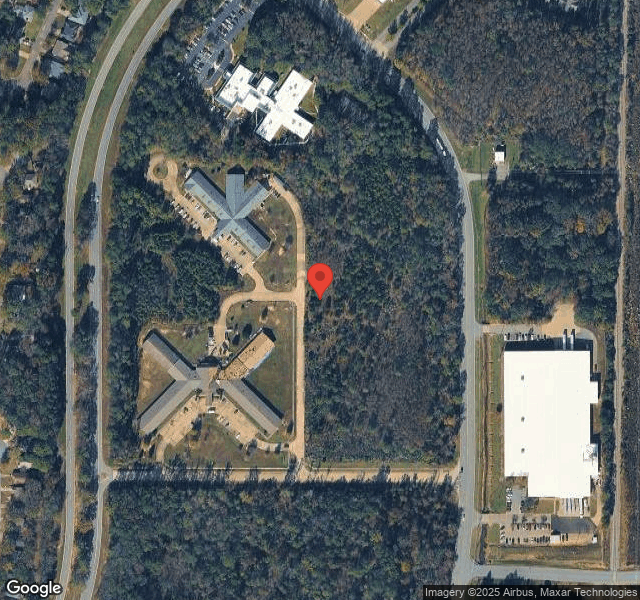
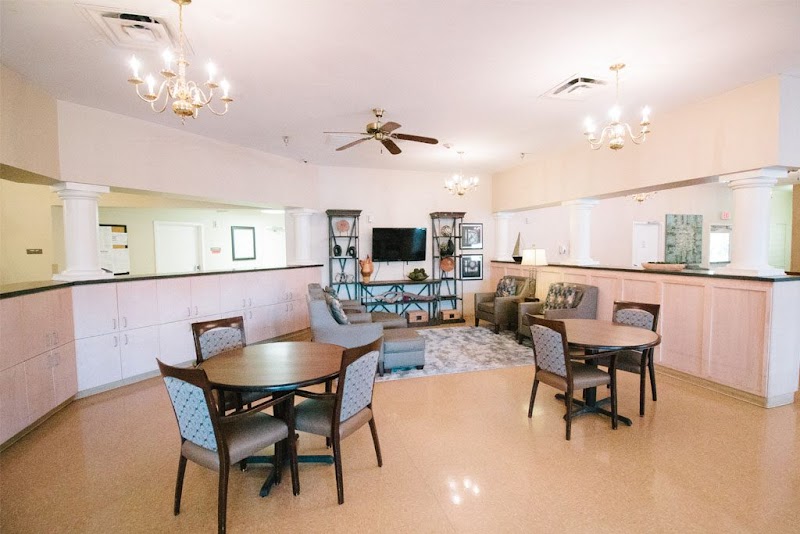
103 ALEXANDRIA DRIVE, MAUMELLE, AR 72113 (501) 734-1400
For profit - Corporation 48 Beds ANTHONY & BRYAN ADAMS Data: November 2025
Trust Grade
40/100
#174 of 218 in AR
Last Inspection: June 2024

Within standard 12-15 month inspection cycle. Federal law requires annual inspections.

Overview

The Lakes at Maumelle Health and Rehabilitation has a Trust Grade of D, indicating below-average quality with some significant concerns. Ranked #174 out of 218 facilities in Arkansas, they are in the bottom half, and #17 out of 23 in Pulaski County, meaning only a few local options are better. Unfortunately, the facility is worsening, with issues increasing from 10 in 2023 to 11 in 2024. Staffing is average, rated 3 out of 5 stars, but with a concerning turnover rate of 71%, significantly higher than the state average of 50%. While there are no fines on record, which is good, it's worth noting that RN coverage is better than 85% of Arkansas facilities, ensuring more oversight of resident care. However, there are several serious concerns regarding food safety practices. For instance, inspectors found that the kitchen staff failed to ensure dishes were properly sanitized, with temperatures not documented as required. Additionally, food items were not stored correctly, with expired items left in the refrigerator, and staff did not consistently wash their hands before handling food. These issues pose a potential risk for foodborne illnesses among residents, emphasizing the need for improvements in kitchen hygiene and safety protocols.

Trust Score
D
40/100
In Arkansas
#174/218
Bottom 21%
Safety Record
Low Risk
No red flags
Inspections
Getting Worse
10 → 11 violations
Staff Stability
⚠ Watch
71% turnover. Very high, 23 points above average. Constant new faces learning your loved one's needs.
Penalties
✓ Good
No fines on record. Clean compliance history, better than most Arkansas facilities.
Skilled Nurses
○ Average
Each resident gets 33 minutes of Registered Nurse (RN) attention daily — about average for Arkansas. RNs are the most trained staff who monitor for health changes.
Violations
⚠ Watch
34 deficiencies on record. Higher than average. Multiple issues found across inspections.
★★☆☆☆
2.0
Overall Rating
★★★☆☆
3.0
Staff Levels
★★★★☆
4.0
Care Quality
★★☆☆☆
2.0
Inspection Score
Stable
2023: 10 issues
2024: 11 issues

The Good

  • 4-Star Quality Measures · Strong clinical quality outcomes
  • Full Sprinkler Coverage · Fire safety systems throughout facility
  • No fines on record

Facility shows strength in quality measures, fire safety.

The Bad

2-Star Overall Rating

Below Arkansas average (3.1)

Below average - review inspection findings carefully

Staff Turnover: 71%

25pts above Arkansas avg (46%)

Frequent staff changes - ask about care continuity

Chain: ANTHONY & BRYAN ADAMS

Part of a multi-facility chain

Ask about local staffing decisions and management

Staff turnover is very high (71%)

23 points above Arkansas average of 48%

The Ugly 34 deficiencies on record

Jun 2024 11 deficiencies
CONCERN (D)

Potential for Harm - no one hurt, but risky conditions existed

Deficiency F0554 (Tag F0554)

Could have caused harm · This affected 1 resident

Based on the observations, interviews, and facility policy review the facility failed to ensure 1 sampled (Resident #20) did not self-administer medication prior to an assessment conducted by the inte...

Read full inspector narrative →
Based on the observations, interviews, and facility policy review the facility failed to ensure 1 sampled (Resident #20) did not self-administer medication prior to an assessment conducted by the interdisciplinary team to determined it clinically appropriate and safe for the Resident to do so. The findings include: Resident #20 had a diagnosis of dysphagia, acute kidney failure, and chronic pulmonary edema. Resident #20 had an order for sore throat oral liquid (Acetaminophen) give 1 spray by mouth every 2 hours as needed for pain - moderate related to COVID-19 throat pain. Quarterly Minimum Data Set with an Assessment Reference Date of 04/09/24 that documented that Resident #20 was unable to complete the Brief Interview of Mental Status and had long term memory problems. A Care Plan for Resident #20 did not document that Resident self-administers medications. On 06/03/24 at 8:45 AM, the Surveyor noted sore throat spray was on Resident #20 ' s bedside table. On 06/03/24 at 8:56 AM, the Surveyor asked the Director of Nursing (DON) are there any residents in the facility that self-administers medications? The DON voiced that the facility did not have any residents in the facility that self-administers medications. On 06/03/24 8:75 AM, the Surveyor asked the DON should there be medications on the Resident's bed side table? The DON voiced that there should not be medication on the bedside table. 06/05/24 at 9:34 AM, the Surveyor asked the DON what could be a potential negative outcome from the Resident self-administering medications unknowingly? The DON voiced the Resident could overdose, the medication could interfere with other medication the Resident is prescribed, or another Resident could get the medication. On 06/05/24 at 10:32 AM, the Surveyor was provided a policy titled Self-Administration of Medications that documented Residents have the right to self-administer medications if the interdisciplinary team has determined that it is clinically appropriate and safe for the resident to do so.
CONCERN (D)

Potential for Harm - no one hurt, but risky conditions existed

Deficiency F0583 (Tag F0583)

Could have caused harm · This affected 1 resident

Based on observations, interviews, and facility policy reviews the facility failed to protect the Patient Health Information (PHI) of 1 (Resident #2) sampled resident. This failed practice had the pot...

Read full inspector narrative →
Based on observations, interviews, and facility policy reviews the facility failed to protect the Patient Health Information (PHI) of 1 (Resident #2) sampled resident. This failed practice had the potential to affect all residents residing in the facility. The findings include: 1. On 06/03/2024 at 7:38 AM, the Surveyor observed Licensed Practical Nurse (LPN) #8 walk to the dining leaving the computer screen on the laptop mounted to a medication cart unlocked displaying Resident #2's personal and medical information. The following was observed: a. Facility name b. Resident's name c. Status d. Location e. Gender f. date of birth g. Age h. Physician i. Allergies j. Code status k. Ordered medications 2. On 06/03/2024 at 7:40 AM, the Director of Nursing (DON) observed the Surveyor standing at the medication cart taking notes and pictures and instructed LPN #8 to leave the facility. The Surveyor was unable to conduct an interview with LPN #8 due to LPN #8 no longer being in the building. 3. On 06/05/2024 at 9:34 AM, the Director of Nursing (DON) confirmed the computer screen should be locked or closed to protect Resident #2's privacy. The DON voiced that it was a Health Insurance Portability and Accountability Act (HIPAA) issue if the computer screen was unattended and unlocked with a resident's personal and medical information displayed. 4. On 06/05/2024 at 10:32 AM, the Surveyor was provided with a policy titled Protected Health Information (PHI), Management and Protection of that documented It is the responsibility of all personnel who have access to the resident and facility information to ensure that such information is managed and protected to prevent unauthorized release or disclosure.
CONCERN (D)

Potential for Harm - no one hurt, but risky conditions existed

Assessment Accuracy (Tag F0641)

Could have caused harm · This affected 1 resident

Based on record review and interview, the facility failed to complete an accurate Minimum Data Set (MDS) for 01 (Resident #40) of 1 sample mix residents. The findings are: Resident #40's Quarterly MD...

Read full inspector narrative →
Based on record review and interview, the facility failed to complete an accurate Minimum Data Set (MDS) for 01 (Resident #40) of 1 sample mix residents. The findings are: Resident #40's Quarterly MDS with an Assessment Reference Date (ARD) of 02/29/2024 documented the Resident as taking an anticoagulant, however there is no physician order on the order recap report dating back to 02/28/2024 noting the resident taking an anticoagulant. On 06/04/24 at 10:23 AM, the Surveyor interviewed the MDS Coordinator and asked, Does resident #40's MDS with an ARD of 02/29/2024 indicate the Resident is taking an anticoagulant? MDS Coordinator stated, It's saying yes. When asked, Can you tell me when resident #40 was ordered an anticoagulant? She stated, On [Resident #40] current orders it doesn't say [Resident #40] takes one let me look on [Resident #40's] other. I'm not seeing where [Resident #40] had an anticoagulant. When asked, Is Resident #40's MDS coded correctly? She stated, No ma'am it's not and we will be doing a modification on that.
CONCERN (D) 📢 Someone Reported This

A family member, employee, or ombudsman was alarmed enough to file a formal complaint

Potential for Harm - no one hurt, but risky conditions existed

Deficiency F0804 (Tag F0804)

Could have caused harm · This affected 1 resident

Based on observation, interview, and record review, it was determined that the facility failed to provide palatable food to Residents. The findings are: Resident #4 has a medical diagnosis of: Encepha...

Read full inspector narrative →
Based on observation, interview, and record review, it was determined that the facility failed to provide palatable food to Residents. The findings are: Resident #4 has a medical diagnosis of: Encephalopathy, muscle wasting & atrophy, pulmonary edema, anxiety disorder, restlessness, Type II Diabetes with Hyperglycemia, Parkinsonism, and edema. A Quarterly Minimum Data Set (MDS) with an Assessment Reference Date [ARD] of 4/12/2024 shows Resident to have a score of 15 on the Brief Interview for Mental Status (BIMS), cognitive assessment summary. On 6/03/24 at 9:00 AM, Surveyor asked Resident #4 if pleased with the food received at this facility. Resident told surveyor that the food doesn't taste very good most of the time. On 6/03/2024 at 1:02 PM, the surveyor checked the Resident's meal card and there was an order for sweet and low. The Resident told the surveyor there was none on the tray. The surveyor observed there to be no sweet and low on resident's meal tray to go in resident's beverage. On 6/04/2024 at 8:57 AM, the surveyor observed the Resident's breakfast meal being set up for resident in the room. The tray consisted of sausage, scrambled eggs, waffles, and cream of wheat. Resident had sweet and low (which is ordered) on tray. There was no butter for the waffles or cream of wheat. Surveyor asked Director of Nursing (DON) for butter for the waffles and hot cereal. On 6/04/2024 at 1:42 PM, the surveyor asked Dietary Manager (DM) who is responsible for getting meal trays ready that go to the hallway. DM stated the Dietary Aides. Surveyor asked DM if hall trays get the usual condiments with their meals. DM stated, absolutely. Surveyor informed DM that on two separate occasions, resident received a tray without the ordered sweet and low artificial sweetener and butter for breakfast that included waffles and cream of wheat. Based on record review, Resident #4's last dietary assessment was on 7/05/2022. On 06/02/24 at 11:51 AM, the surveyor interviewed Resident #41 and the resident stated Food is not too good. Served black beans 3 days in a row. Family brings in food or I wound starve to death. On 06/02/24 at 11:57 AM, the Surveyor interviewed Resident #6 who confirmed meals are not palatable or seasoned. Review of Resident #6's Order Summary Report revealed the resident is ordered a regular diet, regular texture, regular consistency. Review of Resident #6's Care Plan dated 11/19/2021 revealed the resident feeds self with tray set up. Review of Resident #6's Minimum Data Set (MDS) with an Assessment Reference Date (ARD) of 02/10/2024 did not reveal any swallowing disorder but did reveal the resident is edentulous. 06/02/24 1:35 PM, the Surveyor received test tray from the facility kitchen. The meal consisted of pork roast, mashed potatoes with gravy, green beans, dinner roll and vanilla ice cream. Ice cream was melted, pork was slightly over cooked, dry, and chewy, green beans and mashed potatoes were bland with no seasoning. On 06/05/24 at 10:17 AM, the Surveyor interviewed the Dietary Manager and asked, Should resident ' s meals be palatable? He stated, Yes. When asked, Why should meals be palatable? He stated, Because no one wants to eat anything not palatable. We want it to taste good. When asked, Should meat be overcooked, dry and chewy? He stated, No. It doesn't taste good. When it's chewy the older residents can't eat it and you cook out too much of the nutrients.
CONCERN (D)

Potential for Harm - no one hurt, but risky conditions existed

Infection Control (Tag F0880)

Could have caused harm · This affected 1 resident

Based on observation, record review, interview, and facility policy review it was determined the facility failed to ensure staff washed/cleaned hands after changing gloves during incontinent and wound...

Read full inspector narrative →
Based on observation, record review, interview, and facility policy review it was determined the facility failed to ensure staff washed/cleaned hands after changing gloves during incontinent and wound care for 1 (Resident #32) of 1 sampled resident reviewed for pressure ulcers; to ensure wound care supplies were cleaned or replaced when contaminated to reduce the risk infection for Resident # 32. The findings are: 1. Resident # 32 with diagnoses of: Complete traumatic amputation at level between right hip and knee, gastrointestinal hemorrhage, pulmonary embolism, esophagitis, muscle wasting, pressure ulcer of sacral region, stage 2, pressure ulcer, unspecified site stage 2, schizophrenia. a. A physicians order dated 6/3/24 documented, . Order Summary: Treatment: Pressure Ulcer to Right superior dorsal thigh area, (W #3). Clean with wound cleanser, pat dry, apply Silvadene, cover with foam dressing. Change daily and as needed every day shift for Wound care. skin integrity. Replace dressing and notify Treatment nurse. and as needed for Ineffective or soiled dressing. Change and notify treatment nurse. Physicians order dated 6/3/24- documented .Treatment left posterior trochanter area for skin integrity and protection. Change M, W, F [Monday, Wednesday, Friday] and as needed. Cleanse with wound cleaner, pat dry and apply Foam dressing Treatment: Stage 2 Pressure Ulcer to coccyx area (W #1). Clean with wound cleanser, pat dry, apply Silvadene cream, cover with foam dressing. Change daily and as needed b. Care Plan Entry Date Initiated: 05/30/2024 showed, Focus . The resident has multiple pressure ulcers to dorsal buttocks and thigh region along with areas of fragile skin related to pressure and compromised skin integrity. Goal .The residents will Pressure ulcer will show signs of healing and remain free from infection by/through review date. Date Initiated: 06/03/2024 Created byLicensed Practical Nurse, (LPN) Target Date: 08/28/2024 The resident will have intact skin, free of redness, blisters, or comorbidities. Interventions . Monitor dressing (specify frequency) to ensure it is intact and adhering. Report lose dressing to Treatment nurse. c. On 06/3/2024 at 11:08 AM, during wound care/pressure ulcer care the surveyor observed Licensed Practical Nurse (LPN) #1 perform care to Resident #32. The surveyor observed enhanced precautions signs and Personal Protection Equipment (PPE) cart outside Resident #32 ' s door. d. On 6/3/2024 at 11:08 AM LPN #1 prepared wound care supplies. Applied gloves without washing hands and placed a red bag on top of 4x4's. Resident is on enhanced barrier precautions. LPN#1 donned gown, donned gloves, and did not wash/cleanse hands prior to donning PPE equipment. Entered Resident ' s room changed resident brief, did not remove gloves, touched dresser drawer, bathroom door, exited Resident ' s room searching for new brief without removing gloves or cleansing hands. e. On 06/03/2024 at 11:12 AM, LPN # 1 returned to Resident ' s room with new brief. Put on clean gloves without cleansing hands, removed old dressing from right thigh pressure ulcer, removed gloves, donned new gloves, cleaned wound with cleanser, applied a gel to hip to right wound, removed gloves, donned clean gloves, and applied foam dressing to wound on right hip. Removed gloves and disposed of them in red bag. f. On 06/03/24 at 11:20 AM, LPN #1, donned clean gloves removed and dressing from coccyx area. Changed gloves, scratched head, picked up a 4x4 to clean coccyx area with wound cleanser applied, applied gel to coccyx wound, changed gloves, applied foam dressing to coccyx. g. On 06/03/24 at 11:30 AM, LPN #1 changed gloves, removed dressing from left hip, applied new foam dressing to wound. LPN #1 went to Resident ' s dresser removed shorts and placed them on the Resident, then removed gloves and exited room. h. On 6/3/2024 at 11:33 AM, Surveyor conducted an interview with LPN # 1, the surveyor stated you scratched your head and touched your scrubs while providing wound care, what did you potentially do? LPN #1 stated, cross contaminated. The surveyor asked: You changed your gloves 12 times, what should you have done between each glove change? LPN #1 stated, Washed my hands or used hand sanitizer. The Surveyor asked LPN #1, You opened the red bag, placed on tray on top of 4x4's on dressing change tray, what did you potentially do? LPN #1 stated, cross contamination. The surveyor asked LPN #1 After removing Resident's soiled brief you went Resident ' s dresser and bathroom with gloves on, what did you potentially do?' LPN #1 stated, cross contamination. Surveyor asked LPN #, The foam dressing in package laid it on top of your cart, opened it, labeled dressing, then placed package on top of 4x4 gauze pads, what potentially did you do? LPN #1 stated, cross contamination. i. The facility provided a policy titled Infection Control Guidelines for All Nursing Procedures that documented Purpose: To provide guidelines for general infection control while caring for resident. General Guidelines 3. Employees must wash their hands for ten (10) to fifteen (15) seconds using antimicrobial or nonantimicrobial soap and water under the following conditions: a. Before and after direct contact with residents; .d. After removing gloves . e. After handling items potentially contaminated with blood, body fluids or secretions .
CONCERN (D)

Potential for Harm - no one hurt, but risky conditions existed

Room Equipment (Tag F0908)

Could have caused harm · This affected 1 resident

Based on observation and interview, it was determined that the facility failed to ensure kitchen equipment was in safe, working condition. The findings are: 1. On 6/02/24 at 11:07 AM, the surveyor en...

Read full inspector narrative →
Based on observation and interview, it was determined that the facility failed to ensure kitchen equipment was in safe, working condition. The findings are: 1. On 6/02/24 at 11:07 AM, the surveyor entered the facility kitchen. Upon entry, the surveyor found water in a puddle between the dishwasher and sinks. 2. On 6/04/24 at 7:42 AM, the surveyor entered the kitchen to find a large puddle of water in the floor between the steam table and refrigerators. The surveyor showed Director of Nurse's (DON) and Dietary Manager (DM) the dishwasher had water coming from it and going all over the floor and running down the table beside the dishwasher. a. On 6/04/2024 at 7:50 AM, the surveyor asked DM how long dishwasher had been leaking water on the floor. DM said he did not know but not for that long. b. On 6/04/2024 at 7:51 AM, the surveyor asked DM if he had reported the dishwasher to anybody. DM said he had not, but he would let somebody know. c. On 6/04/2024 at 7:52 AM, the surveyor noticed a long strip of white trim that runs between the dishwasher and the wall with a black substance. The surveyor asked DM what the black colored substance was on a strip of wood between the stainless-steel table and the wall. DM said he wasn't sure if it was mildew or mold. d. On 6/05/2024 at 8:30 AM, the Dietary Manager provided the training materials that kitchen staff are in-serviced on titled Employee Food Safety: Maintaining and Cleaning Equipment. e. On 6/05/2024 at 8:55 AM, the Administrator provided in-services for dietary and kitchen staff regarding sanitation and hazards.
CONCERN (E) 📢 Someone Reported This

A family member, employee, or ombudsman was alarmed enough to file a formal complaint

Potential for Harm - no one hurt, but risky conditions existed

Safe Environment (Tag F0584)

Could have caused harm · This affected multiple residents

Based on observation, interview, and record review, it was determined the facility failed to ensure residents rooms are sanitary, clean, and homelike for Resident #4 and the heating and air conditioni...

Read full inspector narrative →
Based on observation, interview, and record review, it was determined the facility failed to ensure residents rooms are sanitary, clean, and homelike for Resident #4 and the heating and air conditioning unit was maintained and in good repair for Resident #6. The findings are: On 6/02/2024 at 11:38 AM, during initial rounds, surveyor observed Resident #4's room to have an unpleasant odor, the floor was sticky, there was a brown liquid substance on the floor near the left side of the foot of Resident's bed. The puddle of brown liquid substance had napkins laying on top of it. There was a bag of chips laying under the Resident ' s bed, and the over the bed table had spills and trash on top. The room had a clutter of personal belongings throughout the room. On 6/03/2024 at 7:45 AM, while making rounds in facility, there was a puddle of clear liquid substance in the middle of 100 hallway. There was a caution wet floor sign sitting over the wet substance. There is a strong smell of urine/odor on 400 Hall. Surveyor asked Social Services Director (SSD) to look at the puddle of liquid in the hallway. Surveyor asked SSD what the substance is. SSD said that it looks like water but doesn't know why it was left there. The Director of Nursing (DON) and the housekeeper looked at the liquid in the hallway and the housekeeper grabbed supplies to dry up the spill. On 6/04/2024 at 7:42 AM, when entering dining room to observe breakfast, there was one table to the right of the dining room with a stack of trays and plates on it with leftover food trays. One of the foods left on the tray appeared to be carrots. There were cups with liquids left in them. One of the cups had a white liquid in it and a dead fly floating on top. There were residents sitting at the other tables around the table with the food plates and trays stacked on it. Staff were passing out beverages to the residents. On 6/04/2024 at 7:45 AM, Surveyor and the DON walked into the kitchen to speak to Dietary Manager (DM) regarding dishes stacked on the table in the dining room. Surveyor asked DM what were the trays of food from stacked on the table. DM stated they were most likely leftovers from dinner the night before that came from residents on the hallway. Surveyor asked DM why they weren't washed the previous day. DM said they were probably late getting them back to the kitchen and all the kitchen staff had gone home for the day. Resident #4 has a medical diagnosis of: Encephalopathy, muscle wasting & atrophy, pulmonary edema, anxiety disorder, restlessness, Type II Diabetes with Hyperglycemia, Parkinsonism, and edema. A Quarterly Minimum Data Set (MDS) with an Assessment Reference Date [ARD] of 4/12/2024 shows resident to have a score of 15 on the Brief Interview for Mental Status (BIMS), cognitive assessment summary. On 6/05/2024 at 9:40 AM, surveyor asked Housekeeping Supervisor (HS) how often are resident's rooms cleaned? HS stated they are cleaned daily. Surveyor asked HS if he ever checks behind his staff. HS said he spot checks down all hallways. The surveyor asked HS if there were ever any noticeable odors. HS stated there are sometimes in resident's rooms, and he feels like it's contained to their personal belongings, and they are not allowed to do anything with those. The surveyor asked HS what his procedure is that his staff are educated on when a spill is found. HS stated if there are meal trays on the hallway, a wet floor sign is placed over the spill. Once meals are finished, the housekeeper will clean the area with the spill. On 6/05/2024 at 8:55 AM, a policy on accidents and hazards and resident's rights was provided to surveyors by the Administrator. Also provided were in-services on Room Maintenance, Sanitation, and Resident's Rights. 06/02/24 12:09 PM, the Surveyor interviewed Resident #6 and Resident stated, My heat and air don't work right. If they turn it on it only goes on high and it freezes me. Surveyor observed heating and air conditioning unit missing a knob. 06/02/24 12:13 PM, the Surveyor interviewed Certified Nurse Aide (CNA) #07 and asked, How would you adjust Resident #6 ' s heat and air unit from hot to cold? She stated, It had a little thing on it. Here I can switch it and use the other one (pulled off knob to other side). When asked, Should it have a knob on each side? She stated, Ya it should. When asked, Why should it have a knob on each side? She stated, To adjust the temperature from hot to cold. On 06/02/24 at 12:25 PM, the Surveyor interviewed the DON and asked, How you would adjust hot too cold on Resident #6 ' s heat and air unit? The DON confirmed since there were no knobs on the unit she would use pliers. When asked, Should it have a knob? She stated, Yes. When asked, Why should it have both knobs? She stated, So they can control their own temperature. On 06/04/24 at 11:05 AM, the Surveyor observed Resident #6's heat and air conditioning unit still missing a temperature adjustment knob. On 06/04/24 at 12:14 PM, the Surveyor interviewed the Maintenance Director in Resident #6's room and asked, How would Resident #6 adjust the heat and air conditioning unit from hot to cold? He stated, It's actually missing a knob. If someone would've told me, I would have replaced it. When asked, How do staff notify you when equipment needs fixed? He stated, They either text message me or write it in the maintenance log. When asked, Should the unit have two knobs? He stated, Yes. When asked, Why should the unit have two knobs? He stated, So Resident #6 can turn her air hot or cold. Surveyor obtained a copy of the maintenance records that do not document staff reported the missing heating and air conditioning knob to the Maintenance Director.
CONCERN (E)

Potential for Harm - no one hurt, but risky conditions existed

Comprehensive Care Plan (Tag F0656)

Could have caused harm · This affected multiple residents

Based on record review and interview, the facility failed to ensure the comprehensive care plan was individualized to addressed appropriate care and services for use of fall mats for 2 (Resident #26, ...

Read full inspector narrative →
Based on record review and interview, the facility failed to ensure the comprehensive care plan was individualized to addressed appropriate care and services for use of fall mats for 2 (Resident #26, and #43) of 2 sampled residents. The findings are: 1. Resident #26 had a diagnosis of fall from slipping, tripping, and stumbling with subsequent striking against other objects and displaced intertrochanteric fracture of right femur. a. Annual Minimum Data Set with the Assessment Reference Date of 04/17/24 that documented that Resident #26 scored 04 (0-7 indication severe cognitive impairment) on the Brief Interview of Mental Status and b. A Care Plan for Resident #26, revision date 03/25/22, documented that Resident #26 was at risk for falls related to (r/t) poor balance, weakness, Cerebrovascular accident (CVA), Hypertension (HTN), Diabetes Mellitus (DM), and Seizures. The Care Plan for Resident #26 did not note that a fall mat was put into place as an intervention. c. On 06/02/24 at 10:34 AM, the Surveyor observed Resident #26 lying in bed and the fall mat was placed under the bed. On 06/02/24 at 1:35 PM, the Surveyor observed Resident #26 lying in bed and the fall mat was placed under the bed. On 06/03/24 at 9:00 AM, the Surveyor observed Resident #26 lying in bed fall mat was next to bed. The Surveyor observed that the fall mat was slanted causing a gap between the fall mat and the head of the bed. On 06/03/24 at 3:20 PM, the Surveyor observed Resident #26 lying at the edge of the bed fall mat next to bed. The Surveyor observed that the fall mat was slanted causing a gap between the fall mat and the head of the bed. d. On 06/03/24 at 3:34 PM, the Surveyor asked the LPN #9 is the fall mat noted on Resident #26 Care Plan? LPN #9 voiced after reviewing the care plan it is not documented on Resident #26 Care Plan, but the fall mat was in place as an intervention for risk. e. On 06/05/24 at 9:34 AM, The Surveyor asked the Director of Nursing (DON) should an intervention that was place for fall prevention such as a fall mat be noted on the Resident's Care Plan? DON voiced that it should be documented on the care plan. 2. On 06/02/24 at 2:52 PM, the Surveyor observed Resident #43 lying in bed, with the over the bed table sitting on fall mat that has tears and edges peeling up. The surveyor interviewed Certified Nurse Aide (CNA) #6 and asked, Describe Resident ' s fall mat? She stated, Its ripped and sides are coming up. When asked, Is the fall mat in proper working order? She stated, No, it makes it more of a fall risk. a. On 06/02/24 at 3:05 PM, the Surveyor interviewed the DON and asked, Can you describe Resident ' s fall mat for me? She stated, Its torn and the edges are coming up. When asked, Is the fall mat in proper working order? She stated, Nope. It increases the fall risk. b. On 06/03/24 at 9:54 AM, the Surveyor observed the same fall mat on Resident #43's floor as on 06/01/2024 that was discussed with the CNA and DON. c. On 06/03/24 at 12:21 PM, Resident #43 has a diagnosis of Metabolic Encephalopathy, and Overactive Bladder. d. Progress note dated 04/12/2024 at 12:59 noted Nursing (Nsg) Incident and Accident (I&A) Incident Description: Was found on the floor of bedroom. was lying on left side. Aide found resident on the floor. Pick up and put back in bed. Immediate Intervention: Check head to make sure resident didn't hit it. complained of pain in the left arm and left hip. looked and no bruising on the hip. But was discoloration on the left forearm. e. Progress note dated 4/16/2024 at 3:01 noted Nsg-Hot Rack Charting: Neuro checks completed. No delayed injury noted. Resident in bed resting with no c/o. No distress or discomfort noted. Call light (C/L) and water (H20) in reach and bed in low position. f. Care plan with a date of 04/16/2024 revealed The resident has had an actual fall with minor injury 04/12/24- unwitnessed fall 04/12/24- Unwitnessed fall with minor injury- bed maintenance repair. Continue interventions on the at-risk plan . g. 06/03/24 03:30 PM A review Resident #43's care plan does not document fall mat in room. h. On 06/04/24 at 10:19 AM, the Surveyor interviewed the Minimum Data Set (MDS) Coordinator and asked, Is Resident #43 care planned for a fall mat? She stated, Not on this care plan. Last fall on [Resident #43] was 4/12 and it's a bed maintenance repair. When asked, If a resident has a fall mat on their floor due to fall should the fall mat be listed on their care plan as an intervention? The MDS Coordinator stated, Yes, ma'am. When asked, Why? The MDS Coordinator stated, So that the staff know to put it in place for a safety measure. The facility provided a policy titled,Care Plans, Comprehensive Person-Centered with a revision date of December 2016 that documented, Policy Statement A comprehensive, person-centered care plan that includes measurable objectives and timetables to meet the resident ' s physical, psychosocial and functional needs is developed and implemented for each resident. Policy Interpretation and Implementation 2. The care plan interventions are derived from a thorough analysis of the information gathered as part of the comprehensive assessment.
CONCERN (E)

Potential for Harm - no one hurt, but risky conditions existed

Accident Prevention (Tag F0689)

Could have caused harm · This affected multiple residents

Based on observation, record review, and interview the facility failed to ensure residents that require fall mats at the bedside have them placed in a manor to prevent injury in event of a fall for 1 ...

Read full inspector narrative →
Based on observation, record review, and interview the facility failed to ensure residents that require fall mats at the bedside have them placed in a manor to prevent injury in event of a fall for 1 (Resident #26) of 1 sample mix residents; to ensure fall mats at the bedside were properly maintained for 1 (Resident #43) of 1 sample mix residents; to ensure housekeeping carts and janitors closet was kept secure. The findings are: On 06/02/24 at 2:52 PM, the Surveyor observed Resident #43 lying in bed, lunch tray with 25% eaten on over the bed table sitting on fall mat that has tears and edges are peeling up. Progress note dated 04/12/2024 noted Nursing Incident and Accident Report showed the following: Description: Was found on the floor of bedroom lying on left side. Aide found resident on the floor. Immediate Intervention: Check head to make sure resident didn't hit it. Complained of pain in the left arm and left hip, no bruising on the hip, but was discoloration on the left forearm. Progress note dated 4/16/2024 at 03:01 noted Nursing-Hot Rack Charting: Neuro checks completed. No delayed injury noted. No distress or discomfort noted. Care plan with a date of 04/16/2024 revealed Resident #43 has had an actual fall with minor injury 04/12/24 that was unwitnessed. Interventions were bed maintenance repair, continue interventions on the at-risk plan . On 06/02/224 at 2:52 PM, the Surveyor interviewed Certified Nurse Aide (CNA) #06 and asked, Describe Resident #6's fall mat? She stated, Its ripped and sides are coming up. When asked, Is the fall mat in proper working order? She stated, No, it makes it more of a fall risk. On 06/02/24 at 3:05 PM, the Surveyor interviewed the Director of Nursing (DON) and asked, Can you describe the fall mat? She stated, Its torn and the edges are coming up. When asked, Is the fall mat in proper working order? She stated, Nope. It increases the fall risk. On 06/03/24 at 9:54 AM, the Surveyor observed same fall mat on Resident #43's floor as on 06/01/2024 that was discussed with the CNA and DON. On 06/03/24 at 02:42 PM, the Surveyor interviewed the DON and asked, When should Resident #43's fall mat been replaced? She stated, When we found it. When asked, Why should it have been replaced when you found it? She stated, Because of safety. Resident #26 had a diagnosis of fall on same level from slipping, tripping, and stumbling with subsequent striking against other objects and displaced intertrochanteric fracture of right femur. Annual Minimum Data Set with the Assessment Reference Date of 04/17/24 that documented that Resident #26 scored 04 (0-7 indication severe cognitive impairment) on the Brief Interview of Mental Status. A Care Plan for Resident #26, revision date 03/25/22, documented that Resident #26 was at risk for falls related to (r/t) poor balance, weakness, Cerebrovascular accident (CVA), Hypertension (HTN), Diabetes Mellitus (DM), and Seizures. On 06/02/24 at 10:34 AM, the Surveyor observed Resident #26 lying in bed the fall mat was placed under the bed. On 06/02/24 at 1:35 PM, the Surveyor observed Resident #26 lying in bed and the fall mat was placed under the bed. On 06/03/24 at 9:00 AM, the Surveyor observed Resident #26 lying in bed fall mat was next to bed. The Surveyor observed that the fall mat was slanted causing a gap between the fall mat and the head of the bed. On 06/03/24 at 3:20 PM, the Surveyor observed Resident #26 lying at the edge of the bed fall mat was partially next to bed. The Surveyor observed the fall mat slanted causing a gap between the fall mat and the head of the bed. On 06/03/24 at 3:25 PM, the Surveyor asked CNA #2 was the fall mat in place as an intervention for falls? CNA #2 voiced the fat was an intervention for falls. The Surveyor asked CNA #2 was it placed in the correct manner? CNA #2 stated no. On 06/03/24 at 3:32 PM, the Surveyor asked Licensed Practical Nurse (LPN) #9 was the fall mat an intervention used to protect Resident #26 in an event of a fall. LPN #9 voiced that Resident #26 had several falls after admission and the fall mat was put in place as an intervention. LPN #9 voiced that the fall mat would not be effective under the bed or partially away from the bed. On 06/05/24 at 9:34 AM, the Surveyor asked the DON what is the proper way to place a fall mat? the DON voiced the fall mat should be parallel to the Resident's bed. The Surveyor asked the DON if the fall mat is not properly place what could be a potential negative outcome? The DON verbalized that the fall mat would not catch the Resident and it was useless. On 06/02/24 at 10:41 AM, the Surveyor observed a door to a closet titled Janitor, with a lock pad on the exterior of the door, unlocked. The Surveyor opened the door and observed several cleaning chemicals stored in the closet. On 06/02/24 at 10:58 AM, the Surveyor observed a housekeeping cart unattended in the hallway with the door slightly ajar. The Surveyor opened the door on the housekeeping cart and noted chemicals stored inside. a. cart in the hallway of 200 hall labeled 200 & 400 hall? Housekeeping staff #10 voiced that it was her cart. The Surveyor asked Housekeeping Staff #10 was it locked? Housekeeping Staff #10 voiced the lock is broken on the cart therefore it cannot be locked. The Surveyor asked Housekeeping Staff #10 how long had the lock been broken? The Housekeeping Staff #10 voiced the lock had been broken about a month. The Surveyor asked Housekeeping Staff #10 what could be a negative outcome of the chemicals being unlocked and unattended? Housekeeping Staff #10 voiced a resident could get into the chemicals. On 06/05/24 at 9:30 AM, the Surveyor asked the Housekeeping Supervisor what intervention did you put into place after you became aware that the lock was broken on the housekeeping cart? The Housekeeping Supervisor voiced that he educated staff on putting the cart up when not in use but was unable to provide documentation of any in-services on that matter.
CONCERN (E) 📢 Someone Reported This

A family member, employee, or ombudsman was alarmed enough to file a formal complaint

Potential for Harm - no one hurt, but risky conditions existed

Deficiency F0761 (Tag F0761)

Could have caused harm · This affected multiple residents

Based on observations, interviews, and facility policy reviews the facility failed to store drugs and biologicals in accordance with professional principles and the facility's policy. This failed prac...

Read full inspector narrative →
Based on observations, interviews, and facility policy reviews the facility failed to store drugs and biologicals in accordance with professional principles and the facility's policy. This failed practice had the potential to affect every Resident residing in the building. The findings include: 1. On 06/03/24 at 7:38 AM, the Surveyor observed the Licensed Practical Nurse (LPN) #8 walk to the dining room, with a medication cup in hand, leaving the medication cart unlocked. a. On 06/03/24 8:31 AM, the Surveyor observed an unattended unlocked medication cart in the hallway up against the wall not in front of a doorway. The Surveyor could hear talking in the room across the hall encouraging a Resident to take medication. The Surveyor walked up the hall father to see in the room and observed LPN #9 at the head of bed with her back to the door. b. On 06/03/24 at 8:35 AM, LPN #9 confirmed she was the nurse who left the medication cart unlocked and the medication cart was not viewable from position in the room. c. On 06/05/24 at 9:34 AM, the Director of Nursing (DON) voiced the cart should be unlocked when unattended because anyone can get anything. d. On 06/05/24 at 10:32 AM, a policy was provided titled Storage of medications that documented 7. Compartments (including, but not limited to, drawers, cabinets, rooms, refrigerators, carts, and boxes.) containing drugs and biologicals shall be locked when not in use, and trays or carts used to transport such items shall not be left unattended if open or otherwise potentially available to other.
CONCERN (F)

Potential for Harm - no one hurt, but risky conditions existed

Food Safety (Tag F0812)

Could have caused harm · This affected most or all residents

Based on observation, record review, and interview it was determined that the facility failed to ensure dishes were properly sanitized. The findings are: 1. On 6/03/2024 at 11:06 AM the surveyor ask...

Read full inspector narrative →
Based on observation, record review, and interview it was determined that the facility failed to ensure dishes were properly sanitized. The findings are: 1. On 6/03/2024 at 11:06 AM the surveyor asked Dietary Consultant if she could check the temperature of the dishwasher. The dishwasher was currently in a rinse cycle. Dietary Consultant placed the thermometer in bowl of hot water inside dishwasher. The temperature reached 130. Dietary Consultant then ran the rinse cycle a little longer and then rechecked the water. The thermometer then reached the temperature of 140. The Dietary Manager stated, sometimes the dishwasher may need to run a few cycles before the temperature climbs. The surveyor then showed the Dietary Consultant the binders where temperatures should be documented. The book had not yet been documented for the month of June. The Dietary Consultant stated that the kitchen staff most likely have the temperatures written down on paper that had not yet been added to the binder. a. On 6/04/2024 at 7:47 AM, Surveyor spoke with Dietary Manager (DM) regarding temperatures from the day before not reaching 180 during rinse cycle. The surveyor asked DM to run a rinse cycle so it could be checked. DM tried 8 times, in various places to get the temperature of rinse water. The highest temperature recorded is 150 degrees. DM stated that there is a feature on the dishwasher that can be initiated when temperatures aren't high enough so a chemical can be added. DM stated that he would do that until somebody could check the dishwasher. b. On 6/04/24 at 1:48 PM Surveyor went back into kitchen to have DM check a chemical test strip from the dishwasher. DM informed surveyor that he purchased a new thermometer and had checked the temperature of the dishwasher, and it was rinsing hot enough. DM placed the thermometer on tray and ran through dishwasher. Thermometer showed a temperature of 182.3. c. On 6/05/2024 at 8:30 AM, the Dietary Manager provided the training materials that kitchen staff are in-service on titled Employee Food Safety: Maintaining and Cleaning Equipment. d. On 6/05/2024 at 8:55 AM, the Administrator provided in-services for dietary and kitchen staff regarding sanitation and hazards.
Nov 2023 1 deficiency
CONCERN (D) 📢 Someone Reported This

A family member, employee, or ombudsman was alarmed enough to file a formal complaint

Potential for Harm - no one hurt, but risky conditions existed

Report Alleged Abuse (Tag F0609)

Could have caused harm · This affected 1 resident

**NOTE- TERMS IN BRACKETS HAVE BEEN EDITED TO PROTECT CONFIDENTIALITY** Based on interview and record review, the facility failed to ensure staff members (Floor Nurse, Certified Nursing Assistant and ...

Read full inspector narrative →
**NOTE- TERMS IN BRACKETS HAVE BEEN EDITED TO PROTECT CONFIDENTIALITY** Based on interview and record review, the facility failed to ensure staff members (Floor Nurse, Certified Nursing Assistant and Human Resource Director) reported an allegation of physical abuse immediately to the Administrator for 1 (Resident #1) of 4 (Residents #1, #2, #3 and #4) case mix residents. The finding include: Resident #1 was admitted to the facility on [DATE] with a diagnosis of Cerebral Infarction due to Thrombosis of unspecified cerebral artery. The Quarterly Minimum Data Set (MDS) dated [DATE] assessed the resident's Brief Interview for Mental Status (BIMS) was a 12. A score of 8 to 12 indicates Resident #1 was moderately cognitively impaired and required cueing to answer questions. The Care Plan dated 8/01/23 documented Resident #1 had an ADL (activities of daily living) self-care performance deficit related to hemiplegia and hemiparesis affecting the right dominant side. Intervention: When bathing/showering avoid scrubbing and pat dry sensitive skin. A Nurses Note dated 10/27/23 at 12:01 PM documented, Note Detail: Seems different than usual. Resident stated that someone was trying to rape her; staff was only giving shower and peri care. Will continue to monitor . A Nurses Note dated 11/01/23 at 3:33 PM documented the facility sent Resident #1 to the hospital for rape kit and exam due to the resident's allegation that she was raped. The Adult Protective Service Report dated 11/01/23 documented the hospital reported the victim was being touched inappropriately when being bathed by an employee. On 11/29/23 at 10:07 AM, during an interview with Nurse #1 she stated that Resident #1 was not acting normal. They had even drug tested her which came back clear. Then Certified Nursing Assistant (C.N.A) #1 said that Resident #1 said she had raped her. Human Resources was talking with C.N.A. #1 and Nurse #1 had overheard the conversation. I did not tell anyone, I just documented it in the notes. I got busy and forgot about it until I was asked about it later. On 11/29/23 at 10:21 A.M., during an interview with C.N.A. #1 stated the resident was already up and maybe she gave her a shower, she does not remember. She did not know anything about the allegation until another C.N.A. told her that the resident said she had been mean or ugly to her. On 11/29/23 at 10:45 A.M., during an interview with the Human Resource (H.R.) Director, she stated that Resident #1 rolled up to the nurse's station after receiving a shower. Nurse #1 and the C.N.A #1 and herself were at the nursing station. She said the resident was calm acting and stated that they were rough with her. As she (Resident #1) was trying to explain it all, after a little bit, then she said the rape word. I told Nurse #1 to document it. I tried to get the resident to explain what happened and she could not get the words out. The H.R. Director was asked who completes orientation for new hires on abuse. She said she does. The H.R. Director was asked who was supposed to report abuse allegations. She said, The nurse does. The Surveyor asked whose responsibility it was to report allegations. She said Everyone. She said it was her responsibility to call and report it. I didn't do it. It just came out of the blue. I thought she got the wrong word. I thought she was confusing it with the word rough. On 11/29/23 at 11:58 AM, during an interview with the Administrator, she was asked what the time frame for reporting abuse was. She said she had twenty-four hours to report to the state. The Surveyor asked what the time frame for reporting physical abuse was. She said 2 hours and they have inserviced the staff on timely reporting. On 11/29/2023 at 12:05 PM, the Administrator provided the facility Abuse Investigation and Reporting policy which documented, Policy Statement: All reports of resident abuse, neglect, exploitation, misappropriation of resident property, mistreatment and/or injuries of unknown source (abuse) shall be promptly reported to local, state, and federal agencies (as defined by current regulations) and thoroughly investigated by facility management. Findings of abuse investigations will also be reported . Reporting 1. All alleged violations involving abuse, neglect, exploitation, or mistreatment, including injuries of an unknown source and misappropriation of property will be reported by the facility Administrator, or his/her designee, to the following persons or agencies: a. The State licensing/certification agency responsible for surveying/licensing the facility; b. The local state Ombudsman; c. The Resident's Representative (Sponsor) of Record; d. Adult Protective Services (where state law provides jurisdiction in long-term care); e. Law enforcement officials: f. The resident's Attending Physician; and g. The facility Medical Director. 2. An alleged violation of abuse, neglect, exploitation, or mistreatment (including injuries of unknown source and misappropriation of resident property) will be reported immediately, but not later than: a. Two (2) hours if the alleged violation involves abuse OR has resulted in serious bodily injury; or b. Twenty-four (24) hours if the alleged violation does not involve abuse AND has not resulted in serious bodily injury .
Nov 2023 1 deficiency
CONCERN (D) 📢 Someone Reported This

A family member, employee, or ombudsman was alarmed enough to file a formal complaint

Potential for Harm - no one hurt, but risky conditions existed

Respiratory Care (Tag F0695)

Could have caused harm · This affected 1 resident

**NOTE- TERMS IN BRACKETS HAVE BEEN EDITED TO PROTECT CONFIDENTIALITY** Based on observation, record review and interview, the facility failed to ensure that a humidification bottle was present to hum...

Read full inspector narrative →
**NOTE- TERMS IN BRACKETS HAVE BEEN EDITED TO PROTECT CONFIDENTIALITY** Based on observation, record review and interview, the facility failed to ensure that a humidification bottle was present to humidify oxygen for 1 (Resident #1) of 1 sampled resident who received oxygen. The findings are: 1. Resident #1 was admitted on [DATE] with a diagnosis of Shortness of Breath. a. The Care Plan dated 07/26/2023 documented, .OXYGEN SETTINGS: O2 [oxygen] via nasal prongs @ [at] 2-4LM [2 to 4 liters per minute]. Humidified . b. The Physician Orders dated October 2023 documented, .OXYGEN as needed for SHORTNESS OF BREATH 2 LITERS/MIN [minute] PER NASAL CANNULA PRN [as needed] .Change and date o2 tubing and water bottle q [every] week every night shift every Sun [Sunday] .OXYGEN as needed for SHORTNESS OF BREATH 2 LITERS/MIN PER NASAL CANNULA PRN AND every shift for Shortness of Breath . Change and date o2 tubing and water bottle q week . c. During observation on 11/07/2023 at 02:14 PM, the Surveyor observed Resident #1 lying in bed on her left side with two liters of oxygen per nasal cannula. The Surveyor did not observe humidification attached to the oxygen concentrator. d. During observation on 11/08/2023 at 11:00 AM, the Surveyor observed Resident #1 lying in bed on her back with two liters of oxygen per nasal cannula. The Surveyor did not observe humidification attached to the oxygen concentrator. e. During an interview on 11/08/2023 at 11:36 AM, the Surveyor directed Licensed Practical Nurse (LPN) #1 to Resident #1's room and asked, Does the resident have humidification attached to her oxygen concentrator? She stated, She doesn't have humidification right now, but she is also only receiving two liters. When asked, Does she have an order for humidification? She stated, I believe so. When asked, If she has an order for humidification should it be provided? She stated, Yes, if that is what the physician wants, we follow the orders. f. During an interview on 11/08/2023 at 11:41 AM, the Surveyor directed the Director of Nursing (DON) to Resident #1's room and asked, Does the resident have humidification attached to her oxygen concentrator? She stated, No, it's not on her concentrator. When asked, Does she have an order for humidification? She stated, I'm not sure, but if it's ordered it should be on there. g. The facility Oxygen Administration Policy documented, .Review the physician's orders . Equipment and Supplies . Humidifier bottle . Steps in the Procedure .10. Check the mask, tank, humidifying jar, etc., to be sure they are in good working order and are securely fastened. Be sure there is water in the humidifying jar and that the water level is high enough that the water bubbles as oxygen flows through . 12. Periodically re-check water level in humidifying jar .
Jun 2023 6 deficiencies
CONCERN (D) 📢 Someone Reported This

A family member, employee, or ombudsman was alarmed enough to file a formal complaint

Potential for Harm - no one hurt, but risky conditions existed

Deficiency F0806 (Tag F0806)

Could have caused harm · This affected 1 resident

**NOTE- TERMS IN BRACKETS HAVE BEEN EDITED TO PROTECT CONFIDENTIALITY** Based on observation, interview, and record review, the facility failed to ensure resident food preferences were communicated to...

Read full inspector narrative →
**NOTE- TERMS IN BRACKETS HAVE BEEN EDITED TO PROTECT CONFIDENTIALITY** Based on observation, interview, and record review, the facility failed to ensure resident food preferences were communicated to reflect preferences and dislikes for 1 (Resident #21) of 11 (Residents # 1, 15, 17, 19, 21, 33, 34, 40, 46, 49, and 259) sampled residents who were able to voice food preferences per list provided by the Registered Nurse (RN) Consultant on 06/29/23 at 09:03 AM. The findings are: 1. Resident #21 admitted on [DATE] with diagnoses of age-related osteoporosis, abnormal weight loss, and iron deficiency anemia. a. On 06/25/23 at 11:40 AM, Resident #21 stated she does not like scrambled eggs and was served them every morning. The Surveyor asked if she requested eggs in another form from staff. Resident #21 stated, I asked them for fried or boiled eggs, and they said they don't do that. Only scrambled. Resident #21 family, who was visiting, stated she had informed a nurse that her mother did not like scrambled eggs, and asked if they would they provide another form, so she would eat since she is picky. b. Physician's order for Resident #21 dated 06/19/23 noted an order for a Very High Calorie supplement three times a day. c. Review of the electronic weight summary for Resident #21 noted on 05/18/2023, the resident weighed 120.8 pounds and on 06/15/2023, the resident weighed 108.4 pounds which was a -10.26 % (percent) loss. 2. On 06/25/23 the Surveyor asked Certified Nursing Assistant (CNA) #1 what the process was if a resident or family informed staff they did not want a food item served any longer. She stated, We are supposed to tell the charge nurse or the kitchen so they can make the change. 3. On 06/27/23 at 07:47 AM, observed Resident #21 tray card during breakfast meal service which failed to have any preferences or dislikes noted. 4. On 6/27/23 at 08:12 AM, observed Resident #21 sitting in the dining room. All the food on her breakfast plate, except the scrambled eggs were eaten. 5. On 6/27/23 at 08:21 AM, the Surveyor asked Resident #21 what eggs were served this morning. Resident #21 stated, Scrambled. The nurse told me she couldn't get me other eggs. I really want boiled eggs. I was hungry so I ate all the other food. At least I get these chocolate shakes. 6. On 06/27/23 at 12:04 PM, the Surveyor asked the Dietary Manager (DM) the process for determining residents' food preferences. The DM stated, If it's a change I'm told and, I can correct it within a few hours. I meet with new residents within 24 hours. The Consultant stated, I believe our policy says he has 3 days. The DM stated, I am unsure the process of how the staff are supposed to tell [me]. I don't know if it's a set way. The Surveyor asked the DM if a resident has been at the facility for two months and voiced a dislike for a food to CNAs, should it already be documented on the resident's tray card. The DM stated, Yes, if I have been told, I would have changed it already. 7. On 06/27/23 at 03:52 PM, the Surveyor asked CNA #2 what the process was if a resident or family informed staff they did not want a food item served to them any longer. CNA #2 stated, I respect their choice and inform the nurse for the hall so she can notify the kitchen staff, so it is not put on their tray. 8. On 06/28/23 at 12:45 PM, the Surveyor asked the Director of Nursing (DON) the process for a CNA or nurse, who was informed by a resident, family member, or representative that a resident did not wish for an item to be served to the resident. The DON stated, We should get with the Dietician or Dietary staff. The CNAs should tell the nurse. The nurse should be filling out a dietary slip. The preference should be put on a slip immediately. 9. The facility policy titled Resident Food Preferences provided by the Administrator on 6/29/23 at 08:05 AM documented .3. The Food Service Supervisor will document the resident's food and eating preferences in the care plan .8. If the resident refuses or is unhappy with their diet, the staff will create a care plan that the resident is satisfied with .
CONCERN (D)

Potential for Harm - no one hurt, but risky conditions existed

Deficiency F0883 (Tag F0883)

Could have caused harm · This affected 1 resident

**NOTE- TERMS IN BRACKETS HAVE BEEN EDITED TO PROTECT CONFIDENTIALITY** Based on interview and record review, the facility failed to ensure residents with consents for the Pneumococcal vaccine receive...

Read full inspector narrative →
**NOTE- TERMS IN BRACKETS HAVE BEEN EDITED TO PROTECT CONFIDENTIALITY** Based on interview and record review, the facility failed to ensure residents with consents for the Pneumococcal vaccine received the immunization in a timely manner after admission for 1 (Resident #33) of 5 (Residents #18, 25, 33, 34, and 35) sampled residents for immunization review. The findings are: 1. Resident #33 was admitted on [DATE]. a. Review of the Participation in Immunization Programs consent form revealed an electronic signature of consent for vaccine dated 11/23/22 at 3:41 PM. b. Review of Physician Orders for Resident #33 revealed an order for pneumovax as indicated. c. Review of Resident #33 electronic health record failed to reveal documentation of a Pneumococcal vaccination. 2. On 06/28/23 at 09:22 AM, the Surveyor asked the Infection Preventionist (IP) to locate Resident #33 Pneumococcal vaccination consent or refusal. The IP stated, I don't see one. It says consent. Resident #33 does not have a vaccine documented in the state vaccination web page. The IP showed the document to the Surveyor and continued to state, Resident #33 was admitted on [DATE], and should have received it within 30 days. The Surveyor asked the IP if a refusal was documented anywhere else. The IP stated, I am not seeing one anywhere. 3. On 06/28/23 at 12:45 PM, the Director of Nurses, (DON) confirmed Resident #33 did not have a pneumococcal vaccine documented, and confirmed the resident had a consent for the vaccine. 4. The facility's policy titled Pneumococcal Vaccine provided by the RN Consultant on 06/28/23 at 01:10 PM documented .All residents are offered pneumococcal vaccines to aid in preventing pneumonia/pneumococcal infections .Residents .are offered the vaccine series within thirty (30) days of admission to the facility unless medically contraindicated .Assessments of pneumococcal vaccination status are conducted within 5 working days of the residence admission .pneumococcal vaccines are administered to residents .per our facility's physician-approved pneumococcal vaccination protocol .
CONCERN (E) 📢 Someone Reported This

A family member, employee, or ombudsman was alarmed enough to file a formal complaint

Potential for Harm - no one hurt, but risky conditions existed

ADL Care (Tag F0677)

Could have caused harm · This affected multiple residents

**NOTE- TERMS IN BRACKETS HAVE BEEN EDITED TO PROTECT CONFIDENTIALITY** Based on observation, interview, and record review the facility failed to provide bathing assistance for 3 (Residents #1, #13, #...

Read full inspector narrative →
**NOTE- TERMS IN BRACKETS HAVE BEEN EDITED TO PROTECT CONFIDENTIALITY** Based on observation, interview, and record review the facility failed to provide bathing assistance for 3 (Residents #1, #13, #107) of 16 (Residents #1, #13, #15, #17, #19, #21, #26, #37, #38, #40, #49, #101, #103, #105, #107, and #157) sampled residents who required staff assistance with bathing. The findings are: 1. Resident #107 admitted on [DATE] and discharged on 6/1/23. She had diagnoses of unspecified fracture of right femur, subsequent encounter for closed fracture with routine healing. The 5-Day Minimum Data Set (MDS) with an Assessment Reference Date (ARD) of 6/1/23 documented the resident scored 15 (cognitively intact) on a Brief Interview for Mental Status (BIMS), required limited assistance with personal hygiene, extensive assistance for bed mobility, transfers, dressing, and toileting and bathing was documented as did not occur. a. The Baseline Care Plan initiated on 5/26/23 documented, .The resident has an ADL (Activities of Daily Life) self-care performance deficit r/t [related to] ORIF [open reduction internal fixation] right femur .Bathing/Showering: The resident requires maximum assistance by 1 staff with bathing/showering 2X/week and as necessary . b. Review of the Progress notes revealed no documentation of a bath, sponge bath, or shower being offered, given, or refused. c. Review of the ADL Bathing document noted bathing scheduled for Monday, Thursday and as needed, the type of bathing was noted as, Not Applicable. There was no documentation that bathing was done. d. On 6/29/23 at 10:10 AM an interview with Certified Nursing Assistance (CNA) #5, revealed he usually works on the 11 PM-7AM shift and sometimes stays over to help at the end of his shift. He reported that showers are usually scheduled on the day shift, 7 AM-3 PM. The Surveyor asked CNA #5 if Resident #107 reported to him any complaints regarding her care or need for a bath or shower. He replied, No, she didn't. We don't usually do showers on 11 to 7 shift. The nurses usually put the shower schedule in for day shift. e. On 6/29/23 at 10:15 AM an interview with the Director of Nurses (DON), who stated, When a resident is admitted , there is a prn [as needed] task that automatically triggers in the computer. At that time the resident would need to ask, or staff can identify the need. Then when we have stand up meeting, we discuss new admissions, and the bath/shower task is scheduled according to what hall a resident is residing. She was on 100 Hall so she would have been Monday/Thursday. We would not have discussed her until Monday morning and the first scheduled bath or shower would have triggered on Thursday. The Surveyor asked, So a week could go by without the system indicating a resident is due for a bath? She stated, Yes, it could. She [Resident #107] discharged on Wednesday of the following week. 2. On 06/25/23 at 10:15 PM Resident #1 said, I have not had a bath in 2 weeks. The roommate stated, I can confirm it, because I have been here. a. Review of Resident #1 bath sheet revealed bath days were scheduled for Monday and Thursday, on the dayshift and as needed. The document revealed the resident refused a bath on 6/15/23, 6/19/23 not applicable was documented and on 6/26/23 shower was documented. 3. On 06/28/23 at 3:03 PM The Surveyor asked CNA #1 how often the residents are given baths. The CNA #1 said, most residents are scheduled for two times weekly and as needed. The Surveyor asked do the residents get their baths two times per week. CNA #1 stated, yes, as far as I know. The Surveyor asked if two weeks is too long for a resident to wait between their baths. CNA #1 stated, yes. CNA #1 said, it could make a resident feel that she is not worthy, plus she could be stinking and self-conscious. 4. On 06/28/23 at 3:11 PM The Surveyor asked Licensed Practical Nurse (LPN) #2 how often are residents given a bath. LPN #2 said, I believe it is twice a week. The Surveyor asked, do you know if the residents get their baths this often. The LPN #2 said, I think so. The Surveyor asked if waiting two weeks between baths is too long. The LPN #2 said, that is too long, I would not like that. 5. On 06/28/23 at 3:17 PM The Surveyor asked the DON how often residents are given a shower/bath. The DON stated, should be twice a week or more if needed. The Surveyor asked the DON, if residents are receiving baths this often. The DON responded, Yes, they are. The Surveyor asked if waiting two weeks between baths is an issue. The DON said, Yes, it would bother me. 6. On 06/29/23 at 8:00 AM a document titled, Activities of Daily Living, last revised March 2018 provided by the Nurse Consultant documented, .Appropriate care and services will be provided for residents who are unable to carry out ADLs independently, with the consent of the resident in accordance with the plan of care, including appropriate support and assistance with: a. Hygiene (bathing, dressing, grooming, and oral care.) .
CONCERN (E)

Potential for Harm - no one hurt, but risky conditions existed

Accident Prevention (Tag F0689)

Could have caused harm · This affected multiple residents

Based on Observation and Interview, the facility failed to ensure the residents environment was free of potential accident/hazards for 27 residents who are ambulatory and who reside in the facility ac...

Read full inspector narrative →
Based on Observation and Interview, the facility failed to ensure the residents environment was free of potential accident/hazards for 27 residents who are ambulatory and who reside in the facility according to a list provided by the Nurse Consultant on 6/29/23 at 9:03 AM. The Findings are: 1.On 6/25/23 at 11:56 AM, a red topped container of Germicidal Disposable Cloth wipes was sitting on a crash cart uncovered against the wall outside an office in the common area. Observed residents sitting and ambulating by it throughout the survey. 2. On 6/27/23 at 09:30 AM the Surveyor observed a red topped container of Germicidal Disposable Cloth wipes in the 200 -shower room. The door was unlocked and standing wide open with residents outside the door. There was no staff nearby for during an observation of 17 minutes. 3.On 6/27/23 at 10:00 AM, a red topped container of Germicidal Disposable Cloth wipes was sitting on a crash cart uncovered, against the wall, in the common area at the nurse's desk. Observed residents sitting and ambulating by it throughout the survey. 4.On 6/27/23 at 9:40 AM the Surveyor observed a red topped container of Germicidal Disposable Cloth wipes were sitting on a box at the nurse's station unattended with no staff nearby. There were residents at the nurse's station. 5. On 6/27/23 at 10:00 AM The Surveyor observed a gray topped container of Disposable Cloth wipes was sitting on the treatment cart on 100 hall, unattended by staff. There were residents nearby approximately 3 feet from the container. 6. On 6/27/23 at 10:27 AM the Surveyor observed Germicidal Disposable Cloth wipes sitting on a medication cart at the nurses' station unattended with no staff nearby. There were residents sitting next to the desk approximately 1 foot from the wipes. 7. On 6/27/23 at 2:52 PM, observed a container of Germicidal Disposable Cloth wipes was sitting on the top of the nurse's station unattended by staff. There were residents sitting next to the desk about a foot away. 8. On 6/28/23 at 7:45 AM observed a red topped container of Germicidal Disposable Cloth wipes sitting on the 100-medication cart at the nurse's station, unattended. There were residents ambulating by the cart. 9. On 6/28/23 at 9:17 AM a red topped container of Germicidal Disposable Cloth wipes was sitting on a crash cart uncovered against the wall. Residents sat and ambulated by it throughout the survey. 10. On 6/29/23 at 7:40 AM a red topped container of Germicidal Disposable Cloth wipes was sitting on a crash cart uncovered, against the wall, in the common area at the nurse's desk. Residents sat and ambulated by it throughout the survey. 11. On 6/27/23 at 9:48 AM, Certified Nurse Assistant (CNA) # 3 walked into the shower room then walked away and left the door open. The Surveyor asked, what could happen if the container of Germicidal Disposable Cloth wipes were left out unattended? She stated, A resident could get into it. The Surveyor asked, if a resident did get into the container what could happen? She stated, Well you need to wear gloves because it can cause a chemical burn. It is poisonous. 12. On 6/27/23 at 9:46 AM the Surveyor asked CNA # 4 what could happen if a container of Germicidal Disposable Cloth wipes was left out and not locked up? She stated, Residents might get into them, and they have alcohol and poison in them. They can burn them and cause a sore. It could cause them more harm than good. 13. On 6/29/62 at 10:55 AM, The Surveyor asked the Director of Nurses, (DON), how do you monitor Germicidal Disposable Cloth wipes so that residents couldn't accidently get into them? She stated, They should have been locked away. The Surveyor asked, what could happen if a resident did get into a container? She stated, They could wipe their face, put them in their mouth or wipe their bottom with them then poison control would have to be called. 14. On the label of Germicidal Disposable Cloth wipes it documented, .When using this product, use disposable protective gloves, masks, and eye coverings .Precautionary Statements: Hazards to Humans Caution: Causes Moderate eye irritation. Call Poison control center or doctor for advice. Physical or chemical Hazards: Combustible . Keep Out Of Reach of Children Caution, Precautionary statements hazards to Humans . 15. On 6/29/23 at 8:00 AM the Administrator provided a policy, Storage Areas, Environmental Services which noted, Cleaning supplies, etc. shall be stored in areas separate from food storage rooms and shall be stored as instructed on the labels of such products.
CONCERN (E)

Potential for Harm - no one hurt, but risky conditions existed

Respiratory Care (Tag F0695)

Could have caused harm · This affected multiple residents

Based on observation, record review and interview, the facility failed to ensure oxygen was administered per physicians' orders for 1 (Resident #259) of 5 (Resident # 1, #17, #19, #49, & #259) sampled...

Read full inspector narrative →
Based on observation, record review and interview, the facility failed to ensure oxygen was administered per physicians' orders for 1 (Resident #259) of 5 (Resident # 1, #17, #19, #49, & #259) sampled residents who had a physician's order for oxygen on a list provided by the Administrator on 6/29/23 at 8:00AM. The findings are: 1. Review of Resident #259 physician's orders with an order date of 6/2/2023 noted an order for 4 liters of oxygen as needed for shortness of breath. 2. Review of Resident #259 Care Plan, last revised on 6/15/23 noted the resident had altered cardiovascular status due to high blood pressure, with an intervention to use oxygen at 4 liters per minute. 3. On 06/25/23 at 11:37 AM during initial rounds, resident #259 was lying in bed with Oxygen on at 3 Liters Per Minute by nasal cannula. 4.On 06/25/23 at 3:37 PM observed Resident #259 lying in the bed with oxygen at 3 Liters Per Minute by nasal cannula. 5. On 06/25/23 3:46 PM observed Resident #259 lying in bed with oxygen at 3 Liters Per Minute by nasal cannula. 7. On 6/29/23 at 8:39 AM the Surveyor asked Licensed Practical Nurse (LPN) #1 if a resident who had orders for oxygen at 4 liters per minute should be set on 3 LPM. She stated no. The Surveyor asked, what could happen if the physicians order is not followed for the correct amount of oxygen? She stated, It's not following physicians orders. 8. On 6/29/23 at 10:44 AM the Surveyor asked the Director of Nurses (DON) how she expected the nurses to monitor residents who have orders for oxygen. She stated, it should be checked once a shift by the nurses. The Surveyor asked why it was important to follow Physicians orders she stated, because they can become hypoxic and confused. 9. A policy was provided by the Administrator on 6/29/23 at 8:00AM titled Oxygen Administration which noted the Purpose: .is to provide guideline for safe oxygen administration . On Page 2 under Steps in the Procedure, . #8 .adjust .the proper flow of oxygen is being administered .
CONCERN (F) 📢 Someone Reported This

A family member, employee, or ombudsman was alarmed enough to file a formal complaint

Potential for Harm - no one hurt, but risky conditions existed

Food Safety (Tag F0812)

Could have caused harm · This affected most or all residents

FACILITY Kitchen Based on observation, interview, and record review, the facility failed to ensure food items stored in the refrigerators, freezers, and dry storage were sealed or closed, and labeled ...

Read full inspector narrative →
FACILITY Kitchen Based on observation, interview, and record review, the facility failed to ensure food items stored in the refrigerators, freezers, and dry storage were sealed or closed, and labeled and dated when received and opened; expired or spoiled items were discarded promptly, and facility dietary staff washed their hands before serving food and picked up plates during service without touching the food surface area to prevent the potential of food borne illness for residents who received meals from 1 of 1 kitchen. The failed practices had the potential to affect 49 residents who received meals from the kitchen (total census: 50), as documented on the diet list provided by the Administrator on 06/29/23 at 08:05 AM. The findings are: 1. On 06/25/23 at 11:00 AM, observed a paper liquid egg carton dated 6/16/23 with the spout open on a shelf in refrigerator #1. [NAME] #1 stated, Oh that's just from breakfast. I forgot to close it. a. On 6/25/23 at 11:04 AM, [NAME] #1 was asked to describe the cardboard box of bell peppers and the plastic open bin of non-dated cabbage on the bottom shelf in refrigerator #2. [NAME] #1 stated, Oh, that should be dated. They are in fair shape, not bad just really brown outer leaves. The bell peppers don't look so good, but they're still fair. b. On 6/25/23 at 11:07 AM, observed one open package of ham which was labeled as received 4/14 and opened 6/21, in a non-sealed zippered storage bag. The Surveyor asked [NAME] #1 to locate dates on four packages of turkey slices on a shelf in refrigerator #3 and asked to describe the open package of ham. Cook#1 stated, The package must have opened. Cook#1 proceeded to zip closed the bag. The turkey was just pulled. I just haven't dated it yet. The Surveyor asked Cook#1 what date needed to be on the turkey. [NAME] #1 stated, the date was on the box. It's in the dumpster. I'll remember the date. c. On 6/25/23 at 11:10 AM, the surveyor asked Cook#1 to locate the dates on two large plastic bags of tater tots, a plastic bag with two pie crusts, a chocolate bar, and three chocolate cream pies in metal pans with plastic lids. [NAME] #1 stated, Nope, no dates. The [named chocolate bar] is activities, not the kitchens. He proceeded to write today's date on the two bags of tater tots and stated, Maybe they just faded and laughed. d. On 6/25/23 at 11:21 AM, in the dry storage room, observed a cardboard box dated 6/2/23 of yellow onions covered in black areas filled with black and whiteish grey fuzzy matter. [NAME] #1 stated, We could just cut off the outside. e. On 6/25/23 at 11:26 AM, the Surveyor observed remnants of black fuzzy matter floating down from two vents over an oven with uncovered trays of dinner rolls sitting on the top. When asked if the trays of food on top were exposed to the matter coming out of the vents, [NAME] #1 stated, Well yeah, they will be covered. I just haven't done it yet. 2. On 06/27/23 at 07:40 AM, [NAME] #2 washed hands, then moved a cart next to the steam table, then picked up three drying racks of bowls and placed them on the cart, then uncovered 1/2 of the foil and paper cover from the biscuits and bread in the steam table, folded the foil and paper over, and grabbed a stack of three plates with her thumb on the top plate, past the edge, down onto the food area of the plate and began handling tongs and scoops and served breakfast. [NAME] #2 continued through the meal service to handle plates with her thumb touching the food surface. a. On 6/27/23 at 07:58 AM, The Surveyor asked [NAME] #2 if she washed her hands at the appropriate times during the set up and meal service during the breakfast service. [NAME] #2 answered that she guessed she had not. The Surveyor asked [NAME] #2 if she had handled the cart and the three plastic drying racks of bowls after washing hands and before beginning service. [NAME] #2 stated, Yes and I forgot to wash my hands before I started. The Surveyor asked [NAME] #2 how plates were to be handled. Cook#2 stated, Did I touch more than the edge? I should only touch the edge and bottom. 3. On 06/27/23 at 8:38 AM, the Dietary Consultant stated, The bell peppers and cabbage needed to be thrown out. The Surveyor noted the yellow onions were gone. 4. The facility policy titled Food Receiving and Storage provided by the Administrator on 06/27/23 at 04:17 PM documented .8. All foods stored in the refrigerator or freezer will be covered, labeled, and dated (use by date) .e. Opened containers must be dated and sealed or covered during storage . 5. The facility policy titled Storage of Frozen and Refrigerated Foods provided by the Administrator on 06/27/23 at 04:17 PM documented .16. Label and date food items when removing them from the freezer to thaw . 6. The facility policy titled Employee Cleanliness and Handwashing Technique provided by the Administrator on 06/27/23 at 04:17 PM documented .Dietary employees will .practice good hygiene .Dietary department employees are required to wash their hands on the occasions listed below . j. any other time deemed necessary .
Jun 2023 1 deficiency
CONCERN (E) 📢 Someone Reported This

A family member, employee, or ombudsman was alarmed enough to file a formal complaint

Potential for Harm - no one hurt, but risky conditions existed

Deficiency F0602 (Tag F0602)

Could have caused harm · This affected multiple residents

**NOTE- TERMS IN BRACKETS HAVE BEEN EDITED TO PROTECT CONFIDENTIALITY** Based on record review and interview, the facility failed to ensure that residents medications were not misappropriated for 3 (R...

Read full inspector narrative →
**NOTE- TERMS IN BRACKETS HAVE BEEN EDITED TO PROTECT CONFIDENTIALITY** Based on record review and interview, the facility failed to ensure that residents medications were not misappropriated for 3 (Resident #1, #2, #3) of 3 sample mix residents, and that the Emergency Medication kit (E-kit) was not tampered with. This failed practice resulted in past noncompliance. The findings are: 1. The OLTC Witness Statement Form dated 01/14/23 at 1:30 PM documented, .Witness Full Name . [LPN #2] . Came in @ [at] 6:50 AM counted with outgoing nurse pointed out the scotch tape on the back of the 2 Narc [Narcotic] cards with tears in the top of the bubbles. Took Medications to Unit Supervisor and told her something is not right here. She began to look and noticed that the medications did not match the description of the pills on the card . The January 16th video surveillance was reviewed for the 12th and 13th of January, nurse [LPN #1] was seen in Medication Room on January 12th at approximately. 21:25 [9:25], popping medications out of cards and replacing them with other medications and taping them back into the cards. Not able to see what the medications were or who they were for on the video. Interviewed nurse [LPN #1] on January 16th prior to her shift starting. When nurse [LPN #1] was told that she was seen on camera in the medication room popping out medications and replacing them with other medications. The only thing that [LPN #1] stated is I do remember doing this, but I have no good explanation for why. 2. Resident #1 had a diagnosis of anxiety. a. The Physician Order with a start date of 12/27/22 documented, . Ativan Tablet 1 mg [milligram] (Lorazepam) Give 1 tablet by mouth every 8 hours as needed for agitation . b. The Facility Investigation Report DMS-762 documented, . Date Incident Reported to OLTC [Office of Long-Term Care]: 01/14/23 Time 17:07 [5:07] . Date and Time of Incident (if known) 01/12/23 Time 21:25 [9:25] . Type of Incident: Misappropriation of Property: Drugs . Name of Resident Involved: [Resident #1] . Section II . It was identified by Licensed Practical Nurse [LPN #2] that resident [name] Lorazepam count was wrong indicating a misappropriation of medication. [LPN #2] noticed that on the card of Lorazepam 1 mg for resident [name], had some pills that appeared to be taped back into the card. She immediately took the card of Lorazepam to the Unit Manager [name]. Unit Manager [name] then noted that the pills that were taped back into the Lorazepam 1 mg card did not look the same as the other Lorazepam 1 mg pills. There was a total of 15 Lorazepam 1 mg pills identified as missing and had been replaced with what appeared to be Lasix. Resident [name] was not receiving this medication anymore it had been discontinued Section III . Assessed resident to ensure needs were met, no issues identified. Assessed cognitive and non-cognitive residents taking Anti-anxiety medications for s/s severity/scope of anxiety, no negative findings. c. The January 2023 Medication Administration Record (MAR) documented resident received Ativan on 01/02/23 at 2041 [8:41]; 01/03/23 at 1734 [5:34]; 01/04/23 at 1732 [5:32]; 01/06/23 2029 [8:29]; 01/09/23 at 1621[4:21]; 01/10/23 at 2025 [8:25]; and 01/11/23 at 2029 [8:29]. 3. Resident #2 had a diagnosis of Chronic Pain Syndrome. a. The Physician Order with a start date of 10/02/22 documented, Hydrocodone-Acetaminophen Tablet 10-325 mg Give 1 tablet by mouth three times a day for Pain related to Fibromyalgia . b. Facility Investigation Report DMS-762 documented, . Date Incident Reported to OLTC: 01/14/23 Time 17:10 [5:10] . Date and Time of Incident (if known) 01/12/23 Time 21:25 [9:25] . Type of Incident: Misappropriation of Property: Drugs . Name of Resident Involved: [Resident #2] . Section II . It was identified by LPN #2 that resident [name] Hydrocodone count was wrong indicating a misappropriation of medication. [LPN #2] noticed that on the card of Hydrocodone 10/325 mg for resident [name], had some pills that appeared to be taped back into the card. She immediately took the card of Hydrocodone to the Unit Manager [name]. Unit Manager [name] then noted that the pills that were taped back into the Hydrocodone 10/325mg card did not look the same as the other Hydrocodone 10/326 mg pills. There was a total of 12 Hydrocodone 10/325 mg pills identified as missing and had been replaced with what appeared to be Remeron. Section III . Assessed resident to ensure needs were met, no issues identified. c. The January MAR documented, resident receiving her medication as scheduled three times daily at 0900 [9:00]; 1300 [1:00]; and 2100 [9:00] PM from January 1, 2023, through January 31, 2023. Residents pain was assessed with each dose. 4. Resident #3 had diagnoses of Chronic Pain and Narcolepsy. a. The Physician Order with a start date of 10/21/22 documented, Modafinil Tablet 200 mg Give 1 tablet by mouth one time a day for Narcolepsy related to Narcolepsy Without Cataplexy . b. The Physician Order with a start date of 10/23/22 documented, Percocet Tablet (Oxycodone-Acetaminophen) Tablet 10-325 mg Give 1 tablet by mouth every 4 hours as needed for Pain-Moderate related to Other Chronic Pain until 11/03/22. c. The Investigation Report DMS-762 documented, . Date Incident Reported to OLTC: 01/18/23 Time 9:58 . Date and Time of Incident (if known) 11/30/22 Time 23:00 [11:00] . Type of Incident: Misappropriation of Property: Drugs . Name of Resident Involved: Resident #3 . Section II .On January 17, 2023, Director of Nursing [name] was removing discontinued narcotics from medication carts when she came across a narcotic page for discharged resident [name] that stated it was surrendered to Director of Nursing on 11/20/22 but the signature for the Director of Nursing was forged and the 2nd [second] nurse signature was illegible. The Resident was discharged to the hospital on [DATE]. The Administrator and the Assistant Director of Nurses (ADON) checked both med carts, the Medication Room, the medication destruction bin and the Biohazard Room. The medications were not located. All current narcotic books were reviewed by Director of Nursing [name] and Assistant Director of Nursing [name] to see if any other narcotics had stated they were surrendered, and signature was forged. There were 2 more narcotics found on the same discharge resident [name]. The 3 narcotics found that stated they were surrendered to Director of Nursing on 11/30/22 with forged signatures were 13- Modafinil 200 mg, 48 Hydrocodone 10-325 mg, and 119-Percocet 5-325 mg. The [State Health Agency] report of drugs surrendered does not include these three narcotics. d. The November MAR documented the resident receiving Modafinil 200 mg tablet daily as ordered November 1, 2022, through November 11, 2022. e. The November MAR documented the resident receiving Hydrocodone 10-325 mg as needed (PRN) on 11/02/22 at 0030 [3:00] , 0612 [6:15], and 1503 [3:03]; on 11/03/22 at 0635 [6:35], 1415 [2:15], and 2205 [10:05]; on 11/04/22 at 0614 [6:14]; on 11/08/22 at 1618 [4:18], and 2129 [9:29]; on 11/09/22 at 1630 4:30], and 2031 [8:31]. f. The November MAR documented the resident receiving Percocet 10-325 mg on 11/03/22 at 1534 [3:34]. 5. The Addendum dated 01/26/23 documented, . On 01/25/23 the Pharmacy Representative arrived at the facility to replace narcotic E-kit. At this time the pharmacy representative identified that some of the narcotics looked compromised. The E-kit was left at the facility for further examination. After further examination by the Administrator, Assistant Director of Nursing and Unit Manager on 01/26/23, of the E-kit it is believed that [name] LPN took the pills out of the containers, replaced them with an OTC [Over the Counter] or a pill that had the same shape and glued the seal back on the container, so this would not cause concern when the E-kit was counted at the change of shift. All of the medications in the narcotic E-kit were compromised. Below is a listing of the compromised medications: 6- Norco-10/325 6- Oxyc-5/325 5- Oxy-5 6- Oxy-10/325 4- Morphine-liquid A review of all liquid in the facility identified that this nurse was taking the liquid medication and replacing it with another substance, possibly water or mouthwash. All residents have been assessed and no one has exhibited any signs or symptoms of distress or pain. There was an additional liquid Ativan that was to be sent back to the [State Health Agency] that was also compromised. 6. The Inservice dated 01/14/23 documented, .Misappropriation of resident property is defined as the deliberate misplacement, exploitation, or wrongful, temporary or permanent use of a resident's belongings or money without the resident's consent. If you have concerns about a fellow nurse behavior report that to your supervisor immediately. 7. On 06/09/23 at 8:38 AM, the Surveyor requested to interview LPN #2 and was informed by the Administrator that she no longer works for the facility. 8. On 06/09/23 at 9:03 AM, the Surveyor interviewed the Director of Nursing (DON), Can you tell me what happened on January 14, 2023, with LPN #1? The DON stated, They found that she was taking medications from the facility. I was off on maternity leave and got a call at home about it. The Surveyor asked, How often do you reconcile controlled medications for destruction? She stated, Like taking them from the cart after resident discharges or passes away, we try to do it as soon as possible. I ask the nurses to let me know if they have medications that need removed. The Surveyor asked, How often is the E-kit checked for signs of tampering? The DON stated, Daily. We changed the whole process of how we do things. You have to break the new E-kit and count it and put a new tag on and each time you break it, so you have to put the new tag number on each page each time. The Surveyor asked, What shift did LPN #1 work? The DON stated, She worked the night shift from 7PM to 7 AM. 9. The facility policy titled, Discarding and Destroying Medications, provided by the Administrator on 06/09/23 documented, .Discarding and Destroying Medications . Medications will be disposed of in accordance with federal, state and local regulations governing management of non-hazardous pharmaceuticals, hazardous waste and controlled substances . 1. All unused controlled substances shall be retained in a securely locked area with restricted access until disposal of. 2. Non-controlled and Schedule V (non-hazardous) controlled substances will be disposed of in accordance with state regulations and federal guidelines regarding disposition of non-hazardous medications. 3. Schedule II, III, and IV (non-hazardous) controlled substances will be logged, counted, and witnessed by two licensed staff and mailed certified to the [named] State Board of Pharmacy for destruction . 10. For emergency kit-controlled substances disposal, complete the appropriate portions of the controlled medication accountability form . 10. The facility policy titled, Job Description Charge Nurse/ Shift Supervisor, provided by the Administrator on 06/09/23 documented, . Drug Administration Functions . Ensure that prescribed medication for one patient is not administered to another . Ensure that narcotic records are accurate for your shift, and notify the Director of Nursing Services of all drug and narcotic discrepancies . Dispose of drugs and narcotics as required, and in accordance with established procedures . Patient Rights' Functions . Report and investigate all allegations of patient abuse and/or misappropriation of patient property . 11. The facility policy titled, Working Together to Prevent Abuse Brochure Acknowledgment, signed by LPN #1 and provided by the Administrator on 06/09/23 documented, . I hereby acknowledge that I have both received and read a copy of my facility's brochure on working together to Prevent Abuse. I further acknowledge that I understand that it is my responsibility to make sure that I fully comprehend it. I understand the definition of abuse, the definition of neglect, and my responsibilities to prevent and report as outlined in the brochure and training presentation. I understand that my supervisor, or Administrative Personnel will answer any questions that I have about the content. I agree to abide by the guidelines as contained, and fully understand that failure to do so may result in termination of employment, possible revocation of any patient care license I may hold, and possible criminal and/or civil legal actions. The signed acknowledgment is in my file as a permanent record. I am signing this acknowledgement of my own free will .
Jan 2023 1 deficiency
CONCERN (E) 📢 Someone Reported This

A family member, employee, or ombudsman was alarmed enough to file a formal complaint

Potential for Harm - no one hurt, but risky conditions existed

Quality of Care (Tag F0684)

Could have caused harm · This affected multiple residents

Based on observation, interview, and record review, the facility failed to ensure oral care was performed on 1 (Resident #2) of 2 (Residents #1 and #2) sampled residents who were dependent on staff fo...

Read full inspector narrative →
Based on observation, interview, and record review, the facility failed to ensure oral care was performed on 1 (Resident #2) of 2 (Residents #1 and #2) sampled residents who were dependent on staff for oral care. The findings are: Resident #2 had diagnoses of Stable Burst Fracture of T11-T12 Vertebra, Subsequent Encounter for Fracture with Routine Healing, and Need for Assistance with Personal Care. The Quarterly Minimum Data Set (MDS) with an Assessment Reference Date (ARD) of 10/13/22 documented the resident scored 5 (0-7 indicates severely cognitively impaired) on a Brief Interview for Mental Status (BIMS) and required extensive two plus persons physical assistance with personal hygiene. a. The Care Plan with a completion date of 11/01/22 documented, .Personal Hygiene/Oral Care: The resident requires extensive assistive x [times] 1 staff with hygiene/oral care . b. On 01/11/23 at 12:02 PM, the Surveyor asked Resident #2, How often do the staff provide mouth care? She stated, They don't. The Surveyor asked, How long has it been since staff assisted you with brushing your teeth? She stated, It's been a long time. I can't even remember. The Surveyor asked, Has the staff provided mouth care today? She stated, No, I need a toothbrush. I can't brush my teeth without one. The sitter looked in the drawer and in the bathroom for a toothbrush. There was not a toothbrush or toothpaste anywhere in the room. The sitter stated, I've been looking for a toothbrush, but I've never saw one in here. I would brush her teeth if she had a toothbrush. c. On 01/11/23 at 1:50 PM, the Surveyor asked Certified Nursing Assistant (CNA) #1, How often do the residents receive oral care? She stated, I done it this morning. I did it after breakfast, and I'm doing it again after lunch. The Surveyor asked, Can you tell me why [Resident #2] didn't receive oral care today? She stated, The lady that's in there told me she was going to do it. Normally she does it. The Surveyor asked, How can she receive mouth care if she doesn't have a toothbrush or tooth paste in the room? She stated, I don't know. I normally don't work on the halls. The Surveyor asked, Who's responsible for providing oral care to the residents? She stated, I do believe it supposed to be the CNA's. d. On 01/11/23 at 2:15 PM, the Surveyor asked CNA #2, How often do the residents receive oral care? She stated, Every morning, and some after every meal. The Surveyor asked, Who's responsible for providing oral care? She stated, The CNA's. e. On 01/12/23 at 11:25 AM, the Surveyor asked CNA #3, How often do the residents receive oral care? She stated, Supposed to get it every day. The Surveyor asked, Who's responsible for providing oral care to the residents? She stated, Whoever the aides are on the hall. The Surveyor asked, How often do you have to provide oral care to [Resident #2]? She stated, I don't think she's on a care plan or anything, but after she eats. She likes to hold the brush herself. f. On 01/12/23 at 12:35 PM, the Surveyor asked the Administrator, How often do the residents receive oral care? She stated, At least once a day. The Surveyor asked, Who's responsible for providing oral care? She stated, Typically, it's going to fall on the CNA's.
Apr 2022 13 deficiencies
CONCERN (D)

Potential for Harm - no one hurt, but risky conditions existed

Deficiency F0578 (Tag F0578)

Could have caused harm · This affected 1 resident

Based on record review and interview, the facility failed to ensure a copy of the Advance Directive and/or Living Will was located within the resident's medical record for 2 (Residents #20 and #55) of...

Read full inspector narrative →
Based on record review and interview, the facility failed to ensure a copy of the Advance Directive and/or Living Will was located within the resident's medical record for 2 (Residents #20 and #55) of 2 sampled residents whose Advanced Directives were reviewed. The findings are: 1. Resident # 20 was admitted to the facility 02/02/21. The Acknowledgement of Receipt Advance Directive/Medical Treatment Decisions in the electronic health record (EHR) dated 02/02/21 documented, .No, I have a Living Will or other Advance Directive and have provided a copy to this nursing home. There was not an Advance Directive or Living Will in Resident #20's EHR. 2. Resident #55 was admitted to the facility 3/14/22. The Acknowledgement of Receipt Advance Directive/Medical Treatment Decisions in the EHR dated 3/14/22 documented, .No, I have a Living Will or other Advance Directive and have provided a copy to this nursing home. not an Advance Directive or Living Will in Resident #55's EHR. 3. On 04/20/22 at 11:29 AM, the Administrator was asked, Where are the residents ' Living Will or Advance Directives kept? She stated, It should be in the electronic records under Documents. 4. On 04/20/22 at 12:58 PM, the Social Worker stated, We don't have an Advance Directive on [Resident #55], but I went to his room, spoke with him about his Advance Directive. I asked him if he had a copy of it. He said he would email me a copy of his Advance Directive, if he found it. I called [Resident #20's] daughter and asked her if she could bring me a copy of his living. She can't bring it until next week because she's in [Country]. The Social Worker was asked, Should the facility have a copy of the resident's Advance Directives and/or Living Will in the medical record? She stated, Yes. 5. The facility policy titled, Advance Directive, received from the Nurse Consultant on 4/21/22 at 1:20 PM documented, .6. Prior to or upon admission of a resident, the Social Services Director or designee will inquire of the resident . about the existence of any written advance directive. 7. Information about whether or not the resident has executed an advance directive shall be displayed prominently in the medical record .
CONCERN (D)

Potential for Harm - no one hurt, but risky conditions existed

Comprehensive Care Plan (Tag F0656)

Could have caused harm · This affected 1 resident

Based on record review and interview, the facility failed to ensure a comprehensive care plan was developed to address the necessary monitoring and precautions related to the use of an antianxiety med...

Read full inspector narrative →
Based on record review and interview, the facility failed to ensure a comprehensive care plan was developed to address the necessary monitoring and precautions related to the use of an antianxiety medication to enable staff to determine the effectiveness of the medication and promptly identify any potential adverse effects to meet the needs of the resident and minimize the potential for complications for 1 (Resident #3) of 6 (Residents #3, #8, #18, #34, #49 and #55) sampled residents who had a physician order for an antianxiety medication and failed to ensure the comprehensive care plan was developed to address the need for oxygen therapy and the necessary monitoring and precautions related to the use of oxygen for 1 (Resident #3) of 9 (resident #3, #8, #11, #13, #18, #34, #37, #40 and #49) sampled residents who required oxygen. The findings are: 1. Resident #3 had diagnoses of Anxiety, Chronic Pain Syndrome, Chest Pain and Dyspnea. The Quarterly Minimum Data Set (MDS) with an Assessment Reference Date of 01/04/22 documented the resident scored 15 (13-15 indicates cognitively intact) on a Brief Interview of Mental Status and did not receive an Antianxiety medication 7 of the 7 day look back period and did not receive oxygen therapy. a. The April 2022 Physician Orders . Hydroxyzine HCL [Hydrochloride] tablet 25 mg [milligram] every 12 hours as needed for anxiety . Order Date 02/22/22 . documented .O2 [oxygen] at 2 liter via nasal cannula . Order Date 03/02/22 . b. The Plan of Care with a revision date of 03/10/22 did not address oxygen therapy, anxiety or the necessary monitoring and precautions related to the use of the antianxiety medication Hydroxyzine. c. On 04/21/22 at 2:57 PM, the MDS Coordinator was asked, [Resident #3] is taking antianxiety medication, should it be care planned? She stated, Yes. She was asked, Is it care planned? She stated, No. She was asked, [Resident #3] is currently on oxygen, is it care planned? She stated, No. She was asked, Should it be? She stated, Yes. . .
CONCERN (E)

Potential for Harm - no one hurt, but risky conditions existed

Deficiency F0558 (Tag F0558)

Could have caused harm · This affected multiple residents

Based on observation, record review and interview, the facility failed to ensure call lights were answered in a timely manner to accommodate a resident's need for assistance for 1 (Resident #11) and f...

Read full inspector narrative →
Based on observation, record review and interview, the facility failed to ensure call lights were answered in a timely manner to accommodate a resident's need for assistance for 1 (Resident #11) and failed to ensure the call light was placed within reach to ensure the residents could call for assistance when needed for 3 (Residents #1, 11 and #55) of 16 (Residents #1, #3, #7, #8, #11, #13, #20, #35, #30, #42, #45, #49, #50, #51, #55 and #59) sampled residents who were able to use a call light. This failed practice had the potential to affect 50 residents who used a call light according to a list provided by the Nurse Consultant on 4/21/22. The findings are: 1. A Grievance Form dated 04/01/22 documented, . Resident Council .Statement of Concern: CNA'S [Certified Nursing Assistants] Coming in to answer call light. Say they will be back and don't come back . 2. An Inservice dated 04/01/22 documented, CNAs ensure when answering call lights to return to resident promptly to meet their request . 3. Resident #11 had diagnoses of Urinary Tract Infection (UTI) and Specified Soft Tissue Disorders. The Quarterly Minimum Data Set (MDS) with an Assessment Reference Date (ARD) 1/19/22 documented the resident scored 15 (13-15 indicates cognitively intact) and required extensive physical assistance of one person for toileting and was always continent of bladder and bowel. a. The Care Plan with a revision date of 03/25/22 documented, . The resident has an ADL [activity of daily living] self-care deficit . needs assistance with ADL's . Toilet Use: The resident requires assistance x [times] 1 staff with toileting . Anticipate and meet the resident's needs .Encourage the resident to use bell to call for assistance . b. On 4/19/22 at 7:00 a.m. Resident #11 was lying in bed. The resident was asked, How was your night? She stated, It was okay, my bed is wet. My brief and pad are wet. She was asked, How long have you been wet? She stated, Not too long? She was asked, How often does this happen? She stated, Not often, someone will be in here soon. She was asked to press her call light. She stated, I have pressed it. She was asked, Has anyone been in here to check on you? She stated, No, Ma'am. c. On 4/19/22 from 7:10 AM to 7:45 AM, a beep would sound in minute intervals for Resident #11's call light with the following observations: 1). On 4/19/22 at 7:25 a.m., the Nurse Consultant walked down the 400 Hall pass Resident #11's room. She does not enter the resident room. Resident #11's call light was still displayed and beeping. 2). On 4/19/22 at 7:40 a.m., Certified Nursing Assistant (CNA) #1 was walking down the 400 Hall and did not enter the resident ' s room. 3). On 4/19/22 at 7:42 a.m., Speech Therapist #1 walked down the 400 Hall and did not enter the resident ' s room. 4). On 4/19/22 at 7:45 AM, CNA #1 entered Resident #11's room, leaves the door open, goes over to bed B, and pressed the call bell. She then goes over to bed A, talks to the resident, and without speaking to Resident #11, she exits the room. Resident #11 wants, or needs were not addressed. The resident was not provided incontinent care. d. On 4/19/22 at 8:49 AM, CNA #3 entered Resident #11's room. Resident #11 stated, I'm wet. CNA #3 provided incontinent care. The brief removed from Resident #11 was shown to this surveyor by CNA #3. The entire brief was puffy and soiled with yellow urine. There were no rings or wet spots on the resident's bed pad or bed linens. CNA #3 touched the pad and linens. CNA #3 stated, Her bed is not wet, and her pad is dry. She's on Lasix and urinates heavy. CNA #3 was asked, Is the brief you removed from the resident heavy? She stated, Yes, but not that heavy. She was asked, How often do you check residents for incontinent care? She stated, Every two hours and as needed. She was asked, Should residents be left soiled for long periods of time? She stated, No, ma'am. e. On 04/20/22 at 2:51 PM, CNA #1 was asked, How often do you round on residents? She stated, Every two hours. She was asked, Why did you turn the call light off for [Resident #11] at 7:45 AM on 4/19/22? She stated, When I went in the room both residents were asleep. Her roommate asked me for a snack. She was asked, Whose call light did you turn off? She stated, [Resident #11's] call light. She was asked, Did you wake her to see what she needed? She stated, No, ma'am because she was sleep. She was asked, When a resident presses their call light, how do you know which resident in the room needs assistance? She stated, It will beep and the call light screen at the end of the hall displays the room and bed number, but sometimes [Resident #11's room] light doesn't work right. She was asked, What do you do when a resident's call light is sounding? She stated, Answer it and see what the residents wants. She was asked, How soon should the call light be answered? She stated, Within five minutes. She was asked, Once you enter a resident's room, should you turn the call light off without answering their needs? She stated, No, ma'am. 4. Resident #55 had diagnoses of Aftercare Following Explantation of Hip Joint Prosthesis and Abnormalities of Gait and Mobility. The 5-day MDS with an ARD of 3/24/22 documented the resident scored 8 (8-12 indicates moderately cognitively impaired) and required extensive physical assistance of two plus persons for bed mobility, had an impairment on the upper and lower extremities on both sides and was frequently incontinent of bowl and bladder. a. The Care Plan with a revision date of 03/31/22 documented, . The resident is at risk for falls . Be sure the resident's call light is within reach . The resident needs prompt response to all requests for assistance . b. On 04/19/22 at 8:00 AM, Resident #55 was lying in bed. He stated, I've had a bowel movement. This surveyor asked him to press the call light. He stated, Where is it? The cord that was tied to his bed did not have an end on it. His call light was on the night stand out of his reach. He made several attempts to get the call light with his right hand but was unable. He stated, I can't move my left side. At 8:05 AM, this surveyor exited the room into hallway and summoned CNA #3 to the resident's room. CNA #3 was asked, Where is his call light? While pointing to his right side rail she stated, Right here. A white cord was wrapped around his right side rail. There was no end attached to the call light cord for the resident to press. CNA #3 picked up the cord and stated, That's not the call light, his is on the table. She was asked, Can he reach his call light? She stated, No, it should be on him. She was asked, Should a resident's call light be in reach of the resident at all times? She stated, Yes, ma'am. She handed him the call light and he pressed the button and stated, I've had a bowel movement. She stated, Let me go get some help. 5. Resident #1 had a diagnosis of Dementia. The admission MDS with an ARD of 03/23/22 was still in progress. a. The Care Plan with a revision date of 04/06/22 documented, . Transfer: The resident requires extensive assistance x 1 staff to move between surfaces .Toilet Use: .The resident requires extensive assistance x 2 staff for toileting . Bed Mobility: The resident requires extensive assistance x 2 staff to turn and reposition in bed .does not ambulate . The resident is at risk for falls . Be sure the resident's call light is within reach . The resident needs prompt response to all requests for assistance . b. On 04/19/22 at 7:15 a.m. Resident #1 was lying in bed with eyes closed. His call light was on the bedside table out of the resident's reach.
CONCERN (E)

Potential for Harm - no one hurt, but risky conditions existed

Assessment Accuracy (Tag F0641)

Could have caused harm · This affected multiple residents

**NOTE- TERMS IN BRACKETS HAVE BEEN EDITED TO PROTECT CONFIDENTIALITY** Based on observation, record review and interview, the facility failed to ensure the Minimum Data Set (MDS) assessments were com...

Read full inspector narrative →
**NOTE- TERMS IN BRACKETS HAVE BEEN EDITED TO PROTECT CONFIDENTIALITY** Based on observation, record review and interview, the facility failed to ensure the Minimum Data Set (MDS) assessments were completed with accurate and current information to facilitate the ability to plan and provide necessary care and services for 1 (Resident #40) of 1 sampled resident who required dialysis. The findings are: Resident #40 had diagnoses of Renal Failure, Chronic Obstructive Pulmonary Disease, Congestive Heart Failure and Diabetes Mellitus. The Annual Minimum Data Set (MDS) with an Assessment Reference Date (ARD) of 2/28/22 documented the resident scored 7 (0-7 indicates severely cognitively Impaired) on a Brief Interview for Mental Status and was not receiving dialysis. a. The Quarterly MDS with and ARD of 12/1/21 documented the resident was not receiving dialysis. b. The Physician Order Summary Report in the Electronic Health Record documented, .Dialysis MWF [Monday, Wednesday, Friday] [Dialysis Company Name], access site, L jugular . Order Date 10/04/21 . Dialysis MWF [Dialysis Company Name] access site, L [Left] jugular . Order Date 03/10/22 . c. The Care Plan with a revision date of 03/11/22 documented, The resident needs dialysis . r/t [related to] renal failure . Dialysis MWF . d. On 4/21/22 at 10:19 AM, the MDS Coordinator was asked, Who is responsible for completing Section O? She replied, Me. She was asked, How long has the resident received Dialysis? She replied, Since October 4, 2021. She was asked, Is Section O0100 J. Dialysis coded correctly for the resident's Annual MDS dated [DATE] and his Quarterly MDS dated [DATE]? She replied, No, they are not correct, both of them were coded incorrectly, I will do a modification on them. e. The facility policy titled, Certifying Accuracy of the Resident Assessment, provided by the Nurse Consultant on 04/21/22 at 3:08 PM documented, All personnel who complete any portion of the Resident Assessment (MDS) must sign and certify the accuracy of that portion of the assessment.
CONCERN (E)

Potential for Harm - no one hurt, but risky conditions existed

ADL Care (Tag F0677)

Could have caused harm · This affected multiple residents

Based on record review and interview, the facility failed to ensure baths / showers were regularly and consistently provided to maintain good personal hygiene and prevent odors for 1 (Resident #7) of ...

Read full inspector narrative →
Based on record review and interview, the facility failed to ensure baths / showers were regularly and consistently provided to maintain good personal hygiene and prevent odors for 1 (Resident #7) of 10 (Residents #13, #1, #7, #8, #49, #3, #20, #45, #51 and #11) sampled residents who were dependent on staff for bathing. The findings are: Resident #7 had diagnoses of Hemiplegia and Hemiparesis, Dementia, Pressure Ulcer of Sacral Region, Gastrostomy Status and History of Urinary Tract Infection. The Annual Minimum Data Set with an Assessment Reference Date of 01/12/22 documented the resident was severely impaired in cognitive skills for daily decision making per a Staff Assessment for Mental Status and required total assistance of two plus persons physical assistance for personal hygiene and bathing and was always incontinent of bowel and bladder. a. The Care Plan with a revision date of 01/25/22 documented, The resident has an ADL [Activities of Daily Living] self-care performance deficit r/t [related to] neuropathy, dementia . BATHING/SHOWERING: total dependent x [times] 2 staff . b. The ADL - Bathing Log March 2022 documented, Bathing T [Tuesday], TH [Thursday], Sat [Saturday] DAYS and PRN [as needed]. The resident received a bath on 3/1/22 (Tuesday), 3/3/22 (Thursday), 3/8/22 (Tuesday) and 3/15/22 (Tuesday). Resident #7 received 4 baths out of 14 of the scheduled bathing opportunities. c. The ADL - Bathing Log April 2022 documented, Bathing T [Tuesday], TH [Thursday], Sat [Saturday] DAYS and PRN [as needed]. The resident received a bath on 4/5 (Tuesday) and 4/7 (Thursday) NA [Not Applicable] was documented. Resident #7 received 1 bath out of 7 of the scheduled bathing opportunities from 04/01/22 to 04/18/22. d. On 4/19/22 at 7:05 AM, Resident #7 was lying in bed, with a tube feeding infusing. e. On 4/20/22 at 10:32 AM, Licensed Practical Nurse (LPN) #1 was asked, Who does the resident's showers? She replied, The CNAs [Certified Nursing Assistants]. She was asked, How often are the residents showered? She replied, Three times a week. She was asked, Where are the showers or bed baths documented when completed? She stated, The Kiosk [computer]. LPN #1 was asked, Who is responsible to ensure the residents receive their showers / baths as scheduled? She replied, The nurses. f. On 4/20/22 at 11:38 AM, CNA #6 was asked, Who does the resident's showers? She replied, The CNAs. She was asked, How often are the residents showered? CNA #6 replied, Three times a week . She was asked, Where do you document that the resident had a shower / bath? She replied, In the Kiosk. CNA #6 was asked, What do you do if the resident refuses? She replied, Reattempt, inform the Nurse, and document in the Kiosk the resident refused. She was asked, What does NA mean? She replied, I do not know, I do not document that. g. On 4/21/22 at 8:51 AM, CNA #4 was asked, Who does the resident's showers? She replied, The CNAs. She was asked, How often are the residents showered? CNA #4 replied, Three times a week. She was asked, Where do you document that the resident had a shower / bath? She replied, In the Kiosk. CNA #4 was asked, What do you do if the resident refuses? She replied, Reattempt, inform the Nurse, and document in the Kiosk the resident refused. She was asked, What does NA mean? She replied, It's not their shower day. h. On 4/21/22 at 2:14 PM, the Nurse Consultant was asked, According to the resident's bathing task log, did the resident receive her showers / baths as scheduled? She replied, No. i. The facility policy titled, Bath, Shower/Tub, provided by the Administrator on 4/21/22 at 4:05 PM documented, .The purpose of this procedure are to promote cleanliness, provide comfort to the resident and to observe the condition of the resident's skin . Documentation . The date and time the shower / tub bath was performed . If the resident refused the shower / tub bath, the reason(s) why and the intervention taken. Notify the supervisor if the resident refuses the shower/tub bath .
CONCERN (E)

Potential for Harm - no one hurt, but risky conditions existed

Accident Prevention (Tag F0689)

Could have caused harm · This affected multiple residents

2. Resident #18 had diagnoses of Shortness of Breath and Chronic Obstructive Pulmonary Disease. The Quarterly MDS with an ARD of 2/3/22 documented the resident scored 15 (13-15 indicates cognitively i...

Read full inspector narrative →
2. Resident #18 had diagnoses of Shortness of Breath and Chronic Obstructive Pulmonary Disease. The Quarterly MDS with an ARD of 2/3/22 documented the resident scored 15 (13-15 indicates cognitively intact) on a BIMS. a. The Nsg Smoking Safety Screen and Care Plan dated 01/08/22 documented, .Does resident need facility to store lighter and cigarettes? Yes . Safe to smoke with supervision . b. The Care Plan with a revision date of 02/07/22 documented, The resident is a smoker. Instruct resident about the facility policy on smoking: locations, times, safety concerns . Notify charge nurse immediately if it is suspected resident has violated facility smoking policy . The resident requires a smoking apron while smoking . The resident requires Supervision while smoking . c. On 4/19/22 at 9:02 AM, Resident #18 stated, The staff has my smoking supplies . d. On 4/20/22 at 10:32 AM, Licensed Practical Nurse (LPN) #1 was asked, Are residents allowed to keep their smoking supplies? She replied, Yes, their cigarettes. She was asked, What about lighters? She replied, No, they are not allowed to have a lighter, staff are the only ones that have a lighter. e. On 4/20/22 at 11:09 AM, Resident #18 was exiting outside in a wheelchair to the smoking area with staff . a smoking apron was applied . resident pulled out a cigarette from her coat pocket and CNA #2 lit it. CNA #2 was asked, Are the residents allowed to keep their own cigarettes? She replied, Yes. She was asked, How about lighters? She replied, No. 3. Resident #37 had diagnoses of Shortness of Breath and Chronic Obstructive Pulmonary Disease. The Quarterly MDS with an ARD of 2/24/22 documented the resident scored 15 (13-15 indicates cognitively intact) on a BIMS. a. The Nsg Smoking Safety Screen and Care Plan dated 12/5/21 documented, .Does resident need facility to store lighter and cigarettes? Yes. Safe to smoke with supervision . b. The Care Plan with a revision date of 03/10/22 documented, The resident is a smoker. Instruct resident about the facility policy on smoking: locations, times, safety concerns . Notify charge nurse immediately if it is suspected resident has violated facility smoking policy . The resident requires a smoking apron while smoking . The resident requires supervision while smoking . c. On 4/19/22 at 10:08 AM, Resident #37 was resting in bed with his eyes closed . a pack of cigarettes were laying on his bedside table . his bedside dresser drawer was open and there was another pack of cigarettes with 2 cigarettes in it . d. On 4/19/22 at 1:38 PM, Resident #37 was lying in bed, a pack of cigarettes was on the bedside table and in his bedside dresser drawer. The resident stated he was allowed to have cigarettes . e. On 4/21/22 at 2:05 PM, Resident #37 was propelling himself in his wheelchair outside to the smoking area with a staff member. A smoking apron was applied, and the resident pulled out his cigarettes from his pocket and staff lit his cigarette . f. On 4/21/22 at 11:52 AM, the Nurse Consultant was asked, When are the Smoking Safety and Screening Assessments completed on the residents? She replied, On Admission, Quarterly and when the resident has a change of condition. She was asked, The resident had a Smoking Assessment completed on 12/5/21, should he have had another assessment? She replied, Yes, he should of had one in March. 4. The facility policy titled, Smoking Policy -Residents received from the Nurse Consultant on 4/20/22 at 10:47 AM documented, .12. Residents who have independent smoking privileges are not permitted to keep cigarettes, .tobacco . in their possession . Based on observation, record review, and interview, the facility failed to ensure cigarettes were not in the possession of a resident who required supervision with smoking for 3 (Residents #18, #20 and #37) sampled residents who were observed smoking. This failed practice had the potential to affect 6 residents who smoked as documented on a list provided by the Administrator on 4/19/22 at 8:45 a.m. The findings are: 1. Resident #20 had a diagnose of Multiple Sclerosis. The Quarterly Minimum Data Set (MDS) with an Assessment Reference Date (ARD) of 2/4/22 documented the resident scored 15 (13-15 indicates cognitively intact) on a Brief Interview Mental Status. a. The Nsg (Nursing) Smoking Safety Screen and Care Plan dated 02/02/22 documented, .Safe to smoke with supervision . 8. Does resident need facility to store lighter and cigarettes? Yes . b. The Care Plan with a revision date of 02/07/22 documented, .The Resident is smoker . Instruct the resident about the facility policy on smoking: locations, times, safety concerns . Notify charge nurse immediately if it is suspected resident has violated facility smoking policy . The resident requires a smoking apron while smoking .The resident requires supervision while smoking . c. On 04/19/22 at 9:10 AM, Resident #20 was lying in bed and staff were getting the resident dressed. Certified Nursing Assistants (CNA) # 4 and CNA #5 used the Mechanical lift to transfer him from the bed to the wheelchair. After positioning the resident in his wheelchair, he stated, Give me my cigarettes, I'm ready to go smoke. CNA#5 reached into the pouch on his wheelchair, pulled out a package of cigarettes and handed the package to the resident. d. On 4/21/22 at 2:17 PM, Resident #20 was asked, Where do you keep your cigarettes? He stated, In my wheelchair next to the right arm on that chair. e. On 4/21/22 at 3:00 PM, CNA #7 was asked, Can residents keep their cigarettes or tobacco in their possession? She stated, Yes. f. On 4/21/22 at 3:20 PM, the Administrator was asked, Are residents allowed to keep their cigarettes in their possession? She stated, There not suppose too.
CONCERN (E)

Potential for Harm - no one hurt, but risky conditions existed

Incontinence Care (Tag F0690)

Could have caused harm · This affected multiple residents

2. Resident #51 had diagnoses of Alzheimer's and Dementia. The Quarterly MDS with an ARD of 03/16/22 documented the resident scored 5 (0-7 indicates severely cognitively impaired) on a BIMS and was to...

Read full inspector narrative →
2. Resident #51 had diagnoses of Alzheimer's and Dementia. The Quarterly MDS with an ARD of 03/16/22 documented the resident scored 5 (0-7 indicates severely cognitively impaired) on a BIMS and was totally dependent of two plus persons for toilet use and was always incontinent of bowel and bladder and did not have a urinary catheter. a. The Plan of Care with a revision date of 03/25/22, documented, . Toilet Use: The resident requires extensive assistance x 1 staff with toileting . The Care Plan did not address the resident had an indwelling urinary catheter. b. The April 2022 Physicians Orders did not address an indwelling urinary catheter. c. On 04/19/22 at 7:57 AM, Resident #51 was lying in bed, a urinary catheter was hanging on the right side of the bed with straw color urine in the tubing. d. On 04/19/22 at 2:46 PM, Resident #51's medical record documented orders were placed in chart today for the [urinary catheter] Catheter. e. On 04/21/22 at 2:32 PM, the Nursing Consultant was asked, When did the orders go into [Resident #51's] chart for the [urinary catheter]? She stated, Probably when you looked at on Tuesday. She was asked, When did she receive the [urinary catheter]? She stated, When she came back from the hospital, she had it. She was asked, When did she return from the hospital? She stated, On the eighth [4/8/2022] She was asked, When should she have had the order? She stated, When she returned. f. The facility policy titled, Urinary Incontinence - Clinical Protocol, provided by Nurse Consultant on 04/21/22 at 1:59 PM documented, .If a resident is admitted from the hospital with a newly placed indwelling catheter, the attending physician and staff will evaluate the potential for removing the catheter . Based on observation, record review and interview, the facility failed to ensure incontinent care was promptly provided to prevent the potential for a urinary tract infection (UTI) for 1 (Resident #11) of 16 (Residents #1, #3, #7, #8, #11, #13, #20, #35, #30, #42, #45, #49, #50, #51, #55 and #59) sampled residents who were dependent on staff for incontinent care and failed to ensure there was a physician order for a urinary catheter for 1 (Resident #51) of 1 sampled resident who had an indwelling catheter. The findings are: 1. Resident #11 had diagnoses of Urinary Tract Infection (UTI) and Specified Soft Tissue Disorders. The Quarterly Minimum Data Set (MDS) with an Assessment Reference Date (ARD) 1/19/22 documented the resident scored 15 (13-15 indicates cognitively intact) and required extensive physical assistance of one person for toileting and was always continent of bladder and bowel. a. The Care Plan with a revision date of 03/25/22 documented, . The resident has an ADL [activity of daily living] self-care deficit . needs assistance with ADL's . Toilet Use: The resident requires assistance x [times] 1 staff with toileting . Anticipate and meet the resident's needs .Encourage the resident to use bell to call for assistance . b. The Physician's Order dated 4/12/22 documented, . Levofloxacin Tablet 500 MG [milligrams] Give 500 mg by mouth one time a day for UTI . c. On 4/19/22 at 7:00 a.m. Resident #11 was lying in bed. The resident was asked, How was your night? She stated, It was okay, my bed is wet. My brief and pad are wet. She was asked, How long have you been wet? She stated, Not too long? She was asked, How often does this happen? She stated, Not often, someone will be in here soon. She was asked to press her call light. She stated, I have pressed it. She was asked, Has anyone been in here to check on you? She stated, No, Ma'am. d. On 4/19/22 from 7:10 AM to 7:45 AM, a beep would sound in minute intervals for Resident #11's call light with the following observations: 1). On 4/19/22 at 7:25 a.m., the Nurse Consultant walked down the 400 Hall pass Resident #11's room. She does not enter the resident room. Resident #11's call light was still displayed and beeping. 2). On 4/19/22 at 7:40 a.m., Certified Nursing Assistant (CNA) #1 was walking down the 400 Hall and did not resident the resident ' s room. 3). On 4/19/22 at 7:42 a.m., Speech Therapist #1 walked down the 400 Hall and did not resident the resident ' s room. 4). On 4/19/22 at 7:45 AM, CNA #1 entered Resident #11's room, leaves the door open, goes over to bed B, and pressed the call bell. She then goes over to bed A, talks to the resident, and without speaking to Resident #11, she exits the room. Resident #11 wants, or needs were not addressed. The resident was not provided incontinent care. e. On 4/19/22 at 8:49 AM, CNA #3 entered Resident #11's room. Resident #11 stated, I'm wet. CNA #3 provided incontinent care. The brief removed from Resident #11 was shown to this surveyor by CNA #3. The entire brief was puffy and soiled with yellow urine. There were no rings or wet spots on the resident's bed pad or bed linens. CNA #3 touched the pad and linens. CNA #3 stated, Her bed is not wet, and her pad is dry. She's on Lasix and urinates heavy. CNA #3 was asked, Is the brief you removed from the resident heavy? She stated, Yes, but not that heavy. She was asked, How often do you check residents for incontinent care? She stated, Every two hours and as needed. She was asked, Should residents be left soiled for long periods of time? She stated, No, ma'am. f. On 04/20/22 at 2:51 PM, CNA #1 was asked, How often do you round on residents? She stated, Every two hours. She was asked, Why did you turn the call light off for [Resident #11] at 7:45 AM on 4/19/22? She stated, When I went in the room both residents were asleep. Her roommate asked me for a snack. She was asked, Whose call light did you turn off? She stated, [Resident #11's] call light. She was asked, Did you wake her to see what she needed? She stated, No, ma'am because she was sleep. She was asked, When a resident presses their call light, how do you know which resident in the room needs assistance? She stated, It will beep and the call light screen at the end of the hall displays the room and bed number, but sometimes [Resident #11's room] light doesn't work right. She was asked, What do you do when a resident's call light is sounding? She stated, Answer it and see what the residents wants. She was asked, How soon should the call light be answered? She stated, Within five minutes. She was asked, Once you enter a resident's room, should you turn the call light off without answering their needs? She stated, No, ma'am.
CONCERN (E)

Potential for Harm - no one hurt, but risky conditions existed

Respiratory Care (Tag F0695)

Could have caused harm · This affected multiple residents

2. Resident #3 had diagnoses of Congestive Heart Failure, and Dyspnea. The Quarterly MDS with an ARD of 01/04/22 documented the resident scored 15 (13-15 indicates cognitively intact) on a BIMS and di...

Read full inspector narrative →
2. Resident #3 had diagnoses of Congestive Heart Failure, and Dyspnea. The Quarterly MDS with an ARD of 01/04/22 documented the resident scored 15 (13-15 indicates cognitively intact) on a BIMS and did not receive oxygen therapy. a. The Physician's Order dated 03/02/22 documented, .O2 at 2 liter via nasal cannula . b. The Plan of Care with a revision date of 03/14/22 did not address oxygen therapy. c. On 04/19/22 at 8:32 AM, Resident #3 was lying in bed with O2 via n/c (nasal cannula) at 3 l/m (liters per minute). d. On 04/20/22 at 8:36 AM, Resident #3 was lying in bed with O2 via n/c at 3.5 l/m via nasal cannula. e. On 04/21/22 at 9:24 AM, Resident #3 was lying in bed eating breakfast with O2 via n/c at 3 l/m. f. On 04/21/22 at 2:57 PM, the MDS Coordinator was asked, [Resident #3] is currently on oxygen, is it care planned? She stated, No. She was asked, Should it be? She stated, Yes. g. On 04/22/22 at 8:16 AM, the Nurse Consultant was asked, Can you look at [Resident #3's] oxygen concentrator and tell me what setting it is on? The Nurse Consultant bent down in front of the concentrator and stated, It is set at 3.5 liters a minute. 3. The facility policy titled, Departmental (Respiratory Therapy) - Prevention of Infection, provided by the Administrator on 4/21/22 at 3:46 PM documented, The purpose of this procedure is to guide prevention associated with respiratory therapy tasks and equipment . among residents and staff . Change the oxygen cannula and tubing every seven (7) days or as needed . Keep the cannula and tubing used PRN [as needed] in a plastic bag when not in use . Infection Control Considerations Related to Medication Nebulizer . Store the circuit in plastic bag, marked with date . between uses . Based on observation, record review and interview, the facility failed to ensure oxygen was administered as ordered by the physician, and oxygen supplies were stored and labeled properly for 2 (Residents #18 and #3) of 9 (Residents #13, #37, #8, #49, #3, #18, #34, #40 and #11) sampled residents who had a physician's order for oxygen and an updraft mask was stored in a bag or other closed container when not in use to prevent potential contamination for 1 (Resident #18) of 1 sampled resident who had a physician's order for updrafts. The findings are: 1. Resident #18 had diagnoses of Shortness of Breath (SOB) and Chronic Obstructive Pulmonary Disease (COPD). The Quarterly Minimum Data Set (MDS) with an Assessment Reference Date (ARD) of 2/3/22 documented the resident scored 15 (13-15 indicates Cognitively intact) on a Brief Interview for Mental Status (BIMS) and was on Hospice and did not receive oxygen therapy. a. The Care Plan with a revision date of 03/21/2022 documented, The resident has shortness of breath at times. Oxygen as ordered. The resident has COPD and SOB. Give aerosol or bronchodilators as ordered. Monitor/document any side effects and effectiveness. Created Oxygen as ordered. Oxygen Settings: O2 via nasal and humidified per DR's [Doctor's] orders. Updrafts and inhalers as ordered . b. The April 2022 Physician Orders documented, Oxygen as needed for Shortness of Breath 3 Liters/MIN [Minute] per Nasal Cannula PRN [As Needed] . Order Date 09/09/21 . Change and date O2 [Oxygen] tubing and water bottle q [every] week every night shift every Sun [Sunday] . Order Date 09/12/21 . Ipratropium-Albuterol Solution 0.5-2.5 (3) MG/3ML [Milligram/Milliliter] 3 cc [cubic centimeter] inhale orally every 6 hours related to Chronic Obstructive Pulmonary . Order Date 03/18/22 . c. On 4/19/22 at 9:02 AM, Resident #18 was resting in bed, with eyes closed, oxygen was in place at 4 to 4.5 liters. There were no dates on the oxygen tubing, storage bag, or humidifier bottle. An updraft mask connected to a nebulizer was lying on the bedside table. A wheelchair was next to the bed with oxygen tubing rolled up and hanging on the left handle grip, no storage bag was present. d. On 4/20/22 at 10:32 AM, Licensed Practical Nurse (LPN) #1 was asked, What is your policy on changing the resident's updraft mask, oxygen tubing, storage bag and humidity bottle. She replied, Everything is changed once weekly on Sunday and dated. LPN #1 was asked, How many liters were ordered for the resident? She replied, 3 liters. LPN #1 accompanied the surveyor to the Resident #18's room, the resident was sitting in her wheelchair with her oxygen in place. LPN #1 was asked, According to the flow meter, how many liters is she on? She replied, It says 5 liters. She was asked, When was the oxygen tubing, updraft mask and humidify bottle changed? She replied, I do not know, the oxygen tubing, humidity bottle or updraft mask has no date on it, and there is no plastic storage bag for the oxygen tubing. LPN #1 was asked, The oxygen tubing hanging on her wheelchair handle, is that the proper way to store the oxygen tubing when it's not in use? She replied, No. LPN #1 was asked, Should there be storage bags for the oxygen tubing to be stored in when not in use, on her wheelchair and oxygen concentrator? She replied, Yes. LPN #1 was asked, Should the updraft mask be laying on the bed side dresser? She replied, No. She was asked, Is that the proper way to store the updraft? She replied, No.
CONCERN (E)

Potential for Harm - no one hurt, but risky conditions existed

Deficiency F0757 (Tag F0757)

Could have caused harm · This affected multiple residents

Based on record review and interview, the facility failed to ensure an anti-anxiety medication ordered PRN (as needed) was discontinued in the absence of a physician' documented evaluation every 14 da...

Read full inspector narrative →
Based on record review and interview, the facility failed to ensure an anti-anxiety medication ordered PRN (as needed) was discontinued in the absence of a physician' documented evaluation every 14 days of the potential risks versus benefits of continuing the medication and any contraindications for attempting a dose reduction in order to determine the lowest effective dose and reduce the potential for adverse medication effects for 1 (Resident #3) of 6 (Residents #3, #8, #18, #34, #49 and #55) sampled residents who had a physician' order for anti-anxiety medication. This failed practice had the potential to affect 10 residents who had physician's order for antianxiety medication according to a list provided by the Administrator on 04/21/22. The findings are: Resident #3 had diagnoses of Anxiety, Chronic Pain Syndrome, and Chest Pain. The Quarterly Minimum Data Set with an Assessment Reference Date of 01/04/22 documented the resident scored 15 (13-15 indicates cognitively intact) on a Brief Interview of Mental Status and did not receive an Antianxiety medication 7 of the 7 day look back period. a. The Physician's Order dated 02/22/22 documented, .Hydroxyzine HCL [Hydrochloride] tablet 25 mg [milligram] every 12 hours as needed for anxiety . b. A Pharmacist Medication Regimen Review Report dated 03/02/22 documented a request to discontinue PRN medication. c. On 04/21/22 at 2:01 PM, Licensed Practical Nurse (LPN) #1 was asked, What, when, and to whom do you report changes in the resident's status? She stated, I would call the APN [Advanced Practice Nurse] and see if she would give me orders then notify the family. She was asked, How do you learn what the resident's daily care needs are? She stated, Routine, just learning them, and they will tell you. She was asked, Does [Resident #3] have anxiety? She stated, Not very often. She was asked, What nonpharmacological approaches are used? She stated, I don't give her hydroxyzine, I give her hydrocodone pretty often for pain. She was asked, What is the clinical indication for the medication? She stated, I'm not sure. d. On 04/21/22 at 2:32 PM, the Nursing Consultant was asked, Is there any documentation for the resident's physician to support the use of a prn anti-anxiety medication? She stated, No. e. The facility policy states . The goal of the Medication Regimen Review is to promote positive outcomes while minimizing adverse consequences and potential risks associated with medication .
CONCERN (E)

Potential for Harm - no one hurt, but risky conditions existed

Menu Adequacy (Tag F0803)

Could have caused harm · This affected multiple residents

Based on observation, record review and interview, the facility failed to ensure meals were prepared and served in accordance with the planned written menu to meet the nutritional needs of the residen...

Read full inspector narrative →
Based on observation, record review and interview, the facility failed to ensure meals were prepared and served in accordance with the planned written menu to meet the nutritional needs of the residents for 2 of 2 meals observed. This failed practice had the potential to affect 7 residents on pureed diets who received meals from the kitchen according to a list provided by the Dietary Supervisor on 4/20/22 at 8:48 AM. The findings are: 1. The facility menu for 2021 to 2022 week 4, specified for the residents on pureed diets to receive a #16 scoop of pureed eggs which is equivalent to ¼ cup or 2 ounces (oz) and for the residents on enhance foods to receive super cereal. 2. On 4/19/22 at 8:38 AM, Dietary Employee #1 used a #16 scoop to place 4 servings of scrambled eggs into a blender. She added 4 slices of bread, milk and pureed to be served to 7 residents who received pureed diets. The menu specified for each person on pureed diets to receive a #16 scoop of pureed eggs each. Dietary Employee #1 only prepared 4 servings of pureed eggs to be served to 7 residents. There were no enhanced food items prepared for the residents who required enhanced foods. 4. On 4/19/22 at 9:10 AM, all residents were served grits. The residents who were on fortified diets were supposed to be served super cereal. 5. On 4/19/22 at 1:45 PM, Dietary Employee #1 was asked how many servings of carrots were prepared for the residents on pureed diets. She stated, Five servings with bread, potato flakes, milk and juice from the carrots. Dietary Employee #1 only prepared 5 servings of carrots to be served to 7 residents. She was asked the reason enhanced food was not prepare at the breakfast meal. She stated, I just did scrambled eggs. I gave them cream corn for lunch. She was asked what she should have done after touching dirty objects and before handling clean equipment or food items. She stated, I should have washed my hands.
CONCERN (E)

Potential for Harm - no one hurt, but risky conditions existed

Deficiency F0804 (Tag F0804)

Could have caused harm · This affected multiple residents

Based on observation, record review and interview, the facility failed to ensure food was prepared by methods that maintained appearance to preserve palatability and encourage adequate nutritional int...

Read full inspector narrative →
Based on observation, record review and interview, the facility failed to ensure food was prepared by methods that maintained appearance to preserve palatability and encourage adequate nutritional intake for 1 of 2 meal observed. The failed practice had the potential to affect 7 residents who received pureed meal trays form 1 of 1 kitchen. as documented on a list provided by Assistant Dietary Supervisor on 4/20/2022 AM. The findings are: 1. On 4/19/22 at 7:05 AM, the following observations were made on the steam table: a. A pan of pureed sausage was on the steam table. The appearance was dried and thick. b. A pan of pureed grits was on the steam table. The appearance was dried and thick. c. A pan of pureed bread was on the steam table. The appearance was too thick and crusty. 2. On 4/19/22 at 8:29 AM, Certified Nursing Assistant (CNA) #1 who was assisting residents in the dining room was asked to describe the appearance of the pureed food items served to the residents on pureed diets. She stated, Pureed scrambled eggs, pureed grits, pureed sausage, and pureed bread were all thick. 3. 04/19/22 at 8:36 AM, CNA #2 was asked to describe the appearance of the pureed food items served to the residents on pureed diets for breakfast. She stated, They were too thick. 4. On 4/19/22 at 8:53 AM, Dietary Employee #3 was asked to describe the appearance of the pureed food items served to the residents at the breakfast meal. He stated, They were thick. 5 On 4/19/22 at 8:54 AM, Dietary Employee #2 was asked to describe the appearance of the pureed food items served to the residents on pureed diets at the breakfast meal. He stated, They were too thick.
CONCERN (E)

Potential for Harm - no one hurt, but risky conditions existed

Deficiency F0885 (Tag F0885)

Could have caused harm · This affected multiple residents

Based on record review and interview, the facility failed to ensure the Residents, Resident Representatives and Families were notified by 5:00 PM the next calendar day following the occurrence of conf...

Read full inspector narrative →
Based on record review and interview, the facility failed to ensure the Residents, Resident Representatives and Families were notified by 5:00 PM the next calendar day following the occurrence of confirmed positive COVID-19 results of six staff members and seven residents. This failed practice had the potential to affect 59 residents according to the Resident Census and Conditions of Residents provided by the Administrator on 4/20/22. The findings are: 1. The facility policy titled, Coronavirus Disease (COVID-19) - Education and Training, received from the Administrator on 4/19/22 at 11:49 AM documented, . Residents, visitors, family and staff are provided educational materials and updated information on COVID-19 including signs and symptoms, infection prevention and control, and testing . New, three or more suspected, or confirmed COVID-19 infections in the facility are reported to residents and their representatives and families within 24 hours . 2. On 4/19/22 at 12:21 PM and 2:00 PM a copy of the staff and resident COVID-19 Positive Logs provided by the Administrator on 4/19/22 at 12:21 PM and 2:00 PM documented; three staff members tested positive for COVID-19 on 1/28/22, one staff member on 1/29/22, 1/30/22 and 3/30/22, one resident on 1/25/22, 1/28/22, 2/1/22, three residents on 2/15/22 and one resident on 2/22/22. 3. Resident #20 and Resident #51's [COVID notification software] messages were completed on 4/21/22, documentation shows the [COVID notification software] messages were being sent out up to the date of 1/13/22 and the next time a [COVID notification software] message was sent out was on 4/12/22. 4. On 4/22/22 at 11:06 AM, the Administrator was asked, Who is responsible for notifying the residents, resident representatives, and families of a positive case of COVID-19? She replied, I am. She was asked, What is the facility's mechanism that is used to inform the residents, their representative, and families of confirmed or suspected COVID-19 activity in the facility? She replied, [COVID notification software]. She was asked, What type of test does the facility perform for testing COVID-19? She replied, We do a rapid first, then the PCR [Polymerase Chain Reaction], we consider the resident or staff member positive with the rapid, I then send out the message on [COVID notification software]. She was asked, When do you notify the residents, resident representatives and families of a confirmed or suspected COVID-19? The Administrator replied, The next day. The Administrator was asked, Three staff members tested positive for COVID-19 on 1/28/22, one staff member on 1/29/22, 1/30/22 and 3/30/22. One resident on 1/25/22, 1/28/22, 2/1/22, three residents on 2/15/22 and one resident on 2/22/22, can you show me the [COVID notification software] messages for those days? She replied, No, I can't, I forgot to send them out, I did notify the state.
CONCERN (F)

Potential for Harm - no one hurt, but risky conditions existed

Food Safety (Tag F0812)

Could have caused harm · This affected most or all residents

Based on observation and interview, the facility failed to ensure dietary staff washed their hands before handling clean equipment or food items to prevent potential food borne illness for residents w...

Read full inspector narrative →
Based on observation and interview, the facility failed to ensure dietary staff washed their hands before handling clean equipment or food items to prevent potential food borne illness for residents who received meals from 1 of 1 kitchen, failed to ensure food items stored in the freezer were covered or sealed to prevent potential for food bone illness; and hot foods were maintained at or above 135 degrees Fahrenheit on the steam table while awaiting service to prevent potential food borne illness for residents who received meals from 1 of 1 kitchen. These failed practices had the potential to affect 53 residents who received meals from the kitchen (total census:57) as documented on a list provided by the Dietary Supervisor. The findings are: 1. On 4/19/22 at 6:42 AM, Dietary Employee #1 dried her hands with a rag that she had used to wipe off splashes of foods on the counter. She took out a gallon of whole milk from the refrigerator and placed it on the counter. Without washing her hands, she picked up biscuits with her hands and placed them into a blender, added milk and pureed. She poured the pureed biscuits in a pan covered with foil and placed in the oven. 2. On 4/19/22 at 6:43 AM, Dietary Employee #2 pushed a rack with dirty dishes into the machine. Without washing her hands, she picked up clean dishes and stacked them on a rack with her fingers inside the dishes. 3. On 4/19/22 at 6:48 AM, Dietary Employee #1 picked up the water hose with her bare hands, used it to spray off leftover food items from the dishes, contaminating her hands. She then placed dishes in the dirty racks and pushed them into the dish washing machine to wash. Dietary Employee #1 moved to the clean side of dishwasher area. Without washing her hands, she picked up clean pans from the dish rack and stacked them under the steam table shelf touching the insides of the pans with her hand. 4. On 4/19/22 at 6:50 AM, Dietary Employee #1 picked up a rag that she used to wipe off spilled foods on the counter to dry her hands, contaminating her hands in the process. Without washing her hands she picked up biscuits and placed them in individual bags. 5. On 4/19/22 at 6:57 AM, Dietary Employee #1 took out a pan of baked chicken from the oven and placed it on the counter, with contaminated hands she then used her bare hand to touch the chicken. 6. On 4/19/22 at 7:05 AM, the temperature of the food items on the steam table when checked and read by Dietary Employee #1 were as follows: a. Pureed grits - 108 degrees Fahrenheit. b. Pureed bread with milk - 109 degrees Fahrenheit. The above food items were not reheated before been served. 8. On 4/19/22 at 7:15 AM, the following observations were made in the freezer: a. An open box of breaded squash was stored on a shelf in the freezer. The box was not covered or sealed. b. An open box of Salisbury steak was on a shelf in the freezer. The box was not covered or sealed. 9. On 4/19/22 at 7:22 AM, Dietary Employee #1 wiped her hands on her apron. She picked up a gallon of whole milk from the refrigerator and placed it on the counter. Without washing her hands, she then picked up biscuits and placed them into a blender, added milk and pureed. 10. On 4/19/22 at 7:29 AM, Dietary Employee #1 picked up a blade from the sink that had splashes of foods on it and attached it to the blender that had been used to pureed bread. When she was ready to place scrambled eggs into the blender to puree, she was immediately stopped and was asked, What should you have done with the blade before attaching it to the blender? She stated, I should have washed it. 11. On 4/19/22 at 7:36 AM, Dietary Employee #1 lifted the trash can lid and threw away tissue paper. Without washing her hands, she picked up a clean blade attached it to the base of the blender. When she was ready to place scrambled eggs into a blender, she was immediately stopped and was asked, What should have done after touching dirty objects and before handling clean equipment or food items? She stated, I should have washed my hands.
Understanding Severity Codes (click to expand)
Life-Threatening (Immediate Jeopardy)
J - Isolated K - Pattern L - Widespread
Actual Harm
G - Isolated H - Pattern I - Widespread
Potential for Harm
D - Isolated E - Pattern F - Widespread
No Harm (Minor)
A - Isolated B - Pattern C - Widespread

Questions to Ask on Your Visit

  • "Why is there high staff turnover? How do you retain staff?"
  • "Can I speak with families of current residents?"
  • "What's your RN coverage like on weekends and overnight?"

Our Honest Assessment

Strengths
  • • No major safety red flags. No abuse findings, life-threatening violations, or SFF status.
  • • No fines on record. Clean compliance history, better than most Arkansas facilities.
Concerns
  • • 34 deficiencies on record. Higher than average. Multiple issues found across inspections.
  • • Grade D (40/100). Below average facility with significant concerns.
  • • 71% turnover. Very high, 23 points above average. Constant new faces learning your loved one's needs.
Bottom line: Trust Score of 40/100 indicates significant concerns. Thoroughly evaluate alternatives.

About This Facility

What is The Lakes At Maumelle's CMS Rating?

CMS assigns THE LAKES AT MAUMELLE HEALTH AND REHABILITATION an overall rating of 2 out of 5 stars, which is considered below average nationally. Within Arkansas, this rating places the facility higher than 0% of the state's 100 nursing homes. A rating at this level reflects concerns identified through health inspections, staffing assessments, or quality measures that families should carefully consider.
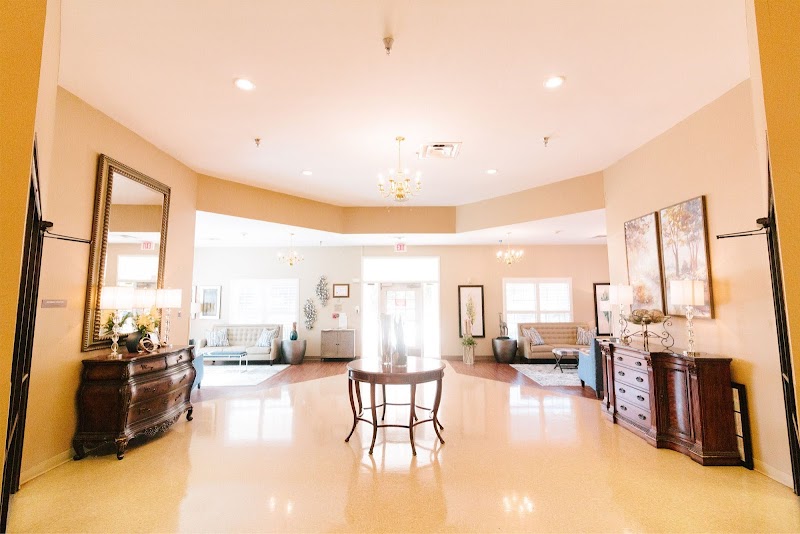
How is The Lakes At Maumelle Staffed?

CMS rates THE LAKES AT MAUMELLE HEALTH AND REHABILITATION's staffing level at 3 out of 5 stars, which is average compared to other nursing homes. Staff turnover is 71%, which is 25 percentage points above the Arkansas average of 46%. High turnover can affect care consistency as new staff learn residents' individual needs. RN turnover specifically is 80%, which is notably high. RNs provide skilled clinical oversight, so turnover in this role can affect medical care quality.

What Have Inspectors Found at The Lakes At Maumelle?

State health inspectors documented 34 deficiencies at THE LAKES AT MAUMELLE HEALTH AND REHABILITATION during 2022 to 2024. These included: 34 with potential for harm.
Who Owns and Operates The Lakes At Maumelle?

THE LAKES AT MAUMELLE HEALTH AND REHABILITATION is owned by a for-profit company. For-profit facilities operate as businesses with obligations to shareholders or private owners. The facility is operated by ANTHONY & BRYAN ADAMS, a chain that manages multiple nursing homes. With 48 certified beds and approximately 51 residents (about 106% occupancy), it is a smaller facility located in MAUMELLE, Arkansas.
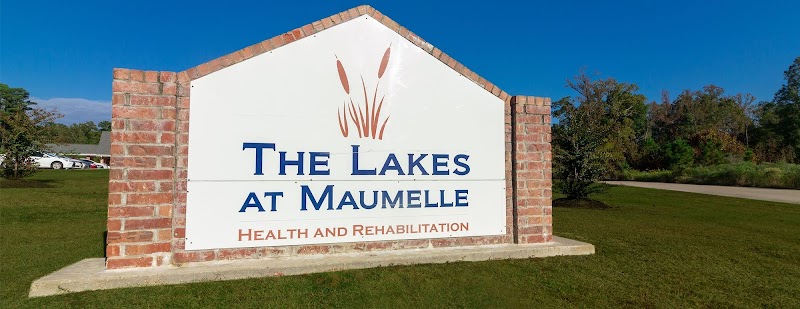
How Does The Lakes At Maumelle Compare to Other Arkansas Nursing Homes?

Compared to the 100 nursing homes in Arkansas, THE LAKES AT MAUMELLE HEALTH AND REHABILITATION's overall rating (2 stars) is below the state average of 3.1, staff turnover (71%) is significantly higher than the state average of 46%, and health inspection rating (2 stars) is below the national benchmark.

What Should Families Ask When Visiting The Lakes At Maumelle?

Based on this facility's data, families visiting should ask: "How do you ensure continuity of care given staff turnover, and what is your staff retention strategy?" "Can I visit during a mealtime to observe dining assistance and food quality?" "How do you handle medical emergencies, and what is your hospital transfer rate?" "Can I speak with family members of current residents about their experience?" These questions are particularly relevant given the facility's high staff turnover rate.

Is The Lakes At Maumelle Safe?

Based on CMS inspection data, THE LAKES AT MAUMELLE HEALTH AND REHABILITATION has a clean safety record: no substantiated abuse findings (meaning no confirmed cases of resident harm), no Immediate Jeopardy citations (the most serious violation level indicating risk of serious injury or death), and is not on the Special Focus Facility watch list (a federal program monitoring the lowest-performing 1% of nursing homes). The facility has a 2-star overall rating and ranks #100 of 100 nursing homes in Arkansas. While no facility is perfect, families should still ask about staff-to-resident ratios and recent inspection results during their visit.

Do Nurses at The Lakes At Maumelle Stick Around?

Staff turnover at THE LAKES AT MAUMELLE HEALTH AND REHABILITATION is high. At 71%, the facility is 25 percentage points above the Arkansas average of 46%. Registered Nurse turnover is particularly concerning at 80%. RNs handle complex medical decisions and coordinate care — frequent RN changes can directly impact care quality. High turnover means new staff may not know residents' individual needs, medications, or preferences. It can also be disorienting for residents, especially those with dementia who rely on familiar faces. Families should ask: What is causing the turnover? What retention programs are in place? How do you ensure care continuity during staff transitions?

Was The Lakes At Maumelle Ever Fined?

THE LAKES AT MAUMELLE HEALTH AND REHABILITATION has no federal fines on record. CMS issues fines when nursing homes fail to meet care standards or don't correct problems found during inspections. The absence of fines suggests the facility has either maintained compliance or corrected any issues before penalties were assessed. This is a positive indicator, though families should still review recent inspection reports for the full picture.

Is The Lakes At Maumelle on Any Federal Watch List?

THE LAKES AT MAUMELLE HEALTH AND REHABILITATION is not on any federal watch list. The most significant is the Special Focus Facility (SFF) program, which identifies the bottom 1% of nursing homes nationally based on persistent, serious quality problems. Not being on this list means the facility has avoided the pattern of deficiencies that triggers enhanced federal oversight. This is a positive indicator, though families should still review the facility's inspection history directly.