BELLE VIEW ESTATES REHABILITATION AND CARE CENTER
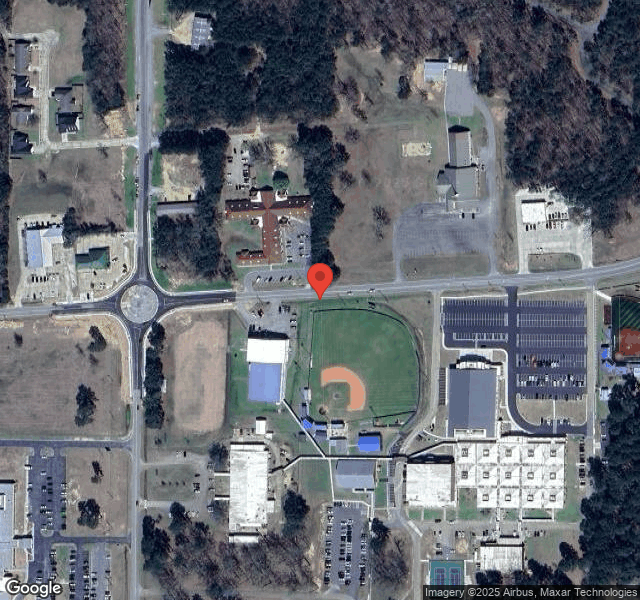
1052 OLD WARREN ROAD, MONTICELLO, AR 71655 (870) 367-0044
For profit - Limited Liability company 80 Beds SOUTHERN ADMINISTRATIVE SERVICES Data: November 2025
Trust Grade
81/100
#3 of 218 in AR
Last Inspection: June 2025

Inspected within the last 6 months. Data reflects current conditions.

Overview

Belle View Estates Rehabilitation and Care Center in Monticello, Arkansas, has a Trust Grade of B+, indicating it is above average and recommended for families seeking care. It ranks #3 out of 218 facilities in the state and is the top choice in Drew County, suggesting a strong local option. The facility is improving, having reduced its issues from 7 in 2024 to none in 2025. While staffing received a 3/5 star rating and has a turnover rate of 30%, which is better than the state average, it has concerning RN coverage, being lower than 79% of facilities in Arkansas. Recent inspections revealed serious concerns, such as a resident being injured due to improper wheelchair securing during transport and ongoing issues with food safety practices that could lead to contamination, highlighting the need for improvement alongside its strengths.

Trust Score
B+
81/100
In Arkansas
#3/218
Top 1%
Safety Record
Moderate
Needs review
Inspections
Getting Better
7 → 0 violations
Staff Stability
✓ Good
30% annual turnover. Excellent stability, 18 points below Arkansas's 48% average. Staff who stay learn residents' needs.
Penalties
✓ Good
$7,443 in fines. Lower than most Arkansas facilities. Relatively clean record.
Skilled Nurses
⚠ Watch
Each resident gets only 15 minutes of Registered Nurse (RN) attention daily — below average for Arkansas. Fewer RN minutes means fewer trained eyes watching for problems.
Violations
⚠ Watch
17 deficiencies on record. Higher than average. Multiple issues found across inspections.
★★★★★
5.0
Overall Rating
★★★☆☆
3.0
Staff Levels
★★★★★
5.0
Care Quality
★★★★★
5.0
Inspection Score
Stable
2024: 7 issues
2025: 0 issues

The Good

  • 5-Star Quality Measures · Strong clinical quality outcomes
  • Low Staff Turnover (30%) · Staff stability means consistent care
  • Full Sprinkler Coverage · Fire safety systems throughout facility
  • No fines on record
  • Staff turnover is low (30%)

    18 points below Arkansas average of 48%

Facility shows strength in quality measures, staff retention, fire safety.

The Bad

Federal Fines: $7,443

Below median ($33,413)

Minor penalties assessed

Chain: SOUTHERN ADMINISTRATIVE SERVICES

Part of a multi-facility chain

Ask about local staffing decisions and management

The Ugly 17 deficiencies on record

1 actual harm
Mar 2024 7 deficiencies
CONCERN (D)

Potential for Harm - no one hurt, but risky conditions existed

Incontinence Care (Tag F0690)

Could have caused harm · This affected 1 resident

Based on observation, interview, and record review, the facility failed to ensure a catheter tubing was secured to prevent complications from trauma for 1 (Resident #57) of 1 sampled resident who had ...

Read full inspector narrative →
Based on observation, interview, and record review, the facility failed to ensure a catheter tubing was secured to prevent complications from trauma for 1 (Resident #57) of 1 sampled resident who had a catheter. The findings are: A. Resident #57 had diagnoses of Urinary retention and Neurogenic bladder. B. On 03/11/2024 at 10:52 AM, Resident #57 was sitting in a wheelchair with a catheter in place, with the tubing pulled taunt with no leg band securement device in place. C. On 03/11/2024 at 02:41 PM, Resident #57 was lying in bed with the catheter tubing pulled taunt with no leg band securement device in place. D. A physician's order dated 02/16/2024 documented, .Catheter 16 FR (French, which indicates the size of the catheter tubing) with 10 CC (cubic centimeter) balloon record output every shift for urine retention. E. On 03/12/2024 at 01:30 PM, Resident #57 was lying in bed. Certified Nurse Assistant (CNA) #4 was in room, giving care. CNA #4 was asked to check the resident ' s leg band. CNA #4 pulled back the covers and the catheter tubing was pulled taunt hanging down the right side of the bed to the catheter bag. CNA #4 was asked to explain why it was important for catheter tubing to be secured with a leg band, clip, or other securement device. CNA #4 stated, So it doesn't get pulled out. CNA#4 stated, I wasn't here yesterday so I don't know why [the resident] doesn't have one. CNA #4 was asked the time he/she reported for work this morning. CNA#4 stated, 6:45. CNA#4 was asked if he/she had put anything in place to secure the catheter tubing today. CNA#4 stated, No, not till now. F. On 3/14/2024 at 11:59 AM, the Director of Nurses (DON) was asked to explain how she expects the staff to make sure a catheter is positioned to prevent trauma. The DON stated, We all make rounds and check for leg bands to be on the residents. The [NAME] was asked what could happen if the tubing isn't secured. The DON stated, we could pull it out and cause a whole bunch of issues if that happens. G. On a form provided by the DON on 3/13/2024 at 1:45 PM, titled, Incontinent and Catheter Care Observation Check List was documented, .Secure catheter strap (refer to policy and procedure) . H. On 3/13/2024 at 01:45 PM, the Administrator stated, We have no policy on Catheter care.
CONCERN (D)

Potential for Harm - no one hurt, but risky conditions existed

Antibiotic Stewardship (Tag F0881)

Could have caused harm · This affected 1 resident

Based on interview and record review, the facility failed to ensure an Antibiotic Stewardship Program was consistently implemented, as evidenced by an antibiotic was prescribed for a diagnosis of Abno...

Read full inspector narrative →
Based on interview and record review, the facility failed to ensure an Antibiotic Stewardship Program was consistently implemented, as evidenced by an antibiotic was prescribed for a diagnosis of Abnormal UA (urinalysis) without confirmation of a culture report, to decrease the potential for harm caused by unnecessary antibiotic use and to decrease the potential for resistance for 1 (Resident #41) of 1 (Resident #41) sampled residents who were prescribed an antibiotic without confirmation of a urinary tract infection (UTI) as documented on a list provided by the Administrator on 3/14/24. The findings are: 1. Resident #41 had a diagnosis of Personal history of urinary (tract) infection. A Quarterly Minimum Data Set (MDS) with an Assessment Reference Date (ARD) of 02/02/2024 documented the Resident had a Brief Interview for Mental Status (BIMS) score of 08 (08-12 indicates cognitively impaired), was dependent for toileting hygiene, and was always incontinent of urine and bowel. a. A Urinalysis with Microscopic collected on 03/10/2024 indicated that Resident #41 had bacteria and yeast present in their urine, documenting moderate (51-100 colony-forming unit per milliliter (cfu/mL)) amounts of bacteria (0-5 being a normal range). b. A Physician's order dated 3/11/24 documented, Cefdinir Oral Capsule 300 MG [milligrams] . Give 300 mg by mouth two times a day for ABNORMAL UA [urinalysis] until 03/18/2024 . c. An Access Medical Clinic Progress Note dated 03/11/2024 at 10:59 AM documented, .Today's visit is medically necessary because of staff reports of pt [patient] spitting out her food over the weekend. Staff say that she did consume most of her breakfast this morning. She is afebrile [no fever] .She has done this several times in the past. She usually has UTI when this happens .Assessment/Plan 1. Abnormal urinalysis - start cefdinir 300mg po [by mouth] bid [twice a day] x [times] 7 days. also start diflucan 150mg po qd [every day] x 5 days for yeast in urine. afebrile [no fever]. c&s [culture and sensitivity] pending . d. A Hot Rack Charting note dated 03/11/2024 at 22:47 (10:47 PM) documented, . Temperature: 98.0 . Progress Note: The resident is resting in bed with eyes closed . Denies pain / discomfort . No s/s (signs/symptoms) of distress noted . e. The March 2024 electronic Medication Administration Record (eMAR) documented Cefdinir was administered on 03/11/2024 at 0800 (8 AM) and on 03/12/2024 at 0800 and 2000 (8 PM). f. As of 03/13/2024 at 09:20 AM, there was no urine culture report in the resident's electronic health record (EHR). g. On 03/13/2024 at 01:30 PM, the Assistant Director of Nursing (ADON) was asked, What criteria does this facility use when determining if antibiotics need to be administered to a resident? and stated, The McGeer's. The ADON was asked to provide the Infection Control and Antibiotic Stewardship Policy. She removed some papers from a binder and there was no Antibiotic (ABT) Stewardship Policy found. This Surveyor brought it to the ADON's attention before leaving her office and she stated, What I gave you is all I have. This surveyor pointed out the ABT Stewardship Policy and Program information was not included with the Infection Control information provided and she stated, Let me look again. She looked through the pages in the binder again and did not find anything. She stated, Let me look in one more place and she turned to her computer and began searching. This surveyor stated, Will you let me know if you find anything? and she stated, I will. h. On 03/13/2024 at 02:01 PM, the ADON came to the conference room and stated, We don't have anything in writing and the pharmacist reviews all the antibiotics and sends in any recommendations. She was asked, Regarding the ABT Stewardship? and she stated, Yes. At 02:07 PM the ADON returned to the conference room and handed this Surveyor papers titled, The Core Elements of Antibiotic Stewardship for Nursing Homes and stated, Is this what you're talking about? and passed the information to this Surveyor. She stated, We use the CDC [Centers for Disease Control] guidelines, but we don't have anything in writing. We use Point Click Care [PCC]to keep track of everything. i. A Pharmacy MRR (Medication Regimen Review)-*Antibiotic Stewardship form dated 03/12/2024 at 15:53 (3:53 PM) documented, .2. Antibiotic start date: 03/11/2024 . Consultant Pharmacist Notes . There was no documentation in the notes section and items 3, 4, 5 and 6 were unchecked. j. The McGeer's Criteria located in the Infection Control policy documented: . No indwelling Catheter .Both criteria 1 and 2 must be present . Criteria 1 a. Acute dysuria or acute pain, swelling, or tenderness of the testes, epididymis, or prostate. b. Fever or Leukocytosis (See Constitutional Criteria Table page 3) and at least one of the following localizing urinary tract sub criteria: i. Acute costovertebral angle pain or tenderness ii. Suprapubic pain iii. Gross hematuria iv. New or marked increase in incontinence. v. New or marked increase in urgency. vi. New or marked increase in frequency. c. In the absence of fever or leukocytosis, then 2 or more of the following sub criteria: i. Suprapubic pain ii. Gross hematuria iii New or marked increase in incontinence. iv New or marked increase in urgency. v. New or marked increase in frequency. Criteria 2 a. At least 105cfu/mL of no more than 2 species of microorganisms in a voided urine sample b. At least 102cfu/ml of any number of organisms in a specimen collected by in-and-out catheter. k. On 03/14/2024 at 01:13 PM, Resident #41's Progress Notes were reviewed for 03/11/2024 through 03/13/2024 and there was no documentation of a urine culture report. l. On 03/14/2024 at 03:35 PM, the ADON was asked, Was a urine culture done for [Resident #41]? and she stated, We do one on all our urines, and I don't know if [Resident #41]'s is back now. [Advanced Practice Registered Nurse (APRN) first name] can access it before I can. She was asked, How do you get the information from the hospital? and she stated, They usually fax it to us but since [APRN name] can go into EPIC [an electronic health record software program], she goes in and gets it for us. She was asked, After the ABT was prescribed, did you or someone check to see if the McGeer's criteria was met? She stated, Yes, I do, but I have not done her form yet. She was asked, So at this time do you know if she has met the criteria [for an ABT]? and she stated, No ma'am. She was asked, Do you know how long after the culture has been sent [to the hospital] that [APRN first name] will go [in EPIC] and check for it? and she stated, Usually 48 hours. m. On 03/14/2024 at 03:45 PM, the Director of Nursing (DON) was asked, Does the hospital fax the urine culture results? and stated, Yes, they do. She was asked, Where do the results go to? and she stated, The nurses on the hall receive the fax, and they upload to PCC. It will trigger the lab and radiology portal and [APRN first name] checks that frequently for lab. We also will send her a message that labs / x-rays have been uploaded to PCC. She was asked, Does she have a time frame that she will respond to it? and she stated, Within 24 hours. She was asked, Does anyone monitor that the Infection Preventionist is reviewing the criteria? and she stated, We review this in the daily stand up. She was asked, Is it the facility's practice to start an ABT without a culture report? and she stated, It depends. If they are symptomatic and having issues, [APRN] will start them. If not, she will wait until the culture report comes back. She was asked, Can you tell me why it is important to have that culture report when an ABT has been prescribed? and she stated, To make sure you are treating the right infection. She was asked, Are you familiar with the ABT stewardship program? and she stated, You've got to have a program for surveillance and to monitor infections and ABT usage. n. On 03/14/2024 the Administrator was asked to provide a list of residents who were currently receiving ABT medication for a UTI. She provided a document from PCC that had no residents names listed and at the top the following was written: True UTI's-none. o. An Antibiotic Stewardship Program policy provided by the Administrator on 03/14/2024 documented, .It is the policy of this facility to implement an Antibiotic Stewardship Program as part of the facility's overall infection prevention and control program. The purpose of the program is to optimize the treatment of infections while reducing the adverse events associated with antibiotic use .Policy Explanation and Compliance Guidelines .4. The program includes antibiotic use protocols and a system to monitor antibiotic use .Antibiotic use protocols .The facility uses the (CDCs NHSN [National Healthcare Safety Network] Surveillance Definitions, updated McGeer ' s criteria, or other surveillance toll) to define infections .10. Documentation related to the program is maintained by the Infection Preventionist, including, but not limited to . b. Assessment forms c. Antibiotic use protocols/algorithms .
CONCERN (E)

Potential for Harm - no one hurt, but risky conditions existed

ADL Care (Tag F0677)

Could have caused harm · This affected multiple residents

**NOTE- TERMS IN BRACKETS HAVE BEEN EDITED TO PROTECT CONFIDENTIALITY** Based on observation, interview, and record review, the facility failed to ensure fingernails were cleaned and trimmed to promot...

Read full inspector narrative →
**NOTE- TERMS IN BRACKETS HAVE BEEN EDITED TO PROTECT CONFIDENTIALITY** Based on observation, interview, and record review, the facility failed to ensure fingernails were cleaned and trimmed to promote good personal hygiene and grooming for 2 (Residents #111 and #161) of 2 sampled residents who required assistance with nail care. The findings are: 1. Resident #111 had a diagnosis of Hemiplegia (paralysis on one side of the body) and hemiparesis (one-sided muscle weakness) following cerebral (Brain) infarction (tissue death) affecting left non-dominant side. A Quarterly Minimum Data Set (MDS) with an Assessment Reference Date (ARD) of 02/26/2024 documented the resident had a Brief Interview for Mental Status (BIMS) score of 07 (00-07 indicates severely impaired) and required substantial/maximal assistance with personal hygiene, by which the helper does more than half the effort. a. A Care Plan with a review date of 03/11/2024 documented, .[Resident #111]'s usual performance is Specify weight bearing with ADLs [Activities of Daily Living] due to recent CVA [Cerebrovascular Accident (Stroke)] with left side weakness . Left hand splint as tolerated . Personal Hygiene .Weight bearing with assistance of 1 staff . b. An ADL Bathing Task sheet, reviewed on 03/12/2024 at 11:40 AM, documented Resident #111 received a bed bath on 03/03/2024, 03/08/2024 and 03/11/2024, and a shower on 03/06/2024, 03/09/2024 and 03/11/2024. c. On 03/11/2024 at 09:43 AM, Resident #111 was sitting up in a wheelchair. Their left arm was deformed and the fingernails on both hands were greater than a quarter 1/4 inch in length and there was a dark substance underneath them. d. On 03/12/2024 at 11:11 AM, Resident #111 was sitting up in a wheelchair after returning from a medical appointment. At 11:19 AM a staff member propelled Resident #111 from to the common area with other residents and the fingernails on both hands were greater than 1/4 inch in length and had a dark substance underneath them on both hands. e. On 03/12/2024 at 02:15 PM, Resident #111 was lying in bed awake with a brace to the left wrist and the fingernails on both hands were greater than 1/4 inch in length with a dark substance underneath them. f. On 03/12/2024 at 02:16 PM, Certified Nursing Assistant (CNA) #5 confirmed that he/she was familiar with Resident #11's plan of care. CNA #5 was asked to look at the resident's fingernails and describe what they saw. CNA #5 looked at the Resident's right hand and stated, They look fair, looks like dirt and they could be cleaned. It could be food. The CNA was asked to describe the length of the nails and stated, A little bit too long and they could stand to be clipped. CNA #5 confirmed [resident #111] was not able to perform nail care alone, the Resident's bath/shower days were Tuesday, Thursday and Saturday, and nail care should be provided any day and any time a need is seen. The CNA was asked why nail care should be provided to this resident and he/she stated, Because they nasty and [the resident] be using them. CNA #5 was asked what the facility's policy was regarding nail care and stated, Yes, to clean a patient's nails if you see them nasty. CNA #5 reported being in-service on performing nail care but could not remember when the last one was. g. On 03/13/2024 at 01:45 PM, the Director of Nursing (DON) stated they did not have a policy on nail care. h. On 03/14/2024 at 03:42 PM, the DON was asked, Do you in-service staff on nail care? and stated, Yes. Saturday and Sunday the nurses are assigned to do nail care. Saturday, they have the left side of the halls, and Sunday they have the right side of the halls. Surveyor: [NAME], [NAME] 2. On 03/11/2024 at 12:24 PM, Resident #161 was served a lunch tray in the dining room and ate corn bread with their fingers. There was a black substance under all their fingernails. a. On 03/12/2024 at 08:19 AM, Resident #161 was sitting in a wheelchair in the dining room waiting on breakfast. Their fingernails had a black substance packed underneath them, and a foul odor noted. b. According to a bath record, Resident #161 had a bath on 03/08/2024 and 03/11/2024. c. A Care Plan dated 03/07/2024 documented Resident #161 ' s usual performance with ADLs includes combing hair, shaving, makeup, washing/drying the face and hand as requiring assistance of 1 staff. d. On 03/12/2024 at 02:36 PM, Resident #161 was lying in bed. There was a dried black substance underneath the Resident's fingernails. Certified Nurse Assistant (CNA) #3 was asked to accompany the Surveyor to Resident # 161 ' s room to observe the resident ' s fingernails. CNA #3 was asked what was under the resident's nails. CNA #3 stated, Food and dirt. CNA #3 was asked if Resident #161 feeds him/herself. CNA #3 stated, Yes. CNA #3 was asked how Resident #161 eats bread. CNA #3 stated, With [the resident ' s] hands. CNA #3 was asked to explain what could happen from dirty nails. CNA #3 stated, He could get germs and infection. e. On 03/14/2024 at 12:09 PM, the Director of Nurses was asked who was expected to do nail care on the residents. The DON stated, They are supposed to be cleaned on Sundays and that obviously didn't happen. The DON was asked what might occur if a resident has substances under their fingernails while they feed themselves The DON stated, They can get germs and get sick. f. On 03/13/2024 at 01:45 PM, the DON stated the facility did not have a policy on nail care.
CONCERN (E)

Potential for Harm - no one hurt, but risky conditions existed

Unnecessary Medications (Tag F0759)

Could have caused harm · This affected multiple residents

Based on observation, interview, and record review, the facility failed to ensure physician ' s orders were followed to maintain a medication error rate of less than 5% to prevent potential complicati...

Read full inspector narrative →
Based on observation, interview, and record review, the facility failed to ensure physician ' s orders were followed to maintain a medication error rate of less than 5% to prevent potential complications for 3 (Residents #9, #33, and #45) of 4 residents observed during the medication passes The Findings are: a. A Physician Order for Resident #9 dated 01/13/2024 documented, [Named brand] Ophthalmic Solution 1.4 % (Polyvinyl Alcohol) Instill 2 drops in both eyes one time a day for Dry Eyes. b. A Physician Order for Resident #9 dated 02/25/2023 documented, Multivitamin-Minerals Tablet (Multiple Vitamins-Minerals) Give 1 tablet by mouth one time a day for supplement. c. A Physicians Order dated 02/25/2023 documented, Aspirin Tablet 325 MG (milligram). Give 1 tablet by mouth one time a day for HEART HEALTH. d. On 03/12/2024 at 07:55 AM, Licensed Practical Nurse (LPN) #1 prepared medications for administration. LPN#1 gave medications to Resident # 9 then signed them off. LPN #1 gave an Aspirin 81 MG with the expiration date of 05/26 on the bottle instead of the Aspirin 325 MG. LPN #1 only gave (1) one drop of Artificial Tears when the order called for (2) two drops. LPN #1 failed to administer the Multivitamin with minerals. e. On 03/13/2023 at 09:23 AM, LPN #1 was asked if he/she remembered the number of medications that they told the Surveyor that he/she had given resident #9. LPN #1 stated (12) Twelve pills plus eye drops. LPN was asked to look at Resident #9 ' s Medication Administration Record (MAR) and count the number of medications the resident was ordered to receive for the 08:00 AM medication Pass. LPN #1 counted the medication ordered and stated, I see where I didn't give the correct amount of eye drops; I only gave 1 drop. LPN #1 stated, It should have been 14 meds and mine equaled 13. The surveyor asked LPN #1 about the Multivitamin that he/she did not give. LPN #1 stated, I must have missed that one. The Surveyor asked the unnamed LPN who had the cart on this day (3/13/23) to pull the Aspirin 81 mg bottle and the Aspirin 325 mg bottle. LPN #1 was asked to look at the bottles to see which bottle had an expiration date of 5/26 on it. LPN #1 stated, It's the 81 mg. The Surveyor had written the Aspirin 81 mg down during the medication administration pass. LPN #1 stated, I gave the wrong dose. f. Resident # 33 had an order for Baclofen Tablet Give 0.5 tablet via PEG-Tube (a tube which is passed into a patient's stomach through the abdominal wall, most commonly to provide a means of feeding when oral intake is not adequate) three times a day. There was no strength on the medication order. g. On 03/12/2024 at 11:13 AM, LPN #1 prepared medications for administration. LPN #1 gave a half tablet of Baclofen 5 MG. The LPN in charge of the cart today (03/13/2024) was asked to pull the card of Baclofen for Resident #33 and LPN #1 was asked to look at the order in the electronic record for Resident #33. LPN #1 was asked to identify the strength ordered. LPN #1 and the LPN in charge of the medication cart on 3/12/24 both stated, There is no strength ordered. LPN #1 was asked how he/she knew what strength to give. LPN #1 stated, What was on the card of medication. LPN in charge of the cart stated, The card says 5 MG. LPN#1 was asked, What should be done prior to giving a medication if there is no strength on the order? LPN #1 stated, Get it clarified. LPN #1 was asked to explain the importance of the 5 rights of medication administration. LPN #1 stated, So residents will get what the physician intended for them to have. h. Resident # 45 had an order for a fast-acting insulin used to control high blood sugar in adults and children with diabetes. i. On 3/13/24 at 7:01 AM LPN #2 prepared medication for resident # 45. As she was preparing the medications LPN #2 stated [Resident #45 ' s] insulin is not here, let me go check the medication room. LPN #2 returned and stated, I couldn't find any; they cleaned the medication carts last night. Resident # 45 was eating his/her breakfast when her pills were taken. At 7:56 AM, LPN #2 notified the Surveyor that the Director of Nurses found some stock insulin medication. The Surveyor accompanied LPN #2 to Resident #45 ' s room. An Accu-check was performed then LPN#2 drew up 15 units of fast-acting insulin and administered it into the right lower quadrant of the abdomen at 8:06 AM. Resident had been served breakfast at 07:15 AM. The order for insulin was for before meals. j. On 03/14/2024 at 01:05 AM. LPN #2 was asked if he/she had notified the Physician about the incorrect administration time of insulin being given to Resident #45. LPN #2 stated, I did not. Per the progress notes on 03/13/2024, the Physician was never notified. k. On 03/14/2024 at 12:13 PM, the Director of Nurses (DON) was asked how she expected her nurses to conduct a medication pass. The DON stated, By the rights of medication administration. The DON was asked to explain why a Physician's order should be followed. The DON stated, To prevent error or harm to the residents. k. On 03/14/2024 at 01:45 PM, the DON provided a form titled, Highlights of Prescribing Information which documented, .Dosage and Administration: Initiate Ozobax (baclofen) with a low dosage .The maximum dosage is 80 mg daily (20 mg four times a day) Dosages are 5mg, 10mg, 15mg, 20mg. l. On 03/13/2024 at 01:45 PM, a policy was provided by the Director Nursing titled Medication Administration which documented, Medications are administered in a safe and timely manner, and as prescribed .Medication administration times are determined by resident need and benefit, not staff convenience. Factors that are considered include: a. enhancing optimal therapeutic effect of the medication; b. preventing potential medication or food interactions; .Medications are administered within one (1) hour of their prescribed time, unless otherwise specified (for example, before and after meal orders) .The individual administering the medication checks the label THREE (3) times to verify .right dosage, right method of administration before giving the medication .Right medication A. Compare the order with the label 3 times .3 Right Dosage A. Check the label 3 times .Right time A. If a medication is ordered on an empty stomach, give ½ an hour before meals .MEDICATION ERRORS a medication error is any deviation between the physician orders for medication .and that are actually administered without documentation that supports adequate reason for the deviation.
CONCERN (E)

Potential for Harm - no one hurt, but risky conditions existed

Deficiency F0761 (Tag F0761)

Could have caused harm · This affected multiple residents

Based on observation, interview, and record review, the facility failed to ensure the refrigerated narcotic medications in the medication storage room for the 200 and 400 Halls were stored in a perman...

Read full inspector narrative →
Based on observation, interview, and record review, the facility failed to ensure the refrigerated narcotic medications in the medication storage room for the 200 and 400 Halls were stored in a permanently affixed compartment in 1 of 2 medication storage rooms to prevent the potential of misappropriation of resident property. The findings are: 1. On 03/13/2024 at 03:06 PM, Licensed Practical Nurse (LPN) #4 was in the medication room located in the nursing station for the 200 and 400 Halls. There was a specimen refrigerator and lower refrigerator that had a black box inside that was locked. The nurse stated it contained liquid narcotics such as Lorazepam and Morphine vials. 2. On 03/14/2023 at 01:50 PM, the medication room was inspected with another Surveyor and LPN #3. Inside the refrigerator was a locked narcotic box containing narcotics, but it was not permanently affixed. LPN #3 was asked to put the box on the counter so the medications inside could be counted. The refrigerator door was not locked. The narcotics inside were Lorazepam Oral Solution 0.5 ml (milliliter) syringes- 5 syringes expiration date 8/20/24 and Lorazepam injectable- 1 ml/mg (milligram) vial expiration date 09/2024. 3. On 03/14/2024 at 01:51 PM, LPN #3 was asked for the process for securing refrigerated narcotics and stated, It must be locked up behind 2 (two) locks. He/she was asked, Who has a key to the medication room door? and stated, All 3 charge nurses that work the medication carts. He/she was asked, If a nurse wanted to, could they pick up the narcotic box with the narcotics in it while you are down the hall and leave with it? and stated, Yes. Then I would be held responsible because I am the one who signed for them. He/she was asked, Why was it important for the box to be permanently affixed? and stated, So nobody can come in and take it. 4. On 03/14/2024 at 01:55 PM, the Director of Nurses (DON) was asked to look at the narcotic box in the 200/400 hall medication room and explain why the narcotic box should be permanently affixed inside the refrigerator. She stated, So no one can steal it. Even a housekeeper could take it while cleaning. The DON was asked to look at the cart and see if it is permanently affixed. The DON stated, No, it's not, but it ' s been that way for 10 years. 5. A policy titled, Medication Storage In The Facility documented, .Medications and biologicals are stored safely, securely, and properly, following manufacturer's recommendations or those of the supplier. The medication supply is accessible only to licensed nursing personnel, pharmacy personnel, or staff members lawfully authorized to administer medications . Controlled Substance Storage . Procedures . B. Schedule II-V (2 through 5) medications and other medications subject to abuse or diversion are stored in a permanently affixed, double-locked compartment separate from all other medications or per state regulation .
CONCERN (E)

Potential for Harm - no one hurt, but risky conditions existed

Infection Control (Tag F0880)

Could have caused harm · This affected multiple residents

Based on observation, interview, and record review, the facility failed to ensure clean linens were transported in a manner to prevent the potential for contamination; failed to ensure staff performed...

Read full inspector narrative →
Based on observation, interview, and record review, the facility failed to ensure clean linens were transported in a manner to prevent the potential for contamination; failed to ensure staff performed proper hand sanitation to decrease the potential for cross contamination and to provide a safe and sanitary environment; failed to ensure an ice scoop was not placed inside of an ice cart while passing ice to residents on the 300 hall These failed practices had the potential to affect 67 residents residing in the facility. The findings are: On 03/11/2024 at 01:05 PM, a laundry employee was on the 200 Hall with a linen cart that had residents' clothing hanging on it and it was uncovered. The staff member was observed removing items from the cart and taking them into resident's rooms on the 200 hall. There was nothing covering the linen to prevent the linen being contaminated while in the hallway. This surveyor took a photo of the linen cart with the laundry items hanging and uncovered. On 03/13/2024 at 11:16 AM, Laundry Employee #1 was asked, Tell me how you transport clean linen to the residents' rooms? and stated, We do it on this cart (pointing to a linen cart with a bar at the top for hanging linen and a basket at the bottom of the bar) and I keep a sheet on it until I get out to the halls. He/she was asked, When there is linen on the laundry cart, is the linen always covered? and stated, Yes. He/she was asked, Do you keep the cart covered when you are on the hall passing linen? and stated, When I'm on the hall, and I'm taking clothes to the residents' room, I remove the sheet. Before I move to a different hall, I put the sheet back on. He/she was asked, Say you're on the 200 hall passing linens and there are residents on the hall, do you keep it uncovered? and stated, I do. He/she was asked, Do you know what the facility's policy is regarding how to transport linens? and stated, I know when I'm transporting the whites to the closet in the hallway, I have to keep the sheet over it until I get to the closet. He/she was asked, Why do you keep it covered? and stated, So it can stay clean and sanitized since it's coming from the clean area. A one page Laundry Services policy provided by the Director of Nursing on 3/13/24 documented, .Purpose: To assure a clean supply of linens and to protect employees who handle and process the laundry . II. Transportation of Linen A. All clean linens should be stored and transported in carts used exclusively for this purpose, or in linen carts that have been decontaminated after being used for soiled laundry . There was no further information provided regarding linen transportation. On 03/11/2024 at 02:53 PM, Certified Nurse Assistant (CAN) #6 was passing ice down 300 hall. Each time he/she laid the scoop inside the ice cart. The Surveyor asked CNA #6 to open the cart and tell the Surveyor what was observed. CNA #6 stated, I put the scoop in with the ice instead of in the holder. The CNA was asked to explain why that should not occur. The CNA stated, Because I had my hand on it and my hands have germs on my hands. The Director of Nursing (DON) was on the hall when this occurred and was asked if this should have occurred. The DON stated, No, there will be germs on the ice from the handle where [CNA #6] used the scoop. On 03/11/2024 at 12:44 PM, staff left the clean linen cart uncovered. The clothes hanging up were partially covered with a sheet draped over them. The clothes in the bottom basket were not covered. On 03/11/2024 at 12:57 PM, staff dropped resident ' s clothes on the hall floor. Picks clothes up, places the clothes on a hanger. Staff then entered a resident's room with the clothes and returned to the hallway without any clothing. On 03/11/2024 at 06:29 AM, CNA #2, placed dirty cloth items into the dirty bin and went directly to the clean linen cart. CNA #2 then reached his/her hand into the cart for an item. At 06:30 AM CNA #2 returned the item to the clean linen cart. CNA #2 had not cleaned his/her hands during this time frame. At 06:47 AM the Surveyor asked CNA #2 what was the reason after placing dirty linen into the dirty bin you did not sanitize your hands prior to getting something from clean linen cart? CNA # 2 said the sanitizer was not in the uniform pocket, it was over by the clean linen cart. The Surveyor asked CNA #2 what is the reason you do not want to go from the dirty bin directly to the clean linen cart? CNA #2 stated you don't want to cross contaminate anything. On 03/11/2024 at 06:36 AM, CNA #1 left a resident's room with an arm full of dirty linens. CNA #1 placed the linen in the dirty linen bin. CNA #2 then reached into the clean linen cart for an item, after getting the item CNA #1 deposited, then sanitized hands. At 06:40 AM CNA #1 with a bare hand moved the dirty linen bin away from the wall, picked up clean folded, disposable briefs from the floor. CNA #1 then walked to the clean linen cart where the disposable briefs, that were picked up from the floor, were placed inside the clean linen cart. At 06:45 AM the Surveyor asked CNA #1 what the concern was when getting items from the clean linen cart when hands were not sanitized. CNA #1 stated, I just contaminated the rest of the items in the clean linen cart. The Surveyor asked CNA #1 what did you fail to do after you placed the arm load of dirty linen into the dirty linen cart then sanitized your hands? CNA #1 stated, I should have sanitized my arms. The Surveyor asked CNA #1 what the concern is of not sanitizing your arms. CNA #1 stated, I contaminated whatever I touched. On 03/14/2024 at 03:35 PM, the Administrator provided a policy titled Hand Hygiene which stated, Hand Hygiene is any method that removes or destroys microorganisms on hands that includes Handwashing and Alcohol Based Hand Rubs .Wash hands when: hands are visibly dirty, contaminated with proteinaceous material, or visibly soiled with blood or body fluids or if contact with spores (e.g., C. difficle) .Alcohol-based Hand Rub: is the preferred method of and decontamination if hands are not visibly dirty, contaminated with proteinaceous material, or visibly soiled with blood or body fluids . On 03/14/2024 at 03:35 PM, the Administrator provided a policy titled, Laundry Services which stated, Purpose: to assure a clean supply of linens and to protect employees who handle and process the laundry .A. Soiled linen should be handled as little as possible and with a minimum of agitation to prevent gross microbial contamination of the air and of persons handling the linen .
CONCERN (F)

Potential for Harm - no one hurt, but risky conditions existed

Food Safety (Tag F0812)

Could have caused harm · This affected most or all residents

Based on observation, interview, and record review, the facility failed to ensure 1 of 1 puree machine was maintained in a clean condition to prevent the potential contamination of residents' food whi...

Read full inspector narrative →
Based on observation, interview, and record review, the facility failed to ensure 1 of 1 puree machine was maintained in a clean condition to prevent the potential contamination of residents' food which had the potential to affect 6 residents who received puree meals from the kitchen; food items prepared for meals were covered or sealed to prevent potential cross contamination or food borne illness, and dietary staff washed their hands before handling clean equipment or food items to prevent potential food borne illness for residents who received meals from 1 of 1 kitchen. The failed practices had the potential to affect 64 residents who received meals from the kitchen total census of 68. The findings are: 1. On 03/11/2024 at 09:44 AM, the can opener had a black unknown sticky looking substance surrounding the cutting blade. The Surveyor asked the Dietary Manager (DM) to describe the can opener. The DM confirmed it needed to be washed, and stated it looked like little pieces of something. 2. On 03/13/2024 at 06:35 AM, the Surveyor observed bowls containing cereal on the serving area counter uncovered. 3. On 03/13/2024 at 06:53 AM, the Surveyor observed the following: drinks in cups uncovered for residents' breakfast: 2 thickened waters, 1 thickened orange juice, 18 regular orange juice 14 red drinks, 14 apple juice. The cereal in bowls, from 6:35 am, remained on the serving area uncovered for residents' breakfast: 16 bowls corn flakes, 11 bowls raisin bran, 1 bowl cheerios, and 1 bowl rice crispy. At 09:10 AM the surveyor asked if the cups of juice and bowls of cereal should be covered. The Dietary Manager confirmed the cups should be covered. They usually do cover the cups; I have lids for them. There are lids for the brown plastic bowls that go on room trays. The bowls that go in the dining room are not typically covered. The Surveyor asked the Dietary Manager what the concern of the cups of juice and Bowls of cereal having uncover since 6:35 AM. The Dietary Manager confirmed the concern would be something could drop into them. 3. On 03/13/2024 at 06:52 AM, a red pail with sudsy water with a cloth floating on top, was sitting on top of the milk refrigerator. At 8:22 AM, the red pail with sudsy water with a cloth floating on top was sitting on the kitchen food prep area next to the stove. The Surveyor asked the Dietary Manager if the red pail should be on top of either the milk refrigerator or the kitchen prep area. The Dietary Manager confirmed the red pail should not have been on top of either the milk refrigerator or the kitchen prep area, and stated, I had just talked with staff about that. The Surveyor asked the Dietary Manager what the concern was with the red pail on the food prep area. The Dietary Manager confirmed the concern would be cross contamination. The Surveyor asked what should be done with the food prep area now. The Dietary Manager confirmed the food prep area needed to be cleaned and food items to be disposed of. 4. On 03/13/2024 at 06:53 AM, 06:58 AM, 07:13 AM, and 08:26 AM, the following dish items were face up without being covered: 16 regular bowls, 19 desert bowls and 4 feeder plates were on the serving line with the food resting area face up; 4 bowls on top of ice cream freezer; 61 desert bowls, 8 small bowls, 28 dinner plates, 33 saucer plates and 24 insulated plate covers in the clean dish area on a storage rack. At 08:26 AM the Surveyor asked the Dietary Manager the concern of the dish items being stored face up. The Dietary Manager confirmed the concern was debris getting on it and having a physical contamination. 5. On 03/13/2024 at 07:00 AM, the following food items had been opened that were not completely sealed: Garlic Powder 21 ounces; Onion Powder 20 ounces salt. 6. On 03/13/2024 at 07:01 AM and 08:00 AM, the following food items did not have an open date on the containers: brown sugar 1.5 quarts; grits 1.5 quarts; oatmeal 1.0 quarts; and instant mashed potatoes one-third container remained; instant food thickener; all-purpose Greek seasoning 5 pounds; double acting baking powder 5 pounds expired 09/26/2024. The Surveyor asked the Dietary Manager the reason there were not any open dates on the food items. The Dietary Manager stated, I did not know the food items had to have open dates. The Surveyor asked how long the food items were good after being opened. The Dietary Manager stated, I will have to look at my chart to see how long the items are good for after opening. 7. On 03/13/2024 at 07:22 AM, Dietary Aide #1 picked up a bowl and placed their thumb inside the bowl to fill with food for a residents' breakfast. At 10:05 AM the Surveyor asked the Dietary Manager what the concern would be with the Dietary Aide #1 ' s thumb inside the bowl while dishing the residents' breakfast. The Dietary Manager confirmed cross contamination would be a concern. 8. On 03/14/2024 at 07:58 AM, roasted potatoes in the freezer received on 01/22/2024 were opened and did not have an open date. 9. On 03/13/2024 at 08:04 AM, the refrigerator in the Food Puree area had a broken thermometer inside. On 03/14/2024 at 11:10 AM, the thermometer had not been replaced with one that worked properly. 10. On 03/13/2024 at 08:15 AM, the following opened cooking spices did not have and open date: Poultry Seasoning 12 ounces expiration date 8/26/25 ; Onion Powder 20 ounces expiration date 11/18/25; Garlic Powder 21 ounces expiration date 11/10/25; Parsley Flakes 2 ounces expiration date 1/18/25 ; Ground Nutmeg 16 ounces expiration date 2/16/25 ; Lemon and Pepper Seasoning Salt 28 ounces expiration date 4/2/25; Ground Cumin 14 ounces expiration date 9/9/26; Rubbed Sage 6 ounces expiration date 8/8/25; Fancy Spanish paprika 18 ounces expiration date 2/16/25; Ground Mustard 16 ounces expiration date 4/19/25; 2 containers of light Chili Powder 18 ounces expiration dates 1/10/25 and 3/9/25; Ground Cinnamon 18 ounces expiration date 1/21/26; Ground Black Pepper ounces expiration date 10/19/27; Louisiana Hot Sauce 6 fluid ounces no expiration date; Classic Chicken Flavored Base 16 ounce no expiration date; Classic Beef Flavored Base 14 ounces no expiration date. 11. On 03/13/2024 at 08:18 AM, loose spices were on the shelf under the spice containers. 12. On 03/13/2024 at 08:28 AM, milk was in a puddle at the bottom of the milk cooler. On 3/14/24 at 11:08 AM, the milk remained in a puddle at the bottom of the milk cooler. The Surveyor asked the Dietary Manager what the concern would be with the spilled milk on the bottom of the cooler. The Dietary Manager confirmed an odor could form and cross contamination. 13. On 03/13/2024 at 8:39 AM, Chocolate Fudge Icing was on the storage shelf opened without an open date and had a crack on top of lid that showed a gap between the edges. The Surveyor asked the Dietary Manager what the shelf life was after icing was opened. The Dietary Manager stated that information would need to be looked up. The Surveyor asked the Dietary Manager about the concern of food items not being completely sealed (referring to the crack on the top of the lid). The Dietary Manager confirmed the concern was that something could get in the crack at the top of the lid. The following cans were on the storage shelf out of compliance: 1 Diet cola 8 fluid ounce dented outwards at the top seam ; 1 Diet lemon lime 8 fluid ounce can dented inwards at the top seam; 1 Classic Sliced Apples 6.5 pounds dent inwards in middle of can; 1 Taco Seasoning packet opened without an open date; 1 Sugar Free syrup did not have an open date; and 7 bags of Corn Chips 16 ounces expiration date of 3/12/24. The Surveyor asked the Dietary Manager why you would not want to serve expired food items. The Dietary Manager stated it may not be good. The Surveyor asked the Dietary Manager what concerns of dented cans are being served to the residents. The Dietary Manager confirmed there could be contamination or spoilage. 14. On 03/13/2024 at 09:05 AM, the refrigerator by the serving table had a container of iced tea that did not have a made-on date. The Surveyor asked the Dietary Manager when the Iced Tea was made. The Dietary Manager said probably last night. 15. On 03/13/2024 at 11:47 AM, Dietary Aide #1 placed the puree machine lid with the blade in direct contact with the puree prep table that had spilled debris. Dietary Aide #1 then proceeded to pick up the puree machine lid and placed the lid directly into the puree machine to puree the garlic bread sticks prepared for the lunch meal. The Surveyor asked Dietary Aide #1 if the puree lid should be cleaned prior to using it to puree the garlic bread sticks. Dietary Aide #1 confirmed the lid was washed prior to being placed on the puree table prep area. The Surveyor asked Dietary Manager if the puree lid should the puree lid be placed in the puree machine with the garlic bread sticks prior to being washed. The Dietary Manager confirmed the lid could not be placed in the puree machine without being washed. 16. On 03/13/2024 at 11:58 AM, Dietary Aide #2 opened the trash can lid to throw away used disposable gloves. Dietary Aide #2 then proceeded to open a kitchen drawer and pull out a pair of tongs. Dietary Aide #2 walked to the serving prep area, placed the tongs on the counter, opened the refrigerator and pulled out a pastry bag filled with topping for the brownies. The Surveyor asked Dietary Aide #2 what should have been done after opening the trash can lid and threw away the disposable gloves. Dietary Aide #2 confirmed he/she should have washed hands prior to getting the tongs from the drawer. The Surveyor asked the importance of washing hands after opening the trash lid. Dietary Aide #2 stated, So that we do not transfer germs to other items. 17. On 03/13/2024 at 01:10 PM, the Dietary Manager provided the policy for Personal Hygiene for food handlers. The policy documented, .D.1. Wash hands carefully with soap and water whenever they become soiled, immediately before work in the morning, after using the bathroom, after coughing, sneezing, or blowing the nose, after touching the hair, mouth, or cigarettes, after handling raw unwashed food and dirty dishes: before touching food, clean dishes, and silverware. Alcohol based hand rubs (ABHR) cannot be used in place of proper hand washing techniques in the food service setting . 18. On 03/13/2024 at 01:10 PM, the Dietary Manager provided the policy for Food Storage. The policy documented, .A. Upon arrival, all food will be inspected for damage, rodent or insect infestation and spoilage . 19. On 03/13/2024 at 01:10 PM, the Dietary Manager provided the policy for Food and Nutrition Services. The policy documented, .VI. Proper Food Handling C. Foods are prepared and served with clean tongs, scoops, forks, spoons, spatulas, or other suitable implements so as to avoid manual contact of prepared foods .N. Utensils, sups, glasses, and dishes must be handled in such a way as to avoid touching surfaces with which food or drink will come in contact . 20. On 03/13/2024 at 01:10 PM, the Dietary Manager provided the policy for Use by Guidelines. The policy documented, .The following guide can be used to determine a use by date when labeling opened or unopened food that must be used within a certain time frame .For foods with a manufacture use by date: once the item is opened it will still require an opened-on date Example: On December 18th, a carton of cottage cheese was opened. Opened on 12/18/19 The use by date will be manufacturers use by date. For shelf stable food items without a manufacture use by date, the use by date will be one year from the received-on date. Example: On December 18th, a box of cake mix was received. Received on date 12.18.19 and the use by date will be 12.18/20 .
Sept 2023 1 deficiency 1 Harm
SERIOUS (G) 📢 Someone Reported This

A family member, employee, or ombudsman was alarmed enough to file a formal complaint

Actual Harm - a resident was hurt due to facility failures

Accident Prevention (Tag F0689)

A resident was harmed · This affected 1 resident

Based on observation, interview and record review, the facility failed to properly secure a resident wheelchair in the facility van prior to transport, which resulted in a fall with injury to the head...

Read full inspector narrative →
Based on observation, interview and record review, the facility failed to properly secure a resident wheelchair in the facility van prior to transport, which resulted in a fall with injury to the head and spinal vertebrae requiring emergency room evaluation for 1 (Resident #1) of three (Resident #1, #2 and #3) sampled residents. The findings are: Review of Resident #1's progress note dated 09/25/2023 showed, a diagnosis of absence of right leg above the knee and absence of the left leg below the knee. Review of Resident #1's care plan dated 08/24/2022 showed limited physical mobility and is unable to walk. Review of the Incident and Accident report dated 09/06/2023 showed the following: a. On 09/06/2023 the Maintenance Director and Certified Nursing Assistant (CNA) #1, transported Resident #1 from the hospital back to the facility. Upon arrival back to the facility the Maintenance Director said the Resident hit his head and had a laceration. Resident #1 was assessed by the medical provider and was transported back to the emergency room for an abrasion and hematoma to the back of the head. b. Certified Nursing Assistant (CNA) #1 said the Maintenance Director did not buckle Resident #1's wheelchair before they left the hospital from the Resident's appointment. CNA #1 said she told the Maintenance Director she did not know how to buckle the resident in before they left, and the Maintenance Director told them it's ok, we are just going right over there. CNA #1 said when the Maintenance Director pulled out of the hospital the wheelchair flipped over backwards. c. The Maintenance Director admitted Resident #1 had not been secured properly during transport. The administrator asked the Maintenance Supervisor why he did not properly secure Resident #1 during transport, and he said he forgot how. A witness statement dated 09/06/2023 showed no straps were in place on the wheelchair during transport of Resident #1. Review of the emergency room, Patient Discharge Instructions for Resident #1, dated 9/6/23 showed a diagnosis of fracture of the thoracic spine vertebrae and abrasion of the scalp. Review of the facility staff in-service education report titled Van Policy and Procedure with return demonstration from all drivers dated 01/26/2023 provided by the Administrator on 09/25/20 23 at 10:12 AM showed the following: a. Course title Correct Lift Operation / Properly Securing Residents b. Items covered were correct operation of the lift, correct procedure for loading /unloading resident on lift, correctly securing resident with proper tie down procedures, and manual operation of the lift. c. Review of facility staff attendance showed the Maintenance Directors signature confirming attendance and return demonstration.
Jan 2023 9 deficiencies
CONCERN (D)

Potential for Harm - no one hurt, but risky conditions existed

Deficiency F0578 (Tag F0578)

Could have caused harm · This affected 1 resident

**NOTE- TERMS IN BRACKETS HAVE BEEN EDITED TO PROTECT CONFIDENTIALITY** Based on observation, interview and record review the facility failed to ensure a resident's wishes regarding Cardiopulmonary Re...

Read full inspector narrative →
**NOTE- TERMS IN BRACKETS HAVE BEEN EDITED TO PROTECT CONFIDENTIALITY** Based on observation, interview and record review the facility failed to ensure a resident's wishes regarding Cardiopulmonary Resuscitation (CPR) was accurately conveyed in the resident's chart for 1 (Resident R #55) who had a document titled, Do Not Resuscitated (DNR) signed by the Physician present in the Electronic Medical Chart under the Documents tab. The findings are: a. On [DATE] at 9:08 am, during the record review of R #55 Electronic Medical Record, there was a document titled, Do Not Resuscitate (DNR) signed by the Physician present. While reviewing the orders for R #55 there was a Physician telephone order dated [DATE] stating, Full Code . The Care Plan for R #55 stated, .I have requested that no CPR measures be performed. My code status is DNR . b. On [DATE] the Surveyor asked the ADON, should a resident's wishes regarding code status match the order for code status located in a resident's Physician Orders? The ADON stated, Yes. The Surveyor asked, why is important for a resident's code status documentation to match the Physician Order? The ADON stated, if the code status does not match it could cause a delay in treatment or it could cause someone to start a treatment against a resident wish. c. On [DATE] at 3:30pm, the ADON provided a document titled Advance Directives. On page 6:2, . Resident DNR/CPR Instruction means the form provided to the Resident/Elder and his/her legal representative, which indicates the Resident/Elder's direction regarding CPR in the event of cardiac or respiratory arrest only. This instruction must be accompanied by a (named form) Physician's Order if the Resident/Elder elects to be coded as Do Not Resuscitate if his/her heartbeat or breathing stops because of cardiac or respiratory arrest.
CONCERN (E)

Potential for Harm - no one hurt, but risky conditions existed

Deficiency F0558 (Tag F0558)

Could have caused harm · This affected multiple residents

Based on observation, interview, and record review the facility failed to provide reasonable accommodations of needs by not having the call light within reach for 2 Residents (R #34 and R #108) that r...

Read full inspector narrative →
Based on observation, interview, and record review the facility failed to provide reasonable accommodations of needs by not having the call light within reach for 2 Residents (R #34 and R #108) that required assistance with Activity of Daily Living (ADLs) and required the call light to request assistance. The findings are: 1.Resident #34 had a diagnosis of Hemiplegia and Parkinson's Disease. The Quarterly MDS [Minimum Data Sheet] with an ARD [Assessment Reference Date] of 10/20/22 documented the resident had a BIMS [Brief Interview for Mental Status]-15 (13-15 indicates cognitively intact), required physical assistance of one-person for bed mobility, transfers, and toileting. a.Review of Resident #34 Care Plan with and initiation date of 1/05/23 and no revision date, documented . (Resident #34) IS AT RISK FOR FALLS R/T [Related To] LIMITED MOBILITY D/T [Due To] HEMIPLEGIA AFFECTING RT [Right] DOMINANT SIDE .FALL 01/24/2022, FALL 04/04/22, FALL 04/24/22, FALL 08/28/22, FALL 1/23/23 .ENCOURAGE TO USE CALL LIGHT FOR ASSIST . b. 01/23/23 at 06:23 AM, Resident #34's was on isolation for COVID-19 with upper respiratory symptoms. The call light was lying across the overbed table, which was approximately 4 feet away from the side of the bed and was not within reach of the resident. 2.Resident #108 had Diagnoses of traumatic subdural hemorrhage without loss of consciousness, multiple fractures of ribs, left side, acute embolism, and thrombosis of superficial veins of right upper extremity. The Admission/Medicare - 5 Day Minimum Data Set (MDS) with an Assessment Reference Date (ARD) of 1/10/23 documented brief Interview for Mental Status (BIMS) score of 8 (8-12 moderately impaired). a. On 1/23/23 at 4:40am, Resident #108's call light was hanging from the assist rail on the resident's bed and R #108 was in a wheelchair in the middle of the room. The Surveyor asked R #108, are you able to reach the call light? R #108 stated, my arms aren't that long. The Surveyor asked R #108, could you move your wheelchair to reach the call light if you needed it? R #108 stated, probably not but I call yell with the best of them. b. On 1/24/23 at 11:25am, The Surveyor asked the Assistant Director of Nursing (ADON), should a resident's call light be within reach at all times? The ADON stated, Yes. The Surveyor asked, why is it important for the residents to be able to have access to the call light at all times? The ADON stated, so a resident can call for assistance if needed. The Surveyor asked, if a resident is up in a wheelchair positioned in the middle of the room and the call light is wrapped around the assist rail on the bed. Would you say the call light was in reach? The ADON stated, no. c. On 1/24/23 at 11:40am, the Surveyor asked Certified Nursing Assistant (CNA) #1, should a resident's call light be within reach at all times? CNA #1 stated, Yes. The Surveyor asked, why is it important for the residents to be able to have access to the call light at all times? CNA #1 stated, so a resident can let staff know when assistance is needed. The Surveyor asked, if a resident is up in a wheelchair positioned in the middle of the room and the call light is wrapped around the assist rail on the bed. Would you say the call light was in reach? CNA #1 stated, no. d. On 1/24/23 at 11:45am, the Surveyor asked CNA #2, should a resident's call light be within reach at all times? CNA #2 stated, Yes. The Surveyor asked, why is it important for the residents to be able to have access to the call light at all times? CNA #2 stated, for the safety of the resident and the resident can let staff know if assistance is needed. The Surveyor asked, if a resident is up in a wheelchair positioned in the middle of the room and the call light is wrapped around the assist rail on the bed. Would you say the call light was in reach? CNA #2 stated, no. e. On 1/24/23 at 11:55am, the Surveyor asked Licensed Practical Nurse (LPN) #1, should a resident's call light be within reach at all times? LPN #1 stated, Yes. The Surveyor asked, why is it important for the residents to be able to have access to the call light at all times? LPN #1 stated, so a residents can call for assistance when they need it. The Surveyor asked, if a resident is up in a wheelchair positioned in the middle of the room and the call light is wrapped around the assist rail on the bed. Would you say the call light was in reach? LPN #1 stated, no. f. On 1/24/23 the Surveyor asked the ADON for a policy or guidance regarding the call light. The ADON stated, we do not have a policy on or guidance on call lights.
CONCERN (E)

Potential for Harm - no one hurt, but risky conditions existed

Deficiency F0561 (Tag F0561)

Could have caused harm · This affected multiple residents

Based on observation, record review, and interview the facility failed to promote and facilitate resident self-determination through support of resident choices for 2 residents (R #14 and R #108) who ...

Read full inspector narrative →
Based on observation, record review, and interview the facility failed to promote and facilitate resident self-determination through support of resident choices for 2 residents (R #14 and R #108) who chose not to get up before 5:00 am daily. The findings are: 1.Resident #14 had diagnoses of Unilateral Primary Osteoarthritis, right hip, chronic respiratory failure with Hypoxia, Hemiplegia and hemiparesis following cerebral infarction affecting left non-dominant side. The Medicare - 5 Day Minimum Data Set (MDS) with an Assessment Reference Date (ARD) of 12/28/22 documented a Brief Interview for Mental Status (BIMS) score of 12 (8-12 indicated moderately impaired). a. On 1/23/23 at 5:00 am, Resident #14 was sitting in a wheelchair in the doorway to his room. The Surveyor stated, Good Morning. R #14 stated to the Surveyor, it would be better if they didn't get me up so early. The Surveyor asked R #14, did you get up too early? R #14 stated, they get me up way too early. The Surveyor asked R #14, why? R #14 stated, they said I have to get up early because I have therapy. I'm told that I have to do therapy early. The Surveyor asked R #14, when would you like to get up? R #14 stated, I would like to get up around 6:30 to 7:00am. The Surveyor asked R #14, have you told the staff when you choose to get up? R #14 stated, yes but like I said; I have to do therapy. 2.Resident #108 had diagnoses of Traumatic Subdural Hemorrhage without loss of consciousness, multiple fractures of ribs, left side, acute embolism and thrombosis of superficial veins of right upper extremity. The Admission/Medicare - 5 Day Minimum Data Set (MDS) with an Assessment Reference Date (ARD) of 1/10/23 documented a Brief Interview for Mental Status (BIMS) score of 8 (8-12 indicated moderately impaired). a. On 1/23/23 at 4:40 am, Resident #108 was sitting in a wheelchair in the middle of the room. The Surveyor stated, Good Morning. Resident #108 stated to the Surveyor, I don't think so. The Surveyor asked R #108, why do you say that? R #108 stated, I don't want to be up this early; I would rather be in that bed. The Surveyor asked R #108, why did the staff get you up this early? R #108 stated, they said I have to get up early. The Surveyor asked R #108, when would you like to get up? R #108 stated, I would like to get up around 8:00 am. The Surveyor asked R #108, have you told the staff what time you choose to get up? R #108 stated, yes but they don't listen. b. On 1/25/23 at 4:00 pm, the Surveyor asked the Assistant Director of Nursing (ADON), should a resident have the right to choose when he or she would like to be woken up for the day? The ADON stated, yes. it's their right. The Surveyor asked, is there any reason why a resident would be required to get up between the hours of 4:30 am and 5:00 am? The ADON stated, no; not unless the resident wanted to get up during that time. The Surveyor asked, should staff leave a resident in bed if the resident requests or chooses not to be up by a certain time? The ADON stated, yes. The Surveyor asked, are resident's receiving therapy required to get up for the day by 5:00 am? The ADON stated, No. The Surveyor asked, are residents asked by the staff their preferences on when they would like to get up for the day? The ADON stated, yes; on admission. Resident Rights are in the admission paperwork. c. On 1/25/23 at 4:16 pm, The ADON provided the Surveyor with a copy of the document titled Resident Rights and Responsibilities. The document stated, The nursing facility protects and promotes the rights of each Resident/Elder admitted to provide a dignified existence, self-determination and communication with and access to persons and services inside and outside the nursing facility. The nursing facility will protect and promote the rights of each Resident/Elder.
CONCERN (E)

Potential for Harm - no one hurt, but risky conditions existed

Deficiency F0657 (Tag F0657)

Could have caused harm · This affected multiple residents

**NOTE- TERMS IN BRACKETS HAVE BEEN EDITED TO PROTECT CONFIDENTIALITY** Based on observation, record review, and interview, the facility failed to ensure planned fall prevention interventions were con...

Read full inspector narrative →
**NOTE- TERMS IN BRACKETS HAVE BEEN EDITED TO PROTECT CONFIDENTIALITY** Based on observation, record review, and interview, the facility failed to ensure planned fall prevention interventions were consistently implemented to promote safety and prevent falls for 1 (Resident #54) of 8 (Residents R #21, R #24, R #38, R #52, R #53, R #54, R #55, and R #208) sampled residents who had a history of falls in the past 120 days. This failed practice had the potential to affect 14 residents who had falls in the past 120 days, according to a list provided by the Assistant Director of Nursing (ADON) on 1/25/23 at 2:15PM. The findings are: 1. Resident #54 had Diagnoses of Fractured left femur, Non-Alzheimer's, Malnutrition, Anxiety, Stenosis of Carotid Artery. The admission MDS (Minimum Data Set) with an ARD (Assessment Reference Date) of 1/2/23 documented the resident scored 11 (8-12 indicates moderate impairment) on the Brief Interview for Mental Status (BIMS), required extensive assistance with bed mobility, transfers, dressing, toileting, personal hygiene, and limited assistance with eating. a. The Care Plan with a revision date of 12/27/22 documented, Problem: The resident is at risk for falls r/t (related to) poor judgement and weakness. Fall 12/23/22 . Approaches/Tasks: . PT (Physical Therapy) evaluate and treat as ordered or PRN (as needed) . The Care Plan did not address that the resident was to wear non-slip socks, have a bed [named] mattress or strips on her floor. b. On 1/25/22 at 8:45 AM, the Surveyor asked the Administrator for copies of any fall incidents that Resident #54 had in the past 4 months. c. The Incident Note provided by the Administrator dated 12/23/22 at 3:15 PM documented, Nursing Description: (Resident #54) was sitting at the Nurses station to monitor and Elder stood up out of wheel chair and made some noise behind me as I turned around to see her attempting to walk and lost her balance and sat on floor and landed on right lateral recumbent . noted wearing regular socks . Immediate [NAME] Taken . nonskid socks and to continue physical therapy. d. The Incident Note provided by the Administrator dated 1/14/23 at 1:42PM documented, Nursing Description: Resident found in the middle of hallway scooting self-down the hallway on her bottom . Immediate Action Taken: [named] mattress placed on bed . e. The Incident Note dated 1/16/23 at 7:14 documented, Nursing Description: While making rounds I heard someone calling for help and I looked down the hall and seen a set of legs sticking out of the doorway in the hall arrived to find elder sitting on the floor in the doorway. Elders Roommate witnessed her getting out of bed and sitting on the floor and scooted towards the doorway . Immediate Actions Taken: strips on floor . f. On 01/25/23 at 11:20AM, Resident #54 was lying in bed with her eyes closed. There was no bed bolster mattress on her bed and there were no none slip strips on the floor by her bed. g. On 01/25/23 at 11:30AM, the Surveyor asked, Licensed Practical Nurse (LPN) #2, has Resident #54 had any falls since she was admitted to the facility? LPN #2 stated, yes when she first moved in, she had a fall and was on rehabilitation services. The Surveyor asked LPN #2 how do you know what interventions have been put in place to prevent the resident from falling? LPN #2 stated, you look at the closet door plan in the residents room. The Surveyor asked LPN #2, what interventions have been put in place to prevent Resident #54 from falling? The Surveyor and LPN #2 walked into Resident #54's room and LPN #2 open the resident's closet, LPN #2 looked at the form titled Nurse Assistant Information Sheet and stated, the one I wrote up was for none slip socks, but I do not see it on the plan. The Surveyor asked LPN #2, does Resident #54 have a [named] mattress on her bed? LPN #2 looked at Resident #54 bed where she was lying with her eyes closed and stated, no, she does not. The Surveyor asked LPN #2, does Resident #54 have strips on her floor? LPN #2 looked at the floor and stated, no. They probably moved her to a different room. I will get them right now and put them on the floor. The Surveyor asked LPN #2, Does Resident #54's Care Plan in the Electronic Record address that she should wear non-skid socks, have a [named] mattress on her bed and strips on her floor? LPN #2 looked in the Electronic Record and stated, no. The Surveyor asked LPN #2, should the Resident's Care Plan address the interventions that were put in place to prevent the resident from falling? LPN #2 stated, I am not familiar with how that Care Plan works. The Surveyor asked LPN #2, should the residents closet Care Plan contain the interventions that were put in place to prevent the residents falls? LPN #2 stated, yes, it is supposed to contain that information. LPN #2 immediately went and got the none slip strips to place on Resident #54's floor. h. On 1/25/23 at 11:30AM, the form titled, Nurse Assistant Information Sheet provided by LPN #2 documented, . Fall Prevention Measures . X marked next to Bed in Lowest Position . X marked next to Non-Skid Socks/Shoes with a circle around shoes only . X marked next to Assist to Bed: with assist x 1 written on the line provided for documentation . i. On 1/25/23 at 11:45AM, The Surveyor asked the Minimum Data Set (MDS) Coordinator, are you familiar with Resident #54's care? The MDS Coordinator stated, Yes. The Surveyor asked the MDS Coordinator, has Resident #54 had any falls? The MDS Coordinator stated, when she first admitted she had a fall with major injury. She has had some falls since, but none with injury. The Surveyor asked the MDS Coordinator, how do staff know what interventions have been put in place to prevent the resident from falling? The MDS Coordinator stated, they have a Care Plan on the closet door and when someone falls it is updated on that Care Plan. The Surveyor asked the MDS Coordinator, when the resident has a fall do you update the Care Plan in the Electronic Record as well? The MDS Coordinator stated, yes, ma'am we do. The Surveyor asked the MDS Coordinator, does the Care Plan in the Electronic Record address that Resident #54 should wear Non-Skid socks? The MDS Coordinator looked in the electronic record and stated, no it does not. It was overlooked. The Surveyor asked the MDS Coordinator, should the residents Care Plan address each intervention that was put in place each time the resident fell? The MDS Coordinator looked in the Electronic Record and stated, I was out with COVID-19. There was a fall on the 14th[fourteenth], and it said a bed bolster was put in place for the fall, so it should have been put on the Care Plan, but it was not. The fall she had on the 16th documented to put strips on the floor. It should have been put on the Care Plan, but it was not. The Surveyor asked the MDS Coordinator, why is it important that interventions that are put in place when resident falls are added to the residents Care Plan? The MDS Coordinator stated, these are ways to help prevent the resident from falling again since they were interventions that were put in place at the time of her fall. The MDS Coordinator was informed that the [named] mattress and strips on the resident's floor were not in place and that LPN #2 said that Resident #54 may have moved rooms. The MDS Coordinator stated, I am not sure if she moved rooms, but the interventions should be in place. j. On 01/25/23 at 1:20 PM, The Surveyor asked Certified Nurse's Assistant (CNA) #3, are you familiar with Resident #54's care? CNA #3 stated, yes. The Surveyor asked CNA #3, how do you know what interventions are in place to prevent Resident #54 from falling? CNA #3 stated, they tell us in an in-service. The Surveyor asked CNA #3, what interventions are in place to prevent Resident #54 from falling? CNA #3 stated, we go in and check her frequently and we will have her sit in the hallway in her wheelchair with us or if we are in the rooms, we will have her sit at the nurse's station with the nurses. k. On 01/25/23 at 01:25 PM, the Surveyor asked, CNA #4, are you familiar with Resident #54's care? CNA #4 stated, Yes. The Surveyor asked CNA #4, how do you know what interventions are in place to prevent Resident #54 from falling? CNA #4 stated, the nurses tell us what interventions are in place. The Surveyor asked CNA #4, what interventions are in place to prevent Resident #54 from falling? CNA #4 stated, we keep the bed in the lowest position, check on her often and bring her out of the room with us so that we can watch her. l. On 01/25/23 at 2:00 PM, the Surveyor asked the Assistant Director of Nursing (ADON), are you familiar with Resident #54's care? The DON stated, Yes. The Surveyor asked the ADON, has Resident #54 fallen since she was admitted to the facility? The ADON stated, Yes. The Surveyor asked the ADON, how do staff know what interventions are put in place after a resident has fallen? The ADON stated, we discuss the fall at stand-up meeting in the morning. We verbally tell the staff the interventions and write them on the closet Care Plan. The Surveyor asked the ADON, who is responsible for ensuring that the interventions are put in place? The ADON stated, I am responsible for making sure they are in place. The Surveyor asked the ADON, where the interventions that were decided on when Resident #54 fell on 1/14/23 and 1/16/23 put in place? The ADON stated, a bed Bolster was to be put in place on 1/14. I failed to follow up with that, but it is in place now. She had slipped off the bed at that time. The intervention on 1/16 was no slip strips on the floor. When I became aware and followed up today, they were in place. The Surveyor asked the ADON, who is responsible for updating the Care Plan in the Electronic Record with fall interventions? The ADON stated, the MDS Coordinator is. The Surveyor asked the ADON, who is responsible for updating the closet Care Plan? The ADON stated, the MDS Coordinator does that but any of us can do it. The Surveyor asked the ADON, why is it important that the residents Care Plan is updated with new interventions to prevent falls? The ADON stated, it is important for continuity of care, so that everyone knows what is going on. The Surveyor asked the ADON, do you have a policy for fall prevention and updating Care Plans? The ADON stated, I will look and get back with you. m. On 01/25/23 at 2:15 PM, the ADON stated, we do not have a policy that specifically addresses Care Plans, but here is our policy on accident hazard prevention. n. On 01/25/23 at 2:15 PM, the policy titled, Accident Hazards Prevention provided by the ADON documented, . The frailty of some residents increases their vulnerability to hazards in the resident's environment and can result in life-threatening injuries. It is important that all facility staff understand the facility's responsibility, as well as their own, to ensure the safest environment possible for the residents . An effective way for the facility to avoid accidents is to develop a culture of safety and commit to implementing systems that address resident's risk and environmental hazards to minimize the likelihood of accidents .Resident Assessment . The resident will be assessed upon admission and through the MDS process to individualize care plan interventions .
CONCERN (E)

Potential for Harm - no one hurt, but risky conditions existed

ADL Care (Tag F0677)

Could have caused harm · This affected multiple residents

Based on observation, interview and record review the facility failed to ensure Activity of Daily Living (ADL)s were carried out to promote good health and wellbeing for one (Resident #25) of 19 (R #2...

Read full inspector narrative →
Based on observation, interview and record review the facility failed to ensure Activity of Daily Living (ADL)s were carried out to promote good health and wellbeing for one (Resident #25) of 19 (R #2, R #9, R #10, R #12, R #14, R #15, R #21 R, #24, R #25, R #34, R #38, R #39, R #40, R #52, R #53, R #54, R #108, R #109, R #208) sampled residents. The failed practice had the potential to affect all 59 residents who required assistance with ADLs. The findings are: 1.Resident #25 had diagnoses of Diabetes Meletus and Hemiplegia. The Quarterly MDS [Minimum Data Set] with an ARD [Assessment Reference Date] of 12/13/22 documented a BIMS [Brief Interview of Mental Status] of 14 (13-15 indicates Cognitively Intact) and one-person extensive physical assistance with bathing and grooming. Rejection of care was marked no. a. Review of Resident #25's tasks sheet from 12/25/22, to 01/24/23 documented the resident had refused a bath three times, received a bath 3 times and had no adverse behaviors. b. Review of Resident #25's Care Plan dated 01/04/23 documented, .(Resident #25) HAS AN ADL SELF CARE PERFORMANCE DEFICIT R/T (Related To) LIMITED MOBILITY .Bathing: REQUIRES ASSISTANCE X1 WITH BATHING/SHOWERING Personal Hygiene: REQUIRES EXTENSIVE ASSIST X1 WITH PERSONAL HYGIENE. ASSIST AT LEAST TWICE DAILY WITH ORAL CARE . c. On 01/23/23 at 12:07 PM, Resident #25 told the Surveyor, I don't get bathes very often, sometimes its weeks. d. On 01/25/23 at 02:51 PM, the Surveyor asked the Assistant Director of Nursing (ADON), how often are residents supposed to get a bath or shower? The ADON responded, they are supposed to get one three times a week. The Surveyor asked, can you show me Resident #25 bathing log? Review of Resident #25's bathing task sheet showed she refused a bath 3 times and received a bath 3 times in the past 30 days. The Surveyor asked the ADON, do you see any documentation, other than the three times she refused, that she was offered a bath? The ADON replied, no. The Surveyor asked if there was any other documentation which showed she refused a bath. She reviewed Resident #25's chart and stated, no, I don't see any.
CONCERN (E)

Potential for Harm - no one hurt, but risky conditions existed

Accident Prevention (Tag F0689)

Could have caused harm · This affected multiple residents

**NOTE- TERMS IN BRACKETS HAVE BEEN EDITED TO PROTECT CONFIDENTIALITY** Based on observation, record review, and interview, the facility failed to ensure planned fall prevention interventions were con...

Read full inspector narrative →
**NOTE- TERMS IN BRACKETS HAVE BEEN EDITED TO PROTECT CONFIDENTIALITY** Based on observation, record review, and interview, the facility failed to ensure planned fall prevention interventions were consistently implemented to promote safety and prevent falls for 1 (Resident #54) of 8 (Residents #21, #24, #38, #52, #53, #54, #55 and #208) sampled residents who had a history of falls in the past 120 days. This failed practice had the potential to affect 14 residents who had falls in the past 120 days, according to a list provided by the Assistant Director of Nursing (ADON) on 1/25/23 at 2:15 p.m. The findings are: 1. Resident #54 had diagnoses of Fractured left femur, Non-Alzheimer's, and Anxiety, Malnutrition, and Stenosis of Carotid Artery. The admission Minimum Data Set (MDS) with an Assessment Reference Date (ARD) of 1/2/23 documented the resident scored 11 (8-12 indicates moderate impairment) on the Brief Interview for Mental Status (BIMS), required extensive assistance with bed mobility, transfers, dressing, toileting, personal hygiene, and limited assistance with eating. a. The Care Plan with a revision date of 12/27/22 documented, Problem: The resident is at risk for falls r/t (related to) poor judgement and weakness. Fall 12/23/22 . Approaches/Tasks: . PT (Physical Therapy) evaluate and treat as ordered or prn (as needed) . The Care Plan did not address that the resident was to wear non-slip socks, have a bed Bolster mattress or strips on her floor. b. On 1/25/22 at 8:45AM, the Surveyor asked the Administrator for copies of any fall incidents that Resident #54 had in the past 4 months. c. The Incident Note provided by the Administrator dated 12/23/22 at 15:15 documented, . Nursing Description: (Resident #54) was sitting at the Nurses station to monitor and Elder stood up out of wheel chair and made some noise behind me as I turned around to see her attempting to walk and lost her balance and sat on floor and landed on right lateral recumbent . noted wearing regular socks . Immediate [NAME] Taken . nonskid socks and to continue physical therapy . d. The Incident Note provided by the Administrator dated 1/14/23 at 13:42 documented, Nursing Description: Resident found in the middle of hallway scooting self-down the hallway on her bottom . Immediate Action Taken: bolster mattress placed on bed . e. The Incident Note dated 1/16/23 at 19:14 documented, Nursing Description: While making rounds I heard someone calling for help and I looked down the hall and seen a set of legs sticking out of the doorway in the hall arrived to find Elder sitting on the floor in the doorway. Elders Roommate witnessed her getting out of bed and sitting on the floor and scooted towards the doorway . Immediate Actions Taken: strips on floor . f. On 1/25/23 at 11:20AM, Resident #54 was lying in bed with her eyes closed. There was no bed bolster mattress on her bed and there were no none slip strips on the floor by her bed. g. On 1/25/23 at 11:30AM, The Surveyor asked Licensed Practical Nurse (LPN) #2, has (Resident #54) had any falls since she admitted to the facility? LPN #2 stated, yes when she first moved in, she had a fall and was on rehabilitation services. The Surveyor asked LPN #2, how do you know what interventions have been put in place to prevent the resident from falling? LPN #2 stated, you look at the closet door plan in the residents room. The Surveyor asked LPN #2, what interventions have been put in place to prevent (Resident #54) from falling? The Surveyor and LPN #2 walked into Resident #54's room and LPN #2 open the resident's closet, LPN #2 looked at the form titled Nurse Aide Information Sheet and stated, the one I wrote up was for non-slip socks, but I do not see it on the plan. The Surveyor asked LPN #2, does (Resident #54) have a bed Bolster mattress on her bed? LPN #2 looked at Resident #54 bed and stated, no, she does not. The Surveyor asked LPN #2, does (Resident #54) have strips on her floor? LPN #2 looked at the floor and stated, No. They probably moved her to a different room. I will get them right now and put them on the floor. The Surveyor asked LPN #2, does (Resident #54's) Care Plan in the Electronic Record address that she should wear non-skid socks, have a bed Bolster mattress on her bed and strips on her floor? LPN #2 looked in the Electronic Record and Stated, No. The Surveyor asked LPN #2, should the resident's Care Plan address the interventions that were put in place to prevent the resident from falling? LPN #2 stated, I am not familiar with how that Care Plan works. The Surveyor asked LPN #2, should the residents closet Care Plan contain the interventions that were put in place to prevent the residents falls? LPN #2 stated, Yes, it is supposed to contain that information. LPN #2 immediately went and got the non-slip strips to place on resident #54's floor. h. On 1/25/23 at 11:30AM, the form titled, Nurse Assistant Information Sheet provided by LPN #2 documented, . Fall Prevention Measures . X marked next to Bed in Lowest Position . X marked next to Non-Skid Socks/Shoes with a circle around shoes only . X marked next to Assist to Bed: with assist x 1 written on the line provided for documentation . i. On 1/25/23 at 11:45AM, the Surveyor asked the Minimum Data Set (MDS) Coordinator, are you familiar with (Resident #54's) care? The MDS Coordinator stated, Yes. The Surveyor asked the MDS Coordinator, has (Resident # 54) had any falls? The MDS Coordinator stated, when she first admitted she had a fall with major injury. She has had some falls since, but none with injury. The Surveyor asked the MDS Coordinator, how do staff know what interventions have been put in place to prevent the resident from falling? The MDS Coordinator stated, they have a Care Plan on the closet door and when someone falls it is updated on that Care Plan. The Surveyor asked the MDS Coordinator, when the resident has a fall do you update the Care Plan in the Electronic Record as well? The MDS Coordinator stated, yes, Ma'am we do. The Surveyor asked the MDS Coordinator, does the Care Plan in the Electronic Record address that (Resident #54) should wear non-skid socks? The MDS Coordinator looked in the electronic record and stated, no it does not. It was overlooked. The Surveyor asked the MDS Coordinator, should the residents Care Plan address each intervention that was put in place each time the resident fell? The MDS Coordinator looked in the Electronic Record and stated, I was out with COVID-19. There was a fall on the 14th, and it said a bed bolster was put in place for the fall, so it should have been put on the Care Plan, but it was not. The fall she had on the 16th documented to put strips on the floor. It should have been put on the Care Plan, but it was not. The Surveyor asked the MDS Coordinator, Why is it important that interventions that are put in place when resident falls are added to the residents Care Plan? The MDS Coordinator stated, these are ways to help prevent the resident from falling again since they were interventions that were put in place at the time of her fall. The MDS Coordinator was informed that the Bolster mattress and strips on the resident's floor were not in place and that LPN #2 had said that (Resident #54) may have moved rooms. The MDS Coordinator stated, I am not sure if she moved rooms, but the interventions should be in place. j. On 01/25/23 at 01:20 PM, The Surveyor asked, Certified Nursing Assistant (CNA) #3, are you familiar with (Resident #54's) care? CNA #3 stated, Yes. The Surveyor asked, CNA #3, how do you know what interventions are in place to prevent (Resident #54) from falling? CNA #3 stated, they tell us in an in-service. The Surveyor asked CNA #3, what interventions are in place to prevent (Resident #54) from falling? CNA #3 stated, we go in and check her frequently and we will have her sit in the hallway in her wheelchair with us or if we are in the rooms, we will have her sit at the nurse's station with the nurses. k. On 01/25/23 at 01:25 PM, the Surveyor asked, CNA #4, are you familiar with Resident #54's care? CNA #4 stated, Yes. The Surveyor asked CNA #4, how do you know what interventions are in place to prevent (Resident #54) from falling? CNA #4 stated, The nurses tell us what interventions are in place. The Surveyor asked CNA #4, what interventions are in place to prevent (Resident #54) from falling? CNA #4 stated, we keep the bed in the lowest position, check on her often and bring her out of the room with us so that we can watch her. l. On 01/25/23 at 2:00PM, The Surveyor asked the Assistant Director of Nursing, (ADON), are you familiar with (Resident #54's) care? The DON stated, Yes. The Surveyor asked the ADON, has (Resident #54) fallen since she admitted to the facility? The ADON stated, Yes. The Surveyor asked the ADON, how do staff know what interventions are put in place after a resident has fallen? The ADON stated, we discuss the fall at stand-up meeting in the morning. We verbally tell the staff the interventions and write them on the closet Care Plan. The Surveyor asked, who is responsible for ensuring that the interventions are put in place? The ADON stated, I am responsible for making sure they are in place. The Surveyor asked the ADON, where the interventions that were decided on when (Resident # 54) fell on 1/14/23 and 1/16/23 put in place? The ADON stated, a bed Bolster was to be put in place on 1/14. I failed to follow up with that, but it is in place now. She had slipped off the bed at that time. The intervention on 1/16 was no slip strips on the floor. When I became aware and followed up today, they were in place. The Surveyor asked the ADON, who is responsible for updating the Care Plan in the Electronic Record with fall interventions? The ADON stated, the MDS Coordinator is. The Surveyor asked the ADON, who is responsible for updating the closet Care Plan? The ADON stated, the MDS Coordinator does that but any of us can do it. The Surveyor asked the ADON, why is it important that the residents Care Plan is updated with new interventions to prevent falls? The ADON stated, it is important for continuity of care, so that everyone knows what is going on. The Surveyor asked the ADON, do you have a policy for fall prevention and updating Care Plans? The ADON stated, I will look and get back with you. m. On 01/25/23 at 2:15PM, the ADON stated to the Surveyor, we do not have a policy that specifically addresses Care Plans, but here is our policy on accident hazard prevention. n. On 01/25/23 at 2:15PM, the policy titled, Accident Hazards Prevention provided by the ADON documented, . The frailty of some residents increases their vulnerability to hazards in the resident's environment and can result in life-threatening injuries. It is important that all facility staff understand the facility's responsibility, as well as their own, to ensure the safest environment possible for the residents . An effective way for the facility to avoid accidents is to develop a culture of safety and commit to implementing systems that address resident's risk and environmental hazards to minimize the likelihood of accidents .Resident Assessment . The resident will be assessed upon admission and through the MDS process to individualize care plan interventions .
CONCERN (E)

Potential for Harm - no one hurt, but risky conditions existed

Respiratory Care (Tag F0695)

Could have caused harm · This affected multiple residents

Based on observation, interview, and record review the facility failed to ensure respiratory equipment was properly store and dated to prevent contamination for 1 (Resident #34) of 4 (Resident #15, R ...

Read full inspector narrative →
Based on observation, interview, and record review the facility failed to ensure respiratory equipment was properly store and dated to prevent contamination for 1 (Resident #34) of 4 (Resident #15, R #34, R #108, and R #208) sampled residents. This practice had the potential to affect 7 resident who received nebulizer treatments. 1.Resident #34 had diagnoses of Hemiplegia, Parkinson's Disease and Active COVID-19 infection. The Quarterly MDS [Minimum Data Set] with an ARD [Assessment Reference Date] of 10/20/22 documented the resident scored a 15 on a BIMS [Brief Interview for Mental Status] (13-15 indicates cognitively intact), required physical assistance of one-person for bed mobility. a. Resident #34's Physician's Orders dated 1/22/23 documented, .Droplet Isolation Precautions for COVID-19 every shift for 10 Days related to COVID-19 . May have Oxygen 2 LPM [Liters per minute] Via N/C [Nasal Canula] as needed every shift for Oxygen Therapy .Albuterol Sulfate Nebulization Solution (2.5 MG/3ML [milligrams/milliliter] 0.083% [percent] 1 vial inhale orally via nebulizer every 8 hours as needed for Shortness of Breath related to COVID-19 . b. Resident #34's Care Plan dated 1/22/23 documented .COVID-19 I have tested positive for COVID-19 and placed in droplet isolation . Administer my medications as ordered. Monitor for side effects .Maintain Droplet Isolation Precautions when caring for resident . c. On 01/24/23 at 6:23 AM, Resident #34 was in an isolation room, due to active Covid 19 infection. Resident #34's updraft machine was on the bedside table with the nebulizer mask and tubing lying beside it, the mask and tubing was not bagged. d. On 01/25/23 at 3:30 PM, the Surveyor asked the Assistant Director of Nursing (ADON) for a facility policy for Nebulizer use and storage. At 3:53 PM the ADON brought a Handling of Oxygen and Flammable Gas OLTC [Office of Long-Term Care] Reg. 321 and stated, this is what we have, we don't have a policy on nebulizer use and storage. c. On 01/26/23 at 08:10 AM, the Surveyor asked Licensed Practical Nurse LPN #3, how are nebulizer masks and mouthpieces supposed to be stored when not in use? LPN #3 replied, In a bag. The Surveyor asked LPN #3, why should it be stored in a bag? LPN #3 stated, because you don't want it to get contaminated or hit the floor. The Surveyor asked, what could happen? LPN #3 replied, you run the risk that someone could get sick from it. d. On 01/26/23 at 08:15 AM, the Surveyor asked the ADON, how are nebulizer masks and mouthpieces supposed to be stored? The ADON responded, in a plastic bag with the date and name on it. The Surveyor asked, why is that important? The ADON stated, to keep it from being contaminated by germs. The Surveyor asked, what could happen if it's not? The ADON replied, it could cause an infection, because it is aerosol it could cause an infection in the lungs.
CONCERN (E)

Potential for Harm - no one hurt, but risky conditions existed

Deficiency F0805 (Tag F0805)

Could have caused harm · This affected multiple residents

Based on observation and interview the facility failed to ensure pureed food items were blended to a smooth, lump free consistency to minimize the risk of choking or other complications for residents ...

Read full inspector narrative →
Based on observation and interview the facility failed to ensure pureed food items were blended to a smooth, lump free consistency to minimize the risk of choking or other complications for residents who required pureed diets for 2 of 2 meals observed. This failed practice had the potential to affect 4 residents who received pureed diets, as documented on the list provided by the Dietary Supervisor on 1/23/2023 at 10:57 AM. The findings are: 1. On 1/23/23 at 6:44 AM, Dietary Employee #1 placed 4 servings of sausage into a blender, added warm milk and pureed. She poured the pureed meat in a pan, covered the pan with foil and placed it on the steam table. The consistency of the pureed sausage was not smooth. 2. On 1/23/23 at 7:16 AM, Dietary Employee #2 placed 4 servings of biscuits into a blender, added warm milk, and pureed. She poured the pureed biscuits in 3 bowls to be served to the residents on pureed diets. The consistency of the pureed biscuit was not smooth. The Surveyor asked Dietary Employee #2 to describe the consistency of the pureed food items. She stated, we should have pureed them longer. They have gritty texture.
CONCERN (F)

Potential for Harm - no one hurt, but risky conditions existed

Food Safety (Tag F0812)

Could have caused harm · This affected most or all residents

Based on observation and interview, the facility failed to ensure leftover food items were maintained to promote food quality and/ or prevent potential food borne illness for residents who received me...

Read full inspector narrative →
Based on observation and interview, the facility failed to ensure leftover food items were maintained to promote food quality and/ or prevent potential food borne illness for residents who received meal trays from 1 of 1 kitchen; failed to ensure foods stored in the kitchen areas, freezer and refrigerator were covered, sealed and dated to minimize the potential for food borne illness for residents who received meals from 1 of 1 kitchen; failed to ensure expired food items were promptly removed/discarded on or before the expiration or use by dates; failed to ensure dietary staff washed their hands between dirty and clean tasks and before handling clean equipment or food items to prevent potential for cross contamination; and failed to ensure 1 of 1 ice machine was maintained in a clean and sanitary condition to prevent potential contamination of residents' beverages. These failed practices had the potential to affect 54 residents who received meals from the kitchen (total census: 59), as documented on a list provided by Dietary Supervisor on 1/23/2023 at 10:57 AM. The findings are: 1. On 1/23/23 at 5:45 AM, an opened box of sausage was stored on a shelf in the refrigerator. The box was not covered or sealed. 2. On 1/23/23 at 5:46 AM, the following observations were made in the freezer: a. 2 opened boxes of biscuits. The boxes were not covered or sealed. b. 1 opened box of steak fingers. The box was covered or sealed or dated. 3. On 1/23/23 5:52 AM, the following pans that contained leftover food items were in the oven: a. A pan of pureed eggs b. A pan of ground sausage c. A pan of chopped bacon d. The Surveyor asked Dietary Employee #1, what do you use the left-over food items for? She stated, that was from yesterday and we used them for the next day for the pureed and mechanical soft diets. 4. On 1/23/23 at 5:53 AM, Dietary Employee #2 picked up a bottle of [named] cooking spray with her bare hands and sprayed the inside of a pan. She did not wash her hands; she removed the biscuits from the bag and placed them on the tray to be baked and served to the residents for breakfast. 5. On 1/23/23 at 6:02 AM, the following observations were made in the refrigerator: a. 1 opened box of bacon. The box was not covered or sealed. b. 1 opened box of [named] cheese that did not have a date when it was opened. c. 1 bag of cooked tortellini that did not have a date when it was received. 6. On 1/23/23 at 6:16 AM, the following were on the bread rack: a. 2 bags of hamburger buns that did not have a date when they were delivered or when opened. b. 3 twelve count bags of hot dog buns did not have a received date. c. 13 bags of [named] bread did not have a received date. 7. On 1/23/23 at 6:18 AM, the following observations were made in the storage room: a. There were loose coffee filters on a shelf that were not in a sealed bag. b. 2 bottles of [named] lime juice had an expiration date of 12/22/2022. 8. On 1/23/23 at 6:38 AM, the section of the ice machine where ice formed had pink and black residue on it. The Surveyor asked the Dietary Supervisor was asked to wipe the pink/black residue off the ice machine. She did, the black/brown residue easily transferred to the tissue. The Surveyor asked, how often do you clean the ice machine and who uses the ice from the machine? She stated, every week. She stated, that's the ice the Certified Nursing Assistants (CNAs) use for the water pitchers in the residents' rooms, and to fill beverages served to the residents at mealtimes. 9. On 1/23/23 at 6:55 AM, Dietary Employee #1 washed the blender with hot water, she did not wash it with soap or sanitize it. When she was ready to use it to puree food items, she was immediately stopped and asked the best way to wash the blender bowl before using it. She stated, I will wash it in the dish washing machine. 10. On 1/23/23 at 7:01 AM, Dietary Employee #2 removed a container of butter from the refrigerator and placed it in the microwave to melt. She removed cartons of apple juice and milk from the refrigerator and placed them on the counter. Without washing her hands, she picked up bowls and placed them on the counter with her fingers inside the bowls. At 7:02 AM, she picked up glasses by their rims and placed them on a tray and poured the beverages for breakfast. 11. On 1/23/23 at 7:03 AM, Dietary Employee #1 picked up a bottle of [named] cooking spray and sprayed the inside of a pan, which contaminated her hands. She picked up a bag of bread from the bread rack, she untied the bread bag and placed it on the counter. She did not wash her hands. She removed slices of bread from the bag and placed them on the trays to be served to the residents. The Surveyor asked the Dietary Employee, what should you have done after touching dirty objects and before handling clean equipment? She stated, I should have washed my hands. 12. On 1/23/23 at 7:27 AM, Dietary Employee #1 picked up tray cards and placed them on the trays. She did not wash her hands. She picked up plates to be used for serving breakfast and placed them on the trays, as she did so, her fingers touched the interior surfaces of the plates. She picked up bowls, her fingers touched the inside of the bowls. 13. The facility policy on hand washing provided by the Dietary Supervisor on 1/23/2023 at 8:57 AM documented, when to wash hands: When entering the kitchen at the start of a shift and after engaging in other activities that contaminate the hands. 14. The facility policy for use of leftovers provided by the Dietary Supervisor on 1/23/2023 at 8:57 AM documented, Leftovers are not to be used as pureed food.
Understanding Severity Codes (click to expand)
Life-Threatening (Immediate Jeopardy)
J - Isolated K - Pattern L - Widespread
Actual Harm
G - Isolated H - Pattern I - Widespread
Potential for Harm
D - Isolated E - Pattern F - Widespread
No Harm (Minor)
A - Isolated B - Pattern C - Widespread

Questions to Ask on Your Visit

  • "Can I speak with families of current residents?"
  • "What's your RN coverage like on weekends and overnight?"

Our Honest Assessment

Strengths
  • • Grade B+ (81/100). Above average facility, better than most options in Arkansas.
  • • 30% annual turnover. Excellent stability, 18 points below Arkansas's 48% average. Staff who stay learn residents' needs.
Concerns
  • • 17 deficiencies on record, including 1 serious (caused harm) violation. Ask about corrective actions taken.
Bottom line: Generally positive indicators. Standard due diligence and a personal visit recommended.

About This Facility

What is Belle View Estates Rehabilitation And's CMS Rating?

CMS assigns BELLE VIEW ESTATES REHABILITATION AND CARE CENTER an overall rating of 5 out of 5 stars, which is considered much above average nationally. Within Arkansas, this rating places the facility higher than 99% of the state's 100 nursing homes. This rating reflects solid performance across the metrics CMS uses to evaluate nursing home quality.

How is Belle View Estates Rehabilitation And Staffed?

CMS rates BELLE VIEW ESTATES REHABILITATION AND CARE CENTER's staffing level at 3 out of 5 stars, which is average compared to other nursing homes. Staff turnover is 30%, compared to the Arkansas average of 46%. This relatively stable workforce can support continuity of care.

What Have Inspectors Found at Belle View Estates Rehabilitation And?

State health inspectors documented 17 deficiencies at BELLE VIEW ESTATES REHABILITATION AND CARE CENTER during 2023 to 2024. These included: 1 that caused actual resident harm and 16 with potential for harm. Deficiencies causing actual harm indicate documented cases where residents experienced negative health consequences.

Who Owns and Operates Belle View Estates Rehabilitation And?

BELLE VIEW ESTATES REHABILITATION AND CARE CENTER is owned by a for-profit company. For-profit facilities operate as businesses with obligations to shareholders or private owners. The facility is operated by SOUTHERN ADMINISTRATIVE SERVICES, a chain that manages multiple nursing homes. With 80 certified beds and approximately 68 residents (about 85% occupancy), it is a smaller facility located in MONTICELLO, Arkansas.

How Does Belle View Estates Rehabilitation And Compare to Other Arkansas Nursing Homes?

Compared to the 100 nursing homes in Arkansas, BELLE VIEW ESTATES REHABILITATION AND CARE CENTER's overall rating (5 stars) is above the state average of 3.2, staff turnover (30%) is significantly lower than the state average of 46%, and health inspection rating (5 stars) is much above the national benchmark.

What Should Families Ask When Visiting Belle View Estates Rehabilitation And?

Based on this facility's data, families visiting should ask: "Can I visit during a mealtime to observe dining assistance and food quality?" "How do you handle medical emergencies, and what is your hospital transfer rate?" "Can I speak with family members of current residents about their experience?"

Is Belle View Estates Rehabilitation And Safe?

Based on CMS inspection data, BELLE VIEW ESTATES REHABILITATION AND CARE CENTER has a clean safety record: no substantiated abuse findings (meaning no confirmed cases of resident harm), no Immediate Jeopardy citations (the most serious violation level indicating risk of serious injury or death), and is not on the Special Focus Facility watch list (a federal program monitoring the lowest-performing 1% of nursing homes). The facility has a 5-star overall rating and ranks #1 of 100 nursing homes in Arkansas. While no facility is perfect, families should still ask about staff-to-resident ratios and recent inspection results during their visit.

Do Nurses at Belle View Estates Rehabilitation And Stick Around?

Staff at BELLE VIEW ESTATES REHABILITATION AND CARE CENTER tend to stick around. With a turnover rate of 30%, the facility is 16 percentage points below the Arkansas average of 46%. Low turnover is a positive sign. It means caregivers have time to learn each resident's needs, medications, and personal preferences. Consistent staff also notice subtle changes in a resident's condition more quickly.

Was Belle View Estates Rehabilitation And Ever Fined?

BELLE VIEW ESTATES REHABILITATION AND CARE CENTER has been fined $7,443 across 1 penalty action. This is below the Arkansas average of $33,153. While any fine indicates a compliance issue, fines under $50,000 are relatively common and typically reflect isolated problems that were subsequently corrected. Families should ask what specific issues led to these fines and confirm they've been resolved.

Is Belle View Estates Rehabilitation And on Any Federal Watch List?

BELLE VIEW ESTATES REHABILITATION AND CARE CENTER is not on any federal watch list. The most significant is the Special Focus Facility (SFF) program, which identifies the bottom 1% of nursing homes nationally based on persistent, serious quality problems. Not being on this list means the facility has avoided the pattern of deficiencies that triggers enhanced federal oversight. This is a positive indicator, though families should still review the facility's inspection history directly.