THE WOODS, A NIGHTINGALE COMMUNITY
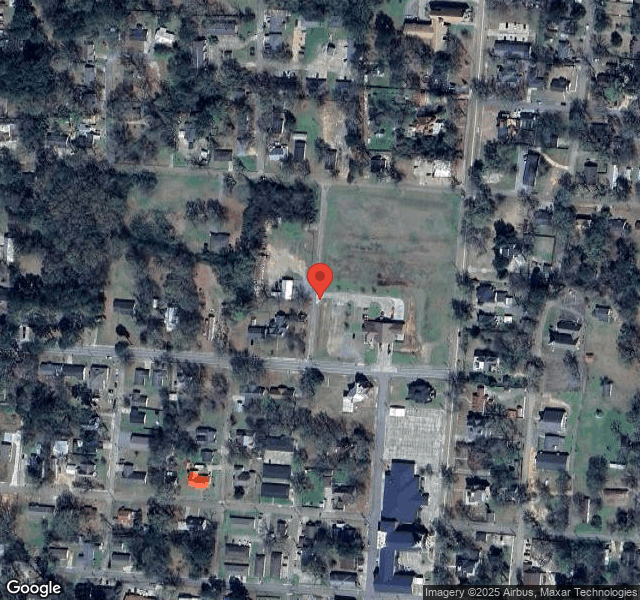
1194 N CHESTER ST, MONTICELLO, AR 71655 (870) 367-6852
For profit - Limited Liability company 122 Beds NIGHTINGALE Data: November 2025 1 Immediate Jeopardy citation
Trust Grade
26/100
#215 of 218 in AR
Last Inspection: July 2025

Inspected within the last 6 months. Data reflects current conditions.

Overview

The Woods, a nursing home in Monticello, Arkansas, has a Trust Grade of F, indicating significant concerns and a poor reputation. It ranks #215 out of 218 facilities in the state, placing it in the bottom half, and is the second option out of two in Drew County, meaning there is only one local competitor. The facility's trend is improving, with issues decreasing from 12 in 2024 to 11 in 2025, but it still faces serious concerns. Staffing is average with a 3/5 rating, and the 54% turnover rate is on par with the state average, which suggests some stability, but this is still concerning. The facility has $15,940 in fines, which is higher than 80% of similar facilities, indicating repeated compliance problems. There is average RN coverage, which is crucial as RNs can catch issues that other staff may miss. Specific incidents include a critical failure where a resident was able to exit the facility using a code they were not supposed to have, posing a serious safety risk. Additionally, there were concerns about expired food items not being removed, which could lead to foodborne illnesses, and issues with the kitchen equipment not being maintained properly, potentially affecting the quality of meals for residents. While there are some strengths, such as an improving trend in issues and average staffing levels, the overall safety and quality of care provided at The Woods raises significant red flags for families considering this option.

Trust Score
F
26/100
In Arkansas
#215/218
Bottom 2%
Safety Record
High Risk
Review needed
Inspections
Getting Better
12 → 11 violations
Staff Stability
⚠ Watch
54% turnover. Above average. Higher turnover means staff may not know residents' routines.
Penalties
✓ Good
$15,940 in fines. Lower than most Arkansas facilities. Relatively clean record.
Skilled Nurses
⚠ Watch
Each resident gets only 21 minutes of Registered Nurse (RN) attention daily — below average for Arkansas. Fewer RN minutes means fewer trained eyes watching for problems.
Violations
⚠ Watch
38 deficiencies on record. Higher than average. Multiple issues found across inspections.
★☆☆☆☆
1.0
Overall Rating
★★★☆☆
3.0
Staff Levels
★★☆☆☆
2.0
Care Quality
★☆☆☆☆
1.0
Inspection Score
Stable
2024: 12 issues
2025: 11 issues

The Good

  • Full Sprinkler Coverage · Fire safety systems throughout facility
  • No fines on record

Facility shows strength in fire safety.

The Bad

1-Star Overall Rating

Below Arkansas average (3.1)

Significant quality concerns identified by CMS

Staff Turnover: 54%

Near Arkansas avg (46%)

Higher turnover may affect care consistency

Federal Fines: $15,940

Below median ($33,413)

Minor penalties assessed

Chain: NIGHTINGALE

Part of a multi-facility chain

Ask about local staffing decisions and management

The Ugly 38 deficiencies on record

1 life-threatening
Jul 2025 9 deficiencies 1 IJ
CRITICAL (J) 📢 Someone Reported This

A family member, employee, or ombudsman was alarmed enough to file a formal complaint

Immediate Jeopardy (IJ) - the most serious Medicare violation

Accident Prevention (Tag F0689)

Someone could have died · This affected 1 resident

Based on observations, interviews, record review, and facility policy review, it was determined the facility did not ensure residents were not provided the code to entrance/exit doors to safeguard res...

Read full inspector narrative →
Based on observations, interviews, record review, and facility policy review, it was determined the facility did not ensure residents were not provided the code to entrance/exit doors to safeguard residents and prevent residents from eloping from the facility for one (Resident #20) sampled resident. The IJ began on 04/01/2025 at approximately 4:30 PM, when Resident #20 used a code for the exit doors provided by facility staff to exit the building without staff knowledge. Resident #20 verified knowledge of codes to the entrance/exit doors of the facility. These findings have been determined to have resulted in Immediate Jeopardy as defined at 42 CFR §483.25. The Administrator was informed of the Immediate Jeopardy on 07/02/25 at 5:34 PM, and a Plan of Removal was requested. The facility provided an acceptable Plan of Removal on 07/03/2025 at 12:15 PM, which was verified to be completed by the survey team on 07/03/2025 at 7:45 PM. The findings include: An “OLTC [Office of Long-Term Care] Incident and Accident Report (I&A)” with a discovery date of 04/01/2025 revealed that on 04/01/2025 at approximately 4:30 PM, Resident #20 exited the facility and walked outside to the north hall end door, where a Certified Nursing Assistant (CNA) observed the resident walking outside a window. The CNA assisted the resident back into the facility. Resident #20 was asked how they had exited the facility, and provided the code to the door, “*234.” A nurse on the hall reported they had last seen the resident at approximately 4:20-4:25 PM, implying the resident was outside unattended and without staff knowledge for 5-10 minutes. There were four exit doors on the secure unit on which Resident #20 resided: one that opened to the courtyard, one that opened to a fenced area, and two that opened to the outside. Resident #20 exited on 04/01/25 through one of the two doors that opened to the outside. The door that the resident exited through passed by the laundry room, then to an area near the laundry room that was observed to contain cleaning equipment, a mop bucket, and boxes that could have caused the resident to fall to the concrete. On 06/30/25 at 1:26 PM, this surveyor observed Resident #275 enter the code to silence the alarm to the courtyard door after several residents went out unattended by a staff member to await their smoke break. On 07/02/25 at 9:57 AM, this surveyor asked several residents sitting near the exit door to the courtyard outside of the main dining room if any knew the code to the exit door. Resident #50 stated “*567.” On 07/02/25 at 10:57 AM, this surveyor asked Registered Nurse (RN) #5 to enter the code to the door at the end of north hall. RN #5 entered code *567 and it unlocked the door. This surveyor asked RN #5 to enter code *234, and this code also unlocked the door. RN #5 stated that code *234 opened the door at the end of the hall, which was three doors from the resident’s room. During an interview on 07/02/25 at 11:19 AM, Certified Nursing Assistant (CNA) #5 stated around mealtime on 04/01/2025 she heard the door alarm sound and observed Resident #20 outside the North door next to the nurse's station, attempting to enter the facility. CNA #5 stated if Resident #20 would not have tried to open the door she would not have seen the resident. CNA #5 stated Resident #20 had exited the door near the laundry room and that the alarm did not work to that door. CNA #5 stated Resident #20 was moved off the secured unit after the incident. CNA #5 stated some of the residents, including Resident #20, knew the code to the doors. CNA #5 stated she observed Resident #20 pushing on the north door since the elopement and she reported it to the Unit Manger. CNA #5 stated Resident #20 has dug in the butt can for cigarettes and that has been reported to the Unit Manger. On 07/02/2025 at 11:55 AM, Resident #20 was asked how they had obtained the code to the exit doors, and stated it was provided by an unknown CNA, but added all CNAs will give them the code to the door. On 07/02/25 at 12:00 PM, this surveyor asked the Unit Director (UD) if they had been informed that Resident #20 had the codes to the exit doors. The UD stated, yes to the courtyard. The UD was asked for the exit code to the courtyard doors and stated, “*567.” This surveyor asked the UD what other door could be opened with code *567, and the UD stated all of them except the door in the unit. This surveyor asked what was preventing Resident #20 from using the code on another door, to which the UD replied, “We just keep a close eye on [the resident].” On 07/02/25 at 12:10 PM, CNA # 6 was asked if they had seen a resident enter the code to any exit door to exit or re-enter the building. CNA #6 stated, “Not through this door on the unit, but I have seen them do it on other halls.” CNA #6 was asked if they had witnessed any resident ever entering the code to exit or re-enter the building to go the courtyard to smoke and stated, “Yes, I have seen them.” On 07/02/25 at 12:15 PM, CNA #7 was asked if they had seen a resident enter the code to any exit door to exit or re-enter the building. CNA#7 stated, “Not in the unit, but on the other side of the building I have.” CNA #7 was asked if they had witnessed any resident ever enter the code to exit or re-enter the building to go to the courtyard to smoke. “On the other side of the building, yes. I have seen them.” On 07/02/25 at 12:27 PM, Resident #48 reported they smoked outside. When asked about the code to the doors, Resident #48 stated, “I know the code to go out, *567.” Resident #48 was asked how they had obtained the door code and stated, “One of the aides gave it to me. Every resident that smokes or wants to go outside has the code. It works on the dining room door and the front door. [Resident #53] will use the code and go out the front door to smoke in the front of the facility. Staff do not go with [the resident]. Staff don't even know [Resident #53] is out there. [Resident #53] went out the back door and no one knew [Resident #53] was out there and hurt their arm bad…I don't have residents asking me for the code because everyone knows the code.” On 07/02/25 at 2:00 PM, Resident #53 was asked about injuring their arm outside the facility, and stated, “I wasn’t out front when I fell. I was in the courtyard smoking and I got dizzy so I got up to go in and when I got to the door I fell.” Resident #53 was asked if there were staff present when the fall occurred and stated, “Yes, I can’t remember any of their names but there were staff out there.” Resident #53 was asked if they knew the code for the exit doors, and stated, “Yes, I do.” On 07/02/25 at 1:20 PM, Licensed Practical Nurse (LPN) #1 was asked what occurred with the incident where [Resident #20] was found outside, and stated, “We saw [Resident #20] outside by the north hall door and several staff saw [Resident #20] at the time walking.” LPN #1 stated Resident #20 reported they were attempting to find [Resident #53] that smoked to get a cigarette. LPN #1 was asked how Resident #20 was able to exit the facility and stated they did not know how they got the codes. On 07/02/25 at 2:40 PM, Resident #275 was asked if they smoked and confirmed they did, four times a day. Resident #275 was asked about the door codes and if residents used them without staff present, and stated, “Sometimes I just go outside to sit. We go out through the dining room. The code is *567 and use the same coming back in. One of the nurses gave it to me. I can go out anytime I want without staff. There is a gate, but I haven't tried to go out. There is a door that goes into that locked unit. Those residents come out at the same time as us. We can go out anytime we want, at any hour we want.” On 07/02/25 at 02:48 PM, the Administrator was asked to elaborate on the incident with Resident #20 eloping from the facility, and stated, “I received a call that [Resident #20] entered the key code to walk around the building to [Resident #53] to get a cigarette.” The Administrator was asked about Resident #20 residing on the secure unit, and stated, “Yes, [Resident #20’s] sister felt [Resident #20] needed to be on the secured unit. We moved [Resident #20] out because [Resident #20] was doing so well and [the resident’s] BIMS was high enough and did not need to be there.” The Administrator reported Resident #20 was moved off the secure unit the day following the elopement. The Administrator was asked how the facility ensured there was not a reoccurrence, and responded stating staff supervise the residents up front, because Resident #20 was not an elopement risk. The Administrator reported no changes were made to the key pads for the exit doors. “[Resident #20] is not an elopement risk, because [Resident #20] has a high BIMS and can tell me if [Resident #20] wants to go or stay.” When asked if Resident #20 currently knew the code to unlock the exit doors, the Administrator stated, “Not that I am aware of.” On 07/02/25 at 03:35 PM, the Director of Nursing stated that the courtyard was the designated smoke area, and Resident #53 continues to try to smoke out front. Resident #53 has the code for the exit doors and lets [the resident] out of the facility. During an interview on 07/02/25 at 05:15 PM, Resident #20 stated they promised the Director of Nursing they would not go outside again, because the resident did not want to get in trouble. A review of the quarterly Minimum Data Set (MDS) with an Assessment Reference Date of 04/05/25 revealed Resident #20 had a Brief Interview of Mental Status (BIMS) score of 15 indicating the resident was cognitively intact. Resident #20 had a diagnosis of non-Alzheimer's dementia. A review of the Care Plan Report (revision date 06/28/25) revealed Resident #20 was a smoker. Resident #20 often attempted to hoard cigarette butts, lighters and other smoking materials rather than giving them to the nurse. The resident's family would bring smoking materials and give to the resident despite staff education that this is against the rules. The Immediate Jeopardy was removed on 07/03/2025 at 12:15 PM when the following plan of removal was implemented by the facility: 1. Identification of Residents Affected or Likely to be Affected: On 07/02/2025 the Director of Nursing (DON)/designee identified all residents at risk or high risk with exit seeking and/or wandering behaviors that scored a 9 or above (33 were identified). 2. Actions to Prevent Occurrence/Recurrence: 3. On 07/2/2025 the DON/designee educated all staff on shift and ongoing as staff reported to work prior to their shift to monitor and supervise residents to prevent elopement. The in-service materials included to only provide the door code to authorized personnel. 4. On 07/2/2025 Resident #20 was directly involved in this deficient practice and had [Resident #20] care plan reviewed and updated by the DON/designee and updated to reflect current wandering and elopement risk. 5. By 07/2/2025 the Minimum Data Set (MDS) Coordinator reviewed section E of the MDS and associated CAA [Care Area Assessments] for all residents. Care plans were reviewed and updated to ensure they reflect audit findings. Concerns were not identified. 6. On 07/2/2025 the DON, designee(s) and /or MDS Coordinator(s) re-evaluated residents at risk for wandering/elopement using an elopement wandering risk scale. (33 residents were reassessed and care plans reviewed updated). 7. All staff received education on wandering, elopement, and resident safety from the Director of Nursing (DON) or designee(s) prior to reporting to their shift. 8. MDS/designee will ensure all residents receive a wandering risk assessment upon admission, quarterly, and with significant change of condition to ensure appropriate monitoring and supervision. Date facility asserts likelihood for serious harm no longer exists: 07/02/2025. Onsite Verification: The IJ was removed on 07/03/2025 at 7:45 PM after the survey team completed an onsite verification that the removal plan had been implemented as follows: 1. A review of a document titled Residents at Risk for Wandering provided by the DON revealed (Score of 9 or higher on Wandering Risk Scale) and 33 resident names were listed. 2. (No corresponding validation to item 2 in the facility’s POR) 3. A review of an in-service conducted by the DON dated 7/02/2025 with a subject of elopement procedures/practices included multiple staff names, signatures and different titles. 4. A review of Resident #20's care plan revealed a focus of [Resident #20] is an elopement risk/wandered related to dementia. [Resident #20] went outside looking for cigarettes. Code to door changed. Revision on: 7/02/2025; interventions included identify pattern of wandering: Is wandering purposeful, aimless, or escapist? Is resident looking for something with a date initiated of 07/02/2025. 5. A review of care plans located in the residents' electronic health record (EHR) for 5 randomly selected residents on the list provided by the DON revealed the following: a. Resident #34's care plan indicated the resident is at risk for falls related to weakness, wanders. b. Resident #327's care plan revealed the resident is an elopement risk/wanderer related to wandering risk assessment score 9. c. Resident #64's care plan revealed the resident is an elopement risk/wanderer related to impaired safety awareness related to wandering assessment score 9. d. Resident #4's care plan revealed the resident is at risk for wandering related to dementia, poor sense of self safety. e. Review of Resident #63's care plan revealed the resident is an elopement risk/wanderer related to impaired safety awareness, exit seeking admitted to secure memory unit; wandering risk score 11. 6. A review of wandering risk scales located in the residents' electronic health record (EHR) for five randomly selected residents on the list provided by the DON revealed the following: a. Resident #34's wandering risk scale indicated at risk to wander with a score of 9.0. b. Resident #327's wandering risk scale indicated at risk to wander with a score of 9.0 c. Resident #64's wandering risk scale indicated at risk to wander with a score of 9.0. d. Resident #4's wandering risk scale indicated at risk to wander with a score of 9.0. e. Resident #63's wandering risk scale indicated high risk to wander with a score of 11.0. 7. On 07/03/2025, interviews with different staff either in person or by telephone revealed the following: One Registered Nurse indicated they were trained on and verbalized understanding on how to identify exit seeking behaviors in residents, what to do if a resident elopes, hiding the door code from residents and who to notify if a resident elopes. Three Licensed Practical Nurses from different shifts indicated they were trained on and verbalized understanding on how to identify exit seeking behaviors in residents, what to do if a resident elopes, hiding the door code from residents and who to notify if a resident elopes. Nine Certified Nursing Assistants covering different shifts indicated they were trained on and verbalized understanding on how to identify exit seeking behaviors in residents, what to do if a resident elopes, hiding the door code from residents and who to notify if a resident elopes. One housekeeper and one dietary aide covering different shifts indicated they were trained on and verbalized understanding on how to identify exit seeking behaviors in residents, what to do if a resident elopes, hiding the door code from residents and who to notify if a resident elopes. 8. A review of the EHR for five randomly selected residents (Resident #4, #34, #63, #64 and #327) from the list of 33 residents identified by the DON as at risk for wandering revealed the MDS Coordinator had completed wandering risk assessments for the residents and the care plans were updated to reflect the residents were at risk to wander and interventions were in place. Observation of the facility residents on 07/03/2025 between 1:30 PM and 6:00 PM revealed some residents in their rooms, some residents were in a common area with a television on, and some residents were in the dining area and no residents were observed attempting to exit the facility or pushing or shaking on doors. Residents on the secured unit were observed sitting in either their wheelchairs in a common area with the television on, at the dining room table or ambulating or propelling themselves in a wheelchair on the unit. No residents were observed trying to exit the area or pushing or shaking on the doors.
CONCERN (D) 📢 Someone Reported This

A family member, employee, or ombudsman was alarmed enough to file a formal complaint

Potential for Harm - no one hurt, but risky conditions existed

Assessment Accuracy (Tag F0641)

Could have caused harm · This affected 1 resident

Based on record review and interview, it was determined the facility did not ensure the quarterly Minimum Data Set Assessment reflected a behavior that the resident exhibited for one (Resident #20) of...

Read full inspector narrative →
Based on record review and interview, it was determined the facility did not ensure the quarterly Minimum Data Set Assessment reflected a behavior that the resident exhibited for one (Resident #20) of one resident reviewed for assessment accuracy. The findings include: A review of the quarterly Minimum Data Set (MDS) with an Assessment Reference Date of 04/05/25, indicated Resident #20 had a Brief Interview for Mental Status score of 15 which indicated the resident was cognitively intact. The MDS also indicated that Resident #20 had diagnoses which included non-Alzheimer's dementia and did not exhibit wandering behavior. A review of a Care Plan Report initiated on 09/24/24, with a revision date of 07/02/25, indicated Resident #20 was an elopement risk and had wandering behaviors related to dementia. During a phone interview on 07/03/25 at 10:59 AM, the MDS Coordinator confirmed Resident #20’s quarterly MDS was completed on 04/05/25, which was after Resident #20 was found outside the building on 04/01/25, without staff knowledge. According to the MDS Coordinator, the quarterly MDS did not indicate Resident #20 had wandering behaviors, but it should have, therefore the assessment was inaccurate. During an interview on 07/03/25 at 11:11 AM, the Director of Nursing (DON) confirmed there was an incident that occurred on 04/01/25, in which Resident #20 exited the building without staff knowledge. The DON stated she did not do the MDS assessment therefore she could not say if it was accurate or not.
CONCERN (D)

Potential for Harm - no one hurt, but risky conditions existed

Comprehensive Care Plan (Tag F0656)

Could have caused harm · This affected 1 resident

Based on record review and interviews, it was determined that the facility did not ensure a Care Plan was accurately revised to reflect a resident's elopement and/or wandering status after an incident...

Read full inspector narrative →
Based on record review and interviews, it was determined that the facility did not ensure a Care Plan was accurately revised to reflect a resident's elopement and/or wandering status after an incident that occurred in which a resident left the facility without staff knowledge for one (Resident #20) of one sampled resident reviewed for Care Plan accuracy. The findings include:A review of the quarterly Minimum Data Set (MDS) with an Assessment Reference Date of 04/05/2025, indicated Resident #20 had a Brief Interview of Mental Status score of 15, which indicated the resident was cognitively intact. The MDS also indicated that Resident #20 had diagnoses which included non-Alzheimer's dementia.A review of a Care Plan Report for Resident #20 on 07/01/2025 did not reveal that Resident #20 had been identified as having previously eloped, having wandering behaviors, nor provide any interventions for staff to utilize in managing behaviors or preventing elopements.A review of a Care Plan Report on 07/02/2025, indicated Resident #20's care plan had been revised to indicate the resident was an elopement risk and had wandering behaviors related to dementia.During a phone interview on 07/03/2025 at 10:59 AM, the MDS Coordinator confirmed that Resident #20 exited the facility without staff knowledge on 04/01/2025. It was not indicated on the care plan that the resident was an elopement risk, had eloped, or had wandering behaviors prior to the revision on 07/02/2025. According to the MDS Coordinator, the care plan initiated 09/24/2024, should have been revised to reflect the resident was an elopement risk and had wandering behaviors, and since it did not it was inaccurate.During an interview on 07/03/2025 at 11:11 AM, the Director of Nurses confirmed there was an incident that occurred on 04/01/2025 in which Resident #20 left the building without staff knowledge.
CONCERN (D)

Potential for Harm - no one hurt, but risky conditions existed

Tube Feeding (Tag F0693)

Could have caused harm · This affected 1 resident

Based on observation, record review, and interviews, it was determined the facility did not provide appropriate services and treatment to prevent complications for one (Resident #41) of two residents ...

Read full inspector narrative →
Based on observation, record review, and interviews, it was determined the facility did not provide appropriate services and treatment to prevent complications for one (Resident #41) of two residents reviewed who received enteral feedings. The findings include: On 06/30/25 during an observation at 11:48 AM, this surveyor observed Resident #41 lying in bed with eyes closed. The feeding pump tubing was disconnected, had fallen and was discharging its contents onto the floor. This surveyor observed that the tip of the feeding tube was in contact with the floor. On 06/30/25 at 12:00 PM, Registered Nurse (RN) #4 was observed picking up the tube feeding tip from the floor and reconnected the tubing to Resident #41's gastrostomy tube without sanitizing or changing the tip. RN #4 did not check placement prior to reconnection and initiation of enteral feeding. A review of 10th edition Lippincott Manual of Nursing Practice, provided by the facility for enteral feedings (intermittent or continuous) indicated best practice would be to make sure residual was within normal limit and stomach placement had been confirmed. A review of a significant change Minimum Data Set (MDS) with an Assessment Reference Date of 05/21/25, included a Staff Assessment of Mental Status, which indicated Resident #41 had short-term and long-term memory deficits and never or rarely made decisions. The MDS also indicated that Resident #41 had a feeding tube while a resident of the facility. A review of a Care Plan Report with a revision date of 06/28/2025, indicated Resident #41 required tube feedings related to difficulty swallowing. The goal with a revision date of 05/29/2025, indicated that Resident #41 would be free of aspiration. The Care Plan also included an intervention with a revision date of 05/16/2025, to check for feeding tube placement prior to any feedings or flushes and check for gastric contents/residual volume as ordered per physician. A review of an Order Summary Report with active orders as of 07/01/25, indicated Resident #41 had a Physician's Order dated 05/09/2025, that stated to check [gastrostomy] tube for proper placement prior to each feeding, flush, or medication administration. On 07/02/25 during an interview at 7:20 AM, RN #4 confirmed placement was not verified prior to initiating the enteral feeding due to the television being on and the resident not allowing her to check placement. This surveyor, who was present at bedside during the incident, did not hear the resident make a statement of refusal of care. RN #4 indicated placement could have been confirmed with aspiration. During an interview on 07/02/25 4:04 PM, the Director of Nursing (DON) confirmed the nurse should have checked placement prior to reconnection to ensure proper placement before initiating the gastric feeding pump.
CONCERN (D)

Potential for Harm - no one hurt, but risky conditions existed

Respiratory Care (Tag F0695)

Could have caused harm · This affected 1 resident

Deficiency Text Not Available

Read full inspector narrative →
Deficiency Text Not Available
CONCERN (E)

Potential for Harm - no one hurt, but risky conditions existed

Resident Rights (Tag F0550)

Could have caused harm · This affected multiple residents

Based on observations, record review, interviews, and facility policy review it was determined the facility failed to ensure meal service assistance was provided in a timely manner for one (Resident #...

Read full inspector narrative →
Based on observations, record review, interviews, and facility policy review it was determined the facility failed to ensure meal service assistance was provided in a timely manner for one (Resident #4) sampled resident, and to ensure staff did not stand while assisting residents with meal service for three (Residents #4, #46, and #49) of nine residents observed for dining. The findings include: Resident #4 On 07/01/25 at 8:24 AM, this surveyor observed Certified Nursing Assistant (CNA) #10 assist Resident #4 with meal service while standing. CNA #10 gave Resident #4 two bites before she stopped and informed the resident that she would return after she passed out trays. On 07/01/25 at 8:28 AM, this surveyor noted that Resident #4 has not been successful at taking a bite of food since CNA #10 walked away. This surveyor observed Resident #4 moved their straw across their plate and stirred in their cereal. The resident appeared confused. All the other residents at the table were eating breakfast. There were two nurses standing approximately 10 feet behind the resident in the dining room at the medication cart, not passing medications, talking amongst themselves, and not making an attempt to assist the resident. The resident struggled without assistance until 8:39 AM, during which time other residents at the table finished eating. On 07/01/25 at 8:38 AM, this surveyor observed Resident #4 with spoon in hand, attempting to eat. The resident was scraping the spoon to the left in an effort to get the meat and eggs, but rather than getting the food on the spoon it was scraped off the plate onto the table. On 07/01/25 at 8:39 AM, this surveyor observed the Registered Dietician (RD) notice Resident #4 was struggling with meal service and walked over to the table. The RD stated to Resident #4, I think we need to get you a new plate and some more eggs. On 07/01/25 at 8:41 AM, this surveyor observed the RD return with eggs and assisted the resident with three bites of the eggs while they stood over the resident. At this time all other residents at the table with Resident #4 had finished dining. The RD asked Resident #4 if they needed some help with eating, and Resident #4 stated, Oh yeah. The RD gave the resident a drink of milk while they stood over the resident. On 07/01/25 at 8:42 AM, this surveyor observed the RD turn to the two nurses standing near the resident at the medication cart and notified them that the resident needed to be assisted with meal service. One of the two nurses informed CNA #10 that the resident needed to be assisted with meal service. On 07/01/25 at 8:43 AM, this surveyor observed CNA #10 sit down to feed Resident #4. CNA #10 realized the resident’s cereal was now soggy and stated, I got to get you more cereal these are soggy. CNA #10 returned later with the cereal, sat next to the resident, and assisted with feeding. A review of the quarterly Minimum Data Set (MDS) with an Assessment Reference Date (ARD) of 06/06/25, which included a Staff Assessment of Mental Status (SAMS) that indicated Resident #4 had short-term and long-term memory problems and had severely impaired cognitive skills. A review of a Care Plan Report with a revision date of 10/10/24, indicated Resident #4 had an Activities of Daily Living (ADL) self-care performance deficit. Interventions included that Resident #4 (revision date 05/31/23) was able to feed self with set up help but needed cues and assist at times. During an interview on 07/01/25 at 8:51 AM, CNA #10 stated Resident #4 sometimes required assistance with eating depending on the day and today was one of those days. CNA #10 stated when she initially started to assist Resident #4, she felt the resident did not need any assistance, but that was inaccurate. CNA #10 stated when she initially started to assist Resident #4 with feeding she was standing, but she should have been sitting. During an interview on 07/01/25 at 9:00 AM, the RD stated she stood behind the resident and leaned forward to look the resident in the face, at eye level, and between two residents while they assisted the resident with a bite Resident #49 On 07/01/25 at 1:00 PM, this surveyor observed Licensed Practical Nurse (LPN) #1 tap Resident #49, who appeared to be sleeping, on the shoulder. When the resident woke and LPN #1 gave the resident two bites of food while standing over the resident. On 07/01/25 at 1:19 PM, this surveyor observed LPN #1 call Resident #49, who appeared to be sleeping, by name. When the resident woke, LPN #1 gave the resident several bites of food while they stood over the resident. Resident #49 was not observed to feed themselves any food. A review of the annual MDS with an ARD of 04/10/25, indicated Resident #49 had a Brief Interview for Mental Status (BIMS) score of four, which indicated the resident had severe cognitive impairment. A review of a Care Plan Report with a revision date of 01/10/25, indicated Resident #49 had an ADL self-care performance deficit, and required set-up assistance with meals/eating. During an interview on 07/01/25 at 2:25 PM, LPN #1 stated she stood while she assisted Resident #49, but she did not feed the resident. She encouraged the resident. LPN #1 stated her definition of encouraging was giving verbal cues, giving a bite, and handing over the spoon. LPN #1 stated her definition of feeding a resident, is being seated next to a resident feeding the resident the entire meal. LPN #1 stated she did not know how many bites of food were considered feeding rather than encouraging. She stated, I guess next time I will let the CNA do their job. Resident #46 On 07/01/25 at 1:21 PM, this surveyor observed CNA #11 standing while assisting Resident #46 with eating, placing several bites of food in the resident’s mouth. A review of the quarterly MDS with an ARD of 04/08/25, indicated Resident #46 had a BIMS score of three, indicating severe cognitive impairment. A review of a Care Plan Report with a revision date of 01/21/25, indicated Resident #46 had an ADL self-care performance deficit, and required set-up assistance with meals. On 07/01/25 during an interview at 1:43 PM, CNA #11 stated she stood while she assisted Resident #46 with feeding but she should have been sitting. During an interview on 07/02/25 at 4:15 PM, the Director of Nursing stated staff should be eye level with residents when assisting with meal service. A review of a policy titled, “Resident Rights and Responsibilities,” indicated the nursing facility protects and promotes the rights of each Resident/Elder admitted , to provide a dignified existence.
CONCERN (E)

Potential for Harm - no one hurt, but risky conditions existed

Deficiency F0804 (Tag F0804)

Could have caused harm · This affected multiple residents

Based on observation, record review, interview, and facility policy review, the facility failed to ensure meals were served in a method that maintained the appearance, nutritive value and taste of pur...

Read full inspector narrative →
Based on observation, record review, interview, and facility policy review, the facility failed to ensure meals were served in a method that maintained the appearance, nutritive value and taste of pureed foods that were acceptable to the residents to improve palatability and encourage good nutritional intake during two of two meals observed. The findings include: 1.On 07/01/2025 at 8:45 AM, during observation of the noon meal preparation, Dietary [NAME] (DC) #8 placed nine servings of French toast into a blender. Instead of milk as specified per the menu, DC #8 added two cups of water from the coffee machine on top of the French toast inside the blender and pureed. On 07/01/2025 at 8:47 AM, during an observation and concurrent interview, DC #8 poured the pureed French toast into a pan and placed it on the steam table. This surveyor asked DC #8 how much water he used to puree the French toast. DC #8 stated he used two cups of water to puree the French toast, and that he should have used milk. A review of the Facility Recipe on 07/01/2025, indicated for 10 servings of French toast to use 1.25 cups of 2% milk. Prepare the slurry. Process until smooth adding one ounce slurry per portion. 2.On 07/01/2025 during an observation and concurrent interview at 12:01 PM, DC #8 placed 10 servings of meat loaf into a blender. Instead of 1.25 cups of water, DC #8 added two cups of water from the coffee machine on top of the meat loaf inside the blender and pureed the contents. This surveyor asked DC #8 how much water he used to puree the meat loaf. DC #8 stated he used two cups of water to puree the meat loaf. On 07/01/2025 during an observation at 12:04 PM, DC #8 poured the pureed meat loaf into a pan and placed it on the steam table. The mixture was thick and lumpy. On 07/01/2025 during an interview at 1:49 PM, the Dietary Manager (DM) described the appearance of the pureed meat loaf served to the residents for lunch as lumpy and stated the meat loaf needed to be pureed some more. On 07/01/2025 during an interview at 1:50 PM, this surveyor asked how the food would taste if it was pureed with water. DC #8 tasted the pureed meatloaf and stated, it needed seasoning because using water took away from the flavor. The DM tasted the pureed meat loaf and stated it had no taste. A review of the Facility Recipe on 7/01/2025, indicated for 10 servings of glazed meatloaf use 1.25 cups of water or stock add 2 tablespoon plus 1.5 teaspoons of food thickener. Prepare slurry. Process until smooth adding 1 ounce slurry per portion. A review of a facility policy titled “Key Concept,” indicated pureed foods can be prepared in a few simple steps: 1. Process until fine. 2. Thicken, if needed, and continue to process until smooth. 3. Season and flavor. A review of a facility policy titled “Pureed foods,” indicated all employees are trained to follow the spreadsheet for each diet to tell them which foods to provide and the consistency for each.
CONCERN (E)

Potential for Harm - no one hurt, but risky conditions existed

Food Safety (Tag F0812)

Could have caused harm · This affected multiple residents

Based on observation, interview, and facility policy review, the facility failed to ensure expired food items were promptly removed or discarded on or before the expiration or use by date to prevent t...

Read full inspector narrative →
Based on observation, interview, and facility policy review, the facility failed to ensure expired food items were promptly removed or discarded on or before the expiration or use by date to prevent the growth of bacteria, and dietary staff washed their hands between dirty and clean tasks and before handling clean equipment for two of two meals observed. The findings include: During observation and concurrent interview on 07/01/2025 at 7:38 AM, Dietary Aide (DA) #9 picked up the water hose with her bare hands and used it to spray leftover food from inside the dishes, contaminating her hands. DA #9 placed the dirty dishes on the dirty racks and pushed the racks into the dish washing machine to wash. Without washing her hands, DA #9 picked up pan liners with her bare hands and used them to cover pans that contained deserts to be served to the residents for lunch. DA #9 stated she should have washed their hands. During an observation on 07/01/2025 at 8:18 AM, DA #9 who assisted with the breakfast meal, picked up cartons of syrup, milk, milk shakes, and condiments and placed them on trays. Without washing her hands, DA #9 then picked up glasses with beverages in them by the rims and placed them on the trays to be served to the residents during the lunch meal. During an observation and concurrent interview on 07/01/2025 at 8:38 AM, DC #8 washed and sanitized the blender, bowl, lid and the blade in the 3-compartment sink. After sanitizing the food processor equipment, DC #8 turned off the faucet with a bare hand, contaminating their hand. Without washing their hands, DC #8 picked up a clean blade and attached it to the base of the blender to be used in pureeing food items for lunch. When DC #8 was ready to use the blender, this surveyor immediately asked DC #8 what they should have done after touching dirty objects and before handling clean equipment and DC #8 stated he should have washed his hands. During an observation on 07/01/2025 at 9:14 AM, this surveyor observed bags of chips on a shelf in the storage room used to store food intended to be served to residents. The bags had an expiration date of 06/17/2025. During an observation of the lunch meal on 07/01/2025 at 12:37 PM, without washing their hands, DA #9 picked up glasses with beverages in them by the rims and placed them on the trays to be served to the residents during the meal. DA #9 stated they should have picked up cups from the handles and glasses from below. The DM stated they had seen the DA picking cups and glasses by their rims. A review of a facility policy titled, “Handwashing and Glove Usage in Food service,” indicated hands should be washed as often as possible, and that it was important to wash hands before starting to work, after leaving and returning to the prep area and after touching anything else such as dirty equipment and work surfaces, as often as needed during food preparation, and when changing tasks.
CONCERN (E)

Potential for Harm - no one hurt, but risky conditions existed

Infection Control (Tag F0880)

Could have caused harm · This affected multiple residents

Based on observations, record review, interviews and facility policy review it was determined the facility did not ensure infection control measures were used and staff wore the proper Personal Protec...

Read full inspector narrative →
Based on observations, record review, interviews and facility policy review it was determined the facility did not ensure infection control measures were used and staff wore the proper Personal Protective Equipment (PPE) when providing device care for one (Resident #41) of two residents with gastrointestinal feeding tubes reviewed for Enhanced Barrier Precautions (EBP). The findings include: On 06/30/25 during an observation at 11:48 AM, this surveyor observed Resident #41 lying in bed with eyes closed. The resident’s feeding pump was disconnected and was infusing onto the floor. This surveyor noted the tip of the tubing to the feeding tube was in contact with the floor, which caused contamination. On 06/30/25 during an observation at 12:00 PM, this surveyor observed Registered Nurse (RN) #4 without a gown, pick up the tube feeding tube from the floor, without sanitizing or changing the tip, RN #4 reconnected the tubing to Resident #41. A review of a significant change Minimum Data Set (MDS) with an Assessment Reference Date of 05/21/25, included a Staff Assessment of Mental Status which indicated Resident #41 had short-term and long-term memory deficits, and never or rarely made decisions. The MDS also indicated Resident #41 had a feeding tube while a resident of the facility. A review of a Care Plan Report with a revision date of 06/28/2025, revealed Resident #41 required a tube feed related to difficulty swallowing. During an interview on 07/02/25 at 7:20 AM, RN #4 indicated the feeding tube tip should have been sanitized or changed, after picking up from the floor, prior to reconnecting the tubing to Resident #41. RN #4 stated she did not utilize the appropriate PPE for a resident on EBP. During an interview on 07/02/25 4:04 PM, the Director of Nursing (DON) confirmed nurses should sanitize or change the tip of the tubing of the feeding tube, since it touched the floor. The DON indicated the nurse should have worn gown and gloves, because Resident #41 was on EBP. A review of the policy titled “Enhanced Barrier Precautions” indicated gown and gloves are required for high contact activities such as device care to central lines, urinary catheters and feeding tubes.
Mar 2025 2 deficiencies
CONCERN (D) 📢 Someone Reported This

A family member, employee, or ombudsman was alarmed enough to file a formal complaint

Potential for Harm - no one hurt, but risky conditions existed

Incontinence Care (Tag F0690)

Could have caused harm · This affected 1 resident

**NOTE- TERMS IN BRACKETS HAVE BEEN EDITED TO PROTECT CONFIDENTIALITY** Based on observation, record review and interview, the facility failed to ensure all areas of the skin were cleansed during inco...

Read full inspector narrative →
**NOTE- TERMS IN BRACKETS HAVE BEEN EDITED TO PROTECT CONFIDENTIALITY** Based on observation, record review and interview, the facility failed to ensure all areas of the skin were cleansed during incontinent care for 1 (Resident #5) of 1 resident reviewed for incontinence care. The findings are: On 03/13/2025 at 1:23 PM, Certified Nursing Assistant (CNA) #7 propelled Resident #5 to the room to provide incontinent care to the resident. CNA #8 was standing in the resident's doorway. This surveyor, accompanied by another female surveyor, entered the resident's room. After CNA #7 and CNA #8 sanitized their hands, both CNAs put on a pair of gloves. Resident #5 was assisted to a standing position from the wheelchair, a large wet circle was observed on the back of the resident's pants on the buttocks and back of both thigh areas. Resident #5 stated, Oh I smell, and CNA #7 informed the resident they [CNA #7 and CNA #8], were about to clean the resident. After the resident was assisted to bed and pants removed, CNA #7 rolled the resident's wet pants and placed the pants in a clear plastic bag sitting at the foot of the bed on top of the sheet. After the CNAs were finished providing incontinent care to the resident and CNA #7 picked up Resident #5's pants, this surveyor asked her if she was finished providing incontinent care to the resident. She stated she was. This surveyor asked CNA #7 to remove the resident's brief and use a clean wipe and cleanse the resident's genital area and show the wipe to this surveyor. Without changing gloves, CNA #7 unfastened the resident's brief, removed a clean wipe from the package with her left hand and swiped the resident's genital area and there was a brown streak observed on the wipe. CNA #7 discarded that wipe and took a second clean wipe from the package with the same gloved hands and cleansed the resident's genital area again until there were no brown stains observed. Review of Resident #5's Medical Diagnosis Screen revealed Resident #5 had diagnoses of dementia (a decline in a person's cognitive abilities which affects a person's ability to perform everyday activities) with agitation, overactive bladder, and osteoarthritis (a joint disease that affects many tissues of the joint). Review of an admission Minimum Data Set (MDS) with an Assessment Reference Date of 02/24/2025, revealed Resident #5 was admitted to the facility on [DATE]. The admission MDS was not completed for review. Review of a Care Plan Report dated 02/25/2025, revealed Resident #5 had an activities of daily living (ADL) self-care deficit and required limited assistance with personal hygiene, toileting and one person assist with transfers. On 03/19/2025 at 2:08 PM, CNA #7 was interviewed and stated, when providing incontinent care to a resident, you should wipe the resident's perineal area from the front to the back of the perineal area to remove feces. On 03/19/2025 at 2:27 PM, CNA #8 was interviewed and stated, she was instructed to cleanse feces from the resident's perineal area by wiping the area until nothing [no feces] is there. On 03/21/2025 at 12:15 PM, the Director of Nursing (DON) was interviewed and stated, all areas of the resident's skin should be cleansed during incontinent care to ensure feces and urine do not sit on the skin. On 03/21/2025 at 12:30 PM, the Administrator was interviewed and stated, all areas of the resident skin should be cleansed when providing incontinent care to prevent infection. Review of a typed statement, provided by the Administrator on 03/17/2025, indicated the facility does not have a policy for resident bathing and hygiene.
CONCERN (D) 📢 Someone Reported This

A family member, employee, or ombudsman was alarmed enough to file a formal complaint

Potential for Harm - no one hurt, but risky conditions existed

Infection Control (Tag F0880)

Could have caused harm · This affected 1 resident

**NOTE- TERMS IN BRACKETS HAVE BEEN EDITED TO PROTECT CONFIDENTIALITY** Based on observation, record review, interview, and facility policy review, the facility failed to ensure staff performed hand h...

Read full inspector narrative →
**NOTE- TERMS IN BRACKETS HAVE BEEN EDITED TO PROTECT CONFIDENTIALITY** Based on observation, record review, interview, and facility policy review, the facility failed to ensure staff performed hand hygiene, changed gloves and did not touch items in the room with gloves used during incontinent care for 1 (Resident #5) of 1 resident reviewed for incontinent care. The findings are: On 03/13/2025 at 1:23 PM, Certified Nursing Assistant (CNA) #7 propelled Resident #5 to the room to provide incontinent care to the resident. CNA #8 was standing in the resident's doorway. This surveyor, accompanied by another female surveyor, entered the resident's room. After CNA #7 and CNA #8 sanitized their hands, both CNAs put on a pair of gloves. Resident #5 was assisted to a standing position from the wheelchair. A large wet circle, that was on the residents ' buttock area and back of thighs, was observed on the back of the resident's pants. Resident #5 stated, Oh I smell, and CNA #7 informed the resident they, CNA #7 and CNA #8, were about to clean the resident. After the resident was assisted to bed and pants removed by CNA #7 and CNA #8, CNA #7 rolled the resident's wet pants and placed the pants in a clear plastic bag sitting at the foot of the bed on top of the sheet. CNA #7, without changing gloves or sanitizing her hands, held a package of un-opened wipes steady with one hand and opened the package with the other hand. CNA #7 then used her left hand to remove clean wipes from the package and with the same gloved left hand, she began providing incontinent care to Resident #5. During the incontinent care process, CNA #8 assisted the resident to the right side and CNA #7, with the same gloves, removed wipes from the package on the table and began cleaning soft brown feces from the resident's rectal area. As CNA #7 continued to clean the feces from the resident's gluteal area, she removed the gloves, sanitized her hands and put on a clean pair of gloves. Once CNA #7 had completed cleaning the feces from the resident's bottom, but without changing gloves, she placed a clean adult brief underneath the resident and both CNAs assisted the resident to lie on back and CNA #7 fastened the resident's brief without cleaning the resident's genital area. CNA #8 did not change her gloves during the entire process. After Resident #5 was assisted to a sitting position in the bed, CNA #7 removed her left glove and realized there was only one clean glove on the over-bed table. She picked up a bottle of hand sanitizer, squirted a small amount into the palm of her right hand and moved the fingers of her right hand against the palm. She picked up the clean glove off the over-bed table using the right gloved hand with hand sanitizer on it, placed the clean glove on her left hand and rubbed her gloved hands together. She looked at CNA #8 and stated, I gotta do what I gotta do. Review of Resident #5's Medical Diagnosis Screen revealed dementia (a decline in a person's cognitive abilities which affects a person's ability to perform everyday activities) with agitation, overactive bladder, and osteoarthritis (a joint disease that affects many tissues of the joint). Review of an entry Minimum Data Set (MDS) with an Assessment Reference Date of 02/24/2025, revealed Resident #5 was admitted to the facility on [DATE]. The admission MDS was not completed for review. Review of a Care Plan report, dated 02/25/2025, revealed Resident #5 had activities of daily living (ADL) self-care deficit and required limited assistance with personal hygiene, toileting and one person assist with transfers. On 03/19/2025 at 2:08 PM, CNA #7 was interviewed and stated, when providing incontinent care to a resident, you sanitize/clean your hands when you go into the resident's room, in between dirty and clean tasks, and when you are done with incontinent care. She stated you do not place hand sanitizer on a glove used during incontinent care or use that same glove to pick up a clean glove or rub the two gloves against each other using hand sanitizer gel because it was that or her hand. On 03/19/2025 at 2:27 PM, CNA #8 was interviewed and stated, when providing incontinent care to a resident, she sanitizes/cleans her hands before going in the resident's room, after placing a bag on the barrier and items on the barrier. She stated when providing incontinent care to a resident, she was instructed to change gloves whenever she rotates the resident (to a different position), and after cleaning the resident's bottom properly. She stated you should not touch items in the room with the same gloves used to provide incontinent care to a resident with, because that was cross contamination. On 03/21/2025 at 12:15 PM, the Director of Nursing (DON) was interviewed and stated, staff should sanitize/clean their hands when providing incontinent care to a resident before providing care, while swiping from dirty to clean, in between glove changes, and after concluding care. She stated staff should not touch items in the room using the same gloves used to provide incontinent care to a resident because it could potentially contaminate items the staff are touching. She stated staff should not place sanitizing gel on the same glove used to provide incontinent care to a resident or place a clean glove on the opposite hand and rub the gloves together using sanitizing gel because that was not the practice, and staff should change their gloves completely. On 03/21/2025 at 12:30 PM, the Administrator was interviewed and stated when providing incontinent care to a resident, staff should sanitize/clean their hands when entering the room, when changing gloves and when exiting a room. She stated staff should change gloves if the gloves become dirty or soiled when providing incontinent care to a resident. Review of A Unit Guide to Infection Prevention for Long-Term Care Staff, dated September 2016, provided by the Administrator, indicated on page 12, to practice hand hygiene, keep hands clean either by washing with soap and water or using an alcohol hand sanitizer. Change gloves frequently and perform hand hygiene each time gloves are changed as dirty gloves can spread germs.
Sept 2024 6 deficiencies
CONCERN (D) 📢 Someone Reported This

A family member, employee, or ombudsman was alarmed enough to file a formal complaint

Potential for Harm - no one hurt, but risky conditions existed

Transfer Notice (Tag F0623)

Could have caused harm · This affected 1 resident

Based on interviews and record review, it was determined the facility failed to notify the State of Long Term-Care Ombudsman in writing of a transfer to the hospital for 1 resident (Resident #1) revie...

Read full inspector narrative →
Based on interviews and record review, it was determined the facility failed to notify the State of Long Term-Care Ombudsman in writing of a transfer to the hospital for 1 resident (Resident #1) reviewed for hospitalization. Findings include: A review of a facility policy titled: Transfer and Discharge dated 09/26/24 at 11:10 AM provided by Administrator indicated, .The nursing facility shall send a copy of the notice to a representative of the Office of the State Long-Term Care Ombudsman. On 09/26/24 the Administrator was asked to provide proof that the State Ombudsman had been notified of Resident #1 hospitalizations. A review of the Census tab for Resident #1's electronic health record indicated the resident was sent to the hospital four times between the dates 05/23/2024 and 09/05/2024. On 09/26/24 at 12:10 PM, the Administrator reported she was having trouble getting into Assistant Director of Nursing's computer to locate notifications sent to State Ombudsman. On 09/26/24 at 1:40 PM, Director of Nursing reported the Administrator was working on getting the transfer/discharge notifications sent to the State Ombudsman. During an interview on 09/26/24 at 3:34 PM, the Administrator indicated she was now responsible for sending the transfer/discharge letter to the State Ombudsman. The Administrator indicated that before her it was either the Business Office Manager or the Assistant Director of Nursing that sent the letter to the State Ombudsman. The Administrator was not able to provide proof that notification had been sent to the State Ombudsman for the four times Resident #1 had been hospitalized .
CONCERN (D) 📢 Someone Reported This

A family member, employee, or ombudsman was alarmed enough to file a formal complaint

Potential for Harm - no one hurt, but risky conditions existed

Deficiency F0676 (Tag F0676)

Could have caused harm · This affected 1 resident

Based on observation, record review and interview, the facility failed to ensure an assistive communication device was utilized to facilitate communication between a resident and staff for 1 (Resident...

Read full inspector narrative →
Based on observation, record review and interview, the facility failed to ensure an assistive communication device was utilized to facilitate communication between a resident and staff for 1 (Resident #3) sampled resident who required an assistive communication device. The findings are: Resident #3's Medical Diagnosis record was reviewed and indicated diagnoses of an opening in the neck and into the windpipe tracheostomy) an opening in the neck that assists with breathing and abnormal cells in the throat (carcinoma in situ of pharynx). A quarterly Minimum Data Set with an Assessment Reference Date of 07/21/2024 was reviewed and indicated Resident #3 had a Brief Interview for Mental Status score of 13, which indicated the resident was cognitively intact, and had a tracheostomy. Resident #3's plan of care, dated 08/07/2024, was reviewed and indicated the resident had a communication problem and required a [brand name] valve to assist with communication. Staff were to ensure the device was available and functioning. On 09/26/2024 at 9:01 AM, Resident #3 was lying in bed with eyes closed and a tracheostomy (trach) device was observed in resident's neck. There was no assistive communication device observed or valve on the trach. On 09/26/2024 at 10:28 AM, Licensed Practical Nurse (LPN) #1 was interviewed with concurrent observations. Surveyor asked if Resident #3 was able to communicate with staff. He stated he had difficulties understanding the resident, but the resident had a voice box staff could attach to the trach. He was asked where the assistive communication device was located. He stated at the [nursing] desk. He was asked when the assistive communication device was placed on Resident #3. He stated whenever the resident tried to communicate with staff. He was asked if the assistive device was left on the resident. He stated no because the device had been lost before and was in the medication cart when not in use. This surveyor asked to view the device and LPN #1 unlocked the medication cart. In the top drawer, there was a purple, circular container with the words [brand name] Tracheostomy & [and] Ventilator Swallowing and Speaking Valve. Inside the circular container was a small device. LPN #1 placed the assistive communication device back inside the top drawer of the medication cart and locked the cart. On 09/26/2024 at 12:16 PM, Resident #3's call light was on the outside of the room above the doorway was observed and on. The Administrator entered the resident's room and exited the room seconds later and walked to the nursing station. At 12:17 PM, LPN #1 entered the resident's room, and this surveyor followed him. The resident was making sounds from the trach. LPN #1 did not utilize the assistive device to assist the resident in communicating with him. On 09/26/2024 at 12:39 PM, LPN #1 entered the resident's room, and the resident was making sounds from the trach. The resident pointed to a pair of green boots on both legs. LPN #1 was asked if he knew what the resident needed, and he stated he thought the resident may want the boots taken off, but he was not sure. LPN #1 turned off the call light and exited the resident's room. The assistive communication device was not placed on the trach to assist the resident with communicating the need to LPN #1. On 09/26/2024 at 12:57 PM, the call light above the doorway outside Resident #3's room was observed and on. Certified Nursing Assistant (CNA) #3 entered the room. The resident was making sounds from the trach and no assistive device was utilized. CNA #3 left the room shortly after entering and left the area. On 09/26/2024 at 1:22 PM, Resident #3's call light on the outside of the room above the doorway was observed on from the call light being activated. An un-identified female entered the room, and the resident was making sounds from the trach. The un-identified female stated she would get someone and left the room, leaving the call light on. CNA #3 entered the room, and the resident was making sounds from the trach. CNA #3 turned the light off and exited the room. CNA #3 did not utilize the assistive device to facilitate communication between her and the resident. On 09/26/2024 at 3:45 PM, the Director of Nursing (DON) was interviewed and provided a typed statement regarding instructions provided to the staff for Resident #3's assistive communication device. The statement was reviewed and indicated, I advised that the [brand-name device] was to be utilized when [Resident #3] wanted to communicate and then was to be removed, as this is not worn at all times. The statement indicated the assistive communication device was kept in the medication cart. The DON what asked the purpose of the communication device, and she stated to assist the resident with using words. She was asked if staff took the assistive communication device when they entered the resident's room in the event the resident wanted to communicate with them. She stated staff did not take the device in the room every time.
CONCERN (D) 📢 Someone Reported This

A family member, employee, or ombudsman was alarmed enough to file a formal complaint

Potential for Harm - no one hurt, but risky conditions existed

Tube Feeding (Tag F0693)

Could have caused harm · This affected 1 resident

Based on observation, interview, and record review, the facility failed to ensure the enteral feed and flush was administered at the physician's ordered rate for 1 (Resident #3) sampled resident who r...

Read full inspector narrative →
Based on observation, interview, and record review, the facility failed to ensure the enteral feed and flush was administered at the physician's ordered rate for 1 (Resident #3) sampled resident who received enteral nutrition and water through a Percutaneous Endoscopic Gastrostomy (PEG) tube. The findings are: Resident #3 's medical diagnosis screen was reviewed and indicated the resident had a diagnosis of difficulty swallowing (dysphagia) and an opening into the stomach wall (gastrostomy status). A quarterly Minimum Data Set with an Assessment Reference Date of 07/21/2024, was reviewed and indicated Resident #3 had a Brief Interview for Mental Status score of 13, which indicated cognitively intact and had a feeding tube. Resident #3's Order Summary Report was reviewed and indicated a physician's order, dated 09/13/2024, for [brand name] enteral feed to be administered at 53 milliliters per hour (ml/hr.) and flush at 40 ml every 1 hour. On 09/25/2024 at 9:01 AM, Resident #3 was observed lying in bed, awake with the head of bed up. The feeding pump displayed feed 43 ml/hr and flush 40 ml (milliliters) every 1 hr. The feeding and flush bags were not labeled at this time. On 09/25/2024 at 2:29 PM, Resident #3 was observed lying in bed on the back with eyes closed. The feeding pump displayed the feed rate of 43 ml/hr. and a flush rate of 40 ml every 1 hr. and was connected to the resident. On 09/26/2024 at 8:10 AM, Resident #3 was observed lying in bed on back with eyes closed and hob up. The feeding pump displayed feed 43 ml/hr. and flush ml every 1 hr. and was connected to the resident. On 09/26/2024 at 10:28 AM, Licensed Practical Nurse (LPN #1) was interviewed with concurrent observations. He confirmed the pump showed 43 ml/hr for the feed rate and 40 ml/hr for the flush rate. He was asked how often the settings on the pump were checked against the orders. He stated daily. He was asked to check Resident #3's orders in the electronic health record (EHR) but was unable to at the time because the facility's internet system was offline. He stated the nurses could use the paper Medication Administration Record (MAR)s. The paper MAR for Resident #3 was reviewed and indicated the document was printed on 08/21/2024 at 12:56 AM. The physician's order on the document indicated the enteral feed rate was 40 ml/hr, and the flush rate was 43 ml/hr. He was asked who updated the paper MARs to ensure the orders were current. He stated he did not know. On 09/26/2024 at 2:20 PM, LPN #5 was interviewed and asked how she knew what the feed/flush rate was for residents receiving enteral feeding. She stated she looks at the MAR to ensure the pump is set according to the MAR. An enteral feeding procedure guideline, from the [Named] Manual of Nursing Practice 10th edition not dated, provided by the Director of Nursing on 09/26/2024, was reviewed and indicated giving nutrients directly into the stomach was more beneficial than parenteral (giving nutrition through the feeding).
CONCERN (E) 📢 Someone Reported This

A family member, employee, or ombudsman was alarmed enough to file a formal complaint

Potential for Harm - no one hurt, but risky conditions existed

Resident Rights (Tag F0550)

Could have caused harm · This affected multiple residents

Deficiency Text Not Available

Read full inspector narrative →
Deficiency Text Not Available
CONCERN (E) 📢 Someone Reported This

A family member, employee, or ombudsman was alarmed enough to file a formal complaint

Potential for Harm - no one hurt, but risky conditions existed

Incontinence Care (Tag F0690)

Could have caused harm · This affected multiple residents

Based on observations, interviews, record review, and facility policy review the facility failed to ensure staff provided proper incontinence care to 1 (Resident #6) sampled resident. The findings inc...

Read full inspector narrative →
Based on observations, interviews, record review, and facility policy review the facility failed to ensure staff provided proper incontinence care to 1 (Resident #6) sampled resident. The findings include: A review of the significant change Minimum Data Set (MDS) with the Assessment Reference Date of 8/31/2024 revealed Resident #6 had a Brief Interview of Mental Status (BIMS) score of 10, indicating moderate cognitive impairment, and indicated the resident was incontinent of bowel and bladder. A plan of care for Resident #6 (revision date: 9/02/2024) revealed Resident #6 had bowel and bladder incontinence related to disease process and used adult disposable briefs. On 9/25/2024 at 2:00 PM, the Surveyor observed Certified Nursing Assistant (CNA) #4 improperly clean Resident #6. The resident had experienced an incontinence episode, and when CNA #4 cleaned the resident's genital region with wipes, the CNA wiped back to front, a practice that can spread germs and cause urinary tract infections. CNA #4 did not completely clean the resident's genital area. The surveyor observed that liquid waste had soiled the resident's brief, incontinence pad, and the fitted sheet on the bed beneath. CNA #4 did not remove the soiled pad or sheet before rolling the portion of the resident's body that had been wiped clean into it, exposing the resident to the moisture and liquid waste. On 9/25/2024 at 2:12 PM, CNA #4 stated the genitals were not cleaned properly and Resident #6 had urinated through the brief, incontinence pad, and onto the fitted sheet. On 09/26/24 at 1:15 PM, the Director of Nursing (DON) stated the way in which the genitals were cleaned was improper and could cause the resident to have an infection. A policy titled Accident Hazards Prevention noted the facility is responsible for providing care to residents in a manner that helps promote quality of life.
CONCERN (E) 📢 Someone Reported This

A family member, employee, or ombudsman was alarmed enough to file a formal complaint

Potential for Harm - no one hurt, but risky conditions existed

Infection Control (Tag F0880)

Could have caused harm · This affected multiple residents

Based on observations, interviews, record review, and facility policy review, the facility failed to ensure staff used proper hand hygiene while providing care to 1 (Resident #6) sampled resident. The...

Read full inspector narrative →
Based on observations, interviews, record review, and facility policy review, the facility failed to ensure staff used proper hand hygiene while providing care to 1 (Resident #6) sampled resident. The findings include: A review of the significant change Minimum Data Set (MDS) with the Assessment Reference Date of 8/31/2024 revealed Resident #6 had a Brief Interview of Mental Status (BIMS) score of 10 indicating moderate cognitive impairment and was always incontinent of bowel and bladder. A plan of care for Resident #6 (revision date: 9/02/2024) revealed Resident #6 had bowel and bladder incontinence related to disease process and used adult disposable briefs. On 9/25/2024 at 2:00 PM, the Surveyor observed Certified Nursing Assistant (CNA) #4 touch objects in the room such as the bedside drawer with dirty gloved hands while providing care to Resident #6. On 9/25/2024 at 2:12 PM, CNA #4 stated she had touched the handles on drawer and privacy curtains with dirty gloved hands. On 09/26/24 at 1:15 PM, the Director of Nursing (DON) stated the staff member contaminated the items touched with the dirty gloves. A policy titled Infection Control noted perform hand hygiene after contact with bodily fluids, patient's intact skin or with inanimate objects in immediate vicinity of the patient.
Apr 2024 6 deficiencies
CONCERN (D) 📢 Someone Reported This

A family member, employee, or ombudsman was alarmed enough to file a formal complaint

Potential for Harm - no one hurt, but risky conditions existed

ADL Care (Tag F0677)

Could have caused harm · This affected 1 resident

Based on observation, interview and record review, the facility failed to ensure fingernails were clean, smooth, and trimmed to promote good personal hygiene and grooming for 1 (Resident #49) sampled ...

Read full inspector narrative →
Based on observation, interview and record review, the facility failed to ensure fingernails were clean, smooth, and trimmed to promote good personal hygiene and grooming for 1 (Resident #49) sampled resident who required staff assistance for nail care. The findings are: 1. Review of the March 2024 Order Summary noted Resident #49 had a diagnosis of Type 2 diabetes, Dementia, and Presbyopia (eyes inability to focus on nearby objects). a. Review of the Annual Minimum Data Set (MDS) with an Assessment Reference Date (ARD) of 01/08/2024 documented Resident #49 had a Brief Interview for Mental Status (BIMS) score of 03 (00-07 indicates severe cognitive impairment). b. Review of a Care plan revised on 11/08/2023 documented Resident #49 had an ADL [activities of daily living] self-care performance deficit and required limited assistance of one staff member with bathing and personal hygiene. c. Review of the ADL-Bathing sheets documented Resident #49 received physical help in part of the bathing activity on 03/20/2024, 03/22/2024, 03/25/2024, 03/27/2024, 04/01/2024 and 04/23/2024. d. During observation on 04/01/2024 at 12:30 PM, Resident #49 was sitting at the dining room table waiting for the lunch meal to be served. The fingernails on both hands were greater than 0.25 inch in length, jagged and had a dark brown substance underneath the nails. e. During observation on 04/02/2024 at 04:14 PM, Resident #49 was sitting up on the right side of the bed, awake and the fingernails on both hands were greater than 0.25 inch in length, jagged and had a dark brown substance underneath them. f. On 04/03/2024 at 10:29 AM, during an interview, Certified Nursing Assistant (CNA) #3 confirmed that she was familiar with Resident #49's care and was asked to look at the resident's fingernails and describe them. She described them as needing to be clipped down, a little orange and a little brown looking under the nails and they could be shaped. She added that shower aides would do nail care for Resident #49 while in the shower. She confirmed that Resident #49's nails should be trimmed and smoothed because the nails could easily get infected and because of the possibility of germs. If a resident refused nail care, it was reported to the charge nurse. g. During record review the Director of Nursing (DON) provided a single piece of paper that documented the following, Nursing Standards of Care are used regarding nailcare: Nails are checked and cleaned on resident's shower days as well as daily with care. Nails are trimmed as needed by CNAs unless the resident is diabetic. If the resident is diabetic, a licensed nurse must trim nails.
CONCERN (D) 📢 Someone Reported This

A family member, employee, or ombudsman was alarmed enough to file a formal complaint

Potential for Harm - no one hurt, but risky conditions existed

Safe Environment (Tag F0921)

Could have caused harm · This affected 1 resident

Based on observation, interview, and record review, the facility failed to ensure a raised toilet seat and outer toilet bowl was cleansed of a dark brown substance to promote a clean and sanitary envi...

Read full inspector narrative →
Based on observation, interview, and record review, the facility failed to ensure a raised toilet seat and outer toilet bowl was cleansed of a dark brown substance to promote a clean and sanitary environment for 1 (Resident #173) of 1 sampled resident who used the bathroom in their room. The findings are: 1. Resident #173 had diagnoses of Legal blindness (small amount of useful vision) and Morbid obesity (more than 80 to 100 pounds over your ideal body weight). a. Review of the Quarterly Minimum Data Set (MDS) with an Assessment Reference Date (ARD) of 03/06/2024 documented Resident #173 had a Brief Interview for Mental Status (BIMS) score of 11 (08-12 indicates moderately cognitive impaired) and required set-up or clean-up assistance with toileting hygiene. b. Review of the Care Plan with a review date of 12/26/2023 documented Resident #173 had an ADL (activities of daily living) self-care performance deficit and required assistance of staff for personal hygiene. c. Review of the Nurses Note dated 03/29/2024 at 07:04 (7:04 AM) documented, .Resident sleeping up in recliner with feet down. Assisted to bathroom per staff as needed . d. During an observation on 04/01/2024 at 12:02 PM, Resident #173 was not in the room. There was a raised gray toilet seat with a dark brown substance on the front of it. There was a dark brown substance on the outer front area of the toilet bowl. e. During an observation on 04/02/2024 at 04:08 PM, Resident #173 was sitting up in a recliner. There was a raised gray toilet seat with a dark brown substance on the front of it. There was a dark brown substance on the outer front area of the toilet bowl. f. During an observation on 04/03/2024 at 10:52 AM, Resident #173 was not in the room. There was a raised gray toilet seat with a dark brown substance on the front of it. There was a dark brown substance on the outer front area of the toilet bowl. g. On 04/03/2024 at 11:32 AM, during an interview Housekeeper #1 was asked to go to Resident #173's bathroom, look at the gray toilet seat and describe what she saw. She described the dark brown substance as stool (bowel movement). She was asked to do the same regarding the outer front of the toilet bowl and she described the dark brown substance as stool. She confirmed that housekeeping was responsible for cleaning the residents' bathrooms every day because the residents use them, and they could catch something if the bathrooms are not clean. h. Review of the Housekeeping Restrooms policy provided by the Director of Nursing (DON) documented, .Restrooms are a place where germs and bacteria fun wild and proper restroom cleaning can help us to ensure a safe and clean place for our patients, residents and coworkers .Toilet Damp wipe all surfaces of the toilet .Remove any visible soil at the top, bottom, back and front of the toilet .
CONCERN (E)

Potential for Harm - no one hurt, but risky conditions existed

Deficiency F0804 (Tag F0804)

Could have caused harm · This affected multiple residents

Based on observation, interview, and record review, the facility failed to ensure meals were served in a method that maintained the appearance of cold products and at temperatures that were acceptable...

Read full inspector narrative →
Based on observation, interview, and record review, the facility failed to ensure meals were served in a method that maintained the appearance of cold products and at temperatures that were acceptable to the residents to improve palatability and encourage good nutritional intake during meals observed. This failed practice had the potential to affect 6 residents who receive meal trays in their rooms on the East Hall, 6 residents who receive meal trays on the North Hall, and 12 residents who receive meal trays in their room on the South hall. The findings are: 1. On 04/01/2024 at 03:32 PM, during an interview, Resident #55 was asked about the food here and the resident stated the temperature was lukewarm by the time it was delivered to the resident's room and if the resident eats in the dining room, the food is hot. 2. On 04/01/2024 at 08:13 AM, during observation, an unheated food cart that contained 8 trays for lunch was delivered to the front hall by Certified Nursing Assistant (CNA) #1. At 08:27 AM, immediately after the last resident was served in their room on the front hall, the temperature of the food items on the tray used as test trays were taken and read by the Dietary Supervisor with following results: a. Milk - 55 degrees Fahrenheit. b. Biscuit and sausage with gravy - 111.7 degrees Fahrenheit. c. Scrambled eggs - 110 degrees Fahrenheit. d. Hash brown - 101.4 degrees Fahrenheit. 3. On 04/02/2024 at 12:34 PM, during observation, an unheated food cart that contained 12 trays for lunch was delivered to the front hall by CNA #2. At 12:49 PM, immediately after the last resident was served in their room on the South Hall, the temperature of the food items on the tray used as test trays were taken and read by the Dietary Supervisor with the following results: a. Milk - 52 degrees Fahrenheit. b. Mixed vegetables - 108.9 degrees Fahrenheit. c. Meat loaf - 102 degrees Fahrenheit. d. Mashed potatoes - 110 degrees Fahrenheit. e. Ground meat loaf - 113 degrees Fahrenheit.
CONCERN (F)

Potential for Harm - no one hurt, but risky conditions existed

Food Safety (Tag F0812)

Could have caused harm · This affected most or all residents

Based on observation and interview, the facility failed to ensure expired food items were promptly removed from stock to prevent potential food borne illness for residents who received meal trays from...

Read full inspector narrative →
Based on observation and interview, the facility failed to ensure expired food items were promptly removed from stock to prevent potential food borne illness for residents who received meal trays from 1 of 1 kitchen; foods stored in the refrigerator and dry storage area were covered and sealed to minimize the potential for food borne illness for residents who received meals from 1 of 1 kitchen; foods were dated when opened to assure first in, first out usage to prevent potential for food bone illness, cooking equipment, ceiling tiles and air vents were free of greasy food crumbs, stains and rust and were maintained in clean sanitary conditions to prevent potential for cross contamination; dietary staff. washed their hands before handling clean. equipment or food items to prevent potential food borne illness for residents who received meals from 1 of 1 kitchen. These failed practices had the potential to 69 affect residents who received. meals from the kitchen, (total census: 72). The findings are: 1. On 04/01/2024 at 11:15 AM, the Surveyor observed two 32-ounce boxes of half and half on a shelf, with an expiration date of 03/22/2024. 2. On 04/01/2024 at 11:23 AM, observed an open box of sausage on a shelf in the 2 door refrigerator. The box was not covered or sealed. 3. On 04/01/2024 at 11:27 AM, observed the deep fryer had a layer of yellow grease that was covered with a film of crumbs. The Surveyor asked the Dietary Supervisor how often she cleaned the deep fryer. The Dietary Supervisor stated, Every week and they had used it on Friday to fry fish. 4. On 04/01/2024 at 11:29 AM, during observation Dietary Employee (DE) #1 picked up the water hose with her bare hand, used it to spray leftover food from inside of the dishes, contaminating her hands. Without washing her hands, DE#1 picked up a clean blade and attached it to the base of the blender to be used in pureeing foods to be served to the residents on pureed diets for lunch. The Surveyor asked DE #1, What should you have done after touching dirty objects or before handling clean Equipment? DE #1 stated, I should have washed my hands. 5. On 04/01/2024 at 11:46 AM, observed a 46-ounce box of nectar thickened apple juice was on shelf in the storage room. The box had an expiration date of 03/23/2024. 6. On 04/01/2024 at 12:13 PM, observed an open box of salt was inside a drawer. The box was not covered. 7. On 04/01/2024 at 12:15 PM, the following observations were made in the kitchen areas: a. The air vent in the dish washing machine room had a rusty color. b. The ceiling tile and the air vent had discolored lint on them. c. The ceiling divider throughout the dish washing machine had brownish substances on it. d. The ceiling air vent above the food preparation counter, above the 2-compartment food preparation sink had dirty lint stuck on the slats. e. The ceiling air vent by the door leading to the storage room had lint hanging down from it. 8. On 04/01/2024 at 01:08 PM, observed an opened bag of breakfast cereal on a rack in the unit dining room. The bag was not sealed. 9. On 04/01/2024 at 01:45 PM, during observation the following food items were on a shelf in the refrigerator in the unit dining room and did not have an opened or received date on them: a. A bottle of original syrup. b. A bottle of 32 ounce Italian sweet creamer. c. A plastic storage bag that contained tuna salad. There was no name of whom the tuna salad belonged to or a date when it was stored in the refrigerator. d. An opened plastic storage bag that contained fried fish. There was no name on the bag to indicate whom it belonged to or when it was received or stored in the refrigerator. 10. On 04/01/2024 at 01:46 PM, the following observations were made in the cabinet located in the unit dining room: a. An opened bag of breakfast cereal. The bag was not sealed. b. An opened bag of sugar coated breakfast cereal. The bag was not sealed. c. A 32-ounce container of cheese balls. There was no opened or received date on the container. 11. On 04/02/24 at 10:28 AM, during observation DE #2 turned on the 3-compartment sink faucet and washed the coffee container. She used her bare hand to turn off the faucet contaminating her hand. She then removed a bag of coffee from the bag and placed it in the brewer basket to be brewed and served to the residents for the noon meal. The Surveyor asked DE #2, What should you have done after touching objects and before handling clean equipment? DE #2 stated, I should have washed my hands. 12. Review of the facility policy titled, Hand Washing and Glove Usage in Food Service, documented, .When to wash hands, wash your hands as often as possible. It is important to wash your hands: Before starting to work. After touching anything else such as dirty equipment, work surface or clothes .
MINOR (C)

Minor Issue - procedural, no safety impact

Deficiency F0567 (Tag F0567)

Minor procedural issue · This affected most or all residents

Based on interview and record review, the facility failed to act as a responsible fiduciary of the resident's funds and hold, safeguard, manage, and account for the personal funds of the resident depo...

Read full inspector narrative →
Based on interview and record review, the facility failed to act as a responsible fiduciary of the resident's funds and hold, safeguard, manage, and account for the personal funds of the resident deposited with the facility. The facility failed to separate accounting for each resident's funds and to ensure each resident received interest payments each month on the funds in their accounts. The findings include: 1. On 04/04/2024 at 09:15 AM, during record review, the Business Office Manager (BOM) presented the Surveyor with the Trial Balance for the Patient Trust Fund account. The account is maintained by (fund management system), a contracted company that manages the resident's trust fund accounts. The Trial Balance shows two accounts with negative balances, one in the amount of -$1,104.00 and one in the amount of -$1,283.75; and one account with a balance of $16,026.18. When asked why these accounts had a negative balance, the BOM and Administrator stated that these negative balances were due to 3 resident social security checks being deposited into one resident's account, which has a balance of $16,026.18. 2. On 04/04/2024 at 11:43 AM, during an interview the BOM was asked how these negative balances and the $16,026.18 amount in the one resident's account affects the amount of interest the other residents could have or should have earned. The BOM stated I could not begin to tell you. This is what they sent me. The BOM then hands the Surveyor a letter from [named company providing resident trust fund services]. The letter explains how they allocate the interest each month. The letter states that interest is allocated to each resident account based on their daily accrual throughout the month. 3. During record review, the interest is not being allocated to the residents with the negative balances; and the account where the other resident's monies are being deposited is earning interest on the monies that do not belong to the that resident. 4. During record review, the resident statement landscape from (fund management system) shows reversals of monies from one account up through 09/14/2023 but then it has allowed the other residents monies to continue to build in this account. 5. On 04/04/2024 at 11:43 AM, during record review, the BOM presented a breakdown of the residents affected. The note reflects 7 residents were affected showing as far back as a year. 6. The 7 Resident Trust Accounts have been affected by this non-compliance accounting practice. All accounts have the potential to be affected by the amount of interest being distributed. 7. On 04/04/2024 at 07:00 PM, review of the Management of Resident and Elder Trust policy provided by the Administrator documented, .The Social Security Amendments of 1994 . $100 for minimum amount of resident/elder funds that facilities must entrust to an interest-bearing account. The nursing facility has established and maintains a system that assures a full, complete, and separate accounting of funds entrusted to the nursing facility on the Resident/Elder's behalf . Resident/Elders' funds are not commingled with nursing facility funds . A Medicaid resident/elder shall be notified when the amount in his/her account reaches $200 less than the SSI resource limit for one person .
MINOR (C)

Minor Issue - procedural, no safety impact

Deficiency F0568 (Tag F0568)

Minor procedural issue · This affected most or all residents

Based on interview, record review, facility document review and facility policy review, it was determined that the facility failed to maintain separate accounting for each resident's funds. The findi...

Read full inspector narrative →
Based on interview, record review, facility document review and facility policy review, it was determined that the facility failed to maintain separate accounting for each resident's funds. The findings include: 1. A review of [fund management system company] Trial Balance for the Patient Trust Fund account shows two accounts with negative balances, one in the amount of -$1,104.00 and one in the amount of -$1,283.75; and one account with a balance of $16,026.18. During the interview with the Business Office Manager (BOM) and Administrator they were asked why these accounts had a negative balance, the BOM and Administrator stated that these negative balances were due to 3 resident's social security checks being deposited into one resident's account, which had a balance of $16,026.18. 2. A review of the Management of Resident and Elder Trust Accounts 42 C.F.R. 483.10(f)(10), policy, not dated, documented, .The Social Security Amendments of 1994 . $100 for minimum amount of resident/elder funds that facilities must entrust to an interest-bearing account. The nursing facility has established and maintains a system that assures a full, complete, and separate accounting of funds entrusted to the nursing facility on the Resident/Elder's behalf . Resident/Elders' funds are not commingled with nursing facility funds .A Medicaid resident/elder shall be notified when the amount in his/her account reaches $200 less than the SSI resource limit for one person .
Mar 2023 15 deficiencies
CONCERN (D)

Potential for Harm - no one hurt, but risky conditions existed

Deficiency F0637 (Tag F0637)

Could have caused harm · This affected 1 resident

Based on observation, record review, and interview, the facility failed to complete a Significant Change in Status Minimum Data Set (MDS) within 14 days of the identification of a decline and/or impro...

Read full inspector narrative →
Based on observation, record review, and interview, the facility failed to complete a Significant Change in Status Minimum Data Set (MDS) within 14 days of the identification of a decline and/or improvement in two or more activities of daily living (ADLs) for 1 (Resident #47) of 15 (Residents #1, #9, #13, #22, #39, #40, #41, #45 #48, #49, #50, #51, #54, #55 and #61) sampled residents whose MDSs were reviewed. This failed practice had the potential to affect all 67 residents who resided in the facility as documented on the Resident Census and Conditions of Residents provided by the Nurse Consultant on 03/27/23 at 1:15 PM. The findings are: 1.Resident #47 had a diagnosis of Unspecified Dementia, Unspecified Severity, without Behavioral Disturbance, Psychotic Disturbance, Mood Disturbance and Anxiety. The Quarterly MDS with an Assessment Reference Date (ARD) of 01/27/23 documented the resident scored 6 (0-7 indicates severely cognitively impaired) on a Brief Interview for Mental Status (BIMS) and required extensive physical assistance of one person with bed mobility, transfers, and toilet use and required supervision with setup help only with eating. a. The Quarterly MDS with an ARD of 10/27/22 documented the resident required extensive physical assistance of one person with bed mobility; extensive physical assistance of two plus persons with transfers and toileting and was independent with set up help only for eating. b. On 03/29/23 at 8:52 AM, the Surveyor asked the MDS Coordinator to review the last 2 MDSs for Resident #47. The Surveyor asked, What should have been done for the changes in those 2 areas [transfers and toileting]? She stated, I'm not sure, I have only been here 2 weeks. The Director of Nursing (DON) stated, There should have been a Significant Change done. c. On 03/28/23 at 2:15 PM, the Surveyor asked the Clinical Consultant for the MDS policy. The Clinical Consultant stated, We go by the RAI [Resident Assessment Instrument] manual. d. The Long-Term Care Facility RAI 3.0 User's Manual, Version 1.17.1 October 2019, Chapter 2 documented, .Assessments for the RAI . An SCSA (Significant Change in Status Assessment) is appropriate if there are either two or more areas of decline or two or more areas of improvement .
CONCERN (D)

Potential for Harm - no one hurt, but risky conditions existed

Deficiency F0645 (Tag F0645)

Could have caused harm · This affected 1 resident

Based on record review, and interview, the facility failed to refer 1 (Resident #39) of 6 (Residents #13, #22, #24, #28, #39 and #54) sampled residents who was identified with possibly serious mental ...

Read full inspector narrative →
Based on record review, and interview, the facility failed to refer 1 (Resident #39) of 6 (Residents #13, #22, #24, #28, #39 and #54) sampled residents who was identified with possibly serious mental illnesses or intellectual disabilities to the appropriate state-designated authority for a Level II Preadmission Screening and Annual Resident Review (PASARR) evaluation and determination. This failed practice had the potential to affect 12 residents in the facility who had a diagnosis of serious mental illness or intellectual disability as documented on a list provided by the Administrator on 03/30/23 at 12:48 PM. The findings are: 1. Resident #39 had diagnoses of Schizophrenia, Unspecified and Paranoid Schizophrenia. The Annual Minimum Data Set (MDS) with an Assessment Reference Date (ARD) of 03/10/23 documented the resident scored 13 (13-15 indicates cognitively intact) on a Brief Interview for Mental Status (BIMS) and received an antidepressant 7 of the 7 day look back period. a. On 03/27/23 at 2:33 PM, there was no PASSAR in Resident #38's electronic medical record. b. The Care Plan with an initiated date of 10/25/22 documented, . receives antipsychotic medication . c. A Behavior Note with an effective date of 03/27/23 at 3:00 PM documented, .was found standing behind curtain in room. When her name was called and curtain was touched resident jumped out from curtain hollering and cussing. Resident then walked to her wc [wheelchair] and pulled butter knife out of purse and told staff she was going to cut them [Physician] called at this time and resident sent by van with 2 staff members to his office . d. A Social Note with an effective date of 03/27/23 at 5:12 PM documented, .Notified .[family member] . same behaviors had resume today of being paranoid about money, someone cutting her head off, going to be robbed & [and] we are plotting against her. Strange stories of people beating on the window . e. On 03/28/23 at 1:53 PM, the Surveyor asked the Director of Nursing (DON) for the PASSAR for Resident #39. f. On 03/29/23 at 10:56 AM, the Surveyor asked the DON if Resident #39's PASSAR had been found. g. On 03/29/23 at 1:46 PM, the Surveyor asked the Administrator to provide Resident #39's PASARR. She stated, We are calling [State Designated Professional Associates] to get them to send it. The Surveyor asked, Does this mean you don't have it in the facility? She answered, No. The previous Business Office Manager (BOM) left us in a big mess. I am going to start doing chart reviews and make sure all the [State Designated Professional Associates] letters are here. h. On 03/30/23 at 12:06 PM, the Surveyor asked the DON, Who was responsible for making the referral to the appropriate state designated authority when a resident is identified as having a Mental Illness, Intellectual Disability, or related condition? She stated, Myself or Admissions. The Surveyor asked, Should a PASSAR have been done on [Resident #39]? She stated, Yes, hers was after admission. i. On 03/30/23 at 12:11 PM, the Surveyor asked the Admissions Nurse (Clinical Liaison), Who is responsible for PAASARs? She stated, Well, normally they are done preadmission. The Surveyor asked, Who is responsible for making the referral? She stated, The Director of Nursing. The Survey asked, Should one have been done on [Resident #39]? She stated, I don't know. I'll have to look. j. On 03/30/23 at 12:35 PM, the Administrator stated, We have no policy for PASSARs.
CONCERN (D)

Potential for Harm - no one hurt, but risky conditions existed

Comprehensive Care Plan (Tag F0656)

Could have caused harm · This affected 1 resident

**NOTE- TERMS IN BRACKETS HAVE BEEN EDITED TO PROTECT CONFIDENTIALITY** Based on observation, interview, and record review, the facility failed to ensure residents were care planned for required assis...

Read full inspector narrative →
**NOTE- TERMS IN BRACKETS HAVE BEEN EDITED TO PROTECT CONFIDENTIALITY** Based on observation, interview, and record review, the facility failed to ensure residents were care planned for required assistance with Activities of Daily Living (ADL) for 1 (Resident #19) of 22 (Resident #1, #2, #6, #13, #19, #24, #28, #31, #39, #40, #41, #43, #47, #48, #49, #50, #54, #61, #63, #64, #218, and #266) sampled residents residing in facility. The findings are: 1. Resident #19 had a diagnosis of Cerebral Palsy. The Quarterly Minimum Data Set (MDS) with an Assessment Reference Date (ARD) of 03/14/23 documented the resident was severely impaired in cognitive skills for daily decision-making per a Staff Assessment for Mental Status (SAMS) and required extensive physical assistance of two plus persons with bed mobility, transfer, dressing, toilet use, and personal hygiene and was totally dependent of one person with bathing. a. The Care Plan with a revision date of 03/22/23 did not address activities of daily living. b. On 03/27/23 at 1:05 PM, Resident #19 was sitting in his wheelchair. His fingernails on his left hand extended ¼ to ½ inch past the tip of his fingers and came to a rounded point and had a brown substance under the fingernails. c. On 03/28/23 at 9:52 AM, Resident #19 was in the South hallway being pushed in his wheelchair to therapy. Resident #19 waived hello with his right hand to the Surveyor. The fingernails on his right hand extended ½ inch past the tip of his fingers. His left hand was lying on the wheelchair armrest. The fingernails on his left hand extended ¼ to ½ inch past the tip of his fingers. d. On 03/29/23 at 3:54 PM, the Surveyor asked the Director of Nursing (DON) how Certified Nursing Assistants (CNA) and Licensed Practical Nurses (LPN) know what level of ADL support to provide to a resident. The DON stated, It's in their [NAME]. The Surveyor asked if the information in the [NAME] was from the resident's Care Plan and the MDS. The DON stated, Yes. The Surveyor asked if the level of ADL assistance is required to be in the resident's Care Plan. The DON stated, Yes. The Surveyor asked the DON to pull up Resident #19 ' s Care Plan and asked if she could locate the ADL section. The DON stated, I do not see one. The Surveyor asked who was responsible for creating and updating Care Plans. The DON stated, MDS Coordinator, or me or the Treatment Nurse. The Surveyor asked if the DON knew of a reason the ADL section was not on Resident #19 ' s Care Plan. The DON stated, I do not. e. On 03/30/23 at 8:14 AM, the Administrator stated the facility did not have a policy for Care Plans.
CONCERN (D)

Potential for Harm - no one hurt, but risky conditions existed

Accident Prevention (Tag F0689)

Could have caused harm · This affected 1 resident

Based on observation, interview, and record review, the facility failed to follow their policy for storage of residents' lighters, matches, electronic cigarettes as well as other smoking related items...

Read full inspector narrative →
Based on observation, interview, and record review, the facility failed to follow their policy for storage of residents' lighters, matches, electronic cigarettes as well as other smoking related items to prevent the potential for accidents for 1 (Resident #54) of 2 (Residents #22 and #54) sampled residents who smoke as documented on a list provided by the Administrator on 03/27/23 at 10:44 AM. The findings are: 1. The facility policy titled, SMOKING, provided by the Administrator on 03/29/23 at 1:46 PM documented, .It is the policy of this facility to ensure a safe environment for all residents who wish to smoke outside at the facility . Procedure: 1. Any resident that wishes to smoke while a resident at this facility will be required to keep their lighters, matches, electronic cigarettes, as well as other smoking related items, locked up. 2. Resident #54 had diagnoses of Major Depressive Disorder Recurrent, Hemiplegia and Hemiparesis following Cerebral Infarction Affecting Left Non-Dominant Side, Pain in Right Hand, Unspecified Convulsions and Schizoaffective Disorder, Bipolar Type. The Minimum Data Set (MDS) with an Assessment Reference Date (ARD) of 02/10/23 documented the resident scored 10 (8-12 indicates moderately cognitively impaired) on a Brief Interview for Mental Status (BIMS) and required supervision of one person with locomotion on the unit and limited physical assistance of one person with locomotion off the unit. a. The Care Plan with an initiated date of 07/29/22 documented, .Smoking Safety .2/10/23- Patient deemed safe to have cigarettes and lighters in room. Educate resident about the facility policy on smoking: locations, times, safety Concerns . b. The Smoking - Safety Screen report dated 02/10/23 documented, .SAFETY .6. Can Resident light own cigarette? Yes . 8. Does resident need facility to store lighter and cigarettes? No 9. Plan of care is used to assure resident is safe while smoking? Yes . Resident deemed safe . c. On 03/27/23 at 10:59 AM, Resident #54's cigarettes and lighter were in her room in a basket. Resident #54 was out of the room, down the hall at activities. There were no staff in sight for 45 minutes. d. On 03/27/23 at 11:15AM, the Administrator was notified of Resident #54's cigarettes (2) and lighter being in the resident's room without any supervision. e. On 03/27/23 at 11:45 AM, the cigarettes and lighter continued to be in the basket in the room unsupervised. f. On 03/27/23 at 11:58 AM, the cigarettes and lighter were no longer in the basket in Resident #54's room. g. On 03/27/23 at 11:58 AM, the Surveyor asked Certified Nursing Assistant (CNA) #2 if she knew where the cigarettes were. She stated, I don't know. I don't have them. h. On 03/27/23 at 11:59 AM, Resident #54 stated, Yes, I have them, but I thought the box was empty of cigarettes. i. On 03/27/23 at 2:01 PM, Resident #54 went to the smoking area and pulled out her cigarettes and lighter from her pocket and lit her cigarette. j. On 03/29/23 at 1:05 PM, the Surveyor asked the Director of Nursing (DON), Should a lighter and cigarettes be left unattended in a resident's room? She stated, Not unless they are care planned and assessed to have them. The Surveyor asked, What could happen if that assessed resident left them unattended where another resident could get to them? She stated, We should have them [the cigarettes and lighter] locked up.
CONCERN (D)

Potential for Harm - no one hurt, but risky conditions existed

Deficiency F0805 (Tag F0805)

Could have caused harm · This affected 1 resident

Based on observation, and interview, the facility failed to ensure pureed food items were blended to a smooth, lump free consistency to minimize the risk of choking or other complications for resident...

Read full inspector narrative →
Based on observation, and interview, the facility failed to ensure pureed food items were blended to a smooth, lump free consistency to minimize the risk of choking or other complications for residents who required pureed diets for 1 of 1 meal observed. The failed practice had the potential to affect 7 residents who received pureed diets as documented on the Diet List provided by the Food Service Supervisor on 03/28/23. The findings are: 1. On 03/27/23 at 11:20 AM, Dietary Employee (DE) #1 used a 4 ounce spoon to place 7 servings of blackeye peas into a blender, pureed and poured in a pan. She covered the pan with foil and placed it in the oven to be served to the residents who had Physicians Orders for pureed diets. The consistency of the pureed blackeye peas was thick. 2. On 03/27/23 at 12:34 PM, DE #4 placed 7 servings of oven fried chicken into the blender, added beef broth and pureed. He poured the pureed chicken into a pan. He covered the pan with foil and placed it in the oven to be served to the residents who had Physicians Orders for pureed diets. The consistency of the pureed oven fried chicken was thick. 3. On 03/27/23 at 1:16 PM, Certified Nursing Assistant (CNA) #1 and CNA #2 were asked to describe the consistency of the pureed oven fried chicken and blackeye peas served to the residents on pureed diets. CNA #2 stated, Pureed beans were thick. CNA #1 stated, Both pureed blackeye peas and pureed oven fried chicken were thick. 4. On 03/27/23 at 2:11 PM, the Surveyor asked the Dietary Supervisor to describe the consistency of the pureed blackeye peas and the pureed oven fried chicken. She stated, They needed more juice.
CONCERN (D)

Potential for Harm - no one hurt, but risky conditions existed

Deficiency F0808 (Tag F0808)

Could have caused harm · This affected 1 resident

**NOTE- TERMS IN BRACKETS HAVE BEEN EDITED TO PROTECT CONFIDENTIALITY** Based on observation, record review, and interview, the facility failed to ensure the physician's plan of care for thickened liq...

Read full inspector narrative →
**NOTE- TERMS IN BRACKETS HAVE BEEN EDITED TO PROTECT CONFIDENTIALITY** Based on observation, record review, and interview, the facility failed to ensure the physician's plan of care for thickened liquids was followed for 1 (Resident #266) of 2 (Residents #266 and #218) sampled residents who had Physician Orders for thickened liquids according to a list provided the Dietary Supervisor on 03/28/23 at 2:50 PM. The findings are: 1. Resident #266 had diagnoses of Cerebral Infarction due to Thrombosis of Unspecified Precerebral Artery and Hemiplegia and Hemiparesis following Cerebral Infarction Affecting Left Dominant Side. The admission Minimum Data Set (MDS) with an Assessment Reference Date (ARD) of 04/05/23 was in process. a. A Hospital Discharge summary dated [DATE] documented, .Mechanical altered diet-require change in texture of food or liquids (e.g. [for example], pureed food, thickened liquids) . b. A Physicians Order dated 03/24/23 documented, .Regular diet, mechanical soft texture mildly thick (nectar) consistency . c. A Physicians Order dated 03/28/23 documented, .Speech Therapy to provide skilled services 2x [times]/week x 6 weeks to address s/s [signs/symptoms] of dysphagia which place patient at risk for aspiration and to address cognitive/linguistic deficits which affect her overall function and safety . d. The Care Plan dated 03/28/23 documented, .The resident has a swallowing problem r/t [related to] difficulty with thin liquids, and has order for thickened liquids (Nectar) and mechanical soft texture diet . e. On 03/27/23 at 12:04 PM, Certified Nursing Assistant (CNA) #3 set up liquids for the residents sitting at the dining table. Resident #266 received 16 ounces of thin water and 16 ounces of thin tea. Resident #266 started drinking the liquids through a straw. Resident #266's tray was received from the kitchen with thickened liquids on it. Resident #266 did not drink the thickened liquids but continued to drink the thin liquids. f. On 03/27/23 at 1:18 PM, the Surveyor asked the CNA #3 if she was aware of Resident #266 having orders for thickened liquids. CNA #3 stated, I noticed that she had thickened liquids on her tray, and I knew then. Then I saw you all looking at it. CNA #3 did not attempt to remove the thin liquids as the resident continued to drink them. The Surveyor asked, Should she be getting thin liquids now? CNA #3 stated, She came in Friday, and I didn't know she was on thickened liquids before I gave her thin liquids. The Surveyor asked what could happen if she continues to drink the thin liquids. She stated, I guess I'll take them off her tray and removed the drinks. Resident #266 had consumed 3/4 of the tea and all of the water before they were removed. g. On 03/29/23 at 1:34 PM, the Surveyor asked the Director of Nursing (DON) if a resident on thickened liquids should receive thin liquids to drink. She stated, No. h. On 03/29/23 at 2:08 PM, the Surveyor asked the DON for a policy on Mechanically Altered Diets. i. On 03/29/23 at 2:46 PM, the Administrator stated, We do not have a policy for Mechanically Altered Diets.
CONCERN (E)

Potential for Harm - no one hurt, but risky conditions existed

Deficiency F0582 (Tag F0582)

Could have caused harm · This affected multiple residents

**NOTE- TERMS IN BRACKETS HAVE BEEN EDITED TO PROTECT CONFIDENTIALITY** Based on interview, and record review, the facility failed to ensure residents or resident representatives were supplied the inf...

Read full inspector narrative →
**NOTE- TERMS IN BRACKETS HAVE BEEN EDITED TO PROTECT CONFIDENTIALITY** Based on interview, and record review, the facility failed to ensure residents or resident representatives were supplied the information, and provided the opportunity, to file an appeal for skilled therapy services when Medicare Part A services ended for 2 (Residents #66 and #67) of 3 (Residents #66, #67 and #68) sampled residents. The failed practice had the potential to affect 68 residents whose Medicare Part A services ended since the facility's last recertification as documented on a list provided by the Administrator on 03/29/23 at 1:46 PM. The findings are: 1. Resident #66 had diagnoses of Anxiety, Diabetes Type II, and Alzheimer's. The Quarterly Minimum Data Set (MDS) with an Assessment Reference Date (ARD) of 10/24/22 documented the resident scored 8 (8-12 indicates moderately cognitively impaired) on a Brief Interview for Mental Status (BIMS). a. The Skilled Nursing Facility (SNF) Beneficiary Protection Notification Review form dated 09/12/22 provided by the Director of Nursing (DON) on 03/28/23 at 11:04 AM was incomplete. b. On 03/28/23 at 2:00 PM, the Clinical Consultant provided the completed SNF Beneficiary Protection Notification Review. The Consultant informed the Surveyor that she was unable to find the SNF Advanced Beneficiary Notice of Non Coverage (ABN) due to the facility not having an MDS Coordinator and stated, I'm not making one, I'd rather get the tag. The Skilled Nursing Facility Beneficiary Protection Notification Review dated 09/12/22 documented, .Unable to locate - No Minimum Data Set Coordinator and the Notice of Medicare Non Coverage (NOMNC) dated 09/12/22 documented, .Telephone notification by [Name] on 9/12/22 @ [at] 1:36 pm by [staff name/title]. c. On 03/28/23 at 3:37 PM, the Surveyor asked the MDS Coordinator if a Skilled Nursing Facility Advanced Beneficiary Notice of Non Coverage (SNFABN) should have been completed on 09/12/22 with [Resident #66 ' s] NOMNC. She answered, I'm new and have only been here for two weeks. The Clinical Consultant was called into the office and answered, Yes, it should have been. 2. Resident #67 had diagnoses of End Stage Renal Disease (ESRD), Diabetes Type II, Heart Failure and Dementia. The Admissions MDS with an ARD of 11/11/22 documented the resident scored 4 (0-7 indicates severely cognitively impaired) on a BIMS. a. The SNF Beneficiary Protection Notification Review form dated 12/21/22 provided by the DON on 03/28/23 at 11:04 AM was incomplete. b. On 03/28/23 at 2:00 PM, the Clinical Consultant provided the completed SNF Beneficiary Protection Notification Review. The Consultant said that she was unable to find SNF Advanced Beneficiary Notice of Non Coverage (ABN) due to the facility not having an MDS Coordinator and stated, I'm not making one, I'd rather get the tag. The Skilled Nursing Facility Beneficiary Protection Notification Review documented Unable to locate - No MDSC at this time and the NOMNC documented .Telephone notification to [Name] by . [DON] . on 12/21/22 @ 1500 [3:00 PM]. c. On 03/28/23 at 3:37 PM, the Surveyor asked the Clinical Consultant if a SNFABN should have been completed on 12/21/22 with Resident #67 ' s NOMNC. The Clinical Consultant answered, Yes. The Surveyor asked, What does the SNFABN inform the residents of? The Clinical Consultant answered, If they are coming off of the skilled services and they have Medicare days left, they are staying in the facility, and they have the option to appeal, and what it's going to cost per day if they do not win the appeal. The Surveyor asked what the resident or their representative was deciding when they completed the SNFABN. The Clinical Consultant answered, Well, either they are going to appeal the decision we have made to come off of skilled services, or they agree with discontinuing skilled services. The Surveyor asked what the possible negative outcomes were. The Clinical Consultant answered, They didn't get the opportunity to appeal and continue skilled services. 3. On 03/30/23 at 10:10 AM, the Administrator stated the facility did not have a SNFABN policy.
CONCERN (E)

Potential for Harm - no one hurt, but risky conditions existed

Assessment Accuracy (Tag F0641)

Could have caused harm · This affected multiple residents

**NOTE- TERMS IN BRACKETS HAVE BEEN EDITED TO PROTECT CONFIDENTIALITY** Based on interview, and record review, the facility failed to ensure Minimum Data Set (MDS) assessments were accurately coded fo...

Read full inspector narrative →
**NOTE- TERMS IN BRACKETS HAVE BEEN EDITED TO PROTECT CONFIDENTIALITY** Based on interview, and record review, the facility failed to ensure Minimum Data Set (MDS) assessments were accurately coded for 1 (Resident #43) of 2 (Residents #6 and #43) sampled residents who received tube feedings and 1 (Resident #70) of 1 closed record sampled resident who was discharged home. The findings are: 1. Resident #43 had diagnoses of Cerebral Palsy, Muscular Dystrophy and Severe Intellectual Disabilities. The Quarterly MDSs with an Assessment Reference Dates (ARD) of 11/22/22 and 02/21/23 documented the resident was severely impaired in cognitive skills for daily decision-making per a Staff Assessment of Mental Status (SAMS) and the resident activity of eating did not occur. a. The Care Plan with a revision date of 01/10/23 documented, .has an ADL [Activities of Daily Living] self-care deficit .has little or no activity involvement r/t [related to] MR [Mental Retardation], Physical Limitations, need for total care with ADL's .Eating NPO [nothing by mouth] totally dependent on staff for nutrition and hydration via a G-Tube [Gastrostomy Tube] . b. The Physician Orders documented, .LiquaCel Liquid (Amino Acids) . Give 30 ml [milliliters] via G-Tube two times a day for supplement . Start Date 11/21/2022 . Enteral Feed every shift TWO CAL [calorie] at 43cc [cubic centimeter]/Hr [hour] for 22 hours per day flush with 50cc H2O [water] every hour . Start Date 7/29/2022 . c. On 03/28/23 at 2:07 PM, the Surveyor asked the MDS Coordinator to pull up Resident #43's last Quarterly MDS dated [DATE]. The Surveyor asked if she could tell what assistance Resident #43 required for eating. The Clinical Consultant answered, Oh, he's a tube feeder, so he needs total assistive care. The Surveyor asked the MDS Coordinator to pull up the MDS for 11/22/22. The Clinical Consultant responded, I'll have it modified in a few minutes. It says the same thing. 11/21 and 2/21 are the ones that need to be modified. The Surveyor asked who was responsible for updating the MDS. The Clinical Consultant answered, We did not have an MDS Coordinator at that time. It would be the Director of Nursing (DON) and me. 2. Resident #70 had a diagnosis of Hypotension. The Discharge MDS dated [DATE] documented, .A2100 Discharge Status 03 Acute hospital . a. The DC [discharge] Summary dated 01/02/23 documented, .discharged home . b. On 03/29/23 at 12:18 PM, the Surveyor asked the DON to pull up Resident #70's MDS dated [DATE] to see what was marked for the discharge status. The DON stated, She is on managed care and was discharged to the hospital. The Surveyor asked the DON to pull up the Progress Notes and Discharge Summary to confirm. The DON stated, I need to call [Clinical Consultant] to see about this one. The Surveyor asked if there were Skilled Progress Notes for Resident #70's skilled therapy after she went to the Emergency Room. The DON stated, Yes. c. On 03/29/23 at 12:18 PM, the DON informed the Surveyor, Ok, it was a mistake on our part. We will modify it. She discharged home. 3. On 03/28/23 at 02:15 PM, the Surveyor asked the Clinical Consultant for a MDS policy. The Clinical Consultant stated, We go by the RAI [Resident Assessment Instrument] Manual. 4. The RAI Manual Version 3.0 documented, .A2100: .Discharge Status . Steps for Assessment 1. Review the medical record including the discharge plan and discharge orders for documentation of discharge location. Coding Instructions Select the 2-digit code that corresponds to the resident ' s discharge status. ·Code 01, community (private home/apt., board/care, assisted living, group home): if discharge location is a private home, apartment, board and care, assisted living facility, or group home . Code 03, acute hospital: if discharge location is an institution that is engaged in providing, by or under the supervision of physicians for inpatients, diagnostic services, therapeutic services for medical diagnosis, and the treatment and care of injured, disabled, or sick persons .
CONCERN (E)

Potential for Harm - no one hurt, but risky conditions existed

ADL Care (Tag F0677)

Could have caused harm · This affected multiple residents

2. Resident #47 had diagnoses of Unspecified Dementia, Unspecified Severity, Without Behavioral Disturbance, Psychotic Disturbance, Mood Disturbance and Anxiety. The Quarterly MDS with an ARD of 01/27...

Read full inspector narrative →
2. Resident #47 had diagnoses of Unspecified Dementia, Unspecified Severity, Without Behavioral Disturbance, Psychotic Disturbance, Mood Disturbance and Anxiety. The Quarterly MDS with an ARD of 01/27/23 documented the resident scored 6 (0-7 indicates severely cognitively impaired) on a BIMS and required extensive physical assistance of one person with personal hygiene and bathing. a. The Care Plan with a revision date of 10/02/22 documented, .has an ADL self-care performance deficit . will be clean and well-groomed daily throughout review date . Bathing: .requires assistance of staff with bathing/showering . Requires extensive assistance with bathing . Personal Hygiene . requires extensive assistance with personal hygiene . requires the assistance of staff with personal hygiene . b. On 03/27/23 at 11:21 AM, Resident #47 was sitting up in the recliner in her room. Her chin whiskers were 1/4 inch long. c. On 03/28/23 at 10:40 AM, Resident #47 was lying in bed and had 1/4 inch long chin hair. d. On 03/29/23 at 8:30 AM, Resident #47 was sitting up in the recliner in her room. Her chin hair was 1/4 inch long. e. On 03/29/23 at 8:33 AM, the Surveyor asked Resident #47 if she wanted facial hair. She stated No. The Surveyor asked if she had ever refused to be shaved. She stated, No. f. On 03/29/23 at 9:17 AM, the Surveyor asked Certified Nursing Assistant (CNA) #7 who does the activities of daily living on dependent ADL residents, specifically shaving of female residents. She stated, We do. The Surveyor asked how often shaving was provided. She stated, When it grows. The Surveyor asked should a female have facial hair She stated, No g. On 03/29/23 at 1:05 PM, the Surveyor asked the Director of Nursing (DON) if a female resident should have facial hair if they didn't want it. She stated, No. 3. Resident #2 had had a diagnosis of Dementia. The admission MDS with an ARD of 02/04/23 documented the resident scored 6 (0-7 indicates severely cognitively impaired) on a BIMS and required extensive physical assistance of one person for personal hygiene and was totally dependent on one person for bathing. a. The Care Plan with a revision date of 03/23/23 documented, .has an ADL self-care performance deficit . BATHING/SHOWERING: Check nail length and trim and clean on bath day and as necessary. Report any changes to the nurse . b. On 03/27/23 at 1:41 PM, Resident #2 was sitting in his wheelchair at a table in the Dining Room eating with his fingers. A dark brown substance was underneath both of his thumbnails. c. On 03/28/23 at 9:50 AM, Resident #2 was sleeping in his wheelchair with his hands resting in his lap. A dark brown substance was under all of his fingernails. 4. Resident #19 had a diagnosis of Cerebral Palsy. The Quarterly MDS with an ARD of 03/14/23 documented the resident was severely impaired in cognitive skills for daily decision-making per a Staff Assessment for Mental Status (SAMS) and required extensive physical assistance of two plus persons with personal hygiene and was totally dependent of one person with bathing. a. The Care Plan with a revision date of 03/22/23 did not address activities of daily living. b. On 03/27/23 at 1:05 PM, Resident #19 was sitting in his wheelchair. His fingernails on his left hand extended ¼ to ½ inch past the tip of his fingers, came to a rounded point and had a brown substance under the fingernails. c. On 03/28/23 at 9:52 AM, Resident #19 was in the South hallway being pushed in his wheelchair to therapy. Resident #19 waived hello with his right hand to the Surveyor. The fingernails on his right hand extended ½ inch past the tip of his fingers. His left hand was lying on the wheelchair armrest. The fingernails on his left hand extended ¼ to ½ inch past the tip of his fingers. d. On 3/29/23 at 1:10 PM, the Surveyor showed CNA #8 Resident #19's fingernails. The Surveyor asked, Can you describe them for me? She answered, Long. Somethings under them. Sharp and chipped. The Surveyor asked, What could happen if a resident's nails are long, sharp, chipped, and with something under them? She answered, He could scratch himself. The Surveyor asked who was responsible for providing nail care. She answered, If they are diabetic, the Treatment Nurse or the Charge Nurse does them. The Surveyor asked if Resident #19 was diabetic. She answered, No. The Surveyor asked who was responsible for his nail care. She answered, The Charge Nurses. But if they ask me to do it, I will. CNA #8 asked Resident #19, Do you want your nails cut? He answered, Yes. CNA #8 stated, I should have done it this morning when I gave him a shower. That's on me. 5. On 03/29/23 at 4:01 PM, the Surveyor asked the Director of Nursing (DON) when non-Diabetic residents nails were trimmed. The DON stated, With showers or when Activities has an activity to do nails. I have trimmed a few when asked. The Treatment Nurse has done some with body audits if needed. The Surveyor asked when residents nails are cleaned. The DON stated, The same times their nails are trimmed or with showers. The Surveyor asked the DON to describe how residents' nails should be. The DON stated, No jagged edges, nothing that could penetrate the skin and short, just past the skin. 6. On 03/29/23 at 1:20 PM, the Surveyor asked the Director of Nursing for a policy on Activities of Daily Living (ADLs), specifically shaving. 7. On 03/29/23 at 1:46 PM, the Administrator stated the facility did not have a policy for ADL care. Based on observation, record review, and interview, the facility failed to ensure facial hair was removed to promote dignity and good grooming for 2 (Residents #6 and #47) and failed to ensure fingernails were clean, filed, and trimmed for 2 (Residents #2 and #19) of 24 (Residents #1, #2, #6, #9, #19, #22, #24, #28, #31 ,#38, #40, #41, #43, #45, #47, #48, #49, #50, #51, #54, #55, #61, #218 and #266) sampled residents who required assistance with shaving and nail care as documented on a list provided by the Administrator on 03/29/23 at 1:46 PM. The findings are: 1. Resident #6 had a diagnosis of Hemiplegia and Hemiparesis following Unspecified Cerebrovascular Disease affecting Right Dominant Side. The Quarterly Minimum Data Set (MDS) with an Assessment Reference Date (ARD) of 01/02/23 documented the resident scored 14 (13-15 indicates cognitively intact) on a Brief Interview for Mental Status (BIMS) and was totally dependent on two plus persons with personal hygiene and one person with bathing. a. The Care Plan with a revision date of 08/12/22 documented, .has an ADL [activities of daily living] self-care performance deficit r/t [related to] the need of extensive to total assistance with ADLs . Shave on Bath day . b. On 03/27/23 at 11:31 AM, Resident #6 was lying in bed with facial hair approximately 1/8 inch long. c. On 03/28/23 at 10:41 AM, Resident #6 was lying in the bed with facial hair (chin) approximately 1/8 inch long. d. 0n 03/29/23 at 8:30 AM, Resident #6 was lying in the bed with facial hair approximately 1/8 inch long. e. On 03/29/23 at 8:33 AM, the Surveyor asked Resident #6 if she wanted facial hair. She shook her head. The Surveyor asked if she had ever refused to be shaved. She shook her head.
CONCERN (E)

Potential for Harm - no one hurt, but risky conditions existed

Respiratory Care (Tag F0695)

Could have caused harm · This affected multiple residents

**NOTE- TERMS IN BRACKETS HAVE BEEN EDITED TO PROTECT CONFIDENTIALITY** Surveyor: Rather, [NAME] Based on observation, record review, and interview, the facility failed to obtain Physician Orders for ...

Read full inspector narrative →
**NOTE- TERMS IN BRACKETS HAVE BEEN EDITED TO PROTECT CONFIDENTIALITY** Surveyor: Rather, [NAME] Based on observation, record review, and interview, the facility failed to obtain Physician Orders for oxygen therapy for 1 (Resident #28) and failed to ensure oxygen was administered at the flow rate ordered by the physician to prevent potential hypoxia or other respiratory complications for 1 (Resident #31) of 7 (Residents #1, #6, #13, #19, #28, #31 and #39) sampled residents who received oxygen therapy as documented on a list provided by the Director of Nursing (DON) on 03/29/23 at 10:00 AM. The findings are: 1. Resident #28 had a diagnosis of Pneumonia. The Annual Minimum Data Set (MDS) with an Assessment Reference Date (ARD) of 01/12/23 documented the resident scored 4 (0-7 indicates severely cognitively impaired) on a Brief Interview for Mental Status (BIMS) and did not receive oxygen therapy. a. The Care Plan with a revision date of 01/24/23 documented, .has altered respiratory status/difficulty breathing r/t [related to] abnormal breath sounds . Administer medication/treatment as ordered . b. The Progress Note dated 03/27/23 at 10:46 AM and on 03/28/23 at 5:38 AM documented, .O2 [oxygen] 93% - 3/27/2023 10:53 [PM] Method: Oxygen via Nasal Cannula . and .O2 95.0% - 3/27/2023 20:09 [8:09 PM] Method: Oxygen via Nasal Cannula . c. On 03/27/23 at 11:35 AM, Resident #28 was lying in bed holding an oxygen tubing with an oxygen nasal cannula in her hands. The oxygen concentrator was running and set on 2 liters per minute. There was not a No Smoking - Oxygen In Use sign on the door. d. On 03/28/23 at 10:24 AM, Resident #28 was lying in bed with oxygen at 2 liters per minute via nasal cannula. There was not a No Smoking - Oxygen In Use sign on the door. e. The Physicians Orders as of 03/28/23 at 2:10 PM did not contain an order for oxygen therapy. f. On 03/29/23 at 8:45 AM, the Surveyor asked Licensed Practical Nurse (LPN) #2, What process do you follow if a resident needs oxygen? She answered, We call the Doctor or Nurse Practitioner and obtain an order. We make sure to get a flow rate. Then we get a concentrator and set it up and we put an oxygen sign on the door. The Surveyor asked, Would there ever be a time when a resident received oxygen without a Physician's Order? She answered, Only if it was an emergency. A code or something like that. The Surveyor asked, [Resident #28] did not have a Physician's Order for oxygen on Monday or Tuesday of this week but she was receiving oxygen. Can you explain that? She answered, I don't work that hall, so I don't know. g. On 03/29/23 at 9:00 AM, the Surveyor asked LPN #3, What process do you follow if a resident needs oxygen? She answered, We call the Doctor or Nurse Practitioner and get an order and we put an oxygen sign on the door. The Surveyor asked, Would there ever be a time when a resident received oxygen without a Physician's Order? She answered, Only in a code or if someone is in respiratory distress. The Surveyor asked, [Resident #28] did not have a Physician's Order for oxygen on Monday or Tuesday of this week but she was receiving oxygen. Can you explain that? She answered, I have been off for 2 days, so I don't know, but she was on oxygen in the hospital. Surveyor: [NAME], [NAME] L 2. Resident #31 had diagnoses of Chronic Obstructive Pulmonary Disease, Acute Respiratory Failure with Hypoxia, and Chronic Systolic (Congestive) Heart Failure. The admission MDS with an ARD of 02/10/23 documented the resident scored 15 (13-15 indicates cognitively intact) on a BIMS and received oxygen therapy. a. The Care Plan with a revision date of 03/13/23 documented, OXYGEN SETTINGS: O2 via nasal prongs per orders . The resident has limited physical mobility r/t [related to] COPD [Chronic Obstructive Pulmonary Disease], CHF [congestive heart failure], Weakness, poor endurance, recent respiratory failure with hypoxia, and SOB [shortness of breath]. Was recently intubated and on the vent during recent hospitalization . b. On 03/27/23 at 1:26 PM, Resident #31 was sitting in her wheelchair in her room receiving oxygen at 3 liters per minute via nasal cannula. c. On 03/28/23 at 9:51 AM, Resident #31 was lying in bed receiving oxygen at 3 liters per minute via nasal cannula. d. On 03/28/23 at 10:04 AM, the Surveyor accompanied LPN #1 to Resident #31's room. The Surveyor asked LPN #1 what the flow rate was set at. LPN #1 stated, Three liters. The Surveyor asked what the prescribed flow rate was. LPN #1 stated, Two to three liters. The Surveyor accompanied LPN #1 to the hallway and asked her how often the oxygen flow rates were checked. LPN #1 stated, Night shift is supposed to check that each night and change the tubing each week. The Surveyor asked if the night shift nurses are the only nurses that check the oxygen flow rate. LPN#1 stated, Uh huh. The Surveyor asked the reason Resident #31 was prescribed oxygen. LPN #1 stated, For COPD. The Surveyor asked LPN #1 to look at the Physician Orders for Resident #31's oxygen. LPN #1 reviewed the orders in her computer and stated, Oh, ok, so it's 2 liters. The Surveyor asked what negative outcomes could occur for the oxygen being at a non-prescribed flow rate. LPN #1 stated, A lot could go wrong with that. She could hyperventilate, and she could, (paused), it could cause her CO2 [carbon dioxide] levels to be high. 3. On 03/28/23 at 2:03 PM, the Surveyor asked the DON how often oxygen flow rates should be checked. The DON stated, Daily, per shift. The Surveyor asked how many times a day that was. The DON stated, We have 12-hour shifts, so twice a day. The Surveyor asked if the nurses should follow Physician Ordered flow rates. The DON stated, Yes. The Surveyor asked what negative outcomes could occur from Physician Orders not being followed. The DON stated, The patient could get too much or not enough, and their CO2 go high. The Surveyor asked if the nurses had received an in-service on oxygen recently. The DON stated, Honestly, I will have to look at my in-services. The Surveyor requested a copy of the in-service if the DON located one and the facility's policy on oxygen therapy. 4. On 03/29/23 at 9:10 AM, the Surveyor asked the DON, If a resident is receiving oxygen, should they have an order for oxygen? She answered, Yes. The Surveyor asked, What could happen if a resident received oxygen without an order? She answered, They could get over oxygenated, I guess. The Surveyor asked, Should there be a sign on the resident's room door if a resident is receiving oxygen? She answered, Yes and no. As long as there is a sign on the outside of the building saying oxygen is in use, we are covered. The Surveyor asked, What if your policy states you will place signs on the door? She answered, Then I guess we have to place signs on the doors. The Surveyor asked, What is the purpose for the oxygen signs on the doors? She answered, That's really to make sure no one smokes in the room. We don't have residents going around with lighters. The Surveyor reminded the DON that the facility does in fact have residents who have lighters in their possession. She stated, Yes. Well, one that I know of. 5. An Inservice Education Report titled, Ongoing Issues, dated 01/30/23, provided by the DON on 03/28/23 at 2:50 PM documented, .1.) All residents who have orders for oxygen, either supplemental or continuous MUST have a red Oxygen In Use sign on their door frame . 6. The Administering Oxygen by Nasal Cannula, from the Lippincott Manual of Nursing Practice book provided by the DON on 03/28/23 at 2:50 PM documented, .Equipment .No Smoking Signs .Set the flow rate at the prescribed liters per minute .
CONCERN (E)

Potential for Harm - no one hurt, but risky conditions existed

Infection Control (Tag F0880)

Could have caused harm · This affected multiple residents

Based on observation, record review, and interview, the facility failed to ensure the appropriate use of Personal Protective Equipment (PPE) and Isolation Protocols for Transmission Based Precautions ...

Read full inspector narrative →
Based on observation, record review, and interview, the facility failed to ensure the appropriate use of Personal Protective Equipment (PPE) and Isolation Protocols for Transmission Based Precautions for COVID-19 to prevent the spread of infection. This failed practice had the potential to affect all 67 residents in the facility as documented on the Resident Census and Conditions of Residents provided by the Clinical Consultant on 03/27/23 at 10:46 AM. The findings are: 1. Resident #51 had diagnoses of Heart Failure and COVID-19. The admission Minimum Data Set (MDS) with an Assessment Reference Date (ARD) of 03/10/23 documented the resident scored 3 (0-7 indicates severely cognitively impaired) on a Brief Interview for Mental Status (BIMS). a. A Progress Note dated 03/21/23 documented, .had an elevated temp of 100.6, cough, and c/o [complained of] sore throat, notified the DON [Director of Nursing] of these findings and given instructions to obtain flu and covid swabs in which res [resident] was negative for flu and positive for Covid . b. A Physician's Order dated 03/21/23 documented, .Droplet Isolation Precautions for COVID-19 . c. The Care Plan with an initiated date of 03/21/23 documented, .At risk for COVID-19 related to Pandemic . Covid positive 03/21/23 . d. On 03/27/23 at 3:21 PM, Certified Nursing Assistant (CNA) #5 and CNA #6 exited Resident #51 ' s room who was in Transmission Based Precautions. They were wearing gowns, shoe covers, N95 masks and gloves. CNA #5 had on a hair covering. CNA #6 did not have on a hair covering. Neither had on goggles or face shields. They doffed their masks and gowns outside of the room and placed them in a biohazard container in the hallway. CNA #6 grabbed the handrail in the hallway with contaminated gloves on and removed her shoe covers. The Surveyor asked CNA #5 and CNA #6 if they should be wearing safety goggles or face shields when entering an isolation room. CNA #5 answered, Since I wear glasses, I don't need goggles. The Surveyor asked, Could contaminates be brought outside of the room by not wearing goggles or face shield? CNA #5 answered, I guess it could, but I've seen it done either way. I can't see as well if I put the goggles over my glasses. The Surveyor asked, Are you supposed to doff your PPE inside or outside of an isolation room? Both answered that they doff outside the room and throw away in the red container in the hallway. The Surveyor asked, Could doffing outside of the room bring contaminates into the hallway? They both answered, Yes, but that is where the red container has always been, so that's where we put it. e. On 03/28/23 at 8:05 AM, CNA #4 approached Resident #51's room. CNA #5 retrieved PPE from a plastic 3 drawer cart outside of the door. CNA #5 donned a disposable gown, a hair covering, latex gloves, an N95 mask and shoe covers. CNA #5 did not don a face shield or goggles prior to entering the resident ' s room. f. On 03/28/23 at 8:45 AM, the Surveyor asked CNA #4, Does the facility have plenty of PPE? She answered, What is PPE? The surveyor stated, The items you put on before you go into an isolation room. She answered, Yes. The Surveyor asked, Did you wear a face shield or goggles when you entered the room? She answered, No. Just a mask. Licensed Practical Nurse (LPN) #2 stated, We had some yesterday in that cart. The Surveyor asked CNA #4, What could happen if you do not wear the appropriate PPE? She answered, Get exposed in your eyes or face. g. The Nursing Assistant Clinical Skills Checklist and Competency Evaluation forms for Donning and Removing PPE for CNA #4 and #6 provided by the DOB on 03/29/23 at 12:20 PM documented, .Demonstrated Competency? Yes . She did not provide a competency evaluation for CNA #5. h. On 03/28/23 at 3:58 PM, The signage on Resident #51's door documented, Sequence for Putting On Personal Protective Equipment (PPE) . 4. Goggles or face shield, place over face and eyes and adjust fit . and Droplet Precautions - Everyone Must . Make sure their eyes, nose and mouth are fully covered before room entry . and included pictures of a healthcare worker wearing a face shield or goggles. i. On 03/28/23 at 4:00 PM, the Director of Nursing (DON) provided a document that read, Since January 1, 2023, there has only been one positive patient [Resident #51] that tested positive on 3/21/23 . j. On 03/29/23 at 9:05 AM, LPN #2 was doffing her PPE after exiting the room where a resident was in Transmission Based precautions. She placed the contaminated PPE in the biohazard container in the hallway. The Surveyor asked, Why do you doff your PPE in the hallway? She answered, We undress in the room and bring it into the hallway to dispose of it. The Surveyor asked, Is there a biohazard container in the room? She answered, Only for linens. k. On 03/29/23 at 9:10 AM, the Surveyor asked the DON, What PPE do you wear in COVID isolation? She answered, N95 mask, face shield, gown, and gloves. The Surveyor asked, Should you wear goggles or face shield She answered, Yes. Either or. The Surveyor asked, What could happen if you don't wear the appropriate PPE? She answered, More likely to spread infection. The Surveyor asked, Should you touch a surface with contaminated gloves? She answered, No. The Surveyor asked, Why is the biohazard container in the hallway? She answered, It's supposed to be on the inside of the room. It is not supposed to be that way. I guess I walked past it all week and didn't notice it. 2. On 03/29/23 at 2:01 PM, there were no isolation gowns in the 3 drawer container on the outside of Resident #51's room who was in Droplet Isolation for COVID-19. Later, as the Surveyor was exiting the room, there were no biohazard liners in the trash and linen barrels. 3. A facility policy titled, Isolation - Categories of Transmission Based Precautions, provided by the MDS Coordinator on 03/29/23 at 9:25 AM documented, .Transmission Based Precautions are initiated when a resident . is at risk of transmitting the infection to other residents . Droplet Precautions: Gloves, gown and goggles should be worn . 4. A facility policy titled, Personal Protective Equipment, provided by the MDS Coordinator on 03/29/23 at 9:25 AM documented, .Policy Statement: Personal protective equipment appropriate to specific task requirements is available at all times . 5. A facility policy titled, Personal Protective Equipment - Using Protective Eyewear, provided by the MDS Coordinator on 3/29/23 at 9:25 AM documented, .to protect the employee's eyes, nose, and mouth from potentially infectious materials . Masks and eye protection devices such as goggles or glasses with solid side shields or chin length face shields shall be worn . whenever . potentially infectious materials may be generated and eye, nose, or mouth contamination can be expected . 6. A facility policy titled, Personal Protective Equipment - Using Gloves, provided by the MDS Coordinator on 03/29/23 at 9:25 AM documented, .To prevent the spread of infection . Remove gloves before removing the mask and gown and discard them into the designated waste receptacle inside the room .
CONCERN (E)

Potential for Harm - no one hurt, but risky conditions existed

Deficiency F0882 (Tag F0882)

Could have caused harm · This affected multiple residents

Based on record review, and interview, the facility failed to ensure the Infection Preventionist had adequate time to perform the duties of the position and to adequately monitor and manage the Infect...

Read full inspector narrative →
Based on record review, and interview, the facility failed to ensure the Infection Preventionist had adequate time to perform the duties of the position and to adequately monitor and manage the Infection Prevention and Control Program, as evidenced by multiple Infection Control findings during the Annual Recertification Survey. This failed practice had the potential to affect all 67 residents in the facility as documented on the Resident Census and Conditions of Residents which was provided by the Clinical Consultant on 03/27/23 at 1:48 PM. The findings are: 1. On 03/21/23 at approximately 8:31 AM, Resident #51 tested positive for COVID. The facility failed to inform the residents, their representatives, and families of suspected or confirmed COVID-19 cases in the facility by 5:00 PM the next day. 2. On 03/27/23 at 3:21 PM, Certified Nursing Assistant (CNA) #5 and CNA #6 failed to wear goggles or face shields into Resident #51 ' s room who was in Transmission Based Precautions for COVID. They doffed their masks and gowns outside of the room and placed them in a biohazard container in the hallway. CNA #6 grabbed the handrail in the hallway with contaminated gloves and removed her shoe covers. 3. On 03/28/23 at 8:05 AM, CNA #4 did not don a face shield or goggles prior to entering Resident #51's room. 4. As of 03/28/23 at 8:20 PM, Residents #19, #41, #55 and #61's medical records contained no documentation for the Pneumococcal Immunization. 5. On 03/29/23 at 8:22 AM, the Surveyor asked the DON, How long after receiving consent should a resident wait for a Pneumococcal vaccine? The DON stated, We try to do it in a timely manner. No more than 30 days. The residents listed had been in the facility longer than 30 days with no vaccine documented. Resident #41 was diagnosed with pneumonia after admission to the facility. 6. On 03/29/23 at 9:05 AM, Licensed Practical Nurse (LPN) #2 placed contaminated Personal Protective Equipment (PPE) in a biohazard container in the hallway. 7. On 03/29/23 at 9:10 AM, the Surveyor asked the Director of Nursing (DON), What PPE do you wear in COVID isolation? She answered, N95 mask, face shield, gown, and gloves. The Surveyor asked, Should you wear goggles or face shield? She answered, Yes either or. The Surveyor asked, What could happen if you don't wear the appropriate PPE? She answered, More likely to spread infection. The Surveyor asked, Should you touch a surface with contaminated gloves? She answered, No. The Surveyor asked, Why is the biohazard container in the hallway? She answered, It's supposed to be on the inside of the room. It is not supposed to be that way. I guess I walked past it all week and didn't notice it. 8. On 03/29/23 at 9:10 AM, the Surveyor asked the DON, What is the guidance for notification of the representatives when there is a positive COVID result? She answered, We notify within 24-48 hours. The Surveyor asked, [Resident #51] tested positive for COVID on 03/21/23. When was the notification done? She answered, I am not sure. The Administrator does those. 9. On 03/29/23 at 9:25 AM, the Surveyor asked the Administrator, [Resident #51] tested positive for COVID on 03/21/23. When was the [Communication Software] notification sent out? She answered, I did not do it. I forgot. I'm not going to lie. 10. On 03/29/23 at 2:15 PM, the Surveyor asked the DON, Are you a salaried employee? She answered, Yes. The Surveyor asked, How do you keep up with your work hours? She answered, I sign on the Staffing Log. The Administrator stated, She has to work a certain number of hours per week, and we keep up with her hours on the Staffing Log. If she has to work the floor, she signs out as DON and signs in as a floor nurse. She works about 90 hours a week. The Surveyor asked, Do you sign in as the Infection Preventionist on the Staffing Log? She answered, No that is included in my DON duties. The Administrator was asked to provide a copy of the Facility Assessment Tool. 11. The Facility Assessment Tool provided by the Administrator on 03/29/23 at 2:45 PM did not document the employment and use of an Infection Preventionist at least part time in the Staffing Plan.
CONCERN (E)

Potential for Harm - no one hurt, but risky conditions existed

Deficiency F0883 (Tag F0883)

Could have caused harm · This affected multiple residents

Based on interview, and record review, the facility failed to ensure the Pneumococcal immunizations were administered to eligible residents and immunization records were accurately documented for 4 (R...

Read full inspector narrative →
Based on interview, and record review, the facility failed to ensure the Pneumococcal immunizations were administered to eligible residents and immunization records were accurately documented for 4 (Residents #19, #41, #55, and #61) of 5 (Residents #19, #41, #48, #55 and #61) sampled residents whose charts were reviewed for the completion of the Pneumococcal vaccines. This failed practice had the potential to affect 63 residents who resided in the facility as documented on a list of residents not receiving Hospice services provided by the Director of Nursing (DON) on 03/29/23. The findings are: 1. Resident #19 had a diagnosis of Cerebral Palsy. The Quarterly Minimum Data Set (MDS) with an Assessment Reference Date (ARD) of 03/14/23 documented the resident was severely impaired in cognitive skills for daily decision-making per a Staff Assessment of Mental Status (SAMS). a. The electronic health records, in the immunization tab, there was a Pneumococcal consent form dated 8/9/22. There was no documentation of a Pneumococcal Immunization being given. 2. Resident #41 had a diagnosis of Dementia. The Significant Change MDS with an ARD of 02/06/23 documented the resident scored 4 (0-7 indicates severely cognitively impaired) on a Brief Interview for Mental Status (BIMS). a. The electronic health records, in the immunization tab, there was a Pneumococcal consent form dated 9/2/22. There was no documentation of a Pneumococcal Immunization being given. 3. Resident #55 had a diagnosis of Dementia. The Quarterly MDS with an ARD of 03/07/23 documented the resident scored 14 (13-15 indicates cognitively intact) on a BIMS. a. The electronic health records, in the immunization tab documented consent refused and also contained a Pneumococcal consent dated 8/25/22. 4. Resident #61 had a diagnosis of Polyneuropathy. The admission MDS with an ARD of 02/24/23 documented the resident scored 3 (0-7 indicates severely cognitively impaired) on a BIMS. a. The electronic health records, in the immunization tab documented consent refused and also contained a Pneumococcal consent dated 2/17/23. 5. On 03/29/23 at 8:22 AM, the Surveyor asked the DON to pull up Resident #61's immunization tab in the electronic health records and asked what was documented for the Pneumococcal vaccine. The DON stated, It says consent refused. The Surveyor asked her to locate his documentation in the medical records. The DON stated, It says that he does want one. The Surveyor asked how long after receiving consent should a resident wait to receive a Pneumococcal vaccine. The DON stated, We try to do it in a timely manner. No more than 30 days. The Surveyor asked if Resident #61 had been at the facility longer than 30 days. The DON stated, Yes. The Surveyor asked the DON to pull up Resident #19's immunization tab and asked what was documented for the Pneumococcal vaccine. The DON stated, It doesn't have anything. The Surveyor asked if the Pneumococcal vaccine was required to be documented and tracked. The DON stated, Yes. The Surveyor asked her to locate his documentation in the medical records. The DON stated, He has a consent. The Surveyor asked when Resident #19 should have received the Pneumococcal vaccine. The DON stated, Around that time. The Surveyor asked if Resident #19 had been at the facility longer than 30 days. The DON stated, Uh, Yes. The Surveyor asked the DON to pull up Resident #41's immunization tab and asked what was documented for the Pneumococcal vaccine. The DON stated, Nothing. The Surveyor asked if she had a consent. The DON stated, Yes. The Surveyor asked of Resident #41 had been at the facility longer than 30 days. The DON stated, Yes. The Surveyor asked the DON to pull up Resident #55's immunization tab and asked what was documented for the Pneumococcal vaccine. The DON stated, It says consent refused. She has a consent, but she refused. The Surveyor asked where that was documented. The DON shook her head and stated, I don't have that. I will have to get with the previous Infection Control. 6. On 03/29/23 at 8:35 AM, the Surveyor asked the DON what the possible negative outcome would be from not receiving the consented Pneumococcal vaccination. The DON stated, They could get pneumonia and get sick. The Surveyor asked if the DON was aware if any of the 4 residents discussed had contracted pneumonia. The DON stated, [Resident #41], [Resident #55] and [Resident #61] have not, and [Resident #19] has had aspiration pneumonia. The Surveyor asked the DON to pull up Resident #41's progress notes for 01/07/23. The DON sighed heavily and stated, She had an antibiotic for Pneumonia. 7. On 03/29/23 at 3:20 PM, the DON informed the Surveyor she had spoken with the previous Infection Control who had not documented Resident #55's refusal, and the DON had just entered a late entry for 08/29/22 into the Facility's Computer System. The Surveyor clarified that it had not been documented. The DON stated, No, she had not. 8. The facility policy titled, Influenza, Pneumococcal and COVID-19 Immunizations, provided by the Administrator on 03/27/23 at 3:38 PM documented, .The nursing facility must ensure the following with regard to . Pneumococcal . immunizations: .3. Each Resident/Elder is offered a Pneumococcal . immunization year-round . 5. The Resident's/Elder's medical record includes documentation that indicates that the Resident/Elder . either received the immunizations or did not due to medical contraindications or refusal . 2.have signed consent for each vaccine. Refusal of vaccines must have documented risks vs. benefits in the Medical record .3. Document .Pneumococcal . vaccines in the electronic health record . 9. The facility policy titled, Vaccination of Residents, provided by the MDS Coordinator on 03/29/23 at 9:25 AM documented, .All residents will be offered vaccines that aid in preventing infectious diseases . 3. All residents shall be assessed for current vaccination status upon admission . 10. The facility policy titled, Pneumococcal Vaccine, provided by the MDS Coordinator on 03/29/23 at 9:25 AM documented, .4. Pneumococcal vaccines will be administered to residents .per our facility's physician-approved pneumococcal vaccination protocol . 5.If refused, appropriate entries will be documented in each resident's medical record indicating the date of refusal of the pneumococcal vaccination .
CONCERN (F)

Potential for Harm - no one hurt, but risky conditions existed

Food Safety (Tag F0812)

Could have caused harm · This affected most or all residents

Based on observation, and interview, the facility failed to ensure the oven was maintained in good working condition; employees washed their hands and changed gloves when contaminated to decrease the ...

Read full inspector narrative →
Based on observation, and interview, the facility failed to ensure the oven was maintained in good working condition; employees washed their hands and changed gloves when contaminated to decrease the potential for food borne illness for residents receiving food from 1 of 1 kitchen, ensure refrigerator temperatures were maintained at 41 degrees Fahrenheit or below to prevent the potential for food spoilage and/or bacteria growth for residents who received food from 1 of 1 kitchen. The failed practices had the potential to affect 63 residents who received meal trays from the kitchen (total census: 67) as identified on the list provided by the Dietary Supervisor on 03/28/23 at 2:50 PM. The findings are: 1. On 03/27/23 at 11:00 AM, the Dietary Supervisor placed three pans of chicken in the oven and stated, We only have one side of the oven working. The Surveyor asked how long it had been going on. The Dietary Supervisor stated, It has been going on since after the last survey. The first resident received their lunch tray in the Dining Room at 1:04 PM. It took 2 hours and 4 minutes to bake the chicken 2. On 03/27/23 at 10:55 AM, Dietary Employee (DE) #2 opened the door to the Storage Room, took out loose napkins, picked up gloves from the glove box and was holding them in the same hand, contaminating the gloves and the napkins. She opened the door leading into the Dining Room, walked into the Dining Room and placed the napkins and the gloves on the table. She picked up a container of utensils and placed it on the table. She sanitized her hands with hand sanitizer. Without washing her hands and changing gloves, she picked up utensils by their tips and placed them on contaminated napkins and wrapped them for the residents to use at lunch. The Surveyor immediately asked DE #2, What should you have done after touching dirty objects and before handling clean equipment? She stated, I should have washed my hands. 3. On 03/27/23 at 11:33 AM, the temperature of the refrigerator where beverages were stored, was 50 degrees Fahrenheit. The Surveyor asked DE #3 to check the temperature of the sour cream and [nutritional/meal replacement drink] on a shelf in the refrigerator. She did, and the temperature of the sour cream was 46.9 degrees Fahrenheit and the [nutritional/meal replacement drink] was 50 degrees Fahrenheit. A bag of shredded mozzarella cheese on a shelf in the refrigerator had sage color in it. The Surveyor asked DE #3 to describe what was on the cheese. She stated, It has mold. 4. On 03/27/23 at 12:06 PM, DE #4 washed his hands and dried them. He then pulled his pants up. Without washing his hands, he removed gloves from the glove box and placed them on his hands, contaminating the gloves. He deboned oven fried chicken with his contaminated gloved fingers. At 12:13 PM, he used the contaminated gloved hands to place deboned chickens into a blender and ground. At 12:16 PM, he poured the ground chicken into a pan. He covered the pan with foil and placed it in the oven to be served to the residents who required mechanical soft diets for lunch. 5. On 03/27/23 at 12:22 PM, DE #4 used his bare hand to press down on the coffee container handle and obtained water to dilute concentrated chicken base to be used in pureeing chicken to be served to the residents who received pureed diets. Without washing his hands, he placed gloves on his hands, contaminating the new gloves. He used the gloved hands to pick up a clean blade and attached it to the base of the blender to be used in pureeing food items to be served to the residents who required pureed diets. 6. On 03/27/23 at 12:45 PM, DE #4 was flipping the pages in the recipe book. Without washing his hands, he placed gloves on his hands, contaminating the gloves. He picked up pieces of cornbread with his gloved hands and placed them into a blender to be pureed and served to the residents on pureed diets for lunch. The Surveyor immediately asked, What should you have done after touching dirty objects and before handling clean equipment? He stated, I should have removed my gloves and washed my hands. 7. The facility policy titled, Hand Washing, provided by the Dietary Supervisor on 03/28/23 at 2:50 PM documented, .Employees will wash hands as frequently as needed throughout the day using proper hand washing procedures . Procedure: Hands and exposed portions of arms (or surrogate prosthetic devices) should be washed immediately before engaging in food preparation. 1. When to wash hands: . j. After engaging in other activities that contaminate the hands .
CONCERN (F)

Potential for Harm - no one hurt, but risky conditions existed

Deficiency F0885 (Tag F0885)

Could have caused harm · This affected most or all residents

Based on record review, and interview, the facility failed to inform residents, their representatives, and families, of suspected or confirmed COVID-19 cases in the facility by 5:00 PM the next day. T...

Read full inspector narrative →
Based on record review, and interview, the facility failed to inform residents, their representatives, and families, of suspected or confirmed COVID-19 cases in the facility by 5:00 PM the next day. This failed practice had the potential to affect all 68 residents in the facility as documented on the Resident Census and Conditions of Residents provided by the Clinical Consultant on 03/27/23 at 1:48 PM. The findings are: 1. The Center for Clinical Standards and Quality/Quality, Safety & Oversight Group (QSO-20-29-NH) Memorandum for Requirements for Notification of Confirmed and Suspected COVID-19 Cases Among Residents and Staff in Nursing Homes dated 05/06/20 documented, .The facility must: Inform residents, their representatives, and families of those residing in facilities by 5 p.m. the next calendar day following the occurrence of either a single confirmed infection of COVID-19, or three or more residents or staff with new-onset of respiratory symptoms occurring within 72 hours of each other . 2. Resident #51 had a diagnosis of Heart Failure and COVID-19. The admission Minimum Data Set (MDS) with an Assessment Reference Date (ARD) of 03/10/23 documented the resident scored 3 (0-7 indicates severely cognitively impaired) on a Brief Interview for Mental Status (BIMS). a. A Progress Note dated 03/21/23 at 12:55 PM documented, .res. [resident] had an elevated temp of 100.6, cough, and c/o [complaint of] sore throat, notified the DON [Director of Nursing] of these findings and given instructions to obtain flu and covid swabs in which res. was negative for flu and positive for Covid . 3. On 03/27/23 at 10:30 AM, The Administrator stated, There are no positive COVID in the building. We had a positive a week or so ago. 4. On 03/27/23 at 11:16 AM, The Director of Nursing (DON) stated, I need to clarify. We do have one positive COVID. 5. On 03/27/23 at 12:57 PM, the Surveyor asked Resident #41's daughter, Does the facility notify you when a resident or staff member tests positive for COVID? She answered, They send a message, but I have not received a notification this year. 6. On 03/27/23 at 2:14 PM, the last [Communication Software] notification in Resident #41's electronic record was dated 12/18/22. 7. On 03/28/23 at 2:58 PM, the last [Communication Software] notification in Resident #28's electronic record was dated 12/18/22. 8. On 03/28/23 at 4:00 PM, the DON provided a list of residents who had tested positive for COVID-19 since 01/01/23. Resident #51 was listed as testing positive on 03/21/23. 9. On 03/29/23 at 9:10 AM, the Surveyor asked the DON, What is the guidance for notification of the representatives when there is a positive COVID result? She answered, We notify within 24 to 48 hours. The Surveyor asked, [Resident #51] tested positive for COVID on 03/21/23. When was the notification done? She answered, I am not sure. The Administrator does those. 10. On 03/29/23 at 9:25 AM, the Surveyor asked the Administrator to provide the policy for notifications of the representatives when there is a positive COVID result in the building. She stated, We don't have a policy for that. The Surveyor asked, What does the guidance say about notifying the representatives when there is a positive COVID result in the facility? She answered, I think it is within 24 hours. The Surveyor asked, [Resident #51] tested positive for COVID on 03/21/23. When was the [Communication Software] sent out? She answered, I did not do it. I forgot. I'm not going to lie.
Understanding Severity Codes (click to expand)
Life-Threatening (Immediate Jeopardy)
J - Isolated K - Pattern L - Widespread
Actual Harm
G - Isolated H - Pattern I - Widespread
Potential for Harm
D - Isolated E - Pattern F - Widespread
No Harm (Minor)
A - Isolated B - Pattern C - Widespread

Questions to Ask on Your Visit

  • "What changes have you made since the serious inspection findings?"
  • "Can I speak with families of current residents?"
  • "What's your RN coverage like on weekends and overnight?"

Our Honest Assessment

Strengths
  • • Licensed and certified facility. Meets minimum state requirements.
Concerns
  • • Multiple safety concerns identified: 1 life-threatening violation(s). Review inspection reports carefully.
  • • 38 deficiencies on record, including 1 critical (life-threatening) violation. These warrant careful review before choosing this facility.
  • • $15,940 in fines. Above average for Arkansas. Some compliance problems on record.
  • • Grade F (26/100). Below average facility with significant concerns.
Bottom line: Trust Score of 26/100 indicates significant concerns. Thoroughly evaluate alternatives.

About This Facility

What is The Woods, A Nightingale Community's CMS Rating?

CMS assigns THE WOODS, A NIGHTINGALE COMMUNITY an overall rating of 1 out of 5 stars, which is considered much below average nationally. Within Arkansas, this rating places the facility higher than 0% of the state's 100 nursing homes. A rating at this level reflects concerns identified through health inspections, staffing assessments, or quality measures that families should carefully consider.

How is The Woods, A Nightingale Community Staffed?

CMS rates THE WOODS, A NIGHTINGALE COMMUNITY's staffing level at 3 out of 5 stars, which is average compared to other nursing homes. Staff turnover is 54%, compared to the Arkansas average of 46%.

What Have Inspectors Found at The Woods, A Nightingale Community?

State health inspectors documented 38 deficiencies at THE WOODS, A NIGHTINGALE COMMUNITY during 2023 to 2025. These included: 1 Immediate Jeopardy (the most serious level, indicating potential for serious harm or death), 35 with potential for harm, and 2 minor or isolated issues. Immediate Jeopardy findings are rare and represent the most serious regulatory concerns. They require immediate corrective action.

Who Owns and Operates The Woods, A Nightingale Community?

THE WOODS, A NIGHTINGALE COMMUNITY is owned by a for-profit company. For-profit facilities operate as businesses with obligations to shareholders or private owners. The facility is operated by NIGHTINGALE, a chain that manages multiple nursing homes. With 122 certified beds and approximately 76 residents (about 62% occupancy), it is a mid-sized facility located in MONTICELLO, Arkansas.

How Does The Woods, A Nightingale Community Compare to Other Arkansas Nursing Homes?

Compared to the 100 nursing homes in Arkansas, THE WOODS, A NIGHTINGALE COMMUNITY's overall rating (1 stars) is below the state average of 3.1, staff turnover (54%) is near the state average of 46%, and health inspection rating (1 stars) is much below the national benchmark.

What Should Families Ask When Visiting The Woods, A Nightingale Community?

Based on this facility's data, families visiting should ask: "What changes have been made since the serious inspection findings, and how are you preventing similar issues?" "Can I visit during a mealtime to observe dining assistance and food quality?" "How do you handle medical emergencies, and what is your hospital transfer rate?" "Can I speak with family members of current residents about their experience?" These questions are particularly relevant given the facility's Immediate Jeopardy citations.

Is The Woods, A Nightingale Community Safe?

Based on CMS inspection data, THE WOODS, A NIGHTINGALE COMMUNITY has documented safety concerns. Inspectors have issued 1 Immediate Jeopardy citation (the most serious violation level indicating risk of serious injury or death). The facility has a 1-star overall rating and ranks #100 of 100 nursing homes in Arkansas. Families considering this facility should ask detailed questions about what corrective actions have been taken since these incidents.

Do Nurses at The Woods, A Nightingale Community Stick Around?

THE WOODS, A NIGHTINGALE COMMUNITY has a staff turnover rate of 54%, which is 8 percentage points above the Arkansas average of 46%. Moderate turnover is common in nursing homes, but families should still ask about staff tenure and how the facility maintains care continuity when employees leave.

Was The Woods, A Nightingale Community Ever Fined?

THE WOODS, A NIGHTINGALE COMMUNITY has been fined $15,940 across 1 penalty action. This is below the Arkansas average of $33,238. While any fine indicates a compliance issue, fines under $50,000 are relatively common and typically reflect isolated problems that were subsequently corrected. Families should ask what specific issues led to these fines and confirm they've been resolved.

Is The Woods, A Nightingale Community on Any Federal Watch List?

THE WOODS, A NIGHTINGALE COMMUNITY is not on any federal watch list. The most significant is the Special Focus Facility (SFF) program, which identifies the bottom 1% of nursing homes nationally based on persistent, serious quality problems. Not being on this list means the facility has avoided the pattern of deficiencies that triggers enhanced federal oversight. This is a positive indicator, though families should still review the facility's inspection history directly.