CARE MANOR NURSING AND REHAB
804 BURNETT DRIVE, MOUNTAIN HOME, AR 72653 (870) 424-5030
For profit - Corporation 59 Beds ANTHONY & BRYAN ADAMS Data: November 2025 1 Immediate Jeopardy citation
Trust Grade
31/100
#142 of 218 in AR
Last Inspection: May 2024

Within standard 12-15 month inspection cycle. Federal law requires annual inspections.

Overview

Care Manor Nursing and Rehab has a Trust Grade of F, indicating significant concerns about the facility's quality and safety. Ranking #142 out of 218 in Arkansas places it in the bottom half of state facilities, and it is the lowest-ranked option out of four in Baxter County. While the facility is showing improvement, with issues decreasing from 6 in 2024 to just 1 in 2025, it still has a high staff turnover rate of 61%, which is concerning compared to the state's average of 50%. Staffing is a relative strength, receiving a 4/5 star rating, but the facility has incurred $21,461 in fines, higher than 94% of similar Arkansas facilities, indicating ongoing compliance issues. Specific incidents of concern include a resident being left unsupervised, risking elopement and serious injury, as well as failures in food safety practices that could lead to foodborne illness among residents. Overall, while there are some strengths, such as staffing quality, significant weaknesses regarding safety and compliance persist.

Trust Score
F
31/100
In Arkansas
#142/218
Bottom 35%
Safety Record
High Risk
Review needed
Inspections
Getting Better
6 → 1 violations
Staff Stability
⚠ Watch
61% turnover. Above average. Higher turnover means staff may not know residents' routines.
Penalties
○ Average
$21,461 in fines. Higher than 54% of Arkansas facilities. Some compliance issues.
Skilled Nurses
⚠ Watch
Each resident gets only 28 minutes of Registered Nurse (RN) attention daily — below average for Arkansas. Fewer RN minutes means fewer trained eyes watching for problems.
Violations
⚠ Watch
31 deficiencies on record. Higher than average. Multiple issues found across inspections.
★★☆☆☆
2.0
Overall Rating
★★★★☆
4.0
Staff Levels
★★★★☆
4.0
Care Quality
★★☆☆☆
2.0
Inspection Score
Stable
2024: 6 issues
2025: 1 issues

The Good

  • 4-Star Staffing Rating · Above-average nurse staffing levels
  • 4-Star Quality Measures · Strong clinical quality outcomes
  • Full Sprinkler Coverage · Fire safety systems throughout facility
  • No fines on record

Facility shows strength in staffing levels, quality measures, fire safety.

The Bad

2-Star Overall Rating

Below Arkansas average (3.1)

Below average - review inspection findings carefully

Staff Turnover: 61%

15pts above Arkansas avg (46%)

Frequent staff changes - ask about care continuity

Federal Fines: $21,461

Below median ($33,413)

Minor penalties assessed

Chain: ANTHONY & BRYAN ADAMS

Part of a multi-facility chain

Ask about local staffing decisions and management

Staff turnover is elevated (61%)

13 points above Arkansas average of 48%

The Ugly 31 deficiencies on record

1 life-threatening
Jan 2025 1 deficiency
CONCERN (D) 📢 Someone Reported This

A family member, employee, or ombudsman was alarmed enough to file a formal complaint

Potential for Harm - no one hurt, but risky conditions existed

Deficiency F0625 (Tag F0625)

Could have caused harm · This affected 1 resident

Based on interviews, record review, facility document review, and facility policy review, it was determined that the facility failed to ensure a written bed hold notification was issued prior to a hos...

Read full inspector narrative →
Based on interviews, record review, facility document review, and facility policy review, it was determined that the facility failed to ensure a written bed hold notification was issued prior to a hospital transfer for 1 (Resident #1) of 1 resident reviewed for transfer process. The findings include: A review of Resident #1's, admission Agreement, signed 07/27/2021 by Resident #1's authorized representative indicated, except for emergent situations, before the facility transfers a resident to a hospital the facility will provide written information to the resident specifying the amount of time a bed will be held and any corresponding charges. A review of Resident #1's progress note dated 11/18/2024 at 10:53 PM revealed, Resident #1 was transferred via Emergency Medical Services (EMS) to the hospital at 10:00 PM for a fracture to the right femur neck. A review of Resident #1's hospital record titled, Patient Care Report for the ambulance run indicated the transport priority was Non-Emergent Stable. The quarterly Minimum Data Set (MDS), with an Assessment Reference Date (ARD) of 10/19/2024, revealed Resident #1 had a Brief Interview of Mental Status score of 12 which indicated the resident had moderate cognitive impairment. During an interview on 01/16/2025 at 9:07 AM, the resident's representative stated while in the hospital the facility stated they could only hold the resident's bed for 5 days then they would lose it. The resident's representative stated they did not know what to do. No other information was provided. During an interview on 01/16/2025 at 3:50 PM, Licensed Practical Nurse (LPN) #1 stated if a resident was transported to the hospital she printed a face sheet, a transfer sheet, the medication administration record (MAR), active orders, and a Do Not Resuscitate (DNR) order if applicable. She did not have any knowledge about a bed hold and stated it was above my pay grade. During an interview on 01/16/2025 at 4:02 PM, the Business Office Manager (BOM) stated she had not generated a bed hold since she took over the position on 11/01/2024. She stated if one was required, she would either hand deliver one to the resident in the hospital, mail one to their representative, or just give it to the resident when they returned to the facility. During an interview on 01/16/2025 at 4:08 PM, the Director of Nursing (DON) stated she was unaware how a bed hold worked or who was responsible for it. During an interview on 01/16/2025 at 4:09 PM, the Administrator stated residents received information regarding bed holds upon admission in the admission packets. The Administrator stated we do not give one every time a resident goes to the hospital, residents come and go so often it would not be consistent. During an interview on 01/17/2025 at 11:00 AM, the Administrator stated he misunderstood the question about bed holds the prior day. He stated he answered regarding when the residents were educated on bed holds. He stated he was unaware as an administrator a bed hold regulation required notification given when a resident left the building and assumed the BOM must had been handling it. The Administrator stated the BOM was new to her position and was evidently never instructed by the BOM consultant who was previously filling the role.
May 2024 6 deficiencies
CONCERN (D) 📢 Someone Reported This

A family member, employee, or ombudsman was alarmed enough to file a formal complaint

Potential for Harm - no one hurt, but risky conditions existed

Deficiency F0558 (Tag F0558)

Could have caused harm · This affected 1 resident

Based on observation, record review, and interview, the facility failed to ensure that a residents expressed preference for having their bed made was honored for one (Resident #32) sampled resident. ...

Read full inspector narrative →
Based on observation, record review, and interview, the facility failed to ensure that a residents expressed preference for having their bed made was honored for one (Resident #32) sampled resident. The findings are: Review of an Order Summary Report revealed Resident #32 had diagnoses of type 2 diabetes mellitus and bipolar disorder. On the quarterly Minimum Data Set (MDS) with an Assessment Reference Date (ARD) of 04/29/24 Resident #32 received a score of 15 (13-15 indicates cognitively intact) on the Brief Interview for Mental Status (BIMS). On 05/13/24 at 02:23 PM, Resident #32 was observed sitting in his/her room adjacent to the bed. During discussion Resident #32 expressed a preference for his/her bed to be made each day. Resident #32 described feeling as if the certified nursing assistants (CNA's) ignore the unmade bed due to their being short staffed. Resident #32 reported that their bed is frequently unmade. On 05/15/24 at 08:57 AM, Resident #32 reported that his/her bed has not been made this week. When asked if he/she has requested that the bed be made the resident reported that he/she stopped asking. On 05/15/24 at 09:30 AM, Certified Nursing Assistant (CNA) #2 was asked when the resident's beds are normally made. CNA #2 described that there is no assigned time, that beds are made as they get to them, depending on the needs of the residents. She reported that bed are typically made prior to the lunch meal. CNA #2 could not recall if Resident #32's bed had been made this week, just that it should have been. CNA #2 added that some days the beds may not get made. On 05/15/24 at 09:36 AM, CNA #3 was asked when resident beds are made. CNA #3 reported that beds are made according to how busy they are. CNA #3 said that staff attempts to make the bed as soon as the resident is up for breakfast. CNA #3 expressed her belief that she made the resident's bed on Monday sometime after breakfast. On 05/16/24 by 09:28 AM, a policy entitled Homelike Environment documented, .residents are provided with a safe, clean, comfortable, and homelike environment . Policy Interpretations includes a clean, sanitary, and orderly environment. The accommodation of needs policy describes that the environment and staff behaviors and directed toward assisting the resident in maintaining and /or achieving safe independent functioning, dignity, and well-being .
CONCERN (E)

Potential for Harm - no one hurt, but risky conditions existed

Deficiency F0657 (Tag F0657)

Could have caused harm · This affected multiple residents

Based on observation, interview, and record review, the facility failed to ensure that the comprehensive care plan was revised or updated for 1 (Resident #47) sampled resident. The findings are: Revi...

Read full inspector narrative →
Based on observation, interview, and record review, the facility failed to ensure that the comprehensive care plan was revised or updated for 1 (Resident #47) sampled resident. The findings are: Review of an Order Summary revealed Resident #47 had a diagnosis of malignant neoplasm of brain. On a significant change Minimum Data Set (MDS) with an Assessment Reference Date (ARD) of 03/27/2024 Resident #47 received a score of 3 (0-7 indicates severely cognitive impaired) on the Brief Interview for Mental Status. The MDS documented the resident requires substantial/maximum assistance with personal hygiene. On 05/14/2024 at 12:56 PM, a review of the residents electronic medical record revealed a physician's order for admission to Elite Hospice on 03/27/24. A nurses progresses notes recorded on 03/27/2024 at 2:48 PM recorded, [named hospice provider] RN here and resident admitted to their care. No new orders received at this time. On 05/15/2024 at 8:53 PM, a review of Resident #47's care plan identified a focus area of, The resident has a terminal diagnosis or poor prognosis related to end stage disease process and/or multiple comorbidities and has not elected hospice. On 05/16/2024 at 8:45 AM, the MDS Coordinator was asked when a resident's care plan should be updated and she stated every 3 months. When asked if there were other times when an update would be necessary the MDS coordinator replied, When changes occur. When asked if admission to hospice would be one of those time the MDS Coordinator replied, Yes. When asked to review Resident #47's care plan which documented the resident had not elected to receive hospice care the MDS Coordinator said that she had forgotten to remove the not from the focus area. The MDS Coordinator continued to describe how the system offers choices based on the care area and she didn't make the necessary changes.
CONCERN (E)

Potential for Harm - no one hurt, but risky conditions existed

Medication Errors (Tag F0758)

Could have caused harm · This affected multiple residents

Based on interview, observation, and record review, the facility failed to ensure PRN (as needed) orders for psychotropic drugs were limited to 14 days without documentation from the attending physici...

Read full inspector narrative →
Based on interview, observation, and record review, the facility failed to ensure PRN (as needed) orders for psychotropic drugs were limited to 14 days without documentation from the attending physician or prescribing practitioner indicating their rationale in the resident's medical record for 2 (Residents #11 and #42) sampled residents that were selected for medication review. The findings are: 1. Review of Medical Diagnoses indicated Resident #11 had diagnoses of unspecified dementia, depression, cerebral infarction, and anxiety disorder. a. A significant change Minimum Data Set (MDS) with an Assessment Reference Date of 02/16/2024 indicated Resident #11 had a Brief Interview for Mental Status (BIMS) score of 99, indicating the assessment could not be completed. b. Review of a Physician's Order indicated an order dated 01/17/2024 for Clonazepam 0.5 milligram (mg) every 6 hours as needed for anxiety. c. Review of Medication Administration Records (MAR) for January ,February, March, and April of 2024 revealed that Clonazepam 0.5mg was being administered every 6 hours as needed. d. Review of the medical records and the monthly pharmacy reviews did not reveal a justification by the attending physician indicating why Resident #11 should continue Clonazepam 0.5mg every 6 hours as needed past 14 days. 2. Review of Medical Diagnoses indicated Resident #42 had diagnoses of vascular dementia, cerebral infarction, and anxiety disorder. a. A significant change Minimum Data Set (MDS), with an Assessment Reference Date (ARD) of 04/23/2024 indicated Resident #42 had a Brief Interview for Mental Status (BIMS) score of 9 (8-12 indicates moderately impaired). b. Review of a Physician's Order indicated an order dated 07/23/2023 for Ativan 1mg every 6 hours as needed for behaviors. c. Review of Medication Administration Records (MAR) for January ,February, March, April, and May of 2024 revealed that that R#42 was continuing to take Ativan 1mg every 6 hours as needed. d. On 05/15/2024 at 2:45 PM, the surveyor asked the Director of Nursing (DON), If the resident is receiving a PRN (as needed) psychotropic or antipsychotic medication, how is this medication monitored and how does the Interdisciplinary Team determine if the PRN medication is clinically indicated and ensure the PRN orders are consistent with PRN requirements for psychotropic and antipsychotic medications? The DON said, The Interdisciplinary Team (IDT) monitors the nurses, if they are administering the medication or if they are not taking it. The IDT then asks the nurses weekly to go over any behaviors or unusual occurrences, the IDT meets weekly, and look to see if the medication is needed to be discontinued or scheduled. They also discuss if the medication isn't working effectively, then they try an alternate therapeutic intervention. The DON was asked, When should a resident be evaluated to either continue the medication or stop the medication? The DON said, After 14 days, if they are taking it often then they need to schedule it, if they haven't taken it then they need to discontinue the medication.
CONCERN (E)

Potential for Harm - no one hurt, but risky conditions existed

Deficiency F0761 (Tag F0761)

Could have caused harm · This affected multiple residents

**NOTE- TERMS IN BRACKETS HAVE BEEN EDITED TO PROTECT CONFIDENTIALITY** Based on observation, record review, and interview, the facility failed to ensure that narcotic medications were stored in a per...

Read full inspector narrative →
**NOTE- TERMS IN BRACKETS HAVE BEEN EDITED TO PROTECT CONFIDENTIALITY** Based on observation, record review, and interview, the facility failed to ensure that narcotic medications were stored in a permanently affixed compartment to prevent the potential of misappropriation of resident property, that multi-use vials were dated when opened, and medications from discharged residents were appropriately accounted for and secured to prevent misappropriation of medications. The findings are: 1. On [DATE] at 5:57 PM, two surveyors entered the medication room with Licensed Practical Nurse (LPN) # 4. The facility narcotic box was easily removed from the refrigerator and placed upon the counter. LPN #4 was asked to unlock the narcotic box. Inside the box were two vials of Ativan 2 milligrams per millimeter (mg/ml) that were prescribed to a resident that had expired, as well as five syringes and two vials of Ativan injectables, 2 mg/ml, intended for facility use. a. On [DATE] at 6:15 PM, two surveyors accompanied by LPN #4 observed a vial of multi-use vial Tuberculin with no opened date, lot number 3CA26C1, expiration date 05/27. Another vial of multi-use opened Tuberculin with no opened date Lot number 3CA18C1 with an expiration date of 04/27 was also observed. On [DATE] at 6:35 PM LPN #4 was asked who had keys to the medication room. LPN #4 stated, All the nurses. LPN # 4 was asked if the narcotic box should be able to be removed from the refrigerator. LPN #4 stated, It always has. On [DATE] at 6:48 PM, the Director of Nurses (DON) was asked if the narcotic box was able to be removed from the refrigerator. The DON stated, Yes, so the nurses can get to the medications. The DON was asked if the nurse who was responsible for the narcotic box gave the keys to another nurse without counting. The DON stated, No. The DON was asked if a resident had expired or discontinued what should happen with the medications. The DON stated, Take the tag off, count them and put them in the box. The DON was asked, if this process does not occur and medications are not locked up what could happen? The DON stated, Anything could happen such as misappropriation of medications. The DON was asked how often the narcotics were surrendered to her. The DON stated, Monthly.
CONCERN (E) 📢 Someone Reported This

A family member, employee, or ombudsman was alarmed enough to file a formal complaint

Potential for Harm - no one hurt, but risky conditions existed

Infection Control (Tag F0880)

Could have caused harm · This affected multiple residents

Based on observation, record review, and interview, the facility failed to ensure a multi-resident use glucometer was disinfected after use to prevent potential spread of infection for 1 (Resident #45...

Read full inspector narrative →
Based on observation, record review, and interview, the facility failed to ensure a multi-resident use glucometer was disinfected after use to prevent potential spread of infection for 1 (Resident #45) who had physician orders for capillary blood glucose (CBG) monitoring. The findings are: 1. Review of an Order Summary Report revealed Resident #45 had a diagnosis of type II diabetes mellitus and a physician's order for a fast-acting insulin to be administered according to a sliding scale (The term sliding scale refers to the progressive increase in the pre-meal or nighttime insulin dose, based on pre-defined blood glucose ranges, and is dependent on CBG monitoring). 2. On 05/15/2024 at 7:36 AM, during an observation of medication administration Licensed Practical Nurse (LPN) #1 performed a blood glucose test on Resident #45. LPN #1 took the glucometer out of a medication cart drawer and then took it to Resident #45's room and performed a CBG test (CBG testing uses a drop of blood from a finger prick to get a blood glucose reading using a blood glucose meter, or glucometer). LPN#1 then returned to the cart and replaced the glucometer without sanitizing it. 3. On 05/15/2024 at 7:54 AM, LPN #1 stated they should wipe the glucometer down with sanitizer cloth before and after using it on a resident to prevent spreading germs/infections from person to person. 4. On 05/16/2024 at 8:48 AM, the Director of Nursing (DON) said a glucometer should be cleaned before and after performing a CBG test for infection control. The DON said staff are trained to perform this test correctly during new hire orientation and are retrained annually. 5. Review of a Policy titled, Obtaining a Fingerstick Glucose Level indicated that staff were to utilize, Disinfected blood glucose meter (glucometer) with sterile lancet; or single-resident use spring-loaded device or automatic or safety type lancet .
CONCERN (E) 📢 Someone Reported This

A family member, employee, or ombudsman was alarmed enough to file a formal complaint

Potential for Harm - no one hurt, but risky conditions existed

Deficiency F0882 (Tag F0882)

Could have caused harm · This affected multiple residents

Based on record review and interview, the facility failed to ensure that an Infection Preventionist was employed by the facility during the time frame of 01/02/2024 to 02/08/2024 in which a COVID-19 o...

Read full inspector narrative →
Based on record review and interview, the facility failed to ensure that an Infection Preventionist was employed by the facility during the time frame of 01/02/2024 to 02/08/2024 in which a COVID-19 outbreak occurred. The findings are: On 05/15/2024 at 10:05 AM, the Director of Nursing (DON) was asked who the Infection Preventionist (IP) during the COVID-19 outbreak in January 2024. The DON said it was another nurse but they quit either during or before the COVID-19 outbreak. The DON was asked how long the facility operated without an IP. The DON said the facility did not have an IP for roughly a month. The surveyor asked how the COVID-19 outbreak was handled with no IP. The DON reported they (the DON) looked at the policies and procedures and ensured that infection control was followed during the outbreak. The DON reported they did not have an IP license or certification. On 05/15/2024 at 2:00 PM, the Administrator was asked to describe the importance of having a trained and certified IP. The Administrator stated it is a requirement.
Mar 2023 6 deficiencies
CONCERN (D)

Potential for Harm - no one hurt, but risky conditions existed

Assessment Accuracy (Tag F0641)

Could have caused harm · This affected 1 resident

Based on observation, record review, and interview, the facility failed to ensure Minimum Data Set (MDS) assessments were accurate and complete to facilitate the ability to plan and provide necessary ...

Read full inspector narrative →
Based on observation, record review, and interview, the facility failed to ensure Minimum Data Set (MDS) assessments were accurate and complete to facilitate the ability to plan and provide necessary care and services for 1 (Resident #26) of 11 (Resident (#10, #17, #18, #26, #31, #34, #35, #36, #39, #41, and #304) case mix residents selected for MDS accuracy review. This failed practice had the potential to affect all 45 residents who resided in the facility, as documented on a Resident Census and Conditions of Resident dated 03/06/23. The findings are: Resident #26 had diagnoses of Depression, Psychotic and Mood Disturbance. The admission MDS with an Assessment Reference Date (ARD) of 12/10/22 documented the resident scored 4 (0-7 indicates Severe cognitive impairment) on a Brief Interview for Mental Status (BIMS); had no active diagnoses of depression or a psychotic disorder and had received an Antipsychotic and an Antidepressant. a. A Physician's Order dated 12/03/22 documented, Risperidone Tablet 0.5 MG [milligrams] Give 1 tablet by mouth at bedtime for Antipsychotic . b. A Physician's Order dated 12/03/22 documented, Sertraline HCl [Hydrochloride] Tablet 50 MG Give 1 tablet by mouth one time a day for Antidepressant . c. A MDS section I documented, Active Diagnoses . PSYCHIATRIC/MOOD DISORDER . Depression (Not checked) . Psychotic Disorder (not checked) . d. A MDS section N documented, . Medication received: Days: Antipsychotic 7 . Medication received: Days: Antidepression 7 . e. On 03/09/23 at 11:05 AM., the Surveyor asked Registered Nurse (RN) #1, Who is responsible for completing section I in the admission MDS? RN #1 stated, I am. The Surveyor asked, Does Resident #26 have a diagnosis for Depression and a Psychotic disorder? RN #1 stated, No, according to the doctor's clinical note, she does not have those diagnoses. The Surveyor asked, In section I under Psychiatric/Mood disorder, is Depression and Psychotic Disorder coded correctly? RN #1 stated, Yes. The Surveyor asked, In section N, under medications is the resident receive an Antidepressant and an Antipsychotic? RN #1 stated, yes. The Surveyor asked, If the resident is not taking those medications for Depression and a Psychotic Disorder what is she taking them for? RN #1 stated, I do not know. f. The facility policy titled, Resident Assessment Instrument provided by the Administrator on 03/09/23 at 3:12 PM documented, . A comprehensive assessment of a resident's needs shall be made within 14 days of the resident's admission. The Assessment Coordinator is responsible for ensuring that the Interdisciplinary Assessment Team conduct timely resident assessments and reviews according to the following schedule: Within 14 days of the resident's admission to the facility . Information derived from the comprehensive assessment helps the staff to plan care that allows the resident to reach his/her highest level of functioning. All persons who have completed any portion of the MDS Resident Assessment Form must sign such document attesting the accuracy of such information.
CONCERN (E)

Potential for Harm - no one hurt, but risky conditions existed

Comprehensive Care Plan (Tag F0656)

Could have caused harm · This affected multiple residents

Based on record review and interview, the facility failed to ensure a comprehensive, person-centered Care Plan was developed to address the necessary care and monitoring related to the administration ...

Read full inspector narrative →
Based on record review and interview, the facility failed to ensure a comprehensive, person-centered Care Plan was developed to address the necessary care and monitoring related to the administration of antipsychotic, antianxiety, antidepressant, anticoagulant, and diuretic medications, to enable staff to determine the effectiveness of the medication and promptly identify any potential adverse effects for 1 (Resident #26) of 1 sampled resident who received Risperdal, for 1 (Resident #35) of 2 (Resident #35 and #41) sampled residents who received Buspirone; for 1 (Resident #35) of 3 (# 2, #34, and #35) sampled residents who received Trazodone; for 1 (Resident #26) of 2 (#14 and #26) sampled residents who receive Sertraline; for 1 (Resident #26) of 3 (#16, #26, and #43) sampled residents who received Eliquis; for 1 (Resident #26) of 3 (Resident #16, #26 and #36) sampled residents who received Hydrochlorothiazide; for 1 (Resident #35) of 3 Residents (#5, #35 and #36) who received Bumex. The findings are: 1. Resident #26 had diagnoses of Depression, Psychotic and Mood Disturbance and Atrial Fibrillation. The Quarterly Minimum Data Set (MDS) with an Assessment Reference Date (ARD) of 12/10/22 documented the resident scored 4 (0-7 indicates Severe impairment) on a Brief Interview for Mental Status (BIMS) and received an Antipsychotic, Antidepressant, Anticoagulant and Diuretic. a. A Physician's Order dated 12/03/22 documented, Hydrochlorothiazide (HCTZ) Tablet 12.5 MG Give 1 tablet by mouth one time a day for diuretic . b. A Physician's Order dated 12/03/22 documented, Risperidone Tablet 0.5 MG [milligram] Give 1 tablet by mouth at bedtime for antipsychotic . c. A Physician's Order dated 12/03/22 documented, Sertraline HCl Tablet 50 MG Give 1 tablet by mouth one time a day for antidepressant . d. A Physician's Order dated 02/28/23 documented, Eliquis Oral Tablet 2.5 MG (Apixaban) Give 1 tablet by mouth two times a day for protocol . e. A review of Resident #26's Care Plan was completed and there was no documentation pertaining to Eliquis, Hydrochlorothiazide, Risperidone or Sertraline. 2. Resident #35 had diagnoses of Chronic Kidney Disease, Depression and Anxiety. The admission Minimum Data Set (MDS) with an Assessment Reference Date (ARD) of 02/04/23 documented the resident had a BIMS of 15 (13-15 indicates Cognitively Intact); and received an Antidepression, Antianxiety and Diuretic. a. A Physician's Order dated 10/01/22 documented, Buspirone HCl Tablet 5 MG Give 1 tablet by mouth one time a day for mood . b. A Physician's Order dated 12/03/22 documented, Bumex Tablet 1 MG (Bumetanide) Give 1 tablet via [by way of] J-Tube three times a day for diuretic . c. A Physician's Order dated, 02/26/23 documented, Trazodone HCl Tablet 100 MG Give 1 tablet via J-Tube at bedtime for sleep . d. A review of Resident #35's Care Plan was completed and there was no documentation pertaining to Bumex, Buspirone or Trazodone. 3. On 03/09/23 at 11:05 AM., the Surveyor asked Registered Nurse (RN #1), Who develops the Residents' Care Plan? RN #1 stated, I do. The Surveyor asked, How many days do you have to complete the resident's admission Care Plan? RN #1 stated, 14 days. The Surveyor asked, Resident #35 has a Physician Order for BUMEX, Buspirone and Trazodone, should these medications be monitored? RN #1 stated, Yes. The Surveyor asked, For what? RN #1 stated, For the side effects and if they have a black box warning the information needs to be documented. The Surveyor asked, Where is it documented in the resident's Care Plan for these medications and the interventions to monitor for the side effects? RN #1 stated, The medications are not in the Care Plan. The Surveyor asked, Why? RN #1 stated, To be honest, I've been working the floor, I missed doing that and they did not get care planned. The Surveyor asked, Does Resident #26 have a Physician Order for Eliquis, HCTZ, Risperidone and Sertraline, should these medications be monitored? RN #1 stated, Yes. The Surveyor stated, For what? RN #1 stated, For side effects and if they have a black box warning that information needs to be documented. The Surveyor asked, Where is it documented in the resident's Care Plan for these medications and the interventions to monitor for the side effects? RN #1 stated, the medications are not in the Care Plan. 4. The facility policy titled, Goals and Objectives, Care Plans provided by the Administrator on 03/09/23 at 3:12 PM documented, . Care plans shall incorporate goals and objectives that lead to the resident's highest obtainable level of independence. Care plan goals and objectives are defined as the desired outcome for a specific resident problem. Goals and objectives are entered on the resident's care plan so that all disciplines have access to such information and are able to report whether or not the desired outcomes are being achieved.
CONCERN (E)

Potential for Harm - no one hurt, but risky conditions existed

ADL Care (Tag F0677)

Could have caused harm · This affected multiple residents

Based on observation, record review, and interview, the facility failed to ensure bathing services were regularly provided to maintain good hygiene for 2 (Residents #31 and #34) of 13 (Residents #2, #...

Read full inspector narrative →
Based on observation, record review, and interview, the facility failed to ensure bathing services were regularly provided to maintain good hygiene for 2 (Residents #31 and #34) of 13 (Residents #2, #3, #5, #10, #14, #15, #16, #17, #21, #28, #31, #34, #41) case mix residents who were dependent on staff for bathing. This failed practice had the potential to affect 14 residents residing on the 300 hall, who were dependent on staff for bathing/showers, according to a list provided by the Administrator on 03/09/23 at 14:16 [2:16] pm. The findings are: 1.Resident #31 had diagnoses of Type 2 Diabetes Mellitus without Complications, Muscle Wasting and Atrophy, Not Elsewhere Classified, Multiple Sites, Pressure Ulcer of Right Buttock, Stage 3 and Personal History of Urinary (Tract) Infections. A Significant Change Minimum Data Set (MDS) with Assessment Reference Date (ARD) dated 02/06/23 documented a Brief Interview of Mental Status (BIMS) score of 15 (score of 13-15 indicates cognitively intact). She required Extensive assistance of 2 for toilet use and bathing, Extensive assistance of 1 for bed mobility, transfer, dressing and personal hygiene, Independent after setting up for eating, was frequently incontinent of bladder and always continent of bowel. a. A Care Plan dated 05/10/21 documented, {named} has an Activity of Daily Living (ADL) self-care performance deficit related to [r/t] advancing Diabetes .Provide sponge bath when a full bath or shower cannot be tolerated . requires extensive to dependent assist of two staff for at least two showers/baths weekly and as necessary . b. A Care Plan dated 5/10/21 documented, [named] has potential for impaired skin integrity r/t Decreased Mobility . c. A. Physician Order dated 01/06/23 documented, Weekly Skin and Wound Assessment every day shift every Wed (Wednesday) for wound progress. d. A. Physician Order dated 03/08/23 documented, Cleanse stage 3 pressure ulcer to right buttock with wound cleanser .change daily and PRN (as needed) until healed, every day shift for wound care AND as needed for wound care. e. On 03/06/23 at 10:34 am., during initial rounds, the resident was seated in her wheelchair in her room. She stated, my showers are scheduled for twice weekly, but I've only gotten one a week for the past month. f. On 03/09/23 at 10:08 am., the Bathing Tasks schedule documented the resident's shower days are Tuesday and Friday and as needed (PRN). Shower documentation for Resident #31 showed: Shower on 02/07/23 [Tues] at 12:23 pm, Shower on 02/14/23 [Tues] at 13:32 [1:32] pm. Shower on 02/22/23 [Wed] at 07:12 am. Shower on 02/28/23 [Tues] at 11:04 am. Not applicable on 03/03/23 at 13:50 pm. Shower on 03/07/23 [Tues] at 11:07 am. g. On 03/09/23 at 02:42 pm., the Surveyor asked Licensed Practical Nurse (LPN) #1, How much assistance does the resident need with ADLs? She stated, She is 1 person transfer with gait belt. The Surveyor asked, How often does the resident receive showers/baths? She stated, She is supposed to get one twice weekly. The Surveyor asked if the resident ever refuses showers. She stated, Very rarely. h. On 03/09/23 at 02:50 pm., the Surveyor asked Certified Nurse Assistant (CNA) #1, How much assistance does the resident need with ADLs? She stated, She requires limited with 1 assist. The Surveyor asked, How often does the resident receive showers/baths? She stated, She is supposed to get one twice a week. The Surveyor asked if the resident ever refused showers. She stated, Not to my knowledge. The Surveyor asked if the resident had ever asked to have more than one shower a week. She stated, She has said that it would be great if she could but has never asks me for more than one. i. On 03/09/23 at 03:01 pm., the Surveyor asked the Director of Nursing (DON), How much assistance does the resident need with ADLs? She stated, She can stand at the bar but needs assistance pulling her pants down, she can turn and sit on toilet herself, but needs help wiping and pulling her pants up. The Surveyor asked How often does the resident receive showers/baths? She stated, She is scheduled for twice a week, I know we just did a shower check on her, so she is getting one regularly. 2. Resident #34 had diagnoses of Hemiplegia and Hemiparesis following Unspecified Cerebrovascular Disease affecting Left Dominant Side, Osteomyelitis of Vertebra, Site Unspecified, Paroxysmal Atrial Fibrillation and Acute Respiratory Failure with Hypoxia. The Quarterly MDS with ARD dated 02/02/23 documented a BIMS score of 15 (score of 13-15 indicates cognitively intact). He required Extensive assistance of 2 for bed mobility, transfer and toilet use, Extensive assistance of 1 for dressing and personal hygiene, Physical assistance of 1 for bathing, Independent after set up for eating, was always continent of bladder and occasionally incontinent of bowel. a. A Care Plan with a revision date of 11/22/22 documented, [R #34] has an ADL self-care performance deficit r/t Hemiplegia following CVA .resident prefers shower Wednesday and Saturday on day shift .Provide sponge bath when a full bath or shower cannot be tolerated .requires extensive assist x 1 staff for showering/bathing 2 x week and as necessary . b. A Physician Order dated 03/01/23 showed, Lantiseptic to red area on right buttock every shift for redness. c. On 03/06/23 at 11:00 am., during initial rounds Resident #34 was lying in his bed, he stated, I'm supposed to get showers on Wednesday and Saturdays, but sometimes go a month without one. d. On 03/08/23 at 03:24 pm., Resident #34 was lying in bed. The Surveyor asked if he had received a shower. He stated, Yes, I had one today and last Wednesday also. Last week's shower was the first one I received in a month. e. On 03/09/23 at 10:08 am., the Surveyor received a Bathing Tasks scheduled documenting the resident's shower days were Wednesday, Saturday and PRN. Shower documentation is as follows: 02/08/23 13:59 [1:59] [Wed] Shower. 02/15/23 13:59 [Wed] Shower. 02/19/23 13:59 [Sun] Shower. 02/22/23 13:59 [Wed] Shower. 03/01/23 13:46 [Wed] Shower. 03/04/23 13:59 [Sat] Not Applicable. 03/08/23 09:35 [Wed] Shower. f. On 03/09/23 at 02:27 pm., the Surveyor asked CNA #1 if she was familiar with resident. She stated, Yes. The Surveyor asked how much assistance he needed with ADLs. She stated, I believe he is extensive assist. The Surveyor asked, How often does the resident receive showers/baths? She stated, He is supposed to get one twice a week. The Surveyor asked, Has the resident ever refused showers? She stated, Not to my knowledge. The Surveyor asked if resident ever asked to have more than one shower a week. She stated, He has complained about not getting a shower before, but I don't remember him ever asking to have more than one. g. On 03/09/23 at 02:46 pm., the Surveyor asked LPN #1 How much assistance does the resident need with ADLs? She stated, He is a 2 person with lift. The Surveyor asked, How often does the resident receive showers/baths? She stated, He is supposed to get them twice a week, on Wednesday and Saturday. The Surveyor asked if resident ever refuses showers. She stated, He has refused showers but usually it's because he doesn't feel good. h. On 03/09/23 at 03:01 pm., the Surveyor asked the DON, Do you know much assistance the resident needs with ADLs? She started, I know he uses a urinal, but is incontinent of bowel. I'm almost certain he needs a lift, which is 2 assists, but I've only been here for a month, so I'm still learning the residents. The Surveyor asked, How often does the resident receive showers/baths? She stated, He is scheduled for 2 a week. 3. The facility policy titled, Activities of Daily Living (ADLs), Supporting with revision date of March 2018 provided by the Administrator on 03/09/23 at 03:12 pm documented, .Residents who are unable to carry out activities of daily living independently will receive the services necessary to maintain good nutrition, grooming and personal and oral hygiene
CONCERN (E)

Potential for Harm - no one hurt, but risky conditions existed

Respiratory Care (Tag F0695)

Could have caused harm · This affected multiple residents

**NOTE- TERMS IN BRACKETS HAVE BEEN EDITED TO PROTECT CONFIDENTIALITY** Based on observation, record review, and interview, the facility failed to ensure the oxygen/updraft mouthpiece/mask was stored ...

Read full inspector narrative →
**NOTE- TERMS IN BRACKETS HAVE BEEN EDITED TO PROTECT CONFIDENTIALITY** Based on observation, record review, and interview, the facility failed to ensure the oxygen/updraft mouthpiece/mask was stored in a bag or other closed container when not in use to prevent potential contamination for 1 (Resident #304) of 5 (Residents #5, #18, #28, and #34, and #304) sampled residents who had an order for an updraft and for 2 (Residents #18 and #304) of 6 (Residents #2 #5, #18 #31, #34, and #304) sampled residents who had an order for oxygen. The findings are: 1.Resident #18 had diagnoses of Cardiomegaly and Shortness of Breath. The Quarterly Minimum Data Set (MDS) with an Assessment Reference Date (ARD) of 01/12/23 documented the resident scored 15 (13-15 indicates Cognitively intact) on a Brief Interview for Mental Status (BIMS), required total assistance with two-person assist for transferring, extensive assist with two-person assist for bed mobility and toilet use, had no shortness of breath and was not on oxygen therapy. a. A Physician's Order dated 12/13/21 documented, Oxygen 2-3 lpm [liters per minute] PRN as needed for SOB [Shortness of Breath] . b. A Initial Care Plan dated, 12/15/21 documented, [Resident's Name] has oxygen therapy r/t [related to] SOB . [Resident's Name] will have no s/sx [signs/symptoms] of poor oxygen absorption through the review date. . Monitor for s/sx of respiratory distress and report to MD . c. A Physician's Order dated 11/07/21 documented, Albuterol Sulfate Nebulization Solution 2.5 MG/3ML [Milligram/Milliliters] 0.083% 3 ml inhale orally via [by way of] nebulizer every 4 hours as needed for Shortness of Breath . d. On 03/07/23 at 9:37 AM., Resident #18 was lying in bed and had oxygen in place via nasal cannula at 3 liters. An updraft mask was lying on the bed side dresser connected to the updraft machine. e. On 03/07/23 at 10:47 AM., the Surveyor asked Registered Nurse (RN #1), What is the proper way to store an updraft mask or oxygen tubing when not in use? RN #1 stated, They should be stored in a dated plastic bag. f. On 03/07/23 at 10:51 AM., RN #1 accompanied the Surveyor to Resident #18's room. Resident #18 was lying in bed, and his updraft mask was laying on the bedside dresser. The Surveyor asked RN #1, Is Resident #18's updraft mask, properly stored? RN #1 stated, No it's not, it should be in a plastic bag. 2.Resident #304 had diagnoses of Acute Respiratory Failure, Chronic Obstructive Pulmonary Disease and Shortness of Breath. The admission MDS dated [DATE] documented, In progress. a. A Nursing Admit/Readmit Assessment and Care Plan dated 03/01/23 documented, BIMS 8 . Shortness of breath or trouble breathing when lying flat . Oxygen Rate 2 . b. A Physician's Order dated 03/01/23 documented, Ipratropium-Albuterol Solution 0.5-2.5 (3) MG/3ML 3ml inhale orally every 6 hours for SOB . c. A Physician's Order dated 03/07/23 documented, Change and date o2 [oxygen] tubing and water bottle q [every] week one time a day every 7 day(s) related to ACUTE RESPIRATORY FAILURE WITH HYPOXIA . OXYGEN as needed for SHORTNESS OF BREATH 2 LITERS/MIN PER NASAL CANNULA PRN . OXYGEN every shift for Shortness of Breath . d. On 03/07/23 at 9:54 AM., Resident #304 was out of her room, an updraft mask was laying on the bedside dresser. e. On 03/07/23 at 10:54 AM., RN #1 accompanied the Surveyor to Resident # (304's) room. The Surveyor asked RN #1, Is the resident's nasal cannula and updraft mask stored properly? RN #1 stated, No, they should be in a plastic bag. The resident was sitting in her recliner, the oxygen concentrator was on at 2 liters, the nasal cannula was draped over the top of recliner (not in place), and the updraft mask was laying on the bedside dresser. The Surveyor asked RN #1 Is the resident's nasal canula and updraft mask stored properly? RN #1 stated, No, they should be in a plastic bag. 3. The facility policy titled, Departmental (Respiratory Therapy) - Prevention of Infection provided by the Administrator on 03/09/23 at 3:01 PM documented, The purpose of this procedure is to guide prevention of infection associated with respiratory therapy tasks and equipment, including ventilators, among residents and staff. Keep the oxygen cannula and tubing used PRN in a plastic bag when not in use. Infection Control Considerations Related to Medication Nebulizer . Store the circuit in plastic bag, marked with date and resident's name, between uses.
CONCERN (E)

Potential for Harm - no one hurt, but risky conditions existed

Deficiency F0805 (Tag F0805)

Could have caused harm · This affected multiple residents

Based on observation and interview, the facility failed to ensure pureed food items were blended to a smooth, lump free consistency to minimize the risk of choking or other complications for residents...

Read full inspector narrative →
Based on observation and interview, the facility failed to ensure pureed food items were blended to a smooth, lump free consistency to minimize the risk of choking or other complications for residents who required pureed diets for 2 of 2 meals observed. The failed practice had the potential to affect 4 residents who received pureed diets as documented on the Diet List provided by the Food Service Supervisor on 03/07/23. The findings are: 1. On 03/06/23 at 11:08 AM., Dietary Employee #1 used a #10 scoop and placed 8 servings of boiled diced chicken into a blender, added warm milk and pureed. At 11:10 AM, she poured the pureed chicken into a pan, covered the pan with a lid and placed it on the steam table. The consistency of the pureed chicken was gritty. 2. On 03/06/23 at 11:24 AM., Dietary Employee #1 used #10 scoop and placed 10 servings of vegetable blend into a bowl. At 11:28 AM, she poured the pureed vegetables into a pan, covered the pan with a lid and placed it on the steamtable. The consistency of the pureed vegetables was lumpy. 3. On 03/06/23 at 11:34 AM., Dietary Employee #1 placed 5 servings of bread sticks into a blender, added a carton of warm whole milk and pureed. At 11:35 AM, she poured the pureed bread sticks in a pan, covered the pan with a lid and placed the pan on the steam table. The consistency of the pureed bread was thick and not smooth. 4. On 03/06/23 at 12:33 PM., the Surveyor asked the Dietary Supervisor to describe the pureed food items served to the residents who required pureed diets for lunch. She stated, Pureed meat needed to be pureed a little longer. It was thick and has grainy texture. Pureed vegetables needed to be pureed a little longer. Pureed bread was thick and had pieces of bread flakes. 5. On 03/07/23 at 8:15 AM., the following Pureed food items were served to the residents who required pureed diets: a. The biscuits and gravy was thick and not smooth. b. The sausage was gritty and not smooth. c. On 03/07/23 at 8:20 AM., the Surveyor asked the Dietary Supervisor to describe the pureed food items served to the residents on pureed diets. She stated, Pureed biscuits were thick with pieces of biscuit and pureed sausage was grainy.
CONCERN (F)

Potential for Harm - no one hurt, but risky conditions existed

Food Safety (Tag F0812)

Could have caused harm · This affected most or all residents

Based on observation and interview, the facility failed to ensure dietary staff washed their hands before handling clean equipment; food items stored in the refrigerator /freezer were covered, sealed ...

Read full inspector narrative →
Based on observation and interview, the facility failed to ensure dietary staff washed their hands before handling clean equipment; food items stored in the refrigerator /freezer were covered, sealed and dated; expired food items were promptly removed/discarded by the expiration or use by dates; foods were dated when received or opened to assure first in first out usage and hot foods on the steam table were maintained at or above 135 degrees Fahrenheit while awaiting service, to prevent potential food borne illness for residents who received meals from 1 of 1 kitchen. The failed practices had the potential to affect 44 residents who received meals from the kitchen (total census: 45), as documented on a list provided by the Dietary Supervisor on 03/07/23 and the findings are: 1. On 03/06/23 at 9:45 AM., Dietary Employee #1 turned on the faucet in the dish washing room and washed his hands. He turned the faucet off with his bare hands, picked up plates and placed them on the shelf with his fingers inside of the plates. The Surveyor asked, What should you have done after touching dirty objects and before handling clean equipment? He stated, I should have washed my hands. 2. On 03/06/23 at 9:47 AM., the following observations were made in the freezer. a. An opened box of dinner rolls with no opened date. b. An opened box of hamburger patties with no opened date. c. A box of dough with no received date 3. On 03/06/23 at 9:54 AM., The following were on the bread rack in the storage room: a. Nine bags of bread that had expiration date of 03/04/23. b. Three bags of Texas toast bread had expiration dates of 02/22/23. 4. On 03/06/23 at 9:52 AM., the following spices stored on a rack in the storage room and had no received or opened dates: a. Red pepper b. Montreal Steak Seasoning c. Italian Seasoning d. Oregano e. Ground Cumin f. Garlic powder g. Ground cinnamon h. Ground Cumin i. Pure lemon extract j. Parmesan cheese k. Lemon and peppers 5. On 03/06/23 at 10:06 AM., the following observations were made in the freezer: a. An opened box of broccoli had no opened date. b. A box of peas and carrots had no opened date. c. A box of chocolate chip cookies had no opened date. 6. On 03/06/23 at 10:19 PM., the following observations were made in the Hydration room refrigerator and freezer by the Nurses Station: a. One bottle of prune juice had no received date or opened date. b. A carton of chocolate cherry ice cream in the freezer icicles on it. The Surveyor asked the Dietary Supervisor to describe the appearance. She stated, It had icicles It needs to be tossed out. c. One box of [pizza pockets] hot pockets in the freezer had no received date. d. An opened box of super pretzel in the freezer had no opened or received date. 7. On 03/06/23 at 10:34 AM., Dietary Employee #2 walked into the kitchen from the dining room and did not wash his hands. He picked up glasses that contained beverages by the rims and placed them on the shelf. 8. On 03/06/23 at 11:15 AM., Dietary Employee #3 wore mittens on her hands to remove a pan of vegetable blend from the oven and placed it on the counter. Dietary Employee #3 did not wash her hands, she picked up a clean blade and attached it to the base of the blender to be used in pureeing foods to be served to the residents who required pureed diets. The Surveyor immediately asked Dietary Employee #3 What should you have done after touching dirty objects and before handling clean equipment? He stated, I should have washed my hands. 9. On 03/06/23 at 11:19 AM., Dietary Employee #3 opened the door from the dining room leading to the kitchen. He picked up bowls from the storage and placed them on the counter with his fingers inside the bowls. He did not wash his hands before he picked up the bowls. As he was about to put low fat cottage cheese in the bowls, the Surveyor immediately asked, What should you have done after touching dirty objects and before handling clean equipment? He stated, I should have washed my hands. 10. On 03/06/23 at 12:02 PM., the temperatures of the food items on the steam table tested by Dietary Employee #2 in the small dining room kitchen were: a. The smothered chicken was 123 degrees Fahrenheit. b. The ground chicken with gravy was 115 degrees Fahrenheit. 11. When Dietary Employee #2 was ready to send the meal tray to the resident, the Surveyor asked, What should you do when food items are not hot enough to be served to the residents? He stated, I will reheat them. 12. The facility policy titled, Employee Cleanliness and Handwashing Technique provided by the Dietary Supervisor on 03/07/23 at 1:54 PM documented, Before beginning shift and any other time deemed necessary.
Jan 2023 3 deficiencies 1 IJ
CRITICAL (J) 📢 Someone Reported This

A family member, employee, or ombudsman was alarmed enough to file a formal complaint

Immediate Jeopardy (IJ) - the most serious Medicare violation

Accident Prevention (Tag F0689)

Someone could have died · This affected 1 resident

**NOTE- TERMS IN BRACKETS HAVE BEEN EDITED TO PROTECT CONFIDENTIALITY** Based on record review and interview, the facility failed to ensure residents were provided with adequate supervision to prevent...

Read full inspector narrative →
**NOTE- TERMS IN BRACKETS HAVE BEEN EDITED TO PROTECT CONFIDENTIALITY** Based on record review and interview, the facility failed to ensure residents were provided with adequate supervision to prevent accidents/injuries to the extent possible, as evidenced by failure to ensure residents who were high risk for elopement were supervised to prevent elopement with serious injuries for 1 (Resident #1) of 6 (Resident #1, R #2, R #3, R #4, R #5, and R #6) sample mix residents. The failed practice resulted in past non-compliance at the level of Immediate Jeopardy, which caused or could have caused serious harm, injury, or death for Resident #1, who was left unsupervised and eloped from the facility a second time, and had the potential to cause more than minimal harm to 6 residents who were high risk for elopement, as documented on a list provided by the Minimum Data Set (MDS) Coordinator on 1/18/2023 at 1:11 P.M. The findings are: Resident (R #1) had diagnoses of Anxiety Disorder, Depression, and Bipolar Disorder. The admission Minimum Data Set (MDS) with an Assessment Reference Date (ARD) of 12/31/2022 documented the resident scored 7 on the Brief Interview for Mental Status (BIMS), had verbal behavioral symptoms directed toward others, put the resident at significant risk for physical illness or injury, significantly interfered with the resident's care, and significantly interfered with the resident's participation or social interaction, resident rejected evaluation or care that occurred 1 to 3 days, resident had wandered 1 to 3 days, resident's wandering placed the resident at significant risk of getting to a potentially dangerous place, resident required supervision for most all Activities of Daily Living (ADL's). 1. The Care Plan with an initiated date of 12/29/20221 and a revision date of 1/11/23 documented, The resident is an elopement risk/wanderer .The resident's safety will be maintained through the review date 2. The admission assessment dated [DATE] documented the resident scored 11 (high risk for wandering/elopement) and had a history of wandering. 3. The Elopement Risk assessment dated [DATE] documented R #1 was high risk (11) for elopement/wandering. 4. A Progress Note dated 1/7/2023 at 12:28 a.m., by Licensed Practical Nurse (LPN) #1 documented, .Resident awake pacing halls and lobby rearranging furniture, Unable to redirect her not to. Constant monitoring . 5. A Progress Note dated 1/7/2023 at 10:06 p.m., by LPN #1 documented, .Resident opened front door of lobby and sat at outside chairs; other staff nurse escorted her back in facility without issues. Resident cont.(continues) to amb (ambulate) around halls and lobby. Resident is calm when left alone. Easily agitated. Cont to monitor her behavior . 6. A Progress Note dated 1/8/2023 at 5:55 a.m., by LPN #1 documented, . Resident remains awake, pacing around room, rearranging her room . 7. A Progress Note dated 1/9/2023 at 11:35 a.m., by Registered Nurse (RN) #1 documented, .Resident continues to pace around facility and asks any person she sees to let her out of the building, states she needs to go to the hospital . 8. An Office of Long-Term Care (OLTC) Incident and Accident Report (I and A) DMS-7734 form dated 1/9/2023 at 4:53 p.m., documented, .Administrator witnessed resident walk past his office and as he was going to get her, the facility received call from hospice that resident was seen ambulating down the sidewalk towards hospital. The resident was moving very quickly and so had to be picked up by administrator and social director and returned to facility without incident, Resident was let out of facility by incoming visitor that was not aware that was in fact a resident and not a visitor or staff member. Resident stated she was going home .Resident was picked up by Administrator and Social director and brought back to facility without incident. Resident was reoriented to facility and re-educated on the need for her to stay inside. Nursing staff did a head-to-toe assessment and resident had no injury or ill effect. Resident was placed on our locked unit which was not previously locked. We locked the doors and assigned an employee to the unit for each shift until she could be transferred out. Arrangements are in the process to transfer resident to a different facility with a locked unit as soon as possible . 9. A witness statement dated 1/9/2023 at 4:53 p.m., by the Administrator documented, .This writer was leaving his office and noticed the resident leaving the porch. She was walking very quickly as she has no ambulation impairment. By the time I got to the door and outside, she had crossed the street and was walking down the sidewalk near the hospice building. I grabbed my keys and the social worker, and I drove over, picked her up and brought her back to the facility without incident . 10. A witness statement dated 1/9/2023 at 4:53 p.m., by the Social Worker (SW) documented, .This writer received a phone call from the hospice (facility) across the street that one of our residents was possibly walking in front of their building- I went toward the front of the building where I met the Administrator and he and I went up to get the resident and were able to bring her back without incident . 11. A progress note dated 1/9/2023 at 4:59 p.m., by Registered Nurse (RN) #1 documented, .: Resident was found by Administrator and Social Director walking down sidewalk near hospital, resident was brought back to facility by staff without incident. Upon investigation it was noted that resident was let out of facility by visitors that were not aware that she was a resident and not a visitor or staff member. Physical Assessment was completed no bruising/redness or injuries noted and resident reports that she did not fall Immediate Intervention: Resident was brought back to facility by administrator and social director, resident was reoriented to her room and to facility and re-educated that she needs to stay at facility for safety and supervision . 12. On 1/17/23 at 11:51 a.m., the Administrator provided a policy titled, Reporting Abuse it is the responsibility of our employees .to promptly report any incident or suspected incident of neglect or resident abuse, including injuries of an unknown source .to the administrator or his/her designee .all reports of abuse, neglect .will be immediately reported to the Administrator or designee and promptly investigated .such incidents occur or are discovered after normal business office hours, the administrator or designee must be notified .neglect .is defined as failure to provide goods and services necessary to avoid physical harm, mental anguish, mental illness or the deterioration of a resident's physical or mental condition . 13. On 1/18/2023 at 10:09 A.M., The Administrator stated, the (OLTC) called this morning and said they didn't have the initial reporting form for the 7734 for R #1. The Administrator was asked, on the first reportable related to physical abuse on R #1, why was it not reported to the OLTC until 1/8/2023, the day after the incident. The Administrator stated, I didn't know about it till the next day, it happened that Saturday evening. The Surveyor asked the Administrator, what was the intervention after R #1 eloped on 1/7/2023? The Administrator stated, 1 on 1. The Surveyor asked the Administrator, how did you assess the cognitively impaired residents for abuse? The Administrator stated, I did not assess the cognitively impaired residents. The Surveyor asked the Administrator, tell me about R #'s elopement on 1/9/2023? The Administrator stated, well she got out the next day on Monday .she was fast, I was trying to get to her, by the time I got to my car, she was out of site .the Social Worker got a call from the hospice, stating there was somebody walking on the sidewalk. The Surveyor asked the Administrator, how far did R #1 get from the facility? The Administrator stated, she had gotten past the hospice building, before we got to her. The Surveyor asked the Administrator, what was the intervention after R #1 eloped the second time? The Administrator stated, we put her on the locked unit with a staff member. 14. On 1/18/2023 at 10:18 A.M., the Surveyor asked the Administrator, tell me about R #1 elopement on 1/9/2023. The Administrator stated, she was fast, I was trying to get to her and by the time I got to my car, she was out of site. The Social Worker (SW) got a call from hospice stating there was somebody walking on the sidewalk. The Surveyor asked the Administrator, what is the distance across the street? The Administrator stated, she had gotten past the hospice building before we got to her. After the second incident, we put her on the locked unit with a staff member. The Surveyor asked the Administrator, when are staff trained on abuse? The Administrator stated, it should have been in general orientation upon hire, I have in-serviced staff on the first incident regarding reporting and Dementia. 15. On 1/18/2023 at 10:31 A.M., the Surveyor asked the Administrator; can you tell me about R #1 and the abuse reportable? The Administrator stated, I wasn't here at that time. The Surveyor asked the Administrator, when are staff trained on abuse and reporting? The Administrator stated, it should have been on general orientation upon hire, I have in-serviced staff on the 1st (first) incident regarding reporting and dementia. 16. On 1/18/2023 at 11:19 A.M. the Surveyor asked the Administrator to verify the distance from the facility to the area across the street where R #1 was picked up on the second elopement. 17. On 1/18/2023 at 11:24 A.M. the Surveyor and Administrator entered the Administrator's vehicle. The trip odometer was set at 0.5 tenths of a mile for the beginning of the trip. The Surveyor and Administrator traveled across the street to the sidewalk in front of the hospice building where R #1 was picked up on 1/9/2023 after the second elopement. The trip odometer read 0.3 tenths of a mile. The Surveyor asked the Administrator, why did the report for R #1 read neglect if R #1 eloped from the building? The Administrator stated, there was no elopement to check on the form, so I put it under neglect, I did change it to elopement. 18. On 1/18/2023 at 11:33 A.M. the Surveyor asked the SW, tell me when R #1 eloped on 1/7/2023. The SW stated, I wasn't here. The Surveyor asked the SW, tell me about when R #1 eloped on 1/9/2023. The SW stated, I was in my office and (named hospice facility) called and described the resident and I hung up the phone, ran out to the sidewalk to see what direction she went. I believe the Administrator walked out the door and wanted to know what direction the resident had went, and I pointed across the road, and she was almost to the hospital parking lot at that point. The Administrator and I went and got his car, he was parked right in front of the building. The Surveyor asked the SW, can you see over the hill from the building to across the street? The SW stated, no. The SW stated, the Administrator and I drove and pulled up in front of R #1, she was at the back of the hospital underground parking garage and on the sidewalk, and opened the door, offered her, or asked her, if she wanted a ride, she climbed in, and we came back. The Surveyor asked the SW, what did you do for the intervention after this incident? The SW stated, we had the 400 Hall locked with staff back there. The SW stated, we don't have staff for a locked unit. The Surveyor asked the SW, what do you do for high-risk elopement residents? The SW stated, we do activities, we have them come to our office, we also have a (named guard) system. 19. On 1/18/2023 at 11:49 A.M., the Surveyor observed the Administrator checking the 400 Hall exit doors. The guard system did not function. 20. On 1/18/2023 at 11:55 A.M., the Surveyor observed the Administrator checking an exit door off the 200 Hall by the vending machine. The guard system did not function. 21. On 1/18/2023 at 11:57 A.M., the Surveyor observed the Administrator checking an exit door off the 200 Hall by the Dining Room. The guard system did not function. 22. On 1/18/2023 at 12:02 P.M., the Surveyor asked the Administrator, is the potential still there for elopement since there is no guard system in place on the exit doors? The Administrator stated, yes, if they hold down the doors (exit bars). The Surveyor asked the Administrator, how long/often are (named guard) system checked? The Administrator stated, they haven't been, we just got them last week. 23. On 1/18/2023 at 2:00 P.M., the Surveyor asked the Administrator, how did you keep site on R #1 if you and the SW were both in the car, and you can't see over the hill? The Administrator stated, we did lose sight of her. 24. On 1/18/23 at 2:18 p.m., the Administrator provided a policy titled Wandering Residents and Use of Monitoring System documented, to identify and keep safe, residents whose safety would be jeopardized by leaving the facility unsupervised .if a resident is deemed an elopement risk, they may be care planned for a monitoring bracelet .the monitoring system only works for the front door where there is visitor traffic .all other exits are either emergency exits or lead to a secured courtyard and are alarmed but can be opened after holding the door for 15 seconds . 25. On 1/19/2023 at 9:38 A.M., the Surveyor asked Housekeeper (HK) #1, when should allegations of abuse be reported? HK #1 stated, immediately. The Surveyor asked HK #1, who should allegations of abuse be reported to. HK #1 stated, immediate supervisor, the Administrator. The Surveyor asked HK #1, what do you do if you find an injury of unknown origin? HK #1 stated, talk to Administrator. The Surveyor asked HK #1, have you been trained on abuse and reporting? HK #1 stated, yes. The Surveyor asked HK #1, why should allegations of abuse be reported immediately? HK #1 stated, for resident's safety. 26. On 1/19/2023 at 10:03 A.M., the Surveyor asked Certified Nursing Assistant (CNA) #1, when should allegations of abuse be reported? CNA #1 stated, immediately. The Surveyor asked CNA #1, who should allegations of abuse be reported to? CNA #1 stated, charge nurse and Administrator. The Surveyor asked CNA #1, what do you do if you find an injury of unknown origin? CNA #1 stated, tell the nurse. The Surveyor asked CNA #1, have you been trained on abuse and reporting? CNA #1 stated, yes. The Surveyor asked CNA #1, why should allegations of abuse be reported immediately? CNA #1 stated, safety of residents. 27. On 1/19/2023 at 10:08 A.M., the Surveyor asked the Minimum Data Set (MDS) Coordinator, when should allegations of abuse be reported? The MDS Coordinator stated, immediately. The Surveyor asked the MDS Coordinator, who should allegations of abuse be reported to? The MDS Coordinator stated, supervisor and Administrator. The Surveyor asked the MDS Coordinator, what do you do if you find an injury of unknown origin? The MDS Coordinator stated, report to charge nurse. The Surveyor asked the MDS Coordinator, what if the nurse finds it? The MDS Coordinator stated, she needs to report to the Director of Nursing (DON). The Surveyor asked the MDS Coordinator, have you been trained on abuse and reporting. The MDS Coordinator stated, yes. The Surveyor asked the MDS Coordinator, why should allegations of abuse be reported immediately? The MDS Coordinator stated, for the safety of the residents. The Surveyor asked the MDS Coordinator, when should the OLTC be notified of any allegations of abuse, injury of unknown origin, and elopement, etc? The MDS Coordinator stated, within two hours. The Surveyor asked the MDS Coordinator, what happens when allegations of abuse are not reported in a timely manner? The MDS Coordinator stated, could result in an Immediate Jeopardy (IJ). 28. On 1/19/2023 at 1:18 P.M., the Surveyor asked the Assistant Director of Nursing (ADON), when should allegations of abuse be reported? The ADON stated, anytime. The Surveyor asked the ADON, who should allegations of abuse be reported to? The ADON stated, supervisor, follow the chain of command. The Surveyor asked the ADON, what do you do if you find an injury of unknown origin? The ADON stated, report to nurse. The Surveyor asked the ADON, what if the nurse finds it? The ADON stated, she investigates. The Surveyor asked the ADON, have you been trained on abuse and reporting? The ADON stated, yes. The Surveyor asked the ADON, why should allegations of abuse be reported immediately? The ADON stated, for resident's safety. The Surveyor asked the ADON, when should the OLTC be notified of any allegations of abuse, injury of unknown origin, and elopement, etc? The ADON stated, anytime it occurs. The Surveyor asked the ADON, what happens when allegations of abuse are not reported in a timely manner? The ADON stated, run the risk of further abuse. The Surveyor asked the ADON, what are your expectations from your staff regarding following the facilities policy and procedures and the Centers for Medicare and Medicaid (CMS) guidelines regarding allegations of abuse and reporting allegations of abuse to the Administrator and the OLTC? The ADON stated, they are to do it (my expectations). 29. On 1/19/2023 at 1:30 P.M., the Surveyor asked the Administrator, when should allegations of abuse be reported. The Administrator stated, immediately upon discovery. The Surveyor asked the Administrator, who should allegations of abuse be reported to. The Administrator stated, immediate supervisor and then to me. The Surveyor asked the Administrator, what do you do if you find an injury of unknown origin. The Administrator stated, report to supervisor. The Surveyor asked the Administrator, what if the nurse finds it? The Administrator stated, notify supervisor, make sure residents are safe, then investigate. The Surveyor asked the Administrator, have you been trained on abuse and reporting? The Administrator stated, yes. The Surveyor asked the Administrator, why should allegations of abuse be reported immediately? The Administrator stated, so we can ensure the residents are safe. The Surveyor asked the Administrator, when should the OLTC be notified of any allegations of abuse, injury of unknown origin, and elopement, etc? The Administrator stated, within two hours of discovery. The Surveyor asked the Administrator, what happens when allegations of abuse are not reported in a timely manner. The Administrator stated, potential harm to other resident's or that resident. The Surveyor asked the Administrator, when should staff have notified you of the allegation of abuse regarding R #1? The Administrator stated, should have notified immediately. The Surveyor asked the Administrator, did LPN #2 continue to work after the abuse allegation? The Administrator stated, yes. The Surveyor asked the Administrator, how were the residents protected after that incident? The Administrator stated, other than the other staff were there, they weren't.
CONCERN (E) 📢 Someone Reported This

A family member, employee, or ombudsman was alarmed enough to file a formal complaint

Potential for Harm - no one hurt, but risky conditions existed

Report Alleged Abuse (Tag F0609)

Could have caused harm · This affected multiple residents

**NOTE- TERMS IN BRACKETS HAVE BEEN EDITED TO PROTECT CONFIDENTIALITY** Based on observations, interviews, and record review, the facility failed to ensure 2 Residents (Resident #1 and R #4) of 6 (Res...

Read full inspector narrative →
**NOTE- TERMS IN BRACKETS HAVE BEEN EDITED TO PROTECT CONFIDENTIALITY** Based on observations, interviews, and record review, the facility failed to ensure 2 Residents (Resident #1 and R #4) of 6 (Resident #1, R #2, R #3, R #4, R #5, and R #6) were free from abuse/neglect, as evidenced by the facilities failure to ensure staff reported allegations of physical abuse and injury of an unknown source in a timely manner, which resulted in failure to ensure an investigation was promptly initiated and protective measures were immediately implemented to prevent further potential abuse for 2 (Resident #1 and Resident #4) of 6 (Resident #1, R #2, R #3, R #4, R #5, and R #6) sampled residents. The findings are: 1.Resident #1 had diagnoses of Anxiety Disorder, Depression, and bipolar disorder. The admission Minimum Data Set (MDS) with an Assessment Reference Date (ARD) of 12/31/2022 documented the resident scored 7 on the Brief Interview for Mental Status (BIMS), had verbal behavioral symptoms directed toward others, put the resident at significant risk for physical illness or injury, significantly interfered with the resident's care, and significantly interfered with the resident's participation or social interaction, resident rejected evaluation or care that occurred 1 to 3 days, resident had wandered 1 to 3 days, resident's wandering placed the resident at significant risk of getting in to a potentially dangerous place. Required supervision for most all activities of daily living (ADL's). a. The admission assessment dated [DATE] documented the resident scored 11 (high risk for wandering/elopement) and had a history of wandering. (moved up to keep in order) b. The Care Plan with an initiated date of 12/29/22 and a revision date of 1/11/23 documented, The resident is an elopement risk/wanderer. The resident's safety will be maintained through the review date. c. The Elopement Risk assessment dated [DATE] documented Resident #1 was high risk (11) for elopement/wandering. d. A Progress Note dated 1/7/23 at 12:28 a.m., by Licensed Practical Nurse (LPN) #1 documented, Resident awake pacing halls and lobby, rearranging furniture, unable to redirect her not to, constant monitoring . e. A Progress Note dated 1/7/23 at 10:06 p.m., by LPN #1 documented, Resident opened front door of lobby and sat at outside chairs; other staff nurse escorted her back in facility without issues. Resident cont.(continues) to amb (ambulate) around halls and lobby. Resident is calm when left alone. Easily agitated. Cont to monitor her behavior . f. An Office of Long-Term Care (OLTC) DMS-772 Form with a date and time of incident 1/7/2023 at 4:30 p.m., date and time of discovery 1/8/2023 at 6:00 a.m., date incident reported to OLTC 1/8/2023 at 07:06 a.m., documented, .physical abuse .Resident was exit seeking and had just gone out the front door after a visitor. An assistant witnessed her going out the door and went outside to get her back in. Resident had sat down in a chair on the porch and was not attempting to leave the premises. Two other assistants and Licensed Practical Nurse (LPN) #2, (the alleged perpetrator) responded as well and went outside to get her to come back in. She refused to come back in, LPN #2 grabbed her by the upper arm to guide her back inside the building. Once inside the building, the resident became agitated and began to swing at LPN #2. He blocked her attempts to hit him and then maneuvered the resident into a loose head lock to prevent further hitting by the resident. He then yelled at the resident to stop and to sit down. The resident complied and there was no further incident .The resident had continuous exit seeking behavior. After reviewing staff witness statements and interviewing the resident, we have concluded that the alleged perpetrator, LPN #2 used excessive force with R #1 when a simple redirection would have sufficed .The resident was transferred to a facility, with a locked memory care unit for her safety. g. Resident #1 was not transferred to a facility with a locked Memory Care Unit. R #1 eloped from the facility again on 1/9/2023 and wasn't discharged to another facility until 1/11/2023. See pertinent staff witness statements from the physical abuse incident regarding LPN #2 and Resident #1 dated 1/8/2023 for the incident occurring on 1/7/2023. 2. Resident #4 had diagnoses of dementia, and fracture of base of third metacarpal bone, right hand. The Quarterly Minimum Data Set QMDS with an ARD of 12/13/2022 documented the resident scored 00 on the BIMS, required extensive assist for most all Activity of Daily Living (ADL)'s, and had no functional limitation in Range of Motion (ROM) with upper or lower extremities. a. A Nursing Skin Audit dated 8/29/2022 at 8:00 A.M. documented, Large dark bruise on the right back of hand through the thumb, skin is intact. b. A Nursing Skin Audit dated 9/3/22 at 9:14 a.m., documented, Resident has combination new and old bruising to Rt (right) anterior hand, dark blue with fade to purple and yellow. Resident has limit in his range of motion due to pain. c. A Physician Order with a start date of 9/3/22 documented, AP (anterior/posterior) and lateral x ray of right (rt) hand one time only for bruising and pain. d. A Radiology Report dated 9/3/22 at 2:51p.m., documented, Impression .minimally displaced oblique fractures of the second through fourth, and possibly fifth metacarpals. e. A Progress Note dated 9/3/22 at 5:32 p.m., documented, Nursing (Nsg) Incident and Accident (I and A) Note .Incident Description: Received x-ray results, fracture (fx) found Advanced Practical Registered Nurse (APRN) notified, gave orders to ship to the emergency room (er) for evaluation and treatment (tx). f. A Hospital Exam Report dated 9/3/22 at 6:30 p.m., documented, .impression: Spiral fracture essentially nondisplaced of the second, third and fourth metacarpals. Follow-up is recommended . g. An Office of Long Term Care (OLTC) DMS-772 Form with a date and time of the incident 9/3/22 at 9:12 a.m., date incident reported to OLTC 9/3/22 at 5:45 p.m., documented, physical abuse .Summary of Incident .Nurse went into residents room this A.M. to administer morning medications and observed that the resident's right hand had some dark bruising along (the inside of his thumb into the palm of his hand, the remaining digits where swollen and a yellowish color. When asked the resident had no recollection of how he had bruised his hand. Results of X-ray: minimally displaced oblique fractures of the second through fourth and possibly fifth metacarpals. Nurse unable to determine cause of injury at this time . Resident and staff witness statements were obtained three and four days after the incident on 9/3/2022. h. On 1/18/2023 10:31 A.M., the Surveyor asked the Administrator; can you tell me about Resident #4 and the abuse reportable. The Administrator stated, I wasn't here at that time. The Surveyor asked the Administrator, when are staff trained on abuse and reporting? The Administrator stated, it should have been on general orientation upon hire, I have in-serviced staff on the 1st (first) incident regarding reporting and dementia. 3. On 1/19/2023 at 9:38 A.M., the Surveyor asked Housekeeper (HK) #1, when should allegations of abuse be reported? HK #1 stated, immediately. The Surveyor asked HK #1, who should allegations of abuse be reported to? HK #1 stated, immediate supervisor, the Administrator. The Surveyor asked HK #1, what do you do if you find an injury of unknown origin? HK #1 stated, talk to Administrator. The Surveyor asked HK #1, have you been trained on abuse and reporting? HK #1 stated, yes. The Surveyor asked HK #1, why should allegations of abuse be reported immediately? HK #1 stated, for resident's safety. 4. On 1/19/2023 at 10:03 A.M., the Surveyor asked Certified Nursing Assistant (CNA) #1, when should allegations of abuse be reported? CNA #1 stated, immediately. The Surveyor asked CNA #1, who should allegations of abuse be reported to? CNA #1 stated, charge nurse and Administrator. The Surveyor asked CNA #1, what do you do if you find an injury of unknown origin? CNA #1 stated, tell the nurse. The Surveyor asked CNA #1, have you been trained on abuse and reporting? CNA #1 stated, yes. The Surveyor asked CNA #1, why should allegations of abuse be reported immediately? CNA #1 stated, safety of residents. 5. On 1/19/2023 at 10:08 A.M., the Surveyor asked the MDS Coordinator, when should allegations of abuse be reported? The MDS Coordinator stated, immediately. The Surveyor asked the MDS Coordinator, who should allegations of abuse be reported to? The MDS Coordinator stated, supervisor and Administrator. The Surveyor asked the MDS Coordinator, what do you do if you find an injury of unknown origin? The MDS Coordinator stated, report to charge nurse. The Surveyor asked the MDS Coordinator, what if the nurse finds it? The MDS Coordinator stated, she needs to report to the Director of Nursing (DON). The Surveyor asked the MDS Coordinator, have you been trained on abuse and reporting? The MDS Coordinator stated, yes. The Surveyor asked the MDS Coordinator, why should allegations of abuse be reported immediately? The MDS Coordinator stated, for the safety of the residents. The Surveyor asked the MDS Coordinator, when should the OLTC be notified of any allegations of abuse, injury of unknown origin, and elopement, etc (ecetera) The MDS Coordinator stated, within two hours. The Surveyor asked the MDS Coordinator, what happens when allegations of abuse are not reported in a timely manner? The MDS Coordinator stated, could result in an Immediate Jeopardy (IJ). 6. On 1/19/2023 at 1:18 P.M., the Surveyor asked the Assistant Director of Nursing (ADON), when should allegations of abuse be reported? The ADON stated, anytime. The Surveyor asked the ADON, who should allegations of abuse be reported to? The ADON stated, supervisor, follow the chain of command. The Surveyor asked the ADON, what do you do if you find an injury of unknown origin? The ADON stated, report to nurse. The Surveyor asked the ADON, what if the nurse finds it? The ADON stated, she investigates. The Surveyor asked the ADON, have you been trained on abuse and reporting? The ADON stated, yes. The Surveyor asked the ADON, why should allegations of abuse be reported immediately? The ADON stated, for resident's safety. The Surveyor asked the ADON, when should the OLTC be notified of any allegations of abuse, injury of unknown origin, and elopement, etc? The ADON stated, anytime it occurs. The Surveyor asked the ADON, what happens when allegations of abuse are not reported in a timely manner? The ADON stated, run the risk of further abuse. The Surveyor asked the ADON, what are your expectations from your staff regarding following the facilities policy and procedures and the Centers for Medicare and Medicaid (CMS) guidelines regarding allegations of abuse and reporting allegations of abuse to the Administrator and the OLTC? The ADON stated, they are to do it (my expectations). 7. On 1/19/2023 at 1:30 P.M., the Surveyor asked the Administrator, when should allegations of abuse be reported? The Administrator stated, immediately upon discovery. The Surveyor asked the Administrator, who should allegations of abuse be reported to? The Administrator stated, immediate supervisor and then to me. The Surveyor asked the Administrator, what do you do if you find an injury of unknown origin? The Administrator stated, report to supervisor. The Surveyor asked the Administrator, what if the nurse finds it? The Administrator stated, notify supervisor, make sure residents are safe, then investigate. The Surveyor asked the Administrator, have you been trained on abuse and reporting? The Administrator stated, yes. The Surveyor asked the Administrator, why should allegations of abuse be reported immediately? The Administrator stated, so we can ensure the residents are safe. The Surveyor asked the Administrator, when should the OLTC be notified of any allegations of abuse, injury of unknown origin, and elopement, etc.? The Administrator stated, within two hours of discovery. The Surveyor asked the Administrator, what happens when allegations of abuse are not reported in a timely manner? The Administrator stated, potential harm to other resident's or that resident. The Surveyor asked the Administrator, when should staff have notified you of the allegation of abuse regarding Resident #1? The Administrator stated, should have notified immediately. The Surveyor asked the Administrator, did LPN #2 continue to work after the abuse allegation? The Administrator stated, yes. The Surveyor asked the Administrator, how were the residents protected after that incident? The Administrator stated, other than the other staff were there, they weren't. The Surveyor asked the Administrator, when should Resident #4's injury of unknown origin with the right hand been reported. The Administrator stated, I would have reported with in the two-hour time period. The Surveyor asked the Administrator, what are your expectations from your staff regarding following the facilities policy and procedures and the CMS guidelines regarding allegations of abuse and reporting allegations of abuse to the Administrator and the OLTC? The Administrator stated, they will report to me immediately, either me or my designee will report to OLTC in the allotted time frame. 8. A policy provided by the Administrator on 1/17/2023 at 11:51 A.M. documented, Reporting Abuse .it is the responsibility of our employees .to promptly report any incident or suspected incident of neglect or resident abuse, including injuries of an unknown source .to the Administrator or his/her designee .all reports of abuse, neglect .will be immediately reported to the Administrator or designee and promptly investigated .such incidents occur or are discovered after normal business office hours, the Administrator or designee must be notified .neglect .is defined as failure to provide goods and services necessary to avoid physical harm, mental anguish, mental illness or the deterioration of a resident's physical or mental condition.
CONCERN (E) 📢 Someone Reported This

A family member, employee, or ombudsman was alarmed enough to file a formal complaint

Potential for Harm - no one hurt, but risky conditions existed

Investigate Abuse (Tag F0610)

Could have caused harm · This affected multiple residents

**NOTE- TERMS IN BRACKETS HAVE BEEN EDITED TO PROTECT CONFIDENTIALITY** Based on observations, interviews, and record review, the facility failed to ensure 2 (Resident #1 and R #4) of 6 (Resident #1, ...

Read full inspector narrative →
**NOTE- TERMS IN BRACKETS HAVE BEEN EDITED TO PROTECT CONFIDENTIALITY** Based on observations, interviews, and record review, the facility failed to ensure 2 (Resident #1 and R #4) of 6 (Resident #1, #2, #3, #4, #5, and #6) were free from abuse/neglect, as evidenced by the facility failure to ensure staff reported allegations of physical abuse and injury of an unknown source in a timely manner, which resulted in failure to ensure an investigation was promptly initiated and protective measures were immediately implemented to prevent further potential abuse for 2 (Resident #1 and Resident #4) of 6 (Resident #1, #2, #3, #4, #5, and #6) sampled residents. The findings are: 1.Resident #1 had diagnoses of Anxiety Disorder, Depression, and Bipolar Disorder. The admission Minimum Data Set (MDS) with an Assessment Reference Date (ARD) of 12/31/2022 documented the resident scored 7 on the Brief Interview for Mental Status (BIMS), had verbal behavioral symptoms directed toward others, put the resident at significant risk for physical illness or injury, significantly interfered with the resident's care, and significantly interfered with the resident's participation or social interaction, resident rejected evaluation or care that occurred 1 to 3 days, resident had wandered 1 to 3 days, resident's wandering placed the resident at significant risk of getting to a potentially dangerous place, required supervision for most all activities of daily living (ADL's). a. The Care Plan with an initiated date of 12/29/2022 and a revision date of 1/11/23 documented, .The resident is an elopement risk/wanderer .The resident's safety will be maintained through the review date b. The admission assessment dated [DATE] documented the resident scored 11 (high risk for wandering/elopement) and had a history of wandering. c. The Elopement Risk assessment dated [DATE] documented R#1 was high risk (11) for elopement/wandering. d. A Progress Note dated 1/7/2023 at 12:28 a.m., by Licensed Practical Nurse (LPN) #1 documented, .Resident awake pacing halls and lobby rearranging furniture, Unable to redirect her not to. Constant monitoring . e. A Progress Note dated 1/7/2023 at 10:06 p.m., by LPN #1 documented, .Resident opened front door of lobby and sat at outside chairs; other staff nurse escorted her back in facility without issues. Resident cont (continues) to amb (ambulate) around halls and lobby. Resident is calm when left alone. Easily agitated. Cont to monitor her behavior . f. An Office of Long-Term Care (OLTC) DMS-772 Form with a date and time incident 1/7/2023 at 4:30 p.m., date and time of discovery 1/8/2023 at 06:00 a.m., date incident reported to OLTC 1/8/2023 at 07:06 a.m., documented, .physical abuse .Resident was exit seeking and had just gone out the front door after a visitor. An assistant witnessed her going out the door and went outside to get her back in. Resident had sat down in a chair on the porch and was not attempting to leave the premises. Two other assistants and a nurse - Licensed Practical Nurse (LPN) #2, (the alleged perpetrator) responded as well and went outside to get her to come back in. She refused to come back in, and LPN #2 grabbed her by the upper arm in order to guide her back inside the building. Once inside the building, the resident became agitated and began to swing at LPN #2. He blocked her attempts to hit him and then maneuvered the resident into a loose head lock to prevent further hitting by the resident. He then yelled at the resident to stop and to sit down. The resident complied and there was no further incident .The resident had continuous exit seeking behavior. After revieing staff witness statements and interviewing the resident, we have concluded that the alleged perpetrator LPN #2 used excessive force with R #1 when a simple redirection would have sufficed .The resident was transferred to a facility, with a locked memory care unit for her safety . R #1 was not transferred to a facility with a locked memory care unit. R #1 eloped from the facility again on 1/9/2023 and wasn't discharged to another facility until 1/11/2023. See pertinent staff witness statements from the physical abuse incident regarding LPN #2 and R #1 dated 1/8/2023 for the incident occurring on 1/7/2023. 2.Resident (R #4) had a diagnoses of dementia, and fracture of base of third metacarpal bone, right hand. The Quarterly MDS with an ARD of 12/13/2022 documented the resident scored 00 on the BIMS, required extensive assist for most all Activity of Daily Living ADLs, and had no functional limitation in range of motion (ROM) with upper or lower extremities. a. A Nursing Skin Audit dated 8/29/2022 at 8:00 A.M. documented, .Large dark bruise on the right back of hand threw the thumb. skin is intact . b. A Nursing Skin Audit dated 9/3/2022 at 9:14 A.M. documented, .Resident has combination new and old bruising to Rt (right) anterior hand. Dark blue with fade to purple and yellow. Resident has limit in his range of motion due to pain . c. A Physician Order with a start date of 9/3/2022 documented, .AP (anterior/posterior) and lateral x ray of right (rt) hand one time only for bruising and pain . d. A Radiology Report dated 9/3/2022 at 2:51 p.m., documented, .Impression .minimally displaced oblique fractures of the second through fourth, and possibly fifth metacarpals . e. A Progress Note dated 9/3/2022 at 5:32 p.m., documented, .Nursing (Nsg) Incident and Accident (I and A) Note .Incident Description: Received X ray results, fracture (fx) found Advanced Practical Registered Nurse (APRN) notified, gave orders to ship to the emergency room (er) for evaluation and treatment (tx) . f. A Hospital Exam report dated 9/3/2022 at 6:30 p.m., documented, .impression: Spiral fracture essentially nondisplaced of the second, third and fourth metacarpals. Follow-up is recommended . g. An Office of Long Term Care (OLTC) DMS-772 Form with a date and time incident 9/3/2022 at 9:12 A.M . date incident reported to OLTC 9/3/2022 at 5:45 p.m., documented, .physical abuse .Summary of Incident .Nurse went into residents room this a.m. to administer morning medications and observed that the resident's right hand had some dark bruising along (he inside of his thumb into fie palm of his hand, the remaining digits where swollen and a yellowish color. When asked the resident had no recollection of how he had bruised his hand. Results of X-ray: minimally displaced oblique fractures of the second through fourth and possibly fifth metacarpals. Nurse unable to determine cause of injury at this time . Resident and staff witness statements were obtained three and four days after the incident on 9/3/2022. 3. A policy provided by the Administrator on 1/17/2023 at 11:51 A.M. documented .Reporting Abuse .it is the responsibility of our employees .to promptly report any incident or suspected incident of neglect or resident abuse, including injuries of an unknown source .to the administrator or his/her designee .all reports of abuse, neglect .will be immediately reported to the administrator or designee and promptly investigated .such incidents occur or are discovered after normal business office hours, the Administrator or designee must be notified .neglect .is defined as failure to provide goods and services necessary to avoid physical harm, mental anguish, mental illness or the deterioration of a resident's physical or mental condition . 4. On 1/18/2023 10:31 A.M. the Surveyor asked the Administrator; can you tell me about R #4 and the abuse reportable. The Administrator stated, I wasn't here at that time. The Surveyor asked the Administrator, when are staff trained on abuse and reporting? The Administrator stated, it should have been on general orientation upon hire, I have in-serviced staff on the 1st (first) incident regarding reporting and dementia. 5. On 1/19/2023 at 9:38 A.M. the Surveyor asked Housekeeper (HK) #1, when should allegations of abuse be reported? HK #1 stated, immediately. The Surveyor asked HK #1, who should allegations of abuse be reported to? HK #1 stated, Immediate Supervisor, the Administrator. The Surveyor asked HK #1, what do you do if you find an injury of unknown origin? HK #1 stated, talk to Administrator. The Surveyor asked HK #1, have you been trained on abuse and reporting? HK #1 stated, yes. The Surveyor asked HK #1, why should allegations of abuse be reported immediately? HK #1 stated, for resident's safety. 6. On 1/19/2023 at 10:03 A.M. the Surveyor asked Certified Nursing Assistant (CNA) #1, when should allegations of abuse be reported? CNA #1 stated, immediately. The Surveyor asked CNA #1, who should allegations of abuse be reported to? CNA #1 stated, charge nurse and Administrator. The Surveyor asked CNA #1, what do you do if you find an injury of unknown origin? CNA #1 stated, tell the nurse. The Surveyor asked CNA #1, have you been trained on abuse and reporting? CNA #1 stated, yes. The Surveyor asked CNA #1, why should allegations of abuse be reported immediately? CNA #1 stated, safety of residents. 7. On 1/19/2023 at 10:08 A.M. the Surveyor asked the Minimum Data Set (MDS) Coordinator, when should allegations of abuse be reported? The MDS Coordinator stated, immediately. The Surveyor asked the MDS Coordinator, who should allegations of abuse be reported to? The MDS Coordinator stated, supervisor and Administrator. The Surveyor asked the MDS Coordinator, what do you do if you find an injury of unknown origin? The MDS Coordinator stated, report to charge nurse. The Surveyor asked the MDS Coordinator, what if the nurse finds it? The MDS Coordinator stated, she needs to report to the Director of Nursing (DON). The Surveyor asked the MDS Coordinator, have you been trained on abuse and reporting. The MDS Coordinator stated, yes. The Surveyor asked the MDS Coordinator, why should allegations of abuse be reported immediately? The MDS Coordinator stated, for the safety of the residents. The Surveyor asked the MDS Coordinator, when should the OLTC be notified of any allegations of abuse, injury of unknown origin, and elopement, etc? The MDS Coordinator stated, within two hours. The Surveyor asked the MDS Coordinator, what happens when allegations of abuse are not reported in a timely manner? The MDS Coordinator stated, could result in an Immediate Jeopardy (IJ). 8. On 1/19/2023 at 1:18 P.M. the Surveyor asked the Assistant Director of Nursing (ADON), when should allegations of abuse be reported? The ADON stated, anytime. The Surveyor asked the ADON, who should allegations of abuse be reported to? The ADON stated, supervisor, follow the chain of command. The Surveyor asked the ADON, what do you do if you find an injury of unknown origin? The ADON stated, report to nurse. The Surveyor asked the ADON, what if the nurse finds it? The ADON stated, she investigates. The Surveyor asked the ADON, have you been trained on abuse and reporting? The ADON stated, yes. The Surveyor asked the ADON, why should allegations of abuse be reported immediately? The ADON stated, for resident's safety. The Surveyor asked the ADON, when should the OLTC be notified of any allegations of abuse, injury of unknown origin, and elopement, etc? The ADON stated, anytime it occurs. The Surveyor asked the ADON, what happens when allegations of abuse are not reported in a timely manner? The ADON stated, run the risk of further abuse. The Surveyor asked the ADON, what are your expectations from your staff regarding following the facilities policy and procedures and the Centers for Medicare and Medicaid (CMS) guidelines regarding allegations of abuse and reporting allegations of abuse to the Administrator and the OLTC? The ADON stated, they are to do it (my expectations). 9. On 1/19/2023 at 1:30 P.M, the Surveyor asked the Administrator, when should allegations of abuse be reported? The Administrator stated, immediately upon discovery. The Surveyor asked the Administrator, who should allegations of abuse be reported to? The Administrator stated, immediate supervisor and then to me. The Surveyor asked the Administrator, what do you do if you find an injury of unknown origin? The Administrator stated, report to supervisor. The Surveyor asked the Administrator, what if the nurse finds it? The Administrator stated, notify supervisor, make sure residents are safe, then investigate. The Surveyor asked the Administrator, have you been trained on abuse and reporting? The Administrator stated, yes. The Surveyor asked the Administrator, why should allegations of abuse be reported immediately? The Administrator stated, so we can ensure the residents are safe. The Surveyor asked the Administrator, when should the OLTC be notified of any allegations of abuse, injury of unknown origin, and elopement, etc? The Administrator stated, within two hours of discovery. The Surveyor asked the Administrator, what happens when allegations of abuse are not reported in a timely manner? The Administrator stated, potential harm to other resident's or that resident. The Surveyor asked the Administrator, when should staff have notified you of the allegation of abuse regarding R #1? The Administrator stated, should have notified immediately. The Surveyor asked the Administrator, did LPN #2 continue to work after the abuse allegation? The Administrator stated, yes. The Surveyor asked the Administrator, how were the residents protected after that incident? The Administrator stated, other than the other staff were there, they weren't. The Surveyor asked the Administrator, when should R #4 injury of unknown origin with the right hand been reported? The Administrator stated, I would have reported with in the two-hour time period. The Surveyor asked the Administrator, what are your expectations from your staff regarding following the facilities policy and procedures and the CMS guidelines regarding allegations of abuse and reporting allegations of abuse to the Administrator and the OLTC? The Administrator stated, they will report to me immediately, either me or my designee will report to OLTC in the allotted time frame.
Nov 2021 15 deficiencies
CONCERN (D)

Potential for Harm - no one hurt, but risky conditions existed

Comprehensive Care Plan (Tag F0656)

Could have caused harm · This affected 1 resident

Based on record review and interview, the facility failed to ensure the comprehensive care plan addressed individualized care and services related to isolation precautions for 1 (Resident #9), oxygen ...

Read full inspector narrative →
Based on record review and interview, the facility failed to ensure the comprehensive care plan addressed individualized care and services related to isolation precautions for 1 (Resident #9), oxygen therapy for 2 (Residents #19 and #31) and the need for mechanically altered meals for 1 (Resident #31) of 20 (Residents #14, #10, #29, #11, #35, #34, #43, #09, #37, #19, #250, #16, #5, #44, #1, #46, #38, #31, #47 and #21) sampled residents whose care plans were reviewed. The findings are: 1. Resident #9 had a diagnosis of Shingles. The Annual Minimum Data Set (MDS) with an Assessment Reference Date (ARD) of 08/09/2021 documented the resident scored 15 (13-15 indicates cognitively intact) on a Brief Interview for Mental Status (BIMS). a. The November 2021 Physician Orders documented, .Famciclovir Tablet 500 MG Give 500 mg by mouth three times a day for shingles for 7 Days Start Date 11/02/2021 . There was no physician order for isolation. b. The Care Plan with a revision date of 11/08/2021 did not address isolation precautions due to shingles. c. On 11/07/21 at 10:17 AM, Certified Nursing Assistant (CNA) #2 was putting on Personal Protective Equipment (PPE) prior to entering Resident #9's room. CNA #2 was asked, What is the resident on isolation for? She stated, He has shingles. An isolation bag was hanging on the outside of the resident's door with gloves, gown, red and yellow bags. d. On 11/08/21 at 2:05 PM, the Director of Nursing (DON) was asked, If a resident is on isolation, should it be on their care plan? She stated, Yes. e. On 11/09/21 at 12:40 PM, the MDS Coordinator was asked, If a resident is on isolation, should it be on their care plan? She stated, Yes. 2. Resident #19 had diagnoses of Chronic Obstructive Pulmonary Disease (COPD) and Obstructive Sleep Apnea. The admission MDS with an ARD of 09/02/2021 documented the resident scored 15 (13-15 indicates cognitively intact) on a BIMS and received oxygen therapy while a resident. a. The November 2021 Physician Orders documented, .OXYGEN at 3 lpm [liters per minute] continuous every shift for Shortness of Breath . Start Date 06/28/2021 . Change and date O2 tubing and water bottle q [every] week every night shift every Thu [Thursday] Start Date 06/18/2021 . b. The Care Plan with a revision date of 09/15/2021 documented, .has altered respiratory status/difficulty breathing r/t [related to] COPD and Obstructive Sleep Apnea . The Care Plan did not address the use of oxygen. c. On 11/07/21 at 11:02 AM, Resident #19 was lying in bed with her eyes open with oxygen on via nasal cannula. The oxygen concentrator was running. d. On 11/08/21 at 2:05 PM, the Director of Nursing (DON) was asked, If a resident is receiving oxygen therapy, should it be on their care plan? She stated, Yes. 3. Resident #31 had diagnoses of Dementia with Behavioral Disturbances and Altered Mental Status. The admission MDS with an ARD of 9/27/21 documented the resident was severely impaired in cognitive skills for daily decision-making per a staff assessment of mental status and did not receive oxygen therapy while a resident. a. A Physician's Order dated 10/12/2021 documented, .Regular diet, Pureed texture, Nectar consistency for DIET . b. The Care Plan with a revision date of 10/12/2021 documented, .has a potential nutritional problem r/t Dementia . Provide, serve diet as ordered . The Care Plan did not address the use of oxygen or the need for mechanically altered food. c. A Physician's Order dated 10/14/2021 documented, .Oxygen 2-4 lpm PRN [as needed] for O2 sat [oxygen saturation] below 90% [percent] or SOB [Shortness of Breath] . d. On 11/09/2021 at 8:25 AM, the MDS Coordinator was asked, If a resident is on oxygen, should that be care planned? The MDS Coordinator stated, Yes. The MDS Coordinator was asked, If a resident is on a mechanically altered diet, should that be care planned? The MDS Coordinator stated, Yes. 4. The facility policy titled, Goals and Objectives, Care Plans, provided by the DON on 11/09/2021 at 11:10 AM, documented, .Care plan goals and objectives are defined as the desired outcome for a specific resident problem . Care plan goals are derived from information contained in the resident's comprehensive assessment . Goals and objectives are entered on the resident's care plan so that all disciplines have access to such information and are able to report whether or not the desired outcomes are being achieved .
CONCERN (D)

Potential for Harm - no one hurt, but risky conditions existed

Deficiency F0657 (Tag F0657)

Could have caused harm · This affected 1 resident

Based on record review and interview, the facility failed to ensure the care plan was revised with updated code status information to ensure staff were aware of the resident / responsible party's wish...

Read full inspector narrative →
Based on record review and interview, the facility failed to ensure the care plan was revised with updated code status information to ensure staff were aware of the resident / responsible party's wishes for 1 (Resident #31) of 1 sampled resident whose care plan was reviewed for code status information. The findings are: Resident #31 had diagnoses of Hypoxemia, Dementia with Behavioral Disturbances, Cardiomegaly, Other Abnormal Findings of the Lung Field, and Pneumonia. The Discharge Return Anticipated Minimum Data Set with an Assessment Reference Date of 10/06/2021 documented the resident was severely impaired in cognitive skills for daily decision making per a Staff Assessment for Mental Status. a. The Care Plan with revision date 09/20/2020 documented .code status is Full Code . b. A Physician's Order dated 10/15/2021 documented, DO NOT RESUSCITATE [DNR] . As of 11/9/21, the Care Plan had not been updated with the DNR information. c. On 11/09/2021 at 8:25 AM, the MDS Coordinator was asked, If a resident's code status has changed from a full code to a DNR [Do Not Resuscitate], should the care plan be updated with the change? The MDS Coordinator stated, Yes.
CONCERN (D)

Potential for Harm - no one hurt, but risky conditions existed

Tube Feeding (Tag F0693)

Could have caused harm · This affected 1 resident

Based on observation, record review and interview, the facility failed to ensure Percutaneous Endoscopic Gastrostomy (PEG) tube feedings were labeled with the type of formula and hang date to enable s...

Read full inspector narrative →
Based on observation, record review and interview, the facility failed to ensure Percutaneous Endoscopic Gastrostomy (PEG) tube feedings were labeled with the type of formula and hang date to enable staff to verify accuracy of feedings and timely change-out of supplies for 1 (Resident #10) of 1 sampled resident who received tube feedings. The findings are: Resident #10 had diagnoses of Cerebral Palsy, Quadriplegia and Adult Failure to Thrive. The Quarterly Minimum Data Set with an Assessment Reference Date of 8/14/2021 documented the resident was severely impaired in cognitive skills for daily decision-making per a Staff Assessment for Mental Status (SAMS); required extensive assistance of 2-plus persons for bed mobility; was totally dependent on 1 person for eating; had a swallowing disorder; and did not have a feeding tube during the 7 day look back period. a. The Care Plan with a revision date of 05/23/2019 documented, [Resident] has an ADL [Activities of Daily Living] self-care performance deficit r/t [related to] Disease Process Cerebral Palsy . EATING resident is NPO [nothing by mouth] with Jevity 1.5 infusing via PEG tube . requires PEG tube feeding r/t [related to] Swallowing problem, Weight Loss . The resident needs total assist with tube feeding and water flushes. See MD [Medical Doctor] orders for current feeding orders . b. A Physician's Order dated 03/24/2021 documented, .Enteral Feed Order every shift Jevity 1.5 Cal [calories] @ [at] 50 mL/hr [milliliters per hour] with 45 mL/hr continuous H2O [water] flush . c. On 11/07/21 at 10:20 AM, 11:15 AM and 12:15 PM, Resident #10 was lying in bed with a tube feeding of Jevity 1.5 infusing via PEG at 50 milliliters per hour via feeding pump, with water flush infusing at 45 ml/hr. The Jevity bag was not dated. The water flush bag did not have a label identifying what was in the bag, the date, or the rate at which it was ordered to run. d. On 11/08/21 at 1:30 PM, the Director of Nursing (DON) was asked, Should a resident's PEG and flush be labeled and dated? She said, Yes, it [label] comes in the bag they open. e. On 11/09/21 at 8:03 AM, Resident #10 was lying in bed with a tube feeding of Jevity 1.5 running at 50 ml via feeding pump, with water flush at 45 milliliters per hour. The bag of water flush did not have a label identifying what was in the bag, the date, or the rate at which it was ordered to run. f. A facility policy titled, Enteral Tube Feeding via Continuous Pump, provided by the DON on 11/08/21 at 2:04 PM, documented, .The purpose of this procedure is to provide a guideline for the use of a pump for enteral feedings . Initiate Feedings . 5. On the formula label document initials, date, and time the formula was hung/administered, and initial that the label was checked against the order .
CONCERN (D)

Potential for Harm - no one hurt, but risky conditions existed

Deficiency F0925 (Tag F0925)

Could have caused harm · This affected 1 resident

Based on observation, record review and interview, the facility failed to ensure a resident's room was free of flies to prevent potential spread of infectious disease for 1 (Resident #11) of 2 (Reside...

Read full inspector narrative →
Based on observation, record review and interview, the facility failed to ensure a resident's room was free of flies to prevent potential spread of infectious disease for 1 (Resident #11) of 2 (Residents #11 and #14) sampled residents who resided in the affected room. This failed practice had the potential to affect 2 residents who resided in the affected room on the 300 Hall, as documented on the Roster Matrix provided by the Director of Nursing (DON) on 11/8/21 at 8:43 AM. The findings are: 1. Resident #11 had diagnoses of Obsessive-Compulsive Disorder (OCD), Major Depression and Anxiety Disorder. The Significant change Minimum Data Set with an Assessment Reference Date of 08/12/21 documented the resident scored 9 (8-12 indicates moderately cognitively impaired) on Brief Interview for Mental Status and required supervision and setup with eating. a. On 11/07/21 at 12:13 PM, Resident #11 was lying in bed. Her lunch tray was sitting in front of her on the over bed table. There was a fly on her tray. Resident #11 asked this surveyor, Can you make the fly leave? Resident #11 kept swatting at the fly saying, Get out of here you nasty thing. The fly landed on the resident's tray, ice cream, cake, and rice. b. On 11/07/21 at 12:17 PM, Licensed Practical Nurse (LPN) #1 was asked, Can you tell me what is on the residents cake? She said, A fly, there is nothing I can do about it. They have sprayed and gave swatters. Resident #11 asked LPN #1, Can I have my ice cream? LPN #1 picked up the ice cream to give to the resident. This surveyor stopped her and told her the fly had landed on the ice cream. LPN #1 said, What do you want me to do? This surveyor asked, What should you do? She said, I guess, I have to take the whole tray and get her another one. c. A facility policy titled, Pest Control, provided by the Administrator on 11/09/21 at 9:18 AM documented, .Our facility shall maintain an effective pest control program . 1. This facility maintains an on-going pest control program to ensure that the building is kept free of insects . d. A Rid-A-Pest Invoice, provided by the Administrator on 11/09/21 at 9:18 AM documented, .Date 10/14/21 . Service Notes and Recommendations . The monthly pest control service and inspection was performed today. All exterior bait stations were inspected, cleaned, dated and bait was replaced where needed. No activity was found. If you experience any problems before our next visit, please call .
CONCERN (E)

Potential for Harm - no one hurt, but risky conditions existed

Deficiency F0558 (Tag F0558)

Could have caused harm · This affected multiple residents

Based on observation, record review and interview, the facility failed to ensure call lights were kept within reach to enable residents to call for assistance for 2 (Residents #16 and #34) of 20 (Resi...

Read full inspector narrative →
Based on observation, record review and interview, the facility failed to ensure call lights were kept within reach to enable residents to call for assistance for 2 (Residents #16 and #34) of 20 (Residents #14, #10, #29, #11, #35, #34, #43, #9, #37, #19, #250, #16, #5, #44, #1, #46, #38, #31, #47 and #21) sampled residents who were capable of using a call light. The findings are: 1. Resident #16 had diagnoses of Alzheimer's Disease, and Bipolar Disorder. The Quarterly Minimum Data Set (MDS) with an Assessment Reference Date (ARD) of 08/25/2021 documented the resident scored 0 (0-7 indicates severely cognitively impaired) on a Brief Interview for Mental Status (BIMS) and was totally dependent on two-plus person physical assistance with transfers and one person assistance for locomotion on and off the unit. a. The Care Plan with a revision date of 05/26/2021 documented, .has an ADL [activities of daily living] self-care performance deficit r/t [related to] Alzheimer's / Weakness . Encourage the resident to use bell to call for assistance . high risk for falls . Be sure the resident's call light is within reach and encourage the resident to use it for assistance as needed. The resident needs prompt response to all requests for assistance . b. On 11/07/21 at 10:27 AM, Resident #16 was sitting in a geri chair in her room. The call light was on the floor and not within her reach. c. On 11/07/21 at 1:56 PM, Resident #16 was lying in bed. A fall mat was on the floor, and the call light was on the fall mat. d. On 11/07/21 at 10:38 AM, Certified Nursing Assistant (CNA) #1 was asked, Should the resident's call light be on the floor out of reach? She stated, Yeah, it looks like it fell there. 2. Resident #34 had diagnoses of Chronic Obstructive Pulmonary Disease (COPD), Type II Diabetes Mellitus and Adult Failure to Thrive. The Significant Change MDS with an ARD of 10/07/2021 documented the resident scored 12 (8-12 indicates moderately impaired) on a BIMS and required limited physical assistance of one person for transfers and personal hygiene. a. The Care Plan dated 04/12/20 documented, .has an ADL self-care performance deficit r/t decreased mobility . Encourage the resident to use bell to call for assistance . at risk for falls . Be sure the resident's call light is within reach and encourage the resident to use it for assistance as needed. The resident needs prompt response to all requests for assistance . b. On 11/07/21 at 10:31 AM, Resident #34 was lying in bed. The call light was on the floor under the bed. c. On 11/07/21 at 12:15 PM, Resident #34 was lying in bed. The call light was on the floor under the bed. d. On 11/08/21 at 8:55 AM, Resident #34 was lying in bed. The call light was on the floor under the bed. Resident #34 was asked, Can you use your call light? She said, Yes, if I could find it. Licensed Practical Nurse (LPN) #2 was asked, Do you see her call light? She said, Yeah, it's on the floor. 3. On 11/08/21 at 2:05 PM, the Director of Nursing (DON) was asked, Should residents' call lights be kept within reach of the resident at all times? She stated, Yes.
CONCERN (E)

Potential for Harm - no one hurt, but risky conditions existed

Deficiency F0561 (Tag F0561)

Could have caused harm · This affected multiple residents

Based on record review and interview, the facility failed to ensure residents who were not vaccinated for COVID-19 were quarantined only when necessary per Centers for Disease Control and Prevention (...

Read full inspector narrative →
Based on record review and interview, the facility failed to ensure residents who were not vaccinated for COVID-19 were quarantined only when necessary per Centers for Disease Control and Prevention (CDC) guidance, to enable residents to participate in outings of their choosing for 2 (Residents #5 and #44) of 7 (Residents #15, #5, #32, #100, #13, #25 and 44) sampled residents who were not COVID-19 vaccinated. This failed practice had the potential to affect 9 residents who were not vaccinated for COVID-19, as documented on the Immunization Report provided by the Director of Nursing on 11/7/2021. The findings are: 1. Resident #44 had a diagnosis of Contracture of Right Hand. The Quarterly Minimum Data Set (MDS) with an Assessment Reference Date (ARD) of 10/23/21 documented the resident scored 15 (13-15 indicates cognitively intact) on a Brief Interview for Mental Status (BIMS). On 11/07/21 at 12:02 PM, Resident #44 said, I have a problem. They won't let us go out and shop. I'd like to do my own shopping. I'm not vaccinated, so they won't let me go. I don't think it is fair. 2. Resident #5 had a diagnosis of Type 2 Diabetes Mellitus without Complications. The Quarterly Minimum Data Set (MDS) with Assessment Reference Date (ARD) of 08/03/21 documented the resident scored 13 (13-15 indicates cognitively intact) on a Brief Interview for Mental Status (BIMS). On 11/08/21 at 1:07 PM, during the Resident Council Meeting, the residents were asked if they could go shopping outside of the facility. Resident #5 said, I haven't been able to go for months. Resident #5 was asked if she was told why she wasn't allowed to go shopping and she said, Because I haven't had the COVID shot. 3. On 11/09/21 at 9:34 AM, the Activities Director was asked if she takes the residents shopping. She stated, No. I have not had one that wanted to go shopping. All the ones I've talked to want me to go for them because they don't want to have to come back and quarantine. She was asked, What do you mean they have to quarantine? The Activities Director said, That's a policy that [Administrator] has, just to make sure they don't catch COVID while they are out. The Activities Director was asked if she had talked to Resident #5 and Resident #44 about shopping. She said, Yes. They said they wanted me to shop for them. I have their list. I can only go for each resident once a month. The CNA [Certified Nursing Assistant] who does activities on the weekends went for them on 10/11/21. I'm going for them on the 11th of this month. 4. On 11/09/21 at 10:09 AM, the Administrator was asked if the facility had a policy that residents who go out shopping must quarantine afterwards. He said, That's not my policy; that's CDC's. We are following CDC guidelines. 5. The CDC's guidance titled, Infection Control for Nursing Homes, updated 9/10/21 documented, .New Admissions and Residents Who Leave the Facility . In most circumstances, quarantine is not recommended for unvaccinated residents who leave the facility for less than 24 hours (e.g. [for example], for medical appointments, community outings with family or friends) and do not have close contact with someone with SARS-CoV-2 [Severe Acute Respiratory Syndrome - Coronavirus 2] infection. Quarantining residents who regularly leave the facility for medical appointments (e.g., dialysis, chemotherapy) would result in indefinite isolation of the resident that likely outweighs any potential benefits of quarantine .
CONCERN (E)

Potential for Harm - no one hurt, but risky conditions existed

ADL Care (Tag F0677)

Could have caused harm · This affected multiple residents

Based on observation, record review, and interview, the facility failed to ensure fingernails were regularly trimmed and cleaned to promote good personal hygiene and grooming for 5 (Residents #10, #11...

Read full inspector narrative →
Based on observation, record review, and interview, the facility failed to ensure fingernails were regularly trimmed and cleaned to promote good personal hygiene and grooming for 5 (Residents #10, #11, #16, #29 and #43) of 15 (Residents #14, #10, #29, #11, #35, #43, #37, #16, #5, #44, #1, #46, #38, #31 and #47) sampled residents who were dependent for nail care and failed to ensure oral care was provided for 1 (Resident #10) of 9 (Residents #10, #11, #16, #29, #31, #35, #44, #46 and #47) sampled residents who required assistance with oral care. The findings are: 1. Resident #10 had diagnoses of Cerebral Palsy, Quadriplegia and Adult Failure to Thrive. The Quarterly Minimum Data Set (MDS) with an Assessment Reference Date (ARD) of 08/14/21 documented the resident was severely impaired in cognitive skills for daily decision-making per a Staff Assessment for Mental Status (SAMS), required extensive physical assistance of two plus persons with personal hygiene, and had no mouth / facial pain or difficulty chewing. a. The Care Plan dated as revised on 5/11/21 documented, [Resident] has an ADL [activities of daily living] self-care performance deficit r/t [related to] Disease Process Cerebral Palsy . ORAL CARE: The resident has own teeth. The resident requires oral inspection with every oral care encounter . PERSONAL HYGIENE/ORAL CARE: The resident is totally dependent on 1 staff for personal hygiene and oral care . BATHING/SHOWERING: Check nail length and trim and clean on bath day and as necessary . b. On 11/07/21 at 10:20 AM, 11:25 AM and 12:15 PM, Resident #10 was lying in bed with contractures to both hands. Her fingernails were ½ to ¾ inch long and jagged. There was a build-up of a thick yellow substance on her teeth. c. On 11/08/21 at 8:48 AM, Licensed Practical Nurse (LPN) #2 was asked, Do [Resident #10's] fingernails need to be trimmed? She said, Yes. She was asked, What could happen with her fingernails being long and her hands having contractures? She said, She could dig down into the skin. She was asked, Does she need oral care? She said, Yes. d. A facility policy titled Mouth Care provided by the Director of Nursing (DON) on 11/09/21 at 2:04 PM documented, .Purpose The purposes of this procedure are to keep the resident's lips and oral tissues moist, to cleanse and freshen the resident's mouth, and to prevent oral infection . 2. Resident #11 had diagnoses of Obsessive-Compulsive Disorder and Anxiety Disorder. The Significant Change MDS with an ARD of 08/12/21 documented the resident scored 9 (8-12 indicates moderately cognitively impaired) on a Brief Interview for Mental Status (BIMS) and required extensive physical assistance of one person with personal hygiene and extensive physical assistance of 2-plus persons with bathing. a. The Care Plan documented, [Resident] has an ADL self-care performance deficit r/t weakness, osteoporosis . BATHING / SHOWERING: Check nail length and trim and clean on bath day and as necessary . b. On 11/07/21 at 10:45 AM and 12:13 PM, Resident #11 was lying in bed. Her fingernails were approximately 1/2 inch long, thick, and jagged, and had a brown substance underneath them. c. On 11/08/21 at 8:59 AM, LPN #2 was asked, Do [Resident #11's] fingernails need to be trimmed? She said, Yes. 3. Resident #16 had a diagnosis of Alzheimer's Disease. The Quarterly MDS with an ARD of 08/25/21 documented the resident scored 0 (0-7 indicates severely cognitively impaired) on a BIMS and required extensive physical assistance of one person with personal hygiene. a. On 11/07/21 at 10:27 AM, Resident #16 was sitting in a geri-chair. Her fingernails were approximately 1/4 inch long. The ring finger's nail on the left hand was discolored brown/yellow. b. The Care Plan with a revision date of 05/26/21 documented, .has an ADL self-care performance deficit r/t ALZHEIMERS / WEAKNESS . BATHING / SHOWERING: Check nail length and trim and clean on bath day and as necessary . c. On 11/07/21 at 10:38 AM, Certified Nursing Assistant (CNA) #1 was asked, Should [Resident #16's] fingernails be kept trimmed? She stated, Yes, they probably should. 4. Resident #29 had diagnoses of Mental Disorder, Major Depression, and Intellectual Disorder. The Quarterly MDS with an ARD of 09/23/21 documented the resident was severely impaired in cognitive skills for daily decision-making per a SAMS and required extensive assistance of 1 person for personal hygiene. a. The Care Plan with an initiated date of 09/23/21 documented, . has an ADL self-care performance deficit . BATHING/SHOWERING: Check nail length and trim and clean on bath day and as necessary . b. On 11/07/21 at 10:21 AM and 12:15 PM, Resident #29 was lying in bed. Her fingernails were approximately 1/2 inch long, thick, and had jagged edges. c. On 11/08/21 at 8:48 AM, LPN #2 was asked, Do the resident's fingernails need to be trimmed? She said, Yes. 5. Resident #43 had diagnoses of Moderate Intellectual Disability and Osteoporosis. The Significant Change MDS with an ARD of 10/21/21 documented the resident scored 10 (8-12 indicates moderately cognitively impaired) on a BIMS, required extensive physical assistance of one person with personal hygiene and was totally dependent on one person for bathing. a. The Care Plan documented, .has an ADL self-care performance deficit . BATHING/SHOWERING: Check nail length and trim and clean on bath day and as necessary . b. On 11/07/21 at 1:20 PM, Resident #43 was sitting in her wheelchair. Her fingernails had jagged and sharp edges. c. On 11/08/21 at 10:03 AM, LPN #2 was asked, Do [Resident #43's] fingernails need to be trimmed? She said, Yes. She was asked, Do you see that fuzz on her fingernails? She said, Yes, she likes to sleep in her fuzzy PJs [pajamas]. 6. On 11/08/21 at 2:05 PM, the Director of Nursing (DON) was asked, Should residents' fingernails be kept clean and trimmed? She stated, Yes. She was asked, Can you tell me why? She stated, Well, they can scratch themselves. 7. A facility policy titled, Fingernail/ Toenail, Care of, provided by the DON on 11/08/21 at 2:04 PM documented, .The purposes of this procedure are to clean the nail bed, to keep nails trimmed, and to prevent infections . General Guidelines . 1. Nail care includes daily cleaning and regular trimming . 2. Proper nail care can aid in the prevention of skin problems around the nail bed . 4. Trimmed and smooth nails prevent the resident from accidentally scratching and injuring his or her skin .
CONCERN (E)

Potential for Harm - no one hurt, but risky conditions existed

Accident Prevention (Tag F0689)

Could have caused harm · This affected multiple residents

Based on record review and interview, the facility failed to ensure an assessment was conducted and documented at least quarterly to determine the level of supervision necessary to keep the resident s...

Read full inspector narrative →
Based on record review and interview, the facility failed to ensure an assessment was conducted and documented at least quarterly to determine the level of supervision necessary to keep the resident safe while smoking for 1 (Resident #44) of 4 (Residents #6, #14, #25, and #44) sampled residents who smoked. The findings are: Resident #44 had a diagnosis of Contracture of Right Hand. The Quarterly Minimum Data Set (MDS) with an assessment reference date of 10/23/21 documented the resident scored 15 (13-15 indicates cognitively intact) on a Brief Interview for Mental Status and was independent with locomotion on and off the unit. a. On 11/07/21 at 12:11 PM, Resident #44 was asked if she smoked and she said, I smoke 2 times a day. She was asked if anyone supervised her while smoking. She said, Yes. An aide goes out with us. She was asked if she had ever had any burns from smoking and replied, No. b. As of 11/07/21, the most recent Smoking Safety Screen and Care Plan available for review in the resident's electronic health record was dated 1/7/21 and documented, Safe to smoke with supervision . If completed quarterly, the reassessments of the resident's smoking ability would have been due again in April, July, and October 2021. c. On 11/09/21 at 8:37 AM, the MDS Coordinator was asked if she was responsible for completing resident smoking assessments. She said, Yes. She was asked, How often should the assessment be completed? The MDS Coordinator said, It's supposed to be done quarterly. She was asked, Why is it necessary to complete the assessments? The MDS Coordinator replied, The residents will need to be reassessed to ensure their safety is in intact. They may have a decline or change in condition. She was asked, Did you complete a quarterly smoking assessment for [Resident #44]? She replied, No. d. On 11/09/21 at 8:39 AM, the Director of Nursing was asked when resident smoking assessments should be completed. She said, Quarterly, a change of condition and as needed to keep them safe.
CONCERN (E)

Potential for Harm - no one hurt, but risky conditions existed

Respiratory Care (Tag F0695)

Could have caused harm · This affected multiple residents

Based on observation, record review and interview, the facility failed to ensure oxygen was humidified as ordered or care planned to prevent potential complications for 3 (Residents #19, #34 and #37) ...

Read full inspector narrative →
Based on observation, record review and interview, the facility failed to ensure oxygen was humidified as ordered or care planned to prevent potential complications for 3 (Residents #19, #34 and #37) residents; failed to ensure oxygen tubing was dated to facilitate timely change-out for 2 (Residents #19 and #37) residents; failed to ensure storage bags for oxygen tubing were changed out regularly to prevent potential infection for 2 (Residents #19 and #34) residents; failed to ensure oxygen was administered at the physician-ordered flow rate to prevent potential complications for 1 (Resident #19) resident; and failed to ensure the humidifier bottle was dated as ordered by the physician to facilitate timely change-out and prevent potential infection for 1 (Resident #34) of 7 (Residents #11, #14, #19, #21, #34, #37 and #44) sampled residents who received oxygen therapy. The findings are: 1. Resident #37 had diagnoses of Coronavirus (COVID-19), Dependence on Supplemental Oxygen, Asthma and Shortness of Breath. The Quarterly Minimum Data Set (MDS) with an Assessment Reference Date (ARD) of 10/10/2021 documented the resident scored 13 (13-15 indicates cognitively intact) on a Brief Interview for Mental Status (BIMS) and received oxygen therapy while a resident. a. The Care Plan with an initiated date of 08/25/2021 documented, .has altered cardiovascular status r/t [related to] CHF [Congested Heart Failure], Hypertension, A-FIB [Atrial Fibrillation] . Oxygen Settings: O2 [oxygen] via nasal prongs @ [at] (2-4) L [liters] per orders. Humidified . b. The November 2021 Physician Orders documented, .Oxygen 2-4 ltr/min [liters per minute] via nasal cannula to keep O2 [oxygen] sats [saturations] above 90% . Order Date 04/29/2021 . Change & [and] date O2 tubing every Thursday night shift (date tubing & storage bag) every night shift every Thu [Thursday] Order Date 11/09/20 . c. On 11/07/21 at 11:13 AM, Resident #37 was sitting up watching television with oxygen via nasal cannula. The oxygen concentrator was running at 3.5 liters per minute (LPM) with no humidification, and the oxygen tubing was not dated. At 2:00 PM, the oxygen tubing was still not dated. d. On 11/08/21 at 11:31 AM, Licensed Practical Nurse (LPN) #1 was asked, Should the oxygen tubing be dated? She stated, Yes. 2. Resident #19 had diagnoses of Chronic Obstructive Pulmonary Disease (COPD) and Obstructive Sleep Apnea. The admission MDS with an ARD of 09/02/2021 documented the resident scored 15 (13-15 indicates cognitively intact) on a BIMS and received oxygen therapy while a resident. a. The November 2021 Physician Orders documented, .Oxygen at 3 lpm [liters per minute] continuous every shift for Shortness of Breath . Start Date 06/28/2021 . Change and date O2 tubing and water bottle q [every] week every night shift every Thu [Thursday] Start Date 06/18/2021 . b. The Care Plan with a revision date of 09/15/2021 documented, .has altered respiratory status/difficulty breathing r/t [related to] COPD and Obstructive Sleep Apnea . The Care Plan did not address the use of oxygen while a resident. c. On 11/07/21 at 11:02 AM, Resident #19 was lying in bed with her eyes open with oxygen via nasal cannula. The surveyor was unable to determine the oxygen flow rate, due to the oxygen being turned up past 5 LPM. The ball float on the flow meter was not visible. No humidification was present. A storage bag with a date of 10/07/2021 was present and the oxygen tubing was not dated. At 2:01 PM, the tubing was still not dated, and the storage bag dated 10/7/21 remained in the room. d. On 11/07/21 at 11:31 AM, LPN #1 was asked to accompany the surveyor to Resident #19's room and was asked, How many liters of oxygen is the resident receiving? She stated, Way above five, but supposed to be on three. LPN #1 was asked, Should the resident's oxygen tubing be dated? She stated, The bag is dated. I don't know about dating the tubing. LPN #1 was asked, Can you tell me the date on the bag? She stated, The date is 10/07/21. LPN #1 was asked, Should the bag have been changed multiple times in the last month? She stated, Yes. 3. Resident #34 had diagnoses of Chronic Obstructive Pulmonary Disease (COPD), Type II Diabetes Mellitus and Adult Failure to Thrive. The Significant Change MDS with an ARD of 10/07/2021 documented the resident scored 12 (8-12 indicates moderately cognitively impaired) on a BIMS; required limited physical assistance of one person with transfers and personal hygiene; and did not receive oxygen therapy while a resident. a. The November 2021 Physician Orders documented, .Change & date O2 tubing every Thursday nightshift (date tubing, humidification & storage bag) every night shift every Thu . Order Date 11/09/2020 . Oxygen as needed for Shortness of Breath 2-4 liters/min per nasal cannula PRN [as needed] to keep SATS [oxygen saturation] > [greater than] 90%, as tolerated by resident . Order Date 12/29/2020 . b. The Care Plan 04/12/20 documented, .has oxygen therapy . OXYGEN SETTINGS: O2 via nasal prongs as per orders and Humidified . c. On 11/07/21 at 10:31 AM and 12:15 PM, Resident #34 was lying in bed with oxygen on and running at 2 LPM (liters per minute) via nasal cannula. There was no date on the humidifier bottle, which was empty. The storage bag on the concentrator was dated 10/7/21. d. On 11/08/21 8:55 AM, Resident #34 was lying in bed with oxygen on and running at 2 LPM via nasal cannula. There was no date on the humidifier bottle, which was empty. LPN #2 was asked, Does she have water in the humidifier bottle? She said, No. e. On 11/08/21 at 2:05 PM, the Director of Nursing (DON) was asked, Should physician orders for oxygen be followed? She stated, Yes. The DON was asked, Should storage bags be present and with a recent date? She stated, Yes, within the last week. The DON was asked, Should tubing be dated? She stated, Yes. 4. The facility's Oxygen Administration Policy, provided by the DON on 11/08/21 at 2:04 PM, documented, .Preparation 1. Verify that there is a physician's order for this procedure. Review the physician's order or facility protocol for oxygen administration. 2. Review the resident's care plan to assess for any special needs of the resident . Equipment and Supplies . The following equipment and supplies will be necessary when performing this procedure . 3. Humidifier bottle .
CONCERN (E)

Potential for Harm - no one hurt, but risky conditions existed

Deficiency F0760 (Tag F0760)

Could have caused harm · This affected multiple residents

Based on observation, record review and interview, the facility failed to ensure physician orders were followed to ensure residents received their insulin on time to prevent significant medication err...

Read full inspector narrative →
Based on observation, record review and interview, the facility failed to ensure physician orders were followed to ensure residents received their insulin on time to prevent significant medication errors which could result in complications for 1 (Resident #14) of 1 sampled resident who had physician orders for Novolin insulin. This failed practice had the potential to affect 2 residents who received Novolin 70/30 Insulin, per a list provided by the Director of Nursing (DON) on 11/09/2021. The findings are: Resident #14 had a diagnosis of Type 2 Diabetes Mellitus with Diabetic Polyneuropathy. The Quarterly Minimum Data Set with and Assessment Reference Date of 08/13/2021 documented the resident scored 15 (13-15 indicates cognitively intact) on a Brief Interview for Mental Status, received insulin injections on 3 of the past 7 days, and had not had her insulin orders changed in the past 7 days. a. A Physician's Order dated 04/26/2021 documented, Novolin 70/30 Suspension (70-30) 100 UNIT/ML [units per milliliter] (Insulin Isophane & Regular) Inject 25 units subcutaneously in the morning for diabetes . b. The November 2021 Medication Administration Record (MAR) documented, Novolin 70/30 Suspension (70-30) 100 UNIT/ML (Insulin Isophane & Regular) Inject 25 unit subcutaneously in the morning for diabetes .0900 [9:00 AM] . c. On 11/09/2021 at 10:59 AM, Licensed Practical Nurse (LPN) #2 administered Resident #14's Novolin 70/30 Insulin, almost 2 hours after the scheduled time. The MAR documented Resident #14's blood sugar level for that morning was 141 (normal blood sugar levels range from 80 to 130). d. On 11/09/2021 at 2:00 PM, the DON was asked, If an order is for 9 AM administration, when should that medication be given? The DON stated, Between 8 and 10 AM, an hour before or an hour after. The DON was asked, Are there any precautions when administering this medication [Novolin 70/30]? The DON stated, It is supposed to be 30 minutes before a meal. The DON was asked, This medication was administered at 11:58 AM, would that be considered on time? The DON stated, No. The DON was asked, What would that be considered? The DON stated, Late, seriously late. The DON was asked, Are there any side effects that could occur with the late administration of insulin? The DON stated, Yes, such as low blood sugar, high blood sugar, which could affect somebody negatively . I think the problem is that they changed the medication administration times without considering the medications being provided. The DON was asked, Who?' The DON stated, The nurses; we have verbal permission to adjust times by the physician. e. A Novolin 70/30 insulin package insert provided by the DON on 11/09/2021 documented, .Use Novolin 70/30 about 30 minutes before eating a meal . f. A facility policy titled, Administering Medications, provided by the DON on 11/09/2021 at 11:10 AM documented, Medications are administered in accordance with prescriber orders, including any time frame .Medications are administered within one (1) hour of their prescribed time, unless otherwise specified (for example, before and after meal orders) . g. This medication error was significant based on the classification of the medication, Insulin.
CONCERN (E)

Potential for Harm - no one hurt, but risky conditions existed

Laboratory Services (Tag F0770)

Could have caused harm · This affected multiple residents

Based on record review and interview, the facility failed to ensure laboratory (lab) services were provided as ordered by the physician in order to provide the physician with necessary information to ...

Read full inspector narrative →
Based on record review and interview, the facility failed to ensure laboratory (lab) services were provided as ordered by the physician in order to provide the physician with necessary information to guide treatment decisions for 1 (Resident #1) of 2 (Residents #1 and #10) sampled residents who had physician orders for routine lab services. The findings are: Resident #1 had a diagnosis of Type 2 Diabetes Mellitus with Hyperglycemia. The Quarterly Minimum Data Set (MDS) with an Assessment Reference Date (ARD) of 11/03/2021 documented the resident scored 11 (8-12 indicates moderately cognitively impaired) on a Brief Interview for Mental Status (BIMS). a. A Physician's Order dated 11/27/2019 documented, .HGB [Hemoglobin] A1c [Glycated Hemoglobin] Nov [November] - Feb [February] - May - Aug [August] every 3 month(s) . b. As of 11/8/2021, the most recent documentation in the Electronic Medical Record of HGB A1c results was dated 4/21/2021. A laboratory report provided by the DON on 11/08/2021 at 2:04 PM documented, .HGB A1c . Collected Date 04/27/2021 . The DON was asked if this was the only documentation available and stated, Yes, this is the only one I can find, and I looked at our laboratory online too. c. On 11/09/2021 at 10:02 AM, the DON was asked, If there are no further documented HGB A1c laboratories in the Electronic Medical Record, would this indicate there were no further HGB A1c's drawn for the last 120 days? The DON stated, Yes.
CONCERN (E)

Potential for Harm - no one hurt, but risky conditions existed

Infection Control (Tag F0880)

Could have caused harm · This affected multiple residents

Based on observation, record review and interview, the facility failed to ensure isolation signage was legible and visible to enable staff and visitors to easily determine the precautions needed to en...

Read full inspector narrative →
Based on observation, record review and interview, the facility failed to ensure isolation signage was legible and visible to enable staff and visitors to easily determine the precautions needed to enter the room of 1 (Resident #9) of 2 (Residents #9 and #100) sampled residents who were on isolation. The facility also failed to ensure clean linens were kept covered and linen carts were not used for storage of personal care items, to prevent the potential spread of infection on 2 (100 and 300 Halls) of 3 (Halls 100, 300 and 400 Halls) halls. The findings are: 1. Resident #9 had a diagnosis of Shingles. The Annual Minimum Data Set with an Assessment Reference Date of 08/09/2021 documented the resident scored 15 (13-15 indicates cognitively intact) on a Brief Interview for Mental Status BIMS. a. The November 2021 Physician Orders documented, .Famciclovir Tablet 500 MG Give 500 mg by mouth three times a day for Shingles for 7 Days Start Date 11/02/2021 . b. On 11/07/21 at 10:17 AM, Certified Nursing Assistant (CNA) #2 was observed putting on Personal Protective Equipment (PPE) prior to entering Resident #9's room. CNA #2 was asked, What is the resident on isolation for? She stated, He has Shingles. An isolation bag was hanging on the outside of the resident's door with gloves, gowns, and red and yellow bags. There was no signage on the door as to the type of isolation and precautions necessary to enter the room. c. On 11/07/21 at 1:48 PM, Licensed Practical Nurse (LPN) #1 was asked, Should there be an isolation and PPE signs on the resident's door indicating he is on isolation and what type of PPE is required? She stated, It's right here [pointing to pouch on the isolation bag that was hanging on the door] even though it is really difficult to see. LPN #1 was asked, Should it be easy to see and read? She stated, I would think it should be. d. On 11/09/2021 at 9:22 AM, the Director of Nursing (DON) was asked, Should signage on isolation rooms be visible and legible? She stated, Yes. It should've been on just orange paper and on the door, not in the pocket [of the isolation bag]. e. A facility policy titled, Isolation - Notices of Transmission-Based Precautions, provided by the DON on 11/09/21 at 9:47 AM documented, .Policy Statement. Notices will be used to alert personnel and visitors of transmission-based precautions, while protecting the privacy of the resident . Policy Interpretation and Implementation . 1. When transmission-based precautions are implemented, the Infection Preventionist (or designee) determines the appropriate notification to be placed on the room entrance door and on the front of the resident's chart so that personnel and visitors are aware of the need for the type of precautions . 2. Signs and notifications comply with the resident's right to confidentiality or privacy. The following may be used to indicate: .b. Contact Precautions: (1) A notice at the doorway instructing visitors to report to the nurses' station before entering the room. (2) A sign indicating Contact Precautions on the door to the resident's room. (3) A precautions sticker on the front of the resident's chart . 2. On 11/07/21 at 10:25 AM, a clean linen cart on the 300 Hall had a mechanical lift sling and a package of opened briefs stored on top of the cart. a. On 11/07/21 at 12:40 PM, the 100 Hall linen cart had the flap open, exposing the clean linens. There were three packages of briefs stored on the top of the cart. b. On 11/07/21 at 1:48 PM, the clean linen cart on the 300 Hall had an opened package of briefs stored on top of the linen cart. c. On 11/07/21 at 12:44 PM, CNA #2 was asked if the linen cart should be left open, with the flap pinned up. She stated, No, ma'am, it shouldn't. CNA #2 was asked how clean linen should be stored in the hall carts. CNA #2 said, I keep it closed with the flap closed on it. CNA #3 was also present and stated, Oh that was me. I probably left it open when I did a bed change. I had a resident throw up and forgot. d. A facility policy titled, Departmental (Environmental Services) - Laundry and Linen, provided by the DON on 11/09/21 at 1:55 PM, documented, .Purpose: The purpose of this procedure is to provide a process for the safe and aseptic handling, washing, and storage of linen . 7. Clean linen will remain hygienically clean (free of pathogens in sufficient numbers to cause human illness) through measures designed to protect it from environmental contamination, such as covering clean linen carts .
CONCERN (E)

Potential for Harm - no one hurt, but risky conditions existed

Deficiency F0887 (Tag F0887)

Could have caused harm · This affected multiple residents

Based on record review and interview, the facility failed to ensure COVID-19 vaccine records included the date of resident refusals of the vaccine in order to maintain accurate and complete immunizati...

Read full inspector narrative →
Based on record review and interview, the facility failed to ensure COVID-19 vaccine records included the date of resident refusals of the vaccine in order to maintain accurate and complete immunization records for 4 (Residents #5, #13, #25, and #32) of 5 (Residents #5, #13, #25, #32 and #100) sampled residents whose vaccination information were reviewed. This failed practice had the potential to affect 9 residents who were unvaccinated according to the Immunization Report provided by the Director of Nursing (DON) on 11/07/2021 at 11:16 AM. The findings are: 1. On 11/08/21 at 10:21 AM, the DON provided an Immunization Report of the residents who had received and refused the COVID-19 vaccination. Five sampled residents who were unvaccinated were selected from the list for further review, with the following findings: a. Resident #5: The Immunization Report documented, Resident #5 refused the COVID-19 (SARS-COV-2) Dose 1 and Dose 2. There was no date documented. b. Resident #13: The Immunization Report documented, Resident #13 refused the COVID-19 (SARS-COV-2) Dose 1 and Dose 2. There was no date documented. c. Resident #25: The Immunization Report documented, Resident #25 refused the COVID-19 (SARS-COV-2) Dose 1 and Dose 2. There was no date documented. d. Resident #32: The Immunization Report documented, Resident #32 refused the COVID-19 (SARS-COV-2) Dose 1 and Dose 2. There was no date documented. 2. On 11/09/21 at 2:33 PM, the DON was asked, When should consent or refusal of the COVID-19 vaccination for residents be documented? The DON stated, When they are admitted . The DON was asked, Should resident refusals of the COVID-19 vaccination be dated? The DON stated, The day they refused. 3. A facility policy titled, COVID-19 Vaccine, provided by the DON on 11/09/21 at 2:46 PM documented, .5. Residents / representatives have the right to refuse vaccination. If refused, appropriate entries will be documented in each resident's medical record indicating the date of the refusal of the COVID-19 vaccination .
CONCERN (F)

Potential for Harm - no one hurt, but risky conditions existed

Food Safety (Tag F0812)

Could have caused harm · This affected most or all residents

Based on observation and interview, the facility failed to ensure refrigerators, worktables, and an ice scoop were maintained in clean condition to minimize the potential for foodborne illness for res...

Read full inspector narrative →
Based on observation and interview, the facility failed to ensure refrigerators, worktables, and an ice scoop were maintained in clean condition to minimize the potential for foodborne illness for residents who received meals from 1 of 1 kitchen. This failed practice had the potential to affect 50 residents who received meals from the kitchen and ice from the nutrition room's ice machine, based on a list provided by the Dietary Manager on 11/09/2021. The findings are: 1. On 11/07/21 at 10:27 AM, during initial rounds of the kitchen the following observations were made: a. Next to the ice machine, was a three-door silver refrigerator with orange serving trays on the floor. There were splotches of an unidentified substance and pieces of debris on the trays and surrounding floor of the refrigerator. Dietary Employee (DE) #1 was asked why the trays were on the bottom of the refrigerator. She said, It makes it easier to clean. DE #1 was asked, Is that clean? DE #1 said, No. b. Near the serving line, a worktable had a black material covering the bottom shelf. On top of the black material, were crusty pieces of debris. When DE #1 was asked to describe what she saw, she stated, It looks like dust and food droppings. 2. On 11/07/21 at 10:58 AM, there was a blue ice scoop and holder on the wall near the ice machine in the nutrition room just off the 200 Hall. When DE #2 wiped the inside of the holder with a napkin, there was a slimy blackish substance that transferred to the napkin. DE #2 was asked to describe what she saw. She said, Maybe dust. DE #2 was asked how often the ice scoop and holder were cleaned. DE #2 said, It should be every day. Usually a CNA [Certified Nursing Assistant) brings it to the kitchen for cleaning.
MINOR (B)

Minor Issue - procedural, no safety impact

Notification of Changes (Tag F0580)

Minor procedural issue · This affected multiple residents

Based on observation, record review and interview, the facility failed to consult the physician regarding the need to initiate isolation precautions for Shingles, to allow the physician to direct the ...

Read full inspector narrative →
Based on observation, record review and interview, the facility failed to consult the physician regarding the need to initiate isolation precautions for Shingles, to allow the physician to direct the resident's care for 1 (Resident #9) of 2 (Residents #9 and #100) sampled residents who were on isolation precautions. The findings are: Resident #9 had a diagnosis of Shingles. The Annual Minimum Data Set with an Assessment Reference Date of 08/09/2021 documented the resident scored 15 (13-15 indicates cognitively intact) on a brief interview for mental status. a. The November 2021 Physician Orders documented, .Famciclovir Tablet 500 MG [milligrams]. Give 500 mg by mouth three times a day for Shingles for 7 Days Start Date 11/02/2021 . There was no physician order to initiate isolation precautions. b. On 11/07/21 at 10:17 AM, Certified Nursing Assistant (CNA) #2 was donning Personal Protective Equipment (PPE) prior to entering Resident #9's room. CNA #2 was asked, What is the resident on isolation for? She stated, He has Shingles. An isolation bag was hanging on the outside of the resident's door with gloves, gown, red and yellow bags. c. On 11/09/2021 at 9:22 AM, the DON was asked, If a resident is diagnosed with Shingles and on isolation, should there be a physician's order for isolation? She stated, Yes. d. On 11/09/2021 at 12:41 PM, the Nurse Consultant was asked, If a resident is on isolation for Shingles, should there be a physician's order for the isolation? She stated, Yes.
Understanding Severity Codes (click to expand)
Life-Threatening (Immediate Jeopardy)
J - Isolated K - Pattern L - Widespread
Actual Harm
G - Isolated H - Pattern I - Widespread
Potential for Harm
D - Isolated E - Pattern F - Widespread
No Harm (Minor)
A - Isolated B - Pattern C - Widespread

Questions to Ask on Your Visit

  • "What changes have you made since the serious inspection findings?"
  • "Why is there high staff turnover? How do you retain staff?"
  • "Can I speak with families of current residents?"
  • "What's your RN coverage like on weekends and overnight?"

Our Honest Assessment

Strengths
  • • Licensed and certified facility. Meets minimum state requirements.
Concerns
  • • Multiple safety concerns identified: 1 life-threatening violation(s). Review inspection reports carefully.
  • • 31 deficiencies on record, including 1 critical (life-threatening) violation. These warrant careful review before choosing this facility.
  • • $21,461 in fines. Higher than 94% of Arkansas facilities, suggesting repeated compliance issues.
  • • Grade F (31/100). Below average facility with significant concerns.
Bottom line: Trust Score of 31/100 indicates significant concerns. Thoroughly evaluate alternatives.

About This Facility

What is Care Manor Nursing And Rehab's CMS Rating?

CMS assigns CARE MANOR NURSING AND REHAB an overall rating of 2 out of 5 stars, which is considered below average nationally. Within Arkansas, this rating places the facility higher than 0% of the state's 100 nursing homes. A rating at this level reflects concerns identified through health inspections, staffing assessments, or quality measures that families should carefully consider.

How is Care Manor Nursing And Rehab Staffed?

CMS rates CARE MANOR NURSING AND REHAB's staffing level at 4 out of 5 stars, which is above average compared to other nursing homes. Staff turnover is 61%, which is 15 percentage points above the Arkansas average of 46%. High turnover can affect care consistency as new staff learn residents' individual needs.

What Have Inspectors Found at Care Manor Nursing And Rehab?

State health inspectors documented 31 deficiencies at CARE MANOR NURSING AND REHAB during 2021 to 2025. These included: 1 Immediate Jeopardy (the most serious level, indicating potential for serious harm or death), 29 with potential for harm, and 1 minor or isolated issues. Immediate Jeopardy findings are rare and represent the most serious regulatory concerns. They require immediate corrective action.

Who Owns and Operates Care Manor Nursing And Rehab?

CARE MANOR NURSING AND REHAB is owned by a for-profit company. For-profit facilities operate as businesses with obligations to shareholders or private owners. The facility is operated by ANTHONY & BRYAN ADAMS, a chain that manages multiple nursing homes. With 59 certified beds and approximately 63 residents (about 107% occupancy), it is a smaller facility located in MOUNTAIN HOME, Arkansas.
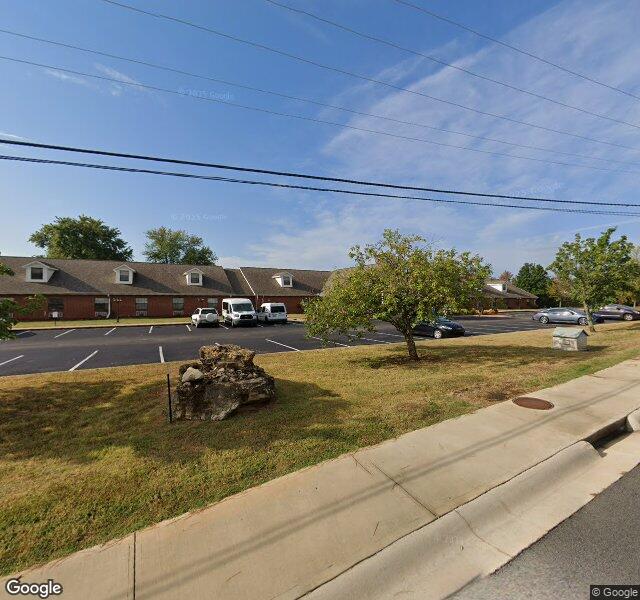
How Does Care Manor Nursing And Rehab Compare to Other Arkansas Nursing Homes?

Compared to the 100 nursing homes in Arkansas, CARE MANOR NURSING AND REHAB's overall rating (2 stars) is below the state average of 3.1, staff turnover (61%) is significantly higher than the state average of 46%, and health inspection rating (2 stars) is below the national benchmark.

What Should Families Ask When Visiting Care Manor Nursing And Rehab?

Based on this facility's data, families visiting should ask: "What changes have been made since the serious inspection findings, and how are you preventing similar issues?" "How do you ensure continuity of care given staff turnover, and what is your staff retention strategy?" "Can I visit during a mealtime to observe dining assistance and food quality?" "How do you handle medical emergencies, and what is your hospital transfer rate?" These questions are particularly relevant given the facility's Immediate Jeopardy citations and the facility's high staff turnover rate.

Is Care Manor Nursing And Rehab Safe?

Based on CMS inspection data, CARE MANOR NURSING AND REHAB has documented safety concerns. Inspectors have issued 1 Immediate Jeopardy citation (the most serious violation level indicating risk of serious injury or death). The facility has a 2-star overall rating and ranks #100 of 100 nursing homes in Arkansas. Families considering this facility should ask detailed questions about what corrective actions have been taken since these incidents.

Do Nurses at Care Manor Nursing And Rehab Stick Around?

Staff turnover at CARE MANOR NURSING AND REHAB is high. At 61%, the facility is 15 percentage points above the Arkansas average of 46%. High turnover means new staff may not know residents' individual needs, medications, or preferences. It can also be disorienting for residents, especially those with dementia who rely on familiar faces. Families should ask: What is causing the turnover? What retention programs are in place? How do you ensure care continuity during staff transitions?

Was Care Manor Nursing And Rehab Ever Fined?

CARE MANOR NURSING AND REHAB has been fined $21,461 across 2 penalty actions. This is below the Arkansas average of $33,293. While any fine indicates a compliance issue, fines under $50,000 are relatively common and typically reflect isolated problems that were subsequently corrected. Families should ask what specific issues led to these fines and confirm they've been resolved.

Is Care Manor Nursing And Rehab on Any Federal Watch List?

CARE MANOR NURSING AND REHAB is not on any federal watch list. The most significant is the Special Focus Facility (SFF) program, which identifies the bottom 1% of nursing homes nationally based on persistent, serious quality problems. Not being on this list means the facility has avoided the pattern of deficiencies that triggers enhanced federal oversight. This is a positive indicator, though families should still review the facility's inspection history directly.