LAKE FOREST SENIOR LIVING AT MOUNTAIN HOME
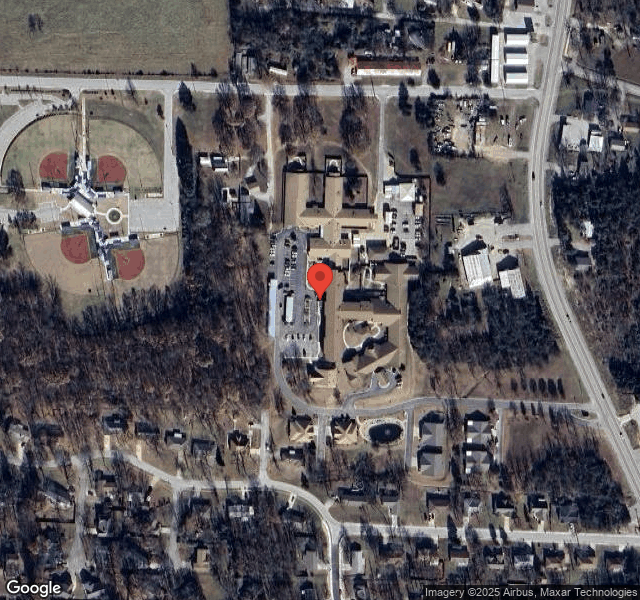

300 GOOD SAMARITAN DRIVE, MOUNTAIN HOME, AR 72653 (870) 706-6525
For profit - Limited Liability company 34 Beds CONTINUUM HEALTHCARE Data: November 2025
Trust Grade
65/100
#67 of 218 in AR
Last Inspection: August 2025

Inspected within the last 6 months. Data reflects current conditions.

Overview

Lake Forest Senior Living at Mountain Home has a Trust Grade of C+, indicating it is slightly above average but not exceptional. It ranks #67 out of 218 facilities in Arkansas, placing it in the top half, and #2 out of 4 in Baxter County, meaning only one local option is rated higher. The facility's trend is improving, with issues decreasing from 9 in 2024 to just 2 in 2025. While staffing received an average rating of 3 out of 5 stars, the turnover rate is concerning at 62%, higher than the state average of 50%. There have been no fines reported, which is a positive sign, and the facility has more registered nurse coverage than 83% of facilities in the state. However, some weaknesses include issues with food safety, as staff failed to maintain clean kitchen equipment and did not properly date and store food items, which could lead to foodborne illnesses. Additionally, there was a lack of documented abuse prevention training for many staff members, posing a potential risk to all residents. Overall, while there are strengths in RN coverage and an improving trend, families should be aware of the food safety concerns and staffing training gaps.

Trust Score
C+
65/100
In Arkansas
#67/218
Top 30%
Safety Record
Low Risk
No red flags
Inspections
Getting Better
9 → 2 violations
Staff Stability
⚠ Watch
62% turnover. Above average. Higher turnover means staff may not know residents' routines.
Penalties
✓ Good
No fines on record. Clean compliance history, better than most Arkansas facilities.
Skilled Nurses
○ Average
Each resident gets 30 minutes of Registered Nurse (RN) attention daily — about average for Arkansas. RNs are the most trained staff who monitor for health changes.
Violations
⚠ Watch
22 deficiencies on record. Higher than average. Multiple issues found across inspections.
★★★★☆
4.0
Overall Rating
★★★☆☆
3.0
Staff Levels
★★★☆☆
3.0
Care Quality
★★★★☆
4.0
Inspection Score
Stable
2024: 9 issues
2025: 2 issues

The Good

  • Full Sprinkler Coverage · Fire safety systems throughout facility
  • No fines on record

Facility shows strength in fire safety.

The Bad

Staff Turnover: 62%

15pts above Arkansas avg (46%)

Frequent staff changes - ask about care continuity

Chain: CONTINUUM HEALTHCARE

Part of a multi-facility chain

Ask about local staffing decisions and management

Staff turnover is elevated (62%)

14 points above Arkansas average of 48%

The Ugly 22 deficiencies on record

Jun 2025 2 deficiencies
CONCERN (E) 📢 Someone Reported This

A family member, employee, or ombudsman was alarmed enough to file a formal complaint

Potential for Harm - no one hurt, but risky conditions existed

Abuse Prevention Policies (Tag F0607)

Could have caused harm · This affected multiple residents

Based on record review, interview, and facility policy review, the facility failed to ensure an abuse policy was implemented and monitored that included a training program regarding abuse prevention r...

Read full inspector narrative →
Based on record review, interview, and facility policy review, the facility failed to ensure an abuse policy was implemented and monitored that included a training program regarding abuse prevention required to be provided to staff, potentially affecting all residents that resided in the facility. The findings include: A review of the [City and State name] Success Center Transcript Report, received via email from previous management on 06/27/2025 at 11:13 AM, revealed the facility had 26 current staff members who either did not have documented abuse training or had not had documented abuse/neglect training since 08/02/2024, when the current management was put into place. A review of the [City and State name] Success Center Transcript report revealed the following staff members had not had any documented abuse training since February of 2024; the Environmental Supervisor - 02/26/2024, the Activity Manager - 02/06/2024, the Activity Supervisor - 02/01/2024, Recreation Aide #20 - 02/04/2024, the Chaplin - 02/12/2024, Laundry #1 - 02/05/2024, Certified Nursing Assistant (CNA) #2 - 02/11/2024, CNA #3 - 02/15/2024, [NAME] #4 - 02/13/2024, Fitness Instructor #5 - 02/16/2024, Maintenance #7 - 02/05/2024, Driver #8 - 02/12/2024, Activity Assistant #9 - 02/12/2024, Dietary Aide #13 - 02/23/2024, and Licensed Practical Nurse #14 - 02/11/2024. A review of the [City and State name] Success Center Transcript report revealed the following staff members had not had any documented abuse training since March of 2024; the Nutrition Supervisor - 03/05/2024, Registered Nurse #6 - 03/13/2024, [NAME] #11 - 03/19/2024, Restorative Nursing Assistant #12 - 03/08/2024, and Occupational Therapist #16 - 03/22/2024. A review of the [City and State name] Success Center Transcript report revealed the following staff members had not had any documented abuse training since April of 2024; Fitness Instructor #23 - 04/09/2024, Dietary Aide #10 - 04/10/2024, and CNA #17 - 04/01/2024. A review of the [City and State name] Success Center Transcript report revealed the following staff had not had any documented abuse training since May of 2024; Maintenance Staff #21 - 05/15/2024, and CNA #22 - 05/07/2024. During an interview on 06/26/2025 at 3:31 PM, the Administrator confirmed the facility had not provided any abuse or neglect in-service training since new management took over on 08/02/2024. The Administrator stated he had initiated a quality improvement plan that would get everyone trained by 08/01/2025. A review of a Quality Assurance Meeting Agenda read in part, abuse and neglect training and the abuse and neglect policy and procedures would be reviewed with all staff by 08/01/2025. The facility ' s goal was to have 100% of facility staff to have reviewed and signed off on the abuse and neglect training that would begin 07/01/2025. The facility planned for Abuse and neglect training to be performed on an annual basis. Prior to acquisition on 08/02/2024, all abuse and neglect training was online, through previous ownership. The Administrator indicated this training would serve as the current annual training for the facility. During an interview on 06/26/2025 at 9:09 AM, this surveyor requested the Abuse/Neglect training for direct and non-direct care staff, from the Administrator. The Administrator stated there were none, except for the new hires who had training during orientation. The Administrator revealed, to his knowledge, none of the non-direct care staff had been trained since new management began on 08/02/2024. The Administrator acknowledged that an abuse training program was required, and confirmed the facility did not have one. He stated he was going to discuss the concerns at the Quality Assessment and Performance Improvement meeting on 06/30/2025, with plans to have the entire facility trained by 08/01/2025. When the Abuse/Neglect training documentation was requested, the Administrator indicated there was no documentation with current management. During an interview on 06/26/2025 at 4:09 PM, the Director of Nursing (DON) confirmed the facility did not have an abuse/neglect training program and indicated there had not been any abuse training since new management had taken over in August of 2024. The DON stated it had been a long time since abuse training was conducted for all staff. During an interview on 06/27/2025 8:37 AM, the Administrator indicated the facility did not have a training program and when asked how often the facility trained staff. He indicated staff were trained during orientation and did not know if staff were trained again after orientation. A review of an In-service Training-all staff policy with a revision date of August 2022, read in part, all staff must participate in initial orientation and annual in-service training. Required training topics include the following: Preventing abuse, neglect, exploitation, and misappropriation of resident property. Training requirements are met prior to staff providing services to residents, annually, and as necessary. Completed training is documented by the staff development coordinator, or their designee and includes: the date and time of training; the topic of training; the method used for training; a summary of the competency assessment, and the hours of training completed. A review of an Abuse, Neglect, Exploitation or Misappropriation-Reporting and Investigating policy with a revision date of 2021, read in part, Corrective actions may include a full review of the incidents by the Quality Assurance Committee.
CONCERN (E) 📢 Someone Reported This

A family member, employee, or ombudsman was alarmed enough to file a formal complaint

Potential for Harm - no one hurt, but risky conditions existed

Deficiency F0947 (Tag F0947)

Could have caused harm · This affected multiple residents

Based on facility record review, interviews, and policy review, the facility failed to ensure direct care staff were trained annually for Abuse/Neglect prevention and required in-service training for ...

Read full inspector narrative →
Based on facility record review, interviews, and policy review, the facility failed to ensure direct care staff were trained annually for Abuse/Neglect prevention and required in-service training for nurse aides, which potentially affected all residents that resided in the facility. The findings include: A review of the [City and State name] Success Center Transcript Report, received via email from the previous management, on 06/27/2025 at 11:13 AM, revealed the facility had six current Certified Nursing Assistants (CNAs) who had not had documented abuse neglect training since the new management started 08/02/2025. The following are CNA ' s who had no training in over a year with the last documented training date: CNA #2 - 02/11/2024, CNA #3 02/15/2024, CNA #17 - 04/01/2024, CNA #22 - 05/07/2024, Restorative Nursing Assistant #12 - 03/08/2024, and Recreation Aide #20 - 02/04/2024. During an interview on 06/26/2025 at 4:09 PM, the Director of Nursing (DON) provided a training document titled General Orientation for 2024, dated 12/18/2024, that included elder abuse as part of the training. The DON confirmed this was the only documented abuse/neglect training the nursing assistants had been provided in the last year. This surveyor notified the DON of the lack of staff signatures on the training document, which revealed six of ten nursing staff signatures and nine of eighteen CNA staff signatures were missing. The DON confirmed the facility did not have an abuse/neglect training program, but knew the aides had to have the training annually. The DON indicated there had not been a facility wide abuse training since the new management had taken over, which confirmed it had been a long time since the facility had abuse training for all staff. A review of an In-service Training-all staff policy, with a revision date of August 2022, read in part; All staff must participate in initial orientation and annual in-service training. Required training topics include the following: Preventing abuse, neglect, exploitation, and misappropriation of resident property. Training requirements are met prior to staff providing services to residents, annually, and as necessary. Completed training is documented by the staff development coordinator, or their designee and includes: the date and time of training; the topic of training; the method used for training; a summary of the competency assessment, and the hours of training completed.
May 2024 8 deficiencies
CONCERN (E)

Potential for Harm - no one hurt, but risky conditions existed

Deficiency F0725 (Tag F0725)

Could have caused harm · This affected multiple residents

Based on observation, interview and record review, the facility failed to ensure nurse coverage on 11-26-2023 on the 6:00 PM to 11:59 PM shift as evidenced by the shift report. The lack of coverage ha...

Read full inspector narrative →
Based on observation, interview and record review, the facility failed to ensure nurse coverage on 11-26-2023 on the 6:00 PM to 11:59 PM shift as evidenced by the shift report. The lack of coverage had the potential to affect all residents during the shift, that are dependent on the nurse for their care. The findings are: 1. 05/06/24 at 2:28 PM, staffing days in question 11/25 Saturday (SA); 11/26 Sunday (SU); 12/09 (SA); 12/10 (SU); 12/17 (SU); and 12/23 (SA) 2. On 05/06/24 at 1:26 PM, the Administrator provided 24-hour shifts reports. The date of 11/26/2024 showed no nurse coverage. 3. On 05/08/2024 at 10:20 AM, the Surveyor asked Certified Nursing Assistance (CAN) #6 if she thought there were enough staff to cover the care for the residents, to which she replied yes, and they're still hiring. 4. On 05/08/2024 at 10:28 AM, the Surveyor asked the Director of Nursing (DON) if she thought there was enough coverage to care for all the residents. She assured me they had enough coverage to care for all the residents. 5. On 05/06/2024 at 2:28 PM, the Administrator said, Shifts Report showed a deficiency on 11/26/23 for 1800-2359 [6:00 PM to 11:59 PM], no way to prove someone worked that shift. The one that had been covering is an employee that is salary. All other dates were good. 6. On 05/06/2024 at 12:48 PM, the Social Service provided Facility Assessment-Rehabilitation/Skilled, Long Term Care Purpose-To evaluate the resident population and identify resources needed to provide the necessary care and services Policy-The Location conducts and documents a facility-wide assessment to determine what resources are needed to care for residents competently during both day-to-day operations and emergencies. The location reviews and updates the assessment whenever there is, or the location plans for, any change that would require a substantial modification to any part of the assessment . The assessment includes: The location's resident population, including, but not limited to: Both the number of the residents and the resident capacity; The care required by the resident population considering the types of diseases, conditions, physical and cognitive disabilities, over all acuity and other pertinent facts that are present; Employee competencies that are necessary to provide the level and types of care needed .
CONCERN (E)

Potential for Harm - no one hurt, but risky conditions existed

Deficiency F0760 (Tag F0760)

Could have caused harm · This affected multiple residents

**NOTE- TERMS IN BRACKETS HAVE BEEN EDITED TO PROTECT CONFIDENTIALITY** Surveyor: [NAME], [NAME] Based on observations, interviews, record review, facility document review, and facility policy review...

Read full inspector narrative →
**NOTE- TERMS IN BRACKETS HAVE BEEN EDITED TO PROTECT CONFIDENTIALITY** Surveyor: [NAME], [NAME] Based on observations, interviews, record review, facility document review, and facility policy review the facility failed to ensure a resident received all doses of a physician ordered antibiotic for 1 (Resident #9) of 9 residents reviewed for medication administration. Findings include: A review of a facility policy titled, Medication: Administration Including Scheduling and Medication Aides- R/S, LTC, with a reviewed/revised date of 03/29/2024, indicated, Purpose . To administer medications correctly and in a timely manner page 2 of 8 Medication Errors An incident will be completed for all medication errors. Page 6 of 8 8. Administer medications within at least 60 minutes on each side of ordered time, . 10. Document that the medication was given as soon as possible after administration. A review of the Medication Administration Competency Checklist Clinical Skill Checklist, indicated the facility performed a competency check on Licensed Practical Nurse (LPN) # 1 on 03/01/2024. The document provides a Rating Code and outlines ratings and meanings, 4=skilled and able to work independently and further outlined, Must receive a score of four for each procedure step to prove competency. The facility documented a rating of 4 on all procedures, indicating LPN #1 was able to work independently. Page 2 of the competency checklist was signed by LPN #1 as Signature verifying completion, and by LPN #3 as Completion of all related training verified by, both signatures were dated 03/01/2024. At 05/08/2024 at 07:50 AM, after observation of medication administration, LPN #1 was asked if there were any other medications to be given at this time for any of the residents observed and responded, No I have given all that I need to. A review of Medication Record, revealed Resident #9 had a urinary tract infection and Doxycycline Monohydrate Oral Tablet (an antibiotic) 100 mg Give 1 capsule by mouth two times a day for Urinary Tract Infection (UTI) for 7 days, for a total of 14 doses, with a start date of 05/01/2024 at 08:00 PM (2000). Resident #9 received the first dose of medication at bedtime medication pass on 05/01/2024, and twice daily on 05/02/2024 through 05/07/2024, for a total of 13 doses. The antibiotic administration for Resident #9 was not observed during the medication pass observation. In an interview with LPN #1 on 05/08/24 at 12:04 AM, LPN stated the Doxycycline was not given during the morning medication pass, due to the start date of the medication, and the resident had already received all doses. LPN stated the documentation indicating the Doxycycline was given during the morning medication pass was entered in error and would be corrected to show it was not given. Additional record review of the Medication Record on 05/08/2024 at 01:38 PM revealed LPN #1 changed the documented entry for the Doxycycline, under the 05/08/2024 date of administration, to a 5 indicating Hold/See Nurse Notes. A review of the Progress Notes dated 05/08/2024 at 12:04 PM, revealed an entry, Doxycycline Monohydrate Oral Tablet 100 mg Give 1 capsule by mouth two times a day for UTI for 7 days . All doses were administered. NO remaining doses to be given Transcriber: LPN #1 - LPN. Review of the Medication Record on 05/08/2024 at 01:57 PM, revealed the entry was changed to indicate the medication was given on 05/08/2024, and on a second line, documentation remained indicating a 5 indicating Hold/See Nurse Notes. During an interview on 05/08/2024 at 03:17, , the Medical Director, stated medications were to be given as ordered unless there was a medical reason to stop. There was not a call about missed or a delay in medication administration and did not recall receiving a fax regarding medication. During an interview n 05/08/24 at 01:36 PM LPN #1 said no he did not give the antibiotic because there was no other doses to be given. On 05/08/24 at 01:41 PM during an interview with the Director of Nurses (DON) said medication should be given as ordered unless it is contraindicated. The DON said if the ordered medication is not available the nurse should check their overstock, med room, and look to see when it last ordered and received. The DON said if a medication or antibiotic is ordered for 7 days it should it be given until completedunless they have a reaction or if the physician order changed.
CONCERN (E)

Potential for Harm - no one hurt, but risky conditions existed

Deficiency F0761 (Tag F0761)

Could have caused harm · This affected multiple residents

Based on observation, interview and record review, the facility failed to ensure expired medications and supplies were disposed of; and the facility failed to ensure medications and wound treatment su...

Read full inspector narrative →
Based on observation, interview and record review, the facility failed to ensure expired medications and supplies were disposed of; and the facility failed to ensure medications and wound treatment supplies were stored and contained safely to prevent the accidental ingestion and or injury. The findings are: A review of a facility policy titled, Medications: Acquisition Receiving Dispensing and Storage, dated 3/29/2024, revealed, Purpose: to ensure that medications are stored according to manufacturers' recommendations. Medications will be stored in a locked medication cart, drawer or cupboard. Only the person passing medications and the director of nursing services and/or designee will be permitted to have access to the keys to the medication storage areas. The location will routinely check for expired medications and necessary disposal will be done in accordance with state/pharmacy regulations. All medications will be stored in accordance with manufacturers' recommendations. On 05/05/2024 at 2:49 PM, surveyor observed the following sitting on the top of a dresser in Resident #16's room. a. A 2.5-ounce tube of hydrophilic wound dressing. b. 4 - 1.5-ounce bottles of antiseptic cleansing and moisturizing c. Oral rinse d. An opened 1/4 full bottle of normal saline During an interview, Resident #16 stated, I had a roommate, but she passed, it was her stuff. On 05/05/2024 at 2:56 PM, Licensed Practical Nurse (LPN) #5 was asked if Resident #16 had any wounds. LPN #5 stated, no. LPN #5 was asked if Resident #16 had a roommate and what happened. LPN #5 stated, She was on hospice and had wounds, she did pass. LPN #5 was asked where the normal saline, tube of wound dressing, and antiseptic oral rinse are stored when not in use. LPN #5 stated, Not in the room, in the nursing inventory or wound care inventory. Once they take it to the room, they can't take it out. Hospice was supposed to come and clean it out. LPN #5 was asked why normal saline, tube of wound dressing, and antiseptic cleansing oral rinse should should not be left out. LPN #5 stated, Any resident could go in and get it. On 05/08/2024 at 10:26 AM, the Director of Nursing (DON) was asked why should wound supplies and medications be securely locked / stored and out of reach of the residents. The DON stated, For their safety. The DON was asked who was responsible for ensuring wound supplies and medications are not left out in resident's rooms. The DON stated, The nurses. During observation and interview on 05/07/2024 at 07:25 PM, the medication room storage contained 6 test tubes, 1.5 milliliter (ml) sterile isotonic saline with an expiration date of 01/2024. Located in a drawer to the left side of the sink the following was observed; 10 swab sampling nasopharyngeal 15 centimeter (cm) with an expiration date of 09/25/2022. Located in a drawer to the left side of the sink; anti-embolism stockings 1 pair, expired 02/04/2022; 1 pair expired, 02/21/2022; 4 pair, and expired 07/30/2023. Located on a countertop in a plastic drawer bin across from the sink; 1 box potential hydrogen indicator strips, expired 10/2020 located in a cabinet above the sink. The Director of Nursing (DON) stated she was not aware of expiration dates on some of the supplies and they should be disposed of. The DON removed the supplies from the storage area. During observation and interview on 05/07/2024 at 03:40 PM, Licensed Practical Nurse (LPN) # 2 was to give Melatonin 3 mg to a resident during medication pass. LPN went to obtain the medication from the 100 hall medication cart. The cart contained one bottle of Melatonin 3 mg with an expiration date of 04/2024. The LPN stated this should not be in here, I cannot give this. LPN #1 removed the bottle of Melatonin from the cart and stated it would be disposed of and was not aware it was expired.
CONCERN (E)

Potential for Harm - no one hurt, but risky conditions existed

Infection Control (Tag F0880)

Could have caused harm · This affected multiple residents

**NOTE- TERMS IN BRACKETS HAVE BEEN EDITED TO PROTECT CONFIDENTIALITY** Based on observations, interviews, and facility policy review, it was determined the facility failed to ensure staff performed h...

Read full inspector narrative →
**NOTE- TERMS IN BRACKETS HAVE BEEN EDITED TO PROTECT CONFIDENTIALITY** Based on observations, interviews, and facility policy review, it was determined the facility failed to ensure staff performed hand hygiene during meal service for 5 (Resident #3, 20, 24, 25 and 29) of 5 residents observed during the 11:30 AM meal service for infection prevention and control and failed to ensure staff donned appropriate PPE during resident medication administration for 1 (Resident #9) of 9 residents observed during medication administration. This failed practice had the potential to affect all residents in the facility who received meals from the dietary department and all residents receiving medication. Findings include: A review of a facility policy titled, Hand hygiene - Enterprise with a review/revised date of 03/29/2022 described a Patient Zone as a concept related to the 'geographical' visualization of key moments for hand hygiene. It contains the patient and their immediate surroundings. and the Health-care Zone as a concept related to 'geographical' visualization of key moments for hand hygiene. It contains all surfaces in the healthcare setting outside of the patient zone of patient. The policy revealed All employees are responsible for maintaining adequate had hygiene by adhering to specific infection control practices. During an observation on 05/07/2024 at 03:22 PM, LPN #2 poured water into a 5 oz clear plastic cup, picked cup up with palm of hand facing downward toward top of cup with fingers spread around top touching rim. At 03:28 PM, LPN #2 began preparing medications for a resident in room [ROOM NUMBER]-A. At 03:32 PM, LPN #2 placed the resident's medication into clear medication cup, picked up clear cup containing water, with palm of hand facing downward toward top of cup with fingers spread around top touching rim, and entered resident room. The Resident in room [ROOM NUMBER]-A was unavailable. LPN #2 exited resident's room and returned to the medication cart. LPN #2 placed another clear medication cup inside the cup containing medication and placed both into the right scrub pocket of the shirt. LPN #2 stated, Oh I should not have done that, removed the medication cups and stated the cups are usually placed into one of the drawers on the medication cart. LPN #2 stated the medication cup should not have been placed into a scrub pocket due to contamination. At 03:35 PM, LPN #2 provided medication to Resident #1 with the water cup LPN #2 had touched the rim of. Resident #1 drank all the contents of the cup. LPN #2 acknowledged touching the rim of cups should not be done to prevent contamination. During observation on 05/07/2024 at 03:50 PM, LPN #2 provided Resident in room [ROOM NUMBER]-B with medication while holding the rim of the water cup, gave the cup to the resident. The Resident took 2 sips from the cup and refused to drink any additional water. A review of a facility policy titled, Standard and Transmission-Based Precautions, All Service Lines - Enterprise with a reviewed/revised date of 04/02/2024, indicated, Purpose . To prevent the spread of infection, page 2, Enhanced Barrier Precautions (EBP) (rehab/skilled only) . Enhanced barrier Precautions are needed for residents with chronic wounds ( .) and residents with Indwelling Medical devices ( . indwelling urinary catheters, .). Enhanced Barrier Precautions are also needed for residents with CDC-targeted and epidemiologically important (facility discretion) MDRO Infection and colonization, when contact precautions do not apply. High-Contact Resident Care Activities include: .specifically when anticipating close physician contact while assisting with transfers and mobility, .). A review of the Putting on and Taking Off Personal Protective Equipment Skill Checklist, indicated the facility performed a competency check on LPN# 1 on 03/01/2024, and documented Met, which indicated LPN #1 met the requirements of the Clinical Skill Checklist. Page 8 of the competency checklist was signed by LPN #1 as Signature verifying completion, and by LPN #3 as Completion of all related training verified by, both signatures dated 03/01/2024. During an observation on 05/08/2024 at 07:28 AM, LPN #1 entered Resident # 9's room. An Enhanced Barrier Precautions (EBP) sign and isolation cart in hallway to the right of resident's door. LPN entered the room without donning personal protective equipment (PPE). LPN approached the right side of the bed, placed supplies onto table, with barrier, and explained to resident the process of checking blood sugar level. LPN donned gloves, bent over to access resident left hand, upper legs touched resident bed. LPN stated the enhanced barrier precautions was because the resident had indwelling catheter and was on an antibiotic. On 05/08/2024 at 07:35 AM, LPN# 1 returned to administer insulin to Resident #9. LPN donned PPE entered Resident #9's room and administered insulin. LPN assisted resident to the seated position, on the right side of the bed, to administer oral medications and supplement beverage. LPN# 1 explained PPE was needed due to administering an injection to resident. A review of Order Summary Report, revealed Resident #9 had a diagnosis of Extended Spectrum Beta Lactamase (ESBL) Resistance and had a suprapubic catheter. On 05/5/24 at 11:45 AM The surveyor observed certified nursing assistant (CNA) #2 with an oven mitt on at kitchen window passing out trays. CAN #2 took the oven mitt off and placed the oven mitt on top of the cutlery container that held condiments. Then CNA #2 was touching the top of plate with thumb as she was pulling the plates out of the window, scratching her face and nose, placing hands on her uniform on hips, and did not sanitize afterwards prior to serving plates to residents.
CONCERN (E)

Potential for Harm - no one hurt, but risky conditions existed

Deficiency F0882 (Tag F0882)

Could have caused harm · This affected multiple residents

Based on record review and interview, the facility failed to assure a certified Infection Control Preventionist (ICP) was employed and available at least 20 hours a week, to establish and maintain the...

Read full inspector narrative →
Based on record review and interview, the facility failed to assure a certified Infection Control Preventionist (ICP) was employed and available at least 20 hours a week, to establish and maintain the infection prevention program to help prevent the development and transmission of communicable diseases and infections. The findings are: Review of a facility policy titled, Infection Prevention and Control Program, All Service Lines, dated 10/30/2023, revealed, Purpose: To establish and maintain an infection prevention and control program designed to provide a safe, sanitary, and conformable environment, and to help prevent the development and transmission of communicable diseases and infections. Infection Preventionist: The individual designated by the Skilled Nursing facility (SNF) to be responsible for the Infection Prevention and Control Program. The Skilled Nursing Facility has designated at least one individual as the Infection Preventionist, who is responsible for the facility's Infection Prevention and Control Program. A review of the Nursing Home Infection Preventionist Training Course, dated 07/05/2029, revealed Licensed Practical Nurse (LPN) #6 had 19.3 contact hours and was certified. On 05/07/24 08:13 AM, Licensed Practical Nurse (LPN) #3 was asked if LPN #6 was still employed with the facility. LPN #3 stated, No, she got terminated a couple of weeks ago. We don't have anyone certified at the moment. We have someone hired, she is not certified, and I don't know when her training is. LPN #3 was asked, is the facility supposed to have an Infection Control Preventionist (ICP)? LPN #3 stated, yes. On 05/07/24 at 9:20 AM, the Director of Nursing (DON) was asked why should the facility have an Infection Control Preventionist? The DON stated, To prevent the spread of infection, and contain infections, and to help identify the infections. The DON was asked does the facility have an ICP? The DON stated, No, she was terminated. On 05/08/2024 at 10:29 AM The Administrator was asked why is the facility required to have an ICP? The Administrator stated, To my knowledge, it's the Centers for Medicare and Medicaid Services (CMS) and facility standards. The Administrator was asked how is the facility ensuring the Infection Control Program is being monitored and assessed if the facility doesn't currently have an ICP? The Administrator stated, We did have one a couple of weeks ago, the Director of Nursing (DON) was doing it until 2 weeks ago. We have a Registered Nurse (RN) who works nights that is moving into that position after she completes the training.
CONCERN (E)

Potential for Harm - no one hurt, but risky conditions existed

Room Equipment (Tag F0908)

Could have caused harm · This affected multiple residents

Based on observation, interview, and record review the facility failed to ensure kitchen equipment was clean and in good working order to prevent the spread of infection and food borne illnesses. This...

Read full inspector narrative →
Based on observation, interview, and record review the facility failed to ensure kitchen equipment was clean and in good working order to prevent the spread of infection and food borne illnesses. This failed practice had the potential to affect 32 residents that receive their meals, from the facilities kitchen. The findings are: The following observation were made: 1. On 05/05/2024 at 10:30 AM, a rolling storage shelf had two stock pots full of old oil and food particles. 2. On 05/05/2024 at 10:32 AM, a double door handled oven covered in old grease and sticky. The floor between it and the stove has a layer of dark substance. 3. On 05/05/2024 at 10:33 AM, the stove has a pot cooking with a spoon used for stirring set on the stove top that is greasy and covered in food crumbs. 4. On 05/05/2024 at 10:40 AM, three metal tables are lined up together in the middle of the kitchen. The bottom shelves store metal dishes that have grease and dust on them. There is nothing to cover the dishes while stored. 5. On 05/05/2024 at 10:44 AM, a rolling warming plate container is covered with food crumbs and dried substances, and the plates have a dried substance on them. Three shelf black rolling trays with clean containers and Styrofoam plates with food particles, dust, and dirt. 6. On 05/05/24 at 10: 46 AM, a steam table with food crumbs on top and underneath. 7. On 05/07/2024 at 10:43 AM, the Certified Dietary Manager (CDM) strained the baby carrots in a metal strainer with metal wires loose and sticking out. The Surveyor asked the CDM if there was an issue using the metal strainer with a hole, to which she replied, Yes, probably so. 8. On 05/08/2024 at 10:09 AM, the Surveyor asked Dietary Employee #3, how often is the equipment checked for anything broken or frayed with holes in it. Dietary Employee #3 responded, Daily when it is used. 9. On 05/08/2024 at 10:15 AM, the Surveyor asked the CDM should you use the metal strainer with a hole and loose wires in it, the CDM said, no, the Surveyor asked, why, CDM said, It could get metal in the food and cause choking or get stuck in one of the residents' throats. 10. On 05/08/2024 at 3:43 PM, the Administrator provided a Policy on General Sanitation-Food and Nutrition. Procedure 10. Chipped, corroded, and cracked dishes are discarded .
CONCERN (F)

Potential for Harm - no one hurt, but risky conditions existed

Food Safety (Tag F0812)

Could have caused harm · This affected most or all residents

Based on observation, interview, and record review the facility failed to ensure the kitchen and kitchen equipment were maintained in clean condition; and failed to ensure food items were sealed, labe...

Read full inspector narrative →
Based on observation, interview, and record review the facility failed to ensure the kitchen and kitchen equipment were maintained in clean condition; and failed to ensure food items were sealed, labeled, and dated; The failed to ensure expired food and supplements were removed to prevent the potential for food borne illness; and the facility failed to ensure staff performed hand hygiene during meal service for 5 (Resident #3, 20, 24, 25 and 29) of 5 residents observed during the 11:30 AM meal service for infection prevention and control. This failed practice had the potential to affect all 32 residents that receive their meals from the facilities kitchen. The findings are: On 05/06/2024 09:14 AM, the Nurse's Kitchen near the common day area was assessed with Licensed Practical Nurse (LPN) #5. There were 2-32-ounce containers of Vanilla Med Plus (no sugar added) with a best if used by date of April 20, 2024, in the side door. There was 1-32-ounce Butter Pecan Nutritional Drink with a best if used by date of May 4, 2024, in the side door. On 05/06/2024 at 09:16 AM, Licensed Practical Nurse (LPN) #5 was asked who is responsible for ensuring expired items are removed from the nutritional room refrigerators. LPN #5 stated, It's everybody's responsibility, it's common sense to check date before giving it. On 05/08/2024 at 1:35 PM, the Director of Nursing (DON) was asked who the nutritional supplements were used for in the refrigerator of the Nurse's Kitchen. The DON stated, For the residents who have supplements ordered. The DON was asked what does the best if used by date mean on the cartons of the nutritional supplements. The DON stated, That is the expiration date. The DON was asked why should cartons of nutritional supplements that are past the best if used by date be removed from the refrigerator of the Nurse's Kitchen? The DON stated, Due to degradation of the product, it's not as beneficial, it could be bad and allow for bacterial growth. A review of a facility policy titled, Hand hygiene - Enterprise with a review/revised date of 03/29/2022 described a Patient Zone as a concept related to the 'geographical' visualization of key moments for hand hygiene. It contains the patient and their immediate surroundings. and the Health-care Zone as a concept related to 'geographical' visualization of key moments for hand hygiene. It contains all surfaces in the healthcare setting outside of the patient zone of patient. The policy revealed All employees are responsible for maintaining adequate had hygiene by adhering to specific infection control practices. During an observation on 05/05/2024 at 11:46 AM, Certified Nursing Assistant (CNA) #2, served a plate to Resident #29, with fingers of both hands touching inside rim of plate. No hand hygiene performed after placing in front of resident. CNA #2 returned to the serving window, placed an oven mitt on hand picked up a plate from the serving window and served Resident #25. CNA #2 returned to the serving window, removed oven mitt, tapped it against the palm of the opposite hand, and placed it on top of an uncovered, gray cutlery tray. No hand hygiene was performed. CNA #2 picked up a plate for Resident #3, used a fork and butter knife to cut pulled pork sandwich, placed the fork and knife on the table next to Resident #3's plate and returned to the serving window with hands clasped. No hand hygiene performed. During an observation on 05/05/2024 at 11:52 AM, CNA #2 leaned over and across the stainless-steel service counter, under the service window, with arms crossed so hands were holding opposite elbows. CNA #2 then stood up and pulled back of scrub top down, picked up the oven mitt, from on top of the gray cutlery tray, and put on oven mitt. CNA #2 then picked up and served a plate to Resident #20. No hand hygiene was performed. During an observation on 05/05/2024 at 11:54 AM, CNA #2 was clasping a plate, one hand on each side with both thumbs extending over the rim of the plate. CNA #2 placed the plate in front of Resident # 24. No hand hygiene was performed. During an observation on 05/05/2024 at 11:55 AM, CNA #2 placed a plate, containing custard pie, in front of Resident # 25. No hand hygiene was performed. Observation of the gray cutlery tray on 05/05/2024 at 12:23 PM revealed it contained condiments. The first section contained ketchup packets and mustard packets, the second section held individual service packs of sugar free syrup, the third section contained tartar sauce packets, and the fourth section was partially covered by a white paper with Sunday Special and contained individually wrapped straws. During an interview on 05/05/2024 at 12:27 PM, CNA #2 stated hand hygiene should be done to prevent the spread of infection, before serving resident trays, after touching your face, or shirt, and re-sanitize if you do that after you have washed. CNA #2 said the oven mitt is laundered daily and should not be placed on the condiment tray. On 05/05/2024 at 12:29 PM, CNA #2 acknowledged laying across the surface of the serving counter should not have been done because the counter is cleaned and sanitized to prevent the spread of infection and so no cross contamination occurs. During an interview on 05/06/2024 at 02:52 PM, Licensed Practical Nurse (LPN) #3 stated it was not necessary to perform hand hygiene If they are just taking the tray to the table. If they are moving things off the tray they do not have to. LPN #2 acknowledged hand hygiene should be performed if you have touched your face or clothing prior to serving a resident and it is not acceptable to lean on the serving counter due to contamination. During an interview on 05/07/2024 at 04:25 PM, the DON stated, staff should perform hand hygiene before serving a meal to a resident. Hand hygiene should be performed if they touch their face, clothing, or the serving counter and should not lean on the counter. The oven mitt should not be used to serve a meal, removed, and tapped on a staff's palm and then put on the condiment tray. A review of the facility policy titled, Food-Supply Storage-Food and Nutrition Services, revealed, Food from approved food sources is stored in sanitary conditions and is not exposed to prolonged periods of excessive heat. Procedure. 3. Use the principle of First-In, First Out (FIFO) in all areas of food and drink storage for rotation of food items. 5. Use of containers or cardboard boxes in food storage areas: a. Stock may be placed on shelves in original containers or cardboard boxes that contain valuable manufacturer and date compliance information (i.e., manufacture dates delivery dates, best-by dates, etc.) b. Plastic bins may be used if preferred but must be in good repair and washed routinely. c. Stock items are individually dated with delivery date if removed from the original container. d. Cardboard containers are not re-used. They are discarded when empty or in disrepair. 7. Foods that have been opened or prepared are placed in an enclosed container, dated, labeled, and stored properly. 9. Use by and freeze by (expiration) dates are checked on a regular basis; foods/fluids that have expired or are otherwise unsafe for use are discarded. A review of the kitchen cleaning schedule dated 5/4/2024, 5/5/2024, 5/6/2024 and 5/7/2024 documented the kitchen equipment had been cleaned during the a.m. and p.m. shifts. On 5/5/2024 at 10:16 AM, the Surveyor observed the facility failed to label food with an open date, food stored properly to protect from freezer burn, ensure expired foods were removed from the freezer and dry storage room, to keep expired foods from being used and served to the residents. Failed to clean stove, ovens, toaster, blender, plate warmer, metal tables lower shelves storing dishes, the freezer shelves, over one freezer shelf is a motor that is leaking fluid, draining into a box of sealed cheese. On 05/05/2024 at 10:30 AM, a rolling storage shelf had two stock pots full of old oil and food particles. On 05/05/2024 at 10:32 AM, a double door handled oven covered in old grease and sticky. The floor between it and the stove has a layer of dark substance. On 05/05/2024 at 10:33 AM, the stove has a pot of food cooking, and the spoon used for stirring had been setting on the stove top. The stove is greasy covered in food crumbs. On 05/05/2024 at 10:34 AM, a cabinet on the left side of the wall when entering which stores the facilities seasonings had glass doors with fingerprints and dried food particles on them. The glass is sticky and dirty. Inside is one 26 oz container ¾ full of granulated garlic, with no date. On 05/05/2024 at 10:40 AM, three metal tables are lined up together in the middle of the kitchen. The bottom shelves stores metal dishes that have grease and dust on them. There is nothing to cover the dishes when they're stored. On 05/05/2024 at 10:44 AM, a rolling warming plate container has food crumbs and dried substances on it, the plates have dried substances on them. Three shelf black rolling tray with clean container and Styrofoam plates had food particles and are dusty with dirt. The following was observed: On 05/05/24 at 10: 46 AM, a steam table with food crumbs on top and underneath. On 05/05/2024 at 10:47 AM, a large zip lock bag with 6 biscuits with no date on them. On 05/05/2024 at 10:48 AM., an opened package of wavy potato chips and a package of corn chips with no open date on either of them. On 05/05/2024 at 10:50 AM, a small container of yellow looking potato salad with no date and no label. On 05/05/2024 at 10:54 AM, a small container with cut slices of tomatoes with no label and no date. On 05/05/2024 at 10:55 AM, a plastic container of pickles with no label and no date. On 05/05/2024 at 10:57, a 5 lb. bag of grated Monterey and cheddar cheese in an open zip lock bag. On 05/05/2024 at 11:00 AM, a package of tater tots that is half full, stored in a zip lock bag with no date or label on them. On 05/05/2024 at 11:02 AM, a zip lock bag of diced potatoes with an open date of 4/27 On 05/05/2024 at 11:03 AM, a 2 lb. bag of diced potatoes that is torn with no date or label, not sealed. On 05/05/2024 at 11:17 AM, seven 32 oz. Butter Pecan Nutritional Drink. Best use by date of 5-4-2024. On 05/05/2024 at 11:19 AM, a 2 lb. bag of cream cheese icing mix date delivered 7/16, open 8/10, best used by date of 1/12/24. On 05/05/2024 at 11:24 AM, three 8 lb. spicy brown mustard with a delivery date of 9-12-23 and a use by date of 1-27-24. On 05/05/2024 at 11:31 AM, the walk-in freezer had a temperature of 43.6 degrees. The fans rubber pipe is leaking water in a box with two packages of cheese. On 05/05/2024 at 11:35 AM, orange juice and cranberry juice refills for machine sitting on a plastic tray filled with water. On 05/05/2024 at 11:37 AM, a single package of string cheese was stuck between the shelves that was squished. On 05/05/2024 at 11:40 AM, the top of the dishwasher has dried food particles and crumbs. On 05/05/2024 at 11:02 AM, an unsealed zip lock bag with a date of 4/27 on diced potatoes. On 05/05/2024 at 11:03 AM, a 2 lb. bag of diced potatoes torn with no date or label. On 05/05/2024 at 11:05 AM, a clear plastic container with meat pastrami with a date of 2/21/24 and freezer burned. On 05/07/2024 at 10:27 AM, the Surveyor observed 3 metal tables in the middle of the kitchen, yellow sticky, food crumbs, particles, and dust where the clean dishes are stored. On 05/07/2024 at 10: 30 AM, containers of lasagna were placed on a dirty steam table with crumbs and dust. On 05/07/2024 at 10:34 AM, a plate warmer has crumbs, a sicky substance on top, and was dirty. The Surveyor asked the Certified Dietary Manager (CDM) if the plate warmer is used, to which she replied, yes. On 05/07/2024 at 10:35 AM, three 4oz. beef patties were placed in a blender with 3 scoops of 3 oz. of beef stock. The blender is dirty with old, dried food running down the side, with dust, and food crumbs on the outside of it. The blended meat was scraped out into a metal container and covered with plastic wrap. On 05/07/2024 at 10:43 AM, the CDM strained 8-10 oz. of baby carrots in a metal strainer with left thumb touching the inside of the strainer. The strainer used had a hole on the right side with loose disconnected pieces of wire. The carrots were dumped into the robo coupe until soft and blended, not pureed, but mixed and moist. Once blended put into a container and covered with plastic wrap. On 05/07/2024 at 10:46, the CDM washed her hands. Then placed 4 breadsticks with 1/2 and 1/2, did not measure the liquid into the blender. The CDM blended the food until finished, which looked smooth, with pudding consistency, after placing in a container covered with plastic wrap and the product was placed in the microwave. On 05/08/2024 at 10:15 AM, the Surveyor asked Food Service Assistant #3 should all equipment used in preparing the food be in good working condition, she replied, yes. If the equipment is in poor working condition, what are you to do? She said, I would make a work order and put in a not working order. The Surveyor asked why kitchen equipment should be cleaned before using and serving the residents. She replied because of cross contamination and allergies. The Surveyor asked how often is equipment checked for anything broken or holes. She said daily, as it is used. The Surveyor asked why is it important to remove food expired from dry storage and freezer. So, we don't accidentally use it and make a resident sick. The Surveyor asked the Food Service Assistant #3, when preparing food what is the protocol for hand hygiene. The Food Service Assistant #3 said, Wash your hands and with clean utensils and if equipment is clean, apply one glove on one hand and the other hand to use on the utensils. On 05/08/2024 at 10:15 AM, the Surveyor asked the Certified CDM, how often is equipment checked for anything broken or with holes in it, she replied, every day. The surveyor asked is it a good idea to use a metal strainer that has a hole with loose wires poking out? The CDM stated, no. The Surveyor asked why, which CDM replied, Because of possibility of metal getting in the food and a resident could choke or the wire could get stuck in the residents throat. The Surveyor asked why kitchen equipment should be cleaned before use. The CDM replied, Bacteria can grow, causing cross contamination and the resident could become sick. The Surveyor asked if the equipment is in poor working condition, what are you to do. The equipment is taken out of the work area, with a lock out tag and disconnect from energy source. What is hand hygiene for preparing food. The CDM replied You wash your hands, prepare the food to use, wash hands again, put on gloves and prepare the food.
MINOR (B)

Minor Issue - procedural, no safety impact

Comprehensive Care Plan (Tag F0656)

Minor procedural issue · This affected multiple residents

Based on interviews, record review, and facility policy review, the facility failed to revise a care plan for Resident #25 to include Ankle-foot orthosis (AFO)s to both lower legs to ensure the consis...

Read full inspector narrative →
Based on interviews, record review, and facility policy review, the facility failed to revise a care plan for Resident #25 to include Ankle-foot orthosis (AFO)s to both lower legs to ensure the consistent use of braces to prevent decline in Range of Motion. A review of a facility policy titled, Care Plan- R/S, LTC, Therapy & Rehab dated 11-1-23, showed, Each resident will have an individualized, person-centered, comprehensive plan of care that will include measurable goals and timetables directed toward achieving and maintaining the resident's optimal medical, nursing, physical. functional, spiritual, emotional, psychosocial, and educational needs. Any problems, needs and concerns identified will be addressed through use of departmental assessments. the Resident Assessment Instrument (RAI) and review of the physician's orders . A review of Resident #25 Order Summary for the month of May 2024 documented a medical diagnosis of scoliosis. 05/07/24 08:18 AM surveyor observed Resident #25 with braces on both lower legs. On 05/07/24 08:28 AM interviewed Certified Nursing Assistant (CNA) #4, and asked does resident #25 have braces on their lower extremities? CNA #4 said yes. The surveyor asked who puts the braces on and off the resident's legs? CNA said the CNAs do. The surveyor asked how do you know how often to put the braces on and take them off? CNA #4 said it's part of his care plan. The surveyor asked who checks his skin underneath to make sure there are no breakdowns or skin irritation? CNA #4 said the CNAs check for any redness, and we report it to the nurse, and she'll go in and check it. On 05/07/24 at 08:30 AM, the surveyor interviewed Licensed Practical Nurse (LPN) #1 and asked if resident #25 have braces on the lower extremities? LPN #1 said yes. The surveyor asked who puts the braces on and takes them off the resident's legs? LPN #1 said the aides put them on in morning and the aides take them off in the evening and if the resident lays down the aides take them off. The surveyor asked, how do you know how often to put on and take off? LPN #1 said it's part of his care plan. The surveyor asked who checks the resident's skin underneath the braces to make sure there are no breakdowns or skin irritation? LPN #1 said the aides do and especially during shower days, if there are any problems the nurses check on it. On 05/07/24 at 09:30 AM the surveyor interviewed Director of Nursing (DON) and asked if resident #25 have braces to their lower extremities? The DON said yes. The surveyor asked who puts the braces on and takes off the braces off the resident's legs? The DON said I would assume nursing I've never been here when it happens. The surveyor asked how do you know how often to put the braces on and take them off? The DON said it should be tasked. The surveyor asked who checks the resident's skin underneath to make sure there are no breakdowns or skin irritation? The DON said, the nurses, if CNAs are showering, they are supposed to let nurses know if there are problems. The surveyor asked, who updates the care plans? The DON said the oncoming DON for the most part, the nurse may if they are doing paperwork for computer task. The surveyor asked what is updated on the care plan? It should be tasks, intervention, or any goals. 05/07/24 08:39 AM the surveyor interviewed Social Services and asked who does the care plans? Social Services worker said we all do them, me, oncoming DON, and LPN #3. Because we have a remote MDS coordinator. The surveyor asked how do you know to update the care plan? The Social Services said when there is a change in the resident, or if there is a new order, or when there is a review set.
Jan 2024 1 deficiency
CONCERN (D) 📢 Someone Reported This

A family member, employee, or ombudsman was alarmed enough to file a formal complaint

Potential for Harm - no one hurt, but risky conditions existed

Deficiency F0688 (Tag F0688)

Could have caused harm · This affected 1 resident

Based on observation, interview and record review, the facility failed to ensure restorative therapy services were provided to decrease the potential for further decline in range of motion and maintai...

Read full inspector narrative →
Based on observation, interview and record review, the facility failed to ensure restorative therapy services were provided to decrease the potential for further decline in range of motion and maintain normal level of function for 1 (Resident #1) of 3 case mix residents. This failed practice had the potential to affect 5 residents who were receiving restorative therapy services according to the list provided by the Minimum Data Set Coordinator on 1/25/24 at 10:39 am. The findings are: Resident #1 readmitted to facility on 9/26/23 with diagnosis of Hemiplegia and Hemiparesis following Cerebral Infarction Affecting Left Dominant Side. Care plan initiated on 9/26/23 documented, .The resident has a need for restorative intervention due to limited physical mobility/communication problem R/T (related to) hx (history) of CVA (Cerebral Vascular Accident) . On 1/24/23 at 10:15 am during interview of Resident #1, resident confirmed the facility ordered restorative therapy services to start at the end of November. Resident confirmed he had only received restorative services one time on January 14, 2024. Resident identified his calendar on the wall marking the date he received the restorative services. Observed the calendar with the date marked. On 1/25/24 at 9:07 am During an interview, the Administrator confirmed the facility was not providing restorative services. Administrator stated that is one thing they are currently working on getting put into place. On 1/25/24 at 9:12 am during an interview, the Director of Nursing (DON) confirmed the facility is not providing restorative therapy services. DON confirmed Resident #1 restorative services have not been started. DON confirmed restorative services are not being provided to residents and the facility is actively working to get the services started. DON confirmed the facility has three certified nursing aides (CNA) trained to provide restorative services. DON confirmed two of the CNAs have have started working part-time and only work three days per week. DON confirmed one of the two CNA does the facility transports. DON confirmed the facility has been using the trained restorative CNAs on the floor to assist with resident care. On 1/26/24 at 9:20 am during an interview, CNA #1 confirmed she completed her training to provide restorative services approximately two or three months ago. CNA #1 confirmed she has not provided any restorative services since completing the training due to working on the floor and only working part-time. On 1/26/23 at 9:30 am during an interview, CNA #2 confirmed she is trained to provide restorative services. CNA #2 confirmed she is the facility van driver and works three days per week doing resident transports. CNA #2 confirmed she does not do any restorative services with the residents. On 1/26/24 at 9:40 am during an interview, CNA #3 confirmed she is trained to provide restorative services. CNA #3 confirmed she works on the floor providing resident care and does not do restorative services with the resident. On 1/26/24 at 9:06 am, the facility provided a copy of a policy labeled Restorative nursing. The policy documented, .Physician's order is no longer required to implement or discharge from restorative nursing program .Through restorative nursing program, our residents can maintain independence to avoid becoming more dependent on caregivers or to maintain gains made in therapy .Residents can be referred for restorative nursing when therapy is actively working with a resident OR when they are preparing for discharge .When skilled therapy recommends a Restorative Nursing Program, the suggested program will be documented as part of the discipline's Plan of care .Measurable objective interventions must be documented in the care plan in the medical record .The restorative nursing documentation UDA is required every 30 days to evaluate the resident's participation in the program and to document if a functional change has occurred .
Apr 2023 11 deficiencies
CONCERN (D)

Potential for Harm - no one hurt, but risky conditions existed

Assessment Accuracy (Tag F0641)

Could have caused harm · This affected 1 resident

Based on interview, and record review, the facility failed to ensure medications were accurately coded on the Minimum Data Set (MDS) for 1 (Resident #25) of 5 (Residents #1, #7, #10, #12, and #25) sam...

Read full inspector narrative →
Based on interview, and record review, the facility failed to ensure medications were accurately coded on the Minimum Data Set (MDS) for 1 (Resident #25) of 5 (Residents #1, #7, #10, #12, and #25) sampled residents whose MDS was reviewed for unnecessary medications. The findings are: 1. Resident #25 had a diagnosis of Cerebral Infarction, Unspecified. The admission MDS with an Assessment Reference Date (ARD) of 03/02/23 documented the resident scored 13 (13-15 indicates cognitively intact) on a Brief Interview of Mental Status (BIMS) and received an antidepressant 7 of the 7 day look back period and an opioid 6 days of the 7 day look back period. a. The Physicians Order Summaries of Active, Completed, and Discontinued Physician Orders did not contain an order for an antidepressant or an opioid. b. On 04/14/23 at 11:20 AM, the Surveyor asked the Director of Nursing (DON) to look at the Physicians Orders and the admission MDS for Resident #25 and locate the antidepressant and opioid orders. She stated, No, I don't see it. The Surveyor asked her to pull up the hospital record prior to admission and look for them there. She stated, No, not there either. The DON was asked if the antidepressant and opioid should have been coded into the MDS. She stated, No it's an MDS Coding error. c. The facility policy titled, MDS 3.0 (Minimum Data Set) RAI (Resident Assessment Instrument), provided by the Administrator on 04/14/23 at 11:37 AM documented, .2. During the observation period each team member will review the EMR [Electronic Medical Record] to determine if there is accurate documentation to support coding for the MDS . 5. Manage the ARD and move it to capture a true clinical picture of the resident and care provided . 8. Each discipline will be responsible for completing its section(s) of the MDS .
CONCERN (D)

Potential for Harm - no one hurt, but risky conditions existed

Respiratory Care (Tag F0695)

Could have caused harm · This affected 1 resident

Based on observation, interview, and record review, the facility failed to ensure oxygen tubing and cannulas were stored in an appropriate container to prevent potential contamination when not in use ...

Read full inspector narrative →
Based on observation, interview, and record review, the facility failed to ensure oxygen tubing and cannulas were stored in an appropriate container to prevent potential contamination when not in use for 1 (Resident #12) of 4 (Residents #1, #12, #19 and #22) sampled residents who received respiratory therapy. The failed practice had the potential to affect 6 residents in the facility who received oxygen therapy. The findings are: 1. Resident #12 had diagnoses of Chronic Kidney Disease, Sleep Apnea, Unspecified Asthma, and Type 2 Diabetes Mellitus. The Quarterly Minimum Data Set (MDS) with an Assessment Reference Date (ARD) of 04/07/23 documented the resident scored 15 (13-15 indicates cognitively intact) on a Brief Interview for Mental Status (BIMS) and required oxygen therapy. a. A Care Plan with an initiated date of 09/29/22 documented, .The resident has oxygen therapy . Monitor for s/s [signs and symptoms] of respiratory distress and report to health care provider PRN [as needed]: Respirations, pulse oximetry, increased heart rate (Tachycardia), restlessness, diaphoresis, headaches, lethargy, confusion, atelectasis, hemoptysis, cough, pleuritic pain, accessory muscle usage, skin color . b. A Physicians Order dated 11/29/22 documented, .Oxygen at 2 LPM [liters per minute] per nasal cannula, via O2 [oxygen] concentrator and/or tank CONTINUOUSLY, every shift related to Unspecified Asthma . c. The April 2023 Medication Administration Record (MAR) documented Resident #12 had utilized oxygen daily from 04/01/23 to 04/13/23. d. On 04/10/23 at 3:46 PM, Resident #12 was lying in bed with a wheelchair at her bedside with an oxygen nasal cannula and tubing dangling over the seat and to the side with nasal prongs resting about a third of the way down the wheel on the outside of the wheel spokes, not in a storage bag. e. On 04/11/23 at 9:58 AM, Resident #12 was lying in bed with a wheelchair against the left wall of the room with oxygen tubing dangling over the seat with the nasal prongs lying against the outside of the wheel spokes, not in a storage bag. f. On 04/13/23 at 2:28 PM, the Surveyor asked the Director of Nursing (DON) what could happen if oxygen tubing was left draped over a resident's wheelchair seat with the nasal prongs resting on the wheel spokes. She stated, Oh gosh, the tubing would be infected, and could cause a respiratory infection, or someone confused could walk in and hurt themselves with it. g. On 04/14/23 at 9:45 AM, the Surveyor asked the DON how oxygen tubing and cannulas should be stored when not in use. The DON stated, We store it in plastic bags. The Surveyor asked how often oxygen tubing and cannulas should be checked. The DON stated, We check it weekly on Sundays. h. The facility policy titled, Oxygen Administration, Safety, Mask Types, provided by the Administrator on 04/14/23 at 9:58 AM documented, .Administer and store oxygen in a safe manner . Guidelines . 9. All oxygen therapy equipment will be clean, safe and functional at all times . Oxygen Cylinder . 11. When oxygen is not in use, store cannula, face mask or face tent and tubing in a zip-lock bag/plastic bag secured to oxygen cylinder or concentrator .
CONCERN (D)

Potential for Harm - no one hurt, but risky conditions existed

Deficiency F0698 (Tag F0698)

Could have caused harm · This affected 1 resident

Based on observation, interview, and record review, the facility failed to ensure dialysis fistulas and dressings were assessed immediately upon returning to the facility after receiving dialysis trea...

Read full inspector narrative →
Based on observation, interview, and record review, the facility failed to ensure dialysis fistulas and dressings were assessed immediately upon returning to the facility after receiving dialysis treatment for 1 (Resident #12) of 2 (Residents #1 and #12) sampled residents who received offsite Dialysis Services. The findings are: 1. Resident #12 had diagnoses of Type 2 Diabetes Mellitus and Chronic Kidney Disease. The Quarterly Minimum Data Set (MDS) with an Assessment Reference Date (ARD) of 04/07/23 documented the resident scored 15 (13-15 indicates cognitively intact) on a Brief Interview of Mental Status (BIMS) and received Dialysis. a. A Care Plan with an initiated date of 11/09/22 documented, .The resident needs Hemodialysis R/T [related/to] CKD [Chronic Kidney Disease] The resident will have no s/s [signs and symptoms] of complications from dialysis. The resident will have immediate intervention should any s/s of complications from dialysis occur . The Care Plan did not address assessments of fistulas and dressings. b. On 04/12/23 at 2:00 PM, the Transport Coordinator returned Resident #12 to her room after receiving her Dialysis treatment. c. On 04/12/23 at 2:29 PM, Resident #12 was sitting up in a wheelchair eating lunch after returning from Dialysis. Resident #12 was asked if her fistula/port dressing had been checked by the nurse since she returned. She responded, No. d. On 04/12/23 at 3:06 PM, the Surveyor asked Licensed Practical Nurse (LPN) #2 if Resident #12's fistula dressing should be checked upon return to the facility from Dialysis. LPN #2 answered, I thought about that when I was helping put her back to bed, but yes to make sure there is no leakage. We kind of do it throughout the day. The Surveyor asked how soon the fistula and dressing should be checked upon return from Dialysis. LPN #2 answered, Pretty much immediately. The Surveyor asked what could happen if the fistula was not assessed immediately upon return from Dialysis. LPN #2 answered, She could have leakage, complications with bleeding, all kinds of horrible things that could be easily prevented by checking it when she returns. e. On 04/12/23 at 3:09 PM, the Surveyor asked the Director of Nursing (DON) if the fistula and port dressing should be checked upon return to the facility from Dialysis. The DON answered, Yes. The Surveyor asked how soon the fistula and port dressing should be checked upon return to the facility from Dialysis. The DON answered, I don't know that we've established a timeframe, but within a reasonable amount of time to make sure there is no bleeding. The Surveyor asked what could happen if the fistula and dressings were not checked immediately upon return to the facility from Dialysis. The DON answered, They could have a bleeding complication. f. On 04/14/23 at 12:01 PM, the DON informed the Surveyor that the facility had not completed an in-service or training regarding Dialysis after care with their nurses in the last year. g. On 04/14/23 at 1:31 PM, the Surveyor asked the DON where the dialysis fistula and or port assessments were documented. She answered, Under assessments in clinical monitoring. When the DON pulled up Resident #12's clinical monitoring documentation, there were no entries documented since 03/02/2021. h. The facility policy titled, Dialysis Services, provided by the Administrator on 04/12/23 at 3:30 PM documented, .Purpose to provide dialysis service to residents when necessary .
CONCERN (D)

Potential for Harm - no one hurt, but risky conditions existed

Deficiency F0761 (Tag F0761)

Could have caused harm · This affected 1 resident

Based on observation, interview, and record review, the facility failed to ensure resident medications were stored in a locked medication cart to prevent the potential accidental ingestion by other re...

Read full inspector narrative →
Based on observation, interview, and record review, the facility failed to ensure resident medications were stored in a locked medication cart to prevent the potential accidental ingestion by other residents for 1 (Resident #22) of 15 (Residents #1, #3, #5, #7, #8, #10, #12, #15, #19, #21, #22, #23, #25, #129 and #130) sampled residents. This failed practice had the potential to affect 22 residents who received medications stored by the facility as documented on a list provided by the Administrator on 04/13/23 at 10:10 AM. The findings are: 1. Resident #22 had diagnoses of Gastro-Esophageal Reflux Disease without Esophagitis, Unspecified Dementia, Unspecified Severity without Behavioral Disturbance, and Anxiety. The Quarterly Minimum Data Set (MDS) with an Assessment Reference Date (ARD) of 04/03/23 documented the resident scored 3 (0-7 indicates severely cognitively impaired) on a Brief Interview For Mental Status (BIMS). 2. On 04/10/23 at 11:35 AM, Resident #22 was not in his room, a bottle of [Antacid] was sitting on the bedside table. 3. On 04/11/23 at 1:56 PM, Resident #22 was lying in bed, the bottle of [Antacid] remained on the bedside table. 4. On 04/11/23 at 3:20 PM, the Surveyor accompanied Licensed Practical Nurse (LPN) #4 to Resident #22's room. The Surveyor asked LPN #4 if she saw any hazards in the room that could cause an injury. She stated, Yes as she pointed to the bottle of antacid. The Surveyor asked if the antacid should be in his room. LPN #4 stated, No. The Surveyor asked what could happen by the antacids being left in the room. LPN #4 stated, He can take too many antacids and get sick. It can cause bad bleeding. a. A Physicians Order dated 11/22/23 documented that the resident receives Clopidogrel Bisulfate Tablet 75 MG which can cause bleeding. 5. On 04/11/23 at 3:26 PM, the Surveyor accompanied the Director of Nursing (DON) to Resident #22's room and asked her to check Resident #22's room for hazards. The DON removed the bottle of antacids. The Surveyor asked the DON if the antacid should be in the resident's room. She stated, No. The Surveyor asked what could have happened with the Antacid being left in the room. The DON stated, He could take entirely too many antacids and make himself ill. 6. The facility policy titled, Medications: Acquisition Receiving Dispensing and Storage, provided by the Administrator on 04/12/23 at 12:30 PM documented, .Policy/Procedure #5 .Medications will be stored in a locked medication cart, drawer or cupboard .
CONCERN (E)

Potential for Harm - no one hurt, but risky conditions existed

Deficiency F0558 (Tag F0558)

Could have caused harm · This affected multiple residents

Based on observation, record review, and interview, the facility failed to ensure call lights were within reach to enable residents to call for assistance for 1 (Resident #8) of 15 (Residents #1, #3, ...

Read full inspector narrative →
Based on observation, record review, and interview, the facility failed to ensure call lights were within reach to enable residents to call for assistance for 1 (Resident #8) of 15 (Residents #1, #3, #5, #7, #8, #10, #12, #15, #19, #21, #22, #23, #25, #129 and #130) sampled residents who can use a call light. This failed practice had the potential to affect 22 residents who can use a call light as documented on a list provided by the Administrator on 04/13/23 at 10:10 AM. The findings are: 1. An Interoffice Memorandum to All Employees titled, Reminders dated 03/01/23 provided by the Administrator on 04/10/23 at 12:26 PM documented, .As a reminder to all employees: 1.) Call lights, television remotes, and hydration product must be placed within reach for all residents when leaving the resident room . 2. Resident #8 had diagnoses of Cognitive Communication Deficit and Chronic Kidney Disease. The Annual Minimum Data Set (MDS) with an Assessment Reference Date (ARD) of 02/21/23 documented the resident scored 4 (0-7 indicates severely cognitively impaired) on a Brief Interview for Mental Status (BIMS) and required limited physical assistance of one person with bed mobility and transfers, extensive physical assistance of one person with dressing and toilet use and was frequently incontinent of urine. a. A Care Plan with an initiated date of 01/25/18 documented, .The resident is at risk for falls .Signs added to room to remind resident to use her AFO [Ankle Foot Orthotic] or call for help to put it on . The Care Plan does not address placing the call light within reach. b. On 04/11/23 at 9:33 AM, the Surveyor asked Resident #8 if she could reach her call light. She stated, No. I don't know where it is. The Surveyor observed the call light between the mattress and the bedrail 7 inches from the floor where Resident #8 could not see or reach it. c. On 04/12/23 at 1:59 PM, Resident #8 was lying in bed with her call light hanging on her bed rail 2 inches off of the floor. The Surveyor asked Resident #8 if she could reach her call light. She stated, If I lean over that far I might fall out of bed. d. On 04/12/23 at 2:03 PM, the Surveyor accompanied Licensed Practical Nurse (LPN) #1 to Resident #8 ' s room. Resident #8 was lying in bed watching television with her call light hanging on her bed rail 2 inches off of the floor. The Surveyor asked LPN #1 if Resident #8 was able to reach her call light without difficulty. LPN #1 stated, No, but it's not that far out of reach. The Surveyor asked what could happen if Resident #8 wasn't able to reach her call light if she needed it. LPN #1 stated, She could hurt herself. Anything can happen. The Surveyor asked who was responsible for making sure call lights were in reach. LPN #1 stated, Whoever goes into the room. e. On 04/12/23 at 3:09 PM, the Surveyor asked the Director of Nursing (DON) where residents call lights should be located. The DON stated, Within reach of the resident. The Surveyor asked what could happen if the call light was not within reach. The DON answered, They can't call for help. f. The facility policy titled, Call Light ., provided by the Administrator on 04/12/23 at 12:30 PM documented, .PURPOSE To ensure resident always has a method of calling for assistance . 4. When leaving the room, place call light within easy reach of resident .
CONCERN (E)

Potential for Harm - no one hurt, but risky conditions existed

Deficiency F0583 (Tag F0583)

Could have caused harm · This affected multiple residents

Based on observation, interview, and record review, the facility failed to ensure privacy was provided to maintain dignity during wound care for 1 (Resident #20) of 1 sampled resident; failed to ensur...

Read full inspector narrative →
Based on observation, interview, and record review, the facility failed to ensure privacy was provided to maintain dignity during wound care for 1 (Resident #20) of 1 sampled resident; failed to ensure medical information on laptops and computers was not visible to other staff, residents and/or visitors to prevent private medical information from being improperly divulged as evidenced by computer screens not being locked/logged out when not in use. The findings are: 1. Resident #20 had a diagnosis of Pneumonia. The Annual Minimum Data Set (MDS) with an Assessment Reference Date (ARD) of 10/26/22 documented the resident scored 15 (13-15 indicates cognitively intact) on a Brief Interview of mental Status (BIMS). a. The Physicians Order dated 04/12/23 documented, .Monitor tegaderm to left lower extremity, allow dressing to fall off naturally. Change if needed every day and night shift for Skin tear to left lower leg . b. On 04/12/23 at 1:25PM, Licensed Practical Nurse (LPN) #2 entered Resident #20's room after knocking on the door. The resident was sitting in a wheelchair directly aligned to the doorway 6 feet from the door. LPN #2 was providing wound care to Resident #20 when the Director of Nursing (DON) knocked and walked into the room. They talked a minute, then the DON exited the room. LPN #2 exited the room and returned at 1:38 PM. The door remained open. LPN #2 proceeded with wound care. The door remained opened the entire time the wound care was being provided. c. On 04/12/23 at 2:30 PM, the Surveyor asked LPN #2, What you should do to maintain privacy before providing wound care? She stated, I can't think of anything. d. On 04/12/23 at 2:32 PM, the Surveyor asked the DON, What should be done prior to giving wound care? She stated, Close the door. The Surveyor asked why this was important. She stated, For privacy. LPN # 2 stated, Yes, so no one can just look in. e. The facility policy titled, Resident Dignity, provided by the Administrator on 04/12/23 at 3:30 PM documented, .PURPOSE .To Maintain dignity for all residents . 2. On 04/12/23 at 8:05 AM, a laptop was on top of the Medication Cart on the 300 Hall with a resident ' s information visible to anyone who walked by. There was a desk top computer screen at the Nurses Station with a resident's information visible from the hallway. a. On 04/12/23 at 8:06 AM, LPN #1 returned to the Medication Cart on the 300 Hall from putting sheets on a resident's bed. The Surveyor asked LPN #1 if it was safe to leave a computer open with resident information visible. LPN #1 stated, No. The Surveyor asked what could happen if computers or laptops were left open with resident information visible. LPN #1 stated, Anyone can walk by and see it. The Surveyor asked what it is called when resident information is left visible for anyone to see. LPN #1 stated, It's a HIPPA [Health Insurance Portability and Accountability Act] violation. b. On 04/12/23 at 10:08 AM, the Surveyor asked the DON what could happen if computers were left logged in and visible. The DON stated, It's a HIPAA violation. c. The facility policy titled, HIPPA Assigned Security Responsibilities, provided by the Administrator on 04/12/23 at 12:30 PM documented, .Purpose implementation of the policies and procedures required by the HIPPA Security Rule and technical safeguards to protect the overall security, privacy, confidentiality, and access to health information. ePHI [electronic Patient Health Information]data specifically .
CONCERN (E)

Potential for Harm - no one hurt, but risky conditions existed

ADL Care (Tag F0677)

Could have caused harm · This affected multiple residents

Based on observation, record review, and interview, the facility failed to ensure nail care was regularly provided to maintain good hygiene and prevent potential injuries or infections for 2 (Resident...

Read full inspector narrative →
Based on observation, record review, and interview, the facility failed to ensure nail care was regularly provided to maintain good hygiene and prevent potential injuries or infections for 2 (Residents #12 and #21) of 15 (Residents #1, #3, #5, #7, #8, #10, #12, #15, #19, #21, #22, #23, #25, #129 and #130) sampled residents who required assistance with nail care. This failed practice had the potential to affect 22 residents who required staff assistance for nail care as documented on a list provided by the Administrator on 04/13/23 at 10:10 AM. The findings are: 1. Resident #12 had diagnoses of Type 2 Diabetes Mellitus and Chronic Kidney Disease. The Quarterly Minimum Data Set (MDS) with an Assessment Reference Date (ARD) of 04/07/23 documented the resident scored 15 (13-15 indicates cognitively intact) on a Brief Interview for Mental Status (BIMS) and required extensive physical assistance of one person for personal hygiene. a. A Care Plan with an initiated date of 09/29/22 documented, .The resident has Diabetes Mellitus .Diabetic nail care provided by licensed nurse . b. On 04/10/23 at 3:43 PM, Resident #12 was lying in bed. Her fingernails extended ¼ inch past the end of her fingers, and were uneven. The Surveyor asked if she liked her nails that long. She stated, No, I don't like them that long. c. On 04/11/23 at 9:58 AM, Resident #12 was lying in bed. Her fingernails extended ¼ inch past the end of her fingers and were uneven. d. On 04/12/23 at 9:34 AM, Resident #12 was lying in bed. Her fingernails extended ¼ inch past the end of her fingers and were uneven. The Surveyor asked Licensed Practical Nurse (LPN) #2 how often diabetic nail care should be performed. She stated, I believe it's done once a month. The Surveyor asked if once a month was often enough to give diabetic nailcare. She stated, I'm not used to it. I don't know. I've only been here since August. The Surveyor asked who performed diabetic nail care. She stated, [MDS Coordinator] has come and done it and a Podiatrist comes and does it also. The Surveyor asked where diabetic nail care is documented. She stated, I don't know, but if I did it, I would put it in a Progress Note. The Surveyor asked what the policy was on Diabetic nail care. She stated, I don't know, but I know where to find it. If I can't find it, I go to [Director of Nursing]. e. On 04/13/23 at 10:46 AM, the Surveyor asked the Director of Nursing (DON) how often diabetic nail care should be done. She answered, As needed, not everyone's nails grow at the same rate. The Surveyor asked who did diabetic nail care. She stated, The Charge Nurse makes sure it gets done. The Surveyor asked where diabetic nail care was documented. She stated, I don't know. The Surveyor asked how often nurses received diabetic nail care training. She stated, Probably annually with the CNAs [Certified Nurse Assistant] and nurses training on ADL's [activities of daily living]. The Surveyor asked what the policy was on diabetic nail care. She answered, I will have to look. f. On 04/13/23 at 12:31 PM, the Administrator stated that there was no formal education or training for the nurses regarding diabetic nail care. g. On 04/13/23 at 2:45 PM, the Surveyor asked Resident #12 if she had received nail care this morning. She stated that she hadn't gotten her nails trimmed. The Surveyor asked if she wanted her nails trimmed. She stated Yes. Resident #12's fingernails extended ¼ inch past the end of her fingers and were uneven with jagged, sharp edges, specifically visible on the right index finger. 2. Resident #21 had diagnoses of Cerebral Infarction, Hemiplegia and Hemiparesis following Cerebrovascular Disease affecting Left Dominant Side. The MDS with an ARD of 03/24/23 documented the resident scored 15 (13-15 indicates cognitively intact) on as BIMS and required extensive physical assistance of one person with personal hygiene. a. A Care Plan with an initiated date of 03/17/22 documented, .The resident has and ADL self-care performance deficit R/T [related to] weakness post CVA [cerebral vascular accident] . The Care Plan does not address nail care. b. On 4/10/23 at 11:15 AM, Resident #21 was lying in bed awake, the fingernails on his right hand extended ¼ inch past the end of his fingers and were uneven with a dark brown substance underneath the surface. The Surveyor asked if he was able to use his left hand. Resident #21 shook his head no and used his right hand to manually straighten the fingers on his left hand. The fingernails on his left hand were also extended ¼ inch past the end of his fingers with uneven edges. c. On 04/11/23 at 9:55 AM, Resident #21 was lying in bed awake, his fingernails extended ¼ inch past the end of his fingers on both hands and were uneven. The right hand had a dark brown substance under his thumb nail and all fingernails. The Surveyor asked Resident #21 if he liked his nails that long. He answered that he didn't, and that it was time to ask to have them trimmed. d. On 04/12/23 at 10:30 AM, Resident #21 was sitting in bed watching television, the fingernails on his right hand extended ¼ inch past the end of his fingers and were uneven with a dark brown substance underneath them. His left hand was in a fist. e. On 04/12/23 at 10:48 AM, the Surveyor accompanied Certified Nursing Assistant (CNA) #2 into Resident #21's room. Resident #21 was sitting in bed watching television. The Surveyor asked CNA #2 to look at Resident #21's nails and describe what she saw. CNA #2 stated, It needs to be cleaned, something like dirt, I don't know. The Surveyor asked how often nail care was done. CNA #2 stated, Once a week, the night people are the ones who do the showers. The Surveyor asked what should be done when you see [Resident #21's] nails dirty. CNA #2 stated, Wash it and soak it. Tell the nurse. If she can do it, I let the nurse do it. f. On 04/12/23 at 11:12 AM, the Surveyor accompanied the DON into Resident #21 ' s room. Resident #21 was lying in bed. The Surveyor asked the DON to look at Resident #21's nails and describe what she saw. The DON stated, It looks like there is something under the nail surfaces. It would appear to be dirt. The Surveyor asked who was responsible for doing nailcare for residents. The DON answered, It depends on what medications they are on. The Surveyor asked who was responsible for doing nailcare for Resident #21. The DON stated, I don't think he's diabetic. She then whispered into the ear of CNA #2 in the hallway, that Resident #21 needed to have his nails trimmed. The DON then stated, If they are on blood thinners, or diabetic, LPNs do the nailcare, if not CNAs do it. The Surveyor asked who is responsible for notifying the CNAs or LPNs if nailcare needs to be done. The DON stated, The Charge Nurse and myself. The Surveyor asked how often nailcare is done. The DON stated, We don't have a set schedule. We just trim them as needed. 3. The facility policy titled, Nail Care, provided by the Administrator on 04/12/23 at 12:30 PM documented, .PURPOSE To keep nails clean and trimmed to promote well-being. To observe nail condition. To prevent nail discomfort . POLICY/PROCEDURE Licensed nurse should be notified to do nail care as needed for residents who are diabetic or are receiving anticoagulants who may tend to bleed easily . Documentation Rehabilitation/Skilled Care [Facility Computer Software] - POC [Plan of Care]/EMR [Electronic Medical Record] . The policy does not address frequency of nail care.
CONCERN (E)

Potential for Harm - no one hurt, but risky conditions existed

Accident Prevention (Tag F0689)

Could have caused harm · This affected multiple residents

Based on observation, interview, and record review, the facility failed to ensure scissors, razors, clippers, and nail files were locked and stored properly to prevent the potential of accidents and i...

Read full inspector narrative →
Based on observation, interview, and record review, the facility failed to ensure scissors, razors, clippers, and nail files were locked and stored properly to prevent the potential of accidents and injuries for 3 (Residents #12, #15 and #22) of 15 (Residents #1, #3, #5, #7, #8, #10, #12, #15, #19, #21, #22, #23, #25, #129 and #130) sampled residents. This failed practice had the potential to affect 22 residents who received medications stored by the facility as documented on a list provided by the Administrator on 04/13/23 at 10:10 AM. The findings are: 1. Resident #12 had diagnoses of Type 2 Diabetes Mellitus and Chronic Kidney Disease. The Quarterly Minimum Data Set (QMDS) with an Assessment Reference Date (ARD) of 04/07/23 documented the resident scored 15 (13-15 indicates cognitively intact) on a Brief Interview of Mental Status (BIMS). a. On 04/10/23 at 3:46 PM, Resident #12 was lying in bed. An 8 inch long pair of pointed scissors, with blades one quarter open was lying on the resident's bedside table. b. On 04/11/23 at 9:58 AM, Resident #12 was lying in bed, a pair of 8 inch long pointed tipped scissors was lying on the bedside table. c. On 04/11/23 at 3:20 PM, the Surveyor observed Resident #12 was lying in bed. In a cup on the bedside table were a pair of orange handled scissors, with sharp tips. d. On 04/11/23 at 3:21 PM, the Surveyor accompanied Licensed Practical Nurse (LPN) #3 into Resident #12's room. and asked if she saw any safety issues on the bedside table. LPN #3 stated, Yes, these scissors should not be in here. They are a safety issue. LPN #3 pulled a pair of orange scissor handles from a cup, and removed an additional pair of 4 inch long scissors with pointed blade tips and a blue handle from the cup. The Surveyor asked LPN #3 if Resident #12 should have non-safety scissors in her room. LPN #3 stated, No. The Surveyor asked if Resident #12 had been assessed for safety to have the scissors in her room. LPN #3 stated, She shouldn't have them. I don't know if she was assessed. I didn't know she had them. The Surveyor asked what could happen. LPN #3 stated, Someone could walk in here and hurt themselves. e. On 04/11/23 at 3:45 PM, the Surveyor asked the Director of Nursing (DON) what could happen if pointed scissors were left in the resident ' s rooms. The DON answered that the staff had been verbally educated per the facility's internal messaging system. The DON stated, They are not to have sharps, razors, or scissors at bedside, because they could hurt themselves or someone else. 2. Resident #15 had a diagnosis of Unspecified Dementia Psychotic Disturbance, Mood Disturbance, and Anxiety. The Quarterly MDS with an ARD of 02/16/23 documented the resident was severely impaired in cognitive skills for daily decision-making per a Staff Assessment of Mental Status (SAMS). a. On 04/10/23 at 10:44 AM, Resident #15 was lying in bed, in the bathroom there were 8 razors, and a pair of sharp sided nail clippers. b. On 04/11/23 at 11:48 AM, Resident #15 was lying in bed, in the bathroom there were 8 razors and a pair of sharp sided nail clippers. c. On 4/11/23 at 3:10 PM, the Surveyor accompanied Licensed Practical Nurse (LPN) #4 into Resident #15's room and asked if she saw any hazards in the room or in the bathroom that could cause an injury. As she picked up a box of [teeth cleaner tablets], she stated, Yes these can be toxic. Also, there are some razors in here, a sharp nail file, and a pair of clippers. The Surveyor asked if the items should be in his room. LPN #4 stated, No. The Surveyor asked what could happen by these items being in the room. LPN #4 stated, He could cut himself or cut someone else and ingest the [teeth cleaning tablets]. d. On 4/11/23 at 3:16 PM, the Surveyor accompanied the DON into Resident #15 ' s room and asked the DON to check the room for hazards. She removed 8 razors, a nail file (in a gift set), 3 pairs of regular nail clippers, and a sharp pointed pair of nail clippers. The Surveyor asked if the items should have been in the resident's room. She stated, No. The Surveyor asked what could have happened with these items being left in the room. The DON stated, He could have cut his fingers taking off the caps. It's a safety hazard. 3. Resident # 22 had a diagnosis of Unspecified Dementia, Unspecified Severity without Behavioral Disturbance, Psychotic Disturbance, Mood Disturbance and Anxiety. The MDS with an ARD of 04/03/23 documented the resident scored 3 (0-7 indicates severely cognitively impaired) on a Brief BIMS. a. On 04/10/23 at 11:35 AM, Resident #22 was sitting in his wheelchair in the Dining Room. In his room there was a bottle of antacids sitting on the bedside table and in the bathroom, there was a razor on the back of the toilet. b. On 04/11/23 at 1:56 PM, Resident #22 was lying in bed, a bottle of antacids was sitting on his bedside table and in his bathroom, a razor was laying on the back of the toilet. c. On 4/11/23 at 3:20PM, the Surveyor accompanied LPN #4 into Resident #22's room and asked if she saw any hazards in the room or in the bathroom that could cause an injury. She stated, Yes, as she pointed to the bottle of antacid on the bedside table, she then entered the bathroom and stated, and there is a razor in here. The Surveyor asked if they should be in his room. LPN #4 stated, No. The Surveyor asked what could happen by these items being in the room. LPN #4 stated, He could cut himself or cut someone else and take too many antacids and get sick. It can cause bad bleeding. d. On 4/11/23 at 3:26 PM, the Surveyor accompanied the DON into Resident #22's room and asked the DON to check for hazards. The DON removed a razor and a bottle of antacids from the room. The Surveyor asked if the items should be in the resident's room. She stated, No. The Surveyor asked what could have happened with these items being left in the room. The DON stated, He could have cut his fingers taking off the caps. It's a safety hazard. He could take entirely too many antacids and make himself ill. e. The facility policy titled, Environmental Services Regulatory, provided by the Administrator on 04/12/23 at 12:30 PM documented, .POLICY .environmental services is responsible to ensure that all [Facility] policies and procedures are implemented and carried out in compliance with all applicable federal, state, and local regulations concerning environmental services .
CONCERN (E)

Potential for Harm - no one hurt, but risky conditions existed

Unnecessary Medications (Tag F0759)

Could have caused harm · This affected multiple residents

Based on observation, interview, and record review, the facility failed to ensure a medication error rate of less than 5% was maintained to prevent potential complications for 1 (Resident #12) of 5 (R...

Read full inspector narrative →
Based on observation, interview, and record review, the facility failed to ensure a medication error rate of less than 5% was maintained to prevent potential complications for 1 (Resident #12) of 5 (Residents #5, #12, #15, #132, and #133 ) sampled residents observed during the observation of medication administration, resulting in medication errors. The Medication errors were made by Licensed Practical Nurse (LPN) #3, who was observed administering medications in the facility. The medication error rate was 8.0% based on the observation of 25 medication opportunities and 2 errors detected. This failed practice had the potential to affect 22 residents who received medications administered by the facility. The findings are: 1. Resident #12 had diagnoses of Chronic Kidney Disease, Unspecified Asthma Uncomplicated, and Parkinson's Disease. The Quarterly Minimum Data Set (MDS) with an Assessment Reference Date (ARD) of 04/07/23 documented the resident scored 15 (13-15 indicates cognitively intact) on a Brief Interview of Mental Status (BIMS). a. A Physicians Order dated 09/29/22 and the April 2023 Medication Administration Record (MAR) documented, Advair Diskus Aerosol Powder Breath Activated 500-50 MCG/ACT [micrograms per actuation] (Fluticasone-Salmeterol) 1 puff inhale orally two times a day related to UNSPECIFIED ASTHMA, UNCOMPLICATED . The prescription label stated, .rinse after administering . b. A Physicians Order dated 09/29/22 and the April 2023 MAR documented, PreserVision AREDS [Age-Related Eye Disease Study] 2 Capsule (Multiple Vitamins-Minerals) Give 1 capsule by mouth two times a day for eye vitamin . c. On 04/11/23 at 3:30 PM, Licensed Practical Nurse (LPN) #3 administered PreserVision 2 capsules and Advair Diskus 500-50 MCG/ACT [micrograms per actuation] 1 puff,. After the Advair Diskus was administered, the resident was given a cup of water and told by LPN #3 to rinse. Resident #12 was not given anything to spit in. The Resident swallowed and did not spit out the rinse. d. On 04/13/23 at 10:30 AM, the Surveyor asked LPN #2 to explain how to administer a Wixela Inhub (Advair Diskus). She stated, I give them a glass of water and have them rinse their mouth then spit. I provide the inhaler then I give them a cup of water to rinse and spit it out again. The Surveyor asked what could happen by the resident not spitting out after rinsing their mouth. She stated, Thrush. e. On 04/13/23 at 10:38 AM, LPN #1 was asked to explain how to administer a Wixela Inhub (Advair Diskus). She stated, If that's the purple one, yes, that's the one you have to rinse and spit. f. On 04/13/23 at 10:40 AM, the Surveyor asked the Director of Nursing (DON) if she expected the nurses to follow physicians' orders. She stated, Yes. The Surveyor asked what should immediately to be done after administering a Wixela Inhub (Advair Diskus). She stated, Rinse then spit. g. The Manufactures Instructions For Use, provided by the Administrator on 04/13/23 at 10:10 AM for the Wixela Inhub documented on Page 2 documented, .For Correct Use of the INHUB, remember . After each dose, rinse your mouth with water and spit it out. DO NOT swallow the water . h. The facility policy titled, Medications: Acquisition Receiving Dispensing and Storage, provided by the Administrator on 04/12/23 at 12:30 PM, did not address the administration of medications.
CONCERN (E)

Potential for Harm - no one hurt, but risky conditions existed

Deficiency F0800 (Tag F0800)

Could have caused harm · This affected multiple residents

Based on observation, interview, and record review, the facility failed to ensure food and beverages were covered while being transported to residents' rooms and while on kitchen counters awaiting mea...

Read full inspector narrative →
Based on observation, interview, and record review, the facility failed to ensure food and beverages were covered while being transported to residents' rooms and while on kitchen counters awaiting meal service. This failed practice had the potential to affect 22 residents as documented on the list provided by the Administrator on 04/13/23 at 10:10 AM. The findings are: 1. On 04/11/23 at 9:27AM, the stainless back prep counter near the dish washing sinks contained 16 uncovered bowls of pound cake slices with strawberry sauce. a. On 04/11/23 at 9:48 AM, the 16 bowls of pound cake with strawberry sauce remained uncovered on the stainless prep counter near the dish washing sinks. b. On 04/11/23 at 9:55 AM, the Surveyor asked the Dietary Manager (DM) when foods were covered when being prepared in the kitchen. The DM stated, Usually right away, but surely by 10 minutes. The Surveyor asked if foods should sit in bowls on the prep counter uncovered for over 20 minutes. The DM stated, No. The Surveyor asked what could happen to the uncovered foods. The DM stated the foods could be contaminated. 2. On 04/12/23 at 8:20 AM, Certified Nursing Assistant (CNA) #1 was standing by a black 3-tier cart. Sitting on top of the cart uncovered were 9 plates of fruit, Danishes, eggs, and muffins and an uncovered pitcher of apple juice with no lid. The Surveyor asked if food and beverages should be uncovered prior to delivering them to the residents on the halls. CNA #1 stated, They were covered when I brought them down, then I uncovered them all when I started to pass them out. The Surveyor asked how long they had been uncovered. The CNA #1 stated, About 10 minutes. At 8:31 AM, the last uncovered plate was removed from the cart and taken into a resident's room. 3. On 04/12/23 at 9:19 AM, the Surveyor asked the DM when plates of food should be uncovered when being delivered to residents on the hallways. The DM stated, They should be unwrapped as they serve each one. The Surveyor asked if all plates of food should be uncovered prior to being delivered. The DM stated, No. The Surveyor asked if that was a safe handling process. The DM stated, No. 4. On 04/12/23 at 11:10 AM, the Surveyor asked the Infection Control and Preventionist (ICP) when foods should be uncovered when being delivered to residents in their rooms. The ICP stated, When they are in front of the resident, unless the resident is easily agitated. Such as a cancer resident and could become nauseated by the smell. But I do not believe we have anyone like that at the moment. But if we did, we would Care Plan it that way. The Surveyor asked if plates of foods should sit in the hallways on a cart uncovered for over 20 minutes while being delivered to residents. The ICP stated, No, that is not accepted. It could lead to cold food and possible contamination, like if someone walked by and coughed. 5. The facility policy titled, Dining Service Standards-Food and Nutrition Services, provided by the Administrator on 04/11/23 at 3:01 PM documented, .Meals assembled in the kitchen and delivered to residents' rooms or dining area must be covered individually or in a mobile food cart . 6. The facility policy titled, Food Supply Storage-Food and Nutrition Services, provided by the Administrator on 04/11/2023 at 03:01 PM, documented, .8. Items being prepared for the next meal . must be covered . 7. The facility policy titled, Food Handling - Food and Nutrition, provided by the Administrator on 04/13/23 at 10:10 AM documented, .Food is handled in a manner that minimizes the risk of contamination. State and federal food service regulations pertaining to highly susceptible populations will be followed .
CONCERN (F)

Potential for Harm - no one hurt, but risky conditions existed

Food Safety (Tag F0812)

Could have caused harm · This affected most or all residents

Based on observation, interview, and record review, the facility failed to ensure food items stored in the refrigerator, freezer, and dry storage areas were dated when received or opened and stored in...

Read full inspector narrative →
Based on observation, interview, and record review, the facility failed to ensure food items stored in the refrigerator, freezer, and dry storage areas were dated when received or opened and stored in sealed containers or packaging to prevent potential food borne illness for residents who received meals from 1 of 1 kitchen; spices were removed/discarded prior to losing their potency/flavor and stored in clean containers; and staff distributed and served meals and beverages in a food safe manner to prevent potential food borne illness for residents who received meals from 1 of 1 kitchen. The failed practices had the potential to affect 22 residents who resided in the facility and received meals from 1 of 1 kitchen as documented on a list provided by the Administrator on 04/13/23 at 10:10 AM. The findings are: 1. On 04/10/23 at 10:51 AM, the standing stainless refrigerator/freezer contained the following items: a. An opened carton of liquid eggs with no opened or received date. b. A plastic opened container of yellow mustard had no opened or received date. c. An opened bottle of steak sauce had no opened or received date. d. A frozen pizza in a plastic wrap with no date received. e. An unsealed plastic ziploc bag of pancakes covered in white crystals dated 11/20/22. f. The Surveyor asked the Dietary Manager (DM) if all food items should be marked with a received and or opened date. The DM stated, Yes, they all should. The Surveyor asked if all food packaging should be sealed. The DM stated, Yeh, they should be. 2.The stainless prep counter in the middle of the kitchen contained the following: a. A plastic opened container of yellow mustard with no opened or received date. b. An opened bag of potato pearls with no opened or received date. c. An opened box of potato starch with no opened or received date. 3.The Spice Cabinet contained the following: a. A plastic container 1/3 full of Sage with a best by date of 6/6/20. The container was covered in a sticky brownish grey residue. b. A plastic container 1/2 full of Poultry seasoning dated 10/20/20. c. A plastic container 1/4 full of Celery seed with no dates covered in a brown residue and dust. d. A plastic container 1/3 full of Montreal chicken seasoning dated 8/9 with no year, covered in dust. e. A plastic container 1/8 full of Cinnamon with no date covered in dust and a brown sticky residue. f. A plastic container 1/8 full of Thyme with no dates covered in a brown residue and dust. g. A plastic container 1/3 full of Cloves dated 4/11/20 covered in a sticky brown residue. h. A plastic container 1/8 full of Chives dated 4/21 with no year specified, covered in a brown residue. i. A plastic container 1/8 full of Italian seasoning dated 1/7/20, covered in a sticky grey residue. j. A plastic container 3/4 full of Ginger with no dates covered in dust. k. A plastic container 3/4 full of Lemon Pepper dated 1/2/18. l. A plastic container 3/4 full of Pepper dated 12/1 with no year, and a sticker from the distributor with writing no longer visible covered in a sticky brown residue. m. A plastic container 1/2 full of Cayenne dated 8/28/15. n. A plastic container 1/2 full of Turmeric dated 2/18/15 covered in a brown residue. o. A plastic container 1/8 full of Dill Weed dated 3/20/15 covered in a grey residue. p. A plastic container 1/4 full of Tarragon dated 8/4/15 covered in a brown residue. q. A plastic container 1/4 full of Cumin dated 3/8/19. r. The Surveyor asked the DM how long spices were good for. The DM stated, I believe a year. The Surveyor asked how long spices keep their potency and flavor. The DM stated, I believe that's a year too. 4.On 04/10/23 at 11:15 AM, there was an opened, non-sealed plastic bag of chocolate chips dated 05/25/22 on the stainless back prep counter near the dish washing sinks. 5. The Dry Storage area contained the following items: a. One 6 pound (lb) can of refried beans with no date received. b. 4 - 6 lb cans of tomato soup with no date received. c. 3 - 6 lb cans of peaches with no date received. d. 4 - 6 lb cans of pineapple chunks with no date received. e. One loaf of wheat bread with no opened or received date. The Surveyor asked the DM how bread should be marked. The DM stated, Bread should have dates on the bags. 6. The walk-in freezer contained the following item: a. An unsealed opened plastic bag of Salisbury steaks dated 2/15/23. 7. On 04/10/23 at 11:29 AM, the nurses' kitchen near the main lounge, where halls 100, 200 & 300 meet, contained evening snacks and an opened box of sticky buns with no date received or a best by or expiration date on the packaging. The DM stated she would ensure the items given for night snacks were dated. 8. On 04/11/23 at 10:57 AM, the standing stainless freezer still contained a frozen pizza with no date received or opened and the plastic ziploc bag of pancakes covered in white crystals dated 11/20/22 which was not sealed yesterday, was now sealed and still in the freezer. The Surveyor asked the DM if items found in the freezer not dated or not sealed should be kept. The DM stated, I have not had time to get to them yet. 9. The facility policy titled, Food Supply Storage-Food and Nutrition Services, provided by the Administrator on 04/11/23 at 3:01 PM documented, . DEFINITION . Best if Used By .the product may not taste or perform as expected .the quality of the product taste or texture may have diminished slightly or it may not have the full vitamin content indicated on the package . PROCEDURE . 5.c. Stock items are individually dated with delivery date if removed from the original container .7. Foods that have been opened or prepared are placed in an enclosed container, dated, labeled and stored properly . 8. Items being prepared for the next meal . must be covered . 10. Foods that do not have a Use by or Freeze by date are rotated and used within one year of delivery or according to Best if Used By date . 10. The facility policy titled, Date Marking-Food and Nutrition, provided by the Administrator on 04/11/2023 at 3:22 PM documented, . POLICY . Dates are monitored to ensure food safety and quality for all foods at the location, including TCS [time/temperature control for safety] snacks stored outside the preparation kitchen . PROCEDURE . c.food items should remain in their original packaging if that package has a receiving date clearly marked. Generally this is found on the vendor's delivery sticker . d. If items are removed from the original container/package, individual items are labeled and dated with date of receiving . 2.a. Ensure ready to eat TCS foods opened at the location are clearly date-marked for: 1) the date/time the original container is opened . 11. The facility policy titled, Food Handling - Food and Nutrition, provided by the Administrator on 04/13/23 at 10:10 AM documented, .POLICY Food is handled in a manner that minimizes the risk of contamination. State and federal food service regulations pertaining to highly susceptible populations will be followed .
Understanding Severity Codes (click to expand)
Life-Threatening (Immediate Jeopardy)
J - Isolated K - Pattern L - Widespread
Actual Harm
G - Isolated H - Pattern I - Widespread
Potential for Harm
D - Isolated E - Pattern F - Widespread
No Harm (Minor)
A - Isolated B - Pattern C - Widespread

Questions to Ask on Your Visit

  • "Why is there high staff turnover? How do you retain staff?"
  • "Can I speak with families of current residents?"
  • "What's your RN coverage like on weekends and overnight?"

Our Honest Assessment

Strengths
  • • No major safety red flags. No abuse findings, life-threatening violations, or SFF status.
  • • No fines on record. Clean compliance history, better than most Arkansas facilities.
Concerns
  • • 22 deficiencies on record. Higher than average. Multiple issues found across inspections.
  • • 62% turnover. Above average. Higher turnover means staff may not know residents' routines.
Bottom line: Mixed indicators with Trust Score of 65/100. Visit in person and ask pointed questions.

About This Facility

What is Lake Forest Senior Living At Mountain Home's CMS Rating?

CMS assigns LAKE FOREST SENIOR LIVING AT MOUNTAIN HOME an overall rating of 4 out of 5 stars, which is considered above average nationally. Within Arkansas, this rating places the facility higher than 99% of the state's 100 nursing homes. This rating reflects solid performance across the metrics CMS uses to evaluate nursing home quality.
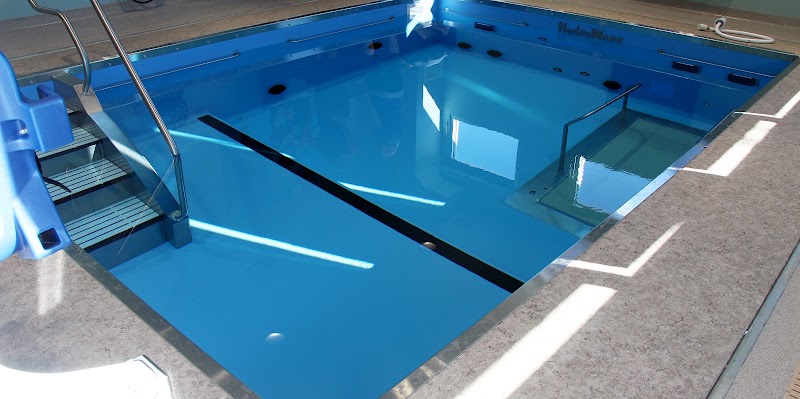
How is Lake Forest Senior Living At Mountain Home Staffed?

CMS rates LAKE FOREST SENIOR LIVING AT MOUNTAIN HOME's staffing level at 3 out of 5 stars, which is average compared to other nursing homes. Staff turnover is 62%, which is 15 percentage points above the Arkansas average of 46%. High turnover can affect care consistency as new staff learn residents' individual needs. RN turnover specifically is 56%, which is notably high. RNs provide skilled clinical oversight, so turnover in this role can affect medical care quality.

What Have Inspectors Found at Lake Forest Senior Living At Mountain Home?

State health inspectors documented 22 deficiencies at LAKE FOREST SENIOR LIVING AT MOUNTAIN HOME during 2023 to 2025. These included: 21 with potential for harm and 1 minor or isolated issues.
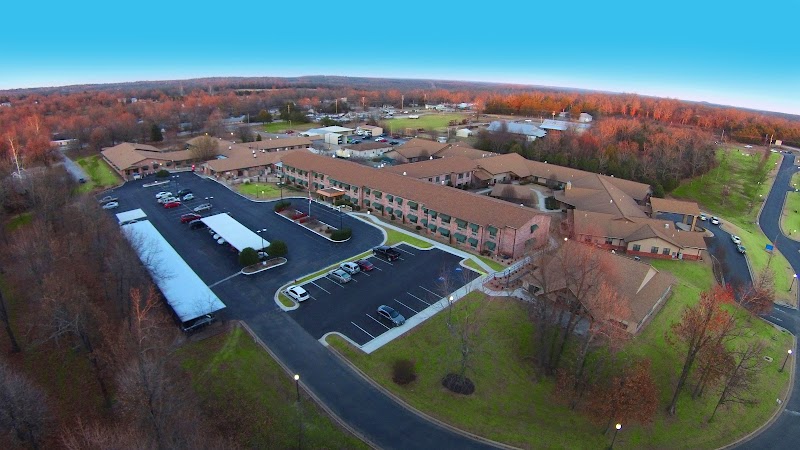
Who Owns and Operates Lake Forest Senior Living At Mountain Home?

LAKE FOREST SENIOR LIVING AT MOUNTAIN HOME is owned by a for-profit company. For-profit facilities operate as businesses with obligations to shareholders or private owners. The facility is operated by CONTINUUM HEALTHCARE, a chain that manages multiple nursing homes. With 34 certified beds and approximately 44 residents (about 129% occupancy), it is a smaller facility located in MOUNTAIN HOME, Arkansas.
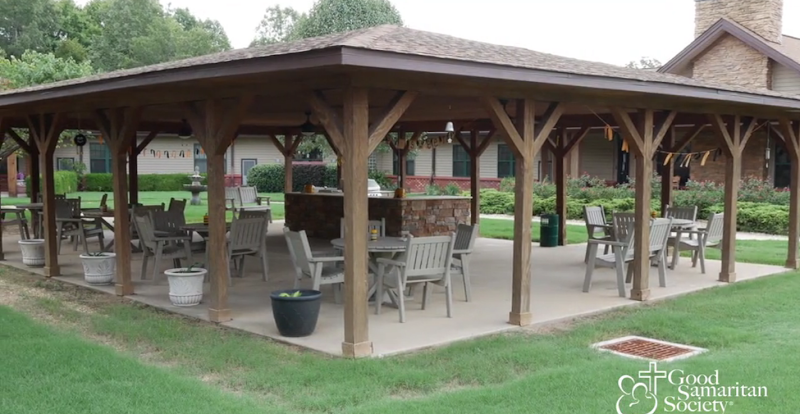
How Does Lake Forest Senior Living At Mountain Home Compare to Other Arkansas Nursing Homes?

Compared to the 100 nursing homes in Arkansas, LAKE FOREST SENIOR LIVING AT MOUNTAIN HOME's overall rating (4 stars) is above the state average of 3.1, staff turnover (62%) is significantly higher than the state average of 46%, and health inspection rating (4 stars) is above the national benchmark.

What Should Families Ask When Visiting Lake Forest Senior Living At Mountain Home?

Based on this facility's data, families visiting should ask: "How do you ensure continuity of care given staff turnover, and what is your staff retention strategy?" "Can I visit during a mealtime to observe dining assistance and food quality?" "How do you handle medical emergencies, and what is your hospital transfer rate?" "Can I speak with family members of current residents about their experience?" These questions are particularly relevant given the facility's high staff turnover rate.

Is Lake Forest Senior Living At Mountain Home Safe?

Based on CMS inspection data, LAKE FOREST SENIOR LIVING AT MOUNTAIN HOME has a clean safety record: no substantiated abuse findings (meaning no confirmed cases of resident harm), no Immediate Jeopardy citations (the most serious violation level indicating risk of serious injury or death), and is not on the Special Focus Facility watch list (a federal program monitoring the lowest-performing 1% of nursing homes). The facility has a 4-star overall rating and ranks #1 of 100 nursing homes in Arkansas. While no facility is perfect, families should still ask about staff-to-resident ratios and recent inspection results during their visit.

Do Nurses at Lake Forest Senior Living At Mountain Home Stick Around?

Staff turnover at LAKE FOREST SENIOR LIVING AT MOUNTAIN HOME is high. At 62%, the facility is 15 percentage points above the Arkansas average of 46%. Registered Nurse turnover is particularly concerning at 56%. RNs handle complex medical decisions and coordinate care — frequent RN changes can directly impact care quality. High turnover means new staff may not know residents' individual needs, medications, or preferences. It can also be disorienting for residents, especially those with dementia who rely on familiar faces. Families should ask: What is causing the turnover? What retention programs are in place? How do you ensure care continuity during staff transitions?

Was Lake Forest Senior Living At Mountain Home Ever Fined?

LAKE FOREST SENIOR LIVING AT MOUNTAIN HOME has no federal fines on record. CMS issues fines when nursing homes fail to meet care standards or don't correct problems found during inspections. The absence of fines suggests the facility has either maintained compliance or corrected any issues before penalties were assessed. This is a positive indicator, though families should still review recent inspection reports for the full picture.

Is Lake Forest Senior Living At Mountain Home on Any Federal Watch List?

LAKE FOREST SENIOR LIVING AT MOUNTAIN HOME is not on any federal watch list. The most significant is the Special Focus Facility (SFF) program, which identifies the bottom 1% of nursing homes nationally based on persistent, serious quality problems. Not being on this list means the facility has avoided the pattern of deficiencies that triggers enhanced federal oversight. This is a positive indicator, though families should still review the facility's inspection history directly.