THE BLOSSOMS AT NEWPORT REHAB & NURSING CENTER
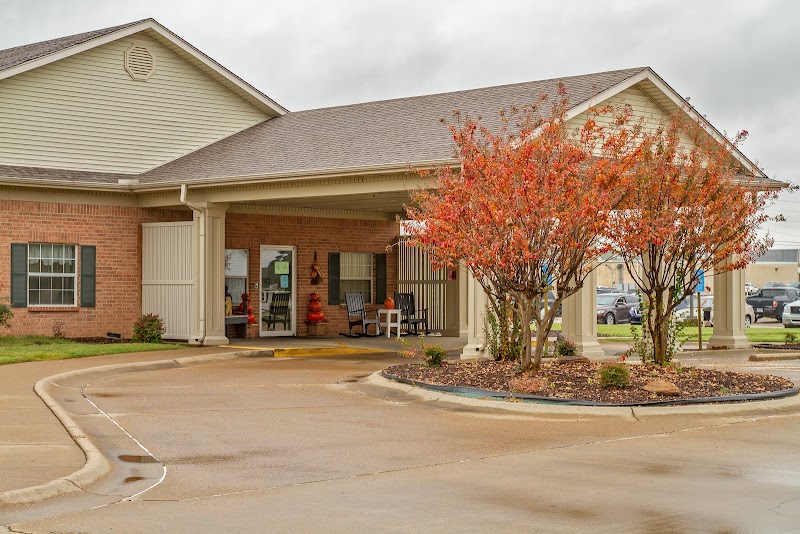
326 LINDLEY LANE, NEWPORT, AR 72112 (870) 523-6539
For profit - Limited Liability company 75 Beds THE BLOSSOMS NURSING AND REHAB CENTER Data: November 2025
Trust Grade
33/100
#209 of 218 in AR
Last Inspection: November 2024

Within standard 12-15 month inspection cycle. Federal law requires annual inspections.

Overview

The Blossoms at Newport Rehab & Nursing Center has received a Trust Grade of F, indicating significant concerns about the quality of care provided, which places it in the bottom tier of facilities. It ranks #209 out of 218 in Arkansas, meaning it is in the bottom half of nursing homes in the state, although it is the only option in Jackson County. The facility is currently improving, with a slight decrease in reported issues from 14 to 13 over the past year. Staffing is rated at 3 out of 5 stars, which is average, but turnover is high at 53%, reflecting challenges in retaining staff. The center has incurred $7,443 in fines, which is concerning and suggests ongoing compliance problems. Specific incidents noted include a resident who fell during a transfer that required two staff members, which led to an emergency room visit, and issues with food safety practices, such as dietary staff not thoroughly washing hands and storing expired food items. While the facility does have average RN coverage, indicating that registered nurses are present to monitor residents, these findings highlight both strengths and weaknesses in care quality.

Trust Score
F
33/100
In Arkansas
#209/218
Bottom 5%
Safety Record
Moderate
Needs review
Inspections
Getting Better
14 → 13 violations
Staff Stability
⚠ Watch
53% turnover. Above average. Higher turnover means staff may not know residents' routines.
Penalties
✓ Good
$7,443 in fines. Lower than most Arkansas facilities. Relatively clean record.
Skilled Nurses
⚠ Watch
Each resident gets only 17 minutes of Registered Nurse (RN) attention daily — below average for Arkansas. Fewer RN minutes means fewer trained eyes watching for problems.
Violations
⚠ Watch
33 deficiencies on record. Higher than average. Multiple issues found across inspections.
★☆☆☆☆
1.0
Overall Rating
★★★☆☆
3.0
Staff Levels
★★☆☆☆
2.0
Care Quality
★☆☆☆☆
1.0
Inspection Score
Stable
2023: 14 issues
2024: 13 issues

The Good

  • Full Sprinkler Coverage · Fire safety systems throughout facility
  • No fines on record

Facility shows strength in fire safety.

The Bad

1-Star Overall Rating

Below Arkansas average (3.1)

Significant quality concerns identified by CMS

Staff Turnover: 53%

Near Arkansas avg (46%)

Higher turnover may affect care consistency

Federal Fines: $7,443

Below median ($33,413)

Minor penalties assessed

Chain: THE BLOSSOMS NURSING AND REHAB CENT

Part of a multi-facility chain

Ask about local staffing decisions and management

The Ugly 33 deficiencies on record

1 actual harm
Nov 2024 12 deficiencies
CONCERN (D) 📢 Someone Reported This

A family member, employee, or ombudsman was alarmed enough to file a formal complaint

Potential for Harm - no one hurt, but risky conditions existed

Resident Rights (Tag F0550)

Could have caused harm · This affected 1 resident

Based on observation, interviews, record review, facility document review, and facility policy review, it was determined the facility failed to ensure residents were dressed appropriately for the day ...

Read full inspector narrative →
Based on observation, interviews, record review, facility document review, and facility policy review, it was determined the facility failed to ensure residents were dressed appropriately for the day for 1 (Resident #179) of 1 sample mix residents. The findings are: On 11/4/2024 at 11:01 AM, Surveyor observed Resident #179 lying in bed in a hospital gown. Review of Resident #179's admission Record with an admission date of 10/18/2024 revealed the resident has a need for assistance with personal care. Review of Resident #179's admission Minimum Data Set (MDS) with an Assessment Reference Date (ARD) of 10/22/2024 noted a score of 10 (8-12 indicates moderate cognitive impairment) on the Brief Interview for Mental Status (BIMS) with a diagnosis of symptoms and signs involving the Musculoskeletal system, and revealed the resident requires partial assistance with dressing upper body and dependent for dressing the lower body. Review of Resident #179's Care plan with an initiated date of 10/25/2024 noted the resident requires partial assist to dress upper and lower body. On 11/5/2024 at 9:29 AM, the Surveyor observed Resident #179 is sitting in wheelchair in their room in a hospital gown. Resident #179 confirmed they preferred to be dressed in their own clothing and showed this surveyor the dresser with the residents daily clothing in it. The resident confirmed needing assistance to put on clothing. During an interview with Certified Nursing Assistant (CNA) #10 in Resident #179's room on 11/5/2024 at 10:49 AM, the CNA confirmed the resident was dressed in a hospital gown and should be dressed in their own clothing. During an interview with CNA #11 in Resident #179's room on 11/5/2024 at 10:49 AM, the CNA confirmed the resident was dressed in a hospital gown and should be dressed in their own clothing. During an interview with the Director of Nursing (DON) on 11/7/2024 at 2:40 PM, she confirmed it is a resident's right to be dressed to maintain their dignity. Review of a facility policy titled, Resident Dignity with an effective date of 4/2021 noted Policy Statement: Each resident shall be cared for in a manner that promotes and enhances quality of life, dignity, respect, and individuality. Policy Interpretation and Implementation: Residents shall always be treated with dignity and respect. Treated with dignity means the resident will be assisted in maintaining and enhancing his or her self-esteem and self-worth.
CONCERN (D) 📢 Someone Reported This

A family member, employee, or ombudsman was alarmed enough to file a formal complaint

Potential for Harm - no one hurt, but risky conditions existed

Safe Environment (Tag F0584)

Could have caused harm · This affected 1 resident

Deficiency Text Not Available

Read full inspector narrative →
Deficiency Text Not Available
CONCERN (D)

Potential for Harm - no one hurt, but risky conditions existed

Pressure Ulcer Prevention (Tag F0686)

Could have caused harm · This affected 1 resident

Based on observation, interview, record review, and facility document review, it was determined the facility failed to ensure physician orders were in place for wound care treatment for 1(Resident #24...

Read full inspector narrative →
Based on observation, interview, record review, and facility document review, it was determined the facility failed to ensure physician orders were in place for wound care treatment for 1(Resident #24) of 1 sample mix residents reviewed for pressure ulcer that was acquired within the facility. Findings include: A review of an admission Record noted Resident #24 was admitted to facility on 4/12/2024 with a diagnosis of Alzheimer's Disease (Disease that destroys memory and mental functions). Review of the Quarterly Minimum Data Set (MDS), with an Assessment Reference Date (ARD) of 10/14/2024, revealed Resident #24 had a Brief Interview for Mental Status (BIMS) score of 03, which indicates the Resident had severe cognitive impairment. Section M subsection M0300 part F revealed that there was one (1) unstageable pressure ulcer. Review of Resident 24's Care Plan, with an initiated date of 7/19/2024, revealed Resident #24 has an unstageable pressure ulcer to the coccyx (small triangular bone at lower back); unstable pressure injury coccyx with interventions that include: assess/record/monitor wound healing, measure length, width and depth where possible, assess and document status of wound perimeter, wound bed and healing progress, report improvements and declines to the Medical Doctor (M. D.), Notify M.D. of abnormal findings/changes to site. Review of Resident #24's Clinical Physician Orders with a start dated of 10/22/2024 noted the use of debridement ointment to be applied to coccyx. Review of Resident #24's Order Report Weekly Wound Eval with a date of 11/4/2024 revealed that current treatment order that was ordered on 10/21/2024 and noted clean unstable pressure injury coccyx with wound cleanser, apply debridement ointment/bordered gauze qd (every day) /prn (as needed) till healed. During an interview with Licensed Practical Nurse (LPN) #4 on 11/7/2024 at 10:11 AM, she confirmed Resident #24's pressure ulcer treatment only mentioned in the physician's orders for the medication to be used and that she will put the full order in now.
CONCERN (D) 📢 Someone Reported This

A family member, employee, or ombudsman was alarmed enough to file a formal complaint

Potential for Harm - no one hurt, but risky conditions existed

Menu Adequacy (Tag F0803)

Could have caused harm · This affected 1 resident

Based on observation, record review and interview, the facility failed to ensure meals were prepared and served according to the planned written menu to ensure that nutritionally balanced meals were p...

Read full inspector narrative →
Based on observation, record review and interview, the facility failed to ensure meals were prepared and served according to the planned written menu to ensure that nutritionally balanced meals were provided for the residents for 1 of 1 meal observed. The findings are. 1. On 11/04//2024, the menu for noon meal documented residents on pureed diets were to receive ¾ cup of pureed spaghetti. a. On 11/04/24 at 11:34 AM, DC #2 used a 4-ounce ladle spoon (1/2 cup) to place 4 servings of spaghetti with meat sauce into a blender and pureed, instead of ¾ cup. At 11:35 AM, DC #2 poured the pureed spaghetti into a pan, covered it with foil and placed it in the oven. 2. On 11/04/24 at 12:20 PM, DC #2 used a #10 scoop (1/3 cup) to serve a single portion of pureed spaghetti with meat sauce to the residents who required pureed diets, instead of ¾ cup. 3. On 11/04/24 at 12:50 PM, DC #2 when asked during an interview what spoon size she had used when portioning spaghetti with meat sauce into a blender to be pureed. DC #2 stated she used 4-ounce ladle spoon when putting it into a blender to puree and used #10 scoop to give a single serving to each resident. When asked if she looked at the menu, DC #2 mentioned she did not. They should have received the same amount as the other residents.
CONCERN (D)

Potential for Harm - no one hurt, but risky conditions existed

Deficiency F0805 (Tag F0805)

Could have caused harm · This affected 1 resident

Based on observation, record review, interview, and review of the facility policy, the facility failed to ensure pureed food items were blended to a smooth, lump free consistency to minimize the risk ...

Read full inspector narrative →
Based on observation, record review, interview, and review of the facility policy, the facility failed to ensure pureed food items were blended to a smooth, lump free consistency to minimize the risk of choking or other complications for those residents who required pureed diets for 1 of 1 meal observed. The findings are: 1. On 11/04/24 at 11:34 AM, during the noon meal preparation. The DC #2 used a 4-ounce ladle spoon to place 4 servings of spaghetti with meat sauce into a blender and pureed. At 11:35 AM, DC #2 poured the pureed spaghetti into a pan, covered it with foil and placed in the oven. The consistency was chunky and was not smooth. There were chunks of noodle visible in the mixture. 2. On 11/04/24 at 12:20 PM, the following observations were made during the noon meal service in the kitchen. a. The residents on the pureed diets were served pureed spaghetti. The consistency was lumpy and was not smooth. There were pieces of noodles in the mixture. b. Pureed bread consistency was runny. c. At 12:47 PM, DA #1 confirmed the consistency of the pureed bread was runny because she had used too much milk and less bread. Also stated pureed spaghetti needed more juice, it was thick, and you can still see pieces of noodles. d. On 11/04/24 at 12:50 PM, DC #2 confirmed the pureed spaghetti was chunky that it should have been like pudding or mashed. e. On 11/04/24 12:51 PM, the Dietary Manager confirmed pureed spaghetti was chunky and was not smooth. Pureed foods should be like pudding or mashed potato with no lumps. f. A review of a facility policy titled, Puree Definition, not dated and provided by the Dietary Manager on 11/5/2024, indicated all foods are moistened and processed until smooth (no lumps) to an applesauce-like or pudding consistency. Food should be prepared so that it is smooth throughout, there are no lumps, it is not pasty, sticky or gummy and not runny.
CONCERN (D)

Potential for Harm - no one hurt, but risky conditions existed

Deficiency F0810 (Tag F0810)

Could have caused harm · This affected 1 resident

**NOTE- TERMS IN BRACKETS HAVE BEEN EDITED TO PROTECT CONFIDENTIALITY** Based on observation, interview, record review, and facility document review, it was determined that the facility failed to ensu...

Read full inspector narrative →
**NOTE- TERMS IN BRACKETS HAVE BEEN EDITED TO PROTECT CONFIDENTIALITY** Based on observation, interview, record review, and facility document review, it was determined that the facility failed to ensure proper assistive devices are utilized during meals for 1 (Resident #52) of 1 sample mix residents observed during meals who feed themselves. Findings include: During an observation on 11/4/2024 at 12:49 PM, Resident #52 was observed having difficulty with feeding self with regular fork. Using fingers of the resident's other hand to assist with food placement on utensil. A review of the admission Record noted Resident #52 was admitted to the facility on [DATE] with a diagnosis of Peripheral Vascular Disease (condition that affects blood flow to limbs. Resident also has diagnosis of Dementia (condition that affects brain function such as memory, judgement, and daily function), reduced mobility, muscle weakness, lack of coordination, Dysphagia (difficulty swallowing food), and abnormal posture. Review of Resident 52's Care Plan, initiated 4/9/2024, revealed the resident demonstrates some or high risk to potentially choke, aspire foods or liquids. This problem is related to diagnosis of Dysphagia. It also noted some interventions staff would do is provide needed assistance PRN (as needed), and that the resident is setup/clean up assist with meals, an intervention for Physical and Occupational Therapy to evaluate and screen as needed and ordered. Review of OT (Occupational Therapy) Discharge Summary on 5/24/2024, patient will safely perform self-feeding tasks with supervised assist with use of built-up spoon and occasional verbal cues and 0% tactile cues for grasp / release of items and for use of compensatory strategies due to body part awareness impairments in order to increase ability to eat in environment with minimal to no supervision or assistance needs. Review of the Quarterly Minimum Data Set (MDS) with an Assessment Reference Date (ARD) of 9/23/2024, revealed Resident #52 had a Brief Interview for Mental Status (BIMS) score of 03, which indicates the Resident had severe cognitive impairment. During an interview with Certified Nursing Assistant (CNA) #12 on 11/4/2024 at 12:50 PM, she said Resident #52 would benefit with a different kind of eating device and was having trouble eating the spaghetti. During an observation on 11/5/24 at 12:25 PM, the Surveyor observed Resident #52 putting fingers in food and scooping it on to the spoon. Staff was assisting feeding Resident #52 at times. Resident continues to have difficulty with feeding self. During an observation on 11/6/2024 at 12:20 PM, the Surveyor observed Resident #52 eating lunch with the lunch plate sitting on a tray. Resident #52 was observed by Surveyor attempting to feed self by dropping food on the clothing protector and tray and continued having difficult with using a spoon. During an interview on 11/7/2024 at 2:30 PM with Director of Rehabilitation, she confirmed based on the last assessment, Resident #52 needed a built-up spoon for eating.
CONCERN (E)

Potential for Harm - no one hurt, but risky conditions existed

Deficiency F0578 (Tag F0578)

Could have caused harm · This affected multiple residents

Based on record review, interview, facility document review, and facility policy review, it was determine the facility failed to ensure written information regarding the right to formulate an advanced...

Read full inspector narrative →
Based on record review, interview, facility document review, and facility policy review, it was determine the facility failed to ensure written information regarding the right to formulate an advanced directive was provided to residents or their responsible parties, to enable them to make informed decisions regarding which measures would be provided or withheld at end of life for 02 (Resident #62, #2) of 2 sample mix residents reviewed for Advance Directive. The findings are: Review of Resident #62's Quarterly Minimum Data Set (MDS) with an Assessment Reference Date (ARD) of August 12, 2024, noted a score of 6 (0-7 indicates severe cognitive impairment) on the Brief Interview for Mental Status (BIMS) and noted a diagnosis of paralysis (quadriplegia), traumatic brain injury, and post-traumatic stress disorder (PTSD). Review of Resident #62's electronic medical record contained a Physician Ordered Life Sustaining Treatment (POLST) form with advance directive selected that indicates it is available to review and signed on 5/9/24. No advance directive was located. Review of Resident #62's Care Plan with an initiated date of 10/22/2024 noted to follow instructions as detailed inside the advance directive if the resident has one. During an interview with the Director of Nursing (DON) on 11/7/24 at 9:49 AM, she confirmed Resident #62 has a POLST, and it notes the resident wants an advance directive, but no advance directive wishes were noted, and no separate advance directive wishes on file. Review of Resident #2's electronic medical record contained a Resuscitation Designation Order that is not dated that noted I do have an advance directive selected with no advance directive wishes on file. Review of Resident #2's Care Plan with an initiated date of 6/28/2019 noted to follow instructions as detailed inside the advance directing if the resident has one. Review of Resident #2's Quarterly MDS with an ARD of 11/4/2024, noted a score of 3 (0-7 indicates severe cognitive impairment) on the BIMS and noted a diagnosis of Dementia. During an interview with the DON on 11/7/24 at 9:49 AM, she confirmed Resident #2 has a Resuscitation Designation Order that notes the resident has an advance directive, but no advance directive wishes were noted, and no separate advance directive wishes on file. Review of a facility policy titled, Advance Directives with an effective date of 4/2021 noted Policy Interpretation and Implementation 1. Upon admission, the resident will be provided with written information concerning the right to refuse of accept medical or surgical treatment and to formula an advance directive if he or she chooses to do so. 7. Information about whether the resident has executed an advance directive shall be displayed prominently in the medical record. 8. If the resident indicates that he or she has not established advance directives, the facility staff will offer assistance in establishing advance directives. 10. The plan of care for each resident will be consistent with his or her documented treatment preferences and/ or advance directive.
CONCERN (E)

Potential for Harm - no one hurt, but risky conditions existed

Comprehensive Care Plan (Tag F0656)

Could have caused harm · This affected multiple residents

Based on observation, interviews, record review, facility document review, and facility policy review, it was determined the facility failed to ensure the comprehensive care plan addressed and individ...

Read full inspector narrative →
Based on observation, interviews, record review, facility document review, and facility policy review, it was determined the facility failed to ensure the comprehensive care plan addressed and individualized appropriate care and services for 2 (Resident #54, #72) of 2 sample mix residents reviewed for care plan. The Findings are: 1. During an interview with Resident #54 on 11/04/24 at 11:54 AM, the resident said I fell here in my room trying to use the urinal. My chair went out from under me, hit my head on the wall and ended up on my left side. My ribs are still sore. I got sent for x-rays. I've fallen twice and didn't have my brakes locked. Review of Resident #54's Care Plan with an initiated date of 2/5/2024 did not note an intervention for the residents fall on 9/27/2024. Review of Resident #54's Progress Notes dated 9/27/2024 at 1:35 PM, noted Resident #54 fell out wheelchair onto the floor and complained of head and left rib pain. Emergency Medical Services (EMS) were called. Review of Resident #54's Progress Notes dated 9/27/2024 at 1:46 PM, noted Resident #54 had a transfer/ discharge notice sent their Representative. Review of Resident #54's Progress Notes dated 9/27/2024 at 6:08 PM, noted the resident had arrived back to the facility at 6:00 PM by facility van in a wheelchair accompanied by staff. Review of Resident #54's Progress Notes dated 9/28/2024 at 1:33 AM noted day two (2) of Incident and Accident (I&A) due to falling. Review of Resident #54's Assessment list does not reveal an Incident and Accident Reports (I&A) for the residents fall on 9/27/2024. During an interview with the Director of Nursing (DON) on 11/7/24 at 2:32 PM, she stated Resident #54 has brake extenders for an intervention for the fall on 9/27/2024, but it is not on the care plan and there is no I&A. She also confirmed the fall with intervention should be on the care plan for staff to know the resident is a high risk for falls. 3. Review of Resident #54's Administration Orders dated 5/27/2024 reveal the resident has an order for Ultram oral tablet 50 milligrams (mg) (Tramadol Hydrochloride (HCL)) give 50 mg by mouth every eight (8) hours as need for pain (PRN). Opioid Monitoring: Monitor for side effects of opioid use including tolerance, increased sensitivity to pain, constipation, nausea/vomiting, dry mouth, sleepiness, dizziness, confusion, respiratory depression, itching, and sweating. Review of Resident #54's Minimum Data Set (MDS) with an Assessment Reference Date (ARD) of 8/7/2024 noted opioid use. Review of Resident #54's Care Plan with an initiated date of 2/5/2024 does not document opioid use or the black box warning. During an interview with the DON on 11/7/24 at 2:40 PM, she confirmed Resident #54 was not care planned for opioid use and there was no black box warning on the care plan and there should be. During an interview with the Minimum Data Set (MDS) Coordinator on 11/7/2024 at 3:12 PM, she confirmed Resident #54 was not care planned for opioid use and there was no black box warning on the care plan, but that it needs to be listed on the care plan. Review of facility policy titled, Care Plans, Comprehensive Person-Centered with a revision date of December 2016 noted Policy Statement: A comprehensive person-centered care plan that includes measurable objectives and timetables to meet the resident's physical, psychosocial and functional needs is developed and implemented for each resident. Policy Interpretation and Implementation 1. The Interdisciplinary Team (IDT), in conjunction with the resident and his/her family or legal representative, develops and implements a comprehensive, person-centered care plan for each resident. 2. The care plan interventions are derived from a thorough analysis of the information gathered as part of the comprehensive assessment. 8. The comprehensive, person-centered care plan will: a. Include measurable objectives and timeframes; b. Describe the services that are to be furnished to attain or maintain the resident's highest practicable physical, mental, and psychosocial well-being; h. Incorporate risk factors associated with identified problems. Resident #72 admission Record reported admission date of 09/10/2024. Diagnosis of bone disease, paralysis, spinal cord injury, and muscle wasting recorded. Review of Minimum Data Set (MDS) with Assessment Reference Date (ARD) of September 24, 2024, reported Brief Interview for Mental Status (BIMS) of 11. Review of Order Summary Report active 11/04/2024 recorded Resident #72 was prescribed and given antidepressants, opioids, and anticoagulants. Review of Care Plan with initiated date 3/25/2024 does not report Black Box Warnings for prescribed and given antidepressants, opioids, and anticoagulants including but not limited to potential side effects. During an interview with the DON on 11/6/2024 at 2:20 PM, the DON confirmed that Black Box Warnings should be included for medications such as antidepressants, opioids, and anticoagulants.
CONCERN (E) 📢 Someone Reported This

A family member, employee, or ombudsman was alarmed enough to file a formal complaint

Potential for Harm - no one hurt, but risky conditions existed

ADL Care (Tag F0677)

Could have caused harm · This affected multiple residents

Based on observation, interview, record review, facility document review, and facility policy review, it was determined the facility failed to ensure female residents had hair removed from their face ...

Read full inspector narrative →
Based on observation, interview, record review, facility document review, and facility policy review, it was determined the facility failed to ensure female residents had hair removed from their face for 1 (Resident #46) of 1 sample mix resident to promote good hygiene; ensure residents clothing was changed when stained or dirty for 2 (Resident #24, #52) of 2 sample mix residents to promote good hygiene; to ensure residents fingernails were kept clean and trimmed for 3 (Resident #2, #179, #52) of 3 sample mix residents to promote good hygiene. The findings are: 3. On 11/4/24 at 11:30 AM, the Surveyor observed Resident #2's fingernails untrimmed with a brown/ black substance underneath the nails. Review of Resident #2's admission Record with an admission date of 3/21/2016 revealed the resident has a need for assistance with personal care, Rheumatoid Polyneuropathy (simultaneous malfunction of many nerves throughout the body) with Rheumatoid Arthritis, and lack of coordination. Review of Resident #2's Care Plan with an initiated date of 7/6/2023 noted check the resident's fingernail length and trim as needed. Review of Resident #2's Quarterly Minimum Data Set (MDS) with an Assessment Reference Date (ARD) of 9/4/2024 noted a score of 3 (0-7 indicates severe cognitive impairment) on the Brief Interview for Mental Status (BIMS) with a diagnosis of Dementia and revealed the resident is substantial to maximal assistance with shower/bathing. On 11/5/24 at 9:52 AM, the Surveyor observed Resident #2's fingernails untrimmed with a brown/ black substance underneath them. During an interview with Social Worker in the resident's room on 11/5/24 at 9:54 AM, she confirmed Resident #2's fingernails were long and dirty and said the family prefers them cleaned and trimmed not long and dirty. During an interview with Certified Nurse Aide (CNA) #9 in Resident #2's room on 11/5/24 at 9:58 AM, she confirmed Resident #2's fingernails were long and dirty and needed cleaned and trimmed. On 11/4/24 at 11:01 AM, the Surveyor observed Resident #179's fingernails with a brown/ black substance underneath them. Review of Resident #179's admission Record with an admission date of 10/18/2024 revealed the resident has a need for assistance with personal care. Review of Resident #179's admission Minimum Data Set (MDS) with an Assessment Reference Date (ARD) of 10/22/2024 a score of 10 on the Brief Interview for Mental Status (BIMS) with a diagnosis of symptoms and signs involving the musculoskeletal system and revealed the resident is dependent for shower/bathe. Review of Resident #179's Care plan with an initiated date of 10/25/2024 noted check nail length and trim and clean on bath day and as necessary. Report any changes to the nurse. During an interview with Resident #179 on 11/5/24 at 9:22 AM, the resident confirmed their fingernails were dirty and the resident wants them cleaned. During an interview with CNA #10 in Resident #179's room on 11/5/24 at 10:51 AM, she confirmed the resident's fingernails were dirty and should be kept clean. During an interview with CNA #11 in Resident #179's room on 11/5/24 at 10:51 AM, she confirmed the resident's fingernails were dirty and should be kept clean. During an interview with the Director of Nursing (DON) on 11/7/2024 at 2:40 PM, she confirmed the resident's fingernails are to be kept clean and trimmed for the resident's health and hygiene. Resident # 46 had diagnoses of: cognitive communication deficit is when someone has trouble with one or more cognitive processes involved in communication, adult failure to thrive is defined as four syndromes are prevalent and predictive of adverse outcomes in patients with failure to thrive: impaired physical function, malnutrition, depression, and cognitive impairment. (National Institute of Health), dementia, anxiety, muscle decrease, difficulty swallowing. Resident # 46 has a Brief Interview of Mental Status of 4 indicating they are unable to answer or provide a sensible answer to the question asked. During an observation on 11/4/24 at 2:23 PM, Surveyor observed Resident #46 in wheelchair at the nurses' station unshaved with hair on lip and chin. During an observation on 11/4/24 at 3:10 PM, Resident #46 had unshaved facial hair above upper lip and on chin. October 4, 2024, through October 31, 2024, Resident # 46 shower task sheet showed to have received 16 showers. Shower task sheet showed nine not applicable dates, one refusal, one day staff provided over half the shower and grooming help and one day staff did all shower and grooming for Resident # 46. October 8, 2024, Minimum Data Set, section GG Functional Abilities, showed that personal hygiene, to include shaving, to be a level 3. Level 3 is a partial/moderate assistance where the helper does less than half the effort. Resident #46 - care plan shows ADL self-care performance deficit; provide step by step instructions Resident # 46 is scheduled for showers on Wednesday and Saturday of each week. Resident # 46 entered Facility on Resident #52's admission Record reported admission date of 4/4/2024. Diagnosis reported dementia, depression, reduced mobility, need for assistance with personal care, muscle weakness, lack of coordination, cognitive communication deficit, weakness, abnormal posture, unsteadiness on feet. Resident #52 Minimum Data Set (MDS) with Assessment Record Date (ARD) of September 23, 2024, reported Brief Interview of Mental Status (BIMS) score of 03. During initial rounds on 11/4/2024 at 10:00 AM Resident #52 was noted to have a shirt with what appeared to be food on it and long, dirty looking fingernails. During a concurrent observation and interview on 11/5/2024 at 1:00 PM, Resident #52 was noted to have on a shirt with what appeared to be food on it and long, dirty looking fingernails. The Licensed Practical Nurse (LPN) #4 stated Resident #52 should have on a clean shirt and nail care should be provided. During an observation on 11/7/2024 at 11:45 AM, Resident #52 had long fingernails with black matter underneath Resident #52's Care Plan with initiated date of 4/4/22 reported Resident #52 requires assistance with activities of daily living (ADL) including substantial/max assistance with oral hygiene, toilet hygiene, bathing/showering, upper and lower body dressing, and personal hygiene. Review of the facility provided a policy titled, Care of Fingernails/ Toenails with a revision date of October 2010 noted Purpose: The purpose of this procedure are to clean the nail bed, to keep the nails trimmed, and to prevent infections. General Guidelines: 1. Nail care includes cleaning and regular trimming; 2. Proper nail care can aid in the prevention of skin problems around the nail bed; 4. Trimmed and smooth nails prevent resident from accidentally scratching and injuring his or her skin.
CONCERN (E) 📢 Someone Reported This

A family member, employee, or ombudsman was alarmed enough to file a formal complaint

Potential for Harm - no one hurt, but risky conditions existed

Infection Control (Tag F0880)

Could have caused harm · This affected multiple residents

Based on record review, observations, and interviews, the facility failed to ensure that clean linen carts were properly covered and Enhanced Barrier Precautions (EBP), were implemented for 1 (Residen...

Read full inspector narrative →
Based on record review, observations, and interviews, the facility failed to ensure that clean linen carts were properly covered and Enhanced Barrier Precautions (EBP), were implemented for 1 (Resident #279) of 1 sampled resident to prevent potential infection and/or the spread of infections. The findings are: During observation on 11/4/2024 at 10:18 AM, the clean linen carts had the front flap completely open on halls 100, 200, 300. 400, and 500. During observation on 11/5/2024 at 4:32 AM, the clean linen carts had the front flap completely open on halls 100, 200, 300, 400 and 500. 11/7/2024 at 3:24 PM, the Director of Nursing (DON) confirmed the clean linen carts should be covered because it is clean linen. Review of a facility policy provided by the (DON) titled Policy and Procedures with subject being Enhanced Barrier Precautions had a revised date of 03/12/2024, indicated that residents with indwelling medical devices such as a central line, catheter or feeding tube should be placed on EBP to prevent the spread of infections. The policy indicated staff should wear correct personal protective equipment (PPE). Per the policy, EBP is an approach of targeted gown and glove use during high-contact resident care activities such as providing incontinent care. A review of an admission Record indicated the facility admitted Resident #279 with diagnosis of infectious disease that included kidney failure and urine retention. The Minimum Data Set (MDS) with an Assessment Reference Date (ARD) of 08/12/2024 revealed the resident had a Brief Interview for Mental Status (BIMS) score of 14 which indicates the resident was independent for their daily decision making. Review of Resident #279's Care Plan revised on 05/22/2024 revealed the resident required Enhanced Barrier Precautions due to indwelling urinary catheter. Interventions included that gloves and gowns were required prior to performing high-contact care. On 11/04/2024 at 11:30 AM, Certified Nursing Assistants (CNA) #5 and #6 were observed performing incontinent care for R#279. While performing care they did not have on a gown. Resident was on Enhanced Barrier Precautions. On 11/04/2024 at 11:45 AM during an interview, CNA # 5 stated she should have put on a gown and mask. On 11/04/2024 at 11:50 AM, during an interview CNA # 6 stated she should have worn a gown and mask sue to the potential for spreading infections. On 11/05/24 at 3:10 PM, during an interview the DON stated both CNAs should have worn gloves and a gown because the resident had an indwelling catheter and was on EBP During an observation on 11/5/2024 at 9:50 AM, CNA #5 entered a contact precaution room. Without donning personal protective equipment (PPE) or performing hand hygiene the CNA #5 grabbed the resident in contact isolation by the shoulders and repositioned the resident. During an observation on 11/5/2024 at 3:00 PM, Licensed Practical Nurse (LPN) #4 entered a contract precaution room. Without donning PPE or performing hand hygiene the LPN #4 grabbed the residents over-the-bed table and brought it into the hallway to hold wound care supplies. During an interview on 11/5/2024 at 3:30 PM, the Registered Nurse (RN) #7 stated that before entering a contact isolation room the staff should perform hand hygiene and don PPE. Facility provided Infection Prevention & Control Program policy dated 04/21 stated that gloves and disposable gown should be worn when providing care for residents on contact precautions.
CONCERN (E)

Potential for Harm - no one hurt, but risky conditions existed

Safe Environment (Tag F0921)

Could have caused harm · This affected multiple residents

Deficiency Text Not Available

Read full inspector narrative →
Deficiency Text Not Available
CONCERN (F)

Potential for Harm - no one hurt, but risky conditions existed

Food Safety (Tag F0812)

Could have caused harm · This affected most or all residents

Based on observation, interview, record review, and facility policy review, the facility failed to ensure dietary staff thoroughly washed their hands and changed gloves when contaminated and before ha...

Read full inspector narrative →
Based on observation, interview, record review, and facility policy review, the facility failed to ensure dietary staff thoroughly washed their hands and changed gloves when contaminated and before handling food and clean equipment when contaminated; food items stored in the refrigerator, freezer and dry storage area were covered or sealed. expired food items and spices were promptly removed/discarded on or before the expiration or use by date; 1 of 1 ice machine and 1 of 1 scoop holder were maintained in a sanitary condition for 2 of 2 meals observed. The findings are: 1. On 11/4/24 at 9:57 AM, Dietary Aide (DA) #1 pulled her hair net down. Without washing her hands, DA #1 picked up clean plates and stacked them on the cart with her fingers inside of them. 2. On 11/4/24 at 9:59 AM, the ice machine in the kitchen had wet mixture of colors on the panel where ice touched before dropping into the ice collector. The Surveyor asked Dietary Manager if she could wipe the area in the ice machine that had wet mixture of colors on it. She did, and residue easily transferred to the tissue, and she stated it was nasty. She was asked who used the ice from the machine and how often they cleaned it. She stated CNAs use it to fill beverages served to the residents at mealtimes and for the water pitchers in the resident's rooms. The kitchen staff cleans it every week. and they clean it every week. 3. On 11/4/24 at 10:02 AM, Dietary [NAME] (DC) #2 was interviewed about observations made in the ice machine and she was asked if anyone had used ice from the machine this morning. DC #2 stated CNAs used ice from the machine this morning to fill beverages served to the residents for breakfast meal. The kitchen staff also provided bags of ice, which were collected from the ice machine, and gave them to the CNAs to use for the water pitchers in the resident's rooms. 4. On 11/04/24 at 10:03 AM, Dietary Aide #1 interviewed about observations made in the ice machine and she was asked if anyone had used ice from the machine this morning. DA #1 stated she and DC #2 bagged ice from the machine this morning and stored them in the freezer to use for drinks during the meal service and the bags of ice are used for water pitchers in the resident's rooms. 5. On 11/04/24 at 10:05 AM, an opened box of salt was on a shelf above the food counter. The salt was in firm blocks and hard. The Dietary Manager confirmed salt was hard, staff had opened the box incorrectly and the contents needed to be discarded. She mentioned she wouldn't use it for herself. 6. On 11/4/24 at 10:07 AM, an opened can of ground ginger was on a rack in the kitchen with an expiration date of 10/24/2024. 7. On 11/4/24 10:09 AM, an opened box of heavy cream was on a shelf in the refrigerator with an expiration date of 10/25 /24. 8. On 11/4/24 at 10:12 AM, the following observations were made on a shelf in the freezer: a. An opened bag of pie shells. The bag was not sealed. b. An opened box of cookie dough. The box was not covered or sealed. 9. On 11/04/24 at 10:26 AM, an opened gallon of barbeque sauce was on a shelf in the storage room. The manufacture's specification on the gallon indicated to refrigerate after opening. The Dietary Manager after reviewing the manufacture's specification on the gallon confirmed barbeque sauce should have been refrigerated as soon as it was opened. 10. On 11/04/24 at 10:49 AM, the holder scoop on the wall by the ice machine had reddish slimy residue at the bottom of it. The ice scoop was resting directly on residue. Asked the Dietary Manager if she could wipe off the area at the of the scoop holder. She did and stated it was brown-reddish color, nasty, dirty, and slimy. 11. On 11/4/24 at 10:51 AM, the following observation were made in the refrigerator in the nourishment room by the front of the nurses' station were: a. nutritional drinks on a shelf in the refrigerator did not have received date on them. b. Six bottles of nutritional drinks. Nine cartons of Nutritional drinks. There was no received date on them. c. A bag of prune. There was no opened or received date on the bag. 12. On 11/4/24 at 11:02 AM, the following observation were made in the back medication room: a. One bottle of lemon lime on a shelf in the refrigerator had an expiration date of 10/15/2024. b. An opened bag of chips was in a basket on top of the freezer. The bag was not sealed. c. One packet of peanut crackers had an expiration date of 8/11/2024. 13. 11/4/24 11:07 AM, an opened bottle of thickener was observed on a shelf. The manufacture's specification on the bottle indicated to refrigerate after opening. The Dietary Manager confirmed it should be stored in the refrigerator once opened. 14. On 11/4/24 at 11:22 AM, DA #1 turned on the hand washing sink faucet and washed her hands. After washing her hands, she turned off the faucet using pieces of tissue paper, thereby contaminating the tissue. She then used same tissue to dry her hands, without re-washing her hands afterwards. Then, she picked up a clean blade and attached it to the base of the blender to be used in portioning food items to be served to the residents for lunch meal. DA #1 was interviewed and was asked what she should have done after touching dirty objects and before handling clean equipment she stated she should have her hands. 15. On 11/04/24 at 11:33 AM, Dietary [NAME] (DC) #2 picked up a pot of meat sauce from the stove and placed it on the counter. DA #2 pushed a food cart that contained a pan of spaghetti towards the food preparation counter. Without washing her hand, she picked up a clean blade and attached it to the base of the blender to be used in pureeing food items to the served the residents who required pureed diets. The DC #2 was interviewed and asked what she should have done after touching dirty objects before handling clean equipment and she stated she should have washed her hands. 16. On 11/04/24 at 11:55 AM, the following observations were made on a shelf in the storage room. a. A bottle of strawberry fruit spread. Some of the fruit spread has been used from it. The manufacture's specification on the bottle indicated to refrigerate after open. b. An opened bag of rice cake, there was no received or opened date on the bag. c. One can of broccoli with cheese soup with an expiration date of 8/20/2024. d. One can of coffee with an expiration date of 7/12/2024. 17. A review of facility policy titled, Hand Washing, not dated, provided by the Dietary Manager on 11/5/2024 indicated, employees should wash their hands after engaging in other activities that contaminate the hands.
Jul 2024 1 deficiency
CONCERN (D) 📢 Someone Reported This

A family member, employee, or ombudsman was alarmed enough to file a formal complaint

Potential for Harm - no one hurt, but risky conditions existed

Quality of Care (Tag F0684)

Could have caused harm · This affected 1 resident

**NOTE- TERMS IN BRACKETS HAVE BEEN EDITED TO PROTECT CONFIDENTIALITY** Based on interviews, record review, facility document review, and facility policy review, the facility failed to ensure physicia...

Read full inspector narrative →
**NOTE- TERMS IN BRACKETS HAVE BEEN EDITED TO PROTECT CONFIDENTIALITY** Based on interviews, record review, facility document review, and facility policy review, the facility failed to ensure physicians orders were followed for follow up doctor's appointments and physician's orders for wound care for 1 (Resident #6) of 1 resident reviewed for discharge from hospital following surgery. Findings include: On 07/03/2024 at 5:21 PM, the DON (Director of Nursing) stated the facility did not have a policy for physician's orders. A review of the admission Record, indicated the facility admitted Resident #6 with diagnoses that included displaced bimalleolar fracture of left lower leg, other fracture of left lower leg, and repeated falls. A review of Resident #6's Care Plan revealed the resident was at risk for falls, and the resident returned with left lower leg splinted from orthopedic surgical repair of the left ankle. Interventions included encourage resident to use call light in bathroom for assistance related to a fall on 05/06/2024 this was initiated on 05/07/2024. A review of Patient Visit Information, revealed Resident #6 had been seen by the emergency room on [DATE] and diagnosed with bimalleolar ankle fracture with instructions to see orthopedic doctor next day or return to the emergency room with worsening symptoms. A review of Patient Visit Information, revealed Resident #6 had orders at discharge from the hospital to please keep splint clean, dry, and intact. Follow up with primary physician for one week follow up and follow up with orthopedic surgeon in 10 days this was dated 05/14/2024. A review of Visit Notes, revealed Resident #6 had a follow up appointment on 06/17/2024 which was a visit in the nursing home seen for open trimalleolar fracture of left ankle which stated in the plan missed the first orthopedic follow up appointment but there was a plan for a rescheduled appointment upcoming. A review of Progress Note, revealed Resident #6 had a follow up appointment with orthopedic surgeon on 06/19/2024 with a new order for wound care due to incisional infection to the medial side that included wet to dry dressings daily. See back in one week for wound check. A review of a physician's order on 06/19/2024 revealed Resident #6 had daily or as needed wound care to the left medial malleolus for open surgical site. A review of June TAR (Treatment Administration Record), revealed Resident #6 had a physician's order for daily dressing changes of the 7 ordered days 2 days were blank on the TAR, June 21-22. A review of Progress Note, revealed Resident #6 had a follow up appointment on 06/26/2024 with orthopedic surgeon with a plan to admit to hospital following a clinic evaluation which revealed medial side open incision with hardware exposed. Consider possible BKA (below the knee amputation). During an interview on 07/02/2024 at 5:09 PM, the DON stated there was not a separate visit note for the primary care follow up, the physician combined the follow up with the monthly visit. No documentation was provided to show Resident #6 had seen the doctor one week following hospital discharge. As far as the orthopedic follow up the resident had an appointment for 06/10/2024 but the transport was a no call no show and ended employment so the follow up appointment was rescheduled for 06/19/2024. During an interview on 07/03/2024 at 3:35 PM, the treatment nurse stated treatments in the building are done by treatment nurse and house supervisor on the weekend. The treatment nurse stated if it is not signed off then it is not done. The treatment nurse was aware of daily wound care but was working the floor one of the missing days and the other was a weekend day. During an interview on 07/03/2024 at 4:54 PM, the DON confirmed if wound care is not signed off on the TAR, then it is not done and if the treatment nurse is unavailable then the charge nurse should ensure wound care is completed.
Dec 2023 13 deficiencies
CONCERN (D)

Potential for Harm - no one hurt, but risky conditions existed

Deficiency F0557 (Tag F0557)

Could have caused harm · This affected 1 resident

Based on observation, interviews, and record review, the facility failed to ensure an indwelling catheter drainage bag was concealed in a privacy bag when visible to promote dignity and privacy for 1 ...

Read full inspector narrative →
Based on observation, interviews, and record review, the facility failed to ensure an indwelling catheter drainage bag was concealed in a privacy bag when visible to promote dignity and privacy for 1 (Resident #29) of 4 (Residents #29, #41, #50 and #340) sampled residents who had an indwelling catheter. The findings are: Resident #29's diagnosis showed neuromuscular dysfunction of the bladder. The Quarterly Minimum Data Set (MDS) with an Assessment Reference Date (ARD) of 9/21/23 documented the resident was severely impaired and had an indwelling catheter. The Care Plan with an initiated date of 08/30/23 documented Resident #29 required an indwelling catheter and was to be provided a catheter privacy bag. The Physicians Order Summary noted Resident #29 was to have an indwelling catheter. On 12/05/23 at 02:46 PM, the Surveyor observed a catheter bag hanging on the bottom of a geri chair (a specialized seating solution for seniors and individuals with limited mobility), not contained within a dignity bag. On 12/05/23 at 6:14 PM, the Surveyor observed Resident #29 lying in bed with the catheter bag hanging on the side of the bed facing the door, not contained within a dignity bag. On 12/06/23 at 03:12 PM, the Surveyor observed Resident #29 lying in bed with an indwelling catheter hanging on the side of the bed facing the open door, not contained within a dignity bag. On 12/7/23 at 4:15 PM, the Surveyor asked Certified Nursing Assistant (CNA) #3 how a catheter bag should be placed while up in a chair. CNA #3 said it should be hung on the chair, down on the side rail, and have a cover on it. The Surveyor asked what about while the resident is in bed. CNA #3 said it should be placed on a bedrail with a cover on it. On 12/7/23 at 4:18 PM, the Surveyor asked Licensed Practical Nurse (LPN) #4 when a resident is up in the chair, how would a catheter be handled. LPN #4 said it would be hooked to the chair and have a privacy bag. The Surveyor asked when the resident is in bed. LPN #4 said there is a hook on the bed that it would be hooked to, and it would be in a privacy bag. LPN #4 confirmed Resident #29's catheter bag was not placed in a dignity bag. On 12/8/23 at 11:49 AM, the Surveyor asked the Director of Nursing (DON) how a catheter bag should be placed while a resident is up in the chair or in bed. The DON said it should be below the bladder and covered. The DON confirmed the resident's catheter bag was not covered by a privacy bag. A policy provided by the Nurse Consultant on 12/8/23 at 11:04 AM titled, Resident Rights (Effective Date: 4/2021, Reviewed Date: 11/1/2022) documented, .Federal and state laws guarantee certain basic rights to all residents of this facility. These rights include the resident's right to: a. a dignified existence; b. be treated with respect, kindness, and dignity .
CONCERN (D)

Potential for Harm - no one hurt, but risky conditions existed

Incontinence Care (Tag F0690)

Could have caused harm · This affected 1 resident

Based on observation, interview and record review, the facility failed to ensure the urinary catheter tubing was secured to prevent potential trauma for 1 (Resident #340) of 4 (Residents #29, #41, #50...

Read full inspector narrative →
Based on observation, interview and record review, the facility failed to ensure the urinary catheter tubing was secured to prevent potential trauma for 1 (Resident #340) of 4 (Residents #29, #41, #50 and #340) sampled residents who had an indwelling urinary catheter. The findings are: 1. On 12/06/23 at 08:20 am, observed Resident #340 did not have any security device to hold the catheter tubing in place to prevent the tubing from pulling. 2. On 12/7/23 at 11:17 am, during an interview the Surveyor asked Licensed Practical Nurse (LPN) #1 how should a catheter be secured. LPN #1 said by a leg strap or stat lock. The Surveyor asked who was responsible for making sure an indwelling catheter security device was on the resident. LPN #1 confirmed the nurse is. 3. On 12/7/23 at 11:23 am, during an interview the Surveyor asked the Director of Nursing (DON) how a catheter should be secured. The DON confirmed by using a catheter strap or stat lock. The Surveyor asked who was responsible for making sure a resident with an indwelling catheter had this in place. The DON confirmed the nursing staff or the certified nursing assistant. A facility policy provided by Administrator on 12/8/23 at 9:40 am titled, Policies and Procedures . SUBJECT: Urinary Catheter Care documented, .Maintaining Unobstructed Urine Flow .4. When utilizing a leg drainage bag, ensure the catheter remains secured with a leg strap or other secure device to reduce friction and movement at the insertion site. (Note: Catheter tubing should be strapped to the resident's inner thigh.) .
CONCERN (D)

Potential for Harm - no one hurt, but risky conditions existed

Deficiency F0919 (Tag F0919)

Could have caused harm · This affected 1 resident

Based on observations, interviews, and record reviews, the facility failed to ensure the call light was accessible to 1 (Resident #22) of 18 (Residents #4, #12, #20, #22, #28, #29, #32, #35, #37, #42,...

Read full inspector narrative →
Based on observations, interviews, and record reviews, the facility failed to ensure the call light was accessible to 1 (Resident #22) of 18 (Residents #4, #12, #20, #22, #28, #29, #32, #35, #37, #42, #43, #44, #50, #52, #65, #79, #339 and #340) sampled residents who used a call light. The findings are: Resident #22's diagnoses showed dementia, muscle weakness, abnormalities of gait and mobility. The Annual Minimum Data Set (MDS) with an Assessment Reference Date (ARD) of 7/10/2023 showed a Brief Interview for Mental Status (BIMS) of 0 (0 to 7 suggests severe cognitive impairment). Resident is an extensive assistance from staff with all activities of daily living. The Care Plan with an initiated date of 01/07/2017 showed the resident was at potential risk for falls related to unsteady gait, weakness, dementia, and poor safety awareness. The staff are to ensure the call light is always within reach and answered promptly. On 12/06/23 at 08:21 AM, observed Resident #22 sitting up in a wheelchair beside the bed with the call light lying across the bed out of reach of the resident. On 12/06/23 at 09:29 AM, observed Resident #22 sitting in a wheelchair with the call light clipped to the dividing curtain behind the resident out of reach. On 12/06/23 at 11:34 AM, observed Resident #22 sitting in a wheelchair with the call light clipped to the dividing curtain out of reach. On 12/06/23 at 02:55 PM, observed Resident #22 lying in bed with the call light clipped to the dividing curtain out of reach. On 12/07/23 at 03:57 PM, the Surveyor asked Certified Nursing Assistant (CNA) #3 what is your process when getting a resident up to their chair or putting them to bed? CNA #3 stated if I'm leaving them in their room in their wheelchair, I give them their call light. If I'm doing incontinence care and they stay in bed, then I give them their call light. The Surveyor asked would there be any reason a call light would be clipped to a privacy curtain? CNA #3 stated no, they should never be clipped to the curtain and should always be within reach. On 12/07/23 at 04:01 PM, the Surveyor asked Licensed Practical Nurse (LPN) #4 when a resident is in bed or in their wheelchair in their room, should they always have a call light in reach? LPN #4 stated yes. The Surveyor asked if it was appropriate for the call light to be clipped to the privacy curtain. LPN #4 stated no, it should be clipped to their sheet while in bed and some part of their clothes while in the chair. It should never be out of reach. On 12/07/23 at 04:10 PM, LPN #4 confirmed Resident #22's call light was out of reach. On 12/8/23 at 12:01 PM, the Surveyor asked the Director of Nursing (DON) what should be around the resident when they are in bed or sitting up in the wheelchair? The DON stated hydration and a call light. The DON confirmed the call light was out of reach for Resident #22. A document provided by the Administrator on 12/8/23 at 8:26 AM titled, Answering the Call Light (Revised October 2010) showed, .General Guidelines .5. When the resident is in bed or confined to a chair be sure the call light is within easy reach of the resident .
CONCERN (E)

Potential for Harm - no one hurt, but risky conditions existed

Deficiency F0578 (Tag F0578)

Could have caused harm · This affected multiple residents

**NOTE- TERMS IN BRACKETS HAVE BEEN EDITED TO PROTECT CONFIDENTIALITY** 3. On [DATE] at 2:35 PM, during record review, Resident #35's electronic medical record did not contain an Advance Directive. a....

Read full inspector narrative →
**NOTE- TERMS IN BRACKETS HAVE BEEN EDITED TO PROTECT CONFIDENTIALITY** 3. On [DATE] at 2:35 PM, during record review, Resident #35's electronic medical record did not contain an Advance Directive. a. On [DATE] at 11:18 AM, during an interview the Surveyor asked the Social Worker what the facility's policy was regarding a resident having an Advance Directive. The Social Worker confirmed that it is in the admission packet. The Surveyor asked should an Advance Directive be available for staff to locate. The Social Worker said yes, we have it in the computer for them. b. On [DATE] at 11:24 AM, during an interview the Surveyor asked Licensed Practical Nurse (LPN) #1 what is your facility policy regarding a resident having an Advance Directive. LPN #1 confirmed that every resident should have one. The Surveyor asked should an Advance Directive be available for staff to see. LPN #1 confirmed yes it should. The Surveyor asked where it was located. LPN #1 confirmed it is in (Facility Computer Software) under documents. c. On [DATE] at 11:33 AM, during an interview the Surveyor asked the Admissions Coordinator what the facility's policy is regarding Advance Directives. The Admissions Coordinator confirmed that it is in the admission packet, and she scans them into the computer. The Surveyor asked should an Advance Directive be available for staff on the computer. The Admissions Coordinator said yes, that is why I scan them in. The Surveyor asked should an Advance Directive be in an office instead of the computer. The Admissions Coordinator said that she scans them into the computer and keeps a copy in the resident' folder in my office as a backup. The Surveyor asked if the staff have access to her office all the time. The Admissions Coordinator said no they do not. e. On [DATE] at 2:07 PM, the Director of Nursing (DON) provided a policy titled, Policy and Procedures .Advance Directives, documented, .7. Information about whether the resident has executed an advance directive shall be displayed prominently in the medical record . Based on interview, and record review the facility failed to ensure 3 (Residents #22, #29, and #35) sampled residents had an Advance Directive readily available in their clinical record. The findings are: 1. Resident #22's diagnosis showed dementia without anxiety, behavioral, psychotic, or mood disturbance. The Quarterly Minimum Data Set (MDS) with an Assessment Reference Date (ARD) of [DATE] showed the resident scored 7 (0-7 indicates severely cognitively impaired) on a Brief Interview for Mental Status (BIMS) a. A Physician's Order dated [DATE] showed DNR (do not resuscitate). b. The Care Plan with an initiated date of [DATE] showed Resident #22 had requested that no cardiopulmonary resuscitation (CPR) measures are to be performed. Please follow my DNR instructions. Please follow my instructions as detailed inside my Advance Directives &/or Living Will if I have one. c. On [DATE] at 02:10 PM, the Surveyor requested the Advance Directive for Resident # 22. d. On [DATE] at 02:44 PM, the Admissions Coordinator provided a Power of Attorney/Health Care Proxy for Resident #22 signed by the resident on [DATE]. This paperwork was in the Admissions office and not readily available. 2. Resident #29's diagnoses showed dementia with other behavioral disturbance, schizophrenia, cognitive communication deficit, and oral dysphagia. The MDS with an ARD of [DATE] showed the resident was severely cognitively impaired. a. The Care Plan with an initiated date of [DATE] showed Resident #29 had requested that CPR measures are to be performed and to follow the instructions as detailed inside my Advance Directives &/or Living Will if I have one. b. On [DATE] at 12:36 AM, the Surveyor reviewed a Physician's Orders for Life Sustaining Treatments (POLST) on file with a Resuscitation Designation Order dated [DATE] signed by a family member. c. On [DATE] at 02:10 PM, the Surveyor requested an Advance Directive for Resident # 29. d. On [DATE] at 02:44 PM, A Resuscitation Designation Order provided by the admission Director signed by Resident # 29's family member dated [DATE] showed, .I do desire cardiopulmonary resuscitation to be performed . No selection for living will, Power of Attorney/Health Care Proxy, or to formulate/not formulate an Advance Directive.
CONCERN (E)

Potential for Harm - no one hurt, but risky conditions existed

Comprehensive Care Plan (Tag F0656)

Could have caused harm · This affected multiple residents

Based on observation, interview, and record review, the facility failed to follow care planned interventions for nail care for 1 (Resident #51) of 6 (Residents #12, #37, #43, #50, #51 and 78) sampled ...

Read full inspector narrative →
Based on observation, interview, and record review, the facility failed to follow care planned interventions for nail care for 1 (Resident #51) of 6 (Residents #12, #37, #43, #50, #51 and 78) sampled residents who had a diagnosis of Diabetes and required assistance with nail care. The findings are: Resident #51 had diagnoses of traumatic brain injury, type 2 diabetes without complications, and need for assistance with personal care. On 12/05/2023 at 04:20 PM, Resident #51 was lying in bed. Contractures were noted in both hands. The fingernails on both hands extended 3/8 inch beyond the tips of the fingers and had jagged edges. The fingernails were pressing into the resident's palms. On 12/06/2023 at 08:06 AM, Resident #51 was lying in bed with contractures noted in both hands. The fingernails on both hands extended 3/8 inch beyond the tips of the fingers and had jagged edges. The fingernails were pressing into the resident's palms. On 12/07/2023 at 11:47 AM, Resident #51 was lying in bed with contractures noted in both hands. The fingernails on both hands extended 3/8 inch beyond the tips of the fingers and had jagged edges. The fingernails were pressing into the resident's palms. A Care Plan with an initiated date of 09/02/2022 documented, .The resident has an ADL [activities of daily living] self-care performance deficit r/t [related to] Disease Process diffuse brain injury with resulting impairment of bilateral upper and lower extremities . BATHING/SHOWERING: Check nail length and trim and clean on bath day and as necessary. Report any changes to the nurse . On 12/07/2023 at 03:40 PM, Licensed Practical Nurse (LPN) #3 confirmed that Resident #51 had a diagnosis of Diabetes and was care planned to have fingernails maintained to avoid sharp or jagged edges. LPN #3 confirmed that Resident #51 required nail care from a nurse or podiatrist due to the diagnosis of Diabetes and the resident did not refuse nail care. On 12/07/2023 at 3:50 PM, the Director of Nursing (DON) confirmed that Resident #51 had a diagnosis of Diabetes and required nail care from a nurse or podiatrist. The DON confirmed that Resident #51 was care planned to receive nail care with baths. A policy titled, Care of Fingernails/Toenails, provided by the Administrator on 12/08/2023 at 08:30 AM documented, The purposes of this procedure are to clean the nail bed, to keep nails trimmed, and to prevent infections . General Guidelines 1. Nail care includes cleaning and regular trimming .4. Trimmed and smooth nails prevent the resident from accidentally scratching or injuring his or her skin .
CONCERN (E)

Potential for Harm - no one hurt, but risky conditions existed

Accident Prevention (Tag F0689)

Could have caused harm · This affected multiple residents

Based on observation, record review and interview, the facility failed to ensure the environment was free of potential accident hazards as evidenced by failure to ensure a curling iron was not plugged...

Read full inspector narrative →
Based on observation, record review and interview, the facility failed to ensure the environment was free of potential accident hazards as evidenced by failure to ensure a curling iron was not plugged in for 1 (Resident #20) sampled resident who was independently ambulatory on the 200 Hall; and mouthwash and razors were not left in the bathroom for 1 (Resident #37) sampled resident who was independently ambulatory on the secured unit as documented on a list provided by the Administrator on 12/7/23 at 2:17 PM; and oxygen signage was placed on the door for 5 (Residents #28, #42, #44, #50 and #339) sampled residents who received oxygen as documented by a list provided by the Administrator on 12/7/23 at 4:45 PM. The findings are: 1. On 12/5/23 at 3:08 PM, observed a curling iron by Resident #20's bedside plugged in and turned on. a. On 12/5/23 at 5:46 PM, observed a curling iron by Resident #20's bedside plugged in and turned on. b. On 12/6/23 at 3:51 PM, observed a curling iron by Resident #20's bedside plugged in and turned on. c. On 12/7/23 at 10:55 AM, during an interview the Surveyor asked the Director of Nursing (DON) what the facility policy was regarding a resident keeping a curling iron in their room. The DON confirmed that there should not be a curling iron in a resident's room. d. On 12/7/23 at 11:34 AM, during an interview the Surveyor asked Licensed Practical Nurse (LPN) #1 what the facility policy was for leaving a curling iron out in a resident room. LPN #1 confirmed that they should not have one. 2. On 12/5/23 at 2:52 PM, observed Resident #339 receiving oxygen at 2 liters via nasal cannula. There was no oxygen signage on door. a. On 12/5/23 at 6:08 PM, observed Resident #339 receiving oxygen at 2 liters via nasal cannula. There was no oxygen signage on door. b. On 12/6/23 at 2:12 PM, observed Resident #339 receiving oxygen at 2 liters via nasal cannula There was no oxygen signage on door. 3. Resident #37's diagnoses showed Alzheimer's disease and dementia with agitation. The admission Minimum Data Set (MDS) with an Assessment Reference Date (ARD) of 10/31/23 showed the resident scored 3 (0-7 indicates severely cognitively impaired) on a Brief Interview for Mental Status (BIMS) and was independent with indoor mobility and had no impairment to functional range of motion. a. On 12/05/23 at 04:50 PM, observed 5 disposable razors on top of the sharp's container on the wall beside the sink and a 7.5-ounce bottle of mouthwash sitting on the sink. b. On 12/05/23 at 05:58 PM, observed 5 disposable razors on top of the sharp's container and a 7.5-ounce bottle of mouthwash sitting on the sink. c. On 12/07/23 at 03:32 PM, the Surveyor asked Certified Nursing Assistant (CNA) #4 what is your process after completing activities of daily living? CNA 4 stated I wash my hands, discard the used razors in the sharps container and put away all other items. The Surveyor asked where the items are stored. CNA #4 stated we have our sharp items in a locked cabinet in the supply room. The Surveyor asked where do you store the mouthwash? CNA #4 stated in a labeled bag in the same locked cabinet. The Surveyor asked is it appropriate to leave unused items in the resident's bathroom such as razors and mouthwash? CNA #4 stated, Absolutely not. d. On 12/07/23 at 03:40 PM, the Surveyor asked LPN #4 who was responsible for putting away toiletries. LPN #4 stated the CNA's when they are done with them. The Surveyor asked what type of supervision is provided to the residents and by whom. LPN #4 said there is a CNA always assigned to the secure unit, if the CNA needs a break, then I go sit back there. The Surveyor asked if it was appropriate for used and unused toiletry items, such as razors and mouthwash, to be left in the resident's bathroom. LPN #4 stated, No.
CONCERN (E)

Potential for Harm - no one hurt, but risky conditions existed

Tube Feeding (Tag F0693)

Could have caused harm · This affected multiple residents

Based on observation, interview, and record review, the facility failed to follow care planned interventions to elevate the head of bed when administering medications and enteral nutrition for to one ...

Read full inspector narrative →
Based on observation, interview, and record review, the facility failed to follow care planned interventions to elevate the head of bed when administering medications and enteral nutrition for to one (Resident #51) of three (Residents #29, 51, 79) sampled residents with percutaneous endoscopic gastrostomy (PEG) tubes. The findings are: On 12/05/2023 at 04:20 PM, Resident #51 was lying in bed with a PEG tube in place. The PEG tube was connected to an infusion pump set to administer 55 cubic centimeters (cc) per hour. The head of Resident #51's bed was positioned at 15 degrees from horizontal. On 12/06/2023 at 08:06 AM, Resident #51 was lying in bed with a PEG tube in place. The PEG tube was connected to an infusion pump set to administer 55 cc per hour. The head of Resident #51's bed was positioned at 19 degrees from horizontal. On 12/06/2023 11:47 AM, Resident #51 was observed lying in bed with the head of the bed at 9 degrees from horizontal. [NAME] foam and bubbles were flowing from Resident #51's mouth. On 12/06/2023 at 11:49 AM, the Director of Nursing (DON) was asked to accompany the Surveyor to the room of Resident #51. The DON asked Resident #51's nurse, LPN #2, to assess the resident. LPN #2 stated the resident had been [producing foam and bubbles] for a while. The DON asked LPN #2 if the provider for Resident #51 had been informed. LPN #2 stated the provider had not been informed and left the room without elevating the head of Resident #51's bed. On 12/07/2023 at 4:40 PM, the DON confirmed that the head of Resident #51's bed should have been inclined 30 to 45 degrees when the resident was receiving enteral nutrition or medications through their PEG tube. Resident #51 had a diagnosis of traumatic brain injury. Resident #51 had a PEG tube in place with Physician Orders as follows: 1. (Nutritional Supplement) 1.5 at 55cc per hour, flush every 4 hours with 170 milliliters of water. Order Date 01/11/23. 2. Flush enteral tube with 30 milliliters water before and after medications. Order Date 09/02/22. 3. Nothing by Mouth (NPO) diet. Order Date 09/02/22. The Care Plan with an initiated date of 09/02/2022 documented, .I am receiving a tube feeding & it has been determined to be medically necessary and at risk for complications: .is being used as the only source of nutrition and hydration .Elevate the resident head of bed @ 30-45 degrees unless contraindicated . A policy and procedure provided by the DON on 12/08/2023 at 08:12 AM titled, Policies and Procedures .Enteral Nutrition, documented, Policy Statement Adequate nutritional support through enteral feeding will be provided to residents as ordered .will be consistent with current standards of practice, the resident's advanced directives, treatment goals, and facility policies .
CONCERN (E)

Potential for Harm - no one hurt, but risky conditions existed

Respiratory Care (Tag F0695)

Could have caused harm · This affected multiple residents

2. On 12/5/23 at 2:40 PM, observed Resident #42 receiving oxygen through nasal cannula at 2.0 liters per minute. a. On 12/5/23 at 4:08 PM, observed Resident #42 receiving oxygen through nasal cannula ...

Read full inspector narrative →
2. On 12/5/23 at 2:40 PM, observed Resident #42 receiving oxygen through nasal cannula at 2.0 liters per minute. a. On 12/5/23 at 4:08 PM, observed Resident #42 receiving oxygen through nasal cannula at 2.0 liters per minute. b. On 12/5/23 at 9:10 AM, observed Resident #42 receiving oxygen through nasal cannula at 2.0 liters per minute. c. On 12/6/23 at 9:24 AM, during record review it was noted that Resident #42 did not have a physician's order for oxygen therapy. d. On 12/6/23 at 2:52 PM, LPN #2 confirmed Resident #42 received oxygen and that there was not a physician's order prior to this morning December 6, 2023. e. On 12/6/23 at 2:58 PM, the DON replied that not having an order is a physician's area, not theirs and the facility has 24 hours to obtain an order. f. A policy provided by the DON on 12/7/23 at 435 PM titled, Oxygen Administration - Resident (effective date 4-2021, revised date 11-25-2022) documented, . Preparation 1. Verify there is a physician order and review the physicians order for oxygen administration . Equipment and Supplies .5. Oxygen tubing will be changed weekly and labeled with date it was changed . Based on observation, interview, and record review, the facility failed to ensure oxygen was consistently administered at the flow rate ordered by the physician for 1 (Resident #44); a physician's order was obtained to administer oxygen for 1 (Resident #42) to minimize the potential for hypoxia or other respiratory complications; and oxygen tubing was dated and contained for 1 (Resident #44) of 5 (Residents #28, #42, #44, #50 and #339) sampled residents who received oxygen. The findings are: 1. Resident #44 had a diagnosis of chronic obstructive pulmonary disease (COPD) and heart failure. The Medicare Minimum Data Set (MDS) with an Assessment Reference Date (ARD) of 11/13/23 showed a Brief Interview for Mental Status (BIMS) of 11 (8-12 indicates moderately cognitively intact) and did not receive oxygen therapy. a. The Physician's Order Summary showed Resident #44 was to receive oxygen at 2 liters per minute via nasal cannula as needed for shortness of breath or increased anxiety causing shortness of breath. b. The Care Plan with an initiated date of 05/10/23 showed Resident #44 is at risk for cardiac and respiratory distress related to congestive heart failure and COPD and is to be observed for shortness of breath, shortness of breath not relieved with oxygen, and to monitor oxygen saturation as ordered and as needed. c. On 12/06/23 at 08:44 AM, observed Resident #44 receiving 1 liter (L) of oxygen (O2) via nasal cannula (NC), no date on the tubing. d. On 12/06/23 at 08:57 AM, observed no oxygen sign on the door. e. On 12/06/23 at 11:04 AM, observed Resident #44 receiving 1 L of O2 via NC. There was no date on the tubing. f. On 12/06/23 at 11:22 AM, observed Resident #44's O2 tubing curled up on top of the oxygen cylinder uncontained, and with no date. g. On 12/06/23 at 02:23 PM, observed the O2 tubing curled up on top of the oxygen cylinder with no date and uncontained. h. On 12/07/23 at 03:45 PM, the Surveyor asked Licensed Practical Nurse (LPN) #4 how should oxygen tubing be stored when not in use? LPN #4 stated in a (resealable plastic bag) bag with the date and initials. The Surveyor asked what is the process when applying new oxygen tubing? LPN #4 stated dispose of the old bag, tubing, and concentrator bottles. Put the new concentrator bottles on with initials and date. Then put new tubing in the (resealable plastic bag) bag if the resident is not wearing it, otherwise we put them on them. The Surveyor asked would you label the oxygen tubing? LPN #4 stated yes, I put tape on it with my initials and the date. The Surveyor asked can you tell me what Resident # 44's oxygen order is? LPN #4 stated oxygen at 2 liters by nasal cannula as needed for shortness of breath. LPN #4 verified oxygen was set on 1 liter, the tubing was uncontained, and no containment bag was present. i. On 12/8/23 at 11:42 AM, the Surveyor asked the Director of Nursing (DON) how oxygen tubing should be stored. The DON said it should be dated and in a bag. The Surveyor asked would the bag or tubing be dated. The DON said we encourage them to date all of it, the bag, tubing, and humidification bottle. The Surveyor asked should a physician's order be followed to administer oxygen? The DON stated, Yes. The DON confirmed Resident #44's oxygen order was for 2 liters and that the oxygen cylinder was set on 1 liter.
CONCERN (E)

Potential for Harm - no one hurt, but risky conditions existed

Laboratory Services (Tag F0770)

Could have caused harm · This affected multiple residents

Based on observations, interviews, and record review, the facility failed to follow a physician's order for 1 (Resident #12) of 5 (Residents #4, #37, #51, #65 and #79) sampled residents who required a...

Read full inspector narrative →
Based on observations, interviews, and record review, the facility failed to follow a physician's order for 1 (Resident #12) of 5 (Residents #4, #37, #51, #65 and #79) sampled residents who required a routine Hemoglobin A1C (a blood test that shows what your average blood sugar (glucose) level was over the past two to three months) laboratory draw. The findings are: Resident #12 diagnosis showed Type 2 Diabetes Mellitus. The Quarterly Minimum Data Set (MDS) with an Assessment Reference Date (ARD) of 11/14/23 showed a Brief Interview for Mental Status (BIMS) of 9 (8 to 12 suggests moderate cognitive impairment) and had received insulin injections 7 days of the 7 day lookback period. Review of the Physician Order with a start date of 8/25/2022 showed an order for Lispro Insulin (a fast-acting insulin) based on a sliding scale before meals and at bedtime. The physician is to be notified for a blood sugar below 60 or above 500. Review of a Physicians Order with an order date of 7/12/2022 showed an order for a Hemoglobin A1C (HBa1c) lab draw to be completed every 12 months starting on 1/04/2023. The Care Plan showed Resident #22 had Type 2 Diabetes Mellitus and received sliding scale insulin. Labs are to be drawn as ordered by the physician and to report any abnormal findings to the physician. Review of laboratory results showed no Hba1c available for the past year. On 12/07/23 at 12:17 PM, the Surveyor requested Resident #12's Hemoglobin A1C (HBa1c) lab results for the past year. On 12/07/23 at 12:34 PM, the Assistant Director of Nursing (ADON) stated I called the local hospital and (Name) Lab, there is no record of Resident #12 having a Hemoglobin A1C (HBa1c) drawn this year. The Surveyor asked how often is the HBa1c ordered for? The ADON stated the HBa1c is ordered yearly. On 12/07/23 at 4:22 PM, the Director of Nursing (DON) confirmed Resident #12 did not have an Hba1c lab drawn in over a year. On 12/8/23 at 11:30 AM, the Surveyor requested a policy for following a physician's order. The DON stated we don't have a general policy.
CONCERN (E)

Potential for Harm - no one hurt, but risky conditions existed

Deficiency F0805 (Tag F0805)

Could have caused harm · This affected multiple residents

Based on observation, record review, and interview, the facility failed to ensure pureed food items were blended to a smooth, lump-free consistency to minimize the risk of choking or other complicatio...

Read full inspector narrative →
Based on observation, record review, and interview, the facility failed to ensure pureed food items were blended to a smooth, lump-free consistency to minimize the risk of choking or other complications for residents who required pureed diets for 1 of 1 meal observed. This failed practice had the potential to affect 4 residents who received pureed diets as documented on a list provided by the Director of Nursing Supervisor on 12/7/2023 at 3:35 PM. The findings are: On 12/07/2023 at 10:45 AM, Dietary Employee (DE) #1 pureed beef goulash in the kitchen's blender before transferring it into a pan. The consistency of the pureed beef goulash was lumpy and not smooth. There were pieces of meat visible in the mixture. On 12/07/2023 at 12:10 PM, the Dietary Manager confirmed there should not be any lumps in the pureed food. On 12/08/2023 at 09:40 PM, DE #1 confirmed there should not be any lumps in the pureed food and that the consistency should be smooth like a pudding. A policy provided by the Nurse Consultant on 12/07/2023 at 03:45 PM titled, Texture and Consistency-Modified Diets documented, .5. The food and nutrition services department will be responsible for preparing and serving the diet texture and fluid consistency as ordered .
CONCERN (F)

Potential for Harm - no one hurt, but risky conditions existed

Food Safety (Tag F0812)

Could have caused harm · This affected most or all residents

Based on observation, interview, and record review, the facility failed to remove damaged canned goods from storage areas, and to maintain the kitchen can opener in a clean and sanitary manner. These ...

Read full inspector narrative →
Based on observation, interview, and record review, the facility failed to remove damaged canned goods from storage areas, and to maintain the kitchen can opener in a clean and sanitary manner. These failed practices had the potential to affect 77 residents who received meals from the kitchen. The findings are: On 12/05/2023 at 04:45 PM, the industrial can opener that was attached to the metal preparation table in the kitchen was encrusted with solid, dried substances. On 12/07/2023 at 10:31 AM, a tour of the kitchen pantry revealed: 1. One 6 pound 9 ounce can of sliced pears with a dent on the top of the can to include the seal. 2. Two 7 pound 5 ounce jellied cranberry sauce with dent on top of the can to include the seal. 3. One can of pork and beans indented on the side of the can. 4. Four 6 pound 10 ounce cans with dents on top of the cans to include the seal. On 12/07/2023 at 12:10 PM, the Dietary Manager confirmed there should not be any dents on the canned food and there should not be any debris on the can opener from previously opened cans to prevent contaminating the food that was being served to the residents. A policy provided by the DON on 12/7/23 at 4:35 PM titled, Employee Sanitary Practices documented, .9. Clean and sanitized equipment and work areas after use . A policy provided by the Administrator on 12/08/2023 at 09:07 AM titled Food Storage documented, .Procedure: .7.d. Foods will be stored and handled to maintain the integrity of the packaging until ready for use .
CONCERN (F)

Potential for Harm - no one hurt, but risky conditions existed

Infection Control (Tag F0880)

Could have caused harm · This affected most or all residents

Based on observation, interview, and record review the facility failed to ensure isolation precaution signs with instructions for personal protective equipment (PPE) (gown, mask etc.) needed when ente...

Read full inspector narrative →
Based on observation, interview, and record review the facility failed to ensure isolation precaution signs with instructions for personal protective equipment (PPE) (gown, mask etc.) needed when entering the room was placed on the door for 2 (Residents #29 and #340) and staff provided proper isolation procedures when dispensing ice for 1 (Resident #340) of 2 (Residents #29 and #340) sampled residents who were on isolation precautions. The findings are: 1. On 12/5/23 at 4:24 pm, observed on Resident #340's door a 'see nurse before entering' sign, and the door was open with 2 large red barrels by the door. There was no signage indicating the resident was on isolation or what personal protective equipment (gown, mask etc.) was needed when entering the room. a. On 12/6/23 at 8:20 am, observed no isolation signage on Resident #340's door. The door was open with 2 red barrels in front of door and a 'see nurse before entering' sign was on the door. b. On 12/6/23 at 2:06 pm, observed no isolation signage on Resident #340's door. The door was open with 2 red barrels in front of door and a 'see nurse before entering' sign was on the door. Observed CNA #1 removing a water cup from Resident #340's isolation room and use a community ice scoop and ice to fill the cup and then return the scoop to the ice container. c. On 12/6/23 at 2:12 pm, the Surveyor asked CNA #1 if that was the proper way to get ice water for a resident in isolation. CNA #1 confirmed I didn't even know she was in isolation. The Surveyor asked what is the proper way to get ice water for a resident who is in isolation? CNA #1 said I guess do hers last. d. On 12/7/23 at 10:43 am, the Surveyor asked Certified Nursing Assistant (CNA) #2 how do you know a resident is in isolation. CNA #2 said that there is a sign that states see nurse before entering. The Surveyor asked if you can't find a nurse immediately and you have an emergency going on in that room, how do you know what PPE to don and doff? CNA #2 said well, I would put on my gown and gloves for sure. The Surveyor asked CNA #2 what the proper way is to give a resident water when they are in isolation. CNA #2 said I don't know. e. On 12/7/23 at 10:50 am, the Surveyor asked the Infection Preventionist what your policy is for providing ice water to a resident who is in isolation? The Infection Preventionist said nothing should come out of that room. So, bring a cup in and leave it in the room. The Surveyor asked when the last training was to your staff on isolation regarding the proper way to pass ice water. The Infection Preventionist said I have never done an in service on passing ice water for isolation residents. f. On 12/7/23 at 10:55 am, the Surveyor asked the Director of Nursing (DON) when a resident is in isolation what should be on the door. The DON said a see nurse before entering sign. The Surveyor asked how do staff and visitors know what PPE to don and doff? The DON said the nurse will tell them what to put on. The Surveyor asked what if a visitor cannot find a nurse on the hall, what do they do? The DON said well that is the only signage since covid that they want us to use. The Surveyor asked the DON what your policy is for providing ice water to a resident who is in isolation. The DON said you would take a new cup of ice water into the room each time. You would never bring the cup out of the room. 2. Resident #29's Physician's Order Summary showed contact isolation related to extended spectrum beta-lactamase (ESBL) (an enzyme found in some strains of bacteria) in the urine. a. The Care Plan showed the resident was on contact isolation related to ESBL in the urine. Set up isolation per facility protocol. b. On 12/05/23 at 11:50 PM, observed Resident #29 had a barely legible sign on the door covered by a Christmas stocking that read, 'See Nurse before Entering'. No other signage was available on the door with instructions for the type of isolation. c. On 12/06/23 at 08:17 AM, observed no isolation instruction sign on the door. The only sign was a 'See Nurse before Entering' that is covered by a Christmas stocking. d. On 12/06/23 at 03:14 PM, observed no isolation sign on Resident # 29 door. The only sign available showed a barely legible See Nurse before Entering sign that was covered by a Christmas stocking. e. On 12/8/23 at 11:35 AM, the Surveyor asked the DON how staff and visitors were made aware that a resident is on isolation. The DON said there is a sign on the door that says, 'See Nurse Before Entering'. The Surveyor asked what if the sign is unreadable. The DON said It shouldn't be. The Surveyor asked should a sign be covered by an item. The DON said No. The DON confirmed the sign on the door was unreadable and should not be covered. 3. A policy provided by the DON on 12/7/23 at 11:25 AM titled, Isolation-Categories for Transmission Based Precautions (Effective Date: 4/2021) showed, .8. Signs .v. This facility utilizes a system for identification of Contact Precautions for staff and visitors .
CONCERN (F)

Potential for Harm - no one hurt, but risky conditions existed

Deficiency F0925 (Tag F0925)

Could have caused harm · This affected most or all residents

Based on observation and record review, the facility failed to ensure an effective pest control program was in place to keep the kitchen area free of rodents. The findings are: On 12/05/2023 at 4:50 ...

Read full inspector narrative →
Based on observation and record review, the facility failed to ensure an effective pest control program was in place to keep the kitchen area free of rodents. The findings are: On 12/05/2023 at 4:50 PM, the Surveyor witnessed a mouse run out of the rodent trap located under the dishwasher sink on the right-hand side by the wall. The mouse ran to the end of the leg of the dishwasher sink then turned around and entered back into the rodent trap. The mouse remained in the trap just beyond the opening. The facility pest control logs showed evidence of rodents being active within the facility beginning on 08/03/2023 as follows: 1. On 08/03/2023, a (Pest Control Company Name) Detailed Service Report noted a mouse glue board and bait was placed throughout the building. 2. On 08/15/2023, a (Pest Control Company Name) Detailed Service Report noted the company returned to the facility with one rodent captured outside the building. All rodent traps were cleaned and rebaited. 3. On 09/20/2023, the facility contacted (Pest Control Company Name) confirming there were mice in the kitchen area. (Pest Control Company Name) checked the inside rodent traps, no rodents were in the traps. The kitchen was treated for general pests. Rodent traps were cleaned and baited, and glue traps were set out. 4. On 10/20/2023 the facility contacted (Pest Control Company Name) to confirm there were mice in the kitchen area. No rodents were in the traps. Traps were cleaned and repositioned. 5. On 11/06/2023 the facility contacted (Pest Control Company Name) to confirm there were mice in the kitchen area. No rodents were in the traps. Traps were cleaned and repositioned. A policy provided by the Director of Nursing (DON) on 12/08/2023 at 08:12 AM titled Pest Control [Effective 4-2021] showed, Our facility shall maintain an effective pest control program. On 12/08/2023 at 10:28 PM, the Dietary Manager confirmed that the facility kitchen had an issue with rodents and that mice were frequently seen. On 12/08/2023 at 10:45 PM, the Administrator confirmed the facility did have issues with pests, and while there was a pest control program in place, it was not effective if rodents were being seen in the kitchen.
Sept 2023 1 deficiency 1 Harm
SERIOUS (G) 📢 Someone Reported This

A family member, employee, or ombudsman was alarmed enough to file a formal complaint

Actual Harm - a resident was hurt due to facility failures

Accident Prevention (Tag F0689)

A resident was harmed · This affected 1 resident

**NOTE- TERMS IN BRACKETS HAVE BEEN EDITED TO PROTECT CONFIDENTIALITY** Based on record review and interview the facility failed to use a two-person transfer, as determined necessary by the comprehens...

Read full inspector narrative →
**NOTE- TERMS IN BRACKETS HAVE BEEN EDITED TO PROTECT CONFIDENTIALITY** Based on record review and interview the facility failed to use a two-person transfer, as determined necessary by the comprehensive care plan, during a mechanical lift transfer of 1 (Resident #1), which resulted in a fall with the resident sent to the emergency room for evaluation of complaint of pain to touch of right hip. This failed practice had the potential to affect 12 residents who require a mechanical lift for transfers. The findings are: Review of Resident #1's comprehensive plan of care dated [DATE], showed the resident was a potential risk for falls, had contractures to bilateral hips and legs, was non ambulatory, and required a mechanical lift x 2 staff for all transfers with a bariatric lift #13 pad. Review of Resident #1 ' s nurses note dated [DATE] at 7:29 AM, showed the nurse was called into Resident #1's room by a Certified Nursing Assistant (CNA) who reported the resident fell and landed on the floor during a mechanical lift transfer. During post fall assessment, the resident complained of right hip pain to touch and was transferred to the emergency room for evaluation and treatment. During an interview with the Director of Nursing (DON) on [DATE] at 11:11 AM, she said on the morning of [DATE], one CNA attempted to transfer the resident using a mechanical lift from the bed to a chair when a strap became unhooked and caused the resident to slip from the lift to the floor. The DON stated the facility recommendation is to use 2 persons for a mechanical lift transfer and the facility policy is for 2 persons. The diagnostic tests from the hospital were negative for acute intracranial abnormalities, acute fractures, or injuries. The emergency room physician kept the resident for observation. During the hospital stay, the resident expired. Review of the facility policy titled, Use of a Mechanical Lifting Machine provided by the Administrator on [DATE], showed general guidelines of two staff members when available, are needed to move a resident with a floor-based full body lift.
Oct 2022 6 deficiencies
CONCERN (D)

Potential for Harm - no one hurt, but risky conditions existed

Deficiency F0661 (Tag F0661)

Could have caused harm · This affected 1 resident

Based on record and interview, the facility failed to ensure a written discharge summary was completed that included a recapitulation of the resident's stay that consisted of a concise summary of the ...

Read full inspector narrative →
Based on record and interview, the facility failed to ensure a written discharge summary was completed that included a recapitulation of the resident's stay that consisted of a concise summary of the stay, course of treatment for 1 (Resident #69) of 3 (Residents #69, #70 and #71) sampled residents who were discharged in the past 120 days as documented on a list provided by the Director of Nursing on 10/7/22 at 9:43 am. The findings are: Resident #69 had diagnoses of Acute on Chronic Combined Systolic (Congestive) and Diastolic (Congestive) Heart Failure. The admission Minimum Data Set (MDS) with Assessment Reference Date (ARD) of 6/30/22 documented the resident scored 14 (13-15 indicates cognitively intact) on a Brief Interview for Mental Status (BIMS) and required supervision with eating and extensive physical assistance with bed mobility, transfer, dressing, toilet use and personal hygiene. a. The Discharge Return Not Anticipated MDS with an ARD of 07/5/22 documented, Discharge unplanned to community. b. The Social Service Note dated 7/6/2022 at 08:48 am documented, [Resident name] left facility with daughter on 7/5/22, due to family requested [Resident name] be transferred to another facility [Facility Name] in [Town name]. [Resident name] left with all her personal belongings. [Resident name] left via [Facility name] van . There is no discharge summary documenting a recapitulation of the resident ' s stay, a final summary of the resident ' s status, and reconciliation of all pre- and post-discharge medications. c. On 10/6/22 at 2:38 pm, the Surveyor asked the Administrator, Who is responsible for completing the discharge summary? The Administrator stated, Admissions typically does it but we currently do not have one, so Social Services has been doing several. The Surveyor asked, Should a recapitulation of the stay be included in the discharge summary? The Administrator stated, Yes. The Surveyor asked, Why is it important to include a recapitulation of stay in the discharge summary? The Administrator stated, It is a full detail of everything. d. On 10/7/22 at 8:48 am, the Surveyor asked the Director of Nursing (DON), Who is responsible for completing the discharge summary? The DON stated, It is a group effort including social and the floor nurse. The surveyor asked, Should a recapitulation of the stay be included in the discharge summary? The DON stated, Yes. The Surveyor asked, Why is it important to include a recapitulation of stay in the discharge summary? The DON stated, It shows the growth of the resident since admission. It shows the improvement or decline of what they did while they were here. e. On 10/7/22 at 8:58 am, the Surveyor asked the Social Service Director (SSD), Who is responsible for completing the discharge summary? The SSD stated, I do part of it and the nurses do part of it. I will set up home health and medical equipment if needed. The Surveyor asked, Should a recapitulation of stay be included in the discharge summary? The SSD stated, Yes. The Surveyor asked, Why is it important to include a recapitulation of stay in the discharge summary? The SSD stated, To explain what happens during their stay. f. The facility policy titled, Discharge Summary and Plan provided on 10/05/22 at 3:10 pm documented, Policy Statement When a resident is admitted to the facility, a discharge plan will be developed . 2. The discharge summary will include a recapitulation of the resident's stay at this facility and a final summary of the resident's status at the time of the discharge in accordance with established regulations governing release of resident information and as permitted by the resident . 12. A copy of the following will be provided to the resident and receiving facility and a copy will be filed in the resident's medical records: .c. The discharge summary .
CONCERN (D)

Potential for Harm - no one hurt, but risky conditions existed

Medication Errors (Tag F0758)

Could have caused harm · This affected 1 resident

Based on interview and record review the facility failed to ensure a Gradual Dose Reduction (GDR) was attempted for an antipsychotic medication for 1 (Resident #34) of 8 (Residents #8, #27, #32, #34, ...

Read full inspector narrative →
Based on interview and record review the facility failed to ensure a Gradual Dose Reduction (GDR) was attempted for an antipsychotic medication for 1 (Resident #34) of 8 (Residents #8, #27, #32, #34, #35, #43, #58 and #61) sampled residents who had physician's orders for an antipsychotic medications. The findings are: Resident #34 had a diagnosis of Dementia. The Quarterly Minimum Data Set (MDS) with an Assessment Reference Date (ARD) of 8/05/2022 documented the resident scored 3 [0-7 indicates severely cognitively impaired] on a Brief Interview for Mental Status (BIMS) and received an antipsychotic medication 7 days of the 7 day look back period. a. The Physician's Order dated 05/15/2021 documented, .Seroquel Tablet 25 MG [milligram] (Quetiapine Fumarate) Give 1 tablet by mouth one time a day for Behavior Disturbance . b. The Care Plan with an initiated date of 08/02/2022 documented, .The resident requires psychotropic medication to help manage and alleviate: The ff. class(es) of medication are prescribed: Antipsychotic . The resident will be maintained on the lowest therapeutic medication dosage and engaged in counseling/behavioral programming to facilitate maximum functioning and wellbeing through: .The resident's psychotropic medication will be therapeutically reduced if warranted . Complete psychotropic evaluation and assessment consistent with protocol . Carry out the medication management regiment as prescribed. Report changes, complications to the doctor . c. The Medication Record Review (MRR) dated 8/11/2022 documented a request for a reduction from 25 mg at bedtime to 12.5 mg at bedtime. The physician refused for the reduction, due to .behaviors and not sleeping . d. On 10/05/22 at 10:50 AM, the Surveyor asked the DON to provide the GDR attempted from 5/2021 when Seroquel was initially prescribed to the current status. e. On 10/05/22 at 3:32 PM, the Surveyor asked the DON if a GDR had been attempted since the medication was originally ordered. She stated, .No GDR had been attempted since physician ordered Seroquel from May 2021 . f. The facility policy and procedure titled, Psychotropic Medications, provided by the Administrator on 10/05/2022 documented, .Policy Statement Psychotropic medications will be prescribed at the lowest possible dosage for the shortest period of time and are subject to gradual dose reduction and re-review ., Policy interpretation and implementation ., Residents will only receive psychotropic medications when necessary to treat specific conditions for which they are indicated ., The attending Physician will identify, evaluate and document, with input from other disciplines ad consultants as needed symptoms that may warrant the use of psychotropic medications. In addition, gradual dose reduction may not be accomplished the interdisciplinary team will document the reasons why in the resident medical record ., Re-evaluate the use of the antipsychotic medication to consider whether or not the medication can be reduced, tapered, or discontinued ., Based on assessing the resident's symptoms and overall situation, the physician will determine whether to continue, adjust or stop existing antipsychotic medication ., The staff will observe and document the use psychotropic medications routinely in the medical record .
CONCERN (E)

Potential for Harm - no one hurt, but risky conditions existed

Safe Environment (Tag F0584)

Could have caused harm · This affected multiple residents

Based on observation, interview, and record review, the facility failed to ensure the resident rooms were free of urine odors for 2 Residents (#43 and #52) of (Residents #5, #6, #8, #11, #18, #27, #31...

Read full inspector narrative →
Based on observation, interview, and record review, the facility failed to ensure the resident rooms were free of urine odors for 2 Residents (#43 and #52) of (Residents #5, #6, #8, #11, #18, #27, #31, #32, #34, #35, #43, #46, #52, #57, #58, #61, #65, #274 and #319) sampled residents whose rooms were observed. The findings are: 1. Resident #43 had diagnoses of Schizoaffective Disorder and Need for Assistance with Personal Care. The Quarterly Minimum Data Set (MDS) with an Assessment Reference Date (ARD) of 07/26/2022 documented the resident scored 15 (13-15 indicates cognitively intact) on a Brief Interview for Mental Status (BIMS) and required supervision with setup help only with toilet use and physical help of one person in part of bathing activity and was always continent of bladder. a. The Care Plan with an initiated date of 02/28/2021 documented . I require supervision x [times] 1 staff with bed mobility, transfer, toileting, set up and assist with transfers when bathing, tray set up and supervision with eating and supervision with locomotion. I am independent with dressing and personal hygiene . If I am incontinent of bowel and bladder, please check me q [every] 2 hours and prn [as needed] and give me incontinent care and change my brief and or pull up depending on which one I am using . 2. Resident #52 had diagnosis of Alzheimer's, Dementia, Hypertension and Congestive Heart Failure. The Quarterly MDS with an ARD of 9/08/2022 documented the resident scored 3 (0-7 indicates severely cognitively impaired) on a BIMS and required extensive physical assistance of two plus persons with toilet use and was totally dependent bathing of two plus persons for bathing and was always incontinent of bladder. a. The Care Plan with an initiated date of 03/01/2022 documented .I am currently extensive assist x 1 with all my ADL's [activities of daily living] but at times I may need cueing or limited assistance by staff. I am continent of bowel and bladder. Please observe for changes and assist me as needed . 3. On 10/03/22 at 11:13 AM, Resident #43's and #52's (who shared a room) room had a strong urine smell. 4. On 10/04/22 at 8:30 AM, Resident #43's and #52's room had a strong urine smell. 5. On 10/05/22 at 11:23 AM, Resident #43's and #52's room had a strong urine smell. 6. On 10/05/22 at 1:03 PM, Resident #43's and #52's room had a strong urine smell. The resident, who was present in the room, was asked if he smelled anything. He stated, .Not really, I think they clean it every day . 7. On 10/05/22 at 1:07PM, the Surveyor asked Housekeeper #1, What halls do you usually clean? She stated, .Usually 400 and 500 . The Surveyor asked, What do you use for odor control? She stated, .Odor eliminator spray . The Surveyor asked, What do you put in your mop water for odor? She stated, .It's not really for odor, but we put [floor cleaner] in the water . The Surveyor asked, How often are the rooms deep cleaned? She stated, .One to two times a week . and on discharge . The Surveyor asked, Have you cleaned room [Resident #43's and #52's Room Number] today? She stated, .Yes, I've already been in there today . The Surveyor asked Housekeeper #1 to enter the room and describe the smell. Housekeeper #1 stepped into the room and stated .Oh my . The Surveyor asked, What does that smell like? She stated, .It smells like pee . It's probably coming from the mat . pointing to the fall mat next to A bed. The Surveyor asked, Do you clean under the mat when you clean the room? She stated, .Yes, I do . The Surveyor asked, You cleaned under it today? She stated, .I must not have . Let me check, I may not have cleaned this room . She went over to the refrigerator and checked the temperature log, then stated, .No, I haven't cleaned this room yet, I haven't initialed the log . 8. On 10/06/22 at 8:13 AM, the Surveyor asked the Housekeeping Supervisor, How often are the resident's rooms deep cleaned? She stated, .At least once a week . The Surveyor asked, What does that include? She stated, .It includes the mattresses, bed frames, window seals, mini blinds, wiping the walls, the hanging divider curtains, all of the surfaces . The mat [fall mat] was cleaned last week due to the smell, and it probably smells again . The Surveyor asked, What type of odor ban does the facility use? She stated, .Our regular solution is called [disinfectant] and [odor eliminator], for the floors [Floor Cleaner]. We just got a new solution, but we haven't gotten the MSDS [material safety data sheet] sheet. I had to call for it and I couldn't use it until we got the sheets . The Surveyor asked, What is cleaned with daily cleaning? She stated, .Window seals, nightstands, roll tables, everything in the bathroom. We clean everything that the residents will let us . The Surveyor asked, Should the room be clean and without a foul odor? She stated, .Absolutely, that's what we're here for . 9. The facility policy titled, Resident Rooms Daily Cleaning Process, provided by the Administrator on 10/05/2022 at 3:10 PM documented, .Cleaning procedure ., Floor ., Starting at the back corner mop all edges and under and behind all pieces of furniture ., When you leave . There should be a pleasant smell .
CONCERN (E)

Potential for Harm - no one hurt, but risky conditions existed

Accident Prevention (Tag F0689)

Could have caused harm · This affected multiple residents

Based on observation and interview, the facility failed to ensure a treatment cart in the hallway was consistently secured without sharp objects on top of the cart easily accessible for self-mobile re...

Read full inspector narrative →
Based on observation and interview, the facility failed to ensure a treatment cart in the hallway was consistently secured without sharp objects on top of the cart easily accessible for self-mobile residents to have access to. This failed practice had the potential to affect 56 residents who resided in the facility and were self-mobile according to the list provided by the Director of Nursing (DON) on 10/7/22 at 10:33 am. The findings are: a. On 10/3/22 at 11:23 am, a treatment cart was sitting next to the entrance to the 600 Hall. The cart was unlocked. Laying on top of the cart was a pair of toenail clippers and an opened bag of 4x4 gauze. The drawers were unlocked and contained dressing supplies. The second drawer had a bottle of Dakin's solution lying in the drawer assessable to residents. b. On 10/3/22 at 11:25 am, the Surveyor asked Licensed Practical Nurse (LPN) #1, Can you tell me what kind of cart this is? LPN #1 stated, I honestly don't know. I know at one point we had two treatment carts. LPN #1 opened the drawers of the cart and stated, Yes, that is what it is. It is the secondary treatment cart. The Surveyor asked, Should the cart be unlocked? LPN #1 stated, No, it should not. Anything that can harm the resident should be locked. The Surveyor asked, Should the toenail clippers be left laying on top of the cart? LPN #1 stated, No, it can harm the residents and should be put away. I will put them in the medication room now. LPN #1 removed the toenail clippers from the top of the cart and placed them in her pocket. The Surveyor asked, With the cart being unlocked with Dakin's solution and the toenail clippers being on top of the cart, would that be a hazard or potential accident for the residents? LPN #1 stated, Yes, ma'am. c. The facility policy titled, Accidents and Hazards, provided on 10/5/22 at 3:31 pm documented, .Policy Statement The facility strives to ensure the resident environment remains as free of accident hazards as is possible and each resident receives adequate supervision and assistance devices to prevent accidents . 1. Safety risks and environmental hazards are identified on an ongoing basis through a combination of employee training, employee monitoring, and reporting processes; .3. Employees shall be trained on potential accident hazards .
CONCERN (E)

Potential for Harm - no one hurt, but risky conditions existed

Deficiency F0805 (Tag F0805)

Could have caused harm · This affected multiple residents

Based on observation and interview, the facility failed to ensure pureed food items were blended to a smooth, lump free consistency to minimize the risk of choking or other complications for residents...

Read full inspector narrative →
Based on observation and interview, the facility failed to ensure pureed food items were blended to a smooth, lump free consistency to minimize the risk of choking or other complications for residents who required pureed diets for 3 of 3 meals observed. The failed practice had the potential to affect 7 residents who received pureed diets as documented on the list provided by the Dietary Supervisor on 10/5/2022. The findings are: 1. On 10/04/22 at 12:00 PM, the following observations were made on the steam table and on a food cart by the steam table: a. Bowls of pureed cake to be served to the residents who required pureed diets were on the food cart by the steam table. The consistency of the pureed cake was runny. There were pieces of cake crust visible in the mixture. b. Bowls of pureed bread to be served to the residents who received pureed diets was on the food cart by the steam table. The consistency of pureed bread was runny. They were pieces of breadcrumbs still in the mixture. c. A pan of pureed turkey was on the steam table. The consistency of the pureed turkey was runny and was not smooth. There were pieces of meat visible in the mixture. 2. On 10/04/22 at 12:46 AM, the Surveyor asked Certified Nursing Assistant (CNA) #1 who was assisting residents in the Dining Room to describe the consistency of the pureed food items served to the residents. She stated, Pureed bread and pureed cake looks like soup and have pieces of crumbs in them. Pureed turkey is runny, and it doesn't look like it was pureed. 3. On 10/04/22 at 12:50 PM, the Surveyor asked the Dietary Supervisor to describe the consistency of the pureed food items served to the residents who required pureed diets. She stated, Pureed turkey is runny and have pieces of meat in it. Pureed cake is runny and there are still pieces of crumbs in it. It needed to be pureed a little longer. Pureed bread was runny with crumbs in it, needs to be pureed a little longer. 4. On 10/05/22 at 7:56 AM, the residents on pureed diets were served pureed sausage and pureed eggs. The consistency of the pureed sausage was lumpy and not smooth. Pieces of meat and thickener were still visible in the mixture. The consistency of the pureed eggs was lumpy. There were pieces of thickener in the mix. 5. On 10/05/22 at 8:05 AM, the Surveyor asked the Dietary Supervisor to describe the consistency of the pureed food items served to the residents who received pureed diets for breakfast. She stated, Pureed sausage was lumpy, there were pieces of meat in it. Pureed eggs were lumpy and was not completely smooth. The Surveyor asked her to describe of the pureed chili served at the supper meal on 10/04/22. She stated, Pureed chili was lumpy, it still had pieces of meat and beans skins in it.
CONCERN (F)

Potential for Harm - no one hurt, but risky conditions existed

Food Safety (Tag F0812)

Could have caused harm · This affected most or all residents

Based on observation, record review, and interview, the facility failed to ensure foods stored in the freezer, refrigerator and dry storage area were covered, sealed, and dated to minimize the potenti...

Read full inspector narrative →
Based on observation, record review, and interview, the facility failed to ensure foods stored in the freezer, refrigerator and dry storage area were covered, sealed, and dated to minimize the potential for food borne illness for residents who received meals from 1 of 1 kitchen; failed to ensure 1 of 1 ice machines were maintained in a clean and sanitary condition to prevent potential contamination of residents' beverages for residents who received meals from 1 of 1 kitchen; dented cans and expired food items were promptly removed and/or discarded by the expiration or use by dates; and foods were dated as when received or when opened to assure first in first out usage to prevent the potential for food bone illness, and dietary staff washed their hands before handling clean equipment. These failed practices had the potential to affect 79 residents who received meals from the kitchen (total census:79) as documented on a list provided by Dietary Supervisor on 10/5/22. The findings are: 1. On 10/03/22 at 10:48 am, during the initial tour of the kitchen with the Dietary Supervisor the following observations were made in the dry storage room, refrigerator, and the food preparation area: a. The lid on a 5-gallon container of sugar dated 8/20/22 was not secured on the container. b. One opened bag of corn bread mix in a gallon ziplock bag dated 10/2/22 was stored on a shelf in the storage room. The ziplock bag was not sealed. c. An opened box of corn starch was on a shelf. The box was not covered or sealed. d. One opened bag of hamburger buns was on a shelf in the storage room, did not have an opened date. e. A gallon can of pork and beans was on the rack with a dent approximately 1 inch by 2 inches. f. One 5 gallon container of chocolate ice cream was in the stand-up freezer. The lid was not secure. g. Slices of cheese were in a ziplock bag on a shelf in the refrigerator. The bag was labeled cheese with no date of when the cheese was received. h. The ice machine was last cleaned per documentation on the side of the machine on 8/5/22 by the Maintenance Man. i. The area beside the stove had buildup of grease approximately 1 inch in height. The area was approximately 6 inches by 6 inches. 2. On 10/04/22 at 11:49 AM, a bottle of spicy mustard with an expiration date of 7/28/2022 was on a shelf in the refrigerator. 3. On 10/04/22 at 11:56 AM, the back interior surfaces of the ice machine and the area where the ice formed before dropping into the ice collector had an accumulation of grayish/black residue on them. The Surveyor asked the Dietary Supervisor to wipe the residue on the interior surfaces of the ice machine and the area where the ice formed. She did, and a wet, black residue easily transferred to the tissue. The Surveyor asked the Dietary Supervisor to describe the contents within the ice machine. She stated, There is black mold. The Surveyor asked, Who uses the ice from the ice machine and how often do you clean ice machine? She stated, The Maintenance Man cleans it every month. The last time it was cleaned was on 8/5/2022. CNAs [Certified Nursing Assistants] use it for the water pitchers in the residents' rooms. We use it to fill beverages served to the residents at mealtimes. 4. On 10/04/22 at 12:11 AM, Dietary Employee (DE) #1 was on the serving line serving the lunch meal with gloves on her hands. She untied the bread bag and then picked up tray cards and placed them on the trays. Without changing gloves and washing her hands, she used the same gloved hand to remove slices of bread and place them on the plates to be served to the residents for the lunch meal. The Surveyor asked DE #1, What should you have done after touching dirty objects and before handling food items? She stated, I should have used a tong. 5. On 10/04/22 at 12:18 PM, DE #3 picked up the water hose with her bare hand, used it to spray off leftover food items from the dishes contaminating her hands. She then placed dishes in the dirty racks and pushed them into the dish washing machine to wash. After the dishes stopped washing, DE #3 moved to the clean side in dishwasher area and without washing her hands picked up clean dishes from the dish rack and stacked them on the clean dish rack, touching the insides of the plates with her hand. The Surveyor asked DE #3, What should you have done after touching dirty objects and before handling clean equipment? She stated, I should have washed my hands. I am going to rewash them now. Dishes were rewashed before being stored. 6. On 10/04/22 at 3: 59 PM, an opened gallon of lemon juice was stored in the cabinet. The Surveyor asked the Dietary Supervisor, What do you do with the lemon juice? She stated, They put it in the resident's drinks. 7. On 10/05/22 at 9:39 AM, DE #4 used a rag to wipe off the counter. Without washing her hands, she picked up clean glasses by their rims and placed them on the meal trays to be used in serving beverages to the residents for lunch meal. The Surveyor immediately asked DE #4 What should you have done after touching dirty objects and before handling food items? She stated, I should have washed my hands. 8. The facility policy titled, Hand Washing, provided by the Dietary Supervisor on 10/5/2022 at 11:30 AM documented, .After engaging in other activities that contaminates the hands .
Understanding Severity Codes (click to expand)
Life-Threatening (Immediate Jeopardy)
J - Isolated K - Pattern L - Widespread
Actual Harm
G - Isolated H - Pattern I - Widespread
Potential for Harm
D - Isolated E - Pattern F - Widespread
No Harm (Minor)
A - Isolated B - Pattern C - Widespread

Questions to Ask on Your Visit

  • "Can I speak with families of current residents?"
  • "What's your RN coverage like on weekends and overnight?"

Our Honest Assessment

Strengths
  • • Licensed and certified facility. Meets minimum state requirements.
Concerns
  • • 33 deficiencies on record, including 1 serious (caused harm) violation. Ask about corrective actions taken.
  • • Grade F (33/100). Below average facility with significant concerns.
Bottom line: Trust Score of 33/100 indicates significant concerns. Thoroughly evaluate alternatives.

About This Facility

What is The Blossoms At Newport Rehab & Nursing Center's CMS Rating?

CMS assigns THE BLOSSOMS AT NEWPORT REHAB & NURSING CENTER an overall rating of 1 out of 5 stars, which is considered much below average nationally. Within Arkansas, this rating places the facility higher than 0% of the state's 100 nursing homes. A rating at this level reflects concerns identified through health inspections, staffing assessments, or quality measures that families should carefully consider.
How is The Blossoms At Newport Rehab & Nursing Center Staffed?

CMS rates THE BLOSSOMS AT NEWPORT REHAB & NURSING CENTER's staffing level at 3 out of 5 stars, which is average compared to other nursing homes. Staff turnover is 53%, compared to the Arkansas average of 46%.

What Have Inspectors Found at The Blossoms At Newport Rehab & Nursing Center?

State health inspectors documented 33 deficiencies at THE BLOSSOMS AT NEWPORT REHAB & NURSING CENTER during 2022 to 2024. These included: 1 that caused actual resident harm and 32 with potential for harm. Deficiencies causing actual harm indicate documented cases where residents experienced negative health consequences.

Who Owns and Operates The Blossoms At Newport Rehab & Nursing Center?

THE BLOSSOMS AT NEWPORT REHAB & NURSING CENTER is owned by a for-profit company. For-profit facilities operate as businesses with obligations to shareholders or private owners. The facility is operated by THE BLOSSOMS NURSING AND REHAB CENTER, a chain that manages multiple nursing homes. With 75 certified beds and approximately 79 residents (about 105% occupancy), it is a smaller facility located in NEWPORT, Arkansas.
How Does The Blossoms At Newport Rehab & Nursing Center Compare to Other Arkansas Nursing Homes?

Compared to the 100 nursing homes in Arkansas, THE BLOSSOMS AT NEWPORT REHAB & NURSING CENTER's overall rating (1 stars) is below the state average of 3.1, staff turnover (53%) is near the state average of 46%, and health inspection rating (1 stars) is much below the national benchmark.

What Should Families Ask When Visiting The Blossoms At Newport Rehab & Nursing Center?

Based on this facility's data, families visiting should ask: "Can I visit during a mealtime to observe dining assistance and food quality?" "How do you handle medical emergencies, and what is your hospital transfer rate?" "Can I speak with family members of current residents about their experience?"

Is The Blossoms At Newport Rehab & Nursing Center Safe?

Based on CMS inspection data, THE BLOSSOMS AT NEWPORT REHAB & NURSING CENTER has a clean safety record: no substantiated abuse findings (meaning no confirmed cases of resident harm), no Immediate Jeopardy citations (the most serious violation level indicating risk of serious injury or death), and is not on the Special Focus Facility watch list (a federal program monitoring the lowest-performing 1% of nursing homes). The facility has a 1-star overall rating and ranks #100 of 100 nursing homes in Arkansas. While no facility is perfect, families should still ask about staff-to-resident ratios and recent inspection results during their visit.

Do Nurses at The Blossoms At Newport Rehab & Nursing Center Stick Around?

THE BLOSSOMS AT NEWPORT REHAB & NURSING CENTER has a staff turnover rate of 53%, which is 7 percentage points above the Arkansas average of 46%. Moderate turnover is common in nursing homes, but families should still ask about staff tenure and how the facility maintains care continuity when employees leave.

Was The Blossoms At Newport Rehab & Nursing Center Ever Fined?

THE BLOSSOMS AT NEWPORT REHAB & NURSING CENTER has been fined $7,443 across 1 penalty action. This is below the Arkansas average of $33,153. While any fine indicates a compliance issue, fines under $50,000 are relatively common and typically reflect isolated problems that were subsequently corrected. Families should ask what specific issues led to these fines and confirm they've been resolved.

Is The Blossoms At Newport Rehab & Nursing Center on Any Federal Watch List?

THE BLOSSOMS AT NEWPORT REHAB & NURSING CENTER is not on any federal watch list. The most significant is the Special Focus Facility (SFF) program, which identifies the bottom 1% of nursing homes nationally based on persistent, serious quality problems. Not being on this list means the facility has avoided the pattern of deficiencies that triggers enhanced federal oversight. This is a positive indicator, though families should still review the facility's inspection history directly.