THE BLOSSOMS AT WHITE RIVER REHAB & NURSING CENTER
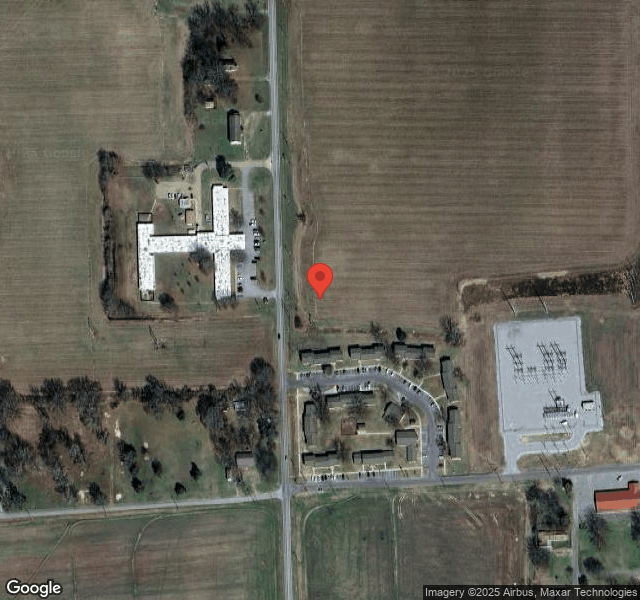
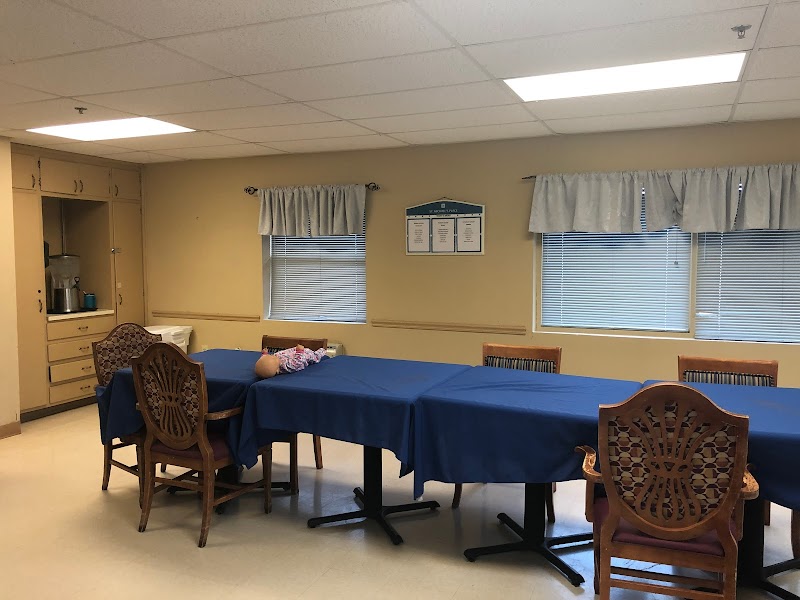
1311 NORTH PECAN ST, NEWPORT, AR 72112 (870) 523-9514
For profit - Limited Liability company 130 Beds THE BLOSSOMS NURSING AND REHAB CENTER Data: November 2025 1 Immediate Jeopardy citation
Trust Grade
26/100
#212 of 218 in AR
Last Inspection: May 2025

Inspected within the last 6 months. Data reflects current conditions.

Overview

The Blossoms at White River Rehab & Nursing Center has received a Trust Grade of F, indicating significant concerns with care and management. Ranking #212 out of 218 facilities in Arkansas places it in the bottom half, and as #2 of 2 in Jackson County, it suggests there is only one other local option that is slightly better. The facility's trend appears to be improving, as the number of reported issues has decreased from 7 in 2024 to 4 in 2025. However, staffing is a weakness, with a below-average rating of 2 out of 5 stars and a high turnover rate of 46%, which is still slightly better than the state average. Notably, the facility has faced concerning fines totaling $21,645, which is higher than 83% of Arkansas facilities, and there is less RN coverage than 87% of state facilities, raising concerns about the level of medical oversight. Specific incidents reported include a critical failure to monitor a cognitively impaired resident, which led to the resident eloping from the facility and being found dehydrated by law enforcement. Additionally, there were concerns about food safety practices, such as failing to properly date spices and not ensuring dietary staff washed hands before handling food, which could potentially affect the health of residents. While there are serious issues that need addressing, the facility has shown some improvement in recent years, but families should weigh these factors carefully when considering care options.

Trust Score
F
26/100
In Arkansas
#212/218
Bottom 3%
Safety Record
High Risk
Review needed
Inspections
Getting Better
7 → 4 violations
Staff Stability
⚠ Watch
46% turnover. Above average. Higher turnover means staff may not know residents' routines.
Penalties
✓ Good
$21,645 in fines. Lower than most Arkansas facilities. Relatively clean record.
Skilled Nurses
⚠ Watch
Each resident gets only 11 minutes of Registered Nurse (RN) attention daily — below average for Arkansas. Fewer RN minutes means fewer trained eyes watching for problems.
Violations
⚠ Watch
23 deficiencies on record. Higher than average. Multiple issues found across inspections.
★☆☆☆☆
1.0
Overall Rating
★★☆☆☆
2.0
Staff Levels
★★★★☆
4.0
Care Quality
★☆☆☆☆
1.0
Inspection Score
Stable
2024: 7 issues
2025: 4 issues

The Good

  • 4-Star Quality Measures · Strong clinical quality outcomes
  • Full Sprinkler Coverage · Fire safety systems throughout facility
  • No fines on record

Facility shows strength in quality measures, fire safety.

The Bad

1-Star Overall Rating

Below Arkansas average (3.1)

Significant quality concerns identified by CMS

Staff Turnover: 46%

Near Arkansas avg (46%)

Higher turnover may affect care consistency

Federal Fines: $21,645

Below median ($33,413)

Minor penalties assessed

Chain: THE BLOSSOMS NURSING AND REHAB CENT

Part of a multi-facility chain

Ask about local staffing decisions and management

The Ugly 23 deficiencies on record

1 life-threatening
Jun 2025 1 deficiency 1 IJ
CRITICAL (J) 📢 Someone Reported This

A family member, employee, or ombudsman was alarmed enough to file a formal complaint

Immediate Jeopardy (IJ) - the most serious Medicare violation

Accident Prevention (Tag F0689)

Someone could have died · This affected 1 resident

Based on observation, record review, and interview, the facility failed to monitor and supervise a severely cognitively impaired resident to prevent elopement, and failed to ensure staff responded pro...

Read full inspector narrative →
Based on observation, record review, and interview, the facility failed to monitor and supervise a severely cognitively impaired resident to prevent elopement, and failed to ensure staff responded promptly to an exit door alarm and thoroughly check the area outside the building after a door alarm sounded for 1 (Resident #1) of 3 sampled residents (Residents #1, #4, and #5) who were at risk for elopement. Consequently, Resident #1 eloped from the facility without staff knowledge, traveled across rough ground, and was found by law enforcement in a dehydrated state. It was determined the facility's past non-compliance with one or more requirements of participation had caused, or was likely to cause, serious injury, harm, impairment, or death to residents. The Immediate Jeopardy (IJ) was related to the State Operations Manual, Appendix PP, S483.25 (Quality of Care) at a scope and severity of J. The IJ began on 06/15/2025 at approximately 4:15 PM. The facility did not have camera surveillance, but staff suspect Resident #1 who resided on the secured 300 Hall followed a visitor to the secured 400 Hall, before exiting the facility via the North exit door. Resident #1 held down the door handle until it opened and went outside to a fenced-in area and removed two wood pickets from a fence. Resident #1 walked approximately 30 yards behind the facility to a tree line, then down approximately 100 yards of plowed field, then approximately 30 yards of waist high grass to a cemetery, which was where Resident #1 was found at 8:00 PM by an officer from the local police department. The resident had exited the facility without staff knowledge. The Administrator and the Registered Nurse Consultant (RNC) were notified of the Past Non-Compliance (PNC) IJ on 06/25/2025 at 11:24 AM. The facility was found to have returned to compliance on 06/16/2025 when the facility's corrective actions were completed. The findings include: A review of the admission Record indicated the facility admitted Resident #1 on 04/07/2025 with diagnoses which included intracranial injury, dementia, and type 2 diabetes.The admission Minimum Data Set (MDS) with an Assessment Reference Date (ARD) of 04/21/2025, revealed Resident #1 had a Brief Interview for Mental Status (BIMS) score of 04 which indicated the resident had severe cognitive impairment. Resident #1 was independent with sitting, standing, walking, transfers, and repositioning in bed, and was receiving antipsychotic, antianxiety, antidepressant, hypnotic, antiplatelet and hypoglycemic medications. A review of Admission/readmission Nursing Evaluation dated 04/07/2025 in Section III: Elopement Risk Evaluation revealed a score of 10 indicating Resident #1 was high risk for elopement although there was no documented history of elopement episodes for the past three months before admission to the facility. A review of Resident #1's Care Plan initiated 04/07/2025 revealed the resident required placement on a secured unit related to behaviors affecting self or others and risk for elopement. Interventions included: assist the resident to develop methods of coping and interacting, and distract resident from wandering by offering pleasant diversions, structured activities, food, conversation, television or books. 06/16/2025 holidays could be possible trigger for elopement attempts, 06/16/2025 Resident #1 was placed on one to one. A review of a late entry Behavior Note written 04/13/2025 at 5:57 AM revealed at approximately 6:40 PM one of the Certified Nursing Assistants (CNA) was getting ready to take the smoking residents out when Resident #1 pressed down the handle of the door until it opened and then ran out and proceeded to try and climb a fence. Resident #1 was redirected and taken back in the building. A review of an Incident Report from the local police department revealed a narrative provided by a law enforcement officer (LEO), dated 06/16/25 at 12:16 AM. The narrative revealed that on Sunday, June 15, 2025, at approximately 5:55 PM, the LEO reported for start of his shift. Dispatch advised that there was a resident who walked out of [facility was named]. Multiple agencies such as the local fire department, state police, the sheriff department, a neighboring city ' s police department, and the state department of corrections began assisting in the search for the resident. The resident was located in a cemetery located approximately 1,500 feet from the facility at 8:02 PM. Resident #1 was returned to the facility, treated by Emergency Medical Services (EMS) and later transported to a local hospital for further treatment. The LEO and a detective walked to the rear of the facility where staff believed the resident walked out of. Once opening the door leading outside, an audible alarm sounded off, notifying that the door had been opened. He observed two pieces of the wooded fence to be higher than the rest of the fence, it was advised that the employees believed the resident had removed those two pieces of the fence to leave the area and walk off the property. When the detective attempted to secure the door leading outside, the door had trouble latching and locking therefore making it easy to open. It was also advised that earlier in the day the alarm from the door sounded and that an employee walked outside but did not further inspect the reason for the alarm sounding. It was advised that [Resident #1] was last seen at approximately 4:09 PM. The facility did not contact the police department until approximately 5:50 PM. The facility was not equipped with surveillance cameras and therefore it was only assumed how the resident walked out of the property. An Adult Protective Services report was completed. Further review of the Incident Report revealed an additional narrative from a second LEO dated 06/16/25 at 2:45 PM. This narrative revealed that on June 15, 2025, the police department was contacted by the facility regarding a missing resident. The missing resident was last seen at approximately 4:09 PM by nursing staff and was said to have exited one of the back doors of the facility. Resident #1 was located approximately 8:05 PM at a cemetery approximately 1,500 feet from the facility. Resident #1 was transported back to the facility after being examined by EMS. At approximately 8:23 PM, the resident was transported to the emergency room of the local hospital by EMS. An Adult Protective Services report has been completed. A review of a Facility Incident Report dated 06/15/2025 indicated Resident #1 was admitted to the secured unit of the facility on 04/07/2025. Resident #1 was independently ambulatory with no use of assistive devices. Resident #1's BIMS per the MDS was a 4 (which indicated severe cognitive impairment). The resident was noted per hospital note dated 04/06/2025 to have thought blocking, which involved an abrupt stop in the middle of a thought, making it difficult to continue. This thought blocking could make an accurate assessment of BIMS difficult. It was noted Resident #1 often turned away and disassociated from staff and declined to answer simple questions. The Findings and Actions Taken section revealed on 06/15/2025 the door alarm was noted to be going off. Staff checked the door. CNA #1 then went to Licensed Practical Nurse (LPN) #2 and got the door code, checked the door again and shut off the alarm. Staff completed a head count in the dining room and noted that Resident #1 was absent. The staff immediately began searching the facility interior and exterior for the resident. The DON (Director of Nursing) was notified at 5:40 PM. The Administrator was notified of the missing resident at 5:42 PM. Police were notified at 5:44 PM. Family was notified at 5:58 PM. The physician was notified at 6:00 PM. Resident #1 was located at a cemetery and returned to the facility at 8:03 PM. The temperature was 91 degrees Fahrenheit. A review of ER (emergency room) Record, dated 06/15/2025 at 8:28 PM, revealed EMS transported Resident #1 to hospital following an elopement from the nursing home that lasted approximately four hours and ended with the resident being found in a nearby cemetery. The resident was wet and sweating profusely when found. Resident #1 ' s body temperature was found to be 99.8 degrees Fahrenheit. The ER Record revealed Resident #1 presented to the ER with, and was treated for, dehydration. A review of a Witness Statement dated 06/15/2025 by LPN #2 revealed that she and Resident #1 were sitting on 400 hall. She offered to call Resident #1's dad. The LPN then called Resident #1's family member. LPN #2 was called to a different area in the facility to assist with another resident, so she took Resident #1 back to the 300 hall where they resided and left the resident in the dining room eating a honeybun. CNA #1 asked LPN #2 for the North end door code on 400 hall. She was later asked if she had seen Resident #1 and she told the CNA the Resident was in the dining room. LPN #2 was told that staff could not find Resident #1 after a head count. The staff on 300 and 400 halls then searched all the rooms and outside but could not find Resident #1. The DON was notified. LPN #2 said that she had not noticed any behaviors after Resident #1 spoke with family members on the phone. A review of a Witness Statement dated 06/15/2025 at 9:31 PM by CNA #1 revealed that she was assisting a resident in their room when she heard the alarm go off around 4:30 PM. She looked out of the resident's door but did not see anyone. CNA #1 stepped off the hall to ask the nurse for the code to the door. She looked again but did not see anyone, so she put in the code to silence the alarm. She did not know Resident #1 was missing until 5:00 PM when supper trays were passed, and the resident could not be found. CNA #1 said that she had seen Resident #1 earlier in the day talking on the phone but had not noticed any behaviors from the resident. A review of a Witness Statement dated 06/15/2025 by the Maintenance Director (MD) revealed that he evaluated all doors in the facility to ensure they worked properly. He repaired the North 400-hall courtyard fence that had been removed, and all courtyard fences were assessed for security with no negative findings. During an interview and observation on 06/24/2025 at 08:38 AM, the MD went to the secure unit with this surveyor. The secured units were shaped like a T, the 300 hall was vertical, and 400 hall was horizonal with two exit doors on both ends. There was a locked door between the 300 & 400 Halls. The MD held down the North (right side) door handle for 15 seconds and the door opened. An alarm sounded during the 15 seconds, then stopped when the door opened, then after five seconds, started alarming again. Outside the door was a wood picket fenced in area with a locked wood gate. The MD showed surveyor the two boards that was assumed Resident #1 removed to get out. The wood picket fence had three wood 2 x 4s on the opposite side for reinforcement and nails in each picket. After the elopement, the MD enforced the pickets with two additional wood 2 x 4s and wood screws in the top and bottom of every picket on the fence sections. The MD also placed a shrill alarm system on the top of both 400 hall exit that required a key to be turned off and the nurses were the ones to carry the key. The MD said that he monitored the outside gate every day and provided documentation for March, April, May, and through June 23. After the elopement on June 15, 2025, he initiated Door Monitoring ensuring the doors, keypad, mag locks, closers and alarms were properly functioning for the front lobby, 100 Hall, 200 Hall, the smoke area, service hall entrance and exit, 300 Hall entrance, 400 Hall entrance, 400 north exit and 400 south exit. The MD provided documentation showing this was monitored daily starting 06/15/25 and continued through 06/23/25 (current date). During a phone interview on 06/24/2025 at 9:00 AM, CNA #1 revealed at approximately 4:30 PM she heard the door alarm on the 400 hall going off, but she was assisting a resident in their room. She poked her head out of the room to see if anyone was at the door, but did not see anyone, so she finished with the resident. The alarm on the door continued to sound every few seconds. CNA #1 had not been working at the facility long, so she did not know the door code. She went to the 300 Hall to ask a nurse for the code. She came back to the 400 Hall, went to the door, opened it and looked outside but still did not see anyone outside. A little later after 5:00 PM, CNA #1 was asked if she knew where Resident #1 was, and was told that the resident was not found while passing supper trays at 5:00 PM. During a phone interview on 06/24/2025 at 10:37 AM, LPN #2 revealed she had been with Resident #1 previously on the 400 hall while passing medications. She said the resident kept saying Dad, Dad. She asked the resident if they wanted to call their dad. Resident #1 said yes, so a call was made, and after hanging up, Resident #1 said another family member's name. She asked if the resident wanted to call the second family member. LPN #2 called this person as well. LPN #2 reported working the 300 & 400 halls but was called to the front to get medication for another resident going on leave of absence with family, so she took Resident #1 back to 300 hall, gave the resident a honeybun and glass of water in the dining room, and asked the resident to sit and finish the honeybun until she got back. LPN #2 reported Resident #1 was standing in the dining room when she left. CNA #1 later came and asked for the code to the North door on 400 hall, which she provided. CNA #1 approached to ask if LPN #2 knew where Resident #1 was. LPN #1 said she last saw the resident in the 300-dining room eating a honeybun. CNA #1 told her that the resident was missing, and they started looking in all rooms on the 300 & 400 halls but couldn't find the resident. CNA #1 reminded her about the alarm going off. They went to the door and looked outside. At that time, they noticed some boards on the fence were missing. The DON was notified and an immediate search for the resident began. During an interview on 06/24/2025 at 11:30 AM, CNA #5 revealed that she occasionally worked in the 300 and 400 halls and was familiar with Resident #1. She said that the resident hadn't been here long but shortly after being admitted had tried to jump the fence outside. CNA #5 said she wasn't surprised that Resident #1 had eloped. Resident #1 had exit seeking behaviors and she had observed a bag packed and the resident waiting at one of the doors. CNA #5 reported thinking the facility was short-staffed, especially on weekends. During an interview on 06/26/2025 at 08:35 AM, the MDS Coordinator revealed that she was familiar with Resident #1. She said that the resident did not have exit seeking behaviors upon admission, but she was the one that completed the care plan and there were concerns for elopement in the hospital paperwork. She came in the night of the elopement so the LPN that had been working could go home. The MDS Coordinator had noticed that Resident #1 stood at the door more now, after the elopement, but was usually easy to redirect. During a phone interview on 06/26/2025 at 08:50 AM, the Medical Director revealed that he had been the Medical Director since September 2023. The facility notified him when a resident eloped, and he would give orders to send to the ER for evaluation and treatment. The Medical Director said he was familiar with Resident #1, and did not know if he had exit seeking behaviors but the resident had mentioned not wanting to be in a nursing home. During an interview on 06/26/2025 at 09:24 AM, CNA #6 revealed that she was familiar with Resident #1. She said the resident had been observed going to the doors before the elopement and was observed the day after the elopement beating on the door. CNA #6 said the resident was placed on one-on-one monitoring after the elopement, the codes on the doors were changed, they had to sign residents in and out whenever they went out to smoke or anytime they were taken off the secured units. She said that she was concerned that a resident getting out of the facility could be picked up by someone, bit by something out in the field, or just get hurt. During an interview on 06/26/2025 at 09:30 AM, CNA #7 revealed that she had observed Resident #1 pulling on the doors, before and after the elopement. CNA #7 said that she had worked 11:00 AM to 2:00 PM that day, so the elopement occurred after she left for the day. During an interview on 06/26/2025 at 10:15 AM, Medication Administration Certified (MAC) #8 revealed she was familiar with Resident #1. She said that she had observed Resident #1 standing at the door and pushing on it before the elopement occurred. During an interview on 06/26/2025 at 10:30 AM the DON stated Resident #1 did not have exit seeking behaviors before or after the elopement. The DON said that the facility process during an elopement is to search every room in the facility, then outside, to notify him (DON), the Administrator, the police department, and search until the resident is found. The physician is then called for an order to send to the ER for evaluation and treatment.During an interview on 06/26/2025 at 10:36 AM, the Administrator stated Resident #1 did not have exit seeking behaviors before the elopement. The facility had sent the resident to the ER for evaluation, then upon return monitored the resident one-on-one. Signage was posted on doors between 300 and 400 halls to remind families not to let anyone out. Maintenance had also reinforced fences on the outside on the secured units and installed another type of alarm on the doors that had to be turned off with a key. Also, the staff working on the secured units were to sign in/out all residents leaving the secured units. Review of a facility policy titled, Accidents and Hazards Policy with a revised date of 05/20/2022 revealed, the facility strives to ensure the resident environment remains as free of accident hazards as is possible and each resident receives adequate supervision and assistance devices to prevent accidents. Following the incident and prior to the survey entrance date, the facility identified and addressed the issue with the following corrective actions: 1. Resident #1 was sent to the emergency room at a local hospital and treated for dehydration. Upon return from the hospital, the resident was placed on one-on-one monitoring. Correction completed 06/14/2025. 2. Resident #1's elopement risk assessment was updated, care plan updated to 1:1. Increased monitoring for 24 hours after family visits or calls for exit seeking behaviors and emotional distress. Correction completed 06/15/2025 3. Witness statements were collected from all staff and cognitive residents. Correction completed 06/15/2025. 4. Elopement Binder updated with Resident #1's new assessment. Correction completed 06/15/2025. 5. All residents verified for current elopement risk assessment. Updated care plans to reflect elopement interventions. Correction completed 06/15/2025. 6. Maintenance ensured all doors were secure, door alarms were functioning properly, and repaired the North 400 hall courtyard fence and areas were secure. Additional alarms with key turn offs were installed on 400 hall North and South doors. Correction completed 06/15/2025. 7. Signs were placed on doors reminding visitors to not allow residents to exit. Correction completed 06/15/2025. 8. Staff were in serviced on elopement policy and steps in the event of an elopement. Correction completed 06/16/2025. 9. Administrator/designee completed elopement drills on all three shifts with no negative findings. Correction completed 06/16/2025. 10. Door monitoring for front lobby, 100 hall, 200 hall, smoke area, service hall entrance, service hall exit, 300 unit entrance, 400 unit entrance, 400 north exit and 400 south exit. Correction completed 06/16/2025. 11. Sign in, sign out log by staff, for all secure unit resident when leaving the unit to smoke, attend activities, etc. Initiated 06/16/2025 and will be ongoing. Onsite verification of the corrective actions was completed on 06/26/2025 at 1:30 PM. A total of 15 staff interviews were conducted with staff from all shifts to verify training had been completed. The staff interviewed included 7 Certified Nursing Assistants (CNA), 1 Medicine Administration Certified (MAC), 2 Licensed Practical Nurses (LPN), The MDS Coordinator, Maintenance Director, Director of Nurses, Administrator and the Medical Director. The staff interviewed verified they had been trained on the elopement policy and steps in the event of an elopement. Elopement drills performed on 06/16/2025 on all 3 shifts with total of 29 staff members participated.
May 2025 2 deficiencies
CONCERN (E)

Potential for Harm - no one hurt, but risky conditions existed

Food Safety (Tag F0812)

Could have caused harm · This affected multiple residents

Based on observation, record review, and interview, the facility failed to ensure that items were dated properly, items were sealed/closed properly, and cross contamination in the kitchen did not occu...

Read full inspector narrative →
Based on observation, record review, and interview, the facility failed to ensure that items were dated properly, items were sealed/closed properly, and cross contamination in the kitchen did not occur during meal service in one of one kitchen observed. The findings include: A review of the facility policy and procedure Avoiding Cross Contamination indicated that store food at least six inches above the floor. A review of the facility policy Labeling and Date Marking Policy indicated, Labeling and dating food products helps you identify what they are, when they were prepared, and how long they can be safely stored. This way, you can ensure that you use the first-in, first-out (FIFO) method, which means that you use the oldest products first and the newest ones last. Labeling and dating also helps you avoid cross-contamination, which occurs when harmful bacteria or allergens are transferred from one food to another. A review of the facility policy FIFO (First in, first out) Facts indicates FIFO stock rotation helps prevent unnecessary food waste' Store items in order of their use-by dates, with the earliest dates in front. That way, the first item you grab will be the one that needs to be used the soonest. FIFO is a great system for foods in dry storage as well as in the refrigerator; Food-to-food cross-contamination occurs when contaminated food comes into contact with uncontaminated food and taints it. This can happen in two ways: one food directly touches another, or one food touches a surface which then touches another food' Where bacteria are allowed to spread, illness is sure to follow. A review of the Cleaning Schedule indicated daily drip pans should be done with the stove top/grill cleaning daily, the oven and fryer should be cleaned weekly, or as needed, per Dietary Manager. In the walk-in refrigerator: During an observation on 04/28/2025 at 6:15 PM, this surveyor observed a one-gallon plastic food storage bag of chicken salad with no date. Dietary [NAME] (DC #3) confirmed that it did not have a date. During an observation on 04/28/2025 at 6:20 PM, this surveyor observed one opened plastic container of eight cherry tomatoes wrinkled and discolored with no date. The Dietary Manager (DM) stated the tomatoes were not fresh, they were wrinkled, and no date was written on the container. During an observation on 04/28/2025 at 6:21 PM, this surveyor observed one bag of liquid eggs, with no date. The DM confirmed there was no date on the liquid eggs. During an observation on 04/28/2025 at 6:22 PM, this surveyor observed one box of bacon, on the second shelf next to containers of produce. The DM confirmed the bacon was raw and should have been stored on the bottom shelf to prevent cross contamination. During an observation on 04/28/2025 at 6:24 PM, this surveyor observed one box of green bell peppers with no date. The green bell peppers were discolored, wrinkled and two of the bell peppers had whitish gray matter on the outside. DC #3 stated there were 22 green bell peppers total, and they were wrinkled. The DM stated the green bell peppers were not dated, and they were not fresh. The DM stated the bell peppers need thrown out. During an observation on 04/28/2025 at 6:26 PM, this surveyor observed a one-gallon plastic food storage bag, with a tube of ground beef halfway out of it, not sealed. The bottom half of the ground beef was covered in aluminum foil, with the edges separating from the tube. The DM stated the plastic storage bag was not sealed, which exposed the meat to the air, and the aluminum foil was coming off the tube at the end. The DM stated that it could have been cross contaminated. In the dry storage: During an observation on 04/28/2025 at 6:36 PM, this surveyor observed a one-gallon plastic food storage bag of spaghetti noodles, not sealed. The DM confirmed the bag was not sealed. There was about two pounds of spaghetti noodles in the large plastic storage bag. During an observation on 04/28/2025 at 6:38 PM, this surveyor observed one container of fish shaped crackers, left open on the top shelf. The DM confirmed the container was not closed properly, and it was roughly 1/8 full. During an observation on 04/28/2025 at 6:42 PM, this surveyor observed one bag of light brown sugar, sitting on the floor next to the canned goods rack, the bag was open. The DM stated the bag should not have been on the floor and the bag should have been put in a container and sealed. In the main kitchen: During an observation on 04/29/2025 at 12:10 PM, this surveyor observed DC #3 temping food for the lunch service. DC #3 used a paper towel to clean the probe of the thermometer while temping foods on the steam table line that included marinated chicken thighs, mashed potatoes, carrots, fortified mashed potatoes, mechanical chicken, pureed carrots, and pureed chicken. When DC #3 was getting temperatures for the mashed potatoes, fortified mashed potatoes, and mechanical chicken, the body of the thermometer touched the food. DC #3 stated, it was being cleaned with a regular piece of paper towel. DC #3 stated there was nothing else to use to wipe the probe off. During an observation of the lunch service on 04/29/2025 at 12:20 PM, DA#1 stated, We have alcohol wipes in the top drawer of the plastic bin by the door. We have been out of those and that may be why [DC #3] did not look for them in there. The Dietary Consultant removed alcohol wipes to use to sanitize the probe of the thermometer. During an interview on 05/01/2025 at 1:12 PM, DC #3 stated the process for cleaning the thermometer was to use alcohol in between foods. DC #3 stated this process kept the germs away, to prevent sickness. DC #3 stated on Tuesday, during the lunch service they used a paper towel only. During an interview on 05/01/2025 at 1:17 PM, the DM stated the process was first in, first out and as soon as items were received, they should be dated. When items were opened, they should be dated. The DM stated, dating items lets you know when an item is expired or shelf-life date. You do not want to use expired food or not fresh food. The DM stated the process for sealing items in the kitchen was, for example, if it's a block of cheese, wrap it up, make sure it is airtight and put it in a [Brand Name] bag to prevent contamination. The DM stated items needed to be sealed, to prevent pests, rodents, and prevent contamination and dated to prevent using unsafe food. The DM stated the process for sanitizing the thermometer was to use some type of solution to sanitize such as alcohol wipes or sanitizing solution. The DM stated, I always tell staff to go to the sanitation sink, if you cannot find alcohol wipes. The DM indicated, sanitizing the thermometer prevents cross contamination. The DM stated bell peppers and tomatoes that had a slimy residue or were withered were supposed to be discarded, because they could cause sickness.
CONCERN (E)

Potential for Harm - no one hurt, but risky conditions existed

Infection Control (Tag F0880)

Could have caused harm · This affected multiple residents

**NOTE- TERMS IN BRACKETS HAVE BEEN EDITED TO PROTECT CONFIDENTIALITY** Based on observation, record review, interview, and facility policy review, it was determined that the facility failed to perfor...

Read full inspector narrative →
**NOTE- TERMS IN BRACKETS HAVE BEEN EDITED TO PROTECT CONFIDENTIALITY** Based on observation, record review, interview, and facility policy review, it was determined that the facility failed to perform proper hand hygiene, put on proper Personal Protective Equipment (PPE), and follow standard infection control procedures for two (Resident #5, Resident #33) of five residents reviewed for isolation precautions. The findings are: 1. A review of the admission Record noted Resident #5 was admitted to the facility on [DATE] with diagnoses which included cerebral infarction. a. A review of the admission Minimum Data Set (MDS) with an Assessment Reference Date (ARD) of 03/12/2025, revealed Resident #5 was unable to complete a Brief Interview for Mental Status (BIMS). Resident #5 had active diagnoses, which included: aphasia, which meant the resident was unable to speak. Section GG indicated Resident #5 was dependent on staff for all care and was transferred via a lift device, such as a sit to stand lift. Resident #5 used a wheelchair for mobility. b. A review of the Physician Order Summary revealed Resident #5 was on Enhanced Barrier Precautions (EBP), due to a PEG (Percutaneous Endoscopic Gastrostomy) tube. c. During an observation on 04/29/2025 at 2:00 PM, a sign was posted on the door to Resident #5 ' s room indicating the resident was on EBP. PPE was observed in a container near the door of the room. d. During an observation on 04/29/2025 3:00 PM, CNA #5 and CNA #6 performed a transfer and incontinent care for Resident #5, who was on EBP due to having a PEG tube. CNA #5 and CNA# 6 wore gloves, but failed to wear gowns, during the transfer and care. Both CNA #5 and CNA #6 completed incontinent care for Resident #5. Neither CNA were observed to change their gloves or perform hand hygiene anytime during or between transferring and providing incontinent care for Resident #5. Resident #5 had both a bowel and a bladder incontinent episode. CNA #5 began cleaning the resident and reached into the wipe container with soiled hands multiple times during the task, which contaminated the wipe container for future use. The wipe container was three quarters full. e. During an interview on 04/29/2025 at 3:20 PM, CNA #5 confirmed Resident #5 was on EBP. CNA #5 confirmed she should have worn a gown and gloves while providing care, but she only wore gloves. CNA #5 also confirmed EBP was used to protect vulnerable residents from infection, and that she contaminated the wipe container by retrieving wipes, with a soiled hand, multiple times during the care. f. During an interview on 04/29/2025 at 3:20 PM, CNA #6 confirmed Resident #5 was on EBP. CNA #6 confirmed she should have worn a gown and gloves while providing care, but she only wore gloves. She also confirmed EBP was used to protect residents from infection, and she should have assisted CNA #5 by handing her clean wipes, as needed, or prepared them for her to prevent contamination to the wipe container. d. During an interview on 04/30/2025 at 9:05 AM, the Director of Nursing (DON) confirmed it was important to wear appropriate PPE when providing care for residents on EBP, to help protect the residents. The DON also confirmed the staff were trained to work as a team when providing care and should not have retrieved wipes with soiled hands and doing this contaminated the package of wipes. e. During an interview on 05/01/2025 at 9:00 AM, the Infection preventionist (IP)confirmed EBP was in place to protect residents that may be more vulnerable than others and failing to put on the appropriate PPE could put residents at risk. She stated the CNAs were trained to follow the Centers for Medicare and Medicaid (CMS) guidelines such as: EBP and to put on a gown and gloves, while performing direct care for residents on EBP. 2. A review of the admission Record noted Resident #33 was admitted to the facility on [DATE] with diagnoses which included diabetes mellitus (DM). a. The Quarterly MDS with an ARD of 04/11/2025 revealed, Resident #33 was unable to complete a BIMS. Section GG indicated Resident #33 was dependent on staff for transfers. b. During an observation of medication administration on 04/30/2025 at 8:03 AM, Licensed Practical Nurse (LPN) #7 failed to perform hand hygiene between each resident, including before administering medications to Resident #33. LPN #7 touched multiple pills while placing them in the plastic medication cup and touched multiple drinking straws as they were placed into the water provided to the residents. c. During an interview on 04/30/2025 at 8:10 AM, LPN #7 confirmed she failed to perform hand hygiene between each resident, while she administered medications. LPN #7 stated she should have washed her hands to help prevent the spread of germs to each resident. d. During an interview on 04/30/2025 at 9:05 AM, the DON confirmed it was important to perform hand hygiene between each resident when administering medications, to help prevent the spread of germs. e. During an interview on 05/01/2025 at 9:00 AM, the IP stated hand hygiene was important to prevent the spread of infections to the residents. 3. A review of the Enhanced Barrier Precautions policy, last reviewed 04/24/2025, noted, The EBP requires gowns and gloves during high-contact resident care activities. It also indicated, For residents for whom EBP are indicated, EBP is employed when performing the following high contact resident care activities: Dressing, Bathing/Showering, Transferring, Providing Hygiene, Changing Linens, Changing Briefs or Assisting with Toileting, Device Care or use, Wound Care. 4. A review of the Competency Based Skills Check-Off list, which is completed upon hire, for training nurses noted the nurses demonstrate universal precautions which during an interview, the DON confirmed this included proper use of appropriate PPE, knowledge of infection control systems, and no cross contamination during medication pass . 5. A review of the Competency Based Skills Check-Off list for the Certified Nursing Assistants (CNA)s also noted, demonstrates universal precautions, knowledge of infection control systems, and knowledge of different isolation policies . 6. A review of the Infection Prevention & Control Program policy noted under Section 7: Prevention of Infection, Sub Section 3 stated: educating staff and ensuring that they adhere to proper techniques and procedures.
Mar 2025 1 deficiency
CONCERN (D) 📢 Someone Reported This

A family member, employee, or ombudsman was alarmed enough to file a formal complaint

Potential for Harm - no one hurt, but risky conditions existed

Deficiency F0678 (Tag F0678)

Could have caused harm · This affected 1 resident

**NOTE- TERMS IN BRACKETS HAVE BEEN EDITED TO PROTECT CONFIDENTIALITY** Based on interviews, record review, facility policy review, and facility staff certifications, it was determined that the facili...

Read full inspector narrative →
**NOTE- TERMS IN BRACKETS HAVE BEEN EDITED TO PROTECT CONFIDENTIALITY** Based on interviews, record review, facility policy review, and facility staff certifications, it was determined that the facility failed to ensure staff met Cardiopulmonary Resuscitation (CPR) certification requirements before providing CPR to residents in need, affecting1 (Resident #1) of 1 resident reviewed for resident/patient/client neglect. The findings include: Resident #1 had medical diagnoses that included type 2 diabetes, end stage renal disease, heart failure, chronic embolism, and thrombosis of unspecified deep veins of unspecified lower extremities. A review of Resident #1 ' s progress notes on [DATE] at 5:00 AM revealed LPN#1 was called to the resident ' s room by Certified Nursing Assistant (CNA) #2. Resident #1 was found to have no pulse. A code was called, and CPR was initiated and performed by LPN #1. Ambulance was called. A review of a facility policy titled, Cardiopulmonary Resuscitation Policy, effective [DATE] and revised [DATE] indicated staff were to, Obtain and/or maintain American Heart Association certification in Basic Life Support BLS/Cardiopulmonary Resuscitation (CPR) for key clinical staff members who will direct resuscitative efforts, including non-licensed personnel. CPR Certification - Licensed nurses should maintain current CPR certification for Healthcare Providers. A review of Licensed Practical Nurse (LPN) #1 CPR certification document indicated, LPN #1 had CPR certification from [DATE] to when it lapsed on [DATE]. LPN #1 did not renew their CPR certification before providing CPR to Resident #1 on [DATE]. During an interview with LPN #1 on [DATE] at 10:15 AM, she stated I did CPR on [Resident #1] until the ambulance arrived. I even rode in the ambulance with [Resident #1] and went to the hospital with them. During an interview with CNA #2 on [DATE] at 11:23 AM, CNA #2 stated LPN #1, and another LPN performed CPR on Resident #1 the morning of [DATE]. During an interview with the Administrator on [DATE] at 12:49 PM, the Administrator stated incorrect techniques may be done if someone is not certified in CPR. During an interview with LPN #1 on [DATE] at 12:59 PM, LPN #1 stated CPR certification was needed to ensure being up to date on new policies or procedures. You need to be CPR certified so you can be educated on performing CPR correctly and be certified to do it.
Mar 2024 7 deficiencies
CONCERN (D)

Potential for Harm - no one hurt, but risky conditions existed

ADL Care (Tag F0677)

Could have caused harm · This affected 1 resident

Based on observation, interview, and record review, the facility failed to ensure residents who required assistance with activities of daily living were regularly provided with the necessary assistanc...

Read full inspector narrative →
Based on observation, interview, and record review, the facility failed to ensure residents who required assistance with activities of daily living were regularly provided with the necessary assistance to maintain good hygiene and grooming, as evidenced by failure to ensure fingernails were kept clean and trimmed for 1 resident (Resident #47) out of 18 residents who require assistance with daily living on the secure unit. The findings are: 1. Resident #47 had diagnoses of Dementia and Paranoid personality disorder. The Quarterly Minimum Data Set (MDS) with an Assessment Reference Date (ARD) of 01/17/24 the resident received a score of 3 (0-7 indicates severe impairment) on the Brief Interview for Mental Status (BIMS). Per care plan with a targeted completion date of 04/17/24 Resident requires assistance with ADL [activities of daily living] functions, Grooming: Someone must assist the resident to groom self. a. On 03/04/2024 at 10:40 AM, the Surveyor observed that Resident #47's fingernail on the right index finger was chipped off and comes to a point, the rest of the nails were jagged and split, with the nails measuring 1½ inches in length. Surveyor observed that Resident #47's middle fingernail on the left hand was chipped off and coming to a point, the rest of the nails on the left hand are jagged and split, the nails were 1½ inches in length. The Surveyor asked the resident if they would like to have their nails trimmed. Resident #47 stated, Yes, I would like them to be trimmed, some of them drag when I am using my hands. b. On 03/04/2024 at 1:00 PM, the Surveyor observed Resident #47 eating lunch in the dining room. Resident #47's nails had not been trimmed. c. On 03/04/2024 at 3:15 PM, the Surveyor asked Certified Nursing Assistant (CNA) #4 to describe Resident #47's fingernails. CNA #4 said that they are long, jagged, split, and need trimmed. The Surveyor asked what could happen to the resident with nails like this. CNA #4 said that it could cause an infection. d. On 03/06/2024 at 9:20 AM, the Surveyor asked the Administrator when nail care should be performed. The Administrator said that they do it weekly in the facility. The Surveyor asked what could happen to a resident if nails are left long. The Administrator said that it could cause infections, and possible skin tears if they scratch themselves. e. On 03/05/2024 at 2:30 PM, the Nurse Consultant stated they did not have a policy for activities of daily living (ADL).
CONCERN (D)

Potential for Harm - no one hurt, but risky conditions existed

Deficiency F0688 (Tag F0688)

Could have caused harm · This affected 1 resident

Based on observation, interview and record review, the facility failed to ensure a positioning device was utilized to decrease the potential for further decline in range of motion (ROM) for 1 (Residen...

Read full inspector narrative →
Based on observation, interview and record review, the facility failed to ensure a positioning device was utilized to decrease the potential for further decline in range of motion (ROM) for 1 (Resident #13) out of 3 residents who are dependent for positioning on the secured unit. The findings are as follows: 1. Resident #13 had diagnoses of Muscle weakness, generalized, Unspecified abnormalities of gait and mobility, and Alzheimer's Disease. The Quarterly Minimum Data Set (MDS) with an Assessment Reference Date (ARD) of 12/29/23 documented the resident received a score of 00 (0-7 indicates severely cognitively impaired) on a Brief Interview for Mental Status (BIMS). a. The Care Plan with a target completion date of 4/16/2024 documented, Requires assistance with Activities of Daily Living (ADL) function .Mobility: Occasional physical assistance required. b. On 03/04/2024 at 10:40 AM, Resident #13 was in the activity area of the Secure Unit leaning on his/her left side with their arm resting on the top of the wheel of the wheelchair. c. On 03/05/2024 at 12:20 PM, Resident #13 was leaning on his/her left side with their arm resting on the top of the wheel of wheelchair. When Resident #13 moved the left arm, the Surveyor observed a 2 centimeter (cm) by 3 cm bright red blood spot on Resident #13's elbow. d. On 03/05/2024 at 01:45 PM, the Surveyor asked Certified Nursing Assistant (CNA #2) if Resident #13 should have been repositioned. CNA #2 said they should have been. The Surveyor asked how long has this issue been occurring. CNA #2 said they were unsure, but the resident had been leaning this morning. The Surveyor asked what interventions should have been utilized. CNA #2 said that they dropped the resident's chair recently. e. On 03/05/2024 at 01:50 PM, the Surveyor asked the Director of Nursing (DON) if Resident #13 leans in his/her wheelchair. The DON said sometimes. The Surveyor asked if they should have been repositioned. The DON said maybe, I will ask therapy for a better chair. f. On 03/05/2024 at 03:30 PM, a policy titled Mobility and Range of Motion provided by the Administrator documented, b. Current mobility status (per current MDS assessment tool), including his or her ability to: *Change body positions . 5. The care plan will include specific interventions, exercises, and therapies to maintain, prevent avoidable decline in and/or improve mobility and range of motion.
CONCERN (E)

Potential for Harm - no one hurt, but risky conditions existed

Resident Rights (Tag F0550)

Could have caused harm · This affected multiple residents

Based on observation, interview, and record review, the facility failed to ensure trays were passed table by table to 3 residents (Resident #11, #35, and #47) out of 18 residents who receive trays in ...

Read full inspector narrative →
Based on observation, interview, and record review, the facility failed to ensure trays were passed table by table to 3 residents (Resident #11, #35, and #47) out of 18 residents who receive trays in the secured unit dining room. The findings are as follows: 1. Resident #11 had diagnoses of Dementia and Schizophrenia. The Annual Minimum Data Set (MDS) with an Assessment Reference Date (ARD) of 12/08/23 documented a Brief Interview for Mental Status (BIMS) of 6 (0-7 indicates severe impairment). Resident #11 is independent for meals. a. On 03/04/2024 at 12:35 PM, Surveyor observed Resident #10, and Resident #38 received lunch trays. Resident #11, seated at the same table, did not receive a tray. Resident #11 was observed looking around as Certified Nursing Assistants (CNAs) passed trays before asking about Resident #11's tray after five minutes of waiting. Resident #11 received a tray at 12:48 PM, by which time Resident #10 had finished eating, while Resident #38 was halfway done with lunch service. 2. Resident #35 had diagnoses of Transient cerebral ischemic attack, Dementia, and Expressive language disorder. The Quarterly MDS with an ARD of 01/12/2024 documented a Staff Assessment of Mental Status (SAMS) that indicated long-term memory and short-term memory problems. Resident #35 is dependent on help with meals. a. On 03/04/2024 at 12:43 PM, CNAs began passing trays to the assisted dining table. Resident #35 was seated at the table. Resident #35 received a tray at 12:55 PM. CNA #2 sat down to feed Resident #35 at 12:57 PM. 3. Resident #47 had diagnoses of Dementia and Paranoid personality disorder. The Quarterly MDS with an ARD of 01/17/2024 the resident received a score of 3(severe impairment) on the BIMS. Resident is independent for meals. a. On 03/04/2024 at 12:37 PM, Resident #54 and Resident #8 received a lunch tray. Resident #47, seated at the same table, did not receive a tray. Resident #47 received a tray at 12:54 PM, by which time both Resident #54 and Resident #8 had finished with lunch service. b. On 03/04/2024 at 12:58 PM, the Surveyor asked CNA #1 how should trays be passed in the dining room? CNA # 1 responded, Table by table, and I realized that as I was walking down the hall. The Surveyor asked why is that an issue, and how would the residents feel having to wait for a tray? CNA # 1 responded, That they should not have to wait that they should get their trays together and that I would feel like crap having to wait for food. c. On 03/04/2024 at 01:30 PM, the Surveyor asked CNA #2 how trays should be passed in the dining room. CNA #2 said, Should be done table by table. Surveyor asked CNA #2, Why is that any issue and how would a resident feel having to wait for a tray? CNA #2 responded, They are watching others eat and they probably feel left out or irritated. d. On 03/04/2024 at 01:36 PM, the Surveyor asked the Director of Nursing (DON) how trays should be passed in the dining room. The DON said they should be passed table by table. The Surveyor asked why is this an issue, and how would a resident feel waiting for a tray? The DON said that the temperature of the tray would be cooled, and it is a dignity issue. They would probably not feel so good. e. On 03/05/2024 at 03:30 PM, the Administrator said the facility did not have a dignity policy.
CONCERN (E)

Potential for Harm - no one hurt, but risky conditions existed

Safe Environment (Tag F0584)

Could have caused harm · This affected multiple residents

**NOTE- TERMS IN BRACKETS HAVE BEEN EDITED TO PROTECT CONFIDENTIALITY** Based on observation, interview, and record review, the facility failed to maintain a safe and homelike manner for 13 (Rooms 401...

Read full inspector narrative →
**NOTE- TERMS IN BRACKETS HAVE BEEN EDITED TO PROTECT CONFIDENTIALITY** Based on observation, interview, and record review, the facility failed to maintain a safe and homelike manner for 13 (Rooms 401, 402, 403, 404, 405, 406, 407, 408, 409, 411, 412, 414, 415) resident rooms, the dining area, and the activity area. The findings are: On 03/06/2024 at 10:22 AM, the following observations were made in the Secure Unit: a. room [ROOM NUMBER]: Above the sink is a ceiling tile that is bowed with the vent placed in the middle. The Surveyor asked the Maintenance Supervisor what could happen to a resident while using the sink. The Maintenance Supervisor said that it could fall. b. room [ROOM NUMBER]: Above the toilet in the bathroom the vent is separating from the ceiling tile. c. room [ROOM NUMBER]: In the corner by the closet, the baseboard has come off the wall exposing sheet rock. The paint is chipped off and part of the area has been re-plastered. The Maintenance Supervisor said approximately 4 inches of it has been re-plastered. The baseboard on the side next to the bathroom door is coming off the wall. d. room [ROOM NUMBER]: Above the closet, a tile is observed to be bowing. In the bathroom the vent is separating from the tile above the sink. Behind the toilet the paint is bubbling along the length of the wall from the toilet to the sink. The Surveyor asked the Maintenance Supervisor to describe the paint behind the toilet to the sink. The Maintenance Supervisor said it's bubbling like there is water behind the paint and it's approximately 4 feet in length. e. room [ROOM NUMBER]: Under the air conditioning unit by the bed, a board is observed to be on the floor and underneath the unit the surveyor observed light coming in. The Surveyor asked the Maintenance Supervisor what the issue is with the air conditioning unit in the current condition. The Maintenance Supervisor said that something could get in from the outside. The Surveyor asked the Maintenance Supervisor to check the toilet in the bathroom. The Surveyor observed the toilet moved back and forth left to right at a 35-degree angle. The Surveyor asked how this could be an issue for the residents. The Maintenance Supervisor said that it definitely needs to be tightened and the residents could fall. f. room [ROOM NUMBER]: A broken outlet is observed to next to bed A, below a vent area next to the bathroom door frame the baseboard is coming up in the middle, there is missing tile between the bathroom and bedroom floor, the toilet shifts left to right at a 20-degree angle, and there is bubbling paint behind the toilet. g. room [ROOM NUMBER]: A discolored blue mattress with various colors including brown, gray, and pink, that is not made up with linen is observed on side bed A. h. room [ROOM NUMBER]: A corner by the closet is observed with no baseboard, and the paint is chipped exposing sheet rock. Behind the toilet is an area with scrapped paint, bubbling paint is observed behind the toilet and underneath the sink. The Surveyor asked the Maintenance Supervisor to describe the paint behind the toilet and the sink. The Maintenance Supervisor said that the paint is bubbling like water damage, and it is approximately three feet in length. i. room [ROOM NUMBER]: The toilet shifts left to right at a 45-degree angle. j. room [ROOM NUMBER]: The corner of the closet the baseboard is broken down with chipped paint exposing sheet rock. A small piece of baseboard is observed to be laying on the floor. k. Activity Area-Discolored tiles are observed throughout the length of the room. A vent in the right corner of the room is observed to be bowing. Two tiles have two grooves each in the tile. The closet has three drawers with no handles, the left door is ajar and coming loose from the hinges hanging at a 20-degree angle. l. Dining Room Area: The baseboard along the back of the room is coming loose from the wall. m. On 03/04/2024 at 1:45 PM, the Surveyor asked Certified Nursing Assistant (CNA) #3 to describe what they see on the stripped mattress on side A in room [ROOM NUMBER]. CNA #3 said that there was brown dried stuff on the mattress that had been there a while and it looked like feces. n. On 03/05/2024 at 11:15 AM, the Surveyor asked CNA #1 to describe the area under the air conditioning unit in room [ROOM NUMBER]. CNA #1 said that the board is laying in the floor, which could be hazardous to the resident, there could be sharp edges that could harm the resident, and something could come in from the outside. o. On 03/05/2024 at 03:30 PM, the Administrator stated that they do not have a maintenance policy.
CONCERN (E)

Potential for Harm - no one hurt, but risky conditions existed

Deficiency F0687 (Tag F0687)

Could have caused harm · This affected multiple residents

Based on observation, interview, and record review, the facility failed to ensure residents who required assistance with foot care were regularly provided with the necessary assistance to maintain goo...

Read full inspector narrative →
Based on observation, interview, and record review, the facility failed to ensure residents who required assistance with foot care were regularly provided with the necessary assistance to maintain good hygiene and grooming, as evidenced by failure to ensure toenails were kept clean and trimmed for 1 (Resident #47) sampled resident out of 18 residents who require assistance with daily living on the Secure Unit. 1. Resident #47 had diagnoses of Dementia and Paranoid personality disorder. The Quarterly Minimum Data Set (MDS) with an Assessment Reference Date (ARD) of 01/17/24 the resident received a score of 3 (0-7 indicates severe impairment) on the Brief Interview for Mental Status (BIMS). Per care plan with a targeted completion date of 04/17/24 Resident requires assistance with ADL [activities of daily living] functions, Grooming: Someone must assist the resident to groom self. a. On 03/04/2024 at 10:40 AM, Resident #47's left shoe had the top ripped off. The Surveyor asked Resident #47 what happened to their shoe. Resident #47 said that they had ripped it off because his/her toes were hurting. b. On 03/04/2024 at 3:30 PM, the Surveyor asked Certified Nursing Assistant (CNA) #4 to describe Resident #47's toenails. CNA #4 said they were long, and that the resident needs to see a podiatrist. Resident #47 said that their left big toe is really bothering them. The Surveyor asked when he/she noticed the resident's shoe being ripped off and what should the intervention have been. CNA #4 said that he/she was unsure and that he/she should have got the resident a bigger pair of shoes and looked at his/her feet. The Surveyor asked what could happen to the resident. CNA #4 said that it could cause an infection. Both feet had a foul-smelling odor, the skin was flaky, and there was pitting edema around the ankles. On the left foot Resident #47's left great toenail was greenish yellow, the nail was built up with growth two inches off the nail bed, was curved around the toe, thick, and the bed was calloused and cracked. The other nails on the left foot were 1½ inches in length, the toenails were curved into the nail beds, the nails were jagged, and the nail beds were calloused and cracked. The right great toe was curved at a 45 degree angle, the nail itself was greenish yellow, with the toenail built up with growth an inch off the nail bed, the edges were curved into the nail bed, and the nail bed was calloused and cracked. The other nails on the right foot are 1½ inches in length, were jagged and pointed at the ends, and the nail beds were cracked and calloused. c. On 03/05/2024 at 12:00 PM, the Surveyor asked CNA #1 how long the top of Resident #47's shoe had been ripped off. CNA #1 said that it was early in February when they had noticed his/her shoe had been ripped off at the top by the resident. d. On 03/05/2024 at 12:15 PM, the Surveyor asked Licensed Practical Nurse (LPN) #1 to describe Resident #47's toenail. LPN #1 said that that the resident needs a podiatry appointment, and they most definitely need trimmed. The Surveyor asked what could happen to the resident with their toes being like that. LPN #1 said that it could indicate circulation or heart problems. LPN #1 then explained to Resident #47 that they were calling the Registered Nurse to come look at his/her feet and make an appointment. e. On 03/05/24 at 2:30 PM Nurse Consultant stated they did not have a policy for activities of daily living (ADL).
CONCERN (E)

Potential for Harm - no one hurt, but risky conditions existed

Accident Prevention (Tag F0689)

Could have caused harm · This affected multiple residents

Based on observation, interview, and record review, the facility failed to ensure a resident was protected from hazards by having a vent area in the room with exposed wiring and by having no light in ...

Read full inspector narrative →
Based on observation, interview, and record review, the facility failed to ensure a resident was protected from hazards by having a vent area in the room with exposed wiring and by having no light in the bathroom for 1 (Resident #38) of 17 mobile residents on the Secure Unit. The findings are: 1. Resident #38 had medical diagnoses of Unspecified dementia and Altered mental status. According to the Quarterly Minimum Data Set (MDS) with an Assessment Reference Date (ARD) 01/02/24 the Staff Assessment for Mental Status (SAMS) documented Resident #38 had short-term and long-term memory loss. a. The Care Plan with a target completion date of 3/28/24 documented, Resident #38 had impaired cognitive function/dementia or impaired thought processes. b. On 03/04/2024 at 11:05 AM, in Resident #38's Room a metal vent area was left open and exposed. The inside of the area contained a light socket without a bulb and wiring was exposed, dirt and debris were noted on the bottom of the vent area. In the bathroom, the light was not functional. Above the mirror on the right hand wall in the bathroom was a white rectangular box with an area for two light bulbs. The left socket had a non-working light bulb, and the right socket did not contain a light bulb. There was no cover for the light bulbs. c. On 03/04/2024 at 02:00 PM, Resident #38 was sitting in their room and the vent area or lighting in the bathroom had not been fixed. d. On 03/04/2024 at 01:45 PM, the Surveyor asked Certified Nursing Assistant (CNA) #3 to describe the vent area in Resident #38's room. CNA #3 said that it is a light socket with exposed wiring that is within the reach of the resident. The Surveyor asked what the issue could be with that being opened to the resident. CNA #3 said that it could be hazardous to the resident. The Surveyor asked CNA #3 to turn on the light switch in the bathroom. CNA #3 went to turn it on, and the light did not come on. The Surveyor asked how this could be an issue for the resident. CNA #3 said the resident takes his/her self to the bathroom and if they close the bathroom door they cannot see, which could cause an accident. e. On 03/04/2024 at 03:45 PM, the Surveyor asked the Maintenance Supervisor how issues were reported. The Maintenance Supervisor said through a log that is kept at the front Nurse's Station. The Surveyor asked the Maintenance Supervisor to describe the vent area. The Maintenance Supervisor said that it could be a problem with the light socket and the exposed wiring. The Surveyor asked the Maintenance Supervisor to turn on the light in the bathroom. The Maintenance Supervisor then said this could be an issue cause the resident would not be able to see, and may trip, slip, or get hurt. The Surveyor asked if the Maintenance Supervisor was aware of these issues. The Maintenance Supervisor said no. not. f. On 03/05/2024 at 03:30 PM, the Administrator stated that they do not have a maintenance policy.
CONCERN (F)

Potential for Harm - no one hurt, but risky conditions existed

Food Safety (Tag F0812)

Could have caused harm · This affected most or all residents

Based on observation, interview, and record review, the facility failed to ensure spices stored in the cabinet or on a shelf in the storage room were dated for first-in-first out spice rotation; and d...

Read full inspector narrative →
Based on observation, interview, and record review, the facility failed to ensure spices stored in the cabinet or on a shelf in the storage room were dated for first-in-first out spice rotation; and dietary staff washed their hands before handling clean equipment or food items to prevent the potential for cross contamination for residents who received meals from 1 of 1 kitchen. These failed practices had the potential to affect 50 residents who received meals from 1 of 1 kitchen (Total Census:53). The findings are: 1. On 03/06/2024 at 08:06 AM, the following observations were made in the kitchen: a. A pan of green beans is noted sitting on the stove top uncovered. The green beans were never covered while the initial tour was conducted, exposing it to possible cross-commination. b. The floors were dirty with food crumbs. The bottom shelf of the table which housed the rice, sugar, and flour containers was stained. The containers had dry, brown, spilled substances running down them on the outside. 2. On 03/06/2024 at 08:13 AM, Dietary Employee (DE) #1 had a tissue in his/her hand, they threw it in the trash can, opened a bag of coffee, removed a prefilled coffee filter, and put it in the coffee maker to be brewed and served to the residents for lunch meal. 3. On 03/06/2024 at 08:14 AM, the hand washing sink was clogged and slow draining. The sink filled to the point of overflowing when more than one person washed their hands. The Dietary Supervisor stated the Maintenance Man had worked on it on Monday and it is still draining slow. The Dietary Supervisor stated this problem had been occurring for about a month. 4. On 03/06/2024 at 08:15 AM, DE #1 turned off the hand washing sink with his/her bare hand, contaminating his/her hands. Without washing his/her hands, DE #1 removed gloves from the glove box and put them on. DE #1 then picked up glasses by the rims and placed them on the trays to be used in serving beverages to the residents for lunch. 5. On 03/06/2024 at 08:18 AM, the floor underneath the counter where the cereal bags were kept was dirty with spilled cereal and other food particles. 6. On 03/06/2024 at 08:21 AM, the spice. rack above the food preparation counter beside the stove contained spice bottles with build-up of black stains on the tops and sides of the containers. a. The following items were on the spice rack and did not have opened dates on them: 1) Thyme. 2) Dillweed. 3) Light Chili Powder. 4) Spanish Paprika. 5) A gallon size container of vanilla. 6)Apple cider vinegar. b. The following spices did not have an open or received date: 1) Ground Cayenne pepper. 2) ground coriander. 3) Ground cumin, 4) whole rosemary leaves 5) oregano. 6) Italian seasoning. 7) Nutmeg, 8) Ginger, 9) Paprika. 10) Cinnamon. 11) [NAME] leaves. 12) Sugar. 13) (Mixed seasoning). 14) French fry seasoning. 15) Cinnamon seasoning. c. The following spices did not have any dates: 1) Basil. 2) Salt. 3) Pepper. 4) Red pepper. 5) Parsley flakes. 6)A loaf of bread sitting on top of the toaster did not have an opening date. 8. On 03/06/2024 at 08:38 AM, the cabinet below the deep fryer had 4 pallets which were covered with dust/grease/lint. The shelf inside of the deep fryer was covered in food particles and a layer of yellow grease in the fryer was covered with a film of crumbs. The Surveyor asked the Dietary Supervisor, How often do you clean the deep fryer and pallets? She stated, It is cleaned every week and they had used it on Tuesday to fry something. The Dietary Supervisor said he/she did not clean the pallets of the fryer because he/she was scared he/she would get burned. The Dietary Supervisor said that the area had not been cleaned for about one month. 9. On 03/06/2024 at 09:22 AM, in the storage room the following observations were made: 1) An opened container of Mediterranean style ground oregano without an open date. 2) An opened bottle of cayenne pepper without an open date. 3) A bottle of chili powder no dates on it. 10. A facility policy titled, Hand Washing documented, When to wash hands: a. When entering the kitchen at the start of a shift . f. After handling soiled equipment or utensils. g. During food preparation, as often as necessary to remove soil or contamination and to prevent cross contamination when changing tasks .
Sept 2023 1 deficiency
CONCERN (E) 📢 Someone Reported This

A family member, employee, or ombudsman was alarmed enough to file a formal complaint

Potential for Harm - no one hurt, but risky conditions existed

Safe Environment (Tag F0921)

Could have caused harm · This affected multiple residents

**NOTE- TERMS IN BRACKETS HAVE BEEN EDITED TO PROTECT CONFIDENTIALITY** Based on observation and interview, the facility failed to clean and eliminate black substances, properly store shower linen, an...

Read full inspector narrative →
**NOTE- TERMS IN BRACKETS HAVE BEEN EDITED TO PROTECT CONFIDENTIALITY** Based on observation and interview, the facility failed to clean and eliminate black substances, properly store shower linen, and clean the air vents from several areas in the facility's kitchen and shower rooms. This failed practice has the potential to affect the health of the residents and employees. The findings include: A. On 09/21/2023 at 8:09 AM during observation, the shower room on Hall 200 had a bed pan, mouth basin, and commode urine hat on the floor. The shower gurney's top side middle area of the pad had cracks on both sides. B. During interview on 09/21/2023 at 8:09 AM, the Business Office Manger confirmed the findings in A and said the shower room is used for storage. C. The following observations were made of Hall 300 on 09/21/2023 at 8:14 AM. 1. A used brief was on the floor. 2. The following observations were made in the shower room. a. A chair wedge was halfway covered with a plastic bag and leaned up against the wall on the floor. b. The clean towels were folded and stacked on the bare floor, and washcloths on the windowsill. c. A pair of gloves on the windowsill. d. The shower chair had several wet towels on the seat. e. The tiles had a black substance around the walls and stained grout between some of the tiles. f. A shampoo bottle was on its side in the floor. D. The following observations were made of Hall 400 shower room [ROOM NUMBER]/21/2023 at 8:18 AM. 1. The tiled wall had a black substance and stained grout between some of the tiles. 2. The air vent was covered with a brown fuzzy substance. 3. The whirlpool had clean folded towels on the seat which was covered with a white substance. 4. An open package of wipes was in the tub. The tub had a sticky substance with black specks next to the open package of wipes. 5. An air vent in the hall had a brown and black fuzzy substance hanging off the vent. E. The following observations were made in the shower room of Hall 100 on 09/21/2023 at 8:27 AM. 1. A black substance was on the floor next to the walls around the room. 2. The air vent was covered with a brown fuzzy substance and hanging down from the vent. 3. The ice cart had a dark substance on the shelves. F. During observation on 09/21/2023 8:35 AM, the conference room wall had a black substance on the wall approx. 2 feet long and 5 inch wide running above the base board. G. During observation on 09/21/2023 8:54 AM of Hall 400, the chemical room walls had large areas of a black substance covering the walls. H. The following observations were made in the kitchen on 09/21/2023 at 9:10 AM. 1. A dark black substance was on the floor and wall by the juice machine. 2. The divided compartment sink had a buildup of a black substance on the pipes, wall, and floor. 3. The tan colored four drawer hard plastic container had a thick brown and black substance on the front and side.
Dec 2022 11 deficiencies
CONCERN (D) 📢 Someone Reported This

A family member, employee, or ombudsman was alarmed enough to file a formal complaint

Potential for Harm - no one hurt, but risky conditions existed

Safe Environment (Tag F0584)

Could have caused harm · This affected 1 resident

Based on observation and interview, the facility failed to ensure a safe, clean, comfortable, homelike environment for 1 of 1 (Resident #95) sample selected residents with deteriorated furniture. This...

Read full inspector narrative →
Based on observation and interview, the facility failed to ensure a safe, clean, comfortable, homelike environment for 1 of 1 (Resident #95) sample selected residents with deteriorated furniture. This failed practice had the potential to affect 36 residents per the resident daily census provided by the Administrator on 12/12/22. The findings are: 1. Resident #95 had diagnoses of Muscle weakness, Anemia, and Type II Diabetes Mellitus. The admission Minimum Data Set (MDS) had not yet been completed. a. On 12/12/22 at 11:21 AM, while she talked about her room, R #95 stated, this is the old end [of the building] .look at this table. The Resident pointed to the bottom bar of the bed side table, it was covered with a black and brown dry substance. b. On 12/13/22 at 09:15 AM, Resident #95's room contained the same bedside table with the bottom bar covered in a black and brown dry substance. c. On 12/14/22 at 09:55 AM, the Surveyor accompanied the Maintenance Supervisor (MS) to R #95's room. The Surveyor asked, how would you describe the condition of this bedside table? The MS stated, It has got a ton of rust on it. The Surveyor asked, would you consider this bedside table to be a homelike environment? The MS stated, no, it should have been replaced. We have plenty of new ones. The Surveyor asked, how are you informed of furniture that needs replaced or fixed? The MS stated, The Certified Nursing Assistants (CNA)s usually tell me when something looks that bad. The Surveyor asked, were you notified of this bedside table's condition? The MS stated, no, not until now. I'll change it out. d. On 12/14/22 at 02:42 PM, the Administrator and the Consultant stated the facility did not have a policy regarding the maintenance of furniture for a homelike environment.
CONCERN (D)

Potential for Harm - no one hurt, but risky conditions existed

Accident Prevention (Tag F0689)

Could have caused harm · This affected 1 resident

**NOTE- TERMS IN BRACKETS HAVE BEEN EDITED TO PROTECT CONFIDENTIALITY** Based on observation and interview, the facility failed to ensure sharps containers located in the 400 and 100 hall shower rooms...

Read full inspector narrative →
**NOTE- TERMS IN BRACKETS HAVE BEEN EDITED TO PROTECT CONFIDENTIALITY** Based on observation and interview, the facility failed to ensure sharps containers located in the 400 and 100 hall shower rooms were not overflowing with sharp razor blades exposed to prevent potential for injury for 5 (Resident R #7, R #23, R #25, R #29, R #95) sample residents reviewed who received showers in these shower rooms. This failed practice had the potential to affect 17 residents who received showers on the 100 and 400 halls, as documented on a list provided by the Administrator, on 12/14/22 at 2:45 PM. The findings are: a. On 12/14/22 at 10:27 AM, the sharps containers in the 100 and 400 hall shower rooms, were overflowing with disposable razors. b. On 12/14/22 at 10:29 AM, The surveyor asked Certified Nursing Assistant (CNA) #2 to look at the sharp's container in the 400-hall shower room and if there were any problems observed with it. CNA #2 said, Yes, it is too full. The Surveyor asked the CNA #2, What could happen if was left that way? The CNA #2 said, Someone could be cut. The Surveyor asked the CNA #2, Who oversees keeping the sharps container changed and from overflowing? The CNA #2 said, The nurse is in charge of taking care of the overflowed sharps containers. c. On 12/14/22 at 10:45 AM, Registered Nurse [NAME] (RNT) #1 came to the 400-hall shower room and observed the red sharps container was overflowing and said, it is full and overflowing. The Surveyor asked, What could happen with the full and overflowing sharps container? RNT #1 said, One could be cut, could be a transmission of bacteria, causing an infection, a number of issues could happen I will take care of this. d. On 12/14/22 at 11:00 AM, Licensed practical Nurse (LPN) #2 observed the 100-hall shower room with the surveyor. The Surveyor asked LPN #2, If there was a problem with the red disposable container? LPN #2 said, yes, it has disposable razors sitting on the top, and on the outside of the container. The Surveyor asked LPN #2, what could happen? LPN #2 said, The resident could be cut if they grabbed up there. e. On 12/15/22 at 12:10 PM, The facility Policy and Procedure for Syringe, Sharp, and Needle Disposal documented . All used sharps, syringes, and needles will be disposed of in Food and Drug Administration (FDA)-approved containers immediately or as soon as possible to prevent accidental sticks/injuries to others and prevent the spread of infection. These containers are red in color, labeled as a sharp's disposal container, closable (not reused or reopened for any reasons), puncture resistant, leak proof on sides and bottoms and replaced before the container is allowed to overfill .
CONCERN (E)

Potential for Harm - no one hurt, but risky conditions existed

Assessment Accuracy (Tag F0641)

Could have caused harm · This affected multiple residents

**NOTE- TERMS IN BRACKETS HAVE BEEN EDITED TO PROTECT CONFIDENTIALITY** Based on observation, record review, and interview, the facility failed to ensure the Minimum Data Set (MDS) assessment was accu...

Read full inspector narrative →
**NOTE- TERMS IN BRACKETS HAVE BEEN EDITED TO PROTECT CONFIDENTIALITY** Based on observation, record review, and interview, the facility failed to ensure the Minimum Data Set (MDS) assessment was accurate and complete to facilitate the ability to plan and provide necessary care and services for 3 (Residents #7, #20, #26) of 6 (Residents #7, #13, #20, #26, #35, #37) sample case mix residents who had Physician Orders for Antiplatelet medications and 1 (Resident #3) who had a discontinued order for an Anticoagulant medication selected for MDS accuracy review. The findings are: 1. Resident #3 was admitted to the facility on [DATE] with Diagnoses of Atrial Fibrillation and Cerebral Infarction. A Quarterly Minimum Data Set (MDS) with an Assessment Reference Date (ARD) of 11/04/22 documented the resident was severely impaired in cognitive skills for daily decision making on a Staff Assessment for Mental Status (SAMS); question N0410E documented, Medication received, Days: Anticoagulant: 7 a. On 12/13/22 at 3:52 PM, a review of Resident #3's Physician Orders documented .Order date 02/13/16 Eliquis Tablet 5 MG [milligrams] (Apixaban) Give 1 tablet by mouth two times a day related to UNSPECIFIED ATRIAL FIBRILLATION Discontinued 12/26/20 . b. On 12/13/22 at 3:52 PM, a review of Resident #3's Care Plan with a completed date of 11/04/22 did not address the resident's use of Eliquis. c. On 12/14/22 at 11:41 AM, the Surveyor asked Licensed Practical Nurse (LPN) #1 to look at Resident #3 's Quarterly MDS with an ARD of 11/4/22 Section N 0410 E and tell the Surveyor what medication was coded as the Anticoagulant received over the last 7 days of the look back period. LPN #1 said, I guess I just brought it forward. The Surveyor asked LPN #1 to verify when the Anticoagulant was discontinued and LPN #1 said, it was discontinued on 12/26/20. 2. Resident #7 was admitted to the facility on [DATE] with Diagnoses of Cerebrovascular Disease and Heart Failure. A Quarterly MDS with an ARD of 10/16/22 documented the resident scored 15 (13-15 indicates cognitively intact) on a Brief Interview for Mental Status (BIMS); question N0410E documents, Medication received, Days: Anticoagulant: 7 a. On 12/13/22 at 3:55 PM, a review of Resident #7's Physician Orders documented . Aspirin EC [Enteric-Coated] Tablet Delayed Release 81 MG [milligrams] (Aspirin) Give 1 tablet by mouth one time a day related to HEART FAILURE, UNSPECIFIED Do not crush Active 07/13/2022 . b. On 12/13/22 at 3:55 PM, a review of Resident #3's Care Plan with a completed date of 10/16/22 did not address the resident's use of Aspirin. c. On 12/14/22 at 11:40 AM, the Surveyor asked LPN #1 to look at Resident #7's Quarterly MDS with an ARD of 10/16/22 Section N 0410 E and tell the Surveyor what medication was coded as the Anticoagulant received over the last 7 days of the look back period. LPN #1 said, I guess it was the Aspirin. 3. Resident #20 was admitted to the facility on [DATE] with Diagnoses of Peripheral Vascular Disease and Cerebrovascular Disease. A quarterly MDS with ARD of 11/12/22 documented the resident was modified independence in cognitive skills for daily decision making on a SAMS; question N0410E documents, Medication received, Days: Anticoagulant: 7 a. On 12/13/22 at 3:52 PM, a review of Resident #20's Physician Orders documented .Plavix Tablet 75 MG (Clopidogrel Bisulfate) Give 75 MG by mouth one time a day for blood thinner related to CEREBROVASCULAR DISEASE, UNSPECIFIED Active 03/09/2017 . b. On 12/13/22 at 3:55 PM, a review of Resident #20's Care Plan with a completed date of 11/12/22 did not address the resident's use of Clopidogrel. c. On 12/14/22 at 11:38 AM, The Surveyor asked (LPN #1) and the Director of Nursing (DON) to look at Resident #20's Quarterly MDS with an ARD 11/12/22 Section N 0410 E and tell the Surveyor what medication was coded as the Anticoagulant received over the last 7 days of the look back period. LPN #1 said, it was the Plavix [Clopidogrel]. 4. Resident #26 was admitted to the facility on [DATE] with Diagnoses of Congestive Heart Failure and Atherosclerotic Heart Disease. An admission MDS with an ARD of 10/25/22 documented the resident scored 5 (0-7 indicates severe impairment) on a BIMS question N0410E documents, Medication received, Days: Anticoagulant: 7 a. On 12/13/22 at 3:52 PM, a review of Resident #26's Physician Orders documented . Aspirin 81 Tablet Delayed Release (Aspirin) Give 81 MG by mouth in the morning for Congestive Heart Failure (CHF) related to ATHEROSCLEROTIC HEART DISEASE OF NATIVE CORONARY ARTERY WITHOUT ANGINA PECTORIS Active 10/12/2022 . b. On 12/13/22 at 3:55 PM, a review of Resident #26's Care Plan with a start date of 11/2/22 did not address the resident's use of Aspirin. c. On 12/14/22 at 11:40 AM, The Surveyor asked LPN #1 to look at Resident #26 's admission MDS with an ARD of 10/25/22 Section N 0410 E and tell the Surveyor what medication was coded as the Anticoagulant received over the last 7 days of the look back period. LPN #1 said, I guess it was the Aspirin. 5. The Resident Assessment Instrument manual documents, N0410E, Anticoagulant (e.g., Warfarin, Heparin, or Low-Molecular Weight Heparin): .Do not code antiplatelet medications such as aspirin/extended release, Dipyridamole, or Clopidogrel here .
CONCERN (E) 📢 Someone Reported This

A family member, employee, or ombudsman was alarmed enough to file a formal complaint

Potential for Harm - no one hurt, but risky conditions existed

Deficiency F0657 (Tag F0657)

Could have caused harm · This affected multiple residents

Based on interview and record review, the facility failed to ensure Care Plan meetings were held regularly for 1 (Resident #35) of 1 sample selected resident and their family and failed to ensure the ...

Read full inspector narrative →
Based on interview and record review, the facility failed to ensure Care Plan meetings were held regularly for 1 (Resident #35) of 1 sample selected resident and their family and failed to ensure the Care Plan was updated to include Hospice services for 1 (Resident #13) of 1 sampled resident who began Hospice services during their stay. The findings are: 1. Resident #35 was admitted to the facility with diagnoses of Chronic Embolism and Thrombosis of Unspecified Vein and Chronic Atrial Fibrillation. The Quarterly Minimum Data Set (MDS) with Assessment Reference Date (ARD) of 10/3/22 documented the resident scored 4 (indicated impaired cognition) on the Brief Interview for Mental Status (BIMS) and required supervision with bed mobility, transfer, eating, toilet use, and required limited assistance with dressing and personal hygiene. The resident was always continent of bladder and occasionally incontinent of bowel. a. On 12/13/22 at 11:03 AM, R #35's family provided a complaint to the Surveyor that alleged the resident had not had any Care Plan Meetings this year. b. On 12/13/22 at 08:50 PM, a review of the electronic records for notes or documentation of a Care Plan Meeting held for R #35 showed none. c. On 12/14/22 at 08:22 AM, the Surveyor asked the Administrator for documentation of Care Plan Meetings for R #35. The Administrator stated she would have [named] MDS Coordinator locate those. d. On 12/14/22 at 10:02 AM, the Surveyor asked the MDS Coordinator and Interim Director of Nursing (DON) if they had located documentation of Care Plan Meetings for R #35. The Interim DON stated, Due to lack of staffing and staff wear multiple hats, Care Plan Meetings went to the wayside. We only found documentation for 2020 and 2021. The Surveyor asked, So, there is no documentation of any in 2022 for R #35? The Interim DON stated, No record of any this year. e. On 12/14/22 at 01:45 PM, the Surveyor asked the Administrator, how often should Care Plan Meetings be held? The Administrator stated, Quarterly. f. On 12/14/22 at 04:01 PM, the Administrator provided the facility's Care Conference policy which documented .Care Planning Team shall be composed of .the following members .resident; family member or responsible party . 2. Resident # 13 admitted to facility on 10/24/22 with diagnoses of Unspecified Dementia, Unspecified Severity with Agitation and Chronic Systolic (Congestive) Heart Failure. The Modification Significant Change Minimum Data Set (MDS) with an Assessment Reference Date (ARD) of 10/25/22 documented the Staff Assessment for Mental Status (SAMS) showed the resident was severely impaired and required limited assistance with eating, extensive assistance with bed mobility, dressing, toilet use, personal hygiene, and total dependent with transfer. a. On 12/13/22 at 03:54 PM, [named] Hospice contract dated and signed 11/28/18 and reviewed without revision 11/14/19, 11/18/20, 11/16/21 showed Hospice not documented on R #13's CP [care plan], with name of Hospice agency, Agency phone number, or facility's interventions. b. On 12/14/22 at 09:40 AM, the Administrator provided the [named] Hospice Care contract which documented services began on 10/25/22. c. On 12/14/22 at 04:01 PM, the Surveyor asked the Administrator, how often should care plans be updated? The Administrator stated, any time the resident has a new diagnosis, or change in care needed that deviate from what is on the current care plan. The Surveyor asked, when should the update be done by? The Administrator stated, Within 48 hours. The Surveyor asked, How long after a Significant Change MDS is completed should the care plan be updated? The Administrator stated, Within 48 hours. The Interim Director of Nursing (DON) stated, 14 days. The Surveyor asked the Administrator or Interim DON to pull up R #13's Care plan and locate the Hospice documentation. The Administrator stated, She does not have a Care Plan Template for Hospice in [named] electronic records. It has never been triggered. The Surveyor asked, when should have her care plan have been updated since she began Hospice services on 10/25/22 and her MDS Significant Change was completed on 10/25/22? The Interim DON stated, Ultimately by 11/7/22.
CONCERN (E)

Potential for Harm - no one hurt, but risky conditions existed

Deficiency F0804 (Tag F0804)

Could have caused harm · This affected multiple residents

Based on observation and interview, the facility failed to ensure food was prepared by methods that maintained the appearance and encourage good nutritional intake for the residents who received puree...

Read full inspector narrative →
Based on observation and interview, the facility failed to ensure food was prepared by methods that maintained the appearance and encourage good nutritional intake for the residents who received pureed diets from 1 of 1 kitchen for 2 of 2 meals observed The failed practice had the potential to affect 7 residents who required pureed diets, 22 residents who received regular diets and 8 residents who received mechanical soft diets according to lists provided by the Dietary Supervisor on 12/13/2022. At 11:49 AM. The findings are: 1. On 12/12/22 at 12:08 PM, the following were on the steam table: a. The edges of the ham slices were burnt. The Surveyor asked Dietary Employee (DE) #1, to describe the appearance of the ham. She stated, the top layers were dried, and the edges were a little burnt. b. The pureed turnip greens were dry. The Surveyor asked DE #1 to describe the appearance of the pureed turnip greens. She stated, It was a little dry. c. The ground ham was burnt. The Surveyor asked DE #1 to describe the appearance of the ground ham. She stated, It was burnt. d. A pan of fortified oatmeal was thick and dry. DE #1 stated, It was a little dried. 2. A pan of pureed cornbread was on ice, and it was thick. DE #1 stated, It was thick. 3. The following were observed during breakfast: a. On 12/13/22 at 7:24 AM, the pureed hash browns were thick. b. On 12/13/22 at 7:35 AM, the Surveyor asked DE #1 to describe the appearance of the pureed hash browns served to the residents on pureed diets. She stated, Pureed hash brown was too thick. c. On 12/13/22 at 10:49 AM, the Surveyor asked the Dietary Supervisor to describe the appearance of the pureed hash browns served to the residents. She stated, Pureed hash brown was too thick. I did not add enough milk.
CONCERN (E)

Potential for Harm - no one hurt, but risky conditions existed

Deficiency F0805 (Tag F0805)

Could have caused harm · This affected multiple residents

Based on observation, record review, and interview, the facility failed to ensure pureed food items were blended to a smooth, lump-free consistency to minimize the risk of choking or other complicatio...

Read full inspector narrative →
Based on observation, record review, and interview, the facility failed to ensure pureed food items were blended to a smooth, lump-free consistency to minimize the risk of choking or other complications for residents who required pureed diets for 2 of 2 meals observed. This failed practice had the potential to affect 2 residents who received pureed diets, as documented on a list provided by the Dietary Supervisor on 12/13/22. The findings are: 1. On 12/12/22 at 12:08 PM, the following were on the steam table: a. A pan of pureed white beans, the consistency was runny and not formed. b. A pan of pureed ham, the consistency was gritty and not smooth. 2. On 12/12/22 at 12:55 PM, the Surveyor asked Dietary Employee (DE) #1 to describe the consistency of the pureed food items prepared and served to the residents. She stated, pureed white beans were too runny. Pureed ham is too runny, was not smooth. It is just like mechanical soft meat. 3. On 12/13/22 at 10:49 AM, the Surveyor asked the Dietary Supervisor to describe the consistency of the pureed food items prepared and served to the residents. She stated, Pureed ham was a little watery and did not have smooth texture. The Pureed white beans were too runny. 4. On 12/13/22 at 7:24 AM, the following pureed food items were served to the residents for breakfast: a. the pureed hash browns were thick, b. the pureed sausage was gritty and not smooth, c. the pureed bread was runny. 5. On 12/13/22 at 7:35 AM, the Surveyor asked DE #1 to describe the pureed food items served to the residents on pureed diets for breakfast. She stated, Pureed sausage was gritty, pureed bread was running and pureed hash brown was too thick. 6. On 12/13/22 at 10:49 AM, the Surveyor asked the Dietary Supervisor to describe the appearance of pureed hash brown served to the residents on pureed diets for breakfast. She stated, Pureed hash brown was too thick. I did not add enough milk.
CONCERN (E)

Potential for Harm - no one hurt, but risky conditions existed

Deficiency F0836 (Tag F0836)

Could have caused harm · This affected multiple residents

Based on interview and record review, the facility failed to ensure required proof of State residency for 5 years was obtained from new hires to determine if Federal background checks needed to be per...

Read full inspector narrative →
Based on interview and record review, the facility failed to ensure required proof of State residency for 5 years was obtained from new hires to determine if Federal background checks needed to be performed. HR stated that staff had worked there for 3 years and never obtained 5 years of residency proof. 3 random employees were reviewed and 5 more were requested after an interview with the Administrator. The findings are: a. On 12/14/22 at 08:41 AM, review of random non-licensed employee records with the Human Resource Coordinator (HRC) showed Federal background checks had not been performed and residency verification obtained by HR was requested. The HRC stated, I didn't know I needed to get proof from them. No one told me to. The Surveyor asked, So, no federal background checks were done? The HRC stated, No Ma'am. I will start getting proof for the whole 5 years. I wasn't told that was needed. They were unsure. b. On 12/14/22 at 09:44 AM, the Surveyor asked the Administrator, what criminal checks needed to be completed for Certified Nursing Assistants (CNA)s? The Administrator stated, Background checks, Maltreatment, and the Nurse Assistant Registry. The Surveyor asked, What information is needed for the background checks? The Administrator stated, Well, we need 5 years of proof that they lived in [Named State] and then only a state background needs to be done. If not, then a federal needs to be completed. c. On 12/14/22 at 03:24 PM, the Surveyor requested copies of proof of residency for 5 more employees. d. On 12/14/22 at 03:57 PM, the HRC provided a statement that documented she did not have proof of residency for the following employees (5 named) requested by the Surveyor.
CONCERN (E)

Potential for Harm - no one hurt, but risky conditions existed

Deficiency F0847 (Tag F0847)

Could have caused harm · This affected multiple residents

Based on interview and record review, the facility failed to ensure the Binding Arbitration Agreement provided for the selection of a neutral arbitrator or a venue was convenient to both parties for 8...

Read full inspector narrative →
Based on interview and record review, the facility failed to ensure the Binding Arbitration Agreement provided for the selection of a neutral arbitrator or a venue was convenient to both parties for 8 of 8 (Residents #1, R #2, R #8, R #26, R #29, R #30, R #35, and R #37) sampled residents who signed Binding Arbitration Agreements upon admission since September 16, 2019. This failed practice had the potential to affect 101 residents admitted since the facility's last annual survey on 7/3/21. The findings are: a. On 12/12/22 at 11:38 AM, the Administrator provided a copy of the facility's Arbitration Agreement. b. On 12/13/22 at 07:31 PM, review of the Arbitration Agreement showed no reference to venue selection or a neutral Arbitrator. c. On 12/14/22 at 01:40 PM, the Surveyor asked the Admissions/Marketing Coordinator (AMC) Does your facility's arbitration agreement state the venue must be agreeable to both parties? The AMC reviewed the agreement and stated, No, it does not. The Surveyor asked, does your facility's arbitration agreement state the neutral arbitrator must be agreed upon by both parties? The AMC stated, No, it does not. d. On 12/14/22 at 01:45 PM, The Administrator provided a statement which documented . [named facility] does not have a policy about arbitration agreements .
CONCERN (E)

Potential for Harm - no one hurt, but risky conditions existed

Deficiency F0848 (Tag F0848)

Could have caused harm · This affected multiple residents

Based on interview and record review, the facility failed to ensure the Binding Arbitration Agreement provided for the selection of a neutral arbitrator or a venue was convenient to both parties for 8...

Read full inspector narrative →
Based on interview and record review, the facility failed to ensure the Binding Arbitration Agreement provided for the selection of a neutral arbitrator or a venue was convenient to both parties for 8 of 8 (Residents #1, R #2, R #8, R #26, R #29, R #30, R #35, and R #37) sampled residents who signed Binding Arbitration Agreements upon admission since September 16, 2019. This failed practice had the potential to affect 101 residents admitted since the facility's last annual survey on 7/3/21. The findings are: a. On 12/12/22 at 11:38 AM, the Administrator provided a copy of the facility's Arbitration Agreement. b. On 12/13/22 at 07:31 PM, review of the Arbitration Agreement showed no reference to venue selection or a neutral arbitrator. c. On 12/14/22 at 01:40 PM, the Surveyor asked the Admissions/Marketing Coordinator (AMC) Does your facility's arbitration agreement state the venue must be agreeable to both parties? The AMC reviewed the agreement and stated, No, it does not. The Surveyor asked, Does your facility's arbitration agreement state the neutral arbitrator must be agreed upon by both parties? The AMC stated, No, it does not. d. On 12/14/22 at 01:45 PM, The Administrator provided a statement which documented . [named facility] does not have a policy about arbitration agreements .
CONCERN (E)

Potential for Harm - no one hurt, but risky conditions existed

Staffing Data (Tag F0851)

Could have caused harm · This affected multiple residents

Based on interview and record review, the facility failed to submit accurate required Payroll-Based Journal (PBJ) staffing data of Registered Nurse (RN) hours. The findings are: a. On 12/09/22 the PBJ...

Read full inspector narrative →
Based on interview and record review, the facility failed to submit accurate required Payroll-Based Journal (PBJ) staffing data of Registered Nurse (RN) hours. The findings are: a. On 12/09/22 the PBJ Staffing Data Report CASPER Report 1705D FY [fiscal year] Quarter 4 2022 (July 1 - September 30) provided by the facility showed the facility had no RN hours reported on 07/01 (FR) [Friday]; 07/04 (MO) [Monday]; 07/23 (SA) [Saturday]; 07/25 (MO); and 08/07 (SU)[Sunday]. b. On 12/14/22 at 08:22 AM, the Surveyor asked the Administrator if she was aware there were no reported RN hours on 7/1, 7/4, 7/23, 7/25 and 8/7 of 2022. The Administrator stated she was not aware. The Surveyor requested documentation of RN hours for those dates. c. On 12/14/22 at 09:35 AM, the Surveyor asked the Administrator, Does the facility have an RN to serve as the Director of Nursing (DON) on a full-time basis? The Administrator stated, Yes The Surveyor asked, What does the facility do when there is not an RN available to work the required 8 consecutive hours a day? The Administrator stated, I call my Nurse Consultant and one of those two ladies show up. I have 3 part-time RNs and if one of them cannot cover it, then one of them come. The Surveyor asked, How does the facility provide care to residents that require an RN if one is not available to work? The Administrator stated, There has not been a time, since I've been here, where one is not available to work. The Consultant stated, We do not have anyone in the building that requires only an RN for their care, like a pic line, etc. The Surveyor asked, What is the facility doing to address a lack of RN coverage? The Administrator stated, There has not been a time since I've been here where one is not available to work. The Surveyor asked, Are you aware that the facility has a one-star rating for staffing? The Administrator stated, Yes. The Consultant showed the Surveyor RN coverage she performed on 7/4/22 per her written time log. The Administrator informed the Surveyor of RN coverage per desk training calendar by the Interim DON who is a consultant on 7/1/22 and 7/25/22. d. On 12/14/22 at 01:45 PM, the Administrator provided documentation of RN coverage for 7/23/22 with the previous Director of Nursing (DON)'s COVID-19 screening form signed by employee and another employee that completed DON's screening and for 8/7/22 with a printout of the Electronic Computer Systems log in and log out times for the day. e. On 12/14/22 at 01:50 PM, the Consultant stated that the Corporate Office causes this discrepancy because they put in all DON hours as Mon [Monday] through Friday when the DON covers weekend days occasionally. The Corporate Office also does not put in our [the consultant] hours when we fill in as the RN.
CONCERN (F)

Potential for Harm - no one hurt, but risky conditions existed

Food Safety (Tag F0812)

Could have caused harm · This affected most or all residents

Based on observation and interview, the facility failed to ensure the kitchen and dry storage for residents who received meals from 1 of 1 kitchen; failed to ensure a freezer air vent was functioning ...

Read full inspector narrative →
Based on observation and interview, the facility failed to ensure the kitchen and dry storage for residents who received meals from 1 of 1 kitchen; failed to ensure a freezer air vent was functioning properly to prevent ice buildup; failed to ensure frozen food items were kept frozen, expired food items were promptly removed/ discarded by the expiration or use by dates, and foods were dated when received to assure first in first out usage to prevent potential for food borne illness; failed to ensure leftover food items were maintained to promote food quality; failed to ensure Dietary staff washed their hands before handling clean equipment or food items to prevent the potential for cross contamination, and 2 of 2 ice machines were maintained in a clean and sanitary condition. These failed practices had the potential to affect 35 residents who received meals from the kitchen (total census: 36), as documented on a list provided by Dietary Supervisor on 12/13/22 at 11:49 AM the findings are: 1. On 12/12/22 at 10:42 AM, the following were in the walk-in freezer. a. The 2 fan blades on the air unit had icicles hanging down from them. There was an accumulation of icicles that hung down from the back side of the air unit condenser. There was an accumulation of ice buildup from the floor to the wall, there was ice chips on the floor. The shelves with boxes of food items had icicles on them. There was an accumulation of ice droplets on the ceiling. On 12/13/22 at 10:44 AM The Surveyor asked the Maintenance Employee to measure the ice buildup in the walk-in freezer. He did and stated, The ice buildup from the floor to the wall measured 44 inches and the ice on the floor measured 57 inches. The Surveyor asked, What the cause of ice buildup in the freezer was? He stated, The wedge? refrigeration from [named city] stated, The freezer box is drawing moisture from the outside. b. 1 open box of biscuits. The box was not covered or sealed. c. 1 open box of cinnamon rolls. The box was not covered or sealed. There was no opened date on the box or the bag. d. 1 open box of sopapillas. The box was not covered or sealed. e. A bag of pecan pie. There was no received date on the box. f. 4 bags of [named] vegetables. There was no received date on the bags. 2. On 12/12/22 at 10:44 AM, the following were on a cart close to the walk-in freezer: a. A box that contained 5 bags of 8 count hot dog buns. The manufacturer's instructions on the box documented, keep frozen. b. I box of 8 count hamburger buns. The manufacturer's instruction on the box documented, keep frozen. The Surveyor asked the Dietary Supervisor when the bread was received? She stated, It came in on 12/6/2022. 3. On 12/12/22 at 11:07 AM, a box of French toast sticks with a received date of 12/6/2022 was stored in the walk-in refrigerator. The manufacturer's instruction on the box documented, keep frozen. 4. On 12/12/22 at 11:11 AM, Dietary Employee (DE) #2 opened a can of pineapple tidbits and without washing her hands, she attached a clean blade to the base of the blender to be used to puree food items to be served to the residents for lunch. 5. On 12/12/22 at 11:19 AM, DE #3 was wearing gloves on her hands. She unwrapped pans of graham cracker pie shells and placed them in a pan which contaminated the gloves. She mixed the crumbs and melted butter to be used in banana split for supper. 6. On 12/12/22 at 11:25 AM, Dietary Employee #4 was wearing gloves on her hands. She opened the walk-in refrigerator and took out a zip lock bag that contained ham, a zip lock bag that contained slices of cheese and placed them on the counter. She picked up a bag of bread from the counter and untied it. She removed 2 slices of bread from the bag and placed them on the counter. She removed a slice of ham and a slice of cheese and placed them on top of the bread. She picked up the other slice of bread and placed it on the bread to be served to the resident who requested a ham and cheese sandwich. The Surveyor immediately asked, What should you have done after touching dirty objects and before handling clean equipment? She stated, Removed gloves and washed my hands. I will throw the sandwich away and prepare another one. She threw the ham and cheese sandwich away. 7. On 12/12/22 at 11:35 AM, The ice machine in the kitchen had an accumulation of wet, brown residue on the metal sections where the ice formed before it dropped in the ice collector. The Surveyor asked the Dietary Supervisor to wipe the residue off of the metal sections. The Surveyor asked, How often do you clean the ice machine and who uses the ice from the ice machine? She wiped the residue with a tissue, and the brown colored residue easily transferred to the tissue. The Surveyor asked the Dietary Supervisor to describe the residue within the ice machine. She stated, There was brown slimy type. The Surveyor asked, How often do you clean the ice machine and who uses ice from the machine? She stated, They are supposed to clean it 2 times a week. The Surveyor asked, Does it look like it has been cleaned? She stated, NO. 8. On 12/12/22 at 11:46 AM, the following were in the walk-in refrigerator: a. 3 containers of [named] potato salad with an expiration date of 12/7/2022.) b. 1 opened/unsealed bag of bacon bits. c. A pan of leftover pureed eggs, a pan of leftover scrambled eggs, a pan of leftover pureed sausage and a pan of ground sausage. The Surveyor asked the Dietary Supervisor was asked What do you use those for? She stated, We used them the following morning for breakfast. d. Three 1-gallon containers of (Brand) Eggnog with an expiration date of 12/9/2022. 9. On 12/12/22 at 12:23 PM, the ice machine panel in the room opposite the nurse's station on 200 Hall had brown residue in it. The Surveyor asked the Dietary Supervisor to wipe the residue off the panel of the ice machine. She did with a tissue, and the brown colored residue easily transformed to the tissue. The Surveyor asked, How often do you clean the ice machine and who uses the ice from the ice machine? The Surveyor asked the Dietary Supervisor to describe the contents within the ice machine. She stated, It looks like brown coffee rust color. I don't know who cleans it. The Certified Nursing Assistants (CNA)s use it for the water pitchers in the residents' rooms. 10. On 12/12/22 at 12:30 PM, the following were in the refrigerator in the Nourishment Room on the 400 Hall: a. One bottle of [named] horseradish sauce had an expiration date of 7/12/2022. There was no date when it was opened or received and there was no name on it. b. One open bottle of [named] fruit punch with no date that indicated when it was opened or received. c. One open carton of nectar mildly thick consistency lemon flavor water with an expiration date of 5/11/2022. The carton was sticky to touch. d. A bag of [named] Philly cheesesteaks with no name on it and no received date. e. 2 bottles of [named] fruit juice with no name and no received date. f. 1 open box of [named] original mashed potatoes with not name and no opened or received date. g. 7 cartons of whole milk with an expiration date of 11/28/2022. h. 1 carton of chocolate milk with an expiration date of 11/27/2022. i. 1 bottle of [named] Italian creamy dressing and a bottle of soy sauce with no name on them and no received date. j. 4 of 4 cartons of nutrition juice with no received date. k. 1 open container of Doritos [named] Jalapeno dip with no name and no date when opened and/or received. The box has an expiration date of 11/28/2022. 11. The following were on top of the freezer in a room at the nurses' station on the (400) Hall: a. An opened box of honey nut [named] cereal cheerios with an expiration date of 8/22/2022. b. A box of buttery smooth crackers with no name or received date on the box. c. A 12 count box of [named] sugar cones. The box of sugar cones had an expiration date of 7/28/2022. d. A bottle of [named] cooking spray. The cooking spray bottle had an expiration date of 1/31/2022. e. An opened box of frosted flakes [named] cereal with no opened date. f. An opened bag of wavy ripple chips with an expiration date of 14/24/2022. g. An 11-count box of instant grits with an expiration date of 1/14/2022. 12. On 12/12/22 at 4:42 PM, Dietary Employee #3 turned on the 3-compartment sink faucet and washed a blender blade. After sanitizing the blade, she turned off the faucet. Without washing her hands, she picked up the blade and attached it to the base of the blender to puree food items to be served to the residents. The Surveyor immediately asked, What should you have done after touching dirty objects and before handling clean equipment? She stated, I should have washed my hands. 13. The facility Hand Washing policy provided by the Dietary Supervisor on 12/13/2022 at 11:57 PM Documented, After engaging in other activities that contaminates the hands. 14. The facility policy on Leftover Storage provided by the Consultant on 12/13/22 at 3:12 PM documented, Leftovers cannot be used as alternates unless requested by residents. Not to be served as pureed foods.
Understanding Severity Codes (click to expand)
Life-Threatening (Immediate Jeopardy)
J - Isolated K - Pattern L - Widespread
Actual Harm
G - Isolated H - Pattern I - Widespread
Potential for Harm
D - Isolated E - Pattern F - Widespread
No Harm (Minor)
A - Isolated B - Pattern C - Widespread

Questions to Ask on Your Visit

  • "What changes have you made since the serious inspection findings?"
  • "Can I speak with families of current residents?"
  • "What's your RN coverage like on weekends and overnight?"

Our Honest Assessment

Strengths
  • • Licensed and certified facility. Meets minimum state requirements.
Concerns
  • • Multiple safety concerns identified: 1 life-threatening violation(s). Review inspection reports carefully.
  • • 23 deficiencies on record, including 1 critical (life-threatening) violation. These warrant careful review before choosing this facility.
  • • $21,645 in fines. Higher than 94% of Arkansas facilities, suggesting repeated compliance issues.
  • • Grade F (26/100). Below average facility with significant concerns.
Bottom line: Trust Score of 26/100 indicates significant concerns. Thoroughly evaluate alternatives.

About This Facility

What is The Blossoms At White River Rehab & Nursing Center's CMS Rating?

CMS assigns THE BLOSSOMS AT WHITE RIVER REHAB & NURSING CENTER an overall rating of 1 out of 5 stars, which is considered much below average nationally. Within Arkansas, this rating places the facility higher than 0% of the state's 100 nursing homes. A rating at this level reflects concerns identified through health inspections, staffing assessments, or quality measures that families should carefully consider.
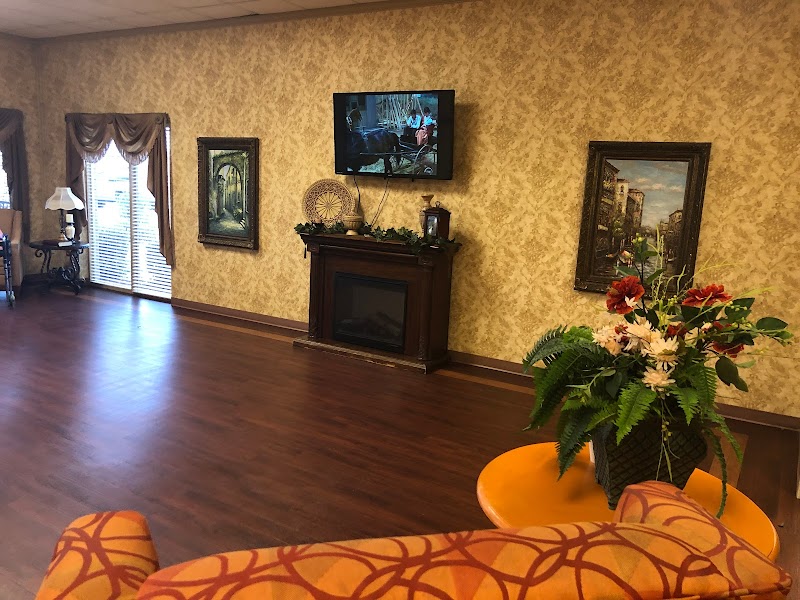
How is The Blossoms At White River Rehab & Nursing Center Staffed?

CMS rates THE BLOSSOMS AT WHITE RIVER REHAB & NURSING CENTER's staffing level at 2 out of 5 stars, which is below average compared to other nursing homes. Staff turnover is 46%, compared to the Arkansas average of 46%. This relatively stable workforce can support continuity of care.

What Have Inspectors Found at The Blossoms At White River Rehab & Nursing Center?

State health inspectors documented 23 deficiencies at THE BLOSSOMS AT WHITE RIVER REHAB & NURSING CENTER during 2022 to 2025. These included: 1 Immediate Jeopardy (the most serious level, indicating potential for serious harm or death) and 22 with potential for harm. Immediate Jeopardy findings are rare and represent the most serious regulatory concerns. They require immediate corrective action.
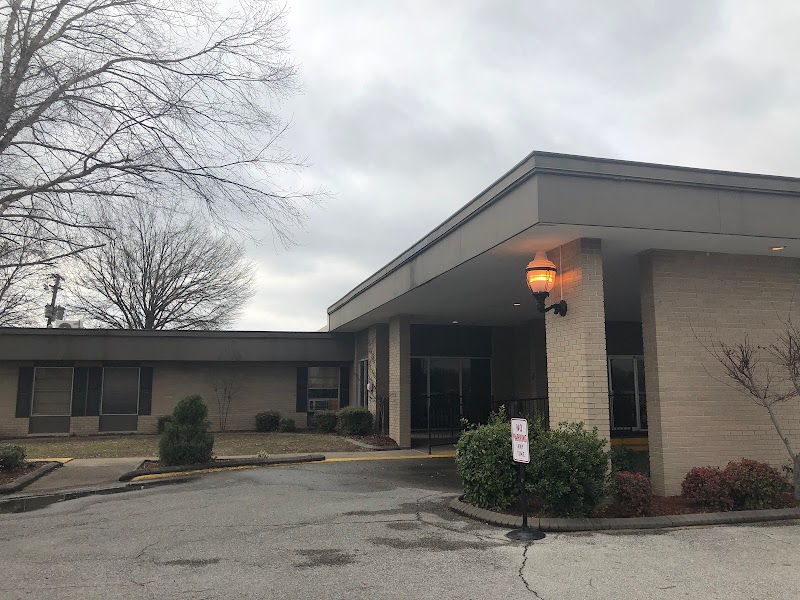
Who Owns and Operates The Blossoms At White River Rehab & Nursing Center?

THE BLOSSOMS AT WHITE RIVER REHAB & NURSING CENTER is owned by a for-profit company. For-profit facilities operate as businesses with obligations to shareholders or private owners. The facility is operated by THE BLOSSOMS NURSING AND REHAB CENTER, a chain that manages multiple nursing homes. With 130 certified beds and approximately 73 residents (about 56% occupancy), it is a mid-sized facility located in NEWPORT, Arkansas.
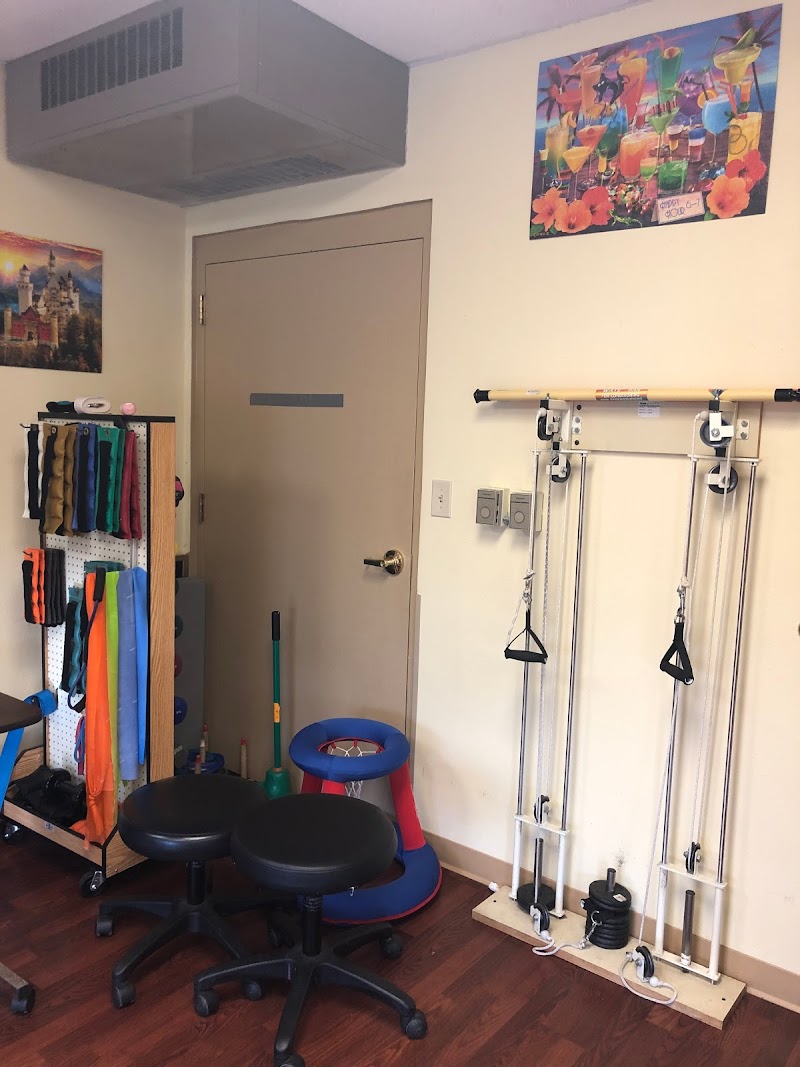
How Does The Blossoms At White River Rehab & Nursing Center Compare to Other Arkansas Nursing Homes?

Compared to the 100 nursing homes in Arkansas, THE BLOSSOMS AT WHITE RIVER REHAB & NURSING CENTER's overall rating (1 stars) is below the state average of 3.1, staff turnover (46%) is near the state average of 46%, and health inspection rating (1 stars) is much below the national benchmark.

What Should Families Ask When Visiting The Blossoms At White River Rehab & Nursing Center?

Based on this facility's data, families visiting should ask: "What changes have been made since the serious inspection findings, and how are you preventing similar issues?" "Can you walk me through typical staffing levels on day, evening, and night shifts?" "Can I visit during a mealtime to observe dining assistance and food quality?" "How do you handle medical emergencies, and what is your hospital transfer rate?" These questions are particularly relevant given the facility's Immediate Jeopardy citations and the below-average staffing rating.

Is The Blossoms At White River Rehab & Nursing Center Safe?

Based on CMS inspection data, THE BLOSSOMS AT WHITE RIVER REHAB & NURSING CENTER has documented safety concerns. Inspectors have issued 1 Immediate Jeopardy citation (the most serious violation level indicating risk of serious injury or death). The facility has a 1-star overall rating and ranks #100 of 100 nursing homes in Arkansas. Families considering this facility should ask detailed questions about what corrective actions have been taken since these incidents.

Do Nurses at The Blossoms At White River Rehab & Nursing Center Stick Around?

THE BLOSSOMS AT WHITE RIVER REHAB & NURSING CENTER has a staff turnover rate of 46%, which is about average for Arkansas nursing homes (state average: 46%). Moderate turnover is common in nursing homes, but families should still ask about staff tenure and how the facility maintains care continuity when employees leave.

Was The Blossoms At White River Rehab & Nursing Center Ever Fined?

THE BLOSSOMS AT WHITE RIVER REHAB & NURSING CENTER has been fined $21,645 across 1 penalty action. This is below the Arkansas average of $33,295. While any fine indicates a compliance issue, fines under $50,000 are relatively common and typically reflect isolated problems that were subsequently corrected. Families should ask what specific issues led to these fines and confirm they've been resolved.

Is The Blossoms At White River Rehab & Nursing Center on Any Federal Watch List?

THE BLOSSOMS AT WHITE RIVER REHAB & NURSING CENTER is not on any federal watch list. The most significant is the Special Focus Facility (SFF) program, which identifies the bottom 1% of nursing homes nationally based on persistent, serious quality problems. Not being on this list means the facility has avoided the pattern of deficiencies that triggers enhanced federal oversight. This is a positive indicator, though families should still review the facility's inspection history directly.