LAKEWOOD HEALTH AND REHAB, LLC
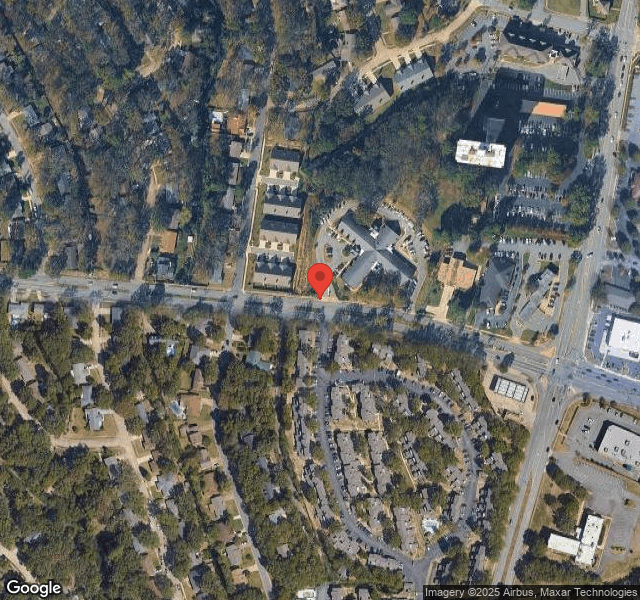
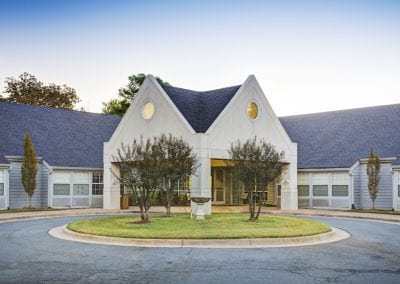
2323 MCCAIN BOULEVARD, NORTH LITTLE ROCK, AR 72116 (501) 791-2323
For profit - Limited Liability company 73 Beds CENTRAL ARKANSAS NURSING CENTERS Data: November 2025
Trust Grade
45/100
#150 of 218 in AR
Last Inspection: July 2024

Within standard 12-15 month inspection cycle. Federal law requires annual inspections.

Overview

Lakewood Health and Rehab, LLC has received a Trust Grade of D, indicating below average quality with some concerning issues. They rank #150 out of 218 nursing homes in Arkansas, placing them in the bottom half of facilities in the state, and #12 out of 23 in Pulaski County, meaning only 11 local options are rated lower. While the facility is improving, having reduced their issues from 16 in 2023 to 9 in 2024, it still faces significant concerns, particularly regarding food safety practices, such as improperly thawed raw meat and inadequate food storage, which could potentially affect the health of residents. Staffing is relatively strong with a 4-star rating and a turnover rate of 55%, which is close to the state average, although the facility has less RN coverage than 95% of Arkansas facilities. It is worth noting that they have had no fines, which is a positive aspect, but the ongoing food safety issues indicate a need for improvement in daily operations.

Trust Score
D
45/100
In Arkansas
#150/218
Bottom 32%
Safety Record
Low Risk
No red flags
Inspections
Getting Better
16 → 9 violations
Staff Stability
⚠ Watch
55% turnover. Above average. Higher turnover means staff may not know residents' routines.
Penalties
✓ Good
No fines on record. Clean compliance history, better than most Arkansas facilities.
Skilled Nurses
⚠ Watch
Each resident gets only 13 minutes of Registered Nurse (RN) attention daily — below average for Arkansas. Fewer RN minutes means fewer trained eyes watching for problems.
Violations
⚠ Watch
37 deficiencies on record. Higher than average. Multiple issues found across inspections.
★★☆☆☆
2.0
Overall Rating
★★★★☆
4.0
Staff Levels
★★★★☆
4.0
Care Quality
★★☆☆☆
2.0
Inspection Score
Stable
2023: 16 issues
2024: 9 issues

The Good

  • 4-Star Staffing Rating · Above-average nurse staffing levels
  • 4-Star Quality Measures · Strong clinical quality outcomes
  • Full Sprinkler Coverage · Fire safety systems throughout facility
  • No fines on record

Facility shows strength in staffing levels, quality measures, fire safety.

The Bad

2-Star Overall Rating

Below Arkansas average (3.1)

Below average - review inspection findings carefully

Staff Turnover: 55%

Near Arkansas avg (46%)

Frequent staff changes - ask about care continuity

Chain: CENTRAL ARKANSAS NURSING CENTERS

Part of a multi-facility chain

Ask about local staffing decisions and management

Staff turnover is elevated (55%)

7 points above Arkansas average of 48%

The Ugly 37 deficiencies on record

Jul 2024 8 deficiencies
CONCERN (D)

Potential for Harm - no one hurt, but risky conditions existed

ADL Care (Tag F0677)

Could have caused harm · This affected 1 resident

Based on observation, record review and interview, the facility failed to ensure nail care was consistently provided to promote good grooming and personal hygiene for 1 (Resident #39) of 2 (Resident #...

Read full inspector narrative →
Based on observation, record review and interview, the facility failed to ensure nail care was consistently provided to promote good grooming and personal hygiene for 1 (Resident #39) of 2 (Resident #39 and #223) sampled residents who were reviewed for activities of daily living (ADL) care. The findings are: Resident #39 had diagnoses of abnormalities of way of walking (gait) and mobility and lack of coordination as indicated on the Order Summary. A quarterly Minimum Data Set with an Assessment Reference Date of 05/06/2024 indicated Resident #39 had a Brief Interview for Mental Status score of 4, which indicated the resident was severely impaired. Resident #39's Care Plan, initiated 05/24/2024, indicated the resident had an ADL (Activities of Daily Living) self-care performance deficit related to confusion and limited mobility and required supervision of staff with bathing/showering on Monday, Wednesday and Friday and staff were to check the resident's nail length and trim and clean on bath days and as necessary. On 07/08/2024 at 9:43 AM, Resident #39 was lying in bed. The resident's feet and the toenails on both feet were thick and discolored. On 07/09/2024 at 3:06 PM, Resident #39 was asked if anyone at the facility had provided toenail care. Resident #39 removed the right foot from a shoe and looked down at the toes and stated, They do need trimming. Resident #39 denied being diabetic. Resident #39 stated no one here has ever taken care of Resident #39's toes. Resident #39 was asked if they liked their fingernails long and Resident #39 looked at both hands and confirmed the fingernails needed trimming also because they weren't usually that long but had not been paying attention to them. Resident #39's fingernails were greater than a quarter inch in length on both hands but were clean. On 07/11/2024 at 12:55 PM, Certified Nursing Assistant (CNA) #16 confirmed Resident #39's fingernails were grown and the toenails were thick and layered. She confirmed that she provided nail care to the resident's toenails last week and that was the best she could do because they were layered and thick. On 07/11/2024 at 1:10 PM, CNA #27 confirmed Resident #39's fingernails needed to be trimmed and shaped and the toenails on the right foot were thick and the resident probably needed to see a Podiatrist. She confirmed that if a resident's fingernails and toenails were too long or ingrown, this could cause an infection, or they could scratch themselves. On 07/11/2024 at 1:40 PM, the Administrator reported they did not have a policy on nail care.
CONCERN (D)

Potential for Harm - no one hurt, but risky conditions existed

Deficiency F0700 (Tag F0700)

Could have caused harm · This affected 1 resident

Based on record review, interview, and observation, the facility failed to ensure an assessment for siderail use was completed for Resident #60 prior to installing siderails; to ensure an assessment o...

Read full inspector narrative →
Based on record review, interview, and observation, the facility failed to ensure an assessment for siderail use was completed for Resident #60 prior to installing siderails; to ensure an assessment of the bed, mattress and siderails was completed prior to the use of the siderails; to review the risks and benefits of siderails with Resident # 60; to obtain informed consent prior to the installation of the siderails on Resident #60 bed; to attempt the use of appropriate alternatives prior to installing siderails. The findings are: 1. A review of an annual Minimum Data Set (MDS) with an Assessment Reference Date (ARD) of 06/20/2024, revealed Resident #60 had a Brief Interview for Mental Status (BIMS) of 11, indicating moderate cognitive impairment. Section GG0170 indicated Resident #60 is dependent on staff to do all the effort to complete an activity; or the assistance of 2 or more helpers is required for the resident to complete the activity of Mobility. Section P0100 indicated Resident #60 was coded, bed rail - not used. Section I-Active Diagnoses identified Resident #60 had neurological diagnoses of stroke and seizure disorder or Epilepsy. a. A review of Resident #60's Care Plan revealed an ADL (Activities of Daily Living) self-care performance deficient related to limited mobility with an intervention for bed mobility, identified Resident #60 to be totally dependent on staff for turns and repositioning while in bed, identified Resident #60 to be totally dependent on staff to be moved between surfaces, identified that Resident # 60 had impaired cognitive function or impaired thought processes as evidenced by BIMS(Brief Interview for Mental status) score of 0 (06/28/2023), and that Resident #60 was at risk for falls related to resident being unaware of safety needs. The use of side rails was not addressed in the care plan. b. A review of the Nursing Quarterly Assessment dated 06/24/2024 indicated the use of Side Rails were not indicated at this time. c. On 07/08/2024 at 1:15 PM, the surveyor observed Resident #60 lying in bed with both half-length siderails raised on the right and left sides of the bed. The siderails were positioned in the center of the bed, leaving the two ends of the bed opened on the right side with the left side of the bed pushed against the wall. d. On 07/08/2024 at 1:28 PM, the surveyor spoke with Resident #60's family member. The surveyor asked if Resident #60 used the rails for turning and positioning. Resident #60's family member stated, I've never seen (Named Resident) use the siderails for anything and (Named Resident) doesn't use them for turning or positioning. e. On 07/10/2024 at 7:52 AM, the surveyor observed Resident # 60 in a wheelchair. The Resident's bed was made with quarter length siderails up on both sides of the bed. The surveyor asked Resident # 60 if they used the siderails. Resident #60 stated I want the siderail folded down when I'm in bed. Resident #60 motioned for the quarter rail to be pulled down to the half-rail position. f. On 07/10/2024 at 9:07 AM, the surveyor conducted an interview with the Director of Nursing (DON) and asked how a determination is made for use of siderails for residents. The DON stated, The DON and nurses complete an assessment upon admission. The DON presented the surveyor with the assessment form the facility uses for assessing siderails. The surveyor asked if it is determined that siderails are to be used, would the use of siderails be care planned. The DON stated, Yes. The surveyor asked if a physician's order would be received for siderails. The DON stated, No. The surveyor asked if a resident request siderails how the facility handles that request. The DON stated, It would not be a restraint, the staff would monitor the resident and typically we will not utilize the siderail. The surveyor asked if they try other things before using a siderail and if they explain the risk vs benefits to the resident. The DON said, We usually go straight to the siderail, if that is what they want. g. On 07/10/2024 at 1:30 PM, the surveyor observed Resident #60 lying in bed with the siderail up, positioned in the center of the bed. h. On 07/10/2024 at 2:08 PM, the surveyor observed Resident #60 lying in bed with siderail up, positioned in the center of the bed. i. On 07/10/2024 at 2:30 PM, the surveyor conducted an interview with Certified Nursing Assistant (CNA) #12. The surveyor asked CNA #12 if Resident #60 uses siderails. CNA #12 stated, Yes. The surveyor asked CNA #12 why the side rails are used. CNA #12 stated, Most of the time for positioning, but [Resident #60] doesn't move in the bed. The surveyor asked CNA #12 if side rails are considered to be a restraint. CNA #12 stated, No. The surveyor asked CNA #12, How do you monitor the resident while the siderails are in use? CNA #12 stated, I check on them every 30 to 45 minutes. The surveyor asked CNA #12 if Resident's #60 care plan identifies Resident #60 to use side rails. CNA #12 stated, Yes. j. On 07/10/2024 at 2:45 PM, the surveyor conducted an interview with the DON. The surveyor asked the DON if Resident #60 used siderails. The DON stated, I will need to look because I cannot recall off the top of my head. The DON checked his computer and stated, [Resident #60's] assessment shows side rails are not indicated. The DON asked, Why? Does [Resident #60] have siderails? The surveyor confirmed the siderails were in use. The surveyor asked the DON why the siderails are used. The DON stated, I'm honestly not sure because [Resident #60] hasn't had any falls and is dependent on staff for transfers. The surveyor asked the DON if siderails are considered a restraint. The DON stated, Yes. The surveyor asked the DON how the staff monitors residents while siderails were in use. The DON stated, They should be checking [the residents] every two hours. The surveyor asked the DON if Resident #60 had been care planned for the use of siderails. The DON stated, No. k. On 07/10/2024 at 2:58 PM, the surveyor conducted an interview with the DON and Administrator. The surveyor asked the DON if they had an assessment for entrapment on the application of the side rails on Resident #60's bed. The DON stated, No. The surveyor asked for the manufactures guidelines for applying the siderails to the bed and requested to see documentation of where the installation of the siderails, with an assessment of the bed, mattress, and siderails, for the risk of entrapment was completed.
CONCERN (D)

Potential for Harm - no one hurt, but risky conditions existed

Deficiency F0761 (Tag F0761)

Could have caused harm · This affected 1 resident

Based on observation, record review and interview, the facility failed to ensure an inhaler was properly stored after use for 1 (Resident #35) of 1 sampled resident who had an inhaler on an over-bed t...

Read full inspector narrative →
Based on observation, record review and interview, the facility failed to ensure an inhaler was properly stored after use for 1 (Resident #35) of 1 sampled resident who had an inhaler on an over-bed table. The findings are: Resident #35 had a diagnosis of chronic obstructive pulmonary disease (COPD) as indicated in the Medical Diagnosis section of the electronic health record (EHR) An admission Minimum Data Set with an Assessment Reference Date of 04/07/2024 revealed Resident #35 had a Brief Interview for Mental Status score of 15, which indicated the resident was cognitively intact. A review of Resident #35's Care Plan dated 04/12/2024 indicated Resident #35 had Emphysema/COPD and an intervention specified giving the resident an aerosol or bronchodilators as ordered. Review of Resident #35's Order Summary indicated an order for budesonide-formoterol (Symbicort) 160-4.5 mcg (micrograms)/actuation inhaler and to take two puffs inhale orally two times a day for COPD. There was no physician's order that indicated the inhaler could be left at the resident's bedside. Review of Resident #35's Electronic Medication Administration Record (eMAR) for July 2024 indicated an order for budesonide-formoterol (Symbicort) 160-4.5 mcg (micrograms)/actuation inhaler and to take two puffs inhale orally two times a day and the times were scheduled for 0800 (8:00 AM) and 1600 (4:00 PM). The eMAR indicated this medication was administered on 07/01/2024 - 07/10/2024 at 8:00 AM and on 07/01/2024 -07/09/2024 at 4:00 PM. On 07/08/2024 at 10:46 AM, Resident #35 was observed lying in bed on back with eyes closed. There was an inhaler, budesonide and formoterol fumarate mcg inhalation/aerosol 160 mcg / 4.5 mcg, lying on the over-bed table that was across the resident's bed. The resident did not open their eyes when their name was spoken. On 07/08/2024 at 3:25 PM, attempted to speak with Resident #35 but the resident was yet in bed with eyes closed and did not open eyes when a name was spoken. There was an inhaler, budesonide and formoterol fumarate mcg inhalation / aerosol 160 mcg / 4.5 mcg, lying on the over-bed table that was across the resident's bed. On 07/09/2024 at 8:31 AM, Resident #35 was awake, sitting up in bed opening the condiments to put on the breakfast meal that was on the over-bed table across the resident's bed. There was an inhaler, budesonide and formoterol fumarate mcg inhalation / aerosol 160 mcg / 4.5 mcg, lying on the over-bed table and Resident #35 confirmed Resident #35 was allowed to use the inhaler twice a day. On 7/11/2024 at 12:03 PM, Licensed Practical Nurse (LPN) #26 confirmed that after an inhaler has been used, it is stored in the medication cart. On 7/11/2024 at 1:20 PM, LPN #19 confirmed that after an inhaler has been used, it should be stored back in the medication cart. A Medication Storage in The Facility policy, (revised January 2018), indicated, . Policy Medications and biologicals are stored safely, securely, and properly, following manufacturer's recommendations or those of the supplier. The medication supply is accessible only to licensed nursing personnel, pharmacy personnel, or staff members lawfully authorized to administer medications . Bedside Medication Storage Policy Bedside medication storage is permitted for residents who wish to self-administer medications, upon the written order of the prescriber and once self-administration skills have been assessed and deemed appropriate in the judgment of the facility's interdisciplinary resident assessment team .
CONCERN (D)

Potential for Harm - no one hurt, but risky conditions existed

Infection Control (Tag F0880)

Could have caused harm · This affected 1 resident

Based on observation, record review and interview, the facility failed to ensure enhanced barrier precautions (EBP) were consistently followed when administering medication and enteral feeding through...

Read full inspector narrative →
Based on observation, record review and interview, the facility failed to ensure enhanced barrier precautions (EBP) were consistently followed when administering medication and enteral feeding through a Percutaneous Endoscopic Gastrostomy (PEG) tube for 1 (Resident #42) of 1 sampled resident who was on enhanced barrier precautions. The findings are: Resident #42 had a diagnosis of obstruction of the tube from the throat to the stomach (esophagus), difficulty swallowing (dysphagia) and gastrostomy status indicated on the Order Summary. A 5-day Medicare Minimum Data Set with an Assessment Reference Date of 06/16/2024 indicated Resident #42 had a Staff Assessment for Mental Status score of 3, which indicated the resident was severely impaired, and that the resident had a feeding tube. Resident #42's Order Summary indicated an enteral feeding order of (Named) 1.5 and to give a 220 cc (cubic centimeters) bolus through the PEG tube one a day. It also indicated an order for enhanced barrier precautions related to the resident's PEG tube. Resident #42's Care Plan initiated 06/11/2024 was yet in progress and did not include any focus problems or interventions regarding the resident's gastrostomy status. On 07/10/2024 at 11:53 AM, Licensed Practical Nurse (LPN) #27 entered Resident #42's room without putting on gloves or a gown. She put on gloves before she checked Resident #42's PEG tube for placement, and proceeded to administer water, medications, water, enteral formula and water again, but did not put on a gown before or during this process. On 07/11/2024 at 11:50 AM, LPN #27 confirmed Resident #42 was on EBP, a gown and gloves were to be used, and she did not put on a gown. She said she thought EBP was just for wounds. On 07/11/2024 at 12:15 PM, LPN #26 confirmed gloves and a gown were to be used for residents on EBP. On 07/11/2024 at 1:48 PM, the Administrator stated there was no policy for enhanced barrier precautions. On 07/11/2024 at 1:50 PM, the Administrator provided an Inservice form dated 06/19/2024 with the topic of enhanced barrier precautions. It indicated, .Star stickers by residents' names indicate EBP, which means gloves and gowns are to be worn when providing care .These residents either have a wound, catheter, feeding tube and or central line .
CONCERN (E) 📢 Someone Reported This

A family member, employee, or ombudsman was alarmed enough to file a formal complaint

Potential for Harm - no one hurt, but risky conditions existed

Deficiency F0583 (Tag F0583)

Could have caused harm · This affected multiple residents

Based on observation and interview, the facility failed to ensure resident privacy and confidentiality of personal and medical information by posting photographs of residents to the facility's social ...

Read full inspector narrative →
Based on observation and interview, the facility failed to ensure resident privacy and confidentiality of personal and medical information by posting photographs of residents to the facility's social media site without the written consent of the resident or the residents designated representative. The findings are: 1. On 07/09/2024 at 2:30 PM, the surveyor interviewed the Administrator, asking if the facility had a social media site. The Administrator stated, Yes, we have a social media page that we started during Covid. The surveyor asked if the facility had consents for posting to a social media site. The Administrator stated, I'm sure we do, we had to get those during Covid. I will check and see. The Surveyor asked the Administrator who has authorization to post to the facility's social media site. The Administrator stated, The Social Director and me. 2. On 07/09/2024 at 2:50 PM, the Consultant handed the surveyor a form titled HIPAA (Health Information Accountability Act) Authorization for Release of Health Information Media and for Use or Disclosure of Resident Photographic and/or Video Images. The Administrator and the Surveyor conducted a random viewing of the social media postings. The social media site contains pictures of numerous residents and events held in the facility. The surveyor pointed out three resident's pictures and asked for the signed consent forms. The Administrator stated, We do not have any consent forms for posting on the social media site. 4. On 04/11/2024 at 1:00 PM, the Surveyor met with the Administrator and Consultant. The Surveyor asked if they had found any consents for any of the residents posted on the social media page. The Administrator and Consultant both stated, No, we do not have them.
CONCERN (E)

Potential for Harm - no one hurt, but risky conditions existed

Deficiency F0804 (Tag F0804)

Could have caused harm · This affected multiple residents

Based on observation, record review and interview, the facility failed to ensure meals were served in a method that maintained a palatable appearance, and at temperatures acceptable to the residents d...

Read full inspector narrative →
Based on observation, record review and interview, the facility failed to ensure meals were served in a method that maintained a palatable appearance, and at temperatures acceptable to the residents during 2 of 2 meals observed. This failed practice had the potential to affect 15 residents who receive meal trays in their rooms on the 100 Hall,10 residents who receive meal trays on the 200 hall, 15 residents who receive meal trays on 300 hall and 13 residents who receive meal trays in their room on the 400 -hall. The findings are: 1. On 07/08/2024 at 10:10 AM, the surveyor asked Resident #32, How is the food in the facility? Resident #32 stated, The food is always ice cold. 2. On 07/10/2024 at 11:53 AM, an unheated food cart that contained 15 trays for lunch was delivered to 300-hall by Staff #2. At 12:09 PM, immediately after the last resident was served in their room on 300-hall, temperature of the food items on the tray used as a test tray were taken by the and was and read by Certified Nursing Assistant (CNA)#14 with the following result: a. Milk 45 degrees Fahrenheit. 3. On 07/10/24 at 11:58 AM, an unheated food cart that contained 15 trays for lunch was delivered to 100-hall by Dish Washer #2. At 12:15 PM, immediately after the last resident was served in their room on 100-hall, temperature of the food items on the tray used as a test tray were taken by the Dietary Manager and was and read by CNA#15 with the following results: a. Milk 44 degrees Fahrenheit. b. Lasagna 110 degrees Fahrenheit. 4. On 07/10/2024 at 12:13 PM, an unheated food cart that contained 10 trays for lunch was delivered to 200-hall by Dish Washer #2. At 12:20 PM, immediately after the last resident was served in their room on 200-hall, temperature of the food items on the tray used as a test tray were taken by the Dietary Manager and was read by CNA #15 with the following results: a. Milk 44 degrees Fahrenheit. b. Lasagna 110 degrees Fahrenheit. 5. On 07/11/2024 at 7:10 AM, an unheated food cart that contained 15 trays for lunch was delivered to 300 -hall by Dietary Aide #17. At 12:20 AM, immediately after the last resident was served in their room on 300-hall, temperature of the food items on the tray used as a test tray were taken and read by CNA #16 with the following results: a. Scrambled eggs 88 degrees Fahrenheit. b. Ground sausage with gravy 89 degrees Fahrenheit. 6. On 07/11/2024 at 7:16 AM, an unheated food cart that contained 15 trays for lunch was delivered to 100-hall by Dietary Aide #17. At 7:26 AM, immediately after the last resident was served in their room on 100-hall, temperature of the food items on the tray used as a test tray were taken and read by CNA# 14 with the following results: a. Sausage 85 degrees Fahrenheit. b. Scrambled eggs 95 degrees Fahrenheit. 7. On 07/11/2024 at 7:28 AM, an unheated food cart that contained 13 trays for breakfast was delivered to 400-hall by Dietary Aide #17. At 7:26 AM, immediately after the last resident was served in their room on 400-hall, temperature of the food items on the tray used as a test tray were taken and read by Licensed Practical Nurse (LPN) #19 with the following results: a. Pureed eggs 92 degrees Fahrenheit. b. Scrambled degrees 102 degrees Fahrenheit. c. Pureed eggs 101 degrees Fahrenheit. d. Ground sausage 98 degrees Fahrenheit. e. Oatmeal 103 degrees Fahrenheit.
CONCERN (E)

Potential for Harm - no one hurt, but risky conditions existed

Deficiency F0805 (Tag F0805)

Could have caused harm · This affected multiple residents

Based on observation and interview, the facility failed to ensure pureed food items were blended to a smooth, lump-free consistency to minimize the risk of choking or other complications for residents...

Read full inspector narrative →
Based on observation and interview, the facility failed to ensure pureed food items were blended to a smooth, lump-free consistency to minimize the risk of choking or other complications for residents who required pureed diets for 1 of 2 meals observed. This failed practice had the potential to affect 3 residents who received pureed diet. The findings are. 1. On 07/10/2024 at 10:16 AM, Dietary [NAME] (DC) #11 used a 4-ounce spoon to place 4 servings of lasagna into a blender and pureed. At 10:21 AM, DC #10 poured the pureed lasagna into a pan and placed it in the oven. The consistency was thick, lumpy, and was not smooth. There were pieces of pasta visible in the mixture. 2. On 07/10/2024 at 10:40 AM, DC #11 placed 3 servings of garlic bread into a blender, added a carton of whole milk and pureed. At 10:42 AM, DC #10 used a #20 scoop to portion pureed bread stick into 3 bowls. The consistency of the pureed bread was lumpy and was not smooth. 3. On 07/10/2024 at 12:30 PM, the surveyor asked the Dietary Manager to describe the consistency. of the pureed food items served to the residents on pureed diets. He stated, There were lumpy. 4. On 07/11/2024 at 1:00 PM, the following observations were made on the steam table. a. A pan of pureed orange chicken. The consistency of the pureed chicken was lumpy and not smooth. There were pieces of chicken visible in the mixture. b. A pan of pureed rice. The consistency of the pureed rice was lumpy and not smooth. There were pieces of rice in the mixture. 5. On 07/11/2024 at 1:05 PM, the surveyor asked the Dietary Manager to describe the consistency of the pureed food items served to the residents who required pureed diets. He stated, They were lumpy.
CONCERN (F)

Potential for Harm - no one hurt, but risky conditions existed

Food Safety (Tag F0812)

Could have caused harm · This affected most or all residents

Based on observation and interview, the facility failed to ensure raw meat was thawed properly to prevent a potential foodborne illness; failed to ensure food stored in the freezer, refrigerator and d...

Read full inspector narrative →
Based on observation and interview, the facility failed to ensure raw meat was thawed properly to prevent a potential foodborne illness; failed to ensure food stored in the freezer, refrigerator and dry storage area were covered, sealed and dated the day received and when opened to assure first in, first out usage to prevent potential for food bone illness, failed to ensure manufacturer specification was followed in order to prevent food spoilage, expired food items were promptly removed from stock in order to reduce the risk of food-borne illness for residents who received meal trays from 1 of 1 kitchen, dietary staff washed their hands before handling clean equipment or food items to prevent potential food borne illness for residents who received meals from 1 of 1 kitchen These failed practices had the potential to affect 72 residents who received meals from the kitchen. The findings are: On 07/08/2024 at 9:25 AM, the surveyor entered the facility kitchen and observed a sink with raw chicken thighs and legs soaking in standing water. The water was not running, and the sink was plugged. The chicken was not in a plastic bag but lying directly in the water. At 10:04 AM, the surveyor noted the chicken was still in the sink soaking in water. The surveyor asked [NAME] #1 to check the temperature of the water the chicken was soaking in. [NAME] #1 retrieved a thermometer and checked the water temperature. The surveyor asked Dietary Aide #3 to read the thermometer and Dietary Aide #3 stated it was 63 degrees. The Dietary Manager pulled the plug on the sink and drained the water. The Dietary Manager then turned the water on and allowed it to run over the chicken pieces directly under the running water. The surveyor asked the Dietary Manager to explain the process for thawing meat. The Dietary Manager stated, It should be thawed under running water so as to not remove all the blood from the meat and it should not be left sitting in standing water. The surveyor asked how long this meat had been soaking in this water. The Dietary Manager stated, He put it in the sink when he arrived at work, and it had been in there for about 40 minutes. The surveyor asked the Dietary Manager if this chicken was safe to serve the residents. The Dietary Manager stated, Well, not like this, it is raw. We have to cook it. The surveyor asked what a safe temp for thawing chicken would be. The Dietary Manager stated, We have to cook it after it is thawed. The surveyor asked the Dietary Manager if the 63-degree temperature was a safe temperature for chicken. The Dietary Manager stated, That is the water temperature. The surveyor asked the Dietary Manager to check the temperature inside the meat. The Dietary Manager inserted the thermometer through the center of a thigh piece and Dietary Aid #3 read the temperature to be 63-degrees. The Dietary Manager stated, They have to fry it to like 160 to 180-degrees. At 10:25 AM, the surveyor noted the [NAME] #1 prepping the chicken with seasoning and flour. The surveyor asked [NAME] #1 if she was prepping the chicken that had been in the sink thawing in the standing water. [NAME] #1 stated, yes. The surveyor asked [NAME] #1 what a safe temperature for thawing chicken would be. The Dietary Manager stated, Thirty degrees too . The Dietary Manager paused his speaking and [NAME] #1 stated, 40-degrees. The surveyor asked Dietary Aid #3, who was standing nearby, what was the reading of the thermometer and Dietary Aide #3 stated, Sixty three degrees. The surveyor asked how many pieces of chicken are you preparing to cook, after being in the standing water. [NAME] #1 stated, 120 pieces. The surveyor asked if the chicken being prepared was safe to serve. [NAME] #1 stated, No. 2 On 07/08/2024 at 9:38 AM, the milk box did not have a thermometer inside the box to monitor the temperatures. 3. On 07/08/2024 at 10:33 AM, the following observations were made on a shelf in the freezer: a. An opened box of hamburger patties. The box was not covered or sealed. The surveyor asked the Dietary Manager why it is important to ensure items are sealed that are in the freezer. The Dietary Manager stated, To keep it from getting freezer burned. b. The surveyor observed a bag of chopped onions, and a chocolate cream pie not sealed sitting inside the freezer. The Dietary Manager stated, This should have been tossed last week. c. Two packages of pancakes that did not have any received dates. The Dietary Manager pulled a clear plastic zip bag of pancakes from the back of the freezer and tossed them stating, These have expired. d. An opened box of sausage links not covered or sealed. 4. On 07/08/2024 at 10:38 AM, the following observations were made on a shelf above the food preparation counter: a. A half empty jar of grape jelly beside a jar of peanut butter. The manufacturer specification on the jar documented, Refrigerate after opening. The surveyor asked the Dietary Manager to read labels instructions. Dietary aide #3 read it to the Dietary Manager. The Dietary Manager then pulled the jelly and instructed the staff to discard it. b. A gallon jug of black pepper, a gallon jug of paprika, and a gallon jug of parsley sitting on the shelf did not have an open date on them, only a received date. The Dietary Manager pulled the three-gallon products and discarded them. 5. On 07/08/2024 at 10:40 AM, the surveyor observed the water was not running over the chicken which was lying in the sink. The Dietary Manager turned the water on and stated to the staff, We need to leave this running over the frozen meat. At 10:55 AM, the surveyor observed the water was not running over the chicken lying in the sink. Again, the Dietary Manager turned the water on. At 11:00 AM, the surveyor noted the water was not running over the chicken lying in the sink. The Dietary Manager asked, Who turned the water off? The Dietary Manager stated, Leave this water running to thaw the chicken. 6. On 07/08/2024 at 12:00 PM, the surveyor asked the Administrator for a policy on food preparation or thawing of food. The Administrator stated, We do not have one. 7. On 07/10/2024 at 7:58 AM, an open box of low sodium dairy free mashed potatoes was on a shelf above the food preparation counter. The box was not covered. 8. On 07/10/2024 at 9:59 AM, Dietary Aide #10 opened the refrigerator and placed a zip lock bag that contained butter logs, she removed gloves from the glove box and placed them on her hands, contaminating the gloves. Without changing gloves and washing her hands, she removed bread sticks from the bag and placed them on the pans to be heated up and served to the residents for lunch meal. 9. On 07/10/2024 at 10:07 AM, the following observations were made on a shelf in the freezer with no received or opened dates in the kitchen areas: a. An opened box of biscuits, the box has no received or opened date on it. b. An opened box of cookies had no opened date on it. 10. On 07/10/2024 at 10:10 AM, DC #11 took a dirty pan to the dirt dish area, she removed gloves from the glove box and placed them on her hands, contaminating the gloves. Without changing gloves and washing her hands, she removed chicken enchiladas from the original box and placed them in the oven to bake and served to the residents who dislike lasagna for lunch. 11. On 07/10/2024 at 10:22 AM, an opened box of bacon was on a shelf in the refrigerator with no opened date on it. 12. On 07/10/2024 at 10:31 AM, the following observations were made on a shelf in the refrigerator. a. A container of pimento cheese had an expiration date of 06/22/2024. b. A container of pimento cheese had an expiration date of 07/01/2024. c. A container of cucumber and onion salad had an expiration date of 07/04/2024. 13. On 07/10/2024 at 10:39 AM, DC #11 opened the oven and placed a pan of pureed carrots on the rack. Without washing her hands, she picked up a clean blade and attached it to the base of the blender. As DC#11 was about to use the blender to puree food items to be served to the residents for lunch. The surveyor asked DC #11 what should you have done after touching dirty and or before handling clean equipment or handling food items? She stated, I should have washed my hands. 14. On 07/10/2024 at 10:46 AM, a bag that contained 9 counts of dinner rolls was on the bread rack with an expiration date of 07/05/2024. 15. On 07/10/2024 at 10:51 AM, the following observations were made on a rack leading to the food storage room: a. Three of 3 boxes of complete buttermilk pan cake with an expiration date of 06/07/2024. b. A box that contained bags of diced chicken was opened. c. An opened bag of diced chicken Inside the box had no open date. d. A box that contained 5 sealed bags of flour tortilla with an expiration date of 05/24/2024. 16. On 07/10/2024 at 11:19 AM, the following observations were made on a shelf in the refrigerator in the day room: a. A spout to a pitcher that contained grape juice was not covered, exposing the grape juice. b. A container with slices of tomatoes. There was no name to whom it belongs to, with no date to indicate when it was stored. There was white fuzz on the tomatoes. The surveyor asked the Activities Director #19 to describe the appearance of the tomatoes. She stated probably mold not good. c. There was a banana in a bag. The banana was discolored and mushy. The Dietary Manager stated, It was cold, too mushy, and black. d. Two of the 2 expired bags of corn chips with an expiration date of 06/20/2024. e. A bottle of almond creamer, the bottle has no name, no received date, and no opened date on it. f. Three opened bottles of ranch dressings, the bottles had no received or opened date on them. g. An opened bottle of sandwich dressing, the bottle has no date on it. h. An opened bottle of avocado ranch dressing, the bottle has no date on it. i. An opened bottle of dill pickles, the bottle has no date on it. J. Two of two bags of watermelon were not dated when they were stored. k. A bag of spaghetti with meat sauce not dated or when it was opened or received. l. Two of two bottles of taco sauce were not dated or have an opened date.
Mar 2024 1 deficiency
CONCERN (D) 📢 Someone Reported This

A family member, employee, or ombudsman was alarmed enough to file a formal complaint

Potential for Harm - no one hurt, but risky conditions existed

Accident Prevention (Tag F0689)

Could have caused harm · This affected 1 resident

Based on observation, interview, and record review, the facility failed to follow the smoking policy of securing smoking materials for all residents. The findings are: Resident #3 had diagnoses of Uns...

Read full inspector narrative →
Based on observation, interview, and record review, the facility failed to follow the smoking policy of securing smoking materials for all residents. The findings are: Resident #3 had diagnoses of Unspecified psychosis and Unspecified dementia. The Annual Minimum Data Set [MDS] with an Assessment Reference Date of 11/25/2023 documented a Brief Interview of Mental Status [BIMS] of 15, which indicated the resident was cognitive. Independent with transfers, ambulated with a walker and no impairment documented to upper or lower extremities. On 03/05/24 at 11:00 AM, Resident (R) #3 was observed sitting in a wheelchair in the facility courtyard smoking area. He/she was wearing a smoking apron and was smoking a cigarette. Dietary Staff Member (DSM) #1 was heard asking R #3 if he/she had a cigarette lighter they could borrow. R #3 then removed a cigarette lighter from a pants pocket and handed it to DSM #1. DSM #1 took the lighter and lit two resident's cigarettes, then handed the lighter back to R #3, who placed it back in his/her pocket. On 03/05/2024 At 3:10 PM, DSM #1 was asked if staff normally supervised resident smoking breaks, DSM #1 replied This was my first time back taking the residents outside, the dishwashers usually take them but they weren't here yet so I took them. DSM # 1 was asked if the dietary department was responsible for supervising resident smoke breaks, and replied, The different departments are scheduled at different times. DSM #1 was then asked if they had been in-serviced and trained on supervising resident smoke breaks prior to doing it and they confirmed they had. DSM #1 was asked why residents were not supposed to have their own lighter, and replied, They could be set on fire, [a resident] could hurt him/her self. The facility smoking policy and procedure obtained from the Administrator on 03/05/2024 at 12:30 PM, documented, .All residents who smoke or use electronic cigarettes will be oriented to this policy smoking .is permitted only under the supervision of designated staff members .No smoking materials will be in any residents possession a anytime .all smoking materials will be kept in a secure area and furnished to the resident during smoking times .All residents will receive assistance with ignition sources . On 03/05/2024 at 2:45 PM, the Administrator stated he/she had searched for a smoking supervision competency for DSM #1 but since the facility had switched to electronic personnel files, they did not have a competency.
Aug 2023 16 deficiencies
CONCERN (D)

Potential for Harm - no one hurt, but risky conditions existed

Deficiency F0583 (Tag F0583)

Could have caused harm · This affected 1 resident

Based on observation and interview, the facility failed to ensure privacy and confidentiality of personal and medical information was maintained for 1 of 2 medication carts observed. The findings are:...

Read full inspector narrative →
Based on observation and interview, the facility failed to ensure privacy and confidentiality of personal and medical information was maintained for 1 of 2 medication carts observed. The findings are: 1. On 08/15/23 at 7:58 AM, observed a medication cart on Hall 300 unattended with a laptop screen open and unlocked and residents name, medication information, and photo visible. 2. On 08/15/23 at 08:08 AM during an interview with Licensed Practical Nurse (LPN) #1 who confirmed the computer should have been locked, when the medication cart was unattended. 3. During an interview on 08/17/23 at 11:06 AM, the Director of Nursing (DON) confirmed the computer screen should be locked when the medication cart is unattended to hide any resident information. 4. On 8/17/23 at 11:53 AM the DON stated they do not have a privacy policy.
CONCERN (D)

Potential for Harm - no one hurt, but risky conditions existed

Assessment Accuracy (Tag F0641)

Could have caused harm · This affected 1 resident

Based on record review and interview, the facility failed to ensure Resident assessments were accurately coded for oxygen for 1 (Resident #276) of 8 (Residents #13, #21, #31, #32, #36, #126, #276 and ...

Read full inspector narrative →
Based on record review and interview, the facility failed to ensure Resident assessments were accurately coded for oxygen for 1 (Resident #276) of 8 (Residents #13, #21, #31, #32, #36, #126, #276 and #277) sampled residents with physician orders for oxygen therapy. The findings are: Review of Resident #276 Physician Orders revealed an order for oxygen at 3 liters by nasal canula as needed, with a start date of 7/31/23. On 08/16/23 at 9:51 AM, an interview with the MDS coordinator was conducted, who confirmed the oxygen was not coded on the Minimum Data Set (MDS). The Centers for Medicare & Medicaid Services Long-Term Care Facility Resident Assessment Instrument (RAI) 3.0 User's Manual Version 1.17.1 October 2019 documented, . (1) the assessment accurately reflects the resident's status. Code continuous or intermittent oxygen administered via mask, cannula, etc., delivered to a resident to relieve hypoxia in this item. This item may be coded if the resident places or removes his/her own oxygen mask, cannula.
CONCERN (D)

Potential for Harm - no one hurt, but risky conditions existed

PASARR Coordination (Tag F0644)

Could have caused harm · This affected 1 resident

Based on record review and interview, the facility failed to ensure the assessment process with the Pre-admission Screening and Resident Review (PASARR) program were completed in entirety for 2 (Resid...

Read full inspector narrative →
Based on record review and interview, the facility failed to ensure the assessment process with the Pre-admission Screening and Resident Review (PASARR) program were completed in entirety for 2 (Resident #4 and #43) of 6 (Residents #4, #16, #25, #42, #43 and #276) sampled residents with a serious mental health diagnosis as documented on a list provided by the Director of Nursing (DON) on 08/16/23 at 04:17 PM. The findings are: a. Review of a correspondence from the state contracted agency for pre-admission screening and resident review (PASARR) for Resident #4 dated 03/12/19 noted the nursing facility must contact the agency with the resident's admission date to receive the completed PASARR. 2. Review of Resident #43 medical diagnosis list noted diagnoses of bipolar disorder and unspecified dementia moderate with mood disturbance. a. Review of a correspondence from the state contracted agency for PASARR for Resident #43 dated 04/15/21 noted the nursing facility must contact the agency with the resident's admission date to receive the completed PASARR 3. On 08/15/23 at 3:08 PM, the Registered Nurse (RN) Consultant stated the facility contacted the state contracted agency for PASARR for Resident #4 and #43 level 2 assessment letters and expect to have them via email. The facility requested the completed letters on 8/15/23.
CONCERN (D)

Potential for Harm - no one hurt, but risky conditions existed

Deficiency F0655 (Tag F0655)

Could have caused harm · This affected 1 resident

**NOTE- TERMS IN BRACKETS HAVE BEEN EDITED TO PROTECT CONFIDENTIALITY** Based on observation, record review, and interview, the facility failed to ensure a baseline care plan was accurately completed ...

Read full inspector narrative →
**NOTE- TERMS IN BRACKETS HAVE BEEN EDITED TO PROTECT CONFIDENTIALITY** Based on observation, record review, and interview, the facility failed to ensure a baseline care plan was accurately completed to provide effective and person-centered care for 1 (Resident #277) of 2 (Resident #276, #277) sampled residents whose baseline care plan was reviewed for oxygen therapy upon admission. The findings are: 2. Review of the Physician Order dated 8/7/23 noted Resident #277 was admitted to the facility on [DATE], and noted an order for oxygen therapy at 2 Liters per minute via nasal canula. b. A review of Resident #277 Baseline Care Plan noted the oxygen therapy section was not marked. 4. During an interview on 8/16/23 at 10:08 AM with LPN #2, who confirmed the oxygen therapy should have been marked for Resident #277. On 8/16/23 at 10:53 AM, the Director of Nurses stated the facility did not have a Baseline Care Plan policy.
CONCERN (D)

Potential for Harm - no one hurt, but risky conditions existed

Comprehensive Care Plan (Tag F0656)

Could have caused harm · This affected 1 resident

Based on observation, interview, and record review, the facility failed to ensure oxygen therapy was included in the individualized comprehensive care plan for 1 (Resident #276) of 8 (Residents #13, #...

Read full inspector narrative →
Based on observation, interview, and record review, the facility failed to ensure oxygen therapy was included in the individualized comprehensive care plan for 1 (Resident #276) of 8 (Residents #13, #21, #31, #32, #36, #126, #276 and #277) sampled residents, failed to ensure an anticoagulant was included in the individualized comprehensive care plan for 1 (Resident #25) of 5 (Residents #6, #25, #75, #126 and #277) sampled residents. The findings are: 1. Review of Resident #276 Physician's Orders revealed an order for oxygen at 3 liters per minute via nasal canula as needed, dated 7/31/23. a. Review of Resident #276 Medication Administration Record (MAR) for July 2023 noted the resident used oxygen on 7/31/23. c. A review of Resident #276 care plan failed to reveal a care plan for oxygen use. a. A review of Resident #25 physician order summary noted an order for apixaban (an anticoagulant medication), with a start date of 8/12/23. b. A review of Resident #25 care plan failed to reveal a care plan for anticoagulant use. 5. On 08/16/23 at 9:51 AM, during an interview with the Minimum Data Set (MDS) Coordinator, she confirmed the oxygen therapy should have been on Resident #276 care plan, and confirmed the anticoagulant was not on Resident #25 care plan.
CONCERN (D)

Potential for Harm - no one hurt, but risky conditions existed

Quality of Care (Tag F0684)

Could have caused harm · This affected 1 resident

Based on observation, record review and interview, the facility failed to ensure medications and respiratory treatments were administered only with a physician's order for 2 (Resident #21 and #25) of ...

Read full inspector narrative →
Based on observation, record review and interview, the facility failed to ensure medications and respiratory treatments were administered only with a physician's order for 2 (Resident #21 and #25) of 2 sampled residents. The findings are: 1. On 8/14/23 at 11:26 AM, Resident #21 stated they use oxygen and a CPAP (continuous positive airway pressure) machine at night. a. Review of the Physician's Order Summary revealed an order for oxygen at 2 liters per minute as needed, dated 8/15/23. b. A Physicians Order for CPAP settings, and an order noting the resident to wear CPAP at bedtime for sleep apnea were both dated 8/15/23. 2. On 8/16/23 at 7:53 AM, observed LPN #1 administer one Multivitamin with Minerals tablet to resident #25. a. Review of the record for Resident #25 failed to reveal a Physician's Order for Multivitamin with Minerals. b. On 8/16/23 at 9:11 AM the Surveyor asked Licensed Practical Nurse (LPN) #1 if a resident needed a physician's order prior to administering medications. She said yes. LPN #1 was asked to look in the electronic record and locate the physicians order for Resident #28s Multivitamin with Minerals order. LPN #1 stated, There is not an order. She had an order prior to going to the hospital. we have a standing order for it. c. On 8/17/23 at 10:30 AM a form titled Standing Orders for the physician was presented by the MDS Coordinator did not document Multi Vitamin with Minerals as a standing order. d. On 8/16/23 at 11:00 the Director of Nurses (DON) confirmed a physician's order is required prior to administering medications and any type of respiratory treatments. 3. A Policy titled, Oxygen Safety which was provided by the DON on 8/16/23 at 10:53 AM documented, 1. Oxygen therapy is administered to the resident only upon the written order of a licensed physician . 4. A Policy titled, Medication General Administration which was provided by the DON on 8/16/23 at 3:36 PM documented, The physician's order must be verified before the medication is administered.
CONCERN (D)

Potential for Harm - no one hurt, but risky conditions existed

Incontinence Care (Tag F0690)

Could have caused harm · This affected 1 resident

Based on observation, record review, and interview, the facility failed to ensure catheter drainage bag was positioned off the floor for 1 (Resident #70) of 2 (Resident #70 and #75) sampled residents ...

Read full inspector narrative →
Based on observation, record review, and interview, the facility failed to ensure catheter drainage bag was positioned off the floor for 1 (Resident #70) of 2 (Resident #70 and #75) sampled residents with a catheter. The findings are: 1. On 8/14/23 at 11:54 AM, observed Resident #70 in bed with the catheter drainage bag on floor in an L shape hanging from the right bed frame. 2. On 8/14/23 at 2:29 PM, observed Resident #70 sitting in bed with the catheter drainage bag on floor in an L shape hanging from the right bed frame. 3. On 8/15/23 at 9:05 AM, observed Resident #70 in bed watching television with the catheter drainage bag on the floor hanging from the right bed frame. 4. On 8/16/23 at 9:33 AM, during an interview with Licensed Practical Nurse (LPN) #3, who stated the drainage bag should be in a privacy bag below the bladder and off the floor. 5. On 08/16/23 at 10:32 AM, interview with the Director of Nursing (DON) who stated the drainage bag should be in a privacy bag, below the bladder and off the floor. 6. The facility policy titled, Catheter Care, Urinary, last updated on 11/22/16 did not address proper catheter drainage bag placement.
CONCERN (E)

Potential for Harm - no one hurt, but risky conditions existed

Deficiency F0657 (Tag F0657)

Could have caused harm · This affected multiple residents

Based on interview and record review, the facility failed to ensure residents and family representatives were involved in care plan meetings for 3 (Resident # 21, # 28, and #32) of 3 sampled residents...

Read full inspector narrative →
Based on interview and record review, the facility failed to ensure residents and family representatives were involved in care plan meetings for 3 (Resident # 21, # 28, and #32) of 3 sampled residents The findings are: 1. A review of Resident #32 Minimum Data Set (MDS), with an Assessment Reference Date (ARD) of June 16, 2023, noted the resident scored a 3 on the Brief Interview for Mental Status (BIMS) which indicates the resident is severely cognitively impaired. a. On 08/14/23 at 12:33 PM, an interview with Resident #32's representative revealed they have not been invited to care plan meetings and were not aware of the meetings. On 08/14/23 at 12:36 PM, in an interview with Resident #28 who stated, I don't get invited and have never attended. On 08/14/23 at 12:40 PM, in an interview with Resident #21 who stated, I don't know about being invited and so I evidently haven't been. On 08/16/23 at 1:30 PM, The Social Service Director (SSD) stated in an interview that she or the MDS Coordinator will call the family representatives and stated they do not mail anything out. The SSD noted the care plan meeting is scheduled every 3 months. On 8/17/23 at 8:45 AM the Director of Nursing stated, We have no documentation of care plan meetings.
CONCERN (E)

Potential for Harm - no one hurt, but risky conditions existed

ADL Care (Tag F0677)

Could have caused harm · This affected multiple residents

Based on observation, interview, and record review the facility failed to ensure dependent residents were provided nail care for 2 (Resident #41 and Resident #277) sampled residents and failed to ensu...

Read full inspector narrative →
Based on observation, interview, and record review the facility failed to ensure dependent residents were provided nail care for 2 (Resident #41 and Resident #277) sampled residents and failed to ensure that 1 of 1 sampled resident (Resident #64) was free from facial hair. The findings are: 1. On 8/14/23 at 11:33 AM observed Resident #41 fingernails, were approximately ¼ inch past the fingertip, jagged and, with black substance under the nails. The nails were yellow in color. a. On 8/16/23 at 9:40 AM observed Resident #41 fingernails, were approximately ¼ inch past the fingertip, jagged and, with black substance under the nails. b. On 8/17/2023 at 8:30 AM observed Resident #41 fingernails, were approximately ¼ inch past the fingertip, jagged and with black substance under the nails. c. Review of Resident #41 Care Plan for Activities of Daily Living (ADL) deficit, initiated on 8/4/21 noted for staff to check nail length and trim and clean on bath day and as necessary and noted bath days as every Monday, Wednesday, Friday and as necessary. d. During an interview on 8/17/23 at 8:30 AM Certified Nursing Assistant (CNA) # 6, confirmed Resident #41 nails need to be cut and stated the CNAs are responsible for nail care. e. During an interview on 8/17/23 at 8:38 AM with Licensed Practical Nurse (LPN) #4, who said the nurses and CNA's are responsible for nailcare. LPN #4 further stated the nurses always do nailcare for diabetics. 2. On 8/14/23 at 11:21 AM, observed Resident #64 sitting in a wheelchair next to her bed with 1/2-inch-long white chin hair. a. On 8/15/23 at 8:52 AM, observed Resident # 64 lying in bed asleep with 1/2-inch-long white chin hair. b. Review of Resident #64 care plan for ADL performance deficit, initiated on 6/28/23 noted the resident is totally dependent on staff for personal hygiene and oral care. c. On 8/16/23 at 9:15 AM, the Surveyor asked CNA #1 when residents were shaved. CNA #1 stated, as often as needed. The Surveyor asked CNA #1 to look at Resident #64 chin. CNA #1 stated, she was shaved yesterday. d. On 8/16/23 at 10:32 AM, the Surveyor asked the Director of Nursed (DON) when residents were shaved. The DON stated, every shower day or as needed. The DON stated facial hair is a dignity issue and further state the staff were told to shave Resident #64 yesterday. 3. On 8/14/23 at 11:00 AM, Resident #277 stated her toe hurts, and she is in pain from her long toenails and the nurses won't trim them or let her trim them. Resident #277 stated her family talked to staff last week about her toenails and they still have not trimmed them. Observed the residents left big toe had a thick toenail that was curved a half inch past the end of her toe and the edge was in her skin, which was red. The resident's other toenails were 1/4 to 1/2 inch past the end of her toes. a. On 8/15/23 at 8:53 AM, the Surveyor asked Resident #277 if staff trimmed her toenails. Resident #277 stated, no, but I saw clippers in her (pointing to roommate's side of room) things and borrowed them. I guess I need to do it myself. Asking them is obviously not doing anything. b. Review of the Bathing Intervention/Task report noted showers or bathing were provided on 8/9/23, 8/11/23, and 8/14/23. c. On 8/15/23 at 8:55 AM, the Surveyor asked CNA #2 if a resident should use another resident's toenail clippers. CNA #2 stated, No, it's an issue. d. On 8/15/23 at 9:01 AM, the Surveyor asked LPN #3 if Resident #277 was able to safely clip her own toenails. LPN #3 stated, She asked me earlier this morning and I told her I would come back later. She might be able if someone was watching her. The Surveyor asked if residents could use each other's clippers. LPN #3 stated, no, they cannot use each other's. e. On 8/16/23 at 10:22 AM, the Surveyor asked the DON when resident toenails were trimmed. The DON stated, It varies, but at least done on every shower day. The Surveyor asked if Resident #277 family voiced a concern about long toenails. The DON stated the family had not come to him but if she voiced a concern to a nurse, it should be documented in the progress notes. The DON stated, I am not seeing anything. The Surveyor asked if the residents could have toenail clippers or use another resident's clippers. The DON stated, No.
CONCERN (E)

Potential for Harm - no one hurt, but risky conditions existed

Respiratory Care (Tag F0695)

Could have caused harm · This affected multiple residents

Based on observation, interview, and record review the facility failed to ensure 1 (Resident #36) resident received the physician ordered flow rate of oxygen and the failed to ensure respiratory equip...

Read full inspector narrative →
Based on observation, interview, and record review the facility failed to ensure 1 (Resident #36) resident received the physician ordered flow rate of oxygen and the failed to ensure respiratory equipment tubing were changed and bagged in a closed container and failed to obtain a physician's order for oxygen and continuous positive airway pressure (CPAP) for 2 (Resident #21, and #276) residents, and failed to ensure portable oxygen cylinder was stored safely for 1 (Resident #276). These failed practices had the potential to affect 18 residents in the facility who received respiratory treatments as documented on a list provided by the Director of Nursing on 8/16/23 at 4:17 PM. The findings are: 1. On 08/14/2023 at 12:09 PM observed Resident #36 with oxygen via nasal cannula at 4 Liters per minute. a. On 08/15/2023 at 8:29 AM observed Resident #36 with oxygen via nasal cannula set at 2.5 Liters per minute. b. On 08/16/2023 9:45 AM observed Resident #36 with oxygen via nasal cannula set at 2.0 Liters per minute. c. Review of Resident #36 care plan with an initiation date of 08/03/2023 noted oxygen settings at 2 Liters via nasal cannula as needed. d. On 08/17/23 at 8:38 AM during an interview with Licensed Practical Nurse (LPN) #4, the Surveyor asked who is responsible for taking care of the resident's oxygen and what should happen if the oxygen is not set at the physician ordered flow rate. LPN #4 said, the nurses are responsible for the oxygen, and it should be set at the physician ordered flow rate. e. On 08/17/23 at 8:46 AM during an interview with the Director of Nurses (DON), the surveyor asked who is responsible for taking care of the resident's oxygen and what should happen if the oxygen is not set at the physician ordered flow rate? The DON said the nurses are responsible for the oxygen and it should be set at the prescribed flow rate. 2. On 08/14/23 at 10:52 AM, observed Resident #276's oxygen tubing and nasal cannula wrapped around the neck of an oxygen tank in an oxygen cart. a. On 08/15/23 at 8:42 AM, observed an oxygen tank sitting on the floor next to the bedside table while Resident #276 was lying in bed. The oxygen tank was not secured. b. On 08/15/23 at 8:49 AM, an observation with Certified Nursing Assistant (CNA) #2, while in Resident #276 room who confirmed the oxygen cylinder was not safely stored and stated she would tell the nurse. c. On 08/15/23 at 8:51 AM, during an observation with LPN #3, while in Resident #276 room who said the oxygen cylinder should be stored in the oxygen room, and confirmed it was a safety hazard. d. On 08/16/23 at 9:30 AM, during an interview with the DON, who stated, oxygen supplies should be stored in a bag with a date, oxygen tanks should be stored in a wheeled holder or in the oxygen room in a stand. 3. On 08/14/23 at 11:26 AM, Resident # 21 CPAP mask and tubing were not dated, bagged, or stored in a closed container. The oxygen cannula was dated 8/6. a. On 08/15/23 at 9:29 AM observed Resident #21's CPAP mask was not dated or bagged. The oxygen cannula was dated 8/6. b. On 08/15/23 at 02:22 PM, observed Resident #21's CPAP mask and tubing had no date and was not bagged, lying on top of a refrigerator not stored in a bag. The oxygen (O2) cannula was dated 8/6. and the humified water was dated 8/8/23. c. Review of Resident #21, Physician's Order dated, 8/15/23 noted staff to change oxygen tubing, clean filter and oxygen cabinet, date all tubing every Sunday night. d. On 8/16/23 at 9:55 AM LPN #1 stated, All the tubing's, cannulas, and nebulizer equipment should be bagged and dated. LPN #1 further stated the respiratory tubing should be changed every Sunday night. LPN #1 confirmed there was no date on the CPAP tubing, and it was not bagged. 4. During an interview on 8/16/23 at 10:40 AM the DON stated, all tubing is changed on the night shift every Sunday, and confirmed the items should be bagged when not in use. 5. Review of the facility policy titled, Oxygen, Portable, last revised on 11/22/16 noted, Oxygen cylinders should be secured or in a cart. 6. Review of the facility policy titled, Oxygen Safety, last updated on 11/22/16 noted Oxygen cylinders must be stored in rocks with chains, sturdy portable carts and/or approved stands.
CONCERN (E)

Potential for Harm - no one hurt, but risky conditions existed

Deficiency F0726 (Tag F0726)

Could have caused harm · This affected multiple residents

Based on observation, record review, and interview, the facility failed to ensure licensed nurses demonstrated competency with administering medications through a gastrostomy tube and providing respir...

Read full inspector narrative →
Based on observation, record review, and interview, the facility failed to ensure licensed nurses demonstrated competency with administering medications through a gastrostomy tube and providing respiratory services. This failed practice had the potential to affect all 83 residents in the facility as documented on the Resident Census and Conditions of Residents which was provided by the MDS Coordinator on 8/15/23 at 9:49 a.m. The Findings are: 1. On 8/16/23 at 7:53 AM, during medication pass observation for Resident #25, Licensed Practical Nurse (LPN) #1 stated, I am not going to give this medication because we don't have it. The medication was fexofenadine (an antihistamine). The Surveyor asked if it was in the building or on another cart she stated, No, it's not available. It's just over the counter. a. On 8/16/23 at 7:53 AM during medication pass observation for Resident #25 Pantoprazole (a medication used for gastroesophageal reflux disease) was not administered. b. On 8/16/23 at 7:53AM during medication pass observation for Resident #25, a multivitamin with minerals was administered. c. Review of Resident #25's Physician's Order, dated 8/12/23 noted an order for fexofenadine daily for allergic rhinitis. d. Review of Resident #25's Physician's Order dated 8/12/23, noted an order for pantoprazole sodium delayed release tablet daily for gastroesophageal reflux disease. e. Review of Resident #25's Physician's Orders failed to reveal an order for multivitamin with minerals. 2. On 8/16/23 at 8:18 AM, during medication pass observation for Resident #175 a ferrous sulfate 325 mg tablet was administered by LPN #1. b. Review of Resident #175's Physicians Order dated 8/14/23 noted an order for ferrous sulfate oral liquid through the percutaneous endoscopic gastrostomy (PEG) tube. 3. On 8/16/23 at 10:25 AM during an interview with LPN #1 who stated, she did not administer Resident #25 fexofenadine because it was not available. She stated the pantoprazole was a new order and was unable to locate the medication in the medication cart. LPN #1 stated she would have to strike that one out, because she did not give it, but documented it as given. LPN #1 confirmed there was no physician order for the multivitamin with minerals for Resident #25. She stated the resident was on the medication prior to going to the hospital. LPN #1 confirmed she gave Resident #175 a table of ferrous sulfate, instead of the ordered liquid. 4. On 8/16/23 at 8:18 AM during medication pass observation for Resident #25, observed LPN #1 drew 60 milliliters of water into a syringe and inserted the syringe into the (percutaneous endoscopic gastrostomy) PEG tube. The nurse pushed the plunger until the water flushed. LPN #1 then withdrew medication mixed with water into the syringe and pushed the plunger until the syringe was emptied. This process was repeated 3 more times. a. On 08/16/23 at 10:30 AM during an interview, LPN #1 was asked when giving medications through a PEG tube how should the medications be allowed to enter the stomach. The LPN stated, I crushed the med (Medications) then added water, sucked it into the syringe then pushed the plunger until it's all gone. e. On 8/16/23 at 11:10 AM during an interview with the Director of Nurses (DON) was asked to explain how to administer medications/liquids through a Gastrostomy tube. The DON stated it should be allowed to flow through gravity. 5. On 8/16/23 at 1:40 PM during an interview with the DON who stated he expects the nurses to follow the physician's orders while administering medications and stated the nurses receive training on medication administration quarterly, and the pharmacist observes monthly. 6. A review of LPN #1 training and competency documentation revealed LPN #1 completed a medication posttest on 5/7/20, 5/11/21, 5/10/22 and 5/10/23. 7. A review of the procedure titled, Medication, General Administration of, last updated on 11/22/16 noted .Should there be any doubt concerning the administering of medications, the physician's order must be verified before the medication is administered . 8. A review of the facility policy titled Enteral Feedings, Administration via Gastrostomy noted under initiate feedings to allow the syringe to empty gradually.
CONCERN (E)

Potential for Harm - no one hurt, but risky conditions existed

Unnecessary Medications (Tag F0759)

Could have caused harm · This affected multiple residents

Based on observation, record review and interview the facility medication error rate was 15.38%. The failed practice had the potential to affect 28 residents who received medications from the 300 hall...

Read full inspector narrative →
Based on observation, record review and interview the facility medication error rate was 15.38%. The failed practice had the potential to affect 28 residents who received medications from the 300 hall Medication Cart, as documented on a list provided by the Director of Nursing (DON) on 8/17/23 at 8:45 a.m. The findings are: During the medication pass observation, 26 opportunities were observed, with 4 errors. Error #1 Resident #25 had a Physician's Order dated 8/12/23 for fexofenadine 180 milligram (mg) tablet daily. On 8/16/23 at 7:53 AM, Licensed Practical Nurse (LPN) #1 stated, I am not going to give this medication because we don't have it. The Surveyor asked if it was in the building or on another cart. The nurse stated, No. It's not available but it's just an over-the-counter medication. There was no physician notification. Error #2 Resident #25 had a Physician's Order dated 8/12/23 for Pantoprazole Sodium Oral Tablet Delayed Release 40 MG daily. On 8/16/23 at 7:53 Am during medication pass observation, LPN #1 did not administer Pantoprazole to Resident #25. Error #3 On 8/16/23 at 7:53 AM during medication pass observation, LPN #1 administered one multivitamin with minerals tablet to resident #25. A review of Resident #25 Physicians order failed to reveal an order for a multivitamin with minerals tablet. Error #4 On 8/16/23 at 8:18 AM, during medication pass observation, LPN #1 administered ferrous sulfate 325 mg tablet through Resident #175 Percutaneous Endoscopic Gastrostomy (PEG) tube. A review of Resident #175 Physician's Order dated 8/14/23 noted an order for Ferrous Sulfate Oral Liquid via the PEG tube. On 6/18/23 9:11AM during interview with LPN #1 she stated, the fexofenadine was not available, and the pantoprazole was a new order, and it wasn't given. LPN #1 reviewed Resident #25 orders and confirmed there was no order for the multivitamin with mineral, and stated she had one before going to the hospital. LPN #1 confirmed the orders for ferrous sulfate was liquid, and she provided a tablet. On 8/16/23 at 1:40 PM during an interview, the Director of Nurses (DON) was asked if nurses were expected to follow the Physicians orders while administering medications. The DON said yes.
CONCERN (E)

Potential for Harm - no one hurt, but risky conditions existed

Menu Adequacy (Tag F0803)

Could have caused harm · This affected multiple residents

Based on observation, record review, and interview, the facility failed to ensure meals were prepared and served according to the planned written menu to meet the nutritional needs of the residents fo...

Read full inspector narrative →
Based on observation, record review, and interview, the facility failed to ensure meals were prepared and served according to the planned written menu to meet the nutritional needs of the residents for 1 of 1 meal observed. This failed practice had the potential to affect 4 residents who received pureed diets and 10 residents who received regular diets diets from the kitchen according to a list provided by the Assistant Dietary Supervisor on 08/16/2023. The findings are: 1. The facility menu for lunch provided by the Administrator on 08/15/23 at 11:30 AM, documented that each resident on regular diets were to receive 3-ounces of ground herb pork loin and each resident on pureed diets were to receive a #16 scoop (1/4-cup) of pureed bread and a -#10 scoop (1/3 cup) of pureed buttermilk pie each. 2. The following observations were made during the noon meal preparation and meal service. a. On 8/07/23 at 11:45 AM there was no pureed bread or pureed buttermilk pie prepared. b. On 08/16/23 at 12:42 PM the residents on pureed diets did not receive pureed bread and pureed buttermilk pie. They were served apple sauce, instead of pureed bread and pureed buttermilk pie. At 1:12 PM an interview with Dietary Employee (DE) #2, revealed DE #2 forgot to puree bread, so DE #2 gave applesauce. 3. On 08/16/23 at 12:52 PM the kitchen ran out of food items. Ten residents on regular diets received mashed potatoes, hamburger steak, brussels sprouts, and dinner roll instead of herb pork lion and sweet potatoes. Four residents were served mashed potatoes, hamburger steak and dinner roll, instead of herb pork lion, brussels sprouts, and sweet potatoes. At 1:12 PM the surveyor asked DE #2, how many residents received Brussels sprouts. He stated, ten residents received mashed potatoes, hamburger steak, brussels sprouts and dining roll. Four residents received mashed potatoes, hamburger steak and dinner roll. 4. On 08/17/23 at 10:09 AM The surveyor asked the DE #1 the reason buttermilk pie was not prepared and served to the residents on pureed diets. She stated, Because I could never get to the machine.
CONCERN (E)

Potential for Harm - no one hurt, but risky conditions existed

Deficiency F0804 (Tag F0804)

Could have caused harm · This affected multiple residents

Based on observation, record review and interview, the facility failed to ensure meals were served in a method that maintained a palatable appearance, and at temperatures that were acceptable to the r...

Read full inspector narrative →
Based on observation, record review and interview, the facility failed to ensure meals were served in a method that maintained a palatable appearance, and at temperatures that were acceptable to the residents during 2 of 2 meals observed. This failed practice had the potential to affect 12 residents who receive meal trays in their rooms on the 100 Hall, 16 residents who receive meal trays on the 300 hall, and 17 residents who receive meal trays in their room on the 400 hall, as documented on a list provided by the Administrator on 8/17/2023 at 12:20 PM. The findings are: 1. On 8/14/23 at 1:15 PM the surveyor asked Resident #18 if your hot food stays hot and your cold food cold? The residents stated, I never get hot food especially breakfast. 2. On 8/14/23 at 11:58 AM the surveyor asked Resident #51 if your hot food stays hot and your cold food cold? The residents stated, food not always hot enough is my only complaint. 3. On 8/14/23 at 12:06 PM the surveyor asked Resident #33 if your hot food stays hot and your cold food cold? The Resident stated, No hot food. 4. 8/15/23 at 8:40 AM the surveyor asked Resident #6 if the hot food stays hot and cold food stays cold? Resident #6 stated that he eats his food even though its cold because he gets hungry; cold food is better than no food. He picked at his food and ate snacks the family had brought in. 5. On 8/16/23 at 12:06 PM an unheated food cart that contained 16 trays for lunch was delivered to the 300 hall by Dietary Employee (DE) #4. At 12:19 PM the unheated food cart that was pushed to the dining room on 400 Hall by the Certified Nursing Assistant #4. There were 3 food trays left in the cart. Certified Nursing Assistant #4, stated, the remaining trays belong to the residents who eat in the dining room. At 12:38 PM CNA #5 removed the last tray from the cart and took it to the dining room to serve the resident. The surveyor asked CNA #5 to check the temperatures of the food items on the plate. CNA #3 checked the temperatures and stated, Pork roast 107.2 degrees Fahrenheit, brussels sprouts 109.6 degrees Fahrenheit. The surveyor asked CNA #3 to describe the ice cream. She stated, It was melted. 6. On 08/16/23 at 12:13 PM an unheated food cart that contained 12 trays for lunch was delivered to 100 hall by DE #4. At 12:28 PM immediately after the last resident was served in their room on 100 hall, temperature of the food items on the tray used as a test tray were taken and read by CNA #3 with the following results: a. Pork roast 109.2 degrees Fahrenheit. b. Ground meat with gravy 106.5 degrees Fahrenheit. 7. On 8/16/23 at 12:25 PM an unheated food cart that contained 17 trays for lunch was delivered to the dining room on 400 Hall by DE #4. At12:35 PM immediately after the last resident received their tray in their room on 400 hall, the temperatures of food items on a test tray were checked and read by CNA #3 with the following results: Regular pork roast 109.1 degrees Fahrenheit. 8. On 8/17/23 at 7:15 AM an unheated food cart that contained 20 trays for breakfast was delivered to 300 Hall by DE #5. At 7:25 AM the first tray was served on the 300 hall. At 07:35 immediately after the last residents received their tray in the room on 300 Hall CNA #7 pushed the food cart that contained 4 breakfast trays to the 100 Hall. After the last resident received their tray in their room on 100 hall, at 07:36 AM the temperatures of food items on the tray used as a test tray was checked and read by the Administrator with the following results: a. Ground sausage 80 degrees Fahrenheit. b. Scrambled eggs 90 degrees Fahrenheit. c. Sausage 72 degrees Fahrenheit. d. The surveyor asked the Director of Nursing if he could feel the sausage and the plate. He felt the sausage and stated, It's lukewarm. He touched the plate and stated, It was cold. 6. On 8/17/23 at 7:21 AM an unheated food cart that contained 12 trays for breakfast was delivered to the 100 Hall by DE #4. At 07:36 PM immediately after the last resident received their tray in their room on 100 hall, the temperatures of food items on a test tray were checked and read by CNA #8 with the following results: a. Grits 105 degrees Fahrenheit. b. Pureed eggs 102 degrees Fahrenheit. c. Pureed sausage 90 degrees Fahrenheit. d. Pureed sausage 90 degrees Fahrenheit. e. Scrambled eggs 92 degrees Fahrenheit.
CONCERN (E)

Potential for Harm - no one hurt, but risky conditions existed

Deficiency F0805 (Tag F0805)

Could have caused harm · This affected multiple residents

Based on observation and interview, the facility failed to ensure pureed food items were blended to a smooth, lump-free consistency to minimize the risk of choking or other complications for residents...

Read full inspector narrative →
Based on observation and interview, the facility failed to ensure pureed food items were blended to a smooth, lump-free consistency to minimize the risk of choking or other complications for residents who required pureed diets for 3 of 3 meals observed. This failed practice had the potential to affect 4 residents who received pureed diets, as documented on the Diet List provided by the Dietary Employee #2 on 08/17/2023. The findings are: 1. On 08/16/23 at 11:24 AM Dietary Employee (DE) #2 placed 5 servings of pork roast into a blender, added broth and pureed. At 11:28 AM DE #2 poured the pureed meat into a pan, covered the pan with foil and placed it in the oven. The consistency of the pureed pork loin was gritty and was not smooth. At 1:14 PM The surveyor asked DE #6 to describe the consistency of the pureed meat served to the residents on pureed diets. She stated, It was gritty. Pureed should be pudding consistency. 2. On 08/17/23 at 7:25 AM the pureed grits served to the residents on pureed diets was gritty and not smooth. At 7:29 AM the surveyor asked DE #2 to describe the consistency of the grits served to the residents on pureed diets. He stated, It was gritty, and it was not smooth. 3. On 08/18/23 at 8:12 AM The pureed oatmeal served to the residents on pureed diets was runny. The surveyor asked Certified Nursing Assistant #10 who was assisting residents with their meals, to describe the consistency of the pureed oatmeal served to the residents on pureed diets. She stated, It was runny.
CONCERN (F)

Potential for Harm - no one hurt, but risky conditions existed

Food Safety (Tag F0812)

Could have caused harm · This affected most or all residents

**NOTE- TERMS IN BRACKETS HAVE BEEN EDITED TO PROTECT CONFIDENTIALITY** Based on observation and interview, the facility failed to ensure foods stored in the refrigerator, freezer, and dry storage are...

Read full inspector narrative →
**NOTE- TERMS IN BRACKETS HAVE BEEN EDITED TO PROTECT CONFIDENTIALITY** Based on observation and interview, the facility failed to ensure foods stored in the refrigerator, freezer, and dry storage area were covered, sealed and dated to minimize the potential for food borne illness for residents who received meals from 1 of 1 kitchen, failed to ensure foods were dated the day received and when opened to assure first in, first out usage to prevent potential for food bone illness, expired food items were promptly removed from stock to prevent potential food borne illness for residents who received meal trays from I of I kitchen, dietary staff washed their hands before handling clean equipment or food items to prevent potential food borne illness for residents who received meals from 1 of 1 kitchen, failed to ensure 1 of 2 ice machines and 2 of 2 ice scoop holders were maintained in clean and sanitary condition to prevent contamination of airborne particles. These failed practices had the potential to affect 81 residents who received meals from the kitchen (total census: 83) as documented on a list provided by the Dietary Employee #2 on 08/017/2023 at 10:16 a.m. The findings are: 1. On 08/14/23 at 10:52 AM The following observations were made on a shelf in the vegetable freezer: a. Bag of diced onion tied at the top not dated. b. Pie crusts not dated when opened. c. French toast sticks not dated when opened. 2. On 08/14/23 at 10:55 AM The following observations were made in an upright refrigerator: a. a pan of salad covered with clear wrap no open date. b. a container of sliced strawberry topping with no open date. c. Two clear cups of orange juice without a date. d. A clear container with a blue lid of catfish in water to thaw; no thaw date and lid is not sealed; container is partially open. e. Bag of turkey sausage patties with no open date f. Gallon container of mayonnaise with no open date g. container of steak sauce no open date 3. On 08/14/23 at 10:59 AM The following observations were made in the dry storage room. a. Two individual containers spilled on the floor of the storage room. b. An open 50-pound bag of long grain rice was not dated when it was opened or when received, the bag was torn exposing the rice. c. 14 individual servings of syrup with no receive date. d. An open bag of cookie pieces. e. 2 expired bags of corn chips with an expiration date of July 4, 2023 f. An open bag of croutons g. Dented can of blackeye peas with snaps and no separate dented can area. Dietary Employee (DE) #2 stated, I don't know where we keep dented cans. I've only been here a couple of weeks and we do not have a dietary manager. h. An open and not sealed storage container of rice. i. 80 fluid ounce jar of whole sours pickles with no open date. j. 1 gallon of soy sauce with no open date. 4. On 08/15/23 at 11:07 AM 34 cartons of skim milk in the milk refrigerator had an expiration date of 8/13/23. DE #2 stated, today is the last day - oh wait. That was yesterday. 5. On 08/14/2023 at 11: 08 AM the following observations were made in the Ice cream freezer: a. Two individual containers of ice cream cotton candy with no receive date or open date. 6. On 08/14/2023 at 11:10 AM two zip lock bags of sliced cheese were on a shelf in the cheese refrigerator, the bags were not dated when they were opened. 7. On 08/14/23 11:11 AM the ice machine panel in the kitchen had pink and brown residue on it. The surveyor asked DE #2 to wipe the pink residue. He did so, pink residue easily transferred to the tissue. The surveyor asked DE #2, When was it cleaned? I'm not sure. 8. The ice scoop container on the wall by the ice machine had brown crusty particles at the bottom. The ice scoop was in direct contact with crusty brown residue. DE #2 was asked, can you describe that? He stated, crusty brown and was not sure when it had been cleaned. 9. On 08/16/23 at 08:58 AM the following observations were made on a shelf above the food preparation counter with no received or opened dates and in the kitchen area. a. An opened box of kosher salt., the box has no date on it. b. A bottle of imperial garlic salt, the bottle has no date on it. c. A bottle of ground black pepper, the bottle has no date on it. d. A bottle of lemon pepper, the has no date on it. e. A bottle of chopped onion powder, the bottle has no received or opened date on it. f. A bottle of ground mustard, the bottle has no date. g. A bottle of vegetable seasoning, the bottle has no date. h. A bottle of ground onion, there were no received or opened dates on the bottle. i. A bag of spaghetti, there was no received date on the bag. J. An opened box of complete buttermilk, the box was not covered or dated. k. An opened bag of country style gravy mix, the bag had no date. l. A container of peanut butter, the container has no date. m. An opened 80-ounce bottle of barbecue sauce, the bottle had no date on it. n. A 48-ounce bottle of concord grape jelly was on the shelf above the food counter. The manufacturer specification on the bottle document, Refrigerate after opening. o. On the utility cart, the first level through the 3rd level where clean dishes were kept, had loose food crumbs on them. A box of baker's source that contained white hoagie 8 roll dated 7/4/2023 was on the milk refrigerator. The manufacturer specifications on the box documented, Keep frozen 0 degrees Fahrenheit or below. 10. On 08/16/23 at 09:00 AM DE #1 pushed a cart in the dish washing machine room. Without washing her hands, she picked up clean bowls and plates and placed them on the cart with fingers inside of them. 11. On 08/16/23 at 09:35 AM the air vent in the dish washing machine had rust on it. 12. On 08/16/23 at 09:54 AM the following observations were made around the stove and steam table. a. Vent hood was not on when pans of food items were being cooked on the stove. The manufacture specification on the facing of the hood documented, Vent -A hood fan must be on when stove or fryer is in use. b. The floor between the deep fryer and oven had greasy stains on it. A toaster on top of the counter by the steam table had loose breadcrumbs on them. c. There was a pan under the steam table almost full of greasy water in it. 13. On 08/16/23 at 10:19 AM an opened box of hamburger patties was on a shelf in the freezer, the box was not covered or sealed. 14. On 08/16/23 at 10:24 AM the ice machine panel with black spots. The surveyor asked DE #2 to wipe the area The surveyor asked DE #2 to wipe the black residue. He did so, black residue easily transferred to the tissue. The surveyor asked DE #2, How often do you clean the ice machine and who uses the ice from the ice machine? He stated, We clean it once every week. We use it to fill beverages served to the resident at mealtimes. 15. On 08/16/23 at 10:30 AM the scoop holder on top of the hand washing sink in the utility room had accumulation of wet black/gray residue all around the corner and the area where ice scoop was resting. The surveyor asked DE #2 to wipe the wet black/gray residue. He did so, wet black/gray residue easily transferred to the tissue. The surveyor asked DE #2, How often do you clean the ice machine and who uses the ice from the ice machine? DE #2, stated, CNA's use it The CNAs use it for the water pitchers in the residents' rooms. 16. On 08/16/23 at 10:35 AM the following observations were made in the freezer. a. A box that contained bags of diced chicken was opened. An opened bag of diced chicken inside the box had no date when it was opened. b. An opened box of sliced pepperoni; the box was not covered or sealed. c. A zip lock bag of fish, the bag was not dated. d. A zip lock bag that contained French fries, the bag was not dated. e. A bag of hushpuppies, the bag was not dated. f. An opened box of beef steak fritters, the box was not dated. 17. On 08/16/23 at 10:42 AM the following observations were made in the vegetable and dessert freezer. a. A box of [NAME] blend salad, the box was not dated. b. An opened box of garlic bread, the box was not dated when it was opened. c. Four bags of whipping topping, the bags had not been dated when they were received. d. A bag of diced potatoes, the bag was not dated when it was received. 18. On 08/16/23 at 10:44 AM there was an opened box on a shelf below the counter where the tea maker was kept. There was an opened bag that contained 12 loose bags of tea inside the box. The bag was not dated. 19. On 08/16/23 at 10:48 AM The following observations were made on the bread rack in the kitchen of bread items that had no dates when received or when opened: a. Eighteen bags of wheat bread. b. Ten of 10 bags of hamburger buns. c. Three of 3 bags of hoagie buns. d. Eight of 8 bags of white bread. 20. On 08/16/23 at 10:56 AM the following observations were made in the storage room: a. An opened bag of rice was on a shelf, the bag was not sealed. b. Three boxes of cornbread mix had no received dates on them. c. Six cans of instant thickener were not dated when received. d. An opened bottle of distilled white vinegar was on a shelf in the storage room. e. An opened bottle of buffalo sauce, the bottle had no date on it. 21. On 08/16/23 at 11:36 AM DE #2, picked up the water hose with his bare hand, used it to spray leftover food from inside of the blender, contaminating his hands. He placed the blender, a blade and the lid in the dirty racks and pushed the rack into the dish washing machine to wash. After the dishes stopped washing, he moved to the clean side of the dishwasher area and picked up a clean blade and attached it to the base of the blender to be used in pureeing foods to be served to the residents who received pureed diets for lunch. When he was about to place food items to puree. the Surveyor asked him immediately what you should have done after touching dirty objects or before handling clean equipment? He stated, I should have washed my hands. I will go and rewash them. 22. On 08/16/23 at 11:53 AM DE #3 turned on the hand washing sink and washed her hands. After washing her hands, she turned off the faucet with her bare hand, removed tissue papers from the dispenser and dried her hands, contaminating them. Without washing her hands, she removes gloves from the glove box and places them on her hands, contaminating the gloves. As she was assisting was on the tray line with lunch meal, she used her contaminated gloved hands to pick up glasses that contained beverages by their rims and placed them on the trays to be served to the residents for lunch. The surveyor immediately asked DE #3 what should you have done after touching dirty objects and before handling clean equipment? DE #3 stated, I should have washed my hands. 23. On 08/16/23 at 12:00 PM DE #1 who was on the tray line assisting with meal service wore gloves on her hands when she picked up condiments and supplement cartons and placed them on the trays. Without changing gloves and washing her hands, she picked up glasses that contained beverages by their rims and placed them on the trays to be served to the residents for lunch. 24. On 08/16/23 at 12:42 PM DE #1 picked up 2 cartons of ice cream from a pan of ice on a cart in the kitchen to be served to the residents. The surveyor asked her if those ice creams were still frozen. She pulled the lid off from the carton and stated, They are melted. She discarded them. 25. On 08/16/23 at 12:49 PM DE #4, picked up the water hose with his bare hand, used it to spray off dust from the new plates, contaminating his hands. He placed the plates in the dirty rack and pushed the rack into the dish washing machine to wash. After the dishes stopped washing, he moved to the clean side of the dishwasher area and picked up plates to be used in serving lunch meal to the residents with his finger inside the plates. The Surveyor asked him immediately what you should have done after touching dirty objects or before handling clean equipment? He stated, I should have washed my hands. I will go and rewash them. 26. The facility policy titled, Handwashing. Provided by the Administrator on 08/17/2023 at 09:35 AM documented, Before during and after food preparation and engaging in any activity that may contaminate hands.
May 2022 12 deficiencies
CONCERN (D)

Potential for Harm - no one hurt, but risky conditions existed

Safe Environment (Tag F0584)

Could have caused harm · This affected 1 resident

Based on observation and interview, the facility failed to ensure the toilet functioned correctly to provide a clean and sanitary environment for 1 (Resident #34) of 1 sampled resident whose toilet di...

Read full inspector narrative →
Based on observation and interview, the facility failed to ensure the toilet functioned correctly to provide a clean and sanitary environment for 1 (Resident #34) of 1 sampled resident whose toilet did not function properly. The findings are: 1. On 5/23/22 at 10:12 AM, Resident #34's toilet had brown stool in it. Resident #34 stated, I so sick of that toilet. It won't flush and It just makes me sick. Takes my appetite away. We shouldn't have to live like this. She was asked, How long has the toilet not flushed properly? She stated, For years. They'll fix it, give it a few days and it will not flush again. She was asked, Have you spoke to someone about your toilet not flushing? She stated, I have, don't know their names. 2. On 05/23/22 at 11:25 AM, Resident #34 was sitting in a chair in her room watching TV. She states, Toilet doesn't flush, been saying going to fix it. Very bad, don't flush all the way. Have to hold hand on lever for it flush. It's been this way for years. She was asked, Who have you told? She stated, They been fixing it, then messes up again. It's not good for your appetite. It stays dirty looking. There was a small amount of stool on the toilet. This surveyor flushed the toilet and the stool remained in the toilet. This surveyor flushed and held the lever down for a few seconds and the stool remained in the toilet. There was no force in the water when flushed. The toilet did not completely empty, and the stool remained in the toilet. 3. On 5/24/22 at 4:00 PM, Maintenance #1 was asked, Have you had complaints about the toilet not flushing completely in room [Resident #34's room number]? He stated, No, we have tried to get the water flowing where it will fill in the tank in the toilet so that [Resident #34] does not have to hold the lever down? He was asked, Do you have a maintenance log for room [Resident #34's room number] toilet issues? He stated, No, ma'am, that toilet has been like that for a long time. He was asked, What do you mean by she will have to hold the lever down? He stated, She has hold the lever down for a few seconds before it will completely flush. He was asked, What can be done for the toilet to flush correctly and completely flush? He stated, I just need to run down to [Business] and get an agitator. The agitator needs to be fixed, replaced, and line up the floater system in the toilet. He was asked, Should the resident's toilet flush and empty completely after each flush? He stated, Yes, Ma'am. He was asked, Should resident equipment function correctly and properly in order to maintain a home like environment and promote dignity? He stated, Yes, Ma'am.
CONCERN (D)

Potential for Harm - no one hurt, but risky conditions existed

Deficiency F0655 (Tag F0655)

Could have caused harm · This affected 1 resident

**NOTE- TERMS IN BRACKETS HAVE BEEN EDITED TO PROTECT CONFIDENTIALITY** Based on observation, record review and interview, the facility failed to ensure a baseline care plan was completed within 48 ho...

Read full inspector narrative →
**NOTE- TERMS IN BRACKETS HAVE BEEN EDITED TO PROTECT CONFIDENTIALITY** Based on observation, record review and interview, the facility failed to ensure a baseline care plan was completed within 48 hours of admission to provide effective and person-centered care for 1 (Resident #213) of 1 sampled resident who required a comprehensive baseline care plan upon admission. The findings are: Resident #213 was admitted to the facility on [DATE] and had diagnoses of Gastrostomy Status, Acute Kidney Failure, Unspecified, Diabetes Mellitus due to Underlying Condition, Metabolic Encephalopathy with Diabetic Chronic Kidney Disease, Unspecified Osteoarthritis, Unspecified Site, Poisoning by Insulin and Oral Hypoglycemic (Antidiabetic) Drugs, Accidental (Unintentional) and Sequela. a. The Care Plan with an initiated date of 5/18/22 documented, .Focus: No discharged anticipated at this time. Goal: The resident and/or family will receive the support needed for successful transition into long term care . Interventions/Tasks: Arrange for compatible roommate . b. On 05/25/22 at 8:30 AM, the Director of Nursing (DON) was asked, Was a Baseline Care Plan developed and implemented within 48 hours of admission that included the minimum healthcare information necessary to properly care for the immediate needs of the resident? She stated, No. She was asked, Does the resident have a gastronomy tube, pressure ulcers, and decreased range of motion? She stated, Yes. She was asked, Does the resident have Diabetes Mellites? She stated, Yes. She was asked, Does she have contractures? She stated, Yes, I did her admission skin assessment, and she has a contracture to her right hand. She was asked, Should contractures be included in her Baseline Care Plan? She stated, Yes. She was asked, Should there be a device in her hands to prevent further decline? She stated, She should have a towel in her right hand? She was asked, Is there a timeframe on when it should be in her hand? She stated, No, it should be always in her hands. We can also use place a carrot in her hand to prevent further decline with contractures in her hand. c. On 05/25/22 at 8:30 AM, the DON was asked, Should these care areas be included on a Baseline Care Plan? She stated, Yes, if it is appropriate to the resident. She was asked, Should gastronomy tube, pressure ulcers, and decreased range of motion, etc., be included on the Baseline Care Plan? She stated, All her care areas and diagnosis should be included in the Baseline Care Plan. The Baseline Care Plan should be completed within 48hours of admission. d. On 5/26/22 at 8:45 AM, the Administrator was asked, Who is responsible for preparing Baseline Care Plans? She stated, [Licensed Practical Nurse (LPN) #5]. e. On 5/26/22 at 8:48 AM, LPN #5 was asked, Should a Baseline Care Plan have been completed within 48 hours for [Resident #213]. She stated, Yes, it's on my desk in my office. I completed on Tuesday. I put it in the electronic record last night. She was asked, How do staff know the resident's plan of care if the Baseline Care Plan is in your office? She stated, They know where the binder is in my office. The 400 Hall nurse has the key to my office. She was asked, Should the Baseline Care Plan be prepared and available within 48 hours of the resident admission? She stated, It was. It was on my desk. She was asked, Should it in the electronic record in 48 hours? She stated, I don't know if it has to be in the electronic record in 48 hours. LPN #5 handed this surveyor a Care Plan dated 5/17/22.
CONCERN (D)

Potential for Harm - no one hurt, but risky conditions existed

Comprehensive Care Plan (Tag F0656)

Could have caused harm · This affected 1 resident

Based on observation, record review and interview, the facility failed to ensure the Comprehensive Care Plan contained the necessary information to fully provide care and services for a resident who r...

Read full inspector narrative →
Based on observation, record review and interview, the facility failed to ensure the Comprehensive Care Plan contained the necessary information to fully provide care and services for a resident who required oxygen therapy for 1 (Resident #212) of 1 sampled residents who required a comprehensive care plan. The findings are: Resident #212 had diagnosis of Chronic Obstructive Pulmonary Disease, Unspecified. The admission Minimum Data Set with an Assessment Reference Date of 5/11/22 documented the resident scored 13 (13-15 indicates cognitively intact) on a Brief Interview for Mental Status and had shortness of breath or trouble breathing when sitting at rest and received oxygen therapy. a. The Physician's Order dated 5/4/2022 documented, .O2 [oxygen] at 2 L/M [liters per minute] via NC [nasal cannula] PRN [as needed] as needed related to Chronic Obstructive Pulmonary Disease, Unspecified . b. The Care Plan with a revision date of 5/12/22 did not address oxygen therapy. c. On 5/24/22 at 11:46 AM, Resident #212 was in his room sitting in a power chair with O2 at 1.5 liters per NC. d. On 5/24/22 at 10:43 AM, Resident #212 was sitting up in his wheelchair in his room with O2 at 1.5 liters by NC. e. On 05/25/22 at 8:30 AM, the Director of Nursing was asked, Should the resident's Care Plan include the use of oxygen at 2 liters per minute prn? She stated, Yes.
CONCERN (D)

Potential for Harm - no one hurt, but risky conditions existed

Deficiency F0657 (Tag F0657)

Could have caused harm · This affected 1 resident

Based on interview and record review the facility failed to ensure the care plan was updated to reflect current treatment and care for 1 (Resident #44) of 1 sampled resident whose care plan was not up...

Read full inspector narrative →
Based on interview and record review the facility failed to ensure the care plan was updated to reflect current treatment and care for 1 (Resident #44) of 1 sampled resident whose care plan was not updated. The findings are: Resident #44 had diagnoses of Paraplegia, Unspecified, Colostomy Status, Other Retention of Urine, and History of Urinary (Tract) Infections. The Quarterly Minimum Data Set (MDS) with the Assessment Reference Date of 4/14/22 documented the resident scored 15 (13-15 indicates cognitively intact) on a Brief Interview for Mental Status and required supervision/setup help only for bed mobility, transfer, dressing, eating, toilet use and personal hygiene. a. On 5/24/22 at approximately 1:00 PM, Resident #44's Care Plan review history identified the last completed Care Plan review was on 11/17/21. The next review date was identified as 1/22/22. A review of the Care Plan revealed the focus areas and goals had a target date of 1/22/22. The focus area on page 40 of 42 stated, .self-catharizes q [every] 4 hours and PRN [as needed] for urinary retention and neuromuscular dysfunction of the bladder Date Initiated: 4/13/2020. A review of the Physician's Order summary stated, .[Urinary] cath [catheter]: 18/FR [French] 30 cc [centimeter] balloon change every night shift starting on the 6th and ending on the 6th every month. Verbal Active 05/06/2022 . b. On 5/25/22 at 9:20 AM, the MDS Coordinator was asked how often a Care Plan was reviewed. She stated, .with any changes and we do them quarterly . The MDS Coordinator was asked if a Care Plan should be updated when a resident has a change, such as receiving a [urinary] catheter. The MDS Coordinator stated, .I know that's [Resident #44]. I was in the hospital, so it wasn't done . The MDS Coordinator was asked how she is made aware of changes in the resident's status or their care. She stated, .usually when I do their review .I guess I need to have the nurses tell me .
CONCERN (D)

Potential for Harm - no one hurt, but risky conditions existed

ADL Care (Tag F0677)

Could have caused harm · This affected 1 resident

Based on observation, interview and record review, the facility failed to ensure fingernails were clean and groomed to promote good personal hygiene and grooming for 1 (Resident #29) of 19 (Residents ...

Read full inspector narrative →
Based on observation, interview and record review, the facility failed to ensure fingernails were clean and groomed to promote good personal hygiene and grooming for 1 (Resident #29) of 19 (Residents #3, #5, #13, #18, #19, #25 #29, #31, #32, #33, #35, #36, #38, #40, #41, #53, #60, #213 and #312) sampled residents who were dependent on staff for fingernail care. This failed practice had the potential to affect 32 residents who were dependent on staff for nail care according to a list provided by Administrator on 5/25/22 at 11:40 AM. The findings are: 1. Resident #29 had a diagnosis of Stroke, Diabetes Mellitus and Aphasia. The Quarterly Minimum Data Set with an Assessment Reference Date of 3/22/22 documented the resident had modified independence in cognitive skills for daily decision-making on a Staff Assessment for Mental Status and was dependent for bed mobility, transfer, dressing, personal hygiene, required extensive assistance with toileting and supervision with eating. a. The Care Plan with a revision date of 1/28/21 documented, .Focus: .has an ADL [Activity of Daily Living] self-care performance deficit r/t [related to] limitations in mobility to right side AEB [As Evidenced By] late effects of CVA [Cerebral Vascular Accident] . Interventions/Tasks . Bathing/Showering: Check nail length and trim and clean on bath day and as necessary. Report any changes to the nurse . Focus: The resident has potential for skin breakdowns r/t limited mobility . Interventions/Tasks . The resident needs their nails kept short to reduce risk of scratching or injury from picking at skin . b. On 05/23/22 at 2:49 PM, Resident #29 was lying in bed. His fingernails on both hands were approximately an 1/8 to a 1/4 inch past the end of the nail bed. There was a black substance under the nails. c. On 05/24/22 at 11:21 AM, Resident #29 was sitting up in bed watching television. The resident's left hand was outside of the bed covers. The fingernails extended approximately 1/8 to 1/4 inch past the end of the nail bed. Some of the edges of the nails were jagged and there was a black substance under the nails. d. On 05/25/22 at 9:20 AM, Resident #29 was lying in bed watching television. His fingernails extended approximately 1/8 to 1/4 inch past the end of the nail bed. Some of the edges of the nails were jagged and there was a black substance under the nails. e. On 05/25/22 at 9:25 AM, Licensed Practical Nurse (LPN) #2 was asked, Can you describe [Resident 29's] fingernails? LPN#2 stated, They are long, and they are pretty dirty. LPN #2 was asked, How much assistance does [Resident #29] require with nail care? LPN #2 stated, He is a total assist with ADL's. LPN #2 was asked, Who is responsible for nail care? LPN #2 stated, The CNAs [Certified Nursing Assistants] or nurses. LPN #2 was asked, How often should nail care be done? LPN #2 stated, They should be checked every day and particularly on shower days to see if they need to be cleaned and cut. LPN #2 was asked Does [Resident #29] refuse nail care? LPN #2 stated, Sometimes he refuses care. LPN #2 was asked, Do you know if he is care planned for refusal? LPN #2 stated, I believe he is. LPN #2 was asked, Why is it important that the residents nails are clean and groomed? LPN #2 stated It is part of their care. They use their hands to eat, and you do not want their hands to be dirty. f. On 05/25/22 at 9:31 AM, Certified Nursing Assistant (CNA) #2 was asked, How much assistance does [Resident #29] require with nail care? CNA #2 stated, He is total care. CNA #2 was asked, Who is responsible for nail care? CNA #2 stated, The CNAs are responsible. CNA #2 was asked How often should nail care be done? CNA #2 stated, They should be checked on every shower day. CNA #2 was asked, Does [Resident #29] refuse nail care? CNA #2 stated, He will sometimes. It depends on him. It depends on the day and the person doing the care. He knows what he wants and what he does not want done. CNA #2 was asked, Why is it important that the residents nails are clean and groomed? CNA #2 stated, Its a dignity and a sanitary issue. g. On 05/25/22 at 2:25 PM, the Assistant Director of Nursing (ADON) was asked, Who is responsible for nail care? The ADON stated, The Restorative CNA and the CNA's when they are doing showers. The diabetic nails would be cut by the nurse. The ADON was asked, How often should nail care be done? The ADON stated, They should be checked every shower day so at least three times a week. The ADON was asked, Why is it important that the residents nails are clean and groomed? The ADON stated, That would be because of infection control and dignity.
CONCERN (D)

Potential for Harm - no one hurt, but risky conditions existed

Deficiency F0688 (Tag F0688)

Could have caused harm · This affected 1 resident

Based on observation, interview and record review, the facility failed to ensure adaptive equipment was provided to prevent further decrease in range of motion 1 (Resident #213) of 5 (Resident #3, # 2...

Read full inspector narrative →
Based on observation, interview and record review, the facility failed to ensure adaptive equipment was provided to prevent further decrease in range of motion 1 (Resident #213) of 5 (Resident #3, # 29, #36, #60 and #213) sampled residents who had contractures. This failed practice had the potential to affect 8 resident who had contractures according to a list provided by the Administrator on 5/25/22 at 11:40 a.m. The findings are: Resident #213 had diagnoses of Gastrostomy Status, Acute Kidney Failure, Unspecified, Diabetes Mellitus due to Underlying Condition, Metabolic Encephalopathy with Diabetic Chronic Kidney Disease, Unspecified Osteoarthritis, Unspecified Site, Poisoning by Insulin and Oral Hypoglycemic (Antidiabetic) Drugs, Accidental (Unintentional) and Sequela. a. The Care Plan with an initiated date of 5/18/22 documented, . Focus: No discharged anticipated at this time. Goal: The resident and/or family will receive the support needed for successful transition into long term care . Interventions/Tasks: Arrange for compatible roommate . b. The NSG [Nursing]: Admit Skin Assessment (TX [Treatment] NURSE) dated 5/17/22 documented, .Contracture noted to R [right] hand . c. On 05/23/22 at 11:06 AM, Resident #213 was lying in bed Both hands were closed, and fingers nails were palm in. Her right arm was flaccid. Resident #213 was asked to open her hands. She was only able to raise her left hand but could not open her right or left hand. d. On 05/24/22 at 11:25 AM, Resident #213 was lying in bed. Her right arm was flaccid, and her hand was folded closed, and fingers folded in palm. e. On 5/25/22 at 8:10 AM, the Physical Therapy department was asked, Has [Resident #213] received an evaluation or treatment since her admission? Physical Therapist #1 and #2 stated, No. f. On 5/25/22 at 8:15 AM, Certified Nursing Assistant (CNA) #1 accompanied this surveyor to Resident #213's room and was asked, Has [Resident #213] received therapy since her admission? She stated, I'm not sure. She was asked, Can she open her hands? She stated, No, ma'am. She was asked, Should there be some form of equipment in her hands to prevent further contraction? She stated, Yes, ma'am. g. On 5/25/22 at 8:20 AM, Licensed Practical Nurse (LPN) #1 accompanied this surveyor to Resident #213's room and was asked, Has [Resident #213] received therapy since her admission? She stated, Not that I'm aware of. She was asked, Can she open her hands? She stated, No, ma'am. She was asked, Are her hands contracted? She stated, Yes, ma'am. She was asked, Should she have some form of equipment in her hands to prevent further contraction? She stated, Yes, ma'am. h. On 05/25/22 at 8:30 AM, the Director of Nursing (DON) was asked, Does she have contractures? She stated, Yes, I did her admission skin assessment, and she has a contracture to her right hand. She was asked, Should there be a device in her hands to prevent further decline? She stated, She should have a towel in her right hand? She was asked, Is there a timeframe on when it should be in her hand? She stated, No, it should be always in her hands. We can also use place a carrot in her hand to prevent further decline with contractures in her hand. i. On 5/26/2022 at 8:58 AM, the Administrator was asked, Who is responsible for ensuring residents have the adaptive equipment needed to prevent contractures? The Administrator replied, Nurses.
CONCERN (E)

Potential for Harm - no one hurt, but risky conditions existed

Deficiency F0583 (Tag F0583)

Could have caused harm · This affected multiple residents

**NOTE- TERMS IN BRACKETS HAVE BEEN EDITED TO PROTECT CONFIDENTIALITY** Based on observation, record review and interview, the facility failed to ensure privacy and confidentiality of medical informat...

Read full inspector narrative →
**NOTE- TERMS IN BRACKETS HAVE BEEN EDITED TO PROTECT CONFIDENTIALITY** Based on observation, record review and interview, the facility failed to ensure privacy and confidentiality of medical information was maintained by the Medication Administration Record (MAR) being visible and accessible to visitors and other residents for 2 (Residents #5 and #35) sampled residents. The findings are: 1. On 05/23/22 at 2:16 PM, a medication cart was outside of Isolation room [ROOM NUMBER]. The cart was unlocked, and no staff were in sight. Resident #5's MAR was visible on the laptop screen on the computer. 2. On 05/24 22 at 11:28 AM, during medication pass Licensed Practical Nurse (LPN) #3 was preparing to give a nebulizer treatment to Resident #35 and stated a new mask was needed. LPN #3 left the cart unlocked and the laptop screen up with Resident #35's medical information visible on the screen. LPN #3 returned to the cart at 11:32 am. 3. On 05/25/22 at 9:09 AM, the DON was informed of the surveyor observations and asked if it is appropriate to leave a medication cart in an unobserved area and laptop screen up with resident information visible. The DON said, It is not appropriate to leave a med [medication] cart or treatment cart if is not in the direct line of site of the nurse. The laptop screen has a button, you just hit it and it locks the screen. That is embarrassing. The DON was asked, Why is it inappropriate to leave the cart unlocked and unobserved by staff? The DON said, Because someone could get in it. 4. The facility policy and procedure titled, Medication Administration, documented, .During administration of medications, the medication cart is kept closed and locked when out of sight of the medication nurse or aide. No medications are kept on top of the cart. The cart must be clearly visible to the personnel administering medications, and all outward sides must be inaccessible to residents or others passing by. In addition, privacy is maintained always for all resident information (e.g., [for example] MAR) by closing the MAR book/covering the MAR sheet or computer screen when not in use .
CONCERN (E)

Potential for Harm - no one hurt, but risky conditions existed

Quality of Care (Tag F0684)

Could have caused harm · This affected multiple residents

Based on observation, record review and interview, the facility failed to ensure physician ordered nutritional supplements and diet were provided for 1 (Resident #312) sampled resident who was to rece...

Read full inspector narrative →
Based on observation, record review and interview, the facility failed to ensure physician ordered nutritional supplements and diet were provided for 1 (Resident #312) sampled resident who was to receive a no added salt regular diet and nutritional supplements. This failed practice had the potential to affect 18 residents who required health shakes with all meals and 2 residents who required Consistent Carbohydrate diet as identified by a list provided by the Certified Dietary Manager on 5/24/2022 at 9:22 AM. The findings are: Resident #312 had diagnoses of Type 2 Diabetes Mellitus without Complications, Hypomagnesemia, Essential (Primary) Hypertension, Gout, Hypokalemia, Enterocolitis due to Clostridium Difficile. a. The Nutritional Progress Note documented, Regular, Liquid Consistency: Level O - Thin, Restrictions: Consistent Carbohydrate Heart Healthy (2g Na) Dietary Supplements Order Enlive TlD [three times a day] meals, strawberry. b. The Physician's Order dated 05/18/22 documented, Regular, NAS [no added salt] diet Regular texture, regular consistency . c. The was no written menu for his diet order available in facility. According to the Dietary Supervisor Resident #312 was receiving a regular diet. d. On 5/23/22 at 11:29 AM, Dietary Employee #1 wrote Resident #312's name on a sheet of paper. She wrote reg. [regular] diet below each name. She informed the Dietary Supervisor that Resident #312 did not have diet orders yet. No attempt was made by the Dietary Supervisor to see what diet the new resident was supposed to be on. e. On 5/23/22 at 12:25 PM, Resident #312 was served vegetable soup, cornbread, a salt packet, 2 packages of regular crackers and a carton of regular vanilla ice cream. There was no Strawberry Ensure Enlive served to the resident.
CONCERN (E)

Potential for Harm - no one hurt, but risky conditions existed

Respiratory Care (Tag F0695)

Could have caused harm · This affected multiple residents

2. Resident #35 had diagnoses of Acute and Chronic Respiratory Failure with Hypoxia and Acute on Chronic Diastolic (Congestive) Heart Failure. The Quarterly MDS with an ARD of 03/30/22 documented the ...

Read full inspector narrative →
2. Resident #35 had diagnoses of Acute and Chronic Respiratory Failure with Hypoxia and Acute on Chronic Diastolic (Congestive) Heart Failure. The Quarterly MDS with an ARD of 03/30/22 documented the resident scored 5 (0-7 indicates severely cognitively impaired) on a BIMS and received oxygen therapy. a. The Physician's Order dated 08/09/2021 documented, .O2 at 2 L/M via NC . b. The Care Plan with a revision date of 11/17/2021 documented, .Oxygen Settings: O2 via nasal prongs @ [at] 2 Lpm [liters per minute] as needed. Humidified as needed . c. On 05/23/22 at 11:40 AM, Resident #35 was lying in bed receiving O2 at 4 LPM via NC. d. On 05/23/22 at 12:40 PM, Resident #35 was in the Dining Room with portable oxygen set at 2 LPM via nasal cannula. e. On 05/24/22 at 3:50 PM, Resident #35 was in her room lying in bed, with oxygen on at 4 LPM via NC. f. On 05/24/22 at 8:35 AM, Resident #35 was sitting in a Geri chair in her room with O2 on at 2 LPM via NC. g. On 05/25/22 at 10:24 AM, Certified Nursing Assistant (CNA) #3 was asked to read the concentrator for flow rate. She stated, The ball is at 2. I don't really know how to read it. The CNAs just make sure the cannula is on and sometimes she removes it. The nurse sets the oxygen. h. On 05/25/22 at 10:28 AM, LPN #3 accompanied the surveyor to Resident #35's room and was asked, What is [Resident #35's] oxygen set at right now? LPN #3 stated 2 LPM, her spouse does pilfer sometimes and changes it. It shouldn't ever be over 2 LPM. Based on observation, record review and interview, the facility failed to ensure oxygen was administered at the flow rate ordered by the physician to reduce the potential for respiratory complications for 2 (Residents #35 and #212) of 7 (Residents #1, #19, #32, #34, #35, #40 and #212) sampled residents who received oxygen therapy. This failed practice had the potential to affect 10 residents who had physician orders for oxygen therapy as documented on a list provided by the Administrator on 5/25/2022 at 11:40 AM. The findings are: 1. Resident #212 had diagnosis of Chronic Obstructive Pulmonary Disease, Unspecified. The admission Minimum Data Set (MDS) with an Assessment Reference Date (ARD) of 5/11/2022 documented the resident scored 13 (13-15 indicates cognitively intact) on a Brief Interview for Mental Status (BIMS) and received oxygen therapy. a. The Physician's Order dated 5/4/2022 documented, .O2 [oxygen] at 2 L/M [liters per minute] via NC [nasal cannula] PRN [as needed] as needed related to Chronic Obstructive Pulmonary Disease, Unspecified . b. The Care Plan with a revision date of 5/12/22 did not address oxygen therapy. c. On 5/24/22 at 11:46 AM, Resident #212 was in his room sitting in a power chair. O2 was being administered 1.5 liters per nasal canal. d. On 5/24/22 at 10:43 AM, Resident #212 was sitting up in a wheelchair in his room with O2 at 1.5 L/M via NC. He was asked, Do you change or adjust the setting on O2 concentrator machine? He stated, I don't even know how to work it. e. On 5/24/22 at 1:05 PM, Licensed Practical Nurse (LPN) #4 was asked, What should [Resident #212's] O2 be set at? She stated, I'm not sure. I will have to look at his Physician's Orders. She was asked, Will you tell me what the O2 is set on? She stated, It's set at 1.5 liters. She was asked, Who provides ongoing monitoring of equipment, including setting and monitoring of oxygen equipment settings and assuring that settings are correct? She stated, The Nurse. While looking at Resident #212's Physician's Orders she stated, It should be set at 2 liters.
CONCERN (E)

Potential for Harm - no one hurt, but risky conditions existed

Deficiency F0761 (Tag F0761)

Could have caused harm · This affected multiple residents

Based on observation, record review and interview, the facility failed to ensure the medication cart was in direct line of sight of staff or locked when unattended to ensure all medications were secur...

Read full inspector narrative →
Based on observation, record review and interview, the facility failed to ensure the medication cart was in direct line of sight of staff or locked when unattended to ensure all medications were securely stored. The findings are: 1. On 05/23/22 at 12:25 PM, a medication cart was in the Nursing Station Area against the wall under the 200 Hall sign. The cart was unlocked, and no staff were in sight of the medication cart. 2.On 05/23/22 at 2:16 PM, a medication cart was sitting outside an Isolation Room on the 100 Hall. The cart was unlocked, and no staff were in sight. 3. On 05/24/22 at 11:28 AM, Licensed Practical Nurse (LPN) #3 was on the 200 Hall preparing to administer medication to a resident. She stated a new mask was needed. She left the cart unlocked and returned to the cart at 11:32 am. 4. On 05/24/22 at 11:50 AM, LPN #3 was preparing medication for another resident on the 200 Hall. LPN #3 took the prepared medications into the room turning her back to the unlocked medication cart left out in the hallway. 5. On 05/25/22 at 9:09 AM, the Director of Nursing (DON) was informed of the surveyors' observations and was asked if it is appropriate to leave a medication cart or treatment cart unlocked in an unobserved area. The DON said, It is not appropriate to leave a med [medication] cart or treatment cart unlocked if it is not in the direct line of site of the nurse. That is embarrassing. The DON was asked, Why is it inappropriate to leave the cart unlocked and unobserved by staff? The DON said, Because someone could get in it. 6. The facility policy and procedure titled, Medication Administration, documented, .During administration of medications, the medication cart is kept closed and locked when out of sight of the medication nurse or aide. No medications are kept on top of the cart. The cart must be clearly visible to the personnel administering medications, and all outward sides must be inaccessible to residents or others passing by. In addition, privacy is maintained always for all resident information (e.g., MAR) by closing the MAR book/covering the MAR sheet or computer screen when not in use .
CONCERN (E)

Potential for Harm - no one hurt, but risky conditions existed

Deficiency F0805 (Tag F0805)

Could have caused harm · This affected multiple residents

Based on observation and interview, the facility failed to ensure pureed food items were blended to a smooth, lump free consistency to minimize the risk of choking or other complications for residents...

Read full inspector narrative →
Based on observation and interview, the facility failed to ensure pureed food items were blended to a smooth, lump free consistency to minimize the risk of choking or other complications for residents who required pureed diets for 1 of 1 meal observed. The failed practice had the potential to affect 6 residents who received pureed diets as documented on the Diet List provided by the Food Service Supervisor on 5/24/2022. The findings are: 1. On 5/23/22 at 11:16 AM, Dietary Employee #1 used an 8 ounce spoon to spoon 3½ servings of vegetables into a blender, added ¼ cup of thickener and pureed. At 11:20 AM, she poured the pureed vegetables in a pan and placed it in the oven. The consistency of the pureed vegetable soup was lumpy and not smooth. 2. On 5/23/22 at 11:31 AM, Dietary Employee #1 placed 6 pieces of cornbread into a blender, added 2 cartons of whole milk and ¼ cup of thickener and pureed. She poured the pureed cornbread into a pan and placed it in the oven. The consistency was thick. 3. On 5/23/22 at 12:42 PM, Dietary Employee #1 was asked to describe the consistency of the pureed foods served to the residents on pureed diets. She stated, Pureed cornbread was too thick and pureed vegetable soup was not pureed all through. It has baby chunks. 4. On 05/24/22 at 7:13 AM, a pan of pureed sausage was on the steamtable. The consistency of the pureed sausage was gritty and not smooth. 5. On 05/24/22 at 8:08 AM, the Dietary Supervisor was asked to describe the consistency of the pureed sausage served to the residents for breakfast. She stated, It has baby chunks.
CONCERN (F)

Potential for Harm - no one hurt, but risky conditions existed

Food Safety (Tag F0812)

Could have caused harm · This affected most or all residents

Based on observation, record review and interview, the facility failed to ensure cold beverage was maintained at or below 41 degrees Fahrenheit, food items stored in the refrigerator and freezer were ...

Read full inspector narrative →
Based on observation, record review and interview, the facility failed to ensure cold beverage was maintained at or below 41 degrees Fahrenheit, food items stored in the refrigerator and freezer were covered or sealed, leftover food items were not used to maintain food quality and prevent the growth of bacteria; dietary staff washed their hands before handling clean equipment or food items; the ice machine and ice scoop holder were maintained in a clean condition to prevent the potential contamination of residents' food or beverages; the kitchen was free of pests to prevent the potential to spread illness; and hot foods were maintained at or above 135 degrees Fahrenheit on the steam table while awaiting service to prevent potential food borne illness for residents who received meals from 1 of 1 kitchen according to the list provided by the Dietary Supervisor dated 05/24/22022 p.m. The findings are: 1. On 5/23/22 at 9:08 AM, the following observations were made in the kitchen: a. There were leftover milk cartons in the milk crate on top a cart. When Dietary Employee #1 was trying to put the milk crate in the refrigerator she was immediately stopped by the Surveyor and was asked to check the temperature of the milk. She did and it was 46.8 degrees Fahrenheit. b. An opened box of hamburger patties was stored on a shelf in the refrigerator. The box was not covered or sealed. c. An opened zip lock bag of cheese slices was stored on a shelf in the refrigerator. The bag was not sealed. d. There were zip lock bags that contained leftover ground sausage, whole sausage patties and scrambled eggs stored on a shelf in the refrigerator. Dietary Employee #1 was asked what were in the bags. She stated, They were leftovers from breakfast. We use them for breakfast the next morning for the residents on pureed and residents on mechanical soft diets. 2. On 5/23/22 at 9:14 AM, the following observations were made in the two-door freezer: a. An opened box of mixed vegetables was stored on the shelf in the freezer. The box was not covered or sealed. b. An opened box of biscuits was stored on a shelf in the freezer. The box was not covered or sealed. 3. On 5/23/22 at 9:16 AM, two air vents by the Dietary Supervisor's office were loose and had a black residue in them. An air vent above the steamtable had a black/rust colored matter on it. There was dust on the ceiling. The air vent above the beverage machine had black/rust colored matter on it. There was dust around the vent. 4. On 5/23/22 at 9:25 AM, the ice machine in the kitchen has wet, red pinkish residue across the panel that touching before dropping it in ice collector. The Dietary Supervisor was asked to wipe the residue on the panel. She did, and the red/pinkish colored residue easily transferred to the tissue. The Dietary Supervisor was asked, Who uses the ice from the ice machine? How often do you clean it? She stated, We clean it once a week. We use it to fill beverages served to the residents at mealtime. Dietary Employee #5 was asked to describe the appearance of was on the panel of the ice machine panel. She stated, It was pinkish red color. 5. On 5/23/22 at 9:26 AM, the ice scoop holder on the wall by the ice machine had a wet accumulation of black residue at the bottom of it. The ice scoop was stored in the scoop holder in direct contact with the residue. The Dietary Employee #5 was asked to wipe the black residue at the bottom of the scoop holder. She did so, and the black residue easily transferred to the tissue. Dietary Employee #5 was asked to describe what was inside the scoop holder. She stated, There is black residue. She was asked, How often do you clean the scoop holder? She stated, We clean it once a week. 6. 5/23/22 at 9:28 AM, the following observations were made in the two freezers: a. An opened bag of fish patties was stored on a shelf in the freezer. The bag was not sealed. b. An opened bag of diced ham was stored on a shelf in the freezer. The bag was not sealed. c. An opened bag of hamburger patties was stored on a shelf in the freezer. The bag was not sealed. The hamburger patties were discolored. Dietary Employee #5 was asked to describe the appearance of the hamburger patties. She stated, They looked like freezer burn. d. An opened box of Salisbury Steak was stored on a shelf in the freezer. The box was not covered or sealed. 7. On 5/23/22 at 8:37 AM, an opened bottle of grape jelly was stored on a rack in the storage room. The manufacturer specification on the bottle documented, .refrigerate after opening . 8. On 5/23/22 at 9:43 AM, the bottom shelf of the deep fryer had an accumulation of grease and caked-on food crumbs across the entire surface. The 4 pallets to the shelf of the deep fryer were covered in grease. Dietary Employee #5 was asked how often the shelf was cleaned and to describe the appearance of what was found on the bottom shelf of the deep fryer. She stated, We clean it once a week. It was nasty. The floor in front of the steam table had buildup of black stains. The rack by the steam table where microwave was kept was rusty. The base board leading to the hand washing sink was missing. 9. On 5/23/22 at 9:53 AM, the ice machine in the Clean Utility Room on the 300 Hall had an accumulation of wet black/rusty sediment on the interior surfaces of the ice machine. The ice cubes were resting on the sediment. Dietary Employee #1 was asked to wipe the accumulation of wet black/rusty sediment on the interior surfaces of the ice machine. She did, and the wet black/rusty colored residue easily transferred to the tissue. Dietary Employee #1 was asked, Who uses the ice from the ice machine and how often do you clean it? She stated, I think the maintenance man cleans it. The CNAs [Certified Nursing Assistants] use it for the water pitchers in the residents' rooms. 10. On 5/23/22 at 10:09 AM, Dietary Employee #2 picked up glasses that fell on the ground and placed them in the sink in the dish washing machine room. Without washing her hands, she picked clean glasses by the rims and paced them on the tables in the Dining Room for the residents to use for lunch. 11. On 5/23/22 at 11:11 AM, Dietary Employee #1 turned on the food preparation faucet and rinsed a pan. She then turned off the faucet. Without washing her hands, she picked up a clean blade and attached it to the base of the blender. Dietary Employee #1 was asked, What should you have done after turning dirty objects and before handling clean equipment? She stated, I should have washed my hands. 12. On 5/23/22 at 11:22 AM, there were 4 flies on a rack where trays where kept. Two flies were on a tray on the rack. At 11:23 AM, there was a fly on the menu posted on the wall close to the steamtable. 13. On 5/23/22 at 11:24 AM Dietary Employee #1 was holding a temperature gauge in front of the steam table. At 11:24 AM, without washing her hands, she attached a clean blade to the base of the blender to be used in pureeing food items to be served to the residents on pureed diets. 14. On 5/23/22 at 11:27 AM, there was an opened pan that contained 6 pieces of cornbread awaiting to be pureed. The pan was not covered and there were 2 flies on the cornbread. 15. On 5/23/22 at 11:38 AM, a pan that contained 7 grilled sandwiches was on the steamtable awaiting meal service. The pan was partially covered with parchment paper and a fly flew out of the pan. 16. On 5/23/22 at 11:40 AM, the temperatures of the food item when tested and read by Dietary Employee #1 were as follows: a. Fries - 125 degrees Fahrenheit. 17. On 5/23/22 at 11:47 AM, Dietary Employee #3 lifted the trash can lid and threw away tissue papers. At 11:48 AM, her braids were sticking out in the back and not completely covered. She took out a bag of bread from the bread rack in the Storage Room and placed it on a cart. She picked up gloves and placed them on her hands contaminating the gloves in the process. She opened the refrigerator door and removed a bag that contained slices of cheese and placed it on a cart contaminating the gloves. She placed a saucepan on the stove and turned it on with her gloved hand. She untied the bread bag and used her contaminated gloved hands to remove slices of bread from the bag and place them in the saucepan on the stove. She removed slices of cheese from the bag and placed them on top of the bread in the saucepan on the stove to make grilled cheese sandwiches to be served to the residents who requested a grilled cheese sandwich with their lunch meal. Dietary Employee #3 immediately was asked, What should you have done after touching dirty objects and before handling clean equipment or food items? She stated, Removed gloves and washed my hands. 18. On 5/23/22 at11:49 AM, the Vent A Hood fan was not on. A sign posted on the hood documented, Vent A Hood fan must be on when stove or fryer is in use. 19. On 5/23/22 at 11:55 AM, Dietary Employee #4 who was on the tray line assisting with the lunch meal. His blue surgical mask was covering only his mouth. He picked up condiments and cartons of supplements and placed them on the trays. Without washing his hands, he picked up glasses that contained beverages by their rims and placed them on the trays to be served to the residents for lunch. 20. On 5/23/22 at the 12:06 PM, Dietary Employee #1 was on the tray line serving lunch meal. She picked up tray cards and placed them on the trays. Without washing her hands, she picked up plates from a cart to use in serving food items to the residents with her fingers touching the interior surfaces of the plates. 21. On 5/23/22 at 12:08 PM, Dietary Employee #1 was on the tray line serving the lunch meal. She picked up tray cards and placed them on the trays. Without washing her hands, she picked up plates from the plate warmer to use in serving food items to the residents with her fingers touching the interior surfaces of the plates. 22. On 5/23/22 at 12:11 PM, Dietary Employee #4 opened the refrigerator door and removed a pan that contained of shredded lettuce and slices of tomatoes and then closed the refrigerator door and placed the pan on the counter contaminating his hand. Without washing his hands, he picked up a bowl with his thumb inside the bowl and placed it on the counter. Dietary Employee #4 was immediately stopped when he was ready to place slices of tomatoes in the bowl. He was asked, What should you have done after touching dirty objects and before handling clean equipment or food items? He stated, Washed my hands. 23. On 5/23/22 at 12:17 PM, Dietary Employee #3 was ready to serve a grilled cheese sandwich to a resident when she was asked to check the temperature of the of the sandwich. The temperature of the sandwich was 109 degrees Fahrenheit. 24. The facility's policy titled, Usage and Storage of Leftover Foods, provided by Dietary Employee #5 on 5/24/2022 at 9:22 AM documented, Items not permitted for leftover use. It is suggested all mechanically altered foods. Ground, mechanical soft, puree) are discarded from the steam table to help control food quality. 25. The facility's policy titled, Hand Washing, provided by Dietary Employee #5 on 5/24/2022 at 9:22 AM documented, Staff will wash hands and after engaging in other activities that contaminate the hands.
Understanding Severity Codes (click to expand)
Life-Threatening (Immediate Jeopardy)
J - Isolated K - Pattern L - Widespread
Actual Harm
G - Isolated H - Pattern I - Widespread
Potential for Harm
D - Isolated E - Pattern F - Widespread
No Harm (Minor)
A - Isolated B - Pattern C - Widespread

Questions to Ask on Your Visit

  • "Why is there high staff turnover? How do you retain staff?"
  • "Can I speak with families of current residents?"
  • "What's your RN coverage like on weekends and overnight?"

Our Honest Assessment

Strengths
  • • No major safety red flags. No abuse findings, life-threatening violations, or SFF status.
  • • No fines on record. Clean compliance history, better than most Arkansas facilities.
Concerns
  • • 37 deficiencies on record. Higher than average. Multiple issues found across inspections.
  • • Grade D (45/100). Below average facility with significant concerns.
  • • 55% turnover. Above average. Higher turnover means staff may not know residents' routines.
Bottom line: Trust Score of 45/100 indicates significant concerns. Thoroughly evaluate alternatives.

About This Facility

What is Lakewood Health And Rehab, Llc's CMS Rating?

CMS assigns LAKEWOOD HEALTH AND REHAB, LLC an overall rating of 2 out of 5 stars, which is considered below average nationally. Within Arkansas, this rating places the facility higher than 0% of the state's 100 nursing homes. A rating at this level reflects concerns identified through health inspections, staffing assessments, or quality measures that families should carefully consider.

How is Lakewood Health And Rehab, Llc Staffed?

CMS rates LAKEWOOD HEALTH AND REHAB, LLC's staffing level at 4 out of 5 stars, which is above average compared to other nursing homes. Staff turnover is 55%, which is 9 percentage points above the Arkansas average of 46%. High turnover can affect care consistency as new staff learn residents' individual needs.

What Have Inspectors Found at Lakewood Health And Rehab, Llc?

State health inspectors documented 37 deficiencies at LAKEWOOD HEALTH AND REHAB, LLC during 2022 to 2024. These included: 37 with potential for harm.
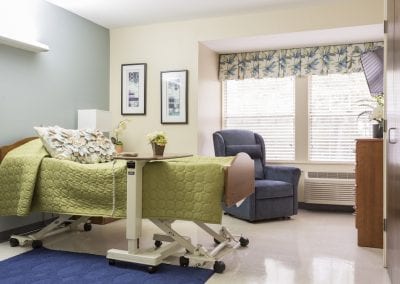
Who Owns and Operates Lakewood Health And Rehab, Llc?

LAKEWOOD HEALTH AND REHAB, LLC is owned by a for-profit company. For-profit facilities operate as businesses with obligations to shareholders or private owners. The facility is operated by CENTRAL ARKANSAS NURSING CENTERS, a chain that manages multiple nursing homes. With 73 certified beds and approximately 68 residents (about 93% occupancy), it is a smaller facility located in NORTH LITTLE ROCK, Arkansas.

How Does Lakewood Health And Rehab, Llc Compare to Other Arkansas Nursing Homes?

Compared to the 100 nursing homes in Arkansas, LAKEWOOD HEALTH AND REHAB, LLC's overall rating (2 stars) is below the state average of 3.1, staff turnover (55%) is near the state average of 46%, and health inspection rating (2 stars) is below the national benchmark.

What Should Families Ask When Visiting Lakewood Health And Rehab, Llc?

Based on this facility's data, families visiting should ask: "How do you ensure continuity of care given staff turnover, and what is your staff retention strategy?" "Can I visit during a mealtime to observe dining assistance and food quality?" "How do you handle medical emergencies, and what is your hospital transfer rate?" "Can I speak with family members of current residents about their experience?" These questions are particularly relevant given the facility's high staff turnover rate.

Is Lakewood Health And Rehab, Llc Safe?

Based on CMS inspection data, LAKEWOOD HEALTH AND REHAB, LLC has a clean safety record: no substantiated abuse findings (meaning no confirmed cases of resident harm), no Immediate Jeopardy citations (the most serious violation level indicating risk of serious injury or death), and is not on the Special Focus Facility watch list (a federal program monitoring the lowest-performing 1% of nursing homes). The facility has a 2-star overall rating and ranks #100 of 100 nursing homes in Arkansas. While no facility is perfect, families should still ask about staff-to-resident ratios and recent inspection results during their visit.

Do Nurses at Lakewood Health And Rehab, Llc Stick Around?

Staff turnover at LAKEWOOD HEALTH AND REHAB, LLC is high. At 55%, the facility is 9 percentage points above the Arkansas average of 46%. High turnover means new staff may not know residents' individual needs, medications, or preferences. It can also be disorienting for residents, especially those with dementia who rely on familiar faces. Families should ask: What is causing the turnover? What retention programs are in place? How do you ensure care continuity during staff transitions?

Was Lakewood Health And Rehab, Llc Ever Fined?

LAKEWOOD HEALTH AND REHAB, LLC has no federal fines on record. CMS issues fines when nursing homes fail to meet care standards or don't correct problems found during inspections. The absence of fines suggests the facility has either maintained compliance or corrected any issues before penalties were assessed. This is a positive indicator, though families should still review recent inspection reports for the full picture.

Is Lakewood Health And Rehab, Llc on Any Federal Watch List?

LAKEWOOD HEALTH AND REHAB, LLC is not on any federal watch list. The most significant is the Special Focus Facility (SFF) program, which identifies the bottom 1% of nursing homes nationally based on persistent, serious quality problems. Not being on this list means the facility has avoided the pattern of deficiencies that triggers enhanced federal oversight. This is a positive indicator, though families should still review the facility's inspection history directly.