PREMIER AT THE SPRINGS
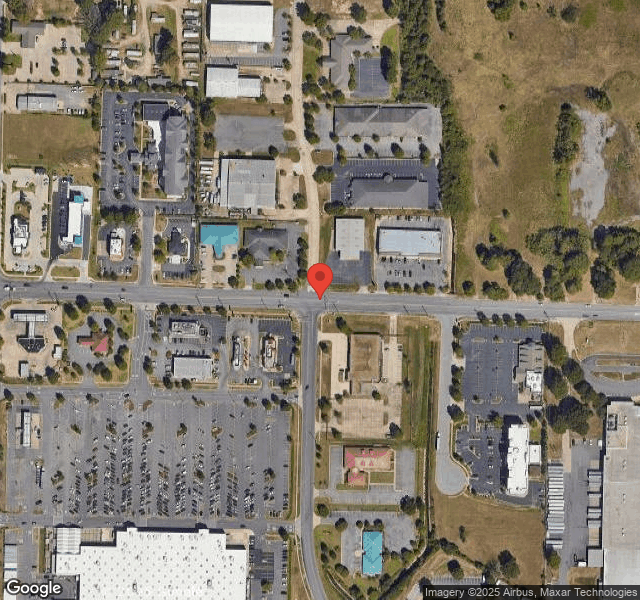

3600 RICHARDS ROAD, NORTH LITTLE ROCK, AR 72117 (501) 955-2108
For profit - Limited Liability company 132 Beds THE SPRINGS ARKANSAS Data: November 2025
Trust Grade
50/100
#161 of 218 in AR
Last Inspection: August 2025

Inspected within the last 6 months. Data reflects current conditions.

Overview

Premier at the Springs has a Trust Grade of C, indicating it is average compared to other nursing homes. It ranks #161 out of 218 facilities in Arkansas, placing it in the bottom half of the state, and #14 out of 23 in Pulaski County, meaning only a few local options are better. The facility is currently improving; the number of issues reported decreased from 17 in 2024 to 6 in 2025. Staffing is a concern here with a rating of 2 out of 5 stars and a turnover rate of 55%, which is similar to the state average. While there have been no fines, which is a positive sign, recent inspections revealed issues with food safety practices, such as not properly covering food items to prevent contamination, which could affect the health of residents. Overall, while there are some strengths in the nursing home's operations, families should be aware of the staffing challenges and food safety concerns.

Trust Score
C
50/100
In Arkansas
#161/218
Bottom 27%
Safety Record
Low Risk
No red flags
Inspections
Getting Better
17 → 6 violations
Staff Stability
⚠ Watch
55% turnover. Above average. Higher turnover means staff may not know residents' routines.
Penalties
✓ Good
No fines on record. Clean compliance history, better than most Arkansas facilities.
Skilled Nurses
⚠ Watch
Each resident gets only 22 minutes of Registered Nurse (RN) attention daily — below average for Arkansas. Fewer RN minutes means fewer trained eyes watching for problems.
Violations
⚠ Watch
35 deficiencies on record. Higher than average. Multiple issues found across inspections.
★★☆☆☆
2.0
Overall Rating
★★☆☆☆
2.0
Staff Levels
★★★☆☆
3.0
Care Quality
★★☆☆☆
2.0
Inspection Score
Stable
2024: 17 issues
2025: 6 issues

The Good

  • Full Sprinkler Coverage · Fire safety systems throughout facility
  • No fines on record

Facility shows strength in fire safety.

The Bad

2-Star Overall Rating

Below Arkansas average (3.1)

Below average - review inspection findings carefully

Staff Turnover: 55%

Near Arkansas avg (46%)

Higher turnover may affect care consistency

Chain: THE SPRINGS ARKANSAS

Part of a multi-facility chain

Ask about local staffing decisions and management

The Ugly 35 deficiencies on record

Aug 2025 6 deficiencies
CONCERN (D) 📢 Someone Reported This

A family member, employee, or ombudsman was alarmed enough to file a formal complaint

Potential for Harm - no one hurt, but risky conditions existed

Report Alleged Abuse (Tag F0609)

Could have caused harm · This affected 1 resident

Based on record review, interview, and facility policy review, it was determined that the facility failed to ensure an abuse allegation was reported to law enforcement for one (Resident #108) of five ...

Read full inspector narrative →
Based on record review, interview, and facility policy review, it was determined that the facility failed to ensure an abuse allegation was reported to law enforcement for one (Resident #108) of five sampled residents. The findings include: The quarterly Minimum Data Set, with an Assessment Reference Date of 07/17/2025, revealed Resident #108 had a Staff Assessment of Mental Status with a score of 3, which indicated the resident had severely impaired (never/rarely makes decisions) cognitive skills for daily decision making. A review of Resident #108’s Care Plan dated 07/13/2025 revealed the resident was receiving hospice services and was at risk for skin integrity issues. The Care Plan included interventions that included to keep nails trimmed, conduct weekly body audits, reposition, and report skin concerns to the nurse. A review of the Medical Diagnosis Report revealed Resident #108 had diagnoses which included damage of brain cells affecting memory and thinking skills, hearing deficit, cognitive communication deficit, and excessive worry, fear, and nervousness. A review of Physician’s Orders revealed Resident #108 received hospice services along with pain and antianxiety medications. On 08/12/2025 at 2:56 PM, during review of the facility’s internal investigation packet which contained an abuse allegation involving Resident #108, that was reported on 07/08/2025 at 11:14 AM, a police report or incident number was not located. On 08/13/2025 at 8:00 AM, the Administrator stated that the police were contacted regarding the incident. A police officer was not sent out and an incident number was not given. The Administrator gave the name of the officer that the incident was reported to. During an interview on 08/13/2025 at 8:50 AM, the police officer named by the Administrator that took the call about the abuse allegation, indicated that the specific day the call regarding the incident reportedly came in was not a scheduled workday. The officer confirmed there was no report from the facility on that specific day. The police officer researched records for the entire month of July 2025 and did not have a report involving Resident #108. During an interview on 08/14/2025 at 8:25 AM, the Director of Nursing (DON) confirmed that when an abuse allegation was received, part of the process was to report the allegation to law enforcement. During an interview on 08/14/2025 at 8:47 AM, the Administrator confirmed that one part of the reporting process of abuse allegations was to report to law enforcement. The facility’s policy and procedure titled, “Abuse, Neglect, Exploitation or Misappropriation- Reporting and Investigating” indicated under the headline, Reporting Allegations to Administrator and Authorities that the administrator would immediately report the suspicion to the following persons or agencies, of those options law enforcement officials were to be notified.
CONCERN (D)

Potential for Harm - no one hurt, but risky conditions existed

Safe Environment (Tag F0921)

Could have caused harm · This affected 1 resident

Based on observations, interviews, and facility policy review, it was determined that the facility failed to ensure necessary equipment was maintained in a clean and sanitary state for one (Resident #...

Read full inspector narrative →
Based on observations, interviews, and facility policy review, it was determined that the facility failed to ensure necessary equipment was maintained in a clean and sanitary state for one (Resident #122) of three residents reviewed, specifically not ensuring a resident’s wheelchair was free of dirt and debris. The findings include: During an observation on 08/11/2025 at 3:38 PM, Resident #122 was resting in bed, and their wheelchair was parked to the right of the bed. This surveyor observed that Resident #122’s wheelchair had white and brown flakes and crumbs caked on both sides of the seat cushion and on the front legs that connected the wheels and brakes. During an observation on 08/12/2025 at 8:30 AM, this surveyor observed Resident #122 in the dining room for breakfast and that their wheelchair was still dirty. During a concurrent observation and interview on 08/13/2025 at 11:49 AM, Resident #122 lifted the seat cushion to show Assistant Director of Nursing (ADON) #1 the dirt and debris on the wheelchair. ADON #1 confirmed the wheelchair was dirty and needed to be cleaned. A review of Resident #122’s admission Record indicated the facility admitted the resident on 05/13/2022 with diagnoses which included hypertensive heart disease, vascular dementia, and acute kidney failure. A review of Resident #122’s quarterly Minimum Data Set, with an Assessment Reference Date of 07/13/2025, revealed a Brief Interview for Mental Status score of 04, which indicated the resident had severe cognitive impairment. A review of Resident #122’s Care Plan, dated 07/11/2025, revealed the resident had a self-care performance deficit with limited mobility. Further review of Resident #122’s Care Plan revealed an intervention with an initiation date of 05/16/2024, that directed staff to include independence with supervision for locomotion with a wheelchair. A review of Resident #122’s Activity of Daily Living (ADL) task ADL Locomotion, revealed the resident had supervision in wheelchair checked off twice per day for the past 14 days. During an interview on 08/11/2025 at 3:38 PM, Resident #122 said their wheelchair was dirty and had been dirty for a long time, but was not able to recall the exact timeframe. During an interview on 08/12/2025 at 10:23 AM, the Housekeeper confirmed all staff could clean a wheelchair, but the night shift Certified Nursing Assistants (CNAs) were supposed to check and clean them at night, as part of their job duties. During an interview on 08/12/2025 at 2:08 PM, CNA #3 confirmed night shift CNAs checked and cleaned wheelchairs as necessary. During an interview on 08/12/2025 at 2:37 PM, CNA #4 confirmed that part of the night shift CNAs job duties was to check and clean wheelchairs and other resident equipment. During an interview on 08/12/2025 at 2:39 PM, CNA #5 confirmed the night shift CNAs job duties included checking and cleaning resident equipment, including wheelchairs. During an interview on 08/13/2025 at 8:52 AM, Licensed Practical Nurse #8 stated CNAs were supposed to clean wheelchairs. During an interview on 08/13/2025 at 9:05 AM, Medication Assistant- Certified #10 stated all CNAs could clean a wheelchair, but the overnight staff should check and clean resident equipment. During an interview on 08/13/2025 at 9:31 AM, Assistant Director of Nursing #2 confirmed night shift staff checked wheelchairs and other equipment to ensure everything was kept clean and not broken. ADON #2 stated leaving wheelchairs dirty posed a risk of effecting resident’s dignity, causing unpleasant odors, and affecting the life of the wheelchair. During an interview on 08/13/2025 at 12:33 PM, the Director of Nursing revealed night shift CNAs were supposed to clean wheelchairs to reduce the risk of germs, infection, and attracting pests. During an interview on 08/13/2025 at 1:13 PM, CNA #7 stated it was the responsibility of the night shift CNAs to keep the resident’s equipment clean, including wheelchairs. During an interview on 08/14/2025 at 8:50 AM, the Administrator stated it was everybody’s responsibility to keep the residents wheelchairs clean, but the primary responsibility fell on the night shift CNAs. The Administrator revealed maintenance could help as well. During an interview on 08/13/2025 at 3:12 PM, Nurse Consultant #11 stated the facility did not have any policies or in-services for environment or wheelchair cleaning.
CONCERN (E) 📢 Someone Reported This

A family member, employee, or ombudsman was alarmed enough to file a formal complaint

Potential for Harm - no one hurt, but risky conditions existed

ADL Care (Tag F0677)

Could have caused harm · This affected multiple residents

**NOTE- TERMS IN BRACKETS HAVE BEEN EDITED TO PROTECT CONFIDENTIALITY** Based on observations, interviews, record review, and facility policy review, it was determined that the facility failed to ensu...

Read full inspector narrative →
**NOTE- TERMS IN BRACKETS HAVE BEEN EDITED TO PROTECT CONFIDENTIALITY** Based on observations, interviews, record review, and facility policy review, it was determined that the facility failed to ensure personal care was provided for two (Resident #106 and Resident #126) of two residents reviewed for activities of daily living. The findings include: Resident #126 Review of Resident #126’s admission Record indicated Resident #126 was admitted to the facility on [DATE] with diagnoses which included orthopedic aftercare following surgical amputation [of toes of left foot], type 2 diabetes mellitus with diabetic nerve pain, absence of left toes, disorder in which narrowed blood vessels reduce blood flow to the legs and feet, anxiety disorder and absence of right leg above the knee. Review of Resident #126’s admission Minimum Data Set (MDS) with an assessment reference date (ARD) of 07/14/2025, indicated a Brief Interview for Mental Status (BIMS) score of 15, which indicated Resident #126 was cognitively intact. The MDS also indicated Resident #126 had no behavior or rejection of care and required moderate assistance with personal hygiene. Review of Resident #126’s Care Plan with a revision date of 08/04/2025, indicated the resident would improve their current level of function in self-care and be clean and well-groomed daily. The Care Plan also indicated Resident #126 was able to perform personal hygiene with partial assistance. On 08/10/2025 at 12:06 PM, Resident #126 told this surveyor they had been asking for a shave since being admitted to the facility but had only been shaved in the barber shop one time and had to pay 10 dollars. The resident went on to relate, prior to admission to the facility, they always kept themself clean shaven and did not like having facial hair. Resident #126 was observed on 08/11/2025, 08/12/2025, and 08/13/2025 to continue to have a thick growth of facial hair approximately 1.5 inches long. During an interview on 08/13/2025 at 11:15 AM, Certified Nursing Assistant (CNA) #12 confirmed the facility had razors and shaving cream. CNA #12 stated CNAs were responsible for assisting residents with personal grooming, including shaving, and stated she would assist Resident #126 to shave that day. During a second interview on 08/14/2025 at 9:16 AM, CNA #12 again confirmed that CNAs were responsible for assisting residents with personal hygiene and stated, “residents should be able to get a shave if they want.” CNA #12 went on to state when she asked Resident #126 on 08/13/2025 about getting a shave, the resident stated they were going to smoke and would be back. CNA #12 then stated Resident #126 had thick coarse facial hair and one razor would not shave them. When questioned if more than one razor could be used to shave them, CNA #12 confirmed more than one could be used. On 08/14/2025 at 10:45 AM Resident #126 was observed in their bathroom with two CNAs and was receiving a shave. When the Director of Nursing (DON) asked the resident if they had been requesting a shave from the staff. Resident #126 confirmed that they had asked several times since admission but did not remember the name of who they had asked. During an interview on 08/14/2025 at 10:00 AM, the DON confirmed it was the CNA’s responsibility to assist residents with personal hygiene, but anyone could assist with this as long as they had the proper training. The DON stated, “residents who want to be shaved should absolutely be assisted with this.” Resident #106 A review of a Face Sheet, indicated the facility admitted Resident #106 with diagnoses that included paralysis and muscle weakness affecting one side of the body following a stroke, pain, heart disease characterized by buildup of plaque in the arteries, atrial fibrillation, chronic kidney disease, and chronic viral hepatitis. The quarterly MDS, with an ARD of 07/03/2025, revealed Resident #106 had a BIMS score of 11, which indicated the resident was moderately cognitively impaired. A review of Resident #106’s Care Plan, dated on 07/03/2025, revealed the resident had an activities of daily living self-care deficit. The Care Plan also included interventions that included to check and trim nails as necessary. A review of Physician’s Orders revealed Resident #106 had orders to see a podiatrist as needed. A review of an activity of daily living “Nail Task,” revealed Resident #106’s nails had been checked on 07/13/2025 at 9:02 AM, 07/20/2025 at 12:59 PM, 07/27/2025 at 8:47 AM, 08/03/2025 at 10:34 AM, and 08/10/2025 at 9:35 AM. During an observation on 08/10/2025 at 12:09 PM, Resident #106’s feet were uncovered while resident was lying in bed and all toenails were noticeably long, curled, discolored, and jagged. During an interview on 08/10/2025 at 12:09 PM, Resident #106 confirmed that the long toenails were bothersome and had been reported to the nurse several times. Resident #106 could not remember the dates nails were reported. During an interview on 08/12/2025 at 2:09 PM, CNA #3 confirmed that CNAs could clip fingernails and toenails unless they had a medical condition, such as diabetes and nails were to be checked on shower days. CNA #3 stated nails were to be reported to the nurse if a resident was diabetic and needed to be trimmed. CNA #3 confirmed staff were in-serviced on activities of daily living often but did not remember the last in service. During an interview on 08/12/2025 at 2:09 PM, CNA #4 confirmed that CNAs were to check nails on shower days and clip them if needed unless the resident was a diabetic or had been told otherwise. Specifically, if the resident had long or curled toenails. CNA #4 stated that toenails that required professional attention were reported to the nurse. During an interview on 08/12/2025 at 2:14 PM, CNA #5 stated CNAs were in-serviced on nail care and activities of daily living annually and as needed. CNA #5 stated CNAs were allowed to clip toenails of residents that were not diabetic. During an interview on 08/13/2025 at 8:52 AM, Licensed Practical Nurse (LPN) #8, stated CNAs clipped toenails unless a resident was a diabetic. Then they reported to the nurse that the resident’s toenails needed clipped. The nurse clipped the toenails of diabetic residents unless they were thick or curled, then the Social Service Director (SSD) was notified that the resident needed a podiatrist appointment. During an interview on 08/13/2025 at 8:54 AM, LPN #9 stated CNAs perform body audits while showering the residents and would report to the nurse if nails needed clipped. During an interview on 08/13/2025 at 9:00 AM, Medication Assistant- Certified #10 confirmed that CNAs were supposed to check toenails in the shower and clip them unless the resident was a diabetic. If the resident was diabetic, the CNAs reported to the nurse that the resident needed their toenails trimmed. During an interview on 08/13/2025 at 9:38 AM, Assistant Director of Nursing (ADON) #2 stated the treatment nurse normally trimmed diabetic resident’s toenails unless a podiatry appointment was needed. The Social Service Director was notified if a resident needed a podiatrist appointment and the resident’s name was placed on a list for when the podiatrist came to the facility. During an interview on 08/13/2025 at 11:33 AM, CNA #6 confirmed that Resident #106’s toenails were long and needed to be trimmed. CNA #6 stated CNAs were supposed to report long toenails to the nurse. During an interview on 08/13/2025 at 11:40 AM, ADON #1 stated the shower team would clip the toenails or report them to the treatment nurse. ADON #1 was asked to examine Resident #106’s toenails. ADON #1 confirmed that Resident #106’s toenails needed to be clipped by a podiatrist, who comes to the facility once a month. A podiatry list was kept by the Social Services Director (SSD). The SSD provided the current podiatry list and Resident #106 was not listed. During an interview on 08/13/2025 at 12:24 PM, the DON stated CNAs in the facility were allowed to cut resident’s toenails as long as they were not really long or curled and the resident was not a diabetic. The DON stated that a resident having long toenails was at risk for hanging the nail on something causing pain, injury, infections, and fungus. During an interview on 08/14/2025 at 8:43 AM, the Administrator stated all staff were responsible for checking resident’s feet and ensuring they get proper care. A review of a facility policy titled, “Activities of Daily Living,” revised on 03/2018, indicated, “Residents who are unable to carry out activities of daily living independently will receive the services necessary to maintain good nutrition, grooming, and personal and oral hygiene.” A review of the facility’s policy titled “Foot Care,” revised March 2025, indicated Residents will be provided with foot care and treatment in accordance with professional standards, of practice, overall foot care will include the care and treatment of medical conditions associated with foot complications (e.g., diabetes, peripheral vascular disease, etc.), residents will be assisted in making transportation appointments to and from specialists (podiatrist, endocrinologist, etc.) as needed. Trained staff may provide routine foot care (e.g., toenail clipping) within professional standards of practice for residents without complicating disease processes. Residents with foot disorders or medical conditions associated with foot complications will be referred to qualified professionals'.” A review of professional standards from the Centers for Disease Control (CDC)'s guidelines indicated for infection prevention in podiatry settings emphasize the importance of standard precautions to prevent ingrown toenails, reduce the risk of fungal infections, and minimize the risk of bacterial infections
CONCERN (E)

Potential for Harm - no one hurt, but risky conditions existed

Infection Control (Tag F0880)

Could have caused harm · This affected multiple residents

**NOTE- TERMS IN BRACKETS HAVE BEEN EDITED TO PROTECT CONFIDENTIALITY** Based on observation, record review, interview and facility policy review, the facility failed to ensure a glucometer was cleans...

Read full inspector narrative →
**NOTE- TERMS IN BRACKETS HAVE BEEN EDITED TO PROTECT CONFIDENTIALITY** Based on observation, record review, interview and facility policy review, the facility failed to ensure a glucometer was cleansed according to the manufacturer's guidelines for two of two glucometers observed being used to perform blood sugar checks; and failed to ensure wound care was performed using proper infection control measures for one (Resident #126) of one resident observed during wound care. The findings include: Resident #126 wound care Review of the admission Record for Resident #126 indicated they were admitted to the facility on [DATE] with diagnoses which included acquired surgical amputation of toes of left foot, type 2 diabetes mellitus, peripheral vascular disease (a condition where the blood vessels in the arms, legs, and other extremities become narrowed or blocked), anxiety disorder, and absence of the right leg above the knee. A review of Resident #126’s admission Minimum Data Set with an Assessment Reference Date of 07/14/2025, revealed a Brief Interview of Mental Status score of 15, which indicated the resident was cognitively intact and had no symptoms of delirium or behaviors. Resident #126’s MDS also revealed the resident had impairment to both lower extremities, was dependent on staff for bathing dressing, and was independent with locomotion in a wheelchair. A review of Resident #126’s Physician Orders dated 07/15/2025, indicated the treatment to be performed to the left foot including how to clean and apply the wound vacuum on Monday Wednesday and Friday and as needed it if was dislodged or soiled. A review of Resident #126’s Care Plan, with a revision date of 07/18/2025, indicated the resident had a Surgical Wound to foot and to monitor and document any drainage, pain, swelling, or signs of infection and notify the physician if present and to provide treatment as ordered. During an observation on 08/10/2025 at 11:21 AM, this surveyor observed Resident #126 pushing themselves down the 300 and 500-hall in a wheelchair. Resident #126 had their left foot on the wheelchair footrest, a wound vacuum was hanging on the back of the resident’s wheelchair with tubing connecting it to the dressing on the left foot, the dressing was covered with a blue surgical shoe cover. This surveyor detected a faint noxious odor coming from Resident #126 as they wheeled by. During an observation on 08/11/2025 at 3:36 PM, this surveyor observed Licensed Practical Nurse (LPN) #14/Treatment Nurse, perform wound care with wound vacuum change to Resident #126’s left foot. LPN #14 went into the resident’s room, removed personal items from the over bed table, sanitized their hands, before taking supplies from the treatment cart and laying them directly on Resident #126’s over-bed table, without placing a barrier down or sanitizing the table first. Resident #126 transferred themselves to their bed where LPN #14 placed a pillow under the residents ankle to elevate their left foot. When LPN #14 removed the old dressing this. surveyor observed the wound to have copious amount of pink tinged purulent drainage and a noxious odor. A moderate amount of this purulent drainage dropped onto the resident’s blanket on the bed, as there was no barrier under their foot. Wearing the same gloves she used to remove the old dressing, LPN #14 then picked up a cup with gauze saturated in wound cleanser from the over bed table, took out a 4x4 inch gauze pad and wiped around the outer edge of the foot wound, folded the used gauze and wiped the inside of the wound then discarded the gauze. LPN #14 then took another gauze pad with wound cleanser from the cup and wiped the inside of the wound, folded it and wiped the inside of the wound again then discarded the gauze. After sanitizing and donning a clean pair of gloves LPN #14 picked up the wound preparation spray and sprayed the outer area of the foot around wound. LPN #14 then opened a pack of would vacuum supplies and used the scissors she had previously laid on the un-sanitized over bed table to cut the foam to fit into the wound bed. She then packed Resident #126’s wound and applied the transparent dressing, took the same scissors and cut a small hole in the dressing and attached the would vacuum. LPN #14 replaced Resident #126’s personal items back on the over bed table, picked up the skin prep spray and scissors in ungloved hands and sat them on top of the treatment cart. When questioned, LPN #14 confirmed she should have cleaned the wound by wiping from the inside out and only used the gauze pad one time and not reused it. When asked about the skin prep spray and scissors being placed on top of the treatment cart, LPN #14 verbalized she was going to sanitize them. During an interview on 08/14/20/2025 at 10:40 AM, the Director of Nursing (DON) confirmed he expected wound treatments to be done in a clean professional manner, according to physician orders. A review of the facility’s policy for Wound Care indicated to use a disposable cloth to establish a clean field on top of the over bed table, place a disposable cloth under the wound to prevent soiling the bed linen or other body sites. The policy when on to say to preform hand hygiene and don gloves, remove the wound dressing and discard along with used gloves. Preform hand hygiene again and don gloves and gown. The policy indicated, wear sterile gloves when physically touching the wound, after treatment to wipe reusable items with alcohol prior to returning them to the treatment cart. Glucometer observation During an observation on 08/13/2025 from 12:26 PM to 12:42 PM, this surveyor observed LPN #13 perform fingerstick blood sugars on several residents, rotating between two different glucometers, and failing to perform proper sanitizing between each resident, After each fingerstick, LPN #13 would take the glucometer back to the medication cart and place it on top of the medication cart. After the second fingerstick check, LPN #13 took out an alcohol pad and wiped down the glucometers and laid them both back on top of the medication cart. During an interview on 08/13/2025 at 12:46 PM, LPN #13 confirmed she cleaned the glucometers with an alcohol pad. She revealed she used to clean the glucometers with a commercial disinfectant wipe, but when she asked about it a few weeks prior, she was told to use an alcohol wipe by upper management, but could not remember who it was. During an interview with the Director of Nursing on 08/14/2025 at 10:40 AM, he indicated germicidal wipes were used to clean the glucometers between residents and he was unaware of the nurse using an alcohol wipe to clean. A review of the manufacture guidelines for cleaning and disinfecting the glucometer used by facility indicated two options: use a registered disinfectant detergent or germicide or use a solution of household bleach and water.
CONCERN (F)

Potential for Harm - no one hurt, but risky conditions existed

Deficiency F0838 (Tag F0838)

Could have caused harm · This affected most or all residents

Based on facility document review, interviews, facility policy review, it was determined that the facility failed to conduct a thorough facility assessment for the staffing required for day/evening/we...

Read full inspector narrative →
Based on facility document review, interviews, facility policy review, it was determined that the facility failed to conduct a thorough facility assessment for the staffing required for day/evening/weekend coverage of resident needs and failed to formulate a plan for staff recruitment and retention to meet the needs of the residents when completing their facility assessment. The findings include: A review of the Facility Assessment, dated 07/07/2025, revealed the following: “The Facility Assessment Team” was identified as the Administrator, Director of Nursing, Assistant Director of Nursing, Infection Preventionist, and Medical Director. The average census used was 132 and the assessment indicated that prior to the admission of any resident, the Director of Nursing and nursing department staff along with the IDT [interdisciplinary team] team assessed physical and psychosocial needs of the residents. “Facility Staffing” identified the managers and “Additional Staff: Licensed Registered Nurses, Licensed Practical Nurses, State Tested Nursing Assistants, Resident Assistants, Diet Tech & Dieticians, Housekeeping staff, Laundry staff, Dietary staff, Business office staff, Therapy is provided under contractual agreement including licensed physical therapists, occupational therapists, and speech therapists, Volunteers.” The Facility Assessment also indicated that staffing assignments were based on staff, resident, and family input and the facility was “committed to consistent assignment, based on censes and acuity.” No staffing decisions were outlined for the facility based on the resident populations assessed needs to ensure sufficient and appropriate staffing were available on all day/evening/night/weekend, shifts, to care for the residents. There was no section to address the development and maintenance of recruitment and retention of the direct care staff. No direct care staff or resident/resident representatives were listed as part of the facility assessment team showing input or involvement in the self-assessment process. During an interview on 08/12/2025 at 12:06 PM, Assistant Director of Nursing (ADON) #1 stated, she did the nursing schedules, and they had been done the same for the length of her employment. She stated there was a minimal staffing formula on the Office of Long-Term Care state website to meet minimal staffing requirements. She stated Human Resources decided how many people were there each day and she went by what the corporation told her. ADON #1 revealed she did not reference the facility’s assessment as a guideline for scheduling staff. During an interview on 08/13/2025 at 10:25 AM, the Director of Nursing (DON) stated, the facility assessment was just to check things like fire alarms, ensure everything was in place like air conditioning, and everything was up and running properly. The DON stated the Administrator was responsible for the facility assessment. During an interview on 08/13/2025 at 12:21 PM, the Administrator stated the facility staffing was based on census. The facility assessment was his responsibility and was a large document which covered vendors, emergency supplies, and contracts for needs or improvements. He stated staffing had a federal minimal requirement of about 3.5 hours per resident per day, but he did not have the document in front of him. The Administrator did not reference the facility’s assessment when identifying the facility’s need for sufficient and appropriate staff each shift to meet the needs of the residents. A review of a facility policy titled, Facility Assessment, with a revision date of October 2018, indicated a facility assessment is conducted annually to determine and update our capacity to meet the needs of and competently care for our residents during day-to-day operations. The facility assessment includes a detailed review of the resident population. This part of the assessment includes factors that affect the overall acuity of the residents, such as the number and percentage of residents with: Need for assistance with ADLs; Mobility impairments; incontinence (bowel and bladder); Cognitive or behavioral impairments; and Conditions or diseases that require specialized care (e.g., dialysis, ventilators, wound care). The facility assessment includes a detailed review of the resources available to meet the needs of the resident population. This includes the following: equipment and supplies (medical and non-medical), contractors or agreements with third parties to provide services, equipment, and supplies to the facility during normal operations and in the event of an emergency; Services currently provided, including: Skilled or specialized care (e.g., memory care). All personnel, including Regular employees (full and part time) and contracted staff (full and part time). A breakdown of the training, licensure, education, skill level and measures of competency for all personnel.
MINOR (C)

Minor Issue - procedural, no safety impact

Staffing Information (Tag F0732)

Minor procedural issue · This affected most or all residents

Based on observations and interviews it was determined that the facility failed to post the required staffing information. Specifically, the facility failed to post the facility census and actual hour...

Read full inspector narrative →
Based on observations and interviews it was determined that the facility failed to post the required staffing information. Specifically, the facility failed to post the facility census and actual hours worked by licensed personnel. The findings include: During an observation on 08/12/2025 at 9:36 AM, on a bulletin board by the front entrance time clock, two papers were posted. The first contained the facility name and date with staff assignments. The paper identified the staff name, shift assignment, and the hall they were assigned to. The second paper identified the number of licensed staff broken down by Registered Nurse (RN), Licensed Practical Nurse (LPN), and Certified Nursing Assistant (CNA) without names. No census or actual hours worked was posted. During an observation on 08/13/2025 at 9:37 AM, on a bulletin board at the front entrance time clock, two papers were posted. The first contained the facility name and date with staff assignments. The paper identified the staff name, shift assignment, and the hall they were assigned to. The second paper identified the number of licensed staff broken down by RN, LPN, and CNA without names. The census stated 127. No actual hours worked was posted. During an interview on 08/13/2025 at 10:25 AM, the Director of Nursing stated the posted staffing was to show the CNAs where to go each day and that there was a CNA schedule by the time clock. During an interview on 08/13/2025 at 11:07 AM, the Administrator stated the posted staffing was to show the number of employees and where they were stationed.
Dec 2024 2 deficiencies
CONCERN (D) 📢 Someone Reported This

A family member, employee, or ombudsman was alarmed enough to file a formal complaint

Potential for Harm - no one hurt, but risky conditions existed

Assessment Accuracy (Tag F0641)

Could have caused harm · This affected 1 resident

Based on record review and interview, the facility failed to ensure the Minimum Data Set (MDS) was accurate and complete to facilitate the ability to plan and provide necessary care and services for 1...

Read full inspector narrative →
Based on record review and interview, the facility failed to ensure the Minimum Data Set (MDS) was accurate and complete to facilitate the ability to plan and provide necessary care and services for 1 (Resident #1) sampled resident whose MDS was reviewed. The findings are: Review of the admission Record revealed the facility admitted Resident #1 with a diagnosis of Moderate Protein-Calorie Malnutrition. Review of the significant change Minimum Data Set (MDS) with an Assessment Reference Date (ARD) of 09/25/2024 revealed Resident #1 had a Brief Interview for Mental Status (BIMS) score of 15, which indicated the resident was independent for their daily decision making. Section J, subsection J1400 was marked no and section O0110, subsection K1 Hospice was marked yes . Review of Resident #1's Care Plan initiated 09/24/2024 revealed the resident elected hospice services with Baptist Hospice. During an interview on 12/03/2024 at 3:00PM, MDS Coordinator #2 stated that she marked No on section J1400 of the 09/25/2024 significant change MDS. During review of the RAI manual, with MDS Coordinator #2, she stated the definition of Hospice Services, r. Under the hospice program benefit regulations, a physician is required to document in the medical record a life expectancy of less than 6 months, so if a resident is on hospice the expectation is that the documentation is in the medical record. MDS Coordinator #2 then verified that section J1400 on 09/25/2024 should have been marked yes, verifying resident prognosis with a condition or chronic disease that may result in a life expectancy of less than 6 months.
CONCERN (D) 📢 Someone Reported This

A family member, employee, or ombudsman was alarmed enough to file a formal complaint

Potential for Harm - no one hurt, but risky conditions existed

Comprehensive Care Plan (Tag F0656)

Could have caused harm · This affected 1 resident

Based on interviews, record review, facility document review, and facility policy review, it was determined that the facility failed to ensure the comprehensive care plan addressed and individualized ...

Read full inspector narrative →
Based on interviews, record review, facility document review, and facility policy review, it was determined that the facility failed to ensure the comprehensive care plan addressed and individualized appropriate care and services for 1 (Resident #3) of 1 sampled resident, reviewed for care plan accuracy. The Findings are: Review of Resident #3's admission Record, with an admission date of 04/12/2024, revealed diagnoses of sudden (acute) decrease in breathing (respiratory failure) with low oxygen (hypoxia) and sleep apnea. Review of Resident #3's Order Summary Report, dated November 1, 2024, indicated change oxygen tubing each week, every night shift, every Wednesday, oxygen two (2) liters per minute (LPM) through nasal cannula (NC) as needed for shortness of breath each day. Review of Resident #3's Care Plan with a date of October 21, 2024, did not note the resident received oxygen as needed. Review of Resident #3's Discharge, return anticipated, Minimum Data Set (MDS), with an Assessment Reference Date (ARD) of 11/07/2024, indicated in Section O0110, Special Treatments, procedures and programs that Resident #3 was receiving oxygen while a resident in the facility . During an interview with the Minimum Data Set Coordinator (MDS) #1, on 12/03/2024 at 2:43 PM, he confirmed he was familiar with Resident #3 and there was a physician's order for oxygen at two (2) LPM as needed. He also confirmed the MDS with an ARD of 11/07/2024 indicated Resident #3 received oxygen while a resident in the facility and should be care planned for oxygen but was not. During an interview with the Director of Nursing (DON), on 12/03/2024 at 3:08 PM, he confirmed he was somewhat familiar with Resident #3 and that there was a physician's order for oxygen at 2 LPM as needed. He also confirmed that the MDS with an ARD of 11/07/2024 indicated Resident #3 received oxygen while a resident in the facility and should be care planned for oxygen but was not. Review of a facility policy titled, Care Plans, Comprehensive Person-Centered, with a revision date of March 2024, noted Policy Statement: A comprehensive, person-centered care plan that includes measurable objectives and timetables to meet the resident's physical, psychosocial and functional needs is developed and implemented for each resident. Also, Policy Interpretation and Implementation: 1. The interdisciplinary team (IDT), in conjunction with the resident and his/ her family or legal representative, develops and implements a comprehensive, person-centered care plan for each resident. 7. The comprehensive, person-centered care plan: a. includes measurable objectives and timeframes; b. describes the services that are to be furnished to attain or maintain the resident's highest practicable physical, mental, and psychosocial well-being; e. reflects currently recognized standards of practice for problem areas and conditions.
Sept 2024 1 deficiency
CONCERN (E) 📢 Someone Reported This

A family member, employee, or ombudsman was alarmed enough to file a formal complaint

Potential for Harm - no one hurt, but risky conditions existed

Deficiency F0557 (Tag F0557)

Could have caused harm · This affected multiple residents

Deficiency Text Not Available

Read full inspector narrative →
Deficiency Text Not Available
May 2024 14 deficiencies
CONCERN (D)

Potential for Harm - no one hurt, but risky conditions existed

Deficiency F0554 (Tag F0554)

Could have caused harm · This affected 1 resident

Based on observations, interview, and record review, the facility failed to complete a Self-administration safety screen for 1 (Resident #27) sampled resident to ensure that the resident could safely ...

Read full inspector narrative →
Based on observations, interview, and record review, the facility failed to complete a Self-administration safety screen for 1 (Resident #27) sampled resident to ensure that the resident could safely administer medication, there were no drug interactions between prescribed medication and medication at the bedside, Resident did not over/under dose, and/or the medications did not have a negative effect on any medical illness the Resident ise currently was diagnosed with. The findings are: Resident #27 had a diagnosis the following diagnosis: (Primary) Hypertension and Chronic Kidney disease, stage 4 (severe), old Myocardial Infarction (heart attack), Chronic Obstructive Pulmonary Disease (condition that affects breathing), and Atrial Fibrillation (condition that affects the heart), Benign Prostatic Hyperplasia with lower Urinary Tract symptoms. The Physician's orders did not document any of the over the counter (OTC) medications found in the Resident's room. A Quarterly Minimum Data Set (MDS) with the Assessment Reference Date (ARD) of 04/18/24 documented that Resident #27 scored 11 (8-12 indicating moderate cognitive impairment) on the Brief Interview of Mental Status (BIMS) A Care Plan for Resident #27, with the initiated date of 04/03/2024, an intervention documented If I need medications for comfort. Please administer them in accordance with the Physician's orders and my ability to safely take them. On 05/05/24 at 09:48 AM the Surveyor observed the following medications on the Resident's nightstand: a. allergy relief medication (chlorpheniramine maleate antihistamine) used to relieve symptoms of allergy, hay fever, and the common cold, and can possible interact with anyone with the following conditions: Breathing problems (such as asthma, emphysema), Glaucoma, Heart problems, High blood pressure, Liver disease, Seizures, Stomach/intestinal problems (such as ulcers, blockage), Overactive thyroid (hyperthyroidism), Trouble urinating (such as due to enlarged prostate), b. lidocaine gel (used to treat pain), c. antifungal powder (used to treat certain kinds of fungal or yeast infections of the skin). On 05/05/24 at 11:58 AM, the Surveyor observed the same medication on the Resident's nightstand. On 05/05/24 at 02:21 PM, the Surveyor observed the same medication on the Resident's nightstand. On 05/06/24 at 08:21 AM, the Surveyor observed the same medications on the Resident's night. On 05/06/24 at 03:30 PM, the Surveyor observed the same medications on the Resident's nightstand. On 05/06/24 at 03:33 PM, Licensed Practical Nurse (LPN) #3 confirmed the Resident did have medication allergy relief, Lidocaine gel, and antifungal powder on his nightstand additionally the Resident had an antacid and cold and flu syrup in the nightstand. On 05/08/24 at 9:30 AM, the Director of Nursing voiced that a self-administration assessment was completed for the Resident on 5/6/24 to ensure that it was safe for the Resident and not at risk for over/under dosing, drug interactions, and/or other Resident get also get those medications. On 05/08/24 at 10:54 AM, a policy titled Self-Administration of Medications documented that Residents have the right to self-administer medications if the interdisciplinary team has determined that it is clinically appropriate and safe for the resident to do so.
CONCERN (D)

Potential for Harm - no one hurt, but risky conditions existed

Deficiency F0657 (Tag F0657)

Could have caused harm · This affected 1 resident

Based on observations, interview and record review, the facility failed to ensure the Care Plan for 1 (Resident #9) sampled resident was revised to reflect that the resident had an indwelling catheter...

Read full inspector narrative →
Based on observations, interview and record review, the facility failed to ensure the Care Plan for 1 (Resident #9) sampled resident was revised to reflect that the resident had an indwelling catheter. The findings are: According to list of diagnosis in the electronic records Resident #9 had a diagnosis of Personal history of urinary tract infection, overactive bladder, retention of urine, and acute cystitis. According to the Physician's order in the electronic records there was an order for an indwelling urinary catheter 16 French (FR) with 10 Cubic Centimeter (CC) balloon. According to Significant Change Minimum Data Set (MDS) with the Assessment Reference Date of 4/15/24 Resident 9 scored 07 (indicates severely impaired cognition) on the Brief Interview of Mental Status (BIMS), and that the Resident had an indwelling catheter, and always incontinent of bowel. A Care Plan, with the revision date 4/30/24, documented that Resident has an indwelling urinary Catheter 16 French/10 Cubic Centimeter (cc) for urinary incontinence. There were 2 interventions in place (catheterize 4x a day with 16fr catheter to help prevent infection and manage retention and document output notify Medical Doctor (MD) for signs/symptoms Urinary Tract Infections (UTI) or catheter related trauma) with the date Initiated: 04/04/2024. On 05/08/24 at 08:15 AM, the Minimum Data Set Coordinator confirmed the Resident's Care Plan was not updated to reflect that the resident had an indwelling catheter. On 05/08/24 at 09:30 AM, the Director of Nursing (DON) confirmed the care plan should have indwelling catheter documented with interventions in place to aide with catheter care. On 05/08/24 at 11:27 AM, a policy titled Care Plan, Comprehensive Person-Centered documented 11. Assessment of residents are ongoing and care plan are revised as information about the residents and the resident's condition change.
CONCERN (D)

Potential for Harm - no one hurt, but risky conditions existed

Incontinence Care (Tag F0690)

Could have caused harm · This affected 1 resident

Based on observations, interview and record review, the facility failed to ensure proper incontinence care was provided to 1 (Resident #9) sampled resident with an indwelling urinary catheter and the ...

Read full inspector narrative →
Based on observations, interview and record review, the facility failed to ensure proper incontinence care was provided to 1 (Resident #9) sampled resident with an indwelling urinary catheter and the catheter was placed in a manner to prevent possible dislodging and/or trauma to the resident. This failed practice had the potential to affect 2 (Resident #9, #13) sample of 4 Residents on 300 hall with indwelling catheters. The findings are: According to a list of diagnosis in the electronic records Resident #9 had a diagnosis of personal history of urinary tract infection, overactive bladder, retention of urine, and acute cystitis. According to the Physician's order in the electronic records, there was an order for indwelling urinary catheter 16 French (FR) with 10 Cubic Centimeter (CC) balloon. According to Significant Change Minimum Data Set (MDS) with the Assessment Reference Date of 4/15/24 Resident #9 scored 07 (indicates severely impaired cognition) on the Brief Interview of Mental Status (BIMS), and the Resident had an indwelling urinary catheter, and always incontinent of bowel. A Care Plan, with a revision date of 05/01/2023, documented Resident# 9 was at risk for impaired skin integrity related to (r/t) decreased mobility and incontinence. Lab Result Report for Urinalysis, Urinary Tract Microbiota Susceptibility, Urinary Tract Microbiota Assay, Urine Microscopy, with the collection Date:05/02/2024 07:05, received Date:05/02/2024 13:18, and reported Date: 05/06/2024 11:23, documented Resident #9 had >100,000 Colony Forming Unit (CFU) of E. coli. On 05/05/24 at 02:28 PM, the Surveyor observed Certified Nursing Assistant (CNA) #8 and #7 provide peri care to Resident #9. CNA #8 did not perform the care properly. When Resident #9 was turned onto her side CNA #8 wiped the stool downward. On 05/05/24 at 02:30 PM, the Surveyor observed Resident #9 being turned away from the side of bed that the catheter was connected causing the catheter tubing to stretch. The Surveyor did not observe a stat lock in place. On 05/05/24 at 02:45 PM, CNA #8 confirmed that there had been a step skipped when providing peri care to the Resident and that the stool was wiped downward which the improper direction. CNA #7 voiced the catheter should have been on the side of bed in which the Resident was turned to prevent pulling and strain on the catheter tubing. On 05/08/24 at 09:30 AM, the Director of Nursing (DON) confirmed when providing peri care to a female resident the care should be performed properly. The DON confirmed the catheter should have been disconnected from the bed to prevent pulling that may have caused dislodging and/or trauma and, facility does use stat lock when there is an indwelling catheter in place to prevent dislodging and/or trauma to the resident. On 05/08/24 at the Surveyor was provided with a policy Urinary Incontinence-Clinical Protocol that did not pertain to the deficient practice.
CONCERN (E)

Potential for Harm - no one hurt, but risky conditions existed

Deficiency F0557 (Tag F0557)

Could have caused harm · This affected multiple residents

Based on observations, interviews and record review, the facility failed to ensure that privacy and dignity was maintained for 2 (Resident #9 #13) sampled residents. The findings are: 1. According to ...

Read full inspector narrative →
Based on observations, interviews and record review, the facility failed to ensure that privacy and dignity was maintained for 2 (Resident #9 #13) sampled residents. The findings are: 1. According to list of diagnosis in the electronic records Resident 9 had a diagnosis of history of urinary tract infection, Overactive bladder, Retention of urine, and Acute cystitis. a. According to Significant Change Minimum Data Set (MDS) with the Assessment Reference Date of 4/15/24 Resident 9 scored 07 (indicates severely impaired cognition) on the Brief Interview of Mental Status (BIMS), and that the Resident had an indwelling catheter, and always incontinent of bowel. b. A Care Plan, with a revision date of 05/01/2023, documented that Resident 9 was at risk for impaired Skin Integrity related to (r/t) decreased mobility and incontinence. c. On 05/05/24 at 02:28 PM, the Surveyor observed Certified Nursing Assistant (CNA) #8 and #7 at the bedside of Resident #9 with the blanket pulled back, incontinence brief detached, and privacy curtain not pulled exposing the Resident to her roommate and anyone that entered the resident's room. d. On 05/05/24 at 02:45 PM, CNA #7 acknowledged the privacy curtain should have been pulled prior to pulling back the covers and detaching the Resident's incontinence brief. 2. Resident #13 had a diagnosis of Paraplegia and Quadriplegia. a. According to Quarterly Minimum Data Set with the Assessment Referenced Date of 04/11/24 Resident 13 scored 15 (13-15 indicating cognitive intact) on the Brief Interview of Mental Status. b. A Care Plan for Resident #13, with the revision 04/24/24, documented that the resident had Activities of Daily Living (ADL) self-care performance deficit and impaired mobility related to (r/t) Quadriplegia and contractures. c. On 05/07/24 at 10:15 AM, the Surveyor observed CNA #9 and #10 pushing Resident #13 on the shower bed down the hall to the shower wearing a hospital gown with nothing covering his person. d. On 05/07/24 at 10:20 AM, CNA #9 voiced that she was aware that the resident should have been covered prior to transport but, the decision was not made by her to transport the resident uncovered. e. On 05/07/24 at 10:30 AM, CNA #10 confirmed that she was aware the resident should have been covered prior to transport. CNA #10 voiced there was not a blanket available in the Resident's room and there was no time to get a clean sheet from the linen closet because she was trying to catch up. f. On 05/08/24 at 09:30 AM, the Director of Nursing (DON) voiced that the door should be closed, privacy curtain pulled, and blinds closed prior to providing care to a resident, and a resident should be covered with a sheet when transported via shower bed to protect the resident's privacy and dignity. g. On 05/08/24 at 10:54 AM, the Surveyor was provided a policy titled Resident Rights that documented Employees shall treat all residents with kindness, respect, and dignity. 1. Federal and state laws guarantee certain basic rights to all residents of this facility. These rights include the resident's right to: to privacy and confidentiality.
CONCERN (E) 📢 Someone Reported This

A family member, employee, or ombudsman was alarmed enough to file a formal complaint

Potential for Harm - no one hurt, but risky conditions existed

Deficiency F0558 (Tag F0558)

Could have caused harm · This affected multiple residents

Based on observation, interview, and record review the facility failed to ensure a call light was within reach for 4 (Resident #19, #32, #45, and #82) of 5 (Resident #32, #45, #82, #17, and #19) sampl...

Read full inspector narrative →
Based on observation, interview, and record review the facility failed to ensure a call light was within reach for 4 (Resident #19, #32, #45, and #82) of 5 (Resident #32, #45, #82, #17, and #19) sampled residents reviewed for call lights. The findings are: On 5/05/2024 at 9:30 AM, during initial rounds, surveyor observed Resident #19 did not have a call light within reach. On 5/05/2024 at 1:26 PM, surveyor observed Resident #32 did not have a call light within reach. The call light was on the floor near the foot of the bed. On 5/06/2024 at 8:33 AM, surveyor observed Resident #19 did not have a call light within reached. On 5/08/2024 at 8:08 AM, surveyor asked CNA #2 what is important to do before exiting the resident's room. CNA said to make sure the residents have their call light. On 5/08/2024 at 8:30 AM, surveyor asked CNA #3 what is one of the last things a person needs to do before leaving a resident's room. CNA said to make sure residents have their call light. On 5/08/2024 at 8:34 AM, surveyor asked CNA #4 what is one of the most important things to do when exiting a resident's room. CNA said to make sure the residents have their call light. On 5/08/2024 at 10:40 AM, surveyor asked Director of Nursing (DON) what is one of the last things staff should do before leaving out of a resident's room. DON said to make sure the residents have their call lights. Resident #45 had a diagnosis of repeated falls, irritant contact dermatitis due to fecal, urinary or dual incontinence, and Candidiasis of skin and nail. According to Quarterly Minimum Data Set with the Assessment Reference Date of 02/29/24 documented that Resident #45 scored 04 (0-7 indicates severe cognitive impairment) on the Brief Interview of Mental Status and, that Resident 45 was always incontinent of bowel and bladder. A Care Plan for Resident #45, with a revision date of 10/03/23, documented the Resident was at risk for impaired skin Integrity related to (r/t) immobility/incontinence and that incontinence care/ peri care should be provided as needed. On 05/05/24 at 09:45 AM, the surveyor observed Resident #45 lying in bed awake with the call light lying on the floor near the middle of the room next to the recliner. On 05/05/24 at 12:08 PM, the surveyor observed Resident #45 lying in bed awake with the call light lying on the floor near the middle of the room next to the recliner. On 05/05/24 at 01:23 PM, the surveyor observed Resident #45 lying in bed awake with the call light lying on the floor near the middle of the room next to the recliner. On 05/05/24 at 2:45 PM, the surveyor observed Resident #45 lying in bed awake with call light on the floor near the middle of the room next to the recliner. On 05/08/24 at 02:45 PM, the surveyor observed Certified Nursing Assistant (CNA) #7 pick the call light off the floor and give it to Resident #45. On 05/06/24 at 03:35 PM, the Surveyor observed Resident #45 lying in bed awake with a call light wrapped around wheel at the foot of the bed and lying tucked in the blanket under the Resident's foot. On 05/05/24 at 02:45 PM, CNA voiced that Resident #45 uses the call light when she needs assistance, and the call light was on the floor out of reach of the Resident. On 05/05/24 at 02:45 PM, the Registered Nurse (IP) voiced that Resident #45 may be able to reach call light, but it would be hard. On 05/08/24 at 09:30 AM, the Director of Nursing (DON) voiced it is important for the Resident to have a call light within reach, so the Resident can call for help. The DON confirmed that if the call light is not within reach it puts the Resident at risk for falls, dehydration, and/or skin breakdown. A review of a Physician Order, indicated resident #82 had a diagnosis of Major Depressive Disorder. A Quarterly Minimum Data Set [MDS] with an Assessment Reference Date [ARD] of 5/28/24 documented the resident scored 13 (13-15 indicates cognitively intact) on a Brief Interview for Mental Status (BIMs). A care plan initiated on 9/26/22 documented, .Encourage the resident to use call light or ask for assistance as needed . On 5/05/24 at 10:12 AM Resident #82 call light was observed on the floor. Resident # 82 stated, They don't answer the call lights. I have to wait a long time before anyone comes. She was asked, Do you know how to use the call light? She stated, Yes I know how to use it. On 5/5/24 at 10:33 AM Resident #82 cellphone was ringing. She stated, Can you get me my phone? Licensed Practical Nurse (LPN) #5 walked in resident #82 room. LPN #5 confirmed that Resident #82 call light was on the floor, and it should be always within reach. On 5/5/24 at 10:40 AM Resident #82 was asked if she could turn her call light on. She hit the call light button, and it came on. On 5/08/24 at 12:19 PM the Director of Nurse (DON) was asked, Should the call light be within reach at all times? She stated, Yes ma'am.
CONCERN (E)

Potential for Harm - no one hurt, but risky conditions existed

Comprehensive Assessments (Tag F0636)

Could have caused harm · This affected multiple residents

Based on record review and interviews the facility failed to accurately assess the comprehensive assessment for 2 (Resident #52, #90) sampled residents. The findings are: 1. Resident 52 had a diagnos...

Read full inspector narrative →
Based on record review and interviews the facility failed to accurately assess the comprehensive assessment for 2 (Resident #52, #90) sampled residents. The findings are: 1. Resident 52 had a diagnosis of bi-polar, depression, and anxiety disorder. a. A Significant Change Minimum Data Set with the Assessment Referenced Date of 08/24/23 documented that Resident #52 scored 03 (indicating severe cognitive impairment) on the Brief Interview of Mental Status (BIMS), and Resident was not currently considered by the state level II Pre-admission Screening and Resident Review (PASRR) process to have serious mental illness and/or intellectual disability or a related condition. b. A Care Plan for Resident #52, with the revision date of 06/19/2023, documented Resident had mood problem related to (r/t) bipolar disorder. c. On 05/08/24 at 08:15 AM, the Minimum Data Set (MDS) Coordinator was not aware that Resident 52 was considered by the state as PASSAR level II. MDS Coordinator voiced that the electronic records did not reflect that information. 2. Resident #90 had a diagnosis of depression, old Myocardial Infarction, Chronic Obstructive Pulmonary Disease (COPD). a. According to a Smoking Safety Screen, with the effective Date 11/27/2023, documented Resident #90 smoked 2-5 cigarettes per day. b. A Care Plan for Resident #90, with the revision date 04/30/2024, showed Resident had Chronic Obstructive Pulmonary Disease (COPD) and was a smoker at risk for shortness of breath (SOB). c. A Significant Change Minimum Data Set with the Assessment Reference Date of 10/18/23 documented Resident was not a smoker. d. On 05/08/24 at 08:15 AM, the Minimum Data Set Coordinator confirmed Resident #90 was a smoker, it was not coded on the comprehensive Assessment the Resident was a smoker, and the smoking should have been documented on the Significant Change Minimum Data Set (MDS). e. On 05/08/24 at 09:30 AM, the Director of Nursing (DON) confirmed the comprehensive assessment did not reflect Resident #52 was considered by the state as PASSAR level II and Resident #90 was a smoker which was incorrect. f. On 05/08/24 at 3:00 PM, the facility had not provided the Surveyor with a MDS coding policy, or the section of the Resident Assessment Instrument manual used to code.
CONCERN (E)

Potential for Harm - no one hurt, but risky conditions existed

ADL Care (Tag F0677)

Could have caused harm · This affected multiple residents

Based on observations, interviews and record review, the facility failed to ensure 1 Resident #104 of 3 (Resident #54, #91, and #104) sampled residents reviewed for Activities of Daily Living (AD)s na...

Read full inspector narrative →
Based on observations, interviews and record review, the facility failed to ensure 1 Resident #104 of 3 (Resident #54, #91, and #104) sampled residents reviewed for Activities of Daily Living (AD)s nails were clean and that they received a shave. The findings are: Resident #104 had diagnosis of Pressure Ulcer Sacral Region Stage 4. The Medicare-5 Day Minimum Data Set [MDS] with an Assessment Reference Date [ARD] of 4/08/24 documented resident scored 04 (00-07 indicates severe impairment) on a Brief Interview for Mental Status (BIMs) and required substantial/maximal assistance with bathing. A review of a facility policy titled, Shaving the Resident, dated 05/08/2024, indicated, The purpose of this procedure is to promote cleanliness and to provide skin care. A review of a facility policy titled, Fingernails/Toenails, Care of, dated 05/08/2024, indicated, The purpose of this procedure are to clean the nail bed, to keep nails trimmed, and to prevent infections . A care initiated 3/08/24 documented, .Check nail length and trim and clean as necessary . On 5/05/24 at 11:45 AM, Resident #104's nails had a black substance underneath. His beard was approximately 2 inches long. He was asked, When was the last time you received a shave. He stated, They haven't shaved me since I've been here. I would like to have a shave. He was asked, How often do the staff clean your nails? He stated, They don't. On 5/06/24 at 9:49 AM Resident #104's nails had a black substance underneath, and his beard was approximately 2 inches long. On 5/06/24 at 2:49 PM Resident #104's nails had a black substance underneath, and his beard was approximately 2 inches long. On 5/06/24 at 2:55 PM Certified Nurse Aid (CNA) #11 was asked, How often does Resident #104 get a shave, and get his nails cleaned? She stated, He is supposed to get a shower tomorrow. She was asked, Can you tell me how Resident #104 nails, and beard look? CNA #11 walked in Resident #104's room, looked at his nails, then she stated, Yes they do need to be cleaned, and he needs a shave. 05/08/24 12:15 PM, the DON was asked, How often should he have been shaved and his nails cleaned? She stated, According to his task list Tuesday, Thursdays and Saturdays.
CONCERN (E) 📢 Someone Reported This

A family member, employee, or ombudsman was alarmed enough to file a formal complaint

Potential for Harm - no one hurt, but risky conditions existed

Deficiency F0692 (Tag F0692)

Could have caused harm · This affected multiple residents

Based on observation and interview, the facility failed to ensure hydration was available at all times for 1(Resident #69) of 2 (Resident #69 and Resident #214) sampled residents reviewed for hydratio...

Read full inspector narrative →
Based on observation and interview, the facility failed to ensure hydration was available at all times for 1(Resident #69) of 2 (Resident #69 and Resident #214) sampled residents reviewed for hydration. The findings are: A review of the Physician Order indicated Resident #69 had a diagnosis of constipation. The Quarterly Minimum Data Set (MDS) with an Assessment Reference Date (ARD) of 3/17/24 revealed Resident #69 had a Brief Interview of Mental Status (BIMS) of 15 (13-15 indicates cognitively intact). A review of Resident #69's care plan initiated on 10/02/21 documented, .Encourage and assist with fluid intake to promote hydration . On 5/05/24 at 11:58 AM Resident #69 asked the surveyor to get some water. The surveyor asked, How long have you been out of water? Resident stated, I haven't had any all day. The surveyor asked, How often are you out of water? Resident stated, Mostly on weekends. On 5/05/24 at 12:30 PM, Resident #69 doesn't have any water available. On 5/05/24 at 1:40 PM Certified Nurse Aide #11 was asked, Can you tell me why Resident #69 doesn't have any water available? She stated, I haven't had a chance to pass water today. I usually pass it twice a day, but I've been busy. On 5/08/24 at 2:30 PM the Director of Nurse (DON) was asked, Should residents have water available at all times? She stated, Yes.
CONCERN (E)

Potential for Harm - no one hurt, but risky conditions existed

Respiratory Care (Tag F0695)

Could have caused harm · This affected multiple residents

Based on observation and interview the facility failed to provide a clean oxygen tubing to 1 Resident #97 of 2 (Resident #32 and #97) sampled residents on oxygen therapy, and the facility failed to en...

Read full inspector narrative →
Based on observation and interview the facility failed to provide a clean oxygen tubing to 1 Resident #97 of 2 (Resident #32 and #97) sampled residents on oxygen therapy, and the facility failed to ensure oxygen tubing was placed in a storage bag for 1 Resident #32 of 2 (Resident #32, and Resident #97) sampled residents on oxygen. The findings are: 1. On 5/05/2024 at 9:02 AM, surveyor entered Resident #32's room to find oxygen tubing lying on the floor. a. On 5/07/2024 at 8:54 AM, surveyor asked Certified Nursing Assistant (CNA) #1 what should a staff person do when a resident's oxygen tubing is found lying in the floor? CNA #1 said go get the nurse. b. On 5/08/2024 at 10:40 AM, surveyor asked Director of Nursing (DON) what should a staff person do when they find oxygen tubing lying on the floor? DON said the tubing would need to be immediately replaced. c. Oxygen administration policy and services were provided by DON. 2. Resident #97 had diagnosis of Moderate Persistent Asthma. The 5-Day Minimum Data Set [MDS] with an Assessment Reference Date [ARD] of 5/03/24 documented the resident scored 00 (00-07 indicates severe impairment) on a Brief Interview for Mental Status (BIMs). The May 2024 physician order documented, .Oxygen 2.5 liters per minutes by nasal cannula as needed . On 5/05/24 at 12:04 PM, Resident #97's oxygen machine was on. The oxygen was not attached to the resident. The tubing was on top of the oxygen machine and was not in a storage bag. On 5/05/24 at 12:30 PM, Resident #97's oxygen machine was on. The oxygen was not attached to the resident. The tubing was on top of the oxygen machine and was not in a storage bag. On 5/05/24 at 12:48 PM Registered Nurse (RN) #1 confirmed Resident #97 gets out of bed with assistance from staff, and staff removes the Resident's oxygen. She was asked, How should Resident #97's oxygen tubing be stored when not in use? RN#1 stated, It should be in a storage bag. On 5/08/24 12:16 PM the DON was asked, If oxygen tubing is not in use where should it be stored? She stated, Usually they're hanging on the concentrators in bags.
CONCERN (E)

Potential for Harm - no one hurt, but risky conditions existed

Deficiency F0700 (Tag F0700)

Could have caused harm · This affected multiple residents

**NOTE- TERMS IN BRACKETS HAVE BEEN EDITED TO PROTECT CONFIDENTIALITY** Based on observation, interview and record review, the facility failed to ensure bed rails were not used for 1 Resident #104 of ...

Read full inspector narrative →
**NOTE- TERMS IN BRACKETS HAVE BEEN EDITED TO PROTECT CONFIDENTIALITY** Based on observation, interview and record review, the facility failed to ensure bed rails were not used for 1 Resident #104 of 2 (Resident #90 and Resident #104) sampled residents reviewed for accidents without a side rail assessment to prevent the potential for accidents. The findings are: Resident #104 had a diagnosis of Pressure Ulcer Sacral Region Stage 4. The Medicare-5 Day Minimum Data Set [MDS] with an Assessment Reference Date [ARD] of 4/08/24 did not indicate that Resident #104 used side rails. A review of a side rail assessment dated [DATE], indicated Resident #104 did not use bed rails. On 5/05/24 at 11:45 AM, Resident #104 indicated he needed to be repositioned in bed. His bed rails were up x 2. On 5/05/24 at 11:48 AM, Certified Nurse Aide (CNA) #11 was asked, How long has Resident #104 used side rails? She stated, He's had them since he's been here. On 5/06/24 at 8:54 AM, Resident #104 was in bed. His side rails were up x 2. On 5/07/24 at 3:14 PM, Resident #104 was in bed. His side rails were up x 2. On 5/08/24 11:03 AM, the Assistant Director of Nurse (ADON) was asked, Did Resident #104 have side rails? She stated, That I can't remember. She was asked, If a resident has side rails should the resident have a side rail assessment? The ADON stated, yes. On 5/08/24 at 12:12 PM the DON confirmed Resident #104 used side rails. On 5/08/24 at 12:58 PM the administrator provided a policy titled, Bed Safety. It documented, .If side rails are used, there shall be an interdisciplinary assessment of the resident, consultation with the attending physician, and input from the resident and/or legal representative .
CONCERN (E)

Potential for Harm - no one hurt, but risky conditions existed

Medication Errors (Tag F0758)

Could have caused harm · This affected multiple residents

Based on interview and record review, the facility failed to ensure a dose reduction was implemented for 1 (Resident #82) of 5 (Resident #10, #30, #37, 79, and #82) sampled residents reviewed for unne...

Read full inspector narrative →
Based on interview and record review, the facility failed to ensure a dose reduction was implemented for 1 (Resident #82) of 5 (Resident #10, #30, #37, 79, and #82) sampled residents reviewed for unnecessary medication administration. The findings are: A review of a Physician Order, indicated Resident #82 had a diagnosis of Major Depressive Disorder. A Quarterly Minimum Data Set [MDS] with an Assessment Reference Date [ARD] of 5/28/24 documented the Resident scored 13 (13-15 indicates cognitively intact) on a Brief Interview for Mental Status (BIMs). A review of a care plan initiated 9/26/22 documented, .Administer antidepressant medications as ordered by physicians . A review of Pharmacy Medication Regimen Review, dated 3/14/24 documented, .Please consider a gradual dose reduction or tapering the dose of this medication in an effort to determine optimal dose or if it may be unnecessary for this resident . It revealed Resident #82 original start date for Sertraline 125 milligrams was on 6/15/2023. The physician recommended reducing the Sertraline to 100 milligrams daily effective 3/14/24. The Director of Nurse (DON) signed the recommendation. A review of the May 2024 Physician Orders, revealed Resident #82 had an order for Sertraline HCI 125 milligrams at hour of sleep. A review of the April 2024 Medication Administration Record, revealed Resident #82 received 125 mg of Sertraline April 1, 2024, through April 30, 2024. A review of the May 2024 Medication Administration Record, revealed Resident #82 received 125 mg of Sertraline May 1, 2024, through May 07, 2024. On 5/08/24 at 1:41 PM, Licensed Practical Nurse (LPN) #4 was asked, How much Sertraline does Resident #82 receive? She looked in the computer at the orders then she stated, 125 milligrams at bedtime. The surveyor asked, Who's responsible for putting the orders in the system when the physician reduces a medication? She stated, The Director of Nurse (DON), or the Assistant Director of Nurse (ADON) put it in the system. On 5/08/24 at 1:44 PM, the DON was asked, Who's responsible for putting the orders in the system when the physician reduces medication? She stated, Myself or the ADON. The surveyor asked Can you tell me how much Sertraline Resident #82 receives? The DON looked in the computer and stated, She gets 125 milligrams at bedtime. The surveyor asked, Can you tell me why the doctor's orders to reduce the Sertraline to 100 milligrams was not implemented? The DON, I don't know why it wasn't changed. I signed the order.
CONCERN (E)

Potential for Harm - no one hurt, but risky conditions existed

Menu Adequacy (Tag F0803)

Could have caused harm · This affected multiple residents

Based on observation, record review and interview, the facility failed to ensure meals were prepared and served according to the planned written menu to meet the nutritional needs of the residents for...

Read full inspector narrative →
Based on observation, record review and interview, the facility failed to ensure meals were prepared and served according to the planned written menu to meet the nutritional needs of the residents for 2 of 2 meals observed. This failed practice had the potential to affect 27 residents who had mechanical soft diets. 7 residents received pureed diet from 1 of 1 kitchen. The findings are: 1. The menu for lunch documented the residents on mechanical soft diets and pureed diets were to receive ¾ cup of pork chili Verde. 2. On 05/07/24 at 11:31 AM, Dietary Employee (DE) #1 used a 6-ounce spoon to place 8 servings of boiled seasoned pork cubes into a blender, ground and poured into a pan. 3. On 05/07/24 at 12:10 PM, the following observations were made on the steam table. a. A 4- Ounce spoon was (1/2) cup was in a pan of ground meat. b. A #8 scoop was in a pan of pureed pork chili Verde. c. On 05/08/24 at 10:57 AM, the surveyor asked the Dietary Supervisor if they ran out of mechanical soft meat when serving lunch meal. She stated, Yes, we did. I did extra 4 more servings. d. On 05/08/24 at 11:00 AM, the surveyor asked DE #1 how many servings of pork chili Verde she prepared for the residents on mechanical soft diets on 05/07/2024. DE #1 stated, I did 7 servings. e. On 05/08/24 12:25 PM, the surveyor asked Dietary Employee #3 what size spoon she used to serve mechanical soft pork chili Verde and how many servings she gave to each resident at the lunch meal on 05/07/2024. DE #3 stated, I don't remember. I gave one serving to each resident. 2. On 05/08/24, the menu for the lunch meal documented that residents who received mechanical soft diets were to receive 4 ounces of blackened chicken breast. a. On 05/06/24 at 12:25 PM, DE #3 was serving a single portion of mechanical soft blackened chicken breast to the residents who received mechanical soft diets. The surveyor immediately asked DE #3 what size spoon she used to serve the mechanical soft chicken and how many servings she gave to each resident. DE #3 stated, I used a 2-ounce spoon, and I gave one serving to each resident.
CONCERN (E)

Potential for Harm - no one hurt, but risky conditions existed

Deficiency F0925 (Tag F0925)

Could have caused harm · This affected multiple residents

Based on observation, record review and interview, the facility failed to ensure an effective pest control program was maintained to keep the facility free of pests. The findings are: On 05/07/2410:...

Read full inspector narrative →
Based on observation, record review and interview, the facility failed to ensure an effective pest control program was maintained to keep the facility free of pests. The findings are: On 05/07/2410:50 AM, the following observations were made in the kitchen areas during the noon meal preparation and meal serving. a. There were 2 flies at the edges of a cart by the food preparation sink that contained clean scoops. b. One fly was on the wall leading to the dishwashing machine. c. Two flies were on the wall by the plate warmer. d. Two flies were flying around the food preparation area. On 05/07/24 11: 26 AM, there were 4 flies on the corners of a clean dish rack where clean scoops were kept. There was a fly on top of a box of iodized salt. On 05/07/24 11:53 AM, there were 3 flies on the window by the food preparation counter. One was on the menu, one on top of the microwave and one on the right side of the 2-door refrigerator. The surveyor asked the Dietary Supervisor to count the flies that were not moving. She did so and stated, I counted 10 flies, excluding the ones flying. 05/08/24 10:21 AM, the surveyor asked the Dietary Supervisor how long have you been having problems with flies? She stated, It just started, because it started to warm up. Usually, a lot of flies are outside the back door. A Pest Elimination Service provided by the Dietary Supervisor on 05/ 08/2024 at 09:29 AM with following results. a. Service Provided 02/22/204 at 05:32 AM documented, The monthly pest control service and inspection was performed today. All exterior bait stations were dated, and bait was replaced where needed. Found roach activity in the kitchen coming from the wall behind the salad defiled. Flies were not reported. Target Pests . Service provided on 02/26/2024 at 12:01 PM documented, Inspected and treated for roaches. Target: Pest. Flies were not reported. b. Pest Elimination Monthly Fly Service provided on 03/21/2024 at 10:52 AM documented, The monthly pest control service and inspection was performed today. All exterior bait stations were inspected, cleaned, dated, and bait was replaced where needed. Treated and replaced all glue boards in the kitchen. Where roach found. Target: Pest. Flies was not reported. C. Pest Elimination Monthly Fly Service Provided 04/22/2024 at 10:30 AM Service Provided. Pest Elimination Monthly Fly Service documented, The monthly pest control service and inspection was performed today. All exterior bait stations were inspected, cleaned, dated, and bait was replaced where needed. Treated and replaced all glue boards in areas with roach findings. Target: Pest. Flies were not reported.
CONCERN (F)

Potential for Harm - no one hurt, but risky conditions existed

Food Safety (Tag F0812)

Could have caused harm · This affected most or all residents

Based on observation and interview, the facility failed to ensure food items stored in the refrigerator and storage area were covered or sealed to maintain freshness and prevent potential cross contam...

Read full inspector narrative →
Based on observation and interview, the facility failed to ensure food items stored in the refrigerator and storage area were covered or sealed to maintain freshness and prevent potential cross contamination of food and beverages; expired food items were promptly removed/discarded by the expiration or use by dates; kitchen vents cleaned; provide a sanitary environment for food preparation; floors, kitchen walls, door frames and baseboards were free of rotten wood, chipped floor tiles, debris, rust, and dirt; 3 of 3 ice machines were maintained in a clean and sanitary condition to prevent food and beverage contamination; and staff washed their hands and changed gloves between dirty and clean tasks and before handling clean equipment or food items to minimize the potential for contaminating food items. This failed practice had the potential to affect 108 residents who received food from the 1 of 1 kitchen. The findings are: 1. During a tour of the kitchen with the Dietary Supervisor, the following observations were made in the kitchen. a. On 05/07/24 at 08:37 AM, the ice machine panel and area where the ice forms before dispensing into the ice collect had a wet sage residue. The surveyor asked the Dietary Supervisor to wipe out the wet sage colored substances found on the panel and the area where ice forms. She wiped them off with tissue paper, and wet black substances easily transferred onto the tissue paper. The surveyor asked the Dietary Supervisor who uses ice from the ice machine and how often the ice machine has been cleaned. She stated, We clean it weekly and wipe it down daily. We use it to fill beverages served to the residents at mealtimes. That's the ice the Certified Nursing Assistant uses to fill the resident's room with water pitchers. 2. On 05/07/24 at 08:43 AM, the following opened food items stored on the shelf in refrigerator were not covered or sealed. a. A box of Parmesan Cheese. b. A box of sausage patties. c. A box of chicken. 3. On 05/07/24 08:45 AM, the following opened food items stored in the freezer were not covered or sealed. a. A box of cobbler crust dough sheets with sheets that were discolored and had freezer burn. The surveyor asked Dietary Employee (DE) to describe the appearance of the dough sheets. She stated, They have freezer burn and I will throw them away. b. A box of dinner dough stuck together frozen with ice cycles. Dietary Supervisor stated, They look like they were refrozen. c. A box of egg rolls. d. A box of broccoli. e. A container of leftover spaghetti with a store date of 04/25/24. f. A container of leftover mixed vegetables with a store date of 04/02/24. 4. On 05/07/24 09:08 AM, the temperature of the upright refrigerator was 51.8 degrees Fahrenheit. The surveyor asked the Dietary Supervisor to check the internal temperature on the carton of the shake and honey milk in a glass on a shelf in the upright refrigerator. She did and stated, House shake was 48 degrees Fahrenheit. The manufacturer's specification on the carton documented, Store frozen. Thaw under refrigeration at 40 or below. A glass of honey thickener milk was 47 degrees Fahrenheit. The surveyor asked the Dietary Supervisor how long the refrigerator had been out. She stated, It has not been long. I think it was disconnected when they were mopping. 5. On 05/07/24 at 09:40 AM. the following observations were made in the dish washing machine room and the kitchen area. a. The wall paint in the dish room, in the kitchen area was peeling, exposing the cement. b. The air ventilation panels were peeling exposing the metals underneath them. c. The ceiling tile had black/sage stains on it. d. The ceiling tile by the 3-compartment sink had a loose mesh, exposing the concert and cement. The air vents between the 2- compartment sink, the stove, and around the deep fryer had peeling paint exposing the metal underneath them. The paints were also hanging down from panels. e. The edges of the light fixture above the 3-compartment sink had rust stains. f. The light fixture above the upright refrigerator had an accumulation of dirt and lint. g. Above the 2-compartment sink there was settled dirt and lint. 6. On 05/07/24 at 09:53 AM, one unopened box of vanilla med pass 2.0 was on a shelf in the refrigerator in the pantry (Nourishment) room on 300- hall. The med pass had a manufacturer's best by date of 11/20/2023. 7. On 05/07/24 at 09:54 AM, the top panel and the left interior panel of the ice machine in the pantry (Nourishment) room on the 300-hall had wet sage colored residue on them. Dietary Supervisor was asked by the surveyor to wipe residues inside the ice machine. She did, and the sage colored substances easily transferred to the tissue napkins. She was asked, How often do you clean the ice machine and who uses ice from the machine? She stated, The maintenance man cleans it once a month. That's the ice the Certified Nursing Assistant uses to fill the resident's rooms with water pitchers. 8. On 06/07/24 at 09:59 AM, 7 unopened boxes of vanilla med pass 2.0 were on a shelf in the refrigerator in the medication room on 300- hall. The med pass 2.0 had a manufacturer's best by date of 11/20/2023. The Nurse stated, We don't have anyone on med pass 2.0. 9. On 05/0/24 at 10:09 AM, one unopened box of vanilla med pass 2.0 2-cal was on a shelf in the medication room on 200-hall. The med pass had a manufacturer's best by date of 11/20/2023. 10. On 05/07/24 10:15 AM, the left interior panel of the ice machine in the pantry (Nourishment) room on the 200-hall had wet sage residue on them. Dietary Supervisor was asked by the surveyor to wipe residues inside the ice machine. She did so, and the sage colored substances easily transferred to the tissue napkins. She was asked, How often do you clean the ice machine and who uses ice from the machine? She stated, The maintenance man cleans it once a month. That's the ice the Certified nursing assistant uses to fill the resident's rooms with water pitchers. 11. On 05/07/24 at 10:31 AM, DE #1 turned on the food preparation sink faucet and washed the blender bowl and the blade with hot water. She then turned off the sink faucet with her bare hands, contaminating them. DE #1 did not sanitize the blender bowl or the blade before attaching the blade to the base of the blender to be used pureeing food items to be served residents on pureed diets for lunch. The surveyor asked DE#1 if she should sanitize the blender bowl and the blade before using them. DE #1 stated, Yes, I should have sanitized them. 12. On 05/07/24 at 10:45 AM, DE #1 placed a pan of pureed cream of corn in the oven. Without washing her hands, she picked up a clean blade and attached it to the base of the blender to be used in pureeing foods to be served to the residents who required pureed diets. 13. On 05/07/24 at 10:48 AM, DE #2 touched her blouse. Without washing her hands, she picked up clean bowls to be used in portioning dessert to be served to the residents for lunch the meal and placed them on the counter with her fingers inside the bowls. 14. On 05/07/24 at 11:05 AM. the floor in the storage room had sage-colored stains on it. The base board was loose, exposing the cement. The air vent in the storage room was covered with lint and rust. 15. On 05/07/241 at 1:15 AM, Dietary Employee (DE) #1 had mittens on her hands. As DE # was transferring cooked meat into a pan, the mitten on her hand was touching the meat. 16 On 05/07/20 at 11:29 AM, Dietary Employee (DE) #2 removed a container of peanut butter and a container of jelly from the refrigerator and placed them on the counter. She then removed gloves from the glove box and placed them on her hands contaminating the gloves. She untied a bag of bread that was on the counter. Without removing gloves and washing her hands, she removed slices from the bag, and placed them on the trays, spreading peanut butter and jelly on them. Then topped each slice of bread with another slice of bread and made peanut butter and jelly sandwiches to be served to the residents who requested it with their lunch meal. 17. A facility policy titled Quick Resources Hand Washing documented when to wash your hands, wash your hands as often as possible. It is important to wash your hands. Before starting to work with food, utensils, or equipment. Before putting on gloves and as often as needed during food preparation and when changing tasks.
Mar 2023 12 deficiencies
CONCERN (D)

Potential for Harm - no one hurt, but risky conditions existed

Tube Feeding (Tag F0693)

Could have caused harm · This affected 1 resident

Based on observation, record review, and interview, the facility failed to ensure a nurse changed contaminated gloves and performed hand hygiene during administration of medication via an enteral tube...

Read full inspector narrative →
Based on observation, record review, and interview, the facility failed to ensure a nurse changed contaminated gloves and performed hand hygiene during administration of medication via an enteral tube for 1 (Resident #59) of 3 (Residents #59, #95 and #268) sampled residents who receive medication via an enteral tube as documented on a list provided by the Chief Nursing Officer on 03/01/23 at 11:34 AM. The findings are: 1. Resident #59 had diagnoses of Nontraumatic Intracerebral Hemorrhage, Cerebral Infarction, and Obstructive and Reflux Uropathy. The Quarterly Minimum Data Set (MDS) with an Assessment Reference Date (ARD) of 12/17/22 documented the resident was moderately impaired in cognitive skills for daily decision-making per a Staff Assessment for Mental Status (SAMS) and had a feeding tube while a resident. a. The Care Plan with a revision date of 12/05/22 documented, .I require tube feeding via Gastrostomy tube r/t [related to] Dysphagia . b. The February 2023 Physicians Orders documented, .NPO [nothing by mouth] diet, NPO texture for PEG TUBE . Order Date 06/29/2021 . Enteral Feed Order every shift [Nutritional Formula] 2.0 45 ML/HR [milliliters per hour]. WITH 100 ML [milliliters] WATER FLUSHES EVERY 2 HR [hour] . c. On 02/28/23 at 8:30 AM, Licensed Practical Nurse (LPN) #5 transferred the following eight medications to clear containers at the medication (med) cart in the hallway: Docusate Sodium 100mg (milligram) tab (Tablet), Lexapro 10mg 1 tab, Gabapentin 100mg cap [capsule] 1, Geritussin 10ml, Multivitamin 1 tab, Prostat 30ml, Keppra 5ml (100mg/ml) and Vitamin C 500mg 1 tab. She performed hand hygiene and donned gloves. She entered the resident's bathroom and retrieved water from the sink, touching the sink faucet handles. She returned to the hallway, locked the med cart, closed the med cart laptop, and picked up the resident's medications, placing her fingers inside the containers. She transported the medications into Resident #59's room and placed them at the bedside. Without performing hand hygiene or replacing her contaminated gloves, LPN #5 disconnected Resident #59's tube feeding and closed the lid on the tube. She removed the 60 ml syringe from the bag at bedside, touching the face of the plunger while inserting it into the syringe. She verified placement of the percutaneous endoscopic gastrostomy (PEG) tube by pushing 10cc [cubic centimeters] of air through the line. She flushed the PEG tube with 60cc of water. She then removed the plunger from the syringe and administered each medication consecutively. She followed the medications with 30cc of water. She replaced the contaminated plunger into the syringe and manually emptied the contents into the PEG tube. She then replaced the feeding tube and covered the resident. She rinsed the syringe in the bathroom sink and replaced it in the bag at the bedside. d. On 02/28/23 at 2:05 PM, the Surveyor asked LPN #5 if she could recall that during the morning medication pass, she transitioned from the hallway to administering medications, and if she should have done anything differently. She stated, I should have changed gloves. The Surveyor asked what the outcome could be of administering medications through a PEG tube with contaminated gloves. She answered, Infection. e. On 03/01/23 at 11:20 AM, the Surveyor asked the Director of Nursing (DON) what a nurse should do if her gloves become contaminated before she administers medication through a PEG tube. She stated, I know the answer. I want to say because it's not a clean system. You're not going to be sticking your fingers in there. But the right answer is change gloves. The Surveyor asked what the outcome of handling the PEG tube with contaminated gloves could be. She stated, Probably nothing. Maybe infection. f. The facility policy titled, Administering Medications through an Enteral Tube, provided by the DON on 03/01/23 documented, The purpose of this procedure is to provide guidelines for the safe administration of medications through an enteral tube . Steps in the Procedure l. Wash your hands . 17. Discard all disposable items into designated containers. 18. Wash your hands .
CONCERN (E)

Potential for Harm - no one hurt, but risky conditions existed

Deficiency F0558 (Tag F0558)

Could have caused harm · This affected multiple residents

Based on observation, record review, and interview, the facility failed to ensure the call light was placed within reach to ensure the resident could call for assistance when needed for 1 (Resident #6...

Read full inspector narrative →
Based on observation, record review, and interview, the facility failed to ensure the call light was placed within reach to ensure the resident could call for assistance when needed for 1 (Resident #68) of 21 (Residents #6, #17, #24, #31, #40, #43, #45, #50, #53, #68, #72, #73, #77, #79, #83, #84, #88, #94, #97, #104 #518) sampled residents who were able to use the call light to call for staff assistance. This failed practice had the potential to affect 48 residents who were able to use the call light as documented on a list provided by the Administrator on 03/02/23. The findings are: 1. Resident #68 had diagnoses of Quadriplegia, C (cervical) 1-C4 Incomplete and Contracture of Muscle, Multiple Sites. The Quarterly Minimum Data Set (MDS) with an Assessment Reference Date (MRD) of 01/04/23 documented the resident scored 15 (13-15 indicates cognitively intact) on a Brief Interview of Mental Status (BIMS) and was totally dependent on two plus persons physical assistance for bed mobility, transfer, and toilet use, dressing and personal hygiene and required extensive physical assistance of one person for eating and had functional limitation in range of motion (ROM) to the upper and lower extremities to both sides. 2. On 02/27/23 at 10:59 AM, the Surveyor entered Resident #68's room, the call light was sitting on top of his abdomen. The Surveyor asked if he could reach the call light. Resident #68 answered, I can only do the call light with my neck. The Surveyor asked if he knew where his call light was. Resident #68 answered, I don't know. My friend is here sometimes and will move it back up and fix it for me if I need it. Resident #68 asked the Surveyor where it was and stated it looked like a bullseye. 3. On 02/27/23 at 3:10 PM, Resident #68 was lying in bed on his left side with his eyes closed. The call light was resting on his lower chest. 4. On 02/28/23 at 8:23 AM, Resident #68's call light was wrapped around the left bedside rail. Resident #68 asked the Surveyor if the call light was under his neck because he couldn't feel it. The Surveyor answered that it was wrapped around his bedrail. The Surveyor asked what he does if he needs someone and can't reach his call light. Resident #68 answered, I just call out to them walking past my door. Resident #68 was soft spoken and positioned in bed away from the door, facing the window, and couldn't face the door due to the neck pillow placement. 5. On 03/01/23 at 9:58 AM, the Surveyor asked Certified Nursing Assistant (CNA) #4 how often the residents call lights were checked. CNA #4 answered, We try to check every thirty minutes. The Surveyor asked how Resident #68 uses his call light. CNA #4 answered, It has to be under his chin. The Surveyor asked if it was attached in any way to stay under his chin. CNA #4 answered, No, I just sat it there. 6. On 03/01/23 at 1:22 PM, Resident #68's call light was lying to the right side of his body almost to the bed rail. The Surveyor asked Resident #68 when staff was in his room last. Resident #68 stated, I was fed a bit ago. She forgot to clip the light. They put a clip by the bullseye yesterday after you and the other lady were here. 7. On 03/01/23 at 1:25 PM, the Surveyor accompanied Licensed Practical Nurse (LPN) #2 into Resident #68's room and asked if Resident #68's call was where he could reach it. LPN #2 stated, No, it must have fell. LPN #2 clipped the call light to the collar of Resident #68's hospital gown. 8. On 03/01/23 at 1:27 PM, the Surveyor accompanied LPN #2 into the hallway and asked how often staff checked on Resident #68. LPN #2 answered, Every two hours. LPN #2 stopped CNA #2 in the hall and asked, Did you feed [Resident#68]? CNA #2 answered Yes. LPN #2 replied, You need to remember to put his call light at his neck. CNA #2 stated, I did, it must have fallen. The Surveyor asked CNA #2 if it was clipped to him. CNA #2 answered, I think so. 9. The facility policy titled, Answering the Call Light, provided by the Administrator on 03/02/2023 at 7:59 AM documented, .The purpose of this procedure is to ensure timely responses to the resident's requests and needs . 5. When the resident is in bed or confined to a chair be sure the call light is within easy reach of the resident .
CONCERN (E)

Potential for Harm - no one hurt, but risky conditions existed

Deficiency F0637 (Tag F0637)

Could have caused harm · This affected multiple residents

Based on observation, record review and interview, the facility failed to complete a Significant Change Minimum Data Set (MDS) within 14 days of the identification of a decline in two or more activiti...

Read full inspector narrative →
Based on observation, record review and interview, the facility failed to complete a Significant Change Minimum Data Set (MDS) within 14 days of the identification of a decline in two or more activities of daily living for 2 (Residents #45 and #49) of 27 (Residents #12, #17, #22, #26, #27, #31, #45, #49, #50, #53, #56, #59, #72, #73, #77, #80, #83, #88, #94, #95, #97, #104, #116, #118, #268, #271 and #518) sampled residents whose MDSs were reviewed. This failed practice had the potential to affect all 103 residents who resided in the facility as documented on the Resident Census and Conditions of Residents provided by the Administrator on 02/27/23 at 1:15PM. The findings are: 1. Resident #45 had a diagnosis of Cellulitis of Right Upper Limb and End Stage Renal Disease. The Medicare 5-Day MDS with an Assessment Reference Date (ARD) of 01/27/23 documented the resident scored 12 (8-12 indicates moderately cognitively impaired) on a Brief Interview for Mental Status (BIMS) and required supervision of one person ' s physical assistance with bed mobility and toilet use and supervision with setup help only with transfers and eating. a. The Quarterly MDS with an ARD of 12/23/22 documented the resident scored 12 (8-12 indicates moderately cognitively impaired) on a BIMS and was independent of one person's physical assistance with bed mobility. Independent with set up help only for transfers, toilet use and eating. 2. Resident #49 had diagnoses of Hemiplegia, Unspecified affecting Right Dominant Side and Complete Traumatic Amputation at Level Between Right Hip and Knee. The Medicare 5-day MDS with an ARD of 01/31/23 documented the resident scored 9 (8-12 indicates moderately cognitively impaired) on a BIMS, was totally dependent on two plus persons with bed mobility and transfers and totally dependent on one person for toilet use and required supervision with one person's physical assistance with eating. a. The Modified Medicare 5-Day MDS with the ARD of 01/05/23 documented the resident scored 8 (8-12 indicates moderately cognitively impaired) on a BIMS and required extensive physical assistance of one person with bed mobility and toilet use, was totally dependent on two plus persons physical assistance with transfers and required supervision with setup help only with eating. 3. On 03/01/23 at 8:18 AM, the Surveyor asked the MDS Coordinator to review the last 2 MDSs for Residents #45 and #49. The Surveyor asked what he found. He stated, There's declines. The Surveyor asked what he as the MDS Coordinator should have done once he realized the decline. He stated, I have 14 days to do a significant change. The Surveyor asked if the 14 days had passed and should a Significant Change MDS have been done. He stated, Yes. 4. The facility policy titled, Change in a Resident's Condition or Status, provided by the Director of Nursing on 03/02/23 at 11:20 AM documented, .Policy Statement: .9. If a significant change in the residents physical or mental condition occurs, a comprehensive assessment of the resident's condition will be conducted as required by current OBRA [Omnibus Budget Reconciliation Act] regulations governing resident assessments and as outlined in the MDS RAI [Resident Assessment Instrument] Instruction Manual . 5. The Long-Term Care Facility Resident Assessment Instrument 3.0 User's Manual- Version 1.17.1 October 2019 documented, .A significant Change is a major decline or improvement in a resident's status that will not normally resolve itself without intervention . A significant change is appropriate if there are either two or more areas of improvement or decline .
CONCERN (E)

Potential for Harm - no one hurt, but risky conditions existed

Deficiency F0645 (Tag F0645)

Could have caused harm · This affected multiple residents

Based on record review, and interview, the facility failed to ensure a Preadmission Screening and Resident Review (PASRR) was completed prior to admission to ensure the resident received the needed ca...

Read full inspector narrative →
Based on record review, and interview, the facility failed to ensure a Preadmission Screening and Resident Review (PASRR) was completed prior to admission to ensure the resident received the needed care and services in the most appropriate setting for 2 (Residents #12 and #26) of 14 (Residents #2, #5, #12, #26, #27, #31, #45, #49, #50, #64, #72, #77, #97 and #104) sampled residents who had a diagnosis of mental illness. The findings are: 1. Resident #12 had diagnoses of Bipolar Disorder, Unspecified and Depression, Unspecified. The Quarterly Minimum Data Set (MDS) with an Assessment Reference Date (ARD) of 01/17/23 documented the resident scored 8 (8-12 indicates moderately cognitively impaired) on Brief Interview for Mental Status (BIMS) and received an antipsychotic medication 7 days of the 7 day look back period. a. The Physicians Orders documented, .Duloxetine HCI [Hydrochloride] capsule delayed release particles 30 mg Give one capsule by mouth one time a day for depression . Order Date 10/13/22 . Rexulti tablet 2 mg[milligrams] (Brexpiprazole) Give one tablet by mouth one time a day for depression . Order Date 11/30/22 . b. The Care Plan with a revision date of 01/26/23 documented, .I use antidepressant medication Cymbalta r/t [related to] Neuropathy . DULoxetine HCl [Hydrochloride] Capsule Delayed Release Particles 30 MG [milligrams] . Administer ANTIDEPRESSANT medications as ordered by physician. Observe side effects and effectiveness . I receive antipsychotic medication r/t Bipolar depression . Rexulti Tablet 2 MG . Administer ANTIDEPRESSANT medications as ordered by physician. Observe side effects and effectiveness . Pharmacy Consultant to review medication regimen monthly and report any concerns . I have a mood problem r/t bipolar disorder hx [history] of schizophrenia . Assist the resident, family, caregivers to identify strengths, positive coping skills and reinforce these . c. On 03/01/23 at 10:30 AM, the Surveyor asked the Nurse Consultant for the PASRR for Resident #12. The Nurse Consultant provided the [State Designated Professional Associates] form dated 06/28/17 and stated this form is from where he was last, she believed it was from [Hospital]. We had no reason to order a new one. d. On 03/01/23 at 2:30 PM, the Surveyor asked the Director of Nursing (DON) if there was a current PASRR for Resident #12. The DON said, She would check and find out. The DON returned with the PASRR form dated 06/28/17 and said, This is all we have. 2. Resident #26 had diagnoses of Cerebral Infarction, Unspecified, Diabetes Mellites Type II, and Schizophrenia, Unspecified. The Quarterly MDS with an ARD of 01/10/23 documented the resident scored 1 (0-7 indicates severely cognitively impaired) on a BIMS and required extensive physical assistance of two plus persons for bed mobility and dressing and was totally dependent of two plus persons for transfer, toilet use and personal hygiene. a. The Physician's Order dated 12/15/22 documented, .OLANZapine Tablet 7.5 MG, Give 1 tablet by mouth at bedtime related to SCHIZOPHRENIA, UNSPECIFIED . b. The Care Plan with an initiated date of 06/14/22 and a revision date of 12/16/22 documented, .I receive antipsychotic medication olazapine 10mg QHS [every hour of sleep] r/t [related to] schizophrenia 6/14/22 GDR [Gradual Dose Reduction]: Olanzapine 7.5mg QHS . c. On 02/28/23 at 10:30 AM, the Surveyor asked the Nursing Consultant to provide the PASRR for Resident #26. d. On 02/28/23 at 11:15 AM, the Nursing Consultant stated, .They didn't do one, but I have them starting one now . They just missed it when the diagnosis was added . e. On 03/02/23 at 11:00 AM, the DON reported that the facility did not have a Policy and Procedure concerning the completion of the PASRR. f. On 03/02/23 at 2:25 PM, the Surveyor asked the MDS Coordinator if a PASRR is necessary when a resident is given a new diagnosis of a mental illness. The MDS Coordinator stated, .I had never been told that before this week, but yes they should have one .
CONCERN (E)

Potential for Harm - no one hurt, but risky conditions existed

Deficiency F0657 (Tag F0657)

Could have caused harm · This affected multiple residents

**NOTE- TERMS IN BRACKETS HAVE BEEN EDITED TO PROTECT CONFIDENTIALITY** Based on record review, and interview, the facility failed to ensure the Care Plan for residents who had a decline in activities...

Read full inspector narrative →
**NOTE- TERMS IN BRACKETS HAVE BEEN EDITED TO PROTECT CONFIDENTIALITY** Based on record review, and interview, the facility failed to ensure the Care Plan for residents who had a decline in activities of daily living (ADL) was reviewed and revised for 2 (Residents #45 and #49) of 27 (Residents #12, #17, #22, #26, #27, #31, #45, #49, #50, #53, #56, #59, #72, #73, #77, #80, #83, #88, #94, #95, #97, #104, #116, #118, #268, #271 and #518) sampled residents whose Care Plans were reviewed. This failed practice had the potential to affect all 103 residents who resided in the facility as documented on the Resident Census and Conditions of Residents provided by the Administrator on 02/27/23 at 1:15 PM. The findings are: 1. Resident #45 had diagnoses of Cellulitis of Right Upper Limb and End Stage Renal Disease. The Medicare 5-Day MDS with an Assessment Reference Date (ARD) of 01/27/23 documented the resident scored 12 (8-12 indicates moderately cognitively impaired) on a Brief Interview for Mental Status (BIMS) and required supervision of one person's physical assistance with bed mobility and toilet use and supervision with setup help only with transfers and eating. a. The Quarterly MDS with an ARD of 12/23/22 documented the resident scored 12 (8-12 indicates moderately cognitively impaired) on a BIMS and was independent of one person's physical assistance with bed mobility. Independent with set up help only for transfers, toilet use and eating. b. The Care Plan with a revision date of 11/03/22 documented, .I have an ADL self-care performance deficit r/t [related to] blindness . Bed Mobility: Resident is independent and occ [occasional] supervision with bed mobility . Eating: Resident requires supervision with set-up assist with eating . Toileting: Resident is supervision with toileting . Transfers: Resident is independent to supervision with set-up with transfers. Make sure cane is within reach . The Care Plan was not revised to include the decline in Resident #45's ADLs as documented on the MDS with an ARD of 01/27/23. 2. Resident #49 had diagnoses of Hemiplegia, Unspecified affecting Right Dominant Side and Complete Traumatic Amputation at Level Between Right Hip and Knee. The Medicare 5-day MDS with an ARD of 01/31/23 documented the resident scored 9 (8-12 indicates moderately cognitively impaired) on a BIMS, was totally dependent on two plus persons with bed mobility and transfers and totally dependent on one person for toilet use and required supervision with one person ' s physical assistance with eating. a. The Modified Medicare 5-Day MDS with the ARD of 01/05/23 documented the resident scored 8 (8-12 indicates moderately cognitively impaired) on a BIMS and required extensive physical assistance of one person with bed mobility and toilet use, was totally dependent on two plus persons physical assistance with transfers and required supervision with setup help only with eating. b. The Care Plan with a revision date of 12/12/22 documented, .I have a ADL self-care performance deficit r/t weakness . Bed Mobility: I am able to assist with turning/re-positioning, I require extensive assistance x 2 with bed mobility . Eating: I require set-up assistance with meals/eating . Toileting: I am not toileted. I am incontinent of B/B [bowel anf bladder], I am dependent for Incontinent care . Transfers: I am dependent x 2 with mechanical lift for transfers . The Care Plan was not revised to include the decline in Resident #49's ADLs as documented on the MDS dated [DATE]. 3. On 03/03/23 at 8:24 AM, the Surveyor asked the MDS Coordinator if the facility should have reviewed and revised the Care Plans. He stated, Yes, we didn't, but are doing it now. The Surveyor asked him to explain the benefits of revising the care plan in a timely manner. He stated, So the staff will know the care the resident needs. 4. The facility policy titled, Comprehensive Assessments, provided by the Director of Nursing (DON) on 03/03/23 at 8:30 AM documented, Policy Statement Comprehensive Assessments are conducted to assist in developing person-centered care plans . 5. A significant change is a major decline or improvement in a resident's status that: will not normally resolve itself without intervention by staff . b. impacts more than one area of the resident's health status; and c. requires interdisciplinary review and/or revision of the care plan .
CONCERN (E)

Potential for Harm - no one hurt, but risky conditions existed

Quality of Care (Tag F0684)

Could have caused harm · This affected multiple residents

Based on observation, record review, and interview, the facility failed to ensure the transparent semipermeable membrane dressing on a Peripherally Inserted Central Catheter (PICC) line was changed ac...

Read full inspector narrative →
Based on observation, record review, and interview, the facility failed to ensure the transparent semipermeable membrane dressing on a Peripherally Inserted Central Catheter (PICC) line was changed according to professional standards of practice for 1 (Resident #271) of 2 (Residents #26 and #271) sampled residents who had Physician Orders for a PICC line as documented on a list provided by the Administrator on 02/28/23 at 3:59 p.m. The findings are: 1. Resident #271 had diagnoses of Cerebral Infarction, Unspecified, Sepsis and Acute on Chronic Systolic Heart Failure. The admission Minimum Data Set (MDS) with an Assessment Reference Date (ARD) of 02/21/23 documented the resident scored 3 (0-7 indicates severely cognitively impaired) on a Brief Interview for Mental Status (BIMS) and received 1 injection and 7 days of antibiotics during the 7 day lookback period. a. The Physician Orders dated 02/15/23 documented, .CHANGE MIDLINE DRESSING TO RIGHT ARM Q [every] WEEK ON THURSDAY . b. On 02/27/23 at 10:45 AM, Resident #271 was lying in bed with a PICC line in his right upper arm. The occlusive dressing on the PICC was dated 02/15/23. The line was unclamped and displayed a backflow of blood into the tubing. c. On 02/28/23 at 9:15 AM, Resident #271 was sitting in his wheelchair. The occlusive dressing on his PICC line was dated 2/15/23. d. On 02/28/23 at 3:18 PM, the Surveyor asked Registered Nurse (RN) #1 who was responsible for PICC line dressing care. She stated, The Wound Care Nurses. e. On 02/28/23 at 3:22 PM, the Surveyor asked Licensed Practical Nurse (LPN) #3 who was responsible for PICC line dressing care. She stated, The floor nurse, I don't do those. f. On 02/28/23 at 3:26 PM, the Surveyor asked LPN #4 who was responsible for changing the PICC line dressings. She stated, Only the RN's can do those. Usually [RN #1] and the ADON [Assistant Director of Nursing]. g. On 02/28/23 at 3:28 PM, the Surveyor asked RN #1 who was responsible for changing the PICC line dressings. She stated, The Wound Care Nurses. LPN #4 stated, I thought only RN's could do it. The ADON stated, But they've been doing it. h. On 03/01/23 at 12:58 PM, the Surveyor asked the Director of Nursing (DON) how often a PICC line dressing should be changed. She stated, Every 7 days. The Surveyor asked when [Resident #271] was admitted . She stated, On the 15th. The Surveyor asked when his PICC line dressing was last changed. She stated, I honestly couldn't say. i. The facility policy titled, Central Venous Catheter Care and Dressing Changes, provided by the DON on 02/28/23 at 3:53 PM documented, .Purpose The purpose of this procedure is to prevent complications associated with intravenous therapy, including catheter related infections that are associated with contaminated, loosened, soiled or wet dressings. Preparation 1. Check the State Nurse Practice Act for LPNs regarding scope of practice for changing a central venous catheter dressing . General Guidelines . 3. Change the dressing if it becomes damp, loosened or visibly soiled and: a. at least every 7 days for TSM [transparent semipermeable membrane] dressing .
CONCERN (E)

Potential for Harm - no one hurt, but risky conditions existed

Unnecessary Medications (Tag F0759)

Could have caused harm · This affected multiple residents

Based on observation of the 8:00 AM medication pass on 02/28/23, interview, and record review, the facility failed to ensure a medication error rate of less than 5% was maintained to prevent potential...

Read full inspector narrative →
Based on observation of the 8:00 AM medication pass on 02/28/23, interview, and record review, the facility failed to ensure a medication error rate of less than 5% was maintained to prevent potential complications for 1 (Resident #5) of 3 residents observed during the 8:00 AM medication pass. The medication error rate was 7.41% based on observation of 27 medications, and a total of 2 errors detected. This failed practice had the potential to affect 103 residents in the facility as documented on the Resident Census and Conditions of Residents provided by the Administrator on 02/27/23 at 1:15 PM. The findings are: 1. Resident #5 had a diagnosis of Vitamin Deficiency, Unspecified. a. The Physician Orders documented, .Cetirizine HCl [hydrochloride] Tablet 10 MG [milligrams] Give 1 tablet by mouth one time a day for allergies . Order Date 01/26/21 . Multivitamin Tablet (Multiple Vitamin) Give 1 tablet by mouth one time a day related to VITAMIN DEFICIENCY, UNSPECIFIED . Order Date 06/02/22 . 2. LPN #5 was observed by two Surveyors as she performed the medication pass on 02/28/23 at 8:15 AM. LPN #5 administered fifteen medications to Resident #5: 120ml (milliliters) Med Pass, 30ml Prostat, Tylenol 650mg (milligrams) 1 tab (tablet), Vitamin D 25mg 1 tab, - KCl (Potassium) 10 meq (milliequivalents) 1 tab, Effexor 150mg ER (extended release) 1 capsule, Gemtesa 75mg 1 tab, Abilify 2mg 1 tab, Protonix 40mg 1 tab, Doxycycline 100mg 1 tab, Requip 2mg 1 tab, HCTZ (Hydrochlorothiazide) 12.5mg 1 tab, Vitamin C 500mg 1 tab, Multivitamin with Minerals 1 tab, Oxycodone 20mg 1 tab. 3. LPN #5 administered Multivitamin with Minerals. The Physician's Order was for Multivitamin Tablet (Multiple Vitamin) and did not administer the Cetirizine. The Physician's Order was for Cetirizine HCl Tablet 10 MG Give 1 tablet by mouth one time a day for allergies. 4. On 02/28/23 at 8:15 AM, the Surveyor asked LPN #5 if she had given the ordered dose of Cetirizine during the morning medication pass. She answered, Yes I gave it. Did I not hand it over? The Surveyor asked if the ordered dose of multivitamins had been administered during the morning medication pass. She answered, Yes, the multivitamin with minerals was given. The Surveyor asked for the nurse to pull up the order on her computer. The Surveyor asked if the order was for multivitamins with minerals. She stated, It doesn't. The Surveyor asked if Physician Orders should be followed. She answered, Yes. 5. On 03/01/23 at 11:20 AM, the Surveyor asked the Director of Nursing (DON) if a resident who has an order for a medication, should receive that medication. She stated, Yes. The Surveyor asked for the 5 rights of medication administration. She stated, Right med, right route, right dose, right patient, right time. We just want to know that the staff knows that a med error has occurred. The Surveyor asked if giving the wrong medication would be considered a medication error. She stated, Yes. The Surveyor asked what the outcome of giving the wrong medication or failing to give a medication could be. She stated, It would vary, I couldn't answer that. 6. The facility policy titled, Administering Medications, provided by the Chief Nursing Officer on 03/01/23 at 11:34 AM documented, .Medications are administered in a safe and timely manner, and as prescribed .Medications are administered in accordance with prescriber orders, including any required time frame . The individual administering the medication checks the label THREE (3) times to verify the right resident, right medication, right dosage, right time, and right method (route) of administration before giving the medication .
CONCERN (E)

Potential for Harm - no one hurt, but risky conditions existed

Deficiency F0761 (Tag F0761)

Could have caused harm · This affected multiple residents

Based on observation, record review, and interview, the facility failed to ensure medications were stored and labeled properly for 2 (Residents #4 and #40) of 20 sampled residents who resided on the 3...

Read full inspector narrative →
Based on observation, record review, and interview, the facility failed to ensure medications were stored and labeled properly for 2 (Residents #4 and #40) of 20 sampled residents who resided on the 300 Hall. This failed practice had the potential to affect 46 residents who resided on the 300 Hall as documented on a list provided by the Chief Nursing Officer on 03/01/23 at 11:34 AM. The findings are: 1. Resident #4 had a diagnosis of Alzheimer's Disease. The Annual Minimum Data Set (MDS) with an Assessment Reference Date (ARD) of 01/14/23 documented the resident scored 3 (0-7 indicates severely cognitively impaired) on a Brief Interview for Mental Status (BIMS). a. On 2/27/23 at 10:40 AM, Resident # 4 was lying in bed with a bed side table next to bed. On the bedside table was a see-through medication cup with 6.5 medications in it. The Surveyor turned on the call light for a licensed nurse. A Certified Nurse Assistant (CNA) answered the call light in 4 minutes 29 seconds. The Surveyor asked the CNA to go get the nurse. Licensed practical Nurse (LPN) #5 came to the door, and the Surveyor showed her the medications in the cup. She stated, Well they aren't [Resident #4 ' s] meds [medications] because I put hers in her mouth. Pointing to her roommate, Resident # 4 stated, Maybe they are hers. LPN #5 stated, Just hand them to me. LPN #5 held out her bare hand for the medication cup to be placed in her hand. The Director of Nursing (DON) stated, That's her, (Resident #4's), morning meds. b. On 02/27/23 at 11:10 AM, the Surveyor asked LPN #5 if the medication should be left at the bedside. She stated, No. The Surveyor asked what could happen by not making sure the residents swallow their medication. She said, She could have taken them, and they might not have been for her. c. On 02/27/23 at 11:19 AM, the Surveyor asked the DON if medications should be left at the residents' bed side. She stated, No. The Surveyor asked what could happen by leaving medications at the bedside. She stated, It could be given incorrectly, or someone could get it. d. On 02/27/23 at 11:26 PM, Resident #4 did not have a Self-Administration of Medication Assessment and was not care planned for Self-Administration of Medication in her medical record. 2. Resident #40 had diagnoses of Muscle Wasting and Atrophy, Chronic Kidney Disease, Stage 3, and Paroxysmal Atrial Fibrillation. The Annual MDS with an ARD of 01/14/23 documented the resident scored 12 (8-12 indicates moderately cognitively impaired) on a BIMS. a. On 02/28/23 at 9:20 AM, Resident #40 was lying in bed. A bottle of eye drops was lying on the overbed table with no pharmacy label. The Surveyor asked if the resident administered his own eye drops. He stated, I used to. b. On 02/28/23 at 1:26 PM, Resident #40 did not have a Self-Administration of Medication Assessment or a Physician's Order for the eye drops in his medical record and was not care planned for Self-Administration of Medication. c. On 03/01/23 at 10:52 AM, the Surveyor asked the DON why the resident had eye drops with no prescription label in his room. She stated, His son brought those eye drops and didn't say anything about it. We have taken them out of the room and are getting an order. He told us he hasn't used them, and he said he told you that too. So, I don't know. Gotta love those kids who do things and don't tell us. d. On 03/01/23 at 11:41 AM, the Surveyor asked the DON if a resident should have medication at the bedside if they were not assessed to self-administer. She answered, No, but the family shouldn't bring the medication in without telling us. He said those eye drops have been in that room for months and months. The Surveyor asked what could happen if a resident had medications in their room without being assessed for self-administration or being labeled by the pharmacy. She answered, It could be given incorrectly, or someone could get it. 3. The facility policy titled, Storage of Medications, provided by the DON on 03/01/23 8:20 AM documented, .The facility stores all drugs and biologicals in a safe, secure and orderly manner . Drugs and biologicals used in the facility are stored in locked compartments . Only persons authorized to prepare and administer medications have access to locked medications . The nursing staff is responsible for maintaining medication storage .
CONCERN (E)

Potential for Harm - no one hurt, but risky conditions existed

Menu Adequacy (Tag F0803)

Could have caused harm · This affected multiple residents

Based on observation, record review, and interview, the facility failed to ensure meals were prepared and served according to the planned written menu to meet the nutritional needs of the residents fo...

Read full inspector narrative →
Based on observation, record review, and interview, the facility failed to ensure meals were prepared and served according to the planned written menu to meet the nutritional needs of the residents for 1 of 2 meals observed. This failed practice had the potential to affect 65 residents' who received regular diets from 1 of 1 kitchen according to a list provided by the Dietary Supervisor on 02/28/23. The findings are: 1. On 2/27/23, the menu for the lunch meal documented residents who received regular diets, mechanical soft diets and pureed diets were to receive one cup of chicken rice casserole, residents on regular diets and mechanical soft diets were to receive 1/2 cup of broccoli with cheese sauce and residents on pureed diets were to receive 3/8 cup of pureed broccoli with cheese sauce. 2. On 02/27/23 at 11:53 AM, the following observations were made during the lunch meal: a. Dietary Employee (DE) #2 used a #8 scoop (gray scoop), which is equivalent 1/2 cup (4 ounces), to serve a single portion of chicken rice casserole to the residents on regular diets, mechanical soft diets, and pureed diets, instead of one cup as specified on the menu. b. DE #2 served pureed broccoli to the residents on pureed diets with no cheese sauce, instead of pureed broccoli with cheese sauce as specified on the menu. c. On 02/27/23 at 1:03 PM, the Surveyor asked DE #2 the reason residents on pureed diets did not have cheese sauce with their pureed broccoli. He stated, Don't know. The Surveyor asked, What scoop size did you use to serve the chicken rice casserole to the residents on regular diets, mechanical soft diets and pureed diets? He stated, I used the gray scoop. The Surveyor asked, Did you look at the menu before serving the meal? He stated, No. The Surveyor asked, How many servings of chicken rice casserole did you give to each resident? He stated, I gave one serving each.
CONCERN (E)

Potential for Harm - no one hurt, but risky conditions existed

Deficiency F0805 (Tag F0805)

Could have caused harm · This affected multiple residents

Based on observation and interview, the facility failed to ensure pureed food items were blended to a smooth, lump-free consistency to minimize the risk of choking or other complications for residents...

Read full inspector narrative →
Based on observation and interview, the facility failed to ensure pureed food items were blended to a smooth, lump-free consistency to minimize the risk of choking or other complications for residents who required pureed diets for 2 of 2 meals observed. This failed practice had the potential to affect 6 residents who received pureed diets, as documented on the Diet List provided by the Dietary Supervisor on 2/27/2023. The findings are: 1. On 2/27/2023 At10:35 AM, Dietary Employee #1 used 6-ounce spoon to place 6 servings of chicken rice casserole into a blender, added 2 cartons of whole milk and pureed. At 10:38 AM She poured the pureed chicken rice casserole into a pan. She covered the pan with saran wrap and placed it in the oven. The consistency of the pureed rice was lumpy and was not smooth. The rice was not completely pureed. 2. On 2/27/23 At 10:55 AM, Dietary Employee #1 placed 6 dinner rolls into a blender, added ¼ cup of thickener, 2 cartons of whole milk and pureed. At 10:57 AM She poured the pureed bread into a pan. She covered the pan with saran wrap and placed it in the oven. The consistency of pureed bread was too thick and not smooth. 3. On 2/27/2023 at 1:03 PM, the Surveyor asked Dietary Employee #2 to describe the consistency of the pureed food items served to the residents. He stated, Pureed chicken rice casserole was lumpy. Needed to be pureed longer. Pureed bread was too thick. 4. On 2/27/2023 at 1:04 PM, the Surveyor asked Dietary Employee #1 to describe the consistency of the pureed food items served to the residents. She stated, Pureed chicken rice casserole was lumpy. Pureed bread was too thick. 5. On 2/28/23 At 7:30 AM, the pureed bread served to the residents on pureed diets was too thick and not smooth. The pureed sausage served to the residents on pureed diets was not smooth. It was thick. 6. On 2/28/23 At 12:07 PM, the Surveyor asked Dietary Employee #1 to describe the consistency of the pureed diets served to the residents on pureed diets. She stated, There were kind of thick.
CONCERN (F)

Potential for Harm - no one hurt, but risky conditions existed

Food Safety (Tag F0812)

Could have caused harm · This affected most or all residents

Based on observation, and interview, the facility failed to ensure food items stored in the refrigerator/freezer were covered, sealed and dated; ceiling vents and lights were maintained in clean, sani...

Read full inspector narrative →
Based on observation, and interview, the facility failed to ensure food items stored in the refrigerator/freezer were covered, sealed and dated; ceiling vents and lights were maintained in clean, sanitary conditions for food preparation and to prevent potential food borne illness for residents who received meals from 1 of 1 kitchen; expired food items were promptly removed/discarded by the expiration or use by dates; foods were dated when received to ensure first in, first out usage to prevent potential for food bone illness; leftover foods were used to maintain food quality; dietary staff washed their hands before handling clean equipment or food items to prevent potential food borne illness for residents who received meals from 1 of 1 kitchen; and failed to ensure 2 of 3 ice machine scoop holders were maintained in a clean and sanitary condition to prevent potential contamination of the residents' beverages and ice from the ice machines on the 200 Hall and 300 Hall. The failed practices had the potential to affect 39 residents who received ice from the ice machine on the 200 Hall, 44 residents on the 300 Hall, 10 residents on the 500 Hall who received ice from the ice machine and 100 residents who received meals from 1 of 1 kitchen (total census: 103), as documented on lists provided by the Dietary Supervisor on 02/28/23. The findings are: 1.On 02/27/23 at 9:35 AM, one opened box of breaded fish was stored on a shelf in the freezer. The box was not covered or sealed. 2. On 02/27/23 at 9:42 AM, the following food items were stored on a shelf in the walk-in refrigerator: a. One ziplock bag of ground sausage. At 11:45 AM, the Surveyor asked Dietary Employee (DE) #1, What do you use the leftover food items in the refrigerator for? She stated, We use them as an alternative and for breakfast the next day. b. One opened box of bacon. The box was not covered or sealed. c. One container of pimento cheese. There was no opened date on the container. 3. On 02/27/23 at 9:50 AM, the following observations were made in the dish washing room: a. The ceiling/wall above a metal rack on the dirty side of the dish machine had a gray/black residue on it. b. The wall on the clean side had an accumulation of gray/black residue on it. c. The air vent, around the 3-compartment sink and the corners of the fluorescent lights had rust stains and dusty lint hanging from them. d. Two base boards below the counter on the clean side of the dish washing machine were pushed out, exposing the cement. e. The walls in the kitchen, around the food preparation counter, storage room and dishwashing area had black stains, that had dried in a drip formation, running down the wall in different areas. f. The ceiling tile around the sprinkler by the 3-compartment sink was broken, exposing the concrete. 4. On 02/27/23 at 10:13 AM, DE #1 took out a bag of shredded slaw and a container of dressing from the walk-in refrigerator and placed them on the counter. She picked up a box of gloves from the storage area and placed it on the counter. She removed gloves from the box and placed them on her hands, contaminating the gloves. She then opened the bag of shredded cabbage with her contaminated gloves. Without changing gloves and washing her hands, she used her contaminated hand to remove shredded cabbage from the bag and placed it in a bowl to be used for slaw to be served to the residents who do not like broccoli for lunch. 5. On 02/27/23 at 10:30 AM, DE #1 placed mittens on her hands, removed a pan of chicken and rice from the oven and placed it on the counter. Without removing the mittens and washing her hands, she used the contaminated mittens to attach a clean blade to the base of the blender to be used to puree food items to be served to the residents for lunch. When she was ready to place the chicken and rice into the blender, the Surveyor immediately stopped her and asked, What should you have done after touching dirty objects and before handling clean equipment? She stated, I should have removed the mittens and washed my hands. 6. On 02/27/23 at 10:53 AM, DE #1 wiped off spilled food particles from the counter with a rag. Without washing her hands, she picked up a clean blade and attached it to the base of the blender. When she was getting ready to place dinner rolls into the blender, the Surveyor asked, What should you have done after touching dirty objects and before handling clean equipment? She stated, I should have washed my hands. 7. On 02/27/23 at 11:00 AM, the following were observed in the storage room area and on the bread rack in the Storage Room. a. Ten of eleven bags of bread had an expiration date of 2/26/2023. b. Throughout the Storage Room, the corners where the wall and the ceiling meet had a discoloration of black residue. The Surveyor asked the Dietary Supervisor to describe the appearance of the area. He stated, It looks like mildew. 8. On 02/27/23 at 11:17 AM, the scoop holder on the wall above the ice machine in the ice machine room on the 200 Hall, had dried pink residue at the bottom of it. The ice scoop was stored in the scoop holder in direct contact with the residue. The Surveyor asked the Dietary Supervisor to wipe off the pink residue at the bottom of the scoop holder. He did so, and the pink substance easily transferred to the tissue. The Surveyor asked the Dietary Supervisor to describe what was inside the scoop holder. He stated, It was pink residue. The Surveyor asked, How often do you clean the scoop holder? He stated, I think the maintenance man cleans it once a month. The Surveyor asked who uses the ice from this machine. He stated, That's the ice the CNAs [Certified Nursing Assistants] use for the water pitchers in the residents' rooms. 9. On 02/27/23 at 11:27 AM, the scoop holder on a wall above the ice machine in the ice machine room on the 300 Hall, had an accumulation of moist corroded black/gray residue at the bottom of it. The ice scoop was stored in the scoop holder in direct contact with the residue. The Surveyor asked the Dietary Supervisor to wipe off the black/gray residue at the bottom of the scoop holder. He did so, and the black/gray substance easily transferred to the tissue. The Surveyor asked the Dietary Supervisor to describe what was inside the scoop holder. He stated, There was black/grayish matter. The Surveyor asked, How often do you clean the scoop holder? He stated, I think the maintenance man cleans it once a month. The Surveyor asked who uses the ice from this machine. He stated, That's the ice the CNAs [Certified Nursing Assistants] use for the water pitchers in the residents' rooms.) There were 5 sticks of squeeze electrolyte freezer pops stored in the freezer. There were no dates on the freezer pops, names of whom they belong to, or when they were received. 10. On 02/27/23 at 3:49 PM, DE #2 turned on the 3-compartment sink and washed the blender bowl and the blade and turned off the sink. Without washing his hands, he picked up a clean blade and attached it to the base of the blender to be used in pureeing food items to be served to the residents for supper. As he was about to place the pig in blankets in the blender to be pureed, the Surveyor immediately stopped him and asked, What should you have done after touching dirty objects and before handling clean equipment? He stated, I should have washed my hands. 11. The facility policy titled, QRT (Quick Resource Tool) Hand Washing , provided by the Dietary Supervisor on 02/28/23 at 1:32 PM documented, .When to wash your hands, Wash your hands as often as possible. It is important to wash your hands: Before starting to work with food, utensils, or equipment. Before putting on gloves . As often as needed during food preparation and when changing tasks .
MINOR (B)

Minor Issue - procedural, no safety impact

Deficiency F0888 (Tag F0888)

Minor procedural issue · This affected multiple residents

Based on interview, and record review, the facility failed to ensure all staff COVID-19 vaccinations, were accurately tracked, documented, and updated timely with complete primary vaccinations, approv...

Read full inspector narrative →
Based on interview, and record review, the facility failed to ensure all staff COVID-19 vaccinations, were accurately tracked, documented, and updated timely with complete primary vaccinations, approved, pending medical or religious exemptions, or temporary delay per the Center for Disease Control (CDC) per the Centers for Medicare and Medicaid Services (CMS) COVID-19 Health Care Staff Vaccination regulations QSO. The findings are: 1. On 02/28/23 at 2:30 PM, the COVID-19 Staff Vaccination Status for Providers provided by the Administrator on 02/28/23 at 8:21 AM documented, Certified Nursing Assistant (CNA) #3 was in the partially vaccinated column. 2. On 02/28/23 at 2:57 PM, the Surveyor asked the Infection Control Preventionist (ICP) for CNA #3's vaccination records. The ICP stated, She only has one vaccination. I keep asking them if she is terminated. They keep telling me she is active. The Surveyor asked the ICP to verify three staff's exemption forms. Housekeeping Employee #1's documentation shown to Surveyor noted, I'm not ready yet. as his reason for exemption. The ICP thumbed through 10 pages and could not locate any religious statement. The ICP stated, I don't know, this is not marked as religious or medical. This was before my time. The ICP showed the Surveyor the top page which was purple in color and neither the religious nor medical box was marked on the form. 3. On 02/28/23 at 3:02 PM, the Surveyor asked the Human Resources (HR) Director for CNA #3's termination records. The HR Director replied, She doesn't have any because she is still employed as needed [prn]. The Surveyor requested CNA #3's timesheet records from first day of employment up to today. 4. On 02/28/23 at 3:05 PM, the Surveyor asked the Administrator if staff should be allowed to work without their complete primary vaccination, medical exemption, non-medical exemption, or Center for Disease Control [CDC] approved temporary delay for new hires. The Administrator replied, No, not without their primary vaccination or an exemption. 5. On 02/28/23 at 3:15 PM, the HR Director brought a timecard for CNA #3 and stated that she was terminated. The Surveyor asked for a copy of termination documents. The HR Director stated, She has not been terminated yet. To clarify, the Surveyor stated, So she is still active. The HR Director began to walk away and stated, Well, I guess. Yes. 6. On 02/28/23 at 3:22 PM, the HR Director provided a copy of the COVID-19 Vaccination card documenting two Pfizer vaccinations for CNA #3. The HR Director stated, I didn't know I had this. The ICP stated I need a copy for my records. 7. On 02/28/23 at 3:24 PM, the Surveyor asked the Administrator if an employee documented an explanation of, I'm not ready yet., was it a valid reason for a non-medical exemption. The Administrator replied, Who are we to question a reason for exemption. His could be medical or religious based on that response. The Surveyor asked what was required for a medical exemption. The Chief Nursing Officer replied, A Physician's signature. The Administrator replied, A Physician's signature. The Surveyor asked the Administrator if an employee giving the reasoning of, I'm not ready yet. a valid reason for a non-medical exemption. The Chief Nursing Officer replied, They are working right now to get further explanation from him. 8. On 02/28/23 at 3:30 PM, Housekeeping Employee #1's documentation and the purple page was now marked as a religious exemption. Housekeeping Employee #1 was sitting in the ICP's office completing a religious exemption form. The Surveyor asked Housekeeping Employee #1 his reasoning for not receiving the COVID-19 vaccination and he stated I just don't want it. I do not know what that is and don't want to put it in my body. 9. The facility policy titled, Vaccination Policy, provided by the Administrator on 02/27/23 at 11:00 AM documented, .Purpose .we are adopting this policy to safeguard the health of our employees and their families; our customers and visitors; and the community at large from infectious diseases, such as COVID-19 .the policy complies with all applicable laws, regulations and standards, and is based on guidance from the Centers for Disease Control and Prevention, the Occupational Health and Safety Association and local health authorities, as applicable. This policy complies with the emergency mandate published 1/14/2022 by the Centers for Medicare and Medicaid Services (CMS) .Scope .all eligible employees will be required to be fully vaccinated or request an exemption based on recognized medical conditions or religious beliefs .Exemption .Religious Accommodation: The Springs of Arkansas provides reasonable accommodations, absent undue hardship, to employees with sincerely held religious beliefs, observances, or practices that conflict with this mandate .
Understanding Severity Codes (click to expand)
Life-Threatening (Immediate Jeopardy)
J - Isolated K - Pattern L - Widespread
Actual Harm
G - Isolated H - Pattern I - Widespread
Potential for Harm
D - Isolated E - Pattern F - Widespread
No Harm (Minor)
A - Isolated B - Pattern C - Widespread

Questions to Ask on Your Visit

  • "Can I speak with families of current residents?"
  • "What's your RN coverage like on weekends and overnight?"

Our Honest Assessment

Strengths
  • • No major safety red flags. No abuse findings, life-threatening violations, or SFF status.
  • • No fines on record. Clean compliance history, better than most Arkansas facilities.
Concerns
  • • 35 deficiencies on record. Higher than average. Multiple issues found across inspections.
  • • Grade C (50/100). Below average facility with significant concerns.
Bottom line: Mixed indicators with Trust Score of 50/100. Visit in person and ask pointed questions.

About This Facility

What is Premier At The Springs's CMS Rating?

CMS assigns PREMIER AT THE SPRINGS an overall rating of 2 out of 5 stars, which is considered below average nationally. Within Arkansas, this rating places the facility higher than 0% of the state's 100 nursing homes. A rating at this level reflects concerns identified through health inspections, staffing assessments, or quality measures that families should carefully consider.

How is Premier At The Springs Staffed?

CMS rates PREMIER AT THE SPRINGS's staffing level at 2 out of 5 stars, which is below average compared to other nursing homes. Staff turnover is 55%, compared to the Arkansas average of 46%. RN turnover specifically is 67%, which is notably high. RNs provide skilled clinical oversight, so turnover in this role can affect medical care quality.

What Have Inspectors Found at Premier At The Springs?

State health inspectors documented 35 deficiencies at PREMIER AT THE SPRINGS during 2023 to 2025. These included: 33 with potential for harm and 2 minor or isolated issues.
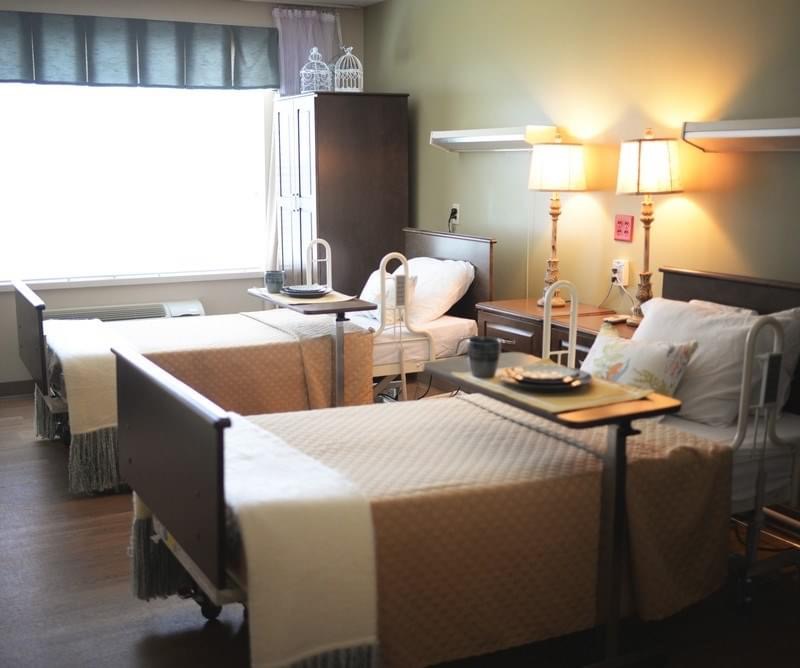
Who Owns and Operates Premier At The Springs?

PREMIER AT THE SPRINGS is owned by a for-profit company. For-profit facilities operate as businesses with obligations to shareholders or private owners. The facility is operated by THE SPRINGS ARKANSAS, a chain that manages multiple nursing homes. With 132 certified beds and approximately 120 residents (about 91% occupancy), it is a mid-sized facility located in NORTH LITTLE ROCK, Arkansas.
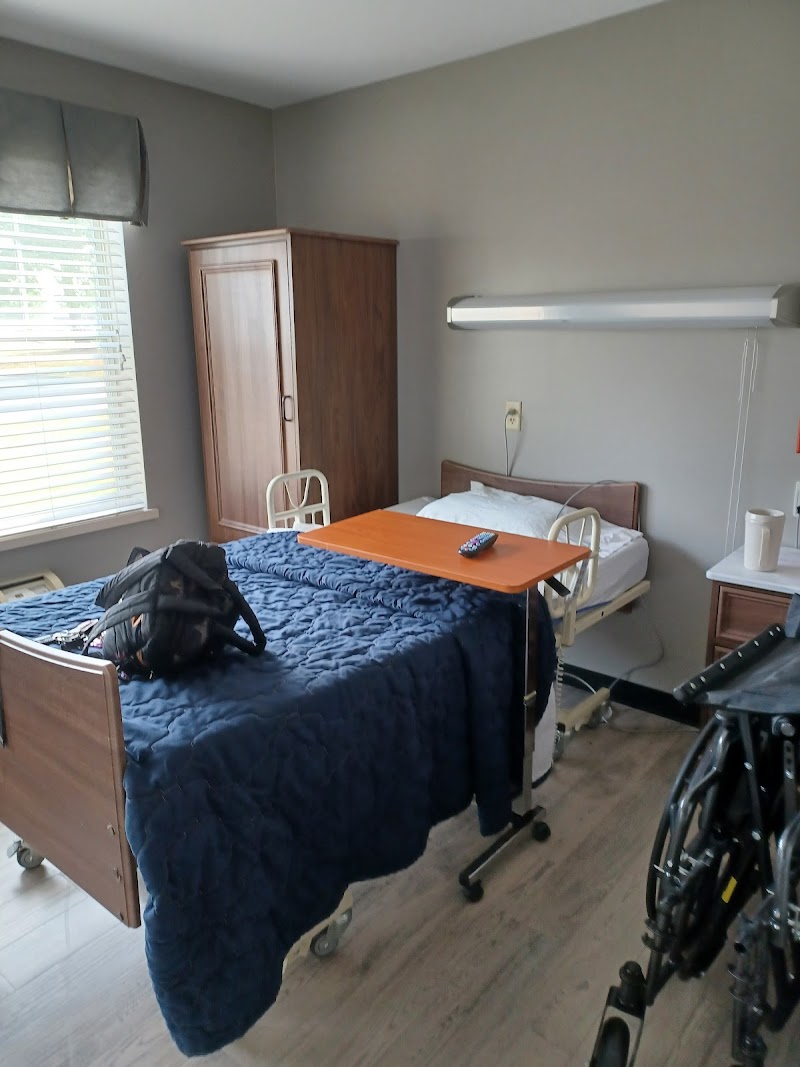
How Does Premier At The Springs Compare to Other Arkansas Nursing Homes?

Compared to the 100 nursing homes in Arkansas, PREMIER AT THE SPRINGS's overall rating (2 stars) is below the state average of 3.1, staff turnover (55%) is near the state average of 46%, and health inspection rating (2 stars) is below the national benchmark.

What Should Families Ask When Visiting Premier At The Springs?

Based on this facility's data, families visiting should ask: "Can you walk me through typical staffing levels on day, evening, and night shifts?" "Can I visit during a mealtime to observe dining assistance and food quality?" "How do you handle medical emergencies, and what is your hospital transfer rate?" "Can I speak with family members of current residents about their experience?" These questions are particularly relevant given the below-average staffing rating.

Is Premier At The Springs Safe?

Based on CMS inspection data, PREMIER AT THE SPRINGS has a clean safety record: no substantiated abuse findings (meaning no confirmed cases of resident harm), no Immediate Jeopardy citations (the most serious violation level indicating risk of serious injury or death), and is not on the Special Focus Facility watch list (a federal program monitoring the lowest-performing 1% of nursing homes). The facility has a 2-star overall rating and ranks #100 of 100 nursing homes in Arkansas. While no facility is perfect, families should still ask about staff-to-resident ratios and recent inspection results during their visit.

Do Nurses at Premier At The Springs Stick Around?

PREMIER AT THE SPRINGS has a staff turnover rate of 55%, which is 9 percentage points above the Arkansas average of 46%. Moderate turnover is common in nursing homes, but families should still ask about staff tenure and how the facility maintains care continuity when employees leave.

Was Premier At The Springs Ever Fined?

PREMIER AT THE SPRINGS has no federal fines on record. CMS issues fines when nursing homes fail to meet care standards or don't correct problems found during inspections. The absence of fines suggests the facility has either maintained compliance or corrected any issues before penalties were assessed. This is a positive indicator, though families should still review recent inspection reports for the full picture.

Is Premier At The Springs on Any Federal Watch List?

PREMIER AT THE SPRINGS is not on any federal watch list. The most significant is the Special Focus Facility (SFF) program, which identifies the bottom 1% of nursing homes nationally based on persistent, serious quality problems. Not being on this list means the facility has avoided the pattern of deficiencies that triggers enhanced federal oversight. This is a positive indicator, though families should still review the facility's inspection history directly.