HARRIS HEALTH AND REHAB
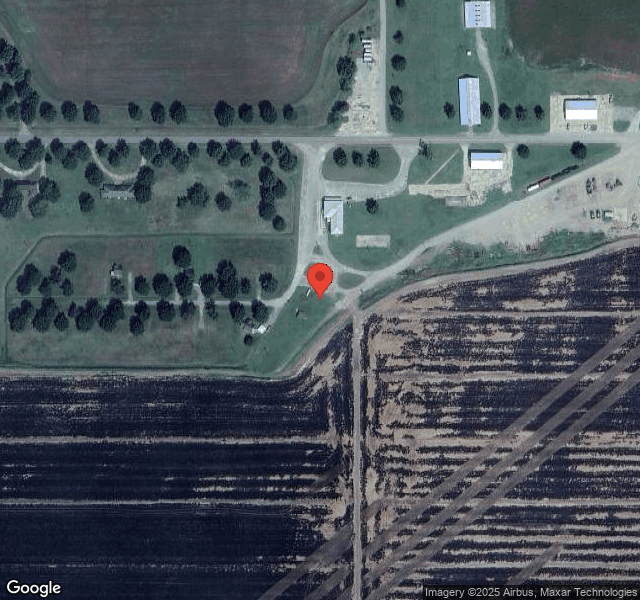
287 SOUTH COUNTRY CLUB ROAD, OSCEOLA, AR 72370 (870) 563-3201
For profit - Limited Liability company 57 Beds DAVID VANN & BOYD WRIGHT Data: November 2025 1 Immediate Jeopardy citation
Trust Grade
48/100
#64 of 218 in AR
Last Inspection: August 2025

Inspected within the last 6 months. Data reflects current conditions.

Overview

Harris Health and Rehab has a Trust Grade of D, indicating below-average performance with some concerns about resident care. It ranks #64 out of 218 facilities in Arkansas, placing it in the top half, but only #3 out of 4 in Mississippi County, meaning there's only one local option that is better. The facility is showing improvement, with issues decreasing from 8 in 2024 to just 2 in 2025. Staffing is a concern, with a 3 out of 5 star rating and a high turnover rate of 67%, which is above the state average of 50%. Additionally, the home has received fines totaling $25,740, higher than 96% of Arkansas facilities, indicating compliance problems. While the facility does have average RN coverage, which is beneficial for catching potential issues, there have been troubling incidents. For instance, a resident was able to leave the facility unnoticed due to unsecured exit doors, posing a serious elopement risk. There were also issues with food safety, as food items were not properly stored or handled, potentially leading to foodborne illness. Furthermore, there were lapses in infection control practices, such as improper disposal of contaminated laundry and insufficient access to Personal Protective Equipment, which could lead to cross-contamination. Overall, while there are strengths in some areas, these concerns highlight the need for careful consideration when choosing this nursing home.

Trust Score
D
48/100
In Arkansas
#64/218
Top 29%
Safety Record
High Risk
Review needed
Inspections
Getting Better
8 → 2 violations
Staff Stability
⚠ Watch
67% turnover. Above average. Higher turnover means staff may not know residents' routines.
Penalties
⚠ Watch
$25,740 in fines. Higher than 85% of Arkansas facilities, suggesting repeated compliance issues.
Skilled Nurses
⚠ Watch
Each resident gets only 21 minutes of Registered Nurse (RN) attention daily — below average for Arkansas. Fewer RN minutes means fewer trained eyes watching for problems.
Violations
⚠ Watch
22 deficiencies on record. Higher than average. Multiple issues found across inspections.
★★★★☆
4.0
Overall Rating
★★★☆☆
3.0
Staff Levels
★★★☆☆
3.0
Care Quality
★★★★☆
4.0
Inspection Score
Stable
2024: 8 issues
2025: 2 issues

The Good

  • Full Sprinkler Coverage · Fire safety systems throughout facility
  • No fines on record

Facility shows strength in fire safety.

The Bad

Staff Turnover: 67%

20pts above Arkansas avg (46%)

Frequent staff changes - ask about care continuity

Federal Fines: $25,740

Below median ($33,413)

Moderate penalties - review what triggered them

Chain: DAVID VANN & BOYD WRIGHT

Part of a multi-facility chain

Ask about local staffing decisions and management

Staff turnover is elevated (67%)

19 points above Arkansas average of 48%

The Ugly 22 deficiencies on record

1 life-threatening
Aug 2025 1 deficiency
CONCERN (D) 📢 Someone Reported This

A family member, employee, or ombudsman was alarmed enough to file a formal complaint

Potential for Harm - no one hurt, but risky conditions existed

Resident Rights (Tag F0550)

Could have caused harm · This affected 1 resident

Based on record review, facility document review, interviews, and facility policy review, it was determined that the facility failed to ensure resident rights were maintained for one (Resident #71) of...

Read full inspector narrative →
Based on record review, facility document review, interviews, and facility policy review, it was determined that the facility failed to ensure resident rights were maintained for one (Resident #71) of one resident reviewed. The findings include: A review of Resident #71’s admission Record indicated the facility admitted the resident on 05/28/2025, with diagnoses which included late onset Alzheimer’s disease. A review of Resident #71’s admission Minimum Data Set, with an Assessment Reference Date of 06/06/2025, revealed a Brief Interview for Mental Status score of 09, which indicated Resident #71 had moderately impaired cognition. A review of Resident #71’s Care Plan, revised 06/09/2025, revealed the resident was resistant to care such as showering and bathing. Further review of Resident #71’s Care Plan revealed interventions that directed staff to try different approaches such as another staff member attempting care, postponing care, attempting again at a later time, and/or notifying the nurse of the situation. A review of Resident #71’s Progress Note, revealed on 06/01/2025 at 10:21 AM, the resident was aggressive and combative with staff when staff entered into their room. A review of a facility incident report, dated 06/03/2025, revealed Resident #71 was fighting and cussing at staff while receiving a shower, and received a skin tear to the left arm/wrist area from fighting the girls. A review of an OLTC [Office of Long-Term Care] Witness Statement for Certified Nursing Assistant (CNA) #2 revealed, [Resident #71] didn’t want to take a shower from the start, so I started taking [pronoun] clothes off, [Resident #71] went to punching at me. During an interview on 07/31/2025 at 11:11 AM, CNA #2 revealed Resident #71 was cussing because they did not want to take a shower. CNA #2 confirmed she told the charge nurse Licensed Practical Nurse (LPN) #3 the resident was refusing, and LPN #3 said Resident #71 had to take a shower. CNA #2 explained the resident was fighting with the nurse the whole time they received a shower. CNA #2 stated they did not know how Resident #71 got a skin tear. During an interview on 07/31/2025 at 12:35 PM, LPN #3 stated Resident #71 was a very combative person. She also stated when she assessed Resident #71’s skin, she was not aware of the resident refusing care up to that point. LPN #3 revealed when Resident #71 started to get combative in the shower, she instructed the CNAs to get the resident back to their room, get them dressed, and let them calm down. During an interview on 07/31/2025 at 2:52 PM, CNA #2 revealed the timeline of the incident started in Resident #71’s room when, “we [the CNAs] were removing the resident’s clothes to get the resident into their shower chair. CNA #2 explained that while taking off Resident #71’s shirt in the shower, she noticed a skin tear and informed LPN #3. CNA #2 also verified that the resident had not been refusing care, prior to that day. She revealed the reason Resident #71 needed a shower was, They just got back from the hospital, they had thrown up and had poop all over them. We couldn’t just let them lay like that. During an interview on 07/31/2025 at 3:18 PM, CNA #2 was asked how she knew to care for a resident and stated, I went to school for it. I’m a CNA and I know how to do it. CNA #2 then verified that residents had a Care Plan on their door. During an interview on 07/31/2025 at 6:17 PM, LPN #3 revealed the way she knew how to care for a resident was by their Care Plan. LPN #3 explained she went into the shower room before the CNAs began the shower, and the CNAs could not shower Resident #71 because the resident started fighting. Then two CNAs took the resident back to their room. During an interview on 08/01/2025 at 11:25 AM, the Director of Nursing (DON) confirmed that if a resident was combative, then staff would need to report it to the charge nurse. The DON explained staff needed to find out why the resident was refusing and then attempt the shower at a different time and inform the family. During an interview on 08/01/2025 at 12:02 PM, the Administrator confirmed that if a resident refused, staff were to try again and pass the task to someone else to try to get the resident to take a shower. The Administrator verified the staff involved did not follow Resident #71’s person centered Care Plan. The Administrator stated if the resident was fighting prior to going to the shower, then the staff did not following the Care Plan. A review of a facility policy titled Resident Rights, dated February 2021 indicated, “Federal and state laws guarantee certain basic rights to all residents of this facility. These rights include the resident's right to: be treated with respect, kindness, and dignity, perform services for the facility if he or she chooses, or refuse to perform services for the facility.” A review of a facility policy titled Activities of Daily Living, dated March 2018 indicated, “If residents with cognitive impairment or dementia resist care, staff will attempt to identify the underlying cause of the problem and not just assume the resident is refusing or declining care. Approaching the resident in a different way or at a different time or having another staff member speak with the resident may be appropriate.”
May 2025 1 deficiency 1 IJ
CRITICAL (J) 📢 Someone Reported This

A family member, employee, or ombudsman was alarmed enough to file a formal complaint

Immediate Jeopardy (IJ) - the most serious Medicare violation

Accident Prevention (Tag F0689)

Someone could have died · This affected 1 resident

Based on interview, record review, and facility policy review, it was determined that the facility failed to ensure exit doors were secured and functioned properly to prevent elopement for 1 (Resident...

Read full inspector narrative →
Based on interview, record review, and facility policy review, it was determined that the facility failed to ensure exit doors were secured and functioned properly to prevent elopement for 1 (Resident #1) of 3 residents reviewed for elopement. It was determined the facility's non-compliance with one or more requirements of participation had caused, or was likely to cause, serious injury, harm, impairment, or death to residents. The Immediate Jeopardy (IJ) was related to State Operations Manual, Appendix PP, 483.25 (Quality of Care) at a scope and severity of J. The IJ began on 03/23/2025 at 3:01 am, when Resident #1 was able to exit the facility without staff knowledge. The Administrator was informed of the IJ on 05/13/2025 at 3:58 pm, and notified it was considered to be Past Non-Compliance (PNC). The findings include: Per review of an Office of Long Term Care (OLTC) Incident and Accident (I&A) form with a submitted date of 3/23/2025, a facility video was reviewed and revealed a nurse came back in from her break. Resident #1 was sitting at a table in the dining area. The nurse stopped and briefly spoke to Resident #1 and went on toward her hall. Resident #1 then got up, walked up to the entrance door, pushed open the door, and exited the building. Staff doing rounds noted the resident was not in the resident ' s room or in the sitting area per usual, issued a code pink, and began to search for the resident and notified the local law enforcement department. Per review of a timeline provided by the Director of Nursing (DON) on 5/11/25, a staff member walked through the front door on 3/23/2025 at 2:55 pm. At 3:01 pm, Resident #1 walked to the front entrance door, paused for approximately one minute, then pushed open the door and exited the facility. At 4:53 pm the resident was returned to the facility accompanied by law enforcement personnel. Per review of a witness statement provided by Licensed Practical Nurse (LPN) #3 on 3/23/25, Resident #1 was located in a field behind the facility by law enforcement personnel. Review of an admission Record indicated the facility admitted Resident #1 with a diagnosis of alcohol use with alcohol induced persisting dementia, major depressive disorder, anxiety disorder, and altered mental status. Review of the significant change Minimum Data Set (MDS) with an Assessment Reference Date (ARD) of 03/31/2025 revealed Resident #1 had a brief interview for mental status (BIMS) score of 03, which indicated the resident had severe cognitive impairment. Review of Resident #1's Care Plan, revised 3/26/2025, revealed the resident needed a secured/special care neighborhood due to behaviors/psychosocial/dementia, elopement type behavior, initiated 1/6/21. Revised on 02/24/2022, it indicated the resident was an elopement risk/wanderer, with a goal of the resident not leaving the facility unattended. The care plan indicated on 1/19/2020 Resident #1 eloped out of the back door, and on 2/12/2020 Resident #1 attempted to leave facility and got a few feet outside the front door. The care plan also indicated the resident was at risk for falls. During an interview on 5/12/2025 at 2:08p.m, Maintenance stated, Per my knowledge of (Resident #1), they exit seek and they are known for it. Maintenance verified that when he first started at the facility, the resident was on the secure unit. The facility moved Resident #1 off the secure unit and the resident attempted elopement, but the resident could be verbally redirected. Maintenance then verified receiving a call on 3/23/2025 that Resident #1 had eloped from the facility. He explained he watched the video on how it happened and that his part was to check and make sure the doors were functioning. He then revealed that he decreased the time on the locks on the doors and replaced them with ones that audibly sounded. During an interview on 5/12/2025 at 2:34 pm, LPN #1 verified that they worked in the facility for almost 4 years. She stated, While I was there, (Resident #1) continued to have exit seeking behaviors but wasn't hard to redirect. You could verbally cue (the resident) and guide them. The nurse came to me and called a code pink and we looked for them. We checked the surrounding areas, parking lots, and community center. LPN #1 verbalized that the doors lock and It takes 30 seconds after door closes behind you to lock and you can hear it. The wind was so high that day and it would pull the doors and triggers all the doors' alarms and after 15 seconds they would open anyway. She stated, The alarms at the front and side didn't work. During a concurrent interview on 5/12/2025 at 3:21 pm, Maintenance stated, (The door) wasn't having any issues if the wind wasn't blowing hard .we make adjustments since my time here .I've been here for 4 years. When asked if the issue involving the door not latching due to the wind had been identified prior to the elopement, Maintenance stated, It has been known, and a note is posted at the door to ensure door is closed due to high winds. During an interview on 5/12/2025 at 5:15 pm, Resident #1 was asked if they remembered the incident on 3/23/2025, and stated, I don't remember anything about it. During an interview on 5/13/2025 at 9:06 am, Certified Nursing Assistant (CNA) #8 stated she has been an employee for 7 or 8 months at the facility. She then verified that she wasn't there during the elopement incident, but she heard it was around 3 or 4 AM and thought they were having trouble with the doors locking. CNA #8 reported Resident #1 was more confused when off the unit. During an interview on 5/14/2025 at 10:00 am, the DON stated, A nurse came through the door then went down 200 hall. (Resident #1) was sitting in the dining room and then went to the door for a minute and pushed on the door and got out. The DON verified that they placed the resident back on the secure unit immediately when the resident was returned to the facility. During an interview on 5/14/2025 at 10:21 am, the Administrator stated, I physically wasn't here during the elopement incident. I came in having to get locks changed and (the police department) brought (Resident #1) back. She reported that the resident was placed on the secured unit immediately upon return to the facility. On 5/13/2025 at 3:00pm, Maintenance presented an invoice indicating he contacted the (alarm services provider) on 3/24/2025. A technician from the company arrived on 3/25/2025 and fixed the alarm on the front door. The other door alarm part was shipped on 3/26/2025, and on 3/27/2025 the technician received a new lock and then installed new lock on the door. Maintenance reported coming to the facility on 3/29/25 to worked on the door lock. Review of a facility undated policy titled, Wandering and Elopement PP, indicated, The facility will identify residents who are at risk for unsafe wandering and strive to prevent harm while maintaining the least restrictive environment for residents. Review of a facility undated policy titled, Abuse PP, indicated, It is the responsibility of our employees, facility consultants, attending physicians, family members, visitors, volunteers, etc., to promptly report any incident or suspected incident of neglect or resident abuse, including injuries of an unknown source and theft or misappropriation of property to the administrator or his/her designee. Prior to the survey team entering the facility, facility staff completed an investigation and implemented an action plan which was initiated on 3/23/2025 and completed 3/28/2025.The IJ was removed on 03/28/2025. The facility's action plan included: 1. Resident Placed in secured unit for safety. Resident transition to unit and will be monitored by staff and nurse manager/designee. 2. All staff re-in-service on abuse prevention program and facility elopement policy 3. All residents assessed for elopement via elopement and wandering assessment, care plans reviewed and residents who are at risk for elopement had care plan reviewed and updated. 4. Elopement binder updated and in place with resident's pictures and demographics. Staff in-serviced on use of elopement binder. 5. Body audit, incident, accident and elopement form completed when resident was found and returned to building. Documentation supporting approximate time of last seen, when resident was found, and notification of family, and doctor completed. 6. All doors rechecked by maintenance for working locking mechanisms. 7. Maintenance contacting door company to check all doors for proper working condition. Surveyors performed an onsite verification that the action plan had been implemented and completed: 1. On 3/23/2025, Resident #1 was placed on the secured unit following their return to the facility. 2. All staff were in-serviced on elopement between the dates 3/23/2025 and 3/28/2025. 3. Residents were assessed with elopement evaluation, completed 3/23/2025. 4. Inservice was completed with an elopement book on 3/25/2025 with binders at both nurses' stations. Staff utilized an admission record sheet for elopement binder. Incident and Accident report completed and submitted on 3/23/2025. 5. Interviewed staff to verify knowledge; four CNA ' s, one LPN, two RN ' s, the DON, and the Administrator were interviewed, including staff that worked all shifts. 6. The magnetic lock on the front door was tested with Maintenance to ensure it latched properly, no issues noted. 7. Nursing weekly assessment and note with skin audit completed on 3/23/2025 with documentation stating, no new skin issues noted at this time, for Resident #1.
Apr 2024 8 deficiencies
CONCERN (D)

Potential for Harm - no one hurt, but risky conditions existed

Transfer Notice (Tag F0623)

Could have caused harm · This affected 1 resident

**NOTE- TERMS IN BRACKETS HAVE BEEN EDITED TO PROTECT CONFIDENTIALITY** Based on interview and record review, the facility failed to ensure the Ombudsman was notified when residents were transferred t...

Read full inspector narrative →
**NOTE- TERMS IN BRACKETS HAVE BEEN EDITED TO PROTECT CONFIDENTIALITY** Based on interview and record review, the facility failed to ensure the Ombudsman was notified when residents were transferred to the hospital. This had the potential to affect 57 residents. The findings are: 1. Resident #1 was admitted to the facility on [DATE], transferred to the hospital on [DATE], then returned to the facility on [DATE]. Resident # 1 was transferred out again on 09/10/2024 and returned on 09/12/2024. 2. On 04/16/2024 at 11:40 AM, the Surveyor was unable to locate documentation indicating the Ombudsman had been notified of the resident ' s transfers to the hospital. 3. On 04/16/2024 at 11:39 AM, the Administrator was asked to provide documentation indicating the Ombudsman had been notified of transfers to the hospital. 4. On 04/17/2024 at 01:40 PM, the Administrator and Business Office Consultant stated that the Ombudsman had not been notified of the transfers. 4. On 04/18/2024 at 08:57 AM, the Administrator stated, We have no policy on transfers because it's a state not a federal.
CONCERN (D)

Potential for Harm - no one hurt, but risky conditions existed

Deficiency F0657 (Tag F0657)

Could have caused harm · This affected 1 resident

Based on record review and interview, the facility failed to ensure residents individualize plan of care was revised to reflect the current needs of the resident and updated to include contractures fo...

Read full inspector narrative →
Based on record review and interview, the facility failed to ensure residents individualize plan of care was revised to reflect the current needs of the resident and updated to include contractures for 01 (Resident #45) sample mix resident of 01 sample mix resident. The findings are: Facility policy titled, 'Comprehensive Assessments' Revised October 2023 documented, Comprehensive MDS assessments are conducted to assist in developing person-centered care plans. Policy interpretation and Implementation 1. The facility conducts comprehensive, accurate, standardized, reproducible assessments of each resident's functional capacity using the Resident Assessment Instrument specified by CMS . 8. A significant change is a major decline or improvement in a resident's status that: a. will not normally resolve itself without intervention by staff or by implementing standard disease- related clinical interventions. The decline is not considered self-limiting . c. requires interdisciplinary review and/ or revision of the care plan . A review of Resident #45's care plan dated 03/30/2023 did not document a contracture, it documented, . limited physical mobility (weakness) r/t hemiplegia affecting left side. [Resident #45] has weakness to left hand, 4th and 5th digit . A review of Resident #45's Quarterly Minimum Data Set (MDS) with an Assessment Reference Date (ARD) documented a score of 10 (indicates moderate cognitive impairment) on the Brief Interview for Mental Status (BIMS) and that the resident has an upper extremity impairment on one side. On 04/15/24 at 11:40 AM, the Surveyor observed Resident #45 lying in bed at a 30-degree angle on his back with his eyes closed. Resident's left hand appears to be contracted with no device present. 04/16/24 09:33 AM, the Surveyor observed Resident #45's left hand that appears to be contracted with no device. Resident confirmed staff do not put a device in his hand. 04/16/24 03:01 PM, the Surveyor interviewed Certified Nurse Aide (CNA) #08 and asked, Is the residents left hand contracted? She stated, Yes, at the pinky and ring fingers. When asked, Does the resident have a device present in the left hand? She stated, no. When asked, Should a device be in resident #45's hand? She stated, yes, the ball thing. When asked, Why should a device be in resident #45's hand? She stated, To exercise it. 04/16/24 03:18 PM, the Surveyor interviewed the Director of Nursing (DON) and asked, Is the residents left hand contracted? She stated, Yes, it's contracted. When asked, Does the resident have a device present in the left hand? She stated, [Resident #45] should. When asked, Why should a device be in resident #45's hand? She stated, To prevent further contracture or injury. On 04/18/24 at 08:43 AM, the Surveyor interviewed Minimum Data Set (MDS) Coordinator at the Resident's bedside and asked, If a resident developed a contracture while in the facility should it be documented on their care plan as weakness? She stated, Yes, I care planned weakness when admitted because it wasn't truly a contracture, but it is now. Restorative will start working with resident #45 to exercise it I set it up yesterday. When asked, Why should a contracture be on the care plan? She stated, For resident #45 to keep from having further contracture of the joint.
CONCERN (D)

Potential for Harm - no one hurt, but risky conditions existed

Tube Feeding (Tag F0693)

Could have caused harm · This affected 1 resident

**NOTE- TERMS IN BRACKETS HAVE BEEN EDITED TO PROTECT CONFIDENTIALITY** Based on observation, interview and record review, the facility failed to ensure residual was checked per physicians' orders fro...

Read full inspector narrative →
**NOTE- TERMS IN BRACKETS HAVE BEEN EDITED TO PROTECT CONFIDENTIALITY** Based on observation, interview and record review, the facility failed to ensure residual was checked per physicians' orders from a Gastrostomy tube prior to medication administration for 1 (Resident #32) of 1 sampled resident. The findings are: 1. Resident #32 was admitted on [DATE] with a diagnosis of Dysphagia following nontraumatic intracerebral hemorrhage. 2. On 04/17/2024 at 09:00 AM, Licensed Practical Nurse (LPN) #1 was observed administering medications by tube feeding. LPN #1 failed to aspirate for residual contents per physician ' s orders. 3. A Physicians order dated 03/25/2021 documented every shift for Gastrostomy Tube Placement [Enteral] Verify placement via aspirate (removing gastric contents via the gastrostomy tube) & auscultation (instilling air into the feeding tube with a syringe while using a stethoscope placed over the stomach to listen for rushing air) before medication administration/feeding/flushes. If more than 150 ml (milliliter), wait 1 hour and recheck. 4. A Care Plan dated 07/05/2022 documented .Verify peg tube placement via aspirate and auscultate before meds administration, feedings, and flushes. If more than 150 ml, wait 1 hour and recheck. 5. On 04/18/2024 at 08:29 AM, Licensed Practical Nurse (LPN) #1 was asked what should be done prior to administering enteral feedings. LPN #1 stated, Auscultate. LPN #1 was then asked what the benefit was by making sure the residual is checked prior to administering anything through a Gastrostomy tube. LPN #1 stated, They could aspirate and make sure that the fluids in the stomach are being processed if it doesn't happen. 6. On 04/18/2024 at 08:30 AM, the Director of Nursing (DON) was asked, What do you expect the nurses to do prior to administering medications, fluids, or enteral feeding? The DON replied, Check for placement by aspirating and auscultating. The [NAME] was asked what the benefit of aspirating prior to administering medication, fluids or feeding was. The DON stated, It will show you the residual. 7. On 04/18/2023 at 08:57 AM, the DON provided a policy titled, Administering Medications through an Enteral Tube. Purpose: the purpose of this procedure is to provide guidelines for the safe administration of medications through an enteral tube.Preparation 1. Verify that there is a physician's medication order .
CONCERN (D)

Potential for Harm - no one hurt, but risky conditions existed

Infection Control (Tag F0880)

Could have caused harm · This affected 1 resident

Based on observation, interview and record review, the facility failed to ensure infection control measures, including handwashing, avoidance of cross contamination, and proper disposal of soiled dres...

Read full inspector narrative →
Based on observation, interview and record review, the facility failed to ensure infection control measures, including handwashing, avoidance of cross contamination, and proper disposal of soiled dressings were implemented during a dressing change to prevent potential infection for 1 (Resident #1) of 1 who had orders for dressing changes. The findings are: 1. On 04/15/2024 at 11:02 AM, During initial rounds, the Surveyor observed Resident #1's left lower leg was wrapped in a bandage. Resident #1 stated Its broken out on it and swelling. 2. On 04/16/2024 at 08:39 AM, Resident #1's left lower leg was wrapped in a bandage. Resident #1 stated, I'll get it changed today in the shower room. The Surveyor was unable to see the date. 3. On 04/16/2024 at 09:56 AM, Resident #1 was entering the shower room for a shower. Resident #1's left lower leg was wrapped in an ace bandage with exposed with yellow and red drainage on it. The Treatment Nurse entered the shower room to wrap Resident #1's leg with plastic to prevent the bandage from getting wet and the resident told the Treatment Nurse that (Resident) wanted the treatment done as usual in the shower. The Treatment Nurse exited the shower room to gather the treatment supplies. Certified Nurse Assistant (CNA) #7 put on a gown and gloves. CNA #7 cleaned the shower chair with disinfectant preparing for the shower then with the same gloves on began removing the outer dressing and the dressing fell across the floor exposing yellow and red drainage on the bandage. CNA #7, with the same gloves on, then removed the woven gauze which also had yellow and red fluid and was dropped on the floor. CNA #7 picked up the dirty dressings and put them not in a biohazard bag but in the normal trash receptacle. CNA #7 then gave Resident #1 a shower using the same gloves that she had removed soiled dressings with. CNA #7 never sanitized or washed hands prior, during, or after the shower. On 04/16/2024 at 10:20 AM, the Treatment Nurse returned and saw the bandage removed. The Treatment Nurse was asked who normally provides wound care which involves removing soiled dressings. The treatment nurse stated, I do, or a nurse. The Treatment Nurse was asked to explain the disadvantage of a CNA removing a bandage with drainage on the dressing. The Treatment nurse stated, A CNA might not remove it correctly and cause further damage. On 04/18/2024 at 08:16 AM, CNA #7 was asked who normally removes physician ordered dressings. CNA #7 stated, I do sometimes but the Treatment Nurse does. CNA#7 was asked to explain the procedure of showering a resident with enhanced barrier precautions. CNA #7 stated, Clean the chair with disinfectant spray with hot water, put our PPE on, then the treatment nurse is supposed to wrap the wound first, get the resident undressed, sit them in a shower chair, give shower. CNA #7 was asked to explain the benefit of removing gloves and sanitizing and putting on clean gloves after cleaning the chair with disinfectant. CNA #7 stated, Stop germs and infection. CNA #7 was asked what's the benefit of changing gloves and sanitizing hands after touching soiled dressings prior to bathing a resident. CNA #7 stated, So you don't pass germs to a clean person. CNA #7 was asked what the benefit of allowing a trained nurse to remove a physician ordered dressing would be. CNA #7 stated, Because they are trained, and we won't catch anything they have. CNA #7 was asked if she changed gloves anytime in the shower room once she put on the first ones. CNA #7 stated, no. A policy provided by the Administrator on 04/15/2024 at 10:58 AM titled, Policies and Practices - Infection Control, documented, .This facility's infection control policies and practices are intended to facilitate maintaining a safe, sanitary, and comfortable environment and to help prevent and manage transmission of diseases and infections . This facility's infection control policies and practices apply equally to all personnel .The objectives of our infection control policies and practices are to .Prevent, detect, investigate, and control infections in the facility .All personnel will be trained on our infection control policies and practices upon hire and periodically thereafter, including where and how to find and use pertinent procedures and equipment related to infection control. The depth of employee training shall be appropriate to the degree of direct resident contact and job responsibilities .
CONCERN (E)

Potential for Harm - no one hurt, but risky conditions existed

ADL Care (Tag F0677)

Could have caused harm · This affected multiple residents

Based on observation, interview, and record review, the facility failed to ensure that resident ' s fingernails were kept clean for 1 (Residents #45) of 1 sample mix residents; and ensured residents w...

Read full inspector narrative →
Based on observation, interview, and record review, the facility failed to ensure that resident ' s fingernails were kept clean for 1 (Residents #45) of 1 sample mix residents; and ensured residents were shaved to promote good personal hygiene for 1 (Resident #24) of 2 sample mix resident; ensure residents have oral care provided for 1 (Resident #45) of 2 sample mix residents. The findings are: 1. Resident #45's care plan dated 03/30/2023 documented, .ADL self-care performance deficit r/t (related to) resident has left sided hemiplegia r/t (related to) hx (history) of stroke .Personal hygiene/oral care: The resident requires dependent assist x 1 for personal hygiene/oral care .Bathing/ showering: Check nail length and trim and clean on bath day and as necessary. Report any changes to the nurse. a. A review of the Minimum Data Set (MDS) with an Assessment Reference Date (ARD) of 01/05/2024 documented a score of 10 (indicating moderately cognitively impaired) on the Brief Interview for Mental Status (BIMS), and that Resident #45 is dependent for oral care and is substantial/ maximal assist for personal hygiene. b. On 04/15/2024 at 11:40 AM, the Surveyor observed Resident #45 lying in bed. The Resident ' s fingernails appear long and untrimmed. c. On 04/16/2024 at 09:31 AM, Resident #45 fingernails appeared long, jagged, and untrimmed. Resident #45 stated, I wished they'd trim them. d. On 04/16/2024 at 09:25 AM, the Surveyor observed Resident #45 lying in bed. The Resident ' s lips had dry skin on them. e. On 04/16/2024 at 01:37 PM, the Surveyor observed Resident #45 with dry skin on their lips. f. On 04/16/2024 at 03:01 PM, the Surveyor asked Certified Nurse Aide (CNA) #08, Can you describe Resident #45's lips for me? She stated, Needs some lip chap because of the dry skin. When asked, Should the resident have had oral care provided? She stated, Yes ma'am, should every day. g. On 04/16/2024 at 03:18 PM, the Surveyor interviewed the Director of Nursing (DON) at Resident #45's bedside and asked, Can you describe Resident #45's lips for me? She stated, A little dry and chapped. When asked, Should the resident have had oral care provided? She stated, Yes, it should be provided every day and as needed. 2. Resident #24 ' s care plan dated 07/14/2021 documented, .ADL self-care performance deficit r/t Parkinson's Disease, and has unsteady gait/balance at times. Bathing/ Showering: The resident requires physical assist x 1-2 staff for bathing/showering 3x/week and as necessary . a. A Quarterly MDS with an ARD of 01/12/2024 documented a score of 06 (0-7 indicates severely cognitively impaired) on the BIMS and documented the resident is substantial/ maximal assist for personal hygiene. b. On 04/15/2024 at 01:48 PM, the Surveyor observed Resident #24 in the day room sitting in wheelchair. Resident #24 appears to need to be shaved. c. On 04/16/2024 at 01:56 PM, Resident #24 appeared to not have been shaved due to the hair on the face. d. On 04/16/2024 at 01:56 PM, the Surveyor interviewed CNA #1 at the Resident ' s bedside and asked, does the resident appear to have a clean shave? She stated, No, there is hair on Resident #24's face. The Surveyor asked, should the resident be kept with a clean shave? CNA #1 stated, Yes. The Surveyor asked, How often should the Resident be shaved? CNA #1 said, supposed to be on shower day, but it looks like Resident #24 wasn't shaved on the last shower day. When asked, can you tell me why the Resident should be kept with a clean shave? She stated, I'd say for [his/her] hygiene. e. On 04/16/2024 at 02:00 PM, Licensed Practical Nurse (LPN) #02 was asked, Does the resident appear to be clean shaven? He stated, [He/she] needs shaved. When asked, Should the resident be kept clean shaved? He stated, Yes. When asked, How often should the resident be shaved? He stated, I know Resident #24 gets shaved on Wednesday's, but I'm not sure how often during the week. When asked, Can you tell me why the resident should be kept clean shaven? He stated, To maintain a neatly groomed image. f. On 04/18/2024 at 10:03 AM, the DON provided Resident #45 and Resident #24 ' s task documentation for bathing, and oral care and stated, That all should've been completed during the shower I'm not sure why it wasn't. g. A facility policy titled, 'Fingernails/ Toenails, Care of' Revised February 2018 documented, The purpose of this procedure are to clean the nail bed, to keep nails trimmed, and to prevent infection . General Guidelines: 1. Nail care includes daily cleaning and regular trimming. 2. Proper nail care can aid in prevention of skin problems around the nail bed . 4. Trimmed and smooth nails prevent the resident from accidentally scratching and injuring his or her skin. h. A facility policy titled, 'Shaving the Resident' Revised February 2018 documented, The purpose of this procedure is to promote cleanliness and to provide skin care. i. A facility policy titled, 'Mouth Care' Revised February 2018 documented, The purposes of this procedure are to keep the resident's lips and oral tissues moist, to cleanse and freshen the resident's mouth, and to prevent oral infection. j. A facility policy titled, 'Activities of Daily Living (ADLs), Supporting' Revised on March 2018 documented, .Residents will be provided with care, treatment, and services as appropriate to maintain or improve their ability to carry out activities of daily living (ADLs). Residents who are unable to carry out activities of daily living independently will receive the services necessary to maintain good nutrition, grooming and personal and oral hygiene . 2. Appropriate care and services will be provided for residents who are unable to carry out ADLs independently, with the consent of the resident and in accordance with the plan of care, including appropriate support and assistance with: a. hygiene (bathing, dressing, grooming, and oral care).
CONCERN (E)

Potential for Harm - no one hurt, but risky conditions existed

Deficiency F0679 (Tag F0679)

Could have caused harm · This affected multiple residents

Based on observation, interview, and record review, the facility failed to ensure the activity program was designed to meet the individual activity needs, interests and abilities for Residents who res...

Read full inspector narrative →
Based on observation, interview, and record review, the facility failed to ensure the activity program was designed to meet the individual activity needs, interests and abilities for Residents who reside on the 600 Hall secure unit, and to ensure that activities were provided on the weekend for all 57 residents in the facility. The findings are: 1. On 04/15/2024 at 02:25 PM, there were no activities being provided on the secure unit, 600 Hall, nor was there an activity calendar posted anywhere on the unit. a. On 04/16/2024 at 10:49 AM, there were no activities being provided on the secure unit. b. On 04/16/2024 at 02:44 PM, there were no activities being provided on the secure unit. c. On 04/17/2024 at 10:55 AM, there were no activities being provided on the secure unit. d. On 04/16/2024 at 02:50 PM, the Activity Director (AD) was asked, Do you provide activities in the secure unit? The AD stated, Yes, I do one on one with them The AD was asked, What do you with them? AD confirmed, I walk the hall with them. The AD was asked, Do you have a calendar in the secure unit? The AD stated, No, but I do one for them week by week. The AD was asked, Do you post it on the [secure] unit? The AD stated No. The AD was asked, Do you have a calendar for the main facility? The AD stated, Yes, and there is one posted in the dining room. The AD was asked, Do you place a monthly calendar of activities in the resident rooms? The AD stated, No. The AD was asked, How do you notify the residents that there will be an activity? The AD stated, I announce it overhead in the mornings. The AD provided two pieces of construction paper in which she had written two activities, one of which was bird watching. The Surveyor asked if the residents were taken outside to view the birds. The AD reported that no, they did not go outside, that they were to view the birds from the dining room windows. e. On 04/16/2024 at 10:50 AM, the Surveyor asked Certified Nursing Assistant (CNA) #1, Do you ever see any of the residents receiving any activities on the secure unit? CNA #1 stated, No, they don't do any activities back here. CNA #1 was asked, Does the Activity Director ever come back here and offer any of them a one-on-one activity? CNA #1 stated, No, I have never seen her do any activity with anyone back here in the unit. f. On 04/16/2024 at 02:55 PM, the Surveyor asked the AD, When did you do your activity this afternoon? The AD stated, I did it when we took the residents out to smoke. The Surveyor asked the AD to identify the activity and she stated, Popcorn. The AD was asked if they provided popcorn to the residents in the secure unit who do not smoke. The AD stated, There was one resident who smokes on the unit that got a bag of popcorn. The AD was asked, Did you go in and offer popcorn to the residents on the secure unit? The AD stated, No, but I asked Nursing Assistant (CNA) #2, who was outside with the smokers, and she said no don't worry about it. The AD was asked to confirm they did not offer the residents popcorn. The AD stated, No I didn't. g. On 04/17/2024 at 10:55 AM, the Surveyor asked the AD what activities were offered today. The AD stated, We did gardening and planted tomatoes and cucumber seeds. The AD was asked how many residents participated in the activity. The AD stated, 6 or 7. The AD was asked to provide a list of the residents who attended. The AD stated No, but I can tell you who they were. The AD was asked if they maintained a logbook, or a record of who attends activities. The AD stated, No, I have never kept a log of who attends my activities. i. On 04/17/2024 at 11:12 AM, CNA #1 was asked, Did you see the residents during the [gardening] activity? CNA #1 stated, Yes, I was out here and saw the Activity Director and a resident putting dirt in the one raised bedding areas. CNA #1 was asked, Did you see them planting seeds? CNA #1 stated, No, they didn't plant anything they were just spreading the soil, and there was only one resident outside with the Activity Director. j. On 04/18/2024 at 08:16 AM, the AD was asked, What are the benefits of the residents receiving or participating in activities? The AD stated, Socialize with one another, communication with one another. The AD was asked, What are the negative effects of residents not receiving activities? The AD stated, No socialization, no outside time, no outings, and could cause depression. On 04/17/2024 at 10:00 AM, the Resident Council President (Resident #26) expressed dissatisfaction with the lack of activities on the weekend. The other 5 members (Residents #6, #36, #38, #41, #47) present agreed that there is a complete lack of activities on the weekend and that the time passes very slowly. On 04/17/2024 at 01:30 PM, the AD was asked to describe what activities take place on the weekend. The AD reported there are 2 different Pastors which come to the facility on Sunday, at 10:30 AM and 04:00 PM. The events on Saturday are supposed to be taken care of by the weekend RN (Registered Nurse). The AD describes the RN as putting a movie in or laying games out, so they are available to the residents, however she isn't aware of her facilitating a group event. The AD continued to report that in the past she would come in on the weekend but was told that she had to stop working 7 days per week. The AD was asked if the residents on the secure unit were brought to the church services. She reported the Pastor walks through the entire facility and ministers to everyone. The AD was not aware of the residents from the secure unit being included at other times. On 04/17/2024 at 01:56 PM, the Resident Council minutes dated 02/05/2024 recorded an item of new business concerning the desire of the council members for more weekend activities. The facility response was recorded as, Manager to leave supplies in CNA closet-staff to be scheduled. In-service Resident Council on where and what games are available at all. The 03/14/2024 Resident Council minutes documented that the concern surrounding weekend activities was not revisited under old business. The Council minutes from 04/12/2024 do not address weekend activities but referenced the resident's desire for facility outings. An activity policy was provided on 04/17/2024 at 09:34 AM by the Nursing Consultant. The Policy Statement required that activity programs are designed to meet the interests of and support the physical, mental, and psychosocial well-being of each resident. Activities are considered any endeavor, other than routine ADL's. It required that scheduled activities are posted on the resident bulletin board. Activity schedules are also to be provided individually to residents who cannot access the bulletin board (e.g., bed bound or visually impaired residents). Individualized and group activities are provided and offered at hours convenient to the residents, including evenings, holidays, and weekends. On 04/18/2024 at 08:20 AM, Certified Nursing Assistant (CNA) #3 confirmed that she works on the weekend. When asked about the occurrence of weekend activities the CNA described on the secure unit music is played, they walk around, that they play it by ear because the residents will follow the staff. CNA #3 reported there is no activity schedule. On 04/18/2024 at 08:29 AM, CNA #4, who reported working weekends, was asked to describe the activities that take place on the weekend. CNA #4 reported that there aren't any activities on the weekend. She continued to elaborate how there aren't many activities that take place during the week. CNA #4 was asked if the weekend RN ever initiates/leads any activities on the weekend. CNA #4 adamantly described how there were no activities on the weekend and continued to describe how she feels her residents are bored on the weekends. On 04/18/2024 at 08:40 AM, CNA #5 was asked if she worked the weekend and she confirmed that she did. When asked if there were activities taking place on the weekend, the CNA shook her head, no.
CONCERN (E)

Potential for Harm - no one hurt, but risky conditions existed

Deficiency F0680 (Tag F0680)

Could have caused harm · This affected multiple residents

Based on observation, interview, and record review, the facility failed to ensure that there was a Certified Activity Director. The findings are: 1. On 04/16/2024 at 03:05 PM, the Surveyor asked the A...

Read full inspector narrative →
Based on observation, interview, and record review, the facility failed to ensure that there was a Certified Activity Director. The findings are: 1. On 04/16/2024 at 03:05 PM, the Surveyor asked the Administrator to provide the Certification for the Activity Director. The Administrator reported the employee currently serving in the role as Activity Director did not hold a certification. The Surveyor asked the Administrator how long this employee had been in charge of activities. The Administrator reported that she had been in charge of activities for 2 years. 2. On 04/17/2024 at 01:30 PM, the Activity Director reported that she was unaware that she needed a certification to fulfill the role of Activity Director and that the Administrator had told her that there was a possibility of her attending a certification class in June 2024. 3. On 04/17/2024 at 03:40 PM, the Surveyor reviewed the Activities Director personnel file and confirmed there was no evidence of any training in activities and related record keeping. 4. On 04/18/2024 at 09:22 AM, the Director of Nursing (DON) was asked how often the facility does skill check off for employees. The DON reported they were performed upon hire and annually. The DON was asked, Should an employee have a skills check off in their personnel file completed annually? The DON confirmed, Yes, they should. 5. On 04/18/2024 at 09:26 AM, the Activities Director was asked, Do you have any certificates that document you have been trained for your job? The Activities Director stated, No, I don't, but the company sends all of the activity directors yearly to their [named another facility] for 1 day and we receive training from a corporate person, but we don't get a certificate. 6. On 04/18/2024 at 09:30 AM, the Administrator was asked, Do you have any records or certificates for your activity Director documenting that she has received any type of training for her position? The Administrator stated, No, our Human Resources (HR) person used to do that job and she trained her, it was just ongoing training until our HR left the facility.
CONCERN (E)

Potential for Harm - no one hurt, but risky conditions existed

Deficiency F0688 (Tag F0688)

Could have caused harm · This affected multiple residents

Based on observation, interview and record review, the facility failed to ensure hand rolls were applied to prevent further decline in range of motion (ROM) for 01 Resident #45 of 01 sample mix reside...

Read full inspector narrative →
Based on observation, interview and record review, the facility failed to ensure hand rolls were applied to prevent further decline in range of motion (ROM) for 01 Resident #45 of 01 sample mix residents. The findings are: Resident #45's care plan dated 03/30/2023 showed no documentation of a contracture, it documented, .limited physical mobility (weakness) r/t hemiplegia affecting left side. he has weakness to left hand, 4th and 5th digit . A review of the Quarterly Minimum Data Set (MDS) with an Assessment Reference Date (ARD) documented a score of 10 (indicates moderate cognitive impairment) on the Brief Interview for Mental Status (BIMS) and that the resident has an upper extremity impairment on one side. On 04/15/2024 at 11:40 AM, Resident #45 ' s left hand appeared to be contracted with no device present to prevent injury or decline in ROM. On 04/16/2024 at 09:33 AM, Resident #45's left hand appeared to be contracted with no device present to prevent injury or decline in ROM. Resident #45 confirmed staff do not put a device in his/her hand. On 04/16/2024 at 03:01 PM, the Surveyor interviewed Certified Nurse Aide (CNA) #08 and asked, Is the Resident ' s left hand contracted? She stated, Yes, at the pinky and ring fingers. When asked, Does the resident have a device present in the left hand? She stated, No. When asked, Should a device be in Resident #45's hand? She stated, Yes, the ball thing. When asked, Why should a device be in Resident #45's hand? She stated, To exercise it. On 04/16/2024 at 03:18 PM, the Surveyor interviewed the Director of Nursing (DON) and asked, Is the residents left hand contracted? She stated, Yes, it's contracted. When asked, Does the resident have a device present in the left hand? She stated, [Resident #45] should. When asked, Why should a device be in Resident #45's hand? She stated, To prevent further contracture or injury. A facility policy titled, 'Resident Mobility and Range of Motion' Revised July 2017 documented, Policy Statement: 1. Residents will not experience an avoidable reduction in range of motion (ROM). 2. Residents with limited range of motion will receive appropriate services, equipment, and assistance to maintain or improve mobility unless reduction in mobility is unavoidable .Policy Interpretation and implementation . 4. The care plan will be developed by the interdisciplinary team based on the comprehensive assessment and will be revised as needed. 5. The care plan will include specific interventions, exercises, and therapies to maintain, prevent avoidable decline in, and/ or improve mobility and range of motion. 6. Interventions may include therapies, the provision of necessary equipment, and/ or exercises and will be based on professional standard of practice and be consistent with state laws and practice acts. 7. The care plan will include the type, frequency, and duration of interventions, as well as measurable goals and objectives. The resident and representative will be included in determining these goals and objectives .
Feb 2023 12 deficiencies
CONCERN (D)

Potential for Harm - no one hurt, but risky conditions existed

Deficiency F0557 (Tag F0557)

Could have caused harm · This affected 1 resident

Based on observation, and interview, the facility failed to ensure the right to retain and use personal possessions including clothing for 1 (Resident #314) of 1 sampled resident who was dressed in a ...

Read full inspector narrative →
Based on observation, and interview, the facility failed to ensure the right to retain and use personal possessions including clothing for 1 (Resident #314) of 1 sampled resident who was dressed in a hospital gown. This failed practice had the potential to affect all 62 residents who resided in the facility as documented on the Resident Census and Conditions of Residents provided by the Administrator on 02/21/23 at 10:13 AM. The findings are: 1. Resident #314 had diagnoses of Unspecified Intrascapular Fracture of Right Femur, Anorexia and Unspecified Dementia, Unspecified Severity, with other Behavioral Disturbance. The Quarterly Minimum Data Set (MDS) with an Assessment Reference Date of 01/29/23 documented the resident scored 9 (8-12 indicates moderately cognitively impaired) on a Brief Interview for Mental Status (BIMS) and required limited physical assistance of one person with dressing. a. On 02/20/23 at 12:28 PM, Resident #314 was lying in bed wearing a hospital gown. The door to her closet was ajar, and there were no clothes hanging in the closet. The Surveyor asked if her personal clothes were in the laundry. The resident was able to communicate with gestures and pulled at her gown stating, I only have this. b. On 02/21/23 at 3:55 PM, Resident #314 was sitting in a wheelchair in her room. She was wearing a hospital gown. She asked the Surveyor, Have you found my clothes? c. On 02/22/23 at 3:23 PM, the Surveyor asked the Activities Director if she was able to locate a Certified Nursing Assistant (CNA) for the Surveyor to interview regarding Resident #314. She answered, She's (CNA) in an Isolation Room, but I can answer your questions. The Surveyor asked if she was aware of the location of Resident #314's clothing. She answered, She went to the hospital and when she came back her roommate had COVID-19 so we moved her. Her clothes are still in her room since she hurt her hip and can't stand. We didn't want to take clothes out of the Isolation Room. The Surveyor asked for clarification on Resident #314's status and was directed to Licensed Practical Nurse (LPN) #1. d. On 02/22/23 at 3:25 PM, the Surveyor asked LPN #1 if she could state Resident #314's functional status. She answered, She's been cleared 'sit to stand' since she got back from the hospital. The Surveyor asked when she returned from the hospital. She answered, On the 16th. The Surveyor asked if that would be six days prior. She answered, Yes. The Surveyor informed her that Resident #314 was still in her hospital gown and was asking for her clothes. She answered, I'll get someone to get her some clothes. e. On 02/22/23 at 3:55 PM, the Activity Director alerted the Surveyor she had located some clean clothes in the Laundry Room and delivered them to Resident #314. The Surveyor asked where the clothes she took to the resident had been located. She answered, We had some of her clean clothes in the laundry room waiting on her to go back to her room.
CONCERN (D)

Potential for Harm - no one hurt, but risky conditions existed

Assessment Accuracy (Tag F0641)

Could have caused harm · This affected 1 resident

Based on interview, and record review, the facility failed to ensure the Minimum Data Set (MDS) was accurate and complete to facilitate the ability to plan and provide necessary care and services for ...

Read full inspector narrative →
Based on interview, and record review, the facility failed to ensure the Minimum Data Set (MDS) was accurate and complete to facilitate the ability to plan and provide necessary care and services for 1 (Resident #53) of 1 sampled resident whose MDS was reviewed. This failed practice had the potential to affect all 62 residents who resided in the facility as documented on the Resident Census and Conditions of Residents provided by the MDS Coordinator on 02/21/23. The findings are: 1. Resident #53 had diagnoses of Parkinson's Disease, Malignant Neoplasm of Right Kidney, Except Right Kidney, Unspecified Severe Protein/Calorie Malnutrition. The Quarterly Minimum Data Set (MDS) with an Assessment Reference Date (ARD) of 01/05/23 documented the resident scored 10 (8-12 Indicating Moderate Impairment) on a Brief Interview for Mental Status (BIMS) and required supervision of one person for bed mobility, was independent with transfer, was totally dependent on one person's physical assistance with eating and required limited physical assistance of one person with toilet use. a. The MDS with an ARD of 12/13/22 documented the resident required supervision of one person with bed mobility and transfer, extensive physical assistance of one person with eating and limited physical assistance of one person with toilet use. b. On 02/22/23 at 11:02 AM, the Surveyor asked the MDS Coordinator to compare Resident 53's MDS's with the ARD's of 12/13/22 and 01/05/23. The Surveyor asked the MDS Coordinator to voice the differences. She stated, Transferring and eating are different. The eating section is coded wrong on the 12/13/22 MDS though. The Resident has a feeding tube and feeds himself PO [by mouth]. It should be coded for the worse of the pathways. The person who did it last didn't. The Surveyor asked if it should have been modified to reflect an accurate assessment of the resident. She stated, Yes, it should.
CONCERN (D)

Potential for Harm - no one hurt, but risky conditions existed

Deficiency F0657 (Tag F0657)

Could have caused harm · This affected 1 resident

**NOTE- TERMS IN BRACKETS HAVE BEEN EDITED TO PROTECT CONFIDENTIALITY** Based on record review, and interview, the facility failed to review and revise the Care Plan to meet the residents' needs for w...

Read full inspector narrative →
**NOTE- TERMS IN BRACKETS HAVE BEEN EDITED TO PROTECT CONFIDENTIALITY** Based on record review, and interview, the facility failed to review and revise the Care Plan to meet the residents' needs for weight loss for 1 (Resident #50) of 8 (Residents #4, #10, #12, #18, #34, #47, #50 and #53) sampled residents who had weight loss with interventions as documented on a list provided by the Director of Nursing (DON) on 02/23/23 at 8:40 AM. The Findings are: 1. Resident #50 had diagnoses of Unspecified Dementia Severity with other Behavioral Disturbance, and Major Depressive Disorder. The Quarterly Minimum Data Set (MDS) with an Assessment Reference Date (ARD) of 01/20/23 documented the resident scored 5 (0-7 indicates severely cognitively impaired) on a Brief Interview for Mental Status (BIMS) and had a weight loss of 5% or more in the last month or 10% or more in the last 6 months and was not on a Physician-prescribed diet. a. The Diet-Nutritional assessment dated [DATE] documented, .Weight: 140.2 Date: 10/05/2022 . b. The Diet RD (Registered Dietician) Onsite Visit and Recommendation dated 01/10/23 documented, .Weight: 133.3 Date: 01/05/23 . RD assessment and recommendation: Resident weight decreased 16 lbs [pounds] since 7/11/22 and 2.4 lbs since 12/1/22. DO Regular Enhanced. Honey bun with breakfast. High calorie snacks tid. Ice cream with lunch and dinner . c. The Diet-Nutritional assessment dated [DATE] documented, .Weight: 129.5 Date: 01/18/2023 . d. The Care Plan with a revision date of 01/19/23 documented, .The resident has nutritional problem or potential nutritional problem r/t [related to] dementia, hyperlipidemia, HTN [Hypertension], major depressive disorder . Liberalized diet per RD [Registered Dietician]/resident . Monitor/record/report to MD [Medical Doctor] PRN [as needed] s/sx [signs/symptoms] of malnutrition: Emaciation (Cachexia), muscle wasting, significant weight loss: equal to or above 5% in 1 month, equal to or above 7.5% in 3 months, equal to or above 10% in 6 months . Provide and serve supplements/snacks as ordered . Provide, serve diet as ordered. Monitor intake and record q [every] meal. Offer finger food appropriate foods of resident preference . RD to evaluate and make diet change recommendations PRN . Weigh per facility protocol . The Care Plan did not address actual weight loss and interventions suggested by the RD on 01/10/23 for weight loss. e. On 02/22/23 at 9:30 AM, the Surveyor asked the Dietary Manager if she was familiar with Resident #50. She stated, Yes. The Surveyor asked if she was aware that he had had a weight loss. She stated, Yes. The Surveyor asked if she felt he was getting enough calories. She stated, No. The Surveyor asked what was offered to the resident. She stated, Snacks, honey buns, biscuits, and all the snack rotation. The Surveyor asked if those interventions should have been put on the Care Plan. She stated, Yes. I'll get them all on there.
CONCERN (D)

Potential for Harm - no one hurt, but risky conditions existed

Accident Prevention (Tag F0689)

Could have caused harm · This affected 1 resident

Based on observation, interview, and record review, the facility failed to ensure the resident received adequate supervision and assistive devices to prevent accidents while smoking for 1 (Resident #2...

Read full inspector narrative →
Based on observation, interview, and record review, the facility failed to ensure the resident received adequate supervision and assistive devices to prevent accidents while smoking for 1 (Resident #2) of 5 (Residents #2, #12, #21, #36 and #46) sampled residents who smoked. This failed practice had the potential to affect 15 residents who smoked as documented on a list provided by the Administrator on 02/20/23 at 1:44 PM. The findings are: 1. Resident #2 had diagnoses of Schizoaffective Disorder, Benign Neoplasm of Prostate, and Severe Depressive Episodes. The admission Minimum Data Set (MDS) with an Assessment Reference Date (ARD) of 11/25/22 documented the resident scored 15 (13-15 indicates cognitively intact) on a Brief Interview for Mental Status (BIMS) and did not use tobacco. a. The Smoking Assessment 01/04/23 documented, E. SAFETY . 7. RESIDENT NEED FOR ADAPTIVE EQUIPMENT 7a. Smoking Apron . Supervision . Resident may smoke with an apron on and with supervision .Resident demonstrates the proper use of holding and smoking cigarettes safely. Safe to smoke with apron and supervision . b. On 02/22/23 at 2:00 PM, the Maintenance Supervisor re-entered the building from the smoking area in the Courtyard. He traveled four feet into the building and allowed the door to close. Resident #2 was sitting alone in the smoking area smoking a cigarette. The resident was not wearing a smoking apron. The Surveyor asked the Maintenance Supervisor if the resident should be wearing an apron. He answered, You'd have to ask an Aide. The Surveyor asked where the fire blanket was located in the smoking area. He answered, I think in the room at the other entrance. It's hanging on a hanger. c. On 02/22/23 at 2:04 PM, the Surveyor searched the smoking area and the room at the other entrance recommended by the Maintenance Supervisor and no blanket was found. d. On 02/22/23 at 2:16 PM, the Surveyor asked the Director of Nursing (DON) if a staff member should know a resident's Care Plan before taking the resident on a smoke break. The DON stated, Yes, they need to know that. e. The Smoking Schedule provided by the Administrator on 02/20/23 at 1:44 PM documented .Resident smoking area is in the Courtyard. Cigarettes will be kept in the nurses' carts and distributed at designated smoking times. All residents must wear protective aprons when smoking and must be supervised . f. The facility policy titled, Smoking Policy - Residents, provided by the Administrator on 02/22/23 at 2:58 PM documented, Policy Statement This facility shall establish and maintain safe resident smoking practices. Policy Interpretation and Implementation . 11. Any resident with restricted smoking privileges requiring monitoring shall have the direct supervision of a staff member, family member, visitor, or volunteer worker at all times while smoking . 14. Residents without independent smoking privileges may not have or keep any smoking articles, including cigarettes, tobacco, etc., except when they are under direct supervision .
CONCERN (E)

Potential for Harm - no one hurt, but risky conditions existed

Resident Rights (Tag F0550)

Could have caused harm · This affected multiple residents

Based on observation, interview, and record review, the facility failed to ensure residents may exercise their right to smoke without interference from the facility for 2 (Residents #21 and #36) of 8 ...

Read full inspector narrative →
Based on observation, interview, and record review, the facility failed to ensure residents may exercise their right to smoke without interference from the facility for 2 (Residents #21 and #36) of 8 (Residents #2, #10, #12, #21 #36, #37, #57 and #46) sampled residents who smoked. This failed practice had the potential to affect 15 residents who smoked as documented on a list provided by the Administrator on 02/20/23 at 1:44 PM. The findings are: 1. Resident #21 had diagnoses of Unspecified Dementia, Unspecified Severity, without Behavioral Disturbance, Psychotic Disturbance, Mood Disturbance, and Anxiety, Cognitive Communication Deficit. The admission Minimum Data Set (MDS) with an Assessment Reference Date (ARD) of 01/31/23 documented the resident scored 14 (13-15 indicates cognitively intact) on a Brief Interview for Mental Status (BIMS) and used tobacco. a. On 02/22/23 at 9:18 AM, Resident #21 and two unsampled residents were escorted outside by nursing staff to smoke. b. On 02/22/23 at 2:10 PM, Resident #21 and three unsampled residents were sitting in wheelchairs in the hallway waiting for nursing staff to escort them outside. No staff were present. 2. Resident #36 had diagnoses of Hemiplegia, Benign Neoplasm of Prostate, and Aneurysm of the Aortic Arch. The Quarterly MDS with an ARD of 12/16/22 documented the resident scored 15 (13-15 indicates cognitively intact) on a BIMS and did not indicate if the resident did or did not use tobacco. a. On 02/22/23 at 11:02 AM, the Surveyor asked Resident #36, the Resident Council President, what concerns have been brought up at the Resident Council Meetings. Resident #36 stated, I have been here for years, and the issues are the same. Smoke breaks, the time we get meals, and how this place looks. The Surveyor asked for the issues with smoke breaks. Resident #36 stated, They are never on time. They only do it when they want to. The Surveyor asked if staff limited the number of cigarettes he could smoke. Resident #36 stated, Yes, sometimes they tell us that they only have time for us to have one, after they were already late letting us go out. There are one or two that like to be out there and let us smoke longer, but most of them rush us. 3. On 02/22/23 at 11:07 AM, there was one unsampled resident waiting in the hallway to be escorted outside to smoke. No nursing staff was present to supervise the smoking time. 4. On 02/22/23 at 11:33 AM, there were four unsampled residents waiting in the hallway in wheelchairs to go out to smoke. No nursing staff was present to supervise the smoking time. 5. On 02/22/23 at 10:40 AM the Surveyor asked Resident #37, the previous Resident Council President, what concerns were brought up at the Resident Council Meeting when she was President. She stated, I have not been President since August, but the main concerns were this place looks terrible to live in and the smokers are always upset about not getting all of their smoke breaks. 6. The Resident Council Minutes for 02/06/23, 01/04/23, 12/05/22, 11/08/22, 10/11/22, and 09/06/22 provided by the Administrator on 02/22/23 at 11:23 AM documented the following, .Issues . Smoke Break . Smoke Break . Smoke Breaks .Smoke area cold . Residents not getting to smoke on time . Smoke Break Concerns . 7. On 02/22/23 at 1:50 PM, the Surveyor asked the Administrator for the facility rules involving smoking. He answered, I'll find the policy for you. The Surveyor asked if there was a limit to the number of cigarettes a resident is allowed per smoke break. He answered, We try to limit them to two, due to time constraints for staff and to conserve the number they smoke per month because most of them can't afford it. It's usually about time. Patient care comes first, and we get as close as we can. The Surveyor asked if staff were allowed to limit the residents. He answered, I mean (pause), I don't believe there is anything in the policy about the number we have to give them. Sometimes it depends on the weather and the environment we are dealing with. The Surveyor asked if the breaks should be at scheduled times. He answered, Yes ma'am. As close as we can. The Surveyor asked how long after the scheduled time would be reasonable for the residents to wait. He answered, 15 to 20 minutes. The Surveyor asked if the resident's right to smoke to maintain mental health was considered patient care. He answered, I agree with that, but it does not supersede safety concerns. The Surveyor asked if the Administrator was aware the issue of smoking had been brought up every month for the last six months in the Resident Council Meetings. He answered, I know it's been an issue. 8. The Smoking Schedule provided by the Administrator on 02/20/23 at 1:44 PM documented, .9:00 AM . Nursing Staff, 11:00 AM . Nursing Staff, 2:00 PM . Nursing Staff, 4:00 PM . Nursing Staff, 7:00 PM . Nursing Staff, and 8:00 PM . Nursing Staff . **Resident smoking area is in the Courtyard. Cigarettes will be kept in the nurses carts and distributed at designated smoking times. **All residents must wear protective aprons when smoking and must be supervised . 9. The facility policy titled, Smoking Policy - Residents, provided by the Administrator on 02/22/23 at 2:58 PM documented, .Policy Statement This facility shall establish and maintain safe resident smoking practices. Policy Interpretation and Implementation l. Prior to, and upon admission, residents shall be informed of the facility smoking policy, including designated smoking areas, and the extent to which the facility can accommodate their smoking or nonsmoking preferences. 2. Smoking is only permitted in designated resident smoking areas, which are located outside of the building .
CONCERN (E)

Potential for Harm - no one hurt, but risky conditions existed

Safe Environment (Tag F0584)

Could have caused harm · This affected multiple residents

**NOTE- TERMS IN BRACKETS HAVE BEEN EDITED TO PROTECT CONFIDENTIALITY** Based on observation, interview, and record review, the facility failed to ensure the residents living at the facility were prov...

Read full inspector narrative →
**NOTE- TERMS IN BRACKETS HAVE BEEN EDITED TO PROTECT CONFIDENTIALITY** Based on observation, interview, and record review, the facility failed to ensure the residents living at the facility were provided a safe, clean, and comfortable homelike environment. The findings are: 1. On 02/20/23, during initial rounds the following observations were made in the resident rooms: a. On 02/20/23 at 11:20 AM, in Resident room [ROOM NUMBER], the floor was brown, and there were tiles missing behind the toilet with broken pieces lying on floor. The toilet rocked to the right ½ inch off of the floor. b. On 02/20/23 at 11:30 AM, in Resident room [ROOM NUMBER], had a small, round, brown substance lying on the bathroom floor. c. On 02/20/23 at 11:45 AM, in Resident room [ROOM NUMBER], the corner wall trim, within hand reach, was loose and broken from the wall and had sharp edges. The area where the trim was loose was exposed and had black and sage colored residue. d. On 02/20/23 at 12:10 PM, in Resident room [ROOM NUMBER], there was dried brown feces smeared on the toilet lid and on the floor in 8 places and a dried and cracking piece of feces was against the baseboard. A washcloth on the floor next to the toilet had dark dried feces on it. The Surveyor opened the lid of toilet and there were yellowish brown smears of feces on the seat rim and the toilet was filled 1/2 full of feces, paper towels, and toilet paper. e. On 02/20/23 at 12:26 PM, in Resident room [ROOM NUMBER], the toilet in the bathroom was not bolted tightly to the floor, which caused it to wobble side to side. f. On 02/20/23 at 12:31 PM, in Resident room [ROOM NUMBER], there were two sippy style cups on the table. Both cups were firmly stuck to the table with a sticky substance. The light in the bathroom did not illuminate when the light switch was turned on. g. On 02/20/23 at 12:37 PM, in Resident room [ROOM NUMBER], a 10 by 20-inch smear of dried food was on the wall behind the bed. h. On 02/20/23 at 12:40 PM, in Resident room [ROOM NUMBER], the bathroom light was dim and barely illuminated. i. On 02/20/23 at 12:56 PM, in Resident room [ROOM NUMBER], the water from the sink in the bathroom trickled slowly and the sink faucet would not turn completely off. j. On 02/20/23 at 1:07 PM, on the 400 Hall, there were 4 overhead lights that were not working. k. On 02/20/23 at 1:08 PM, on the 400 Hall, the Activity Calendar in the hall did not have any information on it. 2. On 02/20/23 at 11:53 AM, in Resident room [ROOM NUMBER], a small brown substance was on the bathroom floor. The Surveyor pointed the substance out to Certified Nursing Assistant (CNA) #1. The Surveyor asked CNA #1 to describe the brown substance. She stated, Maybe tobacco. 3. On 02/21/23 at 8:25 AM, the Administrator was cleaning the floors with a heavy-duty deep cleaning machine in Resident room [ROOM NUMBER]'s bathroom. The small, brown, round substance on the floor earlier, had moved to the other side of the toilet. 4. On 02/21/23 at 8:34 AM, the following were observed: a. On the 400 Hall: i. There were 4 lights that were not working. ii. A hole 2 inches round was in the drywall. iii. A 2x4 inch square hole was in the wall. iv. Paint was scratched off of the handrails. v. The corner safety molding and drywall was missing on the corner of the wall next to the Dirty Laundry entrance. vi. The Clean Laundry Room's entry door was excessively scratched with paint missing. vii. Resident room [ROOM NUMBER] had scratches on the room's door, the bathroom door and had dripping matter on the wall. viii. Resident room [ROOM NUMBER] had chunks of door trim approximately 3 inches long missing from the front of the door. viiii. Resident room [ROOM NUMBER] had paint scratches on the door, the bathroom door, and the on walls in the room. x. Resident room [ROOM NUMBER] had scratches on the room's door and the bathroom door. b. On the 300 Hall: i. There were 2 pictures on the wall covered with paper. ii. Resident Rooms 314, 309 and 311 had chunks of wood missing on the doors. c. The Day Room between the 100 Hall, the 200 Hall and the 300 Hall: i. There were two patches of white spackle on the walls in the sitting area ii. Three heating/cooling vents on ceiling had a grayish black fuzzy substance of out spray approximately 10 inches on all sides. d. On the 100 Hall: i. The wallpaper was peeling off the walls and corners. ii. In the Chapel, carpet squares were peeling up and torn. e. On the 200 Hall: i. The vent at the entrance to hall near the doors had 1/4-inch of dust hanging from the vent slats. ii. On the walls under the hand sanitizer dispensers were dried drips of hand sanitizer. 5. On 02/21/23 at 11:10 AM, Housekeeper #1 had just mopped the bathroom in Resident room [ROOM NUMBER]. The round hard brown substance seen earlier on the floor, was now further behind the toilet. 6. On 02/22/23 at 10:03 PM, the Surveyor asked the Maintenance Supervisor (MS) to show the Surveyor his Maintenance Logs. He walked to a cork board near the front entrance and removed a sheet of paper with requested repairs and asked the Administrator for any others. The Administrator stated, I don't know if we keep those. The Surveyor requested a copy, and the MS provided them. The Surveyor accompanied the MS to the 100 Hall, the 200 Hall, the 300 Hall and the 500 Hall. The Surveyor asked how he prioritized the repairs for the facility. The MS stated, It depends on what it is. I start with resident stuff first. I drop what I am doing and do what the boss says. The Surveyor asked if the facility had a plan and time frame to make repairs. The Surveyor pointed to the peeling wallpaper, broken tiles, and vents with thick substance sprayed out from them. The MS stated, No, there is not a plan. We do what we can. We started in the Dining area, and we are in the middle of redoing everything. No ma'am there is no time. We are just trying to make it look better and not so old. The Surveyor asked how he was made aware of the repairs that needed to be done. The MS stated, They do a good job of letting me know. The Surveyor asked the turnaround time for repairs currently. The MS stated, Well by the time the day is up for most things. The Surveyor asked, What about holes, doors, paint, and repairs like that for a homelike environment? The MS stated, I have been having to do a lot of transports, so I have not done that much. 7. On 02/22/23 at 10:40 AM, the Surveyor asked Resident #37, the previous Resident Council President, what the concerns were that were brought up at the Resident Council Meetings. She stated, I have not been President since August, but the main concerns were this place looks terrible to live in and the smokers are always upset about not getting all of their smoke breaks. The Surveyor asked what types of issues made the facility look terrible to live in. Resident #37 stated, Well, there are broken doors, holes in walls, no pictures on the walls, and missing pieces of the walls. Resident Council complained, but they never started working on it. It is just so run down and dirty looking. 8. On 02/22/23 at 10:50 AM, the Surveyor asked the Administrator how many Maintenance Employees the facility had. The Administrator stated, Just one. The Surveyor asked if there was a plan or timeline for facility repairs and remodeling because the Maintenance Supervisor had stated he had redone the front hall and the Dining Room first. The Administrator stated, We had a mock survey and there were some grievances, but I personally went and started on the hole by the air conditioner in [Resident room [ROOM NUMBER]]. We started on the doors on the 200 Hall and gave them two coats of paint but once they were done it was time to do them again. The plan is to remove the wallpaper from the whole facility because it is peeling off. There is nothing in writing though of an action plan. The residents on the 600 Hall tore the wallpaper. We have puttied some of the holes. I am having to do some of it because the [Maintenance Supervisor] is having to do transports. You can't just roll on the paint because of the curves, and it is time consuming. The Surveyor asked if he had enough staff to fix and maintain the building in a homelike environment. The Administrator stated, No, it is just the [Maintenance Supervisor] and me. The Surveyor asked the reason the two pieces of artwork are covered in paper on the 300 Hall. The Administrator stated, I think they just did plan pink paper to make it feel like Valentine's Day. The Surveyor asked if they were ever decorated. The Administrator stated, Not to my knowledge. The [Activity Director] just covered them in pink paper. The Surveyor asked if there was documentation of what Maintenance had completed. The Administrator stated, No, he just works on it when he has down time. The Administrator stated, I was holding off because we were in our window for an Annual Survey, and we did not want to be working when the Surveyors showed up. 9. On 02/22/23 at 11:02 AM, the Surveyor asked Resident #36, the current Resident Council President, what the concerns were that had been brought up at the Resident Council Meetings. Resident #36 stated, I have been here for years, and the issues are the same. Smoke breaks, the time we get meals, and how this place looks. The Surveyor asked what had been said about the way the facility looked. Resident #36 stated, It just looks bad. Paint is missing, doors are broken, and they don't even have stuff on the walls. 10. On 02/22/23 at 1:11 PM, the Surveyor picked up the brown hard matter (that had been there for 3 days) from the bathroom floor of Resident room [ROOM NUMBER]'s bathroom with a paper towel. The Surveyor asked CNA #2 to describe the brown substance. She stated, Looks like poop. Brown, hard, looks like constipation with something in it. 11. The Facility Assessment Tool provided by the Administrator on 02/21/23 at 9:30 AM documented, .Overview of the Assessment Tool . 3. Facility resources needed to provide competent care for residents including . physical environment and building needs .
CONCERN (E)

Potential for Harm - no one hurt, but risky conditions existed

Deficiency F0637 (Tag F0637)

Could have caused harm · This affected multiple residents

**NOTE- TERMS IN BRACKETS HAVE BEEN EDITED TO PROTECT CONFIDENTIALITY** Based on interview, and record review, the facility failed to ensure a Significant Change Minimum Data Set (MDS) assessment was ...

Read full inspector narrative →
**NOTE- TERMS IN BRACKETS HAVE BEEN EDITED TO PROTECT CONFIDENTIALITY** Based on interview, and record review, the facility failed to ensure a Significant Change Minimum Data Set (MDS) assessment was completed within 14 days a after a Significant Change in condition was identified to facilitate the ability to determine if any changes in care were necessary for 1 (Resident #5) of 1 sampled resident who had a decline in two or more areas of Activities of Daily Living (ADL), for 1 (Resident #44) of 1 sampled resident who had an improvement in two or more areas of ADLs, and 1 (Resident #34) of 1 sampled resident who had a new mental health diagnosis. This failed practice had the potential to affect all 62 residents who resided in the facility as documented on the Resident Census and Conditions of Residents provided by the Administrator on 02/21/23 at 10:13 AM. The findings are: 1. Resident #5 had diagnoses of Cerebral Infarction and Anxiety. The Quarterly MDS with an Assessment Reference Date (ARD) of 11/11/22 documented the resident scored a 9 (8-12 indicates moderately cognitively impaired) on a Brief Interview for Mental Status (BIMS) and required supervision of one person with bed mobility and transfers, limited physical assistance of one person for toileting and supervision with set up help only for eating. a. The MDS dated [DATE] documented the resident was independent with bed mobility and transfers, required supervision with set up help only for eating and limited physical assistance of one - person for toileting. b. On 02/22/23 at 10:50 AM, the Surveyor asked the MDS Coordinator to look at the MDSs dated 8/11/22 and 11/11/22 for Resident #5. After she reviewed the MDSs, the Surveyor asked if she noted any differences. She stated, There should have been a Significant Change. The Surveyor asked, With a decline, what should have been done to prevent further decline for the resident? She stated, Get an order for therapy. c. On 02/22/23 at 10:50 AM, the Surveyor asked the MDS Coordinator if she could locate an order for therapy for Resident #5 for the time frame of 11/11/22. After looking at the record, she stated, There are no orders for any therapy. 2. Resident #44 had diagnoses of Unspecified Sequelae of Cerebral Infarction, Centrilobular Emphysema, Heart Failure, Unspecified, Chronic Obstructive Pulmonary Disease and Type II Diabetes without Complication. The Quarterly MDS with an ARD of 12/30/22 documented the resident scored 12 (8-12 indicates moderately cognitively impaired) on a BIMS. a. The Quarterly MDS with an ARD of 09/30/22 documented the resident required limited physical assistance from one person with bed mobility, transfer, and toilet use, and was totally dependent of one person for eating. b. The Quarterly MDS with ARD of 12/30/22 documented the resident was independent with bed mobility, transfer, and toilet use, and was totally dependent of one person with eating. c. On 02/22/23 at 11:02 AM, the Surveyor asked the MDS Coordinator to compare the Quarterly MDSs for Resident #44 with ARDs of 09/30/22 and 12/30/22. The Surveyor asked if there were any changes between the two dates in the categories of bed mobility, transfer, eating, and toileting. She answered, Yes, on mobility, transfer, and toileting. The Surveyor asked if anything should have been done once those issues were identified. She answered, Yes, it should have been changed. 3. Resident #34 had diagnoses of Bipolar Disorder, Unspecified Dementia, and Parkinson's. The Significant Change MDS with an ARD of 02/07/23 documented the resident scored 8 (8-12 indicates moderately cognitively impaired) on a BIMS and documented resident had a Bipolar Diagnosis. a. The Significant Change in Status MDS dated [DATE] did not document the resident had Bipolar Disorder. b. The Quarterly MDS dated [DATE] documented the resident had a Bipolar Disorder. c. On 02/23/23 at 9:33 AM, the Surveyor asked MDS Coordinator #1 if Bipolar was marked on Resident #34's MDS dated [DATE]. MDS Coordinator #1 stated, Yes. The Surveyor asked if Bipolar was marked on the MDS dated [DATE]. MDS Coordinator #1 stated, No. The Surveyor asked when Resident #34 was diagnosed with Bipolar Disorder. MDS Coordinator #1 stated, 8/16/22. The Surveyor asked what needed to be done when he was diagnosed with a new mental health condition. MDS Coordinator #1 stated, A change of condition should have been done. The Surveyor asked how long the facility had to complete the Significant Change MDS. MDS Coordinator #1 stated, I don't know. I would have to ask. The Registered Nurse (RN) Consultant stated, You have 30 days. The Surveyor asked which MDS was completed on 09/02/22. MDS Coordinator #1 stated, It should have been a Significant Change and not a Quarterly. 4. The facility policy titled, Electronic Transmission of the MDS, provided by the Administrator on 02/22/23 at 2:58 PM documented, .Policy Statement: All MDS assessments (e.g. [for example], admission, annual, significant change, quarterly review, etc. [et cetera]) . will be completed . and transmitted . 2. Staff members are trained on updates/revisions . The MDS Coordinator is responsible for ensuring that appropriate edits are made prior to transmission. 5. The Long-Term Care Facility Resident Assessment Instrument (RAI) 3.0 User's Manual- Version 1.17.1 October 2019 documented, A Significant Change is a major decline or improvement in a resident's status that will not normally resolve itself without intervention . A Significant Change is appropriate if there are either two or more areas of improvement or decline .
CONCERN (E)

Potential for Harm - no one hurt, but risky conditions existed

Deficiency F0692 (Tag F0692)

Could have caused harm · This affected multiple residents

Based on observation, interview, and record review, the facility failed to ensure water pitchers were accessible and provided for 3 (Residents #1, #47 and #314) of 31 (Residents #1, #2, #5, #6, #8, #1...

Read full inspector narrative →
Based on observation, interview, and record review, the facility failed to ensure water pitchers were accessible and provided for 3 (Residents #1, #47 and #314) of 31 (Residents #1, #2, #5, #6, #8, #10, #12, #16, #18, #19, #21, #25, #28, #29, #30, #34, #36, #37, #40, #42, #43, #45, #46, #47, #49, #50, #53, #56, #57, #60 and #314) sampled residents who required and used water pitchers and failed to ensure the interventions recommended by the Registered Dietician (RD) were implemented for 1 (Resident #50) of 8 (Residents #4, #10, #12, #18, #34, #47, #50 and #53) sampled residents who had weight loss as documented on lists provided by the Director of Nursing (DON) on 02/23/23 at 8:40 AM. The findings are: 1. Resident #1 had diagnoses of Alzheimer's with Late Onset and Parkinson's Disease. The Quarterly Minimal Data Set (MDS) with an Assessment Reference Date (ARD) of 01/12/23 documented the resident scored 3 (0-7 indicates severely cognitively Impaired) on a Brief Interview for Mental Status (BIMS) and required extensive physical assistance of two plus persons with bed mobility and required extensive physical assistance of one person with eating and had functional limitation in range of motion to the upper and lower extremities on both sides. a. On 02/21/23 at 3:03 PM, Resident #1 was lying in bed. A pitcher of water was sitting across the room on a bedside table out of the residents reach. 2. Resident #47 had diagnoses of Unspecified Cognitive Communication Deficit, Anxiety Disorder Unspecified, and Anxiety. The Quarterly MDS with an ARD of 01/30/23 documented the resident scored 2 (0-7 indicates severely cognitively impaired) on a BIMS and required extensive physical assistance of two plus persons with bed mobility and was independent with set up help only with eating. a. On 02/21/23 at 3:27 PM, a water pitcher was sitting on the over bed table, that was pushed against the far wall out of reach. The Surveyor asked Resident #47 where his call light was and what does he does when he wants a drink or needs the staff. Resident #47 stated, Just grab my arm and pull me up. Y'all just going to leave, and nobody comes back anyway. b. On 02/22/23 at 11:12 AM, Licensed Practical Nurse (LPN) #1 stated, He has Dementia. I have not seen him walk in a long time. I don't think he has even had a fall in a long time. The Surveyor asked if he could get his water pitcher from the over bed table against the wall and if he could use his call light. LPN #1 replied, He can use the call light, but his table with water, is supposed to be at the bedside. 3. Resident #314 had diagnoses of Unspecified Intrascapular Fracture of Right Femur, Anorexia, Unspecified Dementia, Unspecified Severity, with other Behavioral Disturbance. The Quarterly MDS with an ARD of 01/29/23 documented the resident scored 9 (8-12 indicates moderately cognitively Impaired) on a BIMS and was independent with bed mobility and required supervision of one person's physical assistance with eating. a. On 02/20/23 at 12:28 PM, Resident #314 was lying in bed. There was no water pitcher on the bedside table or in the resident's room. b. On 02/21/23 at 8:06 AM, Resident #314 was lying in bed. There was no water pitcher on the bedside table or in the resident's room. 4. The Resident Counsel Minutes provided by the Administrator on 02/22/23 at 11:23 AM documented, 10/11/22 . Staff needs to pass more ice . 11/08/22 . Residents wanting more ice . 02/06/23 . Ice & [and] fluids not offered . 5. On 02/22/23 at 1:11 PM, the Surveyor asked i Certified Nursing Assistant (CNA) #2, What could be the outcome for a resident on Lasix not getting enough fluids? She stated, Well, the water pitcher needs to be at the bedside. 6. Resident #50 had diagnoses of Unspecified Dementia Severity with other Behavioral Disturbance, and Major Depressive Disorder. The Quarterly Minimum Data Set (MDS) with an Assessment Reference Date (ARD) of 01/20/23 documented the resident scored 5 (0-7 indicates severely cognitively impaired) on a Brief Interview for Mental Status (BIMS) and had a weight loss of 5% or more in the last month or 10% or more in the last 6 months and was not on a Physician-prescribed diet. a. The Physicians Orders dated 05/12/22 documented, .Regular-Enhanced diet, Regular texture, Regular/Thin Liquids consistency . b. The IDT (Interdisciplinary Team)-Weekly Weight Notes documented the following: i. 09/01/22: .Current weight 141.4 pounds. 8 pound loss since 8/1/22. Resident intake is 75-100% noted. Reg [Regular],-enhanced diet noted with weekly weights. Snack rotation noted . Has become more active recently. RD [Registered Dietician] consultation for recommendations for weight loss. Will notify family and APRN [Advanced practice registered Nurse] of any changes noted. Will continue to monitor weights weekly . ii. 09/29/22: .Current weight is 140.2 pounds. Weight is stable for resident. Regular-enhanced diet, reg text [texture]. Snacks TID [three times a day]. Shakes noted with tray Intake average is 75-100%. Will continue to monitor weekly weights and assess for any needs . iii. 11/07/22: .Current weight 133.3 pounds. Weight loss around 7 pounds. Reg diet, mech [mechanical] soft texture, enhanced diet noted. Intake above 75% of consumption. Shakes noted with tray. snacks TID. Family notified and APRN notified. To add donut to breakfast tray as intervention. Will cont [continue] to monitor weekly weights . iv. 01/18/23: .Current weight 129.5 pounds. Weight lose [loss] of one pound in a week. Regular enhanced diet noted, reg texture. Intake 75-100% average intake daily . c. The RD Onsite Visit and Recommendation dated 01/10/23 documented, .2. Most Recent Weight Weight: 133.3 Date: 01/05/23 3. RD Assessment and Recommendation: Resident weight decreased 16 lbs [pounds] since 7/11/22 and 2.4 lbs since 12/1/22- DO [Diet Order] Regular Enhanced. Honey bun with breakfast. High calorie snacks tid. Ice cream with lunch and dinner. Po [by mouth] intake averaged past 13 meals at 96% . Recommend: 1) obtain [lab] d/t [due to] gradual decrease in weight and current interventions . d. The Care Plan with a revision date of 01/19/23 documented, .The resident has nutritional problem or potential nutritional problem r/t [related to] dementia, hyperlipidemia, HTN [Hypertension], major depressive disorder . Liberalized diet per RD [Registered Dietician]/resident . Monitor/record/report to MD [Medical Doctor] PRN [as needed] s/sx [signs/symptoms] of malnutrition: Emaciation (Cachexia), muscle wasting, significant weight loss: equal to or above 5% in 1 month, equal to or above 7.5% in 3 months, equal to or above 10% in 6 months . Provide and serve supplements/snacks as ordered . Provide, serve diet as ordered. Monitor intake and record q [every] meal. Offer finger food appropriate foods of resident preference . RD to evaluate and make diet change recommendations PRN . Weigh per facility protocol . The Care Plan did not address actual weight loss and interventions suggested by the RD on 01/10/23 for weight loss. e. On 02/20/23 at 12:10 PM, the Surveyor entered the dining area. Resident #50's lunch tray was on the table, and Resident #50 was sitting on the couch. The tray card documented, .Enhanced nutrition for meals and ice cream for lunch and supper . Resident #50 was served pork meat with sauce on it, baked beans, macaroni and cheese, a slice of bread, ice fruit cup, butter, and milk. Staff attempted to feed Resident #50, but never offered an alternate, or to get the enhanced items or ice cream. The ice fruit cup was not opened. f. On 02/21/23 at 8:40 AM, Resident #50 was ambulating the halls while his breakfast was in his room untouched or prepared for him to eat. Nothing was opened for him. The food was covered, and the milk, butter condiments, and silverware were unopened. The staff were not encouraging Resident #50 to eat. At 9:10 AM, the tray was still in Resident #50's room. At 9:20 AM, the Surveyor asked CNA #4 if she opened any of Resident #50's food, liquids, or utensils. She stated, No, he will just pour them out. He will take his utensils and stab at folks' food. The Surveyor asked if she encouraged him to eat. She stated, Yes. The Surveyor asked CNA #4, What could happen if a resident is not encouraged, not offered a tray, or offered an alternate, to a resident who has a weight loss? She stated, They could lose more weight and get sick. g. On 02/21/23 at 9:30 AM, the Surveyor asked CNA #4 if Resident #50 was a Diabetic. She stated, I don't know. The Dietary Manager stated, He is not Diabetic. The Surveyor asked the Dietary Manager if she thought he was getting enough calories. She stated, No. The Surveyor asked the Dietary Manager if there was anything else that you offer. She stated, Snacks, honey buns, maybe a biscuit to hold. The Surveyor asked the Dietary Manager if there was anything else that she thought they could do. She stated, Put it on his tray. h. On 02/21/23 at 9:45 AM, the Dietary Manager asked Resident #50 if he would like a honey bun and offered one to him. He stated, Yes. He took it and ate it all. i. On 02/23/23 at 10:37 AM, the Surveyor asked CNA #5 how Resident #50 eats. She stated, I lay his food out and just keep directing him. He's a wanderer. The Surveyor asked if he eats much. She stated, If he's in a good mood he eats 100%, if not about 65%. The Surveyor asked, What do you all do if he doesn't want to eat? CNA #5 stated, We have snacks. and showed the Surveyor some chips, peanut butter crackers and other snacks. The Surveyor asked what time the snacks were passed out. She stated, Anytime, we keep snacks. The Surveyor asked if she could remember what he ate for breakfast. She stated, 51-75%. He ate over 1/2 of the peanut butter sandwich, honey bun, 4 ounces of grape juice, 1 sausage, ½ a biscuit, eggs, not the cheesy ones and peanut butter crackers. j. On 02/23/23 at 9:48 AM, the Surveyor asked LPN #3 if she was familiar with Resident #50. LPN #3 stated, Yes. The Surveyor asked if she was aware of how much he eats. She stated, Not much. We try to get him to. We try to get him other stuff like snacks. The Surveyor asked, Such as? She stated, Chips and oatmeal pies. The Surveyor asked if he eats those. She stated, Every once in a while. The Surveyor asked if she knew what he liked to eat. She stated, Not really. I'm only back here 1 day a week. The Surveyor asked if he had a supplement for weight loss. She stated, No, I don't think so. The Surveyor asked her to check the Physicians' Orders. She did and stated, No, he does not have a supplement. k. On 02/23/23 at 11:30 AM, the Surveyor asked the DON, How do you recognize when someone has a weight loss? She stated, It triggers in the system. We don't do weights daily, we do them weekly. The Surveyor asked, How are they monitored? She stated, We do this during our weight meeting. The Surveyor asked, How do residents who live on the unit receive snacks? She stated, On a cart and they are passed out? The Surveyor asked, How often are they passed out? She stated, At least TID. The Surveyor asked, How do you provide training to staff? She stated, General in-services and annual in-services. The Surveyor asked, How is staff notified of resident weight loss? She stated, In-servicing. We place the snack rotation on the task. The Surveyor asked, Are you aware that [Resident #50] is losing weight? She stated, Yes. The Surveyor asked, What are you all doing for him? She stated, We put lots of interventions in place that was recommended by the Registered Dietician. l. The facility policy titled, Nutrition (Impaired)/ Unplanned Weight Loss - Clinical Protocol, provided by the Administrator on 02/22/23 at 2:58 PM documented, .Monitoring 1.an individual's response to interventions and possible complications of such interventions (for example, additional weight gain or loss .) . 3. The Physician and staff will collaborate to address any ethical issues related to weight and nutrition . related to severe or prolonged impairment of nutritional status and weight loss .
CONCERN (E)

Potential for Harm - no one hurt, but risky conditions existed

Respiratory Care (Tag F0695)

Could have caused harm · This affected multiple residents

Based on observation, interview, and record review, the facility failed to ensure Physicians Orders were followed for oxygen therapy and a Physicians Order was written for Bilevel Positive Airway Pres...

Read full inspector narrative →
Based on observation, interview, and record review, the facility failed to ensure Physicians Orders were followed for oxygen therapy and a Physicians Order was written for Bilevel Positive Airway Pressure (BiPAP)/Continuous Positive Airway Pressure (CPAP) use for 1 (Resident #29) of 2 (Residents #29 and #40) sampled residents who used a BiPAP/CPAP as documented on a list provided by the Director of Nursing (DON) on 02/23/23 at 8:40 AM. The findings are: Resident #29 had a diagnosis of Obstructive Sleep Apnea. The Quarterly Minimum Data Set (MDS) with an Assessment Reference Date of 12/09/22 documented the resident scored 15 (13-15 indicates cognitively Intact) on a Brief Interview for Mental Status (BIMS) and did not require respiratory treatments. a. The Physician Orders documented, .Oxygen as needed for Shortness of Breath 2 liters/min [minute] per nasal cannula PRN [as needed] and every shift for Shortness of breath . 12/28/2022 . The Physicians Orders did not address CPAP usage. b. On 02/22/23 at 2:43 PM, the Surveyor asked Licensed Practical Nurse (LPN) #1 if she knew what Resident #29's oxygen (O2) was to be set on. LPN #1 stated, No. The Surveyor stated there were two different O2 orders in his chart, for different liters of O2. The Surveyor asked, Do you know which one is the correct order? LPN #1 said, I believe the standing order is 2 liters. The Surveyor asked LPN #1 if she knew what the CPAP was to be run on and does it run through the O2 monitor or through the CPAP. LPN #1 stated she did not know. c. On 02/22/23 at 3:03 PM, the Surveyor asked LPN #2 if she could tell this Surveyor what Resident #29's O2 order is. LPN #2 stated, His O2 is set on two liters. The Surveyor asked if Resident #29 had any other orders for O2. LPN #2 said, Yes, it says 4 liters on the second order. She believes the order for 2 liters should have been discontinued. The Surveyor asked if she knew what Resident #29's CPAP was to be ran on its own or through the O2 concentrator. LPN #2 stated she is not sure, she thinks it is through the O2 concentrator. The Surveyor asked if she knew what the order for the CPAP should be set on. LPN #2 stated, No, she would have to call the APRN [Advanced Practice Registered Nurse]. The Surveyor asked if she would please let the Surveyor know when she finds out. LPN #2 said Yes, I will. d. On 02/22/23 at 3:43 PM, LPN #2 brought in a copy of the new Physician's Order: Oxygen 2-4L with BiPAP (Bilevel Positive Airway Pressure) at HS [hour of sleep] and PRN with every shift. LPN #2 said, They entered the new order, just now.
CONCERN (E)

Potential for Harm - no one hurt, but risky conditions existed

Deficiency F0805 (Tag F0805)

Could have caused harm · This affected multiple residents

Based on observation, record review, and interview, the facility failed to ensure pureed food items were blended to a smooth, lump-free consistency to minimize the risk of choking or other complicatio...

Read full inspector narrative →
Based on observation, record review, and interview, the facility failed to ensure pureed food items were blended to a smooth, lump-free consistency to minimize the risk of choking or other complications for residents who required pureed diets for 2 of 2 meals observed. This failed practice had the potential to affect 5 residents who received pureed diets as documented on a list provided by the Dietary Supervisor on 02/22/23 at 3:38 PM. The findings are: 1. On 02/20/23 at 11:55 AM, Dietary Employee (DE) #1 used a spoon and placed 7 servings of macaroni and cheese into a blender and pureed. At 11:59 AM, DE #1 poured the pureed macaroni and cheese into a pan and placed the pan on the steam table. The consistency of the pureed macaroni and cheese was thick and not smooth. 2. On 02/20/23 at 12:04 PM, the following items were on the steam table: a. One pan of pureed pork with barbeque sauce, the consistency of the pureed pork was gritty, not smooth. b. One pan of pureed bread, the consistency of the pureed bread was thick. 3. On 02/20/23 at 12:40 PM, the Surveyor asked Certified Nursing Assistant (CNA) #1 to describe the consistency of the pureed food items served to the residents for lunch. She stated, Pureed bread was thick. The pureed macaroni and cheese was thick and the pureed barbeque pork was gritty. 4. On 02/20/23 at 1:38 PM, the Surveyor asked CNA #2 to describe the consistency of the pureed food items served to the residents for lunch. She stated, The pureed meat was all the way pureed. Still see meat strings in it. Pureed macaroni and cheese was thick and pureed bread was thick, thick, thick. 5. On 02/20/23 at 1:39 PM, the Surveyor asked the Activity Employee to describe the consistency of the pureed food items served to the residents for lunch. She stated, Pureed meat was too stringy, the pureed bread and pureed macaroni and cheese were too thick. 6. On 02/20/23 at 1:40 PM, the Surveyor asked the Assistant Director of Nursing (ADON) to describe the consistency of the pureed food items served to the residents for lunch. She stated, Pureed meat looks like mechanical soft, pureed macaroni and cheese and pureed bread were thick. 7. On 02/21/23 at 8:53 AM, the Surveyor asked Dietary Employee #3 to describe the consistency of the pureed meat and pureed bread served to the residents for the breakfast meal. She stated, Pureed meat was gritty and the pureed bread was thick.
CONCERN (F)

Potential for Harm - no one hurt, but risky conditions existed

Food Safety (Tag F0812)

Could have caused harm · This affected most or all residents

Based on observation, interview, and record review (there is a policy) the facility failed to ensure food items stored in the refrigerator and freezer were covered, sealed, and dated, and dietary staf...

Read full inspector narrative →
Based on observation, interview, and record review (there is a policy) the facility failed to ensure food items stored in the refrigerator and freezer were covered, sealed, and dated, and dietary staff washed their hands before handling clean equipment or food items to prevent potential food borne illness for residents who received meals from 1 of 1 kitchen. The failed practices had the potential to affect 60 residents who received meals from the kitchen (total census: 62), as documented on a list provided by the Dietary Supervisor on 2/22/23. The findings are: 1. On 02/20/23 at 10:54 AM., Dietary Employee (DE) #1 picked up the water hose with his bare hands and sprayed off the leftover food items from the blender bowl and blade, contaminating his hands. He placed them in a dish rack and pushed it into the dish washing machine to be washed. After the dishes stopped washing, he moved to the clean side and without washing his hands, picked up the clean blade from the dish rack and attached it to the base of the blender to be used in pureeing food items to be served to the residents on pureed diets for lunch. On 2/21/23 at 8:54 AM, the Surveyor asked DE #1, What should you have done after touching dirty objects and before handling clean equipment? He stated, Washed my hands. 2. On 2/20/23 at 11:20 AM, the following observations were made in the Unit Nourishment Room: a. In the Refrigerator: i) Two bottles of [Nutritional Drink] had no received dates on the bottles. ii) An opened package of bologna had no opened date or name of whom it belonged to on the package. iii) An opened bag of bread had no opened date on the bag. iv) A ziplock bag of ground sausage and a ziplock bag of sausage links were not dated when they were stored. b. On a rack in the Nourishment Room: i) One opened container of cheese balls had no opened date on the container. ii) Two boxes of fruit grains had no received dates or name of whom it belonged to on the boxes. iii) One opened 32-ounce bottle of [Nutritional Drink]. The manufacturer specification on the bottle documented, Used no longer than 24 hours. There was no opened date on the bottle. 3. On 02/20/23 at 11:50 AM, DE #2 turned the faucet of the sink on and washed her hands. She turned off the sink faucet with tissue and used the same tissue to dry her hands. She picked up a pan and placed it on the counter with her fingers inside the pan, contaminating the pan. 4. On 02/20/23 at 12:12 PM, DE #2 turned the faucet of the hand washing sink on and washed her hands. She turned off the faucet with a tissue papers. She used the same tissue paper to dry her hands. She picked up a spray bottle and sprayed inside of the pan. Without washing her hands, she placed gloves on her hands, contaminating the gloves. She used the same contaminated gloved hand to mix breadcrumbs and butter. She sprinkled it on the cake batter to be baked and served to the residents for supper. 5. On 02/20/23 at 12:23 PM, DE #3 was on the tray line assisting with the lunch meal. She picked up tray cards, cartons of whole milk, cartons of [Nutritional Shakes], cups of sherbet, packages of salt, pepper and sugar and placed them on the trays. Without washing her hands, she picked up glasses of beverages by the rims and placed them on the trays to be served to the residents with their lunch. 6. On 02/20/23 at 4:21 PM, DE #2 removed a bag of lemonade from a rack in the Storage Room and placed it on the counter. She opened the bag of lemonade, emptied it in a pitcher of water and mixed. Without washing her hands, she picked up cups with her fingers inside the cups and placed them on the counter. She poured lemonade into the cups to be served to the residents for supper. At 4:25 PM, the Surveyor asked, What should you have done after touching dirty objects and before handling clean equipment? She stated, Washed my hands. 7. On 02/21/23 at 8:53 AM, the Surveyor asked DE #3, What you should have done after touching dirty objects and before handling clean equipment? She stated, Washed my hands. 8. The facility policy titled, Employee Cleanliness and Handwashing Technique, provided by the Dietary Supervisor on 02/22/23 at 3:38 PM documented, .Dietary department employees are required to wash their hands on the occasions listed below: a. before beginning shift b. after breaks . g. after handling dirty dishes . j. any other time deemed necessary .
CONCERN (F) 📢 Someone Reported This

A family member, employee, or ombudsman was alarmed enough to file a formal complaint

Potential for Harm - no one hurt, but risky conditions existed

Infection Control (Tag F0880)

Could have caused harm · This affected most or all residents

**NOTE- TERMS IN BRACKETS HAVE BEEN EDITED TO PROTECT CONFIDENTIALITY** Based on observation, interview, and record review, the facility failed to ensure proper Personal Protective Equipment (PPE) was...

Read full inspector narrative →
**NOTE- TERMS IN BRACKETS HAVE BEEN EDITED TO PROTECT CONFIDENTIALITY** Based on observation, interview, and record review, the facility failed to ensure proper Personal Protective Equipment (PPE) was readily accessible to staff for rooms with residents on Transmission-Based Precautions (TBP); failed to ensure contaminated laundry was properly contained; failed to ensure staff used appropriate donning and doffing procedures of PPE; failed to ensure PPE disposal containers were emptied when full and failed to ensure roommates of COVID-19 positive residents were tested and moved from the room without delay to prevent potential cross contamination. The findings are: 1. On 02/20/23 at 12:47 PM, on the 400 Hall there was a pile of soiled clothing with feces on it lying on floor outside of a door labeled Dirty Laundry. 2. On 02/20/23 at 1:25 PM, Certified Nursing Assistant (CNA) #2 removed a N-95 mask from a brown paper bag, placed the mask on her face and put the mask she was wearing into the same brown paper bag and entered a room with a COVID-19 positive resident. When CNA #2 exited, she put the contaminated N-95 mask back into the paper bag and removed the other mask and reapplied the same mask. 3. On 02/20/23 at 12:55 PM, Resident room [ROOM NUMBER]'s PPE plastic cabinet did not contain goggles or face shields. 4. On 02/20/23 at 1:13 PM, Resident room [ROOM NUMBER]'s PPE plastic cabinet did not contain gloves. 5. On 02/20/23 at 1:15 PM, Resident room [ROOM NUMBER]'s PPE plastic cabinet did not contain gloves. 6. On 02/20/23 at 1:16 PM, the Droplet Precautions signage on the doors documented, .Everyone Must: Clean hands when entering and leaving room. Wear mask . with pictures of a face with a mask and a hand under a drop of water and .Staff Must: Wear eye protection with respiratory symptoms and standard precautions if contact with secretions likely . with pictures of goggles, a gown, and gloves. 7. On 02/20/23 at 1:19 PM, Resident room [ROOM NUMBER]'s PPE plastic cabinet did not contain gloves or face shields. 8. On 02/20/23 at 2:55 PM, Resident room [ROOM NUMBER]'s PPE plastic cabinet did not contain gloves. 9. On 02/20/23 at 1:21 PM, the Surveyor asked the Infection Control and Preventionist (ICP) what should be included in PPE cabinets. She stated, Shields, gowns, red bags, and gloves. The Surveyor asked if they should be always stocked. The ICP stated, Yes. 10. On 02/20/23 at 1:23 PM, on the 400 Hall the pile of dirty clothing with feces remained on the floor outside the door labeled Dirty Laundry. 11. On 02/21/23 at 3:42 PM, the Surveyor asked the Laundry Supervisor (LS) about the pile of soiled clothing. The LS stated, Resident #2 takes his clothes and sheets off when they are soiled and drops them off at our door. The Surveyor asked how long they should be left there. The LS stated, We get them up right away. The Surveyor asked if 40 minutes was considered right away. The LS stated, No ma'am. We must have not seen it. 12. On 02/22/23 at 8:18 AM, the Surveyor reviewed the facility's Resident and Staff COVID-19 vaccinations and found 8 residents who refused COVID-19 vaccinations, 6 staff with exemptions who were unvaccinated and 2 new hire staff with one vaccination. 13. On 02/22/23 at 9:10 AM, the Surveyor asked the ICP who was responsible for keeping the PPE cabinets stocked. The ICP stated, the Restorative Aide is responsible to keep them stocked at all times. The Surveyor asked the ICP to explain the use of the brown paper bags. The ICP stated, The brown paper bags are to put their mask that they use for the COVID-19 room only in. The Surveyor asked, Should the mask the staff wear in the rest of the building go into the bag where the N-95 mask is stored while they are in the COVID-19 room? The ICP stated, Oh my. I can't even lie. No. They should be in two separate bags. We tried to explain it to them. I guess staff didn't understand. The Surveyor asked what could happen to the mask the staff wears in the rest of the building. The ICP stated, It's now contaminated. The Surveyor asked how often the bins of isolation PPE and other supplies are emptied. The ICP stated, The bins should be emptied whenever full and at the end of each shift. The Surveyor asked what was considered full. The ICP stated, They are so small. I would not let it run over at all. The Surveyor asked if the bins contents should be spilling onto the floor. The ICP stated, Not at all. The Surveyor asked if any interventions were put in place regarding Resident #2 putting his soiled clothing and sheets in a pile on the ground near the laundry room door. The ICP stated, No, is that happening? The Surveyor explained what the Laundry Supervisor had stated. The ICP stated, They did not tell me that was happening. I will in-service the staff and get him a personal bin for his spoiled clothes and then explain to him what needs to be done. The Surveyor asked what the concern was with his soiled items being in the hall on the floor. The ICP stated, It would contaminate the area where others are. 14. On 02/22/23 at 10:00 AM, Resident room [ROOM NUMBER]'s PPE plastic cabinet had 3 brown paper bags: 2 with names and one with no name. 15. On 2/22/23 at 10:02 AM, Resident room [ROOM NUMBER]'s PPE plastic cabinet had 6 brown paper bags: 4 with names, 1 with no name and 1 with an illegible name with the tops of the bags open. 16. On 2/22/23 at 10:03 AM, the Maintenance Supervisor stopped at the PPE cabinet in front of Resident room [ROOM NUMBER] and stated, These tops should be folded closed, as he folded over the tops of the brown paper sacks filled with masks. 17. On 02/22/23 at 10:45 AM, a list of COVID-19 positive residents for the last 30 days was provided to the Surveyor with the date of positive test, if the test was performed in house or at hospital, and if the resident or roommate had a room change. The Surveyor checked the Electronic Records and Resident #16's roommate (Resident #19) was not tested or moved to another room until the day after Resident #16's positive COVID-19 test. 18. On 02/23/23 at 10:44 AM, the Surveyor asked the Director of Nursing (DON), What should be done when two residents are sharing a room and one tests positive for COVID-19 and what should be done to care for the other resident? The DON stated, We'll move them to another room. The Surveyor asked when this should take place. She stated, As soon as possible. The Surveyor asked if the resident to be moved will be tested for COVID-19. She stated, Yes, we'll test them first. The Surveyor asked why Resident #19 was not moved from her room until the 16th when her roommate, Resident #16, tested positive for COVID-19 on the 15th. She stated, I don't know, I'll have to look into the reason for the delay. The Surveyor asked if the move was delayed excessively. The DON stated, Yes, it took too long. 19. On 02/23/23 at 11:06 AM, the DON informed the Surveyor she had reviewed the documentation for Resident #19 and stated, There was no reason for the delay. 20. The facility's policy titled, Coronavirus Disease (COVD- 19) - Facemasks as Source Control, provided by the Administrator on 02/21/23 at 9:30 AM documented, .Policy Statement Source control is utilized as part pf the infection prevention and control measures during the COVID-19 pandemic . 5. Staff are required to wear face coverings (surgical mask) upon entering the facility and prior to leaving the building when community transmission levels are high and during facility outbreak. Unvaccinated staff and those not fully vaccinated, will be required to wear a surgical mask at all times when in patient care areas. a. Staff entering rooms requiring transmission-based precautions, will be required to don appropriate source control for the president . 21. The facility's policy titled, COVID 19 Procedures/Protocol, provided by the Administrator on 02/21/23 at 11:42 AM documented, .Statement: It is the goal of the facility to keep all of our residents and staff members free from the Coronavirus; to keep COVID-19 from entering and spreading through our facility . 22. The facility's policy titled, Isolation - Categories of Transmission-Based Precautions, provided by the Administrator on 02/22/23 at 2:58 PM documented, .Policy Statement Transmission based precautions are initiated when a resident develops signs and symptoms of a transmissible infection; arrives for admission with symptoms of an infection, or has a laboratory confirmed infections and is at risk of transmitting the infection to other residents. Policy Interpretation and Implementation . 2. Transmission based precautions are additional measures that protect staff, visitors, and other residents from becoming infected . 5. When a resident is placed on transmission-based precautions, appropriate notification is placed on the room entrance door and on the front of the chart so that personnel and visitors are aware of the need for and the type of precaution. a. The signage informs the staff of the type of Center of Disease Control (CDC) precautions, instructions for use of PPE . Droplet Precautions . 2. Residents on droplet precautions will be placed in a private room if possible . 3.Masks will be worn when entering the room. 4. Gloves, gown, and goggles should be worn if there is a risk of spraying respiratory secretions .
Understanding Severity Codes (click to expand)
Life-Threatening (Immediate Jeopardy)
J - Isolated K - Pattern L - Widespread
Actual Harm
G - Isolated H - Pattern I - Widespread
Potential for Harm
D - Isolated E - Pattern F - Widespread
No Harm (Minor)
A - Isolated B - Pattern C - Widespread

Questions to Ask on Your Visit

  • "What changes have you made since the serious inspection findings?"
  • "Why is there high staff turnover? How do you retain staff?"
  • "Can I speak with families of current residents?"
  • "What's your RN coverage like on weekends and overnight?"

Our Honest Assessment

Strengths
  • • Licensed and certified facility. Meets minimum state requirements.
Concerns
  • • Multiple safety concerns identified: 1 life-threatening violation(s), $25,740 in fines. Review inspection reports carefully.
  • • 22 deficiencies on record, including 1 critical (life-threatening) violation. These warrant careful review before choosing this facility.
  • • $25,740 in fines. Higher than 94% of Arkansas facilities, suggesting repeated compliance issues.
  • • Grade D (48/100). Below average facility with significant concerns.
Bottom line: Trust Score of 48/100 indicates significant concerns. Thoroughly evaluate alternatives.

About This Facility

What is Harris Health And Rehab's CMS Rating?

CMS assigns HARRIS HEALTH AND REHAB an overall rating of 4 out of 5 stars, which is considered above average nationally. Within Arkansas, this rating places the facility higher than 99% of the state's 100 nursing homes. This rating reflects solid performance across the metrics CMS uses to evaluate nursing home quality.

How is Harris Health And Rehab Staffed?

CMS rates HARRIS HEALTH AND REHAB's staffing level at 3 out of 5 stars, which is average compared to other nursing homes. Staff turnover is 67%, which is 20 percentage points above the Arkansas average of 46%. High turnover can affect care consistency as new staff learn residents' individual needs. RN turnover specifically is 60%, which is notably high. RNs provide skilled clinical oversight, so turnover in this role can affect medical care quality.

What Have Inspectors Found at Harris Health And Rehab?

State health inspectors documented 22 deficiencies at HARRIS HEALTH AND REHAB during 2023 to 2025. These included: 1 Immediate Jeopardy (the most serious level, indicating potential for serious harm or death) and 21 with potential for harm. Immediate Jeopardy findings are rare and represent the most serious regulatory concerns. They require immediate corrective action.

Who Owns and Operates Harris Health And Rehab?

HARRIS HEALTH AND REHAB is owned by a for-profit company. For-profit facilities operate as businesses with obligations to shareholders or private owners. The facility is operated by DAVID VANN & BOYD WRIGHT, a chain that manages multiple nursing homes. With 57 certified beds and approximately 59 residents (about 104% occupancy), it is a smaller facility located in OSCEOLA, Arkansas.

How Does Harris Health And Rehab Compare to Other Arkansas Nursing Homes?

Compared to the 100 nursing homes in Arkansas, HARRIS HEALTH AND REHAB's overall rating (4 stars) is above the state average of 3.1, staff turnover (67%) is significantly higher than the state average of 46%, and health inspection rating (4 stars) is above the national benchmark.

What Should Families Ask When Visiting Harris Health And Rehab?

Based on this facility's data, families visiting should ask: "What changes have been made since the serious inspection findings, and how are you preventing similar issues?" "How do you ensure continuity of care given staff turnover, and what is your staff retention strategy?" "Can I visit during a mealtime to observe dining assistance and food quality?" "How do you handle medical emergencies, and what is your hospital transfer rate?" These questions are particularly relevant given the facility's Immediate Jeopardy citations and the facility's high staff turnover rate.

Is Harris Health And Rehab Safe?

Based on CMS inspection data, HARRIS HEALTH AND REHAB has documented safety concerns. Inspectors have issued 1 Immediate Jeopardy citation (the most serious violation level indicating risk of serious injury or death). The facility has a 4-star overall rating and ranks #1 of 100 nursing homes in Arkansas. Families considering this facility should ask detailed questions about what corrective actions have been taken since these incidents.

Do Nurses at Harris Health And Rehab Stick Around?

Staff turnover at HARRIS HEALTH AND REHAB is high. At 67%, the facility is 20 percentage points above the Arkansas average of 46%. Registered Nurse turnover is particularly concerning at 60%. RNs handle complex medical decisions and coordinate care — frequent RN changes can directly impact care quality. High turnover means new staff may not know residents' individual needs, medications, or preferences. It can also be disorienting for residents, especially those with dementia who rely on familiar faces. Families should ask: What is causing the turnover? What retention programs are in place? How do you ensure care continuity during staff transitions?

Was Harris Health And Rehab Ever Fined?

HARRIS HEALTH AND REHAB has been fined $25,740 across 2 penalty actions. This is below the Arkansas average of $33,336. While any fine indicates a compliance issue, fines under $50,000 are relatively common and typically reflect isolated problems that were subsequently corrected. Families should ask what specific issues led to these fines and confirm they've been resolved.

Is Harris Health And Rehab on Any Federal Watch List?

HARRIS HEALTH AND REHAB is not on any federal watch list. The most significant is the Special Focus Facility (SFF) program, which identifies the bottom 1% of nursing homes nationally based on persistent, serious quality problems. Not being on this list means the facility has avoided the pattern of deficiencies that triggers enhanced federal oversight. This is a positive indicator, though families should still review the facility's inspection history directly.