PIGGOTT HEALTHCARE & SENIOR LIVING, LLC
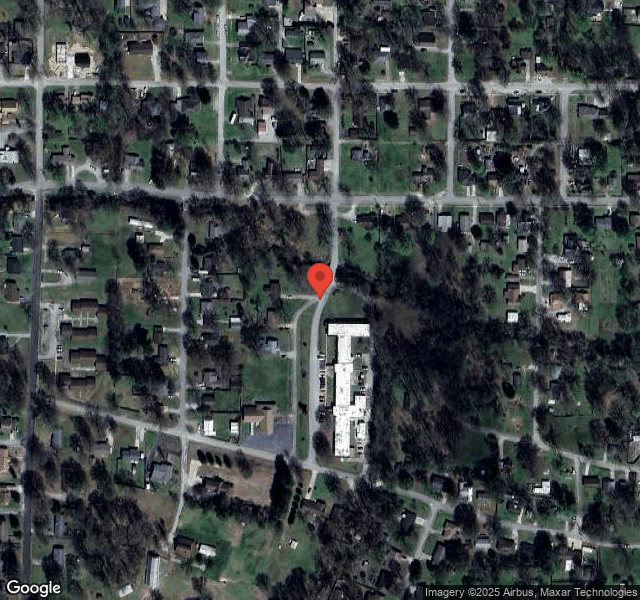
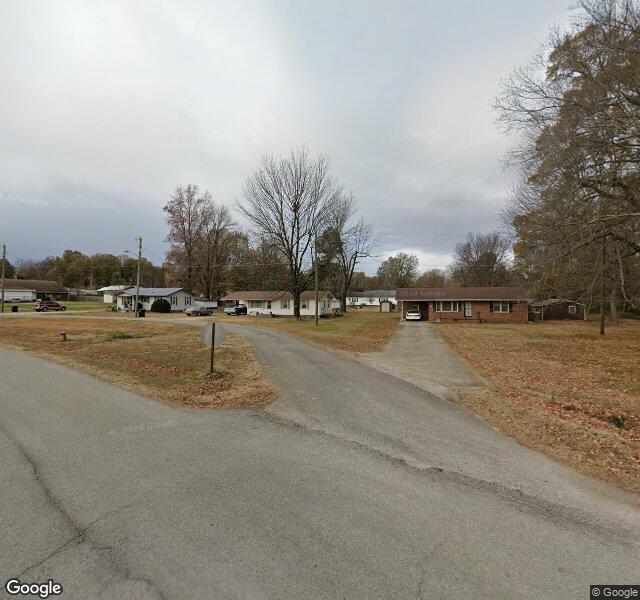
450 S 9TH AVE, PIGGOTT, AR 72454 (870) 598-2291
For profit - Limited Liability company 105 Beds POINTE MANAGEMENT Data: November 2025 1 Immediate Jeopardy citation
Trust Grade
21/100
#202 of 218 in AR
Last Inspection: June 2024

Within standard 12-15 month inspection cycle. Federal law requires annual inspections.

Overview

Piggott Healthcare & Senior Living, LLC has received a Trust Grade of F, indicating significant concerns about the facility's quality and care. It ranks #202 out of 218 nursing homes in Arkansas, placing it in the bottom half, and #3 out of 3 in Clay County, meaning there are no better local options available. The facility is worsening, with the number of reported issues rising from 7 in 2023 to 15 in 2024. Staffing is a notable weakness, with a poor rating of 1 out of 5 stars and a high turnover rate of 61%, indicating staff instability. Despite this, the facility does provide average RN coverage, which is crucial for identifying and addressing potential health issues. Specific incidents of concern include a serious incident where a resident fell and suffered a femur fracture due to inadequate training of staff during transport, as well as failures in food safety practices and proper documentation of arbitration agreements, both of which could affect multiple residents. Overall, while there are some strengths, the numerous deficiencies and critical concerns make this facility a risky choice for families considering care for their loved ones.

Trust Score
F
21/100
In Arkansas
#202/218
Bottom 8%
Safety Record
High Risk
Review needed
Inspections
Getting Worse
7 → 15 violations
Staff Stability
⚠ Watch
61% turnover. Above average. Higher turnover means staff may not know residents' routines.
Penalties
✓ Good
$18,941 in fines. Lower than most Arkansas facilities. Relatively clean record.
Skilled Nurses
⚠ Watch
Each resident gets only 25 minutes of Registered Nurse (RN) attention daily — below average for Arkansas. Fewer RN minutes means fewer trained eyes watching for problems.
Violations
⚠ Watch
27 deficiencies on record. Higher than average. Multiple issues found across inspections.
★☆☆☆☆
1.0
Overall Rating
★☆☆☆☆
1.0
Staff Levels
★☆☆☆☆
1.0
Care Quality
★☆☆☆☆
1.0
Inspection Score
Stable
2023: 7 issues
2024: 15 issues

The Good

  • Full Sprinkler Coverage · Fire safety systems throughout facility
  • No fines on record

Facility shows strength in fire safety.

The Bad

1-Star Overall Rating

Below Arkansas average (3.1)

Significant quality concerns identified by CMS

Staff Turnover: 61%

15pts above Arkansas avg (46%)

Frequent staff changes - ask about care continuity

Federal Fines: $18,941

Below median ($33,413)

Minor penalties assessed

Chain: POINTE MANAGEMENT

Part of a multi-facility chain

Ask about local staffing decisions and management

Staff turnover is elevated (61%)

13 points above Arkansas average of 48%

The Ugly 27 deficiencies on record

1 life-threatening
Jun 2024 10 deficiencies
CONCERN (D)

Potential for Harm - no one hurt, but risky conditions existed

Transfer Notice (Tag F0623)

Could have caused harm · This affected 1 resident

**NOTE- TERMS IN BRACKETS HAVE BEEN EDITED TO PROTECT CONFIDENTIALITY** Based on record review and interview, the facility failed to notify the resident/resident representative or Power of Attorney (P...

Read full inspector narrative →
**NOTE- TERMS IN BRACKETS HAVE BEEN EDITED TO PROTECT CONFIDENTIALITY** Based on record review and interview, the facility failed to notify the resident/resident representative or Power of Attorney (POA) in writing of the resident's transfer/discharge to the hospital as required for 1 (Resident #28) of 1 sample mix residents and to ensure the ombudsman was notified of transfers to the hospital. The findings are: On 06/23/2024 at 3:07 PM, the Surveyor interviewed Resident #28 and asked, Have you recently been to the hospital or emergency room for treatment? Resident #28 stated, Yes, last Monday from bleeding in my urine after an in and out cath. Review of Residents #28's Census Report dated 06/19/2024 documented, Census Event: Discharge- Return Expected. Resident #28 Census report dated 06/21/2024 documented, Census Event: Return. admission Source: Transfer from a hospital. Review of Residents #28's Progress Notes revealed Resident #28 was admitted to the hospital on [DATE] and returned to the facility on [DATE]. On 06/25/2024 at 10:56 AM, during review of Resident #28's records, the Surveyor was unable to locate Resident #28's transfer and bed hold notices when admitted to the hospital on [DATE]. On 06/25/2024 at 10:58 AM, the Surveyor interviewed the Business Office Manager (BOM) and asked, Do you have a transfer notice and bed hold notice for [Resident #28's] hospital stay that was sent to the responsible part? She stated, I've never heard of those. The nurse's send those. When asked, Do you know if the notices were sent to the responsible party? She stated, Not that I know of. On 06/25/2024 at 11:14 AM, the Surveyor interviewed the Assistant Director of Nursing (ADON) and asked, Do you send a transfer notice and bed hold notice to the responsible party when a resident is sent out to the hospital and is admitted ? She stated, I'm not aware of that. On 06/25/2024 at 11:15 AM, the Surveyor interviewed the Administrator and asked, Should a transfer notice and bed hold notice be sent to the resident's responsible party when the resident is sent out to the hospital and is admitted ? She stated, Absolutely, yes ma'am. It should be kept and documented that we did so. When asked, Was a transfer notice and bed hold notice sent to Resident #28's representative? She stated, No, there wasn't. On 06/25/2024 at 1:19 PM, the Surveyor interviewed the BOM and asked, Do you notify the ombudsman monthly about residents who have discharged from the facility to the hospital? She stated, No, I've never talked to the ombudsman, and to be honest we've never notified anybody that somebody went to the hospital. Social Services might do it, talk to them. On 06/25/2024 at 1:23 PM, the Surveyor interviewed Social Services and asked, Do you notify the ombudsman monthly about residents who have discharged from the facility to the hospital? She stated, No, nobody has ever told me I needed to. The facility provided a policy titled, Transfer or Discharge Notice with a revision date of March 2021 documented, Policy Interpretation and Implementation: 4. Under the following circumstances, the notice is given as soon as it is practicable but before the transfer or discharge: d. An immediate transfer or discharge is required by the resident's urgent medical needs; 5. The resident and representative are notified in writing of the following information: a. specific reason of the transfer or discharge; b. the effective date of the transfer or discharge; c. The location of which the resident is being transferred or discharged ; e. The facility bed- hold policy. 6. A copy of the notice is sent to the Office of Long-Term Care Ombudsman at the same time the notice of transfer or discharge is provided to the resident and representative.
CONCERN (D)

Potential for Harm - no one hurt, but risky conditions existed

Deficiency F0625 (Tag F0625)

Could have caused harm · This affected 1 resident

**NOTE- TERMS IN BRACKETS HAVE BEEN EDITED TO PROTECT CONFIDENTIALITY** Based on record review and interview, the facility failed to notify resident representatives or power of attorneys (POA) in writ...

Read full inspector narrative →
**NOTE- TERMS IN BRACKETS HAVE BEEN EDITED TO PROTECT CONFIDENTIALITY** Based on record review and interview, the facility failed to notify resident representatives or power of attorneys (POA) in writing of the bed hold policy upon a resident's transfer to the hospital and/or discharge as required for 1 (Resident #28) of 01 sampled residents. The findings are: On 06/23/2024 at 03:07 PM, the Surveyor interviewed Resident #28 and asked, Have you recently been to the hospital or emergency room for treatment? Resident #28 stated, Yes, last Monday from bleeding in my urine after an in and out cath. Review of Residents #28's Census Report dated 06/19/2024 documented, Census Event: Discharge- Return Expected. Resident #28 Census report dated 06/21/2024 documented, Census Event: Return. admission Source: Transfer from a hospital. Review of Residents #28's Progress Notes revealed Resident #28 was admitted to the hospital on [DATE] and returned to the facility on [DATE]. On 06/25/2024 at 10:56 AM, during review of Resident #28's records, the Surveyor was unable to locate Resident #28's transfer and bed hold notices when admitted to the hospital on [DATE]. On 06/25/2024 at 10:58 AM, the Surveyor interviewed the Business Office Manager (BOM) and asked, Do you have a transfer notice and bed hold notice for [Resident #28's] hospital stay that was sent to the responsible part? She stated, I've never heard of those. The nurse's send those. When asked, Do you know if the notices were sent to the responsible party? She stated, Not that I know of. On 06/25/2024 at 11:14 AM, the Surveyor interviewed the Assistant Director of Nursing (ADON) and asked, Do you send a transfer notice and bed hold notice to the responsible party when a resident is sent out to the hospital and is admitted ? She stated, I'm not aware of that. On 06/25/2024 at 11:15 AM, the Surveyor interviewed the Administrator and asked, Should a transfer notice and bed hold notice be sent to the residents responsible party when the resident is sent out to the hospital and is admitted ? She stated, Absolutely, yes ma'am. It should be kept and documented that we did so. When asked, Was a transfer notice and bed hold notice sent to Resident #28's representative? She stated, No, there wasn't. Facility provided a policy titled, Bed-Holds and Returns with a revision date of March 2022 that documented, Policy Statement: Residents and/ or representatives are informed (in writing) of the facility and state (if applicable) bed-hold policies. Policy Interpretation: 1. All residents/ representatives are provided written information regarding the facility bed-hold policies, which address holding or reserving a resident's bed during periods of absence (hospitalization or therapeutic leave). Residents are provided written information about these policies at least twice: a. well in advance of any transfer (e.g., in the admission packet); and b. at the time of transfer (or, if the transfer was an emergency, within 24 hours). 3. The written information regarding bed-holds provided to the residents/ representatives explains in detail: a. the duration of the state bed-hold policy, if any, during which the resident is permitted to return and resume residence in the facility. b. the reserve bed payment policy as indicated by the state plan (for Medicaid residents); c. the facility policies regarding bed-hold periods; d. the facility per diem rate required to hold a bed (for non-Medicaid residents), or to hold a bed beyond the return policy.
CONCERN (D)

Potential for Harm - no one hurt, but risky conditions existed

Deficiency F0688 (Tag F0688)

Could have caused harm · This affected 1 resident

Based on observation, record review, and interview, the facility failed to ensure there was a restorative program to prevent further decline in range of motion (ROM) when residents complete occupation...

Read full inspector narrative →
Based on observation, record review, and interview, the facility failed to ensure there was a restorative program to prevent further decline in range of motion (ROM) when residents complete occupational/physical therapy for 1 (Resident #26) of 1 sample mix resident. The findings are: On 06/24/2024 at 1:11 PM, the Surveyor observed Resident #26 in a wheelchair, the resident's right arm was flaccid, and the resident was using the left arm/hand to pick up and move right the arm/hand. The Surveyor interviewed Resident #26 and asked, Are you able to move your right arm? Resident #26 stated, Right arm is from a stroke. The therapist used to do range of motion but not now because of my insurance. When asked, Do you receive restorative from one of the Certified Nursing Assistants (CNA's)? Resident #26 stated, No, there's no restorative aide. I ran out of insurance, and they don't do it anymore, but they still check on me. Review of Resident #26's Physician Order Report dated 06/01/2024 documented, Rehab Potential: Fair Start Date: 11/29/2023; End Date: Open Ended. Rehab OT- PT- Eval and Treat Start Date: 01/18/2024; End Date: Open Ended. Review of Resident #26's Care Plan with a date of 06/15/2024 documented, ADLs Functional Status/Rehabilitation Potential. On 06/25/2024 at 01:22 PM, the Surveyor interviewed the Occupational Therapist (OT) and asked, Does the facility provide Resident #26 with physical therapy [PT]? She stated, No, it's been a minute since he's been on therapy. It was discontinued on 05/10/2024. When asked, Does the facility have a restorative program? She stated, No, as far as I know we don't. I think it would be beneficial. On 06/25/2024 at 02:51 PM, the Surveyor interviewed the Administrator and asked, Who is your restorative aide? She stated, We don't have one. When asked, Do you have a restorative program? She stated, No. When asked, Should the facility have a restorative program? She stated, Yes. When asked, Why should you have a restorative program? She stated, To prevent further decline. The facility provided a policy titled, Restorative Nursing Services with a revision date of July 2017 documented, Policy Statement: Residents will receive restorative nursing care as needed to help promote optimal safety and independence. Policy Interpretation and Implementation: 1. Restorative nursing care consists of nursing interventions that may or may not be accompanied by formalized rehabilitative services (e.g., physical, occupational or speech therapies). 2. Residents may be started on a restorative nursing program upon admission, during the course of stay or when discharged from rehabilitative care. The facility provided a policy titled, Resident Mobility and Range of Motion with a revision date of July 2017 that documented, Policy Statement 1. Residents will not experience an avoidable reduction in range of motion (ROM). 2. Residents with limited range of motion will receive treatment and services to increase and/ or prevent a further decrease in ROM. 3. Residents with limited mobility will receive appropriate services, equipment and assistance to maintain or improve mobility unless reduction in mobility is unavoidable.
CONCERN (E)

Potential for Harm - no one hurt, but risky conditions existed

ADL Care (Tag F0677)

Could have caused harm · This affected multiple residents

Based on observation, record review, and interview, the facility failed to ensure residents who required assistance with personal hygiene had hair removed from their face for 3 (Residents #3, #28, and...

Read full inspector narrative →
Based on observation, record review, and interview, the facility failed to ensure residents who required assistance with personal hygiene had hair removed from their face for 3 (Residents #3, #28, and #17) of 3 sample mix residents, and fingernails were kept trimmed for 1 (Resident #17) of 3 (Resident #3, #28, and #17) sample mix residents to promote good grooming. The findings are: 1. On 06/24/2024 at 11:03 AM, the Surveyor interviewed Resident #3 and asked, Are you receiving your shower as scheduled? Resident #3 stated, I was supposed to get my shower this past Saturday. Wednesday is my other shower day so hopefully I will get it. The Surveyor observed the resident with chin hair and asked, Would you like for staff to remove the hair from your chin? Resident #3 stated, Yes, but they don't. When asked, Have you asked for it to me removed? She stated, Yes, but I still have it. a. Review of the Care Plan for Resident #3 with a date of 10/05/2022 documented, Category: Bathing & Hygiene Personal Choices I need assist of 1 with my bathing, dressing and grooming due to history of cerebral infarction and hemiplegia. b. Resident #3's Quarterly Minimum Data Set (MDS) with an Assessment Reference Date (ARD) of 04/30/2024 revealed section GG0130. Self-Care Personal hygiene: I. The ability to maintain personal hygiene, including combing hair, shaving, applying makeup, washing/drying face and hands (excludes baths, showers, and oral care) coded 88: Not attempted due to medical condition or safety concerns. c. On 06/25/2024 at 2:25 PM, the Surveyor observed Resident #3 lying in bed with eyes closed. Resident #3 appeared to have been showered, but still had hair on the chin. d. On 06/25/2024 at 2:27 PM, the Surveyor interviewed Certified Nursing Assistant (CNA) at Resident #3's room and asked, Should residents have facial hair removed from their face? She stated, Yes. When asked, Why should it be removed? She stated, Because it's hygiene. 2. On 06/23/2024 at 3:02 PM, the Surveyor observed hair on Resident #28's chin. The Surveyor interviewed Resident #28 and asked, Would you like the hair on your chin shaved off? Resident #28 stated, Yes, they do it when I have a shower, but I haven't had one. My last bed bath was Tuesday, and my bath day is Tuesday, Thursday and Saturday and I didn't have one yesterday. a. Review of the Care Plan for Resident #28 dated 12/01/2022 documented, Category: ADLs [activities of daily living] Functional Status/Rehabilitation Potential . I need assistance with dressing, toileting, bed mobility, bathing, and hygiene because of my recent stroke. I have left sided hemiplegia. b. Resident #28's Quarterly MDS with an ARD of 04/30/2024 revealed section GG0130. Self-Care Personal hygiene: I. The ability to maintain personal hygiene, including combing hair, shaving, applying makeup, washing/ drying face and hands (excludes baths, showers, and oral care) coded 03 which indicates partial/ moderate assistance. c. On 06/25/2024 at 2:24, the Surveyor observed Resident #28 with hair on the resident's chin. The Surveyor interviewed Resident #28 and asked, Did you have a shower today? Resident #28 stated, Yes, I did. When asked, Would you have liked for the staff to have removed the hair from your chin during your shower? Resident #28 stated, Yes, I would. d. On 06/25/2024 at 2:29 PM, the Surveyor interviewed CNA #5 at Resident #28's room and asked, Should residents have facial hair removed from their face? He stated, Yes. When asked, Why should it be removed? He stated, Because they can't do it themselves. 3. On 06/24/2024 at 10:19 AM, the Surveyor observed Resident #17 with chin hair and long fingernails. The Surveyor interviewed Resident #17 and asked, Are you receiving your shower as scheduled? Resident #17 stated, Yes, I got it today. When asked, Would you like the hair on your face removed? Resident #17 stated, Yes, I'd like them removed but they don't do that here. I'd also like my nails trimmed. When asked, Have you asked to have your nails trimmed and to have hair removed from your face? Resident #17 stated, Yes. a. Review of the Care Plan for Resident #17 dated 03/17/2024 documented, Category: ADLs Functional Status/Rehabilitation Potential I need some limited assistance with my ADL's, dressing and grooming, toileting and hygiene and bathing. b. Resident #17's Annual MDS with an ARD of 05/10/2024 revealed section GG0130. Self-Care Personal hygiene: I. The ability to maintain personal hygiene, including combing hair, shaving, applying makeup, washing/ drying face and hands (excludes baths, showers, and oral care) coded 02 which indicates substantial/ maximal assistance. c. On 06/25/2024 at 2:26 PM, the Surveyor observed resident #17 in bed watching television. Resident #17 is observed with hair on chin and long fingernails. The Surveyor asked, Did you receive a bath this week? Resident #17 stated, Yes. When asked, Would you still like the hair removed from your chin? Resident #17 stated, Yes. I would also like someone to trim my nails. d. On 06/25/2024 at 2:26 PM, the Surveyor interviewed CNA #4 at Resident #17's room and asked, Should residents have facial hair removed from their face? She stated, Yes. When asked, Why should it be removed? She stated, It's part of their hygiene. When asked, Should residents have their fingernails trimmed if they ask staff to assist them? She stated, Yes. When asked, Why should residents have their nails trimmed if they choose? She stated, It's their right and they may scratch themselves. e. On 06/25/2024 at 3:00 PM, the Surveyor interviewed the Director of Nursing (DON) and asked, Should residents have facial hair removed from their face? She stated, Yes, we should remove it. If it's not, it needs to be care-planned. When asked, If a resident requests their fingernails to be trimmed should staff trim them? She stated, Yes. When asked, Why should residents have their nails trimmed if they choose? She stated, It could cause them to scratch and cut themselves. The facility provided a policy titled, Activities of Daily Living (ADLs), Supporting with a revision date of March 2018 that documented, Policy Statement: Residents will be provided with care, treatment and services as appropriate to maintain or improve their ability to carry out activities of daily living (ADLs). Residents who are unable to carry out activities of daily living independently will receive the services necessary to maintain good nutrition, grooming and personal and oral hygiene. Policy Interpretation and Implementation: 2. Appropriate care and services will be provided for residents who are unable to carry out ADLs independently, with the consent of the resident and in accordance with the plan of care, including appropriate supporting and assistance with: a. hygiene (bathing, dressing, grooming, and oral care).
CONCERN (E)

Potential for Harm - no one hurt, but risky conditions existed

Deficiency F0679 (Tag F0679)

Could have caused harm · This affected multiple residents

Based on observation, record review, and interview, the facility failed to ensure activities were provided on the weekend for all 34 residents who resided in the facility. The findings are: On 06/23/...

Read full inspector narrative →
Based on observation, record review, and interview, the facility failed to ensure activities were provided on the weekend for all 34 residents who resided in the facility. The findings are: On 06/23/2024 at 11:47 AM, the Surveyor has not observed any weekend activities in the facility since entry. On 06/23/2024 at 3:12 PM, the Surveyor has not seen any weekend activities taking place in the facility since entry. On 06/25/2024 at 1:15 PM, the residents present in the Resident Council Meeting were asked if activities were held on the weekend. In unison the group stated, No. The group continued to report that a former employee comes in occasionally to provide a church service. Otherwise, the residents are left on their own. On 06/25/2024 at 2:00 PM, the Activity Director (AD) was asked if activities were held on the weekend. The AD described putting activities on the calendar for the weekend that require very little set up or staff assistance such as movies, coloring or puzzles. When asked if anyone was assigned to perform the weekend activities the AD denied having knowledge of any particular Certified Nursing Assistant (CNA) or nurse being assigned. When asked why activities are important, the AD described that activities help the residents have a better quality of life. When asked, Do you have a logbook? She stated, Yes. When asked, Have residents ever told you activities are not being done on the weekends? She stated, No. On 06/25/2024 at 2:19 PM, the Activities Director provided the June 2024 resident activity logs, when reviewed the activity logs had not been completely filled out to document activities and participation for June 2024. 06/26/2024 at 1:18 PM, the Surveyor interviewed the Administrator and asked, Should activities be conducted on the weekends? She stated, Yes ma'am. When asked, Why? She stated, For the resident's livelihood and it's their right to have things to do and stay busy. When asked, What are the benefits of residents participating in activities? She stated, Keep their mood up, keep their social interaction up, and it's good for their physical and weight. Keep them from getting depressed. When asked, What are the negative effects of resident not receiving activities? She stated, They could isolate, become depressed, lose weight, get sick. When asked, Who is in charge of weekend activities? She stated, At this time it was the activity director to designate. We will have a manager on duty to make sure they get done. When asked, Is it a resident's right to have daily activities provided? She stated, Yes. On 06/26/2024 at 1:30 PM, the Surveyor interviewed CNA #3 and asked, On Sunday, June 23, 2024, who conducted activities with the residents and when were they conducted? He stated, I don't remember activities taking place. I can't remember them even happening. When asked, Who normally conducts activities on the weekends? He stated, Laundry, I think. On 06/26/2024 at 1:32 PM, the Surveyor interviewed Licensed Practical Nurse (LPN) #6 and asked, On Sunday, June 23, 2024, who conducted activities with the residents and when were they conducted? She stated, Off the top of my head I don't remember them going on. When asked, Who normally conducts activities on the weekends? She stated, I don't know who the scheduled person is. The facility provided a policy titled, Activity Programs with a revision date of June 2018, that documented, Activity programs are designed to meet the interests of and support the physical, mental and psychosocial well-being of each resident. Policy Interpretation and Implementation: 1. The activities program is provided to support the well- being of residents and to encourage both independence and community interaction. 2. Activities offered are based on the comprehensive resident-centered assessment and the preferences of each resident. 3. The activities program is ongoing and includes facility- organized group activities, independent individual activities and assisted individual activities. 4. Activities are considered any endeavor, other than routine ADLs, in which the resident participates, that is intended to enhance his or her sense of well-being and to promote or enhance physical, cognitive or emotional health. 5. Our activity programs are designed to encourage maximum individual participation and are geared to the individual resident's needs. 6. Activities are scheduled 7 (seven) days a week and residents are given an opportunity to contribute to the planning, preparation, conducting, cleanup and critique of the programs. 7. Our activity programs consist of individual, small group and large group activities that are designed to meet the needs and interests of each resident. Activity programs include activities that promote: a. self-esteem; b. comfort; c. pleasure; d. education; e. creativity; f. success; and g. independence. 8. Activities are not necessarily limited to formal activities being provided only by the activities staff. Other facility staff, volunteers, visitors, residents and family members may also provide the activities. 9. All activities are documented in the resident's medical record.
CONCERN (E)

Potential for Harm - no one hurt, but risky conditions existed

Deficiency F0761 (Tag F0761)

Could have caused harm · This affected multiple residents

Based on observation, record review, and interview, the facility failed to ensure narcotic medications were stored in a permanently affixed compartment to prevent the potential of misappropriation of ...

Read full inspector narrative →
Based on observation, record review, and interview, the facility failed to ensure narcotic medications were stored in a permanently affixed compartment to prevent the potential of misappropriation of resident property. The findings are: On 06/26/2024 at 8:38 AM, the Surveyor accompanied by Assistant Director of Nursing (ADON) entered the main medication room. Upon checking the facility narcotic box in the refrigerator, that had no visible locking mechanism on the outside, was easily removed, and the Surveyor pulled it out of the refrigerator. The Surveyor placed the narcotic box back down in the refrigerator and asked the ADON if she would pick it up. The ADON was able to pick up the narcotic box and remove it from the refrigerator. The Surveyor interviewed the ADON and asked, Should the narcotic box be permanently affixed in the refrigerator? She stated, It should. When asked, Why should it be permanently affixed in the refrigerator? She stated, So somebody can't pick it up and take off with it. When asked, How many locks is the narcotic box secured behind? She stated, The main door and the two locks on the box. When asked, Does the refrigerator lock? She stated, No. When asked, Should it be locked? She stated, Yes. When asked, Why should the refrigerator be locked? She stated, So no one can just open it and take the box. The ADON was asked to unlock the box and she stated she didn't have the key [named nurse] has the key. On 06/26/2024 at 8:41 AM, the ADON went to the nurse and got the key and came to the medication room with the Surveyor and unlocked the narcotic box. Inside the box were 10 boxes with 1 vial each of Lorazepam for 7 of the facility's current residents. There was also 1 vial of Lorazepam labeled for the emergency kit. The facility provided a policy titled, Medication Labeling and Storage with a revision date of February 2023 documented, Medication Storage 7. Controlled substances (listed as Schedule II-V of the Comprehensive Drug Abuse Prevention and Control Act of 1976) and other drugs subject to abuse are separately locked in permanently affixed compartments, except when using single unit package drug distribution systems in which the quantity stored is minimal and a missing dose can be readily detected.
CONCERN (E)

Potential for Harm - no one hurt, but risky conditions existed

Menu Adequacy (Tag F0803)

Could have caused harm · This affected multiple residents

Based on observations, interviews, facility document review, and policy review, the facility failed to ensure a written menu was followed to ensure the nutritional needs of the residents were met and ...

Read full inspector narrative →
Based on observations, interviews, facility document review, and policy review, the facility failed to ensure a written menu was followed to ensure the nutritional needs of the residents were met and that a variety of food was provided to promote consumption and enjoyment of meals for all 36 residents who receive their meals from one of one kitchen. The findings are: Review of a policy received on 06/26/2024 at 9:25 AM, entitled, Food and Nutrition Services, stated that each resident is provided with a nourishing, palatable, well-balanced diet that meets his or her daily nutritional and special dietary needs, taking into consideration the preferences of each resident. On 06/23/2024 at 11:05 AM, upon entry into the kitchen the lunch meal was reported to be: Soft shell taco's, refried beans, shredded lettuce, chopped tomatoes, sour cream, shredded cheese and crushed pineapple. No serving sizes were provided. A review of the written menu called for brown sugar meatloaf, mashed potatoes, mixed vegetables, peach upside-down cake, dinner roll and margarine. When the Dietary Manager (DM) was asked to address the change in the menu, she described that the kitchen doesn't always have the necessary ingredients due to them getting used to the schedule of deliveries associated with their new food company. When asked about the approval of the Registered Dietitian the DM stated, She said it was ok, as long as I write it down. On 06/24/2024 at 10:00 AM, the menu board in the dining room reported that the lunch meal would consist of pork with barbeque sauce, green beans, loaded mashed potatoes, vanilla pudding and a roll. The written menu called for seasoned chicken thighs, steamed rice, broccoli and fruit crisp. The pork provided was chopped. The DM reported that the pork they receive is often tough, so the residents prefer it to be cut up. On 06/25/2024 at 9:30 AM, a review of the menu board reports a lunch meal of roast beef with gravy, corn casserole, mashed potatoes and Mississippi mud cake. The DM was asked to address the serving of mashed potatoes for two consecutive days. The DM described the mashed potatoes on Monday as having been loaded due to the addition of cheese and sour cream. The potatoes on Tuesday were plain. When asked to identify the reason why the baked beans were not being served, the DM described there were not being any baked beans on the shelf, and she had not had time to check the last delivery. Upon double checking the beans were located and the potatoes were not served. On 06/25/2024 at 1:30 PM, the Resident Council described a lack of variety in the facilities meals. [NAME] beans and mashed potatoes were identified as being served multiple times during the week. They also describe a lack of options for an alternative to the planned meal. When asked about sandwich options they report that the facility typically does not have sandwich meat, only the occasional ham sandwich. On 06/26/2024 at 9:10 AM, the menu board reported pork roast, baked potato with sour cream, mixed vegetables and strawberry cake. Upon observation the pork roast was chopped in the same manner as the pork on Monday. The only difference was the placement of barbeque sauce on top of the pork on Tuesday. The DM maintains the necessity of chopping the pork due to the product being tough no matter how it is cooked. On 06/25/2024 at 2:00 PM, the DM was asked to identify the reasons why following a written planned menu would be beneficial. She identified being able to order food as needed, meeting the nutritional needs of the residents and providing a variety of food as benefits of a planned menu. On 06/25/2024 at 3:05 PM, the Administrator was asked to identify the reasons for following a planned menu. The Administrator said reducing repetition was the first reason followed by improved consumption by the resident and the need to monitor the nutritional needs of the resident including dietary needs specific to their diagnoses.
CONCERN (E)

Potential for Harm - no one hurt, but risky conditions existed

Deficiency F0804 (Tag F0804)

Could have caused harm · This affected multiple residents

Based on observations, interviews, facility document review, facility policy review, it was determined that the facility failed to ensure food temperatures were maintained to promote consumption and t...

Read full inspector narrative →
Based on observations, interviews, facility document review, facility policy review, it was determined that the facility failed to ensure food temperatures were maintained to promote consumption and to prevent food borne illness for 36 residents who receive their meals from one of one kitchen. Findings include: A review of a facility policy on 06/26/2024 at 9:45 AM entitled, Preventing Foodborne Illness, stated, food will be .served so that the risk of foodborne illness is minimized. The policy continues to describe the facility as recognizing improper holding temperatures as a critical factor in foodborne illness. A review of a facility policy on 06/26/2024 at 9:50 AM entitled, Food and Nutrition Services, reports that food and nutrition services staff will inspect food trays to ensure that the correct meal is provided to each resident, the food appears palatable and attractive, and it is served at a safe and appetizing temperature. On 06/23/2024 at 12:05 PM, observation of the temperatures of the lunch meal were taken and recorded as follows: Taco meat 195.6 degrees Fahrenheit (F); Refried beans 176.5 degrees F; Tomato Soup 165.4 degrees F; Pureed Taco Meat/Tortilla 165 degrees F; Shredded Lettuce 55.4 degrees F; Sour cream 46 degrees F; Chopped tomatoes 51.9 degrees F; Chopped onion 54.3 degrees F; Shredded cheese 54.5 degrees F; Salsa 44.4 degrees F. On 06/23/2024 at 12:18 PM, after reviewing the recorded temperatures, it was called to the attention of the Dietary Manager that the cold food items were not at 41 degrees F or below. The DM elected to discard all of the cold items that were not being held at the appropriate temperature of 41 degrees F or below. At 12:10 PM, a cart containing 6 lunch trays was delivered to the 200 Hall. The residents were observed having consumed their lunch meal including the cold food items that were recorded at above 41 degrees F. On 06/26/2024 at 12:16 PM, the DM followed the meal cart to the 300 Hall. At 12:24 PM, the last tray was removed from the cart and the following temperatures were recorded: Chopped Pork Roast 113.5 degrees F; Mixed Vegetables 126 degrees F; Baked Potato 117.3 degrees F; Sour Cream 64 degrees F. The DM verbalized the fact that each item was considered too cold to serve. The DM reported that she was aware of the two middle sections of the steam table not seeming to be as hot as the two end sections. She continued to describe her intentions of speaking to the maintenance department. On 06/26/2024 at 2:20 PM, the DM was asked to describe why maintaining appropriate food temperatures was important. The DM described the connection of food temperatures and the presence of food borne illness. She also discussed the need to maintain food temperatures, so the residents enjoy their meals and consume their food in larger amounts, thus preventing weight loss. She also identified the change of consistency which can occur when a food is too hot or cold. On 06/26/2024 at 3:15 PM, the Administrator was asked to discuss the importance of maintaining food temperatures. The Administrator started by highlighting the need to maintain temperatures to prevent food borne illness. The Administrator continued to discuss food enjoyment, good health, and weight maintenance, as being results of maintaining appropriate food temperatures.
CONCERN (F)

Potential for Harm - no one hurt, but risky conditions existed

Food Safety (Tag F0812)

Could have caused harm · This affected most or all residents

Based on observations, interviews, record review, facility policy review, it was determined that the facility failed to ensure food was appropriately stored and dated; refrigerator/freezers had thermo...

Read full inspector narrative →
Based on observations, interviews, record review, facility policy review, it was determined that the facility failed to ensure food was appropriately stored and dated; refrigerator/freezers had thermometers placed on the inside for accurate temperature reading; trash receptacles had lids; kitchen equipment was clean; and meal trays were free of chips or sharp edges. The failed practice had the ability to affect all 36 people who received their meals from 1 of 1 kitchen. Findings include: A review on 6/26/24 at 9:16 AM of a facility policy titled, Food Receiving and Storage dated 06/26/2024, on 06/26/2024 at 9:16 AM indicated, Foods shall be received and stored in a manner that complies with safe food handling practices. Policy continues to outline the intention of inspecting food upon arrival to ensure quality before being accepted, that all foods stored in the refrigerator or freezer are labeled and covered and dated, and all food is monitored to ensure use prior to the use by date. A review of a facility policy titled, Sanitization on 06/26/2024 at 9:40 AM indicated, The food service area is maintained in a clean and sanitary manner. The policy continues to outline that the fixed equipment is washed and sanitized, that items that are damaged or broken that cannot be repaired is discarded, that garbage containers are in good condition with lids or otherwise covered and disposed of daily. On 06/23/2024 at 11:13 AM, upon entering the kitchen, the Surveyor observed three trays stacked one on top of the other. The trays contained bowls of crushed pineapple which had been portioned for lunch. The bowls contained no lids and were open to air and contaminants. On 06/23/2024at 11:16 AM, the Surveyor attempted to determine the temperature of the first refrigerator freezer located on the right side of the kitchen. The thermometer inside the appliance could not be located. The second refrigerator freezer had a thermometer in the freezer but not in the refrigerator. The large two door refrigerator did not have a thermometer on the inside, nor did the two large two door freezers. On 06/23/2024 at 11:22 AM, the Surveyor observed a tray of shredded lettuce and chopped tomatoes was observed in the first refrigerator freezer. The tray was uncovered and opened to air and contaminants. On 06/23/2024 at 11:24 AM, the Surveyor observed six, one half cup single serve cups of ice cream were located in the door of the refrigerator freezer. Approximately 1/2 inch from the bottom of the cup, the mixture appears to have been separated. The bottom 3/4 inch of the product was bright yellow in color. The rest of the contents were creamy white in color. The DM stated, That looks freezer burned and needs to be thrown out. A box of the same ice cream was opened and the cups inside the box had the same appearance including the different color and consistency. The DM described that the items were just recently delivered, however she did not feel it should be served, due to the appearance of having been melted and refrozen. She continued to report that the case of ice cream could not be returned because the poor condition of the product should have been noticed when it was received. On 06/23/2024 at 11:26 AM, a #10 can of crushed pineapple, which had been opened to serve for lunch was observed in the refrigerator freezer. The lid of the can had been pushed 1/2 way down into the can where it met the crushed pineapple. Dietary Aide #1 came forward and described having put the can into the refrigerator due to the fact that she was unable to locate a bowl with a lid for storage. On 06/23/2024 at 11:48 AM, the Surveyor observed a bag of bread 1/2 full, a bag of bread 1/3 full, and a bag of hamburger buns containing 5 buns, on top of the steam table. Each bag was not sealed properly leaving them open to air and contaminants. On 06/23/2024 at 11:49 PM, a 2 quart pitcher of tea was observed on the worktable. The pitcher contained no lid leaving the contents open to air and contaminants. On 06/23/2024 at 12:24 PM, a stack of 26 meal trays were observed sitting on the worktable in front of the steam table. Three of the trays were observed to have pieces broken off along the edges, resulting in the areas being uneven and sharp. On 06/23/2024 at 12:48 PM, the right side of the range was observed to be covered in a sticky residue to which, what appeared to be food particles, had adhered. The residue covered the entire side of the range, in various levels of thickness. The shelf of the range which extends over the top was covered with a layer of sticky dust. The floor beneath the range and between the range and the deep fryer was discolored and had debris stuck to the floor in a variety of colors. Both sides of the deep dryer were also covered in a sticky residue, to which a variety of debris had adhered. The two wire baskets sitting on top of the deep dryer had large pieces of what appeared to be food stuck to the sides. On 06/23/2024 at 12:52 PM, a large trash can was observed between two worktables in the middle of the kitchen. The can did not have a lid and was open to air. Two trash cans in the dish area were observed to have no lids available. The dish area opens into the kitchen and dishes were not being cleaned at this time. On 06/23/2024 at 11:27 AM, 2 servings of apple juice were observed sitting in the refrigerator. The juice was not dated. On 06/23/2024 at 11:30 AM, two lidded cups containing grape juice were observed on the shelf in the refrigerator. The DM reported that the juice had been poured this AM. When asked how the staff would know when the juice was poured since it was not dated. The DM identified that the age of the juice would be impossible to know without a date. On 06/23/2024 at 11:33 AM, a 12 ounce container of grape juice concentrate was observed in the door for the refrigerator. The instructions on the container stated, keep frozen. The juice had been allowed to thaw and was not dated as to when it had been put in the refrigerator. A second container of grape juice concentrate had a use by date of 6/7/24. A one-gallon pitcher of orange juice was not dated as to when it was made. On 06/23/2024 at 11:35 AM, three pounds of cheese slices were observed on the top shelf of the 2 door refrigerator. The cheese was wrapped in plastic wrap which had failed to adhere leaving the cheese open to air and contaminants. One and one-half pounds of mozzarella cheese was also observed on the top shelf. The plastic wrap which had been used to cover the cheese had failed to adhere leaving the cheese open to air and contaminants. The DM identified that plastic bags for food storage were not purchased by the kitchen. On 06/23/2024 at 11:38 AM, a 1/2 steam table pan of chicken noodle soup was observed in the bottom of the 2 door refrigerator. The soup was not dated. On 06/23/2024 at 11:45 AM, the Surveyor observed a box containing frozen biscuits was in the 2 door freezer. The plastic bag containing the biscuits was not sealed leaving the biscuits open to air and contaminants. On 06/23/2024 at 12:55 PM, a one pound box of cornstarch and a one pound box of baking soda located in a kitchen cabinet was observed to be open to air and contaminants. On 06/26/2024 at 2:00 PM, during an interview, the DM was asked why it was important to date and store food properly in the kitchen. The DM described that it was important to prevent the residents from being served food that would make them sick, that ensuring that the food was sealed prevented germs from growing. When asked why it was important to monitor the temperature of the refrigerator and freezers, she described the need to ensure proper temperatures so the food would stay fresh, thus preventing food borne illness. The DM stated emphatically that trash containers should have lids available and in place. When asked about the importance of maintaining the kitchen/equipment in a clean manner, the DM again described the need to not spread germs, thus protecting the resident. On 06/26/2024 at 3:10 PM, during an interview, the Administrator was asked to describe the importance of dating and storing food properly. The need to not serve any food that might have expired and make someone sick was the primary reason cited. Covering food was described as important for keeping out pests, maintaining temperatures, and to keep the food fresh. When asked to identify the importance of monitoring the temperature in the refrigerator/freezer, the Administrator verbalized the need to maintain food at the proper temperature to maintain freshness and to prevent food borne illness. The Administrator was adamant that trash receptacles have lids.
CONCERN (F)

Potential for Harm - no one hurt, but risky conditions existed

Deficiency F0847 (Tag F0847)

Could have caused harm · This affected most or all residents

Based on observations, interviews, record review, and facility document review, it was determined that the facility failed to ensure the Arbitration agreement contained all necessary components includ...

Read full inspector narrative →
Based on observations, interviews, record review, and facility document review, it was determined that the facility failed to ensure the Arbitration agreement contained all necessary components including the right to resend the agreement within the first 30 days of admission, a declaration affirming that signing an arbitration is not a condition of admission and a statement providing for the right to communicate with state/federal surveyors, health department employees and the state Ombudsman. The failed practice had the ability to affect 4 of 4 (Residents #17, #139, #24, and #140) sampled residents who had signed arbitration agreements since the change of ownership on 04/01/2023 as documented on the Nursing Home Facility Directory page. Findings include: A review of a facility admission packet, on 06/24/2024 at 10:15 AM, revealed, Section XI. Dispute Resolution. Paragraph 2, page 10 of 14 began, Resident shall select one of the following dispute resolution options: Binding Arbitration or Legal Proceedings. A review of a Binding Arbitration agreement revealed there was: 1. No statement concerning the resident/representative's right to resend the decision to select arbitration within the first 30 days after admission; 2. No statement declaring that arbitration is not necessary for admission; 3. No confirmation of a resident's right to communicate with state/federal surveyors, the state Ombudsman or health department officials. The Administrator was provided a copy of the admission packet, Section XI on 06/26/2024 at 2:30 PM. The Administrator was asked to locate within the document the right to resend the agreement within 30 days. The Administrator described not being able to locate the information. The Administrator continued to report that she was aware of the missing information including the right to resend, the right to communicate with state or federal agencies and the right for admission without signing an arbitration agreement. She continued to report having told the owner that these changes would need to be made to the agreement.
May 2024 5 deficiencies
CONCERN (D) 📢 Someone Reported This

A family member, employee, or ombudsman was alarmed enough to file a formal complaint

Potential for Harm - no one hurt, but risky conditions existed

Safe Environment (Tag F0584)

Could have caused harm · This affected 1 resident

Based on observations, interviews, and record review it was determined the facility failed to maintain proper temperatures in the facility to provide a safe comfortable homelike environment for 1 (Res...

Read full inspector narrative →
Based on observations, interviews, and record review it was determined the facility failed to maintain proper temperatures in the facility to provide a safe comfortable homelike environment for 1 (Resident #4) of 3 residents reviewed for physical environment. Findings include: A review of Resident #4's face sheet indicated the facility admitted Resident #4 with diagnoses that included extended spectrum beta lactamase (ESBL) resistance, Chronic viral hepatitis C, malignant neoplasm of bronchus or lung, and diabetes mellitus due to underlying condition with diabetic neuropathy. The quarterly Minimum Data Set (MDS), with an Assessment Reference Date (ARD) of 03/05/2024, revealed Resident #4 had a Brief Interview of Mental Status (BIMS) score of 15 which indicated the resident was cognitively intact. A review of Resident #4's care plan initiated on 5/29/24 revealed the Resident was taking antibiotics for ESBL of urine. Interventions included administer medications as ordered by physician. Monitor and report any worsening signs/symptoms. Monitor for any adverse side effects. A review of physician's order revealed Resident #4 had orders for Meropenem solution 1 gram IV [intravenous] three times per day starting 5/22/24 and ending on 5/29/24. During an interview on 05/28/2024 at 10:46 AM., Resident #4 verbalized being cold and was wearing a fleeced lined blue jacket and thick grey gloves on both hands. Resident #4 confirmed the room was always cold. Resident resides on 100 hall. During an observation on 05/29/2024 at 9:23 AM, the thermostat on 100 hall was set at 68 degrees. The maintenance director placed a thermometer on the counter on the south end of 100 hall to obtain temperature. During an observation on 05/29/2024 at 9:39 AM, the thermostat in the dining room was set at 64 degrees and the temperature was 66 degrees according to the thermostat reading. During an observation on 05/29/2024 at 9:41 AM, the thermostat on 200 hall was set at 68 degrees. During an observation on 05/29/2024 at 9:46 AM, the thermostat on the north and south 300 hall was set at 70 degrees and the temperature was 73 degrees. During an interview on 05/29/2024 at 9:47 AM, the Maintenance Director confirmed residents have complained about being cold. During a concurrent observation and interview on 05/29/2024 at 10:06 AM, the thermometer placed on the south end of 100 hall was reading a temperature of 66 degrees. The Maintenance Director verbalized 66 degrees is a really cool temperature. The Maintenance Director changed the thermostat from 68 degrees to 72 degrees. During an observation on 5/29/24 at 12:03 PM, the thermostat on 100 hall was set at 72 degrees with a temperature reading of 69 degrees. During an observation on 5/29/24 at 12:04 PM, the thermometer placed on the south end of 100 hall was reading a temperature of 68 degrees. During an observation on 5/29/24 at 2:52 PM, the thermometer placed on the south end of 100 hall was reading a temperature of 70 degrees. During an observation on 5/30/24 at 8:47 AM, the thermometer placed on the south end of 100 hall was reading a temperature of 72 degrees. On 05/30/2024 at 9:34 AM, the Administrator stated the facility did not have a policy for physical environment and facility temperatures.
CONCERN (D) 📢 Someone Reported This

A family member, employee, or ombudsman was alarmed enough to file a formal complaint

Potential for Harm - no one hurt, but risky conditions existed

Deficiency F0727 (Tag F0727)

Could have caused harm · This affected 1 resident

Based on interviews and record review, it was determined the facility failed to provide Registered Nurse coverage for 8 consecutive hours in a 24-hour period for 11 of 15 days reviewed for Registered ...

Read full inspector narrative →
Based on interviews and record review, it was determined the facility failed to provide Registered Nurse coverage for 8 consecutive hours in a 24-hour period for 11 of 15 days reviewed for Registered Nurse coverage. Findings include: A review of a facility policy titled, Staffing, Sufficient and Competent Nursing dated 08/01/2022, indicated, Our facility provides sufficient numbers of nursing staff with appropriate skills and competency necessary to provide nursing and related care and services for all residents in accordance with resident care plans and the facility assessment .A registered nurse provides services at least eight (8) consecutive hours every 24 hours, seven (7) days a week. RNs [Registered Nurse] may be scheduled more than eight (8) hours depending on the acuity needs of the resident. A review of the daily timecards for May 14, 2024, through May 28, 2024, indicated the facility did not have a Registered Nurse for 8 consecutive hours on 11 days starting May 7th through May 7th. A review of the daily timecards for May 14, 2024, through May 28, 2024, indicated the last day the DON [Director of Nursing] worked was May 16, 2024, and the facility had a Registered Nurse work on 5/18/24 for 5 hours. During an interview on 05/28/2024 at 9:33 AM, the SSD [Social Service Director] confirmed the facility did not have a DON. During an interview on 05/28/2024 at 9:37 AM, CNA [Certified Nursing Assistant] #7 confirmed the DON quit sometime last week and have not had a registered nurse in the facility since the DON quit. During an interview on 05/28/2024 at 9:48 AM, CNA #6 confirmed the facility did not have a Registered Nurse in the last two weeks since the DON quit. During an interview on 05/28/2024 at 9:54 AM, LPN [Licensed Practical Nurse] #5 confirmed the DON had not worked in the past two weeks. LPN #1 confirmed the facility did not have any Registered Nurses working since the DON quit. During an interview on 05/28/2024 at 9:58 AM, the Administrator confirmed the facility did not have a DON and has been without one for approximately 1 week and confirmed the facility does not have any Registered Nurses due to two Registered Nurses recently quitting their position.
CONCERN (E) 📢 Someone Reported This

A family member, employee, or ombudsman was alarmed enough to file a formal complaint

Potential for Harm - no one hurt, but risky conditions existed

Report Alleged Abuse (Tag F0609)

Could have caused harm · This affected multiple residents

Based on observations, interviews, record review, facility document review, and facility policy review it was determined the facility failed to report an allegation of abuse and misappropriation of pr...

Read full inspector narrative →
Based on observations, interviews, record review, facility document review, and facility policy review it was determined the facility failed to report an allegation of abuse and misappropriation of property for 3 (Resident #3, #5 and Resident #6) of 3 residents reviewed for abuse. Findings include: A review of a facility policy titled Abuse Investigation and Reporting dated 07/01/2017, indicated, All reports of resident abuse, neglect, exploitation, misappropriation of resident property, mistreatment and/or injuries of unknown source (abuse) shall be promptly reported to local, state, and federal agencies (as defined by current regulations) and thoroughly investigated by facility management .If an incident or suspected incident of resident abuse, mistreatment, neglect, or injury of unknown source I reported, the administrator will assign the investigation to an appropriate individual . A review of a facility policy titled, Abuse Prevention Program dated 12/01/2016, indicated, Our residents have the right to be free from abuse, neglect, misappropriation of resident property and exploitation . Identify and assess all possible incidents of abuse. Investigate and report any allegations of abuse within timeframes as required by federal requirements . A review of the resident face sheet indicated the facility admitted Resident #3 with diagnoses that included Hemiplegia and hemiparesis following cerebral infarction affecting, left non-dominant side, gastrostomy status (history of), chronic pain syndrome. The quarterly Minimum Data Set (MDS), with an Assessment Reference Date (ARD) of 05/21/2024, revealed Resident #3 had a Brief Interview of Mental Status (BIMS) score of 6 which indicated the resident has severe cognitive impairment. During an interview on 5/28/24 at 1:57 PM, Resident #3 confirmed Certified Nursing Assistant [CNA] #1 was rough over the weekend while changing resident about a month ago and notified CNA #2 later that day. Resident #3 confirmed talking with Social Service Director [SSD], Administrator and Director of Nursing [DON] the following Monday. Resident #3 confirmed not feeling safe in the facility when CNA #1 was working. A review of the resident face sheet indicated the facility admitted Resident #3 with diagnoses that included Hemiplegia and hemiparesis following cerebral infarction affecting, left non-dominant side, gastrostomy status (history of), chronic pain syndrome. The quarterly Minimum Data Set (MDS), with an Assessment Reference Date (ARD) of 05/21/2024, revealed Resident #3 had a Brief Interview of Mental Status (BIMS) score of 6 which indicated the resident has severe cognitive impairment. During an interview on 5/28/24 at 1:57 PM, Resident #3 confirmed Certified Nursing Assistant [CNA] #1 was rough over the weekend while changing resident about a month ago and notified CNA #2 later that day. Resident #3 confirmed talking with Social Service Director [SSD], Administrator and Director of Nursing [DON] the following Monday. Resident #3 confirmed not feeling safe in the facility when CNA #1 was working. A review of the resident face sheet indicated the facility admitted Resident #5 with diagnoses that included heart failure unspecified, non-ST elevation myocardial infarction (history of), and pain unspecified. The quarterly Minimum Data Set (MDS), with an Assessment Reference Date (ARD) of 04/09/2024, revealed Resident #5 had a Brief Interview of Mental Status (BIMS) score of 15 which indicated the resident was cognitively intact. Review of grievance log indicated Resident #5 filed a grievance on 3/20/24 regarding someone taking cigarettes that belonged to the resident. Review of grievance form indicated Resident #5 thought someone was taking cigarettes. The resolution was locking the cigarettes up behind the nursing station. During an interview on 05/28/2024 at 3:21 PM, the Social Service Director (SSD) confirmed talking with Resident #5 but there was no investigation to determine if cigarettes were taken because resident only had three packs and confirmed the grievance form was the facilities only documentation regarding the incident. During an interview on 5/29/24 at 3:41 PM, Resident #5 confirmed having four unopened packs of cigarettes and notified SSD when two packs were missing. Resident #5 verbalized the facility did not do anything about cigarettes missing and began locking the cigarettes up. Review of resident face sheet indicated the facility admitted Resident #6 with diagnoses of Alzheimer's disease, dementia with behavioral disturbance, moderate protein-calorie malnutrition. The quarterly Minimum Data Set (MDS), with an Assessment Reference Date (ARD) of 04/09/2024, revealed Resident #6 had a Brief Interview of Mental Status (BIMS) score of 0 which indicated the resident had severe cognitive impairment. A review of the grievance log revealed previous administrator filed a grievance on behalf of Resident #6 regarding Certified Nursing Assistant [CNA] #3 being rough with a resident. A review of the grievance form revealed CNA #3 grabbed Resident #6 shirt and was shaking resident. The previous administrator spoke to the resident's family and the family verbalized not feeling like it was abuse just inappropriate. The family did not want to involve the police or file abuse charges. CNA #3 was terminated immediately. Review of the termination of employment form revealed CNA #3 was terminated on 2/23/24 for sleeping and not eligible for rehire. During an interview on 5/30/24 at 11:49 AM, the Assistant Director of Nursing (ADON) confirmed the grievance documented on 4/8/24 regarding Resident #3 occurred over the weekend and SSD, Administrator and Director of Nursing (DON) followed up on Monday 4/8/24 and CNA #1 was suspended. ADON confirmed the allegation of missing cigarettes from Resident #5 should have been investigated and reported. ADON verbalized not being involved in the allegation of abuse regarding Resident #6. During an interview on 5/30/24 at 12:10 PM, the Interim DON confirmed the incident on 4/8/24 with Resident #3 should have been investigated by the facility. Interim DON confirmed allegation of missing cigarettes from Resident #5 should have been investigated and reported. Interim DON confirmed allegation of abuse from previous administrator regarding Resident #6 should have been investigated and reported. During an interview on 05/30/2024 at 12:30 PM, the Administrator confirmed the allegation of abuse from Resident #3 should have been investigated and reported. The Administrator stated the allegation has now been reported after speaking with Resident #3. The Administrator verbalized that the allegation of cigarettes missing should have been investigated and if the amount is less than $50 it does not have to be reported. Administrator confirmed employment start date of 3/15/24. The administrator verbalized the previous Administrator was still working at the facility and thought it was investigated by the previous Administrator. The Administrator confirmed the allegation of abuse from the previous Administrator should have been investigated and reported.
CONCERN (E) 📢 Someone Reported This

A family member, employee, or ombudsman was alarmed enough to file a formal complaint

Potential for Harm - no one hurt, but risky conditions existed

Investigate Abuse (Tag F0610)

Could have caused harm · This affected multiple residents

Based on observations, interviews, record review, facility document review, and facility policy review it was determined that the facility failed to investigate an allegation of abuse and misappropria...

Read full inspector narrative →
Based on observations, interviews, record review, facility document review, and facility policy review it was determined that the facility failed to investigate an allegation of abuse and misappropriation of property for 3 (Resident #3, #5, and #6) of 3 residents reviewed for abuse. Findings include: A review of a facility policy titled Abuse Investigation and Reporting dated 07/01/2017, indicated, All reports of resident abuse, neglect, exploitation, misappropriation of resident property, mistreatment and/or injuries of unknown source (abuse) shall be promptly reported to local, state, and federal agencies (as defined by current regulations) and thoroughly investigated by facility management .If an incident or suspected incident of resident abuse, mistreatment, neglect, or injury of unknown source I reported, the administrator will assign the investigation to an appropriate individual . A review of a facility policy titled, Abuse Prevention Program dated 12/01/2016, indicated, Our residents have the right to be free from abuse, neglect, misappropriation of resident property and exploitation . Identify and assess all possible incidents of abuse. Investigate and report any allegations of abuse within timeframes as required by federal requirements . A review of the resident face sheet indicated the facility admitted Resident #3 with diagnoses that included Hemiplegia and hemiparesis following cerebral infarction affecting, left non-dominant side, gastrostomy status (history of), chronic pain syndrome. The quarterly Minimum Data Set (MDS), with an Assessment Reference Date (ARD) of 05/21/2024, revealed Resident #3 had a Brief Interview of Mental Status (BIMS) score of 6 which indicated the resident has severe cognitive impairment. During an interview on 5/28/24 at 1:57 PM, Resident #3 confirmed Certified Nursing Assistant [CNA] #1 was rough over the weekend while changing Resident about a month ago and notified CNA #2 later that day. Resident #3 confirmed talking with Social Service Director [SSD], Administrator and Director of Nursing [DON] the following Monday. Resident #3 confirmed not feeling safe in the facility when CNA #1 was working. On 5/28/24 at 2:43 PM, the Administrator was informed by surveyor that Resident #3 verbalized being mistreated and hurt by CNA in April. The administrator verbalized reviewing the grievance log at this time and was going to go talk with the Resident. On 5/28/24 at 2:46 PM, SSD provided a copy of the grievance form and SSD progress notes of incident. Requested a copy of the incident investigation with witness statements and SSD confirmed the grievance form and SSD progress notes was the only documentation the facility has. Review of grievance form indicated SSD interviewed Resident #3 on 4/8/24 and resident verbalized CNA #1 was rough with her. SSD followed up with DON and CNA #1 was put on leave pending investigation. Follow up actions included terminating CNA #1 on 4/14/24. Review of progress note dated 4/8/24 indicated SSD spoke with Resident #3 and Resident verbalized CNA #1 would not help, was hateful and hurt Resident's arm. SSD documented resident #3 did not feel safe with CNA #1. SSD documented resident began to cry and requested to call family. Review of CNA #1 employee personnel chart indicated employee was not terminated until 4/22/24. During an interview on 5/30/24 at 11:49 AM, the Assistant Director of Nursing (ADON) confirmed the grievance documented on 4/8/24 regarding Resident #3 occurred over the weekend and SSD, Administrator and Director of Nursing (DON) followed up on Monday 4/8/24 and CNA #1 was suspended. During an interview on 5/30/24 at 12:10 PM, the Interim DON confirmed the incident on 4/8/24 with Resident #3 should have been investigated by the facility. During an interview on 5/30/24 at 12:30 PM, the Administrator confirmed the incident with Resident #3 should have been investigated and confirmed not being made aware of potential abuse but being made aware of a situation regarding water. A review of the resident face sheet indicated the facility admitted Resident #5 with diagnoses that included heart failure, myocardial infarction (history of), and pain unspecified. The quarterly Minimum Data Set (MDS), with an Assessment Reference Date (ARD) of 04/09/2024, revealed Resident #5 had a Brief Interview of Mental Status (BIMS) score of 15 which indicated the resident was cognitively intact. Review of grievance log indicated Resident #5 filed a grievance on 3/20/24 regarding someone taking cigarettes that belonged to the resident. Review of grievance form indicated Resident #5 thought someone was taking cigarettes. The resolution was locking the cigarettes up behind the nursing station. During an interview on 05/28/2024 at 3:21 PM, the Social Service Director (SSD) confirmed talking with Resident #5 but there was no investigation to determine if cigarettes were taken because resident only had three packs and confirmed the grievance form was the facilities only documentation regarding the incident. During an interview on 5/29/24 at 3:41 PM, Resident #5 confirmed having four unopened packs of cigarettes and notified SSD when two packs were missing. Resident #5 verbalized the facility did not do anything about cigarettes missing and began locking the cigarettes up. During an interview on 05/30/2024 at 12:10 PM, the Interim DON confirmed missing cigarettes from a resident should be investigated and reported because it is theft. During an interview on 05/30/2024 at 12:30 PM, the Administrator verbalized it should have been investigated and if the amount is less than $50 it does not have to be reported. Administrator confirmed employment start date of 3/15/24. The Administrator verbalized the previous Administrator was still working at the facility and thought it was investigated by the previous Administrator. Review of resident face sheet indicated the facility admitted Resident #6 with diagnoses of Alzheimer's disease, unspecified, dementia with behavioral disturbance, moderate protein-calorie malnutrition. The quarterly Minimum Data Set (MDS), with an Assessment Reference Date (ARD) of 04/09/2024, revealed Resident #6 had a Brief Interview of Mental Status (BIMS) score of 0 which indicated the Resident had severe cognitive impairment. A review of the grievance log revealed previous administrator filed a grievance on behalf of Resident #6 regarding Certified Nursing Assistant [CNA] #3 being rough with a resident. A review of the grievance form revealed CNA #3 grabbed Resident #6 shirt and was shaking Resident. The previous Administrator spoke to the Resident's family and the family verbalized not feeling like it was abuse just inappropriate. The family did not want to involve the police or file abuse charges. CNA #3 was terminated immediately. Review of the termination of employment form revealed CNA #3 was terminated on 2/23/24 for sleeping and not eligible for rehire. During an interview on 5/30/24 at 12:10 PM, the Interim Director of Nursing [DON] confirmed this allegation should have been investigated and reported. During an interview on 5/30/24 at 12:30 PM, the Administrator confirmed the allegation should have been investigated and reported.
CONCERN (E) 📢 Someone Reported This

A family member, employee, or ombudsman was alarmed enough to file a formal complaint

Potential for Harm - no one hurt, but risky conditions existed

Infection Control (Tag F0880)

Could have caused harm · This affected multiple residents

Based on observations and interviews it was determined that the facility failed to implement enhanced barrier precautions as recommended. Findings include: A review of a facility manual titled, Nursi...

Read full inspector narrative →
Based on observations and interviews it was determined that the facility failed to implement enhanced barrier precautions as recommended. Findings include: A review of a facility manual titled, Nursing Services Policy and Procedure Manual for Long-term care Infection Control, dated 03/01/2022, did not indicate any information regarding Enhanced Barrier Precautions [EBP]. During an observation on 05/28/2024 at 10:02 AM, the facility did not have any EBP signs on resident rooms and did not observe any personal protective equipment [PPE] within close proximity of resident rooms. During a concurrent observation on 05/28/2024 at 3:25 PM, the facility did not have any EBP signs on resident rooms and did not observe any personal protective equipment [PPE] within close proximity of resident rooms. During a concurrent observation on 05/29/2024 at 11:23 AM, the facility did not have any EBP signs on resident rooms and did not observe any personal protective equipment [PPE] within close proximity of resident rooms. During an interview on 05/29/2024 at 1:59 PM, the Administrator confirmed the facility has not implemented EBP. During an interview on 05/30/2024 at 11:05 AM, Certified Nursing Assistant [CNA] #4 confirmed the facility has not provided any education or training on EBP and did not know which residents required EBP. During an interview on 05/30/2024 at 11:49 AM, the Assistant Director of Nursing [ADON] confirmed the facility has not implemented EBP and did not know when the EBP was initiated. During an interview on 05/30/2024 at 12:10 PM, the Interim Director of Nursing [IDON] confirmed the facility has not implemented EBP.
Dec 2023 2 deficiencies 1 IJ
CRITICAL (J) 📢 Someone Reported This

A family member, employee, or ombudsman was alarmed enough to file a formal complaint

Immediate Jeopardy (IJ) - the most serious Medicare violation

Accident Prevention (Tag F0689)

Someone could have died · This affected 1 resident

Based on observation, interview and record review, the facility failed to ensure training was provided for nursing staff prior to transporting a resident in the facility van which contributed to a res...

Read full inspector narrative →
Based on observation, interview and record review, the facility failed to ensure training was provided for nursing staff prior to transporting a resident in the facility van which contributed to a resident falling on the van which resulted in a fracture of the femur for 1 (Resident #1) sampled resident. No training has been provided since the incident and staff have continued to transport residents. Two staff members provided return demonstration and failed to secure person safely. This failed practice resulted in an Immediate Jeopardy which caused serious harm to Resident #1 and could have caused death to Resident #1. The Administrator and Acting Administrator were notified of the Immediate Jeopardy on 12/13/23 at 3:57 pm and the Plan of Removal was accepted on 12/13/23 at 5:17 pm. The findings are: On 10/17/23, Resident #1 was on the facility van for transport to local hospital for Bone Density Test. Van Driver #1 slammed on the brakes of the van as someone pulled out in front of the van. Resident #1 slid forward in the wheelchair with her bottom not on the seat of the wheelchair and the seatbelt under the resident's breast per Van Driver #1's interview completed on 12/13/23 at 11:51 am. Van Driver #1 pulled over and tried to re-adjust the resident in the wheelchair and had to unlock the lap seatbelt. When unlocking the seatbelt, the resident fell to the floor of the van with Van Driver #1's assistance. During the interview Van Driver #1 confirmed Resident #1's leg looked like it had a bone sticking out toward the skin and called for an ambulance. Van Driver #1 confirmed Resident #1 was complaining of leg pain. Hospital X-ray of right knee documentation confirmed on 10/17/23, Resident #1 had an acute fracture of distal femur. Hospital surgical documentation confirmed Resident #1 had an open reduction internal fixation of the right periprosthetic distal femur completed on 10/20/23. On 12/13/23 at 11:51 am, Van Driver #1 confirmed she had been shown how to buckle a person in and how to use the lift on the van from Van Driver #2 but did not sign anything to confirm her training prior to transporting residents in the facility van. Van Driver #1 confirmed she did not receive any training following the incident on 10/17/23. Van Driver #1 confirmed she has continued to do transports without further training. On 12/13/23 at 12:56 pm, the Acting Administrator confirmed she did education with Van Driver #1 prior to the incident but failed to document the training and failed to document return demonstration. The facility cannot provide documentation of the training and return demonstration prior to the incident for Van Driver #1 or Van Driver #2. The facility confirmed they do not have a policy on transporting residents. On 12/13/23 at 12:57 pm, the Director of Nursing (DON) confirmed she delegated the training following the van incident on 10/17/23 to the Assistant Director of Nursing (ADON). On 12/13/23 at 1:02 pm, the ADON confirmed she did not do training with Van Driver #1 following the van incident on 10/17/232. The ADON confirmed she did training with Van Driver #2 after the van incident but does not have documentation to support the training was completed. On 12/13/23 at 2:43 pm, Van Driver #2 confirmed she did not get any training on how to buckle a person in the van but did get training on how to use the van lift prior to transporting residents in the facility van. Van Driver #2 confirmed she did not receive any training following the van incident on 10/17/23. Van Driver #2 confirmed she went to the van with the ADON but did not receive any training on the use of the seatbelts. Van Driver #2 confirmed she basically learned how to use the buckles herself and has had wheelchairs shift in the van during transports. On 12/13/23 at 3:05 pm, Van Driver #1 provided a return demonstration of how to connect seat belts for a resident in the facility transport van for transport. Upon completion Van Driver #1, only connected the shoulder strap. Van Driver #1 did not place a lap belt around the waist of the resident during demonstration. Van Driver #1 confirmed she was ready transport. Van Driver #1 was asked if a lap belt should be provided, and Van Driver #1 confirmed the lap belt should have been secured. During the return demonstration, Van Driver #1 confirmed Resident #1 only had a lap belt secured during the transport that resulted in a fall with major injury. On 12/13/23 at 3:17 pm, Van Driver #2 provided a return demonstration of how to connect seatbelts for a resident in the facility transport van for transport. Upon completion Van Driver #2 only connected the lap belt. Van Driver #2 did not place a shoulder strap around the resident during the demonstration. Van Driver #2 confirmed she was ready for transport. Van Driver #2 was asked if a shoulder strap should be provided, and Van Driver #2 confirmed the shoulder strap should have been secured. On 12/14/23 at 11:15 am, the Acting Administrator confirmed she is not confident that Van Driver #1 and Van Driver #2 can safely transport residents until proper training has been completed. On 12/15/23 at 3:16 pm, the facility provided training completed on 12/15/23, for the van drivers The facility provided the Van Inspection completed on 12/14/23. On 12/13/23 at 5:17 pm, the Administrator provided a Plan of Removal with the following measures: Abatement Plan The following plan is being submitted to address the concern brought forth for [Facility Name]. The submission of this plan is not an admission of guilt or wrongdoing, but this plan is being submitted in good faith. The facility has taken the following actions of removal. Immediate Corrective Action: Review of Inservice Training policy, with emphasis on Transportation aide training will be completed by 12/15/23. All pertinent staff will be reeducated on the safety, and correct application of safety devices on the transport van per manufactures specifications with return demonstrations. All transportation aides will be educated prior to continuation of any transport appointments for [Facility Name]. To be completed by 12/15/23 and ongoing. Identifying other residents with potential for being affected and interventions to prevent this from occurring in the future. All residents who need to go out for an appointment are at risk. Measures put in place to prevent reoccurrence. System revision. All transportations have been stopped at this time and staff will be thoroughly educated and return demonstrations of understanding how to correctly secure a wheelchair and resident in the transportation van by 12/15/23 and before resuming any transports. How Facility Will Monitor System and Corrective Action: Administrator/ DON or other designee will conduct reviews of all transports x 4 weeks. These reviews will include proper placement of safety devices and residents. Quarterly Education and random audits will be completed, and negative findings will be addressed immediately. QAPI All audit results will be reviewed by the facility Quality Assurance Performance Improvement Committee to determine if any further staff education or facility policy changes are needed. Any deficiencies will be corrected immediately and reviewed again by the Quality Assurance Performance Improvement Committee monthly. All above measures will be subject to review, assessment, and modification.
CONCERN (E) 📢 Someone Reported This

A family member, employee, or ombudsman was alarmed enough to file a formal complaint

Potential for Harm - no one hurt, but risky conditions existed

Deficiency F0726 (Tag F0726)

Could have caused harm · This affected multiple residents

Based on record review and interview, the facility failed to ensure nursing assistants (NAs) were enrolled in a training program and completed their training within a four-month period prior to provid...

Read full inspector narrative →
Based on record review and interview, the facility failed to ensure nursing assistants (NAs) were enrolled in a training program and completed their training within a four-month period prior to providing resident care. The failed practice had the ability to affect all 37 residents who resided in the facility according to a list provided by the Director of Nursing (DON) on 12/8/23 at 9:53 AM. The findings are: On 12/13/23 at 10:50 AM, the DON provided a list of Nursing Assistants (NAs) currently employed by the facility. Upon review there were 5 Nursing Assistants with a hire date of 12/1/23, one with the hire date of 11/6/23, and one with the hire date of 11/7/23. On 12/13/23 at 12:00 PM, the DON provided nursing schedules for 9/1/23 to 9/24/23. Upon review of the Nursing Assistants listed on the schedule, it was noted that the NAs on the schedule in September were on the list of Nursing Assistants provided this morning that were listed as having started their training on December 1, 2023. When asked to clarify, the DON stated, I'm just going to tell you what was done. Those NAs were fired and rehired right away so we could get them in a class close by. When asked if the employees who worked as NAs in September had been trained, the DON stated, No, they only had on the job training. She continued to say that at the time the facility was continuing to go by the COVID wavers, even though they were no longer in place. DON confirmed the current NAs listed on the schedule are currently enrolled in a Certified Nursing Assistant (CNA) class. On 12/13/23 at 1:00 PM, a review of the Centers for Medicare & Medicaid Services (CMS) Ref: QSO-22-15-NH & NLTC & LSC confirmed that the waiver relating to the need to have completed training/certification as a CNA was terminated in June 2022. On 12/13/23 at 2:53 PM, the Human Resources Director provided a list of original hire dates, latest termination dates and latest dates of hire for all of the NAs on the current schedule. The Human Resources Director reported that at least 2 of the current NAs had worked in other departments during some of their time of employment. When asked if documentation could be provided for the dates in question. She stated, No. It's not in their file. NA #1 - original hire date- September 11, 2023 Latest Termination Date - November 30, 2023 Latest Hire Date - December 1, 2023 NA #2 - Original Hire Date - April 16, 2020 Latest Termination Date - November 30, 2023 Latest Hire Date - December 1, 2023 NA #3 - Original Hire Date - May 8, 2019 Latest Termination Date - November 30, 2023 Latest Hire Date - December 1, 2023 NA #4 Original Hire Date - March 9, 2023 Latest Termination Date - November 30, 2023 Latest Hire Date - December 1, 2022 NA #5 - Original Hire Date - February 14, 2023 (housekeeping) Moved to nursing - September 9, 2023 Latest Termination Date - November 29, 2023 Latest Hire Date - December 1, 2023
Apr 2023 5 deficiencies
CONCERN (E)

Potential for Harm - no one hurt, but risky conditions existed

ADL Care (Tag F0677)

Could have caused harm · This affected multiple residents

Based on observation, interview, and record review, the facility failed to ensure fingernails were cleaned and trimmed to promote good personal hygiene and grooming for 2 (Residents #14 and #29) of 16...

Read full inspector narrative →
Based on observation, interview, and record review, the facility failed to ensure fingernails were cleaned and trimmed to promote good personal hygiene and grooming for 2 (Residents #14 and #29) of 16 (Residents #1, #4, #8, #9, #12, #13, #14, #17, #19, #24, #26, #28, #29, #34, #36 and #37) sampled residents who were dependent on staff for nail care. The findings are: 1. Resident #14 had diagnoses of Cerebrovascular Disease with Hemiplegia, Coronary Artery Disease, and Hypertension. The Quarterly Minimum Data Set (MDS) with an Assessment Reference Date (ARD) of 02/12/23 documented the resident scored 11 (8-12 indicates moderately cognitively impaired) on a Brief Interview for Mental Status (BIMS) and required extensive physical assistance of one person with personal hygiene and was dependent on one person for bathing. a. The Care Plan with a revision date of 02/27/23 documented, .I need limited assistance of one with adls [activities of daily living] & [and] transfers at times. I have monoplegia and my right arm is paralyzed and has contracture. I have quarter rails to help maintain my independence with bed mobility. I utilize a wheelchair for mobility . I need a caregiver to assist me with my bath/showers . The Care Plan does not address shaving and or nail care. b. On 04/10/23 2:21 PM, Resident #14 was lying in bed. His fingernails were greater than 1/4 inch over his fingertips. Resident #14 stated he needed his fingernails and toenails trimmed, that he had asked but it hadn't happened yet. c. On 4/11/23 at 9:00 AM, Resident #14 was lying in bed. His fingernails were greater than 1/4 inch over his fingertips. 2. Resident #29 had diagnoses of Diabetes, Pervasive Development Disorder, Artificial Openings of the Gastro-Intestinal Tract. The Quarterly MDS with an ARD of 01/22/23 documented the resident was moderately impaired in cognitive skills for daily decision-making per a Staff Assessment for Mental Status (SAMS), was dependent on one person's physical assistance for personal hygiene and two plus persons physical assistance for bathing. a. The Care Plan with a revision date of 01/25/23 documented, .I need assistance with toileting, dressing, bathing, bed mobility, and hygiene because of my diagnosis of myopathy, anemia, malnutrition. Assist for coming my hair, doing oral care, washing my face and hands. Be sure my nails are clean and trimmed as needed . b. On 04/10/23 at 2:23 PM, Resident #29 was lying in bed. Her fingernails varied in length with jagged edges and extended 1/8 to 1/4 inch past the end of the nail bed. There was a brown substance under some of the nails. c. On 04/11/23 at 10:51 AM, Resident #29 was lying in bed. Her fingernails varied in length with jagged edges and extended 1/8 to 1/4 inch past the end of the nail bed. There was a brown substance under some of the nails. d. On 04/12/23 at 8:30 AM, Resident #29 was lying in bed. Her fingernails varied in length with jagged edges and extended 1/8 to a 1/4 inch past the end of the nail bed. There was a brown substance under some of the nails. 3.On 04/12/23 at 9:05 AM, the Surveyor asked Nursing Assistant (NA) #1, Who does nail care for the residents? She stated, We do nail care on Sunday when they get their showers, and anytime we see chips in their nail polish, or snagged nails. The Surveyor asked, Who does [Resident #29's] and [Resident #14's] nails? She stated, I don't really know who takes care of their nails. I usually work on the other end. 4.On 04/12/23 at 9:10 AM, the Surveyor asked Certified Nursing Assistant (CNA) #1, Who does nail care for the residents? She stated, The aides, unless they are diabetic then the nurses trim their nails on shower day and on Sunday. I have tried to clean [Resident #29's] but she yells and screams. [Resident #14], the nurse, because he is so picky. 5.On 04/12/23 at 9:15 AM, the Surveyor asked CNA #2, Who does nail care for the residents? She stated, The CNAs, unless they are diabetic then the nurses trim their nails. The Surveyor asked, How often is nail care done? She stated, We do nail care on Sunday, when they get their showers. 6.On 04/12/23 at 9:25 AM, the Surveyor asked Licensed Practical Nurse (LPN) #1, Who does nail care for the residents? He stated, The nurses do the diabetics nails on Sunday, CNA's trim nails on shower days, if they're not diabetic. CNA's clean all the resident's nails. LPN #1 accompanied the Surveyor to Resident #29's room to look at her fingernails. He stated, Her nails should have been trimmed by the nurse. 7.On 04/12/23 at 9:30 AM, the Surveyor asked LPN #2, Who does nail care for the residents? She stated, The LPN Charge Nurse does the diabetics nails on Sunday. CNA's trim nails on shower days if they're not diabetic. LPN #2 accompanied the Surveyor to Resident #29's room to look at her fingernails. LPN #2 stated I was here on Sunday, and [Resident #29] can be difficult.
CONCERN (E)

Potential for Harm - no one hurt, but risky conditions existed

Deficiency F0679 (Tag F0679)

Could have caused harm · This affected multiple residents

Based on observation, record review, and interview, the facility failed to ensure an ongoing program of activities was provided to assist in maintaining the resident's physical, mental and psychosocia...

Read full inspector narrative →
Based on observation, record review, and interview, the facility failed to ensure an ongoing program of activities was provided to assist in maintaining the resident's physical, mental and psychosocial well-being, and independence. The failed practice had the ability to affect all 35 residents who reside in the facility according to the Resident Census and Conditions of Residents provided by the Minimum Data Set (MDS) Coordinator on 04/11/23 at 9:57 AM. The findings are: 1.Resident #19 has a diagnosis of Cerebral Infarction, Hemiplegia and Hemiparesis, Low Back Pain, and Abnormal Posture. The Quarterly MDS with an Assessment Reference Date (ARD) of 01/08/23 documented the resident scored 15 (13-15 indicates cognitively intact) on a Brief Interview for Mental Status (BIMS). a. On 04/11/23 at 10:19 AM, Resident #19 reported she was not provided an activity schedule on a regular basis. No calendar was in the resident's room. Resident #19 stated, They haven't put up a calendar for April yet. She stated that if a calendar is placed in the room the she is unable to see it as it is posted on the far side of the room. Resident #19 denies being offered an individual calendar which the resident feels would be beneficial. When asked if she attends group activities on a regular basis the resident states, No, I don't like to play Bingo and that is all they ever want to do. b. On 04/11/23 at 9:45 AM, the Surveyor asked the Business Office Manager (BOM) to identify the Activity Director. The BOM stated, I'm actually taking care of activities right now. Our Activity Director left a few weeks ago. c. On 04/12/23 at 10:33 AM, Resident #19 was in bed watching TV. An Activity Calendar was on the opposite side of the room. She stated, Yeah, [BOM] put that up yesterday. 2. On 04/12/23 at 10:51 AM, the Surveyor asked the BOM to provide the activity participation sheets for the month of April. The BOM provided an Activity Attendance Sheet for 04/01/23. The Surveyor asked if the sheet was just completed on this date. She stated, Yes, typically the CNAs [Certified Nursing Assistants] on the weekend tell us who attends. The Surveyor asked if there were attendance sheets for the activities which had been held during the month of April. The BOM stated, No. The Surveyor asked the BOM to identify who conducted the activities on 04/11/23. The BOM stated, I know in the morning there were coloring sheets. The Surveyor asked who facilitated the movie and popcorn which was scheduled for the afternoon. She stated, I wasn't able to do that one, so I'm really not sure. The Surveyor asked how residents were notified of the activity each day. She stated, I walk around and tell people and the CNAs tell some of them. 3. On 04/12/23 at 11:15 AM, the Surveyor asked CNA #3 how residents were notified of activities each day. CNA #3 stated, We walk around and tell a few of them. We know who usually goes. 4. On 04/13/22 at 10:50 AM, the Surveyor asked the BOM how she determines if she will need to facilitate an activity each day. The BOM stated, I look at the CNA rotation and see if there is an extra staff member who can do it and if not, I do it. The Surveyor asked if the facility was currently attempting to hire an Activity Director. The BOM stated, No, right now they are focusing on a Social Director. 5. On 04/13/22 at 11:00 AM, the Surveyor asked the Administrator if the facility was attempting to hire an Activity Director. She stated, Yes we are. She walked out about a week after the Social Director did. 6. The facility policy titled, Activity Programs, provided by the BOM on 04/13/22 at 12:33 PM documented, .Activity programs are designed to meet the interests of and support the physical, mental and psychosocial well-being of each resident. Policy Interpretations and Implementation . 6. Activities are scheduled 7 days a week and residents are given an opportunity to contribute to the planning, preparations, conducting, cleanup, and critique of the programs . 9. All activities are documented in the resident's medical record . 11. Scheduled activities are posted on the resident bulletin board. Activity schedules are also provided individually to residents who cannot access the bulletin board (e.g. [for example], bed bound or visually impaired residents) .
CONCERN (E)

Potential for Harm - no one hurt, but risky conditions existed

Deficiency F0688 (Tag F0688)

Could have caused harm · This affected multiple residents

Based on observation, interview, and record review, the facility failed to ensure range of motion was maintained for 2 (Residents #19 and #29) of 4 (Residents #4, #14, #19 and #29) sampled residents w...

Read full inspector narrative →
Based on observation, interview, and record review, the facility failed to ensure range of motion was maintained for 2 (Residents #19 and #29) of 4 (Residents #4, #14, #19 and #29) sampled residents who had contractures as documented on a list provided by the Director of Nursing (DON) on 04/13/23 at 12:22 PM. The findings are: 1. Resident #19 had diagnoses of Cerebral Infarction, Hemiplegia and Hemiparesis, Low Back Pain, Abnormal Posture. The Quarterly Minimum Data Set (MDS) with an Assessment Reference Date (ARD) of 01/08/23 documented the resident scored 15 (13-15 indicates cognitively intact) on a Brief Interview for Mental Status (BIMs) and had functional limitation in range of motion of the shoulder, elbow, wrist, and hand on one side. a. The Care Plan with a revision date of 01/13/23 documented, .I need assistance . I have hemiplegia secondary to my CVA [Cerebrovascular Accident / Stroke] . I have had a stroke and I have left sided weakness. I have hemiplegia and hemiparesis. I do not use my left arm and hand . The Care Plan did not address an approach to monitoring/treatment for the resident not being able to use her left arm or for her hand contracture. b. On 04/11/23 at 10:24 AM, Resident #19 described having a sling for her paralyzed arm to relieve the pressure to her shoulder and a carrot to place in her hand to prevent her nails from digging into the palm of her hand. Resident #19 reported having gone to the hospital approximately one year ago where the sling and carrot were lost, and she has not been provided one since. Resident #19 verbalized that the staff were aware of her desire for a sling and the issues with her hand. Resident #19 stated, .and my sister is the one who keeps my nails cut so they won't dig into my hand.2. Resident #29 had diagnoses of Diabetes, Pervasive Development Disorder, Other Artificial Openings of the Gastrointestinal Tract Status. The Quarterly MDS with an ARD of 01/22/23 documented the resident was moderately impaired in cognitive skills for daily decision-making per a Staff Assessment for Mental Status (SAMS) and had functional limitation in range of motion in both upper and lower extremities on both sides. a. The Care Plan with a start date of 08/03/22 documented, .My legs and left hand are contracted . The Care Plan does not address an approach to monitoring/treatment for the contractures to the residents' legs and hand. b. On 04/10/23 at 2:23 PM, 04/11/23 at 10:51 AM and 04/12/23 at 8:30 AM, Resident #29 was lying in bed, her left hand was contracted. She did not have a hand roll or carrot in her hand to prevent her nails from digging into the palm of her hand. 3. On 04/12/23 at 9:05 AM, the Surveyor asked Nursing Assistant (NA) #1, Should a resident with contracted hands have a hand roll in place? NA #1 stated, I would think so if it's ordered. 4. On 04/12/23 at 9:10 AM, the Surveyor asked Certified Nursing Assistant (CNA) #1, Should a resident with contracted hands have a hand roll in place? CNA #1 stated, I would think so if it's ordered. 5. On 04/12/23 at 9:15 AM, the Surveyor asked CNA#2, Should a resident with contracted hands have a hand roll in place? CNA #2 stated, I would think so if it's ordered. 6. On 04/12/23 at 9:25 AM, the Surveyor asked Licensed Practical Nurse (LPN) #1, Should a resident with contracted hands have a hand roll in place? LPN #1 stated, I think so, if it's ordered. 7. On 04/12/23 at 9:30 AM, the Surveyor asked LPN #2, Should a resident with contracted hands have a hand roll in place? LPN #2 stated, I haven't seen it, but I have heard she won't leave them in her hands. 8. The facility policy titled, Functional Impairment - Clinical Protocol, provided by the DON on 04/13/23 at 12:22 PM documented, .5. The physician and staff will evaluate the resident for complications secondary to functional decline and/or immobility, such as: . f. Muscle atrophy/contractures; .8. Following the screening, the therapist will document whether the resident may benefit from a more detailed rehabilitation evaluation or from unskilled therapy (e.g. [foe example], restorative nursing services that can be provided by caregivers or exercises with which family members can assist) . 9. The facility policy titled, Assistive Devices and Equipment, provided by the Consultant on 04/13/23 at 3:09 PM documented, .Our facility maintains and supervises the use of assistive devices and equipment for residents. Policy Interpretation and Implementation . #3. Recommendations for the use of devices and equipment are based on the comprehensive assessment and documented in the resident care plan . #6 . b. Personal fit - the equipment or device is used only according to its intended purpose and is measured to fit the resident's size and weight. #7. If residents provide their own assistive devices, these items are documented as personal property and made available for the resident's use only .
CONCERN (E)

Potential for Harm - no one hurt, but risky conditions existed

Menu Adequacy (Tag F0803)

Could have caused harm · This affected multiple residents

Based on observation, record review, and interview, the facility failed to ensure meals were prepared and served according to the planned written menu to meet the nutritional needs of the residents fo...

Read full inspector narrative →
Based on observation, record review, and interview, the facility failed to ensure meals were prepared and served according to the planned written menu to meet the nutritional needs of the residents for 1 of 1 meal observed. This failed practice had the potential to affect 7 residents who received mechanical soft diets from 1 of 1 kitchen according to a list provided by the Dietary Supervisor on 04/11/23. The findings are: 1. On 04/11/23, the menu for lunch documented residents who received a mechanical soft diet were to receive a #6 scoop (2/3 cup) of chicken jambalaya. a. On 04/11/23 at 12:09 PM, Dietary Employee (DE) #1 used a 4-ounce spoon (green spoon) which is equivalent ½ cup (4 ounces) to serve a single portion of ground chicken jambalaya to residents who required a mechanical soft diet, instead of a #6 ladle as specified on the menu. b. On 04/11/23 at 1:53 PM, the Surveyor asked DE #1, What spoon size did you use to serve the chicken jambalaya to the residents on mechanical soft diets and how many servings did you give to each resident? She stated, I used 4 ounce spoon, the green spoon. I gave one serving to each resident. I should have used #6 scoop.
CONCERN (F)

Potential for Harm - no one hurt, but risky conditions existed

Food Safety (Tag F0812)

Could have caused harm · This affected most or all residents

Based on observation, and interview, the facility failed to ensure leftover food items were placed in the refrigerator to prevent the potential for borne illness; failed to ensure a sanitary environme...

Read full inspector narrative →
Based on observation, and interview, the facility failed to ensure leftover food items were placed in the refrigerator to prevent the potential for borne illness; failed to ensure a sanitary environment for food preparation/storage, as evidenced by missing and chipped floor tiles and missing ceiling tiles, an accumulation of a black greasy residue and debris on the floor; the floor drain was free of dirt and debris and the walls in the Storage Room were not discolored; expired food items were promptly removed and discarded on or before the expiration or use by dates to prevent potential borne illness for residents who received meal tray form 1 of 1 kitchen; freezer temperatures were maintained at 0 degrees Fahrenheit to prevent food from thawing to prevent the potential for bacteria growth; dietary staff washed their hands/changed gloves before handling clean equipment or food items to prevent potential food borne illness for residents who received meals from 1 of 1kitchen; and hot food items were maintained at or above 135 degrees Fahrenheit on the steam table while awaiting service to prevent the potential for food borne illness for residents who received meals from 1 of 1 kitchen. These failed practices had the potential to affect 34 residents who received meals from the kitchen (total census:35) according to the list provided by the Dietary Supervisor dated 04/11/23. The findings are: 1. On 04/11/23 at 8:48 AM, there were ziplock bags that contained leftover sausage patties and leftover scrambled eggs stored on the counter in the Kitchen. The Surveyor asked the Dietary Supervisor what was in the bags. She stated, They are leftover sausage and scrambled eggs from breakfast. We left them out to cool down before we put them in the refrigerator. We will use them for pureed meat for breakfast tomorrow. 2. On 04/11/23 at 8:50 AM, the following observations made in the kitchen: a. The floor tiles were missing in front of the dish washing machine, around the cabinet where spices are being stored, and around the air vent. There were chipped areas covered with black residue. The ceiling tile above the clean side of the ice machine was missing exposing the wood. b. The floor in front of the deep fryer and in front of the oven had an accumulation of black greasy residue. c. The drain by the food preparation sink, between the oven and the deep fryer, and by the freezer and refrigerator had an accumulation of dirt and debris. The floor tile by the food preparation counter was missing. d. The floor throughout the Kitchen, and the Storage Room had an accumulation of black greasy build up, dirt and debris, especially in the corners. e. The wall above the food rack in the Storage Room was discolored with a brown and sage color. The Surveyor asked the Dietary Supervisor to describe what was on the wall. She stated, They are brown and mold. f. A bag of bread on a rack in the Storage Room had an expiration date of 4/10/2023. 3. On 04/11/23 at 9:20 AM, Dietary Employee (DE) #1 was wearing gloves on her hands. She turned on the food preparation sink and rinsed some onions. She turned off the faucet with her gloved hand, contaminating the glove. She placed the onions on the cutting board, sliced them and placed them into the blender and chopped them to be used in cooking jambalaya to be served to the residents for lunch. 4. On 04/11/23 at 9: 33 AM, the refrigerator at the 300 Hall Nurses Station did not have a temperature gauge in the freezer. A carton of ice cream was melted. The Surveyor asked the Dietary Supervisor to describe the texture of the ice cream. She stated, It was melted. 5. On 04/11/23 at 10:44 AM, DE #1 picked up a pot of jambalaya from the stove and poured it into a pan. Without washing her hands, she picked up a clean blade and attached it to the base of the blender to be used in pureeing food items to be served to the residents who received pureed diets for lunch. 6. On 04/11/23 at 10:52 AM, DE #2 walked into the Kitchen from the Dining Room. Instead of washing her hands with soap and water, she applied sanitizer on her hands. She then, picked up glasses by their rims and placed them on the trays to be used in serving beverages to the residents for the lunch meal. 7. On 04/11/23 at 11:03 AM, DE #2 sorted out tray cards and placed them on the counter. Without washing her hands, she picked up pans and bowls and placed them on the rack with her fingers inside the bowls and pans. 8. On 04/11/23 at 11:51 AM, the temperatures of the food items on the steam and read by Dietary Employee #1 were as follows: a. Pureed corn muffin with milk - 90 degrees Fahrenheit. b. Ham - 130 degrees Fahrenheit. c. Cream corn - 110 degrees Fahrenheit. The above food items were not reheated before being served to the residents at mealtime. 9. The facility policy titled, Employees Must Wash Hands, provided by the Dietary Supervisor on 04/11/23 at 2:35 PM documented, .Wash after you: .touch soiled plates, utensils or equipment .
Dec 2022 1 deficiency
CONCERN (E) 📢 Someone Reported This

A family member, employee, or ombudsman was alarmed enough to file a formal complaint

Potential for Harm - no one hurt, but risky conditions existed

Quality of Care (Tag F0684)

Could have caused harm · This affected multiple residents

**NOTE- TERMS IN BRACKETS HAVE BEEN EDITED TO PROTECT CONFIDENTIALITY** Based on observation, interview and record review the facility failed to ensure a fall assessment was completed on residents aft...

Read full inspector narrative →
**NOTE- TERMS IN BRACKETS HAVE BEEN EDITED TO PROTECT CONFIDENTIALITY** Based on observation, interview and record review the facility failed to ensure a fall assessment was completed on residents after falls occurred for 3 of 3 sampled residents (R #1, R #2, R #3) and the facility failed to ensure new interventions were put into place following a fall for 1 of 3 (Resident #1) to prevent future falls. This failed practice had the potential to effect 15 residents with falls occurring in the last 3 months according to the list provided by the Administrator on 12/29/22 at 1:32pm. The findings are: 1. Resident #1 admitted to facility on 8/26/20 with diagnoses of Alzheimer's Disease and Dementia in other disease classified elsewhere with behavioral disturbances. The Annual Minimum Data Set (MDS) with Assessment Reference Date (ARD) of 12/22/22 documented resident scored 6 (0-7 severe impairment) on the Brief Interview for Mental Status (BIMS) and requires supervision with eating, extensive assistance with bed mobility, transfer, dressing, personal hygiene, and total dependent with toilet use. a. The Care Plan initiated on 11/30/22 documented, .I have the potential for pain r/t [related to] to my fractured my right femur. My activity .I have the potential for pain r/t Osteoarthritis and history of frequent falls. I have PRN [as needed] pain medication .I am at risk for falls. I sleep in a low bed with mats on the floor. I am confused and I try and get up unassisted, I am not safe unassisted. I have very little safety awareness .I have diagnoses of Alzheimer's and Dementia. I often have delusions and Hallucinations per baseline. I will yell about them at times. I often go back to my time in the war .I am forgetful, and need reminded to complete my Activities of Daily Living care (ADL). I need assist with my dressing and grooming and personal care. Some days I need extensive assist, some days I need limited assist and I can follow directions sometimes, my functional ability fluctuates due to my Alzheimer's. I utilize a wheelchair for mobility . b. The 12/13/22 at 8:20 am, Fall Report documented, .Fall in room occurred. Nursing documentation: summoned to room at approx. [approximately] 8:20 am per Certified Nursing Assistant (CNA) #1. This nurse was at nurses' station at 300 hall and ran to room. Door was shut, had to enter through the connecting restroom. upon observation, Resident had his back resting on the door to his room, sitting on his buttocks. Foley bag was attached to wheelchair privacy bag that was arm's length away from resident. Resident reports he was trying to get clothes out of his wardrobe in room and stood up and fell. crying, reporting back pain. Resident has shortening of leg. Right leg is shorter than left leg, has had a fx [fracture] repair. Both legs are rotated outward and resident reporting pain. able to complete upper body rom w/o [without] difficulty. This nurse called pch [Named Hospital] ER [Emergency Room] spoke with [Named Registered Nurse] rn and gave report. Order per md [Medical Doctor] to send to ER for eval/tx [evaluation/treatment]. Ems [Emergency Medical Services] arrived approx. 5 minutes after call, assisted to stretcher [by] x 4 staff from floor. Report given to [Named Staff]. Transferred to pch ER for eval/tx. All parties aware of event. Bed hold policy sheet was given to EMS. Unable to leave message for [name] no v-mail [voicemail] set up. Ble [able] to reach [name], unable to reach [name]. Spoke with [name] in ER at pch and reported they are going to admit resident, no dx [diagnoses] yet due to ER dr [Doctor] writing orders on several pts [patients], will call back for a dx. All facility parties notified of admission to pch [named hospital]. Assistant Practical Registered Nurse (APRN) notified. spoke with [name] at pch about admitting dx: mild vertebral fx [fracture] of the L1 to L3, UTI [Urinary Tract Infection] based UTI and Dementia. [named Assistant Practical Nurse] APRN notified. Attempted to call [name], no answer. attempted to call [name] and the phone went to v-mail. Will relay to oncoming shift. c. The 12/20/22 at 12:45 pm, Fall Risk Assessment documented, .Fall Risk Score-Score of 10 or higher represents a high risk for falls. Score 25 . d. On 12/29/22 at 1:42 pm, the Surveyor asked the Director of Nursing (DON), Can you tell me what interventions were put into place after Resident #1 had the fall in his room? The DON stated, He already had some. (MDS Coordinator) wanted to do a care plan that he was to always be in sight while up in wheelchair and we can't do that when he is in his room watching television. His bed is in low position with fall mat at bedside. He will sit in his wheelchair at the nurse's station. When he is in the dining room there is always someone in there with him. The Surveyor asked, So exactly what intervention was put into place for this fall on December 13, 2022? The DON stated, he has snacks in his room, and we offer him snacks and activities when he gets bored. Generally, he is sitting at the nurse's station while up in his wheelchair. e. On 12/30/22 at 2:13 pm, the Surveyor asked the DON, what interventions were put into place after the resident had a fall on 12/13/22 and was sent to the ER and returned with compression fractures? The DON stated, we just kept the same interventions we were currently using. The Surveyor asked the DON, did you put into place any new interventions or document his compression fracture on the care plan? The DON stated, No. The Surveyor asked the DON, did the facility complete a fall assessment after he had his fall? The DON stated, No. The Surveyor asked the DON, should a fall assessment be completed after a resident has a fall? The DON stated, yes, I just read that today in our policy. f. On 12/30/22 at 9:32 am, the facility provided a policy labelled Falls-Prevention and Risk Reduction. The policy documented, 1. The MDS Coordinator will .d. Update interventions on the falls care plan with any new occurrence of falls . g. On 12/30/22 at 2:43 pm, the facility provided a policy labelled, Falls, Post-Fall Protocol. The policy documented, .8. The MDS Coordinator will .b. Complete a fall risk assessment which includes a full medication review. C. Add new interventions to the resident's fall risk care plan .b. Information on each resident's page includes .iii. New intervention implemented after the fall. h. On 12/30/22 at 2:43 pm, the facility provided a Policy labelled, Falls-Risk Assessment and Identification. The policy documented, .Fall risk assessment must be completed .d. After any fall . 2. Resident #2 was admitted to facility on 12/7/19 with Diagnoses of Parkinson's Disease, Unspecified Dementia, Other Sequelae of other Cerebrovascular Disease. The Quarterly Minimum Data Set (MDS) with Assessment Reference Date (ARD) of 10/9/22 documented resident scored 99 on Brief Interview for Mental Status (BIMS) assessment and the Staff Assessment for Mental Status (SAMS) documented resident is severely impaired. Resident requires supervision with eating, and extensive assistance with bed mobility, transfer, dressing, toilet use and personal hygiene. Resident is always incontinent with bowel and bladder. a. The Care plan initiated on 4/21/22 documented, .I am at risk for falling due to my diagnoses of Parkinson's disease and Dementia. I require assistance for transfers and utilize a Hoyer lift PRN [as needed]. I have very little safety awareness. I sleep in a low bed and have a fall mat .Approach Start Date: 12/19/2022 I will be one of the last to the dining room during mealtimes, so I have little time to wait on my food .Approach Start Date: 08/10/2022 I fell standing up out of my wheelchair in the hallway. If I am up sitting in my wheelchair, please make sure I have an activity or snack to preoccupy me .Approach Start Date: 04/21/2022 I attempt several times a day to stand up when I am in my wheelchair, I also attempt to get out of bed unassisted. Please check on me often. Please try and keep me in line of sight when I am up in my wheelchair. If you see me trying to get up unassisted, please try to get to me and help me as soon as you can. My nurse will perform my treatment to my skin tear as ordered by my doctor and observe for any changes and inform my doctor as needed for any new orders. 9/3/2021 I had a fall; I have no known injuries to my fall. I continue to get up unassisted, I do not use my call light for assist, please check on me often. 10/11/2021 I was observed in the floor by my wheelchair. I try and get up unassisted and I have poor balance and confusion. When I am in my wheelchair, please check on me often for attempts to get up unassisted and help me to sit back down. Please check on me for need to toilet often and try and anticipate my needs.10/30/2021 I was observed trying to stand up unassisted from my wheelchair and observed sitting in the floor. I am confused, I am unaware of my safety, if you see me trying to get up unassisted, please try to get to me and assist me to sit back down, or to ambulate with assist of 2 with a gait belt. I need frequent reminders to not get up unassisted. On 10/30/2021 I was observed to stand up from my chair and fall to the ground. When I am up in my chair, I need checked on frequently because I attempt to get up unassisted, please make sure I have nonskid socks on, I need reminders that I am unsafe to get up and walk without assist .Approach Start Date: 04/21/2022 I fell trying to transfer myself into my wheelchair. I have been working with therapy but am not capable to transfer myself safely and independently. Please check on me often . b. The 10/7/22 at 6:32 am, Fall Risk Assessment documented, .Fall Risk Score-Score of 10 or higher represents a high risk for falls. Score 15 . c. On 12/17/22 Physician Order, Fall prevention plan. d. The 12/17/22 at 4:54 pm, Fall report documented, .Resident sitting in w/c [wheelchair] in dining room, attempted to stand and fell landing on buttocks, fall witness by Dietary Employee #1, states resident did not hit his head, VS's [Vital Signs] at baseline, no altered mental status, denies pain; resident wearing rubber soled house shoes, Dr. [Doctor] notified of fall, attempted to reach [named] daughter with no answer, unable to leave message . 3. Resident #3 admitted to facility on 10/26/20 with diagnosis of Encounter for screening for upper gastrointestinal disorder, repeated fall, and Vascular Dementia with Behavioral Disturbances. The Annual Minimum Data Set (MDS) with an Assessment Reference Date (ARD) of 10/23/22 documented resident scored 4 (0-7 severe impairment) on the Brief Interview for Mental Status (BIMS) and is independent with eating and requires extensive assistance with bed mobility, transfer, dressing, toilet use and personal hygiene. a. The Care plan initiated on 10/28/22 documented, .I am at risk for falls related to a history of falling. I need assist with transfers and ambulation. I utilize a wheelchair for mobility. I am confused, and I attempt to transfer without assistance. I forget to request help due to dx [diagnosis] of Dementia . Approach date 12/5/22 Dycem has been added to my wheelchair seat . b. The 10/17/22 at 9:25 am, Fall Risk Assessment documented, .Fall Risk Score-Score of 10 or higher represents a high risk for falls. Score 17 . c. The 12/4/22 at 10:15 am, Fall Report documented, at approximately 10:00 am, this nurse was ambulating from 200 hall to 300 hall and observed resident lying in the floor on his right side in the 300-hall lobby. Resident's wheelchair was right behind resident. Summoned [named Licensed Practical Nurse] LPN per another staff member to assist with assessing resident. Resident is alert to self, place, and pain. Denies pain. Resident's head was resting on the floor. Neuro checks initiated immediately, and the fall was not witnessed. Resident had nonskid socks on when resident fell. Resident was assisted to sitting position for assessment. No redness to facial area, no abrasion or bump to head, redness observed to right shoulder, skin tear to right dorsal hand observed with moderate bleeding and pressure applied. PERRLA [eye examination], able to move upper and lower bil [bilateral] extremities w/o [without] pain or limitations. Hand grasps were bilaterally equal in strength. Resident reported to this nurse was trying to get out of wheelchair and slid. Assisted to wheelchair [by] x2 staff members. resident has Dycem applied to wheelchair to prevent sliding out of wheelchair. has appropriate posture in wheelchair but does slide down per self and has to be repositioned by Certified Nursing Assistants CNAs frequently. [Named Doctor] notified and gave orders. attempted to call [name] and notify of fall but no answer. Left voicemail to call facility back. d. On 12/4/22 Physician order documented, Dycem to wheelchair to prevent slipping from wheelchair.
Dec 2021 4 deficiencies
CONCERN (D)

Potential for Harm - no one hurt, but risky conditions existed

Deficiency F0805 (Tag F0805)

Could have caused harm · This affected 1 resident

Based on observation and interview, the facility failed to ensure pureed food items were blended to a smooth, lump-free consistency to minimize the risk of choking or other complications for residents...

Read full inspector narrative →
Based on observation and interview, the facility failed to ensure pureed food items were blended to a smooth, lump-free consistency to minimize the risk of choking or other complications for residents who required pureed diets for 1 of 1 meal observed. This failed practice had the potential to affect 2 residents who received pureed diets, as documented on the Diet List provided by Dietary Employee (DE) #1 on 12/29/21 at 9:45 AM. The findings are: 1. On 12/28/21 at 10:45 AM, DE #2 placed 3 rolls into the bowl of the food processor. She poured an unmeasured amount of milk into the bowl. She turned the control knob on the food processor. She had the machine running approximately 15 minutes. She used a spatula and scraped the pureed bread out of the processor bowl. There were visible lumps of bread in the pan. DE #1 was asked, Do you see lumps of bread in the pan? She stated, Yes. She was asked, What could happen? She stated, They [residents] could choke. 2. On 12/28/21 at 10:55 AM, DE #2 place 3 slices of meat loaf into the bowl of the food processor. She turned the control knob on to puree the meat loaf. The processor ran for approximately 20 minutes. She kept adding an unmeasured amount of ketchup into the bowl of the processor. The mixture was a pinkish to red color. She turned the control knob off. The meat was still chunky. DE #1 gave her a 1/4 cup of brown gravy to add to the meatloaf. She poured the gravy into the bowl of the food processor. She turned the control knob on and ran for approximately 10 minutes. She turned the knob off and used a spatula to scrape the meat mixture out of the processor bowl into a pan. The Surveyor touched the meat mixture left in the bowl of the processor. DE #2 was asked to, .touch the meat mixture and tell me, what does it feel like? She stated, It is gritty.
CONCERN (E)

Potential for Harm - no one hurt, but risky conditions existed

Room Equipment (Tag F0908)

Could have caused harm · This affected multiple residents

Based on observation and interview, the facility failed to assure kitchen appliances were maintained in safe operating condition in 1 of 1 kitchen to prevent potential accidents or fire. This failed p...

Read full inspector narrative →
Based on observation and interview, the facility failed to assure kitchen appliances were maintained in safe operating condition in 1 of 1 kitchen to prevent potential accidents or fire. This failed practice had the potential to affect 30 residents who received meals from the kitchen due to potential interruption in food services, as documented on a list provided by Dietary Employee (DE) #1 on 12/29/21. The findings are: 1. On 12/28/21 at 9:12 AM in the kitchen, there was a sign above the stove that documented, .Do not slam right oven door because pilot light goes out on grill, so check pilot . Dietary Employee (DE) #1 was asked, Why is that sign above the stove? She said, Because the fire will go out and you may not check it. She was asked, What happens if the pilot light goes out? She stated, The food will not cook. There was a metal bracket with a twist lock on each side of the oven. DE #1 was asked, Why are those brackets there? She said, To keep the door closed. She was asked, Have you reported it? She stated, Yes, the springs are so old they cannot be adjusted anymore, and we can't get the parts. She was asked to unlock the bracket on the right side of the oven. There was an approximately 1/2-inch gap from the seal to the oven door. She was asked, What can happen with that gap on the door? She said, The food will not cook. 2. On 12/28/21 at 11:40 AM, DE #2 pureed food with the food processor. There was a light brown particle on the inside of the bowl of the food processor. On the inside of the food processor bowl there was a bent object on the handle. DE #2 was asked, What is that in the handle? She stated, It's a toothpick. She was asked, Is that supposed to be there? She stated, It's the only way we can get it to work; it's broke. The Food Processor manufacturer's instructions, provided by the Administrator on 12/28/21 at 2:11 PM, documented, .Important Safeguards . 10. Do not use your food processor if any part is broken . 3. The Sanitization policy, provided by the Administrator on 12/30/21 at 9:20 AM, documented, .2. All utensils, counters and shelves and equipment shall be . maintained in good repair and shall be free from breaks, corrosions, open seams, cracks, and chipped areas that may affect their use or proper cleanings. Seals, hinges, and fasteners will be kept in good repair .
CONCERN (E)

Potential for Harm - no one hurt, but risky conditions existed

Safe Environment (Tag F0921)

Could have caused harm · This affected multiple residents

Based on observation and interview, the facility failed to ensure 2 of 2 clothes dryers remained free of lint build-up to decrease the potential for fire and loss of laundry services for residents who...

Read full inspector narrative →
Based on observation and interview, the facility failed to ensure 2 of 2 clothes dryers remained free of lint build-up to decrease the potential for fire and loss of laundry services for residents who received laundry services from 1 of 1 laundry room. This failed practice had the potential to affect all 32 residents, due to the potential for interruption of laundry services, according to the Resident Census and Conditions of Residents form dated 12/29/21. The findings are: 1. On 12/29/21 at 10:50 AM, the Infection Control tour of the Laundry Department was conducted with the Housekeeping Supervisor. The Laundry Department was not connected to the facility and was located approximately 30 feet from the back door of the facility. The following observations were made: a. At 10:58 AM, Laundry Aide (LA) #1 opened the door to Dryer #1 and lint immediately fell from the lint screen. The Housekeeping Supervisor said, Look, the lint is already falling down. There was approximately 1/4-inch-thick accumulation of lint around the electrical sensor sitting on top of the lint screen. The Housekeeping Supervisor was asked, What do you see there? She stated, Lint. She was asked, What could happen with that lint there? She stated, A fire. LA #1 was asked to sweep the lint out. The LA swept up the lint, which filled the dustpan. There was still lint in the back right side of the dryer floor, approximately 2 by 2 inches thick. The Housekeeping Supervisor was asked, How often do the staff clean the dryers for lint? She stated, She cleans it 2 to 3 times a day. b. At 11:00 AM, in Dryer #2, there was lint around the electrical sensor on top of the lint screen. There was approximately ¼-inch thick lint around the sensor. There was lint in the back right side of the dryer floor approximately 2 by 2 inches thick. 2. On 12/29/21 at 11:11 AM, the Administrator was asked, Should lint be in the dryer around the electrical sensor? He said, No. He was asked, What could happen? He stated, A fire hazard. 3. A copy of the Maintenance Manufacturer's Guidelines provided by the Administrator on 12/29/21 at 12:45 PM, documented, .Daily . 3. Clean lint from lint compartment and screen to maintain proper airflow and avoid overheating . Monthly 3. Carefully wipe any accumulated off the high limit thermostat and thermistor, including perforated cover .
CONCERN (F)

Potential for Harm - no one hurt, but risky conditions existed

Food Safety (Tag F0812)

Could have caused harm · This affected most or all residents

Based on observation, record review, and interview, the facility failed to ensure dietary staff washed their hands when going from dirty to clean tasks, foods were dated, labeled, and sealed and dente...

Read full inspector narrative →
Based on observation, record review, and interview, the facility failed to ensure dietary staff washed their hands when going from dirty to clean tasks, foods were dated, labeled, and sealed and dented cans were removed from stock to prevent potential food borne illness for residents who received meals from 1 of 1 kitchen. The failed practices had the potential to affect 30 residents who received meal trays, as documented on a list provided by Dietary Employee (DE) #1 on 12/29/21. The findings are: 1. On 12/27/21, the following observations were made in the kitchen: a. At 11:20 AM, in the dry storage area, there were dented cans of sliced peaches and mandarin oranges sitting on the shelf. DE #1 was asked Should you have dented cans in the dry storage area? She said, No. There was also a container of powdered sugar that was not labeled or dated. The DE said to the other dietary staff, This should be dated and labeled. b. At 11:30 AM, in the freezer there were bags of French fries, sweet potato fries, and peppers and onions not sealed or dated. c. At 11:35 AM, in the white freezer, there was a container of ice cream not dated. The DE said, That is activities' stuff. In the refrigerator, there was bag of lettuce that was not sealed or dated. The lettuce had a pink substance on the leaves. The DE stated, Throw that away; that is not good. There was a package of ham that had been opened and was not sealed or dated. 2. On 12/28/21 at 10:45 AM, DE #2 placed 3 rolls into the bowl of the food processor. She turned the control knob on. She placed a spatula on the counter. She did not wash her hands. She then used the spatula from the counter to scrape the pureed bread out of the bowl.
Understanding Severity Codes (click to expand)
Life-Threatening (Immediate Jeopardy)
J - Isolated K - Pattern L - Widespread
Actual Harm
G - Isolated H - Pattern I - Widespread
Potential for Harm
D - Isolated E - Pattern F - Widespread
No Harm (Minor)
A - Isolated B - Pattern C - Widespread

Questions to Ask on Your Visit

  • "What changes have you made since the serious inspection findings?"
  • "Why is there high staff turnover? How do you retain staff?"
  • "Can I speak with families of current residents?"
  • "What's your RN coverage like on weekends and overnight?"

Our Honest Assessment

Strengths
  • • Licensed and certified facility. Meets minimum state requirements.
Concerns
  • • Multiple safety concerns identified: 1 life-threatening violation(s). Review inspection reports carefully.
  • • 27 deficiencies on record, including 1 critical (life-threatening) violation. These warrant careful review before choosing this facility.
  • • $18,941 in fines. Above average for Arkansas. Some compliance problems on record.
  • • Grade F (21/100). Below average facility with significant concerns.
Bottom line: Trust Score of 21/100 indicates significant concerns. Thoroughly evaluate alternatives.

About This Facility

What is Piggott Healthcare & Senior Living, Llc's CMS Rating?

CMS assigns PIGGOTT HEALTHCARE & SENIOR LIVING, LLC an overall rating of 1 out of 5 stars, which is considered much below average nationally. Within Arkansas, this rating places the facility higher than 0% of the state's 100 nursing homes. A rating at this level reflects concerns identified through health inspections, staffing assessments, or quality measures that families should carefully consider.

How is Piggott Healthcare & Senior Living, Llc Staffed?

CMS rates PIGGOTT HEALTHCARE & SENIOR LIVING, LLC's staffing level at 1 out of 5 stars, which is much below average compared to other nursing homes. Staff turnover is 61%, which is 15 percentage points above the Arkansas average of 46%. High turnover can affect care consistency as new staff learn residents' individual needs.

What Have Inspectors Found at Piggott Healthcare & Senior Living, Llc?

State health inspectors documented 27 deficiencies at PIGGOTT HEALTHCARE & SENIOR LIVING, LLC during 2021 to 2024. These included: 1 Immediate Jeopardy (the most serious level, indicating potential for serious harm or death) and 26 with potential for harm. Immediate Jeopardy findings are rare and represent the most serious regulatory concerns. They require immediate corrective action.

Who Owns and Operates Piggott Healthcare & Senior Living, Llc?

PIGGOTT HEALTHCARE & SENIOR LIVING, LLC is owned by a for-profit company. For-profit facilities operate as businesses with obligations to shareholders or private owners. The facility is operated by POINTE MANAGEMENT, a chain that manages multiple nursing homes. With 105 certified beds and approximately 28 residents (about 27% occupancy), it is a mid-sized facility located in PIGGOTT, Arkansas.

How Does Piggott Healthcare & Senior Living, Llc Compare to Other Arkansas Nursing Homes?

Compared to the 100 nursing homes in Arkansas, PIGGOTT HEALTHCARE & SENIOR LIVING, LLC's overall rating (1 stars) is below the state average of 3.1, staff turnover (61%) is significantly higher than the state average of 46%, and health inspection rating (1 stars) is much below the national benchmark.

What Should Families Ask When Visiting Piggott Healthcare & Senior Living, Llc?

Based on this facility's data, families visiting should ask: "What changes have been made since the serious inspection findings, and how are you preventing similar issues?" "How do you ensure continuity of care given staff turnover, and what is your staff retention strategy?" "Can you walk me through typical staffing levels on day, evening, and night shifts?" "Can I visit during a mealtime to observe dining assistance and food quality?" These questions are particularly relevant given the facility's Immediate Jeopardy citations, the facility's high staff turnover rate, and the below-average staffing rating.

Is Piggott Healthcare & Senior Living, Llc Safe?

Based on CMS inspection data, PIGGOTT HEALTHCARE & SENIOR LIVING, LLC has documented safety concerns. Inspectors have issued 1 Immediate Jeopardy citation (the most serious violation level indicating risk of serious injury or death). The facility has a 1-star overall rating and ranks #100 of 100 nursing homes in Arkansas. Families considering this facility should ask detailed questions about what corrective actions have been taken since these incidents.

Do Nurses at Piggott Healthcare & Senior Living, Llc Stick Around?

Staff turnover at PIGGOTT HEALTHCARE & SENIOR LIVING, LLC is high. At 61%, the facility is 15 percentage points above the Arkansas average of 46%. High turnover means new staff may not know residents' individual needs, medications, or preferences. It can also be disorienting for residents, especially those with dementia who rely on familiar faces. Families should ask: What is causing the turnover? What retention programs are in place? How do you ensure care continuity during staff transitions?

Was Piggott Healthcare & Senior Living, Llc Ever Fined?

PIGGOTT HEALTHCARE & SENIOR LIVING, LLC has been fined $18,941 across 3 penalty actions. This is below the Arkansas average of $33,268. While any fine indicates a compliance issue, fines under $50,000 are relatively common and typically reflect isolated problems that were subsequently corrected. Families should ask what specific issues led to these fines and confirm they've been resolved.

Is Piggott Healthcare & Senior Living, Llc on Any Federal Watch List?

PIGGOTT HEALTHCARE & SENIOR LIVING, LLC is not on any federal watch list. The most significant is the Special Focus Facility (SFF) program, which identifies the bottom 1% of nursing homes nationally based on persistent, serious quality problems. Not being on this list means the facility has avoided the pattern of deficiencies that triggers enhanced federal oversight. This is a positive indicator, though families should still review the facility's inspection history directly.