TRINITY VILLAGE MEDICAL CENTER
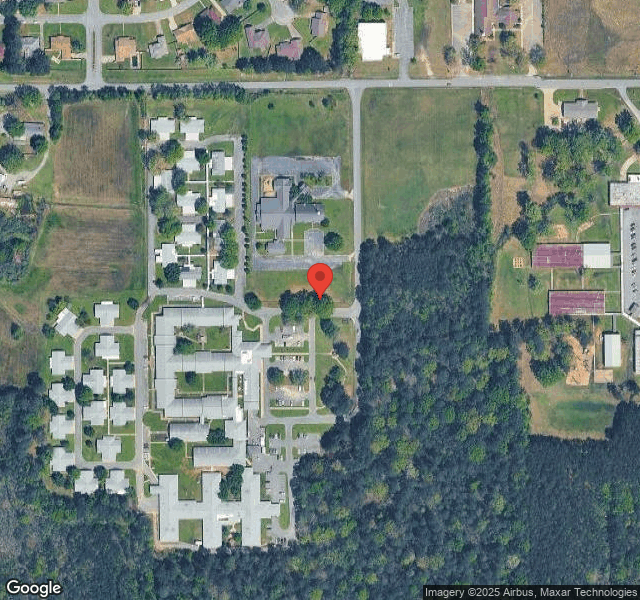

6400 TRINITY DRIVE, PINE BLUFF, AR 71603 (870) 879-3117
Non profit - Corporation 94 Beds Independent Data: November 2025 4 Immediate Jeopardy citations
Trust Grade
0/100
#216 of 218 in AR
Last Inspection: July 2025

Inspected within the last 6 months. Data reflects current conditions.

Overview

Trinity Village Medical Center in Pine Bluff, Arkansas has received a Trust Grade of F, indicating significant concerns about the facility’s quality of care. It ranks #216 out of 218 nursing homes in the state, placing it in the bottom half, and #4 out of 4 in Jefferson County, meaning there are no better local options. The facility's trend is worsening, with issues increasing from 15 in 2024 to 16 in 2025, and it has reported 37 deficiencies, including critical incidents where residents suffered injuries of unknown origin that were not reported or investigated properly, posing serious risks. While staffing is rated average with a turnover rate of 48%, which is below the state average, the overall health inspection score is a poor 1 out of 5, raising concerns about resident safety and care quality. Although there have been no fines, the serious nature of the deficiencies suggests families should carefully consider other options.

Trust Score
F
0/100
In Arkansas
#216/218
Bottom 1%
Safety Record
High Risk
Review needed
Inspections
Getting Worse
15 → 16 violations
Staff Stability
⚠ Watch
48% turnover. Above average. Higher turnover means staff may not know residents' routines.
Penalties
✓ Good
No fines on record. Clean compliance history, better than most Arkansas facilities.
Skilled Nurses
⚠ Watch
Each resident gets only 21 minutes of Registered Nurse (RN) attention daily — below average for Arkansas. Fewer RN minutes means fewer trained eyes watching for problems.
Violations
⚠ Watch
37 deficiencies on record. Higher than average. Multiple issues found across inspections.
★☆☆☆☆
1.0
Overall Rating
★★★☆☆
3.0
Staff Levels
★☆☆☆☆
1.0
Care Quality
★☆☆☆☆
1.0
Inspection Score
Stable
2024: 15 issues
2025: 16 issues

The Good

  • Full Sprinkler Coverage · Fire safety systems throughout facility
  • No fines on record

Facility shows strength in fire safety.

The Bad

1-Star Overall Rating

Below Arkansas average (3.1)

Significant quality concerns identified by CMS

Staff Turnover: 48%

Near Arkansas avg (46%)

Higher turnover may affect care consistency

The Ugly 37 deficiencies on record

4 life-threatening
Jul 2025 4 deficiencies
CONCERN (D)

Potential for Harm - no one hurt, but risky conditions existed

Accident Prevention (Tag F0689)

Could have caused harm · This affected 1 resident

Based on record reviews, interviews, and facility policy review, the facility failed to ensure a smoking assessment was completed for one (Resident #12) of two residents reviewed for smoking safety. T...

Read full inspector narrative →
Based on record reviews, interviews, and facility policy review, the facility failed to ensure a smoking assessment was completed for one (Resident #12) of two residents reviewed for smoking safety. The findings include: A review of Resident #12’s admission Record indicated the facility admitted the resident on 06/30/2025, with diagnoses which included lung cancer. A review of Resident #12’s admission Minimum Data Set (MDS) with an Assessment Reference Date of 07/02/2025, revealed a Brief Interview for Mental Status score of 15, which indicated the resident was cognitively intact. A review of Resident #12’s Care Plan, revised on 07/22/2025, indicated the resident had alteration in comfort related to lung cancer, depression, and generalized pain. The resident’s Care Plan revealed they required supervision or touching assistance to walk 10 feet. Resident #12’s Care Plan did not indicate the resident smoked tobacco products. A review of Resident #12’s Electronic Medical Record, on 07/23/2025 at 10:26 AM, revealed a smoking assessment had not been completed for the resident. During an interview on 07/23/2025 at 10:34 AM, Resident #12 stated they had smoked for 50 years and was not sure if they were going to smoke today. During an interview on 07/23/2025 at 1:52 PM, the Assistant Director of Nursing (ADON) confirmed Resident #12 smoked. She looked in the electronic health records system and verified Resident #12 did not have a smoking assessment completed. The ADON revealed the nurses that worked the halls were responsible for completing the resident’s smoking assessments. She also verified smoking was not on Resident #12’s Care Plan and revealed the MDS Coordinator was responsible for completing the Care Plans. During an interview on 07/23/2025 at 3:12 PM, Resident #12 stated the staff took them out to smoke during smoke breaks. During an interview on 07/24/2025 at 12:16 PM, the Director of Nursing (DON) indicated she did not know Resident #12 smoked, when they were admitted . The DON stated when she found out the resident smoked the staff failed to complete a smoking assessment. During an interview on 07/24/2025 at 12:30 PM, the MDS Coordinator stated Resident #12 told her that they smoked when they were admitted . The MDS Coordinator verified she forgot to put smoking on Resident #12’s Care Plan. A review of a policy titled, “Smoking Policy-Residents” documented, “Prior to, and upon admission, residents are informed of the facility smoking policy, including designated smoking areas, and the extent to which the facility can accommodate their smoking or non-smoking preferences. The staff consults with the attending physician and the director of nursing services to determine if safety restrictions need to be placed on a resident’s smoking privileges based on the Safe Smoking Evaluation.
CONCERN (D)

Potential for Harm - no one hurt, but risky conditions existed

Infection Control (Tag F0880)

Could have caused harm · This affected 1 resident

Based on observation, record review, interview, and facility policy review, the facility failed to ensure Enhanced Barrier Precautions (EBP) were followed during high contact care to prevent the risk ...

Read full inspector narrative →
Based on observation, record review, interview, and facility policy review, the facility failed to ensure Enhanced Barrier Precautions (EBP) were followed during high contact care to prevent the risk of cross contamination and infection for one (Resident #41) of one resident observed. Specifically, nursing staff failed to wear a gown while administering medication, feeding, and flushing a gastrostomy tube with water. The findings include: A review of a Physician Order for Resident #41, dated 03/21/2022, revealed a medication for inflammation of the stomach was to be given through [percutaneous endoscopic gastrostomy] PEG tube. A review of a Physician Order for Resident #41, dated 05/06/2022, revealed a [nothing by mouth] NPO diet. A review of a Physician Order for Resident #41, dated 07/26/2023, revealed an order for water flushes before and after medications and feedings. A review of a Physician Order for Resident #41, dated 04/15/2025, revealed Resident #41 received supplemental feedings four times a day. A review of Resident #41’s Care Plan with a revision date of 02/05/2025, revealed the resident was on EBP related to the PEG tube. A review of a Medical Diagnosis Report revealed Resident #41 had diagnoses which included brain cancer, epilepsy, and diabetes mellitus type II. A review of Resident #41’s quarterly Minimum Data Set with an Assessment Reference Date of 04/18/2025, revealed a Staff Assessment for Mental Status score of 3 which indicated the resident’s cognitive skills for daily decision making were severely impaired. The MDS also indicated that Resident #41 had a feeding tube. On 07/23/2025 at 11:47 AM, Licensed Practical Nurse (LPN) #1 was observed pulling Resident #41’s gown up revealing Resident #41’s PEG tube then aspirated to check for placement. LPN #1 was observed administering water, stomach medication in 6 ounces of water, tube feeding, and then water to Resident #41’s feeding tube without wearing a gown. LPN #3 entered the room during the medication administration and stood beside LPN #1 without wearing a gown or gloves. During an interview with LPN #1 on 07/23/2025 at 11:52 AM, LPN #1 revealed, I forgot to put the gown on, EBP are outside the door, and we know PEG tubes require a gown and gloves. We have had in-services about that.” LPN #3 said, We wear a gown and gloves when opening the PEG tube to prevent infections. During an interview with Certified Nursing Assistant (CNA) #2 on 07/03/2025 at 12:00 PM, CNA #2 stated she recognized EBP because residents “have signs up above their bed, and some have a little red stop sign outside the door.” CNA #2 revealed that residents on EBP may “have a PEG tube, a wound, catheter, or urine infections” and staff receive “annual in-services or as needed.” A review of an in-service titled “Infection Control, EBP” revealed LPN #3 attended. A presentation titled “Infection Prevention and Control in Long Term Care” revealed goals for infection control are to protect the residents, staff and visitors. During an interview on 07/23/2025 at 12:08 PM, the Director of Nursing (DON) stated, “Nursing staff were expected to aspirate stomach contents to check placement before anything, and flush before and after medications, and EBP should be in place.” The DON confirmed staff have all been in-serviced on EBP. There would be a red stop sign outside the door and there would be personal protective equipment (PPE) inside the room. The DON stated PPE was used to protect the residents and staff from anything like wound blood or body orifice liquids coming out of a PEG tube. During an interview on 07/23/2025 at 12:15 PM, the Administrator said, “It is my understanding that staff would have to wear gloves and use universal precautions, but I am not sure staff would require a full dress out. The Administrator was asked for the last EBP in-service and policy. A review of in-serviced titled “EBP in Long Term Care,” dated 05/07/2025, revealed staff must wear gown and gloves during high contact care. Nursing will wear gown and gloves during device care including feeding tubes. Small stop signs are posted outside the door of residents identified as EBP. A flyer from the Centers for Disease Control identified EBP are required for device care including feeding tubes, central lines, catheters and tracheostomies. An article used in an in-service titled “Frequently Asked Questions about EBP in nursing homes,” revealed EBP reduce or prevent the transfer of multi drug resistant organisms and include the use of gown and gloves during high contact resident care.
CONCERN (E)

Potential for Harm - no one hurt, but risky conditions existed

Comprehensive Care Plan (Tag F0656)

Could have caused harm · This affected multiple residents

Based on interviews, record reviews, and facility policy review, the facility failed to ensure Care Plans were updated for two (Resident #11 and Resident #12) of two residents reviewed for Care Plan a...

Read full inspector narrative →
Based on interviews, record reviews, and facility policy review, the facility failed to ensure Care Plans were updated for two (Resident #11 and Resident #12) of two residents reviewed for Care Plan accuracy. The findings include: Resident #11 A review of an admission Record indicated the facility admitted Resident #11 on 01/23/2017, with diagnoses which included stroke. A review of Bed Rail Assessments dated 01/21/2025 and 05/15/2025 indicated Resident #11 had expressed a desire to have siderails/assist bar for safety and/or comfort. The annual Minimum Data Set (MDS), with an Assessment Reference Date (ARD) of 05/15/2025, revealed Resident #11 had a Brief Interview for Mental Status (BIMS) score of 5 which indicated the resident had severe cognitive impairment. The MDS did not indicate the resident used side rails. A review of Resident #11’s Care Plan, revised on 02/24/2025, did not indicate the resident used bed rails. During an observation on 07/22/2025 at 10:16AM, Resident #11 was lying in bed with eyes closed. Resident #11’s bed was in lowest position with 1/4 sized rails up on both sides of the bed. During an interview on 07/23/2025 at 11:56AM, Certified Nursing Assistant (CNA) #4 stated Resident #11 used side rails for an enabler. “[Resident #11] helps us turn when we do care and feels safer with them.” During an interview on 07/24/2025 8:53AM, Licensed Practical Nurse (LPN) #5 indicated, “The Care Plan should have everything about the patient. If someone new comes in they should be able to look at the Care Plan and know everything about the resident. Code status and bed rails should be on the Care Plan.” During an interview on 07/24/2025 10:11 AM, the Director of Nursing (DON) indicated, Care Plans should have the resident’s activities of daily living (ADLS), bowel and bladder status, and anything pertinent to the resident’s specific care. Code status, fall mat, and bed rails should all be on the Care Plan. The DON stated side rail assessments are done on admission and “a lot of families ask for side rails. If families insist, the family has to sign a risk vs benefits form.” The DON also stated Resident #11 had side rails to help maneuver in bed for ADLs. The DON was not aware that some items were not on the Care Plan. The DON stated the Care Plans were important because they let the staff know how to care for the residents. During an interview on 07/24/2025 at 10:30 AM, the MDS Coordinator indicated, “I do the Care Plans. Care Plans should be a description of the residents and their care. The resident’s code status and side rails should be on the Care Plan. Any pertinent information about their care should be addressed. I did not know Resident #11 had side rails. Side rails should be on the Care Plan. The Care Plans tell staff how to specifically care for that resident.” Resident #12 A review of an admission Record indicated the facility admitted Resident #12 on 06/30/2025 with diagnoses which included cancer of the left lung. The admission MDS, with an ARD of 07/02/2025 revealed Resident #12 had a BIMS score of 15 which indicated Resident #12 was cognitively intact. A review of Resident #12’s Care Plan revised on 07/22/2025, did not indicate the resident smoked. During an interview on 07/23/2025 at 10:34 AM, Resident #12 indicated having smoked for 50 years. During an interview on 07/23/2025 at 1:52 PM, the Assistant Director of Nursing indicated that smoking was not on Resident #12’s Care Plan and the MDS coordinator was responsible for completing the Care Plan. During an interview on 07/24/2025 at 12:30 PM, the MDS coordinator indicated that Resident #12 stated they smoked when admitted to the facility. The MDS coordinator indicated that she forgot to put smoking on Resident #12’s Care Plan. A review of a policy titled, “Smoking Policy-Residents” revealed, “Prior to, and upon admission, residents are informed of the facility smoking policy, including designated smoking areas, and the extent to which the facility can accommodate their smoking or non-smoking preferences. The staff consults with the attending physician and the director of nursing services to determine if safety restrictions need to be placed on a resident’s smoking privileges based on the Safe Smoking Evaluation.
CONCERN (E)

Potential for Harm - no one hurt, but risky conditions existed

Food Safety (Tag F0812)

Could have caused harm · This affected multiple residents

Based on observation, interview, and facility policy review, the facility failed to ensure food stored in the freezer and dry storage area were covered or sealed, one of one ice scoop holder was maint...

Read full inspector narrative →
Based on observation, interview, and facility policy review, the facility failed to ensure food stored in the freezer and dry storage area were covered or sealed, one of one ice scoop holder was maintained in a sanitary manner, and dietary staff washed their hands between dirty and clean tasks and before handling clean equipment for one of one meal observed. The findings include: During an observation and interview on 7/23/25 at 9:46 AM, loose coffee filters were observed on top of a bag on the tea maker, which exposed them to air and potential pests. Dietary [NAME] (DC) #8 stated they were supposed to be in a sealed bag. During an observation and interview on 7/23/25 at 9:53 AM, DC #8 was observed wearing gloves on her hands when she turned off the stove, which contaminated the gloves. Without changing gloves and washing her hands, she used her gloved hand to sprinkle shredded cheese on top of the pasta to be served to the residents for lunch. DC #8 stated that it was cross contamination, and she should have removed her gloves and washed her hands. During a concurrent observation and interview on 7/23/25 at 9:57 AM, DC #8 was wearing gloves on her hands when she pushed the blender motor to the edge of the counter, contaminating the gloves. Without changing gloves and washing her hands, she used her hand to pick up a clean blade and attached it to the base of the blender to be used in pureeing food items for the residents who required pureed diets. DC #8 stated she should have removed the gloves and washed her hands after touching dirty objects and before handling clean equipment. During a concurrent observation and interview on 7/23/25 at 10:20 AM, the ice scoop holder located on the counter by the ice machine leading to the kitchen had approximately 1/4 cup of water standing it, with yellow flaky residue floating on the water, and the ice scoop resting in it. DC #8 stated the kitchen staff were supposed to clean it every day. She also verified that the Certified Nursing Assistants used the ice in water pitchers for the residents’ rooms, and the ice was also used to fill beverages served to the residents at mealtimes. During an observation and interview on 7/23/25 at 10:24 AM, Dietary Aide #10 (DA) opened a bag of lettuce while wearing gloves. Without changing gloves and washing her hands, DA #10 used the same gloved hand to remove lettuce from the bag and placed the lettuce into a pan intended to be used for salad. DA #10 stated she should have removed the gloves and washed her hands prior to removing the lettuce from the bag. On 07/23/25 at 10:36 AM, the following observations were made on a shelf in the walk-in freezer: An opened box of broccoli was not covered or sealed, which exposed it to freezer burn. An opened box of vegetable blend was not covered or sealed, exposing it to freezer burn. DA #9 stated that it would cause freezer burn if the box was not tightly sealed. During a concurrent observation and interview on 7/23/25 at 11:53 AM, DA #11 turned off the sink faucet while wearing gloves on her hands, contaminating the gloves. Without changing gloves and washing her hands, DA #11 then picked up glasses with beverages in them by their rims and placed them on the trays to be served to the residents during the lunch meal. DA #11, stated she should have removed the gloves and washed her hands after touching dirty objects and before handling clean equipment. During a concurrent observation and interview on 7/23/25 at 11:54 AM, DC #8 placed the blender bowl, lid and blade on the dirty rack and pushed the rack into the dishwashing machine to wash. After the dishwashing machine stopped washing, DC #8 without washing her hands, picked up a clean blade with her bare hand and attached it to the base of the blender to be used in pureeing food items for lunch. When DC #8 was ready to use the blender, this surveyor immediately stopped DC #8. DC #8 stated she should have washed her hands after touching dirty objects and before handling clean equipment. A review of a facility policy titled “Hand Washing,” indicated kitchen staff should wash their hands when entering the kitchen at the start of a shift, during food preparation, as often as necessary to remove soil or contamination and to prevent cross contamination when changing tasks and after engaging in other activities that contaminate the hands.
Jan 2025 12 deficiencies
CONCERN (D)

Potential for Harm - no one hurt, but risky conditions existed

Deficiency F0688 (Tag F0688)

Could have caused harm · This affected 1 resident

Based on observations, interviews, record review, and facility policy review the facility failed to ensure the care planned positioning device was in place to prevent further contracture for 1 of 1 sa...

Read full inspector narrative →
Based on observations, interviews, record review, and facility policy review the facility failed to ensure the care planned positioning device was in place to prevent further contracture for 1 of 1 sampled (Resident #27) resident reviewed for positioning. The findings include: A review of the quarterly Minimum Data Set (MDS) with an Assessment Reference Date (ARD) of 10/17/2024 revealed Resident #27 had a Brief Interview of Mental Status (BIMS) score of 15 that indicated cognitively intact. A review of a plan of care for Resident #27 (revision date 01/04/2023) revealed Resident #27 had an Activities of Daily Living (ADL) self-care performance deficit related to cerebrovascular accident (CVA) with left non-dominant side. An intervention in place noted place carrot in left hand. On 01/13/25 at 10:51 AM, this surveyor observed contracture to Resident #27's hand with no positioning device in place and noted a hand roll on the nightstand. Resident #27 stated the facility used to place a carrot in each hand, but the resident did not know what happened to them. On 01/14/25 at 09:07 AM, this surveyor observed Resident #27 lying in bed. This surveyor noted there was no device in place to prevent further contracture. On 01/15/25 at 10:15 AM, this surveyor observed Resident #27 lying in bed. This surveyor noted there was no device in place to prevent further contracture. On 01/15/25 at 10:46 AM, Licensed Practical Nurse (LPN) #1 stated Hospice had instructed them to no longer use the carrot due to a past fracture of the index finger but could not provide any documentation noting this order. On 01/15/25 at 01:39 PM, the Director of Nursing (DON) provided this surveyor with a care plan from hospice. The DON stated the care plan did not address the contracture. A review of the policy Range of Motion Exercise revision date October 2010 did not contain any pertinent information regarding the deficient practice.
CONCERN (D)

Potential for Harm - no one hurt, but risky conditions existed

Medication Errors (Tag F0758)

Could have caused harm · This affected 1 resident

Based on record review, interview, and facility policy review the facility failed to ensure gradual psychotropic (anti-anxiety) dose reductions (GDR) were attempted in the absence of a physician's doc...

Read full inspector narrative →
Based on record review, interview, and facility policy review the facility failed to ensure gradual psychotropic (anti-anxiety) dose reductions (GDR) were attempted in the absence of a physician's documented evaluation of the specific risks versus benefits of continuing the as needed (PRN) medication past 14 days and a documented explanation as to why a dose reduction attempt would be contraindicated, in order to ascertain the smallest effective dose and minimize the potential for adverse drug effects for 1 (Resident #27) of 5 sampled residents reviewed for unnecessary medications. The findings include: A review of the quarterly Minimum Data Set (MDS) with an Assessment Reference Date (ARD) of 10/17/2024 revealed Resident #27 has a Brief Interview of Mental Status (BIMS) score of 15 which indicated cognitively intact. A review of the plan of care for Resident #27 (revision date 04/05/2024) revealed Resident #27 used anti-anxiety medications. A review of the Note to Attending Physician/Prescriber printed date 08/25/2024 noted Resident #27 had an order for [benzodiazepine medication name] (a medication used to treat anxiety disorders) 2 milligram (MG)/milliliter (ML) every (Q) 4 hours as needed (PRN). A review of Resident #27 ' s electronic medical recorded did not reveal documentation related to gradual dose reduction attempts or justification. On 01/16/2025 at 02:00 PM, the Director of Nursing (DON) stated the facility would just have to accept the tag for Resident #27 taking an antianxiety medication past 14 days without documentation from the physician to extend the medication. A review of the policy titled Drug Regimen Review noted drug regimen review consists of a review and analysis of prescribed medication therapy and medication use review, including nursing documentation of medication ordering and administration. The consultant pharmacist reviews the medication regimen of each resident at least monthly. Findings and recommendations are reported to the Administrator, Director of Nursing, the responsible physician, and the Medical Director, where appropriate.
CONCERN (D)

Potential for Harm - no one hurt, but risky conditions existed

Deficiency F0805 (Tag F0805)

Could have caused harm · This affected 1 resident

Based on observation and interview, the facility failed to ensure pureed food items were blended to a smooth, lump free consistency to minimize the risk of choking or other complications for those res...

Read full inspector narrative →
Based on observation and interview, the facility failed to ensure pureed food items were blended to a smooth, lump free consistency to minimize the risk of choking or other complications for those residents who required pureed diets for 1 of 1 meal observed. The findings are. 1. On 1/13/25 at 11:22 AM, DC #7 used a 4-ounce spoon to put 9 servings of boiled, seasoned squash into a blender and poured the juice from the squash over it, covering the squash. As DC #7 began to puree the squash the consistency of the pureed squash was too runny. DC #7 added a cup of thickener and pureed it some more. At 11:23 AM, DC #7 poured the pureed squash into a pan, and placed it in a pan of hot water on the stove. The consistency was still runny. The pureed squash remained thin when it was served to the residents who required pureed diets. At 1:15 PM, DC #7 was interviewed and was asked if she could describe the consistency of the pureed squash served to the residents on pureed diets, and DC #7 stated she thought it was a little thin, and she should have added more thickener. 2. On 1/13/25 at 11:51 AM, DC #7 placed 16 servings of pepperoni pizza into the blender, added 3 cups of tomato sauce, pureed. The pureed pizza was still thick, so DC #7 added 8 -5 oz. cans of tomato juice and pureed it some more. At 12:03 PM, DC #7 poured the pureed pizza into a pan and placed it in a pan of hot water on the stove. The consistency of the pureed pizza was not smooth. There were pieces of pizza in the mixture. At 1:15 PM, DC #7 was interviewed and was asked if she could describe the consistency of the pureed pizza. DC # 7 stated the pureed pizza had a couple pieces of pizza in it and she should have pureed it longer.
CONCERN (E)

Potential for Harm - no one hurt, but risky conditions existed

Deficiency F0583 (Tag F0583)

Could have caused harm · This affected multiple residents

Based on observations, interviews, record review, and facility policy review the facility failed to ensure the personal and medical information was protected for 3 (Resident #1, #40, #236) of 4 sample...

Read full inspector narrative →
Based on observations, interviews, record review, and facility policy review the facility failed to ensure the personal and medical information was protected for 3 (Resident #1, #40, #236) of 4 sampled residents potentially violating the Health Insurance Portability and Accountability Act (HIPPA). The findings include: 1. A review of the plan of care for Resident #236 revealed the resident had an admission date of 01/14/2025. a. On 01/15/25 at 08:39 AM, this surveyor observed Licensed Practical Nurse (LPN) #2 enter Resident #236's room to administer medication. LPN #2 turned her back to the door. This surveyor observed the open unlocked laptop, on top of the medication cart in the hallway, open displaying Resident #236 ' s personal and medical information including name, date of birth , code status, and physician's orders. b. On 01/15/25 at 08:56 AM, LPN #2 stated, I did not lock or close the laptop. I waited for the computer to timeout. 2. A review of the admission Minimum Data Set (MDS) with an Assessment Reference Date (ARD) of 11/29/2024 revealed Resident #40 had a Brief Interview of Mental Status (BIMS) score of 09 indicating moderately impaired cognition. a. A review of the plan of care for Resident #40 revealed Resident #40 had an admission date of 11/20/2024. b. On 01/15/25 at 07:14 PM, this surveyor observed LPN #5 enter Resident #40's room to administer medication. LPN #5 turned her back to the door. This surveyor observed the open unlocked laptop, on top of the medication cart in the hallway, displaying Resident #40 ' s personal and medical information including name, date of birth , code status, and physician's orders. This surveyor also observed LPN #5 walk down the hall to retrieve oxygen tubing leaving the computer screen open and unlocked. c. On 01/15/25 at 07:20 PM, LPN #5 stated she did not close or lock the computer screen prior to walking away, and someone could have seen the resident's information. 3. A review of the quarterly MDS with an ARD of 12/13/2024 revealed Resident #1 had a BIMS score of 15, indicating cognitively intact. a. A review of the plan of care for Resident #1 (revision date 6/20/20223) revealed Resident #1 was a full code. b. On 01/15/25 at 07:28 PM, this surveyor observed LPN #6 walk away to get an over-the-counter medication leaving the laptop on and displaying Resident #1 ' s personal and medical information such as name date of birth , code status, and physician's orders. c. On 01/15/25 at 07:30 PM, LPN #6 stated she did not lock or close the computer screen prior to walking away. LPN #6 stated I knew better and should have closed the computer screen. 4. On 01/16/25 01:00 PM, the Director of Nursing (DON) stated the nurses should lock or close the computer screen prior to walking away from their computers, because if the computer screen is open to the resident personal and medical information it is a Health Insurance Portability and Accountability Act (HIPPA) violation. 5. A review of the policy titled HIPPA Basics for Providers: Security, & Breach Notification Rules dated February 2023 noted the privacy rules require you to: secure patient records containing PHI, so they aren't readily available to those who don't need to see them. PHI information includes common identifiers, such as name, address, birth date, and social security number.
CONCERN (E)

Potential for Harm - no one hurt, but risky conditions existed

Deficiency F0657 (Tag F0657)

Could have caused harm · This affected multiple residents

**NOTE- TERMS IN BRACKETS HAVE BEEN EDITED TO PROTECT CONFIDENTIALITY** Based on interviews, record review, and facility policy review, it was determined that the facility failed to ensure care plans ...

Read full inspector narrative →
**NOTE- TERMS IN BRACKETS HAVE BEEN EDITED TO PROTECT CONFIDENTIALITY** Based on interviews, record review, and facility policy review, it was determined that the facility failed to ensure care plans were revised to reflect residents' most recent care needs for 2 (Residents #24 and #45) of 18 sampled residents whose care plans were reviewed. The findings are: 1. Resident #24 had diagnoses of diabetes mellitus with foot ulcer, adjustment disorder with depressed mood and myocardial infarction. The annual minimum data set (MDS) with an assessment reference date (ARD) of 10/18/24 indicated Resident #24 had a brief interview of mental status (BIMS) score of 15, indicating the resident was cognitively intact. The MDS indicated the resident had no impairment to upper or lower extremities, used a wheelchair for ambulation, was dependent on staff for toileting, dressing and personal hygiene, and required partial assistance with transfers from bed to chair and back and had no falls since previous assessment. On 01/13/25 at 12:36 PM a review of the electronic health record (EHR) revealed a progress note from 12/13/2024 by the nurse Practitioner (NP) that addressed a fall Resident #24 had sustained after falling asleep in [pronoun] wheelchair at bedside, and that the resident was falling more frequently. The note documented the NP had talked to Resident #24 and the resident agreed to stay in bed if in [pronoun] room and if up in wheelchair the resident would sit at nurse's station or in an area where staff could monitor closer to prevent falls. A review of the EHR disclosed a fall risk assessment dated [DATE] indicating Resident #24 was at risk for falls. Review of the Care Plan with a revision date of 12/20/2023 indicated Resident #24 was at risk for fall due to history of falls at previous nursing facility, poor safety awareness and incontinence. The care plan was not updated with any new interventions after the fall on 12/13/2024. On 01/16/2025 at 1:57 PM Licensed Practical Nurse (LPN) #14, the MDS Coordinator, stated the care plans were updated as necessary and at least quarterly. She reported she gathered her information for any changes at morning meeting and by review of the residents ' orders. When asked if incidents and accidents were monitored and interventions added or changed, she replied yes, and that incidents and accidents were discussed during the morning meetings. The facility policy for Care Plan, Comprehensive Person-Centered, revised March 2022, indicated assessments are ongoing care plans will be revised as information about the resident and residents condition change. The policy goes on to say the care plan will be updated after a significant change, when desired outcome is not met, after readmission and at least quarterly 2. A review of Resident #45 ' s Order Summary indicated a diagnosis of depression. An antipsychotic medication was ordered [antipsychotic medication name] Oral (1) 2 milligram (mg) tablet 1 time a day for depression with an order date of 11/29/2024 and start date of 11/30/2024. An order for [antidepressant medication name] (1) 40 milligram (mg) tablet 1 time a day was ordered for depression on 12/02/2024 with a start date 12/03/2024. A review of Resident #45's admission Minimum Data Sheet (MDS), with an Assessment Reference Date (ARD) of 12/04/2024, indicated a Brief Interview for Mental Status (BIMS) score of 15, which indicated cognitively intact. The MDS indicated Resident #45 was taking an antipsychotic medication, [antipsychotic medication name]. A review of Resident #45's Care Plan, dated 12/05/2024, indicated the resident was taking [antidepressant medication name] and [antipsychotic medication name] for depression. The care plan did not indicate [antipsychotic mediation name] was an antipsychotic medication. The care plan did not indicate to monitor for signs or symptoms of an adverse reaction to an antipsychotic medication. On 01/16/2025 at 11:16 AM, the MDS Coordinator was interviewed with concurrent observations, and she produced the Resident Assessment Instrument (RAI) with the most recent update of October 2024. The MDS Coordinator reviewed the resident ' s most recent MDS, Section N (medication section) and stated the resident was on antipsychotic medication. The MDS Coordinator stated she was responsible for the care plans. She reviewed the resident's most recent care plan dated 12/04/2024 and stated she documented the [antipsychotic medication name] under depression because that was what it was ordered for. She stated the [antipsychotic medication name] should have been documented under an antipsychotic medication because that is what the medication is categorized as. She stated the care plan should have indicated to monitor for signs and symptoms of adverse reactions to the medication. A Care Plans, Comprehensive Person-Centered policy, dated as revised March 2022 and provided by the Director of Nursing (DON) was reviewed and indicated the care plan interventions are derived from a thorough analysis of the information gathered as part of the comprehensive assessment. Care plan interventions are chosen only after data gathering, proper sequencing of events, careful consideration of the relationship between the resident's problem area and their causes, and relevant clinical decision making.
CONCERN (E)

Potential for Harm - no one hurt, but risky conditions existed

Deficiency F0700 (Tag F0700)

Could have caused harm · This affected multiple residents

Based on observation, interview, and record review, the facility failed to ensure the use of a physical restraint was used to treat a resident's medical symptoms, and was not being used for staff conv...

Read full inspector narrative →
Based on observation, interview, and record review, the facility failed to ensure the use of a physical restraint was used to treat a resident's medical symptoms, and was not being used for staff convenience for 1 (Resident #28) of 2 sampled residents (Residents #1 and #28) reviewed for physical restraint use and failed to perform a side rail assessment prior to installing side rails for 2 (Residents #1 and #28) of 2 (Residents #1 and #28) sampled residents reviewed for side rail use. The findings are: 1. Resident #28 had diagnoses of gastrostomy and pressure ulcer to sacral region. A quarterly Minimum Data Set (MDS) with and Assessment Reference Date (ARD) of 11/29/24 indicated a staff assessment of mental status (SAMS) of severely impaired. Resident #28 had an impairment of both upper and lower extremities, was non- ambulatory, and was totally dependent on staff for bed mobility, turning, positioning and transfers. The MDS indicated Resident #28 has had no falls since entry, reentry, or prior to assessment and bd side rails were not used. Physician orders for January 2025 did not include an order for bedrails. The care plan with a revision date of 08/15/2024 indicated that residents were totally dependent on two (2) staff for turning and repositioning and that resident was bedfast all or most of the time, was at risk for falls and used side rails for pillow positioning and turning. Resident #28 was observed on 01/13/2025, 01/14/2024, 01/16/2025 throughout each day lying in bed with both side rails up. On 01/16/2025 at 10:51 AM Certified Nursing Assistant (CNA) #11 said bed rails were used to protect residents from falling out of bed. She stated Resident #28 did not move on [pronoun] own and required total care from staff. CNA #11 stated the rails were monitored every 2 hours during rounds. On 01/16/2025 at 10:51 AM Licensed Practical Nurse (LPN) #12 said she was not familiar with Resident #28 but bed rails were monitored during rounds by CNAs and nurses. On 01/16/2025 at 11:07 AM LPN #13, who had worked at the facility for 3 years, stated she was familiar with Resident #28 ' s care. She was not sure when bed rails were initiated for the resident but stated they were used for safety. She also indicated the bed rails could be a risk if one of the resident ' s extremities were to get caught on a rail while being turned. LPN #13described Resident #28 as requiring total care and voiced that the resident did not move on their own. On 01/16/2025 at 11:15 AM the Director of Nursing (DON) and Assistant Director of Nursing (ADON) were interviewed in their office. The ADON reported every resident in the facility used side rails to assist with positioning and only 1/3 of rails were used. They went on to explain everyone was evaluated on admission for use of bedrails. The DON stated Resident #28's daughter requests side rails be used. The Electronic Health Record (EHR) did not include a risk versus benefit nor a responsible party notification of bedrail use. The facility policy for bed rails indicated they would only be used after attempted alternatives fail and a risk versus benefit assessment is completed. The inter-disciplinary team must evaluate the alternatives tried and how they failed, input from resident ' s family and consultation with attending physician. 2. On 01/13/2025 at 9:48 AM, Resident #1 was lying in bed awake and there were side rails on both sides of the bed in use. Resident #1's Order Summary Report was reviewed and indicated a diagnosis of seizures accompanied by changes in consciousness or other symptoms (symptomatic epilepsy and epileptic syndromes with complex partial seizures). There was no order indicating the use of side rails. On 01/14/2025 at 3:50 PM, Resident #1's electronic health record (EHR) was reviewed and there was no bed rail assessment located. On 01/16/2025 at 1:29 PM, Resident #1's care plan, dated 12/20/2024, was reviewed and indicated the resident was dependent on staff for meeting emotional, intellectual, physical, and social needs related to physical limitations and requested the assist rails remain down bilaterally. On 01/26/2025 at 2:49 PM, Certified Nursing Assistant (CNA) #15 was interviewed and stated the resident had side rails on her bed to help with turning and to prevent the resident from falling. She stated the resident was able to move in bed but required assistance with some movements, but she did not specify which movements. On 01/16/2025 at 3:09 PM, LPN #1 was interviewed and stated Resident #1 had side rails on the bed to assist with turning and repositioning. She reviewed the resident's electronic health record and confirmed the resident had a history of seizures but stated she had never witnessed the resident having a seizure. On 01/16/2025 at 3:19 PM, the Assistant Director of Nursing (ADON) was interviewed and stated the resident used the side rails to help turn in bed. She stated the side rails should be care planned and documented quarterly. As of 01/16/2025 at 4:20 PM, prior to the exit, neither the DON nor ADON provided a bed rail assessment for this Resident #1.
CONCERN (E)

Potential for Harm - no one hurt, but risky conditions existed

Unnecessary Medications (Tag F0759)

Could have caused harm · This affected multiple residents

Based on observations, interviews, record review, and facility policy review, the facility failed to ensure the medication error rate was not greater than 5%. The Medication error occurred with 2 (Res...

Read full inspector narrative →
Based on observations, interviews, record review, and facility policy review, the facility failed to ensure the medication error rate was not greater than 5%. The Medication error occurred with 2 (Resident #44, #6) of 4 sampled residents observed for medication administration. Medication error rate was calculated at 7.14%. The findings include: 1. A review of the quarterly Minimum Data Set (MDS) with an Assessment Reference Date (ARD) of 12/11/2024 revealed Resident #44 had a Brief Interview of Mental Status (BIMS) score of 15 indicating cognitively intact. a. A review of the plan of care for Resident #44 (revision date 01/18/2023) revealed Resident #44 had alteration in cardiovascular/circulatory function related to hypertension (high blood pressure) and hyperlipidemia (abnormally high levels of fats in the blood). b. A review of the Medication Administration Record (MAR) revealed Resident #44 had an order for [calcium channel blocker medication name], a medication used to treat hypertension and chest pain, 90 milligrams (MG) of 1 tablet by mouth 1 time a day. c. On 01/15/25 at 08:12 AM, this surveyor observed Licensed Practical Nurse (LPN) #1 administer [calcium channel blocker medication name] 30 mg to Resident #44. d. On 01/15/25 at 09:34 AM, LPN #1 stated Resident #44 had been receiving 30mg of antihypertensive medication, which was not the amount ordered. LPN #1 stated the resident was not receiving enough of the medication. e. On 01/15/2025 at 10:46 AM, the Director of Nursing (DON) stated the error with Resident #44 ' s medication was due to a change in the pharmacy. The DON stated, That is not an excuse, it was still the facility's responsibility to ensure the resident received the accurate doses. 2. A review of the quarterly Minimum Data Set (MDS) with an Assessment Reference Date (ARD) of 12/13/2024 revealed Resident #1 had a Brief Interview of Mental Status (BIMS) score of 15 which indicated cognitively intact. a. A review of the plan of care for Resident #1 (revision date 08/16/2023) revealed Resident #1 had a diagnosis of arthritis, the swelling and tenderness of one or more joints, which put the resident at risk for pain. b. A review of the MAR revealed Resident #1 had an order to apply [nonsteroidal anti-inflammatory (NSAID) medication name] to bilateral ankles and knees topically every 4 hours. c. On 01/15/25 at 07:30 PM, this surveyor observed LPN #6 apply [NSAID medication name] to Resident #1 ' s to right lateral leg, right knee, right foot, and left foot. d. On 01/15/25 at 07:30 PM, while applying the medication LPN #6 stated, I apply the cream to the outside of the right leg and knee, right foot. LPN #6 stated on the left side the resident just liked it on the foot. e. On 01/16/25 09:00 AM, LPN #1 stated, I apply the [NSAID medication name] gel from [Resident #1] knee down. f. A policy titled Administering Medications revision date April 2019 noted Medications are administered in a safe and timely manner, and as prescribed. The individual administering the medication checks the label three (3) times to verify the right resident, right medication, right dose, right time, and right method (route) of administration before giving the medication.
CONCERN (E)

Potential for Harm - no one hurt, but risky conditions existed

Deficiency F0760 (Tag F0760)

Could have caused harm · This affected multiple residents

Based on observation, interview, record review, and facility policy review, the facility failed to ensure the facility was free of significant medication errors for 1 (Resident #44) of 1 sampled resid...

Read full inspector narrative →
Based on observation, interview, record review, and facility policy review, the facility failed to ensure the facility was free of significant medication errors for 1 (Resident #44) of 1 sampled resident who was administered the wrong dose of [calcium channel blocker medication name] for the entire month of January 2025 and failed to ensure [long acting insulin name] insulin was not administered past 28 days of use for 1 (Resident #66) of 1 sampled resident reviewed for insulin use. The findings include: 1. A review of the quarterly Minimum Data Set (MDS) with an Assessment Reference Date (ARD) of 12/11/2024 revealed Resident #44 had a Brief Interview of Mental Status (BIMS) score of 15 indicating cognitively intact. A review of the plan of care for Resident #44 (revision date 01/18/2023) revealed Resident #44 had alterations in cardiovascular/circulatory function related to hypertension (high blood pressure) and hyperlipidemia (abnormally high levels of fats in the blood). A review of the Medication Administration Record (MAR) Resident #44 revealed an order for [calcium channel blocker medication name], a medication used to treat hypertension and chest pain, 90 milligram (MG) 1 tablet by mouth 1 time a day. On 01/15/25 at 08:12 AM, this surveyor observed Licensed Practical Nurse (LPN) #1 administer [calcium channel blocker medication name] extended release (ER) 30 mg to Resident #44. On 01/15/25 at 09:34 AM, LPN #1 stated Resident #44 had been receiving 30mg of antihypertensive medication, which was not the amount ordered. LPN #1 stated the resident was not receiving enough of the medication. A review of the Packing Slip dated 12/31/2024 revealed the facility received [calcium channel blocker medication name] extended release (ER) 30 mg from the pharmacy. On 01/15/2025 at 10:46 AM, the Director of Nursing (DON) stated the error with Resident #44 ' s medication was due to a change in the pharmacy. The DON stated, that is not an excuse it is still the facility's responsibility to ensure the resident received the accurate dose. A policy titled Administering Medications, revision date April 2019, was reviewed and indicated medications are administered in a safe and timely manner, and as prescribed. The individual administering the medication checks the label three (3) times to verify the right resident, right medication, right dose, right time, and right method (route) of administration before giving the medication. 2. On 01/16/2025 at 9:29 AM, this surveyor reviewed the medications and biologicals stored in the medication cart for the residents on B Hall. There was a vial of [long-acting insulin name] insulin for resident #66 stored in the drawer with two dates. The date written on the vial was 12/13 and the date written on the label was 12/18/24. Resident #66 ' s Order Summary Report was reviewed and indicated a diagnosis of a condition where the body does not regulate and use sugar properly leading to high blood sugar levels (type 2 diabetes mellitus). A physician's order dated 09/02/2024 indicated insulin [long-acting insulin name] inject 5 unit subcutaneously one time a day. Resident #66 electronic medication administration record (eMAR) was reviewed and indicated insulin [long-acting insulin name] subcutaneous inject 5 unit subcutaneously one time a day. The time on the eMAR indicated 0600 (6:00 AM) and there was a checkmark in the box for 01/16/2025. A checkmark indicated administered according to the chart codes/follow up codes located on the eMAR. On 01/16/2025 at 9:34 AM, Licensed Practical Nurse (LPN) #12 was interviewed with concurrent observations and stated she was not sure if 12/13 or 12/18/24 was the correct date which indicated the vial was accessed for use. On 01/16/2025 at 2:41 PM, LPN #12 was interviewed and stated [long-acting insulin name] insulin can be used for 28 days once the top has been accessed. She stated the vial of insulin was disposed of and reordered once 28 days had been reached. She was asked to look at a calendar and count the number of days [long-acting insulin name] insulin had been in use and she stated yesterday [01/15/2025] was 28 days and the insulin should have been disposed of and reordered. LPN #12 stated Resident #66 did not have another vial of insulin at the facility and she would have to reorder the insulin today. On 01/16/2025 at 3:16 PM, the Director of Nursing (DON) was interviewed and stated the nurses were responsible for checking the dates on the insulin to ensure vial could be used. The Food and Drug Administration (FDA) website (https://www.accessdata.fda.gov/drugsatfda_docs/label/2018/021081s071lbl.pdf) for [long-acting insulin name] insulin was reviewed and page 27 indicated [long-acting insulin name] vials in use should be thrown away after 28 days, even if it still has insulin left in it.
CONCERN (E)

Potential for Harm - no one hurt, but risky conditions existed

Deficiency F0761 (Tag F0761)

Could have caused harm · This affected multiple residents

Based on observations, interviews, record review, and facility policy review, the facility failed to ensure medications and biologics were securely stored away at all times to prevent unauthorized ind...

Read full inspector narrative →
Based on observations, interviews, record review, and facility policy review, the facility failed to ensure medications and biologics were securely stored away at all times to prevent unauthorized individuals from potentially gaining access to the medication and/or biologics and failed to discard insulin after 28 days in use for 1 (Resident #66) 1 sampled resident reviewed for [long-acting insulin name] insulin use. The findings include: 1. On 01/15/25 at 08:39 AM, this surveyor observed Licensed Practical Nurse (LPN) #2 enter a resident's room to administer medication. This surveyor noted LPN #2 turned her back to the unlocked medication cart. On 01/15/25 at 08:56 AM, LPN #2 stated, I did not lock the medication cart. I should have. On 01/15/25 at 07:14 PM, this surveyor observed LPN #5 enter a resident's room to administer medication. This surveyor noted LPN #5 turned her back to the unlocked medication cart. This surveyor also observed LPN #5 walk down the hall while the medication cart remained unlocked. On 01/15/25 at 07:20 PM, LPN #5 stated she did not close or lock the computer screen prior to walking away, and someone could have gotten into the medication cart. On 01/15/25 at 07:28 PM, this surveyor observed LPN #6 walk down the hall while the medication cart remained unlocked. On 01/15/25 at 07:30 PM, LPN #6 stated she did not lock the medication cart prior to walking away. On 01/16/25 01:00 PM, the Director of Nursing (DON) stated the nurse should lock the medication cart prior to walking away, because there are medications and controlled medications no one without authorization should have access to. 2. On 01/16/2025 at 9:29 AM, this surveyor reviewed the medications and biologicals stored in the medication cart for the residents on B Hall. There was a vial of [long-acting insulin name] insulin for resident #66 stored in the drawer with two dates. The date written on the vial was 12/13 and the date written on the label was 12/18/24. Resident #66's Order Summary Report was reviewed and indicated a diagnosis of a condition where the body does not regulate and use sugar properly leading to high blood sugar levels (type 2 diabetes mellitus). A physician's order dated 09/02/2024 indicated insulin [long-acting insulin name] inject 5 unit subcutaneously one time a day. Resident #66's electronic medication administration record (eMAR) was reviewed and indicated insulin [long-acting insulin name] subcutaneous inject 5 unit subcutaneously one time a day. The time on the eMAR indicated 0600 (6:00 AM) and there was a checkmark in the box for 01/16/2025. A checkmark indicated administered according to the chart codes/follow up codes located on the eMAR. On 01/16/2025 at 9:34 AM, LPN #12 was interviewed with concurrent observations and stated she was not sure if 12/13 or 12/18/24 was the correct date which indicated the vial was accessed for use. On 01/16/2025 at 2:41 PM, LPN #12 was interviewed and stated [long-acting insulin name] insulin could be used for 28 days once the top has been accessed. She stated the vial of insulin was disposed of and reordered once 28 days had been reached. She was asked to look at a calendar and count the number of days [long-acting insulin name] insulin had been in use and she stated yesterday [01/15/2025] was 28 days and the insulin should have been disposed of and reordered. She stated Resident #66 did not have another vial of insulin at the facility and she would have to reorder the insulin today. On 01/16/2025 at 3:16 PM, the DON was interviewed and stated the nurses were responsible for checking the dates on the insulin to ensure the vial could be used. An information sheet provided by the DON on 01/16/2025 was reviewed and indicated [long-acting insulin name] insulin in use (opened) could be stored for 28 days. The Food and Drug Administration (FDA) website (https://www.accessdata.fda.gov/drugsatfda_docs/label/2018/021081s071lbl.pdf) for [long-acting insulin name] insulin was reviewed and page 27 indicated [long-acting insulin name] vials in use should be thrown away after 28 days, even if it still has insulin left in it. A Storage of Medications policy, dated as revised November 2020, was reviewed and indicated discontinued, outdated, or deteriorated drugs or biologicals are returned to the dispensing pharmacy or destroyed.
CONCERN (E)

Potential for Harm - no one hurt, but risky conditions existed

Menu Adequacy (Tag F0803)

Could have caused harm · This affected multiple residents

Based on observation, record review, and interview, the facility failed to ensure meals were prepared and served according to the planned written menu to meet the nutritional needs of the residents fo...

Read full inspector narrative →
Based on observation, record review, and interview, the facility failed to ensure meals were prepared and served according to the planned written menu to meet the nutritional needs of the residents for 1 of 1 meal observed. The findings are: 1. The 1/13/25 Resident meal of the month lunch menu documented the residents who received regular diets, mechanical soft diets, and residents who received chopped diets were to receive 2 slices of pizza. Residents who required pureed diets were to receive 2 #8 scoops (1 cup of pureed pizza and residents on mechanical soft diets were to receive ground pizza. 2. On 1/13/25 at 11:42 AM, during the lunch meal preparation, Dietary [NAME] (DC) #10 placed 6 slices of pepperoni pizza on a pan liner on top of the counter and sliced them into squares. DC #10 then transferred the squares pieces into a pan and stated she did it for the residents who received chopped meat. DC #10 placed the pan in the oven to be served to the residents who received chopped diets, instead of total of 12 slices of chopped pepperoni pizza since the menu indicated 2 slices of pizza for each resident. 3. On 1/13/25 at 12:17 PM, during the lunch meal preparation, DC #10 placed 4 slices of pepperoni pizza on a pan liner on top of the counter and stated we have 4 residents on mechanical soft diets. DC # 10 sliced 4 slices of pepperoni pizza, transferred them into a pan and placed it on the steam table to be served to 5 residents who received mechanical soft diets, instead of a total of 10 slices of ground pizza since the menu indicated 2 slices of pizza for each resident. At 1:19 PM, DC #10 was interviewed and was asked the reason residents on mechanical soft diets and residents on chopped diets only received 1 slice of pizza. DC #10 stated she used one slice because the Dietary Manager instructed, she gave a slice of pizza each. 4. On 1/13/25 at12:45 PM, the following observations were made during the noon meal service. a. DC #9 used a #8 scoop to serve a single portion of pureed pizza to the residents who received pureed diets, instead of 2#8 scoops. On 1/16/25 at 10:46 AM, DC #9 was interviewed and was asked what scoop size she had used to serve pureed pepperoni pizza at the lunch meal on 01/13/25 and how many servings she gave to each resident. She stated she used a #8 scoop, and she gave a serving each. DC #9 was interviewed and was asked if she reviewed the menu before deciding on how much pureed pizza to serve to the residents on pureed diets and she stated she didn't review the menu. 5. DC #9 used a #10 scoop (1/3 cup) to serve a single portion of pepperoni pizza cut in the shape of cubes, a total of 10 pieces, to the residents on mechanical soft diets, instead of ground pizza. At 01:14 PM, DC #9 was interviewed and was asked what scoop size she had used to serve mechanical soft pepperoni pizza and how many pieces of cut pizza were in the scoop served to the residents who received mechanical soft diets, and she stated she used a #10 scoop and there were about 10 pieces of cut pizza in the scoop she gave to each resident. She stated she gave a serving each.
CONCERN (E)

Potential for Harm - no one hurt, but risky conditions existed

Food Safety (Tag F0812)

Could have caused harm · This affected multiple residents

Based on observation, interview, record review, and facility policy review, the facility failed to ensure food items in the refrigerator, freezer and storage room were covered, and sealed; leftovers m...

Read full inspector narrative →
Based on observation, interview, record review, and facility policy review, the facility failed to ensure food items in the refrigerator, freezer and storage room were covered, and sealed; leftovers meat products were used in a manner to maintain food quality; dented cans were promptly removed from stock; 1 of 2 ice machines was maintained in clean and sanitary condition; dietary staff washed their hands before handling food or clean equipment; ceiling tiles, air vents, dish washer wall , kitchen door frames were free of, debris, dirt, rust, stains, baseboards were secured, and hot food items were maintained at temperature of 135 degrees or above for 1 of 1 meal observed. The Findings are: 1. On 1/13/25 at 8:41 AM, the following observations were made in the kitchen areas. a. A bag of coffee filters with loose coffee in it to be brewed was on the counter by the coffee machine. b. An opened bag of pizza was on the counter by the steam table. The bag was not sealed. c. An opened box of apple pie was on top of the plate warmer. The box was not covered. 2. On 1/13/25 at 8:43 AM, the following observations were made in the refrigerator. a. A bag of leftover sausage dated 01/13/2025 and a bag of leftover scrambled eggs dated 01/13/25 were in a pan on a shelf in the refrigerator. Dietary [NAME] (DC) #7 was interviewed and was asked what leftover sausage and leftover eggs were used for. She stated she used them at the breakfast meal the next day for mechanical soft diets and pureed diets. b. An opened bag of shredded cheese was on a shelf. The bag was not sealed. c. A pan of leftover spaghetti dated 01/11/2025 was on a shelf. The pan was not fully covered, exposing the food items to air. 3. On 1/13/25 at 8:51 AM, the following observations were made on a shelf in the walk-in freezer located outside the kitchen: a. An opened box of corndogs. The box was not covered or sealed. b. An opened box of steak fingers. The box was not covered or sealed. c. An opened box of dough sheets. The box was not covered. 4. On 1/13/25 at 9:00 AM, the following observations were made in the storage room: a. There were 3 dented cans of English peas on a shelf in the storage room: b. An opened bag of flour tortillas. The bag was not sealed. 5. On 1/13/25 at 9:21 AM, the area in the ice machine panel where ice forms before dropping into the ice collector had wet black, and brown, slimy residue on it. The Dietary Manager was interviewed and was asked if she could wipe the area where the residue mixtures were observed. She did so, and the black, and brownish slimy residue easily transferred to the tissue. She was asked to describe the appearance of what was observed. The Dietary Manager confirmed it was black with brownish, slimy and grungy. The Dietary Manager was interviewed and stated the maintenance man cleaned the ice machine every 3 months, the CNAs [Certified Nursing Assistants] use it for the water pitchers in the residents' rooms and sometimes it is used in the kitchen to fill beverages. 6. On 1/13/25 at 9:27 AM, DC #7 placed gloves on her hands and opened a bag of shredded lettuce with a knife and emptied it into a pan, which contaminated the gloves. Using the same contaminated gloves, DC #1 leveled the shredded lettuce in the pan, then proceeded to cut the tomatoes and cucumbers and place them on top of the lettuce to be served to the residents for lunch meal. DC #2 was interviewed and was asked what she should have done after touching dirty objects and before handling clean equipment. She stated she should have removed the gloves and washed her hands. 7. On 1/13/25 at 9:38 AM, the following observations were made in the kitchen: a. The ceiling tiles throughout the kitchen had stains on them. b. Ceiling vents in the dish room had rust stains on them. c. A ceiling tile in the storage room was loose. d. The wall on the clean side of the dish washing machine room was chipped and exposing the cement. e. The door frame leading to the dishwashing machine had rust stains on it. f. The ceiling vent above the dishwashing machine and the panels around ceiling tiles had rusty colored stains. g. The wall paint by the dirty dish window was peeling. The area exposed had stains on it. The wall below the dirty dish window had sage color stains on it. h. The baseboard under the dish washing machine was loose, the area that was exposed had sage color. 8. On 1/13/25 At 9:44 AM, Dietary Aide (DA) #8 lifted the lid of the trash can to dispose of gloves, contaminating her hands by touching the trash can lid. After disposing of the gloves, DA #8 pulled a new pair from the glove box and placed them on her hands, contaminating with her hands while handling the outside of the gloves. DA #8 then used the contaminated gloves to pick up clean plates from the clean side of the clean rack and when she was about to place them on the plate warmer. DA #8 was interviewed and was asked what she should have done after touching dirty objects and before handling clean equipment. She stated she should have washed her hands. 9. On 1/13/25 at 11:34 AM, Dietary [NAME] #9 wore gloves on her hands to open boxes of pecan pies, removing the pies and placing them on a cutting board. However, using the same contaminated gloves, without changing gloves and washing her hands, DC #9 cut the pecan pies and placed each slice into individual plates to be served to the residents for lunch. 10. On1/13/25 at 12:24 PM, the temperatures of the food items when checked and read by DC # 7 were: a. Pureed pizza 105.9 degrees Fahrenheit. b. Mechanical soft pizza 104.3 degrees Fahrenheit. c. Chopped crusted pizza 109.5 degrees Fahrenheit. The above food items were not reheated before being served to the residents. 11. A review of facility policy titled, Use of Leftovers, initiated 2019, provided by the Dietary Manager on 1/16/2025 indicated, leftover foods should not be used for pureed diets. 12. A review of a facility policy titled, Handwashing and Glove Usage in Food service, initiated 2016 and provided by the Dietary Manager on 1/8/2025 indicated food handlers should wash their hands before starting work, after touching dirty dishes or clothing and after touching anything else such as dirty equipment.
CONCERN (E)

Potential for Harm - no one hurt, but risky conditions existed

Infection Control (Tag F0880)

Could have caused harm · This affected multiple residents

Based on observation, interview, record review and facility policy review the facility failed to ensure enhanced barrier precautions (EBP) were being followed to prevent the spread of possible infecti...

Read full inspector narrative →
Based on observation, interview, record review and facility policy review the facility failed to ensure enhanced barrier precautions (EBP) were being followed to prevent the spread of possible infection for one (Resident #28) of four sampled residents who were on EBP. The findings are: Resident # 28 had diagnoses of gastrostomy, cerebral infarction, bipolar disorder, diabetes mellitus type 2, and Alzheimer's disease. The review of Physician Orders for January 2025 did not indicate an order for enhanced barrier precautions. On 01/13/2025 at 9:12 AM, EBP signage was observed on Resident #28's door and a stocked personal protective equipment (PPE) cart was on Resident 28's side of the room. On 01/13/25 at 09:13 AM, Certified Nursing Assistant (CNA) #3 was observed at Resident #28's bedside, preforming incontinent care, without PPE on. When asked, CNA #3 stated she had changed the resident without donning PPE. On 01/13/2025 at 1:22 PM, Hospice CNA #4 was observed bathing Resident #28 without PPE on. When questioned, CNA #4, responded it was her first time working with the resident and she was not aware Resident #28 was on EBP. The Quarterly minimum data set (MDS) with an assessment reference date (ARD) of 11/29/24 indicated a staff assessment of mental status (SAMS) score of severely impaired, and was dependent for eating (tube fed), toileting, bathing, turning and positioning, and was always incontinent of bowel and bladder. The MDS also indicated one stage 3 pressure ulcer. On 01/16/2025 at 10:51 AM, CNA #11 verified she had been educated on EBP. She was able to correctly explain why it is used, where supplies were located and said she identified residents with EBP by the signage on the door and by looking at the electronic medical record (EMR) tasks. On 01/16/2025 at 10:57 AM, LPN #12 verified education on EBP, was able to identify which residents were on EBP, how they were identified, and correctly respond that EBP is used for infection control. On 01/16/2025 at 11:00 AM, LPN #13 reported education on EBP and reported it was to protect staff, resident, and other residents from infection. She explained how residents with EBP were identified and which PPE was required. Review of the facility's Policy for Enhanced Barrier Precautions indicated EBP are used for infection prevention and control. The EBP policy stated gloves and gowns are to be used during high contact with residents such as bathing, incontinent care, transferring, wound care and when a resident has an indwelling device such as a urinary catheter or feeding tube. The policy went on to state that signs are posted outside the resident ' s room and PPE is available outside resident ' s room.
Jul 2024 15 deficiencies
CONCERN (D)

Potential for Harm - no one hurt, but risky conditions existed

Comprehensive Care Plan (Tag F0656)

Could have caused harm · This affected 1 resident

Based on observation, interview, and record review, the facility failed to ensure interventions for a hand device was consistently used for 1 (Resident #39) of 1 sampled resident who had a hand contra...

Read full inspector narrative →
Based on observation, interview, and record review, the facility failed to ensure interventions for a hand device was consistently used for 1 (Resident #39) of 1 sampled resident who had a hand contracture. The findings are: A review of Order Summary Report noted Resident #39 had hemiplegia and hemiparesis following cerebral infarction affecting right dominant side. A review of Resident #39's Physician's Orders revealed Resident #39 had an order to have a right palm guard to be worn during the day and taken off at night. May consult therapy if redness/irritation occurs. A review of the quarterly Minimum Data Set (MDS) with an Assessment Reference Date (ARD) of 05/09/2024 revealed Resident #39 had a Brief Interview of Mental Status (BIMS) score of 15 which indicated the resident was cognitively intact. The resident had upper and lower extremities impairment on one side and was not receiving active or passive range of motion nor splint or brace assistance. A review of Resident #39's Care Plan (revision date 06/13/2023) revealed Resident #39 had an Activity of Daily Living (ADL) with self-care performance deficit. Interventions included that Resident #39 required a right palm guard (date initiated 03/12/2024) .Restorative - Splint/Brace Assistance Program #1 (revision on: 03/01/2024). On 07/15/2024 at 10:21 AM, the Surveyor observed Resident #39 sitting up in a wheelchair awake and noted the resident's right hand was contracted. Resident #39 said the resident was unable to use the resident's right hand due to a past stroke. No device noted in hand at this time. Resident #39 denied being able to open it. On 07/17/2024 at 11:00 AM, the Surveyor observed Resident #39 sitting in a wheelchair in the resident's room. Resident #39 did not have a palm guard to the right hand. On 07/17/2024 at 12:01 PM, the Surveyor observed Resident #39 was sitting in a wheelchair, no palm guard noted to right hand. Resident #39 voiced that the resident asked staff to put it in place this morning because the resident could not straighten the resident's hand out. On 07/17/2024 12:29 PM, during an interview the Surveyor asked Licensed Practical Nurse #22 who was responsible for putting braces and/or palm guards in place. LPN #22 voiced the aide's put braces and palm guards in place and the nurses follow up to ensure the devices are in place. The Surveyor and LPN #22 went to the resident's room. The Surveyor asked LPN #22 if the palm guard was in place. LPN #22 voiced the palm guard was not in place. The Surveyor asked what could be a potential negative outcome if the palm guard was not put in place. LPN #22 voiced that the resident could have further contracture and if the nails were longer could cause the nails to go into the skin. On 07/17/2024 at 1:00 PM, during an interview the Surveyor asked the Director of Nursing (DON) who was responsible for putting palm guards in place. The DON voiced the nurses were responsible for ensuring the aide applied the splints. The Surveyor asked what could potentially happen if the staff fail to apply the palm guards. The DON voiced the resident could have further contracture. On 07/17/2024 at 9:20 AM, review of a policy titled, Activities of Daily Living (ADL), Supporting noted, .Residents will be provided with care, treatment and services as appropriate to maintain or improve their ability to carry out activities of daily living (ADLs) .1. Residents will be provided with care, treatment and services to ensure that their activities of daily living (ADLs) do not diminish unless the circumstances of their clinical condition(s) demonstrate that diminishing ADLs are unavoidable .6. Intervention to improve or minimize a resident's functional abilities will be in accordance with the resident's assessed needs, preference, stated goals and recognized standards of practice .
CONCERN (D)

Potential for Harm - no one hurt, but risky conditions existed

ADL Care (Tag F0677)

Could have caused harm · This affected 1 resident

Based on observation, record review, and interview, the facility failed to ensure dental care was provided for 1 (Resident #71) of 1 sampled (Resident #71) to promote good oral hygiene. The findings a...

Read full inspector narrative →
Based on observation, record review, and interview, the facility failed to ensure dental care was provided for 1 (Resident #71) of 1 sampled (Resident #71) to promote good oral hygiene. The findings are: 1. Review of Medical Diagnosis revealed Resident #71 had diagnoses of chronic kidney disease, dementia, and metabolic encephalopathy. 2. Review of the admission Minimum Data Set (MDS) with an Assessment Reference Date (ARD) of 04/22/2024 suggested a Brief Interview for Mental Status (BIMs) score of 14 (13-15 suggest cognitively intact). Section GG0130 indicated the resident required set up assistance for oral care. 3. On 07/16/2024 at 8:49 AM, Resident #71 was observed riding a hand bike in the therapy room and smiling at the surveyor. The surveyor observed Resident #71's had an upper tooth on the right and left side of the mouth protruding out, and had noticeable yellowing teeth with a thick, white substance on the bottom teeth. 4. On 07/16/2024 at 3:40 PM, during an interview with Resident #71, the surveyor noted yellowing bottom teeth with a white milky film. Certified Nursing Assistant (CNA) #11 confirmed Resident #71 had a thick white film on the bottom teeth. CNA #11 confirmed Resident #71 requires assistance from staff to brush the resident's teeth, clean dentures, and care for resident's hair, but Resident #71 can feed self. 5. During an interview on 07/17/2024 at 12:37 PM, the Director of Nursing (DON) confirmed that all staff and CNAs are responsible for making sure residents receive proper dental care. The DON also confirmed CNAs should assist dependent residents with dental care, but ultimately nursing is responsible. 6. A review of a policy titled, Dentures, Cleaning and Storing provided by the Director of Nursing (DON) on 07/18/2024 at 10:25 AM, revealed, Purpose The purpose of this procedure are to cleanse and freshen the residents mouth, to lean the resident's dentures, to prevent infections of the mouth . 1. Provide denture care before breakfast and at bedtime. Encourage and assist the resident as needed to rinse his or her mouth after each meal. 2 .Store dentures whenever they are not in the resident's mouth . 7. On 07/18/2024 at 10:25 AM, the Director of Nursing (DON) provided a policy titled, Activities of Daily Living, Supporting revealed, Policy Statement .Residents who are unable to carry out activities of daily living independently will receive the services necessary to maintain good nutrition, grooming and personal and oral care .2. Appropriate care and services will be provided for residents who are unable to carry out ADLs independently, with the consent of the resident .a. hygiene (bathing, dressing, grooming and oral care) .5. A resident's ability to perform ADLs will be measured using clinical tools, including the MDS .b. Supervision- Oversight, encouragement or cueing provided 3 or more times during the last 7 days .
CONCERN (D)

Potential for Harm - no one hurt, but risky conditions existed

Incontinence Care (Tag F0690)

Could have caused harm · This affected 1 resident

Based on observation, interview, and record review, the facility failed to ensure all bodily areas were cleansed during incontinent care to promote cleanliness and good personal hygiene to prevent the...

Read full inspector narrative →
Based on observation, interview, and record review, the facility failed to ensure all bodily areas were cleansed during incontinent care to promote cleanliness and good personal hygiene to prevent the potential infection for 1 (Resident #277) of 1 sampled resident reviewed for incontinent care. The finding include: Review of Medical Diagnosis noted Resident #277 had hemiplegia and hemiparesis following cerebral infarction affecting left non-dominant side and dementia Review of the admission Minimum Data Set (MDS) with an Assessment Reference Date (ARD) of 07/03/2024 revealed Resident #277 had short-term and long-term memory problems. The resident was always incontinent of bowel and bladder. Review of Resident #277's Care Plan (revision date 06/26/20234) revealed Resident #277 was high risk for falls related to gait/balance problems, incontinence, and unaware of safety needs. On 07/16/2024 at 1:25 PM, Resident #277 was incontinent of bowel and bladder. The Surveyor observed CNA #4 and #5 did not use proper technique while providing incontinence care and not enough supplies were used to promote cleanliness. On 07/16/2024 at 1:30 PM, during an interview, CNA #5 confirmed that proper technique was not used while providing incontinence care to Resident #277. On 07/16/2024 at 1:50 PM, during an interview, CNA #4 confirmed that proper technique was not used while providing incontinence care to Resident #277. On 07/17/2024 at 1:03 PM, during an interview, the Director of Nursing (DON) confirmed that proper technique was not used when peri care was provided to Resident #277. On 07/17/2024 at 9:20 AM, a policy titled, Perineal Care noted, The purpose of this procedure are to provide cleanliness and comfort to the resident, to prevent infection and skin irritation, and to observe the resident's skin condition .
CONCERN (E)

Potential for Harm - no one hurt, but risky conditions existed

Deficiency F0582 (Tag F0582)

Could have caused harm · This affected multiple residents

**NOTE- TERMS IN BRACKETS HAVE BEEN EDITED TO PROTECT CONFIDENTIALITY** Based on observation, record review, and interview, the facility failed to ensure a refund was received by the resident or respo...

Read full inspector narrative →
**NOTE- TERMS IN BRACKETS HAVE BEEN EDITED TO PROTECT CONFIDENTIALITY** Based on observation, record review, and interview, the facility failed to ensure a refund was received by the resident or responsible party within 30 days from the date of discharge for 2 (Residents #230 and #231) sampled residents within 30 days from the date of discharge. The findings are: On [DATE] at 2:21 PM, during an interview with Business Office (BO) #12, the Surveyor requested the last 2 quarter bank statements for Resident #230 and Resident #231. The statements were provided showing Resident #230 had a balance of $1,510.87, and Resident #231 had a balance of $407.00, with no charges coming out of the accounts. On [DATE] at 03:20 PM, per record review Resident #231's medical record revealed the resident passed away in the facility on [DATE], and Resident #230 passed away in the facility on [DATE]. The Administrative Assistant was asked to provide documentation and proof that the facility had attempted to contact the family regarding the remaining funds. On [DATE] at 10:15 AM, the Surveyor met with BO #12, BO #13, and the Business Office Manager (BOM). BO #13 confirmed there had been a process failure in returning funds to deceased Resident #230 and Resident #231. The BOM confirmed refunds should be sent immediately. The Surveyor requested a copy of the facilities policy or procedure for personal funds. A review of a policy and procedure titled, Resident Trust Fund/Personal Fund In Long Term Care Facilities provided by the Administrator on [DATE] at 10:46 AM revealed, .Review Closed Records of Residents Who Have died .Is there evidence the facility conveyed the resident's funds within 30 days of the residents death and provided a final accounting to the individual/probate jurisdiction for the resident's estate .
CONCERN (E)

Potential for Harm - no one hurt, but risky conditions existed

Accident Prevention (Tag F0689)

Could have caused harm · This affected multiple residents

On 07/16/2024 at 1:03 PM, this surveyor observed Dakin's solution, oxy cleaner and wound cleanser in an open closet and antimicrobial soap on the floor in an open unattended office. On 07/16/2024 at ...

Read full inspector narrative →
On 07/16/2024 at 1:03 PM, this surveyor observed Dakin's solution, oxy cleaner and wound cleanser in an open closet and antimicrobial soap on the floor in an open unattended office. On 07/16/2024 at 1:06 PM, this surveyor asked Licensed Practical Nurse (LPN) #3 if she normally closes and/or locks the door to her office. She confirmed that she never closes it and there was no key to lock the door. This surveyor and LPN #3 looked in the closet and LPN #3 was asked to state what she saw in the closet. LPN #3 confirmed there was [brand name] wound cleanser, the cleaner inside the closet. This surveyor asked LPN #3, What about the soap on the floor by the chair? LPN #3 stated, What the heck! This surveyor asked LPN #3 if any of the chemicals could be harmful to a resident and she confirmed they could and stated, We are caught. It is what it is. Based on observation, record review, and interview, the facility failed to ensure the G Hall shower room and the beauty shop were locked to prevent residents from being harmed from the ingestion of the chemicals present. The findings are: 1. On 07/15/2024 at 11:45 AM, while walking down the G Hall the surveyor observed the shower room door, near the common area, was slightly open. The surveyor observed open, uncapped gallon jugs of shampoo and personal cleanser. On 07/16/2024 at 2:03 PM, Certified Nursing Assistant (CNA) #14 accompanied the surveyor to the G Hall shower room and read from the personal cleanser, Keep out of reach of children. If swallowed, get medical help or contact a Poison Control Center Immediately from the open gallon jug of personal Cleanser. CNA #14 confirmed residents are showered on G Hall, and it sits outside the E, F, and G Hall common area and a resident could come into the unlocked shower room and drink from the shampoo or personal cleaner jugs that do not have caps. 2. On 07/15/2024 at 11:52 AM, the surveyor walked into the unlocked beauty shop and observed disinfectant spray, shampoo, and uncapped hairspray resting on the counters. Setting lotion, shampoo, and hairspray were in the unlocked upper cabinets. On 07/16/2024 at 8:42 AM, Restorative Aide #10 was observed unlocking and entering the beauty shop with a resident. During an interview on 07/16/2024 at 8:45 AM, Restorative Aide #10 confirmed the beauty shop should be kept locked and there are open cans of hair spray, and chemical products that someone might spray or consume. During an interview with the Director of Nursing (DON) on 07/17/2024 at 12:23 PM, the DON said chemicals should always be kept behind a locked door to prevent residents from drinking or eating it. On 07/18/2024 at 10:25 AM, the DON said there is not a policy or procedure for the shower rooms, or beauty shop.
CONCERN (E)

Potential for Harm - no one hurt, but risky conditions existed

Respiratory Care (Tag F0695)

Could have caused harm · This affected multiple residents

2. Review of the Order Summary Report indicated Resident #25 had diagnoses of Chronic Obstructive Pulmonary Disease (COPD) with acute exacerbation (worsening), acute respiratory failure with hypercapn...

Read full inspector narrative →
2. Review of the Order Summary Report indicated Resident #25 had diagnoses of Chronic Obstructive Pulmonary Disease (COPD) with acute exacerbation (worsening), acute respiratory failure with hypercapnia (excessive carbon dioxide in the bloodstream preventing blood cells from carrying oxygen), and shortness of breath. A review of the Physician's Order revealed Resident #25 had an order for oxygen at three liters per nasal cannula as needed every shift related to COPD with acute exacerbation, start date 06/05/2024. The quarterly Minimum Data Set (MDS) with an Assessment Reference Date (ARD) of 04/19/2024 revealed Resident #25 had a Brief Interview of Mental Status (BIMS) score of 12, which indicated the resident was moderately impaired, and Resident #25 was receiving oxygen therapy. A review of Resident #25 Care Plan (revision date 10/20/2023) revealed Resident #25 was at risk for impaired gas exchange diagnosis of COPD, acute respiratory failure and shortness of breath. Intervention noted administer oxygen as prescribed or per standing order. On 07/15/2024 at 11:09 AM, Resident #25 was observed lying in bed with the head of bed elevated, oxygen (O2) was in use and set at 2.5 liters/minute and a humidifier with clear liquid inside. On 07/16/2024 at 8:43 AM, Resident #25 was observed sitting in a wheelchair in the room and O2 was in use at 2.5 liters. On 07/17/2024 at 1:26 PM, Resident #25 was observed lying in bed receiving oxygen therapy at 2.5 liters from a concentrator. On 07/17/2024 at 3:50 PM, during an interview, Licensed Practical Nurse (LPN) #2 was asked what rate was Resident #25's oxygen at and she confirmed it was under 3 liters. LPN #2 was asked what should Resident #25's oxygen rate be according to the physician's order, and she confirmed it should have been 3 liters. On 07/17/2024 at 4:00 PM, a policy titled, Oxygen Administration indicated, The purpose of this procedure is to provide guidelines for safe oxygen administration. 1. Verify that there is a physician's order for this procedure. Review the physician's order of facility protocol for oxygen administration . Based on observation, record review and interview, the facility failed to ensure oxygen was administered at the physician ordered rate to prevent respiratory complications for 2 (Residents #25 and #60) of 2 sampled residents who received oxygen. The findings are: 1. Review of the Medical Diagnosis noted Resident #60 had diagnoses of chronic obstructive pulmonary disease (COPD), heart failure, and atrial fibrillation. Review of the quarterly Minimum Data Set (MDS) with an Assessment Reference Date (ARD) of 07/11/2024 suggested a Brief Interview for Mental Status (BIMs) score of 12 (8-12 suggests moderate cognitive impairment). Section O0110, C1 shows the resident is on oxygen. Review of Resident #60's Order Summary Report noted an order for oxygen at 3 liters via nasal cannula related to shortness of breath. Review of Resident #60's Care Plan with a revision of 10/12/2023, revealed Resident #60 was to receive oxygen per doctor orders. On 07/15/2024 at 11:37 AM, during a concurrent observation and interview, Resident #60 was sitting in a wheelchair receiving 2 liters of oxygen. Resident #60 told the surveyor, I am supposed to be on three liters, I have COPD. On 07/15/2024 at 1:11 PM, during an observation Resident #60 was lying in bed, eyes open and the oxygen concentrator was setting on 2 liters. On 07/16/2024 at 1:25 PM, the Surveyor accompanied Licensed Practical Nurse (LPN) #3 to Resident 60's room. During an interview, LPN #3 verified Resident #60's concentrator was on 2 liters. LPN #3 confirmed Resident #60 should have been on 3 liters to prevent shortness of breath, and good air flow. The Surveyor asked if there is a process for checking the oxygen settings on the concentrators. LPN #3 said the supervising Registered Nurse (RN) should round and check oxygen settings. On 07/17/2024 at 12:40 PM, during an interview the Director of Nursing (DON) said nursing staff should look at the oxygen orders and check the concentrators to make sure they are on the right setting. Nurses are responsible for oxygen, and it should be checked every day when nurses go into a resident's room.
CONCERN (E)

Potential for Harm - no one hurt, but risky conditions existed

Deficiency F0726 (Tag F0726)

Could have caused harm · This affected multiple residents

Based on observation, record review and interview, the facility failed to ensure staff were trained on how to monitor residents on a high-risk medication (anticoagulants), Apixaban (Eliquis), for 1 (R...

Read full inspector narrative →
Based on observation, record review and interview, the facility failed to ensure staff were trained on how to monitor residents on a high-risk medication (anticoagulants), Apixaban (Eliquis), for 1 (Resident #37) of 1 sampled resident. The findings are: Review of an admission Record indicated the facility admitted Resident #37 on 01/06/2024. Review of the admission Record indicated Resident #37 had a diagnosis of unspecified atrial fibrillation. Review of the Physician's Orders revealed Resident #37 had an order for Sertraline HCl, an antidepressant which may cause you to bruise or bleed easily, with a start date of 02/24/2024, and Apixaban (Eliquis), an anticoagulant, related to atrial fibrillation, with a start date of 01/06/2024. Review of the admission Minimum Data Set (MDS) with an Assessment Reference Date (ARD) of 02/29/2024 revealed Resident #37 had severe cognitive impairment per a Brief Interview of Mental Status (BIMS). The resident was taking an antidepressant and anticoagulant medication. Review of Resident #37's Care Plan (initiated date 01/09/2024) revealed Resident #37 was on anticoagulant/antiplatelet therapy related to atrial fibrillation. The interventions noted, obverse/document/report as needed adverse reactions of anticoagulant therapy: blood tinged or red blood in urine, black tarry stools, dark or bright red blood in stools, sudden severe headaches, nausea, vomiting, diarrhea, muscle joint pain, lethargy, bruising, blurred vision, shortness of breath loss of appetite, sudden changes in mental status, significant or sudden changes in vital signs. On 07/16/2024 at 9:41 AM, this Surveyor observed Resident #37 sitting in a wheelchair in the resident's room. Resident #37 had bruising noted to both arms. The Resident asked the Surveyor can you do anything about this (referring to her arm) and stated that it itches. The Surveyor noted that the Resident was picking at an open area on their left arm. On 07/16/2024 at 10:12 AM, the Surveyor noted during a review of Resident #37's chart there were no skin audits completed. On 07/17/2024 at 2:40 PM, during a concurrent interview, and observation, the Surveyor asked Licensed Practical Nurse (LPN) #17 if a skin audit was completed on Resident #37? LPN #17 voiced that s skin audit was completed weekly on every resident. The Surveyor asked, Can you show me the skin audit for [Resident #37]? LPN #17 voiced, I do not see any skin audits for [Resident #37]. The Surveyor asked, What is the purpose for the skin audit? LPN #17 voiced a skin audit reveals any skin concerns the resident has like bruising. The Surveyor asked, Does [Resident #37] have any skin concerns? LPN #17 voiced no. The Surveyor asked, Does [Resident #37] have any bruising? LPN #17 voiced no. The Surveyor asked, Can you take a look at [Resident #37] with me? and then, Do you see any bruising to [Resident #37]? LPN #17 voiced, [Resident #37] has spots to both arms and a large one here on the left arm, I didn't know anything about that. On 07/17/2024 at 2:53 PM, during an interview, the Surveyor asked the Assistant Director of Nursing (ADON), Are skin audits completed weekly? The ADON voiced that skin audits are supposed to be completed weekly. The Surveyor asked, What is the purpose of completing skin audits weekly? The ADON voiced to identify skin damage, discoloration, rashes etc. The Surveyor asked, Can you show me where a skin audit was completed on [Resident #37]? The ADON voiced that there was not an order to complete a skin audit weekly and there should be, it got missed. The Surveyor asked, Do you see that a skin audit was completed? The ADON voiced, No ma'am I do not see a completed skin audit. The Surveyor asked if Resident #37 was taking an anticoagulant. The ADON voiced that Resident #37 was taking Aspirin and Eliquis. On 07/18/2024 at 8:33 AM, during a concurrent interview, and observation, the Surveyor asked Certified Nursing Assistant (CNA) #6, Are you familiar with or have you taken care of [Resident #37]? CNA #6 voiced that she had taken care of Resident #37. The Surveyor asked, What are some things you watch for when caring for [Resident #37]? CNA #6 voiced, Rash, shortness of breath, hives, red spots, discoloration. The Surveyor asked, Why are you looking for those issues? CNA #6 stated, Because it's nursing. The Surveyor asked, Has [Resident #37] had any of the issues you mentioned? CNA #6 verbalized Resident #37 had red spots on both arms and complained of itching. The Surveyor asked, What did you do following this observation and complaint? CNA #6 voiced that she informed Licensed Practical Nurse (LPN) #27. On 07/18/2024 at 8:39 AM, during an interview, the Surveyor asked Certified Nursing Assistant (CNA) #30, Where do you get the information on how to care for a resident outside of basic care? CNA #30 voiced that the nurse tells us what to look for. The Surveyor asked, What are some things you look for? CNA #30 voiced falls, food, their intake. The Surveyor asked, Are you familiar with the care plans? CNA #30 voiced, Yes, it is on the kiosk. The Surveyor asked, Can you show me how you access it on the kiosk? CNA #30 took the Surveyor to a screen that displayed the residents name and their meal intake. The Surveyor asked, Is this the care plan you view which gives you information on what care and/or monitoring the resident requires? CNA #30 voiced, Yes ma'am. The Surveyor asked, Can you show me where it shows any monitoring required for [Resident #37]? CNA #30 voiced, No, this is not it. On 07/18/2024 at 8:42 AM, the Surveyor observed Certified Nursing Assistant (CNA) #30 clicking various tabs. Licensed Practical Nurse (LPN) #22 walked over to assist CNA #30. On 07/18/2024 at 8:45 AM, during an interview, the Surveyor asked Certified Nursing Assistant (CNA) #30, Where you trained on how to access the plan of care in the kiosk? CNA #30 voiced, No ma'am I never was. On 07/18/2024 at 8:48 AM, during an interview, the Surveyor asked Licensed Practical Nurse (LPN) #22, After being informed that there is an issue with a resident, what is your process? LPN #22 voiced, I notified the Advance Practice Nurse (APN). The Surveyor asked, Do you assess the resident? LPN #22 voiced, Yes, I do that before calling the APN. The Surveyor asked, Did you document what you did and who you notified? LPN #22 voiced, Yes. On 07/18/2024 at 9:00 AM, during an interview, the Surveyor asked Certified Nursing Assistant (CNA) #24, How do you know how to care for a resident and any monitoring that may be needed? CNA #24 voiced, The care plan. The Surveyor asked, What are some things that you are monitoring with [Resident #37]? CNA #24 voiced, Incontinence, eating, transfers when a lift is used. The Surveyor asked, Does the resident require any monitoring as it pertains to medications? CNA #24 voiced, Not to my knowledge. The Surveyor asked, Does the resident have any bruising? CNA #24 voiced, Not to my knowledge. The Surveyor asked, Do you look at the care plan daily? CNA #24 voiced that she had been employed at the facility for so many years she knows her resident therefore she does not look at the care plan often. The nurse will tell me if something is wrong. CNA #24 was working on the hall that Resident #37 resided on. On 07/18/2024 at 9:15 AM, during an interview, the Surveyor observed CNA #25 and CNA #26 standing together about 10 feet from Licensed Practical Nurse (LPN) #8 who stood there for the entire interview. The LPN and 2 CNAs were working on the same hall. The Surveyor asked CNA #25 and CNA #26, How do you know how to care for a resident and what to monitor for? CNA #26 voiced, The care plan, and CNA #25 voiced, We get reports from the nurse and the other CNAs. The Surveyor asked, What are some things you look out for with the resident you are caring for? CNA #26 voiced, Behaviors, sleepiness. The Surveyor asked, Do you have any residents that you are taking care of on this hall that require monitoring due to a medication they take? CNA #26 and CNA #25 voiced no ma'am. The Surveyor asked LPN #8, Are there any residents on this hall taking anticoagulants? LPN #8 voiced, Yes. The Surveyor asked, Are there any residents on this hall taking an opioid? LPN #8 said yes. The Surveyor asked LPN #8, Are there any residents on this hall taking an antidepressant or antipsychotic? LPN #8 voiced yes. The Surveyor asked LPN #8, With the CNAs seeing the resident's skin and providing the incontinence care why do they not have access to what to monitor for? LPN #8 could not provide an answer. On 07/18/2024 at 9:22 AM, during an interview, the Surveyor asked Licensed Practical Nurse (LPN) #27 what anticoagulant was Resident #37 taking. LPN #27 voiced, Eliquis. The Surveyor asked, Is there an order to do any monitoring as it pertains to this medication? LPN #27 said, No, but I am going to get one put in. On 07/18/2024 at 9:30 AM, during an interview, the Surveyor asked LPN #27, How do the CNAs (Certified Nursing Assistants) know what adverse effects to monitor when caring for a resident taking a high risk medication? LPN #27 voiced the nurses inform the CNAs what to look for and they know to report anything abnormal. The Surveyor asked, How do the nurses know what adverse effects to monitor for as it pertains to high risk medications? LPN #27 voiced it is on the Electronic Medication Administration Record (EMAR) we check off on it. The Surveyor asked LPN #27 to pull up Resident #37's orders, and asked, Is there an order to monitor for adverse effects of anticoagulants? LPN #27 voiced, No, I do not see one. The Surveyor asked if Resident #37 was taking an anticoagulant. LPN #8 voiced yes; Resident #37 is taking Eliquis. The Surveyor asked, so if there is no order to monitor, how was monitoring checked off on the EMAR? LPN #27 voiced it not getting checked off. The Surveyor asked how the nurses were informing the CNAs to monitor when there is no documentation that the nurses are monitoring. LPN #27 stated, They are not. The Surveyor asked, Were you notified that [Resident #37] had spots on their arm with itching? LPN #27 voiced that she does not remember being informed of that. The Surveyor asked, Are you aware that [Resident #37] had bruising? LPN #27 voiced, Yes, I looked at [Resident #37] yesterday. The Surveyor asked, Prior to yesterday were you aware that [Resident #37] had bruising? LPN #27 voiced, Prior to yesterday I did not look at [Resident #37]. On 07/18/2024 at 10:20 AM, during an interview, the Surveyor asked the Director of Nursing (DON), What is your process for caring for residents taking high risk medication? The DON voiced we monitor, observe, and document. The Surveyor asked, How do the nurses know to monitor for any adverse effect related to high risk medications? The DON voiced there should be special instructions ordered for the medications. The Surveyor asked if there is no order for the special instructions, how do you ensure that the resident is being monitored? The DON voice that she could not ensure that the monitoring was being done. The Surveyor asked the DON what the process of getting information from the nurses to the aides as it relates to what to look for with the resident taking high risk medications. The DON voiced that it should be on the care plan. The Surveyor asked if all the aides were familiar with how to access the plan of care. The DON voiced, They are supposed to be, everyone was trained on the use of the kiosk when the system was initiated and/or when hired. The Surveyor asked, Was any re-training completed to ensure competency? The DON said no. On 07/18/2024 at 2:32 PM, the facility was unable to provide any documentation that the aides were trained on accessing the care plan on the kiosk or to monitor any resident taking high risk medication.
CONCERN (E)

Potential for Harm - no one hurt, but risky conditions existed

Drug Regimen Review (Tag F0756)

Could have caused harm · This affected multiple residents

On 07/17/2024 at 11:30 AM, the Director of Nursing (DON) provided the Medication Regime Reviews forms that were provided to the facility by the pharmacist. The DON confirmed the only medication regime...

Read full inspector narrative →
On 07/17/2024 at 11:30 AM, the Director of Nursing (DON) provided the Medication Regime Reviews forms that were provided to the facility by the pharmacist. The DON confirmed the only medication regime review forms in the facility were provided to the surveyors. The pharmacist failed to provide monthly regimen review forms for Resident #3 for the months of October 2023, December 2023, February 2024, and March 2024. 2. Review of the Order Summary Report noted Resident #24 had an anxiety disorder, cervicalgia (neck pain), and migraines. Review of the Physician's Order revealed Resident #24 had an order for Lorazepam, an anxiety medication, started on 04/04/2024, Hydrocodone-Acetaminophen, a pain medication, opioid, started on 03/13/2024, 7.5-325 MG (Hydrocodone-Acetaminophen) as needed, Tizanidine, a muscle relaxer, started on 01/26/2024, related to cervicalgia, and Butalbital-Acetaminophen- Caffeine, used to relieve symptoms of tension (or muscle contraction) headaches, barbiturate, started on 02/06/2023, as needed for migraine headaches. Review of the quarterly Minimum Data Set (MDS) with an Assessment Reference Date (ARD) of 04/24/2024 revealed Resident #24 had a Brief Interview of Mental Status (BIMS) score of 15 which indicated the resident was cognitively intact. The resident was taking anti-anxiety, opioid medications and the last Gradual Dose Reduction was not noted. Review of Resident #24's Care Plan (revision date 12/30/2022) revealed Resident #24 had a diagnosis of pain, migraine and Crohn's disease and had impaired nutrition related to dementia, mood disturbance, and anxiety, revised on 11/09/2022. On 07/17/2024 at 1:47 PM, review of the resident's record revealed Monthly Medication Reviews were completed for the following dates: 06/08/2023, 08/22/2023, 09/24/2023, 11/14/2023, 01/17/2024, and 02/06/2024. Documents titled Consultant Pharmacist's Medication Regimen Review: Listing of Resident Reviewed with no recommendations noted Resident #24's medications were reviewed for the following dates: 09/05/2023, 09/25/2023 11/28/2023, 12/01/2023 and 12/29/2023, 01/23/2024, 04/17/2024, 05/01/2024 and 06/02/2024. On 07/18/2024 11:50 AM, the Surveyor was provided with additional documentation that Medication Regimen Reviews were completed on the following dates 09/05/2023 and 07/17/2024 On 07/17/2024 at 3:40 PM, during an interview the Surveyor asked the Director of Nursing (DON) if the facility was able to provide documentation that Monthly Medication Reviews (MMR) were completed? The DON voiced that the facility did not have proof that monthly medication reviews were completed, and the plan of correction was already in the works. 3. Review of the Order Summary Report indicated Resident #25 had diagnoses of insomnia and adjustment disorder with depressed mood. Review of the Physician's Orders revealed Resident #25 had an order for Citalopram Hydrobromide, an antidepressant, related to adjustment disorder with depressed mood, start date 10/13/2023, and Trazodone, an antidepressant, related to insomnia, start date 03/18/2024. Review of the quarterly Minimum Data Set (MDS) with an Assessment Reference Date (ARD) of 04/19/2024 revealed Resident #25 had a Brief Interview of Mental Status (BIMS) score of 12 which indicated the resident was moderately cognitively impaired. The resident was taking antidepressant medications, and the last Gradual Dose Reduction was not noted. Review of Resident #25's Care Plan (revision date 10/20/2023) revealed Resident #25 had a diagnosis of adjustment disorder with depressed mood. Interventions included administering medications as ordered, monitor/document for side effects and effectiveness. Insomnia was not addressed on the care plan for Resident #25. On 07/17/2024 at 1:47 PM, a review of the resident's record revealed Monthly Medication Reviews completed for the following dates: 11/18/2023, 1/17/2024, 2/6/2024, and 4/16/2024. A document titled Consultant Pharmacist's Medication Regimen Review: Listing of Resident Reviewed with no recommendations noted Resident #25's medications were reviewed for the following dates: 11/06/2023 and 11/19/2023, 01/01/2024 and 01/17/2024, 04/01/2024 and 04/16/2024, 05/01/2024 and 06/02/2024 On 07/17/2024 at 3:40 PM, during an interview the Surveyor asked the Director of Nursing (DON) if the facility was able to provide documentation that the Monthly Medication Reviews (MMR) were completed? The DON voiced the facility did not have proof that monthly medication reviews were completed, and the plan of correction was already in the works. On 07/17/2024 at 3:56 PM, a policy titled, Pharmacy Services noted, .5. The consultant pharmacist will provide specific activities related to medication regimen reviews including: a. a documented review of the medication regimen of each resident at least monthly, or more frequently under certain conditions, based on applicable federal and state guidelines; e. providing the facility with written or electronic reports and recommendations related to all aspects of medication and pharmaceutical services reviews . Based on observation, record review, and interview, the facility failed to show a monthly Medication Regimen Review was completed on a monthly basis as required for 4 (Residents #3, #24, #25, and #41) sampled residents. The findings are: 1. Review of Medical Diagnosis for Resident #41 noted the resident had diagnoses of respiratory failure, type II diabetes mellitus, and major depressive disorder. Review of the quarterly Minimum Data Set (MDS) with an Assessment Reference Date (ARD) of 05/06/2024 suggested a Brief Interview for Mental Status (BIMs) score of 7 (0-7 suggests severe cognitive impairment). On 07/16/2024 at 2:54 PM, per review of the pharmacy consult notes, the following dates did not have Medication Regimen Review recommendations: 08/22/2023, 09/11/2023, 11/14/2023, 01/17/2024, 02/06/2024, and 04/15/2024. Per record review of the Director of Nursing's (DON) Medication Regimen Review binder on 07/17/2024 at 2:41 PM, there were no discrepancies for 05/01/2024, 06/02/2024 On 07/17/2024 at 3:51 PM, during an interview the Surveyor asked the Director of Nursing (DON) for Medication Regimen Reviews for 07/2023, 10/2023, 12/2023, and 03/2024. The surveyor was unable to find 4 months of reviews in the MRR binder. On 07/17/2024 at 3:50 PM, during an interview the Director of Nursing (DON) told the Surveyor that she is aware that the MRR is done every month, and she is unable to provide the requested documents and will be providing a statement to the Survey Team. On 07/17/2024 at 4:00 PM, the Director of Nursing (DON) provided a statement that after a review of the pharmacy consultant reports she was unable to successfully find medication regimen reviews for the requested residents. On 07/18/2024 at 10:25 AM, a review of the policy titled, Medication Regimen Review provided by the Director of Nursing (DON) revealed, Policy Statement The consultant pharmacist reviews the medication regimen of each resident at least monthly. Policy Interpretation and Implementation 1. The consultant pharmacist performs a medication regimen review (MRR) for every resident in the facility receiving medication . 14. The consultant pharmacist provides the director of nursing services and medical director with a written, signed and dated copy of all medication regimen reports .
CONCERN (E)

Potential for Harm - no one hurt, but risky conditions existed

Deficiency F0761 (Tag F0761)

Could have caused harm · This affected multiple residents

On 07/16/2024 at 10:32 AM, the Surveyor inspected the medication room (1of 3) with Registered Nurse (RN) #1 and observed a locked box containing refrigerated controlled medications was not permanently...

Read full inspector narrative →
On 07/16/2024 at 10:32 AM, the Surveyor inspected the medication room (1of 3) with Registered Nurse (RN) #1 and observed a locked box containing refrigerated controlled medications was not permanently affixed. On 07/16/2024 at 11:22 AM, the Surveyor inspected the medication room (2 of 3) with Licensed Practical Nurse (LPN) #2 and observed the locked box containing refrigerated controlled medications was not permanently affixed. On 07/16/2024 at 11:40 AM, the Surveyor inspected the medication room (3 of 3) with Licensed Practical Nurse (LPN) #3 and observed the locked box containing refrigerated controlled medications was not permanently affixed. On 07/16/2024 at 10:34 AM, Registered Nurse (RN) #1 confirmed the lock box used to store refrigerated controlled medications was not permanently affixed. On 07/16/2024 at 11:24 AM, Licensed Practical Nurse (LPN) #2 confirmed the lock box used to store refrigerated controlled medications was not permanently affixed. On 07/16/2024 at 11:45 AM, Licensed Practical Nurse (LPN) #3 confirmed the lock box used to store refrigerated controlled medications was not permanently affixed. On 07/17/2024 at 1:16 PM, the Director of Nursing (DON) voiced the locked box was not affixed to anything, but they are now and she thought 3 locks was the only requirement. On 07/17/2024 at 9:20 AM, a policy titled, Storage of Medication noted, .8. Scheduled II-V controlled medications are stored in separately locked, permanently affixed compartments. Based on observation, record review, and interview, the facility failed to ensure medications were stored behind a locked door; medications were not left at the bedside for 2 (Resident #13 and Resident #56) of 2 residents reviewed for medication storage at the bedside; and narcotic medications were stored in a permanently affixed compartment to prevent the potential of misappropriation of resident property. The findings include: 1. On 07/15/2024 at 9:40 AM, the Surveyor observed an oxygen concentrator holding open a door to the Employee Training/Staff Development room. On entering the Surveyor observed betadine and Dyna-hex on the counter across the room, to the right of the sink, the unlocked upper cabinets contained multiple bottles of betadine, and 2 bottles of Dakins solution. There were 2 unlocked medication (med) carts resting against the right side of the room. The first unlocked med cart had the following medications in the drawers: a. 2 - tubes of wound and burn gel b. Hibiclens (used to clean the skin to prevent infection) c. 0.25% Sodium Hypochlorite Solution d. Dakins (used to prevent and treat skin and tissue infections) e. 2 - Povidone Iodine Prep Solution The second med cart had a prescription bottle of Lageviro (treatment of mild-to-moderate COVID-19) 200 mg capsules resting on top. The top drawer of the second med cart contained the following: a. Mucus Relief b. Melatonin 5 milligrams (mg) c. Melatonin 3 mg d. Acetaminophen 325 mg e. 2 - Acetaminophen 650 mg f. Acetaminophen 500 mg g. Aspirin 81 mg chewable tablets h. Aspirin 81 mg enteric coated tablets i. 2 - Stool Softener 100 mg j. Allergy Relief 180 mg k. All Day Allergy Relief 10 mg On 07/15/2024 at 9:47 AM, the Assistant Director of Nursing (ADON) walked into the education room and said that she did not know why someone had propped an oxygen concentrator against the door to hold it open. She confirmed that medications not stored behind a locked door could be taken by a resident and should be locked away. 2. Review of Resident #13's Medical Diagnosis revealed diagnoses of heart failure, reflux disease, and diverticulitis. Review of the quarterly Minimum Data Set (MDS) with an Assessment Reference Date (ARD) of 06/10/2024 suggested a Brief Interview for Mental Status (BIMs) score of 15 (13-15 indicates cognitively intact). On 07/15/2024 at 10:37 AM, a bottle of TUMs was observed sitting in a purple plastic container on the bedside table to the left of Resident #13. During an interview Resident #13 said family had brought the TUMs to the facility. On 07/16/2024 at 11:25 AM, while observing blood sugar checks in Resident #13's room, the Surveyor observed TUMs, an antacid, stored in a purple plastic container to the left of the bedside. Licensed Practical Nurse (LPN) #15 confirmed residents require an order for antacids and must have a doctor's order for self-administration rights with training, because other residents could come in and take the medication. LPN #15 checked Resident #13's orders and confirmed no order for TUMS was present, and reported families are told not to bring in medications. All staff are responsible for reporting found medications. 3. Review of Resident #56's Medical Diagnosis revealed diagnoses of spinal stenosis, lymphedema, and schizophrenia. Review of the admission Minimum Data Set (MDS) with an Assessment Reference Date (ARD) of 07/05/2024 suggested a Brief Interview for Mental Status (BIMs) score of 14 (13-15 indicates cognitively intact). Section M1030 does not indicate any foot infections. On 07/15/2024 at 12:01 PM, a bottle of Tineacide, an antifungal, was observed resting on the chest of drawers under the TV in Resident #56's room. Licensed Practical Nurse (LPN) #3 came to Resident #56's room and said she did not know the medication was in Residents 56's room. LPN #3 confirmed Resident #56 does not have an order for Tineacide, and there is a risk of someone with a memory problem or could not read, might ingest the medication. On 07/15/2024 at 1:21 PM, during an interview Resident #56 stated, I had a big toenail taken off and was using an antifungal. Resident #56 confirmed placing the Tineacide (an antifungal medication) on the chest of drawers several days ago. On 07/17/24 at 12:30 PM, during an interview the Director of Nursing (DON) confirmed that all medications should be locked in a cart or the medication room because a resident could take the medication or overdose. The DON confirmed no residents have self-administration rights, and families are educated on admission not to bring in medications or anything that says keep out of reach of children. On 07/17/2024 at 1:00 PM, a review of a policy provided by the Director of Nursing (DON) titled, Self-Administration of Medication revealed, Policy Statement Residents have the right to self-administer medications if the interdisciplinary team has determined that it is clinically appropriate and safe for the resident to do so . 8. Self-administered medications are stored in a safe and secure place, which is not accessible by other residents . 9. Any medications found at the bedside that are not authorized for self-administration are turned over to the nurse in charge for return to the family or responsible party .
CONCERN (E)

Potential for Harm - no one hurt, but risky conditions existed

Menu Adequacy (Tag F0803)

Could have caused harm · This affected multiple residents

Based on observation, record review, and interview, the facility failed to ensure meals were prepared and served according to the planned written menu to meet the nutritional needs of the residents fo...

Read full inspector narrative →
Based on observation, record review, and interview, the facility failed to ensure meals were prepared and served according to the planned written menu to meet the nutritional needs of the residents for 1 of 1 meal observed. The failed practices had the potential to affect 11 residents who received pureed diets, and 6 residents who received mechanical soft diets from 1 of 1 kitchen according to a list provided by the Dietary Manager on 07/17/2024 at 3:11 PM. The findings are: 1. The 07/17/2024, the noon meal menu documented the residents who received pureed diets and mechanical soft diets were to receive 2 ounces (1/4 cup) of gravy, a #8 scoop (1/2 cup) of pureed cabbage and a #8 scoop (1/2 cup) of pureed apple cobbler. 2. On 07/17/2024 at 11:42 AM, Dietary [NAME] (DC) #19 placed 10 servings of cornbread into a blender, added 3 cartons of whole milk and pureed. At 11:44 AM, DC #19 poured the pureed cornbread into a pan and placed it in a pan of hot water on the stove to serve 11 residents on pureed diets. 3. On 07/17/2024 at 11:56 AM, Dietary [NAME] (DC) #19 used a #8 scoop to place 8 servings of seasoned cabbage with its juice into a blender, added thickener and pureed, instead of a total of 11 servings. At 11:59 AM, DC #19 poured the pureed cabbage into a pan and placed it in a pan of water on the stove to serve 11 residents on pureed diets. 4. On 07/17/2024 at 12:08 PM, Dietary [NAME] (DC) #19 used a #8 scoop to placed 9 servings of apple cobbler into a blender and puree to serve to 11 residents on pureed diets. DC #19 used a #8 scoop to portion it into 11 bowls. There was some pureed apple cobbler left inside the blender. At 12:10 PM, when she was about to discard it, the surveyor asked DC #19 to use the same #8 scoop she had used to portion pureed apple cobbler into the blender and to measure what was left in the blender that she was about to discard. DC #19 did so, and stated, Three servings. She then threw the remaining pureed apple cobbler away. 5. On 07/17/2024 at12:12 PM, during the noon meal preparation, there was no gravy prepared to serve the residents on pureed diets and mechanical soft diets. 6. On 07/17/2024 at 1:07 PM, there was no gravy served to the residents on pureed and mechanical soft diets and there was no mashed potatoes served to 10 residents on pureed diets. 7. On 07/18/2024 at 6:57 AM, the surveyor asked Dietary [NAME] (DC) #19 the reason mashed potatoes were not served to the residents on pureed diets, and the reason gravy was not prepared and served to the residents on pureed diets and residents on mechanical soft diets. DC #19 stated, I missed serving mashed potatoes, because we were rushing. I must have overlooked the gravy. The surveyor asked Dietary [NAME] (DC) #19 how many residents she had on pureed diets. DC # 19 stated, We have 11, but 3 of them were supposed to have large portion. I should have done extra.
CONCERN (E)

Potential for Harm - no one hurt, but risky conditions existed

Deficiency F0805 (Tag F0805)

Could have caused harm · This affected multiple residents

Based on observation and interview, the facility failed to ensure pureed food items were blended to a smooth, lump free consistency to minimize the risk of choking or other complications for those res...

Read full inspector narrative →
Based on observation and interview, the facility failed to ensure pureed food items were blended to a smooth, lump free consistency to minimize the risk of choking or other complications for those residents who required pureed diets for 1 of 1 meal observed. The failed practice had the potential to affect 11 residents who received pureed diet, as documented on the list provided by the Dietary Supervisor on 07/17/2024. The findings are: 1. On 07/17/2024 at 11:30 AM, Dietary [NAME] (DC) #19 placed 13 servings of polish sausage into a blender, added chicken broth and pureed. At 11:31 AM, DC #19 poured the pureed polish sausage into a pan and placed it in a pan of hot water on the stove. The consistency of the pureed polish sausage was lumpy and was not smooth. There were pieces of meat still visible in the mixture. 2. On 07/17/2024 at 11:42 AM, Dietary [NAME] (DC) #19 placed 10 servings of cornbread into a blender, added 3 cartons of whole milk and pureed. At 11:44 AM, DC #19 poured the pureed cornbread into a pan and placed it in a pan of hot water on the stove. The consistency was gritty and was not smooth. 3. On 07/17/2024 at 11:56 AM, Dietary [NAME] (DC) #19 used a #8 scoop to place 8 servings of seasoned cabbage with its juice into a blender, add thickener and pureed. At 11:59 AM, DC #19 poured the pureed cabbage into a pan and placed it in a pan of water on the stove. The consistency of the pureed cabbage was running and was not formed. 4. On 07/17/2024 at 12:59 PM, the surveyor asked Certified Nursing Assistant (CNA) #6 to describe the consistency of the pureed polish sausage served to the residents on pureed diets. She stated, Pureed meat was not pureed. It has pieces of meat in it. 6. On 07/17/2024 at 1:02 PM, the surveyor asked Certified Nursing Assistant (CNA) #29 to describe the consistency of the pureed polish sausage and cornbread served to the residents on pureed diets. She stated, Pureed meat was little chunky, and pureed cornbread was thick. 7. On 07/17/2024 at 1:05 PM, the surveyor asked the Dietary Manager to describe the consistency of the pureed food items served to the residents on pureed diets. She stated, Meat was not pureed well, it has pieces of meat in it, and the pureed cornbread was too thick, and the pureed vegetables were too thin. 8. On 07/17/2024 at 1:15 PM, the surveyor interviewed Certified Nursing Assistant (CNA) #18 regarding the pureed foods on the trays. CNA #18 was asked to describe the consistency of pureed meat (kielbasa sausage) and the cabbage. He described the consistency of the meat as inconsistent and thick. He described the cabbage as on the thin side, kind of runny, not thick.
CONCERN (E)

Potential for Harm - no one hurt, but risky conditions existed

Deficiency F0806 (Tag F0806)

Could have caused harm · This affected multiple residents

Based on observation, record review, and interview, the facility failed to ensure the physician's plan of care for chopped meat was followed for 8 residents who had a physician's order for chopped mea...

Read full inspector narrative →
Based on observation, record review, and interview, the facility failed to ensure the physician's plan of care for chopped meat was followed for 8 residents who had a physician's order for chopped meat diets. The failed practice had the potential to affect 8 residents who had physician orders for chopped meat diets (census of 78), according to a list provided by the Dietary Manager on 07/17/2024. The findings are. 1. On 07/17/2024 at 12:12 PM, when staff were preparing to serve lunch the meal from the steam table during kitchen observation, the kielbasa was not pre-chopped to serve to the eight residents who had physician orders for chopped meat. 2. On 07/17/2024 at 1:45 PM, three residents were served regular polish sausage with skin intact with the size ranging from 1 inch to 1.5 inches. The surveyor showed the Dietary Manager and Dietary [NAME] (DC) #19 the size of the chopped meat/entrée ranging from 1 inch to 1.5 inches served to three residents on regular chopped meat diets in the dining room. During the interview DC #19 confirmed that was the size she was cutting the meat. The Dietary Manager confirmed the pieces were too large. 3. A Diet Consistencies document provided by the Dietary Manager on 07/18/2024 at 8:15 AM noted, .Chopped .soft and bite sized. Soft and tender throughout. No hard/though foods. Chewing is required. The Dietary Manager stated, This was given to me by our speech therapy.
CONCERN (E)

Potential for Harm - no one hurt, but risky conditions existed

Deficiency F0847 (Tag F0847)

Could have caused harm · This affected multiple residents

Based on interview, and record review, the facility failed to ensure the Binding Arbitration Agreement stated the resident or resident representative were not required to sign the binding arbitration ...

Read full inspector narrative →
Based on interview, and record review, the facility failed to ensure the Binding Arbitration Agreement stated the resident or resident representative were not required to sign the binding arbitration agreement as a condition of admission or as a requirement to continue to receive care at the facility. The findings are: On 07/15/2024, the Director of Nursing (DON) provided a copy of the arbitration agreement the facility provided at admission. The document did not specify whether the resident or resident representative are not required to sign the binding arbitration agreement as a condition of admission to or as a requirement to continue to receive care at the facility. On 07/15/2024 at 10:40 AM, review of the Arbitration Agreement, the required wording of neither the resident nor his or her representative is required to sign an agreement for binding arbitration as a condition of admission to, or as a requirement to continue to receive care at the facility was not located within the document. On 07/15/2024 at 10:53 AM, the Social Worker confirmed families are told they can sign the arbitration agreement but are not obligated to sign for admission to the facility. On 07/17/2024 at 12:50 PM, Residents #70's, #1's, #4's, and #52's, Arbitration Agreements were reviewed. The signed residents' contracts did not contain the statement of neither the resident or resident representative are required to sign the binding arbitration agreement as a condition of admission to or as a requirement to continue to receive care at the facility.
CONCERN (E)

Potential for Harm - no one hurt, but risky conditions existed

Infection Control (Tag F0880)

Could have caused harm · This affected multiple residents

5. Review of medical diagnosis noted Resident #277 had hemiplegia and hemiparesis following cerebral infarction affecting left non-dominant side and dementia. The admission Minimum Data Set (MDS) with...

Read full inspector narrative →
5. Review of medical diagnosis noted Resident #277 had hemiplegia and hemiparesis following cerebral infarction affecting left non-dominant side and dementia. The admission Minimum Data Set (MDS) with an Assessment Reference Date (ARD) of 07/03/2024 revealed Resident #277 had short-term and long-term memory problems, was always incontinent of bowel and bladder, normally used a wheelchair. Review of Resident #277 Care Plan (revision date 06/26/2024) revealed Resident #277 had Activities of Daily Living (ADL) self-care performance deficit related to dementia, hemiplegia, limited mobility, and stroke. Review of Medical Diagnosis noted that Resident #277 had hemiplegia and hemiparesis following cerebral infarction affecting left non-dominant side, dementia, dysphagia and gastrostomy status. On 07/16/24 at 1:20 PM, the Surveyor observed Certified Nursing Assistant (CNA) #4 and #5 apply gloves to transfer Resident #277 from wheelchair to bed using a gait belt. Once to the bed, Resident #277 sat down and CNA #5 lifted both legs and CNA #4 placed hands on the shoulders, together they turned Resident #277 and assisted the resident to the lying position. The Surveyor observed CNA #4 remove the gait belt and then remove gloves. The Surveyor noted that the Resident had a Percutaneous Endoscopic Gastrostomy (PEG) tube. CNA #4 and #5 were only wearing gloves to provide care. On 07/16/2024 at 1:25 PM, Resident #277 was incontinent of bowel and bladder. The Surveyor observed CNA #5 provide incontinent care and roll the resident onto the right side. The Surveyor observed CNA #4 with the same gloves on she used to wipe feces and CNA #5 with the same gloves used to wipe urine, apply a clean brief and cover the resident. CNA #5 raised the head of the bed using the bed control and passed the resident a purse. CNA #4 placed a roll of trash bags in her uniform pocket with the same gloves used to provide incontinent care. On 07/16/2024 at 1:30 PM, the Surveyor asked CNA #5 if items are touched with dirty gloves what are you potentially doing? CNA #5 said, spreading germs. On 07/17/2024 at 1:03 PM, the Surveyor asked the Director of Nursing (DON) what should staff do between glove changes. The DON voiced staff should wash their hands between glove changes. The Surveyor asked if staff should touch the bed control, a resident's purse, and/or clean bed linen with dirty gloves. The DON voiced that staff was spreading infection when touching items with dirty gloves and it is nasty. On 07/17/2024 at 9:20 AM, a policy titled Perineal Care noted the purpose of this procedure are to provide cleanliness and comfort to the resident, to prevent infection and skin irritation, and to observe the resident's skin condition. 6. On 07/15/2024 at 10:32 AM, the right side of the D Hall linen cart was not fully covered; an employee was not in the area. On 07/15/2024 at 10:36 AM, Restorative Aide #9 and Restorative Aide #10 conducted a mechanical lift weight for Resident #26. Both Restorative Aides only wore gloves for personal protective equipment. Resident #26 had a catheter and an enteral feeding tube which both require enhanced barrier precautions for Resident #26's safety. On 07/16/2024 at 10:01 AM, Restorative Aide #9 only had gloves on as personal protective equipment while Range of Motion was provided for Resident #26. On 07/16/2024 at 10:24 AM, the right side of the C Hall clean linen cart was left uncovered without an employee in the area. On 07/16/2024 at 1:24 PM, the left side of the C Hall clean linen cart was left uncovered without an employee in the area. On 07/17/2024 at 2:18 PM, Certified Nursing Assistant (CNA) #16 confirmed clean linen carts should be closed all the way because something could get into the cart and that CNAs are responsible for the clean linen carts. On 07/17/2024 at 2:22 PM, CNA #14 confirmed there is a concern of clean linen carts not being completely closed of bacteria, germs, or residents, could get into the cart. On 07/17/2024 at 2:24 PM, Restorative Aide #10 confirmed the only personal protective equipment used were gloves. Restorative Aide #10 was unable to state why any other personal protective equipment should have been utilized. On 07/17/2024 at 2:27 PM, Restorative Aide #9 confirmed gloves should be worn when working with Resident #26. Restorative Aide #9 was unaware of any other personal protective equipment that was to be worn with Resident #26. Restorative Aide # could not explain what enhanced barrier precautions were. On 07/17/2024 at 2:30 PM, LPN #17 confirmed clean linen carts not kept closed could have bacteria and the germs end up on the clean linens. The concern is for patient safety to keep them from getting infections. On 07/18/2024 at 9:00 AM, the Director of Nursing (DON) confirmed the clean linen cart is to be covered at all times due to infection control concerns. The nurses and certified nursing assistants are responsible for the clean linen carts. On 07/18/2024 at 10:25 AM, the DON provided a policy titled, Departmental (Environmental Services) - Laundry and Linen which showed, The purpose of this procedure is to provide a process for the safe and aseptic handling, washing, and storage of linen . 7. Clean linen will remain hygienically clean (free of pathogens in sufficient number to cause human illness) through measures designed to protect it from environmental contamination, such as covering clean linen carts . 3. Review of the Medical Diagnosis revealed Resident #15 had diagnoses of heart failure, stroke, and aphasia. Review of the Quarterly Minimum Data Set (MDS) with an Assessment Reference Date (ARD) of 06/11/2024 suggested a Brief Interview for Mental Status (BIMs) score of 3 (0-7 suggest severely cognitively impaired). Section GG1030 of the MDS indicated the resident required moderate assistance with meals. On 07/15/2024 at 12:26 PM, Restorative Aide #9 was observed walking in the dining area and placing both hands in her scrub pants pockets. On 07/15/2024 at 12:29 PM, Restorative Aide #9 picked up a tray of food and carried it into the dining area to Resident #15 and provided meal set up touching the napkin, and handle of silverware without performing hand hygiene. Restorative Aide #9 was asked how hand hygiene was performed, and CNA told the Surveyor that she washed her hands before coming to the dining room. CNA confirmed that she should have washed or used alcohol gel before serving Resident #15 since she had her hands in her pockets because it causes germs. During an interview on 07/17/2024 at 12:32 PM, the Director of Nursing (DON) reported staff are expected to wash their hands when assisting with meal service, and if a staff member puts their hands in their pocket, they need to rewash their hands. 4. Review of the Medical Diagnosis revealed Resident #71 had diagnoses of chronic kidney disease, dementia, and metabolic encephalopathy. Review of the admission Minimum Data Set (MDS) with an Assessment Reference Date (ARD) of 04/22/2024 suggested a Brief Interview for Mental Status (BIMs) score of 14 (13-15 suggest cognitively intact). Section GG0130 indicated the resident request set up assistance for oral care. On 07/15/2024 at 11:11 AM, the Surveyor observed an uncovered, dry denture cup sitting on the left side of the bathroom sink containing upper dentures, in Resident #71's room. On 07/16/2024 at 2:41 PM, the Surveyor observed an open, dry denture cup with Resident #71's upper dentures resting on the left side of the sink. On 07/16/2024 at 3:40 PM, during an interview with Resident #71, the Surveyor noted yellowing bottom teeth with a white milky film. Certified Nursing Assistant (CNA) #11 accompanied the Surveyor to Resident 71's room and revealed Resident #71 can only feed self, and confirmed staff should put a towel in the sink and scrub the resident's dentures with a brush and soak them in dental cleaner at night. There must be a lid on the denture cup to prevent germs, and to keep from losing Resident #71's dentures. During an interview on 07/17/2024 at 12:37 with the Director of Nursing (DON), the DON stated that all staff, and CNAs are responsible for making sure the residents receive proper dental care, and dentures should be stored properly in a denture cup with a lid, and with a denture cleaner. When dentures are not stored properly it increases the risk for infection, and germs are everywhere. Review of a policy titled, Dentures, Cleaning and Storing provided by the DON on 07/18/2024 at 10:25 AM, revealed, Purpose The purpose of this procedure are to cleanse and freshen the residents mouth, to lean the resident's dentures, to prevent infections of the mouth .1. Provide denture care before breakfast and at bedtime. Encourage and assist the resident as needed to rinse his or her mouth after each meal. 2 .Store dentures whenever they are not in the resident's mouth . Review of an In-service titled, Infection Control (date 04/25/2024) provided by the DON on 07/18/2024 at 10:25 AM, revealed, .Standard Precautions are used during all patient/resident care. Wash hands wash prior to touching patients/residents or anything in their environment . Based on observation, record review and interview, the facility failed to ensure a water management program was put in place to prevent the growth of Legionella and other opportunistic waterborne pathogens in the water system or ways to intervene in the instance of a Legionella outbreak for 1 of 1 facility; failed to ensure enhanced barrier precautions were in place for 1 (Resident #29) of 1 sampled resident with a Percutaneous Endoscopic Gastrostomy (PEG) tube and open wound; failed to ensure proper hand hygiene during meal service to prevent cross contamination for 1 (Resident #15) to prevent cross contamination; failed to ensure upper dentures were stored in a closed container with denture cleaner to prevent infection, and germs for 1 (Resident #71); failed to ensure hand hygiene was performed to prevent infection, and cross contamination for 1 (Resident #277) of 2 sampled residents observed for perineal care (Resident #41 and Resident #277); and failed to ensure clean linens were properly stored as to not become contaminated prior to use by residents. The findings are: 1. On 07/15/2024, the facility census was 78, and Hall G had 7 rooms (10 beds available) that were empty, as indicated on the Midnight Census Report provided by the Director of Nursing (DON) on 07/15/2024. On 07/17/2024 at 1:40 PM, the Maintenance Director stepped in the sunroom and stated, Someone was asking about water management? and this surveyor confirmed this. He brought in a black binder, and he confirmed he only had Life-Safety water temperatures in the book. He was asked, Do you have a water management plan in place? and he stated, No. They asked me about that last year. We have city water. This surveyor asked him if the facility had a water management plan in place to check for Legionella and he stated, We don't use test kits. This surveyor explained to him that this surveyor was not asking about tests kits but asked, So you do not do any flushing of your water pipes or anything to ensure the facility does not have any issues with Legionella? He stated, We are not checking the facility for Legionella because we have a closed water system. He was asked, What about areas of standing water? and he stated, We don't have any standing water anywhere in the facility. He left the binder for this surveyor to review. On 07/17/2024 at 2:20 PM, the Director of Nursing (DON) asked this surveyor if the Maintenance Director gave this surveyor what was needed, and she was informed that he did not and she was asked to check with the Administrator to clarify if the facility had a water management plan in place. On 07/17/2024 at 3:25 PM, the Director of Nursing (DON) came to the sunroom and stated, I spoke with [Administrator's name] and [another name] and he [Administrator] said we do not have a water management plan in place. This surveyor stated to her, So to be sure you understand what I am asking for, I am not talking about the test kits for Legionella. I'm asking about a plan to ensure the facility is checking things with the water system? and she nodded her head up and down. On 07/17/2024 at 4:30 PM, this surveyor reviewed the Water Temperature Log binder provided by the Maintenance Supervisor. The binder contained information for Major Log of Life Safety Code Testing and Inspections, Drills and Water Temps. The latest water temperature log was dated 07/12/2024 and it contained water temperatures for different areas in the facility. There was no information regarding an assessment to identify where Legionella and other opportunistic pathogens could grow and spread or evidence of control measures in place to prevent the growth of water-borne pathogens, or ways to intervene in the instance of a Legionella outbreak. On 07/18/2024 at 10:25 AM, the Director of Nursing (DON) provided a Legionella Water Management Program policy, revised September 2022, that indicated, .As part of the infection prevention and control program, our facility has a water management program, which is overseen by the water management team . 5. The water management program includes the following elements: .b. A detailed description and diagram of the water system in the facility . d. The identification of situations that can lead to Legionella growth, such as: .(3) changes in municipal water quality . (7) water stagnation . e. Specific measures used to control the introduction and/or spread of Legionella (e.g., temperature, disinfectants); f. The control limits or parameters that are acceptable and that are monitored; g. A diagram of where control measures are applied . j. Documentation of the program . 2. Resident #29 had a diagnosis of difficulty swallowing following a disruption of blood flow to the brain, as noted on the Order Summary Report. A July 2024 Order Summary Report indicated, .enteral feed order every shift [enteral] flush tube with 60 ml [milliliters] of water before and after administration of medication pass and enteral feedings . order date 04/17/2024 . clean open area to left buttocks with [wound cleanser], apply collagen particles, and cover with bordered foam dressing QD [every day] . ordered 07/02/2024 . There were no orders for enhanced barrier precautions indicated. A Care Plan dated 05/13/2024 indicated Resident #29 required a feeding tube related to dysphagia and staff were to check for tube placement before medication administration. On 07/15/2024 at 10:29 AM, Resident #29 was in bed with eyes closed. There was a feeding pump in the room with nothing on the pump at this time. There was a 60 cc (cubic centimeter) syringe on the nightstand in a plastic bag dated 07/15/2024 at 5:00 AM. There was no enhanced barrier precaution signage on the door or door frame or in the room at this time. On 07/17/2024 at 2:05 PM, Certified Nursing Assistant (CNA) #6 confirmed she had not received any education on enhanced barrier precautions. She also confirmed that she did not know which residents were on enhanced barrier precautions because she was not fully aware of enhanced barrier precautions. On 07/17/2024 at 2:07 PM, Certified Nursing Assistant (CNA) #7 confirmed she could not recall if she's received any education on enhanced barrier precautions. She confirmed she did not know which residents were on enhanced barrier precautions. On 07/17/2024 at 2:17 PM, Licensed Practical Nurse (LPN) #8 confirmed she had not received any education on enhanced barrier precautions. On 07/17/2024 at 2:10 PM, the Infection Preventionist (IP) confirmed she had in-serviced staff members on enhanced barrier precautions. She confirmed it may have been in April 2024 and that it was an all staff in-service. She confirmed that no residents were on enhanced barrier precautions at this time because they did not have any residents with Methicillin-Resistant Staphylococcus Aureus (MRSA), Clostridium Difficile (C-Diff) or any communicable diseases. She confirmed that if a resident had an indwelling catheter or a PEG (Percutaneous Endoscopic Gastrostomy) tube, they should be on enhanced barrier precautions and that the facility did have residents in the facility at this time with indwelling catheters and PEG tubes. On 07/17/2024 at 2:49 PM, the Infection Preventionist (IP) provided a copy of an In-service titled, Infection Control dated 04/25/2024. The summary of the training indicated, see attached training documents from HQIN (Health Quality Innovation Network)- Quality Improvement Organizations. A page in the in-service, with no number, indicated, .Enhanced barrier precautions include: all indwelling medical devices -wound care . Another page, un-numbered, in the in-service indicated, .Transmission-based precautions . enhanced barrier precautions gowns/gloves: don [put on] at entry, doff [take off] at exit . Enhanced barrier precautions are used when caring for residents with wounds and /or indwelling medical devices regardless of it they have an infection or not .
CONCERN (F)

Potential for Harm - no one hurt, but risky conditions existed

Food Safety (Tag F0812)

Could have caused harm · This affected most or all residents

Based on observation and interview, the facility failed to ensure dirty trash cans were stored away from the food storage racks; kitchen sink was free of leaks; the walk-in freezer floor was free of i...

Read full inspector narrative →
Based on observation and interview, the facility failed to ensure dirty trash cans were stored away from the food storage racks; kitchen sink was free of leaks; the walk-in freezer floor was free of ice buildup; the ice machine and ice scoop were maintained in clean and sanitary conditions to prevent potential growth of harmful bacteria that could be transferred to the residents food; opened food items in the refrigerator, freezer and storage room were covered, sealed, and dated; and expired foods were promptly removed from stock to maintain freshness and prevent potential cross contamination; dietary staff practiced good hand hygiene to prevent potential cross contamination of food and clean dishes; and hot food item was maintained at the required temperature on the steam table and serving line to prevent potential foodborne illness. These failed practices had the potential to affect 75 residents who received meals from the kitchen (Total Census: 78), as documented on a list provided by the Dietary Manager on 07/17/2024 at 3:11 PM. The findings are: 1. On 07/15/2024 at 9:38 AM, in the storage room there was a trash can with various black and brownish stains pushed up against a food prep area and a cart to hold food items. 2. On 07/15/2024 at 9:39 AM, in the storage room there was a blue bucket underneath the three (3) compartments sink for an open pipe from the sink. The bucket was three-quarters of the way full of unknown oblong objects on top of the dirty grey water. 3. On 07/15/2024 at 9:42 AM, a pan that contained two partially frozen rolls of ground beef was on the top shelf of the glass door refrigerator to thaw. The pan of ground beef was above a box of raspberry/peach yogurt, a watermelon, and fresh tomatoes. 4 On 07/15/2020 at 9:50 AM, there was a trash can with trash in it, covered with an unknown white and brown substance, touching the dry food storage shelves that held food for resident's meals. 5. On 07/15/2024 at 9:50 AM, the dry goods storage had a container of flour not fully sealed, without an open date. 6. On 07/15/2024 at 9:52 AM, outside of the back kitchen door to the left was a cart full of black trash bags and empty cardboard boxes and to the right were broken down cardboard boxes on top of bread crates. 7. On 07/15/2024 at 9:52 AM, the floor to the freezer outside the kitchen was covered in ice. Icicles were hanging from all three (3) shelving units and attached to numerous boxes containing food. 8. On 07/15/2024 at 9:54 AM, the chest freezer did not have a thermometer, the entire inside was covered with ice. 9. On 07/17/2024 at 9:33 AM, the following observations were made on a shelf in the freezer outside the kitchen. a. An opened box of fish patties, no date was on the box. b. An opened box of hamburger patties, no date was on the box. c. An opened box garlic bread. The box was not covered or sealed and no date was on the box. d. An opened of Italian vegetables. The box was not covered or sealed and no date was on the box. e. An opened box of omelets. The box had no opened date on it. f. An opened box of turkey bacon. The bacon had freezer burn. The surveyor asked the Dietary Manager to describe the appearance of the bacon. She stated, They have freezer burn on them. g. An opened box of waffles. The box was not covered or sealed, and there was no opened date on it. h. An opened box of chicken strips. The box was not covered or sealed, and there was no opened date on it. i. An opened box of oriental vegetables. The box was not covered or sealed. The opened was not marked on the box. 10. On 07/17/2024 at 9:59 AM, the area in the ice machine panel where ice touches before dropping into the ice collector had wet brownish, black, and beige colors on it. The surveyor asked the Dietary Manager to wipe the area. The brownish, black, and beige residue easily transferred to the tissue. She stated, It was sage and brown residue. The surveyor asked the Dietary Manager who uses the ice from the ice machine and how often do you clean it? She stated, We clean it every month. That's the ice the CNAs [Certified Nursing Assistants] use for the water pitchers in the residents' rooms and we use it sometimes in the kitchen to fill beverages served to the residents at mealtimes. 11. On 07/17/2024 at 10:00 AM, the scoop holder on top of the counter by the ice machine had wet pink residue all around the corner and the ice scoop was resting on it. The surveyor asked the Dietary Manager to wipe the wet pink residue. She did so, wet pink residue easily transferred to the tissue. The surveyor asked Dietary Manager to describe what was observed at the bottom of the scoop holder, how often do you clean the scoop holder and who uses the ice from the ice machine? stated, It was pink slimy residue. The CNAs [Certified Nursing Assistants] use it for the water pitchers in the residents' rooms. 12. On 07/17/2024 at 10:05 AM, the ceiling tiles in the kitchen had dust on them. The ceiling air vent panels between the 2 door refrigerator had rust on them. The ceiling air vent panels around the food preparation counter and the stove had rust on them. 13. On 07/17/2024 at 10:07 AM, the following observations were made on a shelf in the 2 door refrigerator in the kitchen: a. An opened bag of biscuits. There was no date on the bag. b. An opened box of bacon. The box was not covered or sealed. 14. On 07/17/2024 at 10:11 AM, Dietary [NAME] (DC) #19 was wearing gloves on her hands when she opened a drawer and removed a knife. Without changing gloves and washing her hands, she picked up slices of cornbread and placed them into a pan to be served to the residents for lunch meal. 15. On 07/17/2024 at 10:13 AM, the surveyor asked the Dietary Manager who uses the ice from the ice machine? She stated, We use it in the kitchen to fill beverages served to the residents at mealtimes, and the residents use it. 16. On 07/17/2024 at 10:16 AM, the area in the ice machine where ice forms before dropping into the water pitcher or cups had thick accumulation of wet black residue on it. The surveyor asked the Maintenance Supervisor to wipe the area. He did so, solid black residue easily transferred to the tissue. At 3:12 PM, the surveyor asked the Maintenance Supervisor to describe what was observed in the area where ice forms. He stated it was slimy solid black residue. We sanitize the area two times a year. We are going to start cleaning it more than two times a year. 17. On 07/17/2024 at 10:21 AM, in the kitchen an opened box of bacon was on a shelf in the 2 door refrigerator. The box was not covered or sealed. 18. On 07/17/2024 at 10:27 AM, the following observations were made on the shelf in the storage room: a. An opened bag of sugar. The bag was not covered. b. A container of flour had a measuring cup directly on it. c. A container of the sugar had a measuring cup directly on it. d. A container of fish meal had a measuring cup directly on it. e. A container of salt had a measuring cup directly on it. f. A container of cornmeal had a measuring cup directly on it. g. A container of the meal had a measuring cup directly on it. The surveyor immediately asked the Dietary Manager the reason cups should not be inside the food items. She stated, It's cross contamination. h. A bag of tortilla chips. The bag had an expiration date of 07/16/2024. 19. On 07/17/2024 at 10:31 PM, the following observations were made on the pan under the food preparation counter: a. An opened container of paprika. The was not covered. b. An opened container of cinnamon. The container was not covered. 20. On 07/17/2024 at 10:57 AM, the following observations were made in the freezer: a. An opened box of cookie and cream ice cream in the freezer was fuzzy, there was no name to indicate who it belonged to and no opened or received date on the box. b. Two bags of cheeseburgers had no name or receive date on them. c. A box of shrimp stir fry rice had no name or date on it. The refrigerator was dirty with spilled liquid brown stains on it. 21. On 07/17/2024 at 11:11 AM, Dietary [NAME] (DC) #19 used a rag to wipe food items that spilled on the counter. She then picked up the water hose with her bare hand, used it to spray leftover food from inside of the dishes, contaminating her hands. She placed the dirty dishes in the dirty racks and pushed the racks into the dish washing machine to wash. After the dishes stopped washing, she moved to the clean side of the dishwasher area and picked up the clean blade and attached it to the base of the blender, then used a rag to dry inside of the blender bowl. As she was about to use it to puree food items to be served to the residents on pureed diets. The surveyor immediately asked DC #19 what should you have done after touching dirty objects or before handling clean equipment? She stated, I should have washed my hands. 22. On 07/17/2024 at 11:19 AM, Dietary [NAME] (DC) #19 was wearing gloves on her hands when she turned on the food preparation sink and obtained a pitcher. She then turned off the faucet with her gloved hand, contaminating the glove. She removed the gloves from her hands, and placed new gloves on, contaminating the gloves. Without changing gloves and washing her hands. She used her contaminated glove hand to attach a clean blade to the base of the blender, placed 6 servings of polish sausage and ground and poured into a pan to be served to the residents who received mechanical soft diets for lunch. 23. On 07/17/2024 at 11:37 AM, Dietary [NAME] (DC) #19 took out a pan of oven roasted potatoes from the oven and emptied it into a different pan. Without washing her hands, she picked up a clean blade and attached it to the base of the blender to be used in pureeing food items to be served to the residents on pureed diets. The surveyor asked DC #19 what she should have done after touching dirty objects and before handling clean equipment? DC #19 stated, Washed my hands. 24. On 07/17/2024 at 11:49 AM, Dietary Aide (DA) #21 went to the ice machine outside the kitchen and obtained ice into a pitcher and walked back into the kitchen. Without washing her hands, she removed gloves from the glove box and placed them on her hands, contaminating the gloves. She used her contaminated gloved hands to pick up glasses by their rims and poured ice cubes, then water, and placed them on the trays to be served to the residents for lunch. At 12:20 PM, the surveyor asked DA #21 what she should have done after touching dirty objects and before handling clean equipment? DA #21 stated, I should have washed my hands. 25. On 07/17/2024 12:12 PM, the temperature of the pureed chicken tender when checked and read by the Dietary Aide (DA) #20 at the edge of the steam table was 116 degrees Fahrenheit. The above meat item was reheated before being served to the resident. 26. On 07/17/2024 at 12:12 PM, Dietary Aide (DA) #20 used her finger which she had used to pick up an alcohol pad, to sanitize a temperature gauge, then pushed the chicken tender off the gauge into a pan on the steam table to be served to the residents who asked for it with their lunch meal. During the noon meal preparation, there was no gravy prepared for the residents on pureed diets. There was no chopped meat prepared to serve to the residents on chopped meat diets. 27. On 07/17/2024 at12:26 PM, Dietary [NAME] (DC) #1, who was on the tray line assisting with the lunch meal service, wore gloves on her hands when she picked up tray cards and placed them on the trays. Without changing gloves and washing her hands, she picked up a bag of hamburger buns, untied it, and removed a bun from the bag. She placed the bun on a plate and used a tong to place a hamburger patty on one side of the opened bun, then topped the hamburger with shredded lettuce and sliced tomatoes with her contaminated gloved hand to create a hamburger sandwich to be serve to the resident who asked for it. 28. A facility policy titled, Hand Washing, provided by the Dietary Manager on 07/17/2024 at 3:11 PM documented, .1. When to wash hands: a. When entering the kitchen at the start of a shift.g. During the food preparation as often as necessary to remove soil or contamination and to prevent cross contamination when changing task.j. After engaging in other activities that contaminate the hands .
Nov 2022 4 deficiencies 3 IJ (3 affecting multiple)
CRITICAL (K) 📢 Someone Reported This

A family member, employee, or ombudsman was alarmed enough to file a formal complaint

Immediate Jeopardy (IJ) - the most serious Medicare violation

Report Alleged Abuse (Tag F0609)

Someone could have died · This affected multiple residents

**NOTE- TERMS IN BRACKETS HAVE BEEN EDITED TO PROTECT CONFIDENTIALITY** Based on interview and record review, the facility failed to ensure injuries of unknown origin were reported to the Office of Lo...

Read full inspector narrative →
**NOTE- TERMS IN BRACKETS HAVE BEEN EDITED TO PROTECT CONFIDENTIALITY** Based on interview and record review, the facility failed to ensure injuries of unknown origin were reported to the Office of Long Term Care (OLTC) and other agencies in accordance with state law, to enable those agencies to provide any necessary oversight of the facility's investigations and protective measures for 2 (Residents #1 and #2) of 3 (Residents #1, #2 and #3) sampled residents who had a history of falling. This failed practice resulted in Immediate Jeopardy, which caused or could have caused serious harm, injury, or death to Resident #1 who had an abrasion of unknown origin on 10/29/22 and Resident #2 who had bruises of unknown origin on 10/27/22. The failed practice had the potential to affect all 67 residents in the facility as documented on the Daily Census Report which was provided by the Activity Director on 11/21/22 at 8:02 a.m. The Administrator was notified of the Immediate Jeopardy on 11/21/22 at 1:00 PM. The findings are: 1. Resident #1 had a diagnosis of Chronic Obstructive Pulmonary Disease. The Significant Change in Status Minimum Data Set (MDS) with an Assessment Reference Date (ARD) of 11/7/22 documented the resident scored 8 (8-12 indicates moderately cognitively impaired) on a Brief Interview for Mental Status (BIMS) and required total physical assistance from one person for bed mobility and limited physical assistance from one person for transfers and had two falls since the last assessment - one with no injury and one with injury and had a skin tear. a. The Skin and Wound Note dated 10/28/22 documented, .No skin issues noted at this time . b. The Care Plan dated 10/29/22 documented, .superficial abrasion to left midline back . Check skin daily with care for redness or other discoloration, rashes, blisters, breaks in skin etc. and report to charge nurse. Weekly skin audit and prn (as needed) . c. The QA (Quality Assurance) Unusual Occurrence Log entry dated 10/29/22 documented, .Resident #1 . Brief description of Occurrence . c/o [complaint of] back pain - 4 in [inch] x 1.5 in superficial abrasion left midline back . Causative Factor . R [Resident] has history of self-ambulation . Intervention . BIL [Bilateral] hip, L spine, bilateral knee x-rays . d. The Nursing Progress Note dated 10/29/22 at 5:52 PM documented, .Note Text: 1720 [5:20 PM]- Resident sitting in room chair, present with continuous complaints of back hurting. Approx. [approximately] 4 inch x [by] 1.5 inch edematous superficial abrasion to left midline back with no drainage noted at this time . Complaints of bilateral knees - reddened appearance . e. The Investigation Follow Up form documented, .Date of Incident 10/29/22 Date of Investigation 10/31/22 . R told nurse his back was hurting. 4 in x 1.5 in superficial abrasion to L [left] midline back, no drainage noted . f. The Radiology Report dated 11/3/22 documented, .CT [Computerized Tomography] Chest with Contrast . Upper Back Pain . There are acute nondisplaced fractures in the posterior left l0th and 11th ribs. There are acute nondisplaced fractures in the left transverse processes of T10 and T11 . g. On 11/21/22 at 11:30 AM, the I&A (Incident and Accident) Book was reviewed. There was no Incident Report completed to document and investigate the area on Resident #1's back. h. On 11/21/22 at 1:00 p.m., the Surveyor asked the Director of Nursing (DON) to provide a copy of an Incident Report for Resident #1 from 10/29/22. She provided a photocopy of a typed page. She stated, This is all I have. The nurse who wrote it texted it to me. Is that good enough? The text message documented, .While lying in bed, resident states, 'Be careful now, my back is hurting me.' This nurse observed a superficial abrasion to left side lower mid-back . There was no documentation of an investigation to determine the cause of the abrasion to Resident #1's back. 2. Resident #2 had a diagnosis of Peripheral Vascular Disease. The admission MDS with an ARD of 10/18/22 documented the resident scored 14 (13-15 indicates cognitively intact) on a BIMS and required limited physical assistance from one person for bed mobility and transfers and had no falls since admission and had a surgical wound. a. The Nursing Note dated 10/27/22 at 10:13 AM documented, .CNA [Certified Nursing Assistant] reported bruise to right side middle of resident's back. Bruise reddish purple in color with yellow green discoloration around it . b. The Skin and Wound Note dated 10/28/22 documented, .Gangrene in Rt [right] foot . Will continue to observe for any skin issues that may arise . c. The Radiology Reports dated 10/31/22 documented, .Hip 2 Views .HISTORY: Pain after trauma . FINDINGS: There is an acute comminuted intertrochanteric left femur fracture . PROCEDURE: CT BRAIN WITHOUT CONTRAST .HISTORY: Fall. Head trauma . FINDINGS: infratentorial subdural hemorrhage . d. The Care Plan with a revision date of 11/02/22 did not address bruising. e. On 11/21/22 at 5:50 AM, the Surveyor asked Licensed practical Nurse (LPN) #2, Have you taken care of [Resident #1] or [Resident #2]? She answered, No. The Surveyor asked, What do you do if there is an incident with a resident? She answered, Assess, get witness statements, call family, DON, Administrator, and doctor or APN [Advanced Practice Nurse]. If fall is unwitnessed, send to the ER [Emergency Room]. f. On 11/21/22 at 5:55 AM, the Surveyor asked LPN #3, Have you taken care of [Resident #1] or [Resident #2]? She answered, Yes, but not when they fell. The Surveyor asked, What do you do if there is an incident with a resident? She answered, Assess, call MD [Medical Doctor] and APRN [Advanced Practice Registered Nurse], do an I&A, call family call DON and Administrator. g. On 11/21/22 at 8:15 a.m., a review of the facility's last 4 reportables showed no reportable Resident #2 ' s injury of unknown origin. h. On 11/21/22 at 9:40 AM, the I&A Book was reviewed. There were no incidents logged in the book for Resident #2. i. On 11/21/22 at 2:30 PM, the Surveyor asked the DON, Who is responsible for completing Incident Reports? She answered, The Charge Nurses. The Surveyor asked, If a resident has an injury of unknown origin, what should be done? She answered, They have to do an Incident Report and notify me and the Administrator. The Surveyor asked, How do you determine who is at risk for falls? She answered, The majority of our residents are at risk for falls. The Surveyor asked, Do you have a Fall Risk Assessment? She answered, The charge nurses are supposed to do those. The Surveyor asked, Are you aware that [Resident #1] does not have one? She answered, That's another thing I am going to have to start doing myself. j. On 11/22/22 at 9:00 AM, the Surveyor asked LPN #7, On 10/27/22 you entered a progress note for [Resident #2] that documented the presence of bruising on her back, do you remember this? She answered, Yes. She had been out for a PICC [Peripherally Inserted Central Catheter] line and those bruises had been there for a long time. The Surveyor asked, Did you do an I&A on the bruising? She answered, No. I only made that note because the aide reported the bruising to me. I didn't want anyone to say that they reported something to me, and I didn't do anything about it. The Surveyor asked, Is there any other documentation in the record about bruising on her back? She answered, No. The Surveyor asked, Looking back, should you have completed an I&A on the bruises on her back? She answered, Yes. A head to toe assessment should have been done and an I&A should have been completed. k. The facility policy titled, Accidents and Incidents - Investigating and Reporting, provided by the DON on 11/22/22 at 8:25 a.m. documented, .All accidents or incidents involving residents . occurring on our premises shall be investigated and reported to the administrator . The nurse supervisor/charge nurse and/or department director or supervisor shall promptly initiate and document investigation of the accident or incident . 3. The Immediate Jeopardy was removed on 11/21/22 at 3:50 PM, when the facility implemented the following Plan of Removal: November 21, 2022 IJ - FAILURE TO REPORT & INVESTIGATE BRUISES OF UNKNOWN ORIGIN AND FALL WITH MAJOR INJURY Effective Date: 11-21-2022 Completion date: 11-21-22 1. All residents will have a body audit completed by facility staff to ensure there are no discolorations of unknown origins on any part of the resident's body. Effective Date: 11-21-22 Completed by: 2. Any discolorations of unknown origins on any resident will be completely investigated, documented on the appropriate form or in the HER [EHR] (Electronic Health Record). Effective Date: 11-21-22 Completed by: 3. Any discolorations of unknown origins on any resident will be immediately noted and will be immediately reported to the residents PCP, Family member/POA, Administrator and DON. Effective Date: 11-21-22 Completed by: 4. All residents will be 1:1 interviewed by facility staff for any trips, falls, skin tears or injury that resident has not reported to any staff member. Effective Date: 11-21-22 Completed by: 5. The DON or her designee will check 3 residents 3 times weekly for 8 weeks for documentation is completed, notifications are completed, any orders are carried out, and any follow up that is necessary has been carried out. Any negative finding are to be corrected immediately. All findings will be reported to the QAA weekly for review. Effective Date: 11-21-22 Completed by: [Name], RN/DON Completion Date: 01-16-2023 [Name], RN/ADON 6. All nursing staff will be in-serviced on the following: when and what to document, who you should report any I/A to, completion of any documentation on trips, slips, falls, skin tears, any discoloration areas on resident's body, any follow up to any I/A example labs, x-rays, etc. Effective Date: 11-22-22 Completed by: [Name], RN/DON Completion Date: 11-27-23 [Name], RN/ADON
CRITICAL (K) 📢 Someone Reported This

A family member, employee, or ombudsman was alarmed enough to file a formal complaint

Immediate Jeopardy (IJ) - the most serious Medicare violation

Investigate Abuse (Tag F0610)

Someone could have died · This affected multiple residents

**NOTE- TERMS IN BRACKETS HAVE BEEN EDITED TO PROTECT CONFIDENTIALITY** Based on interview and record review, the facility failed to ensure injuries of unknown origin were properly investigated for 2 ...

Read full inspector narrative →
**NOTE- TERMS IN BRACKETS HAVE BEEN EDITED TO PROTECT CONFIDENTIALITY** Based on interview and record review, the facility failed to ensure injuries of unknown origin were properly investigated for 2 (Residents #1 and #2) of 3 (Residents #1, #2 and #3) sampled residents who had a history of falling. This failed practice resulted in Immediate Jeopardy, which caused or could have caused serious harm, injury, or death to Resident #1 who had an abrasion of unknown origin on 10/29/22 and to Resident #2 who had bruises of unknown origin on 10/27/22. The failed practice had the potential to affect all 67 residents in the facility as documented on the Daily Census Report which was provided by the Activity Director on 11/21/22 at 8:02 a.m. The Administrator was notified of the Immediate Jeopardy on 11/21/22 at 1:00 PM. The findings are: 1. Resident #1 had a diagnosis of Chronic Obstructive Pulmonary Disease. The Significant Change in Status Minimum Data Set (MDS) with an Assessment Reference Date (ARD) of 11/7/22 documented the resident scored 8 (8-12 indicates moderately cognitively impaired) on a Brief Interview for Mental Status (BIMS) and required total physical assistance one person for bed mobility and limited physical assistance from one person for transfers and had two falls since last assessment - one with no injury and one with injury and had a skin tear. a. The Skin and Wound Note dated 10/28/22 documented, .No skin issues noted at this time . b. The Care Plan dated 10/29/22 documented, .superficial abrasion to left midline back . Check skin daily with care for redness or other discoloration, rashes, blisters, breaks in skin etc. and report to charge nurse. Weekly skin audit and prn (as needed) . c. The QA (Quality Assurance) Unusual Occurrence Log entry dated 10/29/22 documented, .Resident #1 . Brief description of Occurrence . c/o [complaint of] back pain - 4 in [inch] x 1.5 in superficial abrasion left midline back . Causative Factor . R [Resident] has history of self-ambulation . Intervention . BIL [Bilateral] hip, L spine, bilateral knee x-rays . d. The Nursing Progress Note dated 10/29/22 at 5:52 PM documented, .Note Text: 1720 [5:20 PM]- Resident sitting in room chair, present with continuous complaints of back hurting. Approx. [approximately] 4 inch x [by] 1.5 inch edematous superficial abrasion to left midline back with no drainage noted at this time . Complaints of bilateral knees - reddened appearance . e. The Investigation Follow Up form documented, .Date of Incident 10/29/22 Date of Investigation 10/31/22 . R told nurse his back was hurting. 4 in x 1.5 in superficial abrasion to L [left] midline back, no drainage noted . f. The Radiology Report dated 11/3/22 documented, .CT [Computerized Tomography] Chest with Contrast . Upper Back Pain . There are acute nondisplaced fractures in the posterior left l0th and 11th ribs. There are acute nondisplaced fractures in the left transverse processes of T10 and T11 . g. On 11/21/22 at 11:30 AM, the I&A (Incident and Accident) Book was reviewed. There was no Incident Report completed to document and investigate the area on Resident #1's back. h. On 11/21/22 at 1:00 p.m., the Surveyor asked the Director of Nursing (DON) to provide a copy of an Incident Report for Resident #1 from 10/29/22. She provided a photocopy of a typed page. She stated, This is all I have. The nurse who wrote it texted it to me. Is that good enough? The text message documented, .While lying in bed, resident states, 'Be careful now, my back is hurting me.' This nurse observed a superficial abrasion to left side lower mid-back . There was no documentation of an investigation to determine the cause of the abrasion to Resident #1's back. 2. Resident #2 had a diagnosis of Peripheral Vascular Disease. The admission MDS with an ARD of 10/18/22 documented the resident scored 14 (13-15 indicates cognitively intact) on a BIMS and required limited physical assistance from one person for bed mobility and transfers and had no falls since admission and had a surgical wound. a. The Nursing Note dated 10/27/22 at 10:13 AM documented, .CNA [Certified Nursing Assistant] reported bruise to right side middle of resident's back. Bruise reddish purple in color with yellow green discoloration around it . b. The Skin and Wound Note dated 10/28/22 documented, .Gangrene in Rt [right] foot . Will continue to observe for any skin issues that may arise . c. The Radiology Reports dated 10/31/22 documented, .Hip 2 Views .HISTORY: Pain after trauma . FINDINGS: There is an acute comminuted intertrochanteric left femur fracture . PROCEDURE: CT BRAIN WITHOUT CONTRAST .HISTORY: Fall. Head trauma . FINDINGS: infratentorial subdural hemorrhage . d. The Care Plan with a revision date of 11/02/22 did not address bruising. e. On 11/21/22 at 5:50 AM, the Surveyor asked Licensed practical Nurse (LPN) #2, Have you taken care of [Resident #1] or [Resident #2]? She answered, No. The Surveyor asked, What do you do if there is an incident with a resident? She answered, Assess, get witness statements, call family, DON, Administrator, and doctor or APN [Advanced Practice Nurse]. If fall is unwitnessed, send to the ER [Emergency Room]. f. On 11/21/22 at 5:55 AM, the Surveyor asked LPN #3, Have you taken care of [Resident #1] or [Resident #2]? She answered, Yes, but not when they fell. The Surveyor asked, What do you do if there is an incident with a resident? She answered, Assess, call MD [Medical Doctor] and APRN [Advanced Practice Registered Nurse], do an I&A, call family call DON and Administrator. g. On 11/21/22 at 8:15 a.m., a review of the facility's last 4 reportables did not reveal a reportable that documented this injury of unknown origin. h. On 11/21/22 at 9:40 AM, the I&A Book was reviewed. There were no incidents logged in the book for Resident #2. i. On 11/21/22 at 2:30 PM, the Surveyor asked the DON, Who is responsible for completing Incident Reports? She answered, The Charge Nurses. The Surveyor asked, If a resident has an injury of unknown origin, what should be done? She answered, They have to do an Incident Report and notify me and the Administrator. The Surveyor asked, How do you determine who is at risk for falls? She answered, The majority of our residents are at risk for falls. The Surveyor asked, Do you have a Fall Risk Assessment? She answered, The charge nurses are supposed to do those. The Surveyor asked, Are you aware that [Resident #1] does not have one? She answered, That's another thing I am going to have to start doing myself. j. On 11/22/22 at 9:00 AM, the Surveyor asked LPN #7, On 10/27/22 you entered a progress note for [Resident #2] that documented the presence of bruising on her back, do you remember this? She answered, Yes. She had been out for a PICC [Peripherally Inserted Central Catheter] line and those bruises had been there for a long time. The Surveyor asked, Did you do an I&A on the bruising? She answered, No. I only made that note because the aide reported the bruising to me. I didn't want anyone to say that they reported something to me, and I didn't do anything about it. The Surveyor asked, Is there any other documentation in the record about bruising on her back? She answered, No. The Surveyor asked, Looking back, should you have completed an I&A on the bruises on her back? She answered, Yes. A head to toe assessment should have been done and an I&A should have been completed. k. The facility policy titled, Accidents and Incidents - Investigating and Reporting, provided by the DON on 11/22/22 at 8:25 a.m. documented, .All accidents or incidents involving residents . occurring on our premises shall be investigated and reported to the administrator . The nurse supervisor/charge nurse and/or department director or supervisor shall promptly initiate and document investigation of the accident or incident . 3. The Immediate Jeopardy was removed on 11/21/22 at 3:50 PM, when the facility implemented the following Plan of Removal: November 21, 2022 IJ - FAILURE TO REPORT & INVESTIGATE BRUISES OF UNKNOWN ORIGIN AND FALL WITH MAJOR INJURY Effective Date: 11-21-2022 Completion date: 11-21-22 1. All residents will have a body audit completed by facility staff to ensure there are no discolorations of unknown origins on any part of the resident's body. Effective Date: 11-21-22 Completed by: 2. Any discolorations of unknown origins on any resident will be completely investigated, documented on the appropriate form or in the HER [EHR] (Electronic Health Record). Effective Date: 11-21-22 Completed by: 3. Any discolorations of unknown origins on any resident will be immediately noted and will be immediately reported to the residents PCP, Family member/POA, Administrator and DON. Effective Date: 11-21-22 Completed by: 4. All residents will be 1:1 interviewed by facility staff for any trips, falls, skin tears or injury that resident has not reported to any staff member. Effective Date: 11-21-22 Completed by: 5. The DON or her designee will check 3 residents 3 times weekly for 8 weeks for documentation is completed, notifications are completed, any orders are carried out, and any follow up that is necessary has been carried out. Any negative finding are to be corrected immediately. All findings will be reported to the QAA weekly for review. Effective Date: 11-21-22 Completed by: [Name], RN/DON Completion Date: 01-16-2023 [Name], RN/ADON 6. All nursing staff will be in-serviced on the following: when and what to document, who you should report any I/A to, completion of any documentation on trips, slips, falls, skin tears, any discoloration areas on resident's body, any follow up to any I/A example labs, x-rays, etc. Effective Date: 11-22-22 Completed by: [Name], RN/DON Completion Date: 11-27-23 [Name], RN/ADON
CRITICAL (K) 📢 Someone Reported This

A family member, employee, or ombudsman was alarmed enough to file a formal complaint

Immediate Jeopardy (IJ) - the most serious Medicare violation

Accident Prevention (Tag F0689)

Someone could have died · This affected multiple residents

**NOTE- TERMS IN BRACKETS HAVE BEEN EDITED TO PROTECT CONFIDENTIALITY** Based on record review and interview, the facility failed to ensure professional standards of practice for fall protocols were f...

Read full inspector narrative →
**NOTE- TERMS IN BRACKETS HAVE BEEN EDITED TO PROTECT CONFIDENTIALITY** Based on record review and interview, the facility failed to ensure professional standards of practice for fall protocols were followed to prevent accidents for 1 (Resident #2) of 3 (Residents #1, #2 and #3) sampled residents who had a history of falling. This failed practice resulted in Immediate Jeopardy that caused or could have caused serious harm, injury or death to Resident #2 who was assisted to the floor by 2 staff members and sustained a fracture to the left femur and a subdural hematoma and had the potential to affect all 67 residents in the facility as documented on the Daily Census Report provided by the Activity Director on 11/21/22 at 8:02 AM. The Administrator was notified of the Immediate Jeopardy condition on 11/21/22 at 1:00 PM. The findings are: 1. Resident #2 had a diagnosis of Peripheral Vascular Disease. The admission Minimum Data Set (MDS) with an Assessment Reference Date (ARD) of 10/18/22 documented the resident scored 14 (13-15 indicates cognitively intact) on a Brief Interview for Mental Status (BIMS) and required limited physical assistance from one person for bed mobility and transfers and had no falls since admission and had a surgical wound. a. The Progress Note dated 10/31/22 at 11:21 AM documented, .Resident c/o [complained of] right foot and left hip. Request to go to the emergency room . b. The Radiology Report dated 10/31/22 documented, .PROCEDURE: 3 view left hip . Acute comminuted intertrochanteric femur fracture . PROCEDURE: CT [Computerized Tomography] BRAIN WITHOUT CONTRAST . HISTORY: Fall. Head trauma . subdural hemorrhage . intraventricular hemorrhage . c. The Witness Statement dated 10/31/22 written by Licensed Practical Nurse (LPN) #6 attached to a Reportable dated 11/11/22 documented, .I was passing 0600 [6:00 AM] medications . [Certified Nursing Assistant (CNA) #11] came up to me and stated, 'I went in [Resident #2's] room to make rounds . when I opened the door, she was in the middle of the floor walking to the restroom. I think I scared her . I just sat her down on the floor . and then I came got you.' .Assisted to bed per 2 person assist and gait belt . d. The Witness statement dated 10/31/22 written by CNA #11 attached to a Reportable dated 11/11/22 documented, .I was making my last round. I went in resident's room. She was standing in the middle of the floor . She started like she was stumbling . She started getting weak and too heavy for me. So, I sat her down in the floor . e. The Care Plan with a revision date of 11/02/22 did not address risk for falling or actual falls. f. The Progress Note written by LPN #7 dated 11/14/22 at 11:19 AM documented, .Late entry for 11/11/22 . subdural hematoma and left femur fracture due to s/p (status post) fall . g. On 11/21/22 at 5:55 AM, the Surveyor asked CNA #1, What do you do if a resident is on the floor? She answered, Find a nurse. h. On 11/21/22 at 6:00 AM, the Surveyor asked CNA #2, What do you do if a resident is on the floor? She answered, Call the nurse, stay with them, don't get them up. i. On 11/21/22 at 6:05 AM, the Surveyor asked LPN #1, What do you do if a resident is on the floor? She answered, Assess. If no complaints, help them up. If complaints, send to the ER [Emergency Room]. Notify the Director of Nursing [DON], Administrator, family, and MD [Medical Doctor]. j. On 11/21/22 at 6:10 AM, the Surveyor asked CNA #4, What do you do if a resident is on the floor? She answered, Call the nurse, stay with them, don't get them up. k. On 11/21/22 at 6:15 AM, the Surveyor asked CNA #6, What do you do if a resident is on the floor? She answered, Call the nurse, stay with them, don't get them up, put pillow under their head. l. On 11/21/22 at 6:20 AM, the Surveyor asked LPN #2, What do you do if a resident is on the floor? She answered, Assess, get witness statements, call family, DON, Administrator, and doctor or APN [Advanced Practice Nurse]. If fall is unwitnessed, send to the ER. m. On 11/21/22 at 6:25 AM, the Surveyor asked LPN #3, Have you taken care of [Resident #2]? She answered, Yes but not when she fell. The Surveyor asked, What do you do if there is an incident with a resident? She answered, Assess, call MD and APRN [Advanced Practice Registered Nurse] do an I&A [Incident and Accident Report], call family call DON and Administrator. n. On 11/21/22 at 9:40 AM, the I&A Book was reviewed. There were no documented falls in October or November 2022 for Resident #2. o. On 11/21/22 at 10:15 AM, the Surveyor asked LPN #5 about Resident #2's hospital transfer on 10/31/22. She stated, I came in at 7:00 AM and her son came later. She told me she had fallen during the night. I didn't have a report of a fall. I assessed her and did a body audit. We were concerned about the right foot because she has gangrene. I got an order to send her to the ER for the gangrene. The Surveyor asked, Was there ever a time when you thought she did not need to go to the ER? No. The Surveyor asked, There are witness statements that document that the LPN and CNA on duty assisted her to the floor, should a I&A be done when a resident is assisted to the floor? She stated, We usually do an I&A on that. The Surveyor asked, Do you usually do an I&A if a resident reports to you that they fell? She stated, It depends on her level of confusion. She said it happened before I came in. If she had fallen, we would have been doing neuro checks on her. The Surveyor asked, The progress notes from 10/31/22 written by you, documented left hip pain and bruising to her back. Do you remember this? She stated, I don't remember writing that but if my name is on it, I wrote it. p. On 11/21/22 at 11:00 AM, the Surveyor asked CNA #10 about Resident #2's hospital transfer on 10/31/22. She stated, I came in between 6:20 and 7:00 that morning. I walked past her room, and I saw her on the floor on her left side and a pillow was under her head. There was a lady in there with her. I don't know who she was. She worked here. I haven't seen her anymore. My nurse told me they were going to send her to the hospital and asked me to make sure she was clean. That's all I know. The Surveyor asked, Has anyone from the facility asked you about what happened? She stated, No. The Surveyor asked, Has anyone asked you to fill out a witness statement? She stated, No. q. On 11/21/22 at 2:20 PM, the Surveyor asked the DON, Who is responsible for completing Incident Reports? She answered, The Charge Nurses. The Surveyor asked, If a resident is lowered to the floor, is that considered a fall? She answered, Yes. The Surveyor asked, How do you determine who is at risk for falls? She answered, The majority of our residents are at risk for falls. r. On 11/22/22 at 8:52 AM, the Surveyor asked LPN #6, Please tell me what you remember about the morning when [Resident #2] was on the floor? She stated, As far as I knew, the resident did not fall. The aide told me that the resident was trying to go to the bathroom. We usually keep a bedside commode near the bed, and she transferred herself. That morning the bedside commode was moved, and she was walking toward the bathroom when the aide entered the room. The aide startled the resident, and she became unsteady. The aide went to assist her with walking, and she started walking heavy. The aide sat her on the floor. She came to get me and told me what happened. The Surveyor asked, In your training, have you ever been told that assisting a resident to the floor is also considered a fall? She answered, I never knew that until another nurse told me a few days later when we were talking at the nurses station. s. On 11/22/22 at 10:30 AM, the Surveyor asked the MDS Coordinator was asked, How do you determine if a resident is at risk for falls? She answered, Their history, or the fall assessment, or sometimes therapy. The Surveyor asked, What does [Resident #2's] Fall Assessment document? She reviewed the electronic record and stated, I don't see one. I've been off for a week and a half. The Surveyor asked, Should risk for falls or an actual fall be documented on the care plan? She answered, Yes. The Incident Reports trigger me to document the actual fall. The Surveyor asked, If an Incident Report was never done, how do you know when a resident falls? She answered, I probably wouldn't know. The Surveyor asked, If a resident is assisted to the floor, is that considered a fall? She answered, Yes. t. The Policy titled Accidents and Incidents Investigating and Reporting provided by the DON on 11/22/22/ at 8:25 AM documented, .All accidents or incidents involving residents . occurring on our premises shall be investigated and reported to the administrator . The nurse supervisor/charge nurse and/or department director or supervisor shall promptly initiate and document investigation of the accident or incident . 2. The Immediate Jeopardy was removed on 11/21/22 at 3:50 PM, when the facility implemented the following Plan of Removal: November 21, 2022 IJ - FAILURE TO REPORT & INVESTIGATE BRUISES OF UNKNOWN ORIGIN AND FALL WITH MAJOR INJURY Effective Date: 11-21-2022 Completion date: 11-21-22 1. All residents will have a body audit completed by facility staff to ensure there are no discolorations of unknown origins on any part of the resident's body. Effective Date: 11-21-22 Completed by: 2. Any discolorations of unknown origins on any resident will be completely investigated, documented on the appropriate form or in the HER [EHR] (Electronic Health Record). Effective Date: 11-21-22 Completed by: 3. Any discolorations of unknown origins on any resident will be immediately noted and will be immediately reported to the residents PCP, Family member/POA, Administrator and DON. Effective Date: 11-21-22 Completed by: 4. All residents will be 1:1 interviewed by facility staff for any trips, falls, skin tears or injury that resident has not reported to any staff member. Effective Date: 11-21-22 Completed by: 5. The DON or her designee will check 3 residents 3 times weekly for 8 weeks for documentation is completed, notifications are completed, any orders are carried out, and any follow up that is necessary has been carried out. Any negative finding are to be corrected immediately. All findings will be reported to the QAA weekly for review. Effective Date: 11-21-22 Completed by: [Name], RN/DON Completion Date: 01-16-2023 [Name], RN/ADON 6. All nursing staff will be in-serviced on the following: when and what to document, who you should report any I/A to, completion of any documentation on trips, slips, falls, skin tears, any discoloration areas on resident's body, any follow up to any I/A example labs, x-rays, etc. Effective Date: 11-22-22 Completed by: [Name], RN/DON Completion Date: 11-27-23 [Name], RN/ADON
CONCERN (D) 📢 Someone Reported This

A family member, employee, or ombudsman was alarmed enough to file a formal complaint

Potential for Harm - no one hurt, but risky conditions existed

Deficiency F0657 (Tag F0657)

Could have caused harm · This affected 1 resident

Based on record review and interview, the facility failed to review and revise the care plan to meet the residents' needs for 1 (Resident #2) of 3 (Residents #1, #2 and #3) sampled residents who had a...

Read full inspector narrative →
Based on record review and interview, the facility failed to review and revise the care plan to meet the residents' needs for 1 (Resident #2) of 3 (Residents #1, #2 and #3) sampled residents who had a history of falling. The findings are: 1. Resident #2 had a diagnosis of Peripheral Vascular Disease. The admission Minimum Data Set (MDS) with an Assessment Reference Date (ARD) of 10/18/22 documented the resident scored 14 (13-15 indicates cognitively intact) on a Brief Interview for Mental Status (BIMS) and required limited physical assistance from one person for bed mobility and transfers, had no falls since admission, and had a surgical wound. a. The Progress Note dated 10/31/22 at 11:21 AM documented, .Resident c/o [complained of] pain to right foot and left hip. Request to go to the emergency room . b. The Radiology Report dated 10/31/22 documented, .PROCEDURE: 3 view left hip . Acute comminuted intertrochanteric femur fracture . PROCEDURE: CT BRAIN WITHOUT CONTRAST . HISTORY: Fall. Head trauma . subdural hemorrhage . intraventricular hemorrhage . c. The Witness Statement dated 10/31/22 written by Licensed Practical Nurse (LPN) #6 attached to a Reportable dated 11/11/22 documented, .I was passing 0600 [6:00 AM] medications . [Certified Nursing Assistant (CNA) #11] came up to me and stated, 'I went in [Resident #2's] room to make rounds . when I opened the door, she was in the middle of the floor walking to the restroom. I think I scared her . I just sat her down on the floor . and then I came got you.' .Assisted to bed per 2 person assist and gait belt . d. The Witness statement dated 10/31/22 written by CNA #1 attached to a Reportable dated 11/11/22 documented, .I was making my last round. I went in resident's room. She was standing in the middle of the floor . She started like she was stumbling . She started getting weak and too heavy for me. So, I sat her down in the floor . e. The Care Plan with a revision date of 11/02/22 did not document risk for falling or actual falls. f. The Progress Note written by LPN #7 dated 11/14/22 at 11:19 AM documented, .Late entry for 11/11/22 . subdural hematoma and left femur fracture due to s/p (status post) fall . g. On 11/21/22 at 9:40 AM, the Incident and Accident (I&A) book was reviewed. There were no documented falls in October or November 2022 for Resident #2. h. On 11/21/22 at 11:00 A.M., the Surveyor asked CNA #10 about Resident #2's hospital transfer on 10/31/22. She stated, I came in between 6:20 and 7:00 that morning. I walked past her room, and I saw her on the floor on her left side and a pillow was under her head. There was a lady in there with her, I don't know who she was. She worked here. I haven't seen her anymore. My nurse told me they were going to send her to the hospital and asked me to make sure she was clean. That's all I know. The Surveyor asked, Has anyone from the facility asked you about what happened? She stated, No. The Surveyor asked, Has anyone asked you to fill out a witness statement? She stated, No. i. On 11/21/22 at 2:20 PM, the Surveyor asked the DON, Who is responsible for completing Incident Reports? She answered, The Charge Nurses. The Surveyor asked, If a resident is lowered to the floor, is that considered a fall? She answered, Yes. The Surveyor asked, How do you determine who is at risk for falls? She answered, The majority of our residents are at risk for falls. j. On 11/22/22 at 8:52 AM, the Surveyor asked LPN #6, Please tell me what you remember about the morning when [Resident #2] was on the floor? She stated, As far as I knew, the resident did not fall. The aide told me that the resident was trying to go to the bathroom. We usually keep a bedside commode near the bed, and she transferred herself. That morning the bedside commode was moved, and she was walking toward the bathroom when the aide entered the room. The aide startled the resident, and she became unsteady. The aide went to assist her with walking, and she started walking heavy. The aide sat her on the floor. She came to get me and told me what happened. The Surveyor asked, In your training, have you ever been told that assisting a resident to the floor is also considered a fall? She answered, I never knew that until another nurse told me a few days later when we were talking at the nurses station. k. On 11/22/22 at 10:30 AM, the Surveyor asked the MDS Coordinator was asked, How do you determine if a resident is at risk for falls? She answered, Their history, or the fall assessment, or sometimes therapy. The Surveyor asked, What does [Resident #2's] Fall Assessment document? She reviewed the electronic record and stated, I don't see one. I've been off for a week and a half. The Surveyor asked, Should risk for falls or an actual fall be documented on the care plan? She answered, Yes. The Incident Reports trigger me to document the actual fall. The Surveyor asked, If an Incident Report was never done, how do you know when a resident falls? She answered, I probably wouldn't know. The Surveyor asked, If a resident is assisted to the floor, is that considered a fall? She answered, Yes. l. The facility policy titled, Care Plans, Comprehensive Person-Centered, provided by the DON on 11/22/22 at 8:28 AM documented, .Assessments of Residents are ongoing and care plans are revised as information about the residents and the resident's conditions change . The Interdisciplinary team must review and update the care plan .
Nov 2022 2 deficiencies 1 IJ (1 affecting multiple)
CRITICAL (K) 📢 Someone Reported This

A family member, employee, or ombudsman was alarmed enough to file a formal complaint

Immediate Jeopardy (IJ) - the most serious Medicare violation

Accident Prevention (Tag F0689)

Someone could have died · This affected multiple residents

**NOTE- TERMS IN BRACKETS HAVE BEEN EDITED TO PROTECT CONFIDENTIALITY** w. On 11/3/2022 at 2:09 p.m., the Surveyor asked the Social Director (SD), If a resident elopes, what are you supposed to do? Th...

Read full inspector narrative →
**NOTE- TERMS IN BRACKETS HAVE BEEN EDITED TO PROTECT CONFIDENTIALITY** w. On 11/3/2022 at 2:09 p.m., the Surveyor asked the Social Director (SD), If a resident elopes, what are you supposed to do? The SD replied, Bring the resident back to the facility and report to the DON and the Administrator. The Surveyor asked, What interventions are in place for residents that wander or are an elopement risk? The SD replied, Wanderguard system and alarms on the doors. The Surveyor asked, Tell me about the situation that happened with [Resident #1] on 10/28/2022 with the elopement, were you here that day? The SD replied, Yes, I was working, I was outside. When I got ready to come back in, I saw [Resident #1] coming around the building pushing his wheelchair. The Surveyor asked, Did [Resident #1] have a wanderguard on? The SD replied, Not sure. The Surveyor asked, Was the door alarming? The SD replied, No, I ran to him, sat him in his wheelchair, and took him to the Administrator's Office and told her I found him outside coming around the building. The Surveyor asked, Do you know how long he was outside before you found him? The SD replied, I have no idea. The Administrator called back to the Nurses Station 3, where he resides, she tells the nurse that we had brought him in from outside. x. On 11/4/2022 at 8:26 a.m., the Surveyor asked the DON, If a resident elopes, what are you supposed to do? The DON replied, Call a Code Silver, everyone goes looking, we have a protocol. The Surveyor asked, What interventions are in place for residents that wander or are an elopement risk? The DON replied, They have wanderguards, increase activities, like re-direction. The Surveyor asked, Tell me about the situation that happened with [Resident #1] on 10/28/2022 with the elopement, were you here that day? The DON replied, I was here that day, and I'm the one who found the door at the end of G-Hall propped opened with a piece of concrete and automatically shut it. I did not see any residents. I knew he had gotten out. The Surveyor asked, How did you know [Resident #1] got out? The DON replied, The SD was outside and saw him and brought him in. The Surveyor asked, Who left the door propped open? The DON replied, The Maintenance Men. We got him [Resident #1] in, we tried to keep him up front and started the in-service. The Surveyor asked, It documents the facility did one on one, do you have that documentation? The DON replied, I know the wife came and set with him for a while after I called her. I have where she was here, but not when she left. We don't have any documentation that we did one on one because we don't have the staff. The Surveyor asked, Did [Resident #1] have a wanderguard on? The DON replied, Yes, but with the door propped opened, it wouldn't alarm. The Surveyor asked, What are your expectations from your staff regarding following the facilities policy and procedures and the Centers for Medicare and Medicaid [CMS] Guidelines? The DON replied, I expect them to follow them 100 percent. y. On 11/4/2022 at 10:07 a.m., the Surveyor asked the Administrator, If a resident elopes, what are you supposed to do? The Administrator replied, Call a Code Silver, search the perimeter, run a census and account for residents. All departments are involved. Do a man hunt. The Surveyor asked, What interventions are in place for residents that wander or are an elopement risk? The Administrator replied, Every two hour rounds, wanderguards, keypad on the door, we do in-services on rounding. The Surveyor asked, Were you here the day [Resident #1] eloped. The Administrator replied, Yes. The Surveyor asked, Tell me about that? The Administrator replied, I do know it was at the noon hour and the MDS Coordinator and the SD/Worker came into my office pushing [Resident #1] in his wheelchair. The SD said, 'we were out in the parking lot and saw [Resident #1] coming around the corner of the building' and they brought him into my office. I asked [Resident #1] what he was doing, and he said he was, 'Looking for his Volvo or Ford Explorer, he needed to get to [City]'. I asked the SD and MDS Coordinator to go do the Silver Code, the DON said she had started on the end he went out. The Surveyor asked, How did [Resident #1] get out of the building? The Administrator replied, I found out from the DON that the G-Hall door was held open with a chunk of concrete. The Surveyor asked, Who propped the G-Hall exit door open? The Administrator replied, I don't know. I did not witness anyone prop the door open. The Surveyor asked, Did [Resident #1] walk through the G-Hall that was under construction to the exit door? The Administrator replied, He ambulated himself through the G-Hall in his wheelchair, and at the exit door, exited the building pushing his wheelchair and was intercepted by staff at the generator. The Surveyor asked, What are your expectations from your staff regarding following the facilities policy and procedures and the CMS guidelines. The Administrator replied, I expect them to follow them to the letter. z. The facility policy titled, [Facility] Elopement Policy and Procedure . Revision 3, provided by the Director of Nursing (DON) on 11/04/22 at 9:17 a.m. documented, .Purpose: The primary goal of the Elopement Policy and Procedure is to provide a course of action for all personnel to follow in the event of an elopement. Ensure all residents/patients are accounted for and ensure guidelines in identifying and providing safety to all patients/resident at risk of wandering . Elopement: The definition of Elopement used by the American Health Care (AHRQ) is when a resident's location is unknown.Duties of Personnel: The person in Charge: When discovered a Resident is missing, the Alert for a Missing Adult will be paged CODE SILVER by the Charge Nurse if, after a reasonable search by staff for a resident/patient, shows the individual to be unaccounted for . Upon return of the resident/patient to the facility: .Document the elopement incident in the medical record and complete an incident report . aa. The facility policy titled, Accidents and Incidents - Investigating and Reporting, provided by the Administrator on 11/04/2022 at 9:56 a.m. documented, .The nurse supervisor/charge nurse and/or the department director or supervisor shall promptly initiate and document investigation of the accident or incident . 3. This facility is in compliance with current rules and regulations governing accidents and/or incidents involving a medical device . bb. The facility policy titled, Hazardous Areas, Devices and Equipment, provided by the Administrator on 11/04/2022 at 9:56 a.m. documented, .All hazardous areas, devices and equipment in the facility will be identified and address appropriately to ensure resident safety and mitigate accident hazards to the extent possible . Identification of Hazards 1. A hazard is defined as anything in the environment that has the potential to cause injury or illness. Examples of environmental hazards include but are not limited to the following: a. Equipment and devices that are left unattended .; .c. Sharp objects that are accessible to vulnerable residents; .f. Objects in the hallways that obstruct a clear path; .j. Furniture that is unstable or position at an improper height for residents; or k. Disabled locks, latches or alarms . 2. The Immediate Jeopardy was removed on 11/02/22 at 7:59 p.m., when the following Plan of Removal was implemented by the facility: a. All residents have been checked/facility wide audit to ensure that no residents were located on the G Hall. There were no residents identified as being on the G Hall. A staff member was placed outside of the G Hall entrance (fire doors) to monitor for any entrances or exits. She/he will be documenting every 15 minutes, every shift. Completion date 11/02/22. b. All items that were located on the floor of the G Hall hallway were removed and placed out of pathway of anyone who needed to use the hallway as an exit for an emergency. Any items left of the hall were placed on the same side of the hall so as not to impede any necessary traffic. Completion date 11/02/22. c. Two staff members walked the G Hall, entered all resident rooms on that hallway searching for any residents. There were no residents found in any of the rooms or in the hallway. Completion date 11/02/22. d. A consultant and facility maintenance supervisor audit all exit doors to ensure all doors have their magnetic strip release and doors open in order to exit the building. Completion date 11/02/22. e. The maintenance staff placed a secured board across the fire doors leading to G Hall, to ensure that no residents or staff had access to the hallway. Coverings on the door were placed on the windows going into the G Hall. Completion date 11/02/22. f. The lighted exit sign attached to the ceiling, outside of fire doors leading G Hall, was covered, therefore rending it out of commission. New exit signs were placed in the common area to re-direct anyone to ensure a quick and safe exit. g. Signs were placed on fire doors that lead to G Hall that read NO EXIT, this was follow by Occupational Safety and Health Administration (OSHA) regulation CFR 1910.31 (b)(5) Completion date 11/02/22. h. A visual inspection of the G Hall door was conducted to ensure that the secured board was still attached to the door to ensure that there is no entrance or exit form that unit. Completion dated 11/03/22. i. The DON or her designee will in-service all staff on the importance of monitoring all egress doors, listening for door alarms, explaining hazards, how to look for hazards, and reporting and removing hazards from hallways, common area and other areas as necessary. j. The facility will address the hazards, how to look for hazards, repotting and removing hazards in a flyer form to be included with all new employee hire packs. The new employee will be required to sign an acknowledgement form which will be kept in their employee file and a copy given to them. Based on observation, record review, and interview, the facility failed to ensure G-Hall, which was under construction and was unsecured with multiple hazards, was not accessible to the residents, which resulted in an elopement of Resident #1 due to the fire door being propped opened with a chunk of concrete. This failed practice had the potential to affect 32 residents who were ambulatory by any means as documented on a list provided by the Administrator on 11/04/22 at 9:57 a.m. This failed practice resulted in an Immediate Jeopardy, which caused or could have caused serious harm, injury, or death to Resident #1 who had eloped from the facility on 10/28/22. The Administrator was notified of the current Immediate Jeopardy on 11/02/22 at 4:58 p.m. The findings are: 1. Resident #1 was admitted to the facility on [DATE] and had a diagnosis of Alzheimer's Disease with Late Onset. The admission Minimum Data Set (MDS) with an Assessment Reference Date (ARD) of 10/21/22 documented the resident scored 12 (8-12 indicates moderately cognitively impaired) on a Brief Interview for Mental Status (BIMS) and exhibited no wandering behaviors, requires limited physical assistance of one person with walking in the room, locomotion on and off the unit, supervision of one person with walking in the corridor, and used a wheelchair. a. The Physician's Order dated 10/21/22 documented, .May place wander guard to Right ankle, and Check wander guard battery and placement every shift . b. The Care Plan documented, .attempts unsuccessful attempts to exits from the facility. 10/28/2022: .exit G-Hall door that was let open by maintenance . Follow familiar routines. Wander guard. Check placement of wander guard to right ankle each shift. Date Initiated: 10/20/2022 . Staff inserviced to make sure doors are closed at all times. Date Initiated: 10/20/2022 . c. The Nurse's Note dated 10/28/22 at 12:30 p.m. documented, .Resident has been very agitated this shift. continuously exit seeking and ambulating without assistance. Received in report that resident had been up all night packing clothes and personal belongings in attempt to leave the facility. This nurse has kept close watch on resident majority of shift as much as possible. This nurse at nurse station charting and receive a call from administrator asking where resident was. This nurse stated that she believed resident was up front in dining room because he was just in front of nurses station. administrator stated she thought he was missing and that this nurse needed to go look for him. This nurse along with other staff members searched for resident in facility unable to find resident. This nurse arrived at station 2 and noted DON and Administrator at the nurses station discussing that resident was brought to administrators office. This nurse asked several times who brought resident in. Social Director this nurse that she was standing outside smoking and her and another staff member brought resident in. They found resident in the parking lot . d. The Nurse's Note dated 10/28/22 at 1:19 p.m. documented, .Elopement Evaluation: History of elopement while at home: No. Wandering behavior a pattern or goal-directed: Yes. Wanders aimlessly or non-goal-directed: No. Wandering behavior likely to affect the safety or well-being of self / others: Yes. Wandering behavior likely to affect the privacy of others: No. Recently admitted or re-admitted (within past 30 days) and has not accepted the situation: Yes. Elopement Score: 6.0 . e. The Nurse's Note dated 10/28/22 at 1:21 p.m. documented, wander guard was in place at the time of elopement and alarms did not go off . f. The Nurse's Note dated 10/28/22 at 2:14 p.m. documented, .APRN [Advance Practice Registered Nurse] was notified in dining room this am during halloween party of resident's behavior. APRN stated that she would order resident something to help him sleep and PRN [as needed] ativan. Resident eloped and APRN was notified of elopement and order one time dose of Ativan . g. On 11/02/22 at 2:28 p.m., Resident #1 was in his room in his wheelchair (w/c). When this Surveyor attempted to talk to him his words were garbled and did not make sense. h. On 11/02/22 at 3:14 p.m., during initial rounds on the G-Hall, which was under construction, the fire doors were closed. Surveyors pushed the bar on the doors and the doors opened and the Surveyors were able to access the hallway. The hall and rooms had wiring hanging down from the ceiling, a ladder, a metal plate, copious amounts of insulation and steel hex webbing were all up and down the halls and in the resident rooms. i. On 11/02/22 at 4:36 p.m., the Surveyor asked the Administrator, How did [Resident #1] get out of the facility? The Administrator replied, The maintenance man had the fire doors opened, and the video show's him going down the hall, in his w/c. He got to the exit, stood up and walked outside. The exit door was propped opened with a junk of concrete. j. On 11/02/22 at 4:44 p.m., the Surveyor asked Certified Nursing Assistant (CNA) #2, Can you tell me why the hall under construction is accessible to residents? CNA #2 replied, It shouldn't be. The Surveyor asked, Why not? CNA #2 replied, Because of the hazards down there. k. On 11/02/22 at 4:47 p.m., the Surveyor asked Licensed Practical Nurse (LPN) #2, Can you tell me why the hall under construction is accessible to residents? LPN #2 replied, Because it's a fire door and we can't lock fire doors. l. On 11/02/22 at 5:18 p.m., the Surveyor asked Maintenance #4 Why won't the exit doors at the ends of every hall not open after pushing on the bar for greater than 2 minutes? Maintenance #4 replied, You have to have the access code in order for the door to open. If the fire alarm is triggered the doors release. The Surveyor asked, Why won't the exit doors at the ends of the halls not open when pushed on? He stated, You have to enter the code. The Surveyor asked Maintenance #4, How does someone exit the building if there is an emergency? Maintenance #4 replied, The fire alarm disables the system, and the doors will be unlocked. m. On 11/02/22 at 7:07 p.m., the Surveyor asked Maintenance #2 Why were the fire doors on G-Hall left accessible to residents? Maintenance #2 replied, We didn't block it off, we didn't know we could lock it. n. On 11/02/22 at 7:08 p.m., the Surveyor asked Maintenance #1 Why were the fire doors on G-Hall left accessible to residents? Maintenance #1 replied, We had signs, we didn't know we could lock it. o. On 11/02/22 at 7:09 p.m., the Surveyor asked Maintenance #3 Why were the fire doors on G-Hall left accessible to residents? Maintenance #3 replied, We thought closed doors and signs would be enough. p. On 11/02/22 at 7:12 p.m., the Surveyor asked Maintenance #2, Why won't the exit doors at the ends of the halls not open when pushed on? He stated, You have to enter the code. The Surveyor asked, How does someone exit the building if there is an emergency? Maintenance #2 replied, The fire alarm disables the system, and the doors will be unlocked. q. On 11/02/22 at 7:15 p.m., the Surveyor asked Maintenance #1 When will the exit doors at the ends of the halls open? Maintenance #1 replied When the bar is pushed. The Surveyor asked Maintenance #1 to push on the bar, it failed to open after he applied some very aggressive pushing. Maintenance #1 replied, I thought they'd open after 45 seconds of pushing. r. On 11/03/22 at 11:23 a.m., the Surveyor asked the Fire Marshall about the exit doors not opening after being pushed for up to 3 minutes. The Fire Marshall replied, These doors have remained like this since the building was built greater than 30 years ago. It's made to release when the fire alarm is set. The Surveyor asked, What if there were an active shooter in the building and I'm a visitor or a staff member so scared that I can't put the code in? The Fire Marshall replied, Oh my I've never thought about that, that is a very valid question. s. On 11/03/22 at 11:35 a.m., the Surveyor asked Maintenance #1, Describe in your words what happened the day [Resident #1] eloped? Maintenance #1 replied, Me and a co-worker were tearing out debris from the remodel of the ceiling in the hall, so we propped the [exit] door open with a chunk of concrete after disabling the alarm system to the door. Our supervisor had another project to go on and needed our help at the lodge in the next building. We had to leave, and I inadvertently left the exit door propped open. The Surveyor asked, How long were you gone? Maintenance #1 replied, For about one to one and half hours. When we came back around the G-Hall, the exit door was shut, and the Administrator informed me and my supervisor of what had happened. t. On 11/03/22 at 12:42 p.m., the Surveyor asked CNA #1, What is a wanderguard? CNA #1 replied, It's a bracelet that alerts you they got too close to the door. The Surveyor asked, Why do some residents have a wanderguard? CNA #1 replied, If they have dementia or are a wanderer. The Surveyor asked, How do you know the wanderguard is working properly? CNA #1 replied, When they get close to a door it goes off and the nurse reports it. The Surveyor asked, Where is the monitoring documentation at? CNA #1 replied, Somewhere in our software system. u. On 11/3/2022 at 12:55 p.m., the Surveyor asked Certified Nursing Assistant (CNA) #1, If a resident elopes, what are you supposed to do? CNA #1 replied, Notify the Charge Nurse and they follow chain of command. The Surveyor asked, What interventions are in place for residents that wander or are an elopement risk? CNA #1 replied, We re-direct and we have wanderguards. v. On 11/03/22 at 1:01 p.m., the Surveyor asked LPN #1, What is a wanderguard? LPN #1 replied, The placement is to notify you they're out of place. The Surveyor asked, Why do some residents have a wanderguard? LPN #1 replied, Due to their state of mind or diagnosis. The Surveyor asked, How do you know the wanderguard is working properly? LPN #1 replied, I have a machine to check the wanderguard and the door sensor. The Surveyor asked, Who is responsible for ensuring placement and functioning? LPN #1 replied, I am, I have a check off in the software every shift. The Surveyor asked, Where is the monitoring documentation at? LPN #1 replied If something is wrong, the system will report it to the DON, who will help me figure out why it's not working. The Surveyor asked, If a resident elopes, what are you supposed to do? LPN #1 replied, Call a Code Silver, notify everyone on our unit, and hopefully they don't get too far, and come up with an intervention. The Surveyor asked, What interventions are in place for residents that wander or are an elopement risk? LPN #1 replied, One had a wanderguard on, but it didn't go off for whatever reasons, we don't really have one on. One, because they aren't care planned. The Surveyor asked, Tell me about the situation that happened with [Resident #1] on 10/28/2022 with the elopement? LPN #1 replied, [Resident #1] was more confused, exit seeking. He had a wanderguard on. I re-directed him at the Halloween party. Every time I walked away from him; I was being paged back to him. Me and a couple other nurses tried to re-direct him, but he was adamant he was going outside to get to his wife. He was there, then he was gone. I received a phone call from the Administrator asking where was [Resident #1]. The Surveyor asked, Why did the Administrator call you? LPN #1 replied, She was in her office, and we left him for five minutes, she asked where is [Resident #1], I said he's right there. The CNA said he was right there. The Administrator said I think he's missing, so I hung up the phone and went looking for him, and he was in her office. The Surveyor asked, How did [Resident #1] end up in the Administrator's Office? LPN #1 replied, I assume he just went out the door, but no one reported to me he was outside, but I was headed to the front and the Social Director/Worker said we were outside smoking, and [Resident #1] came walking through the parking lot. [Resident #1] was sitting in the Administrator's Office, everyone was trying to figure out how he got out. I asked, what was the intervention and the DON said I don't know, I'm going to get with the Administrator. The Surveyor asked, Was the door left open [propped open]? LPN #1 replied, Yes, the outside door was open [G-Hall], but the first set of doors were closed, but accessible and yes there was construction going on the G-Hall.
CONCERN (E) 📢 Someone Reported This

A family member, employee, or ombudsman was alarmed enough to file a formal complaint

Potential for Harm - no one hurt, but risky conditions existed

Report Alleged Abuse (Tag F0609)

Could have caused harm · This affected multiple residents

**NOTE- TERMS IN BRACKETS HAVE BEEN EDITED TO PROTECT CONFIDENTIALITY** 5. On 11/3/2022 at 12:55 p.m., the Surveyor asked Certified Nursing Assistant (CNA) #1, Who do you report any allegations of abu...

Read full inspector narrative →
**NOTE- TERMS IN BRACKETS HAVE BEEN EDITED TO PROTECT CONFIDENTIALITY** 5. On 11/3/2022 at 12:55 p.m., the Surveyor asked Certified Nursing Assistant (CNA) #1, Who do you report any allegations of abuse, neglect, or elopement to? CNA #1 replied, To the Charge Nurse. The Surveyor asked, If a resident elopes, what are you supposed to do? CNA #1 replied, Notify the Charge Nurse and they follow chain of command. The Surveyor asked, Why is reporting any allegation of abuse, neglect, or elopement important? CNA #1 replied, Because lives are at stake. The Surveyor asked, What interventions are in place for residents that wander or are an elopement risk? CNA #1 replied, We re-direct and we have wanderguards. The Surveyor asked, When should allegations of abuse, neglect, and or elopement be reported? CNA #1 replied, Every time it happens, immediately. The Surveyor asked, Who is responsible for reporting abuse, neglect, or elopement to the state office or agency? CNA #1 replied, Anyone could. The Surveyor asked, What is the timeframe an allegation of abuse, neglect, or an elopement is to be reported to the state agency? CNA #1 replied, I really don't know, right after everything that happens. 6. On 11/3/2022 at 1:01 p.m., the Surveyor asked Licensed Practical Nurse (LPN) #1, Who do you report any allegations of abuse, neglect, or elopement to? LPN #1 replied, The Charge Nurse, the DON [Director of Nursing], and the Administrator. The Surveyor asked, If a resident elopes, what are you supposed to do? LPN #1 replied, Call a Code Silver, notify everyone on our unit, and hopefully they don't get too far, and come up with an intervention. The Surveyor asked, Why is reporting any allegation of abuse, neglect, or elopement important? LPN #1 replied, It's not acceptable. The Surveyor asked, What interventions are in place for residents that wander or are an elopement risk? LPN #1 replied, One had a wanderguard on, but it didn't go off for whatever reasons, we don't really have one on. One, because they aren't care planned. The Surveyor asked, When should allegations of abuse, neglect, and or elopement be reported? LPN #1 replied, Immediately. The Surveyor asked, Who is responsible for reporting abuse, neglect, or an elopement to the state office or agency? LPN #1 replied, Anybody that has that information, but normally it's the DON or the Administrator. The Surveyor asked, What is the timeframe an allegation of abuse, neglect, or an elopement is to be reported to the state agency? LPN #1 replied, 24 to 48 hours. 7. On 11/3/2022 at 2:09 p.m., the Surveyor asked the Social Director (SD), Who do you report any allegations of abuse, neglect, or elopement to? The SD replied, To the Administrator. The Surveyor asked, If a resident elopes, what are you supposed to do? The SD replied, Bring the resident back to the facility and report to the DON and the Administrator. The Surveyor asked, Why is reporting any allegation of abuse, neglect, or elopement important? The SD replied, Because we need to let someone know that person got out or was in another area. The Surveyor asked, What interventions are in place for residents that wander or are an elopement risk? The SD replied, Wanderguard system and alarms on the doors. The Surveyor asked, When should allegations of abuse, neglect, and or elopement be reported? The SD replied, As soon as possible. The Surveyor asked, Who is responsible for reporting abuse, neglect, or an elopement to the state office or agency? The SD replied, The DON and the Administrator. The Surveyor asked, What is the timeframe an allegation of abuse, neglect, or an elopement is to be reported to the state agency? The SD replied, As soon as possible, less than 30 to 45 minutes. 8. On 11/4/2022 at 8:26 a.m., the Surveyor asked the DON, Who do you report any allegations of abuse, neglect, or elopement to? The DON replied, The Administrator. The Surveyor asked, If a resident elopes, what are you supposed to do? The DON replied, Call a Code Silver, everyone goes looking, we have a protocol. The Surveyor asked, Why is reporting any allegation of abuse, neglect, or elopement important? The DON replied, The residents are top priority and we've got to keep them safe. The Surveyor asked, What interventions are in place for residents that wander or are an elopement risk? The DON replied, They have wanderguards, increase activities, like re-direction. The Surveyor asked, When should allegations of abuse, neglect, and or elopement be reported? The DON replied, Immediately. The Surveyor asked, Who is responsible for reporting abuse, neglect, or an elopement to the state office or agency? The DON replied, Myself and the Administrator. The Surveyor asked, What is the timeframe an allegation of abuse, neglect, or an elopement is to be reported to the state agency? The DON replied, Two hours. The Surveyor asked, Why was the physical abuse on [Resident #4] that happened on 5/21/2022, not reported to the Office of Long Term Care [OLTC] until 5/23/2022? The DON replied, I wasn't the DON at that time, so I'm taking the fall for that one, and no, it was not within the time frame. The Surveyor asked, Why was the reportable for [Resident #1] dated 10/28/2022 [elopement], not reported to OLTC until 10/31/2022? The DON replied, I did not file the report, and no that is not an acceptable time frame for reporting to OLTC. The Surveyor asked, When should abuse/elopement be reported to OLTC? The DON replied, I've always been told two hours. The Surveyor asked, What are your expectations from your staff regarding following the facilities policy and procedures and the Centers for Medicare and Medicaid [CMS] Guidelines? The DON replied, I expect them to follow them 100 percent. 9. On 11/4/2022 at 10:07 a.m., the Surveyor asked the Administrator, Who do you report any allegations of abuse, neglect, or elopement to? The Administrator replied, Inside the facility, I report to the Executive Director, I or my designee report to the Physician, Medical Director, the DON, and family within two hours. The Surveyor asked, If a resident elopes, what are you supposed to do? The Administrator replied, Call a Code Silver, search the perimeter, run a census and account for residents. All departments are involved. Do a man hunt. The Surveyor asked, What interventions are in place for residents that wander or are an elopement risk? The Administrator replied, Every two hour rounds, wanderguards, keypad on the door, we do in-services on rounding. The Surveyor asked, When should allegations of abuse, neglect, and or elopement be reported? The Administrator replied, Immediately. The Surveyor asked, Who is responsible for reporting abuse, neglect, or an elopement to the state office or agency? The Administrator replied, The Administrator or designee. The Surveyor asked, What is the timeframe an allegation of abuse, neglect, or an elopement is to be reported to the state agency? The Administrator replied, By eleven o'clock the next day for the 7734 and the 762 [Facility Investigation Report for Resident Abuse, Neglect, Misappropriation of Property, & Exploitation of Residents in Long Term Care Facilities] is 5 days mailed in. The Surveyor asked, Why was the physical abuse on [Resident #4] that happened on 5/21/2022, not reported to the OLTC until 5/23/2022? The Administrator replied, The Administrator was notified on 5/23/2022 of the fall on 5/21/2022, they should have notified me of the fall as soon as they found out. The Surveyor asked, Why was [Resident #1's] elopement not reported to OLTC until three days later? The Administrator replied, When I started the 7734 on Friday 10/28/2022 afternoon, I was thinking the next business day reporting and when I came in Monday 10/31/2022, I read over my abuse information flyer and realized I should have reported it on Friday 10/28/2022 afternoon. It would have been in the timeframe. The Surveyor asked, What are your expectations from your staff regarding following the facilities policy and procedures and the CMS guidelines? The Administrator replied, I expect them to follow them to the letter. 10. The facility policy titled, [Facility] Elopement Policy and Procedure . Revision 3, provided by the Director of Nursing (DON) on 11/04/22 at 9:17 a.m. documented, .Purpose: The primary goal of the Elopement Policy and Procedure is to provide a course of action for all personnel to follow in the event of an elopement. Ensure all residents/patients are accounted for and ensure guidelines in identifying and providing safety to all patients/resident at risk of wandering . Elopement: The definition of Elopement used by the American Health Care (AHRQ) is when a resident's location is unknown.Duties of Personnel: The person in Charge: When discovered a Resident is missing, the Alert for a Missing Adult will be paged CODE SILVER by the Charge Nurse if, after a reasonable search by staff for a resident/patient, shows the individual to be unaccounted for . Upon return of the resident/patient to the facility: .Document the elopement incident in the medical record and complete an incident report . Based on record review and interview, the facility failed to ensure all alleged violations involving abuse, neglect, exploitation or mistreatment, including injuries of unknown origin and misappropriation of resident property, were reported immediately, but not later than 2 hours after the allegation was made if the events that caused the allegation involved abuse or resulted in serious bodily injury, or not later than 24 hours if the events that caused the allegation do not involve abuse and do not result in serious bodily injury, to the Administrator and other officials in accordance with State law through established procedures for 3 (Residents #1, #4 and #5) of 3 sampled residents whose Incident and Accident Reports were reviewed. This failed practice had the potential to affect all 76 residents who resided in the facility as identified on the Daily Census provided by the Administrative Assistant on 11/02/22. The findings are: 1. The facility policy titled, Abuse, Neglect, Exploitation and Misappropriation Prevention Program, provided by the Administrator on 11/04/2022 at 9:56 a.m. documented, .Reporting Allegations to the Administrator and Authorities 1. If resident abuse, neglect . is suspected, the suspicion must be reported immediately to the administrator and to other officials according to state law . 3. Immediately is defined as: a. within two hours of an allegation involving abuse . or within 24 hours of an allegation that does not involve abuse . 2. Resident #1 was admitted to the facility on [DATE] and had a diagnosis of Alzheimer's Disease with Late Onset. The admission Minimum Data Set (MDS) with an Assessment Reference Date (ARD) of 10/21/22 documented the resident scored 12 (8-12 indicates moderately cognitively impaired) on a Brief Interview for Mental Status (BIMS) and exhibited no wandering behaviors, requires limited physical assistance of one person with walking in the room, locomotion on and off the unit, supervision of one person with walking in the corridor, and used a wheelchair. a. The Care Plan with an initiated date of 10/20/22 documented, .attempts unsuccessful attempts to exits from the facility . Follow familiar routines. Wander guard. Check placement of wander guard to right ankle each shift . b. The OLTC (Office of Long Term Care) Incident and Accident Report (I&A) Form 7734 dated 10/28/22 documented .Date & Time of Discovery: 10/28/2022 1200 [12:00 p.m.] . Type of Incident: Neglect . c. The Fax Cover Sheet documented the the OLTC Office received the I&A report on 10/31/22 at 2:00:04 PM. 3. Resident #4 had a diagnosis of Unspecified Dementia with Behavioral Disturbances. The Quarterly MDS with an ARD of 08/25/22 documented the resident was moderately impaired in cognitive skills for daily decision-making per a Staff Assessment for Mental Status (SAMS) and required extensive physical assistance of two plus persons with bed mobility and transfers, was not steady, only able to stabilize with staff assistance with moving from seated to standing position and surface to surface transfer and had had no falls. a. The Care Plan with a revision date of 8/31/22 documented, .impaired cognitive function and impaired thought processes . has diagnosis of Seizures at risk for complications, and has pressure ulcers due to immobility . b. OLTC Incident and Accident Report (I&A) dated 05/21/22 documented, Date of I&A 05/21/2022 . Type of Incident: Abuse: Physical . Date/Time Administrator Notified: 05/23/2022 @ [at] 0810 [8:10 a.m.] . Date/Time of Alleged Incident: 05/21/2022 @ 0154 [1:54 a.m.] . 4. Resident #5 had a diagnosis of Unspecified Symptoms and Signs Involving Cognitive Function and Awareness. The Discharge Return Anticipated MDS with an ARD of 06/23/22 documented the resident scored 6 (0-7 indicates severely cognitively impaired) on a BIMS and required extensive physical assistance of one person with bed mobility and dressing and was totally dependent on two plus persons with transfers, was not steady, was only able to stabilize with staff assistance with moving from seated to standing position and surface to surface transfer and had not had any falls since admission/reentry. a. The Care Plan with an initiated date of 06/21/22 documented, .The resident has limited physical mobility . is non ambulatory at this time . The resident uses a w/c [wheelchair] for locomotion . b. OLTC Incident and Accident Report (I&A) dated 06/23/22 documented, .Date and Time of Discovery: 1600 [4:00 p.m.] . Type of Incident: Neglect . c. The Fax Cover Sheet documented the OLTC Office received the I&A report on 06/23/22 at 11:47:07 p.m.
Understanding Severity Codes (click to expand)
Life-Threatening (Immediate Jeopardy)
J - Isolated K - Pattern L - Widespread
Actual Harm
G - Isolated H - Pattern I - Widespread
Potential for Harm
D - Isolated E - Pattern F - Widespread
No Harm (Minor)
A - Isolated B - Pattern C - Widespread

Questions to Ask on Your Visit

  • "What changes have you made since the serious inspection findings?"
  • "Can I speak with families of current residents?"
  • "What's your RN coverage like on weekends and overnight?"

Our Honest Assessment

Strengths
  • • No fines on record. Clean compliance history, better than most Arkansas facilities.
Concerns
  • • Multiple safety concerns identified: 4 life-threatening violation(s). Review inspection reports carefully.
  • • 37 deficiencies on record, including 4 critical (life-threatening) violations. These warrant careful review before choosing this facility.
  • • Grade F (0/100). Below average facility with significant concerns.
Bottom line: This facility has 4 Immediate Jeopardy findings. Serious concerns require careful evaluation.

About This Facility

What is Trinity Village Medical Center's CMS Rating?

CMS assigns TRINITY VILLAGE MEDICAL CENTER an overall rating of 1 out of 5 stars, which is considered much below average nationally. Within Arkansas, this rating places the facility higher than 0% of the state's 100 nursing homes. A rating at this level reflects concerns identified through health inspections, staffing assessments, or quality measures that families should carefully consider.

How is Trinity Village Medical Center Staffed?

CMS rates TRINITY VILLAGE MEDICAL CENTER's staffing level at 3 out of 5 stars, which is average compared to other nursing homes. Staff turnover is 48%, compared to the Arkansas average of 46%. RN turnover specifically is 70%, which is notably high. RNs provide skilled clinical oversight, so turnover in this role can affect medical care quality.

What Have Inspectors Found at Trinity Village Medical Center?

State health inspectors documented 37 deficiencies at TRINITY VILLAGE MEDICAL CENTER during 2022 to 2025. These included: 4 Immediate Jeopardy (the most serious level, indicating potential for serious harm or death) and 33 with potential for harm. Immediate Jeopardy findings are rare and represent the most serious regulatory concerns. They require immediate corrective action.

Who Owns and Operates Trinity Village Medical Center?

TRINITY VILLAGE MEDICAL CENTER is owned by a non-profit organization. Non-profit facilities reinvest revenue into operations rather than distributing to shareholders. The facility operates independently rather than as part of a larger chain. With 94 certified beds and approximately 77 residents (about 82% occupancy), it is a smaller facility located in PINE BLUFF, Arkansas.

How Does Trinity Village Medical Center Compare to Other Arkansas Nursing Homes?

Compared to the 100 nursing homes in Arkansas, TRINITY VILLAGE MEDICAL CENTER's overall rating (1 stars) is below the state average of 3.1, staff turnover (48%) is near the state average of 46%, and health inspection rating (1 stars) is much below the national benchmark.

What Should Families Ask When Visiting Trinity Village Medical Center?

Based on this facility's data, families visiting should ask: "What changes have been made since the serious inspection findings, and how are you preventing similar issues?" "Can I visit during a mealtime to observe dining assistance and food quality?" "How do you handle medical emergencies, and what is your hospital transfer rate?" "Can I speak with family members of current residents about their experience?" These questions are particularly relevant given the facility's Immediate Jeopardy citations.

Is Trinity Village Medical Center Safe?

Based on CMS inspection data, TRINITY VILLAGE MEDICAL CENTER has documented safety concerns. Inspectors have issued 4 Immediate Jeopardy citations (the most serious violation level indicating risk of serious injury or death). The facility has a 1-star overall rating and ranks #100 of 100 nursing homes in Arkansas. Families considering this facility should ask detailed questions about what corrective actions have been taken since these incidents.

Do Nurses at Trinity Village Medical Center Stick Around?

TRINITY VILLAGE MEDICAL CENTER has a staff turnover rate of 48%, which is about average for Arkansas nursing homes (state average: 46%). Moderate turnover is common in nursing homes, but families should still ask about staff tenure and how the facility maintains care continuity when employees leave.

Was Trinity Village Medical Center Ever Fined?

TRINITY VILLAGE MEDICAL CENTER has no federal fines on record. CMS issues fines when nursing homes fail to meet care standards or don't correct problems found during inspections. The absence of fines suggests the facility has either maintained compliance or corrected any issues before penalties were assessed. This is a positive indicator, though families should still review recent inspection reports for the full picture.

Is Trinity Village Medical Center on Any Federal Watch List?

TRINITY VILLAGE MEDICAL CENTER is not on any federal watch list. The most significant is the Special Focus Facility (SFF) program, which identifies the bottom 1% of nursing homes nationally based on persistent, serious quality problems. Not being on this list means the facility has avoided the pattern of deficiencies that triggers enhanced federal oversight. This is a positive indicator, though families should still review the facility's inspection history directly.