THE BLOSSOMS AT WHITE HALL REHAB & NURSING CENTER
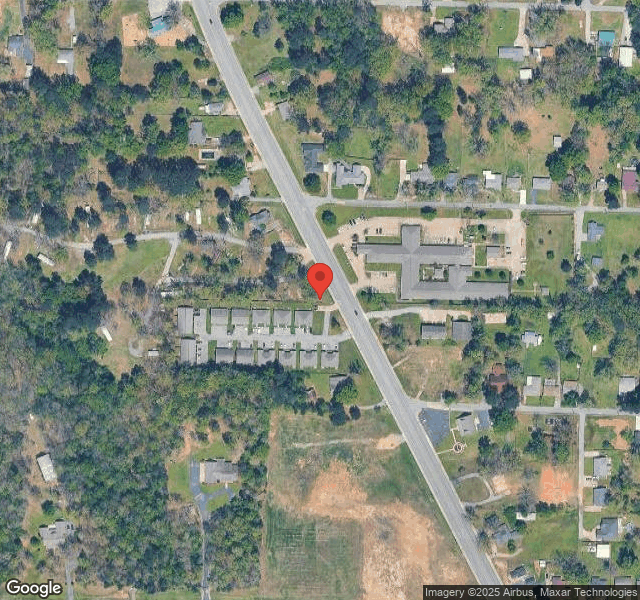
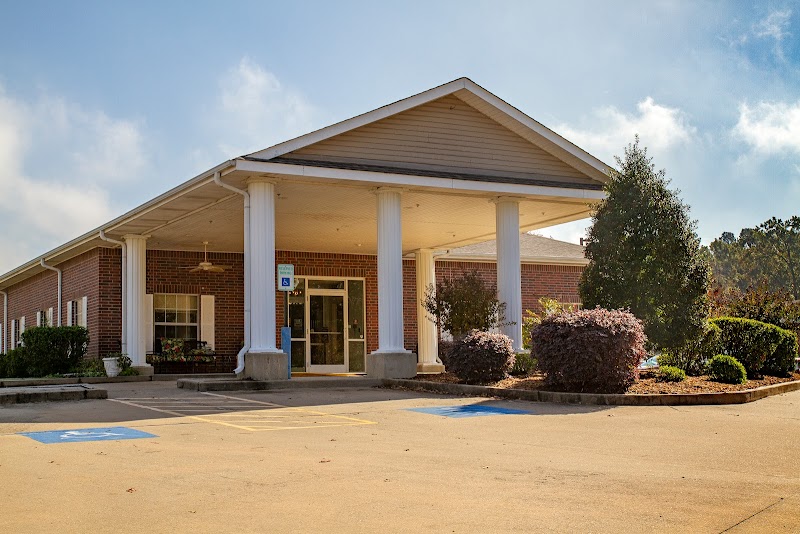
9209 DOLLARWAY ROAD, WHITE HALL, AR 71602 (870) 247-0800
For profit - Limited Liability company 120 Beds THE BLOSSOMS NURSING AND REHAB CENTER Data: November 2025 1 Immediate Jeopardy citation
Trust Grade
33/100
#171 of 218 in AR
Last Inspection: April 2025

Within standard 12-15 month inspection cycle. Federal law requires annual inspections.

Overview

The Blossoms at White Hall Rehab & Nursing Center has received a Trust Grade of F, indicating significant concerns about the quality of care provided. Ranking #171 out of 218 facilities in Arkansas places them in the bottom half, while being #2 of 4 in Jefferson County suggests only one local option is perceived as better. The facility's trend is improving, as they have reduced the number of documented issues from 15 in 2024 to 4 in 2025. Staffing is a mixed bag, with a 2/5 rating and a turnover rate of 59%, which is average for the state, but they do have more RN coverage than 75% of Arkansas facilities, a positive aspect that can enhance resident care. However, there are concerning incidents, including a failure to conduct safe transfers for residents dependent on lifts, and issues with food safety and cleanliness in the facility, which highlight areas needing urgent improvement.

Trust Score
F
33/100
In Arkansas
#171/218
Bottom 22%
Safety Record
High Risk
Review needed
Inspections
Getting Better
15 → 4 violations
Staff Stability
⚠ Watch
59% turnover. Above average. Higher turnover means staff may not know residents' routines.
Penalties
✓ Good
No fines on record. Clean compliance history, better than most Arkansas facilities.
Skilled Nurses
⚠ Watch
Each resident gets only 23 minutes of Registered Nurse (RN) attention daily — below average for Arkansas. Fewer RN minutes means fewer trained eyes watching for problems.
Violations
⚠ Watch
40 deficiencies on record. Higher than average. Multiple issues found across inspections.
★★☆☆☆
2.0
Overall Rating
★★☆☆☆
2.0
Staff Levels
★★★★☆
4.0
Care Quality
★★☆☆☆
2.0
Inspection Score
Stable
2024: 15 issues
2025: 4 issues

The Good

  • 4-Star Quality Measures · Strong clinical quality outcomes
  • Full Sprinkler Coverage · Fire safety systems throughout facility
  • No fines on record

Facility shows strength in quality measures, fire safety.

The Bad

2-Star Overall Rating

Below Arkansas average (3.1)

Below average - review inspection findings carefully

Staff Turnover: 59%

13pts above Arkansas avg (46%)

Frequent staff changes - ask about care continuity

Chain: THE BLOSSOMS NURSING AND REHAB CENT

Part of a multi-facility chain

Ask about local staffing decisions and management

Staff turnover is elevated (59%)

11 points above Arkansas average of 48%

The Ugly 40 deficiencies on record

1 life-threatening
Apr 2025 4 deficiencies
CONCERN (D)

Potential for Harm - no one hurt, but risky conditions existed

Deficiency F0558 (Tag F0558)

Could have caused harm · This affected 1 resident

Based on observation, interview, and record review, the facility failed to ensure a call light was kept in reach to ensure a resident had a means to call for assistance for 1 (Resident #296) of 1 resi...

Read full inspector narrative →
Based on observation, interview, and record review, the facility failed to ensure a call light was kept in reach to ensure a resident had a means to call for assistance for 1 (Resident #296) of 1 resident sampled for accommodation of needs. The findings are: Review of the Medical Diagnosis Screen indicated Resident #296 had diagnoses which included anxiety disorder, schizophrenia, muscle weakness wasting and atrophy, and abnormality of gait. The annual Minimum Data Set (MDS) with an Assessment Reference Date (ARD) of 10/01/2024, indicated Resident #296's vision was highly impaired. The MDS indicated a Brief Interview of Mental Status (BIMS) of 12, which indicated moderate cognitive impairment. The MDS also indicated Resident #296 rejected care daily, was independent with toileting, was continent of bladder and bowel, and ambulated short distances without assistance. Review of Resident #296's Care Plan with an initiated date of 10/17/2023, indicated the resident was blind, and that staff were to ensure the call light was within reach and to respond to needs promptly. On 04/14/25 at 9:12 AM, Resident #296 was observed in their room sitting in a recliner. Resident #296's call light was lying on the floor in front of the recliner. When asked if the resident could reach the call light, Resident #296 stated No, where is it? Resident #296 confirmed experiencing blindness and was unable to locate call light. The call light was observed again on the floor at 11:48 AM, and again when checked at 3:24 PM. On 04/15/25 at 8:25 AM, Resident #296 was observed sitting in the recliner in their room with the call light lying on the floor in front of the recliner, out of reach of the resident. During an interview, on 04/15/2025 at 8:30 AM, Licensed Practical Nurse (LPN) #15 confirmed Resident #296 had impaired vision and that the call light should be placed in reach of the resident so that the resident could use it to call for assistance when needed.
CONCERN (D) 📢 Someone Reported This

A family member, employee, or ombudsman was alarmed enough to file a formal complaint

Potential for Harm - no one hurt, but risky conditions existed

Deficiency F0676 (Tag F0676)

Could have caused harm · This affected 1 resident

Based on observation, record review, and interview, the facility failed to ensure incontinent care was provided in a timely fashion and in accordance with the resident ' s needs for one (Resident #247...

Read full inspector narrative →
Based on observation, record review, and interview, the facility failed to ensure incontinent care was provided in a timely fashion and in accordance with the resident ' s needs for one (Resident #247) of one sampled resident dependent on facility staff for incontinent care. The findings are: Review of a Medical Diagnosis report revealed Resident #247 was admitted to the facility with diagnoses that included a fracture in the lower part of the upper left arm bone, a fracture in the upper part of the upper left arm bone, and obesity class 3, with body mass index 45.0 - 49.9, adult. Review of a Baseline Care Plan for Admission dated 04/10/2025, indicated the resident could easily communicate with staff, was cognitively intact and required maximal assistance for toileting hygiene. The health conditions section indicated that the resident was always incontinent of bowel and bladder. The functional abilities section for mobility indicated the resident was dependent to roll left and right in bed. Review of a Care Plan Assessment dated 04/10/2025, indicated the resident required staff assistance times two for incontinent/perineal care. On 04/14/25 at 10:36 AM, a review of Resident #247 ' s Wound Evaluation, dated 04/10/2025, indicated the resident had a pre-admission stage 2 pressure injury at the sacrum. On 04/14/25 at 9:04 AM, Resident #247 was interviewed and reported incontinence of bowel and bladder. Resident #247 stated a request to receive incontinent care was made to two different staff members within the last twenty minutes. On 04/14/25 at 9:37 AM, Resident #247 verified staff had not provided incontinent care. The room had a foul odor. On 04/14/25 at 10:48 AM, Resident #247 verified staff had not provided incontinent care. The room had a foul odor. On 04/14/2025 from 9:04 AM until 11:22 AM, this surveyor remained in the hallway within view of Resident #247's room and no staff were observed entering the room during that time to assist the resident. On 04/14/25 at 11:22 AM, Certified Nursing Assistant (CNA) #1 and CNA #2 knocked on the resident's door, announced themselves, and entered Resident #247's room. On 04/14/2025 at 11:26 AM, this surveyor knocked on Resident #247's door, announced self, and with Resident #247 ' s permission, entered the room. Resident #247 was observed lying in bed in a hospital gown. The resident's left arm was in a full plastic arm brace, and a purple bruise about the size of a sheet of copy paper was on the resident's left flank/shoulder areas. The resident's brief was down, exposing the brief was over half full of loose stool. CNA #1 had on gloves, no gown, and was standing on the left side of the resident handing CNA #2 cleaning wipes. She used the cleaning wipes several times each and tucked the used wipes into the soiled brief between the resident's legs. CNA #1 was observed multiple times to reach into her jacket pockets for gloves. She was observed touching both curtains in the room, dispensing cleaning wipes and providing perineal care with dirty gloves on her hands. She was not observed using hand sanitizer at any time in the room or during perineal care. During perineal care CNA #1 removed her gloves and went outside of the room. CNA #1 came back into the resident's room, reached into her jacket pocket again for gloves to wear. CNA #2 had gloves on, no gown and was standing on the right side of the resident. She used the cleaning wipes several times each and tucked the used wipes into the soiled brief between the resident's legs. She changed gloves multiple times. She was not observed performing hand hygiene at any time in the room during perineal care. On 04/14/2025 at 11:42 AM, CNA #1 and CNA #2 were placing a clean brief on Resident #247. Before the brief was fastened, this surveyor asked CNA #2 and CNA #1 if the resident's perineal care was completed, and each CNA indicated the perineal care was complete. This surveyor requested one of the CNAs to please take a cleaning wipe and wipe down one side of the resident's groin. The Director of Nursing (DON) peered over the resident and asked, did we not get it all? CNA #1 obtained a cleaning wipe and wiped down the side of the resident's groin with a large amount of fecal material being present on the wipe. The DON left the resident's room. Within 5 minutes the Restorative CNA knocked on the door, announced self and entered the room. The Restorative CNA had on a gown, used hand sanitizer located by the door and put on gloves. She then assisted with perineal care. CNA #1, CNA #2 and Restorative CNA continued cleaning the resident's groin area utilizing over a half bag of wipes to finish cleaning the resident after CNA #1 and CNA #2 stated they were finished providing perineal care. On 04/14/2025 at 12:00 PM, upon the completion of incontinent care, CNA #1 and CNA #2 verified the only hand sanitizer in the room was next to the door on the opposite side of the room. CNA #1 and CNA #2 confirmed they did not utilize any hand sanitizer during the incontinent care. On 04/14/25 at 12:12 PM, the Restorative CNA was interviewed and indicated it was important for the resident to receive proper incontinence care to avoid cross contamination and prevent urinary tract infections. The Restorative CNA reported gloves should be changed and hands sanitized between each clean and dirty task. On 04/14/25 at 12:16 PM, CNA #1 was interviewed and indicated it was important for a resident to receive proper incontinent care to keep the resident from getting a bacterial infection or having skin problems. She reported the process for incontinent care included gathering supplies, knocking on the door, greeting the resident, explaining the care, and providing proper incontinent care. CNA #1 stated during incontinent care, hand sanitizing should take place when changing gloves and every time the gloves are dirty. She indicated she did not wash her hands, nor sanitize her hands at any time during incontinent care provided to Resident #247 today. On 04/14/25 at 12:17 PM, CNA #2 was interviewed and indicated it was important for a resident to receive proper incontinent care to prevent infection and prevent skin breakdown. She indicated each cleaning wipe should be used for one wipe and then disposed. She stated proper incontinent care would provide the resident with thoroughly cleansed skin. CNA #2 indicated hand sanitizer should be used every time gloves were removed, and verified she did not use hand sanitizer while providing incontinent care for Resident #247 today. On 04/14/25 at 3:38 PM, the DON was interviewed and indicated it was important to promptly and thoroughly clean the perineal area during incontinent care to prevent infection and to protect the skin. The DON reported the incontinent care provided by CNA #1 and CNA #2 to Resident #247 did not meet her expectation of incontinent care. She verified she was in the room during incontinent care and observed that CNA #1 and CNA #2 did not change gloves when indicated, did not sanitize hands and did not provide proper incontinent care. On 04/17/25 at 2:59 PM, the Administrator verbally verified the facility did not have a policy for incontinent care. On 04/14/2025 at 2:59 PM, the Administrator was asked to provide documentation of a facility hand washing policy. No hand washing policy was provided.
CONCERN (D)

Potential for Harm - no one hurt, but risky conditions existed

Accident Prevention (Tag F0689)

Could have caused harm · This affected 1 resident

Based on record review and interview, the facility failed to ensure a resident was re-assessed for safe smoking behaviors before being allowed to smoke after the admission smoking evaluation indicated...

Read full inspector narrative →
Based on record review and interview, the facility failed to ensure a resident was re-assessed for safe smoking behaviors before being allowed to smoke after the admission smoking evaluation indicated the resident did not smoke for 1 (Resident #91) of 1 sampled resident reviewed for smoking. The findings are: On 04/14/2025, the Administrator provided a list of residents who use tobacco products and Resident #91's name was listed on the document. Review of an admission Minimum Data Set with an Assessment Reference Date of 03/04/2025, revealed the resident had a brief interview for mental status score of 07, which indicated Resident #91 had moderate cognitive impairment and did not use tobacco products. Review of an Admission/readmission Nursing Evaluations Packet with an effective date of 02/27/2025, revealed Resident #91 did not use smoking/tobacco/nicotine products and the smoking evaluation was stopped. Review of the Progress Notes revealed the following: -A Nursing Note dated 02/27/2025 at 4:41 PM, which indicated Resident #91 was admitted to the facility by way of an emergency medical service. -A Medication Administration Note, dated 02/28/2025 at 7:46 AM, which indicated a nicotine patch 24 hour 14 milligrams per 24 hours (14GM/24HR), apply 1 patch on the skin (transdermally) one time a day for nicotine, remove per schedule and the note indicated the medication was not available. - A Medication Administration Note dated 03/01/2025 at 5:19 AM, Nicotine Patch 24-hour 14 MG/24HR. The resident refused the medication. - A Progress Note/ H and P (History and Physical) by the APRN (Advance Practice Registered Nurse), dated 03/23/2025 at 11:00 PM, revealed a date of service of 03/24/2025, and indicated Resident #91 was in the dayroom at the time of the visit. The note indicated Resident #91 wanted to smoke a cigarette. The note indicated the APRN checked on the resident later and the resident was sitting in front of a door to go out to smoke at 11:30 AM. - A Progress Note/ H and P by the APRN, dated 03/24/2025 at 11:00 PM, revealed a date of service of 03/25/2025, and indicated Resident #91 was sitting up in a wheelchair in the resident's room getting ready to go outside and smoke. - A Weight Note dated 04/04/2025 at 1:56 PM, revealed the nicotine patch had been discontinued because the resident was smoking. Review of the April 2025 Electronic Medication Administration Record (eMAR) revealed the nicotine patch 24-hour 14 MG/24HR apply 1 patch transdermally [on the skin] one time a day for Nicotine and remove per schedule with a start date 02/28/2025 at 6:00 AM, had a discontinued date of 04/04/2025. Review of an Admission/readmission Nursing Evaluation packet 02/27/2025, revealed Resident #91 did not use smoking/tobacco/nicotine products. Review of the Care Plan Report dated 3/25/2025, revealed Resident #91 had a behavior problem related to at times Resident #91refused to wear a smoking apron when smoking initiated on 04/15/2025. Review of a Smoking/Nicotine Devices form, dated 4/15/25, indicated Resident #91 had a score of 6, which a score of 10 or greater should be considered at risk and needs supervision when smoking. The form indicated the resident smoked cigarettes, morning, afternoon and evening and required supervision, including retrieval. On 04/17/25 at 9:02 AM, Resident #91 was seen walking in the hall by the dining room with a walker waiting to go outside to smoke. At 9:06 AM, an unidentified female staff member went out the door on hall 600 with this resident and two other residents. She handed Resident #91 a cigarette and lit the cigarette. Resident #91 was observed with a lit cigarette to the resident's mouth and white smoke coming from the resident's mouth. On 04/17/2025 at 4:02 PM, during an interview with the Director of Nursing (DON) and the Administrator, the DON stated the nurse completed the smoking assessment for residents on admit, quarterly, and as needed. The Administrator stated she would need to check if a resident was allowed to smoke before being assessed for smoking behaviors. On 04/17/2025 at 5:41 PM, the Administrator and DON were asked if residents were assessed before being given smoking privileges. The Administrator stated residents had the right to smoke. The Administrator stated residents were assessed on admission, quarterly, and as needed. Review of a Smoking Policy, not dated, and located in the admission packet provided by the administrator on 04/14/2025, indicated the purpose was to determine if a resident was an independent smoker or an at-risk smoker before the resident exercised the privilege to smoke while residing in the facility and to establish guidelines for all residents that desired to smoke at the facility. The policy also indicated residents will be assessed for safe smoking behavior prior to smoking at the facility. On 04/17/2025 the Administrator provided a Smoking Policy, not dated and stated the smoking policy was revised Friday, 04/11/2025. The smoking policy was reviewed and indicated the resident would be evaluated on admission to determine if the resident was a smoker or non-smoker. The policy indicated that staff would consult with the attending physician and DON to determine if safety restrictions needed to be placed on a resident's smoking privileges based on the smoking assessment and the resident's ability to smoke would be re-evaluated as determined by staff.
CONCERN (D)

Potential for Harm - no one hurt, but risky conditions existed

Infection Control (Tag F0880)

Could have caused harm · This affected 1 resident

Based on observation, record review, and interview, it was determined the facility failed to ensure staff changed gloves and performed proper hand hygiene during incontinent care for 1 (Resident #247)...

Read full inspector narrative →
Based on observation, record review, and interview, it was determined the facility failed to ensure staff changed gloves and performed proper hand hygiene during incontinent care for 1 (Resident #247) of 1 sampled resident reviewed for incontinent care. The findings are: Review of a Medical Diagnosis report indicated Resident #247 was admitted with diagnoses that included a fracture in the lower part of the upper left arm bone, and a fracture in the upper part of the upper left arm bone, and obesity class 3, with body mass index of 45.0 - 49.9, adult. Review of a Baseline Care Plan for admission dated 04/10/2025, indicated Resident #247 could easily communicate with staff, was cognitively intact and required maximal assistance for toileting hygiene. The health conditions section indicated Resident #247 was always incontinent of bowel and bladder. The functional abilities for mobility section indicated Resident #247 was dependent to roll left and right in bed. Review of a Care Plan Assessment dated 04/10/2025, indicated Resident #247 required staff assistance times two for incontinent/perineal care. On 04/14/25 at 10:36 AM, review of Resident #247 ' s Wound Evaluation report dated 04/10/2025, indicated the resident had a pre-admission, stage 2 pressure injury at the sacrum. On 04/14/2025 at 10:36 AM, review of Resident #247 ' s Order Summary dated 04/11/2025, indicated to follow Enhanced Barrier Precautions (EBP). On 04/14/25 at 9:04 AM, Resident #247 was interviewed and reported incontinence of bowel and bladder and stated a request to receive incontinent care was made to 2 different staff members within the last 20 minutes. A sign on the resident's door indicated Enhanced Barrier Precautions (EBP). On 04/14/25 at 11:22 AM, Certified Nursing Assistant (CNA) #1 and CNA #2 knocked on Resident #247's door, announced themselves and entered the resident ' s room without Personal Protective Equipment (PPE). On 04/14/2025 at 11:26 AM, this surveyor knocked on Resident #247's door, announced self, and with Resident #247s permission, entered the room. Resident #247 was observed lying in bed in a hospital gown. The resident's left arm was in a full plastic arm brace, and a purple bruise about the size of a sheet of copy paper was on the resident's left flank/shoulder areas. The resident's brief was down, exposing the brief over half full of loose bowel. CNA #1 had on gloves, no gown, and was standing on the left side of the resident handing CNA #2 cleaning wipes. She used the cleaning wipes several times each and tucked the used wipes into the soiled brief between the resident's legs. CNA #1 was observed multiple times to reach into her jacket pockets for gloves. She was observed touching both curtains in the room, dispensing cleaning wipes and providing perineal care with dirty gloves on her hands. She was not observed using hand sanitizer at any time in the room during perineal care. During perineal care, CNA #1 removed her gloves and went outside of the room. CNA #1 came back into Resident #247's room, reached into her jacket pocket again for gloves to wear. CNA #2 had gloves on, no gown and was standing on the right side of the resident. She used the cleaning wipes several times each and tucked the used wipes into the soiled brief between the resident's legs. She changed gloves a few times. She was not observed to sanitize hands at any time in the room during perineal care. The Director of Nurses (DON) knocked on the door, announced self, entered the room and indicated to the CNAs they should have gowns on while providing care, stating the resident had a wound. CNA #1 and CNA #2 went to resident's door with the DON and discussed what PPE should be utilized for a resident on EBP. CNA #1, CNA #2 and the DON donned gowns and then continued with perineal care. The DON went into the resident's bathroom to wash her hands, donned gloves, and began to assist with resident care. The DON was observed to tuck the soiled brief under the resident. Using the same gloves the DON was observed holding the resident's left arm brace to offer support during repositioning. On 04/14/2025 at 12:00 PM, upon the completion of incontinent care, CNA #1 and CNA #2 verified the only hand sanitizer in the room was next to the door on the opposite side of the room. CNA #1 and CNA #2 confirmed they did not utilize any hand sanitizer during the incontinent care. On 04/14/25 at 12:12 PM, the Restorative CNA was interviewed and reported gloves should be changed and hands sanitized between each clean and dirty task. On 04/14/25 at 12:16 PM, CNA #1 was interviewed and stated during incontinent care, hand sanitizing should take place when changing gloves and every time the gloves are dirty. She indicated she did not wash her hands, nor sanitize her hands at any time during incontinence care provided to Resident #247 today. On 04/14/25 at 12:17 PM, CNA #2 was interviewed and indicated each cleaning wipe should be used for one wipe and then disposed of. CNA #2 indicated hand sanitizer should be used every time gloves are removed. She verified she did not use hand sanitizer while providing incontinent care for Resident #247 today. On 04/14/25 at 3:38 PM, the DON was interviewed and verified she was in the room during incontinent care and observed CNA #1 and CNA #2 did not change gloves when indicated, did not sanitize hands, and did not provide proper incontinent care. The DON indicated the CNAs and nurses had been in-serviced for EBP including which PPE is required. She confirmed that staff with gloves on who have touched a dirty brief should not touch a resident's arm brace with the same dirty gloves. On 04/17/25 at 2:59 PM, the Administrator provided handwritten documentation that the facility did not have a policy for enhanced barrier precautions (EBP) and verbally verified the facility did not have a policy for incontinent care. On 04/14/2025 at 2:59 PM, the Administrator was asked to provide documentation of a facility hand washing policy. No hand washing policy was provided.
Feb 2024 15 deficiencies
CONCERN (D)

Potential for Harm - no one hurt, but risky conditions existed

Transfer Notice (Tag F0623)

Could have caused harm · This affected 1 resident

**NOTE- TERMS IN BRACKETS HAVE BEEN EDITED TO PROTECT CONFIDENTIALITY** Based on record review and interview the facility failed to notify the Ombudsman required for 1 (Resident #31) of 6 (Residents #...

Read full inspector narrative →
**NOTE- TERMS IN BRACKETS HAVE BEEN EDITED TO PROTECT CONFIDENTIALITY** Based on record review and interview the facility failed to notify the Ombudsman required for 1 (Resident #31) of 6 (Residents #11, #14, #31, #59, #64, and #53) sampled residents who were transferred to the hospital in the last month. The findings are: 1. Resident #31 had a diagnosis of Schizophrenia. a. An Incident and Accident (I&A) form dated 01/12/2024 at 6:41 PM documented resident #31 was sitting in a wheelchair with wounds to the abdomen area. The wounds which were self-inflicted with a razor. The razor cap was noted in the resident's lap. b. The Nurse's Notes dated 01/12/2024 at 7:12 PM documented Resident #31 was noted in the dining hall with self-inflicted wounds to abdomen area. Resident #31 was sent to the emergency room for medical observation. c. On 02/06/2024 at 4:14 PM, the Administrator provided a list of residents who were transferred to the hospital from [DATE] to 01/31/2024 with Resident #31 name listed on the list. d. On 02/08/2024 at 09:31 AM, the Social Services Director provided a document titled Emergency Transfers from Facility with a list of residents that was provided to the ombudsman from 01/01/2024 to 01/31/2024. Resident #31's name were not listed on the list. e. On 02/08/2024 at 11:08 AM the Social Services Director (SSD) was asked, On the January 2023 list to the Ombudsman, was Resident #31 included on the list? The SSD replied, I print the Admit/discharge to and from form [named computer system] each day and if the resident is not out after midnight they will not show on that report. So, since Resident #31 was not out after midnight I did not send it to the Ombudsman.
CONCERN (D)

Potential for Harm - no one hurt, but risky conditions existed

Assessment Accuracy (Tag F0641)

Could have caused harm · This affected 1 resident

**NOTE- TERMS IN BRACKETS HAVE BEEN EDITED TO PROTECT CONFIDENTIALITY** Based on observation, interview and record review the facility failed to ensure the Minimum Data Set (MDS) was coded accurately ...

Read full inspector narrative →
**NOTE- TERMS IN BRACKETS HAVE BEEN EDITED TO PROTECT CONFIDENTIALITY** Based on observation, interview and record review the facility failed to ensure the Minimum Data Set (MDS) was coded accurately to reflect the resident's nutritional status for 1 sampled resident (R#37). The findings are: On 12/27/2023, the resident weighed: a. Per record review, resident #11 weighed 277.4 pounds on 12/27/23. On 01/24/2024, the resident weighed 273.8 pounds which is a -1.30 % Loss.2/05/24 12:PM . On 08/23/2023, the resident weighed 305.6 lbs. On 01/24/2024, the resident weighed 273.8 pounds which is a -10.41 % Loss. b. A Minimum Data Set, dated [DATE] did not document in section K that there was a weight loss. c. On 2/7/24 at 09:02 AM a Minimum Data Set Coordinator (MDSC) was asked to access resident #37's Minimum Data Set (MDS) in the Electronic Record and look in K section under weight loss. MDSC stated Resident #37 should have been coded for weight loss. Surveyor asked MDSC why is it important for the MDS to be coded correctly. d. On 2/08/24 at 10:22 AM the Director of Nurses (DON) was asked to explain the process of building an MDS. The DON replied, The nurse assesses the resident and inputs the answers in a MDS The Surveyor asked the DON, Should the MDS be coded accurately? The DON replied, Yes. The Surveyor asked, If a resident has lost weight should it be coded on the MDS? The DON confirmed that it should have been coded. e. On 2/7/24 at 10:20 AM, the MDS Consultant provided the section K guidelines pertaining to weight loss coding. Page K-8 K0300 would be coded 2, yes weight change is significant; . According to the Long-Term Care Facility Resident Assessment Instrument 3.0 User's Manual. It states .Medicare and Medicaid participating LTC (Long-term care) facilities are required to conduct comprehensive, accurate, standardized .
CONCERN (D)

Potential for Harm - no one hurt, but risky conditions existed

Deficiency F0688 (Tag F0688)

Could have caused harm · This affected 1 resident

Based on observation, record review and interview, the facility failed to ensure services were provided to minimize the potential for further decline in range of motion (ROM) for 1 (Resident #59) of 3...

Read full inspector narrative →
Based on observation, record review and interview, the facility failed to ensure services were provided to minimize the potential for further decline in range of motion (ROM) for 1 (Resident #59) of 3 (Residents #16, #31 and #59) sampled residents who had limited range of motion as documented on a list provided by the Administrator on 2/7/24 at 11:13 AM. The findings are: 1. Resident #59 had diagnoses of Cerebral [brain] Infarction [death of tissue], Frontal Lobe and Hemiplegia [paralysis], Affecting Right Dominant Side. a. A Quarterly Minimum Data Set (MDS) with an Assessment Reference Date (ARD) of 1/23/24 documented the resident scored 3 (3=severely impaired) on a Staff Assessment for Mental Status (SAMS), had impairment on one side in the upper extremity, received no days in a Restorative Nursing Program and received Occupational Therapy from 2/16/23 to 5/12/23 and Physical Therapy from 4/20/23 to 6/16/23. b. On 02/04/24 at 11:54 AM resident #59 was in bed and the left (L) hand was closed and did not open it when asked by this surveyor. c. On 02/05/24 at 3:03 PM resident #59 was lying on her back in bed, awake and the (L) hand was closed. d. On 02/06/24 at 8:31 AM resident #59 was resting quietly in bed awake and the (L) hand was closed and no hand roll or cushion was noted in that hand or in the room. e. On 02/06/24 at 10:53 AM Certified Nursing Assistant (CNA) #4 was in the room with this surveyor and she was asked, Are you familiar with [Resident #59]'s care? She stated, [Resident #59] used to be on 200 hall so I can give you a little bit on [Resident #59]. She was asked, Is [Resident #59] able to use [Resident #59] left hand? and she stated, No. She was asked, Do you know if [Resident #59] can open it on [Resident #59] own? She stated, [Resident #59] can't open that left hand. She was asked, Do you know when [Resident #59]'s bath days are? She stated, So [Resident #59]'s bath days are Monday, Wednesday, Friday. CNA #4 was unable to ask resident #59 to perform any tasks with the left hand because the resident asked to be left alone. CNA #4 and this surveyor left the room. f. On 02/07/24 at 10:16 AM resident #59 was lying in bed with eyes closed. The left hand was closed. g. On 02/07/24 at 1:23 PM the Director of Nursing (DON) and this Surveyor went to the resident's room. The DON was asked, Can [Resident #59[ open [Resident #59] left hand on [Resident #59]'s own? She stated, I don't know if [Resident #59] still can but [Resident #59] was at one point. She was asked, Has [Resident #59] received any type of restorative or occupational therapy to [Resident #59]'s left hand? She stated, I think when I first got here [Resident #59] was on the skilled services. She was asked, Tell me what your process is for residents who have some ROM remaining to keep them functioning at the same level or better? She stated, So, this is the company process that they go to therapy, and therapy does an assessment and then they recommend restorative or whatever [Resident #59] may need if [Resident #59]'s not at full capacity, then we get the order from the doctor. h. On 02/07/24 01:26 PM the DON was asked to look in the resident's electronic health record (EHR) to see if there is any therapy or restorative notes regarding this resident's left hand. She stated she would get some therapy notes. The DON provided a Physical Therapy Treatment Encounter Note (s) with dates of 6/9/23, 6/12/23 and 6/13/23 that only addressed ROM /PROM (Passive Range of Motion) to the lower extremities. i. On 02/07/24 at 1:38 PM the Director of Nursing (DON) and Surveyor entered resident #59's room. The DON was asked, Will you ask the resident to open [Resident #59] left hand for you? The DON picked up the resident's left hand and asked the resident to open it. Resident #59 only mumbled but did not open that hand. The DON stated, [Resident #59] sister wants [Resident #59] to keep the fingernail on [Resident #59] thumb because this is what [Resident #59] uses to scratch [Resident #59] nose with. The DON was asked, What about the other fingernails that are long and up against the palm of [Resident #59] hand? The DON did not respond. The DON was asked to open resident #59's hand. She picked up the resident's left hand and was able to partially open the resident's hand by placing one finger at the top of the resident's closed left hand and pushing her finger downward. The resident started groaning and had facial grimacing. This surveyor advised the DON if this was causing discomfort or pain to the resident, she could stop but she did not. The DON was asked, Will you take the Q-Tip and swab the inside of [Resident #59]'s hand and show it to me? At 1:45 pm she swabbed the inside of the resident's left hand and showed it to this surveyor. She was asked to smell the swab and describe it? She stated, [Resident #59] has a little odor. She was asked, What should be done to keep some ROM in [Resident #59]'s left hand since you were able to open it? She stated, I'm going to talk to therapy about evaluating [Resident #59] today. We normally send it out when we do their quarterly MDS. She was asked, What if staff notices a decline in ROM before the quarterly MDS is due? She stated, They tell the nurse, and the nurse will come and tell us. We will then refer her to therapy so they can evaluate her and recommend what type of treatment she may need. j. A Restorative Nursing Policy provided by the Administrator on 2/7/24 at 11:13 AM documented, . Policy Statement . The Restorative Nursing Program will include nursing interventions that promote a resident's ability to attain and maintain his/her optimal functional potential . Policy Interpretation and Implementation . 3. The Unit Manager or designee will be responsible for identifying residents with restorative needs, collaborate with the care planning team to establish goals and interventions, supervise activities, and ensure all required documentation is complete. 4. The Unit Manager or designee will be responsible for reviewing clinical assessments, quality assurance monitoring systems, MDS triggers and quality measures data to identify new residents for the program . m. A Mobility and Range of Motion Policy provided by the Administrator on 2/7/24 at 11:13 AM documented, . Policy Statement . 2. Residents with limited range of motion will receive treatment and services to increase and / or prevent a further decrease in ROM .
CONCERN (D)

Potential for Harm - no one hurt, but risky conditions existed

Accident Prevention (Tag F0689)

Could have caused harm · This affected 1 resident

Based on observation, record review and interview, the facility failed to ensure that interventions that were care planed were utilized to prevent potential accident hazards as possible by continuing ...

Read full inspector narrative →
Based on observation, record review and interview, the facility failed to ensure that interventions that were care planed were utilized to prevent potential accident hazards as possible by continuing to fall for 1 of 1 Resident (#11) 1 sampled resident. The findings are: 1. On 02/04/24 at 12:40 PM, Resident #11 was in bed with a neck brace around her neck. Observed about a 3inch dark purple area under right. eye. Above the left eye was a 2.5 cm raised area surrounded with dark purple color with dried blood over it. Resident #11 stated, I fell a couple weeks ago. A dark purple area below right eye about 3 inches long. Resident stated, I just don't want to bother anyone. I leaned on my table, and it moved with me. I got up and that's all I remember. a. On 02/05/24 at 08:39 AM Resident #11 was lying in the bed with a neck brace around her neck and under both eyes had dark purple areas under them. Raised area above right eye. Observed a bedside table on the right side of the bed. There were no padded tables in the room. b. Review of hospitalization record dated 1/23/24, documented trauma due to fall .injuries included C-6 nondisplaced anterior fracture, MRI demonstrating moderate spinal canal and severe neural foraminal stenosis. C-6 and C-7 and myelopathic signal within the cord at this level all associated acute post trauma hypoxemic, hypercapnic respiratory failure requiring supplemental oxygen (O2). c. On 2/6/24 at 3:30 PM LPN #1 was asked about the fall that occurred on 1/21/24. LPN#1 was asked if she or anyone else had witnessed the fall. LPN#1 stated No we heard a thump. LPN #1 was asked if the interventions from prior falls were in place prior to the fall she stated, I don't know we just took care of the resident. d. On 2/08/24 at 09:27 AM, LPN#2 was asked if she or anyone witnessed the fall for Resident #11. LPN # 2 stated, no I didn't witness the fall, nobody did. I just heard a noise. LPN #2 was asked if she could remember where the bedside table was after the fall. LPN#2 stated the bedside table was on the right side of the bed, and she leaned on it and it rolled with her. The Bed side table wasn't padded, and her bed was in the lowest position. 1. Review of notes in the electronic record (ER) from LPN #2 dated 1/21/24 7:06 PM. This nurse outside res. room, heard a loud crash, this nurse knocked then entered after hearing someone moaning, this nurse observed Resident lying on the floor, face down (blood observed on the floor (staff turned res. over slowly and placed her on the bed) res. has 3 abrasions (#1 over lt (left) eye, #2 on bridge of nose, #3 on tip of nose). staff has asked res. again please put your call light on when you need assistance, res. (resident) stated I don't want to bother anyone. f. On 12/24/23 and again on 1/8/24, documented on the care plan that resident was educated on use of call light. g. On 02/08/24 at 09:23 AM Certified Nurse Aide (CNA) #1 was asked to accompany this Surveyor to Resident #11's room and was asked where the over bed table is located, if there is any table in the room padded and what position her bed is in at this moment. CNA #1 stated, the table is on her right side, no table in the room is padded. The bed is not in the lowest position, it's about waist high. h. On 2/7/24 at 9:28 AM, LPN #2 was asked to accompany this surveyor to Resident #11's room and note where the over bed table is located, if there is any table in the room padded and what position her bed is in at this moment. LPN # 2 stated, the table is on her right side, no table in the room is padded. The bed is not in the lowest position. i. On 2/7/24 at 4:41 PM the Administrator provided a policy titled Accidents and Hazards Policy The facility strives to ensure the resident environment remains as free of accident hazards as is possible and each Resident receives adequate supervision and assistance devices to prevent accidents . 3. The care team shall target interventions to reduce individual risks related to hazards .
CONCERN (D)

Potential for Harm - no one hurt, but risky conditions existed

Tube Feeding (Tag F0693)

Could have caused harm · This affected 1 resident

Based on observation, record review and interview, the facility failed to ensure medications were allowed to flow by gravity through a Percutaneous Endoscopic Gastrostomy (PEG) Tube to decrease the po...

Read full inspector narrative →
Based on observation, record review and interview, the facility failed to ensure medications were allowed to flow by gravity through a Percutaneous Endoscopic Gastrostomy (PEG) Tube to decrease the potential for gastric complications for 1 (Resident #16) of 1 (Resident 16) sampled resident whose medications were administered through a PEG Tube. The findings are: 1. Resident #16 had a diagnosis of Dysphagia, Oropharyngeal Phase and Gastrostomy Status. a. February 2024 Physician's Orders documented resident #16 diet was nothing by mouth active 11/04/2023 and may crush meds (medications) and administer together in tap water via (by way of) G (Gastrostomy)-Tube every shift active 11/04/2023. b. On 2/7/24 at 11:10 AM, after preparing the resident's medications, LPN #4 crushed all the meds and placed them in two separate 8 oz (ounce) cups with water. After stirring each cup, she sanitized her hands, put on gloves, placed the pump on hold, checked placement and placed the end of the administration set in a cap. She used a 60 cc syringe, drew up the meds and liquid from the first cup, inserted the syringe into the PEG tube and pushed the medication and liquid through the PEG tube, not allowing it to flow by gravity. She repeated this same step after drawing up the meds from the second cup in the syringe and pushed it through the PEG tube and did not allow it to flow by gravity. c. On 2/7/24 at 11:34 AM LPN #4 was asked, Where did you learn to give meds via PEG Tube? She stated, Here. She was asked, Do you know what the facility's policy is on how to give meds through a tube? She stated, No I don't. She was asked, How long have you been working her as a nurse? She stated, Since May 2023. She was asked, Did anyone show you how to administer meds via PEG TUBE here? She stated, No. d. A Medication Administration through an enteral Tube Policy provided by the Administrator on 2/8/24 at 11:16 AM documented, .The purpose of this procedure is to provide guidelines for the safe administration of medications through an enteral tube . Steps in the Procedure . 20. Administer medication by gravity flow . d. Pour diluted medications into the barrel of the syringe while holding the tubing slightly above the level of insertion. e. Open the clamp and deliver medications slowly .
CONCERN (D)

Potential for Harm - no one hurt, but risky conditions existed

Infection Control (Tag F0880)

Could have caused harm · This affected 1 resident

Based on observation, record review and interview, the facility failed to ensure proper hand hygiene was performed while providing incontinent care to decrease the potential for the spread of bacteria...

Read full inspector narrative →
Based on observation, record review and interview, the facility failed to ensure proper hand hygiene was performed while providing incontinent care to decrease the potential for the spread of bacteria and promote good hygiene for 1 (Resident #59) of 1 sampled resident who received incontinent care. The findings are: 1. Resident #59 had diagnoses of Cerebral infarction, frontal lobe and executive function deficit and Hemiplegia, unspecified affecting right dominant side. a. A Quarterly Minimum Data Set (MDS) with an Assessment Reference Date (ARD) of 01/23/2024 documented the resident scored 3 (3= indicates severely impaired) on a Staff Assessment for Mental Status (SAMS) and was dependent for toileting hygiene, bathing and personal hygiene. b. A Care Plan with a completion date of 01/25/2024 documented, . [Resident #59] has potential for complications associated with incontinence of bowel and bladder . Check every two hours and PRN [as needed] for incontinence . I require extensive assist x 2 with .toileting, personal hygiene . If I am incontinent of bowel and bladder . give me incontinent care and change my brief . Observe for my hygiene needs and render as needed each shift and prn . Please check my fingernail . length and trim as needed unless I am diabetic . c. On 02/07/2024 at 10:30 AM Certified Nursing Assistant (CNA) #4 provided incontinent care for Resident #59. After providing incontinent care CNA #4 did not change gloves or sanitize hands between clean and dirty tasks. Without changing gloves, CNA #4 opened a drawer on the nightstand and removed a tube of petroleum jelly, removed the top and applied a small amount to the resident's groin, recapped the tube and placed in back in the drawer. Without changing gloves, CNA #4 fastened the resident's brief and removed their gloves. CNA #4 was asked, Are you done with (Resident #58's) peri-care? CNA #4 stated, Yes. CNA #4 was asked to don a pair of gloves, take a clean wipe, separate the resident's labia, swipe down and show the wipe to this surveyor. CNA #4 used hand sanitizer and donned a clean pair of gloves. When CNA #4 separated the resident's labia and swiped down, there was brown residue on the wipe. CNA #4 stated, I went deeper that time. While CNA #4 continued cleaning the resident they were asked, Why is it important to cleanse all areas of the skin during incontinent care? CNA #4 stated, To prevent infection and things like UTIs (Urinary Tract Infections that come from bacteria. d. On 02/08/2024 at 01:59 PM the Director of Nursing (DON) was asked, How are the CNA's trained regarding providing care to the residents? The DON stated, We assign them to another CNA to do orientation with and we try to rotate them on all of the units. The CNAs they are put with are experienced and they tell them what to do. Agency CNAs get a run through. We assume that their company does their training to say they are capable of doing what they say they can do. The DON was asked, Do you all do any skill check offs with the CNAs? The DON stated, Yes. We started a peri-care check-off already. e. A Facility Assessment Tool provided by the Administrator on 02/07/2024 at 11:13 AM documented, . Purpose . The purpose of the assessment is to determine what resources are necessary for care for resident's competency during both day-to-day operations and emergencies infection control- a facility must include as part of its infection prevention and control program mandatory training that includes the written standards, policies, and procedures for the program .
CONCERN (E)

Potential for Harm - no one hurt, but risky conditions existed

Report Alleged Abuse (Tag F0609)

Could have caused harm · This affected multiple residents

Based on record review and interview the facility failed to ensure that a self-inflicted incident was reported to the Office of Long-Term Care. This failed practice affected 1 of 1 Residents (R#31). T...

Read full inspector narrative →
Based on record review and interview the facility failed to ensure that a self-inflicted incident was reported to the Office of Long-Term Care. This failed practice affected 1 of 1 Residents (R#31). The findings are: a. Review of an Incident and Accident (I&A) form dated 01/12/2024 at 6:41 PM documented Resident #31 sitting in wheelchair with wounds to the abdomen area. Wounds which were self-inflicted with a razor. The razor cap was noted in the resident's lap. a. Review of the Nurse's Notes dated 01/12/2024 at 7:12 PM documented Resident #31 was noted in the dining hall with self-inflicted wounds to abdomen area. Resident was sent to the emergency room for medical observation. c. On 02/07/2024 at 08:30 AM review of the facilities last 3 reportable incidents showed there was not a reported incident report to the Office of Long-Term Care for Resident #31. d. On 02/07/2024 at 03:08 PM during an interview, the Administrator confirmed there was not an I&A reportable completed on the self-inflicted accident.
CONCERN (E)

Potential for Harm - no one hurt, but risky conditions existed

Deficiency F0657 (Tag F0657)

Could have caused harm · This affected multiple residents

Based on record review and interview, the facility failed to ensure care plans were reviewed and revised as least quarterly and / or when residents' care needs changed, as evidenced by failure to revi...

Read full inspector narrative →
Based on record review and interview, the facility failed to ensure care plans were reviewed and revised as least quarterly and / or when residents' care needs changed, as evidenced by failure to revise the plan of care to address limited range of motion in the left hand and the use of Oxygen to ensure staff were aware of the necessary care, assessments and services required for 1 (Resident #59) of 1 (Resident #59) sampled resident who had limited range of motion in the left hand and for 1 (Resident #63) of 1 (Resident #63) sampled resident who used Oxygen. The findings are: 1. Resident #59 had diagnoses of Cerebral [brain] Infarction [death of tissue], Frontal Lobe and Hemiplegia [paralysis], Affecting Right Dominant Side. a. A Quarterly Minimum Data Set (MDS) with an Assessment Reference Date (ARD) of 1/23/24 documented Resident #59 scored 3 (3 = severely impaired) on a Staff Assessment for Mental Status (SAMS), had impairment on one side in the upper extremity, received no days in a Restorative Nursing Program and received Occupational Therapy from 2/16/23 to 5/12/23 and Physical Therapy from 4/20/23 to 6/16/23. b. On 02/06/24 at 10:53 AM Certified Nursing Assistant (CNA) #4 was in the room with this surveyor and she was asked, Are you familiar with [Resident #59]'s care? She stated, [Resident #59] used to be on 200 hall so I can give you a little bit on [Resident #59]. She was asked, Is [Resident #59] able to use [Resident #59] left hand? and she stated, No. She was asked, Do you know if [Resident #59] can open it on [Resident #59] own? She stated, [Resident #59] can't open that left hand. She was asked, Do you know when [Resident #59]'s bath days are? She stated, So [Resident #59]'s bath days are Monday, Wednesday, Friday. CNA #4 was unable to as Resident #59 to perform any tasks with the left hand because the resident asked to be left alone. CNA #4 and this surveyor left the room. c. On 02/07/24 at 1:38 PM the Director of Nursing (DON) and Surveyor entered resident #59's room. The DON was asked, Will you ask the resident to open [Resident #59] left hand for you? The DON picked up the resident's left hand and asked the resident to open it. Resident #59 only mumbled but did not open that hand. The DON was asked to open Resident #59's hand. She picked up the resident's left hand and was able to partially open the resident's hand by placing one finger at the top of the resident's closed left hand and pushing her finger downward. The resident started groaning and had facial grimacing. This surveyor advised the DON if this was causing discomfort or pain to the resident, she could stop but she did not. She was asked, What should be done to keep some ROM in [Resident #59]'s left hand since you were able to open it? She stated, I'm going to talk to therapy about evaluating [Resident #59] today. We normally send it out when we do their quarterly MDS. She was asked, What if staff notices a decline in ROM before the quarterly MDS is due? She stated, They tell the nurse, and the nurse will come and tell us. We will then refer her to therapy so they can evaluate her and recommend what type of treatment she may need. d. The Care Plan with a revision date of 1/25/24 did not address resident #59's limited range of motion in the left hand. 2. Resident #63 had diagnoses of Acute Respiratory Failure with Hypoxia, Chronic Obstructive Pulmonary Disease with (Acute) Exacerbation and Chronic Diastolic (Congestive) Heart Failure. a. Physicians' Orders dated 9/25/23 documented, .O2 at (2) L/min [liters per minute] via [by way of] (nasal cannula) as needed for SOB [shortness of breath] . Change humidifier bottle once weekly on (Sunday) during the (night) shift and PRN [as needed] . b. A Modification of Quarterly Minimum Data Set (MDS) with an Assessment Reference Date (ARD) of 11/28/23 documented the resident received oxygen while a resident. c. A Care Plan with a revision date of 12/11/23 had no documentation regarding oxygen therapy for resident #63.
CONCERN (E)

Potential for Harm - no one hurt, but risky conditions existed

ADL Care (Tag F0677)

Could have caused harm · This affected multiple residents

Based on observation, record review and interview, the facility failed to ensure personal hygiene and nail care were routinely maintained and all areas of the skin were cleansed during incontinent car...

Read full inspector narrative →
Based on observation, record review and interview, the facility failed to ensure personal hygiene and nail care were routinely maintained and all areas of the skin were cleansed during incontinent care to promote good grooming and personal hygiene for 1 (Resident #53) of x (Residents #53 .) sampled residents who required staff assistance for shaving, 2 (Residents #53 and #59) of x (Residents #53, #59 ) sampled residents who required staff assistance with nail care and 1 (Residents #59) of x (Residents #53 #59 ) sampled residents who were dependent on staff for incontinent care as documented on lists provided by the Administrator on 2/8/24. The findings are: 1. Resident #53 had a diagnosis of Type 2 Diabetes Mellitus with Hypoglycemia Without Coma. a. A Care Plan with a completion date of 1/26/24 documented Resident #53 required extensive assistance with personal hygiene and bathing and to observe the resident for hygiene needs and render as needed each shift, check the resident's fingernail length and trim as needed unless the resident is diabetic and ensure the resident is shaved as needed. It documented the resident has actual impairment to skin integrity related to skin cancer lesions and to keep fingernails short. b. On 02/04/24 at 11:50 AM, Resident #53 was sitting up in a wheelchair (w/c) the fingernails on the right hand were greater than a quarter (1/4) inch in length with jagged edges. The left hand was not visible at this time. There was facial hair on Resident #53's chin, cheeks, and upper lip. c. On 02/05/24 at 2:42 PM, Resident #53 was sitting up in a wheelchair (w/c), awake and the fingernails on both hands were greater than 1/4 inch in length. There was facial hair on Resident #53's chin, cheeks, neck, and upper lip. d. On 02/06/24 at 8:28 AM, Resident #53 was sitting up in a w/c. There was facial hair on Resident 53's chin, cheeks, neck, and upper lip. The fingernails on both hands were greater than 1/4 inch in length. e. On 02/06/24 at 2:54 PM, Certified Nursing Assistant (CNA) #4 was asked to enter Resident #53's room with this surveyor. She was asked, Look at the [Resident #53]'s face and tell me what you see? She stated, Looks like [Resident #53]'s a little scruffy and might need a shave. She was asked, Do you know when [Resident #53]'s bath days are? She stated, I don't know but they have a book up front at the desk. She was asked, Who shaves the residents? She stated, We [CNAs] do. She was asked, Look at both of [Resident #53]'s hands and describe [Resident #53]'s nails for me? She stated, Long [and] there's stuff under them. Some are short and some are long. She was asked, Who provides nail care to the residents? She stated, We do unless they are diabetic. She was asked, Do you know if [Resident #53] ever refused nail care? She stated, I know [Resident #53] has refused [Resident #53] baths so I'd have to say yes. She was asked, Tell me why the resident's fingernails should be trimmed? She stated, For hygiene purposes and to make sure it doesn't get snagged on something or [Resident #53] scratches [Resident #53]. f. A Task sheet provided by the Administrator on 2/7/24 at 11:13 AM documented the resident shower / bathe self on 2/2/24 at 20:18 [8:18 PM] and 2/5/24 at 21:48 [9:48 PM]. g. On 2/8/24 at 1:59 PM the Director of Nursing (DON) was informed that Resident #53 had facial hair. She was asked, Who is responsible for shaving the residents? She stated, Half of the time he will not let us touch him and he refuses his baths. He does not have an electric razor and he can't use the other razors. I've been talking to the family about trying to get him one, but we might have to buy him one. 2. Resident #59 had diagnoses of Cerebral Infarction, Frontal Lobe and Executive Function Deficit and Hemiplegia, Unspecified Affecting Right Dominant Side. a. A Quarterly Minimum Data Set (MDS) with an Assessment Reference Date (ARD) of 1/23/24 documented the resident scored 3 (3=severely impaired) on a Staff Assessment for Mental Status (SAMS) and was dependent for toileting hygiene, shower / bathe self and personal hygiene. b. A Care Plan with a completion Date of 1/25/24 documented, . [Resident #59] has potential for complications associated with incontinence of bowel and bladder . Check every two hours and PRN [as needed] for incontinence . I require extensive assist x 2 with .toileting, personal hygiene . If I am incontinent of bowel and bladder . give me incontinent care and change my brief . Observe for my hygiene needs and render as needed each shift and prn . Please check my fingernail . length and trim as needed unless I am diabetic . c. On 02/04/24 at 11:54 AM Resident #59 was in bed and the fingernails on the left hand were greater than 1/4 inch in length and had a brown substance underneath them. d. On 02/05/24 at 3:03 PM Resident #59 was resting supine in bed, awake and her left hand was closed. The fingernails were greater than 1/4 inch in length and there was a dark substance underneath the nails on the left hand. e. On 02/06/24 at 8:31 AM Resident #59 was resting quietly in bed awake, and the fingernails on both hands were greater than a 1/4 inch in length and there was a dark brown substance underneath the fingernails on the left hand. f. On 02/06/24 at 10:53 AM Certified Nursing Assistant (CNA) #4 was asked, Are you familiar with [Resident #59]'s care? She stated, [Resident #59] used to be on 200 hall so I can give you a little bit on [Resident #59]. She was asked, Do you know when [Resident #59] bath days are? She stated, So [Resident #59] bath days are Monday, Wednesday, Friday. She was asked to look at the resident's fingernails on both hands and describe what she saw, and she described [Resident #59] nails as clean and need clipping. She was asked, Who provides nail care to the residents? and she stated, AllCNAs but on their shower days they are supposed to get them cleaned and clipped, unless they are diabetic, and the nurses will do them. She was asked, Why should [Resident #59] nails be trimmed? and she stated, That's like an infection control. Anything can get under them or [Resident #59] could scratch [Resident #59]. She was asked, What could happen to [Resident #59] left hand with long nails? and she stated, A nail could dig in [Resident #59] skin and that could become a problem. She was asked and confirmed that Resident #59 could not open her left hand. h. A Documentation Survey Report for February 2024, provided by the Administrator on 2/7/24 at 11:13 AM documented resident #59 was transferred to the tub / shower on 2/2/24 at 11:17 [AM], 2/4/24 at 9:38 [AM] and 2/5/24 at 21:38 [9:38 PM]. i. On 02/07/24 at 1:38 PM the Director of Nursing (DON) and Surveyor entered Resident #59's room. The DON was asked, Will you ask the Resident to open [Resident #59] left hand for you? The DON picked up the resident's left hand and asked the resident to open it. Resident #59 only mumbled but did not open her hand. The DON stated, [Resident #59] sister wants [Resident #59] to keep the fingernail on [Resident #59] thumb because this is what [Resident #59] uses to scratch [Resident #59] nose with. The DON was asked, What about the other fingernails that are long and up against the palm of [Resident #59] hand? The DON did not respond. j. On 02/08/24 at 1:59 PM the DON was asked, How are the CNA's trained regarding providing care to the residents? She stated, We assign them to another CNA to do orientation with and we try to rotate them on all of the units. The CNAs they are put with are experienced and they tell them what to do. Agency CNAs get a run through. We assume that their company does their training to say they are capable of doing what they say they can do. She was asked, Do you all do any skill check offs with the CNAs? She stated, Yes. We started a peri-care check-off already. She was asked, Who is responsible for trimming the resident's fingernails? She stated, The CNAs are to do them when they are doing baths. k. On 02/08/24 the Administrator stated the facility does not have a policy on ADL care.
CONCERN (E)

Potential for Harm - no one hurt, but risky conditions existed

Respiratory Care (Tag F0695)

Could have caused harm · This affected multiple residents

Based on observation, record review and interview, the facility failed to ensure a humidifier bottle was changed per the Physician's orders and that Oxygen was administered at the prescribed flow rate...

Read full inspector narrative →
Based on observation, record review and interview, the facility failed to ensure a humidifier bottle was changed per the Physician's orders and that Oxygen was administered at the prescribed flow rate to decrease the potential for Respiratory complications for 1 (Resident #63) of 3 (Residents #2, #19 and #63) sampled residents who had a Physician's order for Oxygen (O2) as documented on a listed provided by the Administrator on 2/7/24 at 11:13 AM. The findings are: 1. Resident #63 had diagnoses of Acute Respiratory Failure with Hypoxia, Chronic Obstructive Pulmonary Disease with (Acute) Exacerbation and Chronic Diastolic (Congestive) Heart Failure. a. A Physicians' Orders dated 9/35/23 documented, .O2 at (2) L/min [liters per minute] via [by way of] (nasal cannula) as needed for SOB [shortness of breath] . Change humidifier bottle once weekly on (Sunday) during the (night) shift and PRN [as needed] . b. A Modification of Quarterly Minimum Data Set (MDS) with an Assessment Reference Date (ARD) of 11/28/23 documented the resident received O2 while a resident. c. A Care Plan with a completion date of 12/11/23 had no documentation regarding O2 therapy for resident #63. d. On 02/04/24 at 12:33 PM resident #59 was lying in bed and receiving O2 at 2 liters/minute (l/m) by way of a nasal cannula. The humidifier bottle was dated 1/26/24 and was empty at this time. e. On 02/04/24 at 2:00 PM resident #59 was lying in bed with eyes closed. O2 was in use at 2 l/m by way of a nasal cannula. The humidifier bottle was dated 1/26/24 and was empty at this time. f. On 02/06/24 at 10:38 AM resident #59 was lying in bed with eyes closed and O2 was in use by way of nasal cannula and the concentrator was set at 2.5 l/m. h. On 02/07/24 at 9:34 AM resident #59 was lying in bed, awake and O2 was in use by way on nasal cannula at 2.5 l/m at this time. i. On 2/8/24 at 1:45 PM resident #59 was in bed with the head of bed up and O2 was in use by way of nasal cannula at 2.5 l/m. j. On 2/8/24 at 1:48 PM Registered Nurse (RN) #1 was asked to go to resident #59's room with this Surveyor. She was asked, Will you look at the concentrator and tell me what the Oxygen is set on? She stated, It looks like the tip of the ball is at 2.5 but her order is for 2. She reached down and turned the O2 flow rate to 2 l/m. k. An Oxygen Administration-Resident policy provided by the Administrator on 2/7/24 at 11:13 AM documented, . The purpose of this procedure is to provide guidelines for safe oxygen administration . 1. Verify that there is a physician's order for this procedure. Review the physician's orders or facility protocol for oxygen administration .
CONCERN (E)

Potential for Harm - no one hurt, but risky conditions existed

Unnecessary Medications (Tag F0759)

Could have caused harm · This affected multiple residents

Based on observation, record review and interview, the facility failed to ensure the medication error rate was less than 5 percent (%)for 1 (Resident #14) of 3 (Residents #14, #16 and #183) residents ...

Read full inspector narrative →
Based on observation, record review and interview, the facility failed to ensure the medication error rate was less than 5 percent (%)for 1 (Resident #14) of 3 (Residents #14, #16 and #183) residents observed during the medication pass. The medication error rate was 14.81% based on observation of 27 medications administered and 4 errors detected. The findings are: Resident #14 had a diagnosis of Dysphagia Following Nontraumatic Subarachnoid Hemorrhage. a. The February 2024 Physician's Orders documented the orders for: 1. Amiodarone 200 mg (milligrams) give 1 tablet via (by way of) PEG (Percutaneous Endoscopic Gastrostomy) Tube-01/08/2024 2. Hydroxyzine 25 mg give 1 tablet via PEG Tube-02/05/2024 3. Metoprolol Succinate ER (Extended Release) 24 Hour Sprinkle give 1 capsule via PEG Tube-02/01/2024 4. Protonix Delayed Release 40 mg give 1 tablet via PEG-Tube- 02/01/2024 (DO NOT CRUSH) b. On 2/7/24 at 8:23 AM, LPN #4 crushed two pills, opened the capsule and mixed Protonix whole in pudding and administered the medications to resident #14 by mouth. c. On 2/7/24 at 11:34 AM LPN #4 was asked, How long have you been working here as a nurse? and she stated, Since May 2023. She was asked, What do you do before administering medications to a resident? She stated, I check the MAR [Medication Administration Rate]. d. A Medication Administration and General Guidelines Policy provided by the Administrator on 2/8/24 at 11:16 AM documented, . Procedure . 2. Medications are administered in accordance with written orders of the attending physician . Checklist for completing proper steps in the administration of medications . Adheres to the 6 Rights of Medication Administration: . 2) Right Route .
CONCERN (E)

Potential for Harm - no one hurt, but risky conditions existed

Deficiency F0804 (Tag F0804)

Could have caused harm · This affected multiple residents

Based on observation, record review and interview, the facility failed to ensure meals were served at temperatures that were acceptable to the residents to improve palatability and encourage good nutr...

Read full inspector narrative →
Based on observation, record review and interview, the facility failed to ensure meals were served at temperatures that were acceptable to the residents to improve palatability and encourage good nutritional intake during 2 of 2 meals observed. The failed practices had the potential to affect 22 residents who received their meal trays in the their rooms on the 100 Hall, 10 residents who received their meal trays in the room on the 200 Hall, 11 residents who received their meal trays on the 300 Hall, 13 residents who received their meal trays in their room on the 400 Hall, 21 residents who received their meat trays in the room on 500 Hall and 4 residents who received their meal trays in their room on 600 Hall, as documented on a list provided by the Dietary Supervisor on 02/06/2024 10:10 AM. The findings are: 1. Resident #284 had diagnoses of Hero sclerotic heart disease of native coronary aorta, without Angina pectoris. The admission Minimum Data Set (MDS) with and Assessment Reference Date (ARD) of 01/23/2024 documented the resident scored 12 (8-12 indicates moderately impaired) on a Brief Interview for Mental Status (BIMS). a. The Physician Orders, date of 01/25/2024 documented, General mechanical soft texture, thin liquid consistency NAS. b. The Care Plan date of 01/23/2024 documented, . One staff assist with eating . 2. On 02/04/24 at 11:29 AM Resident #284 was asked, Is your hot food hot and your cold food cold when it arrives to your room? R#284 states, My hot food is cold from time to time. 3. On 02/05/24 07:37 AM An unheated cart that contained 22 breakfast meal trays for 100 Hall was delivered by the Certified Nursing Assistant #1. At 07:57 AM immediately after the last resident received their tray in their room on 100 Hall, the temperatures of food items on a test tray from the food were checked and read by the Dietary supervisor were with the following results: a. Milk 47 degrees Fahrenheit. b. Hash brown 110 degrees Fahrenheit. c. Ground sausage with gravy 109 degrees Fahrenheit. d. Scrambled eggs 112 degrees Fahrenheit. e. sausage 99 degrees Fahrenheit. 4. On 02/05/24 at 07:51 AM An unheated cart that contained 13 breakfast meal trays for 400 Hall was delivered by the Certified Nursing Assistant #2 At 08:01 AM immediately after the last resident received their tray in their room on 400 Hall, the temperatures of food items on a test tray from the food were checked and read by the Dietary supervisor were with the following results: a. Milk 44 degrees Fahrenheit. b. Sausage 114 degrees Fahrenheit. 5. On 02/05/24 08:19 AM An unheated cart that contained 25 breakfast meal trays for 500 and 600 Halls was delivered to the 500 Hall by the Certified Nursing Assistant #3. At 08:53 AM immediately after the last resident received their tray in their room on 500 Hall, the temperatures of food items on a test tray from the food were checked and read by the Dietary supervisor were with the following results: a. Milk 51 degrees Fahrenheit. b. Ground sausage with gravy 114 degrees Fahrenheit. c. Scrambled eggs 106 degrees Fahrenheit. d. Hash brown 108 degrees Fahrenheit e. Pureed eggs 109 degrees Fahrenheit. Pureed sausage 106 degrees Fahrenheit. f. Pureed hash brown 101 degrees Fahrenheit. 6. On 02/05/24 12:51 AM An unheated cart that contained 25 meal trays for 500 and 600 Halls was delivered to 500 Hall by the Certified Nursing Assistant #3. At 01:01 AM immediately after the last resident received their tray in their room on 500 Hall, the temperatures of food items on a test tray from the food were checked and read by the Dietary supervisor with the following results: a. Milk 51 degrees Fahrenheit. b. Ground sausage with gravy 114 degrees Fahrenheit. c. Scrambled eggs 106 degrees Fahrenheit. d. Hash brown 108 degrees Fahrenheit.
CONCERN (E)

Potential for Harm - no one hurt, but risky conditions existed

Deficiency F0805 (Tag F0805)

Could have caused harm · This affected multiple residents

**NOTE- TERMS IN BRACKETS HAVE BEEN EDITED TO PROTECT CONFIDENTIALITY** Based on observation and interview, the facility failed to ensure that pureed food items were blended to a smooth, lump free con...

Read full inspector narrative →
**NOTE- TERMS IN BRACKETS HAVE BEEN EDITED TO PROTECT CONFIDENTIALITY** Based on observation and interview, the facility failed to ensure that pureed food items were blended to a smooth, lump free consistency to minimize the risk of choking or other complications for those residents who required pureed diets for 1 of 1 meal observed. The failed practice had the potential to affect 4 residents who received pureed diets, as documented on the list Dietary Supervisor provided by the Food Service Supervisor on 02/06/2024 The findings are: On 02/05/24 at 10:45 AM Dietary Employee (DE) #1 placed 6 servings of pork loins into a blender, added its juice and pureed. At 10::50 AM (DE) #1 poured the pureed pork loins into a pan. She covered the pan with foil and placed it in a pan of hot water on the stove. The consistency of the pureed pork [NAME] was gritty and not smooth. 2. On 02/05/24 at 10:58 AM (DE) #1 used #8 scoop to place 7 servings of white rice into a blender, added sauce and pureed into a pan. At 11:00 AM She covered the pan with foil and placed it in a pan of hot water on the stove. The consistency of the pureed rice was gritty and not smooth. 3. On 02/05/24 at 11:11 AM Dietary Employee (DE) #1 used a-4-ounce spoon to place 8 servings of vegetables blend into a blender and pureed. She poured the pureed vegetables into a pan. She covered the pan with foil and placed it in a pan of hot water on the stove. The consistency of the pureed vegetables was not smooth. There were pieces of carrots visible in the mixture. 4. 02/05/24 1:15 PM The surveyor asked Dietary Supervisor to describe the pureed food items served to the residents on pureed diets. She stated, Pureed meat looks like mechanical soft meat. Pureed vegetables still have pieces of carrots in them. Pureed rice was thick with a little lump in it.
CONCERN (E)

Potential for Harm - no one hurt, but risky conditions existed

Garbage Disposal (Tag F0814)

Could have caused harm · This affected multiple residents

**NOTE- TERMS IN BRACKETS HAVE BEEN EDITED TO PROTECT CONFIDENTIALITY** Based on observation and interview the facility failed to ensure trash was properly contained within 1 of 1 dumpster, to minimi...

Read full inspector narrative →
**NOTE- TERMS IN BRACKETS HAVE BEEN EDITED TO PROTECT CONFIDENTIALITY** Based on observation and interview the facility failed to ensure trash was properly contained within 1 of 1 dumpster, to minimize the presence of foul odors and decrease the potential for pest infestation. The failed practice had the potential to affect all the residents who resided in the facility, as documented on the list provided by the Dietary Supervisor on 2/6/2024 at 010:10 AM. The findings are: 1. On 02/06/24 10:10 at the one dumpster used by the facility was located outside approximately 67 feet from the door leading into the kitchen. The dumpster was overflowing with several trash bags on the ground. There was one clear bag that contained incontinent briefs that was hanging down from the door of the dumpster. There were 30 clear bags full of trash on the ground by the dumpster. There was another clear bag behind the dumpster that contained soiled briefs. The surveyor asked the Dietary Supervisor how many of the trash bags were dumped on the ground and was also asked how often the dumpster was emptied. She stated, They come every day expect on weekends. There were 40 bags, because there were some trash bags behind the dumpster. There was a very strong, foul odor in the area around the dumpster. The Dietary Surveyor stated, It smells like pee. 2. On 02/05/24 11:14 AM The door of the dumpster was not closed. There was a clear bag that contained soiled brief trapped under the dumpster. A loose glove, bottle of water and white milky liquid smeared substance were on the ground in front of the dumpster. [NAME] Dietary Manager stated, The waste people came and picked up the trash around 11:00 AM. 3. On 02/06/24 at 07:44 AM The door to the dumpster was not closed. The surveyor asked the maintenance Surveyor to measure the distance from the dumpster to the kitchen door. He did and stated, It was 67 feet.
CONCERN (F)

Potential for Harm - no one hurt, but risky conditions existed

Food Safety (Tag F0812)

Could have caused harm · This affected most or all residents

Based on observations and interview, the facility failed to ensure deep fryer was free of debris to prevent potential cross contamination, food items stored in the freezer or refrigerator were sealed,...

Read full inspector narrative →
Based on observations and interview, the facility failed to ensure deep fryer was free of debris to prevent potential cross contamination, food items stored in the freezer or refrigerator were sealed, covered and dated, expired food items were promptly removed /discarded by the expiration or use by dates, and foods were dated as when received to ensure first in and first out usage to prevent the potential for food borne illness, Dish washing air vent was cleaned, wall tiles were free of paint peelings, baseboard were free of missing and replaced, deep fryer and ice machine were free of dirt, rust, and grease and 1 of 2 ice machines was maintained in clean and sanitary condition to prevent food and beverage contamination, staff washed their hands between dirty and clean tasks and before handling clean equipment to minimize the potential for contaminating food items for residents who received meals from 1 of 1kitchen. This failed practice had the potential to affect 77 residents who received meals from the kitchen (total census 78), The findings are: On 02/05/24 at 08:03 AM The ice machine in a room on 500 Hall had brown stains on the panel of the ice machine. The surveyor asked the Dietary Surveyor to wipe the panel of the ice machine. She used a tissue to wipe the panel inside of the ice machine which had a brown residue on it that had easily transferred from the ice machine onto the tissue. The surveyor asked Dietary Supervisor to describe the residue found inside the ice machine that showed on the tissue. Who uses the ice machine from the machine and how often do you clean it? He stated, That's the ice the CNAs) Certified Nursing Assistants) use to fill the water pitchers in the resident's rooms. On 02/04/24 at 10:26 AM on initial kitchen rounds the following concerns were noted: At 10:27 AM there was a coffee machine with paper towels on the right side of it soaked in a brown liquid and brown drops of liquid on the top of two tier stand the coffee machine was resting on. There was an Elite brand deep fryer that had small tan colored particles on the insides of it and floating on top of a dark brown liquid inside of it. At 10:29 AM there was a white upright refrigerator that had an open box that contained 26 sausage patties inside of a plastic bag that was tied off but there was no open date written on the plastic. The paints on the wall above the food preparation counter were peeling, exposing the cement. On 02/05/24 at 08:52 AM A bottle of vitamin -D water with an expiration date of 12/9/2023 was on a shelf in the refrigerator in the medication room on the 500 Hall. There was no name on the bottle to identify whom it belongs to. There was no received or opened date on it. On 02/05/24 at 08:53 AM The following observations were made in the freezer in the medication room on the 500 Hall: A package of beef burger slides on a shelf in the freezer was discolored. There was no received date or name to identify whom it belongs to on the package. The surveyor asked the Dietary Employee to describe the appearance of the food content. She stated, It has freezer burn. b. Two of 2 boxes of hot pockets were in the freezer. There was no received date or name on it. c. An opened box of cinnamon sticks was in the freezer. The box was not covered or sealed. There was no name on the box. On 02/05/24 at 09:09 AM The following observations were made in the kitchen: a. The ceiling tiles in the dish washing machine peeling, exposing the cement. b. The air vent in dish washing has stains on it. c. The baseboard where a rack that contained clean bowls were kept on the left side of the door entrance leading to the dish washing was missing. The areas where the tiles were missing had brown stains and dirt on them. On 02/05/24 at 11:06 AM The oil in the deep fryer was covered with food crumbs. The surveyor asked the Dietary Supervisor how often they clean deep fryer and when was the last time they used it? She stated, They clean it every Monday and it was used on Friday. On 02/05/24 11:07 AM The closed cabinet below the deep fryer had four pallets that were attached to the deep fryer. All four pallets had grease build up on them. The bottom of the deep fryer had grease on it. The surveyor asked the Dietary Supervisor how often they cleaned the bottom of the deep fryer. She stated, We clean it every week. On 02/05/24 at 11:00 AM Dietary Employee (DE) #1 picked up a pan that contained food and placed it in pan of hot was on stove. She turned off the faucet with her bare hand. Contaminating her hands, without washing her hands, she picked up a clean blade with and attached it to the base of the blender to be used in pureeing food items to be served to the residents on pureed diets. At 11:09 AM When (DE) #1 was about to place food items into a blender to puree. The surveyor immediately asked the (DE) #1 what should you have done after touching dirty objects and before handling clean equipment? She stated, I should have washed my hands. On 02/06/24 at 08:09 AM The following observations were made in the refrigerator in the medication room on the 100 Hall: a. The A-8 fl ounce box was on a shelf in the refrigerator with an expiration date of 5/23. b. A 8 fl ounce box Nepro was on a shelf in the refrigerator with an expiration dated 5/23. c. A gallon of water on a shelf in the refrigerator had an expiration date of 5/23. A facility policy titled Hand washing Documented When to wash hands. A. When entering the kitchen at the start of a shift. b. After handling soiled equipment or utensils. c. During food preparation, as often as necessary to remove soil or contamination and to prevent cross contamination when changing tasks.
Dec 2023 3 deficiencies
CONCERN (D) 📢 Someone Reported This

A family member, employee, or ombudsman was alarmed enough to file a formal complaint

Potential for Harm - no one hurt, but risky conditions existed

Deficiency F0557 (Tag F0557)

Could have caused harm · This affected 1 resident

Based on observation, record review, and interview the facility failed to ensure dignity was maintained by providing privacy during incontinent care for 1 (Resident #4) of 1 sampled resident. The find...

Read full inspector narrative →
Based on observation, record review, and interview the facility failed to ensure dignity was maintained by providing privacy during incontinent care for 1 (Resident #4) of 1 sampled resident. The findings are: 1. On 12/27/23 at 02:12 PM, as the Surveyor was making rounds, Resident #4 was being provided incontinent care by Certified Nursing Assistant (CNA) #1. The door to Resident #4's room was completely open and the curtain was not closed allowing anyone in the hallway to visually witness the incontinent care being provided. Resident #4 was not covered. a. On 12/27/23 at 12:18PM, CNA#1 looked in the hall at the Surveyor and continued with incontinence care without providing privacy. b. On 12/27/23 at 12:21, CNA #1 was asked if it was normal for incontinent care to be provided with the door open, curtain not closed, and resident not covered. CNA #1 stated, No. CNA #1 further stated, I didn't provide privacy for the resident. c. On 12/28/23 at 08:32 AM, the Director of Nursing (DON) was asked how she expected incontinence care to be provided. The DON replied, I expect them to gather everything they need prior to entering, then close the door, cover the resident and wipe front to back. The DON confirmed that privacy was not provided to Resident #4, and she stated, She took away his freedom of privacy and to be respected. d. On 12/28/23 at 08:00 AM, the Administrator provided a Certified Nursing Assistant Competency Skills Check-Off document, which stated, .Competency 9: Verbalizes the importance of acting as a resident advocate.1. Maintains residents' privacy.Describes resident rights of: 1. Confidentiality .
CONCERN (D) 📢 Someone Reported This

A family member, employee, or ombudsman was alarmed enough to file a formal complaint

Potential for Harm - no one hurt, but risky conditions existed

Deficiency F0804 (Tag F0804)

Could have caused harm · This affected 1 resident

Based on observation and interview, the facility failed to ensure food was warm when served to residents to prevent germs and bacteria growth, and appealing taste to the residents. This failed practic...

Read full inspector narrative →
Based on observation and interview, the facility failed to ensure food was warm when served to residents to prevent germs and bacteria growth, and appealing taste to the residents. This failed practice had the potential to affect 76 residents that eat from the kitchen. The findings are: a. On 12/27/2023 at 12:00 PM, the Surveyor observed Certified Nursing Assistant (CNA) #2 holding the rolling food cart doors open while loading lunch trays, plates have a warmer top without a warmer bottom. The food temperatures from the kitchen are as follows: meat 190 F, ground meat 180 degrees Fahrenheit (F), starch 185 degrees F, green beans 175 degrees F, Puree 180 degrees F, salad 38 degrees F. b. On 12/27/2023 at 12:48 PM, the Dietary Manager (DM) was asked if there have been any recent resident concerns about the meals. The DM said, Some do not like tomatoes, and we take them out of their salad. During the interview the Surveyor asked the DM if there had been any concerns with the food temperatures by the residents. The DM told the Surveyor that they have ordered bottoms to the plate warmers, but they have not come in yet. c. On 12/27/2023 at 12:55 PM, the Director of Nursing (DON) checked the temperature of the last tray served on the 100 Hall. The temperature was as follows: Spaghetti 134.2 degrees F, green beans 120 degrees F, and roll 113.4 degrees F. d. On 12/27/2023 at 01:00 PM, the DON was asked why it was important to serve warm food to residents. The DON told the Surveyor that nobody likes to eat cold food, and so it won't have bacteria or anything growing in it. e. On 12/27/2023 at 02:50 PM, the Administrator told the Surveyor they do not have a policy on food service, and the does not have a purchase order for bottom plate warmers. The Administrator told the Surveyor that their kitchen is contracted so it could be that someone else ordered warmer plates.
CONCERN (E) 📢 Someone Reported This

A family member, employee, or ombudsman was alarmed enough to file a formal complaint

Potential for Harm - no one hurt, but risky conditions existed

Deficiency F0761 (Tag F0761)

Could have caused harm · This affected multiple residents

Based on observation, interview, and record review, the facility failed to ensure medications were stored and administered appropriately at the bedside, and failed to ensure medication was not sent to...

Read full inspector narrative →
Based on observation, interview, and record review, the facility failed to ensure medications were stored and administered appropriately at the bedside, and failed to ensure medication was not sent to the kitchen on food trays. The findings are: a. On 12/27/2023 at 09:35 AM, the Surveyor was reviewing menus in the kitchen and observed a medication cup sitting in a window near the Dietary Manager (DM) office. The cup held a white oblong pill with G650 written on the outside. The DM was asked what was in the medication cup, and how it came to be in the kitchen area. The DM picked up a bottle of pain reliever and told the Surveyor she thought it was from their personal use bottle. The DM opened the bottle and was observed shaking a pill into the lid. The Surveyor pointed out the pills did not match. The DM picked up the medication cup and quickly disposed of it in a kitchen trash can. b. On 12/27/2023 at 12:00 PM, the DM approached the Surveyor and said kitchen staff told her that they found the medication cup containing a white pill on a tray that came back to the kitchen and had sat it in the inner window, located in the back middle of the kitchen, because they did not know what to do with it. c. On 12/28/2023 at 08:00 AM, the Administrator provided a policy titled, Label/Store Drugs & Biologicals which documented, .Policy Statement The facility shall store all drugs and biologicals in a safe, secure, and orderly manner. Policy Interpretation and Implementation Drugs and biologicals shall be stored in the packaging, container, or other dispensing systems in which they are received. Only the pharmacy is authorized to transfer medications between containers. The nursing staff shall be responsible for maintaining medication storage and preparation areas in a clean, safe, and sanitary manner. Drug containers that have missing, incomplete, improper, or incorrect labels shall be returned to the pharmacy for proper labeling before storing .Medication will not be stored in a resident room unless the resident has been approved for self-administration of medication. If approved, the resident will be provided with a lockbox to safely store medications. Residents will not order and store medications without the Director of Nursing (DON) approval. d. On 12/28/2023 at 08:20 AM, during an interview with the DON, the Surveyor was told that the DON dug in the kitchen trash and found an empty [named] pain relief bottle and she believes that a staff member asked for a medication cup to take their own mediation and left it out in the kitchen. The DON said she found the pill marked G650 and identified it as a pain reliever. The Surveyor pointed out that dietary staff said the medication came off a resident's food tray. The DON was asked what their procedure was when medication is found on a food tray. The DON told the Surveyor that she brought in the nursing supervisor and another nurse to monitor medication passes to see if it is being done properly. They are also having a nurse in-service and will suspend any nurse not handling medication properly for three days, and that will be their procedure going forward. The DON said at any time anyone could have picked up that pill and taken it and been harmed.
Nov 2023 1 deficiency
CONCERN (D) 📢 Someone Reported This

A family member, employee, or ombudsman was alarmed enough to file a formal complaint

Potential for Harm - no one hurt, but risky conditions existed

Quality of Care (Tag F0684)

Could have caused harm · This affected 1 resident

Based on observation, interview and record review, the facility failed to ensure wound care was performed as ordered for one (R#5) of six (R#1, #2, #3, #4, #5 and #6) sampled residents. The findings a...

Read full inspector narrative →
Based on observation, interview and record review, the facility failed to ensure wound care was performed as ordered for one (R#5) of six (R#1, #2, #3, #4, #5 and #6) sampled residents. The findings are: 1. Resident #1 had diagnoses of Type 2 Diabetes Mellitus, venous insufficiency, and partial amputation of right foot. The admission Minimum Data Set [MDS] with an assessment reference date [ARD] of 10/17/2023 documented a brief interview of mental status [BIMS] of 15 (13-15 cognitive). a. The physician order dated 10/24/2023 documented, .RT (right) Foot /Toes, Staples; Cleanse with wound cleanser, apply betadine to wound bed cover with 4x4s, abd (Abdominal) pad, wrap with gauze bandage and an ace bandage. every day shift for surgical wound .left subclavian Perma Cath - Monitor catheter for bleeding and intact dressing every shift. every shift . There are no physician's orders for treatment to scalp or to left cheek documented on November physician orders. There are orders documented on the order overview as follows; 1.TOP OF SCALP: CLEANSE WITH WD CLEANSER, COVER WITH XEROFORM GUAZE, 4X4S AND SECURE WITH TAPE. as needed for SKIN CANCER LESION AND every day shift for SKIN CANCER LESION order dated 10/24/2023 and 2. Remove dressing to left cheek in 24 hours. Cleanse wounds with mild soap and water. Apply petroleum jelly to wound bed and cover with a protective dressing every day shift for skin cancer lesion order date 11/02/2023. b. Resident #1's care plan with an initiation date of 10/24/2023 documented, .I have an amputation of: DIGITS ON (R) FOOT .Monitor site for s/s infection .Dressing change per MD order . c. On 11/06/2023 at 11:55 AM Resident #1 was sitting up in wheelchair in their room. The right foot has a dressing of gauze bandage wrap and ace bandage, with the ace wrap coming unwrapped. Neither dressings were dated. Resident has an undated adhesive bandage coming unstuck on left cheek. d. On 11/06/2023 at 12:00 PM the surveyor asked Resident #1 if they are getting daily wound care. Resident #1 stated, No, I haven't had anything done since Thursday (10/02/2023). e. Weekly wound evaluations dated 10/26/2023 for right foot and scalp documented, .CLEANSE INCISION TO RIGHT FOOT WITH WOUND CLEANSER, APPLY BETADINE TO INCISION LINE, gauze bandage AND AN ACE BANDAGE CHANGE DAILY AND PRN (as needed) . CLEANSE TOP OF SCALP WITH WOUND CLEANSER, APPLY A DRY DRESSING, IF DRESSING IS DIFFICULT TO REMOVE, THEN NEXT DRESSING CHANGE APPLY TAO (triple antibiotic ointment) TO SCALP AND COVER WITH A PROTECTIVE DRESSING CHANGE DAILY AND PRN . f. Review of the treatment administration record documented no treatments signed as being completed on November 2nd, 3rd, 4th, or 5th. g. On 11/06/2023 at 2:00 PM the surveyor asked the Administrator, who does the treatments on weekends? The administrator stated, We have a weekend treatment nurse, she then moved some paperwork and said, Hold on, we did have, but I don't see any hours for her for this weekend. h. On 11/06/2023 at 3:30 PM the surveyor asked the treatment nurse, Who does treatments on the weekend? They stated, (nurses name) was working weekends doing treatments. The surveyor told the treatment nurse that Resident #1 stated he had not had his treatment since Thursday. She replied I was off Friday because I was sick. I did it today. The treatment nurse was asked if they date bandages when they do treatments. They stated, Yes, but not today, I just did (Resident #1's) treatments before they left for dialysis. g. The facility Wound and Pressure Ulcer Management policy obtained from the Director of Nursing on 11/07/2023 at 11:20 AM documented, .Any resident with a wound receives treatment and services consistent with the resident ' s goals of treatment .
Jun 2023 1 deficiency
CONCERN (E) 📢 Someone Reported This

A family member, employee, or ombudsman was alarmed enough to file a formal complaint

Potential for Harm - no one hurt, but risky conditions existed

Accident Prevention (Tag F0689)

Could have caused harm · This affected multiple residents

Based on observations, interviews, and record review, the facility failed to follow the manufacturer's guidelines for a modified device on the facility transportation van, to prevent the possible inju...

Read full inspector narrative →
Based on observations, interviews, and record review, the facility failed to follow the manufacturer's guidelines for a modified device on the facility transportation van, to prevent the possible injury or harm for 3 (Resident #1, #2, #3) of 3 sampled residents who depend on the facility transportation van for transportation to appointments. The findings are: a. On 6/29/2023 at 9:30 AM, the Administrator was advised an observation of a lift transfer using the facility transportation van would need to be conducted. b. On 6/29/2023 at 10:00 AM, the Administrator advised the Surveyor that the facility transportation van was out of commission and that another van would be coming from another facility. c. On 6/29/2023 at 11:31 AM, observed the facility transportation van with the Administrator. The Administrator explained how the lift works in the facility transportation van. The Surveyor asked the Administrator, why aren't you using this van now? The Administrator replied, because we are waiting on the latch, and further stated, it's an additional safety latch, the outside latch is broken, and you can't latch it. The Administrator pulled a safety belt from the bar located on the right, backside of the lift, stretched it across to a bar located on the left, backside of the lift, and attempted to latch the belt to the latch on the bar. The belt did not latch. The Administrator stated, this is non-standard equipment, the safety bars and the strap are not a requirement. The Surveyor asked the Administrator, when is the facility transportation van used? The Administrator replied, for doctor appointments, new resident's pick-ups. d. On 6/29/2023 at 1:33 PM, The Surveyor asked Certified Nursing Assistant (CNA) #1 / transportation aid, when was the last time the facility transportation van was used? CNA #1 replied, yesterday, and further stated two residents were transported. The Surveyor asked CNA #1, when was the non-standard equipment added, (safety bars and safety strap) to the facility van? CNA #1 replied, I've only been driving it for three weeks, and it was on there when I started. The Surveyor asked CNA #1, why was it taken out of commission? CNA #1 replied, there is something wrong with the hook-up where that strap hooks in. The Surveyor asked CNA #1, why was the non-standard equipment added to the facility van? CNA #1 replied, it's a safety belt, it goes behind them. The Surveyor asked CNA #1, does the non-standard equipment for the facility transportation van follow the recommended manufacturer's guidelines? CNA #1 replied, I don't have knowledge. The Surveyor asked CNA #1, when was the facility van taken out of commission? CNA #1 replied, on 6/29/2023. e. On 6/29/2023 at 2:41 PM, the Surveyor asked the Administrator, when was the last time the facility transportation van was used? The Administrator replied, yesterday. The Surveyor asked the Administrator, when was the non-standard equipment added, (safety bars and safety strap) to the facility van? The Administrator replied, I have no clue. The Surveyor asked the Administrator, why was it taken out of commission? The Administrator replied, because my boss wanted me to till the nurse consultant could look over the manufacturer's guidelines. The Surveyor asked the Administrator, why was the non-standard equipment added to the facility van? The Administrator replied, I don't know. The Surveyor asked the Administrator, does the non-standard equipment for the facility transportation van follow the recommended manufacturer's guidelines? The Administrator replied, It was like that when I got here. The Surveyor asked the Administrator, when was the facility van taken out of commission? The Administrator replied, 6/29/2023. f. On 6/29/2023 at 10:44 a.m., the Administrator provided a copy of the manufacturer's guidelines .Century Series Lifts .there is no documentation for safety bars and a safety belt in the manufacturer's guidelines.
Apr 2023 1 deficiency 1 IJ
CRITICAL (J) 📢 Someone Reported This

A family member, employee, or ombudsman was alarmed enough to file a formal complaint

Immediate Jeopardy (IJ) - the most serious Medicare violation

Accident Prevention (Tag F0689)

Someone could have died · This affected 1 resident

Based on record review, and interview, the facility failed to ensure transfers were conducted per the facility policy, manufacturer guidelines, and the Plan of Care to decrease the potential for injur...

Read full inspector narrative →
Based on record review, and interview, the facility failed to ensure transfers were conducted per the facility policy, manufacturer guidelines, and the Plan of Care to decrease the potential for injury for 2 (Residents #1 and #2) of 21 residents who were dependent on staff for transfers with the mechanical lift. This failed practice resulted in Past Immediate Jeopardy, which caused or was likely to cause serious harm, injury, or death to Resident #1 and Resident #2, who were placed in bed with a Hoyer Lift by one staff person. The Administrator was informed of the Past Immediate Jeopardy on 06/20/2023. The findings are: 1. According to The Annual Minimum Data Set (MDS) with an Assessment Reference Date (ARD) of 03/17/23, Resident #1 had a BIMS (Brief Interview for Mental Status) of 12 (indicates moderate cognitive impairment), required extensive physical assistance of two plus persons for bed mobility and dressing and was totally dependent on two plus persons for bathing, transfers, and toileting and had no functional limitation in range of motion. a. The Plan of Care with an initiated date of 04/22/21 showed, I require extensive assist x (times) 2 staff with bed mobility, dressing, toileting, personal hygiene, bathing, locomotion, set up help with eating, dependent on transfers with mechanical lift . b. On 03/24/23 at 6:45 PM, Resident #1 was being placed in bed from a wheelchair with a Hoyer Lift with one CNA (Certified Nursing Assistant) present. When the resident was lifted a strap broke, and the resident fell on his bed and then the floor. Neurological checks were initiated at 7:00 PM and continued through 03/26/23. c. On 03/25/23, Resident #1's family member insisted he be sent to the local emergency room (ER) for evaluation. According to X-rays and a computerized tomography (CT) scan of the resident's head, there were no injuries. d. In an interview with CNA #2 on 04/18/23 at 4:40 PM, the Surveyor asked CNA #2 to describe what happened with the lift and Resident #1 on 03/24/23. CNA #2 stated that she checked the lift straps and did not notice any frays in the straps. When she started the transfer of Resident #1 to bed, another CNA was in the room but stepped behind the curtain. During the transfer, the strap on the lift broke, Resident #1 fell on the bed and slid to the floor. She called for the other CNA to help, and they were no longer in the room, she confirmed that two staff members should be present while using the lift. The nurse was called to assess the patient and initiated neurological checks. 2. According to the Quarterly MDS with an ARD of 03/08/23, Resident #2 had a BIMS of 15 (indicates cognitively intact), required extensive physical assistance of two plus persons for bed mobility, personal hygiene, dressing, and was totally dependent on two plus persons for bathing, transfers, toileting, and had no functional limitation in range of motion. a. The Plan of Care with an initiated date of 11/28/18 showed, the resident has an ADL (activities of daily living) self-care deficit .transfer: the resident requires total assistance with transfers .The resident requires mechanical aid for transfers Hoyer Lift. b. On 04/18/23 at 2:30 PM, Resident #2 stated that on 03/29/23, she was being put back to bed after lunch, one staff member was using the mechanical lift to put her back in bed. While the CNA had her up in the lift, all straps on the lift pad broke and she fell to the floor. She got her foot caught in the lift pad, there were no other injuries. She did not go to the ER. Neurological checks were initiated on 03/29/23 at 1:40 PM and continued through 04/02/23. c. In an interview with CNA #1 on 04/18/23 at 4:15 PM, the Surveyor asked CNA #1 to describe what happened with the lift and Resident #2 on 3/29/23. CNA #1 stated that as she was helping the resident back to bed after lunch, there was no one available to help with the transfer. She confirmed that the policy states that two staff members should be present when using the Hoyer lift and that she did not notice the green strap was frayed when she looked at the straps. Once Resident #2 was up in the lift the straps broke and the resident fell hurting her foot. The nurse assessed Resident #2 and propped the residents' foot up on a pillow. 3. Review of the facility procedure titled, Mechanical Lift Slings Care/Integrity dated 11/18 showed, 1. Follow manufacturer guidelines for maintaining sling integrity .6. Slings should be examined before each use for integrity by staff which includes cnas, nurses, and therapy staff. 4. Review of the facility Policy and Procedure titled, Lifting Machine, Use a Mechanical dated 04/21 showed, General Guidelines-1. At least two staff members are needed to safely move a resident with a floor-base full body lift. 2. At least two staff members are required to safely move a resident utilizing a Sit-to-stand lifts .Steps in the Procedure 13.l. check the stability of the straps . 5. In an interview with the Director of Nursing (DON) on 04/19/23 at 10:30 AM, she confirmed that two staff members were required to transfer using the Hoyer Lift, the lift machines should be inspected weekly, and the lift pads should be inspected prior to each use and after going to be laundered. 6. In an interview with the Administrator on 04/19/23 at 10:45 AM, she confirmed that two staff members were required to transfer using the Hoyer Lift, the lift machines should be inspected per manufacturer guidelines and the lift pads should be inspected prior to each use. 7. The facility implemented the following to correct the past non-compliance: a. On 03/24/23 Resident #1 and Resident #2 were provided new slings. b. On 03/25/23 the DON identified 21 residents as having the potential to be affected by a faulty sling and their slings were inspected with no negative findings. c. On 03/25/23 the DON in-serviced nursing staff and laundry staff on inspecting the integrity of the slings. d. On 03/29/23 the maintenance department inspected all mechanical lifts to per manufacturer guidelines. e. The Administrator began monitoring of I & A's and sling inspections via monitoring logs 5 times a week for 8 weeks.
Mar 2023 2 deficiencies
CONCERN (D) 📢 Someone Reported This

A family member, employee, or ombudsman was alarmed enough to file a formal complaint

Potential for Harm - no one hurt, but risky conditions existed

Report Alleged Abuse (Tag F0609)

Could have caused harm · This affected 1 resident

Based on Observation, Interview and Record Review the facility failed to ensure an accident with injury was reported to the Administrator and the Office of Long-Term Care resulting in a delay in initi...

Read full inspector narrative →
Based on Observation, Interview and Record Review the facility failed to ensure an accident with injury was reported to the Administrator and the Office of Long-Term Care resulting in a delay in initiating an investigation for 1 (Resident #2) of 1 case mix resident whose knee was injured on the facility van during transport to dialysis. The findings are: Resident #2 had a diagnosis of Dependence on Renal Dialysis. The Quarterly Minimum Data Set (MDS) with an Assessment Reference Date (ARD) of 03/07/23 documented a Brief Interview of Mental Status (BIMS) of 15 (13-15 cognitive) resident required limited assistance of one person with transfers and locomotion on and off unit. a. On 03/26/23 at 1:30 PM., review of Resident #2's chart documented an accident which had occurred on the facility van while in route to dialysis. On 03/26/23, Resident #2's left knee had been injured when the van made a sudden stop and her wheelchair went forward, causing her left knee to hit the wheelchair of the resident in front of her. b. On 03/26/23 at 2:00 PM., review of the facility's most recent reportable incidents showed no report of the accident on 03/06/23 for Resident #2. The Surveyor asked the Administrator about the report, the Administrator stated she had no knowledge of the incident. (The previous Administrator had left on 03/10/23 and the New Administrator was to start on 04/10/23.) The Administrator was able to locate a witness statement for the incident.
CONCERN (F) 📢 Someone Reported This

A family member, employee, or ombudsman was alarmed enough to file a formal complaint

Potential for Harm - no one hurt, but risky conditions existed

Safe Environment (Tag F0921)

Could have caused harm · This affected most or all residents

**NOTE- TERMS IN BRACKETS HAVE BEEN EDITED TO PROTECT CONFIDENTIALITY** Based or Observation, Interview and Record Review the facility failed to provide a safe, sanitary, comfortable environment to pr...

Read full inspector narrative →
**NOTE- TERMS IN BRACKETS HAVE BEEN EDITED TO PROTECT CONFIDENTIALITY** Based or Observation, Interview and Record Review the facility failed to provide a safe, sanitary, comfortable environment to promote health and wellbeing for the residents residing in patient rooms on the 100, 200, 300, 400, 500 and 600 Halls, attending activities and meals in the Dining Room and had the potential to affect all 69 residents who reside in the facility. The findings are: a. On 03/26/23 during a facility tour from 10:10 AM to 10:45 AM, the trash cans in the Residents' rooms and bathrooms in room numbers:103, 104, 202, 203, 209, 307, 310, 404, 408, 409, 502, 504, 506, 508, 509, 601, 603, 604, and 605 were overflowing with refuse, and there was dirt and debris on the floors of residents' rooms: 103, 104, 202, 203, 209, 307, 310, 404, 408, 409, 502, 504, 506, 508, 509, 601, 603, 604, and 605. The commodes had brown rings in the bowl around the water line in residents' rooms: 103, 104, 202, 203, 209, 307, 310, 404, 408, 409, 502, 504, 506, 508, 509, 601, 603, 604, and 605. In room [ROOM NUMBER] there was a foul odor, and a dark substance was smeared on the floor. In room [ROOM NUMBER] there was a wet cloth chux on the floor between beds A and B. On the 100 Hall, in front of the trash and soiled linen hampers, there was a black substance on the floor with footprints approximately 2 feet wide. The door handle of room [ROOM NUMBER] was covered in a red sticky substance. In room [ROOM NUMBER] on the floor between the bed and the commode, there was toilet paper with a brown substance on it and other trash on the floor. In the Main Dining Room there were wet floor signs, but the floor was dry and sticky. The Resident in room [ROOM NUMBER] stated, They haven't cleaned the room all weekend. There was a pile of dirty linen on the floor at the foot of the bed in room [ROOM NUMBER]. b. On 03/26/23 at 10:50 AM., Registered Nurse (RN) #1 was sitting at the Nurses' Station, the Surveyor asked her to unlock the Shower Room. RN #1 unlocked the door, and the Shower Room was cluttered with a cleaning cart, a mop bucket, and a floor buffer sitting in the middle of the floor. At 10:57 AM in room [ROOM NUMBER] there was a feeding pump that was disconnected, a half-used bag of tube feeding and a bag of H2O [water] both dated 03/24/23. After the Surveyor walked into room, RN #1 came into room and stated, After I seen you walk in here, I remembered I needed to take that feeding bag down. He's in the Hospital. She took the bags down and threw them away. c. On 03/26/23 from 11:00 AM to 11:22 AM., room [ROOM NUMBER] had a urine odor. In room [ROOM NUMBER], was feces smeared on the toilet seat. The baseboards and floors in the corner of the walls in resident rooms: 103, 104, 202, 203, 209, 307, 310, 404, 408, 409, 502, 504, 506, 508, 509, 601, 603, 604, and 605 as well as the baseboards of halls 100, 200, 300, 400, 500 and 600 had dark dirt and build up. d. On 03/27/23 at 9:00 AM., the toilet bowls continued to have brown rings and there was dirt and debris on the floor in the following Resident's rooms: 103, 104, 202, 203, 209, 307, 310, 404, 408, 409, 502, 504, 506, 508, 509, 601, 603, 604, and 605. e. On 03/27/23 at 9:18 AM., the floor at the first Nurses' Station going toward 200 Hall had dirt and dirty adhesive approximately 2 inches around in four separate areas on the floor. At 9:20 AM, the Shower Room at the front Nurses' Station's door was open. The shower curtain had a thick dark substance around the bottom edge approximately 3 inches up the curtain. The corners of the Shower Room had dirt build up. f. On 03/27/23 at 9:21 AM., the Surveyor accompanied the Director of Nursing (DON) into the Shower Room at the front Nurses' Station. The Surveyor asked the DON, Can you describe the bottom of that shower curtain to me? The DON stated, They need to be taken down and washed. The Surveyor asked, How would you describe that curtain? The DON stated, I don't know if it's dirt or what. g. On 03/27/23 at 9:53 AM., in the bathroom of room [ROOM NUMBER], there was a bath pan that contained a dirty wet washcloth, under the sink. h. On 03/27/23 at 10:15 AM., the Surveyor asked the House Keeping Supervisor, Do you have a housekeeping schedule for deep cleaning? The Housekeeping Supervisor stated, Yes. The Housekeeping Supervisor provided a list of Resident's rooms on a schedule. The Surveyor asked, How often are each room deep cleaned? The Housekeeping Supervisor stated, They get deep cleaned once a month. The Surveyor asked, How often are the room swept and mopped and trash emptied? The Housekeeping Supervisor stated, They are supposed to be cleaned every day, lately we have been short, nobody wants to work.
Feb 2023 1 deficiency
CONCERN (E) 📢 Someone Reported This

A family member, employee, or ombudsman was alarmed enough to file a formal complaint

Potential for Harm - no one hurt, but risky conditions existed

Quality of Care (Tag F0684)

Could have caused harm · This affected multiple residents

Based on observation, interview, and record review, the facility failed to ensure compression was applied as ordered to the right arm for 1 (Resident #1) of 3 (Residents #1, #2 and #3) sampled residen...

Read full inspector narrative →
Based on observation, interview, and record review, the facility failed to ensure compression was applied as ordered to the right arm for 1 (Resident #1) of 3 (Residents #1, #2 and #3) sampled residents who had Physician Orders for compression to reduce the potential for swelling. The findings are: Resident #1 had diagnoses of Cerebral Infarction, Hemiplegia, Unspecified Affecting Right Dominant Side, and Acute Kidney Failure. The Quarterly Minimum Data Set (MDS) with an Assessment Reference Date (ARD) of 01/18/23 documented the resident was severely impaired in cognitive skills for daily decision-making per a Staff Assessment for Mental Status (SAMS) and required extensive physical assistance of two plus persons for bed mobility and had limited Range of Motion (ROM) on one side to both the upper and lower extremity. a. The Care Plan with an initiated date of 06/04/22 did not address swelling in her right arm. b. The Physicians Order dated 11/30/22 documented, .apply compression to right arm for swelling, on for 16 hours and off for 8 hours . c. The Doppler Report provided by the Administrator on 02/10/23 at 11:20 AM documented, .Date of Exam:12/15/2022 History: Pain in right arm . Localized swelling mass and lump right upper limb . Findings: There is normal flow in the visualized veins of the right upper extremity . There is no intraluminal clot . Impression: No DVT [Deep vein Thrombosis] in the right upper extremity . d. On 02/09/23 at 5:42 AM, Resident #1 was in lying bed with her eyes closed. Her right hand was bawled up and her right arm was swollen, and there was not a compression bandage applied to her right arm. e. On 02/09/23 at 10:00 AM, Resident #1 was lying in bed with her eyes closed. Her right arm was swollen. There was not a compression bandage applied to her right arm. f. On 02/09/23 at 10:30 AM the surveyor asked Licensed Practical Nurse (LPN) #1, How did [Resident #1] get the swelling in her right arm? She stated, Her arm swells from time to time. I just put a hand roll in her hand. She already had an X-Ray done of that arm, and she had a doppler. They did the doppler on 12/15/22. The Surveyor asked, What is the facility doing to keep the swelling down in her right arm? She stated, Prop her arm up on a pillow. g. On 02/10/23 at 9:27 AM, Resident #1 was lying in bed, her right arm was swollen and was propped up on a pillow. There was an ace bandage on her nightstand. h. On 02/20/23 at 9:37 AM, the Surveyor asked LPN #2, How long have you employed at this facility? She stated, Working here for 4 years. The Surveyor asked, How did [Resident #1] get the swelling in her right arm? She stated, I would assume from having a stroke. i. On 02/10/23 at 9:47 AM, the Surveyor asked Certified Nursing Assistant (CNA) #1, How long have you been employed at this facility? She stated, Working since June 2022. The Surveyor asked, How did [Resident #1] get the swelling in her right arm? She stated, I don't know. The Surveyor asked, What is the facility doing to keep the swelling down in her right arm? She stated, We prop it up on a pillow. The Surveyor asked, How often does the staff apply compression to [Resident #1's] right arm? She stated, I've seen it wrapped like twice. j. On 02/10/23 at 9:54 AM, the Surveyor asked CNA #2, How long have you been employed at this facility? She stated, Working since July 2022. The Surveyor asked, How did [Resident #1] get the swelling in her right arm? She stated, I'm not sure, it's always been swollen like that since I've been here. The Surveyor asked, What is the facility doing to keep the swelling down in her right arm? She stated, Normally it's on a pillow and the nurse has the bandage on there. It was on there yesterday before I left. k. On 02/10/23 at 10:00 AM, the Surveyor asked the Treatment Nurse, What is the facility doing to keep the swelling down in [Resident #1's] right arm? She stated, Nothing at the moment. She had that order for compression. Sometimes the aide put her arm on a pillow. The Surveyor asked, Can you tell me why the facility hasn't been applying compression to [Resident #1's] right arm? She stated, I don't know. I guess it was a transcription error. It wasn't popping up on the MAR [Medication Administration Record], or the TAR [Treatment Administration Record]. The Surveyor asked, Have you ever seen the compression on [Resident #1's] right arm? She stated, No, I've never saw it wrapped before. l. On 02/10/23 at 10:13 AM, the Surveyor asked the Interim Director of Nursing (DON), How did [Resident #1] get the swelling in her right arm? She stated, It's probably conditional. She's had it ever since I've been here off and on. I've been back since May 2022. The Surveyor asked, What is the facility doing to keep the swelling down in her right arm? She stated, Position on a pillow. The Surveyor asked, Can you tell me why the facility hasn't been applying compression to [Resident #1's] right arm? She stated, No I cannot. The Surveyor asked, Have you ever seen the compression on [Resident #1's] right arm? She stated, Maybe just one time. The Surveyor asked, Can you tell me why there were no interventions care planned for the swelling to [Resident #1's] right arm? She stated, To me it's a nursing issue. I think it's a nursing judgement.
Nov 2022 12 deficiencies
CONCERN (D)

Potential for Harm - no one hurt, but risky conditions existed

Comprehensive Care Plan (Tag F0656)

Could have caused harm · This affected 1 resident

**NOTE- TERMS IN BRACKETS HAVE BEEN EDITED TO PROTECT CONFIDENTIALITY** Based on observation, interview, and record review the facility failed to develop a comprehensive person-centered care plan that...

Read full inspector narrative →
**NOTE- TERMS IN BRACKETS HAVE BEEN EDITED TO PROTECT CONFIDENTIALITY** Based on observation, interview, and record review the facility failed to develop a comprehensive person-centered care plan that includes measurable objectives and timeframes to meet the needs of a resident who smoked tobacco for 1 (Resident #377) of 5 (Residents #8, #19, #42, #74 and #377) sampled residents who smoked. The findings are: 1.Resident #377 was admitted on [DATE] with diagnoses of Tobacco Use, Suicidal Ideations and Diabetes Mellites. The admission Minimum Data Set (MDS) with an Assessment Reference Date (ARD) of 10/6/22 documented the resident scored 15 (13-15 indicates cognitively intact) on a Brief Interview for Mental Status (BIMS) and required supervision and setup help with bed mobility, transfers, walking in the room and corridor and toilet use. a. The Admission/readmission Nursing Evaluations Packet dated 10/26/22 documented, .1. Does resident use smoking/tobacco/nicotine products? a. Yes . 2. Which products are being used by the resident? . a. Cigarette . Smoking Habit Evaluation . 4. Does the resident require any of the below? c. Someone to light/extinguish cigarette d. Supervision - includes retrieval . b. The Smoking Policy located in the admission Packet documented, Note: Based on the results of the smoking assessment education will be documented for the resident, their representative as well as any appropriate staff. The care plan and CNA [Certified Nursing Assistant] assignment sheets will be reflective of the residents needs as far as safe smoking . A. The Smoking Assessment will be done by the Social Services Designee with input from the IDT [Interdisciplinary Team] as a care plan will need to be developed that addresses: 1. Significant Findings on the Smoking Assessment. 2. Degree of Supervision needed for safety. 3. Type of protective equipment needed, if any. 4. Education on Smoking Policy and the opportunity to express desire for cessation of smoking. The care plan will be reviewed quarterly and as needed as well as the CNA assignment regarding smoking . c. The Comprehensive Care Plan was not developed until 11/09/22. d. On 11/10/22 at 1:00 PM, the Surveyor asked the MDS Coordinator, If a resident smokes, should smoking be reflected on his/her care plan? She stated, Yes. The Surveyor asked, Why is that important? She stated, The baseline just covers the time they are admitted till 21 days after that.
CONCERN (D)

Potential for Harm - no one hurt, but risky conditions existed

Deficiency F0687 (Tag F0687)

Could have caused harm · This affected 1 resident

Based on observation, record review and interview, the facility failed to ensure toenail care was regularly provided to promote good foot care for 1 (Resident #47) of 21 (Residents #2, #5, #7, #8, #13...

Read full inspector narrative →
Based on observation, record review and interview, the facility failed to ensure toenail care was regularly provided to promote good foot care for 1 (Resident #47) of 21 (Residents #2, #5, #7, #8, #13, #15, #16, #17, #19, #20, #27, #29, #34, #42, #47, #48, #51, #56, #377, #379, and #380) sampled residents who were dependent for nail care/personal hygiene according to the lists provided by the Regional Consultant on 11/09/22 at 4:07 PM. The findings are: 1. Resident #47 had diagnoses of Diabetes Mellitus II, Fluid Overload, Generalized Edema, and Paroxysmal Atrial Fibrillation. The Quarterly Minimum Data Set (MDS) with an Assessment Reference Date (ARD) of 09/08/22 documented the resident scored 8 (8-12 indicates moderately cognitively impaired) on a Brief Interview for Mental Status (BIMS) and required supervision and setup help with dressing and personal hygiene and physical help of one person in part of bathing activity. a. The Plan of Care with a review start date of 8/27/22 documented, .requires assistance with ADL (activities of daily living) functions . Dressing: One assist [assistance] . Grooming: Grooming utensils must be placed within reach before able to complete grooming activities . b. On 11/09/22 at 1:40 PM, Resident #47 was sitting in the doorway to her room, her great toenails extended greater than 1/4 inch over the end of the toes. Resident #47 stated, They need cutting, they gave me a shower yesterday. The Surveyor asked, What did they say about your toenails? She stated, Nothing. c. On 11/10/22 at 8:40 AM, the Surveyor asked Certified Nursing Assistant (CNA) #1, When should you cut a resident's fingernails and toenails? CNA #1 stated, Fingernails and toenails should be cut and cleaned on shower days and when needed. d. On 11/10/22 at 12:55 PM, the Surveyor asked CNA #5, When should you cut a resident's fingernails and toenails? CNA #5 stated, Fingernails and toenails should be cut and cleaned on bath or shower days and when needed. e. On 11/10/22 at 12:58 PM, the Surveyor asked CNA #6, When should you cut a resident's fingernails and toenails? CNA #6 stated, Fingernails cleaned everyday if needed, toenails as needed. f. The facility policy titled, Care of Fingernails/Toenails Policy, provided by the Regional Consultant on 11/09/22 at 12:45 PM documented, .The purpose of this procedure is to clean the nail bed, to keep nails trimmed, and to prevent infection .
CONCERN (D)

Potential for Harm - no one hurt, but risky conditions existed

Menu Adequacy (Tag F0803)

Could have caused harm · This affected 1 resident

Based on observation, record review, and interview, the facility failed to ensure meals were prepared and served in accordance with the planned, written menu to meet the nutritional needs of the resid...

Read full inspector narrative →
Based on observation, record review, and interview, the facility failed to ensure meals were prepared and served in accordance with the planned, written menu to meet the nutritional needs of the residents for 1 of 2 meals observed. These failed practices had the potential to affect 52 residents who received regular diets and 17 residents who received mechanical soft diets, (Total census: 76) according to a list provided by the Dietary Supervisor on 11/10/2022. The findings are: 1. On 11/9/2022, the menu for the lunch meal documented the residents on regular diets and mechanical soft diets were to receive Squash Au Gratin #8 scoop = (equals) ½ cup each. a. On 1109/22 at 12:10 PM, Dietary Employee (DE) #1 served a single portion of Zucchini Au Gratin to the residents who were on regular and mechanical soft diets with a #10 scoop (3 ounces). b. On 11/09/22 at 1:00 PM, the kitchen ran out of Zucchini Au Gratin and 3 residents were served cut green beans with no cheese. c. On 11/09/22 at 1:05 PM, the Surveyor asked DE #2, How many residents were supposed to receive Zucchini Au Gratin and how much did you prepare? She stated, I used a 20 pound box of zucchini, but I don't know how many servings is in a 20 pound box. That was the only box of zucchini we had. d. On 11/09/22 at 1:10 PM, the Surveyor asked DE #1, How many residents received full servings of Zucchini Au Gratin? She stated, At first, I used a 4 oz. spoon which is ½ cup to serve 20 residents full serving of Zucchini Au Gratin. I started to use the #10 scoop which is 3 ounces when I started having a hard time trying to get cheese into the spoon. I think I gave about 50 residents a single portion of Zucchini Au Gratin with a #10 scoop. They were supposed have a half cup each.
CONCERN (E)

Potential for Harm - no one hurt, but risky conditions existed

Deficiency F0578 (Tag F0578)

Could have caused harm · This affected multiple residents

**NOTE- TERMS IN BRACKETS HAVE BEEN EDITED TO PROTECT CONFIDENTIALITY** Based on record review and interview, the facility failed to ensure residents' decisions as to whether they desired to have, or ...

Read full inspector narrative →
**NOTE- TERMS IN BRACKETS HAVE BEEN EDITED TO PROTECT CONFIDENTIALITY** Based on record review and interview, the facility failed to ensure residents' decisions as to whether they desired to have, or did have, an advanced directive, were documented in a prominent part of the clinical record and correct to ensure their wishes were known regarding acceptance or rejection of any life-sustaining treatments in the event of their incapacitation for 2 (Residents #51 and #55) of 2 sampled residents whose advance directives were reviewed. This failed practice had the potential to affect all 76 residents in the facility as documented on the Resident Census and Conditions of Residents provided by the Administrator on [DATE] at 9:10 AM. The findings are: 1. Resident #55 was admitted on [DATE] with a diagnosis of Generalized Anxiety Disorder, Other Specified Depressive Episodes, Dementia in Other Diseases Classified Elsewhere, Unspecified Severity, Without Behavioral Disturbance, Psychotic Disturbance, Mood Disturbance, And Anxiety, Parkinson's Disease. The admission Minimum Data Set (MDS) with an Assessment Reference Date (ARD) of 8-22-22 documented a score of 15 (13-15 indicates Cognitively Intact) on the Brief Interview for Mental Status (BIMS). a. The Residents Resuscitation Designation Order signed by the resident's Power of Attorney and Physician dated [DATE] documented, .I do desire cardiopulmonary resuscitation to be performed at this facility if I suffer cardiac or respiratory arrest . The profile area in Resident #55's electronic health record (EHR) for code status documented, DNR [Do Not Resuscitate]. b. The Physician's Order dated [DATE] documented, .Do Not Resuscitate. Clarification of order written [DATE] . c. The Care Plan with an initiated date of [DATE] documented, .I have requested that no CPR [Cardio Pulmonary Resuscitation] measures are to be performed . The Care Plan with a revision date of [DATE] documented, .I have requested that CPR measures be performed . d. On [DATE] at 1:30 PM, the Surveyor asked the Administrator to provide clarification regarding Resident #55's code status. The Administrator provided a copy of Resident #55's Physicians Orders for Life Sustaining Treatment (POLST) dated [DATE] and a copy of the Resuscitation Designation Order dated [DATE], both documented the resident requested CPR. e. On [DATE] at 2:20 PM, the Surveyor asked the Director of Nursing (DON), When should Advance Directives/Code Status information be completed on a resident? The DON stated, On admission. The Surveyor asked, Why is it important that Advanced Directives/Code Status information be accurate in the resident's chart? The DON stated, It is very important, if it is not done then the resident may not receive the care they need, and the residents or families wishes may not be upheld. f. On [DATE] at 2:40 PM, the Surveyor asked the Social Service Worker (SSW), Who is responsible for Advance Directives/Code Status documents? The SSW stated, I usually work to get the documents signed, but I am not responsible for putting in the orders, I can't do that. The nurses have to do that. The Surveyor asked, On [Resident #55's], his order and profile showed DNR, was that done in error then? The SSW stated, He was always a Full Code, his forms were signed [DATE] and put in his file, he was never a DNR. The Surveyor asked, If the information on the resident's care plan and orders document DNR is that the information that the Certified Nursing Assistants [CNA's] have on the aide care plans they have access to? She stated, Oh, I don't know the answer to that. Let me ask the Regional Nurse Manager. The SSW went across the hall and asked the Regional Nurse Manager, she replied, If it is inaccurate on the resident's profile in [Facility Computer Software] EHR, it will be inaccurate for the CNA's care plan. 2. Resident # 51 had diagnoses of Chronic Obstructive Pulmonary Disease, Depression, Anxiety, and Congestive Heart Failure. The Quarterly MDS with an ARD of [DATE] documented the resident scored 15 (13-15 indicates cognitively intact) on a BIMS. a. The EHR did not contain an Advanced Directive. The Surveyor asked the Administrator for the Advanced Directive. b. On [DATE] at 11:44 AM, the Administrator provided a POLST. The Administrator was informed that a POLST could not be used as an Advanced Directive and was shown the documentation on the front page of the POLST that documented, .POLST complements an advance directive, and is not intended to replace that document . c. On [DATE] at 3:56 PM, the Social Director provided the same POLST that was given by the Administrator. 3. The facility policy and procedure titled, Advanced Directives, provided by the Regional MDS Consultant on [DATE] at 4:00 PM documented, .Policy Statement: Advanced directives will be respected in accordance with state law and facility policy . Policy Interpretation and Implementation: 1. Upon admission, the resident will be provided with written information concerning the right to refuse or accept medical or surgical treatment and to formulate an advance directive if he or she chooses to do so .6. Prior to or upon admission of a resident, Social Services Director or designee will enquire of the resident, his/her family members and/or his or her legal representative, about the existence of any written advanced directives . 7. Information about whether or not the resident has executed an advanced directive shall be displayed prominently in the medical record . 10. plan of care for each resident will be consistent with his or her documented treatment preferences and/or advance directive.
CONCERN (E)

Potential for Harm - no one hurt, but risky conditions existed

Safe Environment (Tag F0584)

Could have caused harm · This affected multiple residents

Based on observation, record review, and interview, the facility failed to ensure a resident's room did not have a strong urine odor from the catheter bag dripping for 1 (Resident #29) of 1 sampled re...

Read full inspector narrative →
Based on observation, record review, and interview, the facility failed to ensure a resident's room did not have a strong urine odor from the catheter bag dripping for 1 (Resident #29) of 1 sampled resident who had a urinary catheter. This failed practice had the potential to affect 3 residents in the facility who had urinary catheters according to the Resident Census and Conditions of Residents provided by the Administrator on 11/8/22 at 9:10 AM. The findings are: 1. Resident #29 had diagnoses of Cerebrovascular Accident and Obstructive and Reflux Neuropathy. The Quarterly Minimum Data Set (MDS) with a Staff Assessment Date (ARD) documented the resident was severely impaired in cognitive skills for daily decision-making per a Staff Assessment for Mental Status (SAMS) and had an indwelling catheter. a. On 11/09/22 at 9:23 AM, Resident #29 was lying in bed. The resident's room smelled highly of urine. The Surveyor asked Resident #29, Are you wet? He shook his head no. A body audit was done by Certified Nursing Assistant (CNA) #6 and CNA #5 to see if the resident's catheter was leaking. The supra pubic catheter was not leaking at the site, but the bag is leaking on the floor. There was urine on the floor. b. On 11/09/22 at 2:40 PM, the resident's room still smelled of urine and there was dampness on the floor under the bag. c. On 11/10/22 at 12:55 PM, the resident's room still smelled of urine, there was a towel lying on the floor under the catheter bag. The Surveyor asked CNA #5, Why does the room smell like urine all the time? She stated, They probably spill some when they empty the bag, that's probably why the towel is under it.
CONCERN (E)

Potential for Harm - no one hurt, but risky conditions existed

Comprehensive Assessments (Tag F0636)

Could have caused harm · This affected multiple residents

**NOTE- TERMS IN BRACKETS HAVE BEEN EDITED TO PROTECT CONFIDENTIALITY** Based on record review and interview, the facility failed to ensure a Minimum Data Set (MDS) assessment was completed in a timel...

Read full inspector narrative →
**NOTE- TERMS IN BRACKETS HAVE BEEN EDITED TO PROTECT CONFIDENTIALITY** Based on record review and interview, the facility failed to ensure a Minimum Data Set (MDS) assessment was completed in a timely manner for 1 (Resident #55) of 9 (Residents #15, #27, #34, #42, #55, #70, #74, #377 and #379) sampled residents who were admitted within the last 90 days and 1 (Resident #70) of 5 (Residents #5, #34, #15, #377 and #70) sampled residents who were discharged within the last 90 days. The findings are: 1. Resident #55 was admitted on [DATE] with diagnoses of Generalized Anxiety Disorder, Other Specified Depressive Episodes, Dementia in Other Diseases Classified Elsewhere, Unspecified Severity, Without Behavioral Disturbance, Psychotic Disturbance, Mood Disturbance, Anxiety and Parkinson's Disease. The admission MDS with an Assessment Reference Date (ARD) of 8/22/22 documented the resident scored 15 (13-15 indicates cognitively intact) on a Brief Interview for Mental Status (BIMS). a. The admission MDS in the electronic health record (EHR) documented the completed and locked date was 9/7/22. b. The Comprehensive Care Plan documented an initiated date of 9/14/22. c. On 11/9/22 at 2:50 PM, the Surveyor asked the MDS Nurse to look at Resident #55's EHR and state if the admission MDS was completed in the RAI (Resident Assessment Instrument) time frame. The MDS Nurse pulled up Resident #55's EHR and the admission MDS and stated, It was completed 9/7/22. The Surveyor asked, What was the resident's admission date? She stated, It was 8/15/22. The Surveyor asked, So should it have been completed before 9/7/22? She replied, I think I could not lock it because he was admitted for Medicare and therapy had not completed their part in the MDS and I can't lock it till they do their part. d. The RAI manual section 2.2 documented, .The admission assessment is a comprehensive assessment for a new resident that must be completed within 14 calendar days of admission to the facility if, the 14-day calculation includes weekends . 2. Resident #70 was admitted on [DATE] with diagnoses of Pneumonia, Urine Retention and Dependence on Dialysis. the admission MDS with an ARD of 09/20/22 documented the resident scored 10 (8-12 indicates moderately cognitively impaired) on a BIMS Brief Interview for Mental Status. a. The medical record documented the resident was transferred/discharged to (Hospital) on 9/24/22. b. The MDS section of the medical record documented an Entry Level MDS was completed on 09/12/22, the Admission/Medicare 5 Day MDS was completed on 09/15/22. The Discharge MDS should have been completed on 09/23/22, a Discharge MDS was not in the medical record. c. On 11/09/22 at 2:10 PM, the Surveyor asked the MDS Coordinator to locate the Discharge Return not Anticipated MDS in the medical record. The MDS Coordinator stated, .I initiated that, today but it is still going to be late . d. The RAI manual section 2.2 documented, .The Discharge assessment is a comprehensive assessment for a resident that has discharged from the facility and must be completed within 14 calendar days of the discharge date from the Nursing Facility, the 14-day calculation includes weekends .
CONCERN (E)

Potential for Harm - no one hurt, but risky conditions existed

Assessment Accuracy (Tag F0641)

Could have caused harm · This affected multiple residents

Based on record review and interview, the facility failed to ensure the Minimum Data Set (MDS) assessment accurately reflected the use of a restraint for 1 (Resident #19) of 1 sampled resident. The fi...

Read full inspector narrative →
Based on record review and interview, the facility failed to ensure the Minimum Data Set (MDS) assessment accurately reflected the use of a restraint for 1 (Resident #19) of 1 sampled resident. The findings are: 1. Resident #19 had diagnoses of Glaucoma, Dementia, Muscle Weakness and Heart Failure. The MDS with an Assessment Reference Date (ARD) of 08/03/2022 documented the resident scored 12 (8-12 indicates moderately cognitively intact) on a Brief Interview Mental Status (BIMS). a. On 11/09/22 at 10:05 AM, the MDS Indicator for this resident documented, Restraints. The Quarterly MDS with an ARD of 05/03/22 documented under Physical Restraints and Alarms, . 1. Used less than daily .Used in Chair or Out of Bed . G. Chair Prevents Rising . b. The Quarterly MDS with an ARD of 08/02/22 documented under Physical Restraints and Alarms, . 1. Used less than daily .Used in Chair or Out of Bed .G. Chair Prevents Rising. c. On 11/09/22 at 2:24 PM, the Surveyor asked the MDS Consultant why [Resident #19] was coded for a restraint. He stated, I don't know why that is on there, but I will modify it. d. On 11/10/22 at 12:09 PM, according to the Administrator there are no residents in the facility with restraints.
CONCERN (E) 📢 Someone Reported This

A family member, employee, or ombudsman was alarmed enough to file a formal complaint

Potential for Harm - no one hurt, but risky conditions existed

ADL Care (Tag F0677)

Could have caused harm · This affected multiple residents

**NOTE- TERMS IN BRACKETS HAVE BEEN EDITED TO PROTECT CONFIDENTIALITY** 3.Resident #56 had diagnoses of Cerebral Infarction, Morbid Obesity, and Cardiomyopathies. The Annual MDS with an ARD of 10/15/2...

Read full inspector narrative →
**NOTE- TERMS IN BRACKETS HAVE BEEN EDITED TO PROTECT CONFIDENTIALITY** 3.Resident #56 had diagnoses of Cerebral Infarction, Morbid Obesity, and Cardiomyopathies. The Annual MDS with an ARD of 10/15/22 documented the resident scored 11 (8-12 indicates moderately cognitively impaired) on a BIMS and required extensive physical assistance of one person with dressing and personal hygiene and physical help in part of bathing activity of two plus persons with bathing. a. On 11/07/22 at 10:25 AM, Resident #56's fingernails had a brown dry substance under them. b. On 11/08/22 at 8:32 AM, Resident #56 was lying in bed, her fingernails had a brown substance under them. c. On 11/09/22 at 9:39 AM, Resident #56 was lying in bed, her fingernails had dark brown dried substance under them. 4. Resident #377 had diagnoses of Tobacco Use, Suicidal Ideations and Diabetes Mellites. The admission MDS with an ARD of 10/6/22 documented the resident scored 15 (13-15 indicates cognitively intact) on a BIMS and required supervision and setup help with dressing and personal hygiene and physical assistance of one person in part of bathing activity. a. On 11/07/22 at 10:31 AM, Resident #377 was lying in bed his fingernails had a brown substance under them. b. On 11/08/22 at 8:30 AM, Resident #377 had a dark brown substance under his fingernails. c. On 11/08/22 at 3:13 PM, Resident #377 had a brown substance under his fingernails. d. On 11/10/22 at 7:30AM, the Surveyor asked CNA #1, If a resident is unable to perform any ADLs, what do you provide for ADLs? CNA #1 stated, Baths, brush her hair, nail care, feed. The Surveyor asked, Should a resident have their fingernails with dark brown substance under them? CNA #1 stated, No. The Surveyor asked, What can happen if they are allowed to get this dirty? CNA #1 stated, Dirt in their food and an infection. e. On 11/10/22 at 7:40 AM, the Surveyor asked the Director of Nursing (DON), Should a resident have their fingernails with dark brown substance under them? The DON stated, No ma'am. The Surveyor asked, What can happen if they are allowed to get this dirty? The DON stated, Can get an infection. f. The facility policy titled, Care of Fingernails/Toenails Policy, provided by the Regional Consultant on 11/09/22 at 12:45 PM documented, .The purpose of this procedure is to clean the nail bed, to keep nails trimmed, and to prevent infection . Based on observation, record review, and interview, the facility failed to ensure resident clothing was regularly changed and wasn't worn for 2 to 5 consecutive days to promote cleanliness and good personal hygiene for 2 (Residents #34 and #51), failed to ensure residents were regularly shaved for 1 (Resident #51) and nail care was regularly provided to promote good personal hygiene for 2 (Residents #56 and #377) of 21 (Residents #2, #5, #7, #8, #13, #15, #16, #17, #19, #20, #27, #29, #34, #42, #47, #48, #51, #56, #377, #379, and #380) sampled residents who were dependent for nail care and/or personal hygiene according to the lists provided by the Regional Consultant on 11/09/22 at 4:07 pm. The findings are: 1. Resident #34 had diagnoses of Spinal Cord Injury, Morbid Obesity and Rheumatoid Arthritis. The Medicare 5-Day admission Minimum Data Set (MDS) with an Assessment Date (ARD) of 05/13/22 documented the resident scored 15 (indicates cognitively intact) on a Brief Interview Mental Status (BIMS) and required extensive physical assistance of two plus persons with dressing and personal hygiene. a. On 11/07/22 at 3.19.PM, Resident #34 was lying in bed. She stated, I have not had a bath. I have had the same clothes on since last Wednesday. b. On 11/08/22 at 3:55 PM, Resident #34 was lying in bed. The Surveyor asked if she had a bath today. She stated, Yes, [Name] came in and gave me a good bed bath. The Surveyor asked, How long had you been wearing that green gown that you had on yesterday? She stated, Five days. The Surveyor asked, So, you have not had a bath in five days until today? She stated, No, I have not. 2. Resident # 51 had diagnoses of Chronic Obstructive Pulmonary Disease, Depression, Anxiety and Congestive Heart Failure. The Quarterly MDS with an ARD of 10/12/22 documented the resident scored 15 (indicates cognitively intact) on a BIMS and was totally dependent on two plus persons physical assistance for personal hygiene and bathing. a. On 11/07/22 at 3:27 PM, Resident #51 was lying in bed. The resident had thick hair on his face. The Surveyor asked, Are you wearing a beard? He stated, No, I don't like hair on my face. I need a shave. b. On 11/08/22 at 1:04 PM, Resident #51 was lying in bed, he still had thick hair on his face and still had on the same hospital gown as he had on yesterday. The Surveyor asked, Did you have a bath today? He stated, No. The Surveyor asked, How long have you had that gown on? He stated, Since Saturday. c. On 11/10/22 at 8:40 AM, the Surveyor asked Certified Nursing Assistant (CNA) #1, When should you shave a resident? CNA #1 stated, Shave every shower day and as needed. The Surveyor asked, How often should a resident clothes be changed? CNA #1 stated, Clothes should always be changed every day. It is unacceptable to wear the same clothing for several days, and they should be bathed at least 3 times a week and when needed. The Surveyor asked, When should you cut a resident's fingernails and toenails? CNA #1 stated, Fingernails and toenails should be cut and cleaned on shower days and when needed. d. On 11/10/22 at 12:55 PM, the Surveyor asked CNA #5, When should you shave a resident? CNA #5 stated, Shave on bath days and as needed. The Surveyor asked, How often should a resident clothes be changed? CNA #5 stated, Clothes should be changed daily and when needed. The Surveyor asked, When should you cut a resident's fingernails and toenails? CNA #5 stated, Fingernails and toenails should be cut and cleaned on bath or shower days and when needed. e. On 11/10/22 at 12:58 PM, the Surveyor asked CNA #6, When should you shave a resident? CNA #6 stated, Shave as needed. The Surveyor asked, How often should a resident clothes be changed? CNA #6 stated, No, they should never wear the same clothes every day, and should bathe 3 times a week with bed baths in between. The Surveyor asked, When should you cut a resident's fingernails and toenails? CNA #6 stated, Fingernails clean everyday if needed, toenails as needed.
CONCERN (E)

Potential for Harm - no one hurt, but risky conditions existed

Accident Prevention (Tag F0689)

Could have caused harm · This affected multiple residents

**NOTE- TERMS IN BRACKETS HAVE BEEN EDITED TO PROTECT CONFIDENTIALITY** Based on observation, record review, and interview, the facility failed to ensure the environment was as free from accidents and...

Read full inspector narrative →
**NOTE- TERMS IN BRACKETS HAVE BEEN EDITED TO PROTECT CONFIDENTIALITY** Based on observation, record review, and interview, the facility failed to ensure the environment was as free from accidents and hazards as possible, as evidenced by failure to store potentially hazard chemicals in a secure location to prevent potential access by cognitively impaired and or mobile residents on the 400 Hall. This failed practice had the potential to affect 13 residents who resided on the 400 Hall and were ambulatory or wheelchair mobile as documented on a list provided by the Administrator on 11/10/22 at 12:05 PM. The findings are: 1. On 11/7/22 at 10:45 AM, during initial rounds, a spray can of [Brand] paint primer was located in the unlocked bathroom of Resident room [ROOM NUMBER] A and B. 2. On 11/7/22 at 10:45 AM, the Surveyor asked Housekeeper #1 (who was cleaning the room) to come to the bathroom. The Surveyor asked, Did you leave this can in the bathroom? She stated, No ma'am. I haven't cleaned the bathroom yet and I don't use that. It's probably left from painting the bathroom. The Surveyor asked, Should this be left where the residents could get to it? Housekeeper #1 stated, Oh no ma'am. The Surveyor asked, What could have happened? She stated, It could cause blindness if sprayed in the eyes. 3. On 11/10/22 at 8:10 AM, the Surveyor asked Maintenance #1, Should a spray can of [paint primer] be left unattended? He stated, Absolutely not. The Surveyor asked, What could happen? He stated, It's a chemical. They can spray it in their eyes or on their skin. 4. On 11/10/22 at 8:18 AM, the Surveyor asked the Administrator, Should a spray can of [paint primer] be left out unattended? He stated, Absolutely not. The Surveyor asked, What could happen? He stated, It has a warning label, keep out of reach. It could lead to someone digesting it. 5. The label on the can of paint primer documented, Caution extremely flammable, irritates eyes, skin and respiratory tract. May affect the brain or nervous system. 6. The .HOUSEKEEPING OVERVIEW OF PROPER CHEMICAL USE EDUCATION form provided by the Administer on 11/9/22 at 12:45 PM, .There are potential hazards you must be aware of before you begin to work. In order to help prevent accidents from occurring, you must follow these guidelines: .DO NOT LEAVE YOUR CART/CHEMICALS UNATTENDED .
CONCERN (E)

Potential for Harm - no one hurt, but risky conditions existed

Respiratory Care (Tag F0695)

Could have caused harm · This affected multiple residents

Based on observation, record review, and interview, the facility failed to ensure a physician's order was obtained for the administration and use of oxygen and a Trilogy machine to prevent potential c...

Read full inspector narrative →
Based on observation, record review, and interview, the facility failed to ensure a physician's order was obtained for the administration and use of oxygen and a Trilogy machine to prevent potential complications for 1 (Resident #51) of 8 (Residents #5, #7, #16, #19, #27, #34, #51 and #380) sampled residents who received oxygen and 1 (Resident #51) of 1 sampled resident who used a Trilogy machine. This failed practice had the potential to affect 16 residents residing in the facility who used oxygen and 1 resident in the facility who used a Trilogy machine according to the list provided by the Administrator on 11/09/22 at 3:50 PM. The findings are: 1. Resident # 51 had diagnoses of Chronic Obstructive Pulmonary Disease, Depression, Anxiety, and Congestive Heart Failure. The Quarterly Minimum Data Set (MDS) with an Assessment Reference Date (ARD) of 10/12/22 documented the resident scored 15 (13-15 indicates cognitively intact) on a Brief Interview for Mental Status (BIMS) and required oxygen therapy. a. The Plan of Care dated 10/05/22 documented, .Administer oxygen as ordered . b. The November 2022 Physician Orders did not address oxygen therapy or the Trilogy machine. c. On 11/07/22 at 11:24 AM, Resident #51 was lying in bed with oxygen at 4 LPM/NC (liters per minute per nasal cannula). A Trilogy machine was sitting in a chair next to the resident's bed with the mask uncovered. The Surveyor asked Resident #51, Do you also use the Trilogy machine? He stated, I use it at night, and sometimes during the day. d. On 11/08/22 at 11:56 AM, Resident #51 was lying in bed with oxygen at 4 LPM/NC. Licensed Practical Nurse #1 in the room giving meds. The Surveyor asked, What is his oxygen on? She stated, It is on 4. She turned the setting to 2 LPM/NC. e. On 11/09/22 at 9:06 AM, Resident #51 was lying in bed with oxygen at 4 LPM/NC. The Trilogy machine was sitting in the chair next to the resident's bed, the mask was uncovered and laying on top of the machine.
CONCERN (E)

Potential for Harm - no one hurt, but risky conditions existed

Drug Regimen Review (Tag F0756)

Could have caused harm · This affected multiple residents

**NOTE- TERMS IN BRACKETS HAVE BEEN EDITED TO PROTECT CONFIDENTIALITY** Based on record review and interview, the facility failed to ensure a resident's drug regimen review was followed up on accordin...

Read full inspector narrative →
**NOTE- TERMS IN BRACKETS HAVE BEEN EDITED TO PROTECT CONFIDENTIALITY** Based on record review and interview, the facility failed to ensure a resident's drug regimen review was followed up on according to facility policy and Resident Assessment Instructions guidelines for 1 (Resident #377) of 1 sampled resident who received Lithium. The findings are: 1.Resident #377 was admitted on [DATE] with a diagnosis of Tobacco Use, Suicidal Ideations and Diabetes Mellites. The admission Minimum Data Set (MDS) with an Assessment Reference Date (ARD) of 10/06/22 documented the resident scored 15 (13-15 indicates cognitively intact) on a Brief Interview for Mental Status (BIMS) and received an antipsychotic medication 6 of the 7 day look back period. a. The Physician Orders dated 10/04/22 documented, .Lithium Carbonate Tablet 300 MG [milligrams] Give 1 tablet by mouth two times a day for Antipsychotics/Antimanic Agent . b. The Medication Regimen Review dated 10/10/2022 documented, .NEW ADMIT REVIEW . 1) Medication Consideration(s): - On the following psychotropics: Sertraline & [and] Lithium Continue to monitor behaviors and side effects. Verify informed consent is in place . 3) Laboratory Monitoring in Place: No, this resident does not have routine labs in place . c. The Mosby's Drug Reference Guide documented, .Serum lithium levels should be checked between 4-7 days following initiation and the dose adjusted accordingly. Serum levels should be repeated after every dose change and then every week until dosage has remained constant for 4 weeks . d. On 11/10/22 at 9:05 AM, the Surveyor asked the Director of Nursing (DON) for any labs for Lithium for Resident #377. The DON stated, We missed the lab. I just ordered a stat Lithium level. e. The Psychiatric Notes from [Hospital] documented Resident #377 was on Lithium while in the hospital prior to admission to the facility. f. The facility policy and procedure titled, Pharmacy Consultant Medication Review Policy provided by the Administrator on 11/9/22 at 8:45 AM documented, .Policy Statement. The Consultant Pharmacist shall review the medication regimen of each resident at least monthly. Policy Interpretation and Implementation . 7. The Consultant Pharmacist will document his/her findings and recommendations on the monthly drug/medication regimen review report. 9. The Consultant Pharmacist will provide a written report to physicians for each resident with an identified irregularity . 9. The Consultant Pharmacist will provide the Director of Nursing Services and Medical Director with a written, signed and dated copy of the report, listing the irregularities found and recommendations for the solutions .
CONCERN (F)

Potential for Harm - no one hurt, but risky conditions existed

Food Safety (Tag F0812)

Could have caused harm · This affected most or all residents

Based on observation, record review, and interview, the facility failed to ensure dietary staff washed their hands and changed gloves before handling food items to prevent the potential for cross cont...

Read full inspector narrative →
Based on observation, record review, and interview, the facility failed to ensure dietary staff washed their hands and changed gloves before handling food items to prevent the potential for cross contamination for residents who received meals from 1 of 1 kitchen and 1 of 2 ice machines were maintained in a clean and sanitary condition to prevent potential contamination of resident fluids for residents who received ice in their rooms. These failed practices had the potential to affect 19 residents on the 100 Hall, 12 residents on the 200 Hall, 10 residents on the 300 Hall, 12 residents on the 400 Hall, 17 residents on the 500 Hall, 3 residents the 600 Hall and 3 residents on the 700 Hall who received ice in their rooms, (Total Census: 76 ) according to the list provided by the Dietary Supervisor on 11/10/2022 at 8:39 AM. The findings are: 1. On 11/09/22 at 10:00 AM, there were 6 cartons of whole milk on top of a cart in the walk-in refrigerator. The Surveyor immediately asked the Dietary Supervisor to check the temperature of the milk. She did and it was 45.8 degrees Fahrenheit. She stated, There was leftover milk from breakfast. 2. On 11/09/22 at 10:08 AM, the ice machine in Nourishment Room on the 500 Hall had wet, pinkish and black residue across the panel where the ice touches before dropping into the ice collector. The Dietary Supervisor was asked to wipe the residue on the panel. She did, and the pinkish/black colored residue easily transferred to the tissue. The Surveyor asked Licensed Practical Nurse (LPN) #3, Who uses the ice from the ice machine and how often do you clean it? She stated, The CNAs [Certified Nursing Assistants] use it for the water pitchers in the resident's rooms. The Dietary Supervisor stated, The maintenance man cleans it. The Surveyor asked the Dietary Supervisor to describe the appearance of was on the panel of the ice machine panel. She stated, It has pink and black residue. 3. On 11/09/22 at 10:31 AM, Dietary Employee (DE) #1 was wearing gloves on her hands. She picked up a pot with melted butter from the stove and set it in a pan on the counter contaminating the gloves and the pan. She then, removed the pot from the pan and placed it on the counter. She coated the contaminated pan with melted butter. She untied the bread bag and used her contaminated gloved hands to remove slices of bread from the bag and place them in the pan. She then, blushed the tops of the bread slices with garlic butter and placed them in the oven to be served to the residents for lunch meal. 4. On 11/09/22 at 10:43 DE #1 opened the oven door and checked on the garlic bread. She picked up gloves and placed them on her hands contaminating the gloves in the process. She untied the bread bag and used her contaminated gloved hands to remove slices of bread from the bag and placed them in a pan on the counter. She brushed the slices of bread in the pan with garlic butter and parsley and placed the pan in the oven to bake. 5. The facility policy titled, Hand Washing, provided by the Dietary Supervisor on 11/10/2022 at 8:39 AM documented, .Employees will wash hands as frequently as needed throughout the day using proper hand washing procedures . 1. When to was hands: .j. After engaging in other activities that contaminate the hands.
Understanding Severity Codes (click to expand)
Life-Threatening (Immediate Jeopardy)
J - Isolated K - Pattern L - Widespread
Actual Harm
G - Isolated H - Pattern I - Widespread
Potential for Harm
D - Isolated E - Pattern F - Widespread
No Harm (Minor)
A - Isolated B - Pattern C - Widespread

Questions to Ask on Your Visit

  • "What changes have you made since the serious inspection findings?"
  • "Why is there high staff turnover? How do you retain staff?"
  • "Can I speak with families of current residents?"
  • "What's your RN coverage like on weekends and overnight?"

Our Honest Assessment

Strengths
  • • No fines on record. Clean compliance history, better than most Arkansas facilities.
Concerns
  • • Multiple safety concerns identified: 1 life-threatening violation(s). Review inspection reports carefully.
  • • 40 deficiencies on record, including 1 critical (life-threatening) violation. These warrant careful review before choosing this facility.
  • • Grade F (33/100). Below average facility with significant concerns.
  • • 59% turnover. Above average. Higher turnover means staff may not know residents' routines.
Bottom line: Trust Score of 33/100 indicates significant concerns. Thoroughly evaluate alternatives.

About This Facility

What is The Blossoms At White Hall Rehab & Nursing Center's CMS Rating?

CMS assigns THE BLOSSOMS AT WHITE HALL REHAB & NURSING CENTER an overall rating of 2 out of 5 stars, which is considered below average nationally. Within Arkansas, this rating places the facility higher than 0% of the state's 100 nursing homes. A rating at this level reflects concerns identified through health inspections, staffing assessments, or quality measures that families should carefully consider.
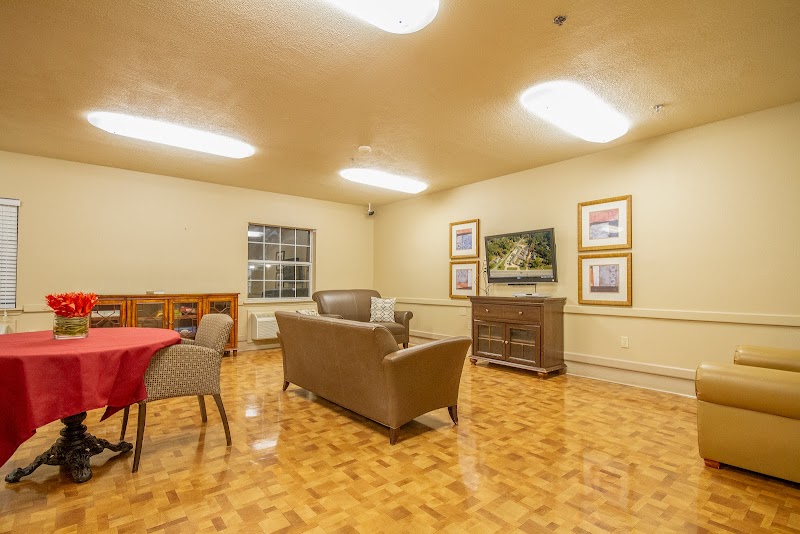
How is The Blossoms At White Hall Rehab & Nursing Center Staffed?

CMS rates THE BLOSSOMS AT WHITE HALL REHAB & NURSING CENTER's staffing level at 2 out of 5 stars, which is below average compared to other nursing homes. Staff turnover is 59%, which is 13 percentage points above the Arkansas average of 46%. High turnover can affect care consistency as new staff learn residents' individual needs. RN turnover specifically is 69%, which is notably high. RNs provide skilled clinical oversight, so turnover in this role can affect medical care quality.

What Have Inspectors Found at The Blossoms At White Hall Rehab & Nursing Center?

State health inspectors documented 40 deficiencies at THE BLOSSOMS AT WHITE HALL REHAB & NURSING CENTER during 2022 to 2025. These included: 1 Immediate Jeopardy (the most serious level, indicating potential for serious harm or death) and 39 with potential for harm. Immediate Jeopardy findings are rare and represent the most serious regulatory concerns. They require immediate corrective action.
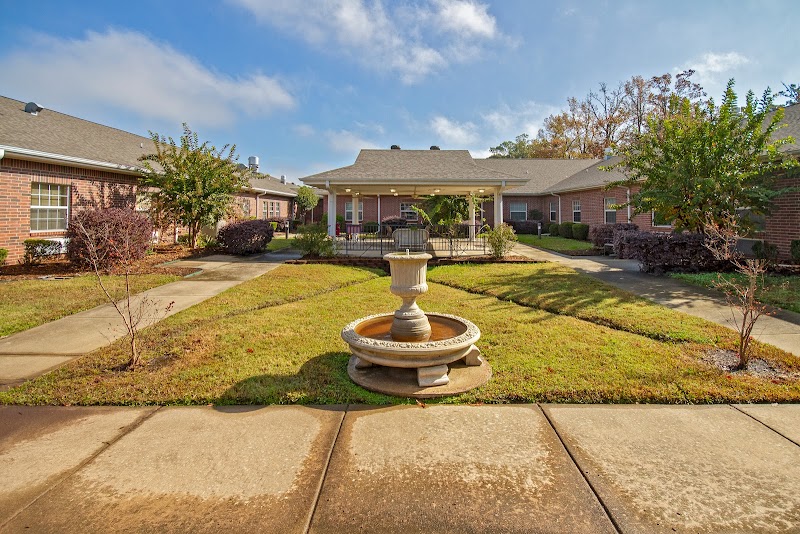
Who Owns and Operates The Blossoms At White Hall Rehab & Nursing Center?

THE BLOSSOMS AT WHITE HALL REHAB & NURSING CENTER is owned by a for-profit company. For-profit facilities operate as businesses with obligations to shareholders or private owners. The facility is operated by THE BLOSSOMS NURSING AND REHAB CENTER, a chain that manages multiple nursing homes. With 120 certified beds and approximately 89 residents (about 74% occupancy), it is a mid-sized facility located in WHITE HALL, Arkansas.
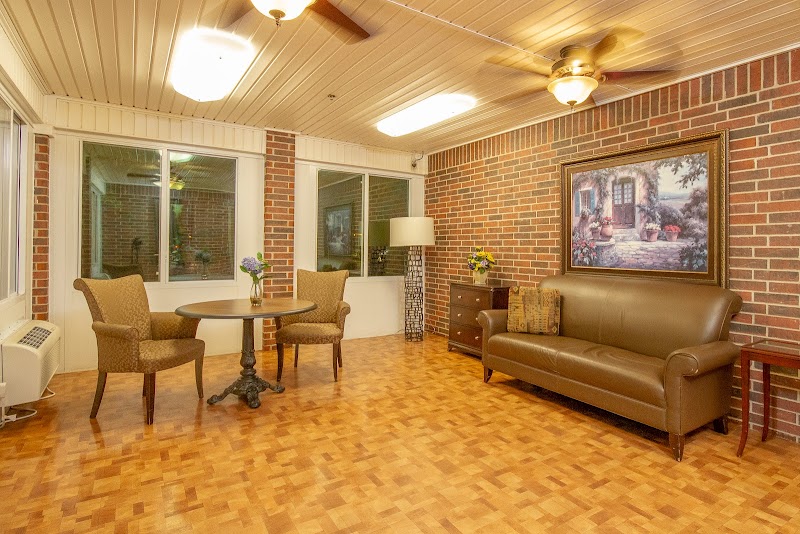
How Does The Blossoms At White Hall Rehab & Nursing Center Compare to Other Arkansas Nursing Homes?

Compared to the 100 nursing homes in Arkansas, THE BLOSSOMS AT WHITE HALL REHAB & NURSING CENTER's overall rating (2 stars) is below the state average of 3.1, staff turnover (59%) is significantly higher than the state average of 46%, and health inspection rating (2 stars) is below the national benchmark.

What Should Families Ask When Visiting The Blossoms At White Hall Rehab & Nursing Center?

Based on this facility's data, families visiting should ask: "What changes have been made since the serious inspection findings, and how are you preventing similar issues?" "How do you ensure continuity of care given staff turnover, and what is your staff retention strategy?" "Can you walk me through typical staffing levels on day, evening, and night shifts?" "Can I visit during a mealtime to observe dining assistance and food quality?" These questions are particularly relevant given the facility's Immediate Jeopardy citations, the facility's high staff turnover rate, and the below-average staffing rating.

Is The Blossoms At White Hall Rehab & Nursing Center Safe?

Based on CMS inspection data, THE BLOSSOMS AT WHITE HALL REHAB & NURSING CENTER has documented safety concerns. Inspectors have issued 1 Immediate Jeopardy citation (the most serious violation level indicating risk of serious injury or death). The facility has a 2-star overall rating and ranks #100 of 100 nursing homes in Arkansas. Families considering this facility should ask detailed questions about what corrective actions have been taken since these incidents.

Do Nurses at The Blossoms At White Hall Rehab & Nursing Center Stick Around?

Staff turnover at THE BLOSSOMS AT WHITE HALL REHAB & NURSING CENTER is high. At 59%, the facility is 13 percentage points above the Arkansas average of 46%. Registered Nurse turnover is particularly concerning at 69%. RNs handle complex medical decisions and coordinate care — frequent RN changes can directly impact care quality. High turnover means new staff may not know residents' individual needs, medications, or preferences. It can also be disorienting for residents, especially those with dementia who rely on familiar faces. Families should ask: What is causing the turnover? What retention programs are in place? How do you ensure care continuity during staff transitions?

Was The Blossoms At White Hall Rehab & Nursing Center Ever Fined?

THE BLOSSOMS AT WHITE HALL REHAB & NURSING CENTER has no federal fines on record. CMS issues fines when nursing homes fail to meet care standards or don't correct problems found during inspections. The absence of fines suggests the facility has either maintained compliance or corrected any issues before penalties were assessed. This is a positive indicator, though families should still review recent inspection reports for the full picture.

Is The Blossoms At White Hall Rehab & Nursing Center on Any Federal Watch List?

THE BLOSSOMS AT WHITE HALL REHAB & NURSING CENTER is not on any federal watch list. The most significant is the Special Focus Facility (SFF) program, which identifies the bottom 1% of nursing homes nationally based on persistent, serious quality problems. Not being on this list means the facility has avoided the pattern of deficiencies that triggers enhanced federal oversight. This is a positive indicator, though families should still review the facility's inspection history directly.