POCAHONTAS HEALTHCARE AND REHABILITATION CENTER
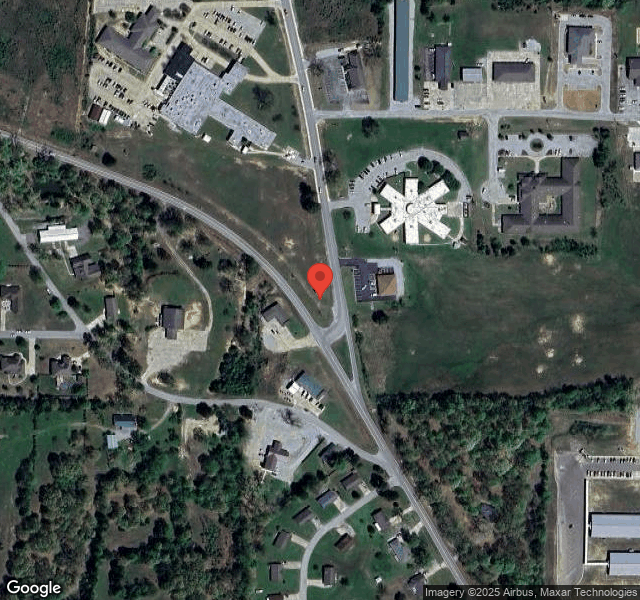

105 COUNTRY CLUB ROAD, POCAHONTAS, AR 72455 (870) 892-2523
For profit - Limited Liability company 97 Beds SOUTHERN ADMINISTRATIVE SERVICES Data: November 2025
Trust Grade
33/100
#204 of 218 in AR
Last Inspection: August 2024

Within standard 12-15 month inspection cycle. Federal law requires annual inspections.

Overview

Pocahontas Healthcare and Rehabilitation Center has received a Trust Grade of F, indicating significant concerns about the quality of care provided. They rank #204 out of 218 facilities in Arkansas, placing them in the bottom half, and #2 out of 2 in Randolph County, meaning only one other local option is available. While the facility is showing improvement, having reduced issues from 12 in 2024 to just 1 in 2025, there are still serious deficiencies noted in their care practices. Staffing is a relative strength, with a 4 out of 5-star rating and a turnover rate of 49%, which is below the state average, providing some stability for residents. However, the facility has been fined $14,015, higher than 81% of Arkansas facilities, and recent inspections revealed concerning incidents, such as failing to respond appropriately to a resident's unwitnessed fall and issues with food safety practices that could lead to contamination.

Trust Score
F
33/100
In Arkansas
#204/218
Bottom 7%
Safety Record
Moderate
Needs review
Inspections
Getting Better
12 → 1 violations
Staff Stability
⚠ Watch
49% turnover. Above average. Higher turnover means staff may not know residents' routines.
Penalties
✓ Good
$14,015 in fines. Lower than most Arkansas facilities. Relatively clean record.
Skilled Nurses
○ Average
Each resident gets 30 minutes of Registered Nurse (RN) attention daily — about average for Arkansas. RNs are the most trained staff who monitor for health changes.
Violations
⚠ Watch
31 deficiencies on record. Higher than average. Multiple issues found across inspections.
★☆☆☆☆
1.0
Overall Rating
★★★★☆
4.0
Staff Levels
★★★☆☆
3.0
Care Quality
★☆☆☆☆
1.0
Inspection Score
Stable
2024: 12 issues
2025: 1 issues

The Good

  • 4-Star Staffing Rating · Above-average nurse staffing levels
  • Full Sprinkler Coverage · Fire safety systems throughout facility
  • No fines on record

Facility shows strength in staffing levels, fire safety.

The Bad

1-Star Overall Rating

Below Arkansas average (3.1)

Significant quality concerns identified by CMS

Staff Turnover: 49%

Near Arkansas avg (46%)

Higher turnover may affect care consistency

Federal Fines: $14,015

Below median ($33,413)

Minor penalties assessed

Chain: SOUTHERN ADMINISTRATIVE SERVICES

Part of a multi-facility chain

Ask about local staffing decisions and management

The Ugly 31 deficiencies on record

1 actual harm
Jun 2025 1 deficiency 1 Harm
SERIOUS (G) 📢 Someone Reported This

A family member, employee, or ombudsman was alarmed enough to file a formal complaint

Actual Harm - a resident was hurt due to facility failures

Deficiency F0726 (Tag F0726)

A resident was harmed · This affected 1 resident

**NOTE- TERMS IN BRACKETS HAVE BEEN EDITED TO PROTECT CONFIDENTIALITY** Based on record review, interview, and facility document review, the facility failed to ensure that nursing staff responded appr...

Read full inspector narrative →
**NOTE- TERMS IN BRACKETS HAVE BEEN EDITED TO PROTECT CONFIDENTIALITY** Based on record review, interview, and facility document review, the facility failed to ensure that nursing staff responded appropriately to an unwitnessed fall, specifically failing to notify the appropriate parties and initiate neurological checks for an unwitnessed fall for one (Resident #1) of three residents reviewed for falls. Following the incident and prior to the surveyors entry into the facility, the facility terminated LPN #1 and initiated and completed a corrective action plan, thus these findings indicate past non-compliance. The findings include: A review of the admission Record indicated that Resident #1 was admitted [DATE] with diagnoses that included hypertensive encephalopathy (brain dysfunction) and hypertensive emergency. A review of the admission Minimum Data Set with an Assessment Reference Date of 02/14/2025 revealed Resident #1 had a Brief Interview for Mental Status score of 8, which indicated moderate cognitive impairment. The MDS also indicated Resident #1 required partial or moderate assistance with toilet transfer, with the helper doing less than half the effort. Resident #1 had a fall in the last month, had a fall within the last two to six months, and a fracture related fall within the last six months. A review of the Care Plan, initiated on 02/13/2025, indicated that Resident #1 required weight-bearing assistance with activities of daily living due to weakness, that Resident #1 was at risk for falls, and had an actual unwitnessed fall on 02/20/2025, with the goal that Resident #1 will not sustain serious injury through the review date. A review of the Fall Risk Assessment, dated 02/20/2025 at 12:22 PM, indicated that Resident #1 scored a 13, which indicated a high risk for falls. A review of the Order Summary for Resident #1 revealed an order, dated 02/13/2025, for an anti-platelet medication to be administered one time daily. A review of the OLTC (Office of Long-Term Care) Witness Statement, dated 02/20/2025 at 6:43 PM and provided by LPN #5, indicated Certified Nursing Assistant (CNA) #2 had placed Resident #1 on the toilet. Resident #1 pulled the call light, which indicated they were finished. While CNA #2 was walking toward the room, she heard the resident fall. LPN #5 entered the room and found Resident #1, without their walker, on their right side lying with their right arm under their head. Resident #1 stated that their back was sore, and that the resident did not recall hitting their head. No injury was observed [Resident #1 ' s] body. [Resident #1] stated they wanted up. [Resident #1] was assisted out of the floor and sat on their bed. A neurologic check was completed by the nurse before getting the resident out of floor and a body assessment was completed. Vitals were taken and blood pressure was high. LPN #1 took the resident ' s blood pressure several times and on both arms. We did not leave the room until the blood pressure had returned to normal. Resident #1was asked why they did not wait on staff for assistance nor use their walker to leave the restroom and [Resident #1] stated, I did not think I needed it. Resident #1 asked for pain medication and received a dose. The resident was assisted to bed and only complained of a back ache. A review of a progress note, created on 02/20/2025 at 04:18 AM, indicated that Resident #1 was in the restroom. Resident #1 attempted to get up by themselves with their walker and had an unwitnessed fall. CNA #2 was walking down the hall towards Resident #1 ' s room for call light notification and heard Resident #1 fall. Resident #1 was found lying on their right side with arms extended toward the bed. A review of a progress note, created on 2/20/2025 at 2:30 PM, indicated LPN #4 was called to the resident's room at 7:30 AM due to an elevated blood pressure of 235/110. Resident #1 was notably weak and unable to sit up on their own and repeatedly stated I'm sick. Registered Nurse (RN) #6 was in the facility and was notified of the situation. At 8:00 AM, Resident #1 was reassessed by this nurse (LPN #4). Blood pressure was 225/100, pulse was 49. The resident was not responsive to verbal or physical stimuli. This nurse notified the MD in person. The MD assessed the resident at this time and ordered resident to be transferred to the emergency room for evaluation. Resident #1 was transported by ambulance to the hospital. A review of a progress note, created on 02/20/2025 at 9:24 AM, indicated that LPN #4 was notified of Resident #1's high blood pressure. Upon assessment by LPN #4, Resident #1 was lethargic and stated, I'm sick. Blood Pressure was 240/110. The MD was notified and ordered to transfer to the emergency room for evaluation. Upon transfer, Resident #1 was unresponsive to stimuli. A review of the [area hospital] Imaging Services indicated that there were new areas of bleeding on both sides of the brain, just under the outer covering (called subdural hematomas). The bleed on the left side was larger, about 1.8 centimeters wide, while the bleed on the right side was smaller, about 0.5 centimeters wide. Because of the pressure from the bleeding, the brain had been pushed about 1.9 centimeters from its normal center position, toward the right side. The grooves on the surface of the brain (called sulci) were being squeezed, more so on the left. A fluid-filled space near the base of the brain (called the suprasellar cistern) was also partially squeezed. There were no new broken bones in the skull. A review of the [area hospital] Hospitalist History and Physical, updated on 02/20/2025 at 12:35 PM, indicated Resident #1 presented to the emergency department from the nursing home for altered mental status. According to notes, Resident #1 had several falls recently and was admitted to the nursing home for rehab after being hospitalized from 02/8 to 02/12 for weakness and falls. Resident #1 had a fall last night in the nursing home. CT (Computed Tomography) of head revealed new areas of bleeding on both sides of the brain. The family had opted for comfort care. A review of the [areal hospital] Hospitalist History and Physical revealed a physician note, completed on 02/20/2025 at 12:35 PM, indicated Resident #1 was admitted from the nursing home after a fall last night, and found to have large left-sided and small right-sided bleeding around the brain. Resident #1 was ultimately admitted for comfort care. Family was aware that the expectation was [Resident #1] passing from this. A review of the Death Certificate indicated that Resident #1 was pronounced dead on 02/21/2025 at 4:58 PM, immediate cause subdural hematoma with an underlying cause fall, manner of death was accidental with the approximate date of injury occurring on 02/19/2025 at 2:57 AM. During an interview on 06/17/2025 at 6:00 PM, CNA #2 stated they knew Resident #1 personally. CNA #2 took the resident to the bathroom on the day of the incident, and asked Resident #1 if they wanted privacy or wanted the CNA to wait. CNA #2 stated Resident #1 asked for privacy, was given the pull cord, and instructed on usage. CNA #2 then took another resident to bathroom, then waited at the nurse's station for one of them to pull the light. CNA #2 stated they heard someone fall, and told LPN #5, I bet that was [Resident #1]. CNA#2 stated Resident #1 reported head pain when the resident was being helped up from the floor and put back into bed. CNA #2 stated that Resident #1 complained even more about a headache after being put into bed. CNA #2 stated Resident #1 told them about it every 30 minutes after that. CNA #2 notified LPN #1 about that each time. CNA #2 stated the process during a fall included CNAs were supposed to alert the nurse and do what they told them to do, but neurological checks were not initiated for Resident #1. CNA #2 stated, I got the initial vital signs, including manual blood pressure, but [ LPN #1] did not ask me to get any more vital signs. CNA #2 stated that LPN #1 told her that Resident #1 had high blood pressure normally. During an interview on 06/18/2025 at 8:50 AM, LPN #4 stated that he assessed Resident #1 about 7:30 AM, and Resident #1, who was usually talkative and happy go lucky, was not their normal baseline. LPN #4 stated Resident #1 was really lethargic and complained about being sick. LPN #4 stated that they went to RN #6, who gave instruction to administer an updraft treatment (medication administered in an aerosolized form). LPN #4 went back to assess Resident #1 after the updraft; Resident #1 was not responding to stimulus. LPN #4 stated that they told the MD face to face of what was going on and received the order to send Resident #1 out to the emergency department. During an interview on 06/18/2025 at 9:02 AM, LPN #1 stated that at the time of the incident, there were two nurses and two aides in the building. LPN #1 reported helping CNA #7 with a resident on 600 hall, when LPN #5 came down and stated that she needed help, that Resident #1 had fallen, but that everything was fine. LPN #1 stated when they entered the room, Resident #1 was sitting on the side of the bed and had abnormally high blood pressure. LPN #1 stated they thought it was false, went to check it again, checked it on the other arm where it was also elevated. LPN #1 stated that CNA #2 went to get a manual blood pressure cuff, and it was not elevated when we checked it manually. LPN #1 stated that one of the aides reported Resident #1 needed something for pain, and LPN #5 provided pain medication. LPN #1 reported filling out an incident report. LPN #1 stated that the process for an unwitnessed fall was to check vital signs, to write down information on a piece of paper with a check list, but there was nobody in the chart to notify as Resident #1 was listed as their own POA (power of attorney). LPN #1 stated, We were told not to call the doctor unless injured and added it to the communication book. LPN #1 stated that they did not start neuro checks, to my knowledge, [Resident #1] did not hit (the resident ' s) head. LPN #1 stated they did not know if Resident #1 hit their head, stating, I never saw Resident #1 in the floor or anything. LPN #1 stated that they had contacted the medical director to notify them before for other stuff, but Resident #1 did not have a change in condition, so they did not contact. LPN #1 stated that they were terminated for violation of policies according to the Director of Nursing. During an interview on 06/18/2025 at 10:55 AM, Medication Assistant Certified (MAC) #3 reported being the permanent CNA on 200 hall. MAC #3 stated that during report they were told that Resident #1 had fallen. MAC #3 stated that Resident #1 was sitting on the side of the bed, dry heaving, drooling, and snot coming out of nose. MAC #3 stated vital signs were abnormal, they went to get the nurse, the nurse assessed the resident and re-checked blood pressure. MAC #3 stated that LPN #4 notified the registered nurse and the Director of Nursing (DON), who made the decision to send Resident #1 out to the emergency room. During an interview on 06/20/2025 at 8:40 AM, the MD reported they had just arrived at the facility when it was reported that Resident #1 was having trouble breathing. The MD stated that at the time we were dealing with COVID and the Flu in the building, so they ordered Resident #1 to be tested for those diseases. The MD stated that was the first time it was reported to them that Resident #1 had a change of condition or had fallen. The MD stated then they were told Resident #1 was unresponsive and the MD went to assess the resident. The MD stated, I cannot remember the vital signs, but I know just a few minutes later we sent [Resident #1] to the hospital. During an interview on 06/20/2025 at 10:00 AM, the Administrator stated that the process for falls was that we investigate to find out if there was anybody who witnessed it, we interview the resident themself, and if there was an injury we send them to the emergency room. The Administrator stated that staff automatically do neuro checks on everybody. We changed that to where we do it on everyone now. The Administrator stated the process for change in condition was to immediately start investigating it and contact the doctor. The Administrator stated, When I came in that morning, I was told [Resident #1] had fallen, at that time [Resident #1] was having issues. The Administrator stated the MD was in the room with Resident #1. The facility started investigating the fall, then immediately started a reportable to the state agency, when we discovered the nurse did not notify the doctor and did not initiate neuro checks. The Administrator stated that LPN #1 was terminated. During an interview on 06/20/2025 at 9:00 AM, the DON stated the process for when a resident falls was that a CNA stays with the resident, does not move the resident, a nurse performs an assessment, initial vitals were taken, the resident was moved if needed, staff immediately initiate fall interventions, notify appropriate parties, and follow MD orders. The DON stated that for unwitnessed falls, staff were to initiate neuro checks, every time an unwitnessed fall occurs. The DON stated that the process for a change in condition was to immediately assess the resident and notify the doctor and family. The DON stated that they consider a change of condition to include mental status change and abnormal vital signs. The DON stated that they brought LPN #1 in for questioning about the fall, and that LPN #1 was suspended for not following proper protocols, not notifying the physician, and for not initiating neuro checks after an unwitnessed fall. The DON stated that LPN #1 was then terminated for violating policies. A review of the facility policy Notification of Change indicates that the nursing facility will inform the resident/elder and consult with the physician when a significant change occurs. The nursing facility will also notify the resident/elder's legal representative or a designated contact person when a significant change occurs. A review of the facility guidelines Fall Guidelines indicates that Neuro checks (neurological checks) initiated for all head injuries for 72 hours, Documentation General Guidelines 6. Physician and legal representative notification. A review of the facility training Incident Reports on 02/3/2025 was signed by LPN #1 and indicated staff verbalized understanding on the following I wanted to remind everyone that for all incident reports, you need to conduct neuro checks unless the incident was witnessed and you can confirm there was no head impact. Following the incident, and prior to the surveyors entry into the facility, the facility terminated LPN #1 and initiated a corrective action plan, which included: 1. Auditing all resident profiles to ensure contact information is available for notification, completed 02/20/2025. 2. Audit all resident Kardex's to ensure ADL tasks are visible, completed 02/20/2025. 3. In-service MDS Coordinator to input ADL tasks to Kardex next working day after admission, completed 02/20/2025. 4. Initiate in-service to all Nurse staff on completion of admission Nursing Evaluation Form with specific focus on Functional Abilities and Baseline Care Plan sections, completed 02/23/2025. 5. Review all unwitnessed falls for the last three months to ensure neuro checks were completed. Change in Condition Assessment to be completed on all residents who did not receive neuro checks per audit, completed 02/21/2025. 6. Initiate in-service for all Nurse staff that neuro checks must be completed on all unwitnessed falls, completed 02/23/2025. 7. Initiate in-service for all Nurses staff on immediate notification to provider and family via direct communication, completed 02/23/2025. 8. Initiate in-service for all direct care staff that residents who are assessed as high risk for falls should not be left unattended in the bathroom, completed on 02/23/2025. 9. Review all resident Kardex's to ensure residents who are high risk for falls is noted on the Kardex, completed 02/22/2025. 10. All falls will be reviewed by nurse management daily to ensure I&A is completed correctly and neuro checks are initiated as appropriate, ongoing. 11. Initiate -in-service to all Nurse staff on completing I&A, completed 02/23/2025. 12. Initiate in-service to all Nurse staff on performing an assessment with a change in condition, documenting that assessment, and notifying provider and responsible party of change, completed 02/23/2025. 13. Run Form Scoring Report for admission nursing evaluation, fall risk score, fall risk assessment, weekly and place in a binder reference, ongoing. 14. All monitoring forms related to this action plan will be reviewed by Administrator and any negative findings will be addressed immediately and included in Q&A process, ongoing. 15. Nurse Management will monitor for changes in condition and follow up through Clinical Start up, review of 24 hour/ 72 hour reports, and walking rounds, ongoing.
Dec 2024 3 deficiencies
CONCERN (D) 📢 Someone Reported This

A family member, employee, or ombudsman was alarmed enough to file a formal complaint

Potential for Harm - no one hurt, but risky conditions existed

Resident Rights (Tag F0550)

Could have caused harm · This affected 1 resident

Based on observations, interviews, record review, facility document review, and facility policy review, it was determined that the facility failed to promote the dignity of a resident who was observed...

Read full inspector narrative →
Based on observations, interviews, record review, facility document review, and facility policy review, it was determined that the facility failed to promote the dignity of a resident who was observed with staff shaving in the dining room for 1 (Resident #6) 1 residents reviewed for dignity. The findings include: A review of the facility's undated policy titled resident rights and responsibility indicated The nursing facility protects and promotes the rights of each Resident/Elder admitted in order to provide a dignified existence, self-determination and communication with and access to persons and services inside and outside the nursing facility. A review of the facility's undated policy titled accident hazard prevention indicated .The facility is responsible for providing care to residents in a manner that helps promote quality of life. This includes respecting residents' rights to privacy, dignity and self-determination, and their right to make choices about significant aspects of their life in the facility. A review of the admission Record indicated the facility admitted Resident #6 with diagnoses that included vascular dementia (a condition that affects thinking, memory and behavior due to poor blood flow to brain), unspecified psychosis (a set of symptoms that indicate a loss of contact with reality), and Alzheimer's disease. The admission Minimum Data Set (MDS), with an Assessment Reference Date (ARD) of 09/19/2024, revealed Resident #6 had a Brief Interview for Mental Status (BIMS) score of 0 which indicated the resident had severe cognitive impairment. A review of Resident #6's care plan, initiated on 09/17/2024, revealed the resident ' s usual performance was weight bearing assist with ADLs (activities of daily living). Interventions included personal hygiene: set up or clean up assistance. (Helper sets up or cleans up: resident completed task. Helper assists only prior to activity or following activity: combing hair, shaving, makeup, washing/drying face and hands. During an observation on 12/30/2024 at 11:44 AM, Certified Nursing Assistant (CNA) #1 was shaving Resident #6 in the dining room with two male residents and one female resident present. During a concurrent observation and interview, on 12/30/2024 at 11:47 AM, while shaving Resident #6, CNA #1 confirmed shaving male residents in the dining room because it was easier to do and continue to watch other residents. CNA #1 confirmed that shaving was not performed during meal services. During an interview on 01/01/2025 at 11:58 AM, the Director of Nursing (DON) confirmed shaving should be completed in resident rooms and not in the dining room due to dignity concerns.
CONCERN (D) 📢 Someone Reported This

A family member, employee, or ombudsman was alarmed enough to file a formal complaint

Potential for Harm - no one hurt, but risky conditions existed

Infection Control (Tag F0880)

Could have caused harm · This affected 1 resident

Based on observations, interviews, record review, and facility policy review, it was determined that the facility failed to ensure infection prevention and control practices were implemented to preven...

Read full inspector narrative →
Based on observations, interviews, record review, and facility policy review, it was determined that the facility failed to ensure infection prevention and control practices were implemented to prevent the development of communicable diseases and infections as evidenced by failure to wear personal protective equipment (PPE) in a contact isolation room for 1 (Resident #7) of 1 resident reviewed for infection control. The findings include: A review of the facility's undated policy titled Transmission based precautions categories, indicated Contact precaution: a. Personal protective equipment: Gloves and gown. B. Wear PPE [personal protective equipment] for all interactions that may involve contact with the patient or potentially contaminated areas in the patient's environment. C. Donning PPE upon room entry and discarding before exiting the patient room is done to contain pathogens. A review of the admission record indicated the facility admitted Resident #7 with diagnosis that included extended spectrum beta lactamase resistance (an enzyme that some bacteria produce to break down antibiotics). The quarterly Minimum Data Set (MDS), with an Assessment Reference Date (ARD) of 10/25/2024, revealed Resident #7 had a Brief Interview for Mental Status (BIMS) score of 12 which indicated the resident had moderate cognitive impairment. A review of Resident #7's Care plan, revised on 10/30/2024, revealed the risk for multi-drug resistance organism (MDRO) Interventions included educating resident/family/staff on enhanced barrier precautions and answer questions, ensure isolation signage is posted. A review of physician orders revealed Resident #7 is on contact isolation for extended-spectrum beta lactamase (ESBL) in urine. During an observation on 12/30/2024 at 12:41 PM, Resident #7 had a contact isolation sign on door and PPE outside room. During an observation on 12/31/24 at 8:42 AM, Certified Nursing Assistant (CNA) #1 was in Resident #7 ' s room changing the resident ' s clothes and only wearing a mask and gloves. During a concurrent observation and interview, on 12/31/2024 at 8:44 AM, CNA #1 confirmed Resident #7 was on contact isolation and CNA #1 was only wearing a mask and gloves while changing the resident's clothes. During an interview on 12/31/2024 at 8:50 AM, Licensed Practical Nurse (LPN) #2 confirmed Resident #7 was on contact isolation due to ESBL and mask, gown, and gloves were required to provide personal care. During an interview, on 12/31/2024 at 8:57AM, the Consultant confirmed mask, gown, and gloves were required to provide personal care in a contact isolation room.
CONCERN (E) 📢 Someone Reported This

A family member, employee, or ombudsman was alarmed enough to file a formal complaint

Potential for Harm - no one hurt, but risky conditions existed

Accident Prevention (Tag F0689)

Could have caused harm · This affected multiple residents

Based on observation, interviews, and facility policy review, it was determined that the facility failed to ensure a portable oxygen cylinder was secured to prevent an accident or injury. The finding...

Read full inspector narrative →
Based on observation, interviews, and facility policy review, it was determined that the facility failed to ensure a portable oxygen cylinder was secured to prevent an accident or injury. The findings include: A review of the facility's undated policy titled Accident Hazards prevention indicated The environment will be free from an accident hazards as is possible .An effective way for the facility to avoid accidents is to develop a culture of safety and commit to implementing systems that address resident risk and environmental hazards to minimize the likelihood of accidents . A review of the facility's undated policy titled Handling of oxygen and flammable gas, indicated Oxygen cylinders will be stored in a designated ventilated area and stored in a safe manner to prevent cylinder from fall over. During an observation on 12/31/2024 at 2:04 PM, an unsecured portable oxygen cylinder was standing in front of the nursing station with residents and staff present. Two nurses were sitting behind the nursing station documenting. Three staff members were standing on the opposite side of the nursing station. Two residents were in the day area adjacent to the nursing station. During an interview on 12/31/2024 at 2:05 PM, Licensed Practical Nurse [LPN] 3 confirmed a portable oxygen tank should not be left unsecured due to a possibility of causing injuries if the tank fell over. During an interview on 12/31/2024 at 2:07 PM, LPN #2 confirmed an oxygen tank should be secured to prevent an accident or explosion. During an interview on 12/31/24 at 2:10PM, the Director of Nursing (DON) confirmed a portable oxygen tank should be secured to prevent an accident.
Aug 2024 9 deficiencies
CONCERN (D)

Potential for Harm - no one hurt, but risky conditions existed

Assessment Accuracy (Tag F0641)

Could have caused harm · This affected 1 resident

**NOTE- TERMS IN BRACKETS HAVE BEEN EDITED TO PROTECT CONFIDENTIALITY** Based on observation, interviews, record review and facility policy review, the facility failed to ensure the Minimum Data Set (...

Read full inspector narrative →
**NOTE- TERMS IN BRACKETS HAVE BEEN EDITED TO PROTECT CONFIDENTIALITY** Based on observation, interviews, record review and facility policy review, the facility failed to ensure the Minimum Data Set (MDS) assessment was accurately completed for 1 (Resident #29) of 1 resident reviewed for MDS accuracy. The findings are: Upon record review, the admission MDS with an Assessment Reference Date of 6/25/2024, in section A1110, noted that English is the resident's preferred language, and no interpreter is needed. On 8/19/2024 at 11:01 AM, the surveyor attempted to interview Resident #29. The resident spoke a few words in English, but most of the surveyor's inquiries were answered with head nodding and smiling. On 8/21/2024 at 9:30 AM, CNA #1 was asked what language the resident spoke, CNA #1 was unsure of the resident's native language. CNA #1 stated the resident can understand some things and understands how to use his/her call light, but there are some language barriers. The CNA stated she points to things to determine what the resident might need. On 8/21/2024 at 2:30 PM, the resident's family member stated, I'm not satisfied with the care provided. When prompted to expand on her dissatisfaction, the family member described how the facility does not make a lot of effort to eliminate the communication barrier, stating the resident speaks and understands only a limited amount of English. On 8/21/2024 at 1:30 PM, the MDS Coordinator was asked to review the MDS dated [DATE]. During this review, the MDS Coordinator was asked to specifically look at the section A at preferred language. The MDS Coordinator confirmed that the entry stating English was Resident #29's preferred language was incorrect, and it should have listed residents actual preferred language which is Marshallese.
CONCERN (D)

Potential for Harm - no one hurt, but risky conditions existed

Comprehensive Care Plan (Tag F0656)

Could have caused harm · This affected 1 resident

Based on interview, record review, and facility policy review, it was determined the facility failed to develop and implement a comprehensive person-centered care plan to reflect the residents needs a...

Read full inspector narrative →
Based on interview, record review, and facility policy review, it was determined the facility failed to develop and implement a comprehensive person-centered care plan to reflect the residents needs and preferences, and to properly assess a resident's fluency in English, to obtain all preferences to provide a diet consisting of resident's preferences, and to provide communication assistant devices, which affected the resident's physical, mental, and psychosocial well-being for 1 (Resident #29) of 1 resident reviewed for care plans. The findings are: On 08/19/2024 at 11:01 AM, the surveyor attempted to interview Resident #29, but realized some of the responses were not appropriate to the questions. It was noticed mostly with the open-ended questions such as, how long does it take staff to respond to the call light, where Resident #29 responded with a smile while nodding yes. Resident #29 spoke a few words in English, but most inquires were responded to with head nodding. The care plan dated 6/17/2024 stated Resident #29 has an impaired cognitive function related to language barrier. The intervention was to observe/report as needed any changes in cognitive function Resident has: a communication problem related to language barrier. The intervention is: to report to nurse changes in ability to communicate, Possible factors which cause/make worse/make better any communication problems. On 8/21/2024 at 9:30 AM, the surveyor interviewed Certified Nursing Assistant (CNA) #1 regarding Resident #29's care and communication. When asked to identify the resident's native language, CNA #1 was unsure. CNA #1 stated the resident can understand some things and understands how to use his/her call light, but there are some language barriers. The CNA states she points to things to determine what the resident might need. When asked about resident's meal intake, the CNA stated he/she doesn't eat that much, and that she tries to remind him/her that yogurt is on the tray because it's something the resident will eat. When asked why the resident doesn't consume more from his/her meal trays, CNA #1 stated the resident doesn't like the food, and prefers things family brings in. CNA #1 stated the resident's family brings food in about once a week on average. Surveyor asked about how staff knows which snacks the resident prefers, CNA #1 stated she wasn't aware of any lists but knows he/she will eat yogurt. On 8/21/2024 at 2:30 PM, interviewed Resident #29's family member regarding the resident's care. The family member stated, I'm not satisfied with the care provided. When prompted to expand on her dissatisfaction, the family member described the facility does not make a lot of effort to improve the communication barrier, stating the resident speaks and understands only a limited amount of English. The family member stated a picture board would help and has been successful in other places such as the hospital. In addition, the family member complained about the food they offer the resident. She is unsure if they have tried to get Resident #29's preferences for food, but even if they have asked him/her (the resident), she doubts the resident fully understood enough to participate or communicate his/her preferences appropriately. The daughter states, [Resident #29] won't ask for help on repositioning or to be changed unless certain people are working, and if [he/she] doesn't ask, they won't ask [him/her]. [He/She] says they ignore [him/her] if [he/she] doesn't ask them for something. On 8/21/2024 at 1:30 PM, the MDS(Minimum Data Set) Coordinator was asked to review the care plan for Resident #29 dated 6/17/2024. During this review, the MDS Coordinator stated she sees where the care plan could be better. The MDS Coordinator stated the care plan lacks appropriate interventions to improve communication with Resident #29 and does not educate or guide staff to provide sufficient care to the resident. The MDS Coordinator stated that maybe a picture board and the use of a language application could help bridge communication of staff and resident. She also agreed the family should be heavily involved to ensure the resident's needs and preferences are clearly understood. The MDS Coordinator expressed understanding that the existing care plan is lacking, and that staff needs to have a clear plan to follow if the facility is to deliver adequate care to the resident, especially with cultural differences and language barriers. On 8/21/2024 at 3:45 PM, the surveyor interviewed the Administrator regarding a food preference list she completed with Resident #29, as well as the resident's overall care plan. The Administrator stated the resident could understand some English. The surveyor asked, How do you know what [he/she] understands and what [he/she] doesn't? The Administrator stated the resident might nod or answer. The RN Consultant confirmed the care plan was minimal and recommended the Director of Nursing reach out to schedule a meeting with the family.
CONCERN (E)

Potential for Harm - no one hurt, but risky conditions existed

Resident Rights (Tag F0550)

Could have caused harm · This affected multiple residents

Based on record review and interview the facility failed to provide an environment that promoted the maintenance or enhancement of the resident's quality of life, denying self-determination, and adequ...

Read full inspector narrative →
Based on record review and interview the facility failed to provide an environment that promoted the maintenance or enhancement of the resident's quality of life, denying self-determination, and adequate communication for 1 (Resident #29) of 1 resident reviewed for resident rights. The findings are: On 08/19/24 at 11:01 AM, the surveyor attempted to interview Resident #29. Resident #29 spoke a few words in English but responded to the majority of the surveyor's inquiries by smiling and nodding their head. Review of the Care Plan dated 6/17/2024 revealed Resident #29 has an impaired cognitive function related to a language barrier. The intervention was to observe/report as needed any changes in cognitive function. Noted food preferences were not listed. On 8/21/2024 at 9:30 AM, Certified Nursing Assistant (CNA) #1 was asked to identify Resident #29's native language. CNA #1 was unsure. CNA #1 stated the resident can understand some things and understands how to use his/her call light, but there are some language barriers. CNA #1 states she points to things to determine what the resident might need. When asked about resident's meal intake, CNA #1 stated Resident #29 doesn't eat that much. I do try to remind [his/her] yogurt is on the tray because it's something the resident will eat. When asked why the resident doesn't consume more from his/her meal trays, CNA #1 stated the resident doesn't like the food, and prefers things family brings in. CNA #1 stated the resident's family brings food in about once a week on average. The surveyor asked how staff knows which snacks the resident prefers, and CNA #1 stated she wasn't aware of any lists but knows Resident #29 will eat yogurt. On 8/21/2024 at 2:30 PM, Resident #29's family member stated, I'm not satisfied with the care provided. When prompted to expand on her dissatisfaction, the family member described the facility does not make a lot of effort to eliminate the communication barrier, stating the resident speaks and understands only a limited amount of English. The family member stated a picture board would help and has been successful in other places such as the hospital. In addition, the family member complained about the food they offer the resident and is unsure if they have tried to get Resident #29's preferences for food, but even if they have asked (the resident) she doubts the resident fully understood enough to participate or communicate his/her preferences appropriately. The family member stated, [Resident #29] won't ask for help on repositioning or to be changed unless certain people are working, and if he/she doesn't ask, they won't ask him/her]. She says they ignore her if she doesn't ask them for something. On 8/21/2024 at 1:30 PM, interviewed with MDS Coordinator was asked review the care plan for Resident #29 dated 6/17/2024. During this review, the MDS Coordinator stated the care plan lacks appropriate interventions to eliminate the communication barrier and does not educate or guide staff to provide sufficient care to the resident. The MDS Coordinator stated maybe a picture board and the use of a language app could help bridge communication of staff and resident. She also agreed the family should be heavily involved to ensure the resident's needs and preferences are clearly understood. The MDS Coordinator voiced that the existing care plan is lacking, and staff needs to have a clear plan to follow if the facility is to deliver adequate care to the resident, especially with cultural differences and language barriers. On 8/21/2024 at 3:45 PM, the Administrator stated the resident could understand some English. The Surveyor asked how the Administrator differentiated between what Resident #29 could and could not understand. The Administer stated Resident #29 might nod or answer. The surveyor asked if the Administrator had spoken to the daughter regarding preferences, or the resident's fluency in English. She answered not that she is aware of. The Nurse Consultant stated, I've looked at the care plan, it's minimal. You (the Administrator) need to call the daughter and schedule something with her before she calls you. The Nurse Consultant advised the Director of Nursing (DON) to get to work immediately on improving Resident #29's care plan and preferences. On 8/22/2024 at 9:00 AM, the Dietary Manager confirmed there wasn't a preference list that is appropriately completed with likes and dislikes for staff to review. She stated the resident's granddaughter was consulted a long time ago, but nothing recent, and there needed to be more interventions to improve the resident's quality of life than has been provided up to this point.
CONCERN (E)

Potential for Harm - no one hurt, but risky conditions existed

Safe Environment (Tag F0584)

Could have caused harm · This affected multiple residents

**NOTE- TERMS IN BRACKETS HAVE BEEN EDITED TO PROTECT CONFIDENTIALITY** Based on observation, record review, and interview, the facility failed to ensure a safe, clean, homelike environment was provid...

Read full inspector narrative →
**NOTE- TERMS IN BRACKETS HAVE BEEN EDITED TO PROTECT CONFIDENTIALITY** Based on observation, record review, and interview, the facility failed to ensure a safe, clean, homelike environment was provided for the 100-hall secured unit. On 08/19/2024 at 11:28 AM, the surveyor observed in room [ROOM NUMBER], on side B, the wall was scratched with paint removed exposing bare drywall. The baseboard by the bathroom was coming away from the wall and was warped, and right above the baseboard paint was peeling back. In the shared bathroom between room [ROOM NUMBER] and room [ROOM NUMBER], to the right and behind the toilet the baseboard was coming away from the wall and warped. In the right-hand corner, the paint was peeling, and the drywall was crumbling. On the baseboard right behind the toilet is what appears to be a black substance, and the surveyor noted the bathroom had a musty, stagnant odor. On 08/19/2024 at 11:34 AM, Surveyor noted in room [ROOM NUMBER] the baseboard next the bed on side B had indentions in the wall with the paint peeling and bare drywall exposed. On 08/21/2024 at 10:03 AM, during environmental rounds, Maintenance stated in the bathroom between 103 and 105 the toilet had been reported for leaking, but they checked the left side not the right side of the toilet. Maintenance stated he had flushed the toilet and noted no issues with it leaking out of the left side. Maintenance then stated, the right-hand corner has been wet a lot it's starting to mold and needs torn out immediately .Looked like water damage from a leak on the right side. In room [ROOM NUMBER], Maintenance stated the bed against the wall needs mudding and painted it's from the bed against the wall. Maintenance then stated the baseboard next to the bathroom, could have been ran into but it also looked like water damage from the bathroom. On room [ROOM NUMBER]'s baseboard and the affected wall, Maintenance stated it has been ran into a lot and needs to be patched and painted. Maintenance stated he had a maintenance log, but most of the time it is through verbal channels he finds out what may need to be fixed throughout the building. On 08/21/2024 at 1:00 PM, during an interview the Director of Nursing (DON) stated it is important to report environmental issues to Maintenance to ensure that safety hazards can be taken care of. A review of the facility policy Accident Hazards Prevention states that The environment will be free from accident hazards, as is possible.
CONCERN (E)

Potential for Harm - no one hurt, but risky conditions existed

Accident Prevention (Tag F0689)

Could have caused harm · This affected multiple residents

Based on observations, record review, and interview, the facility failed to a smoking apron was utilized for 1 (Resident #20) of 1 sampled resident. The findings are: A review of the Order Summary re...

Read full inspector narrative →
Based on observations, record review, and interview, the facility failed to a smoking apron was utilized for 1 (Resident #20) of 1 sampled resident. The findings are: A review of the Order Summary revealed Resident #20 had diagnoses of cognitive communication deficit, dementia, and chronic obstructive pulmonary disorder. A review of the Quarterly Minimum Data Set (MDS) with an Assessment Reference Date (ARD) of 06/07/2024 revealed Resident #20 scored a 13 (cognitively intact) on the Brief Interview for Mental Status (BIMS). A review of the Care Plan reveals Approaches/Tasks: Resident #20 requires a smoking apron while smoking. A review of the Smoking Safety Screen completed on 05/31/2024, reveals that Resident #20 required adaptive equipment in the form of a smoking apron. On 08/21/2024 at 11:30 AM, the surveyor observed Resident #20 going outside off the end of the 100-Hall secured unit with Certified Nursing Assistant (CNA) #2 to smoke. The surveyor observed Resident #20 was not wearing a smoking apron. On 08/21/2024 at 11:45 AM, during an interview CNA #2 stated they did not know Resident #20 was supposed to use a smoking apron. CNA #2 then stated without a smoking apron Resident #20 could have dropped his/her cigarette and burned themselves. On 08/21/2024 at 1:00 PM, during an interview the Director of Nursing (DON) stated the smoking apron is to prevent a resident from burning themselves while smoking. A review of an undated facility titled, Smoking, revealed that all residents that wish to smoke will have a smoking assessment completed upon admission and change in condition to determine safety equipment that is needed. A review of the facility policy Accident Hazards Prevention states that The environment will be free from accident hazards, as is possible.
CONCERN (E)

Potential for Harm - no one hurt, but risky conditions existed

Deficiency F0761 (Tag F0761)

Could have caused harm · This affected multiple residents

Based on observation, record review, and interview, it was determined the facility failed to ensure refrigerated narcotics were stored in a permanently affixed storage box to ensure no misappropriatio...

Read full inspector narrative →
Based on observation, record review, and interview, it was determined the facility failed to ensure refrigerated narcotics were stored in a permanently affixed storage box to ensure no misappropriation of resident medications affecting all 51 residents in the facility. The findings are: On 8/20/2024 at 9:30 AM, during an observation of the medication storage area inside the medication refrigerator, observed a small (approximately 4x 6), clear, medication box with a red temporary cable tie lock. The box contained a controlled medication (lorazepam) and was not secured inside the refrigerator. On 8/20/2024 at 11:45 AM, during an interview Licensed Practical Nurse #7 was asked why it is important to secure the box inside the refrigerator and stated, Because of the size, it would be very easy to remove the box with the medication. On 8/20/2024 at 11:45 AM, during an interview the Administrator confirmed the controlled medication box should be affixed inside the refrigerator. Reviewed the facility's undated policy (received on 8/20/24 PM from Administrator) on Pharmaceutical Services Under the section labeled Storage of drugs, the policy states: The separately locked and permanently affixed compartment are provided for storage of controlled drugs.
CONCERN (E)

Potential for Harm - no one hurt, but risky conditions existed

Deficiency F0805 (Tag F0805)

Could have caused harm · This affected multiple residents

Based on observations, record review, and interview, the facility failed to ensure mechanical soft diets and puree diets were in the proper form for 2 of 2 observed meals provided by the facility kitc...

Read full inspector narrative →
Based on observations, record review, and interview, the facility failed to ensure mechanical soft diets and puree diets were in the proper form for 2 of 2 observed meals provided by the facility kitchen. The findings are: On 08/19/2024 at 12:00 PM, the surveyor observed lunch service on the 100-hall unit, it is done in family style where the Certified Nursing Assistants (CNA) serve lunch for the residents according to the Dietary Manager. CNA #5 began serving the residents, the surveyor observed both regular and mechanical soft diets were getting diced ham and beans. Surveyor observed Resident #40 was spitting out the ham and laying it on a napkin. A review of the menu card revealed Resident #40's diet was Mechanical Soft, thin liquids, Supercal/High kcal. Surveyor observed Resident #39 was spitting ham out and putting it on the table. A review of the menu card revealed that Resident #39's diet was Mechanical Soft, regular diet, thin liquids. On 08/19/2024 at 12:15 PM, Resident #36's family member stated this is not an unusual occurrence they get food they cannot chew often. Resident #40's family member stated Resident #40 will not be able to chew the ham but might eat the beans. On 08/19/2024 at 12:20 PM, during interview CNA #5 confirmed that diced ham is not part of a mechanical soft diet and residents could choke on diced ham. On 08/20/2024 at 12:08 PM, Surveyor observed Dietary Aide #6 plate the food for the puree for 100-hall, Dietary Aide #6 scooped the puree roll, which was observed to be sticking to the utensil and was hard to get onto the plate. The cream of corn was observed to be thin and watery. The surveyor observed the puree meatloaf was sticking to the utensil and was hard to get onto the plate. On 08/20/2024 at 12:20 PM, the surveyor observed CNA #4 taking the pureed tray down the hall to the Resident #3's room on the unit. Surveyor asked CNA #4 to describe the pureed tray, CNA #4 stated the roll looked like a thick slice of bread, the meat loaf is thicker than normal, and the corn is watery. The surveyor asked CNA #4 to spoon a small amount of each out, the pureed roll stayed on the spoon until the CNA #4 thumped it to put it back on the plate, the cream of corn ran out of the spoon quickly, and the pureed meatloaf stayed in a spoon shaped hunk after it came off the utensil. The surveyor observed mashed potatoes were not added onto the plate for a starch. Resident #3 stated, I am not eating this. On 08/20/2024 at 12:30 PM, the surveyor observed in the dining area the mechanical soft diets only had mashed potatoes and meatloaf with gravy. The regular diet residents were eating ham and beans as the alternative instead of meatloaf. CNA #3 stated they did not receive regular meat loaf or cream of corn for the mechanical soft diets on the secure unit. Upon hearing what the CNA stated about the missing food items, Resident #40's family member stated, It was not surprising for them to forget something. On 08/20/2024 at 12:35 PM, the Dietary Manager brought back the regular meatloaf and cream of corn for the mechanical soft diets on the secure unit CNA #3, then served cream of corn to the mechanical soft diet residents and offered meat loaf to the regular diet residents on the unit. On 08/21/2024 at 3:00 PM, during an interview the Dietary Manager stated, They have always done diced ham for the ham and beans. Dietary Manager then stated that it should probably not be served like that and instead ran through the food processor to be ground up. The Dietary Manager stated the pureed roll and meatloaf was sticky mashed potato consistency, and that the cream of corn was of the same consistency as well for the puree diet. The Dietary Manager then stated that when it went on the serving line it did look a bit thicker. The Dietary Manager stated it's important to serve food in the proper form cause the residents have difficulty swallowing and chewing so the residents have special diets. On 08/21/2024 at 3:20 PM, during interview Dietary Aide #6 reported noticing the puree when it came out of the food processor was pudding like consistency but when serving it seemed to have thickened or thinned, like it did not keep the original consistency. A review of the Diet Spread Sheet reveals for Week 4, Day 22, for the Mechanical Soft Lunch residents were to be served ground ham and beans. A review of the Dietary and Nutrition Care Manual reveals for Dysphagia Puree Diet that all foods must be the consistency of moist mashed potatoes or pudding. A review of the Dietary and Nutrition Care Manual reveals that for Dysphagia Advanced or Mechanical Soft Diets foods that are difficult to chew are chopped, ground, shredded, or altered to make them easier to chew and swallow.
CONCERN (E)

Potential for Harm - no one hurt, but risky conditions existed

Infection Control (Tag F0880)

Could have caused harm · This affected multiple residents

Based on record review, observations, and interviews, the facility failed to ensure infection control measures, including hand hygiene, were implemented during incontinent care for 1 (Resident #5) of ...

Read full inspector narrative →
Based on record review, observations, and interviews, the facility failed to ensure infection control measures, including hand hygiene, were implemented during incontinent care for 1 (Resident #5) of 1 sampled resident to prevent potential infection and or the spread of infections. The findings are: 1. Review of a procedure guide titled, PERI-CARE PROCEDURE, updated 04/29/2024 and provided by the Director of Nursing on 08/20/2024, indicated, Pat dry using clean, dry wash cloth, remove gloves, place in trash bag, put on clean gloves, apply sin barrier as needed. A review of an admission Record indicated the facility admitted Resident #5 with a diagnosis of congestive heart failure (CHF) that included emphysema. The annual Minimum Data Set (MDS) with an Assessment Reference Date (ARD) of 09/06/2023 revealed the resident had a Brief Interview for Mental Status (BIMS) score of 3 which indicated the resident was severely impaired for their daily decision making. Review of Resident #5's Care Plan, revised on 10/11/2023, revealed the resident had an activities of daily living (ADL) self-care deficit and was at risk for impaired skin integrity related to their incontinence. Interventions included provide incontinent as needed and clean perineal area with each incontinence episode. On 08/21/24 09:59 AM, Certified Nursing Assistant (CNA) #1 was observed performing incontinent care on Resident #5. CNA #1 cleaned her hands and put on gloves prior to performing care, but she did not change her gloves or wash her hands after performing care and before picking up and applying the barrier cream. On 08/21/2024 CNA #1 was interviewed and asked when she should have changed her gloves. She stated she should have changed them before she picked up the barrier cream and applied it to prevent contamination and/or infection control. On 08/21/2024 12:30 PM, the Infection Preventionist (IP) was interviewed and asked if the CNA should have changed gloves prior to picking up the barrier cream. The IP said the CNA should have changed her gloves. On 08/21/204 1:00 PM, the Director of Nursing (DON) was interviewed and asked if the CNA should have changed gloves prior to picking up the barrier cream, and the DON said the CNA should have changed her gloves to prevent contamination.
CONCERN (F)

Potential for Harm - no one hurt, but risky conditions existed

Food Safety (Tag F0812)

Could have caused harm · This affected most or all residents

Based on observations, record review and interviews, the facility failed to ensure cross contamination during lunch service did not occur for one of one kitchen. The findings are: On 08/20/2024 at 12...

Read full inspector narrative →
Based on observations, record review and interviews, the facility failed to ensure cross contamination during lunch service did not occur for one of one kitchen. The findings are: On 08/20/2024 at 12:05 PM, the surveyor observed Dietary Aide #6 take a stack of plates to put inside the lunch cart for 100 Hall. Dietary Aide #6 had their hand on top of the stack as they slid it on a tray inside the cart. On 08/20/2024 at 12:08 PM, the surveyor observed Dietary Aide #6 touch the inside of a divided plate intended to serve the puree diet for the 100 Hall. On 08/20/2024 at 12:09 PM, Surveyor observed Dietary Aide #6 picked up a bowl, put their finger inside of the bowl where food would rest and serve gravy for 100 Hall. On 08/20/2024 at 12:15 PM, Surveyor observed Dietary Aide #6 removing the aluminum foil off the regular meatloaf, when a piece fell onto the steam table pan. Dietary Aide #6 then reached in with bare hands to grab the piece of aluminum foil touching the regular meatloaf. On 08/21/2024 at 3:00 PM, during an interview the Dietary Manager confirmed they are not supposed to touch food contact areas while serving. Stated they use a suction cup to lift the plates, and you go at the base for the bowls, The Dietary Manager stated staff were not to touch the inside of plates, bowls and other dishes due to cross contamination On 08/21/2024 at 3:20 PM, during an interview Dietary Aide #6 stated staff were not to touch the inside of plates or bowls due to cross contamination. A review of the facility procedure titled, Serve Safe Manager. revealed that Service staff should use these guidelines when serving food; hold dishes by the bottom or edge, hold glasses by the middle, bottom or stem, Do not touch the food-contact areas of dishes or glassware.
Sept 2023 8 deficiencies
CONCERN (D)

Potential for Harm - no one hurt, but risky conditions existed

Deficiency F0569 (Tag F0569)

Could have caused harm · This affected 1 resident

**NOTE- TERMS IN BRACKETS HAVE BEEN EDITED TO PROTECT CONFIDENTIALITY** Based on interview and record review, the facility failed to ensure resident funds were refunded within 30 days after the reside...

Read full inspector narrative →
**NOTE- TERMS IN BRACKETS HAVE BEEN EDITED TO PROTECT CONFIDENTIALITY** Based on interview and record review, the facility failed to ensure resident funds were refunded within 30 days after the resident was discharged /expired and had a remaining balance in the facilities resident trust fund account for 1 (Resident #140) of sampled resident per a list provided by the Administrator on [DATE] on 8:45 AM. The findings are: 1. Resident #140's closed record noted the resident expired on [DATE]. 2. The Trust Transaction History for [DATE] to [DATE] documented, Resident #140 had a closing balance of $675.82. 3. On [DATE] at 11:17 AM, the Surveyor asked the Business Office Manager (BOM) to identify the date Resident #140 had expired. The BOM verified Resident #140 expired on [DATE]. The Surveyor asked what the timeline was for the facility to convey remaining funds in the trust accounts to the resident's family upon expiration. The BOM stated, Thirty days, but we try to do it in two weeks. The Surveyor asked if an attempt had been made to contact Resident #140's representative to arrange the return of remaining funds. The BOM stated, No. 4. The Resident Trust Manual 2016 provided by the Administrator on [DATE] at 9:55 AM documented, Page 17 .Responsibilities of the Facility .f) Facility will convey funds upon the death of a resident within 30 days . Page 20 .Treatment of deceased Resident Personal Trust Fund In the event of the death of a resident, the facility administrator shall within 30 days of the resident's death provide an accounting and shall return all refunds and funds held in trust .
CONCERN (D)

Potential for Harm - no one hurt, but risky conditions existed

Safe Environment (Tag F0584)

Could have caused harm · This affected 1 resident

**NOTE- TERMS IN BRACKETS HAVE BEEN EDITED TO PROTECT CONFIDENTIALITY** Based on observation, interview, and record review, the facility failed to ensure the walls in 2 (rooms [ROOM NUMBERS]) resident...

Read full inspector narrative →
**NOTE- TERMS IN BRACKETS HAVE BEEN EDITED TO PROTECT CONFIDENTIALITY** Based on observation, interview, and record review, the facility failed to ensure the walls in 2 (rooms [ROOM NUMBERS]) resident rooms were not damaged and cracked floor tiles were replaced on the 300 Hall. The findings are: 1. On 09/13/23 at 11:41 AM, observed an 11.5 inch by 2.5 inch cracked tile in the floor of the 300 Hall. 2. On 09/14/23 at 8:27 AM, Resident room [ROOM NUMBER] had a 10 inch by 82 inch damaged area to the wall extending past the length of the resident ' s bed. The area had been partially repaired with white spackling and had a rough appearance and contrasted with the surrounding wall. 3. On 09/13/23 at 1:02 PM, the Surveyor accompanied Register Nurse (RN) #1 to Resident room [ROOM NUMBER]. RN #1 identified three visible scrapes measuring 26 inches, 19.5 inches, and 13.5 inches, located to the far left wall from the door. 4. On 09/13/2023 at 3:37 PM, the Surveyor pointed out to the Maintenance Supervisor the cracked floor tile on the 300 Hall, and the scratches on the wall in Resident room [ROOM NUMBER]. The Maintenance Supervisor stated, I do not have a purchase order or anything for the tile or the wall, but I am adding these issues to my list for repairs., and further stated, I have some extra tiles. I will go through and find one to fix that. 6. A facility policy titled, Housekeeping and Maintenance, provided by the Administrator on 09/14/23 at 9:04 AM documented, .Floors will be maintained in a clean and safe condition .The nursing facility provides maintenance services to assure maintenance of the physical plant .
CONCERN (D)

Potential for Harm - no one hurt, but risky conditions existed

Comprehensive Care Plan (Tag F0656)

Could have caused harm · This affected 1 resident

Based on observation, interview, and record review, the facility failed to ensure the Comprehensive Care Plan addressed the use of a Trilogy unit (a ventilator that provides respiratory support) for 1...

Read full inspector narrative →
Based on observation, interview, and record review, the facility failed to ensure the Comprehensive Care Plan addressed the use of a Trilogy unit (a ventilator that provides respiratory support) for 1 (Resident #5) of 1 sampled resident. The findings are: 1. On 09/11/23 at 1:26 PM, observed a Trilogy unit at Resident #5's bedside. Resident #5 stated, I wear the Trilogy at night. 2. On 09/11/23 at 1:45 PM, Resident #5's Comprehensive Care Plan with a revision date of 09/08/23 did not address care and interventions for the use of the Trilogy. 3. On 09/13/23 at 11:30 AM, the Minimum Data Set (MDS) Nurse confirmed Resident #5's Trilogy unit was not on the care plan. 4. A Comprehensive Care Plan policy provided by the Administrator on 09/14/23 at 9:04 AM stated, .It is the Guidance of this facility is to develop and implement a comprehensive person-centered care plan for each resident . Guidance Explanation and Compliance Guidelines: 1. The care planning process will include an assessment of the resident's strengths and needs, and will incorporate the resident's personal and cultural preferences in developing goals of care . 2. The comprehensive care plan will be developed within 7 days after the completion of the comprehensive MDS assessment . The comprehensive care plan will describe, at a minimum, the following: a. The services that are to be furnished to attain or maintain the resident's highest practicable physical, mental, and psychosocial well-being .
CONCERN (D)

Potential for Harm - no one hurt, but risky conditions existed

Quality of Care (Tag F0684)

Could have caused harm · This affected 1 resident

Based on observation, interview and record review, the facility failed to ensure nebulizer treatments were administered as ordered for 1 (Resident #15) of 2 (Resident #15 and #21) sampled residents. T...

Read full inspector narrative →
Based on observation, interview and record review, the facility failed to ensure nebulizer treatments were administered as ordered for 1 (Resident #15) of 2 (Resident #15 and #21) sampled residents. The findings are: 1. On 09/11/23 at 11:14 AM, Resident #15 was lying in bed. A nebulizer machine was on the bedside table. There was a clear liquid in the nebulizer chamber with crystalized sediment around the top of the clear liquid. a. On 09/11/23 at 2:30 PM, Resident #15 was lying in bed. A nebulizer machine was on the bedside table with approximately 2 millimeters of clear liquid in the nebulizer chamber. The liquid had a slight odor. b. On 09/12/23 at 2:55 PM, observed a nebulizer machine sitting on Resident #15 ' s bedside table with approximately 1.5 millimeters of clear liquid in the nebulizer chamber, the liquid had a slight odor. The Surveyor asked Resident #15 if she used the Nebulizer. Resident #15 stated, Yes, three times a day. c. A Physicians Order dated 04/09/23 noted Resident #15 was to receive a nebulizer treatment three times a day. d. The September 2023 Medication Administration Record noted the nebulizer treatment was documented as given three times per day, with no missed treatments noted. e. On 09/12/23 at 3:00 PM, the Surveyor asked the Assistant Director of Nursing (ADON) to observe Resident #15 ' s nebulizer chamber and describe what she saw. The ADON stated, That's her albuterol., f. On 09/12/23 at 3:23 PM, during a phone interview the Director of Nursing (DON) stated the ADON administered the treatment, and I turned it off. The Surveyor asked if she was aware that there was medication left in the chamber. The DON stated that it might be water where she rinsed it out. The Surveyor asked if water was typically left in the chamber. The DON stated, No. g. On 09/13/23 at 1:00 PM, the Surveyor asked the Administrator to explain the nebulizer process. The Administrator stated, You put the medication in the container then when there is no more liquid, you rinse out the reservoir. The Surveyor asked if there should be medication left in the reservoir. The Administrator stated No, because the patient would not get the complete dose required.
CONCERN (D)

Potential for Harm - no one hurt, but risky conditions existed

Deficiency F0692 (Tag F0692)

Could have caused harm · This affected 1 resident

Based on observation, interview, and record review, the facility failed to ensure thickened water was provided at the bedside for 1 (Resident #6) of 1 sampled resident and tray cards were followed for...

Read full inspector narrative →
Based on observation, interview, and record review, the facility failed to ensure thickened water was provided at the bedside for 1 (Resident #6) of 1 sampled resident and tray cards were followed for likes and dislikes, substitutions were offered, food tray was set up with all foods opened. The findings are: 1. On 09/11/23 at 1:30 PM, Resident #6 had no fluids at the bedside. a. On 09/12/23 at 9:29 AM, Resident #6 had no fluids at the bedside. b. On 09/12/23 at 1:20 PM, Resident #6 had no fluids in her room. c. On 09/12/23 at 3:00 PM, the Surveyor asked Certified Nursing Assistant (CNA) #4 if there were any residents that do not get fluids at the bedside. CNA #4 said, There is a resident that gets nutrition by peg (percutaneous endoscopic gastrostomy) tube. Everyone else gets fluids. d. On 09/13/23 at 8:50 AM, Resident #6 had no fluids or at the bedside. e. The Care Plan with a revision date of 08/16/21 noted Resident #6 staff were to encourage hydration to minimize risk of constipation. f. On 09/13/23 at 12:30 PM, observed the Speech Therapist feeding Resident #6. The Surveyor asked the Speech Therapist if she feeds Resident #6 every day, and if the resident could have thickened water at the bedside in a two-handle cup. The Speech Therapist said, No. I just noticed she has been having a little trouble, so I have been trying things to see what works best. I may even recommend they give her sips from the side of a cup in her room. I am not sure what she is drinking from, but she should have thickened liquids in her room. g. On 09/13/23 at 12:47 PM, the Surveyor asked CNA #5 if there was a reason Resident #6 has not had thickened liquids in her room. CNA #5 said, She should have a cooler with thickened liquids in her room. The coolers are cleaned on Monday, Wednesday, and Fridays. They may have taken the cooler out of her room, and not returned it when she returned to the facility. She is an assist, so I usually offer her something when I am in the room, but I have been off. h. On 09/13/23 at 3:15 AM, the Surveyor asked the Assistant Director of Nursing (ADON) if Resident #6 could have thickened water at the bedside, and if it was appropriate that she has not had water. The ADON said, That is not appropriate, and she should have fluids at the bedside. Everyone is responsible for making sure residents have water at the bedside. She is at risk of dehydration if she is not offered fluids. i. The Nurse Consultant said, We do not have a hydration policy.2. On 09/13/23 at 12:25 PM, Resident #15 was eating lunch in her room. There was pork sausage on the meal tray. Her butter was not opened. Resident #15 ' s tray card documented pork as a dislike. Resident #15 stated, No one has offered me an alternate. a. A Physicians Order dated 08/18/22 noted Resident #15 was to receive a Regular textured meal, with thin consistency fluids, Super Calorie diet. b. A Care Plan with a revision date of 01/10/23 noted Resident #15 had a potential for nutritional deficits and the facility was to obtain her food preferences, like and dislikes, offer substitutes for foods not eaten. c. On 09/13/23 at 1:00 PM, the Administrator confirmed the staff should have opened the butter and offered an alternative to the resident. d. On 09/13/23 at 3:40 PM, the Surveyor asked the Dietary Manager (DM) who was responsible for ensuring a resident is fed an adequate nutritional diet and make sure that all food/liquids are opened. The DM stated, As far as feeding, its nursing. Preparing is dietary.
CONCERN (E)

Potential for Harm - no one hurt, but risky conditions existed

Respiratory Care (Tag F0695)

Could have caused harm · This affected multiple residents

3. On 09/11/23 at 1:26 PM, Resident #5's oxygen concentrator was set on 3 liters per minute and a Trilogy unit was at the bedside with the mask behind the unit not in sealed bag or container. Resident...

Read full inspector narrative →
3. On 09/11/23 at 1:26 PM, Resident #5's oxygen concentrator was set on 3 liters per minute and a Trilogy unit was at the bedside with the mask behind the unit not in sealed bag or container. Resident #5 said, I am on three liters nasal cannula. I do not blow off my Carbon Dioxide like I am supposed to. I wear the Trilogy at night. a. On 09/11/23 at 2:33 PM, Resident #5 was lying in bed with oxygen at 3 liters per minute by nasal cannula. A Trilogy unit was at the bedside, the mask was draped over the Trilogy unit not in a sealed bag or container. b. On 09/13/23 at 8:48 AM, Resident #5 was lying in bed with oxygen at 3 liters per minute by nasal cannula. Resident #5 said, If they gave me another storage bag, I probably would not use it, because I never used a storage bag at home either. c. A review of Resident #5 Physician Orders failed to reveal an order for Trilogy. d. On 09/13/23 at 9:50 AM, the Administrator confirmed Resident #5 wears a Trilogy at night and is on oxygen. e. On 09/13/23 at 1:02 PM, Registered Nurse (RN) #1 verified there was an oxygen order for two liters per minute by nasal cannula and confirmed the oxygen concentrator is was set on three liters per minute. Based on observation, record review and interview, the facility failed to ensure a Physician's Order was obtained prior to administering a Trilogy unit for 1 (Resident #5) of 1 sampled resident and Physician Orders were obtained prior to administering oxygen for 1 (Resident #21) of 1 sampled resident and Physician Orders were followed for 2 (Residents #1 and #5) of 4 (Resident #1, #5, #11 and #37) sampled residents. The findings are: 1. On 09/11/23 at 11:00 AM, Resident #1 was lying in bed receiving oxygen at 1 liter per minute by nasal cannula. a. On 09/12/23 at 8:52 AM, Resident #1 was lying in bed receiving oxygen at 1 liter per minute by nasal cannula. b. On 09/12/23 at 2:48 PM, Resident #1's oxygen tubing was lying on the bed wrapped in dirty linen. c. A Physicians Order dated 07/25/23 noted Resident #1 was to receive oxygen at 2 liters per minute via nasal cannula as needed. d. A Care Plan with a revision date of 08/14/23 did not address oxygen therapy. e. On 09/12/23 at 2:55 PM, the Surveyor asked Certified Nursing Assistant (CNA) # to check the flow meter on Resident #1's oxygen concentrator. CNA #1 stated, It's at a one. The Surveyor asked if the tubing should be lying on dirty linen. CNA #1 stated, No. CNA #1 picked up the tubing from the linens and dropped it on the floor, picked it up then laid it back on the dirty linens. The Surveyor asked where the tubing should be stored when not in use. CNA #1 stated, In a bag. f. On 09/12/23 at 3:10 PM, the Surveyor asked the Assistant Director of Nursing (ADON) to check Resident #1's flow rate on the oxygen concentrator. The ADON stated, It's at one. The ADON picked up the oxygen tubing and stated, It should be in a closed bag. g. On 09/13/23 at 1:00 PM, the Surveyor asked the Administrator to explain the purpose of a flow rate on oxygen administration. The Administrator stated, It needs to be at the resident prescribed level. 2. Resident #21 had a diagnosis of Chronic Obstructive Pulmonary Disease (COPD). a. On 09/11/23 at 3:15 PM, Resident #21 was sitting in a recliner with oxygen at 4 liters per minute by nasal cannula. b. On 09/12/23 at 9:16 AM, Resident #21 was lying in bed with oxygen at 4 liters per minute by nasal cannula. c. A review of Resident #21's Physician Orders failed to reveal an order for oxygen therapy. d. On 09/13/23 at 3:20 PM, the Surveyor asked Licensed Practical Nurse (LPN) #1 who was responsible for making sure orders were put in the computer. LPN #1 stated, The nurses. e. On 09/13/23 at 3:26 PM, the Surveyor asked Registered Nurse (RN) #1 who was responsible for making sure an order gets put in the computer. RN #1 stated, Nurses. g. On 09/12/23 at 4:21 PM, the Nurse Consultant stated, We do not have an oxygen policy.
CONCERN (F)

Potential for Harm - no one hurt, but risky conditions existed

Food Safety (Tag F0812)

Could have caused harm · This affected most or all residents

Based on observation, interview and record review, the facility failed to ensure food items stored in the freezer were dated to prevent potential food borne illness for residents who received meals fr...

Read full inspector narrative →
Based on observation, interview and record review, the facility failed to ensure food items stored in the freezer were dated to prevent potential food borne illness for residents who received meals from 1 of 1 kitchen; dented cans were removed from stock, and the dishwashing machine temperature reached the necessary, recommended minimum temperature specified by the manufacturer's instructions to destroy food borne illnesses for the residents who received meals from 1 of 1 kitchen and detergent levels in the low temperature dishwasher were consistently monitored to ensure there was detergent going through. This failed practice had the potential to affect 38 residents who received meals from the kitchen according to a list provided by the Administrator on 09/14/23 at 9:04 AM. The findings are: 1. On 09/13/23 at 11:50 AM, in the Freezer #1 were 3 bags of chicken, the bags were not dated. The Surveyor asked the Dietary Manager about the 3 bags of undated chicken observed in the freezer. The Dietary Manager stated that the chicken was received on 09/04/23 and the Dietary Manager put the box in the freezer and dated the box, but the bags in the box were not dated. The Dietary Manger stated that one of the dietary staff must have emptied the box and put the three bags in the freezer and the bags were not dated. 2. On 09/11/23 at 11:38 AM, in the Pantry there was 6.5 pound can of corn and a 6.5 pound can of peaches with dents in the rims of the cans. a. On 09/13/23 at 11:50 AM, the Dietary Manager confirmed she was responsible for checking the dates on food items, and cans for dents. 3. On 09/13/23 at 11:15 AM, observed during a wash cycle of the dishwasher, the temperature reached 130 degrees Fahrenheit, and the rinse cycle reached 140 degrees Fahrenheit. a. DE #1 confirmed the dishwasher was a low temperature dishwasher. The Surveyor asked DE #1 to test the concentration of the cleaning solution in the dishwasher. DE #1 inserted a test strip into the dishwasher and compared the strip to the color chart on the bottle, which indicated a concentration of less than 25 parts per million. DE #1 immediately went to the container that dispensed cleaning solution into the dishwasher and stated it was empty. DE #1 changed the solution, and a second attempt indicated a concentration of 100 parts per million. DE #1 stated, It used to have an alarm that would tell me when it was empty but that hasn't been working for a while. b. The Surveyor asked the Dietary Manager if they were aware the low temperature dishwasher was being used without cleaning solution while washing dishes used to serve residents. The Dietary Supervisor stated, No, the machine has an alarm to notify us when it runs out of cleaner. c. A facility policy titled, Diet, Sanitation, and Menu provided by the Administrator on 09/14/2023 at 9:04 AM documented, Policy.The nursing facility will store, prepare, distribute and serve food under sanitary conditions . Dishwashing Machine In the event Facility utilizes a dishwashing machine, Facility shall act in accordance with the manufacturer's instruction. d. The Dishwasher Manufacture Procedures provided by the Dietary Manager on 09/14/23 at 9:55 AM documented, .Replace detergent capsule when out of product alarm for detergent is on. Put a new rinse additive block when out of product for rinse additive for rinse additive is on. Replace empty sanitizer container, if needed .
MINOR (B)

Minor Issue - procedural, no safety impact

Assessment Accuracy (Tag F0641)

Minor procedural issue · This affected multiple residents

Based on observation, interview, and review of the Centers for Medicare and Medicaid Services Resident Assessment Instrument Manual 3.0, the facility failed to accurately record the assessment for 1 (...

Read full inspector narrative →
Based on observation, interview, and review of the Centers for Medicare and Medicaid Services Resident Assessment Instrument Manual 3.0, the facility failed to accurately record the assessment for 1 (Resident #12) of 1 sampled resident. The findings are: 1. Resident #12 ' s admission Minimum Data Set (MDS) with an Assessment Reference Data (ARD) of 05/05/23 documented the resident required extensive, two plus person assistance with transfers, and limited one person assistance with eating. 2. A Care Plan with an initiated and a revision date 05/29/23 noted Resident #12 required a Mechanical Lift with two staff assistance for transfers. 3. A Physicians Order dated 07/07/23 noted Resident #12 was to receive nothing by mouth. 4. A Physicians Order date 07/20/23 noted Resident #12 was to receive 1422 calories of Nutren 1.5 per 24 hours and 1080 milliliters of fluids per day per feeding tube. 5. A Care Plan with a revision date 07/20/23 noted Resident #12 received nothing by mouth and received all nutrients and fluids through a feeding tube. 6. Resident #12's Quarterly MDS with an ARD of 08/04/23 documented the resident was totally dependent on two plus persons with transfers and was totally dependent on one person with eating meals. 7. On 09/13/23 at 11:30 AM, the Surveyor asked the MDS Nurse what process she uses to identify a significant change. The MDS Nurse said, I do not know. We did some quarterlies, and a big triangle comes up indicating something is required, but I do not know what. I do not know how many areas of decline are required for a significant change. 8. On 09/15/23 at 9:50 AM, the Surveyor asked the Assistant Director of Nursing (ADON) who was responsible for the MDS and how many areas of decline were required for a significant change. The ADON said, The MDS Nurse is responsible for updating the MDS. Significant changes vary. If a resident cannot get up like they did before, and now they are bed bound that is significant. If they previously had no problems with their blood pressure, and now it cannot be controlled that is significant.
Mar 2023 2 deficiencies
CONCERN (E) 📢 Someone Reported This

A family member, employee, or ombudsman was alarmed enough to file a formal complaint

Potential for Harm - no one hurt, but risky conditions existed

Deficiency F0551 (Tag F0551)

Could have caused harm · This affected multiple residents

Based on observation, record review, and interview, the facility failed to ensure, family or the resident's representative was notified of new skin issues and/or the Physicians Orders for treatment fo...

Read full inspector narrative →
Based on observation, record review, and interview, the facility failed to ensure, family or the resident's representative was notified of new skin issues and/or the Physicians Orders for treatment for the skin issues for 2 (Residents #1 and #3) of 3 (Residents #1, #2 and #3) sampled residents who had skin issues. The findings are: 1. Resident #1 had diagnoses of Alzheimer's and Dementia with Behavioral Disturbances. The Quarterly Minimum Data Set (MDS) with an Assessment Reference Date (ARD) of 12/29/22 documented the resident was severely Impaired in cognitive skills for daily decision making per a Staff Assessment for Mental Status (SAMS) and required extensive one-person physical assistance for toileting, was frequently incontinent of bladder and bowel and had no wound or skin problems. a. The Care Plan with a revision date of 01/12/23 documented, .[Resident #1] is resistive to care . If resident resists with ADLs [Activities of Daily Living] reassure resident, leave and return at a later time and try again . [Resident #1] is at risk for Impaired Skin Integrity r/t [related to] bowel/bladder incontinence . Conduct body audit weekly . b. The Weekly Body Audit completed for 01/27/23 to 02/24/23 documented the following: i) 01/27/23 - .Redness around mouth area . There was no documentation the family was notified. ii) 02/03/23 - .Redness to buttocks . There was no documentation of redness around mouth area or the family was notified. iii) 02/17/23 - .Face Dermatitis around mouth Coccyx Excoriation, treatment in progress . There was no documentation the family was notified. iv) 02/17/23 - .Face Dermatitis around mouth Coccyx Excoriation, treatment in progress . There was no documentation the family was notified. v) 02/24/23 - .Redness to buttocks/peri-area . There was no documentation of face dermatitis around the mouth, ulcerated area to the left nostril or the family was notified . c. The February 2023 Physicians Orders documented, .Nystatin External Cream 100000 UNIT/GM [Gram] (Nystatin (Topical)) Apply to Buttocks topically every shift for Excoriation Mix with equal parts nystatin/Calmoseptine/Hydrocortisone 1% . Order Date 02/06/2023 . Elidel External Cream 1% . Apply to Face topically every day and evening shift for Eczema . Order date 02/16/2023 . Triamcinolone Acetonide External Cream 0.1% (Triamcinolone Acetonide (Topical)) Apply to Face topically every day and evening shift for Eczema . Order Date 02/16/23 . Refer to ENT [Ear, Nose and Throat] for lesion on nose . Order Date 02/23/2023 . d. The Physician's Progress Note dated 02/23/23 documented, Reason for visit: routine monthly check-up . Nursing staff reports pt [patient] needing to be seen for monthly rounds. No acute issues to address at this time . Integumentary . ulcerated area noted to left nare [nostril] . Lesion of nose . Today's Impression: ulcerated area noted to left nare. pt tends to pick at her skin frequently, however this area could represent a malignancy, will refer to ENT [Ear, Nose and Throat]. e. On 02/27/23 at 12:56 PM, Resident #1 was in the Physical Therapy room. Her face had a light pink scattered rash around her mouth and chin area and a pea size lesion to her left nostril that was partially opened and scabbed over. f. On 02/28/23 at 2:11 PM, Certified Nursing Assistant (CNA) #1 performed peri care on Resident #1. CNA #1 was very patient with Resident #1, who had to be redirected multiple times during care. Resident #1 kept trying to grab at her brief, and CNA #1 would redirect her to hold onto her shirt. CNA #1 wiped front to back when cleaning the rectal area and gluteal. Resident #1's rectum was slightly red. CNA #1 applied barrier cream to the rectum/rectal area and a applied a new brief. g. On 3/1/23 at 9:03 AM, the Surveyor asked RN #1/Treatment Nurse, Under what circumstances do you notify the resident's family or representative? RN #1 stated, Any new orders, incidents, new treatment or skin concerns. The Surveyor asked, Who does the body audits? RN #1 stated, Usually the Wound Care/Treatment Nurse or the nurses on the floor. I started doing it about three weeks ago. The Surveyor asked, The Body Audit completed on 02/03/23 documented [Resident #1] had redness to the coccyx, was the granddaughter notified of the redness to coccyx? RN #1 stated, No. The Surveyor asked, On 02/06/23, Nystatin External Cream was ordered for [Resident #1], to be applied to the buttocks daily, was family notified of the new order? RN#1 stated, I did speak with the granddaughter later that day when she came in, but I did not document that I informed her. The Surveyor asked, The Body Audit completed on 02/17/23 documented coccyx excoriation, dermatitis around the mouth, was family notified? RN #1 stated, No. The Surveyor asked, On 02/23/23 the Physician saw [Resident #1] for a routine monthly check-up and noted an ulcerated area to her left nare and referred her to ENT, was the family/representative notified of the referral? RN #1 stated, No, family was not notified. I told her yesterday [02/28/23] when she was here. I did not document it. The Surveyor asked, The Body Audit completed on 02/24/23 documented redness to the buttocks/peri-area. Did the resident still have a rash/dermatitis around the mouth and did she have a lesion to her left nostril? RN #1 stated, Yes. The Surveyor asked, Why was the dermatitis and the lesion not documented on the body audit RN #1 stated, I don't know, it should have been. The Surveyor asked, Was the family notified of the lesion on the left nostril? RN #1 stated, No, I know she was aware. 2. Resident #3 had a diagnosis of Alzheimer's. The Annual MDS with an ARD of 12/08/22 documented the resident was severely impaired in cognitive skills for daily decision making per a SAMS and had no wound or skin problems. a. The Skin & Wound Evaluation dated 11/06/22 documented, .Type: Abrasion . Location Right Calf (Lateral) . How long has the wound been present . New . Wound Measurements Length 1.9 cm [centimeters], Width 1.1 cm, Depth Not Applicable . Notifications: [checked] Practitioner notified . [Not checked] Resident/Responsible Party Notified . b. The Progress Notes from 11/06/22 to 02/28/23 contained no documentation that the family was notified of the resident's abrasion to her right calf. c. The Care Plan with a revision date of 01/11/23 documented, .[Resident #3] is at risk for Impaired Skin Integrity, she bruises easily due to side effects of medications and frail skin . Conduct body audit weekly . place folded sheet or pillowcase between lower legs to protect right leg from rubbing on left leg immobilizer device . d. The Physician Order dated 02/10/23 documented, .Cleanse skin tear to right lower leg with wound cleanser, pat dry. Apply calcium alginate. Cover with dry dressing, every day shift for wound healing . e. On 02/27/23 at 1:19 PM, Resident #3 was reclined in her geri-chair. A dry dressing was observed to her right lower leg. f. On 02/28/23 at 9:10 AM, Register Nurse (RN) #1/Treatment Nurse performed wound care on Resident #3. RN #1 removed the dressing from the resident's right lower leg. The wound was approximately 1 centimeter (cm) long, 2 cm wide and less than 0.1 cm deep. There was a scant amount of serosanguinous drainage on the dressing. The wound was cleansed with wound cleanser and a 4x4, dried with a 4x4 and Calcium Alginate applied to the wound bed. The wound was covered with a 2x2 border dressing. g. The Progress Notes from 11/06/22 to 02/28/23 contained no documentation that the family was notified of the resident's abrasion to her right calf. h. On 3/1/23 at 9:03 AM, the Surveyor asked RN #1/Treatment Nurse, The Skin and Wound Evaluation on 11/06/22 for [Resident #3], documented new onset, abrasion to the right calf, the practitioner was notified, there was no documentation that the family was notified. Was the family notified of the abrasion? RN #1 stated, No. The Surveyor asked, On 02/11/23 there was a new wound care order for [Resident #3's] skin tear to her right lower leg, was the family notified of the new order? RN #1 stated, No. 3. On 03/01/23 at 9:30 AM, the Surveyor asked the Director of Nursing (DON), Under what circumstances do you or your staff notify family? The DON stated, Any and all circumstances, change of condition, a fall, new medications, skin issues/wounds or incidents. The Surveyor asked, And when should the family/representative be notified? The DON stated, ASAP [As Soon As Possible]. The Surveyor asked, Should the notification be documented? The DON stated, Yes. The Surveyor asked, Why? The DON stated, Because if it's not documented you didn't do it. The Surveyor asked, What should the nurse do if a resident has a new skin issue or wound? The DON stated, Consult the MD [Medical Doctor], get a treatment order, perform wound care, document how it happened, appearance, measurements, notify the family/representative. 4. The facility policy titled, Notification of Change, provided by the DON on 03/01/23 at 10:43 AM documented, .The nursing facility will immediately inform the Resident/Elder and consult with the Resident/Elder's physician, when a significant change occurs. The nursing facility will also notify the Resident/Elder's legal representative . when a significant change occurs. A significant change means a major decline or improvement in the Resident/Elder's status that will not normally resolve itself without further intervention by staff or by implementing standard disease related clinical interventions .
CONCERN (E) 📢 Someone Reported This

A family member, employee, or ombudsman was alarmed enough to file a formal complaint

Potential for Harm - no one hurt, but risky conditions existed

Deficiency F0658 (Tag F0658)

Could have caused harm · This affected multiple residents

Based on observation, record review, and interview, the facility failed to ensure body audits and wound assessments were documented accurately to meet professional nursing standards for 2 (Residents #...

Read full inspector narrative →
Based on observation, record review, and interview, the facility failed to ensure body audits and wound assessments were documented accurately to meet professional nursing standards for 2 (Residents #1 and #2) of 3 (Residents #1, #2 and #3) sampled residents who had skin issues. The findings are: 1. Resident #1 had diagnoses of Alzheimer's and Dementia with Behavioral Disturbances. The Quarterly Minimum Data Set (MDS) with an Assessment Reference Date (ARD) of 12/29/22 documented the resident was severely Impaired in cognitive skills for daily decision making per a Staff Assessment for Mental Status (SAMS) and required extensive one-person physical assistance for toileting, was frequently incontinent of bladder and bowel and had no wound or skin problems. a. The Care Plan with a revision date of 01/12/23 documented, .[Resident #1] is resistive to care . If resident resists with ADLs [Activities of Daily Living] reassure resident, leave and return at a later time and try again . [Resident #1] is at risk for Impaired Skin Integrity r/t [related to] bowel/bladder incontinence . Conduct body audit weekly . b. The Weekly Body Audit completed on 01/27/23 to 02/24/23 documented the following: i) 01/27/23 - .Redness around mouth area . ii) 02/03/23 - .Redness to buttocks . There was no documentation of redness around mouth area. iii) 02/10/23 - .Skin condition clear . There was no documentation of redness around mouth area or redness to coccyx. iv) 02/17/23 - .Face Dermatitis around mouth Coccyx Excoriation, treatment in progress . v) 02/24/23 - .Redness to buttocks/peri-area . There was no documentation of face dermatitis around the mouth, ulcerated area to the left nostril . c. The February 2023 Physicians Orders documented, .Nystatin External Cream 100000 UNIT/GM [Gram] (Nystatin (Topical)) Apply to Buttocks topically every shift for Excoriation Mix with equal parts Nystatin/Calmoseptine/hydrocortisone 1% . Order Date 02/06/2023 . Elidel External Cream 1 % . Apply to Face topically every day and evening shift for Eczema . Order date 02/16/2023 . Triamcinolone Acetonide External Cream 0.1 % (Triamcinolone Acetonide (Topical)) Apply to Face topically every day and evening shift for Eczema . Order Date 02/16/23 . Refer to ENT [Ear, Nose and Throat] for lesion on nose . Order Date 02/23/2023 . d. The Physician's Progress Note dated 02/23/23 documented, Reason for visit: routine monthly check-up . Nursing staff reports pt [patient] needing to be seen for monthly rounds. No acute issues to address at this time . Integumentary . ulcerated area noted to left nare [nostril] . Lesion of nose . Today's Impression: ulcerated area noted to left nare. pt tends to pick at her skin frequently, however this area could represent a malignancy, will refer to ENT [Ear, Nose and Throat]. e. On 02/27/23 at 12:56 PM, Resident #1 was in the Physical Therapy room. Her face had a light pink scattered rash around her mouth and chin area and a pea size lesion to her left nostril that was partially opened and scabbed over. f. On 02/28/23 at 2:11 PM, Certified Nursing Assistant (CNA) #1 performed peri care on Resident #1. CNA #1 was very patient with Resident #1, who had to be redirected multiple times during care. Resident #1 kept trying to grab at her brief, and CNA #1 would redirect her to hold onto her shirt. CNA #1 wiped front to back when cleaning the rectal area and gluteal. Resident #1's rectum was slightly red. CNA #1 applied barrier cream to the rectum/rectal area and a new brief applied. g. On 03/01/23 at 9:03 AM, the Surveyor asked RN #1/Treatment Nurse, Who does the body audits? RN #1 stated, Usually the wound care/treatment nurse or the nurses on the floor. I started doing it about three weeks ago. The Surveyor asked, The Body Audit completed on 02/03/23 documented [Resident #1] had redness to coccyx. Did the resident still have a rash/dermatitis around her mouth? RN #1 stated, Yes. The Surveyor asked, Should that have been documented in the Body Audit? RN #1 stated, Yes. The Surveyor asked, The body audit completed on 02/10/22 documented skin condition clear. Did the resident still have a rash/dermatitis around her mouth and redness to her coccyx? RN #1 stated, Yes, that Body Audit is incorrect. The Surveyor asked, The Body Audit completed on 2/24/23 documented redness to the buttocks/peri-are. Did the resident still have a rash/dermatitis around the mouth and did she have a lesion to her left nostril? RN #1 stated, Yes. The Surveyor asked, Why was the dermatitis and the lesion not documented on the body audit? RN #1 stated, I don't know, it should have been. 2. Resident #2 had diagnoses of Cerebral Infarction and Hemiplegia and Hemiparesis. The admission MDS with an ARD of 12/03/22 documented the resident scored 12 (8-12 indicates moderately cognitively impaired) on a Brief Interview for Mental Status (BIMS) and had no wounds or skin problems. a. The Care Plan with a revision date of 01/11/23 documented, .[Resident #2] is at risk for Impaired Skin Integrity r/t [related/to] polyneuropathy, hemiplegia/hemiparesis . Conduct body audit weekly . b. The Physician Order dated 02/14/23 documented, .Cleanse open abrasion to left upper thigh with wound cleanser, pat dry. Apply anasept gel. Apply collagen. Cover with bordered foam. every day shift for wound healing . c. The Progress Note dated 02/14/23 documented, .Elder's family in room, grandchild had got on top of resident's lap causing scab to left upper leg to come off. Minimal bleeding noted. Cleansed with wound cleanser, patted dry. Applied collagen to wound bed. Covered with dry foam dressing. Family in agreement of care of scabbed area . The Surveyor reviewed the Skin and Wound Evaluations, there were no evaluations completed on or pertaining to the wound note on 02/14/23. d. On 02/28/23 at 8:30 AM, the Surveyor observed Registered Nurse (RN) #1/Treatment Nurse perform wound care on Resident #2. RN #1 removed the dressing from the resident's left top of thigh. The wound was approximately 6cm [centimeter] long, 2.5cm wide and 0.1 cm deep. There was a moderate amount of serosanguinous drainage on the dressing. The wound bed was beefy red with scattered scabs. The wound was cleansed with wound cleanser and 4x4, dry with 4x4 . Anasept gel and collagen were applied to the wound bed. The wound was covered with a 4x4 foam bordered dressing. e. On 03/01/23 at 9:03 AM, the Surveyor asked RN #1/Treatment Nurse, A wound care note for [Resident #2] dated 02/14/23 documented the resident's scab to left upper leg came off. Cleansed with wound cleanser, patted dry. Applied collagen to wound bed. Covered with dry foam dressing. Family in agreement of care of scabbed area. What were the wound measurements? RN #1 stated, I did not measure her wound. I should have. 3. On 03/01/23 at 9:30 AM, the Surveyor asked the Director of Nursing (DON), What should the nurse do if a resident has a new skin issue or wound? The DON stated, Consult the MD [Medical Doctor], get a treatment order, perform wound care, document how it happened, appearance, measurements, notify the family/representative. 4. The facility policy titled, Documentation, in a [Nursing Manual], provided by the DON on 03/01/23 at 11:32 AM documented, .Documentation is the process of preparing a complete record of a patient's care and is a vital tool for communication among health care team members. Accurate, detailed charting shows the extent and quality of the care that nurses provide, the outcomes of that care, and treatment and education that the patient still needs. Thorough, accurate documentation decreases the potential miscommunication and errors .
Jun 2022 8 deficiencies
CONCERN (D)

Potential for Harm - no one hurt, but risky conditions existed

Deficiency F0661 (Tag F0661)

Could have caused harm · This affected 1 resident

**NOTE- TERMS IN BRACKETS HAVE BEEN EDITED TO PROTECT CONFIDENTIALITY** Based on record review and interview, the facility failed to ensure a written discharge summary was completed that included a re...

Read full inspector narrative →
**NOTE- TERMS IN BRACKETS HAVE BEEN EDITED TO PROTECT CONFIDENTIALITY** Based on record review and interview, the facility failed to ensure a written discharge summary was completed that included a recapitulation of the resident's stay, a final summary of the resident's status, a reconciliation of all pre-and post-discharge medications and a post-discharge plan of care to provide necessary medical information and recommended follow-up care for the continuing care provider for 1 (Resident #43) of 1 sampled resident who was discharged in the last 120 days. The findings are: 1. The facility policy titled, Discharge/Transfer of the Resident, provided by the Regional Registered Nurse Consultant (RRNC) on [DATE] at 4:26 PM documented, .Purpose .2. To provide sufficient information for the after care of the resident . Items Needed .7. Discharge Summary NC2007-108 and Discharge Plan of Care NC 2007-124 for discharge to home, lower level of care . Discharge .1. Explain discharge procedure and reason to resident and give copy of Transfer & Discharge notice as required .2. The attending physician is required to write a discharge order .6. Complete a discharge summary and post discharge plan of care form .7. Include list of medications with instructions in simple terms .9. Have resident and/or representative or person responsible for care sign discharge summary and post discharge care form .11. Place signed original of form in the medical record . Transfer .3. Explain transfer and reason to the resident and/or representative and give copy of signed transfer or discharge notice to the resident and/or representative .5. Complete transfer form, copy any portion of the medical record necessary for care of resident .General Documentation Guidelines .12. Complete transfer/discharge notice per facility policy . 2. Resident #43 had diagnoses of Adult Failure to Thrive, Kidney Failure, Dementia and Malnutrition. The admission Minimum Data Set (MDS) with an Assessment Reference Date of [DATE] documented the resident scored 9 (8-12 indicates moderately cognitively impaired) on a Brief Interview for Mental Status. a. On [DATE] at 8:12 AM, Resident #43's electronic medical records did not contain a discharge summary. The MDS Coordinator was asked to provide the discharge summary and recapitulation. b. The DC (Discharge) Summary dated [DATE] provided by the MDS Coordinator on [DATE] at 8:12 AM documented, .Summary for Continued Care and Social Services History/Assessment . The MDS Coordinator exhaled loudly and said, Oh my, all it says is 'discharged '. I'll print this lovely one for ya. The MDS Coordinator then stated, This one [Summary for Continued Care] (pointing to her computer screen) has a little more, but not enough. The MDS Coordinator provided copies of all 3 summaries to surveyor. c. On [DATE] at 8:29 AM, the MDS Coordinator was asked, Who is responsible for completing a discharge summary, recapitulation, post-discharge plan of care, and pre and post discharge medications when a resident discharges? The MDS Coordinator stated, The nurses are usually responsible. I am not sure exactly what all those things consist of. Nurses complete the discharge summary. The MDS Coordinator pulled up Resident #43's electronic record and stated, Obviously there is not a whole lot there. We need to train our nurses. Some are better than others. We do not have anything in the discharge packet that would include pre and post medications at discharge. Obviously, there are holes in our system not meeting the requirements. Let me show you another resident that's been here longer. The MDS Coordinator pulled up another resident and checked the discharge summary documents. The MDS Coordinator stated, This one was before me. Let's see if it's better .Obviously, we should not have any summaries that just say discharged and have blanks and are not completed . [Nurse] completes hers well but the others obviously need more training. d. On [DATE] at 10:51 AM, the Director of Nursing (DON) was asked, Which nurses are responsible for completing all of the discharge requirements? The DON stated, MDS is responsible for the discharge plan of care. The rest would be the responsibility of the floor nurses. e. On [DATE] at 10:53 AM, Licensed Practical Nurse (LPN) #1 was asked, What discharge information is needed when a resident discharges to the community, not the hospital and not expired? LPN #1 responded, A discharge summary and we need to check off their belongings and there is one more form that I am not sure what it is called. I will look it up. Oh, it is the Discharge instructions and summary of care form. I don't know if we need to do anything else. I've never done a discharge. f. On [DATE] at 10:58 AM, LPN #2 was asked, What discharge information is needed when a resident discharges to the community, not the hospital and not expired? LPN #2 responded, Ummm, I would know if it was in front of me. Surveyor accompanied LPN #2 to nurse's station to a computer. LPN #2 stated, I'm still fairly new. We get an order from the doctor. We need to make sure they have everything such as home health and equipment before they discharge. We complete a summary for continued care and have the resident sign it and keep a copy. We complete a discharge summary. We print out their orders for medications and count them and we sign it and the resident signs it and we save a copy. We also make sure they are aware of any upcoming appointments. LPN #2 was asked, Who is responsible for documenting this all occurred and for scanning the signed documents into the electronic records? LPN #2 stated, We document in the progress notes and Medical Records is responsible for scanning in the signed ones. g. On [DATE] at 11:37 AM, Medical Records was asked, Are you the one responsible for scanning in signed discharge documents? Medical Records stated, Yes, and sometimes Financial does. Medical Records was asked, Who is responsible for ensuring all required discharge documents are completed? Medical Records looked to the hallway and stated, Someone is having a meltdown sorry. I am not sure who is responsible. I do the discharge summary if I notice it was not done. I will find out for you. h. On [DATE] at 11:47 AM, Medical Records came up to surveyor in the 300 Hall and stated, We just discussed it and it was the floor nurses' responsibility, but from now forward it is my responsibility.
CONCERN (E)

Potential for Harm - no one hurt, but risky conditions existed

ADL Care (Tag F0677)

Could have caused harm · This affected multiple residents

Based on observation, record review and interview, the facility failed to ensure fingernails were trimmed and cleaned for 2 (Residents #13 and #14) of 23 (Residents #2, 4, 6, 8, 10, 12, 13, 14, 15, 16...

Read full inspector narrative →
Based on observation, record review and interview, the facility failed to ensure fingernails were trimmed and cleaned for 2 (Residents #13 and #14) of 23 (Residents #2, 4, 6, 8, 10, 12, 13, 14, 15, 16, 17, 20, 21, 22, 25, 27, 28, 35, 37, 39, 41, 42, and 143) sampled residents who were dependent for nail care and failed to ensure residents were regularly bathed to promote good personal hygiene for 2 (Residents #37 and #95) of 12 (Residents #4, 10, 14, 16, 21, 22, 27, 37, 38, 39, 41 and 143) sampled residents were dependent on staff for assistance with showers. The findings are: 1. Resident #14 had a diagnoses of Type 2 Diabetes Mellitus. The Annual Minimum Data Set (MDS) with and Assessment Reference Date (ARD) of 5/3/22 documented the resident scored 15 (13-15 indicates cognitively intact) and required limited physical assistance of one person with personal hygiene and bathing. a. The Care Plan with a revision date of 05/13/22 documented, .ADL [activities of daily living] self-care performance deficit r/t [related to] Limited Mobility . BATHING/SHOWERING: requires extensive assist with one staff for bathing . Check nail length and trim and clean as necessary . PERSONAL HYGIENE: requires extensive assist with one staff for personal hygiene . b. On 06/27/22 at 12:51 PM, Resident #14 was up in a wheelchair in her room, her hair was damp and combed and her clothes were clean. Her fingernails were long, approximately 0.5 centimeters (cm), with a brown substance under nails. She stated, I want my nails cut. She was asked, Do they know you want them cut? She stated, Today was my bath day so the nurses know I need my nails cut. They're too long. c. As of 6/30/22 at 11:07 AM, the June 2022 Treatment Administration Record did not address checking/clipping fingernails. 2. Resident #13 had diagnoses of Major Depressive Disorder with Psychotic Features, Severe Protein Calorie Malnutrition and Anxiety Disorder. The admission MDS with an ARD of 5/10/22 documented the resident scored 13 (13-15 indicates cognitively intact) and required extensive physical assistance of two plus persons with personal hygiene and bathing activity had not been occurred at time of assessment. a. The Care Plan with a revision date of 05/10/22 documented, .[Resident #13 has an ADL self-care performance deficit related to weakness . Bathing: requires assistance of 1-2 staff members with bathing/showering . Requires extensive assistance with bathing . Personal Hygiene: requires extensive assistance with personal hygiene . b. On 06/27/22 at 11:00 AM, Resident #13 was in bed. The resident's lips were dry with dried skin on them. She was asked, Your mouth looks dry. Are they putting anything on them? She stated, Yes, it is. and reached over to grab her drink. Her fingernails on both hands were very long (approximately 0.5 cm) with a brown substance underneath all of the fingernails on both hands. c. On 06/28/22 at 3:45 PM, Resident #13 fingernails were approximately 0.5 cm long with a brown substance underneath all of the fingernails. Certified Nursing Assistant (CNA) #1 was asked, What's going on with her fingernails? She stated, Oh my goodness. If she's not diabetic, I'll get those cut right now. 3. Resident #37 had diagnoses of Chronic Kidney Disease with Heart Failure and Bipolar Disorder. The Quarterly MDS with an ARD of 5/13/22 documented the resident scored 15 (13-15 indicates cognitively intact) and required limited physical assistance of one person with personal hygiene and physical help of one person in part of bathing activity. a. The Care Plan with a revision date of 06/08/22 documented, .[Resident #37] has an ADL self-care performance deficit related to recent CVA [cerebral vascular accident] .Bathing: The resident requires extensive assistance of staff with bathing/showering . Personal Hygiene: The resident requires the extensive assistance of 1 staff with personal hygiene . b. The June 2022 Bathing Task Sheet provided by the Director of Nursing on 6/29/22 at 2:47 PM documented Resident #37 received 5 showers for the month: Friday 06/03/22, Wednesday 06/08/22, Saturday 06/11/22, Wednesday 06/15/22 and Saturday 06/25/22. c. On 06/29/22 at 10:00 AM, Resident #37 stated, They need a new organization and person for showers. I have been asking for a shower for a week now and still have not received one. At least they come in and help me change my clothes. 4. Resident #95 had diagnoses of Asthma, Heart Failure and Chronic Respiratory Failure. The Quarterly MDS with an ARD of 06/07/22 documented the resident scored 15 (13-15 indicates cognitively intact) and required supervision of one person's physical assistance with personal hygiene and physical help of one person in part of bathing activity. a. The Care Plan with a revision date of 06/08/22 documented, .[Resident #95] has an ADL self-care performance deficit r/t impaired balance . Bathing: Requires extensive assistance with bathing . Personal Hygiene: The resident requires supervision / set up assistance with one staff for personal hygiene . b. The June 2022 Bathing Task Sheet documented Resident #95 received 3 showers for the month: Thursday 06/02/22, Tuesday 06/07/22 and Tuesday 06/21/22. c. On 06/29/22 at 2:30 PM, Resident #95 stated, I have a concern with my showers on Fridays. She was asked, How often do you want your showers? Resident #95 stated, I want them 3 times a week, but I am a twice a week shower schedule on Tuesday and Friday. I get them on Tuesdays each week without an issue, but Fridays are hit and miss, but mostly miss. I have skin folds and the stuff builds up underneath can cause an infections if I don't clean often enough. 5. The Resident Council Meeting minutes for April, May and June 2022 documented the following: 1) April 25, 2022 . Old Business . Issue: .Better shower schedule . 2) May 25, 2022 . Old Business . Issue: .Better shower schedule . Resolved/schedule redone . 3) June 24, 2022 . Old Business . Issue: .Showers .continued concern . 6. 06/29/22 at 2:58 PM, the Administrator was asked, Do you have a plan in place for shower schedule issues brought up at Resident Council meetings? The Regional Registered Nurse Consultant stated, Yes I have that QAA'd [Quality Assessment and Assurance]. I will get that plan to you. 7. On 6/30/22 at 11:03 PM, Licensed Practical Nurse (LPN) #2 was asked, Who does the diabetic nail care? She stated, Well the treatment nurse does it. She goes and does it when needed. 8. On 6/30/22 at 11:07 AM, LPN #3 was asked, What is the procedure for cutting the diabetics fingernails? She stated, Diabetics are scheduled on the Treatment Record to be checked weekly and we trim as needed. We also trim anyone else's if needed. The nurses do the toenails and if the Certified Nurse's Aides aren't comfortable with doing someone's, then we do it. 9. On 6/30/2022 at 1:30 PM, Certified Nursing Assistant (CNA) #2 was asked when non-diabetic nail care was provided for the residents who required assistance. CNA #2 stated, .Nail care is or should be provided with their shower or in the morning . CNA #2 was asked, What if they don't have a shower on their shower day? CNA #2 stated, .Then we should do it in the morning . CNA #2 was asked, When are showers provided for the residents? CNA #2 stated, .They are supposed to have showers two days a week . CNA #2 was asked, Does the facility have a shower team, or who provides the showers? CNA #2 stated, .If there isn't an assigned shower team or aide, then the aide assigned to the hall is responsible for the residents showers . CNA #2 was asked, What is they [resident] refuse? CNA #2 stated, .We let the nurse know . 10. On 6/30/2022 at 1:37 PM, CNA #3 was asked when nondiabetic nail care was provided. CNA #3 stated, .Nail care should be provided with their shower and PRN [as needed] . CNA #3 was asked, What if they don't have a shower on their shower day? CNA #3 stated, .Just as needed . CNA #3 was asked, When are showers provided for the residents? CNA #3 stated, .They are supposed to have showers two to three days a week . CNA #3 was asked, Does the facility have a shower team, or who provides the showers? CNA #3 stated, .There is usually an aide assigned on Sunday, otherwise the aide assigned to the hall is responsible for the residents showers . CNA #3 was asked, What if they [resident] refuse? CNA #3 stated, .We let the nurse know .
CONCERN (E)

Potential for Harm - no one hurt, but risky conditions existed

Accident Prevention (Tag F0689)

Could have caused harm · This affected multiple residents

**NOTE- TERMS IN BRACKETS HAVE BEEN EDITED TO PROTECT CONFIDENTIALITY** Based on observation, interview and record review, the facility failed to ensure water temperatures in the resident's bathroom s...

Read full inspector narrative →
**NOTE- TERMS IN BRACKETS HAVE BEEN EDITED TO PROTECT CONFIDENTIALITY** Based on observation, interview and record review, the facility failed to ensure water temperatures in the resident's bathroom sinks remained at a temperature below 110 degrees Fahrenheit in 4 (Resident Rooms 402, 500, 504, and 601) of 10 (Resident Rooms 400, 402, 404, 405, 406, 409, 500, 504, 601 and 606) resident rooms on 400, 500 and 600 Halls to prevent potential burns. The findings are: 1. On 6/28/22 at 10:36 AM, Maintenance Man #1 was asked to check the water temperature of the water from the sink in the bathroom of Resident room [ROOM NUMBER] due to surveyor noting very hot water in bathroom on that hall. He was asked, What is the temperature of the water in the sink faucet? He stated, I got 130 degrees. He was asked, So is the water too hot? He stated, No, it should be alright. 2. On 6/28/22 at 1:59 PM, the Administrator asked the surveyor to accompany Maintenance Man #2 to check water temperatures. Maintenance Man #2 stated, The mixing valve was all the way up and it shouldn't be and that temps [temperatures] were to be below 110 degrees per the state of Arkansas. The bathroom faucet shared between 601 and 603 was 110.8 degrees. The Director of Property Management went to adjust the mixing valve. The resident in room [ROOM NUMBER] B stated, The sink gets scalding hot if you don't turn on the cold with it. The shower stays cold, but the sink get way too hot. 3. The Weekly Hot Water Temperature Log Sheet provided by Maintenance Man #1 on 6/28/22 at 10:52 AM documented the following: a. On 6/13/22, Resident room [ROOM NUMBER] the temperature in the bathroom was 140 degrees. b. On 6/20/22, the temperatures in the bathrooms for Resident room [ROOM NUMBER] was 120 degrees, Resident room [ROOM NUMBER] was 120 degrees, Resident room [ROOM NUMBER] was 120 degrees. c. On 6/27/22 - the temperatures in the bathroom for Resident room [ROOM NUMBER] was 130 degrees and Resident room [ROOM NUMBER] was 130 degrees. The forms had an area that stated, NOTE: Document any concerns and plans of correction:, this area on all of the forms were blank.
CONCERN (E)

Potential for Harm - no one hurt, but risky conditions existed

Deficiency F0865 (Tag F0865)

Could have caused harm · This affected multiple residents

**NOTE- TERMS IN BRACKETS HAVE BEEN EDITED TO PROTECT CONFIDENTIALITY** Based on observation, interview and record review, the Quality Assessment and Assurance Committee failed to monitor and correct ...

Read full inspector narrative →
**NOTE- TERMS IN BRACKETS HAVE BEEN EDITED TO PROTECT CONFIDENTIALITY** Based on observation, interview and record review, the Quality Assessment and Assurance Committee failed to monitor and correct the ongoing deficient practices with regard to shower and fingernail care being completed and revising and correcting the care plan to include hospice care for 45 residents who resided in the facility according to the Resident Matrix provided by the Administrator on 6/28/22 at 11:43 AM. The findings are: 1. On 06/27/22, the following observations were made regarding fingernail care and showers for Residents #13 and #14: a. On 06/27/22 at 11:00 AM, Resident #13 was in bed. Resident's lips were dry with dried skin on them. She was asked, Your mouth looks dry. Are they putting anything on them? She stated, Yes, it is. and reached over to grab her drink. Her fingernails on both hands were very long (approximately 0.5 cm) with a brown substance underneath all of the fingernails on both hands. b. On 06/27/22 at 12:51 PM, Resident #14 was up in a wheelchair and had long nails, approximately 0.5 centimeters (cm) long with a brown substance under nail. She stated, I want my nails cut. She was asked, Do they know you want them cut? She stated, Today was my bath day so the nurses know I need my nails cut. They're too long. c. On 06/28/22 at 3:45 PM, Resident #13 had a piece of cornbread and crumbs all over her gown from lunch. Resident #13's fingernails were approximately 0.5 centimeters (cm) long with a brown substance underneath all of the fingernails. Certified Nursing Assistance (CNA) #1 was asked, What's going on with her fingernails? She stated, Oh my goodness. If she's not diabetic, I'll get those cut right now. 2. On 06/28/22, the following observations were made during review of the Care Plans for Residents #13 and #17: a. On 06/28/22 at 11:05 AM, Resident #13's Care Plan with a revision date of 05/11/22 did not address hospice care. b. On 06/28/22 at 9:02 AM, Resident #17's Care Plan did not address hospice care. c. On 6/28/22 at 12:40 pm, the Minimum Data Set (MDS) Coordinator was asked to pull up Resident #17's care plan. She was asked if she saw anything on there about hospice. She stated, I don't see it, but I could have sworn I did it because I had two people to do and thought I did both of them the other day. 3. The QAA Committee Record dated 04/01/2022 provided by the Administrator on 06/28/22 at 1:48 PM documented the following: a.04/01/22 .Problem: Care Planning/[NAME] .target Date of completion 10/20/18 (typed) and 4-12-22 (handwritten). 4. The QAA Committee Action Plan Resident Care dated 04/01/2022, Revised 05/05/22 and 06/17/22 provided by the Regional Registered Nurse Consultant (RRNC) on 06/29/22 at 4:18 PM documented the following: a.Problem Goal/Objective .Nail care not provided as needed .Specific Action Steps In-service staff on resident care: .care plan followed on nail care, bathing, and shaving . Per review of shower assignments in [facility software] - shower/bath days not scheduled correctly (DON and MDS nurse assigned schedule bathing in [facility software] Shower Schedule Book Updated . 5. On 06/30/22 at 1:33 PM, the Administrator, RRNC #1 and RRNC #2 were asked, Is the QAA Committee monitoring to ensure the corrective action has been implemented and the correction is being sustained? The Administrator stated, Well I mean we meet at least quarterly. It depends on how we write the plan. QAA makes further recommendations. Monitoring is turned into Administrator and any negative findings are corrected immediately. We continue the course of meeting over the issues. The RRNC #2 stated, Monitoring and reviewing. I am trying to give you the key words. The Administrator stated she was nervous. The Surveyor asked, Has QAA committee revised its corrective action based on monitoring? The Administrator stated, QAA reevaluates quarterly. We continue until there are no more negative or new findings. The Surveyor asked, How does QAA know when an issues arises in any department? The Administrator stated, I mean we would present any new findings at each QAA meeting. We discuss daily in meetings and use the white board. The white board leads to the QAA meeting. RRNC#1 stated, We are always actively identifying any issues. The Surveyor asked, How does QAA committee decide which issues to work on? Administrator stated, Of course grievances are acted upon immediately. They go to the department head. The department head reports back to Administrator. Then we decide to monitor longer or close it. The Surveyor asked, What does QAA work on first? The Administrator stated, Obviously a harm level issue would be handled immediately. All issues get the same priority of concern. This is the Elders home, and they have very little control, so we take and handle them the best we can. They are why we are here. The Surveyor asked, How long will QAA monitor an issue? The Administrator stated, However long is in our plan. We will extend if we find it is needed. We review at the next QAA meeting and it is not resolved then we reopen it. The Surveyor asked, How does QAA know when improvement is occurring? The Administrator stated, The same way, by our report. We monitor and evaluate, as needed.
CONCERN (F)

Potential for Harm - no one hurt, but risky conditions existed

Food Safety (Tag F0812)

Could have caused harm · This affected most or all residents

Based on observation, record review and interview, the facility failed to ensure foods stored in the kitchen freezer, refrigerator, and dry storage area and in the snack refrigerator were labeled date...

Read full inspector narrative →
Based on observation, record review and interview, the facility failed to ensure foods stored in the kitchen freezer, refrigerator, and dry storage area and in the snack refrigerator were labeled dated, covered and sealed; expired food items were promptly removed /discarded on or before the expiration or use by dates; food was covered and utensils stored in a drawer to prevent flies from landing on the food and utensils; food temperatures were taken on the serving line prior to being served; staff who were ill were not allowed to continue to work and food/drink items prepped by them were not served to the residents, and sanitizing solution was maintained at the level per manufacturer's instructions for residents who received meals from 1 of 1 kitchen to minimize the potential for food borne illness for residents who received meals from 1 of 1 kitchen . These failed practices had the potential to affect 45 residents who receive meals from the kitchen (total census: 45), as documented on a Diet Type Report provided by the Dietary Manager (DM) on 6/27/22. The findings are: 1. On 06/27/22 at 12:08 PM, during the initial tour of the kitchen with the DM the following observations were made: a. At 12:17 PM, the stainless steel refrigerator on the right side of the kitchen contained a 5 pound plastic container of cottage cheese with an expiration date of 6/20/22. The DM stated, Oh, we must have missed that. b. At 12:20 PM, the milk refrigerator next to the hand washing sink contained one full crate and one-half full crate of milk cartons with an expiration date of 6/27/22. The DM stated, Those will be used today. c. At 12:24 PM, the freezer chest in the middle of the kitchen contained one full bag and one-half bag of squash rounds not dated. The DM was asked, Should these be dated? The DM stated, Yes, the sticker must have fallen off. d. At 12:27 PM, the following spices were on a shelf on the left side of the kitchen near the door to the Dry Storage Room, there were no dates when the spices were received or opened. 1) Ground Cumin 2) Mediterranean Style Oregano 3) Ground Cinnamon 4) Ground Mustard 5) Ground Ginger The DM was asked if they all needed to be dated. The DM stated, Yes, they all should be. 2. At 12:29 PM, the following observation were made in the freezer in the Dry Storage Room: a. An opened box of cobbler crusts was not sealed or dated when opened. The DM was asked if they needed to be bagged and sealed. The DM stated, I didn't think it needed to be sealed because they have paper in between them. 3. The following observation were made in the Dry Storage Room: a. Three large plastic tubs with wheels labeled flour, sugar, and cornmeal were under the bottom shelf. The tubs were not dated. The DM was asked how much was in them. The DM stated About 5 to 10 pounds each 4. The following items were on the shelves in ziploc bags with no opened date on the bags. 1) Cheerios 2) Fruity pebbles 3) Croutons 4) Vanilla wafers 5) Macaroni noodles 6) Penne noodles 5. The following items were on shelves above the large plastic tubs with wheels in plastic cabinet drawers. There was no received or opened date. The DM was asked approximately how many of each item was in each drawer. 1) Ketchup; the DM stated 175. 2) Mustard; the DM stated 50. 3) Mayonnaise; the DM stated 50. 4) Relish; the DM stated 50. 5) Ranch; the DM stated 50. 6) Tartar Sauce; the DM stated 35. 7) Pancake Syrup; the DM stated 2. 8) Jelly (strawberry and grape); the DM stated 100. 6. At 12:46 PM, the low temperature dish washer with manufacturer label instructions stated, 50ppm [parts per million] is needed of chlorine rinse. The DM was asked to check the ppm and what the ppm registered at. The DM stated, About 35ppm. The DM informed Dietary Employee (DE) #3 to change out the chlorine, as it was too low. 7. At 12:49 PM, the refrigerator for resident foods and evening drinks and snacks in the ice machine room on the 300 Hall contained the following items not labeled or dated when received or opened: a. Chocolate ice cream tub b. Bottle of vanilla creamer c. A second bottle of creamer (thrown away by DM before flavor was noted). 8. On 06/28/22 at 10:55 AM, there were flies landing and crawling on utensils hanging on hooks over the prep table at the end of the steam table. One of the flies landed on the porkchops on the prep table at the end of the steam table. By 11:01 AM, 11 flies had landed on the porkchops sitting in an uncovered stainless pan on the prep table at the end of the steam table. DE#1 was about to use the porkchops. The DM was asked if she noticed if the porkchops had been covered. The DM stated, No, I did not notice. Were they uncovered? The DM was asked, Should items waiting to be utilized, served, or prepared be covered? The DM stated, Yes, of course. Is there an issue? The Surveyor stated, 11 flies in the last 6 minutes have landed on the porkchops that DE #1 left uncovered while cleaning and setting up the food processor. Should they be served to residents? The DM stated, No, they shouldn't. The DM informed DE #2 to make more chicken strips, which was the alternate to make up for the porkchops that could not be served. a. At 11:10 AM, flies continued to land and crawl on clean serving utensils hanging above the food prep table at the end of the steam table. 9. At 11:21 AM, during the pureed process, DE #3 vomited on the floor in the kitchen near the bathroom and utility room doors. The DM was asked, What is the facility's process for a staff that becomes sick while at work? The DM stated, She will be sent home. The DM was asked if anything else is done. The DM stated, I don't think so. a. At 11:43 AM, DE #3 left the bathroom, and exited the kitchen through the Dining Room with residents at the tables. She returned a few minutes later and the DM asked DE #3, What have you completed already? DE #3 stated she had finished the tea, juice, and [unrecognizable]. b. At 11:55 AM, DE #1 and the DM began to work the line to serve lunch and the DM was about to serve a drink from one of the trays of drinks that DE#3 had made. The DM was asked, Should the drinks made by DE #3, that was sent home sick, be served to the residents? The DM replied, No, not at all. I didn't even think of that. At this point my brain is not functioning as it needs to be. Lunch will be a little late. I will pour new drinks as we serve. 10. At 11:30 AM, the DM began to take temps (temperatures) of the food items in stainless steel pans on the burners on the stove top. The DM was asked to inform the surveyor when they were going to take line temperatures. The DM stated, That's what I was starting to do now. The DM was asked when line temperatures should be taken. The DM stated, Before we put the food on the stream table. The DM was asked, Do you take the temperature of the foods again on the steam table before serving? The DM stated, Not typically. We temp them here. [pointing to the stove]. Is that not right? The DM was asked, Is the reason to temp foods to ensure they are the appropriate temp to serve? The DM stated, Yes. and smiled. The DM then stated to the DE #1 and DE #2, We will take the temps once ready to serve and they are all out. 11. On 06/28/22 at 2:49 PM, the surveyor returned to the kitchen and asked the DM to check the chlorine ppm for the dishwasher and the cleaning bucket. The DM ran a load of dishes and checked the solution. The dishwasher rinse ppm registered 150 ppm. Manufacturer instructions from sticker on machine stated, 50 ppm is needed. The DM then walked over to the two compartment sink and checked the sanitizing bucket with a rag used to sanitize counters in chlorine solution. The DM checked the solution and it registered less than 100 ppm. The DM was asked what it registered at, she stated, Not quite 100 [ppm]. She was asked what it needed to be at. The DM stated, It needs to be changed because it should be between 150 and 400 ppm. 12. The facility policy titled, Diet, Sanitation, and Menu, provided by the DM on 06/29/22 at 4:34 PM documented, .The nursing facility will store, prepare, distribute and serve food under sanitary conditions . Dishwashing Machine In the event Facility utilizes a dishwashing machine, Facility shall act in accordance with the manufacturer's instructions .
MINOR (B)

Minor Issue - procedural, no safety impact

Comprehensive Care Plan (Tag F0656)

Minor procedural issue · This affected multiple residents

**NOTE- TERMS IN BRACKETS HAVE BEEN EDITED TO PROTECT CONFIDENTIALITY** Based on record review and interview, the facility failed to ensure the comprehensive person centered care plan addressed specif...

Read full inspector narrative →
**NOTE- TERMS IN BRACKETS HAVE BEEN EDITED TO PROTECT CONFIDENTIALITY** Based on record review and interview, the facility failed to ensure the comprehensive person centered care plan addressed specific, current, and individualized care needs for hospice services to prevent potential inadequate care for 2 (Residents #13 and #17) of 3 (Residents #6, #13 and #17) sampled residents who received hospice services. The findings are: 1. Resident #17 had diagnoses of Cerebral Palsy, Epilepsy, Major Depressive Disorder and Paranoid Schizophrenia. a. The Physician's Order dated 06/14/22 documented, .Admit to [Company] hospice . for Protein Calorie Malnutrition . b. As of 06/28/22 at 9:02 AM, the Care Plan did not address hospice care. c. On 6/28/22 at 12:40 pm, the Minimum Data Set (MDS) Coordinator was asked to pull up Resident #17's care plan. She was asked if she saw anything on there about hospice. She stated, I don't see it, but I could have sworn I did it because I had two people to do and thought I did both of them the other day. 2. Resident #13 was admitted on [DATE] on hospice with diagnoses of Delirium, Protein Calorie Malnutrition and Adult Failure to Thrive. The admission Minimum Data Set with an Assessment Reference Date of 4/29/22 documented the resident received hospice care. a. The [Company] Hospice Nursing Home Information Sheet documented, Patient Name: [Resident #13], a resident at your facility was admitted to [Company] Hospice on 04/29/22 . b. The Physician's Order dated 06/14/22 documented, .Admit to [Company] hospice .for Protein Calorie Malnutrition . c. As of 06/28/22 at 11:05 AM, the Care Plan with a revision date of 05/11/22 did not address hospice care. d. On 6/30/22 at 9:40 am, the MDS Coordinator was asked, Just to clarify, if someone is receiving hospice services should that be on the care plan? She stated, Yes. 3. The Quality Assessment and Assurance (QAA) Committee Record dated 04/01/22 provided on 06/28/22 at 1:48 PM documented, .Develop/Implement Comprehensive Care Plan .Each resident will have as patient-centered comprehensive care plan developed and implemented to meet his other preferences and goals, and address the resident's medical, physical, mental, and psychosocial needs and how the facility will assist in meeting these needs and preferences . Comprehensive Care plans must be developed within 7 days after the completion of the comprehensive assessment . Review 6 residents care plans every week in addition to scheduled care plan reviews to assure care plans address patient centered care. Will be completed by 07/01/22 .
MINOR (C)

Minor Issue - procedural, no safety impact

Deficiency F0577 (Tag F0577)

Minor procedural issue · This affected most or all residents

Based on interview, observation and record review, the facility failed to ensure residents, resident representatives/family, and visitors had the right to examine the results of the most recent survey...

Read full inspector narrative →
Based on interview, observation and record review, the facility failed to ensure residents, resident representatives/family, and visitors had the right to examine the results of the most recent survey of the facility for the past 3 years conducted by Federal or State surveyors and any plan of correction in effect with respect to the facility without asking. The findings are: 1. On 06/28/22 at 3:30 PM, the surveyor was looking for the State survey binder near the entrance to the facility when Resident #12 introduced self. Resident #12 asked the surveyor what she was looking for and when surveyor described the binder Resident #12 stated, I don't know what that is, but I'll help you look for it. The surveyor found the State survey binder in the front lobby laying on the top shelf of the entertainment center. 2. On 06/28/22 at 3:37 PM, the Regional Registered Nurse Consultant (RRNC) was asked who was responsible for keeping the binder up to date, as it only contained 5/31/19 to 3/17/2020. The RRNC stated, That would be [Administrator]. Who else has been responsible at other facilities? The Surveyor replied, Sometimes it is the Social Service Director or Activities Director, whoever handled Resident Council meetings. The RRNC laughed and stated, Everyone here is new, so it's [Administrator's] responsibility. I will get it updated. 3. On 06/29/22 at 10:00 AM and 2:30 PM, the Resident Council President (Resident #95) and three residents who attended meetings regularly (Residents #21, #27 and #37) were interviewed in their rooms and none were aware of the binder containing survey results. a. Resident #37 stated she did not care about the [survey] results. b. Resident #21 stated, There are only about 8 of us that have the mental 'woohoo' to be able to even understand the results, but their families would like to see that. c. Resident #27 stated, It would be nice to know about your [survey] results. d. Resident #95 stated, No I have not been told about that [survey binder] and as soon as I get more energy and recuperate from therapy, I am going to go take a look at that.
MINOR (C)

Minor Issue - procedural, no safety impact

Menu Adequacy (Tag F0803)

Minor procedural issue · This affected most or all residents

Based on observation, record review and interview, the facility failed to ensure meals were prepared and served according to the planned written menu to meet the nutritional needs of the residents for...

Read full inspector narrative →
Based on observation, record review and interview, the facility failed to ensure meals were prepared and served according to the planned written menu to meet the nutritional needs of the residents for 1 of 2 meals observed. This failed practice had the potential to affect 3 residents who received pureed diets, 12 residents who received mechanical soft diets, and 30 residents who received regular diets from 1 of 1 kitchen (total census:45), according to a Diet Type Report provided by the Dietary Manager (DM) on 6/27/22. The findings are: 1. The Spring/Summer 2022 Week 3 menu provided by the DM on 06/27/22 at 1:07 PM documented, .Lunch .Breaded Pork Chops, Black Eyed Peas, Greens, Cornbread, Margarine, Carrot Cake, Coffee or Tea . 2. On 06/28/22 at 12:18 PM, Dietary Employee (DE) #1 ran out of porkchops. DE #1 began serving chicken strips as the replacement. 3. On 06/28/22 at 12:20 PM, DE #1 ran out of greens. DE #1 began serving pinto beans as the replacement. DE #1 was asked how many residents she had left to serve. DE #1 stated, About 15. 4. On 06/28/22 at 12:27 PM, DE #1 ran out of corn bread and began serving sliced bread as the replacement. 5. On 06/28/22 at 12:34 PM, the DM was asked, Were the chicken strips the substitute for the porkchops the flies were on? The DM stated, Yes. The DM was asked, And the pinto beans were used when DE #1 ran out of greens and the sliced bread was used when DE #1 ran out of cornbread? The DM stated, Yes. 6. The facility policy titled, Diet, Sanitation, and Menu, provided by the DM on 06/29/22 at 4:34 PM documented, .The nursing facility will provide each Resident/Elder with a . well-balanced diet that meets the daily nutritional .needs .Substitutes will be offered of similar nutritive value to Residents/Elders . Meals served will correspond with the posted menus .
Understanding Severity Codes (click to expand)
Life-Threatening (Immediate Jeopardy)
J - Isolated K - Pattern L - Widespread
Actual Harm
G - Isolated H - Pattern I - Widespread
Potential for Harm
D - Isolated E - Pattern F - Widespread
No Harm (Minor)
A - Isolated B - Pattern C - Widespread

Questions to Ask on Your Visit

  • "Can I speak with families of current residents?"
  • "What's your RN coverage like on weekends and overnight?"

Our Honest Assessment

Strengths
  • • Licensed and certified facility. Meets minimum state requirements.
Concerns
  • • 31 deficiencies on record, including 1 serious (caused harm) violation. Ask about corrective actions taken.
  • • $14,015 in fines. Above average for Arkansas. Some compliance problems on record.
  • • Grade F (33/100). Below average facility with significant concerns.
Bottom line: Trust Score of 33/100 indicates significant concerns. Thoroughly evaluate alternatives.

About This Facility

What is Pocahontas Healthcare And Rehabilitation Center's CMS Rating?

CMS assigns POCAHONTAS HEALTHCARE AND REHABILITATION CENTER an overall rating of 1 out of 5 stars, which is considered much below average nationally. Within Arkansas, this rating places the facility higher than 0% of the state's 100 nursing homes. A rating at this level reflects concerns identified through health inspections, staffing assessments, or quality measures that families should carefully consider.

How is Pocahontas Healthcare And Rehabilitation Center Staffed?

CMS rates POCAHONTAS HEALTHCARE AND REHABILITATION CENTER's staffing level at 4 out of 5 stars, which is above average compared to other nursing homes. Staff turnover is 49%, compared to the Arkansas average of 46%.

What Have Inspectors Found at Pocahontas Healthcare And Rehabilitation Center?

State health inspectors documented 31 deficiencies at POCAHONTAS HEALTHCARE AND REHABILITATION CENTER during 2022 to 2025. These included: 1 that caused actual resident harm, 26 with potential for harm, and 4 minor or isolated issues. Deficiencies causing actual harm indicate documented cases where residents experienced negative health consequences.

Who Owns and Operates Pocahontas Healthcare And Rehabilitation Center?

POCAHONTAS HEALTHCARE AND REHABILITATION CENTER is owned by a for-profit company. For-profit facilities operate as businesses with obligations to shareholders or private owners. The facility is operated by SOUTHERN ADMINISTRATIVE SERVICES, a chain that manages multiple nursing homes. With 97 certified beds and approximately 52 residents (about 54% occupancy), it is a smaller facility located in POCAHONTAS, Arkansas.

How Does Pocahontas Healthcare And Rehabilitation Center Compare to Other Arkansas Nursing Homes?

Compared to the 100 nursing homes in Arkansas, POCAHONTAS HEALTHCARE AND REHABILITATION CENTER's overall rating (1 stars) is below the state average of 3.1, staff turnover (49%) is near the state average of 46%, and health inspection rating (1 stars) is much below the national benchmark.

What Should Families Ask When Visiting Pocahontas Healthcare And Rehabilitation Center?

Based on this facility's data, families visiting should ask: "Can I visit during a mealtime to observe dining assistance and food quality?" "How do you handle medical emergencies, and what is your hospital transfer rate?" "Can I speak with family members of current residents about their experience?"

Is Pocahontas Healthcare And Rehabilitation Center Safe?

Based on CMS inspection data, POCAHONTAS HEALTHCARE AND REHABILITATION CENTER has a clean safety record: no substantiated abuse findings (meaning no confirmed cases of resident harm), no Immediate Jeopardy citations (the most serious violation level indicating risk of serious injury or death), and is not on the Special Focus Facility watch list (a federal program monitoring the lowest-performing 1% of nursing homes). The facility has a 1-star overall rating and ranks #100 of 100 nursing homes in Arkansas. While no facility is perfect, families should still ask about staff-to-resident ratios and recent inspection results during their visit.

Do Nurses at Pocahontas Healthcare And Rehabilitation Center Stick Around?

POCAHONTAS HEALTHCARE AND REHABILITATION CENTER has a staff turnover rate of 49%, which is about average for Arkansas nursing homes (state average: 46%). Moderate turnover is common in nursing homes, but families should still ask about staff tenure and how the facility maintains care continuity when employees leave.

Was Pocahontas Healthcare And Rehabilitation Center Ever Fined?

POCAHONTAS HEALTHCARE AND REHABILITATION CENTER has been fined $14,015 across 1 penalty action. This is below the Arkansas average of $33,219. While any fine indicates a compliance issue, fines under $50,000 are relatively common and typically reflect isolated problems that were subsequently corrected. Families should ask what specific issues led to these fines and confirm they've been resolved.

Is Pocahontas Healthcare And Rehabilitation Center on Any Federal Watch List?

POCAHONTAS HEALTHCARE AND REHABILITATION CENTER is not on any federal watch list. The most significant is the Special Focus Facility (SFF) program, which identifies the bottom 1% of nursing homes nationally based on persistent, serious quality problems. Not being on this list means the facility has avoided the pattern of deficiencies that triggers enhanced federal oversight. This is a positive indicator, though families should still review the facility's inspection history directly.