THE SPRINGS OF HILLCREST
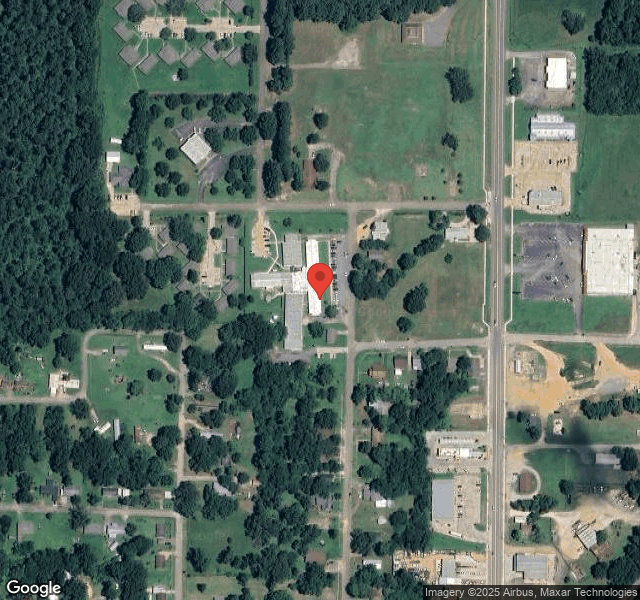
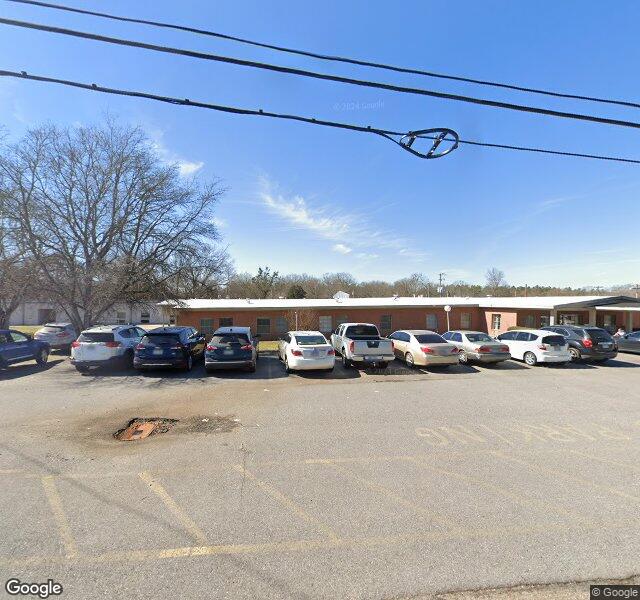
1421 WEST SECOND ST NORTH, PRESCOTT, AR 71857 (870) 887-3811
For profit - Limited Liability company 90 Beds THE SPRINGS ARKANSAS Data: November 2025
Trust Grade
43/100
#178 of 218 in AR
Last Inspection: May 2024

Within standard 12-15 month inspection cycle. Federal law requires annual inspections.

Overview

The Springs of Hillcrest has a Trust Grade of D, indicating below-average performance with several concerns. Ranked #178 out of 218 facilities in Arkansas, they fall in the bottom half of the state, and they are #2 out of 2 in Nevada County, meaning there is only one other local option that is better. The facility's trend is stable, maintaining 9 reported issues from 2023 to 2024. Staffing received a 3 out of 5 rating, which is average, with a turnover rate of 46%, slightly below the state average of 50%. However, the facility has concerning fines totaling $9,537, which is higher than 76% of Arkansas facilities, suggesting ongoing compliance issues. While RN coverage is below average, with less than 20% of state facilities having more RN support, there are serious incidents reported, including a failure to supervise residents that led to a laceration for one resident, and concerns about food safety practices that could risk foodborne illness among residents. Overall, while there are some strengths in staffing stability, the facility has significant weaknesses that families should consider carefully.

Trust Score
D
43/100
In Arkansas
#178/218
Bottom 19%
Safety Record
Moderate
Needs review
Inspections
Holding Steady
9 → 9 violations
Staff Stability
⚠ Watch
46% turnover. Above average. Higher turnover means staff may not know residents' routines.
Penalties
✓ Good
$9,537 in fines. Lower than most Arkansas facilities. Relatively clean record.
Skilled Nurses
⚠ Watch
Each resident gets only 14 minutes of Registered Nurse (RN) attention daily — below average for Arkansas. Fewer RN minutes means fewer trained eyes watching for problems.
Violations
⚠ Watch
27 deficiencies on record. Higher than average. Multiple issues found across inspections.
★★☆☆☆
2.0
Overall Rating
★★★☆☆
3.0
Staff Levels
★★★☆☆
3.0
Care Quality
★★☆☆☆
2.0
Inspection Score
Stable
2023: 9 issues
2024: 9 issues

The Good

  • Full Sprinkler Coverage · Fire safety systems throughout facility
  • No fines on record

Facility shows strength in fire safety.

The Bad

2-Star Overall Rating

Below Arkansas average (3.1)

Below average - review inspection findings carefully

Staff Turnover: 46%

Near Arkansas avg (46%)

Higher turnover may affect care consistency

Federal Fines: $9,537

Below median ($33,413)

Minor penalties assessed

Chain: THE SPRINGS ARKANSAS

Part of a multi-facility chain

Ask about local staffing decisions and management

The Ugly 27 deficiencies on record

1 actual harm
May 2024 9 deficiencies
CONCERN (D)

Potential for Harm - no one hurt, but risky conditions existed

Deficiency F0583 (Tag F0583)

Could have caused harm · This affected 1 resident

Based on observation, interviews, and facility policy review, the facility failed to protect the privacy and dignity of 1 (Resident 41) sampled resident when providing wound care. The findings includ...

Read full inspector narrative →
Based on observation, interviews, and facility policy review, the facility failed to protect the privacy and dignity of 1 (Resident 41) sampled resident when providing wound care. The findings include: 1. Resident #60 had the diagnoses of Diabetes due to underlying condition with diabetic nephropathy (kidney damage caused by diabetes). a. Resident #60 had a Physicians Order for treatment to cleanse the left heel with wound cleanser, pat dry, apply wound gel to wound bed cover with a silicone dressing daily and as needed. b. The Quarterly Minimum Data Set with an Assessment Reference Date of 03/08/2024 documented Resident #60 scored 14 (13-15 indicates cognitively intact) on a Brief Interview for Mental Status. c. A Care Plan, revision on: 04/18/2024 noted Resident #60 had a deep tissue injury (DTI) to the left heel. d. On 05/20/2024 at 09:21 AM, the Surveyor observed staff at the Resident #60's bedside with the left foot raised up exposing the wound to the heel, the curtain was not pulled, and the door was open. e. On 05/20/2024 at 09:23 AM, the Treatment Nurse confirmed that the resident's privacy was not maintained. f. On 05/23/2024 at 08:20 AM, the Director of Nursing (DON) voiced that to maintain a resident's privacy the door should be closed and/or curtain pulled. g. On 05/22/24 at 11:10 AM, a policy titled, Dignity documented, Each resident shall be cared for in a manner that promotes and enhances his or her sense of well-being, level of satisfaction with life, and feelings of self-worth and self-esteem. 1.Residents are treated with dignity and respect at all times .
CONCERN (D)

Potential for Harm - no one hurt, but risky conditions existed

Deficiency F0655 (Tag F0655)

Could have caused harm · This affected 1 resident

Based on observation, record review and interviews, the facility failed to ensure the care plan included oxygen therapy and Continuous Positive Airway Pressure (CPAP) as ordered by a physician. The fi...

Read full inspector narrative →
Based on observation, record review and interviews, the facility failed to ensure the care plan included oxygen therapy and Continuous Positive Airway Pressure (CPAP) as ordered by a physician. The findings are: On 04/19/2024, Resident #8 had a diagnosis of Acute and Chronic Respiratory Failure with Hypoxia, and Dependence on Supplemental Oxygen. The admission Minimum Data Set (MDS) with an Assessment Reference Date of 05/06/2024 documented the resident scored 15 (13-15 indicates cognitively intact) on a Brief Interview for Mental Status and received Oxygen therapy and a Non-invasive Mechanical Ventilator. a. Review of the Medication Administration Record for May 2024 showed, .Oxygen every 1 hours as needed for Shortness of Breath related to Dependence on Supplemental Oxygen @ 3 Liters . -Start Date- 04/19/2024 . b. Observations on 05/20/2024 at 1:02 PM; 05/21/2024 at 9:07 AM; and 05/22/2024 at 1:42 PM, noted Resident #8's oxygen concentrator was set at 3.0 liters per minute. At 1:44 PM, Licensed Practical Nurse (LPN) #6 confirmed Resident #8's oxygen concentrator was set at 3.0 liters per minute. At 3:00 PM, the MDS Coordinator LPN confirmed the care plan revision of 5/13/2024 did not contain either oxygen therapy or the use of a CPAP. c. On 05/23/2024 at 12:06 PM, the Director of Nursing (DON) provided a CPAP/BiPAP Support policy which showed, .To provide the spontaneously breathing resident with continuous positive airway pressure with or without supplemental oxygen . To promote resident comfort and safety .Only a qualified and properly trained nurse or respiratory therapist should administer oxygen through a CPAP mask .Review the resident's medical record to determine his/her baseline oxygen saturation or arterial blood gases (ABGs), respiratory, circulatory, and gastrointestinal status .Review the physician's order to determine the oxygen concentration and flow, and the PEEP pressure (CPAP, IPAP, and EPAP) for the machine .Connect supplemental oxygen .and adjust flow rate as prescribed . d. On 05/23/2024 at 12:06 PM, the DON provided an Oxygen Administration policy which showed, .Oxygen is administered to residents who need it, consistent with professional standards of practice, the comprehensive person-centered care plans, and the resident's goals and preferences .Oxygen is administered under orders of a physician, except in the case of an emergency .The resident's care plan shall identify the interventions for oxygen therapy, based upon the resident's assessment and orders, such as, but not limited to: The type of oxygen delivery system .Equipment setting for the prescribed flow rates .Staff shall notify the physician of any changes in the resident's condition, including changes in vital signs, oxygen concentrations, or evidence of complications associated with the use of oxygen.
CONCERN (D)

Potential for Harm - no one hurt, but risky conditions existed

Incontinence Care (Tag F0690)

Could have caused harm · This affected 1 resident

Based on observations, interviews, and record reviews, the facility failed to ensure a leg strap was in place to prevent trauma from an indwelling catheter for 1 (Resident #438) of 8 sampled residents...

Read full inspector narrative →
Based on observations, interviews, and record reviews, the facility failed to ensure a leg strap was in place to prevent trauma from an indwelling catheter for 1 (Resident #438) of 8 sampled residents who were dependent on staff for indwelling catheter care. Findings include: A review of the Medical Diagnosis indicated Resident #438 had diagnoses of: Urinary tract infection, heart failure, and lymphedema (swelling in the body due to a buildup of fluid) . The admission Minimum Data Set (MDS) with an Assessment Reference Date (ARD) of 03/28/2024 indicated a Brief Interview for Mental Status Score (BIMS) of 7 (0-7 suggests severe cognitive impairment) and Resident #438 was admitted with an indwelling catheter. a. A review of Physician Orders (dated 03/21/2024) documented, .[Name Brand] catheter .to aid in wound healing. Change monthly on the 15th . b. A review of Resident #438's care plan with a revision date of 4/18/2024 revealed, .The resident has .Indwelling Catheter: to aid in wound healing to unstageable Pressure Ulcer to Sacral area .Interventions include . CATHETER: The resident has . Indwelling Catheter. Position catheter bag and tubing below the level of the bladder, secure catheter tubing to leg with applicable device. c. On 05/21/2024 at 09:46 AM, Resident #438 told the Surveyor that there are times when staff are getting Resident #438 out of bed or repositioning, that the resident feels the catheter pulling. The Surveyor asked Resident #438 for permission to look at the tubing that was under the cover. The indwelling catheter was not secured to Resident #438's leg by using a leg strap or any other device. d. On 05/22/2024 at 09:20 AM, the Surveyor observed incontinent care being provided by Certified Nursing Assistant (CNA) #1, CNA #2, and the Infection Preventionist (IP). During care, the catheter tubing was unsecured to Resident #438's leg, the tubing became tight as the resident was turned. The Surveyor asked the IP if a resident was care planned to have a leg strap or something to secure the catheter tubing and should the leg strap be in place. The IP stated that the resident should have a leg strap in place to prevent the tubing from pulling, yanking, and to keep it stable. e. On 05/22/2024 11:30 AM, the Surveyor interviewed the Director of Nursing (DON). The Surveyor asked the DON to explain the process for staff to follow to make sure the catheter tubing is stable or secured. The DON stated that the catheter tubing should be held in place by placing a leg band on the resident. The Surveyor asked the DON who should be responsible for ensuring the leg strap was in place. The DON said that everyone should.
CONCERN (E)

Potential for Harm - no one hurt, but risky conditions existed

Resident Rights (Tag F0550)

Could have caused harm · This affected multiple residents

Based on observation, record review and interview, the facility to ensure the dignity and privacy of 2 (Residents #187 and #438) residents. The findings are: 1. A review of the Medical Diagnosis indi...

Read full inspector narrative →
Based on observation, record review and interview, the facility to ensure the dignity and privacy of 2 (Residents #187 and #438) residents. The findings are: 1. A review of the Medical Diagnosis indicated Resident #438 had diagnoses of: Urinary tract infection, heart failure, and Lymphedema (swelling in the body due to a buildup of fluid) . The admission Minimum Data Set (MDS) with an Assessment Reference Date (ARD) of 03/28/2024 indicated a Brief Interview for Mental Status Score (BIMS) of 7 (0-7 suggests severe cognitive impairment) and Resident #438 was admitted with an indwelling catheter. a. On 05/20/2024 at10:31 AM, an indwelling catheter bag was hanging from the bedside with no privacy bag. b. On 05/20/2024 at 02:00 PM, an indwelling catheter bag was hanging from the bedside with no privacy bag. c. On 05/21/2024 at 9:30 AM, an indwelling catheter bag was hanging from the bedside with no privacy bag. d. On 05/22/2024 at 9:20 AM, the Surveyor asked Certified Nursing Assistant (CNA) #1 if the indwelling catheter bag should always have a privacy bag. CNA #1 stated the catheter bag should have been in a privacy bag. e. On 05/22/2024 at 9:20 AM, the Surveyor asked the Infection Preventionist (IP) if an indwelling catheter bag should always have a privacy bag. The IP stated there should always be a privacy bag to protect the resident's dignity. f. On 05/22/2024 at 11:30 AM, the Director of Nursing (DON) was interviewed, and the Surveyor asked the DON if a privacy bag should be used to cover an indwelling catheter bag and if so, why would it be needed. The DON stated a privacy bag should remain in place to cover the catheter bag while maintaining a resident's dignity. 2. Resident #187 had diagnoses of acute kidney failure, acute cystitis (an infection of the bladder), and urinary tract infection. The admission Minimum Data Set (MDS) with an Assessment Reference Date (ARD) of 05/14/2024 was in process. a. On 05/20/2024 at 01:30 PM, the Surveyor observed Resident 187's uncovered indwelling catheter bag draining yellow urine from the open doorway. b. On 05/20/2024 at 04:18 PM, the Surveyor observed Resident #187 resting quietly with the door open. The indwelling catheter was observed draining yellow urine facing the open doorway. c. On 05/22/2024 at 11:10 AM, a policy titled Dignity documented, Each resident shall be cared for in a manner that promotes and enhances his or her sense of well-being, level of satisfaction with life, and feelings of self-worth and self-esteem. 1.Residents are treated with dignity and respect at all times . d. On 05/21/2024 at 08:00 AM, the Surveyor observed Resident #187 resting quietly, with the indwelling catheter facing the wall. The Surveyor asked Registered Nurse (RN) #7 to observe Resident #187's indwelling catheter and asked what their procedure was for providing catheter care. RN #7 said that Resident #187 is new to the facility, and she (RN #7) places the catheter in a bag as soon as it is noticed. The Surveyor asked why the facilities policy was to put catheter bags in a privacy bag, and RN #7 said, It is a dignity issue. RN #7 confirmed Resident #187's indwelling catheter should be in a privacy bag. e. On 05/22/2024 at 11:30 AM, the Director of Nursing (DON) was asked what procedures were staff expected to follow when caring for a resident with a catheter. The DON told the Surveyor staff are expected to place catheters in a privacy bag to protect the dignity of the residents. f. On 05/22/2024 at 04:00 PM, the DON provided a policy titled, Catheter Care, Urinary, the policy did not address privacy bags.
CONCERN (E)

Potential for Harm - no one hurt, but risky conditions existed

Accident Prevention (Tag F0689)

Could have caused harm · This affected multiple residents

4. Resident #38 had diagnoses of Alzheimer's disease and dementia. a. The Quarterly MDS with an ARD of 02/28/2024 documented Resident #38 scored 09 (8-12 indicates moderate impaired cognition) on a BI...

Read full inspector narrative →
4. Resident #38 had diagnoses of Alzheimer's disease and dementia. a. The Quarterly MDS with an ARD of 02/28/2024 documented Resident #38 scored 09 (8-12 indicates moderate impaired cognition) on a BIMS. b. A Care Plan for Resident #38 with a revision on 07/06/2023 documented Resident #38 had impaired cognitive function related to dementia and required cues, reorientation and supervision as needed. c. On 05/21/2024 at 09:56 AM, the Surveyor observed 2 bottles of air freshener on a shelf under the television in Resident #38's room. d. On 05/21/2024 at 12:59 PM, the Surveyor observed 2 bottles of air freshener on a shelf under the television in the Resident #38's room. e. On 05/23/2024 at 02:30 PM, the Surveyor observed 2 bottles of air freshener on a shelf under the television in the Resident #38's room with a warning noted on the bottles that indicated inhaling the contents can be harmful or fatal. f. On 05/23/2024 at 02:30 PM, Licensed Practical Nurse (LPN) #6 confirmed the air freshener should not be out and visible to wondering residents. g. On 05/23/2024 at 08:20 AM, the DON confirmed the air freshener should not be out in the opening and visible to wondering residents. h. On 05/23/2024 at 10:32 AM, a policy titled, Safety and Supervision of Residents documented, .Our facility strives to make the environment as free from accident hazards as possible. Resident safety and supervision and assistance to prevent accidents are facility-wide priorities . Based on observation, record review and interview, the facility failed to ensure the rear casters/wheels were kept in the unlocked position when lifting and lowering residents when using a patient lift for 3 (Residents #11, #17, and #36) residents to prevent accidental falls and injury; failed to ensure damaged, or frayed lift pads were removed from service for 1 (Resident 17) resident who had an order for mechanical lift assistance; and failed to ensure chemicals were safely stored to prevent potential harm to 8 (Residents #5, #7, #8, #20, #26, #36, #56, #58) residents who ambulated or self-propelled in the facility. The findings are: 1. Resident #11 had diagnoses of Alzheimer's disease, bipolar disorder, and urinary tract infection. The Quarterly Minimum Data Set (MDS) with an Assessment Reference Date (ARD) of 04/19/2024 indicated a Brief Interview for Mental Status (BIMS) score of 03 (0-7 suggest severe cognitive impairment). a. A Care Plan (Revised, 11/17/2022) documented, [Resident #11] has an ADL [activities of daily living] self-care performance deficit related to Alzheimer's . Total 2 (two) Person Assist by Mechanical Lift .with use of Blue lift pad . b. On 05/20/2024 at 10:52 AM, the Surveyor observed Nursing Assistant (NA) #11, and Certified Nursing Assistant (CNA) #2 placed a manual lift in the open leg position around Resident #11's chair. CNA #2 placed the rear casters/wheels in the locked position and lift pad was connected to the spread bar. Resident #11 was raised up in the air while the rear casters/wheels remained locked, then the rear wheels were unlocked, and Resident #11 was rolled over to the resident's bed to be changed. c. On 05/20/2024 at 11:14 AM, with the lift pad in place, and rear casters/wheels in the locked position the Surveyor observed Resident #11 placed back into the wheelchair. NA #11 and CNA #2 were asked to provide the purpose of locking the rear casters when lifting and lowering a resident in a mechanical lift. CNA #2 told the Surveyor that the wheels were locked for safety to keep the lift from moving while lifting a resident. NA #11 was asked if she had been in-serviced on the lift and the NA #11 told the Surveyor that she had been in-serviced on the lift. The Surveyor asked her to walk the Surveyor through the process of lifting and lowering a resident. NA #11 told the Surveyor that they roll the lift to the wheelchair with the legs open for stability. The wheels are locked, and the left pad is attached to the lift. The resident is lifted, then the tires are unlocked, and the resident is rolled to their bed, the tires are locked, and they are lowered. NA #11 confirmed that the rear casters or wheels are locked when lifting or lowering a resident to keep the lift from rolling for their safety. 2. Resident #17 had diagnoses of End stage renal disease, Legal blindness, and Atrial fibrillation. The Quarterly MDS with an ARD of 03/08/2024 indicated a BIMS score of 06 (0-7 suggest severe cognitive impairment). a. On 05/20/2024 at 02:55 PM, the Surveyor observed Resident #17 sitting on a blue, fraying lift pad when the resident returned from dialysis. b. On 05/20/2024 at 03:45 PM, the Surveyor observed CNA #12 and CNA #13 push Resident #17's wheelchair under the lift with legs in the open position and attach the lift pad to a mechanical lift. CNA #14 locked the rear casters and began to lift Resident #17 up. The Surveyor asked what the reasoning was behind locking the rear casters/wheels on the lift. CNA #14 told the Surveyor so they will not go anywhere while lifting or lowering the resident. All three CNA's (CNAs #12, #13, and #14) confirmed it was for safety. The Surveyor asked CNA #14 to stop while using the mechanical lift and describe Resident 17's lift pad. CNA #14 said, Damaged. The Surveyor asked what the process was for removing damaged lift pads from circulation. CNA #13 said she did not know for sure. The Surveyor asked if the lift pad should be replaced or was it safe to use. CNA #13 told the Surveyor that the person who put Resident #17 in the chair to go to dialysis should not have used the lift pad, and the resident was not able to be moved in a way to replace the lift pad so they would have to use it to put Resident #17 back to bed. c. On 05/21/2024 at 09:59 AM, while interviewing Laundry the Surveyor observed a lift pad resting in a stack of clean lift pads with obvious fraying. The Surveyor asked what the process was for removing damaged or frayed lift pads from service. Laundry told the Surveyor that if lift pads have a hole or something in them, the lift pads will be shown to a supervisor and the DON would have the final say. 3. Resident #36 had diagnoses of left below the knee amputation, cerebral infarction, and end stage renal disease. The Quarterly MDS with an ARD of 03/26/2024 suggested a BIMS score of 14 (13-15 suggest cognitively intact). a. A Care Plan (Revision, 12/30/2023) documented, Resident #36 has an ADL self-care performance deficit related to decline in independence in ADLs, transfers and mobility . Resident #36 requires Mechanical Lift with 2 staff assistance for transfers . b. On 05/20/2024 at 03:28 PM, CNA #12 placed the mechanical lift around Resident #36's specialty chair while CNA #13, and CNA #14 assisted in attaching the lift pad to the mechanical lift on the first and last hooks. CNA #12 locked the rear casters/wheels, and the resident was lifted off of the chair. CNA #12 unlocked the rear casters/wheels and Resident #36 was rolled over the bed. CNA #13 lowered Resident #36 to the bed without locking the rear casters/wheels. The Surveyor asked CNA #12 about the process for lifting and lowering resident with a lift. The three CNAs confirmed that the rear wheels are locked to keep the lift from moving all over the room. CNA #14 and CNA #13 told the Surveyor that locking the rear wheels was for the resident's safety. c. On 05/22/2024 at 03:35 PM, the Surveyor asked the Director of Nursing (DON) if staff had been in-serviced on mechanical lifts, and the DON responded, Yes. The DON was asked to explain the process staff are expected to use when lifting and lowering residents with a mechanical lift. The DON explained staff would get a blue lift pad, and with the legs of the mechanical lift in the open position staff would lock the wheels to attach the lift pad and lift or lower the resident. The Consultant asked to speak with the DON and explained that the wheels on a mechanical lift should remain unlocked so the machine will move with the resident if there is any sudden movement of a resident. The DON confirmed she was not aware the wheels should be unlocked when lifting and lowering residents with a mechanical lift. The DON was asked what the process was for removing damaged lift pads from service. The DON said nurses, CNAs, or any staff that see a damaged lift pad can remove the lift pad from service for resident safety. d. On 05/22/2024 at 04:00 PM, the DON provided the signature from an in-service (dated, 02/29/2024) with the following listed to the side: i. (Brand Name) Lift ii. Workman's Comp Procedures iii. Abuse Prevention and Reporting iv. OLTC (Office of Long Term Care) Survey tips v. Smoking Policy effective 03/01/2024
CONCERN (E)

Potential for Harm - no one hurt, but risky conditions existed

Deficiency F0726 (Tag F0726)

Could have caused harm · This affected multiple residents

Based on observation, interview, and facility policy review, the facility failed to ensure that staff displayed competency in caring for residents on Enhanced Barrier Precautions (EBP), and how to use...

Read full inspector narrative →
Based on observation, interview, and facility policy review, the facility failed to ensure that staff displayed competency in caring for residents on Enhanced Barrier Precautions (EBP), and how to use hygiene supplies according to the manufacturer ' s directions for 1 (Resident #41) sampled resident. This failed practice had the potential to affect any resident on EBP and/or dependent on staff for baths. The findings include: 1. Resident #41 had diagnoses of Pressure ulcer of sacral region stage 4, Urinary tract infection, and Paraplegia. a. Resident #41 had the following Physician's Orders: (a) Supra pubic catheter to be changed by Urologist, (b) cleanse pressure ulcer to sacrum with wound cleanser pat dry, then apply an antibacterial wound dressing followed by a silicone dressing or abdominal dressing pad and secure with tape daily and as needed for soiled or dislodged dressing (c) Enhanced Barrier Precautions (EBP) related to sacrum wound, R heel wound and Supra pubic catheter. b. Review of the Quarterly MDS with an ARD of 03/06/2024 documented Resident #41 scored 15 (13-15 indicates cognitively intact) on a BIMS, and Resident #41 had an ostomy, indwelling catheter, and resident had one or more unhealed pressure ulcers/injuries. c. A review of Resident #41's Care Plan, (revision 05/23/2024), documented Resident #41 was on EBP related to indwelling medical devices, (suprapubic catheter), sacrum wound, and right heel wound. The Care Plan also documented staff should gown and glove during high-contact resident care activities. d. On 05/22/2024 at 09:20 AM, the Surveyor observed Licensed Practical Nurse (LPN) #3 at the bedside of a Resident #41, who was on Enhanced Barrier Precautions (EBP), providing care wearing only gloves. e. On 05/22/2024 at 09:50 AM, the Surveyor observed Certified Nursing Assistant (CNA) #4 and #5 assisting Resident #41, who was on Enhance Barrier Precautions, with a bed bath. CNA #4 applied soap to the resident body using a wet towel then CNA #5 patted the resident dry. Both CNA #4 and #5 wore only gloves while providing care. f. On 05/22/2024 at 10:05 AM, CNA #4 voiced that the soap was rinse free and that rinsing was not required. Both CNA #4 and #5 voiced that they did not know Resident #41 was on EBP and it was hard to tell if a Resident was on EBP, and the facility usually informs them or post a sign. g. On 05/22/2024 at 11:30 AM, LPN #3 stated, I know I messed up. LPN #3 voiced that when the Treatment Nurse entered the room, that is when he realized he had messed up and that it was hard to tell when a Resident is on EBP when you are in a rush. h. On 05/23/2024 at 12:16 PM, the Director of Nursing (DON) read the back of the soap used by the facility and stated what was written, apply, latter, rinse, and towel dry. The DON voiced that the residents could get skin irritation if the staff is applying soap and not rinsing the soap off the resident. i. On 05/23/2024 at 11:30 AM, the DON voiced that staff follow Enhanced Barrier Precautions when caring for a resident with an indwelling catheter and/or wound. The DON also voiced that staff had been in-serviced on EBP and were aware of the residents on EBP. j. On 05/22/2024 at 11:10 AM, a policy titled, Enhanced Barrier Precautions documented, It is the policy of this facility to implement enhanced barrier precautions for the prevention of transmission of multidrug-resistant organisms. 2. Initiation of Enhanced Barrier Precautions: a. The facility will have the discretion in using EBP for residents who do not have a chronic wound or indwelling medical device and are infected or colonized with an MDRO [Multidrug-Resistant Organisms] that is not currently targeted by CDC [Centers for Disease Control and Prevention]. b. An order for enhanced barrier precautions will be obtained for residents with any of the following: i. Wounds (e.g., chronic wounds such as pressure ulcers, diabetic foot ulcers, unhealed surgical wounds, and chronic venous stasis ulcers) and/or indwelling medical devices (e.g., central lines, urinary catheters, feeding tubes, tracheostomy/ventilator tubes) even if the resident is not known to be infected or colonized with a MDRO .Implementation of Enhanced Barrier Precautions: a. Make gowns and gloves available immediately near or outside of the resident's room. Note: face protection may also be needed if performing activity with risk of splash or spray (i.e., wound irrigation, tracheostomy care). PPE [Personal Protective Equipment] for enhanced barrier precautions is only necessary when performing high-contact care activities and may not need to be donned prior to entering the resident's room. 4. High-contact resident care activities include: a. dressing, b. bathing, c. transferring, d. providing hygiene, e. changing linens, f. changing briefs or assisting with toileting, g. device care or use: central lines, urinary catheter, feeding tubes, tracheostomy/ventilator tubes, h. wound care: any skin opening requiring a dressing . k. A policy titled, Bath, Bed documented, The purposes of this procedure are to promote cleanliness, provide comfort and to observe the condition of the resident's skin .
CONCERN (E)

Potential for Harm - no one hurt, but risky conditions existed

Deficiency F0761 (Tag F0761)

Could have caused harm · This affected multiple residents

**NOTE- TERMS IN BRACKETS HAVE BEEN EDITED TO PROTECT CONFIDENTIALITY** 4. On 05/21/2024 at 1:00PM, the refrigerator at Nursing Station 2, was opened and contained a locked box. The Surveyor asked Reg...

Read full inspector narrative →
**NOTE- TERMS IN BRACKETS HAVE BEEN EDITED TO PROTECT CONFIDENTIALITY** 4. On 05/21/2024 at 1:00PM, the refrigerator at Nursing Station 2, was opened and contained a locked box. The Surveyor asked Registered Nurse (RN) #7 what was in the locked box. RN #7 said it contained narcotics. RN #7 unlocked the box, and it contained two 30 milliliter bottles of Ativan. The Surveyor asked RN #7 how many locks the narcotic box should be under. She said she didn't know. a. On 05/22/2024 at 11:30 AM, the DON was interviewed by the Surveyor. The DON was asked how many locks should controlled substances be behind. She said they should be behind two locks. b. On 05/22/2024 at 04:00 PM, the DON provided a policy titled Storage of Medications which documented, .The facility stores all drugs and biological in a safe, secure, and orderly manner . 3. Resident #8 had the diagnoses of Acute and chronic respiratory failure with hypoxia, and Chronic obstructive pulmonary disease (COPD) with acute exacerbation. a. Resident #8 had a Physician's Order for Albuterol Sulfate Inhalation Nebulization Solution 1 applicator via mask every 4 hours as needed for shortness of breath (SOB). b. Review of the admission Minimum Data Set with the Assessment Reference Date of 05/05/2024 documented Resident #8 scored 15 (13-15 indicates cognitively intact). c. The Care Plan did not address Resident #8 had been assessed to self-administer medications. d. On 05/22/2024 at 12:12 PM, the Surveyor observed Resident #8 receiving a nebulizer treatment inside the resident's room without staff in or around the resident's room. e. On 05/22/2024 at 12:12 PM, Licensed Practical Nurse #6 confirmed that the nurse is required to remain at the resident's side during the administration of a nebulizer treatment. f. On 05/22/2024 at 12:16 PM, the DON voiced the nurse should remain with the resident during a nebulizer treatment because anything could happen, the resident could go into distress. Based on observation, interview, and record review, the facility failed to ensure nebulizer treatments were not left at the bedside for the resident to self-administer for 2 (Resident #8 and #188) residents who were not assessed to be safe to self-administer nebulizer treatments; an unattended medication cart on the South Hall was locked on 1 of 1 observation to prevent misappropriation of resident medications; and a narcotic box containing controlled substances was kept and maintained securely behind two locks. The findings are: 1.a. A review of Resident #188's Physicians Orders (dated 05/17/2024) documented, .Ipratropium-Albuterol Inhalation Solution 0.5-2.5 (3) MG/3ML (Ipratropium-Albuterol) 1 vial inhale orally every 4 hours as needed for SOB related to CHRONIC OBSTRUCTIVE PULMONARY DISEASE, UNSPECIFIED . b. On 05/20/2024 at 01:07 PM, Resident #188 was observed sitting on the side of the bed, and the Surveyor observed a nebulizer mouthpiece with the chamber resting in the crack in the arm of Resident #188's recliner. Resident #188 remarked that he put the nebulizer there, and he gives his own updrafts. c. On 05/20/2024 at 04:20 PM, the Surveyor observed Resident #188 sitting on the side of the bed self-administering an updraft, with vapor coming from the end of the tube. The Surveyor spoke with Licensed Practical Nurse (LPN) #9 and LPN #9 denied giving Resident #188 an updraft. LPN #9 looked at Resident #188's Medication Administration Record (MAR) and told the Surveyor that Resident #188 had an updraft at 12:00 PM given by someone else. LPN #9 stated, If they had stayed with him until it was complete he would not be able to give himself an updraft right now. The Surveyor asked what procedure is followed when administering updrafts. LPN #9 told the Surveyor the nurse should stay with the resident until the updraft is completed. d. On 05/22/2024 at 04:00 PM, the Director of Nursing (DON) provided a list of residents who self-administer their own medications, the showed no residents were assessed to self-administration medications. 2.a. On 05/22/2024 at 04:12 PM, the Surveyor observed LPN #10 go into Resident room [ROOM NUMBER] and leave the South 2 Hall medication cart unlocked. b. On 05/22/2024 04:14 PM, the Surveyor asked LPN #10 what the procedure was for leaving the cart while giving medications or checking blood sugars, and why. LPN #10 told the Surveyor that the cart should have been locked, and it was an oversite on her part. LPN #10 said the cart must be locked so residents or other staff cannot get into the cart. c. On 05/23/2024 at 12:45 PM, the Surveyor asked the Director of Nursing (DON) what procedure nursing staff were expected to use when leaving a medication cart in the hallway. The DON told the Surveyor the computer screen, and the cart should be locked to prevent someone from taking something from the cart.
CONCERN (E)

Potential for Harm - no one hurt, but risky conditions existed

Infection Control (Tag F0880)

Could have caused harm · This affected multiple residents

7. A review of the Medical Diagnosis indicated Resident #438 had diagnoses of: Urinary tract infection, Heart failure and Lymphedema (swelling in the body due to a buildup of fluid). The admission MDS...

Read full inspector narrative →
7. A review of the Medical Diagnosis indicated Resident #438 had diagnoses of: Urinary tract infection, Heart failure and Lymphedema (swelling in the body due to a buildup of fluid). The admission MDS with an ARD of 03/28/2024 indicated a BIMS score (BIMS) of 7 (0-7 suggests severe cognitive impairment). a. On 05/20/2024 at 10:31 AM, the Surveyor observed Resident #438's denture brush in the bathroom resting on its side with the bristles touching the porcelain on the right side of the faucet. b. On 05/20/2024 at 02:00 PM, the Surveyor observed Resident #438's denture brush in the bathroom resting on its side with the bristles touching the porcelain on the right side of the faucet. c. On 05/21/2024 at 02:56 PM, the Surveyor observed Resident #438's denture brush in the bathroom resting on its side with the bristles touching the porcelain on the right side of the faucet. d. On 05/22/2024 at 9:20 AM, the Surveyor observed Resident #438's denture brush in the bathroom resting on its side with the bristles touching the porcelain on the right side of the faucet. The Surveyor asked CNA #1 how the denture brush should be stored. CNA #1 said the denture brush should be stored in a plastic baggy with the resident's name on it. The Surveyor asked the reason why it should be stored in the plastic bag. CNA #1 said it should be stored in a plastic bag because the sink is where staff wash their hands, and that the denture brush would be contaminated with germs by the hand washing. e. On 05/22/2024 at 11:30 AM, the Surveyor interviewed the DON. The surveyor asked the DON how the denture brush should be stored. The DON said it should be in a plastic bag with the resident's name on it to prevent bacteria. 6. Resident #41 had diagnoses of Pressure ulcer of sacral region stage 4, Urinary tract infection, and Paraplegia. a. Resident #41 had the following Physician's Orders: (a) Supra pubic catheter to be changed by Urologist, (b) cleanse pressure ulcer to sacrum with wound cleanser pat dry, then apply an antibacterial wound dressing followed by a silicone dressing or abdominal dressing pad and secure with tape daily and as needed for soiled or dislodged dressing (c) Enhanced Barrier Precautions (EBP) related to sacrum wound, R heel wound and Supra pubic catheter. b. Review of the Quarterly MDS with an ARD of 03/06/2024 documented Resident #41 scored 15 (13-15 indicates cognitively intact) on a BIMS, and Resident #41 had an ostomy, indwelling catheter, and resident had one or more unhealed pressure ulcers/injuries. c. A review of Resident #41's Care Plan, revision 05/23/2024, documented Resident #41 was on EBP related to indwelling medical devices, (suprapubic catheter), sacrum wound, and right heel wound. The Care Plan also documented staff should gown and glove during high-contact resident care activities. d. On 05/22/2024 at 09:20 AM, the Surveyor observed an Enhanced Barrier Precaution sign posted on the wall outside of Resident #41's door. Licensed Practical Nurse (LPN) #3 was at the bedside of Resident #41 providing care wearing only gloves. e. On 05/22/2024 at 09:50 AM, the Surveyor observed CNA #4 and CNA #5 assisting Resident #41 with a bed bath, both CNAs wore only gloves. f. On 05/22/2024 at 10:05 AM, both CNA #4 and CNA #5 voiced that they did not know Resident #41 was on EBP, and it was hard to tell if Resident #41 was on EBP that the facility usually informs them or post a sign. g. On 05/22/2024 at 11:30 AM, LPN #3 stated, I know I messed up. LPN #3 voiced that when the Treatment Nurse entered the room wearing a gown, was when he realized he had messed. h. On 05/23/2024 11:30 AM, the DON voiced staff should follow EBP when caring for a resident with an indwelling catheter and/or wound. The DON also voiced staff had been in-serviced on EBP and were aware of the residents on EBP. i. On 05/22/2024 at 11:10 AM, a policy titled, Enhanced Barrier Precautions documented, It is the policy of this facility to implement enhanced barrier precautions for the prevention of transmission of multidrug-resistant organisms. 2. Initiation of Enhanced Barrier Precautions: a. The facility will have the discretion in using EBP for residents who do not have a chronic wound or indwelling medical device and are infected or colonized with an MDRO [Multidrug-Resistant Organisms] that is not currently targeted by CDC [Centers for Disease Control and Prevention]. b. An order for enhanced barrier precautions will be obtained for residents with any of the following: i. Wounds (e.g., chronic wounds such as pressure ulcers, diabetic foot ulcers, unhealed surgical wounds, and chronic venous stasis ulcers) and/or indwelling medical devices (e.g., central lines, urinary catheters, feeding tubes, tracheostomy/ventilator tubes) even if the resident is not known to be infected or colonized with a MDRO . 3. Implementation of Enhanced Barrier Precautions: a. Make gowns and gloves available immediately near or outside of the resident's room. Note: face protection may also be needed if performing activity with risk of splash or spray (i.e., wound irrigation, tracheostomy care). b. PPE for enhanced barrier precautions is only necessary when performing high-contact care activities and may not need to be donned [applied] prior to entering the resident's room . 4. High-contact resident care activities include: a. dressing, b. bathing, c. transferring, d. providing hygiene, e. changing linens, f. changing briefs or assisting with toileting, g. device care or use: central lines, urinary catheter, feeding tubes, tracheostomy/ventilator tubes, h. wound care: any skin opening requiring a dressing . Based on observation, record review and interview, the facility failed to ensure respiratory mask tubing/nasal cannula tubing was stored in a manner to prevent infection and cross contamination for 2 (Residents #50 and #17) resident; denture brush was stored in a secure and sanitary manner for 1 (Resident #438) resident to prevent infections and cross contamination; staff wore proper Personal Protective Equipment (PPE) prior to providing care for 1 (Resident #41) resident on Enhanced Barrier Precautions (EBP); hand hygiene was performed during perineal care for 2 (Residents #11 and #36) to prevent cross contamination, and the facility failed to ensure dirty laundry was bagged and returned to the laundry room in a manner to prevent the spread of germs to all 85 residents who resided in the facility. The findings are: 1. On 05/20/2024 at 09:22 AM, Resident #50 was observed resting in a recliner with a respiratory mask, not secured in a bag, and was resting on the floor between the bed and recliner. Registered Nurse (RN) #7 arrived at the bedside and told Resident #50 his mask was knocked off in the floor. RN #7 was observed picking the mask up off the floor and placing it in a blue mesh respiratory pouch dated 05/08/2024. a. On 05/21/2024 at 08:00 AM, the Surveyor interviewed RN #7 and asked how the blue pouches for storage work. RN #7 told the Surveyor the blue pouches are used to store respiratory tubing and mask, and it can be used for a month. The Surveyor asked RN #7 what process staff follow when a respiratory mask is found in the floor like Resident #50's mask was found on 05/20/2024. RN #7 told the Surveyor the respiratory mask should have been cleaned before being placed back in the bag due to risk of infection from being on the floor. RN #7 confirmed she returned the mask to the storage pouch without cleaning it first. b. On 05/22/2024 at 11:35 AM, the Surveyor asked the Director of Nursing (DON) what procedure or process staff was expected to follow if they find a respiratory mask resting on the floor. The DON told the Surveyor she would expect staff to throw away the mask and replace it with a new one to prevent infections. The DON confirmed the mesh blue respiratory pouches can store tubing and mask for 30 days. 2. Resident #17 had diagnoses of End Stage Renal Disease, Legal Blindness, and Atrial Fibrillation. The Quarterly Minimum Data Set (MDS) with an Assessment Reference Date (ARD) of 03/08/2024 indicated a Brief Interview for Mental Status (BIMS) score of 06 (0-7 suggest cognitive impairment). a. A Care Plan (Revision 04/29/2024) documented, .The resident has oxygen therapy related to COPD .Oxygen via nasal cannula, as net 2 liters per minute as needed . b. On 05/20/2024 at 09:39 AM, the Surveyor entered Resident #17's room and noted the nasal tubing resting in a blue pouch dated 5/8/2024 with the cannula prongs resting outside the pouch. c. On 05/20/2024 at 02:52 PM, the Surveyor observed Resident 17's nasal cannula resting outside the blue storage bag. d. On 05/22/2024 at 08:30 AM, the Surveyor asked Registered Nurse (RN) #7 to look at the nasal cannula tubing and asked RN #7 what process was used to store oxygen tubing. RN #7 told the Surveyor that oxygen tubing should be completely placed into the blue mesh pouch. The Surveyor asked if the nasal canula hanging outside the bag was appropriate. RN #7 told the Surveyor leaving the nasal canula outside the mesh storage pouch would put the resident at risk of infection. e. On 05/22/2024 at 11:30 AM, the Surveyor asked the Director of Nursing (DON) what procedure staff are expected to follow when storing nasal canula tubing. The DON told the Surveyor that nasal canula tubing should be placed in a plastic bag or a blue mesh pouch. The DON confirmed the blue mesh pouches must be changed out every 30 days, and the plastic bags must be changed out every 7 days. The Surveyor asked if the nasal canula should be placed in the storage bag because it is the main part that goes in the resident's nose, or nares. The DON confirmed by not storing the nasal canula appropriately it would put a resident at risk of bacteria, or infection. f. On 05/22/2024 at 04:00 PM, the DON provided a policy titled, Oxygen Administration, which documented, Policy: Oxygen is administered to residents who need it, consistent with professional standards of practice, the comprehensive person-centered care plans, and the resident's goals and preferences . g. On 05/22/2024 at 04:00 PM, the DON provided documentation showing an Oxygen Settings in-service was done on 07/07/2023, and RN #7 was not on the list of in-serviced staff.If not in use, it is to be stored in the correct storage bag . 3. On 05/21/24 at 09:40 AM, the Surveyor observed a white laundry basket with unbagged dirty white rags and towels sitting outside the clean laundry room doors on the South Hall. The Surveyor was knocking on the laundry room door with no response when the Social Director walked up and said she had placed the dirty linens there. The Surveyor asked what the process was for bringing dirty linens to the laundry room, and should laundry be bagged when transferred to the laundry room. The Social Director told the Surveyor that she did not know what the process was, or why. She noticed there was a laundry basket of dirty linens left in the beauty shop from yesterday and she was trying to help by returning them to the laundry room. a. On 05/21/24 at 09:45 AM, the Surveyor interviewed Laundry and it was confirmed that dirty linens should be returned to the laundry room in bags to prevent the spread of germs. The halls have rolling barrels that bagged linens should be placed in. Laundry trades the barrels out with empty barrels throughout the day. b. On 05/22/2024 at 04:00 PM, while interviewing the DON the Surveyor asked about the process for returning laundry. The DON told the Surveyor that all laundry should be bagged, and there were barrels on each hall to place the bagged laundry in to prevent the spread of germs. c. The DON provided a policy titled, Infection Prevention and Control Program which documented, .12. Linens. a. Laundry and direct care staff shall handle, store, process, and transport linens to prevent spread of infection . f. Environmental services staff shall not handle soiled linens unless it is properly bagged . 4. Resident #11 with diagnoses of Alzheimer's disease, Bipolar disorder, and Urinary tract infection. The Quarterly MDS with an ARD of 04/19/2024 indicates a BIMS score of 03 (0-7 suggests severe cognitive impairment). a. A Care Plan (Revision, 06/26/2023) documented, Resident has an Activity of Daily Living (ADL) self-care performance deficit related to Alzheimer's . The resident is not toileted . b. On 05/20/24 at 11:07 AM, the Surveyor observed perineal care being performed by Nursing Assistant (NA) #11 and CNA #2 for Resident #11. NA #11 did not change gloves or perform hand hygiene during the procedure. CNA #2 assisted NA #11 in pulling Resident #11's pants up and shirt down. CNA #2 and NA #11 assisted in attaching Resident #11's lift pad and transferring Resident #11 to a specialty chair while NA #11 wore the same gloves used to provide perineal care. The Surveyor asked what the procedure was for providing peri care and using a clean verses dirty technique. NA #11 confirmed that she should have used the left hand to wipe Resident #11 instead of using the same hand to wipe with to avoid contamination, and there was a risk for infection. The Surveyor asked if NA #11 had received any in-services at the facility. NA #11 confirmed she was in-serviced on properly cleaning residents, resident rights, and lifting residents. NA #1 stated, They went over everything to make sure I could properly care for residents. The Surveyor asked NA #11 if gloves should have been changed after performing perineal care for Resident #11, and before touching clean clothes and objects in the room. NA #11 said, Yes, ma'am, I believe I should have changed my gloves. 5. Resident #36 had diagnoses of left below the knee amputation, cerebral infarction, and end stage renal disease. The Quarterly MDS with an ARD of 03/26/2024 suggested a BIMS score of 14 (13-15 suggests cognitively intact). a. On 05/20/24 at 03:34 PM, Certified Nursing Assistant (CNA) #12 and CNA #13 presented to Resident 36's bedside to assist with perineal care. Privacy curtains were in place. After the perineal care was performed, without changing gloves and/or performing hand hygiene CNA #12 covered up Resident #36. After covering Resident #36, CNA #12 removed her gloves and handed Resident #36 the call light. The Surveyor asked what the process was for providing perineal care and using good hand hygiene. CNA #12 and CNA #13 both confirmed that alcohol gel is outside the room, they can go to the bathroom and wash with soap and water, none of the CNA's had hand gel on their person, and they should have done hand hygiene before touching the resident's linens, call light, or environment. CNA #13 told the Surveyor they did not go to the bathroom and wash with soap and water during peri care. b. On 05/22/2024 at 11:45 AM, the Surveyor asked the Director of Nursing (DON) what procedure staff are expected to when follow going from dirty to clean, during perineal care. The DON told the Surveyor she would expect staff to perform hand hygiene with soap and water, or alcohol gel. The Surveyor asked if hand hygiene was important. The DON told the Surveyor hand washing prevents the spread of germs.
CONCERN (F)

Potential for Harm - no one hurt, but risky conditions existed

Food Safety (Tag F0812)

Could have caused harm · This affected most or all residents

Based on observation, record reviews and interviews, the facility failed to ensure serving items were properly covered; unused food items were kept away from used food items; the kitchen was free from...

Read full inspector narrative →
Based on observation, record reviews and interviews, the facility failed to ensure serving items were properly covered; unused food items were kept away from used food items; the kitchen was free from buildup of unknown substances that had the potential to fall into food items to be served; equipment was in safe and useable condition; open food items were properly closed/sealed and had an open date; food items were not expired; food containers were put away without the contents being on the outside container; and the walls, floors, and door were in good repair without holes and or missing or chipped paint. The findings are as follows: 1. On 05/21/2024 at 7:07 AM, the food domes (covers for transporting meals to residents eating in their rooms), were stored with the inside part that covers the food facing up. 2. On 05/21/2024 at 7:21 AM, the used coffee filter holder containing a used coffee filter with coffee grounds, was on the counter between the coffee maker and the juice machine. An opened, unsealed package of coffee inside the filter was leaning against the used coffee filter holder. At 8:40 AM, the Surveyor asked about the unused coffee filter leaning against the used coffee filter holder. The Dietary Manager confirmed Dietary Employee #15 is not done with the coffee. 3. On 05/21/2024 at 7:23 AM, 12 bowls, 13 desert bowls, 12 cups, and the plates in the plate warmer were not covered. There were black flies in the kitchen. The Dietary Manager confirmed that debris could fall on the items that were not properly covered. 4. On 05/21/2024 at 7:36 AM, two air vents on the ceiling that face the food prep and cooking area had yellowish, brown, and black substances built up on the vent rails with various black and grey fuzzy objects. The wall below the air vents where the steam table is used for serving meals, had a black grimy build up with paint missing or chipping along the entire wall. The crease between the same wall and floor had a black sludgy looking substance built up in the crease. On 05/22/2024 at 02:20 PM, the Dietary Manager confirmed Maintenance was responsible for cleaning the air vent. 5. On 05/21/2024 at 7:43 AM, a spatula on the clean drying side of the sink had torn and missing pieces from all edges and various scratches on the flat side. The Dietary Manager confirmed the concern was food particles could still be in the torn and scratched areas of the spatula. 6. On 05/21/2024 at 8:02 AM, the freezer in the Dry Goods Storage room contained the following: 2 one gallon bags of chicken breast with ice on the chicken breast; 1 bag with skinless fish filets with ice on the fish filets; 1 bag broccoli flowerets with a hole in the bag. The bottom shelf was held up with a coffee carafe due to the plastic on the right-side wall was cracked. The inside bottom shelf contained broken ice chunks and various black and brown specks. The outside bottom of the freezer was missing a vent cover with a brownish/yellow fuzzy build up; paint chips were missing and there was a brownish build up along the seam of the vent plate and freezer bottom; inside the hole where the vent cover should be had a buildup of black, grey, and brown fuzzy substance. The Dietary Manager confirmed that the ice chunks and black specks on the bottom of the freezer was from shifting things around. 05/22/2024 at 02:11 PM, the Dietary Manager said, I think it is something that had a blind eye to. 7. On 05/21/2024 at 8:08 AM, the deep freezer contained the following: 25 white meat chicken patties not sealed; 1 bag hash browns not seal; 1 box of white meat chicken patties without an open date; 1 box smoked sausage without an open date. 8. On 05/21/2024 at 8:15 AM, the Dry Goods Storage contained the following: 1 flour bin with a scoop left inside laying on top of the flour; one 4 fluid ounce bottle of liquid smoke that expired on 10/20/23; 1 outlet connected to the wall was covered in a black sticky substance with whitish-gray fuzz attached to the sticky substance. The Dietary Manager confirmed the scoop should not have been left in the flour container; the expired liquid smoke should not be on the dry goods shelving for use; the outlet could use a paint job. There is concern of debris with the food being stored in the room. 9. On 05/21/2024 at 8:28 AM, the kitchen refrigerator contained one 1 gallon creamy Caesar salad dressing that had run down on the outside of the container. The Dietary Manager confirmed the dripping on the outside could get into other food items. The inside bottom of the refrigerator had a brownish-yellow buildup of an unknown substance. The Dietary Manager confirmed today is a scheduled cleaning day for this refrigerator. 10. On 05/21/2024 at 8:40 AM, Dietary Employee #15 served food from the steamtable after the steamtable was placed against the wall underneath the air vents and against the wall that had a black grimy build up with paint missing or chipping along the entire wall. The Dietary Manager confirmed that food is not served from that area, so this is not a concern. At 8:42 AM, after informing the Dietary Manager about the food being served from that area the Dietary Manager confirmed the concern would be that debris could get into the food. 11. On 05/21/2024 at 8:41 AM, food domes, 3 cups with lids and re-useable straws were lying directly on the shelf and 12 cups were stored on a cart that contained a buildup of white and brownish substances on all 3 shelving tiers. The Dietary Manager confirmed the cart and shelves needed to be cleaned. 12. On 05/21/2024 at 8:44 AM, the shelving area above the food prep counter contained one 42 ounce rolled oats without an open date; one 5 pound container of smooth peanut butter that had peanut butter smears on the rim and sides; one 8.5 fluid ounces of extra virgin olive oil without an open date. The Dietary Manager confirmed there should be an open date on the food items and the peanut butter container should not have smears. 13. On 05/21/2024 at 8:55 AM, the sand-up freezer contained the following: 1 box of 240 one ounce sugar cookies without an open date. The Dietary Manager confirmed there should have been an open date on the box. 14. On 05/21/2024 at 9:00 AM, a piece of metal on the floor between the entrance into the kitchen work area and the uphill of the kitchen no longer had the black non-slip strip covering the metal strip that secured the metal strip to the floor. The Dietary Manager confirmed this was a safety hazard because it could cause someone to trip. The lower wall area across from the prep counter had a brownish unknown substance and the floorboard was missing, the crease between the floor and the wall had a black unknown substance build up. The Dietary Manager confirmed this is a concern mainly because of debris. It also needs a coating of paint. 15. On 05/22/2024 at 2:55 PM, the Dietary Manager provided a policy titled, Clean and Sanitary shows .All food preparation areas, food service area, and dining area will be maintained in a clean and sanitary condition .; .1. The Dining Services Director will ensure that the kitchen is maintained in a clean and sanitary manner, including floors, walls, ceilings, lighting, and ventilation; 2. The Dining Services Director will ensure that all employees are knowledgeable in the proper procedures for cleaning and sanitizing of all food service equipment and surfaces . 16. On 05/22/2024 at 2:55 PM, the Dietary Manager provided the policy for Cold Storage which shows, .All foods will be stored wrapped or in covered containers, labeled and dated, land arranged in a manner to prevent cross contamination. 17. On 05/22/2024 at 2:55 PM, the Dietary Manager provided the policy for Safe Storage of Food shows, .All foods will be stored wrapped or uncovered containers, labeled, and dated, and arranged in a manner to prevent cross contamination . 18. On 05/23/2024 at 9:30 AM, the Administrator provided City Termite and Pest Control service agreements and invoices. German cockroaches were contracted for 05/14/2024, 04/09/2024, 03/14/2024, 02/20/2024, and 02/06/2024. Flies were contracted for 05/14/2024, 04/23/2024, 04/09/2024, 03/28/2024, 03/14/2024, 02/20/2024, and 02/06/2024.
Jul 2023 8 deficiencies 1 Harm
SERIOUS (G)

Actual Harm - a resident was hurt due to facility failures

Accident Prevention (Tag F0689)

A resident was harmed · This affected 1 resident

**NOTE- TERMS IN BRACKETS HAVE BEEN EDITED TO PROTECT CONFIDENTIALITY** Based on observation, record review, and interview, the facility failed to provide adequate supervision to prevent an altercatio...

Read full inspector narrative →
**NOTE- TERMS IN BRACKETS HAVE BEEN EDITED TO PROTECT CONFIDENTIALITY** Based on observation, record review, and interview, the facility failed to provide adequate supervision to prevent an altercation between two residents on the Secure Special Needs Unit. This failed practice resulted in actual harm for Resident #229 who received a laceration to her forehead requiring steri-strips and had the potential to cause more than minimal harm to 12 residents who resided on the Secure Special Needs Unit as documented on the Midnight Census Report provided by the Administrator on 07/03/23 at 9:31 AM. The findings are: 1. Resident #229 was admitted to the facility on [DATE] with diagnoses of Dementia with Behavioral Disturbance, Suicidal Ideations, and Unspecified Psychosis. a. The Care Plan with a revision date of 07/03/23 documented, Focus: [Resident #229] is in the Special Needs Unit r/t [related to] cognitive status r/t dx [diagnosis] of Dementia with behavioral disturbance .Goal: I will be maintained in comfort, dignity and self esteem on an ongoing basis .Interventions: .Provide support and reassurance . b. A Physicians Order dated 07/04/23 documented, May clean skin tear to forehead with wound cleanser and apply steri strips. Keep clean and dry daily until healed. Cover if needed every shift for wound care . c. On 07/03/23 at 11:04 AM, Resident #229 was lying in bed. She had 5 steri-strips across her forehead with discolored areas around the laceration and down the left side of her face. The Surveyor asked what happened to her forehead. She stated, I was in here minding my own business when this woman came in here and whacked me good for no reason. The Surveyor asked what she was hit with. She stated, She hit me in the head with a baby doll. I placed my hands over my face so she wouldn't hit me again, and my hands got covered in blood, and my clothes had to be changed along with my bedding. d. On 07/05/23 at 9:11 AM, Resident #229 was sitting in a chair in her room. The steri-strips remained intact. Resident #229 stated, I know I look a sight. I still can't figure out why that lady hit me. I hope she don't come back cause I'll hit her back next time e. A Nursing Incident and Accident (I&A) Note dated 07/02/23 at 12:09 PM documented, .Incident Description: Resident received laceration to forehead r/t being struck by another resident. Immediate Intervention (to prevent reoccurrence): Redirected other resident out of this residents room. Immediate Intervention: cleansed residents' forehead and applied steri-strips . f. A Nursing Incident and Accident Follow Up Note dated 07/03/23 at 11:30 AM documented, .Date & Time of I&A: 7-2-23 1142 . I &A Description: Resident got hit by another resident with a baby-doll causing an injury . Long-term/Care Planned Intervention: Educated staff to try and keep these two residents separated . 2. Resident #54 had diagnoses of Unspecified Dementia, Unspecified Severity, with other Behavioral Disturbance and Anxiety Disorder. a. A Care Plan with an initiated and a revision date of 07/03/23, (Care Plan was initiated and revised during survey), documented, The resident is/has potential to be physically/verbally aggressive, hits at staff/other residents at times, swings walker at staff, cures staff r/t [related to] Dementia . Administer medications as ordered . Date initiated 05/12/2021 . Altercation with another resident using doll, instructed staff to keep these 2 residents separated. Baby doll therapy prn [as needed] . Date initiated: 07/03/2023 . Monitor/document/report PRN any s/sx [signs/symptoms] of resident posing danger to self and others. Date initiated: 05/12/2021 . b. A Care Plan with a revision date of 11/02/22 documented, The resident has a behavior problem. Will hit or kick caregivers or others if she doesn't want to be bothered r/t dx [diagnosis] of Unspecified Dementia with behavioral disturbance . Administer medications as ordered . Administer medications as ordered . Intervene as necessary to protect the rights and safety of others. Approach/Speak in a calm manner. Divert attention. Remove from situation . c. The Nurses Notes dated 06/22/23, 06/28/23 and 06/30/23 by LPN #2 revealed Resident #54 had been hitting staff and residents and becoming very aggressive. 3. On 07/06/23 at 10:15 AM, the Surveyor asked Licensed Practical Nurse (LPN) #1 to explain what had occurred with the Incident between Resident #229 and Resident #54. LPN #1 stated, I was on my other hall, off the unit and they paged me, then I was told by [Certified Nursing Assistant (CNA) #3] and [CNA#2] that [Resident #54] was wandering. They were in the shower room. When they came out [CNA #2] saw [Resident #54] was walking into [Resident #229's] room, then they heard [Resident #229] cry out. When they got to the room [Resident #229] was bleeding at the forehead and [Resident #54] was standing there with a doll in her hand. The area wasn't bruised, just cut. The Surveyor asked if Resident #54 had ever hit anyone else. He stated Yes. The Surveyor asked if Resident #54 had ever been sent out for this behavior. He stated, Don't know. I don't think so. 4. On 07/06/23 at 10:30 AM, CNA #3 was sitting beside Resident #54 in the Dayroom. The Surveyor asked CNA #3 if she was aware of the altercation between Residents #229 and Resident #54. She stated, Yes me and [CNA #2] were in the bathroom/shower room with another resident. When we came out, we heard [Resident #229] crying. When [CNA #2] and I got to the room, [Resident #54] was standing beside the bed with a doll in her hand and [Resident #229's] head was bleeding. The Surveyor asked why she thought that the doll was what she hit her with. She stated, It was the way she was holding it, like an object. She's always hitting on the residents and staff. The Surveyor asked what they did to prevent Resident #229 from hitting. She stated, We try to distract her, but she hits us. They try medicating her too. 5. On 07/06/23 at 10:55 AM, the Surveyor asked LPN #2 if she remembered what she charted on 06/22/23, 06/28/23 and 06/30/23 in Resident #54's chart about hitting staff and residents and becoming very aggressive. She stated, Yes. The Surveyor asked if the resident actually hit other residents and staff, or did she document the entries due to the resident was care planned to have the potential to be aggressive and hit. She stated Yes, she hits residents and staff. I wouldn't have put it in there if she hadn't of, so yes, she hit residents and staff on those days. The Surveyor asked if she had filled out any Incidents and Accidents forms from these behaviors. She stated, No, do I need to do them now. The Surveyor asked who she reported the hitting to. She stated, [Nurse Practitioner] and they changed her meds [medications]. The Surveyor asked if she told her supervisor or the Administrator. She stated, I told some, multiple times. The Surveyor asked why it was not documented. She stated, I thought I did. I get so busy. 6. On 07/06/23 at 11:20AM, the Surveyor asked the Nurse Practitioner if she was aware of or was notified of Resident #54 hitting other residents. She stated, Just the baby doll incident. The Surveyor asked if she had seen either Resident #229 or Resident #54 since the incident. She stated, No. 7. On 07/06/23 at 12:05 PM, the Surveyor asked the Director of Nursing (DON) if she was aware of Resident #54 hitting other residents. She stated, Only the baby doll incident. The Surveyor asked if she was aware of the documentation in Resident #54's record of incidents of hitting on 06/22/23, 06/28/23 and 06/30/23. She stated, No. The Surveyor asked what the facility's policy is regarding who and when to notify when an incident occurs. She stated, They need to be calling me. If there is an injury, they need to be putting an intervention in place. The Surveyor asked if the nurse should have notified her on 06/22/23, 06/28/23, and 06/30/23. She stated, Yes. The Surveyor asked why an I&A form was important regarding resident care. She stated, So I can look into it for an injury and educate them on seeing what the cause is and to make sure they are kept separated. I was not aware of all the hitting. The Surveyor asked what could have been done differently had she been aware of the hitting and aggression prior to the incident with Resident #229 and baby doll. She stated, There's a possibility that the incident on 07/02/23 might could have been prevented if we had known. The Surveyor asked prior to the incident, did Resident #54 have a history of hitting and aggression. She stated, I don't recall off the top of my head. The Surveyor asked what interventions had been put in place prior to the incident. The DON stated, I do not recall off the top of my head. Can I look in the electronic record? The DON looked in Resident #54's electronic record and stated, Baby doll therapy, take her outside, music, pleasant diversion (food, TV, conversation, books). The Surveyor asked if the resident was care planned for physical aggression. She stated, Yes. The Surveyor asked when the intervention with the baby doll was originally put in the Care Plan. She stated, 8/15/20. She has behaviors on and off but has been stable for a while. The Surveyor asked as far as the I&A on 07/02/23, who reported it to the Administrator. She stated, I did. She told me to do the report to State. The Surveyor asked during your investigation which staff did you talk to. She stated the Administrator, [CNA #3] and [LPN #1]. The Administrator told them the intervention to keep them separated. The Surveyor asked if she had talked to the residents. She stated, Yes, but they couldn't tell me anything. I talked to them on 07/03/23, and we took the doll then. 8. On 07/06/23 at 12:38 PM, the Administrator was asked if she was aware that Resident #54's electronic record provided entries for 06/22/23, 06/28/23 and 06/30/23, for hitting and aggression towards residents and staff. She stated, I saw them this morning while working on the reportable. I then told the DON, and she has contacted Geri-Psych [Geriatric Psychiatric Hospital] to get her admitted . The Surveyor asked when you send someone to Geri-Psych, is the physician notified. She stated, Yes. The Surveyor asked if she notified Resident #54's doctor about going to Geri-Psych. The Administrator stated, I told [DON] and she would do that part. The Surveyor asked once you read the electronic record and saw those entries about Resident #54 hitting other residents, did you or anyone else do anything else to provide safety for the residents. She stated No, I just told the DON and Nurse Consultant. The Surveyor asked if you had been aware prior to the incident on 07/02/23 would you have done anything differently. She stated, If we had known about it, we would have had interventions in place and the baby doll incident might not have occurred. 9. On 07/07/23 at 4:35PM, the Administrator provided a copy of the facility policy titled, Abuse Prevention and Investigation Protocol, which contained a document titled, Abuse and Neglect Definitions. The Surveyor asked, Do you have a policy specific to resident-to-resident altercations? The Administrator stated, I do not believe we have a policy specific to that. 10. The document titled, Abuse and Neglect Definitions, provided by the Administrator on 07/07/23 at 4:40 PM documented, Neglect: Is the failure to provide goods and services necessary to avoid physical harm, mental anguish, or mental illness. Neglect occurs on an individual basis when a resident does not receive care in one or more areas . 11. The facility policy titled, Abuse Prevention and Investigation Protocol, provided by the Administrator on 07/04/23 at 4:40 PM documented, .Prevention: .7. The Care Plan Coordinator will screen all residents periodically for behavior problems which may lead to abuse towards others or others abused toward resident related to behavior problem. A care plan will be implemented with interventions directed toward preventing abuse by the Resident/abuse to the resident related to the behavior problem .
CONCERN (D)

Potential for Harm - no one hurt, but risky conditions existed

Deficiency F0645 (Tag F0645)

Could have caused harm · This affected 1 resident

Based on record review and interview, the facility failed to ensure a Preadmission Screening and Resident Review (PASARR) was completed to ensure a resident with mental health diagnoses received the n...

Read full inspector narrative →
Based on record review and interview, the facility failed to ensure a Preadmission Screening and Resident Review (PASARR) was completed to ensure a resident with mental health diagnoses received the necessary care and services in the most appropriate setting for 1 (Resident #75) of 2 (Residents #49 and #75) sampled residents who were screened for a Level II mental disorder or intellectual disability prior to admission. The findings are: 1. Resident #75 had diagnoses of Non Alzheimer's Dementia, Depression, Schizophrenia, and Personal History of other Mental and Behavior Disorders. a. A [State Designated Professional Associates] document provided by the Director of Nursing (DON) on 07/05/23 at 2:46 PM documented, .Date: Feb [February 16, 2023 . Re [Regarding]: [Resident #75] .The above-named client has been approved as an Exempted Hospital Discharge . If he/she is in a facility for 29 days, on the 30th day the nursing facility MUST call [State Designated Professional Associates] .Please contact [State Designated Professional Associates] when the client has admitted to your facility to complete the application process . b. On 07/05/23 at 3:36 PM, the Surveyor asked the DON who was responsible for completing the PASSARs. She stated, Me. The Surveyor asked if she had a Level II PASSAR on Resident #75. She stated, No. The Surveyor asked if Resident #75 had any mental diagnoses. She looked in the electronic record and stated, Unspecified Dementia, Schizophrenia, Mental Behavior Disorder and Depressive Episodes. The Surveyor asked should Resident #75 have had a Level II PASSAR. She said, Yes. c. On 07/05/23 at 3:11 PM, the Administrator stated, We have no policy on PASSARs.
CONCERN (E)

Potential for Harm - no one hurt, but risky conditions existed

Resident Rights (Tag F0550)

Could have caused harm · This affected multiple residents

Based on observation, record review and interview, the facility failed to ensure residents seated at the same dining table received their meals at the same time to allow the residents to eat together ...

Read full inspector narrative →
Based on observation, record review and interview, the facility failed to ensure residents seated at the same dining table received their meals at the same time to allow the residents to eat together and promote dignity and respect for 1 (Resident #47) resident who shared a meal table during lunch on 07/03/24. The failed practice had the potential to affect 10 residents who received dietary trays in the Dining Room as documented on a list provided by the Director of Nursing (DON) on 07/07/23 at 11:02 AM. The findings are: 1. Resident #47 had diagnoses of Unspecified Dementia and Blindness. a. 07/03/23 at 1:47 PM, Resident #47 was sitting at a dining table with another resident. The other resident was served her lunch tray at 12:29 PM, she ate her lunch and left the table. All lunch trays were passed out in the Dining Room and food carts for the halls were being loaded. Resident #47's lunch tray was served at 12:56 PM. She ate her lunch alone at the table. b. On 07/03/23 at 12:58 PM, the Surveyor asked the Activity Director, Should a resident have to sit and watch her tablemate be served her meal, have time to eat it and leave the table before getting her food tray? She stated, No, the lady feeding the other resident should have made sure her tray was brought to her. c. On 07/03/23 at 1:00 PM, the Surveyor asked Certified Nursing Assistant (CNA) #2, Should a resident have to sit and watch her tablemate be served her meal, have time to eat it and leave the table before getting her food tray? She stated, No, I was waiting for her tray to come out. The Surveyor asked, Should you have gotten up and asked for her tray? She stated, Yes, I guess I should have. d. On 07/07/23 at 12:42 PM, the Surveyor asked the DON, Should a resident have to sit and watch her tablemate be served her meal, have time to eat it and leave the table before getting her food tray? She stated, No, all residents at the table should be served at the same time. The CNA should have gotten up and asked for the tray.
CONCERN (E)

Potential for Harm - no one hurt, but risky conditions existed

Respiratory Care (Tag F0695)

Could have caused harm · This affected multiple residents

3. Resident #21 had a diagnosis of Alzheimer's Dementia, Stroke, and Ventricular Tachycardia. a. A Physicians Order dated 06/23/23 documented, May use O2 @ 2 LPM via n/c PRN every shift . b. The Care...

Read full inspector narrative →
3. Resident #21 had a diagnosis of Alzheimer's Dementia, Stroke, and Ventricular Tachycardia. a. A Physicians Order dated 06/23/23 documented, May use O2 @ 2 LPM via n/c PRN every shift . b. The Care Plan with an initiation date of 06/26/23 documented, .Focus: The resident has oxygen therapy and Nebulizer Treatments per Orders r/t wheezing and shortness of breath with personal history of COVID-19 and Pneumonia .Goal: The resident will have no s/sx [signs and/or symptoms] of poor oxygen absorption . Intervention: .OXYGEN SETTINGS: O2 via nasal prongs/mask @ 2LPM PRN . c. On 07/03/23 at 10:46 AM, Resident #21 was sitting up in bed with oxygen in use at 3 liters per nasal cannula. The Surveyor asked the resident, Do you use your oxygen all the time? Resident #21 nodded his head up and down and smiled. d. On 07/05/23 at 7:43 AM, Resident #21 was sitting up in bed eating his breakfast. He had oxygen in use at 3 liters per nasal cannula. e. On 07/05/23 at 9:46 AM, Resident #21 was sitting up in bed watching television. He had Oxygen in use at 3 liters per nasal cannula. f. On 07/06/23 at 7:30 AM, Resident #21 was lying in bed with his eyes closed. He had oxygen in use at 3 liters per nasal cannula. g. On 07/07/23 at 8:15 AM, Resident #21 was sitting up in bed eating his breakfast. He had oxygen in use at 2 liters per nasal canula. h. On 07/07/23 at 9:25 AM, the Surveyor asked Registered Nurse (RN) #1, Are you the nurse for [Resident #21]? RN #1 stated, Yes. The Surveyor and the RN walked to Resident #21's room and once in the resident ' s room, the Surveyor asked RN #1, What is [Resident #1's] oxygen rate set at? RN #1 looked at the flow rate on Resident #21's oxygen concentrator and stated, It is set between 2.5 to just under 3. The Surveyor asked, What should [Resident #21's] oxygen rate be set at? RN #1 stated, I believe it should be set at 2 liters. I can double check as I am not completely sure since some resident's orders are for 2 to 4 liters. RN #1 looked at Resident #21's electronic medical record and stated, The order states oxygen at 2 liters per minute per nasal cannula as needed. The Surveyor asked, Who is responsible for checking the oxygen rate? RN #1 stated, All of the nurses are responsible for checking the oxygen rate. The Surveyor asked, How often should the oxygen rate be checked? RN #1 stated, At least every shift and as needed. The Surveyor asked, Is [Resident #21] able to adjust his own oxygen rate? RN #1 stated, No, he is not able to touch the machine. The Surveyor asked, Should doctor's orders for oxygen therapy be followed? RN #1 stated, Yes. Doctor's orders should be followed. I am going to correct the rate right now. 4. The facility policy titled, Oxygen Administration, provided by the DON on 07/07/23 at 11:02 AM documented, Purpose: The purpose of this procedure is to provide guidelines for safe oxygen administration . Preparation: 1. Verify that there is a physician's order for this procedure. Review the physician's orders or facility protocol for oxygen administration . The policy did not address monitoring for correct flow rate or changing and labeling of the oxygen tubing or humidifier bottle. Based on observation, record review and interview, the facility failed to ensure oxygen was administered at the flow rate ordered by the physician to reduce the potential for respiratory complications for 3 (Residents #3, #11 and #21); oxygen tubing was changed and labeled for 2 (Residents #3 and #11) and humidifier bottles were monitored and changed as needed for 1 (Resident #3) of 8 (Residents #3, #7, #11, #,19, #21, #25, #44 and #72) sampled residents who had Physician Orders for oxygen therapy. These failed practices had the potential to affect 27 residents who had Physician Orders for oxygen therapy as documented on a list provided by the Director of Nursing (DON) on 07/07/23 at 11:02 AM. The findings are: 1. Resident #11 had diagnoses of Acute and Chronic Respiratory Failure with Hypoxia, Acute on Chronic Systolic (Congestive) Heart Failure and a Personal History of COVID-19. a. A Physicians Order dated 07/10/19 documented, Change oxygen tubing every Tuesday and label every night shift . b. The Care Plan with a revision date of 07/05/22 documented, The resident has oxygen therapy prn [as needed] r/t [related to] CHF [Congestive Heart Failure] . Oxygen Settings: oxygen (O2) via nasal prongs/mask @ [at] 2Lpm [liters per minute] PRN Humidified H2O [water]. Follow facility protocol for maintenance/cleaning of O2 machine and tubing . c. a Physicians Order dated 01/05/23 documented, Wear O2 at 2 lpm [liters per minute] via nc [nasal cannula] prn [as needed] as needed . d. On 07/03/23 at 10:00 AM, Resident #11 was sitting up in a chair watching TV with O2 at 1.5 lpm via nasal cannula. There was no date on the oxygen tubing. e. On 07/03/23 at 1:25 PM, Resident #11 was sitting up in a chair with the TV on with O2 at 1.5 lpm via nasal cannula. There was no date on the oxygen tubing. 2. Resident #3 had diagnoses of Chronic Combined Systolic (Congestive) and Diastolic (Congestive) Heart Failure and a Personal History of COVID-19. a. A Physicians Order dated 10/05/21 documented, O2 [oxygen] at 2 lpm via NC PRN . b. A Physicians Order dated 04/26/22 documented, Change oxygen tubing every Tuesday and label . c. The Care Plan with a revision date of 02/09/23 documented, I need oxygen therapy r/t dx [diagnosis] of Heart Failure .: increased SOB [shortness of breath] Oxygen Settings: O2 via nasal prongs @ 2 Lpm PRN Humidified H2O . d. On 07/03/23 at 10:15 AM, Resident #3 was sitting up in a chair watching TV with O2 at 2.5 LPM via nasal cannula. There was no date on the oxygen tubing. The humidifier bottle was empty. e. On 07/03/23 at 1:15 PM, Resident was sitting up in a chair with O2 at 2 LPM via nasal cannula. There was no date on the oxygen tubing. The humidifier bottle was empty. f. On 07/07/23 at 9:45 AM, the Surveyor asked Licensed Practical Nurse (LPN) #3 how often oxygen settings should be checked to make sure the setting is accurate. She stated, Every morning, we have to sign one time a day that we checked it. The Surveyor asked how often the humidifier bottles should be checked. She stated, Once a day, the night shift changes out tubing and humidifier bottles. The Surveyor asked if she worked on 07/03/23. She stated, Yes, I did. The Surveyor asked if she remembered checking Resident #3's humidifier bottle and O2 setting. She stated, Not really, but I'm sure I did. g. On 07/07/23 at 10:05 AM, the Surveyor asked LPN #4 how often oxygen settings should be checked to make sure the setting is accurate. She stated, Every morning, and several times throughout the day. The Surveyor asked how often the humidifier bottles should be checked. She stated, Once a day, the night shift usually changes out tubing and humidifier bottles, but we will if needed. h. On 07/07/23 at 10:20 AM, the Surveyor asked the DON how often oxygen settings should be checked to make sure the setting is accurate. She stated, Every morning, and each time the nurses go in the room. The Surveyor asked how often the humidifier bottles should be checked. She stated, At least once a day, the night shift usually changes out tubing and humidifier bottles and cleans the concentrators. The Surveyor asked should the bottles run empty. She stated, No they shouldn't.
CONCERN (E)

Potential for Harm - no one hurt, but risky conditions existed

Menu Adequacy (Tag F0803)

Could have caused harm · This affected multiple residents

Based on observation, record review and interview, the facility failed to ensure meals were prepared and served according to the planned written menu to meet the nutritional needs of the residents for...

Read full inspector narrative →
Based on observation, record review and interview, the facility failed to ensure meals were prepared and served according to the planned written menu to meet the nutritional needs of the residents for 1 of 1 meal observed. This failed practice had the potential to affect 7 residents who received pureed diets, 12 residents who received mechanical soft diets and 60 residents who received regular diets from 1 of 1 kitchen (total census: 79) according to a list provided by the Dietary Supervisor on 07/05/23 at 12:30 PM. The findings are: 1. On 07/04/23, the menu for the supper meal documented residents who received mechanical soft diets were to receive 4 ounce ladle spoon (1/2 cup) of chopped roasted zucchini, and 4 ounce spoon (1/2 cup) of chopped steam vegetables and a slice of bread each total of one cup of vegetable and residents on regular diets were to receive 4 ounce spoon (1/2 cup) of roasted zucchini, 8 ounces (1 cup) of Italian toss salad and 1 slice of bread each. 2. On 07/04/23 at 5:31 PM, the following observations were made during the serving of the supper meal: a. Dietary Employee (DE) #1 used a 3-ounce ladle spoon to serve a single portion of Italian tossed salad to the residents on regular diets. There was no bread served to them. The menu specified for each resident on regular diets to receive 8 ounces of Italian tossed salad (1 cup) and a slice of bread each. b. DE #1 used a 4 ounce ladle spoon to serve a single portion of zucchini and tomatoes to the residents on mechanical soft diets. There was no bread served to them. The menu specified for each resident on mechanical soft diets to receive 4 ounces of chopped roasted zucchini (½ cup), 4 ounces of chopped soft steamed vegetables (½ cup) total of 1 cup of vegetables and a slice of bread each. 3. On 07/06/23 at 7:42 AM, the Surveyor asked DE #1 what vegetables she gave to the residents on regular diets. She stated, I gave them zucchini with tomatoes and tossed salad. The Surveyor asked what spoon size she used to serve the zucchini with tomatoes and tossed salad and how many servings did she give. She stated, I used a 4 ounce spoon to serve a serving of zucchini with tomatoes and 3 ounce spoon to serve a serving of tossed salad. The Surveyor asked what vegetables she gave to the residents on mechanical soft diets and how many servings did she give. She stated, I used a 4 ounce spoon to serve a serving of zucchini with tomatoes. The Surveyor asked why the residents on regular diets and the residents on mechanical soft diets did not receive bread. She stated, I forgot.
CONCERN (E)

Potential for Harm - no one hurt, but risky conditions existed

Deficiency F0805 (Tag F0805)

Could have caused harm · This affected multiple residents

Based on observation and interview, the facility failed to ensure pureed food items were blended to a smooth, lump free consistency to minimize the risk of choking or other complications for residents...

Read full inspector narrative →
Based on observation and interview, the facility failed to ensure pureed food items were blended to a smooth, lump free consistency to minimize the risk of choking or other complications for residents who required pureed diets for 3 of 3 meals observed. The failed practice had the potential to affect 7 residents who received pureed diets as documented on a list provided by the Dietary Supervisor on 07/05/23. The findings are: 1. On 07/04/23 at 4:28 PM, Dietary Employee (DE) #1 used #8 scoop to place 8 servings of cheese ravioli with meat sauce into a blender, added 8 slices of bread and pureed. At 4:36 PM, DE #1 poured the pureed cheese ravioli into a pan and placed it in the oven. The consistency of pureed cheese ravioli was lumpy and not smooth with pieces of meat and bread visible in the mixture. At 5:40 PM, the Surveyor asked DE #2 to describe the consistency of the pureed cheese ravioli served to the residents who were on pureed diets. She stated, It was thick and lumpy. Puree is supposed to be free of lumps. 2. On 07/05/23 at 7:25 AM, the pureed sausage served to the residents on pureed diets was lumpy and was not smooth. At 7:36 AM, a pan of pureed sausage was on the steam table. The pureed sausage was lumpy and not smooth. The Surveyor asked DE #3 to describe the consistency of the pureed sausage served to the residents for breakfast. She stated, It is supposed to be smooth with no lumps. It has pieces of meat in it. 3. On 07/06/23 at 7:34 AM, the pureed sausage served to the residents on pureed diets was lumpy and not smooth. A Certified Nursing Assistant (CNA) who was assisting a resident in the Dining Room was asked to describe the consistency of the pureed sausage. She stated, It has lumps and was not smooth.
CONCERN (E)

Potential for Harm - no one hurt, but risky conditions existed

Deficiency F0925 (Tag F0925)

Could have caused harm · This affected multiple residents

Based on observation, record review and interview, the facility failed to ensure food storage, preparation and service areas were free of pests. This failed practice had the potential to affect 79 res...

Read full inspector narrative →
Based on observation, record review and interview, the facility failed to ensure food storage, preparation and service areas were free of pests. This failed practice had the potential to affect 79 residents who received a meal tray from the kitchen as documented on a list provided by the Dietary Supervisor on 07/05/23 at 12:30 PM. The findings are: 1. On 07/04/23 at 2:40 PM, upon entering the kitchen, there were three flies in a room leading to the kitchen where the ice-cream freezer was located and two flies crawling on the floor by the up-right freezer close to the food preparation counter. 2. On 07/04/23 at 3:14 PM, two flies were crawling on the floor close to the counter where food items were being prepared. One fly was outside a bowl on a tray in the opened cabinet above the food preparation counter. 3. On 07/04/23 at 3:20 PM, there were 3 flies on the cabinet above the food preparation counter. One fly was crawling on the floor in front of the deep fryer. The Surveyor showed the Dietary Supervisor the flies that were in the room leading to the kitchen where the ice cream freezer and dessert freezer were located and asked her to count the flies. She used a fly swatter and killed them. She stated, I killed nine flies. 4. On 07/04/23 at 5:00 PM, a fly was crawling on the floor in front of the two-door refrigerator. One was on the leg of a metal rack where tray covers were kept. One was crawling on the floor by the deep fryer. One was on the cabinet frame where 3 trays that contained clean bowls were stored. Three flies were crawling on the floor in the dish washing machine room. One fly was on the food preparation counter. 5. On 07/04/23 at 5:05 PM, there were 6 flies in a room leading to the kitchen where the ice cream freezer was located. The Dietary Supervisor used a fly swatter to kill them. She then killed three more flies. 6. On 07/05/23 at 7:40 AM, a fly was at a cabinet in the kitchen. The Surveyor asked Dietary Employee #5 to count the flies in the kitchen area. She did and stated, There are six flies. One was crawling on the floor in front of the food preparation counter. One was crawling on the counter around the microwave. One was crawling on the floor by the hand washing sink. One was crawling on the floor by the area leading to the dish washing machine room. One was on a metal rack where the tray covers were kept, and one was on the counter close to where glasses were kept on the counter. 7. On 07/05/23 at 12:49 PM, the Dietary Supervisor provided the following invoices: a. A (Pest Control Company) Invoice dated 05/16/23 documented, .Target Pest G [German] Roaches .Biweekly pest control service . Material Advion Ant Bait Gel Target Pest Fire Ant . Catchmaster Monitor Traps - not required. Order/Service Instructions Checked and signed logbook. Treated all needed rooms and replaced monitors. Inspected kitchen baited for German roaches and flies replaced monitors as needed . b. A (Pest Control Company) Invoice dated 06/06/23 documented, .Target Pest G Roaches .Biweekly pest control service Catchmaster Monitor Traps - not required. Order/Service Instructions, Inspected kitchen areas replaced monitors as needed. Treated exterior perimeter entry points for occasional pests and other invaders. Baited for flies. Checked and refilled bait stations as needed . c. A (Pest Control Company) Invoice dated 06/20/23 documented, .Target Pest G Roaches .Biweekly pest control service Catchmaster Monitor Traps Not Required . Order/Service Instructions Checked logbook no new entries. Inspected kitchen, replaced monitor as needed. Baited and treated for German roaches. Baited for flies. Treated rooms as needed for all occasional pests and other invaders. Baited for flies in needed areas . 8. On 07/06/23 at 11:00 AM, the Surveyor asked the Dietary Supervisor the reason there were so many flies in the kitchen. She stated, They were coming through the door. They are bad during the summertime.
CONCERN (F)

Potential for Harm - no one hurt, but risky conditions existed

Food Safety (Tag F0812)

Could have caused harm · This affected most or all residents

Based on observation and interview, the facility failed to ensure food was placed in the freezer per manufacturer instructions when received to prevent potential food borne illness for residents who r...

Read full inspector narrative →
Based on observation and interview, the facility failed to ensure food was placed in the freezer per manufacturer instructions when received to prevent potential food borne illness for residents who received meals from 1 of 1 kitchen; kitchen vents were cleaned to provide a sanitary environment for food preparation, a storage shelf paint was peeling exposing the wood and the floor was chipped and dirty and dietary staff washed their hands before handling clean equipment or food items to prevent potential food borne illness for residents who received meals from 1 of 1 kitchen. The failed practices had the potential to affect 79 residents who received meals from the kitchen (total census: 79), as documented on a list provided by the Dietary Supervisor on 07/05/23 at 12:30 PM. The findings are. 1. On 07/04/23 at 2:45 PM, a box of hamburger buns and a box of hot dog buns were on a shelf in the storage room. The received date on both boxes documented, 06/28/23. The manufacturer instructions on the box documented, Keep frozen. The Surveyor asked the Dietary Supervisor when the box of hot buns and the box of hamburger buns were received. She stated, They both came in on 6/28/2023. The Surveyor asked, How long do you keep them out? She stated, Until use. 2. On 07/04/23 at 2:45 PM, the following observations were made in the kitchen area: a. The ceiling vent above the vent hood over the stove and close to the two-door refrigerator had dirt and lint particles stuck to the slats. b. The floor where the steam table was located, facing the coffee and juice maker was chipped and was covered with caked on greasy dark residue. c. On the wood shelves where canned goods were stored, the paint was peeling exposing the wood. 3. On 07/04/23 at 3:19 PM, Dietary Employee (DE) #1 turned on the sink faucet and washed her hands. After washing her hands, she turned off the faucet with her hands, contaminating them. She untied a bag of bread that was on the counter. Without washing her hands, she placed gloves on her hands, removed 8 slices of bread from the bag, placed them on foil paper on the counter. She unsealed packets of grape jelly and used a spoon to place and spread peanut butter and grape jelly on 4 slices of bread. She topped each slice of bread with another slice of bread and put them in individual bags to be served to the residents who requested a peanut butter and jelly sandwich with their supper meal. 4. On 07/04/23 at 3:28 PM, DE #2 picked up a recipe book and placed it on the counter. Without changing gloves and washing her hands, she picked up a clean edge beater and attached it to the head stand mixer of the blender to be used in mixing cake batter to be used in making apple crisp to be served to the residents for supper. At 3:30 PM, she opened a bag of cake mix and emptied it in the mixer bowl. She opened the refrigerator door and removed two boxes that contained butter sticks and placed them on the counter, contaminating her gloved hands. Without changing gloves and washing her hands, she unwrapped the sticks of butter with her gloved hand and placed them in a measuring cup. She placed the measuring cup with butter in the microwave and melted them. At 3:33 PM, she took the cup with melted butter out of the microwave to pour on the cake mix inside the mixer. The Surveyor immediately stopped her and asked her what she should have done after touching dirty objects and before handling clean equipment or handling food items. She stated, I should have removed the gloves and washed my hands, 5. On 07/04/23 at 4:44 PM, DE #2 was wearing gloves on her hands. She opened the oven door and checked on the pie in the oven. Without changing gloves and washing her hands, she picked up glasses by their rims and placed them on the counter to be used in serving beverages to the residents for supper meal. 6. On 07/04/23 at 4:45 PM, DE #1 turned off the faucet with her hands, contaminating them. Without washing her hands, she picked up a clean blade and attached the base of the blender to be used in pureeing food items to be served to the residents on pureed diets. 7. On 07/04/23 at 5:09 PM, DE #3 used a marker to write dates on the lids of the glasses that contained beverages. Without washing her hands, she picked up the glasses by their rims and placed them on the tray on the counter to be served to the residents for supper. The Surveyor asked her what she should have done after touching dirty objects and before handling clean equipment. She stated, I should have washed my hands. 8. On 07/05/23 at 7:44 AM, DE #4 turned on the sink faucet and washed her hands. After washing her hands, she dried them with tissue paper, then turned off the faucet. She used the same tissue paper that she had used to dry her hands to wipe her face, contaminating her hands. Without washing her hands, she placed gloves on them, contaminating the gloves. When she was ready to remove cake from the bag. The Surveyor immediately stopped her and asked her what she should have done after using a tissue paper that she had used to dry her hands on to wipe her face. She stated, I should have removed the gloves and washed my hands. 9. The facility policy titled, Hand Washing, provided by the Dietary Supervisor on 07/05/23 at 12:30 PM documented, .4. When to wash your hands, wash your hands as often as possible. It is important to wash your hands: Before starting to work with food, utensils, or equipment. Before putting on gloves . After touching skin, face or hair . As often as needed during food preparation and when changing tasks.
Apr 2023 1 deficiency
CONCERN (D) 📢 Someone Reported This

A family member, employee, or ombudsman was alarmed enough to file a formal complaint

Potential for Harm - no one hurt, but risky conditions existed

Accident Prevention (Tag F0689)

Could have caused harm · This affected 1 resident

Based on interview, and record review, the facility failed to ensure 1 (Resident #1) sampled resident was transported in the facility van to a doctor's appointment and did not cross a busy intersectio...

Read full inspector narrative →
Based on interview, and record review, the facility failed to ensure 1 (Resident #1) sampled resident was transported in the facility van to a doctor's appointment and did not cross a busy intersection in her electric wheelchair. The findings are: 1. Resident #1 had diagnoses of Hypertensive Heart Disease with Heart Failure, Depression, Unspecified, and Chronic Kidney Disease, Stage 4. A Quarterly Minimum Data Set (MDS) with a Reference Assessment Date of 12/26/22 documented a score of 15 (13-15 indicates cognitively intact) on a Brief Interview for Mental Status (BIMS) .Mobility devices .wheelchair . a. The Care Plan with a Revision Date of 02/01/21 and a Completion Date of 4/03/23 documented, .The resident is High risk for falls r/t [related to] Deconditioning, Gait/balance problems .The resident needs a safe environment with even floors free from spills and/or clutter . b. On 04/10/23 at 10:30 AM., the Surveyor asked Resident #1, Did you have to go to an appointment without an assistant when you were supposed to go to the hospital? She stated, I made the appointment myself because I was hurting. When I got ready to go, they said the van was being used. I had to drive my electric wheelchair to the doctor's office. Look out the window, it's the building with the blue top. They know I had an appointment. My appointment was at 2:00 PM. I am sick and I told them that. I've been sick ever since last Wednesday. My head feels like it's about to bust. The Surveyor asked, Did you go to the Doctor's Office by yourself? She stated, No Certified Nursing Assistant (CNA) #1 went down there with me. c. On 04/10/23 at 2:50 PM., the Surveyor asked the Transportation Assistant, Did Resident #1 have an appointment last month? She stated, Yes she made it. The Surveyor asked, Did she go to her appointment? She stated, Yes, CNA #1 took her. The Surveyor asked, How did CNA #1 take her? She stated, She walked her over there. The Surveyor asked, Is there a reason she wasn't transported to the appointment? She stated, I had a transportation to go to [named city] that day and I'm the only driver. The Surveyor asked, When were you informed that she had an appointment? She stated, The day before. The Surveyor asked, Did you inform her that you couldn't take her? She stated, I was informed I had to take 2 other patients to [named city] at the very last minute. The Surveyor asked, Did anyone attempt to re-schedule her appointment? She stated, I told her that we would have to cancel, and she said whatever. She drove herself in her electric wheelchair and CNA #1 walked with her. The Surveyor asked, How did she get to her appointment without being in the road? She stated, I wasn't with her, CNA #1 was, and I can't say. d. On 04/10/23 at 3:45 PM., the Surveyor drove around to the Physician's Office. There were no sidewalks from the facility to the Physician's Office. There was a busy intersection that had to be crossed in order to get from the facility to the Physician's Office. e. On 04/11/23 at 8:45 AM., the Surveyor asked CNA #1, Did the facility let Resident #1 go to the doctor's office by herself, without an assistant when the staff was supposed to have taken her to the hospital? She stated, No, the Transportation Assistant, the lady over the van asked me if I can take her to the doctor. She told me to walk her over. That's when we went over there, but Resident #1 wasn't too happy about that. She told the Transportation Assistant that she wanted to reschedule her twice. Me I didn't understand why. If it was my [family member] I would be upset. I've never seen anything like that. It was windy that day. That was very disturbing to me. It was even cold to me. It's a busy intersection and I made sure it wasn't any cars coming. I made sure she was on the inside of me. She said twice that she wanted to cancel, and the Transportation Assistant ignored her. I made her feel like I was watching. The next day I came to work she had called her [family member]. I reported it and they said they would take care of it. We had 2 vans at the time that's why I really didn't understand why they couldn't take her over there. She really didn't want to go, but the Transportation Assistant didn't want to do that. They could have just dropped us off. She voiced her opinion way before we left. I told the Director of Nursing (DON) about it, and she said they did it in the past. f. On 04/11/23 at 9:01 AM., the Surveyor asked CNA #4,Did the facility let Resident #1 go to the doctor's office by herself, without an assistant when the staff was supposed to have taken her to the hospital? She stated, I do not know anything about it. The Surveyor asked, What could happen if a resident crosses the intersection in an electric wheelchair? She stated, Well they could get hit by a car. g. On 04/11/23 at 9:15 AM., the Surveyor asked CNA #2, Did the facility let Resident #1 go to the doctor's office by herself, without an assistant when the staff was supposed to have taken her to the hospital? She stated, I've heard it, but I don't know anything about it. The Surveyor asked, What could happen if a resident crosses the intersection in an electric wheelchair? She stated, Their wheelchair could go dead. A car might be going too fast to stop, and she could get hit. h. On 04/11/23 at 9:22 AM., the Surveyor asked the Registered Nurse, Did the facility let Resident #1 go to the doctor's office by herself, without an assistant when the staff was supposed to have taken her to the hospital? She stated, I didn't even know why she had that appointment that day. I didn't know she was going in her wheelchair. I assumed she was taken over there in the van. The next day I asked the Transport Driver were there any orders from that appointment, and she said no. The Surveyor asked, What could happen if a resident crosses the intersection in an electric wheelchair? She stated, She could get hurt, the electric wheelchair could stop. She could roll over a hump and fall out. I didn't know she went over there like that. It's shocking to me. i. On 04/11/23 at 9:35 AM., the Surveyor asked CNA #3, Did the facility let Resident #1 go to the doctor's office by herself, without an assistant when the staff was supposed to have taken her to the hospital? She stated, No, I normally work whirlpool. I've heard about it, but normally I work whirlpool, and I don't know details about it. The Surveyor asked, What could happen if a resident crosses the intersection in an electric wheelchair? She stated, It could stall on them. It's electric and something could malfunction. j. On 04/11/23 at 9:50 AM., the Surveyor asked the DON, Do you have a policy on accidents? She stated, We don't have an accident policy. The Surveyor asked, Did the facility let Resident #1 go to the doctor's office by herself, without an assistant when the staff was supposed to have taken her to the hospital? She stated, Yes, I was in the middle in the special needs unit. I did not know about Resident #1's appointment. I got those 2 approved to go to [named city] and it happen to be the same time as Resident #1's appointment. The Transport Assistant came to me and asked what I wanted to do about the appointment. I told her the only way for her to go is if someone supervises her in her wheelchair. The Surveyor asked, Does the facility allow residents to cross the intersection to attend appointments? She stated, Yes. The Surveyor asked, What could happen if a resident crosses the intersection in an electric wheelchair? She stated, Well it's no different than a vehicle. I guess anything could happen. k. On 04/11/23 at 10:00 AM., the Surveyor asked the Administrator, Did the facility let Resident #1 go to the doctor's office by herself, without an assistant when the staff was supposed to have taken her to the hospital? She stated, I was made aware of it upon my return from vacation. The Surveyor asked, Does the facility allow residents to cross the intersection to attend appointments? She stated, No. The Surveyor asked, What could happen if a resident crosses the intersection in an electric wheelchair? She stated, The battery could die.
Apr 2022 9 deficiencies
CONCERN (D)

Potential for Harm - no one hurt, but risky conditions existed

Comprehensive Assessments (Tag F0636)

Could have caused harm · This affected 1 resident

**NOTE- TERMS IN BRACKETS HAVE BEEN EDITED TO PROTECT CONFIDENTIALITY** Based on record review and interview, the facility failed to ensure the Minimum Data Set (MDS) assessments were completed when r...

Read full inspector narrative →
**NOTE- TERMS IN BRACKETS HAVE BEEN EDITED TO PROTECT CONFIDENTIALITY** Based on record review and interview, the facility failed to ensure the Minimum Data Set (MDS) assessments were completed when required to obtain the information necessary to develop a Plan of Care to meet the residents' needs for 1 (Resident #220) of 34 (Residents #1, #2, #4, #7, #9, #15, #16, #18, #20, #21, #22, #24, #28, #35, #38, #39, #40, #43, #44, #45, #46, #47, #49, #52, #56, #57, #60, #63, #66, #67, #70, #71, #220 and #222) sampled residents. This failed practice had the potential to affect 72 residents as documented on the Resident Census and Conditions of Residents provided by the Administrator on 4/25/22. The findings are: Resident #220 was admitted on [DATE] and had diagnoses of Alzheimer's Disease with Late Onset, Dementia in Other Diseases Classified Elsewhere Without Behavioral Disturbance, Essential Hypertension, Type 2 Diabetes Mellitus Without Complications, and Urinary Tract Infection. The Quarterly Minimum Data Set (MDS) with an Assessment Reference Date (ARD) of 3/9/22 documented the resident scored 3 (0-7 indicates severely cognitively impaired) on Brief Interview Mental Status. a. The Discharge Return Anticipated MDS with an ARD of 3/27/22 was the last MDS in the Electronic Health Record. b. The Progress Note dated 3/29/22 at 15:52 [3:52 PM] documented, . returned from Hospital (ER/ED [emergency room/emergency department]). The resident returned on 03/29/2022 3:34 PM. The resident is returning for Long Term Care under the care of [Doctor]. The resident was transported to the facility via Ambulance . c. The Progress Note dated 03/31/22 at 14:51 at 2:51 PM in documented, .Hospice here to re-admit . d. On 4/27/22 at 11:30 am, the MDS Coordinator was asked, When is a MDS required to be done on a resident that re-enters the facility? She replied, Quarterly and Annually and any time they have a significant change in condition. She was asked, Should a MDS be completed on a resident when they are readmitted to the facility? She replied, Yes, they will need an entry MDS and then an admission MDS completed in 14 days. She was asked, Should a MDS be completed when a resident is admitted to hospice or discharged from hospice? She replied, Yes, with admit or discharge that is considered a significant change in condition. Don't tell me I missed a MDS. She was asked to look at the resident's record and see what she saw in the resident's record as the last MDS and if it reflected the resident as having Hospice care. The MDS Coordinator pulled up the resident's record and the last MDS documented was dated Discharge return anticipated dated 3/27/22. She was asked, Should there be an Entry or admission MDS when the resident came back from hospital 3/29/22 and should she have a Significant Change in Condition MDS for the readmission to hospice care on 3/31/22? She replied, Let me look into her file and I will let you know. e. On 4/27/22 at 12:30 pm, the Administrator was asked, Should a MDS be completed on a resident when they are readmitted to the facility? She replied, Yes. She was asked, Should a MDS be completed when a resident is admitted to hospice or discharged from hospice? She replied, Yes, that is a change in condition. f. On 4/27/22 at 12:37 pm, the MDS Coordinator stated, I did miss those MDSs on [Resident #220] and I missed three of them not just two. I should of completed a Significant Change in Condition when she revoked hospice and went to the hospital on 3/27/22 and then I should of completed an admission MDS when she came back from the hospital 3/29/22 and then I should of completed a Significant Change in Condition MDS as well when she was readmitted to hospice care 3/31/22.
CONCERN (D)

Potential for Harm - no one hurt, but risky conditions existed

Comprehensive Care Plan (Tag F0656)

Could have caused harm · This affected 1 resident

Based on observation, record review and interview, the facility failed to ensure the Comprehensive Care Plan addressed catheter care to ensure necessary care and services were provided to prevent the ...

Read full inspector narrative →
Based on observation, record review and interview, the facility failed to ensure the Comprehensive Care Plan addressed catheter care to ensure necessary care and services were provided to prevent the potential of urinary tract infections for 1 (Resident #18) of 2 (Resident #18 and #43) sampled residents who had indwelling urinary catheters. The findings are: Resident #18 had a diagnosis of Urinary Retention. The admission Minimum Data Set with Assessment Reference Date of 12/20/22 documented the resident scored 15 (13-15 indicates cognitively intact) on a Brief Interview of Mental Status, required extensive physical assistance of one person for toilet use, was always incontinent of bowel and had an indwelling catheter. a. The Physician's Order dated 12/31/21 documented, . catheter (16 French with 30cc [cubic centimeters] bulb) due to urinary retention . b. The Plan of Care with a revision date of 02/22/22 did not address catheter care. c. On 04/26/22 at 9:21 AM, Resident #18 was lying in bed, his catheter had cloudy yellow colored urine in the bag. Resident #18 was asked, Why do you have a catheter? He stated, I have the catheter because I have a lot of infections. f. On 04/27/22 at 1:32 PM, the Director of Nursing was asked, If the resident has a catheter should the Care Plan reflect the care that the resident will need? She stated, Yes. g. On 04/27/22 at 2:08 PM, the MDS Coordinator was asked, Is catheter care in the resident's Care Plan? She stated, No. She was asked, Should it be? She stated, Yes. She was asked, How are the staff made aware of the need for catheter care? She stated, It should be on the Care Plan.
CONCERN (D)

Potential for Harm - no one hurt, but risky conditions existed

Incontinence Care (Tag F0690)

Could have caused harm · This affected 1 resident

Based on record review and interview, the facility failed to ensure catheter care was ordered for a resident with an indwelling urinary catheter to ensure necessary care and services was provided to p...

Read full inspector narrative →
Based on record review and interview, the facility failed to ensure catheter care was ordered for a resident with an indwelling urinary catheter to ensure necessary care and services was provided to prevent urinary tract infections for 1 (Resident #18) of 2 (Resident #18, and 43) sampled residents with orders for indwelling Foley catheters. The findings are: Resident #18 had a diagnosis of Urinary Retention. The admission Minimum Data Set with Assessment Reference Date of 12/20/22 documented the resident scored 15 (13-15 indicates cognitively intact) on a Brief Interview of Mental Status and required extensive physical assistance of one person for toilet use, was always incontinent of bowel and had an indwelling catheter. a. The Physician's Order dated 12/31/21 documented, . catheter (16 French with 30cc [cubic centimeters] bulb) due to urinary retention . b. Plan of Care with a revision date of 02/22/22 did not address catheter care. c. On 04/26/22 at 9:21 AM, Resident #18 was lying in bed, his catheter had cloudy yellow colored urine in the bag. Resident #18 was asked, Why do you have a catheter? He stated, I have the catheter because I have a lot of infections. d. On 04/27/22 at 1:25 PM, Certified Nursing Assistant #3 was asked, What kind of training have you had on how to care for a resident with a catheter? She stated, We just had an in-service on that not too long ago. She was asked, How often do you do catheter care on a resident with catheter? She stated, You should do it every shift. e. On 04/27/22 at 1:28 PM, Licensed Practical Nurse #1 was asked, How often should catheter care be done? He stated, Every day. He was asked, Does the resident have a urinary tract infection [UTI]? He stated, Not at this time. He was asked, Does the resident have a history of UTIs? He stated, He hasn't been here long, but he has had a UTI. f. On 04/27/22 at 1:32 PM, the Director of Nursing was asked, If a resident has a catheter should you have an order for catheter care? She stated, Yes. She was asked, If the resident has a catheter should the Care Plan reflect the care that the resident will need? She stated, Yes. g. On 04/27/22 at 2:08 PM, the MDS Coordinator was asked, What type of care should the staff give to a resident with a catheter? She stated, Well, I know what they should be doing. She was asked, Is catheter care ordered? She stated, No. She was asked, Is catheter care in the resident's Care Plan? She stated, No. She was asked, Should it be? She stated, Yes. She was asked, How are the staff made aware of the need for catheter care? She stated, It should be on the Care Plan.
CONCERN (E)

Potential for Harm - no one hurt, but risky conditions existed

Assessment Accuracy (Tag F0641)

Could have caused harm · This affected multiple residents

Based on record review and interview, the facility failed to ensure the Minimum Data Set (MDS) assessments were accurate to facilitate the ability to plan, coordinate and provide necessary care and se...

Read full inspector narrative →
Based on record review and interview, the facility failed to ensure the Minimum Data Set (MDS) assessments were accurate to facilitate the ability to plan, coordinate and provide necessary care and services for 1 (Resident #220) of 3 (Residents #24 and #28) sampled residents who received Hospice Care and 1 (Resident #38) of 6 (Residents #49, #4, #38, #56, #40 and #46) sampled residents who had physician orders for Plavix. This failed practice had the potential to affect 6 residents who received Hospice Care and 9 residents who were on Plavix according to lists provided by the Director of Nursing (DON) on 4/28/22. The findings are: 1. Resident #220 had diagnoses of Alzheimer's Disease with Late Onset, Dementia Without Behavioral Disturbance, Essential Hypertension, and Type 2 Diabetes Mellitus. The Quarterly MDS with the Assessment Reference Date (ARD) of 03/09/22 documented the resident scored 3 (0-7 indicates severely cognitively impaired) on a Brief Interview Mental Status (BIMS) and did not receive Hospice Care while a resident. b. The Physician's Order dated 8/26/21 documented, .Admit to Long Term Care - Hospice . c. The Comprehensive Care Plan with a revision date of 3/15/22 documented, .I have elected Hospice Services . c. The Progress Note dated 03/31/22 at 2:51 PM documented, .Hospice here to re-admit . e. On 4/27/22 at 11:30 am, the MDS Coordinator was asked, If a resident is admitted to hospice care in the nursing facility do you have to do an MDS? She stated, Don't tell me I missed an MDS. She was asked to look at the resident's record and see what she saw in the resident's record as the last MDS and if it reflected the resident as having Hospice care. The MDS Coordinator pulled up the resident record and looked and the last MDS documented was a Discharge Return Anticipated dated 3/27/22. She was asked, The last MDS I looked at was dated 3/9/22 and showed the resident did not have hospice care, did she have hospice care before being sent to the hospital 3/27/22? The MDS Coordinator stated, Let me look into her file and I will let you know. f. On 4/27/22 at 12:37 pm, the MDS Coordinator stated, I did mess up, I should of marked yes on the Hospice area on the MDS with Annual Renewal Date 3/9/22, I don't know what I did, I must of just clicked the wrong button. g. On 4/28/22 at 10:40 am, the MDS Coordinator was asked, What could happen if a MDS for a resident with hospice care in the facility was not coded accurately? She replied, They could not receive adequate care. h. On 4/28/22 at 10:50 am, the Director of Nursing (DON) was asked, What could happen if a MDS for a resident with hospice care in the facility was not coded accurately? She replied, Incorrect care demonstration of the resident. 2. Resident #38 had a diagnosis of Hemiplegia affecting Dominant Right Side. The Quarterly MDS with an ARD of 3/9/22 documented the resident scored 5 (0-7 indicates severely cognitively impaired) on a BIMS and received an anticoagulant medication 7 of the 7 day lookback period. Section N of the RAI (Resident Assessment Instrument) documented, . Anticoagulant .Do not code antiplatelet medications such as . clopidogrel here . a. The Physician's Order dated 12/05/19 documented, .Plavix Tablet 75 MG [milligrams] (Clopidogrel Bisulfate) Give 1 tablet by mouth one time a day related to Other Cerebrovascular Disease . b. The Care Plan with a revision date of 03/11/22 documented, The resident is on anticoagulant therapy Plavix r/t [related to] disease process, Cerebrovascular Disease . c. On 04/28/22 at 11:05AM, the MDS Coordinator was asked, Is [Resident #38] on an anticoagulant? She answered, He is on Plavix. She was asked, Is that considered an anticoagulant on the MDS? She answered, We have a debate about that. It's an antiplatelet which is a blood thinner. She was asked, What does the RAI manual say? She stated, Not to code antiplatelets as anticoagulant.
CONCERN (E)

Potential for Harm - no one hurt, but risky conditions existed

Deficiency F0657 (Tag F0657)

Could have caused harm · This affected multiple residents

**NOTE- TERMS IN BRACKETS HAVE BEEN EDITED TO PROTECT CONFIDENTIALITY** Based on observation, record review and interview, the facility failed to ensure the Care Plan was revised to address the care a...

Read full inspector narrative →
**NOTE- TERMS IN BRACKETS HAVE BEEN EDITED TO PROTECT CONFIDENTIALITY** Based on observation, record review and interview, the facility failed to ensure the Care Plan was revised to address the care and monitoring necessary and reassess the effectiveness of the interventions to meet the needs of the resident for 2 (Residents #20 and #43) of 2 sampled residents. This failed practice had the potential to affect all 71 residents in the facility as documented on the Resident Census and Conditions of Residents provided by the Administrator on 4/25/22 at 2:05 PM. The findings are: 1. Resident #20 had diagnoses of Fractured Right Femur, Fractured Right Clavicle and History of Urinary Tract Infections. The Quarterly Minimum Data Set (MDS) with an Assessment Reference Date (ARD) of 2/10/22 documented the resident scored 10 (8-12 indicates moderately cognitively impaired) on a Brief Interview for Mental Status (BIMS), had one fall with no injury and no Urinary Tract Infection documented in the last 30 days. a. The Care Plan with a revision date of 04/22/2022 documented, .The resident is at risk for falls r/t [related to] fall history resulting in fracture . Bed/Chair alarm - Date Initiated: 04/22/2022 . Fall mat, bed in lowest functional position at HS [hour of sleep] Date Initiated: 11/19/2021 . PT [Physical Therapy] evaluate and treat as ordered or PRN [as needed]. Date Initiated: 11/05/2021 . The Care Plan did not address interventions for the fall on 12/17/21; to move to the secure unit from the fall on 1/25/22; for a bedside commode or to keep in view of staff from the fall on 2/15/22; the fall on 3/25/22; or therapy from the fall on 4/18/22 and did not address the urinary tract infections (UTI's) on 11/16/21, 12/10/21 and 1/22/22 of the antibiotic order on 02/18/22. Falls: b. A Progress Note dated 11/20/2021 19:27 (7:27 PM) documented, .Incident Description: nurse called and reported that resident was found laying on the floor beside bed on her side. Long-term/Care Planned Intervention: fall mat placed and bed in lowest position . Author: [Director of Nursing (DON)] c. A Progress Note dated 12/17/2021 13:24 (1:24 PM) documented, .CNA [Certified Nursing Assistant] found resident lying on the floor by the room door and the bathroom door, she states she was going to the bathroom. Long-term/Care Planned Intervention: resident currently confused and has UTI [urinary tract infection], been refusing meds including [NAME] [antibiotics] notified APN [Advanced Practice Nurse], will give IM [intramuscular] [NAME] x [times] 3 days to help get handle on infection and confusion . Author: DON d. A Progress Note dated 1/25/2022 13:35 (1:35 PM) documented, . resident was reportedly bending over to pick up something she dropped and fell to the floor, she was seen getting herself up by another resident across the hall, her fall mat was in place. Long-term/Care Planned Intervention: social worker spoke with son about moving her to the special needs unit for closer observation bc [because] she is up and down and all over the place sometimes and she has very poor judgement and needs more supervision than can be provided on the regular nursing unit, son wants to come and see the unit and then let us know if he is ok with the move . Author: DON e. A Progress Note dated 2/15/2022 09:16 (9:16 AM) documented, . resident was walking across the hall to the bathroom when she lost her balance and fell on her left side, she was not using an assistive device- per cameras Long-term/Care Planned Intervention: move resident's room to be in view of staff when in common area, BSC in room, cont [continue] [NAME] for current UTI . Author: DON f. A Progress Note dated 3/25/2022 23:37 (11:37 PM) documented, .staff reports resident was sitting on fall mat beside bed Long-term/Care Planned Intervention: expected outcome . Author: DON g. A Progress Note dated 4/18/2022 17:11 (5:11 PM) documented, .resident was transferring self in room, staff seen her get up but was unable to get to her before she fell at the end of her bed, fall mat was in place. Long-term/Care Planned Intervention: therapy to address fall during sessions, she is currently on caseload, had f/u [follow up] with ortho [orthopedic] r.t [related to] wt [weight] bearing status, now therapy can work with her as she is released off wt bearing status, now that her pain is less she is trying to do more . Author: DON h. A Progress Note dated 4/22/22 17:07 (5:17 PM) documented, . resident was getting up without assist [assistance] and fell at the end of the bed. Long-term/Care Planned Intervention: Sent to ER [Emergency Room] for eval, bed chair alarm . Author: DON Urinary Tract Infections: i. The Physician's Order dated 2/18/22 documented, Bactrim Tablet 400-80 MG [milligrams] (Sulfamethoxazole-Trimethoprim) Give 1 tablet by mouth one time a day for Chronic UTIs. j. A Urine Culture dated 11/16/21 documented growth of klebsiella pneumonia. k. A Urine Culture dated 12/10/21 documented growth of e-coli. l. A Urine culture dated 1/22/22 documented growth of enterococcal faecalis. m. On 04/25/22 at 11:20 AM, Resident #20 was lying in a low bed with a fall mat on the floor beside the bed. A sling was on the resident's right arm. n. On 04/26/22 at 09:21 AM, Resident #20 was lying in a low bed with a fall mat on floor. A wheelchair alarm was connected to a wheelchair at the bedside. o. On 04/27/22 at 9:51 AM, the MDS Coordinator was asked to review Resident #20's Care Plan. She was asked, Are the antibiotic injections care planned for the fall on 12/17/21? She answered, If it's an antibiotic the infection control nurse care plans that. She looked at the entire Care Plan and stated, I don't see that at all. She was asked, Is the move to the Special Care Unit documented on the Care Plan for the fall on 1/25/22? She answered, I care planned the move to the unit on 2/2/22. It's not under falls. She was asked, Is the intervention to keep her in view of staff and to add a bedside commode documented for the fall on 2/15/22? She answered, It's not under falls. She was asked, What was the intervention for the fall on 3/25/22? She answered, I don't see an intervention for that fall. She was asked, Is the therapy evaluation documented for the fall on 4/18/22? She answered, It was documented effective 11/5/21. She was asked, The resident had 7 falls. Four of the 7 fall interventions were not documented on the Care Plan. Should every fall have a new intervention? She answered, Yes. She was asked, Should all currently used interventions be documented on the Care Plan? She answered, Yes. She was asked, What could happen if interventions are not documented on the Care Plan? She answered, They could fall again. p. On 04/28/22 at 11:05AM, the MDS Coordinator was asked, Does [Resident #20] have a Care Plan for Urinary Tract Infections? She stated, I see one that is resolved from 11/5/21. She was asked, Is there a Care Plan for an UTI on 11/16/21? She answered, No. She was asked, Is there a Care Plan for an UTI on 12/10/21? She answered, No. She was asked, Is there a Care Plan for an UTI on 1/22/22? She answered, No. Only the one for 11/5. I don't do the infection Care Plans. 2. Resident #43 had diagnoses of Acute Respiratory Failure with Hypoxia and Pneumonia. The admission MDS with an ARD of 3/22/22 documented the resident scored 15 (13-15 indicates cognitively intact) on a BIMS and received oxygen therapy. a. The April 2022 Physician's Order documented, .Oxygen at 2 lpm [liters per minute] via NC [nasal cannula] at bedtime . Order Date 04/26/22 .Ipratropium-Albuterol Solution 0.5-2.5 (3) MG/3ML [milligram per milliliter] 1 vial inhale orally every 6 hours related to Acute Respiratory Failure with Hypoxia . b. The Care Plan with a revision date of 04/25/22 did not address oxygen therapy or nebulizer treatments. c. On 04/25/22 at 10:47 AM, Resident #43 was sitting in a wheelchair in his room. An Oxygen In Use sign was on the door outside of his room. A nebulizer machine was on the table and an oxygen concentrator was not in use in the room. 3. Resident Assessment Instrument (RAI) (Resident Assessment Instrument) Manual Section 4.7 documented, .The Care Plan must be reviewed and revised periodically . on an ongoing basis to reflect changes in the resident and the care that the resident is receiving . individualized interventions .
CONCERN (E)

Potential for Harm - no one hurt, but risky conditions existed

Accident Prevention (Tag F0689)

Could have caused harm · This affected multiple residents

**NOTE- TERMS IN BRACKETS HAVE BEEN EDITED TO PROTECT CONFIDENTIALITY** Based on observation, record review and interview, the facility failed to ensure smoking materials were kept at the Nurses Stati...

Read full inspector narrative →
**NOTE- TERMS IN BRACKETS HAVE BEEN EDITED TO PROTECT CONFIDENTIALITY** Based on observation, record review and interview, the facility failed to ensure smoking materials were kept at the Nurses Station when not being used for 1 (Resident #38) of 3 (Residents #38, #7 and #28) sampled residents who smoked as documented on a list provided by the Administrator on 4/25/22 at 9:05 AM. The findings are: 1. A sign posted at the Nurses Station near the front entrance documented, All residents must leave cigarettes and lighters at Nurses Station after smoking. Nurses are to lock them in Pharmacy behind Nurses Station. 2. Resident #38 had a diagnosis of Vascular Dementia and Hemiplegia affecting the Right Dominant Side. The Quarterly Minimum Data Set with an Assessment Reference Date of 3/9/22 documented the resident scored 5 (0-7 indicates severely cognitively impaired) on a Brief Interview for Mental Status and required extensive physical assistance of one person for transfers, dressing, toilet use and personal hygiene and had limited range of motion to the upper and lower extremity on one side of the body. Tobacco use was not addressed. a. The Care Plan with a revision date of 03/11/22 documented, .Potential for injury r/t [related to] Smoking . Allow resident to keep smoking materials in his room . Date Initiated: 12/17/2019 . b. A Smoking Safety Screen User Defined assessment dated [DATE] documented, .Does resident need facility to store lighter and cigarettes? Yes . Safe to Smoke without Supervision Yes . c. On 04/26/22 at 2:00 PM, Resident #38 was outside unsupervised smoking in the designated smoking area at the end of the hall. He was asked, Do you smoke whenever you want? He stated, Yes. He was asked, Do you keep your cigarettes and lighter with you all the time or do the nurses keep them? He stated, We keep them in our pockets. He was asked, Do you have any problems smoking since you have a splint on your right hand? He answered, I smoke with my left hand. d. On 04/25/22 at 12:45 PM, Certified Nursing Assistant (CNA) #1 was asked, What time is the smoke break? She answered, If they are assessed to smoke independently, they get their cigarettes and lighter from the nurse and they smoke by themselves. 3. On 04/26/22 at 9:59 AM, CNA #2 was asked, Is it smoke break time? She answered, [Resident #38] goes out the back door when he wants to smoke. He has his cigarettes and a lighter on his person. He can go alone with no supervision from staff. 4. On 04/27/22 at 8:45 AM, Registered Nurse #1 was asked, Does the facility store [Resident #38's] cigarettes and lighter? She answered, Yes. In the med [medication] room. We give his cigarettes to him every morning, but we light his cigarettes for him. 5. On 04/27/22 at 8:57 AM, the Administrator was asked, Does the facility store [Resident #38's] cigarettes and lighter? She answered, No. He's the only resident who keeps them on his person. He is cognitively intact, and he understands about safety. We have assessed him. 6. The facility policy and procedure titled, Smoking Policy and Procedures, provided by the Administrator on 4/25/22 at 9:05 AM documented, .The facility may check periodically to determine if residents have any smoking articles in violation of our smoking policies. Staff shall confiscate any such articles and shall notify the Charge Nurse/Designee that they have done so .
CONCERN (E)

Potential for Harm - no one hurt, but risky conditions existed

Respiratory Care (Tag F0695)

Could have caused harm · This affected multiple residents

Based on observation, record review and interview, the facility failed to ensure oxygen was administered at the flow rate ordered by the physician to prevent potential respiratory complications for 1 ...

Read full inspector narrative →
Based on observation, record review and interview, the facility failed to ensure oxygen was administered at the flow rate ordered by the physician to prevent potential respiratory complications for 1 (Resident #66) and oxygen supplies were stored and labeled in a bag or other closed container when not in use to prevent potential contamination for 2 (Resident #2 and #66) of 7 (Residents #2, #20, #21, #22, #43, #45 and #66) sampled residents who had a physician orders for oxygen; and failed to ensure updraft tubing was stored in a bag or other closed container when not in use to prevent potential contamination for 1 (Resident #66) of 4 (Residents #4, #7, #43 and #66) sampled resident who had a physician's order for updrafts. The findings are: 1. Resident #66 had a diagnosis of Chronic Obstructive Pulmonary Disease (COPD). The Quarterly Minimum Data Set (MDS) with an Assessment Reference Date (ARD) documented the resident scored 14 (13-15 indicates cognitively intact) on a Brief Interview of Mental Status (BIMS and received oxygen therapy. a. The Physician's Orders dated 0710/2020 documented, .O2 [oxygen] at 2LPM [liters per minute] via NC [nasal cannula] continuous every shift for COPD . Ipratropium-Albuterol Solution 0.5-2.5 (3) mg/ml [milligrams per milliliter] 1 vial inhale orally every 6 hours . b. The Care Plan with a revision date of 04/14/22 documented, .has COPD . Give aerosol or bronchodilators as ordered .Oxygen settings: O2 vial nasal prongs @ [at] 2LPM, Humidified H2O [water] . The Care Plan does not address the care and storage of the resident ' s O2 tubing or updraft tubing. c. On 04/25/22 at 1:01 PM, Resident #66 was sitting in a recliner in his room with 02 at 3 LPM via NC. The oxygen was not humidified and the 02 tubing was not dated. The nebulizer tubing was on the machine not in a bag or closed container. d. On 04/26/22 at 8:46 AM, Resident #66 was not in his room. The 02 tubing was lying across the side rails on the bed. e. On 04/26/22 at 1:27 PM, Resident #66 was sitting in a recliner beside his bed with 02 at 3 LPM via NC. The nebulizer tubing was on the machine open to air. f. On 04/27/22 at 1:55 PM, Licensed Practical Nurse #1 was asked, Can you please tell me what the oxygen concentrator is set on? After getting eye level he stated, It is set on 3. He was asked, Do you know what the order for his oxygen is? He stated, Not without looking. g. On 04/28/22 at 10:07 AM, the Director of Nursing was asked, Should Oxygen be delivered at a flow rate ordered by the Physician? She stated, Yes She was asked, How should oxygen tubing be stored when not in use? She stated, In a closed bag She was asked, How should nebulizer tubing be stored? She stated, In a closed bag. 2. Resident #2 had diagnoses of Dementia, Alzheimer's, Heart Failure and Acute Respiratory Infection. The Quarterly MDS with an ARD of 4/20/22 documented the resident scored 12 (8-12 indicates moderately cognitively impaired) on a BIMS and received oxygen therapy. a. The Physician's Orders dated 04/20/21 documented, O [oxygen] @ [at] 2-4lpm via NC PRN every shift . b. The Care Plan with a revision date of 04/20/22 documented, .Oxygen settings: O2 vial nasal prongs @ 2LPM, Humidified H2O . The Care Plan does not address the care and storage of the residents O2 tubing. c. On 04/25/22 at 1:07 PM, Resident #2 was sitting in a recliner in her room with the O2 tubing lying across the left arm of the recliner. Resident #2 was asked if she wears her oxygen. She stated, I wear it every night. d. On 04/26/22 at 9:47 AM, Resident #2 was lying in bed with O2 via nasal cannula at 2 LPM via NC. e. The facility policy titled, Oxygen Management, provided by the Administrator on 4/28/22 at 8:00 AM documented, .Verify order in the patient's medical record . Store oxygen accessories such as tubing in a designated container-like device that is accessible to the patient and staff .
CONCERN (F)

Potential for Harm - no one hurt, but risky conditions existed

Food Safety (Tag F0812)

Could have caused harm · This affected most or all residents

Based on observation and interview, the facility failed to ensure dietary staff washed their hands before handling clean equipment, dishes, or food items to prevent potential food borne illness failed...

Read full inspector narrative →
Based on observation and interview, the facility failed to ensure dietary staff washed their hands before handling clean equipment, dishes, or food items to prevent potential food borne illness failed to ensure all kitchen areas were kept clean and free from litter and rubbish for residents who received who received meals from 1 of 1 kitchen. The failed practice had the potential to affect 70 (total census: 71) residents who received meals from the kitchen as documented on the Diet List provided by the Administrator on 4/25/2022. The findings are: 1. On 04/25/22 at 11:40 AM, Dietary Employee #1 turned on the water in the hand washing sink and washed her hands. After washing her hands, she used her bare hand to pick up the lid covering the trash can, contaminating her hand. Without washing her hands, she picked up clean drinking glasses by their rims with her fingers touching the interior surfaces of the glasses and placed them on the counter to be used in serving beverages to the residents with their noon meal. 2. On 04/26/22 at 11:40 AM, a dietary staff member was filling glasses with ice and tea. She was handling the glasses by the rim with one finger on the inside of the glass. 3. On 04/26/22 at 11:45 AM, a dietary staff member washed and dried her hands, turned off the water using a paper towel, then took the lid off of the trash can with her bare hand and placed the paper towel in the trash can. She then went to the counter and started filling glasses with ice. 4. On 04/26/22 at 1:00 PM, the Dietary Manager was asked, If a staff member washes her hands and takes the lid off the trash can should that staff member begin filling beverage glasses? The Dietary Manager stated, No. The staff member should have washed her hands again after touching the trash can lid before handling clean beverage glasses. The Dietary Manager was asked the potential outcome of not using proper hand washing. The Dietary Manager stated, It can cause food borne illnesses. When asked how a beverage glass should be handled, the Dietary Manager stated, All glasses should be handled from the side of the glass near the bottom. The Dietary Manager was asked, What is the potential outcome if a beverage glass is handled by the rim with a finger touching the inside of the glass? She stated, It's contaminated. 5. On 04/26/22 at 1:05 PM, the [NAME] was asked, If a staff member washes her hands and uses her bare hand to remove the lid from the trash barrel what should she have done? The [NAME] stated, She should have washed her hands again, because touching the trash can contaminate her hands again.
CONCERN (F)

Potential for Harm - no one hurt, but risky conditions existed

Deficiency F0925 (Tag F0925)

Could have caused harm · This affected most or all residents

Based on observation, record review and interview, the facility failed to ensure food storage, preparation and service areas were free from visible signs of rodents and pests. This failed practice had...

Read full inspector narrative →
Based on observation, record review and interview, the facility failed to ensure food storage, preparation and service areas were free from visible signs of rodents and pests. This failed practice had the potential to affect 70 residents who received a meal tray from the kitchen as documented on a list provided by the Administrator on 4/28/22 at 8:00 AM. The findings are: 1. On 04/25/22 at 10:05 AM, during the brief kitchen tour, on a shelf in the entrance area to the kitchen was a sticky trap sitting approximately five feet from where styrofoam cups and lids were stored. A dead roach was on the trap. Two flies were landing on the shelves of food items in the dry storage room. There were four plastic containers sitting on pallets on the floor - two labeled, flour and two labeled, sugar. A black pellet-shaped substance was lying on top of one container marked flour. 2. On 04/25/22 at 12:17 PM, the noon meal was served in the dining area of the Special Care Unit. Flies were flying around the dining room. 3. On 04/25/22 at12:25 PM, Resident #67's visitor asked, Is that fly bothering you, Mom? Resident #67 answered, Mm hmm. 4. On 04/25/22 at 12:28 PM, Resident #24 was overheard saying, That dadgum fly, take him and feed him. A staff member took a fly swatter from the wall and walked to the table where Resident #24 was sitting. She did not use the fly swatter and after a few moments, returned the fly swatter to the place where it had been hanging. 5. On 04/26/22 at 11:39, five flies were flying around and landing on the food prep surfaces, shelves, the steam table, and the stove. The Dietary Consultant stated, I plan to purchase some of those blue lights that attract and trap flies. 6. On 04/27/22 at 8:14 AM, the Administrator was asked to provide the facility's Pest Control Policy and Pest Control Program. She answered, We don't have a policy. 7. The (Name) Termite and Pest Control Binder provided by the Administrator on 04/27/22 12:06 PM documented the following invoices: a. An Invoice dated 1/26/22 documented, Biweekly pest control service . target pest - G. roaches . [Brand Name] Monitor Traps - not required . There was no mention of service for flies or rodents. b. An Invoice dated 2/8/22 documented, Biweekly pest control service . target pest - G. roaches . [Brand Name] Monitor Traps - not required . There was no mention of service for flies or rodents. c. An Invoice dated 2/15/22 documented, Biweekly pest control service . target pest - G. roaches . [Brand Name] Monitor Traps - not required . There was no mention of service for flies or rodents. d. An Invoice dated 3/3/22 documented, Biweekly pest control service . target pest - G. roaches . [Brand Name] Monitor Traps - not required . There was no mention of service for flies or rodents. e. An Invoice dated 3/25/22 documented, Biweekly pest control service . target pest - G. roaches . [Brand Name] Monitor Traps - not required . There was no mention of service for flies or rodents. 8. On 04/25/22 at 10:05 AM, the Dietary Manager was asked, Do you use those plastic containers labeled flour and sugar? She answered, Yes. She was asked, Does that look like mouse droppings? She answered, Yes it does. 9. On 04/26/22 at 11:39, the Dietary Consultant stated, I plan to purchase some of those blue lights that attract and trap flies. 10. On 04/28/22 at 09:18 AM, the Director of Nursing was asked, Are you aware of any problems with rodents or pests in the building? She stated, We changed pest control companies and I haven't seen as many water bugs. She was asked, What could happen if flies or rodents were present in food prep, service, or storage areas? She stated, Contamination.
Understanding Severity Codes (click to expand)
Life-Threatening (Immediate Jeopardy)
J - Isolated K - Pattern L - Widespread
Actual Harm
G - Isolated H - Pattern I - Widespread
Potential for Harm
D - Isolated E - Pattern F - Widespread
No Harm (Minor)
A - Isolated B - Pattern C - Widespread

Questions to Ask on Your Visit

  • "Can I speak with families of current residents?"
  • "What's your RN coverage like on weekends and overnight?"

Our Honest Assessment

Strengths
  • • Licensed and certified facility. Meets minimum state requirements.
Concerns
  • • 27 deficiencies on record, including 1 serious (caused harm) violation. Ask about corrective actions taken.
  • • Grade D (43/100). Below average facility with significant concerns.
Bottom line: Trust Score of 43/100 indicates significant concerns. Thoroughly evaluate alternatives.

About This Facility

What is The Springs Of Hillcrest's CMS Rating?

CMS assigns THE SPRINGS OF HILLCREST an overall rating of 2 out of 5 stars, which is considered below average nationally. Within Arkansas, this rating places the facility higher than 0% of the state's 100 nursing homes. A rating at this level reflects concerns identified through health inspections, staffing assessments, or quality measures that families should carefully consider.
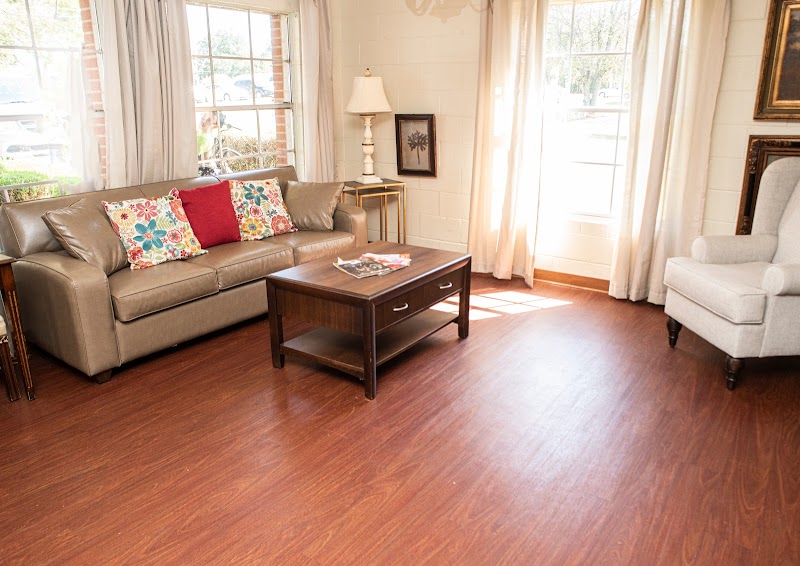
How is The Springs Of Hillcrest Staffed?

CMS rates THE SPRINGS OF HILLCREST's staffing level at 3 out of 5 stars, which is average compared to other nursing homes. Staff turnover is 46%, compared to the Arkansas average of 46%.

What Have Inspectors Found at The Springs Of Hillcrest?

State health inspectors documented 27 deficiencies at THE SPRINGS OF HILLCREST during 2022 to 2024. These included: 1 that caused actual resident harm and 26 with potential for harm. Deficiencies causing actual harm indicate documented cases where residents experienced negative health consequences.
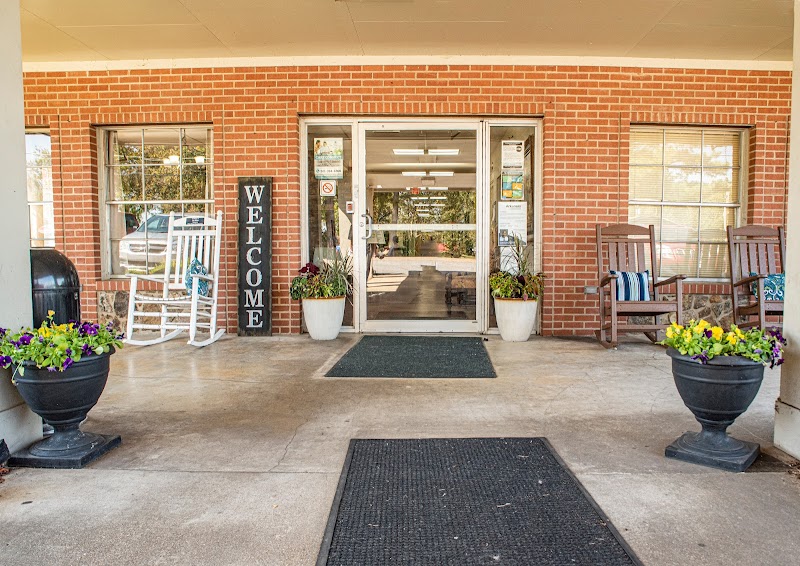
Who Owns and Operates The Springs Of Hillcrest?

THE SPRINGS OF HILLCREST is owned by a for-profit company. For-profit facilities operate as businesses with obligations to shareholders or private owners. The facility is operated by THE SPRINGS ARKANSAS, a chain that manages multiple nursing homes. With 90 certified beds and approximately 73 residents (about 81% occupancy), it is a smaller facility located in PRESCOTT, Arkansas.
How Does The Springs Of Hillcrest Compare to Other Arkansas Nursing Homes?

Compared to the 100 nursing homes in Arkansas, THE SPRINGS OF HILLCREST's overall rating (2 stars) is below the state average of 3.1, staff turnover (46%) is near the state average of 46%, and health inspection rating (2 stars) is below the national benchmark.

What Should Families Ask When Visiting The Springs Of Hillcrest?

Based on this facility's data, families visiting should ask: "Can I visit during a mealtime to observe dining assistance and food quality?" "How do you handle medical emergencies, and what is your hospital transfer rate?" "Can I speak with family members of current residents about their experience?"

Is The Springs Of Hillcrest Safe?

Based on CMS inspection data, THE SPRINGS OF HILLCREST has a clean safety record: no substantiated abuse findings (meaning no confirmed cases of resident harm), no Immediate Jeopardy citations (the most serious violation level indicating risk of serious injury or death), and is not on the Special Focus Facility watch list (a federal program monitoring the lowest-performing 1% of nursing homes). The facility has a 2-star overall rating and ranks #100 of 100 nursing homes in Arkansas. While no facility is perfect, families should still ask about staff-to-resident ratios and recent inspection results during their visit.

Do Nurses at The Springs Of Hillcrest Stick Around?

THE SPRINGS OF HILLCREST has a staff turnover rate of 46%, which is about average for Arkansas nursing homes (state average: 46%). Moderate turnover is common in nursing homes, but families should still ask about staff tenure and how the facility maintains care continuity when employees leave.

Was The Springs Of Hillcrest Ever Fined?

THE SPRINGS OF HILLCREST has been fined $9,537 across 1 penalty action. This is below the Arkansas average of $33,174. While any fine indicates a compliance issue, fines under $50,000 are relatively common and typically reflect isolated problems that were subsequently corrected. Families should ask what specific issues led to these fines and confirm they've been resolved.

Is The Springs Of Hillcrest on Any Federal Watch List?

THE SPRINGS OF HILLCREST is not on any federal watch list. The most significant is the Special Focus Facility (SFF) program, which identifies the bottom 1% of nursing homes nationally based on persistent, serious quality problems. Not being on this list means the facility has avoided the pattern of deficiencies that triggers enhanced federal oversight. This is a positive indicator, though families should still review the facility's inspection history directly.