ASHLEY REHABILITATION AND HEALTH CARE CENTER
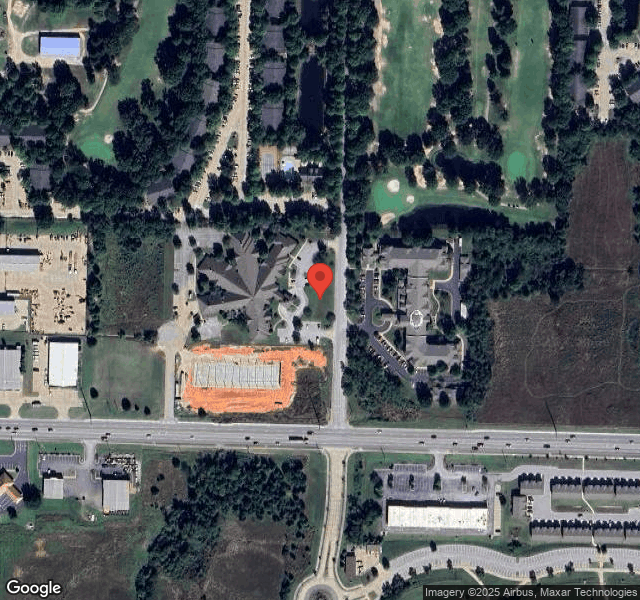
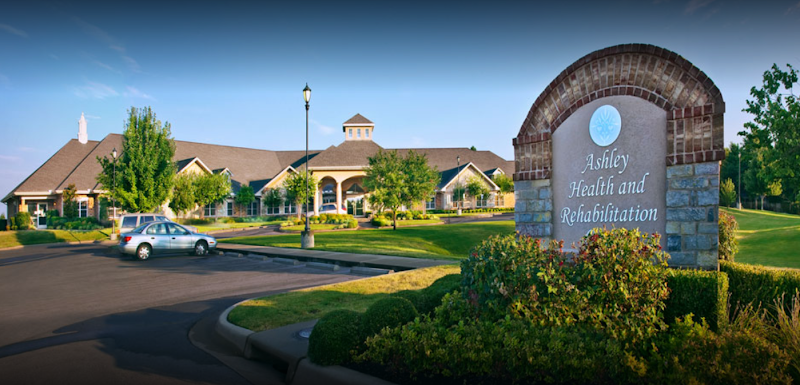
2600 N 22ND STREET, ROGERS, AR 72756 (479) 899-6778
For profit - Limited Liability company 60 Beds JAMES & JUDY LINCOLN Data: November 2025 2 Immediate Jeopardy citations
Trust Grade
0/100
Last Inspection: November 2024

Within standard 12-15 month inspection cycle. Federal law requires annual inspections.

Overview

Ashley Rehabilitation and Health Care Center has received a Trust Grade of F, indicating significant concerns about care quality. With no ranking in either the state or county, it is clear that the facility is not performing well compared to other options. Although the facility's deficiencies have shown improvement, decreasing from 25 issues in 2024 to just 2 in 2025, it still has a troubling history, including critical incidents where a resident was not protected from emotional abuse and another who did not receive CPR when required. Staffing is a significant concern here, with a turnover rate of 61%, which is higher than the state average, meaning many staff members are leaving. Additionally, the facility has incurred $65,473 in fines, indicating compliance problems more serious than 98% of Arkansas facilities, despite having good RN coverage that exceeds 75% of state facilities.

Trust Score
F
0/100
In Arkansas
#112/223
Top 50%
Safety Record
High Risk
Review needed
Inspections
Getting Better
25 → 2 violations
Staff Stability
⚠ Watch
61% turnover. Above average. Higher turnover means staff may not know residents' routines.
Penalties
⚠ Watch
$65,473 in fines. Higher than 78% of Arkansas facilities, suggesting repeated compliance issues.
Skilled Nurses
⚠ Watch
Each resident gets only 23 minutes of Registered Nurse (RN) attention daily — below average for Arkansas. Fewer RN minutes means fewer trained eyes watching for problems.
Violations
⚠ Watch
44 deficiencies on record. Higher than average. Multiple issues found across inspections.
☆☆☆☆☆
0.0
Overall Rating
☆☆☆☆☆
0.0
Staff Levels
☆☆☆☆☆
0.0
Care Quality
☆☆☆☆☆
0.0
Inspection Score
Stable
2024: 25 issues
2025: 2 issues

The Good

  • Full Sprinkler Coverage · Fire safety systems throughout facility
  • No fines on record

Facility shows strength in fire safety.

The Bad

Staff Turnover: 61%

14pts above Arkansas avg (46%)

Frequent staff changes - ask about care continuity

Federal Fines: $65,473

Above median ($33,413)

Moderate penalties - review what triggered them

Chain: JAMES & JUDY LINCOLN

Part of a multi-facility chain

Ask about local staffing decisions and management

Staff turnover is elevated (61%)

13 points above Arkansas average of 48%

The Ugly 44 deficiencies on record

2 life-threatening
Jun 2025 2 deficiencies
CONCERN (D) 📢 Someone Reported This

A family member, employee, or ombudsman was alarmed enough to file a formal complaint

Potential for Harm - no one hurt, but risky conditions existed

Deficiency F0583 (Tag F0583)

Could have caused harm · This affected 1 resident

**NOTE- TERMS IN BRACKETS HAVE BEEN EDITED TO PROTECT CONFIDENTIALITY** Based on observations, interviews, and facility document review, the facility failed to ensure the privacy and confidentiality o...

Read full inspector narrative →
**NOTE- TERMS IN BRACKETS HAVE BEEN EDITED TO PROTECT CONFIDENTIALITY** Based on observations, interviews, and facility document review, the facility failed to ensure the privacy and confidentiality of residents' protected health information (PHI) was maintained for 1 (200 hall) of 1 hall of the facility. The findings include: During an observation on 06/06/2025 at 8:45 AM, Registered Nurse (RN) #5 was in room [ROOM NUMBER]. An unattended medication cart was on the 200 hall. A computer was sitting on top of the medication cart with the screen open to an electronic medication administration screen for Resident #6. During an observation on 06/06/2025 at 8:56 AM, RN #5 prepared a medication for Resident #8, locked the medication cart, entered a resident ' s room and left the computer screen open to Residents #8 ' s medication administration screen. During the observation, residents and staff were ambulating on the hall past the medication cart. During an interview on 06/06/2025 at 8:59 AM, RN # 5 stated they had been a nurse for 13 years, and began working in this facility one year ago, this July. RN #5 stated the computer screen should have been locked so the resident information was not visible to anyone walking by, because it was a HIPAA [Health Insurance Portability and Accountability Act] violation. During an interview on 06/06/2025 at 11:28 AM, the Director of Nursing stated all staff received training in PHI upon hire, and PHI was emphasized during trainings. Staff should have locked the computer screen when they walked away, because it was a breach of confidentiality. During an interview on 06/09/2025 at 10:43 AM, the Administrator stated computer screens should be locked, and not visible, to protect resident medical information. A review of an undated facility document titled, Resident Rights, indicated, N. Information contained in a resident's record shall be kept confidential .O. Each resident shall be treated with consideration, respect and dignity, including privacy in treatment and care of personal needs. A review of an undated facility document titled, Resident Rights and Responsibilities, indicated, Privacy and Confidentiality: . Resident's medical records are maintained in order and . They are available to authorized personnel only.
CONCERN (D) 📢 Someone Reported This

A family member, employee, or ombudsman was alarmed enough to file a formal complaint

Potential for Harm - no one hurt, but risky conditions existed

Infection Control (Tag F0880)

Could have caused harm · This affected 1 resident

Based on observation, interview, and facility policy review, it was determined the facility failed to ensure staff performed hand hygiene after care of a resident and before and after medication admin...

Read full inspector narrative →
Based on observation, interview, and facility policy review, it was determined the facility failed to ensure staff performed hand hygiene after care of a resident and before and after medication administration for three (Resident #6, #8, and #9) of three residents observed. The findings include: During an observation on 06/06/2025 at 8:45 AM, Registered Nurse (RN) #5 was in a resident's room and placed a call light in reach of Resident #9. RN #5 exited the room, with no hand hygiene, and returned to the medication cart. RN #5 removed a medication card from the cart and placed medication into a medication cup, then provided it to Resident #6. During an observation on 06/06/2025 at 8:52 AM, RN #5 removed a clean medication cup, opened a bottle of vitamin D, poured one pill into the palm of their right ungloved hand, and placed the pill into the medication cup. RN #5 completed placing additional medications into the cup, then provided the medication cup to Resident #8. No hand hygiene was performed between residents. During an interview on 06/06/2025 at 8:59 AM, RN #5 stated they had been a nurse for 13 years and had worked for the facility for one year, in July. RN #5 stated hands should be sanitized between residents, due to the possibility of spreading germs from one resident to another. RN #5 stated the vitamin D did not have a screw top lid. RN #5 removed the vitamin D bottle from the medication cart and demonstrated the lid was a flip top. RN #5 stated the vitamin D should have been placed directly into the medication cup, and not into their ungloved hand. During an interview on 06/06/2025 at 11:28 AM, the Director of Nursing (DON) stated hand hygiene should be done frequently, before and after contact with residents and RN #5 should have washed their hands before walking out of a resident room, and again before dispensing medication, and before and after the next resident. The DON stated the pill and bottles become contaminated if touching the hand, and RN #5 should have worn gloves. During an interview on 06/09/2025 at 10:43 AM, the Administrator stated the expectation was for staff to perform hand hygiene any time it was necessary. Sanitizer should be used between residents, unless they provided direct brief care, then they should wash their hands, due to the importance of infection control purposes, there is a risk for cross contamination. The Administrator stated trainings on hand hygiene were done monthly on the 15th, unless that fell on a weekend, then would be done on the following Monday. During an interview on 06/09/2025 at 11:30, the Infection Preventionist/Medical Records (IP/MR) stated staff should be performing hand hygiene between residents, before and after patient care, and depending on activity. A nurse passing medications should be washing their hands before and after care, administration of insulin or checking blood sugar. Sanitizer should be used between residents when passing medications. The IP/MR stated generally, staff were taught to wash after the three uses of sanitizer. When staff are in a resident's room moving a resident table, handing the resident their call light, or resident's water, staff should be sanitizing. The nurse should have sanitized between giving residents medications and should not pour medication into their hand. Hand hygiene is important to prevent the spread of infection, protection of the residents and themselves. A review of a facility policy titled, Medication, Administration Guidelines, revised 02/07/2013, indicated, Guidelines 1. Bring cart to resident room . 5. Wash hands. A review of a facility policy titled, Handwashing and Hand Hygiene, effective January 2009, indicated, Policy: This facility recognizes the importance of handwashing or use of alcohol-based rubs in controlling the spread and acquisition of nosocomial infections .Hand Hygiene: .Handwashing or use of alcohol-based hand rubs .most effective means of preventing and controlling the spread of infection .When: .1. Before and after contact with a resident .7. Before preparing medications and as appropriate throughout the medication distribution. A review of a facility policy titled, Hand Cleanser, Alcohol Based Hand Sanitizer, dated 2018, indicated, Purpose: Clean the hands between resident contacts Prevent spread of infection . Clean Your Hands Frequently! .Hand hygiene is the single most important step you can take to reduce transmission of infectious agents .Clean your hands before and after contact with a resident or resident's environment. This includes before and after entering a resident room .
Nov 2024 24 deficiencies 2 IJ
CRITICAL (J)

Immediate Jeopardy (IJ) - the most serious Medicare violation

Free from Abuse/Neglect (Tag F0600)

Someone could have died · This affected 1 resident

Based on observations, interviews, record review, document review, and facility policy review, the facility failed to ensure a resident was free from abuse for 1 (Resident #5) of 3 sampled residents r...

Read full inspector narrative →
Based on observations, interviews, record review, document review, and facility policy review, the facility failed to ensure a resident was free from abuse for 1 (Resident #5) of 3 sampled residents reviewed for abuse. Specifically, the facility failed to ensure Resident #5 was free emotional abuse. The Immediate Jeopardy began on 09/02/2024, when CNA #4 made inappropriate statements to Resident #5 when she walked into the shower room while Resident #5 was taking a shower with help of CNA #4. CNA #4 and showed an inappropriate picture to Resident #5. The facility failed to investigate this incident until 09/09/2024. The facility had failed to train staff in abuse and neglect. The findings included: The Administrator became aware of the alleged abuse on 09/09/2024 and completed an Office of Long Term Care (OLTC) Incident and Accident (I&A) Report on 09/09/2024 at 11:10 AM. The report indicated that the alleged abuse occurred on 09/02/2024 and indicated that Resident #5 was taking a shower with the help of Certified Nursing Assistant (CNA) #5 when CNA #4 entered the shower room and commented that Resident #5 had a nice butt. The report shows that steps taken during the investigation were as follows: Immediately suspended pending investigation. Abuse and Neglect in-service conducted and that Resident #5's family came to facility and was taking the resident out of facility for a couple of days to de-sensitize him. During this survey it was found that CNA #4 was working in the facility again and had worked on the hall where Resident #5 resided during the night (11:00 PM-7:00 AM) on 10/31/2024. The Administrator and Director of Nursing Services were notified of the Immediate Jeopardy on 11/01/2024 at 1:46 PM. A Removal Plan was requested. Removal Plan was accepted on 11/04/2024. These are the findings: A Review a facility policy titled, Abuse and Neglect Policy and Procedure, revised on 11/20/2017, indicted, Guidelines will be established to protect residents from individuals that have allegedly committed abuse or have shown indication that would cause abuse. The quarterly Minimum Data Set (MDS), with an Assessment Reference Date (ARD) of 10/04/2024, revealed Resident #5 had a Brief Interview for Mental Status (BIMS) score of 12 which indicated the resident had moderate cognitive impairment. A review of Resident #5's care plan initiated on 03/24/2020, revealed the resident had an Activity of Daily Living (ADL) self-care performance deficit. Interventions included the resident could perform most ADL functions with one person supervision with limited assistance. Review of a Progress Note, dated 09/08/2024, indicated Resident #5 was upset regarding a situation that occurred earlier in the week with a staff member. Resident #5 had a nightmare last night about the incident and was not in a good mood and didn't want to leave his room. Review of a Progress Note, dated 09/09/2024, indicated that Resident #5 was observed leaving activities and being upset. Resident #5 was observed holding his left wrist to his mouth and biting it causing it to bleed and leaving a bite mark. A review of CNA #5's, OLTC Witness Statement dated 09/09/2024 at 9:55 PM, indicated the following: A co-worker (CNA #4) entered the shower room and made comments to Resident #5 that were inappropriate, and Resident #5 was traumatized by the incident. A review of Resident #5's, OLTC Witness Statement dated 09/09/2024 indicated the following: Resident #5 was taking a shower with the help of CNA #5 when CNA #4 entered the shower room and told resident he had a big, beautiful butt and that she had a big, beautiful butt and proceeded to show the resident a picture on her phone. During an interview on 10/31/2024 at 11:45 AM, the Administrator indicated that he was made aware of the situation and asked his Director of Nursing (DON) to talk to the Resident. The Administrator advised that he was going to suspend CNA #4 over this incident pending the investigation, but CNA #4 was involved in an automobile accident, so the Administrator used this time as her suspension. During an interview on 10/31/2024 at 11:45 AM, the Administrator indicated that he rehired CNA #4 and part of the plan to keep Resident #5 safe was that CNA #4 was to not work on the hall were Resident #5 resided or go into Resident #5's room. The Administrator was asked if CNA #4 worked last night (10/31/2024) and what hall she was assigned to. The Administrator indicated that CNA #4 did work last night (11:00 PM-7:00 AM shift) and that she was assigned to the hall Resident #5 resided on. The Administrator was asked why CNA #4 was assigned to the hall, where Resident #5 resided. The Administrator indicated that if CNA #4 did not work last night, he would not have had enough staff. During an interview on 11/01/2024 at 11:55 AM, the Surveyor spoke with Resident #5. Resident #5 was asked if anyone at the facility had upset the resident. Resident #5 indicated that CNA #4 showed the resident a picture and the resident didn't like it. When asked what the picture was of, Resident #5 indicated her (CNA #4) body with no clothes on her butt. Resident indicated while taking a shower with the help of CNA #5, CNA #4 walked into the shower room where the resident was taking a shower and told Resident #5 that the resident had a big, beautiful butt, and asked the resident if the resident wanted to see her big, beautiful butt. Resident #5 indicated that CNA #4 proceeded to show the resident a picture on her phone of herself with no clothes on her butt. Resident #5 indicated the resident didn't like it and wanted CNA #4 to leave. Resident #5 indicated a few days later the resident was coming out of an activity, and saw CNA #4, and it frustrated the resident so much that the resident bit himself hard on the wrist to the point the resident's wrist bled. During an interview on 11/01/2024 at 12:18 PM, the Administrator indicated that CNA #4 was never terminated, that they deemed her as self-terminated. The Administrator indicated that she was never taken out of the computer system, so they didn't have a re-hire date for CNA #4. The Administrator indicated that since CNA #4 was not a rehire, they didn't complete new background checks on her. The Administrator indicated that the facility did not have a policy on rehire of an employee. Removal Plan was accepted on 11/04/2024. The facility will ensure resident safety at all times. 1. Resident #5 was interviewed by social services director on 11/01/2024 and requested to talk to a psychiatrist and have a psychiatric evaluation. Evaluation is scheduled for 11/12/2024. Resident #5 currently attends a day group program at Ozark Community Hospital with a psychiatric Advanced Nurse Practitioner 2 times a week. 2. All current and future admitted residents will have a safety provided at all times. 3. CNA #4 has been terminated as of 11/01/2024. DON/Designee will in-service all staff on abuse and neglect as well as psychosocial well-being starting 11/01/2024 all will continue to in-service all employees prior to next start of shift. 4. This in-service will be done will all new hires and at least annually. 5. Any behaviors documented on resident #5 will be reviewed daily in stand-up ensuring that resident feels safe, and needs are being met. QA committee will monitor 3 x weekly in morning meeting to ensure new hire education on Abuse, neglect and psychosocial well-being will be reviewed, to ensure employees received education. All staff will be reviewed annually. Onsite Verification: The IJ was removed on 11/18/2024 at 2:16 PM after the survey team performed onsite verification that the Removal Plan had been implemented. Onsite verification of the Removal Plan began on 11/01/2024 at 2:00 PM when the Social Services Director interviewed Resident #5. Resident #5 had; a follow up psychiatrist appointment for evaluation scheduled, continued participation with a day program for counseling two times a week, and behavior monitoring with documentation every shift which was reported in the facility's morning meeting. The facility terminated CNA #4. The facility provided abuse, neglect, and psychological well-being in-service to all current staff and new hires; the Quality Assurance (QA) committee monitored three times a week employee in-service education. A total of 14 staff interviews were conducted with staff from all positions to verify training had been completed. The staff interviewed included Certified Nursing Assistants, Licensed Practical Nurses, a Registered Nurse, an Occupational Therapist, the Maintenance Supervisor, the Activities Director, and the Director of Nursing. The staff interviewed verified they had been trained on Abuse and Neglect. A review of in-service sheets provided indicated 47 of 64 staff had been provided training. Those staff who were not physically present to receive the in-services were messaged via telephone by the Administrator, with the in-service information provided and the employee acknowledging receipt and voicing understanding.
CRITICAL (J)

Immediate Jeopardy (IJ) - the most serious Medicare violation

Deficiency F0678 (Tag F0678)

Someone could have died · This affected 1 resident

**NOTE- TERMS IN BRACKETS HAVE BEEN EDITED TO PROTECT CONFIDENTIALITY** Based on record review, interview, and facility policy review the facility to administer Cardiopulmonary Resuscitation (CPR) upo...

Read full inspector narrative →
**NOTE- TERMS IN BRACKETS HAVE BEEN EDITED TO PROTECT CONFIDENTIALITY** Based on record review, interview, and facility policy review the facility to administer Cardiopulmonary Resuscitation (CPR) upon discovering 1 (Resident #62) sampled resident pulseless and breathless despite the resident being a full code. The Facility notified of the Immediate Jeopardy on [DATE] at 1:40 PM. The Facility Plan of Removal (POR) noted the facility will continue CPR upon discovering a resident pulseless and breathless when the resident is a full code signed [DATE]. The findings include: According to the quarterly Minimum Data Set (MDS) with an Assessment Reference Date (ARD) of [DATE] Resident #62 had a Brief Interview of Mental Status of 15 indicating cognitively intact. Resident #62 had diagnoses of heart failure and morbid obesity. A review of the plan of care for Resident #62 (initiate date: [DATE]) noted Resident #62 was full code if found pulseless and breathless imitate CPR until emergency medical services (EMS) arrive to take over. Resident #62's family signed a Physician Order for Life Sustaining Treatment (POLST) on [DATE] electing to receive CPR if needed. A review of a Health Status Note date [DATE] revealed about 6:19 AM Resident #62 discovered pulseless and breathless. Resident #62 was assessed by two other nurses in building. EMS was called and arrived 6:25 AM. EMS initiated CPR with 5 rounds of epinephrine, but no signs of life was found. Physician was called and updated on the resident status. A review of the medical records showed the last vital signs recorded was on [DATE]. The was no documentation within the medical records that CPR was initiated, or vital signs were taken on [DATE] when Resident #62 was found breathless and pulseless. On [DATE] at 8:50 AM, during an interview the Director of Nursing (DON) stated the Resident #62 was a full code and plan of care noted if the resident was found pulseless and breathless administer CPR until emergency personnel arrive to take over. The DON stated there was no documentation that CPR was administered. On [DATE] at 09:45 AM, the Surveyor requested the facility policy or procedure on when to initiated or withhold CPR. On [DATE] at 10:00 AM, the Surveyor was provided a policy on CPR administration. On [DATE] at 10:25 AM, the Surveyor requested the facility policy or procedure on when to withhold CPR. The Surveyor specifically asked for something stating the circumstances on when staff should not administer CPR. On [DATE] at 11:00 AM, the DON stated the facility does not have a policy and procedure on when CPR should be withheld. On [DATE] at 12:22 PM, during an interview the EMS dispatcher stated the EMS report noted when EMS arrived two staff members standing at the resident bedside not administering CPR and one of the staff members stated she had received an order to withhold CPR for the physician. On [DATE] 04:45 PM, the Director of Nursing stated that the nurse called the Physician that morning and he gave orders to withhold CPR. On [DATE] at 8:44 AM, during an interview the Physician stated he does not remember giving an order to withhold CPR for Resident #62 on [DATE]. On [DATE] at 12:37 PM, during an interview Licensed Practical Nurse (LPN) #8 stated she was coming on shift and when she entered the Resident #62's room [ROOM NUMBER] nurses were standing at the resident bedside no one was administering CPR. LPN #8 stated she touched the resident, and the resident was cold to touch so she called Physician and informed him the resident was cold to touch with no vitals. LPN #8 stated did Physician did not give any orders. LPN #8 stated she did not get vital signs, nor did she observe the resident's vital being taken. LPN #8 stated shortly after the Physician was called EMS arrived and initiated CPR. A policy titled Cardiopulmonary Resuscitation noted begin chest compression if the resident is not breathing. Onsite Verification: The IJ was removed on [DATE] at 2:16 PM after the survey team performed onsite verification that the Removal Plan had been implemented. Onsite verification of the Removal Plan began on [DATE] at 2:48 PM when a cardiopulmonary (CPR) in-service was initiated by the Director of Nursing (DON). DON reviewed all physician orders, care plans, and signed Do Not Resuscitate (DNR) documents for code status. Color coded name plates were placed outside resident doors, green for full code and red for DNR. An in-service was provided to staff and new hires regarding color coded name plates and monthly Quality Assurance and Performance Improvement (QAPI) is to ensure continued employee education. A total of 14 staff interviews were conducted with staff from all positions to verify training had been completed. The staff interviewed included Certified Nursing Assistants, Licensed Practical Nurses, a Registered Nurse, an Occupational Therapist, the Maintenance Supervisor, the Activities Director, and the Director of Nursing. The staff interviewed verified they had been trained on CPR initiation and how to identify DNR or full code residents. A review of in-service sheets provided indicated 34 of 64 had been provided training. Those staff who were not physically present to receive the in-services were messaged via telephone by the Administrator, with the in-service information provided and the employee acknowledging receipt and voicing understanding.
CONCERN (D)

Potential for Harm - no one hurt, but risky conditions existed

Abuse Prevention Policies (Tag F0607)

Could have caused harm · This affected 1 resident

Based on observation, record review, and interviews, it was determined that the facility failed to ensure established abuse policies and procedures were implemented after receiving an allegation of ab...

Read full inspector narrative →
Based on observation, record review, and interviews, it was determined that the facility failed to ensure established abuse policies and procedures were implemented after receiving an allegation of abuse for 1 (Resident #5) of 3 sampled residents for the implementation of abuse prohibition policies and procedures, that resulted in facility and contract staff, involved in allegations of abuse, to remain in the facility and to have continued contact with residents. Findings include: A review of a facility document titled, Abuse & Neglect Policy and Procedure, revision date 11/20/2017, indicated, The facility will implement procedures and TRAIN staff to PROTECT, RESPOND, REPORT & INVESTIGATE any allegations, suspicions or witnessed abuse. Guidelines will be established to protect residents from individuals that have allegedly committed abuse or have shown indication that would case abuse. A review of the Abuse and Neglect in-service dated 09/09/2024 showed that seven (7) people were in-serviced, and none were Certified Nursing Assistants (CNA), direct care staff. A review of the Incident & Accident (I & A) Report completed by the Administrator on 09/09/2024 indicated the incident occurred on 09/02/2024. A review of Progress Note, for Resident #5 from the electronic record indicates on 09/08/2024 Resident was very upset about a situation that occurred earlier in the week with a staff member, one that has been addressed by management per res. Resident indicated that he had a nightmare about the incident and he is just not in a good mood and is worried his roommate is upset with him due to roommate had to wake him up from the nightmare. Resident indicated that the situation with the staff member had been addressed by management A review of Progress Notes for Resident #5 from the electronic record indicates on 09/09/2024 at 10:45 AM, Nurse observed resident shouting, agitated and left the activity abruptly. As resident was leaving activity room, he held his left wrist to his mouth and bit down on his wrist hard enough to cause it to bleed and leave a bite mark. Resident indicated he bit himself because he was agitated. During an interview on 11/01/2024 at 11:45 AM, the Administrator indicated that he was made aware of the situation and asked his Director of Nursing (DON) to talk to the Resident. The Administrator advised that he was going to suspend CNA #4 over this incident pending the investigation, but CNA #4 was involved in an automobile accident, so the Administrator used this time as her suspension. The Administrator indicated one of the conditions of CNA #4 coming back to work was that she was not to work on the hall where Resident #5 resides or go into Resident #5's room. During an interview on 11/01/2024 at 11:45 AM, with the Administrator, it was discovered that CNA #4 worked the 11:00 PM to 7:00 AM shift on 10/31/2024, on the hall where Resident #5 resides. The Administrator was asked why CNA #4 was allowed to work on that hall. The Administrator indicated that he would not have enough staff if CNA #4 would not have worked. The Administrator would not elaborate why CNA #4 could not have worked another hall. During an interview on 11/01/2024 at 11:55 AM, the Surveyor spoke with Resident #5. Resident #5 was asked if anyone at the facility had upset the resident. Resident #5 indicated that CNA #4 showed the resident a picture and the resident did not like it. The Surveyor asked Resident #5 what the picture was of. Resident #5 indicated her body with no clothes on her butt. Resident #5 indicated while taking a shower with the help of CNA #5, CNA #4 walked into the shower room where the resident was taking a shower and told Resident #5 that the resident had a big, beautiful butt and asked the resident if the resident wanted to see her big, beautiful butt. Resident #5 indicated that CNA #4 proceeded to show him a picture on her phone of herself with no clothes on her butt. Resident #5 indicated that he did not like it and wanted CNA #4 to leave. Resident #5 indicated a few days later the resident was coming out of an activity and saw CNA #4 and it frustrated the resident so much that the resident bit himself hard on the wrist to the point the resident's wrist bled. During an interview on 11/01/2024 at 12:18 PM, the Administrator indicated that CNA #4 was never terminated, that they deemed her as self-terminated. The Administrator indicated that she was never taken out of the computer system, so they did not have to rehire CNA #4. The Administrator indicated that since CNA #4 was not a rehire, they didn't complete new background checks on her. During an interview the Administrator indicated that the facility did not have a policy on rehiring an employee. Review of Resident #5's Medical Diagnosis, reported diagnoses of unspecified mood disorder, unspecified mental disorder due to known physiological condition, primary generalized Osteoarthritis arthritis, hypertension, abnormalities of gait and mobility, type 2 diabetes mellitus without complications, unsteady on feet. The quarterly Minimum Data Set (MDS), with an Assessment Reference Date (ARD) of 10/04/2024, revealed Resident #5 had a Brief Interview for Mental Status (BIMS) score of 12 which indicated the resident had moderate cognitive impairment. A review of Resident #5's care plan, revised, revealed the resident had an activities of daily living self-care performance deficit. Interventions included the Resident can self-perform with assistance when needed for bathing/showering.
CONCERN (D)

Potential for Harm - no one hurt, but risky conditions existed

Deficiency F0661 (Tag F0661)

Could have caused harm · This affected 1 resident

**NOTE- TERMS IN BRACKETS HAVE BEEN EDITED TO PROTECT CONFIDENTIALITY** Based on record review, interview and facility policy review, the facility failed to ensure a written discharge summary (dc) inc...

Read full inspector narrative →
**NOTE- TERMS IN BRACKETS HAVE BEEN EDITED TO PROTECT CONFIDENTIALITY** Based on record review, interview and facility policy review, the facility failed to ensure a written discharge summary (dc) included a condensed summary of the stay in the facility and course of treatment, a reconciliation of medications, and resident status at discharge for 1 (Resident #61) sampled resident reviewed for a discharge. The findings are: On 10/29/2024, Resident #61's Discharge summary, dated [DATE], was reviewed and and indicated the resident was admitted on [DATE] and discharged home with family on 08/10/2024. The summary of stay indicated the resident attended physical, occupational, and speech therapy and a wound dressing on the right foot was changed accordingly. There was no indication of the resident's pre- and post- discharge medications, or the resident's status at discharge. There was no physician's signature on the form. On 11/01/2024 at 6:55 PM, the Director of Nursing was interviewed with concurrent observations, and she stated the nurses were responsible for completing the dc summary when the resident was discharged . She reviewed Resident #61's dc summary form and stated the form only included part of the resident's stay and should have indicated the disposition of the resident's medications and belongings. She stated the physician had not signed the form and the medical records [department] was responsible for getting the discharge summary signed by the physician. A Discharge/Transfer of Resident policy, not dated and provided by the Administrator on 11/01/2024, was reviewed and indicated a discharge summary and post discharge plan of care form was to be completed. The policy indicated the dc summary should include a list of medications with instructions in simple terms, instructions for post discharge care, have the resident/resident representative sign the form and the signed original form should be placed in the medical record.
CONCERN (D) 📢 Someone Reported This

A family member, employee, or ombudsman was alarmed enough to file a formal complaint

Potential for Harm - no one hurt, but risky conditions existed

ADL Care (Tag F0677)

Could have caused harm · This affected 1 resident

Based on observations, interview, and record review, the facility failed to ensure baths/showers were provided to residents on their scheduled days to promote good personal hygiene and grooming for 1 ...

Read full inspector narrative →
Based on observations, interview, and record review, the facility failed to ensure baths/showers were provided to residents on their scheduled days to promote good personal hygiene and grooming for 1 (Resident #29) sampled resident reviewed for personal hygiene and grooming. The findings are: On 10/28/2024 at 3:42 PM, Resident #29 was interviewed and stated the resident believed the daytime [shift] was understaffed because residents do not receive showers as they should. Resident #29 stated the resident's scheduled bath/shower days were Tuesday, Thursday, and Saturday. Resident #29 stated the resident did not receive a shower on Saturday, 10/26/24, due to the facility only had one Certified Nursing Assistant (CNA) working the hall the resident resided. The resident alleged the facility only two CNAs working in the building some nights. A review of Resident #29's medical diagnoses indicated a lung condition which caused difficulty breathing (chronic obstructive pulmonary disease) and a condition which caused the muscles on one side of the body to be contracted (spastic hemiplegia affecting right dominant side). An annual Minimum Data Set with an Assessment Reference Date of 09/07/2024, was reviewed and indicated Resident #29 had a Brief Interview for Mental Status score of 15, which indicated cognitively intact and required substantial/maximal assistance with shower/bath activity. A care plan, revised 09/29/2024, was reviewed and indicated Resident #29 had a deficit in performing activities of daily living (ADLs) and required extensive assistance of one person with bathing/showering as necessary. The grievance logs, provided by the Administrator on 10/28/2024, were reviewed and indicated multiple grievances were filed in August 2024, September 2024 and October 2024 concerning residents not receiving baths/showers on their scheduled days. Resident #29's ADL task, offer bathing every Tuesday, Thursday, Saturday days and as needed, was reviewed and the following was indicated: the resident was totally dependent for this task on 10/05/2024, 10/08/2024, 10/12/2024, 10/24/2024 and was not applicable on 10/26/2024. The Shift Staffing Schedule for the 7:00 AM to 3:00 PM shift on 10/26/2024 was reviewed and indicated halls 100, 200 and 300 had one CNA scheduled for each hall. Hall 300 had one CNA in orientation, totaling 2 CNAs. At 11:00AM, two CNAs were scheduled to come in, one for hall 100 and one for hall 200. On 10/31/2024 at 12:10 PM, the Director of Nursing (DON) provided Bath/Shower Sheet documents for the following dates: 9/3/24 indicated a bed bath, 9/12/24 indicated a shower, 10/15/24 indicated shower and 10/24/24 indicated a shower. She stated those were all the bath sheets she could find. On 11/01/2024 at 6:55 PM, the DON was interviewed and stated CNAs were responsible for providing resident showers. She stated Human Resources had been helping to ensure bath/showers were done. She stated there were grievances filed regarding the residents not receiving their baths/showers and would have to look at the grievances before stating how the facility addressed the issue. She stated the nursing staff had been in-service/educated on bathing/showering the residents and Social had done the in-services on this task
CONCERN (D)

Potential for Harm - no one hurt, but risky conditions existed

Incontinence Care (Tag F0690)

Could have caused harm · This affected 1 resident

Based on observations, interviews, record review, and facility policy review the facility failed to ensure 1 (Resident #57) sampled resident received proper incontinence care and the incontinence care...

Read full inspector narrative →
Based on observations, interviews, record review, and facility policy review the facility failed to ensure 1 (Resident #57) sampled resident received proper incontinence care and the incontinence care was done in a timely manner. The findings include: A review of the quarterly Minimum Data Set (MDS) with the Assessment Reference Date (ARD) of 9/10/2024 revealed Resident #57 had memory problems and was frequent incontinent of bowel and bladder. Resident #57 had diagnoses of Alzheimer's disease and non-Alzheimer's dementia. A plan of care for Resident #57 (revision on: 3/07/2024) revealed Resident #57 had (urge, stress) bladder incontinence related to r/t activity intolerance, Alzheimer's disease, confusion, dementia, and impaired mobility. An intervention in place noted ensure the resident has unobstructed path to the bathroom. On 10/30/24 at 08:20 AM, the Surveyor observed Resident #57 sitting in wheelchair in hallway common. On 10/30/24 at 10:08 AM, the Surveyor observed Resident #57 sitting in wheelchair in hallway common area. On 10/30/24 at 11:45 AM, the Surveyor observed staff member push Resident #57 in wheelchair to the dining room for meal service. On 10/30/24 at 2:00 PM, the Surveyor observed Resident #57 sitting in wheelchair in hallway common area. On 10/30/24 at 02:15 PM, the Surveyor observed Certified Nursing Assistant #4 and #7 provide incontinence care to Resident #57 who had been incontinent of bowel and bladder. CNA #7 did not clean all areas of the perineal and buttock exposed to urine. On 10/30/24 at 02:30 PM, CNA #7 stated Resident #57 pants were wet at the time removed from the resident. CNA #7 stated she did not certain parts of Resident #57's perineal area CNA #4 stated to CNA #7 you are supposed to wipe anywhere urine touches. On 10/31/24 at 8:50 AM, the Surveyor asked the Director of Nursing (DON) stated staff should clean every surface of the perineal area because not cleaning could cause skin breakdown, bacteria build up and/or urinary tract infection. A policy titled Incontinence Care noted the purpose of incontinence care was to keep skin clean, dry, and free of irritation and odor, prevent skin breakdown, and prevent infections.
CONCERN (D)

Potential for Harm - no one hurt, but risky conditions existed

Deficiency F0700 (Tag F0700)

Could have caused harm · This affected 1 resident

Based on observation, interviews, and record review the facility failed to ensure bed rails were in use only after an assessment for risk of entrapment was completed for 1 (Resident #57) sample reside...

Read full inspector narrative →
Based on observation, interviews, and record review the facility failed to ensure bed rails were in use only after an assessment for risk of entrapment was completed for 1 (Resident #57) sample resident. The findings include: A review of the quarterly Minimum Data Set (MDS) with the Assessment Reference Date (ARD) of 9/10/2024 revealed Resident #57 had memory problems and was frequent incontinent of bowel and bladder. Resident #57 had a diagnoses of Alzheimer's disease and non-Alzheimer's dementia. Resident #57 did not use side rails. A plan of care for Resident #57 (revision on: 3/07/2024) revealed Resident #57 had (urge, stress) bladder incontinence related to r/t activity intolerance, Alzheimer's disease, confusion, dementia, and impaired mobility. An intervention in place noted ensure the resident has unobstructed path to the bathroom. On 10/30/24 at 02:15 PM, the Surveyor observed Certified Nursing Assistant #7 lower the left side rail between the resident and the bathroom after care was done. CNA #7 stated to CNA #4 Resident #57 get up on the left side of the bed. On 10/31/24 at 8:50 AM, the Director of Nursing (DON) stated side rails should not be used but it's only entrapment when it restrains them from moving. After observing the side rails on the resident's bed DON stated the side rail does restrain the resident from moving freely and obstruct the resident's path to the restroom. DON stated the there was no assessment for entrapment completed prior to the use of side rails.
CONCERN (D)

Potential for Harm - no one hurt, but risky conditions existed

Pharmacy Services (Tag F0755)

Could have caused harm · This affected 1 resident

Based on observation, interview and record review, the facility failed to ensure medication was available during a medication administration observation for 1 (Resident #46) of 11 residents who receiv...

Read full inspector narrative →
Based on observation, interview and record review, the facility failed to ensure medication was available during a medication administration observation for 1 (Resident #46) of 11 residents who received medications from 3 Licensed Practical Nurses (LPNs) and 2 Registered Nurses (RNs). The findings are: On 10/31/2024 at 8:03 AM, LPN #8, was retrieving Resident #46's medications from hall 100 medication cart. She looked through the medication cart and stated there was no Lactulose and she would need to call the pharmacy. On 10/31/2024 at 4:50 PM, RN #9 was at the medication cart for hall 100 and he was asked to check if lactulose was on the cart for Resident #46. He looked through the medication cart and retrieved a small bottle of lactulose but stated the bottle was for another resident and there was no lactulose in the cart for Resident #46. He stated Lactulose was not in a stock bottle and each resident would have an individual bottle. Resident #46's Order Summary Report was reviewed and indicated Lactulose oral solution 20 grams (GM)/30 milliliters (ML) and to give 20 ml by mouth two times a day for constipation. Resident #46's electronic medication administration record (eMAR) was reviewed and indicated Lactulose 20 gm/30 ml and give 20 ml by mouth two times a day. On 10/30/2024 and 10/31/2024 at 0800 (8:00 AM), the number 9 was inside a box. The chart codes for the number 9 indicated other/see progress notes. Resident #46 progress notes were reviewed and an Administration Note, dated 10/30/2024 at 08:46 (8:46 AM), was reviewed and indicated Lactulose was out of supply and the staff was waiting for the medication to be delivered from the pharmacy. An administration note, dated 10/31/2024 at 12:04 (12:04 PM), was reviewed and indicated the staff was waiting for the medication to be delivered from the pharmacy. The resident did not receive the scheduled 8:00 AM dose of Lactulose. On 11/01/2024 at 6:55 PM, the Director of Nursing (DON) was interviewed and stated the nurses were responsible for ordering refills for the residents' medications. She stated she makes a list of the over-the-counter medications, and the Administrator orders those medications from the company. A Medication, Administration Guidelines policy, not dated and provided by the Administrator on 11/01/2024, was reviewed and indicated the complete act of administration involved removing an individual dose from a previously dispensed, properly labeled container, verifying it with the physician's orders, giving the individual dose to the proper resident, and promptly recording the information.
CONCERN (D)

Potential for Harm - no one hurt, but risky conditions existed

Unnecessary Medications (Tag F0759)

Could have caused harm · This affected 1 resident

Based on observation, record review and interview, the facility failed to ensure the medication error rate was less than 5 percent (%) during the medication administration observation of 2 (Residents ...

Read full inspector narrative →
Based on observation, record review and interview, the facility failed to ensure the medication error rate was less than 5 percent (%) during the medication administration observation of 2 (Residents #7 and #46) of 11 residents who received medications from 2 Registered Nurses (RNs) and 3 Licensed Practical Nurses (LPN). 27 opportunities of medication administration were observed and 2 of the 27 medications were not administered in accordance with physician's orders, resulting in a medication error rate of 7.41%. The findings are: On 10/31/2024 at 8:03 AM, LPN #8, was retrieving Resident #46's medications from hall 100 medication cart. She looked through the medication cart and stated there was no Lactulose and she would need to call the pharmacy. At 4:50 PM, RN #9 was at the medication cart for hall 100 and he was asked to check if lactulose was on the cart for Resident #46. He looked through the medication cart and retrieved a small bottle of lactulose but stated the bottle was for another resident and there was no lactulose in the cart for Resident #46. He was asked if the lactulose would be in a stock bottle for all the residents or if the resident would have an individual bottle. He stated the resident would have an individual bottle. Resident #46's Order Summary Report was reviewed and indicated Lactulose oral solution 20 grams (GM)/30 milliliters (ML) and to give 20 ml by mouth two times a day for constipation. Resident #46's electronic medication administration record (eMAR) was reviewed and indicated Lactulose 20 gm/30 ml and give 20 ml by mouth two times a day. On 10/30/2024 and 10/31/2024 at 0800 (8:00 AM), the number 9 was inside a box. The chart codes for the number 9 indicated other/see progress notes. Resident #46 progress notes were reviewed and an Administration Note, dated 10/30/2024 at 08:46 (8:46 AM), was reviewed and indicated Lactulose was out of supply and the staff was waiting for the medication to be delivered from the pharmacy. An administration note, dated 10/31/2024 at 12:04 (12:04 PM), was reviewed and indicated the staff was waiting for the medication to be delivered from the pharmacy. The resident did not receive the scheduled 8:00 AM dose of Lactulose. On 10/31/24 at 7:45 AM, LPN #7 prepared Resident #7's 8:00 AM medications. During the medication preparation, LPN #7 was observed placing one capsule from a bottle of Probiotic capsules into a pill cup. After she placed all the medications in the pill cup, she was asked how many pills she had, and she verbalized there were 5 pills and one capsule. Resident #7's Order Summary Report was reviewed and indicated an order for Saccharomyces Boulardil capsule 250 milligrams (mg) and to give 2 capsules one time a day for probiotic. On 10/31/2024 at 9:42 AM, LPN #7 was interviewed with concurrent observations and she confirmed she placed 1 probiotic capsule in Resident #7's pill cup prior to administering the resident's medications. She was asked to review the resident's electronic medication administration record (eMAR), and she stated, Oh no. I see it now. It [the order] shows 2. A Medication, Administration Guidelines policy not dated and provided by the Administrator on 11/01/2024, was reviewed and indicated it is the purpose of the facility that residents receive their medications on a timely basis and in accordance with established policies. On 11/01/2024 at 6:55 PM, the Director of Nursing (DON) was interviewed and stated the nurses were responsible for ordering refills for the residents' medications. She stated she makes a list of the over-the-counter medications, and the Administrator orders those medications from the company.
CONCERN (D) 📢 Someone Reported This

A family member, employee, or ombudsman was alarmed enough to file a formal complaint

Potential for Harm - no one hurt, but risky conditions existed

Menu Adequacy (Tag F0803)

Could have caused harm · This affected 1 resident

Based on observation, record review and interview, the facility failed to ensure food items were prepared and served according to planned written menu for 1 of 2 meals observed. The findings are: 1. O...

Read full inspector narrative →
Based on observation, record review and interview, the facility failed to ensure food items were prepared and served according to planned written menu for 1 of 2 meals observed. The findings are: 1. On 10/28/2024, the menu for noon meal indicated residents Minced Moist Soft diets were to receive 2#8 scoops (1cup) of chicken spaghetti, ½ cup of mash soft vegetables and residents on pureed diets were to receive 2#8 scoops (1 Cup) of pureed chicken spaghetti 2. On 10/28/24 at 12:34 PM, the following observations were made during the noon meal service. a. The DC #1 used a 6-ounce ladle (3/4 cup) to serve chicken spaghetti to the residents on Minced Moist soft diets, instead 2 #8 scoops which is equivalent to 1 cup. b. Residents on Minced Moist Soft diets were served pureed vegetable blend, instead of soft mash vegetables. c. The DC #1 used a #6 scoop (2/3 cup) to serve pureed chicken spaghetti to the residents on pureed diets, instead of 2#8 scoops which is equivalent to 1 cup.
CONCERN (E)

Potential for Harm - no one hurt, but risky conditions existed

Accident Prevention (Tag F0689)

Could have caused harm · This affected multiple residents

Based on observations and interviews the facility failed to ensure lint traps were free from excessive lint build up. The findings include: On 10/30/2024 at 08:34 AM, the Surveyor did an inspection of...

Read full inspector narrative →
Based on observations and interviews the facility failed to ensure lint traps were free from excessive lint build up. The findings include: On 10/30/2024 at 08:34 AM, the Surveyor did an inspection of the clothes dryer and found all three with excessive lint build up. The Surveyor noted a clip board hanging on the wall next to the clothes dryer last entry dated 10/29/24. On 10/30/24 at 08:45 AM, the Housekeeping Supervisor stated the lint was removed from the lint traps after every 3 loads of laundry and documented on the clipboard hanging on the wall. The Housekeeping Supervisor stated there was two shifts morning and evening, and the last entry was done by the morning on the previous day. The Housekeeping Supervisor stated the lint traps looked like they have not had the lint removed which could cause a fire. On 10/31/24 at 1:38 PM, the Housekeeping Supervisor stated she had spoken to the employee who worked the evening shift on 10/29/24 and the employee stated she did enter an entry because she did not remove the lint from the lint traps. The facility provide a policy titled Fire Policy and Procedure which did not pertain anything pertinent to the failed practice.
CONCERN (F) 📢 Someone Reported This

A family member, employee, or ombudsman was alarmed enough to file a formal complaint

Potential for Harm - no one hurt, but risky conditions existed

Deficiency F0725 (Tag F0725)

Could have caused harm · This affected most or all residents

Based on interview and record review, the facility failed to ensure there was sufficient nursing staff to meet the residents' needs for 7 shifts reviewed from 09/01/2024 through 09/30/2024. On 10/28/2...

Read full inspector narrative →
Based on interview and record review, the facility failed to ensure there was sufficient nursing staff to meet the residents' needs for 7 shifts reviewed from 09/01/2024 through 09/30/2024. On 10/28/2024 at 3:42 PM, Resident #29 was interviewed and stated the resident believed the daytime [shift] was understaffed because residents do not receive showers as they should. Resident #29 stated the resident's scheduled bath/shower days were Tuesday, Thursday, and Saturday. Resident #29 stated the resident did not receive a shower on Saturday, 10/26/24, due to the facility only had one Certified Nursing Assistant (CNA) working the hall the resident resided. The resident alleged the facility has two CNAs working in the building some nights. The grievance logs, provided by the Administrator on 10/28/2024, were reviewed and indicated multiple grievances were filed in August 2024, September 2024 and October 2024 concerning residents not receiving baths/showers on their scheduled days. The nursing staffs' schedules and timecards, provided by the Administrator, were reviewed and indicated the following: -09/01/2024 shift staffing schedule indicated CNA #10 and CNA #11 were scheduled to work the night shift, 11:00 PM to 7:00 AM (11p/7a). Registered Nurse (RN) #12 and RN #13's employee time sheets were reviewed and indicated both staff worked the night shift, totaling 4 staff members. -09/02/2024 shift staffing schedule indicated CNA #10 and CNA #11 were scheduled for the 11PM to 7AM shift. RN #13 and Licensed Practical Nurse (LPN) #15 employee time sheets indicated both staff worked the night shift, totaling 4 staff members. -09/04/2024 employee time sheets for CNA #10, RN #13 and LPN #15 indicated all 3 staff members worked 11p/7a. CNA #5 and CNA #11 employee time sheets indicated both staff worked 11p to 3:00 AM, leaving 1 CNA and 2 nurses after 3 AM for the rest of the shift. -09/11/2024 shift staffing schedule indicated CNA #10 was scheduled to work. Employee time sheets indicated LPN #15 and RN #13 both worked 11p/7a, totaling 3 staff members. -09/15/2024 there were no CNAs in the facility for the 11p/7a shift. RN #12, RN #13, LPN #19 and LPN #21 employee time sheets indicated all four staff members worked 11p/7a shift. CNA #10 was removed from the CNA schedule on 09/15/2024 through 10/12/2024 for the 11p/7a shift. -09/16/2024 employee time sheets indicated LPN #15, LPN #21 and RN #13 worked the 11p/7a shift, totaling 3 staff members. LPN #8's time sheet indicated she worked 11p to 2:00 AM (2 hours). -09/17/2024 employee time sheets indicated RN #13 and LPN #15 worked the 11p/7a shift, totaling 2 staff members. There was no shift staffing schedule sheet provided. The CNA schedule for 09/17/2024 did not list any CNAs. On 10/30/2024 at 11:50 AM, CNA #4 was interviewed by another surveyor and stated often there is one aide on the hall with a float to help with the lift transfers and does not feel there is enough time to get work done. She stated she is unable to complete the scheduled showers on the halls when she works alone. She stated if the resident had a shower the previous shower day, she does not give that resident a shower. On 10/31/2024 at 3:30 PM, LPN #8 was interviewed by another surveyor and stated often there are only 2 nurses scheduled to work a shift. She stated there is not enough time for her to complete her work when there are only 2 nurses scheduled. The Facility Assessment, provided by the Administrator on 10/28/2024 and dated 08/08/2024, was reviewed and did not indicate what the facility's contingency plan was for staff. On 11/01/2024 at 7:21 PM, the Administrator was interviewed and stated the facility was trying to hire more CNAs, but he did not indicate what was being done to retain them.
CONCERN (F)

Potential for Harm - no one hurt, but risky conditions existed

Staffing Information (Tag F0732)

Could have caused harm · This affected most or all residents

Based on observation, interview, and record review, the facility failed to post the daily nurse staffing information, to include the facility name, the current date, the number and actual hours worked...

Read full inspector narrative →
Based on observation, interview, and record review, the facility failed to post the daily nurse staffing information, to include the facility name, the current date, the number and actual hours worked by staff, and the resident census. The deficient practice had the potential to affect all residents. The total census was 60. A Shift Staffing Schedule, dated 10/28/2024 for the 7:00 AM to 3:00 PM shift, was reviewed and did not have the facility's name, the number and actual hours worked by staff, the resident census or the licensed staff scheduled to work. The shift staffing schedule, dated 10/28/2024 for the 11:00 PM to 7:00 AM shift, was reviewed and only one Certified Nursing Assistant's (CNA's) name was listed on the sheet. On 11/01/2024 at 6:40 PM, the Director of Nursing (DON) was interviewed by another surveyor about the nurse staffing. The surveyor indicated the DON stated the staffing sheets, which included the facility name, date, census and total and actual number of hours worked per shift for nursing staff, were no longer required and therefore were not done.
CONCERN (F)

Potential for Harm - no one hurt, but risky conditions existed

Food Safety (Tag F0812)

Could have caused harm · This affected most or all residents

**NOTE- TERMS IN BRACKETS HAVE BEEN EDITED TO PROTECT CONFIDENTIALITY** Based on observation, record review, interview, and facility policy review, the facility failed to ensure food items stored in t...

Read full inspector narrative →
**NOTE- TERMS IN BRACKETS HAVE BEEN EDITED TO PROTECT CONFIDENTIALITY** Based on observation, record review, interview, and facility policy review, the facility failed to ensure food items stored in the freezer, refrigerator and dry storage areas were covered or sealed; expired food items were promptly removed/discard by the expiration or use by dates as when it was delivered,; 1 of 1 ice machines was maintained in clean and sanitary condition, staff washed their hands, and dietary staff washed their hands and between clean tasks when contaminated. The findings are: 1. On 10/28/24 at 10:54 AM, the following observations were made on a shelf in the walk-in freezer. a. An opened box of cookie dough. The box was not covered or sealed. b. An opened box of garlic bread sticks. The box was not covered or sealed. c. An opened box of Salisbury steak. The box was not covered or sealed. d. An opened container of sugar was under the food preparation counter with no lid on it. e. An opened container of flour was under the food preparation counter. There was no lid on it. The Dietary Manager confirmed the containers should have been covered. 2. The following observations were made on the spice rack in the kitchen. a. An opened container of cinnamon had best used by 8/24/2024. b. A container of ground ginger with best used by 10/27/2023. c. An opened container of mustard had an expiration date of 9/28/2024. d. Two opened containers of poultry seasoning with an expiration date of 8/17/2024. f. 10/28/24 10:57 AM, the following observations were made on a shelf below the food preparation counter. i). An opened gallon of soy sauce. The manufacture specification on the bottle indicated to refrigerate after opening ii). A can of coffee with an expiration date of 8/28/2023. iii) A container of cinnamon with an expiration date of 8/2024. iv. A container of poultry seasonings with an expiration date of 8/17/2024' 2. On 10/28/24 at 11: 30 AM, the plastic panel on the right- and left side corners of the ice machine, close to the ice had wet black residue on them. The Dietary Manager was asked if she could wipe the wet black greasy residue. She did so, the black residue easily transferred to the tissue. The Dietary Manager interviewed stated they clean the machine every month and CNAs [Certified Nursing Assistants] use it for the water pitchers in the residents' rooms. confirmed the left, and the right-side corners of the ice machine panels close to the ice had wet greasy black residue close to the ice. 3. On 10/28/24 at 11:40 AM, the following observations were made in the refrigerator in the nourishment room leading to the 300-hall. A bottle of nutritional dink, there was no date when received or opened on the bottle. 4. A cup of spaghetti with meat sauce did not have a date of when it was opened or received. 5. An opened bottle of pineapple juice, there was no date when received or opened on the bottle. 6. A container of club sandwich and a container of toss salad, there was no date when received or opened on the containers. 7. A container of fried chicken, there was no name or date when received on the bag. 8. A clear bag that contained discolored spaghetti. The Dietary Manager confirmed it was discolored and old. 9 One carton of strawberry parfait, there no name or received date on the carton. 10. one carton of almond milk had expiration date of 10/19/2024. 11. A bowl of vegetable soup, there was no name or received date on the bowl. 12. A container of strawberry short cake, there was no name or received date on the container. It had [NAME] color and was melting. The Dietary Manager interviewed stated it is old and was melting. 13. An opened bag of dried fruits with an expiration date of10/24. The bag had no name, no opened and or received date. 14. One container of carrot cake. was in the freezer; the container had no received date. 15. One container of turkey slices, the container had no name, no opened, and no received date on it. 16. One package of pepper cheese jack had no received or opened date on it. 17. On 10/28/24 at 11:45 AM, the following observations were made in the freezer. a. An opened box of burritos with beans and cheese, the box was not covered. b. One box blackened chicken Alfredo, there was no date when received on the bag. c. One container of strawberry cheesecake, there was no name, no date when received or opened on the container. The Dietary Manager interviewed stated they supposed to write names, when received and when opened. 18. On 10/28/24 at 11:51 AM, the Dietary [NAME] #1 pushed a cart that contained clean dishes towards the food preparation counter and used a rag to wipe off spilled food. Without washing her hands, she picked up a clean blade and attached it to the base of the blender to be used in pureeing food items to be served to the residents on the pureed [NAME] diets for lunch. 19. On 10/28/24 at 12:23 PM, picked up the water hose with bare hands, used it to spray leftover food from inside of the blender. Dietary Aide (DA) #2 placed dirty dishes in the racks and pushed the rack into the dish washing machine to wash. After the dishes stopped washing, DA #2 moved to the clean side of the dishwasher area and picked up a clean blade and attached it to the base of the blender to be used in pureeing foods to be served to the residents who received pureed diets for lunch. DA #2 then picked up clean dishes and stacked them in a rubber container on the cart to be used in portioning food items to be served to the residents for lunch. DA #2 interviewed stated she should have washed her hands 20. On 10/28/24 at 12:26 PM, was on the tray line serving lunch meal, she picked up tray cards and placed them on the trays. Without washing hands, DC #1 picked up bowls and plates and placed them on the trays to be used in portioning food items to be served to the residents for lunch with her fingers inside of them. DC #1 interviewed stated she should have washed her hands. 21 On 10/28/24 at 12:30 PM, the Dietary Aide #2 was on the tray line assisting with lunch meal service, picked up condiments, cartons of milk, shakes, cans of soda and placed them on the trays. Without washing hands, DA #2 picked up glasses that contained beverages by their rims and placed them on the meal trays to be served to the residents for lunch. 22. On 10/29/24 at7:09 AM, the Dietary Aide #3 was on the tray line assisting with breakfast meal service, picked up condiments, cartons of milk, shakes and placed them on the trays. At 7:17 AM, the Dietary Aide #3 removed supplements from the refrigerator and placed them on the trays. Without washing hands, DA #3 picked up glasses that contained beverages by their rims and placed them on the meal trays to be served to the residents for lunch. 23. On 10/29/24 at 10:33 AM, The DC #1 washed the blender bowl and blade in the 3-compartment sink. After washing them, she turned off the faucet with her bare hand. Without washing her hands, she picked up a clean blade and attached it to the base of the blender to be used in pureeing food items to be served to the residents who required pureed diets for lunch. At 10:34 AM When DC #1 was ready to put pork chops into the blender. The DC #1 interviewed stated she should you have washed hands. 24. On 10/29/24 at 10:45 AM, the Dietary Aide #3 removed a box of pie from the freezer and placed it on the counter. DA #3 removed gloves from the glove box and placed them on her hands, pulled her sleeves up, then removed cake from the original container and placed it on the cutting board, contaminating the gloves. Without changing gloves and washing her hands, DA #3 sliced the cake and placed them on the plates to be served to the residents for lunch. The DA #3 interviewed stated she should have washed her hands. 25. A review of facility policy titled, Hand washing and Hand Hygiene, initiated 2018, provided by the Dietary Manager on 10/29/2024 indicated, hands should be washed before, during and after food preparation.
CONCERN (F)

Potential for Harm - no one hurt, but risky conditions existed

Deficiency F0837 (Tag F0837)

Could have caused harm · This affected most or all residents

Based on interview and record review, the facility failed to ensure a policy was developed and implemented pertaining to the governing body and failed to ensure the governing body was active in the de...

Read full inspector narrative →
Based on interview and record review, the facility failed to ensure a policy was developed and implemented pertaining to the governing body and failed to ensure the governing body was active in the development and implementation of the facility assessment. The findings are: The Facility Assessment, provided by the Administrator on 10/28/2024, was reviewed and missing necessary components. On 11/01/2024, the Administrator was interviewed, and stated no member of the governing body assisted with the completion of the facility assessment. He was asked to provide a policy for the governing body and documented on an extended survey list the facility did not have a policy for the governing body.
CONCERN (F)

Potential for Harm - no one hurt, but risky conditions existed

Deficiency F0838 (Tag F0838)

Could have caused harm · This affected most or all residents

Based on record review and interview, the facility failed to ensure the facility assessment contained pertinent information to assure the necessary care and resources were allocated to meet the needs ...

Read full inspector narrative →
Based on record review and interview, the facility failed to ensure the facility assessment contained pertinent information to assure the necessary care and resources were allocated to meet the needs of the residents. This deficient practice had the potential to affect all residents of the facility. The total census was 60. The findings are: The Facility Assessment, dated as approved on 08/08/2024 and provided by the Administrator on 10/28/2024, was reviewed and indicated the purpose of the assessment was to determine what resources were necessary to care for the residents competently during day-to-day operations and emergencies. The facility assessment was missing the following components: -resident population -facility resources - facility-based and community risk assessment with an all-hazards approach - staff responsible for completing the assessment - staffing needs to ensure sufficient staff was available to meet the residents' needs - staff training/education and competencies - policies and procedures for provision of care - physical environment and building information - list of contracts and other third-party agreements - list of health information technology resources On 11/01/2024 at 7:21 PM, the Administrator was interviewed and stated he, the Administrator, was responsible for completing the facility assessment. He stated the purpose for the facility assessment was to assess how to care for residents, what training was needed for staff to adequately care for the residents, and to describe the resident population. He stated neither the governing body member or medical director had input in the completion of the facility assessment, and this was the first facility assessment he has completed.
CONCERN (F)

Potential for Harm - no one hurt, but risky conditions existed

Deficiency F0847 (Tag F0847)

Could have caused harm · This affected most or all residents

Based on observations, interviews, record review and facility document review, it was deterred that the facility failed to ensure the Arbitration agreement contained all necessary components including...

Read full inspector narrative →
Based on observations, interviews, record review and facility document review, it was deterred that the facility failed to ensure the Arbitration agreement contained all necessary components including the right to resend the agreement within the first 30 days of admission. The failed practice had the ability to affect all the residents who had signed the arbitration agreement. Findings include: A review of a facility admission agreement on 10/30/2024 at 3:30 PM, revealed, Arbitration, on page 5 section f, This provision for arbitration may be revoked by written notice delivered to the other parties within twenty-one (21) days of signature. The Administrator was provided a copy of the admission packet, on 11/01/2024 at 4:50 PM. The Administrator was asked to locate within the document the right to resend within 30 days. Administrator indicated the Arbitration Agreement may be revoked within 21 days. Administrator indicated the facility did not have a policy for arbitration.
CONCERN (F)

Potential for Harm - no one hurt, but risky conditions existed

Deficiency F0848 (Tag F0848)

Could have caused harm · This affected most or all residents

Based on interview and record review, the facility failed to ensure the arbitration documentation includes the selection of a neutral arbitrator and a location that is convenient for all. The failed p...

Read full inspector narrative →
Based on interview and record review, the facility failed to ensure the arbitration documentation includes the selection of a neutral arbitrator and a location that is convenient for all. The failed practice had the ability to affect all 47 residents who currently reside in the facility. The findings are: During an interview on 11/01/2024 at 4:50 PM, the Administrator was asked to identify the language in the admission Agreement, page 5, section f, of the admission agreement that describes the process for selecting an arbitrator and the neutral location where the arbitration will take place. After examination the Administrator stated, I don't see it. During an interview the Administrator indicated that they did not have a policy for Arbitration. On 10/30/24 at 3:30 PM, a review of the facility arbitration agreement revealed that the facility's admission agreement, section f, pertains to Arbitration. During an interview on 11/01/24 at 4:50 PM, the admission Director (AD) was asked to identify the language in section f. of the admission agreement that describes the process for selecting an arbitrator and the location where the arbitration will take place. After examination the AD stated, I don't see that in there. During an interview on 11/01/24 at 4:50 PM, the Surveyor asked the Administrator to locate in section f. of the admission agreement where it describes how an arbitrator, and a location is chosen. The Administrator stated, It's in the new part. I didn't see it in the admission agreement. During an interview on 11/01/24 at 4:50 PM, the Administrator reported that the facility has no policy pertaining to arbitration agreements.
CONCERN (F)

Potential for Harm - no one hurt, but risky conditions existed

Infection Control (Tag F0880)

Could have caused harm · This affected most or all residents

Based on interviews, record review, and facility policy review the facility failed to implement consistent infection surveillance to prevent the spread of possible communicable diseases. The facility ...

Read full inspector narrative →
Based on interviews, record review, and facility policy review the facility failed to implement consistent infection surveillance to prevent the spread of possible communicable diseases. The facility also failed to develop and implement a water management plan to prevent the growth and/or spread of waterborne pathogens. The findings include: On 10/30/2024 at 9:00 AM, a review of forms in the binder provided by the facility revealed incomplete forms title Infection Control data Source: infection Control Log analysis should include Trends & Root cause Analysis and blank diagram of the facility for each month. On 10/30/2024 at 3:00 PM, the Surveyor requested any material the facility had on its' water management plan for Legionella. On 10/30/2024 at 3:10 PM, the Administrator stated the facility does not have any policy, procedures, preventions, or management for legionella in place. On 10/30/24 at 03:20 PM, The Infection Control Nurse stated I remember learning about legionella, but I do not know if we have anything in place for it. The Infection Control Nurse stated there was not an infection surveillance process being done at the time. A policy titled Infection Prevention and Control Program noted a facility wide surveillance will be performed to identify opportunities to prevent and/or reduce the rate of infection in our residents, employees and visitors.
CONCERN (F)

Potential for Harm - no one hurt, but risky conditions existed

Antibiotic Stewardship (Tag F0881)

Could have caused harm · This affected most or all residents

Based on interviews, record review, and facility policy review the facility failed ensure there was a consistent antibiotic stewardship to determine if the antibiotic is indicated or adjustments to th...

Read full inspector narrative →
Based on interviews, record review, and facility policy review the facility failed ensure there was a consistent antibiotic stewardship to determine if the antibiotic is indicated or adjustments to the therapy should be made. The findings include: According to the admission Minimum Data Set (MDS) with the Assessment Reference Date (ARD) of 7/12/2024 Resident #215 had a Brief Interview of Mental Status (BIMS) score of 15 indication cognitively intact. A review of the order summary report Resident #215 had a diagnosis of cutaneous abscess of right foot and an order for an antibiotic to be given intravenous every 24 hours On 10/30/24 at 9:00 AM, a review of the forms in the binder provided by the facility revealed infection control assessment tools not completed for the months of August, September, and October. On 10/30/24 at 03:20 PM, the Infection Control Nurse stated the infection control assessment are not completed for the months August, September, and October. Infection Control Nurse stated I have no paper evidence that the facility has ensure the antibiotic was indicated or if adjustments should have been made. Infection Control Nurse stated I cannot say if the resident had a true infection if I am not doing the work to investigate. On 10/31/24 at 09:00 AM, the Director of Nursing stated I was told I cannot touch that. A policy titled Surveillance noted Antibiotic Stewardship Program (ASP) objectives were optimizing antimicrobial use for treatment and prophylaxis of infections among patients/residents to improve clinical outcomes, provide the most cost-effective treatment and reduce adverse events that are associated with antimicrobial use. Control antimicrobial resistance through proper use of antimicrobials. Reducing the occurrence of super bugs, which can often be multi-drug resistant.
CONCERN (F)

Potential for Harm - no one hurt, but risky conditions existed

Deficiency F0941 (Tag F0941)

Could have caused harm · This affected most or all residents

Based on interview and record review, the facility failed to ensure required annual in-service trainings were performed to ensure staff received the required information/education needed to care for r...

Read full inspector narrative →
Based on interview and record review, the facility failed to ensure required annual in-service trainings were performed to ensure staff received the required information/education needed to care for residents. The findings are: On 11/01/2024, the Administrator was asked to provide the in-services for the past 12 months conducted in the facility. The Administrator provided a binder which included in-services for the year of 2023 and 2024. In-services from 09/30/2023 to 10/27/2024 were reviewed and there were no in-services completed for communication. The Administrator provided a statement which was reviewed and indicated he was only able to provide an in-service completed on resident rights. On 11/01/2024 at 6:55 PM, the Director of Nursing (DON) was interviewed, and she stated the Administrator was responsible for conducting the mandatory in-services for staff and was unaware why some had not been completed. She stated she had been working on completing the in-services since she had been there. The DON provided a monthly all staff in-service, dated 10/16/2024, which was reviewed and included the areas of resident rights/abuse and neglect and enhanced barrier precautions.
CONCERN (F)

Potential for Harm - no one hurt, but risky conditions existed

Deficiency F0946 (Tag F0946)

Could have caused harm · This affected most or all residents

Based on interview and record review, the facility failed to ensure required annual in-service trainings were performed to ensure staff received the required information/education needed to care for r...

Read full inspector narrative →
Based on interview and record review, the facility failed to ensure required annual in-service trainings were performed to ensure staff received the required information/education needed to care for residents. The findings are: On 11/01/2024, the Administrator was asked to provide the in-services for the past 12 months conducted in the facility. The Administrator provided a binder which included in-services for the year of 2023 and 2024. In-services from 09/30/2023 to 10/27/2024 were reviewed and there were no in-services completed for compliance and ethics. The Administrator provided a statement which was reviewed and indicated he was only able to provide an in-service completed on resident rights. On 11/01/2024 at 6:55 PM, the Director of Nursing (DON) was interviewed, and she stated the Administrator was responsible for conducting the mandatory in-services for staff and was unaware why some had not been completed. She stated she had been working on completing the in-services since she has been there.
CONCERN (F) 📢 Someone Reported This

A family member, employee, or ombudsman was alarmed enough to file a formal complaint

Potential for Harm - no one hurt, but risky conditions existed

Deficiency F0947 (Tag F0947)

Could have caused harm · This affected most or all residents

Based on interview and record review, the facility failed to ensure required annual in-service trainings were performed to ensure staff received the required information/education needed to care for r...

Read full inspector narrative →
Based on interview and record review, the facility failed to ensure required annual in-service trainings were performed to ensure staff received the required information/education needed to care for residents. The findings are: On 11/01/2024, the Administrator was asked to provide the in-services for the past 12 months conducted in the facility. The Administrator provided a binder which included in-services for the year of 2023 and 2024. In-services from 09/30/2023 to 10/27/2024 were reviewed and there were no in-services completed for dementia care. The Administrator provided a statement which was reviewed and indicated he was only able to provide an in-service completed on resident rights. On 11/01/2024 at 6:55 PM, the Director of Nursing was interviewed, and she stated the Administrator was responsible for conducting the mandatory in-services for staff and was unaware why some had not been completed. She stated she had been working on completing the in-services since she had been there.
CONCERN (F)

Potential for Harm - no one hurt, but risky conditions existed

Deficiency F0949 (Tag F0949)

Could have caused harm · This affected most or all residents

Based on interview and record review, the facility failed to ensure required annual in-service trainings were performed to ensure staff received the required information/education needed to care for r...

Read full inspector narrative →
Based on interview and record review, the facility failed to ensure required annual in-service trainings were performed to ensure staff received the required information/education needed to care for residents. The findings are: The Facility Assessment, provided by the Administrator on 10/28/2024 and dated 08/08/2024, was reviewed and included no information on ow staff was prepared to care residents who required behavioral health services. On 11/01/2024, the Administrator provided a binder which included in-services for the year of 2023 and 2024. In-services from 09/30/2023 to 10/27/2024 were reviewed and there were no in-services completed for behavioral health. The Administrator provided a statement which was reviewed and indicated he was only able to provide an in-service completed on resident rights. On 11/01/2024 at 6:55 PM, the Director of Nursing (DON) was interviewed, and she stated the Administrator was responsible for conducting the mandatory in-services for staff and was unaware why some had not been completed. She stated she had been working on completing the in-services since she had been there.
Jan 2024 1 deficiency
CONCERN (E) 📢 Someone Reported This

A family member, employee, or ombudsman was alarmed enough to file a formal complaint

Potential for Harm - no one hurt, but risky conditions existed

Deficiency F0761 (Tag F0761)

Could have caused harm · This affected multiple residents

Based on observation, interview and record review, the facility failed to keep medications secured by leaving it unattended on the resident's over the bed table in the resident's rooms, this failed pr...

Read full inspector narrative →
Based on observation, interview and record review, the facility failed to keep medications secured by leaving it unattended on the resident's over the bed table in the resident's rooms, this failed practice had the potential to 4 of 4 Residents (Resident #4, #5, #6, and #7 case mix residents who had medication left on their over the bed table. The findings are: 1. On 1/09/24 at 8:17 AM during observation Resident #4 had eleven medication pills at bed side sitting on the over the bed table. The medications included Acetaminophen 350 mg(milligram), Ferrous Sulfate 325 mg, Amiodarone 200 mg, Aspirin 81 mg, Decubi- Vite, Furosemide 80 mg, Loratadine 10 mg, Vitamin D3 125 mcg(micrograms), Metolazone 5 mg, Potassium ER 20 mEq(milliEquivalent) and Preservision. a. The care plan dated 12/07/20 has not assessed and addressed self-medicating for Resident #4. The physician orders for January 2024 does not have an order for self-medicating for Resident #4 b. Resident #4 has a diagnosis of bipolar disorder, unspecified. 2. On 1/09/24 at 8:20 AM during observation Resident #5 had crushed medication at bed side which was sitting on the over the bed table. The medications include Aspirin 81 mg, Haloperidol 2 mg, Isosorbide Mononitrate ER (extended release) 30 mg, Metoprolol Succinate ER 50 mg, Ranolazine 1000 ER, Vitamin B Complex and Vitamin E 400 units. a. The care plan dated 8/27/21 has not assessed and addressed self-medicating for Resident #5. The physician orders for January 2024 does not have an order for self-medicating for Resident #5. b. Resident #5 Schizoaffective disorder. 3. On 1/09/24 at 8:22 AM during observation rounds Resident #6 had five medication pills at bed side which sitting on the over the bed table. The medication amlodipine Besylate 10 mg, Aspirin 81 mg, Clopidogrel Bisulfate 75 mg and Pantoprazole 40 mg. a. The care plan dated 12/20/23 has not assessed and addressed self-medicating for Resident #6. The physician orders for January 2024 does not have an order for self-medicating for Resident #6 b. Resident #6 has a diagnosis of chronic pain syndrome. 4. On 1/09/24 at 8:23 AM, during observation rounds Resident #7 had two medication pills at bed side which was sitting on the over the bed table. The medication Fluoxetine capsule 20 mg and Norco 7.5/326 mg a. The care plan dated 9/20/21 has not assessed and addressed self-medicating for Resident #7. The physician orders for January 2024 does not have an order for self-medicating for Resident #7. b. Resident #7 has a diagnosis of encounter of palliative care. 5. On 1/09/24 at 8:25 AM during an interview with License Practical Nurse #1 (LPN,) the Surveyor asked if she had left medications unattended at the bedside and she said I know I am not supposed to, but I got distracted and went to hall two to give medications. 7. On 1/09/24 at 9:24 AM, the Director of Nursing provided a copy of the Medication Administration Guidelines. Guidelines number 8 documents remain in the room while the resident takes the medication.
Sept 2023 9 deficiencies
CONCERN (D)

Potential for Harm - no one hurt, but risky conditions existed

Resident Rights (Tag F0550)

Could have caused harm · This affected 1 resident

Based on observation, interview, and record review, the facility failed to ensure an indwelling urinary catheter drainage bag was concealed in a privacy bag for 1 (Resident# 20) of 2 (Residents #11 an...

Read full inspector narrative →
Based on observation, interview, and record review, the facility failed to ensure an indwelling urinary catheter drainage bag was concealed in a privacy bag for 1 (Resident# 20) of 2 (Residents #11 and #20) sampled residents. The findings are: On 09/25/23 at 12:15 PM, observed Resident #20 in the dining room eating lunch with no dignity bag covering the indwelling urinary catheter bag hanging on the wheelchair. On 09/25/23 at 12:55 PM, observed Resident #20 in the hallway with no dignity bag covering the indwelling urinary catheter bag hanging on the wheelchair. On 09/26/23 at 09:53 AM, observed Resident # 20 in the hallway with no dignity bag covering the indwelling urinary catheter bag hanging on the wheelchair. Review of Resident #20 care plan for an indwelling urinary care plan last revised on 8/21/23 showed an intervention to position the catheter bag and tubing below the level of the bladder and away from entrance room door. During an interview on 9/27/23 at 10:56 AM, Licensed Practical Nurse #3 (LPN3), confirmed there should be a privacy bag in place. Review of the Resident Rights document provided to residents, no date, showed the facility will treat you with dignity and respect in full recognition of your individuality.
CONCERN (D)

Potential for Harm - no one hurt, but risky conditions existed

Safe Environment (Tag F0584)

Could have caused harm · This affected 1 resident

Based on observation and interview the facility failed to provide a homelike environment to 3 (Residents #11, #48, #18) of 3 residents observed. The findings are: 1. On 09/26/23 at 09:48 AM, a strong...

Read full inspector narrative →
Based on observation and interview the facility failed to provide a homelike environment to 3 (Residents #11, #48, #18) of 3 residents observed. The findings are: 1. On 09/26/23 at 09:48 AM, a strong odor of urine was present in Resident #11 room and the bathroom. a. On 09/26/23 at 03:42 PM, a strong odor of urine was present in Resident #11 room and bathroom. b. On 09/27/23 at 07:36 AM, a strong odor of urine was noticeable from Resident #11 door. The urine smell was stronger in the room and bathroom. c. During an interview on 09/27/23 at 10:49 AM, Housekeeper #1 confirmed there was a strong urine smell in Resident #11 room and bathroom. The housekeeper said the room was cleaned earlier to include sprayed deodorizer and said it's hard to get urine out of carpet. d. During an interview on 09/27/23 at 10:55 AM, Licensed Practical Nurse LPN #3, confirmed there was a urine smell in Resident #11 room and said they usually shampoo the carpets once a week. 2. On 09/25/23 at 12:23 PM the wall directly across from Resident #18 bed had an area approximately 5 feet long x 3 inches wide of paint scrapped from the sheet rock, with multiple smaller scratches. a. During an interview on 9/25/23 at 12:23 PM Resident #18 said the wall bothers me and said It looks like it's getting bigger. 3. On 09/26/23 at 09:03 AM the wall facing Resident #48's bed had an irregularly shaped area approximately 30 cm long and 7 cm wide with deep scrapes and paint peeling. There were multiple scratches and gouges varying in depth and color. The white colored areas were shallow scratches. The deeper scratches and gouges showed multiple areas colored royal blue, and the deepest scratches and gouges went down to the sheetrock, were gray. The entire length of the scraped, gouged, and scratched area was approximately 5 feet in length. 4. On 09/27/23 09:03 at AM the Maintenance Supervisor confirmed the wall in Resident #48's room was damaged and said, it did not just happen. The Maintenance Supervisor said the staff write maintenance needs on a log, and said he completes weekly and monthly inspections. 5. Review of a document entitled Resident Rights showed the facility must provide a safe, clean, comfortable home-life environment.
CONCERN (D)

Potential for Harm - no one hurt, but risky conditions existed

Deficiency F0805 (Tag F0805)

Could have caused harm · This affected 1 resident

Based on observations, interview, and record review the facility failed to ensure a physician's order was followed for 1 (Resident #50) of 1 sampled resident who received nectar thick liquids. The fin...

Read full inspector narrative →
Based on observations, interview, and record review the facility failed to ensure a physician's order was followed for 1 (Resident #50) of 1 sampled resident who received nectar thick liquids. The findings are: Review of Resident #50 Physician's Orders showed a regular diet with nectar consistency fluids. Review of Resident #50 Care Plan for swallowing problem, last updated on 5/24/23 showed, do not use straws. On 09/25/23 at 03:13 PM, the surveyor observed a plastic cup with a lid and straw containing ice and a small amount of clear thin fluid on the bedside table. On 09/26/23 at 08:40 AM, the surveyor observed a plastic cup with a lid and straw containing ice and clear fluid on the bedside table. On 09/26/23 at 03:44 PM, the surveyor observed a plastic cup with a lid and straw containing ice and a clear fluid on the bedside table. During an interview on 09/27/23 at 10:43 AM, Certified Nurse's Assistant #1 (CNA #1) confirmed the cup contained water and a straw and confirmed Resident #50 should have nectar thick fluids without a straw. During an interview on 09/27/23 at 10:53 AM Licensed Practical Nurse (LPN #3) confirmed the cup had water and a straw, that should not be in the room.
CONCERN (E)

Potential for Harm - no one hurt, but risky conditions existed

Respiratory Care (Tag F0695)

Could have caused harm · This affected multiple residents

Based on observation, interview, and record review, the facility failed to ensure respiratory orders were followed for 6 (Residents #5, #44, #39, #45, #17, and #25,) of 7 sampled residents who receive...

Read full inspector narrative →
Based on observation, interview, and record review, the facility failed to ensure respiratory orders were followed for 6 (Residents #5, #44, #39, #45, #17, and #25,) of 7 sampled residents who received respiratory therapy. The findings are: Resident #5 During observation on 9/25/23 at 12:30 PM, 2:18 PM and 2:30 PM Resident #5 was in bed with oxygen on at 2.5 liters. The water humidifier bottle attached to the oxygen concentrator was dated 9/04/23. The water bottle was empty. During interview on 9/25/23 at 2:29 PM Licensed Practical Nurse (LPN) #4 said the humidifier bottle should be changed every 3 days or once a week. LPN #4 confirmed the humidifier bottle was empty. Resident #44 Review of Resident #44 Physician Orders, with a start date of 9/13/23 showed Continuous Positive Airway Pressure (CPAP) machine for sleep apnea. On 9/25/23 at 12:01 PM, 12:45 PM and 2:01 PM, A CPAP mask was hanging on a hook behind Resident #44 bed. The CPAP mask was not in a bag. During an interview on 9/25/23 at 12:01 PM Resident #44 said the staff take off the CPAP mask for the resident. Resident #39 On 09/25/23 at 01:59 PM observed Resident #39 lying in bed. The oxygen tubing was dated 9/17/23 and was in the trash can next to the resident's bed. The humidifier bottle was not dated. Resident #45 On 09/25/23 at 12:49 PM Resident #45 was lying in bed. A CPAP mask was lying on the nightstand not bagged. On 09/26/23 at 09:00 AM Resident #45 CPAP mask was not bagged and was observed on the nightstand in contact with wall behind the nightstand. During an interview on 9/25/23 at 12:49 PM Resident #45 said the staff help him put the mask on at night. During an interview on 09/26/23 at 09:12 AM LPN#1 confirmed the CPAP mask should be in a bag when not in use. During an interview on 09/27/23 at 10:57 AM the Assistant Director of Nursing (ADON) confirmed the CPAP masks should be stored in a bag when not in use. Resident #17 On 09/25/23 at 11:34 AM, observed Resident #17 oxygen tubing hanging on the bedrail. The tubing was not bagged. On 09/25/23 at 02:28 PM, observed Resident #17 oxygen tubing hanging on the bed rail with no bag. Resident #25 On 09/25/23 at 01:03 PM, observed Resident #25 oxygen tubing was not contained in a bag. During interview on 09/27/23 at 10:59 AM, LPN #3 confirmed oxygen tubing should be stored in a bag when not in use.
CONCERN (E)

Potential for Harm - no one hurt, but risky conditions existed

Infection Control (Tag F0880)

Could have caused harm · This affected multiple residents

Based on observation and interview, the facility failed to ensure that they washed their hands to prevent cross contamination and the potential for infections. This failed practice had the potential t...

Read full inspector narrative →
Based on observation and interview, the facility failed to ensure that they washed their hands to prevent cross contamination and the potential for infections. This failed practice had the potential to affect 63 residents. The findings included: The following observations were made on 09/25/23. a. At 1:21 PM, CNA #4 took a meal tray into Resident #24's room. She walked out of the room and helped CNA #3 with another resident. Without washing her hands, she walked back into Resident #24's room, picked up her meal tray, and assisted the resident with eating her lunch. b. At 2:53 PM, CNA #4 picked up trash in Resident #9's room. CNA #4 picked up Resident #9's water pitcher. She took the trash and the residents water pitcher into the Resident's bath area. She threw the trash away, then she went to the nutrition room to get ice. There was no observation of CNA #4 washing her hands. During interview on 9/25/23 at 2:55 PM, CNA #4 said she should have washed her hands after taking Resident #9's trash out before getting the Resident's water and should not have taken Resident #9's water pitcher into the shower room. During interview on 9/28/23 at 9:37 AM, CNA #4 said she should have washed her hands before and after assisting Resident # 5 and Resident #24.
CONCERN (E)

Potential for Harm - no one hurt, but risky conditions existed

Deficiency F0882 (Tag F0882)

Could have caused harm · This affected multiple residents

Based on interview the facility failed to ensure that they maintained an Infection Control Preventionist (ICP) that had completed specialized training in infection control and prevention. The findings...

Read full inspector narrative →
Based on interview the facility failed to ensure that they maintained an Infection Control Preventionist (ICP) that had completed specialized training in infection control and prevention. The findings are: During interview on 09/26/23 at 4:30 PM, the Administrator stated We are trying to get another staff person trained for the [Infection Preventionist] position. The Director of Nursing who recently left was our Infection Preventionist.
CONCERN (F)

Potential for Harm - no one hurt, but risky conditions existed

Deficiency F0727 (Tag F0727)

Could have caused harm · This affected most or all residents

Based on record review and interview, the facility failed to provide 8 consecutive hours of registered nurse (RN) coverage and failed to designate an RN as the director of nurses (DON). The failed pra...

Read full inspector narrative →
Based on record review and interview, the facility failed to provide 8 consecutive hours of registered nurse (RN) coverage and failed to designate an RN as the director of nurses (DON). The failed practice had the potential to affect 63 residents who currently reside in the facility. The findings are: A review of the Employee Timesheet for Registered Nurse (RN) #1 for 9/17/23 through 9/30/23 showed the following: 9/26/23 RN #1 worked 4.17 hours from 4:30 AM to 8:47 AM. There were no other RN hours provided by the facility for 9/26/23. 9/27/23 RN #1 worked from 10:11 PM to 4:42 AM for a total of 6.31 hours; and from 5:22 AM to 7:17 AM for a total of 1.55 hours; there were no other RN hours to show 8 consecutive hours of RN coverage. During an interview on 9/27/23 at 3:37 PM, the Administrator said the facility has 2 full time RNs and 2 who work as needed. During an interview on 09/29/23 at 09:00 AM, the Administrator confirmed the facility does not currently have a DON. During an interview on 09/29/23 at 09:21 AM, the Administrator confirmed there was not 8 consecutive hours of RN coverage on 09/26/23 and 9/27/23.
CONCERN (F)

Potential for Harm - no one hurt, but risky conditions existed

Food Safety (Tag F0812)

Could have caused harm · This affected most or all residents

Based on observation and interview, the facility failed to ensure food was covered during transportation to prevent foodborne illnesses, food was covered and dated in the refrigerator, cat food was no...

Read full inspector narrative →
Based on observation and interview, the facility failed to ensure food was covered during transportation to prevent foodborne illnesses, food was covered and dated in the refrigerator, cat food was not stored in the kitchen where the resident's food is stored, and filter cleaned on ice machine. This failed practice had the potential to affect 62 residents that received a tray from the kitchen. The findings included: The following observations and interviews were made on 09/25/23: a. At 11:25 AM, 9 Pieces of cake was in the refrigerator uncovered, and a pan of gravy in refrigerator undated. The Surveyor asked Dietary staff #1 can you show me the date on the gravy? She stated, I don't know who made this gravy. b. At 11:33 AM, the air filter on the ice machine was dirty with spider webs on it. The Dietary Manager said the filters on the ice machine are changed once a month, and there is a log that will be completed today. c. At 1:05 PM , CNA #3 was on the 200 hall passing trays, and 14 trays on carts with pineapple cake servings uncovered. During interview on 9/26/23 at 11:16 PM the Maintenance Supervisor said she changed the ice machine filter about two months ago, but there is no type of log. During observation on 9/27/23 at 10:06 AM, 11:44 AM, and 12:22 PM a 22-quart container of cat food was observed in the kitchen. There was a label on top of the container that showed, Please feed the cat with small cup only. During interview on 9/27/23 at 12:23 PM, the Dietary Supervisor confirmed the 22 -quart container was cat food and it had been stored in the kitchen for two years. During interview on 9/27/23 at 12:25 PM, the Administrator said it is not recommended to store cat food in the kitchen. During interview on 9/28/23 at 9:22 AM, the Dietary Manager confirmed food in the refrigerator should be covered and dated, and the pineapple cake should have been covered on the lunch trays on 09/25/23. Review of facilities policy on 9/27/23 at 10:43 AM, titled Food Transportation Policy showed all food transported to patient rooms or dining rooms not adjacent to the kitchen, must be covered.
MINOR (C)

Minor Issue - procedural, no safety impact

Deficiency F0577 (Tag F0577)

Minor procedural issue · This affected most or all residents

Based on observation and interview, the facility failed to ensure that the residents had knowledge of the State Inspection Book, and to make it accessible to them if they chose to read it. This failed...

Read full inspector narrative →
Based on observation and interview, the facility failed to ensure that the residents had knowledge of the State Inspection Book, and to make it accessible to them if they chose to read it. This failed practice had the potential to affect all residents. The findings are: On 09/27/23 at 9:30 AM during a Resident Council Meeting the surveyor asked the residents if they were familiar with the State Inspections Book and where it was in the facility. All 5 Residents stated they were not aware of the State Inspections Book, or where it was located. On 9/27/23 at 10:14 AM the state survey results binder was observed under a table in the foyer area. During an interview on 9/27/23 at 10:15 AM the Administrator said the residents don't typically go to the foyer area and confirmed there was only one State Inspection Book in the foyer. On 9/27/23 at 10:35 PM the surveyor asked the activity director, Where is the survey results binder kept? She stated, It's up front in the reception area. She was asked, How do the residents know where the binder is kept? She stated, I talk to them about it. Review of the Resident Rights document provided to the residents showed, you may examine survey results and the plan of correction. These, or a notice of their location, will be posted in a readily accessible place. You may contact client advocate agencies and receive information from them.
Aug 2023 2 deficiencies
CONCERN (D) 📢 Someone Reported This

A family member, employee, or ombudsman was alarmed enough to file a formal complaint

Potential for Harm - no one hurt, but risky conditions existed

Report Alleged Abuse (Tag F0609)

Could have caused harm · This affected 1 resident

Based on policy and procedure review and interview, the facility failed to report all alleged violations involving neglect, abuse, including injuries of unknown source, and/or misappropriation of resi...

Read full inspector narrative →
Based on policy and procedure review and interview, the facility failed to report all alleged violations involving neglect, abuse, including injuries of unknown source, and/or misappropriation of resident property for 1 (Resident #1) sampled resident. This failed practice had the potential to affect all 60 residents in the facility as documented by the Daily Census Report which was provided by the Director of Nursing on 8/11/23 at 7:42 a.m. The findings are: 1. A Policy titled, Abuse and Neglect Policy and Procedure which was provided by the DON with a revision date of 11/20/17 showed, . Protect and Respond Procedure . 1, The facility will act immediately upon notification when an individual(s) has been witnessed, suspected, or alleged to have caused abuse. 2. Unwitnessed, suspected, alleged statements of abuse, will be reported by the Administrator, DON or Designee to the local law officials, attending physician, resident's representative of record, Office of Long-Term Care and appropriate state agencies as required by law . Reporting Procedure . The Administrator, DON, or Designee will be responsible to report according to regulations including: a. Allegations of abuse, neglect, exploitation or mistreatment, including injuries of unknown source and misappropriation of resident property, to be reported immediately, but not later than 2 hours after the allegation is made, if the events that cause the allegation involve abuse or result in serious bodily injury, or not later than 24 hours if the events that cause the allegation do not involve abuse and do not result in serious bodily injury, via facsimile on form DMS 7734 . 2. A Policy titled, Abuse, Neglect, Exploitation, of Resident & Procedures provided by the DON with an effective date of 11/22/17 showed, . Investigation - The Administrator and Director of Nurses is identified as responsible for investigating and reporting .The investigation should be thorough with witness statements from staff, residents, who may be interview able and have information regarding the allegation . Reporting - Report the incident to the Administrator . Notify the appropriate State agency as per the state requirement . Report to the State authorities a final report as per the State agencies protocol . 3. On 8/11/23 at 7:20 a.m., the Surveyor asked the Director of Nursing (DON) if she was aware of recent abuse allegations. She stated, There was a complaint and the Administrator investigated it. One of the aides said it was a lie. The Surveyor requested documentation on the investigation. 4. On 8/11/23 at 8:26 a.m. the Surveyor asked the Administrator if anyone had reported an allegation of abuse to her recently. The Administrator stated, No. She paused for a moment and stated, I suspended CNA #2 who does showers. Two other aides told me that the CNA had been rough on a resident. When I investigated, I got nothing, so the CNA came back to work. The Surveyor asked, did you do a reportable? The Administrator stated, No. No one said the word abuse, they just said the aide was too rough. The Surveyor requested the names of the two aides who made the report. CNA #7 and CNA #4. The Surveyor requested the documentation for the investigation. 5. On 8/11/23 at 9:18 a.m., the Administrator provided two OLTC witness statements. One completed on 8/7/23 at 11:45 a.m. by CNA #2 and one completed on 8/8/23 by CNA #5. The Administrator stated, CNA #7 and #4 were the ones who it reported to me. I asked them to complete witness statements, but they have not done it yet. The Surveyor asked if there was any documentation of the investigation. The Administrator stated and confirmed, No. This is all I have. 6. On 8/11/23 at 11:00 a.m., the Surveyor asked the Administrator if she had done a reportable. The administrator answered, I didn't think it was abuse. Abuse was never mentioned. I got the 2 witness statements, and the others never turned them in. I didn't have any proof that it was abuse. If I had, then I would have done the reportable. The Surveyor asked if she had interviewed other staff. The Administrator answered, No. The Surveyor asked, Did you interview residents? The Administrator answered, Only the one in question. The resident said nothing happened to her. The Surveyor asked if she had documented that interview. The Administrator answered, No. Oh God you are going to get me for this? The Surveyor asked, did you do body audits on other residents? The Administrator answered, No. We didn't think it was abuse. The Surveyor asked, how would you know if it was or was not abuse without an investigation? The word abuse was never mentioned.
CONCERN (D) 📢 Someone Reported This

A family member, employee, or ombudsman was alarmed enough to file a formal complaint

Potential for Harm - no one hurt, but risky conditions existed

Investigate Abuse (Tag F0610)

Could have caused harm · This affected 1 resident

Based on interview and policy and procedure review, the facility failed to investigate all alleged violations involving neglect, abuse, including injuries of unknown source, and/or misappropriation of...

Read full inspector narrative →
Based on interview and policy and procedure review, the facility failed to investigate all alleged violations involving neglect, abuse, including injuries of unknown source, and/or misappropriation of resident property for 1 (Resident #1) sampled resident. This failed practice had the potential to affect all 60 residents in the facility as documented by the Daily Census Report which was provided by the Director of Nursing on 8/11/23 at 7:42 a.m. The findings are: 1.On 8/11/23 at 7:20 a.m., the Surveyor asked the Director of Nursing (DON) if she was aware of any recent abuse allegations. She stated, There was a complaint and the Administrator investigated it. One of the aides said it was a lie. The Surveyor requested all documentation of the investigation. 2. On 8/11/23 at 8:21 a.m., the Surveyor asked the Assistant Director of Nursing (ADON), if she was aware of any abuse allegations in the facility. The ADON stated, Earlier this week we had a shower situation. I was not in on the investigation. I know an aide was suspended. It was unfounded and they returned to work yesterday. 3. On 8/11/23 at 8:26 a.m. the Surveyor asked the Administrator if anyone had reported an allegation of abuse to her recently. The Administrator stated, No. She paused for a moment and stated, I suspended CNA #2 who does showers. Two other aides told me that the CNA had been rough on a resident. When I investigated, I got nothing. So, the CNA came back to work. The Surveyor asked for the names of the two aides who reported the incident. Yes. CNA #7 and CNA #4. The Surveyor requested documentation of the investigation. 4. On 8/11/23 at 9:18 a.m. The Administrator provided two OLTC (Office of Long-Term Care) witness statements. One completed on 8/7/23 at 11:45 a.m. by CNA #2 and one completed on 8/8/23 by CNA #5. The Administrator stated, CNA #7 and #4 were the ones who reported to me. I asked them to complete witness statements, but they have not done it yet. The Surveyor asked if there was any other documentation of the investigation. The Administrator stated and confirmed, No. This is all I have. 5. On 8/11/23 at 11:00 a.m., the Surveyor asked the Administrator who reported the abuse allegation. The Administrator stated, CNA #4 and #7 reported to me something they overheard in the smoking area. But they never made me think it was abuse, the was the resident did not like the temperature of the water in the shower. I asked them to write statements and give them to HR (Human Resources) and they never did. The Surveyor asked if HR was responsible for investigating. The Administrator answered, No. They make sure things are done and give them to me. The Surveyor asked why the Administrator had asked CNA #2 and #5 to write witness statements. The Administrator answered, Because CNA #2's name was mentioned as the one who was rough, and CNA #5 is on the shower team and works closely with CNA #2. If anything had ever happened, CNA #5 would probably know. I brought CNA #2 in and got their statement and suspended them that day. The Surveyor asked why the CNA was suspended if she did not think it was abuse. The Administrator stated, I wanted to make sure my residents were safe. I got the 2 witness statements, and the others never turned them in. The Surveyor asked, did you interview other staff? The Administrator answered and confirmed, No. The Surveyor asked, did you interview residents? The Administrator answered and confirmed, only the one in question. The resident said nothing happened to her. The Surveyor asked, did you document that interview? The Administrator answered, No. Oh God you are going to get me for this. The Surveyor asked if they had done body audits on other residents. The Administrator answered, No. We didn't think it was abuse. The Surveyor asked, how would you know if it was or was not abuse without an investigation? She replied, the word abuse was never mentioned. 6. A Policy titled, Abuse, Neglect, Exploitation, of Resident & Procedures with an effective date of 11/22/17 provided by the DON on 8/11/23 at 11:22 a.m. showed, . Investigation - The Administrator and Director of Nurses is identified as responsible for investigating and reporting . The investigation should be thorough with witness statements from staff, residents, who may be interview able and have information regarding the allegation .
Jun 2022 6 deficiencies
CONCERN (D)

Potential for Harm - no one hurt, but risky conditions existed

Deficiency F0804 (Tag F0804)

Could have caused harm · This affected 1 resident

**NOTE- TERMS IN BRACKETS HAVE BEEN EDITED TO PROTECT CONFIDENTIALITY** Based on observation, record review and interview, the facility failed to ensure a meal tray was not left to sit in a resident's...

Read full inspector narrative →
**NOTE- TERMS IN BRACKETS HAVE BEEN EDITED TO PROTECT CONFIDENTIALITY** Based on observation, record review and interview, the facility failed to ensure a meal tray was not left to sit in a resident's room while they were out of the facility for an appointment and that a new meal tray was provided instead of reheating the food to prevent the potential for food borne illness for 1 (Resident #13) of 2 (Resident #13 and 11) who received dialysis. The findings are: Resident #13 had diagnoses of Acute Kidney Failure, Chronic Kidney Disease, or End Stage Renal Disease, Dependent on Renal Dialysis, Moderate Protein-Calorie Malnutrition. The Quarterly Minimum Data Set (MDS) with an Assessment Reference Date (ARD) of 5/19/22 documented the resident scored 12 (8-12 Moderate impairment) on the Brief Interview for Mental Status (BIMS), and required one-person physical assist for bed mobility, transfers, ambulation, personal hygiene, and bathing with set op only assist for eating and required dialysis outside of the facility. a. A June 2022 Physician's Orders documented, .Regular diet Mechanical texture .Dialysis Tuesday, Thursday, Saturday at [name] Dialysis Center . b. A care plan with the revised date of 5/2/22 documented, . 6/1/22- does not eat her lunch at dialysis . 6/1/22- call placed to dialysis center to encourage resident to eat her lunch during her dialysis tx [treatment]. c. On 6/21/22 at 3:40 PM, Resident #13 was sitting on her commode. She stated, Will you heat my plate up. I haven't had anything to eat, and I just got back [from dialysis]. I am hungry. There was a tray with a chocolate dessert, ice cream, meat loaf, mashed potatoes, mixed vegetables, side salad with half boiled egg, chopped ham on the salad and a roll. The ice in the tea was melted. d. On 6/21/22 at 3:44 PM, Licensed Practical Nurse (LPN) #1 was notified the resident was hungry and asked for her plate to be heated up. LPN #1 was asked, Did you call the Dialysis center to remind her to eat her lunch there? She stated, No, I didn't. e. On 6/21/22 at 3:52 PM, Resident #13 was asked, Did the nurse get you something to eat? She stated, She took my plate. I told her to heat it up. The plate of food was removed from the tray. The resident stated, I am hungry. I haven't eaten anything. She was asked, Did they give you a something to eat to take to Dialysis? She stated, No, . I think there is something in that bag. Pointing to her bag on the back of her will chair with a blanket in it. She did not remove the covering to show what was in the bag. Eventually kitchen staff stated that they had sent her a bag lunch. f. On 6/21/22 at 3:55 PM, the Dietary Manager (DM) was asked, Was [Resident13's] lunch tray delivered to her room this afternoon? She stated that she did not know. She was asked, Were you or your staff notified that [Resident #13] was back from Dialysis? She stated, I wasn't but I will go ask. The DM went into the kitchen and returned and stated that the kitchen staff was not aware that [Resident #13] had returned and had not sent out a lunch tray this evening. The DM stated, That's the problem, we don't get notified when they get back from dialysis. She was asked if Resident #13 was sent anything to eat while she was gone to dialysis today and she stated that they sent a sack lunch with her. She stated, I will go down there and see what she wants to eat. g. On 6/21/22 at 4:01 PM., LPN #1 was walking down the hall from Resident #13's room. She was asked, What did you do with [Resident #13's] lunch tray? she stated, I heated it up in the break room in the microwave then I took it back to her. She was asked, How long is that tray been sitting in her room? She stated, I am not sure it was from lunch. The nurse was asked, What is a potential complication of her eating a lunch tray that has been sitting out? She stated, It could not be good for her, she might get sick. LPN#1 was asked, What should you do? She stated, I should go get it. The nurse was immediately followed back to the resident's room. Resident #13 was observed eating from her lunch plate. h. On 6/21/22 at 4:04 PM, the DM was leaving Resident #13's room and stated, She is eating her lunch tray. The nurse heated it up for her. The DM was asked, Is it an acceptable facility practice that the nurse heated up her lunch tray that has been sitting out? She stated, No, it should have been set back while she was gone, and we should have heated it up when she got back from dialysis. The resident was eating her ice cream and shaking her head no when nurse took the lunch tray. The nurse stated, We will get you a fresh tray. The DM was asked to take temperature of the food on the resident's tray. At 4:05 PM, the DM returned to Resident #13's room. She stuck the thermometer into the salad and the boiled egg and stated 69 [degrees]. The DM was asked, What should her salad temperature be to be safe? She stated, 36 to 41 [degrees]. The dietary manager then stuck the thermometer in the meatloaf, that had dried out, she stated, It's 113 [degrees]. The DM manager was asked, What's the safe temperature for the meatloaf when it's reheated? She stated, It should be no lower than 145 degrees. The DM stuck the thermometer in the vegetables, that were dark greenish and stated, It's 106 it shouldn't be lower than 145 [degrees]. The DM stuck the thermometer in the potatoes, that formed a stiff layer on top. She stated, It's 107 [degrees] same as the others it should not be lower than 145 degrees. The DM was asked again, What should the reheated food temperature be? She stated, 165 degrees. The DM stuck the thermometer into the 80% eaten ice cream. She stated, It's melted. Its 69 degrees. She stated the chocolate delight desert was 68 degrees and the tea was 62 degrees. She stated, I will fix her a snack . i. On 6/22/22 at 10:57 AM, the Registered Nurse Consultant (RNC) was asked, What is the safe time frame for food to be left out before it is reheated and served to the resident? She stated, We generally say two hours .I told them not to deliver a tray to dialysis people for the kitchen to hold it back. That way we know when they get back [from dialysis] to ensure it's fresh . The RNC was asked, What is a potential complication for a resident receiving their meal after it has set out over two hours? She stated, It could cause a food born illness .I told kitchen not to send her a tray when she is gone to dialysis . j. On 6/23/22 at 7:50 AM, a typed statement from the RNC documented The facility does not have a policy specifically about the transportation of food to resident rooms . k. On 6/23/22 at 8:58 AM, the DM stated she did not find a specific policy regarding food transportation and delivery, reheating food. l. On 6/23/22 at 9:01 AM, the RNC was asked for a policy regarding acceptable food temperatures when leaving the kitchen. m. On 6/23/22 at 9:07 AM, the DM provided a policy titled Food Temperatures that documented, Foods should be served at proper temperatures to insure food safety and palatability .4. Acceptable serving temperatures are meat > [greater then] 140 [degrees], but preferably 160 [degrees-175[degrees] F [Fahrenheit] .vegetables >140 [degrees], but preferably 160[degrees 175 [degrees] F [Fahrenheit] . Hazardous salads and desserts < [less than] 41 [degrees] . Some state, counties, and FDA (Food Drug Association) Food Code allow 135 [degrees] as a minimum holding temperature. Follow guidelines from your local regulatory agencies . 5.If temperatures are not at acceptable levels and cannot be corrected in time for meal service, make an appropriate menu substitution .
CONCERN (E)

Potential for Harm - no one hurt, but risky conditions existed

Transfer Notice (Tag F0623)

Could have caused harm · This affected multiple residents

Based on record review and interview, the facility failed to notify the resident representative in writing of the reason for transfer to the hospital in a language they understand for 2 (Residents #35...

Read full inspector narrative →
Based on record review and interview, the facility failed to notify the resident representative in writing of the reason for transfer to the hospital in a language they understand for 2 (Residents #35 and #55) of 4 (Residents #35, 55, 34 and 107) sampled residents who transferred to the hospital in the last 120 days. This failed practice had the potential to affect 19 residents who transferred to the hospital in the last 120 days as documented on a list provided by the Administrator on 6/22/22 at 7:57AM. The findings are: 1. Resident #35 had diagnoses of Acute/Chronic Kidney Failure III, Congestive Heart Failure, and Gastrointestinal Bleed. The re-admission Minimum Data Set (MDS) with an Assessment Reference Date (ARD) of 05/30/22 documented the resident scored 13 (13-15 indicates cognitively intact) on a Brief Interview of Mental Status (BIMS). a. The Progress Note dated 5/20/2022 at 7:28 AM documented, .Health Status Note Text: res [resident] with c/o [complaint of] shortness of breath, ls [lungs] with coarse rhonchi, resp [respirations] labored . O2 [oxygen] applied at 2l/nc [liters per nasal cannula] with spo2 [oxygen saturation] increased to 94-96%, breathing tx [treatment] given x [times] 2 with no relief of sob [shortness of breath] . [Transportation] notified for transport to [Emergency Room] to eval [evaluate] and tx [treat]. Daughter notified . b. The Progress Note dated 5/25/2022 at 17:17 (5:17 PM) documented, Health Status Note Note Text: res returned to facility via [by] stretcher, accompanied by transport and readmitted . c. The Transfer/Discharge notice dated 5/20/22 provided by the Nurse Consultant on 6/21/22 at 2:03 PM did not document the reason for transfer in writing. The form documented, .Date: 5/20/22 .Dear Sir or Ma'am, This letter is to inform you that your loved one, [Resident #35] has recently been sent to the hospital on 5/20/22 for an acute illness . 2. Resident #55 had diagnoses of Chronic Respiratory Failure and Peripheral Vascular Disease. The admission MDS with an ARD of 06/06/22 documented the resident scored 3 (0-7 indicates severely cognitively impaired) on a BIMS. a. The Progress Note dated 6/10/2022 at 22:15 (10:15 PM) documented, Transfer to Hospital Summary Note Text: Daughter notified this nurse of concern to send to hospital . O2 [oxygen] 76% via 2L N/C when first entered room. Switched resident to oxygen via mask, oxygen increased to 92%. Resident notably lethargic yet able to arouse. Daughter expressed concern of possible dehydration d/t [due to] refusal of meals/fluids d/t lethargy. APN [Advance Practical Nurse] notified at 2136 [9:36 PM]. Orders to send to hospital. [Transportation] called at 2140 [9:40 PM]. [Transportation] arrived to facility at 2205 [10:05 PM]. Resident left facility at 2215 [10:15 PM] via [Transportation] to [Hospital]. b. The Progress Note dated 6/10/2022 at 11:04 PM documented, Transfer to Hospital Summary Note Text: Spoke with [Transportation] regarding [Hospital] unable to accept resident at this time, transferred to [Hospital] in [City]. Daughter aware. c. The Transfer/Discharge notice dated 6/10/22 provided by the Administrator on 6/22/22 at 7:57 AM did not document the reason for transfer in writing. The form documented, .Date: 6/10/22 .Dear Sir or Ma'am, This letter is to inform you that your loved one, [Resident #55] has recently been sent to the hospital on 6/10/22 for an acute illness . 3. On 6/21/22 at 3:40 PM, the Nurse Consultant (Interim DON) was asked, Is there any specific transfer/discharge notice documenting the reason for [Resident #35] and [Resident #55] transfers to the hospital sent to the residents and/or representative in a language they can understand? She stated, The only thing we have on anyone sent to the hospital is what we gave you. 4. The facility policy and procedure titled, Discharge/Transfer of a Resident Policy and Procedure, provided by the Administrator on 6/22/22 at 7:57 AM documented, .Purpose: To provide safe departure from the facility and/or to provide sufficient information for continuing or after care of the resident .Procedure: Transfer: .2. Explain the transfer and the reason for the transfer to the resident and/or responsibility party . (NOTE: If an emergency transfer, the Transfer form can be completed later, but should be done as soon as possible.) .
CONCERN (E)

Potential for Harm - no one hurt, but risky conditions existed

Respiratory Care (Tag F0695)

Could have caused harm · This affected multiple residents

Based on observation, interview and record review, the facility failed to ensure oxygen was administered at the prescribed flow rate to prevent potential complications for 3 (Residents #3, #11 and #31...

Read full inspector narrative →
Based on observation, interview and record review, the facility failed to ensure oxygen was administered at the prescribed flow rate to prevent potential complications for 3 (Residents #3, #11 and #31) sampled residents and failed to ensure oxygen tubing/cannula was dated and stored in a bag or closed container when not in use to prevent potential cross contamination that could result in respiratory infection for 1 (Resident #12) of 12 (Residents #3, #6, #11, #12, #22, #31, #34, #42, #43, #53, #107, & and #160) sampled residents who had physician orders for oxygen. These failed practices had the potential to affect 18 residents who had physician orders for oxygen according to a list provided by the Administrator on 6/22/22 at 7:57 AM. The findings are: 1. Resident #31 had a diagnosis of Chronic Obstructive Pulmonary Disease. The Quarterly Minimum Data Set (MDS) with an Assessment Reference Date (ARD) of 05/19/22 documented the resident scored 13 (13-15 indicates cognitively intact) on a Brief Interview for Mental Status (BIMS) and received oxygen therapy while a resident. a. The Care Plan with a revision date of 3/7/22 documented, .The resident is at risk for problems related to Congestive Heart Failure, which can include infection, edema, shortness of breath . Interventions . OXYGEN SETTINGS: O2 @ [at] 2 LPM [Liters per minute] via NC [nasal canula] . b. The Physician's Order dated 04/11/22 documented, .O2 [oxygen] @ 2 LPM via NC every shift ***May remove for ADLs [activities of daily living] *** . c. On 06/20/22 at 11:58 AM, Resident #31 was sitting in her wheelchair with her oxygen in use per nasal cannula at 3 liters via concentrator. Resident #31 stated, It's supposed to be on 2. I don't know who turned it up to 3. d. On 6/21/22 at 12:36 PM, Resident #31 was sitting in her wheelchair with O2 at 3 liters per nasal canula. e. On 6/21/22 at 1:44 PM, Licensed Practical Nurse (LPN) #1 was asked to accompany the surveyor to Resident #31's room. Resident #31 was sitting in her room in her wheelchair with oxygen in use per nasal cannula. LPN #1 was asked, What is her oxygen set on? She stated, It is on 3 liters. She was asked, What are her physician's order for oxygen? She stated, I am not sure I will have to check. Resident #31 stated, I don't know who turned it up .It has been on 2 forever . I am not having any problems breathing . LPN#2 turned the oxygen concentrator dial to 2LPM. The nurse was asked, Who is responsible for and how often do you monitor the resident's oxygen settings? She stated, The nurses. We check it every day. The nurse was asked, What is a potential complication of a resident's oxygen not being on the correct flow rate? She stated, Not following orders. Not approved by the doctor to change the rate. 2. Resident #3 has diagnosis of Emphysema, Unspecified and Chronic Diastolic (Congestive) Heart Failure. The Quarterly MDS with an ARD of 6/17/2022 documented the resident scored 13 (13-15 indicates cognitively intact) on a BIMS and received oxygen therapy while a resident. a. The Physician's Order dated 5/20/20 documented, .O2 @ 2 via NC as needed for SOB [shortness of breath] or O2 sats [saturation] < [less than] 91% [percent] . b. The Care Plan with a revision date of 6/16/22 documented, . [Resident #3] has oxygen therapy r/t [related to] SOB, Asthma . O2 @ 2 lpm via NC as needed for SOB or O2 sats <91% . c. On 06/20/22 at 10:30 AM, Resident #3 was sitting on the bed with O2 on via nasal cannula at 2.5 LPM. Resident #3 was asked, Do you know what your oxygen is supposed to be set on? She stated, Yes, it's supposed to be at 2 liters. d. On 06/21/22 at 10:40 AM, Resident #3 was sitting on her bed with O2 on via NC at 2.5 LPM. e. On 06/21/22 at 3:14 PM, LPN #4 was asked to accompany the surveyor into Resident #3's room. LPN #4 was asked, What is [Resident #3's] oxygen set at? She answered, A little above 2. While turning the dial down, LPN #4 was asked, Do you know what it is supposed to be set at? She answered, It is supposed to be at 2 liters. Surveyor then accompanied LPN #4 into the hallway and asked her, What was the oxygen set at before you started turning the dial down? LPN #4 answered, It was right at 2 and a half. She was then asked, What would be the problems that could arise from not following the physician orders for oxygen? She said, It could cause many things. It could cause her CO2 (carbon dioxide) levels to go up. She was also asked, How often do you check the oxygen settings on the concentrators? She said, Every shift. 3. Resident #11 had diagnoses of Chronic Obstructive Pulmonary Disease, Chronic Congestive Heart Failure and Cognitive Communication Deficit. The Annual MDS with an ARD of 04/04/22 documented the resident scored 10 (8-12 indicates moderately cognitively impaired) on a BIMS and received oxygen therapy while a resident. a. The Physician's Order dated 2/26/21 documented, .O2 @ 2 lpm via NC continuous every shift . b. The Care Plan with a revision date of 05/05/22 documented, . is at risk for flare ups of COPD, including: shortness of breath, respiratory distress, frequent respiratory infections due to diagnosis of COPD . OXYGEN SETTINGS: O2 @ 2 lpm via NC continuous may remove for ADL's . c. On 06/20/22 at 11:22 AM, Resident #11 was lying in bed asleep with oxygen tubing lying next to her body. The O2 concentrator was set between 2.5 lpm and 3 lpm. c. On 06/21/22 at 12:39 PM, Resident #11 was lying in bed with a nasal canula in her nose. Surveyor asked if her O2 could be checked, and Resident #11 stated Yes. The O2 concentrator was set at 2.5 lpm. Resident #11 was asked, Do you know what your oxygen should be set at? Resident #11 replied, I think 2. d. On 06/21/22 at 3:09 PM, LPN #2 was asked, Are you a nurse regularly on this hall? LPN #2 replied, Yes. LPN #2 was asked to accompany the surveyor to Resident #11's room LPN #2 was asked, Would you tell me what [Resident #11's] oxygen is set at? LPN #2 replied, It's supposed to be at 2. LPN #2 bent over and looked down at concentrator and stated, Oh gosh, this is too high. Resident #11 was lying in bed with the nasal cannula her in nose and she asked, Did someone mess with it? LPN #2 stated to Resident #11, I fixed it. LPN #2 was asked, What was it set at? LPN #2 replied, Over 2½. LPN #2 was asked, How often are O2 concentrators checked? LPN #2 stated, Daily. LPN #2 was asked, Is that daily per shift or once daily total? LPN #2 replied, Daily, but I check it each time on my shift. Surveyor accompanied LPN #2 to the hallway and asked, What could happen if [Resident #11's] O2 is not set as prescribed? LPN#2 replied, It could raise her O2 and decrease her sat [saturation]. 4. Resident 12 had diagnoses of Shortness of Breath and Unspecified Combined Systolic (Congestive) and Diastolic (Congestive) Heart Failure. The Significant Change in Status MDS with an ARD of 04/05/22 documented the resident scored 9 (8-12 indicates moderately cognitively impaired) on BIMS and received oxygen therapy. a. The Physician Orders dated 09/21/21 documented, .O2 @ 2lpm via NC *continuously* every shift ***may remove for ADLs*** . b. The Plan of Care with a revision date of 5/28/20 documented, has oxygen therapy r/t CHF [Congestive Heart Failure], Ineffective gas exchange . OXYGEN SETTINGS: O2 @ 2lpm via NC *continuously* every shift ***may remove for ADLs*** . c. On 06/20/22 at 9:45 AM, Resident #12 was out of her room. O2 tubing was lying directly on and across the bed, not bagged or dated. The O2 concentrator was on and set on 2 LPM. d. On 06/20/22 at 1:30 PM, Resident #12 was sitting in a wheelchair in her room with O2 at 2 LPM via nc. e. On 06/20/22 at 2:45 PM, Resident #12 was out of her room. O2 tubing was lying across the bed, not bagged, or dated. The O2 concentrator was on and set at 2 LPM. f. On 06/21/22 at 8:05 AM, Resident #12 was up in a wheelchair in her room with O2 at 2 L/M via nc. g. On 06/21/22 at 10:09 AM, Resident #12 was out of her room. O2 tubing was lying across the bed, not bagged, or dated. The O2 concentrator was on and set at 2 L/M. h. On 6/22/22 at 2:50 PM, Resident #12 was sitting in her wheelchair in her room with O2 at 2 L/M via nc per a portable O2 tank on the back of the wheelchair. The O2 tubing was lying directly on and across the bed and was not bagged or dated. The O2 concentrator was on and running at 2 L/M. Resident #12 was asked, Do you put your oxygen on and take it off? She stated, No, that's too confusing. i. On 6/22/22 at 2:58 PM, LPN #3 was asked, Do you take care of [Resident #12]? She stated, Yes. She was asked, What is [Resident #12's] O2 setting supposed to be on and how should she be receiving her O2 while in her room? After LPN #3 and Surveyor entered residents' room, she stated, Her O2 should be on 2 and they should have switched her to her O2 on the concentrator when they brought her back. She then checked to see if O2 was coming out of the O2 canula per the portable O2 tank by putting the prongs of the canula close to her cheek and then did the same for the O2 cannula from the concentrator. She was asked, Should her O2 cannula from the concentrator be lying directly on her bed? She stated, No, it should be bagged when not in use. She was asked, What could the complications be if not bagged when not using? She stated, It could be contaminated and could be a source of infection. She picked the canula up off the bed and put on the resident sitting in her wheelchair. She was asked, I thought you just told me that the canula lying on her bed was contaminated. She said, Yes, it is. She was asked, Should you have put it on her? She said, Probably not. Do you want me to change it out? She was asked, What do you think you should do? She did not answer and left the O2 cannula on the resident. j. On 06/22/22 at 3:05 PM, the Interim Director of Nursing (IDON) was asked, Should your staff put an O2 canula on a resident if it is lying across a resident's bed? She stated, Absolutely not. She was asked, What could happen? She stated, Could be a source of infection, especially where the residents' buttock is. She was informed what was just observed with Resident #12. She said, I'll get that changed now and do an in-service to correct this right away. 5. On 06/22/22 at 10:22 AM, the IDON was in the Administrator's office and was asked, How often should concentrators be checked? The IDON stated, I just wrote them a lovely in-service today that they should check them once a shift. It is not in the policy. The IDON was asked, What could happen if a resident's concentrator is not at the prescribed setting? The IDON stated, Well, I mean they could have a medical complication. Whether it be too high or too low. 6. The facility policy and procedure titled, Oxygen Administration provided by the Administrator on 06/22/22 at 7:57 AM documented,. PURPOSE: To administer oxygen to the resident when insufficient oxygen is being carried by the blood to the tissues. To provide comfort . Oxygen shall only be administered by physician order . All safety precautions and care of equipment shall be performed according to recommended State and Federal guidelines and facility protocols. Humidifier bottles and cannulas will be changed at least once weekly on the 11-7 [11:00 PM to 7:00 AM] shift, dated and initialed . PROCEDURE: 1. Check physician's order for liter flow and method of administration . At regular intervals, check liter flow contents of oxygen cylinder .
CONCERN (E)

Potential for Harm - no one hurt, but risky conditions existed

Menu Adequacy (Tag F0803)

Could have caused harm · This affected multiple residents

Based on observation, record review and interview, the facility failed to ensure meals were prepared and served according to the planned written menu to meet the nutritional needs of the residents for...

Read full inspector narrative →
Based on observation, record review and interview, the facility failed to ensure meals were prepared and served according to the planned written menu to meet the nutritional needs of the residents for 2 of 2 meals observed. This failed practice had the potential to affect 7 residents who received pureed diets, 18 resident who received mechanical soft diets and 38 residents (total census: 66) who received regular diets from 1 of 1 kitchen according to a list provided by the Dietary Supervisor on 6/21/22. The findings are: 1. On 6/20/22, the menu for the lunch meal documented residents who received regular diets were to receive 4oz (ounces) of smothered pork chop; residents who received pureed diets were to receive two # (number) 8 scoops of pureed spaghetti with chicken sauce (1 cup) and a #16 scoop (¼ cup) of pureed garlic bread. a. On 6/20/22 at 12:40 PM, the following observations were made during the lunch meal service: 1) On 6/22/22 at 12:40 PM, Dietary Employee #1 served a small piece of baked pork chop to the residents on regular diets. 2) On 6/20/22 at 12:53 PM, Dietary Employee #3 was asked to weigh the same amount of pork chop served to the residents at the meal. She did so, and it weighed 2 ounces, instead of 4 ounces as specified on the menu. 3) On 6/21/22 at 12:44 PM, Dietary Employee #1 was asked, How much does each meat weigh? She stated, They are the same size. The box said 3 ounces. It was with bone. 2. On 6/20/22, the menu for the supper meal documented residents who received pureed diets were to receive two #8 scoops of pureed spaghetti with chicken sauce (1 cup) and a #16 scoop (¼ cup) of pureed garlic bread. a. On 6/20/22 at 5:15 PM, the following observations were made during the supper meal service: 1) On 6/20/22 at 5:15 PM, Dietary Employee #3 used a #8 scoop which is equivalent ½ cup (4 ounces) to serve a single portion of pureed spaghetti to the residents who required pureed diets, instead of two #8 scoops as specified on the menu 2) There was no pureed garlic bread served to the residents on pureed diets. The menu specified for the residents on pureed diets to receive a #16 pureed garlic bread which was equivalent to ¼ cup. b. On 6/20/22 at 6:05 PM, Dietary Employee #3 was asked the reason residents on pureed diets did not receive pureed bread. She stated, I forgot to serve it. She was asked, What scoop size did you use to serve the pureed spaghetti with chicken sauce? She stated, I used the gray scoop #8 and I gave a single serving of pureed spaghetti with chicken sauce each.
CONCERN (E)

Potential for Harm - no one hurt, but risky conditions existed

Deficiency F0805 (Tag F0805)

Could have caused harm · This affected multiple residents

Based on observation and interview, the facility failed to ensure pureed food items were blended to a smooth, lump free consistency to minimize the risk of choking or other complications for residents...

Read full inspector narrative →
Based on observation and interview, the facility failed to ensure pureed food items were blended to a smooth, lump free consistency to minimize the risk of choking or other complications for residents who required pureed diets for 3 of 3 meals observed. The failed practice had the potential to affect 7 residents who received pureed diets as documented on the Diet List provided by the Food Service Supervisor on 6/21/2022. The findings are: 1. On 6/20/22 at 12:11 PM, a pan of pureed rice was on the steam table. The consistency of the pureed rice was runny. On 6/20/22 at 12:44 PM, Dietary Employee #1 was asked to describe the consistency of the pureed rice. She stated, Thin. It was thin. They ordered for new blade . It has been ordered for 2 months now. 2. On 6/20/22 at 4:33 PM, Dietary Employee #3 used a 4 ounce spoon to spoon 7½ servings of spaghetti with chicken sauce into a blender and pureed. At 4:48 PM, she poured the pureed spaghetti into a pan and placed it on the steam table. The consistency of the pureed spaghetti was lumpy, thick and was not smooth. There were pieces of noodles visible in the mixture. 3. On 6/20/22 at 4:46 PM, Dietary Employee #3 used a 4-ounce spoon to spoon 8 servings of vegetable blend into a blender and pureed. At 4:59 PM, she poured the pureed vegetables into a pan and placed it on the steam table. The consistency of the pureed vegetables was chunky and not smooth, it was not formed, liquid was separated from the vegetables. There were chunks of vegetables visible in the mixture. 4. On 6/20/22 at 5:15 PM, Dietary Employee #3 used a #8 scoop which is equivalent ½ cup (4 ounces) to serve a single portion of pureed spaghetti to the residents who required pureed diets. At 5:18 PM, she was asked to describe the consistency of pureed vegetables. She stated, They were chunky not smooth. 5. On 6/21/2022 at 7:25 AM, pureed sausage was served to the residents on pureed diets. The pureed sausage was lumpy and was not smooth. There were pieces of meat visible in the mixture. At 7:30 AM, Dietary Employee #1 was asked to describe the consistency of the pureed sausage. She stated, It was lumpy. Our blender doesn't puree well. Our robot coupe has been out for 2 months.
CONCERN (F)

Potential for Harm - no one hurt, but risky conditions existed

Food Safety (Tag F0812)

Could have caused harm · This affected most or all residents

**NOTE- TERMS IN BRACKETS HAVE BEEN EDITED TO PROTECT CONFIDENTIALITY** Based on observation, record review and interview, the facility failed to ensure foods stored in the freezer, refrigerator and d...

Read full inspector narrative →
**NOTE- TERMS IN BRACKETS HAVE BEEN EDITED TO PROTECT CONFIDENTIALITY** Based on observation, record review and interview, the facility failed to ensure foods stored in the freezer, refrigerator and dry storage area were covered, sealed and dated to minimize the potential for food borne illness for residents who received meals from 1 of 1 kitchen; expired dairy products and food items were promptly removed / discarded on or before the expiration or use by date to prevent the growth of bacteria; dietary staff washed their hands between dirty and clean tasks and before handling clean equipment or food items to prevent potential for cross contamination; and failed to ensure 1 of 2 ice machines was maintained in a clean and sanitary condition to prevent potential contamination of residents' beverages for residents who received meals from 1 of 1 kitchen. These failed practices had the potential to affect 63 residents who receive meals from the kitchen (total census: 66) as documented on a list provided by Dietary Supervisor. The findings are: 1. On 6/2022 at 10:03 AM, the following observations were made during the initial tour of the kitchen: a. Potatoes were in box under the back wall food prep table, there was no date and the potatoes had sprouts on them. b. The following spices were on a rack above the food preparation counter, there were no dates when the spices were received or when opened: 1) Montreal steak seasoning 2) Garlic [NAME] Lemon Rub 3) Fancy Spanish Paprika 4) Ground Black Pepper 5) Italian seasoning 6) Ground Rosemary 7) Ground cinnamon 8) Ground Cumin c. The following spices were on a shelf below the food preparation counter, the spices had no dates when received or when opened: 1) Black Pepper 2) Poultry seasoning 3) Ground Mustard 4) Onion Powder (top of the lid was open) 5) Salt (top of the lid was open) The Dietary Supervisor was asked if they should all be dated. She stated, They should all have dates on them. d. At 10:08 AM, a can of Vegetable Stew was used in holding the door to the dry storage room open. There was no date to indicate when it was received. 2. On 6/20/22 at 10:09 AM, the following observations were made in the Dry Storage Room: a. An opened Ziplock bag that contained a bag of opened corn bread mix was on a shelf. The bag was not sealed. There was no date of when it was received or opened. b. Ketchup, BBQ Sauce, Syrup, Sugar Free Syrup, Mayonnaise and Mustard packets/containers had been taken out of their original boxes and stored in plastic bins in the storage room. The condiments had no date when received. The Dietary Supervisor was asked if they should be dated. She stated Yes, everything needs a date. She was asked Approximately how many of each item are there in the bins? She stated there were 75 Ketchup, 30 BBQ sauce, 150 Syrup, 150 Sugar Free Syrup, 150 Mayonnaise, and 100 Mustard. c. An opened bag of Marshmallows, the bag was not dated. The Dietary Supervisor was asked how much was left in the bag. She stated About a 1/3 of a cup d. A Ziplock bag of cocoa powder, there was no received or opened date on the bag. e. Four bags of brownie mix, the bags were not dated. f. Eight pouches of brown gravy, the pouches were not dated. g. One pouch of roast beef gravy, the pouch was not dated. h. An opened bag of wheat pasta was in a Ziplock bag on a shelf, the bag did not have a date of when it was opened or received. The Dietary Supervisor was asked how much pasta was left in the bag. She stated, Probably 5 pounds left in there. i. A tub of creamy peanut butter. The tub was not dated, and the edges of the tub were all broken. The Dietary Supervisor was asked how much was left in the tub. She stated, 3/4. j. One plastic jar of strawberry icing, the jar was not dated, only labeled 'activities.' k. Six jars of blue food coloring, the jars had no date when received. One jar was opened and was not dated. l. Four boxes of [NAME] Buddy's, the boxes were not dated. m. An opened box of Glucerna with nine in the box, had no received date. 3. On 6/20/2022 at 10:31 AM, the following observations were made in the walk-in freezer: a. An opened box that contained a bag of pork fritter patties. The box was not covered, and the bag was not sealed. The Dietary Supervisor was asked how many pork fritter patties were left inside. She responded, 40. b. An opened box that contained a bag of hush puppies. The box was not covered, and the bag not sealed. The box was not dated when received or when opened. c. An opened box with an open bag of cut corn. There were whitish grey crystals on the corn. The box was not dated. d. A box of sweet potato pie, the box was not dated. e. A metal container of lemon cream pie, the container was not dated. f. A bag of whole strawberries was, the bag was not dated. g. An opened Ziplock bag of chicken breast fillets, the bag was not sealed or not dated. The Dietary Supervisor was asked how many chicken breast fillets were left in the bag. She stated, 10. At 10:41 AM, the Dietary Supervisor stated, This chicken is from yesterday. 4. On 6/20/2022 at 10:42 AM, the following observations were made in the walk-in refrigerator: a. An opened bottle of fat free Italian dressing. There was no opened or received date on the bottle. b. An opened bottle of Cocktail sauce There was no opened or received date on the bottle. c. An opened bottle of Mustard. There was no opened or received date on the bottle. d. An opened jar of Jalapeños. There was no opened or received date on the jar. e. An opened container of BBQ sauce. There was no opened or received date on the container. f. An opened container of lemon juice. There was no opened or received date on the container. g. An opened container potato salad. There was no opened or received date on the container. h. A Ziplock bag of American cheese slices. There was no date on the bag when it was opened. i. A Ziplock bag of sliced turkey breast. There was no date on the bag when it was opened. j. A Ziplock bag of sliced ham. There was no date on the bag when it was opened. k. A Ziplock bag of sliced white cheese. The bag was not dated. l. An opened bag of shredded cheddar cheese. The bag was not sealed or dated. m. An opened flat box of turkey bacon. The box was not covered or sealed. There was no date on the box when it was opened or when received. n. A Ziplock bag of 10 hardboiled eggs. The bag was not dated. o. Four plastic containers of fresh strawberries. The strawberries had black spots and white fuzz all over one half of each container. The Dietary Supervisor stated, I will need to contact the supplier because we just got those last week. p. An opened bag of shredded salad mix. The bag was not sealed or dated when opened or received. There were brown edges and patches on the lettuce. q. There were six fresh red bell peppers in a box on the bottom shelf in the refrigerator. The peppers had black patches and white fuzz on them. r. An opened box of fresh cucumbers, was not dated and had black and brown sunken in areas and white fuzz patches. At 10:54 AM, the Dietary Supervisor exited the walk-in refrigerator. At 10:55 AM, she re-entered the walk-in refrigerator with a cart and stated, I guess I will be throwing all the ones with no open dates out. She began putting items on cart. s. An opened box of sausage patties. The box was not covered or sealed. The date of opening was not written on the box. The Dietary Supervisor informed another kitchen staff to remove the top layer of the sausage patties and throw them away. 5. On 6/20/22 at 12:17 PM, the following observations were made in the walk-in freezer: a. An opened box of bread sticks. The box was not covered or sealed. b. An opened box of cookie dough. The box was not covered or sealed. 6. On 6/20/22 at 12:23 PM, under the food preparation counter was an opened container with an opened bag of dry milk in it. The container had no lid on it and the bag was not sealed. 7. On 6/20/22 at 12:35 PM, there was a wet black/brown residue on the ice machine panel in the kitchen. The Dietary Supervisor was asked to wipe off what was observed on the ice machine panel. She did so, and the brown and black residue easily transferred to the tissue. She was asked to describe what was wiped off. She stated, It was brown residue. It was just dirty. She was asked how often the ice machine was cleaned and who uses the ice from the machine. She stated, We clean it daily. We all use it. We use it in the kitchen to fill beverages served to the residents at mealtimes and CNAs [Certified Nursing Assistants] use it for the water pitchers in the residents' rooms. 8. On 6/20/22 at 12:41 PM, Dietary Employee #1 used a scraper to scrape off wet and leftover food items on the dirty side of the dish washing machine. Without washing his hands, he picked up dishes and stacked them on the counter with his fingers inside the plates. At 5:02 PM, Dietary Employee #1 was asked, What should you have done after touching dirty objects and before handling clean equipment? She stated, I should have washed my hands. 9. On 6/20/22 at 12:54 PM, the following observations were made in the Nourishment Room: a. An opened cup of vanilla ice cream was on a shelf. The ice cream was discolored. Dietary Employee was asked to describe the appearance of the ice cream. She stated, It was uncovered. It looked like it was thawed and refrozen. b. A box of thickened dairy drink was on a rack in the refrigerator with an expiration date 6/18/2022. c. A box of thickened cranberry cocktail nectar consistency was on a shelf. The manufacture specification on the box documented, Use by 3/13/2022. 10. On 6/20/22 at 4:01 PM, Dietary Employee #3 opened the refrigerator and took out cartons of nectar beverages and placed them on ice on the cold side of the steam table. Without washing her hands, she picked up glasses by the rims and placed them on the counter and poured beverages in them. She placed the glasses on ice on the cold side of the steam table to be served to the residents for the super meal. Dietary Employee #3 was asked, What should you have done after touching dirty objects and before handling clean equipment? She stated, I should have washed my hands. 11. On 6/20/22 at 4:05 PM, the following observations were made on the shelf below the food preparation counter: a. An opened box of corn starch. The box was not covered. b. Two opened boxes of baking soda. The boxes were not covered. c. An opened box of plain salt. The box was not covered.
Understanding Severity Codes (click to expand)
Life-Threatening (Immediate Jeopardy)
J - Isolated K - Pattern L - Widespread
Actual Harm
G - Isolated H - Pattern I - Widespread
Potential for Harm
D - Isolated E - Pattern F - Widespread
No Harm (Minor)
A - Isolated B - Pattern C - Widespread

Questions to Ask on Your Visit

  • "What changes have you made since the serious inspection findings?"
  • "What safeguards are in place to prevent abuse and neglect?"
  • "Why is there high staff turnover? How do you retain staff?"
  • "Can I speak with families of current residents?"
  • "What's your RN coverage like on weekends and overnight?"

Our Honest Assessment

Strengths
  • • Licensed and certified facility. Meets minimum state requirements.
Concerns
  • • Multiple safety concerns identified: Federal abuse finding, 2 life-threatening violation(s), Special Focus Facility, $65,473 in fines. Review inspection reports carefully.
  • • 44 deficiencies on record, including 2 critical (life-threatening) violations. These warrant careful review before choosing this facility.
  • • $65,473 in fines. Extremely high, among the most fined facilities in Arkansas. Major compliance failures.
  • • Grade F (0/100). Below average facility with significant concerns.
Bottom line: This facility has a substantiated abuse finding. Extreme caution advised. Explore alternatives.

About This Facility

What is Ashley Rehabilitation And Health's CMS Rating?

ASHLEY REHABILITATION AND HEALTH CARE CENTER does not currently have a CMS star rating on record.
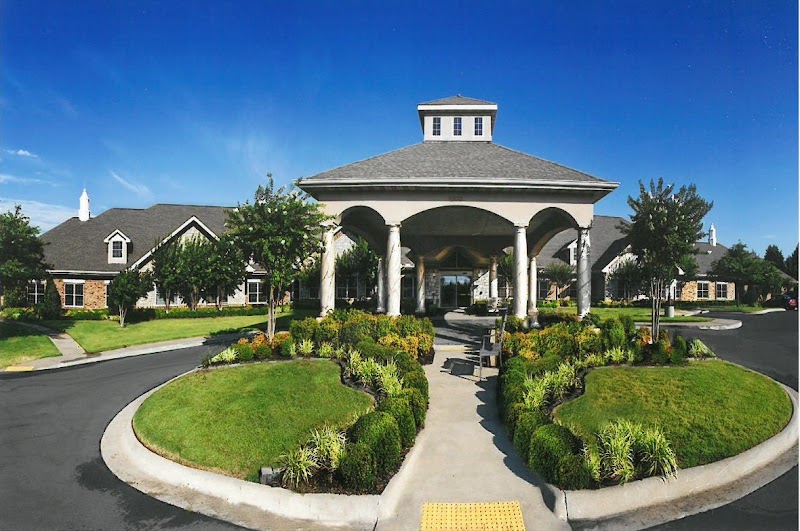
How is Ashley Rehabilitation And Health Staffed?

Staff turnover is 61%, which is 14 percentage points above the Arkansas average of 46%. High turnover can affect care consistency as new staff learn residents' individual needs.

What Have Inspectors Found at Ashley Rehabilitation And Health?

State health inspectors documented 44 deficiencies at ASHLEY REHABILITATION AND HEALTH CARE CENTER during 2022 to 2025. These included: 2 Immediate Jeopardy (the most serious level, indicating potential for serious harm or death), 41 with potential for harm, and 1 minor or isolated issues. Immediate Jeopardy findings are rare and represent the most serious regulatory concerns. They require immediate corrective action.

Who Owns and Operates Ashley Rehabilitation And Health?

ASHLEY REHABILITATION AND HEALTH CARE CENTER is owned by a for-profit company. For-profit facilities operate as businesses with obligations to shareholders or private owners. The facility is operated by JAMES & JUDY LINCOLN, a chain that manages multiple nursing homes. With 60 certified beds and approximately 55 residents (about 92% occupancy), it is a smaller facility located in ROGERS, Arkansas.
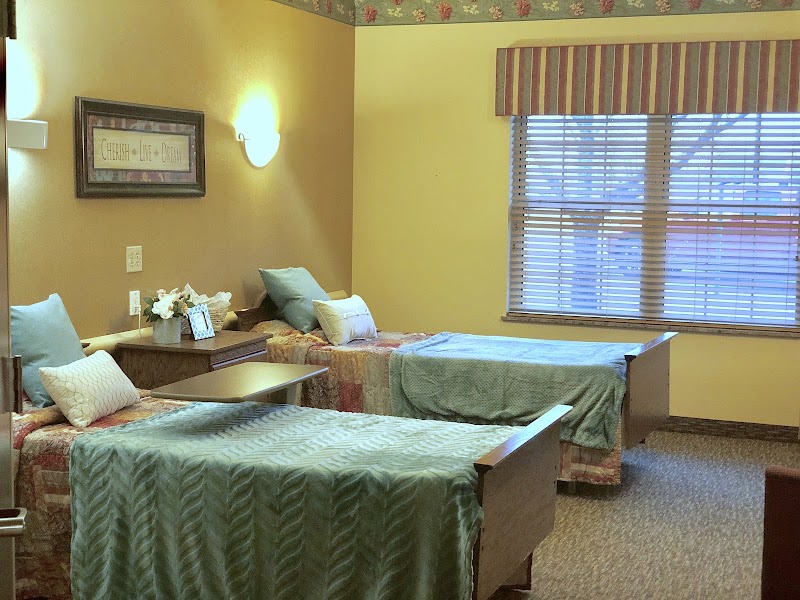
How Does Ashley Rehabilitation And Health Compare to Other Arkansas Nursing Homes?

Compared to the 100 nursing homes in Arkansas, ASHLEY REHABILITATION AND HEALTH CARE CENTER's staff turnover (61%) is significantly higher than the state average of 46%.

What Should Families Ask When Visiting Ashley Rehabilitation And Health?

Based on this facility's data, families visiting should ask: "What changes have been made since the serious inspection findings, and how are you preventing similar issues?" "What safeguards and monitoring systems are in place to protect residents from abuse or neglect?" "How do you ensure continuity of care given staff turnover, and what is your staff retention strategy?" "Can I visit during a mealtime to observe dining assistance and food quality?" These questions are particularly relevant given the facility's Immediate Jeopardy citations, the substantiated abuse finding on record, and the facility's high staff turnover rate.

Is Ashley Rehabilitation And Health Safe?

Based on CMS inspection data, ASHLEY REHABILITATION AND HEALTH CARE CENTER has documented safety concerns. The facility has 1 substantiated abuse finding (meaning confirmed case of resident harm by staff or other residents). Inspectors have issued 2 Immediate Jeopardy citations (the most serious violation level indicating risk of serious injury or death). The facility is currently on the Special Focus Facility watch list (a federal program monitoring the lowest-performing 1% of nursing homes nationwide). The facility has a 0-star overall rating and ranks #100 of 100 nursing homes in Arkansas. Families considering this facility should ask detailed questions about what corrective actions have been taken since these incidents.

Do Nurses at Ashley Rehabilitation And Health Stick Around?

Staff turnover at ASHLEY REHABILITATION AND HEALTH CARE CENTER is high. At 61%, the facility is 14 percentage points above the Arkansas average of 46%. High turnover means new staff may not know residents' individual needs, medications, or preferences. It can also be disorienting for residents, especially those with dementia who rely on familiar faces. Families should ask: What is causing the turnover? What retention programs are in place? How do you ensure care continuity during staff transitions?

Was Ashley Rehabilitation And Health Ever Fined?

ASHLEY REHABILITATION AND HEALTH CARE CENTER has been fined $65,473 across 1 penalty action. This is above the Arkansas average of $33,734. Fines in this range indicate compliance issues significant enough for CMS to impose meaningful financial consequences. Common causes include delayed correction of deficiencies, repeat violations, or care failures affecting resident safety. Families should ask facility leadership what changes have been made since these penalties.

Is Ashley Rehabilitation And Health on Any Federal Watch List?

ASHLEY REHABILITATION AND HEALTH CARE CENTER is currently on the Special Focus Facility (SFF) watch list. This federal program identifies the roughly 1% of nursing homes nationally with the most serious and persistent quality problems. SFF facilities receive inspections roughly twice as often as typical nursing homes. Factors in this facility's record include 2 Immediate Jeopardy findings, a substantiated abuse finding, and $65,473 in federal fines. Facilities that fail to improve face escalating consequences, potentially including termination from Medicare and Medicaid. Families considering this facility should ask for documentation of recent improvements and what specific changes have been made since the designation.