INNISFREE HEALTH AND REHAB, LLC
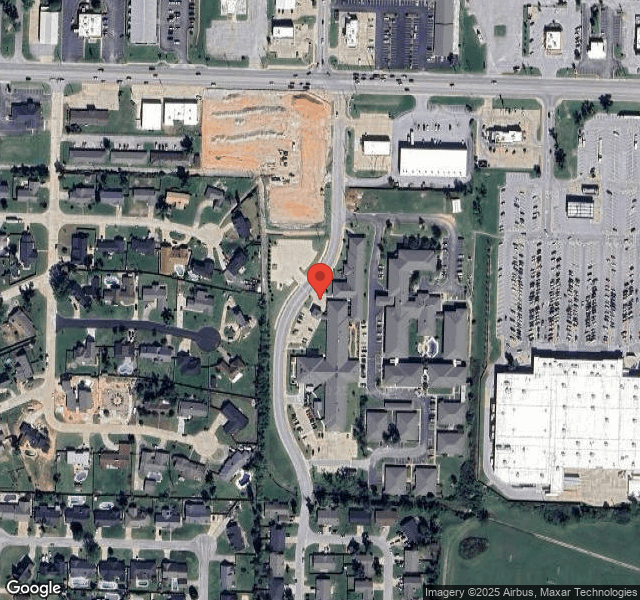

301 SOUTH 24TH STREET, ROGERS, AR 72758 (479) 636-5545
For profit - Limited Liability company 104 Beds CENTRAL ARKANSAS NURSING CENTERS Data: November 2025
Trust Grade
40/100
#197 of 218 in AR
Last Inspection: November 2024

Within standard 12-15 month inspection cycle. Federal law requires annual inspections.

Overview

Innisfree Health and Rehab, LLC in Rogers, Arkansas, has a Trust Grade of D, indicating below-average quality and some concerns regarding care. It ranks #197 out of 218 facilities in Arkansas, placing it in the bottom half of all state options, and #11 out of 12 in Benton County, meaning only one local facility is rated higher. The facility's performance is worsening, with the number of issues increasing from 7 in 2023 to 13 in 2024. Staffing is relatively strong, earning a 4 out of 5 stars with a turnover rate of 45%, which is below the state average. However, there are serious weaknesses, including a lack of RN coverage that is lower than 87% of Arkansas facilities, and several concerning incidents were noted, such as residents not having easy access to important information about the facility and meals not following the planned menu, which raises potential nutritional issues.

Trust Score
D
40/100
In Arkansas
#197/218
Bottom 10%
Safety Record
Low Risk
No red flags
Inspections
Getting Worse
7 → 13 violations
Staff Stability
⚠ Watch
45% turnover. Above average. Higher turnover means staff may not know residents' routines.
Penalties
✓ Good
No fines on record. Clean compliance history, better than most Arkansas facilities.
Skilled Nurses
⚠ Watch
Each resident gets only 18 minutes of Registered Nurse (RN) attention daily — below average for Arkansas. Fewer RN minutes means fewer trained eyes watching for problems.
Violations
⚠ Watch
21 deficiencies on record. Higher than average. Multiple issues found across inspections.
★☆☆☆☆
1.0
Overall Rating
★★★★☆
4.0
Staff Levels
★★★☆☆
3.0
Care Quality
★☆☆☆☆
1.0
Inspection Score
Stable
2023: 7 issues
2024: 13 issues

The Good

  • 4-Star Staffing Rating · Above-average nurse staffing levels
  • Full Sprinkler Coverage · Fire safety systems throughout facility
  • No fines on record

Facility shows strength in staffing levels, fire safety.

The Bad

1-Star Overall Rating

Below Arkansas average (3.1)

Significant quality concerns identified by CMS

Staff Turnover: 45%

Near Arkansas avg (46%)

Higher turnover may affect care consistency

Chain: CENTRAL ARKANSAS NURSING CENTERS

Part of a multi-facility chain

Ask about local staffing decisions and management

The Ugly 21 deficiencies on record

Nov 2024 13 deficiencies
CONCERN (D)

Potential for Harm - no one hurt, but risky conditions existed

Deficiency F0625 (Tag F0625)

Could have caused harm · This affected 1 resident

Based on interviews, record review, facility document review, and facility policy review, it was determined that the facility failed to provide written bed hold notice for 1 (Resident #97) of 1 reside...

Read full inspector narrative →
Based on interviews, record review, facility document review, and facility policy review, it was determined that the facility failed to provide written bed hold notice for 1 (Resident #97) of 1 resident reviewed for hospitalization. Findings include: A review of the policy titles, Bed Hold Policy and Return, revised on 11/22/2016 indicated, the bed hold policy was sent with the resident to the hospital in case of a transfer or emergency. The resident or their representative would be contacted the next business day to identify if they want to hold the bed. It should be documented on the bed hold form, then filed in the business office. If contact was made by phone a witness is required to listen, and two signatures are required when filling out the bed hold form. Review of an admission Minimum Data Set (MDS), with an Assessment Reference Date (ARD) of 09/11/2024, revealed Resident #97 had a Brief Interview of Mental Status (BIMS) score of 15 which indicated the resident was cognitively intact. Review of Resident #97 ' s admission Record revealed Resident #97 was their own representative, but a spouse was listed as next of kin. Review of Resident #97 ' s Order Summary Report revealed an admission order dated 09/06/2024 for skilled nursing. An order to transfer to the emergency room was placed on 09/20/2024 for altered mental status. Review of Resident #97 ' s Activity Report revealed, Business Office Manager (BOM) charted on Friday, 09/20/2024, Resident #97's spouse did not know if the resident would return and would notify the BOM by Monday. During an interview on 11/14/2024 at 1:08 PM, BOM stated, when a resident was transferred to the hospital it was their practice to call the family to see if they want to hold the bed. BOM stated, they called Resident #97's spouse, and it was unknown if the resident would return or not. BOM stated no bed hold agreement was issued for Resident #97 on 09/20/2024.
CONCERN (D)

Potential for Harm - no one hurt, but risky conditions existed

Deficiency F0655 (Tag F0655)

Could have caused harm · This affected 1 resident

Based on observations, interviews, and record reviews, it was determined that the facility failed to ensure oxygen was on the care plan for 1 (Resident #28) of 1 sampled resident. The findings are: A...

Read full inspector narrative →
Based on observations, interviews, and record reviews, it was determined that the facility failed to ensure oxygen was on the care plan for 1 (Resident #28) of 1 sampled resident. The findings are: A review of Resident #28's Order Summary Report revealed a diagnosis of shortness of breath. A review of Resident #28's Order Summary Report revealed an order dated 10/04/2024, for oxygen 1-4 liters by nasal cannula as needed for shortness of breath. Review of a significant change Minimum Data Set (MDS) with an Assessment Reference Date (ARD) of 10/09/2024, revealed Resident # 28 had a Brief Interview for Mental Status (BIMS) score of 15, which indicated the resident was cognitively intact. Resident #28 had oxygen therapy while a resident. A review of Resident #28's Care Plan did not indicate that Resident #28 was on oxygen. On 11/12/2024 at 2:11 PM, an oxygen tank was observed in Resident #28's room. Resident #28 indicated that he used oxygen 2 days ago. On 11/14/2024 at 3:23 PM, during an interview, the Long Term Care MDS Coordinator indicated that Resident #28 ' s oxygen was not on the care plan, and she did not know why it was not on there. On 11/14/2024 at 3:26 PM, the Skilled MDS Coordinator indicated that Resident #28 oxygen was not on the care plan, and she did not know why. On 11/15/2024 at 12:20 PM, the Administrator stated that the facility does not have a policy on care plans.
CONCERN (D) 📢 Someone Reported This

A family member, employee, or ombudsman was alarmed enough to file a formal complaint

Potential for Harm - no one hurt, but risky conditions existed

Deficiency F0660 (Tag F0660)

Could have caused harm · This affected 1 resident

**NOTE- TERMS IN BRACKETS HAVE BEEN EDITED TO PROTECT CONFIDENTIALITY** Based on interviews, record review, facility document review, and facility policy review, it was determined that the facility fa...

Read full inspector narrative →
**NOTE- TERMS IN BRACKETS HAVE BEEN EDITED TO PROTECT CONFIDENTIALITY** Based on interviews, record review, facility document review, and facility policy review, it was determined that the facility failed to send home health referrals prior to discharge for 1 (Resident #200) of 2 residents reviewed for discharge process. Findings include: On 11/14/2024 at 2:35 PM, the Administrator stated the facility did not have a policy for the discharge process but could ask the Nurse Consultant to find one. The Administrator stated they had not seen one, had no access to one, and did not use one in their discharge process. A review of an admission Record, indicated the facility admitted Resident #200 with diagnoses that included right femur fracture, muscle weakness, abnormalities of gait and mobility, anxiety disorder, hypertension, and tachycardia. Review of a Minimum Data Set (MDS), with an Assessment Reference Date (ARD) of 11/12/2024, revealed Resident #200 had a Brief Interview of Mental Status (BIMS) score of 15 which indicated the resident was cognitively intact. Discharge planning was noted as actively occurring and the resident wished to return to the community in less than three months, but referrals were not started. A review of Resident #200's Care Plan dated 07/12/2024, revealed the resident had an Activities of Daily Living (ADL) self-care performance with limited physical mobility, and was at high risk for falls. Interventions included assistance by one staff member to move between surfaces, physical therapy (PT), and occupational therapy (OT). A review of the Order Summary Report, revealed, an order dated 07/17/2027, to discharge home with PT, OT, nursing, and CNA. A review of Nursing Discharge Instructions, effective date 07/19/2024 revealed, Resident #200 had home health set up to provide physical therapy, occupational therapy, a certified nursing assistant (CNA), and nursing services. This was signed by the facility representative at discharge on [DATE]. During an interview on 11/13/2024 at 12:41 PM, Social Services Director (SSD) stated Resident #200's referral was either faxed one or two days prior to discharge. SSD stated, they did not keep any fax confirmations and could not prove when this referral was faxed. During an interview on 11/13/2024 at 2:22 PM a representative from the home health agency stated, faxed referrals for services were received from the facility on 07/23/2024 at 10:33 AM. A review of the home health agency fax confirmation receipt revealed a received date and time stamp of 07/23/2024 at 10:33AM on the fax coversheet and an order dated 07/17/2024 at 8:16 AM to discharge home with PT, OT, nursing, and CNA. On 11/14/2024 at 11:31 AM, Resident #200's family member stated the home health agencies did not start any services until 07/25/2024. The home health staff spoke with Resident #200 about her health status and the resident sought medical treatment at a local hospital on [DATE]. During an interview on 11/14/2024 at 2:35 PM, the Administrator stated when referrals were faxed, the SSD would get a fax confirmation and keep it. When informed Resident #200's home health agency had confirmation, the referral was faxed two days post discharge and the resident had a delay in care the Administrator stated, Well I guess that's that, it should not be done after discharge.
CONCERN (D)

Potential for Harm - no one hurt, but risky conditions existed

Quality of Care (Tag F0684)

Could have caused harm · This affected 1 resident

Based on observations, interviews, record review, facility document review, it was determined that the facility failed to ensure the resident was provided hand roll for contracture management for 1 (R...

Read full inspector narrative →
Based on observations, interviews, record review, facility document review, it was determined that the facility failed to ensure the resident was provided hand roll for contracture management for 1 (Resident #13) of 1 resident reviewed for providing contracture management. Findings include: No policy was provided for contracture management. A review of the admission Record, indicated the facility admitted Resident #13 with diagnoses that included dementia, pain, muscle wasting and atrophy, and hemiplegia (partial or complete paralysis to one side of the body). Review of a quarterly Minimum Data Set (MDS), with an Assessment Reference Date (ARD) of 09/18/2024, revealed Resident #13 had a Brief Interview for Mental Status (BIMS) score of 7 which indicated the resident had severe cognitive impairment. Resident #13 was shown to have an impairment of the upper and lower extremity for functional limitation in range of motion. A review of Resident #13's Care Plan, initiated on 11/14/2024, revealed the resident had an alteration in musculoskeletal status related to contracture (left hand and arm). This care plan was initiated after speaking with the Long-Term Care Minimum Data Set (LTC MDS) Coordinator. The newly initiated care plan did not include the restorative program or the functional maintenance plan (FMP) in which Resident #13 had been participating in. There was no mention of a hand roll or device for preventing the worsening of the left-hand contracture. A review of an Activity of Daily Living Task revealed no task was being documented on A review of the closet care plan for Resident #13 revealed a special device, hand roll was needed in the left hand. During an observation on 11/12/2024 at 2:58 PM, Resident #13 was in activity, in the main dining room where staff were assisting residents with painting. Resident #13 was sitting at a table with the painting supplies and picture in front of the resident. Resident #13 had left hand lying in lap and was not moving the left hand or arm. During an observation and concurrent interview on 11/14/2024 at 2:05 PM, the LTC MDS coordinator stated that Resident #13 had a restorative program, and that the FMP had been extended and confirmed that after Resident #13 had been evaluated by therapy, no recommendations had been made for a splint or brace. LTC MDS Coordinator confirmed that Resident #13 had been receiving restorative three times a week. When asked how the staff would know what type of care to provide to Resident #13, it was confirmed the resident had a closet care plan. The LTC MDS coordinator removed the closet care plan for review, and it stated that Resident #13 needed a hand roll to the left hand. During an observation on 11/14/2024 at 2:10 PM, Resident #13 was sitting in bed with the head of the bed elevated up and the over-the-bed table was across the bed in front of the resident. The lunch tray was in front of Resident #13 without anything eaten off the tray. Resident #13 was asked if help was needed to eat and the response was given, yes. LTC MDS coordinator stated that someone would help with the tray. Resident #13 did not have any device in the left hand, which was beside the resident in the bed. During an interview with a Certified Nursing Assistant (C.N.A.) #8 on 11/14/2024 at 2:14 PM, confirmation was given that Resident #13's closet care plan stated a hand roll was needed for the left hand. When C.N.A.#8 was asked if Resident #13 ever used a hand roll in the left hand, the answer was given, No. During an interview on 11/15/2024 at 11:30 AM, the Director of Nursing (DON) confirmed there was no documentation concerning use of a hand roll for Resident #13 ' s left hand. The DON provided a newly initiated care plan with no mention of a hand roll, restorative program or the functional maintenance plan (FMP). When asked what guidance the LTC MDS coordinator used to develop and complete the MDS and care plan, the DON stated, I am not sure, and the LTC MDS coordinator only works part time and is not at the facility today.
CONCERN (D)

Potential for Harm - no one hurt, but risky conditions existed

Medication Errors (Tag F0758)

Could have caused harm · This affected 1 resident

Based on interviews and record review the facility failed to ensure 1 (Resident #42) of 5 sampled residents that were reviewed for unnecessary medication did not have an order to receive a PRN (as nee...

Read full inspector narrative →
Based on interviews and record review the facility failed to ensure 1 (Resident #42) of 5 sampled residents that were reviewed for unnecessary medication did not have an order to receive a PRN (as needed) medication past 14 days without justification, and an evaluation by the doctor. The findings are: Review of a quarterly Minimum Data Set (MDS) with an Assessment Reference Date (ARD) of 10/23/2024, revealed Resident #42 had a Brief Interview of Mental Status (BIMS) score of 14, which indicated the resident was cognitively intact. Review of Resident #42's Care Plan initiated 7/19/2021, indicated to administer antidepressant medication as ordered by physician. Review of Resident #42's Order Summary Report with an order date of 11/11/2024, revealed anti-anxiety tablet 1 milligrams (mg) was ordered every 2 hours as needed for anxiety related to anxiety disorder for 45 Days. A rationale for the prn anti-anxiety medication was not in the clinical records. During an interview on 11/15/2024 at 8:22 AM, Physician Assistant indicated that the duration of as needed anti-anxiety medication was typically 15 days, unless evaluated for 30-60 days. Physician Assistant indicated she did not order the as needed anti-anxiety medication for Resident #42. She indicated that hospice ordered the medication, and she had to put the medication order in her name. During an interview on 11/15/2024 at 8:30 AM, Nurse Consultant indicated the facility does not have any information in the system on the rationale for the order of as needed anti- anxiety medication for Resident #42. On 11/15/2024 at 12:10 PM Director of Nurse indicated as needed anti-anxiety medication should be ordered for 14 days. She indicated if as needed anti-anxiety medication was ordered for more than 14 days a documented rationale should be in the clinical record. DON stated if the facility nurse received a verbal order from hospice the nurse should have recorded the reason for the medication. On 11/15/2024 at 12:20 PM, the Director of Nurse stated the facility does not have a policy for as needed medication.
CONCERN (D)

Potential for Harm - no one hurt, but risky conditions existed

Deficiency F0810 (Tag F0810)

Could have caused harm · This affected 1 resident

Based on observations, interviews, and record reviews, it was determined that the facility failed to ensure a device to help keep food on a plate while eating was available for 1 (Resident #42) of 1 s...

Read full inspector narrative →
Based on observations, interviews, and record reviews, it was determined that the facility failed to ensure a device to help keep food on a plate while eating was available for 1 (Resident #42) of 1 sampled resident who required adaptive equipment for meals. The findings are: A review of Resident #42's Order Summary Report indicated a diagnosis of unspecified lack of coordination, Parkinsonism, hemiplegia (partial or complete paralysis to one side of the body) and hemiparesis (muscle weakness or partial paralysis to one side of the body) of the cerebral dominant side (left side of the brain). Review of a Quarterly Minimum Data Set (MDS) with an Assessment Reference Date (ARD) of 10/23/2024, revealed Resident #42 had a Brief Interview of Mental Status (BIMS) score of 14, which indicated the resident was cognitively intact. Resident #42 required partial/moderate assistant with bringing food and or liquid to the resident ' s mouth once the meal was placed in front of the resident. Review of Resident #42's Care Plan initiated 07/24/2024, indicated a plate guard should be used for all meals. Review of Resident #42 ' s tray card dated 11/12/2024, indicated that the resident should have a plate guard. On 11/12/2024 at 1:05 PM, Resident #42 was in room without staff eating lunch. Resident ' s tray card indicated that the resident was a total assist with meals. Resident #42 indicated they were supposed to have a section plate, but there was only one in the building. Resident #42 ' s food was on a regular plate. There was not a plate guard on the plate. On 11/14/24 at 9:29 AM, Resident #42 was in bed eating breakfast. The resident did not have a plate guard on the plate. Resident #42 was having trouble picking up the bread. During an interview on 11/14/24 at 9:43 AM, the Assistant Dietary Manager indicated Resident #42 did not have a plate guard on resident ' s plate but should have one. On 11/15/24 at 8:06 AM, Certified Nurse Assistant #12 was in the room assisting Resident #42 with breakfast. Resident #42 was eating with a built-up spoon and fork. Resident #42's meal was served on a divided plate. Certified Nurse Assistant #12 indicated that today was the first time she has seen Resident #42 using a divided plate. Certified Nurse Assistant #12 indicated that she has never seen Resident #42 with a plate guard. On 11/15/24 9:13 AM, the Rehabilitation Director indicated that she was informed by the Director of Nurse (DON) that Resident #42 was spilling food on self, and Resident #42 requested a section plate. The Rehabilitation Director indicated that she was not sure if Resident #42 was evaluated for spilling food on self. On 11/15/2024 at 12:03 PM, the Director of Nurse (DON) stated the facility did not have a policy on adaptive equipment.
CONCERN (E)

Potential for Harm - no one hurt, but risky conditions existed

Comprehensive Care Plan (Tag F0656)

Could have caused harm · This affected multiple residents

Based on observations, interviews, and record review, it was determined that the facility failed to ensure the care plan was updated to include contracture and contracture management for 1 resident (R...

Read full inspector narrative →
Based on observations, interviews, and record review, it was determined that the facility failed to ensure the care plan was updated to include contracture and contracture management for 1 resident (Resident #13) of 1 resident reviewed for positioning and mobility and contracture management. Findings include: No policy was provided for contracture management. A review of the admission Record, indicated the facility admitted Resident #13 with diagnoses that included dementia, pain, muscle wasting and atrophy, and hemiplegia (partial or complete paralysis to one side of the body). Review of a quarterly Minimum Data Set (MDS), with an Assessment Reference Date (ARD) of 09/18/2024, revealed Resident #13 had a Brief Interview for Mental Status (BIMS) score of 7 which indicated the resident had severe cognitive impairment. Resident #13 was shown to have an impairment of the upper and lower extremity for functional limitation in range of motion. A review of Resident #13's Care Plan, initiated on 11/14/2024, revealed the resident had an alteration in musculoskeletal status related to contracture (left hand and arm). This care plan was initiated after speaking with the Long-Term Care Minimum Data Set (LTC MDS) Coordinator. The newly initiated care plan did not include the restorative program or the functional maintenance plan (FMP) in which Resident #13 had been participating in. There was no mention of a hand roll or device for preventing the worsening of the left-hand contracture. A review of an Activity of Daily Living Task revealed no task was being documented. A review of the closet care plan for Resident #13 revealed a special device, a hand roll, was needed in the left hand. During an observation on 11/12/2024 at 2:58 PM, Resident #13 was in activity, in the main dining room where staff were assisting residents with painting. Resident #13 was sitting at a table with the painting supplies and picture in front of the resident. Resident #13 had left-hand lying-in lap and was not moving the left hand or arm. During an observation and concurrent interview on 11/14/2024 at 2:05 PM, the LTC MDS coordinator stated that Resident #13 had a restorative program, and that the FMP had been extended then confirmed that after Resident #13 had been evaluated by therapy, no recommendations had been made for a splint or brace. LTC MDS Coordinator confirmed Resident #13 had been receiving restorative three times a week. When asked how the staff would know what type of care to provide to Resident #13, it was confirmed the resident had a closet care plan. LTC MDS coordinator removed the closet care plan for review, and it stated that Resident #13 needed a hand roll to the left hand. During an observation on 11/14/2024 at 2:10 PM, Resident #13 was sitting in bed with the head of the bed elevated up and the over-the-bed table was across the bed in front of the resident. The lunch tray was in front of Resident #13 without anything eaten off the tray. Resident #13 was asked if help was needed to eat and the response was given, yes. LTC MDS coordinator stated that someone would help with the tray. Resident #13 did not have any device in the left hand, which was beside the resident in the bed. During an interview with a Certified Nursing Assistant (C.N.A.) #8 on 11/14/2024 at 2:14 PM, confirmation was given that Resident #13's closet care plan stated a hand roll was needed for the left hand. When C.N.A.#8 was asked if Resident #13 ever used a hand roll in the left hand, the answer was given, No. During an interview on 11/15/2024 at 11:30 AM, the DON confirmed there was no documentation concerning use of a hand roll for Resident #13 ' s left hand. The DON provided a newly initiated care plan with no mention of a hand roll, restorative program or the functional maintenance plan (FMP). When asked what guidance the LTC MDS coordinator used to develop and complete the MDS and care plan, DON stated, I am not sure, and the LTC MDS coordinator only works part time and is not at the facility today.
CONCERN (E)

Potential for Harm - no one hurt, but risky conditions existed

Deficiency F0761 (Tag F0761)

Could have caused harm · This affected multiple residents

**NOTE- TERMS IN BRACKETS HAVE BEEN EDITED TO PROTECT CONFIDENTIALITY** Based on observations, interviews, and facility policy review, it was determined that the facility failed to remove two bottles ...

Read full inspector narrative →
**NOTE- TERMS IN BRACKETS HAVE BEEN EDITED TO PROTECT CONFIDENTIALITY** Based on observations, interviews, and facility policy review, it was determined that the facility failed to remove two bottles of expired tube feeding from current stock for 1 of 1 medication room and failed to label two insulin vials and three inhalers with open dates when the manufactures seal was broken in 2 of 2 medication carts reviewed for medication storage. Findings include: A review of a facility policy titled, Medication Storage in the Facility, revised in [DATE] indicated, when the original seal of a manufacturer's container or vial is initially broken, the container or vial will be dated. The nurse shall place a date opened and enter the date opened. During a concurrent observation and interview on [DATE] at 9:07 AM, of the Long Term Care medication room with Licensed Practical Nurse (LPN) #5, two bottles of tube feeding in current stock were revealed to have expiration dates of [DATE]. LPN #5 stated, the bottles needed to be thrown away. During a concurrent observation and interview on [DATE] at 9:22 AM, of 300-Hall medication cart with LPN #10, two vials of insulin were found without an opened date. Open dates were on the plastic bags but not labeled on the vial. LPN #10 stated yes, the bag could become damaged or lost resulting in an unknown open date. One inhaler was found without an open date on the canister or the packaging. During a concurrent observation and interview on [DATE] at 10:00 AM, of 100-Hall medication cart with LPN #11, two inhalers were found without an open date on the canister or packaging. During an interview on [DATE] at 10:30 AM, the Director of Nursing (DON) stated LPN #5 was tasked with checking expiration dates in the Long Term Care medication room and thought checks were done weekly. The DON was unaware nursing staff was labeling the bags and not the insulin vials.
CONCERN (E)

Potential for Harm - no one hurt, but risky conditions existed

Deficiency F0804 (Tag F0804)

Could have caused harm · This affected multiple residents

Based on observation, record review, and interview, the facility failed to ensure meals were prepared in a method that maintained an appearance that was acceptable to the residents to encourage good n...

Read full inspector narrative →
Based on observation, record review, and interview, the facility failed to ensure meals were prepared in a method that maintained an appearance that was acceptable to the residents to encourage good nutritional intake for 2 of 2 meals observed. The findings are: 1. A review of the facility recipe titled, Egg sausage bake initiated 9/17/2024 and provided by the Dietary Manager on 11/14/2024 indicated use water or stock. 2. On 11/13/24 at 4:14 PM, Dietary [NAME] (DC) #1 placed 10 servings of egg sausage bake into a blender and pureed. DC #1 did not add broth or anything to help moisten it. At 4:24 PM, DC #1 poured the pureed sausage with egg casserole into a pan and placed it in the oven. The consistency was thick when it was placed in the oven and remained thick when it was placed on the steam table to serve. On 11/14/24 at 12:55 PM, DC #1 was asked what he used when pureeing egg sausage bake to make it moist. DC #1 indicated that he did not use anything. 3. On 11/13/24 at 4:32 PM, DC #1 placed 10 servings of biscuits into a blender, ground, then added warm milk from a pan on the counter and pureed. DC #1 scooped pureed biscuit into a pan, and it was thick. At 4:42 PM. Dietary Aide (DA) #2 transferred pureed biscuit back into a blender, added a carton of whole Milk I and pureed it some more. At 4:43 PM, DA #2 scooped pureed biscuits into a pan and placed it in warmer. The consistency was sticky and thick. 4. On 11/13/24 at 4:59 PM, DC #1 placed 10 servings of hash brown into a blender, added 3 more servings of hash brown, added milk and pureed. At 5:05 PM, DC #1 used a spatula to scrape pureed hash brown into a pan. It was sticky and thick. 5. Resident #42's Order Summary Report was reviewed and indicated the resident had a diagnosis of Dysphagia following cerebral infarction, and an order dated 10/23/2024 for Regular diet pureed texture, honey consistency, half portions. Review of a quarterly Minimum Data Set with an Assessment Reference Date of 10/23/2024, was reviewed and indicated Resident #42 had a score of 14 (13-15 indicates cognitively intact) on the Brief Interview for Mental Status (BIMS) and required partial/moderate assistance for eating substantial/maximal assistance for personal hygiene, and partial/moderate assistance for mobility. 6. On 11/14/24 at 9:40 AM, Resident #42 was lying on back in bed. Resident #42 was served pureed pancake and pureed fruit desert. The consistency of the pureed pancake was too thick, and when attempting to cut a portion of the pureed pancake on the plate to eat was unable to do so. The resident indicated that trying to take a bite of pureed pancake, but it was too hard. At 9:43 AM, resident #42 was asked how dinner last night was. Resident #42 stated they were like this pureed and I could not eat it. 7. On 11/14/24 at 9:44 AM, the Assistant Dietary Manager (ADM) was asked about the consistency of the pureed pancake and cream of wheat served to the residents on pureed diets at the breakfast meal. She stated cream of wheat was runny and pureed pancake was too thick. She indicated that the bread on resident #42's tray looked formed and hard. When asked about the pureed biscuits and pureed sausage and egg served at the super meal on 11/13/24 ADM confirmed the pureed sausage with eggs and pureed biscuit were thick. 8. On 11/14/24 at 12:43 PM, DA #2 was asked how the pureed food items served at the supper meal on 11/13/24 looked. DA #2 stated pureed sausage with eggs were too thick and he should have added more liquid. Pureed biscuits were thick, and he should have added more liquid. Pureed hash brown was thick and needed more liquid. 9. On 11/14/24 at 12:48 PM, the Dietary [NAME] #4 was asked how cream of wheat served to the residents on pureed diets at breakfast looked. DC #4 stated most residents asked for their cream of wheat to be thin, but confirmed pureed cream of wheat should not have been soupy, it should have been a little thick. 10. On 11/15/24 at 8:42 AM, the speech therapist when interviewed was asked how the consistency of pureed diets should look. She stated it should look like pudding or mashed potato consistency, should hold its shape in a spoon with no lumps. She was asked if pureed food items should be thick, she stated the pureed foods should not be thick and residents on pureed diets should not put it in their mouth.
CONCERN (E)

Potential for Harm - no one hurt, but risky conditions existed

Food Safety (Tag F0812)

Could have caused harm · This affected multiple residents

**NOTE- TERMS IN BRACKETS HAVE BEEN EDITED TO PROTECT CONFIDENTIALITY** Based on observation, interview, record review and facility policy review, the facility failed to ensure dietary staff changed g...

Read full inspector narrative →
**NOTE- TERMS IN BRACKETS HAVE BEEN EDITED TO PROTECT CONFIDENTIALITY** Based on observation, interview, record review and facility policy review, the facility failed to ensure dietary staff changed gloves and washed their hands before handling food items and clean equipment when contaminated; food items stored in the refrigerator and freezer were covered, sealed, and dated; expired food items were promptly removed/discarded on or before the expiration or use by date. The findings are: 1. On 11/13/24 at 2:54 PM, Dietary [NAME] (DC) #1 was wearing gloves on his hands when he picked up a spray bottle and sprayed inside of the pans, contaminating the pans. Without changing gloves and washing his hands, DC #1 removed hash browns from a box and placed them on the pans to be baked and served to the residents for supper meal. 2. On 11/13/24 at 2:59 PM, the following observations were made on a shelf in the freezer. a. An opened box of breaded pork patties. The box was not close or sealed. b. An opened box of turkey burgers. The box was not covered or sealed. c. An opened box of pie dough. The box was not covered or sealed. 3. On 11/13/24 at 3:04 PM, the following observations were made on a shelf in the walk-in refrigerator. a. One container of leftover gravy indicated to use by 11/11/2024. b. Another container of leftover gravy indicated used by 11/12/2024. c. One container of taco sauce indicated used 11/8/2024. 4. On 11/13/24 3:13 PM, an opened box of cream of wheat was on a shelf in the storage room. A container of leftover gravy was on a shelf in the refrigerator with a used by date of 11/11/2024. 5. On 11/13/24 at 3:34 PM. the following observations were made on a shelf in the emergency food supply in the kitchenette on 100-hall. a. An opened bag of brown sugar. The bag was not sealed. b. An opened plastic bag of pancake mix. The bag was not sealed. c. An opened bag of protein breadcrumbs. The bag was not sealed. 6. On 11/13/24 4:18 PM, DC #1 was wearing gloves when he used a pair of scissors to cut out a piece of the plastic bag, and then inserted it into a pan. With his contaminated gloved hand, DC #1 pushed the plastic inside the pan that was intended for storing pureed food. 7. On 11/14/24 at 7:45 AM, Dietary Aide #3 (DA) was on the tray line assisting with breakfast meal. She picked up condiments and cartons of supplement and placed them on the meal trays. Without washing her hands, picked up glasses that contained beverages to be served to the residents for breakfast by the rims and placed them on the trays. 8.On 11/15/24 at 8:33 AM, DA #3 was asked what she should have done after touching dirty objects and before handling clean equipment. She stated, she should have washed her hands. 9. A review of policy titled, Proper Hand Washing procedure not dated, and provided by the Nurse Consultant indicated consider using a paper towel to create a barrier between hands and surfaces touched after hand washing (faucet and door handles). 10. On 11/15/2024 at 11:10AM, the CNA Consultant was asked to assist with inspection of freezer and refrigerator in Activities Room of facility. The CNA Consultant opened freezer and confirmed that the temperature was 0 degrees. A box of popsicles was pulled out that had been opened with an expiration date of October 2025. There was no open date. A container of green sherbet was observed that had not been opened and had an expiration date of 1/13/2026. Two boxes of cookie dough had been opened, and the bags were not sealed and no open date on either of the boxes was observed. 11. The CNA Consultant then opened the refrigerator, which had an internal temperature of 39 degrees Fahrenheit. The CNA Consultant pulled out 3 bags of ice cream sprinkles that had been opened and had no opened date. The CNA Consultant pulled from the refrigerator, a zipper sealed bag with opened brownie and pancake, opened [NAME] mix, and an opened bottle of soda, and none had opened dates. 12. On 11/15/2024 at 11:48AM, the Activities Director (AD) was asked to describe the process for storing foods in the refrigerator and freezer in the Activities Room. The AD said the food came from the kitchen and was dated and placed in the freezer or refrigerator. Once the foods were opened, an open date was placed on container. Foods opened were sealed back up and placed back in freezer or refrigerator. The AD was asked to show opened dates on the items in the freezer and refrigerator in the Activities Room. The AD confirmed that there were no open dates on popsicles, sherbet, cookie dough, sprinkles, brownie and pancake mixes, [NAME] mix, and soda. The AD confirmed that foods should have opened dates and should be properly sealed in order to protect for food safety.
CONCERN (E)

Potential for Harm - no one hurt, but risky conditions existed

Infection Control (Tag F0880)

Could have caused harm · This affected multiple residents

Based on observations, interviews, record review, facility document review, facility policy review, it was determined that the facility failed to properly store oxygen tubing and Continuous Positive A...

Read full inspector narrative →
Based on observations, interviews, record review, facility document review, facility policy review, it was determined that the facility failed to properly store oxygen tubing and Continuous Positive Airway Pressure (CPAP) tubing and mask for 2 (Resident #13-oxygen tubing and Resident #52-CPAP tubing and mask) of 2 residents reviewed for Infection prevention and control of equipment or devices. Findings include: A review of a facility policy titled, Oxygen Safety, revised on 11/22/2016, indicated, the facility would properly handle oxygen. During an interview, Director of Nursing (DON) stated the facility did not have a policy regarding cleaning and storage of CPAP and oxygen tubing and other devices when not in use. A review of an admission Record, indicated the facility admitted Resident #13 with diagnoses that included shortness of breath, Type 2 Diabetes Mellitus, and chronic obstructive pulmonary disease (COPD). Review of a quarterly Minimum Data Set (MDS), with an Assessment Reference Date (ARD) of 09/18/2024, revealed Resident #13 had a Brief Interview for Mental Status (BIMS) score of 7 which indicated the resident had severe cognitive impairment. Resident #13 had respiratory treatment which included oxygen therapy. A review of Resident #13's Care Plan, initiated on 09/19/2024, revealed the resident was on oxygen therapy. Interventions included that oxygen settings were to be set at 2-4 liters per minute via nasal cannula. A review of the Order Summary Report, revealed Resident #13 had an oxygen order for 2-4 liters per minute via nasal cannula as needed for shortness of breath. There was no order located in the electronic medical record to indicate oxygen tubing change was completed weekly to prevent infections and contamination of oxygen tubing. A review of Medication Administration Record, revealed Resident #13 had not been signed as having received Oxygen therapy for the dates of November 1, 2024, through November 14, 2024, nor was oxygen therapy marked for use from October 1, 2024, through October 31, 2024. A review Resident #13 ' s progress notes, revealed Resident #13 had one note entered on 10/17/24 noting resident's shortness of breath and being non-compliant with leaving the nasal cannula in the nose. During an observation on 11/14/2024 at 8:56 AM, after entering the room upon roommate's consent, an oxygen concentrator was heard. The curtain was pulled. Oxygen tubing was noted to be lying on Resident #13's bed with the oxygen concentrator running. The resident was not in the room at the time. A review Resident #52 ' s admission Record, indicated the facility admitted Resident #52 with diagnoses of Alzheimer's disease, hypersomnia (excessive daytime sleepiness), and obstructive sleep apnea. Review of Resident #52 ' s annual MDS with an ARD of 09/18/2024, revealed Resident #52 had a Staff Assessment for Mental Status (SAMS) which indicated memory problems. The MDS was not marked as resident having special treatments, procedures and programs for the CPAP. A review of Resident #52's Care Plan, indicated no care plan for the use or care of the CPAP had been developed. A review of an Order Summary Report, revealed Resident #52 had an order for CPAP settings: Mode: Auto. Wife will clean nasal pillow and tubing daily. Resident #52 to wear at the hour of sleep as tolerated and is to be removed in the morning. No order for the CPAP pressure rate or how often the CPAP tubing and nasal pillow was to be changed. A review of Resident #52 ' s TAR, revealed Resident #52 had the order for the CPAP nasal pillow and tubing to be cleaned by the wife daily. Time for the task to be marked off the TAR was at 8:00 PM. Two omissions were noted on November 2 and November 10 with no signatures for the task being completed. During an observation on November 14, 2024, at 8:51 AM, the CPAP nasal pillow was lying directly on the nightstand. No plastic bag was available for the placement of the CPAP tubing or nasal pillow. During concurrent observation and interview on 11/14/2024 at 9:21 AM, the Director of Nursing (DON) was shown the CPAP nasal pillow for Resident #52, lying on the nightstand. Confirmation was given at that time by the DON was that the tubing should have been bagged. During an interview on 11/15/2024 at 9:30 AM, LPN #7 stated oxygen tubing for Resident #13 should be stored in a plastic bag when not in use and when it becomes contaminated, the tubing should be replaced. LPN #7 stated the nurses on Sunday are responsible for changing out the tubing and that it would be documented in the medical record when completed. LPN #7 stated that the nasal pillow for the CPAP for Resident #52 should be in a plastic bag. When asked if the CPAP and the cleaning of the equipment was care planned, LPN #7 stated I don't know. During an interview on 11/15/2024 at 11:30 AM, the DON confirmed nurses are responsible for cleaning and storage of oxygen tubing and supplies as well as making sure that CPAP tubing, masks and supplies are kept in a bag as well. The DON confirmed that once tubing becomes contaminated, the tubing or mask should be replaced.
CONCERN (E)

Potential for Harm - no one hurt, but risky conditions existed

Deficiency F0919 (Tag F0919)

Could have caused harm · This affected multiple residents

**NOTE- TERMS IN BRACKETS HAVE BEEN EDITED TO PROTECT CONFIDENTIALITY** Through observations, record review, and interviews the facility failed to ensure residents were able to call for staff assistan...

Read full inspector narrative →
**NOTE- TERMS IN BRACKETS HAVE BEEN EDITED TO PROTECT CONFIDENTIALITY** Through observations, record review, and interviews the facility failed to ensure residents were able to call for staff assistance through a communication system which relays the call directly to a staff member or to a centralized staff work area from their bed. This affected 4 (Residents #5, #24, #84, and #250) of 19 sampled residents. The findings are: Record Review of Resident #250 ' s admission Report dated 10/25/2024, showed diagnoses of communication difficulties, abnormal mobility, left side weakness and/or paralysis after a stroke, and nerve malfunctions. Record Review of Resident #250 ' s Minimum Data Set, dated [DATE] showed Section C Cognitive Pattern to have a Brief Interview for Mental Status (BIMS) of 15. Section GG Functional Abilities showed impairment on one side upper and lower extremity and use of wheelchair was required. Section GG Functional Abilities on OBRA/Interim showed staff was required to help with more than half of the effort for Resident #250 to go from a seated position to a standing position and a standing position to a seated position. Resident #250 required more than half the assistance from staff to roll from side to side while in bed. Observation on 11/12/2024 at 11:50AM, of Resident #250 asleep with the call light on the right-side floor of bed. The call light cord was caught between the right side of the bed and the left side of the reclining chair. The call light cord was in a position where Resident #250 was unable to pull the call light pad within reach to be utilized for assistance. Observation on 11/12/2024 at 2:00PM of Resident #250 asleep with the call light on the right-side floor of bed. The call light was not within reach, nor had the call light been clipped to Resident #250 ' s bed covers. Record Review of Resident #84 ' s admission Report dated 07/9/2024, showed diagnoses of decreased muscle strength and mass, altered mental state, osteoporosis, and repeated falls. Record Review of Resident #84 ' s Minimum Data Set, dated [DATE], showed Section C Cognitive Pattern to have a BIMS of 11. Section GG Functional Abilities Functional Limitation in Range of Motion showed impairment on left and right sides from hip to toes, use of a wheelchair is required. Section GG functional Abilities Admissions showed Resident #84 required total staff assistance for dressing and personal hygiene. Section GG Functional Abilities OBRA/Interim Resident #84 required total staff assistance for rolling side to side while in bed, seated position to a standing position and a standing position to a seated position. Resident #84 is unable to walk due to medical condition or safety concerns. Resident#84 was unable to maneuver wheelchair and was dependent on staff for transportation. Observation on 11/13/24 at 6:50AM, of Resident #84's call light on the floor of the right side of the bed. Resident #84 asked surveyor to place the call light where it could be reached. Resident #84 asked Surveyor to bring the bed control remote, that was at the foot of the bed, to where it could be reached. Resident #84 stated that staff was good at putting both controls at the foot of the bed. On 11/13/24 6:56 AM, Resident #84 was then able to press the call light for staff assistance. On 11/14/2024 10:45AM, Resident #84 ' s call light was dangling from the bedside rail while Resident #84 was asleep. Record Review of Resident #24 ' s admission Report dated 10/10/2017, showed diagnoses of stroke, dementia, history of falls, pain, major depression and anxiety. Record Review of Resident #24 ' s Minimum Data Set, dated [DATE], showed Section C Cognitive Pattern to have a Staff Assessment for Mental Status of 3, severely impaired never/rarely made decisions. Section GG Functional Abilities showed Resident #24 required a wheelchair. Section GG Functional Abilities OBRA/Interim Resident #24 was dependent on staff for dressing, hygiene, rolling side to side while in bed, seated position to a standing position and a standing position to a seated position. First observation of Resident #24 on 11/14/24 at 9:32AM, call light on the stationary bedside table on the left side of bed. Resident #24 would be unable to reach cord to pull the call light due to call light cord behind the bed mattress. Second observation of Resident #24 on 11/14/2024 at 12:38PM, showed the call light remained in same position as the 9:32AM observation. Record Review of Resident #5 ' s admission Report dated 11/14/2018, showed diagnoses of pain in right hip, anxiety, depression, dementia, glaucoma (eye disease that can lead to optic nerve damage and loss of vision), and arthritis. Record Review of Resident #5 ' s Minimum Data Set, dated [DATE], showed Section C Cognitive Pattern to have a BIMS of 4. Section GG Functional Abilities OBRA/Interim showed staff does more than half the work for Resident #5 during dressing, rolling side to side while in bed, seated position to a standing position and a standing position to a seated position. First observation on 11/14/2025 at 10:10AM of Resident #5, call light was on the floor with the call light cord behind the head of the bed and draped over the bottom metal piece that connects the handrail to the bed. The call light cord was in a position where Resident #5 would be unable to reach the cord to pull the call light to be within reach for proper use. Second observation on 11/14/2025 at 11:15AM of Resident #5 showed the call light remained in the same position as the first observation. On 11/14/24 at 3:26PM, the CNA Consultant confirmed that Resident #5 ' s call light should be within reach. The CNA Consultant placed the call light in the proper location on the bed next to Resident #5 ' s hand. The CNA Consultant confirmed the call light should be clipped to the bed covers or within a residents' reach. The call light in the proper position allows the residents to get assistance when needed. On 11/14/24 at 3:31PM, the DON confirmed the call light was needed for resident assistance. There are clips to help keep the call light in place. On 11/15/24 at 9:50AM, per Nurse Consultant the facility did not have a call light policy. On 11/15/2024 at 9:54AM, the Administrator confirmed that call light needed to be within reach of the resident. There was a clip on the call light to clip it in place. It is unacceptable for the call light to not be within reach. On 11/15/2024 at 11:15AM, the Nurse Consultant confirmed the facility had neither a policy nor procedure for call lights. The Nurse Consultant was able to provide a single call light in-service for answering call lights within a timely manner.
CONCERN (F)

Potential for Harm - no one hurt, but risky conditions existed

Deficiency F0577 (Tag F0577)

Could have caused harm · This affected most or all residents

Through observation and interview the facility failed to post the results of the most recent survey of the facility in a place readily accessible to residents, family members and legal representatives...

Read full inspector narrative →
Through observation and interview the facility failed to post the results of the most recent survey of the facility in a place readily accessible to residents, family members and legal representatives of residents. The findings are: During observations from 11/11/2024 at 1:00PM through 11/15/2024 at 9:15AM, the only time residents were seen in the vicinity of the greeting desk was with the escort of facility staff, contracted therapy staff or contracted transportation staff. During observations from 11/11/2024 at 1:00PM through 11/15/2024 at 9:15AM, the facility survey book was located on the far back right-hand side of the greeting desk. The greeting desk had a staff member assigned to the position. To obtain the facility survey book a resident or representative would be required to reach through the assigned staff members workstation. The facility survey book was back far enough to where a resident in a wheelchair would not have the ability to obtain the book without the need to ask. Observations from 11/11/2024 at 1:00PM through 11/15/2024 at 9:15AM showed there was not a facility survey book openly located in any of the resident's common areas such as dining room, day room or individual hallways. On 11/14/2024 at 1:04PM, Receptionist stated survey books were in the nurses' stations and receptionist desk at main entrance. There were not any survey facility books in the resident hall areas. Receptionist stated, a few people had asked about the facility survey book. People see the facility survey book and ask for it. Receptionist was not sure if the people who ask for the facility survey book were allowed to take it to a different location within the facility. The people who ask to look at the survey facility book usually sit at the reception desk area. On 11/14/2024 at 1:22PM, an attempt was made to locate a facility survey book in which residents, nor their representatives would need to ask assistance for the survey book. LPN #5 confirmed a facility survey book was not at the long-term nurse's desk for hall one and does not know where the facility survey book is. On 11/14/24 1:30PM, the CNA Consultant confirmed the facility had only one survey book at the receptionist desk. On 11/15/2024 at 8:25AM, during an interview, the Receptionist confirmed the survey book was kept on the far back, right-hand side of the greeting desk. Residents can ask for the survey book if they are unable to reach across the desk themselves. On 11/15/2024 at 10:00AM, the Director of Nursing (DON) and Nurse Consultant confirmed that residents should have access to the survey book. On 11/15/2024 at 10:01AM, the Administrator confirmed that residents should not have to ask for the survey book. On 11/15/24 at 10:02AM, the Administrator was informed that the Receptionist stated the book was kept at the receptionist desk and the residents had to ask for it to see it but had to stay there with it. The Administrator stated that was the wrong answer and it would be rectified.
Nov 2023 7 deficiencies
CONCERN (D)

Potential for Harm - no one hurt, but risky conditions existed

Deficiency F0810 (Tag F0810)

Could have caused harm · This affected 1 resident

Based on observation and interview, the facility failed to provide assistive devices necessary to maintain the highest level of independence and dignity for 1 (Resident #69) of 1 sampled resident who ...

Read full inspector narrative →
Based on observation and interview, the facility failed to provide assistive devices necessary to maintain the highest level of independence and dignity for 1 (Resident #69) of 1 sampled resident who required a handled cup for hydration. The findings are: Resident #69 had diagnoses of Muscle Weakness (Generalized) and Other Abnormalities of Gait and Mobility The admission Minimum Data Set (MDS) with an Assessment Reference Date (ARD) of 10/11/23 documented the resident received a score of 15 (13-15 indicates cognitively intact) on the Brief Interview for Mental Status (BIMS) and required set up for eating, substantial/maximal assistance for personal hygiene, and partial/moderate assistance for mobility. On 11/14/23 at 02:15 PM, the resident was observed during initial rounds. He began to describe dissatisfaction with the care he was receiving. Resident #69 stated, This is more of a nursing home than it is a rehab facility. I can't even get something as simple as the cup I'm supposed to get with my meals. When asked to describe the cup the resident stated, Since I have started having problems with my hands, I have to have a cup with handles on both sides, so I don't spill my drinks. I only get that cup every once in a while. The resident continued to describe how he was provided weighted silverware; however, he never receives a knife. He stated, The CNAs [Certified Nursing Assistants] have to use a fork and spoon to try and cut the meat, but with that pork they can't hardly cut it. On 11/16/23 at 08:37 AM, Resident #69 was observed in bed with his breakfast tray located on his over the bed table. On the tray were two glasses. There was no cup with handles provided. When asked if a handled cup was provided for his meals on 11/15/23, the resident stated, No, they had to go get me one. He continued, They have figured out that I can use a coffee cup. If I use a coffee cup, then they don't have to walk very far to get one. If they go all the way to the kitchen for a cup with a handle, then it takes a while. In the meantime, my food is cold. On 11/17/23 at 9:15 AM, the Administrator was asked concerning the provision of a knife for Resident #69 who required weighted utensils. She stated, I have no idea why he isn't getting a knife. I know we have them. When informed of the lack of a handled cup, she stated, That is upsetting. I know when I do the tray line, I call out to alert everyone that there is something special that needs to be provided. On 11/17/23 at 10:24 AM, a review of Resident #69's Care Plan stated, .·EATING: The resident requires (utensils with large grips) to maximize independence with eating .
CONCERN (E)

Potential for Harm - no one hurt, but risky conditions existed

Resident Rights (Tag F0550)

Could have caused harm · This affected multiple residents

**NOTE- TERMS IN BRACKETS HAVE BEEN EDITED TO PROTECT CONFIDENTIALITY** Based on observation, record review and interviews, the facility failed to ensure 2 (Residents #14 and #51) of 2 sampled residen...

Read full inspector narrative →
**NOTE- TERMS IN BRACKETS HAVE BEEN EDITED TO PROTECT CONFIDENTIALITY** Based on observation, record review and interviews, the facility failed to ensure 2 (Residents #14 and #51) of 2 sampled residents were treated with dignity by standing over the resident while providing feeding assistance and referring to the resident as a feeder in front of the resident and three other residents for (Resident #14); and administering an insulin injection while the resident was seated in the dining area for (Resident #51). The findings are: Resident #51 had a diagnosis of Diabetes Mellitus due to underlying condition with Diabetic Neuropathy, unspecified. On 11/14/23 at 12:24 PM, Licensed Practical Nurse (LPN) #4 was observed administering an injection to Resident #51 while that resident was seated in their wheelchair at a table in the main dining area, prior to lunch service beginning, with other residents at the table. A review of Resident #51's Physician's Orders documented, Humalog Injection Solution 100 Unit/milliliter (Insulin Lispro) inject 3 units subcutaneously three times a day related to Diabetes Mellitus Due to Underlying Condition With Diabetic Neuropathy, along with sliding scale and Humalog Injection Solution 100 unit/milliliter (Insulin Lispro) inject as per sliding scale . subcutaneously three times a day related to Diabetes Mellitus Due to Underlying Condition with Diabetic Neuropathy, with meals. A review of Resident #51's Medication Administration Record (MAR) documented Humalog Injection Solution 100 Unit/milliliter (Insulin Lispro) inject 3 units subcutaneously was administered on 11/14/23 and Humalog Injection Solution 100 Unit/milliliter (Insulin Lispro) as per sliding scale inject 6 units subcutaneously with meals was administered during the 12:00 medication pass. On 11/14/23 at 12:26 PM, LPN #4 was asked what was just given to Resident #51. LPN #4 stated, I just gave her, her insulin. LPN #4 said the insulin was due with a meal, so she gave it in the dining room. On 11/17/23 at 8:25 AM, the Director of Nursing (DON) was interviewed. The DON was asked how nurses in the facility are educated on ensuring the dignity of the residents during medication administration. The DON said the nurses are instructed to not do anything like check blood sugars or give insulin in public areas. The DON said she prefers the residents are taken to their rooms for anything like that, but she knows some will occasionally go into a bathroom if that is closer. The DON was asked if it would be appropriate to administer insulin to a resident in the dining area because the order said the medication was to be given with a meal. The DON said no, insulin should not be administered in the dining area at all. Resident #14 had a diagnosis of Dementia. The Quarterly Minimum Data Set (MDS), dated [DATE], revealed Resident #14 had a Brief Interview for Mental Status (BIMS) score of 7, which indicated the resident had severe cognitive impairment. The resident was dependent on staff for eating. Review of a facility policy titled Resident Rights,, dated June 2021 specified, .Each and every resident in this facility has the right to: .15. Receive adequate and appropriate medical care, nursing care, protective and support services, and personal cleanliness in a safe and clean environment.34. To be treated with consideration, respect and full recognition of dignity and individuality . On 11/14/23 at 01:25 PM, Resident #14's meal tray was served and placed on the table. Certified Nursing Assistant (CNA) #2 cleaned Resident #14 with wet wipes. Resident #14 stated, Can I eat something now. On 11/14/23 at 01:31 PM, CNA #2 got up from assisting Resident #14 with the meal and left the table. Resident #14's meal tray card reads resident is total assist. Resident #14 did not attempt to feed self. On 11/14/23 at 01:33 PM, CNA #2 returned to Resident #14's table and walked away leaving Resident #14 with no assistance with the meal service. Resident #14 did not attempt to feed self. On 11/14/23 at 01:34 PM, CNA #5 was observed standing on the right side, over Resident #14 holding a chocolate shake with a straw and gave Resident #14 a drink. CNA #5 gave Resident #14 another drink of chocolate shake while standing next to and over Resident #14. CNA #5 picked up a spoon and gave Resident #14 two bites of pureed food while standing next to and over R#14 in the dining room. On 11/14/23 at 01:43 PM, CNA #5 was asked why did you stand while assisting Resident #14 with meal service? CNA #5 stated, [ Resident #14] likes to be able to see me. CNA #5 was asked why do we sit when assisting residents with meal service? CNA #5 stated, So they are more comfortable. CNA #5 was asked why does Resident #14's meal tray card state, no straws? CNA stated, She had cups with handles and now [Resident #14] is a feeder. CNA #5 was asked what is a feeder? CNA #5 stated, Anyone that cannot physically do for themselves. CNA #5 stated this in front of Resident #14 and 3 other residents sitting in the dining room. On 11/16/23 at 12:05 PM, LPN #1 was asked how much assistance does Resident #14 require when eating? LPN #1 stated, Someone needs to be with [Resident #14] or [Resident #14] won't eat. On 11/16/23 at 02:41 PM, the Director of Nursing (DON) was asked how much assistance does Resident #14 require when eating? The DON stated, [ Resident #14] needs assistance. The DON was asked what is a feeder? The DON stated, A feeder is someone we have to feed. The DON was asked why residents should not be called a feeder? The DON stated, It's a dignity thing.
CONCERN (E)

Potential for Harm - no one hurt, but risky conditions existed

ADL Care (Tag F0677)

Could have caused harm · This affected multiple residents

**NOTE- TERMS IN BRACKETS HAVE BEEN EDITED TO PROTECT CONFIDENTIALITY** Based on observation, record review, and interview, the facility failed to ensure residents received nail care/personal hygiene ...

Read full inspector narrative →
**NOTE- TERMS IN BRACKETS HAVE BEEN EDITED TO PROTECT CONFIDENTIALITY** Based on observation, record review, and interview, the facility failed to ensure residents received nail care/personal hygiene to promote good personal hygiene and grooming for 2 (Residents #14 and #22) of 2 sample mix residents who were dependent on staff for nail care and personal hygiene. The findings are: Resident (R) #14 had a diagnosis of Dementia. The Quarterly Minimum Data Set (MDS), dated [DATE], revealed R#14 had a Brief Interview for Mental Status (BIMS) score of 7, which indicated the resident had severe cognitive impairment. The resident was dependent on staff for bathing and personal hygiene. Review of R#14's Care Plan initiated on 11/30/2018 revealed the resident had an activity of daily living (ADL) self-care performance deficit. Interventions included check nail length and trim and clean on bath day and as necessary initiated on 12/17/2018. Review of R#14's bathing documentation dated 10/19/2023 through 11/9/2023 revealed R#14 received a shower on 10/19, 10/23, 10/26, 10/30, 11/2, 11/6, 11/7, and on 11/9/2023. On 11/16/2023 at 9:49 AM, Registered Nurse (RN) #1 stated the facility did not have a policy for nail care. On 11/14/23 at 11:47 AM, Resident #14 was observed with fingernails on both hands approximately 0.5 centimeters (cm) to 1 cm in length and jagged. On 11/14/23 at 01:13 PM, Resident #14 was observed with nails on both hands approximately 0.5 cm to 1 cm in length and jagged. On 11/6/23 at 10:42 AM, Resident #14 was observed with fingernails 0.5 centimeters to 1 centimeter in length and jagged. Resident #14 stated, I'd like to get rid of them. On 11/16/23 at 10:45 AM, Certified Nursing Assistant (CNA) #4 was asked when is nail care performed and who does it? CNA #4 stated, The nurse or a CNA on night shift does it. CNA #4 was asked why should a resident's nails be trimmed and free of jagged edges? CNA #4 stated, They could hurt themselves. CNA #4 was asked to describe R#14's fingernails. CNA #4 replied, They are all long and jagged. On 11/16/23 at 12:05 PM, Licensed Practical Nurse (LPN) #1 was asked when is nail care performed and who does it? LPN #1 stated, Anyone can do it and it's usually done on shower days and as needed. LPN #1 was asked to describe R#14's fingernails. LPN #1 replied, Definitely needs nail care and they are long, jagged, and dirty underneath. LPN #1 was asked why should resident nails be trimmed and free of jagged edges? LPN #1 stated, There may be bacteria under the nails. On 11/16/23 at 02:41 PM, the Director of Nursing (DON) was asked when is nail care performed and who does it? The DON stated, On shower days and as needed, and usually the shower aides perform nail care unless they are diabetic, then it's the nurse or the podiatrist. The DON was asked how often does the podiatrist visit? The DON stated, Once or twice a month. The DON was asked why should a resident's nails be trimmed and free of jagged edges? The DON replied, To prevent skin tears, or hurting themselves or others and for infection control concerns. Resident #22 had a diagnosis of Dementia. The Annual MDS with an Assessment Reference Date (ARD) of 9/4/23 revealed a BIMS of 6, which indicated the resident had a severe cognitive impairment, and required physical help with bathing. Review of R#22's Care Plan revised on 8/22/2022 revealed R#22 had an ADL self-care performance deficit. The interventions included providing a sponge bath when a full bath or shower cannot be tolerated; the resident is totally dependent on 1 staff to provide bath/shower twice weekly and as necessary. Review of R#22's bathing documentation dated 10/19/2023 through 11/9/2023 revealed R#22 received a shower on 10/19/, 10/23, 10/26, 10/30, 11/2, 11/6, 11/7, and on 11/9/2023. Review of a facility policy titled Resident Rights,, dated June 2021 specified, .Each and every resident in this facility has the right to: .15. Receive adequate and appropriate medical care, nursing care, protective and support services, and personal cleanliness in a safe and clean environment.34. To be treated with consideration, respect and full recognition of dignity and individuality . On 11/14/23 at 11:40 AM, Resident #22 had chin hairs approximately 0.5 cm to 1 cm in length. On 11/14/23 at 12:10 PM, Resident # 22 was observed with chin hairs approximately 0.5 cm - 1 cm in length. On 11/16/23 at 10:45 AM, CNA #4 was asked when are female residents shaved of facial hair (chin whiskers) and who does this? CNA #4 stated, The aides usually do it during showers and in between. CNA #4 was asked why should female residents be free of facial hair (chin whiskers)? CNA #4 stated, It's a dignity thing and it's embarrassing. On 11/16/23 at 12:05 PM, LPN #1 was asked when are female residents shaved of facial hair (chin whiskers) and who does this? LPN #1 stated, Anyone, and at any time they are visible. LPN #1 was asked why should female residents be free of facial hair (chin whiskers)? LPN #1 stated, It's a dignity issue. On 11/16/23 at 02:41 PM, the Director of Nursing (DON) was asked when are female residents shaved of facial hair (chin whiskers) and who does this? The DON stated, The CNA's do it on shower days and as needed. The DON was asked why should female residents be free of facial hair (chin whiskers)? The DON stated, It's a dignity thing.
CONCERN (E)

Potential for Harm - no one hurt, but risky conditions existed

Deficiency F0805 (Tag F0805)

Could have caused harm · This affected multiple residents

Based on observation and interview, the facility failed to ensure food items prepared for residents with a physician order for a pureed diet received food that was the appropriate consistency to promo...

Read full inspector narrative →
Based on observation and interview, the facility failed to ensure food items prepared for residents with a physician order for a pureed diet received food that was the appropriate consistency to promote consumption and minimize the risk of choking. The failed practice had the ability to affect 3 of 3 (Residents #14, #41 and #44) sampled residents who had a physician's order for a pureed diet and received their meals from 1 of 1 kitchen according to a list provided by the Assistant Administrator on 11/17/23 at 8:45 AM. The findings are: On 11/14/23 at 11:35 AM, the [NAME] was observed to place nine 1/2 cup servings of black eyed peas into the blender. After initial blending he then placed 4 scoops of thickener and broth from the peas and the peas were blended until smooth. Upon completion the peas were placed into a 1/4 size steam table pan. Next the cook begins to break up pieces of pork loin and adds them to the bowl of the food processor. Water was used to thin the meat mixture. On 11/14/23 at 12:43 PM, the tray of a resident with a physician's order for a pureed diet was observed on the tray line. The plate contained pureed pork, pureed black eyed peas, pureed cornbread, and pureed cookie. The cornbread spread across the plate. On 11/14/23 at 1:14 PM, the tray of a resident who received a pureed diet was observed. The black eyed peas were such that a spoonful could be removed, and the peas would remain their shape. The cornbread had spread across the top of the plate. The cookie which was observed to be too thick could be sliced with the spoon.
CONCERN (E)

Potential for Harm - no one hurt, but risky conditions existed

Infection Control (Tag F0880)

Could have caused harm · This affected multiple residents

**NOTE- TERMS IN BRACKETS HAVE BEEN EDITED TO PROTECT CONFIDENTIALITY** Based on observations, record review, and interviews, the facility failed to ensure hand hygiene and infection control measures ...

Read full inspector narrative →
**NOTE- TERMS IN BRACKETS HAVE BEEN EDITED TO PROTECT CONFIDENTIALITY** Based on observations, record review, and interviews, the facility failed to ensure hand hygiene and infection control measures were implemented during medication administration and during activities of daily living (adl's) to prevent potential infections for 2 (Residents #14 and #30) of 2 sampled residents. The findings are: Resident #14 had a diagnosis of Dementia. The Quarterly Minimum Data Set (MDS), dated [DATE], revealed Resident #14 had a Brief Interview for Mental Status (BIMS) score of 7, which indicated the resident had severe cognitive impairment. The resident was dependent on staff for bathing and personal hygiene. Review of Resident #14's Care Plan, initiated on 11/30/2018 revealed the resident had an activity of daily living (adl) self-care performance deficit. Interventions included check nail length and trim and clean on bath day and as necessary. Initiated on 12/17/2018. On 11/14/23 at 01:10 PM, Resident #14 was observed lying in bed. Certified Nursing Assistant (CNA) #6 and CNA #7 entered Resident #14's room with a mechanical lift. CNA #6 and CNA #7 both applied gloves. CNA #6 and CNA #7 did not perform hand hygiene before applying gloves. On 11/14/23 at 01:11 PM, CNA #6 and CNA #7 raised Resident #14 off the bed and then lowered into a wheelchair. On 11/14/23 at 01:15 PM, CNA #6 and CNA #7 were observed to remove gloves and exit Resident #14's room. CNA #6 and CNA #7 did not perform hand hygiene before or after exiting Resident #14's room. Resident #30 had diagnoses of Dementia and Type 2 Diabetes Mellitus. The admission MDS, dated [DATE], revealed Resident #30 had a BIMS score of 9, which indicated the resident had moderate cognitive impairment. The resident required extensive assistance with activities of daily living (ADL's) and received insulin injections. Review of Resident #30's Physician Orders, for the month of 11/2023, revealed an order, dated 09/19/2023, for Lantus (Insulin Glargine) subcutaneous solution 100 units/ml (milliliter) inject 8 units subcutaneously one time a day. Review of a facility policy titled, Medications, Insulin Injection, with a revision date of 05/01/2016; 11/22/2016, specified, .Procedure: A. For A Single Injection: .5. Wipe off top of insulin bottle with alcohol . Review of a facility's undated policy titled, Handwashing/Hand Hygiene, indicated, This facility considers hand hygiene the primary means to prevent the spread of infections.4. An alcohol-based hand rub may be used if no visible soiling. 5. Hand hygiene is the final step after removing and disposing of personal protective equipment. 6. The use of gloves does not replace hand washing/hand hygiene . On 11/16/23 at 07:17 AM, Licensed Practical Nurse (LPN) #3 picked up the vial of Lantus insulin and placed it directly in front of LPN #3. LPN #3 did not clean the rubber top before inserting an insulin syringe. LPN #3 withdrew 8 units of Lantus insulin from the vial into the insulin syringe. On 11/16/23 at 07:26 AM, LPN #3 entered Resident #30's room and administered oral medications. LPN #3 applied gloves. LPN #3 did not perform hand hygiene before applying gloves. LPN #3 used an alcohol pad and wiped Resident #30's lower right abdomen. LPN #3 administered Lantus insulin to Resident #30. LPN #3 removed gloves and assisted Resident #30 in a wheelchair to the nurse's station. LPN #3 typed on the laptop located on the medication cart. LPN #3 did not perform hand hygiene. On 11/16/23 at 07:29 AM, LPN #3 was asked why should the tops of the insulin vials be cleaned before drawing insulin from the vial? LPN #3 replied, I usually clean it with alcohol swabs because of residue that could be on it, and we don't want to transfer any residue or dirt from the top. LPN #3 was asked when should hand hygiene be performed? LPN #3 stated, Before every room and exiting every room. LPN #3 was asked did you perform hand hygiene before administering insulin to Resident #30 and after exiting Resident #30's room? LPN #3 stated, No I did not perform hand hygiene before or after. LPN #3 was asked why should hand hygiene be performed? LPN #3 stated, Don't want to transfer anything to the resident. On 11/16/23 at 02:22 PM, LPN #2 was asked what do you do before drawing insulin from a vial? LPN #2 stated, Clean the rubber top with an alcohol pad. LPN #2 was asked when is hand hygiene performed and why? LPN #2 replied, Before and after giving medications. Either wash hands or use alcohol rub to get rid of germs. LPN #2 was asked why don't gloves take the place of hand hygiene? LPN #3 stated, It doesn't kill the germs. On 11/16/23 at 02:41 PM, the Director of Nursing (DON) was asked what do you do before drawing insulin from a vial? The DON stated, Clean the top with an alcohol pad. The DON was asked when is hand hygiene performed and why? The DON stated, When is it not? The DON was asked why don't gloves take the place of hand hygiene? The DON stated, Because the germs are still there.
CONCERN (F)

Potential for Harm - no one hurt, but risky conditions existed

Menu Adequacy (Tag F0803)

Could have caused harm · This affected most or all residents

Based on observation and interview, the facility failed to ensure the planned written menu was followed to ensure the nutritional requirements were met for all residents who received their meal from o...

Read full inspector narrative →
Based on observation and interview, the facility failed to ensure the planned written menu was followed to ensure the nutritional requirements were met for all residents who received their meal from one of one kitchen. The findings are: On 11/14/23 at 11:20 AM, the planned written menu for the lunch meal revealed the following was to be served: Bake Pork Chop - 3 ounces, Blackeye Peas - 1/2 cup, Fried Squash - 1/2 cup, Cornbread 2 x 3 inch square, Margarine Spread - 1, Buttermilk Pie 1 slice, Coffee/Tea 1 cup. On 11/14/23 at 12:28 PM, the [NAME] was observed to remove a large cooking sheet from the oven. The Surveyor asked the cook to identify the pale, breaded, circular items on the tray. The Assistant Administrator stated, That's the squash. The [NAME] was asked if the kitchen was equipped with a deep fryer. The [NAME] stated, We have one, but we don't have any oil or enough oil. I guess no one ordered any. On 11/14/23 at 12:38 PM, a tray for a resident who required a mechanical soft diet was observed on the tray line. The Cook, who was serving the trays, used tongs to retrieve the squash product. The breading was observed to come away from the squash in a clump and cling to the tongs requiring the [NAME] to bang the tongs on the steam table. After observing multiple trays and recognizing the issues related to the undercooked squash the Assistant Administrator provided the cook with a 4 ounce scoop. Upon beginning to use the appropriate utensil the portion on the plate was approximately twice the size of the portion provided on the beginning trays. On 11/14/23 at 12:43 PM, a resident who had a physician's order for a pureed diet received a tray that contained the following, which was all served on the same plate: pureed pork with white gravy, pureed black eye peas, pureed cornbread, and pureed cookie. This resident and all others who received a pureed diet did not receive a vegetable with the meal. On 11/14/23 at 1:00 PM, the Administrator was observed in the kitchen. The Surveyor informed the Administrator of the conversation concerning the lack of oil required to fry the squash as outlined on the menu. The Administrator peered into the fryer which contained oil, the top covered with food particles and stated, I'm not sure if there is enough or not. I think we fried tater tots in it last night. On 11/16/23 at 7:50 AM, the planned, written menu for the breakfast meal revealed the following was to be served: Juice Choice - 1/2 cup, Cereal 3/4 cup, Egg of Choice 1 each, Sausage 1 each, Hashbrowns 1/2 cup, Biscuit 1 each, Country Gravy 2 ounces, Margarine Spread 1 each, Coffee/Tea, Milk 1 cup. Multiple trays in the main dining room and on Station 1 were observed to contain no Biscuit or toast, no gravy or cereal. On 11/16/23 at 11:30 AM, the resident council meeting was held with 6 residents in attendance. The residents were expressing their displeasure with the dietary staff's failure to follow the menu. One resident stated, I no longer complain, I just gave up. 5 out of 6 residents reported having not received a biscuit or toast at this morning's meal. 4 out of 6 residents reported that the Chicken [NAME] which was served on Sunday had no chicken in it and that they received only noodles and sauce. 1 resident who had a physician's order for a mechanical soft diet reported that she received a whole pork chop on Monday. On 11/16/23 at 12:30 PM, the planned written menu for the lunch meal revealed the following was to be served: Turkey/Dressing Casserole 8 ounces, [NAME] Beans 1/2 cup, Dinner Roll 1 each, Margarine Spread 1 each, Pumpkin Bar 2 x 3 inch square, Coffee/Tea, Cranberry Sauce 1 ounce. On 11/16/23 at 12:47 PM, after reviewing the portion sizes provided on multiple trays for residents who had a physician's order for a regular diet, the Surveyor requested to see the scoop being used to serve the turkey and dressing casserole. The Dietary Employee serving the item held up a gray handled scoop. When asked to identify the size which was engraved on the utensil, the Dietary Employee stated, It says four ounces. The serving of casserole being provided to the residents on a regular diet was 1/2 the size of what was required on the written menu. On 11/17/23 at 8:15 AM, a review of the written, planned menu revealed that changes to the menu were not recorded on the menu. A review of the Menu Changes Policy which was provided by the Director of Nursing (DON) at 8:36 AM under Procedure was outlined modify posted menus to reflect menu changes, extend all changes throughout all diets, have the registered dietitian review changes and initial. On 11/17/23 at 09:00 AM, the Administrator was asked why it is important to follow the planned, written menu. She stated, When they write the menu everything has a purpose for our residents, so they get their nutrients, their calories, also so we have enough food, for safety so no one chokes. When asked to describe the actions that need to be taken when a menu item is changed, the Administrator and Assistant Administrator in conjunction stated, You have to call the Dietitian and get it approved and then record the changes on the menu. You need to post it so that you know, and the residents would know.
CONCERN (F)

Potential for Harm - no one hurt, but risky conditions existed

Food Safety (Tag F0812)

Could have caused harm · This affected most or all residents

Based on observation and interview the facility failed to ensure that cooking utensils were stored properly, that food items were sealed and dated upon entry into the kitchen and upon opening, that ha...

Read full inspector narrative →
Based on observation and interview the facility failed to ensure that cooking utensils were stored properly, that food items were sealed and dated upon entry into the kitchen and upon opening, that hands were washed, and gloves changed to prevent cross contamination/possible food borne illness during preparation and dining and hair covers were used in the kitchen. The failed practice had the potential to affect 85 residents who receive their meals from 1 of 1 kitchen according to a list provided by the administration on 11/17/23 at 10:02 AM. The findings are: On 11/14/23 at 11:43 AM, a pitcher with 2 inches of liquid in the bottom was observed in the two door refrigerator. The lid of the pitcher was turned to open, exposing the liquid to air and contaminants. The Assistant Administrator was asked to identify the liquid. After asking a Dietary Employee to identify the liquid, she stated, It's thickened tea. The Assistant Administrator was asked when the thickened tea was made. She stated, I have no idea. The pitcher did not contain a date as to when the product was made. A pitcher of orange juice was also opened to air and contaminants and was not dated as to when the product was made. On the top shelf of the right hand side of the refrigerator was a 1/8th steam table pan containing 4 glasses of varying sizes with lids. When the Assistant Administrator was asked to identify the items she stated, I have no idea. When asked when the items which contained no date were made or placed in the refrigerator, she stated, I'm not sure so we will just get rid of these. A second 1/8th steam table pan was observed to contain five 1/4 lidded plastic containers. The containers contained no date. When asked to identify the items, the Assistant Administrator stated, That's ranch dressing and its ruined so I'll just throw that away. On 11/14/23 at 11:46 AM, a very large stew pot, a bowl for the food processor and a large pot approximately 8 inches deep were observed on a shelf above the two bowl sink stored right side up. Located in front of the 2 bowl sink were two large garbage cans. The cans contained no lids. Located on a shelf under the large mixer was a graduated nest of stainless steel bowls stored right side up allowing for dirt and debris to collect prior to using them. On 11/14/23 at 11:50 AM, the cook was observed to use his gloved hands to break up pieces of pork loin and add them to the bowl of the food processor. During the grinding process for the mechanical soft diets the cook used his gloved hands to remove the lid from the bowl of the machine multiple times and to push the control button of the machine to start it. The gloved hands are then used to rake the meat mixture from the bowl of the food processor to a 1/8 steam table pan. The cook uses the contaminated hand to pack the ground pork into the pan. This process of breaking up the meat into smaller pieces and placing them into the food processor for processing, raking the meat out of the bowl with his contaminated hands and then using his hands to press the meat into the small pan was completed a total of 4 times. At the end of the preparation of the ground pork the cook removed his gloves and applied new ones without washing his hands and then begins the process of pureeing the pork loin. On 11/14/23 at 11:58 AM, a Dietary Employee was observed in the kitchen with no covering over his beard. The Assistant Administrator was asked to review the hair covering of the employee and to identify what was missing. She quickly stated, He should have on a beard cover. On 11/14/23 at 12:02 PM, a half full gallon container of Italian salad dressing was observed on the top shelf of the walk in refrigerator. Upon inspection, the lid of the container was observed to have a 2 inch by 1.5 inch hole in the lid allowing for exposure to dirt and contaminants. The rest of the lid was covered with salad dressing which had spilled out of the top. One half of the lid covered by the dressing was also covered in a grayish/black cottony substance. On 11/14/23 at 12:12 PM, a case of tea was observed on the top shelf in the dry storage area. The case contained 4 boxes of 28 tea bags. The boxes contained no date as to when they were placed in the dry storage area. A large plastic tub was observed to contain 22 single serving .75 ounce fruit flavored cereal containers. The cereal bowls contained no use by date or date when the items were placed in the dry storage area. On the bottom shelf was a large resealable plastic bag which contained a half full 5 pound bag of cocoa. The resealable plastic bag was not sealed allowing for dirt and contaminants to enter the bag. On 11/14/23 at 12:48 PM, the deep fryer was observed to be uncovered exposing the oil to contaminants. The top front of the fryer contained drops of oil. The sides of the fryer and lower shelf/basket were covered in oil and food particles. The oil which was observed in the bowl of the fryer was dark brown in color and had food particles of varying shades of brown floating on top, surrounding the edge of the fryer. On 11/14/23 at 12:57 PM, a Dietary Employee was observed gathering the items for grilled cheese sandwiches. With gloved hands the employee obtained a bag of bread, opened the bag, and removed 4 slices and placed them on the work surface. Wearing the same gloves the employee opened the door to the walk in refrigerator, obtained a bag of cheese and returned to the work area. The employee opened the bag and obtained the sliced cheese with the contaminated gloves. The cheese was placed between the 2 slices of bread. The sandwich preparation was completed wearing the contaminated gloves. On 11/14/23 at 1:00 PM, observed on the middle shelf of the freezer, a bag of cubed potatoes which contained no date of arrival or date of opening. The bag was not sealed leaving the potatoes open to air and contaminants. On 11/17/23 at 09:00 AM, the Administrator and the Assistant Administrator were asked when should hands be washed in the kitchen? Working in conjunction they described, Before you start anything, after taking gloves off, between throwing away food and getting something else out, before you don gloves, when they are visibly soiled, before putting dishes away. When asked to discuss how food items were properly stored in the dry storage, refrigerator or freezer, the Administrator stated, They should be dated with the date of receipt and shelf life date or use by date. If opened, placed in an airtight bag and dated. When asked when hair and beard coverings should be worn in the kitchen, the Assistant Administrator stated, Any time you are in the kitchen. On 11/17/23 at 10:31 AM, a review of the policy titled Handwashing provided at 8:36 AM by the Assistant Administrator stated, .Staff will wash hands and exposed portions of their arms. Purpose: To remove contamination after entering the kitchen .handling soiled utensils or equipment, during food preparation .before donning gloves for working with food, and after engaging in other activities that contaminate the hands .
Aug 2022 1 deficiency
CONCERN (E)

Potential for Harm - no one hurt, but risky conditions existed

Respiratory Care (Tag F0695)

Could have caused harm · This affected multiple residents

**NOTE- TERMS IN BRACKETS HAVE BEEN EDITED TO PROTECT CONFIDENTIALITY** Based on observation, record review, and interview, the facility failed to ensure respiratory care, was consistent with professi...

Read full inspector narrative →
**NOTE- TERMS IN BRACKETS HAVE BEEN EDITED TO PROTECT CONFIDENTIALITY** Based on observation, record review, and interview, the facility failed to ensure respiratory care, was consistent with professional standards of care as evidenced by their tubing not being stored in a bag or other closed container when not in use to prevent potential contamination for 2 (Resident #5 and #40) of 7 of 7 (Resident #1, # 5, # 27, # 40, # 50, # 55, and # 108) sample residents reviewed. This failed practice had the potential to affect 13 residents who had physician orders for oxygen, according to a list provided by the Director of Nursing (DON) on 08/17/22 at 10:47 AM. Findings are: 1. Resident #5 was admitted to the facility on [DATE] with diagnoses of Parkinson's Disease, Pneumonia, Chronic Respiratory Failure with Hypoxia, Chronic Obstructive Pulmonary Disease, and Dependence on Supplemental Oxygen. The admission Minimum Data Set (MDS) with an Assessment Reference Date (ARD) of 05/15/22 documented a score of 15 (13-15 indicates cognitively intact) on the Brief Interview for Mental Status (BIMS). She received oxygen for 14 days during the look back period while not a resident of the facility. Resident #5 required one-person physical assist with bed mobility, transfer, and toilet use. a. On 08/15/22 at 01:54 PM, Resident #5's oxygen tubing was hanging over the back of the oxygen concentrator, not stored in a bag. Resident #5 stated she uses it at night. b. On 08/17/22 at 10:44 AM, the surveyor observed the oxygen tubing in a bag. The bag, tubing, and humidity bottle was dated 08/15/22. c. Record review of Resident #5's Physician Orders on 08/17/22 at 11:00 AM documented .O2 [oxygen] at 2 L/M [liters per minute] via nasal cannula at bedtime apply at bedtime and remove in AM Phone Active 05/30/2022 05/30/2022 . d. Resident #5's care plan was reviewed, and oxygen was not addressed on the care plan. e. On 08/17/22 at 8:03 AM, Licensed Practical Nurse (LPN) #1 was asked if oxygen tubing should be hanging over the oxygen concentrator without being stored in a bag. LPN #1 stated, it should be in plastic. 2. Resident #40 was admitted to the facility on [DATE] with Diagnoses of Chronic Respiratory Failure with Hypoxia, Obstructive Sleep Apnea, Dependence on Supplemental Oxygen, Ischemic Cardiomyopathy, and Dementia. The Annual Minimum Data Set [MDS] with an Assessment Reference Date [ARD] of 07/05/22 documented a Brief Interview Mental Status of 09 (indicated cognition moderately impaired), and required one-person physical assistance with bed mobility, transfer, and toilet use. a. On 08/17/22 at 8:03 AM, the surveyor observed Resident #40's oxygen tubing draped over an oxygen concentrator and not stored in a storage bag. LPN # 1 asked, Should the oxygen tubing be hanging over the concentrator when not in use? She stated, No, it should be stored in a bag, I will change it out. b. Resident #40's Physician Orders were reviewed and documented O2 [oxygen] at 2-4 LPM [liters per minute] via NC [nasal cannula] at bedtime Phone Active 08/27/2021 . c. On 08/17/22 at 3:00 PM, the Surveyor asked the Assistant Director of Nursing (ADON), who removes the oxygen tubing in the mornings for the resident's that have orders for oxygen at night? She stated, the nurse, sometimes the resident does and puts it where they shouldn't. The ADON was asked, if the resident does that or has oxygen ordered, should it be on the care plan? She stated, I don't know. She was asked if it was acceptable for the tubing to not be stored in a bag when not in use? She stated No. If that happens, we replace it. d. On 8/17/22 at PM, the DON stated the facility did not have a policy related to respiratory care. e. On 08/17/22 at 3:35 PM, the Surveyor asked the Director of Nursing (DON), if it was acceptable for oxygen tubing to be draped over the oxygen concentrators and not stored in a bag and why they should be stored in a bag? She stated, no it is standard practice, to prevent complications, infections. She was asked for respiratory care policy and procedure. She states she would look for one.
Understanding Severity Codes (click to expand)
Life-Threatening (Immediate Jeopardy)
J - Isolated K - Pattern L - Widespread
Actual Harm
G - Isolated H - Pattern I - Widespread
Potential for Harm
D - Isolated E - Pattern F - Widespread
No Harm (Minor)
A - Isolated B - Pattern C - Widespread

Questions to Ask on Your Visit

  • "Can I speak with families of current residents?"
  • "What's your RN coverage like on weekends and overnight?"

Our Honest Assessment

Strengths
  • • No major safety red flags. No abuse findings, life-threatening violations, or SFF status.
  • • No fines on record. Clean compliance history, better than most Arkansas facilities.
Concerns
  • • 21 deficiencies on record. Higher than average. Multiple issues found across inspections.
  • • Grade D (40/100). Below average facility with significant concerns.
Bottom line: Trust Score of 40/100 indicates significant concerns. Thoroughly evaluate alternatives.

About This Facility

What is Innisfree Health And Rehab, Llc's CMS Rating?

CMS assigns INNISFREE HEALTH AND REHAB, LLC an overall rating of 1 out of 5 stars, which is considered much below average nationally. Within Arkansas, this rating places the facility higher than 0% of the state's 100 nursing homes. A rating at this level reflects concerns identified through health inspections, staffing assessments, or quality measures that families should carefully consider.
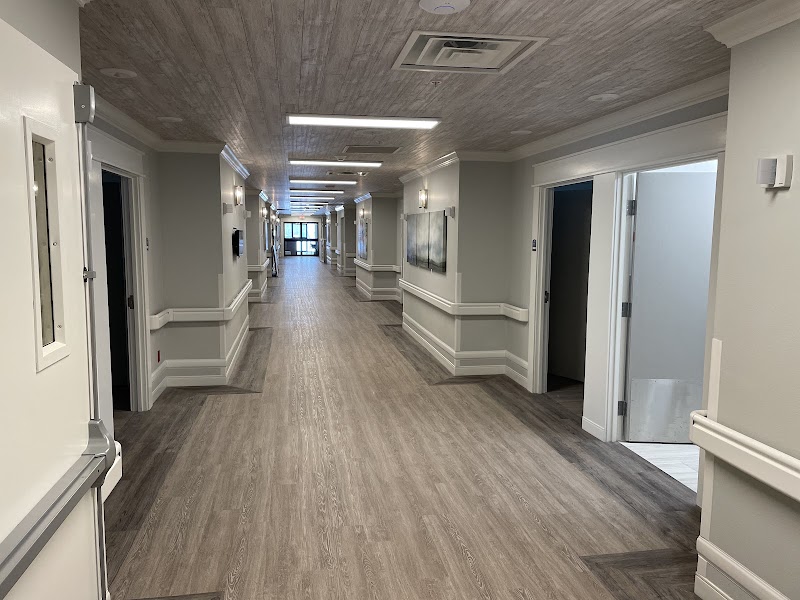
How is Innisfree Health And Rehab, Llc Staffed?

CMS rates INNISFREE HEALTH AND REHAB, LLC's staffing level at 4 out of 5 stars, which is above average compared to other nursing homes. Staff turnover is 45%, compared to the Arkansas average of 46%. This relatively stable workforce can support continuity of care.

What Have Inspectors Found at Innisfree Health And Rehab, Llc?

State health inspectors documented 21 deficiencies at INNISFREE HEALTH AND REHAB, LLC during 2022 to 2024. These included: 21 with potential for harm.

Who Owns and Operates Innisfree Health And Rehab, Llc?

INNISFREE HEALTH AND REHAB, LLC is owned by a for-profit company. For-profit facilities operate as businesses with obligations to shareholders or private owners. The facility is operated by CENTRAL ARKANSAS NURSING CENTERS, a chain that manages multiple nursing homes. With 104 certified beds and approximately 88 residents (about 85% occupancy), it is a mid-sized facility located in ROGERS, Arkansas.

How Does Innisfree Health And Rehab, Llc Compare to Other Arkansas Nursing Homes?

Compared to the 100 nursing homes in Arkansas, INNISFREE HEALTH AND REHAB, LLC's overall rating (1 stars) is below the state average of 3.1, staff turnover (45%) is near the state average of 46%, and health inspection rating (1 stars) is much below the national benchmark.

What Should Families Ask When Visiting Innisfree Health And Rehab, Llc?

Based on this facility's data, families visiting should ask: "Can I visit during a mealtime to observe dining assistance and food quality?" "How do you handle medical emergencies, and what is your hospital transfer rate?" "Can I speak with family members of current residents about their experience?"

Is Innisfree Health And Rehab, Llc Safe?

Based on CMS inspection data, INNISFREE HEALTH AND REHAB, LLC has a clean safety record: no substantiated abuse findings (meaning no confirmed cases of resident harm), no Immediate Jeopardy citations (the most serious violation level indicating risk of serious injury or death), and is not on the Special Focus Facility watch list (a federal program monitoring the lowest-performing 1% of nursing homes). The facility has a 1-star overall rating and ranks #100 of 100 nursing homes in Arkansas. While no facility is perfect, families should still ask about staff-to-resident ratios and recent inspection results during their visit.

Do Nurses at Innisfree Health And Rehab, Llc Stick Around?

INNISFREE HEALTH AND REHAB, LLC has a staff turnover rate of 45%, which is about average for Arkansas nursing homes (state average: 46%). Moderate turnover is common in nursing homes, but families should still ask about staff tenure and how the facility maintains care continuity when employees leave.

Was Innisfree Health And Rehab, Llc Ever Fined?

INNISFREE HEALTH AND REHAB, LLC has no federal fines on record. CMS issues fines when nursing homes fail to meet care standards or don't correct problems found during inspections. The absence of fines suggests the facility has either maintained compliance or corrected any issues before penalties were assessed. This is a positive indicator, though families should still review recent inspection reports for the full picture.

Is Innisfree Health And Rehab, Llc on Any Federal Watch List?

INNISFREE HEALTH AND REHAB, LLC is not on any federal watch list. The most significant is the Special Focus Facility (SFF) program, which identifies the bottom 1% of nursing homes nationally based on persistent, serious quality problems. Not being on this list means the facility has avoided the pattern of deficiencies that triggers enhanced federal oversight. This is a positive indicator, though families should still review the facility's inspection history directly.