PROMENADE HEALTH AND REHABILITATION
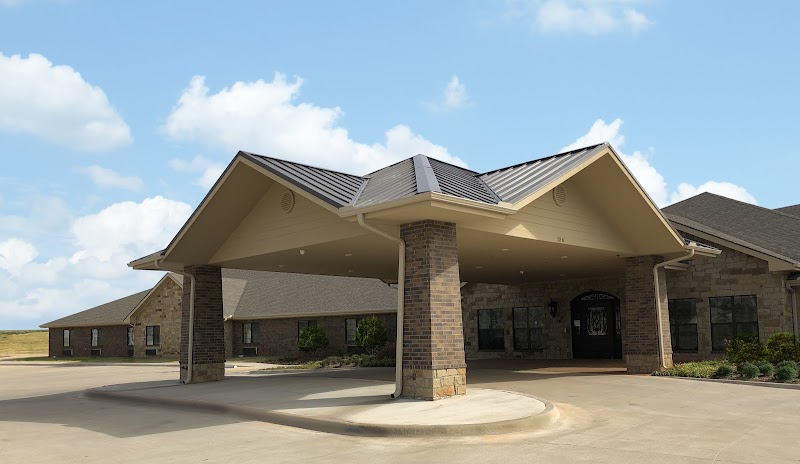
1101 S PROMENADE BOULEVARD, ROGERS, AR 72758 (479) 268-3989
For profit - Limited Liability company 114 Beds STEIN LTC Data: November 2025
Trust Grade
80/100
#75 of 218 in AR
Last Inspection: July 2024

Within standard 12-15 month inspection cycle. Federal law requires annual inspections.

Overview

Promenade Health and Rehabilitation in Rogers, Arkansas, has a Trust Grade of B+, indicating it is above average and recommended for families considering care options. It ranks #75 out of 218 facilities in Arkansas, placing it in the top half, and #3 out of 12 in Benton County, meaning there are only two local options ranked higher. The facility's performance is stable, with 10 identified issues in both 2023 and 2024, although there have been no fines recorded, which is a positive sign. However, staffing is a concern with a 53% turnover rate, which is average for the state, and it has less RN coverage than 99% of Arkansas facilities, potentially impacting the quality of care. Specific incidents include a failure to properly date opened food items, which raises food safety concerns, and a lack of proper storage practices for food items, risking foodborne illness for residents.

Trust Score
B+
80/100
In Arkansas
#75/218
Top 34%
Safety Record
Low Risk
No red flags
Inspections
Holding Steady
3 → 3 violations
Staff Stability
⚠ Watch
53% turnover. Above average. Higher turnover means staff may not know residents' routines.
Penalties
✓ Good
No fines on record. Clean compliance history, better than most Arkansas facilities.
Skilled Nurses
⚠ Watch
Each resident gets only 8 minutes of Registered Nurse (RN) attention daily — below average for Arkansas. Fewer RN minutes means fewer trained eyes watching for problems.
Violations
○ Average
10 deficiencies on record. Average for a facility this size. Mostly minor or procedural issues.
★★★★☆
4.0
Overall Rating
★★★☆☆
3.0
Staff Levels
★★★★☆
4.0
Care Quality
★★★★☆
4.0
Inspection Score
Stable
2023: 3 issues
2024: 3 issues

The Good

  • 4-Star Quality Measures · Strong clinical quality outcomes
  • Full Sprinkler Coverage · Fire safety systems throughout facility
  • No fines on record

Facility shows strength in quality measures, fire safety.

The Bad

Staff Turnover: 53%

Near Arkansas avg (46%)

Higher turnover may affect care consistency

Chain: STEIN LTC

Part of a multi-facility chain

Ask about local staffing decisions and management

The Ugly 10 deficiencies on record

Jul 2024 3 deficiencies
CONCERN (E)

Potential for Harm - no one hurt, but risky conditions existed

Deficiency F0604 (Tag F0604)

Could have caused harm · This affected multiple residents

Based on observation, record review, and interviews, the facility failed to ensure a resident was free from the use of an unnecessary restraint for 1 (Resident #23) of 1 sampled resident reviewed for ...

Read full inspector narrative →
Based on observation, record review, and interviews, the facility failed to ensure a resident was free from the use of an unnecessary restraint for 1 (Resident #23) of 1 sampled resident reviewed for the use of restraints. Specifically, Resident #23 had a seat belt attached to a wheelchair and fastened around resident's waist preventing resident from standing. Findings include: A review of a facility policy titled, Use of Restraints, with a revised date 03/01/2022, indicated, Policy Statement Restraints shall only be used for the safety and well-being of the resident . shall only be used to treat the resident's medical symptom(s) and never for .the prevention of falls .2 .resident cannot remove a device in the same manner in which the staff applied it . and this restricts his/her typical ability to change position or place, that device is considered a restraint .4. Practices .prevent resident mobility are considered restraints .c. Placing a resident in a chair that prevents the resident from rising .6. Prior to placing a resident in restraints .pre-screening assessment and review to determine the need for restraints .9. Restraints shall only .written order of physician .a. The specific reason for the restraint (as it relates to the resident's medical symptom) .15. Should a resident not be capable of making a decision, the surrogate or sponsor may . (Note: The surrogate/sponsor may not give permission to use restraints .is not necessary to treat the resident's medical symptoms.) . A review of a facility document titled, Residents' [NAME] of Rights undated, indicated, Freedom from Abuse and Restraints As a resident you have the right to be: .Free from . and physical restraints except when authorized in writing by a physician for a specific and limited period of time and only to protect you from injury to yourself or others . A review of the admission Record, indicated the facility admitted Resident #23 with diagnoses that included dementia, anxiety, intracerebral hemorrhage, polymyalgia rheumatica, and abnormalities of gait and mobility. A review of the quarterly Minimum Data Set (MDS) with an Assessment Reference Date (ARD) of 06/10/2024 revealed Resident #23 had a Brief Interview for Mental Status (BIMS) score of 2 which indicated the resident had severe cognitive impairment. The resident had a wheelchair for mobility, was dependent on staff for toileting, bathing, dressing, footwear and personal hygiene and required substantial to maximum assistance for oral hygiene. No restraint use was indicated. A review of Resident #23's Care Plan, revised, revealed the resident had Activity of daily living (ADL) self-care performance deficit related to dementia, and will not develop any complications from mobility deficits. Interventions included: 10/23/23 per order, check seatbelt on chair and have resident release every 2 hours for compliance. Date Initiated: 10/24/2023; 5/22/24 per order .Resident to have seatbelt per family request as personal reminder related to lack of safety awareness Date Initiated: 05/23/2024 .[Resident #23] is high risk for falls r/t [related to] Confusion, Gait/balance problems . 10/12/23 Fall out of wc [wheelchair] (undid wc seatbelt and stood up) .10/17/23 Fall from wc (undid wc seatbelt) . 10/17/23 fall from wc (undid wc seatbelt) . 10/22/23 Fall out of w/c (undid wc seatbelt and stood-up) . Interventions included: Fall mat, dump wc, [nonslip material] to wc, anti-rollbacks, non-skid socks, beveled edge mattress, fidget blanket, 1 hour checks, nurse and CNA (Certified Nursing Assistant) monitoring, redirection, offer snacks, provide independent activities, replace non-slip barrier to wheelchair, rearrange room fall mat to right side of bed, staff offer to transfer to chair in evening until bedtime, pommel cushion, seat belt, company companion. A review of the Order Summary Report, revealed Resident #23 had a verbal order to check resident's seatbelt is in place and secured every shift, dated 07/19/2024, with a start date of 07/23/2024. The order provided no further instruction on applying, removing, or monitoring the seatbelt. An order on 07/19/2024 indicated, Resident #23 was to have a seatbelt per family request as personal reminder related to lack of safety awareness. The order provided no additional instruction on a start date, applying, removing, or monitoring the seatbelt. A review of the Clinical Physician Orders revealed, Resident #23 had an order to check seatbelt on chair and have resident release every 2 hours, that was discontinued on 10/23/2023. An order to check resident's seatbelt is in place and secured every 2 hours was discontinued on 04/16/2024. An order to check residents seat belt is in place and secured every shift was discontinued on 07/23/2024. A review of the Medication Administration Record for July revealed, Check resident seat belt is in place and secured every shift with an order date of 07/19/2024. Checks were documented beginning on 07/23/2024 7P-7A shift through 7/24/2024 7P-7A shift; Check residents seatbelt is in place and secured every 2 hours with an order date of 02/05/2024 and a D/C (Discontinue) date of 07/03/2024. A review of a facility document titled, Physical Device Consent and Acknowledgement, with a revised date of 01/01/2015 indicated, Understanding Restraint Use revealed, Physical restraints are any manual method . adjacent to the resident body that the individual cannot remove easily and that restricts freedom of movement . Examples of what may be a restraint . wheelchair safety belts . Type of Device Recommended by Inter-Disciplinary Team . Trunk Restraint . x Safety Belt, not self-releasing . medical symptom for use of this device is: Confusion, forgetfulness . will this device improve the resident's ability to function . Safety awareness cue . IDT has determined the use of this devices is a . x Positioner . Consent For Device Use . x I Do . consent to the use of this device if the appropriate healthcare professional has assessed the need for such and the device is indicated as part of the recommended plan of care E-signed . on 2024-07-23 09:54:54 . Date: July 23, 2024 . Facility Staff Member: .E-Signed .on 2024-07-22 17:06:52 . A review of the facility assessment titled, Initial Assessment for Use of Physical Restraint, dated 05/18/2024 at 11:53 AM revealed the status of the assessment was, In Progress and no lock date was entered. Section A. indicated, Restraint use is only mandated if the resident is in imminent danger of injuring him/herself or others. Describe resident behavior prompting restraint use: .4. frequent falls, 5. sliding out of chair/wheelchair 6. unbuckles seatbelt 7. attempts self-transfer, 8. Oher 'resident is able to undo seat belt on command' B. Alternatives attempted . 4. High-low bed 5. 1:1 activities . Describe the reasons for the ineffectiveness of the alternatives 'resident is spontaneous and takes seat belt off and falls trying to self-transfer C. Decision to Restrain 1. State who decided to apply the restraint and the reason for it: 'family request' .2a. Was responsible party notified of the potential risks of restraint usage? If yes, describe . 'yes'. Date and time of notification: 3. Name and status of person providing explanation to family: 'DON / ADM' . Section D. Restraint Order was not completed. Initial Assessment for Use of Physical Restraint was not completed. A review of a Medical Director document titled, Progress Notes dated 10/12/2023 indicated, .primary encounter diagnosis was Hemorrhagic stroke ., and did not include documentation on falls, the safety belt, or a review of the safety belt. A review of a facility document titled, Comprehensive Fall Evaluation Form dated 11/05/2023 indicated, .Identify environmental hazards and individual resident risk of accident, including the need for supervision . Evaluate/analyze the hazards . Adequate Supervision to meet Resident needs . Implement interventions, including adequate supervision, consistent with the resident's needs . Diagnosis or pre-existing condition . and did not indicate monitoring devises as an intervention. A review of a Medical Director document titled, Progress Notes dated 11/17/2023 indicated, .Diagnosis .Falls frequently ., did not include documentation on a safety belt or review of the safety belt. A review of a Medical Director document titled, Progress Notes dated 02/02/2024 indicated, .Nursing Home Visit .admitted after [resident] was having falls and increased decline secondary to Alzheimer's .still getting around the facility with the use of [resident] wheelchair .Current problems . Falls frequently .Psychiatric/Behavioral: Positive for memory loss .has had two or more falls in the past year . and did not include documentation on the safety belt or a review of the safety belt. A review of a Medical Director document titled, Progress Notes dated 03/15/2024 indicated, .Difficult to ascertain whether [resident] is currently being affected .much more active around the facility .Current problems .Falls frequently . and did not include documentation on the safety belt or a review of the safety belt. A review of a Medical Director document titled, Progress Notes dated 05/10/2024 indicated, .family here today . Diagnosis . Falls frequently .Psychiatric/Behavioral: Positive for memory loss. The patient is nervous/anxious . and did not include documentation on the safety belt or a review of the safety belt. A review of a facility document titled, Promenade dated 06/07/2024, indicated, .New Order: Change diagnosis to Dementia . and did not include documentation on the safety belt or a review of the safety belt. A review of the facility progress notes from 01/01/2024 to 07/25/2024 revealed the following entries regarding the seat belt: i) On 02/05/2024, a new order for a seatbelt with checks q (every) 2 hr. (hours). ii) On 03/23/2024 the note indicated the seat belt was broken and staff were doing frequent checks on the resident. A later note on 03/23/2024 indicated the resident's wheelchair was caught on the door jamb while entering an office and fell onto the floor with an intervention to keep office door closed when not occupied. iii) On 03/28/2024, a Weekly Subcommittee note indicated the resident had a fall on 03/27/2024 due to self unbuckling of the seatbelt. iv) On 04/11/2024, the Weekly Subcommittee note indicated the intervention was to toilet resident every hour while awake. A separate therapy note indicated the seatbelt was not fastened at the time of the fall and resident was able to immediately release the seatbelt when asked. v) On 04/16/2024, Resident #23 was found on the floor in front of their wheelchair, in another resident room, and had removed their seatbelt prior to incident. vi) On 04/18/2024 at 03:24 AM, the resident was found in the hallway on the floor in front of their wheelchair and had removed the seatbelt prior to the incident. The note stated, Resident to be assisted to bed after evening medications. vii) On 04/24/2024 indicated fall precautions in place . Poor safety awareness. It did not include seatbelt documentation. viii) On 07/01/2024 at 2:25 PM, Nurses Notes indicated staff discussed removal of seatbelt with family who agreed with decision to remove seatbelt. ix) On 07/17/2024 at 2:11 PM, the Weekly Subcommittee note indicated the resident had a fall on 7/13/2024 and an intervention of pommel cushion is in place and effective. The intervention for the fall that occurred on 7/15 was to return the seatbelt to the wheelchair and offer to go to bed after dinner. During a concurrent observation and interview on 07/22/2024 at 12:48 PM, Resident #23 was sitting upright in a wheelchair, using hands to pull on railings and table to propel wheelchair. Resident #23's shirt was raised and black textured belt strap, fastener with red and white label and loop holding the tail of strap, was visible. Certified Medication Aide (CMA) #4 stated it was a wheelchair belt used to keep resident from falling and remind resident to remain seated. It does not prevent the resident from falling and it does not restrain [resident] because at times the resident unfastens the belt, attempts to stand and falls. During an interview on 07/25/2024 at 8:29 AM, Certified Medication Aide (CMA) #4 stated Resident #23 was unstable during transfers and had falls. The family requested the seatbelt about 4 months ago to prevent the resident from falling on the floor face first when moving forward. When asked what the benefit of the seatbelt was, CMA #4 stated there is no benefit from the seatbelt except possibly preventing injury during a fall. The belt is on when the resident is in the wheelchair. During a concurrent observation and interview on 07/25/2024 at 8:46 AM, Resident #23 was self-propelling a wheelchair in the hall, while holding hands with the Infection Control Preventionist (ICP), seat belt is in place. The ICP stated the seatbelt is a reminder to hopefully trigger, on a good day, that [Resident #23] needs assistance to stand and is used per family request. The ICP denied it is considered a restraint and nothing really reminds the resident not to stand, because the resident wants to be independent. The family has been educated that the resident has a right to fall and a right to stand, and they insist the resident has the belt. The IPC stated if a resident is unable to remove the seat belt they could be stuck in the chair or be injured. The IPC asked the resident to remove the seatbelt three times. Three times the resident was unable to remove the seat belt. The IPC asked the resident to remove the seatbelt three times. Twice Resident #23 held the belt in their hands, tugged on the tail of the seatbelt. Once the resident stated, No. During a concurrent observation and interview on 07/25/2024 at 9:09 AM, the IPC asked Resident #23 to remove the seatbelt three times. Resident #23 did not respond and made no attempt to remove the seat belt. The IPC asked Resident #23 if they would like to walk or stand, and Resident #23 stated No. Resident #23 became visibly upset. The IPC stated Resident #23 is able to remove the belt when she wants to. During an interview on 07/25/2024 at 9:12 AM, the Director of Nursing (DON) stated the belt was off a month ago with other interventions in place. There was a discussion with the family, they thought the belt was effective, and wanted it on as a reminder to sit down. The DON stated Resident #23 was able to remove the belt themself and that it is a reminder. The resident's family member releases the belt when they are here.
CONCERN (E)

Potential for Harm - no one hurt, but risky conditions existed

Infection Control (Tag F0880)

Could have caused harm · This affected multiple residents

Based on observation, interview, and record review, the facility failed to ensure staff performed hand hygiene when providing resident meal trays to the residents who eat in their room and receive mea...

Read full inspector narrative →
Based on observation, interview, and record review, the facility failed to ensure staff performed hand hygiene when providing resident meal trays to the residents who eat in their room and receive meals from the dining room on the 100 Hall; failed to ensure hand hygiene was performed between residents, and failed to ensure staff did not touch medication with bare contaminated hands for 1 (Resident #31) of 2 sampled residents observed during medication pass to prevent the potential spread of infections. Findings include: A review of a facility policy titled, Handwashing/Hand Hygiene, dated 07/17/2012, indicated, Policy Statement This facility considers hand hygiene the primary means to prevent the spread of infections. Policy Interpretation and Implementation . 2. All personnel shall follow the handwashing/hand hygiene procedures to help prevent the spread of infections to other personnel, residents .7. Use an alcohol-based hand rub .soap . and water for the following situations .p. Before and after assisting a resident with meals . A review of a facility Course Completion History titled, Infection Control: Basic Concepts Self-Paced dated 07/23/2024, indicated Certified Nursing Assistant (CNA) #3 completed the training on 05/23/2024 with a score of 100. A review of a document titled Infection Control: Basic Concepts Self-Paced, dated 2021, indicated, .Section 2: Concepts of Infection Control .Hand Hygiene is the most important intervention to reduce the transmission of infections and the first component of standard precautions. Hand hygiene is a general term that describes hand washing .or the use of alcohol-based hand rub (ABHR) to destroy harmful pathogens, such as bacteria or viruses, on the hands. You should always perform hand hygiene .After touching a patient or their immediate environment .In addition, you must wash your hands: Before eating, preparing, handling or serving food . During an observation on 07/22/2024 at 12:27 PM, Certified Nursing Assistant (CNA) #3 opened a silver insulated meal cart, removed a meal tray, and closed the cart door. CNA #3 then entered a resident's room, placed the meal tray on an overbed table in front of a resident. CNA #3 then exited the room and returned to the insulated meal cart. CNA #3 opened the meal cart and removed a meal tray and closed the cart door. CNA #3 served the meal tray to a resident, returned to the meal cart, opened the door, removed a meal tray, closed the door and served the meal tray to a resident. CNA #3 did not perform hand hygiene prior to or after serving meal trays to the residents. During an interview on 07/22/2024 at 12:43 PM, CNA #3 stated staff are only required to sanitize if I touch something with another person. CNA #3 stated, the facility here, they don't push it on us. CNA #3 stated the only items touched were the meal trays, and the handle of the food cart and did not know who touched the handle of the cart prior to the cart being brought to the hall. During an interview on 07/24/2024 at 8:58 AM, the Director of Nursing (DON) stated the Infection Control: Basic Concepts Self-Paced training included Hand Washing/Hand Hygiene training. Hands should be washed or sanitized during meal service after every tray to prevent the spread of bacteria and infections to residents. Review of a facility policy titled, Administering Medications, dated 11/25/2017, indicated, Medications shall be administered in a safe and timely manner, and as prescribed .22. Staff shall follow established facility infection control procedures (e.g., handwashing, antiseptic techniques, gloves, isolation precautions, etc.) for the administration of medications, as applicable . Review of a facility policy titled, Handwashing/Hand Hygiene, dated 07/17/2012, indicated, This facility considers hand hygiene the primary means to prevent the spread of infections .7. Use an alcohol-based hand rub containing at least 62% alcohol; or alternatively, soap (antimicrobial or non-antimicrobial) and water for the following situations: b. Before and after direct contact with residents; c. Before preparing or handling medications; .l. After contact with objects (e.g., medical equipment) in the immediate vicinity of the resident . A review of an admission Record, indicated the facility admitted Resident #31 with a diagnosis that included chronic obstructive pulmonary disease (COPD). A review of Resident #31's Physician Orders for the month of 07/2024, revealed an order, dated 12/15/2022, for amlodipine (blood pressure), 10 milligram (mg), one tablet daily for hypertension. A review of Resident #31's Physician Orders for the month of July 2024, revealed orders, dated 12/15/2022, for cholecalciferol (vitamin d), one tablet daily; and loratadine (allergy medication), one tablet daily. On 07/23/2024 at 9:34 AM, Licensed Practical Nurse (LPN) #1 was observed to administer medications to Resident #232. LPN #1 left Resident #232's room and did not perform hand hygiene. On 07/23/2024 at 9:36 AM, Licensed Practical Nurse (LPN) #1 gathered medication bottles from the top of the medication cart and placed them on top of the medication cart. LPN #1 did not perform hand hygiene. LPN #1 removed Resident #31's cards of medications, an inhaler, and liquid medication and placed them on top of the medication cart. LPN #1 gathered medications and a cup of water and knocked on Resident #31's door. LPN #1 opened the door with her right bare hand and entered the room. LPN #1 placed the cup of pills to the resident lips and dumped the medicine cup of pills into the resident's mouth. LPN #1 offered Resident #31 a drink of water using a straw. One single white tablet/pill fell onto Resident #31's chest/shirt. With her bare right hand, LPN #1 picked the white tablet/pill off of Resident #31's shirt, and placed the pill into the resident's mouth, and continued to administer water to the resident. On 07/23/2024 at 9:48 AM, an interview with Licensed Practical Nurse (LPN) #1 revealed LPN #1 could not describe what the process was for dropping the resident's medication and administering the medication with her bare hands. LPN #1 replied, I shouldn't have done that, but I did. During the interview, LPN #1 was asked why medication should not be administered with bare hands, and LPN #1 revealed, There is a lot of reasons, but I shouldn't have done that. An interview with Licensed Practical Nurse (LPN) #2 on 07/24/2024 at 10:59 AM, revealed LPN #2 would Discard the medication like it fell on the floor, if a pill fell out of a resident's mouth during medication administration and landed on the resident's shirt, and that hand hygiene is performed before and after each resident to protect the spread of bacteria to the resident, and that the resident is not protected and possibly entering infections orally if the nurse administers a pill they picked up with their bare contaminated hands. An interview with the Infection Control Preventionist (ICP) on 07/24/2024 at 11:05 AM, revealed the ICP would Glove up and discard the medication and re-administer it, if the pill fell out of the resident's mouth during medication administration, and that hand hygiene is performed before and after and in between residents to protect the residents, and that the resident would not be protected and it wasn't good practice, if the nurse administered a pill orally to a resident they picked up with their contaminated bare hand. An interview with the Director of Nursing (DON) on 07/24/2024 at 11:10 AM, revealed the DON would discard the pill and pop a new one if a pill fell out of a resident's mouth during medication administration and landed on the resident's shirt, and that hand hygiene is performed before and after medication administration to prevent the spread of bacteria to the resident, and residents are not protected if the nurse administers a pill orally to a resident they picked up with their contaminated bare hand.
CONCERN (F)

Potential for Harm - no one hurt, but risky conditions existed

Food Safety (Tag F0812)

Could have caused harm · This affected most or all residents

Based on observation, interview, and policy review, the facility failed to ensure opened food was dated for food service safety in 1 of 1 kitchen. The failed practice had the potential to affect all 8...

Read full inspector narrative →
Based on observation, interview, and policy review, the facility failed to ensure opened food was dated for food service safety in 1 of 1 kitchen. The failed practice had the potential to affect all 85 residents. Specifically, the facility failed to date an opened bag of salad mix. The findings are: On 07/22/2024 at 11:00 AM, the surveyor observed an 18 ounce bag of salad mix opened in the refrigerator with no date on it. The Dietary Manager took the bag and placed it in a box of other salad mixes. On 07/23/2024 at 10:05 AM, the District Dietary Manager and this surveyor observed the same bag of salad mix without a date on the bag. At 10:10 AM, the Dietary Manager pulled out the salad bag and showed the top of bag and reported that he had placed the date there the day before, but no visible date was observed. The Dietary Manager removed the bag at that time to place a date on the bag. On 07/24/2024 at 10:35 AM, an interview with the Dietary Manager revealed that all items should be dated upon opening, and all employees are responsible for dating food when opening food. The Dietary Manager also reported that it is important to date all food once it is opened to ensure that it does not go bad. On 07/24/2024 at 11:44 AM, an interview with the Infection Preventionist revealed that all items should be dated the day the food is opened. It is important so that residents are not served out-of-date food and get sick. All dietary employees are responsible for dating opened food, but the dietary manager is responsible for ensuring that it is done. On 07/24/2024 at 11:50 AM, an interview with the Director of Nursing (DON) revealed that foods are to be dated as soon as they arrive and opened. It is important to date opened food to see if it is old and if bacteria is growing in it and to see if it is within date. Anyone that opens food should be the one to date the food. A facility policy titled Food Storage: Cold Foods stated, .5. All foods will be stored wrapped or in covered containers, labeled and dated, and arranged in a manner to prevent cross contamination .
May 2023 3 deficiencies
CONCERN (E)

Potential for Harm - no one hurt, but risky conditions existed

Menu Adequacy (Tag F0803)

Could have caused harm · This affected multiple residents

Based on observation, record review, and interview, the facility failed to ensure meals were prepared and served according to the planned written menu to meet the nutritional needs of the residents fo...

Read full inspector narrative →
Based on observation, record review, and interview, the facility failed to ensure meals were prepared and served according to the planned written menu to meet the nutritional needs of the residents for 1 of 1meals observed. This failed practice had the potential to affect 68 residents who received regular diets from 1 of 1 kitchen according to a list provided by the Dietary Supervisor on 05/16/23. The findings are: 1. The menu for the lunch meal documented residents on regular diets were to receive 3 ounces of honey glazed ham. 2. On 05/16/23 at12:20 PM, residents on regular diets were served a small piece of ham. 3. On 05/16/23 at 1:14 PM, Dietary Employee #1 was asked to weigh the same amount of ham served to the residents. She did and stated, It weighed 1.5 ounces.
CONCERN (E) 📢 Someone Reported This

A family member, employee, or ombudsman was alarmed enough to file a formal complaint

Potential for Harm - no one hurt, but risky conditions existed

Deficiency F0804 (Tag F0804)

Could have caused harm · This affected multiple residents

Based on observation, record review, and interview, the facility failed to ensure meals were served in a method that maintained the appearance of cold products and at temperatures that were acceptable...

Read full inspector narrative →
Based on observation, record review, and interview, the facility failed to ensure meals were served in a method that maintained the appearance of cold products and at temperatures that were acceptable to the residents to improve palatability and encourage good nutritional intake during 1 of 1 meal observed. This failed practice had the potential to affect 19 residents on the 100 Hall, 18 residents on the 200 Hall, 16 residents on the 300 Hall, and 16 residents on the 400 Hall who received meal trays in their room as documented on a list provided by Dietary Supervisor on 05/16/23 at 2:10 PM. The findings are: 1. On 05/16/23 at 12:34 PM, an unheated cart that contained 18 trays for lunch was delivered to the 200 Hall by Certified Nursing Assistant (CNA) #1. At 12:49 PM, immediately after the last resident received their tray in their room on 200 Hall, the temperatures of the food items on a test tray were checked and read by the Dietary Supervisor with the following results: a. Milk - 47.5 degrees Fahrenheit. b. Ground meat with gravy - 107 degrees Fahrenheit. c. A carton of ice cream on the tray was melted. The Surveyor asked the Dietary Supervisor to describe the appearance of the ice cream served to the residents. He stated, It was slightly melted. 2. On 05/16/23 at 12:45 PM, an unheated cart that contained trays for lunch was delivered to the 300 Hall by CNA #2. At 1:06 PM, the cart from the 300 Hall contained 4 more trays and was pushed to the 400 Hall by CNA #3. At 1:06 PM, immediately after the last resident received their tray in their room on the 400 Hall, the temperatures of the food items on a test tray were checked and read by the Dietary Supervisor with the following results: a. Milk - 46 degrees Fahrenheit. b. Ground meat with gravy - 108 degrees Fahrenheit. c. Ham - 97.7 degrees Fahrenheit, d. [NAME] yams - 110 degrees Fahrenheit.
CONCERN (F)

Potential for Harm - no one hurt, but risky conditions existed

Food Safety (Tag F0812)

Could have caused harm · This affected most or all residents

Based on observation, record review, and interview, the facility failed to ensure food items stored in the refrigerator and freezer were covered or sealed and expired food items were promptly removed ...

Read full inspector narrative →
Based on observation, record review, and interview, the facility failed to ensure food items stored in the refrigerator and freezer were covered or sealed and expired food items were promptly removed from stock to prevent potential food borne illness for residents who received meal trays from 1 of 1 kitchen. These failed practices had the potential to affect 97 residents who received meals from the kitchen (total census: 97), as documented on a list provided by the Dietary Supervisor on 05/16/23. The findings are: 1. On 05/16/23 at 9:22 AM, an opened box of bacon was on a shelf in the walk-in refrigerator. The box was not covered or sealed. 2. On 05/16/23 at 9:25 AM, the following observations were made in the freezer: a. An opened box of omelets was on a shelf in the freezer. The box was not covered or sealed. b. 2 opened boxes of cookies were on a shelf in the freezer. The boxes were not covered or sealed. 3. On 05/16/23 at 9:50 AM, the area above the ice machine panel had an accumulation of pink/grayish slimy residue on it. The Surveyor asked the Dietary Supervisor to wipe the top of the panel where the residue was observed. He used tissue papers to wipe the areas affected and stated, The pink/grayish slimy residue came off. The Surveyor asked, Who uses the ice from the ice machine and how often do you clean it? He stated, That's the ice the CNAs [Certified Nursing Assistants] use for the water pitchers in the residents' rooms, and we clean it once a week. At 9:53 AM, CNA #1 stated, I don't know who cleans it. I usually clean the outside but not the inside. 4. On 05/16/23 at 9:58 AM, the following expired food items were observed in the refrigerator in the Unit Dining Room: a. A bottle of lemon juice was on a shelf with an expiration date of 12/27/19. b. A bottle of better than bouillon was stored with an expiration date of 11/27/22. c. One tub of original crescents was on a shelf with an expiration1 date of 1/12/2023. d. A bag of Mexican style cheese was on a shelf with an expiration date of 12/15/2022. e. A bag of provolone and mozzarella cheese was on a shelf with an expiration date of 1/23/2023. f. A bottle of strawberry preserves was on a shelf with an expiration date of 12/8/2022. g. A container of parmesan cheese was on a shelf with an expiration date of 7/8/2022. h. Another container of parmesan grated cheese was on a shelf with an expiration date of 6/9/2022. i. A bottle of barbecue sauce was on a shelf with an expiration date of 3/12/2023. 5. On 05/16/23 at 10:06 AM, the following observations were made in the freezer in Unit Dining Room: a. An opened loose chocolate stick. b. A bucket of vanilla ice was on a shelf with an expiration date of 1/1/2022. c. A cup with strawberry vanilla shake in it was on a shelf in the freezer. The cup was not covered exposing the shake to freezer burn. 6. On 05/16/23 at 3:36 PM, the Surveyor asked the Maintenance Director, How often do you clean the ice machine on the 100 Hall [Unit]? He stated, I do a deep clean every 3 months and I wipe it down every month.
Jan 2022 4 deficiencies
CONCERN (D)

Potential for Harm - no one hurt, but risky conditions existed

Comprehensive Care Plan (Tag F0656)

Could have caused harm · This affected 1 resident

Based on record review and interview, the facility failed to ensure the comprehensive care plan addressed use of anticoagulant medications to promote continuity of care and monitoring for 1 (Resident ...

Read full inspector narrative →
Based on record review and interview, the facility failed to ensure the comprehensive care plan addressed use of anticoagulant medications to promote continuity of care and monitoring for 1 (Resident #41) of 4 (Residents #3, #4, #17, and #41) sampled residents who were on anticoagulant medications. The findings are: Resident #41 had diagnoses of Aftercare following Explanation of Knee Joint Prosthesis, Presence of Left Artificial Knee, Personal History of Transient Ischemic Attack and Cerebral Infarction Without Residual. The admission Minimum Data Set (MDS) with an Assessment Reference Date of 11/22/2021 documented the resident scored 14 (13-15 indicates cognitively intact) on a Brief Interview for Mental Status and received an anticoagulant medication on 5 of the last 7 days. a. A Physician's Order dated 11/18/2021 documented, .Apixaban Tablet 5 MG [milligrams] Give 1 tablet by mouth two times a day related to Presence of Left Artificial Knee Joint . b. The Care Plan with a revision date of 01/04/2022 did not address the diagnosis of Presence of Left Artificial Knee Joint or interventions to address the care needs for the resident related to the diagnosis and the use of anticoagulation therapy or interventions to address the care and/or monitoring needs for a resident on anticoagulant therapy. c. On 01/13/2022 at 2:34 PM, the MDS Coordinator was asked, Should an anticoagulant be care planned? The MDS Coordinator stated, Yes. She was asked, Does [Resident #41] have an order for an anticoagulant? The MDS Coordinator stated, Yes, she is on Apixaban. She was asked, Should that be care planned? The MDS Coordinator stated, Yes. She was asked, Why should anticoagulant therapy be care planned? The MDS Coordinator stated, For risks of bleeding. She was asked, Is [Resident #41] care planned for bleeding risks or other risks associated with anticoagulant therapy? The MDS Coordinator stated, No, she is not .
CONCERN (E)

Potential for Harm - no one hurt, but risky conditions existed

Deficiency F0578 (Tag F0578)

Could have caused harm · This affected multiple residents

Based on record review and interview, the facility failed to ensure written information regarding the right to formulate an Advanced Directive was provided to residents or their responsible parties to...

Read full inspector narrative →
Based on record review and interview, the facility failed to ensure written information regarding the right to formulate an Advanced Directive was provided to residents or their responsible parties to enable them to make informed decisions regarding what measures would be provided or withheld at end of life for 1 (Resident #53); and failed to ensure written information regarding residents' decisions regarding what measures would be provided or withheld at end of life was readily available in the electronic medical record for 3 (Residents #15, #41, and #45) of 17 (Residents #3, #4, #7, #15, #18, #19, #34, #37, #39, #40, #41, #42, #45, #46, #51, #53 and #55) sampled residents who had formulated Advanced Directives in the form of a Living Will. This failed practice had the potential to affect all 67 residents who resided in the facility, as documented on the Facility Matrix provided by the Minimum Data Set (MDS) Coordinator on 01/10/2022 at 1:39 PM. The findings are: 1. Resident #53 had diagnoses of Acute Kidney Failure, Unspecified, Type 2 Diabetes and Morbid Obesity. a. On 01/12/22 at 10:15 AM, Resident #53's electronic health record (EHR) did not contain documentation to indicate Advanced Directive information was provided to her or her responsible party. b. On 01/11/22 at 12:34 PM, Resident #53 was being placed on a gurney for transport to an emergency room by Emergency Medical Technicians (EMTs). Licensed Practical Nurse (LPN) #1 was heard verbally informing the EMTs, She [Resident #53] is a DNR [Do Not Resuscitate]; please inform the ER [Emergency Room]. c. On 01/11/22 at 12:36 PM, LPN #1 was asked, Do you send Advanced Directives with the EMTs when residents are sent out? LPN #1 stated, Yes. She was asked, I was unable to locate her [Resident #53] Advanced Directives in the Electronic Health Record, can you guide me? LPN #1 stated, Here, I'll show you where it is [in the facility's EHR software.] LPN #1 directed the surveyor to a document titled Physician Orders for Life-Sustaining Treatment (POLST) and was not able to locate an Advanced Directive or Living Will document for Resident #53. 2. Resident #15 had diagnoses of Vascular Dementia without Behavioral Disturbance, Chronic Kidney Disease, Unspecified, and Shortness of Breath. Resident #15's Advanced Directives Acknowledgement form dated 02/11/2020 documented Resident #15 had placed a check mark on, .I choose to formulate the following Advanced Directives .Living Will . The EHR did not contain a copy or documentation of the Living Will. 3. Resident #41 had diagnoses of Personal History of Transient Ischemic Attack (TIA), Cerebral Infarction Without Residual Deficits and Acute Kidney Failure, Unspecified. a. Resident #41's Advanced Directives Acknowledgement form dated 06/15/2021 documented Resident #41 had placed an X on, .I choose to formulate the following Advanced Directives .Living Will . The EHR did not contain a copy or documentation of the Living Will. b. A POLST dated 10/19/2021 and an Advanced Directive Acknowledgement dated 09/21/2019 provided by the Administrator on 01/12/2022 at 10:24 AM documented, .I choose to formulate the following Advanced Directives .Living Will . 4. Resident #45 had diagnoses of Chronic Kidney Disease, Stage 3A, Other Forms of Acute Ischemic Heart Disease, and Chronic Obstructive Pulmonary Disease, Unspecified. Resident #45's Advanced Directives Acknowledgement form dated 11/21/2017 documented Resident #45 had placed a check mark on, .I choose to formulate the following Advanced Directives .Living Will . The EHR did not contain a copy or documentation of the Living Will. 5. On 01/12/22 at 10:49 AM, the Administrator was asked, You provided documentation for [Residents #15, #41, #45, and #53] in response to our request for Advanced Directives; is this the only documentation you have? The Administrator stated, Yes, I provided you all I have. For [Resident #41], I provided you her POLST and Advanced Directive Form. She was asked, [Resident #41] checked marked the option for a Living Will. Do you have a copy of her Living Will? The Administrator stated, No, I gave you all we have. She was asked, Would the Business Office Manager or Social Services have this resident's living will? The Administrator stated, No, I gave you all the documentation we have for the Advance Directives you requested. 6. On 01/13/22 at 4:20 PM, the Business Office Manager (BOM) provided a Declaration of Living Will for Resident #41 dated 02/18/2020 and a Living Will Declaration for Resident #45 dated 11/21/2017. The BOM was asked, Where were these documents located? The BOM stated, In my office. She was asked, Is your office available to staff every day? The BOM stated, I am here Monday through Friday. She was asked, What about weekends, do the nurses have access to these documents? The BOM stated, We have management who has access to my office. 7. A facility policy titled, Advance Directives, provided by the Administrator on 01/14/22 at 8:10 AM documented, .Prior to or upon admission .The Social Services Director or designee will provide written information to the resident .the right to formulate advanced directives; .The Social Services Director or designee will inquire .about the existence of any written advanced directives .Information about .and advance directive will be uploaded to [Electronic Health Record] documents tab and shall be displayed prominently in the resident's chart; .The nurse supervisor will be required to inform emergency medical personnel of a resident's advanced directive .and provide such personnel with a copy of such directive when transfer from the facility via ambulance .
CONCERN (E)

Potential for Harm - no one hurt, but risky conditions existed

Menu Adequacy (Tag F0803)

Could have caused harm · This affected multiple residents

Based on observation, record review and interview, the facility failed to ensure meals were prepared and served in accordance with the planned, written menu to meet the nutritional needs of the reside...

Read full inspector narrative →
Based on observation, record review and interview, the facility failed to ensure meals were prepared and served in accordance with the planned, written menu to meet the nutritional needs of the residents for 1 of 1 meal observed. This failed practice had the potential to affect 8 residents who received a regular diet, and 10 residents who received a mechanical soft diet from the kitchen, according to a list provided by the Dietary Supervisor on 1/12/2022. The findings are: 1. On 1/11/22, the menu for the supper meal documented the residents on regular and mechanical soft diets were to receive 1 square of chicken enchilada each (3 by 4-inch square per the quantified recipe), residents on pureed diets were to receive 8 ounces (oz) of pureed chicken enchiladas each. a. On 1/11/22 at 4:26 PM, during the supper meal preparation Dietary Employee #2 stated, We have 8 residents on pureed diets. He then used a #8 scoop (4 ounces) to place 8 servings of chicken enchiladas into a blender to puree. He poured the pureed chicken enchiladas into a pan, covered the pan with foil and placed it in the oven b. On 1/11/22 at 5:24 PM, Dietary Employee #2 used a #8 scoop to serve a single portion of pureed chicken enchiladas to the residents who were on a pureed diet. The menu specified 8 ounces of pureed chicken enchilada for each person. c. On 1/11/22 at 5:33 PM, Dietary Employee #2 used a #8 scoop to serve a single portion of chicken enchilada to the residents who were on a mechanical soft diets. The menu specified 1 square of mechanical chicken enchilada for each person. d. On 1/12/22 at 1:26 PM, Dietary Employee #2 was asked, What scoop size did you use to serve pureed chicken enchilada? He stated, I used a #8 scoop (gray), and I gave a serving of pureed chicken enchilada to each resident on pureed diets. He was asked, What scoop size did you use to serve mechanical soft chicken enchilada? He stated I used a #8 scoop (gray), and I gave a serving of ground chicken enchilada to each resident on a mechanical soft diet.
CONCERN (F)

Potential for Harm - no one hurt, but risky conditions existed

Food Safety (Tag F0812)

Could have caused harm · This affected most or all residents

Based on observation and interview, the facility to ensure an ice scoop holder in 1 of 2 ice machines was maintained in clean condition; dietary staff washed their hands before handling clean equipmen...

Read full inspector narrative →
Based on observation and interview, the facility to ensure an ice scoop holder in 1 of 2 ice machines was maintained in clean condition; dietary staff washed their hands before handling clean equipment or food items; leftover food items were promptly used or discarded; foods stored in the freezer, refrigerator, and dry storage area were covered, sealed and dated; and expired bread products were promptly removed / discarded to prevent potential food borne illness for residents who received meal trays from 1 of 1 kitchen. These failed practices had the potential to affect 66 residents who received meals from the kitchen (total census: 67), as documented on a list provided by Dietary Manager on 1/12/2022 at 4:29 PM. The findings are: 1. On 01/10/2022, initial rounds were made in the kitchen with following observations: a. At 11:48 AM, on a shelf to the right of the entrance door of the walk-in freezer, there was a bag of chicken patties not tightly re-sealed after opening. The Dietary Manager was asked how previously opened food should be stored. He said, Closed up where no air can get to it. b. On a shelf to the left of the walk-in freezer at 11:49 AM, there was a box of French toast which was not tightly resealed after opening. The Dietary Manager was asked if the food item was stored properly and he said, No. c. At approximately 12:00 PM, a blue ice scoop holder by the ice machine had a blackish unidentified substance in the bottom of it. The Dietary Manager was asked to describe what he saw and stated, It's dirty. It could use some thorough cleaning. The Dietary Manager removed the bottom of the holder and said, It's dirty and needs some love. The Dietary Manager was asked how often the scoop holder was cleaned and stated, Once a week. d. At 12:30 PM, on the left side of the storeroom, toward the back, on the top shelf, there was a bag of small elbow noodles that was not tightly closed. The Dietary Manager was asked how the noodles should be stored and he said, They should not be open. They should be closed up. 2. On 1/10/2022 at 4:41 PM, the ice machine in the kitchen had a wet black and grayish residue on the interior panel. The Dietary Manager was asked to wipe the black residue on the panel of the ice machine. He did so, and the black residue easily transferred to the tissue. The Dietary Manager was asked, How often do you clean the ice machine? He stated, Once a week. He was asked, Who uses the ice from the machine? He stated, We use it in the kitchen to fill beverages served to the residents at meals. 3. On 1/11/2022 at 3:46 PM, an open box of salt was stored on a shelf above the food preparation counter. The box was not closed. 4. On 1/11/2022 at 3:53 PM, Dietary Employee #1 walked into the kitchen from the dining room. Without washing her hands, she picked up clean dishes and stacked them on the plate warmer, with her fingers touching inside the dishes. 5. On 1/11/2022 at 3:55 PM, an open bag of coffee filters was in an unsealed box on a shelf below the food preparation counter. The bag was not sealed. 6. On 1/11/2022 at 3:56 PM, a bag of hamburger buns was on a shelf in the kitchen with an expiration date of 1/10/2022. 7. On 1/11/2022 at 3:57 PM, the following observations were made in the walk-in refrigerator: a. Ziplock bags of leftover sausage and leftover scrambled eggs were on a shelf in the refrigerator. The Dietary Manager was asked what was in the bags on the shelf. He stated, They are leftover sausage and eggs from breakfast. We will use them for pureed food the next day. On 1/12/2022 at 8:17 AM, Ziplock bags of leftover scrambled eggs and leftover ground sausage were on the counter in the kitchen. Dietary Employee #3 was asked, What do you do with the food items in the Ziplock bags. She stated, We will use them the next day for pureed breakfast. b. An open box of bacon was on shelf in the walk-in refrigerator. The box was not covered or sealed. c. Three 8-ounce (oz) cartons of whole milk were on a tray in the refrigerator with an expiration date of 1/5/2021. 8. On 1/11/22 at 3:58 PM, the following observations were made in the walk-in freezer: a. An open box of dinner rolls was on a shelf in the freezer. The box was not covered or sealed. b. An open box of cut green beans was on a shelf in the freezer. The box was not covered or sealed. 9. A facility policy titled, Hand Washing, provided by the Dietary Manager on 01/12/2022 at 3:55 PM documented, .When Should You Wash Your Hands? . Upon returning to the kitchen from other areas . Before putting on gloves or after removing them . Whenever necessary to help hands clean. 10. A facility policy titled, Food Storage: Dry Goods, provided by the Dietary Manager on 01/13/2022 at 11:30 AM documented, .All packaged and canned food items will be kept clean, dry, and properly sealed . 11. A facility policy titled, Food Storage: Cold Foods, provided by the Dietary Manager on 01/13/2022 at 11:30 AM documented, .All foods will be stored wrapped or in covered containers, labeled and dated and arranged in a manner to prevent cross contamination . 12. A facility policy titled, Ice, provided by the Dietary Manager on 01/13/2022 at 11:30 AM documented, .Procedures 3. The exterior of the ice machine will be cleaned weekly. 4. Ice bins will be cleaned monthly and as needed, 5. Ice scoops will be cleaned and stored in a separate container that limits exposure to dust and moisture retention .
Understanding Severity Codes (click to expand)
Life-Threatening (Immediate Jeopardy)
J - Isolated K - Pattern L - Widespread
Actual Harm
G - Isolated H - Pattern I - Widespread
Potential for Harm
D - Isolated E - Pattern F - Widespread
No Harm (Minor)
A - Isolated B - Pattern C - Widespread

Questions to Ask on Your Visit

  • "Can I speak with families of current residents?"
  • "What's your RN coverage like on weekends and overnight?"

Our Honest Assessment

Strengths
  • • Grade B+ (80/100). Above average facility, better than most options in Arkansas.
  • • No major safety red flags. No abuse findings, life-threatening violations, or SFF status.
  • • No fines on record. Clean compliance history, better than most Arkansas facilities.
Concerns
  • • No significant concerns identified. This facility shows no red flags across CMS ratings, staff turnover, or federal penalties.
Bottom line: Generally positive indicators. Standard due diligence and a personal visit recommended.

About This Facility

What is Promenade's CMS Rating?

CMS assigns PROMENADE HEALTH AND REHABILITATION an overall rating of 4 out of 5 stars, which is considered above average nationally. Within Arkansas, this rating places the facility higher than 99% of the state's 100 nursing homes. This rating reflects solid performance across the metrics CMS uses to evaluate nursing home quality.
How is Promenade Staffed?

CMS rates PROMENADE HEALTH AND REHABILITATION's staffing level at 3 out of 5 stars, which is average compared to other nursing homes. Staff turnover is 53%, compared to the Arkansas average of 46%. RN turnover specifically is 67%, which is notably high. RNs provide skilled clinical oversight, so turnover in this role can affect medical care quality.

What Have Inspectors Found at Promenade?

State health inspectors documented 10 deficiencies at PROMENADE HEALTH AND REHABILITATION during 2022 to 2024. These included: 10 with potential for harm.

Who Owns and Operates Promenade?

PROMENADE HEALTH AND REHABILITATION is owned by a for-profit company. For-profit facilities operate as businesses with obligations to shareholders or private owners. The facility is operated by STEIN LTC, a chain that manages multiple nursing homes. With 114 certified beds and approximately 77 residents (about 68% occupancy), it is a mid-sized facility located in ROGERS, Arkansas.
How Does Promenade Compare to Other Arkansas Nursing Homes?

Compared to the 100 nursing homes in Arkansas, PROMENADE HEALTH AND REHABILITATION's overall rating (4 stars) is above the state average of 3.1, staff turnover (53%) is near the state average of 46%, and health inspection rating (4 stars) is above the national benchmark.

What Should Families Ask When Visiting Promenade?

Based on this facility's data, families visiting should ask: "Can I visit during a mealtime to observe dining assistance and food quality?" "How do you handle medical emergencies, and what is your hospital transfer rate?" "Can I speak with family members of current residents about their experience?"

Is Promenade Safe?

Based on CMS inspection data, PROMENADE HEALTH AND REHABILITATION has a clean safety record: no substantiated abuse findings (meaning no confirmed cases of resident harm), no Immediate Jeopardy citations (the most serious violation level indicating risk of serious injury or death), and is not on the Special Focus Facility watch list (a federal program monitoring the lowest-performing 1% of nursing homes). The facility has a 4-star overall rating and ranks #1 of 100 nursing homes in Arkansas. While no facility is perfect, families should still ask about staff-to-resident ratios and recent inspection results during their visit.

Do Nurses at Promenade Stick Around?

PROMENADE HEALTH AND REHABILITATION has a staff turnover rate of 53%, which is 7 percentage points above the Arkansas average of 46%. Moderate turnover is common in nursing homes, but families should still ask about staff tenure and how the facility maintains care continuity when employees leave.

Was Promenade Ever Fined?

PROMENADE HEALTH AND REHABILITATION has no federal fines on record. CMS issues fines when nursing homes fail to meet care standards or don't correct problems found during inspections. The absence of fines suggests the facility has either maintained compliance or corrected any issues before penalties were assessed. This is a positive indicator, though families should still review recent inspection reports for the full picture.

Is Promenade on Any Federal Watch List?

PROMENADE HEALTH AND REHABILITATION is not on any federal watch list. The most significant is the Special Focus Facility (SFF) program, which identifies the bottom 1% of nursing homes nationally based on persistent, serious quality problems. Not being on this list means the facility has avoided the pattern of deficiencies that triggers enhanced federal oversight. This is a positive indicator, though families should still review the facility's inspection history directly.