ROGERS HEALTH AND REHABILITATION CENTER
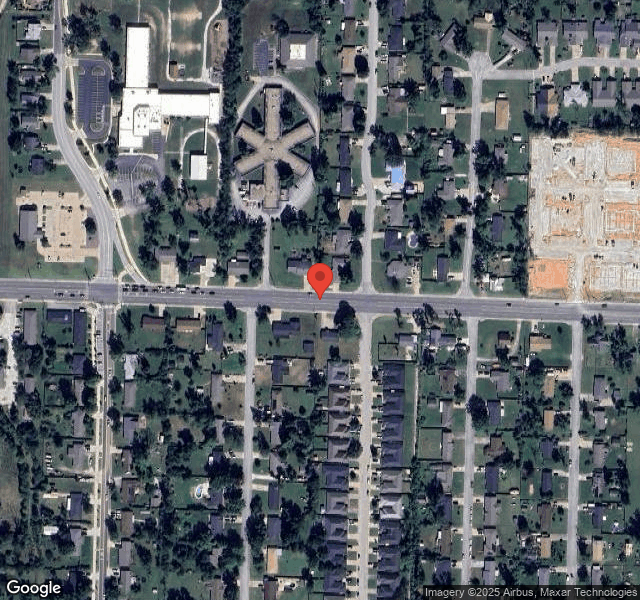
1149 W NEW HOPE RD, ROGERS, AR 72758 (479) 636-6290
For profit - Limited Liability company 95 Beds SOUTHERN ADMINISTRATIVE SERVICES Data: November 2025
Trust Grade
70/100
#78 of 218 in AR
Last Inspection: January 2025

Within standard 12-15 month inspection cycle. Federal law requires annual inspections.

Overview

Rogers Health and Rehabilitation Center has a Trust Grade of B, indicating it is a good choice for families. Ranked #78 out of 218 facilities in Arkansas, it is in the top half, and #4 out of 12 in Benton County, meaning only three local options are better. The facility is improving, with issues dropping from 18 in 2023 to just 2 in 2025. Staffing is average, with a 3/5 star rating and a turnover rate of 51%, which is close to the state average. While there have been no fines, some specific concerns include inadequate food storage practices that could lead to contamination and a failure to maintain kitchen cleanliness, along with lapses in safety procedures when using a mechanical lift for residents. Overall, there are strengths in its improvement trend and no fines, but families should be aware of the identified concerns regarding safety and hygiene practices.

Trust Score
B
70/100
In Arkansas
#78/218
Top 35%
Safety Record
Low Risk
No red flags
Inspections
Getting Better
18 → 2 violations
Staff Stability
⚠ Watch
51% turnover. Above average. Higher turnover means staff may not know residents' routines.
Penalties
✓ Good
No fines on record. Clean compliance history, better than most Arkansas facilities.
Skilled Nurses
⚠ Watch
Each resident gets only 22 minutes of Registered Nurse (RN) attention daily — below average for Arkansas. Fewer RN minutes means fewer trained eyes watching for problems.
Violations
⚠ Watch
25 deficiencies on record. Higher than average. Multiple issues found across inspections.
★★★★☆
4.0
Overall Rating
★★★☆☆
3.0
Staff Levels
★★★★★
5.0
Care Quality
★★★☆☆
3.0
Inspection Score
Stable
2023: 18 issues
2025: 2 issues

The Good

  • 5-Star Quality Measures · Strong clinical quality outcomes
  • Full Sprinkler Coverage · Fire safety systems throughout facility
  • No fines on record

Facility shows strength in quality measures, fire safety.

The Bad

Staff Turnover: 51%

Near Arkansas avg (46%)

Higher turnover may affect care consistency

Chain: SOUTHERN ADMINISTRATIVE SERVICES

Part of a multi-facility chain

Ask about local staffing decisions and management

The Ugly 25 deficiencies on record

Jan 2025 2 deficiencies
CONCERN (E)

Potential for Harm - no one hurt, but risky conditions existed

Accident Prevention (Tag F0689)

Could have caused harm · This affected multiple residents

Based on observation, record review, interview, and facility policy review, the facility failed to ensure the rear casters on the mechanical lift remained unlocked during lifting a resident to allow f...

Read full inspector narrative →
Based on observation, record review, interview, and facility policy review, the facility failed to ensure the rear casters on the mechanical lift remained unlocked during lifting a resident to allow for stabilization, and to prevent injuries or tipping affecting 1 (Resident #41) of 1 sampled resident reviewed for lift. The findings include: A review of Medical Diagnoses revealed Resident #41 had diagnoses of stroke, diabetes, and kidney disease. The significant change Minimum Data Set (MDS) with an Assessment Reference Date (ARD) of 06/16/2024 suggested a Staff Assessment for Mental Status (SAMS) indicated short- and long-term memory problems. Section H0400 indicated the resident was always incontinent of stool, and section H0100 indicated Resident #41 had a catheter. a. On 01/21/2025 at 02:12 PM, Resident #41 returned to the room to be transferred to the bed using a mechanical lift. Certified Nursing Assistant (CNA) #4 placed the open mechanical lift legs around Resident #41's chair with the rear casters in the locked position. The resident was raised using a purple lift pad and clips were in place. Once raised all the way up, the wheels were unlocked, and Resident #41 was rolled over to the bed. The legs of the lift remained in the open position, and Resident #41 was lowered down to the bed with the rear casters/wheels locked. This surveyor asked about the purpose of locking the rear casters. CNA #4 stated the rear wheels were locked for stability and to keep the mechanical lift from moving and possibly tipping. b. On 01/22/2025 at 02:22 PM, the Director of Nursing (DON) was asked the process for raising and lowering residents with a mechanical lift. The DON said they would lock the brakes when raising someone up and the legs should be in the open position. When asked why they would want the wheels to be locked when raising or lowering residents, the DON stated to keep the lift from moving or rocking because that could cause severe issues. The DON was asked for the mechanical lift user ' s manual to confirm lift procedure. c. On 01/22/2025 at 03:00 PM, the Administrator pulled up the mechanical lift user ' s manual on the computer. The manual revealed the rear casters should never be locked when raising and lowering residents for safety reasons. d. On 01/22/2025 at 03:25 PM, the DON provided a mechanical lift user ' s manual, dated 2022, that revealed on page 16, 3 Product Labeling not to lock the rear casters when lifting a resident, casters must remain unlocked to allow the mechanical lift to stabilize during lifting. The warning on page 28, 6.1.1 stated not to lock the rear casters when lifting an individual, because it could cause the mechanical lift to tip and endanger the resident and the assistants.
CONCERN (E)

Potential for Harm - no one hurt, but risky conditions existed

Food Safety (Tag F0812)

Could have caused harm · This affected multiple residents

Based on observation, interview, record review, and facility policy review, the facility failed to ensure the kitchen walls, tiles, air vents, and door frames were maintained in good repair and were f...

Read full inspector narrative →
Based on observation, interview, record review, and facility policy review, the facility failed to ensure the kitchen walls, tiles, air vents, and door frames were maintained in good repair and were free of chips, stains and rust; baseboards were secured and were maintained in clean sanitary conditions; and dietary staff washed their hands before handling clean equipment for 2 of 2 meals observed. The findings are: 1. On 1/21/25 at11:51 AM, the following observations were made in the kitchen areas: a. The florescent light above the steam table had no cover over it, electrical wires were exposed. b. The ceiling tiles around the emergency window by the steam table had brown stains on it. c. The kitchen floor by the steam table was chipped, in three (3) different areas exposing the concrete. d. The baseboard tile below the steam table was missing. e. The wall by the pipe connected to the switch attached to the plate warmer was cracked and the concrete was exposed. f. The wall leading to the Dietary Manager's office from the kitchen was cracked and the concrete was exposed. g. The bottom of the door leading to the Janitor's closet was chipped and the wood was exposed. h. The right-side door frame to the Janitor's closet was loose. i. The air vent close to the hand washing sink was loose. The ceiling tile above the hand wash sink had yellow stains and cracks on it. j. The door frame by the food preparation area and the door leading to the walk-in refrigerator was chipped, exposing the concrete. k. The ceiling tile above the ice machine was loose exposing the pipe. l. The air vent above the ice scoop holder by the ice machine had rust. m. The ceiling tile by the ice machine water had damage on it. n. One (1) of two (2) ceiling florescent lights between the two-door refrigerator and milk refrigerator had no light covering on it. o. The dishwashing machine floor tile was missing in 10 different areas and the concrete was exposed. Five tiles were loose in the dishwashing machine room. The areas where tiles were missing or loose had water standing in them exposing the concert. p. The bathroom floor leading to the heating room, storage room, and leading to the dining room had a buildup of black residue on them. The door frames were rusty. q. The bottom of the door frames leading to the storage room were rotted. r. The door frames leading to the outside from the kitchen were chipped and the metal was exposed. 2. On 1/21/25 at 12:24 PM, Dietary Aide (DA) #1was on the tray line assisting with the lunch meal. DA #1 picked up cartons of milk, cartons of health shakes, and cartons of ice cream and placed them on the meal trays, contaminating her hands. Without washing her hands, DA #1 picked up glasses with beverages by their rims and placed them on the trays to be served to the residents for lunch. DA #1 was interviewed and was asked what she should have done after touching dirty objects and before handling clean equipment. She stated she should have washed her hands. 3. On 1/21/25 at12:40 pm, Dietary Aide (DA) #2 turned on the hand washing sink and washed his hands. After washing his hands, DA #2 turned off the sink faucet, with his hands contaminating his hands in the process. Without washing his hands, DA #2 picked up individual napkins, placed utensils inside, and wrapped them for the residents to use during the noon meal, also picked glasses by their rims and placed them on the tray to be used in serving beverages to the residents for the meal. 4. On 1/21/25 at 12:50 PM, DA #1 pushed a cart with a pan containing a small amount of ice. In the pan were 2 leftover cups of vanilla ice cream, 6 leftover cups of chocolate ice cream and 12 leftover cups of strawberry ice cream. DA #1 pushed the cart toward the door leading to the walk-in freezer. As DA #1 opened the freezer door to place the leftover cups of ice cream in the freezer to refreeze, DA #1 was interviewed and was asked to describe how the ice cream cups looked. The Dietary Manager stated each ice cream cup was soft and she would throw them away. The Dietary Manager was interviewed and was asked how many cartons of ice cream were left in the pan. She counted them and stated there were 2 cups of vanilla ice cream, 6 cups of chocolate ice cream and 12 cups of strawberry ice cream. During an interview, the Dietary Manager was asked if cups of ice cream that has been on ice and have become soft could be refrozen. The Dietary Manager stated it shouldn't be refrozen, and she would throw them away. The manufacturer's instructions on the carton of ice cream documented, Keep Frozen. 5. On 1/21/25 at 3:33 PM. DA #2 turned on the hand washing sink and washed his hands. After washing his hands, DA #2 turned off the sink faucet, with his hands contaminating his hands in the process. Without washing his hands, DA #2 picked up individual napkins, placed utensils inside, and wrapped them for the residents to be used during the meal. DA #2 also picked glasses up by their rims and placed them on the tray to be used in serving beverages to the residents for the supper meal. 6. On 1/21/25 at 3:58 PM, DA #2 turned off the sink faucet with his hands contaminating his hands in the process. Without washing his hands, DA #2 picked up coffee cups by their rims and placed them on counter to be used in serving beverages to the residents for supper meal. DA #2 was interviewed and asked what he should have done after touching dirty objects and before handling clean equipment. DA #2 confirmed turning off the sink faucet with his bare hands made them dirty and he should have washed his hands again. 7. A review of facility policy titled, Handwashing and Glove Usage in Food service, initiated 2016, provided by the Dietary Manager on 1/22/2025 indicated, food handlers should wash their hands before starting work, after touching dirty dishes or clothing and after touching anything else such as dirty equipment.
Dec 2023 14 deficiencies
CONCERN (D)

Potential for Harm - no one hurt, but risky conditions existed

Infection Control (Tag F0880)

Could have caused harm · This affected 1 resident

Based on observation and interview, the facility failed to ensure the laundry room was free from standing water and trash for 1 of 1 laundry room. The findings are: On 11/20/ at 1:15 PM, in the Laundr...

Read full inspector narrative →
Based on observation and interview, the facility failed to ensure the laundry room was free from standing water and trash for 1 of 1 laundry room. The findings are: On 11/20/ at 1:15 PM, in the Laundry Room beside the washer was approximately 3/4 inches of standing water and trash. The Maintenance Supervisor was asked, Can you tell me why there's water and trash beside the washer? He stated, They came and fixed the washer on Monday, but it's still leaking, and I'm not sure why there's trash in the water. On 11/30/23 at 1:26 PM, the Surveyor asked Laundry Staff #1, How long has water been standing on the floor beside the washer? She stated, Since Monday. She was asked, How long has the glove and trash been in the water? She stated, I don't know. She picked up the glove and threw it in the trash.
CONCERN (E)

Potential for Harm - no one hurt, but risky conditions existed

Deficiency F0578 (Tag F0578)

Could have caused harm · This affected multiple residents

Based on interview and record review, the facility failed to ensure Advance Directive documents were maintained in a section of the resident's medical record readily retrievable by facility staff for ...

Read full inspector narrative →
Based on interview and record review, the facility failed to ensure Advance Directive documents were maintained in a section of the resident's medical record readily retrievable by facility staff for 4 (Residents #9, #26, #27 and #32) of 18 sampled residents. The findings are: 1. On 11/28/23 at 9:45 AM, a review of Resident #9's medical record revealed there was no advance directive in the clinical record. On 11/28/23 at 03:20 PM, the Surveyor asked the Marketing Director, Does [Resident #9] have an advance directive? She looked in the electronic system for Resident #9's advance directive. She stated, I don't see one. 2. On 11/28/23 at 9:19 AM, a review of Resident #26's medical record revealed there was no advance directive in the clinical record. On 11/28/23 at 3:16 PM, the Surveyor asked the Marketing Director, Does Resident #26 have an advance directive? She looked in the electronic system for Resident #26 advance directive. She stated, I don't see it unless I'm overlooking it. On 11/28/23 at 1:10 AM, the Director of Nursing (DON) was asked, When should an advance directive be formulated? She stated, When they are admitted . 3. Resident #27 did not have an Advance Directive readily accessible in the electronic health record (EHR). 4. Resident #32 did not have an Advance Directive readily accessible in the EHR. 5. On 11/28/2023 at 03:37 PM, the Marketing Director was asked to provide an Advance Directive for Resident #32. The Marketing Director stated, No, doesn't look like [Resident #32] has one.I don't see anything under Document Manager saying [Resident #32] declined or was educated on it. The Marketing Director was asked to provide an Advance Directive for Resident #27. The Marketing Director stated, Same for them. The Marketing Director was asked to confirm that neither Resident #27 nor Resident #32 had an Advance Directive available, and voiced confirmation. On 11/29/2023 at 11:13 AM, Consultant #1 stated that Resident #27 and Resident #32 residing in the facility pre-dated the EHR the facility currently used, and that documentation related to their Advance Directives would be located in paper charts that were in storage. Consultant #1 stated that they would dig them out if needed. On 11/30/2023 at 09:15 AM, the Director of Nursing (DON) stated that either an Advance Directive, or documentation demonstrating the residents, or their representatives, had been provided education for the formulation of an Advance Directive, should be available to staff in the EHR for Resident #27 and Resident #32. On 11/30/2023 at 09:31 AM, the Administrator acknowledged that Advance Directives for Resident #27 and Resident #32 should be available to staff in the facility's current EHR.
CONCERN (E)

Potential for Harm - no one hurt, but risky conditions existed

Deficiency F0583 (Tag F0583)

Could have caused harm · This affected multiple residents

Based on observation, interview, and record review, the facility failed to protect the privacy of 2 (Residents #12 and #32) of 8 (Residents #1, #12, #18, #27, #32, #39, #43 and #46) sampled residents ...

Read full inspector narrative →
Based on observation, interview, and record review, the facility failed to protect the privacy of 2 (Residents #12 and #32) of 8 (Residents #1, #12, #18, #27, #32, #39, #43 and #46) sampled residents who resided on C Hall. The findings are: 1. On 11/28/2023 at 11:31 AM, a medication cart was observed positioned against a wall in the hallway on the C Unit with no nurse present. The laptop on the medication cart was open and unlocked. The Medication Administration Record (MAR) for Resident #12 was opened and easily visible on the screen. There were two staff members and one resident present in the hallway on C Unit and were able to see the personal health information (PHI) of Resident #12. On 11/28/2023 at 11:39 AM, Licensed Practical Nurse (LPN) #2 said she should have locked the laptop to protect the PHI of Resident #12 before leaving the medication cart unattended. On 11/30/2023 at 09:15 AM, the Director of Nursing (DON) said that laptops with PHI should be locked or closed when a nurse is not actively using it to protect resident privacy. On 11/30/2023 at 09:31 AM, the Administrator acknowledged that LPN #2 had left the PHI of Resident #12 exposed in the hallway of C hall where it may have been observed by other residents or staff. 2. On 11/28/2023 at 11:34 AM, LPN #2 administered medication and enteral nutrition to Resident #32. While performing the procedure Resident #32's abdomen and upper groin were exposed. LPN #2 did not close the door to Resident #32's room or close the curtain to provide privacy. Resident #32 was easily viewable from the hallway. On 11/28/2023 at 11:39 AM, LPN #2 said that they had intended to close the door and that it should have been closed to provide privacy to Resident #32. On 11/30/2023 at 09:15 AM, the DON said that LPN #2 had informed them they had intended to close the door, but it had not latched properly. The DON stated that resident privacy should have been ensured before the procedure began. On 11/30/2023 at 09:31 AM, the Administrator said it was not the policy of the facility to close a curtain in a private room before a procedure took place, but the door of the room should have been closed before Resident #32 was exposed.
CONCERN (E)

Potential for Harm - no one hurt, but risky conditions existed

Safe Environment (Tag F0584)

Could have caused harm · This affected multiple residents

**NOTE- TERMS IN BRACKETS HAVE BEEN EDITED TO PROTECT CONFIDENTIALITY** Based on observation and interview, the facility failed to ensure 3 (rooms [ROOM NUMBER]) of 12 rooms on the E Hall were free of...

Read full inspector narrative →
**NOTE- TERMS IN BRACKETS HAVE BEEN EDITED TO PROTECT CONFIDENTIALITY** Based on observation and interview, the facility failed to ensure 3 (rooms [ROOM NUMBER]) of 12 rooms on the E Hall were free of damage. The findings are: 1. On 11/27/23 at 1:08 PM, the sheetrock on the wall behind the bed in room [ROOM NUMBER] was peeling. Splashes of brown spots were observed on the wall behind the bed. On 11/29/23 at 3:02 PM, the sheetrock on the wall behind the bed in room [ROOM NUMBER] was peeling. Splashes of brown spots were observed on the wall behind the bed. On 11/30/23 at 3:30 PM, the sheetrock on the wall behind the bed in room [ROOM NUMBER] was peeling. Splashes of brown spots were observed on the wall behind the bed. 2. On 11/29/23 at 8:14 AM, the sheetrock behind the bed in room [ROOM NUMBER] was peeling. On 11/30/23 at 8:55 AM, the sheetrock behind the bed in room [ROOM NUMBER] was peeling. On 11/30/23 at 3:50 PM, the sheetrock behind the bed in room [ROOM NUMBER] was peeling. 3. On11/28/23 at 9:39 AM, the sheetrock was peeling on the wall behind the bed in room [ROOM NUMBER], and there was a hole in the wall. On 11/29/23 at 10:00 AM, the sheetrock was peeling on the wall behind the bed in room [ROOM NUMBER], and there was a hole in the wall. On 11/30/23 at 10:45 AM, the sheetrock was peeling on the wall behind the bed in room [ROOM NUMBER], and there was a hole in the wall. 4. On 11/30/23 at 1:34 PM, the Surveyor asked the Maintenance Supervisor, Can you tell me why the sheetrock is peeling in Rooms 49, 50 and 56? He stated, I've been here for two months, and the old maintenance guy did something. I can't repair them while people are in the rooms. 5. On 11/30/23 at 2:08 PM, the Surveyor asked the Administrator, Can you tell me why the sheetrock is peeling in Rooms 49, 50 and 56? She stated, The maintenance guy is new, and we have had a lot of issues.
CONCERN (E)

Potential for Harm - no one hurt, but risky conditions existed

ADL Care (Tag F0677)

Could have caused harm · This affected multiple residents

Based on observation, record review, and interview, the facility failed to ensure fingernails were maintained to promote good hygiene for 1 (Resident #22) of 15 (Residents #1, #7, #9, #12, #22, #26, #...

Read full inspector narrative →
Based on observation, record review, and interview, the facility failed to ensure fingernails were maintained to promote good hygiene for 1 (Resident #22) of 15 (Residents #1, #7, #9, #12, #22, #26, #27, #32, #33, #35, #36, #46, #47, #52 and #211) sample mixed residents. The findings are: Resident #22 had diagnoses of unspecified lack of coordination; chronic respiratory failure and chronic diastolic (congestive) heart failure. The Annual Minimum Data Set (MDS) with an Assessment Reference Date (ARD) of 8/29/23 documented a Brief Interview for Mental Status (BIMS) of 14 (13-15 indicates cognitively intact); required supervision with personal hygiene and one-person physical assistance with bathing. The Care Plan with an initiated date of 02/23/21 and a revision date of 09/13/23 noted Resident #22 had an ADL (Activities of Daily Living) self-care performance deficit and was to have nail length checked and trimmed and cleaned as necessary. The Care Plan with initiated date of 02/23/21 and a revision date of 02/24/21 noted Resident #22 was at risk for impaired skin integrity related to a decline in mobility, and a decline nutritional status. Nails to be kept trimmed and filed to minimize jagged edges and staff are to soak nails in lotion before clipping. On 11/27/23 at 12:19 PM, the Surveyor observed Resident #22's fingernails were 1/4 inch long past the fingertips with dark matter underneath the nail with slightly jagged edges. On 11/28/23 at 08:41 AM, the Surveyor observed Resident #22's fingernails were 1/4 inch long past the fingertips with dark matter underneath and had slightly jagged edges. On 11/28/23 at 10:37 AM, the Surveyor observed Resident #22's fingernails slightly jagged and 1/4 inch long past the fingertips with black matter underneath the nails. On 11/29/23 at 08:56 AM, the Surveyor asked Certified Nursing Assistant (CNA) #1 to describe Resident #22's fingernails. CNA#1 stated, They are long with a couple of broken edges and dark stuff underneath. On 11/30/23 at 08:25 AM, the Surveyor asked Resident #22, Do you trim and clean your own nails? The resident stated, I have, but I don't really have the strength to anymore. The nurses usually do it for me. On 11/30/23 at 08:31 AM, the Surveyor asked LPN #4 to describe Resident #22's fingernails. LPN #4 stated, They are long and filthy. The Surveyor asked who takes care of their fingernails? LPN #4 stated, The CNA's, they should be done during shower time. The Surveyor asked, Can the resident take care of their own nails? LPN #4 stated, [Resident #22] probably could if they would. On 11/30/23 at 08:34 AM, the Surveyor asked the Director of Nursing (DON) when nailcare should be performed. The DON said during shower time and as needed. The Surveyor asked the DON to describe Resident #22's fingernails. The DON said they are long with brown debris underneath them. The DON asked Resident #22, Can I clean and trim your nails? Resident #22 agreed to let the DON trim and clean his nails. A policy provided by the Administrator on 11/30/23 at 8:56 AM titled Activities of Daily Living (ADL) Revised 01/03) documented, . PURPOSE .2. To provide assistance to residents as necessary.6. To improve quality of life .
CONCERN (E) 📢 Someone Reported This

A family member, employee, or ombudsman was alarmed enough to file a formal complaint

Potential for Harm - no one hurt, but risky conditions existed

Quality of Care (Tag F0684)

Could have caused harm · This affected multiple residents

Based on observation, interview, and record review, the facility failed to ensure physician's orders were followed when administering medication and enteral nutrition for 1 (Resident #32) of 2 (Reside...

Read full inspector narrative →
Based on observation, interview, and record review, the facility failed to ensure physician's orders were followed when administering medication and enteral nutrition for 1 (Resident #32) of 2 (Residents #32 and #47) sampled residents with percutaneous endoscopic gastrostomy (PEG) tubes, and failed to ensure medications were given in the recommended time frame for 2 (Residents #29 and #37) of 31 residents that had medications administered by Licensed Practical Nurse #3. The findings are: 1. On 11/28/2023 at 11:34 AM, LPN #2 administered to Resident #32 - one medication, Oxybutynin Chloride (overactive bladder medication) Tablet 5 MG (milligrams) and provided enteral nutrition. The enteral feeding order dated 10/20/23 documented Enteral feed order noted Resident #32 was to receive bolus tube feedings four times a day of TwoCal HN (a nutritionally complete, high-calorie formula) 1 can (8 ounces) with 60 milliliters water flush before and after feedings. Licensed Practical Nurse (LPN) #2 did not incline the head of Resident #32's bed before administering the medication and enteral nutrition. The angle of the bed was 17 degrees from horizontal. On 11/29/2023 at 11:03 AM, LPN #1 administered enteral nutrition to Resident #32 who was seated reclined in a chair. Resident #32 was not inclined to 30 degrees when the administration took place. On 11/30/2023 at 11:11 AM, LPN #1 stated that residents should always be placed in semi-Fowler (30-45 degree angle) to receive medications or nutrition through a PEG tube. LPN #1 stated that Resident #32 had a physician's order that required the resident to be inclined to 30 to 45 degrees. A Physician's Order dated 04/06/23 for Resident #32 documented, Elevate HOB [head of bed] 30 to 45 degrees every shift related to ENCOUNTER FOR ATTENTION TO GASTROSTOMY. Resident #32's Care Plan initiated on 04/08/2019and revised on 11/20/23 documented, [Resident #32] requires tube feeding r/t [related to] Dysphagia swallowing problem . HOB 30 TO 45 DEGREES . On 11/30/2023 at 11:19 AM, the Director of Nursing (DON) stated that the head of Resident #32's bed should have been elevated when receiving medication and enteral nutrition to prevent aspiration and to follow the physician's order. On 11/30/2023 at 11:30 AM, the Administrator acknowledged that the physician's order to elevate the head of Resident #32's bed had not been followed and voiced understanding of the need to follow physician's orders for resident safety. On 11/30/2023 at 12:00 PM, a document titled, Administration of Enteral (Tube) Feedings: Intermittent or Continuous, provided by the Administrator documented, .Procedure .Elevate head of bed 30 to 45 degrees . 2. Resident #29 had a diagnosis of Type 2 Diabetes Mellitus with Diabetic Neuropathy (nerve damage). A Quarterly Minimum Data Set (MDS) with an Assessment Reference Date (ARD) of 10/31/23 indicated Resident #29 had a Brief Interview for Mental Status (BIMS) score of 7 indicating severe cognitive impairment. Review of the November Medication Administration Record (MAR) indicated Resident #29 was to receive Glucophage Tablet 1000 MG (milligrams) at 8:00 AM and 5:00 PM, Protonix Tablet Delayed Release 20 MG at 8:00 AM, and Vitamin D Tablet 25 MCG (micrograms) at 8:00 AM. 3. Resident #37 had a diagnosis of Atherosclerotic Heart Disease of Native Coronary Artery without Angina Pectoris (coronary artery disease). A Quarterly MDS with an ARD of 9/26/23 indicated Resident #37 had a Brief Interview for Mental Status (BIMS) score of 8 indicating the resident had moderate cognitive impairment. Review of the November MAR indicated Resident #37 was to receive Aspirin Tablet Chewable 81 MG Give 1 tablet by mouth one time a day related to transient cerebral ischemic attack, unspecified, Calcium Carbonate Tablet Chewable Give 1 tablet by mouth two times a day at 8:00 AM and 5:00 PM for calcium replacement, Clopidogrel Bisulfate Tablet (a medication to prevent heart attacks and strokes) 75 MG Give 1 tablet by mouth one time a day at 8:00 AM, Lisinopril Tablet medication)10 MG Give 1 tablet by mouth one time a day at 8:00 AM related to essential (primary) hypertension, Lubricating Eye Drops Solution 0.4-0.3 % Instill 1 drop in both eyes four times a day at 8:00 AM, 12:00 PM, 4:00 PM, and 8:00 PM related to cortical age-related cataract, right eye, Tylenol Tablet 325 MG (Acetaminophen) Give 2 tablet by mouth two times a day at 8:00 AM and 5:00 PM, MiraLax Powder Give 17 gram by mouth two times a day at 8:00 AM and 5:00 PM, and Vitamin D Tablet 25 MCG (1000 UT) Give 1 tablet by mouth one time a day at 8:00 AM. On 11/29/23 at 11:03 AM, Licensed Practical Nurse (LPN) #3 was standing at the medication cart on the C Hall preparing medications. She was asked, Are you still passing morning medications? She stated, Yes I am. We had a nurse to call in and unfortunately I had to work 2 halls. There were 2 medication cups with medications in them on the medication cart. One of the cups had Resident #29's name written on the cup with a black marker, and the other cup had Resident #37's name written on the cup. On 11/29/23 at 11:11 AM, LPN #3 walked into a resident room with both medication cups and 2 cups of water. She administered medications to Resident #29. On11/29/23 at 11:12 AM, LPN #3 walked out of the room with a medication cup that had Resident #37's name written on it, and a cup of water. She stated, [Resident #37] is not in her room. I got to go find her. On 11/29/23 at 2:27 PM, LPN #3 was asked, Should you prepare more than one resident's medication at a time? She stated, No but I was trying to get through things. She was asked, Why is it important that you only prepare medications for one resident at a time? She stated, To avoid medication errors. She was asked, What time was [Resident #29's], and [Resident #37's] medication due that you administered after 11:00 AM this morning. She stated, Medications were due at 8:00 AM, by the latest 9:00 AM. On 11/30/23 at 1:48 PM, the Director of Nursing (DON) was asked, When should the 8:00 AM medications be administered? She stated, An hour before its due and an hour after.
CONCERN (E)

Potential for Harm - no one hurt, but risky conditions existed

Respiratory Care (Tag F0695)

Could have caused harm · This affected multiple residents

Based on observation, interview, and record review, the facility failed to ensure oxygen was consistently administered at the flow rate ordered by the physician to minimize the potential for hypoxia o...

Read full inspector narrative →
Based on observation, interview, and record review, the facility failed to ensure oxygen was consistently administered at the flow rate ordered by the physician to minimize the potential for hypoxia or other respiratory complications for 1 (Resident #22) of 9 (Residents #1, #6, #8, #20, #21, #22, #27, #39 and #52) sample residents according to a list provided by the Administrator on 11/30/23 at 10:52 AM. The findings are: Resident #22 had diagnoses of heart failure, chronic obstructive pulmonary disease (COPD), and shortness of breath. The Annual Minimum Data Set (MDS) with an Assessment Reference Date (ARD) of 8/29/23 documented a Brief Interview for Mental Status (BIMS) of 14 (13-15 indicate cognitively intact) and received oxygen therapy. A Physician's Order dated 04/06/23 documented Resident #22 may have O2 (Oxygen) at 2 LPM (liters per minute) via N/C (nasal cannula) as needed for shortness of breath every shift. Review of the Care Plan with a revision date of 08/01/22 revealed Resident #22 had COPD and receives oxygen via nasal prongs at 2 Liters as needed to keep sats (oxygen saturation) above 92%. The Care Plan did not address Resident #22 adjusting the oxygen. On 11/28/23 at 08:53 AM, the Surveyor observed Resident #22 with oxygen at 4 LPM via nasal cannula in place. On 11/28/23 at 10:33 AM, the Surveyor observed Resident #22 with oxygen at 4 LPM via nasal cannula in place. On 11/29/23 at 08:16 AM, the Surveyor observed Resident #22 with oxygen at 4 LPM via nasal cannula in place. On 11/29/23 08:17 AM, the Surveyor asked Licensed Practical Nurse (LPN) #1, can you tell me what Resident #22's oxygen is set on. LPN #1 said 4 Liters. The Surveyor asked, can you tell me what the orders are. LPN #1 said 2 Liters, but the resident does turn it up on their own. A policy provided by the Administrator on 11/20/23 at 8:56 AM titled, Oxygen Administration (Nursing Procedure-Oxygen Administration), documented, PURPOSE To administer oxygen safely to the Resident/Elder when insufficient oxygen is being carried by the blood to the tissues.PROCEDURE 1. Check physician's order for liter flow .
CONCERN (E) 📢 Someone Reported This

A family member, employee, or ombudsman was alarmed enough to file a formal complaint

Potential for Harm - no one hurt, but risky conditions existed

Deficiency F0725 (Tag F0725)

Could have caused harm · This affected multiple residents

Based on interview and record review the facility failed to ensure sufficient qualified nursing staff were available at all times to meet the needs of the residents in a timely manner. This failed pra...

Read full inspector narrative →
Based on interview and record review the facility failed to ensure sufficient qualified nursing staff were available at all times to meet the needs of the residents in a timely manner. This failed practice had the potential to affect all 58 Residents. The findings are: On 11/27/23 at 12:30 PM, the Surveyor asked Resident #211's family how they felt about the care the resident was receiving. The family member said the resident came the last part of September, and the care was great. Then there seemed to be a big turnover right after they got here. The family member said the resident said that they will push and push the call light to be changed and nobody would show up. This happened a lot at night. On 11/27/23 at 01:09 PM, the Surveyor asked Resident #6, How would you describe the care you are receiving? Resident #6 said part of care is not very good. The Surveyor asked, Could you explain in depth? Resident #6 said making sure that we get changed. I know they're shorthanded, but I've gone hours and hours without being changed. The Surveyor asked, Is there any specific shift that is worse? Resident #6 said it depends on who is working. The night shift is sometimes worse than the day shift. If certain people are working at night, then it's the other way around. The call light is not answered quickly, sometimes it is hours. It has not been getting any better. There are some excellent Certified Nursing Assistants (CNA's). Two in particular are wonderful. Some of them are not. There are no problems with the nurses. On 11/28/23 at 10:09 AM, the Surveyor asked Resident #20, How would you describe the care you received last night? The resident said last night was a joke. There is never enough help at night. They had two nurses and they only had two CNAs and a Med Tech at the beginning of the shift, but the Med Tech doesn't help except to give medications. There did end up being three CNAs later in the night. [NA #2] ended up being late and she always is. There is always an excuse for being late or just not showing up. Nighttime is just awful, and she really can't fire them because then we wouldn't have anybody. Nobody wants to work at night. Last night was rough. I had to wait on people to come help me. I had to wait an hour this morning to be changed and then had to have a bed change. Yesterday they were behind picking up trays and stuff. They ended up having a couple of people leave early. They were shorthanded at supper because people got called in early and left early which left us with no people last night. They really are trying. I can tell the difference since [Administrator] came. [CNA #6] works at night and has no clue how to put on a brief and she doesn't like to be corrected. On 11/28/23 at 10:41 AM, the Surveyor asked Resident #6, How would you describe the care you received last night? Resident #6 said, Last night was not the greatest. I don't remember how long I had to wait. I don't like to be changed by a male. I waited a long time, and a male came, then he remembered I don't like to be changed by a male. Evidently there wasn't a female here until a while after he went to find somebody. I had to wait almost 3 hours. I pushed my button at 5:30 and it was almost 8:30 before they came. On 11/28/23 at 02:21 PM, the Surveyor asked the Residents at a Resident Council Meeting, Do you get the help and care you need and is your call light answered in a timely manner? Resident #31 said I put the call light on and wait, they turn it off. I turn it on again and wait and they turn it off. Then I start screaming to get them to come. I've had problems on all halls, on all shifts. I ask to get up for Resident Council Meetings and they don't always get me up. Resident #46 said, The staff are slow to help us. They will leave us on the pot for a long time before coming back. I turn my call light on, and they take a long time to answer it. It happens on all shifts . Residents #10 and #20 also said, it takes a long time for the call lights to be answered especially at night. On 12/01/23 at 11:16 AM, the Surveyor asked the Director of Nursing (DON), How do you determine the staffing levels needed to meet each resident's needs each day and during emergencies? The DON said we determine according to acuity and number of residents. The Surveyor asked, How often is this reassessed? The DON said it ' s assessed every morning and throughout the day should something change. The Surveyor asked, How does the facility's census impact staffing levels? The DON said, It determines how many people we staff. The Surveyor asked, How do you accommodate for the changes and for weekend staffing adjustments? The DON said the CNAs rotate, and we have specific staff for weekends. The Surveyor asked, How do you handle call-ins or unanticipated staffing shortages? The DON said we call other staff and ask them to fill in. We offer significant bonuses to pick up. The Surveyor asked, Do you use temporary or contract staff? The DON stated, No. The Surveyor asked, Is ongoing and yearly training provided for all staff? The DON said yes, it is provided as needed and at least weekly. The Surveyor asked, Does the facility ensure that the DON services as a charge nurse only when the facility has an average daily occupancy of 60 or fewer residents? The DON said yes, we do and there is always a Charge Nurse on the floor. On 12/01/23 at 11:29 AM, the Surveyor asked the Administrator, How do you determine the staffing levels needed to meet each resident's needs each day and during emergencies? The Administrator said I look at my acuity in the building and my census. The Surveyor asked, How does the facility's census impact staffing levels? The Administrator said if it goes up my staffing goes up. The Surveyor asked, How do you handle call-ins or unanticipated staffing shortages? The Administrator said we try to replace them with someone not working that shift. If it is nursing the DON usually comes in. The Surveyor asked, How do you assure that staff are appropriately assigned to meet the needs of residents? The Administrator stated, Yearly ongoing training. The Surveyor asked, Do you utilize agency nurses? The Administrator stated, No. The Surveyor asked, Does the facility ensure that the DON services as a charge nurse only when the facility has an average daily occupancy of 60 or fewer residents? The Administrator stated, Yes.
CONCERN (E) 📢 Someone Reported This

A family member, employee, or ombudsman was alarmed enough to file a formal complaint

Potential for Harm - no one hurt, but risky conditions existed

Deficiency F0728 (Tag F0728)

Could have caused harm · This affected multiple residents

Based on interview and record review, the facility failed to ensure full-time nursing assistants have become certified within 4 months of nurse aide training. The findings are: On 11/30/23 at 2:47 PM,...

Read full inspector narrative →
Based on interview and record review, the facility failed to ensure full-time nursing assistants have become certified within 4 months of nurse aide training. The findings are: On 11/30/23 at 2:47 PM, a document provided by the Administrator on 11/29/23 at 3:54 PM revealed, Nurse's Aide (NA) #1's hire date was 4/3/2023 and NA class was completed on 8/4/23. On 11/30/23 at 2:00 PM, a document provided by Human Resources (HR) revealed NA #3 attended class from 7/11/23 to 8/4/23 and graduated. A second document provided at the same time revealed a Job Title dated 11/30/23, Nurse Aide in Training. On 11/30/23 at 03:05 PM, the Surveyor asked the Director of Nursing (DON) when does a Nurses Aide start working on the floor? The DON said that varies because they have to do a lot of onboarding and they don't always start immediately. The Surveyor asked how long is an NA allowed to work from their hire date until Certified by the State? The DON said, Four months, I believe. The Surveyor asked if they get to the 4-month mark before testing, what do they do? The DON said, they are usually put to work doing different tasks, but I really don't know what has been happening right now. On 11/30/23 at 03:22 PM, the Surveyor asked HR how long is a Nurses Aid allowed to work from their hire date until Certified by the State? HR stated, I was told by a different facility that I worked at that it was 120 days from their start date. The Surveyor asked if the 120 days included after they finish their NA class? HR stated, Yes, I know they have a year to take the test, but they can only work the floor one hundred and twenty days. The Surveyor asked should an NA be working over 120 days. HR stated, No. The Surveyor asked, Has [NA #3] been working as an NA since the hire date of 4/3/23? HR stated, I can only attest to the end of September when I got here. NA #3 was working at the time I was hired on. On 12/01/23 at 10:50 AM, the Surveyor asked the Administrator how many days can a NA work before certification? The Administrator stated, One hundred and twenty days. The Surveyor asked is it appropriate for an NA to work over 120 days? The Administrator stated, Not without taking their test. An Application for Employment provided by HR on 11/30/23 at 3:33 PM documented in handwriting on top of the page, 4/3/23 Currently NA. A document titled, [NA #3's Name] Selected Range of Dates provided by HR on 12/1/23 at 8:39 AM revealed NA #3 had worked 1411.75 hours from 04/01/23 to 12/01/23.
CONCERN (E)

Potential for Harm - no one hurt, but risky conditions existed

Deficiency F0760 (Tag F0760)

Could have caused harm · This affected multiple residents

Based on observation, interview, and record review, the facility failed to ensure the facility was free of significant medication errors for 1 (Resident #35) of 2 (Residents #35 and #57) residents tha...

Read full inspector narrative →
Based on observation, interview, and record review, the facility failed to ensure the facility was free of significant medication errors for 1 (Resident #35) of 2 (Residents #35 and #57) residents that were observed during the 8:00 AM medication administration pass. The findings are: Resident #35 had a diagnosis of Type 2 Diabetes Mellitus with Diabetic Polyneuropathy (nerve damage). A Quarterly Minimum Data Set (MDS) with an Assessment Review Date (ARD) of 11/21/23 documented a score of 13 (13-15 indicates cognitively intact) on a Brief Interview for Mental Status. A review of a November 2023 Physicians Order dated 06/01/20 documented, .[Brand Name - rapid acting insulin] Solution 100 UNIT/ML [milliliter] (Insulin Aspart) Inject 5 unit subcutaneously with meals related to TYPE 2 DIABETES MELLITUS WITHOUT COMPLICATIONS. HOLD blood sugar less than 150 . A review of Resident #35's Medication Administration Record indicated Resident #35 received 5 units of Novolog Solution 100 UNIT/ML (Insulin Aspart) 54 times from November 1 to November 29 when his blood sugar was below 150. On 11/29/23 at 7:41 AM, Resident #35 was sitting in his room eating breakfast. Licensed Practical Nurse (LPN) #3 checked his blood sugar and it was 130. She administered 5 units of Novolog [Brand Name - rapid acting insulin] in his left forearm. On 11/29/23 at 2:45 PM, LPN #3 was asked, How much insulin did you administer [Resident #35] this morning? She stated, I gave him 5 units of insulin. She was asked, Does he get 5 units every morning? She stated, Yes that's his standing order, and he also gets a sliding scale. She was asked, Did you know that the order documented, Hold insulin for blood sugars under 150. She stated, I did not know that. On 11/30/25 at 8:56 AM, a form titled, Equipment and Supplies for Administering Medications with a revised date of 01/18, was received from the Administrator. It documented, .Medications are administered in accordance with written orders of the prescriber . On 11/30/23 at 4:00 PM, the Physician Assistant was asked, Should the nurse hold the insulin if [Resident #35's blood sugar is below 150? She stated, Yes they should hold the insulin if his blood sugar is below 150.
CONCERN (E)

Potential for Harm - no one hurt, but risky conditions existed

Deficiency F0865 (Tag F0865)

Could have caused harm · This affected multiple residents

Based on record review and interview, the facility failed to ensure the Quality Assurance and Performance Improvement program (QAPI) Committee developed and implemented appropriate plans of action to ...

Read full inspector narrative →
Based on record review and interview, the facility failed to ensure the Quality Assurance and Performance Improvement program (QAPI) Committee developed and implemented appropriate plans of action to prevent repeated deficiencies with the provision of nail care and ensuring call devices were readily available for residents. These failed practices had the potential to affect all 58 residents who resided in the facility as identified on a Census Report provided by the Administrator on 11/30/2023 at 03:45 PM. The findings are: 1. A Recertification and Complaint survey was conducted on 09/02/2022 at the facility. During the survey, the team identified concerns with ensuring a call light was kept within residents' reach and ensuring fingernails were maintained to promote good hygiene. 2. A review of the facility's Plan of Correction for call lights with a completion date of 10/02/2022 indicated the Director of Nursing (DON)/Designee observed call light placement for residents to ensure call light was kept in within residents' reach to allow resident to request assistance to accommodate their individual care needs 2. On, 9/4/2022, DON/Designee through direct-care staff interviews and care plan review, immediately identified 12 residents who had the potential to be affected from the deficient practice and rounded by observation to ensure call light was kept in within residents' reach to allow resident to request assistance to accommodate their individual care needs. Any negative findings were corrected immediately. 3. On 9/4/2022, the DON/Designee inserviced nursing staff on ensuring residents' call lights must be within their reach at all times. 4. DON/designee will monitor to ensure call lights are placed within reach to enable Residents to call for assistance by observation and documenting observation on monitoring form, every shift 5 days per week x 2 weeks, then every shift 3x per week for 6 weeks, or until compliance is verified by OLTC. Any negative findings will be corrected immediately, and Administrator/Designee notified. 5. DON/Designee will present all findings to the monthly QA committee for further review and recommendations. 3. The Plan of Correction for fingernail care, with a completion date of 10/02/2022 indicated: 1. On 08/31/2022, upon notification of deficient practice, the DON/Designee checked to ensure: Resident #30 received nailcare to promote good hygiene. No additional negative findings were found. 2.) On, 8/31/2022, DON/Designee: a.) through review of current census and resident diagnosis immediately identified 16 residents who had the potential to be affected from the deficit practice and observed their nails to ensure nails were maintained to promote good hygiene, to determine if those residents were affected. Any negative findings were corrected immediately. b.) Through care plan review immediately identified 10 residents who had the potential to be affected from the deficit practice, and reviewed documentation to ensure that bathing was provided as scheduled, to determine if those residents were affected. Any negative findings were corrected immediately. 3.) On 8/31/2022, the DON/Designee in-serviced nursing staff on ensuring a.) Nail Care is provided to ensure good hygiene b.) Residents receive showers on their scheduled shower days, to promote good hygiene. 4. DON/designee will monitor to ensure proper hygiene is being received: a. Monitoring of nail care will be by observation and documenting on monitoring log, 5 days per week x 2 weeks, then 3x weekly x 6 weeks or until compliance is verified by OLTC. Any negative findings will be corrected immediately, and Administrator/Designee notified immediately. b. Monitoring of bathing will be by observation and documenting on monitoring log, 5 days per week x 2 weeks, then 3x weekly x 6 weeks or until compliance is verified by OLTC. Any negative findings will be corrected immediately, and Administrator/Designee notified immediately. 5. Administrator/Designee will present all findings to the monthly QA committee for further review and recommendations. 4. A Recertification survey was conducted on 11/27/2023. During the survey the team identified concerns with providing fingernail care to dependent residents and ensuring call devices were being made available. Cross Reference F 558, F677. 5. A Policy titled 2023 Quality Assurance & Performance Improvement (QAPI) Plan, provided by the Administrator on 11/27/2023 at 12:00 PM documented, .Purpose .To provide personalized, elder centered care through the continued use of quality improvement to meet the long term care and skilled needs of our community. Our employees will participate in ongoing QAPI efforts to aid in providing excellent customer service to our elders and their families . QAPI Plan . we review our quality measures daily to assist us in delivering quality care . 6. On 11/30/2023 at 03:14 PM the Administrator was asked, When a deviation from expected performance or a negative trend occurs how does the QAA committee know? The Administrator stated, We gather information from the resident council, from grievances, and from staff. The Administrator was asked, Is there a mechanism in place for staff to report quality concerns to the QAPI committee? The Administrator stated, We utilize the chain of command. Aides will report to their nurse any issues they identify, the nurse will report to the [Director of Nursing (DON)], who will bring it to the attention of the committee. The Administrator was asked, How the facility decides which issues to work on? The Administrator stated, I'll work on all issues I'm presented, if at all possible. The Administrator was asked, How does the facility know that the corrective action that has been implemented is effective and improvement is occurring? The Administrator stated, Monitoring the outcomes. The Administrator was asked, Who is responsible for monitoring the outcomes of the corrective actions? The Administrator stated, Someone designated by [the Administrator] will track it's progress. The Administrator was asked, How long will the QAPI Committee monitor an issue to ensure that it has been corrected? The Administrator stated, Until we're confident the issue has been resolved. The Administrator was asked, Is the QAPI committee aware that issues had been identified involving nail care and the availability of call devices in the previous year's survey? The Administrator stated, Yes, I'm going to say that [activities of daily living (ADL)] care is an ongoing issue, we hired a new shower team to help correct those issues. I believe that the QAPI team under the former Administrator had previously worked on call lights, but I have not. The Administrator was asked, At what point was the intervention of the development of the shower team put into place? The Administrator stated, About two weeks ago. The Administrator was asked, Is the QAPI committee monitoring that corrective action to analyze the results? The Administrator stated, Yes. The Administrator was asked, Is the QAPI committee revising the corrective actions if they are not providing satisfactory results? The Administrator stated, I haven't on these issues. The Administrator was asked, Does the facility track and log the outcomes of interventions to ensure improvements are realized and sustained? The Administrator stated, Yes, I use an improvement sheet. The Administrator was asked, How frequently does the QAPI committee meet to discuss the performance of its interventions? The Administrator stated, Monthly.
CONCERN (E) 📢 Someone Reported This

A family member, employee, or ombudsman was alarmed enough to file a formal complaint

Potential for Harm - no one hurt, but risky conditions existed

Deficiency F0882 (Tag F0882)

Could have caused harm · This affected multiple residents

Based on interview and record review, the facility failed to maintain a designated Infection Preventionist who was responsible for the facility's Infection Prevention and Control Plan. The findings ar...

Read full inspector narrative →
Based on interview and record review, the facility failed to maintain a designated Infection Preventionist who was responsible for the facility's Infection Prevention and Control Plan. The findings are: On 11/29/23 at 11:10 AM, the Administrator was asked, Who's the infection control nurse? She stated, His name is [Licensed Practical Nurse (LPN) #5], and he's off. He had a family emergency and had to go out of town. On 11/29/2023 at 1:52 PM, LPN #4 was asked, Who's the Infection Preventionist? He stated, I assume it's the Director of Nursing (DON). I really don't know. On 11/29/2023 at 1:56 PM, Certified Nursing Assistant (CNA) #7 was asked, Who's the Infection Preventionist? She stated, I don't know who the infection control nurse is. The last one quit not too long ago. On 11/29/2023 at 2:03 PM, LPN #1 was asked, Who's the Infection Preventionist? She stated, I'm not sure. This is my third day. On 11/29/2023 at 2:06 PM, Nurse Assistant (NA) #1 was asked, Who's the Infection Preventionist? She stated, I don't know. On 11/29/2023 at 2:13 PM, CNA #3 was asked, Who's the Infection Preventionist? She stated, I'm not sure. I don't know. On 11/29/2023 at 2:22 PM, LPN #3 was asked, Who's the Infection Preventionist? She stated, It's a female, but I can't remember her name. I haven't saw her in a couple of weeks. On 11/29/2023 at 2:45 PM, the Business Office Manager (BOM) was asked, Who's the Infection Preventionist? She stated, The DON was helping, then the administrator was helping some. On 11/29/23 at 3:07 PM, a phone interview was conducted with LPN #5. He was asked, What is your title? He stated, I'm an LPN. He was asked, Have you ever been the Infection Control Nurse? He stated, No I haven't. He was asked, Do you have a certification in infection control. He stated, No I do not. On 11/29/23 at 3:27 PM, Consultant #1 was asked for a copy of LPN #5's Infection Control Certification. She stated, We don't have it. On 11/30/23 at 1:10 PM, the DON was asked, How many hours does [LPN #5] work in a week as the infection control nurse? She stated, I'm not sure. She was asked, Do you know when he started his position as the infection control nurse? She stated, To my knowledge the spring. He was here when I started a month ago. She was asked, Do you know if his certification in infection control has been located? She stated, I can't find it. On 11/30/23 at 2:04 PM, the Administrator was asked, How many hours does LPN #5 work every week as the infection control nurse? She stated, Probably twenty eight hours a week. She was asked, How many hours is he required to work as the infection control nurse? She stated, I've been here since 8/16/23 and he was working forty eight hours as a floor nurse. She was asked, Do you know when he started his position as the infection control nurse? She stated, No I don't. She was asked, How many hours a week should the facility have an infection control nurse? She stated, I don't know the hours, but it should be until the work is done.
CONCERN (E)

Potential for Harm - no one hurt, but risky conditions existed

Deficiency F0919 (Tag F0919)

Could have caused harm · This affected multiple residents

Based on observation, record review, and interview, the facility failed to ensure a call light was kept within the residents' reach to allow residents to request assistance for 1 (Resident #33) of 21 ...

Read full inspector narrative →
Based on observation, record review, and interview, the facility failed to ensure a call light was kept within the residents' reach to allow residents to request assistance for 1 (Resident #33) of 21 (Residents #1, #2, #6, #7, #8, #9, #12, #18, #20, #22, #26, #27, #32, #33, #35, #36, #39, #46, #47, #52, and #211) sampled residents who were capable of utilizing the call light system. The findings are: Resident #33 had diagnoses of unsteadiness on feet; dementia; muscle weakness; and diastolic (congestive) heart failure. The Quarterly Minimum Data Set (MDS) with an Assessment Reference Date (ARD) of 9/6/23 documented a Brief Interview for Mental Status (BIMS) of 8 (8-12 indicates moderately cognitively impaired) and required limited physical assistance of one person with dressing and personal hygiene and supervision of one person locomotion on and off the unit and toilet use. The Care Plan with a revision date of 11/02/23 noted Resident #33 was at risk for falls and had had a fall and was to be encouraged and educated to use her call light or ask for assistance as needed. On 11/27/23 at 01:39 PM, the Surveyor observed Resident #33's call light on the floor and out of reach. On 11/27/23 at 01:40 PM, the Surveyor asked Resident #33, Do you use your call light? Resident #33 stated, I use it when I can find it. Do you see it? The Surveyor stated, It's on the floor by the bed. The Surveyor asked, Can you reach it? Resident #33 stated, No. On 11/28/23 at 10:06 AM, the Surveyor observed the call light lying in the chair next to the bed out of reach of resident. On 11/29/23 at 07:54 AM, the Surveyor observed Resident #33's call light on the floor. On 11/29/23 at 07:56 AM, the Surveyor asked Certified Nursing Assistant (CNA) #2, Can you show me where [Resident #33's] call light is? CNA #2 stated, It's on the floor. The Surveyor asked, Do you feel the resident could reach it? CNA #2 stated, No. On 11/30/23 at 08:50 AM, the Surveyor observed Resident #33's call light hanging beside the bed out of reach. On 11/30/23 at 08:51 AM, the Surveyor asked Licensed Practical Nurse (LPN) #3, Can you show me where the call light is? LPN #3 stated, It's right here beside the bed. LPN #3 asked Resident #33, Do you know where your call light is? Resident #33 stated, I have no idea where it is. On 11/30/23 at 09:11 AM, the Surveyor asked the Director of Nursing (DON), Where should a call light be placed? The DON stated, Within reach. The Surveyor asked, Is it appropriate for a call light to be on the floor or under the pillow. The DON stated, No, not on the floor or under the pillow unless the resident puts it under the pillow. But not on the floor. On 11/30/23 at 3:45 PM, the Administrator said the facility did not have a policy on call lights. A policy titled, Activities of Daily Living (ADL) Revised 01/03 provided by the Administrator on 11/30/23 at 8:56 AM documented, .PURPOSE .5. To teach resident use of assistive devices to maintain optimum ADL function as long as possible.GENERAL RESIDENT RIGHTS GUIDELINES . Place call light within reach and instruct resident to call for assistance. if needed.
CONCERN (E)

Potential for Harm - no one hurt, but risky conditions existed

Safe Environment (Tag F0921)

Could have caused harm · This affected multiple residents

**NOTE- TERMS IN BRACKETS HAVE BEEN EDITED TO PROTECT CONFIDENTIALITY** Based on observation and interview, the facility failed to ensure 3 (room [ROOM NUMBER], room [ROOM NUMBER], and room [ROOM NUMB...

Read full inspector narrative →
**NOTE- TERMS IN BRACKETS HAVE BEEN EDITED TO PROTECT CONFIDENTIALITY** Based on observation and interview, the facility failed to ensure 3 (room [ROOM NUMBER], room [ROOM NUMBER], and room [ROOM NUMBER]) of 12 Rooms on the E Hall were free of damage. The findings are: 1. On 11/27/23 at 1:08 PM, the sheetrock on the wall behind the bed in room [ROOM NUMBER] was peeling. Splashes of brown spots were observed on the wall behind the bed. On 11/29/23 at 3:02 PM, the sheetrock on the wall behind the bed in room [ROOM NUMBER] was peeling. Splashes of brown spots were observed on the wall behind the bed. On 11/30/23 at 3:30 PM, the sheetrock on the wall behind the bed in room [ROOM NUMBER] was peeling. Splashes of brown spots were observed on the wall behind the bed. 2. On 11/29/23 at 8:14 AM, the sheetrock behind the bed in room [ROOM NUMBER] was peeling. On 11/30/23 at 8:55 AM, the sheetrock behind the bed in room [ROOM NUMBER] was peeling. On 11/30/23 at 3:50 PM, the sheetrock behind the bed in room [ROOM NUMBER] was peeling. 3. On11/28/23 at 9:39 AM, the sheetrock was peeling on the wall behind the bed in room [ROOM NUMBER], and there was a hole in the wall. On11/29/23 at 10:00 AM, the sheetrock was peeling on the wall behind the bed in room [ROOM NUMBER], and there was a hole in the wall. On11/30/23 at 10:45 AM, the sheetrock was peeling on the wall behind the bed in room [ROOM NUMBER], and there was a hole in the wall. 4. On 11/30/23 at 1:34 PM, the Surveyor asked the Maintenance Supervisor, Can you tell me why the sheetrock is peeling in Rooms 49, 50 and 56? He stated, I've been here for two months, and the old maintenance guy did something. I can't repair them while people are in the rooms. 5. On 11/30/23 at 2:08 PM, the Surveyor asked the Administrator, Can you tell me why the sheetrock is peeling in Rooms 49, 50 and 56? She stated, The maintenance guy is new, and we have had a lot of issues.
Sept 2023 3 deficiencies
CONCERN (D) 📢 Someone Reported This

A family member, employee, or ombudsman was alarmed enough to file a formal complaint

Potential for Harm - no one hurt, but risky conditions existed

Comprehensive Care Plan (Tag F0656)

Could have caused harm · This affected 1 resident

**NOTE- TERMS IN BRACKETS HAVE BEEN EDITED TO PROTECT CONFIDENTIALITY** Based on interview, and record review, the facility failed to implement the individualized plan of care on 1 (Resident #2) of 1 ...

Read full inspector narrative →
**NOTE- TERMS IN BRACKETS HAVE BEEN EDITED TO PROTECT CONFIDENTIALITY** Based on interview, and record review, the facility failed to implement the individualized plan of care on 1 (Resident #2) of 1 Resident. The finding include: The quarterly Minimum Data Set (MDS) assessment dated [DATE] indicated Resident #2 required two plus persons physical assist with bed mobility. Review of Resident #2's care plan dated 05/31/2022 showed a care plan for activity of daily living performance deficit, with an intervention requiring extensive assistance by 2 staff to turn and reposition in bed. On 09/25/2023 at 8:35AM a phone interview with Certified Nursing Assistant (CNA) #1. I said on 08/03/2023 she was changing Resident #2, when the resident rolled off the bed. DNA #1 said she was not aware Resident #2 required 2 staff to assist with care. CNA #1 stated No one told me. I work night shift and I work the hall by myself. On 09/25/2023 at 9:17AM the administrator presented an in-service dated 8/21/23 which had signatures of certified nursing assistance from the day shift. CNA #1 signature was not listed on the in-service nor was the night shift staff.
CONCERN (D) 📢 Someone Reported This

A family member, employee, or ombudsman was alarmed enough to file a formal complaint

Potential for Harm - no one hurt, but risky conditions existed

Accident Prevention (Tag F0689)

Could have caused harm · This affected 1 resident

**NOTE- TERMS IN BRACKETS HAVE BEEN EDITED TO PROTECT CONFIDENTIALITY** Based on record review and staff interview, the facility staff failed to prevent a resident from falling out of bed during a bed...

Read full inspector narrative →
**NOTE- TERMS IN BRACKETS HAVE BEEN EDITED TO PROTECT CONFIDENTIALITY** Based on record review and staff interview, the facility staff failed to prevent a resident from falling out of bed during a bed bath, for 1(Resident #2) of 4 (Resident #1, #2, #3 and #4) sampled case mix residents reviewed for accidents. Findings included: Review of Resident #2's medical diagnosis form showed diagnoses of dementia, severe agitation, muscle wasting, and arthritis. Record review of Resident #2's quarterly Minimum Data Set (MDS) assessment dated [DATE] showed severe cognitive impairment and required two plus persons physical assist with bed mobility. Review of Resident #2's care plan dated 05/31/2022 showed the following: a. At risk for fall related injury with the goal to be free of all falls. Ensure bolster mattress is secure over the air mattress and you use a flat sheet instead of a fitted. b. Activity of daily living self care performance deficit with bed mobility requiring extensive assistance by 2 staff to turn and reposition in bed with an initiated date of 07/19/2018. Review Resident #2's Fall Witnessed report dated 08/03/2023 at 03:15 showed the following. This nurse was called to the Resident's room. The Resident was on her back on the floor. A skin tear was noted to left forearm. Resident was assisted back into bed X 3 staff members and a mechanical lift. The fall was witnessed, and Resident was noted to not hit her head during the fall. This nurse asked the staff what had happened, and the staff stated, when we were rolling her to change her, she rolled out of the bed. Resident stated, that's what happened. Review of Resident #2's progress note with a nursing note dated 08/22/2023, showed no complaint of pain or discomfort to left forearm due to skin tear from recent fall. During phone interview on 09/25/2023 at 8:35AM, with Certified Nursing Assistant (CNA) #1 said she was in the room changing Resident #2 and didn't have her pulled close enough. She is on an air mattress, and she rolled off the bed and hit the bedside table and landed on her back. The Surveyor asked why did you turn the Resident without assistance? CNA #1 stated, Am I not supposed to? No one told me. I work night shift, and I work the hall by myself. Review of an in-service dated 08/21/2023 provided by the Administrator on 09/25/2023 at 9:17 AM showed, CNA #1's signature was not listed nor the night shift staff.
CONCERN (D) 📢 Someone Reported This

A family member, employee, or ombudsman was alarmed enough to file a formal complaint

Potential for Harm - no one hurt, but risky conditions existed

Safe Environment (Tag F0921)

Could have caused harm · This affected 1 resident

**NOTE- TERMS IN BRACKETS HAVE BEEN EDITED TO PROTECT CONFIDENTIALITY** Based on observation and inteview, the facility failed to provide a sanitary environment for staff and residents, by failing to ...

Read full inspector narrative →
**NOTE- TERMS IN BRACKETS HAVE BEEN EDITED TO PROTECT CONFIDENTIALITY** Based on observation and inteview, the facility failed to provide a sanitary environment for staff and residents, by failing to clean and eliminate black substances, replace ceiling tiles, and clean the air vent in a Resident's room and the nurses' station. This failed practice has the potential to affect all residents. The findings include: On 09/25/2023 at 10:45 AM during observation, the vent over the nurses' station was covered with a black substance. Sitting on the counter under the vent, were two basins holding water dripping from the vents. LPN #1 said every time it rains it pours through. The Surveyor asked LPN #2 has the facility fixed this issue? She stated, I have been here 5 years and they keep painting over it. On 09/25/2023 at 10:46 AM, during observation room [ROOM NUMBER] had a hole in the ceiling. LPN #1 said when it rains it falls in, and this is not the first time it has happened. The hole was right above the head of the bed, but she was told the resident was not in bed at the time it fell.
Apr 2023 1 deficiency
CONCERN (E) 📢 Someone Reported This

A family member, employee, or ombudsman was alarmed enough to file a formal complaint

Potential for Harm - no one hurt, but risky conditions existed

Deficiency F0558 (Tag F0558)

Could have caused harm · This affected multiple residents

Based on observation, interview, and record review, the facility failed to ensure residents were provided transportation to Physician Ordered appointments to ensure the wellbeing and to prevent furthe...

Read full inspector narrative →
Based on observation, interview, and record review, the facility failed to ensure residents were provided transportation to Physician Ordered appointments to ensure the wellbeing and to prevent further deterioration in health for 1 (Resident #1) of 3 (#1, #2, and #3) sampled residents. The findings are: 1. Resident #1 had diagnoses of fracture of right femur, Chronic Obstruction Pulmonary Disease (COPD), and Stage 3 Kidney Disease. The admission Minimum Data Set (MDS) with an Assessment Reference Date (ARD) of 01/11/23 revealed the resident scored 15 (13-15 cognitively intact) on the Brief Interview for Mental Status (BIMS), required limited assist of one staff for bed mobility, transfer, dressing, toilet use, and personal hygiene; was always continent of bowel and bladder. a. A review of Resident #1's Hospital Discharge Records dated 01/05/23 revealed, a follow-up appointment for 01/09/23 at 2:40 p.m., arrive by 2:25 p.m .and a follow-up appointment on 01/18/23 at 8:40 a.m . arrive by 8:20 a.m . b. A review of the Transportation Calendar dated January 2023 revealed Resident #1 did not have any follow-up appointments scheduled. c. On 04/17/23 at 2:45 p.m., the Surveyor interviewed Social Service Director (SSD) #2 via telephone. The Surveyor asked, What were your job duties at the facility? SSD #2 replied, Grievances, set-up home health, and set-up appointments. The Surveyor asked, Who made Resident #1's follow-up appointments for 01/09/23 and for 01/18/23? SSD #2 replied, I would have set them up. The Surveyor asked, Was Resident #1 transported to these follow-up appointments? SSD #2 replied, I don't know, I would have to look at the calendar, it would be on the calendar if the appointments were scheduled. The Surveyor asked, Who is responsible for setting resident's follow-up appointments after the resident's discharge from the hospital to the facility? SSD #2 replied, They usually give us paperwork and I didn't receive any paperwork. d. On 04/17/23 at 2:54 p.m., the Surveyor asked SSD #1, What are your job duties at the facility? SSD #1 replied, Scheduling transports, schedule care plan meetings. The Surveyor asked, Did Resident #1 have a follow-up appointment on 01/09/23 and on 01/18/23? SSD #1 replied, Resident #1 was not on the Transportation Calendar for 01/09/23 and Resident #1 is not on there for 01/18/23, Resident #1 is not on at all for the month of January 2023. The Surveyor asked, Who is responsible for setting resident's follow-up appointments after the resident's discharge from the hospital to the facility? SSD #1 replied, Social services. e. On 04/17/23 at 3:02 p.m., the Surveyor asked the Assistant Director of Nursing (ADON), Who made Resident #1's follow-up appointments for 01/09/23 and for 01/18/23? The ADON replied, I don't know, I don't see any orders for 01/09/23 or 01/18/23. The Surveyor asked, Who is responsible for setting resident's follow-up appointments after the resident's discharge from the hospital to the facility? The ADON replied, Social Services. f. On 04/17/23 at 3:42 p.m., the Surveyor asked the Administrator, Why didn't Resident #1 attend the follow-up Physician appointments scheduled for 01/09/23 and 01/18/23? The Administrator replied, I don't know why. The Surveyor asked, Was Resident #1 transported to these follow-up appointments? The Administrator replied, No. The Surveyor asked, Who is responsible for setting the resident's follow-up appointments after the resident's discharge from the hospital to the facility? The Administrator replied, Admit Nurse and the Social Worker. The Surveyor asked, What are your expectations from your staff regarding following the facilities policy and procedures and the Centers for Medicare and Medicaid Services (CMS) guidelines related to transporting residents to their follow-up appointments? The Administrator replied, That they make sure they get all appointments on the schedule, and they go to the appointments. g. The facility policy titled, admission Agreement, provided by the Administrator on 04/17/23 at 1:33 p.m. documented, .To admit and provide nursing care on a nondiscriminatory basis so that all residents receive benefits and services without regard to race, color, religion, or national origin .Transportation. The Facility will arrange transportation to hospitals, medical clinics, and dentist's offices when the Resident's visit is medically necessary. The Resident is responsible for transportation in all other cases unless the Facility is sponsoring a resident activity taking place off the Facility premises or transportation is pre-arranged and the van and staff are available .
Sept 2022 5 deficiencies
CONCERN (D)

Potential for Harm - no one hurt, but risky conditions existed

Deficiency F0558 (Tag F0558)

Could have caused harm · This affected 1 resident

Based on observation, record review, and interview the facility failed to ensure a call light was kept within residents' reach to allow residents to request assistance to accommodate their individual ...

Read full inspector narrative →
Based on observation, record review, and interview the facility failed to ensure a call light was kept within residents' reach to allow residents to request assistance to accommodate their individual care needs for 1 (Resident #72) of 12 (R #3, #15, #24, #28, #29, #30, #47, #57, #62, #66, #71, #72) sampled residents who were dependent on staff assistance and were capable of utilizing the call light system. The findings are: 1. Resident #72 had diagnoses of Atherosclerotic Heart Disease of Native Coronary Artery without Angina Pectoris, Type 2 Diabetes Mellitus with Diabetic Polyneuropathy, Paroxysmal Atrial Fibrillation and Displaced Fracture of Medial Malleolus of Right Tibia, Closed Fracture with Routine Healing. The Annual Minimum Data Set [MDS] with an Assessment Reference Date [ARD] of 08/15/22 documented the resident scored an 11 (8-12 considered mildly impaired) on a Brief Mental Status [BIMS]; required Total assistance of 2 for transfer and bathing, Extensive assistance of 2 for bed mobility, dressing, toilet use and personal hygiene, was Independent after setting up for eating, and frequently incontinent of bladder and always incontinent of bowel. a. The Comprehensive Care Plan with an initiated date of 09/15/20 documented, Resident #72 is at risk for falls r/t (related to) weakness .Encourage the resident to use call light or ask for assistance as needed b. The Comprehensive Care Plan with an initiated date of 09/23/20 documented, R#72 has an Activity of Daily Living (ADL) self-care performance deficit r/t weakness .Encourage the resident to use call light to alert staff assistance is needed . c. On 08/29/22 at 12:53 pm, during initial rounds of the facility, Resident #72's call light was attached to the privacy curtain and out of the resident's reach. The Surveyor asked the resident, Do you push your call light [CL] when you needed assistance. She stated, Yes. The Surveyor asked the Resident, Can you currently reach your CL? She stated, I'm not sure where it is right now. She was shown that CL was attached to the curtain. She stated, No, I can't reach it over there. d. On 08/29/22 at 12:55 pm, Certified Nursing Assistant (CNA)#1 was called to resident's room. The Surveyor asked CNA #1 Is a CL supposed to be attached to a curtain and out of reach of a resident? She stated, Absolutely not. e. On 08/31/22 at 08:32 am, the Surveyor asked Licensed Practical Nurse (LPN) #1, Can Resident #72 push her call light if she needs assistance? LPN #1 stated, Yes. The Surveyor asked LPN #1, Where should resident's call lights be placed? LPN #1 stated, Within their reach. The Surveyor asked LPN #1, Why is it important for their call light to be within reach? LPN #1 stated, So they can call if they need assistance. f. On 09/01/22 at 10:22 am, the Surveyor asked the Director of Nursing (DON), How important is it for the residents to be able to reach their call lights? She stated, Very important. The surveyor asked the DON, Why is it important? The DON stated, So they can ask for assistance when they need it. g. On 09/01/22 at 11:15 am, Administrator #1 stated, We do not have a facility policy for call lights.
CONCERN (E)

Potential for Harm - no one hurt, but risky conditions existed

Assessment Accuracy (Tag F0641)

Could have caused harm · This affected multiple residents

**NOTE- TERMS IN BRACKETS HAVE BEEN EDITED TO PROTECT CONFIDENTIALITY** Based on observation, record review, and interview, the facility failed to ensure the Minimum Data Set [MDS] assessments were co...

Read full inspector narrative →
**NOTE- TERMS IN BRACKETS HAVE BEEN EDITED TO PROTECT CONFIDENTIALITY** Based on observation, record review, and interview, the facility failed to ensure the Minimum Data Set [MDS] assessments were completed accurately to reflect necessary care and services for 2 (Resident's #40 and #71) of 2 sampled residents to provide accurate information for developing a plan of care to meet the residents' needs. This failed practice had the potential to affect 73 residents, according to the Resident Matrix provided by Administrator #2 on 08/29/22. The findings are: 1. Resident #40 had diagnoses of Unspecified Fracture of Left Femur, Fracture of Unspecified Part of Left Clavicle and Periprosthetic Fracture around another Internal Prosthetic Joint. An admission five-day Medicare Minimum Data Set [MDS] with an Assessment Reference Date [ARD] of 07/21/22 documented the resident scored 03 90-7 indicates severe cognitive impairment) on a Brief Interview for Mental Status [BIMS] and required Total assistance of 1 for bathing, Extensive assistance of 2 for bed mobility, transfer and toilet use, Extensive assistance of 1 for dressing, personal hygiene and eating, always incontinent of bladder and bowel. a. On 08/31/22 at 01:00 pm, R #40's chart was reviewed for falls. The Minimum Data Set (MDS) indicated falls dated 07/16/22, 07/17/22, and 07/20/22 with no injuries and on 07/24/22 a fall with major injury. b. On 08/31/22 at 01:00 pm, a Nursing note dated 7/24/22 20:48 documented .fell hitting left eye on railing. 1 inch laceration noted . c. On 08/31/22 at 01:45 pm, The MDS Coordinator reviewed the MDS with surveyor. The Surveyor asked her why the fall with major injury was indicated on the MDS. She stated, His fall with major injury was at home before admission to the facility. He hasn't had any falls with no injuries since admission. That is a mistake. I will modify that right now. 2. Resident # 71 was admitted to the facility on [DATE] with Diagnoses of Personal history of malignant neoplasm of bladder. A Significant Change Minimum Data Set (MDS) with Assessment Reference Date (ARD) of 08/15/22 documented the resident scored 9 (8-12 indicates moderately impaired) on a Brief Interview for Mental Status and required limited assistance of one person for toileting. Section H answered yes for indwelling Cath; no for external catheter; and yes, for ostomy. a. On 08/29/22 at 12:20 pm, resident # 71 was in the hallway of E hall with no catheter noted. The resident was interviewed and the Surveyor asked her if she had a catheter or urostomy. She said she had a colostomy and urostomy. b. On 08/30/22 at 09:44 am, record review of current physician orders documented . Cleanse urostomy to (RLQ) right lower quadrant with (WC) wound cleanser, pat dry, apply skin prep to peristomal skin, apply [NAME] wafer#14403 with [NAME] bag#18403 every evening shift every Thu (Thursday), Sun(Sunday) related to Other artificial openings of urinary tract status per resident request/Please date and initial ostomy and as needed for leakage/dislodgement related to Encounter for attention to other artificial openings of urinary tract . c. On 08/30/22 at 09:44 am, Resident # 71 care plan was reviewed and documented . resident # 71 is not toileted. She had urostomy and colostomy that she can empty herself. Date Initiated: 05/21/2019; has FUNCTIONAL bladder incontinence r/t (related to) presence of Urostomy Date Initiated: 01/26/2018. Change Urostomy collection device per physicians' orders Date Initiated: 01/26/2018 . d. On 09/01/22 at 08:43 am, the Surveyor interviewed and asked the MDS Coordinator to observe section H of the significant change MDS and asked, why H0100 was answered yes for indwelling Catheter? The MDS coordinator stated, That would be a coding error. I will modify and resubmit it now.
CONCERN (E)

Potential for Harm - no one hurt, but risky conditions existed

ADL Care (Tag F0677)

Could have caused harm · This affected multiple residents

**NOTE- TERMS IN BRACKETS HAVE BEEN EDITED TO PROTECT CONFIDENTIALITY** Based on observation, record review, and interview, the facility failed to ensure fingernails were maintained to promote good hy...

Read full inspector narrative →
**NOTE- TERMS IN BRACKETS HAVE BEEN EDITED TO PROTECT CONFIDENTIALITY** Based on observation, record review, and interview, the facility failed to ensure fingernails were maintained to promote good hygiene for 1 (R# 30) of 16 (R #6, #8, #14, #15, #16, #22, #28, #30, #35, #36, #37, #47, #53, #55, #58, #63) of the sampled case mix residents who were dependent on staff for Diabetic Nail Care according to a list provided by the Administrator on 09/02/22 at 07:30am and failed to ensure bathing was provided as scheduled for 1 (R#41) of 10 (R #14, #15, #36, #50, #55, #57, #62, #66, & #71) who were dependent on staff for bathing according to a list provided by the Administrator on 9/1/22 at 12:35 PM. The findings are: 1. Resident #30 had diagnoses of Parkinson's Disease, Chronic Obstructive Pulmonary Disease and Type 2 Diabetes Mellitus with Diabetic Polyneuropathy. A Quarterly Minimum Data Set [MDS] with a Assessment Reference Date [ARD] of 07/03/22 documented the resident received a score of 09 (8-12 moderately impaired) on the Brief Interview for Mental Status [BIMS]. Resident required Extensive assistance of 2 for bed mobility, dressing, toilet use and personal hygiene, Independent after set up for eating and frequently incontinent of bladder and bowel. a. On 08/29/22 at 11: 56 am, Resident #30 was lying in bed. Fingernails on both his hands were jagged and approximately 3/4 to 1 inch longer than fingertips. Three fingers on his left hand with contractures had fingernails digging into his hand. He stated, Look, they are like a woman's nails. The nurse forgets to do them after I ask. b. On 08/31/22 at 07:55 am, The Surveyor entered resident's room. The Surveyor asked the Resident if his nails still needed to be trimmed. He raised his hands to show surveyor and said, Of course they still need to be done, the nurse never remembers to come. Surveyor observed nails on both hands jagged and approximately 3/4 to 1 inch longer than fingertips. c. Initiated on 2/21/18, A Care Plan documented, .has an Activity of Daily Living (ADL) self-care performance deficit .BATHING/SHOWERING: Check nail length and trim and clean as necessary . d. Initiated on 2/21/18, a .Care plan documented I have Diabetes Mellitus .Diabetic Toenail Care to be provided by Licensed Staff . 2. Resident #41 was admitted to the facility on [DATE] with Diagnoses of Unspecified Intracranial Injury without loss of Consciousness, Traumatic Subarachnoid Hemorrhage without loss of Consciousness, Occipital Condyle Fracture, left side, and Unspecified Fracture of Fourth Lumbar Vertebra. An admission Minimum Data Set (MDS) with assessment reference date (ARD) of 07/19/22 documented the resident was severely impaired in cognitive skills for daily decision making on a Staff Assessment for Mental Status (SAMS). Section J 1900 documented Total dependence two plus person physical assistance for bed mobility, transfer, dressing, toilet use and personal hygiene. a. On 08/29/22 at 12:20 pm, Resident #41's hair was disheveled and appeared greasy. Resident #41's family member was interviewed and said resident is only getting one bath a week. She was always in bed and needed to bathe more. b. On 08/31/22 at 01:52 pm, the record review of shower and bathing records for August 2022 documented a shower was received on 08/03/22, 08/10/22, 08/17/22 and 08/26/22. c. On 08/31/22 at 2:00 pm resident #41's care plan was reviewed and documented . Bathing: The resident is totally dependent on staff for bathing. Requires assistance of 1 staff. Date Initiated: 06/22/2022 . d. On 08/31/22 at 2:30 pm, The Director of Nursing (DON) and Assistant Director of Nursing (ADON) were interviewed and asked how often resident #41 should receive a shower? Both stated, The goal is two times a week. When asked if the shower/bathing records for August indicated showers were received two times a week, The ADON stated, the staff are being trained on documenting in the system. There was no shower given on 05/24/22 because resident was out of facility having a central line removed. 3. On 09/01/22 at 12:55 pm, the Administrator stated, There is no policy on Assistance of Daily Living (ADL) care.
CONCERN (F)

Potential for Harm - no one hurt, but risky conditions existed

Food Safety (Tag F0812)

Could have caused harm · This affected most or all residents

Based on observation, record review, and interview, the facility failed to ensure foods stored in the freezer, refrigerator and dry storage area were covered, sealed, and dated to minimize the potenti...

Read full inspector narrative →
Based on observation, record review, and interview, the facility failed to ensure foods stored in the freezer, refrigerator and dry storage area were covered, sealed, and dated to minimize the potential for food borne illness; failed to ensure 1 of 1 ice machines were maintained in a clean and sanitary condition to prevent potential contamination of residents' beverages; failed to ensure leftover food items were used properly to maintain food quality, and failed to ensure meal trays were served using proper hand hygiene for residents who received meals and meal trays from 1 of 1 kitchen. These failed practices had the potential to affect 68 residents who receive meals from the kitchen per NPO (no food by mouth) list provided by Administrator#1 8/29/22. The findings are: 1. On 8/29/22 at 10:05, during the initial tour of the kitchen with the Dietary Manager (DM) the following items located in the Dry Storage Room had no dates that indicated when they were received or opened: a. Bread crumbs 8/2/22 b. Elbow noodles 8/28/22 c. Spiral noodles 6/30/22 d. Kiwi lime sauce 7/22 e. Powdered Au Gratin potatoes 7/21/22 f. Coconut Flakes 7/31/22 g. The Surveyor asked what the date on the bag represented. The DM stated, It is usually when we receive it. Or sometimes it is the date we bag it. I just ordered it. I could look up when I ordered it. The Surveyor asked, Do you order the same items often? The DM stated Yes. The Surveyor asked, Would you know what order this specific bag came from? The DM stated, No, but it should be the last order. 2. The following items in the cabinets in the prep/snack room had no dates that indicated when the food items were received or opened. a. Canister of variety-colored sprinkles b. Canister of black sprinkles 3. At 10:24 AM, The Surveyor asked the DM to wipe the underside of the inside lip of the ice machine. The DM used a white napkin to wipe inside of machine. The DM removed the napkin from ice machine which had a pink substance on it that easily transferred from the ice machine onto the napkin. The Surveyor asked the DM to describe the substance inside the ice machine now located on the napkin. DM stated, I don't know what that pink stuff is. The Surveyor asked how often the ice machine is cleaned. DM stated, It is cleaned regularly. I will have it emptied and cleaned tomorrow. The Surveyor asked, Do you have any other ice machines? DM stated, No, that is the only one. The Surveyor asked, So it is used to provide all the ice for drinks to all the residents. DM stated Yes. 4. The following leftover food item was stored on a shelf in the standing stainless refrigerator: a. A Ziploc bag with 7 sausage patties was dated 8/24/22. The Surveyor asked the DM how long leftover food was good for and she stated, I tell them 3 days, but the regulation might be 7 days. 5. At 10:39 AM, the following items in the walk-in freezer had no dates that indicated when the food items were received or opened: a. Ziploc bag of tater tots 8/26/22 b. Ziploc bag of corn 8/24/22 6. At 10:47 AM, the following items on the prep countertop had no dates that indicate when designation of the food items were received or opened: a. plastic container of (Named) Cereal 8/22 b. plastic container of (Named) Cereal 8/22 c. plastic container of (Named) Cereal 8/22 d. the Surveyor asked if the DM knew what the date on the top of the cereal represented. DM stated, Same as the others. It is either the opened date or the received date. 7. On 08/31/22 at 11:21 AM, the Surveyor asked the DM to wipe the inside of ice machine again. The DM used a white napkin and wiped the inside of ice machine. The napkin was removed with no residue on it. 8. The DM stated she took apart the ice machine yesterday and cleaned it and got all of the pink residue cleaned off. The DM stated, I am not sure what that was, but I got it cleaned. 9. On 08/31/22 at 11:51 AM, the Surveyor observed the following during the lunch meal line service: a. On 08/31/22 at 12:14 PM, Surveyor observed Certified Nursing Assistant#2 (CNA), at service window to kitchen, pull down her mask, lick her 3 middle fingers of her right hand 3 times as she went through the stack of tray cards. CNA#2 picked up 3 trays from the counter and placed them in the tray cart without sanitizing or washing her hands. The Surveyor informed DM and DM went back to assisting on service line. b. At 12:18 PM, CNA #2 grabbed her glasses from the top of her head on her hair and put them back on her face. CNA #2 put 4 trays on the cart without sanitizing her hands. c. At 12:20 PM, CNA #2 grabbed a pen from her pocket and wrote on a piece of paper on the counter. CNA #2 put 1 tray on the cart without sanitizing her hands. d. At 12:21 PM, CNA #2 sanitized her hands. e. At 12:22 PM, CNA #2 ran her fingers of her right hand through her hair, adjusted her glasses and mask, put 5 trays on cart without sanitizing her hands. f. At 12:23 PM, CNA #2 put her glasses back on her head and put 5 more trays on the cart without sanitizing her hands. g. At 12:25 PM, CNA #2 adjusted her mask and put 3 more trays on the cart. h. At 12:26 PM, CNA #2 sanitized her hands. i. At 12:32 PM, CNA #2 put a finger in her left ear, adjusted her glasses and mask, and went back to placing trays in the cart without sanitizing her hands. 10. On 08/31/22 at 12:43 PM, the Surveyor asked the DM who was responsible for monitoring the CNAs during meal service. The DM stated, The nurses are. a. At 12:46 PM, the Surveyor asked Licensed Practical Nurse #2 (LPN) who was responsible for monitoring the CNAs hand hygiene during meal service. LPN #2 asked, Responsible? The Surveyor stated, for infection control during meal service. LPN #2 stated, I'm not sure who that would fall under. You should ask [Administrator name]. b. At 12:51 PM, the Surveyor asked Administrator #1 who was responsible for monitoring the CNAs hand hygiene and infection control practices during meal service. Administrator #1 stated, Technically [ICP/ADON name]. The Surveyor asked if the Infection Control Preventionist/Assistant Director of Nursing (ICP/ADON) was out in the dining room for each meal service. Administrator #1 stated, Honestly, No. c. At 12:59 PM, the Surveyor asked the ICP/ADON, who was responsible for monitoring infection control practices of CNAs during meal service. ICP/DON stated, I guess it would be nursing. The Surveyor asked, Nurses or CNAs? The ICP/ADON stated, The lead CNA#1 would monitor the service and stocking of the carts and any infection control. [DM name] made me aware of the issue and I provided re-education and counseling for [CNA#2 name]. d. At 01:52 PM, the Surveyor asked CNA#1, Were you the Lead CNA in the dining room during lunch meal service? CNA #1 stated, Yes, ma'am. The Surveyor asked, Did you notice any infection control issues during lunch meal service today? CNA#1 stated, Not that I noticed by my own eyes. Was there issues? The Surveyor asked, Did you need to inform any CNAs during lunch service to sanitize their hands when they had not? CNA#1 stated, I didn't, to be honest. [ICP/ADON name] informed me of the issue with [CNA#2 name] before I came down here and I will make sure I do a re-education and counseling on infection control. 11. On 09/01/22 at 12:35 PM, Diet, Sanitation and Menu policy received from Administrator #1 stated .The nursing facility will store, prepare, distribute, and serve food under sanitary conditions as probed by Serv Safe and LTC regulations .
MINOR (C)

Minor Issue - procedural, no safety impact

Social Worker (Tag F0850)

Minor procedural issue · This affected most or all residents

Based on record review and interviews the facility failed to employ a qualified Social Worker with a minimum of a bachelor's degree, to meet the needs of the residents. This failed practice had the po...

Read full inspector narrative →
Based on record review and interviews the facility failed to employ a qualified Social Worker with a minimum of a bachelor's degree, to meet the needs of the residents. This failed practice had the potential to affect all 73 residents who resided in the facility. The findings are: 1.On 09/01/22 at 1:12 PM, The Surveyor asked Administrator #1 for a copy of Social Service Director's (SSD) social worker degree and/or license. Administrator #1 stated, She does not have one. [SSD name] is signed up and scheduled to complete it. The Surveyor asked, Are you licensed for more than 120 beds? Administrator #1 stated, Yes. The Surveyor asked, Does any staff in the facility have an SSD degree and/or license that was moved to a new position? Administrator #1 stated, No, we do not have anyone that has one. 2.On 09/02/22 at 07:30 AM, Administrator #1 came to conference room and handed Behavioral Health Services Agreement to the surveyor. Administrator #1 stated, they told me this meets the social worker requirement. 3.On 09/02/22 at 09:28 AM, the Director of Social Services Job Description handed to the surveyor by Administrator #2 documented, .The primary purpose of your job is to plan, organize, develop, and direct the overall operation of the Social Services Department in accordance with current Federal, State and local standards, guidelines and regulations .
Understanding Severity Codes (click to expand)
Life-Threatening (Immediate Jeopardy)
J - Isolated K - Pattern L - Widespread
Actual Harm
G - Isolated H - Pattern I - Widespread
Potential for Harm
D - Isolated E - Pattern F - Widespread
No Harm (Minor)
A - Isolated B - Pattern C - Widespread

Questions to Ask on Your Visit

  • "Can I speak with families of current residents?"
  • "What's your RN coverage like on weekends and overnight?"

Our Honest Assessment

Strengths
  • • No major safety red flags. No abuse findings, life-threatening violations, or SFF status.
  • • No fines on record. Clean compliance history, better than most Arkansas facilities.
Concerns
  • • 25 deficiencies on record. Higher than average. Multiple issues found across inspections.
Bottom line: Mixed indicators with Trust Score of 70/100. Visit in person and ask pointed questions.

About This Facility

What is Rogers Center's CMS Rating?

CMS assigns ROGERS HEALTH AND REHABILITATION CENTER an overall rating of 4 out of 5 stars, which is considered above average nationally. Within Arkansas, this rating places the facility higher than 99% of the state's 100 nursing homes. This rating reflects solid performance across the metrics CMS uses to evaluate nursing home quality.
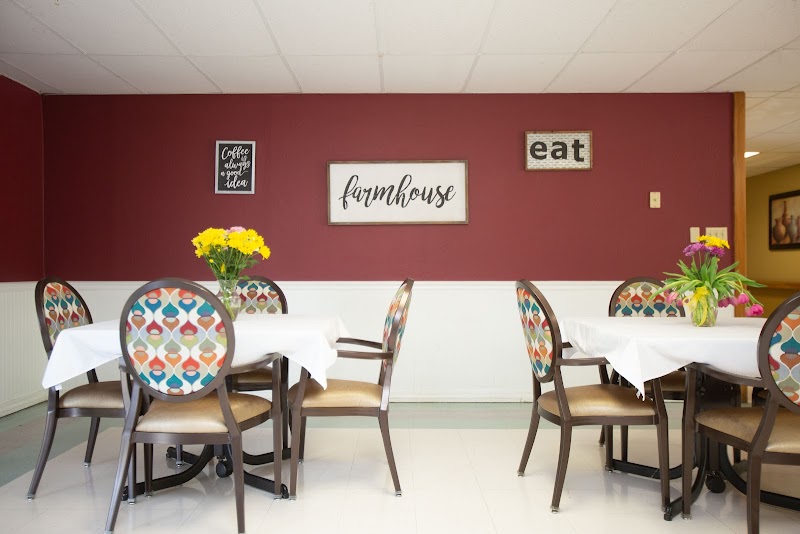
How is Rogers Center Staffed?

CMS rates ROGERS HEALTH AND REHABILITATION CENTER's staffing level at 3 out of 5 stars, which is average compared to other nursing homes. Staff turnover is 51%, compared to the Arkansas average of 46%. RN turnover specifically is 62%, which is notably high. RNs provide skilled clinical oversight, so turnover in this role can affect medical care quality.

What Have Inspectors Found at Rogers Center?

State health inspectors documented 25 deficiencies at ROGERS HEALTH AND REHABILITATION CENTER during 2022 to 2025. These included: 24 with potential for harm and 1 minor or isolated issues.
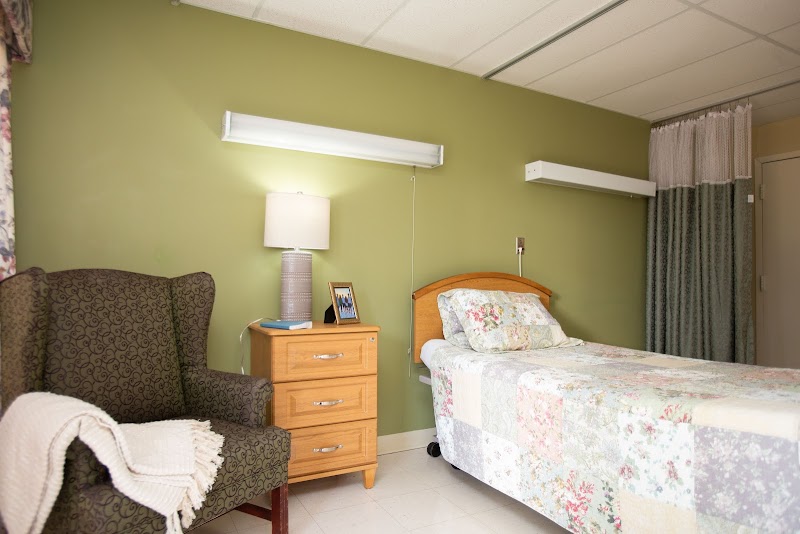
Who Owns and Operates Rogers Center?

ROGERS HEALTH AND REHABILITATION CENTER is owned by a for-profit company. For-profit facilities operate as businesses with obligations to shareholders or private owners. The facility is operated by SOUTHERN ADMINISTRATIVE SERVICES, a chain that manages multiple nursing homes. With 95 certified beds and approximately 66 residents (about 69% occupancy), it is a smaller facility located in ROGERS, Arkansas.
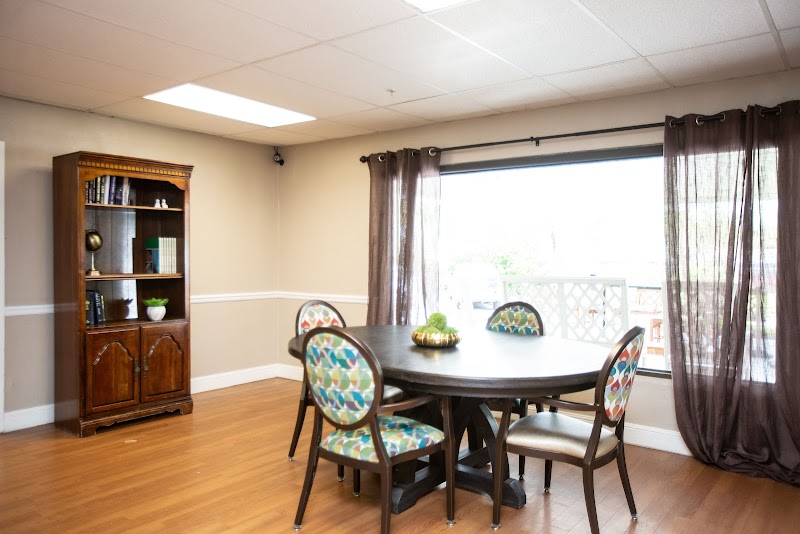
How Does Rogers Center Compare to Other Arkansas Nursing Homes?

Compared to the 100 nursing homes in Arkansas, ROGERS HEALTH AND REHABILITATION CENTER's overall rating (4 stars) is above the state average of 3.1, staff turnover (51%) is near the state average of 46%, and health inspection rating (3 stars) is at the national benchmark.

What Should Families Ask When Visiting Rogers Center?

Based on this facility's data, families visiting should ask: "Can I visit during a mealtime to observe dining assistance and food quality?" "How do you handle medical emergencies, and what is your hospital transfer rate?" "Can I speak with family members of current residents about their experience?"

Is Rogers Center Safe?

Based on CMS inspection data, ROGERS HEALTH AND REHABILITATION CENTER has a clean safety record: no substantiated abuse findings (meaning no confirmed cases of resident harm), no Immediate Jeopardy citations (the most serious violation level indicating risk of serious injury or death), and is not on the Special Focus Facility watch list (a federal program monitoring the lowest-performing 1% of nursing homes). The facility has a 4-star overall rating and ranks #1 of 100 nursing homes in Arkansas. While no facility is perfect, families should still ask about staff-to-resident ratios and recent inspection results during their visit.

Do Nurses at Rogers Center Stick Around?

ROGERS HEALTH AND REHABILITATION CENTER has a staff turnover rate of 51%, which is about average for Arkansas nursing homes (state average: 46%). Moderate turnover is common in nursing homes, but families should still ask about staff tenure and how the facility maintains care continuity when employees leave.

Was Rogers Center Ever Fined?

ROGERS HEALTH AND REHABILITATION CENTER has no federal fines on record. CMS issues fines when nursing homes fail to meet care standards or don't correct problems found during inspections. The absence of fines suggests the facility has either maintained compliance or corrected any issues before penalties were assessed. This is a positive indicator, though families should still review recent inspection reports for the full picture.

Is Rogers Center on Any Federal Watch List?

ROGERS HEALTH AND REHABILITATION CENTER is not on any federal watch list. The most significant is the Special Focus Facility (SFF) program, which identifies the bottom 1% of nursing homes nationally based on persistent, serious quality problems. Not being on this list means the facility has avoided the pattern of deficiencies that triggers enhanced federal oversight. This is a positive indicator, though families should still review the facility's inspection history directly.