THE BLOSSOMS AT ROGERS REHAB & NURSING CENTER
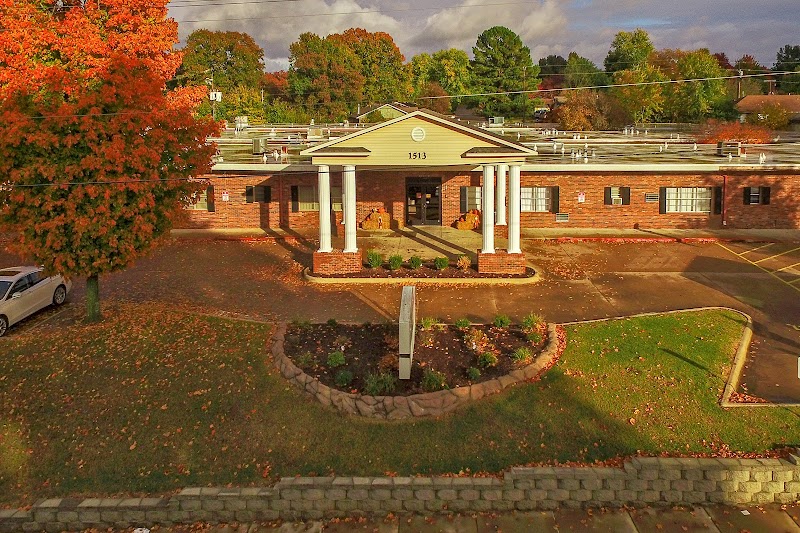
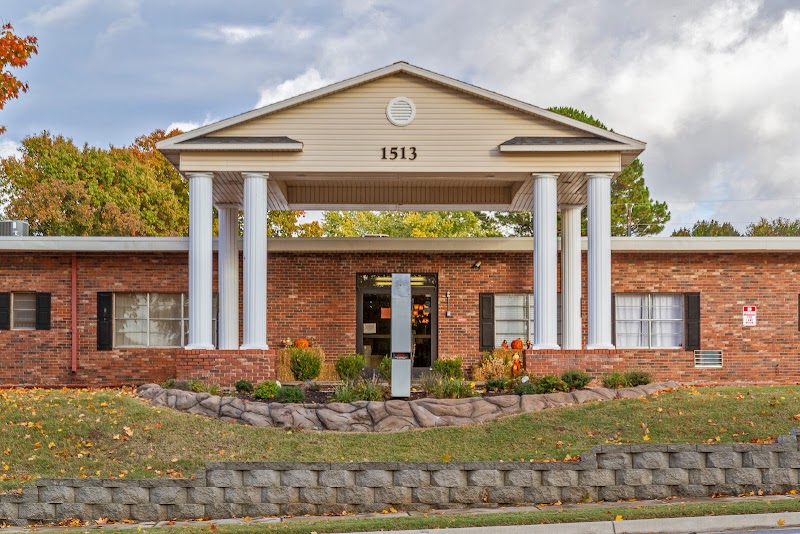
1513 SOUTH DIXIELAND RD, ROGERS, AR 72758 (479) 636-5841
For profit - Limited Liability company 110 Beds THE BLOSSOMS NURSING AND REHAB CENTER Data: November 2025
Trust Grade
50/100
#170 of 218 in AR
Last Inspection: December 2023

Within standard 12-15 month inspection cycle. Federal law requires annual inspections.

Overview

The Blossoms at Rogers Rehab & Nursing Center has a Trust Grade of C, which means it is average and falls in the middle of the pack among nursing homes. It ranks #170 out of 218 facilities in Arkansas, placing it in the bottom half, and #10 out of 12 in Benton County, indicating there are only a few local options that are better. The facility is improving, with issues decreasing from 11 in 2022 to 6 in 2023. Staffing has a poor rating of 1 out of 5 stars, but the turnover rate is 0%, which is significantly lower than the state average of 50%, suggesting that staff are staying long-term. While there have been no fines reported, which is a positive sign, there have been concerning incidents, such as staff failing to use hand sanitizer between meal tray deliveries, which could risk infection, and dietary staff not washing their hands before handling food items, raising potential health concerns for residents. Overall, while there are strengths in staffing stability and a lack of fines, there are notable weaknesses in hygiene practices that families should consider.

Trust Score
C
50/100
In Arkansas
#170/218
Bottom 23%
Safety Record
Low Risk
No red flags
Inspections
Getting Better
11 → 6 violations
Staff Stability
○ Average
Turnover data not reported for this facility.
Penalties
✓ Good
No fines on record. Clean compliance history, better than most Arkansas facilities.
Skilled Nurses
○ Average
RN staffing data not reported for this facility.
Violations
⚠ Watch
25 deficiencies on record. Higher than average. Multiple issues found across inspections.
★★☆☆☆
2.0
Overall Rating
★☆☆☆☆
1.0
Staff Levels
☆☆☆☆☆
0.0
Care Quality
★★★☆☆
3.0
Inspection Score
Stable
2022: 11 issues
2023: 6 issues

The Good

  • Full Sprinkler Coverage · Fire safety systems throughout facility
  • No fines on record

Facility shows strength in fire safety.

The Bad

2-Star Overall Rating

Below Arkansas average (3.1)

Below average - review inspection findings carefully

Chain: THE BLOSSOMS NURSING AND REHAB CENT

Part of a multi-facility chain

Ask about local staffing decisions and management

The Ugly 25 deficiencies on record

Dec 2023 5 deficiencies
CONCERN (D)

Potential for Harm - no one hurt, but risky conditions existed

ADL Care (Tag F0677)

Could have caused harm · This affected 1 resident

Based on record review, interview and observation, the facility failed to ensure Resident #3 oral care was performed to ensure daily personal hygiene needs for 2 (Residents #3) of 2 sampled residents ...

Read full inspector narrative →
Based on record review, interview and observation, the facility failed to ensure Resident #3 oral care was performed to ensure daily personal hygiene needs for 2 (Residents #3) of 2 sampled residents on C-North Hall. The findings are: a. On 12/19/23 at 11:45 AM, observed Resident #3 sitting in a wheelchair in the Dining Room. Resident #3 stated, No one has brushed my teeth. The lower and top teeth had a yellowish white film coating that was compacted and embedded into the gums. b. On 12/20/23 at 08:45 AM, Resident #3's toothbrush was lying on the bedside table. Resident #3 was sitting in her wheelchair in the Dining Room. The Surveyor asked if the facility had brushed her teeth. Resident #3 stated, If they brushed my teeth, I was asleep or dead. Resident #3's lower and top teeth had a yellowish white film coating that was compacted and embedded into the gums. c. On 12/20/23 at 3:30 PM, the Surveyor asked Registered Nurse (RN) #1who was responsible for oral hygiene and had Resident #3 had her teeth brushed. After examining Resident #3, RN #1 stated, Teeth needs to be brushed, white and yellow stuff on teeth. CNA [Certified Nursing Assistant] is responsible to brush their teeth, will have them brush her teeth. d. On 12/20/23 at 10:15 AM, the Director of Nursing (DON) provided a document titled, Plan of Care (POC) Response History. A review of the section for Oral Care was not dated for 12/14/23, 12/15/23, 12/16/23, 12/17/23, 12/18/23 and 12/19/23. In addition, on 12/15/23 at 05:33 and on 12/19/23 at 03:44 was dated as, No. e. On 12/21/23, at 1:15 PM, the Surveyor asked CNA #3 Who is the aide on this hall and has [Resident #3] had her teeth brushed? CNA #3 stated, I am on this hall today, and I will brush her teeth. f. On 12/22/23 at 06:45 AM, the Surveyor asked the DON Who brushes the resident's teeth and how and when is it documented? The DON stated, CNAs or the RNs brush the resident's teeth. If a resident refuses, it is reported. Teeth are brushed after meals or when it needs to be done to prevent infections. g. The Policy and Procedure titled Oral Care (Revised 12/27/2022) stated, .The purpose of this procedure is to keep the resident's lips and oral tissues moist, to cleanse and freshen the resident's mouth, and to prevent oral infections. Documentation The following information should be recorded in the resident's medical record: · The date and time the mouth care was provided. All assessment data concerning the resident's mouth . If the resident refused the treatment, the reason(s) why and the intervention taken . Reporting · Notify the supervisor if the resident refuses mouth care .
CONCERN (D)

Potential for Harm - no one hurt, but risky conditions existed

Infection Control (Tag F0880)

Could have caused harm · This affected 1 resident

Based on observation, record review, and interview, the facility failed to perform hand hygiene when giving eye drops and nose spray for 1 (Residents #48) of 1 sampled resident. The findings are: A r...

Read full inspector narrative →
Based on observation, record review, and interview, the facility failed to perform hand hygiene when giving eye drops and nose spray for 1 (Residents #48) of 1 sampled resident. The findings are: A review of an admission Record indicated the facility admitted Resident #48 with diagnoses of Alzheimer's disease and cirrhosis of the liver. The Quarterly MDS with an ARD of 10/19/2023 revealed Resident #48 scored 11 (8-12 indicates moderately cognitively impaired) on a BIMS and required moderate assistance for activities of daily living (ADLs). A review of Resident #48's Physician Orders, for December 2023 revealed an order dated 10/26/2021 for Artificial Tears instill 2 drops in each eye four times a day related to dry eye syndrome and an order dated 6/19/2023 for Flonase Allergy Nasal Suspension 2 sprays in each nostril one time a day for allergies. On 12/21/2023 at 8:10 AM, when Licensed Practical Nurse (LPN) #2 proceeded to administer Nasal Spray to Resident #48, LPN #2 applied clean gloves, but did not ask the resident to blow his nose before administering the nose spray. LPN #2 gave one spray in each nostril. On 12/21/2023 at 8:15 AM, Licensed Practical Nurse (LPN) #2 prepared to give eye drops to Resident #48. Without performing hand hygiene, LPN #2 applied gloves and proceeded to administer the eye drops into both eyes. On 12/21/23 at 9:14 AM, Licensed Practical Nurse (LPN) #2 was asked how hand hygiene is performed between giving nasal spray and eye drops? LPN #2 said, Before, after, in between, gloves and hand care. On 12/21/23 at 8:50 AM, the DON provided the insert for Flonase Prescribing Information which documented, Using your FLONASE Nasal Spray: Step 1. Blow your nose to clear your nostrils . Review of the facility policy titled, Hand Hygiene, documented, Purpose: To provide guidelines for effective hand hygiene, in order to prevent the transmission of bacteria, germs, and infections. Policy: All personnel will use the hand-hygiene techniques, as set forth in the following procedure. The CDC has recommended guidelines on when to use non- antimicrobial soap and water, an antimicrobial soap and water or an antimicrobial-based hand rub . Before each patient encounter . After coming in contact with bodily fluid, dressings, mucous membranes, etc., and hands are not visibly soiled . After contact with medical supplies in patient areas. Always after removing gloves .
CONCERN (E)

Potential for Harm - no one hurt, but risky conditions existed

Deficiency F0558 (Tag F0558)

Could have caused harm · This affected multiple residents

Based on observation, record review and interview, the facility failed to ensure call lights were placed in reach for resident's use and failed to ensure residents with functional limited range of mot...

Read full inspector narrative →
Based on observation, record review and interview, the facility failed to ensure call lights were placed in reach for resident's use and failed to ensure residents with functional limited range of motion call lights were placed in reach and accessible for use for 1 (Resident #30) of 1 sampled resident. The findings are: a. On 12/19/23 at 09:23 AM, Resident #30 was resting in bed. The resident's call light was behind the bed against the wall. The call light was not within reach of the resident. b. On 12/19/23 at 09:25 AM, Certified Nursing Assistant (CNA) #1 was asked to locate the resident's call light. CNA #1 reached over the bed and pulled the loose call light up to the bed and showed it to the resident and explained to the resident that it was a call light to use if needed and then CNA #1 clipped the call light to the blanket. CNA #1 was asked how often are the call lights checked to ensure that they are in reach of the residents? CNA #1 answered every morning, I think.
CONCERN (E)

Potential for Harm - no one hurt, but risky conditions existed

Safe Environment (Tag F0584)

Could have caused harm · This affected multiple residents

**NOTE- TERMS IN BRACKETS HAVE BEEN EDITED TO PROTECT CONFIDENTIALITY** Based on observation, interview and record review, the facility failed to ensure housekeeping and maintenance services were prov...

Read full inspector narrative →
**NOTE- TERMS IN BRACKETS HAVE BEEN EDITED TO PROTECT CONFIDENTIALITY** Based on observation, interview and record review, the facility failed to ensure housekeeping and maintenance services were provided to repair scrapes, scratches and cuts in the walls and floors in the resident rooms; furniture and residents geriatric and specialized chairs were in good repair; and areas in the facility were free of odors to maintain a safe, clean, and homelike environment in 1 (C-North) of 5 Resident Halls. The findings are: 1. On 12/19/23 at 6:02 AM, Resident room [ROOM NUMBER], had half inch deep scratches/cuts on the trim of the entrance to the bathroom door, about ½ to 1 inch long and 2 to 2 ½ inches wide on the wall next to the right side of the entrance to the bathroom. 2. On 12/19/23 at 6:06 AM, Resident room [ROOM NUMBER], had the trim peeling off the side corner of the wall, on the right side of the bathroom wall entrance. In addition, the entrance floor trim to the bathroom was missing. At 6:08 AM, Certified Nursing Assistant (CNA) #2 was asked to accompany the Surveyor Resident room [ROOM NUMBER]. The Surveyor asked if CNA #2 was aware of the trim peeling on the side wall and the missing floor trim to the bathroom entrance. CNA #2 replied, This is usual. The wheelchairs must have knocked the trim off. The anti-catch on the wheelchair may have knocked it off. 3. On 12/19/23 at 6:09 AM, in Resident room [ROOM NUMBER], when standing at the entrance door, looking toward the right wall protector board, there were numerous scraps/cuts ½ to 1 inch long and 2 to 2½ inches wide above the resident's low bed. 4. On 12/19/23 at 6:35 AM, Resident room [ROOM NUMBER] on the right side of the bathroom door had gashes below the lower hinge. 5. On 12/19/23 at 1:25 PM, the Surveyor asked Maintenance Manager #1 if he was aware of the scratches/cuts and the wall in room [ROOM NUMBER], side wall trim peeling off and entrance floor trim in room [ROOM NUMBER], numerous scratches on the wall board in the room [ROOM NUMBER], and the gashes on the lower hinge of the bathroom door in room [ROOM NUMBER]. The Maintenance Manager #1 stated, I was not aware, I have only been in the maintenance position for three months. I am working first on safety issues, as this is cosmetics. By the time you come back next year, all this will be completed. 6. On 12/21/23 at 08:39 AM, Maintenance Manager #1 presented a work-log dated from 03/17/23 to 11/19/23. The repairs were not listed on the work-logs for C-North Hall. 7. On 12/21/23 at 3:20 PM, the Director of Nursing (DON) was asked, Are you aware of the scratches/cuts, trim peeling off in rooms, numerous scratches in the wall boards, and gashes on hinges? The DON stated, I am aware, and we are working toward repairs. 8. The facility policy and procedure titled, Accidents and Hazards Policy provided by the DON on 2/21/23 at 8:50 AM read in part, .Facility-Oriented Approach to Safety 1. Safety risks and environmental hazards are identified on an ongoing basis through a combination of employee training, employee monitoring, and reporting processes . Systems Approach to Safety1. The facility-oriented and resident-oriented approaches to safety are used together to implement a system approach to safety, which considers the hazards identified in the environment and individual resident risks factors, and then adjusts interventions accordingly . 9. On 12/18/23 at 2:30 PM, the Dining Room by the kitchen, Hall 50 and the Secured Men's Unit had a strong urine smell. 10. On 12/18/23 at 5:46 PM, Resident #19 was sitting in her geriatric chair and the right arm padding was torn. 11. On 12/18/23 at 5:47 PM, Resident #63 was in the Dining Room. The left arm of his chair was torn and cracked with a hole that was missing the leather. 12. On 12/18/23 at 5:49 PM, during the dinner observation, the Surveyor observed the left side of Resident #17's (specialized chair) was dirty and the left arm rest was ripped. 13. On 12/19/23 at 10:02 AM, the vinyl loveseat in the Secured Men's Unit smelled of urine and had a torn corner that exposed the material underneath. 14. On 12/20/23 at 12:02 PM, the Secured Men's Unit continues to smell of urine. 15. On 12/22/23 at 08:39 AM, Licensed Practical Nurse (LPN) #1 was asked why the Men's Secured Unit smells so strongly of urine. LPN #1 stated, They use the bathroom on themselves. If the CNAs notice, they change them. 16. On 12/22/23 at 08:51 AM, the Director of Nursing (DON) was asked why the Men's Secured Unit smells of urine. The DON said they have some men that are combative and will not let you change them at first, we have to try again later. The DON was asked do you think it may be in the loveseat or mattresses. She stated, The loveseat is fairly new, and they have been replacing mattresses recently. 17. On 12/22/23 at 09:18 AM, The DON was asked if Resident #17's (specialized chair) had been checked for any tears or cleanliness and was informed that Resident #17's (specialized chair) on the left side is both dirty and cracked and has holes. The DON accompanied the Surveyor to look at Resident #17's (specialized chair) and she started cleaning the left side. The DON said she would order Resident #17 a new (specialized chair).
CONCERN (F)

Potential for Harm - no one hurt, but risky conditions existed

Food Safety (Tag F0812)

Could have caused harm · This affected most or all residents

Based on observations, interview and record review, the facility failed to ensure hand sanitizer was used between delivery and set up of resident meal trays. The findings are: 1. On 12/18/23 at 05:30 ...

Read full inspector narrative →
Based on observations, interview and record review, the facility failed to ensure hand sanitizer was used between delivery and set up of resident meal trays. The findings are: 1. On 12/18/23 at 05:30 PM, the Business Office Manager (BOM) used hand sanitizer before getting the meal tray. The BOM delivered the meal tray to the resident and did not use hand sanitizer before getting the next meal tray. At 05:33 PM, the BOM was observed using a cell phone. The BOM placed the cell phone in her pocket and proceeded to pick up another meal tray without using hand sanitizer. The BOM delivered the meal tray to the resident and then used hand sanitizer. 2. On 12/18/23 at 05:40 PM, the BOM was asked how often are you supposed to sanitize your hands when passing meal trays? The BOM stated, Each time. 3. On 12/22/23 at 08:21 AM, the Infection Control Preventionist (ICP) was asked how often should hands be sanitized during meal tray service? The ICP answered each time. The ICP was asked why? The ICP answered to prevent cross contamination.
Apr 2023 1 deficiency
CONCERN (E) 📢 Someone Reported This

A family member, employee, or ombudsman was alarmed enough to file a formal complaint

Potential for Harm - no one hurt, but risky conditions existed

Quality of Care (Tag F0684)

Could have caused harm · This affected multiple residents

**NOTE- TERMS IN BRACKETS HAVE BEEN EDITED TO PROTECT CONFIDENTIALITY** Based on observation, interview, and record review, the facility failed to ensure residents received care in accordance with pro...

Read full inspector narrative →
**NOTE- TERMS IN BRACKETS HAVE BEEN EDITED TO PROTECT CONFIDENTIALITY** Based on observation, interview, and record review, the facility failed to ensure residents received care in accordance with professional standards of practice as evidenced by the residents not being cleaned and dried during the night shift for 3 Residents (#1, #2, #3) of 4 (#1, #2, #3, and #5) case mix Residents. The findings are: 1. Resident #1 was re-admitted to the facility on [DATE] with diagnoses of Hemiplegia, Paraphilia, and Dementia. The Quarterly Minimum Data Set (MDS) with Assessment Reference Date (ARD) of 02/25/23 documented resident scored 10 (8-12 indicates moderately cognitively impaired) on the Brief Interview for Mental Status (BIMS) and requires total dependence for bed mobility, transfer, dressing, eating, toilet use, and personal hygiene and is always incontinent of bladder and bowel. a. The Care Plan initiated on 02/25/14 documented, Require total assistance X2 with bed mobility, transfers, toileting, and dressing. Total assist X1 with locomotion, eating, personal hygiene and bathing r/t [related to] Closed head injury, Dementia, left hemiparesis . Resident #1 is incontinent of bowel and bladder r/t dementia, Medication Usage; does not recognize the urge to void . Resident #1 is at risk for skin breakdown and pressure ulcers r/t Incontinence, Decreased Mobility, decreased sensation . b. On 04/25/23 at 5:50am., the Surveyor was on the Male Secure Unit. Certified Nursing Assistant (CNA) #2 was sitting at the end of the hall. The Surveyor asked, How many of the men on this unit do you change and get up in the morning? CNA #2 stated, Only one. The rest get themselves up and change themselves. The Surveyor asked, The men on this memory care unit are able to get themselves up and change their own brief every day? CNA #2 stated, Yes. They do for themselves. c. On 04/25/23 at 6:26am., the Staff got Resident #1 up, in his wheelchair, and out of his room. The sheets and mattress were wet. The sheets were removed from the bed and there was a wet spot on the mattress approximately 3 feet by 2 feet. 2. Resident #2 was admitted to the facility on [DATE] with diagnoses of Diabetes Mellitus, Other Personality Disorder, Cerebral Infarction. The Annual MDS with ARD of 02/23/23 documented resident scored 7 (0-7 indicates severely cognitively impaired) on the BIMS and requires extensive assistance with bed mobility, transfer, dressing, toilet use and personal hygiene and is frequently incontinent of bladder and bowel. a. The Care Plan initiated on 05/17/21 documented, . Resident #2 has bladder incontinence r/t Impaired Mobility. Dependent on staff with transfers to and from toilet .I require extensive assist x 2 staff with bed mobility, transfer, and require extensive assist x 1 staff with locomotion, dressing, hygiene, and bathing. Total assist x1 with toileting .If I am incontinent of bowel and bladder, please check me q [every] 2 hours and prn [as needed] and give me incontinent care and change my brief and or pull up depending on which one I am using . Resident #2 is on diuretic therapy r/t hypertension . b. On 04/25/23 at 6:29am., there were two assistants in Resident #2's room getting her up and into her wheelchair. The Surveyor asked Resident #2, Is your brief wet? Resident #2 stated, Yes, it is. The Surveyor asked, Are your sheets wet? Resident #2 stated, I'm not sure. The Surveyor asked, Did anyone come in during the night to check on you and get you changed? Resident #2 stated, No. c. On 04/25/23 at 6:34am., the Surveyor asked CNA #1, Is the resident's sheet and bed wet? CNA #1 stated, I know the sheets are wet, but I am not sure about the bed. 3. Resident #3 was admitted to the facility on [DATE] with diagnoses of Dementia, Psychotic Disturbance, and Cerebral Ischemia. The Quarterly MDS with an ARD of 04/12/23 documented 3. the resident was severely impaired in cognitive skills for daily decision-making per a Staff Assessment for Mental Status (SAMS) and requires total dependence with transfer, dressing, eating, toilet use, personal hygiene and is always incontinent of bladder and bowel. a. The Care Plan initiated on 07/26/22 documented, .I require extensive assist x 1 staff with bed mobility, transfer, dressing, personal hygiene, eating and locomotion. Total assist x1 with toileting .I am incontinent of bowel and bladder please check me q 2 hours and prn and give me incontinent care and change my brief and or pull up depending on which one I am using . b. On 04/25/23 at 6:28am., Resident #3 had already been gotten up and was in the Dining Room. The sheets had been removed from her bed and the mattress had a wet area approximately 2 feet by 3 feet. 4. On 04/25/23 at 11:17am., the Director of Nursing (DON) stated, We do not have a policy about checking on incontinent residents every two hours. That is standard of care practice. 5. On 04/26/23 at 10:43am., the Surveyor asked Licensed Practical Nurse (LPN) #1, How often are you required to check on incontinent residents? LPN #1 stated, Every two hours. 6. On 04/26/23 at 10:46am., the Surveyor asked CNA #3, How often are you required to check on incontinent residents? CNA #3 stated, Every two hours. The Surveyor asked, What can happen if you don't check on them every two hours? CNA #3 stated, They can get skin breakdown or a rash. 7. On 04/26/23 at 10:49am., the Surveyor asked CNA #1, How often are you required to check on incontinent residents? CNA #1 stated, Every two hours. The Surveyor asked, What can happen if you don't check on them every two hours? CNA #1 stated, They can get skin breakdown or maybe have a fall. 8. On 04/26/23 at 10:51am., the Surveyor asked the Assistant Director of Nursing (ADON), How often are you required to check on incontinent residents? The ADON stated, Every two hours. The Surveyor asked, What can happen if you don't check on them every two hours? The ADON stated, They can get skin breakdown.
Sept 2022 11 deficiencies
CONCERN (D)

Potential for Harm - no one hurt, but risky conditions existed

Deficiency F0655 (Tag F0655)

Could have caused harm · This affected 1 resident

**NOTE- TERMS IN BRACKETS HAVE BEEN EDITED TO PROTECT CONFIDENTIALITY** Based on observation, record review, and interview the facility failed to ensure a baseline care plan was developed and implemen...

Read full inspector narrative →
**NOTE- TERMS IN BRACKETS HAVE BEEN EDITED TO PROTECT CONFIDENTIALITY** Based on observation, record review, and interview the facility failed to ensure a baseline care plan was developed and implemented for 1 resident (Resident #196) of 5 (Resident #10, #54, #66, #89, #96) sample residents that included the instructions needed for safe smoking and storage of smoking materials to provide effective and person-centered care of the resident that meet professional standards of quality care. This failed practice had the potential to affect 22 residents who use tobacco products according to a list provided by the Assistant Director of Nursing (ADON) on 09/29/22 at 10:00 AM. The findings are: 1.Resident #196 was admitted to the facility on [DATE] with Diagnoses of Chronic Obstructive Pulmonary Disease, with acute exacerbation, Chest Pain, and Tobacco use. A Medicare 5-day Minimum Data Set (MDS) with an Assessment Reference Date (ARD) of 09/25/22 was still in progress and documented no Brief Interview of Mental Health Status (BIMS) score or use of tobacco by resident. a. On 09/26/22 at 12:40 PM, Resident #196 was being screened and the Surveyor asked if she smoked and who stored her smoking materials? Resident #196 stated, I store my own cigarettes and lighter, and pointed beside her in wheelchair. I don't get to smoke as much as I want. b. On 09/26/22 at 1:35 PM, the Director of Nursing (DON) approached the Surveyor and stated, I got these and had cigarettes and a lighter in her hand, Resident #196 is new and didn't know she couldn't keep them. c. On 09/27/22 at 3:15 PM, a record review of a nursing assessment dated [DATE] documented, . resident orientation to unit smoking policy checked. Evaluation documented resident requires supervision - includes retrieval . d. On 09/27/22 at 3:15 PM, Resident #196's Care Plan was reviewed and documented .I may not like it at times, but please store all my smoking materials, including lighters, matches, etc., in a safe place; remind my family not to give smoking materials directly to me. Date Initiated: 09/26/2022 . 2. On 09/28/22 at 11:30 AM, The facility policy and procedure Resident Smoking was reviewed and documented, .1. On admission, residents shall be informed of the facility smoking policy .the policy will be given to the resident to sign and acknowledge receipt .13. Residents may not have or keep any smoking articles, including cigarettes, tobacco, electronic smoking devices of any kind etc. In their possession. The facility will store all smoking articles .
CONCERN (D)

Potential for Harm - no one hurt, but risky conditions existed

Respiratory Care (Tag F0695)

Could have caused harm · This affected 1 resident

**NOTE- TERMS IN BRACKETS HAVE BEEN EDITED TO PROTECT CONFIDENTIALITY** Based on observation, record review, and interview the facility failed to ensure one resident (resident # 87) of 4 (resident #77...

Read full inspector narrative →
**NOTE- TERMS IN BRACKETS HAVE BEEN EDITED TO PROTECT CONFIDENTIALITY** Based on observation, record review, and interview the facility failed to ensure one resident (resident # 87) of 4 (resident #77, #87, #89, #196) sampled residents reviewed who had orders for oxygen therapy had dates on oxygen tubing and humidity bottle consistent with professional standards of practice to prevent possible infection and complications from using equipment past standard accepted practice for infection control. This failed practice had the potential to affect 10 residents who had orders for oxygen therapy according to a list provided by the ADON on 09/29/22 at 10:00 am. 1.Resident # 87 admitted to the facility on [DATE] with Diagnoses of Acute and Chronic Respiratory Failure, Pneumonitis due to inhalation of food and vomit, Gastrostomy, and Tracheostomy. The admission Minimum Data Set (MDS) with an Assessment Reference Date (ARD) of 9/1/2022 documented Shortness of breath or trouble breathing when sitting at rest, oxygen therapy and the resident scored 14 (13-15 indicates cognitively intact) on a Brief Interview for Mental Status (BIMS) required extensive two plus person assistance for bed mobility and dressing, total dependence on assistance of 1 person with toileting, eating, and personal hygiene. Section O documented oxygen therapy were performed for the last 14 days. a. On 09/26/22 at 01:20 PM resident # 87 was in room, in bed with oxygen(O2) at 3 LPM [liters per minute] via tracheostomy, there was no date on the oxygen tubing or humidity bottle. b. On 09/27/22 at 08:18 AM, Resident # 87 was in bed, oxygen at 3 LPM via tracheostomy, there was no date on the humidity bottle or oxygen tubing. c. On 09/28/22 at 02:00 PM, The Surveyor asked the DON to observe the oxygen tubing and humidity bottle and tell surveyor if there was a date on either? She stated 09/28/22 on tubing but none on humidity bottle. The Surveyor asked, what policy is for changing oxygen tubing and humidity bottles out? She stated every Wednesday night shift and as needed; it should be dated. d. On 09/28/22 at 10:30 Am, A record review of current physician orders documented . O2 at (3) L/min via (nasal cannula) continuously. every shift for SOB related to ACUTE AND CHRONIC RESPIRATORY FAILURE, UNSPECIFIED WHETHER WITH HYPOXIA OR HYPERCAPNIA Active 08/24/2022 . Change humidifier bottle once weekly on (Wednesday) during the (10-6) shift and PRN. As needed related to ACUTE AND CHRONIC RESPIRATORY FAILURE, UNSPECIFIED WHETHER WITH HYPOXIA OR HYPERCAPNIA change humidifier bottle as needed Active 08/24/2022 . Change oxygen cannula/tubing once weekly on (Wednesday) during the (10-6) shift and PRN. Every night shift every Wed related to ACUTE AND CHRONIC RESPIRATORY FAILURE, UNSPECIFIED WHETHER WITH HYPOXIA OR HYPERCAPNIA Active 08/24/2022 . e. On 09/28/22 at 11:00 AM, resident # 87's care plan was reviewed and documented . O2 as ordered per trach collar. Date Initiated: 08/24/2022. The care plan did not address changing the humidity bottle or oxygen tubing weekly. f. On 06/28/22 at 11:30 AM, the facility policy and procedure on oxygen safety was reviewed and had no documented procedure for changing out and dating oxygen equipment. g. On 09/29/22 at 8:31 AM, The Surveyor asked the DON if it is appropriate to not label oxygen tubing and humidity bottles with a date? No, if not you don't know if it is fresh. Asked what complications could occur if not changed weekly. It is an infection control issue.
CONCERN (D)

Potential for Harm - no one hurt, but risky conditions existed

Infection Control (Tag F0880)

Could have caused harm · This affected 1 resident

Based on observation, record review, and interview the facility failed to ensure proper hand hygiene and universal precautions were followed to prevent the spread of infection as evidenced by staff no...

Read full inspector narrative →
Based on observation, record review, and interview the facility failed to ensure proper hand hygiene and universal precautions were followed to prevent the spread of infection as evidenced by staff not wearing gloves for blood glucose monitoring during the medication pass observed on 09/27/22. This failed practice had the potential to affect 18 residents who required Capillary blood glucose levels to be checked according to a list provided by the Assistant Director of Nursing (ADON) on 09/29/22 at 10:00 AM. The findings are: 1. On 09/27/22 at 11:20 AM, Licensed Practical Nurse (LPN) #3 performed capillary blood glucose by fingerstick on Resident #89. Resident #89's finger was cleansed with alcohol prep, finger was stuck with lancet device, finger was squeezed to obtain a blood drop, the blood was applied to glucose strip in glucometer, the strip was removed from glucometer and resident #89's finger with residual blood visible was cleansed with alcohol prep after fingerstick. The LPN did not wear gloves to perform the fingerstick, remove used the glucometer strip from the glucometer, or while cleansing the blood drop from resident #89's index finger. On 09/29/22 the Surveyor interviewed the DON and asked if it is appropriate to perform a fingerstick blood sugar, remove used glucometer strip, and clean residual blood from resident finger with no gloves on. She stated No The Surveyor asked, Why? She stated, because it is blood and a cross contamination issue. 2. The facility policy and procedure on obtaining Fingerstick Glucose level was reviewed and documented .Purpose of this procedure is to obtain a blood sample to determine the resident's blood glucose level .5. wear clean gloves .
CONCERN (E)

Potential for Harm - no one hurt, but risky conditions existed

ADL Care (Tag F0677)

Could have caused harm · This affected multiple residents

Based on observation, interview, and record review the facility failed to provide nailcare to promote good hygiene and prevent possible skin infections for 1 (Resident #49) of 20 (5, 10, 12, 19, 28, 4...

Read full inspector narrative →
Based on observation, interview, and record review the facility failed to provide nailcare to promote good hygiene and prevent possible skin infections for 1 (Resident #49) of 20 (5, 10, 12, 19, 28, 49, 52,60, 61, 66, 72, 73, 76, 77, 80, 87, 89, 94, 196, 346) of 20) sampled residents who require assistance with nail care. The findings are: Resident #49 had Diagnoses of Unspecified Dementia with Behavioral Disturbance; Anxiety; Hallucinations. The Quarterly Minimum Data Set (MDS) with an Assessment Reference Date (ARD) of 7/27/22 documented, the resident scored 0 (0-7 indicates severely impaired) on a Brief Interview for Mental Status (BIMS), required extensive assistance of one person for personal hygiene. The Comprehensive Care Plan documented, .I am currently independent with all my Activity of Daily Living (ADL)'s but at times but do require supervision and cueing to ensure tasks are completed. Limited assist x1 with dressing, hygiene, and bathing. Date Initiated: 05/06/2022 .Check my fingernails and toenails and trim as needed unless I am diabetic then please notify my nurse . a. On 09/26/22 at 12:10 PM, R#49 was lying in bed. Her fingernails were various lengths with uneven jagged edges and peeling red fingernail polish. b. On 09/26/22 at 02:24 PM, R#49 was lying in bed. Her fingernails were various lengths with uneven jagged edges and peeling red fingernail polish. c. On 09/29/22 at 07:52 AM, Resident #49 was sitting on side of bed eating breakfast, her fingernails were various lengths with uneven jagged edges and peeling red fingernail polish. d. On 09/29/22 09:06 AM, The Surveyor asked Certified Nursing Assistant (CNA) #1 to look at Resident #49's fingernails. She stated, They need to be clipped again. I'll do it later. The Surveyor asked how often the residents received nail care. She stated, It depends on how often they grow. I do it 2 to 3 times a week. We tried yesterday and she wouldn't let us. We told the nurse. The Surveyor asked, Which nurse? She stated [Licensed Practical Nurse #4] e. On 09/29/22 at 09:41 AM, The Surveyor asked Licensed Practical Nurse #4 to look at Resident #4's fingernails. She did so and stated, Oh, gosh. They are ragged. The Surveyor asked if the staff had attempted to provide care and she refuse. She stated, She is real cooperative, if she did, they didn't tell me. A document titled, Care of Fingernails/Toenails, provided by the Director of Nursing on 9/29/22 documented, .keep nails trimmed, and to prevent infections .notify the supervisor if the resident refuses care .
CONCERN (E)

Potential for Harm - no one hurt, but risky conditions existed

Quality of Care (Tag F0684)

Could have caused harm · This affected multiple residents

Based on observation, interview, and record review the facility failed to provide treatment and care in accordance with professional standards of practice as evidenced by providing treatment without a...

Read full inspector narrative →
Based on observation, interview, and record review the facility failed to provide treatment and care in accordance with professional standards of practice as evidenced by providing treatment without a physician's order and not documenting assessments or monitoring for complications of impaired skin integrity for 1 (Resident #60) which is the sampled resident. The findings are: Resident #60 had diagnoses of Unspecified dementia with Behavioral Disturbance, Recurrent Depressive Disorders, other Sexual Disorders, Schizoaffective Disorder, Bipolar Type. The Annual Minimum Data Set (MDS) with an Assessment Reference Date (ARD) of 8/11/22 documented the resident scored 4 (0-7 indicates severely impaired) on a Brief Interview for Mental Status (BIMS) and required extensive assistance of one person for personal hygiene. 1. The Comprehensive care plan documented, .Resident has an alteration in skin integrity AEB (as evidenced by): Skin Tear(s). 07/30/22 actual skin tear- fingernails trimmed . 2. Physician's Orders documented, .11/11/21 Observe for Signs and Symptoms of Bleeding/Bruising every shift. Document unusual findings in progress note, every shift for Anticoagulant use . 3. Weekly skin checks dated 9/24/22, 9/17/22, 9/11/22, 9/1/22, 8/25/22, 8/18/22, 8/11/11, 8/6/22 documented, .1. Does the resident have loss of skin integrity? No .2. Does the resident have a new loss of skin integrity? No . Weekly Skin Check dated 7/30/22 documented, .1. Does the resident have a loss of skin integrity? no .2. Does the resident have a new loss of skin integrity? yes-Weekly wound evaluation required for each new area of loss of skin integrity .3. Following resident's current skin care interventions . a. On 09/26/22 at 12:52 PM, Resident #60 sitting in dining room waiting on lunch, a bandage was observed on right wrist that was not dated. b. On 09/29/22 at 07:56 AM, Resident #60 was sitting in a wheelchair in the hallway. A band aid was observed on the right wrist. c. On 09/29/22 at 09:41 AM, The Surveyor asked Licensed Practical Nurse (LPN) #4 if she placed the bandage on the resident's wrist. She stated, no, ma'am, I didn't know anything about it. The Surveyor asked, Do you know if there is an order for a treatment? She stated, not that I know. d. On 09/29/22 at 10:09 AM, The Surveyor asked LPN #5 what her role in the facility was. She stated, Medical Records, but I'm doing treatments because they don't have a wound nurse right now. The Surveyor asked if Resident #60 had physician's orders for treatments to his right wrist or if she was aware of a bandage to his right wrist. She stated, [LPN #4], just mentioned it to me, no, I don't. I went and did some research; he had a self-inflicted area on 8/1 and he keeps picking at it. The Surveyor asked, Does he have a physician's order for treatment to that area, or is it documented since the initial note on 8/1? She stated, No treatment orders as of right this second, no. A document provided by the Director of Nursing on 9/29/22 titled, Skin Tears-Abrasions and Minor Breaks, Care of, documented, Obtain a physician's order as needed. Document physician notification in medical record .Check the treatment record .Complete in-house investigation of causation .Report other information in accordance with facility policy/guideline and professional standards of practice .
CONCERN (E)

Potential for Harm - no one hurt, but risky conditions existed

Tube Feeding (Tag F0693)

Could have caused harm · This affected multiple residents

**NOTE- TERMS IN BRACKETS HAVE BEEN EDITED TO PROTECT CONFIDENTIALITY** Based on observation, interview and record review the facility failed to ensure that tube feedings hanging in bag were labeled w...

Read full inspector narrative →
**NOTE- TERMS IN BRACKETS HAVE BEEN EDITED TO PROTECT CONFIDENTIALITY** Based on observation, interview and record review the facility failed to ensure that tube feedings hanging in bag were labeled with type of formula, date, time, and initials in accordance with acceptable standards of practice for 2 (Resident #52, and #87) of 4 (Resident #52, #77, #87, and #94) sample residents with feeding tubes. The findings are: 1. Resident #52 had diagnoses of Cerebral Infarction and Stupor. The Quarterly Minimum Data Set (MDS) with an Assessment Reference Date (ARD) of 8/4/22 documented, severely impaired on a Staff Assessment for Mental Status Exam (SAMS) and that resident required total dependence on staff for all Activities of Daily Living (ADLs). a. On 09/26/22 at 12:19 PM, Resident #52 was lying on back on-air mattress, covered with a sheet and the head of the bed was up 30 degrees. Tube feeding was labeled with date of 9/26/22 but not the type of feeding, the time it was hung, or the initials of the person that hung it and infusing at 65 liters per hour. b. On 9/28/22 at 10:05 AM, The Surveyor asked the Director of Nursing (DON), Should feedings be labeled with type, time and initials? She stated, Yes. c. A facility policy received from the DON on 9/28/22 titled Enteral Tube Feeding via Gravity Bag documents .4. On the formula label document initials, date, and time the formula was hung/administered, and initial the label was checked against the order . 2. Resident #87 was admitted to the facility on [DATE] with Diagnoses of Acute and Chronic Respiratory Failure, Pneumonitis due to inhalation of food and vomit, Gastrostomy, and Tracheostomy. The admission Minimum Data Set (MDS) with an Assessment Reference Date (ARD) of 9/1/2022 documented Shortness of breath or trouble breathing when sitting at rest, oxygen therapy, and the resident scored 14 (13-15 indicates cognitively intact) on a Brief Interview for Mental Status (BIMS) required extensive two plus person assistance for bed mobility and dressing, total dependence on assistance of 1 person with toileting, eating, and personal hygiene. a. On 09/26/22 at 01:18 PM, the Surveyor observed a 1000 ml tube feeding bag of formula that was not labeled. The bag was dated 9/26/22 at 10:50 AM and was running at 65 ml(milliliters) per hour via feeding pump. Approximately 850 ml light brown liquid remained in the feeding bag. b. On 09/26/22 at 01:45 PM, The Surveyor asked LPN #2 what was in Resident #87's feeding bag? She stated I have to check, returned and stated Osmolyte 1.5, I should have put it on there. I did it when I was busy. c. On 09/27/22 at 08:37 AM, Resident #87's 1000 ml tube feeding bag was dated 09/26/22 at 1050, and was not labeled, it appeared to be the same bag as yesterday, approximately 750 ml light brown liquid remained in the bag, and it was running at 65 ml hr. d. On 09/27/22 at 03:45 PM, Resident #87's tube feeding was running at 65 ml/hr. via feeding pump, the bag was approximately one quarter full (250 mls). It was the same bag observed on 09/27/22 at 8:37 AM.
CONCERN (E)

Potential for Harm - no one hurt, but risky conditions existed

Deficiency F0761 (Tag F0761)

Could have caused harm · This affected multiple residents

**NOTE- TERMS IN BRACKETS HAVE BEEN EDITED TO PROTECT CONFIDENTIALITY** Based on observation, record review, and interview, the facility failed to ensure bottles of eye drops stored in 2 (C South and ...

Read full inspector narrative →
**NOTE- TERMS IN BRACKETS HAVE BEEN EDITED TO PROTECT CONFIDENTIALITY** Based on observation, record review, and interview, the facility failed to ensure bottles of eye drops stored in 2 (C South and B North medication carts) of 2 medication carts were labeled, dated, and disposed of in accordance with the manufacturer's instructions to prevent potential administration of eye drops that had been opened and stored beyond the manufacturer's specified timeframes and failed to ensure that medication was not left at the bedside. The failed practice had the potential to affect 4 (Resident's #10, #52, #76, #80) sample residents who had physician orders for eye drops, and 1 (Resident #19) whose medications were left at the bedside, according to a list provided by the Director of Nurses (DON) on [DATE]. The findings are: a. On [DATE] at 02:58 PM, The Surveyor checked the medication cart for C South with Registered Nurse (RN) #1. There were six boxes of artificial tears containing opened eye drop bottles and one open artificial tear bottle with no box that had no opened date on them. The Surveyor asked, Should these have an opened date on them? She stated, Yes. b. On [DATE] at 03:15 PM, The Surveyor checked the medication cart for B North with Licensed Practical Nurse (LPN) #1. There was one open bottle of Xalantan with no opened date on the bottle. There was one bottle of Timolol with an opened date of [DATE]. The Surveyor asked LPN#1, Should eyedrops be labeled when opened? She stated, Yes. 3. On [DATE] at 10:05 AM, The Surveyor asked the DON, Should eye drops be labeled with the date they were opened? She stated, Yes. The Surveyor asked, Should opened expired eye drops be used? She stated, No. The Surveyor asked, What should be done with them? She stated, They should be discarded. 4. The manufacturers insert for Xalatan documents under How Supplied .Once a bottle is opened for use, it may be stored at room temperature up to 77 degrees for 6 weeks . 5. A facility policy titled Storage of Medications received by the DON documents, .1. Drugs and biologicals shall be stored in the packaging, containers, or other dispensing systems in which they are received . and .4. The facility shall not use discontinued, outdated, or deteriorated drugs . and .Medication will not be stored in a resident room unless the resident has been approved for self-administration of medication. If approved, the resident will be provided with a lockbox to safely store medications . Resident #19 had diagnoses of Alzheimer's disease, Dementia, Schizoaffective disorder, Bipolar type, Hallucinations, and delusional disorder. The admission Minimum Data Set with an Assessment Reference Date of [DATE] documented the resident scored 7 (0-7 indicates severely impaired) on a Brief Interview for Mental Status. a. On [DATE] at 11:55 AM, Resident #19 was lying in bed. A medication cup was observed on the overbed table with 2 tablets in it. At approximately 12:00 PM, the resident sat on side of bed and took the tablets in the med cup. There was no staff present in the room. b. On [DATE] at 09:41 AM, The Surveyor asked (LPN)#4 if it is acceptable to leave medications in a medication cup on Resident #19's overbed table. She stated, No, especially down here, [secured locked unit] it is not acceptable.
CONCERN (E)

Potential for Harm - no one hurt, but risky conditions existed

Garbage Disposal (Tag F0814)

Could have caused harm · This affected multiple residents

Based on observation and interview the facility failed to dispose of refuse properly. The failed practice had the potential to impact all 95 residents residing in the facility according to a list prov...

Read full inspector narrative →
Based on observation and interview the facility failed to dispose of refuse properly. The failed practice had the potential to impact all 95 residents residing in the facility according to a list provided by the Business Office Manager (BOM) on 09/26/22 at 11:00 AM. The findings are: a. On 09/26/22 at 10:50 AM, the dumpster in the facility parking lot had the door on the right side of the receptacle open, allowed the possibility of spillage and the perpetuation of rodents. The dumpster housing recycling materials overflowed with boxes on the ground in front of the receptacle. b. On 09/27/22 at 7:50 AM and at 4:00 PM, the dumpster had the door on the right side of the receptacle open. c. On 9/28/22 at 7:45 AM and at 11:00 AM, the dumpster had the door on the right side of the receptacle open. d. On 09/29/22 at 9:40 AM, the Dietary Manager stated .I have closed that door on the that dumpster multiple times this week but I guess no one else does .
CONCERN (E)

Potential for Harm - no one hurt, but risky conditions existed

Deficiency F0885 (Tag F0885)

Could have caused harm · This affected multiple residents

Based on record review and interview the facility failed to inform the residents, their representatives, and families of those residing in facilities by 5 PM, the next calendar day following the occur...

Read full inspector narrative →
Based on record review and interview the facility failed to inform the residents, their representatives, and families of those residing in facilities by 5 PM, the next calendar day following the occurrence of either a single confirmed infection of COVID-19 or three or more residents or staff with new-onset of respiratory symptoms occurring within 72 hours of each other. The failed practice had the ability to affect the 95 residents who reside in the facility, according to the room/bed list provided by the Business Office Manager (BOM) on 9/26/22 at 11:00 AM. The findings are: a. On 9/28/22 at 1:12 PM, the Director of Nursing (DON) provided a list of the 5 most recent residents and employees who were COVID-19 positive. b. On 9/28/2 at 1:20 PM, The Surveyor asked the Administrator who was responsible for notifying the resident's and their family/representative of a change in COVID status of the building. He stated, .the Social Director (SD) is responsible for making those calls .they would be recorded as a social note in the progress note section of the medical record . c. On 9/28/22 at 1:30 PM, a review of the list identified an employee or resident as having tested positive on 8/26/22, 6/28/22, 6/25/22, 6/6/22, 5/31/22 and 5/27/22. A review of the electronic medical record for R #54 and R #90 revealed that there were no notifications made the following day for any of these dates. d. On 9/28/22 at 2:45 PM, The Surveyor asked the SD if she was responsible for notifying the residents, their family/representative of a change in COVID-19 status in the building. She stated, .yes . The SD was questioned concerning the absence of notifications present in the medical record. She stated, .when our old administrator was here, he made those calls .I actually think he sent out a group text .he left in July, I think . Concerning the lack of notification on 8/26/22 she stated, .it was the BOM who was positive that day, so she just notified the residents/families that she had had contact with that day . the Surveyor asked the BOM to clarify that not all residents/families were notified that day. SD stated, .no, not all of them .just the ones she had contact with . e. On 9/28/22 at 3:00 PM, the Administrator provided the policy and procedure for Reporting COVID Results, Residents. The policy states, The facility will inform residents, their representatives, and families of those residing in facilities by 5 PM the next calendar day following the occurrence of either a single confirmed infection of COVID-19, or three or more residents or staff with new-onset of respiratory symptoms occurring within 72 hours of each other.
CONCERN (F)

Potential for Harm - no one hurt, but risky conditions existed

Food Safety (Tag F0812)

Could have caused harm · This affected most or all residents

Based on observation and interview, the facility failed to ensure dietary staff washed their hands before handling clean equipment or food items; to prevent potential food borne illness for residents ...

Read full inspector narrative →
Based on observation and interview, the facility failed to ensure dietary staff washed their hands before handling clean equipment or food items; to prevent potential food borne illness for residents who received meal trays from 1 of 1 kitchen, failed to ensure food items stored in dry goods area were sealed; failed to ensure 1 of 1 ice machine scoop/holder was maintained in a sanitary condition, and trash receptacles were clean and in hands free working order. The failed practices had the potential to affect 92 residents who received meals from 1 of 1 kitchen according to a list provided by the dietary manager on 9/29/22 at 9:00 AM. The findings are: 1. During a tour of the kitchen on 09/26/22 at 10:50 AM, the following were observed: a. The trash can located next to the handwashing sink was covered with dried liquid running vertically down all sides of the canister. The outside and inside of the canister was covered in dried food and other types of debris in varying shades of brown. The foot pedal was broken and did not lift the lid. b. The trash receptacle in the kitchen next to the worktable was covered in dried food and liquid running vertically on all sides of the canister, inside and out. c. The pot/utensil rack above the worktable was covered in a greasy substance which was sticky to the touch. Attached to the sticky substance was dust and grime particles that appeared fuzzy. d. The end of the range located next to the fryer was covered in grease and food particles. e. There were 3 large baking sheets located on the center worktable filled with slices of bread. The trays are uncovered. f. There were insulated domes stored top down on top of the worktable in front of the serving window. Water was observed inside the domes. g. The floor covering in front of the range and in front of and to the side of the fryer was torn and missing. The floor was covered in food particles. The side of the range adjacent to the fryer was covered in a greasy residue that contained food particles varying in shades of tan and brown. h. There was a 10.5-ounce (oz) container of poultry seasoning and onion powder on the shelf above the back worktable with the tops open to air and contaminants. 2. On 9/26/22 at 11:05 AM, Dietary Aide (DA) #1 washed her hands. She obtained a box of spaghetti noodles from the dry storage area which contaminated her hands. She donned gloves, opened the box, obtained the noodles with contaminated gloves and added the noodles to a pan of boiling water. She sealed the box with her gloved hands. She discarded her gloves, washed her hands, returned the box of spaghetti to the dry storage area, and contaminated her hands. 3. On 9/26/22 at 11:10 AM, DA #2 retrieved a rolling cart which contained an ice chest and a tray of glasses. DA #2 donned gloves, did not was her hands. DA #2 obtained a box containing clear plastic wrap and used the same contaminated gloves to wrap the tops of the drink glasses with plastic wrap after they were filled. In the process the DA #2 spilled a glass of water. Utilizing the same pair of gloves she wiped the counter, retrieved a mop, mopped the spill, returned the mop to storage, and continued to fill the glasses. She did not change her gloves or was her hands during the process. 4. On 9/26/22 at 11:15 AM, DA #3 prepared thickened liquids for lunch. She carried the pans of thickened liquid to the table wearing gloves. She obtained her trays of glasses. Before she proceeded to fill the glasses, she did not change her gloves or wash her hands. Once the glasses were filled, DA #3 changed her gloves but did not wash her hands. 5. On 9/26/22 at 11:22 AM, slices of garlic toast were placed on the steam table and left uncovered. 6. On 9/26/22 at 11:25 AM, Dietary Assistant (DA) #1 did not wash her hands before she placed the bowl on top of the robo coupe and placed the blade in the bowl. The Surveyor observed DA #1 with unwashed hands on her hips as she and the dietary manager reviewed the recipe for the pureed diets. DA #1 placed 12 helpings of meat sauce into the blender bowl and pureed. After she poured the pureed meat sauce into the steam table pan, she carried the bowl, blade and top to the dish room. The items were returned for use remained wet with water dripping from each piece of equipment. 7. On 9/26/22 at 11:34 AM, the Dietary Manager (DM) obtained a pitcher and chicken base with unwashed hands. She touched her name tag which was hanging around her neck and swung it over her shoulder. She obtained a sheet of aluminum foil and covered the top of the steam table pan which contained the pureed spaghetti sauce and placed it in the oven. She obtained a large mixing bowl and placed it on top of the worktable. She opened two #10 cans of diced peaches and one #10 can of diced pears using the table based can opener. The Can opener had dried food stuck to the side. Each can was opened and the contents dumped into an aluminum bowl. Just prior to use the bowl was stored right side up on the bottom of the worktable. 8. On 9/26/22 at 11:43 AM, DA #1 pureed the vegetables and water poured out of the back of the robo coupe due to the bowl being returned wet from the dishwasher. DA #1 stopped and dried the spill of water from the robo coupe. When DA #1 finished pureeing the vegetables, she returned the bowl to the dish room to be cleaned. When DA #1 returned, she carried the wet bowl against her person. 9. On 9/26/22 at 11:52 AM, Dietary Assistant #1 obtained clear hard plastic tub of potato flakes from the dry storage area. With contaminated hands she proceeded to stir the potato flakes into the water and returned the steam table pan back to the stove. 10. On 9/28/22 at 8:45 AM, there were multiple, clear plastic tubs on the bottom shelf of the dry storage area. The tops of the tubs were covered in a film of dust and food particles. The tubs that contained dry white beans, dry brown beans and potato flakes were not sealed. 11. On 9/28/22 at 9:15 AM, there was an ice scoop resting in a holder attached to the wall on hall C Short. There was approximately 1.5 inches of water in the bottom of the container. The DM stated, .I don't know how that happened . 12. On 9/28/22 at 10:00 AM, the DM provided the Policy & Procedure for Hand Washing. The Procedure stated, the time to wash hands is before, engaging in food preparation including working with exposed food, clean equipment, or service utensils and after touching any part of the body including the body or clothing, handling soiled equipment or utensils, engaging in any other activity that contaminates the hands . The Food storage policy Provided by the DM on 9/28/22 at 10:00 AM states items that are opened but the entire contents of the package are not used, place the unused food in a NSF approved container with a securely fitting lid. Keep the floor, shelves, and walls clean.
MINOR (B)

Minor Issue - procedural, no safety impact

PASARR Coordination (Tag F0644)

Minor procedural issue · This affected multiple residents

Based on interview and record review, the facility failed to notify the state agency for a Pre-admission Screening and Resident Review (PASARR) for a new mental illness diagnosis for 1 (Resident #94) ...

Read full inspector narrative →
Based on interview and record review, the facility failed to notify the state agency for a Pre-admission Screening and Resident Review (PASARR) for a new mental illness diagnosis for 1 (Resident #94) sampled resident to ensure the resident received appropriate mental health services. The findings are: 1. Resident #94 had Diagnosis of Vascular Dementia with Behavioral Disturbance, Schizoaffective Disorder, Bipolar Type. 2. The resident's face sheet documented a diagnosis of schizoaffective disorder; Bipolar type was dated 8/30/22. 3. There was no PASARR screening in the Resident's electronic health record. a. On 09/29/22 at 11:50 AM, The Surveyor asked the Director of Nursing (DON) when Resident #94 received the diagnosis of Schizoaffective Disorder, Bipolar Type and if a PASARR screening was completed. She stated, .It came from a doctor's visit. I don't have a PASARR. The Surveyor asked the DON if Resident #94 should have had a PASARR screening when he was diagnosed. She stated, yes, it was a new diagnosis.
Nov 2021 8 deficiencies
CONCERN (D)

Potential for Harm - no one hurt, but risky conditions existed

Safe Environment (Tag F0584)

Could have caused harm · This affected 1 resident

Based on observation, record review and interview, the facility failed to ensure toileting equipment was maintained in sanitary condition to provide a clean and homelike environment for 2 (Residents #...

Read full inspector narrative →
Based on observation, record review and interview, the facility failed to ensure toileting equipment was maintained in sanitary condition to provide a clean and homelike environment for 2 (Residents #22 and #60) of 82 residents whose rooms were observed during the initial tour on 11/15/21. The findings are: 1. Resident Council Meeting Minutes dated 07/14/21 documented, .Bathrooms are not being cleaned in the residents' rooms . a. Resident Council Meeting Minutes dated 10/21/21 documented, .Bathrooms aren't being cleaned good . b. A grievance log dated 11/10/21 documented, .Bathrooms need to be cleaned better. 2. On 11/15/21 at 11:50 AM, a brownish-colored substance was on the inner surface of a seat riser in the bathroom of Residents #22 and #60. On 11/16/21 at 09:47 AM, the same, brownish-colored substance was in the same area with additional areas the of brown-colored substance on the toilet seat. 3. On 11/18/21 at 1:00 PM, the Director of Nursing (DON) was asked, When should a resident's bathroom and toilet be cleaned? The DON stated, Disinfected after each use and deep cleaned at the end of the day. She was asked, Who is responsible for the disinfection? DON stated, The CNAs [Certified Nursing Assistants] disinfect in between each use. The DON was informed of the toilet seat and riser in Resident #22 and #60's room that was soiled with a large amount of a brown substance with the appearance of fecal material over a 2-day period. She was asked, Could this be a potential infection control problem? DON stated, Yes. 4. On 11/19/21 at 1:05 PM, the DON was asked, If fecal matter, urine, or other bodily secretions are observed on a toilet or other areas of a resident's room, when should this be cleaned and disinfected? DON stated, Immediately.
CONCERN (D)

Potential for Harm - no one hurt, but risky conditions existed

Assessment Accuracy (Tag F0641)

Could have caused harm · This affected 1 resident

Based on record review and interview, the facility failed to ensure a Minimum Data Set (MDS) assessment was completed with accurate and current information regarding a wound infection to promote accur...

Read full inspector narrative →
Based on record review and interview, the facility failed to ensure a Minimum Data Set (MDS) assessment was completed with accurate and current information regarding a wound infection to promote accurate care planning for 1 (Resident #55) of 18 (Residents #55, 15, 2, 3, 71, 41, 68, 9, 79, 34, 46, 236, 74, 85, 17, 26, 29, and 69) sampled residents that were selected for a MDS review. The findings are: Resident #55 had a diagnosis of Chronic Obstructive Pulmonary Disease. A Quarterly Minimum Data (MDS) with an Assessment Reference Date (ARD) of 09/28/21 documented the resident scored 11 (8-12 indicates moderately impaired) on a Brief Interview for Mental Status and had a wound infection, other than to the foot. a. The Weekly Skin Check dated 09/26/21 documented, .Does the resident have a loss of skin integrity? Yes (Existing) Update weekly wound evaluation . b. The Weekly Wound Evaluation dated 09/27/21 documented, .Category: Left Toe. c. On 11/18/21 at 3:20 PM, the MDS Nurse was asked about the 9/28/21 MDS and where the wound infection was located. She stated, That is an error; I will fix it today. I was looking at an old diagnosis when I coded his MDS. d. The Centers for Medicare and Medicaid Services (CMS) Long-Term Care Facility Resident Assessment Instrument 3.0 User's Manual, October 2019, andocumented, . Section I: Active Diagnoses . One of the important functions of the MDS assessments is to generate an updated, accurate picture of the resident's current health status .
CONCERN (D)

Potential for Harm - no one hurt, but risky conditions existed

Accident Prevention (Tag F0689)

Could have caused harm · This affected 1 resident

Based on observation, record review and interview, the facility failed to ensure a resident was supervised on his smoke break to prevent potential accident/injury for 1 (Resident #35) of 7 (Residents ...

Read full inspector narrative →
Based on observation, record review and interview, the facility failed to ensure a resident was supervised on his smoke break to prevent potential accident/injury for 1 (Resident #35) of 7 (Residents #35, 26, 55, 34, 29, 46 and 85) sampled residents who smoked, according to a list provided by the Administrator on 11/15/21 at 12:10 AM. The findings are: Resident #35 had diagnoses of Dementia in Other Diseases Classified Elsewhere with Behavioral Disturbance and Schizoaffective Disorder, Bipolar Type. The Quarterly Minimum Data Set (MDS) with an Assessment Reference Date (ARD) of 08/31/21 documented the resident scored 14 (13-15 indicates cognitively intact) on a Brief Interview for Mental Status (BIMS). a. A Nurse's Evaluation dated 05/31/21 documented, Does the resident use smoking tobacco products - Yes . Safety Awareness - Needs direction . Ability to dispose of ashes in the ashtray and extinguish cigarette - Needs direction . Ability to Physically React to Emergency - Fair / Assisted Mobility . b. On 11/18/21 at 09:00 AM, Resident #35 was outside smoking a cigarette without supervision of staff. the resident was observed for approximately 2 minutes before seeing staff to ask about him being alone. After speaking with staff, the resident was observed for another 1 to 1.5 minutes; he did not drop ashes on himself. c. On 11/18/21 at 09:05 AM, Certified Nursing Assistant (CNA) #1 was asked, Why is this resident outside alone smoking? CNA #1 stated, He [Resident #35] is independent, so we [staff] just peek out the window and check on him from time to time. d. On 11/18/21 at 11:58 AM, the Director of Nursing (DON) and Assistant DON (ADON) were asked, Do you assess your smoking residents for safety? The DON stated, Yes. She was asked, Should residents be supervised while on smoke breaks? The ADON stated, Yes. She was asked, How is supervision provided? ADON stated, The CNAs, and we have specific times that residents go out supervised. She was asked, Should a resident be left alone without supervision while smoking? ADON stated, No, they are supposed to supervise all residents while smoking. She was asked, Why? ADON stated, For safety. She was asked, What could be the outcome of a resident smoking independently without supervision? The DON stated, All sorts of possibilities, not put their cigarette out correctly, cause a fire. e. A Policy and Procedure titled, Resident Smoking, provided by the Administrator on 11/17/21, documented, .All residents will require monitoring and shall have the supervision of a staff member .
CONCERN (D)

Potential for Harm - no one hurt, but risky conditions existed

Deficiency F0744 (Tag F0744)

Could have caused harm · This affected 1 resident

Based on record review and interview, the facility failed to ensure a person-centered care plan that included and supported a resident's dementia care needs was developed and implemented for 1 (Reside...

Read full inspector narrative →
Based on record review and interview, the facility failed to ensure a person-centered care plan that included and supported a resident's dementia care needs was developed and implemented for 1 (Resident #79) of 12 (Residents #79, 3, 34, 29, 86, 74, 85, 69, 71, 35, 236 and 2) sampled residents with a Dementia diagnosis. The findings are: Resident #79 had a diagnosis of Early Onset Alzheimer's Dementia. The Quarterly Minimum Data Set (MDS) with an Assessment Reference Date (ARD) of 10/20/21 documented the resident scored 12 (8-12 indicates moderately impaired) on a Brief Interview for Mental Status (BIMS); scored 5 (5-9 indicates mild depression) on a Resident Mood Interview; had no behavioral symptoms during the 7-day lookback period; and received an antipsychotic medication, an antianxiety medication and an antidepressant medication on 7 of the past 7 days. a. The Care Plan dated 11/1/21 documented, [Resident] is functioning at a cognitively impaired level related to: Other/comments: [blank] . Provide individual-focused (1 on 1) session [blank] times per week . Provide group-focused sessions [blank] times per week . The Care Plan had no documentation of goals or interventions related to the diagnosis of Alzheimer's Dementia, or documented monitoring for behaviors and/or decline in condition related to Dementia. b. On 11/18/21 at 11:45 AM, the MDS Coordinator was asked, If a resident has a diagnosis of Dementia, should this be care planned? MDS Coordinator stated, Yes. She was asked, Why should this be care planned? MDS Coordinator stated, To monitor for decline in cognition, and to alert staff that they [residents] may need more assistance with decision making.
CONCERN (E)

Potential for Harm - no one hurt, but risky conditions existed

Deficiency F0573 (Tag F0573)

Could have caused harm · This affected multiple residents

**NOTE- TERMS IN BRACKETS HAVE BEEN EDITED TO PROTECT CONFIDENTIALITY** Based on record review and interview, the facility failed to ensure a copy of a resident's medical record was provided upon requ...

Read full inspector narrative →
**NOTE- TERMS IN BRACKETS HAVE BEEN EDITED TO PROTECT CONFIDENTIALITY** Based on record review and interview, the facility failed to ensure a copy of a resident's medical record was provided upon request after 2 working days' notice for 1 (Resident #237) of 1 sampled resident whose legal representative requested copies of their medical records in the last six months. This failed practice had the potential to affect 1 resident whose records were requested in the past 6 months, as per a list provided by the Administrator on 11/17/21 at 2:35 PM. The findings are: Resident (R) #237 had a diagnosis of COVID-19, was admitted on [DATE], and discharged to another facility on 10/28/2020. a. On 11/17/2021 at 1:45 PM, Licensed Practical Nurse (LPN #1), who was the former Medical Records Employee, was asked, Do you remember receiving a request for medical records for [R #237]? She stated, Yes, I remember receiving a request for his medical records. She was asked, Do you remember when you received the request? She stated, I don't remember exactly when, but it had to be several months ago. She was asked, Do you remember sending the requested information? She said, I believe we did; I'll look and see if I can find what, if anything, was sent. b. On 11/17/2021 at 1:50 PM, the Administrator was asked, Are you aware of a law firm representing the estate of [R #237] that sent multiple requests for his medical records? He stated, I'll get on it and see what I can find out. He was informed that his former Medical Records employee (LPN #1) remembered receiving the request and was looking to see if she had any record of what, if anything, was sent to the requesting party. c. On 11/17/2021 at 2:37 PM, the Administrator and the Regional Director of Operations (DO) showed this surveyor the law firm's request dated 9/26/21 for medical records, which the facility received on 9/29/21. Attached to the 9/26/21 request were the previous requests dated 8/26/21 and 6/29/21; however, the DO stated they had no record of receiving those requests until 9/29/21. d. On 11/17/2021 at 2:45 PM, the Administrator stated they would send all requested information today. e. On 11/17/2021 at 3:00 PM, the Administrator and Regional DO informed this surveyor that the previous owners had the requested records and they no longer had access to them here at this facility.
CONCERN (E)

Potential for Harm - no one hurt, but risky conditions existed

ADL Care (Tag F0677)

Could have caused harm · This affected multiple residents

Based on observation, record review, and interview, the facility failed to ensure facial hair was removed regularly to promote good grooming and personal hygiene for 2 (Residents #2 and #55) of 12 (Re...

Read full inspector narrative →
Based on observation, record review, and interview, the facility failed to ensure facial hair was removed regularly to promote good grooming and personal hygiene for 2 (Residents #2 and #55) of 12 (Residents #2, #3, #15, #17, #22, #41, #55, #58, #60, #69, #79, and #236) sampled residents who required assistance for facial hair removal, according to a list provided by the Director of Nursing (DON) on 11/18/21. The findings are: 1. Resident #2 had a diagnosis of Atherosclerotic Heart Disease of the Coronary Artery. A Quarterly Minimum Data Set (MDS) with an Assessment Reference Date (ARD) of 11/01/21 documented the resident scored 12 (8-12 indicates moderately impaired) on a Brief Interview for Mental Status and required extensive assistance with personal hygiene. a. On 11/15/21 at 12:20 PM, the resident was resting in bed. He had a full beard, approximately 1/2-inch long. He was asked if he normally wears a beard or if he prefers to be clean shaven. He stated, I prefer my face to be shaved, but they won't give me a razor. He was asked if the staff offered to shave him. He stated, I'm capable of doing it myself if they would give me a razor. b. On 11/16/21 at 08:45 AM, the resident was resting in bed. His facial hair remained unchanged. c. On 11/17/21 at 1:55 PM, the resident was resting in bed. His facial hair remained unchanged. d. On 11/18/21 at 08:24 AM, Licensed Practical Nurse (LPN) #2 was asked if residents could shave themselves. She replied, With supervision, I think they can. She was asked when residents should be shaved. She replied, On their bath days. She was asked if there is documentation that would indicate if a resident refused to be shaved. She replied, They are supposed to fill out bath sheets and they would write 'refused shaving'. e. On 11/18/21 at 08:51 AM, the DON was asked if Resident #2 was able to shave himself. She replied, I don't think he is, but let me look and see. His BIMS is 12, so he may be able to shave himself. Let me look at his MDS. It would be hazardous for him to shave himself. She was asked if it would be safe for the resident to use an electric razor. She replied, Yes, I think he could do that. I'll talk to him about it and see what we can do. She was asked if there were bath sheets for the last two weeks for Resident #2. She replied, I just implemented this process, so I don't have one for every day. She was asked if there was documentation on the sheets that she had that indicated the resident refused to be shaved. She replied, No. 2. Resident #55 had a diagnosis of Chronic Obstructive Pulmonary Disease. A Quarterly Minimum Data (MDS) with an Assessment Reference Date (ARD) of 09/28/21 documented the resident scored 11 (8-12 indicates moderately impaired) on a Brief Interview for Mental Status and required extensive assistance with personal hygiene. a. The Care Plan dated 08/20/21 documented, .The resident has an ADL [activities of daily living] self-care performance deficit . The resident requires one staff participation in personal hygiene . b. On 11/16/21 at 2:23 PM, the resident was resting in bed. He had facial hair approximately 1/4-inch long. c. On 11/17/21 at 1:10 PM, the resident was resting in bed. His facial hair remained unchanged. He was asked if he preferred to be clean shaven. He replied, Gotta find somebody to do it first. He was asked if the staff offered to shave him on his bath days. He replied, No. d. On 11/18/21 at 08:17 AM, the resident was resting in bed. His facial hair remained unchanged. He was asked when his last shower was. He stated, A couple of days ago. He was asked if they offered to shave him during his shower. He replied, No. e. On 11/18/21 at 08:16 AM, Certified Nursing Assistant (CNA) #2 was asked how often residents should be shaved. She replied, Every shower and as needed. She was asked if residents were being shaved as scheduled. She replied, To our best ability, yes. f. On 11/18/21 at 1:22 PM, the DON was asked how often residents should be shaved if they preferred to be clean shaven. She replied, With their shower days and more often if they prefer. She was asked if she had bath sheets for Resident #55. She replied, No. 3. On 11/18/21 at 3:40 PM, the DON was asked for a policy on shaving residents. She replied, We do not have one.
CONCERN (F)

Potential for Harm - no one hurt, but risky conditions existed

Deficiency F0761 (Tag F0761)

Could have caused harm · This affected most or all residents

Based on observation and interview, the facility failed to ensure only authorized personnel had access to medication storage rooms in order to provide safe and secure storage of medications for the re...

Read full inspector narrative →
Based on observation and interview, the facility failed to ensure only authorized personnel had access to medication storage rooms in order to provide safe and secure storage of medications for the residents residing in 1 of 1 facility. The findings are: 1. On 11/17/21 at 1:45 PM, the Life Safety Code Surveyor informed the team leader that the Maintenance Manager had keys to the medication rooms. a. On 11/17/21 at 3:10 PM, the Maintenance Manager was asked to accompany this surveyor to the medication storage rooms to observe refrigerator temperatures. The Maintenance Manager escorted this surveyor to the largest medication room (1 of 2) at the back of the building. The Maintenance Manager opened the locked medication room with his key and allowed the surveyor entry into the room. The Maintenance Manager then used his key and opened the locked closet door to the left of the large medication storage room, and opened a small refrigerator containing laboratory specimens. The Maintenance Manager then escorted this surveyor to the small medication storage room located between the secure units where he opened the locked door with his key, where we did not observe a refrigerator. b. On 11/18/21 at 1:21 PM, the Director of Nursing (DON) and Assistant Director of Nursing (ADON) were asked, Who has authorized access to medication carts and medication storage areas? DON stated, The nurses, just the nurses and the administrative nurses. They were asked, Who are the administrative nurses? DON stated, DON, ADON, medical records, and our nursing administrator who end up working the cart so much that we all have keys to the medication rooms. They were asked, How do you protect your medication carts and storage rooms from unsupervised entry by unauthorized personnel? DON stated, By locking the door. They were asked, Who should have access to medication storage rooms? DON stated, Nursing staff. They were asked, What could happen if non-nursing staff or unauthorized personnel had access and keys to medication storage rooms? DON stated, They could divert drugs. They were informed, Yesterday I asked your maintenance manager to escort me to the medication storage rooms to check refrigerator temperatures. He had keys in his possession and opened the doors to allow me entrance to both medication rooms and laboratory specimen room. Nursing staff were present at desk and did not question or supervise our entrance. What could be an outcome of our entrance to medication rooms without authorized staff present? DON stated, Diversion . Maintenance personnel are not to access the medication room without licensed personnel with them. c. On 11/19/21 at 08:34 AM, the Administrator was asked, Are you a licensed nurse? The Administrator stated No. He was asked, What personnel should have keys and access to locked medication rooms or carts? Administrator stated, Only licensed personnel . d. A Policy and Procedure titled, Storage of Medications, provided by the DON on 11/19/21 at 09:05 AM, documented, .Only persons authorized to prepare and administer medications shall have access to the medication room, including any keys.
CONCERN (F)

Potential for Harm - no one hurt, but risky conditions existed

Food Safety (Tag F0812)

Could have caused harm · This affected most or all residents

Based on observation and interview, the facility failed to ensure staff washed their hands or changed gloves between clean and dirty tasks, hair coverings were worn to prevent loose hair from contamin...

Read full inspector narrative →
Based on observation and interview, the facility failed to ensure staff washed their hands or changed gloves between clean and dirty tasks, hair coverings were worn to prevent loose hair from contaminating food or the workspace, food stored in the refrigerator/freezer was sealed and dated, food was dated upon being received, food was utilized by the use-by date and food was covered during transport to the residents' rooms to prevent potential food borne illness for the residents who received meals from 1 of 1 kitchen. The findings are: 1. On 11/15/21 at 12:05 PM, the Dietary Manager was in the kitchen. Her hair net rested on the center of her forehead, covered the bun on the top of her head and stopped in the middle of the back of her head. Approximately 4/5 inches of hair was left uncovered. 2. On 11/15/21 at 12:11 PM, a case of thickened orange juice was located on the shelf in the dry storage room. The use by date on the box was 11/10/21. There were four 1/2 cup containers in the box. 3. On 11/15/21 at 12:13 PM, the following items were in the dry storage area and had no received by dates: 2 full cases of BOOST nutrition supplement containing 21 individual servings, 2 cases of thickened water containing 4 - 64-ounce bottles, 1 case of fettucine containing 9 - 5-pound bags, 1 case of Danish with one tray removed, 1 case with one 2-ounce packet of punch mix, 1 - #10 can of ravioli, 1 case of individual coffee creamer packets, 1 case containing 5 9-ounce packets of pudding mix, 1 box of oatmeal pies containing 1 pie, 1 case containing 7.94 pounds of individual salt packets and 1 large zip lock bag containing a bag of Devil's food cake mix. 4. On 11/15/21 at 12:27 PM, the following items were in the walk-in refrigerator and were not marked with a received by date: A zip lock bag of 8 cooked hamburger patties. A case of liquid eggs with 11-quart containers remaining in the case. A five-pound container of cottage cheese. 5. On 11/15/21 at 12:38 PM, the following items were in the walk-in refrigerator: A clear container of chicken soup with a use by date of 11/2/21. A case of individual sour cream packets, which was approximately 1/3 full and had a use by date of 11/8/21. 6. On 11/15/21 at 12:41 PM, a ten-pound box and 2 partially filled boxes of chicken breast fritters were on a shelf in the walk-in freezer and had no received by date. 7. On 11/16/21 at 11:10 AM, a box of Simply Thick packets was located on a shelf above the worktable in the kitchen and had no received by date. 8. On 11/16/21 at 11:12 AM, the Dietary Manager and Dietary Employee #2 both had hair nets situated on their head in a manner that leaves the back of head/hair exposed. The Dietary Manager was asked if she has received a complaint about hair being found in the food. She stated, No . you have to remember that the CNAs [Certified Nursing Assistants] don't wear anything over their hair when they deliver the trays . She then pointed to the solid hair covering worn by this surveyor and stated, .we have those too . 9. On 11/16/21 at 11:12 AM, 20-ounce containers each of onion powder, garlic powder and black pepper were located on the shelf above the worktable in the kitchen. The lids of the containers were open to air and possible contaminants. 10. On 11/16/21 at 11:15 AM, the Dietary Manager assisted with pureeing the items for the lunch meal. After gathering the cookies, bowl, scoop, and other items necessary to complete the puree process, the Dietary Manager placed gloves on her hands without washing her hands first. When the gloves were removed, she did not wash her hands prior to obtaining lids for the dessert bowls. With unwashed hands, the Dietary Manager placed a lid on each dessert bowl. 11. On 11/18/21 at 7:17 AM, individual bowls of hot cereal were on the breakfast trays as they were transported to the resident rooms. The clear plastic lids on top of the bowls were not properly sized and several fell off the tops of the bowls. The hot cereal was exposed to air and possible contaminants as it was transported to the resident rooms. 12. On 11/18/21 at 12:25 PM, an individual serving of Boost was on a lunch tray. The container had a use by date of 11/10/21. Four other containers were located and removed from the serving area by the Dietary Manager. 13. On 11/18/21 at 12:30 PM, during preparation of the lunch meal, the plates contained tuna casserole, a dinner roll and a serving bowl filled with pickled beets. Due to the height of the bowl the insulated lid was unable to completely close leaving the food open to air and possible contaminants. Trays were then transported to the residents on open shelved carts. 14. The facility policy on food storage, received from the Administrator on 11/17/21, documented, .All food stock and food products are stored in a safe and sanitary manner. All food stock is dated and used on a first in, first out basis.
Understanding Severity Codes (click to expand)
Life-Threatening (Immediate Jeopardy)
J - Isolated K - Pattern L - Widespread
Actual Harm
G - Isolated H - Pattern I - Widespread
Potential for Harm
D - Isolated E - Pattern F - Widespread
No Harm (Minor)
A - Isolated B - Pattern C - Widespread

Questions to Ask on Your Visit

  • "Can I speak with families of current residents?"
  • "What's your RN coverage like on weekends and overnight?"

Our Honest Assessment

Strengths
  • • No major safety red flags. No abuse findings, life-threatening violations, or SFF status.
  • • No fines on record. Clean compliance history, better than most Arkansas facilities.
Concerns
  • • 25 deficiencies on record. Higher than average. Multiple issues found across inspections.
  • • Grade C (50/100). Below average facility with significant concerns.
Bottom line: Mixed indicators with Trust Score of 50/100. Visit in person and ask pointed questions.

About This Facility

What is The Blossoms At Rogers Rehab & Nursing Center's CMS Rating?

CMS assigns THE BLOSSOMS AT ROGERS REHAB & NURSING CENTER an overall rating of 2 out of 5 stars, which is considered below average nationally. Within Arkansas, this rating places the facility higher than 0% of the state's 100 nursing homes. A rating at this level reflects concerns identified through health inspections, staffing assessments, or quality measures that families should carefully consider.
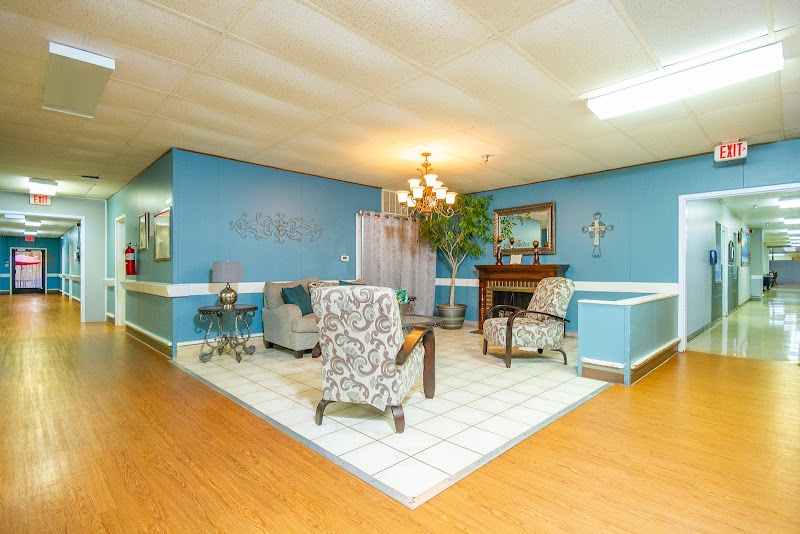
How is The Blossoms At Rogers Rehab & Nursing Center Staffed?

CMS rates THE BLOSSOMS AT ROGERS REHAB & NURSING CENTER's staffing level at 1 out of 5 stars, which is much below average compared to other nursing homes.

What Have Inspectors Found at The Blossoms At Rogers Rehab & Nursing Center?

State health inspectors documented 25 deficiencies at THE BLOSSOMS AT ROGERS REHAB & NURSING CENTER during 2021 to 2023. These included: 24 with potential for harm and 1 minor or isolated issues.

Who Owns and Operates The Blossoms At Rogers Rehab & Nursing Center?

THE BLOSSOMS AT ROGERS REHAB & NURSING CENTER is owned by a for-profit company. For-profit facilities operate as businesses with obligations to shareholders or private owners. The facility is operated by THE BLOSSOMS NURSING AND REHAB CENTER, a chain that manages multiple nursing homes. With 110 certified beds and approximately 0 residents (about 0% occupancy), it is a mid-sized facility located in ROGERS, Arkansas.
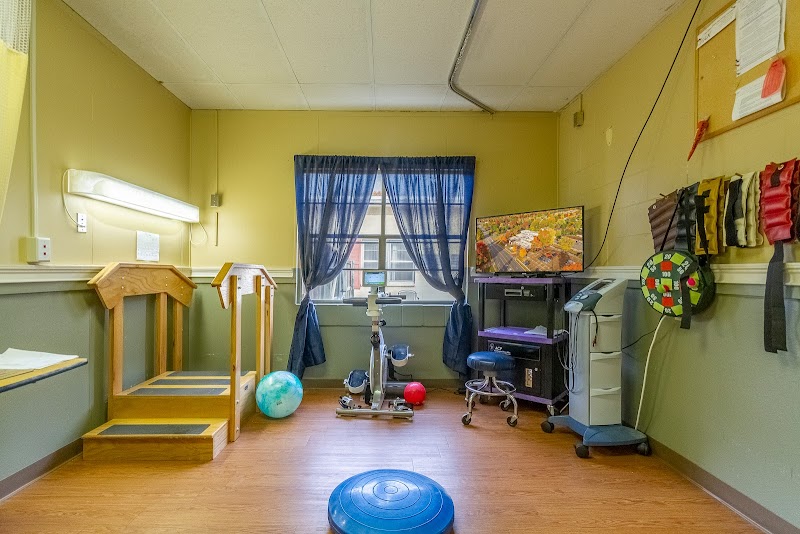
How Does The Blossoms At Rogers Rehab & Nursing Center Compare to Other Arkansas Nursing Homes?

Compared to the 100 nursing homes in Arkansas, THE BLOSSOMS AT ROGERS REHAB & NURSING CENTER's overall rating (2 stars) is below the state average of 3.1 and health inspection rating (3 stars) is at the national benchmark.

What Should Families Ask When Visiting The Blossoms At Rogers Rehab & Nursing Center?

Based on this facility's data, families visiting should ask: "Can you walk me through typical staffing levels on day, evening, and night shifts?" "Can I visit during a mealtime to observe dining assistance and food quality?" "How do you handle medical emergencies, and what is your hospital transfer rate?" "Can I speak with family members of current residents about their experience?" These questions are particularly relevant given the below-average staffing rating.

Is The Blossoms At Rogers Rehab & Nursing Center Safe?

Based on CMS inspection data, THE BLOSSOMS AT ROGERS REHAB & NURSING CENTER has a clean safety record: no substantiated abuse findings (meaning no confirmed cases of resident harm), no Immediate Jeopardy citations (the most serious violation level indicating risk of serious injury or death), and is not on the Special Focus Facility watch list (a federal program monitoring the lowest-performing 1% of nursing homes). The facility has a 2-star overall rating and ranks #100 of 100 nursing homes in Arkansas. While no facility is perfect, families should still ask about staff-to-resident ratios and recent inspection results during their visit.

Do Nurses at The Blossoms At Rogers Rehab & Nursing Center Stick Around?

THE BLOSSOMS AT ROGERS REHAB & NURSING CENTER has not reported staff turnover data to CMS. Staff turnover matters because consistent caregivers learn residents' individual needs, medications, and preferences. When staff frequently change, this institutional knowledge is lost. Families should ask the facility directly about their staff retention rates and average employee tenure.

Was The Blossoms At Rogers Rehab & Nursing Center Ever Fined?

THE BLOSSOMS AT ROGERS REHAB & NURSING CENTER has no federal fines on record. CMS issues fines when nursing homes fail to meet care standards or don't correct problems found during inspections. The absence of fines suggests the facility has either maintained compliance or corrected any issues before penalties were assessed. This is a positive indicator, though families should still review recent inspection reports for the full picture.

Is The Blossoms At Rogers Rehab & Nursing Center on Any Federal Watch List?

THE BLOSSOMS AT ROGERS REHAB & NURSING CENTER is not on any federal watch list. The most significant is the Special Focus Facility (SFF) program, which identifies the bottom 1% of nursing homes nationally based on persistent, serious quality problems. Not being on this list means the facility has avoided the pattern of deficiencies that triggers enhanced federal oversight. This is a positive indicator, though families should still review the facility's inspection history directly.