THE CROSSING AT RIVERSIDE HEALTH AND REHABILITATIO
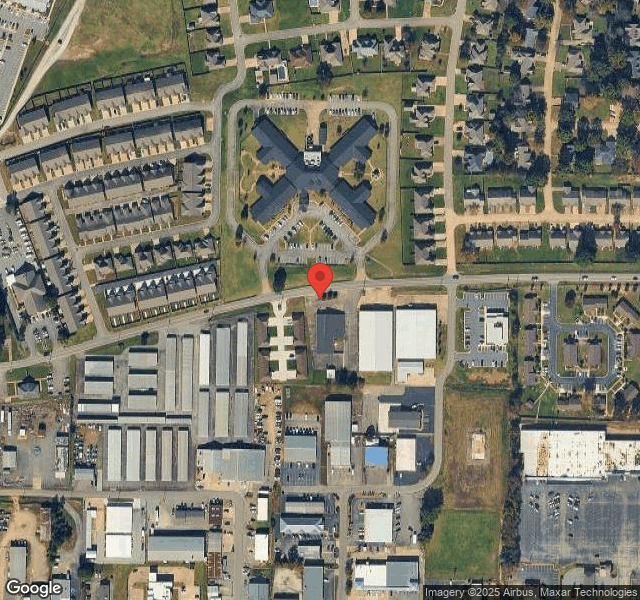
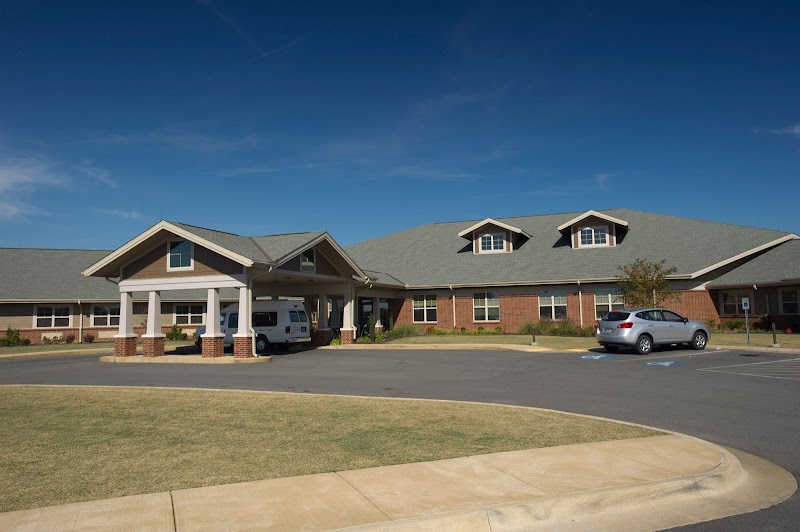
2500 EAST MOORE AVENUE, SEARCY, AR 72143 (501) 268-2324
For profit - Corporation 138 Beds ANTHONY & BRYAN ADAMS Data: November 2025
Trust Grade
80/100
#86 of 218 in AR
Last Inspection: June 2024

Within standard 12-15 month inspection cycle. Federal law requires annual inspections.

Overview

The Crossing at Riverside Health and Rehabilitation has a Trust Grade of B+, which means it is recommended and performs above average compared to other facilities. It ranks #86 out of 218 in Arkansas, placing it in the top half, and #2 out of 4 in White County, indicating only one local option is better. The facility is stable, with the same number of issues reported in both 2023 and 2024, and they have a good staffing rating with a turnover rate of 47%, which is below the state average. Notably, there have been no fines on record, and the facility has more RN coverage than 82% of Arkansas facilities, ensuring better oversight of resident care. However, recent inspections found concerns, such as expired food not being promptly removed and meals being served at improper temperatures, which could affect residents' safety and satisfaction. Overall, while there are strengths in staffing and compliance, there are areas that need improvement regarding food safety and quality.

Trust Score
B+
80/100
In Arkansas
#86/218
Top 39%
Safety Record
Low Risk
No red flags
Inspections
Holding Steady
4 → 4 violations
Staff Stability
⚠ Watch
47% turnover. Above average. Higher turnover means staff may not know residents' routines.
Penalties
✓ Good
No fines on record. Clean compliance history, better than most Arkansas facilities.
Skilled Nurses
○ Average
Each resident gets 32 minutes of Registered Nurse (RN) attention daily — about average for Arkansas. RNs are the most trained staff who monitor for health changes.
Violations
⚠ Watch
11 deficiencies on record. Higher than average. Multiple issues found across inspections.
★★★★☆
4.0
Overall Rating
★★★★☆
4.0
Staff Levels
★★★★☆
4.0
Care Quality
★★★★☆
4.0
Inspection Score
Stable
2023: 4 issues
2024: 4 issues

The Good

  • 4-Star Staffing Rating · Above-average nurse staffing levels
  • 4-Star Quality Measures · Strong clinical quality outcomes
  • Full Sprinkler Coverage · Fire safety systems throughout facility
  • No fines on record

Facility shows strength in staffing levels, quality measures, fire safety.

The Bad

Staff Turnover: 47%

Near Arkansas avg (46%)

Higher turnover may affect care consistency

Chain: ANTHONY & BRYAN ADAMS

Part of a multi-facility chain

Ask about local staffing decisions and management

The Ugly 11 deficiencies on record

Jun 2024 4 deficiencies
CONCERN (D)

Potential for Harm - no one hurt, but risky conditions existed

Tube Feeding (Tag F0693)

Could have caused harm · This affected 1 resident

Based on observations, interviews, record reviews, and facility policy, the facility failed to provide appropriate treatment and services to prevent complications from enteral feedings for 1 (Resident...

Read full inspector narrative →
Based on observations, interviews, record reviews, and facility policy, the facility failed to provide appropriate treatment and services to prevent complications from enteral feedings for 1 (Resident #42) of 1 resident who was observed lying flat in bed when receiving a tube feeding. The findings are: On 06/10/2024 at 3:07 PM, the surveyor observed Resident #42 lying flat on their back in bed. The surveyor asked Licensed Practical Nurse (LPN) #8 to step into the room. LPN #8 stepped into the room and immediately gasped and immediately adjusted the head of bed (HOB) to 30 to 45 degrees. On 06/10/2024 at 3:08 PM, the surveyor conducted an interview with LPN #8. The surveyor asked LPN #8 what was the first thing you noticed about Resident #42 when you walked into the room. LPN 8 stated the head of the resident's bed was not elevated 30 to 40 degrees as it should be at all times. It was elevated earlier when I was in here, so the aides must have put [Resident #42] down to change them and did not elevate the HOB afterward. The surveyor asked why is that important. LPN #8 stated, so, she doesn't aspirate. She is on a continuous tube feeding. The surveyor asked, what is the tube feeding running at right now. LPN #8 stated, it is running at 35 milliliters per hour and 90 milliliter flush every 2 hours continuous. A review of Resident #42's Medication Administration Record (MAR) for 06/01/2024 to 06/30/2024 reflected Resident #42 was to receive an enteral feeding every day and night shift, with the HOB elevated 30 to 45 degrees at all times during feeding and for 1 Hour after feeding cessation. Order Date 09/25/2023. The surveyor reviewed the facility policy regarding Enteral Feedings-Safety Precautions, presented by the Administrator on 06/11/2024 at 9:30 AM. The policy stated, .Preventing Aspiration .Elevate the head of the bed (HOB) at least 30° [degrees] during tube feeding and at least 1 hour after feeding .
CONCERN (D)

Potential for Harm - no one hurt, but risky conditions existed

Menu Adequacy (Tag F0803)

Could have caused harm · This affected 1 resident

Based on observation, record review, and interview, the facility failed to ensure meals were prepared and served according to the planned written menu to meet the nutritional needs of the residents fo...

Read full inspector narrative →
Based on observation, record review, and interview, the facility failed to ensure meals were prepared and served according to the planned written menu to meet the nutritional needs of the residents for 1 of 1 meal observed. This failed practice had the potential to affect 8 residents who received enhanced foods in the dining room on the 100 Hall, 6 residents who received meal trays in the dining room on the 200 Hall, 13 residents who received meal trays in the dining room on the 300 Hall, and 5 residents who received meal trays in the dining room on the 400 Hall, as documented on a list provided by the Dietary Manager 06/10/2024 at 12:08 PM. The findings are: 1. The menu for breakfast on 06/10/2024 documented the residents on enhanced food diets were to receive one cup of Super Cereal. 2. On 06/10/2024 at 07:40 AM, Dietary Aide (DA) #3 used a #8 scoop to serve a single portion of fortified oatmeal to the residents on fortified diets from the kitchenette on the 300 Hall. At 08:03 AM, the Surveyor asked DA #3 what scoop size she used to serve the fortified oatmeal and how many servings she gave to each resident. DA #3 stated, I used the gray scoop #8 (1/2 cup) and gave one serving each. 3. On 06/10/2024 at 07:46 AM, DA #4 used a #8 scoop to serve a single portion of fortified oatmeal to the residents on fortified diets from the kitchenette on the 400 Hall. At 08:00 AM, the Surveyor asked DA #4 what scoop size she used to serve the fortified oatmeal and how many servings she gave to each resident. DA #4 stated, I used the gray scoop #8 (1/2 cup) and gave one serving each. 4. On 06/10/2024 at 08:08 AM, DA #6 used a #8 scoop to serve a single portion of super cereal to the residents on enhanced food. At 08:09 AM, the Surveyor asked DA #6, who served the breakfast meal on the 200 Hall, what scoop size did she used to serve the fortified oatmeal and how many servings she gave to each resident. DA #6 stated, I used the gray scoop #8 (1/2 cup) and gave one serving each.
CONCERN (E)

Potential for Harm - no one hurt, but risky conditions existed

Deficiency F0804 (Tag F0804)

Could have caused harm · This affected multiple residents

Based on observation, record review and interview, the facility failed to ensure meals were served in a method that maintained the appearance of cold products and at temperatures that were acceptable ...

Read full inspector narrative →
Based on observation, record review and interview, the facility failed to ensure meals were served in a method that maintained the appearance of cold products and at temperatures that were acceptable to the residents to improve palatability and encourage good nutritional intake during 1 of 1 meal observed. This failed practice had the potential to affect 8 residents who received meal trays in their rooms on the 100 Hall, 6 residents who received meal trays in their room on the 200 Hall, 13 residents who received meal trays on the 300 Hall, and 5 residents who received meal trays in their room on the 400 Hall, as documented on a list provided by Dietary Manager on 06/10/2024 at 12:09 PM. The findings are: 1. On 06/09/2024 at 10:40 AM, Resident #79 stated the food is never hot. 2. On 06/09/2024 at 1:27 PM, Resident #323 was sitting up in bed eating lunch. Family members were present. During an interview, Resident #323 said the resident had been here a week, and this was the first warm meal the resident had had, and that breakfast is always cold. Resident #323 also said, but this morning it was so cold the resident could not eat it at all. Resident #323 also said, the resident and the resident's family have complained about it to staff, and they (staff) informed them it's always cold when we get to the end of the hall. Resident #323 further said the resident's family member asked them if they could start at this end of the hall every other day and they stated no because then all the others will start complaining on the other end. 3. On 06/10/2024 at 7:52 AM, an unheated plate that contained a breakfast meal was on the counter by the steam table on the 400 hall dining room kitchenette. At 07:54 AM, as Nurse Aide #5 was about to deliver the tray to the room, the Surveyor asked Dietary Aide (DA) #3 to check the temperature of the food items. DA #3 did, and the temperatures were as follows: a. Scrambled eggs - 105 degrees Fahrenheit. b. Sausage links - 111.5 degrees Fahrenheit. 4. On 06/10/2024 at 12:43 AM, the Surveyor asked DA #3 to check the temperatures of food items on the last room tray on the counter by the steam table on the 300 hall dining room kitchenette. DA #3 did and the temperatures were as follows: a. Boneless chicken breast - 106.5 degrees Fahrenheit.
CONCERN (F)

Potential for Harm - no one hurt, but risky conditions existed

Food Safety (Tag F0812)

Could have caused harm · This affected most or all residents

Based on observation and interview, the facility failed to ensure manufacturer instructions on food labels was followed; foods stored in the refrigerator was covered and sealed to minimize the potenti...

Read full inspector narrative →
Based on observation and interview, the facility failed to ensure manufacturer instructions on food labels was followed; foods stored in the refrigerator was covered and sealed to minimize the potential for food borne illness for residents who received meals from 1 of 1 kitchen; expired food items were promptly removed from stock to prevent potential food borne illness for residents who received meal trays from 1 of 1 kitchen; foods were dated the day received or opened to assure first in, first out usage to prevent potential for food bone illness; and dietary staff washed their hands before handling clean equipment or food items to prevent potential food borne illness for residents who received meals from 1 of 1 kitchen. These failed practices had the potential to affect 113 residents who received meals from the kitchen, (total census:115), as documented on a list provided by the Dietary Manager on 06/10/2024 at 12:09 PM. The findings are: 1. On 06/09/2024 at 10:01 AM, the following observations were made in the kitchen area: a. An opened bag of light brown sugar was on a shelf above the food preparation area. The bag was not sealed. There was no received or opened date on the bag. b. An opened bag of bread was on the counter. The bag was not sealed. 2. On 06/09/2024 at 10:14 AM, Dietary Aide (DA) #1 picked up the water hose with his bare hand, used it to spray leftover food from inside of the dishes, contaminating his hands. He placed the dirty dishes in the dirty racks and pushed the racks into the dish washing machine to wash. DA #1 used a scraper to scrape off water on top of the utility cart. After the dishes stopped washing, he moved to the clean side of the dishwasher area and picked up clean dishes and placed them on the clean rack to be used in serving noon meal to the residents. The Surveyor asked DA #1 immediately what he should have done after touching dirty objects or before handling clean equipment. He stated, I should have washed my hands. 3. On 06/09/2024 at10:21 AM, an opened bag of cocoa was on a rack in the storage room and was not sealed. 4. On 06/09/2024 at10:27 AM, the following opened beverage containers were on top of the utility cart in the walk-in refrigerator. Their spouts were not covered, exposing them to cross contamination. a. Two pitchers of apple juice. b. A pitcher of cranberry juice. c. Two pitchers of orange juice. d. A pitcher of grape juice. 5. on 06/09/2024 at 10:28 AM, the following observations were made in the walk-in freezer: a. An opened box of cookies. The box was not covered or sealed. b. An opened box of cheesy bread sticks. 6. On 06/09/2024 at10:46 AM, an opened gallon of soy was on a shelf below the food preparation counter. The manufacturer specification on the gallon documented, Refrigerate after opening. 7. On 06/09/2024 at 10:58 AM, an opened package of frozen waffles was on a shelf in the freezer in the dining room on the 300 Hall. The box was not covered, and the bag was not sealed. 8. On 06/09/2024 at 11:08 AM, the following observations were made in the refrigerator on the 200 Hall: a. An opened resealable plastic bag that contained slices of lemon was on a shelf in the refrigerator. The bag was not sealed. b. A container of butter was on a shelf with an expiration date of 06/04/2024. c. A container of cottage cheese was on a shelf in the refrigerator with an expiration date of 05/22/2024. 9. On 06/09/2024 at 12:11 PM, DA #2 wore gloves while untying the bread bag, then proceeded to place slices of bread on the pan without changing gloves and washing her hands. She added slices of cheese from the bag onto each slice of bread to prepare grilled cheese sandwiches for the residents who requested grill cheese sandwich with their noon meal. At 12:17 PM, the Surveyor asked DA #2, What should you have done after touching dirty objects and before handling food items and cleaning equipment? She stated, I should have changed gloves and washed my hands. 10. A facility policy titled, Preventing Foodborne Illness-Employee Hygiene and Sanitary Practices documented under employee must wash their hands.6. Employees must wash their hands: .c. Whenever entering or re-entering the kitchen. d. Before coming in contact with any food surfaces.h. After engaging in other activities that contaminate the hands .
Jun 2023 4 deficiencies
CONCERN (D)

Potential for Harm - no one hurt, but risky conditions existed

Deficiency F0645 (Tag F0645)

Could have caused harm · This affected 1 resident

Based on interview, and record review, the facility failed to ensure a resident was screened for a mental disorder or intellectual disability prior to admission and were evaluated to receive care and ...

Read full inspector narrative →
Based on interview, and record review, the facility failed to ensure a resident was screened for a mental disorder or intellectual disability prior to admission and were evaluated to receive care and services appropriate to their needs for 1 (Resident #18) of 5 (Residents #18, #25, #61, #83 and #93) sampled residents with a severe mental illness diagnosis as documented on a list provided by Administrator on 06/15/23 at 9:07 AM. The findings are: 1. On 06/14/23 at 10:01 AM, the Surveyor asked the Administrator to provide a Preadmission Screening and Resident Review (PASARR) and a summary of active diagnoses for Resident #18. 2. Resident #18 had a diagnosis of Post Traumatic Stress Disorder (PTSD) active since 01/28/2008 and a Head Injury with Dementia active since 06/15/2007 as documented by on a Patient Chart Report provided by the Administrator on 06/14/23 at 10:50 AM. The Administrator stated, We don't have a PASARR on [Resident #18]. [Resident #18] received the Dementia diagnosis in 2007 and the PTSD in 08 [2008], from my understanding she wouldn't need one. I'll find you some information on it. a. The Care Plan with an initiated date of 07/17/20, last revised on 04/14/22 revealed Resident #18 exhibits behaviors related to unspecified mental development delays. b. The Care Plan with an initiated date of 04/20/23 revealed Resident #18 had impaired cognitive function related to unspecified lack of expected normal physiological development in childhood. 3. On 06/14/23 at 2:00 PM, the Surveyor asked the Nurse Educator if any information regarding the PASARR for Resident #18 had been obtained. She stated, No, we're sending her information in now to [State Designated Professional Associates]. The Administrator stated, I don't think she needs one. What will happen if [State Designated Professional Associates] says [Resident #18] is exempt? 4. A facility policy titled, admission Criteria , with a revised date of March 2019, provided by the Administrator on 06/15/23 at 9:07 AM documented, .#9. All new admissions and readmissions are screened for mental disorders (MD), intellectual disabilities (ID), or related disorders (RD) per the Medicaid Pre-admission Screening and Resident Review (PASARR) process .
CONCERN (E)

Potential for Harm - no one hurt, but risky conditions existed

Respiratory Care (Tag F0695)

Could have caused harm · This affected multiple residents

Based on observation, record review, and interview, the facility failed to ensure posting of cautionary and safety signs for resident rooms indicating oxygen was in use for 2 (Residents #75 and #171) ...

Read full inspector narrative →
Based on observation, record review, and interview, the facility failed to ensure posting of cautionary and safety signs for resident rooms indicating oxygen was in use for 2 (Residents #75 and #171) of 6 (Residents #40, #42, #75, #83, #171 and #174) sampled residents who used oxygen as documented on a list provided by the Administrator on 06/14/23 at 12:30 PM. The findings are: 1. Resident #75 had a diagnosis of Chronic Obstructive Pulmonary Disease. a. A Physicians Order dated 05/24/23 documented, Oxygen @ [at] 2L [liters] via NC [nasal Cannula] PRN [as needed] for SOB [Shortness of Breath]/Decreased Oxygen saturation. May remove for ADL's [Activities of Daily Living] and PRN per resident. Nursing to monitor oxygen flow rate every day and night shift Monitor for oxygen sign on door, if not present replace . b. The June 2023 Medication Administration Record (MAR) documented, Oxygen @ 2L via NC PRN for SOB/Decreased O2 SAT [saturation]. May remove for ADL'S and PRN per resident. Nursing to monitor oxygen flow rate every day and night shift Monitor for oxygen sign on door, if not present replace . 06/01/23 through 06/14/23 documented a nurse's initials indicating the residents use of oxygen daily. c. On 06/12/23 at 11:22 AM, Resident #75 was sitting in a wheelchair out in the hall with oxygen on via nasal cannula. The Surveyor was unable to locate an Oxygen in use sign on doorway to Resident #75's room. d. On 06/13/2023 at 8:00 AM, at the front entrance of nursing facility, the Surveyor was unable to locate signs indicating oxygen was in use in the Nursing Facility or a No Smoking Oxygen in use in the Nursing Facility posted at the front entrance of nursing facility. e. On 06/14/23 at 7:50 AM, Resident #75 was sitting in a wheelchair out in the hallway outside of the 400 Dining Room with oxygen on. No Oxygen in use signage was on doorway entrance to Resident #75's room. 2. Resident #171 had diagnoses of Chronic Respiratory Failure with Hypoxia and Dyspnea. a. A Physicians Order dated 05/12/23 documented, .Oxygen at 2L via NC PRN For SOB/Decreased O2 saturation. May remove for ADL's and PRN per Resident. Nursing to monitor oxygen flow rate every day and night shift Monitor for oxygen sign on door, if not present replace . b. On 06/12/23 at 11:32 AM, Resident #171 was in her room lying in bed wearing oxygen per nasal cannula. The Surveyor was unable to locate Oxygen in use signage on the doorway entrance to the room. c. On 06/13/23 at 9:15 AM, Resident #171 was moved to a new room on another hall and now shares a room with another resident. Resident #171 was receiving oxygen at 2 liters per minute via NC. The Surveyor was unable to locate oxygen in use signage on the door entrance to the room. d. On 06/14/23 at 8:09 AM, Resident #171 was in her room in bed with oxygen on at 2 liters per minute. No signage was on the door entrance to the room indicating oxygen was in use. 3. On 06/14/23 at 11:22 AM, the Surveyor asked Medication Tech #1 on the 400 Hall, Who is responsible for setting up the oxygen for the residents when it is ordered? She replied, That is the nurses, they do that. The Surveyor asked, Is it the nurse on all the halls that perform the setup of the oxygen in the resident's rooms when it is ordered? She replied, Yes, the nurse covering that hall is responsible for that. 4. On 06/14/23 at 11:35 AM, the Surveyor asked Assistant Director of Nursing (ADON) #2, Who is responsible for setting up the oxygen for the residents when it is ordered? She stated, The nurses are, they are responsible for setting up the concentrator, the tubing, the humidifier, dating the humidifier, the bag for storage and making sure the setting is correct per the orders. The Surveyor asked, Is there anything else that is needed for oxygen setup that should be done? She stated, Humidifier, administration device, concentrator, bag for storage and dating everything. The Surveyor asked, Who is responsible for the signage on the door to the resident's room when the resident is on oxygen? She stated, Oh yes, the nurse does that as well. I don't think it is on the check list for that, but I will get it added. The Surveyor asked, Is the oxygen sign stating, oxygen in use needed on the doorway to the resident's room when resident is on Oxygen? She stated, Yes, that should be done when it is set up. 5. A facility policy titled, Oxygen Administration, provided by the Administrator on 06/14/23 at 12:30 PM documented, .Equipment and Supplies The following equipment and supplies will be necessary when performing this procedure: .4. No Smoking/Oxygen in Use signs . Steps in the Procedure .2. Place an Oxygen in Use sign on the outside of the room entrance door .
CONCERN (E)

Potential for Harm - no one hurt, but risky conditions existed

Deficiency F0805 (Tag F0805)

Could have caused harm · This affected multiple residents

Based on observation, interview, and record review, the facility failed to ensure pureed food items were blended to a smooth and pudding-like texture to promote good nutritional intake and prevent pot...

Read full inspector narrative →
Based on observation, interview, and record review, the facility failed to ensure pureed food items were blended to a smooth and pudding-like texture to promote good nutritional intake and prevent potential choking for residents who required pureed diets for 1 of 1 meal observed. The failed practice had the potential to affect 4 (Residents #13, #15, #101 and #171) sampled residents who required pureed diets according to a list provided by the Administrator on 06/15/23 at 9:10 AM. The findings are: 1. On 06/12/23 at 12:30 PM, Resident #15 received a pureed meal tray. The pureed bread product remained in the shape of the scoop with ridges on the top. When the staff member inserted the spoon, the product remained whole and came away in a solid piece. 2. On 06/14/23 at 12:20 PM, Resident #3 received a pureed meal tray. Upon inserting his fork into the pureed bread, the resident lifted the entire bread product off the plate, brought it to his mouth and took a bite. 3. On 06/15/23 at 8:20 AM, the Surveyor asked the Registered Dietitian what the desired consistency of pureed bread should be. She stated, Like mashed potatoes or pudding. The Surveyor asked if a resident should be able to slice a pureed item or to insert their fork into the food item and raise the entire item off the plate. The Registered Dietitian stated, No, I will talk to them about that. She just needs to add some more warm milk. 4. A facility policy titled, Therapeutic Diets, provided by the Administrator on 06/15/23 at 9:10 AM documented, .4. A therapeutic diet is considered a diet ordered by a physician, practitioner or a dietitian as part of the treatment for a disease or clinical condition, to modify specific nutrients in the diet, or to alter the texture of a diet, for example: .c. Altered consistency diet. 5. If a mechanically altered diet is ordered, the provider will specify the texture modification .
CONCERN (E)

Potential for Harm - no one hurt, but risky conditions existed

Deficiency F0925 (Tag F0925)

Could have caused harm · This affected multiple residents

**NOTE- TERMS IN BRACKETS HAVE BEEN EDITED TO PROTECT CONFIDENTIALITY** Based on observation, interview, and record review, the facility failed to ensure an effective pest control program was maintain...

Read full inspector narrative →
**NOTE- TERMS IN BRACKETS HAVE BEEN EDITED TO PROTECT CONFIDENTIALITY** Based on observation, interview, and record review, the facility failed to ensure an effective pest control program was maintained to rid the facility of pests. The failed practice had the potential to affect all 127 residents who resided in the facility, as documented on the Resident Census and Conditions of Residents provided by the Administrator on 06/13/23. The findings are: 1. On 06/12/23 at 10:30 AM, multiple flies were observed landing on the worktable, the can opener, and the top of the spice containers in the kitchen preparation area. 2. On 06/12/23 at 12:15 PM, during the lunch meal in the 300 Hall Dining Room, the Surveyor observed four flies in Dining Room area, landing on the first and second tables closest to the hallway. One resident was sitting at the first table and two residents were sitting at the second table. The Dining Room opened to the smoking area. There were no fans or any other preventative measures to keep flies from coming in when the doors were opened. 3. On 06/12/23 at 1:45 PM, Resident #1 was lying in bed, two flies were in the resident's room flying around the resident's bed and window area and landing on the bed. 4. On 06/13/23 at 9:43 AM, Resident #1 was in his room lying in bed, two flies were observed in the room landing on resident's bed and window seal. 5. On 06/14/23 at 7:45 AM, the Surveyor asked the Administrator, What specifically is the facility doing about the flies in the resident areas? She replied, We have [Pest Control Company] service that comes monthly, and they spray around the base boards. The Surveyor requested copies of the pest control visits. 6. On 06/14/23 at 8:00 AM, Resident #1 was lying in bed. The Surveyor observed one fly in his room. The Surveyor asked Resident #1, Does staff assist you with taking care of or getting rid of the flies when they are in your room? Resident #1 stated, Sometimes. The Surveyor asked, Does the staff come when you use your call light and need assistance? Resident #1 replied, Yes, most the time. 7. On 06/14/23 at 8:05 AM, the Surveyor asked Certified Nursing Assistant (CNA) #1, What does the nursing facility do regarding the flies in the resident dining area and resident rooms? CNA #1 stated, Well, they spray for them, and we have the swatters, and a lot of the residents have their own swatters to use. The Surveyor asked, What is done for the residents that cannot prevent the flies from landing on their face or their person? CNA #1 stated, We have to assist them and try to prevent them from coming in, but when they go out to smoke on the Patio and the doors are open, the flies just come on in. The Surveyor asked, How often do you go into [Resident #1's] room and assist with the flies in the room? CNA #1 replied, Oh, we go in there all the time, in and out a lot during the day. 8. On 06/14/23 at 8:15 AM, The Surveyor asked Assistant Director of Nursing (ADON) #1, What does the nursing facility do regarding the flies in the resident dining area and resident rooms? ADON #1 stated, We are aware of them, and we do our best to get rid of them by using the swatters and the pest control is coming and spraying. The Surveyor asked, What is done for the residents that cannot prevent the flies from landing on their face or their person? ADON #1 replied, Oh, we go in [Resident #1's] room all the time, and I tell him I am the fly [NAME]. You know the doors going in and out to the Patio to smoke and the doors being open they just come in. The Surveyor asked, How often do you go into [Resident #1's] room and assist with the flies in the room? ADON #1 replied, I go in there usually every one to two hours and try to check on him and he has that fan that he uses to keep the flies out of his face. He uses it all the time. 9. The (Pest Control Company) Invoices from December 2022 through May 2023 were provided by the Administrator on 06/14/23 at 8:55 AM. The December 2022 through April 2023 Invoices documented treatments for rodents and roaches. The 05/22/23 Invoice documented, .Target Pests ants, beetles, crickets, spiders, wasp, flies, roaches, rodents . 10. On 06/14/23 at 12:10 PM, in the kitchen there were four flies on and about the center worktable. The Dietitian requested that the Dietary Manager obtain a fly swat and then sanitize the worktables. 11. On 06/14/23 at 12:30 PM, in the 100 Hall Dining Room there were two flies landing on and flying about a dining table where the residents who required assistance were seated. The flies landed on the trays and table. 12. A facility policy titled, Pest Control, provided by the Administrator on 06/14/23 at 3:27 PM stated, Policy Statement Our facility shall maintain an effective pest control program. Policy Interpretation and Implementation 1. This facility maintains an on-going pest control program to ensure that the building is kept free of insects and rodents .
Mar 2022 3 deficiencies
CONCERN (D)

Potential for Harm - no one hurt, but risky conditions existed

Accident Prevention (Tag F0689)

Could have caused harm · This affected 1 resident

Based on observation, interview and record review, the facility failed to ensure that a mechanical lift transfer was performed according to the manufacturer's guidelines to prevent potential injury fo...

Read full inspector narrative →
Based on observation, interview and record review, the facility failed to ensure that a mechanical lift transfer was performed according to the manufacturer's guidelines to prevent potential injury for 1 (Resident #92) of 2 (Resident #92 and#93) sampled residents who were transferred with mechanical lifts. The facility failed to ensure the door to the shower room containing personal hygiene items was secured to provide a safe environment on 1 (200 hall) of 4 halls. This had the potential to affect 14 cognitively impaired residents residing on the 200 hall as provided by the list by the Nurse Consultant on 3/17/22 at 2:05 p.m. The findings are: 1. Resident #92 had diagnosis of Cognitive Communication Deficit, and Muscle Wasting and Atrophy not elsewhere classified. The Annual Minimum Data Set with an Assessment Reference Date of 02/09/22 documented the resident scored 2 (0-7 indicates severe impairment) on a Brief Interview for Mental Status and totally dependent for transfers the assistance of 2 persons. a. The care plan initiated 03/26/19 documented, transfer: [Resident #92] (brown sling) and assist x [times] 2 for transfers . b. On 03/15/22 at 7:59 a.m., Certified Nursing Assistant (CNA) #3 and CNA #2 use the mechanical lift to transfer the resident from the bed to the wheelchair (w/c). CNA #2 moved the lift under the bed with the legs together, the lift pad was attached to the lift. The resident was lifted and the lift was maneuvered to the w/c. The lift legs were not opened until reaching the w/c. c. On 03/15/22 at 8:03 a.m., CNA #2 was asked, When were you last trained on the use of the mechanical lift? She stated, A couple months ago. d. On 03/15/22 at 8:03 a.m., CNA #3 was asked, When were you last trained on the use of the mechanical lift? She stated, I just started in December [2021]. e. On 03/17/22 at 9:29 a.m., CNA#2 was asked, How were the legs of the lift positioned when you were transferring [R#92] to her w/c? She stated, When your under the bed they have to be closed otherwise it won't fit under the bed. She was asked, When were the left legs opened? She stated, When we got the lift from under the bed. Surveyor stated, I didn't observe the opening of the lift legs until you reached the w/c. She stated, OK. She was asked, When are the lift legs supposed to be opened? She stated, When we pull out from under the bed. f. On 03/17/22 a review of the Operating Manual documented, .Move the mechanical lift into position open the base to its widest position. 2. On 03/14/22 at 10:30 a.m. and at 11:57 a.m., and 03/15/22 at 8:06 a.m. and 12:41 p.m., the door to the shower room on 200 hall was open with shampoo, body wash, mouthwash, lotion, and shave cream on an overbed table. a. On 03/14/22 at 10:42 a.m., Housekeeper #1 came out of the shower room. She was asked, Was the door open when you walked in? She stated, Yes. She was asked, Is it supposed to be open? She stated, I guess. b. On 03/15/22 at 8:06 a.m. Registered Nurse (RN) #1 was asked, Is the door supposed to be open? She stated, no it's not supposed to be open. c. On 03/15/22 at 12:41 p.m., Certified Nursing Assistant (CNA) #2 was asked is that door [shower room] supposed to be open? The CNA stated, No. d. On 03/17/22 at 9:33 a.m., the Director of Nursing was asked, Should there be supplies out and accessible in an unlocked shower room? She stated, No ma'am. e. On 3/17/22 at 2:05 p.m. the Nurse Consultant provided a Receipt and Storage of Supplies and Equipment policy and procedure which documented, .All supplies and equipment must be stored in accordance with the manufacturer's recommendations. Hazardous/toxic materials must be stored and labeled in accordance with current regulations .
CONCERN (E)

Potential for Harm - no one hurt, but risky conditions existed

ADL Care (Tag F0677)

Could have caused harm · This affected multiple residents

Based on observation, record review, and interview, the facility failed to ensure nails were trimmed and facial hair was removed regularly to maintain good grooming and hygiene for 1 (Resident #85) of...

Read full inspector narrative →
Based on observation, record review, and interview, the facility failed to ensure nails were trimmed and facial hair was removed regularly to maintain good grooming and hygiene for 1 (Resident #85) of 4 (Residents #85,#29, #209, and #211) sample mix residents who were dependent on staff for assist with personal hygiene. The failed practices had the potential to affect 12 residents who were dependent on staff for nail care, and 8 residents who were dependent on staff for shaving according to a list provided by the Administrator on 3/16/22 at 09:44 a.m The findings are: Resident #85 had a diagnoses of Altered Mental Status, Abnormalities of Gait and Nobilities, and Muscle Wasting Atrophy. The 5-day Minimum Data Set (MDS) with an Assessment Reference Date (ARD) of 2/14/22 documented the resident scored 7 (0-7 indicates severely cognitively impaired) on a Brief Interview of Mental Status (BIMS), required extensive assistance of 2 person for dressing and personal hygiene. a. The Plan of Care with a revised date 3/15/22 documented, .the resident has an ADL [activities of daily living] self-care performance deficit r/t [related to], critical illness myopathy, dvt [deep vein thrombosis] to lower extremities . The Plan of Care did not document nail care. b. A Physician order documented .DIABETIC NAIL CARE (FINGERNAILS AND TOENAILS) every Tue [Tuesday], Thu [Thursday]; . c. On 03/14/22 at 12:17 PM, Resident #85 sitting was in his wheelchair in his room. The resident's nails on the left hand had a dark substance underneath them. Resident #85 was rubbing his face, reported he usually keeps a clean shave but it hasn't been done in a while. d. On 03/14/22 at 12:20 PM, Certified Nursing Assistant (CAN) #4 was in the room with the resident and reported that he had a shower Saturday, and he should have been shaved Saturday and it wasn't done. Resident #85 was asked if he wanted to be shaved and he said it would be nice and I wouldn't be itching like I am. e. On 03/14/22 at 12:21 PM, Registered Nurse (RN) #2 entered the resident's room and stated, I am fixing to clean his nails right now. The RN was asked, Should they have been cleaned before now? She stated, Yes ma'am.
MINOR (B)

Minor Issue - procedural, no safety impact

Deficiency F0661 (Tag F0661)

Minor procedural issue · This affected multiple residents

Based on record review and interview, the facility failed to ensure a recapitulation of the resident's stay that included, course of illness/treatment or therapy, and pertinent lab, radiology, and con...

Read full inspector narrative →
Based on record review and interview, the facility failed to ensure a recapitulation of the resident's stay that included, course of illness/treatment or therapy, and pertinent lab, radiology, and consultation results was completed at time of discharge for 1 of 1 (Resident #107) who was discharged in the past 90 days. This failed practice had the potential to affect 56 resident's discharged to private home in the last 90 days as identified on the list provided by the Administrator on 03/14/22. Resident #107 had diagnosis Encounter for Surgical Aftercare following surgery on the Digestive System, and Infection following a procedure, other surgical site subsequent encounter. The Discharge Return Not Anticipated Minimum Data Set with an Assessment Reference Date of 02/07/22 documented the resident scored 13 (13-15 indicates cognitively intact) on the Brief Interview for Mental Status, and an admission date of 02/03/22. a. A progress note dated 2/7/22 documented, Resident discharge of own accord unplanned on this date. b. On 03/15/22 at 11:45 a.m., the discharge summary form under the section titled Give a recapitulation of resident's stay including course of treatment, pertinent labs, x-rays and consults documented, admitted r/t [related/to] above dx [diagnoses] for skilled care, wife choosing to take resident home at this time. c. On 03/15/22 at 12:40 p.m., a review of the Discharge Instructions did not identify a recapitulation of stay. d. On 03/17/22 09:39 a.m., the Director of Nursing (DON) was asked, Is what was documented as the recapitulation of stay was in fact a recapitulation of stay. The DON stated, No it's not. e. The Discharge Summary and Plan policy and procedure provided by the Director of Operations on 3/17/22 at 10:53 a.m. documented, .The discharge summary or post discharge instructions will include a recapitulation of the resident's stay at this facility and a final summary of the resident's status at the time of the discharge in accordance with established regulations.
Understanding Severity Codes (click to expand)
Life-Threatening (Immediate Jeopardy)
J - Isolated K - Pattern L - Widespread
Actual Harm
G - Isolated H - Pattern I - Widespread
Potential for Harm
D - Isolated E - Pattern F - Widespread
No Harm (Minor)
A - Isolated B - Pattern C - Widespread

Questions to Ask on Your Visit

  • "Can I speak with families of current residents?"
  • "What's your RN coverage like on weekends and overnight?"

Our Honest Assessment

Strengths
  • • Grade B+ (80/100). Above average facility, better than most options in Arkansas.
  • • No major safety red flags. No abuse findings, life-threatening violations, or SFF status.
  • • No fines on record. Clean compliance history, better than most Arkansas facilities.
Concerns
  • • 11 deficiencies on record. Higher than average. Multiple issues found across inspections.
Bottom line: Generally positive indicators. Standard due diligence and a personal visit recommended.

About This Facility

What is The Crossing At Riverside Health And Rehabilitatio's CMS Rating?

CMS assigns THE CROSSING AT RIVERSIDE HEALTH AND REHABILITATIO an overall rating of 4 out of 5 stars, which is considered above average nationally. Within Arkansas, this rating places the facility higher than 99% of the state's 100 nursing homes. This rating reflects solid performance across the metrics CMS uses to evaluate nursing home quality.
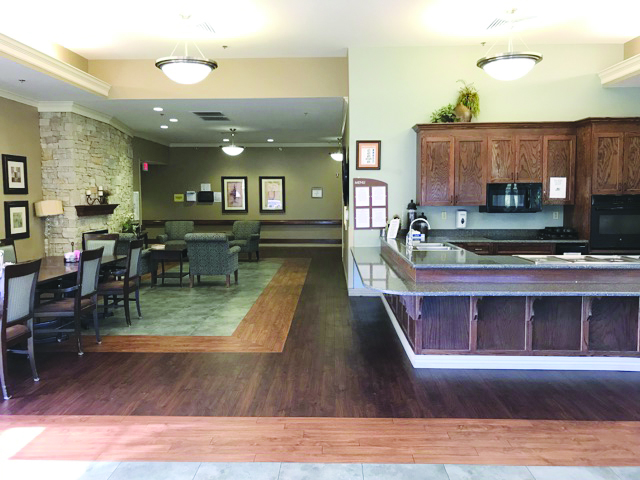
How is The Crossing At Riverside Health And Rehabilitatio Staffed?

CMS rates THE CROSSING AT RIVERSIDE HEALTH AND REHABILITATIO's staffing level at 4 out of 5 stars, which is above average compared to other nursing homes. Staff turnover is 47%, compared to the Arkansas average of 46%.

What Have Inspectors Found at The Crossing At Riverside Health And Rehabilitatio?

State health inspectors documented 11 deficiencies at THE CROSSING AT RIVERSIDE HEALTH AND REHABILITATIO during 2022 to 2024. These included: 10 with potential for harm and 1 minor or isolated issues.

Who Owns and Operates The Crossing At Riverside Health And Rehabilitatio?

THE CROSSING AT RIVERSIDE HEALTH AND REHABILITATIO is owned by a for-profit company. For-profit facilities operate as businesses with obligations to shareholders or private owners. The facility is operated by ANTHONY & BRYAN ADAMS, a chain that manages multiple nursing homes. With 138 certified beds and approximately 120 residents (about 87% occupancy), it is a mid-sized facility located in SEARCY, Arkansas.
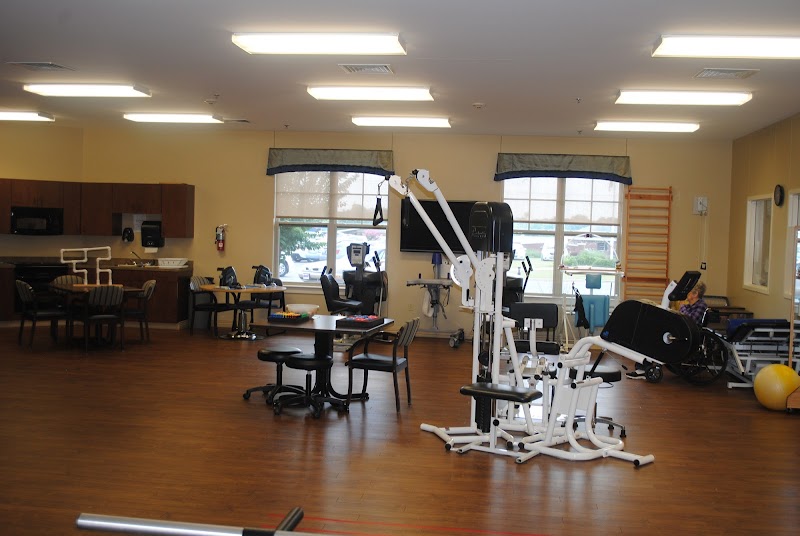
How Does The Crossing At Riverside Health And Rehabilitatio Compare to Other Arkansas Nursing Homes?

Compared to the 100 nursing homes in Arkansas, THE CROSSING AT RIVERSIDE HEALTH AND REHABILITATIO's overall rating (4 stars) is above the state average of 3.1, staff turnover (47%) is near the state average of 46%, and health inspection rating (4 stars) is above the national benchmark.

What Should Families Ask When Visiting The Crossing At Riverside Health And Rehabilitatio?

Based on this facility's data, families visiting should ask: "Can I visit during a mealtime to observe dining assistance and food quality?" "How do you handle medical emergencies, and what is your hospital transfer rate?" "Can I speak with family members of current residents about their experience?"

Is The Crossing At Riverside Health And Rehabilitatio Safe?

Based on CMS inspection data, THE CROSSING AT RIVERSIDE HEALTH AND REHABILITATIO has a clean safety record: no substantiated abuse findings (meaning no confirmed cases of resident harm), no Immediate Jeopardy citations (the most serious violation level indicating risk of serious injury or death), and is not on the Special Focus Facility watch list (a federal program monitoring the lowest-performing 1% of nursing homes). The facility has a 4-star overall rating and ranks #1 of 100 nursing homes in Arkansas. While no facility is perfect, families should still ask about staff-to-resident ratios and recent inspection results during their visit.

Do Nurses at The Crossing At Riverside Health And Rehabilitatio Stick Around?

THE CROSSING AT RIVERSIDE HEALTH AND REHABILITATIO has a staff turnover rate of 47%, which is about average for Arkansas nursing homes (state average: 46%). Moderate turnover is common in nursing homes, but families should still ask about staff tenure and how the facility maintains care continuity when employees leave.

Was The Crossing At Riverside Health And Rehabilitatio Ever Fined?

THE CROSSING AT RIVERSIDE HEALTH AND REHABILITATIO has no federal fines on record. CMS issues fines when nursing homes fail to meet care standards or don't correct problems found during inspections. The absence of fines suggests the facility has either maintained compliance or corrected any issues before penalties were assessed. This is a positive indicator, though families should still review recent inspection reports for the full picture.

Is The Crossing At Riverside Health And Rehabilitatio on Any Federal Watch List?

THE CROSSING AT RIVERSIDE HEALTH AND REHABILITATIO is not on any federal watch list. The most significant is the Special Focus Facility (SFF) program, which identifies the bottom 1% of nursing homes nationally based on persistent, serious quality problems. Not being on this list means the facility has avoided the pattern of deficiencies that triggers enhanced federal oversight. This is a positive indicator, though families should still review the facility's inspection history directly.