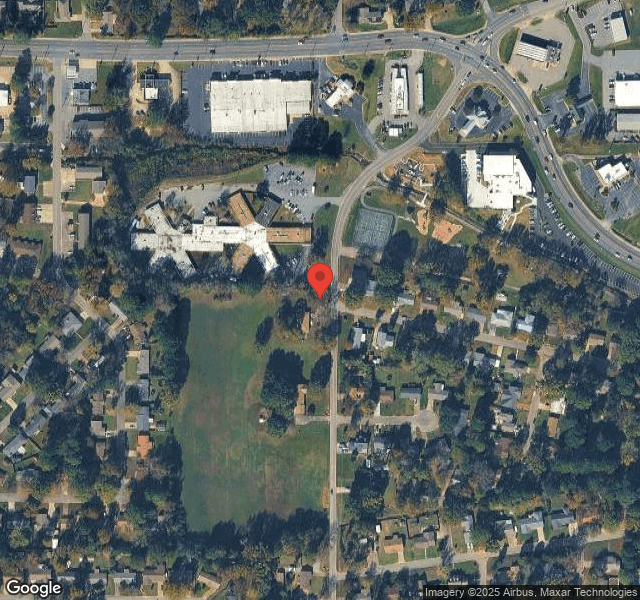

THE SPRINGS SEARCY

1205 SKYLINE DRIVE, SEARCY, AR 72143 (501) 268-6188
For profit - Limited Liability company 245 Beds THE SPRINGS ARKANSAS Data: November 2025
Trust Grade
75/100
#92 of 218 in AR
Last Inspection: October 2024

Within standard 12-15 month inspection cycle. Federal law requires annual inspections.

Overview

The Springs Searcy has received a Trust Grade of B, indicating it is a good choice, as it falls within the 70-79 range of the grading scale. In Arkansas, it ranks #92 out of 218 facilities, placing it in the top half, and #3 of 4 in White County, meaning only one other local option is better. The facility is currently improving, with issues decreasing from 5 in 2024 to just 1 in 2025. While staffing is a strength with a turnover rate of 46%, which is below the state average, the RN coverage is concerning as it is lower than 91% of Arkansas facilities. Notably, there have been issues with food safety practices, such as uncovered dishware and unclean kitchen equipment, which could pose health risks to residents. Overall, while there are some strengths, particularly in staffing stability, families should be aware of the concerns related to food handling and cleanliness.

Trust Score
B
75/100
In Arkansas
#92/218
Top 42%
Safety Record
Low Risk
No red flags
Inspections
Getting Better
5 → 1 violations
Staff Stability
⚠ Watch
46% turnover. Above average. Higher turnover means staff may not know residents' routines.
Penalties
✓ Good
No fines on record. Clean compliance history, better than most Arkansas facilities.
Skilled Nurses
⚠ Watch
Each resident gets only 12 minutes of Registered Nurse (RN) attention daily — below average for Arkansas. Fewer RN minutes means fewer trained eyes watching for problems.
Violations
⚠ Watch
18 deficiencies on record. Higher than average. Multiple issues found across inspections.
★★★★☆
4.0
Overall Rating
★★★☆☆
3.0
Staff Levels
★★★★★
5.0
Care Quality
★★★☆☆
3.0
Inspection Score
Stable
2024: 5 issues
2025: 1 issues

The Good

  • 5-Star Quality Measures · Strong clinical quality outcomes
  • Full Sprinkler Coverage · Fire safety systems throughout facility
  • No fines on record

Facility shows strength in quality measures, fire safety.

The Bad

Staff Turnover: 46%

Near Arkansas avg (46%)

Higher turnover may affect care consistency

Chain: THE SPRINGS ARKANSAS

Part of a multi-facility chain

Ask about local staffing decisions and management

The Ugly 18 deficiencies on record

Mar 2025 1 deficiency
CONCERN (E) 📢 Someone Reported This

A family member, employee, or ombudsman was alarmed enough to file a formal complaint

Potential for Harm - no one hurt, but risky conditions existed

Deficiency F0838 (Tag F0838)

Could have caused harm · This affected multiple residents

Based on interview, and facility document review, the facility failed to update the facility assessment to include staffing levels needed for specific shifts such as days, evenings, weekends, and memo...

Read full inspector narrative →
Based on interview, and facility document review, the facility failed to update the facility assessment to include staffing levels needed for specific shifts such as days, evenings, weekends, and memory care units. The findings include: A review of the Facility Assessment Tool indicated that it was last updated on 07/04/2024, with a staffing table that stated Licensed Practical Nurses (LPN), with 6 to 9 daily average of full time employees (FTEs), Certified Nursing Assistants (CNA) (including restorative) with 22-30 daily average of FTEs, Nursing Administration (Director of Nursing and Assistant Director of Nursing) 4 to 5 daily average of FTEs, Social Services with 1 to 2 daily average of FTEs, Dietary Manager with a daily average of 1 FTE, food and nutrition services staff with a daily average of 6 to 8 FTEs, Administration with a daily average of 2 FTEs, Activities with a daily average of 3 FTEs, Environmental services/Maintenance with a daily average of 1 to 2 FTEs, Therapy Staff with a daily average of 2 to 5 FTEs, Infection Preventionist with a daily average of 1 FTE, 24/7 Registered Nurse coverage with a daily average of 4 FTEs. On 3/12/2025 at 11:30 AM, during an interview, the Administrator stated that the facility assessment was part of her job, and that it was last updated in July of last year. The Administrator stated that it was set up for total average of employees needed in the building. The Administrator stated it was not divided by shifts, weekends, or by memory care units. The Administrator stated the facility updated the facility assessment as needed or annually and was not aware of the changes made in the requirements for the facility assessment.
Oct 2024 4 deficiencies
CONCERN (D)

Potential for Harm - no one hurt, but risky conditions existed

Accident Prevention (Tag F0689)

Could have caused harm · This affected 1 resident

Based on observation, interviews, record review, facility document review, facility policy review, it was determined that the facility failed to ensure residents who were assessed to wear a smoking ap...

Read full inspector narrative →
Based on observation, interviews, record review, facility document review, facility policy review, it was determined that the facility failed to ensure residents who were assessed to wear a smoking apron wore one during the facility allotted smoke break time, and to ensure residents were not in possession of a lighter for 1 (Resident #101) of 1 sample mix residents reviewed for smoking. The findings include: On 10/1/24 at 9:43 AM, Surveyor interviewed Resident #101 who revealed they are a smoker and that they have a smoking apron offered to them during smoke break, but they don't wear it. Review of Resident #101's Care Plan with an initiated date of 2/7/2024 revealed Resident #101 was a smoker, facility was to store all smoking materials and the resident was to be supervised while smoking. Review of the Quarterly Minimum Data Set (MDS) with an Assessment Reference Date (ARD) of 07/10/2024 revealed Resident #101 scored a 15 (13-15 indicates cognitively intact) on the Brief Interview for Mental Status (BIMS). The MDS also revealed Resident #101 has a diagnosis of Alzheimer's disease Review of Resident #101's Smoking Safety Screening completed on 09/18/2024 noted the resident was to wear a smoking apron with supervision while smoking, and the facility was to store the resident ' s lighter. On 10/02/2024 at 11:20 AM, Surveyor observed Resident #101 on smoke break with seven (7) other residents present. Certified Nurse Aid (CNA) #12 was present to supervise the smoke break. CNA #12 asked the residents if anyone needed a smoking apron, and all residents responded no. Resident #101 was observed sitting in wheelchair with no smoking apron. Resident #101 was observed pulling a blue lighter out of their left shirt pocket and using it to light two cigarettes during the smoking break. The resident placed the lighter back in their shirt pocket and was allowed to re-enter the facility and go to their assigned room with the lighter. On 10/02/2024 at 11:20 AM, Surveyor interviewed CNA #12 who revealed the residents were evaluated for smoking aprons but that only one (1) resident was assessed to wear an apron and that was not Resident 101. CNA #12 stated residents were assessed for wearing a smoking apron for safety and none of the residents present were wearing a smoking apron. CNA #12 confirmed residents should not have possession of their own lighter for safety reasons, and Resident #101 was not permitted to keep their own lighter. On 10/02/2024 at 11:47 AM, Surveyor went to Resident #101's room and asked resident #101 if they still had their lighter they used to light the two cigarettes they smoked during smoke break. Resident #101 pulled out a blue lighter from their left shirt pocket, showed it to the surveyor and stated, I'm not supposed to have it. On 10/03/2024 at 11:29 AM, Surveyor interviewed the Assistant Director of Nursing (ADON) who stated, residents are assessed to wear smoking aprons during smoke breaks for safety reasons and staff should explain why it should be worn. ADON confirmed residents are not permitted to keep their own lighters for safety reasons and the facility stores them. ADON confirmed Resident #101 was not permitted to keep their own lighter. On 10/03/2024 at 11:50 AM, Surveyor interviewed the Director of Nursing (DON) who confirmed residents are assessed to wear smoking aprons during smoke breaks for safety reasons, and that staff observing the smoke break should not be asking residents assessed to wear a smoking apron if they want to wear it based on their assessment they are to have one on. DON stated residents are not permitted to keep their own lighters due to the potential danger to the whole facility and that Resident #101was not permitted to keep their own lighter. Review of a facility policy titled Smoking Policy- Residents with a revision date of July 2017 revealed in the 'Policy Statement' that the facility will establish and maintain safe resident smoking practices. 'Policy Interpretation and Implementation' noted 7. The staff shall consult with the attending physician and the DON to determine if safety restrictions are needed for a resident's smoking privileges based on their safe smoking evaluation.
CONCERN (E)

Potential for Harm - no one hurt, but risky conditions existed

Comprehensive Care Plan (Tag F0656)

Could have caused harm · This affected multiple residents

Based on observation, interviews, record review, facility policy review, it was determined that the facility failed to ensure the comprehensive care plan addressed and individualized appropriate care ...

Read full inspector narrative →
Based on observation, interviews, record review, facility policy review, it was determined that the facility failed to ensure the comprehensive care plan addressed and individualized appropriate care and services for 1 (Resident #101) of 2 sample mix residents reviewed for care plan; and to ensure care plan interventions were implemented for 1 (Resident #9) of 2 sample mix residents reviewed for care plan. The findings include: 1. On 10/01/2024 at 9:43 AM, Surveyor interviewed Resident #101, who revealed they were a smoker and that they had a smoking apron offered to them during smoke break, but they do not wear it. Review of Resident #101's Care Plan with an initiated date of 02/07/2024 did not note the resident was to wear a smoking apron. Review of the quarterly Minimum Data Set (MDS) with an Assessment Reference Date (ARD) of 07/10/2024 revealed Resident #101 scored a 15 (13-15 indicates cognitively intact) on the Brief Interview for Mental Status (BIMS). The MDS also revealed Resident #101 had a diagnosis of Alzheimer's disease. Review of Resident #101's Smoking Safety Screening completed on 09/18/2024 noted the resident was to wear a smoking apron with supervision while smoking. On 10/02/2024 at 11:20 AM, Surveyor observed Resident #101 on smoke break with seven (7) other residents present. Certified Nurse Aid (CNA) #12 was present to supervise the smoke break. CNA #12 was observed asking the residents if anyone needed a smoking apron and all residents responded no. Resident #101 was observed sitting in wheelchair with no smoking apron. On 10/2/2024 at 11:20 AM, Surveyor interviewed CNA #12, and she revealed the residents were evaluated for smoking aprons but that only one (1) resident was assessed to wear an apron and that was not Resident #101. CNA #12 stated residents were assessed for wearing a smoking apron for safety and none of the residents present were wearing a smoking apron. On 10/03/2024 at 11:29 AM, Surveyor interviewed the Assistant Director of Nursing (ADON) who stated residents were assessed to wear smoking aprons during smoke breaks for safety reasons and staff should explain why it should be worn. The ADON confirmed that Resident #101was a smoker and assessed to wear a smoking apron but was not care planned to wear a smoking apron and t the care plan was how staff knew how to properly care for the residents. On 10/03/2024 at 11:50 AM, Surveyor interviewed the Director of Nursing (DON) who stated residents are assessed to wear smoking aprons during smoke breaks for safety reasons, and staff observing the smoke break should not be asking residents assessed to wear a smoking apron if they want to wear it. Based on their assessment the residents are to have a smoking apron on. DON indicated Resident #101 was a smoker and assessed to wear a smoking apron but was not care planned to wear a smoking apron and the care plan was how staff were aware of how to care for the resident. 2. Review of a facility policy titled Residents Rights 2001 MED-PASS, Inc. (Revised February 2021) indicated federal, and state laws guarantee certain basic rights to all residents of the facility, including resident's right to be treated with respect, kindness, dignity, and self-determination. Review of facility policy titled Activity Programs 2001 MED-PASS, Inc. (Revised February 2021) indicated activity programs support the well-being of residents and encouraged independence and community interaction. Activities were based on comprehensive resident centered assessment and preferences of each resident that promote or enhance physical, cognitive or emotional health. Activities were not limited to those only provided by activities staff. Other staff members may also provide activities. Adequate equipment would be provided to ensure needed services in the resident's care plan are met. Review of facility policy Care Plans, Comprehensive Person-Centered 2001 MED-PASS, Inc. (Revised December 20l6) indicated care plan would be consistent with the resident's rights to receive the services and/or items included in the care plan. Review of a Medical Diagnosis report indicated the facility admitted Resident #9 on 07/28/2021 with diagnoses of senile degeneration of the brain and sever dementia with other behavioral disturbance. Resident #9 has a cognitive ability of 0 which indicates a severe cognitive impairment. Resident #9's care plan indicated the following behaviors of combative with care, yells, curses, throws objects, disruptive, and bites. Likes to have a baby doll and will take other resident's (doll) and has impaired communication. Resident #9 resides on secure unit hall 8. On 09/30/2024 at 11:17 AM, Resident #9 was at the dining room table in a wheelchair. Resident #9 self-propelled into the hallway. Certified Nursing Assistant (CNA) #11 returned Resident #9 to the dining room table without explaining what was being done or asked if Resident #9 needed anything. Resident #9 was placed at a dining room table without any interaction or anything to do. On 09/30/2024 at 11:26 AM, Resident #9 self-propelled from the dining room for a second time. Resident #9 sat in the hallway in the wheelchair quietly. 11:28PM, CNA #11 returned Resident #9 to the dining room table without an explanation of what was being done or asking if Resident #9 needed anything. Resident #9 was placed at the dining room table without any interaction or anything to do. CNA #11 told Resident #9 they would eat real soon. Lunch meal was brought to Hall 9 between 12:45PM and 1:00PM. On 09/30/2024 at 12:10 PM, Resident #9 sat next to another Resident's walker. The Resident became agitated with Resident #9, told Training Nursing Assistant (TNA) #8 to move Resident #9. TNA #8 pushes Resident #9 to a dining room table away from the other resident. TNA #8 did not inform Resident #9 she was going to be moved. Resident #9 had no interaction from staff, other residents nor was provided any activity. On 09/30/2024 at 12:13 PM, a resident yelled out here [Resident # 9] comes. TNA #8 wheeled Resident #9 to the back dining room table. TNA #8 did not inform Resident #9 they would be moved prior. Resident #9 sat by themself without any interaction. Resident #9 became agitated after continuously being moved from one area to another. Resident #9 told TNA #8 to get out of here. On 09/30/2024 at 12:16 PM, another resident was upset that Resident #9 was coming back in their area. The resident was coloring and stated Resident #9 will take the color pencils. At 12:19 PM, another resident was agitated with Resident #9. CNA #11 moved Resident #9 to face the back wall dining room table. At 12:23 PM, Resident #9 tried to leave dining room for a third time in 17 minutes. CNA #11 returned Resident #9 to the back dining table and told Resident #9 to stay in dining room. After asking another resident if anything was needed CNA #11then pulled Resident #9 (who was in a wheelchair) to the dining room table. Resident #9 asked what the [expletive] did I do [to be kept at the table]. At 12:27 PM, Resident #9 left the dining room table, CNA #11 then pushed Resident #9 back to the dining room table while Resident #9 said [expletive] don't push me this way. At 12:29 PM, Resident #9 self-propelled from the dining room again, asked which way to go, then rolled down the hallway, TNA #8 returned Resident #9 to the dining room table and stated, lunch is almost here. At 12:35 PM, Resident #9 left the dining room table. Both CNA #11 and TNA #8 attempted to push resident #9's wheelchair back to the dining room table. Resident #9 told the CNAs to get the [expletive] away from them. CNA #11 and TNA #8 told Resident #9 lunch would be there soon. At 12:38 PM, Lunch meal was brought to Hall 9 dining room. TNA #8 pushed Resident #9 to table without explaining lunch had arrived. Resident #9 pushed away from table. At 12:44 PM, Resident #9 went to other side of dining room as they continued to wait for meal tray. Resident #9's care plan shows to provide resident with baby doll, sensory activities, assess and anticipate needs for food, thirst, toileting needs, redirect with conversation or other activity. At 1:04 PM, Resident #9 finished eating and self-propelled out of the dining room. Certified Nursing Assistant Supervisor pushed Resident #9 back to the dining room table. Resident #9 was not provided any type of activity or interaction. At 1:41 PM, Resident #9 remained in dining room without any activity or interaction from staff. On 9/30/2024 at 2:00 PM, 10/01/2024 at 8:35 AM, and 2:30 PM, Resident #9 did not have a baby doll with them or in their room as care plan showed. On 10/02/2024 at 11:08 AM, during an interview, CNA #9 stated, a resident should not be placed at a dining room table by themself unless they choose to. Staff needs to watch Resident # 9 to keep them from entering other resident's rooms which had caused other residents to become upset and angry. There is not a reason Resident # 9 should be at a table with nothing to do. On 10/02/2024 at 11:37 AM, during an interview LPN #10 stated a resident should not be placed at a table with nothing to do. They may get lonely which could cause them to get upset or angry. There is not a reason Resident # 9 was to be kept in the dining room. On 10/02/2024 at 3:12 PM, during an interview the ADON stated a resident should not be placed at a table alone. Staff can always get something for them to do. There was not a reason Resident # 9 was to remain in the dining room all the time. On 10/02/2024 at 3:40 pm, Activity Assistant stated Halls 9 and 10 have baby dolls and pop-it fidgets in cabinet for residents to use. On 10/02/2024 at 3:42 PM, Activities Director was unaware of the baby doll in Resident #9's care plan until Activities Director reviewed the care plan at this time. On 10/03/2024 at 11:00 AM, during an interview, MDS/Care Planner stated, the care plan goes to the task list. For example, activities interventions would show on activities tasks. Activities would let Hall 9 CNA staff know how to redirect or other interventions for the resident. Sensory redirect was for when activity department was with Resident #9. Resident #9's day to day activity without Activity Department involvement would be television and music usually played on Hall 9. Resident #9 did not have alternate activities documented. Based on observation, interviews, record review, facility document review, it was determined that the facility failed to ensure the comprehensive care plan addressed and individualized appropriate care and services for 01 (Resident #101) of 2 (Resident #101, #9) sample mix residents reviewed for care plan; and to ensure care plan interventions were implemented for 1 (Resident #9) of 2 (Resident #101, #9) sample mix residents reviewed for care plan. The findings include: On 10/1/24 at 9:43 AM, the Surveyor interviewed Resident #101 and they revealed they are a smoker and that they have a smoking apron offered to them during smoke break, but they don't wear it. Review of Resident #101's Care Plan with an initiated date of 2/7/2024 did not note the resident is wear a smoking apron. The Quarterly Minimum Data Set (MDS) with an Assessment Reference Date (ARD) of 07/10/2024 revealed Resident #101 scored a 15 (13-15 indicates cognitively intact) on the Brief Interview for Mental Status (BIMS). The MDS also revealed Resident #101 has a diagnosis of Alzheimer's disease. Review of Resident #101's Smoking Safety Screening completed on 9/18/2024 noted the resident is to wear a smoking apron with supervision while smoking. On 10/2/2024 at 11:20 AM, the Surveyor observed Resident #101 on smoke break with seven (7) other residents present. Certified Nurse Aid (CNA) #12 was present to supervise the smoke break. CNA #12 was observed asking the residents if anyone needed a smoking apron and all residents responded no. Resident #101 was observed sitting in wheelchair with no smoking apron. On 10/2/2024 at 11:20 AM, the Surveyor interviewed CNA #12 and she revealed the residents were evaluated for smoking aprons but that only one (1) resident was assessed to wear an apron and that was Resident #45. CNA #12 confirmed that the residents were assessed for wearing a smoking apron for safety and that none of the residents present were wearing a smoking apron. On 10/3/2024 at 11:29 AM, the Surveyor interviewed the Assistant Director of Nursing (ADON) and she confirmed that residents are assessed to wear smoking aprons during smoke breaks for safety reasons and that should explain why it should be worn. The ADON confirmed that Resident #101 is a smoker and assessed to wear a smoking apron but was not care planned to wear a smoking apron and that the care plan is how staff know how to properly care for the residents. On 10/3/2024 at 11:50 AM, the Surveyor interviewed the Director of Nursing (DON) and she confirmed that residents are assessed to wear smoking aprons during smoke breaks for safety reasons, and that staff observing the smoke break should not be asking residents assessed to wear a smoking apron if they want to wear it based on their assessment they are to have one on. The DON confirmed that Resident #101 is a smoker and assessed to wear a smoking apron but was not care planned to wear a smoking apron and that the care plan is how staff are aware of how to care for the resident.
CONCERN (E)

Potential for Harm - no one hurt, but risky conditions existed

Deficiency F0804 (Tag F0804)

Could have caused harm · This affected multiple residents

Based on observation, record review and interview, the facility failed to ensure meals were served in a method that maintained the appearance of cold and hot foods at temperatures that were acceptable...

Read full inspector narrative →
Based on observation, record review and interview, the facility failed to ensure meals were served in a method that maintained the appearance of cold and hot foods at temperatures that were acceptable to residents to improve palatability and encourage good nutritional intake during 2 of 2 meals observed on the following halls: 8, 10, 11, 200, 300 and 500. The findings are: 1. A Grievance Form dated 7/3/2024, was reviewed and indicated cold food as a concern at the supper meal. 2. On 10/01/24 at 12:46 PM, an unheated food cart that contained 17 lunch trays was delivered to the Hall 8 dining room by the Certified Nursing Assistant #3. At 12:52 PM, immediately after the last resident tray was served in the dining room, the temperatures of the food items on the test tray from the cart were checked by the Dietary Manager with the following results: a. Milk, 48 Degrees Fahrenheit. b. Vegetable blend 114 .6 Degrees Fahrenheit. c. Pureed vegetable 108 Degrees Fahrenheit. d. Pureed carrots 112.9 Degrees Fahrenheit. e. Pureed potatoes 105.5 Degrees Fahrenheit. f. Vegetable blend106.9 Degrees Fahrenheit. 3. On 10/01/24 at 1:02 PM, an unheated food cart that contained 15 lunch trays was delivered to hall 10 dining room by the Certified Nursing Assistant #3. At 1:15 PM, immediately after the last resident tray was served in the dining room, the temperatures of the food items on the test tray from the cart were checked by the Dietary Manager with the following results: a. Pureed potatoes 113 Degrees Fahrenheit. b. Pureed carrots 91.4 Degrees Fahrenheit. c. Pureed bread 110 Degrees Fahrenheit. d. Vegetable blend 112 Degrees Fahrenheit. e. Pureed carrots 110 Degrees Fahrenheit. 4. On 10/01/24 at 1:19 PM, Restorative Certified Nursing Assistant #7 began loading breakfast meal tray for hall 11 into the unheated food cart by the kitchen window in the dining room. She left the food cart door open while loading, finishing at 1:27 PM. After closing the food cart door. The unheated food cart that contained 9 lunch trays was delivered to hall 11 by the Certified Nursing Assistant #4. At 1:37 PM, immediately after the last resident tray was served in the dining room, the temperatures of the food items on the test tray from the cart were checked by the Dietary Manager with the following results: a. Milk 48 Degrees Fahrenheit. b. Vegetable blend 100 Degrees Fahrenheit. c. Pureed carrots 106. Degrees Fahrenheit. d. Pureed pot pie 102 Degrees Fahrenheit. e. Pureed carrots 106.9 Degrees Fahrenheit. 5. On 10/02/24 at 11:32 AM, Restorative Certified Nursing Assistant #7 was interviewed and asked what would happen when an unheated food cart was left open from the time you began loading the food trays into it, until the time you finished and close the door to it? She stated, it will get cold. 6. On 10/02/24 at 7:40 AM, an unheated food cart that contained 6 breakfast trays was delivered to the 300 Hall by Certified Nursing Assistant #5. At 7:50 AM, immediately after the last resident tray was served in their room, the temperatures of the food items on the test tray from the cart were checked by the Dietary Manager with the following results: a. Milk 48 Degrees Fahrenheit. b. Sausage links 105.5 Degrees Fahrenheit. c. Scrambled eggs 99.5 Degrees Fahrenheit. 7. On 10/02/24 at 7:51 AM, an unheated food cart that contained 15 breakfast trays was delivered to the 500 Hall by Certified Nursing Assistant #6. At 8:07 AM, immediately after the last resident tray was served in their room, the temperatures of the food items on the test tray from the cart were checked by the Dietary Manager with the following results: a. Milk 48.7 Degrees Fahrenheit. b. Pureed eggs 103 Degrees Fahrenheit. c. Pureed sausage 95 Degrees Fahrenheit. d. Scrambled eggs 97.6 Degrees Fahrenheit. e. Pureed French toast with milk 89 Degrees Fahrenheit.
CONCERN (F)

Potential for Harm - no one hurt, but risky conditions existed

Food Safety (Tag F0812)

Could have caused harm · This affected most or all residents

Based on observation, record review, interview, and facility policy review, the facility failed to ensure dishware were not exposed to dust, or other contamination; kitchen equipment was maintained in...

Read full inspector narrative →
Based on observation, record review, interview, and facility policy review, the facility failed to ensure dishware were not exposed to dust, or other contamination; kitchen equipment was maintained in a clean and sanitary condition; dietary employees washed their hands or changed gloves before handling food items and clean equipment when contaminated; expired food products were promptly removed/discarded on or before the expiration or use by date to prevent the growth of bacteria, and ice machine and ice scoop holder were maintained in clean and sanitary condition. The findings are: 1. On The following observations were made in the kitchen: a. On 9/30/2024 at 10:18 AM, 24 small plates, located on the bottom storage shelf in the kitchen, had food serving side uncovered. b. On 9/30/2024 at 10:21AM, the can opener had an orangish-brown and a white fuzzy unknown substance adhered to the blade. c. On 9/30/2024 at 10:26AM, a trash can was located next to the microwave used to heat residents' food. d. On 9/30/2024 at 10:27AM, 12 drinking cups had brown stains on the inside. 2. On 10/01/24 at 12:18 PM, the Assistant Dietary Manager took out trays that contained glasses and placed them on the counter, then opened the refrigerator and removed 2 boxes of nutritional drinks and placed them on the counter. Without washing her hands, she picked up glasses by the rims and poured beverages in them to be served to the residents for lunch. 3. On 10/01/24 at 12:23 PM, Assistant Dietary Manager, who was on the tray line assisting with lunch meal, picked up cartons of nutritional drinks and placed them on the trays. Without washing her hands, Assistant Dietary Manager picked up glasses of beverages and placed them on the trays to be served to the residents for lunch. Assistant Dietary Manager confirmed, she should have washed her hands. 4. On 10/01/2024 at 1:45 PM, Two boxes of hash browns were on a shelf in the refrigerator with an expiration date of 9/30/2024 5. On 10/01/24 at 2:17 PM, A section above the ice machine top panel in the break room on 100 Hall had wet, black/brownish residue on it. Dietary Manager wiped the area where the wet, black/brownish residues were observed, and the residues easily transferred to the paper towel. She stated, CNAs use it to fill the water pitchers for the residents' rooms, and the maintenance man cleans it every month. The Dietary Manager stated the area had wet, black /brownish residue on it. 6. On 10/01/24 at 2:19 PM, the ice scoop holder on the wall, by the ice machine in the break room on 100 hall, had buildup of wet, black residue in it. The ice scoop was in direct contact with the buildup of wet, black residue. Dietary Manager confirmed, the scoop holder had buildup of wet, black residue in it. 7. On 10/02/24 at 10:42 AM, Dietary [NAME] (DC) #13 was observed wearing gloves on his hands when he picked up a paper listing the names of residents who requested salad and sandwiches with their lunch meal. After reviewing the list, he placed it back on the counter, without changing gloves and washing his hands he picked up clean plates from the plate warmer and placed them on the counter, touching inside of the plates with his contaminated gloved fingers. DC #1 removed slices of bread from the bag and placed them on individual plates. DC#1 then removed slices of cheese from a container and placed them on top of the bread slices to be used in preparing ham and cheese sandwiches that would be served to the residents who asked for them. DC #1 confirmed she should have washed her hands. 8. A review of facility policy titled, Preventing Foodborne Illness -Employee Hygiene and Sanitary Practices, revised October2017, provided by the Dietary Manager on 10/2/2024 indicated, employees must wash their hands after engaging in other activities that contaminate the hand.
May 2024 1 deficiency
CONCERN (D) 📢 Someone Reported This

A family member, employee, or ombudsman was alarmed enough to file a formal complaint

Potential for Harm - no one hurt, but risky conditions existed

Infection Control (Tag F0880)

Could have caused harm · This affected 1 resident

Based on observation, interview, record review, and facility policy review, the facility failed to ensure staff wore gloves while obtaining a blood sample from a fingerstick for 1 (Resident #1) of 3 r...

Read full inspector narrative →
Based on observation, interview, record review, and facility policy review, the facility failed to ensure staff wore gloves while obtaining a blood sample from a fingerstick for 1 (Resident #1) of 3 residents reviewed for infection control. The findings include: The Quarterly Minimum Data Set (MDS), with an Assessment Reference Date (ARD) of 02/09/2024, revealed Resident #1 had a Brief Interview for Mental Status (BIMS) score of 15 which indicated the resident was cognitively intact, and had a diagnosis which included diabetes mellitus during the 7 day look back period. A review of the Care Plan indicated the facility admitted Resident #1 with diagnoses that included diabetes mellitus without complications, acquired absence of right leg below knee, and epilepsy. A review of Resident #1's Care Plan, revised 04/18/2023, revealed the resident had Diabetes Mellitus. Interventions included diabetes medication as ordered by the doctor, observe for side effects and effectiveness of insulin, and fasting blood sugar as ordered by doctor. A review of the Physician's Orders, for May 2024 revealed Resident #1 had an order for a fast acting insulin per sliding scale .subcutaneously per Accuchecks (a device to measure the amount of glucose in the blood) before meals and bedtime related to Type 2 Diabetes mellitus. During an observation on 05/02/2024 at 12:18 pm, Licensed Practical Nurse (LPN) #1 obtained a blood sample with a finger stick on Resident #1 in the hallway at the medication cart. LPN #1 did not have on gloves during the sampling. LPN #1 placed a cotton ball with blood on it in the trash bin without gloves on. During an interview on 05/02/2024 at 12:24 pm, the LPN #1 confirmed she should have gloves on due to infection control. During an interview on 05/02/2024 at 1:11 pm, the Director of Nursing (DON) confirmed LPN #1 should have gloves on to perform a blood sampling by fingerstick due to infection control and should not have completed the sampling in the hallway due to dignity. During an interview on 05/03/2024 at 10:01 am, the Assistant Director of Nursing (ADON) confirmed LPN #1 should have gloves on to perform a blood sampling by fingerstick due to infection control. During an interview on 05/03/24 at 12:28 pm, Resident #1 confirmed he asked the nurse to check his blood sugar in the hallways and he does not mind having it checked in the hallways. A review of a facility policy titled, Blood Sampling-Capillary (Finger Stick), dated 09/30/2014, indicated, Purpose The purpose of this procedure is to guide the safe handling of capillary-blood sampling devices to prevent transmission of bloodborne disease to residents and employees .Equipment and Supplies .4. Personal Protective equipment (e.g., gloves) . Steps in Procedure .2. [NAME] gloves .9. Remove gloves, and discard into appropriate receptacle . A review of a facility policy titled, Personal Protective Equipment - Using Gloves, dated 09/01/2010, indicated, Purpose: To guide the use of gloves . When to Use Gloves 1. When touching excretions, secretions, blood, body fluids, mucous membranes, or non-intact skin . A review of a facility policy titled, Standard Precautions, dated 10/01/2018, indicated, Policy Statement: Standard precautions are used in the care of all residents regardless of their diagnosis, or suspected or confirmed infection status. Standard precautions presume that all blood body fluids, secretion, and excretion (except sweat0, non-intact skin and mucous membranes may contain transmissible infectious agents . 1. Standard precautions apply to the care of all residents in all situations regardless of suspected or confirmed presence of infectious disease .2. Gloves: a. Gloves (clean, non-sterile) are worn when in direct contact with blood, body fluids, mucous membranes, non-intact skin, and other potentially infected material .
Oct 2023 8 deficiencies
CONCERN (D)

Potential for Harm - no one hurt, but risky conditions existed

Deficiency F0655 (Tag F0655)

Could have caused harm · This affected 1 resident

Based on observations, record review and interviews, the facility failed to ensure the baseline care plan addressed the use of an indwelling foley catheter to prevent possible injury and or infections...

Read full inspector narrative →
Based on observations, record review and interviews, the facility failed to ensure the baseline care plan addressed the use of an indwelling foley catheter to prevent possible injury and or infections for 1 (Resident #210) of 1 sample mix residents who admitted with an indwelling foley catheter. The findings are: Review of Resident #210's care plan with an initiated date of 10/23/23 showed no documentation regarding an indwelling foley catheter. Review of Resident #210's Order Summary Report showed no documentation no documentation concerning an indwelling foley catheter. On 10/24/23 9:55 AM Resident #210 was observed with an indwelling foley catheter. Resident's family member was asked, why does Resident #210 have an indwelling foley catheter? The Resident's family member stated, because Resident #210 can't walk or get up to the bathroom, and because of the sores on Resident's bottom. On 10/25/23 8:15 AM Resident #210 was observed with an indwelling foley catheter. The Resident's family member said Resident #210 has a catheter because the Redisdnet cant walk or get up to the bathroom and because of the sores on Resident's bottom. On 10/25/23 12:43 PM LPN #3 said, it should be care planned.
CONCERN (E)

Potential for Harm - no one hurt, but risky conditions existed

Deficiency F0658 (Tag F0658)

Could have caused harm · This affected multiple residents

Based on observation, record review and interview, the facility failed to ensure a resident with an indwelling foley catheter received the appropriate care and services to prevent further complication...

Read full inspector narrative →
Based on observation, record review and interview, the facility failed to ensure a resident with an indwelling foley catheter received the appropriate care and services to prevent further complications and possible infections for 1 (Resident #210) resident with an indwelling foley catheter . The findings are: Review of Resident #210's Order Summary Report as of 10/23/23 showed an admission date of 10/10/23 and no physician order for an indwelling foley catheter. Review of Resident #210's care plan showed an admission date of 10/10/23 and no documentation regarding an indwelling foley catheter. During observation on 10/24/23 9:55 AM, Resident #210 was in bed with an indwelling foley catheter bag observed attached to the bed frame. Resident #210's family member was asked, why does Resident #210 have an indwelling foley catheter? Resident's family member stated, because Resident #210 can't walk or get up to the bathroom, and because of the sores on the Resident's bottom. During observation on 10/25/23 at 8:15 AM and 9:55 AM, Resident #210 was in bed with an indwelling foley catheter bag attached to the bed frame. During interview on 10/25/23 at 12:26 PM, Certified Nursing Assistant (CNA) #5 was asked, why does Resident #210 have a foley catheter? CNA #5 stated, I don't know. CNA #5 was asked, how is Resident's foley catheter being monitored? CNA #5 stated, I assume I would empty every shift. CNA #5 was asked; how do you know how to take care of Resident's foley catheter? CNA #5 stated, I can't see anything on the computer because I can't log onto it yet. On 10/25/23 at 12:35 PM, Licensed Practical Nurse (LPN) #2 was asked, why does Resident #210 have a foley catheter? LPN #2 stated, I don't know. LPN #2 was asked, how is Resident #210's foley catheter being monitored? LPN #2 stated, they report every shift output-it should be on the medication administration record [MAR]. LPN #2 was asked, is the Resident's output documented on the MAR? LPN #2 stated, it is not. LPN #2 was asked, how do you know how to take care of the Resident ' s foley catheter? LPN #2 stated, it should be care planned. LPN #2 was asked, is there a physician order for Resident #210's foley catheter? LPN #2 stated, no, there is no order, there should be an order. During interview on 10/26/23 at 9:21 AM, the Director of Nursing (DON) was asked, why should there be an order for a resident with an indwelling foley catheter? The DON stated, so we know why it's there, when it was put in, so we can relay to CNA's and make it a task for them to ensure care. It helps us if a resident gets a urinary tract infection, and to keep an eye on infection risks. Review on 10/26/23 at 9:27 AM, of facility policy titled Catheter Care, Urinary showed, the the purpose is to prevent catheter-associated urinary tract infections. Review the resident's care plan to assess for any special needs of the resident.
CONCERN (E)

Potential for Harm - no one hurt, but risky conditions existed

ADL Care (Tag F0677)

Could have caused harm · This affected multiple residents

Based on observations, record review, and interviews, the facility failed to provide necessary services to maintain diabetic nail care to promote good hygiene and prevent the possible spread of infect...

Read full inspector narrative →
Based on observations, record review, and interviews, the facility failed to provide necessary services to maintain diabetic nail care to promote good hygiene and prevent the possible spread of infection for 1 (Resident #1) of 1 sample mix residents who were dependent on staff for nail care. The findings are: Review of Resident#1's Order Summary Report showed a physician order with a start date of 7/26/2022 to perform diabetic nail care on Tuesdays every two weeks on the day shift. Review of Resident #1's care plan with a revision date of 6/8/23 showed an activities of daily living self-care performance deficit, and inform nurse when nails need to be trimmed. During observation on 10/23/23 at 12:04 PM and 1:30 PM, Resident #1's fingernails on the left hand are half inch in length with black/brown dried substance under them. During interview on 10/23/23 at 1:43 PM, Certified Nursing Assistant (CNA) #4 was asked to describe Resident #1's nails. CNA #4 stated, They need to be clipped, cleaned, and filed. During interview on 10/23/23 at 2:07 PM, the Director of Nursing (DON) was asked to describe Resident #1's fingernails. The DON stated, They need to be cleaned and they are sharp. The DON measured Resident #1's nails on the left hand, and the nails were 1 centimeter and two-tenths in length. Review on 10/26/23 at 9:27 AM of facility policy titled Fingernails/Toenails, Care of showed clean the nail bed and keep nails trimmed prevent infection. Nail care includes regular trimming and daily cleaning.
CONCERN (E)

Potential for Harm - no one hurt, but risky conditions existed

Quality of Care (Tag F0684)

Could have caused harm · This affected multiple residents

**NOTE- TERMS IN BRACKETS HAVE BEEN EDITED TO PROTECT CONFIDENTIALITY** Based on observations, record review, and interviews, the facility failed to ensure skin tears/wounds of unknown origin were rec...

Read full inspector narrative →
**NOTE- TERMS IN BRACKETS HAVE BEEN EDITED TO PROTECT CONFIDENTIALITY** Based on observations, record review, and interviews, the facility failed to ensure skin tears/wounds of unknown origin were recognized and physician orders were obtained for treatment, and family notified for 2 (Resident #1 and #36) of 2 sample mix residents. The findings are: On 10/23/23 at 12:02 PM, 10/23/23 at 1:42 PM, and 10/24/23 at 12:35 PM Resident #1 had a red area approximately 2 centimeters in diameter with a skin tear in the middle to the left wrist with no dressing. Resident #1 did know how it happened. Review of the skin assessment for Resident #1 dated 10/18/23 showed the resident had edema to the lower extremities with ace wraps and heel boots in place, edema in the right elbow and no other skin issues noted. Review of Resident #1's electronic health record revealed no physician orders for treatment to the left wrist and no incident or accident reports related to the skin tear. Review of Resident #1's care plan with a revision date of 9/8/23 showed the resident at risk for impaired skin integrity, with interventions to include full skin audit per facility schedule, observe skin for redness and breakdown. On 10/24/23 at 2:46 PM, Licensed Practical Nurse (LPN) #1 confirmed there was no treatment order for Resident #1's left wrist and said she was not aware of how the injury happened. During an interview on 10/26/23 at 9:21 AM, the Director of Nursing (DON) said if a resident gets a skin tear the nurses should notify the wound nurse, if the wound nurse can't get to it, they should use the standing orders, call the family and physician and do an incident report for any injury. Review on 10/26/23 at 9:27 AM of facility policy titled Skin Tears showed obtain a physician's order, review the resident's care plan, current orders, and diagnoses and treatment orders. On 10/23/24 at 10:13 AM, 10/24/23 at 8:28 AM and 10/24 at 12:36 PM, observed Resident #36 lying in bed with a band aid observed to the right upper arm with no date and dark dried substance under it. The care plan with a revision date of 8/30/2023 showed Resident #36 is at risk for impaired skin integrity. The Medication Administration Record (MAR) dated October 2023 did not document a treatment order for Resident #36's right arm. The Treatment Administration Record (TAR) dated October 2023 did not document a treatment order for Resident #36's right arm. A skin check assessment dated [DATE] showed Resident #36 continues with scattered bruising and old scars to extremities and torso, right side flaccidity, no open areas or skin breakdown at this time, buttocks slightly red but blanchable. On 10/24/23 at 2:42 PM, Certified Nursing Assistant (CNA) #2 said the resident transferred from the other hall with the band aid. During interview on 10/24/23 at 2:46 PM, Licensed Practical Nurse (LPN) #1 confirmed there were no treatment orders, and no documentation related to the wound on Resident #36 right upper arm.
CONCERN (E)

Potential for Harm - no one hurt, but risky conditions existed

Deficiency F0805 (Tag F0805)

Could have caused harm · This affected multiple residents

Based on observation and interview, the facility failed to ensure pureed food items were blended to a smooth, lump-free consistency to minimize the risk of choking or other complications for residents...

Read full inspector narrative →
Based on observation and interview, the facility failed to ensure pureed food items were blended to a smooth, lump-free consistency to minimize the risk of choking or other complications for residents who required pureed diets for 2 of 2 meals observed. The findings are: On 10/23/23 11:27 AM, Dietary Employee (DE) #1 placed 10 servings of bread sticks into a blender. She added whole milk and pureed it. At 11:31 AM, DE #1 transferred pureed bread into a pan and covered it with foil, and placed it in the oven. The consistency of pureed bread was thick, not smooth, and had lumps. On 10/23/23 at 11:36 AM, DE #1 used a 6-ounce spoon to place 13 servings of spaghetti with sauce into a blender and pureed. At 11:43 AM, she poured the pureed spaghetti with meat sauce into a pan. She covered the pan with foil and placed it in the oven. The consistency was lumpy, not smooth, with pieces of pasta and meat visible in the mixture. On 10/23/23 at 11:49 AM, DE #1 used a 4-ounce spoon to place 13 servings of vegetable blend into a blender and pureed. At 11:53 AM, she poured the pureed vegetable blend into a pan. She covered the pan with foil and placed it in the oven. The consistency was lumpy, runny, not formed and not smooth. There were pieces of carrots visible in the mixture. On 10/23/23 at 12:53 PM, the Surveyor asked the Dietary Supervisor to describe the consistency of the pureed foods served to the residents who have physician's orders for pureed diets. She stated, Pureed spaghetti has lumps. I can see pasta in it. The pure vegetables were thinner, runny. Too much juice was added from the vegetable. The pureed bread has lumps in it. On 10/24/23 at 7:30 AM, the pureed sausage served to the residents on pureed diets was gritty and not smooth. The pureed bread was thick and had lumps in it. On 10/24/23 at 7:51 AM, the Surveyor asked the Dietary Supervisor to describe the consistency of the pureed food items served to the residents who required pureed diets. She stated, Pureed bread is too thick and pureed sausage was gritty. On 10/24/23 at 7:56 AM, the Surveyor asked the lead Certified Nursing Assistant #1, who was assisting residents in the dining room, to describe the consistency of the pureed food items served to the residents on pureed diets. She stated, Pureed bread was gummy, and pureed sausage was gritty.
CONCERN (E)

Potential for Harm - no one hurt, but risky conditions existed

Garbage Disposal (Tag F0814)

Could have caused harm · This affected multiple residents

Based on observation and interview, the facility failed to ensure trash was properly contained within 1 of 2 dumpsters to minimize the presence of foul odors and decrease the potential for pest infest...

Read full inspector narrative →
Based on observation and interview, the facility failed to ensure trash was properly contained within 1 of 2 dumpsters to minimize the presence of foul odors and decrease the potential for pest infestation. The failed practice had the potential to affect all 101 residents who resided in the facility. The findings are: On 10/23/2023 at 10:04 AM, two dumpsters were located outside of the facility. One dumpster was almost full, and the lid was not closed with flies flying around the dumpster. There were 11 loose gloves, cups, plates straws and other debris lying on the ground around the opened dumpster, and between the first and second dumpster was a clear trash bag with trash. On 10/23/23 at 10:06 AM, there were cups, straws, gloves, cereal bowls on the ground around the second dumpster. During interview on 10/23/23 at 10:06 AM, the Surveyor asked the Dietary Supervisor how often is trash pick-up? She stated, At least once a week. There shouldn't be anything on the ground.
CONCERN (E)

Potential for Harm - no one hurt, but risky conditions existed

Deficiency F0925 (Tag F0925)

Could have caused harm · This affected multiple residents

Based on observation and interview, the facility failed to ensure the kitchen was free of pests and failed to ensure the dining room was free of pests for 5 Residents who received meals from the dinin...

Read full inspector narrative →
Based on observation and interview, the facility failed to ensure the kitchen was free of pests and failed to ensure the dining room was free of pests for 5 Residents who received meals from the dining room. The failed practice had the potential to affect 100 residents who received food from the kitchen. The findings are. On 10/23/23 at 9:05 AM, multiple flies and gnats were observed on the floor of the washing machine room. During interview on 10/23/23 at 9:05 AM, the Dietary Supervisor confirmed the findings above. On 10/23/23 at 10:37 AM, the following observations were made during the food noon meal preparation. a. A fly was on the leg of a food cart where 2 pans that contained bread sticks to be baked were kept. b. One fly was on the leg of the food preparation counter where a can opener was attached. c. There were 4 flies on the leg of the food preparation counter where the blender machine was kept. d. One fly was on the cod attached to the blender machine. e. One fly was resting on a rag on the counter by the food preparation sink. The Dietary Supervisor confirmed there were 8 flies total resting on the leg, cod, and on a rag. On 10/23/23 at 10:39 AM, one fly was at the edge of a pan that contained bread sticks, and the Dietary Supervisor waved it away. On 10/24/23 at 7:37 AM, a fly was crawling on the floor in the dining room close to the dirty dish window, and a fly at the edge of a pan on a cart close to the dirty dish window. On 10/24/23 at 7:43 AM, a fly was on a clean rack on a cart by the 3- compartment sink that contained a clean lid on it. On 10/24/23 at 7:44 AM, there were 13 flies crawling on the floor in the dish washing machine room and multiple gnats crawling on the floor in and around the hand washing sink. The Dietary Supervisor confirmed there were 13 flies and several gnats crawling on the floor in the dish machine room.
CONCERN (F)

Potential for Harm - no one hurt, but risky conditions existed

Food Safety (Tag F0812)

Could have caused harm · This affected most or all residents

Based on observation and interview, the facility failed to ensure foods stored in the refrigerator and freezer were covered and sealed to minimize the potential for food borne illness for residents wh...

Read full inspector narrative →
Based on observation and interview, the facility failed to ensure foods stored in the refrigerator and freezer were covered and sealed to minimize the potential for food borne illness for residents who received meals from 1 of 1 kitchen; 1 of 2 ice machines and 1 of 2 ice scoop holders were maintained in clean and sanitary condition; floors, ceiling tiles, equipment were free of stain, debris, dirt, rust chipped; tiles were replaced, expired dairy products were promptly removed/discarded on or before the expiration or use by date to prevent the growth of bacteria; and dietary staff washed their hands before handling clean equipment or food items to prevent potential food borne illness for residents who received meals from 1 of 1 kitchen, failed to ensure residents were offered hand sanitation before lunch, and staff performed hand hygiene before handling resident's food without gloves for 1 of 1 (Resident #1). The failed practices had the potential to 100 affect residents who received meals from the kitchen. The findings are. On 10/23/23 at 9:06 AM, an opened, unsealed bag of hot dog buns was on the bread rack. On 10/23/23 at 9:17 AM, the following observations were made on the shelf in the freezer. a. An opened box that contained an uncovered and unsealed bag of dinner rolls. b. An opened box that contained an unsealed and uncovered bag of sweet rolls. On 10/23/2023 at 9:36 AM, the ice machine panel in the break room for 100 to 600 halls had an accumulation of wet black residue on it. The Surveyor asked the Dietary Supervisor to wipe the area and wet black residue easily transferred to the paper towel. The Surveyor asked the Dietary Supervisor to describe what was in the ice scoop holder. She said there is black residue on the ice scoop holder. The Surveyor asked the Dietary Supervisor how often is the ice machine cleaned and who uses the ice from the machine? She stated, The (Certified Nursing Assistant) CNAs used it to fill the water pitchers in the residents' rooms. The maintenance man cleans it once a month. On 10/23/23 at 9:39 AM, the ice scoop holder on the wall by the ice machine had standing water in it. There were gray particle substances in the water. The Surveyor asked the Dietary Supervisor how often is the ice scoop holder cleaned and who uses the ice from the machine? She stated, The CNAs used it to fill the water pitchers in the residents' rooms. On 10/23/23 at 9:46 AM, the following observations were made on a shelf in the refrigerator in the medication room for 8 to 11 halls. a. An opened, uncovered, undated, and unlabeled cup of chocolate shake with a straw. b. Fourteen of 14 cartons of nutrition drink on a shelf in the refrigerator with an expiration date of 07/23/23. On 10/23/23 at 9:47 AM, an opened and unlabeled box of ice cream was inside the freezer in the medication room on 8 to 11 halls. The ice cream was discolored and had ice cycles on it. The Surveyor asked the Dietary Supervisor to describe the appearance of the ice cream. She stated, It has freezer burn. On 10/23/23 at 9:50 AM, an opened box with an unsealed bag of cheese taquitos was on a shelf in the refrigerator in the medication room on 1 to 6 halls. On 10/23/23 at 10:16 AM, the following observations were made in the kitchen. a. Two loose ceiling tiles next to the steam table. b. The ceiling tile above the deep fryer had grease stains on it. c. The metal tracks around the tiles had rust on them, and some of the tracks had rust and were peeling. d. The ceiling tiles above the stove, oven, tea, and coffee maker had dirty lint hanging down from them. e. The ceiling tiles throughout the kitchen had stains. f. The formic to the window where meal trays are being sent out to the dining was chipped. g. The floor throughout the kitchen had stains and wax build up. h. The floor around the hand washing sink and the 3-compartment sinks had food and liquid spilled on it. i. The ceiling tiles in the storage room had a yellow and sage color on them. j. One ceiling tile was loose in the food preparation area. k. The ceiling tiles in the food preparation room were peeling exposing the fiber. l. There were loose food crumbs on the shelf below the food preparation counter where a meat slicer was kept and a rack where clean spatulas and spoons were kept. m. The facing of the freezer was removed, exposing the metal frames and air vent. The areas that were exposed had dust and lint hanging from them. On 10/23/23 at 10:29 AM, Dietary Employee #1 removed a box of bread sticks from the freezer and placed it on the counter. Without washing her hands, she removed gloves from the glove box and placed them on her hands. She then used her contaminated gloved hands to remove bread sticks from the box and placed them on the pans to be baked and served to the residents for lunch meal. 10/23/23 at 10:47 AM, Dietary Employee #1 opened the refrigerator, removed a bag of shredded lettuce, a bag of shredded cheese, and a plastic bag that contained half cut tomatoes and placed them on the counter. Without washing her hands, removed gloves from the glove box and placed them on her hands. She unzipped a plastic bag that contained shredded cheese and a bag of lettuce. Without removing her gloves and washing her hands, she removed lettuce from the bag and placed it in two to go containers. With the same gloves, she removed shredded cheese from the bag and placed them on top of the lettuce. Removed a half-cut tomato from a plastic bag and placed it on the cutting board. She sliced half cut tomatoes and placed them on top of the lettuce and cheese to be served to residents. On 10/23/23 at 10:56 AM, Dietary Employee #2 opened the refrigerator door and removed a container of slices of cheese and placed it on the counter. Without washing her hands, she removed 2 slices of cheese and bagged them to give them to the resident who requested cheese and crackers. During interview on 10/23/23 at 2:00 PM, the Surveyor asked Dietary Employee #2 what should you have done after touching dirty objects and before handling food items? She stated, Washed my hands. On 10/23/23 at 11:59 AM, Dietary Employee #1 scratched her face. Without washing her hands, she picked up a clean blade and attached it to the base of the blender to be used in pureeing food items to be served to the residents on pureed diets. The Surveyor asked Dietary Employee #1 immediately what should you have done after touching dirty objects and before handling clean equipment? She stated, Washed my hands. During observation on 10/23/23 at 1:27 PM, Certified Nursing Assistant (CNA) #4 set-up Resident #1's meal tray on the Resident#1's bedside table. CNA #4 began to assist Resident #1 with the meal and did not offer to wash the Resident's hands. At 1:28 PM, CNA #4 picked up a 1/2 grilled cheese sandwich with bare hands and handed it to Resident #1 During interview on 10/23/23 at 1:43 PM, CNA #4 said she should not have handed Resident #1 her sandwich with her bare hands. During interview on 10/23/23 at 2:07 PM, The Director of Nursing (DON) said staff should not touch residents' food with bare hands, and staff should provide or offer hand hygiene before meals. Review on 10/24/23 at 12:57 PM of facility policy titled Handwashing/Hand Hygiene showed, the staff will follow the handwashing/hand hygiene procedures to help prevent the spread of infections.
Jul 2022 4 deficiencies
CONCERN (D)

Potential for Harm - no one hurt, but risky conditions existed

Deficiency F0691 (Tag F0691)

Could have caused harm · This affected 1 resident

**NOTE- TERMS IN BRACKETS HAVE BEEN EDITED TO PROTECT CONFIDENTIALITY** Based on observation, record review and interview, the facility failed to ensure there was a physician's order for treatment, mo...

Read full inspector narrative →
**NOTE- TERMS IN BRACKETS HAVE BEEN EDITED TO PROTECT CONFIDENTIALITY** Based on observation, record review and interview, the facility failed to ensure there was a physician's order for treatment, monitoring, and care of a colostomy in accordance with professional standards of practice for 1 (Resident #86) of 1 sampled resident who had a colostomy. The findings are: Resident #86 had diagnoses of Unspecified Dementia with Behavioral Disturbance, Schizoaffective Disorder, Bipolar Type, Schizophrenia, Unspecified and Colostomy Status. The Significant Change in Status Minimum Data Set with an Assessment Reference Date of 06/06/22 documented the resident scored 15 (13-15 indicates cognitively intact) on a Brief Interview for Mental Status and required limited physical assistance of one person with personal hygiene and toilet use and had an ostomy. a. The admission assessment dated [DATE] documented Resident #86 was continent of bowel and had no documented colostomy. b. The History and Physical with an admission date of 10/23/2021 documented, .past medical history . has had colon cancer and that is the reason she has a colostomy 15 years ago . c. The Care Plan with a revision date of 06/07/22 documented, . has an ADL [activities of daily living] self-care performance deficit . TOILETING: limited assist [assistance] x [times] 1 staff. Frequently incontinent of bladder. Has colostomy, limited assist with colostomy care . d. The July 2022 Physician Orders, the July 2022 Medication Administration Record (MAR), and the July 2022 Treatment Administration Record (TAR) did not address colostomy care/treatment. e. On 07/18/22 at 11:41 AM, Resident #86 was in her room with the privacy curtain pulled. Resident #86 had a towel on her abdomen with brown bowel movement on it. The resident stated, They went to get me a new colostomy bag. f. On 07/21/22 at 11:20 AM, the Director of Nursing (DON) and Licensed Practical Nurse (LPN) #1 were interviewed. The surveyor requested Resident 86's Physician Order and assessment for self-care of her colostomy. Both stated Resident #86 was admitted on [DATE] with the colostomy in place. LPN #1 stated the unit nurse is responsible for colostomy care and wafer change and monitoring. She stated it should be documented on the MAR. They were asked if there should be a physician order even if the resident takes care of colostomy herself. Both stated, Yes. The DON stated, The physician order was not obtained, it is not addressed on the care plan other than under toileting, resident was always pulling at the colostomy bag, removing it and had to have assistance with it. The DON was asked if that should have been care planned and a physician order in chart. She stated, Yes, we didn't do it. g. The facility policy titled, admission Assessment and Follow Up: Role of the Nurse, provided by the DON on 07/21/22 at 3:45 pm documented, .conduct a physical assessment including the following systems: h. gastrointestinal . functional assessment-ability to perform ADL's (activities of daily living . 12. Contact the Attending Physician to communicate and review the findings of the initial assessment and obtain admission orders that are based on these findings . Documentation . 5. Orders obtained from the physician . Reporting 1. Notify the Attending Physician of immediate needs that the resident may have. Report other information in accordance with facility policy and professional standards of practice .
CONCERN (F)

Potential for Harm - no one hurt, but risky conditions existed

Menu Adequacy (Tag F0803)

Could have caused harm · This affected most or all residents

Based on observation, record review and interview, the facility failed to ensure meals were prepared and served according to the planned written menu and quantified recipes were utilized properly for ...

Read full inspector narrative →
Based on observation, record review and interview, the facility failed to ensure meals were prepared and served according to the planned written menu and quantified recipes were utilized properly for preparation of food item for all diets to meet the nutritional needs of the residents for 1 of 1 meal observed. This failed practice had the potential to affect 58 residents who received regular diets, 13 residents who received mechanical soft diets, 3 residents who received pureed diets, 6 residents who received ground meat only, 1 resident who received pureed meat only and 27 residents on regular diets who received an alternate from 1 of 1 kitchen according to a list provided by the Dietary Supervisor on 7/18/2022. The findings are: 1. The Menu Extension Monday, 07/18/2022 for the noon meal provided by the Administrator on 07/22/22 at 8:00 AM documented residents who received pureed diets were to receive a # (number) 6 scoop (6 ounces) of pureed cheese ravioli. 2. The facility recipe for cheese ravioli with meat sauce documented, Servings 104 - 31 pounds ravioli, cheese filled. 2 pounds parmesan cheese. 3 #10 cans spaghetti sauce and 13-pound ground beef. Regular portion 6 oz [ounces] spooled. 3. On 07/18/22 at 11:10 AM, the following observations were made during the noon meal service: a. Dietary Employee (DE) #2 poured tomato sauce in a pot that contained 9 individual boiled ravioli and mixed. There was no meat in the mixture. He used a 6 oz spoon to place the mixture of ravioli into a blender, mainly the sauce. Which came up to total of 4 servings with no meat. He poured the pureed mixture of ravioli and tomato sauce in a pan. He covered the pan with foil and placed it in the oven to be served to the residents on pureed diets. b. DE #2 used a #8 scoop which was equivalent to ½ cup to serve a single portion of pureed cheese ravioli to the residents on pureed diets. DE #2 used a 1/2 cup of a #8 scoop which is equivalent to ¼ cup to serve ground ham to the residents on mechanical soft diets who received an alternative meal for lunch and used ½ of #4 spoon which is equivalent to 1/4 cup to serve fried okra to the residents who received an alternative meal for lunch. c. A single portion of paper-thin ham was served to the residents who received an alternative meal for lunch. At 1:20 PM, the Dietary Supervisor was asked to weigh the same amount of ham served to the residents who received an alternative meal. She did and stated, It weighed 1.5 oz it should have been 3 oz. They are supposed to have 3 oz of meat each. 2. On 7/18/22 at 12:52 PM, the following observations were made during the noon meal service. a. DE #4 used a #8 scoop which is equivalent to ½ cup and served 1/2 of the #8 scoop which is equivalent to ¼ cup of pureed cheese ravioli to the residents on pureed diets. Surveyor informed Dietary Supervisor of inadequate portions plated to serve to the resident on pureed diets. The Dietary Supervisor used a #8 scoop to add another portion. b. DE #4 used a #16 scoop to serve a pinch of pureed bread and stated, We ran out of pureed bread. DE #4 was informed of portions plated to be served to the residents on pureed diets. She used #8 scoop to add another portion. 3. On 7/18/22 at 12:56 PM, DE #2 was asked how he prepared the cheese ravioli. He stated, I used 3 bags of ravioli, ground beef with sauce and marinated sauce. He was asked the reason parmesan cheese was not used. He stated, I forgot it. He was asked the reason pureed ravioli did not have meat in it. He stated, I forgot to add meat. 4. On 7/19/2022 at 11:00 AM, three cognitively intact residents who participated in a group interview were asked, Do you enjoy the food? Resident #96 stated, A lot of times they don't have enough. When asked to elaborate, she stated, They sometimes run out of food [main entre'] before all of us get some . Resident #41 described a problem with small portions.
CONCERN (F)

Potential for Harm - no one hurt, but risky conditions existed

Deficiency F0804 (Tag F0804)

Could have caused harm · This affected most or all residents

Based on observation, record review and interview, the facility failed to ensure food was prepared by methods that maintained appearance; hot foods were served hot and cold foods were served cold to m...

Read full inspector narrative →
Based on observation, record review and interview, the facility failed to ensure food was prepared by methods that maintained appearance; hot foods were served hot and cold foods were served cold to maintain palatability and encourage adequate nutritional intake for 1 of 2 meals observed on 6 (Halls 2, 4, 6, 8, 9, and 10) of 10 (Halls 1, 2, 3, 4, 5, 6, 7, 8, 9, 10) Halls. These failed practices had the potential to affect 15 residents who received meal trays in the room on Hall 2, 20 residents who received meal trays in their room on Hall 6, 14 residents who received meal trays in their rooms on Hall 8, 10 residents who received their meal trays in their rooms on Hall 9 and 10 residents who received their meal trays in their rooms on Hall 10 as documented on a list provided by Assistant Dietary Supervisor on 7/19/2022 at 8:33 AM. The findings are: 1. On 07/18/22 at 1:12 PM, Resident #60 stated she had been here 5 months and has only had one hot breakfast in that amount of time. She has to ask for jelly, has not had a lunch, and can't eat the food in here. At 1:23 PM, she received a meal tray in her room of ravioli with meat sauce, roll, pudding, water, and tea. She refused the tray staff brought. Staff stated to the resident they would get a sandwich for her. 2. On 7/19/22 at 7:18 AM, Certified Nursing Assistant (CNA) #1 delivered an unheated food cart that contained 15 breakfast trays to Hall 2 (Men's Unit). On 07/19/22 at 7:50 AM, immediately after the last tray was served to the residents in their rooms on Hall 2, the temperatures of the food items on a test tray from the cart were checked and read by the Dietary Supervisor with the following results: a. Milk - 57.2 degrees Fahrenheit. b. Soy milk - 59.7 degrees Fahrenheit. c. Sausage - 96.2 degrees Fahrenheit. d. Fried egg - 104 degrees Fahrenheit. e. Sausage - 95.7 degrees Fahrenheit. 3. On 7/19/22 at 7:28 AM, CNA #1 delivered an unheated food cart that contained 20 breakfast trays to Hall 6 (Women's Unit). On 7/19/22 at 7:59 AM, immediately after the last tray was served to the residents in their room on Hall 6, the temperatures of the food items on a test tray from the cart were checked and read by the Dietary Supervisor with the following results: a. Milk - 56.3 degrees Fahrenheit. b. Oatmeal - 106.5 degrees Fahrenheit. c. Sausage - 98 degrees Fahrenheit. d. Pureed sausage - 101.6 degrees Fahrenheit. e. Pureed eggs - 113.3 degrees Fahrenheit. f. Pureed bread - 111 degrees Fahrenheit. g. Regular scrambled eggs - 109 degrees Fahrenheit. 4. On 7/19/22 at 7:49 AM, , CNA #2 delivered an unheated food cart that contained 11 breakfast trays to Hall 10. On 07/19/22 at 8:12 AM, immediately after the last tray was served to the residents in their room on Hall 10, the temperatures of the food items on a test tray from the cart were checked and read by the Dietary Supervisor with the following results: a. Milk 56.6 - degrees Fahrenheit. b. Ground sausage - 86.7 degrees Fahrenheit. 5. On 7/19/22 at 7:56 AM, CNA #3 delivered an unheated food cart that contained 14 breakfast trays to Hall 8 (Women's Unit). On 07/19/22 at 8:08 AM, immediately after the last tray was served to the residents in their room on Hall 8, the temperatures of the food items on a test tray from the cart were checked and read by the Dietary Supervisor with the following results: a. Milk - 52 degrees Fahrenheit. b. Regular scrambled eggs - 89.9 degrees Fahrenheit. c. Sausage 87 - degrees Fahrenheit. 6. On 7/19/22 at 8:02 AM, CNA #3 delivered an unheated food cart that contained 10 breakfast trays, to Hall 9. On 7/19/22 at 8:21 AM, immediately after the last tray was served to the residents in their room on Hall 9, the temperatures of the food items on a test tray from the cart were checked and read by the Dietary Supervisor with the following results: a. Milk - 54.5 degrees Fahrenheit. b. Regular scrambled eggs - 98 degrees Fahrenheit. c. Ground sausage - 95 degrees Fahrenheit. d. Regular sausage - 90 degrees Fahrenheit. 7. On 7/19/22 at 8:07 AM, CNA #4 delivered an unheated food cart that contained 4 breakfast trays to Hall 4. On 07/19/22 at 8:37 AM, immediately after the last tray was served to the residents in their room on Hall 4, the temperatures of the food items on a test tray from the cart were checked and read by the Dietary Supervisor with the following results: a. Milk - 53.7 Degrees Fahrenheit. b. Sausage - 82.5 Degrees Fahrenheit. c. Scrambled eggs - 85.6 Degrees Fahrenheit. 8. On 7/19/22 at 12:54 PM, test trays of beef tater tot casserole, California blend, turnip greens, pureed beef tarter tot casserole, white beans, pureed carrots, pureed bread, and BBQ chicken were obtained from the kitchen. The Dietary Supervisor tasted the food items and stated, White bean was bland, needed more salt and turnip green taste just like canned green.
CONCERN (F)

Potential for Harm - no one hurt, but risky conditions existed

Food Safety (Tag F0812)

Could have caused harm · This affected most or all residents

Based on observation and interview, the facility failed to ensure dietary staff washed their hands before handling clean equipment or food items to prevent potential food borne illness for residents w...

Read full inspector narrative →
Based on observation and interview, the facility failed to ensure dietary staff washed their hands before handling clean equipment or food items to prevent potential food borne illness for residents who received meals from 1 of 1 kitchen; failed to keep kitchen vents clean to provide a clean and sanitary environment for food preparation and prevent potential food borne illness for residents who received meals from 1 of 1 kitchen; expired beverages and food items were promptly removed from stock and discarded; floors, dish washer and kitchen, walls, and baseboards were free of debris, dirt, grease, grime, stains and spills; food item stored in the freezer were covered, sealed and labeled to prevent the potential for food borne illness for residents who received meals from 1 of 1 kitchen. These failed practices had the potential to affect all residents who received meals from the kitchen (total census: 109), as documented on a list provided by Dietary Supervisor on 07/18/22 at 2:20 PM. The findings are: 1. On 7/18/22 at 10:46 AM, Dietary Employee (DE) #1 pushed a cart that contained trays of glasses to the storage room. Without washing her hands, she picked up clean plates and stacked them on a cart with her fingers touching the interior surfaces of the plates. 2. On 7/18/22 at 10:48 AM, DE #2 picked up a box of glove from the counter, removed gloves and placed them on his hands. He then picked up an empty box and threw it away. Contaminated the gloves. Without changing gloves and washing his hands, he used his gloved hands to mix salad to be served to the residents for supper meal. 3. On 7/18/22 at 10: 49 AM, the covers to the 3 door refrigerator were missing exposing the metal bars. The metal bars were covered with caked on dried foods and dust. The Dietary Supervisor was asked to describe the appearance of the metal bars. She stated, It looks like buildup of dust. One ladle spoon and a scoop were on the floor. 4. On 7/18/22 at 10:51 AM, the following observations were made in the kitchen area. a. The floor of the dish washing machine had loose leftover food items and grayish water standing on it. The area had a strong foul odor permeating from it. b. The floor throughout the kitchen had food crumbs and was stained. The ceiling vents behind the stove and above the deep fryer had grease build up. c. A base board was missing on the wall below the dish washer exposing the concrete. The concrete was covered with dark residue. d. The air vent in the dish washing machine had rust and black residue on it. The florescent lights above the 5 compartment sink had no coverings on them and rust buildup in them. 5. On 7/18/22 at 10:54 AM, the following observations were made in the freezer: a. A box of salad mixes was stored on a shelf in the refrigerator with an expiration date of 7/4/2022. b. An opened box of egg rolls was stored on a shelf in the refrigerator. c. An opened zip lock bag of chicken stored on a shelf in the freezer was not sealed. d. An opened box of beef patties stored on a shelf in the freezer was not covered or sealed. 6. On 7/18/22 at 11:55 AM, the bottom of the deep fryer and 4 pallets were covered with grease. An air vent above where the coffee maker was located had rust. The Dietary Supervisor was asked, How often do you clean this area? She stated, We wipe it off daily. She was asked if it look like it had been wiped off. She stated, No. 7. On 7/18/22 at 12:09 PM, DE #3 was wearing gloves on her hands when she picked up packages of grapy jelly from a box. She opened the packages of grapy jelly, contaminating the gloves. After opening the grapy jelly packages, she picked up slices of bread with the same gloved hands and spread the jelly on them. She opened a container of peanut butter and used a knife to scoop peanut butter onto the bread and then spread the peanut butter. She topped each with a slice of bread to serve to the residents who requested for peanut butter sandwich with their noon meal. 8. On 7/18/22 at 12:12 PM DE #3 pushed a cart that contained cans of cut green beans to the food preparation area. Without washing her hands, she removed gloves from the glove box and placed them on her hands. She picked slices of bread and when she was about to spread peanut butter on the bread, she was stopped and was asked, What should you have done after touching dirty objects and before handling food items? She stated, I should have washed my hands. 9. On 7/18/22 at 12:25 PM, there were loose food particles with a mixture of grayish matter on the floor in the dish washing room. The floor was chipped and the areas that were chipped had water standing and food particles in them. There was a foul odor permeating from the dish washing machine. The Dietary Supervisor and DE #3 stated, I can smell the odor. The Dietary Supervisor stated, Water goes under the areas that are chipped. 10. The facility's policy on hand washing documented, After engaging in any other activity that contaminates the hands.
Understanding Severity Codes (click to expand)
Life-Threatening (Immediate Jeopardy)
J - Isolated K - Pattern L - Widespread
Actual Harm
G - Isolated H - Pattern I - Widespread
Potential for Harm
D - Isolated E - Pattern F - Widespread
No Harm (Minor)
A - Isolated B - Pattern C - Widespread

Questions to Ask on Your Visit

  • "Can I speak with families of current residents?"
  • "What's your RN coverage like on weekends and overnight?"

Our Honest Assessment

Strengths
  • • No major safety red flags. No abuse findings, life-threatening violations, or SFF status.
  • • No fines on record. Clean compliance history, better than most Arkansas facilities.
Concerns
  • • 18 deficiencies on record. Higher than average. Multiple issues found across inspections.
Bottom line: Generally positive indicators. Standard due diligence and a personal visit recommended.

About This Facility

What is The Springs Searcy's CMS Rating?

CMS assigns THE SPRINGS SEARCY an overall rating of 4 out of 5 stars, which is considered above average nationally. Within Arkansas, this rating places the facility higher than 99% of the state's 100 nursing homes. This rating reflects solid performance across the metrics CMS uses to evaluate nursing home quality.

How is The Springs Searcy Staffed?

CMS rates THE SPRINGS SEARCY's staffing level at 3 out of 5 stars, which is average compared to other nursing homes. Staff turnover is 46%, compared to the Arkansas average of 46%. This relatively stable workforce can support continuity of care.

What Have Inspectors Found at The Springs Searcy?

State health inspectors documented 18 deficiencies at THE SPRINGS SEARCY during 2022 to 2025. These included: 18 with potential for harm.

Who Owns and Operates The Springs Searcy?

THE SPRINGS SEARCY is owned by a for-profit company. For-profit facilities operate as businesses with obligations to shareholders or private owners. The facility is operated by THE SPRINGS ARKANSAS, a chain that manages multiple nursing homes. With 245 certified beds and approximately 119 residents (about 49% occupancy), it is a large facility located in SEARCY, Arkansas.

How Does The Springs Searcy Compare to Other Arkansas Nursing Homes?

Compared to the 100 nursing homes in Arkansas, THE SPRINGS SEARCY's overall rating (4 stars) is above the state average of 3.1, staff turnover (46%) is near the state average of 46%, and health inspection rating (3 stars) is at the national benchmark.

What Should Families Ask When Visiting The Springs Searcy?

Based on this facility's data, families visiting should ask: "Can I visit during a mealtime to observe dining assistance and food quality?" "How do you handle medical emergencies, and what is your hospital transfer rate?" "Can I speak with family members of current residents about their experience?"

Is The Springs Searcy Safe?

Based on CMS inspection data, THE SPRINGS SEARCY has a clean safety record: no substantiated abuse findings (meaning no confirmed cases of resident harm), no Immediate Jeopardy citations (the most serious violation level indicating risk of serious injury or death), and is not on the Special Focus Facility watch list (a federal program monitoring the lowest-performing 1% of nursing homes). The facility has a 4-star overall rating and ranks #1 of 100 nursing homes in Arkansas. While no facility is perfect, families should still ask about staff-to-resident ratios and recent inspection results during their visit.

Do Nurses at The Springs Searcy Stick Around?

THE SPRINGS SEARCY has a staff turnover rate of 46%, which is about average for Arkansas nursing homes (state average: 46%). Moderate turnover is common in nursing homes, but families should still ask about staff tenure and how the facility maintains care continuity when employees leave.

Was The Springs Searcy Ever Fined?

THE SPRINGS SEARCY has no federal fines on record. CMS issues fines when nursing homes fail to meet care standards or don't correct problems found during inspections. The absence of fines suggests the facility has either maintained compliance or corrected any issues before penalties were assessed. This is a positive indicator, though families should still review recent inspection reports for the full picture.

Is The Springs Searcy on Any Federal Watch List?

THE SPRINGS SEARCY is not on any federal watch list. The most significant is the Special Focus Facility (SFF) program, which identifies the bottom 1% of nursing homes nationally based on persistent, serious quality problems. Not being on this list means the facility has avoided the pattern of deficiencies that triggers enhanced federal oversight. This is a positive indicator, though families should still review the facility's inspection history directly.