SHERWOOD NURSING & REHABILITATION CENTER, INC
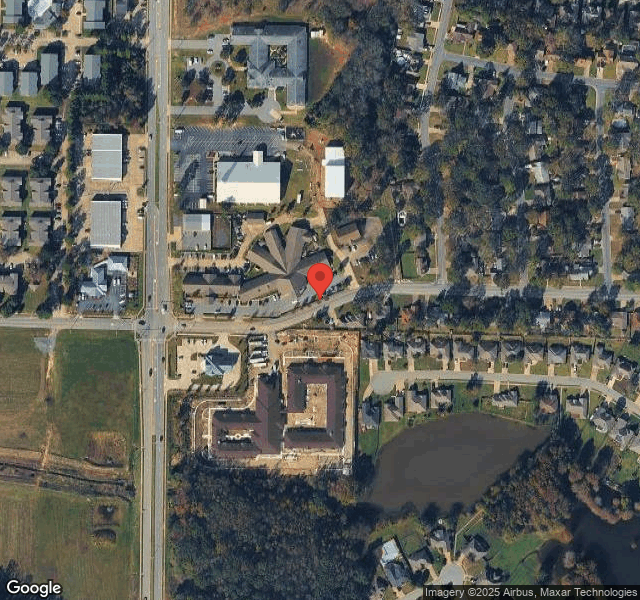
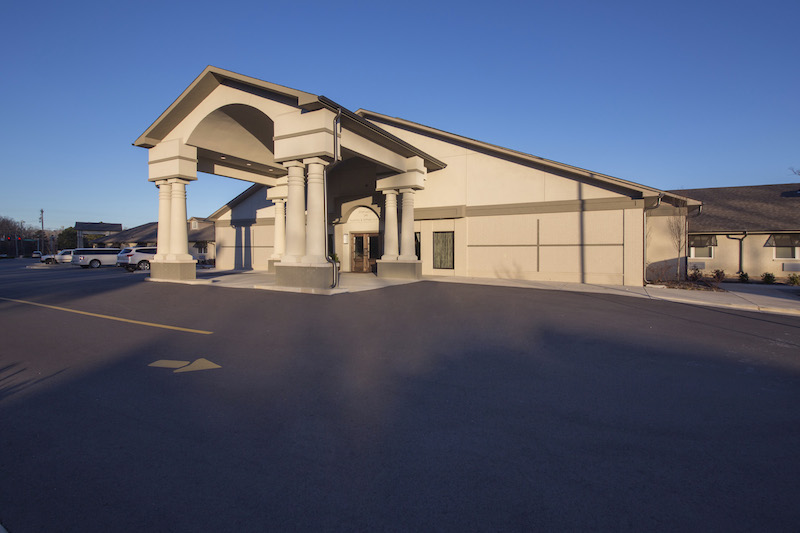
245 INDIAN BAY DRIVE, SHERWOOD, AR 72120 (501) 834-9960
For profit - Corporation 94 Beds CENTRAL ARKANSAS NURSING CENTERS Data: November 2025 1 Immediate Jeopardy citation
Trust Grade
46/100
#121 of 218 in AR
Last Inspection: September 2024

Within standard 12-15 month inspection cycle. Federal law requires annual inspections.

Overview

Sherwood Nursing & Rehabilitation Center, Inc has a Trust Grade of D, indicating below-average quality and some significant concerns. It ranks #121 out of 218 facilities in Arkansas, placing it in the bottom half, and #10 out of 23 in Pulaski County, meaning only nine local facilities are rated lower. The facility's trend is worsening, as issues increased from 4 in 2023 to 6 in 2024. Staffing is average with a rating of 3 out of 5 stars, but with a turnover rate of 60%, which is concerning as it suggests staff may not stay long enough to build strong relationships with residents. Additionally, there have been notable fines totaling $7,446, which are an average amount but still indicate some compliance issues. Specific incidents include a critical failure to ensure that two staff members were present for a resident's transfer, which could lead to serious accidents or injuries. Other concerns involved not promptly discarding expired food and failing to maintain proper food safety practices, such as sealing food items and ensuring cleanliness in the kitchen area. While the facility does have some strengths, including average ratings for health inspections and quality measures, these significant weaknesses raise important questions for families considering this nursing home for their loved ones.

Trust Score
D
46/100
In Arkansas
#121/218
Bottom 45%
Safety Record
High Risk
Review needed
Inspections
Getting Worse
4 → 6 violations
Staff Stability
⚠ Watch
60% turnover. Above average. Higher turnover means staff may not know residents' routines.
Penalties
○ Average
$7,446 in fines. Higher than 63% of Arkansas facilities. Some compliance issues.
Skilled Nurses
⚠ Watch
Each resident gets only 9 minutes of Registered Nurse (RN) attention daily — below average for Arkansas. Fewer RN minutes means fewer trained eyes watching for problems.
Violations
⚠ Watch
15 deficiencies on record. Higher than average. Multiple issues found across inspections.
★★★☆☆
3.0
Overall Rating
★★★☆☆
3.0
Staff Levels
★★★★☆
4.0
Care Quality
★★★☆☆
3.0
Inspection Score
Stable
2023: 4 issues
2024: 6 issues

The Good

  • 4-Star Quality Measures · Strong clinical quality outcomes
  • Full Sprinkler Coverage · Fire safety systems throughout facility
  • No fines on record

Facility shows strength in quality measures, fire safety.

The Bad

3-Star Overall Rating

Near Arkansas average (3.1)

Meets federal standards, typical of most facilities

Staff Turnover: 60%

14pts above Arkansas avg (46%)

Frequent staff changes - ask about care continuity

Federal Fines: $7,446

Below median ($33,413)

Minor penalties assessed

Chain: CENTRAL ARKANSAS NURSING CENTERS

Part of a multi-facility chain

Ask about local staffing decisions and management

Staff turnover is elevated (60%)

12 points above Arkansas average of 48%

The Ugly 15 deficiencies on record

1 life-threatening
Sept 2024 6 deficiencies
CONCERN (D)

Potential for Harm - no one hurt, but risky conditions existed

Comprehensive Care Plan (Tag F0656)

Could have caused harm · This affected 1 resident

Based on observations, interviews, and record review, the facility failed to ensure a dialysis care plan was initiated for 1 (Resident #351) of 1 resident reviewed for dialysis care planning. Finding...

Read full inspector narrative →
Based on observations, interviews, and record review, the facility failed to ensure a dialysis care plan was initiated for 1 (Resident #351) of 1 resident reviewed for dialysis care planning. Findings include: 1. On 09/12/2024 at 10:00 AM, the Administrator stated the facility did not have a policy for care planning due to it being in the regulations. 2. A review of the admission Record, indicated the facility admitted Resident #351 with diagnoses that included heart disease, retention of urine, and end stage renal disease. a. The 5-day Minimum Data Set (MDS), with an Assessment Reference Date (ARD) of 08/20/2024, revealed Resident #351 had a Brief Interview for Mental Status (BIMS) score of 10 which indicated the resident had moderate cognitive impairment. Resident #351 was marked on the MDS as receiving hemodialysis. b. A review of Resident #351's Care Plan, initiated on 08/19/2024, revealed the resident had no dialysis care plan with interventions. 3. During an interview with the Director of Nursing (DON) on 09/11/24 at 11:15 AM, verification was received that there was no order for dialysis and no dialysis care plan. DON stated, I've known Resident #351 and know that the resident has a quinton (Quinton catheters are non-tunneled central line catheters, which are often used for acute, ie temporary, access for hemodialysis or infusion of medicine) for dialysis. The DON stated that the Medicare (MCR)/MDS coordinator initiates and develops the care plans. During an interview with the MCR (Medicare)/MDS coordinator on 09/11/24 at 11:22 AM, confirmation was obtained that no order was noted for dialysis and there was no care plan for dialysis. No explanation was given as to why it was not completed.
CONCERN (D)

Potential for Harm - no one hurt, but risky conditions existed

Infection Control (Tag F0880)

Could have caused harm · This affected 1 resident

**NOTE- TERMS IN BRACKETS HAVE BEEN EDITED TO PROTECT CONFIDENTIALITY** Based on observations, interviews, record review, and facility document review, the facility failed to ensure proper hand hygien...

Read full inspector narrative →
**NOTE- TERMS IN BRACKETS HAVE BEEN EDITED TO PROTECT CONFIDENTIALITY** Based on observations, interviews, record review, and facility document review, the facility failed to ensure proper hand hygiene and proper wearing and removal of personal protective equipment for 1 (Resident #355) of 1 resident reviewed for enhanced barrier precautions. Findings include: 1. A review of a facility policy titled, Handwashing/Hand Hygiene, dated 11/16/2016, indicated, This facility considers hand hygiene the primary means to prevent the spread of infections .All personnel shall follow the handwashing/hand hygiene procedures to help prevent the spread of infections to other personnel, residents, and visitors. 4. Use an alcohol-based hand rub if no visible soiling, 5. Hand hygiene is the final step after removing and disposing of personal protective equipment. A review of the facility's undated policy titled, Isolation Precautions, Categories of, dated 11/22/2016 indicated Gloves and Hand washing:1. Wear gloves (clean, nonsterile) when entering the room. 2. During the course of caring for a patient, change gloves after having contact with infective material that may contain high concentrations of microorganisms (fecal material and wound drainage. 3. Remove gloves before leaving the room and wash hands immediately with an antimicrobial agent or a waterless antiseptic agent. and Gown: 1. Wear a gown (clean/nonsterile) when entering the room if you anticipate that your clothing will have substantial contact with the patient, environmental surfaces, or items in the patient's room, or if the patient is incontinent, has diarrhea, an ileostomy, a colostomy, or wound drainage not contained by a dressing. 2. Remove the gown before leaving the patient's environment. 3. After gown removal, ensure that clothing does not contact potentially contaminated environmental surfaces. 3. A review of the admission Record, indicated the facility admitted Resident #355 with diagnoses that included infection and inflammatory reaction due to other internal joint prosthesis, presence of right artificial knee joint, sepsis and ulcerative colitis. Resident was admitted to the facility on [DATE]. a. Review of a document titled, Admit/Readmit/Quarterly Assessment with C/P V7, revealed Resident #355 had a Brief Interview for Mental Status (BIMS) score of 14, which indicated the resident was cognitively intact. b. A review of Resident #355's Care Plan, initiated on 09/10/2024, revealed Resident #355 was on enhanced barrier precautions (EBP). Interventions included ensuring staff are wearing correct personal protective equipment (PPE) when performing care and educate staff, family, and guests on facility procedure of EBP. c. A review of Order Summary Report, revealed Resident #355 had an order for ertapenem sodium, one gram intravenous (IV) one time a day. Resident #355 had an order for peripherally inserted central catheter (PICC) to the left upper arm. Change dressing every week and as needed. d. A review of Medication Administration Record, revealed Resident #355 had received ertapenem sodium, one gram IV one time a day as prescribed. 4. During an observation on 09/10/2024 at 8:35 AM, Licensed Practical Nurse (LPN) #1 was standing at the medication cart one doorway down from Resident #355's door. Once LPN #1 completed gathering medications to be administered, proceeded to put on a pair of gloves without prior sanitization of hands, went over to the plastic bin that was outside of the doorway to Resident #355's room and withdrew an isolation gown, put it on, went back to his medication cart, picked up the medication cup, IV (intravenous) antibiotic, syringe and tubing and went into the resident's room. LPN #1 went over to Resident #355 and handed the resident the medication cup then went over to an over-the-bed table that was on the left side of the bed and was cluttered with resident's personal items. LPN #1 placed the IV supplies on the table. Without removing gown and gloves or sanitizing hands, LPN #1 went out into the hallway to the medication cart, opened the cart and removed alcohol pads, then returned to Resident #355's room. LPN #1 placed the alcohol pads on the table, went into the resident's bathroom and obtained a towel to place under the resident's arm. Without removing gloves and sanitizing hands and replacing with new gloves, LPN #1 opened the tubing, then mixed the antibiotic vial with the normal saline, shook the IV bag, then spiked the antibiotic mixture bag, primed the IV tubing to remove excess air, draped the IV tubing over the IV pole that was next to the over-the-bed table. LPN #1 went over to Resident #355, without removing gloves or gown, unscrewed the cap on the PICC line, scrubbed the port site with the alcohol pad, opened the syringe filled with normal saline and flushed the PICC line with 10 milliliters (ml) of normal saline. After flushing the PICC line, LPN #1 left the line dangling from the resident's arm, went over to the IV pump, placed the tubing inside the IV pump, set the rate on the IV pump, took the IV tubing and connected the tubing to the PICC line port, and then turned on the IV pump. Without removing his gloves or sanitizing hands, LPN #1 went over to Resident #355's closet per the resident's request to obtain an ostomy bag for the resident. LPN #1 removed gloves, went outside in the hallway wearing the isolation gown, removed the gown in the hallway, went back into the resident's room and noticed there was not a trashcan, returned to the hallway, balled the isolation gown up in his hands and walked down the hallway to the soiled utility room to dispose of the isolation gown. Once LPN #1 exited the soiled utility room, stopped at a resident room to use the hand sanitizer that was right inside the doorway before continuing back to the medication cart. 5. During an interview on 09/10/2024 at 8:45 AM with LPN #1 he stated that hands were sanitized prior to putting on gloves. LPN #1 confirmed the isolation gown should have not been put on at the medication cart and that the gown should have been put on before entering Resident # 355's room. LPN #1 confirmed gloves and gown should have been removed and hands sanitized prior to leaving Resident #355's room and going to the medication cart. LPN #1 confirmed that hands should have been sanitized and new gloves applied whenever an unclean surface was touched. LPN #1 was asked if gown should be removed in the hallway and then carried down the hallway before disposing of the gown? LPN #1 stated there wasn't a trashcan and I didn't know. 6. During an interview on 09/10/24 at 9:18 AM, the Director of Nursing (DON) stated LPN #1 was a new employee and education would be provided on infection control and EBP to LPN #1. The DON confirmed that hands should be sanitized before putting on gloves, after touching unclean items and before starting a procedure and after completing a procedure. The DON stated that isolation gowns and gloves should never be taken off out in the hallway.
CONCERN (E)

Potential for Harm - no one hurt, but risky conditions existed

Safe Environment (Tag F0584)

Could have caused harm · This affected multiple residents

Based on observations, interviews, record review, facility document review, and facility policy review, the facility failed to ensure resident rooms were clean, safe, and homelike for 1 (Resident #357...

Read full inspector narrative →
Based on observations, interviews, record review, facility document review, and facility policy review, the facility failed to ensure resident rooms were clean, safe, and homelike for 1 (Resident #357) of 1 resident reviewed for homelike environment. Findings include: A review of the facility's undated policy titled ,Housekeeping indicated, Housekeeping services are planned, operated, and maintained to provide a safe and sanitary environment. 1. Housekeeping staff will be skilled in the six basic functions of sweeping, mopping, dusting, cleaning, waxing, and polishing. 2. Housekeeping staff will strive to keep the facility free from offensive odors, accumulation of dirt, rubbish, dust, and safety hazards . 4. Walls and floors shall be cleaned during periods when the least amount of food is exposed, such as between meals. 5. Floors will be cleaned regularly, and any floor polish will have a non-slip finish . 7. Bedpans, commodes, and urinals will be covered after use, emptied promptly, and thoroughly cleaned after use. This may be done by nursing personnel. A review of an admission Record indicated the facility admitted Resident #357 with diagnoses that included fusion of spine and lower back pain. The admission Minimum Data Set (MDS), with an Assessment Reference Date (ARD) of 09/01/2024, revealed Resident #357 had a Brief Interview for Mental Status (BIMS) score of 10, which indicated the resident had moderate cognitive impairment. During an observation on 09/09/2024 at 11:48 AM, trash was noted along the wall under the closet area, behind the room door, along the wall beside the trashcan, beside the nightstand, under the bed, and between the air unit and a chair. Upon entering Resident #357's bathroom, an uncovered bedpan was on the floor beside the toilet, an uncovered bath basin was on the floor of the shower stall and a brown stain was noted on the floor of the shower stall. During an observation on 09/10/2024 at 8:08 AM, it was noted upon entering the room of Resident #357, a pair of used gloves and a pile of linens were on the table as you step into the threshold of the room, one glove was hanging off the table and one glove was on the floor under the table. Trash was noted along the wall under the closet area, behind the door, along the wall, beside the trashcan, beside the nightstand, under the bed, and between the air unit and a chair. During an observation on 09/10/2024 at 12:40 PM, Resident #357 stated housekeeping had cleaned the room, however upon inspection the surveyor observed trash remained behind the door, along the walls, in the corners of the room and behind the chair. A sack of towels and linens were in a clear plastic bag on the floor. Resident #357 stated the bag had been there since earlier in the morning after bathing and had not been picked up. During an observation on 09/11/2024 at 7:20 AM, Resident #357's room was checked for cleanliness and the trash was still noted under the bed, along the walls of the room and behind the door to the room. During an observation on 09/12/2024 at 8:06 AM, upon entering Resident #357's room, trash was noted behind the door to the room, by the trash can, beside the nightstand, under the bed, under the air conditioner, beside the chair, and along the wall under the closet. A cushion was lying on the floor beside the chair, and dirty gloves were on top of the table as you entered the resident's room. The bathroom had an uncovered bedpan on the floor beside the toilet, an uncovered wash basin on the floor of the shower stall along with a brownish stain on the tile of the shower stall floor, and an uncovered wash basin under the sink. During an interview with the Administrator on 09/12/24 at 8:31 AM, confirmation was given that the room was littered with trash and had not been swept, and the table was littered with used gloves. The shower had a bed pan on the floor behind the toilet and the shower had a stain, and a bath basin was in the floor. The Administrator stated the housekeeping supervisor would take care of it and that it is not what was expected of room cleaning. During a concurrent observation and interview on 09/12/2024 at 8:48 AM, the Housekeeping Supervisor was shown Resident #357's room. Confirmation was given that the room was littered with trash and debris in all areas of the room. The Housekeeping Supervisor stated, I am sorry that you had to see this. I will take care of it.
CONCERN (E)

Potential for Harm - no one hurt, but risky conditions existed

Comprehensive Assessments (Tag F0636)

Could have caused harm · This affected multiple residents

Based on observations, interviews, record review, facility document review, the facility failed to ensure discharge Minimum Data Set (MDS) was completed and transmitted for 2 (Resident #44 and Residen...

Read full inspector narrative →
Based on observations, interviews, record review, facility document review, the facility failed to ensure discharge Minimum Data Set (MDS) was completed and transmitted for 2 (Resident #44 and Resident #93) of 2 residents reviewed for MDS accuracy and timing of assessments. Findings include: 1. On 09/12/2024 at 12:30 PM, the Administrator stated the facility did not have a policy for the MDS and stated that the facility uses the Resident Assessment Instrument (RAI) guidelines. 2. A review of the admission Record indicated the facility admitted Resident #44 on 03/18/2024 with diagnoses that included pulmonary embolism and acute respiratory failure with hypoxia. Resident #44 was discharged from the facility on 04/25/2024. a. The 5-day MDS with an Assessment Reference Date (ARD) of 03/22/2024 revealed Resident #44 had a Brief Interview for Mental Status (BIMS) score of 8, which indicated the resident had moderate cognitive impairment. 3. A review of the admission Record indicated the facility admitted Resident #93 on 04/05/2024 with diagnoses that included sepsis, acute kidney failure and acute cholecystitis (infection of the gallbladder). Resident #93 was discharged from the facility on 04/25/2024. a. The 5-day MDS with an ARD of 04/09/2024 revealed Resident #93 had a BIMS score of 15, which indicated the resident was cognitively intact. 4. On 09/12/2024, a review of the closed electronic medical record indicated there was no discharge MDS assessment completed or transmitted for Resident #44 and Resident #93. 5. During an interview on 09/12/2024 at 11:25 AM, the Medicare (MCR)/MDS Coordinator confirmed Resident #44 was discharged on 04/25/2024 and Resident #93 was discharged on 04/25/2024 and that no discharge MDS had been completed or transmitted for either resident. The MCR/MDS Coordinator stated no reason could be given as to why the discharge MDS for Resident #44 and #93 had not been completed. The MCR/MDS Coordinator stated the MDS should have been completed and transmitted by day 14 after discharge. 6. During an interview on 09/12/2024 at 11:45 AM, the Administrator acknowledged the missed discharge MDS on Resident #44 and Resident #93. The Administrator stated the error most likely occurred due to the MCR/MDS Coordinator being busy and forgetting and that it was not normal for things like that to be missed.
CONCERN (E) 📢 Someone Reported This

A family member, employee, or ombudsman was alarmed enough to file a formal complaint

Potential for Harm - no one hurt, but risky conditions existed

Deficiency F0655 (Tag F0655)

Could have caused harm · This affected multiple residents

Based on observations, interviews, record review, the facility failed to ensure baseline care plans were completed within 48 hours of admission for 4 (Resident #301, Resident #351, Resident #352, and ...

Read full inspector narrative →
Based on observations, interviews, record review, the facility failed to ensure baseline care plans were completed within 48 hours of admission for 4 (Resident #301, Resident #351, Resident #352, and Resident #357) of 4 residents reviewed for baseline care plans. Findings include: 1. On 09/12/2024 at 10:00 AM, the Administrator stated the facility did not have a policy for baseline care plans due to it being in the regulations. 2. A review of the admission Record indicated the facility admitted Resident #301 on 04/25/2024 with diagnoses of congestive heart failure, dyspnea(shortness of breath) and fall. a. The 5-day Minimum Data Set (MDS), with an Assessment Reference Date (ARD) of 05/16/2024, revealed Resident #301 had a Brief Interview for Mental Status (BIMS) score of 15, which indicated the resident was cognitively intact. b. A review of the electronic medical record revealed Resident #301 had no baseline care plan. 3. A review of the admission Record indicated that the facility admitted Resident #351 on 08/16/2024 with diagnoses that included atrioventricular block, atherosclerotic heart disease, retention of urine, and end stage renal disease. a. The 5-day MDS, with an ARD of 08/20/2024, revealed Resident #351 had a BIMS score of 10, which indicated the resident had moderate cognitive impairment. Resident #351 was marked on the MDS as having hemodialysis. b. A review of the electronic medical record revealed Resident #351 had no baseline care plan. 4. A review of the admission Record indicated the facility admitted Resident #352 on 08/22/2024 with diagnosis of post laminectomy syndrome (pain after spinal surgery). a. The 5-day MDS, with an ARD of 08/26/2024, revealed Resident #352 had a BIMS score of 15 which indicated the resident was cognitively intact. b. A review of the electronic medical record revealed that Resident #352 had no baseline care plan. 5.A review of the admission Record indicated the facility admitted Resident #357 on 08/28/2024 with diagnoses that included fusion of spine, lumbar region, lumbar region and low back pain. a. The admission MDS, with an ARD of 09/01/2024, revealed Resident #357 had a BIMS score of 10 which indicated the resident had moderate cognitive impairment. b. A review of the electronic medical record revealed that Resident #357 had no baseline care plan. 6. During an interview on 09/11/2024 at 11:22 AM, the Medicare (MCR)/MDS Coordinator stated baseline care plans are done on admission and are signed by the responsible party or resident upon completion. The MCR/MDS Coordinator was asked to review and locate the baseline care plan for Resident #301, Resident # 351, Resident #352, and Resident #357. No baseline care plans were located. The MCR/MDS coordinator stated, I can do it and give it to you. 7. During an interview on 09/12/2024 at 10:25 AM, the Administrator and the Director of Nursing both confirmed the baseline care plans had not been completed for Resident #301, Resident #351, Resident #352 and Resident #357. The Administrator stated that Resident #301 had been discharged from the facility.
CONCERN (F)

Potential for Harm - no one hurt, but risky conditions existed

Food Safety (Tag F0812)

Could have caused harm · This affected most or all residents

Based on observation, interview, and facility policy review, the facility failed to ensure dented food cans were promptly removed/ discarded; expired food items and spices were promptly removed/discar...

Read full inspector narrative →
Based on observation, interview, and facility policy review, the facility failed to ensure dented food cans were promptly removed/ discarded; expired food items and spices were promptly removed/discarded on or before the expiration or use by date; food stored in the freezer and dry storage area were dated to ensure first in and first; dietary staff wore hairnets to prevent the potential for cross contamination for residents who received meals from 1 of 1 kitchens; serving dishes were stored properly to prevent the potential for cross contamination;1 of 2 ice machines was maintained in clean and sanitary condition and dietary staff handled glassware items properly to prevent the potential for cross contamination for residents who received meals from 1 of 1 kitchen. The failed practices had the potential to affect residents who received meals from 1 of 1 kitchen (total census: 94). The findings are: 1. On 9/9/2024 at 9:43AM, the plate warmer full of plates to be used in portioning food items to be served to the residents for lunch were not covered, exposing them to debris or pests. 2. On 9/9/2024 at 9:46AM, one can of instant food thickener was on a shelf in the storage room with no opened date on the can. The Dietary Manager acknowledged there should be a date on the opened food product. 3. On 9/9/2024 at 9:47AM, one 6.63 pound can of corn intended to be served to residents had a creased dent on the middle back of the can. 4. On 9/9/2024 at 9:54AM, 53 desert sized plates on a shelf in the kitchen had the serving surface exposed to debris or pests 5. On 9/10/24 at 12:14 PM, Dietary [NAME] (DC) #2 turned the hand washing sink on, washed his hands, turned off the faucet with his bare hands, contaminating his hands, and then used his contaminating hands to pick up clean plates and placed them on the steam table bar to be used in portioning food items to be served to the residents for noon meal. On 9/11/24 at 12:10 PM, DC #1 was asked what he should have done after touching dirty objects and before handling clean equipment. DC #1 stated, I should have washed my hands. 6. On 9/10/24 at 12:18 PM, one container of potato salad on a shelf in the walk-in refrigerator had an expiration date of 9/9/2024. 7. On 9/10/24 at 12:29 PM, a container of poultry seasoning was on a spices rack above the food preparation and had expiration date of 3/6/2023. 8. On 9/10/24 at 12:42 PM, the following observations were made in the freezer in the dining room on 200 Hall: a. One container of orange sherbet ice cream with no opened or received date. The top of the sherbet was frosty. There was no name on the container to aid in identifying who the sherbet belongs to. The Dietary Manager stated it looks like it has melted and been refrozen. b. One container of butter pecan ice with no opened or received date. c. One container of vanilla ice cream with no opened or received date. 9. On 9/10/24 at 12:52 PM, the following observations were made on a shelf in the refrigerator in the dining room on 500 Hall: a. One box that contained one fried chicken leg and fries was on a shelf in the refrigerator with no received date on it. The Dietary Manager stated the fried chicken leg and fries were old. b. One container with leftover taco bowl was dated 8/25/2024. c. One container with leftover beef noodle mix was dated 8/21/2024. The Dietary Manager stated we keep leftover foods for 3 days. 11. A facility policy titled, Use and Storage of Foods brought to Residents by Family/Others initiated on 11/22/16 indicated that foods brought into the facility outside of its original container or packaging will be discarded three days after the date identified on the label. 10. On 09/10/24 at 4:10 PM, Dietary Aide (DA) #3 took out cartons of thickened water from the refrigerator and placed them on the counter and, without washing her hands, picked up glasses by their rims, and poured thickened water in them to be served to the residents who required thickened liquid with meals. At 4:50 PM, DA #3 was asked what she should have done after touching dirty objects and before handling equipment. DA #3 stated she should have washed her hands. 11. On 9/10/24 at 4:44 PM, three screws above the ice machine panel located on a Hall leading to 400 and 500 Halls had a wet, black residue that could drip on the ice. The Dietary Manager was asked to wipe the wet, black residue on the screws. She did so, and the wet, black residue easily transferred to the tissue. She was asked how often they cleaned the ice machine and who uses the ice from the ice machine. She stated they cleaned it once every week, and the Certified Nursing Assistants used it for the water pitchers in the resident's rooms. 12. A facility policy titled, Hand Washing, initiated on 1/22/2024, indicated that staff will wash their hands after handling soiled utensils or equipment, during food preparation, and after engaging in other activities that contaminate the hands.
Oct 2023 1 deficiency 1 IJ
CRITICAL (J) 📢 Someone Reported This

A family member, employee, or ombudsman was alarmed enough to file a formal complaint

Immediate Jeopardy (IJ) - the most serious Medicare violation

Accident Prevention (Tag F0689)

Someone could have died · This affected 1 resident

**NOTE- TERMS IN BRACKETS HAVE BEEN EDITED TO PROTECT CONFIDENTIALITY** Based on record review and interview, the facility failed to ensure two staff members were present when transferring a resident ...

Read full inspector narrative →
**NOTE- TERMS IN BRACKETS HAVE BEEN EDITED TO PROTECT CONFIDENTIALITY** Based on record review and interview, the facility failed to ensure two staff members were present when transferring a resident who required two-person assistance to prevent accident and injury for 1 (Resident #1) of 3 sampled residents. The findings are: These findings were determined to be an Immediate Jeopardy. The Surveyor provided the State Operations Manual Appendix Q Immediate Jeopardy template to the Administrator and informed of the Immediate Jeopardy on 10/16/23 at 2:28 PM. The findings are: Review of Resident #1's Quarterly Minimum Data Set (MDS) with an Assessment Reference Date (ARD) of 07/07/23 showed the resident is an extensive assistance of two person physical assist for transfer. Review of Resident #1's closet care plan showed transfers with assist of 2, mechanical lift with 2 staff. Review of Resident #1's care plan dated 02/17/2023 showed Resident will adapt to being transferred times 2 staff via mechanical lift. Resident #1 had a witnessed fall on 10/07/2023 CNA (Certified Nursing Assistant) was using the mechanical lift alone and Resident slid out of lift pad. A hematoma was noted to back of her head & a skin tear was noted to her right lower extremity. The CNA was suspended. A review of the Arkansas Department of Health and Human Services Division of Medical Services Office of Long-Term Care form (DMS-762) dated 10/07/2023 showed the following: a. Description of Incident: On Saturday, October 7, 2023, the CNA, [CNA #1], reported to the charge nurse that she was transferring [Resident #1] with the mechanical lift by herself, and she slid off the sling and onto the floor. [Resident #1] who is a [AGE] year-old female, who requires extensive assist with transfers and is a mechanical lift for transfers, is required to have 2 CNAs with all transfers. [LPN name] LPN assessed [Resident #1] and noted a skin tear to her RLE [right lower extremity].Vital signs were within normal limits, and she was alert at her baseline. b. Findings and Actions Taken: [CNA #1] has been relieved of her duties pending the investigation, neuro checks were initiated, CNAs are in serviced for proper mechanical use and to have 2 CNAs at all times with transferring. Also, the CNAs are being checked off for proper use of a mechanical lift during transfers with a resident after they have been checked off. As of 10/11/2023, based from my investigation, [CNA #1] will be termed from [Named Facility]. The surveyors confirmed the above was completed. Review of the Facility Investigation Report for Resident Abuse, Neglect, Misappropriation of Property, and Exploitation of Residents in Long-Term Care Facilities OLTC [Office of Long Term Care] Treatment Form showed the following witness statements: a. Dated 10/07/2023 CNA #1 reported the following: I [CNA #1] was assisting the patient [Resident #1] at 5:00 pm in getting her up out of bed for dinner, at the time of assisting her she slid out of the lift pad on to the floor bumping her head as well as the lift pad scraping her right leg as soon as the incident happened, I went to get the Charge Nurse. b. Dated 10/07/2023 [LPN name] reported the following: [CNA #1] came and told me to come to resident's room she had fallen. When we got in the room [CNA #1] told me that she used the mechanical lift alone and resident slid out of the lift pad & hit her head and has a skin tear to RLE. Hematoma noted to head too. We got resident into her chair. She was awake and alert to her baseline. Vitals were WNL [within normal limits]. DON [Director of Nursing (DON)], Hospice, & son notified. c. Dated 10/10/2023 [CNA name] reported the following, around 5pm on Saturday I only had one person to get up on 300 and I see [CNA #1] grab the lift I asked her did she need any help and she told me no. I said you sure she said yea, so I said okay and continued going to the cafeteria to pass out drinks and get stuff ready for dinner. d. Dated 10/10/2023 the DON reported the following: Upon interview w/ [CNA #1] CNA she stated that I did not hook the lift pad appropriately and the resident tilted and fell out of the lift. e. Dated 10/10/2023 the Administer reported the following: During my investigation I interviewed [CNA #1] regarding the incident, and @ that time [Resident #1] admitted to transferring the resident by herself. She also stated that she did not use all the hooks on the lift while transferring the resident. Based on our interview is what lead me to decide to term [CNA #1]. Review of facility Counseling Report dated 10/07/2023 showed reason for counseling of CNA #1 was due to an incident regarding Resident #1, and CNA was suspended until an investigation was completed. Review of the Manual/Electric Portable Patient Lift Guidelines showed although two assistants is recommended for all lifting preparation, the equipment will permit proper operation by one assistant based on the evaluation of the health care professional for each individual case. Review of Mechanical Lift Usage Inservice dated 10/08/2023 showed Please review information attached on how to use a mechanical lift. Two certified/ licensed personnel MUST be used anytime a mechanical lift is used to transfer a resident. There are NO exceptions. Review of the check off list showed CNA #1 had a check off on 10/03/2023 that covered mechanical lifts. Review of the Competency Training Log showed CNA #1 was checked off for competency in transfers- mechanical lift, 2 persons with gait belt, and 1 person with gait belt with return demonstration on 03/15/2023 and 10/03/2023 On 10/16/2023 at 9:32 AM, the Surveyor interviewed Licensed Practical Nurse (LPN) #1 and asked, How many staff does it require to do a mechanical lift transfer with a resident? She stated, Two. The Surveyor asked, Should one staff member use a mechanical lift by themselves? She stated, No. The Surveyor asked, Why does it take two staff to do a mechanical lift transfer? She stated, One to operate the lift and the other to support the resident. On 10/16/2023 at 9:42 AM, the Surveyor interviewed Certified Nurse Aide (CNA) #2 and asked, How many staff does it require to do a mechanical lift transfer with a resident? She stated, Two. The Surveyor asked, Should one staff member use a mechanical lift by themselves? She stated, No. When asked, Why does it take two staff to do a mechanical lift transfer? She stated, For safety. On 10/16/2023 at 9:46 AM, the Surveyor interviewed LPN #3 and asked, How many staff does it require to do a mechanical lift transfer with a resident? She stated, It takes two. The Surveyor asked, Should one staff member use a mechanical lift by themselves? She stated, Never. When asked, Why does it take two staff to do a mechanical lift transfer? She stated, Safety precautions. When asked, Do you know what happened on 10/07/2023 with Resident #1? She stated, I wasn't here, but I'm aware she was lifted with one person and they either forgot to attach one or came undone and she fell. On 10/16/2023 at 9:48 AM, the Surveyor interviewed CNA #3 and asked, How many staff does it require to do a mechanical lift transfer with a resident? She stated, Two. The Surveyor asked, Should one staff member use a mechanical lift by themselves? She stated, No, we aren't supposed to do that. When asked, Why does it take two staff to do a mechanical lift transfer? She stated, For their safety and ours. On 10/16/2023 at 9:59 AM, the Surveyor interviewed Lead CNA #4 and asked, How many staff does it require to do a mechanical lift transfer with a resident? She stated, Two. When asked, Should one staff member use a mechanical lift by themselves? She stated, Never. The Surveyor asked, Why does it take two staff to do a mechanical lift transfer? She stated, Because there could be a malfunction in the machine causing it to jerk, or the battery could die in the middle of the transfer. We want no falls. Never, never should someone use it by themselves, and make sure it is functioning with all mechanical parts in working order. On 10/16/2023 at 10:02 AM, the Surveyor interviewed LPN #4 and asked, How many staff does it require to do a mechanical lift transfer with a resident? She stated, Two. When asked, Should one staff member use a mechanical lift by themselves? She stated, No. When asked, Why does it take two staff to do a mechanical lift transfer? She stated, Safety. Someone to guide the person and someone to operate the lift. On 10/16/2023 at 11:17 AM, the Surveyor interviewed the Director of Nursing (DON) and asked, How many staff does it require to do a mechanical lift transfer with a resident? She stated, Two. The Surveyor asked, Should one staff member use a mechanical lift by themselves? The DON stated, No. When asked, Why does it take two staff to do a mechanical lift transfer? She stated, For the safety of the resident. When asked, Do you know what happened on 10/07/23 with resident #1? She stated, I received a call from the Charge Nurse and she stated a CNA was transferring a resident with a lift and she fell. I immediately asked if there were two staff in the room. She said no she said she was on the floor. The nurse asked her why she didn't come get help and CNA kept saying I don't know. When asked, Do you know what type of sling was used? She stated, I do not. It was a four point, should've been blue sling with purple trim, but I'm not sure about that day I wasn't here. She was suspended immediately and wrote a witness statement; she was vague compared to what the nurse wrote. The other CNA on the hall was asked if she asked her for help and she said no.
Sept 2023 3 deficiencies
CONCERN (D)

Potential for Harm - no one hurt, but risky conditions existed

Accident Prevention (Tag F0689)

Could have caused harm · This affected 1 resident

Based on observation, record review and interview, the facility failed to ensure medications were stored safely. The failed practice had the potential to affect 1 Resident (Resident #36) sampled resid...

Read full inspector narrative →
Based on observation, record review and interview, the facility failed to ensure medications were stored safely. The failed practice had the potential to affect 1 Resident (Resident #36) sampled resident. The findings included: Review of Resident #36's medical diagnosis form showed diagnoses of cerebral infarction, dementia, anxiety, and major depression. During observation on 09/18/2023 03:11 PM, Resident #36's bathroom had multiple medicine cups with a clear white cream inside, and one medicine cup with a tan colored powder. Several unlabeled toothbrushes that belonged to Resident #36 and the roommate. A bottle labeled peri wash, and a bottle labeled odor eliminator. During observation on 09/19/2023 12:44 PM, Resident #36's bathroom counter had 3 medicine cups of clear white thick cream and 1 medicine cup with a tan colored powder. A bottle of Peri wash, and a bottle of odor. Eliminator. During observation on 09/20/2023 11:32 AM, Resident #36's bathroom counter had 1medicine cup with a thick white cream inside and 1 medicine cup with a tan powder inside. On Resident ' s bedside table was a can of hair spray and a bottle of fingernail polish. During interview on 09/21/2023 at 10:23 AM, Licensed Practical Nurse (LPN) confirmed medications that are creams and powders should be stored in the medication cart. During interview on 09/21/2023 at 10:28 AM, the Director of Nurses (DON) said medications, creams, and powders should be stored on the nurses' cart, treatment cart, or in the medication room. During interview on 09/21/2023 at 1:36 PM, the Administrator said there was no policy concerning medication storage.
CONCERN (E) 📢 Someone Reported This

A family member, employee, or ombudsman was alarmed enough to file a formal complaint

Potential for Harm - no one hurt, but risky conditions existed

Safe Environment (Tag F0584)

Could have caused harm · This affected multiple residents

**NOTE- TERMS IN BRACKETS HAVE BEEN EDITED TO PROTECT CONFIDENTIALITY** Based on observation and interview the facility failed to ensure that resident equipment and living space was maintained in a cl...

Read full inspector narrative →
**NOTE- TERMS IN BRACKETS HAVE BEEN EDITED TO PROTECT CONFIDENTIALITY** Based on observation and interview the facility failed to ensure that resident equipment and living space was maintained in a clean, serviceable manner to maintain resident health and dignity for all 91 residents who currently reside in the facility. The findings included: The following observations were made on 09/18/2023. a. At 11:06 AM, the wheelchair of Resident in room [ROOM NUMBER] B had dirt and debris covering the spokes and the metal was covered in food crumbs and dust. b. At 11:21 AM, room [ROOM NUMBER] had multiple areas of dust, lint, and the trash can was overflowing. c. At 11:47 AM in room [ROOM NUMBER] bathroom, a raised toilet chair had dark brown rust on the metal bar which supports the toilet seat. The following observations were made on 09/18/2023 at 11:50 AM in room [ROOM NUMBER]. a. The pole supporting the Resident's tube feeding had what appeared to be dried formula on the metal base. b. The floor around the base of the pole was covered with dried areas of liquid, dirt, dust, and debris. The debris on the floor extended under the bed and along the baseboard behind the bed. c. The nightstand had splatters of dried liquid on the side and the top was circled with dried liquid. d. A walker had dust and debris covering the body of the walker, brakes, and seat. The walker caddy was covered with a brownish tan colored dried greasy substance. During observation on 09/18/2023 at 1:45 PM, the bed in room [ROOM NUMBER] A had 2 pillows with no pillowcases. The Resident in the B bed stated, she has been sleeping on those like that for weeks, they won't even give us so much as a washcloth sometimes. During observation on 09/19/2023 at 8:55 AM, a Resident was observed in the hallway sitting in a wheelchair. In and around the wheelchair cushion was littered with debris including food particles, lint, and dirt. The spokes of the wheels and the metal bars that cross under the seat of the chair had dried spills, lint, and dirt. During interview on 9/22/2023 at 8:05 AM, the head of housekeeping confirmed the findings in room [ROOM NUMBER]. During interview on 09/22/2023 at 08:19 AM, the administrator confirmed the is no policy concerning daily housekeeping or upkeep of equipment and confirmed the raised toilet chair in room [ROOM NUMBER] had rust and corrosion .
CONCERN (E)

Potential for Harm - no one hurt, but risky conditions existed

Food Safety (Tag F0812)

Could have caused harm · This affected multiple residents

Based on observations and interviews the facility failed to ensure that staff sanitized hands between assisting residents with eating during lunch in the main dining room. The facility failed to ensur...

Read full inspector narrative →
Based on observations and interviews the facility failed to ensure that staff sanitized hands between assisting residents with eating during lunch in the main dining room. The facility failed to ensure foods stored in the kitchen freezer were properly sealed to prevent freezer burn and food cans were not damaged to prevent the growth of bacteria. These failed practices had the potential to affect 89 residents who receive meals from the kitchen. The findings included: During observation on 09/18/2023 at 10:55 AM in the kitchen inside the walk-in refrigerator, was 1 box containing an unsealed bag of 7 chicken patties. The Assistant Dietary Manger (ADM) confirmed the chicken patties should be sealed. During observation on 09/18/2023 at 11:03 AM, there were 2 dented cans in the kitchen. During observation on 09/18/2023 at 12:49 PM Nurse Aid (NA) #1 was assisting one female resident with her food, then turned to assist another female resident with her food. There was no handwashing or hand sanitizing observed between assisting the Residents. During observation on 09/18/2023 at 12:50 PM, Certified Nurse Aid (CNA) #1 assisted one resident with the lunch meal then assisted another resident. There was no handwashing or hand sanitizing observed between assisting the Residents. During interview on 09/18/2023 at 12:50 PM, the CNA confirmed her hands should be sanitized between assisting Residents with eating their meal. The CNA said she does not have any sanitizer. During interview on 09/21/2023 at 10:35 AM, the Director of Nurses (DON) confirmed hands should be sanitized between assisting Residents with eating their meals. During interview on 09/21/2023 at 2:30 PM, the Administrator said the facility does not have a policy concerning hand hygiene in the dining room.
Jun 2022 5 deficiencies
CONCERN (D)

Potential for Harm - no one hurt, but risky conditions existed

Comprehensive Care Plan (Tag F0656)

Could have caused harm · This affected 1 resident

**NOTE- TERMS IN BRACKETS HAVE BEEN EDITED TO PROTECT CONFIDENTIALITY** Based on interview and record review, the facility failed to ensure the comprehensive plan of care addressed the care and monito...

Read full inspector narrative →
**NOTE- TERMS IN BRACKETS HAVE BEEN EDITED TO PROTECT CONFIDENTIALITY** Based on interview and record review, the facility failed to ensure the comprehensive plan of care addressed the care and monitoring required related to oxygen therapy to minimize the risk of complications for 1 (Resident #2) of 1 sampled resident who had physician orders for oxygen. The findings are: Resident #2 had diagnoses of Unspecified Atrial Fibrillation, Pneumonia, Unspecified, Hypertension and Hyperlipidemia. The Quarterly Minimum Data Set (MDS) with a Assessment Reference Date of 5/12/22 documented the resident scored 11 (8-12 indicates moderately cognitively impaired) on a Brief Interview for Mental Status and did not receive oxygen therapy. a. The Physician's Orders dated 05/08/22 documented, .O2 [oxygen] at 1-4 L/M [liters per minute] via nasal cannula for SPO2 [oxygen saturation] less than 93% [percent] room air . b. The Care Plan with a revision date of 05/10/22 did not address oxygen therapy. c. On 6/29/22 at 11:31 AM, the Director of Nursing (DON) was asked, Who is responsible for the completion of the Minimum Data Set? She stated, .We actually have two, one for Long Term Care (LTC) and one for Medicare. The one for Medicare is [Name]. The DON was asked, Who is responsible for the Care Plan? She stated, .They also do the care plans for their people . d. On 6/29/22 at 11:40 AM, the MDS Coordinator for LTC reported she is responsible for completing the MDS and the care plans for the resident's in LTC. The MDS Coordinator was asked what the possible complications are of not identifying the resident's health concerns upon admission. She stated, .We wouldn't know how to care for them, so that they could be the best of their ability . The MDS Coordinator was asked, What problems could arise if the care plans are not updated? She stated, .Then we might be using interventions that are no longer suitable and there might be things that we might not be able to address as a team . The MDS Coordinator was asked when updates should be completed. She stated, .Initially we have one in the chart within 24 hours, then we have 21 days to do the first comprehensive and then quarterly or as needed. e. On 6/30/22 at 9:40 AM, the MDS Coordinator was asked if the respiratory care of the resident as ordered by the physician should be addressed on the care plan. She stated, .Yes . The MDS Coordinator was asked what the potential consequences of the omission could be. She stated, .Improper care . f. On 6/30/22 at 9:47 AM, the DON was asked if the respiratory care of the resident as ordered by the physician should be addressed on the care plan. She stated, .Yes . She was asked what the potential consequences of the omission could be. She stated, Hypoxic injury .
CONCERN (E)

Potential for Harm - no one hurt, but risky conditions existed

Deficiency F0578 (Tag F0578)

Could have caused harm · This affected multiple residents

**NOTE- TERMS IN BRACKETS HAVE BEEN EDITED TO PROTECT CONFIDENTIALITY** Based on interview and record review, the facility failed ensure an Advance Directive was available in the clinical record for i...

Read full inspector narrative →
**NOTE- TERMS IN BRACKETS HAVE BEEN EDITED TO PROTECT CONFIDENTIALITY** Based on interview and record review, the facility failed ensure an Advance Directive was available in the clinical record for immediate access for 4 of 4 (Residents #73, #19, #69 and #63) sampled resident who did not have an advance directive in the clinical record. The findings are: 1. Resident #73 was admitted on [DATE] and had diagnoses of Unspecified Dementia without Behavioral Disturbance, Heart Failure, Unspecified and Type 2 Diabetes Mellitus without Complications. The admission Minimum Data (MDS) with an Assessment Reference Date (ARD) of 3/19/22 documented the resident scored 9 (8-12 indicates moderately cognitively impaired) on a Brief Interview for Mental Status (BIMS). a. As of 6/27/22 at 2:30 PM, Resident #73's electronic medical record did not contain an Advance Directive. 2. Resident #19 was admitted on [DATE] and had diagnoses of Diverticulosis of Large Intestine without Perforation or Abscess without Bleeding, Pain and Unspecified Dementia without Behavioral Disturbance. The admission MDS with an ARD of 6/12/22 documented the resident scored 7 (0-7 indicates severely cognitively impaired) on a BIMS. a. As of 6/27/22 at 2:23 PM, Resident #19's electronic medical record did not contain an Advance Directive. 3. Resident #69 was admitted on [DATE] and had diagnoses of Cerebrovascular Disease, Dysphasia following Cerebral Infarction, and Hemiplegia and Hemiparesis FOLLOWING Cerebral Infarction affecting Unspecified Side. The Quarterly MDS with an ARD of 4/28/22 documented the resident had modified independence in cognitive skills for daily decision-making per a Staff Assessment for Mental Status. a. As of 6/27/22 at 2:10 PM, Resident #69's electronic medical record did not contain an Advance Directive. 4. Resident #63 was admitted on [DATE] and had a diagnosis of Senile Degeneration of Brain, not elsewhere classified. The admission MDS with an ARD of 3/30/22 documented the resident scored 7 (0-7 indicates severely cognitively impaired) on a BIMS. a. As of 6/27/22 at 2:41 PM, Resident #63's the electronic medical record did not contain an Advance Directive. 5. On 6/28/22 at 1:17 PM, the Social Worker was asked for the Advance Directives for Residents #73, #19, #69, and #63. This surveyor accompanied the Social Worker to her office. The Social Worker pulled a book from a shelf in her office, and pulled out the Advance Directive for Residents #19, #69 and #63. She stated, [Resident #73] is under administration, but you can't get to it. I will have to print it off. She was asked, Can you tell me why the Advance Directives are not in the clinical record? She stated, I'm not exactly sure, sometimes I don't scan them in. She was asked, When you leave for the day is your office locked? She stated, Yes ma'am. She was asked, If the nurse has to send a resident to the emergency room how would they get a copy of the Advance Directive if you are gone for the day? She stated, The nurses have the key to the office. She was asked, Has anyone ever informed you that the Advance Directive is part of the clinical record and that it should be readily accessible at all times? She stated, Yes. 6. On 6/28/22 at 1:34 PM, Licensed Practical Nurse (LPN) #1 was asked, If you needed to send a resident to the emergency room where would you get the Advance Directive from? She stated, Under miscellaneous. She was asked, Can you show me where the Advance Directive is for [Resident #63]? She looked in the electronic record then stated, I don't see it, so no I wouldn't know where to find it. 7. On 6/30/22 at 10:25 AM, the Administrator was asked, Where should the Advance Directive be kept at all times? He stated, Resident's chart. He was asked, Do you know why [Resident #73], [Resident #19], [Resident #69] and [Resident #63's] Advance Directive wasn't in the medical record? He stated, No. He was asked, Why is it important that the Advance Directives be kept in the medical record? He stated, To be available at all times. 8. The facility policy titled, Advance Directive, provided by the Nurse Consultant on 6/29/22 at 2:14 PM documented, .A copy of the advance directive, if any, will be included in the resident's medical record .
CONCERN (E)

Potential for Harm - no one hurt, but risky conditions existed

Respiratory Care (Tag F0695)

Could have caused harm · This affected multiple residents

Based on interview and record review, the facility failed to ensure oxygen therapy was provided according to the physician's order for 1 (Resident #2) of 1 sampled resident who had physician orders fo...

Read full inspector narrative →
Based on interview and record review, the facility failed to ensure oxygen therapy was provided according to the physician's order for 1 (Resident #2) of 1 sampled resident who had physician orders for oxygen. The findings are: 1. Resident #2 had diagnoses of Unspecified Atrial Fibrillation, Pneumonia, Unspecified, Hypertension and Hyperlipidemia. The Quarterly Minimum Data Set (MDS) with a Assessment Reference Date of 5/12/22 documented the resident scored 11 (8-12 indicates moderately cognitively impaired) on a Brief Interview for Mental Status and did not receive oxygen therapy. a. The Physician's Orders dated 05/08/22 documented, O2 [oxygen] at 1-4 L/M [liters per minute] via nasal cannula for SPO2 [oxygen saturation] less than 93% [percent] room air . b. The Care Plan with a revision date of 05/10/22 did not address oxygen therapy. c. The May 2022 Medication Administration Record (MAR) documented the following O2 saturation levels below 93%: .05/20/22 18:20 [6:20 PM] 92%; .05/23/22 13:10 [1:10 PM] 90%; .05/28/22 1314 [1:14 PM] 92%; 05/28/22 14:07 [2:07 PM] 92%; 05/29/22 11:58 [AM] 90%; 05/29/22 13:55 [1:55 PM] 91% . d. The June 2022 MAR documented the following O2 saturation levels below 93%: .06/05/22 09:39 [AM] 90%; 06/05/22 14:16 [2:16 PM] 90%; 06/06/22 10:57 [AM] 90%; 06/06/22 14:01 [2:01 PM] 90%; .06/07/22 12:05 [PM] 88%; 06/07/22 12:25 [PM] 88%; .06/10/22 10:34 [AM] 90%; .06/11/22 13:28 [1:28 PM] 92%; .06/14/22 13:28 [1:28 PM] 92%, .06/16/22 10:39 [AM] 91% .06/24/22 12:15 [PM] 92%; 06/24/22 14:58 [2:58 PM] 92%; .06/25/22 10:40 [AM] 92% . 06/26/22 11:22 [AM] 92% . e. On 6/28/22 at 11:15 AM, the MAR the Treatment Administration Record (TAR) as well as the Nurses Notes did not contain documentation that oxygen was applied when Resident #2's oxygen saturation levels were below 93%. f. On 6/29/22 at 9:56 AM, Licensed Practical Nurse (LPN) #2 who was assigned to Resident #2 was asked to review his order for oxygen. As she is pulling up the relevant screen she stated, .He is never on oxygen . She read off the order to apply oxygen if the resident's oxygen saturation dropped below 93% on room air. She was asked if there had been instances Resident #2's oxygen dropped below 93%. She stated, .it was 92 on the 26th [June], 92 on the 24th, 93 on the 21st and 91 on the 16th. She was asked where the documentation would be located if oxygen had been applied on these dates. She stated, .I think they would just make a note, no let me look at the e-MAR, no they would have to write a note . She was asked how often the oxygen saturations were checked. She reported one time per shift and that she was working on June 16th, 2022, when the resident received a reading of 91. She stated, .I didn't put the oxygen on him. I sat with him for 10 minutes, checked him again and it was up . She continued to state that the resident is frequently resistant to placement of nasal cannula, so she elected to not attempt to follow the order to place the oxygen. The medical record did not contain documentation of any attempts to place oxygen on the resident or that the resident was resistance to its placement. g. On 6/29/22 at 10:15 AM, the Director of Nursing (DON) was asked what her expectations are of her staff if a resident has an order to apply oxygen if their oxygen saturation drops below 93%. The DON stated, .At the very least they should reassess . The DON was asked if the oxygen should be applied. She stated, .Yes . The DON was asked what the complications could be of not placing the oxygen. She stated, .Hypoxic injury . The DON was asked to review the order and the Medication Administration Record which displayed multiple days of readings below 93% with no accompanying oxygen application. The DON was asked if this was a problem. She stated, .Yes .
CONCERN (F)

Potential for Harm - no one hurt, but risky conditions existed

Food Safety (Tag F0812)

Could have caused harm · This affected most or all residents

Based on observation, interview and record review, the facility failed to ensure failed to ensure food items stored in the refrigerator and dry storage area were sealed/closed; drinks stored in the re...

Read full inspector narrative →
Based on observation, interview and record review, the facility failed to ensure failed to ensure food items stored in the refrigerator and dry storage area were sealed/closed; drinks stored in the refrigerator on the 200 Hall were dated when opened or received; the deep fryer cabinet was clean and free of stains and spills and dietary staff washed their hands before handling clean equipment or food items to prevent potential food borne illness for residents who received meals from 1 of 1 kitchen. These failed practices had the potential to affect 81 residents who received meals from the kitchen (total census:85), as documented on a list provided by Dietary Supervisor on 6/30/2022 at 9:09 AM. The findings are: 1. On 6/27/2022 at 10:18 AM, the following observations made in the dry storage area and the refrigerator: a. Upon entrance into the kitchen there were 3 muffin pans of yeast rolls sitting on top of the steam table to rise. The rolls were not covered. b. Two opened 1 gallon pitchers, filled with Health Shake were stored on a shelf in the 2 door refrigerator. The pitchers were not sealed. c. Above the freezer to the right was a two level spice rack where spices were stored. Each container on the spice rack holds 1 pound 2 ounces of product. The containers of Black Pepper, Garlic Powder, Onion Powder and Garlic Salt were open to air and contaminants. 2. On 6/29/22 at 7:44 AM, an opened bottle of lemon juice was stored on a shelf in the storage room. Most of the juice had been used from it. The manufacturer specification on the bottle documented, .refrigerate after opening . The Dietary Supervisor was asked, What do you use lemon juice for? She stated, We use it on fish. 3. On 6/29/22 at 8:06 AM, one can opener attached at the end of the food preparation counter had shavings of metal on the blade. 4. On 6/29/22 at 8:09 AM, the bottom shelf of the deep fryer had an accumulation of grease and caked-on food crumbs across the surface. One pallet to the shelf of the deep fryer had grease on it. The Dietary Supervisor was asked how often the shelf was cleaned and to describe the appearance of what was found on the bottom shelf of the deep fryer. She stated, It had grease on it. We clean it once a week. 5. On 6/29/22 at 8:12 AM, the following observations were made in 200 Hall refrigerator: a. A bottle of tea was stored on a shelf in the refrigerator. There was no name or date when it was opened or when it was received. b. An opened cup of milk shake with a straw was on a shelf in the refrigerator. The top of the milk shake was congealed. There was no name to identify whom it belonged to or date when it was stored. There were unidentified particles floating at the bottom of the shake. The Dietary Supervisor was asked to describe the sediments found floating at the bottom of the shake. She stated, It was ice cream that separated from the milk. 6. On 6/29/22 at 10:11 AM, Dietary Employee #1 was wearing gloves on her hands. She removed one pan of buttermilk pie from a rack and placed it on the counter. She picked up a box of saran wrap and placed it on the counter shelf above the food preparation counter contaminating her gloves in the process. She lifted the buttermilk pies from the pan with the same gloves and placed them on the tray. She then placed her gloved hand on top of the pie and sliced and placed it into individual bowls to serve to the residents for lunch. At 11:00 AM, Dietary Employee #1 was asked, What should you have done after touching dirty objects and before handling clean equipment and or food items? She stated, Removed gloves and washed my hands. 7. On 6/29/22 at 10:15 AM, Dietary Employee #2 opened the oven door and removed a pan that contained baked pork loin and placed it on the food counter contaminating his hand. Without washing his hands, he picked a clean blade from the clean side of the dish washing machine and attached it to the base of the blender to be used in pureeing food items to be served to the residents who required pureed diets. He was immediately stopped when he was ready to place pork loin in the blender. He was asked, What should you have done after touching dirty objects and before handling clean equipment or food items? He stated, I should have washed my hands. 8. The facility's policy titled, Hand Washing, provided by the Dietary Supervisor on 6/30/2022 at 9:09 AM documented, Staff will wash hands after engaging in other activities that contaminate the hands.
MINOR (B)

Minor Issue - procedural, no safety impact

Assessment Accuracy (Tag F0641)

Minor procedural issue · This affected multiple residents

**NOTE- TERMS IN BRACKETS HAVE BEEN EDITED TO PROTECT CONFIDENTIALITY** Based on record review and interview, the facility failed to ensure a discharge Minimum Date Set (MDS) assessment was completed ...

Read full inspector narrative →
**NOTE- TERMS IN BRACKETS HAVE BEEN EDITED TO PROTECT CONFIDENTIALITY** Based on record review and interview, the facility failed to ensure a discharge Minimum Date Set (MDS) assessment was completed for 1 of 1 (Resident #1) of 1 sampled resident who triggered for MDS accuracy. The findings are: Resident #1 was admitted on [DATE] with a diagnosis of Senile Degeneration of brain, not elsewhere classified. The Quarterly MDS with an Assessment Reference Date of 1/7/22 documented the resident was severely impaired in cognitive skills for daily decision-making per a Staff Assessment of Mental Status. a. The Nurses Note dated 2/11/22 documented, .R [Resident] D/C [discharged ] from facility . A Discharge MDS was not completed. b. On 6/29/22 at 10:30 AM, the MDS Coordinator was asked, When a resident discharges from the facility when should a discharge MDS be completed? She stated, In seven days. She was asked, Can you tell me why [Resident #1's] discharge MDS wasn't completed? She stated, That was before my time. I've been here since March [2022]. The Medicare Coordinator was in this position before me. c. On 6/29/22 at 10:41 AM, the Medicare Coordinator was asked, Were you ever the coordinator for long term care? She stated, Yes ma'am. She was asked, When a resident discharges from the facility when should a discharge MDS be completed? She stated, Within seven days. She was asked, Can you tell me why [Resident #1's] discharge MDS wasn't completed? She stated, The only thing I can say is during that time frame I was leaving the facility. I quit, and I believed it got overlooked. d. On 6/30/22 at 10:28 AM, the Administrator was asked, When a resident discharges from the facility when should the discharge MDS be completed? He stated, Within 14 days of discharge date . He was asked, Can you tell me why [Resident #1's] discharge MDS wasn't completed when she discharged in February? He stated, No.
Understanding Severity Codes (click to expand)
Life-Threatening (Immediate Jeopardy)
J - Isolated K - Pattern L - Widespread
Actual Harm
G - Isolated H - Pattern I - Widespread
Potential for Harm
D - Isolated E - Pattern F - Widespread
No Harm (Minor)
A - Isolated B - Pattern C - Widespread

Questions to Ask on Your Visit

  • "What changes have you made since the serious inspection findings?"
  • "Why is there high staff turnover? How do you retain staff?"
  • "Can I speak with families of current residents?"
  • "What's your RN coverage like on weekends and overnight?"

Our Honest Assessment

Strengths
  • • Licensed and certified facility. Meets minimum state requirements.
Concerns
  • • Multiple safety concerns identified: 1 life-threatening violation(s). Review inspection reports carefully.
  • • 15 deficiencies on record, including 1 critical (life-threatening) violation. These warrant careful review before choosing this facility.
  • • Grade D (46/100). Below average facility with significant concerns.
  • • 60% turnover. Above average. Higher turnover means staff may not know residents' routines.
Bottom line: Trust Score of 46/100 indicates significant concerns. Thoroughly evaluate alternatives.

About This Facility

What is Sherwood Nursing & Rehabilitation Center, Inc's CMS Rating?

CMS assigns SHERWOOD NURSING & REHABILITATION CENTER, INC an overall rating of 3 out of 5 stars, which is considered average nationally. Within Arkansas, this rating places the facility higher than 0% of the state's 100 nursing homes. This mid-range rating indicates the facility meets federal standards but may have areas for improvement.
How is Sherwood Nursing & Rehabilitation Center, Inc Staffed?

CMS rates SHERWOOD NURSING & REHABILITATION CENTER, INC's staffing level at 3 out of 5 stars, which is average compared to other nursing homes. Staff turnover is 60%, which is 14 percentage points above the Arkansas average of 46%. High turnover can affect care consistency as new staff learn residents' individual needs.

What Have Inspectors Found at Sherwood Nursing & Rehabilitation Center, Inc?

State health inspectors documented 15 deficiencies at SHERWOOD NURSING & REHABILITATION CENTER, INC during 2022 to 2024. These included: 1 Immediate Jeopardy (the most serious level, indicating potential for serious harm or death), 13 with potential for harm, and 1 minor or isolated issues. Immediate Jeopardy findings are rare and represent the most serious regulatory concerns. They require immediate corrective action.

Who Owns and Operates Sherwood Nursing & Rehabilitation Center, Inc?

SHERWOOD NURSING & REHABILITATION CENTER, INC is owned by a for-profit company. For-profit facilities operate as businesses with obligations to shareholders or private owners. The facility is operated by CENTRAL ARKANSAS NURSING CENTERS, a chain that manages multiple nursing homes. With 94 certified beds and approximately 90 residents (about 96% occupancy), it is a smaller facility located in SHERWOOD, Arkansas.

How Does Sherwood Nursing & Rehabilitation Center, Inc Compare to Other Arkansas Nursing Homes?

Compared to the 100 nursing homes in Arkansas, SHERWOOD NURSING & REHABILITATION CENTER, INC's overall rating (3 stars) is below the state average of 3.1, staff turnover (60%) is significantly higher than the state average of 46%, and health inspection rating (3 stars) is at the national benchmark.

What Should Families Ask When Visiting Sherwood Nursing & Rehabilitation Center, Inc?

Based on this facility's data, families visiting should ask: "What changes have been made since the serious inspection findings, and how are you preventing similar issues?" "How do you ensure continuity of care given staff turnover, and what is your staff retention strategy?" "Can I visit during a mealtime to observe dining assistance and food quality?" "How do you handle medical emergencies, and what is your hospital transfer rate?" These questions are particularly relevant given the facility's Immediate Jeopardy citations and the facility's high staff turnover rate.

Is Sherwood Nursing & Rehabilitation Center, Inc Safe?

Based on CMS inspection data, SHERWOOD NURSING & REHABILITATION CENTER, INC has documented safety concerns. Inspectors have issued 1 Immediate Jeopardy citation (the most serious violation level indicating risk of serious injury or death). The facility has a 3-star overall rating and ranks #100 of 100 nursing homes in Arkansas. Families considering this facility should ask detailed questions about what corrective actions have been taken since these incidents.

Do Nurses at Sherwood Nursing & Rehabilitation Center, Inc Stick Around?

Staff turnover at SHERWOOD NURSING & REHABILITATION CENTER, INC is high. At 60%, the facility is 14 percentage points above the Arkansas average of 46%. High turnover means new staff may not know residents' individual needs, medications, or preferences. It can also be disorienting for residents, especially those with dementia who rely on familiar faces. Families should ask: What is causing the turnover? What retention programs are in place? How do you ensure care continuity during staff transitions?

Was Sherwood Nursing & Rehabilitation Center, Inc Ever Fined?

SHERWOOD NURSING & REHABILITATION CENTER, INC has been fined $7,446 across 1 penalty action. This is below the Arkansas average of $33,153. While any fine indicates a compliance issue, fines under $50,000 are relatively common and typically reflect isolated problems that were subsequently corrected. Families should ask what specific issues led to these fines and confirm they've been resolved.

Is Sherwood Nursing & Rehabilitation Center, Inc on Any Federal Watch List?

SHERWOOD NURSING & REHABILITATION CENTER, INC is not on any federal watch list. The most significant is the Special Focus Facility (SFF) program, which identifies the bottom 1% of nursing homes nationally based on persistent, serious quality problems. Not being on this list means the facility has avoided the pattern of deficiencies that triggers enhanced federal oversight. This is a positive indicator, though families should still review the facility's inspection history directly.