SILOAM HEALTHCARE, LLC
811 WEST ELGIN STREET, SILOAM SPRINGS, AR 72761 (479) 524-3128
For profit - Limited Liability company 120 Beds THE SPRINGS ARKANSAS Data: November 2025 1 Immediate Jeopardy citation
Trust Grade
38/100
#164 of 218 in AR
Last Inspection: January 2025

Within standard 12-15 month inspection cycle. Federal law requires annual inspections.

Overview

Siloam Healthcare, LLC has received a Trust Grade of F, indicating significant concerns about the quality of care provided. With a state rank of #164 out of 218 facilities in Arkansas, they are in the bottom half, and #9 out of 12 in Benton County means there are only a few local options that are better. Although the facility is showing improvement, reducing issues from 9 in 2023 to 6 in 2025, it still has a long way to go. Staffing is average with a 3/5 rating, but the turnover rate is concerning at 53%, which is similar to the state average. There have been no fines reported, which is a positive aspect, but the RN coverage is lower than 81% of Arkansas facilities, raising concerns about oversight. Specific incidents include issues with food safety, such as unclean grease traps that could pose fire risks, and inadequate food storage practices that could lead to foodborne illnesses. While there are strengths, such as no fines and a slight improvement trend, families should weigh these against the serious issues the facility has faced.

Trust Score
F
38/100
In Arkansas
#164/218
Bottom 25%
Safety Record
High Risk
Review needed
Inspections
Getting Better
9 → 6 violations
Staff Stability
⚠ Watch
53% turnover. Above average. Higher turnover means staff may not know residents' routines.
Penalties
✓ Good
No fines on record. Clean compliance history, better than most Arkansas facilities.
Skilled Nurses
⚠ Watch
Each resident gets only 15 minutes of Registered Nurse (RN) attention daily — below average for Arkansas. Fewer RN minutes means fewer trained eyes watching for problems.
Violations
⚠ Watch
36 deficiencies on record. Higher than average. Multiple issues found across inspections.
★★☆☆☆
2.0
Overall Rating
★★★☆☆
3.0
Staff Levels
★★★☆☆
3.0
Care Quality
★★☆☆☆
2.0
Inspection Score
Stable
2023: 9 issues
2025: 6 issues

The Good

  • Full Sprinkler Coverage · Fire safety systems throughout facility
  • No fines on record

Facility shows strength in fire safety.

The Bad

2-Star Overall Rating

Below Arkansas average (3.1)

Below average - review inspection findings carefully

Staff Turnover: 53%

Near Arkansas avg (46%)

Higher turnover may affect care consistency

Chain: THE SPRINGS ARKANSAS

Part of a multi-facility chain

Ask about local staffing decisions and management

The Ugly 36 deficiencies on record

1 life-threatening
Jan 2025 6 deficiencies
CONCERN (D)

Potential for Harm - no one hurt, but risky conditions existed

Assessment Accuracy (Tag F0641)

Could have caused harm · This affected 1 resident

Based on interviews and record review, it was determined that the facility failed to ensure the Minimum Data Set (MDS) assessment was accurately completed for 1 (Resident #88) of 22 residents reviewed...

Read full inspector narrative →
Based on interviews and record review, it was determined that the facility failed to ensure the Minimum Data Set (MDS) assessment was accurately completed for 1 (Resident #88) of 22 residents reviewed for MDS accuracy. Specifically, the facility failed to ensure information regarding the resident's dialysis assessment was accurately completed for Resident #88. Findings include: A review of the facility's undated policy titled Comprehensive Assessment indicated, Comprehensive Assessment are conducted in accordance with criteria and time frame established in Resident Assessment instrument (RAI) User Manual. A review of the admission Record, indicated the facility admitted Resident #88 with a diagnosis of dependence on renal dialysis. The admission Minimum Data Set (MDS), with an Assessment Reference Date (ARD) of 12/17/2024, revealed Resident #88 had a Brief Interview for Mental Status (BIMS) score of 12, which indicated the resident had moderate cognitive impairment. Upon further review the MDS did not indicate resident was receiving dialysis services. A review of Resident #88's care plan, initiated on 12/13/2024, revealed the resident received hemodialysis Monday, Wednesday, and Fridays. A review of Order Summary Report, revealed Resident #88 had a physician's order for hemodialysis with a start date the same as the admission date. During an interview on 01/15/2025 at 10:23 A.M. the MDS Coordinator stated Resident #88 was on dialysis when admitted , and dialysis was not indicated on the MDS, and Resident #88 was receiving dialysis prior to the admission assessment. The MDS Coordinator stated the failure to have an accurate assessment could affect care provided.
CONCERN (D)

Potential for Harm - no one hurt, but risky conditions existed

Quality of Care (Tag F0684)

Could have caused harm · This affected 1 resident

Based on record review and interviews, the facility failed to ensure physician order changes were immediately initiated for 1 (Resident #13) of 5 residents reviewed for anti-psychotic medications. Th...

Read full inspector narrative →
Based on record review and interviews, the facility failed to ensure physician order changes were immediately initiated for 1 (Resident #13) of 5 residents reviewed for anti-psychotic medications. The findings are: Resident #13 ' s admission Record was reviewed and indicated resident had a diagnosis of major depressive disorder. Resident #13 ' s January Physician's Orders were reviewed and read in part [Brand name medication used to treat bipolar depression] oral capsule 42 milligrams (mg) Give 1 capsule by mouth at bedtime. Review of Resident #13 ' s quarterly MDS [minimum data set] with an ARD [assessment reference date] of 12/11/2024, indicated a BIMS [brief interview for mental status] of 14 [13-15 cognitively intact]. Resident #13's Care Plan with a review date of 12/12/2024, was reviewed and indicated resident was taking an antidepressant medication: uses antidepressant medication related to Major Depressive Disorder and administer antidepressant medications as ordered by physician Record review of a Psychiatric Evaluation for Resident #13 dated 10/28/2024, revealed Medication Change/Refill [Brand name medication used to treat bipolar depression] Dosage Change - 21 mg at bedtime. On 01/17/25 at 9:16 AM, the Director of Nursing (DON) was shown the Psychiatric evaluation dated 10/28/2024, with the order to decrease [Brand name medication used to treat bipolar depression], she stated she had not seen the form before and would have to check into it. On 01/17/25 at 10:00 AM, the DON was asked to explain the process for reviewing the consults or visits from providers and responded the process, if done properly, would obviously go through the charge nurse or DON. The DON reported that there was no actual process for outside consults, no specific process was in place for reviewing consultant progress notes. The DON was asked if the medication should have been reduced; DON ' s response was that it should have been reduced or had a risk versus benefit statement from the physician, and the physician should have been notified. When asked if the physician was notified, the DON stated that the physician was not notified. The DON was asked to explain the procedure for notifying a physician after a consult; the DON stated the physician would be notified by her or the charge nurse to let them know what the consult was unless they were in the facility and receive any changes the physician indicated. The DON was asked, who is responsible for ensuring new orders from provider visits have been recorded or changed; the DON remarked that normally would fall on the nurse managers, the DON, or the nurse on the floor who received the order. The DON was asked how long does the facility usually allow for new orders to be put into place; Her response was, immediately, upon notification. The DON was asked if the provider who wrote the order to change Resident #13's antidepressant order was an approved provider for the facility. The DON responded that yes, the NP [nurse practitioner] who prescribed the change in the [Name brand medication used to treat bipolar depression] was a recognized prescriber and the order should have been changed or documented in the record of why the change was not being initiated. A policy for reviewing consultant order changes was requested from the DON. On 01/17/25 at 10:28 AM, the DON stated there was no policy that addressed the review process for consultant changes in medications On 1/16/2025 at 10:49 AM, an Administering Medications policy was received from the DON. The policy was reviewed and read in part that medications were to be administered in a safe and timely manner, and as prescribed; 4. Medications are administered in accordance with prescriber orders, including any required time frame;5. Medication administration times are determined by resident need and benefit, not staff convenience. Factors that are considered include: enhancing optimal therapeutic effect of the medication.
CONCERN (D)

Potential for Harm - no one hurt, but risky conditions existed

Accident Prevention (Tag F0689)

Could have caused harm · This affected 1 resident

**NOTE- TERMS IN BRACKETS HAVE BEEN EDITED TO PROTECT CONFIDENTIALITY** F689 Based on observations, record review, interviews, document review, and facility policy review, the facility failed to inves...

Read full inspector narrative →
**NOTE- TERMS IN BRACKETS HAVE BEEN EDITED TO PROTECT CONFIDENTIALITY** F689 Based on observations, record review, interviews, document review, and facility policy review, the facility failed to investigate to determine the causative factors of falls to facilitate development of effective interventions to prevent further falls and minimize the risk of fall-related injuries for 1 (Resident #35) of 3 sampled residents reviewed for accidents, which resulted in numerous abrasions and two separate hematomas to the forehead resulting from a fall for Resident #35. The findings include: A review of a facility policy titled, Care Plans, Comprehensive Person-Centered with a revision date of March 2022, indicated Care plans interventions are developed after data gathering, proper sequencing of events, consideration of relationships or the underlying source and problem. Also, assessments are on going and updated when condition changes. A review of the admission Record, indicated the facility admitted Resident #35 with diagnoses that included cerebral infarction (stroke), dementia, diabetes mellitus, spondylolysis (a defect or damage via a stress fracture in one of the vertebrae of the spinal column), anxiety, and psychotic Disorder. The quarterly Minimum Data Set (MDS), with an Assessment Reference Date (ARD) of 11/24/2024, revealed Resident #35 had a Brief Interview of Mental Status (BIMS) of 3 indicating severe cognitive impairment. Further review indicated the resident had two or more falls with no injuries since admission . A review of Resident #35 ' s care plan, revealed the resident was a fall risk related to impaired cognition, communication problems, impaired mobility and had actual falls on 02/12/2024, 02/24/2024, 06/27/2024, 10/08/2024, and 01/07/2025. Interventions included the following: - Observe the resident for appropriate footwear, initiated on 04/17/2022 - To have proper footwear intact while up in a wheelchair, initiated on 01/08/2025 - Staff were to assist the resident into merry walker (adaptive equipment that is utilized to help with a physical or cognitive impairment) instead of recliner, initiated on 10/09/2024 - To keep the bed in the lowest position with fall mat, initiated on 12/10/2023 - If the resident was restless in bed, to assist the resident into a merry walker, initiated on 04/09/2024 Further review of the care plan indicated the resident had poor safety awareness and required supervision, prompts, and cues for safety. A review of Resident 35 ' s tasks revealed the following: - Staff were educated to provide non-slip footwear daily to the resident on 10/08/2024 - Staff were to encourage the resident to get up for meals - The resident was to always wear Velcro strap tennis shoes when out of bed - To keep the resident ' s bed at lowest position - To ensure a floor mat was beside the bed - The resident was to wear a soft helmet at all times while out of bed. A review of the last 12 months of incident and accident reports indicated Resident #35 had the following falls: - 02/12/2024, the resident was found crawling on the bedroom floor after climbing out of bed and sustained a hematoma to the head and an abrasion to the knee. The fall intervention was continue with the bed in the lowest position, fall mat at bedside, and staff were educated to put the resident in a merry walker if the resident becomes restless. - 03/24/2024, the resident was found crawling on the bedroom floor after climbing out of bed and sustained abrasions to the elbow and a raised area to the forehead. Staff again were educated to put the resident in a merry walker if the resident becomes restless. - 06/27/2024, the resident was found on the bedroom floor. Staff were educated to encourage the resident to get up for meals. - 07/03/2024, the resident was found crawling on the bedroom floor. Staff again were educated to put the resident in a merry walker if the resident becomes restless. - 09/30/2024, the resident was found in the floor in a hallway. The resident had been sitting in the merry walker and staff noticed the safety buckle was undone. Staff educated to ensure safety belt and front bar were secured when the resident was in the chair. - 10/08/2024, the resident was found on the floor in the resident ' s room and had fallen out of the merry walker. The resident was not wearing non-skid socks. Staff were educated to provide non-slip footwear daily. - 01/07/2025, the resident was found on the floor in the TV room. The resident had fallen out of their wheelchair and the resident ' s helmeted head hit another resident ' s wheelchair. The resident was not wearing non-skid footwear. A review of fall assessments for the last 12 months were reviewed and indicated the following: - On 03/26/2024, the assessment indicated the resident did not have any falls in the past 3 months. - On 08/09/2024, the assessment indicated the resident had 1-2 falls in the past 3 months. - On 10/01/2024, the assessment indicated the resident was not at risk for falls, even though the resident had 3 falls within the last 3 months. - On 01/07/2025, the assessment indicated the resident did not have any falls within the last 6 months. During an observation on 01/13/2025 at 2:05 PM, Resident #35 was wearing a soft helmet and was sitting in a wheelchair. During an interview on 01/17/25 at 8:28 AM, Licensed Practical Nurse (LPN) #7 stated that Resident #35 was dressed by staff and unable to take footwear off by themselves. During an interview on 01/17/2025 at 8:47 AM, LPN #3 stated Resident #35 had slid of the bad a few times. LPN #3 stated that if the resident urinates in bed at night, the resident gets fidgety and crawls out of bed because the resident does not know how to use the call light for assistance. LPN #3 stated the resident was no longer in a merry walker and was in a regular wheelchair. During an interview on 01/17/25 at 9:11 AM, Registered Nurse (RN) #4 stated that Resident #35 was fully dependent on staff dressing them and had never seen them remove footwear. During an interview on 01/17/25 at 9:48 AM, Certified Nursing Assistant (CNA) #5 stated Resident #35 was a fall risk because the resident was unable to use their legs. CNA #5 stated staff dressed Resident #35 and the resident was not able to take off socks or shoes independently. CNA #5 stated that one of Resident #35 ' s fall interventions was non-slips socks on at all times. CNA #5 also stated that the resident used a walker and not a wheelchair for ambulation. During an interview on 01/17/25 at 9:56 AM, CNA #6 stated Resident #35 was a fall risk, the resident does not use to call light for assistance, and it had been approximately 5 months since the resident was changed from a merry walker to a wheelchair. CNA #6 stated Resident #35 was unable to take off socks and shoes by themselves. During an interview on 01/17/25 at 10:06 AM, Minimum Data Set (MDS) nurse stated Resident #35 already had proper footwear as a fall intervention prior to a fall on 01/07/2025and stated it was not acceptable to repeat a fall intervention that is already in place. MDS nurse stated the Director of Nurses (DON) formulates the fall interventions, and she places them on the care plan. The MDS nurse stated that the resident no longer used a merry walker and was changed to a wheelchair, however, the MDS nurse verified that the care plan had not been updated to reflect the change. The MDS nurse stated not all fall interventions are indicated on [NAME], where the CNAs complete their charting, so CNAs would not know all of the fall interventions. At the end of the interview, the MDS nurse stated Resident #35 ' s care plan was not accurate or up to date. During an interview on 01/17/25 at 10:34 AM, the DON stated that she was aware of proper footwear being on at all times was already a fall intervention, however, on 01/07/2025, Resident #35 did not have them on, so staff were not following interventions that should have been in place. The DON also stated that fall assessments should be completed correctly or it could affect the fall score, indicating if the resident was a fall risk or not. The DON stated the facility had not completed a root cause analysis of Resident #35 ' s falls for the last year and had only looked at the most recent falls.
CONCERN (D)

Potential for Harm - no one hurt, but risky conditions existed

Deficiency F0726 (Tag F0726)

Could have caused harm · This affected 1 resident

Based on observation, interview and record review the facility failed to assess resident for edema and administer prescribed, as needed medication, according to physician's orders for 1 (Resident #7) ...

Read full inspector narrative →
Based on observation, interview and record review the facility failed to assess resident for edema and administer prescribed, as needed medication, according to physician's orders for 1 (Resident #7) of 1 sampled resident who had, as needed, diuretic therapy. The findings are: Resident #7 ' s Physician's January 2025 orders were reviewed and read in part that resident had diagnoses of cerebrovascular disease, hypertensive heart disease with heart failure, chronic diastolic heart failure and chronic kidney disease. [Name brand diuretic] Oral Tablet 40 MG [milligram] Give 1 tablet by mouth every 24 hours as needed for prn [as needed] swelling related to chronic diastolic congestive heart failure prn swelling. A significant change minimum data set [MDS] with an ARD [assessment reference date] of 11/13/2024, indicated a BIMS [brief interview for mental status] score of 03 [00-07 suggests severe impairment] On01/13/25 at 11:47 AM Resident #7 was observed sitting in a wheelchair, in the day area. Resident #7 was observed to have on shoes with straps, swelling to both feet that extended beyond both shoes approximately 1 to 1.5 inches. On 01/15/25 at 1:08 PM, Resident #7 was observed sitting in their wheel chair, in the dining room. Resident #7 was observed to have on shoes with swelling to both feet that extended beyond both shoes approximately 1 to 1.5 inches. Resident #7 ' s PCP [primary care physician] was notified of observations during phone conversation conducted on 01/15/2025 at 1:16 PM. On 01/15/25 at 11:04 AM, LPN #1 was asked to review Resident #7's record and relate the reason resident ' s diuretic was changed from routine, to as needed. LPN #1 was unable to locate any progress note that was related to the resident's edema, or [Brand name diuretic] change to as needed. LPN #1 denied knowledge of Resident #7 having edema, LPN #1 denied administering as needed diuretic for edema observed to bilateral lower extremities. LPN #1 unable to voice reasoning for medication change, or if the resident had edema. LPN #1 stated there was not an automatic assessment indicator on the facility electronic medical record to indicate a required assessment for edema. On 01/15/25 at 11:30 AM, DON [director of nursing] interview--reviewing record for reasoning behind diuretic change to PRN, the DON voiced recollection of the doctor making rounds on that Sunday, December 29, 2024, the physician changed the [Brand name diuretic] order from routine to PRN, due to weight fluctuations. DON verified there was not an indicator for nursing to assess for edema in the electronic medical record. On 01/15/25 at 1:16 PM, during a phone interview with Resident #7 ' s primary care physician [PCP] who stated he had been the residents PCP for 3 to 4 years. The PCP was asked about the change in the diuretic from routine to as needed. He remarked that the nursing staff had informed him of resident #7 ' s change in condition and lethargy, and the PCP was concerned that Resident #7 was becoming dehydrated due to the diuretic. PCP indicated Resident #7 had not been doing well and wanted to see if the change in the diuretic would make a difference. The PCP indicated that the diuretic was prescribed for Resident #7 due to a diagnosis of CHF [congestive heart failure]. The PCP expected nursing staff to assess resident for edema at least daily and stated, I should have written the order better. On 01/15/25 at 2:49 PM, LPN #1 was asked to assess Resident #7 ' s feet, after LPN #1 assessed Resident #7 ' s feet, LPN #1 reported that 1+ edema and wheezing lung sounds were assessed. LPN #1 was asked to confirm resident #7 ' s medication for edema. LPN #1 pulled up residents' information on the electronic medical record and indicated resident #7 ' s current order for [Brand name diuretic]40 mg 1 po [by mouth] q [every] 24 hours PRN [as needed]. LPN #1 was asked how often resident #7 should be assessed for edema and the response was daily. LPN #1 was asked to review the medication administration record from the electronic health record, LPN #1 confirmed resident #7 ' s PRN diuretic order. On 01/15/25 at 2:49 PM, LPN #2 was asked how often the assigned nurse should check for edema if they have an as needed diuretic; LPN #2 responded, they should check at least every shift. Resident #7 ' s January Medication Administration Record (MAR) was reviewed, and the as needed diuretic had not been documented as be administered for the entirety of January. On 1/16/2025 at 10:49 AM, an Administering Medications policy was received from the DON. The policy was reviewed and read in part that medications were to be administered in a safe and timely manner, and as prescribed; 4. Medications are administered in accordance with prescriber orders, including any required time frame; 5. Medication administration times are determined by resident need and benefit, not staff convenience. Factors that are considered include: enhancing optimal therapeutic effect of the medication.
CONCERN (E)

Potential for Harm - no one hurt, but risky conditions existed

Deficiency F0838 (Tag F0838)

Could have caused harm · This affected multiple residents

Based on record review and interview, the facility failed to ensure a Facility-wide Assessment included pertinent information to determine what resources were allocated to care and to meet the needs o...

Read full inspector narrative →
Based on record review and interview, the facility failed to ensure a Facility-wide Assessment included pertinent information to determine what resources were allocated to care and to meet the needs of the residents competently during both day-to-day operations, and emergencies in 1 of 1 facility. This deficient practice had the potential to affect all residents of the facility. The total census was 83 residents. The findings are: A review of a facility document titled Facility Assessment Tool, indicated an update on 11/27/2024. The facility-wide assessment did not include the following: - The process of making admission or continuing care decisions for persons that have diagnoses, (dx) or conditions the facility are less familiar with, and have not previously supported. - Assessment of residents' ethnic, cultural, or religious factors that may need to be considered to meet resident needs, such as activities, food preferences, and any other aspect of care identified. - Other pertinent facts or descriptions of the resident population that must be considered when determining staffing and resource needs such as, daily schedules, bathing, activities, naps, food, going to bed, etc. - Review of staff assignments for coordination and continuity of care. - A description of staff training/education and competencies necessary to provide the level of care for the facility's resident population. - A description of how the facility evaluates what policies and procedures may be required in the provision of care, and how to ensure the facility meets current professional standards of practice. - The plan to recruit and retain enough medical personnel who are adequately trained and knowledgeable in the care of residents, and/or management of expectations for medical personnel. - How the management and staff familiarize themselves with what they should expect from medical practitioners and other healthcare professionals, related to standards of care and competencies that are necessary to provide the level and types of support and care needed for the facility ' s resident population. - List of contracts and memoranda of understanding or other agreements with third parties to provide services or equipment to the facility during both normal operations and emergencies. - List heath information technology resources for managing resident records and sharing information with other organizations. - A description of how the facility would evaluate their infection prevention and control program, that included systems for preventing, identifying, reporting, investigating, and controlling infections. - A facility-based and community-based risk assessment, utilizing an all-hazards approach, focusing on capacities and capabilities critical to emergency preparedness. During an interview on 01/17/2025 at 9:17 AM, Administrator said I was not aware that all the bullet points of the facility assessment had to be completed. I will work on it and have it completed by the end of the day. The Administrator confirmed the facility assessment was not completed, and the facility would work on the facility assessment to complete it and make it more accurate.
CONCERN (F)

Potential for Harm - no one hurt, but risky conditions existed

Food Safety (Tag F0812)

Could have caused harm · This affected most or all residents

Based on observation, interview, and facility document review, the facility failed to ensure that food was prepared in accordance with professional standards for food service safety by not keeping the...

Read full inspector narrative →
Based on observation, interview, and facility document review, the facility failed to ensure that food was prepared in accordance with professional standards for food service safety by not keeping the grease trap clean of charred food particles and spillage. The findings are: On 01/13/2025 at 11:33am during an observation of the facility's kitchen, the Food Service Director (FSD) pulled out the grease traps on the stove. When the FSD pulled open the slide out tray, there was a piece of aluminum foil covering the top of the tray that contained an 18 inch by 9 inch area of black spillage and charred particles. On 01/13/2025 at 11:35am, the FSD stated grease traps were checked and cleaned once a week by one of the kitchen staff and the kitchen has a cleaning schedule. On 01/13/2025 at 11:50pm, the FSD stated the grease traps should be checked and changed more frequently than once per week. The FSD stated that leaving the charred particles and spillage in the grease trap posed a fire risk in the kitchen and could attract pests. On 01/15/2025, in-service training on the kitchen's cleaning schedule was provided by the FSD dated 10/10/2024 and 12/12/2024. A review of dietary Cleaning Schedules, for the last 3 months indicated staff were to clean the range hood and hood filters. Cleaning of the stove and/or grease trap was not indicated. A review of dietary Cleaning Schedules, for the last 3 months indicated all staff were responsible for cleaning the stovetop and/or grill. Cleaning of the grease trap was not indicated. A review of Cleaning Assignments which indicated the morning and evening cooks were responsible for cleaning the grease traps, which were last cleaned by staff in July 2024. No other documents provided by the facility indicated staff were to clean the grease traps after July 2024, indicating July was the last documented time the grease traps were cleaned. On 01/15/2025, a facility kitchen cleaning policy was requested and was not provided to the surveyor prior to exiting the facility
Dec 2023 7 deficiencies 1 IJ
CRITICAL (J)

Immediate Jeopardy (IJ) - the most serious Medicare violation

Accident Prevention (Tag F0689)

Someone could have died · This affected 1 resident

Deficiency Text Not Available

Read full inspector narrative →
Deficiency Text Not Available
CONCERN (E)

Potential for Harm - no one hurt, but risky conditions existed

Deficiency F0554 (Tag F0554)

Could have caused harm · This affected multiple residents

**NOTE- TERMS IN BRACKETS HAVE BEEN EDITED TO PROTECT CONFIDENTIALITY** Based on record review, observation and interview, the interdisciplinary team (IDT) failed to ensure 1 (Resident #29) of 1 sampl...

Read full inspector narrative →
**NOTE- TERMS IN BRACKETS HAVE BEEN EDITED TO PROTECT CONFIDENTIALITY** Based on record review, observation and interview, the interdisciplinary team (IDT) failed to ensure 1 (Resident #29) of 1 sampled resident was assessed and deemed safe for self-administration of updraft treatments to prevent the potential of accidental overdose and or injury. The findings are: Review of a Diagnosis Record indicated the facility admitted Resident #29 with diagnoses that included heart disease, chronic obstructive pulmonary disease (COPD). The admission Minimum Data Set (MDS), dated [DATE], revealed Resident #29 had a Brief Interview for Mental Status (BIMS score of 14, which indicated the resident was cognitively intact. The resident required extensive assistance for activities of daily living (ADLs). Review of a facility policy titled, Administering Medications , dated revised April 2019, specified, Medications are administered in a safe and timely manner, and as prescribed. Residents may self-administer their own medications only if the attending physician, in conjunction with the interdisciplinary care planning team, has determined that they have the decision-making capacity to do so safely. Review of Resident #29 Physician Orders, for the month of 12/2023, revealed an order, dated 9/8/2023, for ipratropium-albuterol solution 0.5 - 2.5 (3) milligram (mg) / 3 milliliter (ml) (breathing treatment) 1 vial inhale orally every 6 hours for Chronic Obstructive Pulmonary Disease (COPD). On 12/12/23 at 10:15 AM Resident #29 was observed self-administering an updraft treatment using a nebulizer. There were no licensed staff present. Resident #29 reached over and turned the nebulizer off, wrapped the nebulizer tubing in a circle, and placed the tubing in the compartment on the nebulizer. There is no order to self-administer. There is no assessment to self-administer. On 12/12/23 at 10:23 AM, Resident #29 the Surveyor asked how you get the medicine to put in your machine? Resident #29 stated, The nurses give it to me, and I put it in and turn it on. Resident #29 was asked how many times a day do you do updraft treatments? Resident #29 stated, About 2 times a day. On 12/14/23 at 9:53 AM, Licensed Practical Nurse (LPN) #2 was asked why there should be an order to administer oxygen to a resident. LPN #2 stated, Cause it's technically a medication. LPN #2 was asked who is responsible for obtaining orders for medications to be administered to the residents. LPN #2 stated, The nurses. On 12/14/23 at 3:43 PM, the Surveyor asked Licensed Practical Nurse (LPN) #1 have you ever observed Resident #29 self-administer up draft treatments? LPN#1 stated, yes. LPN #1 was asked does Resident #29 have an order to self-administer up draft treatments. LPN #1 stated, As far as I know, as of today. LPN #1 was asked why should a resident have an order to self-administer updraft treatments. LPN #1 stated, for independence. On 12/15/23 at 9:28 AM, the Administrator was asked why should a resident who self-administers up draft treatments, be assessed and have an order to self-administer medication. The Administrator stated, To ensure they know how, the frequency, and the side effects.
CONCERN (E)

Potential for Harm - no one hurt, but risky conditions existed

Quality of Care (Tag F0684)

Could have caused harm · This affected multiple residents

Based on record review, observation, and interview, the facility failed to ensure an order was obtained to administer oxygen therapy to 1 (Resident #94) of 1 sampled resident to minimize the potential...

Read full inspector narrative →
Based on record review, observation, and interview, the facility failed to ensure an order was obtained to administer oxygen therapy to 1 (Resident #94) of 1 sampled resident to minimize the potential for hypoxia or other respiratory complications. The findings are: Review of the facility policy titled, Oxygen Management, specified, It is the policy of this facility to require a physician's order for administering oxygen. A review of a Medical Diagnosis Record indicated the facility admitted Resident #94 with a diagnosis of chronic obstructive pulmonary disease (COPD). Review of an admission Assessment dated 12/4/2023, revealed the resident required oxygen at 3 liters per minute via nasal cannula due to shortness of breath (SOB). Review of Resident #94 Care Plan initiated on 12/4/2023, revealed the resident required supervision/limited assist for activities of daily living (ADLs). A review Resident #94's Physician Orders, for the month of December 2023, revealed no order for oxygen therapy. On 12/11/23 at 1:48 PM, Resident #94 was observed lying in bed with oxygen on and running at 2 liters a minute via nasal cannula. On 12/14/23 at 9:53 AM, the Surveyor asked Licensed Practical Nurse (LPN) #2 why should there be an order to administer oxygen to a resident? LPN #2 stated, Cause it's technically a medication. LPN #2 was asked who is responsible for obtaining orders for medications to be administered to the residents. LPN #2 stated, the nurses. On 12/15/23 at 9:28 AM, the Administrator was asked why should a resident receiving oxygen therapy have an order? The Administrator stated, It requires a physician order. The Administrator was asked when was an order for oxygen obtained for Resident #94. The Administrator stated, on 12/11/2023 at 3:45 p.m.
CONCERN (E)

Potential for Harm - no one hurt, but risky conditions existed

Deficiency F0761 (Tag F0761)

Could have caused harm · This affected multiple residents

**NOTE- TERMS IN BRACKETS HAVE BEEN EDITED TO PROTECT CONFIDENTIALITY** Based on observation, record review and interview, the facility failed to ensure medications were stored in accordance with stat...

Read full inspector narrative →
**NOTE- TERMS IN BRACKETS HAVE BEEN EDITED TO PROTECT CONFIDENTIALITY** Based on observation, record review and interview, the facility failed to ensure medications were stored in accordance with state laws and accepted standards of pharmacy practice for 2 (Resident #94, and #39) of 2 sampled residents, to prevent the possible ingestion and or injury. The findings are: 1. A review of a Medical Diagnosis Record indicated the facility admitted Resident #94 with a diagnosis of chronic obstructive pulmonary disease (COPD). Review of an admission Assessment dated 12/4/2023, revealed the resident required oxygen at 3 liters per minute via nasal cannula due to shortness of breath. Review of Resident #94 Care Plan initiated on 12/4/2023, revealed the resident required supervision/limited assist for activities of daily living (ADLs). A review Resident #94's Physician Orders for the month of December 2023, revealed an order, dated 12/4/2023, for Symbicort inhalation aerosol, 160-4.5 micrograms (mcg) / actuation (act), 2 puffs, inhale orally two times a day for COPD. Review of a facility policy titled, Storage of Medications, dated November 2020, specified, The facility stores all drugs and biologicals in a safe, secure, and orderly manner. Drugs and biologicals used in the facility are stored in locked compartments under proper temperature, light, and humidity controls. Only persons authorized to prepare and administer medications have access to locked medications. 2. On 12/11/23 1:48 PM, a Symbicort inhaler in a plastic bag was observed on Resident #94 ' s bedside table and was not securely stored. On 12/13/23 at 11:22 AM. Licensed Practical Nurse (LPN) #2 was asked where are medications stored when not in use and why? LPN #2 stated, In the locked storage room, medication rooms, or the locked medication cart so residents can't get to them. LPN #2 was asked if residents should have medications in their rooms. LPN confirmed no residents should have medications in their rooms. On 12/11/23 at 4:28 PM, a bottle of opened wound cleaner was observed at the end of the medication cart in front of room [ROOM NUMBER]. The bottle of wound cleaner was not contained or secured. There was no staff present. 3. A review of the Diagnosis Record indicated the facility admitted Resident #39 with a diagnosis of dementia. The quarterly Minimum Data Set (MDS), dated [DATE], revealed Resident #39 had a Brief Interview for Mental Status (BIMS) score of 15, which indicated the resident was cognitively intact. The resident required set-up assistance for activities of daily living (ADLs). A review of Resident #39 Physician Orders, for the month of 12/2023, revealed an order, dated 9/5/2023, for antifungal external powder 2%, apply to affected area topically as needed for redness related to candidiasis, twice a day (BID) as needed (PRN). On 12/12/23 9:22 AM, a bottle of antifungal powder was observed on the sink counter in Resident #39 ' s room and not securely stored. The Surveyor asked Resident #39 do you use the antifungal powder and how often? Resident #39 stated, Yes, the nurses apply it when I ask them. Resident #39 said the antifungal powder is used to treat yeast and sometimes Resident #39 applies the powder on himself when he needs it. On 12/12/23 03:49 PM, a bottle of antifungal powder was observed from the hallway sitting on the sink counter in Resident #39 ' s room and not securely stored. On 12/13/23 at 11:22 AM, the Surveyor asked Licensed Practical Nurse (LPN) #2 where are medications stored when not in use and why? LPN #2 stated, In the locked storage room, medication rooms, or the locked medication cart so residents can't get to them.
CONCERN (E)

Potential for Harm - no one hurt, but risky conditions existed

Food Safety (Tag F0812)

Could have caused harm · This affected multiple residents

**NOTE- TERMS IN BRACKETS HAVE BEEN EDITED TO PROTECT CONFIDENTIALITY** Based on record review, observation and interview, the facility failed to ensure resident's personal food and beverage items sto...

Read full inspector narrative →
**NOTE- TERMS IN BRACKETS HAVE BEEN EDITED TO PROTECT CONFIDENTIALITY** Based on record review, observation and interview, the facility failed to ensure resident's personal food and beverage items stored in the 1 of 1 refrigerator were labeled and dated; and failed to ensure hand hygiene was performed during the passing of room meal trays to prevent potential cross-contamination and minimize the potential for food borne illness for residents who stored food items and beverages in the refrigerator; and, received meal trays delivered to their rooms. This failed practice had the potential to affect 16 residents who eat meals in their rooms on the 200 Hall, and had the potential to affect all 90 residents who have access to the refrigerator on 100 Hall. The findings are: Review of the facility policy titled, food Receiving and Storage dated October 2017, specified, Foods shall be received and stored in manner that complies with safe food handling practices. All foods stored in the refrigerator or freezer will be covered, labeled, and dated (use by date). All foods belonging to residents must be labeled with the resident's name, the item and the use by date. Review of the facility policy titled, Handwashing/Hand Hygiene, dated August 2019, specified, This facility considers hand hygiene the primary means to prevent the spread of infections. All personnel shall follow the handwashing/hand hygiene procedures to help prevent the spread of infections to other personnel, residents, and visitors. Use an alcohol-based hand rub containing at least 62% alcohol; or, alternatively, soap (antimicrobial or non-antimicrobial) and water for the following situations: o. Before and after eating or handling food; p. Before and after assisting a resident with meals. 1. On 12/13/23 at 12:26 PM, the resident refrigerator on 100 Hall was observed with the following items found. 1. A clear cup containing 240 cubic centimeters of clear liquid with no label, date, or cover. 2. A clear cup containing 240 cubic centimeters of orange liquid not labeled and not dated. 3. A cup containing 120 cubic centimeters or orange liquid not labeled and not dated. 4. A bottle of salad dressing with no open date and no name. 5. A 12 ounce can of soda with no name. 6. A clear cup from a local coffee shop containing 240 cc's of brown liquid with no name or date. 7. 1 opened soda bottle containing 100 cc's brown liquid with no name and date. 8. A tall purple mug with a handle and a straw with no name or labeled with contents. On 12/13/23 at 12:33 PM, Certified Nursing Assistant (CNA) #1 was interviewed and confirmed the refrigerator was for resident ' s food/drinks only, all items were to be labeled and dated. CNA #1 confirmed the soda drink, salad dressing, and the opened soda was not labeled or dated. CNA #1 confirmed the 2 cups of orange liquid looked like orange juice but could not be confirmed because it was not labeled. CNA #1 confirmed a cup of clear liquid looked like thickened water but was not sure because it was not labeled or dated. CNA #1 confirmed a clear cup from a local coffee shop and the purple mug could belong to a resident or an employee but was not sure because it was not labeled. CNA #1 was asked who was responsible for ensuring items in the refrigerator are labeled and dated? CNA #1 stated, I don't know anyone who is responsible. CNA #1 was asked why items in the refrigerators should be labeled and dated. CNA #1 stated, To make sure we are giving residents what we are supposed to be giving them, and to make sure it's in date and within their diets. 2. On 12/13/23 at 1:12 PM, Certified Nursing Assistant (CNA) #2 removed a meal tray from the meal cart and entered room [ROOM NUMBER] A and set the meal tray up for the Resident. CNA #2 did not perform hand hygiene before removing the meal tray from the meal cart. CNA #2 did not perform hand hygiene before setting up the meal tray for the Resident. On 12/13/23 at 1:14 PM, CNA #2 exited room [ROOM NUMBER]. CNA did not perform hand hygiene. CNA #2 removed a meal tray from the meal tray cart. CNA #2 did not perform hand hygiene before removing the meal tray from the meal tray cart. CNA #2 entered room [ROOM NUMBER] B and set up the meal tray for Resident. CNA #2 did not perform hand hygiene. On 12/13/23 at 1:15 PM, CNA #2 exited room [ROOM NUMBER] and did not perform hand hygiene. CNA #2 removed a meal tray from the meal tray cart and entered room [ROOM NUMBER] B. CNA #2 set up the meal tray. CNA #2 did not perform hand hygiene. CNA #2 exited room [ROOM NUMBER]. CNA #2 opened the meal tray cart door, shut the door, then pushed the meal tray cart down the hall. CNA #2 did not perform hand hygiene. On 12/13/23 at 1:17 PM, CNA #2 removed a meal tray from the meal tray cart and entered room [ROOM NUMBER] and set the meal tray up. CNA #2 did not perform hand hygiene. On 12/13/23 at 1:24 PM, the Surveyor asked CNA #2 why hand hygiene wasn ' t performed while passing the room meal trays? CNA #2 stated, It kinda didn't cross my mind. I forgot that step. CNA #2 was asked when passing meal trays, why should hand hygiene be performed between trays and set up of the meal tray. CNA #2 stated, To stop the spread of germs. On 12/14/23 at 9:57 AM, the Surveyor asked Dietary #1 why should the items in the residents refrigerators be labeled with contents, names, and dated. Dietary #1 stated, It's the same as dietary, dated to ensure that it doesn't set in the refrigerator too long, to ensure the residents are aware of what the item is, and labeled with names so there is no confusion. Dietary #1 was asked why should hand hygiene be performed before and after and while passing room trays. Dietary #1 stated, They are supposed to sanitize between each tray and they have been trained. On 12/14/23 at 10:46 AM, the Surveyor asked the Infection Control Preventionist (ICP) Nurse why should items in the resident ' s refrigerators be labeled with the contents, names, and dated. The ICP stated, So it's given to the right person, that it's not out of date, and for allergy reasons. The ICP was asked is the refrigerator on the 100 Hall specifically for resident use only. The ICP stated, yes. The ICP was asked when hand hygiene is performed? The ICP stated, Before entering and after exiting a room and before and after personal care. The ICP was asked, why should hand hygiene be performed before donning personal protective equipment (PPE) and entering a resident ' s room who has been placed on contact isolation? The ICP stated, We don't want to take anything into that room or bring anything out of that room. The ICP was asked when is hand hygiene performed while passing room meal trays? The ICP stated, They should sanitize before reaching into the tray cart to get a tray, and before exiting the room. They should wash hands after passing trays to 3 rooms, but we prefer after 2 rooms. On 12/15/23 at 11:33 AM, the Administrator was asked how many refrigerators are there for residents to use does the facility have. The Administrator stated, Just the one on the 100 Hall. The Administrator was asked, how many residents use the refrigerator on 100 Hall? The Administrator stated, All the residents have access to it.
CONCERN (E)

Potential for Harm - no one hurt, but risky conditions existed

Infection Control (Tag F0880)

Could have caused harm · This affected multiple residents

Based on observation, record review and interview, the facility failed to ensure infection control measures, including hand hygiene, was performed, before entering a resident room on contact isolation...

Read full inspector narrative →
Based on observation, record review and interview, the facility failed to ensure infection control measures, including hand hygiene, was performed, before entering a resident room on contact isolation, to prevent the spread and cross contamination, and potential infection, for 1 (Resident #91) of 1 sampled resident. The findings are: 1. Review of the Medical Diagnosis Record indicated the facility admitted Resident #91 with a diagnosis of diabetes mellitus. A review of Resident #91's Physician Orders, for the month of December 2023, revealed an order, dated 12/11/2023, for contact isolation as of 12/5/2023 for Vancomycin-resistant Enterococci (VRE) and Methicillin-Resistant Staphylococcus Aureus (MRSA). Review of Resident #91's Care Plan with an initiated date of 12/11/2023, revealed the resident required extensive assistance for activities of daily living (ADLs). On 12/11/23 04:29 PM, a sign outside Resident #91's room was observed and noted to read, Contact Isolation. A plastic cart outside Resident #91's room observed with personal protective equipment (PPE). Certified Nursing Assistant (CNA) #9 opened the plastic container and obtained a pair of gloves, an isolation gown, and a surgical mask. CNA #9 applied gloves to hands. CNA #9 did not perform hand hygiene before applying gloves. CNA #9 donned an isolation gown with gloved hands. CNA #9 donned surgical mask and entered Resident #91 room. On 12/11/23 at 4:32 PM, CNA #9 exited Resident #91's room and performed hand hygiene using an alcohol gel bottle obtained from the plastic 3 drawer container outside Resident #91's room. The Surveyor asked CNA #9 if staff should perform hand hygiene before applying gloves and why. CNA #9 stated, Yes, to make sure everything is clean. CNA #9 was asked if hand hygiene was performed prior to applying gloves and entering a contact isolation room. CNA #9 stated, No I did not. On 12/13/23 at 11:22 AM, the Surveyor asked Licensed Practical Nurse (LPN) #2 when is hand hygiene performed when assisting a resident on contact isolation and why? LPN #2 stated, Wash or sanitize before donning PPE and after doffing PPE you should wash hands. On 12/14/23 at 10:46 AM, the Infection Control Preventionist (ICP) Nurse was asked when is hand hygiene performed. The ICP stated, Before entering and after exiting a room and before and after personal care. The ICP was asked when is hand hygiene performed when entering a resident room on contact isolation. The ICP stated, They should sanitize hands before putting on personal protective equipment (PPE) and entering the room. The ICP was asked, why should hand hygiene be performed before donning PPE and entering a resident room who is on contact isolation. The ICP stated, We don't want to take anything into that room or bring anything out of that room.
CONCERN (E)

Potential for Harm - no one hurt, but risky conditions existed

Safe Environment (Tag F0921)

Could have caused harm · This affected multiple residents

**NOTE- TERMS IN BRACKETS HAVE BEEN EDITED TO PROTECT CONFIDENTIALITY** Based on record review, observation and interview, the facility failed to maintain a safe, functional, sanitary, and homelike en...

Read full inspector narrative →
**NOTE- TERMS IN BRACKETS HAVE BEEN EDITED TO PROTECT CONFIDENTIALITY** Based on record review, observation and interview, the facility failed to maintain a safe, functional, sanitary, and homelike environment related to broken geriatric chairs, shower chairs, and door frames free of sharp, jagged edges, to prevent the potential injury and or spread of disease. The findings are: A review of the undated facility's Community Guide, revealed, Resident Rights, the residents have a right to a dignified existence, self-determination, and communication with and access to persons and services inside and outside the facility, including those specified in this section. A safe, clean, comfortable, and homelike environment, allowing the resident to use his or her personal belongings to the extent possible. This includes ensuring that the resident can receive care and services safely and that the physical layout of the facility maximizes resident independence and does not pose a safety risk. 1. A review of theMedical Diagnosis Record indicated the facility admitted Resident #72 with a diagnosis that included metabolic Encephalopathy. The quarterly Minimum Data Set (MDS) dated [DATE], revealed Resident #72 had a Staff Assessment for Mental Status (SAMS) score of 3, which indicated the resident was severely impaired. The resident required extensive assistance with activities of daily living (ADLs). On 12/12/23 10:45 AM Certified Nursing Assistant (CNA) #3 and CNA #4 were observed to assist Resident #72 to a shower chair in the Resident ' s room. The vinyl footrest of the shower chair is cracked and peeling with a wet, black substance that rubs off. A brown, dried, smeared substance was observed on the plastic pipe under the shower chair. The Surveyor asked CNA #3 what the black substance on the footrest of the shower chair was and how often was the shower chair cleaned. CNA #3 stated, It's cleaned after every shower. I didn't check it this morning. Not sure what that black substance is. This is the only laydown shower chair we have. On 12/12/23 at 3:44 PM, Resident #72 was sitting upright in a geriatric chair in the Resident ' s room. The footrest on the geriatric chair is broke, unsecured, loose, and hanging down. On 12/14/23 at 2:30 PM, R#72 was observed sitting in a geriatric chair in the Resident ' s room. The footrest on the geriatric chair is broken, unsecured, loose and hanging down. On 12/14/23 at 2:30 PM, the Surveyor asked Maintenance #1 to describe Resident #72 ' s footrest on the geriatric chair. Maintenance #1 stated, It's broke. No one told me. There are books everywhere and nobody writes it in the book. 2. On 12/12/23 at 9:14 AM, the lower inside doorframe in room [ROOM NUMBER] was observed with rusted metal areas/circles with sharp jagged edges. The door has a metal plate with sharp edges, approximately 8 inches in length and protruding outward approximately 1/10th of inch and not flush with door. On 12/13/23 at 9:55 AM, the Surveyor asked Housekeeping (HK) #1 what is the process for reporting things that need to be fixed and who is it reported to? HK #1 stated, There is a maintenance log book on every hall at the nurses station and it goes to Maintenance #1. On 12/13/23 at 9:59 AM, the Surveyor asked Licensed Practical Nurse (LPN) #2 what is the process for reporting things that need to be fixed and who is it reported to? LPN #2 stated, We write in the book and inform the Director of Nursing (DON) and then maintenance is notified. On 12/13/23 at 10:04 AM, the Surveyor asked Maintenance #1 what is the process for reporting things that need to be fixed? Maintenance #1 stated, If it's an emergency they page us overhead, if it's a non-emergency, they write it in the book. We check it (book) in the morning and off and on during the day. Maintenance #1 was asked what are some of the issues that are reported. Maintenance #1 stated, Environmental issues and things like resident beds or wheelchairs. On 12/13/23 at 10:43 AM, the Maintenance work order book obtained from the Maintenance Supervisor dated 12/12/23 through 10/23/23 was reviewed with no documentation/work orders for the shower chair, Resident #39 ' s room, or Resident #72 geriatric chair footrest. On 12/14/23 at 2:35 PM, the Surveyor asked Maintenance #1 was to describe the metal plate on the outside of the door of room [ROOM NUMBER]. Maintenance #1 stated, I call it a skid plate and it needs to be removed. It's sharp and it's bulged. Maintenance #1 was asked to describe the rusty holes near the floor on the inside of the door frame of room [ROOM NUMBER]. Maintenance #1 stated, I call that the threshold door jam. It's rusty, sharp, and protruding out. On 12/14/23 at 2:41 PM, the Surveyor asked Maintenance #1 what do you do with the shower chairs if they need to be repaired? Maintenance #1 stated, Shower chairs are not repairable. I heard we were waiting on a shower chair to come in. Maintenance #1 was asked to describe the footrest of the pink shower chair located in the shower room. The Maintenance Supervisor stated, Well it's used, and they should have been put in the maintenance log book.
May 2023 1 deficiency
CONCERN (D) 📢 Someone Reported This

A family member, employee, or ombudsman was alarmed enough to file a formal complaint

Potential for Harm - no one hurt, but risky conditions existed

ADL Care (Tag F0677)

Could have caused harm · This affected 1 resident

Based on observation, interview, and record review, the facility failed to ensure the residents who were dependent on staff for personal hygiene were provided care to promote hygiene and dignity for 1...

Read full inspector narrative →
Based on observation, interview, and record review, the facility failed to ensure the residents who were dependent on staff for personal hygiene were provided care to promote hygiene and dignity for 1 (Resident #3) of 3 (#1, #2, #3) sample mix residents. The findings are: 1. Resident #3 had diagnoses of Alzheimer's Disease, Kidney Failure, and Dysphasia. The admission Minimum Data Set (MDS) with an Assessment Reference Date (ARD) of 02/27/23 documented the resident scored 3 (0-7 severe impairment) on the Brief Interview for Mental Status (BIMS), required extensive assist of one for bed mobility, dressing, toilet use, and personal hygiene; required set up help with supervision for eating; and was frequently incontinent of bladder. a. On 05/08/23 at 2:29 p.m., Resident #3 was sitting in her wheelchair in the Dining Room. She had a thick, pink colored liquid, and food on her face and down the front of her shirt. The Surveyor asked her, Have you been sitting here long? Resident #3 replied, Yeah, a long time. b. On 05/08/23 at 2:34 p.m., the Surveyor asked Licensed Practical Nurse (LPN) #1, Who is responsible for cleaning the residents after meals? LPN #1 replied, Usually Certified Nursing Assistants (CNAs). The Surveyor asked, Should residents be left with food on their face and clothes? LPN #1 replied, No, they shouldn't. c. On 05/09/23 at 2:40 p.m., the Surveyor asked CNA #1, Were you taking care of Resident #3 on 05/08/23? CNA #1 replied, Resident #3 was not my resident. The Surveyor asked Why was Resident #3 still in the Dining Room at 2:30 p.m.? CNA #1 replied, I don't know, I was taking care of another resident. The Surveyor asked, Why did Resident #3 have food/liquid on her face and clothes? CNA #1 replied, I don't know. The Surveyor asked, Who is responsible for ensuring the residents are clean of food/liquid and kept clean and dry? CNA #1 replied, All of us. The Surveyor asked, Why should residents be free of food/liquid on their faces and clothes? CNA #1 replied, It's a dignity, hygiene issue. The Surveyor asked CNA #1, When do you provide residents with Activity of Daily Living (ADL) care? CNA #1 replied, As needed, before and after meals. d. On 05/09/23 at 3:52 p.m., the Surveyor asked the Director of Nursing (DON), Why was Resident #3 still in the Dining Room at 2:30 p.m.? The DON replied, I do not know. The Surveyor asked, Who is responsible for ensuring residents are clean of food/liquid kept clean and dry? The DON replied, Anyone. The Surveyor asked, Why should residents be free of food/liquid on the faces and clothes? The DON replied, It's a dignity concern. e. On 05/09/23 at 4:03 p.m., the Surveyor asked the Minimum Data Set (MDS) Coordinator, Why was Resident #3 still in the Dining Room at 2:30 p.m.? The MDS Coordinator replied, I do not know. The Surveyor asked, Who is responsible for ensuring residents are free for food/liquid and kept clean and dry? The MDS Coordinator replied, Everybody. The Surveyor asked, Why should the residents be free of food/liquid on their faces and clothes? The MDS Coordinator replied, It's a dignity issue. f. The facility policy titled, Activities of Daily Living (ADLs), Supporting, provided by the MDS Coordinator on 05/09/23 at 12:24 p.m. documented, .Residents will be provided with care, treatment and services as appropriate to maintain or improve their ability to carry out Activities of Daily Living (ADLs) .residents who are unable to carry out activities of daily living independently will receive the services necessary to maintain good nutrition, grooming and personal and oral hygiene .
Feb 2023 1 deficiency
CONCERN (E) 📢 Someone Reported This

A family member, employee, or ombudsman was alarmed enough to file a formal complaint

Potential for Harm - no one hurt, but risky conditions existed

ADL Care (Tag F0677)

Could have caused harm · This affected multiple residents

Based on observation, record review, and interview, the facility failed to ensure residents' fingernails were cleaned and trimmed to promote good personal hygiene and grooming for 2 (Residents #1 and ...

Read full inspector narrative →
Based on observation, record review, and interview, the facility failed to ensure residents' fingernails were cleaned and trimmed to promote good personal hygiene and grooming for 2 (Residents #1 and #2) of 3 (Resident #1, #2 and #3) sampled residents who were dependent on staff for nail care. The findings are: 1. Resident #1 had diagnoses of Dementia. The Quarterly Minimum Data Set (MDS) with an Assessment Reference Date (ARD) of 11/11/22 documented the resident was severely impaired in cognitive skills for daily decision making per a Staff Assessment for Mental Status (SAMS) and required extensive one-person physical assistance for personal hygiene, and bathing activity did not occur in the last 7 days. a. The Physicians Order dated 08/10/21 documented, .Routine Personal Care PRN [As Needed] . b. The Care Plan with a revision date of 02/13/22 documented, .ADL [Activities of Daily Living] SELF CARE: I have an ADL selfcare performance deficit r/t [related to] Alzheimer's dementia . Nail Care: Check nail length and trim and clean as necessary . c. On 02/05/23 at 12:35 PM, Resident #1 was resting in bed. The fingernails on her left hand were approximately 1/8 inch long uneven and jagged and had a brown substance under the nail tips. d. On 02/06/23 at 8:44 AM, Resident #1 was in the Dining Room the fingernails on both hands were approximately 1/8 inch long uneven and jagged with a brown substance under nail tips. e. On 2/6/2023 at 10:04 AM, the Surveyor asked Certified Nursing Assistant (CNA) #1, Who does the nail care on the residents? CNA #1 replied, The CNAs unless they're a diabetic, the nurses have to file and trim them. The Surveyor asked, When is the nail care performed? She stated, On shower days and as needed. f. On 02/06/23 at 10:44 AM, the Surveyor asked Licensed Practical Nurse (LPN) #1, Who does the nail care on the residents? LPN #1 stated, If diabetic the treatment and floor nurses. CNAs can clean all resident's nails, trim and file nondiabetics. The Surveyor asked, When is the nail care completed? LPN #1 stated, As needed and on shower days. The Surveyor asked, Who is responsible to ensure the residents nails are completed as needed? LPN #1 stated, The nurses. g. On 02/06/23 at 11:14 AM, LPN #1 accompanied the Surveyor to Resident #1's room. Resident #1 was sitting in her wheelchair. The Surveyor asked LPN #1, What is the brown substance under her nail tips? LPN #1 stated, Food. The Surveyor asked LPN #1 to describe the resident's nails. She stated, They are not very long, about an 1/8 inch. They need to be filed, they're uneven and jagged, and need to be cleaned. 2. Resident #2 had a diagnosis of Dementia. The admission MDS with an ARD of 10/10/22 documented the resident scored 12 (8-12 indicates moderately cognitively impaired) on a Brief Interview for Mental Status (BIMS) of and required extensive physical assistance of one-person with bathing and personal hygiene. a. The Physicians Order dated o4/27/22 documented, .Routine Personal Care PRN . b. The Care Plan with a revision dated 05/05/22 documented, .ADL SELF CARE: I have an ADL selfcare performance deficit r/t recent illness requiring hospitalization, increased weakness, cognitive loss, and limited mobility . Nail Care: Check my nail length and trim and clean as necessary . c. On 02/05/23 at 12:37 PM, Resident #2 was resting in bed. Her fingernails on both hands, extended approximately ¼ inch from her nail tips, and had a brown substance under them. d. On 02/06/23 at 8:46 AM, Resident #2 was sitting in her wheelchair in the Dining Room, her fingernails were approximately ¼ inch long with a brown substance under the nail tips. e. On 02/06/23 at 11:14 AM, LPN #1 accompanied the Surveyor to Resident #2's room. The Resident was sitting in her wheelchair. The Surveyor asked LPN #1 to describe Resident 2's fingernails. LPN #1 stated, Her nails are about ¼ inch long, there's food under her fingernails. They need to be trimmed and cleaned. f. On 02/06/23 at 12:24 PM, the Surveyor asked the Assistant Director of Nursing (ADON), Who performs nail care on the residents? The ADON stated, If the resident is a diabetic, the nurses have to trim and file their nails. The CNAs can clean all the resident's nails, file and trim if not a diabetic. The Surveyor asked, When is nail care completed? The ADON stated, On shower days and prn. The Surveyor asked, Who is responsible to ensure the resident's nail care is being completed as needed? The ADON stated, The Nurses. g. The facility policy titled, Fingernails/Toenails, Care of, provided by the ADON on 02/06/23 at 1:00 PM documented, .The purposes of this procedure are to clean the nail bed, to keep nails trimmed, and to prevent infection . Nail care includes daily cleaning and regular trimming . Trimmed and smooth nails prevent the resident from accidentally scratching and injuring his or her skin .
Sept 2022 21 deficiencies
CONCERN (D)

Potential for Harm - no one hurt, but risky conditions existed

Deficiency F0655 (Tag F0655)

Could have caused harm · This affected 1 resident

Based on interview and record review, the facility failed to ensure the admission nursing assessment was documented completely to create a baseline care plan to enable staff to properly care for resid...

Read full inspector narrative →
Based on interview and record review, the facility failed to ensure the admission nursing assessment was documented completely to create a baseline care plan to enable staff to properly care for residents for 1 of 1 of 1 (Resident #68) sample selected residents. This failed practice had the potential to affect 24 residents admitted in the last 30 days per Resident Census received from the Assistant Director of Nursing (ADON) 9/7/22 @ 3:05 PM. The findings are: 1. Resident #68 had diagnoses of Down Syndrome, Dementia, Epilepsy, Cognitive Communication Deficit and Asthma. admission Minimum Data Set (MDS) with Assessment Reference Date (ARD) of 8/15/22 scored a 0 (0-7 severe cognitive impairment) and required extensive 2-person physical assistance for bed mobility, transfers & toilet use, and extensive 1-person physical assistance for eating. a. On 09/06/22 at 08:17 PM, Record review showed no Pre-admission Screening and Resident Review (PASSR) and found Care Plan (CP) was blank except for .at risk for exposure to and contracting COVID 19 . 2. On 09/09/22 at 09:48 AM, the Surveyor asked the MDS Coordinator how long the facility had to complete the baseline CP. MDS stated 48 hours. The Surveyor asked MDS Coordinator, how long the facility had to complete comprehensive care plan. The MDS Coordinator stated, 14 days. The Surveyor asked the MDS Coordinator how often she reviewed CPs to ensure they were complete. The MDS Coordinator stated, with each MDS and any change of condition. The Surveyor asked, What could happen if a baseline or comprehensive care plan was not completed? MDS stated, The staff does not have all the information needed to care for the resident. 3. On 09/09/22 at 10:37 AM, the Surveyor asked the DON for admission Nursing Assessment for R#68. The DON printed the copy, the Surveyor asked the DON to show surveyor the care plan portions. The DON turned the pages and stated, They are not completed. The Surveyor asked who marked this assessment as completed with the blanks. The DON stated she is a PRN [as needed] nurse. The Surveyor asked when the Certified Nursing Assistants (CNA)s check should care plans? The DON stated, Throughout their whole shift. 4. On 09/09/22 at 10:46 the Surveyor asked Administrator in her office who was responsible for ensuring the nursing assessments were completed. The Administrator stated DON handles all nursing aspects, so she would be. The Surveyor asked the Administrator, How often should CNAs check care plans? The Administrator stated, CNAs should check on a daily basis. The Surveyor asked Who is responsible for ensuring care plans are completed? The Administrator stated, At standup DON, ADON, ICP, and the Advanced Practical Nurse (APN) discuss care plan changes. The Surveyor asked, What could happen if the baseline care plan or comprehensive care plan were not completed? The Administrator stated, We are not (paused then continued to speak) no one would know the care for a resident. 5. On 09/09/22 at 02:43PM, Care Plans policy received from the DON had no documentation of baseline care plans.
CONCERN (D)

Potential for Harm - no one hurt, but risky conditions existed

Accident Prevention (Tag F0689)

Could have caused harm · This affected 1 resident

Based on observation, interview, and record review the facility failed to ensure razors were stored in a manner to prevent accidents or hazards for 1 (Resident #236) sampled resident. This failed prac...

Read full inspector narrative →
Based on observation, interview, and record review the facility failed to ensure razors were stored in a manner to prevent accidents or hazards for 1 (Resident #236) sampled resident. This failed practice had the potential to affect 15 residents who reside on Section 1 that were able to ambulate or wheel themselves in their wheelchair with no assistance by staff according to a list provided by the Director of Nursing on 9/9/2022. The Findings are: 1. Resident #236 had diagnosis of Alzheimer's disease with late onset and unspecified dementia with behavioral disturbance. The admission Minimum Data Set with and Assessment Reference Date (ARD) of 9/1/2022 documented the resident was severely impaired in cognitive skills for daily decision making per a Staff Assessment for Mental Status and required extensive assistance of 2 persons for personal hygiene. Physician's orders documented, .Routine Personal Care As needed (PRN) dated 8/21/2022 . The resident's plan of care documented, .The resident has an Activity of Daily Living (ADL) self-care performance deficit r/t [related to] Activity Intolerance, Alzheimer's, Dementia, Disease Process of arthritis Date Initiated: 08/22/2022 .Personal Hygiene: The resident requires limited assistance with personal hygiene Date Initiated: 09/03/2022 .The resident has impaired cognitive function r/t Alzheimer's, Dementia, Impaired decision-making, long-term memory loss Date Initiated: 08/22/2022 .Resident has fair to poor safety awareness and requires supervision / prompts / cues Date Initiated: 08/22/2022 . 2. On 09/06/2022 at 12:03 PM, Resident #236 was sitting in a wheelchair in room. Surveyor attempted to interview; the resident was unable to answer questions appropriately. Three disposable razors in a clear plastic bag were on the countertop of the sink. 3. On 09/07/2022 at 09:09 AM, Resident #236 was sitting in a wheelchair in room. Three disposable razors in a clear plastic bag were on the countertop of the sink. Disposable razors x [times] 3 on sink top in a zip lock bag. 4. On 09/08/2022 at 4:40 PM, The Surveyor asked the Director of Nursing if disposable razors were left on the top of the counter. She stated, .razors are not to be left in the room .they can cut themselves with them .
CONCERN (D)

Potential for Harm - no one hurt, but risky conditions existed

Deficiency F0808 (Tag F0808)

Could have caused harm · This affected 1 resident

Based on observation, record review, and interview, the facility failed to ensure physician ordered nutritional supplements and diet were provided for 1 (Resident #75) sampled resident who was to rece...

Read full inspector narrative →
Based on observation, record review, and interview, the facility failed to ensure physician ordered nutritional supplements and diet were provided for 1 (Resident #75) sampled resident who was to receive a No Added Salt regular diet and 21 residents who required fortified foods with all meals. This failed practice had the potential to affect 21 residents who required fortified foods with all meals and one resident who required a No Added Salt diet as identified by a list provided by the Certified Dietary Supervisor on 9/9/22 at AM. The findings are: 1. Resident #75 had diagnoses of End Stage Renal Disease, Type 2 Diabetes Mellitus with Diabetic Chronic Kidney Disease, and Anemia in chronic kidney disease. admission Minimum Data Set [MDS] with an Assessment Reference Date [ARD] of 08/25/22 indicated the resident received a score of 14 (13-15 cognitively intact) on the Brief Interview for Mental Status [BIMS]. a. On 9/07/22 at 9:24 AM, The Surveyor asked Resident # 75 if she had any concerns about the food. She stated, The dietician needs to follow orders better and look after her kitchen workers better. I get salt on my tray every day and I am not supposed to have added salt. I also cannot have chocolate, but they give me chocolate dessert instead of popsicles and sherbet, which I can have all the time. b. Physician's Order dated documented, 9/06/22, REGULAR diet, REGULAR texture, thin consistency, NAS diet due to end stage renal disease related to END STAGE RENAL DISEASE. c. The was no written menu for her diet order available in facility. On 9/09/22 at 8:29 AM, The Surveyor asked the Dietary Supervisor if they have any residents on no added salt. He stated, No. We give all our residents regular diet. d. The resident tray card showed, Regular diet.
CONCERN (D)

Potential for Harm - no one hurt, but risky conditions existed

Antibiotic Stewardship (Tag F0881)

Could have caused harm · This affected 1 resident

Based on observation and interview, facility failed to ensure all components of the Antibiotic Stewardship Program were completed for all infections and prescribed antibiotics. This failed practice ha...

Read full inspector narrative →
Based on observation and interview, facility failed to ensure all components of the Antibiotic Stewardship Program were completed for all infections and prescribed antibiotics. This failed practice had the potential to affect 99 residents per facility resident Census received from Assistant Director of Nursing (ADON) on 9/7/22 @ [at] 3:05 PM. The findings are: 1. On 09/08/22 at 11:13 AM, During Infection Control & Preventionist (ICP) interview, ICP stated she has only been at facility 1 month. ICP certificate verified dated 2/20/22. Second certificate provided to surveyors by Director of Nursing (DON) 9/7/22 documented DON had ICP certificate dated 3/7/20. Surveyor asked ICP her process for checking antibiotic use and implementing the Antibiotic Stewardship Program. ICP stated, I'll run report to see that they [residents] are now on antibiotic. I will go through nurses notes and discharge (d/c) orders from hospital for a new resident on antibiotics. ICP paused. Surveyor asked, What criteria do you use to ensure the need for the antibiotic? ICP stated, (Named Program) is used to help me determine. I try to do it with everyone but honestly it is not done for them all. I do not have the time to complete one for each antibiotic, so some are not reviewed like they should be. ICP stated that the ones she has time to do the (Named Program) on, I meet with doctor or nurse practitioner and see if they recommend continuing if it does not meet criteria. Surveyor asked for McGeer's for last 2 weeks antibiotic prescriptions. ICP stated, I don't think I have had time to do it on any of them lately. I'm sorry. I will get better at it. ICP stated, I am anxious to learn more and to do better. 2. While reviewing resident vaccination records with ICP in same conversation, ICP stated, The person before me didn't keep good records and they didn't even have an ICP for 4 months and the DON said she had to do both jobs for that time until me. 3. On 09/09/22 at 03:12 PM, Antibiotic Stewardship policy received from Administrator documented .1. The purpose of our antibiotic stewardship program is to monitor the use of antibiotics in our residents .
CONCERN (D)

Potential for Harm - no one hurt, but risky conditions existed

Deficiency F0888 (Tag F0888)

Could have caused harm · This affected 1 resident

Based on interview and record review, the facility failed to ensure COVID-19 vaccinations or exemptions were received for all employees working in facility and failed to ensure accurate and up-to-date...

Read full inspector narrative →
Based on interview and record review, the facility failed to ensure COVID-19 vaccinations or exemptions were received for all employees working in facility and failed to ensure accurate and up-to-date tracking of direct hire and contracted employee COVID-19 vaccinations to help prevent the spread of COVID-19. This failed practice had the potential to affect 99 residents per facility resident Census received from Assistant Director of Nursing (ADON) 9/7/22 @ [at] 3:05 PM. The findings are: 1. On 09/07/22 at 10:10 AM, Surveyor received partial Staff Vaccination Matrix from Consultant. Surveyor requested the remainder of staff. 2. On 09/08/22 at 10:09 AM, Surveyor received Agency Staff Vaccination matrix from Infection Control Preventionist (ICP). 3. On 09/08/22 at 12:30 PM, Surveyor received Other Staff Vaccination Matrix from ICP. 4. On 09/08/22 at 01:18 PM, Surveyor received Therapy contracted staff matrix from ICP. 5. On 09/08/22 at 01:27 PM, Consultant found Surveyor on 200 hallway and stated she has informed the ICP that all COVID declinations will be completed today, and calls made to families for consent or refusal because COVID-19 vaccine clinic will be completed on 9/22/22 for all residents house wide. Consultant and surveyor met with ICP in her office. ICP stated they had another resident test positive today for COVID. Surveyor asked about partially vaccinated staff on staff COVID Matrix and if they were new hires. ICP stated they were not. Surveyor asked if those staff had exemptions. ICP stated they did not. Surveyor asked for days worked past their 21 days since 1st vaccination. ICP stated she would get those dates for surveyor. Consultant asked, They have been working? ICP stated, Yes. I told them to get their vaccinations since I got here, but they have not yet. I told [CNA#9 name] last week but she has not got it yet. 6. On 09/08/22 at 03:16 PM, Surveyor received list of partially vaccinated staff that have been working and staff whose vaccinations were incorrect on staff Matrix from ICP. Documentation was as follows: a. Certified Nursing Assistant (CNA) #7 worked 51 days since due for 2nd COVID -19 vaccination. b. CNA #8 worked 17 days since due for 2nd COVID-19 vaccination. c. CNA #9 worked 14 days since due for 2nd vaccination. d. CNA #6 marked in incorrect column and to not being able to receive vaccination due to being in 90-day window of COVID positive testing. e. Housekeeping #1 marked in incorrect column and is fully vaccinated. f. Licensed Practical Nurse (LPN) #2 marked in incorrect column and is fully vaccinated. g. 8 employees marked as medical exemption were non-medical exemptions. h. 1 employee on list is no longer an employee. i. Owner of facility on list but does not work at facility with residents. 7. On 09/09/22 at 02:40 PM, Surveyor noted Certified Nursing Assistant [CNA#10 name] listed as [CNA#10 first name] Agency on schedule and neither name was listed on COVID Staff Vaccination Matrix provided to surveyor. Dietary Manager name not listed on COVID Staff Vaccination Matrix provided to surveyor. 8. On 09/09/22 at 03:12 PM, Coronavirus Disease (COVID-19) - Vaccination of Staff policy received from Administrator documented .2. Phase 2: All staff are required no later than 60 days from the Centers for Medicare and Medicaid Services (CMS) Memorandum applicable to the state to: a. have completed a primary vaccination series; or b. have been granted a qualifying exemption; or c. have been identified as having a temporary delay as recommended by the Center for Disease Control (CDC) .
CONCERN (E)

Potential for Harm - no one hurt, but risky conditions existed

Deficiency F0558 (Tag F0558)

Could have caused harm · This affected multiple residents

Based on observation and interview, the facility failed to ensure resident call lights were in reach for residents to be able to notify staff of their needs for 1 of 1 (R#62) sample selected residents...

Read full inspector narrative →
Based on observation and interview, the facility failed to ensure resident call lights were in reach for residents to be able to notify staff of their needs for 1 of 1 (R#62) sample selected residents. This failed practice had the potential to affect all residents capable of using the call lights. The findings are: 1.Resident #62 had diagnoses of Transient Cerebral Ischemic Attack, Dementia, Atrial Fibrillation, Congestive Heart Failure, Weakness, & Pain. admission Minimum Data Set (MDS) with Assessment Reference Date (ARD) of 8/12/2022 scored a 7 (0-7 severely cognitively impaired) and required supervision for bed mobility, transfers, & toilet use, and physical assistance for bathing. a. On 09/06/22 at 01:33 PM, R#62 attempted to get to call light attached approximately 5 1/2 feet off ground, on edge of curtain. R#62 stumbled back to the bed and surveyor introduced self. Surveyor asked why her call light was attached so high on the curtain. R#62 stated they told me it had to be there so both of us (pointing to roommate's bed) could reach it if we needed help. I just pushed it because it is 1:30 and I haven't got my lunch yet. Surveyor asked if she could always get to it (call light) there. R#62 stated, Some days I am too tired, and I am afraid I would fall, so I just have to lay and wait for someone to come. Surveyor stated her roommate had a call light too and that one was hers (pointing to one attached to curtain). R #62 slowly walked to curtain edge and looked around to where surveyor was pointing on roommate's side of bed. R #62 stated Oh goodness. Why would they tell me that? If she can have it next to her bed, then I need mine next to my bed. Certified Nursing Assistant (CNA)#1 walked in with R #62 lunch and R #62 asked about her call light and if it could be on her bed. CNA #1 attached the call light to the pillow with no response to R #62 about if she could have it on her bed and began talking about lunch. b. On 09/07/22 at 09:36 AM, R #62 was resting in bed, the call light was sitting on top of 4-5ft (foot) dresser, not within reach. 2. On 09/09/22 at 10:37 AM, During an interview in her office, the Surveyor asked the Director of Nursing (DON), where the call lights should be located in the residents' rooms on the 100 Hall. The DON stated, Somewhere on their bed usually. We wrap them to bed rails or clip them to the blanket or pillow. The Surveyor asked if attaching them to the divider curtain in the room was appropriate. DON stated, nuh uh and shook her head.
CONCERN (E)

Potential for Harm - no one hurt, but risky conditions existed

Deficiency F0561 (Tag F0561)

Could have caused harm · This affected multiple residents

Based on observation, record review, and interview the facility failed to ensure a resident had the right to make a significant choice about his life in the facility to promote and facilitate self-det...

Read full inspector narrative →
Based on observation, record review, and interview the facility failed to ensure a resident had the right to make a significant choice about his life in the facility to promote and facilitate self-determination for 1 (Resident #76) sampled selected resident. The findings are: 1. Resident #76 had diagnoses of Atherosclerotic Heart Disease of Native Coronary Artery without Angina Pectoris, Presence of Automatic (Implantable) Cardiac Defibrillator, Chronic Obstructive Pulmonary Disease, Neuromuscular Dysfunction of Bladder, History of (Healed) Traumatic Fracture, Contracture of Right Hip and Acquired Absence of Right Leg Above Knee. A Quarterly Minimum Data Set [MDS] with an Assessment Reference Date [ARD] of 08/22/22 indicated the resident received a score of 15 (suggests cognitively intact) on the Brief Interview for Mental Status [BIMS] and required Physical assistance of 1 for bathing, Limited assistance of 1 for bed mobility, transfer, dressing, toilet use and personal hygiene, was Independent after setting up for eating, had indwelling Foley catheter and was always continent of bowel. a. On 09/06/22 at 01:42 pm, the Surveyors were given a list of smokers from the Director of Nursing (DON), documenting 2 residents who smoke. Smoke times: residents may smoke anytime if a staff member or family member is with them. Designated smoking area is in the courtyard. b. On 09/07/22 at 09:08 am, The resident stated, I have a complaint. The office won't let me go outside and smoke, but they have people that smoke. I know they smoke because they sit out there on the porch, and I can see them from my room. The surveyor asked, Who told you that you can't smoke? He stated, The person in the office across from Social. The surveyor asked, Have you ever complained to someone, or filed a grievance about not being able to smoke? He stated, I've complained. She, I don't know if it's the Administrator or not, told me it's a no smoking facility, and the residents that smoke have been grandfathered in and only smoke when their family or friends are here to take them. I talked to Social, who said that I would have to go off the property to smoke, but not to do that, because she was afraid I would get hurt. The Surveyor asked, How long has it had been since you smoked? He stated, I don't know for sure, maybe 5 months. I was admitted as a smoker and brought cigarettes in with me, but I was on so much pain medication, I barely remember coming in. The facility has 3 packs of cigarettes that a friend brought in for me but they won't let me smoke them. The surveyor stated, If it's been 5 months since you've smoked, it may be a healthier choice to not smoke. The resident stated, Yes, and I may not smoke but it's the principle of the thing. I want to be able to smoke if I want to. c. On 09/07/22 at 11:29 am, A resident and another person were smoking in the designated area. The Surveyor introduced herself and asked permission to ask questions. The Surveyor asked the Resident, Do you get to smoke anytime you want? He stated, Only when she (friend) is here to bring me outside. d. On 09/07/22 at 03:50 pm, The Administrator came to conference room and asked to speak to Team Coordinator (TC) in hallway. The Surveyor asked the Team Coordinator, Why would one of you tell a resident to file a grievance? The TC stated, It is their right to; what is this in reference to? The Administrator stated, Regarding smoking. We are a smoke free facility except for one gentleman that was grandfathered in. The DON walked up. The TC stated, There were 2 residents on the smoking list. The DON stated, I put the other one on there because he goes out and smokes when she [friend] is here. The TC asked, To clarify, it is ok to smoke at the facility but only if you are a staff, a grandfathered resident, or if your friend is here? The Administrator did not respond. Another surveyor joined conversation. The TC asked, Again to clarify, staff, grandfathered residents, and visitors may smoke here but not residents? The Administrator did not respond. The DON stated, Maybe we should have staff drive off the campus to smoke. The Administrator stated, I am only doing what the owners said. e. On 09/07/22 at 03:55 pm, A second surveyor joined the conversation and informed the Administrator During an interview, the resident had a complaint and was asked if he had voiced his complaint or filed a grievance? The resident told the surveyor, I've complained but have not filed a grievance. I am being discriminated against because I want to smoke and am told I can't because the facility is non-smoking. I see other residents smoking out on the porch. f. On 09/08/22 at 08:38 am, Resident #76 was seated in his wheelchair [w/c] out in the hall beside the Administrator's office. He stated, Well she told me that she had to find a form. I'm going to sit here all day if I have to. The surveyor asked What form is she looking for? He stated, She told me that I signed a no smoking form upon admission. I told her that I was on so much pain medication when I first got here that I don't remember what I signed. g. On 09/08/22 at 11:19 am, A staff and another person, possibly a visitor, were seated outside smoking in the designated area. The designated area had smoking aprons hanging from a post and a metal container to place cigarette butts. h. On 09/08/22 at 01:45 pm the resident was seated out in the hall. He stated, Well apparently I didn't sign that form because they haven't produced it yet. I don't think they have one. I smoked when I first got here. Surveyor stated, Maybe I misunderstood, I thought you haven't smoked in 5 months or so. He stated, I came in February from the hospital. I've smoked probably 5-6 times in the beginning when I was here but had some health issues since then. I don't want to smoke all the time, just ever now and then. I should be able to smoke when I want to. i. On 09/08/22 at 02:30 pm, The DON was smoking outside in a designated area. j. A Smoking Safety Screen was completed 05/20/22. The resident scored a 2.0 which indicated Safe to smoke with supervision. k. The Resident's plan of care initiated on 05/25/22 with a revision date of 06/25/22 documented, Smoking Safety .Educate me about smoking risks and hazards and about smoking cessation aids that are available .Educate me about the facility policy on smoking: locations, times, safety concerns .Ensure oxygen canisters/concentrators are not present when I am smoking .I require assistance and supervision with smoking. l. A facility policy titled, Smoking Safety provided by the Director of Nursing on 09/07/22 at 01:24 pm documented, .This facility provides a safe and healthy environment for residents .including safety as related to smoking .8. Any resident who is deemed safe to smoke, with or without supervision, will be allowed to smoke in designated smoking areas .at designated times, and in accordance with his/her care plan.
CONCERN (E)

Potential for Harm - no one hurt, but risky conditions existed

Safe Environment (Tag F0584)

Could have caused harm · This affected multiple residents

Based on observation, interview, and record review the facility failed to ensure walls were in good repair, the courtyard decking was in good repair, and the facility was maintained a safe, clean, and...

Read full inspector narrative →
Based on observation, interview, and record review the facility failed to ensure walls were in good repair, the courtyard decking was in good repair, and the facility was maintained a safe, clean, and sanitary environment. This failed practice had the potential to affect 99 residents according to the resident census and conditions provided by the Assistant Director of Nursing on 9/6/22. The findings are: 1. Resident #76 had diagnoses of Atherosclerotic Heart Disease of Native Coronary Artery without Angina Pectoris, Presence of Automatic (Implantable) Cardiac Defibrillator, Chronic Obstructive Pulmonary Disease, Neuromuscular Dysfunction of Bladder, History of (Healed) Traumatic Fracture, Contracture of Right Hip and Acquired Absence of Right Leg Above Knee. A Quarterly Minimum Data Set [MDS] with an Assessment Reference Date [ARD] of 08/22/22 indicated the resident received a score of 15 (suggests cognitively intact) on the Brief Interview for Mental Status [BIMS] and required Physical assistance of 1 for bathing, Limited assistance of 1 for bed mobility, transfer, dressing, toilet use and personal hygiene, was Independent after setting up for eating, had indwelling Foley catheter and was always continent of bowel. a. On 09/07/22 at 09:15 am, the air conditioner vent in the ceiling over the resident's bed had an accumulation of 1-inch-thick brown dust build up inside the grid. He stated, Maintenance cleaned it a couple of weeks ago on the outside but I guess the inside wasn't cleaned. I have an infection in my leg, maybe that is the reason I have one, dust falls down on me. b. On 09/09/22 at 03:52 pm, The Surveyor asked the Maintenance Supervisor, How often are the air conditioner vents cleaned? He stated, This one was just cleaned not long ago. He was asked to look at the vent and describe what it looked like inside the grid. He stated, It has approximately 1/8-inch dust on the inside of it. I need to clean it out, but I told the resident that I will have to move his bed to do it. 2. On 09/06/22 at 12:03 PM, the Surveyor entered the Resident's room and observed dents, scraps and holes with sheetrock exposed in the wall behind the bedside table between the two resident beds. 3. On 09/06/22 at 3:12 PM, the Surveyor observed staff, the resident, and a visitor in the courtyard. The surveyor entered the courtyard and observed the wooden decking. The surface was uneven and wavy. An approximate 8-foot area of the edge adjacent to the sidewalk, was separated from the framework and sticking up approximately 5 inches and had nails exposed. 4. On 09/08/22 at 4:40 PM, the Director of Nursing (DON) was asked to go into resident room and was asked if she was aware of the condition of the wall. She stated, No, that shouldn't be like that. At 4:51 PM, the Surveyor asked the DON if she was aware of the decking in the courtyard being in disrepair. She stated, yeah, it just started. It's a trip hazard and nails are sticking out. The Surveyor asked the DON who has access to go out to the courtyard. She stated, anybody has access to go out. He [maintenance] could block it off, it is still a hazard. 5. On 09/09/22 at 9:20 AM the Maintenance Director was in the courtyard at the decking. He was working on the decking. The surveyor asked him if he was aware of the decking coming apart with nails exposed. He stated, Everybody knew. I have been working on other things and haven't gotten to it .I could have blocked it off. 6. A document provided by the DON on 9/9/22 documented, .Facility grounds shall be maintained in a safe and attractive manner .
CONCERN (E)

Potential for Harm - no one hurt, but risky conditions existed

Comprehensive Care Plan (Tag F0656)

Could have caused harm · This affected multiple residents

**NOTE- TERMS IN BRACKETS HAVE BEEN EDITED TO PROTECT CONFIDENTIALITY** Based on interview and record review, the facility failed to develop/implement a Comprehensive Care Plan to enable staff to prop...

Read full inspector narrative →
**NOTE- TERMS IN BRACKETS HAVE BEEN EDITED TO PROTECT CONFIDENTIALITY** Based on interview and record review, the facility failed to develop/implement a Comprehensive Care Plan to enable staff to properly care for residents for 2 of 2 (Resident 65 & 68) sample selected residents. This deficiency had the potential to affect 99 residents in facility per the Resident Census received from the Assistant Director of Nursing (ADON) 9/7/22 @ [at] 3:05 PM. The findings are: 1. Resident #65 had diagnoses of Pneumonia, Type 2 Diabetes Mellitus, B-cell Lymphoma, & Contact with and (suspected) exposure to Pediculosis, Acariasis, & other infestations. admission Minimum Data Set (MDS) with Assessment Reference Date (ARD) of 8/13/2022 scored a 10 (8-12) moderate cognitive impairment) and required extensive 2-person physical assistance for bed mobility, & toilet use, extensive 1-person physical assistance for transfers, and supervision and set-up for eating. a. 09/10/22 02:15 PM Record review documented R #65 admitted on [DATE]. As of 9/9/22, the Comprehensive Care Plan dated 8/18/22 was incomplete, as evidenced by documentation, Resident has potential for nutritional deficits related to (Specify) no additional information followed, other areas of comprehensive care plan with statements ending with rt (related to) had no additional information. 2. Resident #68 had diagnoses of Down Syndrome, Dementia, Epilepsy, Cognitive Communication Deficit and Asthma. admission Minimum Data Set (MDS) with Assessment Reference Date (ARD) of 8/15/22 scored a 0 (0-7 severe cognitive impairment) and required extensive 2-person physical assistance for bed mobility, transfers & toilet use, and extensive 1-person physical assistance for eating. a. On 09/06/22 at 08:17 PM, a record review for Pre-admission Screening and Resident Review (PASSR) showed, Care Plan (CP) was blank except for .at risk for exposure to and contracting COVID-19 . 3. On 09/09/22 at 09:48 AM, The Surveyor asked the MDS Coordinator how long the facility had to complete the baseline CP. MDS stated 48 hours. Surveyor asked MDS how long facility had to Complete Comprehensive Care plan. MDS stated 14 days. The Surveyor asked the MDS Coordinator when she reviewed CPs to ensure they were complete? The MDS Coordinator stated, with each MDS and any change of condition. Surveyor asked, What could happen if a baseline or comprehensive care plan was not completed? The MDS Coordinator stated, The staff does not have all the information needed to care for the resident. 4. On 09/09/22 at 10:37 AM, The Surveyor asked the Director of Nursing (DON) for the admission Nursing Assessment for R #68. The DON printed a copy and Surveyor asked the DON to show the Surveyor the care plan portions. The DON turned the pages and stated, They are not completed. The Surveyor asked who marked this assessment as completed with the blanks. The DON stated she is a PRN [as needed] nurse. Surveyor asked when should Certified Nursing Assistants (CNA)s check care plans? DON stated, Throughout their whole shift. 5. On 09/09/22 at 10:46 AM, In an interview with the Administrator in her office, The Surveyor asked the Administrator who was responsible for ensuring the nursing assessments were completed. The Administrator stated, the DON handles all nursing aspects, so she would be. The Surveyor asked the Administrator, How often should CNAs check care plans? The Administrator stated, CNAs should check on a daily basis. The Surveyor asked the Administrator, Who is responsible for ensuring care plans are completed? The Administrator stated, At standup DON, ADON, ICP, and the Advanced Practical Nurse (APN) discuss care plan changes. What could happen if the baseline care plan or comprehensive care plan were not completed? The Administrator stated, We are not (paused then continued to speak) no one would know the care for a resident. 6. On 09/09/22 at 02:43 PM, The Care Plan policy received from DON documented .a comprehensive person-centered care plan that includes measurable objectives and timetables to meet the resident's psychosocial and functional needs is developed and implemented for each resident . and .12. The comprehensive, person-centered care plan is developed within seven (7) days of the completion of the required comprehensive assessment (MDS) .
CONCERN (E)

Potential for Harm - no one hurt, but risky conditions existed

ADL Care (Tag F0677)

Could have caused harm · This affected multiple residents

**NOTE- TERMS IN BRACKETS HAVE BEEN EDITED TO PROTECT CONFIDENTIALITY** Based on observation, interview, and record review, the facility failed to ensure residents were provided nail care for 3 (Resid...

Read full inspector narrative →
**NOTE- TERMS IN BRACKETS HAVE BEEN EDITED TO PROTECT CONFIDENTIALITY** Based on observation, interview, and record review, the facility failed to ensure residents were provided nail care for 3 (Resident #60, #237, and #73) of 24 sampled residents that required assistance with nail care according to a list provided by the Director of Nursing (DON) 9/9/22; and the facility failed to ensure showers or baths were provided as scheduled for 1 (Resident #3) of 21 (R2, R3, R4, R7, R9, R10, R12, R14, R17, R26, R27, R28, R29, R39, R41, R45, R47, R48, R50, R51, R55, R56, R59, R60, R62, R64, R65, R66, R68, R73, R75, R76, R77, R78, R138, R236, R237, & R238) sampled residents who required assistance for bathing according to the list provided by the DON 9/9/22 to promote good hygiene and prevent infections. The findings are: 1. Resident #60 had diagnoses of Alzheimer's disease with late onset and Dementia, unspecified severity. The Quarterly Minimum Data Set with an Assessment Reference Date of 8/8/22 documented the resident scored 0 (0-7 indicates severely impaired) on a Brief Interview for Mental Status (BIMS), required extensive physical assistance of one person for personal hygiene. a. The Comprehensive Plan of Care documented, .I have an Activity of Daily Living (ADL) selfcare performance deficit r/t (related to) impaired cognition, impaired balance & mobility, & anxiety Date Initiated: 03/06/2022 .I will be clean and well-groomed daily throughout review date Target Date: 08/22/2022 .Nail Care: Check nail length and trim and clean as necessary. Date Initiated: 03/06/2022 . b. On 09/06/22 at 01:08 PM, Resident #60 observed with fingernails varying lengths from 1/4 to 1/2-inch past tip of fingers with uneven edges. The fingernails had red polish that was chipped and partially off. c. On 09/07/22 at 10:15 AM, Resident #60 observed with fingernails varying lengths from 1/4 to 1/2-inch past tip of fingers with uneven edges. The fingernails had red polish that was chipped and partially off. d. On 09/08/22 at 4:45 PM, the Director of Nursing (DON) was asked to look at the resident's fingernails. She looked at the fingernails and polish. She said, That's been on there a while. They need to be taken care of .uneven edges . 2. Resident #237 had diagnosis of heart failure. Resident admitted on [DATE], the admission Minimum Data Set with an Assessment reference date of 9/6/22 is in progress and has not yet been completed. a. The Baseline care plan dated 8/31/22 documented, . I have an ADL self-care performance deficit with potential for complications .The resident will maintain current level of function through the review date .Check nail length and trim and clean on bath day and as necessary. Report any changes to the nurse . b. A physician's order dated 8/31/22 documented, .Routine Personal Care PRN [as needed] . c. On 09/06/22 at 12:12 PM, Resident #237 was sitting in a wheelchair in her room. Her fingernails were approximately 4 inches past the tips of her fingers with jagged uneven edges, several nails had a dark dry substance under the nails. d. On 09/08/22 at 4:45 PM, the Director of Nursing was asked to look at the resident's fingernails. After looking at the resident's fingernails she stated, Those should be cleaned and shaped. 3. Resident #73 had diagnosis of recent metabolic encephalopathy. The admission Minimum Data Set with an assessment reference date of 8/19/22 documented the resident scored 15 (13-15 indicates cognitively intact) on a Brief Interview for Mental Status (BIMS), required limited assistance of one person for personal hygiene. a. The plan of care documented, .I have an ADL self-care performance deficit r/t respiratory failure with hypoxia .I will be clean and well-groomed daily throughout review date Target Date: 12/06/22 .Personal Hygiene: The resident requires limited assistance with personal hygiene . b. Physician's orders documented, .Routine Personal Care PRN .8/15/22 . c. On 09/07/22 at 10:33 AM, Resident #73 was sitting in room, his fingernails were varied in length with jagged uneven edges, the left thumb nail approximately 1/2 in past the tip of the finger. The Surveyor asked the resident if his fingernails needed trimmed. He stated, .yeah . d. On 09/08/22 at 3:00 PM, Resident #73 was sitting in room, his fingernails were varied in length with jagged uneven edges, the left thumb nail approximately ½ inch in past the tip of the finger. e. On 09/08/22 at 4:40 PM the Director of Nursing was asked to look at Resident #73's fingernails. She stated, .they are jagged, they shouldn't be like that. could cause skin tears. A document titled, Fingernails/Toenails, Care of, provided by the Director of Nursing on 9/9/22 documented, .the purposes of this procedure are to clean the nail bed, to keep nails trimmed, and to prevent infections .Nail care includes daily cleaning and regular trimming .Proper nail care can aid in the prevention of skin problems .Trimmed and smooth nails prevent the resident from accidently scratching and injuring his or her skin . 4. Resident #3 had diagnoses of Dementia, Diabetes Mellitus, Edema, Chronic Kidney Disease and Shortness of Breath. Annual Minimum Data Set (MDS) with Assessment Reference Date (ARD) of 9/2/22 scored a 15 (13-15 cognitively intact) and required limited physical assistance for bed mobility, transfers, toilet use, and bathing. a. On 09/07/22 09:37 AM, Surveyor asked R #3 how her care was. R #3 stated I don't get my showers often enough. My shower days are Tuesdays and Fridays, and I still haven't received my Tuesday shower. It's Wednesday ya know. Surveyor asked how often this happens. R #3 stated, We typically only get one a week. They don't have enough staff, but showers are important. Non-sampled roommate nodded and said yah one in agreement. Surveyor noted R #3's hair was tangled and slightly shiny, as if it was oily. 2. On 09/09/22 at 10:37 AM, the Surveyor asked the DON if the residents had set shower schedules. The DON stated, yes they do. Surveyor asked if the facility had shower staff or if Certified Nursing Assistants (CNA)s were responsible for showers. DON stated, We did have a specific shower staff but then they were pulling them to help on the halls. Then we assigned rooms and that was a disaster. Now we are going back to a primary CNA on each hall for showers. Surveyor asked how many showers a resident should receive a week. The DON stated, A minimum of 2. I'm not sure yet who for the 300 hall. I need a good assistant for that hall for showers. Surveyor asked for a list of residents on 300 hall that received showers Tuesday or Wednesday this week. Reviewed list from DON and R #3 was not documented as receiving a shower either day. 3. On 09/09/22 at 01:57 PM, Surveyor reviewed electronic records. No record of refusal by resident #3 this week. Tasks checked in electronic records and showers are documented to be on .Tuesdays and Fridays 7/3 shift . 4. On 09/09/22 at 02:43 PM, Bath, Shower/Tub policy received from DON documented, .to promote cleanliness, provide comfort to the resident and observe the condition of the resident's skin .
CONCERN (E)

Potential for Harm - no one hurt, but risky conditions existed

Respiratory Care (Tag F0695)

Could have caused harm · This affected multiple residents

Based on observation, interview, and record review, the facility failed to ensure oxygen tubing and/or nebulizers were dated and stored in a storage bag when not in use to prevent infections for 2 (Re...

Read full inspector narrative →
Based on observation, interview, and record review, the facility failed to ensure oxygen tubing and/or nebulizers were dated and stored in a storage bag when not in use to prevent infections for 2 (Residents #238 and #59) of 8 sampled residents who had physician orders for oxygen and or updrafts according to a list provided by the Director of Nursing on 9/9/22. The findings are: 1. Resident #238 had diagnoses of Chronic Obstructive Pulmonary disease, (COPD), Malignant Neoplasm of unspecified part of right bronchus or lung, and Pulmonary Hypertension. The resident's admission Minimum Data Set (MDS) with an Assessment Reference Date (ARD) of 9/9/22 was in progress and not yet completed. a. Physician orders documented, .9/3/22 Change, date and initial tubing and bottle and place in Ziploc bag every week on Sunday. Every night shifts every Sun for Change and date Change, date and initial tubing and bottle and place in Ziploc bag every week on Sunday; Oxygen every 1 hours as needed for Shortness of Breath Oxygen @ [at] 2-3 Liters/Nasal Canula as needed may remove per self for Activity of Daily Living [ADL]'s. b. The resident's Care Plan documented, .The resident has altered respiratory status/difficulty breathing r/t [related to] COPD Date Initiated: 09/04/2022, The resident will have no complications related to Shortness of Breath (SOB) though the review date. Date Initiated: 09/04/2022 Target Date: 12/03/2022, Administer medication/treatment as ordered. Observe for effectiveness and side effects . c. On 09/06/22 at 12:19 PM, Resident #238 was sitting on the side of her bed. An oxygen concentrator was on administering oxygen via nasal cannula at a rate of 2 Liters per Minute. The oxygen tubing attached to the concentrator was not dated. d. On 09/07/22 at 10:02 AM, Resident #238 was sitting on the side of her bed. An oxygen concentrator was observed on administering oxygen via nasal cannula at a rate of 2 Liters per Minute. The oxygen tubing attached to the concentrator was not dated. e. On at 09/08/22 04:40 PM, The Surveyor asked the Director of Nursing to observe R#238 oxygen administration. A plastic bag was attached to the concentrator; Resident #238 was sitting on the side of her bed. An oxygen concentrator was on administering oxygen via nasal cannula at a rate of 2 Liters per Minute. The oxygen tubing attached to the concentrator was not dated. The Surveyor asked the DON if the tubing was dated. She stated, It is supposed to be a new bag [for storage when not in use] and tubing, humidifiers, filters cleaned every Sunday, the tubing should be dated. f. The Director of Nursing provided a document on 9/9/22 titled, Department (Respiratory Therapy)-Prevention of Infection, that documented, .prevention of infection .Change the oxygen cannula and tubing every seven days, or as needed .Keep the oxygen cannula and tubing used PRN in a plastic bag when not in use .store the circuit in plastic bag, marked with date and resident's name, between uses . 2. Resident #59 had diagnosis of Chronic respiratory failure, COVID-19 on 8/22/22. The Quarterly Minimum Data Set with an Assessment Reference Date of 8/8/22 documented the resident scored 3 (8-12 indicates (0-7 indicates severely impaired) on a Brief Interview for Mental Status (BIMS). a. Physician orders dated 4/19/19 documented, Change Oxygen Tubing on all O2 Machines and Nebulizers. b. The Comprehensive Care Plan documented, .I have tested positive for COVID-19. This places me at high risk for developing Acute Respiratory Distress, secondary infections such as Pneumonia, increased fluid volume deficit. Date Initiated: 08/22/22 .Will remain free of signs and symptoms of Acute Respiratory Distress and secondary infections such as Pneumonia related to COVID-19 daily through the next 90 days .Observe for signs and symptoms of acute respiratory distress i.e., cyanosis, increase in shortness of breath, diaphoresis, congestion, increased coughing, retractions, etc. If symptoms are observed, notify Medical Doctor (MD) . Oxygen per order . c. On 09/06/22 at 01:41 PM, Resident #59 was sitting in room. An updraft machine was on a bedside table, the tubing and mask were lying beside the machine uncovered and not dated. d. On 09/07/22 at 10:17 AM, an updraft machine was on a bedside table, the tubing and mask were lying beside the machine uncovered and not dated. e. On 09/08/22 at 3:05 PM, an updraft machine was on a bedside table, the tubing and mask were in a plastic bag and dated 09/08/22. f. On 09/08/22 at 4:40 PM, the Director of Nursing was notified that the updraft tubing and mask were uncovered and not dated. She stated, The updrafts should be bagged and dated like the oxygen tubing.
CONCERN (E)

Potential for Harm - no one hurt, but risky conditions existed

Deficiency F0697 (Tag F0697)

Could have caused harm · This affected multiple residents

Based on observation, interviews, and record review the facility failed to ensure pain management was provided and pain medication was administered as ordered prior to wound care for 1 of 1 sampled re...

Read full inspector narrative →
Based on observation, interviews, and record review the facility failed to ensure pain management was provided and pain medication was administered as ordered prior to wound care for 1 of 1 sampled resident (R#75). This failed practice had the potential to effect 1 resident receiving pain management prior to wound care. 1. Resident #75 had diagnoses of Pressure ulcer to left hip, stage 3, Pressure ulcer of contiguous site of back, buttock and hip, stage 4, Pressure ulcer of right hip, stage 4, Pressure ulcer of unspecified site, unstageable . The admission Minimum Data Set (MDS) with an Assessment Reference Date (ARD) of 8/25/2022 documented the resident scored 14, on a Brief Interview for Mental Status (13-15 indicates cognitively intact) and requires limited assistance with bed mobility, toileting, dressing and personal care Activities of Daily Living (ADL)'s and bathing. a. Physician order dated 8/19/22 Morphine Sulfate IR tablet 15mg [milligrams], give 1 tablet by mouth as needed for one tablet po [by month] 30 minutes prior to dressing changes. b. On 9/7/22 at 9:24 AM, during rounds, resident #75 stated, They let my pain meds run out. I have been without my pain meds for 2 weeks for my dressing changes. I asked the doctor, and they have a script, but they have not ordered it yet. The Surveyor asked the Resident, Have you asked anyone except the doctor? she stated, Yes I tell the nurse every time they come to do my dressing changes. They give me another pain medication right now and it does not help at all, and I need my Morphine for when they change the dressings. I do not know why they have not ordered it. c. On 9/8/22 at 9:59 AM, The Surveyor asked Licensed Practical Nurse (LPN) # 1 Do you have the Morphine pain medication for R #75 for her wound care? She stated, No, there isn't any Morphine here for that resident, the nurse that gave me report, told me it was ordered and should be delivered today The Surveyor asked, have you let anyone know that the medication was out? She stated, No, I'm agency and this is my first day to work here in a good while. d. On 9/8/22 at 1:00 PM, The Surveyor asked the Wound Care Nurse, were you aware that R #75 was out of her Morphine that pre-medicates her for wound care? She stated, No I wasn't until yesterday when she asked for the medication, and I called the Doctor and got her medication refilled. The Surveyor asked, the resident has daily wound dressing changes that are extensive, the Morphine is ordered to be given 30 minutes prior to each dressing change. She stated, The medication order for pre-medication does not show up on my Treatment Administration Record (TAR). e. On 9/8/22 at 2:26 PM, The Assistant Director of Nurses (ADON) came to this Surveyor and stated, I called the Doctor this morning about the Morphine IR getting refilled and the medication is now on its way. The Surveyor asked the ADON, when did the medication run out? She stated, On the 26th of August. e. On 9/8/22 at 10:30 AM, The Surveyor asked The Director of Nurses (DON), Were you aware that R #75's morphine that is to be given prior to a dressing change had been out of stock since 8/26/22? She stated, No, I didn't, she really needs the medication her wounds are very extensive. The Surveyor asked, Who is responsible for making sure the resident is medicated prior to a dressing change? She stated the Wound Care Nurse is supposed to let the nurse know what time she will do the dressing change so the resident can be pre-medicated. I will have to investigate what has happened; the medication should have been reordered prior to 8/26. That no one made the effort to get this medication reordered. She stated, We have so much Agency staff, and they are not keeping us informed. f. On 9/8/22 at 2:26pm The Assistant Director of Nursing (ADON) came to this Surveyor and stated, I called the Doctor this morning about the Morphine IR getting refilled and the medication is now on its way. The Surveyor asked the ADON, when did the medication run out? She stated, On the 26th of August. g. On 9/9/22 at 9:20am The DON provided policies on Administering Medications and Pain Assessment and Management. According to these policies under general guidelines . Pain management is defined as the process of alleviating the resident's pain based on his or her clinical condition and establishing treatment goals .
CONCERN (E)

Potential for Harm - no one hurt, but risky conditions existed

Menu Adequacy (Tag F0803)

Could have caused harm · This affected multiple residents

Based on observation, record review, and interview, the facility failed to ensure meals were prepared and served according to the planned written menu to meet the nutritional needs of the residents fo...

Read full inspector narrative →
Based on observation, record review, and interview, the facility failed to ensure meals were prepared and served according to the planned written menu to meet the nutritional needs of the residents for 2 of 2 meals observed. This failed practice had the potential to affect 7 residents who received pureed diets, 28 resident who received mechanical soft diets and 21 residents who received fortified foods from 1 of 1 kitchen (total census: 66) according to a list provided by the Dietary Supervisor on 9/08/22 The findings are: 1. On 9/08/22 at 11:30 AM, The following observations were made during the breakfast meal service: There were no fortified food items prepared for the residents on fortified foods. The residents were not served fortified foods at breakfast. 2. On 9/08/22, the menu for the lunch meal showed residents who received mechanical soft diets were to receive 3 oz (ounces) of ground hamburger patty; residents who received pureed diets were to receive # (number) 6 scoop of pureed hamburger meat (2/3 cup) and there was on meu available for fortified foods. 3. The following observations were made during the noon meal preparation: a. On 9/08/22 at 11:30 AM, Dietary Employee #2 used a 4 oz spoon and placed 4 servings of ground hamburger beef into a blender, added beef broth and pureed. At 11:31 AM, She poured the pureed meat in a pan. She covered the pan with saran wrap and placed it in the warmer to serve to 7 residents who required pureed diets. On 9/08/22 at 12:28 PM during the noon meal service, Dietary Employee #2 used a #8 scoop to serve half less portion of pureed meat to the residents on pureed diets, instead of full serving of # 8 scoop per the written menu. b. On 9/08/22 at 11:33 AM, Dietary Employee #2 used 4 oz. spoon and placed 11 servings of ground hamburger beef in a pan. She covered the pan with saran wrap and place it in the warmer to be served to the 28 residents who received mechanical soft diets for lunch. At 12:28 PM, Dietary Employee #2 used the #8 scoop to serve half less portion of ground hamburger meat to the residents on mechanical soft diets. The menu specified for each resident on mechanical soft diet to receive a full serving of ground meat. c. On 9/08/22 at 11:36 AM, Dietary Employee #2 used an 8 oz spoon and placed 5 servings of cut green beans into a blender. Although she used 8 oz spoon, she did not give full servings. She gave half serving of 8 oz each, which is equivalent to ½ cup to be served to 7 residents on pureed diets. The menu specified ½ cup of pureed green beans each. d. On 9/08/22 at 12:40 PM, there were no fortified foods prepared and served to the residents on fortified foods. There was no menu for fortified foods.
CONCERN (E)

Potential for Harm - no one hurt, but risky conditions existed

Deficiency F0804 (Tag F0804)

Could have caused harm · This affected multiple residents

Based on observation, record review, and interview, the facility failed to ensure food was prepared by methods that maintained appearance; hot foods were served hot and cold foods were served cold to ...

Read full inspector narrative →
Based on observation, record review, and interview, the facility failed to ensure food was prepared by methods that maintained appearance; hot foods were served hot and cold foods were served cold to maintain palatability and encourage adequate nutritional intake for 2 of 2 meals observed on the 100 Hall, 200 Hall, and 300 Hall. The failed practice had the potential to affect 26 residents who received meal trays in their room on 100 Hall, 20 residents who received meal trays in their rooms on 200 Hall, 16 residents who received meal trays in their rooms on 300 Hall, as documented on a list provided by Assistant Dietary Supervisor on 9/09/2022 at AM. The findings are: 1. The facility mealtimes, documented on a form provided by the Administrator on 9/06/2022., were 7:00 a.m. for breakfast, 12:00 p.m. for lunch, and 5:00 p.m. for dinner. The form also documented, .Start service out within 15 minutes of the hour + [and] serve within 1 hour, 100 Hall, 200 Hall, 300 Hall, 400 Hall, Main Dining Area . 2. On 09/06/22 at 01:33 pm, Resident #62 attempted to get to call light. R #62 stated, I just pushed it because it is 1:30 and I haven't got my lunch yet. 3. On 9/06/22 at 1:39 pm, Resident #33 rolled her eyes when surveyor asked about the food when visiting her room. Resident #33 stated the cold food is not cold, but it isn't warm either, and the hot food is not even warm any more by the time it gets to me. It just takes too long. I've asked them if there is a way to get it to me faster, but they stated they are short on staff. 4. On 9/07/22 at 9:35 am, while in Resident #33's room, the Surveyor asked Resident #33 how the food temp was this morning at breakfast. Resident #33 rolled eyes and stated, cold as usual, eggs were cold and so was the rest. 5. On 9/07/22 at 9:37 am, while in Resident #3's room, the Surveyor asked Resident #3 if she had any concerns about the food. Resident #3 shook her head and stated Oh my, yes. It is always cold. I eat it because I'm hungry but it sure could be better. Surveyor asked where Resident #3 eats her meals. Resident #3 stated, I eat in the dining room because it at least is barely warm instead of cold. It takes too long to get it if you are in your room. It's just ridiculous. 6. Notes from a Resident Council meeting on 6/06/22 showed, Meals always cold & Dinner not until 7pm The Grievance log of 8/02/22 documented Food cold & late. 7. Resident #76 had diagnosis of Atherosclerotic Heart Disease of Native Coronary Artery without Angina Pectoris, Presence of Automatic (Implantable) Cardiac Defibrillator, Chronic Obstructive Pulmonary Disease, Neuromuscular Dysfunction of Bladder, History of (Healed) Traumatic Fracture, Contracture of Right Hip and Acquired Absence of Right Leg Above Knee. A Quarterly Minimum Data Set [MDS] with an Assessment Reference Date [ARD] of 08/22/22 indicated the resident received a score of 15 (suggests cognitively intact) on the Brief Interview for Mental Status [BIMS] and required Physical assistance of 1 for bathing, Limited assistance of 1 for bed mobility, transfer, dressing, toilet use and personal hygiene, was Independent after setting up for eating, had indwelling Foley catheter and was always continent of bowel. a. On 09/07/22 at 9:00 am, The Surveyor asked Resident #76 if his breakfast was good. He stated, This morning my eggs were cold, the sausage was cold, and my 1/2 cup coffee was cold. The Surveyor asked the resident if meals were delivered at the appropriate temperature. He stated, Breakfast is usually always cold and usually gets here around 9. I always get the same the thing. I'm supposed to get cereal for breakfast, but I don't get it. Most of the other meals are cold also. 8. On 9/08/22 at 8:18 am, an unheated cart that contained 26 breakfast trays was delivered to 100 Hall by Certified Nursing Assistant (CNA) #1. At 8:33 am, immediately after the last tray was served on 100 Hall, the temperatures of the food items on a test tray from the cart were checked and read by read by Certified Nursing Assistant (CNA) #2 with the following results: a. Milk 51 Degrees Fahrenheit. b. Scrambled eggs 90 Degrees Fahrenheit. c. Sausage with gravy 98 Degrees Fahrenheit. 9. On 9/08/22 at 8:40 am, an unheated cart that contained 20 breakfast trays was delivered to 200 Hall by Certified Nursing Assistant #1. At 8:55 am, immediately after the last tray was served on 200 Hall, the temperatures of the food items on a test tray from the cart were checked and read by read by Certified Nursing Assistant #3 with the following results: a. Milk 55 Degrees Fahrenheit. b. French toast 98 Degrees Fahrenheit. c. Scrambled eggs 100 Degrees Fahrenheit. d. Ground sausage with gravy 82 Degrees Fahrenheit. e. Sausage patty 90 Degrees Fahrenheit. f. Fried eggs 98 Degrees Fahrenheit. 10. On 9/08/22 at 8:45 am, an unheated cart that contained 16 breakfast trays was delivered to 300 Hall by Certified Nursing Assistant #1. At 9:01 am, immediately after the last tray was served on 300 Hall, the temperatures of the food items on a test tray from the cart were checked and read by read by Certified Nursing Assistant #4 with the following results: a. Milk 52 Degrees Fahrenheit. b. Scrambled eggs 104 Degrees Fahrenheit. 11. On 9/08/22 at 12:47 pm, an unheated cart that contained 26 lunch trays was delivered to 100 Hall by Certified Nursing Assistant (CNA) #1. At 1:04 pm, immediately after the last tray was served room on 100 Hall, the temperatures of the food items on a test tray from the cart were checked and read by read by Certified Nursing Assistant #2 with the following results: a. Pureed cut green beans 84 Degrees Fahrenheit. b. Mashed potatoes with gravy 105 Degrees Fahrenheit. c. Pureed cornbread 95 Degrees Fahrenheit. d. Pureed hamburger meat 94 Degrees Fahrenheit. e. Hamburger patty 88 Degrees Fahrenheit. f. cut green beans 90 Degrees Fahrenheit. 12. On 9/08/22 at 1:07 pm, an unheated cart that contained, breakfast trays were delivered to 200 Hall by Certified Nursing Assistant #1. At 1:16 pm, immediately after the last tray was served on 200 Hall, the temperatures of the food item on a test tray from the cart were checked and read by read by Certified Nursing Assistant (CNA) #3 with the following result: a. Hamburger patties 98 Degrees Fahrenheit.
CONCERN (E)

Potential for Harm - no one hurt, but risky conditions existed

Deficiency F0805 (Tag F0805)

Could have caused harm · This affected multiple residents

Based on observation and interview, the facility failed to ensure pureed food items were blended to a smooth, lump free consistency to minimize the risk of choking or other complications for residents...

Read full inspector narrative →
Based on observation and interview, the facility failed to ensure pureed food items were blended to a smooth, lump free consistency to minimize the risk of choking or other complications for residents who required pureed diets for 2 of 2 meals observed. The failed practice had the potential to affect 7 residents who received pureed diets as documented on the List Dietary Supervisor provided by the Food Service Supervisor on 9/8/2022. The findings are: 1. On 9/08/2022 at 7:06 AM, Dietary Employee #1 used a spoon to place 7 servings of mixed fruits into a blender and pureed. At 7:09 AM Dietary Employee #1 portioned pureed fruits into 7 bowls. The consistency of the pureed mixed fruits was chunky, not smooth. On 9/09/22 at 8:00 AM, the Surveyor asked Dietary Employee #1 to describe the consistency of the pureed mixed fruits. She stated, It was chunky. 2. On 9/08/2022 at 7:28 AM, The following items were on the steam table: a. A pan of pureed eggs was on the steam table. The consistency of the pureed eggs was not smooth. There were pieces of red pepper visible in the mixture. b. A pan pureed sausage was on the steam table. The consistency of the pureed sausage was gritty, not smooth. 3. On 9/08/2022 at 11:30 AM, Dietary Employee #2 used a 4 oz [ounce] spoon to place 4 servings of ground hamburger beef into a blender, added beef broth and pureed. At 11:31 AM, She poured the pureed meat in a pan. She covered the pan with saran wrap and placed it in the warmer to serve to 7 residents who required pureed diets. The consistency of the pureed meat was gritty, not smooth. There were pieces of meat visible in the mixture. At 4:50 PM, The Surveyor asked the Dietary Supervisor to describe the consistency of the pureed meat. He stated, Pureed meat was gritty.
CONCERN (E)

Potential for Harm - no one hurt, but risky conditions existed

Deficiency F0809 (Tag F0809)

Could have caused harm · This affected multiple residents

Based on observation, record review, and interview, the facility failed to ensure residents' meals were consistently served at regularly scheduled times to provide residents with a dependable eating s...

Read full inspector narrative →
Based on observation, record review, and interview, the facility failed to ensure residents' meals were consistently served at regularly scheduled times to provide residents with a dependable eating schedule for 1 of 1 meal service observed. The failed practice had the potential to affect all 97 residents who received meals from the kitchen (total census: 97), according to the list provided by the Dietary Supervisor dated 9/8/22. The findings are: 1. A Resident Council meeting on 6/6/22 showed, Meals always cold and Dinner not until 7pm. 2. The Grievance log of 8/2/22 showed, food was cold and late. 3. On 9/8/22 at 9:01 a.m., the last resident on 300 Hall was served. This was a period of 2 hours after the scheduled mealtime.
CONCERN (E)

Potential for Harm - no one hurt, but risky conditions existed

Infection Control (Tag F0880)

Could have caused harm · This affected multiple residents

**NOTE- TERMS IN BRACKETS HAVE BEEN EDITED TO PROTECT CONFIDENTIALITY** Based on observation, interview, and record review, the facility failed to ensure COVID-19 screening of all person's entering fa...

Read full inspector narrative →
**NOTE- TERMS IN BRACKETS HAVE BEEN EDITED TO PROTECT CONFIDENTIALITY** Based on observation, interview, and record review, the facility failed to ensure COVID-19 screening of all person's entering facility was completed and failed to ensure employees were wearing source control masks appropriately covering both nose and mouth to help prevent the spread of COVID-19. This failed practice had the potential to affect 99 residents per facility resident Census received from Assistant Director of Nursing (ADON) on 9/7/22 @ [at] 3:05 PM. The findings are: 1. On 09/07/22 at 08:30 AM, the Administrator introduced herself to surveyors and stated she was ill and had a note to be out this week but would be here for the survey and available unless she got an appointment to see her ENT. Administrator had mask on face not covering nose and was coughing. a. On 09/08/22 at 03:31 PM, the Administrator observed in SSD office with mask below nose and coughing. The Surveyor entered room and Administrator left mask below nose during conversation. b. On 09/08/22 at 05:20 PM, the Administrator was in front hallway near conference room with mask below nose and coughing. c. On 09/09/22 at 12:50 PM, the Administrator removed her mask and licked her fingers to turn pages of in-service book to show surveyor. d. On 09/09/22 at 03:05 PM, the Administrator was walking down 200 Hall to her office with mask under nose. e. On 09/09/22 at 03:20 PM, the Administrator entered conference room for exit conference with mask under nose and did not correctly fit it over nose and mouth. 2. On 09/08/22 at 07:00 AM, two surveyors let into facility, and no one checked screening was performed. 3. On 09/08/22 at 07:11 AM, Staff leaving from overnight shift were screening on way out front door. Male staff in blue scrubs (later found out to be Certified Nursing Assistant #10 (CNA) pointed to screening machine and stated, What is that? Unknown staff from group of staff leaving answered, It takes your temp. Another unknown staff responded, If you put your fingers on the side it takes your DNA and stores it. CNA #10 stated, I've never used it and never plan on using it. CNA #5, sitting at screening desk, stood up and stated something quietly to CNA #10. CNA #10 looked over toward surveyor and began screening and stated, It is asking for personal info and I don't have to give my personal info, even to my employer and walked out. Surveyor walked over trying to interview CNA #10 before exiting and was not quick enough. Surveyor asked CNA #5 if there was a log or paper screening if a staff did not wish to use the electronic scanner. CNA #5 stated, No, I don't think so. Surveyor asked CNA #5 if she knew the name of the male in blue scrubs that did not use screener and she stated, His first name is [named] but I don't know his last name. 4. On 09/08/22 at 01:15 PM, Surveyors asked to re-screen upon returning from lunch. (Surveyors were not asked to rescreen on 9/7/22 when returned from lunch) 5. On 09/09/22 at 12:58 PM, Surveyor asked Infection Control & Preventionist (ICP) if facility checked who had screened each day. ICP stated, I have not been trained how to run reports. I do not run them to check. The DON [Director of Nursing] may do that. HR [human resources] uses the kiosk if someone forgot to clock in or out to get their time. Surveyor asked, How do you know everyone has screened? ICP stated, There is someone up front for that. Surveyor asked, What about when there is not someone up front? ICP stated, I am not sure who checks screening then. 6. On 09/09/22 at 01:02 PM, Surveyor went to DON's office and asked if the facility had other options for those staff that did not want to use the kiosk. DON stated, No, nuh uh. Administrator stated, We do not have another option Surveyor asked how they know everyone has screened in each day. DON stated, We try to run a report each day, but sometimes it just doesn't happen. Surveyor asked if it was important to ensure everyone is screened in. DON stated, We have staff screen in and out to ensure we check their temps often. Surveyor asked how they ensure all have screened in and out if reports are not run each day. DON stated I already know who you are talking about. He has been told several times that he has do it. Surveyor asked who she was speaking of. DON stated [CNA#10 name]. Surveyor asked when [CNA#10 first name] works. DON stated, Monday through Friday at night Surveyor asked for a printout of all screening performed 9/6/22 to today. DON stated, He won't be on there. (DON ran report for CNA#10's name) He is only on here once in the last month. DON ran report for all screenings current week and handed to surveyor. Surveyor noted CNA#10's name was not on screening list for yesterday morning (09/08/22 @ [at] approximately 07:12 AM) when surveyor observed the incident at the kiosk. a. On 09/09/22 at 02:40 PM, Surveyor noted CNA #10 name listed as [first name] Agency on schedule and neither name was listed on COVID-19 Staff Matrix. 7. On 09/08/22 at 11:50 AM, Surveyor noted sign on wall on 200 Hall next to door near room [ROOM NUMBER] documented Keep Mask Over Mouth and Nose at All Times. 8. On 09/09/22 at 09:48 AM, Surveyor noted sign on wall on 100 Hall next to entrance to shower room documented Keep Mask Over Mouth and Nose at All Times. 9. On 09/09/22 at 02:43 PM, the Facemasks as Source Control policy and Personal Protective Equipment -Contingency and Crisis Use of N-95 Respirators (COVID-19 Outbreak) received from DON documented .Source control is utilized as part of the infection prevention and control measures during the COVID-19 pandemic ., .2. Source control refers to the use of well-fitting cloth masks, facemasks or respirators that cover the mouth and nose and prevent the spread of respiratory secretions . and .Procedure for Donning and Doffing N-95 Respirator Masks .b. Fit flexible band to nose bridge and fit mask snug to face and below chin . 10. On 09/09/22 at 03:12 PM, The Administrator stated the facility did not have a policy for using kiosk and screening for COVID-19.
CONCERN (E)

Potential for Harm - no one hurt, but risky conditions existed

Deficiency F0887 (Tag F0887)

Could have caused harm · This affected multiple residents

**NOTE- TERMS IN BRACKETS HAVE BEEN EDITED TO PROTECT CONFIDENTIALITY** .Based on interview and record review, the facility failed to ensure COVID-19 vaccinations were provided in a timely manner to r...

Read full inspector narrative →
**NOTE- TERMS IN BRACKETS HAVE BEEN EDITED TO PROTECT CONFIDENTIALITY** .Based on interview and record review, the facility failed to ensure COVID-19 vaccinations were provided in a timely manner to residents eligible to receive the vaccination to help prevent the spread of COVID-19. This failed practice had the potential to affect 47 residents eligible for COVID-19 Booster #2 and were over age [AGE], 4 residents eligible for COVID-19 Booster, and 1 resident eligible for COVID 2nd vaccination per facility resident COVID-19 vaccination list received from Infection Control & Preventionist (ICP) 9/08/22 @ [at] 10:09 AM. The findings are: 1. On 09/07/22 at 01:51 PM, Surveyor received resident COVID vaccination list from consultant. 2. On 09/07/22 at 09:30 PM, Surveyor reviewed resident list of COVID-19 vaccinations after noting that National Healthcare Safety Network [NHSN] reported 6% of residents were up to date. List of vaccinations from consultant only contained 82 residents. 3. On 09/08/22 at 08:40 AM, Surveyor informed Assistant Director of Nursing (ADON) that Resident COVID vaccination list given to surveyors only had 82 residents on it. ADON stated she would inform Director of Nursing (DON) or Infection Control Preventionist (ICP) to run an updated list. 4. On 09/08/22 at 10:09 AM, Surveyor received list of residents' COVID vaccinations from ICP. She stated all residents were included now. Surveyor reviewed list and noted 47 residents were eligible for COVID Booster #2 and were over age [AGE] and had not received, 4 residents were eligible for COVID Booster and had not received, and no declination found, and 1 resident was eligible for COVID 2nd vaccination and had not received, and no declination found. 5. On 09/08/22 at 11:13 AM, Surveyor reviewed resident COVID vaccinations with ICP. Surveyor asked, When do you administer the COVID boosters to residents that consented? ICP stated, I just started a month ago and have been working through the people that need their 1st booster before I go on to those that need their 2nd booster. Surveyor requested declinations for 18 residents and declinations for those residents that needed their 1st booster. ICP stated she only had 4 declinations for COVID-19, surveyor requested copies. ICP stated, I probably need to get with them. I have to start over. The person before me didn't keep good records and they didn't even have an ICP for 4 months and the DON said she had to do both jobs for that time until me. 6. On 09/08/22 at 04:02 PM, Surveyor received 17 declinations and 13 consents (R#29 & 12 other residents) for COVID-19 vaccinations found in paper files by nurses' station from DON. 7. On 09/09/22 at 03:12 PM, Coronavirus Disease (COVID-19) - Vaccination of Residents policy received from Administrator documented .14. Booster vaccine doses are provided in accordance with current CDC guidance 17. Vaccines are provided free of charge to residents 18. if a resident requests vaccination, but missed earlier opportunities for any reason, the vaccine will be offered to that resident as soon as possible. Efforts to help the resident obtain vaccination are documented .
CONCERN (F)

Potential for Harm - no one hurt, but risky conditions existed

Food Safety (Tag F0812)

Could have caused harm · This affected most or all residents

Based on observation, record review, and interview, the facility failed to ensure foods stored in the freezer, refrigerator and dry storage area were covered, sealed and dated to minimize the potentia...

Read full inspector narrative →
Based on observation, record review, and interview, the facility failed to ensure foods stored in the freezer, refrigerator and dry storage area were covered, sealed and dated to minimize the potential for food borne illness for residents who received meals from 1 of 1 kitchen; failed to ensure 1 of 1 ice machines were maintained in a clean and sanitary condition to prevent potential contamination of residents' beverages for residents who received meals from 1 of 1 kitchen, and dietary staff washed their hands before handling clean equipment. These failed practices had the potential to affect 97 residents who received meals from the kitchen (total census: 97) as documented on a list provided by Dietary Supervisor on 9/8/22. The findings are: 1. On 9/6/22 at 11:50 AM, during the initial tour of the kitchen with the Dietary Supervisor, the following observations were made in the dry storage room. There were dated items in boxes and plastic containers on the shelves that did not indicate whether the date was the opened or received date. a. Parsley 8/22. b. Barbeque sauce individual packets c. French dressing individual packets d. Ranch dressing individual packets e. Italian dressing f. Jellies - Grape, Apple, Mixed Fruit g. 7 packets of tortillas with no date. Dietary Supervisor stated, Those will be thrown away. h. 29 loaves of sliced bread with no date i. Barley dated received 5/31/21, no open date j. Box of cornbread dated 7/21 smeared and 8/16 written over and a second 7/21 date near the bottom front of the box. k. 6 bags of corn flakes with no date l. The Surveyor asked Dietary Supervisor Do you order the same items often? He stated Yes. Surveyor asked, Would you know what order a specific item came from? He stated, Maybe, because I like know what I order. Surveyor asked Dietary Supervisor what the date on the canister represented. He stated, It is usually the date it came in. I usually order just what we need for like a week, so nothing is old. m. The Surveyor asked when the cornbread was received. Dietary Supervisor stated, It looks like someone thought it came in July but then saw the dates on the other boxes and changed it to August. Surveyor asked, What does the date represent? Dietary Supervisor stated, When it came in. Surveyor asked, What does 7/21 represent? He stated, July 21st Surveyor asked, Does that represent month and year or month and day? Dietary Supervisor stated, Most of us write month and day. Surveyor asked, Is there a reason for some items to have a full date with month, day, and year and other items to have just a month and day or month and year? Dietary Supervisor stated, I have only been here a month and a half, and I need us like to have consistency. 2. The following items were noted on a shelf in the standing refrigerator, there were no dates of when the food items were received or when opened. a. A 5 lb [pound] rectangle block of mozzarella cheese b. Half log of bologna c. Dietary Surveyor stated, I was told that no date or sticker would stick to it. Surveyor asked, Do you know when it was received or opened? DM stated, I could ask like sometime this week. d. Leftovers of tomato soup dated 8/31. Surveyor asked, How long were leftovers good for? Dietary Supervisor stated, 3 days, usually. e. A Blue pitcher of reddish-brown liquid, no date or label f. A clear pitcher with white lid containing brown liquid, no date or label g. One cottage cheese tub ½ full of no open or received date h. Coleslaw dressing container ½ full no open or received date i. One container of soy sauce 1/3 full no open or received date j. A container of Chicken broth dated 6/02, no open date k. A bottle of balsamic vinegar ¾ full no open date l. thickened apple juice with no open date m. Surveyor observed tan liquid pooling in the bottom of the refrigerator. The bottom white metal rack was sitting in pooled liquid and had boxes of food items getting wet from the liquid. Dietary Supervisor stated, I don't know what that is. Maybe from defrosting items. It like needs to be cleaned. 3. On 9/6/22 at 12:18 PM, the following observations were made in Freezer Unit 1 of food items not sealed and not dated when received or when opened: a. bag of green peas not tied b. bag of green beans not tied c. bag of California veggie blend not tied d. 2 bags of chopped spinach not dated 4. On 9/6/22 at 12:23 PM, the following observations were made in Freezer Unit 2 of food items not sealed and not dated when received or when opened: a. Ziploc of pizza dough dated 6/27, no open date b. A bag of corndogs not tied c. 8 packages of waffles not dated, 1 bag torn open - ice crystals covering the waffles. Dietary Supervisor stated, Those need to be thrown away. 5. On 9/6/22 at 12:26 PM, the following observations were made in Freezer Unit 1 of food items not sealed and not dated when received or when opened: a. Six bags of meat (Dietary Supervisor stated, Were fritters, chicken patties, fish fillets, and bone-in chicken) not labeled, or dated and had ice crystals and light patches on the meats b. 1 pork loin log not dated c. 10 ground beef logs not dated 6. On 9/6/22 at 12:28 PM, the following observations were made in food prep area of kitchen: a. Three bins with wheels on floor containing flour, sugar, and cornmeal not dated 7. On 9/6/22 at 12:31 PM, Surveyor asked the Dietary Employee to wipe the underside of the inside lip of the ice machine. He used a white rag to wipe inside of machine. He removed napkin from ice machine which had a yellow substance on it that had easily transferred from the ice machine onto the rag. Surveyor asked Dietary Supervisor to describe substance found inside the ice machine now located on the napkin. He stated, Build-up, yellowish, I don't know. Surveyor asked how often the ice machine is cleaned. He stated, It was cleaned last Monday. 8. On 9/08/22 at 7:07 AM, Dietary Employee #1 went to the clean side of the dish washing machine, picked up a clean blade and attached it to the base of the blender to be used in pureeing food items to be served to the residents on pureed diets. 9. On 9/08/22 at 7:13 AM, Dietary Employee #2 was wearing mittens over her gloves. She removed pans of French toast and placed them on the counter. She removed the mittens and placed them on the counter. Without changing gloves and washing her hands and placed her contaminated gloved hand on the French toast while transferring them into a pan. 10. On 9/08/22 at 7:19 AM, Dietary Employee #2 turned on the hand washing sink faucet and washed her hands, she removed tissue and used them to turn off the faucet. She then, used the same tissue papers to dry her hands. At 7:20 AM She turned on the stove and without washing her hands, she pulled gloves from the glove box and placed them on her hands contaminated the gloves. She picked up clean plates with her gloved fingers inside the plates and placed them on the counter. She then, placed fried eggs on the plates to be served to the residents who requested fried eggs for breakfast. 11. On 9/08/22 at 7:23 AM, an opened box of Sysco classic plain salt was stored on a counter in the kitchen. The box was not covered. 12. On 9/08/22 at 7:45 AM, an opened box of chocolate chip cookies and other desserts was stored on a shelf in the freezer. The box was not covered or sealed. 13. On 9/08/22 at 7:47 AM, an opened box of bacon and an opened box of sausage were on a shelf in the walk -in freezer. The boxes were not covered or sealed. 14. On 9/08/22 at 7:49 AM, an opened bag of okra was stored on a shelf in the freezer. The bag was not sealed. 15. On 9/08/22 at 7:58 AM, Dietary Employee #2 turned on the hand washing sink faucet and washed her hands. She then, pulled out tissue papers and dried her hands. She removed gloves from the glove box and placed them on her hands, contaminated the gloves. She picked up tray cards and placed them on the trays. Without washing her hands, she picked up plates to be used in portioning food and placed them on the plate covers with her thumb touching inside of the plates. 16. On 9/08/22 at 7:59 AM, Dietary Employee #1 used scissors to open a bag that contained slices of turkey ham. Without washing her hands, she removed slices of turkey from the bag and placed them inside a container to be used in preparing ham and cheese sandwich for residents who requested turkey and cheese. The Surveyor asked Dietary Employee #1 what should you have done after touching dirty objects and before handling clean equipment? She stated, I should have washed my hands. 17. On 9/08/22 at 12:11 PM, Dietary Employee #3 was on the line assisting with lunch meal. She opened the cabinet then closed it back. She touched her mask, picked up tray cards and placed them on the trays. She picked up condiments and placed them on the trays and placed them on the trays. Without washing her hands, she picked beverages glasses by their rims and placed them on the meal trays to be served to the residents for lunch meal. The Surveyor asked the Dietary Employee, what should you have done after touching dirty objects and before handling clean equipment? She stated, Washed my hands. 18. The facility's policy provided by the Dietary Supervisor on 9/09/22 at 12:16 PM documented, When to wash hands: Immediately before engaging in food preparation including working with exposed food, clean equipment or service utensils and after engaging in any other activity that contaminates the hands.
MINOR (B)

Minor Issue - procedural, no safety impact

Deficiency F0569 (Tag F0569)

Minor procedural issue · This affected multiple residents

Based on interview and record review, the facility failed to ensure Medicaid recipient residents and/or their responsible parties were notified when their trust balance was within $200 of, or over, th...

Read full inspector narrative →
Based on interview and record review, the facility failed to ensure Medicaid recipient residents and/or their responsible parties were notified when their trust balance was within $200 of, or over, the maximum Medicaid recipient cash assets for 2 (Resident #12 & R#78) of 4 (Resident #12, R #33, R #45, #78) sample selected residents who were dependent on Medicaid for services and had trust funds managed by the facility. This failed practice had the potential to affect 44 residents who were dependent on Medicaid for services and had their personal trust funds managed by the facility, according to a list received from the Business Office Manager (BOM) on 9/7/22. The findings are: 1. On 09/07/22 at 02:02 PM, the Surveyor received resident trust balances from BOM. 2. On 09/07/22 at 03:10 PM, Resident trust statements requested for R #12, R #39, R #78 and the Medicaid $200 notification letters requested for 10 residents within $200 or over Medicaid limit. 3. On 09/07/22 at 03:50 PM, Statements received for R#12, R#39, R#78 from BOM and 10 $200 limit notification letters dated 9/7/22. 4. On 09/08/22 at 09:08 AM, while in the BOM's office, the Surveyor asked the BOM for a record of the Medicaid $200 notification letter for May and July for R #12 and R #78. The BOM stated, I don't have any. I usually call them. The Surveyor asked, Do you record anywhere that you have called them? The BOM stated, No, I don't have any record of calling or sending them. Sorry. The Surveyor asked, What about in [electronic record name]? The BOM stated, No, I don't put it in there either. The Surveyor asked, When were these done? [referring to $200 letters dated 9/7/22] The BOM stated, I just did those yesterday when you asked for a copy of the letters. The Surveyor asked, How could being over the Medicaid limit affect residents? The BOM stated, It could affect their Medicaid, but we would make sure that didn't happen.
MINOR (C)

Minor Issue - procedural, no safety impact

Deficiency F0885 (Tag F0885)

Minor procedural issue · This affected most or all residents

Based on observation, interview, and record review, facility failed to inform residents, resident representatives, and families of new suspected or confirmed cases of COVID-19 cases in the facility by...

Read full inspector narrative →
Based on observation, interview, and record review, facility failed to inform residents, resident representatives, and families of new suspected or confirmed cases of COVID-19 cases in the facility by 5pm the next day. This failed practice had the potential to affect 99 residents per facility resident Census received from the Assistant Director of Nursing (ADON) 9/7/22 @ 3:05 PM. The findings are: 1. On 09/08/22 at 02:42 PM, Cliniconex checked for 3 residents (R3, R4, & R135), no Cliniconex documentation noted since 7/26/22 for R #3 and R #4 and since 9/2021 for the R #135. Documentation of recent COVID-19 positives received from Director of Nursing (DON) 9/6/22 @ 01:42 PM noted 15 residents COVID-19 positive from 8/16/22 to 8/29/22 and 16 staff COVID-19 positive from 7/27/22 to 9/6/22. 2. On 09/08/22 at 03:31 PM, Surveyor asked Social Service Director (SSD) and Administrator, in SSD office, of documentation for proof of notifications from 7/27/22 to 9/6/22. Administrator stated, [SSD name] has been doing the [electronic COVID-19 notification program name]. She and I have been looking at it and we are not sure why it is not showing in [electronic records system name] since July. SDD stated, I do all current residents and Emergency Contact #1. I can't send it to myself anymore to test it, but I get a screen at the end that says it's been sent. Administrator stated, I guess no one thought to check [electronic records system name]. Surveyor stated, One resident's record was checked, and it does not have any COVID notifications since September of 2021. SSD asked name of resident to be shown. SSD pulled up R#135's records and stated, oh, I don't know why she doesn't show any. SSD changed screens and stated, Her Emergency Contact #1 has no phone number. It is blank. Someone must have deleted it in September last year. 3. On 09/07/22 at 01:24 PM, COVID-19 documentation received from DON stated .Social Director utilized (Named) system to communicate COVID-19 alerts in our facility . Received list of most recent COVID-19 positives documented 15 residents COVID-19 positive from 8/16/22 to 8/29/22 and 16 staff COVID-19 positive from 7/27/22 to 9/6/22. 4. On 09/08/22 at 03:58 PM, SSD showed surveyor her phone when walking by in hallway near her office and stated, I just sent a test to my phone and played the message for today to surveyor. SSD stated, It came through to my phone, but I do not know why none of the others went through to [electronic records system name]. [Administrator name] is going to show me how to put in a request to have it checked. 5. On 09/08/22 at 10:27 PM, non-sampled resident's electronic record was checked and (Named) dated 9/8/22 was listed and worked correctly.
Understanding Severity Codes (click to expand)
Life-Threatening (Immediate Jeopardy)
J - Isolated K - Pattern L - Widespread
Actual Harm
G - Isolated H - Pattern I - Widespread
Potential for Harm
D - Isolated E - Pattern F - Widespread
No Harm (Minor)
A - Isolated B - Pattern C - Widespread

Questions to Ask on Your Visit

  • "What changes have you made since the serious inspection findings?"
  • "Can I speak with families of current residents?"
  • "What's your RN coverage like on weekends and overnight?"

Our Honest Assessment

Strengths
  • • No fines on record. Clean compliance history, better than most Arkansas facilities.
Concerns
  • • Multiple safety concerns identified: 1 life-threatening violation(s). Review inspection reports carefully.
  • • 36 deficiencies on record, including 1 critical (life-threatening) violation. These warrant careful review before choosing this facility.
  • • Grade F (38/100). Below average facility with significant concerns.
Bottom line: Trust Score of 38/100 indicates significant concerns. Thoroughly evaluate alternatives.

About This Facility

What is Siloam Healthcare, Llc's CMS Rating?

CMS assigns SILOAM HEALTHCARE, LLC an overall rating of 2 out of 5 stars, which is considered below average nationally. Within Arkansas, this rating places the facility higher than 0% of the state's 100 nursing homes. A rating at this level reflects concerns identified through health inspections, staffing assessments, or quality measures that families should carefully consider.

How is Siloam Healthcare, Llc Staffed?

CMS rates SILOAM HEALTHCARE, LLC's staffing level at 3 out of 5 stars, which is average compared to other nursing homes. Staff turnover is 53%, compared to the Arkansas average of 46%.

What Have Inspectors Found at Siloam Healthcare, Llc?

State health inspectors documented 36 deficiencies at SILOAM HEALTHCARE, LLC during 2022 to 2025. These included: 1 Immediate Jeopardy (the most serious level, indicating potential for serious harm or death), 33 with potential for harm, and 2 minor or isolated issues. Immediate Jeopardy findings are rare and represent the most serious regulatory concerns. They require immediate corrective action.
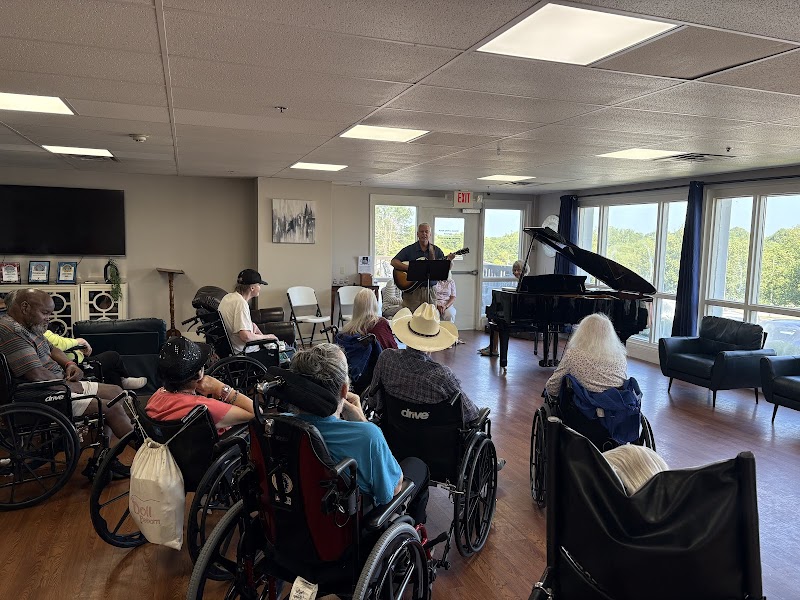
Who Owns and Operates Siloam Healthcare, Llc?

SILOAM HEALTHCARE, LLC is owned by a for-profit company. For-profit facilities operate as businesses with obligations to shareholders or private owners. The facility is operated by THE SPRINGS ARKANSAS, a chain that manages multiple nursing homes. With 120 certified beds and approximately 83 residents (about 69% occupancy), it is a mid-sized facility located in SILOAM SPRINGS, Arkansas.

How Does Siloam Healthcare, Llc Compare to Other Arkansas Nursing Homes?

Compared to the 100 nursing homes in Arkansas, SILOAM HEALTHCARE, LLC's overall rating (2 stars) is below the state average of 3.1, staff turnover (53%) is near the state average of 46%, and health inspection rating (2 stars) is below the national benchmark.

What Should Families Ask When Visiting Siloam Healthcare, Llc?

Based on this facility's data, families visiting should ask: "What changes have been made since the serious inspection findings, and how are you preventing similar issues?" "Can I visit during a mealtime to observe dining assistance and food quality?" "How do you handle medical emergencies, and what is your hospital transfer rate?" "Can I speak with family members of current residents about their experience?" These questions are particularly relevant given the facility's Immediate Jeopardy citations.

Is Siloam Healthcare, Llc Safe?

Based on CMS inspection data, SILOAM HEALTHCARE, LLC has documented safety concerns. Inspectors have issued 1 Immediate Jeopardy citation (the most serious violation level indicating risk of serious injury or death). The facility has a 2-star overall rating and ranks #100 of 100 nursing homes in Arkansas. Families considering this facility should ask detailed questions about what corrective actions have been taken since these incidents.

Do Nurses at Siloam Healthcare, Llc Stick Around?

SILOAM HEALTHCARE, LLC has a staff turnover rate of 53%, which is 7 percentage points above the Arkansas average of 46%. Moderate turnover is common in nursing homes, but families should still ask about staff tenure and how the facility maintains care continuity when employees leave.

Was Siloam Healthcare, Llc Ever Fined?

SILOAM HEALTHCARE, LLC has no federal fines on record. CMS issues fines when nursing homes fail to meet care standards or don't correct problems found during inspections. The absence of fines suggests the facility has either maintained compliance or corrected any issues before penalties were assessed. This is a positive indicator, though families should still review recent inspection reports for the full picture.

Is Siloam Healthcare, Llc on Any Federal Watch List?

SILOAM HEALTHCARE, LLC is not on any federal watch list. The most significant is the Special Focus Facility (SFF) program, which identifies the bottom 1% of nursing homes nationally based on persistent, serious quality problems. Not being on this list means the facility has avoided the pattern of deficiencies that triggers enhanced federal oversight. This is a positive indicator, though families should still review the facility's inspection history directly.