SUMMIT HEALTH & REHAB CENTER
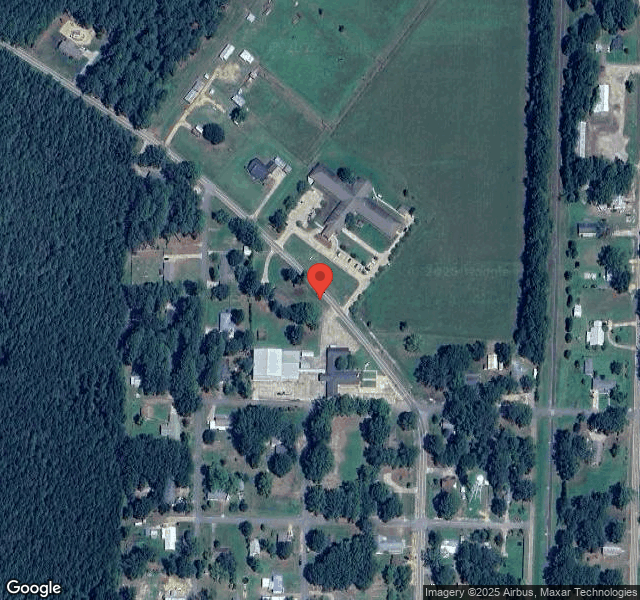
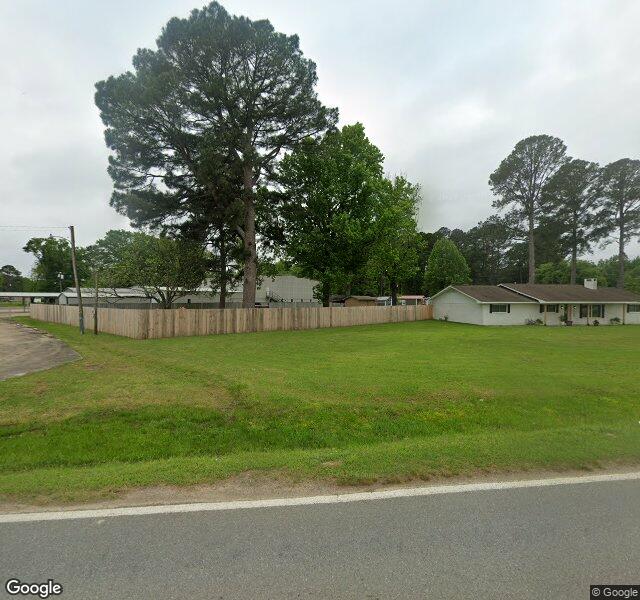
506 NORTH LONG AVENUE, TAYLOR, AR 71861 (870) 694-3781
For profit - Limited Liability company 70 Beds SOUTHERN ADMINISTRATIVE SERVICES Data: November 2025
Trust Grade
75/100
#82 of 218 in AR
Last Inspection: October 2024

Within standard 12-15 month inspection cycle. Federal law requires annual inspections.

Overview

Summit Health & Rehab Center in Taylor, Arkansas has a Trust Grade of B, indicating it is a good facility overall. It ranks #82 out of 218 in the state, placing it in the top half, and #2 out of 3 in Columbia County, meaning only one other local option is rated higher. However, the facility is experiencing a concerning trend, as the number of issues has increased from 3 in 2023 to 5 in 2024. Staffing is a strong point, with a rating of 4 out of 5 stars and a turnover rate of 41%, which is below the state average. There are no fines reported, which is positive, and the facility has more registered nurse coverage than 91% of other state facilities. On the downside, recent inspections revealed significant concerns, such as staff not properly washing hands before handling food, which could lead to foodborne illnesses for residents, and issues with the documentation and storage of medications, including expired antianxiety medication that was not properly tracked. Additionally, there were failures to monitor refrigerator temperatures for important vaccines and medications, which could compromise their effectiveness. While the facility has strengths, these incidents indicate areas needing improvement to ensure resident safety and care quality.

Trust Score
B
75/100
In Arkansas
#82/218
Top 37%
Safety Record
Low Risk
No red flags
Inspections
Getting Worse
3 → 5 violations
Staff Stability
○ Average
41% turnover. Near Arkansas's 48% average. Typical for the industry.
Penalties
✓ Good
No fines on record. Clean compliance history, better than most Arkansas facilities.
Skilled Nurses
○ Average
Each resident gets 37 minutes of Registered Nurse (RN) attention daily — about average for Arkansas. RNs are the most trained staff who monitor for health changes.
Violations
⚠ Watch
13 deficiencies on record. Higher than average. Multiple issues found across inspections.
★★★★☆
4.0
Overall Rating
★★★★☆
4.0
Staff Levels
★★★★☆
4.0
Care Quality
★★★★☆
4.0
Inspection Score
Stable
2023: 3 issues
2024: 5 issues

The Good

  • 4-Star Staffing Rating · Above-average nurse staffing levels
  • 4-Star Quality Measures · Strong clinical quality outcomes
  • Full Sprinkler Coverage · Fire safety systems throughout facility
  • No fines on record
  • Staff turnover below average (41%)

    7 points below Arkansas average of 48%

Facility shows strength in staffing levels, quality measures, fire safety.

The Bad

Staff Turnover: 41%

Near Arkansas avg (46%)

Typical for the industry

Chain: SOUTHERN ADMINISTRATIVE SERVICES

Part of a multi-facility chain

Ask about local staffing decisions and management

The Ugly 13 deficiencies on record

Oct 2024 5 deficiencies
CONCERN (D)

Potential for Harm - no one hurt, but risky conditions existed

Resident Rights (Tag F0550)

Could have caused harm · This affected 1 resident

Based on interviews, record review, observations, and facility policy review, the facility failed to ensure staff promoted dignity and provided privacy during peri care were not visible to fellow resi...

Read full inspector narrative →
Based on interviews, record review, observations, and facility policy review, the facility failed to ensure staff promoted dignity and provided privacy during peri care were not visible to fellow residents and/or visitors, to maintain dignity for one (Residents #14) of one resident observed for incontinence care. Specifically, staff failed to pull the privacy curtain and close the door completely while providing peri care to Resident #14. The findings are: 1.Review of a Quarterly Minimum Data Set (MDS) with an assessment reference date (ARD) of 08/15/24 indicated Resident #14 was admitted by the facility with diagnoses of Parkinson's Disease, Anxiety, Depression, Schizophrenia. The MDS indicated, Resident #14 had a Brief Interview for Mental Status (BIMS) score of 01 (0-7 suggests severe cognitive impairment). Section H-Bowel and Bladder indicated the resident is always incontinent of urine and bowel. a. On 10/23/2024 at 10:20 AM, the surveyor interviewed Certified Nursing Assistant #1(CNA). regarding door not completely shut and curtain not pulled when incontinence care was provided to Resident #14. CNA #1 stated it was a privacy and dignity concern and issue, and she should have pulled the curtain and shut the door completely. b. On 10/23/2024 at 1:58 PM, the Administrator stated the facility had no policy for incontinence care. d. On 10/23/2024 at 2:50 PM, the surveyor interviewed the Infection Preventionist/Treatment Registered Nurse (RN) #2, who indicated for incontinence care the curtain should be pulled, the blinds shut, and the door closed completely to ensure dignity and privacy. e. On 10/24/2024 at 8:58 AM, the surveyor interviewed the Director of Nursing (DON) regarding proper procedure for performing incontinence care. The DON replied that staff should first knock on door, shut door behind you, shut the blinds, then perform care.
CONCERN (D)

Potential for Harm - no one hurt, but risky conditions existed

Infection Control (Tag F0880)

Could have caused harm · This affected 1 resident

Based on observation, record review, and interview the facility failed to ensure staff wore Personal Protection Equipment (PPE) in droplet precaution rooms for 1 (Resident #16) resident of 1 sampled (...

Read full inspector narrative →
Based on observation, record review, and interview the facility failed to ensure staff wore Personal Protection Equipment (PPE) in droplet precaution rooms for 1 (Resident #16) resident of 1 sampled (Resident #16) observed on droplet precautions to prevent the spread of COVID 19. Findings include: A review of Medical Diagnosis revealed Resident #16 with diagnoses of dementia, type II diabetes, and heart disease. Review of The Quarterly Minimum Data Set (MDS) with an Assessment Reference Date (ARD) of 10/21/2024, section O0110, M1 shows Resident #16was under quarantine. a. Review of an Order Summary Report, dated 10/19/2024, revealed Resident #16 was on droplet isolation precautions for COVID 19 for 10 days. b. Review of Resident #16's Care Plan, revealed an intervention dated 10/21/2024 indicating staff were to maintain droplet isolation precautions when providing care to Resident #16. c. On 10/21/24 at 1:21 PM, Resident #16 revealed a diagnosis of COVID on Friday at the hospital. Personal Protection Equipment (PPE) was observed hanging on the outside of Resident #16's door with droplet precaution signage. d. On 10/22/24 at 2:23 PM, Certified Nursing Assistant (CNA) #4 was observed at the bedside talking to Resident #16, and sitting down a pitcher of water without gown, gloves, mask or eye shield. CNA #4 stated she was not concerned, because she already had COVID 3-4 times, and confirmed she had been in-serviced on infection control. e. On 10/23/24 at 11:34 AM, Director of Nursing (DON) stated staff are supposed to wear PPE when entering COVID rooms and dispose of PPE and wash their hands when exiting the room to prevent spreading the disease to others, and to keep themselves safe. COVID policy and procedures as well as in-services were requested. f. Review of an in-service titled Infection Control-Enhanced Barrier, dated 10/18/2024, the Infection Control In-service Training Guide revealed pathogens live in the lungs, blood and digestive tract, and exit an infected person's nose, mouth, eyes, or cuts on the skin, then can travel through the air, on hands and surfaces before entering the body of an uninfected person. Residents on droplet precautions require additional precautions to prevent the spread of disease including gowning, gloving, masking, and wearing face shields, or eye protection.
CONCERN (E)

Potential for Harm - no one hurt, but risky conditions existed

Pharmacy Services (Tag F0755)

Could have caused harm · This affected multiple residents

Based on observation, interview, and facility policy review the facility failed to ensure a refrigerated antianxiety medication was counted and appropriately reconciled each shift by maintaining the d...

Read full inspector narrative →
Based on observation, interview, and facility policy review the facility failed to ensure a refrigerated antianxiety medication was counted and appropriately reconciled each shift by maintaining the documentation of an unopened, expired vial of (Generic) anti-anxiety medication in the narcotic book for 4 months to ensure accurate documentation and reconciliation to prevent the risk of misappropriation of resident owned narcotics. Findings include: 1.a. On 10/22/2024 at 2:07 PM, Licensed Practical Nurse (LPN) #5 stated, a resident's unopened antianxiety medication cannot be found in the narcotic book. Registered Nurse (RN) #6 revealed, the antianxiety medication was not transferred over from the previous narcotic book. Surveyor observed, the antianxiety medication expired 06/2024. b. On 10/22/2024 at 2:31 PM, RN#6 confirmed, she counts narcotics every day, including refrigerated narcotics. When asked how she counts the antianxiety medication without documentation from the narcotic book, RN #6 stated, she puts her hands on it at every narcotic count. RN #6 was shown the expiration date of 06/2024 and confirmed the medication should have been given to the Director of Nursing (DON) to return to the pharmacy. RN #6 provided a narcotic book dated 02/16/2024-06/26/2024, page 44 indicated,1 vial of antianxiety medication. RN #6 confirmed if the expired, unopened antianxiety medication disappeared from the locked refrigerator box she would not know where to look, because there has been no documentation. c. During an interview with the Director of Nursing (DON) on 10/23/2024 at 1:10 PM, DON confirmed that medication and the narcotic page must be in hand to reconcile a medication, and reconciliation cannot be done by placing a hand on the medication. DON confirmed, the antianxiety medication has not been documented in 4 months. DON confirmed, the medication had been at risk of misappropriation due to the lack of documentation. d. Review of an In-service titled Medication Administration, dated 05/26/2024, revealed controlled substances should be counted by the oncoming, and outgoing nurse at the beginning and ending of each shift. Expired medications should be given to the DON, and the surrendering nurse and the ADON/DON should sign the narcotic book, and the health department triplicate form. LPN #5, and RN #6 attended the in-service. e. Review of an in-service titled DON, dated 08/17/2023 revealed that all medications including the refrigerated narcotic box, and the Emergency box should be counted, and discrepancies should be reported to the DON/ADON immediately. f. Review of an in-service titled DON, dated 10/22/2024 revealed, the narcotic count will be done at the beginning of each shift with the oncoming and off going nurse, and the DON or Administrator will be contacted immediately if the count is not correct. Two nurses must verify the transfer of narcotics from one narcotic book to another, and both nurses need to confirm the narcotic count is correct in the new book and matches what was in the old narcotic book. RN #6 and LPN #5 signed the attendance. g. Review of a facility policy titled Medication Storage in the Facility, ID2 Controlled Substance Abuse, revised January 2018, revealed 2 licensed nurses are responsible for a physical inventory of all controlled medications at all shift changes, or if the keys are exchanged. Consultant pharmacist or designees should monitor controlled medication records, change of shift sheets, controlled substance accountability sheets and expiration dates during routine medication inspections.
CONCERN (E)

Potential for Harm - no one hurt, but risky conditions existed

Deficiency F0761 (Tag F0761)

Could have caused harm · This affected multiple residents

**NOTE- TERMS IN BRACKETS HAVE BEEN EDITED TO PROTECT CONFIDENTIALITY** Based on observation, interview, and facility policy review, the facility failed to ensure staff appropriately monitored refrige...

Read full inspector narrative →
**NOTE- TERMS IN BRACKETS HAVE BEEN EDITED TO PROTECT CONFIDENTIALITY** Based on observation, interview, and facility policy review, the facility failed to ensure staff appropriately monitored refrigerator temperatures to ensure influenza, and TB vaccines, and insulins were stored at a temperature range of 36-46 degrees Fahrenheit to prevent freezing and deterioration of medications. Findings include: a. A review of facility policy titled Medication Storage in the Facility, ID1 Storage of Medications, revised [DATE], revealed medications are to be stored at supplier or manufacturer recommendations. Expired or deteriorated medications are to be removed from inventory and disposed of appropriately. A pharmacy designee or pharmacy consultant monitors medication storage conditions monthly. Medication storage areas should be free of extreme temperatures, and refrigerated medications should be stored at the Center of Disease Control (CDC) temperature range of 36-46 degrees Fahrenheit with a thermometer to monitor temperatures, and a temperature log should be maintained and checked at least twice a day if vaccines are stored there. b. On [DATE] at 1:44 PM, Licensed Practical Nurse (LPN) #5 confirmed the medication room refrigerator was at 33-34 degrees. LPN #5 stated, there was a small concern because the flu vaccine says to store at a temperature range of 36-46 degrees Fahrenheit, and not to freeze. c. On [DATE] at 9:32 AM, Registered Nurse (RN) #6 accompanied Surveyor to the mediation room and confirmed the large refrigerator temperature was 32 degrees and counted 55 flu vaccines, 0.5 milliliter (ml) single dose syringes, and confirmed temperatures were checked at midnight daily. RN #6 provided a temperature log showing a temperature of 23 degrees on [DATE], and 28 degrees on [DATE],[DATE],[DATE],[DATE], [DATE], and [DATE]. d. During an interview with Infection Preventionist (IP)#3 on [DATE] at 9:36 AM, IP #3 confirmed she and RN #2 are responsible for vaccines, and confirmed they are stored at 36-46 degrees to keep the vaccine from freezing or breaking down. IP #3 stated night shift was responsible for documenting temperatures in the small biohazard refrigerator, and the large medication refrigerator in the medication room. If there was a temperature concern, they should contact IP #3 and maintenance. IP #3 said no temperature concerns had been reported by staff to her. IP #3 reviewed temperature logs for the large refrigerator and confirmed staff had not reported to her the abnormal freezing temperatures as low as 23 degrees and stated they (staff) do not seem to understand why they are monitoring the refrigerator temperatures. IP #3 revealed she cannot guarantee the vaccines did not degrade or deteriorate. e. On [DATE] at 9:47 AM, IP #3 and Director of Nursing (DON) confirmed 55 flu vaccines (Store 36-46 degrees), 2 Tuberculosis vaccine vials (Do not freeze), 1 unopened short acting insulin pen (Do not freeze), and 4 unopened long-acting insulin pens (Do not freeze) were in the large refrigerator. The DON and IP #3 will reach out to the pharmacist consultant for assistance.
CONCERN (E)

Potential for Harm - no one hurt, but risky conditions existed

Food Safety (Tag F0812)

Could have caused harm · This affected multiple residents

Based on observations and interview the facility failed to ensure food was labeled with a use by date to ensure food was not used beyond its safety period in accordance with professional standards for...

Read full inspector narrative →
Based on observations and interview the facility failed to ensure food was labeled with a use by date to ensure food was not used beyond its safety period in accordance with professional standards for food service safety. The findings are: 1. On 10/21/24 at 10:00 AM, the surveyor observed food sitting on a shelf in the walk-in refrigerator did not have a use by date on some food items: a. A large, clear, storage bag that contained two prepared turkey sandwiches with a preparation date of 10/20/24, did not have a use by date noted on the bag. b. A large, clear, plastic container of beef vegetable soup with a prepared date of 10/21/24, did not have a use by date on the container. c. A clear, plastic, storage bag of cooked sausage with a prepared date of 10/21/24, did not have a use by date on the bag. d. A clear, plastic, storage bag of cooked bacon with a prepared date of 10/21/24, did not have a use by date on the bag. e. A clear, plastic, storage bag of cornbread with a prepared date of 10/20/24, did not have a use by date on the bag. f. A roll of ground beef, thawing on a tray, on the bottom shelf, with a pull date of 10/20/24, did not have a use by date on the package. g. A package of processed turkey slices with an open date of 10/20/24, did not have a use by date on the plastic bag or package of turkey. h. A bowl of prepared tuna salad, sitting on the shelf, with a prepared date of 10/20/24, did not have a use by date on the container. i. A clear, plastic, container of cornbread with a prepared date of 10/20/24, did not have a use by date on the container. 2. On 10/22/24 at 9:45 AM, the surveyor observed food sitting on the shelf in the walk-in refrigerator did not have a use by date on some food items: a. A clear, plastic, storage bag of ham labeled with two pull dates of 10/14/24 and 10/21/24, did not have a use by date. b. A package of processed turkey slices with a pull date of 10/20/24, did not have a use by date on the clear, plastic bag, or on the turkey package. c. A clear, plastic container of cornbread with a prepared date of 10/20/24, did not have a use by date on the container. 3. On 10/21/24 at 10:15 AM, the Dietary Manager (DM) stated a use by date should be noted on the food so everyone would know when to discard the food. The DM said, if the foods are not pulled timely, salmonella could start growing in the food and cause a resident to get sick if they consumed the food. The DM stated the tuna salad should be used within 3 days after being prepared, or it could have salmonella in it. The DM continued the turkey slices should be used within 3 days after opening, or a resident could get sick if they ate the tuna or turkey. 4. On 10/22/24 at 1:58 PM, the Administrator stated the facility did not have a policy for food storage.
Nov 2023 3 deficiencies
CONCERN (D)

Potential for Harm - no one hurt, but risky conditions existed

Assessment Accuracy (Tag F0641)

Could have caused harm · This affected 1 resident

**NOTE- TERMS IN BRACKETS HAVE BEEN EDITED TO PROTECT CONFIDENTIALITY** Based on interview and record review the facility failed to ensure the Minimum Data Set [MDS] accurately reflected the discharge...

Read full inspector narrative →
**NOTE- TERMS IN BRACKETS HAVE BEEN EDITED TO PROTECT CONFIDENTIALITY** Based on interview and record review the facility failed to ensure the Minimum Data Set [MDS] accurately reflected the discharge status for 1 resident, (Resident #49). This failed practice had the potential to affect 14 residents who discharged in the last 30 days. 1 Resident #49 had a diagnoses of Malignant alignment Neoplasm of Right Kidney, Emphysema, and Hematuria. The admission Minimum Data Set [MDS] with an Assessment Reference Date (ARD) of 10/27/2023 documented the Resident scored 15 (13-15 indicates cognitively intact) on the Brief Interview for Mental Status (BIMS). a. A Physician Order dated 10/30/2023 documented: Discharge home on [DATE] with current belongings and medication. Home care agency to evaluate and admit if appropriate. b. A Nursing Note dated 10/30/2023 at 10:07 AM, documented, Discharge home with her family with all of her medications and personal belongings. Voiced her understanding about [discharge] instructions. Resident will have a follow up with her PCP (Primary Care Provider) and urologist within the next 2 weeks. c. The Discharge MDS, with an ARD of 10/30/2023, was coded with Discharge Status as: Short-Term General Hospital (acute hospital, IPPS). d. On 11/14/2023 at 2:00 PM, the Administrator was asked for a policy on MDS Accuracy. On 11/14/2023 at 4:07 PM the Administrator stated, We don't have a policy on MDS accuracy. e. On 11/16/23 11:43 AM, Surveyor interviewed the Minimum Data Set [MDS] Coordinator regarding the MDS for Resident #49. The Surveyor asked the MDS Coordinator what point of reference do you use when filling out the MDS? MDS Coordinator stated, The RAI Manual to guide me. The Surveyor asked the MDS Coordinator why it was important to code the MDS correctly? The MDS Coordinator stated, For accurate care, for accurate billing, quality of life and quality of care. The MDS Coordinator was asked to look up Resident #49's MDS and tell this Surveyor how the Resident was coded for Discharge status? MDS Coordinator looked up Resident #49 and stated, That is incorrect, she went home.
CONCERN (D)

Potential for Harm - no one hurt, but risky conditions existed

ADL Care (Tag F0677)

Could have caused harm · This affected 1 resident

Based on observation, interview and record review the facility failed to ensure person centered nail care was provided to promote good hygiene and reduce the risk for infection in 1 Resident #22 of 9 ...

Read full inspector narrative →
Based on observation, interview and record review the facility failed to ensure person centered nail care was provided to promote good hygiene and reduce the risk for infection in 1 Resident #22 of 9 sampled Residents (Resident #1, #8, #10, #15, #22, #23, #26, #27, and #43) on 200 hall requiring fingernail care and had the potential to affect 23 residents residing on 200 hall. The findings are: a. A Care Plan with a revision date of 08/09/2023 documented, . The resident has an ADL [activities of daily living] selfcare deficit .Nail Care: Check nail length and trim and clean as necessary . b. On 11/13/23 at 10:24 AM, the surveyor observed Resident #22 drinking at the bedside, and fingernails appeared abnormally long and brown tinged, with chipped and broken nails. Resident #22 said he is not sure who to ask for help trimming his fingernails. Resident #22 said, Nobody has offered, and I would let them trim my nails, but I do not know who to ask. c. On 11/13/2023 at 12:20 PM, the Surveyor observed Resident #22 eating lunch with fingernails that are slightly long, brown tinged and chipped. d. On 11/14/23 at 12:53 PM, Resident #22 said he showered, but has still not found out who to ask to cut his nails. The Surveyor asked CNA (Certified Nursing Assistant) #1 if Resident #22 ever refuses care. CNA #1 said, No, I don't believe he refuses care. The Surveyor asked CNA #1 to describe Resident #22's fingernails at the bedside. CNA #1 said, They are just a little long, and some of them are shaped irregularly. CNA #1 said, Nurses trim diabetic nails. Resident #22 said to CNA #1 that he was not a diabetic. CNA #1 told the Resident that he usually asks for sugar substitutes, and she had just assumed he was a diabetic. e. On 11/14/23 at 4:07 PM, the Administrator told the surveyor they do not have a policy on ADLs. f. On 11/15/2023 at 3:02 PM, the Surveyor asked the DON (Director of Nursing) what is the process for providing nail care? The DON said nursing provides nailcare for diabetics, and CNAs or staff should provide fingernail care when showering residents, or when they see it needs to be done. The Surveyor asked the DON how does staff know how to care for residents? The DON said everyone has a task record from the Care Plan, and from the plan of care. The CNA should tell nursing when someone needs nailcare, and nursing can tell them if the resident is a diabetic. The DON said she expects staff to provide fingernail care if they see someone that needs it.
CONCERN (D)

Potential for Harm - no one hurt, but risky conditions existed

Accident Prevention (Tag F0689)

Could have caused harm · This affected 1 resident

Based on observation, interview, and record review the facility failed to ensure residents receive adequate supervision while smoking affecting 2 Residents (#8, #9) of 5 sampled Residents #8, #9, #12,...

Read full inspector narrative →
Based on observation, interview, and record review the facility failed to ensure residents receive adequate supervision while smoking affecting 2 Residents (#8, #9) of 5 sampled Residents #8, #9, #12, #26, and #28) with the potential to affect 6 Residents that require supervision when smoking. The findings are: 1. Resident #8 had diagnoses of Chronic Obstructive Pulmonary Disease, Unspecified, Type 2 Diabetes Mellitus with Diabetic Neuropathy and End Stage Renal Disease. The annual minimum data set [MDS] with an assessment review date [ARD] of 08/07/23 showed the resident scored 14 on the Brief Interview for Mental Status [BIMS]. Section J1300 indicated current tobacco use. a. On 11/14/23 at 8:43 AM, observed CNA (Certified Nurisng Assistant) #2 in the smoking area. CNA asked a resident if he was ready to go inside and left Resident #8, and Resident #9 outside in the smoking area while smoking cigarettes. The Surveyor observed an uncovered plastic container of cigarettes sitting out. 2. Resident #9 Had diagnoses of Unspecified Dementia, Psychotic Disturbance and Obstructive Hydrocephalus. The annual minimum data set [MDS] with an assessment review date [ARD] of 06/20/2023 documented the resident scored 10 (8-12 indicates moderate impairment) on the Brief Interview for Mental Status [BIMS]. Section J1300 indicated current tobacco use. a. Review of Resident #9's Smoking-Safety Screen dated 08/18/2023 documented, resident is safe to smoke with supervision and apron. b. A Care Plan with a revision date of 09/14/2023, documented .Resident #9 will smoke safely and have a decreased risk for injury . provide supervision with smoking and make sure that he is wearing a smoking apron at each smoke time . c. On 11/14/2023 at 8:43 AM, CNA #2 transported a resident via wheelchair into the common area, and left Resident #9, and Resident #8 smoking unattended. A white open container of cigarettes was sitting out on a table. d. On 11/14/23 at 8:44 AM, the Surveyor asked CNA #2 what the process was for smoking. CNA #2 said, We have a list of residents at the nursing station that require an apron, and we have to be out here with Residents and cannot leave them alone because something could happen. e. On 11/15/23 at 2:07 PM, the Administrator provided the resident smoking policy stating that it is the responsibility of staff to follow smoking safety and assessment policies. f. On 11/14/2023 at 4:00 PM, the policy titled Resident Smoking Policy (Undated) provided by the administrator documented, . Responsibility: It is the responsibility of all employees to follow the smoking safety and assessment policies, to monitor smoking safety practices of residents and to intervene appropriately to keep residents safe. Policy: It is the policy of this facility to have a smoking policy that protects the rights of individual residents while providing the safest possible environment for all residents. Every resident who desires to smoke is permitted to do so if the facility's interdisciplinary team has determined that the practice would be safe for the resident . h. On 11/15/2023 at 3:02 PM, the Surveyor asked the Director of Nursing (DON) about the process to maintain safe smoking. The DON said residents are assessed for devices like smoking aprons, staff light the cigarettes, most of the time staff put the cigarette butts in the metal canister. The Surveyor asked if residents can smoke independently. The DON said that Resident #8 is the only resident that can smoke independently, but still requires someone to go out with him. .
Aug 2022 5 deficiencies
CONCERN (E)

Potential for Harm - no one hurt, but risky conditions existed

Accident Prevention (Tag F0689)

Could have caused harm · This affected multiple residents

Based on observation and interview, the facility failed to ensure the resident's environment was free from accident hazards by allowing hazardous material to be kept on top of personal protective equi...

Read full inspector narrative →
Based on observation and interview, the facility failed to ensure the resident's environment was free from accident hazards by allowing hazardous material to be kept on top of personal protective equipment (PPE) bins on hallways 100, 200, and 300 and within reach of any mobile residents for 1 (Resident#29) of the 23 sample residents that reside in Nursing Facility. This failed practice had the potential to affect 3 residents with cognitive impairments and that were mobile in the hallways, according to a list provided by the Administrator on 8/24/22. The findings are: 1. Resident #29 had diagnoses of Disorientation unspecified, Presence of Artificial Hip Joint, Bilateral, Other Intervertebral Disc Degeneration, Vascular Dementia Without Behavioral Disturbance, and other Degenerative Disease of Basal Ganglia. The Minimum Data Set (MDS) with an Assessment Reference Date (ARD) of 7/27/22 documented a score of 3 (Severely Impaired) on the Staff Assessment for Mental Status (SAMS) and requires limited assist with locomotion, and extensive assist with transferring and bed mobility. a. On 08/22/22 at 12:13 PM, on entrance to Nursing Facility, the Surveyor observed containers of Sani-cloth wipes on each PPE Bin outside of 4 resident's rooms on the 100 hall, 1 resident room on the 300 hall, and 2 resident rooms on the 200 hall. b. On 08/23/22 at 08:15 AM, the Surveyor observed containers of Sani-cloth wipes each PPE Bin outside of 4 resident's rooms on the 100 hall, 1 resident room on the 300 hall, and 2 resident rooms on the 200 hall rooms. The Sani-Cloth germicidal disposable wipes, Warning label on front stated .Warning keep out of reach of children . Top warning label in red letters stated .For use on hard surfaces only-not a skin wipe . c. On 08/24/22 at 09:16 AM, the Surveyor observed each PPE Bin outside of 4 resident's rooms on the 100 hall, 1 resident room on the 300 hall, and 2 resident rooms on the 200 hall rooms had a can of disinfectant spray sitting on top of Bins all within reach of resident's mobile in hallways. Disinfectant Spray with warning on front .Caution Keep out of reach of children . d. On 08/24/22 at 01:45 PM, the surveyor asked, Licensed Practical Nurse (LPN)#1 should the Sani-cloth wipes be out in the hall on the PPE Bins within reach of any resident in the hallways? She said, No. The surveyor asked, what could happen with them being in reach of a confused resident? she stated, they could get them and use them on their skin or do anything with them. Surveyor asked, and what about the disinfectant spray sitting on top of the Bins, should it be there within reach? She stated, they could get it and spray themselves or someone else. e. On 08/24/22 at 01:52 PM, the surveyor asked, LPN#2 should the Sani-cloth wipes be out in the hall on the PPE Bins within reach of any resident in the hallways? She said, No ma'am they should not. The surveyor asked, what could happen with them being in reach of a confused resident? she stated, they could get them and do anything with them, really they should be inside the door and that is where they use to be until we took down the COVID-19-unit dividers, we had them between the plastic dividers or inside the rooms out of reach till recently. Surveyor asked, and what about the disinfectant spray sitting on top of the Bins, should it be there within reach? She stated, that is the same way, we use to keep it out of reach as well and would use in when we came out of the COVID-19 unit but when we took the plastic down, we put them on the Bins. They really should be put in the drawer or somewhere out of reach. f. On 08/24/22 at 01:57 PM, surveyor asked the ADON, should the Sani-cloth wipes be out in the hallways within reach of any resident, especially within reach of a confused/disorientated resident? She stated, No, they should not. Surveyor asked, what could happen if a resident gets one of the wipes? She stated, they could get them use them inappropriately, and get hurt. g. On 08/24/22 at 01:59 PM, surveyor asked the Administrator should the Sani-cloth wipes be out in the hallways within reach of any resident, especially within reach of a confused/disorientated resident? He stated, No. Surveyor asked, and the can of disinfectant spray should it be out on top of the bins within reach of the residents? He stated, no, we should really put them in the bins probable, we will do that right now. h. On 08/24/22 at 03:19 PM, surveyor asked the Administrator, do you have a policy regarding the hazardous material being within reach of residents? He stated, I don't know let me check with my nursing consultant. Nursing Consultant came out of the Director of Nursing office and stated, no we do not have one.
CONCERN (E)

Potential for Harm - no one hurt, but risky conditions existed

Menu Adequacy (Tag F0803)

Could have caused harm · This affected multiple residents

Based on observation, record review, and interview, the facility failed to ensure meals were prepared and served in accordance with the planned, written menu to meet the nutritional needs of the resid...

Read full inspector narrative →
Based on observation, record review, and interview, the facility failed to ensure meals were prepared and served in accordance with the planned, written menu to meet the nutritional needs of the residents for 2 of 2 meals observed. This failed practice had the potential to affect 8 residents who receive a mechanical soft diet and 22 residents who receive an enhanced diet and 4 residents receiving a no added salt diet, according to a List provided by the Administrator on 8/24/22 at 2:00 PM and 8/25/22 at 7:45 AM. The findings are: a. On 8/22/22 at 12:05 PM, a review of the day's menu showed residents receiving a mechanical soft diet calls for chicken enchilada casserole ground, refried beans, tossed salad chop, Tortilla/bread, salsa, brownie, coffee/tea. The residents receiving pureed diet were to receive chicken enchilada casserole pureed, pureed refried beans, tortillla/bread pureed, salsa pureed, brownie pureed, coffee and tea. The super calorie diets require shredded cheese (cheese sauce was substituted) to be added. b. On 8/22/22 at 12:10 PM, the cook was asked to describe how the regular Mexican casserole was different from the casserole being served to the resident's prescribed a mechanical soft diet. Dietary employee #2 stated, .I ground the chips and placed them in the bottom of this one . When asked if ground chicken was used in the mechanical soft casserole she stated, .no its diced chicken, since the pieces are so small it is the same . c. On 8/22/22 at 12:33 PM, a tray that specified Mechanical Soft, Thin Liquids, Supercal/High kcal was loaded on the tray line. The tray contained Mexican casserole, refried beans, chopped salad and a brownie. Whole chunks of chicken were observed in the casserole. The was no Cheese sauce on the plate. d. Dietary employee #1 who served the hot food items asked dietary employee #2, .should I be putting that on there .? (Employee points to cheese sauce). Dietary employee #2 explained that the cheese sauce should placed on top of the casserole for residents who received a high calorie tray. c. On 8/23/22 at 12:26 PM, a tray specifying a regular diet with no added salt was served on the tray line. Dietary employee placed two salt packets on the tray. d. On 8/23/22 at 12:27 PM a tray specifying Supercal/high kcal was served on the tray line. The tray contained a pork chop, green, black-eyed peas, fried squash and hash browns. Margarine, which is the enhanced item of the day was not on the tray. At 12:28 PM a second tray specifying Supercal/high kcal was being filled on the tray line. The enhanced item of margarine was not placed on the tray. At 12:29 PM, a third tray specifying Supercal/high kcal was being filled on the tray line with no margarine added. e. On 8/24/22 at 2:10 PM, the Surveyor asked the DM to discuss the purpose of a planned menu. DM stated, .that way we know they are getting all of their nutrients, to make sure they are getting a balanced meal . When asked to identify the problems associated with not following the menu she stated, .they might not get all their nutrition, they might slip through the cracks and keep losing weight . The Surveyor asked the Dietary manager to identify the enhanced or high calorie item that was to be added to the noon meal on 8/22/22. She stated, .I'm sure it was shredded cheese . the Dietary manager was shown a picture of a tray served on Monday that called for a high kcal diet and asked if the shredded cheese/cheese sauce was present on the tray. She stated, .no . Dietary manager was shown a copy of the menu for the lunch meal on Tuesday which identified margarine as the enhanced item. DM described, .we usually have melted butter that is added to the greens . The Surveyor observed the tray line and melted butter was not added to the trays.
CONCERN (F)

Potential for Harm - no one hurt, but risky conditions existed

Food Safety (Tag F0812)

Could have caused harm · This affected most or all residents

Based on observation, record review, and interview, the facility failed to ensure dietary staff washed their hands and/or changed gloves before handling food items; failed to ensure expired food items...

Read full inspector narrative →
Based on observation, record review, and interview, the facility failed to ensure dietary staff washed their hands and/or changed gloves before handling food items; failed to ensure expired food items were promptly removed and or discarded by the expiration or use by dates; failed to ensure that food items were covered and stored properly to prevent food borne illness for residents who received meals from 1 of 1 kitchen. These failed practices had the potential to affect fifty residents who received their meals from one of one kitchen according to a list provided by the administrator on 8/24/22 at 1:45 PM. The findings are: a. On 8/22/22 at 11:53 AM, four pitchers of tea and 1 pitcher of water were sitting on top of an insulated tray cart. The lids of the pitchers were turned in a manner leaving the liquid open to air and potential contaminants. One additional pitcher of water that was open to air was located on the counter by the drink machine. b. On 8/22/22 at 11:55 AM, twelve dinner plates were located on the top shelf of a rolling cart. The plates were stored serving side up. c. On 8/22/22 at 12:00 PM, an oscillating fan was blowing toward the dish-room. The back safety grate which covered the fan was coated in dust as was the front cover of the fan. A second oscillating fan was located by the range area blowing toward the kitchen preparation area. The front and back safety grates of the fan were dust covered. d. On 8/22/22 at 12:03 PM, a container of freeze-dried chives was located on the wall in the spice rack. The container was open to air and contaminants. e. On 8/22/22 at 12:05 PM, the refrigerator and freezer were observed in the kitchen area. The vents located at the bottom were covered in a layer of dust and grime. The shelf above the range was covered in the same dust/grime combination. There was a dry erase board above the steam table that was suspended from the ceiling by chains. The frame of the dry erase board and the suspension chains were covered in a coating of dust/grime. f. On 8/22/22 at 12:10 PM, there was condensation on the air conditioner vent located above the steam table. There was water dripping from the vent onto the steam table. g. On 8/22/22 at 12:15 PM, Dietary Assistant #2 was washing her hands prior to approaching her tray loading area. The Assistant proceeded to arrange her necessary items including the divided container for condiments, the plastic tub of drinks and the container of plastic wrap. The Assistant did not wash her hands prior to serving trays. h. On 8/22/22 at 12:17 PM, Dietary Employee #2 placed 4 corn dogs into the microwave. The food items were placed directly on the rotating glass tray located inside the microwave which could expose the food items to contaminants. I. On 8/22/22 at 12:19 PM, Dietary Employee #1 observed picked up the lunch plates and placed her contaminated fingers onto the surface of the plate just before she added food to the plate. j. On 8/22/22 at 12:20 PM, a Certified Nursing Assistant CNA approached the entrance to the kitchen with a cart containing an ice chest. The contaminated cart was rolled into the kitchen to be filled with ice. The Dietary Manager moved the dessert cart, then placed her hands on the handle of the ice cart. She took the ice scoop from the holder on the wall and scooped the ice into the ice chest. She did not wash her hands at the completion of this task. k. On 8/22/22 at 12:25 PM, a cup that contained ice was located on the middle shelf of the freezer. The Surveyor asked who the cup belonged to, the Manager stated, .I'm sure that belongs to the new girl . A bag that contained approximately 2.5 pounds of chicken strips was located on the middle shelf of the freezer. There was no date on the bag, a bag that contained15-20 rolls had no date on the bag. l. On 8/22/22 at 12: 30 PM, one-and one-half tray of cinnamon rolls were on the top shelf of the walk-in refrigerator. The Dietary Manager reported that the dough must be placed on trays and allowed to rise prior to their use in the evening meal. The trays contain no date. A large clear plastic container was on the bottom shelf of the walk-in refrigerator. The dietary manager was asked to identify the food item. She stated, .that is homemade cream cheese icing . The date on the container was 8/12/22. Two zip lock bags containing bologna was on the bottom shelf of the walk- in refrigerator. The date on the bags was 7/11. The Dietary Manager stated, .I tell them to change the date on the bag when they get more out of the freezer . m. On 8/22/22 a package containing 4 tortillas was on the middle shelf in the dry storage area. The use by date was 08/14/22. On the bottom shelf in the dry storage area was 3 large plastic containers. The first container had a date of 8/14/22 and two were dated 8/20/22. The Surveyor asked the Dietary Manager to identify the food item in the containers. She stated, .that is our fish oil . n. On 8/22/22 at 1:18 PM, a Certified Nursing Assistant (CNA) was carrying a breakfast tray down the hallway. When she approached the Dietary Manager she stated, .this was left on the cart from this morning . The CNA was asked if the tray was from the morning meal and remained on the cart with the lunch trays she stated, .yes . o. On 8/23/22 at 11:45 AM, a tray of carrot cake was on the top of the convection oven. The cake was uncovered and open to air and contaminants. A tray of yellow cake with chocolate icing was on top of the convection oven was, uncovered and open to air and contaminates. p. On 8/23/22 at 11:46 AM, Dietary employee #2 retrieved 2 half pint cartons of milk. The employee failed to wash hands prior to before she returned to pureeing the dessert item for the lunch meal. q. On 8/23/22 at 12:00 PM, the Surveyor asked the Dietary Manager (DM) about the breakfast tray that was left in the insulated cart on 8/22/22. The DM identified the cart as the one carrying trays for 100 & 300 hall. Dietary Manager described the cart as tall and thin with a divider in the middle. She reported that if the tray a tray was under the divider, it could easily be overlooked. She continued, .I've already talked to the dishwasher about being sure the cart is empty . r. On 8/23/22 at 12:12 PM, Dietary Employee #2 loaded the steam table, touched multiple surfaces, obtained the serving utensils for the lunch meal. She proceeded to take the temperature of each item on the lunch menu. At no time between clean and dirty tasks did employee wash her hands. s. On 8/24/22 at 10:15 AM, The Surveyor asked CNA #1 if the breakfast tray she discovered on the insulated cart while serving lunch had been served to the resident or if it remained uncontaminated. She stated, .oh no, it had been eaten . t. On 8/24/22 at 11:44 AM, the Administrator provided the Food and Nutrition Services policy. Section IV Personal Hygiene, D, 1. Stated, .wash hands carefully with soap and water whenever they become soiled. Section V. Food Storage G. stated, Old stock is rotated and used first. Section VI stated, Utensils, cups, glasses and dishes must be handled in such a way as to avoid touching surfaces with which food and drink will come in contact. u. On 8/24/22 at 2:06 PM, The Surveyor asked the DM, what should take place between the completion of a clean and dirty task. She stated, .you should wash your hands . The Surveyor asked if a contaminated item such as an ice cart should enter the clean side of the kitchen. She stated, .we usually just roll it on in to fill it . The cart that we send to the hall are wiped down before we sent them back out .
MINOR (B)

Minor Issue - procedural, no safety impact

Transfer Notice (Tag F0623)

Minor procedural issue · This affected multiple residents

**NOTE- TERMS IN BRACKETS HAVE BEEN EDITED TO PROTECT CONFIDENTIALITY** Based on record review and interview, the facility failed to ensure written notification of transfer/discharge to the hospital w...

Read full inspector narrative →
**NOTE- TERMS IN BRACKETS HAVE BEEN EDITED TO PROTECT CONFIDENTIALITY** Based on record review and interview, the facility failed to ensure written notification of transfer/discharge to the hospital was provided to the resident and/or resident's representative to protect resident rights for 1 (Resident #7) of 2 (R#7 and #198) sampled residents who were transferred to the hospital in the last 120 days. This failed practice had the potential to affect 10 residents who were transferred to the hospital in the last 120 days as documented on a list provided by the Assistant Director of Nursing on 8/24/22 at 02:45 PM. The findings are: 1. Resident #7 had diagnoses of Heart Failure, End Stage Renal Disease, and Diabetes Mellitus. The Quarterly Minimum Data Set (MDS) with an Assessment Reference Date (ARD) of 8/17/22 documented that the resident scored 15 (13- 15 Indicates cognitively intact) on the Brief Interview for Mental Status (BIMS) and was dependent for transferring, required extensive assistance with bed mobility, dressing, toileting, personal hygiene and was independent with eating. a. The Hospital Discharge summary dated [DATE] documented, . Hospital Course: . You were admitted to (Name of Facility) on 6/23/22 00:48 with principal diagnosis of Urinary Tract Infection . b. On 8/23/22 at 12:10 PM, the Surveyor asked the Administrator, Do you have a copy of the Notice of Transfer and Bed Hold when (Resident #7) went to the hospital on 6/22/22? The Administrator stated, I will look for that and bring it to you. c. On 8/24/22 at 09:45 AM, the Surveyor asked the Assistant Director of Nursing (ADON), Was the administrator able to find a copy of the Notice of Transfer and Bed Hold when (Resident # 7) went to the hospital on 6/22/22? The ADON stated, We were not able to find a Notice of Transfer or Bed Hold for that date. The Surveyor asked the ADON, Who is responsible for sending the Notice of Transfer and Bed Hold to the family when the residents are sent out to the hospital? The ADON stated, I am not sure if that is supposed to be done by the Business Office or Nursing. d. On 08/24/22 at 10:55 AM, the Surveyor asked the Administrator, Who is responsible for sending out the Notice of Bed Hold and Transfer to the resident and resident representative when (Resident #7) went to the hospital on 6/22/22? The Administrator stated, The Social Worker is responsible. The Surveyor asked the Administrator, Is the Social Worker here today. The Administrator stated, She is not. She is off this week. The Surveyor asked the Administrator, Do you know why the notice was not sent out? The Administrator stated, I do not. The Surveyor asked, Should a notice have been sent out? The Administrator stated, Yes Ma'am. The Surveyor asked, Do you have a policy for notification of the resident and resident representative of the bed hold policy and the reason for transfer/discharge when a resident is sent to the hospital? The Administrator stated, Yes we have a policy and the bed hold policy is in the admission packet. e. On 08/24/22 at 11:20 AM, the facility policy titled ADMISSION, TRANSFER, & DISCHARGE provided by the Administrator documented, . TRANSFER AND DISCHARGE Definition: For the purpose of this policy, transfer and discharge include movement of a Resident/Elder to a bed outside the certified nursing facility . Notice before transfer. Before a Resident/Elder is transferred, the nursing facility will notify the Resident/Elder, and if known, a family member or legal representative of the transfer .
MINOR (B)

Minor Issue - procedural, no safety impact

Deficiency F0625 (Tag F0625)

Minor procedural issue · This affected multiple residents

**NOTE- TERMS IN BRACKETS HAVE BEEN EDITED TO PROTECT CONFIDENTIALITY** Based on record review and interview, the facility failed to ensure written information regarding the facility Bed Hold policy w...

Read full inspector narrative →
**NOTE- TERMS IN BRACKETS HAVE BEEN EDITED TO PROTECT CONFIDENTIALITY** Based on record review and interview, the facility failed to ensure written information regarding the facility Bed Hold policy was provided to the resident and/or resident's representative when the resident was transferred to the hospital to protect resident rights for 1 (Resident #7) of 2 (R#7, and #198) sampled residents who were transferred to the hospital in the last 120 days. This failed practice had the potential to affect 10 residents that had been transferred to the hospital in the last 120 days as documented a list provided by the Assistant Director of Nursing on 8/24/22 at 2:45 pm. The findings are: 1. Resident #7 had diagnoses of Heart Failure, End Stage Renal Disease, and Diabetes Mellitus. The Quarterly Minimum Data Set (MDS) with an Assessment Reference Date (ARD) of 8/17/22 documented that the resident scored 15 (13- 15 Indicates cognitively intact) on the Brief Interview for Mental Status (BIMS) and was dependent for transferring, required extensive assistance with bed mobility, dressing, toileting, personal hygiene and was independent with eating. a. The Hospital Discharge summary dated [DATE] documented, . Hospital Course: . You were admitted to (Facility) on 6/23/22 at 00:48 with principal diagnosis of Urinary Tract Infection . b. On 8/23/22 at 12:10 PM, the Surveyor asked the Administrator, Do you have a copy of the Notice of Transfer and Bed Hold when (Resident #7) went to the hospital on 6/22/22? The Administrator stated, I will look for that and bring it to you. c. On 8/24/22 at 09:45 AM, the Surveyor asked the Assistant Director of Nursing (ADON), Was the administrator able to find a copy of the Notice of Transfer and Bed Hold when (Resident #7) went to the hospital on 6/22/22? The ADON stated, We were not able to find a Notice of Transfer or Bed Hold for that date. The Surveyor asked, Who is responsible for sending the Notice of Transfer and Bed Hold to the family when the residents are sent out to the hospital? The ADON stated, I am not sure if that is supposed to be done by the Business Office or Nursing. d. On 8/24/22 at 10:55 AM, The Surveyor asked the Administrator, Who is responsible for sending out the Notice of Bed Hold and Transfer to the resident and resident representative when (Resident #7) went to the hospital on 6/22/22? The Administrator stated, The Social Worker is responsible. The Surveyor asked, Is the Social Worker here today. The Administrator stated, She is not. She is off this week. The Surveyor asked, Do you know why the notice was not sent out? The Administrator stated, I do not. The Surveyor asked, Should a notice have been sent out? The Administrator stated, Yes Ma'am. The Surveyor asked, Do you have a policy for notification of the resident and resident representative of the bed hold policy and the reason for transfer/discharge when a resident is sent to the hospital? The Administrator stated, Yes we have a policy and the bed hold policy is in the admission packet. e. On 8/24/22 at 11:10 AM, the facility policy titled, BED-HOLD POLICY provided by the Administrator documented, . Procedure . 8. Notice. Except in the case of an emergency, before the Nursing Facility transfers the Resident/Elder to the hospital . the nursing facility will provide written information, acknowledging the terms of the bed-hold policy, to the Resident/elder and the Resident representative .
Understanding Severity Codes (click to expand)
Life-Threatening (Immediate Jeopardy)
J - Isolated K - Pattern L - Widespread
Actual Harm
G - Isolated H - Pattern I - Widespread
Potential for Harm
D - Isolated E - Pattern F - Widespread
No Harm (Minor)
A - Isolated B - Pattern C - Widespread

Questions to Ask on Your Visit

  • "Can I speak with families of current residents?"
  • "What's your RN coverage like on weekends and overnight?"

Our Honest Assessment

Strengths
  • • No major safety red flags. No abuse findings, life-threatening violations, or SFF status.
  • • No fines on record. Clean compliance history, better than most Arkansas facilities.
  • • 41% turnover. Below Arkansas's 48% average. Good staff retention means consistent care.
Concerns
  • • 13 deficiencies on record. Higher than average. Multiple issues found across inspections.
Bottom line: Generally positive indicators. Standard due diligence and a personal visit recommended.

About This Facility

What is Summit Health & Rehab Center's CMS Rating?

CMS assigns SUMMIT HEALTH & REHAB CENTER an overall rating of 4 out of 5 stars, which is considered above average nationally. Within Arkansas, this rating places the facility higher than 99% of the state's 100 nursing homes. This rating reflects solid performance across the metrics CMS uses to evaluate nursing home quality.

How is Summit Health & Rehab Center Staffed?

CMS rates SUMMIT HEALTH & REHAB CENTER's staffing level at 4 out of 5 stars, which is above average compared to other nursing homes. Staff turnover is 41%, compared to the Arkansas average of 46%. This relatively stable workforce can support continuity of care.

What Have Inspectors Found at Summit Health & Rehab Center?

State health inspectors documented 13 deficiencies at SUMMIT HEALTH & REHAB CENTER during 2022 to 2024. These included: 11 with potential for harm and 2 minor or isolated issues.

Who Owns and Operates Summit Health & Rehab Center?

SUMMIT HEALTH & REHAB CENTER is owned by a for-profit company. For-profit facilities operate as businesses with obligations to shareholders or private owners. The facility is operated by SOUTHERN ADMINISTRATIVE SERVICES, a chain that manages multiple nursing homes. With 70 certified beds and approximately 51 residents (about 73% occupancy), it is a smaller facility located in TAYLOR, Arkansas.

How Does Summit Health & Rehab Center Compare to Other Arkansas Nursing Homes?

Compared to the 100 nursing homes in Arkansas, SUMMIT HEALTH & REHAB CENTER's overall rating (4 stars) is above the state average of 3.1, staff turnover (41%) is near the state average of 46%, and health inspection rating (4 stars) is above the national benchmark.

What Should Families Ask When Visiting Summit Health & Rehab Center?

Based on this facility's data, families visiting should ask: "Can I visit during a mealtime to observe dining assistance and food quality?" "How do you handle medical emergencies, and what is your hospital transfer rate?" "Can I speak with family members of current residents about their experience?"

Is Summit Health & Rehab Center Safe?

Based on CMS inspection data, SUMMIT HEALTH & REHAB CENTER has a clean safety record: no substantiated abuse findings (meaning no confirmed cases of resident harm), no Immediate Jeopardy citations (the most serious violation level indicating risk of serious injury or death), and is not on the Special Focus Facility watch list (a federal program monitoring the lowest-performing 1% of nursing homes). The facility has a 4-star overall rating and ranks #1 of 100 nursing homes in Arkansas. While no facility is perfect, families should still ask about staff-to-resident ratios and recent inspection results during their visit.

Do Nurses at Summit Health & Rehab Center Stick Around?

SUMMIT HEALTH & REHAB CENTER has a staff turnover rate of 41%, which is about average for Arkansas nursing homes (state average: 46%). Moderate turnover is common in nursing homes, but families should still ask about staff tenure and how the facility maintains care continuity when employees leave.

Was Summit Health & Rehab Center Ever Fined?

SUMMIT HEALTH & REHAB CENTER has no federal fines on record. CMS issues fines when nursing homes fail to meet care standards or don't correct problems found during inspections. The absence of fines suggests the facility has either maintained compliance or corrected any issues before penalties were assessed. This is a positive indicator, though families should still review recent inspection reports for the full picture.

Is Summit Health & Rehab Center on Any Federal Watch List?

SUMMIT HEALTH & REHAB CENTER is not on any federal watch list. The most significant is the Special Focus Facility (SFF) program, which identifies the bottom 1% of nursing homes nationally based on persistent, serious quality problems. Not being on this list means the facility has avoided the pattern of deficiencies that triggers enhanced federal oversight. This is a positive indicator, though families should still review the facility's inspection history directly.