BAILEY CREEK HEALTH AND REHAB
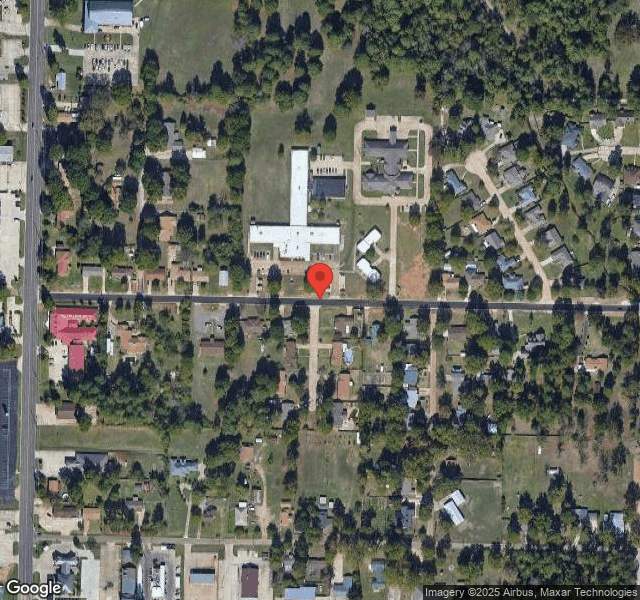
1621 EAST 42ND ST, TEXARKANA, AR 71854 (870) 774-3581
For profit - Corporation 74 Beds ANTHONY & BRYAN ADAMS Data: November 2025
Trust Grade
50/100
#140 of 218 in AR
Last Inspection: September 2024

Within standard 12-15 month inspection cycle. Federal law requires annual inspections.

Overview

Bailey Creek Health and Rehab has received a Trust Grade of C, which means it is average and sits in the middle of the pack among nursing homes. It ranks #140 out of 218 facilities in Arkansas, placing it in the bottom half, and #3 out of 3 in Miller County, indicating it is the least favorable option locally. The facility's performance is worsening, with issues increasing from 4 in 2023 to 11 in 2024. Staffing is a strong point, earning a 4 out of 5 stars, but the turnover rate is 56%, which is average for the state. The facility has not incurred any fines, which is a positive sign, but it has average RN coverage. However, there are significant concerns highlighted in recent inspections. For example, staff failed to ensure proper hand hygiene and cleanliness in the kitchen, risking food contamination. Additionally, cleaning carts were left unlocked, allowing residents access to potentially harmful chemicals, and sharp plastic from a broken air conditioner was not repaired, creating safety hazards for residents. While there are strengths, families should be aware of these weaknesses when considering this facility.

Trust Score
C
50/100
In Arkansas
#140/218
Bottom 36%
Safety Record
Low Risk
No red flags
Inspections
Getting Worse
4 → 11 violations
Staff Stability
⚠ Watch
56% turnover. Above average. Higher turnover means staff may not know residents' routines.
Penalties
✓ Good
No fines on record. Clean compliance history, better than most Arkansas facilities.
Skilled Nurses
⚠ Watch
Each resident gets only 27 minutes of Registered Nurse (RN) attention daily — below average for Arkansas. Fewer RN minutes means fewer trained eyes watching for problems.
Violations
⚠ Watch
17 deficiencies on record. Higher than average. Multiple issues found across inspections.
★★☆☆☆
2.0
Overall Rating
★★★★☆
4.0
Staff Levels
★★★★☆
4.0
Care Quality
★★☆☆☆
2.0
Inspection Score
Stable
2023: 4 issues
2024: 11 issues

The Good

  • 4-Star Staffing Rating · Above-average nurse staffing levels
  • 4-Star Quality Measures · Strong clinical quality outcomes
  • Full Sprinkler Coverage · Fire safety systems throughout facility
  • No fines on record

Facility shows strength in staffing levels, quality measures, fire safety.

The Bad

2-Star Overall Rating

Below Arkansas average (3.1)

Below average - review inspection findings carefully

Staff Turnover: 56%

10pts above Arkansas avg (46%)

Frequent staff changes - ask about care continuity

Chain: ANTHONY & BRYAN ADAMS

Part of a multi-facility chain

Ask about local staffing decisions and management

Staff turnover is elevated (56%)

8 points above Arkansas average of 48%

The Ugly 17 deficiencies on record

Sept 2024 9 deficiencies
CONCERN (D)

Potential for Harm - no one hurt, but risky conditions existed

Resident Rights (Tag F0550)

Could have caused harm · This affected 1 resident

Based on observation, interview, record review, and facility policy review it was determined the facility failed to ensure the privacy and dignity of 1 (Resident #33) sampled resident. This failed pra...

Read full inspector narrative →
Based on observation, interview, record review, and facility policy review it was determined the facility failed to ensure the privacy and dignity of 1 (Resident #33) sampled resident. This failed practice had the potential to affect 2 (Resident #33, Resident #49) sampled residents reviewed for privacy. Findings include: Review of a policy titled Quality of Life-Dignity, revised 08/2009, revealed every resident should always be treated with respect and dignity including their body during assistance with personal hygiene. The facility does not promote any practice that would demean, and not promote dignity to the resident. A review of Resident #33's Care Plan, dated 06/04/2024, revealed Resident #33 has increasing frequency of refusals specifically with hygiene and has identified routines that increase compliance to promote hygiene including wanting the door closed for privacy, despite a fear of being alone. A review of the Facility Assessment, revised 08/22/2024, revealed that staff competencies include caring for residents with mental and psychosocial issues without pharmacological interventions. On 09/05/2024 at 9:40 AM, Resident #33 was observed being rolled down 300 Hall in a shower chair to his/her room with buttocks exposed on both sides of the chair. On 09/05/2024 9:45 AM, Certified Nursing Assistant (CNA) #9 was asked the process for returning a resident to their room from the shower. CNA #9 said residents are placed in the shower chair and rolled back to their room, but Resident #33 refused to be covered because he/she was hot. CNA #9 confirmed Resident #33 should have been covered. On 09/05/2024 at 12:50 PM, CNA #10 confirmed that staff should make sure residents are covered when returning from the shower room, and CNA #11 said a sheet should be around the residents back and across their lap to make sure nothing is exposed to protect their dignity. CNA #9 and CNA #10 confirmed that Resident #33 was not covered when asked to assist in returning Resident #33 to resident's room. During an interview with Resident #33 on 09/05/2024 at 11:25 PM, the resident reported feeling cold rolling down the hallway when wet after a shower. On 09/05/2024 at 4:50 PM, the Director of Nursing (DON) confirmed staff are expected to cover residents when they are transported to resident rooms from the shower to protect the resident's dignity.
CONCERN (D)

Potential for Harm - no one hurt, but risky conditions existed

Transfer Notice (Tag F0623)

Could have caused harm · This affected 1 resident

**NOTE- TERMS IN BRACKETS HAVE BEEN EDITED TO PROTECT CONFIDENTIALITY** Based on record review and interview, the facility failed to ensure written notification of the reason for transfer/discharge to...

Read full inspector narrative →
**NOTE- TERMS IN BRACKETS HAVE BEEN EDITED TO PROTECT CONFIDENTIALITY** Based on record review and interview, the facility failed to ensure written notification of the reason for transfer/discharge to the hospital was provided to the resident and/or resident's representative to protect the resident rights for 1 (Resident #31) of 2 sampled residents who were reviewed for hospitalization. The findings are: 1. The quarterly Minimum Data Set (MDS) with an Assessment Reference Date (ARD) of 06/29/2024 indicated Resident #31 had a diagnoses of heart failure, pneumonia, chronic obstructive pulmonary disease, and scored 15 (13-15 indicates cognitively intact) on the Brief Interview for Mental Status (BIMS). a. A nurses note dated 04/18/2024 at 8 AM indicated; the Certified Nurse's Aide came to the nurse reporting Resident #31 was acting abnormally. The nurse assessed the resident and contacted the Nurse Practitioner and reported the residents change in condition. It was decided the resident should be sent to the hospital, paramedics were called, and the resident was transferred to the hospital. b. A medical provider progress note dated 04/24/2024 indicated, Resident #31 was admitted to the hospital on [DATE] to the intensive care unit for acute respiratory failure requiring the resident be placed on a mechanical respirator. c. On 09/05/2024 at 8:40 AM, the Administrator was asked for a copy of the notice of transfer given to Resident #31 and/or the resident's representative when she went to the hospital on [DATE]. d. On 09/05/2024 at 3:20 PM, the Administrator came to the Surveyor and stated when Resident #31 transferred to the hospital on 4/18/2024 a report for the notification of transfer should have been generated, but they could not find one. e. On 09/05/2024 at 4:10 PM, the Administrator was asked if they had a policy on transfer to the hospital. f. 09/05/2024 04:30 PM, the policy titled, Transfer or Discharge, Emergency did not address notification of the resident and/or the resident representative of the reason why the resident was transferred to the hospital.
CONCERN (D)

Potential for Harm - no one hurt, but risky conditions existed

Deficiency F0625 (Tag F0625)

Could have caused harm · This affected 1 resident

**NOTE- TERMS IN BRACKETS HAVE BEEN EDITED TO PROTECT CONFIDENTIALITY** Resident #31 Hospitalization Based on record review and interview, the facility failed to ensure written notification of the be...

Read full inspector narrative →
**NOTE- TERMS IN BRACKETS HAVE BEEN EDITED TO PROTECT CONFIDENTIALITY** Resident #31 Hospitalization Based on record review and interview, the facility failed to ensure written notification of the bed hold policy to include the reserve bed payment was provided to the resident and/or resident's representative to protect the resident rights for 1 (Resident #31) of 2 (R#31 and R#74) sampled residents who were reviewed for hospitalization. The findings are: 1.The Quarterly Minimum Data Set (MDS) with an Assessment Reference Date (ARD) of 06/29/2024 indicated Resident #31 had a diagnoses of heart failure, pneumonia, chronic obstructive pulmonary disease, and scored 15 (13-15 indicates cognitively intact) on the Brief Interview for Mental Status (BIMS). a. A nurses note dated 4/18/2024 at 8 am indicated; the Certified Nurse's Aide came to the nurse reporting Resident #31 was acting abnormally. The nurse assessed the resident and contacted the Nurse Practitioner and reported the residents change in condition. It was decided that the resident should be sent to the hospital, paramedics were called, and the resident was transferred to the hospital. b. A medical provider progress note dated 04/24/2024 indicated, Resident #31 was admitted to the hospital on [DATE] to the intensive care unit for acute respiratory failure requiring the resident be placed on a mechanical respirator. c. On 09/05/2024 at 08:40 AM, the Administrator was asked for a copy of the bed hold notification given to Resident #31 and/or her representative when she went to the hospital on 4/18/2024. d. On 09/05/2024 at 03:20 PM, the Administrator came to the Surveyor and stated when Resident #31 transferred to the hospital on 4/18/2024 a report for the bed hold notification should have been generated but they could not find one. e. On 09/05/2024 at 04:10 PM, the administrator was asked if they had a policy on transfer to the hospital. f. 09/05/2024 04:30 PM, the policy titled, Transfer or Discharge, Emergency did not address notification of the resident and/or resident representative of the bed hold policy to include the reserve bed payment when a resident is transferred to the hospital.
CONCERN (D)

Potential for Harm - no one hurt, but risky conditions existed

Infection Control (Tag F0880)

Could have caused harm · This affected 1 resident

FACILITY Infection Control Based on observation, record review, interviews, and facility policy review, it was determined that the facility failed to ensure staff applied appropriate personal protecti...

Read full inspector narrative →
FACILITY Infection Control Based on observation, record review, interviews, and facility policy review, it was determined that the facility failed to ensure staff applied appropriate personal protective equipment (PPE) such as isolation gowns when interacting with 1 (Resident #1) of 2 sampled residents reviewed for Enhanced Barrier Precautions. This deficient practice had the potential to affect all residents who are on Enhanced Barrier Precautions. 1. Quarterly Minimum Data Set (MDS) with assessment reference date (ARD) of 6/27/24 indicated Resident # 1 with diagnoses of Gastrostomy status, Hemiplegia and hemiplegia and hemiparesis following unspecified cerebrovascular disease affecting right dominant side, Aphasia. MDS indicated resident has a Gastrostomy tube and a BIMS score of 3 (0-7 suggests severe cognitive impairment) a. A physicians order dated 4/18/24 indicated - Enhanced Barrier Precautions b. On 09/04/2024 at 11:12 AM, during Gastrostomy placement check, the surveyor observed Licensed Practical Nurse (LPN) # 1 prepared to check placement of Gastrostomy tube. The surveyor observed Enhanced precautions signs outside Resident # 1 door. The surveyor observed LPN #1, without Personal Protective Equipment (PPE). LPN#1 checked tube placement. Gloves were worn. No gown was worn. c. On 9/4/2024 at 11:15 During the interview with LPN # 1 regarding not wearing isolation gown during check of gastrostomy tube. LPN # 1 stated should have worn a gown due to resident on Enhanced Barrier Precautions to help prevent infections and prevent body fluids from contaminating staff. d. On 9/5/2024 at 8:30 AM surveyor asked the administrator for Enhanced Barrier Precautions Policy. At 9:48 surveyor was provided a policy titled Enhanced Barrier Precautions indicated Policy Interpretation and Implementation: 1. Enhanced Barrier Precautions (EBP)are used as an infection prevention and control intervention to reduce spread of multi-dose resistant organisms (MDROs) to residents. 2. EBP's employ targeted gown and glove use during high contact resident care activities 3. Examples of high contact resident care activities . g Device care or use: .feeding tube
CONCERN (E)

Potential for Harm - no one hurt, but risky conditions existed

Accident Prevention (Tag F0689)

Could have caused harm · This affected multiple residents

Based on observation, interview, record review, and facility policy review, the facility failed to ensure all cleaning cart doors locked to ensure residents could not access cleaning supplies and chem...

Read full inspector narrative →
Based on observation, interview, record review, and facility policy review, the facility failed to ensure all cleaning cart doors locked to ensure residents could not access cleaning supplies and chemicals from the unlocked carts to prevent injuries. The facility failed to identify and ensure sharp, jagged plastic from a busted air conditioner frame was repaired to prevent accidents or injuries to 1 (Resident #17) sampled resident reviewed for accidents or injuries. Findings include: 1. a. On 09/03/2024 at 9:30 AM, while walking down 400 Hall in the closed unit the surveyor observed the cleaning cart door ajar revealing disinfectants and bathroom and bowl cleaners while Housekeeping #5's back was to the cleaning cart. b. During an interview with Housekeeping #5 on 09/05/2024 at 9:50 AM, the Surveyor was told there has not been a working lock on any of the cleaning carts in over a year. Housekeeper #5 stated if a resident opened the cleaning cart doors they could remove chemicals from the cart. c. On 09/05/2024 at 10:05 AM, while walking down 100 Hall, the surveyor observed Housekeeping #6's cleaning cart's door open and facing the hallway with a bottle of bathroom disinfectant visible. Housekeeper #6 confirmed the lock has not worked in at least a year and was concerned a resident could spray themselves in the face. d. During an interview with the Housekeeping Supervisor on 09/05/2024 at 10:13 AM, the Housekeeping Supervisor confirmed none of the cleaning carts have locked in the last four years. e. On 09/05/2024 at 10:50 AM, the Administrator confirmed she was not aware the cleaning carts could not be locked, and stated housekeepers are trained to leave nothing on top of the carts, keep chemicals in the closed compartment, and to always leave the door facing them so they can keep an eye on the cart and mop water to protect residents. 2. A review of Resident #17's Medical Diagnoses revealed kidney disease, chronic pressure ulcers, and anemia. a. On 09/03/2024 at 10:46 AM, the Surveyor observed sharp, jagged plastic shards sticking up from Resident #17's busted air conditioner frame, across from the right side of the resident's bed. b. During an interview with Registered Nurse (RN) #7 in Resident #17's room, on 09/04/2024 at 10:45 AM, RN #7 confirmed she did not know how or when Resident #17's air conditioner broke but confirmed if Resident #17 were to bump against the air conditioner or strike it he/she could scratch or cut him/herself on the broken plastic. Resident #17 revealed a fear of the air conditioner. c. On 09/05/2024 at 4:00 PM, Director of Nursing (DON) confirmed staff should fill out a communication sheet when broken equipment is found in a resident's room, because sharp edges on a broken air conditioner could cause harm to the resident. d. A review of a policy titled Hazardous Areas, Devices and Equipment, (Revised, July 2017) revealed hazardous areas, devices and equipment are identified by the safety committee and should be addressed appropriately to prevent accidents and protect residents. Equipment that is poorly maintained and sharp objects could affect vulnerable residents are considered hazardous. Anything in a resident's environment that could possibly cause injury is considered hazardous and should be addressed by the safety committee for recommendations and monitoring of implemented interventions.
CONCERN (E)

Potential for Harm - no one hurt, but risky conditions existed

Deficiency F0761 (Tag F0761)

Could have caused harm · This affected multiple residents

Based on observation, interview, and facility policy review, it was determined the facility failed to ensure medications were appropriately stored behind a lock on the treatment cart to prevent misapp...

Read full inspector narrative →
Based on observation, interview, and facility policy review, it was determined the facility failed to ensure medications were appropriately stored behind a lock on the treatment cart to prevent misappropriation of resident medications. The facility failed to ensure medication was stored behind a locked door, and medications were not left at the bedside for 2 (Resident #61, and Resident #375) sampled residents reviewed for medication stored at the bedside. Findings include: 1. a. A review of a policy titled Storage of Medications, revised April 2007, revealed that nursing is responsible for making sure medications are stored and locked up appropriately and not left unattended. b. On 09/03/2024 at 10:11 AM, an unlocked treatment cart was observed with the bottom drawer pulled open resting across from Nurses Station 2. The Surveyor observed betadine solution, hydrogen peroxide 3%, wound solution, Isopropyl rubbing alcohol 70%, foot peeling spray, and 2 dermal wound cleanser sprays from an open bottom drawer. Topical antifungal medication, and antifungal powder were in the second drawer from the bottom. c. On 09/03/2024 at 10:12 AM, Registered Nurse (RN) #8 returned from Unit Manager 2's office and stated she had stepped away to get something and confirmed the treatment cart should be locked when unattended, because one of the residents in the hallway could have taken medications from the cart inappropriately. 2. a. Review of a policy titled, Self-Administration of Medication, (Revised, December 2016) revealed residents have the right to self-administer medications after being assessed and found physically and mentally safe to do so if they wish. Self-administered medications must be stored in a safe place, and if staff finds medications in a resident room the medication should be turned over to the charge nurse. A resident room is not considered a safe place. b. On 09/03/2024 at 10:25 AM, the surveyor was walking down the hall and observed antimicrobial wound gel, wound solution, and ointment gel resting in Resident #61's bedroom window. c. On 09/04/2024 at 10:25 AM, Registered Nurse (RN) #7 accompanied Surveyor to Resident #61's room and identified ointment gel resting in the window. 3. a. On 09/03/2024 at 10:59 AM, Resident #375's bedside table was observed open with generic vapor rub, vitamin C 1000 milligram (mg), and two containers of menthol rub resting in the drawer. b. On 09/04/2024 at 10:30 AM, RN #7 identified a bottle of vitamin C, vapor rub, and two containers of menthol rub resting in Resident #375's bedside table. Resident #375 stated she has used the medication since a hip surgery in April. c. On 09/04/2024 at 10:54 AM, RN #7 confirmed medication should not have been left in resident rooms and was concerned that other residents or visitors could use the medications for wound care in an inappropriate manner, swallow pills, or use medication inappropriately causing harm. RN #7 stated she does not know of any residents with self-administration rights. d. During an interview with the Director of Nursing (DON) on 09/05/2024 at 04:35 PM, DON confirmed staff should remove medications from resident rooms or tell the nurse so they can be removed, and medications should be locked away, because there is a risk for residents to abuse medications, or other residents that wander around the building could take someone else's medication from their room.
CONCERN (E)

Potential for Harm - no one hurt, but risky conditions existed

Menu Adequacy (Tag F0803)

Could have caused harm · This affected multiple residents

Based on observation, record review and interview, the facility failed to ensure meals were prepared and served according to the planned written menu to ensure nutritionally balanced meals were provid...

Read full inspector narrative →
Based on observation, record review and interview, the facility failed to ensure meals were prepared and served according to the planned written menu to ensure nutritionally balanced meals were provided for the residents for 1 of 1 meal observed. This failed practice had the potential to affect 5 residents on pureed diets, 20 residents who received mechanical soft diets and 47 residents on regular diets from the kitchen, according to the list provided by the Registered Dietitian on 9/5/2024 (total Census 74). The findings are: 1. On 9/4/24, the lunch meal menu indicated residents on pureed diets were to receive one #6 (5.3 ounces) scoop of pureed lasagna. 2. On 9/4/24 at 3:42 PM, Dietary [NAME] (DC) #2 placed 6 slices of bread into a blender, used a 3-ounce spoon to portion 4.5 cup of meat sauce into a blender, added thickener and pureed. 3. On 9/5/24, the noon meal menu indicated, for the residents on regular diet and residents on mechanical soft diets were to receive 4 by 4 square serving of lasagna which would typically weigh around 8 ounces, and for pureed diets were to receive a #6 scoop which was equivalent to 2/3 cup. a. On 9/5/24 at 12:34 PM, DC #3 used a #10 scoop equivalent to 3/8 cup to serve a single portion of pureed lasagna to a resident on pureed diets, instead of a #6 scoop which is 2/3 cup. b. On 9/5/24 at 12:39 PM, DC #3 used a 3-ounce ladle (3/8 cup) to serve a single portion of beef lasagna to the residents on regular diets and residents on mechanical soft diets, instead of 4 by 4 square or 8 ounces which is a cup. c. On 9/6/24 at 8:27 AM, DC #3 was asked what scoop size he had used to serve beef lasagna to the residents on regular diets and residents on mechanical soft diets. DC #3 stated he used 3-ounce ladle to serve it to all residents on regular and mechanical soft diets.
CONCERN (E)

Potential for Harm - no one hurt, but risky conditions existed

Deficiency F0947 (Tag F0947)

Could have caused harm · This affected multiple residents

Based on interview, record review, and facility policy review, it was determined the facility failed to ensure dementia training was provided for nursing aide staff to meet the needs of the facilities...

Read full inspector narrative →
Based on interview, record review, and facility policy review, it was determined the facility failed to ensure dementia training was provided for nursing aide staff to meet the needs of the facilities population. This failed practice had the potential to affect 18 (Residents #3, #17, #19, #21, #30, #31, #33, #40, #47, #49, #55, #60, #61, #64, #65, #176, #177, #375) sampled residents. Findings include: 1. A review of a policy titled In-Service Training Program, dated 10/2017, revealed all staff are required to attend scheduled in-services, and Certified Nursing Assistance (CNA)s must complete a performance review every 12 months. 2. The Administrator confirmed only the closed unit had a dementia in-service and provided an in-service How to Care for Residents with Behavioral Issues and Dementia, (date, 06/14/2024) revealed staff should encourage residents to do things for themselves, being consistent with care during mealtime, and prompting during mealtime and bathing to encourage resident participation. 3. During an interview with CNA #12 and CNA #13 on 09/04/2024 at 1:47 PM in the closed unit, CNA #12 revealed they have not had dementia training. 4. During an interview with the Director of Nursing (DON) on 09/05/2024 at 11:56 AM, the DON confirmed that dementia training was not provided to all staff in the past year and revealed the last time dementia training was done for staff was 06/2023. The DON stated her concern for the residents is that they are being cared for by people that may not know how to care for them, and confirmed all CNAs should have received dementia training, because dementia is not just in the closed unit.
CONCERN (F)

Potential for Harm - no one hurt, but risky conditions existed

Food Safety (Tag F0812)

Could have caused harm · This affected most or all residents

Based on observation, interview, and facility policy review, the facility failed to ensure the ice scoop holder was maintained in clean and sanitary condition to prevent potential growth of harmful ba...

Read full inspector narrative →
Based on observation, interview, and facility policy review, the facility failed to ensure the ice scoop holder was maintained in clean and sanitary condition to prevent potential growth of harmful bacteria that could be transferred to the residents food, failed to ensure opened food items in the freezer were sealed to maintain freshness and prevent potential cross contamination, failed to ensure dietary staff practiced good hand washing techniques to prevent potential cross contamination of food and clean dishes for residents who received meals from 1 of 1 kitchen. The findings are: 1. On 9/4/24 at 3:20 PM, the following observations were made on the spice rack above the food preparation counter: a. A plastic container of oregano with best by date of 5/24/2024. b. A plastic container of parsley flakes with best by date of 8/5/2024. 2. On 9/4/24 at 3:37 PM, the following observations were made on a shelf in the 3- door freezer in the storage room: a. Two opened boxes of beef patties, the box was not covered or sealed. 3. On 9/4/24 at 4:13 PM, the ice scoop holder on the wall by the ice machine in the dining room had a coral-colored wet residue at the bottom of it. The substance was easily removed when wiped with a clean paper by the Registered Dietitian (RD). She stated it was wet black residue. a. On 9/06/24 at 11:15 AM, the RD was asked who used the ice from the ice machine and how often they cleaned it. She stated, The maintenance man cleans it once a month. The kitchen uses it to fill beverages served to the residents at mealtimes. They clean it daily. 4. On 9/3/24 at 4:40 PM, Dietary Aide (DA) #3 washed and dried her hands and turned off the dirty faucet with her clean hands. DC#3 then picked up clean plates and placed them on the trays with fingers inside the plates. DA#3 lifted the trash can lid and threw tissue paper into the trash can. Without washing her hands, she picked plates to be used in portioning desserts and placed them on the tray with fingers inside the plates. 5. On 9/4/24 at 5:05 PM, DC #2 picked up the blender motor from a rack by the food preparation counter and placed it on the counter, contaminating his hands. Without washing his hands, he picked up a clean blade and attached it to the base of the blender to be used in pureeing food items to be served to the residents on pureed diets for supper. 6. On 9/3/24 at 5:09 PM, DA #3 washed and dried her hands and turned off the dirty faucet with her clean hands. DA #3 then picked up clean plates and placed them on the trays with her fingers inside the plates. DA #3 lifted the trash can lid and threw tissue paper into the trash can. Without washing her hands, she placed new gloves on her hands, contaminating the new gloves, she used her gloved hands to pick up clean utensils close the areas that would go into the month and wrapped them in individual napkins for the residents to use at their supper meal. 7. On 9/3/24 at 5:12 PM, DC #2 removed a recipe book on the counter out of the way. Without washing his hands, he placed new gloves on his hands contaminating the gloves, DC #2 used his gloved hand to remove ham log from the bag and placed it on the cutting board and then sliced it to be used in making ham and chesses sandwiches to be served to the resident who requested it. DC #2 was asked what he should have done after touching diet objects and before handling food items. DC #1 stated, I should have washed my hands. 8. On 9/04/24 at 5:14 PM, DA #3 pushed a cart containing a pan with glasses of ice in it from the dining room into the kitchen. Without washing her hands, DA #3 picked up glasses by the rims and poured water in them to serve to residents at their supper meal. 9. On 9/5/24 at 12:12 PM, DA #4 closed the door to the janitor's closet. Without washing his hands, he picked up a clean blade and attached it to the base to be used in pureeing food items to be served to the residents for lunch meal. a. On 9/6/24 at 8:27 AM, DA #4 was asked, what he should have done after touching diet objects and before handling food items. DA #4 stated, I should have washed my hands. 10. A review of a facility policy titled, Employee cleanliness and Handwashing Technique undated provided by the Business Manager on 9/5/2024, indicated, Dietary department employees are required to wash their hands on the occasions before beginning shift, after disposing or handling of trash or food and any other time deemed necessary.
Feb 2024 1 deficiency
CONCERN (E) 📢 Someone Reported This

A family member, employee, or ombudsman was alarmed enough to file a formal complaint

Potential for Harm - no one hurt, but risky conditions existed

Investigate Abuse (Tag F0610)

Could have caused harm · This affected multiple residents

**NOTE- TERMS IN BRACKETS HAVE BEEN EDITED TO PROTECT CONFIDENTIALITY** Based on record review and interview, the facility failed to ensure an allegation of verbal abuse was thoroughly investigated fo...

Read full inspector narrative →
**NOTE- TERMS IN BRACKETS HAVE BEEN EDITED TO PROTECT CONFIDENTIALITY** Based on record review and interview, the facility failed to ensure an allegation of verbal abuse was thoroughly investigated for 3 (Residents #2, #3, and #4) of 5 case mix residents. This failed practice placed all 62 residents at risk for verbal abuse. The findings are: On 2/26/24 at 11:05 AM, the Form 7734 - Summary of Incident that was submitted to the Office of Long Term Care documented that an allegation was reported by Resident #3 to the Administrator on 1/17/24 documenting that Certified Nursing Assistant (CNA) #1 threatened to beat Resident #4's butt while at smoke break and was holding on to the awning pole and shaking his/her butt in Resident #4's face. Resident #3 could not remember what day it happened; he/she stated it was a few days ago. On 2/6/24 at 11:07 AM, the Form 762 - Findings and Actions Taken documented: Upon completion of the investigation the facility determined the reported incident was unsubstantiated. Witness statements were obtained from 2 other residents who reported to be smoking at the same time. One resident is Resident #3's roommate and the other resident a female smoker who stated she did not see any event occur. Additional interview with Resident #4 with no negative effects noted. Interview with CNA #1 where he denied even being outside to smoke with residents due to, he/she has asthma. CNA #1 was suspended pending the outcome of the investigation and returned to work upon completion. CNA #1 will be assigned to an area where Resident #3 does not live due to a personality conflict between the resident and CNA #1. Both the resident and CNA #1 agreed and verbalized satisfaction with the decision. Signed by the Facility Administrator Date: 2/6/2024. On 2/26/24 at 11:45 AM, Resident #3 was asked how things are going and stated, well not so good. Resident #3 stated, [CNA #1] told me to shut up and he is mean to me and other residents. It all started when I told them about him. On 1/17/24, I reported what he said and did to [Resident #4]. We were out smoking, and [CNA #1] told [Resident #4] he would [physically assault the Resident]. I asked him what did you said? He didn't answer me, but he then jumps on a pole and placed his butt in [Resident #4's] face. [Resident #4] was upset and said [expletive] to [CNA #1]. I reported this and they investigated it. They did not do anything to him after I reported it. He is still working here. They covered it up. They made it look like I was lying. I am not lying, and I don't appreciate them making me out to be a liar. I am 61 and I know what is going on. Some of these people can't talk or protect them self. [CNA #1] works the evening shift. He was mad at me for telling on him. On 2/21/24, I went out to smoke, and [CNA #1] let another resident have two cigarettes and I could only have one. I asked him why? I told him that was racist, and he told me to shut up. I was only getting one cigarette. I reported that incident too. On 2/26/24 at 12:00 PM, the Minimum Data Set (MDS) dated [DATE] for Resident #3 documented a Brief Interview for Mental Status (BIMS) of 15 (13-15 indicates cognitively intact). On 2/26/24 at 3:10 PM, Resident #5 was asked about the incident in the smoking area, and he/she said, Saturday evening we went out to smoke and [CNA #1] started aggravating [Resident #4]. [CNA #1] took the cigarette from the resident and [threatened to assault the resident]. Resident #4 tried to get the cigarette back and [CNA #1] kept aggravating him/her. [CNA #1] would act like he/she was taking [the resident] back in the facility, then wouldn't. Resident #4 was mad and upset over the way he/she was being treated. Resident #4 cussed at the CNA. On 2/26/24 at 12:25 PM, the MDS dated [DATE] for Resident #5 documented a BIMS of 15. On 2/26/24 at 11:10 AM, the Administrator was asked why he/she had unsubstituted the abuse allegation and said, I must protect my employees. I felt both of the residents did not like [CNA #1] because of his/her lifestyle. The Administrator stated she had spoken to Resident #4 who did not remember the incident. Resident #4 had a BIMS of 3 (0-8 indicates severe cognitive impairment). On 2/26/24 at 1:45 PM, Resident #2 stated that on the evening shift of 1/5/24 he/she asked CNA #1 to receive a shower and CNA #1 said, I am the only CNA here and there won't be any showers. Resident #2 stated he/she called the Director of Nursing (DON) and told them what was going on. Resident #2 told the Administrator he/she did not want CNA #1 back in their room. Resident #2 stated that CNA #1 came back into his/her room and was using a threatening manner towards him/her. Resident #2 said that CNA #1 said, You are lying on me. I never said you could not get a shower. Resident #2 told him/her to get out of the room. The DON was on the phone and overheard the conversation and told Resident #2 he/she would take care of it Monday, and that was retaliation. The DON also said CNA #1 was told not to go back into the room. So, he knew he was not to go back into his room, and he did it anyway. Resident #2 stated when he/she was moved during Covid on 12/19/23 he/she was a roommate with Resident #6. He/she stated Resident #6 is unable to say anything, all they can do is point. CNA #1 came in and Resident #6 pointed to his brief. CNA #1 picked [Resident #6] up out of wheelchair and threw him/her in the bed. CNA #1 was angry that the resident needed to be changed. On 2/26/24 at 2:00 PM, the MDS dated [DATE] for Resident #2 documented a BIMS of 15. On 2/26/24 at 9:30 PM, the Annual MDS dated [DATE] for Resident #6 documented a BIMS of 3 (0-8 indicates severely cognitive impaired). On 2/26/24, the Administrator started an abuse allegation investigation for Residents #2, #3, and #6. Each one was a complaint against CNA #1. On 2/26/24 at 3:29 PM, the DON provided the facility policies on abuse prevention. It documented, Policy Interpretation and Implementation: 1. Our facility will not condone resident abuse by anyone, including staff members, physicians, consultants, volunteers. staff of other agencies serving the resident, family members, Legal guardians, sponsors, other residents, friends, or other individuals.
Jan 2024 1 deficiency
CONCERN (D) 📢 Someone Reported This

A family member, employee, or ombudsman was alarmed enough to file a formal complaint

Potential for Harm - no one hurt, but risky conditions existed

Accident Prevention (Tag F0689)

Could have caused harm · This affected 1 resident

**NOTE- TERMS IN BRACKETS HAVE BEEN EDITED TO PROTECT CONFIDENTIALITY** Based on observation, record review, and interview, the facility failed to ensure residents were free from accidents during resi...

Read full inspector narrative →
**NOTE- TERMS IN BRACKETS HAVE BEEN EDITED TO PROTECT CONFIDENTIALITY** Based on observation, record review, and interview, the facility failed to ensure residents were free from accidents during resident care by allowing staff to not follow residents care plan. This failed practice had the potential to affect 1 resident that had a fall in the month of November during resident care who resided on the 100 Hall as documented on a list provided by the Administrator on 1/3/2024 at 11:41 am. The findings are: 1. On 1/2/2024 at 10:00 pm, during a review Resident #1's health record for a fall documented on 11/17/2023 in the facility. Documentation showed a Progress Note dated 11/17/23 by Licensed Practical Nurse #1 (LPN) in a summary stating Resident #1 was sent out to the hospital at 4:30 pm due to fall, noted bleeding to the right side of the head. Unable to locate Nursing Incident and Accident Report note in Resident #1's health record. Resident #1was admitted to the hospital for care and returned to the facility on [DATE] with hospice care with a diagnosis of Acute Hypokalemia. Resident #1 passed away in the facility on 1/26/2024 in relation to an electrolyte imbalance. a. On 1/2/2024 at 10:15 am, review of Resident #1's health record, a nursing incident and accident follow up note created by the Director of Nursing (DON) on 11/24/23 documented in summary witnessed fall from bed 11/17/2023 and intervention provided. No other details of fall documented in note. b. On 1/2/2024 at 12:31 pm received a copy of Resident #1's Witnessed Fall report prepared by LPN #1 from Administrator, the report documented incident description per nurse .called to room by Certified Nursing Aide (CNA) noted resident lying on the floor beside bed. Noted bleeding and laceration noted on right side of head . And charted under other info (information) documented, .rolled out of bed . and as witness shows staff CNA #1. c. ON 1/2/2024 at 1:15 pm, review of Resident #1's Care Plan with completed dates of 10/19/23, 7/24/23 and 4/25/23, showed, 2 persons assistance for bed mobility (turning and repositioning), dressing and toileting. d. On 1/2/2024 at 2:55 pm, the Surveyor asked CNA #1, a witness to the fall, What occurred on 11/17/2023 with resident #1? CNA #1 replied, I was in with the resident getting her ready for bed, like I always do, getting her under the covers. I was turning her over by myself, she was a one person assist. I was turning her on her left side facing the window. I had pulled her boots off her to take her pants off and when I was turning her over and I had some wipes to clean her up for the night. She was a little stiff and kind of jerked and she just went on over and off the bed onto the floor. I had my hand on her and tried to catch her, but she just went off the bed onto the floor. She hit her head. I had always turned her over like that by myself, and I guess since she did not have the boots on or something, she just went on over off the bed. I went around to her and started hollering for help and the nurses came to help me. The Surveyor asked, What level was the bed in when this occurred? CNA #1 replied, It was up level for me to do the care. CNA #1 stated, She was a one person assist but after that we changed her to a two person assist. e. On 1/2/2024 at 3:30 pm, the Surveyor asked the Administrator when she had spoken with CNA #1 on the phone about the fall of Resident #1 on 11/27/2023, what did the aide report to her? The Administrator replied, She told me she was getting Resident #1 dressed for bed and when she turned her over the resident jerked and fell out of the bed. The Surveyor asked, Did the aide say she was in the room providing the care alone? The Administrator stated, Yes she did. f. On 1/2/2024 at 4:15 pm, the Surveyor asked the DON, Per Resident #1's care plan, what is the staff needed for Resident #1's Activities of Daily Living care for bed mobility, dressing and toileting? The DON replied, Shows two person assist with bed mobility, toileting and dressing, I don't know why that would say that. I always thought she was a one person, pretty sure that is what everyone has been doing on her since she was so tiny. The DON stated CNA staff does use the closet care plans. g. On 1/3/2024 at 8:00 am, the Administrator provided copy of Resident #1's closet care plan. The document showed resident as .Fall risk, Transfer skills Mechanical lift with purple trim lift pad x 2 staff, Bowel and Bladder dependent for 2 persons assist incontinent, Dressing is noted to be left blank on the closet care plan . h. On 1/4/2024 at 12:09 pm, the Administrator provided policy titled, Using the Care Plan with a revised date of August 2006. The policy stated in part, .the care plan shall be used in developing the resident's daily care routines and will be available to staff personnel who have responsibility for providing care or services to the resident .
Nov 2023 4 deficiencies
CONCERN (D)

Potential for Harm - no one hurt, but risky conditions existed

Comprehensive Care Plan (Tag F0656)

Could have caused harm · This affected 1 resident

Based on Observation, record review, and interview the facility failed to develop and implement a comprehensive person-centered care plan for oxygen use for one (R#5) of 5 (R#1, #5, #21, #24 and #37) ...

Read full inspector narrative →
Based on Observation, record review, and interview the facility failed to develop and implement a comprehensive person-centered care plan for oxygen use for one (R#5) of 5 (R#1, #5, #21, #24 and #37) sampled residents who had physicians orders for oxygen. The findings are: 1. Resident #5 had a diagnosis of chronic obstructive pulmonary disease. The Minimum Data Set [MDS] with an assessment reference date [ARD] of 08/29/2023 documented the resident was receiving oxygen therapy. a. The physician's orders dated 09/07/2022 documented, Oxygen @ 2 LPM (liters per minute) Continuous every shift. b. On 11/02/2023 at 9:00 AM, the Surveyor reviewed Resident #5's plan of care. The care plan failed to address Resident #5's oxygen use. c. On 11/02/2023 at 2:36 PM, the MDS (Minimum Data Set) Coordinator was asked to look at Resident #5's care plan and tell the surveyor what information on oxygen is in their care plan. After reviewing the care plan, the MDS Coordinator stated, It's not on there. The MDS Coordinator was asked why it is important for the oxygen to be on the care plan? The response was, Because she needs it, so staff will know and because oxygen saturation could drop. D. On 11/3/23 at 9:24 AM, the policy titled Care Plan, Comprehensive Person-Centered provided by the Administrator documented, Policy Interpretation and Implementation .8. The comprehensive care plan will: . Describe the services that are to be furnished to attain or maintain the residents highest practicable physical, mental and psychosocial well-being .
CONCERN (D)

Potential for Harm - no one hurt, but risky conditions existed

Respiratory Care (Tag F0695)

Could have caused harm · This affected 1 resident

Based on observations, interview, and record review the facility failed to post signage indicating oxygen in use for one (R#5) of five (R#1, #5, #21, #24 and #37) sampled residents who had physician o...

Read full inspector narrative →
Based on observations, interview, and record review the facility failed to post signage indicating oxygen in use for one (R#5) of five (R#1, #5, #21, #24 and #37) sampled residents who had physician order for oxygen. The findings are: 1.Resident #5 had a diagnosis of Chronic Obstructive Pulmonary Disease. The Minimum Data Set with an assessment reference date [ARD] of 08/29/2023 documented the resident was receiving oxygen therapy. a. A physician's orders dated 09/07/2022 documented, Oxygen @ 2 LPM (liters per minute) Continuous every shift. b. On 10/30/23 at 09:45 AM, Resident#5 was sitting in a wheelchair in their room, an oxygen concentrator was beside the bed running at 3 liters with an attached nasal cannula lying on the bed. There was not an oxygen in use sign posted outside the room entrance. c. On 10/31/23 at 12:48 PM, Resident #5 was sitting on the side of their bed. The nasal cannula was absent, but concentrator was running at 3 liters. There continued to be no signage posted on or around the door. d. 11/01/23 at 03:36 PM There is no oxygen in use sign on doorway to room. The resident's nasal canula attached to oxygen concentrator was draped over bed railing. e. On 11/02/2023 at 1:45 PM, LPN#2 was asked, Does (R#5) use oxygen? LPN #2 replied, When they want to. LPN #2 was asked, Should there be an oxygen sign on the door indicating they used oxygen? LPN #2 replied, Probably for safety, in case there is a fire. But they use a concentrator not a tank, should they still have a sign? The surveyor then asked, Why is it important that this resident is identified as using oxygen? LPN #2 stated, Because they need to breathe, and due to fire risks. f. On 11/02/2023 at 2:00 PM, the surveyor asked the Director of Nursing [DON], Who is responsible for ensuring an oxygen in use sign is posted on resident's doors? The DON stated, It is a team effort. The surveyor then asked the DON, Does Resident #5 use oxygen? The DON confirmed the resident uses oxygen and further responded, Do they not have a sign on their door, they should have unless one of the residents removed it. g. On 11/2/23 at 3:30PM, the policy titled Oxygen Administration (Revised October 2010) documented, . Purpose: The purpose of this procedure is to provide guidelines for safe oxygen administration . Equipment and Supplies .No Smoking/Oxygen in Use signs .Steps in the Procedure: .3. Place an Oxygen in Use sign on the outside of the room entrance door .
CONCERN (E)

Potential for Harm - no one hurt, but risky conditions existed

Safe Environment (Tag F0584)

Could have caused harm · This affected multiple residents

**NOTE- TERMS IN BRACKETS HAVE BEEN EDITED TO PROTECT CONFIDENTIALITY** Based on observation, interview, and record review, the facility failed to provide a clean, comfortable, safe homelike environme...

Read full inspector narrative →
**NOTE- TERMS IN BRACKETS HAVE BEEN EDITED TO PROTECT CONFIDENTIALITY** Based on observation, interview, and record review, the facility failed to provide a clean, comfortable, safe homelike environment for residents who reside in rooms 303, 304, 305, 310 and 316. The findings are: a. On 10/30/2023 at 8:50 AM in room [ROOM NUMBER] surveyor observed resident sitting in wheelchair close to air-conditioning/heating [AC/HT] unit. The screen inside of AC/HT unit was visibly dirty with dust and debris. The AC/HT unit continued to have a dirty screen and vent on 11/01/23 at 3:33 PM and 11/02/2023 at 8:10 AM. b. On 10/30/23 at 9:00 AM, upon surveyor going into room [ROOM NUMBER], the resident in bed A immediately got up and stated, Let me show you something. The resident then walked to the sink, turned on the water to let the sink fill, then turned the water off and stated, See how long it takes to drain? The sink drained slowly. The resident then stated look at all that, pointing at corrosion on the faucet. The resident stated, He had reported these problems 3 months ago and it has been that way ever since. The surveyor observed gray/rust colored build-up and corrosion around the faucet and handles on the sink c. On 10/02/2023 at 8:30 AM, while rounding the surveyor noted the following rooms to have AC/HT units with visible dust, dirt, and debris on screen under vents: room [ROOM NUMBER], 304, 305, 310, and 316. d. On 10/02/2023 at 9:30 AM, the surveyor observed the lavatory sink in room [ROOM NUMBER] continues to be corroded around the faucet and handles and slow to drain with water damage noted to wall under sink. e. On 11/02/23 01:57 PM, the Administrator was asked, Who does cleaning and maintenance on AC/HT units?' The Administrator stated, The maintenance director does, but he isn ' t here right now. The Administrator then walked with me down to room [ROOM NUMBER] and I showed her the AC/HT vent , she stated, Oh yeah, I'll get him on it as soon as he gets back. We then walked to room [ROOM NUMBER] and I showed her the lavatory sink and asked, What do you think about this faucet? The ADM stated, I ' ll have maintenance see about this when he gets back too. f. On 11/23/2023 at 3:00 PM, the maintenance director called the surveyor to room [ROOM NUMBER] pointed to the sink and stated, I have ordered a faucet to replace this one.
CONCERN (E)

Potential for Harm - no one hurt, but risky conditions existed

ADL Care (Tag F0677)

Could have caused harm · This affected multiple residents

Based on observation, interview, and record review the facility failed to ensure fingernails were clean, groomed, and free from jagged edges to promote good personal hygiene and grooming for 2 (Reside...

Read full inspector narrative →
Based on observation, interview, and record review the facility failed to ensure fingernails were clean, groomed, and free from jagged edges to promote good personal hygiene and grooming for 2 (Resident #8 and #26) of 14 (Resident #4, #5, #8, #11, #17,#20, #21, #24, #26, #37, #39, #43, #54, and #57) sampled residents that were dependent on staff for fingernail care. The findings are: 1. Resident #26 had a diagnosis of Diabetes Mellitus, Heart Failure, and End Stage Renal Disease. The admission Minimum Data Set (MDS) with an Assessment Reference Date (ARD) of 10/20//23 documented that the resident scored 7 (0-7 indicates severe impairment) on the Brief Interview for Mental Status (BIMS), required substantial/maximal assistance with toileting, moderate/partial assistance with personal hygiene and was independent with eating. a. The care plan with an initiation date of 10/17/23 documented, .Focus: (Resident #26) has an ADL (Activities of Daily Living) self-care performance deficit r/t (related to) weakness .Goal: (Resident #26) will improve current level of function in (ADLs) .Interventions/Tasks: . BATHING/SHOWERING: Check nail length and trim and clean on bath day and as necessary. Report any changes to the nurse . b. On 10/30/23 at 02:27 PM, Resident #26 was sitting up in a wheelchair in his room. The resident's fingernails on both hands appeared to be ungroomed with 1/8-to-1/4-inch nail growth past the end of the nail bed. There was a black substance noted under the nails and some of the nail edges were jagged in appearance. c. On 11/01/23 at 11:30 AM, Resident #26 was sitting up in wheelchair in the dining room. His fingernails on both hands appeared to be ungroomed with 1/8 to 1/4 inch of nail growth past the end of the nail bed. There was a black substance noted under the nails and some of the nails edges were jagged in appearance. d. On 11/02/23 at 10:35 AM, Resident #26 was lying in bed with his eyes closed. His right hand was lying outside the covers. His fingernails appear ungroomed with 1/8 to 1/4/inch of nail growth past the nail bed. There was a black substance noted under the nails and some of the nails edges were jagged in appearance. e. On 11/02/23 at 10:40 AM, Licensed Practical Nurse (LPN) #1 was asked to accompany the surveyor to (Resident #26's) room. Once in the resident's room LPN #1 was asked, Can you describe (Resident #26's) nails for me? LPN #1 looked at Resident #26's nails and stated, The nails on both hands need to be trimmed and cleaned and his hands need to be washed. We will get this done. LPN #1 was asked, Who is responsible for doing nail care? LPN #1 stated, Anyone can do the care unless the resident is diabetic. (Resident #26) is a diabetic, so the nurse is supposed to do his nails. LPN #1 was asked, How often should nail care be done? LPN #1 stated, It should be done as needed because nails grow at different rates for different people. Nail care should be done during ADL (Activities of Daily Living) care, but since he is a diabetic and we do finger sticks on him we should see when his nails need to be done then. LPN #1 was asked, Do you know if (Resident #26) refuses care? LPN #1 stated, I am not sure, but I will ask him if he will let us cut his nails. LPN #1 turned to the resident and stated to the resident, Can I trim your nails? The resident stated, They are not long enough. LPN #1 stated to the resident, They are getting kind of long. The resident stated, You can cut them a little bit. LPN #1 stated, I am going to get some things together now and see if I can trim his nails. f. On 11/02/23 at 11:55 AM, LPN #1 stated to the surveyor, I just wanted to let you know (Resident #26) let me cut his nails and I cleaned his hands really well. g. On 11/2/23 at 2:35PM, The Director of Nursing (DON), was asked, Who is responsible for doing nail care on residents? The DON stated, Primarily the CNA (Certified Nurse's Aides). The wound care nurse also helps because she has the bigger clippers for the thicker more difficult to cut nails and the pediatrist also comes and cuts nails. The DON was asked, How often should nail care be done? The DON stated, It should be done at least with the residents showers and the wound care nurse is supposed to monitor the nails weekly. The DON was asked, Why is it important that a residents nails are kept clean and groomed? The DON stated, For infection prevention, cross contamination and to promote good hygiene. h. On 11/2/23 at 3:20PM, the policy titled Fingernails/Toenails, Care of (Revised date February 2018) provided by the administrator documented, .Purpose: The purposes of this procedure are to clean the nail bed, to keep nails trimmed and to prevent infections . General Guidelines: 1. Nail Care includes daily cleaning and regular trimming. 2. Proper nail care can aid in the prevention of skin problems around nail bed . 4. Trimmed and smooth nails prevent the resident for accidently scratching and injuring his or her skin . 2.Resident # 8 had a diagnosis of Dementia. The MDS with an ARD of 09/29/2023 documented 10/30/23 requires extensive assistance of one person for personal hygiene and was total dependent on one person for bathing. a. The care plan with a revision date of 04/14, 2021 documented, .(Resident #8) has an ADL (activities of daily living) self-care performance deficit r/t (related to) DEMENTIA . BATHING/SHOWERING: Check nail length and trim and clean on bath day and as necessary. Report any changes to the nurse .Keep fingernails short .If the resident refuses and/or becomes agitated try a different approach such as have another staff member attempt care, postpone care and try again later, etc. and notify the charge nurse of the situation . b. Review of MDS with an ARD of 9/29/23 documented the following question and response, .Did the resident reject evaluation or care (e.g., bloodwork, taking medications, ADL assistance) that is necessary to achieve the resident's goals for health and well-being? With the following answer; 0. Behavior not exhibited . c. On 10/30/2023 at 11:35 AM, Resident #8 was sitting in a wheelchair at the dining room table. The fingernails on his left and right hand were long, ¼ inch past the tips of his fingers, and had a dark brown substance under the nails. The surveyor asked Resident#8, Do you like your nails that long? Resident #8 stated, No. d. On 10/31/23 at 01:10 PM, Resident #8 was observed sitting in wheelchair in his room watching television. Resident #8's fingernails continue to be long with a dark brown substance noted under the nails. e. On 11/02/23 at 08:30 AM, Resident #8 was sitting in wheelchair in his room watching television, the surveyor observed nails on both hands continue to be long with a dark brown substance under the nail. The surveyor asked, Do your nails need to be cut? Resident #8 replied, Yes, they do, as he looked down at his hands. f. On 11/02/23 at 11:32 AM, certified nursing assistant [CNA] # 1 was asked if Resident #8 refused care and they replied, I don't think so, sometimes maybe. CNA #1 and #2 accompanied this surveyor to Resident #8's room and were asked to describe their nails. CNA #2 stated, Oh they need to be cut, cleaned, everything. The surveyor asked why this was important and CNA #1 replied so they don't scratch themselves and because they are dirty.
Jul 2022 2 deficiencies
CONCERN (E)

Potential for Harm - no one hurt, but risky conditions existed

Safe Environment (Tag F0584)

Could have caused harm · This affected multiple residents

**NOTE- TERMS IN BRACKETS HAVE BEEN EDITED TO PROTECT CONFIDENTIALITY** Based on observation and interview, the facility failed to ensure housekeeping and maintenance services were regularly provided ...

Read full inspector narrative →
**NOTE- TERMS IN BRACKETS HAVE BEEN EDITED TO PROTECT CONFIDENTIALITY** Based on observation and interview, the facility failed to ensure housekeeping and maintenance services were regularly provided to maintain an orderly, safe, and comfortable environment by failure to maintain the bath and shower rooms on the 300 Hall were in good repair and equipment was not stored in the bathrooms to prevent the potential for accidents ceiling tiles on the 300 Hall and in resident rooms did not have dark brown stains. The findings are: 1. On 07/25/22 at 10:53 AM, a resident was ambulating in the hallway and standing near the Conference Room. He asked, Are you with state inspectors? I replied, Yes, I am. He stated, I wish you would go and look in those bathrooms down the hall. They are nasty, wheelchairs and other stuff piled in there. Awful. Also, there is a lot of water on the floor sometimes. 2. On 07/25/2022 at 11:30 AM, Housekeeper (HK) #1 was asked if she had the code to the bathrooms (BRs) she stated, Yes. BR #1 had 2 wheelchairs [w/c's], 1 shower chair, 1 merry walker, 1 Geri chair and 1 Broda chair in it around the bathtub. There was a piece of loose tile at the left hand edge of the shower that was torn off the wall and a piece of torn tile in the entrance of the BR door. There was no one in the BRs at this time and no water on floor. HK #1 stated, They use both BRs. BR #2 had two shower chairs, two over bed tables, two w/c's, in the lower corner just inside the shower was a broken base board with a sharp edge, and two sharp metal pegs sticking out of the wall approximately 2 1/2 feet from the floor. 3. On 07/25/22 at 11:51 AM, in room [ROOM NUMBER]B there was a dark brown stain that spread over a portion of 2 ceiling tiles near the window and a dark brown water stain just on the ceiling above the privacy curtain. There was white plaster around an area on the lower wall before the sink area that needed painting and a dark brown area just above the baseboard that was approximately greater than 12 inches. 4. On 07/27/22 at 9:15 AM, on the 300 Hall there was a dark brown soiled area on the ceiling above the two bathrooms and near the security mirror near the Nurse's Station, and another dark brown stained area on the ceiling just in front of the Nurse's Station. 5. On 07/28/2022 at 9:03 AM, in room [ROOM NUMBER]B, there was a dark brown stained ceiling tile on the ceiling above the corner of the window. 6. On 07/28/22 at 3:25 PM, the Administrator was shown the areas of disrepair, and the clutter in the two Bathrooms, and also the dark water stained areas in the hallway near the Nurse's Station on 300 Hall. 7. On 07/29/22 at 9:47 AM, the sink in room [ROOM NUMBER] was detached from the top portion approximately 18 inches. The Administrator was notified of the finding.
CONCERN (F)

Potential for Harm - no one hurt, but risky conditions existed

Food Safety (Tag F0812)

Could have caused harm · This affected most or all residents

Based on observation, record review and interview, the facility failed to ensure staff washed their hands before handling clean equipment to minimize the risk of food borne illness for the residents w...

Read full inspector narrative →
Based on observation, record review and interview, the facility failed to ensure staff washed their hands before handling clean equipment to minimize the risk of food borne illness for the residents who received meals from 1 of 1 kitchen; food items stored in the refrigerator and freezer were covered or sealed to prevent the potential for cross contamination and/or food borne illness for residents who received meals from 1 of 1 kitchen; failed to keep kitchen vents clean to provide a clean and sanitary environment for food preparation and prevent the potential food borne illness for residents who received meals from 1 of 1 kitchen; floors, dish washer and kitchen, walls, door frames and baseboards were free of debris, dirt, grease, grime, stains, and spills; failed to ensure an ice scoop holder was maintained in clean and sanitary condition to prevent contamination of airborne particles, ice scoop holder was maintained in clean condition to prevent potential contamination of food or beverages for residents receiving meal trays from 1 of 1 kitchen. These failed practices had the potential to affect 62 residents (total census: 63) who received meal trays from 1 of 1 kitchen according to the list provided by the Dietary Supervisor on 7/25/22 at 3:20 p.m. The findings are: 1. On 7/25/22 at 9:30 AM, the following observations were made during the initial kitchen rounds with the Dietary Supervisor. a. An opened zip lock bag that contained slices of turkey was stored on a shelf in the refrigerator. The bag was not sealed. b. An opened box of sausage was stored on a shelf in the refrigerator. The box was not covered or sealed. c. A container of cooked oatmeal covered with foil was stored on a shelf in the refrigerator. There was no date when it was stored. The oatmeal had congealed butter on it. The Dietary Supervisor was asked to describe the appearance of the oatmeal. She stated, It doesn't look good. d. A gallon of enchilada sauce with an opened date of 7/4/2022 was stored on a shelf in the refrigerator. The manufacture specification on the gallon documented, Best if used within 7 to 10 days after opening. e. There were rusty stains on the metal covering below the 3-door refrigerator: f. The floor between the deep fryer and the steamer had grease build up. g. The base board under the 5-compartment sink was loose and the floor was stained with a brown residue. h. The wall paint above where the sugar and flour bins were located was peeling, exposing the cement. i. The air vents above the 3-door refrigerator and above the counter where desserts were being prepared had rust on them. j. The air vents above the plate warmer, steam table, between the hand washing sink and the milk refrigerator had rust on them. There were food stains on the wall opposite the steam table. k. The air vent leading to the kitchen had rust on it. 2. On 7/25/22 at 9:40 AM, Dietary Employee #1 walked out of the storage room. Without washing her hands, she picked up glasses by the rims and poured tea to be served to the residents for the noon meal. 3. On 7/25/22 at 10:03 AM, an opened basket with 28 loose tea leaves was stored below the food counter. The basket was not covered. 4. On 07/25/22 at 10:08 AM, the Storage Room had rust, brown and black stains on the floor and a few chipped areas covered with a brown residue. 5. On 7/25/22 at 10:10 AM, the following observations were made in the upright freezer in the Storage Room: a. An opened box of pastry was stored on a shelf in the freezer. The box was not covered or sealed. b. An opened box of biscuits was stored on a shelf in the freezer. The box was not covered or sealed. 6. On 7/25/22 at 10:12 AM, two opened gallons of lemon juice were stored on a shelf in the Storage Room. Some of the juice had been used from the gallons of both juices. Dietary Service Manager was asked to describe the appearance of the juice. She stated, It has a milky consistency. 7. On 7/25/22 at 10:25 AM, the following observations were made in the 3-door freezer in the Storage Room: a. An opened box of beef patties was on a shelf in the freezer. The box was not covered or sealed. b. An opened box of catfish was stored on a shelf in the freezer. The box was not covered or sealed. 8. On 7/25/22 10:28 AM, two opened boxes of cream of wheat in zip lock bags were stored on a shelf in the Storage Room. The bags and the boxes were not covered or sealed. 9. On 7/25/22 at 10:39 AM, the ice scoop holder on the wall by the ice machine located by the Nurses' Station on the 300 A/B and 400 Halls had water standing in it. There were pieces of black residue settled at the bottom of the ice scoop holder. There was a black residue floating on top of the water. The ice scoop was stored in the scoop holder in direct contact with the residue. The Dietary Supervisor was asked to wipe what was found at the bottom of the scoop holder. She did so, and the black residue easily transferred to the tissue. She was asked to describe what was inside the scoop holder and how much water was in the scoop holder. She stated, It could possibly be mold. It was about 2/3 cup of water and there was black residue floating on the water. She was asked, Who uses the ice from the ice machine? She stated, The Certified Nursing Assistants to fill water pitchers in the resident's rooms. 10. On 7/25/22 at 10: 46 AM, the ice chest used to transport ice to the resident's room for 300 Hall B was sitting by the ice machine opposite the nurses' station for the 300 A/B and 400 Halls. There was accumulation of grayish residue settled in the interior surfaces of the ice chest. The Dietary Supervisor was asked to wipe what was observed in the interior surfaces of the ice. She did so, and the grayish residue easily transferred to the tissue. Certified Nursing Assistant #1, who distributed ice to the residents on 300 Hall B, was asked if she had passed ice this morning to the residents. She stated, I passed ice this morning. She was asked to describe the appearance of the ice chest and stated, I guess it needs to be cleaned. 11. On 7/25/22 at 11:25 AM, Dietary Employee #2 was talking on the phone, then placed the phone in her pocket. Without washing her hands, she picked up a cutting board and placed it on the counter. She removed gloves from the glove box and placed them on her hands. Contaminating the gloves. When she was ready to hold the meat and slice it, she was asked, What should you have done after handling the phone before handling food item? She stated, My bad, it was my mistake. 12. On 7/25/22 at 12:37 PM, Dietary Employee #3 was wearing gloves on her hands. She opened the refrigerator door took out a zip lock bag that contained slices of turkey and placed it on the counter. Contaminating the gloves. She picked up a bag of bread from the bread rack and placed it on the counter. She untied the bag of bread, removed slices of bread from the bag and placed them on pan liner. She removed slices of turkey from the bag and placed them on top of the bread. At 12:39 PM, she opened the refrigerator door with her gloved hand and took out a bag of shredded cheese. She unzipped the bag of cheese, removed cheese from the bag and placed them on top of the bread. She was asked, What should you have done after touching dirty objects and before handling foods? She stated, Removed gloves and washed my hands. 13. The facility's policy titled, Employee Cleanliness and Hand Washing Technique, provided by the Dietary Supervisor on 7/25/2022 at 3:20 PM documented, .Dietary department employees are required to wash their hands on the occasions listed below: a. before beginning shift . f. after disposing or handling of trash and food g. after handling dirty dishes . j. Any other time deemed necessary .
Understanding Severity Codes (click to expand)
Life-Threatening (Immediate Jeopardy)
J - Isolated K - Pattern L - Widespread
Actual Harm
G - Isolated H - Pattern I - Widespread
Potential for Harm
D - Isolated E - Pattern F - Widespread
No Harm (Minor)
A - Isolated B - Pattern C - Widespread

Questions to Ask on Your Visit

  • "Why is there high staff turnover? How do you retain staff?"
  • "Can I speak with families of current residents?"
  • "What's your RN coverage like on weekends and overnight?"

Our Honest Assessment

Strengths
  • • No major safety red flags. No abuse findings, life-threatening violations, or SFF status.
  • • No fines on record. Clean compliance history, better than most Arkansas facilities.
Concerns
  • • 17 deficiencies on record. Higher than average. Multiple issues found across inspections.
  • • Grade C (50/100). Below average facility with significant concerns.
  • • 56% turnover. Above average. Higher turnover means staff may not know residents' routines.
Bottom line: Mixed indicators with Trust Score of 50/100. Visit in person and ask pointed questions.

About This Facility

What is Bailey Creek Health And Rehab's CMS Rating?

CMS assigns BAILEY CREEK HEALTH AND REHAB an overall rating of 2 out of 5 stars, which is considered below average nationally. Within Arkansas, this rating places the facility higher than 0% of the state's 100 nursing homes. A rating at this level reflects concerns identified through health inspections, staffing assessments, or quality measures that families should carefully consider.
How is Bailey Creek Health And Rehab Staffed?

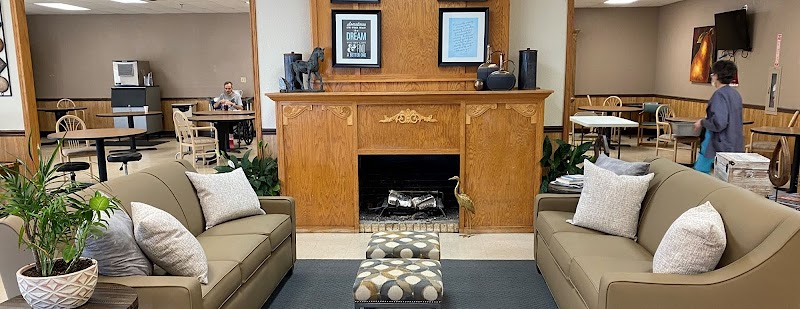
CMS rates BAILEY CREEK HEALTH AND REHAB's staffing level at 4 out of 5 stars, which is above average compared to other nursing homes. Staff turnover is 56%, which is 10 percentage points above the Arkansas average of 46%. High turnover can affect care consistency as new staff learn residents' individual needs.

What Have Inspectors Found at Bailey Creek Health And Rehab?

State health inspectors documented 17 deficiencies at BAILEY CREEK HEALTH AND REHAB during 2022 to 2024. These included: 17 with potential for harm.
Who Owns and Operates Bailey Creek Health And Rehab?

BAILEY CREEK HEALTH AND REHAB is owned by a for-profit company. For-profit facilities operate as businesses with obligations to shareholders or private owners. The facility is operated by ANTHONY & BRYAN ADAMS, a chain that manages multiple nursing homes. With 74 certified beds and approximately 75 residents (about 101% occupancy), it is a smaller facility located in TEXARKANA, Arkansas.
How Does Bailey Creek Health And Rehab Compare to Other Arkansas Nursing Homes?

Compared to the 100 nursing homes in Arkansas, BAILEY CREEK HEALTH AND REHAB's overall rating (2 stars) is below the state average of 3.1, staff turnover (56%) is significantly higher than the state average of 46%, and health inspection rating (2 stars) is below the national benchmark.

What Should Families Ask When Visiting Bailey Creek Health And Rehab?

Based on this facility's data, families visiting should ask: "How do you ensure continuity of care given staff turnover, and what is your staff retention strategy?" "Can I visit during a mealtime to observe dining assistance and food quality?" "How do you handle medical emergencies, and what is your hospital transfer rate?" "Can I speak with family members of current residents about their experience?" These questions are particularly relevant given the facility's high staff turnover rate.

Is Bailey Creek Health And Rehab Safe?

Based on CMS inspection data, BAILEY CREEK HEALTH AND REHAB has a clean safety record: no substantiated abuse findings (meaning no confirmed cases of resident harm), no Immediate Jeopardy citations (the most serious violation level indicating risk of serious injury or death), and is not on the Special Focus Facility watch list (a federal program monitoring the lowest-performing 1% of nursing homes). The facility has a 2-star overall rating and ranks #100 of 100 nursing homes in Arkansas. While no facility is perfect, families should still ask about staff-to-resident ratios and recent inspection results during their visit.

Do Nurses at Bailey Creek Health And Rehab Stick Around?

Staff turnover at BAILEY CREEK HEALTH AND REHAB is high. At 56%, the facility is 10 percentage points above the Arkansas average of 46%. High turnover means new staff may not know residents' individual needs, medications, or preferences. It can also be disorienting for residents, especially those with dementia who rely on familiar faces. Families should ask: What is causing the turnover? What retention programs are in place? How do you ensure care continuity during staff transitions?

Was Bailey Creek Health And Rehab Ever Fined?

BAILEY CREEK HEALTH AND REHAB has no federal fines on record. CMS issues fines when nursing homes fail to meet care standards or don't correct problems found during inspections. The absence of fines suggests the facility has either maintained compliance or corrected any issues before penalties were assessed. This is a positive indicator, though families should still review recent inspection reports for the full picture.

Is Bailey Creek Health And Rehab on Any Federal Watch List?

BAILEY CREEK HEALTH AND REHAB is not on any federal watch list. The most significant is the Special Focus Facility (SFF) program, which identifies the bottom 1% of nursing homes nationally based on persistent, serious quality problems. Not being on this list means the facility has avoided the pattern of deficiencies that triggers enhanced federal oversight. This is a positive indicator, though families should still review the facility's inspection history directly.