THE COTTAGES AT TEXARKANA
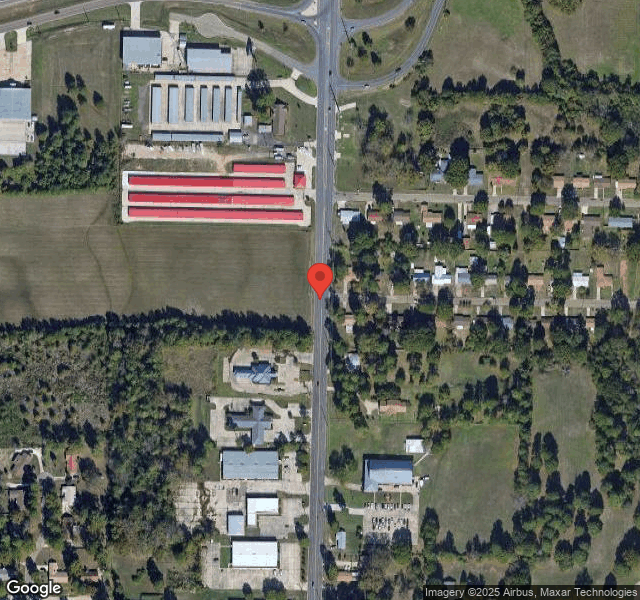
4701 JEFFERSON AVENUE, TEXARKANA, AR 71854 (870) 773-7515
For profit - Limited Liability company 120 Beds SOUTHERN ADMINISTRATIVE SERVICES Data: November 2025
Trust Grade
65/100
#85 of 218 in AR
Last Inspection: March 2025

Within standard 12-15 month inspection cycle. Federal law requires annual inspections.

Overview

The Cottages at Texarkana has a Trust Grade of C+, indicating it is decent and slightly above average among nursing homes. It ranks #85 out of 218 facilities in Arkansas, placing it in the top half, and is the top choice among three options in Miller County. However, the facility's trend is worsening, with issues increasing from 5 in 2024 to 8 in 2025. Staffing is a strong point with a 5-star rating and a turnover rate of 44%, which is better than the state average, indicating that staff members tend to stay longer and build relationships with residents. On the downside, the facility has incurred $43,110 in fines, which is concerning and suggests ongoing compliance issues, and there have been serious incidents, such as a resident sustaining a fracture after a fall that was not reported in a timely manner, along with several concerns regarding food safety practices.

Trust Score
C+
65/100
In Arkansas
#85/218
Top 38%
Safety Record
Moderate
Needs review
Inspections
Getting Worse
5 → 8 violations
Staff Stability
○ Average
44% turnover. Near Arkansas's 48% average. Typical for the industry.
Penalties
✓ Good
$43,110 in fines. Lower than most Arkansas facilities. Relatively clean record.
Skilled Nurses
○ Average
Each resident gets 38 minutes of Registered Nurse (RN) attention daily — about average for Arkansas. RNs are the most trained staff who monitor for health changes.
Violations
⚠ Watch
20 deficiencies on record. Higher than average. Multiple issues found across inspections.
★★★★☆
4.0
Overall Rating
★★★★★
5.0
Staff Levels
★★★★☆
4.0
Care Quality
★★★☆☆
3.0
Inspection Score
Stable
2024: 5 issues
2025: 8 issues

The Good

  • 5-Star Staffing Rating · Excellent nurse staffing levels
  • 4-Star Quality Measures · Strong clinical quality outcomes
  • Full Sprinkler Coverage · Fire safety systems throughout facility
  • No fines on record
  • Staff turnover below average (44%)

    4 points below Arkansas average of 48%

Facility shows strength in staffing levels, quality measures, fire safety.

The Bad

Staff Turnover: 44%

Near Arkansas avg (46%)

Typical for the industry

Federal Fines: $43,110

Above median ($33,413)

Moderate penalties - review what triggered them

Chain: SOUTHERN ADMINISTRATIVE SERVICES

Part of a multi-facility chain

Ask about local staffing decisions and management

The Ugly 20 deficiencies on record

1 actual harm
Mar 2025 5 deficiencies 1 Harm
SERIOUS (G) 📢 Someone Reported This

A family member, employee, or ombudsman was alarmed enough to file a formal complaint

Actual Harm - a resident was hurt due to facility failures

Quality of Care (Tag F0684)

A resident was harmed · This affected 1 resident

**NOTE- TERMS IN BRACKETS HAVE BEEN EDITED TO PROTECT CONFIDENTIALITY** Based on observation, record review, and interview, the facility failed to ensure a resident received an evaluation and treatmen...

Read full inspector narrative →
**NOTE- TERMS IN BRACKETS HAVE BEEN EDITED TO PROTECT CONFIDENTIALITY** Based on observation, record review, and interview, the facility failed to ensure a resident received an evaluation and treatment, as appropriate, in a time frame that would meet the medical needs of the resident in accordance with professional standards of practice. Specifically, the facility failed to notify the Physician of a low blood sugar, failed to notify the Physician of resident ' s multiple refusals of evening blood glucose checks for the month of October, and failed to notify the Physician and other facility staff after a resident had a fall. This failed practice resulted in actual harm for Resident #29 who fell and sustained a right femur fracture and right hip fracture and did not receive appropriate medical care for 6 days. The failed practice affected 1 (Resident #29) of five residents reviewed for accidents. The findings are: A review of admission Record indicated Resident #29 had diagnoses of: absence of right leg below knee, type 2 diabetes mellitus, pain in left hip, pain in left knee, pain in left ankle and joints of left foot, osteoporosis, fracture of unspecified part of neck of right femur, subsequent encounter for closed fracture with routine healing, muscle weakness, abnormalities of gait and mobility, weakness. A review of a quarterly Minimum Data Set (MDS), with an Assessment Reference Date (ARD) of 02/21/2025, revealed Resident #29 had a Brief Interview for Mental Status [BIMS] score of 13, which indicated the resident was cognitively intact. Further review indicated Resident #29 did not have any behavioral symptoms or refusal of care. A review of Care Plan Report with a revision date of 12/02/2024, indicated Resident #29 received hypoglycemic medication and to check blood sugar as ordered. A review of Order Summary Report indicated Resident #29 had a Physician's Order for insulin and to notify the Physician if the residents blood sugar was below 70. A review of Medication Administration Record (MAR) for October 2024, indicated Resident #29 ' s blood sugar (BS) on 10/15/2024 at 6:00 AM, was 40 and was documented by Licensed Practical Nurse (LPN) #16. The MAR also indicated that BS checks at 4:00 PM were only checked twice in October of 2024, on 10/02/2024 and 10/09/2024. Not applicable NA was indicated on the MAR in place of a BS, as well as 2 indicating Resident #29 refused for the remaining 4:00 PM entries. A review of Medical Records from a local hospital, indicated Resident #29 was admitted to the hospital on [DATE], with diagnoses of: sepsis, acute cystitis, pneumonia, acute kidney injury (AKI), kidney stone, closed fracture of neck of right femur, and fracture of right hip. During an interview on 03/27/2025 at 10:11 AM, the Medical Director (MD) stated that his Nurse Practitioner (NP) was more aware of the residents in the facility. The MD stated if a resident was refusing insulin on numerous occasions he should be notified. At this time, the MD was shown the Medication Administration Record for Resident #29 for October 2024, which showed Resident #29 refusing insulin all, but two times that month. The MD stated the facility should have contacted the NP and if the NP had seen a problem, the NP could have notified him [Medical Director]. The MD was also shown the blood sugar of 40 and the MD stated he or the NP should have been notified. During an interview on 03/27/25 at 10:25 AM, the Nurse Practitioner (NP) was asked if he saw a problem with Resident #29's finger sticks [blood sugar checks] for October, after NP looked at Medication Administration Log for October. Resident #29's evening blood sugar checks were only done twice in October. NP stated that it was a concern, and he should have been notified. NP indicated that he was not notified by the facility regarding Resident #29's blood sugar being 40, during a morning blood sugar check on 10/15/2024. During an interview on 03/27/2024 at 11:04 AM, the Director of Nursing (DON) stated the parameters for blood sugars were over 400 or below 60 and staff were to notify the physician. The DON stated if staff did not report a low blood sugar, it could be critical for the resident and the nurse would need to be re-educated. The DON stated the former Assistant Director of Nursing (ADON) for that cottage should have noticed Resident #29's refusals of blood sugar checks for the month of October. The DON stated if a resident had constant refusals of medication, they would have other staff try and get the residents to take the medications, but if that did not work, staff were to notify the physician of the resident refusing medications. This surveyor made three (3) attempts on 03/27/2025 to contact Licensed Practical Nurse (LPN) #16 (related to the blood sugar readings on 10/15/2024) by phone. All attempts were unsuccessful. A review of a Care Plan Report with a revision date of 12/02/2024, indicated Resident #29 was dependent with activities of daily living (ADLs) due to a hip fracture, pain, below the knee amputation (BKA), and dementia. The facility developed interventions to indicate the resident was dependent on 2 staff. Resident #29 was also at risk for falls related to right leg amputation and had a fall with major injury on 11/02/2024. A review of an Incident and Accident Report (I&A) dated 11/02/2024, revealed that Resident #29 was found on the floor in the resident ' s room, with a wheelchair behind them. Two (2) certified nursing assistants (CNAs) and a nurse assisted Resident #29 back to their chair and then put the resident in bed. No injuries were observed at the time of the incident. The Physician and Administrator were not notified until 11/08/2024. A review of a Progress Note titled Late Entry with a created date of 11/19/2024, indicated Resident #29 had a fall with an effective date of 11/02/2024. A review of Progress Notes on 11/08/2024 at 11:35 AM, indicated Resident #29 had a change in condition related to altered mental status and was sent to the emergency room. A review of Medical Records from [local hospital] indicated Resident #29 was admitted to the hospital on [DATE], with diagnoses of sepsis, acute cystitis, pneumonia, acute kidney injury (AKI), kidney stone, closed fracture of neck of right femur, and fracture of right hip. During an interview on 03/27/2025 at 10:11 AM, the Medical Director (MD) stated that he had an on-call service and that if they [the on-call service] did not call him, they were to call the Nurse Practitioner (NP). The NP was notified on 11/08/2024, regarding Resident #29's fall that occurred on 11/02/2024. The MD stated he was unaware of Resident #29 having a hip fracture and femur fracture from the fall. The MD indicated that his NP was more aware of the residents in the facility. During an interview on 03/27/25 at 10:25 AM, the NP stated he was not notified until 11/08/2024, of the fall that occurred on 11/02/2024. The NP stated Resident #29 was sent to the hospital on [DATE], due to becoming more lethargic and not eating, so an order was given to send the resident to the hospital. The NP stated once the resident was at the hospital, the facility found out the resident had a hip and femur fracture. During an interview on 03/27/2024 at 11:04 AM, the Director of Nursing (DON) stated that when a resident fell, the nurse would assess the resident, then call the provider (doctor), notify the family, Administrator and DON. The nurse would also complete a full body assessment on every joint, assess the skin, and the resident should be assessed from head to toe. The DON stated once the resident was stable, then notify everyone. The DON stated she did not know why LPN #15 did not complete an Incident and Accident (I&A) Report for Resident #29's fall that occurred on 11/02/2024. The DON stated she was made aware of Resident #29's injuries when the resident went to the hospital on [DATE]. During an interview on 03/27/2025 at 11:23 AM, LPN #15 stated she did not report Resident #29's fall because she was new to the facility and trying to learn her residents and medications. LPN #15 indicated that a CNA came and alerted her that Resident #29 had fallen. LPN #15 stated she could not remember which CNA it was that came and alerted her to Resident #29's fall. LPN #15 stated that she assessed Resident #29 from head to toe and the resident did not complain of any pain. LPN #15 stated that she, along with two CNAs, were able to get the resident onto a sheet then used the sheet to get the resident up and into bed. LPN #15 stated on 11/08/2024 she had to come into work and fill out the I&A Report, after the facility found out, from the hospital, that Resident #29 had a fractured hip and femur. LPN #15 stated during orientation, she was paired with another nurse, and she could not remember if I&As were discussed or not. On 03/27/2025, the Administrator was asked for a fall policy. The Administrator stated the facility did not have a fall policy.
CONCERN (D)

Potential for Harm - no one hurt, but risky conditions existed

Assessment Accuracy (Tag F0641)

Could have caused harm · This affected 1 resident

**NOTE- TERMS IN BRACKETS HAVE BEEN EDITED TO PROTECT CONFIDENTIALITY** Based on record review and interview, the facility failed to ensure a Minimum Data Set (MDS) assessment was completed accurately...

Read full inspector narrative →
**NOTE- TERMS IN BRACKETS HAVE BEEN EDITED TO PROTECT CONFIDENTIALITY** Based on record review and interview, the facility failed to ensure a Minimum Data Set (MDS) assessment was completed accurately to reflect a resident was considered to be a PASARR (Preadmission Screening and Record Review) Level II by the State Authority for PASARR assessments for 1 (Resident #18) of 1 sampled resident reviewed for PASARR. The findings are: The Significant Change in Condition MDS with an Assessment Reference Date (ARD) of 06/10/2024, indicated Resident #18 had diagnoses of anxiety, major depression, and bipolar depression, and had scored 15 (13-15 indicates the resident was cognitively intact) on the Brief Interview for Mental Status (BIMS). Further review revealed the MDS indicated Resident #18 did not have a serious mental illness and/or intellectual disability, or related condition. A Determination Letter , from the state agency contracted company that completes PASARR Level IIs, dated 10/09/2014, indicated Resident #18 did require specialized services related to their mental illness, beyond the capabilities of a nursing home facility. The Care Plan with an initiated date of 11/10/2024, indicated Resident #18 had a PASARR level II that required specialized services, structured environment, and formal behavior modifications. On 03/28/25 at 9:30 AM, during an interview, the (MDS) Coordinator stated that Resident #18 had a diagnosis of bipolar type II. The MDS Coordinator confirmed that Resident #18 was considered a PASARR Level II, by the state PASARR process, and that the Significant Change in Condition MDS dated [DATE], was coded incorrectly. The MDS Coordinator stated that Residents #18 ' s MDS should be coded correctly because the information goes to CMS (Centers for Medicare Services), and it directs care planning. On 03/28/25 at 09:39 AM, during an interview, the Director of Nursing (DON) stated Resident #18 had diagnoses of anxiety and bipolar disorder. The DON confirmed that Resident #18's MDS should be coded correctly to reflect that the resident was considered a PASARR level II, by the state PASARR process, because the MDS was referenced when developing Resident #18 ' s care plan.
CONCERN (D)

Potential for Harm - no one hurt, but risky conditions existed

Infection Control (Tag F0880)

Could have caused harm · This affected 1 resident

Based on observations, record review, interview and policy review, the facility failed to ensure staff followed enhanced barrier precautions (EBP) and performed appropriate hand hygiene to prevent the...

Read full inspector narrative →
Based on observations, record review, interview and policy review, the facility failed to ensure staff followed enhanced barrier precautions (EBP) and performed appropriate hand hygiene to prevent the potential for cross contamination when administrating medications through a feeding tube for 1 (Resident #29) of 3 sampled residents, observed for medication administration. The findings are: A review of a quarterly Minimum Data Set (MDS) with Assessment Reference Date (ARD) of 02/21/2025 indicated Resident #29 had diagnoses of end stage renal disease, diabetes mellitus, and dysphagia (difficulty swallowing), scored 13 (13-15 indicates cognitively intact) on the Brief Interview for Mental Status (BIMS) and received 51% or more of total calories through a feeding tube. A review of a Care Plan, with a revision date 11/18/2024, indicated Resident #29 was on enhanced barrier precautions related to having a gastrostomy tube and gowns and gloves should be worn during high-contact care. A review of Order Summary Report indicated Resident #29 had a Physician's Order for enhanced barrier precautions related to the Percutaneous Endoscopic Gastrostomy (PEG) tube. During an observation on 03/26/2025 at 3:45 PM, Licensed Practical Nurse (LPN) #14 put on gloves and began to prepare medication for Resident #29 to be administered through the resident ' s feeding tube. LPN #14 put her right gloved hand in her uniform pocket and got out keys and unlocked the medication cart. LPN #14 touched the laptop screen with her gloved hands, as well as the computer mouse. With the same gloved hand, she took a bottle from the medication cart and put one pill in a medication cup. LPN #14 took a medication bubble pack out of the medication cart, punched the pill into her hand and placed the pill in another medication cup. LPN #14 then stated there was a piece of paper on the pill and reached into the medication cup with her gloved hand, touched the pill, and removed the paper. LPN #14 used the pill crusher to crush Resident #29's medication. LPN #14 did not change her gloves or wash her hands during the preparation of the medications. On a personal protective equipment (PPE) bin on the right side of the entrance to Resident #29's room was a sign that indicated Enhanced Barrier Precautions: Everyone must clean their hands before entering and leaving the room. Providers and staff must also wear gloves and gown for High- Contact Resident Care Activities, which includes use of a feeding tube. LPN #14 entered Resident #29's room and administered the medication via Resident #29 ' s feeding tube. LPN #14 did not change her gloves or wash her hands prior to administering the medications and did not put on a gown while administering the medication. During an interview directly after the observation, LPN #14 confirmed Resident #29 was on enhanced barrier precautions and that she should have worn a gown, in addition to gloves, when administering Resident #29's medications through the feeding tube. LPN #14 also confirmed that she should not have touched the resident's pill with her gloved hand after touching the keys in her pocket and the computer equipment without changing gloves and washing her hands, since that could lead to infection control problems. On 03/28/25 at 7:59 AM, during an interview, the Infection Preventionist (IP) stated, Resident #29 was on enhanced barrier precautions because the resident had a feeding tube. A gown and gloves should be worn when administering medication through the feeding tube. The IP stated staff were made aware that residents were on enhanced barrier precautions by signage, either on the resident's door or by the resident's door. Residents were placed on enhanced barrier precautions to prevent the spread of infections. The IP confirmed the nurse should have changed her gloves and washed her hands prior to touching Resident #29's medication if the nurse touched her keys and computer screen with her gloved hand while preparing the residents medication. On 03/28/25 at 8:53 AM, during an interview, the Director of Nursing (DON) stated residents that have indwelling lines, targeted Multi Drug Resistant Organisms (MDRO) or chronic wounds were placed on enhanced barrier precautions to prevent the residents from catching anything from the staff. The DON stated staff were made aware residents were on enhanced barrier precautions by a sign placed on the resident's door. The DON confirmed that Resident #29 had a feeding tube and staff should wear gloves and a gown when administering medications through the feeding tube. The DON also confirmed that if the nurse touched items such as keys and the computer screen with their gloved hands when preparing medications, they should have washed their hands and changed gloves prior to touching the resident's pills. A review of a policy titled Enhanced Barrier Precautions indicated Enhanced barrier precautions' refer to the use of gown and gloves for use during high-contact resident care activities for residents known to be colonized or infected with a MDRO [Multi Drug Resistant Organism] as well as those at an increased risk of MDRO acquisition (e.g. residents with wounds or indwelling medical devices). High contact resident care activities include feeding tube care/use.
CONCERN (E)

Potential for Harm - no one hurt, but risky conditions existed

Menu Adequacy (Tag F0803)

Could have caused harm · This affected multiple residents

Based on observation, record review, interview, and review of the menu, the facility failed to ensure meals were prepared and served according to the planned written menu to meet the nutritional needs...

Read full inspector narrative →
Based on observation, record review, interview, and review of the menu, the facility failed to ensure meals were prepared and served according to the planned written menu to meet the nutritional needs of the residents for 3 of the 3 meals observed in 6 of 6 cottages. The findings are: A review of the 03/24/2025 noon meal menu indicated residents on a regular diet were to receive 8 ounces (oz) (1 cup) of Fritos pie and residents on a mechanical soft diet were to receive 8 ounces (1 cup) of ground Fritos pie. During an observation and interview on 03/24/25 at 12:01 PM, in Cottage #6, Certified Nursing Assistant (CNA) #1 used blue scoop #16 (2 oz) to serve a serving of chili totaling 2 oz of chili and 2 servings of corn chips with a total of 4 oz, instead of 8 oz. CNA #1 did not review the menu prior to serving the noon meal. During an observation and interview on 03/24/25 at 12:05 PM, in Cottage #5, CNA #2 used a 4 oz serving spoon to serve a single portion of chili and 2 oz of corn chips, instead of 8 oz of Fritos pie, as specified on the menu. CNA #2 stated she did not review the menu prior to serving the noon meal. During an observation on 03/24/25 at 12:32 PM, during the noon meal service in Cottage #2, CNA #3 used a #12 scoop (3 ounces or 1/3 cup) to serve a serving of chili, total of 3 ounces of chili, 2 ounces of corn chips with 2 oz spoon total of 5 ounces, instead of 8 ounces of Frito pie, as specified on the menu. During an interview on 03/24/25 at 1:21 PM, CNA #3 stated he used the green scoop, a #12 (3 oz or 1/3 cup), to serve a serving of chili and a 2 oz spoon to serve a serving of chopped chips, instead of 8 ounces, as specified on the menu. CNA #3 stated he did not know anything about scoop sizes and the cook always put the scoop out and he used what was placed out by the cook to serve. CNA #3 stated he did not look at the menu. On 03/24/25 at 12:53 PM, Cottage #1-A, CNA #5 used a 4 oz spoon to serve a single portion of chili, with 2 ounces of corn chips, instead of 8 ounces as specified on the menu. At 1:35 PM, CNA #5 stated she did not review the menu prior to serving a noon meal. During an observation on 3/24/25 at 1:18 PM, in Cottage #1, CNA #12 used a #8 scoop (1/2 cup or 4 oz), to serve a single portion of chili with 2 oz of corn chips, instead of 8 ounces as specified in the menu. During an observation on 03/25/25 at 8:02 AM, in Cottage #1-A, the breakfast meal menu indicated the residents on regular diets and mechanical soft diets were to receive 3/4 cup of cereal and a slice of French toast. During the breakfast meal preparation, French toast was not prepared and served to the residents. During an interview on 03/25/25 at 8:08 AM, Dietary [NAME] (DC) #13 stated, there was no time for her to prepare French toast because the bread was frozen, and she would be making toast. During an interview on 03/25/25 at 9:00 AM, the Dietary Manager was interviewed and was asked if there was French toast in the building. She stated there was French toast in the storage freezer in the main building where they stored all the foods that been distributed to all the cottages. She did not understand why DC #13 made that statement. During breakfast observations, all cottages except Cottage #1, served French toast. During the completion of rounds, there were bags of French toast in the walk-in freezer in the main building. During an observation and interview on 03/25/25 at 8:37 AM, CNA #6 used a #6 scoop (6 oz) to serve oatmeal, but she gave half a portion (3 oz or 1/3 cup) per serving. CNA #6 stated she should have given full serving to the residents, instead of half servings. 4. A review of the 03/24/2025 dinner meal menu indicated residents on regular diets were to receive 4 oz of steak fingers and 2 oz of gravy. Residents on mechanical soft diets were to receive 4 oz of ground steak fingers and 2 oz of gravy, and residents on pureed diets were to receive a #8 scoop (4 ounces) of pureed steak fingers and 2 oz of gravy. During an observation on 03/24/25 at 5:25 PM, in Cottage #2, DC #4 placed 4 pieces of breaded chicken tenders into a blender, of which 2 pieces weighed 3 ounces, ground and placed onto a plate to serve to 2 residents who received mechanical soft diets and stated residents get two pieces each. During an observation on 03/24/25 5:42 PM, in Cottage #2, the residents on regular diets were served 2 chicken tenders each, which weighed 1.7 ounces, instead of 4 ounces. There was no gravy served to the residents on pureed diets or residents on mechanically soft diets. During an interview on 03/24/25 at 5:45 PM, in Cottage #2, DC #4 was asked if she could weigh the same amount of chicken served to the residents, she did and stated it weighed 3 ounces. DC #4 stated residents were supposed to receive 3 ounces of meat. DC #4 stated she did not review the menu before preparing the meal. DC #4 was asked the reason she was using chicken fingers, instead of steak fingers. She stated there were not enough steak fingers. DC #4 reviewed the menu. She stated it was supposed to be 4 ounces of meat and she forgot to serve gravy to residents on pureed and mechanical soft diets. During an observation on 03/24/25 at 5:31 PM, in Cottage #3, CNA #8 served 4 pieces of steak fingers to the residents for supper. At 5:36 PM, CNA #8 was asked to weigh the same amount of meat served to the residents for supper. She did so, and stated 4 pieces weighed 3 ounces, 3 pieces weighed 1.7 ounces, 2 pieces weighed 1.5 ounces, and 1 piece weighed 0.5 ounces, which was also confirmed by CNA #9. CNA #9 was interviewed and was asked if she could weigh the same amount of steak fingers served and was asked if she reviewed the menu before serving supper meal and she stated she did not. During an observation on 03/24/25 at 5:33 PM, 3 steak fingers were served to the residents who had their supper meals in Cottage #4. During an observation on 03/24/25 at 5:55 PM, in Cottage #5, CNA #10 stated she had given 2 chicken tenders to each resident. She stated she did not review the menu prior to serving the supper meal. During an interview on 03/24/25 at 5:57 PM, in Cottage #6, CNA #7 stated she gave 3 pieces of steak fingers to each resident for the supper meal.
CONCERN (E)

Potential for Harm - no one hurt, but risky conditions existed

Food Safety (Tag F0812)

Could have caused harm · This affected multiple residents

Based on observation, record review, interview, and facility policy review, the facility failed to ensure foods stored in the freezer, refrigerator and dry storage area were covered; refrigerated food...

Read full inspector narrative →
Based on observation, record review, interview, and facility policy review, the facility failed to ensure foods stored in the freezer, refrigerator and dry storage area were covered; refrigerated foods were kept refrigerated; dented cans were removed from stock; expired food items and leftover food items were promptly removed / discarded on or before the expiration or use by date; dietary staff washed their hands between dirty and clean tasks and before handling clean equipment; manufactures instructions were followed; Cold food items were maintained at 41 degrees Fahrenheit or below and hot food items were maintained at above 135 degrees Fahrenheit on the steam table, while awaiting service for 3 of 3 meals observed. The findings are: 1. On 03/24/25 at 10:11 AM, the following observations were made on a shelf in the storage room in Cottage #2: - An opened bag of coffee was not sealed. During an interview with the Dietary Manager (DM), she was asked how bags of coffee were stored, and she stated they were supposed to be sealed. - An opened bag of potato chips, the bag was not sealed. - An opened bag of bread, the bag was not sealed. The D M confirmed the bags were not sealed. - An opened bag of tea, the bag was not sealed, leaving it open for pests to crawl into. - There were 2 bags of tortillas with an expiration date of 02/26/2025. 2. On 03/24/25 at 10:26 AM, an opened box of cobbler dough crust was on a freezer shelf in Cottage #1. The box was not covered or sealed, exposing them to freezer burn. The Dietary Manager stated that the box was not covered and leaving the box uncovered could cause freezer burn. 3. On 03/24/25 at 10:29 AM, the following observations were made on a shelf in freezer #2 in Cottage #1's kitchen: - An opened box of sausage, the box was not covered or sealed. - An opened box of fish filets, the box was not covered or sealed. The Dietary Manager stated that the box of sausage patties and box of fish filets were not covered or sealed. 4. On 03/24/25 at 10:32 AM, a container of sour cream on a shelf in refrigerator #2, in the storage room in Cottage #1, had an expiration date of 02/26/2025. 5. On 03/24/25 at 10:34 AM, the scoop holder on the wall by the ice machine had wet-grayish residue all around the corner and the ice scoop was resting on it. The surveyor asked the Dietary Manager to wipe the wet grayish residue. She did so and the wet grayish residue easily transferred to the tissue. During an interview with the Dietary Manager, she was asked to describe what was observed around the corners of the scoop holder, how often they cleaned the scoop holder, and who used the ice from the ice machine. She stated, It was grayish residue. The staff cleans it once a week, The CNAs [Certified Nursing Assistants] use it for the water pitchers in the residents' rooms and for beverages served to the residents. 6. On 03/24/25 at 10:39 AM, the following observations were made in the kitchen cabinet in Cottage #2: - An opened box of salt. The box was not covered, exposing it to pests and air. - A container of onion powder. The top of the container had dried loose onion powder stuck on it, making it impossible to close the container. The Dietary Manager stated she had to clean off all the dried onion powder to be able to close the lid. 7. On 03/24/25 at 10:47 AM, the following observations were made in Cottage #2 kitchen: - There was an open clear bag of butter on the inside door shelf in the refrigerator. The bag was not sealed. The Dietary Manager stated the bag was supposed to be sealed to avoid something from spilling over it. A sealed bag that contained sealed raw pasteurized eggs was stored on a shelf above bowls of tossed salad. The Dietary Manager stated it was left over salad from yesterday, 03/23/2025, that was supposed to have been tossed out. - The Dietary Manager stated any open food items in the refrigerator were supposed to be covered, sealed, and dated. 8. On 03/24/25 at 10:57 AM, the following observations were made in the cabinet in Cottage #2 kitchen area: - An opened box of salt was in the cabinet. The box was not covered, exposing it to pests and air. Dietary manager confirmed that the box of salt was not covered. - A bottle of lime juice in the cabinet had an expiration date of 02/14/2025. During an interview with the Dietary Manager, she was asked what the kitchen staff use lime juice for. She stated she had residents who requested it. 9. On 03/24/25 at 11:02 AM, the following observations were made in Cottage #2's kitchen: - One half gallon of chocolate milk in the refrigerator, had an expiration date of 03/22/2025. - A can of pears on a shelf in the storage room was dented. The Dietary Manger was asked what her concern was about the dented cans. She stated the dented cans should not have been on the shelf and the facility had a place in the main storage room where they keep all dented cans. 10. On 03/24/25 at 11:09 AM, the following observations were made on the shelf in the storage room in Cottage #2: - A can of diced pears on a shelf in the storage room was dented. During an interview with the Dietary Manager, she was asked what the concerns of dented cans were. She stated when a can was dented it produced bacteria and could not be used. - An opened box of tea, the box was not covered. - An opened bag of grits, the bag was not sealed. - An opened box of coconut, the box was not sealed. - A container of flour had a measuring cup directly in it. - A container of sugar had a measuring cup directly in it. - A container of salt had a measuring cup directly in it. - A container of cornmeal had a measuring cup directly in it. - A container of the flour had a measuring cup directly in it. - A container of dry milk had a measuring cup directly in it. The Dietary Manager was interviewed and was asked what the concerns were of leaving measuring cups inside the food items. She stated, It's cross contamination. - There were unidentified brown /black particles resting directly on top of the sugar inside the storage bin. The Dietary Manager was asked to describe what was observed on top of the sugar. She stated it looked like coffee spilled on it. - 8 of 8 small containers of cocktail marinade had an expiration date of 02/2/2025. The Dietary Manager was asked what the rule of expiration date was she stated, it should not have been with other stock. It should have been taken out of stock and tossed. It also affected food quality. 11.On 03/24/25 at 11:23 AM, the following observations were made in the freezer in the storage room in Cottage #2: - An opened clear bag, that contained biscuits, was on a shelf in the freezer. The Dietary Manager was interviewed and asked what happened when food items were not stored properly in the freezer. She stated it would cause it to have freezer burn. - An opened box of mushroom hamburger patties was on a shelf in the freezer. The box was not covered or sealed. 12. On 03/24/25 at 11:28 AM, the following observations were made in the refrigerator in Cottage #2 kitchen: - A container of cucumber and onion on a shelf, had an expiration date of 02/12/2025. - A leftover container of fruit with the preparation date of 03/14/2025 and a use date of 03/21/2025, had exceeded the expiration time and the documented date to be used was 03/21/2025. The Dietary Manager stated it should have been thrown away. 13. On 03/24/25 at 11:31 AM, the following observations were made in refrigerator #1 in the kitchen area in Cottage #2: - 2 of 2 containers of sour cream were on a shelf in the refrigerator, with an expiration date of 03/12/2025. - A container of taco soup with an expiration date of 03/15/2025. - An opened box of cream cheese, the box was not covered or sealed. 14. On 03/24/25 at 12:21 PM, Cottage #2, the temperatures of food items, when checked and read on the steam table by the Dietary [NAME] (DC) #4, were the following: - Corn wagon: 126 degrees Fahrenheit. - Cream corn: 105 degrees Fahrenheit. 15. On 03/24/25 at 12:27 PM, Cottage #2A. The temperatures of food items, when taken and read by DC #4, were the following: - Cream corn: 115 degrees Fahrenheit. - Pureed chili: 90 degrees Fahrenheit. - Pureed corn: 82 degrees Fahrenheit. - Pureed soft tortilla: 85 degrees Fahrenheit. -The above food items were not reheated before being served to the residents. The Dietary Manager stated it should have been reheated. DC #4 stated foods should have been reheated. 16. On 03/24/25 at 4:50 PM, in Cottage #2, CNA #1 pushed a cart with a tray that contained glasses towards the ice machine. Without washing her hands, she picked up glasses by their rims and scooped ice in them. CNA #1 then poured beverages in each glass to be served to the residents with their lunch meal. CNA #1 stated she should have washed her hands. 17. On 03/25/25 at 8:24 AM, in Cottage #1A, the temperature of the food on the steam table was taken and read by DC #4: ground sausage was 120 degrees Fahrenheit. The ground sausage patties were not reheated before served to the residents. The Dietary Manager stated they should have been reheated. 18. On 03/24/25 at 2:14 PM, in Cottage #3. The following observations were made in the cabinet: - An opened box of salt, the box was not covered. - An opened box of baking soda, the box was not covered. The Dietary Manager was interviewed and was asked what the concerns were about leaving the boxes open. She stated, to prevent bugs from crawling in. 19. On 3/24/25 at 2:20 PM, the following observations were made in the storage room in Cottage #3: - An opened bottle of lemon juice was on the shelf. During an interview with the Dietary Manager, she was asked what the concerns were once lemon juice was opened and not put in the refrigerator. She stated it would change the taste or cause bacterial growth. - A box of grape juice concentrate on a shelf in the storage room had an expiration date of 01/15/2025. The second box of grape juice concentrate had an expiration date of 02/15/2025. The Dietary Manager stated both boxes of grape juice concentrate were expired and would be tossed. 20. On 03/24/25 at 2:42 PM, an opened bag of diced chicken was on a shelf in the freezer. The bag was not sealed. CNA #8 stated the bag was not sealed and supposed to be sealed, to prevent something from getting on it. 21. On 3/24/25 at 5:16 PM, the temperatures of the food on the steam table in Cottage #3, were checked and read by CNA #8 with the following results: - Baked potatoes: 110 degrees Fahrenheit. - Mashed potatoes, with milk and butter: 110 degrees Fahrenheit. - Gravy: 130 degrees Fahrenheit. -CNA #8 stated the above food items were not reheated before being served to the residents but they should have been reheated. 22. On 03/24/25 at 2:48 PM, in Cottage #4, the following observations were made inside the kitchen cabinet. - An opened box of salt in the cabinet, the box was not covered, exposing it to air or possible pests. - An opened container of onion powder, the container was not covered. - An opened container of chili powder, the container was not covered. - An opened container of garlic powder, the container was not covered. - An opened container of lemon pepper seasoning salt, the container was not covered. - An opened container of parsley, the container was not covered. -The Dietary Manager was interviewed and was asked what the concerns were about leaving spices open. She stated to prevent bugs from getting in spices. 23. On 03/24/25 at 2:59 PM, in Cottage #4, the following observations were made on a shelf in the storage room: - A measuring cup was on top of the cornbread, inside a bin. -CNA #8 was interviewed and asked if a measurement cup should be inside the storage bin. She stated it was not supposed to, and it could lead to cross contamination. 24. On 3/24/25 at 3:09 PM, in Cottage #4, the following observations were made in the storage room: - An opened bottle of lemon juice. -During an interview with the Dietary manager, she was asked what lemon juice was used for. She stated the kitchen staff used it when a recipe called for it and they used it in lemonade served to the residents. The manufacturer specification on the bottle were to refrigerate after opening. The Dietary Manager was interviewed and asked what the concerns were about storing lemon juice in the refrigerator once opened. She stated due to bacteria or taste. - An open clear bag that contained 4 loose bags of tea, the bag was not sealed, exposing it to air, moisture, and light. - An opened clear bag of pancake mix, the bag was not sealed, exposing it to air. - A bag of honey wheat bread, with expiration date of 03/23/25. - An opened bag of bread with no received date on it. 25. On 03/24/25 at 3:11 PM, in Cottage #4, the fridge had an open clear bag containing slices of cheese on a shelf. The bag was not sealed. The Dietary Manager confirmed the bag of cheese was not sealed. 26. On 03/24/25 at 3:14 PM, in Cottage #4, the following observations were made on a shelf in the freezer: - A clear bag of biscuits, the bag was not sealed. - An open clear bag of biscuits, the bag was not sealed. 27. On 03/24/25 at 12:05 PM, in Cottage #5, the temperatures of the food on the steam table in the kitchen in Cottage #5 were checked and read by the CNA #2 with the following results: - Corn wagon - 105 degrees Fahrenheit. - Chili -105 degrees Fahrenheit. -CNA #2 was interviewed and asked what she should have done when the food was not hot enough and she stated she should have reheated it. 28. On 03/24/25 at 3:22 PM, the following observations were made in the cabinet: - An opened bottle of lemon juice. The manufacturer specifications on the bottle were to refrigerate after opening. - An opened bag of white gravy, the bag was not sealed. - An opened bag of brown sugar, the bag was sealed. - An opened bag of sugar, the bag was not sealed. - An opened bag of potato pearls, the bag was not sealed. 29. On 03/24/25 at 3:30 PM, the following observations were made on a shelf in the storage room in Cottage #5: - An opened bag of brown gravy, the bag was not sealed. - An opened bag of pecans, the bag was not sealed. - An opened bag of sloppy joe mix, the bag was not sealed. - An opened bag of chicken and dumpling seasoning, the bag was not sealed. - An opened bag of lemon fruit punch, the bag was not sealed. - An opened bag of vanilla pudding, the bag was not sealed. - An opened bag of country while gravy mix, the bag was not sealed. - An opened box of oatmeal, the box was not covered. - An opened box of baking soda, the box was not covered. - An opened bag of chips, the bag was not sealed. - An opened box of grits, the box was not sealed. - There was an unidentified matter, in the corn meal. The Dietary Manager stated she thought it looked like breadcrumbs. - An opened box of coconuts, the box was not covered or sealed. 30. On 03/24/25 at 3:40 PM, two containers of chopped garlic were on a shelf in the refrigerator and had an expiration date of 02/17/2025. 31. On 03/24/25 at 3:44 PM, the following observations were made in the freezer in Cottage #5: - An opened box of biscuits, the box was not covered or sealed. - An opened box of corndogs was on a shelf in the freezer, the box was not covered or sealed. 32. On 03/24/25 at 3:54 PM, in Cottage #6, the following observations were made in the kitchen area: - A container of flour had a measuring cup directly in it. - A container of sugar had a measuring cup directly in it. - A container of cornmeal had a measuring cup directly in it. - A container of rice had a measuring cup directly in it. -The Dietary Manager was interviewed and was asked for the reason cups should not be inside the food items. She stated, It's cross contamination. - An opened box of corn starch was in the cabinet, the box was not covered or sealed. 33. On 3/24/25 at 3:57 PM, the following observations were made on a shelf in the storage room in Cottage #6: - An opened bag of tortillas, the bag was not sealed. - An opened bag of coffee, the bag was not sealed. - An opened box of coconut, the box was not sealed, exposing the opened bags and a box of the dried food products to air, moisture, light and possible for pests to enter. -During an interview with the Dietary Manager, she was asked what could happen if dried foods were left open and she stated the bags of the food products, and a box of coconuts were supposed to be in sealed bags to prevent entering of any bugs. 34. On 03/24/25 at 4:00 PM, the following observations were made on a shelf in the freezer in Cottage #6: - An opened bag of dinner rolls, the bag was not covered or sealed. - An opened bag of diced potatoes, the bag was not sealed. - An opened box of corndogs, the box was not covered or sealed, exposing them to freezer burn. The Dietary Manager stated all foods should be sealed. 35. On 03/24/25 at 4:04 PM, the following observations were made on a shelf in the freezer in Cottage #6: - An opened bag of French toast sticks, the bag was not sealed. - An opened bag of French fries, the bag was not sealed. - An opened bag of pepperoni, the bag was not sealed. - An opened bag of corn nuggets, the bag was not sealed - An opened bag containing solid frozen hamburger meat, the bag was not sealed, exposing them to freezer burn and texture changes. The Dietary Manager removed the hamburger meat and stated it was frozen solid, and all foods should be sealed to prevent freezer burn. 36. On 03/24/25 at 4:08 PM, in Cottage #6, there was an unopened box of bacon that was stored above an unopened bag of lettuce. The Dietary Manager stated the box of bacon was supposed to be stored below to prevent contamination. A bowl of leftover chicken salad with a storage date of 03/15/2025 was on a shelf in the refrigerator. The Dietary Manager asked how long leftover food could be kept in the refrigerator and she stated it could last for 3 days. The leftover chicken salad exceeded the date of leftover by 9 days. 37. On 03/24/25 at 4:10 PM, in Cottage #6, there was a leftover container of marinated sauce dated 02/20/2025, that was on a shelf in the refrigerator. There was a white spot on top of the sauce, the Dietary Manager was interviewed and asked if she could describe the appearance of the sauce, and she stated the marinated sauce had a white spot on it. She was asked how long leftover food would be kept in the refrigerator and she stated it could last for 3 days. The leftover marinara sauce exceeded the date of leftover by 24 days. -There was a container of sliced pineapples with a storage date of 03/13/2025 on a shelf in the refrigerator. The Dietary Manager stated all leftover food should last for 3 days. 38. On 03/24/25 at 4:15 PM, in Cottage #6, a can of sour cream was on a shelf in the cooler with an expiration date of 03/12/2025. 39. On 03/24/25 at 4:33 PM, in Cottage #6, the following observations were made on a shelf in the storage room: - An opened bag of brown sugar, the bag was not sealed. - An opened bag of powdered sugar, the bag was not sealed. - An opened box of baking soda, the box was not sealed. - An opened bag of chocolate, the bag was not sealed. - 3 opened bags of taco seasoning mix, the bags were not sealed, exposing them to air and moisture. The Dietary Manager stated they were supposed to be in sealed bags to prevent any bugs from getting in. 40. On 03/24/25 at 4:36 PM, in Cottage #6, CNA #7 wore gloves on her hands when she touched the container of sour cream on the counter, contaminating them. Then, using the same contaminated gloves, she held the potatoes while scooping sour cream into the middle of the potatoes to be served to the residents for supper meal. CNA #7 was interviewed and was asked what she should have done after touching dirty objects and before handling food items and she stated she should have washed her hands. 41. A review of facility policy titled, Handwashing and glove usage in food service indicated hands should be washed before starting work, after leaving and returning to the kitchen prep area and after touching anything else such as dirty equipment and work surfaces.
Jan 2025 3 deficiencies
CONCERN (E) 📢 Someone Reported This

A family member, employee, or ombudsman was alarmed enough to file a formal complaint

Potential for Harm - no one hurt, but risky conditions existed

Quality of Care (Tag F0684)

Could have caused harm · This affected multiple residents

Based on observation, interview, and record review, the facility failed to ensure a resident was transferred in a safe manner to prevent injury for one (Resident #1) of two (Resident #1 and Resident #...

Read full inspector narrative →
Based on observation, interview, and record review, the facility failed to ensure a resident was transferred in a safe manner to prevent injury for one (Resident #1) of two (Resident #1 and Resident #2) sampled residents. The findings are: Review of Resident #1's diagnosis sheet indicated diagnoses that included paraplegia (paralysis that affects the lower body), osteoarthritis, anxiety, fracture of the right patella (kneecap), and effusion (fluid around knee joint). Resident #1's quarterly Minimum Data Set (MDS) with an assessment reference date (ARD) of 1/13/2025 indicated a brief interview of mental status (BIMS) score of 15 (cognitive), had no behaviors, ambulated via wheelchair, received maximal assistance with bed mobility, was dependent transfers and received scheduled and as needed pain medication for pain rated at an 8/10. Review of Resident #1's physician's orders dated 01/09/2024 indicated to monitor the skin on the right patella and bilateral heels, use fall precautions, ensure knee immobilizer to right knee had a snug fit and ensure immobilizer was utilized during weight bearing transfers. Review of Resident #1's care plan with a revision date of 11/25/2024 indicated the resident required 1-person assist with transfers and was at risk for falls. Review of Resident #1's progress notes for 12/18/2024 at 1:45 PM indicated certified nursing assistant (CNA) #2, reported that during a transfer to wheelchair, the resident's right foot had gotten caught in a wheel of the wheelchair. On the same day at 5:57 PM Licensed Practical Nurse (LPN) #6 documented that after resident #1 returned from a dental appointment the resident reported pain in their right knee. X-rays by a mobile x-ray company later that evening revealed a right patella fracture and effusion. On 01/22/2025 at 11:25 AM, while speaking with Resident #1, the resident explained, on the day of injury, CNA #2 and CNA #3 were assisting Resident #1 to get ready and up in the wheelchair for a dental appointment. Resident #1 explained the wheelchair arm raised to enable [pronoun] to slide from the bed to the wheelchair. Resident #1 went on to say CNA #2 did not position the wheelchair beside the bed correctly and while attempting to assist the resident from the bed to the wheelchair the resident's right foot became caught in the wheelchair wheel. Resident #1 said CNA #2 was in a hurry and tried to get [pronoun] transferred to the wheelchair. Resident #1 said [pronoun] told the CNAs [pronoun] foot was caught but they transferred anyway, and the resident heard a pop and felt pain in their right knee immediately. Resident #1 went on to say [pronoun] did not want to miss the dental appointment because sometimes the dentist would not reschedule if the appointment was missed. Resident #1 went to the appointment with [pronoun] knee hurting. When asked if the knee had been assessed prior to leaving for the appointment Resident #1 said that it had not. Resident #1 stated x-rays were ordered when [pronoun] returned and after the results the resident was sent to the emergency room. Resident #1 denied being afraid of any staff member. On 01/22/2025 at 11:32 AM CNA #2 said she and CNA #3 were getting Resident #1 ready for a dental appointment. CNA #2 stated she was not familiar with Resident #1 and had discussed with CNA #3 getting the patient lift to transfer the resident. Resident #1 had told her [pronoun] transferred directly to the wheelchair from the bed and did not use the lift. While attempting to assist Resident #1 to the wheelchair from the left side of the bed, the resident's right foot had gotten caught in the right wheel causing the resident's leg to twist during the transfer and the resident said their right knee hurt as a result. CNA #2 said she immediately went and told the nurse, LPN #6. On 01/22/2025 at 11:55 AM Transport/Restorative CNA #12 said Resident #1's knee was hurting on the day of the incident, but the resident wanted to go ahead to the dental appointment. He also stated, CNA #2 had already informed the nurse (LPN # 6) about the incident prior to them leaving. On 01/22/2025 at 2:45 PM the Administrator stated the previous Director of Nursing (DON) (who was no longer employed at the facility) had in-serviced the workers of Cottage 5 on accessing the care plan and proper transfers on 12/18/2024. The Administrator was asked to provide employee files with staff competencies. She was unable to locate then at that time. The current Director of Nursing (DON) was called to the Administrators office at that time. She related the staff competencies were kept in a binder that was located in a different cottage. On 01/22/2025 at 4:00 PM the Administrator informed this surveyor they were unable to locate the competencies, and the current DON had contacted the previous DON to try to locate them and had been told by the previous DON, she had shredded them due to being incorrect.
CONCERN (E) 📢 Someone Reported This

A family member, employee, or ombudsman was alarmed enough to file a formal complaint

Potential for Harm - no one hurt, but risky conditions existed

Deficiency F0726 (Tag F0726)

Could have caused harm · This affected multiple residents

Based on observation, interview, and record review the facility failed to ensure ongoing staff training, competencies, and evaluations for all nursing staff. The findings are: On 01/22/2025 at 11:32 A...

Read full inspector narrative →
Based on observation, interview, and record review the facility failed to ensure ongoing staff training, competencies, and evaluations for all nursing staff. The findings are: On 01/22/2025 at 11:32 AM Certified Nursing Assistant (CNA) #2 said on 12/18/2024, she and CNA #3 were getting Resident #1 ready for a dental appointment. CNA #2 stated she was not familiar with Resident #1, was not sure of the method of transfer, and this was her first time working with the resident. While attempting to assist Resident #1 to the wheelchair from the left side of the bed, the resident's right foot had gotten caught in the right wheel causing the resident's leg to twist during the transfer and the resident said their right knee hurt as a result. CNA #2 said she immediately went and told Licensed Practical Nurse (LPN) #6. On 01/22/2025 at 11:55 AM Transport/Restorative CNA #12 said Resident #1 indicated [pronoun] knee was hurting on the day of the incident, but Resident #1 wanted to go ahead to the dental appointment. CNA #12 continued; CNA #2 had already informed the nurse (LPN #6) about the incident prior to them leaving. Review of Resident #1's progress notes for 12/18/2024 did not show an entry from LPN #6 indicating an assessment until after Resident #1 returned from their appointment with pain and swelling to the right knee. Resident #1 was sent to the emergency room and was diagnosed with a fractured right patella and right knee effusion (fluid around knee joint). On 01/22/2025 at 2:45 PM, while speaking with the Administrator concerning Resident #1and what had been done after the incident, the Administrator provided an in-service dated 12/18/2024, by the previous Director of Nursing (DON), that educated staff regarding use of the care plan and resident transfers to the staff of Cottage 5. On 01/22/2025 at 3:00 PM the DON and Administrator were asked for the employee files with competencies for: CNA #2, CNA #3, CNA #4, CNA #5, and CNA #12. The DON stated at that time the competencies were kept in a binder and were located in a different building. On 01/22/2025 at 4:00 PM the Administrator came to this surveyor and said since the last DON had recently quit, they had looked in her old office for the competencies and had been unable to locate them. The present DON had contacted the last DON who told her she had shredded them because they were the wrong ones. On 01/23/2025 at 8:05 AM via telephone interview, LPN #6 said she had assessed R #1prior to the resident leaving for the dental appointment on 12/18/2024. No documentation was found in Resident #1's electronic health record. On 01/22/2025 between 4:26 PM and 4:41 PM CNA # 8, CNA #9, CNA #10, and CNA #11 were asked if they had been trained and checked off on competencies prior to working with the residents. They all answered no.
CONCERN (E) 📢 Someone Reported This

A family member, employee, or ombudsman was alarmed enough to file a formal complaint

Potential for Harm - no one hurt, but risky conditions existed

Deficiency F0761 (Tag F0761)

Could have caused harm · This affected multiple residents

Based on observation, interview, and facility policy review, the facility failed to ensure medications were kept secure to prevent unauthorized access in Cottages 2, 2A, 3, 4 and 5. The findings are: ...

Read full inspector narrative →
Based on observation, interview, and facility policy review, the facility failed to ensure medications were kept secure to prevent unauthorized access in Cottages 2, 2A, 3, 4 and 5. The findings are: On 01/21/2025 in Secure Cottages 2 and 2A, it was observed between 10:28 AM and 11:16 AM in rooms 1,3,7,10, 12, 12,5-A, and 9-A the medication storage area, which consisted of shelves with a lockable door, were unlocked allowing access to the medications inside by unauthorized people, including residents. Among the medications observed were medications for high blood pressure, thyroid medication, angina (chest pain) medication, anti-nausea medication, antiplatelets, cholesterol medication, anti-seizure medication, anti-depressants, drugs to treat Alzheimer's disease, drugs used to treat esophageal reflux, a vasodilator (used to increase blood flow), potassium stool softeners, and wound washes. On 01/21/2025 in Cottage 3 between 11:30 AM and 11:36 AM unlocked medication cabinets were observed which contained bronchodilators (medications use to open airways to allow easier breathing) and eye drops in rooms 1, 2, 3, and 4. On 01/21/2025 in Cottage 4 between 11:49 AM and 12:02 PM, in rooms 1, 4, 5, 7, and 12, unlocked medication cabinets were observed containing bronchodilators, opiate antagonists (medications that block opioids), anti-convulsant, antidepressants, cholesterol medication, antinausea medication, a bottle of anti-reflux medication, a tube of antifungal, a tube of antibiotic ointment, and an unlabeled bottle containing round white pills stored in a plastic zip closure storage bag. On 01/22/2025 at 4:20 PM an unlocked medication cart was observed in the living room area of Cottage 5 with no authorized personnel within eyesight. Three residents were sitting in the living room area. On 01/22/2025 at 11:20 AM this surveyor spoke with Licensed Practical Nurse (LPN) #1 who had worked at the facility for 3 years. When asked what type of residents she cared for in cottages 2 and 2-A, which were secure cottages, she stated a mixture of residents who were cognitive and residents who had cognitive impairments. She confirmed medications were kept locked up to keep them out of reach of residents who may take them but don't need them, and it could cause a serious outcome. She went on to say they were locked due to state law. When asked why some medication storage cabinets in the rooms which contained medications were unlocked, she responded, I don't use the cabinets, night shift uses the ones in the rooms, mine are on the medication cart. On 01/21/2025 at 3:37 PM the Director of Nursing (DON), who had only been in the roll of DON for five (5) days, was asked why medications were kept locked and secure. She responded that they were kept locked to prevent unauthorized access, which could lead to an overdose and lot of different issues. She confirmed they should be kept locked anywhere around the elders (residents). On 01/22/2025 at 4:21 PM Certified Nursing Assistant (CNA)/Medication Technician #7 for Cottage 5 confirmed the medication cart should be kept locked when not in direct eyesight to prevent the residents from accessing it. Review of the facility's policy for Medication Storage, with a revision date of January 2018, indicated that medications were kept secure and only accessible to licensed nursing personnel, pharmacy personnel or staff members lawfully authorized to administer medications. Medication storage areas are to be kept locked except when being accessed by an authorized person.
Mar 2024 5 deficiencies
CONCERN (D)

Potential for Harm - no one hurt, but risky conditions existed

Accident Prevention (Tag F0689)

Could have caused harm · This affected 1 resident

**NOTE- TERMS IN BRACKETS HAVE BEEN EDITED TO PROTECT CONFIDENTIALITY** Based on observation, interview, and record review, the facility failed to ensure shower supplies and spray disinfectant was sto...

Read full inspector narrative →
**NOTE- TERMS IN BRACKETS HAVE BEEN EDITED TO PROTECT CONFIDENTIALITY** Based on observation, interview, and record review, the facility failed to ensure shower supplies and spray disinfectant was stored appropriately behind a locked cabinet to prevent possible injury. This failed practice had the potential to affect 1 sampled (Resident #15) and 18 residents that ambulate and self-propel on East Hall. The facility failed to raise and lower resident with the rear casters in the unlocked position on the mechanical lift to prevent instability. This failed practice affected 1 (Resident #37) of 5 sampled and had the potential to affect 9 residents requiring mechanical lift assistance. The findings are: 1. On 03/26/24 at 02:50 PM, in the first shower room on the right on East Hall the Surveyor observed the cabinet door slightly ajar, with a metal lock engaged. The Surveyor touched the cabinet doors and the doors swung open freely revealing a spray bottle of disinfectant, two cans of shaving cream, hair spray, body wash and lotions. a. On 03/26/24 at 03:00 PM, Certified Nursing Assistant [CNA] #2 and CNA #3 were asked to accompany the Surveyor to the wash area. CNA #2 and CNA #3 went into the first shower room on the left and pointed out how shower supplies were locked away in a cabinet. The Surveyor asked if we should find the shower room on the right in the same condition and both CNAs agreed. CNA #3 entered the shower room on the right with the Surveyor and was asked to check the cabinet. The doors swung open freely and CNA #3 told the Surveyor the cabinet should be locked. The Surveyor asked why they lock away shower supplies. CNA #3 told the Surveyor the cabinets must stay locked because there is soap and peri([NAME]) care stuff in there. The Surveyor asked if these items are to be kept away from Residents. CNA #3 told the Surveyor that supplies are kept away in case residents try to put stuff in their mouths. CNA #2 said, Yes, and we have some residents that will do that. b. On 03/27/24 at 11:35 AM, the Surveyor interviewed the Director of Nursing [DON] and asked what procedure staff are expected to follow to store bath supplies and disinfectants used in the shower room. The DON told the Surveyor they have cabinets with locks, and supplies should be kept out of reach of residents. The DON told the surveyor they have disinfectant that is used to clean the shower and it should be locked in the cabinet with bath supplies. The Surveyor asked what the purpose was for locking supplies in the cabinet and the DON said it prevented residents from putting chemicals in their mouths and swallowing chemicals. c. On 03/27/24 at 02:12 PM, the DON provided a list of residents that ambulate and/or self-propel on East Hall. 2. Resident #37 had diagnoses of Cerebral infarction, Type II diabetes mellitus, and Altered mental status. The Quarterly Minimum Data Set (MDS) with an Assessment Reference Date (ARD) of 02/24/2024 indicated a Brief Interview for Mental Status (BIMS) score of 00 (0-3 indicates severe cognitive impairment). Resident #37 required moderate assistance with meals, and is dependent for transfers, bed mobility, personal hygiene, toileting, and dressing. a. On 03/27/24 at 07:45 AM, CNA #4 and CNA #5 were observed rolling the mechanical lift under Resident #37's bed, legs were placed in the open position, and CNA #1 locked the back casters and left the room. CNA #4 took over and Residents #37's lift pad was attached to the two outer hooks on the hanger bar, with all clips intact. Resident #37 was raised with rear casters locked, then the wheels were unlocked, and resident was turned and rolled over to a specialty chair. The legs were open, wheels locked, and Resident #37 was lowered to the chair. The Surveyor asked if their procedure was to always lock the wheels or casters when lowering or raising a resident from a bed or chair. CNA #4 told the Surveyor that anytime we operate the mechanical lift the legs have to be open, and wheels locked. The Surveyor asked why the wheels or casters are locked while lifting Resident #37 from the bed and when lowering resident to the chair. CNA #4 said, For stability. b. On 03/27/24 at 12:45 PM, the DON was asked the process staff were expected to use for lifting residents from the bed to the chair with a mechanical lift. The DON said staff would roll the lift under the bed, with open legs and lock the wheels. When the resident has been lifted up with a lift pad the wheels are unlocked and the lift is rolled over to the chair, wheels are locked for safety and the resident is lowered. The DON was asked for a lift policy, mechanical lift user manual, and lift in-service documentation. The Surveyor asked for a mechanical lift policy, mechanical lift in-service, and a mechanical lift user manual. c. On 03/27/2024 at 02:05 PM, the DON provided an In-Service Re-Education Report (Date 03/11/2024) topic Mechanical Lift (Video) documenting, 28 signatures of attendees. d. On 03/27/24 at 02:12 PM, the DON provided a mechanical user manual titled [named] 450 user manual documenting, .Lifting the Patient Warning . [Named] does not recommend locking of the rear casters of the patient lift when lifting an individual. Doing so could cause the lift to tip and endanger the patient and assistants. [Named] does recommend that the rear casters be left unlocked during lifting procedures to allow the patient lift to stabilize itself when the patient is initially lifted from a chair, bed, or any stationary object . 3 Product Labeling (page 12) Warning . DO NOT lock the casters of the Patient Lift when lifting an individual. Casters MUST be left unlocked to allow Patient Lift to stabilize during lifting procedures . 6 Operation Raising/Lowering a Manual/Hydraulic Lift WARNING (page 22) [named] does not recommend locking of the rear casters of the patient lift when lifting an individual. Doing so could cause the lift to tip and endanger the patient and assistants. [Named] does recommend that the rear casters be left unlocked during lifting procedures to allow the patient lift to stabilize itself when the patient is initially lifted from a chair, bed, or any stationary object . 6 operation Raising/Lowering an Electric Lift WARNING [named] does not recommend locking of the rear casters of the patient lift when lifting an individual. Doing so could cause the lift to tip and endanger the patient and assistants. [Named] does recommend that the rear casters be left unlocked during lifting procedures to allow the patient lift to stabilize itself when the patient is initially lifted from a chair, bed or any stationary object . 7 Lifting The Patient 7.2 Lifting/Moving the Patient . DO NOT engage the rear locking casters when patient is in the lift . 8 Transferring the Patient 8.1 . [Named] does recommend that the rear casters be left unlocked during lifting procedures to allow the patient lift to stabilize itself when the patient is initially lifted from a chair, bed or any stationary object . e. On 03/28/2024 at 10:44 AM, the Administrator told the Surveyor they do not have a policy on the mechanical lift. The facility uses the manufacture guidelines, or user manual.
CONCERN (D)

Potential for Harm - no one hurt, but risky conditions existed

Tube Feeding (Tag F0693)

Could have caused harm · This affected 1 resident

**NOTE- TERMS IN BRACKETS HAVE BEEN EDITED TO PROTECT CONFIDENTIALITY** Based on observation, interview, and record review, the facility failed to ensure only licensed staff operated feeding pumps to ...

Read full inspector narrative →
**NOTE- TERMS IN BRACKETS HAVE BEEN EDITED TO PROTECT CONFIDENTIALITY** Based on observation, interview, and record review, the facility failed to ensure only licensed staff operated feeding pumps to reduce the risk of aspiration for 1 (Resident #40) of 1 sampled resident with a feeding tube. The findings are: Resident #40 had diagnoses of Dementia, Parkinson ' s disease, and Protein-calorie malnutrition. The Annual Minimum Data Set (MDS) with an Assessment Reference Date (ARD) of 02/10/2024 indicated on a Staff Assessment for Mental Status Score (SAMs) that Resident #40 had problems with short- and long-term memory. Resident #40 was dependent for transfers, bathing, toileting, personal care, and dressing. Resident is receiving tube feeding, and eating was not assessed. a. A physician ' s order dated 04/25/2022 documented, Elevate Head of the Bed (HOB) 30 to 45 degrees every shift. A physician ' s order date 01/24/2024 documented, every shift Continuous feeding: [named therapeutic nutrition that provides complete, balanced nutrition for long- or short-term tube feeding for patients with increased calorie and protein needs] 1.5 or equivalent at 65ml (milliliter) per hour and water at 45ml per hour. b. A Care plan documented, Resident #40 requires tube feeding (Revision on: 05/29/2023) .The resident needs the head of the bed (HOB) elevated during tube feeding. Check for tube placement prior to any feeding or flushes. Check for gastric contents/residual volume as ordered per physician . The resident is dependent with tube feeding and water flushes. See Physician orders for current feeding orders . c. On 03/26/24 at 08:25 AM, the Surveyor noted Resident #40's feeding pump was on hold, and Certified Nursing Assistant (CNA) #1 told the Surveyor that she put the pump on hold. The Surveyor asked what procedure the facility followed for patient care when a resident is using a feeding pump. CNA #1 said, I am not going to lie . I know a nurse is supposed to put the feeding on hold because [CNA #1] is the only one on the hall. The Surveyor asked CNA #1 why a resident with a feeding tubes head is elevated, and nursing holds the feeding during patient care. CNA #1 told the Surveyor that there is a risk for aspiration. CNA #1 was asked who would be available to help if there was an emergency. CNA #1 told the Surveyor she could get the nurse, or another CNA could always come help. d. On 03/27/2024 at 07:50 AM, the Survey asked Licensed Practical Nurse (LPN) #1 who is responsible for turning the feeding pump on and off during personal care. LPN #1 told the Surveyor that nursing is responsible. The Surveyor asked if nursing is available to assist the CNAs, and LPN #1 told the Surveyor that nursing is available to residents 24/7. The Surveyor asked why the facility requires nursing to be responsible for feeding pumps. LPN #1 said nursing is responsible because residents are at risk for aspiration. e. On 03/27/24 at 12:42 PM, the Surveyor asked the Director of Nursing (DON) what procedure CNAs were expected to follow when providing peri([NAME]) care for residents with a feeding tube. The DON told the Surveyor that staff should report to nursing to turn the feeding tube off and on to prevent aspiration. The DON told the Surveyor that nursing is responsible for the feeding tubes, and staff can lay resident flat if the tube feeding is being held and then resident should be returned to a 30 to 45-degree angle when the feeding pump is resumed. The DON clarified nursing is responsible for turning the feeding pump to hold and run. The Surveyor requested a list of residents that receive tube feedings, feeding tube in-service documentation, and tube feeding policy. f. On 03/28/2024 at 10:44 AM, the Administrator told the Surveyor they do not have a feeding tube policy. The facility uses [NAME]. No feeding tube in-services were provided by the facility.
CONCERN (D)

Potential for Harm - no one hurt, but risky conditions existed

Deficiency F0806 (Tag F0806)

Could have caused harm · This affected 1 resident

Based on observation, interview, and record review, the facility failed to ensure dietary preferences were followed for 1 (Resident #16) to prevent weight loss or nutritional deficits. This failed pra...

Read full inspector narrative →
Based on observation, interview, and record review, the facility failed to ensure dietary preferences were followed for 1 (Resident #16) to prevent weight loss or nutritional deficits. This failed practice had the potential to affect 15 sampled and 53 residents that eat from the kitchen. The findings are: a. On 03/25/2024 at 12:17 PM, the Surveyor observed Resident #16 leave the dining area with a large piece of bread on his/her plate. The Surveyor reviewed Resident #16's meal slip and it documented a dislike for bread (all breads). b. On 03/25/2024 at 12:19 PM, the Surveyor asked Licensed Practical Nurse (LPN) #2 to review Resident #16's meal slip. LPN #2 told the Surveyor that the meal slip shows Resident #16 does not like bread and identified an untouched piece of garlic bread on the resident ' s plate. The Surveyor asked why are residents not served foods they dislike, and LPN #2 told the Surveyor to prevent weight loss. LPN #2 was asked what procedure staff are expected to follow if a resident is served a disliked food. LPN #2 told the Surveyor the kitchen should be notified for a substitution. c. On 03/27/2024 at 11:20 AM, the Surveyor asked Resident #16 how often food is disliked food is served, and how does staff respond when they are made aware. Resident #16 said it happens occasionally with bread, and not as often as it used to. Resident #16 said I occasionally tell them it is okay, and to make sure it does not happen again. During the interview the Surveyor asked what foods are used as a substitute for bread. Resident #16 said, Mashed potatoes, extra mashed potatoes or sliced tomatoes sometimes. d. On 03/27/2024 at 11:25 AM, the Surveyor asked Dietary #1 how resident dislikes are identified. Dietary #1 told the Surveyor that Dietary visits with residents and documents their likes and dislikes. The Surveyor asked about the procedure for making sure residents are not served dislikes. Dietary #1 told the Surveyor that the last person in the kitchen to see the plate go out is the third eye of checks, and it is his/her responsibility to ensure that nobody be served dislikes. The Surveyor asked what procedure staff follow if a resident receives food they dislike. Dietary #1 told the Surveyor that the kitchen should be notified immediately so they can replace the food with another option. The Surveyor asked for a food service policy and staff in-services. e. On 03/27/2024 at 11:30 AM, Dietary #1 provided in-service documentation showing an in-service on 11/11/2022 addressed meal serving times, 12/09/2022 Meal Preparing/job tasks/handwashing, and 09/29/2023 cleaning schedules, menu changes, likes and dislikes. f. On 03/27/2024 at 12:45 pm, the Director of Nursing (DON) was asked if the facility had a policy for meal service. The Assistant Director of Nursing (ADON) clarified the Surveyor is asking for a policy that addresses likes and dislikes. The ADON told the Surveyor they do not have a policy that addresses dietary likes and dislikes.
CONCERN (D)

Potential for Harm - no one hurt, but risky conditions existed

Infection Control (Tag F0880)

Could have caused harm · This affected 1 resident

Based on observation, interview, and record review, the facility failed to provide perineal care in a safe, sanitary manner to prevent cross contamination for 1 (Resident #40) of 5 sample residents an...

Read full inspector narrative →
Based on observation, interview, and record review, the facility failed to provide perineal care in a safe, sanitary manner to prevent cross contamination for 1 (Resident #40) of 5 sample residents and 18 residents on East Hall requiring perineal care assistance. The findings are: a. On 03/26/24 at 08:25 AM, the Surveyor observed Certified Nursing Assistance (CNA) #1 with an open package of green wipes. CNA #1 removed several wipes and laid the package of wipes in the bed near Resident #40's left buttock (The Resident was turned to the right side). CNA #1 used the left hand to wipe the resident. The Surveyor observed CNA #1 picking up the green package of wipes using both hands and setting them on the bedside table. b. On 03/26/24 at 08:39 AM, the Surveyor asked CNA #1 if there was any reason why the open package of wipes should not have rested in the bed with Resident #40 and should the package of wipes have been picked up with both hands and placed on the bedside table. CNA #1 said that she did not know what the Surveyor was talking about, questioned if this was before or after she removed her gloves and the bag of wipes had not been in the bed with Resident #40. c. On 03/27/2024 at 12:40 PM, the Surveyor asked the Director of Nursing (DON) if it is appropriate for staff to place wipes in the bed with a resident during perineal care, and to then to move the package of wipes to the bedside table. The DON told the Surveyor that it is not the proper procedure because it can cause cross contamination. It is cross contamination because it is a clean and a dirty glove. The Surveyor asked if CNAs are in-serviced on how to provide perineal care. The DON told the Surveyor that CNAs receive in-services on peri care and documentation of the in-service will be provided. The DON was asked for a policy related to perineal care. d. On 03/27/2024 at 02:12 PM, the Administrator told the Surveyor that there was no policy on perineal care. The DON and Administrator provided the Peri Care Check Off (Dated 03/15/2024) documenting, .Use the overhead table for your items. Place a towel over the table to set up your field. Place all items on the table 2 plastic bags at the end of the bed. One for wipes and other for dirty linens . Always 2 people to do perineal care with state surveyors. One person be clean, and one does care . Always one swipe with 1 wipe .
CONCERN (E)

Potential for Harm - no one hurt, but risky conditions existed

Food Safety (Tag F0812)

Could have caused harm · This affected multiple residents

Based on observation, interview, and record review, the facility failed to follow proper sanitation and food handling practices to prevent the possible outbreak of foodborne illness. The facility fail...

Read full inspector narrative →
Based on observation, interview, and record review, the facility failed to follow proper sanitation and food handling practices to prevent the possible outbreak of foodborne illness. The facility failed to ensure food safety was maintained when implementing various culture change initiatives; that equipment was in a safe, useable condition; to store, prepare, and serve food in a safe and sanitary manner; and failed to ensure the facility was free from pests. This failed practice had the potential to affect 15 sampled residents and 53 residents that eat from the kitchen. The findings are: 1. On 03/25/24 at 09:39 AM, a frozen package wrapped in aluminum foil and sealed in a plastic storage bag with a written label of hamburger meat was being thawed on the counter. There was not a [NAME] in the kitchen. 2. On 3/25/24 at 9:40 AM, a stack of 7 plates and a stack of 18 plates were facing up on the upper shelf to the right of the dishwasher. The Surveyor asked what the procedure was used for stacking plates, and any reason why they should not be faced up. Dietary Aide #2 told the Surveyor that he stacks plates face up so if they are wet the water will not run off to anything resting below the plates. Surveyor asked Dietary Aide #2 if is this how they were trained to stack dishes. Dietary Aide #2 confirmed it was not. 3. On 3/27/24 at 7:05 AM, a sign on the wall above the electrical outlet showed, DO NOT UNPLUG!, and the ice scoop for the ice machine was dirty brown with water stains. At 7:39 AM, the Surveyor asked the Dietary Manager if the sign should be a dirty brown with water stains. The Dietary Manager stated she never paid attention to the sign. 4. On 3/27/24 at 7:06 AM, food lids for covering plates for room trays were stored with the part that covers food up. Dietary Aide #2 was placing fingers on the inside side of the food lids then placing it over the room tray meal. At 7:37 AM, the Surveyor asked the Dietary Manager if there was a concern with the way Dietary Aide #2 was placing the food lids on the room tray meals. The Dietary Manager confirmed that staff are not to place their entire hand inside the food lid than place on the room tray meal. Dietary Aide #2 continued to touch the inside of the food lid. 5. On 3/27/24 at 7:08 AM, there were 40 glasses with a red fluid drink for residents that were not fully covered. At 7:35 AM, the Surveyor asked the Dietary Manager if the glasses were fully covered. The Dietary Manager confirmed they were not. The Surveyor asked what the concern was for the drinks to not be fully covered. The Dietary Manager stated the concerns would be flies, insects or anything can get into the drinks. 6. On 3/27/24 at 7:09 AM, a pot used to melt butter was uncovered with a pastry brush sitting inside. At 7:38 AM, the Surveyor asked the Dietary Manager if the pot should be covered. The Dietary Manager confirmed the pot should be covered or contamination could occur. 7. On 3/27/24 at 7:10 AM, the Deep Fryer contained crusty dried bits of whitish yellow particles throughout the inside of the deep fryer. At 7:39 AM, the Surveyor asked the Dietary Manger what the particles of crusty dried bits of whitish yellow particles in the deep fryer were. The Dietary Manager confirmed it was from chicken fried steak yesterday. 8. On 3/27/24 at 7:11 AM, the Delivery person entered and exited the side door while breakfast meal was being served, the food and dishes for the meals were uncovered at that time. The steam table is located next to the door used for deliveries. The Delivery person did not have a hairnet while walking by the steam table with boxes that he placed in the food storage room. At 7:21 AM, the Delivery person, without a hairnet, walked from the delivery door past the steam table and through the kitchen with paperwork. The Dietary Manager stopped the Delivery person who made it through the kitchen, when it was noticed the Delivery person did not have a hairnet on. At 7:42 AM, the Surveyor asked the Dietary Manager what the concerns were for the Delivery person to bring in supplies while serving the meal and dishes not covered. Dietary Manager confirmed there was concern of contamination from the door being opened and closed and the Delivery person not having a hairnet on. 9. On 3/27/24 at 7:40 AM, air vents located near the ceiling were pointed toward the stove and food preparation areas. The vents were coated in a black substance with a whitish or brownish fuzzy type substance. The middle vent had a brown stained cloth attached to the flow knob. The Surveyor asked the Dietary Manager to describe the air vents. The Dietary Manager stated they were not concerned with the way they looked, stating the vents looked a little greasy with dust spots. The Surveyor asked the Dietary Manager who was responsible for cleaning the vents. The Dietary Manager confirmed that Maintenance was responsible, and it should be changed out. The Surveyor asked what the concern of the unclean vents blowing air into the food preparation and stove area was. The Dietary Manager confirmed there could be cross contamination from the vents onto the food preparation area and the stove where food could be contaminated. The Surveyor asked how often Maintenance came into the kitchen. The Dietary Manager reported Maintenance came about once a week. I have not said anything about the air vents, I had not looked up there. At 7:56 AM, the Surveyor asked the Maintenance Supervisor to describe the air vents. The Maintenance Supervisor confirmed the vents have a little grease on them. The Surveyor asked if there was a concern with the vents being in the condition they were currently in. The Maintenance Supervisor confirmed the concern was for something getting into the food. 10. On 3/27/24 at 7:46 AM, the Refrigerator had a broken seal on the bottom of the left side door and the left side of the right-side door. The Surveyor asked if the replacement seal had been ordered. The Dietary Manager confirmed the seal had been reported to Maintenance and Maintenance ordered a new seal. At 7:57 AM, the Surveyor asked the Maintenance Supervisor if new seals were ordered for the refrigerator. The Maintenance Supervisor confirmed the seals had been ordered. 11. On 3/27/24 at 7:50 AM, in the food preparation area hanging up was a wire-mess scoop with broken wire pieces in the middle of the scoop. The wire-mess scoop was used for the deep fryer to scoop out unwanted floating food pieces and a rubber spatula with bits of rubber missing along the sides, scratches, and indentations with missing rubber on the flat side of spatula. The Surveyor asked Dietary Manger if there was a concern with the wire-mess scoop. The Dietary Manager stated that the wire-mess scoop was not used for food items to be given to the residents. The Surveyor asked if there was a concern for the broken wire-mess scoop to be used in something that would be used to cook the food for the residents. The Dietary Manager confirmed that would be a concern with pieces missing from the scoop. The Surveyor asked the Dietary Manager if there was a concern with the rubber spatula having bits of rubber missing along the sides, scratches, and indentations with missing rubber on the flat side of spatula. The Dietary Manager confirmed the spatula could be replaced. The area of the spice counter had sprinkles of loose granules under the spice containers. The Surveyor asked the Dietary Manager if the counter was clean. The Dietary Manager confirmed the counter was not clean. 12. On 2/27/24 at 8:08 AM, the following was observed in the dry food storage area: a. (1) 35-pound Soybean Salad Oil had aluminum foil placed over the opened spout. The Surveyor asked the Dietary Manager the reason for the aluminum foil over the open spout. The Dietary Manager confirmed she was unsure as to the reason. The Surveyor asked Dietary [NAME] #3 where the lid was found. Dietary cook #3 confirmed that the lid was on a shelf in the dry food storage room. The Surveyor asked Dietary [NAME] #3 if the part of lid that covered the spout was up towards the ceiling or down towards the shelf. Dietary [NAME] #3 confirmed the lid was facing up towards the ceiling. The Supervisor asked the Dietary Manager asked if there was a concern with the lid placed on the spout to close the oil container. The Dietary Manager confirmed it should not have been placed on the open container, anything could have gotten on it. b. A brownish red exoskeleton of a dead insect/pest was found on the floor next to the wall and cement block the furnace was on. The Surveyor asked the Dietary Manager to describe what she saw on the floor next to the wall. The Surveyor asked the Dietary Manager to describe what was on the floor next to the wall. The Dietary Manager confirmed it looked like a water bug. c. A milk crate type container approximately half full of 2.1 ounces Breakfast Syrup had leaked some syrup onto the 2 shelving units below, pooling on the lids of the other food items. The Surveyor asked if the syrup should be pooled on the food items. The Dietary Manager reported that staff had been asked earlier to clean up the spill. d. The shelving units that stored the dry food goods had a buildup of a fuzzy substance on the metal grates. The Surveyor asked if food should be stored on the shelves with the fuzzy substance on there. The Dietary Manager confirmed food should not be stored on the shelving units with the fuzzy substance due to possible bacteria growth and cross contamination. On 3/28/24 at 9:18 AM, the Surveyor asked the Dietary Manager what the concern was with the syrup pooled on the lids of the stored food product. The Dietary Manager confirmed the concern was insects. 13. On 3/27/24 at 8:34 AM, the ice machine had a broken cracked seal with pieces missing throughout and the right lower corner plastic of the ice machine around the door was broken off. The Surveyor asked the Dietary Manager if there were any concerns with the seal. The Dietary Manager confirmed there was a possibility the ice machine could defrost and melt the ice. The Surveyor asked if it was possible the broken seal could possibly get into the ice machine. The Dietary Manager confirmed I hope not because it overlaps. Possibly there could be bits of broken seal that could get into the ice machine. The Surveyor asked Dietary Manager what the concern would be if the bits of broken ice got into the ice machine. The Dietary Manager confirmed that the pieces could contaminate the ice. 14. On 3/27/24 at 1:59 PM, the Diet, Sanitation, and Menu Policy provided by the Administrator documented, The nursing facility will provide each Resident/Elder with a nourishing, palatable, well balance diet that meet the daily nutritional and special dietary need of each Resident/Elder ., The nursing facility will store, prepare, distribute and serve food under sanitary conditions as prescribed by Serv Safe and the policy and procedure manual for Nutrition and Food Services in Healthcare Facilities . 15. On 3/27/24 at 3:00 PM, the Administrator provided a Sales Order receipt dated 03/27/24 at 1:24 PM for a door gasket. The replacement seal from a restaurant supply company. The ship date showed 3/29/24. 16. On 3/27/24 at 3:00 PM, the Administrator provided the Contract with the (Pest Control Company) which documented, .This agreement covers service to be rendered monthly .This agreement shall be in effect from January 1,2024 and stay in effect until the said party calls our company to cancel this agreement .Basic Service . [Pest Control Company] will provide a regular monthly service . and Maintenance Request Log for pest control work reported small bugs, Pest Control provided services on 1/25/24 and 2/19/24 the facility reported roaches, pest control provided services on 2/20/24. 16. On 3/28/24 at 7:45 AM, the Administrator provided the following: a. A Sales Order receipt dated 3/27/24 at 3:46 PM for a Bin Door Gasket (the Ice Machine replacement seal). b. A Dietary In-Service training for Sanitation, Puree Consistency and Foodborne Illnesses on 12/21/23 at 2:30 PM. c. A Dietary In-Service training for Handwashing, Sanitation, labeling/Dating, and likes/dislikes on 1/8/24 at 2:30 PM. 17. On 3/28/24 at 9:25 AM, the Surveyor requested a policy for thawing frozen foods. The Dietary manager confirmed the only 2 policies the facility had are the handwashing and how food is to be brought in from family. 18. On 3/28/24 at 10:58 AM, the Administrator provided an Inservice Education Attendance Records for Hairnets and Handwashing on 2/17/23.
Feb 2023 7 deficiencies
CONCERN (D)

Potential for Harm - no one hurt, but risky conditions existed

Assessment Accuracy (Tag F0641)

Could have caused harm · This affected 1 resident

Based on observation, record review and interview, the facility failed to ensure the Current Minimum Data Assessment (MDS) accurately reflected the use of a non-insulin type Diabetes medication to fac...

Read full inspector narrative →
Based on observation, record review and interview, the facility failed to ensure the Current Minimum Data Assessment (MDS) accurately reflected the use of a non-insulin type Diabetes medication to facilitate the ability to plan, coordinate and provide necessary care for 1 (Resident #23) sample resident who had received a Glucagon-Like Peptide-1 [GLP-1]. This failed practice had the potential to affect 2 (R #23, and R #250) residents who received a GLP-1 medication for treatment of Diabetes Mellites according to a list provided by the Assistant Director of Nursing (ADON) on 02/16/23 at 2:58 PM. The findings are: 1. Resident #23 had a diagnosis of Diabetes Mellites. The Annual Minimum Data Set (MDS) with an Assessment Reference Date (ARD) of 12/21/22 documented the resident received an injection of Insulin 7 out of 7 days. a. The Physician Orders dated 3/10/22 documented, Ozempic (1 MG/DOSE) Solution Pen-injector 4 MG/3ML [milligram/milliliter] (Semaglutide (1 MG/DOSE) Inject 1.3 ml subcutaneously one time a day every Thu (Thursday) for Diabetes. b. The Care Plan with a Revision Date of 12/21/21 documented, . (Resident #23) has Diabetes Mellitus . Ozempic as ordered. See black box warning regarding this medication in orders tab . c. On 02/15/23 at 03:40 PM, the Surveyor asked Licensed Practical Nurse (LPN) #2, does Resident #23 take insulin? LPN ##2 Replied, no, Resident #23 doesn't even get Accu-checks anymore. They get a once a week shot. The Surveyor asked LPN #2, is Ozempic insulin? LPN #2 stated, No. d. On 02/15/23 at 03:58 PM, the Surveyor asked the MDS Coordinator, Does Resident #23 receive insulin? The MDS Coordinator replied, yes, but only once a week. The Surveyor asked, is Ozempic insulin? The MDS Coordinator responded, Yes. I will look into this. e. On 02/16/23 at 09:25 AM, the Surveyor asked the Director of Nursing (DON) for a MDS policy. The DON responded, we do not have a policy, we go by the Resident Assessment Instrument Manual and regulations.
CONCERN (E)

Potential for Harm - no one hurt, but risky conditions existed

Deficiency F0655 (Tag F0655)

Could have caused harm · This affected multiple residents

**NOTE- TERMS IN BRACKETS HAVE BEEN EDITED TO PROTECT CONFIDENTIALITY** Based on observation, interview, and record review the facility failed to develop and implement a baseline Care Plan that includ...

Read full inspector narrative →
**NOTE- TERMS IN BRACKETS HAVE BEEN EDITED TO PROTECT CONFIDENTIALITY** Based on observation, interview, and record review the facility failed to develop and implement a baseline Care Plan that included the instructions needed to provide effective and person-centered care for the resident to meet the professional standards for of quality care for 2 (R #100 and R #302) of 4 (R #8, R #100, R #301, and R #302) sample residents according to the list provided by the Administrator on 2/15/23 at 4:01pm, The findings are: 1. Resident #100 had diagnoses of Lack of Coordination, Chronic Obstructive Pulmonary Disease, and Type 2 Diabetes Mellitus with Diabetic Neuropathy. The Medicare 5 Day Minimum Data Set (MDS) with an Assessment Reference Date (ARD) of 2/14/23 documented the resident scored 14 (13-15 indicates cognitively intact on a Brief Interview for Mental Status (BIMS). a. Resident #100 was admitted on [DATE], the Base Line Care Plan had an initiation date of 2/10/23 stated, Focus, The resident has an Activity of Daily Living (ADL) self-care performance deficit .Interventions, The resident is totally dependent on (X) 2 plus physical assist for toilet use .Focus, The resident has limited physical mobility .Interventions, Ambulation: The resident is totally dependent on (X) number of staff for walking . Locomotion: the resident is totally dependent on (X) number of staff for locomotion using (SPECIFY). b. On 2/15/23 at 3:35pm, the Surveyor asked the Director of Nursing (DON), why is it important for a newly admitted resident to have a Base Line Care Plan? The DON stated, so the staff will know how to properly care for the resident. The Surveyor asked, should the Base Line Care Plan indicate the number of staff required for a resident that has an Activities of Daily Living deficit such as mobility? The DON stated, yes, it should tell how many staff are required for transfers and mobility. The Surveyor asked, can you tell me how many staff members are required for R #100's locomotion? The DON stated, it doesn't say. c. On 2/15/23 at 4:15pm, the Surveyor asked the MDS Coordinator, why is it important for a newly admitted resident to have a Base Line Care Plan? The MDS Coordinator stated, so staff knows where the patient's level of care is. The Surveyor asked, should the Base Line Care Plan indicate the number of staff that are required to assist a resident with an ADL deficit? The MDS Coordinator stated, yes, it should. The Surveyor asked, can you tell me how many staff members the Base Line Care Plan indicated for R #100 toileting, locomotion, and mobility? The MDS Coordinator stated, he requires limited assistance. The Surveyor asked, how many staff does the Base Line Care Plan indicate? The MDS stated, there isn't a number. 2. Resident #302 had diagnoses of Encephalopathy, Unspecified Dementia, and Hypokalemia. The Medicare 5 Day Minimum Data Set (MDS) with an Assessment Reference Date (ARD) of 2/11/23 documented the resident scored 14 (13-15 indicates cognitively intact on a Brief Interview for Mental Status (BIMS). a. Resident #302 was admitted on [DATE] and the Base Line Care Plan with an initiation date of 2/8/23 stated, Focus, The resident has an ADL self-care performance deficit .Interventions, The resident is totally dependent on (X) staff for toilet use .Focus, The resident has limited physical mobility .Interventions, Ambulation: The resident is totally dependent on (X) number of staff for walking . Locomotion: the resident is totally dependent on (X) number of staff for locomotion using (SPECIFY). 3. A policy regarding Base Line Care Plans was requested by the Surveyor on 2/16/23 at 12:35pm. The Administrator stated to the Surveyor, the facility does not have a policy on Base Line Care Plans we use the regulations.
CONCERN (E)

Potential for Harm - no one hurt, but risky conditions existed

Deficiency F0657 (Tag F0657)

Could have caused harm · This affected multiple residents

Based on observation, interview, and record review the facility failed to review and revise the Care Plan to include that a resident received oxygen therapy to ensure appropriate coordination of care ...

Read full inspector narrative →
Based on observation, interview, and record review the facility failed to review and revise the Care Plan to include that a resident received oxygen therapy to ensure appropriate coordination of care for 1 (Resident #17) of 7 (Resident #8, R #11, R#17, R#19, R #29, R #32, and R #100) sample residents that had orders for oxygen therapy. The facility failed to review and revise the Care Plan to include a resident had pressure injuries to ensure appropriate coordination of care for 1 (Resident #23) of 4 (Resident #10, R #19, R #23, and R #40) sampled residents that had pressure injuries. The failed practice had the potential to affect 8 residents that had orders for oxygen therapy according to a list provided by the Director of Nursing on 2/15/23 at 02:20PM and had the potential to affect 7 residents with pressure injury as documented by the Resident Census and Conditions of Residents, which was provided by the Administrator on 02/13/23 at 3:12 PM. The findings are: 1. Resident #17 had diagnoses of Chronic Obstructive Pulmonary Disease, Heart Failure, and Pneumonia. The Quarterly Minimum Data Set (MDS) with and Assessment Reference Date (ARD) of 1/5/23 documented that the resident scored 15 (13-15 indicates cognitively intact) on the Brief Interview for Mental Status (BIMS), required limited assistance with bed mobility, transfers, dressing, toileting, supervision with personal hygiene and is independent with eating. a. Review of the Care Plan with a revision date of 8/16/22 showed no documentation that the resident used oxygen therapy. b. A Physician's Order dated 1/24/23 documented, . 02 (Oxygen) at 2 lpm (liters per minute) via nasal cannula prn (as needed) SOB (shortness of breath)/Dyspnea as needed . c. On 02/13/23 at 12:05 PM, Resident #17 was sitting in recliner with oxygen in use at 2 liters per nasal cannula. d. On 02/14/23 at 09:49 AM, Resident #17 was sitting in her recliner watching television. Oxygen was in use at 2 liters per nasal cannula. e. On 02/15/23 at 11:40 AM, Resident #17 was sitting in her recliner with oxygen in use at 2 liters per nasal cannula. f. On 02/15/23 at 01:35 PM, the Surveyor asked Licensed Practical Nurse (LPN), does Resident #17 use oxygen? LPN #1 stated, sometimes she uses it and sometimes she does not. The Surveyor asked LPN #1, does Resident #17's Care Plan address that she uses oxygen? LPN #1 looked in the Electronic Record and stated, I am not seeing it. The Surveyor asked LPN #1, should Resident #17) have a Care Plan that addresses that she has oxygen therapy? LPN #1 stated, Yes. The Surveyor asked LPN #1, why is it important that Resident #17's Care Plan addresses that she uses oxygen therapy? LPN #1 stated, we have to follow the plan of care and it tells us what we should be doing for the resident. g. On 02/15/23 at 01:45 PM, the Surveyor asked the Minimum Data Set (MDS) Coordinator, does Resident #17 have orders for oxygen? The MDS Coordinator stated, I will have to look. The MDS Coordinator looked in the electronic record and stated, Yes. She has an order for oxygen at 2 liters nasal cannula as needed. The Surveyor asked the MDS Coordinator, does Resident #17's Care Plan address that she uses oxygen? The MDS Coordinator looked in the Electronic Record and stated, no. The Care Plan does not address the oxygen. The Surveyor asked the MDS Coordinator, should Resident #17 have a Care Plan that addresses that she has oxygen therapy? The MDS Coordinator stated, yes. The Surveyor asked MDS Coordinator, why is it important that Resident #17's Care Plan addresses that she uses oxygen therapy? The MDS Coordinator stated, that is how we take care of the residents by looking in the care plan and following it so that we give proper care. I am going to correct the care plan right now. h. On 02/15/23 at 02:00 PM, the Surveyor asked the Director of Nursing (DON), are you familiar with Resident #17's care? The DON stated, yes I am familiar with her care. The Surveyor asked the DON Does Resident #17 have orders for oxygen? The DON stated, yes she has orders for PRN (as needed) oxygen. The Surveyor asked the DON, does Resident #17's Care Plan address that she uses oxygen? The DON looked in the Electronic Record and stated, No. The Surveyor asked the DON, should Resident #17 have a Care Plan that addresses that she has oxygen therapy? The DON stated, Yes. The Surveyor asked the DON, why is it important that Resident #17's Care Plan addresses that she uses oxygen therapy? The DON stated, it is important so that staff know they should put a sign on the door, that the tubing is changed, and that we monitor the effectiveness of the oxygen 2. Resident #23 had a diagnosis of Pressure ulcer to left heel and Left dorsum of foot. The Annual Minimum Data Set (MDS) with an Assessment Reference Date (ARD) of 12/21/2122 documented a score of 15 (13-15 Indicates Cognitively Intact) on the Brief Interview for Mental Status (BIMS) and two stage 3 pressure ulcers to left foot. a. Review of Physician Orders dated 06/23/22 documented treatment to left inner heal, Clean left inner heel with NS (Normal Saline), pat dry, apply Santyl, Hydrogel sheet and covered with a dry dressing daily and PRN (as needed). Orders changed on 08/23/22 to, Clean left inner heel with NS/wound cleanser, pat dry, apply Anacept and then collagen and cover with dry dressing three days a week and PRN until healed. Orders changed on 01/18/23 to Clean left inner heel with NS/wound cleanser, pat dry, apply Medi Honey to wound bed and cover with dry dressing three days a week and PRN until healed. Changed on 02/13/23 to Clean left inner heel with NS/ wound cleanser, pat dry, apply Collagen to wound bed and cover with dry dressing three days a week and prn until healed. b. Review of Physician Orders dated 08/12/22 documented, Clean area to Left Foot Dorsum with NS/wound cleanser, apply Anacept to wound bed followed by collagen and cover with dry dressing three days a week and PRN until healed. Order changed on 01/18/23 to, Clean area to Left Foot Dorsum with NS/wound cleanser, apply Medi honey to wound bed and cover with dry dressing three days a week and PRN until healed. Order changed 02/15/23 to, clean area to Left Foot Dorsum with NS/wound cleanser, apply Collagen to wound bed and cover with dry dressing three days a week and PRN until healed every day shift every Mon [Monday], Wed [Wednesday], Fri [Friday]. c. Review of Physician Orders dated 10/04/22 documented, .Ascorbic Acid Tablet 500 MG Give 1 tablet by mouth one time a day for wound healing . Multiple Vitamin Tablet Give 1 tablet orally one time a day for wound healing . Orders dated 01/25/23 documented, . [named] Oral Packet (Nutritional Supplements) Give 1 packet by mouth two times a day for wound healing . d. Review of the Care Plan on 02/15/23 did not indicate the resident had any pressure ulcers. e. On 02/15/23 at 3:48 PM, the Surveyor asked the Minimum Data Set Coordinator (MDS), are you responsible for completing Care Plans as well as MDSs? The MDS Coordinator replied, yes. The Surveyor asked, does Resident #23 have pressure areas? The MDS Coordinator replied, yes. The Surveyor asked, are the pressure areas care planned? The MDS Coordinator stated, yes. The Surveyor accompanied the MDS Coordinator to the MDS office and requested where it was addressed in the Care Plan. The MDS Coordinator was unable to locate it in the Care Plan and stated, let me add it right now. f. On 02/16/23 the Surveyor asked the Director of Nursing (DON), why is it important for the Care Plan to be accurate? The DON replied, so the staff can know how to take care of the resident. 3. On 2/16/23 at 9:25AM, the policy title Comprehensive Care Plans (undated) provided by the DON documented, . Guidance: It is the Guidance of this facility to develop and implement a comprehensive per-centered care plan for each resident . Guidance Explanation and Compliance Guidelines: . 3. The comprehensive care will describe, at a minimum, the following: a. The services that are to be furnished to attain or maintain the resident's highest practicable physical, mental, and psychosocial well-being .
CONCERN (E)

Potential for Harm - no one hurt, but risky conditions existed

Respiratory Care (Tag F0695)

Could have caused harm · This affected multiple residents

Based on observation, record review, and interview, the facility failed to follow Physician's Orders to change oxygen tubing weekly to prevent the potential for infection, and failed to ensure an oxyg...

Read full inspector narrative →
Based on observation, record review, and interview, the facility failed to follow Physician's Orders to change oxygen tubing weekly to prevent the potential for infection, and failed to ensure an oxygen in use sign was in place to ensure appropriate safety precautions were taken related to oxygen therapy for 1 (Resident #17) of 7 (Residents #8, R #11, R #17, R #19, R #29, R #32 and R #100) sampled residents who had Physician's Orders for oxygen therapy. The failed practice had the potential to affect 8 residents that had Physicians Orders for oxygen therapy according to a list provided by the Director of Nursing (DON) on 2/15/23 at 2:20PM. The findings are: 1. Resident #17 had diagnoses of Chronic Obstructive Pulmonary Disease, Heart Failure, and Pneumonia. The Quarterly Minimum Data Set (MDS) with an Assessment Reference Date (ARD) of 1/5/23 documented that the resident scored 15 (13-15 indicates cognitively intact) on the Brief Interview for Mental Status (BIMS), required limited assistance with bed mobility, transfers, dressing, toileting, supervision with personal hygiene and is independent with eating. a. A Physician's Order dated 1/24/23 documented, . 02 (Oxygen) at 2 LPM (liters per minute) via nasal cannula PRN (as needed) SOB (shortness of breath)/Dyspnea as needed . b. A Physician's Order dated 1/24/23 documented, .Change oxygen tubing Q (every) week on Sundays 10/6 (10pm - 6AM) every night shift every Sun . c. On 02/13/23 at 12:05 PM, Resident #17 sat in her recliner with oxygen in use at 2 liters per nasal cannula. The tubing and humidifier were dated 2/5/23. There was no Oxygen in Use sign on the resident's door. d. On 02/14/23 at 09:49 AM, Resident #17 sat in her recliner watching television. Oxygen was in use at 2 liters per nasal cannula. There was no Oxygen in Use sign on the resident's door. The oxygen tubing and humidifier bottle was dated 2/5/23. e. On 02/15/23 at 11:40 AM, Resident #17 sat in her recliner with oxygen in use at 2 liters per nasal cannula. The humidifier bottle and tubing were dated 2/5/23. There was no Oxygen in Use sign on the door. f. On 02/15/23 at 01:35 PM, the Surveyor asked Licensed Practical Nurse (LPN) #1, does Resident #17 use oxygen? LPN #1 stated, sometimes she uses it and sometimes she does not. The Surveyor asked LPN #1 to accompany her to Resident #17's room and the Surveyor asked, what is the date on Resident #17's oxygen tubing? LPN #1 looked at the tubing and stated, The date is 2/5/23. The Surveyor asked LPN #1, does Resident #17's door have a sign on it stating, Oxygen in Use? LPN #1 looked at the door to Resident #17's room and stated, no. The Surveyor asked LPN #1 should there be an Oxygen in Use sign on the door. LPN #1 stated, yes. The Surveyor asked LPN #1, how often do Resident #17's doctor's orders say that the oxygen tubing is to be changed? LPN #1 stated, it is supposed to be changed every Sunday. The Surveyor asked LPN #1, who is responsible for changing out the oxygen tubing? LPN #1 stated, the night shift nurse. The Surveyor asked LPN #1, should the oxygen tubing have been changed on Sunday 2/12/23? LPN #1 stated, yes. The Surveyor asked LPN #1, should doctor's orders be followed? LPN #1 stated, Yes. The Surveyor asked LPN #1, why is it important that oxygen tubing is changed on a routine basis? LPN #1 stated, to prevent infection. The Surveyor asked LPN #1, does Resident #17's Care Plan address that she uses oxygen? LPN #1 looked in the Electronic Record and stated, I am not seeing it. The Surveyor asked LPN #1, should Resident #17 have a Care Plan that addresses that she has oxygen therapy? LPN #1 stated, yes. The Surveyor asked LPN #1, why is it important that Resident #17's Care Plan addresses that she uses oxygen therapy? LPN #1 stated, we have to follow the plan of care and it tells us what we should be doing for the resident. g. On 02/15/23 at 01:45 PM, the Surveyor asked the Minimum Data Set (MDS) Coordinator, does Resident #17 have orders for oxygen? The MDS Coordinator stated, I will have to look. The MDS Coordinator looked in the Electronic Record and stated, Yes. She has an order for oxygen at 2 liters nasal cannula as needed. The Surveyor asked the MDS Coordinator, how often do the doctor's orders say that the oxygen tubing is to be changed? The MDS Coordinator stated, it is supposed to be changed every Sunday. One time a week. The Surveyor asked MDS Coordinator, who is responsible for changing out the oxygen tubing? The MDS Coordinator stated, the 10-6 (10PM - 6AM) nurse is supposed to change it every Sunday. The Surveyor asked the MDS Coordinator, should doctor's orders be followed? The MDS Coordinator stated, Yes. The Surveyor asked the MDS Coordinator, why is it important that oxygen tubing is changed on a routine basis? The MDS Coordinator stated, the moisture that builds up in the line gets old and that increases the risk of infection. The Surveyor asked the MDS Coordinator, should there be a sign on Resident #17's door stating, Oxygen in Use? The MDS Coordinator stated, yes. The Surveyor asked MDS Coordinator, why is it important that there is a sign on the door stating, Oxygen in Use? The MDS Coordinator stated, it is a safety precaution so that nothing that is flammable is taken in the room, and it also lets all the staff know that the resident is on oxygen. The Surveyor asked the MDS Coordinator, does Resident #17's Care Plan address that she uses oxygen? The MDS Coordinator looked in the Electronic Record and stated, No. The Care Plan does not address the oxygen. The Surveyor asked the MDS Coordinator, should Resident #17 have a Care Plan that addresses that she has oxygen therapy? The MDS Coordinator stated, yes. The Surveyor asked the MDS Coordinator, why is it important that Resident #17's Care Plan addresses that she uses oxygen therapy? The MDS Coordinator stated, that is how we take care of the residents by looking in the Care Plan and following it so that we give proper care. I am going to correct the Care Plan right now. h. On 02/15/23 at 02:00 PM, the Surveyor asked the DON, are you familiar with Resident #17's care? The DON stated, yes I am familiar with her care. The Surveyor asked the DON, does Resident #17 have orders for oxygen? The DON stated, yes she has orders for PRN (as needed) oxygen. The Surveyor asked the DON, should there be a sign on Resident #17's door stating, Oxygen in Use? The DON stated, Yes. The Surveyor asked the DON, why is it important that there is a sign on the door saying, Oxygen in Use? The DON stated, it is important so that nothing flammable is brought around the oxygen. It is also important so that anyone going in the room knows that there is a person in the room that is on oxygen. The Surveyor asked the DON, who is responsible for putting the Oxygen in Use sign on the door? The DON stated, when the resident is placed on oxygen, the nurse setting up the oxygen should put the sign on the door. The Surveyor asked the DON, how often should the oxygen tubing be changed? The DON stated, it is to be changed every week. The Surveyor asked DON, who is responsible for changing out the oxygen tubing? The DON stated, the nurses working Sunday night shift are responsible for changing the oxygen tubing. The Surveyor asked the DON, should doctor's orders be followed? The DON stated, yes. The Surveyor asked the DON, why is it important that oxygen tubing is changed on a routine basis? The DON stated, it is important to help prevent infection and to make sure that the tubing is still functioning correctly. The Surveyor asked the DON, does Resident #17's Care Plan address that she uses oxygen? The DON looked in the Electronic Record and stated, no. The Surveyor asked the DON, should Resident #17 have a Care Plan that addresses that she has oxygen therapy? The DON stated, Yes. The Surveyor asked the DON, why is it important that Resident #17's Care Plan addresses that she uses oxygen therapy? The DON stated, it is important so that staff know they should put a sign on the door, that the tubing is changed, and that we monitor the effectiveness of the oxygen. i. The policy titled, Respiratory Function and Therapy (undated) provided by the DON documented, . 2. Precautions in the home . b. Fire hazard is increased in presence of higher-than-normal oxygen concentrations . Post no smoking signs. Instruct on avoidance of cigarettes within 6 feet of oxygen .
CONCERN (E)

Potential for Harm - no one hurt, but risky conditions existed

Deficiency F0804 (Tag F0804)

Could have caused harm · This affected multiple residents

**NOTE- TERMS IN BRACKETS HAVE BEEN EDITED TO PROTECT CONFIDENTIALITY** Based on observation, record review and interview, the facility failed to ensure food was prepared by methods that maintained ap...

Read full inspector narrative →
**NOTE- TERMS IN BRACKETS HAVE BEEN EDITED TO PROTECT CONFIDENTIALITY** Based on observation, record review and interview, the facility failed to ensure food was prepared by methods that maintained appearance; hot foods were served hot and cold foods were served cold to maintain palatability and encourage adequate nutritional intake for 2 of 2 meals observed on the East Hall, and Central Hall. The failed practice had the potential to affect 15 residents who received meal trays in the rooms on East Hall, 16 residents who received meal trays in their rooms on Central Hall as documented on a list provided by Dietary Supervisor on 2/15/2022 at 8:31 AM. The findings are: 1. Resident #14 had diagnoses of Anemia, Coronary Artery Disease, Diabetes Mellitus, and Acute Embolism. The Quarterly Minimum Data Set (MDS) with an Assessment Reference Date (ARD) of 1/24/23 documented that the resident had score of 15 (13-15 indicates cognitively intact), required tray set only for eating. a. A Physician Order dated 07/25/19 documented, Regular diet Regular texture, thin consistency. b. On 02/13/23 at 1:18 PM, the Surveyor asked Resident # 14, is the food warm enough when it is brought to you? Resident #14 stated, no. The food is not usually warm enough when I get it. 2. On 2/15/23 at 5:26 PM, an unheated food cart with 15 supper trays was delivered to East Hall by Certified Nursing Assistant (CNA) #1 at 5:39 AM. Immediately after the last tray was served, the temperatures of the food items on a test tray from the cart were checked and read by the Dietary Supervisor with the following results: a. Milk was 49 Degrees Fahrenheit. b. Broccoli salad was 55 Degrees Fahrenheit. c. Sloppy [NAME] was 110 Degrees Fahrenheit. 3. On 2/15/23 at 5:37 PM, an unheated food cart with 16 supper trays was delivered to the Central Hall. Immediately after the last tray was served, the temperatures of the food items on a test tray from the cart were checked and read by the Dietary Supervisor with the following results: a. Milk was 55 Degrees Fahrenheit. 4. On 2/16/23 at 7:15 AM, an unheated food cart with 16 breakfast meal trays was sitting on Central Hall. CNA #2 removed a meal tray from the cart. The Surveyor asked CNA #2 how long the food cart has been out? She stated, At 7:00 AM. Immediately after the last tray was served, the temperatures of the food items on a test tray from the cart were checked and read by the Dietary Supervisor with the following results: a. Milk was 56 Degrees Fahrenheit. b. Scrambled eggs were 102 Degrees Fahrenheit. c. Ground sausage with gravy was 106.5 Degrees Fahrenheit.
CONCERN (E)

Potential for Harm - no one hurt, but risky conditions existed

Deficiency F0805 (Tag F0805)

Could have caused harm · This affected multiple residents

Based on observation and interview, the facility failed to ensure pureed food items were blended to a smooth, lump-free consistency to minimize the risk of choking or other complications for residents...

Read full inspector narrative →
Based on observation and interview, the facility failed to ensure pureed food items were blended to a smooth, lump-free consistency to minimize the risk of choking or other complications for residents who required pureed diets for 1 of 2 meals observed. This failed practice had the potential to affect 4 residents who received pureed diets, as documented on the Diet List provided by the Dietary Supervisor on 2/16/2023. The findings are: a. On 2/15/23 at 3:57 AM, Dietary Employee (DE) #1 used 8-ounce spoon to place 4 servings of fried potato wedges into a blender, pureed, and poured the pureed potato wedges into a pan. She covered the pan of the pureed potato wedges with foil and placed it in the oven. The consistency of the pureed potato wedges was lumpy and was not smooth. b. On 2/15/23 at 4:21 PM, DE #1 used a #8 scoop to place 4 servings of broccoli cheese salad into a blender, added carton of cold whole milk and pureed. She poured the pureed broccoli into a pan and placed it in the refrigerator. The consistency of the pureed broccoli with cheese was not smooth, there were broccoli florets visible in the mixture. c. On 2/15/23 at 4:33 PM, DE #1 used a 6-ounce spoon and placed 4 servings of sloppy joe into a blender, added 4 buns, meat broth and pureed. She poured the pureed sloppy joe into a pan and placed the pureed sloppy joe on the steam table. The consistency of the pureed sloppy joe was lumpy and not smooth. d. On 2/15/23 at 4:57 PM, as the first tray was served in the dining room. The Surveyor asked the Dietary Supervisor to describe the consistency of the food served to the residents on pureed diets. She stated, pureed broccoli was not all the way pureed. The pureed potato wedges should be smooth with no lumps. The pureed sloppy joe had lumps and was not smooth. e. On 2/16/23 at 11:20 AM, the Surveyor asked DE #1 to describe the consistency of the pureed food items served to the residents that were on pureed diets at the supper on 2/15/2023. She stated, the pureed potato wedges was not smooth. It had potato skins in it. The pureed sloppy joe was not blended enough. It was gritty. The Pureed broccoli salad had pieces of broccoli in it.
CONCERN (F)

Potential for Harm - no one hurt, but risky conditions existed

Food Safety (Tag F0812)

Could have caused harm · This affected most or all residents

Based on observation, record review and interview, the facility failed to ensure food items stored in the refrigerator, freezer and dry storage areas were sealed, covered, dated, and were stored in ac...

Read full inspector narrative →
Based on observation, record review and interview, the facility failed to ensure food items stored in the refrigerator, freezer and dry storage areas were sealed, covered, dated, and were stored in accordance with the manufacturer's instructions; failed to ensure expired food items were promptly removed/discarded by the expiration or use by dates, to prevent potential for food borne illness for residents who received meals from 1 of 1 kitchen. These failed practices had the potential to affect 45 residents who received meals from 1 of 1 kitchen (total census: 46), as documented on the list provided by Dietary Supervisor on 2/16/23 at 8:31 PM. The findings are: 1. On 2/15/23 at 2:15 PM, a box of cheesy garlic bread sticks stored on a shelf in the freezer had no opened date. 2. On 2/15/23 at 2:18 PM, a container of tuna was stored on a shelf in the refrigerator. There was no opened date on the container of tuna salad stored on a shelf in the refrigerator. A container of pimento cheese was stored on a shelf in the refrigerator, there was no opened date on the container. 3. On 2/15/23 at 2:24 PM, there were 15 cartons of chocolate milk stored in the milk refrigerator that had an expiration date of 2/14/2023. 4. On 2/15/23 at 2:26 PM, an opened box of cobbler dough sheet crust was stored on a shelf in the freezer. 5. On 2/15/23 at 2:33 PM, the following observations were made in the storage room: a. 8 bags of tortilla chips that had expiration date of 2/14/23. b. An opened bag of vanilla pudding that was stored on a rack. c. The covering over the insulation was torn, exposing the insulation. Parts of the insulation hung over the 8 cans of black eye peas. d. There was one opened, partially used gallon of reconstituted lemon juice on a rack in the storage room. The manufacturer's instructions on the bottle documented, Refrigerate after opening. At 4:02 PM, The Surveyor asked Dietary Employees #1 and #2 what the lemon juice was used for, and Dietary Employee #1 and stated, we use it for pies. Dietary Employee #2 stated, I use it when I make broccoli salad.
Understanding Severity Codes (click to expand)
Life-Threatening (Immediate Jeopardy)
J - Isolated K - Pattern L - Widespread
Actual Harm
G - Isolated H - Pattern I - Widespread
Potential for Harm
D - Isolated E - Pattern F - Widespread
No Harm (Minor)
A - Isolated B - Pattern C - Widespread

Questions to Ask on Your Visit

  • "Can I speak with families of current residents?"
  • "What's your RN coverage like on weekends and overnight?"

Our Honest Assessment

Strengths
  • • 44% turnover. Below Arkansas's 48% average. Good staff retention means consistent care.
Concerns
  • • 20 deficiencies on record, including 1 serious (caused harm) violation. Ask about corrective actions taken.
  • • $43,110 in fines. Higher than 94% of Arkansas facilities, suggesting repeated compliance issues.
Bottom line: Mixed indicators with Trust Score of 65/100. Visit in person and ask pointed questions.

About This Facility

What is The Cottages At Texarkana's CMS Rating?

CMS assigns THE COTTAGES AT TEXARKANA an overall rating of 4 out of 5 stars, which is considered above average nationally. Within Arkansas, this rating places the facility higher than 99% of the state's 100 nursing homes. This rating reflects solid performance across the metrics CMS uses to evaluate nursing home quality.
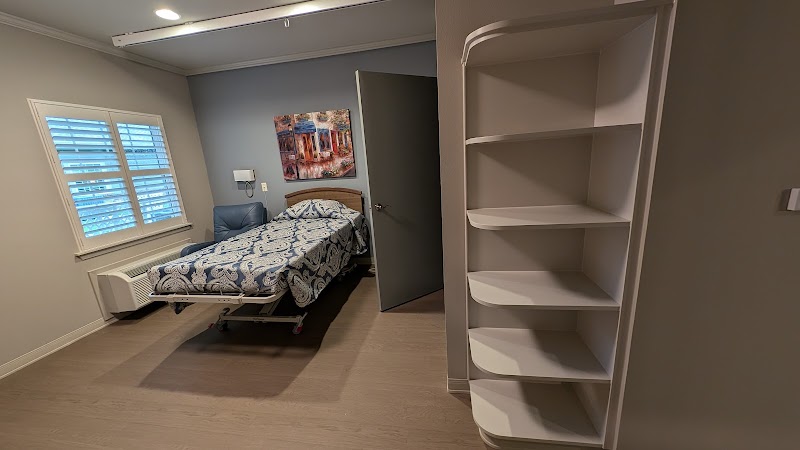
How is The Cottages At Texarkana Staffed?

CMS rates THE COTTAGES AT TEXARKANA's staffing level at 5 out of 5 stars, which is much above average compared to other nursing homes. Staff turnover is 44%, compared to the Arkansas average of 46%. This relatively stable workforce can support continuity of care.

What Have Inspectors Found at The Cottages At Texarkana?

State health inspectors documented 20 deficiencies at THE COTTAGES AT TEXARKANA during 2023 to 2025. These included: 1 that caused actual resident harm and 19 with potential for harm. Deficiencies causing actual harm indicate documented cases where residents experienced negative health consequences.
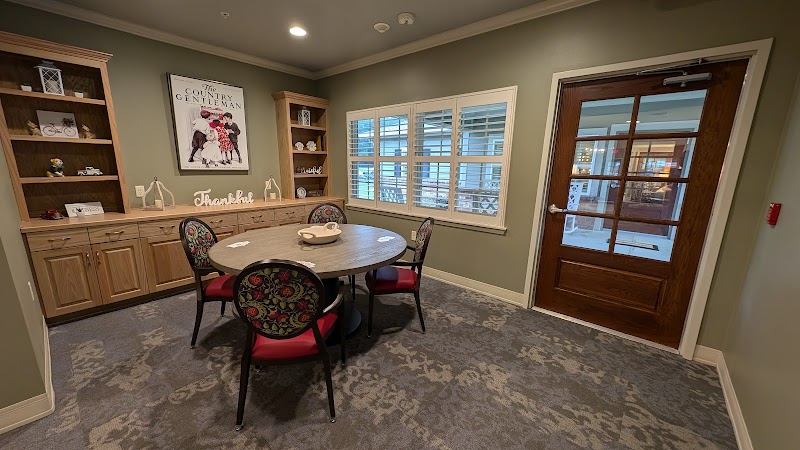
Who Owns and Operates The Cottages At Texarkana?

THE COTTAGES AT TEXARKANA is owned by a for-profit company. For-profit facilities operate as businesses with obligations to shareholders or private owners. The facility is operated by SOUTHERN ADMINISTRATIVE SERVICES, a chain that manages multiple nursing homes. With 120 certified beds and approximately 111 residents (about 92% occupancy), it is a mid-sized facility located in TEXARKANA, Arkansas.

How Does The Cottages At Texarkana Compare to Other Arkansas Nursing Homes?

Compared to the 100 nursing homes in Arkansas, THE COTTAGES AT TEXARKANA's overall rating (4 stars) is above the state average of 3.1, staff turnover (44%) is near the state average of 46%, and health inspection rating (3 stars) is at the national benchmark.

What Should Families Ask When Visiting The Cottages At Texarkana?

Based on this facility's data, families visiting should ask: "Can I visit during a mealtime to observe dining assistance and food quality?" "How do you handle medical emergencies, and what is your hospital transfer rate?" "Can I speak with family members of current residents about their experience?"

Is The Cottages At Texarkana Safe?

Based on CMS inspection data, THE COTTAGES AT TEXARKANA has a clean safety record: no substantiated abuse findings (meaning no confirmed cases of resident harm), no Immediate Jeopardy citations (the most serious violation level indicating risk of serious injury or death), and is not on the Special Focus Facility watch list (a federal program monitoring the lowest-performing 1% of nursing homes). The facility has a 4-star overall rating and ranks #1 of 100 nursing homes in Arkansas. While no facility is perfect, families should still ask about staff-to-resident ratios and recent inspection results during their visit.

Do Nurses at The Cottages At Texarkana Stick Around?

THE COTTAGES AT TEXARKANA has a staff turnover rate of 44%, which is about average for Arkansas nursing homes (state average: 46%). Moderate turnover is common in nursing homes, but families should still ask about staff tenure and how the facility maintains care continuity when employees leave.

Was The Cottages At Texarkana Ever Fined?

THE COTTAGES AT TEXARKANA has been fined $43,110 across 1 penalty action. The Arkansas average is $33,510. While any fine indicates a compliance issue, fines under $50,000 are relatively common and typically reflect isolated problems that were subsequently corrected. Families should ask what specific issues led to these fines and confirm they've been resolved.

Is The Cottages At Texarkana on Any Federal Watch List?

THE COTTAGES AT TEXARKANA is not on any federal watch list. The most significant is the Special Focus Facility (SFF) program, which identifies the bottom 1% of nursing homes nationally based on persistent, serious quality problems. Not being on this list means the facility has avoided the pattern of deficiencies that triggers enhanced federal oversight. This is a positive indicator, though families should still review the facility's inspection history directly.