THE BLOSSOMS AT VAN BUREN REHAB AND NURSING CENTER
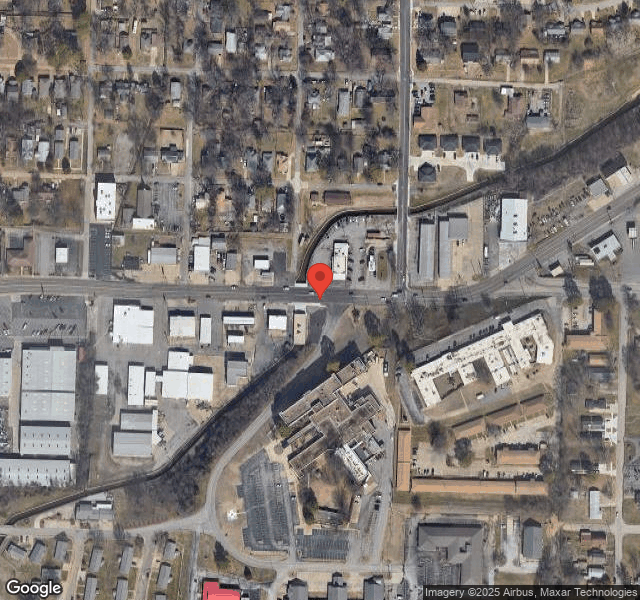
2010 MAIN STREET, VAN BUREN, AR 72956 (479) 474-6885
For profit - Limited Liability company 129 Beds JAMES & JUDY LINCOLN Data: November 2025 1 Immediate Jeopardy citation
Trust Grade
21/100
#210 of 218 in AR
Last Inspection: May 2025

Inspected within the last 6 months. Data reflects current conditions.

Overview

The Blossoms at Van Buren Rehab and Nursing Center has received a Trust Grade of F, indicating poor performance with significant concerns regarding care quality. Ranked #210 out of 218 facilities in Arkansas, they are in the bottom half statewide and last in Crawford County, meaning there are many better options available. The facility is currently improving, having reduced issues found during inspections from 26 in 2024 to just 4 in 2025. However, staffing remains a concern with a below-average rating of 2 out of 5 stars, a high turnover rate of 70%, and insufficient Registered Nurse coverage compared to 97% of state facilities. Specific incidents include a resident who eloped from the facility and sustained injuries due to inadequate supervision, as well as failure to ensure proper RN coverage for the required hours, raising serious concerns about resident safety and care quality.

Trust Score
F
21/100
In Arkansas
#210/218
Bottom 4%
Safety Record
High Risk
Review needed
Inspections
Getting Better
26 → 4 violations
Staff Stability
⚠ Watch
70% turnover. Above average. Higher turnover means staff may not know residents' routines.
Penalties
✓ Good
$12,649 in fines. Lower than most Arkansas facilities. Relatively clean record.
Skilled Nurses
⚠ Watch
Each resident gets only 8 minutes of Registered Nurse (RN) attention daily — below average for Arkansas. Fewer RN minutes means fewer trained eyes watching for problems.
Violations
⚠ Watch
52 deficiencies on record. Higher than average. Multiple issues found across inspections.
★☆☆☆☆
1.0
Overall Rating
★★☆☆☆
2.0
Staff Levels
★★★☆☆
3.0
Care Quality
★☆☆☆☆
1.0
Inspection Score
Stable
2024: 26 issues
2025: 4 issues

The Good

  • Full Sprinkler Coverage · Fire safety systems throughout facility
  • No fines on record

Facility shows strength in fire safety.

The Bad

1-Star Overall Rating

Below Arkansas average (3.1)

Significant quality concerns identified by CMS

Staff Turnover: 70%

23pts above Arkansas avg (46%)

Frequent staff changes - ask about care continuity

Federal Fines: $12,649

Below median ($33,413)

Minor penalties assessed

Chain: JAMES & JUDY LINCOLN

Part of a multi-facility chain

Ask about local staffing decisions and management

Staff turnover is elevated (70%)

22 points above Arkansas average of 48%

The Ugly 52 deficiencies on record

1 life-threatening
May 2025 4 deficiencies
CONCERN (D)

Potential for Harm - no one hurt, but risky conditions existed

Assessment Accuracy (Tag F0641)

Could have caused harm · This affected 1 resident

Based on record review, interview, and Resident Assessment Instrument (RAI) manual review, the facility failed to ensure a discharge was coded to the Minimum Data Set (MDS) in a timely manner for one ...

Read full inspector narrative →
Based on record review, interview, and Resident Assessment Instrument (RAI) manual review, the facility failed to ensure a discharge was coded to the Minimum Data Set (MDS) in a timely manner for one (Resident #65) of one sampled resident reviewed for accuracy of assessments to accurately capture a residents health status at the time of discharge. The findings include: Review of Medical Diagnosis revealed Resident #65 had diagnoses that included vertebra and humerus fracture and malnutrition. Review of Progress Note dated 12/02/2024 at 3:10 PM, revealed Resident #65 was transported from the facility to [Local Hospital] via ambulance. Review of the Discharge MDS, with an Assessment Reference Date (ARD) of 12/02/2024, revealed a Staff Assessment for Mental Status (SAMS) of short-term memory problems, and moderate cognitive skills for daily living. Section A2000 indicated a discharge date of 12/02/2024 to a short-term general hospital. Section Z revealed completion date: signed 04/30/2025 and RN Assessment Coordinator signed assessment as complete: 04/30/2025. During an interview on 04/30/2025 at 3:35 PM, the MDS Nurse indicated Resident #65's discharge had not been coded to the MDS, and after confirming with the Regional MDS consultant, it was revealed the facility had 14 days to report discharges on the MDS, and it should have been done after Resident #65 was discharged . The Regional MDS Consultant revealed they had no way to track and see that the discharge was not reported and confirmed the discharge assessment was not completed and submitted in the allowed 14 days. During an interview on 04/30/2025 at 3:41 PM, the MDS Trainer confirmed Resident #65's discharge was not reported within the allowed time. The MDS Trainer said, discharges are usually triggered in the MDS scheduled tab, and we discuss discharges during stand-up meetings held daily. The Regional MDS Consultant said, someone erased the tab. This surveyor asked for a copy of discharge instructions from the RAI manual. A review of the documents from the RAI (Omnibus Budget Reconciliation Act) OBRA, on 04/30/2025 at 4:46 PM, revealed discharge assessments were required within fourteen (14) days. Discharge under the RAI manual, refers to the date a resident was discharged .
CONCERN (D)

Potential for Harm - no one hurt, but risky conditions existed

PASARR Coordination (Tag F0644)

Could have caused harm · This affected 1 resident

**NOTE- TERMS IN BRACKETS HAVE BEEN EDITED TO PROTECT CONFIDENTIALITY** Based on interview and record review, the facility failed to ensure that the State Designated Agency was notified that one (Resi...

Read full inspector narrative →
**NOTE- TERMS IN BRACKETS HAVE BEEN EDITED TO PROTECT CONFIDENTIALITY** Based on interview and record review, the facility failed to ensure that the State Designated Agency was notified that one (Resident #6) of two residents, reviewed for Preadmission Screening and Resident Review (PASARR), had been admitted to the facility. The findings are: A review of Resident #6's Diagnosis Record revealed a diagnosis of schizoaffective disorder, bipolar type, with an onset date of 04/12/2025. There was no PASSAR noted in the electronic record. During a phone interview on 04/30/2025 at 9:59 AM, an employee at the State Designated Agency indicated Resident #6 had a level II PASARR in 2022. She indicated that Resident #6 had a review at a local facility in 09/2024. The State Designated Agency indicated the review was still open, because they had never been notified that Resident #6 had been admitted into any facility. The State Designated Agency indicated, Resident #6's new diagnosis of schizoaffective disorder, bipolar type that was diagnosed on [DATE], would not make the Preadmission Screening and Resident Review (PASARR) less or more since [pronoun] had already been diagnosed with bipolar, unless the resident had suicidal behavior. During an interview on 05/01/2025 at 11:00 AM, the Administrator indicated the State Designated Agency should have be notified when a resident entered the facility. During an interview on 05/01/2025 at 11:10 AM, the Director of Nursing (DON) indicated the MDS nurse was responsible for notifying the State Designated Agency when a resident had been admitted to the facility. During an interview on 05/01/2025 at 2:29 PM, the Marketing Director indicated she had been in her position for four months, and that she did not inform the State Designated Agency of Resident #6 ' s admission to the facility. During an interview on 05/01/2025 at 2:37 PM, the Marketing Director indicated she had just found out that she was responsible for contacting the State Designated Agency when a resident was admitted to the facility. She indicated, she was not aware that she was supposed to contact the State Designated Agency. During an interview on 05/01/2025 at 3:21 PM, the Administrator indicated the facility did not have a policy on PASARR's.
CONCERN (E)

Potential for Harm - no one hurt, but risky conditions existed

Accident Prevention (Tag F0689)

Could have caused harm · This affected multiple residents

Based on observation, record review, interview, and facility policy review, the facility failed to ensure medications were not stored unlocked at the residents ' bedside, and failed to ensure medicati...

Read full inspector narrative →
Based on observation, record review, interview, and facility policy review, the facility failed to ensure medications were not stored unlocked at the residents ' bedside, and failed to ensure medication treatment carts were locked to three (Resident #37, Resident #71, Resident #72) of 11 sampled residents, to prevent accidents and injuries. The findings include: 1. A review of a policy titled Medication Administration, revised 11/25/2022, revealed the Director of Nursing (DON) directs and supervises staff that administer medications, and they were to be done in a safe, timely manner. Medication carts were to be closed and locked, when out of sight of the medication nurse. Topical medications were to be documented on the Treatment Administration Record (TAR), when used. Medications shall be administered in a safe and timely manner, and as prescribed. Item 1. Only persons licensed or permitted by this state to prepare, administrate and document the administration of medications may do so. Item 21. Topical medications used in treatments must be recorded on the resident's treatment record (TAR). Item 24. Residents may self-administer their own medications only if the Attending Physician, in conjunction with the Interdisciplinary Care Planning Team, has determined that they have the decision-making capacity to do so safely. 2. A review of a policy titled Label/Store Drugs and Biologicals, revised 12/26/22, revealed nursing staff was responsible for making sure drugs were stored in a safe, and secure manner. Medication carts, used to transport medications, should be locked when not in use, and medications should not be stored in a resident ' s room, unless they were approved for self-administration. 3. A review of Medical Diagnoses revealed Resident #37 had diagnoses which included schizophrenia, stage III kidney disease, and osteomyelitis. a. A review of the admission Minimum Data Set (MDS) with an Assessment Reference Date (ARD) of 03/17/2025 indicated Resident #37 had a Brief Interview for Mental Status (BIMs) of 15, which indicated no cognitive impairment. Section M0300, of the MDS, indicated Resident #37 had one unstageable pressure ulcer, due to moisture associated skin damage. Section M1200, of the MDS, suggested the resident required pressure reducing devices and had application of ointments/medications, other than to the feet. b. A review of Physicians Order, for Resident #37 dated 03/13/2025, revealed anti-fungal powder was to be used, twice a day, topically to affected areas. c. A review of Care Plan for Resident #37, dated 03/19/2025, revealed altered skin integrity including a stage three ulcer to the right second toe. Interventions included: provide medication as indicated, check skin daily basis, and report issues to the charge nurse and physician, as needed. d. On 04/28/2025 at 8:32 AM, this surveyor observed Resident #37 to have antifungal powder and hydrophilic wound dressing cream at the bedside. Resident #37 said it was the resident ' s medication e. During a concurrent observation and interview on 04/28/2025 at 11:57 AM, the antifungal powder and hydrophilic wound dressing cream remained at Resident #37's bedside. Licensed Practical Nurse (LPN) #1 said that the medication should be left in the cart and offered to the resident, but not left in the room, because another resident could wander in and eat it or use it inappropriately. 4. On 04/28/2025 at 8:11 AM, a medication treatment cart was observed unlocked sitting between the 200-300 hall, with residents observed ambulating and in wheelchairs going up and down the hallway. LPN #2 was asked who was responsible for the treatment cart. LPN #2 said weekend nursing, that used the cart, left the treatment cart unlocked. LPN #2 read off the following medications found in the unlocked treatment cart: a. Silver Sulfadiazine cream b. Wound gel; x3 tubes c. Anti-microbial ointment; x2 tubes d. Collagenase ointment e. Butt paste d. Debriding paste; x2 tubes e. Hydrophilic Wound Dressing cream; x3 tubes f. Alcohol prep; 1 box g. A bottle of antibacterial/antimicrobial skin cleanser g. Peroxide 3% h. Sani-cloth i. Skin protectant j. Lanolin Moisture shield; x2 k. Anti-Fungal cream; 2% Miconazole Nitrate l. Honey with Anti-Bacterial properties; x3 tube m. Zinc Oxide ointment 20% n. Anti-Fungal spray 2% o. Open box with six (6) steel safety scalps p. Arthritis gel; 10% Trolamine Salicylate q. Tincture of Benzine a. During the observation mentioned above, LPN #2 revealed the facility process was to lock the medication carts when unattended and said residents should not have access to any of these medications, because residents could take and eat something they should not have. 5. On 04/28/2025 9:08 AM, Resident #72 was observed sitting in a bedside chair reading and antifungal spray was observed resting on the over the bed table. a. During an interview on 04/28/2025 at 11:57 AM, LPN #1 was asked what the process was for keeping medications at the bedside. The question was not answered. This surveyor observed LPN #1 go to Resident #72's room and pick up the antifungal spray. Resident #72 told LPN #1 it was not theirs, and the resident did not know how the medication got in the resident ' s room. LPN #1 confirmed she did not know medication was at the bedside of Resident #37 or Resident #72. LPN #1 said someone with dementia or someone who wanders could eat it or misuse it. 6. A review of the Physician's Order, dated 04/29/2025, for Resident #71 did not reveal an order for [Name Brand Wound/Burn Gel]. a. A review of the resident's 5-Day MDS with an ARD of 04/04/2025, for Resident #71 identified in Section M item H: Applications of ointments/medications other than to feet was checked. b. A review of the resident's Care Plan identified Resident #71 to have little or no activity related to Physical Limitations; the resident has an alteration in skin integrity and is at risk for additional and/or worsening of skin integrity issues related to gangrene left and right hand, left and right foot, stage 4 on coccyx, venous ulcer left and right lateral shin, and right ankle. With an intervention to administer wound care (treatments) per Medical Doctor orders. c. During an interview on 04/30/2025 at 8:25 AM, Resident #71 told this surveyor they were using a tube of ointment with [Name Brand Wound/Burn Gel], for itching. d. During an interview on 04/30/2025 at 8:50 AM, the Medical Director (MD) said a resident should not apply any type of medication to themselves, without a physician ' s order to do so, because the ointment could be harmful to the resident. e. During a concurrent interview on 05/01/2025 at 8:37 AM, the MD said he should have been aware of any medication left at the resident's bedside, and he must approve it, because they may take something that could harm them. 7. During an interview on 05/01/2025 at 11:55 AM, the Administrator said medications could not be left at the bedside, because the resident had to be assessed for self-administration of medications and the medications should have been stored and locked in a secure area. 8. During an interview on 04/30/2025 at 9:30 AM, the Director of Nursing (DON) was asked what the process was for medications being left at the bedside. The DON stated medications should not be left at the bedside, because another resident might come in and take the medication, which could cause harm to the resident. The DON stated they [the facility] did not have a self-administration policy, and no residents had been approved for self-administration rights.
CONCERN (E)

Potential for Harm - no one hurt, but risky conditions existed

Infection Control (Tag F0880)

Could have caused harm · This affected multiple residents

Based on observation, record review, interview, and facility policy review, the facility failed to ensure hand hygiene was performed while assisting with wound care, to prevent the risk for infection ...

Read full inspector narrative →
Based on observation, record review, interview, and facility policy review, the facility failed to ensure hand hygiene was performed while assisting with wound care, to prevent the risk for infection for one (Resident #71) of three sampled residents observed for wound care. The facility also failed to ensure Enhanced Barrier Precautions (EBP) were followed during flushing of a feeding tube, for one of one observation for one (Resident #4) of one sampled resident observed for feeding tube care, to prevent infections and cross contamination. The findings include: 1. A review of Diagnosis Report for Resident #71 revealed diagnoses which included frostbite with necrosis, gangrene, and vascular disease. a. A review of Resident #71 ' s Medicare-5 Day Minimum Data Set (MDS) with an Assessment Reference Date (ARD) of 04/04/2025, suggested a Brief Interview for Mental Status (BIMS) score of 15, which indicated no cognitive impairment. Section M0300, of the MDS, revealed Resident #71 had four Stage IV pressure ulcers and had one Stage IV pressure ulcer on admission. b. During an observation on 04/29/2025 at 3:24 PM, Certified Nursing Assistant (CNA) #7 was observed handling trash, then without performing hand hygiene, donned gloves in the hallway and entering Resident #71's room to assist with wound care. CNA #7 put on a gown, then removed Resident #71's dirty gown, walked over to the right side of the bed and assisted Resident #71 in turning onto their right side, then pulled up the left buttocks to expose a large, open wound in the gluteal cleft to the nurse. CNA #7 removed their gloves and donned clean gloves after the dressing change, without using hand gel or hand washing. When asked, CNA #7 stated the process for assisting with wound care was to wash hands, puts on gloves and follow the direction of the nurse performing wound care. CNA #7 confirmed he did not perform hand hygiene before/or upon entering the room, after assisting with wound care, or use alcohol gel, when making a glove change because the alcohol gel pump on the wall was not working. c. During an interview on 04/30/2025 at 9:22 AM, the Director of Nursing (DON) stated staff should use hand gel or wash their hands before gloving up and change their gloves, as needed, and use hand gel in between glove changes, so that good infection control practices were maintained. The DON said she also expected staff to follow EBP during wound care. d. During an interview on 05/01/2025 at 1:02 PM, the Administrator said CNAs should perform hand hygiene before putting on gloves to assist with wound care, and when changing gloves, CNAs should perform hand hygiene by washing or using alcohol gel in between. Hand hygiene should also be performed after taking out trash, before gloving up to assist with wound care. 2. A review of Medical Diagnoses revealed Resident #4 had diagnoses which included malnutrition, dysphagia (difficulty swallowing), and gastrostomy status (tube). a. A review of an MDS with an ARD of 02/04/2025 for Resident #4 revealed a Staff Assessment for Mental Status (SAMS) score of 3, which indicated severe cognitive impairment. Section V0200 Care Area #13 revealed the resident had a feeding tube. b. A review of Physician Orders 06/04/2024, revealed Resident #4 received a flush feeding with 35 cubic centimeters (cc) of water, before and after medication administration. c. A review of an In-service Education Report on EBP conducted on 08/20/2024, included a policy titled Enhanced Barrier Precautions, revised 03/21/2024, revealed identified residents on EBP will have appropriate signage, and required PPE Residents with indwelling medical devices such as feeding tubes require EBP. d. During an observation on 04/28/2025 at 9:21 AM, Licensed Practical Nurse (LPN) #1 was observed using a stethoscope to check Resident #4 for placement of a gastrostomy tube. LPN #1 flushed the tube with 35 (milliliters) mL of water. LPN #1 was not wearing a gown when the gastrostomy tube was flushed. e. During an interview on 04/28/2025 at 9:28 AM, LPN #1 said she was supposed to be wearing a gown when flushing Resident #4 ' s gastrostomy tube for EBP. This surveyor observed EBP signage on Resident #4 ' s outer door indicating staff were to wear gown and gloves during device care or use: feeding tubes. 3. During an interview on 05/01/2025 at 11:55 AM, the Director of Nursing (DON) stated EBP should be used on a resident who had a gastrostomy tube, by donning a gown and gloves. PPE was located in the residents ' rooms. The DON stated if EBP was not used, it could cause the spread of germs. 4. During an interview on 05/01/2025 at 12:47 PM, the Administrator said his expectations for staff regarding EBP was that staff would follow the policy. 5. During an interview on 04/30/2025 at 12:52pm, LPN # 8 said EBP signage was outside the doors of residents with PEG tubes, IV ' s, and catheters. LPN #8 said PPE should be worn with any personal care, to prevent passing of germs. 6. A review of an in-service titled, Infection Control, dated 10/29/2024, revealed topics covered included personal protective equipment (PPE) donning and removal, hand washing, hand cleanser, and hand hygiene. The in-service also revealed that EBP required gowns and gloves to be worn by staff during high-contact resident care activities. 7. A review of a policy titled Wound and Pressure Ulcer Management Policy, revised 11/01/2022, did not address hand hygiene during wound care. 8. A review of policy titled Infection Prevention and Control Programs, revised 11/02/2022, revealed the facility followed the guidance of the Center for Disease Control (CDC), implemented isolation precautions when appropriate, educating staff on proper procedures, and instituted measures to prevent infections.
Jul 2024 1 deficiency
CONCERN (E) 📢 Someone Reported This

A family member, employee, or ombudsman was alarmed enough to file a formal complaint

Potential for Harm - no one hurt, but risky conditions existed

Deficiency F0761 (Tag F0761)

Could have caused harm · This affected multiple residents

Based on observations, interviews, and record review, the facility failed to ensure medications were not left in resident rooms unattended for 2 (Resident #3 and Resident #6) of 2 residents and failed...

Read full inspector narrative →
Based on observations, interviews, and record review, the facility failed to ensure medications were not left in resident rooms unattended for 2 (Resident #3 and Resident #6) of 2 residents and failed to ensure medication was not left on the floor of a resident's room for 1 (Resident #2) of 1 resident family interviewed for unattended medications. Findings include: 1. A review of the admission Record, indicated the facility admitted Resident #3 with diagnoses that included malignant neoplasm of the tongue, bipolar disorder, and schizophrenia. The quarterly Minimum Data Set (MDS) with an Assessment Reference Date (ARD) of 03/27/2024 revealed Resident #3 had a Brief Interview for Mental Status (BIMS) score of 9 which indicated the resident required moderate cognitive impairment. Resident #3 required supervision to moderate assistance with activities of daily living. A review of Resident #3's Care Plan, initiated on 10/13/2023, revealed the resident had a history of malignant neoplasm of the tongue, was dependent on staff for activities related to cognition deficit, had short- and long-term memory deficits with impaired decision-making skills, was at risk for further cognitive decline, had poor safety awareness, and pain related to neoplasm of the tongue. Interventions included: to administer medications as ordered, activities compatible with mental capabilities, and maintaining physical environment to help ensure safety. A review of the Order Summary, revealed Resident #3 had a physician's order for a medicated mouth rinse 5 milliliters (ml) by mouth for mouth pain with instructions to swish, gargle and spit, 2 times daily as needed. A review of the Medication Administration Record for June 2024, revealed Resident #3 had medicated mouth rinse administered on 06/29/2024 at 10:40 AM. A review of the July 2024 Medication Administration Record revealed Resident #3 had not received the medicated mouth rinse. A review of the Standard Assessments revealed Resident #3 did not have an assessment for self-administration of medication. During an observation on 07/01/2024 at 12:00 PM, a 30 milliliter (ml) medication cup with graduated markings was located on the bedside table. The cup contained an opaque pink liquid filled to the top graduated mark, indicating 30 ml of fluid, 6 times the dose ordered. During a concurrent observation and interview on 07/01/2024 at 3:07 PM, a 30 ml medication cup with graduated markings, containing an opaque pink liquid, filled to the top graduated mark, was located on the bedside table. Resident #3 stated the medication was for mouth cancer and was provided by a nurse to use when it was needed. During an observation on 07/02/2024 at 8:10 AM, a 30 ml medication cup was located on the bedside table. The medication cup contained 20 ml of an opaque pink liquid. During a concurrent observation and interview on 07/02/2024 at 10:34 AM, Resident #3 placed the opaque pink liquid, from the medication cup, into the resident's mouth and spit the liquid back into the medication cup. Resident #3 stated the nurse leaves the medication in the room so it can be used when needed. Resident #3 indicated the resident just puts some of the fluid in their mouth and swishes it around and puts it back in the cup. Resident #3 could not recall when the medication was placed in the room. During a concurrent observation and interview on 07/02/2024 at 10:36 AM, Certified Nursing Assistant (CNA) #2 stated they did not know what the medication cup contained. During an interview on 07/02/2024 at 10:41 AM, Licensed Practical Nurse (LPN) #1 stated the fluid in the medication cup was Resident #3's swish and spit medication for mouth cancer, and it should be given by a nurse and not left in resident's room. Resident #3 does not have an order to self-administer medication. If a resident can self-administer medication they would have a physician's order, only if their BIMS score was competent, and if they were able to take the medication. A review of Staffing Sheets revealed LPN #3 was working Saturday 06/29/2024 day shift and was assigned to Resident #2's hall. On 07/02/2024 at 2:27 PM, LPN #3 was interviewed by telephone. LPN #3 stated she was familiar with Resident #3 and on 06/29/2024 did administer medications to Resident #3 twice during the shift. LPN #3 stated the swish and spit was administered to the resident after other medications, due to Resident #3 should not drink after administration. The medication was not left at the bedside and should not be left at the bedside because Resident #3 did not have an order to self-administer medications and LPN #3 was not aware of an assessment for self-administration being done. 2. A review of the admission Record, indicated the facility admitted Resident #6 with diagnoses that included metabolic encephalopathy, transient ischemic attack (TIA), and dementia. The quarterly Minimum Data Set (MDS) with an Assessment Reference Date (ARD) of 06/28/2024 revealed Resident #6 had a Brief Interview for Mental Status (BIMS) score of 15 which indicated the resident was cognitively intact. Resident #6 required a wheelchair for mobility and was dependent upon staff for activities of daily living. A review of Resident #6's Care Plan initiated on 02/01/2024 revealed the resident had a history of TIA and was at risk for complications, short- and long-term memory deficits with impaired decision making with diagnosis of dementia. Interventions included administering medications as ordered. A review of the Order Summary, revealed Resident #6 did not have an order to self-administer mediations, did not have an order for triple antibiotic ointment and did not have an order for a medicated gel shampoo. A review of the June 2024 Medication Administration Record, revealed Resident #6 did not have orders to receive triple antibiotic ointment or medicated gel shampoo. A review of the June 2024 Treatment Administration Record, revealed Resident #6 did not have orders for triple antibiotic ointment or medicated gel shampoo. A review of the July 2024 Medication Administration Record, revealed Resident #6 did not have orders for triple antibiotic ointment or medicated gel shampoo. A review of the July 2024 Treatment Administration Record, revealed Resident #6 did not have orders for triple antibiotic ointment or medicated gel shampoo. A review of the Standard Assessments revealed Resident #3 did not have an assessment for self-administration of medication. During an observation on 07/01/2024 at 1:20 PM, a tube of triple antibiotic ointment and a bottle of medicated gel shampoo, was in a gray bath basin, located on the bedside table in reach of Resident #6. During an observation on 07/01/2024 at 3:20 PM, a tube of triple antibiotic ointment and a bottle of medicated gel shampoo was located on the bedside table in reach of Resident #6. During an observation on 07/02/2024 at 8:17 AM, a tube of triple antibiotic ointment and a bottle of medicated gel shampoo was located on the bedside table in reach of Resident #6. During a concurrent observation and interview on 07/02/2024 at 10:48 AM, Licensed Practical Nurse (LPN) #1 identified the shampoo as a medicated gel shampoo containing coal tar, and the tube as triple antibiotic ointment. LPN #1 stated there was no order for this resident to receive the shampoo or triple antibiotic ointment. LPN #1 stated only nurses should have access to the shampoo and triple antibiotic ointment and should not be left in a resident's room because anyone would have access to it and cause injury. The label instructed to ask a doctor before use, use as directed by a doctor, and warnings instructed the product was for external use only. During a concurrent observation and interview on 07/02/2024 at 10:58 AM, medicated gel shampoo was located on a shelf in the supply room. Medical Records stated they did the order of supplies and did order the shampoo. Medical Records stated supplies are kept locked in the supply room to keep residents out of the supply room, so they do not access and get sick or injured, to keep them safe. 3. A review of the admission Record, indicated the facility admitted Resident #2 with diagnoses that included Cerebral Infarction and Convulsions. The admission Minimum Data Set (MDS) with an Assessment Reference Date (ARD) of 04/29/2024 revealed Resident #2 had a Brief Interview for Mental Status (BIMS) score of 6 which indicated the resident had severe cognitive impairment. Care Area Assessment indicated cognitive loss. A review of Resident #2's Care Plan, initiated on 05/06/2024, revealed the resident had short- and long-term memory deficits with impaired decision making and was at risk for further cognitive declines and impaired decision making and memory loss. Interventions included administering medication as ordered. During an interview on 07/01/2024 at 12:57 PM, Resident #2's responsible party stated a cup of pills was left on the bedside table within reach of Resident #2. It had another resident's name on it. Resident #2 did not have a roommate at that time, was not aware of a resident with that name and the nurse said there was no one on the hall with that name. The nurse removed the cup of pills from the room. Resident representative stated on Saturday morning there was a pill laying on the floor, under the overbed table, next to the bed. The nurse was notified and came in and removed the medication. Resident representative stated they were unsure whose medication it was. Review of staffing sheets revealed Licensed Practical Nurse (LPN) #3 was working Saturday 06/29/2024, day shift, and was assigned to Resident #2's hall. During an interview on 07/02/2024 at 12:11 PM, the Director of Nursing (DON) stated medications should not be left at the bedside to be self-administered. Medications and supplies are locked so residents cannot access for safety and if left at bedside anyone could access. The resident with dementia could consume the medication and it could cause harm. On 07/02/2024 at 2:27 PM, LPN #3 was interviewed by telephone. LPN #3 stated she was familiar with Resident #2 and their representative, and on 06/29/2024, Resident #2's representative called LPN #3 to Resident #2's room regarding a pill that was found on the floor. LPN #3 stated the pill looked like it had been in someone's mouth, and she had taken the pill and disposed of it. LPN #3 stated they had not passed medication at that time, so she was not able to determine what it was or whose medication it was. LPN #3 was not aware of any cup of pills. A review of a facility policy titled, Medication Administration, with an effected date 04/2021, and a revised date of 11/25/2022, indicated, .1. Only persons licensed or permitted by this state . administer . medication may do so . 3. Medications must be administered in accordance with orders . 24. Residents may self-administer their own medications only if the Attending Physician, in conjunction with the Interdisciplinary Care Planning Team, has determined that they have the decision-making capacity to do so safely . A review of a facility policy titled, Label/Store Drugs & Biologicals, with an effective date of 04/2021, and a reviewed date of 12/26/2022, indicated, The nursing staff shall be responsible for maintaining medication storage AND preparation . Compartments (including, but not limited to, drawers, cabinets, rooms .) containing drugs . shall be locked when not in use . items shall not be left unattended if open or otherwise potentially available to others . Medication will not be stored in a resident room unless the resident has been approved for self-administration of medication .
Feb 2024 25 deficiencies
CONCERN (D)

Potential for Harm - no one hurt, but risky conditions existed

Notification of Changes (Tag F0580)

Could have caused harm · This affected 1 resident

Based on record review, and interview, the facility failed to notify a resident's representative about change of services. This failed practice had the potential to affect 1 (Resident #53) of 1 sample...

Read full inspector narrative →
Based on record review, and interview, the facility failed to notify a resident's representative about change of services. This failed practice had the potential to affect 1 (Resident #53) of 1 sampled resident who are receiving therapy and have a power of attorney (POA). The findings are: Resident #53 had diagnoses of Muscle weakness and Lack of coordination. The Medicare 5-day Minimum Data Set with an Assessment Reference Date (ARD) of 2/2/24 documented a Brief Interview of Mental Status (BIMS) score of 00 (0 to 7 indicates severe cognitive impairment). The Physician order summary for Resident #53 documented an order for Occupational Therapy to treat five times a week for four weeks, active 2/1/24, Physical Therapy to treat five times a week for four weeks, active 1/31/24, Speech Therapy to treat three times a week for eight weeks, active 2/2/24. On 2/13/24 at 9:14 AM, the resident's POA voiced frustration about resident not being placed on therapy. On 2/14/23 at 2:20 PM, Licensed Practical Nurse (LPN) #3 was asked, Who notifies families of new orders and changes of condition? LPN #3 stated, Either the nurse that takes the order or unit manager. On the change of condition there is an assessment that has an area that is filled in where the family is notified. LPN #3 was asked, Who notifies families of new therapy orders? LPN #3 stated, Not sure who does, but it's not nursing. On 2/14/24 at 2:55 PM, the Surveyor asked Physical Therapist (PT) #1, Who notifies families of new orders or changes in therapy orders? PT #1 stated, Usually therapy, but not if they have a Power of Attorney, if they have one, nursing notifies them. PT #1 was asked, Who notifies the family when residents come back from hospital and are going to start therapy? PT #1 stated, If there are not cognitively aware nursing does that. On 2/14/24 at 3:00 PM, the Director of Nursing (DON) was asked, When a resident returns from the hospital in a skilled bed is the family notified of therapy services? The DON stated, Yes, they are notified, therapy notifies if not cognitively impaired, nursing does. The DON was asked, Has [Resident #53's] POA been notified of therapy being performed? The DON stated, Yes, the sibling has been notified; they were here the day the resident came back from the hospital. The DON confirmed the POA for Resident #53 had not been notified of therapy services being initiated.
CONCERN (D)

Potential for Harm - no one hurt, but risky conditions existed

Deficiency F0625 (Tag F0625)

Could have caused harm · This affected 1 resident

Based on interview and record review, the facility failed to provide a written discharge notice for 1 (resident #53) of 6 sampled residents who were sent to the hospital in the last month. The finding...

Read full inspector narrative →
Based on interview and record review, the facility failed to provide a written discharge notice for 1 (resident #53) of 6 sampled residents who were sent to the hospital in the last month. The findings are: Resident #53 had diagnoses of Pneumonitis due to inhalation of food and vomit, Gastro-Intestinal bleed, and Gastrostomy malfunction. The Medicare 5-day Minimum Data Set (MDS) with the Assessment Reference Date (ARD) of 2/2/24 documented a Brief Interview of Mental Status (BIMS) score of 00 (0 to 7 points indicates severe cognitive impairment). On 2/13/24 at 3:00 PM, a written Bed Hold notice required to be sent to the family was not found in the resident's chart. On 2/13/24 at 4:00 PM, a written Bed Hold notice that was required to be sent to the family for the hospitalization dated 1/21/24 through 1/27/24 was requested. On 2/13/24 at 4:21PM, Nurse Consultant #1 confirmed the facility did not have the written Bed Hold notice for Resident #53.
CONCERN (D)

Potential for Harm - no one hurt, but risky conditions existed

Assessment Accuracy (Tag F0641)

Could have caused harm · This affected 1 resident

Based on interview and record review, the facility failed to ensure accurate Minimum Data Sets were performed for 1 (Resident #55) of 25 sampled residents. The findings are: A Quarterly Minimum Data S...

Read full inspector narrative →
Based on interview and record review, the facility failed to ensure accurate Minimum Data Sets were performed for 1 (Resident #55) of 25 sampled residents. The findings are: A Quarterly Minimum Data Set (MDS) with an Assessment Reference Date of 12/11/2023 documented that Resident (R) #55 was taking an anticoagulant. The Surveyor was unable to locate a physician's order for R#55 that included an anticoagulant. On 02/14/2024 at 03:12 PM, the MDS Coordinator was asked if R#55 had been ordered an anticoagulant, and if the MDS for the resident had been coded to include an anticoagulant. The MDS Coordinator stated, Yeah, [R#55] is getting an antiplatelet. I believe the anticoagulant may have been selected by mistake. Both are selected. I'll fix that now. On 02/15/2024 at 02:45 PM, the Assistant Director of Nursing (ADON) confirmed the importance of accurate assessments to resident care. On 02/15/2024 at 02:55 PM, the Administrator acknowledged that the MDS assessment for R#55 was performed inaccurately. On 02/16/2024 at 08:58 AM, Nurse Consultant 2 reported the facility followed the Resident Assessment Instrument (RAI) manual for guidance on coding MDS assessments. The RAI manual documented on page 1-4, .The RAI process has multiple regulatory requirements. Federal regulations .require that (1) the assessment accurately reflects the resident's status .
CONCERN (D)

Potential for Harm - no one hurt, but risky conditions existed

Deficiency F0655 (Tag F0655)

Could have caused harm · This affected 1 resident

Based on interview and record review, the facility failed to form a baseline care plan within 48 hours of admission for 1 (Resident #67) of 25 sampled residents. The findings are: An admission Summary...

Read full inspector narrative →
Based on interview and record review, the facility failed to form a baseline care plan within 48 hours of admission for 1 (Resident #67) of 25 sampled residents. The findings are: An admission Summary Progress Note for Resident (R) #67 dated 9/26/2023 at 09:46 PM documented, .Resident admitted 1450 [2:50 PM] 9/26/2023 . The Care Plan for R#67 was initiated 09/29/2023. No baseline care plan was found in the chart of R#67. On 02/14/2024 at 02:15 PM, the MDS Coordinator was asked if they were able to locate a baseline care plan for R#67. The MDS Coordinator stated, No, doesn't look like we have anything for them. They must have missed that one. On 02/15/2024 at 02:45 PM, the Assistant Director of Nursing (ADON) confirmed that no baseline care plan had been completed for R#67, and that it was required for a resident to have a care plan in place within 48 hours of admission. On 02/15/2024 at 02:55 PM, the Administrator confirmed that a baseline care plan should have been implemented for R#67 within 48 hours of admission. On 02/16/2024 at 08:54 AM, Nurse Consultant 2 reported the facility did not have a policy on developing baseline care plans.
CONCERN (D) 📢 Someone Reported This

A family member, employee, or ombudsman was alarmed enough to file a formal complaint

Potential for Harm - no one hurt, but risky conditions existed

Deficiency F0660 (Tag F0660)

Could have caused harm · This affected 1 resident

Based on interview and record review, facility failed to ensure Home Health was provided at the time 1 (Resident #283) resident was discharged back to the community from the facility. The findings are...

Read full inspector narrative →
Based on interview and record review, facility failed to ensure Home Health was provided at the time 1 (Resident #283) resident was discharged back to the community from the facility. The findings are: Resident (R) #283 had diagnoses of Chronic obstructive pulmonary disease, Dysphagia and hemiparesis following hypertension, Hemiplegia following other cerebrovascular disease, Muscle wasting atrophy, Other cervical disc degeneration, Atherosclerotic heart disease, Cerebral infarction, and Cognitive communication deficit. On 11/01/23 R #283 was admitted to nursing facility. On 12/02/23 R #283 was discharged back to the community. On 2/14/24 at 11:36 AM, the Social Worker (SW) was asked, Who is responsible for making sure a resident that discharges back to the community has the services needed in their home? The SW stated, I do all the discharges and referrals. The SW was asked, Do you remember R #283 discharging? The SW stated, Yes I do. The SW was asked, Do you remember setting up home health for R #283? The SW stated, Yes, I made a referral to [a home health agency], however they were unable to provide [physical therapy] for the resident so I then made a referral to [a second home health agency]. The SW was asked, Can you provide your notes or the referral that you made? The SW stated, I did not document it, but I will see if I can get the referral from the home health. On 2/14/24 at 3:59 PM, Nurse Consultant #1 provided a home health referral for R #283 dated 12/20/23. R #283 was discharged from the facility on 12/2/23. On 2/15/24 at 1:44 PM, the Business Office Manager (BOM) for [Home Health Agency] was asked, When did you receive the referral for R #283? The BOM stated, Home health received the referral on 12/20/23 and home health started their visits on 12/22/23, visiting 5 days a week and are still doing visits with resident. On 2/16/24 at 10:28 AM, a policy titled, Discharge Planning Process, was provided by the Administrator. It documented, .Policy Statement- Each resident will have a discharge plan that focuses on the residents' discharge goals, the preparation to be active partners and effectively transition them to post-discharge care, and the reduction of factors leading to preventable readmission. The planning process will include the caregiver, the resident, and the interdisciplinary team, and referrals to local agencies as appropriate .I. Document all referrals to agencies or entities regarding the resident returning to the community. ii. Update the care plan and discharge plan related to response received from referrals and other entities .
CONCERN (D)

Potential for Harm - no one hurt, but risky conditions existed

Deficiency F0675 (Tag F0675)

Could have caused harm · This affected 1 resident

Based on observation and interview the facility failed to ensure 1 (Resident #128) of 17 sampled residents who depended on staff for bed mobility was repositioned in bed. The findings are: Resident #...

Read full inspector narrative →
Based on observation and interview the facility failed to ensure 1 (Resident #128) of 17 sampled residents who depended on staff for bed mobility was repositioned in bed. The findings are: Resident #128 had diagnoses of Spondylosis without myelopathy or radiculopathy, lumbar region, Need for assistance with personal care, Unspecified lack of coordination, Unspecified abnormalities of gait and mobility, Muscle weakness (generalized), and Unspecified spinal stenosis, cervical region. A care plan initiated 2/12/24 documented, .I require extensive assist x2 staff with bed mobility .Please turn and reposition me [every] 2 hours and [as needed] . On 2/13/24 at 1:37 PM, Resident #128 was in bed leaning to the left side while eating lunch. The Resident had a bowl in the bed and was having trouble eating. On 2/13/24 at 1:38 PM, Resident #128 was asked if they were comfortable. The Resident He stated, No, I can't get to my food. On 2/13/24 at 2:10 PM, Certified Nurse Aide (CNA) #1 was asked, Did you give Resident #128 a meal tray for lunch? CNA #1 stated, No I didn't. CNA #1 was asked, Can you tell me why Resident #128 wasn't positioned properly while eating lunch? CNA #1 stated, [Resident #128] is always leaning. I'm going to talk to therapy in the morning to see if they can get [the resident] a wedge or something.
CONCERN (D)

Potential for Harm - no one hurt, but risky conditions existed

Deficiency F0676 (Tag F0676)

Could have caused harm · This affected 1 resident

Based on observation and interview, the facility failed to ensure staff assisted 1 (Resident #128) of 5 sampled residents that depended on staff for assistance with meals. The findings are: Resident #...

Read full inspector narrative →
Based on observation and interview, the facility failed to ensure staff assisted 1 (Resident #128) of 5 sampled residents that depended on staff for assistance with meals. The findings are: Resident #128 had diagnoses of Spondylosis without myelopathy or radiculopathy, lumbar region, Need for assistance with personal care, Unspecified lack of coordination, Unspecified abnormalities of gait and mobility, Muscle weakness (generalized), and Unspecified spinal stenosis, cervical region. A care plan initiated 2/12/24 documented, .I require extensive assist X 1 staff with eating . On 2/13/24 at 1:37 PM, Resident #128 was in bed having trouble eating lunch from a bowl of food. On 2/13/24 at 1:38 PM, Resident #128 was asked if they were comfortable. The Resident stated, No, I can't get to my food. On 2/13/24 at 2:07 PM, Certified Nurse Aide (CNA) #1 was asked, How much assistance does [Resident #128] require with meals? CNA #1 stated, Starting today, he is one hundred percent. He was feeding himself, but today he was leaning. CNA #1 was asked, Did the care plan indicate that he could feed himself? CNA #1 stated, Yes it did. On 2/13/24 at 1:40 PM, the Director of Nurse (DON) was asked, How much assistance does [Resident #128] require with his meals? The DON stated, Someone is supposed to feed him.
CONCERN (D) 📢 Someone Reported This

A family member, employee, or ombudsman was alarmed enough to file a formal complaint

Potential for Harm - no one hurt, but risky conditions existed

Pharmacy Services (Tag F0755)

Could have caused harm · This affected 1 resident

**NOTE- TERMS IN BRACKETS HAVE BEEN EDITED TO PROTECT CONFIDENTIALITY** Based on interview and record review, the facility failed to ensure medications were administered as ordered for 1 (Resident #69...

Read full inspector narrative →
**NOTE- TERMS IN BRACKETS HAVE BEEN EDITED TO PROTECT CONFIDENTIALITY** Based on interview and record review, the facility failed to ensure medications were administered as ordered for 1 (Resident #69) of 25 sampled residents who received medications from staff in the facility. The findings are: Resident (R) #69 was admitted to the facility on [DATE]. On 10/12/2024 at 03:54 PM, the ordered medications were approved by R#69's physician. On 02/15/2024 at 09:58 AM, the Assistant Director of Nursing (ADON) provided a document titled, Packing Slip Proof of Delivery. It documented that R#69's prescribed medications were delivered to the facility on [DATE] at 06:33 PM. A Physician's Order documented, Fluticasone Propionate Suspension 50 MCG/ACT [micrograms per actuation] 2 spray in each nostril in the afternoon related to Allergic rhinitis, unspecified . with a start date of 01/12/2024. R#69 did not receive the medication on 01/12/2024, 01/13/2024, 01/14/2024, 01/16/2024. The Medication Administration Record (MAR) for R#69 documented 9=Other / See Nurse Notes Effective for these days. No rationale was found in the Nurses Notes. A Physician's Order documented, Oxymetazoline HCl [Hydrochloric acid] Nasal Solution 0.05% (Oxymetazoline HCl) 2 spray in both nostrils two times a day every Mon, Tue, Wed [Monday, Tuesday and Wednesday] related to Allergic rhinitis, unspecified . with a start date of date of 01/15/2024. R#69 did not receive the medication on 01/15/2024 at 08:00 AM, or 01/16/2024 at 04:00 PM. The Medication Administration Record (MAR) for R#69 documented 9=Other / See Nurse Notes Effective for these days. No rationale was found in the Nurses Notes. A Physician's Order documented, Sodium Bicarbonate Oral Tablet 650 MG (Sodium Bicarbonate (Antacid) Give 2 tablet by mouth two times a day related to Alcohol abuse with withdrawal, unspecified . with a start date of 01/12/2024. R#69 did not receive the medication on 01/13/2024 at 04:00 PM. The MAR for R#69 documented, 9=Other / See Nurse Notes Effective for these days. No rationale was found in the Nurses Notes. A Physician's Order documented, prednisoLONE Acetate Ophthalmic Suspension 1% (Prednisolone Acetate (Ophth)) Instill 1 drop in right eye four times a day related to Dry eye syndrome of right lacrimal gland . with a start date of 01/12/2024. R#69 did not receive the medication on 01/13/2024 at 04:00 PM or 08:00 PM, on 01/14/2024 at 04:00 PM or 08:00 PM, on 01/15/2024 at 08:00 PM or 12:00PM, and on 01/16/2024 at 04:00 PM or 08:00 PM. The MAR for R#69 documented, 9=Other / See Nurse Notes Effective for these days. No rationale was found in Nurses Notes for R#69. On 02/15/2024 at 10:30 AM, the Director of Nursing (DON) stated they were unaware of a reason for the medications not being administered other than the medications not being delivered by the pharmacy and that medications needed to be administered as ordered by the physician. On 02/15/2024 at 02:45 PM, the Assistant Director of Nursing (ADON) confirmed that medications were to be administered as ordered to ensure the best outcome for residents. On 02/15/2024 at 02:55 PM, the Administrator acknowledged that medications were not administered as ordered to R#69. On 02/15/2024 at 08:43 AM, Nurse Consultant #1 provided a Policy titled, Medication Administration, which documented, .Medications shall be administered in a safe and timely manner, and as prescribed .
CONCERN (D)

Potential for Harm - no one hurt, but risky conditions existed

Deficiency F0847 (Tag F0847)

Could have caused harm · This affected 1 resident

Based on interview and record review, the facility failed to ensure the binding arbitration agreement was explained in a manner that the residents or resident's representatives fully understood for 2 ...

Read full inspector narrative →
Based on interview and record review, the facility failed to ensure the binding arbitration agreement was explained in a manner that the residents or resident's representatives fully understood for 2 (Residents #42, and #278) of 3 sampled residents who signed a binding arbitration agreement upon admission. This failed practice had the potential to affect 191 residents who signed binding arbitration agreements since September 16, 2019. The findings are: 1. On 02/13/24 at 09:00 AM, the Administrator provided the facility's arbitration agreement and a list of residents that signed an arbitration agreement since September 16, 2019. 2. On 2/14/24 at 2:18 PM, Resident (R) #278 was asked, Were you aware that you signed an arbitration agreement when you admitted ? R#278 stated, No, what is an arbitration agreement? R#278 stated, I was told just to sign the admission paperwork I didn't have anything explained to me. I would have never signed something like that. R#278 and the family member voiced intent to have Admissions revoke it this day. 3. On 2/14/24 at 2:33 PM, R#42 was asked, Were you aware on admission that you signed an arbitration agreement? R#42 stated, No I was not, what is an Arbitration Agreement? R #42 was asked if the documents signed on admission were explained thoroughly. R#42 stated, No I don't know what I signed, [Admissions] just told me to sign it. 4. On 2/14/24 at 2:44 PM, the Admission/Marketing Supervisor was asked, Do you explain each area of the admission packet when you are having it signed? The Admissions Supervisor confirmed they did and was asked, Yes I do. The Surveyor asked, Do you explain in detail the arbitration agreement to the resident or resident's representative? The Admissions Supervisor confirmed, Yes I do but you know the packet is big and they forget the information in it.
CONCERN (D)

Potential for Harm - no one hurt, but risky conditions existed

Smoking Policies (Tag F0926)

Could have caused harm · This affected 1 resident

Based on observation, interview, and policy review, the facility failed to ensure that the proper smoking equipment was available in the designated smoking area. This had the ability to affect 8 (Resi...

Read full inspector narrative →
Based on observation, interview, and policy review, the facility failed to ensure that the proper smoking equipment was available in the designated smoking area. This had the ability to affect 8 (Residents #21, #27, #32, #36, #37, #43, #50, #52) sampled residents who use the smoking area. The findings are: 1. On 2/13/24 at 3:54 PM, there was no smoking blanket or smoke apron available in the designated smoking area. 2. On 2/14/24 at 2:53 PM, the Administrator was asked, What equipment should be in the designated smoking area? The Administrator stated, A smoke apron and fire extinguisher. The Administrator was asked, What negative outcome could happen if a resident cigarette fell in their lap? The Administrator confirmed they could burn themselves, catch on fire. What equipment should be available to use to assist with putting out a fire. Administrator confirmed, smoke blanket. 3. On 2/14/24 at 2:57pm the administrator provided a policy titled, Resident Smoking, documented, .Policy Interpretation and Implementation .2) a. The smoking area will be equipped with a fire extinguisher, fire blanket and smoking aprons .
CONCERN (E)

Potential for Harm - no one hurt, but risky conditions existed

Resident Rights (Tag F0550)

Could have caused harm · This affected multiple residents

Based on observation, interview, and record review, the facility failed to ensure an indwelling urinary catheter drainage bag was concealed in a privacy bag when visible to promote dignity and privacy...

Read full inspector narrative →
Based on observation, interview, and record review, the facility failed to ensure an indwelling urinary catheter drainage bag was concealed in a privacy bag when visible to promote dignity and privacy for 1 (Resident #31) of 3 (Residents #1, #31, and #428) sampled residents who had an indwelling urinary catheter. The findings are: Resident #31's diagnoses showed neuromuscular dysfunction of bladder and vascular dementia. The Medicare 5-day Minimum Data Set (MDS) with an Assessment Reference Date (ARD) of 1/27/24 showed a Brief Interview for Mental Status (BIMS) of 04 (0-7 suggests severe cognitive impairment) and had an indwelling catheter. The care plan showed position the catheter bag and tubing below the level of the bladder and away from entrance room door. Place in privacy bag when up in wheelchair or geriatric chair. The Physician's Order Summary showed, active 7/14/23, Resident #31 was to have an indwelling urinary catheter for neuromuscular dysfunction of bladder. On 02/12/24 at 01:34 PM, observed Resident #31's indwelling urinary catheter drainage bag with no cover and facing the door. On 02/12/24 at 02:41 PM, observed Resident #31's indwelling urinary catheter drainage bag with no cover and facing the door. On 02/12/24 at 03:25 PM, observed Resident #31's indwelling urinary catheter drainage bag with no cover and facing the door. On 02/13/24 at 03:11 PM, observed Resident #31's indwelling urinary catheter drainage bag with no cover and facing the door. On 02/12/24 at 03:30 PM, the Surveyor asked Certified Nursing Assistant (CNA) #4, should an indwelling catheter collection bag be exposed? CNA #4 stated, No. The Surveyor asked, should there be a cover on the bag when facing the door? CNA #4 stated, Yes. The Surveyor asked, is this catheter bag covered? CNA #4 stated, No. On 2/12/24 at 03:38 PM, the Surveyor asked Licensed Practical Nurse (LPN) #5, should an indwelling catheter bag be covered? LPN #5 stated, Yes. The Surveyor asked, is Resident #31's collection bag covered? LPN #5 stated, No, it is not. On 02/15/24 at 03:57 PM, the DON confirmed there was no dignity cover on Resident #31's urinary catheter bag. A document titled, Policies and Procedures-Dignity with an effective date 4/2021 and a revised date 3/10/22, provided by Nurse Consultant #1 on 2/16/24 at 10:30 am, showed, .Each resident shall be cared for in a manner that promotes and enhances quality of life, dignity, respect, and individuality . 9. Demeaning practices and standards of care that compromise dignity are prohibited. Staff shall promote dignity and assist residents as needed by: a. Helping the resident to keep urinary catheter bags covered; .
CONCERN (E) 📢 Someone Reported This

A family member, employee, or ombudsman was alarmed enough to file a formal complaint

Potential for Harm - no one hurt, but risky conditions existed

Deficiency F0558 (Tag F0558)

Could have caused harm · This affected multiple residents

2. Resident #11 had diagnoses of glaucoma, spastic hemiplegia (affecting left nondominant side), history of falling and Alzheimer's disease. The Significant Change Minimum Data Set (MDS) with an Asses...

Read full inspector narrative →
2. Resident #11 had diagnoses of glaucoma, spastic hemiplegia (affecting left nondominant side), history of falling and Alzheimer's disease. The Significant Change Minimum Data Set (MDS) with an Assessment Reference Date (ARD) of 01/25/24 showed the Staff Assessment for Mental Status (SAMS) noted memory problems. The Care Plan with an initiated date of 07/27/17 showed, .Be sure call light is within reach and encourage to use it for assistance as needed. Provide prompt response to all requests for assistance . On 02/12/24 at 01:38 PM, Resident #11 was in bed and the call light was lying in the floor out of reach. On 02/12/24 at 02:41 PM, Resident #11 was lying in the bed with the call light in the floor out of reach. On 02/12/24 at 03:26 PM, Resident #11 was lying in the bed with the call light in the floor out of reach. On 02/12/24 at 3:28 PM, the Surveyor asked CNA #4, how is a resident to call if they need help? CNA #4 said with a call light. The Surveyor asked, can you show me where a call light is supposed to be located to the resident? CNA #4 said it is usually clipped to a side rail. The Surveyor asked, can you show me where Resident #11's call light is located? CNA #4 stated, Yes, it's on the floor. On 02/12/24 at 3:38 PM, the Surveyor asked Licensed Practical Nurse (LPN) #5, how is a resident to call if they need help? LPN #5 stated, The call light. The Surveyor asked, where is a call light supposed to be located to the resident? LPN # 5 stated, Within reach. The Surveyor asked, can you tell me where this resident's call light is located? LPN #5 stated, On the floor. On 02/15/24 at 03:42 PM, the Director of Nursing (DON) confirmed Resident #11's call light was on the floor. Based on observation, and interview, the facility failed to ensure the call light was within reach for 2 (Residents #11, and #128) of 15 (Residents #1, #10, #11, #16, #20, #23, #26, #29, Resident #31, #42, #53, #65, #278, #428, and #429) sampled residents. The findings are: 1. Resident #128 had diagnoses of Need for assistance with personal care, Unspecified lack of coordination, Unspecified abnormalities of gait and mobility, Muscle weakness (generalized), Spinal stenosis, cervical region, and Dehydration. A Care Plan initiated on 2/12/24 documented, .Access ability to use call light and bed controls on regular basis . Ensure that the resident's call light is within reach and encourage the resident to use it for assistance as needed. The resident needs prompt response to all requests for assistance . Need a safe environment with . a working and reachable call light . Ensure call light within easy reach . On 02/13/24 at 08:24 AM, Resident #128 was in bed. His call light was on the floor and not within reach. On 02/13/24 at 09:40 AM, Resident #128 was in bed. His call light was on the floor and not within reach. On 02/13/24 at 10:15 AM, Resident #128 was in bed. His call light was on the floor and not within reach. On 02/13/24 at 01:35 PM, Resident #128 was in bed. His call light was on the floor and not within reach. On 02/13/24 at 01:48 PM, the Director of Nursing (DON) was asked, Can you tell me where [Resident #128's] call light is located? She stated, It's on the floor. On 02/13/24 at 02:08 PM, the Surveyor asked Certified Nursing Assistant (CNA) #1, How often have you checked on [Resident #128] since your shift started this morning? She stated, Less than every couple of hours. She was asked, Can you tell me why his call light has been on the floor, in the same spot all day? She stated, I probably didn't notice it when I went in there.
CONCERN (E)

Potential for Harm - no one hurt, but risky conditions existed

Deficiency F0561 (Tag F0561)

Could have caused harm · This affected multiple residents

Based on observation, interview and record review, the facility failed to ensure 1 (Resident #278) of 1 sampled resident was taken to a scheduled appointment. The findings are: 1. On 2/12/24 at 1:13 p...

Read full inspector narrative →
Based on observation, interview and record review, the facility failed to ensure 1 (Resident #278) of 1 sampled resident was taken to a scheduled appointment. The findings are: 1. On 2/12/24 at 1:13 pm, Resident #278 informed the Surveyor that an orthopedic follow up appointment was missed earlier that day. Resident #278 said the facility had rescheduled it for Wednesday 2/14/24 at 8:00 am. 2. On 2/13/24 at 09:12 am, the Surveyor asked the Social Worker, who was responsible for getting residents to their scheduled appointments? The Social Worker confirmed the van driver was. The Van Driver schedules all of the appointments. 3. On 2/13/24 at 9:21 am, the Surveyor asked the Van Driver, who was responsible for resident appointments? The Van Driver confirmed I am. The Surveyor asked, do you schedule all the appointments? The Van Driver confirmed, yes, I do. The Surveyor asked, can you explain why Resident #278 missed her follow up orthopedic appointment? The Van Driver confirmed, the appointment wasn't given to me until mid-morning on Monday after (Resident #278) had already missed it. The (family member) had given the time to a nurse this weekend, and I didn't know about it until she had already missed the appointment. I have already rescheduled it for 2/14/24 at 08:00am. 4. On 2/14/24 at 8:15 am, Resident #278 and a family member said that the facility had failed to take her to the follow up orthopedic appointment. Resident #278 was very upset. The Surveyor went and got the Nurse Consultant. Resident #278 informed the Nurse Consultant that the facility had failed to take her to an appointment on 2/12/24, and today, 2/14/24. The Nurse Consultant apologized and assured Resident #278 would be taken on 2/15/24 at 8:00 am to her appointment. 5. On 2/14/24 at 08:15 am, Resident #278 said that her appointment had been missed again. The Surveyor asked the Nurse Consultant, who was responsible for making sure residents get to their appointment? The Nurse Consultant confirmed the van driver was. The Surveyor asked, why did this resident miss her appointment again? The Nurse Consultant confirmed, I don't know but I will find out and I will reschedule your appointment and make sure you get to it. 6. On 2/15/24 at 1:47 pm, the Nurse Consultant provided a copy of the admission Agreement which documented, .Ancillary Supplies and Services. Resident may utilize a variety of ancillary supplies and services during his or her stay in the facility. Ancillary supplies and services are supplies and services indirectly related to Resident's stay in the facility and include, but are not limited to, prescription drugs, certain medical supplies, intravenous therapy, radiology, laboratory, certain support services, certain medical equipment and transportation .
CONCERN (E)

Potential for Harm - no one hurt, but risky conditions existed

Deficiency F0577 (Tag F0577)

Could have caused harm · This affected multiple residents

Based on observation and interview, the facility failed to ensure that the 2023 survey results were located in the State Inspection Book made accessible to residents and family members. The findings a...

Read full inspector narrative →
Based on observation and interview, the facility failed to ensure that the 2023 survey results were located in the State Inspection Book made accessible to residents and family members. The findings are: On 2/14/24 at 10:35 AM, the Resident Council was asked if they were familiar with the State Inspections Book and where it was located in the facility if they wanted to read it. All 3 Residents (Resident #2, #48, and #60) that were in the meeting stated that they were not aware of the State Inspections Book, or where it was located. On 2/14/24 at 11:10 AM, a binder titled, State survey book, was located on the bottom shelf of a table by the entrance door. The 2023 survey results were not in the binder. On 2/14/24 at 11:15 AM, the Administrator was asked where the 2023 survey results were located. The Administrator looked in the state survey binder then stated, They were in here when I started last year in December. I remember because they got 16 tags. On 2/1/24 at 1:47 PM, a policy titled, Resident Rights, was received from Nurse Consultant #2. It documented, .Federal and state laws guarantee certain basic rights to all residents of this facility. The rights include the resident's right to .examine survey results .
CONCERN (E) 📢 Someone Reported This

A family member, employee, or ombudsman was alarmed enough to file a formal complaint

Potential for Harm - no one hurt, but risky conditions existed

Safe Environment (Tag F0584)

Could have caused harm · This affected multiple residents

**NOTE- TERMS IN BRACKETS HAVE BEEN EDITED TO PROTECT CONFIDENTIALITY** Based on observations and interviews the facility failed to provide a safe, clean, comfortable, and homelike environment for Roo...

Read full inspector narrative →
**NOTE- TERMS IN BRACKETS HAVE BEEN EDITED TO PROTECT CONFIDENTIALITY** Based on observations and interviews the facility failed to provide a safe, clean, comfortable, and homelike environment for Rooms #103B and #108, and the floor in front of the 300 hall shower. This failed practice had the potential to affect 2 out of 31 residents that reside on 100 hall and 15 residents that reside on 300 hall and walk past the shower room. The findings are: 1. On 2/12/24 at 11:56 AM, food particles and a white pill were on the floor behind bed 103B. On 2/12/24 at 1:13 PM, brown spots were on the wall in room [ROOM NUMBER]. On 2/12/24 at 2:35 PM, food particles and a white pill were on the floor behind bed 103B. On 2/12/24 at 2:41 PM, brown spots were on the wall in room [ROOM NUMBER]. On 2/14/24 at 3:25 PM, brown spots were on the wall in room [ROOM NUMBER], and trash was on the floor. On 2/14/24 at 3:44 PM, the Housekeeping Supervisor (HS) was asked to identify the substance on the wall in room [ROOM NUMBER]. The HS looked at the wall, and stated, [The resident in room [ROOM NUMBER]] dips and can't see that good. They are supposed to wash it off every day. I'll make sure they get it tomorrow. On 2/13/24 at 3:22 PM, Housekeeper #1 (HK #1) was asked, Have you cleaned room [ROOM NUMBER] today? HK #1 stated, Yes I've already cleaned it. HK #1 was asked to look on the side of the bed that's close to the window and describe what was seen. HK #1 looked beside the bed, then stated, To be honest I didn't clean over there by the bed. On 2/13/24 at 3:43 PM, food particles and a white pill were on the floor behind bed 103B. On 2/13/24 at 3:47 PM, brown spots were on the wall in room [ROOM NUMBER]. 2. On 02/13/24 at 09:44 AM, a 3 [inch] wide, 2' [feet] long strip of vinyl flooring was absent in front of the shower room on Hall 300. To the left of the absent vinyl strip was a 2' x 3 wide strip that moved upon touching, on the right side of absent strip there was a strip that moved upon touching. There was water coming from the shower room leading into the linen closet 2 feet away from each other on the same side of the hall. On 02/15/24 at 03:17 PM, the Maintenance Director was asked, How do you know when something in the facility needs to be fixed? The Maintenance Director said, There is a log at the nurse's station that has stuff in it that needs to be fixed. The Maintenance Director was taken to the Hall 200 bathroom, shown the white bucket behind the sink and the blanket around the sink, and asked, Is this sink leaking? The Maintenance Director said, Not that I'm aware of. I don't know why this stuff is here. I've been working on the bathroom on the other side. The Maintenance Director bent down and checked the faucet and said, It is not leaking. The Maintenance Director was taken to the 300 Hall shower room and shown the floor tile that was missing. The Maintenance Director was asked, Is there a maintenance request to fix this? The Maintenance Director said, I didn't know this was like that, but I'm going to fix right away.
CONCERN (E) 📢 Someone Reported This

A family member, employee, or ombudsman was alarmed enough to file a formal complaint

Potential for Harm - no one hurt, but risky conditions existed

ADL Care (Tag F0677)

Could have caused harm · This affected multiple residents

**NOTE- TERMS IN BRACKETS HAVE BEEN EDITED TO PROTECT CONFIDENTIALITY** 5. On 2/12/24 at 11:24 AM, Resident #20's toenails were ½ long and jagged. Both feet had dry flaking with peeling skin wi...

Read full inspector narrative →
**NOTE- TERMS IN BRACKETS HAVE BEEN EDITED TO PROTECT CONFIDENTIALITY** 5. On 2/12/24 at 11:24 AM, Resident #20's toenails were ½ long and jagged. Both feet had dry flaking with peeling skin with cracks on the bottom of both feet. a. On 2/12/24 at 11:24 AM, Resident #20 said they had been asking to have toenails trimmed and feet groomed since being admitted to the facility. b. On 2/13/24 at 0:823 AM, observed Resident #20's feet, both feet had nails clipped and bottom of feet had been scraped and lotion applied. Resident #20 said someone came in late in the evening to do feet. Resident #20 stated, I have been asking since admission, but it took you coming in here to get it done. c. On 2/15/24 at 2:49 PM, the Surveyor asked CNA #3, How often is toenail care provided. CNA #3 confirmed, 3 to 4 times a week or if they want it done more frequently. The Surveyor asked, Who performs nailcare on residents. CNA #3 confirmed, the CNAs do, unless they are diabetic then we get the nurse to do them. The Surveyor asked, Should toenails be ½ inch longer than the toe and jagged. CNA #3 confirmed, no they shouldn't. d. On 2/15/24 at 2:53 PM, the Surveyor asked LPN #3, how often is nailcare/toenail care performed. LPN #3 confirmed, on shower days. The Surveyor asked, Who is responsible for making sure nailcare is done. LPN #3 confirmed, if they are not diabetic the CNA does them, if they are diabetic the nurses do the nailcare. The Surveyor asked, Should toenails be ½ inch long past the toe and jagged. LPN #3 confirmed, no they shouldn't. 4. Resident #28 diagnosis showed muscular dystrophy. The Annual MDS with an ARD of 12/11/23 showed a BIMS of 15 (13-15 indicates cognitively intact) and was dependent for all activities of daily living. 2. The Care Plan with an initiated date of 06/08/21 showed the resident was totally dependent on staff to anticipate and meet all basic needs including dressing, incontinent care, bathing, grooming, and personal hygiene. The resident is dependent on 1 to 2 staff for personal hygiene and oral care. Provide a sponge bath daily and as needed when a full bath or shower cannot be tolerated. c. On 02/13/24 at 08:53 AM, Resident #28's toenails were 3/4 inch long with some jagged edges. d. On 02/13/24 at 03:11 PM, Resident #28's toenails were 3/4 inch long with some jagged edges. e. On 02/14/24 at 02:57 PM, Resident #28's toenails were 3/4 inch long with some jagged edges. f. On 02/13/24 at 08:53 AM, Resident #28 stated, I refuse some baths and showers, but can go a while without getting one. I don't remember the last time I received a shower and oral care is non-existent. I need my teeth brushed. I have an electric toothbrush, but I rarely get my teeth brushed. g. On 02/14/24 at 02:32 PM, the Surveyor asked CNA #5, What shift do you work? CNA #5 stated, Second. The Surveyor asked, Does Resident #28 receive a shower or a bed bath regularly? CNA #5 stated, Not that I know of. The Surveyor asked, Has the resident ever refused a shower or bath? CNA #5 stated, I don't know if they refuse them. h. On 2/14/24 at 4:09 PM, the DON provided a shower sheet dated 1/16/24 through 2/13/24 that showed Resident #28 had not refused a shower for the past month. It showed 7 baths completed and 9 days marked not applicable. i. On 02/14/24 at 04:11 PM, the Surveyor asked the DON, what does not applicable mean on the shower sheets? The DON stated, I don't know what not applicable means. j. On 02/15/24 at 10:10 AM, the Surveyor asked CNA #6 to describe Resident #28's toenails. CNA #6 stated, They are overgrown and need to be clipped. The Surveyor asked, Can you tell me what they look like? CNA #6 stated, They are about one half inch on the right foot and the left foot is at least an inch. They are a little yellow. The Surveyor asked, Who is responsible for nail care and oral care? CNA #6 stated, The assigned CNA, and the nails are usually cut on shower days. The Surveyor asked, Does the resident refuse showers? CNA #6 stated, They are a second shift shower. The Surveyor asked, How often is oral care provided? CNA #6 stated, Daily and as needed. The Surveyor asked, Has the resident ever refused oral care? CNA #6 stated, They have never refused oral care when I offer. k. On 02/15/24 at 10:15 AM, the Surveyor asked Resident #28, Would you like your teeth brushed? Resident #28 stated Yes, I would like them brushed today. l. On 02/15/24 at 10:17 AM, the Surveyor asked CNA #7, Are you caring for Resident #28 today? CNA #7 stated, Yes. The Surveyor asked, Does Resident #28 ever refuse showers or oral care? CNA #7 said, the resident is a second shift shower and usually tells me when they want oral care. The Surveyor asked, Do you offer oral care? CNA #7 stated, Yes, they usually refuse it. m. On 02/15/24 at 11:50 AM, the Surveyor asked LPN #3, Does Resident #28 refuse showers or oral care? LPN #3 stated, Not that I know of. They are an evening shift shower. The Surveyor asked, Who is responsible for clipping toenails? LPN #3 stated, The aids can clip them. The Surveyor asked, Can you describe the resident's toenails? LPN #3 stated, They are very long and need to be trimmed. They have rough edges. n. On 12/25/23 at 12:11 PM, the DON confirmed Resident #28's toenails were long and jagged. 3. Resident #69 was admitted to the facility on [DATE]. An Admissions MDS with an ARD of 01/25/2024 documented in Section GG, subsection E. Shower/bathe self: The ability to bathe self, including washing, rinsing, and drying self (excludes washing of back and hair). Does not include transferring in/out of tub/shower an assessment of Dependent. On 02/13/2024 at 01:45 PM, during an interview with Resident #69's family member, the family member reported visiting Resident #69 on the Thursday (01/18/2024) following the resident's admission on [DATE]. The family member reported Resident #69 was lying in feces and the sheets on the resident's bed had urine rings surrounding the body. The family member reported the resident's bedding did not appear to have been changed. On 02/15/2024 at 08:50 AM, the DON provided a document titled, Task: Shower/Bathe Tues [Tuesday]-Thurs [Thursday]-Sat [Saturday] for Resident #69. It documented dates and times that bathing assistance was provided or refused. The first two entries were: 01/17/2024 at 09:47 [AM] - Not Applicable and 01/23/2024 at 01:59 [PM]- Substantial/maximal assistance [bathing] The DON was asked what Not Applicable implied. The DON stated they were unaware of what the entry meant. The Surveyor asked the DON to provide additional information related to bathing assistance being offered to Resident #69 between the date of admission, 01/12/2024, and the first documented bath, 01/23/2024. On 02/15/2024 at 09:20 AM, the DON provided a document titled, Shower Sheet . dated 01/15/2024. It documented a skin assessment but did not include any information regarding bathing assistance being offered or refused. 2. Resident #331 had diagnoses of Respiratory failure, unspecified with hypoxia, Unspecified asthma, uncomplicated, and Cryptogenic organizing pneumonia. A Quarterly MDS with an ARD of 08/28/23 documented Resident #331 had a BIMS of 15 (13-15 indicates cognitively intact) and required supervision and setup with bathing. a. An email from Resident #331 documented, Most days the staffing is so horrible that I had to call an ombudsman to get a shower more than once a week. Once she intervened it got better for two weeks then right back to one shower a week most because of usually having only one CNA [Certified Nursing Assistant] on the floor for 28 residents. I was told by someone in social services that I refused my showers a lot which is not true but I found out from the CNA's that on days they can't give showers to chart pt [patient] refused . b. On 02/13/24 at 10:00 AM, Resident #331 was notified by phone, who verified the complaint of not getting showers. c. A review of the Grievances dated October 2023 documented, On 10/23/23, Resident #331 complained about showers and that the CNAs were told to write refused on resident's shower sheet. Resolution documented 5 nurses with witness statements answering: Have you ever told staff member to document a shower as refused even when a resident didn't refuse? On 10/18/23, 10/23/23 and 10/30/23, 11/14/23 and 01/18/24 there were 5 other complaints from different residents that had not received showers. d. A Care Plan documented [Resident #331] needs assist of staff for basic needs including: Dressing, incontinent care, bathing, grooming, personal hygiene, locomotion, etc . Bathing/showering: Provide shower/bath following facility policies. If shower/bath cannot be tolerated offer bed bath as alternative. Resident requires Extensive assist 2 staff for bathing . e. Shower sheets provided on 02/14/24 at 03:46 PM by Nurse Consultant documented Resident #331 for Tuesday 08/01/23, 2:00 PM to 10:00 PM shift, shower and shave; Tuesday 08/15/23, 2:00 PM to 10:00 PM shift, blank shower sheet; Tuesday 08/22/23 2:00 PM to 10:00 PM shift shower, nails trimmed and shave; Saturday 08/26/23, 2:00 PM to 10:00 PM shift shower, Friday 09/01/23, 2-10 shift shower, Tuesday 09/19/23, 2:00 PM to 10:00 PM shift shower, Tuesday 10/03/23, 2:00 PM to 10:00 PM shift shower, Saturday 10/07/23, 2:00 PM to 10:00 PM shift shower, Tuesday 10/10/23, 2:00 PM to 10:00 PM shift shower, Friday 10/13/23, 2:00 PM to 10:00 PM shift shower. The month of August 2023 had 4 documented showers. The month of September had 2 documented showers. The month of October had 4 documented showers. f. On 02/15/24 at 10:30 AM, the Surveyor asked CNA #2, Who is responsible for giving resident showers? CNA #2 stated, The aides. The Surveyor asked, How is it decided which resident gets a shower on a certain day? CNA #2 stated, I think that is discussed upon admission. The resident is asked their preference, either shower or bed bath, and on which days they prefer. The Surveyor asked, Can a resident ask for a shower on a day other than their scheduled day? CNA #2 stated, Yes. The Surveyor asked, Are the residents getting showers as scheduled and where are they documented? CNA #2 said as far as I know. We have a shower team that does first and second shift showers. The Surveyor asked, Where would a refusal be documented? In [Facility Computer Software]. The Surveyor asked, Have you ever been told to document a resident refused a shower when there wasn't enough time to give showers? No. g. On 02/15/24 at 11:08 AM, the Surveyor asked Licensed Practical Nurse (LPN) #1, Who is responsible for giving resident showers? LPN #1 stated, The CNAs. The Surveyor asked, How do the CNAs know which residents get a shower on which day? LPN #1 stated, We have a communication book at the nurse's station that has resident preferences, new skin issues, any information that we want nurses and CNAs to know. The Surveyor asked, Can a resident ask for a shower on a day other than their scheduled day? LPN #1 stated, Yes. The Surveyor asked, If a resident refuses a shower, what does the CNAs do? LPN #1 stated, They fill out a refusal sheet then let me know. I will go in and talk to the resident about getting a shower/bath. It may have just been too early or maybe they weren't feeling well, for them to refuse. We will ask again later in the day to see if they changed their minds. h. On 02/15/24 at 11:24 AM, the Surveyor asked the DON, How often do residents receive showers/bath? The DON stated, Most residents are put on the schedule for three times a week. We have a couple of gentlemen that believe three times a week is excessive. Actually, upon admission, we try to fill out their preferences, bath or shower, and how many times a week they want. The Surveyor asked, Who is responsible for giving the resident showers? The DON stated, We have a bath team. Since I started (12/04/23) it has taken up a while to get that team settled because we have so much agency. The Surveyor asked, Are the residents getting showers as scheduled and where are they documented? The DON stated, As far as I know they are, we try to get showers done as soon as notified. Documented in the tasks, shower sheets. The Surveyor asked, To your knowledge, have any residents complained to you about them not receiving showers/bath as scheduled? The DON stated, Yes, I would say that it a common complaint. We are trying to rectify that, and we are doing what we can to make it better. We try to fix complaints as fast as possible. The Surveyor asked, To your knowledge, have the CNAs been advised to document a resident refused a shower/bath when there wasn't enough time to give showers? The DON stated, No. They have been told to notify the nurse of the refusal and it will go in the shift report for the next shift. The Surveyor asked, Do you feel the facility is short-staffed? The DON stated, Yes, that's why I'm using agency. What is the facility doing about the shortage? The DON stated, Using twenty to twenty five percent, if they would not be no call, no show. The DON said midnight is hard to cover when you get call ins. I try my best to get it covered. i. On 02/15/24 at 02:19 PM, the Nurse Consultant said there was not a facility policy on ADLs (Activities of Daily Living). Based on observation, record review, and interview, the facility failed to ensure bathing services were regularly provided to maintain good hygiene for 4 (Residents #28, #69, #128, and #331) sampled residents who were dependent on staff for bathing/showers, and nail care was provided for 1 (Resident #20), and oral care was provided for 1 (Resident #28) to promote good personal hygiene and grooming. The findings are: 1. An Entry Minimum Data Set (MDS) noted Resident #128 was admitted on [DATE]. On 2/12/24 at 1:23 PM, Resident #128's fingernails were long and jagged. There was a black substance under the nails. The Surveyor asked when was the last time the staff had trimmed and cleaned the fingernails. Resident #128 stated, They haven't been cleaned since I've been here. I've been here almost a week. The Surveyor asked, When was the last time you had a shower? Resident #128 stated, I haven't had one since I've been here. On 2/12/24 at 2:55 PM, Resident #128's fingernails were long and jagged. There was a black substance under the nails. On 2/13/24 at 1:48 PM, the Director of Nursing (DON) was asked, Can you tell me how [Resident #128's] nails look to you? The DON stated, They look rough. They definitely need to be done. I'll get someone to do them. On 2/13/24 at 2:00 PM, the DON was asked, What days does [Resident #128] get showered? The DON stated, I think it's twice a week. I can't find a bath sheet, but I'll get someone to give him a bath.
CONCERN (E)

Potential for Harm - no one hurt, but risky conditions existed

Quality of Care (Tag F0684)

Could have caused harm · This affected multiple residents

**NOTE- TERMS IN BRACKETS HAVE BEEN EDITED TO PROTECT CONFIDENTIALITY** Based on interview and record review the facility failed to complete the required quarterly assessments for 2 (Residents # 6, an...

Read full inspector narrative →
**NOTE- TERMS IN BRACKETS HAVE BEEN EDITED TO PROTECT CONFIDENTIALITY** Based on interview and record review the facility failed to complete the required quarterly assessments for 2 (Residents # 6, and #278) of 2 sampled residents. The findings are: 1. Resident #6 had diagnoses of Heart failure, Gout; unspecified, and Vascular dementia. A Quarterly Minimum Data Set (MDS) with an Assessment Reference Date (ARD) of 1/22/2024 documented a Brief Interview for Mental Status [BIMS] of 11 (8-12 indicates moderate cognitive impairment), weight 209, weight loss: No/Unknown. a. On 02/12/24 at 01:54 PM, Resident #6 reported not caring for the food, it was often cold when served and alternatives were not offered. Resident #6 confirmed that an alternate meal is never offered. b. A Physician's Order for Resident #6 documented .No Added Salt diet, Regular texture, Thin Liquids consistency . c. A care plan for Resident #6 documented .Has a diagnosis of gout and is medicated and is at risk for the problems relate to this .Avoid food high in purine, such as: red meats, gravy, broth, poultry, shellfish, sardines, legumes, etc . d. An assessment dated [DATE] documented, .[Quarterly] review; CBW [current body weight] 210.2 # [pounds], [body mass index] 37.2 is above normal range. Diet order: No Added Salt diet, Regular texture, Thin Liquids consistency; no changes in diet recommended . f. On 2/15/2024 at 9:20 AM, the Dietary Manager [DM] was asked, How often do you do dietary assessments/evaluations? The DM answered, Upon admission. The DM was asked, Where are the updated evaluations kept/documented? The DM answered, They could be found in the User Defined Assessment [UDA] section on [Facility Computer Software]. The DM was asked, How often are these assessments supposed to be made. The DM said, She has 24 hours to fill out pink slips that have likes, dislikes, and food allergies. The DM also stated that the Registered Dietician does admission and UDA's. The DM was asked, How often after the initial assessment are they updated? The DM said, Quarterly. g. On 2/15/2024 at 9:22 AM, the DM was asked if dietary sheets for 2 residents could be provided. As of 2/15/2024 at 5:00 PM, the dietary sheets for the selected residents had not been provided. 2. On 2/13/24 at 2:17 PM, smoking and self- medication administration assessments had not been completed for Resident (R) #278. a. On 2/12/24 at 1:13 PM, R#278 had an inhaler at bedside. b. On 2/13/24 at 2:51 PM, R#278 had an inhaler at bedside. c. On 2/14/24 at 11:07 AM, R#278 had an inhaler at bedside. d. On 2/12/24 at 2:07 PM, R#278 was outside smoking. e. On 2/14/24 at 3:08 PM, R#278 was outside in front of the facility smoking. f. On 2/13/24 at 3:37 PM, no self- medication assessment or smoking assessment had been completed for R #278. g. On 02/12/24 at 2:17 PM, R#278 reported smoking 2-3 cigarettes a day. h. On 2/15/24 at 10:23 AM, the Director of Nurses (DON) was asked, Who is responsible for making sure that resident quarterly assessments are completed? The DON stated, Myself, as well I have unit managers on all the halls to assure these get completed. The DON was asked, Why is it important to make sure these assessments are completed? The DON stated, So we can stay current on our resident's condition. i. On 2/15/24 at 10:18 AM, the Administrator reported the facility did not have a policy for assessments.
CONCERN (E)

Potential for Harm - no one hurt, but risky conditions existed

Accident Prevention (Tag F0689)

Could have caused harm · This affected multiple residents

2. On 02/12/2024 at 1:13 PM, Resident #278's inhaler was at the bedside. On 02/13/2024 at 9:32 AM, Resident #278's inhaler was at the bedside. On 02/14/2024 at 11:07 AM, Resident #278's inhaler was at...

Read full inspector narrative →
2. On 02/12/2024 at 1:13 PM, Resident #278's inhaler was at the bedside. On 02/13/2024 at 9:32 AM, Resident #278's inhaler was at the bedside. On 02/14/2024 at 11:07 AM, Resident #278's inhaler was at the bedside. On 02/13/2024 at 3:37 PM, Resident #278's medical record did not contain a self-administration medication assessment. On 02/15/2024 at 10:58 AM, the Surveyor asked the Director of Nursing (DON), how do you determine if a resident can self-administer their medication? The DON confirmed, by their Brief Interview for Mental Status (BIMS), if it is high they can self-administer their medication, but the nurse should always be in control of the medication. The Surveyor asked should medication be left at a resident's bedside. The DON confirmed, no, never. On 02/15/2024 at 11:04 AM, the Surveyor asked Licensed Practical Nurse (LPN) #4, how do you determine if a resident can self-administer their own medication. LPN #4 confirmed, by their Brief Interview of Mental Status (BIMS) score (a test used regularly to measure and track a resident's cognitive decline or improvements in a long-term care facility), if it is high and they are cognitive they can self-administer their own medication. The Surveyor asked if medication should be left at the resident's bedside. LPN #4 confirmed, no, never. On 02/15/2024 at 11:00 AM, Nurse Consultant provided a policy titled, Self-Administration of Medications, which documented, .9. Staff shall identify and give to the charge nurse any medications found at the bedside that are not authorized for self-administration, for return to the family or responsible party . Based on observation, interview, and record review, the facility failed to ensure the water temperature was maintained at a safe level to prevent burns on the 200 Hall, and failed to ensure medications were not left at bedside for 1 (Resident #278) of 1 sampled resident. The findings are: 1. On 02/12/2024 at 01:13 PM, a resident reported that the water was scalding hot on the unit on which the resident resided, the 200 Hall. The Surveyor turned the hot water on in the resident's bathroom and was only able to tolerate touching the water momentarily. On 02/13/2024 at 01:16 PM, the Surveyor requested the Maintenance Supervisor test the water temperature on the 200 Hall using the facility's test equipment. The Maintenance Supervisor reported the water temperature was 125 degrees Fahrenheit. The Surveyor asked the Maintenance Supervisor which water heaters were supplying hot water to the 200 Hall and was shown a Maintenance Room at the end of the hallway containing two water heaters. The Surveyor asked if the restrooms that were open to the residents on the 200 Unit received water from the same heaters. The Maintenance Supervisor confirmed that they did. On 02/15/2024 at 02:45 PM, the Assistant Director of Nursing (ADON) confirmed that the water temperature of 125 degrees recorded on the 200 Hall was capable of causing burns and should be lowered. On 02/15/2024 at 02:55 PM, the Administrator confirmed that water temperatures should be maintained below 120 degrees to prevent burns. On 02/16/2024 at 08:15 AM, Nurse Consultant #2 reported the facility did not have a policy that documented guidelines for maintaining safe water temperatures.
CONCERN (E)

Potential for Harm - no one hurt, but risky conditions existed

Tube Feeding (Tag F0693)

Could have caused harm · This affected multiple residents

Based on observation, interview, and record review, the facility failed to ensure the head of the bed was elevated appropriately to decrease the potential of aspiration for 1 (Resident #53) of 1 sampl...

Read full inspector narrative →
Based on observation, interview, and record review, the facility failed to ensure the head of the bed was elevated appropriately to decrease the potential of aspiration for 1 (Resident #53) of 1 sampled resident who required a Percutaneous Endoscopic Gastrostomy (PEG) tube (a tube passed into the stomach through the abdominal wall, most commonly to provide a means of feeding when oral intake is not adequate). The findings are: Resident #53 had diagnoses of Dysphagia following cerebral infarction, Gastrostomy malfunction, and Gastrostomy. The Order Summary with an order date of 11/09/2023, showed the resident's diet was nothing by mouth; Enteral Feeding Order (Nutritional Supplement) at 60 milliliter per hour with a 30 milliliter water flush every hour. No order was found for positioning the head of the bed. The Care Plan with an initiated date of 12/11/2023, showed the resident required tube feedings for nutrition and hydration. The resident needs the head of bed (HOB) elevated 45 degrees during tube feedings. On 02/12/24 at 11:18 AM, Resident #53 was lying in bed and the head of the bed was not elevated to 30 degrees. On 02/13/24 at 2:44 PM, Resident #53 was lying in bed and the head of the bed was not elevated to 30 degrees. On 02/14/24 at 2:55 PM, Resident #53 was lying in bed and the head of the bed was not elevated to 30 degrees. On 2/14/24 at 3:00 PM, the Maintenance Director verified that Resident #53's head of the bed was elevated to 24 degrees. On 2/14/24 at 3:04 PM, the Surveyor asked Licensed Practical Nurse (LPN) #6, if the head of the bed was elevated to 30 degrees. LPN #6 stated the head of the bed was not at 30 degrees. On 02/15/24 at 03:54 PM, the Director of Nursing (DON) confirmed that the head of the bed was not at 30 degrees. A document provided by Nurse Consultant #2 on 2/15/24 at 4:01 PM labeled, Policies and Procedures Enteral Feedings effective date 4/2021 with a review date 11/25/22 showed, .Always elevate the head of the bed (HOB) at least 30 degrees to 45 degrees during tube feeding .
CONCERN (E)

Potential for Harm - no one hurt, but risky conditions existed

Respiratory Care (Tag F0695)

Could have caused harm · This affected multiple residents

3. Resident #428 had diagnoses of Acute and chronic respiratory failure with hypoxia and Chronic obstructive pulmonary disorder (COPD). A Quarterly MDS with an ARD of 02/12/2024 documented a BIMS of 1...

Read full inspector narrative →
3. Resident #428 had diagnoses of Acute and chronic respiratory failure with hypoxia and Chronic obstructive pulmonary disorder (COPD). A Quarterly MDS with an ARD of 02/12/2024 documented a BIMS of 15 (13-15 indicates cognitively intact), .Section O - Special Treatments, Procedures and Programs . C1. Oxygen therapy .A On admission Yes .C2. Continuous. On admission Yes . a. On 2/12/2024 at 11:20 AM, Resident #428 was receiving oxygen via nasal cannula. The resident was asked, Do you wear oxygen at all times? The resident stated, Yes. b. On 02/12/24 at 11:20 AM, an empty O2 humidifier was attached to Resident #428's oxygen machine. c. On 2/12/2024 at 12:01 PM, Resident #428 was overheard telling staff that the oxygen humidifier was supposed to have water and it was empty. d. A Physicians Order dated 2/6/2024 documented, .Change nasal cannula, humidifier, updraft tubing weekly. Date everything. every night shift every [Wednesday] . e. The care plan documented, .OXYGEN SETTINGS: [Oxygen] via [nasal cannula] at 4 [liters per minute as needed] .Resident at risk for respiratory problems, including: Shortness of breath, coughing, wheezing, respiratory distress, respiratory infections, etc. related to COPD .Administer oxygen per physician's orders . f. On 2/14/2024 at 9:19am, LPN #1 was asked, Who monitors resident's oxygen? LPN #1 stated, The nurse's do. LPN #1 was asked, Is it necessary for 02 humidifiers to have water in them? LPN #1 answered, Yes. LPN #1 was asked, Should 02 humidifiers have water in them at all times? LPN #1 stated, Yes. LPN #1 was asked, Are there any possibilities of negative outcomes resulting from an oxygen humidifier that did not have any water? LPN #1 stated, This will dry out a resident, cause nose bleeds, and can decrease blood oxygen levels. g. On 2/14/2024 at 3:32pm, the DON was asked, Who monitors resident's oxygen? The DON stated, On Wednesday's, the nurses who are assigned to the hall in which the oxygen is located, will change out tubing, add water, etc. according to physician's orders for the oxygen. The DON was asked, Is it necessary for 02 humidifiers to have water in them. The DON replied, If the physician's order calls for a resident to have a humidifier, then yes, they should have water. The DON was asked, Is it necessary for 02 humidifiers to have water in them at all times? The DON replied, Yes. The DON was asked, Is there a potential for any negative outcomes if the resident receiving oxygen from a nasal cannula with no water in the humidifier. The DON stated, Yes, there is a potential for negative outcome if the humidifier runs out of water. The humidifier is ordered by the doctor to keep the resident's secretions from solidifying, which can cause pneumonia and other potentially negative outcomes. h. A Policy titled, Oxygen Administration - Resident, provided by the Nurse Consultant on 2/14/2024 at 3:49pm, documented, .Equipment and Supplies . 3. Humidifier bottle if needed . Based on observation, record review, and interview, the facility failed to ensure oxygen was administered as ordered by the physician for 1 (Resident #428) of 10 sampled residents who had a physician's orders for oxygen; the facility failed to ensure a (portable ventilator) filter and tubing was changed weekly and dated for 1 (Resident #23) of 1 sampled resident who required the use of a (portable ventilator); the facility failed to ensure a tracheostomy collar was changed for 1 (Resident #26) of 1 sampled resident who required the use of a ventilator. The findings are: Resident # 23 diagnoses included Muscular dystrophy. The Minimum Data Set (MDS) with an Assessment Reference Date (ARD) of 11/11/23 showed a Brief Interview for Mental Status (BIMS) of 15 (13-15 indicates cognitively intact). The MDS indicated the resident is dependent for all activities of daily living. The Physician's Order with an active date of 10/16/22, documented .change filter to the [portable ventilator] on day shift every Saturday; Clean the [portable ventilator], change the filter and tubing, date everything on day shift every Saturday . The care plan did not address the changing of the (portable ventilator) tubing or filter. On 02/13/24 at 08:53 AM, Resident #23's (portable ventilator) filter was dated 12/30/24 with no date on the tubing. On 02/13/24 at 03:13 PM, Resident #23's (portable ventilator) tubing had no date, and the filter was dated 12/30. On 02/14/24 at 09:19 AM, Resident #23's (portable ventilator) tubing had no date, and the filter was dated 12/30. On 02/15/24 at 11:50 AM, Licensed Practical Nurse (LPN) #3 was asked, Can you tell me what the date is on Resident #23 tubing and the [portable ventilator] filter? LPN #3 stated, The filter is dated 12/30. I don't see a date on the tubing. The Surveyor asked, Do you know who orders the supplies? LPN #3 stated, We do, but I don't know who the person is in charge of that right now. It has changed over the last few months of people doing the ordering. The Surveyor asked LPN #3, What is the order for changing the tubing and filter? LPN #3 stated, Change the filter and tubing every day shift every Saturday. On 02/15/24 at 12:06 PM, the Director of Nursing (DON) was asked, Who is in charge of ordering [portable ventilator] supplies? The DON stated, The nurses let us know when they need to be ordered. The Surveyor asked, What is on the date on Resident #23's [portable ventilator] filter and tubing? The DON stated, There is no date on the tubing and the filter is dated 12/30. The DON confirmed the orders were to change the tubing and filter every Saturday on dayshift. On 02/15/24 at 03:47 PM, Nurse Consultant #2 confirmed there was not a (portable ventilator) policy and were unable to provide a copy of the manufacturer's manual. Resident #26 had a diagnosis of Personal history of malignant neoplasm of larynx. A Modification MDS with an ARD of 1/18/24 documented that Resident #26 is rarely/never understood. A Physician ' s order dated 1/24/24 documented, .CHANGE OXYGEN TUBING WEEKLY TIME AND DATE EVERYTHING . A care plan dated 11/07/23 documented, .Change oxygen tubing weekly time and date everything . On 02/14/24 at 09:46 AM, the date on Resident #26's tracheostomy mask was 12/27/23. LPN #3 was asked, What date is on the mask? LPN #3 stated, 12/27/23. The Surveyor asked, How often should the trach mask be changed? LPN #3 stated, I'm not 100% sure on that, but I'll go get another mask. Nurse Consultant #3 provided a form titled, Oxygen Administration-Resident. It documented, .Oxygen tubing will be changed weekly, and labeled with date it was changed .
CONCERN (E) 📢 Someone Reported This

A family member, employee, or ombudsman was alarmed enough to file a formal complaint

Potential for Harm - no one hurt, but risky conditions existed

Deficiency F0727 (Tag F0727)

Could have caused harm · This affected multiple residents

Based on interview and record review, the facility failed to ensure there was Registered Nurse (RN) coverage for at least 8 consecutive hours per day, 7 days a week. The findings are: 1. Review of sta...

Read full inspector narrative →
Based on interview and record review, the facility failed to ensure there was Registered Nurse (RN) coverage for at least 8 consecutive hours per day, 7 days a week. The findings are: 1. Review of staffing for 8 consecutive hour work shifts showed the following: a. On 01/14/24 and 01/20/24, there was no documentation that an RN was on duty. b. On 01/21/24, there was no documentation that an RN was on duty. c. On 02/16/24 at 11:16 am, the Director of Nursing (DON) was asked, have you had any RN shortages where there is not an RN here? The DON said, no, a weekend supervisor has been hired and I have been working weekends.
CONCERN (E)

Potential for Harm - no one hurt, but risky conditions existed

Drug Regimen Review (Tag F0756)

Could have caused harm · This affected multiple residents

**NOTE- TERMS IN BRACKETS HAVE BEEN EDITED TO PROTECT CONFIDENTIALITY** 2. Resident # 28 diagnoses showed Generalized anxiety disorder; Chronic pain; Contracture of left and right hip; Hereditary and ...

Read full inspector narrative →
**NOTE- TERMS IN BRACKETS HAVE BEEN EDITED TO PROTECT CONFIDENTIALITY** 2. Resident # 28 diagnoses showed Generalized anxiety disorder; Chronic pain; Contracture of left and right hip; Hereditary and idiopathic neuropathy; and Depressive episodes. The Minimum Data Set (MDS) with an Assessment Referent Date (ARD) of 12/25/23 showed a Brief Interview for Mental Status (BIMS) of 15 (13-15 indicates cognitively intact). The resident takes an antianxiety, antidepressant, anticoagulant, diuretic, opioid, and an antiplatelet medication. The Physician's Order Summary showed, active 11/1/22, Hydroxyzine hydrochloride tablet 10 milligrams (mg). Give 1 tablet by mouth two times a day. Active 5/28/21, Eliquis Tablet 2.5 mg (Apixaban). Give 1 tablet by mouth two times a day. Active, 3/31/23, Oxycodone-Acetaminophen Tablet 10-325 mg. Give 1 tablet by mouth every 4 hours as needed. Active, 1/10/24, Amitriptyline hydrochloride tablet 10 mg. Give 1 tablet by mouth at bedtime. Active, 5/27/21, Trazodone hydrochloride tablet 50 mg. Give 1 tablet by mouth at bedtime. Active, 7/31/23, Lasix Oral Tablet 40 mg (Furosemide). Give 0.5 mg tablet by mouth as needed for shortness of breath. Active 7/30/23, Lasix Oral Tablet 40 mg (Furosemide). Give 1 tablet by mouth one time a day every Monday, Wednesday, Friday, and Sunday. The Care Plan showed to administer anti-anxiety medications as ordered by the physician. Monitor the pharmacist's drug regime review for identification of potential drug interactions or problems. Monitor for side effects for anti-anxiety medication, anti-coagulant drug therapy, opioid medication, antidepressant medication, and diuretic medication. On 02/14/2024 at 09:26 AM, the Surveyor requested the MRRs (Medication Regimen Review) and GDRs (Gradual Dose Reduction) for Resident #28 for the past year. On 02/14/2024 at 2:21 PM, the Surveyor reviewed MRRs & GDRs provided by Nurse Consultant #1. They showed GDRs for 7/23 Hydroxyzine 10mg two times a day since 11/22 for anxiety with no physician's recommendation or signature; 9/23 Trazadone 50mg every night since 5/21 with no physician's recommendation or signature; 11/23 Hydroxyzine 10mg twice a day since 11/22 for anxiety with no physician's recommendation or signature. No GRR or MRR's provided for February 2023 through June 2023 or for December 2023. On 02/15/2024 at 09:13 AM, the Surveyor asked Nurse Consultant #1, are these all the MRRs and GDRs for this resident? Nurse Consultant #1 confirmed there were no more MRRs or GDRs for Resident #28. On 02/15/2024 at 03:05 PM, the Surveyor asked the Director of Nursing (DON), how does the facility ensure MRRs and GDRs are completed? The DON stated, We have a meeting with the department heads or the unit supervisors. The Surveyor asked, who is responsible for ensuring they are completed? The DON stated, I am. Based on observation, interview, and record review, the facility failed to ensure monthly medication regimen reviews (MRR) were performed for 2 (Residents #10 and #28) of 5 (Residents #10, #26, #28, #65, and #128) sampled residents who were selected for unnecessary medication review. The findings are: 1. Resident (R) #10 was admitted to the facility on [DATE]. The Surveyor was unable to locate MRRs for R #10 in the resident's electronic health record. On 02/14/2024 at 02:00 PM, Nurse Consultant #1 provided documentation related to MRR's for R #10. R #10 did not have an MRR performed for the months of October, November, and December. Nurse Consultant #1 reported that R #1 had been hospitalized on two occasions, preventing an MRR from being performed. On 02/15/2024 at 02:45 PM, the Assistant Director of Nursing (ADON) confirmed an MRR should be performed monthly for each resident to improve resident outcomes. On 02/15/2024 at 02:55 PM, the Administrator confirmed MRR's were to be performed on a monthly basis. On 02/16/2024 at 08:15 AM, Nurse Consultant #2 reported the facility did not have a policy on medication regimen reviews.
CONCERN (E)

Potential for Harm - no one hurt, but risky conditions existed

Deficiency F0865 (Tag F0865)

Could have caused harm · This affected multiple residents

Based on record review and interview, the facility failed to ensure the Quality Assurance and Performance Improvement program (QAPI) Committee developed and implemented appropriate plans of action to ...

Read full inspector narrative →
Based on record review and interview, the facility failed to ensure the Quality Assurance and Performance Improvement program (QAPI) Committee developed and implemented appropriate plans of action to prevent repeated deficiencies for (561) Self Determination (677) failed to ensure bathing services, nail care and oral care were provided for residents dependent on staff, (684) Quality of Care (695) Physician Order (PO) was followed for Use of Oxygen (O2), (727) failed to ensure a Registered Nurse (RN), worked 8 consecutive hours a day seven days a week, (847) Arbitration Agreement was explained to resident/representative. These failed practices had the potential to affect 79 residents. The findings are: 1. A Recertification survey was conducted on 02/16/24 at the facility. During this survey, F561 was cited for failure to ensure a resident got to a scheduled appointment. A review of the facility' s Plan of Correction, with a correction date of 01/27/23 indicated: a. Based on interview and record review 1/23/2023 to 1/25/2023, the facility failed to ensure residents had the right to receive visitors of their choice in their home to come indoor for visits for resident #36. On 1/27/2023, Administrator and Social Services spoke with resident #36 to inform her that the visitors that were former employees were allowed to come in and visit her. b. Step #2 Identification of others with the potential of being affected: This failed practice had the potential to affect 1 resident who desired to have visitors come indoors as observed on 1/24/2023 by the Administrator. Administrator had been told by prior Management that these visitors were causing chaos in the facility and were not allowed in. All residents will be allowed visitors as long as they aren't a danger to our residents. c. Step #3 To ensure deficient practice does not recur: All staff will be in serviced by Administrator/Designee on resident's visitation policy, specifically for resident #36 by 2/15/2023. d. Step #4 Monitoring: Administrator/designee, in order to protect resident rights will allow visitors requested by the residents as long as they are not a harm to the resident or other residents in the facility. e. Step #5 QA: Administrator/Designee will present all findings to the monthly QA committee for further review and recommendations. 2. A Recertification survey was conducted on 02/16/24 at the facility. During this survey, F677 was cited for the facility failure to ensure bathing services and nail care were regularly provided for resident's dependent on staff for bathing/showers and nail care. A review of the facility's Plan of Correction, with a correction date of 01/27/23 indicated: a. Step #1 Corrective Action: Based on observation, record review and interview, the facility failed to ensure fingernails were cleaned and trimmed 1/23/2023 on resident #219. LPN cleaned and trimmed the resident ' s nails on 1/24/2023. b. Step #2 Identification of others with the potential of being affected: Based on failed practice, Nurse management/designee assessed resident's dependent on nail care by 1/27/2023. Any negative findings were corrected immediately. c. Step #3 To ensure deficient practice does not recur: Nurse Management/designee by 2/6/2023 in serviced all nursing staff to ensure all residents nails are cleaned and trimmed at least weekly. d. Step #4 Monitoring: Nurse Management/Designee will monitor 3 residents on each hall 3 times weekly for 6 weeks or until compliance is achieved to ensure nail care is being provided. e. Step #5 QA: Nurse Management/designee will present all findings to the monthly QA committee for further review and recommendations. 3. A Recertification survey was conducted on 02/16/24 at the facility. During this survey, F684 was cited for the facility failure to ensure quarterly assessment were performed for 2 residents. A review of the facility' s Plan of Correction, with a correction date of 01/27/23 indicated: a. Step #1 Corrective Action: Based on interview and record review, the facility failed to ensure residents received all of their physician ordered medications in a timely manner after admission for resident #67. Resident #67 no longer resides in the facility. On 1/25/2023, Nurse management verified that resident #67 discharged home and no longer resides in the facility. b. Step #2 Identification of others with the potential of being affected: Nurse management/designee identified on 1/27/2023, all residents who had potential to be affected and reviewed to ensure all physician ordered medications were received by resident in a timely manner after admission. Any negative findings were addressed immediately. c. Step #3 To ensure deficient practice does not recur: Nurse Management/designee by 2/6/2023, in serviced all licensed nurses on ensure that residents receive their physician ordered medications in a timely manner and nurses not documenting supplement not available or awaiting arrival from supplier. d. Step #4 Monitoring: Nurse management/designee will monitor 5 residents physician orders weekly X 6 weeks to ensure medications are being received in a timely manner. Any negative findings will be corrected immediately. e. Step #5 QA: Nurse Management/Designee will present all findings to the monthly QA committee for further review and recommendations. 4. A Recertification survey was conducted on 02/16/24 at the facility. During this survey, F695 was cited for the facility failure to follow physician order with Oxygen [O2] administration. A review of the facility's Plan of Correction, with a correction date of 01/27/23 indicated: a. Step #1 Corrective Action: Based on observation, record review, and interview, the facility failed to provide specialized care needs for the provision of respiratory care by administering oxygen at the prescribed rate for 3 residents and failed to date the tubing and humidifier bottle for 1 resident. Nurse management assessed residents #16, #45 and #219 to ensure they are receiving oxygen at the correct rate on 1/25/2023. Nurse management observed resident #55 to ensure oxygen tubing and humidifier bottle were dated per professional standard. b. Step #2 Identification of others with the potential of being affected: Failed practice had potential to affect 14 residents as identified by Nurse management/designee on 1/25/23. On 1/25/2023, residents were assessed to ensure oxygen was administered at prescribed rate and oxygen tubing and humidifier bottles were dated. Any negative findings were corrected immediately. c. Step #3 To ensure deficient practice does not recur: Nurse Management/Designee in serviced by 2/7/2023 all licensed nurses to check flow rates of oxygen and to ensure all humidifier bottles and tubing is dated. d. Step #4 Monitoring: Nurse Management/designee will monitor oxygen flow rate to match physician orders and check to ensure tubing and humidifier bottles are dated on 3 residents weekly X 6 weeks or until compliance is achieved. Any negative findings will be corrected immediately. e. Step #5 QA: Nurse Management/designee will present all findings to the monthly QA committee for further review and recommendations. 5. A Recertification survey was conducted on 02/16/24 at the facility. During this survey, F727 was cited for the facility failure to ensure a Registered Nurse (RN), worked 8 consecutive hours a day, seven days a week. A review of the facility's Plan of Correction, with a correction date of 02/26/23 indicated: a. Step #1 Corrective Action: Based on interview and record review, the facility failed to ensure there was RN coverage for at least 8 consecutive hours a day, 7 days a week. Weekend RNs had clocked out after 7.75 [hours] or weren ' t there consecutively for 8 hours. RN worked then left and then returned. b. Step #2 Identification of others with the potential of being affected: Facility has now hired DON as of 2/7/2023. DON will clock in/out daily to ensure that all days worked are accounted for. Administrator/designee used census to identify all 58 residents having the potential to be affected. c. Step #3 To ensure deficient practice does not recur: Administrator/designee in serviced by 2/7/2023, DON and all RN s that will be working weekly and/or weekends that they must be in facility for a consecutive 8 hours, 7 days per week to be in compliance with RN coverage guideline. d. Step #4 Monitoring: Administrator/designee will monitor RN time sheets daily X 6 weeks or until compliance is achieved. e. Step #5 QA: Administer/designee will present all findings to the monthly QA committee for further review and recommendations. 6. A Recertification survey was conducted on 02/16/24 at the facility. During this survey, F847 was cited for the facility failed to ensure the Arbitration agreement was explained in a manner the resident/representative could understand. A review of the facility' s Plan of Correction, with a correction date 02/26/23 a. Step #1 Corrective Action: Based on record review and interviews from 1/23 to 1/26, the facility failed to ensure the Binding Arbitration Agreement stated the resident and/or resident's representative were not required to sign the agreement, allowed the resident and/or representative to communicate with OLTC Ombudsman and was not required as part of admission process for 3 residents who were contacted. b. Step #2 Identification of others with the potential of being affected: Failed practice had potential to affect 39 residents who signed Binding arbitration agreements as identified by Administrator/designee on 1/27/2023. Steps have been taken to add the missing language into the facility s arbitration agreement pursuant to federal regulations by Administrator by 2/8/2023. c. Step #3 To ensure deficient practice does not recur: On 1/27/2023, Administrator in serviced the clinical liaison, social services/hr and BOM on ensuring that residents and their representatives understand the arbitration agreement and that all areas covered in the regulation must be present in the arbitration agreement before it is signed. d. Step #4 Monitoring: Administrator/designee will monitor weekly for 6 weeks or until compliance is achieved all signed arbitration agreements. Any negative findings will be corrected immediately. e. Step #5 QA: Administrator/Designee will present all findings to the monthly QA committee for further review and recommendations. 7. On 02/16/24 at 11:16 am the Administrator was interviewed: a. When a deviation from expected performance or a negative trend occurs how does the QAA committee know? We go over what's gone wrong, we write a PIP, and if something isn't working, we have to come up with something different. b. Is there a mechanism for staff to report quality concerns to the QAA committee? Yes, we have stand up meetings every morning and have a look back. Any problems that come up between now and the next meeting is addressed. c. How the facility decides which issues to work on? If you have problems, you work on them all. Review of PIPS, adjustment with tasks. Complete audit. d. How the facility know that corrective action has been implemented, is effective, and improvement is occurring? Because you will not have recurring issues with the problem if it is working. e. Policy titled, QAPI Improvement Activities, provided by the Administrator on 02/12/24 at 11:15 am documented Purpose The facility will take actions aimed at performance improvement and, after implementing those actions, measure its success, and track performance to ensure that improvements are realized and sustained .a. Develop and implement appropriate plans of action to correct identified quality deficiencies .
CONCERN (E)

Potential for Harm - no one hurt, but risky conditions existed

Infection Control (Tag F0880)

Could have caused harm · This affected multiple residents

**NOTE- TERMS IN BRACKETS HAVE BEEN EDITED TO PROTECT CONFIDENTIALITY** Based on observation, interview, and record review the facility failed to ensure that staff washed their hands in between reside...

Read full inspector narrative →
**NOTE- TERMS IN BRACKETS HAVE BEEN EDITED TO PROTECT CONFIDENTIALITY** Based on observation, interview, and record review the facility failed to ensure that staff washed their hands in between residents when administering medication for 1 (Resident #53) sampled resident, failed to ensure an uncapped feeding tip was not connected to the percutaneous enteral gastrostomy (PEG) for 1 (Resident #53) sampled resident, and failed to ensure that dirty linen did not touch employee clothing. The findings are: 1. On 2/14/24 at 08:02 AM, Licensed Practical Nurse (LPN #3), went into Resident (R) #22's room to obtain vitals then returned to the medication cart without sanitizing hands before preparing medications for R #53. 2. On 2/14/24 at 08:28 AM, LPN#3 administered medication to R #53 then removed the tube feeding line hanging from the pole which was uncapped and connected to the PEG. 3. On 2/14/24 at 08:45 AM, LPN#3 was asked, What should you do after coming out of one resident room before going into another resident room to give medications? LPN#3 stated, Wash my hands. LPN #3 was asked, What should be on the end of a tube feeding line to protect the tip from being contaminated. LPN#3 stated, A cap. LPN #3 was asked, Should an uncapped tube feeding be connected to a PEG tube? LPN #3 stated, No it should not. LPN #3 was asked, What negative outcome could happen from connecting uncapped tubing? LPN #3 stated, They could get an infection. 4. On 2/15/24 at 4:07 PM, the Nurse Consultant provided a policy titled, Hand Hygiene, which documented, . 2. All personnel shall follow the handwashing/hand hygiene procedures to help prevent the spread of infections to other personnel, residents, and visitors .3. Hand hygiene products and supplies (sinks, soap, towels, alcohol-based hand rub, etc.) shall be readily accessible and convenient for staff use to encourage compliance with hand hygiene policies . 5. On 2/14/24 at 7:58 AM, Certified Nurse Aide (CNA) #1 was observed coming out of room [ROOM NUMBER] carrying linen in a white plastic bag. Half of the linen was in the bag, and the other half was sticking out of the bag touching (the CNA ' S) clothes. CNA #1 was asked, Should the linen touch your clothes during transport? CNA #1 stated, It shouldn't be, but that's the size of bags we got. On 2/15/24 at 3:46 PM, Nurse Consultant #2 provided a form titled, Infection Control. It documented, .Place and transport contaminated laundry in bags or containers in accordance with established polices .
CONCERN (E) 📢 Someone Reported This

A family member, employee, or ombudsman was alarmed enough to file a formal complaint

Potential for Harm - no one hurt, but risky conditions existed

Safe Environment (Tag F0921)

Could have caused harm · This affected multiple residents

Based on observation and interview, the facility failed to ensure a safe environment on the 100 Hall. This potential failed practice had the potential to affect 7 (Residents # 6, #8, 17, #51, #55, 72,...

Read full inspector narrative →
Based on observation and interview, the facility failed to ensure a safe environment on the 100 Hall. This potential failed practice had the potential to affect 7 (Residents # 6, #8, 17, #51, #55, 72, and #284) sampled residents who could independently locomote. The findings are: On 02/13/24 at 02:18 PM, the 100 Hall shower room door was left half-way open with a black mesh basket hanging on the inside of the door and keys left in the doorknob for 5 minutes with staff walking around the open door and not shutting it. On 02/13/24 at 02:23 PM, the black mesh bag contained the following items four 4-ounce bottles of aftershave with aloe vera, one 4-ounce bottle of baby oil, three 1.5-ounce bottles of anti-perspirant, two 4-ounce bottles of moisturizing lotion, and 3 disposable razors. All bottles showed caution external use only, avoid contact with eyes, keep out of reach of children. The anti-perspirant label documented instructions to contact poison control if accidentally swallowed. On 02/13/24 at 02:31 PM, Certified Nursing Assistant (CNA) #5 was asked, Should the shower door be left open with the keys in the door? CNA #5 stated, It should not. CNA #5 was asked, What is stored in the door? CNA #5 stated, Lotion, razors, shaving cream, baby oil, after shave, and anti-perspirant. On 02/13/24 at 02:33 PM, Licensed Practical Nurse (LPN) #3 was asked, Should the shower door be left open with keys in the door? LPN #3 stated, No, it shouldn't be. CNA #3 was asked, Was the shower door open with the keys in the door? LPN #3 stated, Yes, it was. On 02/15/24 02:39 PM, the Director of Nursing (DON) confirmed the shower door on 100 Hall was left open and unattended with the keys left in the doorknob. A document provided by Nurse Consultant #1 on 2/16/24 at 1:11 PM titled, Accidents and Hazards Policy with an effective date of 8/2021 and a revised date of 5/20/2022 documented, .the facility strives to ensure the resident environment remains as free of accident hazards as is possible .
Nov 2023 2 deficiencies
CONCERN (D) 📢 Someone Reported This

A family member, employee, or ombudsman was alarmed enough to file a formal complaint

Potential for Harm - no one hurt, but risky conditions existed

Deficiency F0557 (Tag F0557)

Could have caused harm · This affected 1 resident

**NOTE- TERMS IN BRACKETS HAVE BEEN EDITED TO PROTECT CONFIDENTIALITY** Based on observation, record review and resident and staff interviews, the facility failed to treat a resident with dignity and ...

Read full inspector narrative →
**NOTE- TERMS IN BRACKETS HAVE BEEN EDITED TO PROTECT CONFIDENTIALITY** Based on observation, record review and resident and staff interviews, the facility failed to treat a resident with dignity and respect for 1 (R4) of 5 (R1, R2, R3, R4 and R5) Case mix residents reviewed. The Finding include: 1. Resident 4 was admitted to the facility on [DATE] with a diagnosis of Neuromuscular Dysfunction of Bladder. 2. Care Plan Focus: Resident has potential for UTI due to indwelling catheter related to Neuromuscular dysfunction of the bladder Date Initiated: 04/29/2023.Intervention: Position catheter bag and tubing below the level of the bladder and away from entrance room door. Ensure privacy bag in place. 3. On 10/30/23 at 9:45 AM during observation rounds the resident catheter bag was not in a privacy bag and the resident tube feeding pump had dried formula on it and on the stand and pedestal legs. 4. On 10/30/23 at 11:26 AM the administrator gave the facility policies and procedures for Dignity. Policy statement: Each resident shall be care for in a manner that promotes and enhances quality of life, dignity, respect, individuality. Section 9: Demeaning practices and standards of care that compromise dignity are prohibited. Staff shall promote dignity and assist residents as needed by: a. Helping the resident to keep urinary catheter bags covered.
CONCERN (D) 📢 Someone Reported This

A family member, employee, or ombudsman was alarmed enough to file a formal complaint

Potential for Harm - no one hurt, but risky conditions existed

Tube Feeding (Tag F0693)

Could have caused harm · This affected 1 resident

**NOTE- TERMS IN BRACKETS HAVE BEEN EDITED TO PROTECT CONFIDENTIALITY** Based on record review and interview, the facility failed to ensure a resident with a feeding tube (g-tube) received care and se...

Read full inspector narrative →
**NOTE- TERMS IN BRACKETS HAVE BEEN EDITED TO PROTECT CONFIDENTIALITY** Based on record review and interview, the facility failed to ensure a resident with a feeding tube (g-tube) received care and services for the feeding tube to meet the resident's needs for 1 (R4) of 5 (R1, R2, R3, R4 and R5) Case mix residents. The facility also failed to ensure liquid feeding formula was not expired and safe to administer. This had the potential to affect 1 resident in the facility with a feeding tube. The Finding include: 1. Resident 4 was admitted to the facility on [DATE] with a diagnosis of Gastrostomy. 2. The care plan documented: Focus: The resident requires tube feeding related to Swallowing deficits which was Date Initiated: [DATE] Section: Intervention: The resident is dependent with tube feeding and water flushes. See physician orders for current feeding orders. Date Initiated: [DATE]. 3. Physician ordered dated [DATE] Enteral Feeding every shift (Nutritional Supplement)1.5 Calorie Continuous 75ml/hr. with 30 ml water flush. 4. On [DATE] at 9:45 AM during observation rounds the resident tube feeding pump had dried formula on it which was on the pump, stand and pedestal legs. The resident bag of formula hanging was noted to be pasted in consistency. When the surveyor squeezed the bag with the formula in it, the formula felt like playdough. The tube feeding tubing had dried formula in sections of the tubing. The water bag is had Resident 4 name on it. Name of formula- (Nutritional Supplement) 1.5 to run at 75ml/hr. It was hung at 10:00 PM on [DATE]. The instructions use 30ml of H2O (water) for flush. 5. The bag had been hanging for approximately 59 hours. The formula expired after hanging 24 hours. The formula was left for an additional 35 hours. 6. During an interview on [DATE] at 9:50 AM, LPN #1 stated it looked like the tube had stopped up. It looks like it has been like this for days. The formula looks like it has been hanging for a while. 7. During an interview on [DATE] at 10:05AM, The Acting Director of Nursing /ADON stated the formula looked old and the date is [DATE] it has been hanging since then. The facility policy is to change it out every 24 hours. We train all our nurses to change bag and tubing every 24 hours. 8. On [DATE] at 11:25 LPN#2 stated she worked 16 hours shift this weekend Saturday and Sunday and she had no problem flushing or giving medication. When asked about the playdough consistency formula she stated she did not know anything about that. 9. On [DATE] the resident weight was 188.8 lbs. The resident was weighed on [DATE] and the weight was 184.4lbs a 4.4lb weight loss which equals a 2.3% weight loss in 9 days. 10.The product detail sheet for the formula (Nutritional Supplement) 1.5 Tube feeding: pour directly into tube feeding container or syringe, as directed by healthcare professional. Once opened, reclose, refrigerate and consume within 24 hours. If poured out of the pack, cover tightly, and use within 6 hours. 11. The facility Policy and procedure Policy statement: To ensure the safe administration of enteral nutrition. Preparation: 2. The facility will remain current in and follow accepted best practices in enteral nutrition. General Guidelines: 7. Hang times: a. Times may vary by formula and manufacturer; refer to manufacturer's instructions.
May 2023 4 deficiencies 1 IJ
CRITICAL (J) 📢 Someone Reported This

A family member, employee, or ombudsman was alarmed enough to file a formal complaint

Immediate Jeopardy (IJ) - the most serious Medicare violation

Accident Prevention (Tag F0689)

Someone could have died · This affected 1 resident

**NOTE- TERMS IN BRACKETS HAVE BEEN EDITED TO PROTECT CONFIDENTIALITY** Based on record review and interview, the facility failed to ensure adequate supervision and monitoring was provided to prevent ...

Read full inspector narrative →
**NOTE- TERMS IN BRACKETS HAVE BEEN EDITED TO PROTECT CONFIDENTIALITY** Based on record review and interview, the facility failed to ensure adequate supervision and monitoring was provided to prevent elopement for 1 (Resident #1) of 3 (#1, #2 and #3) case mix residents who were at risk for elopement, as evidenced by a failure to develop and implement interventions and staff training to ensure that cognitively impaired residents who resided in the facility were closely monitored and their whereabouts accounted for when a facility door alarm sounded. This failed practice resulted in Non-Compliance at the level of Immediate Jeopardy, which caused injury and harm for Resident #1, who eloped from the facility, was missing for approximately 4 hours, fell into a ditch, sustained multiple injuries, and became Hypothermic due to exposure. This failed practice had the potential to cause more than minimal harm to 22 residents who were at risk for elopement, as documented on a list provided by the Administrator on 05/01/23 at 10:36 AM. The Director of Nursing (DON) and Consultant #2 were informed of the Immediate Jeopardy situation on 05/02/23 at 11:25 AM. The findings are: 1. Resident #1 was admitted to the facility on [DATE] and had diagnoses of Vascular Dementia, Major Depressive Disorder, and Anxiety Disorder. The Quarterly Minimum Data Set (MDS) with an Assessment Reference Date of 04/10/23 documented the resident scored 1 (0-7 indicates severely impaired) on the Brief Interview for Mental Status (BIMS), was ambulatory, wandering behavior occurred daily, and did not have a wander alarm. 2. The Wandering Risk Scale dated 10/21/22 documented, Score: 13 .Category: High Risk to Wander .Is ambulatory . Has history of wandering (past hospitalization or history from resident/family) .Has wandered in the past month .Medical diagnosis of dementia/cognitive impairment .resident exit seeking during admission assessment . 3. The admission Summary Note Text dated 10/21/22 at 14:45 [2:45] PM documented, .Exit seeking, [named ankle guard] placed to left wrist per safety protocol . 4. The Care Plan with an initiated date of 10/24/22 documented, Focus: Wanders associated with judgment or reasoning deficit and is at risk for elopement due to this as well as the potential for falls and nutritional deficits 10/21/22, 10/22/22, 10/23/22, 11/02/22, 11/08/22, and 12/26/22, Goal: to receive no injury due to wandering this review period Date Initiated: 10/24/22, Will have fewer episodes of attempting to leave facility without staff/family member this review period Date Initiated: 10/24/22, Will wander less frequently this review period Date Initiated: 10/24/22. Intervention: [named ankle guard] to remain in place Date Initiated: 10/24/22. The Care Plan did not address the need to monitor the resident's whereabouts at any particular frequency. 5. The Administration Note dated 12/26/22 at 12:15 PM documented, .History of exit seeking .Wandering noted this shift, attempted to exit front door x2 . 6. The Entry Note Text dated 03/29/23 at 17:15 [5:15] PM documented, .Wandering behaviors continue . 7. A Witness Statement from Certified Nursing Assistant (CNA) #2 dated 04/28/23 at 2:45 AM documented, Resident #1 was toileted at 2 AM. At 2:20 AM, the [NAME] 2 door alarm was triggered via notification on the pager when she eloped. 8. The [named city] Police Report with a Dispatch date/time 04/28/23 at 3:31 AM documented, .I was told .that if you push on the side door long enough the door opens. I then went to observe the door that I was told would open and I was able to push the door causing it to open ., officers .Departed date/time 04/28/23 at 5:27 AM ., a missing persons report would be opened, and when an officer was dispatched that Resident #1 was found .[Housekeeping Supervisor] said she first laid eyes on [Resident #1] at 6:18 AM . 9. A Witness Statement from the Housekeeping Supervisor dated 04/28/23 at 5:41 AM documented, Resident #1 was found at 6:14 AM at the corner of [named] streets near [named] hospital. 10. The emergency room Report dated 04/28/23 at 7:41 AM, provided by the Administrator on 05/01/23 documented, Resident #1 arrived at 6:36 AM, via ambulance and Resident #1 sustained Hypothermia and a Closed displaced fracture of the first cervical vertebra .Resident #1 was then transferred to [named] Hospital. 11. The Hospital Report dated 04/29/23 at 9:44 AM, provided by the Administrator on 05/01/23 documented, .transferred from Hospital .Neurosurgery was consulted for the type II Odontoid Fracture .wearing the cervical collar . 12. On 05/01/23 at 1:03 PM, the Surveyors accompanied the MDS Coordinator and Registered Nurse (RN) Consultant #1 to where Resident #1 was located 4 hours after she had eloped. The MDS Coordinator stated, The [NAME] Door alarm is what was sounding. No one saw her come out. He pressed the [NAME] 2 Door bar until the alarm began beeping. The alarm was barely audible to the Surveyors standing 2-3 feet from the door. The MDS Coordinator stated the sound for the [named ankle guards] were a bit louder. He walked out the door across the facility parking lot, through a break in the fence, down the pathway near the apartment complex residential smoking area, across a road near ER [Emergency Room] entrance, through the ER parking lot, through the hospital back parking lot, through the parking lot behind a vision clinic, across the parking lot near the helicopter pad, down [named] street, across [named] street near a blind curve to a small hill, and down the hill which led to a cement water drainage ditch. The MDS Coordinator pointed to a location in the ditch where Resident #1 was found. He stated the Smearing on the ground was more visible before the rain the other day .where she] had scooted from where she landed. Utilizing her fitness watch, RN Consultant #1 calculated the distance from the [NAME] 2 door to the location of the water drainage ditch where Resident #1 was found to be 0.2 miles. 13. On 05/01/23 at 1:43 PM, the Surveyor asked Licensed Practical Nurse (LPN) #2, What do you do if a resident is missing or has eloped? LPN #2 replied, If you hear the alarm on the door, you go check it, look outside and around the door. If you don't find them, we do head counts. The Surveyor asked, Who do you notify if a resident is missing? LPN #2 replied, The DON and the Administrator. The Surveyor asked, When do you notify the DON and the Administrator? LPN #2 replied, Immediately. The Surveyor asked, Who notifies the DON and the Administrator? LPN #2 replied, The nurse on the floor. The Surveyor asked, When is the Office of Long-Term Care (OLTC) notified if a resident elopes from the facility? LPN #2 replied, I don't know. The Surveyor asked, When was the last time you were trained and in-serviced on elopement/missing residents and reporting of resident's elopement? LPN #2 replied, on Friday 04/28/23. The Surveyor asked, Were you here when Resident #1 eloped on 04/28/23? Tell me about what happened. LPN #2 replied, I got here at 5:45 AM and they [staff] were still looking for Resident #1 [her]. They found her across from the hospital .I got a call from, the Housekeeping (HK) Supervisor, that Resident #1 had been found. I got a blanket and ran it to HK Supervisor and Resident #1. There were 2 nurses and 3 other staff members with Resident #1. The Surveyor asked LPN #2, What was Resident #1's condition? LPN #2 replied, Resident #1 was sitting on the ground hunched over. The Surveyor asked, Was it cold outside? LPN #2 replied, Yes, it was pretty cold out there. The Surveyor asked, Then what did you do? LPN #2 replied, I left and came back to the building to do count. 14. On 05/01/23 at 1:54 PM, the Surveyor asked Certified Nursing Assistant (CNA) #3, What do you do if a resident is missing or has eloped? CNA #3 replied, Check doors outside, notify the police, and check the facility. The Surveyor asked, Who do you notify if a resident is missing? CNA #3 replied, The Charge Nurse, the DON, the Administrator, everyone. The Surveyor asked, When do you notify the DON and the Administrator? CNA #3 replied, Immediately, especially if you can't find them. The Surveyor asked, When is the OLTC notified if a resident elopes from the facility? CNA #3 replied, Not sure, I assume immediately. The Surveyor asked, When was the last time you were trained and in-serviced on elopement/missing residents and reporting of resident's elopement? The CNA #3 replied, On Friday, 04/28/23. The Surveyor asked, Were you here when Resident #1 eloped on 04/28/23? Tell me about what happened. CNA #3 replied, No, I worked day shift. The Surveyor asked Did Resident #1 wander daily/or exit seek? The CNA #3 replied, Yes, in the facility. 15. On 05/01/23 at 2:04 PM, the Surveyor asked Laundry Assistant #1, What do you do if a resident is missing or has eloped? Laundry Assistant #1 replied, Check with the nurse, follow instructions, and search for the resident. The Surveyor asked, Who do you notify if a resident is missing? Laundry Assistant #1 replied, Stop the resident and call the nurse. The Surveyor asked, When do you notify the DON and the Administrator? The Laundry Assistant #1 replied, First or immediately. The Surveyor asked When is the OLTC notified if a resident elopes from the facility? Laundry Assistant #1 replied, I don't know. The Surveyor asked, When was the last time you were trained and in-serviced on elopement/missing residents and reporting of resident's elopement? Laundry Assistant #1 replied, In April 2023. The Surveyor asked, Were you here when Resident #1 eloped on 04/28/23? Tell me about what happened. Laundry Assistant #1 replied, No. The Surveyor asked, Do you have Silver Alert drills? Laundry Assistant #1 replied, No, not in the last little bit. The Surveyor asked, Did Resident #1 ever get out before 04/28/23? Laundry Assistant #1 replied, not that I know of. 16. On 05/01/23 at 2:14 PM, the Surveyor asked the Dietary Manager (DM), What do you do if a resident is missing or has eloped? The DM replied, Dietary goes outside and search the back area. The Surveyor asked, Who do you notify if a resident is missing? The DM replied, The nurse, the DON, and the Administrator. The Surveyor asked, When do you notify the DON and the Administrator? The DM replied, After we have looked at the book, (the elopement book, residents with wander guards), and look for the resident, if we can't find them, then we notify the DON and the Administrator. The Surveyor asked When is the OLTC notified if a resident elopes from the facility? The DM replied, Within 24 hours. The Surveyor asked, When was the last time you were trained and in-serviced on elopement/missing residents and reporting of resident's elopement? The DM replied, I left before the in-services were started on Friday 04/28/23. The Surveyor asked, Were you here when Resident #1 eloped on 04/28/23? Tell me about what happened. The DM replied, No. The Surveyor asked, Did Resident #1 wander daily/exit seek? The DM replied, Yes, and wandered and had a [named ankle guard]. The Surveyor asked, Do you have Silver Alert drills? The DM replied, I'm not sure. The Surveyor asked, Did Resident #1 ever get out before 04/28/23? The DM replied, No, only Friday 04/28/23. 17. On 05/01/23 at 2:26 PM, CNA #2 stated, I was doing my rounds and we went to look at the door and we find out that Resident #1 was not in the facility. We looked all through the facility and didn't find her. And then we checked the doors. The back door is an emergency door and it opens pretty easily. The Surveyor asked when was the last time she saw Resident #1? CNA #2 stated, Around 2 AM I helped her to the bathroom. I try to get her back to her room, but she didn't want to go. She normally stays in the nurses' station or wanders around. The Surveyor asked what CNA #2 to describe the process for when a resident is noted to be missing. CNA #2 stated, We log it in elopement book, we count everybody. We open every door and check. The nurse calls the police. There was four of us. Three of us stayed inside with the residents and one went outside. The Surveyor asked who was notified when someone had eloped. CNA #2 stated, This is the first time that this has happened to me. I didn't tell anyone. The nurse called the DON and police. I don't know who to call. When it happens, I don't do that. The nurse does. I was hoping she was inside somewhere in one of the recliners. 18. On 05/01/23 at 2:28 PM, the Administrator provided a document titled, Door Alarm and Battery Checks, which documented, .04/19/23 All Good 04/28/23 Good 04/29/23 Good. The Administrator stated the facility did not have a set frequency for the alarms to be checked. 19. On 05/01/23 at 3:32 PM, the Surveyor asked LPN #1 when she was notified of Resident #1's elopement. LPN #1 stated, We were just going about our night and the alarm went off on the pager for the [NAME] 2 door and RN #1 didn't know the alarm code or how to turn it off and the door was open. I did a quick sweep of the outside. We did a sweep of the inside. The Surveyor asked who she was supposed to notify. LPN #1 stated, I called the police after I called the DON. I called within the hour. It was about 40 min [minutes]. I know I should have called sooner but I hadn't realized how much time had passed. We started at one end and went through every area. 20. On 05/01/23 at 3:46 PM, the Surveyor asked the Housekeeping (HK) Supervisor, via a telephone interview, What do you do if a resident is missing or has eloped? The HK Supervisor replied, Staff are notified, and we search. If you find the resident, then you notify them. I was on my way to work, and staff texted me and said Resident #1 was missing. The Surveyor asked, Who do you notify if a resident is missing? The HK Supervisor replied, the DON and Administrator, and the police. The Surveyor asked Who notifies the DON, the Administrator, and the police? The HK Supervisor replied, The nurses. The Surveyor asked, When do you notify the DON and the Administrator? The HK Supervisor replied, Immediately. The Surveyor asked, When is the OLTC notified if a resident elopes from the facility? The HK Supervisor replied, I'm not sure. The Surveyor asked, When was the last time you were trained and in-serviced on elopement/missing residents and reporting of resident's elopement? The HK Supervisor replied, On Friday 04/28/23. The Surveyor asked, Were you here when Resident #1 eloped on 04/28/23? Tell me about what happened. The HK Supervisor replied, I was on my way to work when I got the text that Resident #1 was missing for 2 hours. I clocked in, it was true, (Resident #1 was missing), I went out back and I got in my car and drove around the hospital and the clinic, as I go around the curve around the hospital, I saw her sitting on the ground, in the drainage ditch. The Surveyor asked What was the temperature outside? The HK Supervisor replied, It was cool. The Surveyor asked Then what did you do? The HK Supervisor replied, I got out of my car, I saw Resident #1 had blood on her face. The Surveyor asked, Did she complain of any pain? The HK Supervisor replied, No. The Surveyor asked, Then what did you do? The HK Supervisor replied, I called LPN #2, and told her to bring a blanket and the DON was right next to her. The DON notified Emergency Medical Services (EMS) and the police at that time, I stayed with Resident #1 until EMS got there. The Surveyor asked Who took the Resident #1 to the ER [Emergency Room] and which one? The HK Supervisor replied, EMS took her to ER [named hospital Emergency Room], up the hill and through the parking lot. 21. On 05/01/23 at 6:23 PM, the Surveyor asked LPN #1 if she could hear the alarms on the doors or the pager. LPN #1 stated, The front door is loud. [NAME] 2 door is a light beep. It is hard to hear. I haven't heard that one [door by therapy room]. The pager is just what you set it to, and it rings like someone that has pressed a call light. You have to really pay attention to it, or you wouldn't know it was an emergency. The Surveyor asked if she was informed of any new tasks, process, or monitoring the doors that were put in place since Resident 1's elopement. LPN #1 stated, No, I have not been told to check it more or anything like that. 22. On 05/01/23 at 6:27 PM, the Surveyor asked RN #1 if she could hear the door alarms. RN #1 stated, The one by the front door is very loud. The one on the [NAME] you cannot hear it at all. The pager is pretty annoying, but I could not hear it from down the hall. I have never heard that one [door near therapy] go off. The Surveyor asked if she was informed of any new tasks, process, or monitoring the doors that were put in place since Resident #1's elopement. RN #1 stated, I was not told that we needed to do anything different. 23. On 05/01/23 at 6:35 PM, the Surveyor asked CNA #1 when she was notified that Resident #1 had eloped. CNA #1 stated, I was on a hall by myself and helping residents and a nurse come down and told me and asked if I saw her and I said no. We just kept looking. I've been there 28 years. I did not hear the door alarm. I was on the East Hall, so I [NAME] couldn't hear the alarm .There were 4 of us .I looked out the front door, but LPN #1 went around the building several times and then got in her car and drove around. If I am down in the front, I can hear the alarm and I can hear it because it shows up on the pager. The Surveyor asked if she could hear the pager and the door alarms. CNA #1 stated, Yeah, we can turn the pager up and down. On the East Hall, it depends what room you are in and how much noise they are making. The Surveyor asked who was to be notified. CNA #1 stated, First, they call the DON and then the Police Dept [department]. The Surveyor asked if they notify anyone else and who was responsible for the notifications. CNA #1 stated, I don't know. LPN #1 did all the notifying. We need a lot more help up there. There just isn't enough of us. 24. On 05/02/23 at 8:39 AM, the Surveyor asked the DON, What do you do if a resident is missing/elopes? The DON replied, Call the police and start looking. The Surveyor asked, Who do you notify if a resident is missing? The DON replied, Somebody notifies me and the Administrator, we call the police. The Surveyor asked, When are the DON and Administrator notified? The DON replied, Immediately upon discovering if a resident is missing. The Surveyor asked, When is the OLTC notified? The DON replied, I try with in the two hours, this one did not get done in the two hours because we were looking for Resident #1. The Surveyor asked, When was the last time the facility was trained and in-serviced on elopement/missing residents, and reporting of resident's elopement? The DON replied, On the date of 04/28/23. The Surveyor asked, Did the facility lose sight of Resident #1 when she eloped on 04/28/23? The DON replied, Yes they did. The Surveyor asked, How long was Resident #1 out of the sight? The DON replied, I was notified at 3:30 AM, and LPN #1 told me the door had went off at 2:45 AM. The Surveyor asked, Did Resident #1 wander daily/exit seek? The DON replied, I've never seen Resident #1 exit seek, she wandered in the facility or followed us. The Surveyor asked, Do you or the facility have Silver Alert drills? The DON replied, We had not had any. The Surveyor asked, Did Resident #1 ever get out before 04/28/23? The DON replied, Not that I'm aware of, that door [West 2] is not loud. The Surveyor asked, Why/when are [named ankle guards] placed on the Care Plan? The DON replied, To prevent these things form happening, they should be on the Care Plan when they admit. The Surveyor asked When staff check the exit doors, and the [named ankle guards], what are they checking for? The DON replied, To make sure they are going off, making sure they are audible, and to make sure they are functioning. The Surveyor asked When Resident #1 eloped, what system for monitoring the doors were put in place to ensure residents didn't elope? The DON replied, [named Security Service Company] was here the next day, and the regional maintenance staff was notified, not sure what else mechanically was installed. I had not been checking the [named ankle guards] before this. The Surveyor asked, How are staff notified when the doors alarm, especially at night? The DON replied, They have a pager they carry, and it will alarm and say like which door. The Surveyor asked, When was the family supposed to be notified of Resident #1's elopement? The DON replied, Immediately. The Surveyor asked, When the pager went off, did it notify staff the [named ankle guard] alarm went off the night of 04/28/23? The DON replied, They said it did. LPN #1 told me she heard the door alarm go off and CNA #2 said [NAME] 2 door, they said they didn't hear the [named ankle guard] alarm go off, and none of them heard the [named ankle guard] alarm go off. The Surveyor asked, Who carries the pagers? The DON replied, The CNA's have the pagers, they hand them off every shift, they should be kept on their person, it's the wireless call light system. The nurses don't have to carry them. The Surveyor asked, Is there a difference between door alarms and call light notification on the pagers? The DON replied, No. The Surveyor asked Did you put/assign anyone to monitor the doors hourly or every five minutes, etc [et cetera] .after Resident #1 eloped? The DON replied, I did not. The Surveyor asked the DON, Were you here when Resident #1 eloped on 04/28/23? Tell me about what happened. The DON replied, I got the phone call at 3:30 AM that Resident #1 was missing. I called the Administrator. I told the staff (at the facility) to call the police, they hadn't called the police prior to that. The Surveyor asked, Didn't staff contact the police prior to that? The DON replied, No they had not. The DON stated, I got here (the facility) at 4 AM, I also told them to start a head count. The Surveyor asked the DON, did they staff know what to do? The DON replied, Well they were looking for Resident #1. The Surveyor asked the DON, then what happened? The DON replied, I got here and started a physical search myself, then met up with the [named Police Officer], then went outside and did the same thing. The Surveyor asked, When did you call the family? The DON replied, At 5:26 AM, that was my fault, I was concentrated on looking for the resident. The Surveyor asked Who found the resident? The DON replied, The HK Supervisor. The Surveyor asked, When did they find Resident #1? The DON replied, Around 6 AM. The Surveyor asked Where was she found? The DON replied, At the bottom of the hill, in a ditch, down the slope, across from the hospital. Staff took blankets and stayed with her until EMS got there. The Surveyor asked, What was the temperature and the weather like? The DON replied, It was 52 degrees, morning coolness. The Surveyor asked, What did Resident #1 look like, what was her condition when found? The DON replied, Non-verbal, there was blood on the right corner of the mouth. She was hunched over and holding her right arm. The Surveyor asked, How far/what was the distance from the door to where Resident #1 was found? The DON replied, We guessed around 1000 feet. The Surveyor asked to describe the terrain. The DON stated, There were tree roots, hills, rocks, unlevel terrain, buildings, roads. The Surveyor asked, What injuries did Resident #1 sustain after elopement? The DON replied, A cervical spine fracture at the C1-C2 and a broken nose, the report said the hospital recommended surgery, but the family said no. The Surveyor asked, Did Resident #1 have hypothermia? The DON replied, I think the body temperature was 92 degrees, so yeah. 25. On 05/02/23 at 9:35 AM, the Surveyor asked the Administrator, What do you do if a resident is missing/elopes? The Administrator replied, Begin searching, call the police, call department heads, call the family, and call the doctor. The Surveyor asked, When do you notify the DON and the Administrator? The Administrator replied, Immediately upon seeing something is not right. The Surveyor asked, When is the OLTC notified if a resident elopes from the facility? The Administrator replied, Within two hours need to notify, it was later because we were searching for Resident #1. The Surveyor asked, When staff check the exit doors and wander guards, what are they checking for? The Administrator replied, To make sure alarms sound off, the locks are working properly, and the doors open correctly. The Surveyor asked, When Resident #1 eloped, what system for monitoring the doors were put in place to ensure residents didn't elope? The Administrator replied, We had someone monitoring those doors from the time of elopement, [named Home Security Company] was called, no one came in, they didn't show up till yesterday. The Surveyor asked, Were you here when Resident #1 eloped on 04/28/23? Tell me about what happened. The Administrator replied, I got the call and came in. The Surveyor asked, When did you get the call? The Administrator replied, On 04/28/23 at 3:46 AM, I drove up here and started making phone calls. The Surveyor asked, Who notified you? The Administrator replied, The DON, she was headed there, and she said it was [NAME] 2 door, but she said she was told it was [NAME] 1 door. The Surveyor asked, When was the family notified? The Administrator replied, Around 5:26 AM. The Surveyor asked, When was the Physician notified? The Administrator replied, Around the same time the family was notified. The Surveyor asked, Who found Resident #1? The Administrator replied, The HK Supervisor, she was out driving around and called and said she found her. The Surveyor asked, Where was she found? The Administrator replied, Across from the hospital in a drainage ditch, Resident #1 had a blanket around her, the temp was 52 degrees. The Surveyor asked, Did she complain of pain? The Administrator replied, She did not have or complain of pain until they went to put her in the ambulance. The Surveyor asked, What did Resident #1 look like/what was her condition when found? The Administrator replied, She had some blood on the face. The Surveyor asked, Where did Resident #1 go after being found? The Administrator replied, EMS took her to [named Hospital ER] then was transferred to [named] hospital. The Surveyor asked What was the hospital diagnosis? The Administrator replied, A hairline fracture in the neck, a possible broken nose, and her body core temperature was low. 26. On 05/01/23 at 2:03 PM and again on 05/02/23 at 9:35 AM, the Surveyor asked the Administrator to provide documentation of door monitoring prior to and since the 04/28/23 elopement. The Administrator failed to provide documentation of consistent/constant monitoring of the doors until [named Home Security Company] could fix the volume of the alarms. 27. Two documents titled, Door Checks, provided by the Administrator on 05/02/23 at 10:12 AM and 10:17 AM documented, Alarm checks on 6 occurrences on 04/28/23 and 1 occurrence on 04/30/23 and 1 check on 04/28 and 1 on 04/29 both indicated Good. 28. On 05/02/23 at 11:19 AM, the DON documented the location of the [NAME] 2 door and the location the resident was found on a printed map of the area. The facility's Plan of Removal was accepted by the State Agency on 05/02/23 at 12:58 PM. 1. The resident affected has been discharged home on hospice. On 05/02/23 administrator supervised the in-service of staff on duty immediately to ensure that staff kept pager alarms on their person at all times to reduce delay in response time. On 05/02/23 Administrator supervised the immediate placement of staff on door watch at West 2 door to ensure monitoring of doors at all times, On 05/02/23, Administrator supervised the contacting of alarm vendor to see when annunciator repair will be done to ensure alarm is loudly audible. 2. 2 residents had the potential to be affected that have impaired cognition and history of wandering. On 05/02/23 Administrator visually assessed all doors with elopement alarm to ensure the alarms are loudly audible, including 2 West, with no further negative findings Administrator will validate the installation and annunciator is loudly audible after repair is completed. Administrator will supervise the temporary placement of red alarms that are loudly audible until speakers can be added to elopement alarm system. 3. Administrator will supervise the in-service of clinical staff before tour of duty on ensuring that staff keep pager alarms on their person at all times. Administrator will supervise the education of maintenance supervisor on ensuring elopement alarms of loudly audible Administrator will in-service department heads on ensuring door monitoring when the elopement alarm is not loudly audible. 4. Administrator/designee using a monitoring log will round on each shift to ensure that staff keep pager alarms on their person at all times to reduce delay in response time daily x5 then 1 shift 3 x week x 8 weeks or until compliance is achieved making corrections as necessary and reporting negative findings to the administrator. Administrator/designee using a monitoring log will round each shift to visually assess the placement of staff on door watch at [NAME] 2 to ensure monitoring of doors at all times daily x5 days then 3 x week x 8 weeks or until compliance is achieved, making corrections as necessary, and reporting negative findings to the administrator. Administrator/designee using a monitoring log will visually/auditorily assess the elopement alarms to ensure they are loudly audible to ensure residents with impaired cognition and history of wandering are properly supervised to prevent elopement harm daily x 5 then 3 x week x 8 weeks or until compliance is achieved making corrections as necessary and re[TRUNCATED]
CONCERN (E) 📢 Someone Reported This

A family member, employee, or ombudsman was alarmed enough to file a formal complaint

Potential for Harm - no one hurt, but risky conditions existed

Notification of Changes (Tag F0580)

Could have caused harm · This affected multiple residents

**NOTE- TERMS IN BRACKETS HAVE BEEN EDITED TO PROTECT CONFIDENTIALITY** Based on record review and interview, the facility failed to ensure the resident's Representative or family was notified immedia...

Read full inspector narrative →
**NOTE- TERMS IN BRACKETS HAVE BEEN EDITED TO PROTECT CONFIDENTIALITY** Based on record review and interview, the facility failed to ensure the resident's Representative or family was notified immediately of significant changes in the resident's health status regarding elopement for 1 (Resident #1) of 3 (#1, #2, and #3) sampled residents with severe cognitive impairment who were at risk for as documented on a list provided by the Administrator on 05/01/23. The findings are: 1. Resident #1 was admitted to the facility on [DATE] and had diagnoses of Vascular Dementia, Major Depressive Disorder, and anxiety disorder. The Quarterly Minimum Data Set (MDS) with an Assessment Reference Date (ARD) of 04/10/23 documented a score of 1 (0-7 indicates severely impaired) on the Brief Interview for Mental Status (BIMS). Resident was ambulatory, wandering behavior occurred daily. a. The Physician's Order dated 10/23/22 at 2:47 PM documented, . [Named] Security band tag . b. Resident #1 eloped from the facility on 04/28/23 at 2:20 AM. Certified Nursing Assistant (CNA) #2 .heard the pager go off that said [NAME] 2 door .as documented on her statement. c. The emergency room report, provided by the Administrator on 05/01/23 at 12:54 PM, documented Resident #1 arrived at 06:36 am via ambulance and Resident #1 sustained Hypothermia and a Closed displaced fracture of the first cervical vertebra . Resident #1 was then transferred to (Named) Hospital. d. The Hospital report, provided by the Administrator on 05/01/23 at 12:24 PM, documented .transferred from (Named) Hospital .Neurosurgery was consulted for the type II odontoid fracture .wearing the cervical collar . e. The Director of Nursing (DON) notified Resident #1's family as documented on her statement on 04/28/23 at 7:05 AM, .At 5:26 AM, I phone [named] resident's [family member] and informed her she was missing . f. On 05/01/23 at 3:32 PM, the Surveyor asked Licensed Practical Nurse (LPN) #1 who needed to be notified when someone had eloped. LPN #1 stated, Who do we notify? I called the police after I called the DON. We are to notify the family, but [named DON] got there and notified them. g. On 05/01/23 at 6:35 PM, the Surveyor asked CNA #1 who needed to be notified when a resident eloped. CNA #1 stated, First, they call the DON and then the Police Department. The Surveyor asked if anyone else needed to be called. CNA#1 stated, I don't know. The Surveyor asked who was responsible to make the calls. CNA #1 stated, [named] LPN #1 did all the notifying. We need a lot more help up there. There just isn't enough of us. h. On 05/02/23 at 8:39 AM, the Surveyor asked the DON When was the family supposed to be notified of Resident #1's elopement? The DON replied, Immediately. The Surveyor asked when she notified the family. The DON replied, At 5:26 AM., that was my fault, I was concentrated on looking for the resident. i. On 05/02/23 at 9:35 AM, the Surveyor asked the Administrator, What do you do if a resident is missing/elopes? The Administrator replied, Begin searching, call the police, call department heads, call the family, and call the doctor. The Surveyor asked when the family was notified. The Administrator replied, Around 5:26 AM. j. The facility policy titled, Resident Rights - Notification of Change, provided by the Administrator on 05/01/23 at 4:13 PM documented, .4 .a nurse will notify the resident's representative when: a. The resident is involved in any accident or incident, including when there is no injury . k. The facility policy titled, Emergency Operations Plan Missing Resident, provided by the Administrator on 05/02/23 at 11:40 AM documented, .Initial Actions .Notify: Responsible party /next of kin that resident is missing and search is underway .
CONCERN (E) 📢 Someone Reported This

A family member, employee, or ombudsman was alarmed enough to file a formal complaint

Potential for Harm - no one hurt, but risky conditions existed

Report Alleged Abuse (Tag F0609)

Could have caused harm · This affected multiple residents

Based on record review and interview, the facility failed to ensure staff reported elopement of a resident promptly, which resulted in failure to ensure a thorough investigation was quickly initiated ...

Read full inspector narrative →
Based on record review and interview, the facility failed to ensure staff reported elopement of a resident promptly, which resulted in failure to ensure a thorough investigation was quickly initiated and failed to ensure the State Agency was notified within two hours for 1 (Resident #1) sampled resident who eloped from the facility and was severely injured. This failed practice had the potential to cause more than minimum harm to 22 residents who had elopement assessments as documented on a list provided by the Administrator on 05/01/23 at 10:36 AM. The findings are: 1. Resident #1 eloped from the facility on 04/28/23 at 2:20 AM when Certified Nursing Assistant (CNA) #2, .heard the pager go off that said [NAME] 2 door . as documented on her statement. a. The emergency room report, provided by the Administrator on 05/01/23 at 12:54 PM, documented Resident #1 arrived at 6:36 am via ambulance and sustained Hypothermia and a Closed displaced fracture of the first cervical vertebra . Resident #1 was then transferred to (Named) Hospital. b. The Hospital report, provided by the Administrator on 05/01/23 at 12:24 PM, documented .transferred from (Named) Hospital .Neurosurgery was consulted for the type II odontoid fracture .wearing the cervical collar . c. The [named city] Police Report provided by the Director of Nursing (DON) on 05/02/23 8:19 AM documented, .Dispatch date/time 04/28/23 at 3:36 AM . d. The Incident and Accident fax cover sheet dated 04/28/23 documented, .Reportable - Resident #1 [named resident] . with a time stamp of 10:35 AM. e. On 05/01/23 at 3:24 PM, the Surveyor asked Registered Nurse (RN) #1, who needed to be notified when someone had eloped? RN #1 stated, Notify? I think we notify the police and the DON and the Administrator. The Surveyor asked when they were to be notified. RN #1 stated, I assume as soon as we realize someone is missing. The Surveyor asked who was responsible for the notifications. RN #1 stated, I guess [named LPN #1] is the most senior nurse and I guess she was responsible. I am fairly new and have only been here for 2 months. The only others here were 2 CNAs. f. On 05/01/23 at 3:32 PM, the Surveyor asked LPN #1, who needed to be notified when someone had eloped? LPN #1 stated, Who notify? I called the police after I called DON. I called within the hour. It was about 40 min [minutes]. I know I should have called sooner but I hadn't realized how much time had passed. The Surveyor asked if staff notified anyone else. LPN #1 stated, The Administrator if the DON does not answer. I mean we call a Code Silver. g. On 05/01/23 at 6:35 PM, the Surveyor asked CNA #1, who needed to be notified when a resident eloped? CNA #1 stated, First, they call the DON and then the Police Department. The Surveyor asked if anyone else needed to be called. CNA #1 stated, I don't know. The Surveyor asked who was responsible to make the calls. CNA #1 stated, [named LPN #1] did all the notifying. We need a lot more help up there. There just isn't enough of us. h. On 05/02/23 at 8:39 AM, the Surveyor asked the DON, Who do you notify if a resident is missing? The DON replied, Somebody notifies me and the Administrator, we call the police. The Surveyor asked, When are the DON and Administrator notified? The DON replied, Immediately upon discovering a resident is missing. The Surveyor asked, When is OLTC [Office of Long-Term Care] notified? The DON replied, I try with in the two hours, this one did not get done in the two hours because we were looking for Resident #1. The Surveyor asked, When the last time the facility was trained and in-serviced on elopement/missing residents, and the reporting of resident's elopement? The DON replied, On the date of 04/28/23. The Surveyor asked, Were you here when Resident #1 eloped on 04/28/23? Tell me about what happened. The DON replied, I got the phone call at 3:30 AM that Resident #1 was missing. I called the Administrator. I told the staff [at the facility] to call the police, they hadn't called the police prior to that. The Surveyor asked, Didn't staff contact the police prior to that? The DON replied, No they had not. I got here [the facility] at 4 AM, I also told them to start a head count. i. On 05/02/23 at 9:35 AM, the Surveyor asked the Administrator, What do you do if a resident is missing/elopes? The Administrator replied, Begin searching, call the police, call department heads, call the family, and call the doctor. The Surveyor asked, When do you notify the DON and the Administrator? The Administrator replied, Immediately upon seeing something is not right. The Surveyor asked, When is the OLTC notified if a resident elopes from the facility? The Administrator replied, Within two hours need notify, it was later because we were searching for Resident #1.The Surveyor asked, Were you here when Resident #1 eloped on 04/28/23? The Administrator replied, I got the call and came in. The Surveyor asked, When did you get the call? The Administrator replied, On 04/28/23 at 3:46 AM., I drove up here and started making phone calls. The Surveyor asked, Who notified you? The Administrator replied, The DON, she was headed there. The Surveyor asked, When was the Physician notified? The Administrator replied, Around the same time the family was notified [5:26 AM]. j. The facility policy titled, Elopements, provided by the Administrator on 05/01/23 at 11:05 AM documented, .Staff shall promptly report any resident who tries to leave the premises or is suspected of being missing to the Charge Nurse or Director of Nursing . and .4. If an employee discovers that a resident is missing from the facility, he/she shall: .h. if the resident is not located, notify the Administrator and the Director of Nursing Services, the resident's legal representative .the Attending Physician, law enforcement officials, and (as necessary) volunteer agencies . k. The facility policy titled, Emergency Operations Plan Missing Resident, provided by the Administrator on 05/02/23 at 11:40 AM documented, failed to document notification of the DON, Administrator, the Police, or the State Agency.
CONCERN (E) 📢 Someone Reported This

A family member, employee, or ombudsman was alarmed enough to file a formal complaint

Potential for Harm - no one hurt, but risky conditions existed

Assessment Accuracy (Tag F0641)

Could have caused harm · This affected multiple residents

**NOTE- TERMS IN BRACKETS HAVE BEEN EDITED TO PROTECT CONFIDENTIALITY** Based on record review and interview, the facility failed to ensure the Minimum Data Sets (MDS) were accurately coded for 2 (Res...

Read full inspector narrative →
**NOTE- TERMS IN BRACKETS HAVE BEEN EDITED TO PROTECT CONFIDENTIALITY** Based on record review and interview, the facility failed to ensure the Minimum Data Sets (MDS) were accurately coded for 2 (Residents #1 and #2) of 3 (#1, #2, and #3) sampled residents that had Physician Orders for a wander alarm. The findings are: 1. Resident #1 was admitted to the facility on [DATE] and had diagnoses of Vascular Dementia, Major Depressive Disorder, and Anxiety Disorder. The Quarterly MDS with an Assessment Reference Date (ARD) of 04/10/23 documented the resident scored 1 (0-7 indicates severely cognitively impaired) on the Brief Interview for Mental Status (BIMS). Resident was ambulatory and wandering behavior occurred daily. a. The Physician's Order dated 10/23/22 documented, [named] Securaband tag to LUE [left upper extremity] .every shift . b. The Quarterly MDSs with ARDs of 04/10/23 and 01/16/23 showed no documentation of, .E. Wander/elopement alarm . c. On 05/02/23 at 8:45 AM., the Surveyor asked the MDS Coordinator if Resident #1 had a [named ankle guard]. The MDS Coordinator stated, Yes. The Surveyor asked if she had once since being admitted . The MDS Coordinator stated, Yes. The Surveyor asked if Resident #1's [named ankle guard] was noted on her 04/10/23 and 01/16/23 MDS. The MDS Coordinator stated, Nope. Yes, it should be. It's on the one from 10/21/22. I don't believe it triggers anything except on the annual for safety. It falls into Psychosocial; I think. I'll modify them. 2. Resident #2 was admitted to the facility on [DATE] and had diagnoses of Alzheimer's Disease, Type II Diabetes Mellitus with Diabetic Neuropathy, and Metabolic Encephalopathy. The Annual MDS with an ARD of 3/13/23 documented the resident scored 4 (0-7 indicates severely cognitively impaired) on a BIMS, utilized a manual wheelchair. a. The Physician's Order dated 04/27/22 documented, [named ankle guard] .to lower right extremity. Every shift . b. The Quarterly MDSs with ARDs 07/18/22, 10/03/22 and 12/26/22 showed no documentation of .E. Wander/elopement alarm. c. On 05/02/23 at 8:45 AM, The Surveyor asked if Resident #2 had [named ankle guard]. The MDS Coordinator stated, Not any longer. His other doctor got it off a few weeks ago. The Surveyor asked if the [named ankle guard] was noted on his MDS for 07/18/22, 10/03/22, and 12/26/22. The MDS Coordinator stated, Nope, but they should be too. The Surveyor asked if Resident #2 still an active Physician's Order had for the (named ankle guard). The MDS Coordinator stated, Yes.
Jan 2023 16 deficiencies
CONCERN (D)

Potential for Harm - no one hurt, but risky conditions existed

Comprehensive Assessments (Tag F0636)

Could have caused harm · This affected 1 resident

**NOTE- TERMS IN BRACKETS HAVE BEEN EDITED TO PROTECT CONFIDENTIALITY** Based on observation, record review, and interview, the facility failed to ensure the care plan addressed the use of oxygen ther...

Read full inspector narrative →
**NOTE- TERMS IN BRACKETS HAVE BEEN EDITED TO PROTECT CONFIDENTIALITY** Based on observation, record review, and interview, the facility failed to ensure the care plan addressed the use of oxygen therapy to assure necessary information was available to provide care for 1 (Resident #55) of 14 (Resident #3, #9, #12, #16, #22, #31, #34, #36, #39, #45, #53, #55, #58 and #219) sampled residents who had Physician Orders for oxygen therapy as documented on a list provided by the Minimum Data Set (MDS) Coordinator on 01/25/23 at 10:00 a.m. The findings are: 1. Resident #55 had a diagnosis of Heart Failure. The admission MDS with an Assessment Reference Date (ARD) of 01/09/23 documented the resident scored 14 (13-15 indicates cognitively intact) on a Brief Interview for Mental Status (BIMS) and did not receive oxygen therapy while a resident. a. The Physician's Order dated 02/07/22 documented, .O2 [oxygen] @ [at] 2-4 L/M [liters per minute] VIA NC [nasal cannula] every shift . b. The Care Plan with a revision date of 01/16/2023 did not address the use of oxygen therapy. c. On 01/23/23 at 6:24 PM, Resident #55 was lying in bed with oxygen at 2 liters via nasal cannula. d. On 01/26/23 at 8:14 AM, Resident #55 was resting in bed with oxygen at 3 liters via nasal cannula. e. On 01/26/23 at 3:15 PM, Resident #55 was resting in bed with at 3 liters via nasal cannula. f. On 01/25/23 at 3:30 PM, the Surveyor asked the MDS Coordinator, What is [Resident #55's] physician's order for oxygen? He answered, It's 2 to 4 liters. The Surveyor asked, Is the use of oxygen documented on [Resident #55's] MDS dated [DATE]? He answered, No it's not. The Surveyor asked, Should it have been documented on the MDS? He answered, Yes. g. The facility policy titled, MDS-RAI [Minimum Data Set - Resident Assessment Instrument], provided by the Nurse Consultant on 01/25/23 at 9:37 a.m. documented, .Purpose: To ensure that a comprehensive assessment of each resident's needs is completed . h. The Long Term Care Facility Resident Assessment Instrument 3.0 User Manual Version 1.17.1 October 2019 documented, .The RAI process has multiple regulatory requirements. Federal regulations . require that the assessment accurately reflects the resident status .
CONCERN (D)

Potential for Harm - no one hurt, but risky conditions existed

Deficiency F0637 (Tag F0637)

Could have caused harm · This affected 1 resident

Based on observation, record review, and interview, the facility failed to complete a Significant Change in Status Minimum Data Set (MDS) after a decline in two or more activities of daily living (ADL...

Read full inspector narrative →
Based on observation, record review, and interview, the facility failed to complete a Significant Change in Status Minimum Data Set (MDS) after a decline in two or more activities of daily living (ADL) for 1 (Resident #16) of 15 (Resident #3, #9, #10, #13, #16, #18, #19, #31, #34, #36, #43, #45, #55, #67 and #219) residents whose MDS was reviewed. This failed practice had the potential to affect all 57 residents in the facility as documented on the Resident Census and Conditions of Residents provided by the Minimum Data Set Coordinator (MDSC) on 01/23/23 at 8:39 PM. The findings are: 1. Resident #16 had diagnoses of Spastic Hemiplegia affecting Left Dominant Side and Muscle Weakness. The admission MDS with an Assessment Reference Date (ARD) of 12/12/22 documented the resident scored 0 (0-7 indicates severely cognitively impaired) on a Brief Interview for Mental Status (BIMS) and required extensive two plus person physical assistance with bed mobility and toilet use, was totally dependent on two plus persons for transfers and was totally dependent on one person's physical assistance with eating. a. Resident #16's Quarterly MDS with an ARD of 09/19/22 documented the resident scored 1 (0-7 indicates severely cognitively impaired) BIMS and required extensive two plus person physical assistance with bed mobility, transfer, and toilet use, supervision with set up help only with eating. b. On 01/26/23 at 9:55 AM, the Surveyor asked the Medical Record Nurse if she could locate an order for therapy for Resident #16 for the time frame of 12/3/22 through 12/12/22. After looking at the record she stated, There are no orders for any therapy. c. On 01/26/23 at 10:09AM, the Surveyor asked the MDSC to review the last 2 Minimum Data Sets for Resident #16. The Surveyor asked what he found. He stated, He's [Resident #16] had a little decline in transfers. The Surveyor asked if he saw any other decline. He stated, No. The Surveyor asked him to look at the eating section. He stated, And a decline in eating. The Surveyor asked what he as the MDSC should have done once he realized the decline. He stated, I have 14 days to do a Significant Change if I think that he will improve. The Surveyor asked how many days it had been since the last MDS was done. He stated, Since the twelfth of December. The Surveyor asked if a Significant Change should have been done. He stated, Sometimes he feeds himself, sometimes he doesn't. The Surveyor asked, If the 14 days had passed should a Significant Change MDS have been done? He stated, I probably should, because it's past due. That will give me something to do this weekend. d. On 01/26/23 at 2:34 PM, the Surveyor asked the MDSC for a policy on Significant Changes. The MDSC stated, We follow the RAI [Resident Assessment Instrument] manual. e. The Long Term Care Facility Resident Assessment Instrument 3.0 User's Manual Version 1.17.1 October 2019 documented, .A Significant Change is a major decline or improvement in a resident's status that will not normally resolve itself without intervention . A significant change is appropriate if there are either two or more areas of improvement or decline .
CONCERN (D)

Potential for Harm - no one hurt, but risky conditions existed

Deficiency F0660 (Tag F0660)

Could have caused harm · This affected 1 resident

Based on interview, and record review, the facility failed to ensure Options Counseling referrals were submitted and the Notice of admission process was completed for residents and resident representa...

Read full inspector narrative →
Based on interview, and record review, the facility failed to ensure Options Counseling referrals were submitted and the Notice of admission process was completed for residents and resident representatives who wished to receive information about returning to the community for 1 (Resident #67) of 1 sampled resident closed record review. This failed practice had the potential to affect 13 residents who were discharged home from the facility since 06/30/22 as documented on the Beneficiary Notice - Residents discharged Within the Last Six Months worksheets provided by the Administrator on 01/24/23 at 7:47 AM. The findings are: 1. Resident #67 had a diagnosis of Non-ST Elevation (NSTEMI) Myocardial Infarction. The admission Minimum Data Set (MDS) with an Assessment Reference Date (ARD) of 10/28/22 documented the resident scored 15 (13-15 indicates cognitively intact) on a Brief Interview for Mental Status (BIMS). 2. On 01/25/23 at 11:00 AM, the Notice of admission form DHS (Department of Human Services)-9571 documented Options Counseling for community resources was not declined by Resident #67's spouse. The Options Counseling referral for community resources to the Department of Human Services was not in Resident #67's electronic records. 3. On 01/25/23 at 11:06 AM, the Surveyor asked the Consultant for Resident #67's Options Counseling referral. 4. On 01/25/23 at 12:10 PM, the Surveyor asked the Consultant if she had located the Options Counseling referral. The Consultant stated, No, no one seems to know what needs to be done when the residents do not decline that. The Business Office Manager (BOM) stated, All of them are not marked, so they all must want it. The Consultant asked the Surveyor who they send the referrals for community resources to. The Surveyor stated it was an Office of Long Term Care (OLTC) division and provided them with the contact information. 5. The facility policies titled, Admission-Transfer-Discharge, the admission of Resident, admission History & Nursing Assessment, admission Orders, admission Checklist, Discharge/Transfer of a Resident and Discharge/Release Against Medical Advice, provided by the Administrator on 01/26/23 at 3:40 PM did not address the completion of the Notice of admission form or the Options Counseling referral.
CONCERN (E)

Potential for Harm - no one hurt, but risky conditions existed

Deficiency F0561 (Tag F0561)

Could have caused harm · This affected multiple residents

**NOTE- TERMS IN BRACKETS HAVE BEEN EDITED TO PROTECT CONFIDENTIALITY** Based on interview, and record review, the facility failed to ensure residents had the right to receive visitors of their choice...

Read full inspector narrative →
**NOTE- TERMS IN BRACKETS HAVE BEEN EDITED TO PROTECT CONFIDENTIALITY** Based on interview, and record review, the facility failed to ensure residents had the right to receive visitors of their choice in their home for 1 (Resident #36) of 1 sampled resident who desired to have their visitors come indoors for visits. The findings are: 1. Resident #36 had diagnoses of End Stage Renal Disease, Chronic Obstructive Pulmonary Disease, and Acquired Absence of Left and Right Leg Above the Knees. The admission Minimum Data Set (MDS) with an Assessment Reference Date (ARD) of [DATE] documented the resident scored 15 (13-15 indicates cognitively intact) on a Brief Interview for Mental Status (BIMS) and required one person physical assistance with bed mobility, transfers, locomotion on and off the unit, dressing and personal hygiene. a. The Care Plan with a revision date of [DATE] documented, .Little involvement in formal activities related to personal choice - does self initiated activities in room at this time. Reads, watches TV and does puzzles, etc. [etcetera]. Receives one on one engagement and social visits regularly to ensure that social stimulation is provided and materials for independent activities are offered . Will receive adequate stimulation and socialization this review period . Needs assist of staff for basic needs including: .locomotion .LOCOMOTION: requires Extensive assist 1 staff member for mobility on and off the unit . TRANSFER: requires Extensive 1 staff assist to move between surfaces . b. On [DATE] at 7:25 PM, Resident #36 informed the Surveyor that she cannot have visitors in the facility and has to go outside for visitors because they used to work here. Resident #36 stated it was too cold to be outside for visits. c. On [DATE] at 7:22 AM, the Surveyor asked Resident #36 to explain about the facility not allowing her to have visitors inside. Resident #36 stated, Like I told the other State lady, I became good friends with two staff that got fired. They only got fired because they worked harder than all the others and they complained about it. This is my home, and they are not allowing my friends to come in and visit me. They make me go outside in the cold and visit with them. The Surveyor asked if she had told anyone. Resident #36 stated, I have voiced my concerns often to everyone. d. On [DATE] at 9:02 AM, the Surveyor asked the Administrator if there were any restrictions on visitors if the facility was not in outbreak. The Administrator stated, Yes, there is an exception if they were former employees. The Surveyor asked what the exception was. The Administrator stated, Well, they were told they could not come back. Those two left on their own. The Surveyor clarified that the Administrator was aware of the situation that a resident was not allowed to have two former Certified Nursing Assistants (CNA) come in the facility to visit. The Administrator stated, Yes, they cannot come in because they are former employees that caused chaos. I don't know all the ins and outs. I was just told by the former Consultant that they could not come in. The Surveyor asked if the two CNAs were fired and the reason for being fired. The Administrator stated, No, they were not fired. They quit, but I am not sure if they completed their notice or not. They left on their own. The Surveyor asked if the facility was considered the residents' home. The Administrator stated, Well, Yes. The Surveyor asked, If this is their home, should they be able to have the visitors they wish, except for those who had abused, neglected, or stole from residents? The Administrator stated, They are not allowed in because they are former employees. The Surveyor requested the facility's policy for former employee visitors. e. On [DATE] at 9:15 AM, the Surveyor asked the Consultant for a policy on employee visitors and visitor restrictions in general. The Consultant asked the Surveyor to be more specific. The Surveyor asked if former employees were restricted from visiting residents if the resident requested them to visit. The Consultant stated, No, I do not believe we have any restrictions. The Surveyor asked if an employee would be considered a visitor if a resident asked them to come back and visit. The Consultant stated, Yes, they would be handled as anyone would. Well, unless they were termed for abuse or something. f. On [DATE] at 10:12 AM, the Business Office Manager (BOM) the Surveyor that the CNAs could not visit due to an incident regarding a deceased resident's belongings. After receiving statements and interviewing staff and the previous Administrator, the incident could not be proven because it was never investigated, and the Administrator stated he had no knowledge of it. g. On [DATE] at 2:25 PM, the Surveyor asked the Administrator, Since there was no investigation and no documentation located regarding any incident or issues with the former CNAs, should the two friends of [Resident #36] have been allowed to visit? The Administrator stated, I was just going off what I was told. So, I am not sure. It is hearsay. The Surveyor asked, Since it was hearsay, should they have been prevented from entering the facility to visit [Resident #36]? The Administrator stated, No, I guess we can allow them to come in now to see her. If it is all by word, and I just was notified and [Name], the previous Administrator did not remember any of it. They should be. h. The Resident Rights document provided by the Consultant on [DATE] at 11:28 AM documented, .Spend Time with Visitors: You have the following rights: To spend private time with visitors. To have visitors at any time, as long as you wish to see them, as long as the visit does not interfere with the provision of care and privacy rights of other residents. To see any person who gives you help with your health, social, legal, or other services .
CONCERN (E)

Potential for Harm - no one hurt, but risky conditions existed

Deficiency F0657 (Tag F0657)

Could have caused harm · This affected multiple residents

Based on observation, record review, and interview, the facility failed to reassess the effectiveness of interventions, and review and revise the Care Plan for 3 (Residents #18, #43 and #55) of 15 (#3...

Read full inspector narrative →
Based on observation, record review, and interview, the facility failed to reassess the effectiveness of interventions, and review and revise the Care Plan for 3 (Residents #18, #43 and #55) of 15 (#3, #9, #10, #13, #16, #18, #19, #31, #34, #36, #43, #45, #55, #67 and #219) residents whose Care Plans were reviewed. This failed practice had the potential to affect all 57 residents in the facility as documented on the Resident Census and Conditions of Residents provided by the Minimum Data Set (MDS) Coordinator on 01/23/23 at 8:39 AM. The findings are: 1. Resident #18 had diagnoses of Type 2 Diabetes Mellitus and Cerebrovascular Disease. The Annual Minimum Data Set (MDS) with an Assessment Reference Date (ARD) of 11/28/22 documented the resident scored 0 (0-7 indicates severely cognitively impaired) on a Brief Interview for Mental Status (BIMS) and required Supervision with setup help only with eating and had no weight loss or weight gain in the last 6 months. a. The Medical Record documented Resident #18 weighed 145.2 pounds on 06/20/2022 and 126.4 pounds on 12/30/22 for a weight loss of 12.95% in 6 months. b. The Weight Tracking document for Resident #18, provided by the MDS Coordinator on 01/25/23 at 2:40 PM documented on 09/19/22, Resident #18's weight was 140.0 pounds and on 10/16/22, her weight was 130.6 pounds.Weight loss of 6.7% in one month (Not clinically significant) . c. The Progress Note dated 11/09/22 at 11:09 AM provided by the MDS Coordinator on 01/25/23 at 2:40 PM documented, .Resident discussed in weekly weight IDT [Interdisciplinary Team] meeting & [and] has shown weight loss from 130.6 -126.2 lb [pounds]. Resident needs supervision with mealtimes & weighted utensils. Will reweighing [Resident #18] today . d. The Care Plan with a revision date of 12/30/22 did not address the potential for nutritional risk or weight loss. e. On 01/23/23 at 6:40 PM, Resident #18's supper tray was in her room. The tray had a whole corn dog left on tray. The tray was picked up and an alternate food choice was not offered. f. On 01/24/23 at 7:55 AM, Resident #18's breakfast tray contained three fourths of uneaten eggs, a whole sausage and gravy and biscuits left on the tray. The breakfast tray card documented weighted utensils. There were no weighted utensils on the tray. The tray was picked up and an alternate food choice was not offered. g. Resident #18's name was not listed on the Daily Weights and/or the Weekly Weights forms. 2. Resident #43 had diagnoses of Vascular Dementia and Chronic Kidney Disease. The Quarterly MDS with an ARD of 01/02/23 documented the resident scored 0 (0-7 indicates severely cognitively impaired) on a BIMS and required supervision with setup help only with eating, was on a mechanically altered diet and had had a weight loss of 10% or more in last 6 months and was not on a physician-prescribed weight-loss regime. a. The Physician Orders dated 02/04/21 documented, .Regular diet ground meat texture, Regular consistency, no straws and upright for all meals . b. The Care Plan had not been updated since 08/02/2021 with interventions to manage weight loss. c. The Medical Record documented Resident #43 weighed 167.4 on 07/06/22 and 142.6 on 01/21/23, for a weight loss of 14.21% in 6 months. d. The facility policy titled, WEIGHT LOSS INTERVENTIONS, provided by the MDS Coordinator on 01/26/23 at 10:10 AM documented, .PURPOSE: To ensure adequate nutrition for those at risk for weight loss o other nutritional issues . PROCEDURE: .#12. Weight loss will be entered into the MDS/Care Plan as a problem . 3. Resident #55 had a diagnosis of Heart Failure. The admission MDS with an ARD of 01/09/23 documented the resident scored 14 (13-15 indicates cognitively intact) on a BIMS and did not receive oxygen therapy. a. The Physician's Order dated 02/07/22 documented, .Clean Oxygen Machine and Filters, Change out tubing and water, Date everything every night shift every Mon [Monday] . O2 [oxygen] @ [at] 2-4 L/M [liters per minute] VIA NC [nasal cannula] every shift . b. The Care Plan with a revision date of 10/20/22 did not address oxygen therapy. c. On 01/23/23 at 6:24 PM, Resident #55 was lying in bed with oxygen running at 2 liters via nasal cannula. The humidifier bottle and tubing were not dated. d. On 01/26/23 at 8:14 AM and 3:15 PM, Resident #55 was resting in bed with oxygen at 3 liters via nasal cannula. e. On 01/25/23 at 3:30 PM, the Surveyor asked the MDS Coordinator, What is [Resident #55's] Physician's Order for oxygen? He answered, It's 2 to 4 liters. The Surveyor asked, Is it documented on the Care Plan? He answered, It got resolved in May, but I will go in and unresolve it now. The Surveyor asked, What is a Care Plan? He answered, It guides our care for the residents and identifies problems that need to be treated. The Surveyor asked, How often is the Care Plan reviewed and revised? He answered, Every 90 days. f. The facility policy titled, Care Plans, provided by the Nurse Consultant on 01/25/23 at 9:37 AM did not address reviewing or revising Care Plans. g. The Resident Assessment Instrument (RAI) 3.0 User's Manual Version 1.17.1 October 2019 documented, .The care plan must be reviewed and revised periodically, and the services provided or arranged must be consistent with each resident's written plan of care .
CONCERN (E)

Potential for Harm - no one hurt, but risky conditions existed

ADL Care (Tag F0677)

Could have caused harm · This affected multiple residents

Based on observation, record review and interview, the facility failed to ensure fingernails were cleaned and trimmed for 1 (Resident #219) of 1 (Resident #219) sampled resident who was dependent or r...

Read full inspector narrative →
Based on observation, record review and interview, the facility failed to ensure fingernails were cleaned and trimmed for 1 (Resident #219) of 1 (Resident #219) sampled resident who was dependent or required assistance with nail care. The findings are: 1. Resident #219 had a diagnosis of Unspecified Intercranial Injury with Loss of Consciousness. The Quarterly Minimum Data Set (MDS) with an Assessment Reference Date (ARD) 10/31/22 documented the resident scored 15 (13-15 indicates cognitively intact) on a Brief Interview for Mental Status (BIMS) and required extensive physical assistance from one person for personal hygiene. a. The Care Plan with an initiated date of 10/11/21 documented, .Needs assist of staff for basic needs including: dressing, incontinent care, bathing, grooming, personal hygiene, feeding, locomotion, etc. [etcetera] . BATHING/GROOMING/PERSONAL HYGIENE/ORAL CARE: requires Extensive assist *1 staff for personal hygiene and oral care. Ensure is neatly cleaned and groomed with acceptable appearance daily and PRN [as needed]: hair, clothing, shave (if needed), oral care, etc . b. On 01/23/23 at 6:35 PM, Resident #219 was observed lying in bed. His fingernails extended approximately 1/4 inch past the fingertips, with jagged edges and a brownish black substance under the nails. c. On 01/24/23 at 7:13 AM, Resident #219's fingernails extended approximately 1/4 inch past the fingertips and were jagged with a brownish black substance under the nails. d. On 01/25/23 at 8:03 AM, Resident #219's fingernails extended approximately 1/4 inch past the fingertips and were jagged with a brownish black substance under the nails. e. On 01/25/23 at 12:00 PM, the Surveyor asked Certified Nursing Assistant (CNA) #1, Who is responsible for providing fingernail care? She answered, We are, unless they are diabetic. Then the nurses do it. The Surveyor asked, How often is fingernail care done? She answered, We try to do it once a week but sometimes we get busy. The Surveyor asked, Look at [Resident #219's] fingernails and tell me what you see. She answered, They need to be soaked, trimmed and cleaned. The Surveyor asked, What could happen if fingernails are long, dirty and jagged? She answered, They could scratch themselves or get an infection, or even worse if they eat with their hands. f. On 01/25/23 at 12:06 PM, the Surveyor asked the Medical Records Nurse, Who is responsible for providing fingernail care? She answered, The aides are, unless they are diabetic. Then the nurses do it. The Surveyor asked, How often is fingernail care done? She answered, We check them once a week. The Surveyor asked, Look at [Resident #219's] fingernails and tell me what you see. She answered, Dirty nails. And long. The Surveyor asked, What could happen if fingernails are long, dirty and jagged? She answered, They could scratch themselves or get sick if they eat with their hands. g. On 01/26/23 at 9:10 AM, the Surveyor the MDS Coordinator, Who is responsible for performing fingernail care on the residents? He answered, The nurses or the aides. Nurses do diabetic nails. The aides can do the non-diabetic nails. The Surveyor asked, How often are they done? He answered, Once a week or more often as needed. He was shown Resident #219's fingernails and asked to describe them. He answered, Long. A little bit of dirt underneath. They will be done today. The Surveyor asked, What could happen if fingernails are long and have dirt under them? He answered, Risk of injury to themselves. h. The facility policy titled, Nails - Care of (Finger and Toe), provided by the Nurse Consultant on 01/25/23 at 9:37 AM documented, .Purpose: To provide cleanliness, To prevent spread of infection, To prevent skin problems, To preserve dignity and self-respect . Soak hands for five minutes in basin of warm water . Scrub the nails gently with the nail brush and remove from the basin . Trim and clean nails; file smoothly .
CONCERN (E)

Potential for Harm - no one hurt, but risky conditions existed

Quality of Care (Tag F0684)

Could have caused harm · This affected multiple residents

**NOTE- TERMS IN BRACKETS HAVE BEEN EDITED TO PROTECT CONFIDENTIALITY** Based on interview, and record review, the facility failed to ensure residents received all of their physician ordered medicatio...

Read full inspector narrative →
**NOTE- TERMS IN BRACKETS HAVE BEEN EDITED TO PROTECT CONFIDENTIALITY** Based on interview, and record review, the facility failed to ensure residents received all of their physician ordered medications in a timely manner after admission for 1 (Resident #67) of 1 sampled resident. The findings are: 1. Resident #67 was admitted on [DATE] and had diagnoses of Non-ST Elevation (NSTEMI) Myocardial Infarction, Vitamin Deficiency, Hypomagnesemia, and Rosacea. The admission Minimum Data Set (MDS) with an Assessment Reference Date (ARD) of 10/28/22 documented the resident scored 15 (13-15 indicates cognitively intact) on a Brief Interview for Mental Status (BIMS). 2. The Progress Notes in the electronic records documented Resident #67 left AMA (Against Medical Advice) 0n 10/29/22. The following six medications were either, awaiting arrival from supplier or supplement not available, in a 5-day period in Resident #67's progress notes. During a telephone interview with Resident #67's family member, the Surveyor asked about the resident's discharge. The Family Member stated Resident #67 was not receiving the therapy she should have been getting, or her medications, or getting the help from the staff she needed because they were so short staffed, so he took her home. He went on to say they received better therapy at home. The Medication Administration Records (MAR) for October 2022 documented Resident #67 did not receive her Magnesium on 10/25/22, 10/26/22, or 10/27/22, or the evening of the 28th. She did not start receiving Vitamin E until 10/28/22 when it was documented ordered on 10/24/22 and she did not receive her Acyclovir on 10/28. 3. On 01/25/23 at 9:18 AM, the Surveyor asked the Minimum Data Set (MDS) Coordinator how long it takes to obtain physician ordered (PO) medications and supplements once the resident arrives to the facility after admission. The MDS Coordinator stated, The way our pharmacy is, we can take orders straight from the hospital discharge and give to the pharmacy and say they are skilled then we can get in the order on the next delivery, which is typically later the same day or the next day. The Surveyor asked, If a resident arrived on a Monday, how long would take to obtain Magnesium, Vitamin E, and Acyclovir? The MDS Coordinator stated, Well, the two OTC [over the counter] ones we would have in the facility, so they would not have to wait. The Acyclovir would be here by Tuesday. We may have it in the E-kit [Emergency Kit], so they could get it the same day and not have to wait. The Surveyor asked the MDS Coordinator to pull up Resident #67's Physician Orders and Progress Notes. The Surveyor then asked if he knew why Resident #67 did not receive the Magnesium on 10/25, 10/26, 10/27, or 28th, the Vitamin E until the 28th when it had been ordered on the 24th, and why the resident did not receive the Acyclovir on 10/28. The MDS Coordinator stated, I wonder if the nurse just could not find the bottle. She should have gone to the next hall and grabbed one from the cart. I am not sure about the Acyclovir. It should have been given too. The Surveyor asked if the MAR and Progress Notes were reviewed to ensure medications were being given. The MDS Coordinator stated, No I do not have time to do that. The nurses know to give all meds. The Surveyor clarified that the OTC medications are available all the time and should not be documented as 'awaiting arrival from supplier' or 'supplement not available'. The MDS Coordinator stated, Maybe one day we might be out due to supply not being received, but pretty much the OTCs are here all the time. I am still not sure why the Acyclovir was not given, but Yes, it should have been. 4. The facility policy titled, Pharmacy Services, provided by the Administrator on 01/26/23 at 3:40 PM documented, .To ensure the accurate acquiring, receiving, dispensing, and administering of all drugs and biologicals, to meet the needs of the resident . and 5. The facility policy titled, Medication Administration, provided by the Administrator on 01/26/23 at 3:40 PM documented, .Purpose .Medications are given to benefit a resident's health as ordered by the physician .
CONCERN (E)

Potential for Harm - no one hurt, but risky conditions existed

Respiratory Care (Tag F0695)

Could have caused harm · This affected multiple residents

Based on observation, record review, and interview, the facility failed to provide specialized care needs for the provision of respiratory care in accordance with professional standards of practice by...

Read full inspector narrative →
Based on observation, record review, and interview, the facility failed to provide specialized care needs for the provision of respiratory care in accordance with professional standards of practice by administering oxygen at the prescribed rate for 3 (Residents #16, #45 and #219) and failed to date the oxygen tubing and humidifier bottle for 1 (Resident #55) of 14 (Residents #3, #9, #12, #16, #22, #31, #34, #36, #39, #45, #53, #55, #58, and #219) sampled residents who had a Physician's Order for oxygen as documented on a list provided by the MDS (Minimum Data Set) Coordinator on 01/25/23 at 10:00 a.m. The findings are: 1. Resident #16 had a diagnosis of Metabolic Encephalopathy. The admission MDS with an Assessment Reference Date (ARD) of 12/12/22 documented the resident scored 0 (0-7 indicates severely cognitively impaired) on a Brief Interview for Mental Status (BIMS) and received oxygen therapy while a resident. a. The Physician's Orders dated 05/29/20 documented, .O2 [oxygen] at 2 L/M [liters per minute] via NC [nasal cannula] at HS [hour of sleep] at bedtime related to SOB [Shortness of Breath] . b. On 01/23/23 at 9:20 PM, Resident #16 was lying in bed. The oxygen concentrator was in the room. The nasal cannula was not on the resident, it was in a bag attached to the concentrator dated 1/19/23. c. On 01/24/23 at 7:06 PM, Resident #16 continued to have an oxygen concentrator in his room. Oxygen continued to not to be administered to the resident. d. On 01/25/23 at 8:00 AM, Resident #16 was sitting in the Dayroom. The oxygen tubing remained in a bag attached to the concentrator in the resident's room. e. On 1/25/23 at 8:10 AM, the Surveyor asked Certified Nursing Assistant (CNA) #1 if Resident #16 had on his oxygen when he was gotten up for breakfast. CNA #1 stated, No ma'am. The Surveyor asked, What could have happened if a resident had a Physician's Order to have oxygen administered and the order isn't followed? CNA #1 stated, His O2 will drop and bad things could happen. f. On 1/25/23 at 8:12 AM, the Surveyor asked CNA #2 if Resident #16 had on his oxygen when he was gotten up for breakfast. CNA #2 stated, No ma'am. The Surveyor asked, What could have happened if a resident had a Physician's Order to have oxygen administered and the order isn't followed? CNA #2 stated, He could stop breathing and go into distress. 2. Resident #45 had a diagnosis of Bronchiectasis. The admission MDS with an ARD of 12/04/22 documented the resident was severely impaired in cognitive skills for daily decision-making per a Staff Assessment for Mental Status (SAMS) and received oxygen therapy and had a tracheostomy while a resident. a. The Care Plan with an initiated date of 06/26/20 documented, .Has a tracheostomy . OXYGEN SETTINGS: O2 as ordered . b. The Physician's Order dated 07/08/20 documented, .Oxygen 2L [liters]/via trach [tracheostomy] (28% humidity) . c. On 01/23/23 at 6:27 PM, Resident #45 was lying in bed receiving oxygen via his tracheostomy. The oxygen concentrator was running at 4 liters with tubing connected to the humidifier. The humidifier was set on 28%. d. On 01/23/23 at 9:14 PM, Resident #45 was lying in bed receiving oxygen via his tracheostomy. The oxygen concentrator was set on and running at 4 liters with humidifier set on 28%. e. On 01/24/23 at 7:18 AM, Resident #45 was lying in bed receiving oxygen via his tracheostomy. The oxygen concentrator was running between 5 and 6 liters with the humidifier set on 28%. f. On 01/24/23 at 2:39 PM, Resident #45 was lying in bed receiving oxygen via his tracheostomy. The oxygen concentrator was set on 5 liters with the humidifier set on 28%. The Surveyor asked the MDS Coordinator, What is [Resident #45's] oxygen order? He answered, It should be 2 liters with 28 percent humidity. It is on 5 liters, and I do not know why. I will turn it down to 2 liters. The Surveyor asked, If the order is for 2 liters, should the concentrator be set on 5 liters? He answered, No. I don't know why it would be set on anything other than 2 liters. 3. Resident #219 had diagnoses of Acute and Chronic Respiratory Failure with Hypoxia and Chronic Obstructive Pulmonary Disease (COPD). The Quarterly MDS with an ARD of 10/31/22 documented the resident scored 15 (13-15 indicates cognitively intact) on a BIMS and received oxygen therapy while a resident. a. The Care Plan with an initiated date of 10/11/21 documented, .Administer oxygen as ordered if needed . Oxygen, nebulizers, inhalers routinely or PRN [as needed] as ordered by the physician . Oxygen as ordered . b. The Physician's Order dated 11/24/22 documented, .Oxygen @ [at] 3L/min [liters per minute] via NC every shift for Shortness of Breath related to Acute and Chronic Respiratory Failure with Hypoxia . c. On 01/23/23 at 6:35 PM, Resident #219 was lying in bed receiving oxygen at 4 liters per minute by nasal cannula. d. On 01/24/23 at 7:01 AM, Resident #219 was lying in bed watching TV with oxygen at 4 liters by nasal cannula. e. On 01/25/23 at 11:00 AM, the Surveyor asked the Medical Records Nurse, If a resident has a Physician's Order for oxygen at 3 liters, should the concentrator be set on 4 liters? She answered, No. The Surveyor asked, Why not? She answered, Depends on the person but if they have COPD, it could cause an issue with impaired gas exchange. If they receive too much oxygen, they can't breathe out appropriately. f. On 01/25/23 at 11:30 AM, the Surveyor asked Licensed Practical Nurse (LPN) #1, If a resident has a Physician's Order for oxygen at 3 liters, should the concentrator be set on 4 liters? She answered, No. It should be set on whatever the order says. 4. Resident #55 had a diagnosis of Heart Failure. The admission MDS with an ARD of 01/09/23 documented the resident scored 14 (13-15 indicates cognitively intact) on a BIMS and did not receive oxygen therapy while a resident. a. The Physician's Order dated 02/07/22 documented, .Clean Oxygen Machine and Filters, Change OUT tubing and water, Date everything every night shift every Mon [Monday] . O2 @ 2-4 L/M VIA NC every shift . b. On 1/25/23 at 2:07 PM, Resident #55's The Care Plan with a revision date of 10/20/22 did not address oxygen therapy. c. On 01/23/23 at 6:24 PM, Resident #55 was lying in bed with oxygen at 2 liters via nasal cannula. The humidifier bottle and tubing were not dated. d. On 01/26/23 at 8:14 AM, Resident #55 was resting in bed with oxygen at 3 liters via nasal cannula. e. On 01/26/23 at 3:15 PM, Resident #55 was resting in bed with at 3 liters via nasal cannula. 5. The facility policy titled, Oxygen Administration, provided by the Nurse Consultant on 01/25/23 at 9:37 AM documented, .Humidifier bottles and cannulas will be changed at least once weekly on the 11-7 [11:00 PM - 7:00 am] shift, dated and initialed. When oxygen is not in use, the tubing and cannula are to be coiled and placed in a plastic bag . Set the flow meter to the rate ordered by the physician . Label humidifier with date, time opened, and your initials . Change humidifier and tubing weekly on 11-7 shift per facility policy .
CONCERN (E)

Potential for Harm - no one hurt, but risky conditions existed

Deficiency F0805 (Tag F0805)

Could have caused harm · This affected multiple residents

Based on observation, and interview, the facility failed to ensure pureed food items were blended to a smooth, lump free consistency to minimize the risk of choking or other complications for resident...

Read full inspector narrative →
Based on observation, and interview, the facility failed to ensure pureed food items were blended to a smooth, lump free consistency to minimize the risk of choking or other complications for residents who required pureed diets for 2 of 2 meals observed. This failed practice had the potential to affect 2 residents who received pureed diets, as documented on a list provided by the Dietary Supervisor on 01/25/23 at 8:22 AM. The findings are: 1. On 01/24/23 at 7:22 AM, the following were on the steam table: a. A pan of pureed blueberry muffins, the consistency of the pureed blueberry muffins was not smooth, the consistency was lumpy. b. A pan of pureed sausage, the consistency of the puree sausage was not smooth, the consistency was lumpy. c. On 01/24/23 at 11:19 AM, the Surveyor asked the Dietary Supervisor to describe the consistency of the pureed foods served to the residents at breakfast. She stated, The pureed muffins were gritty. It had lumps of blueberries in it and was sticky. The pureed sausage was gritty. 2. On 01/24/23 at 11:01 AM, the Dietary Supervisor used a 4 ounce spoon to place 4 servings of onion cucumber salad into a blender, she added thickener and pureed. At 11:06 AM, the Dietary Supervisor poured the pureed onion cucumber salad into a blender and blended. She poured the mixture into a pan, covered the pan with foil and placed it in the refrigerator. The consistency of the pureed onion cucumber salad was lumpy. There were pieces of thickener visible in the mixture. At 11:56 AM, the Surveyor asked the Dietary Supervisor to describe the consistency of the pureed onion cucumber salad. She stated, There were lumps of thickener in it.
CONCERN (E)

Potential for Harm - no one hurt, but risky conditions existed

Deficiency F0847 (Tag F0847)

Could have caused harm · This affected multiple residents

**NOTE- TERMS IN BRACKETS HAVE BEEN EDITED TO PROTECT CONFIDENTIALITY** Based on interview, and record review, the facility failed to ensure the Binding Arbitration Agreement stated the resident and/o...

Read full inspector narrative →
**NOTE- TERMS IN BRACKETS HAVE BEEN EDITED TO PROTECT CONFIDENTIALITY** Based on interview, and record review, the facility failed to ensure the Binding Arbitration Agreement stated the resident and/or the resident's representative were not required to sign the agreement, allowed the resident and/or the representative to communicate with the Office Long Term Care (OLTC) Ombudsman, and was not required as part of the admission process for 3 (Residents #8, #23 and #45) of 3 sampled residents who were contacted regarding their Binding Arbitration Agreement signed upon admission since September 16, 2019. This failed practice had the potential to affect 39 residents who signed Binding Arbitration Agreements upon admission since September 16, 2019. The findings are: 1. On 01/23/23 at 7:20 PM, the Administrator provided the Arbitration Agreement in the admission packet. 2. On 01/24/23 at 9:29 AM, the Administrator provided a list of residents that signed an arbitration agreement. a. On 01/26/23 at 10:09 AM, the Administrator provided a corrected list of residents that signed an arbitration agreement after September 16, 2019. 3. On 01/24/23 at 8:20 PM, the facility's Arbitration Agreement did not contain a statement which documented the resident was not required to sign the agreement, nor the ability to communicate with local officials and the Ombudsman. 4. On 01/25/23 at 8:45 AM, the Surveyor handed the Clinical Liaison (CL) the Arbitration Agreement and asked her to look at the agreement. The Surveyor asked the CL if the agreement specifically stated the resident and/or the representative was not required to sign the agreement. The CL stated, It does not say that they do not have to sign it. The Surveyor asked, Do you tell them they do not have to sign it? The CL stated, No, I just read it to them. 5. On 01/25/23 at 8:56 AM, the Surveyor handed the Arbitration Agreement to the Administrator and asked her if the agreement specifically stated the resident and/or the representative was not required to sign the agreement. The Administrator stated, No, but we tell them that. The Surveyor asked, Do you personally tell them? The Administrator stated, No, CL [name] or Social Service Director [name] does. 6. On 01/25/23 at 7:16 PM, the Surveyor called Resident #8's family member/POA [power of attorney] and asked if the Arbitration Agreement was explained to her in a manner she understood and that she was giving up her right to sue and take the facility to court. The POA stated I did not realize all of that. The Surveyor asked if they were told they did not have to sign the agreement. The POA stated, I know she read it, but we were told it was part of the [admission] packet. The POA asked her husband, and his response was indiscernible and then the POA stated, Yes, my husband said they told us it was part of the admission packet. It has been a while and I did not realize all of this then, but we did need to have somewhere for her to be for rehab and now long term. So, I'm sure we felt we had to sign it all since it was part of the [admission] packet. I am not sure if that is clear enough. 7. On 01/25/23 at 7:56 PM, the Surveyor called Resident #23's family member/POA, he asked the Surveyor to call him tomorrow. 8. On 01/25/23 at 7:58 PM, the Surveyor called Resident #45's family member and asked if the Arbitration Agreement was explained to him in a manner he understood and that he was giving up his right to sue and take the facility to court. Resident #45's family member stated, Wow, no I didn't know that, but they take good care of her so it's ok. I told another State person that the other day. The Surveyor asked if he was required to sign the agreement. Resident #45's family member stated, I guess so. They put all those papers in front of me and read them and had me sign all of them. There was a bunch. 9. On 01/26/23 at 11:34 AM, the Surveyor called Resident #23's family member/POA and asked if the Arbitration Agreement was explained to him in a manner he understood and that he was giving up his right to sue and take the facility to court. Resident #23's family member/POA stated, Yes, I already knew what it was. The Surveyor asked if he was required to sign the agreement. Resident #23's family member/POA stated, They didn't tell me I didn't have to sign it, but I chose to sign it. 10. On 01/26/23 at 3:04 PM, the Administrator informed the Surveyor that the facility did not have a policy regarding Arbitration Agreements.
CONCERN (E)

Potential for Harm - no one hurt, but risky conditions existed

Deficiency F0848 (Tag F0848)

Could have caused harm · This affected multiple residents

Based on interview, and record review, the facility failed to ensure the Binding Arbitration Agreement provided for the selection of a neutral arbitrator and a venue convenient to both parties for 3 (...

Read full inspector narrative →
Based on interview, and record review, the facility failed to ensure the Binding Arbitration Agreement provided for the selection of a neutral arbitrator and a venue convenient to both parties for 3 (Residents #8, #23, and #45) of 3 sampled residents who signed Binding Arbitration Agreements upon admission since September 16, 2019. This failed practice had the potential to affect 39 residents who signed Binding Arbitration Agreements upon admission since September 16, 2019. The findings are: 1. On 01/23/23 at 7:20 PM, the Administrator provided the Arbitration Agreement in the admission packet. 2. On 01/24/23 at 9:29 AM, the Administrator provided a list of residents that signed an Arbitration Agreement. a. On 01/26/23 at 10:09 AM, the Administrator provided a corrected list of residents that signed an Arbitration Agreement after September 16, 2019. 3. On 01/24/23 at 8:20 PM, the Surveyor reviewed the facility's Arbitration Agreement and was unable to find a statement which allowed for a neutral arbitrator agreed upon by both parties and/or a venue convenient to both parties. 4. On 01/25/23 at 8:45 AM, the Surveyor handed the Clinical Liaison (CL) the Arbitration Agreement and asked her to look at the agreement. The Surveyor asked if it stated the venue needed to be convenient to both parties. The CL reviewed the Arbitration Agreement and stated, I usually read through it with them and then they read and sign it. The Surveyor asked again about the venue. The CL stated, I didn't see that in here. The Surveyor asked if the Arbitration Agreement documented that the neutral arbitrator needed to be agreed upon by both parties. The CL again reviewed the document and stated, I don't see that in there either. 5. On 01/25/23 at 8:56 AM, the Surveyor handed the Arbitration Agreement to the Administrator and asked her if the agreement stated the venue needed to be convenient to both parties. The Administrator reviewed the agreement and read a few lines of it out loud and the stated, No, I don't see that in here. The Surveyor asked if the Arbitration Agreement documented that the neutral arbitrator needed to be agreed upon by both parties. The Administrator again reviewed the document and stated, No, but I think that might be a given based on it stating it is governed by the Federal Arbitration Act. 6. On 01/26/23 at 3:04 PM, the Administrator informed the Surveyor that the facility did not have a policy regarding Arbitration Agreements.
CONCERN (F)

Potential for Harm - no one hurt, but risky conditions existed

Deficiency F0727 (Tag F0727)

Could have caused harm · This affected most or all residents

Based on interview, and record review, the facility failed to ensure there was Registered Nurse (RN) coverage for at least 8 consecutive hours per day, 7 days a week. The findings are: 1. On 01/25/23 ...

Read full inspector narrative →
Based on interview, and record review, the facility failed to ensure there was Registered Nurse (RN) coverage for at least 8 consecutive hours per day, 7 days a week. The findings are: 1. On 01/25/23 at 2:30 PM, the Surveyor asked the Human Resource (HR) Coordinator to provide the license for the Director of Nursing (DON) and the Assistant Director of Nursing (ADON). The HR Coordinator stated, We do not currently have a DON or ADON. The Surveyor requested the Minimum Data Set (MDS) Coordinator's license and the other RN's license who were at the facility when the MDS Coordinator was not. The HR Coordinator went into the Administrator's Office to ask the Administrator who the RN was when the MDS Coordinator was not at the facility. The HR Coordinator returned and provided the license for the weekend supervisor RN. The Surveyor requested documentation for RN coverage and weekend staffing for October, November, and December 2022 from the HR Coordinator. 2. On 01/26/23 at 11:30 AM, the HR Coordinator provided the October, November, and December 2022 staffing documentation which showed the following: a. On 10/02/22, there was no documentation an RN worked. b. On 10/8/22, the documentation noted there was an RN who worked 6:00 AM to 12:00 PM and an RN who worked 3:00 PM to 5:00 PM, but not for 8 consecutive hours. c. On 10/9/22, the documentation noted there was an RN who worked 7:00 AM to 1:00 PM and an RN who worked 3:15 PM to 5:15 PM, but not for 8 consecutive hours. d. On 10/22/22, the documentation noted there was an RN who worked 6:00 AM to 11:00 AM, an RN who worked 1:45 PM to 4:45 PM, and an RN who worked 11:13 AM to 2:25 PM, but not for 8 consecutive hours. e. On 11/6/22, the documentation noted there was an RN who worked 7.83 hours. f. On 11/20/22, the documentation noted there was an RN who worked 6:00 AM -11:00 AM and an RN who worked 2:15 PM to 5:15 PM, but not for 8 consecutive hours. g. On 11/25/22, the documentation noted there was an RN who worked 7.5 hours. h. On 11/26/22, the documentation noted there was an RN who worked 7.75 hours. i. On 12/31/22, there was no documentation an RN worked that day. 3. On 01/26/23 at 1:25 PM, the Surveyor asked the Administrator who was responsible for ensuring the facility had required RN staffing. The Administrator stated, I guess, it is my responsibility. The Surveyor asked what the requirements were for RN staffing. The Administrator stated, 8 hours a day 7 days a week The Surveyor asked if there was an RN in the building at least 8 consecutive hours in the day. The Administrator stated, Yes. The Surveyor asked if she had ever been made aware there was no RN in the building. The Administrator stated, No. The Surveyor asked if she was ever made aware of a resident who needed care or services only performed by an RN that did not receive it. The Administrator stated, No, we don't have any role for just an RN except signing the MDS. The Surveyor asked if the facility had an RN to serve as the DON on a full-time basis. The Administrator stated, No, we have had 3 three since I started in October, and they all quit. The Surveyor asked what the facility does when there is not an RN available to work the required 8 consecutive hours a day. The Administrator stated, There is always an RN available. The Surveyor showed the Administrator, the documentation provided by the HR Coordinator, the 9 days in the last quarter (10/2/22, 10/8/22, 10/9/22, 10/22/22, 11/6/22, 11/20/22, 11/25/22, 11/26/22 and 12/31/22) in which there was either no RN or no 8-hour consecutive RN in the facility. The HR Coordinator entered the office and provided the staffing logs for RN coverage for 8 consecutive hours for 10/2/22, documentation for 11/20/22 which confirmed the non-consecutive hours the RN worked, documentation for 11/25/22 which had no hours listed for an RN, and documentation for 12/31/22 for over 8 consecutive hours the DON RN worked. The HR Coordinator and Administrator stated that the DON, Administrator, and salary staff in [named] payroll system were put in automatically for Monday through Friday 8 hours no matter what days they actually work. The Surveyor asked if the facility had documentation for the other days that showed less than 8 consecutive hours worked by an RN. The HR Coordinator and the Administrator stated they did not.
CONCERN (F)

Potential for Harm - no one hurt, but risky conditions existed

Staffing Information (Tag F0732)

Could have caused harm · This affected most or all residents

Based on observation and interview, the facility failed to ensure staffing schedules for Nursing staff and Certified Nursing Assistants (CNAs) were posted in a prominent area that was readily accessib...

Read full inspector narrative →
Based on observation and interview, the facility failed to ensure staffing schedules for Nursing staff and Certified Nursing Assistants (CNAs) were posted in a prominent area that was readily accessible to residents and visitors in 1 of 1 facility. The findings are: 1. On 01/23/23 at 7:50 PM, a sign in a case on the wall on the 200 Hall documented, Schedule is now posted in the Battery Room!!! 2. On 01/25/23 at 3:20 PM, the Social Service Director informed the Surveyor where the Battery Room was located. The signage on the door stated, Therapy Tub, and the door was locked. Upon entry, the staff schedule for the Nurses and CNAs was on the wall inside. 3. On 01/25/23 at 3:30 PM, the Surveyor asked the Administrator who was responsible for posting the required staff information. The Administrator stated, My staffing coordinator is, but she quit and is just PRN [as needed] now. My Activities Director is now responsible. The Surveyor asked what was required to be posted on the staff schedule. The Administrator stated, It just has to have who works what shift and what hall for the CNAs and Nurses. The Surveyor asked if anything else needed to be on the schedule. The Administrator shook her head side to side and said, No. The Surveyor informed the Administrator that the requirements for the schedule included: facility name, date, census, and the total number and actual hours worked per shift for licensed and unlicensed staff responsible for resident care to be documented on it and that it had to be posted in a prominent place accessible to residents and visitors. The Administrator stated, I will get that hung back up in the cases on the halls.
CONCERN (F)

Potential for Harm - no one hurt, but risky conditions existed

Food Safety (Tag F0812)

Could have caused harm · This affected most or all residents

Based on observation, and interview, the facility failed to ensure foods stored in the kitchen area and in the freezer were covered, sealed and dated to minimize the potential for food borne illness f...

Read full inspector narrative →
Based on observation, and interview, the facility failed to ensure foods stored in the kitchen area and in the freezer were covered, sealed and dated to minimize the potential for food borne illness for residents who received meals from 1 of 1 kitchen; failed to ensure 1 of 1 ice machine was maintained in a clean and sanitary condition to prevent potential contamination of residents' beverages and failed to ensure dietary staff washed their hands before handling clean equipment or food items to prevent potential food borne illness for residents who received meals from 1 of 1 kitchen. These failed practices had the potential to affect 55 residents who received meals from the kitchen (total census: 57), as documented on a list provided by the Dietary Supervisor on 01/25/23 at 8:22 AM. The findings are: 1. On 1/23/23 at 6:11 PM, the following observations were made in the kitchen area: a. An opened box of tea was stored below the counter. The box was not covered or sealed. b. 25 loose tea bags with stains on them. c. 30 loose tea filters in a box below the counter. The box was not sealed. d. An opened box of classic plain salt was stored in the cabinet. The box was not covered. e. One open box of cornstarch was stored in the cabinet. The box was not covered or sealed. 2. The ice machine had red, brown, and black residue on the interior surfaces. The Surveyor asked Dietary Employee (DE) #1 to wipe the residue from the interior surfaces of the ice machine and the area below where the ice forms. The red, black, and brown residue easily transferred to the paper towel. The Surveyor asked how often the ice machine was cleaned and who used the ice from the ice machine. She stated, We clean it two times a week and we use it to fill drinks for the residents at mealtimes. That's the ice the CNAs [Certified Nursing Assistants] use for the water pitchers in the residents' rooms and to fill beverages served to the residents at mealtimes. The Surveyor asked DE #1, How often do you clean the ice machine? She stated, We clean it every week. 3. On 01/23/23 at 6:42 AM, the following observations were made on the shelves in the walk-in freezer: a. One opened box of garlic. The box was not covered or sealed. b. One opened box of steak fritters. The box was not covered or sealed c. One opened box of sausage. The box was not completely covered or sealed. d. One opened box of pancakes and one opened box of dinner rolls. Both boxes were not covered or sealed. 4. On 01/24/23 at 7:07 AM, DE #2 took out a ziplock bag that contained slices of cheese and placed it on the counter. He removed gloves from a box and placed them on his hands, contaminating the gloves. He unzipped the bag of cheese, removed slices of cheese from the bag and placed them in a bowl. Without changing gloves and washing his hands, he picked up a slice of cheese from the bowl and when he was about to place it on an egg, the Surveyor asked, What should you have done after touching dirty objects and before handling clean equipment? He stated, Changed gloves and washed my hands. 5. On 01/24/23 at 10:53 AM, DE #1 walked into the kitchen from the outside. She removed a can of pimento cheese from the Storage Room and placed it on the counter. She untied a bag of bread that was sitting on the counter. When she was ready to remove slices of bread from the bag, the Surveyor immediately asked, What should you have done after touching dirty objects and before handling clean equipment? She stated, Washed my hands. 6. The facility policy titled, Hand Washing and Glove Use, provided by the Dietary Supervisor on 01/25/23 at 8:22 AM documented, .2. Hands must be washed prior to beginning work, when working with different food substances, when contact with any unsanitary surfaces such as opening doors etc. [etcetera] .
CONCERN (F)

Potential for Harm - no one hurt, but risky conditions existed

Deficiency F0947 (Tag F0947)

Could have caused harm · This affected most or all residents

Based on interview, and record review, the facility failed to ensure Certified Nursing Assistants (CNAs) were provided with the required in-service training to ensure they were prepared and competent ...

Read full inspector narrative →
Based on interview, and record review, the facility failed to ensure Certified Nursing Assistants (CNAs) were provided with the required in-service training to ensure they were prepared and competent with the skills required to meet the needs of the residents of 1 of 1 facility. The findings are:. 1. On 01/25/23 at 2:30 PM, the Human Resource (HR) Coordinator informed the Surveyor that the CNAs were provided a minimum of 12 units of in-service training annually by the facility. 2. On 01/25/23 at 4:00 PM, the Surveyor requested the in-service training for Abuse/Neglect/Exploitation, Resident Rights, Dementia Care, Infection Control, Communication, Behavioral Health, and Special Resident Needs such as Pain, Trach Care, Medication Side Effects, Hospice, and Changes in Condition. The Administrator provided a binder to the Surveyor and stated, I have had to redo all of the in-services because the staff that was no longer there, had taken the training documentation when she left. 3. On 01/26/23 at 8:38 AM, the Surveyor reviewed the In-Service binder documentation and none of the in-services provided were dated. 4. On 01/26/23 at 1:25 PM, the Surveyor asked the Administrator if a document was valid if it was not dated. The Administrator stated, Well, maybe, it should be dated though. It depends on what document it is. The Surveyor stated none of the in-services provided were dated and asked what other documentation she had to prove the dates of when the trainings were completed. The Administrator stated, I can verbally tell you. We did not start them until I started, and October 25th was the first one done . We had to reinvent the wheel. The Surveyor asked if they had any proof, or a police report filed against the staff that took the documentation from the facility. The Administrator stated, We do not have proof that [named staff] took them. No, We could not prove it. No police report was filed. We did not know she was not coming back until I called her. The Surveyor clarified that the facility had no dated proof of in-services for the last year. The Administrator stated, Well, No. The Surveyor requested the facility's policy on staff training. 5. On 01/26/23 at 2:41 PM, the Human Resource Coordinator informed the Surveyor that the facility had no policy regarding staff training.
MINOR (B)

Minor Issue - procedural, no safety impact

Deficiency F0582 (Tag F0582)

Minor procedural issue · This affected multiple residents

Based on interview, and record review, the facility failed to ensure required notices were provided to the resident/resident representatives when Medicare Part A services were no longer covered for 2 ...

Read full inspector narrative →
Based on interview, and record review, the facility failed to ensure required notices were provided to the resident/resident representatives when Medicare Part A services were no longer covered for 2 (Residents #68 and #69) of 2 sampled residents whose Beneficiary Notices were reviewed. The findings are: 1. On 01/24/23 at 7:47 AM, the Administrator provided the Beneficiary Notice - Resident discharged worksheets for the last six months. 2. On 01/24/23 at 7:49 AM, the Surveyor asked the Administrator if any of the residents had remained in the facility in the last six months. The Administrator stated, None since I have been here, but that has only been for the last 3 months. 3. On 01/24/23 at 11:05 AM, the Business Office Manager (BOM) provided the Skilled Nursing Facility (SNF) Beneficiary Protection Notification Review forms for Resident #68 and Resident #69. a. Resident #68's last day covered was documented as 11/11/22. The Notice of Medicare Non-Coverage (NOMNC) was signed by Resident #68 and dated 11/10/22. The Skilled Nursing Facility Advance Beneficiary Notice (SNFABN) box was marked on the SNF Beneficiary Protection Notification Review (CMS-20052) but was not provided. b. Resident #69's last day covered was documented as 12/1/22. The CMS-20052 documented, .If NOT issued and should have been: F582 . 4. On 01/24/23 at 11:59 AM, the Surveyor requested the SNFABN for Resident #68 from the Administrator. 5. On 01/24/23 at 12:00 PM, the BOM informed the Surveyor that she had marked the incorrect box on the CMS-50052 and it should have been marked as, If NOT issued and should have been: F582. The Surveyor clarified with the BOM that the NOMNC and SNFABN were not issued to Resident #69 and the SNFABN was not issued to Resident #68. The BOM stated, Yes ma'am. We cannot find those. 6. On 01/26/23 at 3:04 PM, the Administrator informed the Surveyor that the facility did not have a policy regarding Beneficiary Notices.
Understanding Severity Codes (click to expand)
Life-Threatening (Immediate Jeopardy)
J - Isolated K - Pattern L - Widespread
Actual Harm
G - Isolated H - Pattern I - Widespread
Potential for Harm
D - Isolated E - Pattern F - Widespread
No Harm (Minor)
A - Isolated B - Pattern C - Widespread

Questions to Ask on Your Visit

  • "What changes have you made since the serious inspection findings?"
  • "Why is there high staff turnover? How do you retain staff?"
  • "Can I speak with families of current residents?"
  • "What's your RN coverage like on weekends and overnight?"

Our Honest Assessment

Strengths
  • • Licensed and certified facility. Meets minimum state requirements.
Concerns
  • • Multiple safety concerns identified: 1 life-threatening violation(s). Review inspection reports carefully.
  • • 52 deficiencies on record, including 1 critical (life-threatening) violation. These warrant careful review before choosing this facility.
  • • $12,649 in fines. Above average for Arkansas. Some compliance problems on record.
  • • Grade F (21/100). Below average facility with significant concerns.
Bottom line: Trust Score of 21/100 indicates significant concerns. Thoroughly evaluate alternatives.

About This Facility

What is The Blossoms At Van Buren Rehab And Nursing Center's CMS Rating?

CMS assigns THE BLOSSOMS AT VAN BUREN REHAB AND NURSING CENTER an overall rating of 1 out of 5 stars, which is considered much below average nationally. Within Arkansas, this rating places the facility higher than 0% of the state's 100 nursing homes. A rating at this level reflects concerns identified through health inspections, staffing assessments, or quality measures that families should carefully consider.
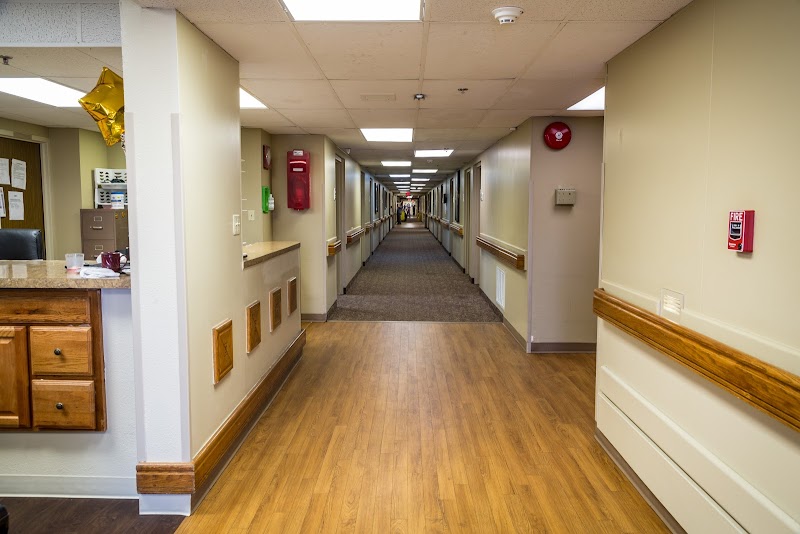
How is The Blossoms At Van Buren Rehab And Nursing Center Staffed?

CMS rates THE BLOSSOMS AT VAN BUREN REHAB AND NURSING CENTER's staffing level at 2 out of 5 stars, which is below average compared to other nursing homes. Staff turnover is 70%, which is 23 percentage points above the Arkansas average of 46%. High turnover can affect care consistency as new staff learn residents' individual needs. RN turnover specifically is 78%, which is notably high. RNs provide skilled clinical oversight, so turnover in this role can affect medical care quality.

What Have Inspectors Found at The Blossoms At Van Buren Rehab And Nursing Center?

State health inspectors documented 52 deficiencies at THE BLOSSOMS AT VAN BUREN REHAB AND NURSING CENTER during 2023 to 2025. These included: 1 Immediate Jeopardy (the most serious level, indicating potential for serious harm or death), 50 with potential for harm, and 1 minor or isolated issues. Immediate Jeopardy findings are rare and represent the most serious regulatory concerns. They require immediate corrective action.
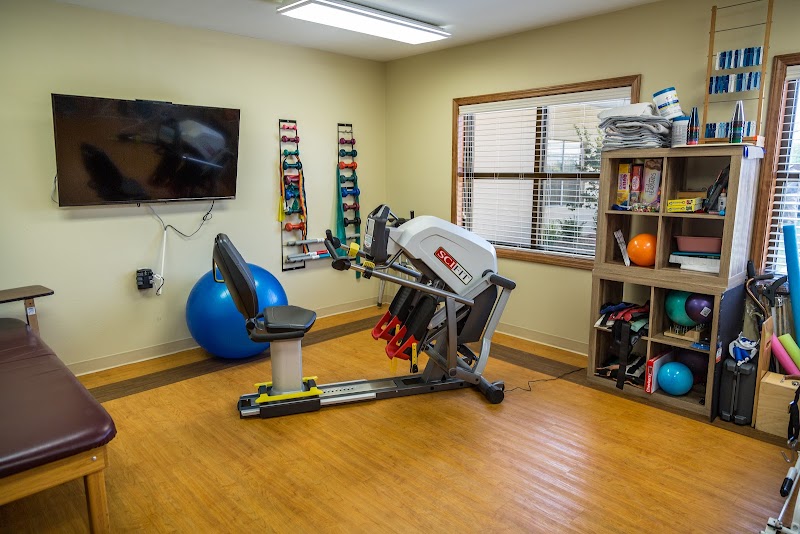
Who Owns and Operates The Blossoms At Van Buren Rehab And Nursing Center?

THE BLOSSOMS AT VAN BUREN REHAB AND NURSING CENTER is owned by a for-profit company. For-profit facilities operate as businesses with obligations to shareholders or private owners. The facility is operated by JAMES & JUDY LINCOLN, a chain that manages multiple nursing homes. With 129 certified beds and approximately 79 residents (about 61% occupancy), it is a mid-sized facility located in VAN BUREN, Arkansas.
How Does The Blossoms At Van Buren Rehab And Nursing Center Compare to Other Arkansas Nursing Homes?

Compared to the 100 nursing homes in Arkansas, THE BLOSSOMS AT VAN BUREN REHAB AND NURSING CENTER's overall rating (1 stars) is below the state average of 3.1, staff turnover (70%) is significantly higher than the state average of 46%, and health inspection rating (1 stars) is much below the national benchmark.

What Should Families Ask When Visiting The Blossoms At Van Buren Rehab And Nursing Center?

Based on this facility's data, families visiting should ask: "What changes have been made since the serious inspection findings, and how are you preventing similar issues?" "How do you ensure continuity of care given staff turnover, and what is your staff retention strategy?" "Can you walk me through typical staffing levels on day, evening, and night shifts?" "Can I visit during a mealtime to observe dining assistance and food quality?" These questions are particularly relevant given the facility's Immediate Jeopardy citations, the facility's high staff turnover rate, and the below-average staffing rating.

Is The Blossoms At Van Buren Rehab And Nursing Center Safe?

Based on CMS inspection data, THE BLOSSOMS AT VAN BUREN REHAB AND NURSING CENTER has documented safety concerns. Inspectors have issued 1 Immediate Jeopardy citation (the most serious violation level indicating risk of serious injury or death). The facility has a 1-star overall rating and ranks #100 of 100 nursing homes in Arkansas. Families considering this facility should ask detailed questions about what corrective actions have been taken since these incidents.

Do Nurses at The Blossoms At Van Buren Rehab And Nursing Center Stick Around?

Staff turnover at THE BLOSSOMS AT VAN BUREN REHAB AND NURSING CENTER is high. At 70%, the facility is 23 percentage points above the Arkansas average of 46%. Registered Nurse turnover is particularly concerning at 78%. RNs handle complex medical decisions and coordinate care — frequent RN changes can directly impact care quality. High turnover means new staff may not know residents' individual needs, medications, or preferences. It can also be disorienting for residents, especially those with dementia who rely on familiar faces. Families should ask: What is causing the turnover? What retention programs are in place? How do you ensure care continuity during staff transitions?

Was The Blossoms At Van Buren Rehab And Nursing Center Ever Fined?

THE BLOSSOMS AT VAN BUREN REHAB AND NURSING CENTER has been fined $12,649 across 1 penalty action. This is below the Arkansas average of $33,205. While any fine indicates a compliance issue, fines under $50,000 are relatively common and typically reflect isolated problems that were subsequently corrected. Families should ask what specific issues led to these fines and confirm they've been resolved.

Is The Blossoms At Van Buren Rehab And Nursing Center on Any Federal Watch List?

THE BLOSSOMS AT VAN BUREN REHAB AND NURSING CENTER is not on any federal watch list. The most significant is the Special Focus Facility (SFF) program, which identifies the bottom 1% of nursing homes nationally based on persistent, serious quality problems. Not being on this list means the facility has avoided the pattern of deficiencies that triggers enhanced federal oversight. This is a positive indicator, though families should still review the facility's inspection history directly.