VALLEY SPRINGS REHABILITATION AND HEALTH CENTER
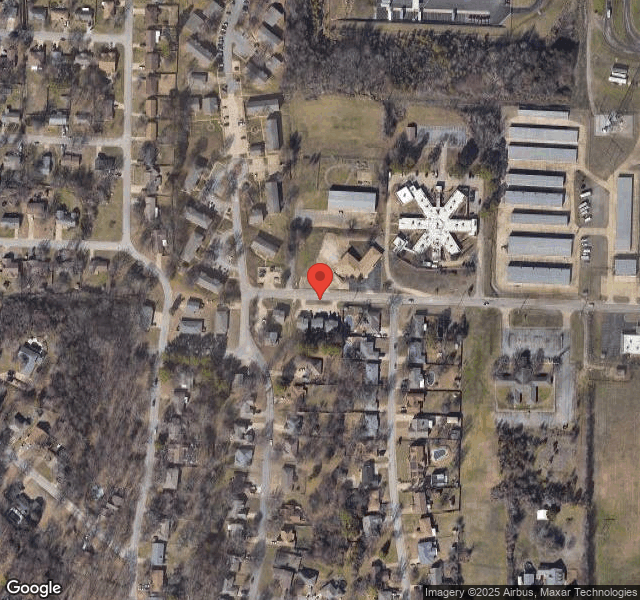
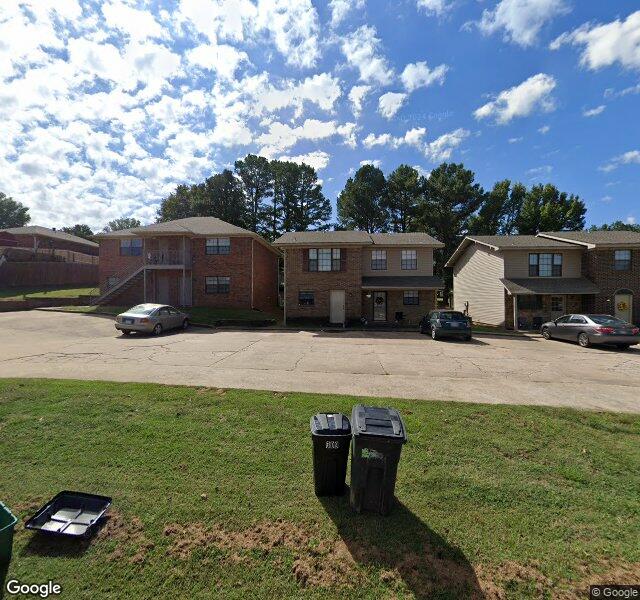
228 POINTER TRAIL WEST, VAN BUREN, AR 72956 (479) 474-5276
For profit - Limited Liability company 105 Beds SOUTHERN ADMINISTRATIVE SERVICES Data: November 2025 1 Immediate Jeopardy citation
Trust Grade
58/100
#94 of 218 in AR
Last Inspection: January 2025

Within standard 12-15 month inspection cycle. Federal law requires annual inspections.

Overview

Valley Springs Rehabilitation and Health Center has a Trust Grade of C, which means it is average, placing it in the middle of the pack compared to other facilities. It ranks #94 out of 218 in Arkansas, indicating it's in the top half of the state's nursing homes, and #2 out of 4 in Crawford County, meaning only one local option is better. However, the facility is experiencing a worsening trend, with issues increasing from 7 in 2023 to 8 in 2025. Staffing is a strength, earning a 4 out of 5 stars with a turnover rate of 35%, significantly lower than the state average of 50%. There have been no fines, which is a positive sign, but the RN coverage is only average. Specific incidents noted in recent inspections include a critical failure to prevent a resident's neck from being caught in a wheelchair harness, leading to injury, and concerns over food safety in the kitchen, such as uncovered food items and unclean conditions that could affect residents' meals. While the facility has strengths, such as good staffing and no fines, these incidents highlight areas that need improvement for the safety and well-being of residents.

Trust Score
C
58/100
In Arkansas
#94/218
Top 43%
Safety Record
High Risk
Review needed
Inspections
Getting Worse
7 → 8 violations
Staff Stability
○ Average
35% turnover. Near Arkansas's 48% average. Typical for the industry.
Penalties
✓ Good
No fines on record. Clean compliance history, better than most Arkansas facilities.
Skilled Nurses
⚠ Watch
Each resident gets only 21 minutes of Registered Nurse (RN) attention daily — below average for Arkansas. Fewer RN minutes means fewer trained eyes watching for problems.
Violations
⚠ Watch
26 deficiencies on record. Higher than average. Multiple issues found across inspections.
★★★★☆
4.0
Overall Rating
★★★★☆
4.0
Staff Levels
★★★★★
5.0
Care Quality
★★★☆☆
3.0
Inspection Score
Stable
2023: 7 issues
2025: 8 issues

The Good

  • 4-Star Staffing Rating · Above-average nurse staffing levels
  • 5-Star Quality Measures · Strong clinical quality outcomes
  • Full Sprinkler Coverage · Fire safety systems throughout facility
  • No fines on record
  • Staff turnover below average (35%)

    13 points below Arkansas average of 48%

Facility shows strength in staffing levels, quality measures, fire safety.

The Bad

Staff Turnover: 35%

11pts below Arkansas avg (46%)

Typical for the industry

Chain: SOUTHERN ADMINISTRATIVE SERVICES

Part of a multi-facility chain

Ask about local staffing decisions and management

The Ugly 26 deficiencies on record

1 life-threatening
Jan 2025 8 deficiencies
CONCERN (D) 📢 Someone Reported This

A family member, employee, or ombudsman was alarmed enough to file a formal complaint

Potential for Harm - no one hurt, but risky conditions existed

Assessment Accuracy (Tag F0641)

Could have caused harm · This affected 1 resident

Based on observation, interviews, record review, and facility document review, it was determined that the facility failed to ensure a comprehensive assessment accurately reflected a resident ' s statu...

Read full inspector narrative →
Based on observation, interviews, record review, and facility document review, it was determined that the facility failed to ensure a comprehensive assessment accurately reflected a resident ' s status and needs for 1 (Resident #236) of 1 sample mix residents reviewed for comprehensive care plan development. The findings are: During an observation on 1/21/25 at 11:56 AM, this surveyor observed Resident #236 with an oxygen concentrator in the room running at five (5) liters per minute (LPM). A breathing device used to treat sleep apnea (Bilevel Positive Airway Pressure (Bipap)) was also observed in the resident ' s room. Review of Resident #236's admission Record dated 1/7/2025 noted the resident was admitted with diagnoses of acute respiratory failure with low oxygen (hypoxia), chronic obstructive pulmonary disease (COPD), and obstructive sleep apnea. Review of the admission Nursing Evaluation, dated 1/7/2024, noted 8. Review of Systems A. Respiratory: 5. Does the resident have, need or use any of the following? a. Oxygen c. CPAP. 5c. CPAP/ BiPAP/ Trilogy specify (order, frequency, settings, when to apply/ remove and any pertinent information) see chart. Review of Resident #236's Care plan dated 1/8/2025 noted the resident had altered respiratory status with difficulty breathing related to diagnoses. Used oxygen and continuous positive airway pressure (CPAP) see medical doctor (MD) orders. Review of the Medicare 5- Day Minimum Data Set (MDS) with an Assessment Reference Date (ARD) of 1/9/2025 noted in Section O0110. Special Treatments, Procedures, and Programs G2. Bi-pap No; G3. Review of the Order Summary Report dated 1/22/2025 noted BiPAP settings: fi02 40%, IPAP 10, EPAP 5, Rate 12. There were no directions on the order to monitor settings or frequency of use. Review of Resident #236's Medication Administration Record (MAR) dated January 2025 did not have an area to document CPAP/ BiPAP use. During an interview with Resident #236 on 1/23/25 at 9:50 AM, Resident #236 confirmed wearing the bi-pap every night. The resident verified staff did not monitor bi-pap settings. During an interview with the Assistant Director of Nursing (ADON) on 1/24/2025 at 10:10 AM, she confirmed Resident #236 wore a bi-pap nightly and she confirmed the comprehensive assessment for Resident #236 was inaccurate as it did not document the resident had a bi-pap. During an interview with the MDS Coordinator on 1/24/2025, she confirmed the Medicare 5-day MDS did not note the resident had a bi-pap.
CONCERN (D)

Potential for Harm - no one hurt, but risky conditions existed

Deficiency F0645 (Tag F0645)

Could have caused harm · This affected 1 resident

Based on interviews, record review, facility document review, it was determined that the facility failed to complete a Preadmission Screening and Resident Review (PASRR) for 1 (Resident #24) of 2 samp...

Read full inspector narrative →
Based on interviews, record review, facility document review, it was determined that the facility failed to complete a Preadmission Screening and Resident Review (PASRR) for 1 (Resident #24) of 2 sample residents reviewed for PASRR, to ensure the resident received the needed care and services in the most appropriate setting. The findings are: On 01/23/2025 at 2:53 PM, the Administrator stated the facility did not have a policy for PASRR and goes by the Centers for Medicare and Medicaid Services (CMS) policy. Review of Resident #24's Division of Medical Services (DMS) 787 dated 1/22/2019 noted in Section II the resident had diagnoses of psychosis and dysthymia (depressive disorders). The DMS 787 also documented the resident had a diagnosis of dementia in answer to Section II question number 7. This DMS-787 was accompanied by a letter from [State Designated Professional Associates] that requested further information before it could be processed. Review of Resident #24's DMS-780 dated 6/30/2022 noted the Diagnostic and Statistical Manual of Mental Disorders- Fourth Edition- (DSM-IV) was utilized to substantiate the following diagnosis of Dementia (including Alzheimer's, cognitive disorder, alcohol/drug and other related disorders). The diagnosis was made on the basis of a history or physical findings that lead to the Dementia diagnosis: diagnosis prior to admission 5/1/2014. Section II B. note the resident has a diagnosis of psychosis, panic, or anxiety disorder, and major depression. Question related to section B referencing mental illness as the primary diagnosis and mental illness prior to onset of dementia were left unanswered. Review of Resident #24's Arkansas Department of Health and Human Services Evaluation of Medical Need Criteria (DHHS-703) dated 05/01/2014 noted the resident, under Mental Status section clear checked. Part III, under RN/Counselor comments read in part, Resident had a history of delusions, and behaviors. A review of Resident 24 ' s admission records indicated the facility admitted Resident # 24 with diagnoses that included unspecified psychosis, psychotic disturbance, mood disturbance, anxiety, dementia, and major depressive disorder. The quarterly Minimum Data Set (MDS), with an Assessment Reference Date (ARD) of 10/24/2024, revealed Resident #24 had a Brief Interview for Mental Status (BIMS) score of 14 (13-15 indicated cognitively intact). Section I diagnoses indicated the following, Non-Alzheimer's Dementia, depression, psychotic disorder, and other depressive disorders. Review of Resident #24's electronic chart revealed no PASRR II, or exemption located on electronic chart. On 01/22/2025 at 3:00 PM, PASRR documentation for Resident #24 was requested. On 01/22/2025 at 3:17 PM the Social Services Director (SSD) confirmed that there had not been a preadmission screening accepted by [State Designated Professional Associates]. The SSD reported that after a phone conversation with [State Designated Professional Associates] on this date, there was no confirmed submission of the 787 form due to revision requests that were not received. The SSD stated that instructions were received by the facility consultant to submit a current PASRR. The SSD was asked if the PASRR prescreening should have been completed prior to admission and stated, Yes. On 1/24/2025 at 10:00 AM, during an interview with the MDS Care Plan Coordinator (CPC)/Interim Director of Nursing (DON). The MDS/CPC was asked how long have they been the MDS coordinator. The MDS/CPC stated about 6 years. The MDS/CPC was asked if they were currently acting DON and stated yes, interim DON, RN supervisor type thing. The MDS/CPC was asked who was responsible for completing PASRR screenings and stated the SSD is responsible for those and most are done prior to admission. The MDS/CPC stated she was familiar with Resident #24 and stated the PASRR should have been done prior to admission, the letter should be included in either the paper chart or electronic record.
CONCERN (D)

Potential for Harm - no one hurt, but risky conditions existed

Accident Prevention (Tag F0689)

Could have caused harm · This affected 1 resident

Based on observation, record review, interview, and facility document review, it was determined that the facility failed to ensure fall mats were maintained in good condition for 1 (Resident #82) of 1...

Read full inspector narrative →
Based on observation, record review, interview, and facility document review, it was determined that the facility failed to ensure fall mats were maintained in good condition for 1 (Resident #82) of 1 sample mix resident whose fall mats were observed. During an observation of Resident #82 on 1/21/25 11:11 AM, this surveyor observed the resident lying in bed on their back at a forty-five (45) degree angle. A fall mat was present on one side of the bed. One side of the bed was against the wall, with a fall mat approximately 6-8 inches away from the other side of the bed. The fall mat was observed to have rips/tears on it. Review of Resident #82's Care plan dated 1/3/2024 noted the resident was at risk for falls related to impaired safety awareness. The resident was documented as having falls on: 8/29/2024 fall- Intervention on 8/29/2024 noted dysem (non-slip material) to wheelchair 9/03/2024 fall- Intervention on 9/03/2024 noted fall mat 9/12/2024 fall- Intervention on 9/12/2024 noted medication review 9/25/2024 fall- Intervention on 9/25/2024 staff instructed resident not to be left without visual supervision while up in wheelchair During an interview with Certified Nursing Assistant (CNA) #9 in Resident #82's room on 1/24/2025 at 10:07 AM, she confirmed the fall mat was 6-8 inches from the bed and it had rips/ tears. CNA #9 confirmed the fall mat had not been properly maintained and should not have rips/ tears and should be placed by the edge of the resident ' s bed. During an interview with the Assistant Director of Nursing in Resident #82's room on 1/24/2025 at 10:10 AM, she confirmed Resident #82 had rips/ tears on the fall mat and that the fall mat was too far away from the resident ' s bed and should be placed near the edge of the bed. The ADON confirmed the fall mat needed to be replaced. Review of facility policy titled, Accident Hazards Prevention noted resident environment will be free from accident hazards as is possible. The frailty of some residents increases their vulnerability to hazards in the resident environment and can result in life-threatening injuries. It is important that all staff understand the facility's responsibility, as well as their own, to ensure the safest environment possible for residents. An effective way for the facility to avoid accidents is to develop a culture of safety and commit to implementing systems that address resident risk and environmental hazards to minimize the likelihood of accidents. Encourage the use of data to identify potential hazards, risks, and solutions related to specific safety issues that arise; Directs resources to address safety concerns; and Demonstrates a commitment to safety at all levels. Resident Assessment. Resident/ Elders will receive adequate supervision and assistance devices to prevent accidents.
CONCERN (D)

Potential for Harm - no one hurt, but risky conditions existed

Deficiency F0744 (Tag F0744)

Could have caused harm · This affected 1 resident

Based on record review, interview, facility document review, and facility policy review, it was determined the facility failed to ensure necessary care and services were provided related to dementia c...

Read full inspector narrative →
Based on record review, interview, facility document review, and facility policy review, it was determined the facility failed to ensure necessary care and services were provided related to dementia care, as evidenced by failure to ensure residents were assessed prior to admission to a closed unit to determine if placement on the unit was appropriate for the resident and failure to ensure sufficient staff with training in care of residents with dementia and behaviors were available to provide care to the residents who resided on the closed unit in accordance with the comprehensive assessments and plans of care for 1 (Resident #27) of 7 (Residents #1, #2, #4, #6, #12, #19, and #27 ) case mix residents who had behaviors and resided on the closed unit. The findings are: Review of Resident #27's admission Record with a date of 4/3/3034 noted the resident had a diagnosis of dementia. Review of Resident #27's Care Plan, with a date of 4/3/2024 did not note dementia care. Review of Resident #27's admission Nursing Evaluation dated 6/19/2024 noted Diagnosis: 10. Neurological: Non- Alzheimer's dementia. B. Diagnosis MDS list: ak. Non-Alzheimer's dementia. Review of Resident #27's quarterly Minimum Data Set (MDS) with an Assessment Reference Date (ARD) of 12/28/2024 noted Resident #27 had a score of 3 (00-07 indicates severe cognitive impairment) on the Brief Interview for Mental Status (BIMS), and the resident had a diagnosis of non-Alzheimer's dementia. Review of Resident #27's Medication Administration Record (MAR) dated January 2025 did not contain an area to document resident targeted behaviors and expressions of distress. During an interview with the Assistant Director of Nursing (ADON) on 1/24/2025 at 10:10 AM, she confirmed Resident #27 had a diagnosis of dementia, the MDS with an ARD of 12/28/2024 noted the resident with non-Alzheimer's dementia and she confirmed that Resident #27 was not care planned for dementia that would target behaviors and expressions of distress. During an interview with the MDS Coordinator on 1/24/2025 at 10:36 AM, she confirmed Resident #27 had a diagnosis of dementia, the MDS with an ARD of 12/28/2024 noted the resident with non-Alzheimer's dementia and she confirmed that Resident #27 was not care planned for dementia that would target behaviors and expressions of distress.
CONCERN (E)

Potential for Harm - no one hurt, but risky conditions existed

Comprehensive Care Plan (Tag F0656)

Could have caused harm · This affected multiple residents

Based on interviews, record review, facility document review, and facility policy review, it was determined that the facility failed to ensure the comprehensive care plan addressed and individualized ...

Read full inspector narrative →
Based on interviews, record review, facility document review, and facility policy review, it was determined that the facility failed to ensure the comprehensive care plan addressed and individualized appropriate care and services for 2 (Residents #27, #236,) of 26 sample mix residents reviewed for care plan. The findings are: 1. Review of Resident #27's admission Record with a date of 4/3/2024 noted the resident had a diagnosis of dementia. Review of Resident #27's Care Plan, with a date of 4/3/2024 did not note dementia care or medications with black box warnings. Review of Resident #27's admission Nursing Evaluation dated 6/19/2024 noted Diagnosis: 10. Neurological: Non-Alzheimer's dementia. B. Diagnosis MDS list: Non-Alzheimer's dementia. Review of Resident #27's quarterly Minimum Data Set (MDS) with an Assessment Reference Date (ARD) of 12/28/2024 noted a score of 3 (00-07 indicates severe cognitive impairment) on the Brief Interview for Mental Status (BIMS), and the resident had a diagnosis of non-Alzheimer's dementia. It also noted the resident was currently taking insulin, antipsychotic, anticoagulant, diuretic and had diagnoses of heart failure, hypertension, diabetes mellitus, anxiety, depression, psychotic disorder (other than schizophrenia), and hypothyroidism. Review of Resident #27's Medication Administration Record (MAR) dated January 2025 did not note an area to document resident ' s targeted behaviors and expressions of distress. During an interview with the Assistant Director of Nursing (ADON) on 1/24/2025 at 10:10 AM, she confirmed Resident #27 had a diagnosis of dementia, the MDS with an ARD of 12/28/2024 noted the resident with non-Alzheimer's dementia and she confirmed that Resident #27 was not care planned for dementia that would target behaviors and expressions of distress. During an interview with the MDS Coordinator on 1/24/2025 at 10:36 AM, she confirmed Resident #27 had a diagnosis of dementia, the MDS with an ARD of 12/28/2024 noted the resident with non-Alzheimer's dementia and she confirmed that Resident #27 was not care planned for dementia that would target behaviors and expressions of distress. 2. During an interview with Resident #236 on 1/21/25 at 11:50 AM, the resident revealed two toenails were missing. The great toe and one next to it had nails ripped out prior to admission. The resident ' s right foot was observed with a dressing in place. This surveyor observed Resident #236 with an oxygen concentrator in the room running at five (5) liters per minute (LPM). A breathing device used to treat sleep apnea (Bilevel Positive Airway Pressure (Bi-pap) was also observed in the resident ' s room. Review of Resident #236's Care plan dated 1/7/2025 did not note wounds to toes on the right foot. Resident #236 also had altered respiratory status with difficulty breathing related to diagnosis. Used oxygen and continuous positive airway pressure (CPAP) see medical doctor (MD) orders. Review of Resident #236's admission Nursing Evaluation dated 1/7/2025 noted right toes 1st and 2nd toenail. admission nursing evaluation also noted 8. Review of Systems A. Respiratory: 5. Does the resident have, need or use any of the following? a. Oxygen c. CPAP. 5c. CPAP/ BiPAP/ Trilogy specify (order, frequency, settings, when to apply/ remove and any pertinent information) see chart. Review of Resident #236's admission Record dated 1/7/2025 noted the resident was admitted with diagnoses of acute respiratory failure with low oxygen (hypoxia), chronic obstructive pulmonary disease (COPD), and obstructive sleep apnea. Review of the Medicare 5- Day Minimum Data Set (MDS) with an Assessment Reference Date (ARD) of 1/9/2025 noted in Section O0110. Special Treatments, Procedures, and Programs G2. Bi-pap No; G3. Review of Resident #236's Order Summary Report dated 1/22/2025 noted clean right 1st and 2nd toes with wound cleanser, pat dry, apply triple antibiotic ointment (TAO) cover with non-adherent pad, hold in place with 4x4 gauze and [name brand dressing] Monday, Wednesday, Friday and as needed every day and as needed if soiled/missing, and BiPAP settings: fi02 40%, IPAP 10, EPAP 5, Rate 12. There were no directions on the order to monitor settings or frequency of use. During an interview with Resident #236 on 1/23/25 at 9:50 AM, the resident confirmed wearing the bi-pap every night. The resident verified staff did not monitor the bi-pap settings. During an interview with the Assistant Director of Nursing (ADON) on 1/24/2025 at 10:10 AM, she confirmed Resident #236 was admitted to the facility with two missing toenails on the right foot and confirmed the resident was not care planned for the missing toenails and wound care. She also confirmed the resident wore a bi-pap nightly and confirmed it was not noted on the care plan in order for staff to know how to properly care for residents. During an interview with the Minimum Data Set (MDS) Coordinator on 1/24/2025 at 10:36 AM, she confirmed Resident #236 was admitted to the facility with two missing toenails on the right foot and confirmed the resident was not care planned for missing toenail and wound care. She also confirmed the resident was not care planned for bi-pap use. Review of facility policy titled, Nursing Services Policy, noted residents will be assessed and individual plans of care will be developed to determine the nursing staff required to provide nursing and related services to attain or maintain the highest practical level of physical, mental and psychosocial well-being. A policy for care plans was requested from the Administrator and on 01/23/25 at 02:51 PM the Administrator stated no policy for care plans
CONCERN (E)

Potential for Harm - no one hurt, but risky conditions existed

Quality of Care (Tag F0684)

Could have caused harm · This affected multiple residents

Based on observation, interview, record review, and facility document review, it was determined that the facility failed to ensure resident ' s physician orders for a breathing device (bipap) had inst...

Read full inspector narrative →
Based on observation, interview, record review, and facility document review, it was determined that the facility failed to ensure resident ' s physician orders for a breathing device (bipap) had instructions for monitoring and frequency of use for 1 (Resident #236) of 1 sample mix residents with orders for bi-pap machine and to ensure fall assessments were completed for 1 (Resident #6) of 1 sample mix resident reviewed for fall assessments. The finding are: 1. During an observation on 1/21/25 at 11:56 AM, this surveyor observed Resident #236 with an oxygen concentrator in the room running at five (5) liters per minute (LPM). A breathing device used to treat sleep apnea (Bilevel Positive Airway Pressure (Bi-pap)) was also observed in the resident ' s room. Review of Resident #236's admission Record dated 1/7/2025 noted the resident was admitted with diagnoses of acute respiratory failure with low oxygen (hypoxia), chronic obstructive pulmonary disease (COPD), and obstructive sleep apnea. Review of the admission Nursing Evaluation dated 1/7/2024 noted 8. Review of Systems A. Respiratory: 5. Does the resident have, need or use any of the following? a. Oxygen c. CPAP. 5c. CPAP/ BiPAP/ Trilogy specify (order, frequency, settings, when to apply/ remove and any pertinent information) see chart. Review of Resident #236's Care plan dated 1/8/2025 noted the resident had altered respiratory status with difficulty breathing related to diagnosis. Used oxygen and continuous positive airway pressure (CPAP) see medical doctor (MD) orders. Review of the Medicare 5- Day Minimum Data Set (MDS) with an Assessment Reference Date (ARD) of 1/9/2025 noted in Section O0110. Special Treatments, Procedures, and Programs G2. Bi-pap No. Review of the Order Summary Report dated 1/22/2025 noted BiPAP settings: fi02 40%, IPAP 10, EPAP 5, Rate 12. There were no directions on the order to monitor settings or frequency of use. Review of Resident #236's Medication Administration Record (MAR) dated January 2025 did not have an area to document CPAP/ BiPAP use. During an interview with Resident #236 on 1/23/25 at 9:50 AM, Resident #236 confirmed wearing the bi-pap every night. The resident verified staff did not monitor the bi-pap settings. During an interview with the Assistant Director of Nursing (ADON) on 1/24/2025 at 10:10 AM, she confirmed Resident #236 wore a bi-pap nightly and confirmed the order summary report did not note directions for monitoring or frequency of use. During an interview with the MDS Coordinator on 1/24/2025, she confirmed the Medicare 5-day MDS did not note the resident had a bi-pap and that the order summary report did not note direction for monitoring or frequency of use. 2. On 01/21/2025 at 1:03pm, Resident #6 was observed sitting in a recliner in the bedroom with some facial bruising around the eyes and across the bridge of the nose. On the quarterly Minimum Data Set (MDS) with an Assessment Reference Date (ARD) of 01/10/2025, the resident had a score of 00 on a Brief Interview for Mental Status (BIMS), (0-7 indicates severely impaired). Resident #6 was unable to answer questions regarding the bruising. During a record review, a progress note dated 1/14/2025 indicated the resident had a fall in the bedroom and the resident's face hit the walker. The nurse was notified along with the physician, and family representative. A record review was done of the resident's medical chart and the last fall risk assessment unscheduled documented was on 8/07/2024. The last quarterly fall risk assessment was dated 12/26/2024, which indicated that resident #6 did not have a fall risk assessment since the fall on 1/14/2025. In an interview with the interim Director of Nursing (DON) on 01/24/2025 at 9:57am, the DON confirmed that nursing documents in the facility's electronic medical charts of resident's falls and a fall risk assessment should be done immediately following a fall. In an interview with Assistant Director of Nursing (ADON) on 01/24/2025 at 10:07am, the ADON was asked who completed fall risk assessments. The ADON stated they are done quarterly and after a fall. The ADON confirmed resident #6's fall that happened on 1/14/2025 was just overlooked because the DON was the responsible person for monitoring the falls and was no longer an employee at the facility. The incident most likely fell through the cracks between the DON and the interim DON. A policy and procedure was requested on quality of care and accuracy of assessments. The ADON confirmed that the facility did not have a policy or procedure for quality of care or accuracy of assessments.
CONCERN (E)

Potential for Harm - no one hurt, but risky conditions existed

Food Safety (Tag F0812)

Could have caused harm · This affected multiple residents

Based on observation, interview, record review, and facility policy review, the facility failed to ensure food stored in the freezer was covered or sealed; manufacturer's instructions were followed; 1...

Read full inspector narrative →
Based on observation, interview, record review, and facility policy review, the facility failed to ensure food stored in the freezer was covered or sealed; manufacturer's instructions were followed; 1of 2 ice machines on B-Hall was maintained in clean and sanitary condition; the kitchen floor and door frames were maintained in good repair and were free of chips, paint peeling, stains and rust; baseboards were secured and were maintained in clean sanitary conditions; and dietary staff washed their hands before handling clean equipment or food items for 2 of 2 meals observed. The findings are: 1. On 1/21/2025 at 10:33am during the initial tour of the kitchen, Dietary [NAME] (DC) #1 was asked to pull out the grease trap under the stove top. DC #1 pulled the slide out drawer beneath the stove top and the aluminum foil covering the top was covered in a 16-inch by 6-inch area of charred food particles and spillage. DC #1 was asked how often the grease traps were cleaned. DC #1 said that the grease traps were checked and cleaned once per week. DC #1 confirmed that the grease traps were dirty. 2. On 1/22/25 at 2:18 PM, an opened box of steak fingers was on a shelf in the walk-in freezer. The box was not covered or sealed. 3. On 1/22/25 at 2:21 PM, a box of hamburger buns was on a shelf in the storage room. The manufacturer's specifications on the box indicated it should be kept frozen at 0 degrees Fahrenheit or below. There were also 4 bags of hamburger buns, with 12 buns in each bag. DC #1 was interviewed and asked if the box of hamburger buns should have been stored in the storage room. She stated she did not have space in the freezer to store it but was not aware hamburger buns needed to be frozen. 4. On 1/22/25 at 2:50 PM, a container of cottage cheese was on a shelf in the refrigerator. The lid was cracked, exposing cottage cheese. 5. On 1/22/25 at 2:53 PM, DC #1 opened the cabinet, grabbed containers of spices, and checked their expiration dates, contaminating her hands without washing her hands. She used her contaminated hands to pick up loose filters which were intended for use when brewing coffee and handed them to Dietary Aide (DA) #2 to store them in a bag for later use. The Dietary Manager was interviewed and was asked what she should have done after touching dirty objects and before handling clean equipment she confirmed her mistake, stating she should have washed her hands and disposed of the coffee filters since they were touched with contaminated hands. 6. On 1/22/25 at 3:03 PM, DA #2 lifted the trash can lid and threw away tissue papers, contaminating his hands. Without washing his hands DA #2 placed gloves on his hands contaminating the gloves in process. DA #2 then used his contaminated gloved hands to pick up glasses that contained beverages to be served to the residents for lunch and placed them on the trays. DA #2 was interviewed and was asked what he should have done after touching dirty objects and before handling clean equipment. He stated he should have washed his hands. 7. On 1/22/25 at 3:12 PM, an opened box of egg rolls was on a shelf in the freezer. The box was not covered or sealed, exposing egg rolls to freezer burn. The bottom of the freezer had dried brown stains smeared on it. 8. On 1/22/25 at 3:31 PM, the following observations were made in the kitchen areas: a. The bottom of the deep fryer had an accumulation of grease buildup on it. DC #3 was interviewed and asked how often she cleaned the bottom of the deep fryer. She stated she cleaned it 2 times a week. DC #3 was asked if the area looked like it had been cleaned 2 times a week and she stated it had not been cleaned. b. The floor between the oven and the deep fryer had an accumulation of caked on grease buildup with loose food crumbs on it. c. The grease trap under the grill had an accumulation of black greasy residue and mixture of greasy food particles settled on the walls of it. DC #1 was interviewed and was asked how often she cleaned the grease tray and stated the kitchen staff cleaned it every night. DC #1 was asked if the grease trap looked like it had been cleaned every night. She confirmed it had not been cleaned. d. The floors and the edges of the food preparation counter had accumulations of loose food crumbs and grease. e. Three of three trays on the counter by the steam table where clean plates were placed face down had loose food crumbs on them. f. The bottom of the food preparation counter where the cutting board and pans were kept had loose food crumbs on it. g. The bottom of the steam table where plate covers were kept had loose food crumbs on it. h. A cart by the steam table where food trays were kept had loose food particles on it. i. The floor throughout the kitchen had black stains. 9. On 1/22/25 at 4:49 PM, DC #3 used a tissue to wipe off spilled food from the food preparation counter, contaminating her hands. Afterward, she picked up a clean blade and attached it to the base of the blender to be used in pureeing food items to be served to the residents for supper. DC #3 was interviewed and was asked what she should have done after touching dirty objects and before handling clean equipment. She stated she had contaminated the blade, and she should have washed her hands before touching the blade. 10. On 1/22/25 at 5:15 PM, DC #3 picked up a spray bottle and placed it on the counter, contaminating her hands. Without washing her hands, DC #3 picked up a clean blade and attached it to the base of the blender to be used in pureeing food items to be served to the residents for supper. 11. On 1/23/25 at 9:34 AM, the area in the ice machine panel located in the dining room on B-hall (Unit) where ice forms before dropping into the ice collector had wet black and brownish colors on it. DC #1 was asked if she could wipe the area. The black and brownish residue easily transferred to the tissue. DC #1 was interviewed and was asked to describe what was observed, who used the ice from the ice machine, and how often she cleaned it. She confirmed the area was dirty and had black and brown residue on it, the maintenance man cleaned it once a month, and the CNAs [Certified Nursing Assistants] used it to fill beverages served to the residents who reside on B-Hall at mealtimes and for the water pitchers in the residents' rooms on B-Hall. 12. On1/23/25 at 9:45 AM, the Maintenance Director was interviewed and was asked how often he cleaned the ice machine. He stated he cleaned it once a month, and stated it was old and dirty. 13. On 1/23/25 at 12:37 PM, DA #4 opened the refrigerator, removed a bag of fresh lettuce, and placed it on the counter. DA #4 then opened the bag, removed one lettuce head, and placed it on the cutting board, without rinsing the lettuce. DA #4 sliced the lettuce and placed the pieces in a bowl. DA #4 then removed a fresh tomato from a box in the refrigerator and placed it on the cutting board, without rinsing it. DA #4 sliced the tomato and placed the pieces on top of the lettuce, creating a tossed salad. DA #4 covered the bowl with a plastic lid and placed it on the counter. Then DA #4 picked up the bowl of tossed salad to send it out with a meal tray to the resident who requested it with their lunch meal. DA #4 was interviewed and asked what she should have done before processing fresh tomato and fresh lettuce for use. She confirmed she should have rinsed them, then removed it and prepared a new one after rinsing the lettuce and tomato. 14. A review of facility policy titled, Handwashing and Glove Usage in Food service, initiated 2016, provided by the DC #1 on 1/23/2025 indicated, food handlers should wash their hands before starting work, after touching dirty dishes or clothing and after touching anything else such as dirty equipment. 15. On 01/21/2025 at 12:35pm, Certified Nursing Assistant (CNA) #6 passed out residents ' food trays and did not sanitize in between each resident. CNA #6 passed the food tray to a resident, assisted them setting up their plate, and then went and got another food tray for another resident. 16. On 01/23/25 12:52pm, CNA #6 was observed passing meal trays to residents. CNA #6 did not wash or sanitize hands between each resident's food tray. CNA #6 picked up a cellphone that was lying on the kitchen counter and touched the screen a few times with the right index finger then laid it back down on the counter. CNA #6 picked up another resident's food tray and took it to a resident's room. CNA #6 returned to the kitchen and picked up another food tray and took it to a resident sitting at the table. 17. On 1/23/2025 at 12:59pm, CNA #6 was asked what should be done between passing food trays to residents. CNA #6 confirmed that hands should be sanitized or washed between each food tray to prevent spreading infection. CNA #6 was asked what should be done after touching a cellphone and before passing another food tray. CNA #6 confirmed that hands should be washed or sanitized because it was part of infection control. CNA #6 confirmed that she did not wash her hands like she should have. 18. On 01/23/2025 at 1:05pm, Licensed Practical Nurse (LPN) #8 was asked what was important to do when passing resident's food trays. LPN #8 stated that hands should be sanitized between each one. LPN #8 confirmed that proper hand hygiene while passing resident's food trays out was part of the facility's infection control and that is something the facility taught its staff. On 01/23/2025 the facility's policy on hand washing and staff in-services were provided. Section G on in-service dated 10/04/2024 indicates that staff should sanitize hands before and after assisting residents with meals.
CONCERN (E)

Potential for Harm - no one hurt, but risky conditions existed

Infection Control (Tag F0880)

Could have caused harm · This affected multiple residents

Based on observation, interview, facility document review, and facility policy review, it was determined that the facility failed to ensure staff maintained hand hygiene during meal service while on t...

Read full inspector narrative →
Based on observation, interview, facility document review, and facility policy review, it was determined that the facility failed to ensure staff maintained hand hygiene during meal service while on the secured unit to prevent cross contamination and to ensure an indwelling catheter was kept out of a resident ' s trash can and was kept off of the floor for 1 (Resident #79) of 2 (Resident #79, #82) sample mix residents with indwelling catheters. The findings are: During an observation of Resident #79 on 1/21/25 at 2:23 PM, this surveyor observed the resident lying in bed on their left side. An indwelling catheter tube draining yellow urine was observed sitting in the resident ' s trash can. Review of Resident #79's Care Plan dated 1/5/2025 noted the resident required partial to moderate assistance with toileting hygiene and helper does all the effort. Resident #27 had an indwelling catheter related to enlarged prostate. Review of Resident #79's quarterly Minimum Data Set (MDS) with Assessment Reference Date (ARD) of 1/12/2025 noted the resident had neurogenic bladder. Section H0100. Appliances A. Indwelling catheter yes. During an observation of Resident #79 on 1/21/25 at 2:27 PM, this surveyor observed Resident #79 sitting in a wheelchair self-propelling down the hallway with indwelling catheter collection bag underneath the wheelchair dragging on the floor. During an interview with Resident #79 on 1/22/25 at 9:28 AM, this surveyor asked the resident why they had an indwelling catheter. The resident stated it helped them with going to the bathroom. This surveyor observed the indwelling catheter bag underneath the wheelchair touching the floor. Review of Resident #79's Order Summary Report dated 1/23/2025 noted enhanced barrier precautions every shift, foley: may replace foley drainage bag as needed (PRN) for blockage/build up. May replace leg band prn related to neuromuscular dysfunction of bladder. During an interview with Certified Nursing Assistant (CNA) #9 on 1/24/2025 at 10:07AM, she confirmed Resident #79's indwelling catheter bag was dragging the floor underneath the wheelchair and was an infection control concern. During an interview with the Assistant Director of Nursing (ADON) at the resident's room on 1/24/2025 at 10:10 AM, she confirmed Resident #79 had an indwelling catheter and that it should not be placed in the resident ' s trash can or dragged on the ground underneath the wheelchair. The ADON confirmed it was an infection control issue and could cause contamination. On 01/21/2025 at 12:35pm, Certified Nursing Assistant (CNA) #6 passed out residents ' food trays and did not sanitize hands in between each resident ' s tray. CNA #6 passed the food tray to a resident, assisted them setting up their plate, and then went and got another food tray for another resident. On 01/23/25 at 12:52pm, CNA #6 was observed passing meal trays to residents. CNA #6 did not wash or sanitize hands between each resident's food tray. CNA #6 picked up a cellphone that was lying on the kitchen counter and touched the screen a few times with the right index finger then laid it back down on the counter. CNA #6 picked up another resident's food tray and took it to a resident's room. CNA #6 returned to the kitchen and picked up another food tray and took it to a resident sitting at the table. On 1/23/2025 at 12:59pm, CNA #6 was asked what should be done between passing food trays to residents. CNA #6 confirmed that hands should be sanitized or washed between each food tray to prevent spreading infection. CNA #6 was asked what should be done after touching a cellphone and before passing another food tray. CNA #6 confirmed that hands should be washed or sanitized because it is part of infection control. CNA #6 confirmed that she did not wash her hands like she should have. On 01/23/2025 at 1:05pm, Licensed Practical Nurse #8 (LPN) was asked what was important to do when passing residents ' food trays. LPN #8 stated that hands should be sanitized between each one. LPN #8 confirmed that proper hand hygiene while passing residents ' food trays was part of the facility's infection control and that was something the facility taught its staff. On 01/23/2025 the facility's policy on hand washing and staff in-services were provided. Section G on in-service dated 10/04/2024 indicates that staff should sanitize hands before and after assisting residents with meals.
Dec 2023 7 deficiencies
CONCERN (E)

Potential for Harm - no one hurt, but risky conditions existed

Resident Rights (Tag F0550)

Could have caused harm · This affected multiple residents

Based on observation, interview, and record review, the facility failed to ensure meals were served at the same time for all residents sitting at the same table for 2 (Residents #18 and #40) of 2 samp...

Read full inspector narrative →
Based on observation, interview, and record review, the facility failed to ensure meals were served at the same time for all residents sitting at the same table for 2 (Residents #18 and #40) of 2 sampled residents to promote dignity and respect. The findings are: On 12/17/2023 at 12:07 PM, the dining staff began serving the residents seated in the dining room. 1. Resident #40 was seated at a table with two other residents. The other residents at the table received their meals and began eating. The other residents eating in the dining room began to finish their meals and leave the room. At 12:27 PM, the Housekeeping Supervisor approached Resident #40 and asked which meal they would like. At 12:28 PM, the Housekeeping Supervisor brought a tray to the table for Resident #40. 2. Resident #18 was seated at a table with two other residents. Resident #18 did not receive a meal tray when the other residents at the table were served. The other residents eating in the dining room began to finish their meals and leave the room. Resident #18 was observed looking at the other residents eating and shaking her head. At 12:35 PM, Nurse Consultant #1 was asked if Resident #18 had a tray coming. Nurse Consultant #1 stated, Oh [Resident #18] doesn't have one? and asked the kitchen staff to provide a tray. At 12:37 PM, Resident #18 received a tray. On 12/20/2023 at 05:05 PM, the Dietary Supervisor confirmed that all the residents seated together at a table should be served at the same time to preserve the dignity of the residents dining. On 12/21/2023 at 08:40 AM, the Administrator confirmed that all the residents seated together at a table should be served at the same time to preserve the dignity of the residents dining. A facility policy titled, Resident Rights and Responsibilities documented, The nursing facility protects and promotes the rights of each Resident/Elder admitted in order to provide a dignified existence . The nursing facility will protect and promote the rights of each Resident/Elder .
CONCERN (E)

Potential for Harm - no one hurt, but risky conditions existed

Deficiency F0574 (Tag F0574)

Could have caused harm · This affected multiple residents

Based on observation and interviews, the facility failed to ensure the State Ombudsman's contact information was visible and made available to all 96 residents residing in the facility. The findings a...

Read full inspector narrative →
Based on observation and interviews, the facility failed to ensure the State Ombudsman's contact information was visible and made available to all 96 residents residing in the facility. The findings are: On 12/19/23 at 03:32 PM, during Resident Council the Surveyor asked, Do you know where the ombudsman's contact information is located? All 4 of the resident council members present confirmed they did not know where the ombudsman's information was located or how to contact them. On 12/19/23 at 03:44 PM, the Surveyor asked the Director of Nursing (DON), Can you show me where the Ombudsman information is located? The DON stated, We just got a new Ombudsman, and confirmed the information was not readily available to the residents. On 12/19/23 at 03:47, Nurse Consultant #2 confirmed the previous ombudsman removed their posters about 2 months ago and the new ombudsman's poster had not been placed in the facility. A facility policy titled, Resident Rights and Responsibilities, provided by the Administrator on 12/21/23 at 8:00 a.m. showed, .The names, addresses, and telephone numbers of the .State Ombudsman program . are posted prominently in the nursing facility .
CONCERN (E)

Potential for Harm - no one hurt, but risky conditions existed

Safe Environment (Tag F0584)

Could have caused harm · This affected multiple residents

Based on observation, interview, and policy review, the facility failed to ensure pest control devices were removed from 1 of 1 dining room after the devices became saturated with insects. The finding...

Read full inspector narrative →
Based on observation, interview, and policy review, the facility failed to ensure pest control devices were removed from 1 of 1 dining room after the devices became saturated with insects. The findings are: On 12/17/2023 at 12:11 PM, two 12 inch long green adhesive fly traps were observed hanging from the ceiling in the dining room. One trap was hung above the D Hall exit and one above the rolling door window to the kitchen. Both traps were saturated with flies. On 12/17/2023 at 04:44 PM, the same adhesive fly traps remained hanging in the dining room. On 12/18/2023 at 08:35 AM, the same adhesive fly traps remained hanging in the dining room. On 12/19/2023 at 03:05 PM, the same adhesive fly traps remained hanging in the dining room. On 12/20/2023 at 12:15 PM, the same adhesive fly traps remained hanging in the dining room. A resident was sitting directly below one of the adhesive traps eating a meal. On 12/21/2023 at 08:27 AM, the Housekeeping Supervisor stated, Yes, we had flies really bad in the summer, we put those up to get rid of them. The Housekeeping Supervisor confirmed that the traps were unsanitary. On 12/21/2023 at 08:35 AM, the Administrator confirmed that the fly traps hanging in the dining hall were unsanitary. A policy titled, Housekeeping and Maintenance documented, .All rooms and every part of the building (exterior and interior) will be kept clean, orderly, and free of offensive orders. Bath and toilet facilities and food areas will be clean and sanitary at all times .
CONCERN (E) 📢 Someone Reported This

A family member, employee, or ombudsman was alarmed enough to file a formal complaint

Potential for Harm - no one hurt, but risky conditions existed

Accident Prevention (Tag F0689)

Could have caused harm · This affected multiple residents

Based on observation, record review and interview, the facility failed to ensure the environment was as free of accidents and hazards as possible, as evidenced by failure to ensure a bottle of after s...

Read full inspector narrative →
Based on observation, record review and interview, the facility failed to ensure the environment was as free of accidents and hazards as possible, as evidenced by failure to ensure a bottle of after shave was removed from a bedside table and a razor and a can of shaving cream were removed from a shared bathroom for 1 (Resident #3) of 6 (Residents #3, #41, #59, #61, #72, and #85) sampled residents on the B Hall who needed assistance with shaving as documented on a list provided by Nurse Consultant #2 on 12/19/23 at 2:39 PM and failed to ensure a medication cup was discarded after the morning medication administration to prevent the potential for injury and/or accidents for 6 residents who ambulated independently on the male Secure Unit as documented on a list provided by the Director of Nursing (DON) on 12/21/23 at 10:00 AM. The findings are: 1. Resident #3 had diagnoses of Dementia and Personal History of Traumatic Brain Injury. a. A Care Plan initiated 10/05/23 documented, .Problem .[Resident #3] has potential and hx [history] to be verbally aggressive r/t [related to] Poor impulse control. I will curse, scream and yell and threaten to be physical abusive. I will raise my fists and shake at staff and other residents . b. On 12/17/23 at 12:06 PM, a plastic 4 ounce (oz) bottle of after shave was on Resident #3's bedside table. A blue razor, and a can of shaving cream was on the bathroom sink in the shared bathroom. c. On 12/17/23 at 2:11 PM, a plastic 4 oz bottle of after shave was on Resident #3's bedside table. Resident #3 was asked if the staff shaves him. He stated, I can shave myself sometimes, but the staff has to watch me. d. On 12/17/23 at 2:19 PM, there was a blue razor and a can of shaving cream on the bathroom sink. e. On 12/17/23 at 4:01 PM, there was a blue razor and a can of shaving cream on the bathroom sink. f. On 12/18/23 at 9:05 AM, Resident #3 was resting quietly in bed awake. There was a 4 oz plastic bottle of aftershave on the bedside table. Resident #3's roommate was sitting in the recliner, awake. There was a blue razor and a can of shaving cream on the sink in the bathroom. g. On 12/18/23 at 2:24 PM, there was a 4 oz plastic bottle of after shave on Resident #3's bedside table. A blue razor, and a can of shaving cream were on the sink in the bathroom. h. On 12/20/23 at 9:25 AM, there was a plastic 4 oz bottle of aftershave on Resident #3's bedside table. The door to the resident's room was open. i. On 12/20/23 at 3:01 PM, during an interview, Certified Nursing Assistant (CNA) #1 confirmed the CNAs were responsible for shaving the residents and disposing of the razors; residents could cut themselves or someone if they picked up a disposable razor and that a wandering resident who picked up the bottle of after shave could drink or spill it. j. On 12/21/23 at 12:50 PM, the DON confirmed that no items used to shave residents should be left on the bedside table or in the bathrooms, because it could cause harm to a resident who has cognitive issues and/or wanders. 2. On 12/18/23 at 8:35 AM, Resident #61 was sitting at the dining room table with Resident #85. Licensed Practical Nurse (LPN) #3 administered Resident #61 his medication crushed in pudding and left the medication cup on the table and walked around the corner to her medication cart. On 12/18/23 at 08:39 AM, the Surveyor asked CNA #1 if she could remove the spoon from the medication cup on the table. She removed the spoon from the cup, and pieces of medication were observed in the pudding. On 12/18/23 at 8:40 AM, the Surveyor asked LPN #3, Can you tell me why you left the medication cup on the table after you administered [Resident #61] his medication? She stated, Did I leave it, I'm sorry. On 12/21/23 at 9:18 AM, the DON was asked, What should the nurse do with a medication cup after administering medications crushed in pudding? She stated, Dispose of it in her trash. She was asked, Why is it important that the nurse not leave the medication cup on the table? She stated, Because there could still be medications in the cup. On 12/21/23 a form titled: Inservice Re-education Report dated 11/15/2023 was received from the DON. The form documented, .Do not leave meds [medications] at bedside or dining room table, failure to comply with this will result in immediate termination .
CONCERN (E)

Potential for Harm - no one hurt, but risky conditions existed

Deficiency F0692 (Tag F0692)

Could have caused harm · This affected multiple residents

Based on observation, record review and interview, the facility failed to ensure nutritional interventions were implemented after a significant weight loss occurred to minimize the potential for furth...

Read full inspector narrative →
Based on observation, record review and interview, the facility failed to ensure nutritional interventions were implemented after a significant weight loss occurred to minimize the potential for further weight loss for 1 (Resident #85) of 5 (Residents #26, #41, #72, #74 and #85) sampled residents who had experienced a weight loss of 5 percent (%) or more as documented on a list provided by the Assistant Director of Nursing (ADON) on 12/21/23 at 9:57 AM. The findings are: 1. Resident #85 had diagnoses of Nutritional Deficiency, Moderate Intellectual Disabilities and Down Syndrome a. The Physician Orders documented, .[Nutritional Shake] with meals related to Nutritional Deficiency . order date 04/12/23 . Weekly Weights . start date 12/06/2023 . b. A Care Plan initiated 04/12/23 documented, .Problem . I have potential for nutritional deficits related to Dx [diagnosis], cognition . revision date: 04/26/23 . Approaches . Obtain food preferences, likes / dislikes. Date Initiated: 04/12/2023 . Uses divided plate Date Initiated: 09/01/2023 . The Care Plan did not address Resident #85's weight loss of greater than 5%. c. On 12/19/23 at 9:54 AM, a Weight Summary in the electronic medical record (EMR) documented, .12/4/2023 . 108.8 Lbs [pounds] . On 11/02/2023 Resident #85 weighed 120.0 lbs. d. On 12/19/23 at 8:30 AM, Resident #85 was sitting at the table in the main dining room with his breakfast tray in front of him. There was a small glass of clear liquid, an 8 ounce (oz) carton of chocolate milk, and a small cup of a red liquid on the table by his breakfast, but no [Nutritional Shake] was there. e. On 12/20/23 at 8:32 AM, Resident #85 was sitting at the table in the dining room and Certified Nursing Assistant (CNA) #1 was assisting him with his breakfast. Resident #85 was holding an 8 oz carton of chocolate milk. There was also a small glass of orange liquid, and a cup of clear liquid sitting on the table by Resident #85 but there was no [Nutritional Shake] observed on his meal tray or in front of him. At 8:40 AM, Resident #85's breakfast and liquids were cleared from the table and placed on the food cart. f. On 12/20/23 at 12:17 PM, during an interview the Dietary Manager confirmed dietary does not place [Nutritional Shake] on the residents' trays and the nurses are responsible for this. She also stated dietary does send out mighty shakes if residents are to have a house supplement. g. On 12/20/23 at 3:05 PM, Licensed Practical Nurse (LPN) #1 was asked, Do you have [Nutritional Shake] back here? She stated, We do med pass [Nutritional Supplement] to substitute for the [Nutritional Shake]. When it says house supplement that is provided by the kitchen at mealtimes and that's either the health shake or I don't know if it comes out of the kitchen in a cup. She was asked, Do you have an order to substitute the [Nutritional Shake] with [Nutritional Supplement]? She stated, I don't know if it's on the order or not. She was asked, How did you determine to substitute [Nutritional Shake] with [Nutritional Supplement]? She stated, That would just be my nursing judgement. I know they are both high calorie and high protein. [Resident #85] is the only resident that has an order for [Nutritional Shake]. h. On 12/20/23 at 3:27 PM, Resident #85 was propelled in a wheelchair to Therapy by LPN #2 and the Director of Nursing (DON) also followed. They both assisted Resident #85 onto the standing scale for a weight, and the scale showed 108.4 lbs. i. On 12/21/23 at 9:00 AM, the December 2023 Medication Administration Record (MAR) for 12/01/23 at 08:00 AM through 12/19/23 at 12:00 PM documented, .Ensure with meals related to NUTRITIONAL DEFICIENCY, UNSPECIFIED . LPN #1 documented the number 2 (2 = Drug Refused per Chart Code) on 12/1 at 0800. LPN #1 documented a check (check = Administered per Follow Up Codes) for the following dates she was on duty: 12/2 to 12/4, 12/6, 12/9 to12/13, and 12/15 to 12/19. j. On 12/21/23 at 12:49 PM, during an interview the DON confirmed that interventions that are put in place for residents with weight loss should be carried out as ordered. She also confirmed that a nurse should not alter a provider's order without notifying him/her.
CONCERN (E)

Potential for Harm - no one hurt, but risky conditions existed

Safe Environment (Tag F0921)

Could have caused harm · This affected multiple residents

**NOTE- TERMS IN BRACKETS HAVE BEEN EDITED TO PROTECT CONFIDENTIALITY** Based on observation and interview, the facility failed to ensure the blinds in room [ROOM NUMBER] on the A Hall were in good co...

Read full inspector narrative →
**NOTE- TERMS IN BRACKETS HAVE BEEN EDITED TO PROTECT CONFIDENTIALITY** Based on observation and interview, the facility failed to ensure the blinds in room [ROOM NUMBER] on the A Hall were in good condition. The findings are: On 12/19/23 at 8:48 AM, the blinds in room [ROOM NUMBER] on the A Hall were missing 9 slats on the left side of the blind. On 12/19/23 at 8:48 AM, the Surveyor asked the Maintenance Supervisor How does the blind look in room [ROOM NUMBER]? He stated, Like crap, it looks like a cat been fighting with it. He was asked, Can you tell me why it hasn't been replaced? He stated, No one has told me about it. On 12/21/23 at 8:16 AM, the blinds in room [ROOM NUMBER] on the A Hall were missing 9 slats on the left side of the blind. Visitors can see through the window when they come to the front entrance.
CONCERN (F)

Potential for Harm - no one hurt, but risky conditions existed

Food Safety (Tag F0812)

Could have caused harm · This affected most or all residents

Based on observation, interview, and record review, the facility failed to ensure food stored in the refrigerator and freezer was covered or sealed to prevent potential contamination or freezer burn; ...

Read full inspector narrative →
Based on observation, interview, and record review, the facility failed to ensure food stored in the refrigerator and freezer was covered or sealed to prevent potential contamination or freezer burn; kitchen floors were clean; and facial hair was covered. This failed practice had the potential to affect 92 residents who received meal trays from the kitchen. The findings are: On 12/17/23 at 10:58 AM, in the freezer there were 6 pork fritters in an open bag with no date on it; 5 pancakes in a bag not sealed that was dated 11/29/23; 4 hamburger patties in a bag not dated; in the refrigerator there was a pan of liquid eggs in a pan covered in foiled that had use for Saturday written on the foil; 42 cups of pudding in the refrigerator uncovered; and the kitchen floors had food crumbs and dirt under the counters. On 12/20/23 at 10:55 AM, Dietary Staff #1 was observed in the kitchen with no hairnet over his beard. On 12/20/23 at 3:41 PM, the Surveyor asked the Dietary Manager, Should the male staff wear a hair net over their beard? She stated, Yes, and Dietary Employee #1 did not have his on when you were in there, but he has on one now. She was asked, Can you tell me why the staff had liquid eggs in a foil pan on Sunday? She stated, I don't know why she pre-prepped the eggs. She was asked, Should all food in the freezer be sealed and dated? She stated, Yes. On 12/21/23 at 9:23 AM, the Administrator was asked, How often are the floors in the kitchen deep cleaned? She stated, The floor tech goes in there every 45 days. It needs to be replaced.
Sept 2022 11 deficiencies 1 IJ
CRITICAL (J)

Immediate Jeopardy (IJ) - the most serious Medicare violation

Accident Prevention (Tag F0689)

Someone could have died · This affected 1 resident

**NOTE- TERMS IN BRACKETS HAVE BEEN EDITED TO PROTECT CONFIDENTIALITY** Based on observation, interview, and record review, the facility failed to ensure training, assessments, and physician orders we...

Read full inspector narrative →
**NOTE- TERMS IN BRACKETS HAVE BEEN EDITED TO PROTECT CONFIDENTIALITY** Based on observation, interview, and record review, the facility failed to ensure training, assessments, and physician orders were implemented to prevent wheelchair harness injury for 1 (Resident #1) of 1 sampled resident whose neck was caught on the chest harness causing a small red area on his [NAME] apple. The Administrator was notified of the Past IJ (Immediate Jeopardy) on 09/22/22 at 9:36 AM, and the facility failed to ensure scissors were not in the possession of 1 (Resident #51) of 5 (Residents #51, #33, #78, #8 and #39) sampled residents who resided on the Secure Unit to ensure the safety of the residents who were ambulatory and resided on the Secure Unit. These failed practice had the potential to affect 0 residents as no residents at this time had a wheelchair with a harness and/or seatbelt as documented on a list provided by the Administrator on 09/22/22 and 14 residents who resided on the Secure Unit as documented on a list provided by the Administrator on 09/19/22. The findings are: 1.Resident #1 had diagnoses of Intellectual Disabilities, Gilbert Syndrome and Epilepsy. The Quarterly Minimum Data Set (MDS) with an ARD (Assessment Reference Date) of 9/6/22 documented the resident was severely impaired in cognitive skills for daily decision-making per a Staff Assessment for Mental Status (SAMS) and required extensive physical assistance of two plus persons with bed mobility, transfers and dressing and one person physical assistance with personal hygiene, used a wheelchair and did not use a trunk restraint when in the chair or the bed. a. The Comprehensive Care Plan with a revision date of 6/23/22 documented, .I use specialty chair designed by therapy for safety for torso support from contractures. It includes use of safety belts as support measure for positioning. My position will be maintained while I'm up in chair thru [through] next review . Up in chair as needed with safety belts as directed by therapy to maintain positioning R/T [related to] contractures . b. The Nurses Note dated 8/14/22 at 1:00 PM documented .Note Text: Heard [Certified Nursing Assistant (CNA) #6] scream from resident's room for help. This nurse was 1 room away ran to room found CNA pulling resident up. Resident went from resting position to upright position causing resident to slide down in wheelchair, catching neck on chest harness causing a small red area on [NAME] apple. Resident immediately pulled into resting position. No loss of consciousness noted . c. On 9/21/22 at 11:19 AM, the Surveyor asked Licensed Practical Nurse (LPN) #2, Can you tell me what happened on 8/14/22 with [Resident #1]? She stated, I remember this. Then she read her note in the electronic chart and stated, I was giving lunch time meds. I peaked in on him and walked pills over to [a resident] across the hall from him. I heard [CNA #6] scream and I went into his [Resident #1's] room, and he had slid forward in his wheelchair and the harness was at his throat. We immediately jerked him up and put him to bed. We were not sure if the wheelchair had gone down or if he had slid. They are trying to find out what happened. We haven't used that wheelchair anymore. The Surveyor asked LPN #2, When you say harness, can you tell me about this? LPN #2 stated, The wheelchair has straps to keep him in the wheelchair that goes over him. He has involuntary movement. He has a mind of a six-month-old. d. On 9/21/22 at 1:05 PM, the Surveyor asked the Director of Nursing (DON) to describe the incident that happened with Resident #1 on 8/14/22. The DON stated, I was on call, and they called me. He was in his chair and slid. The straps got around his neck. It is a chest harness. It goes over him and hooks to the back of the chair. [CNA #6] saw him and called out for [LPN #2] and his neck did get red, but it did not bruise. We have not used that chair since. I was not sure if the staff had not fastened it right, if he slid down, or if it was because the night staff had taken it apart and the night before to clean it like they did each week. He tends to go forward, and the harness prevents him from going forward . He was admitted with that chair. The Surveyor asked the DON to provide the Risk vs. Benefits education, Assessments, and the Physician's order for the harness. e. On 9/21/22 at 2:16 PM, the DON stated, I could not find a physician's order for the harness, and I couldn't find anything regarding the risk verses benefits education, and I could not find any In-services on the harness before the incident . I did one the day after it happened . f. On 9/21/22 at 2:59 PM, the Surveyor asked the DON for the therapy notes since the care plan mentioned therapy directing and designing the chair. She stated, No, that was at [Facility] where he came from. I looked and I could not find any documentation. g. On 9/22/22 at 8:11 AM, the Surveyor asked the DON, Could I see [Resident #1's] wheelchair? The DON went to the facility's therapy room and pointed to a wheelchair in the corner of the room. The DON stated, The aides were removing the foam arm guards, and the harness, because he slobbers, the seat cushion, and the patted footrest to clean. The Surveyor asked the DON for the Manufacture's guide or instructions. She stated she would look for them. h. On 9/22/22 at 8:41 AM, the Surveyor asked the DON, I wanted to confirm that you said the Restraint Assessment for [Resident #1's] use of the harness was not done? She stated, No, it wasn't i. On 9/22/22 at 9:36 AM, the Administrator was notified the Past IJ (Immediate Jeopardy) was being called due to [Resident #1's] incident with the harness, and that a Plan of Removal would not be required since the wheelchair in question was taken out of service at the time of the incident. The Administrator was asked for a list of residents that currently have a seat belt or a harness. The Administrator stated, Ok, Thank you. j. The typed statement provided by the Administrator on 9/22/22 at 10:15 AM documented, There are no other residents in this building that have a therapeutic harness device or seat belt. The pool was not expanded at this time. k. On 9/22/22 at 3:35 PM, the Surveyor asked the DON, What is the potential negative outcome for [Resident #1's] neck catching on the chest harness? The DON stated, Choking to death, Asphyxiation. l. On 9/23/22 at 10:22 AM, the Surveyor asked the DON, Who is responsible for ensuring the physician has written orders for the harness? The DON stated, Medical Records. The Surveyor asked the DON, Who is ultimately responsible for ensuring there was an order for [Resident #1's] harness? The DON stated, Myself. m. The Manufacturer's Instructions for the chair provided by the Administrator on 9/23/22 at 10:28 AM did not address the harness. 2. Resident #51 had diagnoses of Abnormalities of Plasma Proteins and Dementia. The Quarterly MDS with an ARD of 7/21/22 documented the resident scored 10 (8-12 indicates moderately cognitively impaired) on a Brief Interview for Mental Status (BIMS) and was independent with bed mobility and walking. a. The Comprehensive Care Plan with a revision date of 7/29/22 documented, .My safety will be maintained . I receive antiplatelet medication related for blood clot prevention . secured unit . b. On 9/19/22 at 11:35 AM, CNA #4 and this surveyor entered Resident #51's room and observed a pair of scissors lying on the resident's bed. The Surveyor asked CNA #4, Should he have scissors? She stated, I've never heard that he couldn't. The Surveyor asked, What do you normally do when you find something like this in their room? She stated, I would go get the nurse. c. On 9/19/22 at 11:41 AM, the Surveyor asked LPN #1 to follow the surveyor to Resident #51's room. She was informed the resident had scissors. CNA #4 asked Resident #51 where the scissors were, and he told her they were in his drawer. CNA #4 raised the plastic container in the bedside drawer and found the scissors. The Surveyor asked LPN #1, Are scissors supposed to be in [Resident #51's] room? She stated, No they are not. The Surveyor asked, Who is responsible for ensuring the resident's do not have sharp objects? She stated, The Social Service Director will go through and do an inventory of their items when they are admitted . I am not sure how he got a hold of them. The Surveyor asked, What is a potential negative outcome of him having scissors? She stated, Somebody could get hurt. d. On 9/20/22 at 2:50 PM, the Surveyor asked the DON if she was aware of Resident #51 having the scissors yesterday. She stated that she was aware of us finding the scissors and is still unsure of how he got them. They had moved him to another room, and they did not find anything else in his belongings that he was not supposed to have. The Surveyor asked the DON, What is a potential negative outcome of him having scissors? She stated, He could have hurt himself, one of the staff or even another resident. 3. The Facility policy titled, Safety Policy Statement, provided by the Administrator on 9/23/22 at 10:47 AM documented, Every attempt will be made to reduce the possibility of accident occurrence .Employees must understand their personal responsibility for the prevention of injuries .
CONCERN (E)

Potential for Harm - no one hurt, but risky conditions existed

Deficiency F0578 (Tag F0578)

Could have caused harm · This affected multiple residents

**NOTE- TERMS IN BRACKETS HAVE BEEN EDITED TO PROTECT CONFIDENTIALITY** Based on interview and record review, the facility failed to ensure an Advanced Directive was available in the medical record fo...

Read full inspector narrative →
**NOTE- TERMS IN BRACKETS HAVE BEEN EDITED TO PROTECT CONFIDENTIALITY** Based on interview and record review, the facility failed to ensure an Advanced Directive was available in the medical record for 2 (Residents #58 and #282) of 2 sampled residents whose records were reviewed for an Advanced Directive. This failed practice had the potential to effect 79 residents at the facility per the Resident Census and Conditions of Residents received from the Director of Nursing (DON) on [DATE]. The findings are: 1. Resident #58 had diagnoses of Dementia with Behavioral Disturbance, Type 2 Diabetes Mellitus and Cognitive Communication Deficit. The Quarterly Minimum Data Set (MDS) with Assessment Reference Date (ARD) of [DATE] documented the resident scored 2 (0-7 indicates severely cognitively impaired) on a Brief Interview for Mental Status (BIMS). a. The Acknowledgment of Advance Directive/Medical Treatment Decisions Receipt dated [DATE] documented, .I have chosen to formulate and issue the attached Advanced Directive/DNR instruction . b. On [DATE] at 1:35 PM, the Surveyor asked the Social Service Director (SSD) for a copy of Resident #58's Advanced Directive. The SSD stated she would have to look for it. The SSD searched the electronic records and opened a Durable Power of Attorney (POA) form and stated that was the advanced directive. The Surveyor pointed to the POA document under 5. Restrictions on Agent's Powers; letter f. and asked the SSD to read it. The SSD read out loud, My agent cannot execute on my behalf an Advanced Directive for Health Care, Living Will or other document. and then SSD stated Oh goodness. I'm sorry. I did not see that. 2. Resident #282 had a diagnoses of Transient Cerebral Ischemic Attack, Vascular Dementia and Unspecified Psychosis. The admission MDS with an ARD of [DATE] documented the resident scored 9 (8-12 indicates moderately cognitively impaired) on a BIMS. a. The Acknowledgment of Advance Directive/Medical Treatment Decisions Receipt dated [DATE] documented, .I do not currently have an Advance Directive and have requested information/assistance in formulating an Advance Directive . b. On [DATE] at 01:35 PM, the Surveyor asked the SSD for a copy of the documentation for the Advanced Directive education provided to Resident #282. The SSD stated the information and education was given during the admission process. The Surveyor asked where that was documented. The SSD stated it was not, but she could make the entry. The SSD showed the surveyor the packet that was given for education when requested. The Surveyor asked where it was documented that the Resident or Representative received the information and education. The SSD stated, I'm sorry. I didn't document it. 3. On [DATE] at 1:50 PM, the Surveyor asked the SSD, What could be the outcome of Advanced Directive information not being property documented? The SSD stated, If something happens to a resident, my coworkers would not know the resident's wishes, and they might not be followed, which I know could be really bad. 8. The Advance Directives policy provided by the Administrator on [DATE] at 11:44 AM documented, . Upon admission to the Facility, the Resident/Elder or his/her legal representative shall be asked whether he/she has executed any Advance Directives . If the Resident/Elder has an Advance Directive, a copy should be kept in the Resident/Elder's medical records . 2. Advance Directive/Medical Treatment Decisions Form . i. Present the Resident/Elder or legal representative with the Advance Directive/Medical Treatment Decisions Form . ii. Determine whether the Resident/Elder has an existing Advance Directive . iii. Remember: the Resident DNR/CPR [Do Not Resuscitate/Cardiopulmonary Resuscitation] Instruction and EMS/DNR Physician's Order are separate from an Advance Directive .
CONCERN (E)

Potential for Harm - no one hurt, but risky conditions existed

Assessment Accuracy (Tag F0641)

Could have caused harm · This affected multiple residents

**NOTE- TERMS IN BRACKETS HAVE BEEN EDITED TO PROTECT CONFIDENTIALITY** 3. Resident #66 had a diagnosis of Alzheimer's Disease. The Quarterly MDS) with an ARD of 8/17/22 documented the resident was se...

Read full inspector narrative →
**NOTE- TERMS IN BRACKETS HAVE BEEN EDITED TO PROTECT CONFIDENTIALITY** 3. Resident #66 had a diagnosis of Alzheimer's Disease. The Quarterly MDS) with an ARD of 8/17/22 documented the resident was severely impaired in cognitive skills for daily decision making per a Staff Assessment for Mental Status (SAMS) and did not receive hospice services. a. The Physician's Order dated 11/15/21 documented, .Admit to [Hospice] Dx: Alzheimer's disease late onset . b. The Comprehensive Plan of Care with an initiated date of 11/16/21 documented, .I and/or my family have elected Hospice Services . r/t Alzheimer's Disease Late Onset . c. On 09/23/22 at 10:12 AM, the Surveyor asked MDS Coordinator to look at the quarterly MDS dated [DATE] Section O and if Hospice services was coded correctly. She stated, No, I will have to do a correction on that. 4. On 9/23/22 at 10:26 AM, the Surveyor asked the Administrator for a policy on coding the MDS and she stated, We use the RAI [Resident Assessment Instrument] manual as our policy. Based on observation, record review, and interview, the facility failed to ensure the Minimum Data Set (MDS) assessment were coded accurately to ensure residents received adequate care for 3 (Residents #33, #48 and #66) of 18 (Residents #1, #8, #17, #19, #26, #30, #31, #33, #37, #45, #48, #51, #56, #58, #66, #76, #78, and #282) sampled residents whose MDS was reviewed. The findings are: 1. Resident #33 had a diagnosis of Dementia, Hallucinations, Psychoses, Psychotic Disturbance, Mood Disturbance and Anxiety. The Quarterly MDS with an Assessment Reference Date (ARD) of 7/23/22 documented the resident scored 00 (0-7 indicates severely cognitively impaired) on a Brief Interview for Mental Status (BIMS), had delusions and wandering behavior had occurred 1 to 3 days and did not use a wander/elopement alarm. a. The Physicians Order dated 05/20/19 documented, .Wander Guard to Right Ankle . b. The Care Plan with a revision date of 5/7/21 documented, .I am an elopement risk/wanderer due to Impaired safety awareness R/T [related to] my Dx [diagnosis] .Resident resides on special care unit R/T Dx. and benefits from a smaller environment . WANDER ALERT: on right ankle. Check placement daily. Date Initiated: 01/06/2020 . d. The Wandering Risk Scale dated 7/28/22 documented, .9.0 - at risk. a. On 9/21/22 at 4:29 PM Resident #33 had a wander guard on her right ankle. The Surveyor asked Certified Nursing Assistant (CNA) #6, Does [Resident #33] have exit seeking behaviors? She stated, Yes, she will go down to the double doors and feel for a crack or someway out. She checks doors and she will push on that back door too. She has the alarm on her right ankle . e. On 9/23/22 at 10:12 AM, the Surveyor asked the MDS Coordinator, What is the last accepted MDS ARD for [Resident #33]? She stated, 7/23/22 it was a Quarterly. The Surveyor asked, Did you code her as wearing an alarm? She looked at her computer screen and stated, I will have to do a correction on that because that was an error, she has an ankle bracelet. 2.Resident #48 had diagnoses of Dependence on Renal Dialysis, Dementia, Anxiety, Chronic Kidney Disease, Stage 4 (Severe), Anemia in Chronic Kidney Disease. The MDS with and ARD of 07/29/22 documented the resident scored 8 (8-12 indicates moderately cognitively impaired) on a BIMS and did not receive dialysis. a. The Physician's Order dated 01/20/22 documented, .Dialysis Tuesday, Thursday, and Saturday . b. The July 2022 Medication Administration Record (MAR) documented the resident received dialysis three days a week from July 15th through July 29th. c. On 9/23/22 at 10:12 AM, the Surveyor asked the MDS Coordinator, Who is responsible for completing the MDSs? She stated, I am. The Surveyor asked, Who is responsible for submitting the Care Plans and updating them? She stated, I do. The Surveyor asked the MDS Coordinator, What is the last accepted MDS ARD for [Resident #48]? She stated, 7/29/22, it was a quarterly The Surveyor asked, Did you code him as receiving Dialysis? She looked at her computer screen and stated, I should have. I did that wrong. I will have to a correction on that. It should have been on there.
CONCERN (E)

Potential for Harm - no one hurt, but risky conditions existed

Deficiency F0645 (Tag F0645)

Could have caused harm · This affected multiple residents

Based on interview and record review, the facility failed to ensure the Preadmission Screening and Resident Review (PASRR) evaluation process was completed in accordance with the State PASRR process t...

Read full inspector narrative →
Based on interview and record review, the facility failed to ensure the Preadmission Screening and Resident Review (PASRR) evaluation process was completed in accordance with the State PASRR process to ensure the resident received appropriate care and services for 4 (Residents #8, #31, #51 and #78) of 4 sampled residents who had a diagnosis of a serious Mental Disorder. The findings are: 1. Resident #8 had a diagnosis of Unspecified Mood Disorder. The Quarterly Minimum Data Set (MDS) with Assessment Reference Date (ARD) of 6/24/22 documented the resident scored 10 (8-12 indicates moderately cognitively impaired) on a Brief Interview for Mental Status (BIMS) and received an antipsychotic, antianxiety and an antidepressant for 7 days of the 7 day look back period. 2. Resident #31 had a diagnosis of Psychotic Disorder with Delusions. The Quarterly MDS with ARD of 7/25/22 documented the resident scored 1 (0-7 indicates severely cognitively impaired) on a BIMS and received an antipsychotic for 7 days of the 7 day look back period. 3. Resident #51 had diagnoses of Delusional Disorders and Delirium due to Physiological Condition. The Quarterly MDS with ARD of 7/21/22 documented the resident scored 10 (8-12 indicates moderately cognitively impaired) on a BIMS and received an antidepressant for 7 days of the 7 day look back period. 4. Resident #78 had diagnoses of Unspecified Mood Disorder and Psychotic Disorder with Delusions. The Significant Change MDS with ARD of 9/6/22 documented the resident scored 1 (0-7 indicates severely cognitively impaired) on a BIMS and received an antidepressant for 7 days of the 7 day look back period. 5. On 09/20/22 at 1:35 PM, the Surveyor asked the Social Service Director (SSD) for a copy of Resident #8's, Resident #31's, Resident #51's and Resident #78's PASRRs. The SSD stated she would need to check for them. 6. On 09/20/22 at 3:10 PM, the SSD informed the Surveyor that she had emailed [State Designated Professional Associates] to check on the PASRRs requested because she could not find them. 7. On 09/21/22 at 10:37 AM, the Surveyor asked the Administrator if Medical Records or any other employee would know where PASRRs were. The Administrator stated, [SSD name] would be the only one to ask. I believe she contacted [State Designated Professional Associates] to get copies. 8. The email from [State Designated Professional Associates] provided by the SSD on 09/21/22 at 11:50 AM, documented: a.[Resident #8] .NON PASRR on 8/23/19 . If you need something in writing from us, you will have to submit a new app [application] . b.[Resident #31] .Not in our system at all . c.[Resident #51] .Not in our system at all . d.[Resident #78] .NON PASRR on 8/23/19 . If you need something in writing from us, you will have to submit a new app . 9. On 09/22/22 at 1:50 PM, the Surveyor asked the SSD, What could be the outcome of a PASRR not being completed or saved and properly documented in a resident's file? The SSD stated, My understanding is if a PASRR is not done it means that a resident has not met the criteria to be here. The Surveyor asked, What information does the PASRR give the facility? The SSD stated, I do not know. I just know it tells us if the person can be here or not.
CONCERN (E)

Potential for Harm - no one hurt, but risky conditions existed

Deficiency F0804 (Tag F0804)

Could have caused harm · This affected multiple residents

Based on observation and interview, the facility failed to ensure food was served at temperatures that were acceptable to the residents, to improve palatability and encourage good nutritional intake d...

Read full inspector narrative →
Based on observation and interview, the facility failed to ensure food was served at temperatures that were acceptable to the residents, to improve palatability and encourage good nutritional intake during 1 of 2 meals observed. This failed practice had the potential to affect 13 residents on the A Hall (unit), 13 residents on the B Hall, 9 residents on the C hall, 7 residents on the D hall, 14 residents on the E hall, and 3 residents on the F Hall who received meals in their rooms, as documented on a list provided by Dietary Manager on 9/22/2022 at 11:50 AM. The findings are: 1. On 9/19/22 at 2:10 PM, Resident #19 stated, Dinner food is always cold. Breakfast and lunch hot foods are hot and cold foods cold, but dinner is always cold no matter what the food is. Today everyone is on good behavior. Today we even had other people bringing our food. 2. On 9/21/22 at 5:14 PM, an unheated cart with 13 supper trays was delivered to A Hall by Certified Nursing Assistant (CNA) #2. At 5:43 PM, immediately after the last meal tray was served on A Hall, the temperatures of the food items on a test tray from the cart were checked and read by the Dietary Manager with the following results: a. Milk - 47 degrees Fahrenheit. b. Chicken fried steak - 99 degrees Fahrenheit. c. Ground Hamburger - 96.6 degrees Fahrenheit. d. Hamburger patty - 109 degrees Fahrenheit. e. French fries - 99 degrees Fahrenheit. f. Pureed fries - 105 degrees Fahrenheit. g. Pureed cheeseburger - 97 degrees Fahrenheit. 2. On 9/21/22 at 5:49 PM, an unheated cart with 13 supper trays was delivered to B Hall by the Business Office Manager. At 6:03 PM, immediately after the last meal tray was served on B Hall, the temperatures of the food items on a test tray from the cart were checked and read by the Dietary Manager with the following results: a. Milk - 50 degrees. b. French fries - 84 degrees Fahrenheit. c. Pureed cheeseburger - 103.4 degrees Fahrenheit. d. Pureed fries - 105 degrees Fahrenheit. e. Regular Cheeseburger - 95 degrees Fahrenheit. 3. On 9/21/22 at 6:00 PM, an unheated cart with 14 supper trays was delivered to E Hall by CNA #3. At 6:09 PM, immediately after the last meal tray was served on E Hall, the temperatures of the food items on a test tray from the cart were checked and read by the Dietary Manager with the following results: a Hamburger patty - 114 degrees Fahrenheit. b. French fries - 97 degrees Fahrenheit. c. Pureed cheeses burger - 109 degrees Fahrenheit. d. Ground hamburger patty - 99 degrees Fahrenheit.
CONCERN (E)

Potential for Harm - no one hurt, but risky conditions existed

Deficiency F0805 (Tag F0805)

Could have caused harm · This affected multiple residents

Based on observation and interview, the facility failed to ensure pureed food items were blended to a smooth, lump-free consistency to minimize the risk of choking or other complications for residents...

Read full inspector narrative →
Based on observation and interview, the facility failed to ensure pureed food items were blended to a smooth, lump-free consistency to minimize the risk of choking or other complications for residents who required pureed diets for 2 of 2 meals observed. This failed practice had the potential to affect 7 residents who received pureed diets, as documented on the Diet List provided by the Dietary Manager on 9/22/2022. The findings are: 1. On 9/21/2022 at 11:28 AM, the following food items were on the steam table: a. A pan of pureed enchiladas. The consistency of the pureed enchilada was thick and not smooth. b. A pan of pureed garlic bread. The consistency of the pureed garlic bread was thick and not smooth. c. The pureed cake was runny. There were pieces of crumbs visible in the mixture. 2. On 9/21/22 at 12:42 PM, Certified Nursing Assistant (CNA) #1 was assisting residents with their meal. The Surveyor asked CNA #1 to describe the consistency of the pureed food items. She stated, The pureed chicken enchilada and pureed bread are thick, and the pureed cake has pieces of gram crackers in it. 3. On 9/21/22 at 4:07 PM, Dietary Employee #2 used a tong to place 7 servings of french fries into a blender, added a carton of milk and pureed. At 4:11 PM, she added a cup of water and pureed it some more. At 4:20 PM, she added extra ½ cup of water and pureed. At 4:28 PM, she scooped the pureed fries into a pan and placed it in the oven. The consistency of the pureed fries was lumpy, thick, and not smooth. 4. On 9/21/22 at 5:46 PM, the Surveyor asked the Dietary Manager to describe the consistency of the pureed food items. She stated, The pureed fries was lumpy, doughy, and sticky and the pureed cheeseburger was lumpy.
CONCERN (E)

Potential for Harm - no one hurt, but risky conditions existed

Deficiency F0865 (Tag F0865)

Could have caused harm · This affected multiple residents

**NOTE- TERMS IN BRACKETS HAVE BEEN EDITED TO PROTECT CONFIDENTIALITY** Based on observation, interview, and record review, the facility failed to follow and implement an appropriate plan of action to...

Read full inspector narrative →
**NOTE- TERMS IN BRACKETS HAVE BEEN EDITED TO PROTECT CONFIDENTIALITY** Based on observation, interview, and record review, the facility failed to follow and implement an appropriate plan of action to correct and identified quality deficiencies cited on the 2019 & 2021 Annual Surveys to monitor, track, and evaluate the effectiveness of accident/hazards and accurately coding the Minimum Data Set (MDS) Plan for their Quality Assurance Corrective Action/Performance Improvement Activities/Plan (QACAPIAP). This failed practice had the potential to affect 79 residents residing in the facility according to the Resident Census and Condition provided by the Director of Nursing (DON) on 9/21/22. The findings are: 1. The 2567 dated 12/13/19 documented, .F641 .Based on record review and interview, the facility failed to ensure the Minimum Data Set (MDS) assessment accurately reflected Antipsychotic medication review to ensure accuracy of data transmitted to the Centers for Medicare and Medicaid Services (CMS) for 1 (Resident #73) of 7 (Residents #60 #36, #28, #73, #35, #32 and #74) sampled residents who receive an antipsychotic medication. a. The 2567 dated 6/11/21 documented, .F641 .Based on record review and interviews, the facility failed to ensure Minimum Data Set (MDS) assessments were coded correctly to reflect accurate physical, mental, or psychosocial conditions for 2 (Residents #16 and #56 ) of 22 (Residents #16, 56, 58, 55, 57, 78, 34, 67, 32, 76, 73, 20, 51, 21, 45, 79, 331, 19, 13, 30, 35 and 27) sampled residents whose MDS assessments were reviewed. b. On 09/23/22 the survey team cited the following deficiency: Based on observation, record review, and interview, the facility failed to ensure the Minimum Data Set (MDS) assessments were coded accurately to ensure residents received adequate care for 3 (Residents #33, #48 and #66) of 18 (Residents #1, #8, #17, #19, #26, #30, #31, #33, #37, #45, #48, #51, #56, #58, #66, #76, #78, and #282) sampled residents whose MDS was reviewed. 2. The 2567 dated 12/13/19 documented, .F689 . Based on observation, record review, and interview, the facility failed to ensure the environment was as free as possible of potential accident or hazards as evidenced by failure to ensure toilets were functional and not leaking water for 1 (Resident #36) of 2 (Residents #36 and #38) sampled residents who used a toilet on the D hall; Failed to ensure chemicals were stored securely to prevent accidental ingestion for 1 (Resident #52) who had chemicals left in the room; Failed to ensure mattresses fit the bed frame for 2 (Residents #80 and #35) of 2 sampled residents who had short mattresses on their bed; Failed to ensure fall mats were in place for 3 (Residents #28, #35 and #243) of 5 (Residents #28, 35, 243, 77 and 70) sampled residents who had orders for fall mats to decrease the potential for fall-related injuries and failed to ensure lint was cleaned behind the dryers in the laundry area to prevent potential fire hazard and disruption of laundry service for residents whose laundry was cleaned by the facility. a. The 2567 dated 6/11/21 documented .F689 .Based on observation, record review and interview, the facility failed to ensure medications were kept locked and secure when unattended in accordance with State Law and the accepted standards of pharmacy practice for 1 (Resident #27) of 6 (Residents #3, #15, #27, #32, #34, and #76) on the secure unit to prevent potential loss of medication and / or access by cognitively impaired residents who were able to ambulate without assistance . The facility also failed to ensure an aerosol can of hairspray was not accessible to residents on the secure unit for Resident #57. b. On 09/23/22 the survey team cited the following deficiency: Based on observation, interview, and record review, the facility failed to ensure training, assessments, and physician orders were implemented to prevent wheelchair harness injury for 1 (Resident #1) of 1 sampled resident whose neck was caught on the chest harness causing a small red area on his [NAME] apple . and the facility failed to ensure scissors were not in the possession of 1 (Resident #51) of 5 (Residents #51, #33, #78, #8 and #39) sampled residents who resided on the Secure Unit . 3. On 09/23/22 at 1:35 PM, during the QAA/QAPI (Quality Assessment and Assurance/Quality Assurance and Performance Improvement) Facility Task the Surveyor asked the Administrator, How often does the QAA Committee meet? The Administrator stated, We meet 5 times a week to discuss QAA and the 3rd Thursday of each month for the actual QAA meeting. The Surveyor asked, How does QAA Committee prioritize concerns brought to them? The Administrator stated, The highest priority is given to resident nursing issues. They come first. The Surveyor asked, Are you aware you had an MDS deficiency in 2019 and 2021. The Administrator stated, Yes. The Surveyor asked, What was put into place to correct these? The Administrator stated, The MDS Coordinator prints them, and everyone goes over them, and we have our corporate compliance QA [Quality Assurance] person to go over it and see if she sees any concerns. We have advertised for a second MDS Coordinator to be able to separate 1/2 building for MDS. The Surveyor asked, When did tracking for last year's MDS deficiencies end? The Administrator stated, Last year's MDS deficiency QA ended in August 2021, six weeks after we implemented the QA after receiving the 2567. That would include any other ones that were cited last year too. Six weeks is how long they are monitored and tracked. Few need longer than that but occasionally they do. The Surveyor asked, Were you aware the facility also received an Accident/Hazards/Supervision deficiency in 2019 and 2021? The Administrator stated, Yes, but those were not for the same things. I believe last year's was a medication issue. 4. On 09/19/22 at 11:20 AM, the Quality Assurance and Performance Improvement (QAPI) Plan received from the Administrator documented, .To provide satisfying quality care in a regulatory compliant manner while exceeding the customer' expectations . The purpose of QAPI in our organization is to take a proactive approach to all aspects of care and engagements with our Residents, Care Partners, (i.e. [example] staff, families, MD [Medical Doctor] .) and Stakeholders, making [Facility] more than just a place to live.Our QAPI program includes all employees, all departments, and all care partners to provide services that focus on quality of care and quality of life .advocates performance improvement by encouraging our employees to support each other as well as be accountable for their own professional performance and practice. We have a culture that encourages, rather than punishes, employees who identify errors or system breakdowns.
CONCERN (E)

Potential for Harm - no one hurt, but risky conditions existed

Infection Control (Tag F0880)

Could have caused harm · This affected multiple residents

Based on observation, interview, and record review, the facility failed to ensure staff who handled the dirty laundry was wearing personal protective equipment (PPE) to help prevent the potential of c...

Read full inspector narrative →
Based on observation, interview, and record review, the facility failed to ensure staff who handled the dirty laundry was wearing personal protective equipment (PPE) to help prevent the potential of cross contamination and spread of infection for 79 residents whose linens are laundered by the facility per the Resident Census received from Director of Nursing (DON) on 9/21/22. The findings are: 1. On 09/21/22 at 08:49 AM, during the tour of the laundry department with the Environmental Director (ED) the Surveyor asked the ED, What PPE is used to handle dirty laundry in non-isolation or non-COVID-19 rooms? The ED stated, PPE is only worn for isolation and COVID laundry. The Surveyor asked, To clarify, no PPE is worn when handling dirty laundry? The ED stated, Gowns, gloves and masks are worn when doing isolation and COVID laundry. The Surveyor stated, What about non- isolation or non-COVID regular rooms? The ED stated, No PPE is worn in regular rooms. The Surveyor asked, Are gloves worn when handling dirty laundry from regular rooms? The ED stated, No, we only wear gloves for isolation rooms. Laundry Employee (LE) #1 spoke up from the clean side of the laundry room and stated, No, we don't wear gloves when getting dirty laundry from regular rooms. The Surveyor asked the ED, Could dirty laundry from regular rooms be contaminated? The ED stated, No, contaminated laundry is in the isolation and COVID rooms. 2. On 09/21/22 at 10:43 AM, LE #1 was in the laundry room putting dirty laundry into the washer without gloves on. 3. On 09/21/22 at 2:25 PM, LE #1 was on B Hall picking up dirty linens without gloves on and placing them into a small square wheeled basket and then she went by nurses' station and down D Hall. 4. On 09/21/22 at 9:14 AM, the Surveyor asked the Director of Nursing/Infection Control Preventionist (DON/ICP), Should dirty linens from non-isolation rooms be treated as if they could be infectious? The DON/ICP stated, Oh yes. All linens should be treated as if infectious because they could have body fluids on them. The Surveyor asked, Should dirty laundry be handled with gloves? The DON/ICP stated, Yes. The Surveyor asked, Are you aware laundry staff are not using gloves for non-isolation rooms dirty laundry? The DON/ICP stated, No, I was not aware of that. 5. On 09/21/22 at 10:22 AM, Laundry and Bedding, Soiled policy received from Administrator documented .Soiled laundry/bedding shall be handled in a manner that prevents gross microbial contamination of the air and persons handling the linen .4. Anyone who handles soiled laundry must wear protective gloves and other appropriate protective equipment . 6. On 09/22/22 at 1:42 PM, the Director of Nursing (DON) handed the Surveyor an in-service dated 09/21/22 titled, TOPIC(S): GLOVES MUST BE WORN AT ALL TIMES WHEN HANDLING RESIDENT'S DIRTY LINENS, CLOTHING, ANY BELONGINGS THAT ARE CONSIDERED DIRTY GOING TO THE LAUNDRY. The Inservice was signed by six laundry staff.
CONCERN (E)

Potential for Harm - no one hurt, but risky conditions existed

Deficiency F0883 (Tag F0883)

Could have caused harm · This affected multiple residents

Based on interview and record review, the facility failed to ensure pneumococcal immunizations were administered to eligible residents and the immunization records were updated in the electronic medic...

Read full inspector narrative →
Based on interview and record review, the facility failed to ensure pneumococcal immunizations were administered to eligible residents and the immunization records were updated in the electronic medical records for 3 (Residents #8, #26 and #51) of 5 (Residents #8, #26, #31, #51 and #56) sampled residents. The findings are: 1. On 09/20/22 at 7:18 PM, Resident #8's, Resident #26's, and Resident #51's electronic medical records documented the following: a. Resident #8 received a Pneumococcal Vaccination on 10/1/15, the Pneumococcal Consent Form was signed 10/25/19. b. Resident #26 received a Pneumococcal Vaccination on 10/11/16, the Pneumococcal Consent Form was signed 4/4/22. c. Resident #51 had no documented Pneumococcal vaccination. The Pneumococcal Consent Form was signed 1/29/21. 2. On 09/22/22 at 9:39 AM, the Surveyor asked the Director of Nursing (DON) for documentation for Resident #8's, Resident #26's, and Resident #51's pneumococcal vaccinations. The DON stated, We will see if we can find them. The Clinical RN [Registered Nurse] Consultant stated, If not, we will give them today. The Surveyor asked, How often are pneumococcal vaccines given? The DON stated, I will have to look it up. The Clinical RN Consultant stated, Every 5 years typically. 3. On 09/22/22 at 1:23 PM, the DON provided a second Pneumococcal Vaccination was given to Resident #8 on 11/4/16. This vaccination was not in electronic records. Resident #51's Pneumococcal Vaccination was ordered, and they were contacting the [Hospital/Clinic] to see if they had additional records. 4. On 09/22/22 at 1:42 PM, the Surveyor asked the DON, How are the resident's vaccination status tracked? The DON stated, I run an immunization report every 90 days. The Clinical RN Consultant stated, Oh, you do it more often than that. You just ran it in September, and I helped you run it in August. She [DON] is new to this role. The Surveyor asked the DON, Who reviews the report once it is run to determine which residents need vaccinations? The DON stated, I usually run it and go from there. The Surveyor asked, How often are vaccinations verified from outside sources to ensure vaccinations were received at the hospital, etcetera are captured? The DON stated, I am on [Immunization Software] at least every 2 weeks. 5. The facility policy titled, Influenza and Pneumococcal Immunizations, provided by the Administrator on 09/19/22 11:20 AM documented .The nursing facility must ensure the following . 3. Each Resident/Elder is offered a pneumococcal immunization . Pneumococcal vaccine will be given year round, unless resident/elder has received vaccine in the last 5 years. Documentation should be provided to support this in the medical record .
CONCERN (F)

Potential for Harm - no one hurt, but risky conditions existed

Food Safety (Tag F0812)

Could have caused harm · This affected most or all residents

Based on observation, record review, and interview, the facility failed to ensure foods stored in the freezer, refrigerator and dry storage area were covered, sealed, and dated to minimize the potenti...

Read full inspector narrative →
Based on observation, record review, and interview, the facility failed to ensure foods stored in the freezer, refrigerator and dry storage area were covered, sealed, and dated to minimize the potential for food borne illness for residents who received meals from 1 of 1 kitchen; dietary staff washed their hands before handling clean equipment or food items to prevent potential food borne illness for residents who received meals from 1 of 1 kitchen; and 2 of 2 ice machines and 1 of 2 ice scoop holders were maintained in a clean condition to prevent the potential contamination of residents' food or beverages. These failed practices had the potential to affect 77 residents who received meals from the kitchen, (Total Census: 79), as documented on a list provided by the Dietary Manager on 9/22/2022. The findings are: 1. On 09/19/22 at 11:42 AM, during the initial tour of the kitchen with the Dietary Manager (DM), the following food items were in the walk freezer in ziplock bags with only one date on the bag. The date on the bag did not specify if it was an opened date, leftover date, or a received date: a. Bread rolls. b. Brownies. c. Chocolate cupcakes. d. Tortillas. e. Chicken tenders. f. Chicken thighs. g. The Surveyor asked the DM what the one date on ziplock bags represented. The DM stated, Typically it is the date that we received them and re-bagged them. The Surveyor asked, What about the cupcakes that were baked and then frozen? The DM stated, Then it would be the date they were frozen as leftovers after we baked them. The Surveyor asked, If a box of biscuits was received 1/1/22, but not opened until 6/1/22, what date would be on the bag? The DM stated, Just 6/1/22. The Surveyor asked, How would a new employee know what the one date represented? She stated, I see what you are saying. I guess I figured I would just tell them. 2. An opened bag of beef steaks was in the walk-in freezer. The bag was not sealed. The Dietary Supervisor stated, Oh we missed one. 3. On 9/19/2022 at 12:04 PM, the following food items were in a chest freezer in Ziplock bags with only one date on the bag. The date on the bag did not specify if it was an opened date, leftover date, or a received date: a. Potato wedges. b. Fish fillets. c. Chicken patties. d. The DM stated, We will stay late today and get two dates with labels on everything. 4. On 9/19/2022 at 12:18 PM, on the B Hall unit kitchen, there was a ziplock bag of chocolate cookies in a cabinet with no date, label, or name. The DM asked, What if that is a residents? The Surveyor asked, What does your policy for food brought in from families state, should you still know how long they have been in the cabinet or refrigerator? The DM stated, Oh, like the other cookies in the cabinet. (referring to an opened box of cookies that was in a Zip lock bag with received and opened dates on it.) 5. On 9/21/22 at 11:17 AM, Dietary Employee (DE) #1 walked into the kitchen with gloves on her hands. She did not remove her gloves and wash her hands before she picked up utensils by the tips, placed them in individual napkins and wrapped them for the residents to use in eating their lunch meal. The Surveyor immediately asked DE #1, What should you have done after touching dirty objects and before handling clean equipment? She stated, I should have removed the gloves and washed my hands. 6. On 9/21/22 at 11:23 AM, DE #2 removed slices of bread from a bag and placed them in the saucepan on the stove. She removed slices of cheese from a bag and placed them on top of the bread in the saucepan on the stove. She picked up a brush from a pot on the stove that contained melted butter and brushed the bread, contaminating her hands. She used her contaminated hand to flip the grilled cheese sandwiches to be served to the residents. The Surveyor immediately asked DE #2, What should you have done after touching dirty objects and before handling food items? She stated, I should have washed my hands. 7. On 9/21/22 at 11:52 AM, the ice scoop holder on the wall by the ice machine had a wet black residue settled at the bottom of it. The ice scoop was resting directly on the black residue at the bottom of the scoop holder. The Surveyor asked the DM to wipe the residue off the bottom of the ice scoop holder. She did, and the wet, black residue easily transferred to the tissue. The Surveyor asked her to describe the contents at the bottom of the scoop holder. She stated, There's black residue. 8. On 09/21/22 11:53 AM, the ice machine in the kitchen had a wet black residue across the panel and on the interior surfaces of it. The Surveyor asked the DM to wipe the residue off the interior surfaces of the ice machine. She did, and the wet, black residue easily transferred to the tissue. The Surveyor asked her to describe the contents within the interior surfaces of the ice machine. She stated, There's black residue. The Surveyor asked, Who uses the ice from the ice machine and how often do you clean ice machine? She stated, CNAs [Certified Nursing Assistants] use it for the water pitchers in the residents' rooms and we use it to fill beverages served to the residents at meals. We wipe it off every morning. We did not clean that area. 9. On 9/21/22 12:17 PM, the side corner of the ice machine panel in the unit, had a wet red brownish residue on it. The Surveyor asked the Maintenance Man to wipe the residue off the corner of ice machine. He did, and the wet, red brownish residue easily transferred to the tissue. The Surveyor asked the DM to describe the contents within the side corner of the ice machine panel. She stated, There's red brownish residue. The Surveyor asked, Who uses the ice from the ice machine and how often do you clean ice machine? She stated, CNAs use it for the water pitchers in the residents' rooms. We clean it weekly. 10. On 9/21/22 at 4:01 PM, DE #2 picked up deep fryer baskets that contained french fries from the deep fryer and set them on the hooks attached to the deep fryer. Without washing her hands, she picked up a clean blade and attached it to the base of the blender to be used in pureeing food items to serve to the residents on pureed diets. When she was ready to place fries into the blender, she was immediately stopped and was asked what she should have done after touching dirty objects and before handling clean objects or food items. She stated, I should have washed my hands. 11. On 9/21/22 at 4:32 PM, DE #3 removed fresh tomatoes from their original box. Without rinsing the tomatoes, she placed them on the cutting board, contaminating the cutting board. She cut the tomatoes on the cutting board. DE #3 was immediately stopped when she was ready to place the tomatoes on top of the lettuce to be served to the residents. The Surveyor asked DE #3, what should she have done with the tomatoes before cutting them. She stated, I forgot to rinse them. 12. The facility policy titled, Food Brought Into Resident's Rooms from Outside Sources, provided by the Administrator on 09/19/22 at 11:20 AM documented .2. Foods or beverages brought in from the outside will be labeled with the resident's name, room number and dated with the current date the item(s) was brought to the facility for storage .3. Staff will monitor resident's room, unit, pantry, and refrigeration units for food and beverage disposal for proper labeling, dating, and monitoring for use by dates to discard when applicable . 13. The facility policy titled, Hand Washing and Glove usage in Food Service, provided by the DM on 9/22/2022 at 9:44 AM documented, .When Food Handlers must wash their hands . After leaving and returning to the kitchen/prep area. After touching anything else as dirty equipment work surfaces or cloths .
MINOR (B)

Minor Issue - procedural, no safety impact

Deficiency F0657 (Tag F0657)

Minor procedural issue · This affected multiple residents

Based on observation, interview, and record review, facility failed to ensure care plans were reviewed and revised after each quarterly assessment or change to accurately reflect resident's needs for ...

Read full inspector narrative →
Based on observation, interview, and record review, facility failed to ensure care plans were reviewed and revised after each quarterly assessment or change to accurately reflect resident's needs for 1 (Resident #76) of 1 sampled resident whose care plan was reviewed. The findings are: 1. Resident #76 had diagnoses of Hemiplegia and Hemiparesis following Cerebral Infarction affecting Right Non-Dominant Side and Cognitive Communication Deficit. The Significant Change Minimum Data Set (MDS) with an Assessment Reference Date (ARD) of 9/2/22 documented the resident scored 0 (0-7 indicates severely cognitively impaired) on a Brief Interview for Mental Status (BIMS) and had unclear speech, sometimes was understood and usually understands others. a. The Care Plan with a revision date of 12/09/20 documented, . I have a communication problem r/t [relate to] Expressive Aphasia, Stroke . Observe effectiveness of communication strategies and assistive devices and adjust as needed . b. On 09/19/22 at 2:59 PM, No communication devices were seen in Resident #76's room. c. On 09/20/22 at 10:09 AM, the Surveyor asked Licensed Practical Nurse (LPN) #1 if she was the nurse normally on the D Hall. LPN #1 stated Yes. The Surveyor asked LPN #1 how she communicated with Resident #76. LPN #1 stated, I rarely can understand her. If she is mad, you can understand her, but not the rest of the time. I have to watch her body language. The Surveyor asked, Does she have a communication device? LPN #1 stated, Not that I know of. The Surveyor asked, Have you read her care plan? LPN #1 stated, Yes. The Surveyor asked, Do you know if it mentions a communication device? LPN #1 stated, I have never seen one. Let's check. The Surveyor accompanied LPN #1 into Resident #76's room. Resident #76 was asleep. LPN #1 began going through the drawers in a cabinet near the door to the room. The Surveyor stated to LPN #1 that she did not have to look, we could try to ask Resident #76's when she wakes up. LPN #1 stated it was ok and continued to go through the drawers. A book on tape player was found, but no communication device. LPN #1 stated, I have never seen one. d. On 09/20/22 at 10:15 AM, the Surveyor asked Certified Nursing Assistant (CNA) #5, as she was exiting the resident ' s room next door, Do you know where Resident #76's communication device is located? CNA#5 stated, Her what? . I don't think she has one. e. On 09/23/22 at 10:22 AM, the Surveyor asked the MDS Coordinator (to look at Resident #76's care plan under communication. The MDS Coordinator pulled up Resident #76's care plan and went to the communication section. The Surveyor asked the MDS Coordinator to read that section and asked if it was accurate for Resident #76's current condition. The MDS Coordinator stated, It should be. I update them regularly. The Surveyor asked if Resident #76 had a communication assistive device as stated in the care plan. The MDS Coordinator stated, No, she does not. She has not. She has not had one since 2020 when she was receiving skilled speech therapy. The Surveyor asked, When should the care plan be updated? The MDS Coordinator stated, Well any time there is a change or at the quarterly reviews. The Surveyor asked if Resident #76's care plan should have been updated after she no longer had an assistive communication device. The MDS Coordinator stated, Well I didn't notice that. I can certainly update that now.
Understanding Severity Codes (click to expand)
Life-Threatening (Immediate Jeopardy)
J - Isolated K - Pattern L - Widespread
Actual Harm
G - Isolated H - Pattern I - Widespread
Potential for Harm
D - Isolated E - Pattern F - Widespread
No Harm (Minor)
A - Isolated B - Pattern C - Widespread

Questions to Ask on Your Visit

  • "What changes have you made since the serious inspection findings?"
  • "Can I speak with families of current residents?"
  • "What's your RN coverage like on weekends and overnight?"

Our Honest Assessment

Strengths
  • • No fines on record. Clean compliance history, better than most Arkansas facilities.
  • • 35% turnover. Below Arkansas's 48% average. Good staff retention means consistent care.
Concerns
  • • Multiple safety concerns identified: 1 life-threatening violation(s). Review inspection reports carefully.
  • • 26 deficiencies on record, including 1 critical (life-threatening) violation. These warrant careful review before choosing this facility.
  • • Grade C (58/100). Below average facility with significant concerns.
Bottom line: Mixed indicators with Trust Score of 58/100. Visit in person and ask pointed questions.

About This Facility

What is Valley Springs Rehabilitation And's CMS Rating?

CMS assigns VALLEY SPRINGS REHABILITATION AND HEALTH CENTER an overall rating of 4 out of 5 stars, which is considered above average nationally. Within Arkansas, this rating places the facility higher than 99% of the state's 100 nursing homes. This rating reflects solid performance across the metrics CMS uses to evaluate nursing home quality.

How is Valley Springs Rehabilitation And Staffed?

CMS rates VALLEY SPRINGS REHABILITATION AND HEALTH CENTER's staffing level at 4 out of 5 stars, which is above average compared to other nursing homes. Staff turnover is 35%, compared to the Arkansas average of 46%. This relatively stable workforce can support continuity of care.

What Have Inspectors Found at Valley Springs Rehabilitation And?

State health inspectors documented 26 deficiencies at VALLEY SPRINGS REHABILITATION AND HEALTH CENTER during 2022 to 2025. These included: 1 Immediate Jeopardy (the most serious level, indicating potential for serious harm or death), 24 with potential for harm, and 1 minor or isolated issues. Immediate Jeopardy findings are rare and represent the most serious regulatory concerns. They require immediate corrective action.

Who Owns and Operates Valley Springs Rehabilitation And?

VALLEY SPRINGS REHABILITATION AND HEALTH CENTER is owned by a for-profit company. For-profit facilities operate as businesses with obligations to shareholders or private owners. The facility is operated by SOUTHERN ADMINISTRATIVE SERVICES, a chain that manages multiple nursing homes. With 105 certified beds and approximately 81 residents (about 77% occupancy), it is a mid-sized facility located in VAN BUREN, Arkansas.

How Does Valley Springs Rehabilitation And Compare to Other Arkansas Nursing Homes?

Compared to the 100 nursing homes in Arkansas, VALLEY SPRINGS REHABILITATION AND HEALTH CENTER's overall rating (4 stars) is above the state average of 3.1, staff turnover (35%) is significantly lower than the state average of 46%, and health inspection rating (3 stars) is at the national benchmark.

What Should Families Ask When Visiting Valley Springs Rehabilitation And?

Based on this facility's data, families visiting should ask: "What changes have been made since the serious inspection findings, and how are you preventing similar issues?" "Can I visit during a mealtime to observe dining assistance and food quality?" "How do you handle medical emergencies, and what is your hospital transfer rate?" "Can I speak with family members of current residents about their experience?" These questions are particularly relevant given the facility's Immediate Jeopardy citations.

Is Valley Springs Rehabilitation And Safe?

Based on CMS inspection data, VALLEY SPRINGS REHABILITATION AND HEALTH CENTER has documented safety concerns. Inspectors have issued 1 Immediate Jeopardy citation (the most serious violation level indicating risk of serious injury or death). The facility has a 4-star overall rating and ranks #1 of 100 nursing homes in Arkansas. Families considering this facility should ask detailed questions about what corrective actions have been taken since these incidents.

Do Nurses at Valley Springs Rehabilitation And Stick Around?

VALLEY SPRINGS REHABILITATION AND HEALTH CENTER has a staff turnover rate of 35%, which is about average for Arkansas nursing homes (state average: 46%). Moderate turnover is common in nursing homes, but families should still ask about staff tenure and how the facility maintains care continuity when employees leave.

Was Valley Springs Rehabilitation And Ever Fined?

VALLEY SPRINGS REHABILITATION AND HEALTH CENTER has no federal fines on record. CMS issues fines when nursing homes fail to meet care standards or don't correct problems found during inspections. The absence of fines suggests the facility has either maintained compliance or corrected any issues before penalties were assessed. This is a positive indicator, though families should still review recent inspection reports for the full picture.

Is Valley Springs Rehabilitation And on Any Federal Watch List?

VALLEY SPRINGS REHABILITATION AND HEALTH CENTER is not on any federal watch list. The most significant is the Special Focus Facility (SFF) program, which identifies the bottom 1% of nursing homes nationally based on persistent, serious quality problems. Not being on this list means the facility has avoided the pattern of deficiencies that triggers enhanced federal oversight. This is a positive indicator, though families should still review the facility's inspection history directly.