VAN BUREN HEALTHCARE AND REHABILITATION CENTER
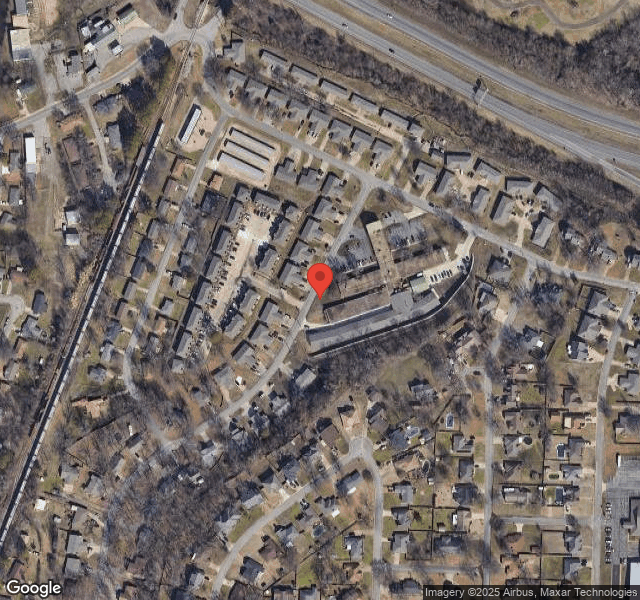
1404 NORTH 28TH STREET, VAN BUREN, AR 72956 (479) 474-8021
For profit - Limited Liability company 140 Beds STEIN LTC Data: November 2025
Trust Grade
75/100
#95 of 218 in AR
Last Inspection: September 2024

Within standard 12-15 month inspection cycle. Federal law requires annual inspections.

Overview

Van Buren Healthcare and Rehabilitation Center has a Trust Grade of B, indicating it is a good choice for families seeking care, though there is room for improvement. It ranks #95 out of 218 facilities in Arkansas, placing it in the top half, and #3 out of 4 in Crawford County, meaning only one local facility is rated higher. The facility is currently improving, having reduced reported issues from 10 in 2023 to just 3 in 2024. Staffing is average with a 3/5 star rating and a turnover rate of 48%, which is slightly better than the state average. While there have been no fines reported, concerns were noted regarding RN coverage, which is less than 98% of state facilities, potentially impacting the quality of care. Specific incidents include failures in food safety practices and maintaining cleanliness in the kitchen, which could pose health risks, as well as lapses in protecting residents' personal information during medication administration. Overall, the facility has strengths in its grading and trend, but families should be aware of the kitchen hygiene issues and staffing concerns.

Trust Score
B
75/100
In Arkansas
#95/218
Top 43%
Safety Record
Low Risk
No red flags
Inspections
Getting Better
10 → 3 violations
Staff Stability
⚠ Watch
48% turnover. Above average. Higher turnover means staff may not know residents' routines.
Penalties
✓ Good
No fines on record. Clean compliance history, better than most Arkansas facilities.
Skilled Nurses
⚠ Watch
Each resident gets only 9 minutes of Registered Nurse (RN) attention daily — below average for Arkansas. Fewer RN minutes means fewer trained eyes watching for problems.
Violations
⚠ Watch
20 deficiencies on record. Higher than average. Multiple issues found across inspections.
★★★★☆
4.0
Overall Rating
★★★☆☆
3.0
Staff Levels
★★★☆☆
3.0
Care Quality
★★★★☆
4.0
Inspection Score
Stable
2023: 10 issues
2024: 3 issues

The Good

  • Full Sprinkler Coverage · Fire safety systems throughout facility
  • No fines on record

Facility shows strength in fire safety.

The Bad

Staff Turnover: 48%

Near Arkansas avg (46%)

Higher turnover may affect care consistency

Chain: STEIN LTC

Part of a multi-facility chain

Ask about local staffing decisions and management

The Ugly 20 deficiencies on record

Sept 2024 3 deficiencies
CONCERN (D)

Potential for Harm - no one hurt, but risky conditions existed

Deficiency F0657 (Tag F0657)

Could have caused harm · This affected 1 resident

Based on observation, interview, and record review, the facility failed to ensure the care plan was followed related to fall interventions for 1 (Resident #32) of 1 sampled resident with a history of ...

Read full inspector narrative →
Based on observation, interview, and record review, the facility failed to ensure the care plan was followed related to fall interventions for 1 (Resident #32) of 1 sampled resident with a history of falls. The findings are: On 09/20/2024 at 2:45 PM, the Surveyor observed one fall mat in place on the right side of Resident #32's bedside. The Surveyor observed adhesive strips on the left side of Resident #32's bedside. On 09/22/2024 at 09:00 AM, review of the Care Plan, with an initiated date of 06/19/24, noted Resident #32 was a moderate risk for falls, with falls recorded on 7/21/2024, 7/27/2024, and 9/11/2024 without injury. Interventions include a fall mat placed on both sides of the bed. On 09/22/2024 at 09:30 AM, review of the Medical Diagnosis sheet reported Resident #32 had diagnoses of unspecified lack of coordination, severe protein calorie malnutrition, reduce mobility, muscle wasting, and abnormalities of gait and mobility. On 09/22/2024 at 11:51 AM, the Surveyor observed one fall mat in place on the right side of Resident #32's bedside. No fall mat was observed on the left side of Resident #32's bedside. The Assistant Director of Nursing (ADON) was interviewed and confirmed the was not a fall mat in place on the left side of the bed and no additional fall mat was stored elsewhere in the room. The ADON could not verify if the care plan required two fall mats to be at Resident #32's bedside. The ADON reported she would find a fall mat and put it in place.
CONCERN (D)

Potential for Harm - no one hurt, but risky conditions existed

Deficiency F0676 (Tag F0676)

Could have caused harm · This affected 1 resident

Based on observation, interview, and record review, the facility failed to provide alternative communication methods for 1 (Resident #15) of 1 sampled resident who required alternative formats for com...

Read full inspector narrative →
Based on observation, interview, and record review, the facility failed to provide alternative communication methods for 1 (Resident #15) of 1 sampled resident who required alternative formats for communication. The findings are: On 09/16/2024 at 2:00 PM, during initial rounds and interviews with the residents, Resident #15 indicated they wanted to speak with the Surveyor. Upon entering the Resident #15's room, the Surveyor became aware that Resident #15 struggled to communicate verbally. No communication board or note tablet was visible in the resident's room. Resident #15 became agitated as the Surveyor struggled to understand what Resident #15 was trying to communicate. When asked if there was a way Resident #15 could communicate with the Surveyor easily, Resident #15 looked around room then indicated no. On 09/16/2024 at 10:00 AM, review of Resident #15's Medical Diagnosis sheet reported a history of traumatic brain injury, and dementia. On 09/16/2024 at 10:30 AM, review of Resident #15's Care Plan, with an initiated date of 12/15/21, noted Resident #15 had a communication problem Interventions for communicating with Resident #15 indicated staff were to identify self at each interaction, face Resident #15 when speaking, make eye contact, and reduce distractions. Resident #15 had communication problems. Interventions were to anticipate and meet needs, Monitor/document frustration level. Resident #15 uses Resident #15's computer to communicate, staff to plug in every evening per Resident #15's request. Use communication techniques which enhance interaction: allow adequate time to respond, repeat as necessary, do not rush, request feedback, clarification from Resident #15 to ensure understanding. Ask yes/no questions if appropriate. Use simple brief, consistent words/cues. Use alternative communication tools as needed such as communication book/board, writing pad, gestures, signs, and pictures. On 09/17/2024 at 11:54 AM, the Surveyor observed Housekeeper #1 exiting Resident #15's room. When interviewed, Housekeeper #1 reported there was no note pad or communication board that she was aware of, she communicates with Resident #15 using hand gestures. On 09/17/2024 at 12:00 PM, during an interview with the Treatment Nurse, she indicated Resident #15 has a laptop that can be used for communication. When asked what staff do if Resident #15 is unable to use the laptop for communication, the Treatment Nurse reported that simple yes/no questions are asked of Resident #15. The Treatment Nurse confirmed there was no communication board or note pad present for Resident #15. On 09/17/2024 at 12:30 PM, during an interview with Resident #15 regarding the ease of using the laptop for communication. Resident #15 indicated the laptop was difficult to use as Resident #15 did not have full use of the resident's hands and fingers. On 09/17/2024 at 12:49 PM, during an interview, the Activity Director was asked how she communicated with Resident #15. The Activity Director reported she has known Resident #15 for a long time and is able to understand Resident #15's nonverbal cues. The Activity Director verified that if someone has not known Resident #15 for a long period of time, alternative forms of communication would be necessary to understand Resident #15's needs/wants.
CONCERN (D) 📢 Someone Reported This

A family member, employee, or ombudsman was alarmed enough to file a formal complaint

Potential for Harm - no one hurt, but risky conditions existed

Accident Prevention (Tag F0689)

Could have caused harm · This affected 1 resident

Based on interviews, record review, and facility policy review, it was determined the facility failed to ensure 1 (Resident #4) of 7 residents reviewed for accidents and hazards received adequate supe...

Read full inspector narrative →
Based on interviews, record review, and facility policy review, it was determined the facility failed to ensure 1 (Resident #4) of 7 residents reviewed for accidents and hazards received adequate supervision to prevent the potential for accidents. Specifically, the facility failed to ensure Resident #4 was supervised to prevent the access and potential for ingestion of hand sanitizer, on the overbed table next to a cup of water in Resident #4's room. Findings included: A review of the admission Record, indicated the facility admitted Resident #4 with diagnoses that included senile degeneration of the brain, benign neoplasm of prostate, unspecified dementia, and metabolic encephalopathy. The quarterly Minimum Data Set (MDS) with an Assessment Reference Date (ARD) of 07/14/2024 revealed Resident #4 had a Brief Interview for Mental Status (BIMS) score of 1 which indicated the resident had severe cognitive impairment. Resident #4's functional abilities indicated resident required set up and clean up assistance with eating and oral hygiene. Resident #4 utilized a manual wheelchair for ambulation and required partial to moderate assistance with ambulation. A review of Resident #4's care plan initiated on 10/11/2023, revealed the resident had a terminal prognosis, was a wanderer, and was at was at risk for behaviors that included being up at night, roaming hallways, and taking hand sanitizer back to Resident #4's assigned room. Interventions included removing items from Resident #4's room when discovered. A review of the Nursing Medication Administration Record (MAR), revealed Resident #4 had a device to monitor wandering, was receiving hospice care, and behaviors were being monitored. During an interview on 09/16/2024 at 2:16 PM, a family member (Family Member #1) of Resident #4 stated, Resident #4 had a diagnosis of dementia and was concerned about finding a pump bottle of hand sanitizer, with the lid off, on Resident #4's over bed table. Family Member #1 stated there was also a clear plastic cup with a clear fluid in it, a regular sip or drink cup with a straw in it, and a lined cup (like a graduated medication cup) containing 4 to 5 sealed straws, napkins, and the pump lid from the sanitizer bottle on the overbed table. Family Member #1 stated they called another family member, (Family Member #2), who had been in the facility during breakfast, and Family Member #2 said there was no sanitizer in Resident #4's room at breakfast. Family member #1 said they asked an aide to come to Resident #4's room to remove the sanitizer, but Family Member # 1 could not recall who the aide was. Family Member #1 stated their concern was that Resident #4 would drink the open hand-sanitizer. A review of an Incident and Accident Report dated 09/06/2024 at 11:45 AM, revealed a statement given by Certified Nursing Assistant (CNA) #2 which indicated an opened sanitizer bottle was located next to a cup of water with a straw in Resident #4's room, and Family Member #1 t voiced concern Resident #4 had the opened sanitizer bottle next to a cup of water with a straw. A review of the Progress Notes revealed a Nurses Notes on 09/06/2024 at 1:42 PM which revealed staff reported that a family member said Resident #4 drank hand sanitizer. Resident #4 did not recall drinking hand sanitizer. A review of the Progress Notes revealed a Nurses Notes on 09/08/2024 at 10:14 PM, Resident #4 was observed roaming and removed a box of tissues from the nurse's station. A review of the in-services done with staff on 09/06/2024, included a facility policies titled, Abuse & Neglect, with a revision date of 08/10/2022, that indicated neglect is failing to provide services to avoid physical harm to a resident and an adverse event is or risk of an untoward, undesirable, and unanticipated event. Prevention, protection and response procedures of neglect included dementia management, a review of federal rules and regulations, ongoing resident assessment, care planning behaviors, and observation; and Storage of Supplies and Equipment, with a revised date of 04/2008, that indicated Hazardous/toxic materials must be properly stored. During an interview on 09/18/2024 at 4:24 PM, CNA #2 stated Resident #4's family member approached the nurse's desk and requested CNA #2 accompany the family member to Resident #4's room, worried Resident #4 opened a bottle of sanitizer and a cup next to the open sanitizer had water in it. Upon entry of Resident #4's room, CNA #2 stated she observed a cup containing water, a bottle of sanitizer, a cup containing unopened straws with the pump top of the sanitizer in it. CNA #2 described the hand sanitizer as one used by the facility, [brand name] brand with the pump on top. CNA #2 stated they were not sure if a staff member left the sanitizer in Resident #4's room and that Resident #4 was up at night and searched through items and may have taken the bottle of hand sanitizer from the nurse's medication cart. CNA #4 stated we have to keep an eye on him. During an interview on 09/18/2024 at 4:35 PM, the Director of Nursing (DON) stated she was notified of the family member's concern of hand sanitizer being in Resident #4's room and stated Resident #4 wanders the halls in evening and grabs things. Education was done with staff to keep things put up and out of reach of dementia residents due to the hazard it poses.
Jul 2023 10 deficiencies
CONCERN (D)

Potential for Harm - no one hurt, but risky conditions existed

Deficiency F0804 (Tag F0804)

Could have caused harm · This affected 1 resident

Based on observation, record review and interview, the facility failed to ensure meals were served at temperatures that were acceptable to the residents to improve palatability and encourage good nutr...

Read full inspector narrative →
Based on observation, record review and interview, the facility failed to ensure meals were served at temperatures that were acceptable to the residents to improve palatability and encourage good nutritional intake during 2 of 2 meals observed. The failed practice had the potential to affect 8 residents who received meal trays in their room on the 100 Hall; 31 residents who received meal trays in their room on the South Hall (Secure Unit); 16 residents who received meal trays in their room on the [NAME] Hall; 17 residents who received meal trays in their room on the North Hall and 26 residents who received meal trays in their room on the East Hall, as documented on a list provided by the Dietary Supervisor on 07/11/23 at 6:30 PM. The findings are: 1. On 07/11/23 at 5:07 PM, an unheated cart containing 6 meal trays for the assist residents for supper was delivered to the East Hall by Certified Nursing Assistant (CNA) #1. At 5:34 PM, Immediately after the last resident received their tray in their room, the temperatures of the food items on a test tray from the cart were checked and read by the Dietary Supervisor with the following results: a. Milk 50 - degrees Fahrenheit. b. Ground hamburger patties - 105 degrees Fahrenheit. c. Fries - 96.4 degrees Fahrenheit. d. Pureed marinated vegetables - 93 degrees Fahrenheit. e. Pureed bread with apple juice - 96 degrees Fahrenheit. 2. On 07/11/23 at 5:21 PM, an unheated meal cart containing 7 trays for supper was delivered to the 100 Hall by License Practical Nurse (LPN) #1, At 5:36 PM, immediately after the last resident was served in their room, the temperature of the food items on the test tray were checked and read by the Dietary Supervisor with the following results: a. Milk - 46.6 degrees Fahrenheit. b. Fried fish - 109.7 degrees Fahrenheit. c. Potato wedges - 110 degrees Fahrenheit. d. Marinated vegetables - 46 degrees Fahrenheit. 3. On 07/11/23 at 5:38 PM, an unheated cart containing 31 trays for supper was delivered to the Secure Unit by Registered Nurse (RN) #1. At 6:05 PM, immediately after the last resident received their tray in their room, the temperatures of the food items on a test tray from the cart were checked and read by the Dietary Supervisor with the following results: a. Fortified pudding - 61 degrees Fahrenheit. b. Milk - 47 degrees Fahrenheit. c. Pureed marinated vegetable - 66 degrees Fahrenheit. d. Pureed bread with juice - 93 degrees Fahrenheit. e. Pureed ground fish - 100 degrees Fahrenheit. f. Potato wedges - 90 degrees Fahrenheit. g. Marinated vegetables - 54 degrees Fahrenheit. h. Fried fish - 101 degrees Fahrenheit. 4. On 07/11/23 at 6:10 PM, CNA #2 stated, Food is always cold, and late.
CONCERN (E)

Potential for Harm - no one hurt, but risky conditions existed

Deficiency F0583 (Tag F0583)

Could have caused harm · This affected multiple residents

Based on observation and interview, the facility failed to ensure privacy and confidentiality of personal and medical information was maintained during medication administration by not locking the com...

Read full inspector narrative →
Based on observation and interview, the facility failed to ensure privacy and confidentiality of personal and medical information was maintained during medication administration by not locking the computer screens when not in use for 2 (Residents #29 and #59) of 2 sampled residents. The findings are: 1. On 07/12/23 at 8:33 AM, on the East Hall the medication cart was left unattended with the laptop screen opened and unlocked with Resident #29's name, information, and photo visible. 2. On 07/12/23 at 8:33 AM, the Surveyor asked Licensed Practical Nurse (LPN) #3 to look at the computer on the medication cart and tell this Surveyor what was wrong. LPN #3 stated, I left it open. The Surveyor asked if she should lock the laptop computer when she left her medication cart unattended. LPN #3 stated, Yes. The Surveyor asked what could happen if she didn't lock her laptop screen and left it unattended for others to see. LPN #3 stated, A violation of HIPPA [Health Insurance Portability and Accountability Act]. 3. On 07/13/23 at 3:49 PM, on the North Hall the medication cart was unattended with the laptop screen opened and unlocked with Resident #59's name, information, and photo visible. There were no nurses around the cart or at the desk. A form with Resident #59's name and health information were lying on top of the cart that was left unattended. 4. On 07/14/23 at 10:06 AM, the Surveyor asked the Director of Nursing (DON) what should happen when a nurse is passing medications and walks away from the medication cart. The DON stated, They should lock the screen to hide any resident information. The Surveyor asked what could happen if they didn't do those things. The DON stated, It is a HIPPA violation. 5. A facility policy titled, Confidentiality of Information and Personal Privacy, provided by the DON on 07/14/23 at 9:06 AM documented, .Our facility will protect and safeguard resident confidentiality and personal privacy . 1. The facility will safeguard the personal privacy and confidentiality of all resident personal and medical records. 2. The facility will strive to protect the resident's privacy . 4. Access to resident personal and medical records will be limited to authorized staff and business associates . 7. Release of resident information, including .computer stored information, will be handled in accordance with resident rights and privacy policies .
CONCERN (E)

Potential for Harm - no one hurt, but risky conditions existed

Assessment Accuracy (Tag F0641)

Could have caused harm · This affected multiple residents

**NOTE- TERMS IN BRACKETS HAVE BEEN EDITED TO PROTECT CONFIDENTIALITY** Based on interview and record review, the facility failed to accurately record the resident assessment for 4 (Resident #6, #48, ...

Read full inspector narrative →
**NOTE- TERMS IN BRACKETS HAVE BEEN EDITED TO PROTECT CONFIDENTIALITY** Based on interview and record review, the facility failed to accurately record the resident assessment for 4 (Resident #6, #48, #86, #89) of 4 sampled residents. The findings are: 1. Resident #6 had a diagnosis of Bipolar Disorder. a. Resident #6's electronic medical records contained a Preadmission Screening and Resident Review (PASARR) Level II dated 12/23/20. b. The Annual Minimum Data Set (MDS) with an Assessment Reference Date (ARD) dated 03/24/23 documented the resident was not currently considered by the state level II PASRR process to have a serious mental illness and/or intellectual disability or a related condition. 2. Resident #48 had a diagnosis of Schizoaffective Disorder. a. A letter from [State Designated Professional Associates] dated 01/30/20 regarding Resident #48's documented Resident #48 does not require specialized services and recommended the following rehabilitative services: Mental health Evaluation/Diagnosis; Pharmacological Management by Physician; Periodic Review of Master treatment Plan; Psychological Evaluation; Master Treatment Plan and Individual Psychotherapy. b. The Care Plan with an initiated date of 02/16/20 documented, .had a PASRR screening according to regulatory guidelines. This was completed and sent to [State Designated Professional Associates] and recv'd [received] on 1/24/20 and revealed no need for specialized services . is a level 2 PASSR .and [State Designated Professional Associates] recommendations are: provision of a structured environment, daily living skills training, adl [activities of daily living] program to increase independence, mental health eval [Evaluation]/dx [diagnosis], pharmacologic management by a physician, medication management/monitoring, periodic review of master treatment plan, psychological eval, master tx [treatment] plan, and individual psychotherapy . c. The Annual MDS with an ARD of 01/15/23 documented the resident was not currently considered by the state level II PASRR process to have a serious mental illness and/or intellectual disability or a related condition. 3. Resident #86 had a diagnosis of Mild Neurocognitive Disorder Due to Known Physiological Condition with Behavioral Disturbance a. The Pharmacy Consultant Visit - MRRs (Medical Record Reviews) documented the following: i) 12/13/22 - Resident #48 was on the medication Seroquel and had no behaviors attempt reduction - reduced. ii) 01/17/23 - Resident #48 had no noted issues/behaviors since reduction of Seroquel, consider further reduction to find lowest effective dose - ok reduced. iii) 04/28/23 - Resident #48's Seroquel was reduced. b. The Quarterly MDS with an ARD of 03/08/23 documented the resident received antipsychotic medications on a routine basis and had not had a gradual dose reduction (GDR) attempted. c. The Quarterly MDS with an ARD of 06/06/23 documented the resident received antipsychotic medications on a routine basis and had not had a GDR attempted. 4. Resident #89 had a diagnosis of Delirium due to KNOWN Physiological Condition. a. The Physician Orders documented the resident was to receive Buspirone (Buspar) two times a day for anxiety Order Date 02/17/23 and Seroquel three times a day related to Alzheimer's Disease, Unspecified Order Date 02/22/23. There was no order for an antidepressant of opioid on the Physician Orders. b. The Quarterly MDS with an ARD of 05/01/23 documented the resident did not receive an antianxiety medication during the 7 day lookback period and received an antidepressant for 7 days and an opioid for 4 days of the 7 day lookback period. c. The April 2023 Medication Administration Record (MAR) documented the resident received Buspirone and Seroquel. No antidepressant or opioid was on the MAR. 5. On 07/12/23 at 1:31 PM, the MDS Coordinator stated when completing section A1500, on the resident assessment, she looks at the resident's documents in their electronic medical record to see if they have a level II PASARR. The MDS Coordinator opened Resident #6's Annual MDS dated [DATE] and reviewed section A1500. The MDS Coordinator stated, It says no. The MDS Coordinator opened Resident #6's chart and reviewed the PASARR II. She stated, It should have been marked yes. When I go through my MDS sections, it is my responsibility to go through to make sure all of the information is right. The Surveyor asked the MDS Coordinator when Section N GDR was to be marked. The MDS Coordinator stated, GDR are done on all of the Omnibus Budget Reconciliation Act [OBRA] when the physician has come in and we have received a dose reduction on antipsychotics. When I go through my MDS section it is my responsibility to go through the documents to make sure all information is accurately entered. I rely on Medical Records for the information. The MDS Coordinator reviewed Resident #86 ' s documentation on the MRR and the Quarterly MDS and stated, Yes [Resident #86] had a dose reduction in January 2023. Based on that, it would not be accurate. 6. On 07/12/23 at 2:06 PM, the MDS Coordinator informed the Surveyor she had reviewed the PASARR letter for Resident #48 and that Resident #48's MDS needed a modification due to being incorrectly marked. 7. On 07/12/23 at 3:28 PM, the Surveyor asked the MDS Coordinator to look at Resident #89's MDS with an ARD of 05/01/23 to see if an antidepressant or opioid was captured on the MDS section N0410. She stated, Yes, it is. The Surveyor asked if there was an order for an antidepressant or opioid. The MDS Coordinator stated, No ma'am. The Surveyor asked should an antianxiety and opioid be captured on this MDS. She stated, No, that's on me. The Surveyor asked her to look at the Physicians Orders during the 7 day lookback period to see if there was a Physicians Order for an antianxiety medication. She stated, Yes, Buspirone. The Surveyor asked her to look at the MDS to see if it was captured under section N0410. She stated, No, I don't know what I was looking at. It should have been captured on the MDS. I will modify it now. 8. On 07/13/23 at 2:38 PM, the Surveyor asked the Director of Nursing (DON) why all residents MDSs should be accurately coded. The DON stated, It is about their specific care and their specific diagnoses. 9. Section 1 of The RAI (Resident Assessment Instrument) Manual documented, .The RAI process has multiple regulatory requirements . the assessment accurately reflects the resident status .
CONCERN (E)

Potential for Harm - no one hurt, but risky conditions existed

Comprehensive Care Plan (Tag F0656)

Could have caused harm · This affected multiple residents

**NOTE- TERMS IN BRACKETS HAVE BEEN EDITED TO PROTECT CONFIDENTIALITY** Based on record review and interview, the facility failed to develop and implement a comprehensive person-centered plan of care ...

Read full inspector narrative →
**NOTE- TERMS IN BRACKETS HAVE BEEN EDITED TO PROTECT CONFIDENTIALITY** Based on record review and interview, the facility failed to develop and implement a comprehensive person-centered plan of care for 2 (Residents #27 and #86) of 13 (Residents #6, #27, #29, #48, #55, #59, #63, #71, #84, #86, #89, #91 and #96) sampled residents whose Care Plans were reviewed. The findings are: 1. Resident #27 was admitted on [DATE] with a diagnosis of Bipolar Disorder. a. The Care Plan with an initiated date of 10/06/21 did not address interventions and care related to Bipolar Disorder. b. A Physicians Orders dated 05/08/23 indicated the resident was to receive Depakote Sprinkles (Divalproex Sodium) 125 milligrams one time a day related to Bipolar Disorder, Current Episode Depressed, Mild. c. Quarterly Minimum Data Set (MDS) with an Assessment Reference Date (ARD) of 06/15/23 documented the resident had a diagnosis of Bipolar Disorder. d. On 7/12/23 at 3:17 PM, the Surveyor asked the MDS if all serious mental health diagnoses should be represented on a resident's Care Plan. The MDS Coordinator stated, Yes. Upon request by the Surveyor, the MDS Coordinator read all serious mental health diagnoses documented on the Resident #27's Care Plan. The MDS Coordinator stated, Dementia and Depression. The MDS Coordinator reviewed the diagnoses list for Resident #27. The MDS Coordinator stated Bipolar was on the diagnoses list and should be addressed on the Care Plan but had never been included on the Care Plan for Resident #27. 2. Resident #86 was readmitted on [DATE] with diagnoses of Dementia in Other Diseases Classified Elsewhere, Mild, with Other Behavioral Disturbance and Dementia in Other Diseases Classified Elsewhere, Unspecified Severity, with Other Behavior Disturbance. a. The Quarterly MDS with an ARD of 06/06/23 documented the resident had a diagnosis of Dementia. b. The Care Plan with an initiated/revision date of 06/12/23 does not address Dementia or behavior. c. On 07/13/23 at 11:24 AM, the Surveyor asked the MDS Coordinator how a resident's care who had a diagnosis of Dementia was represented on the Care Plan. The MDS Coordinator stated, It should be added as a focus area on the Care Plan. The MDS Coordinator viewed Resident 86's Care Plan and stated, I don't see that [Dementia] specified on there. It is not listed. [Resident #86] does not have the behaviors care planned either. I look in the nursing notes for behaviors. [Resident #86] attempted to hit a nurse. It [behaviors] should have been on the Care Plan the day after the note was put in on 6/12/23. 3. On 07/13/23 at 11:30 AM, the MDS Consultant stated, Our protocol is to run the 24 hour report and care plan the behaviors every day. [MDS Coordinator] should have already done it. 4. On 07/13/23 at 2:38 PM, the Surveyor asked the Director of Nursing (DON) what was included on a Care Plan. The DON stated, Lots of things, behaviors, preferences, psychosocial, diagnosis, individual to the resident. Anything individualized and specific to the resident. PASARR [Preadmission Screening and Resident Review]. The DON stated that for a resident with a Bipolar diagnosis and behaviors the Care Plan documented their PASARR and the diagnoses. and for a resident with a Dementia diagnosis and behaviors the Care Plan documented any of their behaviors, their type of diagnosis, any antipsychotic medication, and any specific care they need. The Surveyor asked the DON the outcome of Dementia, Bipolar and related behaviors not documented on a resident's Care Plan. The DON stated, They would not be getting taken care of properly. 5. The facility policy titled Care Planning-Interdisciplinary Team, provided by the DON on 07/13/23 at 11:50 AM documented, .1. A comprehensive care plan for each resident is developed within seven (7) days of completion of the resident assessment (MDS) .
CONCERN (E) 📢 Someone Reported This

A family member, employee, or ombudsman was alarmed enough to file a formal complaint

Potential for Harm - no one hurt, but risky conditions existed

ADL Care (Tag F0677)

Could have caused harm · This affected multiple residents

Based on observation, record review and interview, the facility failed to ensure Activities of Daily Living (ADL) care was provided to promote cleanliness and good personal hygiene for 1 (Resident # 7...

Read full inspector narrative →
Based on observation, record review and interview, the facility failed to ensure Activities of Daily Living (ADL) care was provided to promote cleanliness and good personal hygiene for 1 (Resident # 71) of 10 (Residents #15, #20, #30, #63, #65, #68, #71, #86, #89 and #91) sampled residents who required staff assistance with shaving on the South Hall (Secure Unit). This failed practice had the potential to affect 24 residents who required assistance on the South Secured Unit with ADL care as documented on a list provided by the Director of Nursing (DON) on 07/14/23 at 9:06 AM. The findings are: 1. Resident #71 had diagnoses of Unspecified Dementia, unspecified Severity, without Behavioral Disturbance, Psychotic Disturbance, Mood Disturbance and Anxiety and Unspecified Lack of Coordination. a. On 07/10/23 at 11:37 AM, Resident #71 was sitting in the Dayroom. She had ½ inch long facial hair on her chin. b. On 07/11/23 at 8:37 AM, Resident #71 was in the Dayroom for breakfast. She had facial hair on her chin approximately 1/2 inch long. c. On 07/12/23 at 8:51 AM, Resident #71 was lying on the bed. She continues to have chin hair approximately 1/2 inch long. The Surveyor asked her if she wanted the chin hair. She stated, No. I'm not a man. d. On 07/13/23 at 8:52 AM, Resident #71 was lying in her bed. Her chin hair remained approximately ½ inch long. e. On 07/13/23 at 8:53 AM, the Surveyor asked Certified Nursing Assistant (CNA) #3 who was responsible for shaving residents. She stated, The shower team, but sometimes she refuses. The Surveyor asked what her responsibility was when a resident refuses ADL care. She stated, We document refusals and notify the nurse. The Surveyor asked if she felt that a female with this much facial hair was appropriate. She stated No, oh no. f. On 07/13/23 at 2:19 PM, the Surveyor asked the Director of Nursing (DON) who she expected to monitor the residents to ensure ADLs were being provided. She stated, All nursing staff. The Surveyor asked what staff were taught to provide when bathing. She stated, Peri care, nail care and shaving. g. On 07/13/23 the July 2023 Bathing Task sheet documented Resident #71 was scheduled for bathing every Wednesday, Friday and Sunday on the second shift and had received one shower/bath on 07/07/23. h. The Progress Notes dated 06/13/23 to 07/13/23 revealed the resident refused a shower on 06/18/23. There was no mention of the resident ' s chin hair or that the resident refused to be shaved. i. The facility policy titled, Shaving the Resident, provided by the DON on 07/13/23 at 12:11 PM documented, Purpose: The purpose of this procedure is to promote cleanliness and to provide skin care .
CONCERN (E)

Potential for Harm - no one hurt, but risky conditions existed

Incontinence Care (Tag F0690)

Could have caused harm · This affected multiple residents

Based on observation, record review and interview, the facility failed to ensure an indwelling catheter bag was covered to maintain privacy for 1 (Resident #63) of 6 (Residents #12, #22, #29, #51, #63...

Read full inspector narrative →
Based on observation, record review and interview, the facility failed to ensure an indwelling catheter bag was covered to maintain privacy for 1 (Resident #63) of 6 (Residents #12, #22, #29, #51, #63 and #78) sampled residents who had an indwelling catheter. The findings are: 1. Resident #63 had diagnoses of Alzheimer's Disease with Early Onset, Neuromuscular Dysfunction of Bladder, Unspecified and Chronic Kidney Disease, Unspecified. a. A Physicians Order dated 01/01/23 indicated the resident had a 16 Fr (french) foley catheter due to Neurogenic Bladder. b. A Care Plan with an initiated date of 01/12/23 indicated to position the catheter bag and tubing below the level of the bladder and away from entrance room door. The Care Plan did not address a privacy bag. c. On 07/10/23 at 3:13 PM, Resident #63 was sitting in his wheelchair in the Dayroom. His catheter bag was hung under the wheelchair approximately half full of a clear yellow liquid. No cover was on the bag. d. On 07/11/23 at 8:50 AM, Resident #63 was sitting in his wheelchair eating breakfast. The catheter bag was hanging under the wheelchair approximately one fourth full of a clear yellow liquid. No cover was on the bag. e. On 07/11/23 at 2:32 PM, a staff person took Resident #63 in his wheelchair to his room to empty the urine from the catheter bag. He was brought back to the Dayroom with his catheter bag located under his wheelchair and was visible to anyone. No cover was on the bag. f. On 07/12/23 at 7:28 AM, Resident #63 was sitting in a wheelchair in the Dayroom with his catheter bag hanging under the wheelchair. The bag was approximately one fourth full of a clear yellow liquid. No cover was on the bag. g. On 07/13/23 at 12:31 PM, Resident #63 was sitting at the dining table. His catheter bag was hanging under his wheelchair. The bag was approximately three fourth full of a clear yellow liquid. No cover was on the bag. h. On 07/13/23 at 1:32 PM, Resident #63 was sitting at the dining room table. The Surveyor asked Certified Nursing Assistant (CNA) #3 if she could see Resident #63's urine collection bag. CNA #3 looked and stated, He should have his bag in a privacy bag. The Surveyor asked why it is necessary to have a catheter bag in a privacy bag. She stated, For privacy and dignity and it can get yanked out. i. On 07/13/23 at 2:19 PM, the Surveyor asked the Director of Nursing (DON), What have you educated your staff on concerning urinary drainage bags? The DON stated, Keep it secured and in a privacy bag. The Surveyor asked why it was important to train on this subject. She stated, It's a dignity issue and it's to prevent trauma. j. The facility policy titled, Catheter Care, Urinary, provided by the DON on 07/13/23 at 12:11 PM documented, .General Guidelines: .13. Place Drainage bag in a privacy cover when exposed to the public .
CONCERN (E)

Potential for Harm - no one hurt, but risky conditions existed

Menu Adequacy (Tag F0803)

Could have caused harm · This affected multiple residents

Based on observation, record review, and interview, the facility failed to ensure meals were prepared and served according to the planned written menu to meet the nutritional needs of the residents fo...

Read full inspector narrative →
Based on observation, record review, and interview, the facility failed to ensure meals were prepared and served according to the planned written menu to meet the nutritional needs of the residents for 1 of 1 meal observed. This failed practice had the potential to affect 71 residents who received regular diets, 18 residents who received mechanical soft diets, and 6 residents who received pureed diets from the kitchen according to a list provided by the Dietary Supervisor on 07/11/23. The findings are: 1. The facility lunch menu provided by the Dietary Supervisor on 07/10/23 at 1:37 PM documented that each resident who received a regular diet was to receive 3 ounces of honey glazed turkey. All residents were to receive baked sweet potatoes and residents on a pureed diet were to receive one 2 inch by 3 inch square of pureed marble cake with frosting. 2. The following observations were made during preparation of the noon meal: a. On 07/10/23 at 11:44 AM, Dietary Employee (DE) #1 was wearing gloves on her hands while she transferred slices of marble cake into individual plates with a metal spatula. As she transferred slices of cake, she used her gloved hand to push the filling from the cake that stuck on the spatula into a pan. At 11:49 AM, DE #1 scrapped a few cake crumbs from the pan into the filling. There was no sliced marble cake added in the filling that was to be pureed to serve to the residents who required pureed diets. At 11:55 AM, DE #1 used a #12 scoop to place 9 servings of the filling and crumb mixture into a blender. When she was ready to puree it. The Surveyor immediately stopped DE #1 and asked her if what she had put into the blender to puree had slices of marble cake like the ones she will serve to the residents on regular and mechanical soft diets. She stated, I was using the fillings stuck on the spatula that I had pushed into a pan and the crumbs that I scrapped from the pan. The Surveyor asked if there was a reason that they couldn't have pureed slices of cake like the other residents served to them. She stated, We don't have enough cake. 3. On 07/10/23 at 12:28 PM, the following observations were made during the noon meal service: a. DE #2 served a small slice of turkey to the residents on regular diets for lunch. On 07/11/23 at 7:49 AM, the Surveyor asked DE #2 how many residents received a slice of turkey at the lunch meal on 07/10/23. She stated, The North Hall, East Hall and [NAME] Hall received 2 slices of turkey by the time I cut it. The rest received one slice. 38 residents received one slice of turkey that weighed 1.4 ounces and 33 residents received 2 slices of turkey that weighed 2.6 ounces. b. All residents were served mashed potatoes, instead of baked sweet potato as specified on the menu. On 07/11/23 at 7:49 AM, the Surveyor asked DE #2 the reason sweet potatoes were not served to the residents. She stated, I saw that on the menu, but I was following the other sheet. The Dietary Supervisor stated, I wrote the wrong potato on the posted menu. It was supposed have been baked sweet potato, instead of mashed potatoes. c. On 07/10/23 at 1:36 PM, the Surveyor asked DE #5 to weigh the same amount of sliced turkey served to the residents at the lunch meal. She weighed one slice and the slice weighed 1.4 ounces. The Surveyor asked her to weigh another slice of turkey. She did so, and it weighed 1.2 ounces. She was asked to weigh both slices. She did and they both weighed 2.6 ounces, instead of 3 ounces as specified on the menu.
CONCERN (E)

Potential for Harm - no one hurt, but risky conditions existed

Deficiency F0920 (Tag F0920)

Could have caused harm · This affected multiple residents

Based on observation, interview, and record review, the facility failed to ensure a comfortable, homelike, social dining experience was provided for residents who resided on the facility's Secure Unit...

Read full inspector narrative →
Based on observation, interview, and record review, the facility failed to ensure a comfortable, homelike, social dining experience was provided for residents who resided on the facility's Secure Unit. This failed practice had the potential to affect 31 residents as documented on the Census for the Secure Unit South Hall provided by the Registered Nurse (RN) Consultant on 07/10/23 at 1:39 PM. The findings are: 1. On 07/10/23 at 1:20 PM, the Dining Room area of the Secure Unit contained two tables on one side with two chairs near a piano and a recliner, and 3 tables pushed together and a table in the corner on the other side with 4 chairs. 2. On 07/10/23 from 12:45 PM to 1:35 PM, Resident #55 was going back and forth from her room to the Secure Unit Dining Room. At 1:59 PM, the Surveyor asked Resident #55 if she preferred to eat in her room. Resident #55 stated, Yes, it's too crowded out there. There is not enough room. The Surveyor asked would you eat in the Dining Room if there was more room. Resident #55 stated, Yes, probably. 3. On 07/12/23 at 12:40 PM, there were no empty chairs in the Dining Room and Resident #91's family member was standing to feed him. 4. On 07/13/23 at 12:15 PM, there were 9 residents, and 2 family members in the Dining Room awaiting lunch. There were no empty chairs. Resident #84 came into the Dining Room in a wheelchair bumping into tables and other residents' chairs spilling drinks. There were not enough chairs available again today and Resident #91's family member was scrunched standing between two chairs attempting to feed Resident #91. 5. On 07/13/23 at 12:45 PM, Resident #89 was in her room sitting in a chair at the end of her bed. Her lunch tray was sitting on the foot of her bed, and she was leaning over the footboard eating her lunch. The Surveyor asked if she wanted to eat in the dining area. Resident #89 stated, That's the place where all those people that live here come together. I only go to play the piano. 6. On 07/13/23 at 12:58 PM, the Surveyor asked Resident #96 if she ate meals in the dining area. Resident #96 stated, Only some days sweetie. Most of the time there are too much women down there. 7. On 07/13/23 at 1:11 PM, in the Dining Room, Resident #91's family member was standing over Resident #91 to assist with feeding her. 8. On 07/13/23 at 1:29 PM, the Surveyor asked Certified Nursing Assistant (CNA) #4, How many tables and chairs were in the Secure Unit Dining Room, can all the residents eat in the Secure Unit Dining Room, and was it a comfortable and homelike environment. CNA #4 stated, Not near enough. Just over a handful. About 12-15 [residents] at most. Pretty much everybody we have would eat down here if there was enough room. We only have one that I know would never come. We have tried to get more chairs to no avail. We have told the nurses, DON [Director of Nursing], Administrator and at meetings. There are residents that come down every day that want to sit down here and eat and cannot. Due to the behaviors here, we need to be able to space them out more and we can't. I would love to have more down here eating. It gives them more social time and time not being stuck in their room. 9. On 07/13/23 at 2:45 PM, the Surveyor accompanied the DON to the South Hall Secure Unit dining area and asked how many tables and chairs were in the Secure Unit Dining Room, how can all the residents eat in the Secure Unit Dining Room and was it a comfortable and homelike environment. The DON stated, 6 tables and 8 chairs if you count the recliner. No, not to space them out. If all wanted to, then no, but we do have the other two dining areas that all 30 residents can eat at if they wanted. The Surveyor asked if all Secure Unit residents were able to and if staff had been educated that the residents were able to. The DON stated, Technically this is just a Dayroom. I am not sure if they were officially trained, but it should be general knowledge. 10. On 07/13/23 at 3:08 PM, the Surveyor asked CNA #5 if education or training had been provided to her that all residents on the Secure Unit were able to eat in the Main and 100 Hall dining areas and if she had ever let a Secure Unit resident off the unit to eat breakfast, lunch, or dinner in either of those areas. CNA #5 stated, Oh, no! No. 11. On 07/13/23 at 3:10 PM, the Surveyor asked CNA #6 if education or training had been provided to her that all residents on the Secure Unit were able to eat in the Main and 100 Hall dining areas and if she had ever let a Secure Unit resident off the unit to eat breakfast, lunch, or dinner in either of those areas. CNA #6 stated, No! Only a few of them I have let out to go to the other Dining Room for bakery activities. 12. On 07/13/23 at 3:13 PM, the Surveyor asked Licensed Practical Nurse (LPN) #2 if education or training had been provided to her that all residents on the Secure Unit were able to eat in the Main and 100 Hall dining areas and if she had ever let a Secure Unit resident off of the unit to eat breakfast, lunch, or dinner in either of those areas. LPN #2 stated, No. For activities we take a few of them to the 100 Hall one. 13. On 07/13/23 at 8:09 AM, the Administrator informed the Surveyor the facility did not have a training regarding Secure Unit resident dining. 14. The facility policy titled, Activities and Social Events provided by the DON on 07/13/23 at 3:30 PM documented, .1. Residents have the right to choose the types of activities, dining, and social events in which they prefer to participate. 2. When developing the resident's activity, dining and social care plan, the resident should be given the opportunity to choose when, where, and how he or she will participate in activities, dining and social events . 15. The facility policy titled, Eating Environment, provided by the Administrator on 07/14/23 at 8:09 AM documented, .The staff shall strive to create an appropriate dining environment . 1. The direct care staff, Dietician, and Food Services Department will collaborate in developing an appropriate congregate eating environment. 2. Staff will develop appropriate measures, such as a seating chart and selection of dining area to try to maximize appropriate seating, positioning, and interactions among residents . 3. Nursing Services personnel will help to seat and position residents and identify factors that might adversely affect food intake (e.g., excessive noise or disruptive behaviors). Some residents may need staff to accompany them to meals, depending on the resident's choice of dining location, to ensure safety. Residents may eat in any dining area, including their own room .
CONCERN (E)

Potential for Harm - no one hurt, but risky conditions existed

Deficiency F0925 (Tag F0925)

Could have caused harm · This affected multiple residents

**NOTE- TERMS IN BRACKETS HAVE BEEN EDITED TO PROTECT CONFIDENTIALITY** Based on observation, record review and interview, the facility failed to ensure food preparation, service areas, and resident a...

Read full inspector narrative →
**NOTE- TERMS IN BRACKETS HAVE BEEN EDITED TO PROTECT CONFIDENTIALITY** Based on observation, record review and interview, the facility failed to ensure food preparation, service areas, and resident areas were free from visible signs of rodents and pests. This failed practice had the potential to affect 98 residents who received a meal tray from the kitchen as documented on a list provided by the Dietary Supervisor on 07/11/23 at 2:22 PM. The findings are: 1. On 07/10/23 at 12:16 PM, the following observations were made around the food preparation area: a. There was a fly crawling on the back of a saucepan hanging on the bar above the food preparation counter. b. A fly was on a pole. c. A fly was on a whisk. d. A fly was a sifter, one was crawling on a knife, and one was flying around the food area. The flies were shown to the Dietary Supervisor. e. A fly was on the wall by the hand washing sink. f. 4 flies were on a food cart close to the hand washing sink. g. A fly was on the wall by the dish window, and one was on the floor close to the food cart. The flies were shown to the Dietary Supervisor. 2. On 07/10/23 at 12:19 PM, the Surveyor asked the Dietary Supervisor the reason there were so many flies in the kitchen. She stated, They are coming through the door. 3. On 07/10/23 at 4:59 PM, a fly was crawling on a spatula inside of a pan and was also crawling inside the pan. The pan was to be sent to the dish washing machine to be washed. 4. On 07/11/23 at 9:22 AM, one roach was crawling on the floor and along the wall on the East Hall. 5. On 07/12/23 at 8:03 AM, a roach was crawling on the door facing in Room S-5. The roach was shown to Licensed Practical Nurse (LPN) #2 who used tissue paper to kill it. 6. On 07/12/2023 at 8:10 AM, a roach was crawling on the ceiling on the North Hall near room [ROOM NUMBER]. 7. On 07/11/23 at 12:31 PM, the Dietary Supervisor provided the following (Pest Elimination Service Company) Invoices: a. An Invoice dated 06/06/23 indicated some roaches were found in two rooms on E hall and laundry room, the facility was treated for roaches and flies in the Breakroom, Common Areas, Entry Points, Dining Room, Kitchen, Lobby, Storage Rooms, Kitchen, Restrooms, Closets, Cabinets, Bedrooms and Baseboards. b. An Invoice dated 06/08/23 indicated roaches were found by the exterminator in the back wall behind dishwasher and on the adjacent wall under milk crates and the Kitchen was treated for roaches. c. An Invoice dated 06/27/23 indicated the dish room was treated for roaches with service completed on 07/22/23. d. An Invoice dated 06/29/23 indicated the Common Areas, Entry Points and Kitchen were spot treated for flies and roaches. e. An Invoice dated 07/05/23 indicated a nest of roaches was found in the Dish Room, and staff had reported sightings of roaches in rooms behind cable boxes throughout the facility and in the basement. The Kitchen was treated for roaches. f. An Invoice dated 07/10/23 indicated roach activity was observed in the laundry room, laundry office, rooms S4, S6, and S2 and roach activity in the kitchen had gotten significantly better and 10 roaches were seen in the kitchen. The Kitchen, Laundry Room, Office, Restrooms, Common Areas, Dining Room, Entry Points, Breakrooms, common areas, dining room, entry points, Lobby, Offices and Restrooms were treated for roaches and the Common Areas, Dining Room, Entry Points, Kitchen and Windowsill/Trim were treated for flies.
CONCERN (F)

Potential for Harm - no one hurt, but risky conditions existed

Food Safety (Tag F0812)

Could have caused harm · This affected most or all residents

Based on observation and interview, the facility failed to ensure food items stored in the refrigerator/freezer were covered, sealed and dated; expired food items were promptly removed/discarded by th...

Read full inspector narrative →
Based on observation and interview, the facility failed to ensure food items stored in the refrigerator/freezer were covered, sealed and dated; expired food items were promptly removed/discarded by the expiration or use by dates to prevent potential food borne illness for residents who received meal trays from 1 of 1 kitchen; and dietary staff washed their hands before handling clean equipment or food items to prevent potential food borne illness for residents who received meals from 1 of 1 kitchen. The failed practices had the potential to affect 97 residents who received meals from the kitchen (total census: 98), as documented on a list provided by the Dietary Supervisor on 07/11/23 at 2:22 AM. The findings are: 1. On 07/10/23 10:33 AM, the following observations were made in the walk-in refrigerator: a. A container of leftover apple cobbler dated 6/30/2023. b. An opened box of sausage not covered or sealed. 2. On 07/10/23 at 10:34 AM, the following observation was made in the in the walk-in freezer: a. An opened box of egg omelets not covered. 3. On 07/10/23 at 11:22 AM, there were 9 cartons of pineapple juice on a shelf in the storage room with an expiration date of 5/15/2023. 4. On 07/10/23 at 12:01 PM, an opened box of egg rolls was in the freezer in the Nourishment Room on the South Hall not covered or sealed. 5. On 07/10/23 at 12:02 PM, the following observations were made in the refrigerator in the Nourishment Room on the South Hall: a. A carton of skin milk with an expiration date of 07/09/2023. b. A container of egg soup with no name or date when stored. c. Three boxes of cooked white rice with no name or date when stored. d. A plate full of wafers with no name or date when stored. 6. On 07/10/23 at 12:30 PM, Dietary Employee (DE) #3 was on the tray line assisting with lunch with gloves on her hands. She picked up the tray cards and placed them on the trays, contaminating her gloved hands. Without changing gloves and washing her hands, she picked up the plates to be used in portioning food items to be served to the residents for lunch with her gloved fingers touching the plates' interior surfaces. 7. On 07/10/23 at 12:34 PM, DE #3 untied a bag of hamburger buns on the counter while still wearing the same gloves. She removed a bun from the bag and placed it on the tray. She unwrapped a slice of cheese wrapped in plastic wrap and used her contaminated gloved hands to remove slice of cheese and place it on the bun. She picked up another slice of cheese in plastic wrap, unwrapped it, and without changing gloves and washing her hands, she removed the slice of cheese and placed it on another bun to be served to the residents who requested a cheeseburger with their lunch meal. She then used a tong to remove tomatoes and lettuce from a container. 8. On 07/10/23 at 12:38 PM, DE #3 held a box of gloves as she removed gloves from the box and placed them on her hands, contaminating the gloves. She used the same gloved hand to remove chips from a bag and placed them on a plate. She then picked up a bowl with her gloved fingers inside the bowl. She spooned a serving of vegetables into the bowl to serve to the residents who requested soup with their lunch meal. 9. On 07/10/23 at 12:48 PM, DE #4 walked out of the walk-in refrigerator with a container of grape jelly in her hand. She placed the container on the counter, contaminating her hands. Without washing her hands, she united a bag of bread, used her contaminated hand to remove slices of bread from the bag and placed them on plastic wrap. She used a spoon to remove peanut butter and jelly and spread them on the slices of bread to be served to the residents who requested a peanut butter and jelly sandwich with their lunch meal. 10. On 07/10/23 at 3:18 PM, DE #4 turned on the hand washing sink faucet in the dish washing machine room and washed her hands. After washing her hands, she turned off the sink faucet with her hands, contaminating them. She picked up clean plates and placed them on the clean side of the cabinet and touched the inside of them. The Surveyor asked what she should have done after she touched dirty dishes and before she handled clean objects. She stated, Rewashed my hands. 11. On 07/10/23 at 4:18 PM, DE #5 turned on the two-compartment sink and washed the blender bowl. After rinsing and sanitizing the bowl, she turned off the sink faucet with her hands, contaminating them. She picked up a clean blade and attached it to the base of the blender to be used in pureeing food items to be served to the residents who required pureed diets. The Surveyor asked what she should have done after touching dirty dishes and before handling clean objects. She stated, I should have washed my hands. I will go and rewash it. 12. A document titled, General Food Preparation and Handling, provided by the Dietary Supervisor on 07/12/23 at 11:24 AM documented, .2.b.Food is covered for storage . 4.d. Leftovers must be dated, labeled, covered, cooled, and stored (within ½ hour after cooking or service) in a refrigerator.Leftovers are not to be used as pureed food. Use leftovers within 3 days or discard . 13. The facility policy titled, When Should You Wash Your Hands?, provide by the Dietary Supervisor on 07/11/23 at 1:08 PM documented, .∙ before working in food preparation where exposed food, clean equipment and utensils, or unwrapped single-service or single-use articles are present . ∙ food preparation, as often as necessary to remove soil and contamination, and to prevent cross-contamination when changing tasks . ∙ donning gloves to initiate a task that involves working with food ∙ engaging in other activities that contaminates the hands.
Apr 2022 7 deficiencies
CONCERN (D)

Potential for Harm - no one hurt, but risky conditions existed

Resident Rights (Tag F0550)

Could have caused harm · This affected 1 resident

Based on observation, record review and interview, the facility failed to ensure staff sat at eye level with the resident while assisting with eating to promote dignity for 1 (Resident #82) of 1 sampl...

Read full inspector narrative →
Based on observation, record review and interview, the facility failed to ensure staff sat at eye level with the resident while assisting with eating to promote dignity for 1 (Resident #82) of 1 sampled resident who required assistance with meals. The findings are: Resident #82 had diagnoses of Dysphagia, Protein-Calorie Malnutrition, and Muscle Wasting and Atrophy. The admission Minimum Data Set (MDS) with an Assessment Reference Date (ARD) of 2/12/22 documented the resident scored 4 (0-7 indicates severe impairment) on the Brief Interview for Mental Status (BIMS) and required one staff to assist with eating. a. On 04/04/22 at 01:28 PM, Certified Nursing Assistant (CNA) #1 delivered Resident #82's meal tray to her room. CNA #1 offered Resident #82 a drink of punch from a straw. The CNA stood between the wall and the head of the bed, chopped the resident's food and started feeding the resident. CNA #1 gave the resident a bite of beans from the spoon while she continued to stand while assisting the resident to eat. b. On 04/04/22 at 01:54 PM CNA #1 was asked, Why did you stand up while assisting Resident #82 with her lunch meal? CNA #1replied, There is nowhere to sit down. I didn't have a chair. CNA #1was asked, Why should staff sit at eye level when assisting residents with meal service? CNA #1 replied, So they can make sure they are comfortable. CNA #1 was asked, Would you considered it a dignity issue standing over the resident while assisting them with eating? CNA #1 stated, Yes, it would be a dignity issue. c. On 04/06/22 01:57 PM, CNA #3 was asked, Why should staff sit at eye level while assisting residents with eating? CNA #3 stated, So the residents doesn't feel like you're hovering over them, to be at their level.
CONCERN (D)

Potential for Harm - no one hurt, but risky conditions existed

Deficiency F0692 (Tag F0692)

Could have caused harm · This affected 1 resident

Based on observation, record review, and interview, the facility failed to ensure an ordered therapeutic and nutritional diet was offered and served to the residents who were at risk for weight loss t...

Read full inspector narrative →
Based on observation, record review, and interview, the facility failed to ensure an ordered therapeutic and nutritional diet was offered and served to the residents who were at risk for weight loss to prevent further weight loss for 1 (Resident #82) of 17 (Residents #82, 75, 64, 21, 393, 13, 85, 4, 79, 78, 71, 20, 42, 58, 8, 56, and 17) sampled residents who received fortified foods. The findings are: Resident #82 had diagnoses of Dysphasia, Protein-calorie Malnutrition, and Muscle Wasting and Atrophy. The admission Minimum Data Set (MDS) with an Assessment Reference Date (ARD) of 2/12/22 documented the resident scored 4 (0-7 indicates severe impairment) on the Brief Interview for Mental Status (BIMS), required extensive assistance of one staff with eating, and has lost 5% or more weight in the past 3 months or 10% or more weight in the past 6 months and was not a planned physician ordered weight loss plan. a. A Physician Order with a start date of 3/1/22 documented, .regular diet mechanical soft texture, thin consistency . b. A Care Plan revised on 10/29/21 documented, .diet as ordered by physician . FF [fortified] pudding at lunch . gravy on the side at lunch and dinner . c. On 04/04/22 at 01:28 PM, Certified Nursing Assistant (CNA) #1 delivered Resident #82's meal tray to her room, raised the head of her bed, and then washed her hands. The lunch meal tray consisted of 8 ounces (oz) fruit punch, 4 oz of milk, Light and Fit peach yogurt 112 cc (cubic centimeter), flour tortilla soft shells x (times) 2, a bowel of mixed vegetables, (with corn, tomatoes, and onions), pureed refried beans, and chopped pork churro. d. On 04/04/22 at 01:32 PM, CNA#1 gave Resident #82 a bite of beans from the spoon. CNA #1 was asked, Where is the gravy at? CNA#1 stated, They didn't send it out. CNA #1 was asked, Where is the fortified pudding? CNA#1 stated, They didn't send it out. CNA #1 did not attempt to obtain the side of gravy or the fortified pudding. A tray card dated 4/4/22 documented, .gravy on side with each meal . send fortified pudding . e. On 04/06/22 at 01:57 PM, CNA #3 was asked, Who is responsible for ensuring residents receive meals according to preferences and dietary recommendations? CNA#3 stated, We are, we have to make sure it's right. CNA #3 was asked, What should staff do if a resident's meal tray is sent out without the special requirements, such as gravy on the side or fortified pudding? CNA #3 stated, We take that care (meal) to the kitchen and have them give us what is supposed to be on the there. f. On 04/06/22 at 02:02 PM, CNA #4 was asked, Who is responsible for ensuring residents receive meals according to preferences and dietary recommendations? CNA#4 stated, Kitchen is responsible and we are responsible for double checking it. CNA #4 was asked, What should staff do if a resident's meal tray is sent out without the special requirements, such as gravy on the side or fortified pudding? CNA #4 stated, We go back to the kitchen and tell them they forgot it and they will get it ready for us. g. On 04/06/22 at 02:10 PM, Dietary Aid #1 was asked, Who is responsible for ensuring residents receive meals according to preferences and dietary recommendations? Dietary Aid #1 stated, All 3 of us, the cook, aid, and dishwasher. Dietary Aid #1 was asked, What should staff do if a resident's meal tray is sent out without the special requirements, such as gravy on the side or fortified pudding? Dietary Aid #1 stated, If we have it, we need to make sure it's on the tray, if we don't have it, we send an alternative. h. On 04/06/22 at 02:11 PM, The Dietary Manager (DM) was asked, Who is responsible for ensuring residents receive meals according to preferences and dietary recommendations? The DM stated, Me and the registered dietitian. The DM was asked, What should staff do if a residents meal tray is sent out without the special requirements, such as gravy on the side or fortified pudding? The DM stated, They come back and get it and we give it immediately. i. On 04/07/22 at 10:58 AM, the Director of Nursing (DON) was asked, Who is responsible for ensuring the residents receive therapeutic nutritional ordered diets when being served a tray in their room? The DON stated, Dietary is responsible for ensuring the meal matches the tray card, but as a second check, whoever is passing the tray should double check the tray to the card. The DON was asked, Why should therapeutic diets be served as ordered for residents at risk for weight loss? The DON stated, To ensure they are getting the interventions they need to maintain weight. j. A policy on .Tray Identification received from the Administrator on 4/6/22 at 1:18 PM documented, .appropriate identification/coding shall be used to identify various diets .the food services manager or supervisor will check trays for correct diets before the food carts are transported to their designated areas . nursing staff shall check each food tray for the correct diet before serving the residents . if there is an error, the nurse supervisor will notify the dietary department immediately by phone so that the appropriate food tray can be served .
CONCERN (E)

Potential for Harm - no one hurt, but risky conditions existed

Quality of Care (Tag F0684)

Could have caused harm · This affected multiple residents

Based on observation, interview, and record review, the facility failed to ensure residents receives prompt identification and treatment of a wound to promote healing and prevent potential complicatio...

Read full inspector narrative →
Based on observation, interview, and record review, the facility failed to ensure residents receives prompt identification and treatment of a wound to promote healing and prevent potential complication and/or infection for 1 (Resident #49) of 1 sampled resident who had a new wound to the hand. The findings are: Resident #49 had diagnoses of Muscle Weakness, Aphasia, and Abnormalities of Gait and Mobility. The admission Minimum Data Set (MDS) with an Assessment Reference Date (ARD) of 2/4/22 documented the resident scored 11 (8-12 indicates cognitively impaired) on the Brief Interview for Mental Status (BIMS), required limited assistance of 1 staff bed mobility and transfer and had functional limitation in the upper and lower extremity on one side. a. A Care Plan dated 2/10/22 documented, .is at risk for impaired skin integrity and or pressure ulcer r/t [related to] immobility and inct [incontinent] . Follow facility policies/protocols for the prevention/treatment of skin breakdown . b. The April 2022 weekly/monthly skin evaluation documented no negative skin issues. c. On 04/04/22 at 12:31 PM, Resident #49 was sitting in a wheelchair (w/c) in the hallway. There was an open red, swollen area to the right hand, in between the middle finger and ring finger knuckle. There was no dressing on the wound. The resident was asked, Does it hurt? The resident stated, Yes. The resident was asked, When did it happen? The resident stated, Last night. The resident was asked, Does the nurse know? The resident stated, Yes. The resident was asked, Did she put anything on it? Resident #49 stated, No. d. On 04/04/22 at 01:50 PM, Resident #49 was ambulating in a w/c in the hallway. The area to the top of the right hand was not covered and was red and swollen. e. On 04/05/22 at 12:12 PM, Resident #49 was sitting in a wheelchair in the hallway. The area in between the ring finger and the middle finger knuckle on the right hand, remained red and swollen with no dressing. f. On 04/06/22 at 11:28 AM, Licensed Practical Nurse (LPN) #2 was asked, Do you know what happened [R #49]'s hand, and can you describe it? LPN #2 stated, It's red, looks like she hit it on something, it looks swollen, it's open with no drainage, it's about 1 cm x 1. cm. [centimeter] g. On 04/06/22 at 01:57 PM, Certified Nursing Assistant (CNA) #3 was asked, Who is responsible for ensuring and reporting resident's changes of condition? CNA #3 stated, We are, CNAs to nurses, whoever sees it. CNA #3 was asked, What do staff do if they notice a new abrasion or wound or bruise on a resident? CNA #3 stated, Report it to the nurse or wound care nurse. CNA #3 was asked, Why should staff report new skin issues, such as abrasions, wounds, or bruises? CNA #3 stated, So they can find out what happened and get them doctored. CNA #3 was asked, Do you know what happened to [R #49] hand? CNA #3 stated, I have no idea. h. On 04/06/22 at 02:02 PM CNA #4 was asked, Who is responsible for ensuring and reporting resident's changes of condition? CNA #4 stated, CNAs to the nurse, then nurse follows chain of command. CNA #4 was asked, What do staff do if they notice a new abrasion or wound or bruise on a resident? CNA #4 stated, Report to the nurse, report to wound care nurse. CNA #4 was asked, Why should staff report new skin issues, such as abrasions, wounds, or bruises? CNA #4 stated, Because if they are not cared for properly, they can become worse. CNA #4 was asked, Do you know what happened to [R #49] hand? CNA #4 stated, I don't know. i. On 04/06/22 at 02:23 PM, LPN #4 was asked, Who is responsible for ensuring and reporting resident's changes of condition? LPN #4 stated, Anybody that notices a change of condition reports to the charge nurse. LPN #4 was asked, What do staff do if they notice a new abrasion or wound or bruise on a resident? LPN #4 stated, If I'm in the facility, they come get me, and if I'm not here, the charge nurse takes care of it. LPN #4 was asked, Why should staff report new skin issues, such as abrasions, wounds, or bruises? LPN #4 stated, So they can be documented, assessed, and provide treatment or interventions. LPN #4 was asked, Do you think 3 days is too long for someone to notify of the change with [R #49] hand? LPN #4 stated, I found out about it today, but yes, 3 days is too long. j. A policy on Acute Condition Changes provided by the Administrator on 4/6/22 at 1:18 pm documented, .the nursing staff will make pertinent observations and collect appropriate information to report to the physician . phone calls to attending or on-call physicians should be made by an adequately prepared nurse who has collected pertinent information, including the resident's current symptoms and status .
CONCERN (E)

Potential for Harm - no one hurt, but risky conditions existed

Respiratory Care (Tag F0695)

Could have caused harm · This affected multiple residents

Based on observation, record review, and interview, the facility failed to ensure oxygen was administered at the physician ordered prescribed rate to prevent potential respiratory complications for 1 ...

Read full inspector narrative →
Based on observation, record review, and interview, the facility failed to ensure oxygen was administered at the physician ordered prescribed rate to prevent potential respiratory complications for 1 (Resident #30) of 8 (R21, R38, R82, R72, R30, R11, R37, and R4) sampled residents dependent on oxygen. The failed practice had the potential to affect 12 facility residents who had physician orders for oxygen therapy. The findings are: Resident #30 had a diagnosis of Chronic Obstructive Pulmonary Disease (COPD). The Minimum Data Set (MDS) with an Assessment Reference Date (ARD) of 1/21/22 documented the resident scored 15 (13-15 indicates cognitively intact) on the Brief Interview for Mental Status (BIMS), received oxygen while a resident and had Shortness of breath .with exertion .when sitting at rest, and .when lying flat. a. The Physician's order dated 3/16/22 documented, O2-[oxygen] VIA NC [nasal cannula] @ [at] 2 Lpm [liters per minute] as needed. b. On 04/04/22 at 11:59 AM, the resident was lying in bed with O2 via nasal cannula at 2.5 lpm. c. On 04/05/22 at 09:10 AM and at 1:36 PM, Resident #30 was in the room with O2 in use via nasal canula. O2 was set between 2.25 and 2.5 lpm. d. On 04/06/22 at 10:28 AM, the resident was in her room with O2 in use via nasal cannula. The resident was asked if she adjusted her O2. She stated, No, that is 'unintelligible sound' job (exhale sound) pointing toward door to the hallway. e. On 04/06/22 at 10:30 AM, Licensed Practical Nurse (LPN) #2 was asked to accompany this surveyor to the resident's room. LPN #2 was asked what O2 was set at. She stated, It's at 2.5. LPN #2 was asked what R 30's order was for O2. LPN #2 stated, I'm not 100% sure. LPN #2 went to nurses' station and checked computer and stated to surveyor, It should be at 2.0. I need to go adjust it now. LPN #2 was asked how often the O2 is checked. LPN #2 stated, I check it once a shift. I don't know about the others. LPN #2 was asked what the adverse effects could be if a resident was receiving too much O2. LPN #2 stated, If the O2 is too high it takes away their drive. f. The Oxygen Administration policy provided by the Administrator on 04/06/22 at 1:18 PM documented, i.Preparation 1.Review physician's orders or facility protocol for oxygen administration . ii.Steps in the Procedure .8. Adjust the oxygen delivery device so that .the proper flow of oxygen is being administered .
CONCERN (E)

Potential for Harm - no one hurt, but risky conditions existed

Unnecessary Medications (Tag F0759)

Could have caused harm · This affected multiple residents

Based on observation of the 12:00 p.m., medication pass on 4/5/22 and the 8:00 a.m. medication pass on 4/6/22, record review, and interview, the facility failed to ensure physician's orders were follo...

Read full inspector narrative →
Based on observation of the 12:00 p.m., medication pass on 4/5/22 and the 8:00 a.m. medication pass on 4/6/22, record review, and interview, the facility failed to ensure physician's orders were followed to maintain a medication error rate of less than 5% to prevent potential complications for 2 (Residents #38, and #72) of 10 residents observed during the medication passes resulting in medication errors. Medication errors were made by 1 Licensed Practical Nurse (LPN); (LPN #2) of 2 LPNs who administered medications in the facility. The medication error rate was 5.88% based on observation of 34 medications administered, and a total of 2 errors detected. The findings are: 1. Resident #38 had a diagnosis of Diabetes Mellitus. a. A Physician Order with a start date of 12/21/21 documented, .Novo Log Flex Pen Solution Pen-injector 100 units/ml [milliliter] (Insulin Aspart) . Inject 20 units subcutaneously before meals and at bedtime . b. On 04/05/22 at 12:03 PM, Licensed Practical Nurse (LPN) #2 checked Resident #38's blood sugar glucose. The results were 187. c. On 04/05/22 at 01:17 PM, LPN #2 primed the pen with 2 units of insulin, then administered 20 units of Insulin Aspart Flex Pen 100 units/ml to Resident #38's left posterior arm, pushed in the plunger, and pulled the needle from the arm. LPN #2 did not wait or count to 10 prior to removing the needle from the resident's arm. 2. Resident #72 had a diagnosis of Diabetes Mellitus. a. A Physician Order with a start date of 11/17/21 documented, .Humalog KwikPen Solution Pen-injector 100 UNIT/ML (Insulin Lispro (1 Unit Dial)) Inject as per sliding scale . leave needle inserted x [times] 6 seconds . b. On 04/05/22 at 12:31 PM, LPN #2 checked Resident #72 blood sugar glucose. The results were 358. c. On 04/05/22 at 01:20 PM, LPN #2 primed the pen with 2 units of insulin, then administered 16 units of Insulin Lispro Injection 100 units/ml into Resident #72's left lower abdomen. LPN #2 pushed in the plunger and pulled the needle from the resident's abdomen. LPN #2 did not wait or count to six prior to removing the needle from the resident's abdomen. d. On 04/06/22 at 11:19 AM, LPN #2 was asked, What does the physician order say for counting prior to removing the insulin pen after administration for Resident #72. LPN #2 stated, We got new needles and I thought you just poked, and it was done . I know now I'm supposed to wait 10 seconds. LPN #2 was asked, How long are you supposed to count prior to removing the insulin pen after administration for R#72. LPN #2 stated, I would wait 10 seconds to be on the safe side. 3. On 04/07/22 at 10:58 AM, the Director of Nursing (DON) was asked, Why should physician orders and the manufacturer's guidelines be followed when administering insulin pens? The DON stated, For safety of the residents. 4. A document titled, .Instructions for use NovoLog Flex Touch Pen provided by the Director of Nursing (DON) on 4/5/22 at 4:04 PM documented, .insert the needle into your skin . press and hold down the dose button until the dose counter shows 0 .keep the needle in your skin after the dose counter has returned to 0 and slowly count to 6 . when the dose counter returns to 0, you will not get your full dose until 6 seconds later . 5. A policy on .Administering Medications provided by the Administrator on 4/6/22 at 1:18 PM documented, .Medications shall be administered in a safe and timely manner, and as prescribed . medications must be administered in accordance with the orders, including any required time frame .
CONCERN (F)

Potential for Harm - no one hurt, but risky conditions existed

Food Safety (Tag F0812)

Could have caused harm · This affected most or all residents

Based on observation, record review, and interview, the facility failed to ensure the ice scoop holder, meat slicer, can opener, fan guard, and the main dining room's ice dispenser were maintained in ...

Read full inspector narrative →
Based on observation, record review, and interview, the facility failed to ensure the ice scoop holder, meat slicer, can opener, fan guard, and the main dining room's ice dispenser were maintained in a clean condition to minimize the risk of food borne illness for residents who received meals from the kitchen. These failed practices had the potential to affect 92 residents who received meals from the kitchen (total census 93), based on a list provided by dietary employee #2 on 4/8/22. On 4/4/2022, the following observations were made: 1. At 10:21 AM, the blue ice scoop holder mounted to the side of the ice machine in the kitchen had an unidentified blackish, gritty substance in the bottom of it. Dietary Employee #2 was asked what she saw in the holder, and she said, Dirt. She was asked, How often is the ice scoop holder cleaned? Dietary Employee #2 said, It should be washed three times a day. Dietary Employee #2 was asked when the last time the ice scoop holder was washed and Dietary Employee #2 said, Last night after supper. a. At 10:24 AM, there was an electric slicer covered with plastic sitting on a worktable next to the ice machine. There was sticky yellowish debris beneath the blade guard of the slicer. Dietary Employee #2 was asked to describe what she saw, and she said, It's dirty and needs to be cleaned. Dietary Employee #2 was asked when the last time the slicer had been used. Dietary Employee #2 said, I don't know for sure. It's been a few days. b. At 10:33 AM, there was a mushy, black substance behind the can opener's blade and a thick, gummy, black accumulation of an unknown substance on the surrounding can opener base. Dietary Employee #2 was asked what she saw, and she said, It's dirty and a build-up. c. At 10:55 AM, there were whitish grey particles covering an inch of the outer edges of the fan guard in the walk-in refrigerator. Dietary Employee #2 was asked what the particles were, and she said, It's lint, I believe. 2. On 04/04/2022 at 11:05 AM, the chute of the main dining room's ice dispenser had an accumulation of an unidentified pinkish slimy substance which came off on a white napkin. Dietary Employee #2 was asked, Is this clean? Dietary employee #2 said, No. I will get it cleaned right away.
MINOR (B)

Minor Issue - procedural, no safety impact

Safe Environment (Tag F0584)

Minor procedural issue · This affected multiple residents

Based on observation and interview, the facility failed to ensure the holes, scratches and gouges in the wall of 4 rooms on 1 (South-hall) of 4 (South, North, West, and East) halls were promptly repai...

Read full inspector narrative →
Based on observation and interview, the facility failed to ensure the holes, scratches and gouges in the wall of 4 rooms on 1 (South-hall) of 4 (South, North, West, and East) halls were promptly repaired to maintain a clean, safe and sanitary environment. The failed practices had the potential to affect all 33 residents who resided on the South Hall according to a Daily Census report dated 4/3/22 provided by the Administrator on 04/04/22. The findings are: 1. On 04/04/22 at 10:35 am the following observations were made: a. In room S-11, there was a large hole in the wall by the bed. b. In room S-16, there was 3 quarter sized holes in a vertical line beside the bed with scratches on the wall at the head of the bed. c. In room S-19 there were numerous vertical gouges measuring approximately 6-12 inches in length in the wall beside the bed. d. In room S-11 there was sheet rock and wallpaper coming down from the wall. 2. On 04/05/22 at 11:06 am, Resident #35 was asked, Are you in the 1st bed in the room? Resident #35 stated, Yeah. Resident # 35 was asked, Does it bother you that the area on the wall that is messed up/sheet rock and wallpaper coming down? Resident #35 stated, Yeah it looks tacky. Resident #35 was asked, Have you reported it to anybody? Resident #35 stated, No, I didn't know I was supposed to. 3. On 04/05/22 at 11:22 AM, Licensed Practical Nurse (LPN) #1 was asked, Can you describe the area on the wall for me? LPN #1 stated, I don't know what that is on the wall. LPN #1 was asked, Who is responsible for reporting things that are to be fixed? LPN #1 stated, All staff. LPN #1 was asked, Who do they report it to? LPN #1 stated, The maintenance logbook, and report to the [Administrator]. 4. On 04/05/2022 at 11:26 AM, review of the Maintenance Logbook dated 3/3/22 through 4/5/22, had no maintenance request documented for walls in rooms on the South Hall. 5. On 04/06/22 at 11:30 am, Resident #73 was asked if the wall bothers her and how long it has been like that. She stated, It's been like that as long as I have been here. I don't know if it bothers me. 6. On 04/05/2022 at 11:46 AM, the Maintenance Employee was asked, How would you describe the area on the wall? The Maintenance Employee stated, It's been dug in, pulled out, it looks like it's been clawed with a spoon or something. The Maintenance Employee was asked, What are the measurement? The Maintenance Employee stated, 6.5 inches wide, x [by] 19 inches long x 0.5 inches in depth. The Maintenance Employee was asked, What kind of material is that? The Maintenance Employee stated, Sheet rock, looks like wallpaper on it. The Maintenance Employee was asked, Has it been reported? The Maintenance Employee stated, I didn't see it in there. The Maintenance Employee was asked, Where should it be reported? The Maintenance Employee stated, In the maintenance log. The Maintenance Employee was asked, Who is supposed to report it, things that need fixed? The Maintenance Employee stated, The aides, they are supposed to write it in the maintenance log, or the nurse, but maintenance can't fix it if they don't know about it. The Maintenance Employee was asked, How many maintenance logbooks are there and where are they located? The Maintenance Employee stated, There is only 1 book at the nurses' station for all halls. 7. On 4/6/22 at 11:45 am, the Activity Director was asked, How long have the walls been in disrepair in rooms S-11, S-16, and S-19? She stated, They've been like that since before Christmas. She was asked, Who reports things like that? She stated, Well we have a maintenance book that we all write it down in.
Understanding Severity Codes (click to expand)
Life-Threatening (Immediate Jeopardy)
J - Isolated K - Pattern L - Widespread
Actual Harm
G - Isolated H - Pattern I - Widespread
Potential for Harm
D - Isolated E - Pattern F - Widespread
No Harm (Minor)
A - Isolated B - Pattern C - Widespread

Questions to Ask on Your Visit

  • "Can I speak with families of current residents?"
  • "What's your RN coverage like on weekends and overnight?"

Our Honest Assessment

Strengths
  • • No major safety red flags. No abuse findings, life-threatening violations, or SFF status.
  • • No fines on record. Clean compliance history, better than most Arkansas facilities.
Concerns
  • • 20 deficiencies on record. Higher than average. Multiple issues found across inspections.
Bottom line: Generally positive indicators. Standard due diligence and a personal visit recommended.

About This Facility

What is Van Buren Healthcare And Rehabilitation Center's CMS Rating?

CMS assigns VAN BUREN HEALTHCARE AND REHABILITATION CENTER an overall rating of 4 out of 5 stars, which is considered above average nationally. Within Arkansas, this rating places the facility higher than 99% of the state's 100 nursing homes. This rating reflects solid performance across the metrics CMS uses to evaluate nursing home quality.
How is Van Buren Healthcare And Rehabilitation Center Staffed?

CMS rates VAN BUREN HEALTHCARE AND REHABILITATION CENTER's staffing level at 3 out of 5 stars, which is average compared to other nursing homes. Staff turnover is 48%, compared to the Arkansas average of 46%.

What Have Inspectors Found at Van Buren Healthcare And Rehabilitation Center?

State health inspectors documented 20 deficiencies at VAN BUREN HEALTHCARE AND REHABILITATION CENTER during 2022 to 2024. These included: 19 with potential for harm and 1 minor or isolated issues.
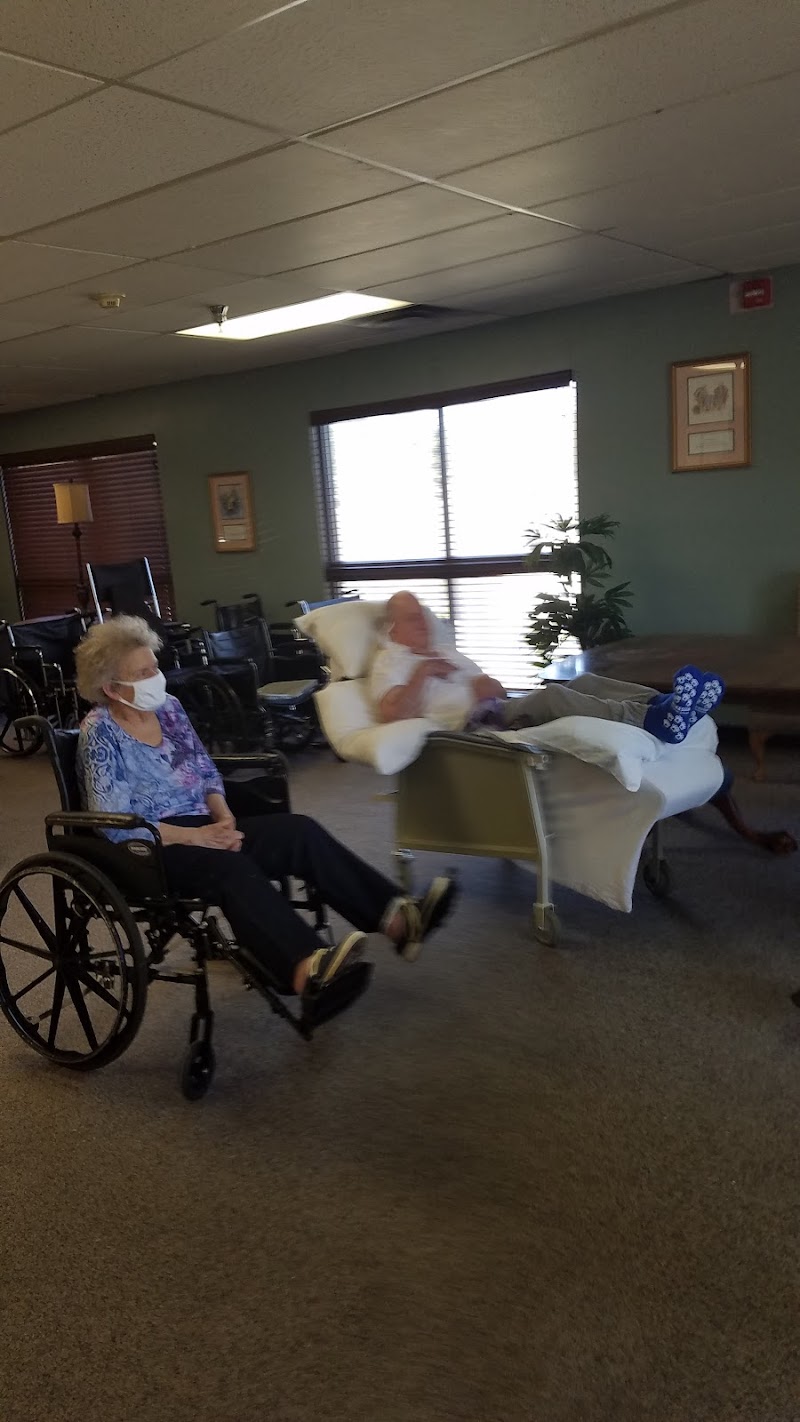
Who Owns and Operates Van Buren Healthcare And Rehabilitation Center?

VAN BUREN HEALTHCARE AND REHABILITATION CENTER is owned by a for-profit company. For-profit facilities operate as businesses with obligations to shareholders or private owners. The facility is operated by STEIN LTC, a chain that manages multiple nursing homes. With 140 certified beds and approximately 114 residents (about 81% occupancy), it is a mid-sized facility located in VAN BUREN, Arkansas.
How Does Van Buren Healthcare And Rehabilitation Center Compare to Other Arkansas Nursing Homes?

Compared to the 100 nursing homes in Arkansas, VAN BUREN HEALTHCARE AND REHABILITATION CENTER's overall rating (4 stars) is above the state average of 3.1, staff turnover (48%) is near the state average of 46%, and health inspection rating (4 stars) is above the national benchmark.

What Should Families Ask When Visiting Van Buren Healthcare And Rehabilitation Center?

Based on this facility's data, families visiting should ask: "Can I visit during a mealtime to observe dining assistance and food quality?" "How do you handle medical emergencies, and what is your hospital transfer rate?" "Can I speak with family members of current residents about their experience?"

Is Van Buren Healthcare And Rehabilitation Center Safe?

Based on CMS inspection data, VAN BUREN HEALTHCARE AND REHABILITATION CENTER has a clean safety record: no substantiated abuse findings (meaning no confirmed cases of resident harm), no Immediate Jeopardy citations (the most serious violation level indicating risk of serious injury or death), and is not on the Special Focus Facility watch list (a federal program monitoring the lowest-performing 1% of nursing homes). The facility has a 4-star overall rating and ranks #1 of 100 nursing homes in Arkansas. While no facility is perfect, families should still ask about staff-to-resident ratios and recent inspection results during their visit.

Do Nurses at Van Buren Healthcare And Rehabilitation Center Stick Around?

VAN BUREN HEALTHCARE AND REHABILITATION CENTER has a staff turnover rate of 48%, which is about average for Arkansas nursing homes (state average: 46%). Moderate turnover is common in nursing homes, but families should still ask about staff tenure and how the facility maintains care continuity when employees leave.

Was Van Buren Healthcare And Rehabilitation Center Ever Fined?

VAN BUREN HEALTHCARE AND REHABILITATION CENTER has no federal fines on record. CMS issues fines when nursing homes fail to meet care standards or don't correct problems found during inspections. The absence of fines suggests the facility has either maintained compliance or corrected any issues before penalties were assessed. This is a positive indicator, though families should still review recent inspection reports for the full picture.

Is Van Buren Healthcare And Rehabilitation Center on Any Federal Watch List?

VAN BUREN HEALTHCARE AND REHABILITATION CENTER is not on any federal watch list. The most significant is the Special Focus Facility (SFF) program, which identifies the bottom 1% of nursing homes nationally based on persistent, serious quality problems. Not being on this list means the facility has avoided the pattern of deficiencies that triggers enhanced federal oversight. This is a positive indicator, though families should still review the facility's inspection history directly.