ANAHEIM CREST NURSING CENTER
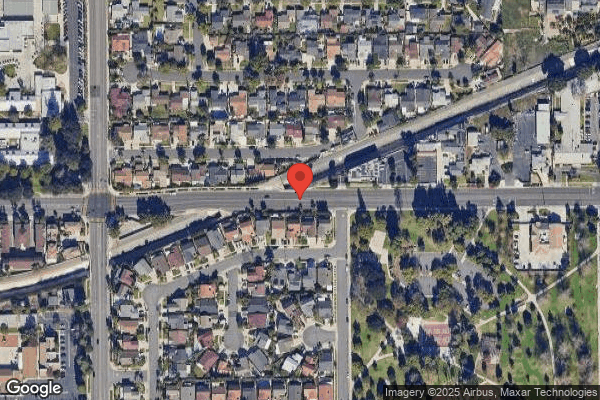
3067 W ORANGE AVENUE, ANAHEIM, CA 92804 (714) 827-2440
For profit - Limited Liability company 83 Beds CAMBRIDGE HEALTHCARE SERVICES Data: November 2025
Trust Grade
83/100
#6 of 1155 in CA
Last Inspection: June 2025

Inspected within the last 6 months. Data reflects current conditions.

Overview

Anaheim Crest Nursing Center has a Trust Grade of B+, indicating it is above average and recommended for care. It ranks #6 out of 1,155 facilities in California, placing it in the top half, and #2 out of 72 facilities in Orange County, meaning only one local option is rated higher. The facility is showing improvement, with the number of issues decreasing from 20 in 2024 to 16 in 2025. Staffing is rated average with a turnover rate of 25%, which is better than the California average, but the facility has been noted for several concerns, including failures in kitchen sanitation and hand hygiene practices among staff, which could pose risks for foodborne illnesses and infections. On a positive note, there have been no fines reported, and the overall quality measures are rated excellent, reflecting strong care for residents.

Trust Score
B+
83/100
In California
#6/1155
Top 1%
Safety Record
Low Risk
No red flags
Inspections
Getting Better
20 → 16 violations
Staff Stability
✓ Good
25% annual turnover. Excellent stability, 23 points below California's 48% average. Staff who stay learn residents' needs.
Penalties
✓ Good
No fines on record. Clean compliance history, better than most California facilities.
Skilled Nurses
⚠ Watch
Each resident gets only 27 minutes of Registered Nurse (RN) attention daily — below average for California. Fewer RN minutes means fewer trained eyes watching for problems.
Violations
⚠ Watch
56 deficiencies on record. Higher than average. Multiple issues found across inspections.
★★★★★
5.0
Overall Rating
★★★☆☆
3.0
Staff Levels
★★★★★
5.0
Care Quality
★★★★☆
4.0
Inspection Score
Stable
2024: 20 issues
2025: 16 issues

The Good

  • 5-Star Quality Measures · Strong clinical quality outcomes
  • Low Staff Turnover (25%) · Staff stability means consistent care
  • Full Sprinkler Coverage · Fire safety systems throughout facility
  • No fines on record
  • Staff turnover is low (25%)

    23 points below California average of 48%

Facility shows strength in quality measures, staff retention, fire safety.

The Bad

Chain: CAMBRIDGE HEALTHCARE SERVICES

Part of a multi-facility chain

Ask about local staffing decisions and management

The Ugly 56 deficiencies on record

Jul 2025 1 deficiency
CONCERN (D) 📢 Someone Reported This

A family member, employee, or ombudsman was alarmed enough to file a formal complaint

Potential for Harm - no one hurt, but risky conditions existed

Report Alleged Abuse (Tag F0609)

Could have caused harm · This affected 1 resident

**NOTE- TERMS IN BRACKETS HAVE BEEN EDITED TO PROTECT CONFIDENTIALITY** Based on interview, medical record review, facility document review, and facility P&P review, the facility failed to implement t...

Read full inspector narrative →
**NOTE- TERMS IN BRACKETS HAVE BEEN EDITED TO PROTECT CONFIDENTIALITY** Based on interview, medical record review, facility document review, and facility P&P review, the facility failed to implement the P&P to ensure the reporting of a reasonable suspicion of a crime in accordance with Section 1150B for one of four sampled residents (Resident 1). * The facility failed to ensure Resident 1's sexual abuse allegation by a facility staff was reported timely to the CDPH L&C Program. This failure had the potential for abuse to go unreported and uninvestigated timely at a facility with a highly vulnerable resident population. Findings: Review of the facility's P&P titled Abuse Investigation and Reporting (undated) showed all alleged violations involving abuse, neglect, exploitation, or mistreatment, including injuries of an unknown source and misappropriation of property will be reported by the facility administrator, or his/her designee, to the following persons or agencies:a. The State licensing/certification agency responsible for surveying/licensing the facility;b. The local/State Ombudsman;c. The Resident's Representative (Sponsor) of Record;d. Adult Protective Services (where state law provides jurisdiction in long-term care);e. Law enforcement officials;f. The resident's attending physician; andg. The facility medical director. An alleged violation of abuse, neglect, exploitation or mistreatment (including injuries of unknown source and misappropriation of resident property) will be reported immediately, but no later than two hours if the alleged violation involves abuse, has resulted in serious bodily injury or if the alleged violation does not involve abuse and has resulted in serious bodily injury. On 7/23/25, the CDPH L&C Program received an SOC 341 from the facility showing Resident 1 alleged LVN 1 leading the resident's elbow in between LVN 1's legs. Review of the facility's SOC 341 - Report of Suspected Dependent/Elder Abuse dated 7/23/25, showed the facility reported an abuse allegation to the CDPH, L&C Program on 7/23/25 at 1620 hours. The report showed Resident 1 alleged LVN 1 led the resident's elbow in between LVN 1's legs. Medical record review for Resident 1 was initiated on 7/25/25. Resident 1 was admitted to the facility on [DATE]. Review of Resident 1's H&P examination dated 4/26/25, showed the resident had the capacity to understand and make decisions. Review of Resident 1's MDS assessment dated [DATE], showed the resident had a BIMS score of 12, indicating moderate cognitive impairment. On 7/25/25 at 0805 hours, an interview was conducted with Resident 1. Resident 1 stated the alleged abuse incident with LVN 1 occurred on 7/18/25. Resident 1 stated she was sitting in her wheelchair by her doorway and rubbing her abdomen in a circular motion. Resident 1 stated when she was rubbing her abdomen, her elbow was positioned outside of her wheelchair. Resident 1 stated LVN 1 then positioned her vagina on the resident's elbow. Resident 1 stated she laughed during the incident because she did not know how to react at the time. However, Resident 1 stated she did not feel good about the incident with LVN 1. Resident 1 further stated LVN 1 left the room but returned. LVN 1 then straddled her legs around Resident 1's legs and thrusted against the resident. Resident 1 stated she did not know what to say during the incident, but she felt bad and laughed about it. However, Resident 1 stated she felt violated by LVN 1. Resident 1 stated she told CNA 1 about the incident with LVN 1. On 7/25/25 at 0945 hours, an interview was conducted with CNA 1. CNA 1 verified Resident 1 informed her of the incident wherein LVN 1 positioned her vagina on the resident's elbow and LVN 1 thrusted against Resident 1. CNA 1 further stated Resident 1 was laughing and asked about LVN 1's sexual orientation. CNA 1 stated she informed LVN 1 about Resident 1's allegations on Friday 7/18/25. CNA 1 further stated on the following day, Resident 1 felt serious about the incident with LVN 1 and stated she would file a complaint with the State Agency. On 7/25/25 at 1018 hours, an interview was conducted with LVN 1. LVN 1 denied the allegations of Resident 1. LVN 1 stated CNA 1 had asked her about Resident 1's allegations on Friday 7/18/25, but LVN 1 denied the incident occurred. LVN 1 stated RN 1 had asked her if she touched Resident 1's vagina on Saturday 7/19/25. LVN 1 further stated the CNAs were asking her about her sexual orientation because of what Resident 1 had reported. When asked, LVN 1 stated she did not report the allegation to the supervisor because she was the alleged perpetrator. LVN 1 added she did not know how to report the allegations to when she was involved. On 7/29/25 at 1336 hours, an interview was conducted with the Administrator. The Administrator was informed and acknowledged the above findings.
Jun 2025 15 deficiencies
CONCERN (D)

Potential for Harm - no one hurt, but risky conditions existed

Deficiency F0554 (Tag F0554)

Could have caused harm · This affected 1 resident

**NOTE- TERMS IN BRACKETS HAVE BEEN EDITED TO PROTECT CONFIDENTIALITY** Based on observation, interview, medical record review, and facility P&P review, the facility failed to determine if it was safe...

Read full inspector narrative →
**NOTE- TERMS IN BRACKETS HAVE BEEN EDITED TO PROTECT CONFIDENTIALITY** Based on observation, interview, medical record review, and facility P&P review, the facility failed to determine if it was safe for one nonsampled Resident (Resident 14) to self-administer the medication. * Resident 14 was observed with a medication at the bedside. Resident 14 had no physician's order, assessment, and a care plan for the self-administration of the medications. This failure had the potential for Resident 14 to administer the medication inaccurately. Findings: Review of the facility's P&P titled Self-Administration of Medication revised 2/2021 showed the residents have the right to self-administer medications if the interdisciplinary team has determined that it is clinically appropriate and safe for the resident to do so. - As part of the evaluation comprehensive assessment, the interdisciplinary team (IDT) assesses each resident's cognitive and physical abilities to determine whether self-administering medications is safe and clinically appropriate for the resident. - If it is deemed safe and appropriate for a resident to self-administer medications, this is documented in the medical record and care plan. The decision that a resident can safely self-administer medications is reassessed periodically based on changes in the resident's medical and/or decision-making status. -Self-administered medications are stored in a safe and secure place, which is not accessible by other residents. On 6/22/25 at 0820 hours, during the initial tour of the facility, an observation, interview, and concurrent medical record review was conducted for Resident 14 with LVN 2. Resident 14 was observed sitting on his bed, and a medication cup containing a white cream was observed on the resident's bedside table. Resident 14 stated the nurse gave him the medication for his pain to apply later. Resident 14 stated the nurses usually would just leave the medication at the bedside and he would apply the medication later. LVN 2 verified that the medication was Diclofenac Sodium topical gel 1 % for pain. LVN 2 stated the licensed staff were not supposed to leave the medications at bedside. Medical record review for Resident 14 was initiated on 6/22/25. Resident 14 was admitted to the facility on [DATE], and readmitted to the facility on [DATE]. Review of Resident's 14 H&P examination dated 5/14/25, showed Resident 14 had the capacity to understand and make decisions. Review of Resident 14's Order Summary Report did not show a physician's order for Resident 14 to self-administer the medications. Review of Resident 14's plan of care did not show a care plan problem to address Resident 14's self-administration of the medications. Further review of Resident 14's medical record failed to show a physician's order to self-administer medications, nor was an assessment was completed for Resident 14 to safely self-administer a medication. On 6/24/25 at 1616 hours, an interview and concurrent medical record review for Resident 14 was conducted with DON. The DON verified Resident 14 had no physician's order, assessment, and care plan for the self-administration of any medications.
CONCERN (D)

Potential for Harm - no one hurt, but risky conditions existed

Deficiency F0558 (Tag F0558)

Could have caused harm · This affected 1 resident

**NOTE- TERMS IN BRACKETS HAVE BEEN EDITED TO PROTECT CONFIDENTIALITY** Based on observation, interview, medical record review, facility document review, and facility P&P review, the facility failed t...

Read full inspector narrative →
**NOTE- TERMS IN BRACKETS HAVE BEEN EDITED TO PROTECT CONFIDENTIALITY** Based on observation, interview, medical record review, facility document review, and facility P&P review, the facility failed to ensure the call lights were within reach for two of 19 final sampled residents (Residents 40 and 50). This failure had the potential for Residents 40 and 50 not to receive care and assistance when needed. Findings: Review of the facility's P&P titled Answering the Call Light revised 9/2022 showed to ensure that the call light is accessible to the resident when in bed, from the toilet, from the shower or bathing facility and from the floor. 1. Medical record review for Resident 40 was initiated on 6/22/25. Resident 40 was admitted to the facility on [DATE]. Review of Resident 40's H&P examination dated 4/2/25, showed the resident had the capacity to understand and make decisions. Review of Resident 40's care plan titled Visual Function initiated on 4/8/25, showed the interventions included to keep the call light within reach. On 6/22/25 at 0840 hours, a concurrent observation and interview with Resident 40 was conducted in Resident 40's room. Resident 40 was observed lying in bed with the call light on the floor under and near the head of the bed. Resident 40 stated she could not find the call light, could not reach, and did not know why the call light was on the floor. On 6/22/25 at 0850 hours, a concurrent observation and interview with LVN 1 was conducted in Resident 40's room. LVN 1 verified Resident 40's call light was on the floor and not within resident's reach. LVN 1 further stated call lights should be accessible to the resident to ensure for resident safety and allow the resident to communicate with the staff when in need of assistance. 2. Medical record review for Resident 50 was initiated on 6/22/25. Resident 50 was admitted to the facility on [DATE]. Review of Resident 50's H&P examination dated 5/5/25, showed the resident had no capacity to understand and make decisions, neurologically the resident was weak and confused. Review of Resident 50's MDS assessment dated [DATE], showed Resident 50 had a BIMS score of 1 that meant the resident had severe impaired cognition. Review of Resident 50's care plan titled Fall Risk Prevention and Management dated 5/5/25, showed the interventions included for the call light to be within reach and the staff to answer promptly. On 6/2/25 at 0843 hours, a concurrent observation and interview with Resident 50 was conducted in Resident 50's room. Resident 50 was observed sitting up in bed eating breakfast and the call light was clipped to the wall. Resident 50 stated she did not know where the call light was and wanted to use the call light to ask for staff assistance. Resident 50 stated she could not reach the call light since it was clipped to the wall and did not know who had clipped the call light to the wall. On 6/22/25 at 0852 hours, a concurrent observation and interview with LVN 1 was conducted in Resident 50's room. LVN 1 verified Resident 50's call light was clipped to the wall and not within resident's reach. LVN 1 further stated the call light should be accessible to the resident to ensure for resident safety and allow the resident to communicate with the staff when in need of assistance. On 6/22/25 at 1500 hours, an interview with the DON was conducted. The DON verified the above findings.
CONCERN (D)

Potential for Harm - no one hurt, but risky conditions existed

Comprehensive Care Plan (Tag F0656)

Could have caused harm · This affected 1 resident

**NOTE- TERMS IN BRACKETS HAVE BEEN EDITED TO PROTECT CONFIDENTIALITY** Based on observation, interview, medical record review, facility document review, and facility P&P review, the facility failed t...

Read full inspector narrative →
**NOTE- TERMS IN BRACKETS HAVE BEEN EDITED TO PROTECT CONFIDENTIALITY** Based on observation, interview, medical record review, facility document review, and facility P&P review, the facility failed to develop the resident-centered care plans to reflect the individual care needs of two of 19 final sampled residents (Residents 34 and 48) * Resident 48's Care Plan addressing the resident's Mood and Behavioral Symptoms dated 1/29/24, did not include the interventions consistent with the interventions on the Informed Consent Renewal- Psychoactive Medications dated 5/11/25. * The facility failed to develop a comprehensive individualized care plan to address the interventions to address the PASARR (Preadmission Screening and Resident Review) Level II recommended interventions for Resident 34. These failures posed the risk of not providing the appropriate and individualized care to Residents 34 and 48 to meet the highest practicable mental health and well-being. Findings: 1. Review of the facility's P&P titled Care Planning- Interdisciplinary Team dated March 2022 showed a comprehensive, person-centered care plans are based on resident assessments and developed by the IDT. Review of Resident 48's medical records was initiated on 6/23/25. Resident 48 was admitted on [DATE]. Review of Resident 48's H&P examination dated 3/1/25, showed Resident 48 had no capacity to understand and make decisions. Review of Resident 48's MDS assessment Section D: Mood dated 3/19/25, showed the presence of the symptoms of mood distress and frequent observations of distressed mood symptoms. Review of Resident 48's Informed Consent - Psychoactive Medications dated 5/11/25, showed the Interventions and Assessment of Psychoactive Medications: Non- Pharmacological Approaches included as follows: - encourage exercise and activities of interest - empathetic listening - individualization of care choices - positive reinforcement - repositioning - Social Service or Activity visits Further review of Resident 48's care plan failed to include the interventions that were included in the resident's psychoactive medications as shown above. On 6/24/25 at 1559 hours, an interview and concurrent medical record review was conducted with LVN 7. LVN 7 stated Resident 48, screams, and prefers to be called halmeoni (Korean for grandma), Resident 48 reportedly keeps quiet when called halmeoni. LVN 7 stated the staff puts the head up and repositions the resident, as part of the interventions to minimize Resident 48's screaming, etc. LVN 7 further stated she collaborated with the MDS Coordinator of the care plan interventions in place for Resident 48. However, the above interventions were not included in Resident 48's mood and behavior plan of care. On 6/24/25 at 1600 hours, a concurrent interview and medical record review were conducted with the MDS Coordinator. The MDS Coordinator reviewed Resident 48's Mood and Behavior care plan and verified the care plan did not include all the interventions outlined from the renewed Informed Consent form dated 5/11/25. The MDS Coordinator verified the above missing interventions. On 6/25/25 at 1525 hours, an interview was conducted with the Administrator and DON. The Administrator and DON verified the above findings. 2. Medical record review for Resident 34 was initiated on 6/22/25. Resident 34 was admitted to the facility on [DATE]. Review of Resident 34's Initial Preadmission screening (PAS) dated 4/6/21, showed Level 1 - Positive. Level I screen indicates the need for a PASRR Level II evaluation. Further review of Resident 34's PASRR letter dated 7/1/21, showed a Level 1 was screen was conducted at the facility and a followed by Level II PASRR evaluation on 6/30/21, was conducted by a psychologist from DHCS, reviewed the findings of the evaluation and made a determination for the most suitable setting for the resident care and any needs for specialized services. The following personalized care recommendations are based on the resident's medical and social history, strength and personal goals. Culture and religious preferences should be considered when providing care. - Psychotropic Medication and Education Monitoring - on going monitoring of current psychotropic medication or a recommendation of medication for psychiatric symptoms. Whenever possible, this service should be combined with education in the use of the medication and its side effects. - Mental Health Rehabilitation Activities - These include therapeutic community, dance, music, art, exercise, leisure, recreation, orientation, education and/or skill building activities. - Activities of Daily Living (ADL) Training/Reinforcement - Skill training and behavior reinforcement to improve your ability to dress, bathe, feed, toilet and groom yourself. - Supportive services - these are interactions between you and facility staff that encourage problem solving, socialization, reality orientation or focus on your therapeutic goals. - Psychotherapy/Counseling - Individual and/or group and/or family treatment provided by a licensed mental health professional. Therapy may include a combination of strategies and techniques such as supportive, cognitive behavioral, psychodynamic, art/music, counseling, skills training, and existential therapies, among others. - Psychiatry Consultation -Psychopharmacological intervention and monitoring of mental conditions. Psychiatrists may consider the impact of medications on lipid profile and glucose metabolism, assess the risk and benefits of pharmacological interventions, evaluate the efficacy and necessity of psychiatric medications, make adjustments as needed, and address side effects. - Neuropsychology Consultation-Services to gain understanding of cognitive functioning, to clarify diagnosis, and to provide treatment direction. Review of Resident 34's H&P examination on 4/24/25, showed Resident 34 had no capacity to understand and make decisions. The H&P examination also showed Resident 34 had a past medical history including anxiety disorder, depressive disorder and bipolar disorder. Review of Resident 34's care plan failed to show an individualized care plan for the PASARR Level II recommendations. On 6/24/25 at 0851 hours, an interview and concurrent medical record review were conducted with the MDS Coordinator. The MDS Coordinator failed to showed a personalized care plan was developed for the PASARR Level II recommendation from the DHCS Psychologist. On 624/25 at 1116 hours, an interview was conducted with the DON. The DON verified and acknowledged the above findings.
CONCERN (D)

Potential for Harm - no one hurt, but risky conditions existed

Deficiency F0761 (Tag F0761)

Could have caused harm · This affected 1 resident

Based on observation, interview, and facility P&P review, the facility failed to ensure the medications were handled securely, accurately labeled, and stored appropriately. * The facility failed to d...

Read full inspector narrative →
Based on observation, interview, and facility P&P review, the facility failed to ensure the medications were handled securely, accurately labeled, and stored appropriately. * The facility failed to dispose of the expired medication supplies and store the treatment cream separate from the food thickener. This failure had the potential to result in cross-contamination of the medications and posed the risk of non-licensed staff members having access to the medications. Findings: Review of the facility's P&P titled Medication Labeling and Storage dated 2/2023 showed the compartments (including but not limited to the drawers, cabinets, rooms, refrigerators, carts, and boxes) containing the medications and biologicals are locked when not in use and trays or carts used to transport such items are not left unattended if open or otherwise potentially available to others. The nursing staff are responsible for maintaining medication storage and preparation areas in a clean, safe and sanitary manner. On 6/22/25 at 0950 hours, a concurrent observation and interview was conducted with the MDS Coordinator. One crash cart had two packages of biohazard spill kit expired on 1/31/20. The content list included a pair of disposable gloves, an absorbent towel, disinfectant wipes, hand sanitizer wipe, plastic scoop with detachable scraper, a packet of absorbent powder, twist tie for biohazard bag closure and one red biohazard trash bag. The MDS Coordinator stated these medical supplies should be disposed of. On 6/23/25 at 1030 hours, a concurrent observation and interview was conducted with the MDS Coordinator. Medication Cart 3 had a transparent box compartment attached to the side of cart unlocked. There were two packets of hydrocortisone acetate cream 1% (anti-itch cream) was stored mixed with multiple packages of simply thick easy mixed food thickener 6 grams (0.2 fluid ounces), the tape measurement, medication label directions, and batteries. The MDS Coordinator stated they should have locked the cream in the treatment cart and not to store together with food and other items. The MDS Coordinator verified the findings.
CONCERN (D) 📢 Someone Reported This

A family member, employee, or ombudsman was alarmed enough to file a formal complaint

Potential for Harm - no one hurt, but risky conditions existed

Menu Adequacy (Tag F0803)

Could have caused harm · This affected 1 resident

Based on observation, interview, facility document review, and facility P&P review, the facility failed to ensure the menus were followed and the resident nutritional needs were met when the correct p...

Read full inspector narrative →
Based on observation, interview, facility document review, and facility P&P review, the facility failed to ensure the menus were followed and the resident nutritional needs were met when the correct portion sizes were not followed for the Mandarin Oranges. This failure had the potential for 10 out of 69 residents receiving pureed food prepared in the kitchen to not meet their nutritional needs, which may lead to nutritional related health complications. Findings: Review of the facility's P&P titled Portion Control (undated) showed the residents will receive the appropriate portions of food as planned on the menu. Control at the point of service is necessary to assure that only the standard portion is served. Serving too small of portions results in the residents not receiving the nutrients needed. Serving too large of portions increases the costs as well as gives the residents more food than they need or are allowed to have (in the case of special diets). Review of the Mandarin Oranges puree recipe showed a number 10 scoop (three ounces) was used per serving. On 6/24/25 at 1105 hours, during the puree preparation, an observation was conducted with the Dietary Staff. The Mandarin Oranges were served in a clear individual cup using a number 8 scoop (four ounces). On 6/25/25 at 1503 hours, an interview and concurrent facility document review was conducted with the DSS. The DSS was informed and acknowledged the findings. The DSS stated the Dietary Staff gave extra serving of the Mandarin Oranges when she used the number 8 scoop which was equivalent to four ounces. The DSS further stated the Dietary Staff should have used the number 10 scoop which was equivalent to three ounces, and she should have followed the spreadsheet.
CONCERN (D)

Potential for Harm - no one hurt, but risky conditions existed

Medical Records (Tag F0842)

Could have caused harm · This affected 1 resident

**NOTE- TERMS IN BRACKETS HAVE BEEN EDITED TO PROTECT CONFIDENTIALITY** Based on interview, medical record review, and facility P&P review, the facility failed to ensure the medical record for one of ...

Read full inspector narrative →
**NOTE- TERMS IN BRACKETS HAVE BEEN EDITED TO PROTECT CONFIDENTIALITY** Based on interview, medical record review, and facility P&P review, the facility failed to ensure the medical record for one of 19 final sampled residents (Resident 44) was accurate. * The facility failed to ensure Resident 44's information on the POLST was accurate. This failure had the potential for the resident's care needs not being met as their medical information was inaccurate. Findings: Review of facility's P&P titled Charting and Documentation revised 7/2017 showed documentation in the medical record will be objective, completed, and accurate. Medical record review for Resident 44 was initiated on 6/22/25 . Resident 44 was admitted to the facility on [DATE], and readmitted to the facility on [DATE]. Review of Resident 44's POLST under Section D - Information and Signatures dated 5/29/25, showed the box for the Advance Directive not available was checked. On 6/22/25 at 1621 hours, an interview and concurrent medical record review was conducted with the SSD. The SSD stated Resident 44 did have a Durable Power of Attorney which was uploaded in the resident's electronic medical record on 6/2/25. The SSD stated Resident 44's POLST Section D was inaccurate, and the box for the Advance Directive if available and reviewed should have been checked and dated to reflect the accuracy of Resident 44's current medical record. On 6/24/25 at 0824 hours, an interview was conducted with the DON. The DON was informed and verified the above findings.
CONCERN (D)

Potential for Harm - no one hurt, but risky conditions existed

Infection Control (Tag F0880)

Could have caused harm · This affected 1 resident

**NOTE- TERMS IN BRACKETS HAVE BEEN EDITED TO PROTECT CONFIDENTIALITY** 3. Review of the facility's P&P titled Cleaning and Disinfection of Resident-Care Items and Equipment revised 9/2022 showed the ...

Read full inspector narrative →
**NOTE- TERMS IN BRACKETS HAVE BEEN EDITED TO PROTECT CONFIDENTIALITY** 3. Review of the facility's P&P titled Cleaning and Disinfection of Resident-Care Items and Equipment revised 9/2022 showed the resident-care equipment, including reusable items and durable medical equipment will be clean and disinfected according to current CDC (Center of Disease Control and Prevention - service organization that protects the public's health) recommendations for disinfection. On 6/22/25 at 0852 hours, during a general observation of the facility, LVN 1 was in Resident 40's room to verify the call light was on the floor. LVN 1 did not clean the call light when the LVN picked up the call light from the floor, put it on Resident's 40's bed then proceeded to wash her hands. LVN 1 was informed the call light was not cleaned when it was picked up from the floor. LVN 1 stated she should have cleaned the call light before putting it back on the bed for the resident to prevent the spread of infection. On 6/23/25 at 1550 hours, an interview with the DON was conducted in the DON's office. The DON was informed and verified the above findings. Based on observation, interview, medical record review, facility document review, and facility P&P review, the facility failed to maintain the infection prevention control program and practices designed to provide a safe and sanitary environment to help prevent the transmission of infections. * The facility failed to ensure the analysis of the infection surveillance data for the antibiotic stewardship program was communicated to the physician. Resident 14 had signs and symptoms of infection and was prescribed with the antibiotics when the resident did not meet the McGeer's Criteria for true infection. This failure posed the risk of antibiotics not being used appropriately which could prevent better patient care and reduced antibiotic resistance. * The facility failed to ensure the pneumonia cases were screened for possible Legionnaire's disease. This failure posed the risk of not identifying the resident infections and thereby preventing the implementation of interventions to control the potential transmission of communicable diseases to other residents in the facility. * The facility failed to ensure LVN 1 cleaned the call light when she picked it up from the floor and placed it on Resident 40's bed. This failure posed the risk of transmission of infections. Findings: 1. According to the CDC, unnecessary antibiotic use promotes the development of antibiotic-resistant bacteria. Every time a person takes antibiotics, sensitive bacteria are killed, but resistant germs may be left to grow and multiply. Repeated and improper use of antibiotics is the primary cause of the increase in drug-resistant bacteria. Review of the facility's P&P titled Surveillance for Infections dated 9/2017 showed the criteria in identifying infections are based on the current standard definitions of infections. The Charge Nurse will notify the attending physician and the Infection Preventionist of suspected infection. The Infection Preventionist and the Attending Physician will determine if laboratory tests are indicated, and whether special precautions are warranted. Review of Resident 14's medical records was initiated on 6/24/25. Resident 14 was admitted to the facility on [DATE]. Review of Resident 14's H&P examination dated 1/7/25, showed Resident 14 had the capacity to understand and make decisions. Review of Resident 14's MAR for 3/2025 showed Amoxicillin-Potassium Clavulanate (medication to treat infection) oral tablet 250- 125 mg, to give one tablet by mouth one time a day for recurrent UTI prophylaxis for 80 days. Review of Resident 14's Infection Screening Evaluation dated 3/5/25, showed the following signs and symptoms: - afebrile - respiratory rate is not more than 25 breaths per minute - pulse is not more than 100 beats per minute - did not complain of pain - with suprapubic tenderness - with urinary frequency - with urinary urgency - infection analysis showed McGeer's Criteria: Suspected UTI without an indwelling catheter. On 6/24/25 at 833 hours, an interview and concurrent medical record review for Resident 14 was conducted with the IP. The IP stated Resident 14 was on antibiotic therapy for suspected UTI. The IP stated Resident 14 did not meet the McGeer's criteria, it was a suspected UTI only, and was considered chronic since Resident 14 was treated with antibiotics on 10/27/24. On 6/24/25 at 1156 hours, further review of Resident 14's Infection Screening was determined to be not a true infection. Resident 14's medical record failed to show documentation the resident's physician was informed about the signs and symptoms of the suspected UTI and did not meet the McGeer's criteria for true infection. On 6/25/25 at 0954 hours, an interview and concurrent medical record review for Resident 14 was conducted with the DON. The DON verified there was no documentation the resident's physician was notified of the suspected UTI and did not meet the criteria of a true infection. On 6/25/25 at 1525 hours, an interview was conducted with the Administrator and DON. The Administrator and DON verified the above findings. 2. Review of the facility's P&P titled Legionella Surveillance and Detection dated 9/2022 showed the facility is committed to the prevention, detection, and control of water-borne contaminants, including Legionella (bacteria causing a serious type of pneumonia). As part of the infection prevention and control program, all cases of pneumonia that are diagnosed with residents more than 48 hours after admission are investigated for possible Legionnaire's disease (a type of severe pneumonia). Review of the facility's Infection Control Surveillance Report from 1/2025 to 5/2025 showed Health Care Associated Infection (HAI) surveillance for pneumonia as follows: - January 2025 showed five cases - February 2025 showed one case - March 2025 showed three cases - April 2025 showed one case - May 2025 showed three cases Review of the facility's Infection Control Surveillance Report from 1/2025 to 5/2025 showed documentation of the residents having HAI - pneumonia and prescribed with the antibiotic medications. On 6/24/25 at 735 hours, an interview and concurrent medical record and facility record review was conducted with the IP. The IP stated the monthly meetings were held for Infection Control and Antibiotic Stewardship Program every second Thursday of the month. The IP further stated she did not coordinate with the Maintenance Director when the facility had an increase in the number of pneumonia cases in the facility. On 6/24/25 at 1125 hours, an interview and concurrent facility document review was conducted with the Maintenance Director regarding water management. The Maintenance Director stated he ensured measures to prevent the growth of Legionella or other opportunistic waterborne pathogens (bacteria, virus, or microorganisms which can cause disease). The Maintenance Director stated Legionella testing was conducted when the Administrator gave him instructions to test. The Maintenance Director verified the last time the water system was tested for Legionella was in 2023. When the Maintenance Director was asked if he worked hand in hand with the IP on pneumonia cases and possible Legionella testing, the Maintenance Director responded by saying, not really. The Maintenance Director further stated the facility's pneumonia cases and a possible Legionella testing on the facility's water system was not discussed during their Infection Control meetings. On 6/25/25 at 1525 hours, an interview was conducted with the Administrator and DON. The Administrator and DON verified the above findings.
CONCERN (E)

Potential for Harm - no one hurt, but risky conditions existed

Food Safety (Tag F0812)

Could have caused harm · This affected multiple residents

Based on observation, interview, facility document review, and facility P&P review, the facility failed to ensure the sanitary requirements were met in the kitchen as evidenced by: * The facility fai...

Read full inspector narrative →
Based on observation, interview, facility document review, and facility P&P review, the facility failed to ensure the sanitary requirements were met in the kitchen as evidenced by: * The facility failed to ensure the kitchen utensils were clean and free of food particles or residue. * The facility failed to ensure the kitchen utensils had a smooth cleanable surface and were in good condition. * The facility failed to ensure the heavy-duty blenders used for puree preparation, the clear plastic pitchers, and a measuring pitcher used for beverages were air dried prior to storing and stacking. * The facility failed to ensure the sanitary condition of the hood over the stove was maintained. These failures had the potential for cross contamination and foodborne illnesses for the residents consuming the food prepared in the facility's kitchen. Findings: Review of the facility's Report dated 6/22/25, showed 69 of 72 residents consumed the foods prepared in the kitchen. 1. Review of the facility's P&P titled Sanitization revised 11/2022 showed all the equipment, food contact surfaces and utensils are cleaned and sanitized using heat or chemical sanitizing solutions. According to the USDA Food Code 2022, 4-601.11 Equipment, Food - Contact Surfaces, Nonfood Contact Surface, and Utensils, the equipment food-contact surfaces and utensils shall be clean to sight and touch, the food-contact surfaces of cooking equipment and pans shall be kept free of encrusted grease deposits and other soil accumulations; and the nonfood- contact surface of equipment shall be kept free of an accumulation of dust, dirt, food residue, and other debris. According to the USDA Food Code 2017, 4-602.13, Non- Contact Surfaces, nonfood-contact surfaces of equipment shall be cleaned at a frequency necessary to preclude accumulation of soil residues. On 6/22/25 at 0810 hours, during the initial kitchen tour, an observation and concurrent interview was conducted with the DSS. The following was observed: - Two scoops with the cream handles for food portioning were observed dirty with dry crusted residue and had fuzzy films. - One scoop with a white handle for food portioning was observed dirty with dry crusted residue and had fuzzy films. - One scoop with a gray handle for food portioning was observed dirty with dry crusted residue and had fuzzy films. - One stainless steel scoop for food portioning was observed dirty and had fuzzy films. - Two stainless steel spatulas with the black handles were observed dirty and had dry watermarks and fuzzy films. - One stainless steel spatula with a wooden handle had dry watermarks and fuzzy films. - Two stainless steel spatulas with the white handles had dry watermarks and fuzzy films. - Three stainless steel serving spoons had dry watermarks and fuzzy films. - Two stainless steel serving scoops with the black handles had dry watermarks and fuzzy films. - One stainless steel serving scoop with a gray handle had dry crusted residue, watermarks, and fuzzy films. - Two stainless steel slotted serving scoops with the cream handles had dry watermarks and fuzzy films. - One stainless steel serving scoop with a cream handle had dry watermarks and a fuzzy films. - One stainless steel serving scoop with a red handle had dry watermarks and a fuzzy films. - One stainless steel serving scoop was observed with dry residue, had watermarks, and a fuzzy films. - One set of measuring spoons was observed with dry residue, had watermarks, and fuzzy films. The DSS acknowledged the above findings and stated the dirty utensils had to be washed again for infection control purposes and to prevent cross contamination. The DSS further stated the kitchen utensils needed to be cleaned to prevent illnesses and bacteria growth, needed to rewashed and air dried prior to storage and use. 2. Review of the facility's P&P titled Sanitization revised 11/2022 showed all the utensils, counters, shelves and equipment are kept clean, maintained in good repair and are free from breaks, corrosions, open seams, cracks and chipped areas that may affect their use or proper cleaning. Seals, hinges and fasteners are kept in good repair. The plastic ware, China and glassware that cannot be sanitized or are hazardous because of chips, cracks or loss of glaze are discarded. Damaged or broken equipment that cannot be repaired is discarded. According to the USDA Food Code 2022 Section 4-502.11 Good Repair and Calibration, (A) Utensils shall be maintained in a state of repair and condition that complies with the requirements specified under Parts 4-1 and 4-2 or shall be discarded. According to the USDA Food Code 2022, Section 4-101.11, Multiuse, Characteristics, materials that are used in the construction of utensils and food contact surfaces of equipment may not allow the migration of deleterious substances or impart colors, odors, or tastes to food and under normal use conditions shall be durable, corrosion-resistant, nonabsorbent, finished to have a smooth, easily cleanable surface, and resistant to pitting, chipping, crazing, scratching, scoring, distortion, and decomposition. On 6/22/25 at 0810 hours, during the initial kitchen tour, an observation and concurrent interview was conducted with the DSS. The following was observed: - One scoop with a cream handle was observed discolored and peeling. - One scoop with a white handle was observed discolored. - One scoop with a gray handle was observed peeling. - One stainless steel dough cutter with wooden handle was worn out and had deformities on the corners. - Two stainless steel spatulas with the black handles were observed partially burnt. - Two stainless steel spatulas with the white handles were observed discolored. - One stainless steel serving spoon had a deformed handle. - Two stainless steel slotted serving scoops with the cream handles were observed discolored. - Three stainless steel whisks were observed deformed in shape. The DSS verified the above findings and stated the worn-out and old utensils should have been replaced. 3. Review of the facility's P&P titled Sanitization revised 11/2022 showed food preparation equipment and utensils that are manually washed are allowed to air dry whenever practical. Drying food preparation equipment and utensils with a towel or cloth may increase risks for cross contamination. According to the USDA Food Code 2022, 4-901.11, Equipment and Utensils, Air-Drying Required, that after cleaning and sanitizing, equipment, and utensils shall be air-dried or used after adequate draining before getting in contact with food. According to the USDA Food Code 2022, 4-903.11 Equipment, Utensils, Linens, and Single-Service and Single-Use Articles, cleaned equipment and utensils shall be stored in a self-draining position that allows air drying. On 6/22/25 at 0810 hours, during the initial kitchen tour, an observation and concurrent interview was conducted with the DSS. The following was observed: - One heavy-duty blender and one clear glass blender stored on the countertop shelf were observed still wet with visible water inside and on the lids. - Two clear plastic pitchers and one measuring pitcher used for beverages were observed wet with visible water inside and stacked on top of each other. The DSS verified the above findings and stated all kitchen utensils and equipment should have been air dried to prevent bacteria growth. 4. Review of the facility's P&P titled Cleaning Instructions, Cleaning Hoods and Filters dated 2005 showed stove hoods and filters will be cleaned according to cleaning schedule, or at least monthly. According to the USDA Food Code 2022 Section 4-204.11 Ventilation Hood Systems, Drip Prevention. The dripping of grease or condensation onto food constitutes adulteration and may involve contamination of the food with pathogenic organisms. Equipment, utensils, linens, and single service and single use articles that are subjected to such drippage are no longer clean. On 6/22/25 at 0810 hours, during the initial kitchen tour, an observation, and concurrent interview was conducted with the DSS. The kitchen hood over the stove was observed with black dirt and greasy residue. The DSS acknowledged the findings and stated the dietary aide deep cleaned the hood weekly, and the greasy residue should not be found on the hood because of fire hazard. In addition, the DSS stated an outside company service for the kitchen hood was conducted on 5/2/25.
MINOR (B)

Minor Issue - procedural, no safety impact

Deficiency F0657 (Tag F0657)

Minor procedural issue · This affected multiple residents

**NOTE- TERMS IN BRACKETS HAVE BEEN EDITED TO PROTECT CONFIDENTIALITY** Based on interview, medical record review, and facility P&P review, the facility failed to revise the comprehensive care plans t...

Read full inspector narrative →
**NOTE- TERMS IN BRACKETS HAVE BEEN EDITED TO PROTECT CONFIDENTIALITY** Based on interview, medical record review, and facility P&P review, the facility failed to revise the comprehensive care plans to address the individual care needs of two of 19 final sampled residents (Residents 26 and 48). * Resident 26 and 48's care plan interventions were not revised or modified related to skin care and cognitive function. This failure placed the residents at risk of not being provided appropriate, consistent, individualized care. Findings: Review of the facility's P&P titled Wound Care dated February 2024 showed all the assessment data (i.e. wound bed color, size, drainage, etc. obtained when inspecting the wound should be recoded in the resident's medical record. Review of the facility's P&P titled Care Planning- Interdisciplinary Team dated March 2022 showed Comprehensive, person - centered care plans are based on resident assessments and developed by the IDT. 1. Review of Resident 26's medical record was initiated on 6/24/25. Resident 26 was admitted on [DATE]. Review of Resident 26's Order Summary Report dated 6/24/25, showed physician's orders dated 1/25/25, to cleanse with normal saline and apply zinc oxide ointment, leave to open air every shift the left posterior thigh fragile skin, to the perineum extending to the bilateral groin fragile skin and to the right posterior thigh fragile skin. Review of Resident 26's TAR dated June 2025 showed the treatment order had been provided to Resident 26 every shift. Review of Resident 26's Skin Integrity Care Plan dated 10/30/24, showed interventions including the ordered treatment of zinc oxide to the left posterior thigh fragile skin, to the perineum extending to the bilateral groin fragile skin and to the right posterior thigh fragile skin. The interventions also included to provide the treatment as ordered and monitor for the effectiveness. Review of Resident 26's progress notes and skin assessments did not show documentation the effectiveness of the zinc oxide cream use was monitored or evaluated as per the care plan. On 6/25/25 at 746 hrs, a concurrent interview and medical record review was conducted with LVN 6. LVN 6 stated the nonpressure ulcer treatments were evaluated every Monday. If the treatment was to continue or needs changes, the result would be discussed with the Wound Care Physician and the changes would be made as needed. LVN 6 was asked who evaluated the effectiveness of the treatment, LVN responded, this is maintenance, so we continue. On 6/25/25 at 755 hours, a concurrent interview and medical record review were conducted with LVN 4. LVN4 stated, this is a maintenance treatment, anytime we have maintenance treatment, we don't evaluate. LVN 4 further stated, we did not do reevaluation of fragile skin; we only do reevaluation on non-pressure every Monday, and this order is not considered as a non-pressure wound. On 6/25/25 at 954 hours, a concurrent interview and medical record review with the DON was conducted. The DON was asked when a treatment like zinc oxide was evaluated for effectiveness. The DON stated, no, we do not evaluate, it is maintenance treatment. The DON verified the zinc oxide cream use was not being evaluated for its effectiveness and the intervention to monitor for the effectiveness should not be included in the care plan interventions. The DON verified the care plan should be revised. 2. Review of Resident 48's medical records were initiated on 6/23/25. Resident 48 was admitted on [DATE]. Review of Resident 48's Care Plan on Risk for Psychosocial Well- being and Mood State Care Plan dated 1/12/24, showed the intervention included to encourage verbalization of feelings and listen to the resident attentively. Review of Resident 48's H&P dated 3/1/25, showed Resident 48 had no capacity to understand and make decisions. Review of Resident 48's MDS assessment Section C0100 dated 3/12/25, showed Resident 48 was rarely/never understood. On 6/23/25 at 1432 hours, an interview with the Activity Director was conducted. The Activity Director stated Resident 48 have shown declining interest in group activities. The Activity Director further stated Resident 48 was unable to verbalize the needs all the time, checked the Korean language book when Resident 48 verbalized something and the staff could not understood the resident. On 6/23/25 1557 hours, a concurrent interview and medical record review was conducted with the MDS Coordinator. The MDS Coordinator stated, the intervention to encourage verbalization of feelings is not realistic at this time and cannot be done, it needs to be updated. The MDS Coordinator verified the intervention was inaccurate to reflect Resident 48's present cognitive status. On 6/24/25 at 1559 hours, an interview with LVN 7 was conducted. LVN 7 stated Resident 48 did not really verbalize feelings and would scream and yell only. LVN verified the interventions outlined were to encourage verbalization of feelings and needed to be revised. On 6/25/25 at 1525 hours, an interview was conducted with the Administrator and DON. The Administrator and DON verified the above findings.
MINOR (B)

Minor Issue - procedural, no safety impact

Tube Feeding (Tag F0693)

Minor procedural issue · This affected multiple residents

**NOTE- TERMS IN BRACKETS HAVE BEEN EDITED TO PROTECT CONFIDENTIALITY** Based on observation, interview, medical record review, and facility P&P review, the facility failed to provide the necessary GT...

Read full inspector narrative →
**NOTE- TERMS IN BRACKETS HAVE BEEN EDITED TO PROTECT CONFIDENTIALITY** Based on observation, interview, medical record review, and facility P&P review, the facility failed to provide the necessary GT care and services for one of two final sampled residents (Residents 22) reviewed for enteral feeding. * The facility failed to ensure Resident 22's enteral water feeding bag was changed within 24 hours. This failure posed the risk of developing complications related to enteral feeding. Findings: Review of the facility's P&P titled Enteral Feedings - Safety Precautions revised 11/2018 showed to change the administration sets open-system enteral feeding at least every 24 hours, or as specified by the manufacturer. Medical record review for Resident 22 was initiated on 6/22/25. Resident 22 was admitted to the facility on [DATE]. Review of Resident 22's diagnosis information dated 3/7/22, showed Resident 22 had a medical history of dysphagia. Review of Resident 22's H&P examination dated 3/9/25, showed Resident 22 had no capacity to understand and make decisions. Review of Resident 22's Order Summary Report showed the following orders: - dated 4/30/25, to administer Diabetisource AC (enteral feeding formula) at 75 ml/hr for 20 hours to provide 1500 ml/1800 kcal via GT to start at 1400 hours until dose met. - dated 6/1/25, to administer free water at 50 ml/hr for 20 hours to provide 1000 ml in 24 hours start in 1400 hours On 6/22/25 at 0955 hours, an observation and concurrent interview for Resident 22 was conducted with LVN 2. Resident 22 was observed lying in bed with enteral feeding pump was observed with Diabetisource AC (enteral formula) bottle hanging from the feeding pump pole. The enteral formula bottle was labeled 6/22/25 at 0645 hours. The enteral feeding water bag was observed with 6/21/25 at 0500 hours when the bag was prepared. The LVN 2 verified the findings and stated the enteral feeding formula, and the water bag should be changed every 24 hours when starting the enteral feeding at 1400 hours. On 6/24/25 at 1606 hours, an interview was conducted with the DON. The DON verified and acknowledged the above findings.
MINOR (B) 📢 Someone Reported This

A family member, employee, or ombudsman was alarmed enough to file a formal complaint

Minor Issue - procedural, no safety impact

Deficiency F0694 (Tag F0694)

Minor procedural issue · This affected multiple residents

**NOTE- TERMS IN BRACKETS HAVE BEEN EDITED TO PROTECT CONFIDENTIALITY** Based on observation, interview, medical record review, and facility P&P review, the facility failed to provide the necessary ca...

Read full inspector narrative →
**NOTE- TERMS IN BRACKETS HAVE BEEN EDITED TO PROTECT CONFIDENTIALITY** Based on observation, interview, medical record review, and facility P&P review, the facility failed to provide the necessary care and services to maintain the IV access site for one of nonsampled residents (Resident 719) consistent with the professional standards of practice. * The facility failed to ensure Resident 719's PIV was correctly labeled. This failure posed the risk for the resident to develop complications related to the IV therapy. Findings: Review of the facility's P&P titled Peripheral IV Catheter insertion revised 2/2022 showed placed label on one side of catheter (not over insertion site). Include the date and time of catheter insertion, initials, length and gauge of catheter on the label. Documentation, the following information should be recorded in the residents' medical record: - The date and time of the procedure. - The number of venipuncture attempts (maximum of two). - The type, length and gauge of catheter, and type of antiseptic agent used. - The site of insertion (be specific to name of vein, area of limb). - The condition of the IV site. - Resident's response to procedure. - The signature and title of the person recording the data. On 6/22/25 at 0849 hours, during the initial tour of the facility, an observation and concurrent interview for Resident 719 was conducted with RN 1. Resident 719 was observed in bed awake with the peripheral IV line on the left antecubital area. The label showed a date of 6/20, no time and initial, and no length and gauge of the catheter was included in the label. The RN 1 verified the above findings. Medical record review for Resident 719 was initiated on 6/22/25. Resident 719 was admitted to the facility on [DATE]. Review of Resident 719's H&P examination dated 6/12/25, showed Resident 719 had the capacity to make decisions Review of Resident 719's Order Summary Report showed the following physician's order dated 6/12/25: - for piperacillin-sodium -tazobactam 3-0.375 gram (antibiotic) intravenously every eight hours for the left lower leg venous ulcer/cellulitis for 14 days. - to change the dressing every seven days and with every IV site change. Review of Resident 719's IV administration record for 6/2025, showed on 6/19/25 at 0900 hours, there was an entry on the dressing change every seven days and with a site change. Further review of the IV administration record failed to show Resident 719's IV site was changed on 6/20/25, which was inconsistent with the label on the IV site observed on 6/22/25. On 6/24/25 at 1606 hours, an interview and concurrent medical record review was conducted with the DON. The DON verified there was no documentation on 6/20/25, on the PIV access on the nurse's note and IV administration record.
MINOR (B) 📢 Someone Reported This

A family member, employee, or ombudsman was alarmed enough to file a formal complaint

Minor Issue - procedural, no safety impact

Respiratory Care (Tag F0695)

Minor procedural issue · This affected multiple residents

**NOTE- TERMS IN BRACKETS HAVE BEEN EDITED TO PROTECT CONFIDENTIALITY** Based on observation, interview, medical record review, and facility P&P review, the facility failed to provide the respiratory ...

Read full inspector narrative →
**NOTE- TERMS IN BRACKETS HAVE BEEN EDITED TO PROTECT CONFIDENTIALITY** Based on observation, interview, medical record review, and facility P&P review, the facility failed to provide the respiratory services in a safe manner in accordance with the facility's P&P for one of one final sampled resident (Resident 38) reviewed for the respiratory care. This failure posed the risk for complications and negative health outcomes to the resident. Findings: Review of the facility's P&P titled Oxygen Administration revised 2/2024 showed to label or date the nasal canula when changed or replaced. Further review of the facility's P&P also showed to change the oxygen tubing weekly. Medical record review for Resident 38 was initiated on 6/24/25. Resident 38 was admitted to the facility on [DATE]. Review of Resident 38's H&P examination dated 4/26/25, showed Resident 38 had the capacity to understand and make decisions. The H&P also showed Resident 38 had a diagnosis of COPD. Review of Resident 38's Order Summary Report dated 6/24/25, showed a physician's order dated 6/16/25, for oxygen to titrate at a rate of 2-4 LPM via nasal canula as needed when the oxygen saturation level was less than 90%. On 6/24/25 at 1129 hours, an observation and concurrent interview for Resident 38 was conducted with RN 1. Resident 38 was observed sitting in the wheelchair in the hallway with a portable oxygen tank and the nasal canula tubing was in Resident 38's nostrils. RN 1 verified there was no date on Resident 38's nasal canula. RN 1 stated the nasal canula should be labeled with the date for the staff to know when the nasal canula should be changed to prevent potential respiratory infection. On 6/24/25 at 1600 hours, an interview was conducted with the DON. The DON was informed and verified the above findings.
MINOR (B)

Minor Issue - procedural, no safety impact

Staffing Information (Tag F0732)

Minor procedural issue · This affected multiple residents

Based on observation, interview, and facility document review, the facility failed to ensure the Nurse Staffing Information was posted daily, which included the total number and actual hours worked by...

Read full inspector narrative →
Based on observation, interview, and facility document review, the facility failed to ensure the Nurse Staffing Information was posted daily, which included the total number and actual hours worked by licensed and unlicensed nursing staff directly responsible for the resident care per shift. This failure had the potential of not having the information available to the residents and the public in a timely manner. Findings: A concurrent observation and interview on 6/22/25 at 1345 hours, was conducted with RN 1 and LVN 1. RN 1 was asked to show where they posted the nursing staffing information (the total number and the actual hours worked by the following categories of licensed and unlicensed nursing staff directly responsible for resident care per shift). RN 1 stated the nursing staffing information was posted daily in the nursing station, but he could not locate it and someone might have taken it off the posting. LVN 1 was unable to locate the posting of the nursing staffing information. RN 1 and LVN 1 verified the findings.
MINOR (B) 📢 Someone Reported This

A family member, employee, or ombudsman was alarmed enough to file a formal complaint

Minor Issue - procedural, no safety impact

Pharmacy Services (Tag F0755)

Minor procedural issue · This affected multiple residents

**NOTE- TERMS IN BRACKETS HAVE BEEN EDITED TO PROTECT CONFIDENTIALITY** Based on observation, interview, medical record review, and facility P&P review, the facility failed to provide the necessary ph...

Read full inspector narrative →
**NOTE- TERMS IN BRACKETS HAVE BEEN EDITED TO PROTECT CONFIDENTIALITY** Based on observation, interview, medical record review, and facility P&P review, the facility failed to provide the necessary pharmaceutical services when: * LVN 8 failed to administer Resident 520's zinc sulfate (supplement) as ordered by the physician. This failure had the potential to negatively affect the resident's well-being. Findings: Review of the facility's P&P titled Administering Medications revised 4/2023 showed the medications are administered in a safe and timely manner, and as prescribed. The medications are administered in accordance with the prescriber's orders including any required time frame. On 6/23/25 at 0915 hours, a medication administration observation for Resident 520 was conducted with LVN 8. LVN 8 prepared and administered the following medications to Resident 520: - one tablet of vitamin C (supplement) 500 mg; - one tablet of aspirin (nonsteroidal anti-inflammatory medication) 81 mg; - one tablet of cyclobenzaprine (medication to treat muscle spasm) 10 mg; - one tablet of Eliquis (blood thinner medication) 5 mg; - one tablet of famotidine (medication that's treat and prevents heartburn from acid indigestion and upset stomach) 20 mg; - one tablet of folic acid (supplement) 1 mg; - one tablet of jardiance (medication to treat diabetes-high blood sugar) 10 mg; - one tablet of levetiracem (medication to treat and manage seizure) 500 mg; - one tablet of losartan (medication to treat high blood pressure) 25 mg; - one tablet of zinc sulfate (supplement) 50 mg; - one tablet of multi-vitamins with minerals (supplement); and - Prostat (supplement) 30 ml. Medical record review for Resident 520 was initiated on 6/22/25. Resident 520 was admitted to the facility on [DATE]. Review of Resident 520's H&P examination dated 6/5/25, showed Resident 520 had a capacity to understand and make decisions. Review of Resident 520's Order Summary Report dated 6/23/25, showed a physician's order dated 6/5/25, to administer zinc sulfate 220 mg to give one tablet by mouth one time a day for supplement. On 6/23/25 at 1222 hours, an interview and concurrent medical record review for Resident 520 was conducted with LVN 8. LVN 8 verified she administered 50 mg tablet instead of 220 mg tablet of zinc sulfate to Resident 520. On 6/24/25 at 1558 hours, an interview and concurrent medical record review for Resident 520 was conducted with the DON. The DON acknowledged the above findings. The DON stated the licensed nurse should have checked the physician's order and checked the medication before giving to Resident 520.
MINOR (B) 📢 Someone Reported This

A family member, employee, or ombudsman was alarmed enough to file a formal complaint

Minor Issue - procedural, no safety impact

Garbage Disposal (Tag F0814)

Minor procedural issue · This affected multiple residents

Based on observation, interview, and facility P&P review, the facility failed to ensure the garbage was properly stored in two of two garbage dumpsters. This failure had the potential to attract pest/...

Read full inspector narrative →
Based on observation, interview, and facility P&P review, the facility failed to ensure the garbage was properly stored in two of two garbage dumpsters. This failure had the potential to attract pest/rodents that carried diseases. Findings: Review of the facility's P&P titled Waste Disposal revised date 1/2012 showed all infectious and regulated waste shall be handled and disposed of in a safe and appropriate manner. In addition, further review of the facility's P&P titled Pest Control revised date 5/2008 showed garbage and trash are not permitted to accumulate and are removed from the facility daily. Further review of the facility's P&P titled Sanitization revised date 11/2022, showed kitchen wastes that are not disposed of by mechanical means are kept in clean, leakproof, nonabsorbent, tightly closed containers and disposed of daily. Garbage and refuse containers are in good condition, without leaks, and waste is properly contained in dumpsters/ compactors with lids or otherwise covered. According to the 2022 FDA (Food and Drug Administration) Food Code, the outside garbage receptacles must be constructed with tight-fitting lids or covers to prevent the scattering of the garbage or refuse by birds, the breeding of flies, or the entry of rodents. On 6/22/25 at 1005 hours, an observation and concurrent interview was conducted with the Maintenance Director. One of the facility's two outside garbage dumpsters was observed with the lid partially propped open by the bulky boxes, preventing the lid from closing. The Maintenance Director verified the findings and stated the garbage dumpster lids should be completely closed for infection control purposes. On 6/23/25 at 0942 hours, an observation was conducted of the facility's two of two outside garbage dumpsters. One of the garbage dumpsters was observed with the lids partially propped open by the trash bags, preventing the lids from fully closing. On 6/24/25 at 1135 hours, the Maintenance Director was informed of the above observation with a photograph of the garbage dumpster taken on 6/23/25 at 0942 hours and stated the lids of the garbage dumpster should be closed for infection control purposes.
Aug 2024 1 deficiency
CONCERN (D) 📢 Someone Reported This

A family member, employee, or ombudsman was alarmed enough to file a formal complaint

Potential for Harm - no one hurt, but risky conditions existed

Report Alleged Abuse (Tag F0609)

Could have caused harm · This affected 1 resident

**NOTE- TERMS IN BRACKETS HAVE BEEN EDITED TO PROTECT CONFIDENTIALITY** Based on interview, medical record review, facility document review, and facility P&P review, the facility failed to implement t...

Read full inspector narrative →
**NOTE- TERMS IN BRACKETS HAVE BEEN EDITED TO PROTECT CONFIDENTIALITY** Based on interview, medical record review, facility document review, and facility P&P review, the facility failed to implement the P&P for ensuring the reporting of a reasonable suspicion of a crime in accordance with section 1150B of the Act when the facility did not report an allegation of abuse to the CDPH, L&C Program for one of seven sampled residents (Resident 5). This failure had the potential for Resident 5 to be vulnerable to further abuse and emotional distress. Findings: Review of the facility's P&P titled Policy on Abuse Prevention and Mandated Reporting (undated) showed all alleged violations involving abuse, neglect, exploitation, or mistreatment including injuries of an unknown source and misappropriation of property will be reported by the facility Administrator or his/her designee to the State licensing/certification agency responsible for surveying/licensing the facility. Alleged abuse, neglect, exploitation, or mistreatment will be reported within two hours if the alleged events have resulted in serious bodily injury. If events that cause the allegation do not involve abuse or not resulted in serious bodily injury, the report must be made within 24 hours. Medical record review for Resident 5 was initiated on 8/7/24. Resident 5 was admitted to the facility on [DATE]. Review of Resident 5's MDS dated [DATE], showed Resident 5 had a BIMS score of 15 which indicated Resident 5 was cognitively intact. On 8/6/24, CDPH, L&C Program received an investigation report from the facility which showed Resident 5 alleging she was abused in the facility because her meals were not delivered, the staff were not answering her call lights, and she was being retaliated against on 8/1/24. The facility failed to report the abuse allegation timely as per the facility's P&P. Review of the facility's fax Transmission Log showed the facility sent the SOC 341 and reported the abuse allegation to CDPH, L&C Program on 8/1/24 at 1351 hours. However, the fax number listed on the Transmission Log was not the fax number for CDPH, L&C Program. On 8/7/24 at 1450 hours, an interview and concurrent facility document review was conducted with the Administrator. The Administrator verified the fax Transmission Log showed the SOC 341 was sent to CDPH, L&C Program on 8/1/24. However, the Administrator verified the fax number listed on the Transmission Log was the facility's own fax number. The Administrator stated the IP nurse faxed the SOC 341 to the facility's fax number instead of the CDPH, L&C Program's fax number.
May 2024 16 deficiencies
CONCERN (D)

Potential for Harm - no one hurt, but risky conditions existed

Deficiency F0558 (Tag F0558)

Could have caused harm · This affected 1 resident

**NOTE- TERMS IN BRACKETS HAVE BEEN EDITED TO PROTECT CONFIDENTIALITY** Based on observation, interview, medical record review, and facility P&P review, the facility failed to provide the reasonable a...

Read full inspector narrative →
**NOTE- TERMS IN BRACKETS HAVE BEEN EDITED TO PROTECT CONFIDENTIALITY** Based on observation, interview, medical record review, and facility P&P review, the facility failed to provide the reasonable accommodations to meet the needs of two of 22 final sampled residents (Residents 3 and 115). * The facility failed to ensure Residents 115's call light and remote control for the bed were within resident's reach. * The facility failed to ensure Resident 3's call light was within the resident's reach. These failures had the potential to negatively impact the residents' psychosocial well-being or result in a delay to receive care. Findings: Review of the facility's undated P&P titled Answering Call Light showed to ensure timely responses to the resident's requests and needs and ensure the call light is accessible to the resident when in bed, from toilet, from shower or bathing facility and from the floor. 1. On 5/28/24 at 0843 hours, during the initial tour of the facility, Resident 115's call light and bed remote control were observed to be hanging on the bedside drawer handle that was not within the resident's reach. Resident 115 was observed to be sleeping during the initial tour. Medical record review for Resident 115 was initiated on 5/28/24. Resident 115 was admitted to the facility on [DATE], and readmitted on [DATE]. On 5/28/24 at 0849 hours, an observation and concurrent interview was conducted with RN 1. RN 1 verified Resident 115's call light and bed remote control should not have been hanging on the bedside drawer handle and should have been placed on Resident 115's bed within the resident's reach. 2. On 5/28/24 at 0904 hours, during the initial tour of the facility, Resident 3 was observed in bed with eyes closed. Resident 3's call light was observed on the floor. LVN 4 verified the observation and stated Resident 3 would not be able to reach the call light if it was on the floor. On 5/29/24 at 0916 hours, Resident 3 was observed sitting on the bed. Resident 3's call light was observed on the floor. The DON verified the observation and stated Resident 3 will not be able to reach the call light if it was on the floor. Cross reference to F880, example #2.
CONCERN (D)

Potential for Harm - no one hurt, but risky conditions existed

Transfer Notice (Tag F0623)

Could have caused harm · This affected 1 resident

**NOTE- TERMS IN BRACKETS HAVE BEEN EDITED TO PROTECT CONFIDENTIALITY** Based on interview, medical record review, and facility P&P review, the facility failed to notify the resident's representatives...

Read full inspector narrative →
**NOTE- TERMS IN BRACKETS HAVE BEEN EDITED TO PROTECT CONFIDENTIALITY** Based on interview, medical record review, and facility P&P review, the facility failed to notify the resident's representatives of the transfer and reasons for the transfer to the acute care hospital in writing and send a copy of the notice of transfer to the representative of the Office of the State Long-Term Care (LTC) Ombudsman for one of two sampled residents (Resident 19) reviewed for hospitalization. This failure posed the risk of the resident's representatives not being aware of their appeal rights and the Ombudsman not being aware of the circumstances of the resident's transfer/discharge should an appeal be filed or requested by the resident or their representatives regarding the transfer. Findings: Review of the facility's P&P titled Transfer or Discharge, Facility Initiated dated 10/2022 showed the resident and representative are notified in writing of the following information: a. The specific reason for transfer or discharge, including the basis; b. The effective date of transfer or discharge; c. The specific location to which the resident is being transferred or discharged ; d. An explanation of the resident's right to appeal the transfer or discharge to the state, including: 1. the name, address, email, and telephone number of the entity which receives such appeal hearing requests; 2. information about how to obtain an appeal form; and 3. how to get assistance in completing and submitting the appeal hearing request. e. The Notice of Facility Bed Hold and policies; f. The name, address, and telephone number of the Office of the State Long-Term Care Ombudsman. Medical record review for Resident 19 was initiated on 5/30/24. Resident 19 was admitted to the facility on [DATE], and readmitted on [DATE]. Review of Resident 19's H&P examination dated 3/19/24, showed Resident 19 had no capacity to understand and make decisions. Review of Resident 19's Physician Orders showed the orders dated 2/24 and 3/10/24, to transfer the resident to the acute care hospital. Further review of Resident 19's medical record failed to show the written notifications of transfer/discharge for the above dates were provided to the resident's representative. In addition, Resident 19's medical record failed to show the copy of the written notices of transfer/discharge was sent to the LTC Ombudsman. On 5/30/24 at 1151 hours, an interview and concurrent medical record review was conducted with RN 1. RN 1 verified Resident 19 was transferred to the acute care hospital on 2/24 and 3/10/24. On 5/31/24 at 0854 hours, an interview and concurrent medical record review was conducted with the MRD. The MRD verified the physician's orders for Resident 19's transfer to the acute care hospital on 2/24 and 3/10/24. The MRD also verified Resident 19's medical record failed to show the written notification of transfer and discharge to the resident's representatives. The MRD stated it was the Medical Records Department's responsibility to send the notice of transfer or discharge to the resident's representatives; however, the MRD was not able to send the written notices for the transfer dates identified.
CONCERN (D)

Potential for Harm - no one hurt, but risky conditions existed

Deficiency F0625 (Tag F0625)

Could have caused harm · This affected 1 resident

**NOTE- TERMS IN BRACKETS HAVE BEEN EDITED TO PROTECT CONFIDENTIALITY** Based on interview, medical record review, and facility P&P review, the facility failed to ensure the resident or the resident's...

Read full inspector narrative →
**NOTE- TERMS IN BRACKETS HAVE BEEN EDITED TO PROTECT CONFIDENTIALITY** Based on interview, medical record review, and facility P&P review, the facility failed to ensure the resident or the resident's representative was provided a written bed hold policy upon transfer to the acute care hospital for one of two sampled residents (Resident 19) reviewed for hospitalization. This failure had the potential for the resident or the resident's representative to not be informed of their rights to return to the facility following a hospitalization. Findings: Review of the facility's P&P titled Transfer or Discharge, Facility Initiated dated 10/2022 showed the resident and representative are notified in writing of the following information: a. The specific reason for transfer or discharge, including the basis; b. The effective date of transfer or discharge; c. The specific location to which the resident is being transferred or discharged ; d. An explanation of the resident's right to appeal the transfer or discharge to the state, including: 1. the name, address, email, and telephone number of the entity which receives such appeal hearing requests; 2. information about how to obtain an appeal form; and 3. how to get assistance in completing and submitting the appeal hearing request. e. The Notice of Facility Bed Hold and policies; f. The name, address, and telephone number of the Office of the State Long-Term Care Ombudsman; Review of the facility's P&P titled Bed-Holds and Returns revised on 10/2022 showed the written bed-hold notices provided to the residents or representatives explain in detail: a. The duration of the state bed hold policy, if any, during which the resident is permitted to return and resume residence in the facility; b. The reserve bed payment policy as indicated by the state plan (for Medicaid residents); c. The facility policy regarding bed-hold periods: d. The facility per-diem rate required to hold a bed (for non-Medicaid residents), or to hold a bed beyond the state bed hold period (for Medicaid residents); and e. The facility return policy. Medical record review for Resident 19 was initiated on 5/30/24. Resident 19 was admitted to the facility on [DATE], and readmitted on [DATE]. Review of Resident 19's H&P examination dated 3/19/24, showed the resident had no capacity to understand and make decisions. Review of Resident 19's Physician Orders showed the orders dated 2/24 and 3/10/24, to transfer the resident to the acute care hospital. Further review of Resident 19's medical record failed to show the written bed hold notices were provided to the resident's representative for the transfers of the resident to the acute care hospital on 2/24 and 3/10/24. On 5/30/24 at 1151 hours, an interview and concurrent medical record review was conducted with RN 1. RN 1 verified Resident 19 was transferred to the acute care hospital on 2/24 and 3/10/24. On 5/31/24 at 0854 hours, an interview and concurrent medical record review was conducted with the MRD. The MRD verified the physician's orders for Resident 19's transfer to the acute care hospital on 2/24 and 3/10/24. The MRD also verified Resident 19's medical record failed to show the resident's representative was provided with a written bed hold policy upon transfer to the acute care hospital. The MRD stated it was the Medical Records Department's responsibility to send the written bed hold policy upon transfer to the acute care hospital to the resident's representative; however, the MRD was not able to provide the written bed hold policy to the representative for the transfer dates identified.
CONCERN (D)

Potential for Harm - no one hurt, but risky conditions existed

Quality of Care (Tag F0684)

Could have caused harm · This affected 1 resident

**NOTE- TERMS IN BRACKETS HAVE BEEN EDITED TO PROTECT CONFIDENTIALITY** Based on interview and medical record review, the facility failed to provide the necessary care and services to ensure one of th...

Read full inspector narrative →
**NOTE- TERMS IN BRACKETS HAVE BEEN EDITED TO PROTECT CONFIDENTIALITY** Based on interview and medical record review, the facility failed to provide the necessary care and services to ensure one of three closed record review sampled residents (Resident 78) attained and maintained the highest practicable physical well-being. * Resident 78's had an order for stat (a common medical abbreviation for urgent or rush, means immediately) chest x-ray on [DATE] at 1019 hours. Resident 78's chest x-ray result received was dated [DATE] at 1954 hours, more than a day later, when the stat x-ray was ordered. This failure posed the risk for delayed care and intervention to Resident 78. Findings: Review of the facility's P&P titled Lab and Diagnostic Test Results - Clinical protocol revised 11/2018 showed the physician will identify and order diagnostic and lab testing based on the resident's diagnostic and monitoring needs. The staff will process test requisitions and arrange for tests. The laboratory, diagnostic radiology provider, or other source will report test results to the facility. A nurse will identify the urgency of communicating with the attending physician based on physician request, the seriousness of any abnormality, and the individual's current condition. Review of the facility's P&P titled Charting and Documentation revised 7/2017 showed documentation of procedures and treatments should include care-specific details including the following: a. The date and time the procedure was provided; b. The name and title of the individual(s) who provided the care; c. Assessment data/or any unusual findings obtained during the procedure/treatment; d. How the resident tolerated the procedure/treatment; e. Whether the resident refused the procedure/treatment; f. Notification of family, physician, or other staff, if indicated; and g. The signature and title of the individual documenting. Closed medical record review for Resident 78 was initiated on [DATE]. Resident 78 was admitted to the facility on [DATE], and expired on [DATE]. Review of Resident 78's H&P examination dated [DATE], showed Resident 78 had no capacity to understand and make decisions. Review of Resident 78's licensed nurses' progress notes dated [DATE] at 0800 hours showed Resident 78 had a change of condition, was non responsive, and had moderate amount of thick yellowish secretion; and the resident's oxygen saturation level was 76%. Review of Resident 78's Physician Order Summary Report for [DATE] showed a physician's order dated [DATE] at 1019 hours, to obtain a chest x-ray stat. Review of Resident 78's medical record showed a chest x-ray was completed on [DATE], with no time indicated when the chest x-ray was done. The chest x-ray result received dated [DATE] at 1954 hours, showed early infiltrative process (an accumulation [in a tissue or cells] of foreign substances in amounts excess of the normal) on the left mid lung fields. Review of the licensed nurses' progress notes failed to show documentation of the time when the x-ray company was contacted to do the chest x-ray stat when the chest x-ray was completed, any documentation of attempts to follow-up with the x-ray company for the stat order to be completed urgently, and documentation of the facility's attempts to follow up on the chest x-ray results for Resident 78. On [DATE] at 1118 hours, an interview and concurrent closed medical record review was conducted with RN 1. RN 1 stated an order for stat x-ray should be completed within four hours. RN 1 further stated sometimes, the mobile x-ray company did not come on time and most of the time, the nurses had to follow up. RN 1 verified the licensed nurses' progress notes documentation failed to show the time the chest x-ray was completed, any documentation of attempts to follow up with the x-ray company for the stat order to be completed urgently, and documentation of the facility's attempts to follow up on the chest x-ray results for Resident 78. On [DATE] at 1331 hours, an interview was conducted with the DON. The DON stated she expected the stat orders to be completed within four hours from the time when the physician had ordered the diagnostic test. The DON was informed and acknowledged the findings. Cross reference to F656.
CONCERN (D)

Potential for Harm - no one hurt, but risky conditions existed

Deficiency F0698 (Tag F0698)

Could have caused harm · This affected 1 resident

**NOTE- TERMS IN BRACKETS HAVE BEEN EDITED TO PROTECT CONFIDENTIALITY** Based on interview, medical record review, and facility P&P review, the facility failed to ensure the dialysis care was provided...

Read full inspector narrative →
**NOTE- TERMS IN BRACKETS HAVE BEEN EDITED TO PROTECT CONFIDENTIALITY** Based on interview, medical record review, and facility P&P review, the facility failed to ensure the dialysis care was provided for two final sampled residents reviewed for dialysis treatment (Residents 32 and 39). * Resident 39's fluid intake documented in the MAR was inconsistent with the fluid intake documented in the Fluid Intake with Meals form. * The facility failed to ensure dialysis communication forms for Resident 32 were completed and accurate. These failures had the potential for Residents 32 and 39 not being provided with the appropriate care and treatment. Findings: 1. Review of the facility's P&P titled Intake, Measuring and Recording revised 10/10 showed the purpose of the policy is to accurately determine the amount of liquid a resident consumes in a 24-hour period. Medical record review for Resident 39 was initiated on 5/30/24. Resident 39 was admitted to the facility on [DATE]. Resident 39 had diagnoses including end stage renal disease (kidneys no longer function) requiring dialysis three days a week. Review of the Order Summary Report showed the following orders dated 8/23/23: -Fluid restriction 1200 cc/day; -Total dietary 600 cc/day: breakfast = 240 cc, lunch = 120 cc, dinner = 240 cc; -Total nursing 600 cc/day: 7-3 shift = 300 cc, 3-11 shift = 200 cc, 11-7 shift = 100 cc. Review of Resident 39's fluid intakes recorded on the MAR for the month of May 2024 were not consistent with the Fluid intake with Meals on the following dates: - On 5/1, 5/2, and 5/20/24, the MAR showed the resident's fluid intake was 200 cc during the 3-11 shift; however, the Fluid Intake with Meals form showed the intake amount was 360 cc; - On 5/2, 5/8, and 5/29/24, the MAR showed the resident's fluid intake was 300 cc during the 7-3 shift; however, the Fluid Intake with Meals form showed the intake amount was 720 cc; - On 5/3, 5/13, 5/16, and 5/21/24, the MAR showed the resident's fluid intake was 300 cc during the 7-3 shift; however, the Fluid Intake with Meals form showed the intake amount was 480 cc; - On 5/3, 5/10, 5/17, 5/21, and 5/27/24, the MAR showed the resident's fluid intake was 200 cc during the 3-11 shift; however, the Fluid Intake with Meals form showed the intake amount was 340 cc; - On 5/4, 5/6, 5/22, 5/24, 5/27, and 5/28/24, the MAR showed the resident's fluid intake was 360 cc during the 7-3 shift; however, the Fluid Intake with Meals form showed the intake amount was 480 cc; - On 5/5/24, the MAR showed the resident's fluid intake was 360 cc during the 7-3 shift; however, the Fluid Intake with Meals form showed the intake amount was 720 cc; - On 5/5, 5/8, and 5/15/24, the MAR showed the resident's fluid intake was 200 cc during the 3-11 shift; however, the Fluid Intake with Meals form showed the intake amount was 480 cc; - On 5/6 and 5/29/24, the MAR showed the resident's fluid intake was 200 cc during the 3-11 shift; however, the Fluid Intake with Meals form showed the intake amount was 460 cc; - On 5/7/24, the MAR showed the resident's fluid intake was 300 cc during the 7-3 shift; however, the Fluid Intake with Meals form showed the intake amount was 360 cc; - On 5/7, 5/13, 5/14, 5/23, 5/24, 5/25, and 5/28/24, the MAR showed the resident's fluid intake was 200 cc during the 3-11 shift; however, the Fluid Intake with Meals form showed the intake amount was 240 cc; - On 5/9, 5/16, and 5/22/24, the MAR showed the resident's fluid intake was 200 cc during the 3-11 shift; however, the Fluid Intake with Meals form showed the intake amount was 440 cc; - On 5/10/24, the MAR showed the resident's fluid intake was 200 cc during the 7-3 shift; however, the Fluid Intake with Meals form showed the intake amount was 480 cc; - On 5/11 and 5/23/24, the MAR showed the resident's fluid intake was 360 cc during the 7-3 shift; however, the Fluid Intake with Meals form showed the intake amount was 600 cc; - On 5/11/24, the MAR showed the resident's fluid intake was 200 cc during the 3-11 shift; however, the Fluid Intake with Meals form showed the intake amount was 540 cc; - On 5/12/24, the MAR showed the resident's fluid intake was 360 cc during the 7-3 shift; however, the Fluid Intake with Meals form showed the intake amount was 540 cc; - On 5/12/24, the MAR showed the resident's fluid intake was 200 cc during the 3-11 shift; however, the Fluid Intake with Meals form showed the intake amount was 240 cc; - On 5/14/24, the MAR showed the resident's fluid intake was 300 cc during the 7-3 shift; however, the Fluid Intake with Meals form showed the intake amount was 390 cc; - On 5/17/24, the MAR showed resident's fluid intake was 100 cc during the 7-3 shift; however, the Fluid Intake with Meals form showed the intake amount was 480 cc; - On 5/18/24, the MAR showed fluid intake was 150 cc during the 3-11 shift; however, the Fluid Intake with Meals form showed the intake amount was 240 cc; - On 5/19/24, the MAR showed the resident's fluid intake was 100 cc during the 3-11 shift; however, the Fluid Intake with Meals form showed the intake amount was 240 cc; - On 5/20/24, the MAR showed the resident's fluid intake was 300 cc during the 7-3 shift; however, the Fluid Intake with Meals form showed the intake amount was 600 cc; and - On 5/26/24, the MAR showed the resident's fluid intake was 360 cc during the 7-3 shift; however, the Fluid Intake with Meals form showed the intake amount was 600 cc. On 5/30/24 at 1031 hours, an interview and concurrent medical record review for Resident 39 was conducted with RN 1. RN 1 verified the inaccuracy of the fluid restriction intake documentation for Resident 39 who was on dialysis. On 5/31/24 at 0933 hours and 1038 hours, an interview and concurrent medical record review for Resident 39 was conducted with the DON. The DON stated the fluid restriction in the MAR included the intake information from the dietary and nursing. The DON verified the inaccurate information of the resident's total fluid intake. 2. Review of the facility's P&P titled End-Stage Renal Disease, Care of a Resident With undated showed the staff caring for the residents with ESRD (End Stage Renal Disease), including residents receiving dialysis care outside the facility, shall be trained in the care and special needs of these residents. The P&P further showed education and training of the staff includes, specifically the following: a. The nature and clinical management of ESRD; b. The type of assessment data that is to be gathered about the resident's condition on a daily or per shift basis; c. Signs and symptoms of worsening condition and/or complications of ESRD. Medical record review for Resident 32 was initiated on 5/29/24. Resident 32 was admitted to the facility on [DATE], and readmitted on [DATE]. Review of Resident 32's medical record showed a physician's order dated 5/4/24, showed Resident 32 had dialysis on Monday, Wednesday, and Friday. Review of Resident 32's Dialysis care plan dated 8/22/20, and revised 3/17/22, showed Resident 32 had the right upper chest (RUC) permanent catheter and intervention included monitoring RUC for tenderness, redness or bleeding every shift. Further review of Resident 32's medical record showed the following dialysis communication forms for post-dialysis assessments were incomplete or inaccurately documented for the following dates: * On 5/15 and 5/17/24, the breathing patterns/breath sounds were incomplete and the bruit was marked present. * On 5/20, 5/22, and 5/27/24, the breathing patterns/breath sounds were incomplete. On 5/29/24 at 0841 hours, a concurrent interview and medical record review with RN 1 was conducted. RN 1 verified the above findings. RN 1 stated the bruit and thrill were assessed for the residents with AV fistulas. RN 1 verified Resident 32 has a RUC permanent catheter (not AV fistulas); therefore, the dialysis communication forms dated 5/15 and 5/17/24, were inaccurately completed. RN 1 further stated it was important to assess the residents for breathing patterns and breath sounds post-dialysis to determine if there were any complications. RN 1 stated the dialysis communication forms should have been completed. RN 1 stated the licensed staff would need to be re-educated on the completion of the dialysis communication forms. On 5/31/24 at 1700 hours, an interview with the Administrator and DON was conducted. The Administrator and DON were informed and acknowledged the above findings.
CONCERN (D)

Potential for Harm - no one hurt, but risky conditions existed

Deficiency F0761 (Tag F0761)

Could have caused harm · This affected 1 resident

**NOTE- TERMS IN BRACKETS HAVE BEEN EDITED TO PROTECT CONFIDENTIALITY** Based on observation, interview, medical record review, and facility P&P review, the facility failed to ensure the medications a...

Read full inspector narrative →
**NOTE- TERMS IN BRACKETS HAVE BEEN EDITED TO PROTECT CONFIDENTIALITY** Based on observation, interview, medical record review, and facility P&P review, the facility failed to ensure the medications and biologicals were stored and disposed of properly. * The facility failed to ensure the medication for the discharged resident (Resident 684) was disposed of. * The facility failed to ensure two medication carts (Medication Carts 1 and 3) and the supplies were maintained in a sanitary condition. * The facility failed to ensure proper storage of the IV medication for Resident 75 in Medication room [ROOM NUMBER]. * The facility failed to ensure safe storage of ibuprofen (used to treat mild to moderate pain) and hydrogen peroxide (used to treat minor cuts and scrapes) spray bottle found at Resident 21's bedside. These failures had the potential to result in the unsafe medication administration, cross-contamination of the medications and posed the risk for other residents to have access to the medications. Findings: Review of the facility's P&P titled Disposal of Medications and Medication- related supplies, Discharge Medications revised 4/08 showed medications are sent with the resident upon discharge on ly under conditions that protect the resident and assure compliance with the applicable laws. Review of the facility's P&P titled Medication Storage in the Facility revised 4/2008 showed medication storage areas are kept clean, well-lit, and free of clutter and extreme temperatures. Outdated, contaminated, or deteriorated medications and those in containers that are cracked, soiled, or without secure closures are immediately removed from stock, disposed of according to procedures for medication disposal, and recorded from the pharmacy if a current order exists. 1. On 05/29/24 at 0750 hours, an inspection of Medication room [ROOM NUMBER] and concurrent interview was conducted with RN 1. A box of hydrocortisone AC (used to relieve rectal pain, itching and bleeding) 25 mg suppository for Resident 684 was observed stored together with the facility's house supply rectal medications. RN 1 acknowledged and verified the above finding. RN 1 stated Resident 684 was discharged from the facility and the medication should have been disposed of. 2.a. On 05/29/24 at 1149 hours, an inspection of Medication Cart 3 and concurrent interview was conducted with RN 1. The following was observed: - A bottle of Povidine -Iodine Solution 10% Solution (a solution to disinfecting skin, cleans abrasions, cuts, or lacerations) was observed with brown, dried solution on the top of the bottle. -The first and second drawers of Medication Cart 3 were observed with sticky brown residue. RN 1 acknowledged and verified the above findings. RN 1 stated the medication cart and medication bottle should be maintained clean, neat, and not have any liquid sticky residue. b. On 05/29/24 at 0210 hour, an inspection of Medication Cart 1 and concurrent interview was conducted with LVN 6. A bottle of ProStat (liquid protein) was observed with sticky reddish residue on top of the bottle. LVN 6 verified the above finding and stated the ProStat should not have any sticky liquid residue on the outside of the bottle. 3. On 05/29/24 at 0750 hours, an inspection of Medication room [ROOM NUMBER] and concurrent interview was conducted with RN 1. An uncovered IV normal saline (used to restore fluid balance and hydrate tissues) bag with an attached vial of cefepime (antibiotic) that was partly constituted for Resident 75 was observed inside the medication room refrigerator. The manufacturer's label on the cefepime vial showed for IV use after constitution and to protect from light. RN 1 verified the above finding and stated the IV medication should have not been prepared in advance and should have been protected from the light. 4. Review of the facility's P&P titled Self-Administration of Medications revised 2/2021 showed when the IDT evaluates if self-administration of medications is safe and clinically appropriate for a resident, the IDT considers if the resident is able to store the medications safely and securely. The P&P also showed self-administered medications should be stored in a safe and secure place which was not accessible to other residents. On 5/28/24 at 0848 hours, during an initial tour of the facility, an observation and concurrent interview was conducted with Resident 21. Resident 21 was observed with a bottle of ibuprofen in a large plastic bin on the bedside table and a spray bottle of hydrogen peroxide on a table next to Resident 21. Resident 21 stated he took the ibuprofen for his leg pain. Resident 21 was observed picking up the bottle of hydrogen peroxide and sprayed it on his head. Medical record review for Resident 21 was initiated on 5/28/24. Resident 21 was admitted to the facility on [DATE]. Review of Resident 21's H&P examination dated 5/12/23, showed Resident 21 had the capacity to understand and make medical decisions. Review of Resident 21's Order Summary Report showed the following physician's orders: - dated 12/26/23, indicating Resident 21 could self-administer his medication. - dated 4/3/24, to apply hydrogen peroxide solution to the superior scalp daily, per the resident's request. - dated 12/28/22, to administer ibuprofen 200 mg two tablets by mouth every six hours as needed for moderate pain, and to administer with food. On 5/28/24 at 0905 hours, an observation and concurrent interview was conducted with LVN 1. LVN 1 verified Resident 21 had the bottle of ibuprofen and spray bottle of hydrogen peroxide at the bedside. On 5/29/24 at 1453 hours, an interview was conducted with the MDS Coordinator. The MDS Coordinator stated Resident 21 refused to store the above medications in a locked box. The MDS Coordinator stated the purpose for the medication to be stored securely was to prevent the other residents from taking the medications. On 5/30/24 at 1549 hours, an interview was conducted with the DON. The DON stated the medications should be stored in a safe and secure place where it was not visible.
CONCERN (D)

Potential for Harm - no one hurt, but risky conditions existed

Deficiency F0808 (Tag F0808)

Could have caused harm · This affected 1 resident

**NOTE- TERMS IN BRACKETS HAVE BEEN EDITED TO PROTECT CONFIDENTIALITY** Based on observation, interview, medical record review, facility document review, and facility P&P review, the facility failed t...

Read full inspector narrative →
**NOTE- TERMS IN BRACKETS HAVE BEEN EDITED TO PROTECT CONFIDENTIALITY** Based on observation, interview, medical record review, facility document review, and facility P&P review, the facility failed to ensure one of 22 final sampled resident (Resident 52) was provided with the prescribed therapeutic diet. * Resident 52 was prescribed with fortified/high protein diet pureed/level 4 texture, thin consistency. Resident 52 was served with fortified/high protein diet pureed/level 4 texture double portions. This failure posed the risk of resident's nutritional needs not being met. Findings: Review of the facility's P&P titled Therapeutic Diets revised 10/2017 showed the therapeutic diets are prescribed by the attending physician to support the resident's treatment and plan of care and in accordance with his or her goals and preferences. Medical record review for Resident 52 was initiated on 5/29/24. Resident 52 was admitted to the facility on [DATE], and readmitted on [DATE]. Review of Resident 52's Order Summary Report dated 5/30/24, showed the physician's order dated 5/27/24, for fortified/high protein diet pureed/level 4 texture, thin consistency. Review of the Diet Type Report dated 5/28/24, showed Resident 52 was on a fortified/high protein pureed/level 4 thin with no additional directions. On 5/28/24 at 1247 hours, CNA 3 was observed feeding Resident 52 in his room. Review of Resident 52's meal ticket (used to identify the resident's diet and food preferences for meal service) showed Resident 52 had thin pureed/level 4 fortified/high protein double portions. CNA 3 verified Resident 52 had double portions listed on the meal ticket and was given two trays. On 5/30/24 at 1004 hours, a concurrent interview and medical record review was conducted with RN 1. RN 1 stated the license nurses checked the trays given to the residents. RN 1 confirmed there was no order for double portions for Resident 52. On 5/30/24 at 1126 hours, a concurrent interview and medical record review was conducted with the IP and DON. The IP stated the tray ticket was checked by the licensed nurses before the trays were passed to the residents. Furthermore, the IP stated Resident 52 had double portions. The DON checked the physician's order and verified there was no physician's order for a double portions serving. Both the DON and IP confirmed Resident 52 had no physician's order for double portions serving.
CONCERN (D)

Potential for Harm - no one hurt, but risky conditions existed

Deficiency F0813 (Tag F0813)

Could have caused harm · This affected 1 resident

**NOTE- TERMS IN BRACKETS HAVE BEEN EDITED TO PROTECT CONFIDENTIALITY** Based on observations, interview, and facility P&P review, the facility failed to ensure the facility's P&P for foods brought by...

Read full inspector narrative →
**NOTE- TERMS IN BRACKETS HAVE BEEN EDITED TO PROTECT CONFIDENTIALITY** Based on observations, interview, and facility P&P review, the facility failed to ensure the facility's P&P for foods brought by family or visitors was followed when: * The facility failed to ensure the food items in the residents' refrigerator were labeled and dated as per the P&P. * The facility failed to discard foods by the use-by date. These failures had the potential to cause foodborne illnesses to the medically vulnerable resident population who consumed food brought from outside sources. Findings: Review of the facility's P&P titled Foods Brought by Family/Visitors revised 3/2022 showed food brought by family/visitors that is left with the resident to consume later is labeled and stored in a manner that it is clearly distinguishable from facility prepared food. Perishable foods are stored in re-sealable containers with tightly fitting lids in a refrigerator. Containers are labeled with the resident's name, the item and the use by date. The nursing staff will discard perishable foods on or before the use-by date. The nursing staff and/or food service staff will discard any foods prepared for the resident that show obvious signs of potential foodborne danger (for example, mold growth, foul odor, past due package expiration dates). 1. On 5/28/24 at 0917 hours, an observation of the refrigerator used to store the residents' food brought in by the visitors and concurrent interview was conducted with the DSS. Upon inspection of the refrigerator for the residents' food brought in by the visitors, the following items were observed: - a brown Kentucky Fried Chicken bag was marked 125 B and resident's last name, undated; - a clear plastic container labeled Rebanada 3 leches (translated to slice of three milks, slice of tres leches cake) was not labeled with the resident's name and date; - one El [NAME] Loco container with food content inside was not labeled with the resident's name and date; - one bag containing tortilla wrapped inside an aluminum foil was not labeled with the resident's name and undated; - a white plastic bag with multiple food containers inside dated 5/20/24, was not labeled with the resident's name; - a container with dried brown noodles dated 5/20/24, was marked 101 B with the resident's name; - a black plastic container dated 5/21, was marked 125 B, unlabeled with the resident's name; and - a thawed bag of Totino's pizza bites marked with the resident's name, undated. The instructions on the bag showed for food safety and quality follow cooking instructions: cook thoroughly to internal temperatures of at least 160 degrees F, keep frozen until ready to cook, and best if used by 5/22/24. The DSS verified the above findings. The DSS stated items in the refrigerator for the residents' foods should be labeled with the resident's name, room number, and the date the item entered the fridge. The DSS further stated the resident refrigerator was checked and cleaned daily by the DSS or the cooks. On 5/29/24 at 0900 hours, an interview was conducted with CNA 4. CNA 4 stated when the resident's family/visitors bring in food for the residents, she labeled the items with the room number and resident's name. When asked, CNA 4 stated she did not label the items with any other information. CNA 4 verified she did not label the food items with the date and further stated she would start now. On 5/29/24 at 1627 hours, an interview was conducted with the DON. The DON stated the food brought in for the residents by the visitors were stored in the resident refrigerator, in the employee breakroom. The food items were labeled with the resident's name and the date when the food was brought in. The DON further stated the items were good for 72 hours, before it should be discarded; and the staff checked the resident refrigerator daily. On 5/30/24 at 1140 hours, the DSS and Administrator were informed and acknowledged the above findings.
CONCERN (D)

Potential for Harm - no one hurt, but risky conditions existed

Medical Records (Tag F0842)

Could have caused harm · This affected 1 resident

**NOTE- TERMS IN BRACKETS HAVE BEEN EDITED TO PROTECT CONFIDENTIALITY** Based on interview and medical record review, the facility failed to ensure the medical records for two of two sampled residents...

Read full inspector narrative →
**NOTE- TERMS IN BRACKETS HAVE BEEN EDITED TO PROTECT CONFIDENTIALITY** Based on interview and medical record review, the facility failed to ensure the medical records for two of two sampled residents (Residents 18 and 78) were accurate. * The facility failed to ensure Resident 78's closed record was complete and accurate. This failure had the potential to negatively impact the delivery of services as the medical information was inaccurate. * The facility failed to ensure a physician's signature was obtained on the POLST (Physician Orders for Life-Sustaining Treatment) for Resident 18. This failure had the potential to result in the residents' health wishes and directive not being honored. Findings: 1. Review of the facility's P&P titled Death of a Resident, Documenting revised 7/2017 showed appropriate documentation shall be made in the clinical record concerning the death of a resident. The name of the mortician and person removing the deceased resident must be entered in the resident's medical record. The person removing the deceased resident from the facility must sign the release for the body, and the release must be filed in the resident's medical record. All records must be completed and forwarded to the medical records for disposition. Closed medical record review for Resident 78 was initiated on [DATE]. Resident 78 was admitted to the facility on [DATE], and expired on [DATE]. Review of Resident 78's Physician's Order Summary Report showed a physician's order dated [DATE], to release the body to mortuary of choice. Review of Transfer Discharge Report dated [DATE], showed the miscellaneous information was incompletely filled out as follows: - Date and time of transfer and discharge was blank. - The mortician did not write the date and time of the pick-up of the deceased . - Personal effects sent was blank. On [DATE] at 1331 hours, an interview and concurrent closed medical record review was conducted with the DON. The DON stated the Transfer Discharge Report dated [DATE], was used as the mortician receipt. The DON verified the Transfer Discharge Report was incompletely filled out. 2. Review of the facility's document titled Physician Orders for Life Sustaining (POLST) - Directions for Health Care Provider effective 4/2017 showed for the POLST to be valid, the form must be signed by (1) a physician, or by a nurse practitioner or a physician assistant acting under the supervision of a physician and within the scope of practice, authorized by law and (2) the patient or decision maker. Medical record review for Resident 18 was initiated on [DATE]. Resident 18 was admitted to the facility on [DATE]. Review of Resident 18's H&P examination dated [DATE], showed Resident 18 had the capacity to understand and make decisions. Review of Resident 18's POLST dated [DATE], showed Resident 18 selected for CPR (Cardiopulmonary Resuscitation). The POLST showed a copy of the signed POLST form was a legal valid physician's order and the physician, nurse practitioner, or physician assistant's signature indicated the order was consistent with the resident's medical condition and preferences. Further review of Resident 18's POLST showed no documented evidence the resident's physician signed and dated the POLST form. On [DATE] at 0817 hours, an interview and concurrent medical record review was conducted with RN 1. RN 1 verified Resident 18 was admitted to the facility on [DATE]. RN 1 further verified Resident 18's POLST was not signed and dated by the physician. RN 1 stated the physician's signature acknowledged the resident's preference for life-sustaining treatment and Resident 18's POLST should have been signed by the physician. On [DATE] at 1700 hours, an interview with the Administrator and DON was conducted. The Administrator and DON were informed and acknowledged the above findings.
CONCERN (D)

Potential for Harm - no one hurt, but risky conditions existed

Deficiency F0849 (Tag F0849)

Could have caused harm · This affected 1 resident

**NOTE- TERMS IN BRACKETS HAVE BEEN EDITED TO PROTECT CONFIDENTIALITY** Based on interview, medical record review, facility document review, and facility P&P review, the facility failed to ensure the ...

Read full inspector narrative →
**NOTE- TERMS IN BRACKETS HAVE BEEN EDITED TO PROTECT CONFIDENTIALITY** Based on interview, medical record review, facility document review, and facility P&P review, the facility failed to ensure the coordination of care between the facility and hospice provider for one of one final sampled resident reviewed for hospice services (Resident 28). * Resident 28's hospice monthly personalized visit schedules were incomplete. * Resident 28's hospice aide visit summaries were not completed and the facility failed to show the hospice aide had showered the resident twice per week. * The plan of care was not available or reviewed by the hospice staff. These failures posed the risk of the resident not receiving the care and services required to meet the resident's needs. Findings: Review of the facility's P&P titled Hospice Program revised 7/2017 showed it is the facilities responsibility to ensure the facility and the hospice collaborate on the coordination of care provided to the residents, to ensure quality of care for the residents receiving hospice services. The P&P also showed the most recent hospice plan of care should be available. Medical record review for Resident 28 was initiated on 5/30/24. Resident 28 was admitted to the facility on [DATE]. Review of Resident 28's H&P examination dated 7/20/23, showed Resident 28 had no capacity to understand and make medical decisions. Review of Residents 28's MDS dated [DATE], showed Resident 28 had severe cognitive impairment. Review of Resident 28's Order Summary Report showed a physician's order dated 12/12/19, to admit Resident 28 to hospice services with a terminal diagnosis of end-stage Alzheimer's disease (progressive disease that destroys memory and other mental functions). On 5/30/28 at 0858 hours, an interview and concurrent medical record and facility document review was conducted with the DON, SSD, and RN 1. Review of Resident 28's hospice binder showed the following: - Personalized visits schedules dated December 2023 through May 2024 were in complete. - Personalized visits schedule for April 2024 showed the last week in April was blank and did not show any staff from Hospice 1 were scheduled to visit Resident 28. -Personalized visit schedule for May 2024 did not show the hospice aide was scheduled to visit during the whole month. In addition, the last week of May 2024 did not show any staff from Hospice 1 were scheduled to visit Resident 28. -Hospice aide sign-in sheets for May 2024 showed the hospice aide signed in five times. The SSD stated Hospice 1 was supposed to fill out the monthly schedule for the nurse and hospice aide visits. The SSD stated the RN supervisor or charge nurse on duty that day was supposed to check the hospice schedule. When RN 1 was asked how the care was coordinated between Hospice 1 and the facility, RN 1 stated the staff from Hospice 1 would sign something indicating they were here. The DON stated the hospice aide from Hospice 1 was supposed to visit Resident 28 two times per week to provide showers to the resident. RN 1 stated the care manager from Hospice 1 was supposed to make sure the hospice aides visited Resident 28 as scheduled. The DON verified the facility staff were not checking the hospice records. On 5/30/24 at 0937 hours, an interview and concurrent medical record review was conducted with the MDS Coordinator. When the MDS Coordinator was asked how Resident 28's care plan was coordinated between Hospice 1 and the facility, the MDS Coordinator stated there was no confirmation Hospice 1 reviewed and approved Resident 28's plan of care. The MDS Coordinator stated Hospice 1 did not have access to Resident 28's care plans because they were kept in the electronic record keeping system, which Hospice 1 did not have access to. The MDS Coordinator verified the care plans were not accessible in Resident 28's hospice binder. On 5/30/24 at 0959 hours, an interview and concurrent facility document review was conducted with Hospice RN 1 and the DON for Resident 28. Hospice RN 1 stated the calendar was the visit schedule for Resident 28 and it was supposed to be filled out before the first of the month. Hospice RN 1 stated the hospice aide was supposed to be visit Resident 28 twice per week. The DON stated the hospice aide from Hospice 1 was supposed to provide the showers for Resident 28 twice per week. Hospice RN 1 stated the hospice aides were supposed to document the care provided on the hospice aide plan of care file. Hospice RN 1 verified there was no hospice aide care forms filled out for Resident 28. The DON stated the facility was supposed to check the hospice aide plan of care forms for completion. Hospice RN 1 verified the hospice aide from Hospice 1 did not sign-in twice per week during the month of May 2024 and she could not verify whether the hospice aide provided the showers twice per week during the month of May 2024. Review of Resident 28's case sheet inside the hospice binder, which listed the staff from Hospice 1, showed it was last updated on 7/21/22. Hospice RN 1 stated the case sheet was outdated and it did not have the current staff listed. The DON stated there should have been a current list of the Hospice 1 staff in the hospice binder. On 5/30/24 at 1047 hours, an interview was conducted with CNA 1. CNA 1 stated the hospice aide from Hospice 1 came on Mondays and Fridays to give Resident 28 a shower. On the days the hospice aide from Hospice 1 was not in the facility, Resident 28 got a bed bath. CNA 1 stated when the aide from Hospice 1 was not in the facility by 1000 hours, on Mondays and Fridays, then she would give Resident 28 a bed bath. On 5/30/24 at 1108 hours, an interview and concurrent facility document review was conducted with LVN 2. LVN 2 stated she, the DON, DSD, and RN supervisors were responsible for maintaining the facility's shower schedules. Review of the facility's shower schedule showed Resident 28's assigned shower days were Mondays and Fridays with Hospice 1. LVN 2 stated Hospice 1 told her that the hospice aide would shower Resident 28 on Mondays and Fridays and the shower schedule had been in place for a year.
CONCERN (D)

Potential for Harm - no one hurt, but risky conditions existed

Deficiency F0865 (Tag F0865)

Could have caused harm · This affected 1 resident

Based on interview, facility document review, and facility P&P review, the facility failed to implement their Quality Assessment and Assurance plan of action. There was no documentation to show an eva...

Read full inspector narrative →
Based on interview, facility document review, and facility P&P review, the facility failed to implement their Quality Assessment and Assurance plan of action. There was no documentation to show an evaluation of the facility's action plan to identify if the facility had achieved and sustained the improvement for the repeated deficient practices cited at F578, F684, F812, and F880 in accordance with their POC for the Recertification survey completed on 8/13/21. This failure had the potential to affect the quality of care for all the residents in the facility. Findings: Review of the facility's P&P titled Quality Assurance and Performance Improvement (QAPI) Program revised 2/20 showed on implementation, the QAPI plan describes the process for identifying and correcting quality deficiencies. Key components of this process includes among others: developing and implementing corrective action or performance improvement activities; and monitoring or evaluating the effectiveness of corrective action/performance improvement activities, and revising as needed. On 5/31/24 at 1323 hours, a concurrent interview and facility document review was conducted with the Administrator and AIT. The Administrator was asked on how the facility monitored, reevaluated, and trended the previous survey findings. The Administrator stated the facility's 2021 QAPI binder had already been placed in the storage. The Administrator failed to show documented evidence the facility had monitored, reevaluated, and trended the repeated deficient practices.
CONCERN (D)

Potential for Harm - no one hurt, but risky conditions existed

Infection Control (Tag F0880)

Could have caused harm · This affected 1 resident

3. Review of the facility's P&P titled Handwashing/Hand Hygiene revised 8/2019 showed the facility considers hand hygiene the primary means to prevent spread of infection, Use an alcohol based hand ru...

Read full inspector narrative →
3. Review of the facility's P&P titled Handwashing/Hand Hygiene revised 8/2019 showed the facility considers hand hygiene the primary means to prevent spread of infection, Use an alcohol based hand rub containing at least 62% alcohol; or, alternatively, soap (antimicrobial or non-antimicrobial) and water for the following situations: before preparing or handling medications; after contact with objects in the immediate vicinity of the resident. On 5/30/24 at 0954 hours, medication administration observation of LVN 7 for Resident 75 was conducted. After LVN 7 prepared all the medications for Resident 75, LVN 7 accidentally dropped her black permanent marker on the floor. LVN 7 picked up the black permanent marker from the floor, placed it on top of the medication cart then proceeded to type on the medication cart's laptop keyboard without performing hand hygiene. After using the laptop, LVN 7 was observed to disinfect her blank permanent marker with alcohol swab then performed hand hygiene before entering Resident 75's room. On 5/30/24 at 1620 hours, an interview was conducted with LVN 7. LVN 7 verified she should have performed hand hygiene before proceeding to use her laptop and should have disinfected her black permanent marker before laying on the medication cart. 2. On 5/28/24 at 0904 hours, initial tour of the facility was conducted with LVN 4. Resident 3's call light was observed on the floor. LVN 4 placed the call light on Resident's 3 bed without disinfecting or cleaning it. LVN 4 verified the findings and stated the call light should have been cleaned to avoid contamination. On 5/29/24 at 0916 hours, Resident 3's call light was observed on the floor. The DON placed the call light on Resident 3's bed without disinfecting or cleaning. The DON confirmed the call light should have been disinfected before placing to Resident 3's bed to avoid contamination. Cross reference to F558, example #2. Based on observation, interview, medical record review, facility document review, and facility P&P review, the facility failed to ensure the infection control practices were maintained as evidenced by: * The facility failed to ensure two of two laundry dryers were free of noticeable buildup of lint. * The facility failed to ensure the staff performed the infection control practice before placing back the contaminated call light to Resident 3's bed. * The facility failed to ensure LVN 7 performed hand hygiene after picking up the black permanent marker on the floor. These failures had the potential to cause safety hazards and the spread infection to staff and residents. Findings: 1. Review of the facility's P&P titled Laundry Room Procedures (undated) showed drying clean linen includes keeping machines and lint traps clean. Review of the facility's P&P titled Laundry and Linen (undated) showed to maintain a clean and safe environment. On 5/29/24 at 1435 hours, a concurrent observation and interview was conducted with the Maintenance Director. Two of two Speed Queen Dryer machines were observed with noticeable amount of lint in both lint receptacle. The Maintenance Director verified the findings and stated the lint should be cleaned out every hour. The Maintenance Director further stated a safety concern with too much lint that it could cause a fire. On 5/31/24 at 1700 hours, an interview with the Administrator and DON was conducted. The Administrator and DON were informed and acknowledged the above findings.
CONCERN (E)

Potential for Harm - no one hurt, but risky conditions existed

Food Safety (Tag F0812)

Could have caused harm · This affected multiple residents

Based on observation, interview, facility document review, and facility P&P review, the facility failed to ensure the food safety and sanitation requirements were met in the kitchen when: * The facili...

Read full inspector narrative →
Based on observation, interview, facility document review, and facility P&P review, the facility failed to ensure the food safety and sanitation requirements were met in the kitchen when: * The facility failed to monitor for Time/Temperature Control for Safety (TCS) foods (food that require time and temperature controls to limit the growth of illness causing bacteria) to ensure proper cool down process was followed. * The facility failed to ensure the proper hand hygiene was practiced by dietary staff in the kitchen. * The facility failed to ensure the food past the use-by date was discarded. * The facility failed to ensure the items in the refrigerator were labeled correctly. * The facility failed to properly air-dry the kitchen equipment. * The facility failed to ensure the vendors donned their hair restraints or beard restraints in the kitchen. * The facility failed to ensure the kitchen utensils and equipment were stored or kept in sanitary conditions. * The facility failed to ensure the kitchen utensils were in good condition. * The facility failed to ensure the cutting boards were kept in sanitary condition and with cleanable surfaces. * The facility failed to ensure the proper sanitation of surfaces as per the manufacturer instructions. These failures had the potential to cause foodborne illnesses in a highly susceptible resident population of 72 facility residents who consumed food prepared in the kitchen. Findings: Review of the facility's matrix showed 72 of 74 residents consumed food prepared in the kitchen. 1. According to the USDA Food Code 2022, Section 3-501.14 Cooling, showed (A) Cooked time/temperature control for safety food shall be cooled: (1) within two hours from 135 degrees Fahrenheit (F) to 70 degrees F; and (2) within a total of six hours from 135 degrees F to 41 degrees F or less, (B) Time/temperature control for safety food shall be cooled within 4 hours to 41 degrees F or less if prepared from ingredients at ambient temperature, such as reconstituted foods and canned tuna. Review of the facility's P&P titled Policy for Safe Cooling Process undated showed food will be cooled in a safe manner that avoids the risk of food borne illnesses. Any food cooked or prepared hot and placed in the refrigerator or freezer to cool will be monitored to assure that it reaches an internal temperature of 41 degrees F within six hours. This is a two-step process as follows: - The food will be cooled rapidly from 140 degrees F to 70 degrees F within two hours, the time for cooling begins when the temperature drops below 140 degrees F. - The temperature will drop from 70 degrees to 41 degrees F within the next four hours, - To check and record temperatures on the cooling log. On 5/28/24 at 0807 hours, during the initial tour of the kitchen, an observation of Refrigerator 2 was conducted. A covered metal container containing multiple hot dogs was observed. The hot dogs were observed with spotted and uneven areas of pink and light brown discoloration. The container of the hot dogs was labeled with a use-by date of 5/27/24. On 5/28/24 at 0823 hours, an observation and concurrent interview was conducted with the DSS. The DSS confirmed the above findings. The DSS stated the hot dogs should be pink in color and should not be served with the brownish color. The DSS was observed throwing the hot dogs away. Review of the facility's Menu titled Cambridge Anaheim Crest Cycle 2 2024 showed on Sunday, 5/26/24, hot dog/cheese was the main dinner entrée served. Review of the Cooling Log for May 2024 showed no documented evidence of the cool down process for the hot dogs served on 5/26/24. The Cooling Log for May 2024 failed to show the initial date, time, and temperature, and final temperature for the hot dogs. On 5/30/24 at 1015 hours, an interview and concurrent facility document review was conducted with the DSS. The DSS verified the residents were served hot dogs for dinner on 5/26/24. The DSS stated if the hot dogs were refrigerated after that meal, it should have been documented and monitored on the Cooling Log to determine if it was cooled properly after it was heated for dinner. Concurrent review of the Cooling Log for May 2024 was conducted with the DSS. The DSS verified the hot dogs was not on the Cooling Log. On 5/30/24 at 1115 hours, a follow-up interview was conducted with the DSS. The DSS stated the purpose of the cooling process was to prevent food-borne illnesses by ensuring food are served safely to residents to consume. The DSS stated food should be cooled appropriately within a specific time to prevent bacteria growth. On 5/30/24 at 1140 hours, the DSS and Administrator were informed and acknowledged the above findings. 2. According to the USDA Food Code 2022, 2-301, When to Wash, showed food employees shall clean their hands and exposed portions of their arms immediately before engaging in food preparation, including working with exposed food, clean equipment, and utensils, and unwrapped single-service and single use articles; after handling soiled equipment or utensils; during food preparation, as often as necessary to remove soil and contamination and to prevent cross contamination when changing tasks; before donning gloves to initiate a task that involves working with food; and after engaging in other activities that contaminate the hands. Review of the facility's P&P titled Preventing Foodborne Illness- Employee Hygiene and Sanitary Practices revised 11/2022 showed the food and nutrition services employees follow appropriate hygiene and sanitary procedures to prevent the spread of foodborne illness. Employees must wash their hands after handling soiled equipment or utensils, during food preparation, as often as necessary to remove soil and contamination and to prevent cross contamination when changing tasks; and/or after engaging in other activities that contaminate the hands. Further review of the P&P showed gloves are considered single-use items and must be discarded after completing the task for which they are used. Gloves are removed, hands are washed, and gloves are replaced between handling raw meats and ready-to-eat foods, and between handling soiled and clean dishes. Review of the facility's P&P titled Food Preparation and Service revised 11/2022 showed gloves are worn when handling food directly and changed between tasks. Disposable gloves are single-use items and are discarded after each use. On 5/29/24 at 0825 hours, [NAME] 2 was observed removing her gloves after preparing sandwiches. [NAME] 2 was observed donning a new pair of gloves without washing her hands. [NAME] 2 was then observed unloading clean dishes and kitchen utensils from the clean rack. On 5/29/24 at 0826 hours, [NAME] 2 was then observed grabbing the red sanitation bucket, and grabbed a towel from the red sanitation bucket to wipe down the surface of a cart. [NAME] 2 was observed placing the bucket under the counter and returned to the clean dishwashing area. [NAME] 2 was not observed removing her gloves and washing her hands. On 5/29/24 at 0827 hours, [NAME] 2 was then observed picking up a metal pan containing clean scoops and placed the pan on the surface of the cart. [NAME] 2 was not observed performing hand hygiene and donning a new pair of gloves between tasks. The surface of the cart was observed still wet. [NAME] 2 was then observed placing multiple stacked metal pans on the cart, beside the container of the scoops. On 5/29/24 at 0837 hours, an interview was conducted with [NAME] 2. When asked about the policy for hand hygiene in the kitchen, [NAME] 2 stated she was supposed to wash her hands before applying the gloves and when switching between tasks. [NAME] 2 verified she did not wash her hands between tasks. On 5/29/24 at 1442 hours, an interview was conducted with the DSS. The DSS stated to prevent food borne illnesses through cross contamination, she expected the kitchen staff to wash their hands before starting tasks, after removing gloves and before donning new gloves, and when moving from one task to another. On 5/30/24 at 1140 hours, the DSS and Administrator were informed and acknowledged the above findings. 3. Review of the facility's P&P titled Food Receiving and Storage revised 11/2022 showed all foods stored in the refrigerator or freezer are covered, labeled and dated (use by date). Refrigerated foods are labeled, dated, and monitored so they are used by their use-by date, frozen, or discarded. Review of the facility's P&P titled Labeling and Dating of Food undated showed all the food will be dated, labeled, and prepared for storage to prevent contamination, deterioration, and dehydration. Opened products can be stored in original containers if the container can be closed properly. All products must clearly be labeled with the date when the product was opened. Opened products that cannot be stored in their original containers must be transferred to a plastic re-usable container and covered. The product should be clearly labeled and dated. a. On 5/28/24 at 0800 hours, during the initial tour of the kitchen, an observation of Refrigerator 1 was conducted. The following items were observed in Refrigerator 1: - a container of roasted sesame oil was not labeled with the open date or use-by date; - a bottle of oyster sauce was not labeled with the open date or use-by date; - a gallon container of teriyaki sauce was not labeled with the open date or use-by date; and - a container of sesame seeds was not labeled with the open date or use-by date. On 5/30/24 at 0826 hours, an interview and concurrent observation of Refrigerator 1 was conducted with the DSS. The DSS verified the above findings. The DSS stated all the items placed in the refrigerator should be labeled with an open date. The DSS further stated the above items should have been labeled prior to being placed in the refrigerator. On 5/30/24 at 1140 hours, the DSS and Administrator were informed and acknowledged the above findings. b. On 5/28/24 at 0807 hours, during the initial tour of the kitchen, an observation of Refrigerator 2 was conducted. A container of sour cream was observed with a use-by date of 5/27/24. On 5/28/24 at 0823 hours, an interview and concurrent observation was conducted with the DSS. The DSS verified the above findings. The DSS stated the container of the sour cream should be discarded. On 5/30/24 at 1140 hours, the DSS and Administrator were informed and acknowledged the above findings. 4. According to the USDA Food Code 2022, 4-901.11, Equipment and Utensils, Air- Drying Required showed items must be allowed to drain and to air-dry before being stacked or stored. Stacking wet items such as pans prevents them from drying and may allow an environment where microorganism can begin to grow. Cloth drying of equipment and utensils is prohibited to prevent the possible transfer of microorganisms. According to the USDA Food Code 2022, 4-601.11 Equipment, Food - Contact Surfaces, Nonfood Contact Surface, and Utensils, the equipment food-contact surfaces and utensils shall be clean to sight and touch, the food-contact surfaces of cooking equipment and pans shall be kept free of encrusted grease deposits and other soil accumulations; and the nonfood- contact surface of equipment shall be kept free of an accumulation of dust, dirt, food residue, and other debris. a. On 5/28/24 at 0823 hours, during the initial kitchen tour with the DSS, two white cutting boards were observed stored wet. The DSS verified the findings. On 5/28/24 at 0900 hours, a concurrent observation and interview was conducted with the DSS. A scooper was observed stored wet inside a steam pan with clean utensils. The DSS verified the findings and stated the kitchen items should have been air dried properly before storing. b. On 5/28/24 at 0850 hours, during the initial kitchen tour, an interview and concurrent observation was conducted with the DSS. Three blenders were observed stored on blender bases. When asked the DSS stated the blenders were clean and ready for usage. Upon inspection, the following were observed: - Blender 1 was observed visibly wet inside, with white food residue on the blender walls; - Blender 2 (with a white base) was observed visibly wet inside, with a whitish liquid residue on the top inner walls of the blender; and - A black blender lid was observed with yellowish colored food particle under the lid. The DSS verified the findings and stated all kitchen equipment should be washed and completely air dried before being put back for use. The DSS was observed taking the equipment to the dishwashing station to be rewashed. On 5/30/24 at 1140 hours, the DSS and Administrator were informed and acknowledged the above findings. 5. According to the USDA Food Code 2022 Section 2-402.11 Hair Restraints, Effectiveness, showed food employees shall wear hair restraints such as hats, hair coverings or nets, beard restraints, and clothing that covers body hair, that are designed and worn to effectively keep their hair from contacting exposed food, clean equipment, utensils, and linens. Review of the facility's P&P titled Preventing Foodborne Illness-Employee Hygiene and Sanitary Practices revised 11/2022 showed hair nets or caps and/or beard restraints are worn when cooking, preparing, or assembling food to keep hair from contacting exposed food, clean equipment, utensils, and linens. On 5/29/24 at 0848 hours, Vendor 1 was observed entering the kitchen through the staff lounge with shipments. Vendor 1 was observed with noticeable hair, wearing a mask, and no hair restraint. The DSS verified the findings and stated Vendor 1 should be wearing a hair net. The DSS was observed providing Vendor 1 with a hair net. On 5/29/24 at 0910 hours, Vendor 2 was observed entering the kitchen through the staff lounge. Vendor 2 was observed with a mustache. Vendor 2 was not wearing any beard restraints. The DSS verified this finding. The DSS stated the vendors with beards and mustaches should don beard restraints prior to entering the kitchen. The DSS was observed providing Vendor 2 with beard restraints. On 5/29/24 at 0915 hours, Vendor 2 was observed entering the kitchen with a facemask covering his mustache. On 5/30/24 at 0834 hours, an interview was conducted with the DSS. The DSS stated all personnel including the vendors entering the kitchen should wear a hair net and personnel with a beard or mustache should have beard restraints. On 5/30/24 at 1140 hours, the DSS and Administrator were informed and acknowledged the above findings. 6. According to the USDA Food Code 2022, 4-601.11 Equipment, Food - Contact Surfaces, Nonfood Contact Surfaces, and Utensils, the equipment food-contact surfaces and utensils shall be clean to sight and touch, the food-contact surfaces of cooking equipment and pans shall be kept free of encrusted grease deposits and other soil accumulations; and the nonfood- contact surface of equipment shall be kept free of an accumulation of dust, dirt, food residue, and other debris. According to the USDA Food Code 2022, 4-602.13, Non-Contact Surfaces, the presence of food debris or dirt on nonfood contact surfaces may provide a suitable environment for the growth of microorganisms which employees may inadvertently transfer to food. If these areas are not kept clean, they may also provide harborage for insect, rodents, and other pests. Review of the facility's P&P titled Sanitization revised 11/2022 showed all utensils, counters, shelves and equipment are kept clean, maintained in good repair and are free from breaks, corrosions, open seams, cracks and chipped areas that may affect their use or proper cleaning. All equipment, food contact surfaces and utensils are cleaned and sanitized using heat or chemical sanitizing solutions. Cutting boards are washed and sanitized between uses. Food preparation equipment and utensils that are manually washed are allowed to air dry whenever practical. When cleaning fixed equipment, the removable parts are washed and sanitized and non-removable parts cleaned with detergent and hot water, rinsed, air-dried and sprayed with a sanitizing solution (at effective concentration) and the equipment is reassembled and any food contact surfaces that may have been contaminated during the process are re-sanitized. Review of the facility's P&P titled Cleaning Instructions Cleaning Can Openers dated 2005 showed can openers will be cleaned after each use. Guidelines for cleaning hand held can openers: remove can opener shaft from base, wash in sink filled with soapy water, rinse, sanitize, air dry, wash base thoroughly with hot detergent water- be sure to remove all food particles from blade and base, sanitize, air dry, reassemble, and repeat guidelines after each use. a. On 5/28/24 at 0900 hours, during the initial tour of the kitchen, a concurrent interview and observation was conducted with the DSS. The following was observed: - a white silicone basting brush with black and brown particles was stored in a steam pan with clean cooking utensils; - a metal spatula with a brownish residue was stored inside a steam pan with clean cooking utensils; - a metal ladle with dry food particles was stored inside a steam pan with clean cooking utensils; - two steam pans holding clean cooking utensils were observed with food particles at the bottom of the pans; - a hand-held can opener with sticky brown residue on the blade was stored inside a steam pan with clean cooking utensils; and - a counter mounted can opener was observed with brownish sticky residue on the blade. The DSS verified the above findings. The DSS stated the can openers should be cleaned and the steam pans should be washed. The DSS was observed removing the above items to be rewashed and removed all utensils from the dirty steam pans. b. On 5/28/24 at 0807 hours, during the initial tour of the kitchen, the heated plate dispenser was observed with brownish stains or residue on the bottom metal panel and the top surface of the plate dispenser was observed with food particles. On 5/28/24 at 0823 hours, the DSS verified the above findings. The DSS was observed using her fingers to touch the brownish residue or stain, and stated the heated plate dispenser could be cleaned more. c. On 5/28/24 at 0823 hours, during the initial tour of the kitchen, an interview and concurrent observation was conducted with the DSS. The following was observed: - a yellow cutting board observed with black particles; and - multiple cutting boards were observed on a rack, stored vertically, under the counter. The area directly below the cutting board rack was observed dusty, with food particles and small plastic particles. The DSS verified the above findings and stated the dirty cutting board should be rewashed. The DSS was observed running her fingers under the cutting board rack with noticeable dust and plastic particles on her finger. The DSS was observed throwing the food particle away and washing her hands. The DSS stated the kitchen staff should be cleaning all areas of the kitchen on a daily basis including under the cutting board rack. On 5/30/24 at 1140 hours, the DSS and Administrator were informed and acknowledged the above findings. 7. According to the USDA Food Code 2022 Section 4-502.11 Good Repair and Calibration, (A) Utensils shall be maintained in a state of repair and condition that complies with the requirements specified under Parts 4-1 and 4-2 or shall be discarded. According to the USDA Food Code 2022, Section 4-501.12, Cutting Surfaces, for surfaces such as cutting boards and blocks that become scratched and scored may be difficult to clean and sanitize. As a result, pathogenic microorganisms transmissible through food may build up or accumulate. These microorganisms may be transferred to the foods that are prepared on such surfaces. According to the USDA Food Code 2022, Section 4-101.11, Multiuse, Characteristics, materials that are used in the construction of utensils and food contact surfaces of equipment may not allow the migration of deleterious substances or impart colors, odors, or tastes to food and under normal use conditions shall be durable, corrosion-resistant, nonabsorbent, finished to have a smooth, easily cleanable surface, and resistant to pitting, chipping, crazing, scratching, scoring, distortion, and decomposition. Review of the facility's P&P titled Sanitization revised 11/2022 showed all utensils, counters, shelves, and equipment are kept clean, maintained in good repair and are free from breaks, corrosions, open seams, cracks and chipped areas that may affect their use or proper cleaning. a. On 5/28/24 at 0823 hours, during the initial tour of the kitchen, an interview and concurrent observation was conducted with the DSS. A green, brown, yellow, red, and blue cutting boards were observed discolored, heavily marred, and fuzzy. The DSS verified the findings and stated the cutting boards should be replaced when noticeable marred to prevent bacterial growth. b. On 5/28/24 at 0900 hours, a concurrent observation and interview was conducted with the DSS. The following was observed: - one white rubber spatula with a red handle was cracked, chipped, and discolored; and - two portion servers observed with partially melted handles. The DSS verified the above findings and stated the spatula and servers should be replaced. On 5/30/24 at 1140 hours, the DSS and Administrator were informed and acknowledged the above findings. 8. Review of the facility's P&P titled Food Preparation and Service revised 11/2022 showed appropriate measures are used to prevent cross contamination. These include sanitizing towels and cloths used for wiping surfaces in containers filled with approved sanitizing solution (at concentrations specified by the manufacturers of the solution used) and cleaning and sanitizing work surfaces (including cutting boards) and food contact-equipment between uses, following food code guidelines. Review of the Sani Tech Directions for Use, undated, showed to disinfect food service establishment or restaurant food contact surfaces: countertops, outside appliances, tables, add three ounces of this product per five gallons of water. To apply the solution with a cloth, sponge, or hand pump trigger sprayer so as to wet all surfaces thoroughly. To allow the surface to remain visibly wet for 10 minutes, then remove excess liquid and rinse with potable water. On 5/29/24 at 0826 hours, [NAME] 2 was observed grabbing a towel from a red sanitation bucket to wipe down the surface of a cart. The label on the red sanitation bucket showed, contact time: 10 minutes. [NAME] 2 was observed putting the towel back into the red bucket and returned the bucket under the counter. [NAME] 2 was then observed going to the clean dishwashing area. On 5/29/24 at 0827 hours, [NAME] 2 was observed picking up a metal pan containing clean scoops and placed the metal pan on the cart that [NAME] 2 just wiped. The surface of the cart was observed still wet. [NAME] 2 was then observed placing multiple stacked metal pans on the cart, beside the container of scoops. On 5/29/24 at 0837 hours, an interview was conducted with [NAME] 2. [NAME] 2 was asked about the process for sanitation. [NAME] 2 stated she used the towels in the red sanitation buckets to wipe down surfaces. [NAME] 2 stated she should wait for 10 minutes after wiping. [NAME] 2 verified she did not wait for 10 minutes after sanitizing the cart before placing the metal containers on the cart. On 5/29/24 at 1442 hours, an interview was conducted with the DSS. The DSS stated to prevent food borne illnesses through cross contamination, she expected the kitchen staff to wash their hands before starting tasks, after removing gloves and before donning new gloves, and when moving from one task to another. When asked about the process for sanitation of the surfaces in the kitchen, the DSS stated she expected the staff to clean surfaces with soap and water and wipe down with the sanitizer solution. The DSS further stated the staff should wait for 10 minutes after wiping to use the surface and if surfaces were not allowed the full contact time, the surface may not be fully sanitized. On 5/30/24 at 1140 hours, the DSS and Administrator were informed and acknowledged the above findings.
MINOR (B) 📢 Someone Reported This

A family member, employee, or ombudsman was alarmed enough to file a formal complaint

Minor Issue - procedural, no safety impact

Deficiency F0557 (Tag F0557)

Minor procedural issue · This affected multiple residents

**NOTE- TERMS IN BRACKETS HAVE BEEN EDITED TO PROTECT CONFIDENTIALITY** Based on interview, medical record, and facility P&P review, the facility failed to ensure the personal belongings were properly...

Read full inspector narrative →
**NOTE- TERMS IN BRACKETS HAVE BEEN EDITED TO PROTECT CONFIDENTIALITY** Based on interview, medical record, and facility P&P review, the facility failed to ensure the personal belongings were properly recorded at discharge for one of three closed record review sampled residents (Resident 76). This failure had the potential for the residents' personal belongings being lost. Findings: Review of the facility's P&P titled Release of a Resident's Personal Belongings revised 3/2017 showed the facility protects the personal belongings of a resident who has been transferred or discharged from our facility. Personal belongings of a resident who is temporarily transferred or discharged from the facility will be inventoried and stored by the facility until the resident has returned or such items have been picked up by the resident's representative. Individuals receiving the resident's personal belongings will be required to sign a release for such items. Review of the facility's P&P titled Discharging Resident revised 12/2016 showed the facility should reassure the resident all his or her personal effects will be taken to his or her place of residence. Closed medical record review for Resident 76 was conducted on 05/31/24 at 1436 hours. Resident 76 was admitted to the facility on [DATE], and transferred to the acute care hospital on 3/12/24. On 05/31/24 at 1436 hours, closed medical record review and concurrent interview was conducted with RN 1 for Resident 76. Review of Resident 76's Resident's Clothing and Possessions Form dated 3/9/24, showed Resident 76 had the following items: two coins, $11.00 in cash, one pink lighter, and one red pocketknife. However, under the Discharge section, the dates and signatures of the resident/responsible party and nurse releasing the belongings were completely blank. The form failed to show Resident 76's personal belongings were returned upon discharge. RN 1 acknowledged and verified Resident 76's Resident's Clothing and Possessions Form was not filled out by the resident/responsible party and nurse prior to Resident 76's discharge from the facility. RN 1 stated Resident 76's belongings were given to Resident 76, but the discharge section of the form should have been filled out and given to the resident for verification.
MINOR (B)

Minor Issue - procedural, no safety impact

Comprehensive Care Plan (Tag F0656)

Minor procedural issue · This affected multiple residents

**NOTE- TERMS IN BRACKETS HAVE BEEN EDITED TO PROTECT CONFIDENTIALITY** Based on interview and medical record review, the facility failed to develop and implement the comprehensive person-centered pla...

Read full inspector narrative →
**NOTE- TERMS IN BRACKETS HAVE BEEN EDITED TO PROTECT CONFIDENTIALITY** Based on interview and medical record review, the facility failed to develop and implement the comprehensive person-centered plan of care to reflect the change of condition for one of three closed record review sampled residents (Resident 78) . This failure posed the risk of not providing appropriate, consistent, and individualized care to Resident 78. Findings: Closed medical record review for Resident 78 was initiated on [DATE]. Resident 78 was admitted to the facility on [DATE], and expired on [DATE]. Review of Resident 78's H&P examination dated [DATE], showed Resident 78 had no capacity to understand and make decisions. Review of Resident 78's licensed nurses progress notes dated [DATE] at 0800 hours, showed Resident 78 had a change of condition, was non responsive and had moderate amount of thick yellowish secretion; and the resdient's oxygen saturation level was 76%. Review of Resident 78's Physician Order Summary Report for [DATE] showed the physician's order dated [DATE] at 1019 hours, to administer Dextrose 5% -Sodium Chloride 45% (a type of IV fluids, provide electrolytes and calories and are a source of water for hydration) solution at 60 ml per hour intravenously for hydration, and to obtain chest x-ray STAT (a common medical abbreviation for urgent or rush, means immediately). Review or Resident 78's plan of care failed to show a care plan was developed for the management of respiratory change of condition. On [DATE] at 1118 hours, an interview and concurrent medical record review was conducted with RN 1. RN 1 verified Resident 78's plan of care failed to show a care plan was develop for the resident's change of condition. On [DATE] at 1331 hours, an interview was conducted with the DON. The DON stated a care plan should have been developed for Resident 78's respiratory change of condition. The DON was informed and acknowledged the above findings. Cross reference to F684.
MINOR (B)

Minor Issue - procedural, no safety impact

Staffing Information (Tag F0732)

Minor procedural issue · This affected multiple residents

Based on observation, interview, and facility document review, the facility failed to ensure the DHPPD (Direct Care Services Hours Per Patient Day) nurse staffing form was accurately posted. This fail...

Read full inspector narrative →
Based on observation, interview, and facility document review, the facility failed to ensure the DHPPD (Direct Care Services Hours Per Patient Day) nurse staffing form was accurately posted. This failure had the potential to result in inaccurate staffing information provided to the public. Findings: Review of the AFL 18-27 dated 6/29/18, showed beginning 7/1/18, the facility shall either create a census and DHPPD form or use the Census and Direct Care Service Hours per Patient Day (CDPH 612 and instructions) to report daily DHPPD. The DON (or designee) must sign the form verifying the information is true and accurate. The census and DHPPD form must be typed or printed legible. If the facility chooses to create a form, it must contain substantially similar information to the attached CDPH 612 and instructions. The form must include the following: 1. Facility name, address, and license number 2. Patient day date and the patient day start time 3. Total licensed SNF beds 4. Name of administrator and the DON or designee 5. Patient census at start of patient day 6. Scheduled nursing hours and the scheduled DHPPD 7. For the designated census periods: a. Beginning census b. Admissions c. Transfers in d. Other intakes that occurred e. Discharges f. Transfers out g. Deaths, and h. Other decreases that occurred 8. Total actual/final nursing hours at the end of each census period 9. Average census 10. The actual/final total nursing hours 11. Actual/Final DHPPD 12. An attestation statement signed by the DON or designee verifying they have reviewed the patient census and nursing hours information and acknowledge the information is true and correct. Review of the facility's document DHPPD nurse staffing hours from 5/28/24 to 5/31/24, showed no documented evidence of the facility address, license number, designated census periods, actual nursing hours worked, actual DHPPD hours, average census, or the DON or designee's signature to acknowledge the information posted were accurate and true. On 5/31/24 at 1346 hours, an observation and concurrent interview with the DON was conducted. The DON verified the above findings for the DHPPD nurse staffing hours untitled dated 5/31/24, posted at Nurse's Station 1. The DON stated she completed the form; however, she did not sign to acknowledge it was completed by her. On 5/31/24 at 1444 hours, a facility document review and concurrent interview with the Administrator was conducted. The Administrator verified the findings. The Administrator stated the facility's DHPPD nurse staffing hours form was updated two weeks ago. The Administrator further stated the form did not show the actual nursing hours worked; however, the form only showed the projected nursing hours. On 5/31/24 at 1700 hours, an interview with the Administrator and DON was conducted. The Administrator and DON acknowledged the above findings.
Apr 2024 1 deficiency
CONCERN (D) 📢 Someone Reported This

A family member, employee, or ombudsman was alarmed enough to file a formal complaint

Potential for Harm - no one hurt, but risky conditions existed

Accident Prevention (Tag F0689)

Could have caused harm · This affected 1 resident

**NOTE- TERMS IN BRACKETS HAVE BEEN EDITED TO PROTECT CONFIDENTIALITY** Based on interview, medical record review, and facility P&P review, the facility failed to provide the necessary services and ad...

Read full inspector narrative →
**NOTE- TERMS IN BRACKETS HAVE BEEN EDITED TO PROTECT CONFIDENTIALITY** Based on interview, medical record review, and facility P&P review, the facility failed to provide the necessary services and adequate supervision for one of two sampled residents (Resident 1) to prevent the elopement. * The facility failed to ensure the front door alarm was activated when no one was monitoring the front entrance, resulting in Resident 1 going out of the facility undetected. This failure had the potential to negatively impact the resident's well-being. Findings: Review of the facility's P&P titled Emergency Procedure - Missing Resident revised 8/2018 showed the residents at risk for wandering and/or elopement will be monitored, and the staff will take necessary precautions to ensure their safety. Medical record review for Resident 1 was initiated on 4/29/24. Resident 1 was admitted to the facility on [DATE], and readmitted to the facility on [DATE]. Review of Resident 1's Change in Condition Evaluation dated 1/27/24, showed Resident 1 was found in the facility's parking lot walking around with stable gait. Resident 1 was redirected to go inside the facility and cooperative. Review of Resident 1's Elopement Risk assessment dated [DATE], showed yes to these following questions: - If Resident 1 paces, wanders, tries to get out of the door, finds family or friends, perceives they need to be doing something other than what they are doing. - If Resident 1 is at risk for elopement. Review of Resident 1's Care Plan initiated on 1/27/24, showed a care plan problem addressing Resident 1's risk for wandering and elopement. The interventions included to monitor the resident closely and keep the environment safe. Review of Resident 1's MDS dated [DATE], showed Resident 1 had severe cognitive impairment. Review of Resident 1's Psychological Progress Notes dated 4/3/24, showed Resident 1 was pacing in the hallways, liked to walk and see what other people were doing, and then kept himself busy by watching TV. Review of Resident 1's Progress Notes dated 4/20/24 at 2100 hours, showed at 1930 hours, Resident 1 was seen in the front lobby watching TV and assisted back to the room. Resident 1 was offered snacks and adjusted comfortably in bed with the call light within reach. However, at 2100 hours, during the evening med pass, Resident 1 was noted not in his room. Review of Resident 1's Change in Condition Evaluation dated 4/20/24 at 2232 hours, showed the charge nurse was doing rounds and noted Resident 1 was not in his room. The facility initiated the room/restroom checks and was not able to find Resident 1. The facility initiated a Code Yellow (a term used to indicate an emergency procedure for a missing resident) and searched the facility and surrounding areas. Review of Resident 1's Hospital H&P Examination dated 4/21/24 at 0109 hours, showed Resident 1 presented with altered mental status and was found in the parking lot with soft restraints on his wrist. Further review of the hospital's notes showed Resident 1 had a localized abrasion to his right periorbital (around the eye) area with surrounding swelling. Review of Resident 1's Skin/Wound Note dated 4/25/24, showed Resident 1 was seen by the wound physician. Resident 1 had the right lateral eyebrow laceration, measuring 3 cm (length) x 0.5 cm (width) with six sutures and the right cheek trauma wound (abrasion), measuring 1 cm x 5 cm, with dry scab. On 4/29/24 at 0904 hours, an interview was conducted with the Maintenance Director. The Maintenance Director stated the facility had door alarms on all the facility exit doors. The Maintenance Director stated the doors could be opened from the inside but could not be opened from the outside. The Maintenance Director stated the nursing staff or the janitor was responsible for locking and turning on the alarm for the front entrance door between 1930 to 2000 hours. On 4/29/24 at 1052 hours, an interview was conducted with LVN 2. LVN 2 stated Resident 1 could walk by himself and would sometimes walk in the hallway outside the room and sit next to the lobby door but had not tried to exit the facility before. LVN 2 verified Resident 1 would wander in the facility and stated Resident 1 was not an elopement risk. LVN 2 stated after Resident 1 eloped, Resident 1 had a new injury to the eyebrow area upon returning to the facility. On 4/29/24 at 1122 hours, an interview and concurrent medical record review was conducted with RN 1. RN 1 stated Resident 1 could ambulate independently. RN 1 reviewed Resident 1's elopement evaluation conducted on 1/27/24, and verified Resident 1 was at risk for elopement. RN 1 stated Resident 1 would walk and sit in the front lobby. RN 1 stated they monitored Resident 1 with visual checks. RN 1 stated she was not aware if Resident 1 had attempted to leave the facility prior to 4/20/24. RN 1 stated Resident 1 returned to the facility after elopement with a new laceration to his right eyebrow with sutures and an abrasion to his right cheek. On 4/29/24 at 1203 hours, an interview was conducted with LVN 1. LVN 1 stated she was the charge nurse for Resident 1 on the day he eloped from the facility on 4/20/24. LVN 1 stated Resident 1 would walk independently; and after dinner, she saw Resident 1 in the lobby watching TV at 1930 hours. LVN 1 stated she asked Resident 1 to go back to his room and he was adjusted in bed with the bedside table across him so he could eat. LVN 1 stated when she started passing her medication at 2100 hours, she checked Resident 1's room and Resident 1 was not there. LVN 1 stated they searched for Resident 1 and called a Code Yellow. LVN 1 stated Resident 1 had not tried to leave the facility in the past and did not consider Resident 1 at risk for elopement. LVN 1 stated she was responsible for turning on the alarm and locking the front entrance door and she would set the alarm on at 2000 hours or 2100 hours. LVN 1 verified she had not set the front entrance door alarm on that day when Resident 1 eloped through the front entrance door. LVN 1 stated no one was monitoring the front entrance door at the time Resident 1 eloped from the facility. On 4/29/24 at 1306 hours, an interview was conducted with CNA 1. CNA 1 stated Resident 1 could walk around independently and would seldomly walk around to the dining room, hallways, and lobby. CNA 1 stated Resident 1 had not attempted to leave the facility prior and was not an elopement risk. On 4/29/24 at 1420 hours, an interview and concurrent medical record review was conducted with the DON. The DON stated Resident 1 would independently walk around and had episodes of wandering. The DON stated Resident 1 wandered into the facility parking lot on 1/27/24. The DON verified Resident 1 was a risk for elopement which was first identified on 1/27/24. The DON stated the interventions for preventing elopement were visual monitoring and the door alarms prior to Resident 1's elopement. The DON was notified of the interviewed staff not aware of Resident 1's previous wandering episode to the facility parking lot and the facility staff did not consider Resident 1 at risk for elopement. The DON stated she would need to in-service the staff. The DON verified Resident 1 had exited through the front entrance door after 1800 hours when no one was monitoring the front lobby.
Apr 2024 1 deficiency
MINOR (B) 📢 Someone Reported This

A family member, employee, or ombudsman was alarmed enough to file a formal complaint

Minor Issue - procedural, no safety impact

Pressure Ulcer Prevention (Tag F0686)

Minor procedural issue · This affected multiple residents

**NOTE- TERMS IN BRACKETS HAVE BEEN EDITED TO PROTECT CONFIDENTIALITY** Based on interview and medical record review, the facility failed to ensure the necessary care and services were provided to pre...

Read full inspector narrative →
**NOTE- TERMS IN BRACKETS HAVE BEEN EDITED TO PROTECT CONFIDENTIALITY** Based on interview and medical record review, the facility failed to ensure the necessary care and services were provided to prevent the development of pressure injuries for one of two sampled residents (Resident 1). * The facility failed to ensure the wound consult was done in a timely manner. This failure had the potential for Resident 1 to not receive the appropriate care and services to promote healing of the wounds. Findings: Closed medical record review for Resident 1 was initiated on 3/14/24. Resident 1 was admitted to the facility on [DATE]. Review of Resident 1's H&P examination dated 1/5/24, showed Resident 1 was admitted to the facility from the acute care hospital following a hip surgery for a right hip fracture and Stage 4 pressure injury. Resident 1 did not have the capacity to understand and make decisions. Review of Resident 1's physician's order dated 1/4/24, showed an order for wound consult for wound management. Review of the Advantage Surgical & Wound Care progress note dated 1/18/24, showed an initial visit from the wound physician, which was two weeks after it was ordered. On 4/8/24 at 1233 hours, an interview and concurrent closed medical record review was conducted with LVN 1. LVN 1 stated she was the treatment nurse. LVN 1 stated the wound physician came to the facility every Thursday for the residents with pressure injuries. LVN 1 stated Resident 1 should have been seen on 1/11/24. LVN 1 stated she did not know how she missed that. On 4/8/24 at 1528 hours, an interview and concurrent closed medical record review was conducted with RN 1. RN 1 stated LVN 1 should have arranged the wound consult sooner because the wound physician was in the facility weekly. RN 1 verified the staff failed to consult the wound physician in a timely manner.
Jan 2024 1 deficiency
MINOR (B) 📢 Someone Reported This

A family member, employee, or ombudsman was alarmed enough to file a formal complaint

Minor Issue - procedural, no safety impact

Deficiency F0836 (Tag F0836)

Minor procedural issue · This affected multiple residents

Based on interview and facility document review, the facility failed to comply with the State laws as evidenced by: * The background checks prior to start of employment were not conducted for two of t...

Read full inspector narrative →
Based on interview and facility document review, the facility failed to comply with the State laws as evidenced by: * The background checks prior to start of employment were not conducted for two of two CNAs (CNAs 1 and 2). This failure posed the risk of employing staff with criminal backgrounds. Findings: Review of the California HSC §1338.5 dated 1/1/23, under (a)(1)(A), showed a criminal record clearance shall be conducted for all nursing assistants by the submission of fingerprint images and related information to the State department for processing at the Department of Justice. Review of CNAs 1 and 2's personnel files were conducted on 1/25/24. There was no documented evidence the facility had conducted and completed the background checks prior to the start of CNAs 1 and 2's employment. On 1/25/24 at 1545 hours, the DSD verified the above findings.
Sept 2023 1 deficiency
CONCERN (D) 📢 Someone Reported This

A family member, employee, or ombudsman was alarmed enough to file a formal complaint

Potential for Harm - no one hurt, but risky conditions existed

Report Alleged Abuse (Tag F0609)

Could have caused harm · This affected 1 resident

**NOTE- TERMS IN BRACKETS HAVE BEEN EDITED TO PROTECT CONFIDENTIALITY** Based on interview, medical record review, facility document review, and facility P&P review, the facility failed to implement t...

Read full inspector narrative →
**NOTE- TERMS IN BRACKETS HAVE BEEN EDITED TO PROTECT CONFIDENTIALITY** Based on interview, medical record review, facility document review, and facility P&P review, the facility failed to implement their P&P to ensure the reporting of a reasonable suspicion of a crime in accordance with section 1150B of the Act for one of two sampled residents (Resident 1). * RN 1 failed to report Resident 1's allegation of abuse in a timely manner to the Administrator as per the facility's P&P when Resident 1 reported the alleged incident to RN 1 approximately oneweek prior. This failure led to the delay in the investigation of the alleged abuse, which had the potential for the staff to not take any necessary or appropriate corrective action timely to protect the residents. Findings: Review of the facility's P&P titled Abuse, Neglect, Exploitation or Misappropriation – Reporting and Investigating revised April 2021, under the section Reporting Allegations to the Administrator and Authorities, showed the following: 1. If resident abuse, neglect, exploitation, misappropriation of resident property or injury of unknown source is suspected, the suspicion must be reported immediately to the administrator and to other officials according to state law. 2. The administrator or the individual making the allegation immediately reports his or her suspicion to the following persons or agencies. a. The state Licensing/certification agency responsible for the surveying /licensing the facility. b. The Local/state ombudsman. c. The resident's representative. d. Adult protective services e. Law enforcement officials. f. The resident's attending physician; and g. The facility medical director. 3. Immediately is defined as: a. within 2 hours of an allegation involving abuse or result in serious bodily injury; or b. within 24 hours of an allegation that does not involve abuse or result in serious bodily injury. Medical record review for Resident 1 was initiated on 9/1/23. Resident 1 was admitted to the facility on [DATE]. Review of Resident 1's MDS dated [DATE], showed Resident 1 hadno cognitive impairment. Review of the SOC 341 (Report of Suspected Dependent Adult/ Elder Abuse) dated 8/28/23 at 1835 hours, showed the facility reported an allegation of verbal abuse made by CNA 1 towards Resident 1. The document further showed the date of the alleged event was a week ago. On 8/31/23 at 0915 hours, an interview was conducted with Resident 1. Resident 1 was asked about the alleged incident. Resident 1 stated CNA 1 said F---You towards her. Resident 1 was asked when and where the alleged incident happened, Resident 1 stated, a week or two weeks ago , in front of Resident 1's door while Resident 1 was sitting on her wheelchair. Resident 1 was asked if she reported the alleged incident about CNA 1 saying F--- You , to whom and when. Resident 1 stated shereported the incident on the same day the incident occurred to RN 1. On 8/31/23 at 0950 hours, an interview with RN 1 was conducted. RN 1 was asked if she knew about the alleged incident that occurred between CNA 1 and Resident 1. RN 1 stated CNA 1 told Resident 1 a bad word; however, RN 1 stated she personally did not hear CNA 1 saying those words to Resident 1. RN 1 was asked if she reported the alleged incident, RN 1 claimed and verified that Resident 1 did tell RN 1 about the allegation. RN 1 could not remember the date. RN 1 verified shedid not report the alleged incident of verbal abuse because she was busy that day and did not hear CNA 1 saying it. RN 1 was asked if she had any in-service about abuse and replied yes. RN 1 stated what she learned from in-service was even if it was alleged incidences of abuse, it needed to be reported. RN 1 said she just removed CNA 1 from her run. On 8/31/23 at 1116 hours, an interview was conducted with the MDS Coordinator. The MDS Coordinator was asked what made Resident 1 reported the alleged incident between her and CNA 1. The MDS Coordinator stated on 8/28/23 at 1700 hours, a Quarterly Care Plan meeting was conducted with Resident 1. This was the time Resident 1 told the MDS Coordinator about CNA 1 said F---You towards her. The MDS Coordinator addedResident 1 did not elaborate regarding the incident; however, the resident reported the incident happened a week ago from 8/28/23 during the 7-3pm shift. Resident 1 told the MDS Coordinator that she had reported the incident to a nurse, RN 1. On 9/01/23 at 1138 hours, a follow-up interview with the DON was conducted. The DON stated RN 1 should have reported the incident even though it wasonly an allegation and should have started the investigation sooner.
Feb 2023 2 deficiencies
CONCERN (D) 📢 Someone Reported This

A family member, employee, or ombudsman was alarmed enough to file a formal complaint

Potential for Harm - no one hurt, but risky conditions existed

Deficiency F0558 (Tag F0558)

Could have caused harm · This affected 1 resident

**NOTE- TERMS IN BRACKETS HAVE BEEN EDITED TO PROTECT CONFIDENTIALITY** Based on observation, interview, medical record review and facility P&P review, the facility failed to ensure one of four sample...

Read full inspector narrative →
**NOTE- TERMS IN BRACKETS HAVE BEEN EDITED TO PROTECT CONFIDENTIALITY** Based on observation, interview, medical record review and facility P&P review, the facility failed to ensure one of four sampled residents (Resident 2) was provided a call light (a device used to alert the staff for assistance). This failure had the potential for Resident 2's care needs not being met. Findings: Review of the facility's P&P titled Answering the Call Light revised September 2022 showed to ensure the call light is accessible to the resident when in bed, from the toilet, shower or bathing facility, and floor. Medical record review for Resident 2 was initiated on 1/11/23. Resident 2 was admitted to the facility on [DATE]. Review of Resident 2's History and Physical Examination dated 12/23/22, showed Resident 2 had the capacity to understand and make decisions. Resident 2 had diagnoses including quadriplegia (unable to move upper and lower extremities) with upper extremities contractures (a fixed tightening of muscle, tendons, ligaments, or skin preventing normal movement of the associated body part). On 1/11/23 at 1512 hours, an observation and concurrent interview was conducted with Resident 2. Resident 2 was observed in bed with his cell phone on the right side of his head. A push-button call light was observed attached on the wall above Resident 2's head. Resident 2 was asked how he called for help or assistance. Resident 2 stated he used a voice command on his cell phone to call his sister and his sister called the facility's front desk to ask for assistance. When Resident 2 was asked if he had a call button, Resident 2 stated he did not know where his call button was and described it as a flat white button usually located by the right side of his head. On 1/11/23 at 1526 hours, an observation and concurrent interview was conducted with CNA 2. CNA 2 was asked about Resident 2's call light. CNA 2 verified Resident 2's push-button call light was not within reach of Resident 2 nor was it an appropriate call button for Resident 2. CNA 2 addedResident 2 should have had his special call light (a sensor call light that was responsive to body pressure) provided to him when he was moved to his current room. CNA 2 verified there was no sensor call light at Resident 2's bedside. CNA 2 stated Resident 2 usually used his cell phone and called the nurse's station for assistance. On 2/22/23 at 1415 hours, an interview was conducted with the DON and OT. The DON and OT were asked if Resident 2 was assessed regarding the use of sensor call lights. Both DON and OT confirmed there was no assessment completed for Resident 2; however, the DON stated Resident 2 was able to use a sensor call light by moving his upper body. When asked if Resident 2 should have had the sensor call light, the DON stated yes. The DON further stated the facility forgot to transfer the sensor call light when Resident 2 was moved to his current room the day prior.
CONCERN (D) 📢 Someone Reported This

A family member, employee, or ombudsman was alarmed enough to file a formal complaint

Potential for Harm - no one hurt, but risky conditions existed

Infection Control (Tag F0880)

Could have caused harm · This affected 1 resident

Based on observation, interview, medical record review, and facility P&P review, the facility failed to ensure the infection control practices designed to provide and safe and sanitary environment and...

Read full inspector narrative →
Based on observation, interview, medical record review, and facility P&P review, the facility failed to ensure the infection control practices designed to provide and safe and sanitary environment and help prevent the development and transmission of infections were implemented for one of four sampled residents (Resident 2). * The facility staff failed to don on PPE prior to entering a resident's room (Room A) with contact isolation (precautions used for residents who have germs that can spread by touching the patient or surfaces in their room). This failure posed the risk for transmission of disease-causing microorganisms. Findings: Review of the facility's P&P titled Isolation-Categories of Transmission-Based Precautions dated October 2018 showed the staff and visitors will wear gloves (clean, non-sterile) when entering the room. Gloves will be removed, and hand hygiene performed before leaving the room. Staff and visitors will wear a disposable gown upon entering the room and remove before leaving the room and avoid touching potentially contaminated surfaces with clothing after gown is removed. a. On 1/11/23 at 1456 hours, an observation of Room A was conducted. Room A was observed to have a sign showing contact precautions. The sign showed everyone must clean their hands, including before entering and when leaving the room. The sign also showed the providers and staff must put on gloves and gowns before entering the room and discard gloves and gowns before exiting the room. LVN 2 was observed entering Room A without performing hand hygiene and donning gloves or an isolation gown. LVN 2 was then observed to fix the resident's blanket with her bare hands. On 1/11/23 at 1458 hours, an observation and concurrent interview was conducted with LVN 2. LVN 2 verified Room A was on contact precautions. LVN 2 confirmed she entered Room Awithout performing hand hygiene, using gloves, or wearing a gown and should have. b. On 1/11/23 at 1539 hours, an observation and concurrent interview was conducted with CNA 3. CNA 3 was observed entering Room A, which was observed to have a sign showing contact precautions, with gloves and a surgical mask. CNA 3 was not observed to perform hand hygiene prior to entering Room A. CNA 3 was observed removing the resident's call light button. CNA 3 was then observed removing and discarding his gloves inside the resident's room; however, CNA 3 did not perform hand hygiene prior to exiting Room A. CNA 3 stated he was not aware Room A was placed on contact precautions. When asked how CNA 3 would know a room was placed on isolation precautions, CNA 3 pointed at the contact precautions sign located outside Room A. CNA 3 verified he did not wear a gown and perform hand hygiene prior to entering Room A. On 1/11/23 at 1552, an interview was conducted with theDON. When asked when the staff was notified of the residents in isolation, the DON stated the staff was notified with in-service, huddles, and isolation posting indicating PPE use. The DON stated the expectation was for the staff to follow the precaution signs posted outside the resident' room.
Dec 2022 1 deficiency
CONCERN (D) 📢 Someone Reported This

A family member, employee, or ombudsman was alarmed enough to file a formal complaint

Potential for Harm - no one hurt, but risky conditions existed

Free from Abuse/Neglect (Tag F0600)

Could have caused harm · This affected 1 resident

**NOTE- TERMS IN BRACKETS HAVE BEEN EDITED TO PROTECT CONFIDENTIALITY** Based on interview, medical record review, and facility P&P review, the facility failed to ensure two of four sampled residents ...

Read full inspector narrative →
**NOTE- TERMS IN BRACKETS HAVE BEEN EDITED TO PROTECT CONFIDENTIALITY** Based on interview, medical record review, and facility P&P review, the facility failed to ensure two of four sampled residents (Residents 1 and 2) were free from physical abuse during a physical altercation between Residents 1 and 2. This resulted in Resident 2 sustaining scratches on his left knee, which had the potential to negatively impact the resident's well-being. Findings: Review of the facility's P&P titled Abuse, Neglect, Exploitation and Misappropriation Prevention Program revised 4/2021 showed the residents have the right to be free from abuse, neglect, misappropriate of resident property, and exploitation. The residents are protectedfrom abuse, neglect exploitation or misappropriation of property by anyone including other residents. On 12/13/22, CDPH, L&C Program received SOC 341 from the facility regarding a physical altercation between Residents 1 and 2 on 12/10/22. Review of the facility's completed investigation report dated 12/15/22, showed the allegation of resident-to-resident physical abuse between Residents 1 and 2 was substantiated. a. Medical record review for Resident 1 was initiated on 12/22/22. Resident 1 was admitted to the facility on [DATE], with diagnoses of legal blindness and unspecified hearing loss. Review of Resident 1's History and Physical Examination dated 8/25/22, showed Resident 1 did not have the capacity to understand and make decisions. Review of Resident 1's MDS dated [DATE], showed Resident 1 had memory problems. Review of Resident 1's Progress Note dated 12/10/22 at 1230 hours, showed the charge nurse heard yelling and screaming in the hallway, outside the kitchen. The charge nurse went to check what was happening. According to Resident 1, he wanted coffee from the kitchen and was waiting outside the kitchen door when Resident 2 moved his wheelchair. However, according to Resident 2, Resident 1's wheelchair was blocking the kitchen door and when he asked Resident 1 to move, Resident 1 did not move. Resident 2 pushed Resident 1's wheelchair to the side. Resident 1 then, became aggressive and started hitting and grabbing Resident 2's arm. b. Medical record review for Resident 2 was initiated on 12/22/22. Resident 2 was admitted to the facility on [DATE] and re-admitted on [DATE], with diagnoses of schizoaffective disorder and anxiety. Review of Resident 2's History and Physical Examination dated 7/13/20, showed Resident 2 had the capacity to understand and make decisions. Review of Resident 2's MDS dated [DATE], showed Resident 2 was cognitively intact. Review of Resident 2's Progress Note dated 12/10/22 at 1445 hours, showed Resident 2 reported during the altercation with Resident 1, Resident 1 scratched his left knee. On 12/22/22 at 1532 hours, an interview was conducted with CNA 1. CNA 1 stated on 12/10/22 around lunch time, she heard a loud scream. CNA 1 went to the hallway, outside of the kitchen door and saw a wheelchair overturned on the side. Resident 1 was on the floor and continued to kick Resident 2 who was also on a wheelchair. On 12/22/22 at 1614 hours, an interview was conducted with Resident 2. Resident 2 stated on 12/10/22, he was in his wheelchair outside the kitchen when Resident 1's wheelchair was blocking the kitchen door. Resident 2 further stated he tried to push Resident 1's wheelchair away from the kitchen door; however, Resident 1 started screaming and hitting him. Resident 2 further stated he grabbed Resident 1's wheelchair and pushed it towards the side which resulted in Resident 1 falling from his wheelchair. Resident 2 stated he sustained scratches on his left knee. On 12/29/22, at 1139 hours, an interview was conducted with RN 1. RN 1 stated Residents 1 and 2 had an altercation on 12/10/22 around noon. RN 1 further stated it was reported to her that Resident 1 was found on the floor; and Resident 2 had scratches on his left knee. On 12/29/22 at 1704 hours, an interview was conducted with the DON. The DON was informed and acknowledged the above finding.
Dec 2022 1 deficiency
CONCERN (D) 📢 Someone Reported This

A family member, employee, or ombudsman was alarmed enough to file a formal complaint

Potential for Harm - no one hurt, but risky conditions existed

Free from Abuse/Neglect (Tag F0600)

Could have caused harm · This affected 1 resident

**NOTE- TERMS IN BRACKETS HAVE BEEN EDITED TO PROTECT CONFIDENTIALITY** Based on interview, medical record review, and facility Policy and Procedure (P&P) review, the facility failed to ensure one of ...

Read full inspector narrative →
**NOTE- TERMS IN BRACKETS HAVE BEEN EDITED TO PROTECT CONFIDENTIALITY** Based on interview, medical record review, and facility Policy and Procedure (P&P) review, the facility failed to ensure one of four sampled residents (Resident 3) was free from abuse when Resident 4 called Resident 3 a derogatory name. This failure had the potential to negatively impact the resident's well-being. Findings: Review of the facility's P&P titled Policy on Abuse Prevention and Mandated Reporting showed the resident has the rights to be free from verbal abuse by anyone, including other residents. Review of the facility's SOC 341 (a form used to report suspected dependent adult/elder abuse) dated 11/29/22 showed, Resident 3 alleged Resident 4 called Resident 3 a derogatory name while Resident 3 was visiting Resident 4's roommate on 11/28/22. Review of the facility's completed investigation report dated 12/02/22, showed the facility substantiated the incident between Residents 3 and 4. Medical record review for Resident 3 was initiated on 12/7/22. Resident 3 was admitted to the facility on [DATE], with diagnoses of depression and anxiety. Review of Resident 3's Minimum Data Sheet (MDS) dated [DATE], showed Resident 3 had mild cognitive impairment with a BIMS (Brief Interview for Mental Status) Score of 11 which showed the resident was alert and oriented. Medical record review for Resident 4 was initiated on 12/7/22. Resident 4 was admitted to the facility on [DATE], with diagnoses of depression and chronic pain. Review of Resident 4's MDS dated [DATE], showed Resident 4 was cognitively intact with a BIMS Score of 13 which showed the resident was alert and oriented. During an interview with Resident 4 on 12/8/22 at 1103 hours, Resident 4 admitted to calling Resident 3 a derogatory name on 11/28/22. Resident 4 stated Resident 3 had previously visitedher room a few times to see Resident 4's roommate. Resident 4 stated she had asked Resident 3 to leave her room politely because it disturbed her sleep; however, Resident 3 kept refusing when asked to leave. Resident 4 further stated on the day of the incident, she was fed up and called Resident 3 a derogatory name. During an interview with Resident 3 on 12/09/22 at 1432 hours, Resident 3 stated Resident 4 called her a derogatory name while she was visiting Resident 4's roommate. Resident 3 stated she was good friends with Resident 4's roommate and visited her often before Resident 4 moved in. Resident 3 stated she had issues with Resident 4 on three other occurrences because of this same issue and Resident 4 was always tense when she visited. Resident 3 further stated this was the first time the staff did something about the issue. Resident 3 further stated she was told by the Administrator to not visit Resident 4's room if Resident 4 was close by. When asked how she felt after the incident, Resident 3 stated she felt super stressed as Resident 4 had control of her life. Resident 3stated Resident 4 did not leave her room often and would stay in the hallway close to her (Resident 4's) room, which prevented Resident 3 from visiting Resident 4's roommate. Resident 3 stated she felt frustrated that she could not visit her friend because of Resident 4. On 12/09/2022 at 1700 hours, the Administrator and Director of Nursing (DON) were informed and acknowledge the above findings.
Dec 2022 1 deficiency
CONCERN (D) 📢 Someone Reported This

A family member, employee, or ombudsman was alarmed enough to file a formal complaint

Potential for Harm - no one hurt, but risky conditions existed

Quality of Care (Tag F0684)

Could have caused harm · This affected 1 resident

**NOTE- TERMS IN BRACKETS HAVE BEEN EDITED TO PROTECT CONFIDENTIALITY** Based on interview and medical record review, the facility failed to provide the necessary care and services to ensure one of th...

Read full inspector narrative →
**NOTE- TERMS IN BRACKETS HAVE BEEN EDITED TO PROTECT CONFIDENTIALITY** Based on interview and medical record review, the facility failed to provide the necessary care and services to ensure one of three sampled residents (Resident 1) attained and maintained their highest practicable physical well-being. * The facility failed to follow the physician's recommendations for a psychology consult for Resident 1. This failure posed the risk for delayed care and necessary interventionsto Resident 1. Findings: On 11/22/22 at 1805 hours, the CDPH, L&C Program received an SOC 341 report from the facility regarding Resident 1 experiencing the alleged misappropriation. Review of Resident 1's medical record was initiated on 12/7/22. Resident 1 was admitted to the facility on [DATE]. Review of Resident 1's MDS dated [DATE], showed Resident 1 was cognitively intact. Review of Resident 1's eInteract Change in Condition Evaluation V4.2 dated 11/22/22 at 1737 hours, showed Resident 1 reported an alleged financial abuse. Further review of Resident 1's medical record showed the physician was notified and recommended a psychology consult. Further review of Resident 1's medical record failed to show documentation Resident1 was seen by a psychologist as recommended by the physician. On 12/9/22 at 0857 hours, an interview was conducted with Resident 1. When asked if a psychiatrist or psychologist hadseen him, Resident 1 stated he had not seen a psychiatrist nor a psychologist since his admission to the facility. On 12/9/22 at 0905 hours, a concurrent interview and medical record review was conducted with RN 1. RN 1 verified there was an order for a psychology consult and no documented evidence Resident 1 was seen by a psychologist. On 12/9/22 at 0940 hours, a concurrent interview and medical record review was conducted with the Case Manager. The Case Manager stated she was not aware of Resident 1's physician's order for a psychology consult for the resident. On 12/9/22 at 1541 hours, a concurrent interview and medical record review was conducted with the DON. The DON was informed and acknowledged the above findings. On 12/9/22 at 1626 hours, an interview was conducted with the Administrator. The Administrator was informed and acknowledged the above findings. The Administrator further stated the physician's orders should be followed.
Aug 2021 14 deficiencies
CONCERN (D)

Potential for Harm - no one hurt, but risky conditions existed

Resident Rights (Tag F0550)

Could have caused harm · This affected 1 resident

**NOTE- TERMS IN BRACKETS HAVE BEEN EDITED TO PROTECT CONFIDENTIALITY** Based on interview and medical record review, the facility failed to ensure care was provided in a manner which promoted dignity...

Read full inspector narrative →
**NOTE- TERMS IN BRACKETS HAVE BEEN EDITED TO PROTECT CONFIDENTIALITY** Based on interview and medical record review, the facility failed to ensure care was provided in a manner which promoted dignity and respect for one nonsampled resident (Resident 65). * Resident 65 had to wait 45 minutes to an hour to have her soiled diaper changed by the facility staff. This resulted in Resident 65 feeling dirty and not treated like a human and had the potential of not maintaining or enhancing the resident's self-esteem and self-worth. Findings: On 8/11/21 at 1145 hours, an interview was conducted with Resident 65. Resident 65 stated she preferred a female staff member to change her diapers. Resident 65 described an incident when a female staff member told her that she had to wait for a female CNA to change her diaper. Resident 65 stated she could not recall exactly when the incident happened or who the staff members were. Resident 65 stated she had to wait 45 minutes to an hour for a female CNA to change her diaper. Resident 65 stated she knew she waited that long because she was looking at the clock hanging on the wall adjacent to her bed. Resident 65 stated she felt dirty and felt like she was not treated like a human. On 8/11/21 at 1155 hours, an interview was conducted with Resident 65's roommate (Resident 58). Resident 58 stated she remembered a female LVN telling Resident 65 that she had to wait for a female CNA to change her diaper. Resident 58 stated she could not recall the name of the female LVN or the exact day when the incident occurred. Resident 58 stated Resident 65 was sad and felt uncomfortable that night because she had a wet diaper on for so long. Medical record review for Resident 65 was initiated on 8/11/21. Resident 65 was admitted to the facility on [DATE]. Review of Resident 65's History and Physical Examination dated 7/13/21, showed Resident 65 had the capacity to understand and make decisions. On 8/12/21 at 0841 hours, an interview was conducted with CNA 3. CNA 3 stated Resident 65 was incontinent and wore diapers.
CONCERN (D)

Potential for Harm - no one hurt, but risky conditions existed

Deficiency F0554 (Tag F0554)

Could have caused harm · This affected 1 resident

**NOTE- TERMS IN BRACKETS HAVE BEEN EDITED TO PROTECT CONFIDENTIALITY** Based on observation, interview, medical record review, and facility P&P review, the facility failed to assess one of the 18 fin...

Read full inspector narrative →
**NOTE- TERMS IN BRACKETS HAVE BEEN EDITED TO PROTECT CONFIDENTIALITY** Based on observation, interview, medical record review, and facility P&P review, the facility failed to assess one of the 18 final sampled residents (Resident 4) to determine if it was safe and appropriate for the resident to self-administer the medications. This failure had the potential to result in over medication and adverse effects for the resident. Findings: According the facility's P&P titled Self -Administration of Medication revised on February 2021 showed the IDT assesses each resident's cognitive and physical abilities to determine whether self-administering of medications is safe and clinically appropriate for the residents. Any medications found at the bedside that are not authorized for self-administration are turned over to the nurse in charge for return to the family or responsible party. Review of Resident 4's medical record was initiated on 8/10/21. Resident 4 was admitted to the facility on [DATE]. Review of the H&P examination dated 4/16/21, showed Resident 4 had the capacity to understand and make decisions. Review of Resident 4's Order Summary Report dated 8/1/21, showed a physician's order dated 6/28/21, to administer calcium carbonate (medication for indigestion) tablet chewable 500 mg two tablets by mouth every six hours as needed for acid indigestion/heartburn. On 8/10/21 at 0909 hours, during the facility's initial tour, a bottle of Tums-calcium carbonate and a medication cup with multiple round tablets was observed at Resident 4's bedside. Resident 4 stated she had been on Tums tablet at night to relieve her acid reflux. On 8/10/21 at 0930 hours, a concurrent observation, interview, and medical record review was conducted with LVN 1. LVN 1 was observed exiting from Resident 4's room with a medication cup filled with rounded tablets on her hand. LVN 1 placed the medication cup in the bottom drawer of the medication cart. When asked what the tablets were for, LVN 1 stated they maybe Tums tablets. LVN 1 stated she got the tablets from Resident 4. When asked if Resident 4 had an order for Tums, LVN 1 checked the electronic health record and verified an order for calcium carbonate 500 mg two times a day. When asked if Resident 4 was allowed to take the medications by herself, LVN 1 verified Resident 4 did not have an assessment to self-administer medication. LVN 1 acknowledged Resident 4 did not have a physician's order to self-administer her medications. Cross reference to F761, example #2.
CONCERN (D)

Potential for Harm - no one hurt, but risky conditions existed

Comprehensive Care Plan (Tag F0656)

Could have caused harm · This affected 1 resident

**NOTE- TERMS IN BRACKETS HAVE BEEN EDITED TO PROTECT CONFIDENTIALITY** Based on observation, interview, and medical record review, the facility failed to develop the comprehensive care plan to addres...

Read full inspector narrative →
**NOTE- TERMS IN BRACKETS HAVE BEEN EDITED TO PROTECT CONFIDENTIALITY** Based on observation, interview, and medical record review, the facility failed to develop the comprehensive care plan to address the patient-centered care needs for two of 18 final sampled residents (Residents 9 and 53). * The facility failed to develop a care plan problem to address Resident 9's wandering behavior. * The facility failed to develop a care plan problem to address Resident 53's left leg edema and application of the CAM (controlled ankle motion) boot (an adjustable device that limits ankle and foot movement). These failures posed the risk of not providing the appropriate and individualized care to Residents 9 and 53, which could result in medical complications. Findings: 1. On 8/10/21 at 0930 hours, an interview was conducted with Resident 43. Resident 43 stated a male resident who resided in the room across the hallway had entered her (Resident 43) room and stared at her. Resident 43 stated the male resident's behavior scared her. Resident 43 stated the male resident used a wheelchair. On 8/11/21 at 1000 hours, Resident 9 was observed self-propelling himself in the wheelchair and wandered into another resident's room. Resident 9 was redirected by a staff member. Medical record review for Resident 9 was initiated on 8/11/21. Resident 9 was readmitted to the facility on [DATE]. Review of Resident 9's MDS dated [DATE], showed Resident 9 had severe cognitive impairment. Review of Resident 9's plan of care failed to show a care plan problem was developed to address the resident's wandering behavior. On 8/12/21 at 1034 hours, an interview was conducted with CNA 2. CNA 2 stated Resident 9 had a history of wandering around in the facility, and sometimes wandered into the other residents' rooms. CNA 2 stated Resident 9 had wandered into Room C and proceeded to sleep in one of the beds. CNA 2 stated the staff had been redirecting Resident 9 when he entered the other residents' rooms. CNA 2 stated there were several times when Resident 9 was yelled at by the other residents to get out of their rooms. When asked, CNA 2 stated there was one time Resident 9 attempted to leave the facility, but stated it happened a long time ago. On 8/12/21 at 1045 hours, an interview and concurrent medical record review was conducted with LVN 1. LVN 1 verified Resident 9 had the behavior of wandering in the hallways. When asked, LVN 1 stated she had never documented about Resident 9's wandering behavior and verified there was no reevaluation assessment of Resident 9's wandering behavior. LVN 1 was asked what the potential risks of the resident's wandering behavior were. LVN 1 stated there was a potential for a resident to resident altercation if Resident 9 wandered into the other residents' rooms. LVN 1 verified there was no care plan problem developed to address the resident's wandering behavior. 2. On 8/10/21 at 0955 hours, an interview was conducted with Resident 53. Resident 53 stated she had to wait an hour for the staff to respond to her request. Resident 53 stated she was wearing a boot on her left foot, but her foot was swollen and she needed the boot to be removed. Resident 53 also stated she wanted to be transferred back to the bed so she could elevate the foot. Medical record review for Resident 53 was initiated on 8/10/21. Resident 53 was admitted to the facility on [DATE], with diagnoses including a left ankle fracture. Review of Resident 53's Order Summary Report showed a physician's order dated 7/28/21, to do WBAT (weight bearing as tolerated) on the left lower leg with the CAM boot. Review of Resident 53's plan of care failed to show a care plan problem was developed to address the management and monitoring of her left lower leg edema and application of the CAM boot. On 8/13/21 at 0920 hours, an interview and concurrent medical record review was conducted with LVN 5. LVN 5 verified a care plan problem was not developed to address the management and monitoring of Resident 53's left lower leg edema and application of the CAM boot. Cross reference to F684.
CONCERN (D)

Potential for Harm - no one hurt, but risky conditions existed

Quality of Care (Tag F0684)

Could have caused harm · This affected 1 resident

**NOTE- TERMS IN BRACKETS HAVE BEEN EDITED TO PROTECT CONFIDENTIALITY** Based on observation, interview, and medical record review, the facility failed to provide the necessary care and services to en...

Read full inspector narrative →
**NOTE- TERMS IN BRACKETS HAVE BEEN EDITED TO PROTECT CONFIDENTIALITY** Based on observation, interview, and medical record review, the facility failed to provide the necessary care and services to ensure one of 18 final sampled residents (Resident 53) attained and maintained their highest practicable physical well-being. The facility failed to manage and monitor Resident 53 who had a physician's order for application of the CAM boot (controlled ankle motion boot, an adjustable device that limits ankle and foot movement) to the left leg that was swollen. This failure posed the risk of compromising Resident 53's medical condition. Findings: On 8/10/21 at 0955 hours, an interview was conducted with Resident 53. Resident 53 stated she had to wait an hour for the staff to respond to her request. Resident 53 stated she was wearing a boot on her left foot, but her foot was swollen and she needed the boot to be removed. Resident 53 also stated she wanted to be transferred back to the bed so she could elevate the foot. Medical record review for Resident 53 was initiated on 8/10/21. Resident 53 was admitted to the facility on [DATE], with diagnoses including a left ankle fracture. Review of Resident 53's Order Summary Report showed a physician's order dated 7/28/21, to do WBAT (weight bearing as tolerated) on the left lower leg with the CAM boot. Review of Resident 53's plan of care failed to show a care plan problem was developed to address the management and monitoring of her left lower leg edema and application of the CAM boot. On 08/10/21 at 1027 hours, Resident 53 was observed seated in the wheel and having breakfast. Resident 53's left leg and foot were observed swollen with redness around the ankle area, and her skin was dry and peeling. Resident 53's left leg was not elevated while she was seated. The resident was not observed wearing the CAM boot while she was out of bed. The resident stated the physical therapist would place the boot on when they did the therapy. On 8/11/21 at 0900 hours, Resident 53 was observed lying in bed with the left leg not elevated. On 8/11/21 at 1205 hours, Resident 53 was observed sitting in the wheelchair without her left leg elevated. Resident 53 had the CAM boot on. On 8/11/21 at 1410 hours, Resident 53 was observed lying in bed with the left leg not elevated. On 8/12/21 at 1100 hours, Resident 53 was observed sitting in the wheelchair without her left leg elevated. On 8/13/21 at 0910 hours, an interview and concurrent medical record review was conducted with the Director of Rehabilitation. The Director of Rehabilitation stated the physical therapist placed the CAM boot on when Resident 53 was not in bed and had the therapy. The Director of Rehabilitation stated the staff should place the boot on the resident's left foot when she was out of bed and removed the boot when the resident was in bed. The Director of Rehabilitation verified there was no care plan problem to address the monitoring of the CAM boot. On 8/13/21 at 0920 hours, an interview and concurrent medical record review was conducted with LVN 5. LVN 5 was asked how the nurses provided care for Resident 53's left ankle fracture and left lower leg and foot edema. LVN 5 stated the staff should remove the CAM boot every two hours to check the resident's skin and acknowledged Resident 53's left leg should be elevated to reduce the swelling. When asked, LVN 5 was unable to show the documented assessments of Resident 53's left leg and foot edema. LVN 5 also verified a care plan problem was not developed to address the CAM boot and left leg and foot edema.
CONCERN (D)

Potential for Harm - no one hurt, but risky conditions existed

Respiratory Care (Tag F0695)

Could have caused harm · This affected 1 resident

**NOTE- TERMS IN BRACKETS HAVE BEEN EDITED TO PROTECT CONFIDENTIALITY** Based on observation, interview, and medical record review, the facility failed to provide the necessary respiratory care and se...

Read full inspector narrative →
**NOTE- TERMS IN BRACKETS HAVE BEEN EDITED TO PROTECT CONFIDENTIALITY** Based on observation, interview, and medical record review, the facility failed to provide the necessary respiratory care and services for one of 18 final sampled residents (Resident 56). * The facility failed to ensure Resident 56 was provided a humidifier when using oxygen as ordered by the physician. This failure posed the risk for complications related to respiratory treatment for the resident. Findings: Review of Resident 56's medical record was initiated on 8/10/21. Resident 56 was admitted to the facility on [DATE], and readmitted on [DATE]. Review of the Order Summary Report dated 8/01/21, showed an order dated 7/25/21, to administer oxygen two liters per minute via nasal cannula as needed and change the oxygen humidifier every week on Saturdays and as necessary when consumed (with name and date label) every night shift every Saturday. Review of the care plan problem addressing the risk for respiratory distress dated 6/4/21, showed the interventions included to administer oxygen at two liters per minute via nasal cannula as necessary and change the humidifier as ordered. On 8/10/21 at 0948 hours, during the facility's initial tour, Resident 56 was observed on oxygen at 1.5 liters per minute via nasal cannula. Resident 56 stated he should have a humidifier with his oxygen, but the staff did not provide one. Resident 56 stated he used oxygen on and off and needed the humidifier with his oxygen to keep the air going through his nose moist. On 8/12/21 at 1421 hours, Resident 56 was observed lying in bed with oxygen via nasal cannula at 2 liters per minute. Resident 56 did not have a humidifier. On 8/12/21 at 1445 hours, a concurrent observation and interview was conducted with LVN 1. Resident 56 was observed lying in bed with oxygen via nasal cannula at 2 liters per minute. Resident 56 did not have a humidifier. LVN 1 verified Resident 56 was not provided a humidifier for his oxygen therapy. LVN 1 stated a humidifier should have been added to Resident 56's oxygen setup.
CONCERN (D)

Potential for Harm - no one hurt, but risky conditions existed

Deficiency F0697 (Tag F0697)

Could have caused harm · This affected 1 resident

**NOTE- TERMS IN BRACKETS HAVE BEEN EDITED TO PROTECT CONFIDENTIALITY** 2. On 8/11/21 at 1200 hours, a concurrent observation and interview was conducted with Resident 58. Resident 58 was observed wit...

Read full inspector narrative →
**NOTE- TERMS IN BRACKETS HAVE BEEN EDITED TO PROTECT CONFIDENTIALITY** 2. On 8/11/21 at 1200 hours, a concurrent observation and interview was conducted with Resident 58. Resident 58 was observed with a dressing covering her left lower leg, ankle, and foot. Resident 58 stated she had a surgery on her left ankle for a fracture from a fall at home. Resident 58 stated she was not provided her pain medication when she was first admitted to the facility on [DATE]. Resident 58 stated the facility did not have her Percocet available for three days. Resident 58 stated she would ask the nurses for pain medication and the nurses told her the medication was not available because the facility was waiting for the physician's authorization for Percocet. Resident 58 stated she had a pain level of 7 (on a 0-10 pain scale, 0=no pain and 10=worst pain) at that time; however, the nursing staff gave her Tylenol instead. Resident 58 stated the Tylenol was not enough for the pain she experienced. Medical record review for Resident 58 was initiated on 8/11/21. Resident 58 was admitted to the facility on [DATE]. Review of Resident 58's History and Physical Examination dated 7/3/21, showed Resident 58 had a ground level fall that resulted in the left ankle fracture. Resident 58 had an open reduction internal fixation (a type of surgery that is used to repair broken bones with some form of hardware to hold the bones together) for her injuries. Review of Resident 58's Weekly Progress Note dated 8/9/21, showed Resident 58 was alert and oriented to person, place, time, and situation. Review of Resident 58's Order Summary Report dated 8/1/21, showed a physician's order dated 7/3/21, to administer Percocet Tablet 10-325 mg one tablet by mouth every four hours as needed for moderate to severe pain. Review of Resident 58's Antibiotic or Controlled Drug Record showed oxycodone/APAP 10-325 mg (generic for Percocet 10-325 mg) was filled for Resident 58 on 7/6/21. The facility failed to show documentation Resident 58's physician was informed or contacted regarding the unavailability of Resident 58's pain medication due to an invalid physician's order. On 8/12/21 at 1433 hours, an interview was conducted with Pharmacist 1. Pharmacist 1 verified the above findings. Pharmacist 1 stated Resident 58's Percocet medication was not filled until 7/6/21, three days after the medication was ordered. Pharmacist 1 stated the pharmacy received Resident 58's original physician order on 7/3/21; however, the physician's order was not valid because it did not have a physician's signature and the quantity of pills to be dispensed. Pharmacist 1 stated the pharmacy faxed the facility a template of the order on 7/4/21. Pharmacist 1 stated the pharmacy received the valid physician's order from the facility on 7/6/21, and delivered the medication on the same day. Pharmacist 1 stated the facility was responsible to ensure the physician's order was valid and complete. On 8/13/21 at 1453 hours, an interview was conducted with the DON. The DON verified the above findings and stated the facility was responsible for making sure the medications were available for Resident 58. Based on interview, medical record review, facility document review, and facility P&P review, the facility failed to adequately and timely manage the pain for two of 18 sampled residents (Residents 58 and 63). * Resident 63 did not receive his oxycodone (narcotic pain medication) medication on multiple occasions due to unavailability of the medications. * The facility failed to ensure Resident 58's Percocet (narcotic pain medication) medication was available for use when Resident 58 was in pain. These failures had the potential to negatively impact the residents physical and emotional well-being. Findings: According to the facility's P&P titled Pain Assessment and Management revised March 2020 stated the purpose of pain management was to help staff identify pain in a resident and to develop interventions . including pharmacological interventions prescribed to manage pain Including the implementation of the mediation regimen as ordered. Review of the facility's P&P titled Medication Ordering and Receiving from Pharmacy dated April 2008 showed the medications are to be received from the dispensing pharmacy on a timely basis and ordered as follows: reorder medication five days in advance of need to ensure adequate supply is on hand. 1. Medical record review was initiated for Resident 63 on 8/10/21. Resident 63 was originally admitted to the facility on [DATE], and readmitted on [DATE]. Review of Resident 63's H&P examination dated 7/5/21, showed a diagnosis of chronic pain. Resident 63 had the capacity to understand and make decisions. Review of Resident 63's Order Summary Report dated 8/1/21, showed a physician's order dated 7/9/21, to administer one tablet of oxycodone HCl 10 mg by mouth four times a day for moderate to severe pain. The physician's order dated 8/1/21, showed a refill for the same order. Review of the care plan problem addressing Resident 63's alterations in comfort due to chronic pain dated 7/9/21, showed an intervention was to administer oxycodone as ordered. Review of the Medication Administration Record (MAR) dated August 2021 showed Resident 63 did not receive his scheduled oxycodone 10 mg on the follow dates and times: - on 8/8/21 at 1000 and 2000 hours - on 8/9/21 at 0500, 1500, and 2000 hours - on 8/10/21 at 2000 hours. A 10 code (which means others) was entered on the MAR on the specified dates. Review of the Progress Notes dated 8/8/21 at 1114 hours, showed Resident 63's oxycodone 10 mg tablet was not available, awaiting for the physician's authorization. Review of the Progress Notes dated 8/8/21 at 2041 hours, showed the facility was waiting for the pharmacy to deliver Resident 63's oxycodone medication. Review of the Progress Notes dated 8/9/21 at 1619 and 2121 hours, showed the facility was waiting for the pharmacy to deliver Resident 63's oxycodone medication. On 8/10/21 at 1054 hours, an interview was conducted with Resident 63. Resident 63 stated the facility had run out of his medication and he did not receive it several times over the weekend. Resident 63 stated the nursing staff told him that they were out of his oxycodone medication and needed to order it from the pharmacy. Resident 63 stated he had chronic pain to his neck and knees and needed the medication to relieve his pain. Resident 63 stated his neck pain was unbearable and he needed his pain medications on a regular basis. Resident 63 stated he was to receive his oxycodone medication every six hours because he was always in pain. Resident 63 stated he felt very frustrated and miserable when he had to bear his pain while waiting for his pain medication to be available. Resident 63 stated the facility should have ordered his medications in advance to prevent his oxycodone from running out again. Resident 63 stated the weekend was just awful and he hurt the whole time. On 8/12/21 at 1341 hours, a concurrent interview, medical record review, and facility document review was conducted with LVN 1. LVN 1 stated Resident 63 had chronic pain and was on oxycodone 10 mg routinely every 6 hours for pain relief. LVN 1 stated Resident 63 usually had pain and needed his pain medications. When asked about the 10 code on Resident 63's oxycodone medications, LVN 1 explained the number 10 was used for when a missed medication occurred. LVN 1 stated Resident 63 did not receive his oxycodone medication on those days and time coded as a 10 because the medication was not available. LVN 1 verified the findings. When asked when Resident 63's oxycodone medication was refilled, LVN 1 verified a refill request for Resident 63's oxycodone medication had not been completed. LVN 1 stated the oxycodone medication should have been ordered five days in advance to prevent Resident 63's oxycodone from running out. On 8/13/21 at 0814 hours, a telephone interview was conducted with LVN 7. LVN 7 stated he provided care for Resident 63 on 8/8, 8/9, and 8/10/21. LVN 7 verified Resident 63 did not have the scheduled oxycodone 10 mg on the days he worked. On 8/13/21 at 1105 hours, a concurrent interview and medical record review was conducted with the DON. The DON verified Resident 63 did not receive his oxycodone medication on six occasions in August. The DON stated the nurses were expected to order the medications in advance.
CONCERN (D)

Potential for Harm - no one hurt, but risky conditions existed

Deficiency F0698 (Tag F0698)

Could have caused harm · This affected 1 resident

**NOTE- TERMS IN BRACKETS HAVE BEEN EDITED TO PROTECT CONFIDENTIALITY** Based on observation, interview, and medical record review, the facility failed to provide the necessary care and services for o...

Read full inspector narrative →
**NOTE- TERMS IN BRACKETS HAVE BEEN EDITED TO PROTECT CONFIDENTIALITY** Based on observation, interview, and medical record review, the facility failed to provide the necessary care and services for one of 18 final sampled residents (Resident 56). * The facility failed to ensure Resident 56 was not provided the amount of fluid prescribed by the physician. Resident 56 had an unmeasured of amount of water at bedside. Resident 56 had a physician's order for a 1500 ml fluid restriction per day. However, the breakdown of fluids did not match the prescribed amount. In addition, Resident 56's fluid intake was not monitored accurately. This failure had the potential to result in complications related to fluid balance for the resident. Findings: Medical record review for Resident 56 was initiated on 8/12/21. Resident 5 was admitted to the facility on [DATE], and readmitted on [DATE]. Resident 5 had End Stage Renal Disease and received hemodialyis. Review of the MDS dated [DATE], showed Resident 56 had cognitive impairment and needed assistance with his ADL care. Resident 56 was on dialysis. Review of the Order Summary Report dated 8/1/21, showed a physician's order dated 7/25/21, for Resident 56's fluid restriction of 1500 ml/24 hours. Resident 56's fluid will be provided as follows: - Dietary: breakfast 360 ml, lunch 240 ml, and dinner 240 ml - Nursing: 240 ml for each shift (7-3, 3-11, and 11-7 shifts) The total amount of fluid was 1560 ml, 840 ml by the dietaty and 720 ml by the nursing. However, the physician's order for Resident 56's fluid restriction was only 1500 ml. Review of the care plan problem addressing dialysis dated 6/4/21, showed Resident 56 was placed on fluid restriction at 1500 ml/24 hours. The dietary section was to provide the following: 840 ml/24 hours (breakfast 360 ml, lunch 240 ml, and dinner 240 ml), while the nursing would provide 660 ml/24 hours (220 ml to be given on each shift). On 8/10/21 at 0948 hours, during initial tour, Resident 56 was observed lying in bed. A water pitcher was observed at his bedside. On 8/12/21 at 1403 hours, an interview was conducted with CNA 2. When CNA 2 was asked about Resident 56's fluid intake, he stated Resident 56 took water/juice from his meal trays. Resident 56 would also ask for coffee and ice during his shift. When asked how the water and juices provided to him was measured, CNA 2 stated there was no measurement done. On 8/12/21 at 1419 hours, Resident 56 was observed lying in bed. A pink pitcher half filled with water was observed at bedside. When asked about the water pitcher at his bedside, Resident 56 stated the staff refilled the water pitcher regularly. On 8/12/21 at 1445 hours, a concurrent observation and interview was conducted with LVN 1. LVN 1 verified the water pitcher served at Resident 56's bedside. When asked about Resident 56's fluid intake, LVN 1 stated Resident 56 was on fluid restriction. When asked how the fluids were measured, LVN 1 stated the kitchen provided the water and juices on Resident 56's meal trays at breakfast, lunch, and dinner. On 8/12/21 at 1502 and 1529 hours, a concurrent interview and medical record review was conducted with LVN 1. LVN 1 verified the physician's order for Resident 56's fluid restriction was 1500 ml/24 hours; however, the breakdown of fluids written in the physician's order was 1560 ml/24 hours. LVN 1 stated the total amount of fluids should only be at 1500 ml. When asked how much fluid she provided to Resident 56 during her shift, LVN 1 stated she provided 240 ml of fluid during her shift. LVN 1 stated this included fluids provided during the medication administration at 0900 hours, and in the afternoon. When asked about Resident 56's water provided by the staff, LVN 1 stated the CNA should have checked with her every time Resident 56 asked for more fluids. LVN 1 acknowledged Resident 56 should not have been provided a water pitcher at bedside. LVN 1 verified the water from Resident 56's pitcher was not counted in the intake and output monitoring. LVN 1 acknowledged Resident 56's water intake was not accurately measured.
CONCERN (D)

Potential for Harm - no one hurt, but risky conditions existed

Pharmacy Services (Tag F0755)

Could have caused harm · This affected 1 resident

Based on observation, interview, medical record review, and facility P&P review, the facility failed to ensure the accurate accounting and safeguarding of the controlled medications in order to preven...

Read full inspector narrative →
Based on observation, interview, medical record review, and facility P&P review, the facility failed to ensure the accurate accounting and safeguarding of the controlled medications in order to prevent loss, diversion, or accidental exposure for one of 18 final sampled residents (Resident 58) and two nonsampled residents (Residents 13 and 15). * Residents 13, 15, and 58's documented remaining counts on the narcotic count sheets did not reconcile with the actual number of tablets remaining in their medication bubble packs. These failures posed the risk for loss or diversion of the controlled medications. Findings: According to the facility's P&P titled Controlled Substances dated 4/2019, under the section Policy Interpretation and Implementation, showed when a controlled medication is administered, the licensed nurse administering the medication is responsible for the following information on the accountability record: name of the resident receiving the medication; name, strength and dose of the medication; time of administration; method of administration; quantity of the medication remaining; and signature of the nurse administering medication. 1. On 8/11/21 at 1107 hours, an interview and concurrent narcotic medication count for Medication Cart A was conducted with LVN 2. LVN 2 verified the following findings: - Resident 15's Antibiotic or Controlled Drug Record for APAP/COD#3 (opioid medication for pain), showed there were 28 remaining tablets. However, Resident 15's medication bubble pack for the APAP/COD#3 had only 27 tablets remaining. One tablet of Resident 15's APAP/COD#3 was not accounted for. When asked about the tablet count discrepancy for Residents 15's controlled medication, LVN 2 stated she should have signed the Antibiotic or Controlled Drug Record right away when removing the medications from the bubble pack. 2. On 08/11/21 at 1130 hours, an interview and concurrent narcotic medication count for Medication Cart B was conducted with LVN 4. LVN 4 verified the following findings: - Resident 58's Antibiotic or Controlled Drug Record for Oxycodone/APAP (opioid medication for pain) 10-325 mg tablet showed there were 33 remaining tablets. However, Resident 58's medication bubble pack for the Oxycodone/APAP had only 32 tablets remaining. One tablet of Resident 58's Oxycodone/APAP was not accounted for. - Resident 13 Antibiotic or Controlled Drug Record for Hydrocodone/APAP (opioid medication for pain) 10-325 mg tablet showed 11 remaining tablets. However, Resident 13's medication bubble pack for Hydrocodone/APAP had only 10 tablets remaining. One tablet of Resident 13's Hydrocodone/APAP was not accounted for. When asked about the tablet count discrepancies for Residents 58 and 13's controlled medications, LVN 4 verified she did not sign the Antibiotic or Controlled Drug Record when she gave them the medications.
CONCERN (D)

Potential for Harm - no one hurt, but risky conditions existed

Medication Errors (Tag F0758)

Could have caused harm · This affected 1 resident

**NOTE- TERMS IN BRACKETS HAVE BEEN EDITED TO PROTECT CONFIDENTIALITY** 2. Medical record review for Resident 45 was initiated on 8/11/21. Resident 45 was admitted to the facility on [DATE]. Review o...

Read full inspector narrative →
**NOTE- TERMS IN BRACKETS HAVE BEEN EDITED TO PROTECT CONFIDENTIALITY** 2. Medical record review for Resident 45 was initiated on 8/11/21. Resident 45 was admitted to the facility on [DATE]. Review of Resident 45's Prescriber form showed a physican's order dated 8/1/21, to administer one tablet of Wellbutrin XL extended release 150 mg by mouth at bedtime for major depressive disorder manifested by verbalization of sadness. Review of Resident 45's Medication Administration Record dated 8/1/21 to 8/31/21, showed Resident 45 was routinely administered Wellbutrin XL 150 mg at bedtime from 8/1 to 8/12/21. However, review of Resident 45's medical record failed to show documented evidence the monitoring was performed for Resident 45's verbalization of sadness. On 8/13/21 at 1534 hours, an interview and concurrent medical record review was conducted with LVN 3. LVN 3 verified the above findings and stated Resident 45 should be monitored for the specific behavior that the medication was ordered for. Based on interview, medical record review, and facility P&P review, the facility failed to ensure two of 18 final sampled residents (Residents 45 and 75) were free from unnecessary psychotropic drugs (any drug that affects brain activity). * The facility failed to ensure the physician documented the rationale for prescribing Resident 75's PRN (as needed) Xanax beyond 14 days. This had the potential to negatively impact the resident's well-being. * The facility failed to monitor Resident 45's verbalization of sadness related to the use of Wellbutrin (antidepressant medication). This posed a risk of Resident 45's physician not having the necessary information to determine the effectiveness of the Wellbutrin medication. Findings: 1. According to the facility's P&P titled Psychotropic Medication Use dated October 2017, if the physician or prescribing practitioner believes that it is appropriate for the PRN order for psychotropic medications to be extended beyond 14 days, they should document their rationale in the resident's medical record and indication for the PRN order. Medical record for Resident 75 was initiated on 8/11/21. Resident 75 was admitted to the facility on [DATE], and readmitted on [DATE]. Review of Resident 75's MDS dated [DATE], showed Resident 75 was cognitively impaired. Review of the Prescriber form dated 8/9/21, showed a physician's order to administer one tablet of alprazolam 0.25 mg via the PEG tube (percutaneous endoscopic gastrostomy tube, a feeding tube surgically placed through the abdomen into the stomach) every 12 hours as needed for anxiety for 30 days. Review of the Physician Progress Notes failed to show the physician's evaluation and documented rationale for extending the PRN alprazolam beyond 14 days. On 08/12/21 at 1055 hours, an interview and concurrent medical record review was conducted with LVN 1. LVN 1 verified there was no documented rationale from the physician for extending Resident 75's PRN alprazolam beyond 14 days. On 8/12/21 at 1503 hours, an interview and concurrent medical record review was conducted with the DON. The DON verified the physician should document the rationale when a PRN psychotropic medication was ordered or extended beyond 14 days.
CONCERN (D)

Potential for Harm - no one hurt, but risky conditions existed

Unnecessary Medications (Tag F0759)

Could have caused harm · This affected 1 resident

Based on observation, interview, and medical record review, the facility failed to ensure the medication error rate was below 5%. The medication error rate was 12.9% * Resident 7 received partial dose...

Read full inspector narrative →
Based on observation, interview, and medical record review, the facility failed to ensure the medication error rate was below 5%. The medication error rate was 12.9% * Resident 7 received partial doses of calcium-vitamin D tablet (supplement) when some of the medication was left in the medication cup. This had the potential for the resident to experience decreased drug efficacy * LVN 5 administered aspirin 81 mg to Resident 430 instead of aspirin 325 mg as prescribed by the physician. In addition, LVN 5 failed to administer Resident 430's zinc sulfate as prescribed by the physician. * LVN 5 administered oyster calcium 500 mg to Resident 480 instead of calcium 500+D tablet 500-200 mg-unit (calcium carb-cholecalciferol) as prescribed by the physician. These failures created the risk for the resident to have potential side effects or complications related to the medications. Findings: 1. On 8/12/21 at 0838 hours, a medication observation was conducted with LVN 1. LVN 1 prepared the following medications: -one tablet of calcium-vitamin D3 (supplement) 600 mg-400 mg unit, -two tablets of Sinemet (medication to treat Parkinson's Disease symptoms) 25-100 mg, -12.5 ml of levetiracetam (anticonvulsant medication)100 mg/ml, and -7.5 ml of potassium chloride (supplement)10% 20 meq/15 ml. After administering the medications via GT, a significant amount of crushed Calcium -Vitamin D3 tablet was left in the medication cup. LVN 1 verified the leftover medication was from the Calcium -Vitamin D3 tablet. LVN 1 acknowledged Resident 7 did not receive the full dose of the Calcium -Vitamin D3 medication as prescribed by the physician. On 08/12/21 at 0955 hours, a concurrent observation and interview was conducted with the DON. The DON verified the leftover medication residue in the cup and stated that the full dose of the Calcium -Vitamin D3 medication was not given to Resident 7. 2. On 8/12/21 at 0904 hours, a medication observation was conducted with LVN 5. LVN 5 prepared and administered the following medications to Resident 430: - one tablet of vitamin C (supplement) 500 mg, - one tablet of aspirin (medication for inflammation) 81 mg, - one capsule of gabapentin (medication for seizure) 300 mg, - one tablet of vitamin B12 (supplement) 500 mcg, - one tablet of vitamin D3 (supplement) 25 mcg 1000 IU, - one tablet of multivitamin with mineral (supplement), - one tablet of aripiprazole (medication for psychosis) 2 mg, Review of the Medication Administration Record dated 8/1/21-8/31/21, showed an order dated 7/18/21, to administer aspirin EC tablet delayed release 325 mg one tablet by mouth one time a day. Another order dated 8/13/21, showed zinc sulfate (supplement) 220 mg by mouth one time a day until 08/13/21. On 08/12/21 at 1059 hours, a concurrent interview and medical record review was conducted with LVN 5. LVN 5 verified Resident 430 had an order for Aspirin 325 mg. LVN 5 verified she administered 81 mg instead of 325 mg ordered by the physician. When asked about Resident 430's zinc sulfate order, LVN 5 verified the medication was not administered during the 0900 hour medication pass. LVN 5 stated the zinc sulfate available was only 50 mg per tablet and not 220 mg ordered by the physician. 3. On 08/12/21 at 0927 hours, a medication observation was conducted with LVN 5. LVN 5 prepared and administered the following medications to Resident 480: - one tablet of Oyster shell calcium (supplement) 500 mg, - one capsule of duloxetine hydrochloride DR (antidepressant medication) 60 mg, - one tablet of hydralazine (antihypertensive medication) 50 mg, - one tablet of hydroxychloroquine (arthritis medication) 200 mg, - one tablet of isosorbide mononitrate ER (angina medication) 60 mg, - one tablet of losartan (antihypertensive medication) 100 mg, - one tablet of metoprolol tartrate (antihypertensive medication) 100 mg, and - one tablet of Xarelto (medication to prevent blood clots) 10 mg. Review of the Resident 480's Order Summary Report dated 8/08/21, showed a physician's order to administer calcium 500+D tablet 500-200 mg-unit (calcium carb-cholecalciferol) one tablet by mouth one time a day for supplement. During the medication administration observation, LVN 5 administered Oyster shell Calcium 500 mg one tablet to Resident 480 instead of the calcium 500+D tablet 500-200 mg-unit ordered by the physician. On 8/12/21 at 1059 hours, a concurrent interview and medical record review was conducted with LVN 5. LVN 5 verified Resident 480 had an order for calcium 500+D 500-200 mg unit. LVN 5 stated she did not have the calcium 500+D 500-200 mg unit and instead administered Oyster shell calcium 500 mg unit to Resident 480. LVN 5 acknowledged the Oyster calcium was different from the calcium 500+D 500-200 mg unit ordered by the physician.
CONCERN (D)

Potential for Harm - no one hurt, but risky conditions existed

Deficiency F0761 (Tag F0761)

Could have caused harm · This affected 1 resident

Based on observation and interview, the facility failed to ensure the residents' medications were stored and labeled properly. * Resident 41's Latanoprost (medication to decrease eye pressure) eye dro...

Read full inspector narrative →
Based on observation and interview, the facility failed to ensure the residents' medications were stored and labeled properly. * Resident 41's Latanoprost (medication to decrease eye pressure) eye drops had no opened date. Resident 41's Latanoprost was labeled with the instruction to dispose after 28 days once opened. * A bottle of Tums and a medication cup filled with multiple tablets were observed at Resident 4's bedside. These failures had the potential for medication diversion and exposure to the expired medications with questionable potency and efficacy. Findings: 1. On 8/11/21 at 1107 hours, an inspection of Medication Cart A was conducted with LVN 2. An open bottle of Latanoprost 0.005% eye drops for Resident 41 had no open date written on the container. The medication label instructions on Resident 41's Latanoprost eye drops showed to discard the medication 28 days after opening. LVN 2 verified Resident 41's Latanoprost eye drops medication had no opened date written on the container. LVN 2 stated without the open date written on the bottle, she would not know when Resident 41's Latanoprost eye drops was to be discarded. 2. On 8/10/21 at 0909 hours, during the facility's initial tour, a bottle of Tums-calcium carbonate and a medication cup filled with multiple round tablets was observed at Resident 4's bedside. Resident 4 stated she had been taking Tums tablet at night to relieve her acid reflux. On 8/10/21 at 0930 hours, an interview was conducted with LVN 1. LVN 1 verified the bottle of Tums at Resident 4's bedside. LVN 1 verified the medication cup with multiple tablets at Resident 4's bedside. When asked what the tablets were for, LVN 1 stated they might be Tums. LVN 1 stated Resident 4 was not to have the medications left at bedside. Cross reference to F554.
CONCERN (D)

Potential for Harm - no one hurt, but risky conditions existed

Food Safety (Tag F0812)

Could have caused harm · This affected 1 resident

**NOTE- TERMS IN BRACKETS HAVE BEEN EDITED TO PROTECT CONFIDENTIALITY** Based on observation, interview, medical record review, and facility P&P review, the facility failed to ensure the food items br...

Read full inspector narrative →
**NOTE- TERMS IN BRACKETS HAVE BEEN EDITED TO PROTECT CONFIDENTIALITY** Based on observation, interview, medical record review, and facility P&P review, the facility failed to ensure the food items brought in by visitors were properly stored and labeled for one of 18 final sampled residents (Resident 6). These failures had the potential to cause foodborne illnesses in a medically vulnerable Resident 6. Findings: According to the facility's P&P titled Foods Brought by Family/Visitors undated, foods brought by the family or visitor and left with the residents to consume later, will be labeled and stored in a manner that is clearly distinguishable from the facility prepared foods: a. Non-perishable foods will be stored in resealable containers with tightly fitting lids, b. Perishable foods will be labeled with the residents' name , the items, and the use by date. Medical record review for Resident 6 was initiated on 8/10/21. Resident 6 was readmitted to the facility on [DATE]. Review of the MDS dated [DATE], showed Resident 6 was cognitively impaired. On 8/10/21 at 0920 hours, Resident 6 was observed lying in bed and watching TV. The following food items were observed at her bedside. Resident 6's food items did the have the open dates or used by dates: - an opened and unsealed bag of potatoes chip, - an opened bottle of honey, - a Ziploc bag with chocolate chips cookies, and - a left over unsealed bag of cereal. On 8/11/21 at 1454 hours, a concurrent observation and interview was conducted with CNA 1. CNA 1 stated Resident 6's visitors brought food items when they visited the resident. CNA 1 verified the following food items found by Resident 6's bedside were not labeled with the resident's name and open dates: - an opened and un-sealed bag of potatoes chip, - an opened bottle of honey, - a Ziploc bag with chocolate chips cookies, - a left over un-sealed bag of cereal, - a Ziploc bag with the creamy cookies. On 8/11/21 at 1456 hours, an interview was conducted with LVN 2. LVN 2 stated food items brought by the visitors for the residents had to be labeled with the name and date opened. LVN 2 verified the findings.
CONCERN (D)

Potential for Harm - no one hurt, but risky conditions existed

Safe Environment (Tag F0921)

Could have caused harm · This affected 1 resident

Based on observation and interview, the facility failed to provide a homelike, functional, and comfortable environment for one nonsampled resident (Resident 7). The floor mat by Resident 7's bed was r...

Read full inspector narrative →
Based on observation and interview, the facility failed to provide a homelike, functional, and comfortable environment for one nonsampled resident (Resident 7). The floor mat by Resident 7's bed was ripped and torn with exposed foam. This deficient practice had the potential to affect the wellbeing of the resident. Findings: On 8/10/21 at 0854 hours, during the initial tour of Resident 7's room. Resident 7 had the floor mats on both sides of her bed. The floor mat on the left side of Resident 4 was observed to be torn, exposing the foam with multiple tears on the top portion of the mat. On 8/10/21 at 1022 hours, a concurrent observation and interview was conducted with LVN 1. LVN 1 verified the tears and ripped areas on Resident 7's floor mat. LVN 1 stated it should not have been used.
CONCERN (E)

Potential for Harm - no one hurt, but risky conditions existed

Infection Control (Tag F0880)

Could have caused harm · This affected multiple residents

**NOTE- TERMS IN BRACKETS HAVE BEEN EDITED TO PROTECT CONFIDENTIALITY** Based on observation, interview, medical record review, and facility P&P review, the facility failed to establish and maintain t...

Read full inspector narrative →
**NOTE- TERMS IN BRACKETS HAVE BEEN EDITED TO PROTECT CONFIDENTIALITY** Based on observation, interview, medical record review, and facility P&P review, the facility failed to establish and maintain the infection control practices designed to provide a safe and sanitary environment and help prevent the development and transmission of diseases and infections for two of 18 final sampled residents (Residents 75 and 430) and two nonsampled residents (Residents 7 and 70). * LVNs 1, 2, and 5 failed to ensure proper hand hygiene prior to administering residents' medications. LVN 2 failed to perform hand hygiene prior to administering Resident 70's eye drops. LVN 1 failed to perform hand hygiene prior to administering Resident 7's GT medications. LVN 5 failed to perform hand hygiene after removing her gloves. LVN 5 donned new gloves and administered Resident 430's medications. * The facility failed to ensure Resident 75's urinary drainage bag and tubings were not touching the floor. * The facility failed to ensure the staff performed hand hygiene when feeding the residents. * The facility failed to develop a water management program to identify, test, and prevent Legionella (a bacteria that can cause a serious type of lung infection) and other opportunistic waterborne pathogens. These failures had the potential for increased risk of infection and compromising the residents' medical conditions. Findings: 1.a. According the CDC Guidelines for Hand Hygiene in Health-Care Settings dated October 25, 2002, under the section Recommendation, the indications for handwashing include the following: decontaminate the hands before having direct contact with patients and decontaminate hands after removing gloves. On 8/11/21 at 0908 hours, LVN 2 was observed preparing the medications for Resident 70. LVN 2 washed her hands, turned on the computer, took her keys, and opened the medication cart. LVN 2 took the bottle of Resident 70's artificial tears eye drops from the medication cart drawer. Without performing hand hygiene, LVN 2 donned gloves and went inside Resident 70's room. LVN 2 administered the eyedrops to Resident 70. On 8/11/21 at 0946 hours, an interview was conducted with LVN 2. LVN 2 acknowledged she did not perform hand hygiene prior to administering Resident 70's eye drops. LVN 2 stated she forgot to perform hand hygiene. b. On 8/12/21 at 0838 hours, a medication administration observation was conducted with LVN 1. LVN 1 performed hand hygiene and put on gloves. LVN 1 with her gloved hand opened the medication drawer and took Resident 7's medications. LVN 1 removed Resident 7's medications from the medication bubble pack and placed each in a cup. LVN 1 crushed all Resident 7's medications one at a time. LVN 1 mixed Resident 7's medications with water and stirred with a plastic spoon. LVN 1 closed her medication cart and went inside the Resident 7's room. LVN 1 closed Resident 7's privacy curtains, exposed the resident's GT, and checked for placement. While still wearing the same gloves, LVN 1 administered Resident 7's medication via GT. When asked if she performed hand hygiene prior to administering Resident 7's GT medication, LVN 1 acknowledged she did not. LVN 1 stated she forgot. c. On 8/12/21 at 0904 hours, a concurrent observation and interview was conducted with LVN 5. LVN 5 was observed wearing gloves and preparing the medications for a resident. LVN 5 placed the medications back to the medication cart drawer. LVN 5 took a disinfectant wipe and cleaned the top of the medication cart. LVN 5 removed her gloves and donned new gloves. LVN 5 did not perform hand hygiene prior to donning new gloves. LVN 5 took out the blood pressure apparatus from the medication cart and cleaned it with the disinfectant wipes. While still wearing the same gloves, LVN 5 prepared Resident 430's medications. LVN 5 went inside Resident 430's room and administered the medications. When asked if she performed hand hygiene prior to changing gloves, LVN 5 acknowledged she did not performed hand hygiene in between changing gloves. 3. On 8/10/21 at 1220 hours, an observation and concurrent interview was conducted with RN 1. CNA 2 was observed assisting three residents (Residents 25, 36, and 51) with their lunch meals in the dining room. CNA 2 was observed feeding three residents by moving his chair from table to table after each bite. CNA 2, however, was not observed to perform hand hygiene between each resident. RN 1 verified the findings and stated CNA 2 should have performed hand hygiene in between each resident. 4. According to the CMS QSO 17-30 titled Requirement to Reduce Legionella Risk in Healthcare Facility Water Systems to Prevent Cases and Outbreaks of Legionnaire's Disease dated 6/2/17, the facilities must develop and adhere to policies and procedures that inhibit microbial growth in building water systems that reduce the risk of growth and spread of Legionella and other opportunistic pathogens in building water systems. These facilities must have water management plans and documentation that, at a minimum, ensure each facility: - Conducts a facility risk assessment to identify where Legionella and other opportunistic waterborne pathogens (e.g. Pseudomonas, Acinetobacter, Burkholderia, Stenotrophomonas, nontuberculous mycobacteria, and fungi) could grow and spread in the facility water system; - Develops and implements a water management program that considers the ASHRAE (American Society of Heating Refrigerating and Air-Conditioning Engineers) industry standards and the CDC (Centers for Disease Control and Prevention) toolkit; and - Specifies testing protocols and acceptable ranges for control measures and documents the results of testing and corrective actions when control limits are not maintained. The facility failed to show documentation a water management program was developed to identify, test, and prevent Legionella and other opportunistic waterborne pathogens in the facility. On 8/13/21 at 1001 hours, an interview was conducted with the Administrator. The Administrator verified the above findings. 2. According the facility's P&P titled Urinary Catheter Care dated September 2014, the nurse should use standard precaution when handling or manipulating the catheter drainage system, including the catheter tubing and the drainage bag being kept off the floor. Medical record review for Resident 75 was initiated on 8/11/21. Resident 75 was readmitted to the facility on [DATE]. Review of the Order Summary Report dated 8/1/21, show a physician's order dated 7/21/21, to apply an indwelling urinary catheter to Resident 75 for neurogenic bladder. On 8/11/21 at 0928 and 1002 hours, Resident 75 was observed in bed with the indwelling urinary catheter attached to a urinary drainage system. Resident 75's urinary drainage bag and tubing were observed on the right side of bed touching the floor. On 8/11/21 at 1008 hours, a concurrent observation and interview was conducted with LVN 6. Resident 75's urinary drainage bag and tubing were observed still touching the floor. LVN 6 verified the finding and stated the urinary bag and tubing also should be off the floor.
Understanding Severity Codes (click to expand)
Life-Threatening (Immediate Jeopardy)
J - Isolated K - Pattern L - Widespread
Actual Harm
G - Isolated H - Pattern I - Widespread
Potential for Harm
D - Isolated E - Pattern F - Widespread
No Harm (Minor)
A - Isolated B - Pattern C - Widespread

Questions to Ask on Your Visit

  • "Can I speak with families of current residents?"
  • "What's your RN coverage like on weekends and overnight?"

Our Honest Assessment

Strengths
  • • Grade B+ (83/100). Above average facility, better than most options in California.
  • • No major safety red flags. No abuse findings, life-threatening violations, or SFF status.
  • • No fines on record. Clean compliance history, better than most California facilities.
  • • 25% annual turnover. Excellent stability, 23 points below California's 48% average. Staff who stay learn residents' needs.
Concerns
  • • 56 deficiencies on record. Higher than average. Multiple issues found across inspections.
Bottom line: Generally positive indicators. Standard due diligence and a personal visit recommended.

About This Facility

What is Anaheim Crest Nursing Center's CMS Rating?

CMS assigns ANAHEIM CREST NURSING CENTER an overall rating of 5 out of 5 stars, which is considered much above average nationally. Within California, this rating places the facility higher than 99% of the state's 100 nursing homes. This rating reflects solid performance across the metrics CMS uses to evaluate nursing home quality.

How is Anaheim Crest Nursing Center Staffed?

CMS rates ANAHEIM CREST NURSING CENTER's staffing level at 3 out of 5 stars, which is average compared to other nursing homes. Staff turnover is 25%, compared to the California average of 46%. This relatively stable workforce can support continuity of care.

What Have Inspectors Found at Anaheim Crest Nursing Center?

State health inspectors documented 56 deficiencies at ANAHEIM CREST NURSING CENTER during 2021 to 2025. These included: 44 with potential for harm and 12 minor or isolated issues. While no single deficiency reached the most serious levels, the total volume warrants attention from prospective families.

Who Owns and Operates Anaheim Crest Nursing Center?

ANAHEIM CREST NURSING CENTER is owned by a for-profit company. For-profit facilities operate as businesses with obligations to shareholders or private owners. The facility is operated by CAMBRIDGE HEALTHCARE SERVICES, a chain that manages multiple nursing homes. With 83 certified beds and approximately 78 residents (about 94% occupancy), it is a smaller facility located in ANAHEIM, California.

How Does Anaheim Crest Nursing Center Compare to Other California Nursing Homes?

Compared to the 100 nursing homes in California, ANAHEIM CREST NURSING CENTER's overall rating (5 stars) is above the state average of 3.2, staff turnover (25%) is significantly lower than the state average of 46%, and health inspection rating (4 stars) is above the national benchmark.

What Should Families Ask When Visiting Anaheim Crest Nursing Center?

Based on this facility's data, families visiting should ask: "Can I visit during a mealtime to observe dining assistance and food quality?" "How do you handle medical emergencies, and what is your hospital transfer rate?" "Can I speak with family members of current residents about their experience?"

Is Anaheim Crest Nursing Center Safe?

Based on CMS inspection data, ANAHEIM CREST NURSING CENTER has a clean safety record: no substantiated abuse findings (meaning no confirmed cases of resident harm), no Immediate Jeopardy citations (the most serious violation level indicating risk of serious injury or death), and is not on the Special Focus Facility watch list (a federal program monitoring the lowest-performing 1% of nursing homes). The facility has a 5-star overall rating and ranks #1 of 100 nursing homes in California. While no facility is perfect, families should still ask about staff-to-resident ratios and recent inspection results during their visit.

Do Nurses at Anaheim Crest Nursing Center Stick Around?

Staff at ANAHEIM CREST NURSING CENTER tend to stick around. With a turnover rate of 25%, the facility is 21 percentage points below the California average of 46%. Low turnover is a positive sign. It means caregivers have time to learn each resident's needs, medications, and personal preferences. Consistent staff also notice subtle changes in a resident's condition more quickly.

Was Anaheim Crest Nursing Center Ever Fined?

ANAHEIM CREST NURSING CENTER has no federal fines on record. CMS issues fines when nursing homes fail to meet care standards or don't correct problems found during inspections. The absence of fines suggests the facility has either maintained compliance or corrected any issues before penalties were assessed. This is a positive indicator, though families should still review recent inspection reports for the full picture.

Is Anaheim Crest Nursing Center on Any Federal Watch List?

ANAHEIM CREST NURSING CENTER is not on any federal watch list. The most significant is the Special Focus Facility (SFF) program, which identifies the bottom 1% of nursing homes nationally based on persistent, serious quality problems. Not being on this list means the facility has avoided the pattern of deficiencies that triggers enhanced federal oversight. This is a positive indicator, though families should still review the facility's inspection history directly.