ANAHEIM HEALTHCARE CENTER, LLC
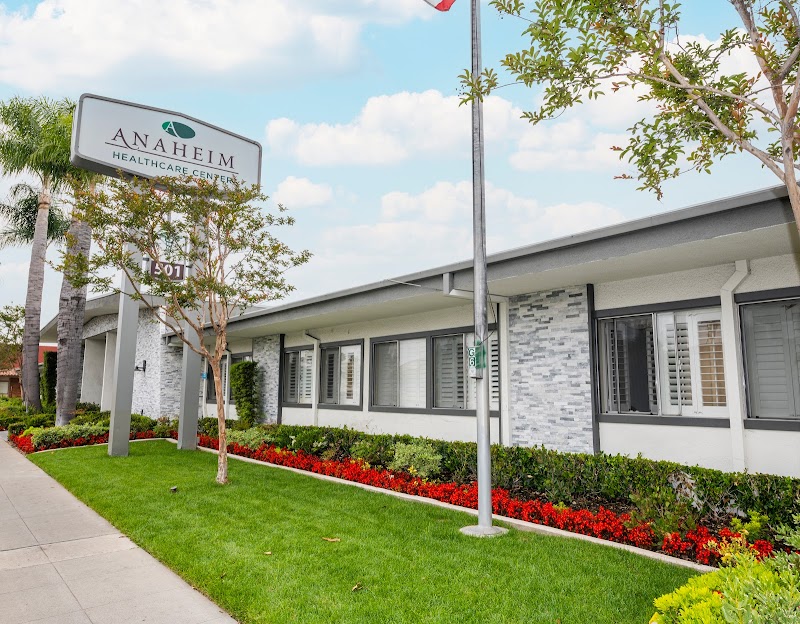
501 SOUTH BEACH BLVD., ANAHEIM, CA 92804 (714) 816-0540
For profit - Limited Liability company 250 Beds DAVID & FRANK JOHNSON Data: November 2025
Trust Grade
48/100
#735 of 1155 in CA
Last Inspection: April 2025

Within standard 12-15 month inspection cycle. Federal law requires annual inspections.

Overview

Anaheim Healthcare Center, LLC has a Trust Grade of D, indicating below-average performance with several concerns to consider. They rank #735 out of 1155 facilities in California, placing them in the bottom half of nursing homes statewide, and #52 out of 72 in Orange County, meaning only one local option is worse. The facility is worsening, with the number of issues found increasing from 16 in 2024 to 34 in 2025. Staffing is a relative strength, with a 4 out of 5 star rating and a turnover rate of 29%, which is better than the state average. However, there are serious concerns, including a resident suffering a burn due to improper colostomy care and meals not being served on time, causing hunger and potential medication issues for many residents. While there are no fines on record and overall staffing is good, these incidents highlight significant areas for improvement in resident care.

Trust Score
D
48/100
In California
#735/1155
Bottom 37%
Safety Record
Moderate
Needs review
Inspections
Getting Worse
16 → 34 violations
Staff Stability
✓ Good
29% annual turnover. Excellent stability, 19 points below California's 48% average. Staff who stay learn residents' needs.
Penalties
✓ Good
No fines on record. Clean compliance history, better than most California facilities.
Skilled Nurses
⚠ Watch
Each resident gets only 24 minutes of Registered Nurse (RN) attention daily — below average for California. Fewer RN minutes means fewer trained eyes watching for problems.
Violations
⚠ Watch
111 deficiencies on record. Higher than average. Multiple issues found across inspections.
★★☆☆☆
2.0
Overall Rating
★★★★☆
4.0
Staff Levels
★★★★☆
4.0
Care Quality
★★☆☆☆
2.0
Inspection Score
Stable
2024: 16 issues
2025: 34 issues

The Good

  • 4-Star Staffing Rating · Above-average nurse staffing levels
  • 4-Star Quality Measures · Strong clinical quality outcomes
  • Low Staff Turnover (29%) · Staff stability means consistent care
  • Full Sprinkler Coverage · Fire safety systems throughout facility
  • No fines on record
  • Staff turnover is low (29%)

    19 points below California average of 48%

Facility shows strength in staffing levels, quality measures, staff retention, fire safety.

The Bad

2-Star Overall Rating

Below California average (3.1)

Below average - review inspection findings carefully

Chain: DAVID & FRANK JOHNSON

Part of a multi-facility chain

Ask about local staffing decisions and management

The Ugly 111 deficiencies on record

1 actual harm
Sept 2025 2 deficiencies
CONCERN (D) 📢 Someone Reported This

A family member, employee, or ombudsman was alarmed enough to file a formal complaint

Potential for Harm - no one hurt, but risky conditions existed

Infection Control (Tag F0880)

Could have caused harm · This affected 1 resident

**NOTE- TERMS IN BRACKETS HAVE BEEN EDITED TO PROTECT CONFIDENTIALITY** Based on observation, interview, medical record review, and facility P&P review, the facility failed to ensure one of four sampl...

Read full inspector narrative →
**NOTE- TERMS IN BRACKETS HAVE BEEN EDITED TO PROTECT CONFIDENTIALITY** Based on observation, interview, medical record review, and facility P&P review, the facility failed to ensure one of four sampled residents (Resident 4) received the appropriate care and services related to the use of an indwelling urinary catheter (a thin, flexible tube inserted into the bladder to collect and drain urine). *The facility failed to ensure Resident 4's urinary drainage bag and tubing were not touching the floor. This failure posed the risk for the growth of bacteria causing urinary tract infections (an illness in any part of the urinary tract, the system of organs that makes urine).Findings: Review of facility's P&P titled Catheter Care revised 12/19/22, showed in part, it is the policy of this facility to ensure that residents with indwelling catheters receive appropriate catheter care and maintain their dignity and privacy when indwelling catheters are in use. Catheter care will be performed every shift and as needed by nursing personnel. Privacy bags will be available and catheter drainage bags will be covered at all times while in use. According to the CDC Guideline for Prevention of Catheter-Associated Urinary Tract Infections 2009, under the section Core Prevention Strategies and Proper Techniques for Urinary Catheter Maintenance, III.B.2. keep the urine collection bag below the level of the bladder at all times, do not rest the bag on the floor. On 9/16/25 at 1000 hours, an observation was conducted in Resident 4's room. Resident 4's urinary drainage bag and tubing were observed touching the floor and the drainage bag was not inside the dignity bag. On 9/16/25 at 1016 hours, an observation and concurrent interview for Resident 4 was conducted with LVN 6. LVN 6 verified the urinary drainage bag, and the tubing were touching the floor. LVN 6 stated it should not be touching the floor and should be inside a dignity bag. LVN 6 stated he will put the urinary drainage bag inside a dignity bag and will place something under the drainage bag to prevent the bag from touching the floor. Medical record review for Resident 4 was initiated on 9/10/25. Resident 4 was initially admitted to the facility on [DATE], and readmitted on [DATE]. Review of Resident 4's Order Summary Report dated 9/16/25, showed an order dated 8/27/25, for Resident 4 to have an indwelling urinary catheter for obstructive uropathy (a medical condition where the normal flow of urine is blocked leading to urine backing up and potentially damaging the kidneys). On 9/16/25 at 1035 hours, an interview was conducted with the DON. The DON verified the findings and stated Resident 4 was on a low bed; however, there should be something under the drainage bag to prevent the bag from touching the floor. The DON further stated Resident 4's drainage bag will be changed and placed inside the dignity bag.
MINOR (B) 📢 Someone Reported This

A family member, employee, or ombudsman was alarmed enough to file a formal complaint

Minor Issue - procedural, no safety impact

Resident Rights (Tag F0550)

Minor procedural issue · This affected multiple residents

**NOTE- TERMS IN BRACKETS HAVE BEEN EDITED TO PROTECT CONFIDENTIALITY** Based on observation, interview, medical record review, and facility P&P review, the facility failed to ensure one of four sampl...

Read full inspector narrative →
**NOTE- TERMS IN BRACKETS HAVE BEEN EDITED TO PROTECT CONFIDENTIALITY** Based on observation, interview, medical record review, and facility P&P review, the facility failed to ensure one of four sampled residents (Resident 4) was treated with dignity and respect related to the use of an indwelling urinary catheter (a thin, flexible tube inserted into the bladder to collect and drain urine). * The facility failed to ensure the urinary drainage bag (a medical device connected to the indwelling urinary catheter which collects and stores urine from the body) for Resident 4 was placed inside the privacy bag (a bag used to cover and hold the catheter drainage/collection bag) to provide privacy. This resulted in Resident 4's urine contents inside the urinary drainage bag visible to everyone going inside the resident's room. This failure had the potential to affect the privacy and dignity of the resident. Findings: Review of facility's P&P titled Catheter Care revised 12/19/22, showed in part, it is the policy of this facility to ensure that residents with indwelling catheters receive appropriate catheter care and maintain their dignity and privacy when indwelling catheters are in use. Catheter care will be performed every shift and as needed by nursing personnel. Privacy bags will be available and catheter drainage bags will be covered at all times while in use. According to the CDC Guideline for Prevention of Catheter-Associated Urinary Tract Infections 2009, under the section Core Prevention Strategies and Proper Techniques for Urinary Catheter Maintenance, III.B.2. keep the urine collection bag below the level of the bladder at all times, do not rest the bag on the floor. On 9/16/25 at 1000 hours, an observation was conducted in Resident 4's room. Resident 4's urinary drainage bag and tubing were observed touching the floor and the drainage bag was not inside the dignity bag. On 9/16/25 at 1016 hours, an observation and concurrent interview for Resident 4 was conducted with LVN 6. LVN 6 verified the urinary drainage bag, and the tubing were touching the floor. LVN 6 stated it should not be touching the floor and should be inside a dignity bag. LVN 6 stated he will put the urinary drainage bag inside a dignity bag and will place something under the drainage bag to prevent the bag from touching the floor. Medical record review for Resident 4 was initiated on 9/10/25. Resident 4 was initially admitted to the facility on [DATE], and readmitted on [DATE]. Review of Resident 4's Order Summary Report dated 9/16/25, showed an order dated 8/27/25, for Resident 4 to have an indwelling urinary catheter for obstructive uropathy (a medical condition where the normal flow of urine is blocked leading to urine backing up and potentially damaging the kidneys). On 9/16/25 at 1035 hours, an interview was conducted with the DON. The DON verified the findings and stated Resident 4 was on a low bed; however, there should be something under the drainage bag to prevent the bag from touching the floor. The DON further stated Resident 4's drainage bag will be changed and placed inside the dignity bag.
Aug 2025 1 deficiency
CONCERN (D) 📢 Someone Reported This

A family member, employee, or ombudsman was alarmed enough to file a formal complaint

Potential for Harm - no one hurt, but risky conditions existed

Infection Control (Tag F0880)

Could have caused harm · This affected 1 resident

**NOTE- TERMS IN BRACKETS HAVE BEEN EDITED TO PROTECT CONFIDENTIALITY** Based on observation, interview, medical record review, and facility P&P review, the facility failed to maintain the infection c...

Read full inspector narrative →
**NOTE- TERMS IN BRACKETS HAVE BEEN EDITED TO PROTECT CONFIDENTIALITY** Based on observation, interview, medical record review, and facility P&P review, the facility failed to maintain the infection control practices to help prevent the transmission of diseases and infections for one of five sampled residents (Resident 3) . * The facility failed to ensure the staff wore a PPE when entering the room of Resident 3 who was on contact precautions for C. diff infection. Additionally, the facility failed to ensure the correct signage was posted at Resident 3's door. This failure placed the resident and staff at risk for infection and the transmission of disease-causing microorganisms.Findings: Review of the facility's P&P titled Transmission-Based (Isolation) Precaution revised 7/18/23, showed contact precautions refer to measures that are intended to prevent transmission of infectious agents which are spread by direct or indirect contact with the resident or the resident's environment. The P&P further showed the healthcare personnel caring for residents on contact precautions wear a gown and gloves for all interactions that may involve contact with the resident or potentially contaminated areas in the resident's environment and donning personal protective equipment (PPE) upon room entry and discarding before exiting the room is done to contain the pathogens, especially those that have been implicated in transmission through environmental contamination (e.g., C. diff.). Medical record review for Resident 3 was initiated on 8/20/25. Resident 3 was admitted to the facility on [DATE]. Review of Resident 3's H&P examination dated 8/18/25, showed Resident 3 had the capacity to understand and make decisions. Review of Resident 3's Order Summary Report showed a physician's order dated 8/20/25, for contact isolation for C. diff. On 8/20/25 at 1009 hours, an observation and concurrent interview was conducted with the Activity Assistant in Resident 3's room. The door was observed with a Stop sign and an instruction showing report to nurse before entering room. The sign further showed hands must be washed before and after contact with resident, or potentially contaminated articles; gloves are indicated when giving direct patient care; and gowns are indicated when providing direct care, or in contact with resident equipment. The Activity Assistant was observed inside the room speaking to Resident 3, not wearing a gown and gloves. When asked if the gloves and gown should be worn when inside the room, the Activity Assistant stated he forgot to look at the signage at the door. On 8/20/25 at 1659 hours, an interview was conducted with the IP. The IP verified Resident 3 was on contact precautions for C. diff infection. The IP acknowledged the signage outside Resident 3's room should have been updated to contact precautions due to Resident 3 having the C. diff infection. The IP further stated anyone entering the room must perform hand hygiene, don gloves and gown regardless of what they will do in the room.
Jul 2025 2 deficiencies
CONCERN (D) 📢 Someone Reported This

A family member, employee, or ombudsman was alarmed enough to file a formal complaint

Potential for Harm - no one hurt, but risky conditions existed

Deficiency F0804 (Tag F0804)

Could have caused harm · This affected 1 resident

Based on observation, interview, facility document review, and facility P&P review, the facility failed to ensure the food was served palatable and at an appetizing temperature for four of four sample...

Read full inspector narrative →
Based on observation, interview, facility document review, and facility P&P review, the facility failed to ensure the food was served palatable and at an appetizing temperature for four of four sampled residents (Residents 1, 2, 3, and 4). This failure resulted in the residents not enjoying their food which potentially will impact the residents' nutritional status. Findings: Review of the facility's P&P titled Food Temperatures revised 3/2020 showed the foods should be served at proper temperature to ensure food safety and palatability. Palatability of foods determines appropriate temperature at bedside or tableside food. Generally hot food is palatable between 110 degrees F and 120 degrees F or greater and cold food is palatable between 50 degrees F and 45 degrees F degrees or less. Residents' surveys will determine their acceptability. Review of the facility's Diet Count By Diet dated 7/21/25, showed 206 of 226 residents residing in the facility received food prepared in the kitchen. Review of the facility document titled Week at a Glance - Long Term Care Regular Diet dated 7/22/25, showed the following menu items to be served for breakfast: - Belgian waffle;- breakfast meat of choice;- seasonal fruit cup; and- hot or cold cereal. On 7/22/25 at 0623 hours, a trayline observation was conducted in the facility's kitchen. The plate warmer was observed with stacks of plates filling the inside of the plate warmer, however, the plate warmer was not turned on or plugged in. The plates were not hot or warm to touch. On 7/22/25 at 0627 hours, the [NAME] was interviewed regarding the plate warmer. The [NAME] stated the plate warmer was broken and had not been working for two weeks. The [NAME] stated they were waiting for the parts to fix the plate warmer. On 7/22/25 at 0633 hours, during an observation, the trayline process began. There were several stacks of plates moved from the plate warmer to the storage area in the steam table. The same plates were used during the trayline. The [NAME] prepared several plates of different assorted diets and placed them on top of the steam table. The DM placed the prepared plates on a resident's food tray once the order was called out. Observation of several prepared plates showed it took about one to two minutes for the prepared plate to be placed on a residents' food tray and covered with a plate dome. At 0702 hours, the meal cart was followed from the kitchen to Nursing Station A. The meal cart was delivered at 0703 hours, the cart checked by a licensed nurse at 0704 hours, then trays were passed immediately following being checked. On 7/22/25 at 0716 hours, a concurrent observation and interview was conducted with Resident 1 about her breakfast tray. Resident 1 stated the food was at room temperature. Resident 1 stated the waffle was cold, not toasted, and it was not supposed to be like that. Resident 1 stated she felt awful about the food and did not like the food cold. On 7/22/25 at 0719 hours, a concurrent observation and interview was conducted with Resident 2 and CNA 1. Resident 2's plate and plate dome was not on her breakfast tray. Resident 2 stated CNA 1 took her plate away to heat up the food. At 0720 hours, CNA 1 brought Resident 2's plate and plate dome back and placed it on Resident 2's breakfast tray. CNA 1 stated she heated up the food because Resident 2 stated it was cold. Resident 2 stated the sausage and waffle was cold and it made her feel like it had been sitting for a long time. Resident 2 stated the waffle was never toasted and was always soggy. On 7/22/25 at 0722 hours, a concurrent observation and interview was conducted with Resident 3 about his breakfast tray. Resident 3's plate containing the sausage and waffle were untouched. Resident 3 stated the sausage was cold and the waffle was cold and raw. Resident 3 stated the waffle was not crunchy and he felt like they threw it in the box and let it sit there without cooking it. Resident 3 stated he felt horrible regarding the food, and would not feed that to my dog. On 7/22/25 at 0815 hours, a regular meal test tray observation and concurrent interview was conducted with the CDM, DM, RN 1 and RN 2. The DM took the temperatures of the following items on the test tray:- Belgian waffle at 85 degrees F; and- Sausage at 90 degrees F. The CDM and DM verified the waffle and sausage were cold. RN 1 stated the temperature of the waffle and sausage was not hot, but not cold. The CDM and DM verified the waffle was soft. The DM stated the waffle did not have a hard crunch. On 7/22/25 at 0924 hours, an interview was conducted with the CDM. The CDM stated if the plate warmer was not working, the staff would usually put the plates in the oven to warm them up for a few minutes. The CDM was informed the plates were not placed in the oven prior to trayline. The CDM acknowledged the findings and stated it was because they were rushed or late. The CDM stated the Maintenance Director was working on the broken plate warmer. On 7/22/25 at 0936 hours, an interview was conducted with the Maintenance Director. The Maintenance Director stated the plate warmer's heating element was not working and verified he was informed of this two weeks ago. The Maintenance Director was unable to provide documented evidence of a work order for the plate warmer, orders, or inquiries. On 7/22/25 at 0938 hours, an interview was conducted with the CDM and DM. The CDM acknowledged all the above findings. The CDM stated the texture of the waffle was soft, not palatable to her, and the waffle became soft if it was not passed out right away. On 7/22/25 at 0957 hours, an interview was conducted with Resident 4 about her breakfast tray. Resident 4 stated that they receive their food last so it was usually served cold. Resident 4 stated the food was served cold almost every morning and had to have the CNA heat it up in the microwave. Resident 4 stated the waffle was cold and served raw. Resident 4 stated they took the waffle out of the box and let it sit there and it was not cooked fresh, toasted, or hot.
MINOR (B) 📢 Someone Reported This

A family member, employee, or ombudsman was alarmed enough to file a formal complaint

Minor Issue - procedural, no safety impact

Menu Adequacy (Tag F0803)

Minor procedural issue · This affected multiple residents

Based on observation, interview, facility document review, and facility P&P review, the facility failed to ensure the menus were followed for one of four sampled residents (Resident 4) who received fo...

Read full inspector narrative →
Based on observation, interview, facility document review, and facility P&P review, the facility failed to ensure the menus were followed for one of four sampled residents (Resident 4) who received food prepared in the kitchen. * Resident 4 was not served the choice of breakfast meat or seasonal fruit cup as per the menu. This failure had the potential for the resident to not receive adequate nutrition and appropriate servings to meet the resident's individual needs.Findings: Review of the facility's Diet Count By Diet dated 7/21/25, showed 206 of 226 residents residing in the facility received food prepared in the kitchen. Review of the facility's P&P titled Menu Planning Criteria revised 5/2020 showed the food and nutritional needs of residents shall be planned to meet the United States Dietary Guidelines and Dietary References Intakes, in order to provide menus that include safe and adequate intake of essential nutrients. Review of the facility's document titled Daily Spreadsheet dated 7/22/25, showed the following menu items were to be served for breakfast for the regular no salt added portioned diet:- Belgian waffle, one each;- breakfast meat of choice, one ounce/one each;- seasonal fruit cup, #8 scoop or 1/2 cup; and- hot or cold cereal, four ounces (hot) or one cup (cold). On 7/22/25 at 0825 hours, a concurrent observation and interview was conducted with Resident 4 about her breakfast tray. Resident 4's meal ticket showed she was to receive a no salt added regular portion diet. Resident 4's meal ticket showed she disliked sausage and milk (not all dairy products). Resident 4's breakfast tray was observed with two waffles and oatmeal. Resident 4 was not served a breakfast meat of choice or the seasonal fruit cup per the menu. Resident 4 stated she only got the waffles, no eggs, and they ran out of the seasonal fruit cup. On 7/22/25 at 0936 hours, an interview was conducted with the DM. The DM was asked about the seasonal fruit cup for Resident 4. The DM stated their deliveries came late and the fruit was still being delivered. The DM stated for their regular texture diet, the fruit cup was missing on their end and did not know they ran out of the fruit until they ran out during trayline. The DM stated they did not inform the residents until they received their trays. On 7/22/25 at 0938 hours, an interview was conducted with the CDM and DM. The CDM and DM were informed of the findings. The CDM and DM acknowledged the above findings. On 7/22/25 at 0957 hours, a follow up interview was conducted with Resident 4. Resident 4 stated it was just that day they did not have any eggs or fruit and she would have eaten the eggs.
Jun 2025 1 deficiency
MINOR (B) 📢 Someone Reported This

A family member, employee, or ombudsman was alarmed enough to file a formal complaint

Minor Issue - procedural, no safety impact

Medical Records (Tag F0842)

Minor procedural issue · This affected multiple residents

**NOTE- TERMS IN BRACKETS HAVE BEEN EDITED TO PROTECT CONFIDENTIALITY** Based on interview, medical record review, and facility P&P review, the facility failed to ensure the medical record was accurat...

Read full inspector narrative →
**NOTE- TERMS IN BRACKETS HAVE BEEN EDITED TO PROTECT CONFIDENTIALITY** Based on interview, medical record review, and facility P&P review, the facility failed to ensure the medical record was accurate and complete for one of five sampled residents (Resident 1). * Resident 1's informed consent for a bolster pillow was not signed by the provider who had obtained the informed consent. In additon, there was no physician's order for the use of the bolster pillow. This failure had the potential for the resident's care needs not being met as their medical information was inaccurate and incomplete. Findings: Review of the facility's P&P titled Informed Consent revised on 3/25/24, showed it is the responsibility of the healthcare professional who proposes any medical intervention or treatment that requires informed consent to provide information to the resident/resident representative regarding the resident's condition and circumstances that are pertinent to a decision to accept or refuse the proposed intervention or treatment. Medical record review for Resident 1 was initiated on 6/18/25. Resident 1 was admitted to the facility on [DATE], and was readmitted on [DATE]. Review of Resident 1's H&P examination dated 5/27/25, showed Resident 1 could make needs known but could not make medical decisions. Review of Resident 1's care plan dated 6/8/25, showed Resident 1 had an unwitnessed fall from the bed. The interventions included to have the bilateral bolster pillows to maintain proper body alignment when in bed. Review of Resident 1's Physician Document of Informed Consent dated 6/9/25, failed to show the signature of the provider who had obtained the informed consent. Review of Resident 1's Medication Review Report for June 2025 failed to show a physician's order for the use of the bilateral bolster pillow. On 6/18/25 at 0951 hours, an observation for Resident 1 was conducted. Resident 1's bed had a bilateral bolster pillow. On 6/20/25 at 1038 hours, an interview and concurrent medical record review was conducted with LVN 1. LVN 1 confirmed a bolster pillow required a consent from the resident or representative and a physician's order. LVN 1 verified the bolster pillows did not have an order and the consent was not signed by the physician. On 6/20/25 at 1515 hours, an interview and concurrent medical review was conducted with the DON. The DON verified a bolster pillow required the signature of the provider who obtained the informed consent and should have a physician's order.
May 2025 2 deficiencies 1 Harm
SERIOUS (G) 📢 Someone Reported This

A family member, employee, or ombudsman was alarmed enough to file a formal complaint

Actual Harm - a resident was hurt due to facility failures

Quality of Care (Tag F0684)

A resident was harmed · This affected 1 resident

**NOTE- TERMS IN BRACKETS HAVE BEEN EDITED TO PROTECT CONFIDENTIALITY** Based on interview, medical record review, and facility P&P review, the facility failed to provide the necessary care and servic...

Read full inspector narrative →
**NOTE- TERMS IN BRACKETS HAVE BEEN EDITED TO PROTECT CONFIDENTIALITY** Based on interview, medical record review, and facility P&P review, the facility failed to provide the necessary care and services to ensure one of three sampled residents (Resident 1) attained and maintained the highest practicable physical well-being. * The facility failed to ensure Resident 1's colostomy bag was emptied according to the standards of practice when CNA 1 poured hot water in the colostomy bag. While the hot water was being poured, the colostomy bag touched the resident's skin, resulting in Resident 1 sustaining a burn on the left thigh and requiring pain medication administration and wound treatment. This failure had caused the burn to the resident's skin and the resident to experience pain and need wound treatment. Findings: Review of facility's P&P titled Ostomy Care - Colostomy, Urostomy, and Ileostomy revised 12/19/22, showed it is the policy of the facility to ensure that residents who require colostomy, urostomy, or ileostomy services receive care consistent with professional standards of practice, the comprehensive person-centered care plan, and the resident's goal and preference. Review of the facility's lesson plan titled Emptying an Ostomy bag (undated) showed 1. When applicable, direct care staff will empty the ostomy bag if bowel or air is noted. Supplies must be gathered prior to performing the task such as: wipes, toilet tissue, disposable bag, 2. Once supplies are obtained, direct care staff will wash hands and apply gloves. Then, place the disposable bag over the clamp at the bottom of the ostomy bag. This will ensure all of the contents in the ostomy bag are captured inside the disposable bag. Direct care staff will then, unclamp the clip and begin pushing the bowel or air down towards the opening with your gloved finger slowly, preventing any potential damage to the bag. Once all air or bowel is removed, wipe the ends of the opening and apply clamp. Ensure the clamp is closed. 4. Dispose of the disposable bag. Remove gloves and wash hands. 5. Direct care staff members will notify direct supervisor if resident asks for changing of the pouch or cleaning the inside of the pouch or any other care that direct care staff is not obligated to perform. 6. It is never appropriate for direct care staff to perform such tasks that are not within their scope. These may include, but are not limited to: a. Changing of the pouch. b. Cleaning of the stoma. c. Putting fluids into the pouch. Medical record review for Resident 1 was initiated on 5/20/25. Resident 1 was admitted to the facility on [DATE]. Review of Resident 1's H&P examination dated 3/5/25, showed the resident had capacity to understand and make decisions. Review of Resident 1's MDS quarterly assessment dated [DATE], showed a BIMS summary score of 14, indicating the resident was cognitively intact. Review of Resident 1's Order Summary Report as of 5/20/25, showed the following physician's orders: - dated 9/26/24, for colostomy care, wash with soapy water, rinse, and pat dry as needed. - dated 9/27/24, for colostomy care, wash with soapy water, rinse, and pat dry every day shift. - dated 9/26/24, may change the colostomy bag as needed. - dated 9/26/24, may change the colostomy bag every day shift - dated 5/19/25, for the left upper thigh blister, cleanse with NS, pat dry, apply Xeroform and cover with dry dressing every day shift. Review or Resident 1's eINTERACT Change in Condition Evaluation dated 5/16/25, showed at 1455 hours, Resident 1 had a change in condition with symptoms of redness to the left outer hip and left lower abdomen. Review of Resident 1's Wound Progress Note dated 5/19/25, showed the burn was present on the left thigh with blister and wound status open. The wound measurements were as follows: area was 12.5 cm², perimeter was 17.6 cm, length was 6.6 cm, width was 2.1 cm, max depth was 0.1 cm, mean depth was 0.0 cm, and volume was 0.0 cm3. The Body % Burned Total showed 18%. On 5/20/25 at 1333 hours, an interview was conducted with Resident 1. Resident 1 stated on the afternoon of 5/16/25, CNA 1 emptied Resident 1's colostomy bag. CNA 1 was not able to empty the bag completely because there were feces left in the bag. Resident 1 further stated CNA 1 left the room and returned with a cup of water. CNA 1 poured the cup of water into the colostomy bag. Resident 1 stated suddenly she felt a burning sensation on her left thigh and abdomen. Resident 1 further stated it was burning so bad that she was yelling to CNA 1, it's burning, it's burning. However, CNA 1 did not promptly react to Resident 1's response. Resident 1 stated she swatted CNA 1's arm to remove the bag away from her. Resident 1 further stated CNA 1 was apologetic to her and admitted it was his fault to use hot water in cleaning the colostomy bag. Resident 1 stated CNA 1 verbalized he figured the colostomy bag could only be cleaned with hot water. Resident 1 stated the hot water must have burned the skin in her thigh for at least a minute because CNA 1 did not stop. Resident 1 stated her skin was bright red on her abdomen and thigh. Resident 1 stated LVN 1 told her she would be monitored. Resident 1 stated on Sunday afternoon (5/18/25), the redness on her thigh developed to a blister. Resident 1 further stated the nurses did not start the treatment for the blister until Monday (5/19/15). Resident 1 stated the burn still felt painful and sensitive when touched. On 5/20/25 at 1453 hours, an interview was conducted with LVN 1. LVN 1 stated CNA 1 asked him to check Resident 1 on 5/16/25, towards the end of his shift because CNA 1 reported in the process of emptying the colostomy bag, there was a hard feces residue. LVN 1 stated CNA 1 stated he put hot water in the bag which had contact with the resident's skin and caused it to be reddened on the abdomen and left hip area. LVN 1 stated the resident complained of pain and was medicated with acetaminophen 325 mg two tablets orally for the pain scale of 3 (using the pain scale of 0 to 10 with 0 = no pain and 10 = worst pain). On 5/20/25 at 1600 hours, an interview was conducted with the DSD. The DSD stated the CNAs were allowed to empty the ostomy bag in the facility. The DSD stated the CNAs should not put any fluid in the colostomy bag. On 5/21/25 at 1106 hours, a telephone interview was conducted with CNA 1. CNA 1 stated he emptied Resident 1's colostomy bag; however, there were some feces left in the bag. CNA 1 stated he got the water from the water dispenser right by the nursing station and filled the cup halfway. CNA 1 stated he was not paying attention to the temperature of the water because he was in a rush to empty the colostomy bag. CNA 1 stated he put a trash bag against the resident's thigh, however, did not put a towel on top of the resident's thigh. CNA 1 stated the trash bag was placed next to the resident's skin and colostomy bag. CNA 1 stated he poured all the water in the colostomy bag, then Resident 1 started saying, Hot! Hot! Hot! CNA 1 further stated there was redness on the resident's thigh which he reported to LVN 1. On 5/22/25 at 1053 hours, an interview was conducted with the DON. The DON verified CNA 1 emptied the colostomy bag and there were feces remained inside the bag. CNA 1 got hot water, poured it inside the colostomy, rinsed the colostomy bag, in the process, the bag touched the skin and caused the resident to have redness to the left lower abdomen and left hip, and a blister to the left thigh. The blister was observed and treated on 5/19/25. The DON stated the CNAs were not allowed to pour hot water inside the colostomy bag. CNA 1 should have called the charge nurse or treatment nurse. The DON was informed and acknowledged the above findings. Cross reference to F726.
CONCERN (D) 📢 Someone Reported This

A family member, employee, or ombudsman was alarmed enough to file a formal complaint

Potential for Harm - no one hurt, but risky conditions existed

Deficiency F0726 (Tag F0726)

Could have caused harm · This affected 1 resident

**NOTE- TERMS IN BRACKETS HAVE BEEN EDITED TO PROTECT CONFIDENTIALITY** Based on interview, medical record review, facility document review, and facility P&P review, the facility failed to ensure the ...

Read full inspector narrative →
**NOTE- TERMS IN BRACKETS HAVE BEEN EDITED TO PROTECT CONFIDENTIALITY** Based on interview, medical record review, facility document review, and facility P&P review, the facility failed to ensure the nurse aide was able to demonstrate competency in skills and techniques necessary to care for the residents' needs as identified through resident assessments and described in the plan of care. * The facility failed to ensure the nursing staff' competency on how to empty Resident 1's colostomy bag. This failure caused Resident 1 to sustain a burn on the left thigh and had the potential for adverse outcomes to the resident. Review of facility's P&P titled Ostomy Care - Colostomy, Urostomy, and Ileostomy revised 12/19/22, showed it is the policy of the facility to ensure that residents who require colostomy, urostomy, or ileostomy services receive care consistent with professional standards of practice, the comprehensive person-centered care plan, and the resident's goal and preference. Review of the facility's lesson plan titled Emptying an Ostomy bag not dated showed, 1. When applicable, direct care staff will empty the ostomy bag if bowel or air is noted. Supplies must be gathered prior to performing the task such as: wipes, toilet tissue, disposable bag, 2. Once supplies are obtained, direct care staff will wash hands and apply gloves. Then, place the disposable bag over the clamp at the bottom of the ostomy bag. This will ensure all the contents in the ostomy bag are captured inside the disposable bag. Direct care staff will then, unclamp the clip and begin pushing the bowel or air down towards the opening with your gloved finger slowly, preventing any potential damage to the bag. Once all air or bowel is removed, wipe the ends of the opening and apply clamp. Ensure the clamp is closed. 4. Dispose of the disposable bag. Remove gloves and wash hands. 5. Direct care staff members will notify direct supervisor if resident asks for changing of the pouch or cleaning the inside of the pouch or any other care that direct care staff is not obligated to perform. 6. It is never appropriate for direct care staff to perform such tasks that are not within their scope. These may include, but are not limited to: a. Changing of the pouch. b. Cleaning of the stoma. c. Putting fluids into the pouch. Medical record review for Resident 1 was initiated on 5/20/25. Resident 1 was admitted to the facility on [DATE]. Review of Resident 1's H&P examination dated 3/5/25, showed the resident had capacity to understand and make decisions. Review of Resident 1's MDS quarterly assessment dated [DATE] showed a BIMS summary score of 14, indicating the resident was cognitively intact. Review of Resident 1's Order Summary Report as of 5/20/25, showed the following physician's orders: - dated 9/26/24, for colostomy care, wash with soapy water, rinse, and pat dry as needed. - dated 9/27/24, for colostomy care, wash with soapy water, rinse, and pat dry every day shift. - dated 9/26/24, may change the colostomy bag as needed. - dated 9/26/24, may change the colostomy bag every day shift - dated 5/19/25, for the left upper thigh blister, cleanse with NS, pat dry, apply Xeroform and cover with dry dressing every day shift. Review or Resident 1's eINTERACT Change in Condition Evaluation dated 5/16/25, showed at 1455 hours, Resident 1 had a change in condition with symptoms of redness to the left outer hip and left lower abdomen. Review of Resident 1's Wound Progress Note dated 5/19/25, showed burn present on left thigh with blister and wound status open. The wound measurements were as follows: area was 12.5 cm², perimeter was 17.6 cm, length was 6.6 cm, width was 2.1 cm, max depth was 0.1 cm, mean depth was 0.0 cm and volume was 0.0 cm3. The Body % Burned Total showed 18%. Review of CNA 1's Nurse Aide Competency form, undated, showed CNA 1 was hired on 2/26/25, and showed the competency of emptying an ostomy bag was completed on 2/26/25. On 5/20/25 at 1333 hours, an interview was conducted with Resident 1. Resident 1 stated on the afternoon of 5/16/25, CNA 1 emptied her colostomy bag. CNA 1 was not able to empty the bag completely because there were feces left in the bag. Resident 1 further stated CNA 1 left the room and returned with a cup of water. CNA 1 poured the cup of water into the colostomy bag. Resident 1 stated suddenly she felt a burning sensation on her left thigh and abdomen. Resident 1 further stated it was burning so bad that she was yelling to CNA 1, it's burning, it's burning. However, CNA 1 did not promptly react to Resident 1's response. Resident 1 stated she swatted CNA 1's arm to remove the bag away from her. Resident 1 further stated CNA 1 was apologetic to her and admitted it was his fault to use hot water in cleaning the colostomy bag. Resident 1 stated CNA 1 verbalized he figured the bag could only be cleaned with hot water. Resident 1 stated the hot water must have burned the skin in her thigh for at least a minute because CNA 1 did not stop. Resident 1 stated her skin was bright red on her abdomen and thigh. Resident 1 stated LVN 1 told her she would be monitored. Resident 1 stated on Sunday afternoon (5/18/25), the redness on her thigh developed to a blister. Resident 1 further stated the nurses did not start the treatment for the blister until Monday (5/19/15). Resident 1 stated the burn still felt painful and sensitive when touched. On 5/20/25 at 1434 hours, an interview was conducted with the ADON. The ADON stated the CNAs may empty the colostomy bag by draining the stool or gas to pass from the opening of the colostomy bag and should not put hot water in the colostomy bag. The CNA should have called the charge nurse or treatment nurse if they had any questions in emptying the colostomy bag. On 5/20/25 at 1453 hours, an interview was conducted with LVN 1. LVN 1 stated CNA 1 asked him to check Resident 1 on 5/16/25, towards the end of his shift because CNA 1 reported in the process of emptying the colostomy bag, there was a hard feces residue. LVN 1 stated CNA 1 stated he put hot water in the bag which had contact with the resident's skin and caused it to be reddened on the abdomen and left hip area. LVN 1 stated the resident complained of pain and was medicated with acetaminophen 325 mg two tablets orally for pain scale of 3/10. On 5/20/25 at 1600 hours, an interview and concurrent employee file review was conducted with the DSD. The DSD stated the CNAs were allowed to empty the ostomy bag in the facility. The DSD stated CNA 1 had completed the skills competency. The DSD verified CNA 1's Nurse Aide Competency form showed CNA 1 was hired on 2/26/25, and the competency of emptying ostomy bag was completed on 2/26/25. The DSD stated the CNAs should not put any fluid in the colostomy bag. On 5/21/25 at 1106 hours, a phone interview was conducted with CNA 1. CNA 1 stated he had worked as a CNA for less than three months. CNA 1 stated he was not educated on emptying a colostomy bag in school and was not taught how to empty a colostomy bag during the orientation in the facility. CNA 1 stated two CNAs showed him how to empty a colostomy bag in the facility. CNA 1 stated a CNA showed him by removing the feces from the colostomy bag and the other CNA showed him by pouring water in the colostomy bag to empty it. CNA 1 further stated it was his first time to take care of Resident 1. CNA 1 stated he emptied Resident 1's colostomy bag; however, there were some feces left in the bag. CNA 1 stated he got water from the water dispenser right by the nursing station and filled the cup halfway. CNA 1 stated he was not paying attention to the temperature of the water because he was in a rush to empty the colostomy bag. CNA 1 stated he put a trash bag against the resident's thigh, however, did not put a towel on top of the resident's thigh. CNA 1 stated the trash bag was placed next to the resident's skin and the colostomy bag. CNA 1 stated he poured all the water in the colostomy bag, then Resident 1 started saying, Hot! Hot! Hot!. CNA 1 stated he apologized and told Resident 1 it was his fault. CNA 1 verified there was redness on the resident's thigh, and he called LVN 1 to check the resident. On 5/22/25 at 1053 hours, an interview was conducted with the DON. The DON verified CNA 1 emptied the colostomy bag and there were feces remained inside the bag. CNA 1 got hot water, poured it inside the colostomy, rinsed the colostomy bag, in the process, the bag touched the skin and caused the resident to have redness to the left lower abdomen and left hip, and a blister to the left thigh. The blister was observed and treated on 5/19/25. The DON stated the CNAs were not allowed to pour hot water inside the colostomy bag. CNA 1 should have called the charge nurse or treatment nurse. The DON was informed and acknowledged the findings as above. Cross reference to F684.
Apr 2025 25 deficiencies
CONCERN (D)

Potential for Harm - no one hurt, but risky conditions existed

Deficiency F0552 (Tag F0552)

Could have caused harm · This affected 1 resident

**NOTE- TERMS IN BRACKETS HAVE BEEN EDITED TO PROTECT CONFIDENTIALITY** Based on interview, record review, and facility P&P review, the facility failed to ensure the accurate and complete consents wer...

Read full inspector narrative →
**NOTE- TERMS IN BRACKETS HAVE BEEN EDITED TO PROTECT CONFIDENTIALITY** Based on interview, record review, and facility P&P review, the facility failed to ensure the accurate and complete consents were obtained for three of 35 final sampled residents (Residents 11, 76, and 117) and two nonsampled residents (Residents 75 and 193). * Residents 75, 117, and 193's consents were not signed appropriately as per the facility's P&P. * Residents 11 and 76's informed consents were not completed to include the date and signature of the person who placed the call; date when the eligible provider or clinician signature signed; date and name/signature of witness; and date and signature of the resident/POA, the name of the two licensed nurses who signed on the consents and the resident/resident's representative name and signature and date. This failure had the potential for violating the residents' rights of not being fully informed of the medications and treatments. Findings: Review of the facility's P&P titled Informed Consent reviewed/revised 12/19/22, showed the following: - When the resident does not have capacity to make their own medical decisions and has no legal surrogate, the facility's IDT may make medical decisions that require informed consent. The IDT must include a resident representative who is unaffiliated with the facility. - Prior to the administration of a psychotherapeutic medication, licensed nursing staff shall verify with the resident or surrogate decision maker that informed consent was obtained, and the nurse will complete the Verification of Informed Consent Form. 1. Medical record review for Resident 117 was initiated on 4/7/25. Resident 117 was initially admitted to the facility on [DATE], and readmitted on [DATE]. Review of Resident 117's H&P examinations dated 12/4/24 and 12/13/24, showed the resident could make their needs known but can not make medical decisions. Review of Resident 117's Order List Report showed a physician's order dated 12/2/24, for Abilify (an antipsychotic medication) 15 mg by mouth at bedtime for depression manifested by verbalization of sadness, and sertraline HCl (an antidepressant medication) 150 mg by mouth daily for depression manifested by verbalization of sadness. Review of Resident 117's Physician Document of Informed Consent dated 12/4/24, for sertraline HCl 150 mg daily and Abilify 15 mg at bedtime showed the consent was obtained from Resident 117. Review of Resident 117's Consent For Treatment dated 12/11/24, showed the form was signed by the two facility representatives, and the section for the resident's legal representative giving consent was left blank. Review of Resident 117's Physician Document of Informed Consent dated 12/12/24, for sertraline HCl 150 mg daily and Abilify 15 mg at bedtime failed to show who gave the consent. On 4/10/25 at 0947 hours, an interview was conducted with the Administrator. The Administrator stated for the resident who had no capacity to make their own medical decision and had no responsible party, the Bioethics Committee/IDT would meet and become the resident's responsible party and make decisions about the resident's plan of care. The Administrator stated the committee included the Ombudsman as well as the IDT. The Administrator stated the Ombudsman was not part of Resident 117's Bioethics Committee/IDT meeting when determining the resident's plan of care and consents. On 4/10/25 at 1030 hours, a telephone interview was conducted with the Ombudsman. The Ombudsman stated they had not been a part of any Bioethics Committee for any of the residents in the facility for over a year. On 4/11/25 at 1400 hours, an interview and concurrent record review was conducted with the DON. The DON stated the facility's IDT was the resident's representative, and the Administrator would sign as the responsible party on behalf of the IDT. The DON reviewed Resident 117's consents and verified the Administrator should have signed the consents for the treatment and psychotropic medications. Cross reference to F842, example #1. 2. Medical record review for Resident 75 was initiated on 4/7/25. Resident 75 was initially admitted to the facility on [DATE], and readmitted on [DATE]. Review of Resident 75's H&P examination dated 9/14/24, showed the resident did not have the capacity to understand and make decisions. Review of Resident 75's Order Listing Report dated 4/11/25, showed the following orders: - dated 10/8/24, to administer Seroquel (an antipsychotic medication) 75 mg via GT every 12 hours and - dated 10/22/24, to administer risperidone (an antipsychotic medication) 2 mg via GT every 12 hours and mirtazapine (an antidepressant medication) 15 mg via GT at bedtime. Review of Resident 75's Consent for Treatment forms dated 9/13/24, 11/6/24, and 1/10/25, were signed by the two facility staff; however, all three forms showed the section for the resident's legal representative giving consent was left blank. Review of Resident 75's Physician Document of Informed Consent form for risperidone 2 mg every 12 hours dated 9/16/24, failed to show who obtained the consent. Review of Resident 75's Physician Document of Informed Consent form for Seroquel 75 mg dated 9/16/24, failed to show who obtained the consent. Review of Resident 75's Physician Document of Informed Consent form for the use of an abdominal binder dated 9/16/24, failed to show who obtained the consent. Review of Resident 75's Physician Document of Informed Consent form for mirtazapine 15 mg at bedtime and risperidone 2 mg every 12 hours dated 11/22/24, failed to show who obtained the consent. Review of Resident 75's Physician Document of Informed Consent form for mirtazapine 15 mg at bedtime and risperidone 2 mg every 12 hours dated 1/13/25, failed to show who obtained the consent. On 4/10/25 at 0947 hours, an interview was conducted with the Administrator. The Administrator stated for the resident who had no capacity to make their own medical decision and had no responsible party, the Bioethics Committee/IDT would meet and become the resident's responsible party and make decisions about the resident's plan of care. The Administrator stated the committee included the Ombudsman as well as the IDT. On 4/10/25 at 1030, a telephone interview was conducted with the Ombudsman. The Ombudsman stated they had not been a part of any Bioethics Committee for any of the residents in the facility for over a year. On 4/11/25 at 1400 hours, an interview and concurrent record review was conducted with the DON. The DON stated the facility's IDT was the resident's representative, and the Administrator would sign as the responsible party on behalf of the IDT. The DON reviewed Resident 75's consents and verified the Administrator should have signed the consents for the treatment and psychotropic medications. Cross reference to F842, example #2. 3. Medical record review for Resident 193 was initiated on 4/7/25. Resident 193 was admitted to the facility on [DATE]. Review of Resident 193's H&P examination dated 11/30/24, showed the resident did not have the capacity to understand and make decisions. Review of Resident 193's General Consent for Care, Treatment, and Procedures dated 12/5/25, the section for the signature of the resident or POA (responsible party) had an IDT team written on it. The form had no signature, and the signature line was undated. Review of Resident 193's Authorization Consent for Advanced Wound Care Services dated 3/19/25, showed the consent was obtained from the resident. On 4/10/25 at 0947 hours, an interview was conducted with the Administrator. The Administrator stated for the resident who had no capacity to make their own medical decision and had no responsible party, the Bioethics Committee/IDT would meet and become the resident's responsible party and make decisions about the resident's plan of care. The Administrator stated the committee included the Ombudsman as well as the IDT. On 4/10/25 at 1030 hours, a telephone interview was conducted with the Ombudsman. The Ombudsman stated they had not been a part of any Bioethics Committee for any of the residents in the facility for over a year. On 4/11/25 at 1400 hours, an interview and concurrent record review was conducted with the DON. The DON stated the facility's IDT was the resident's representative and the Administrator would sign as the responsible party on behalf of the IDT. The DON reviewed Resident 193's consents and verified the resident was unable to give consent and the Administrator should have signed the consents for the treatment and psychotropic medications instead of an IDT being written on it. Cross reference to F842, example #3. 4. Medical record review for Resident 11 was initiated on 4/7/25. Resident 11was admitted to the facility on [DATE], and readmitted on [DATE]. Review of Resident 11's H&P examination dated 8/6/24, showed the resident could make needs known but could not make medical decisions. On 4/9/25 at 0834 hours, an interview and concurrent medical record review was conducted with LVN 9. Resident 11's General Consent for Care, Treatment and Procedures form showed the document contained Resident 11's family member phone number; however, there were missing information as follows: - the date and signature of the person who placed the call, - date when the eligible provider or clinician signature signed, - date and name/signature of witness, and - date and signature of the resident/ POA. Further review of Resident 11's medical record showed the resident had another Consent for Treatment form. The form had Resident 11's signature and date. However, there were no date and signature of agent/legal representative on the form. The Consent for the Treatment also showed the instructions at the lower part of the form as white - chart and yellow form - Resident. LVN 9 was asked what the instruction white- chart and yellow- resident meant, LVN 9 stated the white form was the first page that should be stored in the physical chart and the yellow form which was the second page should be handed to the resident's legal representative. LVN 9 further added the yellow form should have been given to Resident 11's legal representative and all of the above missing information should have been completed. 5. Medical record review for Resident 76 was initiated on 4/7/25. Resident 76 was admitted to the facility 3/3/25. Review of Resident 76's H&P examination dated 3/4/25, showed the resident had the capacity to understand and make decisions. On 4/10/25 at 1455 hours, an interview and concurrent medical record review was conducted with LVN 9. Review of Resident 76's informed consents showed the consents for the following medications: - divalproex ER 500 mg 24 hr tablet two times a day for mood disorder manifested by mood swings - Lexapro (antidepressant) 10 mg PO Q HS for depression manifested crying out - Zyprexa (antipsychotic) 10 mg PO Q HS for Bipolar disporder manifested by mood swings. Resident 76's Facility Verification of Informed Consent forms also showed the consents were obtained via telephone and the facility verified with the resident or surrogate decision maker that he/she had given informed consent for the proposed psychotherapeutic medication or physical restraint or device to the prescriber, and with two licensed nurses' signature and date. However, the forms showed the following missing information: - the name of the two licensed nurses who signed the consents and; - the resident/resident's representative name and signature and date. LVN 9 verified all the above findings and stated the inform consents should have been signed and dated. On 4/11/25 at 0915 hours, an interview was conducted with the DON. The DON verified the above findings.
CONCERN (D)

Potential for Harm - no one hurt, but risky conditions existed

Deficiency F0657 (Tag F0657)

Could have caused harm · This affected 1 resident

**NOTE- TERMS IN BRACKETS HAVE BEEN EDITED TO PROTECT CONFIDENTIALITY** Based on observation, interview, and medical record review, the facility failed to ensure the comprehensive care plan was revise...

Read full inspector narrative →
**NOTE- TERMS IN BRACKETS HAVE BEEN EDITED TO PROTECT CONFIDENTIALITY** Based on observation, interview, and medical record review, the facility failed to ensure the comprehensive care plan was revised for one of 35 final sampled residents (Resident 80). * The facility failed to ensure Resident 80's comprehensive care plan was revised to reflect a physician's order for one-to-one feeding assistance for aspiration precautions. This failure placed the resident at risk for not being provided appropriate, consistent, and individualized care. Findings: Medical record review for Resident 80 was initiated on 4/7/25. Resident 80 was admitted to the facility on [DATE]. On 4/7/25 at 1236 hours, an observation was conducted of Resident 80. Resident 80 was observed in his room eating lunch independently (without the facility staff present and outside of the facility staff view). Resident 80 was observed eating soup and drinking juice and a Boost (nutrition supplement drink). Resident 80 was observed coughing intermittently when swallowing. Review of Resident 80's physician's order dated 3/27/25, showed an order for one-to-one feeding assistance for aspiration precautions. On 4/9/25 at 1000 hours, an interview and concurrent medical record review was conducted with the DON. The DON verified Resident 80's physician's order dated 3/27/25, for one-to-one feeding assistance for aspiration precautions. The DON then reviewed Resident 80's active care plans and verified Resident 80's care plans addressing nutrition was not revised to include the intervention for one-to-one feeding assistance for aspiration precautions, in accordance with Resident 80's physician's order.
CONCERN (D)

Potential for Harm - no one hurt, but risky conditions existed

Quality of Care (Tag F0684)

Could have caused harm · This affected 1 resident

**NOTE- TERMS IN BRACKETS HAVE BEEN EDITED TO PROTECT CONFIDENTIALITY** Based on observation, interview, and medical record review, the facility failed to ensure necessary care and services were provi...

Read full inspector narrative →
**NOTE- TERMS IN BRACKETS HAVE BEEN EDITED TO PROTECT CONFIDENTIALITY** Based on observation, interview, and medical record review, the facility failed to ensure necessary care and services were provided to five of 35 final sampled residents (Residents 44, 59, 79, 117, and 197). * Resident 117's monitoring for orthostatic hypotension (a sudden drop in blood pressure when a person stands up from a seated or lying position. This drop in blood pressure can cause symptoms like dizziness, lightheadedness, blurred vision, or even fainting.) was not being conducted correctly, and the physician's order did not have parameters for when to notify the physician. * Resident 44's physician's order for monitoring the orthostatic hypotension did not have parameters for when to notify the physician. * The facility failed to follow Resident 197 physician's order to provide one-to-one feeding assistance during meals. This failure had the potential to place the resident at risk for serious injury and negative health outcomes. * The facility failed to ensure Residents 59 and 79's blood pressure site was accurately documented in the resident's medical record. These failures had the potential for poor health outcomes to these residents. Findings: 1. Medical record review for Resident 117 was initiated on 4/7/25. Resident 117 was initially admitted to the facility on [DATE], and readmitted on [DATE]. Review of Resident 117's Order Summary Report dated 4/8/25, showed the following physician's orders: - dated 12/12/24, to monitor for orthostatic hypotension ever week on Monday, with BP lying. - dated 12/12/24, to monitor for orthostatic hypotension ever week on Tuesday, with BP sitting. On 4/9/25 at 1033, an interview was conducted with Resident 117 standing in the hallway outside their room. Resident 117 stated she needed a walker because sometimes she got dizzy. Resident 117 was observed currently not using an assistive device. On 4/49/25 at 1046 hours, an interview was conducted with LVN 2. LVN 2 stated they checked Resident 117 when monitoring for orthostatic hypotension. LVN 2 stated she checked the resident's blood pressure when the resident walked by her, then had the resident go into her room to sit and took another blood pressure while the resident was sitting. LVN 2 stated the resident sometimes has a low BP but it was usually stable. LVN 2 was unsure why there was an order to monitor for the orthostatic hypotension. On 4/9/25 at 1055 hours, an interview and concurrent medical record review was conducted with the DON. The DON stated there was no facility P&P for taking the resident's BP to monitor for the orthostatic hypotension. The DON stated the process for monitoring for the orthostatic hypotension was as follows: the nurse should first take the blood pressure with the resident lying down, then sitting after a few minutes, and standing after a few minutes. When asked what the parameters for notifying the physician of the BP changes, the DON was unsure and stated the physician's order should specify when to notify the physician for the resident's BP changes between position changes, and it did not. The DON verified the record showed the BP monitoring for orthostatic hypotension from lying to sitting was not done on the same day and should be done minutes apart. The DON also stated the resident was ambulatory and the resident's orthostatic hypotension monitoring should also show the BP was checked while standing too, which the record did not show. The DON stated she was unsure specifically why the resident had an order for the orthostatic hypotension monitoring. 2. Medical record review for Resident 44 was initiated on 4/7/25. Resident 44 was readmitted to the facility on [DATE]. Review of Resident 44's Order Summary Report dated 4/8/25, showed the following: - A physician's order dated 12/11/24, to monitor for orthostatic hypotension every Wednesday day shift with BP in a lying position. - A physician's order dated 12/11/24, to monitor for orthostatic hypotension every Wednesday day shift with BP in a sitting position. On 4/9/25 at 1055 hours, an interview and concurrent medical record review was conducted with the DON. The DON stated there was no facility P&P for taking BP to monitor for orthostatic hypotension. The DON stated the process for monitoring for the orthostatic hypotension was as follows: the nurse should first take the blood pressure with the resident lying down, then sitting after a few minutes, and standing (if able) after a few minutes. When asked what the parameters for notifying the physician of the BP changes, the DON was unsure and stated the physician's order should specify when to notify the physician for the BP changes between position changes, and verified it did not. The DON was unsure why there was a physician's order for monitoring the resident's orthostatic hypotension. On 4/9/25 at 1119 hours, an interview was conducted with LVN 2. LVN 2 was asked when she should notify the physician for the BP changes when monitoring for the orthostatic hypotension. LVN 2 stated she was unsure because the order did not specify when to notify the physician. When asked if the facility had any resources for her to use in determining the accepted BP fluctuations when monitoring for the orthostatic hypotension, LVN 2 replied not that she was aware of. 3. Review of the facility's P&P titled Meal Supervision and Assistance dated 2022 showed the resident will be prepared for a well-balanced meal in a calm environment with adequate supervision and assistance to prevent accidents. This includes identifying hazards and risks and implementing interventions to reduce hazards and risks. Medical record review for Resident 197 was initiated on 4/7/25. Resident 197 was admitted to the facility on [DATE]. Review of Resident 197's H&P examination dated 11/29/24, showed Resident 197 had the capacity to understand and make decisions. Review of Resident 197's Order Summary Report dated 4/8/25, showed a physician's order dated 1/22/25, to provide a regular diet with regular texture and thin liquid consistency, one-on-one feeding assist, and aspiration precautions. Review of Resident 197's plan of care showed a care plan problem dated 1/22/25, addressing the resident's updated diet texture. The interventions included to provide one-on-one feeding assistance for aspiration precautions. Review of Resident 197's MDS assessment dated [DATE], showed the resident had a swallowing disorder and held food in the mouth/cheeks or residual food in the mouth. On 4/10/25 at 0752 hours, an observation and concurrent interview for Resident 197 was conducted with CNA 4. Resident 197 was observed sitting on his bed and eating breakfast. CNA 4 verified Resident 197 ate by himself and did not need any feeding assistance during meals. On 4/10/25 at 0845 hours, an interview and concurrent medical record review for Resident 197 was conducted with LVN 1. LVN 1 verified Resident 197 had a physician's order for one-on-one feeding assistance with meals for aspiration precautions but was not implemented by the facility staff. On 4/14/25 at 0925 hours, an interview and concurrent medical record review for Resident 197 was conducted with the DON. The DON was informed, acknowledged, and verified the above findings. 4. Review of the facility's P&P titled Hemodialysis Access Care revised 9/2/22, showed the resident will not receive blood pressure or laboratory sticks on the arm where the dialysis access device is located. Medical record review for Resident 59 was initiated on 4/7/25. Resident 59 was admitted to the facility on [DATE]. Review of Resident 59's Order Summary Report for April 2025 showed an order dated 11/2/23, no blood pressure, blood draws. or IV on the left arm. Review of Residents 59's MDS assessment dated [DATE], showed a BIMS score of 14 (meaning cognitively intact). Review of Resident 59's care plan dated 9/14/23, showed the resident needed hemodialysis related to end stage renal disease. The care plan interventions included to not draw blood, do an intramuscular (in the muscle) injection or take blood pressure in the left upper arm with graft. Review of Resident 59's Weights and Vitals Summary showed the following BP readings were obtained from the left arm. For example: -On 4/3/25 at 1757 hours, a BP reading of 126/70 mmHg on the left arm -On 4/5/25 at 2115 hours, a BP reading of 136/78 mmHg on the left arm -On 4/6/25 at 1432 hours, a BP reading of 122/70 mmHg on the left arm -On 4/6/25 at 1433 hours, a BP reading of 110/64 mmHg on the left arm -On 4/6/25 at 1657 hours, a BP reading of 146/68 mmHg on the left arm -On 4/8/25 at 0143 hours, a BP reading of 124/76 mmHg on the left arm -On 4/8/25 at 0146 hours, a BP reading of 126/72 mmHg on the left arm On 4/9/25 at 0918 hours, an interview and concurrent medical record review for Resident 59 was conducted with LVN 1. LVN 1 verified the licensed nurses' documentation of BP showed Resident 59's blood pressure readings were obtained from the resident's left upper extremity. 5. Medical record review for Resident 79 was initiated on 4/7/25. Resident 79 was admitted to the facility on [DATE], and readmitted on [DATE]. Review of Resident 79's H&P examination dated 12/10/24, showed Resident 79 had the capacity to understand and make decisions. Review of Resident 79's Order Summary Report for April 2025 showed an order dated 12/29/24, for no blood pressure check, no blood draw, no IV start, no intramuscular or restraint on the left arm due to AV shunt. Review of Resident 79's Blood Pressure Summary showed documentation showing the B/P reading was obtained from the left arm. For example: - On 4/6/25 at 1406 hours, a BP reading of 122/70 mmHg on the left arm - On 4/8/25 at 0224 hours, a BP reading of 126/76 mmHg on the left arm - On 4/8/25 at 0822 hours, a BP reading of 128/66 mmHg on the left arm - On 4/9/25 at 1743 hours, a BP reading of 126/70 mmHg on the left arm - On 4/9/25 at 2148 hours, a BP reading of 118/70 mmHg on the left arm - On 4/11/25 at 1550 hours, a BP reading of 122/66 mmHg on the left arm - On 4/11/25 at 2156 hours, a BP reading of 136/70 mmHg on the left arm - On 4/12/25 at 0059 hours, a BP reading of 126/76 mmHg on the left arm - On 4/12/25 at 0546 hours, a BP reading of 175/89 mmHg on the left arm - On 4/13/25 at 0053 hours, a BP reading of 122/70 mmHg on the left arm - On 4/13/25 at 0633 hours, a BP reading of 116/70 mmHg on the left arm On 4/14/25 at 0757 hours, an interview and concurrent medical record review for Resident 79 was conducted with LVN 1. LVN 1 verified the licensed nurses' documentation of the BP showed Resident 79's blood pressure readings were obtained from the resident's left upper extremity. On 4/14/25 at 0925 hours, an interview and concurrent medical record review for Residents 59 and 79 was conducted with the DON. The DON verified the above findings and stated the blood pressure should not have been taken on the left upper arm of Residents 59 and 79.
CONCERN (D)

Potential for Harm - no one hurt, but risky conditions existed

Accident Prevention (Tag F0689)

Could have caused harm · This affected 1 resident

**NOTE- TERMS IN BRACKETS HAVE BEEN EDITED TO PROTECT CONFIDENTIALITY** Based on observation, interview, medical record review, and facility P&P review, the facility failed to ensure one of 35 final s...

Read full inspector narrative →
**NOTE- TERMS IN BRACKETS HAVE BEEN EDITED TO PROTECT CONFIDENTIALITY** Based on observation, interview, medical record review, and facility P&P review, the facility failed to ensure one of 35 final sampled residents (Resident 80) remained free from accident hazards. * The facility failed to provide one-to-one feeding assistance for aspiration precautions during lunch for Resident 80 as per the physician's order. Resident 80 was observed consuming lunch independently, without the facility staff present and outside of the facility staff view. This failure had the potential to place the resident at risk for serious injury and negative health outcomes. Findings: Review of the facility's P&P titled Meal Supervision and Assistance dated 2022 showed the resident will be prepared for a well-balanced meal in a calm environment with adequate supervision and assistance to prevent accidents. This includes identifying hazards and risks and implementing interventions to reduce hazards and risks. Medical record review for Resident 80 was initiated on 4/7/25. Resident 80 was admitted to the facility on [DATE]. Review of Resident 80's MDS dated [DATE], showed Resident 80 exhibited coughing or choking during the meals or when swallowing the medications. Resident 80 complained of difficulty or pain with swallowing. Review of Resident 80's Care Plan Report showed a care plan problem initiated 3/24/25, with a focus on Resident 80's potential nutritional problem related to dysphagia and Alzheimer's disease. The interventions included to monitor Resident 80 for any signs or symptoms of dysphagia: pocketing, choking, coughing, drooling, holding food in his mouth, and several attempts at swallowing. Review of Resident 80's physician's order dated 3/27/25, showed an order for one-to-one feeding assistance for aspiration precautions. On 4/7/25 at 1236 hours, an observation was conducted of Resident 80. Resident 80 was observed in his room eating lunch independently (without the facility staff present and outside of the facility staff view). Resident 80 was observed eating soup and drinking juice and a Boost (nutrional drink). Resident 80 was observed coughing intermittently when swallowing. Resident 80's diet slip was observed on his lunch tray. The diet slip failed to show the physician's order dated 3/27/25, for one-to-one feeding assistance for aspiration precautions. On 4/7/25 at 1245 hours, an observation and concurrent interview was conducted with CNA 5. CNA 5 was assigned to care for Resident 80. CNA 5 was asked how Resident 80 consumed his meals and if he required supervision. CNA 5 stated Resident 80 ate his meals independently and was not at risk for aspiration. On 4/7/25 at 1300 hours, a follow-up interview and concurrent medical record review was conducted with CNA 5. CNA 5 verified Resident 80's physician's order dated 3/27/25, showing an order for one-to-one feeding assistance for aspiration precautions. CNA 5 stated she was unaware of the physician's order for one-to-one feeding assistance for aspiration precautions. CNA 5 stated in accordance with the physician's order, she should not have left Resident 80 alone while he was eating. On 4/7/25 at 1305 hours, an interview and concurrent medical record review was conducted with LVN 15. LVN 15 verified Resident 80's active physician's order for one-to-one feeding assistance for aspiration precautions. LVN 15 stated in accordance with the physician's order, the facility staff should always maintain a visual of Resident 15 while he was eating. On 4/8/25 at 1430 hours, an interview was conducted with the DM. The DM reviewed Resident 80's lunch diet slip dated 4/7/25 (for the meal Resident 80 was observed eating independently), and verified it did not contain Resident 80's physician's order dated 3/27/25, for one-to-one feeding assistance for aspiration precautions. The DM stated Resident 80's diet slips should contain the physician's order for one-to-one feeding assistance for aspiration precautions. On 4/9/25 at 0845 hours, an interview and concurrent medical record review was conducted with the DOR. The DOR verified Resident 80's physician's order dated 3/27/25, for one-to-one feeding assistance for aspiration precautions. The DOR stated in accordance with the physician's order, the facility staff needed to maintain a visual of Resident 80 during meals to ensure Resident 80 did not aspirate. Cross reference to F657.
CONCERN (D)

Potential for Harm - no one hurt, but risky conditions existed

Respiratory Care (Tag F0695)

Could have caused harm · This affected 1 resident

**NOTE- TERMS IN BRACKETS HAVE BEEN EDITED TO PROTECT CONFIDENTIALITY** 4. Medical record review for Resident 70 was initiated on 4/7/25. Resident 70 was readmitted to the facility on [DATE]. On 4/7/...

Read full inspector narrative →
**NOTE- TERMS IN BRACKETS HAVE BEEN EDITED TO PROTECT CONFIDENTIALITY** 4. Medical record review for Resident 70 was initiated on 4/7/25. Resident 70 was readmitted to the facility on [DATE]. On 4/7/25 at 1052 hours, Resident 70 was observed with oxygen administered via nasal cannula. The oxygen humidifier bottle was undated. Review of Resident 70's Order Summary Report dated 4/11/25, showed the following: - A physician's order dated 11/5/23, to administer oxygen at 4 LPM, may titrate oxygen to maintain oxygen saturation level greater than or equal to 92%. - A physician's order dated 11/1/23, to change the oxygen humidifier every Sunday at night shift. On 4/7/25 at 1100 hours, an interview and observation were conducted with LVN 3. LVN 3 verified Resident 70's oxygen humidifier bottle was not dated when it was last changed, and should have been. Based on observation, interview, medical record review, and facility P&P review, the facility failed to ensure the respiratory care and services were provided for three of three final sampled residents (Residents 74, 81, and 83) and one nonsampled resident (Resident 70) reviewed for respiratory care. * The facility failed to ensure Resident 74's nebulization mask, tubing, and canister were labeled. * The facility failed to ensure the suction canister with tubing and Yankauer suction tip (an oral suctioning tool) at Resident 81's bedside were labeled and stored in a set-up bag. The facility failed to ensure the physician's order for the oxygen therapy was followed for Resident 81. In addition, there was no documentation of the oxygen administration. * Resident 83 received oxygen therapy without a physician's order. * The facility failed to ensure the oxygen humidifier was labeled for Resident 70. These failures had the potential for these residents to not receive appropriate respiratory care and increase risks of the infection. Findings: Review of the facility's P&P titled Oxygen Administration revised dated 6/2023 showed the oxygen is administered under the orders of a physician, except in case of an emergency. In such case, oxygen is administered and the orders for oxygen are obtained as soon as practicable when the situation is under control. The facility's P&P further showed other infection control measures include to change oxygen tubing and mask/cannula weekly and as needed if it becomes soiled or contaminated. If applicable, change nebulizer tubing and delivery devices every 72 hours, per the manufacturer's recommendation or per facility policy and as needed if they become soiled or contaminated, and keep delivery devices covered in plastic bag when not in use. Review of the facility' s P&P titled Changing Suction Canisters revised 7/8/24, showed to minimize the risk of infection to the resident, the resident's suction canister and tubing shall be changed once a week and as needed. 1. On 4/7/25 at 0911 hours, during an observation, Resident 74 was observed lying in bed. The nebulizer tubing, mask, and canister were observed in a set up bag on the left side of Resident 74's bed with no label indicating when the nebulization tubing, canister, and mask were last changed. Medical record review for Resident 74 was initiated on 4/7/25. Resident 74 was admitted to the facility on [DATE]. Review of Resident 74's Order Summary Report showed an order dated 1/21/25, to administer ipratropium-albuterol inhalation solution (to treat and prevent symptoms of wheezing and shortness of breath) 3 ml inhale orally every four hours as needed for chest congestion/shortness of breath/wheezing. On 4/7/25 at 0917 hours, an observation and concurrent interview was conducted with LVN 4. LVN 4 verified the above observation. LVN 4 stated Resident 74's nebulizer tubing, mask, and canister should have been dated and should be changed every week and as needed. 2.a. On 4/7/25 at 0914 hours, during an observation, Resident 81 was observed lying in the bed. A suction tubing with a Yankauer suction tip connected to the suction canister and machine was observed stored in the second drawer of the nightstand located at the left side of the resident's bed. The suction canister was observed with half full light-yellow liquid. The suction canister, tubing, and Yankauer were not dated. In addition, the suction tubing and Yankauer suction tip were not stored in a set up bag. A set up bag was observed hanging on the nightstand with the date of 3/9/25. Medical Record review for Resident 81 was initiated on 4/7/25. Resident 81 was admitted to the facility on [DATE]. Review of Resident 81's Order Summary Report showed an order dated 3/6/25, to assess for pulmonary hygiene every two hours and as needed for suctioning. On 4/7/25 at 0917 hours, an observation and concurrent interview was conducted with LVN 4. LVN 4 stated the suction canister, tubing, and Yankauer suction tip should be labeled and changed every week. In addition, LVN 4 stated the suction tubing and Yankauer suction tip should be stored in a set up bag. LVN 4 verified the above observation and stated the suction canister, tubing, and Yankauer suction tip for Resident 81 should have been labeled and changed every week. LVN 4 stated the suction tubing and Yankauer suction tip for Resident 81 should have been stored in a set up bag. b. On 4/7/25 at 0914 hours, on 4/8/25 at 1434 hours and on 4/9/25 at 0840 hours, Resident 81 was observed lying in the bed and receiving an oxygen at 3.5 LPM via nasal cannula. Review of Resident 81's Order Summary Report dated 2/26/25, showed to administer the oxygen via nasal cannula at one to two liters per minute to maintain the oxygen saturation level greater or equal to 92% as needed. Further review of Resident 81's medical record failed to show documented evidence of the oxygen administration at at 3.5 LPM and the reason why. On 4/9/25 at 0904 hours, an observation, interview, and concurrent medical record review for Resident 81 was conducted with RN 1. RN 1 stated the administration of the oxygen should be documented, and the reason for the PRN administration of the oxygen should also be documented. RN 1 verified Resident 81 was receiving oxygen at 3.5 liters per minutes via nasal cannula. RN 1 stated she was not able to find the documentation of the oxygen administration and reason for the PRN administration of the oxygen for Resident 81. 3. On 4/7/25 at 0842 hours, Resident 83 was observed lying in bed, and oxygen was observed at 3.5 liters per minute connected to a nasal cannula. The nasal cannula was observed hanging on Resident 83's right ear and was not in Resident 83's nose. The DSD was called in to the room of Resident 83, the DSD verified the observation, and the DSD was observed putting the nasal cannula into Resident 83's nose. The DSD was then observed checking for the resident's oxygen saturation level which showed 95%. On 4/7/25 at 0856 hours, the DSD was observed entering Resident 83's room. The DSD stated Resident 83 did not have the physician's order for the oxygen. The DSD was observed removing the nasal cannula from the Resident 83's nose and turned off the oxygen. The DSD was observed checking for the oxygen saturation level of Resident 83 without the oxygen which showed 95%. Medical record review for Resident 83 was initiated on 4/7/25. Resident 83 was admitted to the facility on [DATE], and readmitted on [DATE]. Review of Resident 83's H&P examination dated 1/30/25, showed Resident 83 had no capacity to understand and make decisions. Review of Resident 83's Order Summary Report did not show a physician's order for oxygen. Further review of Resident 83's medical record failed to show documentation and the reason for the oxygen administration. On 4/7/25 0858 hours, an interview and concurrent medical record review for Resident 83 was conducted with LVN 10. LVN 10 stated administration of the oxygen required a physician's order and in case of emergency for administration of the oxygen, the physician order should be obtained as soon as possible. LVN 10 was informed of the above observation, LVN 10 stated she did know how long Resident 83 had been receiving oxygen. LVN 10 verified Resident 83 did not have the order for the oxygen. LVN 10 further stated she was not able to find documentation and the reason for the oxygen administration to Resident 83. On 4/9/25 at 1128 hours, an interview and concurrent medical record review for Residents 74, 81, and 83 was conducted with the DON. The DON verified and acknowledged the above findings.
CONCERN (D)

Potential for Harm - no one hurt, but risky conditions existed

Pharmacy Services (Tag F0755)

Could have caused harm · This affected 1 resident

**NOTE- TERMS IN BRACKETS HAVE BEEN EDITED TO PROTECT CONFIDENTIALITY** Based on observation, interview, medical record review, and facility P&P review, the facility failed to ensure pharmaceutical se...

Read full inspector narrative →
**NOTE- TERMS IN BRACKETS HAVE BEEN EDITED TO PROTECT CONFIDENTIALITY** Based on observation, interview, medical record review, and facility P&P review, the facility failed to ensure pharmaceutical services were provided to meet the needs for one final sampled resident (Resident 59) and two nonsampled residents (Residents 118 and 574) reviewed. * The facility failed to ensure the narcotic medication for Resident 118 was accurately signed out, documented and disposed of per the facility's P&P. * The facility failed to ensure Resident 574's order for docusate sodium (bowel movement medication) was followed as ordered by the physician. * The facility failed to ensure Resident 59's hypertension medication was held when the SBP below 130 mmHg. These failures had the potential to result in medication diversion (the illegal use or distribution of a prescription medication that was not originally intended by the prescriber), unsafe handling of the narcotic medications, and the risk for negative health outcomes to the residents. Findings: Review of the facility's P&P titled Controlled Substance Administration and Accountability revised on 6/2023 showed it is the policy of this facility to promote safe, high quality patient care, compliant with state and federal regulations regarding monitoring the use of controlled substances. The facility will have safeguards in place in order to prevent loss, diversion or accidental exposure. The P&P further showed the Controlled Drug Record (or other specified form) serves the dual purpose of recording both narcotic disposition and patient administration. The Controlled Drug Record is a permanent medical record document and in conjunction with the MAR is the source for documenting any patient-specific narcotic dispensed form the pharmacy. Moreover, the P&P showed two licensed staff must witness any disposal or destruction of a controlled substance and document same on the Drug Disposition Record, Controlled Drug Record, or via the automated dispensing system. 1. Medical record review for Resident 118 was initiated on 4/9/25. Resident 118 was admitted to the facility on [DATE]. Review of Resident 118's H&P examination dated 12/23/24, showed Resident 118 had the capacity to understand and make decisions. Review of Resident 118's MAR for January 2025 showed a physician's order dated 1/2/25, for tramadol 50 mg one tablet by mouth every six hours for pain management. The MAR showed the order was discontinued on 1/21/25. Further review of the MAR for January 2025 showed no documented evidence Resident 118 received the routine tramadol on 1/5/25 at 0600 hours; however, review of Resident 118's Antibiotic or Controlled Drug Record showed Resident 118 had received tramadol on 1/5/25 at 0600 hours. Review of Resident 118's Antibiotic or Controlled Drug Record initiated on 1/3/25, showed the license nurses' signatures on the number of tramadol remaining at numbers four to six were crossed off. Review of Resident 118's Order Summary Report for March 2025 showed a physician's order dated 1/21/25, for tramadol 50 mg one tablet by mouth every six hours as needed for pain management. Review of Resident 118's tramadol narcotic bubble packet showed there were remaining four tablets of tramadol 50 mg tablets. Further observation showed an unidentified, undated, and unlabeled round, white tablet in a clear pouch attached to the tramadol narcotic bubble packet. On 4/9/25 at 1048 hours, an inspection of the Controlled Drug Records at Medication Cart I were conducted with LVN 7. LVN 7 verified the above findings. LVN 7 stated if a resident refused the narcotic, the narcotic medication was wasted and should be documented. LVN 7 further stated when administering a narcotic medication, the narcotic medication was removed from the bubble packet and both the controlled drug record sheet and the MAR were signed. On 4/9/25 at 1133 hours, a concurrent interview and medical record review for Resident 118 was conducted with RN 1. RN 1 verified the above findings. RN 1 stated when wasting narcotic medications, two license nurses' signatures were documented on the controlled drug record sheet to indicate the narcotic medication was wasted and the narcotic medication was then disposed. RN 1 stated the MAR and Controlled Drug Record sheet should match to prevent medication errors. RN 1 further stated the round, white tablet in a clear pouch attached to the tramadol narcotic bubble packet should have been properly labeled and dated to identify the medication; however, RN 1 stated the unidentified round, white tablet should have been properly disposed. On 4/11/25 at 1433 hours, a concurrent interview and medical record review for Resident 118 was conducted with the DON. The DON verified all the above findings. The DON stated the unidentified round, white tablet attached to the Controlled Drug Record sheet was a wasted tramadol that should have been dated and labeled to indicate the medication and dose. The DON acknowledged the license nurse did not properly dispose of the wasted narcotic as there were no documented evidence of two license nurses' signatures on Resident 118's controlled drug record sheet and a line crossed off on the number six slot of the narcotic count. For the number five slot of the narcotic count of Resident 118's controlled drug record sheet which showed it was crossed off, the DON stated a license nurse signed the number five slot; however, did not administer tramadol or document the error. The DON also acknowledged the license nurse who signed out the number four slot for the tramadol should have signed at the number five slot and stated the signing out of the narcotic were not accurate. The DON stated the license nurse signed on the wrong line. The DON further verified there was no documented evidence the routine tramadol 50 mg was signed on Resident 118's MAR on 1/5/25 at 0600 hours; however, the tramadol was signed on the resident's controlled drug record sheet. The DON stated the MAR and controlled drug record sheet should match, the narcotics should be accurately signed off, and wasted narcotics should be properly disposed to avoid diversion with narcotics. On 4/14/25 at 1139 hours, a concurrent interview and medical record review for Resident 118 was conducted with the DON. The DON verified and acknowledged the above findings. 2. Medical record review for Resident 574 was initiated on 4/8/25. Resident 574 was admitted to the facility on [DATE], and readmitted back to the facility on 3/28/25. Review of Resident 574's H&P examination dated 3/31/25, showed Resident 574 had history of developmental disorder and was nonverbal. Review of Resident 574's Order Summary Report for April 2025 showed a physician's order dated 4/7/25, for docusate sodium 10 ml via GT every 12 hours for bowel management; and to hold for loose stool. Review of Resident 574's POC Response History document dated 4/8/25, showed Resident 574's bowel movement consistency on 4/8/25 at 0659 hours, was loose/diarrhea (loose, water stool and increased frequency of bowel movements). On 4/8/25 at 0939 hours, during the medication administration observation, LVN 6 was observed going inside Resident 574's room to administer the medications via GT. LVN 6 administered docusate sodium 10 ml via GT. LVN 6 was not observed assessing if Resident 574 had loose stool prior to the medication administration. On 4/8/25 at 1038 hours, a concurrent interview and medical record review for Resident 574 was conducted with LVN 6. LVN 6 verified she did not assess Resident 574 for loose stool and verified the docusate sodium order indicated to hold the medication for loose stool. Further review of Resident 574's POC Response History of the bowel movement consistency showed Resident 574 had history of loose stool/diarrhea on 4/8/25 at 0659 hours. LVN 6 stated she should have checked for current episodes of loose stool or diarrhea prior to administering the docusate sodium. On 4/14/25 at 1139 hours, a concurrent interview and medical record review for Resident 574 was conducted with the DON. Review of Resident 574's POC Response History of the bowel movement consistency dated 4/14/25, showed Resident 574 had history of loose stool/diarrhea on 4/9/25 at 1459 and 2233 hours. The DON stated if the resident had loose stool, the docusate sodium medication should have been held as per the physician's order to hold for loose stool. The DON verified and acknowledged the above findings. 3. Review of the facility's P&P titled Medication Administration revised 12/19/22, showed the medications are administered by licensed nurses, or other staff who are legally authorized to do so in this state, as ordered by the physician and in accordance with the professional standards of practice, in a manner to prevent contamination or infection. Obtain and record vital signs, when applicable or per physician orders. When applicable, hold medication for those vital signs outside the physician's prescribed parameter. Medical record review for Resident 59 was initiated on 4/7/25. Resident was admitted to the facility on [DATE]. Review of Resident 59's Order Summary Report showed an order dated 7/11/24, for losartan potassium (medication to treat high blood pressure) 25 mg one tablet one time a day to hold the medication if the SBP below 130 mmHg, and hold the medication prior to the dialysis on Tuesday, Thursday and Saturday. Review of Residents 59's MDS assessment dated [DATE], showed a BIMS score of 14 (meaning cognitively intact). Review of Resident 59's Medication Administration Record for April 2025 showed the Chart Codes/Follow Up Codes including a check mark as given. The MAR showed the following was coded with check mark for the medication losartan: - On 4/6/25, a B/P reading of 122/70 mmHg - On 4/7/25, a B/P reading of 122/70 mmHg - On 4/8/25, a B/P reading of 126/78 mmHg - On 4/9/25, a B/P reading of 128/72 mmHg On 4/9/25 at 0918 hours, an interview and concurrent medical record review for Resident 59 was conducted with LVN 1. LVN 1 verified the licensed nurses' documentation on the MAR showing the losartan medication was given to the resident when there was an order to hold the medication when the SBP was below 130 mmHg. On 4/14/25 at 0925 hours, an interview and concurrent medical record review was conducted for Resident 59 with the DON. The DON verified the above findings and stated the losartan medication should be held when the systolic blood pressure below 130 mmHg.
CONCERN (D)

Potential for Harm - no one hurt, but risky conditions existed

Medication Errors (Tag F0758)

Could have caused harm · This affected 1 resident

**NOTE- TERMS IN BRACKETS HAVE BEEN EDITED TO PROTECT CONFIDENTIALITY** 2. Medical record review for Resident 81 was initiated on 4/7/25. Resident 81 was admitted to the facility on [DATE]. Review of ...

Read full inspector narrative →
**NOTE- TERMS IN BRACKETS HAVE BEEN EDITED TO PROTECT CONFIDENTIALITY** 2. Medical record review for Resident 81 was initiated on 4/7/25. Resident 81 was admitted to the facility on [DATE]. Review of Resident 81's Order Summary Report showed the following physician's orders dated 2/26/25: - clonazepam (antianxiety medication) oral tablet 1 mg one tablet via GT every 12 hours for anxiety as manifested by verbalization of feeling anxious. - paroxetine HCL (antidepressant medication) oral tablet 10 mg one tablet via GT one time a day for depression as manifested by tearfulness. Review of Resident 81's MAR from 3/1 to 4/8/25, showed Resident 81 had 11 episodes of anxiety as manifested by verbalization of feeling anxious and four episodes of depression as manifested by tearfulness. Review of Resident 81's medical record showed the non-pharmacological interventions were not identified or documented as an option to be implemented when Resident 81 had the episodes of depression and anxiety. On 4/9/25 at 0904 hours, an interview and concurrent medical record review for Resident 81 was conducted with RN 1. RN 1 verified Resident 81 was receiving the clonazepam and paroxetine HCL medications. RN 1 also verified Resident 81 had 11 episodes of anxiety as manifested by verbalization of feeling anxious and four episodes of depression as manifested by tearfulness from 3/1 to 4/8/25. RN 1 was not able to show the non-pharmacological interventions documentation. On 4/9/25 at 1128 hours, an interview and concurrent medical record review for Residents 81 was conducted with the DON. The DON verified and acknowledged the above findings. 3. Medical record review for Resident 65 was initiated on 4/8/25. Resident 65 was admitted to the facility on [DATE], and readmitted back to the facility on 5/9/24. Review of Resident 65's H&P examination dated 6/6/24, showed Resident 65 had no capacity to understand and make decisions. Review of Resident 65's Order Summary Report for April 2025 showed the physician's orders for the following: - dated 5/9/24, to monitor for side effects related to use of psychotropic medication. My initials indicate absence of signs and symptoms of side effects every shift. - dated 2/26/25, to administer Abilify (antipsychotic medication) 30 mg one tablet by mouth one time a day related to bipolar disorder (mood disorder ranging from depressive lows to manic highs) manifested by false beliefs. Further review of Resident 65's medical record showed no documented evidence for the non-pharmacological interventions, AIMS assessment, or specific side effect monitoring for the Abilify medication. On 4/11/25 at 1125 hours, an interview and concurrent medical record review was conducted with LVN 9. LVN 9 verified Resident 65 was on Abilify 30 mg daily for bipolar disorder manifested by false beliefs. LVN 9 verified the above findings. LVN 9 stated the side effects monitoring order was not specific to the use of the Abilify medication and the facility should be monitoring for the side effects such as tardive dyskinesia (involuntary movements) that could result from taking the medication Abilify. LVN 9 further stated different classes of psychotropic medications could have different side effects. Moreover, LVN 9 stated the facility used to do the AIMS assessments which would assess for extrapyramidal symptoms (movement disorders that can occur as a side effect of antipsychotic medications); however, the facility no longer did the AIM assessments. On 4/11/25 at 1146 hours, an interview was conducted with the ADON. The ADON verified the facility did not complete the AIMS assessment for the residents on the antipsychotic medications and verified the above findings for Resident 65. The ADON further verified Resident 65 was on other psychotropic medications and stated the facility should monitor for the side effects specific to each psychotropic medication the resident was taking. The ADON stated monitoring the side effects specific to the Abilify medication would provide information to the physician if the medication dose should be adjusted. On 4/11/25 at 1224 hours, an interview was conducted with LVN 13. LVN 13 verified Resident 65 received Abilify on her shift. When asked what the side effects were to be monitored for the Abilify medication, LVN 13 stated dizzy and sleepy. LVN 13 unable to state other side effects to monitor for the use of the Abilify medication including involuntary movements to the face, tongue or other parts of the body. LVN 13 further stated she was unaware of the AIMS assessment and the facility did not perform the AIMS assessment for the residents on the antipsychotic medications. On 4/11/25 at 1630 hours, an interview was conducted with LVN 14. LVN 14 verified Resident 65 had an order to monitor the side effects for the use of the psychotropic medications; however, LVN 14 stated the order was vague. When asked what side effects were to be monitored for the Abilify medication, LVN 14 stated he did not know and would have to look it up. On 4/14/25 at 1139 hours, an interview was conducted with the DON. The DON stated the facility did not perform the AIMS assessment and verified the monitoring of the side effects for Resident 65 was generic and not specific to the Abilify medication. The DON stated she will provide an in-service to the license nurses on the side effects to monitor for the residents on the antipsychotic medication. The DON verified and acknowledged the above findings. 4. Medical record review for Resident 76 was initiated on 4/7/25. Resident 76 was admitted to the facility 3/3/25. Review of Resident 76's medical record showed the following: - A physician's order dated 3/3/25, for Olanzapine oral tablet 10 mg by mouth at bedtime for Bipolar 1 disorder manifested by mood swings - A physician's order dated 3/3/25, for orthostatic hypotension, to monitor blood pressure every week: lying and sitting due to antipsychotic use every shift. Review of Resident 76's medical record did not show documentation for the monitoring every week for the resident's blood pressure while in lying and sitting position. On 4/10/25 at 0815 hours, an interview and concurrent medical record review was conducted with LVN 9. LVN 9 was asked to show the monitoring of the resident's orthostatic hypotension. LVN 9 stated Resident 76's blood pressure was always monitored every shift; however, LVN 9 verified the monitoring for the othostatic hypotension was missed. On 4/11/25 at 0915 hours, an interview and concurrent medical record review was conducted with the DON. The DON verified all of the above findings. Based on interview, medical record review, and facility P&P review, the facility failed to ensure four of 35 final sampled residents (Resident 65, 76, 81, and 197) reviewed were free from unnecessary medications. * The facility failed to ensure the non-pharmacological interventions were implemented for Resident 197 use of aripiprazole medication. * The facility failed to ensure the non-pharmacological interventions were implemented for the depression and anxiety behaviors exhibited by Resident 81. * The facility failed to ensure the non-pharmacological interventions, AIMS assessment, and specific side effects monitoring for Abilify were assessed for Resident 65. * The facility failed to ensure Resident 76 was properly assessed and monitored related to the use of antipsychotic medication. These failures had the potential to place the residents for receiving unnecessary medication and increased risk of serious medication adverse reactions. Findings: Review of the facility's P&P titled Use of Psychotropic Medication revised 12/19/22, showed in part, the residents who use psychotropic drugs shall also receive non-pharmacological interventions to facilitate reduction or discontinuation of the psychotropic drugs .a psychotropic drug is any drug that affects the brain activities associated with the mental processes and behavior, which includes the antipsychotics, anxiolytics, hypnotics, and antidepressants. Further review of the P&P showed residents who use psychotropic drugs shall also receive non-pharmacological intervention to facilitate reduction or discontinuation of the psychotropic drugs .residents are not given psychotropic drugs unless the medication is necessary to treat a specific condition, as diagnosed and documented in the clinical record, and the medication is beneficial to the resident, as demonstrated by monitoring and documentation of the resident's response to the medication(s). A psychotropic drug is any drug that affects brain activities associated with mental process and behavior. Psychotropic drugs include, but are not limited to the following categories: Antipsychotics, antidepressants, anti-anxiety, and hypnotics. The P&P further showed residents who use psychotropic drugs shall also receive non-pharmacological interventions to facilitate reduction or discontinuation of the psychotropic drugs. The effects of the psychotropic medications on a resident's physical, mental, and psychosocial well-being will be evaluated on an ongoing basis such as in accordance with nurse assessments and medication monitoring parameters consistent with clinical standards of practice, manufacture's specifications, and the resident's comprehensive plan of care. 1. Medical record review for Resident 197 was initiated on 4/7/25. Resident 197 was admitted to the facility on [DATE]. Review of Resident 197's H&P examination dated 11/29/24, showed Resident 197 had the capacity to understand and make decisions. Review of Resident 197's Order Summary Report for April 2025 showed an order dated 11/27/24, for aripiprazole (antipsychotic) 15 mg one tablet everyday by mouth manifested by auditory hallucination. Further review of Resident 197's medical record showed no documented evidence for non-pharmacological monitoring for the use of the aripiprazole medication. On 4/10/25 at 0845 hours, an interview and concurrent medical record review for Resident 197 was conducted with LVN 1. LVN 1 verified Resident 197 was taking the aripiprazole medication and was not able to show the non-pharmacological interventions documentation for the use of aripiprazole medication.
CONCERN (D)

Potential for Harm - no one hurt, but risky conditions existed

Deficiency F0761 (Tag F0761)

Could have caused harm · This affected 1 resident

**NOTE- TERMS IN BRACKETS HAVE BEEN EDITED TO PROTECT CONFIDENTIALITY** Based on observation, interview, medical record review, facility document review, and facility P&P review, the facility failed t...

Read full inspector narrative →
**NOTE- TERMS IN BRACKETS HAVE BEEN EDITED TO PROTECT CONFIDENTIALITY** Based on observation, interview, medical record review, facility document review, and facility P&P review, the facility failed to provide the necessary pharmacy services to ensure the proper storage and disposal of the medications as evidence by the following: * The facility failed to ensure the arformoterol (medication used to treat chronic obstructive pulmonary disease) medication found in Medication Cart E and Medication Cart F were stored as per the manufacture's storage instructions. * The facility failed to ensure the medical supplies/items that were expired in Medication Carts G and H, and Medication Storage Room B were discarded and/or properly disposed. * The facility failed to ensure Medication Carts B and C was maintained in clean sanitary condition. These failures had the potential to negatively impact the residents' well-being and the potential for the medications to lose the stability and effectiveness. Findings: Review of the facility's P&P titled Medication Storage revised on 12/2022 showed it is the policy of the facility to ensure all medications housed on our premises will be stored in the pharmacy and/or medication rooms according to the manufacture's recommendation and sufficient to ensure proper sanitation, temperature, light, ventilation, moisture control, segregation, and security. The P&P further showed for the refrigerated products, all the medications requiring refrigeration are stored in refrigerators located in the pharmacy and at each mediation room. For unused medications, the pharmacy and all medication rooms are routinely inspected by the consultant pharmacist for discontinued, outdated, defective, or deteriorated medications with worn, illegible, or missing labels. These medications are destroyed in accordance with facility policy. 1.a. On [DATE] at 1503 hours, an inspection of Medication Cart E and concurrent interview was conducted with LVN 5. A total of 30 unit dose vials (20 unit dose vials unopened and 10 unit dose vials opened) of arformoterol were observed in the medication cart. Instructions on the medication package showed to store unopened pouched unit dose vials in a refrigerator (36 F to 46 F) and unopened pouched unit dose vials can also be stored at room temperature (at 68 F to 77 F) for up to six weeks. LVN 5 verified the findings and stated the medications should be stored in the refrigerator as shown on the packaging. b. On [DATE] at 1047 hours, an inspection of Medication Cart F and concurrent interview was conducted with LVN 2. A total of 25 unit dose vials (15 unit dose vials unopened and 10 unit dose vials opened) of arformoterol were observed in the medication cart. Instructions on the medication package showed to store unopened pouched unit dose vials in a refrigerator (36 F to 46 F) and unopened pouched unit dose vials can also be stored at room temperature (at 68 F to 77 F) for up to six weeks. LVN 2 verified the findings and stated the facility did not check the temperatures of the medication carts and did not know if the temperature of the medication carts were between 68 F to 77 F as per the manufacture's storage instructions. On [DATE] at 0933 hours, a telephone interview was conducted with the Pharmacist. The Pharmacist stated arformoterol was ideally stored in the refrigerator. The Pharmacist also stated unopened and opened arformoterol could be kept at room temperature from 68 F to 77 F; however, outside of that specific room temperature range was not recommended. 2. On [DATE] at 1030 hours, an inspection of Medication Cart G and concurrent interview was conducted with RN 2. One small bore extension set was observed and showed the expired date of [DATE]. RN 2 verified the findings and stated she would discard the expired medical supply. 3. On [DATE] at 1106 hours, an inspection of Medication Cart H and concurrent interview was conducted with LVN 8. Fourteen povidone-iodine (antiseptic medication) swab sticks were observed and expired on 11/2024. LVN 8 verified the findings and stated the expired treatment supplies should be discarded since the ingredients in the medications may not be activated or the quality of the medication may not be the same if were used after the expiration date. On [DATE] at 1139 hours, an interview was conducted with the DON regarding the above findings. The DON stated since the facility did not check the temperatures in the medication carts, the arformoterol medication should have been stored in the refrigerator as per the manufacture's storage instructions. The DON was informed and acknowledged the above findings. 4. On [DATE] at 0915 hours, an inspection of Medication Storage Room B and concurrent interview was conducted with RN 2. A bottle of Perioxigard One Step Disinfectant with expiration date of 8/2022 was observed to be stored in the middle cabinet and 13 OHC (Osang Healthcare) Healthcare Covid 19 Antigen Self test kits with extended used by [DATE], was found in the right lower cabinet. RN 2 verified the expired bottle of disinfectant and the expired Covid 19 Antigen Self test kits should have been disposed. RN 2 also checked the expiration date of the OHC Covid 19 Antigen Self test's website that showed printed use by date of [DATE], and the extended use by date [DATE]. RN 2 also stated the facility licensed staff never used the kits, was even labeled from outer box with [DATE], however the expired kits should have been properly disposed. 5.a. On [DATE] at 1008 hours, an inspection of Medication Cart B and concurrent interview was conducted with RN 2. The top drawer was observed to be with a moist sticky residue and a bottle of Povidone Iodine Prep Solution (a medication used to disinfect wounds, cuts, scrapes) was with dried medication residue on the upper portion of the bottle. b. On [DATE] at 1008 hours, an inspection of Medication Cart C and concurrent interview was conducted with RN 2. A bottle of Pro-Stat ( a concentrated liquid protein supplement) was not kept clean with sticky medication residue on the top portion of the bottle. RN 2 verified Medication Carts B and C should have maintained clean for infection control. On [DATE] at 0915 hours, an interview was conducted with the DON. The DON verified all of the above findings.
CONCERN (D)

Potential for Harm - no one hurt, but risky conditions existed

Menu Adequacy (Tag F0803)

Could have caused harm · This affected 1 resident

**NOTE- TERMS IN BRACKETS HAVE BEEN EDITED TO PROTECT CONFIDENTIALITY** Based on observation, interview, facility document review, and facility P&P review, the facility failed to ensure the facility's...

Read full inspector narrative →
**NOTE- TERMS IN BRACKETS HAVE BEEN EDITED TO PROTECT CONFIDENTIALITY** Based on observation, interview, facility document review, and facility P&P review, the facility failed to ensure the facility's posted meal Week at A Glance menus met Resident 17's needs. * The facility failed to follow Resident 17's item request of tuna melt during lunch meal was served. This failure placed Resident 17 at risk of not receiving the meal as planned. Findings: Review of the facility's Diet Count by Modification dated 4/10/25, showed 196 of 216 residents residing in the facility received food prepared in the kitchen. Review of the facility's P&P titled Initial Resident Visitation/ Nutritional Screening dated 9/2021 showed to obtain food preferences, allergies, or intolerances and note on Dietary interview/Pre-screen (form 101) or other designated form and tray card. Review of the facility's posted meal spreadsheet titled Week at a Glance Long Term Care Regular Diet dated between 4/6/25 to 4/12/25, showed the lunch on a date of 4/7/25, included a meal of braised pork shoulder, pork and beans, zucchini and yellow squash bread, or roll with butter, pound cake with fresh strawberries and choice of beverage. Medical record review for Resident 17 was initiated on 4/7/25. Resident 17 was admitted to the facility on [DATE] and was readmitted on [DATE]. Review of Resident 17's special request form in replacement of the Posted Meal Entrée dated 4/7/25, showed a request that included tuna melt. Review of Resident 17's H&P examination dated 3/12/24, showed Resident 17 had the capacity to make decisions. On 4/7/25 at 1218 hours, a dining room observation and concurrent interview was conducted with Resident 17 and LVN 12. Resident 17 was observed comfortably seated in her wheelchair in the dining room and had received a lunch tray that consisted of cranberry juice, beans, bread, cake with strawberries and pork. Resident 17 was asked if she was served with the meal she wanted, Resident 17 stated she did not get what she wanted, did not get the tuna melt, and Resident 17 further stated it did not often happen. LVN 12 was asked if Resident 17 received the meal she wanted, LVN 12 stated the licensed staff should make sure Resident 17 would have the meal she wanted, and verified the meal requested was not followed. On 4/7/25 at 1448 hours, an interview was conducted with the Dietary Supervisor. The Dietary Supervisor was asked about Resident 17's lunch tray that did not contain the tuna melt as requested by Resident 17. The Dietary Supervisor verified the tuna melt replacement of the posted meal entrée was missed. On 4/11/25 at 0915 hours, an interview was conducted with the DON. The DON verified the above findings.
CONCERN (D)

Potential for Harm - no one hurt, but risky conditions existed

Deficiency F0806 (Tag F0806)

Could have caused harm · This affected 1 resident

**NOTE- TERMS IN BRACKETS HAVE BEEN EDITED TO PROTECT CONFIDENTIALITY** Based on observation, interview, medical record review, and facility P&P review, the facility failed to ensure the food preferen...

Read full inspector narrative →
**NOTE- TERMS IN BRACKETS HAVE BEEN EDITED TO PROTECT CONFIDENTIALITY** Based on observation, interview, medical record review, and facility P&P review, the facility failed to ensure the food preference was honored for one nonsampled resident (Resident 173). This failure had the potential for poor meal intake and negatively impact Resident 173's psychosocial well being Findings: Review of the facility's Diet Count by Modification dated 4/10/25, showed 196 of 216 residents residing in the facility received food prepared in the kitchen. Review of the facility's P&P titled Promoting/Maintaining Resident Dignity During Mealtime revised 12/19/22, showed it is the practice of this facility to treat each resident with respect and dignity and care for each resident in a manner and in an environment that maintains or enhanced his or her quality of life, recognizing each resident's individuality and protecting the rights of each resident. Resident request will be honored during meals to the extent possible. Medical record review for Resident 173 was initiated on 4/7/25. Resident 173 was admitted to the facility on [DATE]. Review of Resident 173's H&P examination dated 3/25/25, showed Resident 173 had a fluctuating capacity to understand and make decisions. Review of Resident 173's Plan of Care showed a care plan problem dated 11/5/24, addressing the resident had nutritional problem with the interventions including to honor the resident's food preferences with diet parameter and to offer the substitutes if the meal was taken below 50%. Review of Resident 173's Diet slip dated 4/7/25, showed for soft and bite-size, Vietnamese menu chopped meat, vegetable, noodles, and bread. On 4/7/25 at 1226 hours, an observation and concurrent interview for Resident 173 was conducted with the DSD. The DSD was observed feeding Resident 173 with ice cream. Resident 173 was asking for Vietnamese food. The DSD verified Resident 173 was not served with Vietnamese menu.
CONCERN (D)

Potential for Harm - no one hurt, but risky conditions existed

Medical Records (Tag F0842)

Could have caused harm · This affected 1 resident

**NOTE- TERMS IN BRACKETS HAVE BEEN EDITED TO PROTECT CONFIDENTIALITY** 6. Medical record review for Resident 50 was initiated on 4/7/25. Resident 50 was admitted to the facility on [DATE]. On 4/9/25...

Read full inspector narrative →
**NOTE- TERMS IN BRACKETS HAVE BEEN EDITED TO PROTECT CONFIDENTIALITY** 6. Medical record review for Resident 50 was initiated on 4/7/25. Resident 50 was admitted to the facility on [DATE]. On 4/9/25 at 1044 hours, an interview and concurrent medical record review was conducted with the SSD. Review of Resident 50's POLST dated 2/2/24, showed Resident 50 had a POLST, consistent with Resident 50's medical condition and preferences. However, review of Resident 50's Advance Directive Acknowledgment form dated 2/6/24, showed Resident 50 had not executed a POLST. The SSD verified the findings. Based on interview, medical record review and facility P&P review, the facility failed to ensure the complete and accurate medical records for five of 35 final sampled residents (Residents 50, 106, 117, 574, and 674) and two nonsampled residents (Residents 75 and 193). * Residents 75, 117, and 193's H&P examinations showed the residents had no capacity to make medical decisions; however, their face sheets showed they were self-responsible. * Resident 117's Physician Progress Note showed the resident's cognitive level was reevaluated and showed they had capacity, and to update the H&P examination. However, the H&P examination was not updated. * The facility failed to ensure the hold parameters of Resident 574's metoprolol tartrate (blood pressure medication) were accurate. * The facility failed to ensure the urine output was documented post removal of a indwelling urinary catheter for Residents 106 and 674. * Resident 50's Advance Directive Acknowledgment showed Resident 50 had not executed a POLST; however, Resident 50 had executed a POLST. These failures had the potential for the resident's care needs not being met as their medical information was inaccurate. Findings: Review of the facility's P&P titled Documentation in Medical Record reviewed/revised 12/19/22, showed documentation shall be factual, accurate and complete, containing sufficient details about the resident's care and/or responses to cares. 1. Medical record review for Resident 117 was initiated on 4/7/25. Resident 117 was initially admitted to the facility on [DATE], and readmitted on [DATE]. Review of Resident 117 admission Records dated 12/6/24 and 1/19/25, failed to show the facility's Bioethics Committee/IDT was the resident's responsible party. Review of Resident 117's H&P examinations dated 12/4/24 and 12/13/24, showed the resident could make their needs known but could not make medical decisions. Review of Resident 117's Physician Progress Note dated 3/26/25 at 1540 hours, showed the physician had reassessed the resident's cognitive function and capacity to make decisions independently and the resident's H&P examination may be updated to able to make decisions. On 4/11/25 at 1400 hours, an interview and concurrent medical record review was conducted with the DON. The DON stated prior to 3/26/25, Resident 117 could not make medical decisions and the facility's Bioethics Committee/IDT was the resident's responsible party. The DON stated Resident 117's admission Records prior to 3/26/25, failed to show the facility's Bioethics Committee/IDT was the resident's responsible party. Cross reference to F552, example #1. 2. Medical record review for Resident 75 was initiated on 4/7/25. Resident 75 was initially admitted to the facility on [DATE], and readmitted on [DATE]. Review of Resident 75's H&P examination dated 9/14/24, showed the resident had no capacity to understand and make decisions. Review of Resident 75's admission Record dated 4/10/25, showed the resident was self-responsible and his own responsible party. On 4/11/25 at 1400 hours, an interview and concurrent medical record review was conducted with the DON. The DON stated Resident 75 had no capacity to make their own decisions and the facility's Bioethics Committee/IDT was the resident's responsible party. The DON stated Resident 75's admission Record incorrectly showed the resident as their own responsible party. Cross reference to F552, example #2. 3. Medical record review for Resident 193 was initiated on 4/7/25. Resident 193 was admitted to the facility on [DATE]. Review of Resident 193's H&P examination dated 11/30/24, showed the resident had no capacity to understand and make decisions. Review of Resident 193's admission Record dated 4/10/25, showed the resident was self-responsible and own responsible party. On 4/11/25 at 1400 hours, an interview and concurrent medical record review was conducted with the DON. The DON stated Resident 193 had no capacity to make their own decisions and the facility's Bioethics Committee/IDT was the resident's responsible party. The DON stated Resident 193's admission Record incorrectly showed the resident was the responsible party. Cross reference to F552, example #3. 4. Medical record review for Resident 574 was initiated on 4/8/25. Resident 574 was admitted to the facility on [DATE], and readmitted back to the facility on 3/28/25. Review of Resident 574's H&P examination dated 3/31/25, showed Resident 574 had history of developmental disorder and was nonverbal. Review of Resident 574's admission Record showed Resident 574 had a diagnosis of GT. Review of Resident 574's Order Summary Report for April 2025 showed a physician's order dated 3/28/25, for metoprolol tartrate 50 mg one tablet via GT every 12 hours for hypertension and hold for SBP less than 1101 or heart rate less than 60 bpm. On 4/11/25 at 0952 hours, a concurrent interview and medical record review for Resident 574 was conducted with LVN 6. LVN 6 verified the above findings. LVN 6 stated the hold parameters for SBP was not accurate. LVN 6 further stated it should be to hold the administration of the medication for SBP less than 110 mmHg and not 1101 mmHg. On 4/14/25 at 1139 hours, an interview was conducted with the DON . The DON was informed and acknowledged the above findings. 5.a. Review of facility's P&P titled Indwelling Catheter Use and Removal dated 12/19/22, showed it is the policy of this facility to ensure that indwelling urinary catheters that are inserted or remain in place are justified or removed according to regulations and current standards of practice. Additional care practice include: c. Monitoring for excessive post void residual, after removing a catheter that was inserted for obstruction or overflow incontinence. Removal of indwelling catheter. Assess for first voiding post-catheter removal. Review of the facility's Attendant Prodigy Bladder Scanner Manual (undated) showed the indication of use: the attendant prodigy bladder scanner projects ultrasound energy through the lower abdomen of the resident or patient to obtain an image of the bladder, which is used to calculate bladder volume non-invasively. Medical record review for Resident 674 was initiated on 4/7/25. Resident 674 was admitted to the facility on [DATE], with diagnoses including unspecified obstructive and reflux uropathy. Review of Resident 674's H&P examination dated 3/28/25, showed Resident 674 had no capacity to make decisions. Review of Resident 674's Order Summary Report showed an order with a start date of 3/27/25, to an end date of 3/31/25, to monitor for urinary retention post removal of the indwelling urinary catheter every shift for three days. Review of Resident 674's MDS Section H - Bladder and Bowel dated 4/2/25, showed Resident 674 was frequently incontinent. b. Medical record review for Resident 106 was initiated on 4/7/25. Resident 106 was initially admitted to the facility on [DATE], and readmitted on [DATE]. Review of Resident 106's H&P examination dated 4/5/25, showed the resident had no capacity to make decisions. Review of Resident 106 's Order Summary Report showed an order with a start date of 2/18/25, to an end date of 2/21/25, to monitor for urinary retention post removal of the indwelling urinary catheter every shift for three days. Review of 106's MDS Section H - Bladder and Bowel dated 3/6/25, showed Resident 106 was always incontinent. On 4/9/25 at 0825 hours, an interview and concurrent medical record review for Residents 106 and 674 was conducted with LVN 9. LVN 9 stated the monitoring should be done for urinary retention post removal of a urinary indwelling urinary catheter and the amount needed to be documented. LVN 9 was asked if the facility had a bladder scanner to monitor for post void residuals. LVN 9 stated the facility had a bladder scanner. LVN 9 was asked if there was any documentation of the urine output after Residents 106 and 674's removal of the indwelling urinary catheters. LVN 9 was only able to show a check mark for each shift under Residents 106 and 674's TARs. LVN 9 verified there should be an accurate measurements for the urine output or the bladder scanner should have been used for accuracy of the measurement of retained urine. On 4/11/25 at 0915 hours, an interview was conducted with the DON. The DON verified the above findings.
CONCERN (D)

Potential for Harm - no one hurt, but risky conditions existed

Deficiency F0847 (Tag F0847)

Could have caused harm · This affected 1 resident

**NOTE- TERMS IN BRACKETS HAVE BEEN EDITED TO PROTECT CONFIDENTIALITY** Based on interview, medical record review, and facility P&P review, the facility failed to ensure the arbitration agreement was ...

Read full inspector narrative →
**NOTE- TERMS IN BRACKETS HAVE BEEN EDITED TO PROTECT CONFIDENTIALITY** Based on interview, medical record review, and facility P&P review, the facility failed to ensure the arbitration agreement was explained and agreed with the appropriate IDT members for three of three residents reviewed for arbitration agreements (nonsampled residents, Residents 75 and 193; and final sampled resident, Resident 117). This failure posed the risk for the resident to not have the right to file an appeal if there was any issue of medical malpractice. Findings: Review of the facility's P&P titled Binding Arbitration Agreement reviewed/revised 12/19/22, showed when explaining the arbitration agreement to the resident or their representative, the facility shall explain the form in a manner that he or she understands, and ensure they understand, and that it is their right not to sign the agreement. Review of the facility's P&P titled Bioethics Committee reviewed/revised 12/19/22, showed the Bioethics Committee is composed of the Administrator, DON, Medical Director, resident's Primary Care Physician, Social Services, and Ombudsman. 1. Medical record review for Resident 117 was initiated on 4/7/25. Resident 117 was initially admitted to the facility on [DATE], and readmitted on [DATE]. Review of Resident 117 admission Records dated 12/6/24 and 1/19/25, failed to show the facility's Bioethics Committee/IDT was the resident responsible party. Review of Resident 117's H&P examinations dated 12/4/24 and 12/13/24, showed the resident could make their needs known but could not make medical decisions. Review of Resident 117's Arbitration Agreement dated 12/13/24, showed the form was signed by the Administrator as the resident's legal representative. The agreement showed by signing the agreement, the resident was giving up the right to dispute allegations of medical malpractice in the court of law, and must use arbitration (where disputing parties use a third party to make a final decision about their dispute). The agreement also showed it was binding for all the parties including the resident, their representative, executors, family members, successors, and their heirs. Review of the Arbitration Agreement's declaration dated 12/13/24, showed the Administrator signed the Arbitration on behalf of the IDT, as the resident's responsible party. Review of Resident 117's the Physician Progress Note dated 3/26/25 at 1540 hours, showed the physician reassessed the resident's cognitive function and the resident was determined had the capacity to make decisions independently. On 4/10/25 at 0947 hours, an interview was conducted with the Administrator. The Administrator stated for the residents who had no capacity to make medical decisions and had no responsible party, the Bioethics Committee would meet, and the IDT would become the resident's responsible party and be able to make decisions about the resident' medical decisions and plan of care. The Administrator stated in addition to the facility staff, the Ombudsman was also part of the Bioethics Committee. When asked if the Ombudsman was part of Resident 117's Bioethics Committee and the IDT meeting prior to signing the Arbitration Agreement, the Administrator stated she was not. The Administrator stated they signed Resident 117's Arbitration Agreement on behalf of the IDT being the resident's responsible party. On 4/1025 at 1030 hours, a telephone interview was conducted with the Ombudsman. The Ombudsman stated she had not been to any Bioethics Committee meetings or any meeting regarding the facility signing an Arbitration Agreement as a residents' representative in over a year. Cross reference to F842, example #1. 2. Medical record review for Resident 75 was initiated on 4/7/25. Resident 75 was initially admitted to the facility on [DATE], and readmitted on [DATE]. Review of Resident 75's H&P examination dated 9/14/24, showed the resident had no capacity to understand and make decisions. Review of Resident 75's Arbitration Agreement dated 12/4/24, showed the form was signed by the Administrator as the resident's legal representative. The agreement showed by signing the agreement, the resident was giving up their right to dispute allegations of medical malpractice in the court of law, and must use arbitration (where disputing parties use a third party to make a final decision about their dispute). The agreement also showed it was binding for all the parties including the resident, their representative, executors, family members, successors, and their heirs. Review of the Arbitration Agreement's declaration dated 12/4/24, showed the Administrator signed the Arbitration on behalf of the IDT, as the resident's responsible party. On 4/10/25 at 0929 hours, an interview was conduced with the SSD. The SSD stated the facility's IDT was the responsible party for Resident 75. On 4/10/25 at 0947 hours, an interview was conducted with the Administrator. The Administrator stated for the residents who had no capacity to make medical decisions and had no responsible party, the Bioethics Committee would meet, and the IDT would become the resident's responsible party and be able to make decisions about the resident' medical decisions and plan of care. The Administrator stated in addition to the facility staff, the Ombudsman was also part of the Bioethics Committee. On 4/1025 at 1030 hours, a telephone interview was conducted with the Ombudsman. The Ombudsman stated she had not been to any Bioethics Committee meetings or any meeting regarding the facility signing an Arbitration Agreement as a residents' representative in over a year. On 4/11/25 at 1159 hours, an interview was conducted with the Administrator. The Administrator stated they signed Resident 75's Arbitration Agreement and the Ombudsman was not part of the Bioethics Committee or IDT meeting prior to signing the Arbitration Agreement. Cross reference to F842, example #2. 3. Medical record review for Resident 193 was initiated on 4/7/25. Resident 193 was admitted to the facility on [DATE]. Review of Resident 193's H&P examination dated 11/30/24, showed the resident had no capacity to understand and make decisions. Review of Resident 193's Arbitration Agreement dated 12/1/24, showed the form was signed by the Administrator as the resident's legal representative. The agreement showed by signing the agreement, the resident is giving up their right to dispute allegations of medical malpractice in the court of law, and must use arbitration (where disputing parties use a third party to make a final decision about their dispute). The agreement also showed it was binding for all parties including the resident, their representative, executors, family members, successors, and their heirs. Review of the Arbitration Agreement's declaration dated 12/1/24, showed the Administrator signed the Arbitration on behalf of the IDT, as the resident's responsible party. On 4/10/25 at 0929 hours, an interview was conducted with the SSD. The SSD stated the facility's IDT was the responsible party for Resident 193. On 4/10/25 at 0947 hours, an interview was conducted with the Administrator. The Administrator stated for the residents who had no capacity to make medical decisions and had no responsible party, the Bioethics Committee would meet, and the IDT would become the resident's responsible party and be able to make decisions about the resident' medical decisions and plan of care. The Administrator stated in addition to facility staff, the Ombudsman was also part of the Bioethics Committee. On 4/10/25 at 1030 hours, a telephone interview was conducted with the Ombudsman. The Ombudsman stated she had not been to any Bioethics Committee meetings or any meeting regarding the facility signing an Arbitration Agreement as a residents' representative in over a year. On 4/11/25 at 1159 hours, an interview was conducted with the Administrator. The Administrator stated they signed Resident 75's Arbitration Agreement and the Ombudsman was not part of the Bioethics Committee or IDT meeting prior to signing the Arbitration Agreement. Cross reference to F842, example #3.
CONCERN (D)

Potential for Harm - no one hurt, but risky conditions existed

Infection Control (Tag F0880)

Could have caused harm · This affected 1 resident

**NOTE- TERMS IN BRACKETS HAVE BEEN EDITED TO PROTECT CONFIDENTIALITY** 4. Review of the facility's P&P titled Coronavirus Prevention and Response revised on 12/2022 showed the health care provider wh...

Read full inspector narrative →
**NOTE- TERMS IN BRACKETS HAVE BEEN EDITED TO PROTECT CONFIDENTIALITY** 4. Review of the facility's P&P titled Coronavirus Prevention and Response revised on 12/2022 showed the health care provider who enter the room of a resident with suspected or confirmed COVID-19 infection should adhere to standard precautions and use NIOSH-approved particulate respiratory with N95 filters or higher, gown, gloves, and eye protections. On 4/9/25 at 1540 hours, a concurrent observation and interview was conducted with RN 3 in front of Room D. Room D's door was observed with a sign showing Red Room - Please Keep Door Closed at All Times and Required PPE included Face Shield, N95 mask, Gown, and Gloves. RN 3 was observed standing at the entrance of room [ROOM NUMBER]'s room with the door open, sticking her head inside the room while taking to the residents without wearing her N95 mask. RN 3 verified the findings and verified room [ROOM NUMBER] was a COVID-19 positive room. RN 3 stated she should have worn her N95 mask when talking to the COVID-19 positive residents at the doorway. RN 3 further stated she should have worn her N95 mask to ensure infection control was maintained. On 4/14/25 at 1139 hours, an interview was conducted with the DON. The DON verified the facility had a COVID-19 outbreak with multiple residents testing positive for COVID-19. The DON stated she expected her staff to wear the proper PPE when working with the residents on COVID-19 isolation precautions. The DON stated the PPE included wearing a face shield, N95 mask, gown, and gloves. The DON further stated the staff should have properly worn the N95 mask when communicating with the COVID-19 positive residents at the doorway to ensure infection control was maintained. 5. Review of the facility's P&P titled EBP revised on 6/2024 showed it is the policy of the facility to implement enhanced barrier precautions for the prevention of transmission of multidrug-resistant organisms. The EBP refer to an infection control intervention designed to reduce transmission of multidrug-resistant organisms that employs targeted grown and gloves use during high contact resident care activities. The P&P further showed the EBP are indicated for the residents including those with indwelling medical devices like central lines, hemodialysis catheters, urinary catheters, and feeding tubes. Medical record review for Resident 179 was initiated on 4/8/25. Resident 179 was admitted to the facility on [DATE]. Review of Resident 179's H&P examination dated 1/18/25, showed Resident 179 did not have the capacity to understand and make decisions. Review of Resident 179's admission Record showed Resident 179 had a diagnosis of GT. Review of Resident 179's Order Summary Report for April 2025 showed a physician's order dated 4/7/25, for EBP for indwelling urinary catheter and PEG tube (GT) use every shift. On 4/8/25 at 0853 hours, during the medication administration observation, LVN 5 was observed going inside Resident 179's room to administer the medications via GT without wearing the proper PPE for the resident on EBP. LVN 5 was observed checking Resident 179's GT placement, residual, and administering the resident's medications via GT without wearing a gown. When LVN 5 was asked if he should have on PPE when administering medications via GT for Resident 179, LVN 5 verified he should. LVN 5 then donned on the proper PPE before continuing with Resident 179's medication administration via GT. On 4/8/25 at 0918 hours, an interview was conducted with LVN 5. LVN 5 verified Resident 179 had a GT and was on the EBP. LVN 5 further verified he did not wear the gown during the medication administration via GT. LVN 5 stated he should wear the proper PPE to protect himself and the other residents for the infection control. 6. On 4/8/25 at 0853 hours, during the medication administration observation, LVN 5 was observed going inside Resident 179's room to administer the medications via GT. LVN 5 was observed using the stethoscope to check Resident 179's GT placement and residual. At the completion of the medication administration, LVN 5 was not observed sanitizing the stethoscope. On 4/8/25 at 0918 hours, an interview was conducted with LVN 5. LVN 5 verified using the stethoscope on Resident 179 to check for the placement and residual. LVN 5 further verified he did not sanitize the stethoscope after use. LVN 5 stated he forgot to sanitize the stethoscope. LVN 5 stated he should have sanitized the stethoscope since he had used it for Resident 179 and to maintain infection control. On 4/14/25 at 1139 hours, an interview was conducted with the DON. The DON was informed and acknowledged the above findings. 7. On 4/7/25 at 0833 hours, during an initial tour observation, Resident 676 was asleep on his bed. Resident 676's urinal filled with urine was observed placed beside his breakfast meal tray on the bedside table. On 4/7/25 at 1030 hours, an observation of Resident 676 and concurrent interview was conducted with LVN 9. Resident 676's urinal was still observed placed on top of the bedside table next to the water pitcher, plastic cup, and another liquid container. LVN 9 verified Resident 676's urinal should be placed on a urinal holder under the bedside table after cleaning and stated it should not be placed beside a meal tray or drinking liquids for infection prevention and control. 8. On 4/7/25 at 0838 hours, during an initial tour observation, Room C had a shared restroom for Residents 170 and 674. Room C's restroom had an unlabeled urinal hanging on the waste bin. On 4/7/25 at 1050 hours, an observation of Room C's restroom and a concurrent interview was conducted with LVN 9. LVN 9 verified the urinal should be labeled and stored on a urinal holder under the residents' bedside table. 9. On 4/7/25 at 1304 hours, during an observation, an empty lunch tray was placed on top of a PPE cart containing face shields and gowns. The PPE cart was located beside Room B's door with posted signage the room was on isolation precautions. On 4/7/25 at 1311 hours, an observation and concurrent interview was conducted with CNA 3. CNA 3 verified she placed the finished meal tray on top of the PPE cart and verified she should not have for infection prevention and control. On 4/7/25 at 1422 hours, an interview was conducted with LVN 9. LVN 9 stated meal trays should be placed on a meal cart used for collecting finished meal trays by residents. LVN 9 verified CNA 3 should have not placed the finished lunch meal tray on top of the PPE cart for infection prevention and control. On 4/11/25 at 0915 hours, an interview was conducted with the DON. The DON verified all of the above findings. Based on observation, interview, and facility P&P review, the facility failed to implement their infection control program in accordance with the facility's P&P and accepted standards of care. * LVN 11 and CNA 1 failed to follow proper infection control when entering and leaving resident rooms under contact/droplet precautions. * There was a piece of paper trash and staff personal item observed in the clean linen area. * The facility's infection control surveillance did not include residents with signs/symptoms of infection. * The facility failed to ensure the staff wore proper PPE for a COVID-19 isolation room. * The facility failed to ensure the staff wore proper PPE when administering medications via GT. * The facility failed to ensure the staff sanitized the stethoscope after use. * The facility failed to ensure Resident 676's urinal was properly stored. * The facility failed to ensure the urinal observed in Room C's restroom shared by Residents 170 and 674 was properly labeled and stored. * The facility failed to ensure the finished lunch meal tray of Resident 677 was properly stored. These failures put the residents at risk for infection. Findings: Review of the facility's P&P titled Infection Prevention and Control Program revised 12/2022 showed guidelines to ensure that the facility provides a safe, sanitary and comfortable environment and to help prevent the development and transmission of communicable diseases and infections per accepted national standards and guidelines. 1. a. On 4/9/25 at 1152 hours, during an observation, LVN 11 entered Room D. Room D was a COVID positive designated room on contact/droplet isolation precautions. There was a contact/droplet isolation sign on the door, and a PPE cart at the doorway. LVN 11 did not perform hand hygiene upon entering the room. b. On 4/9/25 at 1206 hours, during an observation, CNA 1 left Room E. Room E was a COVID positive designated room on contact/droplet isolation precautions. There was a contact/droplet isolation sign on the wall next to the door. CNA 1 left Room E ungowned and wearing gloves. CNA 1 did not perform hand hygiene, carried two tray covers, and placed them on top of a clean meal cart with three clean meal trays inside. 2. a. On 4/10/25 at 1104 hours, an observation and concurrent interview was conducted with the Laundry Staff. A piece of crumpled paper trash was observed in the clean linen sort area. The Laundry Staff verified the finding. b. On 4/10/25 at 1104 hours, an observation and concurrent interview was conducted with the Laundry Staff. A container of lotion verified for personal use by Laundry Staff was observed in the clean linen sort area. The Laundry Staff verified the finding. 3. On 4/11/25 at 1012 hours, a review of the facility's infection control surveillance and concurrent interview was conducted with the IP. There was no documentation the surveillance included the residents with signs/symptoms of infection. The IP verified the findings.
CONCERN (D)

Potential for Harm - no one hurt, but risky conditions existed

Antibiotic Stewardship (Tag F0881)

Could have caused harm · This affected 1 resident

**NOTE- TERMS IN BRACKETS HAVE BEEN EDITED TO PROTECT CONFIDENTIALITY** 2. According to the CDC, unnecessary antibiotic use promotes development of antibiotic-resistant bacteria. Every time a person t...

Read full inspector narrative →
**NOTE- TERMS IN BRACKETS HAVE BEEN EDITED TO PROTECT CONFIDENTIALITY** 2. According to the CDC, unnecessary antibiotic use promotes development of antibiotic-resistant bacteria. Every time a person takes antibiotics, sensitive bacteria are killed, but resistant germs may be left to grow and multiply. Repeated and improper use of antibiotics is the primary cause of the increase in drug-resistant bacteria. Medical record review for Resident 81 was initiated on 4/7/25. Resident 81 was admitted to the facility on [DATE]. Review of Resident 81's Order Summary Report Showed a physician's order dated 3/3/25, for rifaximin (antibiotic) oral tablet 550 mg via GT two times a day for hepatic encephalopathy. Further review of the Order Summary Report did not show information specifying the duration of the rifaximin medicatiion. Review of Resident 81's Antibiotic Time Out dated 3/3/25, showed Resident 81 was receiving rifaximin oral tablet 400 mg via GT three times a day. There was no entry or information under the section to verify the total length of the antibiotic treatment (including doses already given). Further review of Resident 81's medical record failed to show documentation specifying the duration of the rifaximin medication. On 4/8/25 at 1339 hours, an interview and concurrent medical record review for Resident 81 was conducted with the IP. The IP verified the above findings. The IP stated Resident 81 was in long term antibiotic therapy for hepatic encephalopathy; however, the IP was not able to show the documented evidence specifying duration of the rifaximin medication for Resident 81. On 4/9/25 at 1128 hours, an interview and concurrent medical record review for Resident 81 was conducted with the DON. The DON verified and acknowledged the above findings. Based on interview, facility document review, and facility P&P review, the facility failed to maintain the accurate and complete antibiotic stewardship program designed to reduce the use of unnecessary antibiotics. * The facility failed to properly assess and document signs and symptoms of infection in their infection screening evaluation component of their antibiotic stewardship review. The infection screening evaluation component of antibiotic stewardship also lacked clear guidelines as to how many criteria must be met to be considered true infection and escalate those instances where true infection may be undiagnosed or showing no clinical improvement. This failure has the potential to impair the physiological well being of the residents in the facility. * The facility failed to ensure the Resident 81's prescribed antibiotic for the hepatic encephalopathy specified the duration of the antibiotic therapy as per the facility's antibiotic stewardship program. This failure posed the risk of the residents' continued use of inappropriate antibiotics and developing antibiotic-resistant organisms. Findings: Review of the facility's P&P titled Antibiotic Stewardship Program revised 12/2022 showed the purpose of the program is to optimize the treatment of infections while reducing the adverse effects of the antibiotics. The P&P further showed it was the policy of the facility to implement an antibiotic stewardship program as part of the facilities overall infection prevention and control program. The purpose of the program is to optimize the treatment of infections while reducing the adverse event associated with antibiotic use. Under the section antibiotic use protocols showed all prescriptions for antibiotics shall specify the dose, duration and indication for use. 1. On 4/11/25 at 1012 hours, an interview and concurrent facility document review was conducted with the IP. The IP stated the facility's antibiotic stewardship program consisted of reviewing the residents' prescribed antibiotics and determining whether they had met the McGeer's criteria. Review of the infection screening evaluation component failed to show guidelines to meet to be considered a true infection and failed to show an evaluation option for no criteria met. The IP stated the infection screening evaluation component of the antibiotic stewardship review did not specify how many criteria must be met to be considered a true infection, and verified there was no option to check if no criteria was met. On 4/14/25 at 0937 hours, an interview and concurrent facility document review was conducted with the DON. The DON stated the facility's antibiotic stewardship program consisted of reviewing the residents' prescribed antibiotics and determining whether they had met the McGeer's criteria. Review of the infection screening evaluation component failed to show guidelines to be met to be considered a true infection and failed to show an evaluation option for no criteria met. The DON stated the infection screening evaluation component of the antibiotic stewardship review did not specify how many criteria must be met to be considered a true infection and confirmed there was no option to check if no criteria were met. The DON verified the infection screening was based on what the IP sees.
CONCERN (D)

Potential for Harm - no one hurt, but risky conditions existed

Deficiency F0883 (Tag F0883)

Could have caused harm · This affected 1 resident

**NOTE- TERMS IN BRACKETS HAVE BEEN EDITED TO PROTECT CONFIDENTIALITY** Based on interview, medical record review, facility document review, and facility P&P review, the facility failed to ensure two ...

Read full inspector narrative →
**NOTE- TERMS IN BRACKETS HAVE BEEN EDITED TO PROTECT CONFIDENTIALITY** Based on interview, medical record review, facility document review, and facility P&P review, the facility failed to ensure two of five final sampled residents (Residents 127 and 160) reviewed for Influenza and pneumococcal immunizations were administered with the vaccine. * The facility facility did not administered the pneumococcal vaccine (a vaccine to protect against infection by pneumococcal bacteria) to Resident 127) * The facility facility did not administered the influenza vaccine to Resident 160. These failures posed the risk for the residents of contracting pneumococcal disease and influenza. Findings: Review of the facility's P&P titled Pneumococcal Vaccination revised 9/2022 showed guidelines to ensure that all eligible residents receive the pneumococcal vaccine in a timely manner, all the residents will be offered pneumococcal vaccines to aid in preventing pneumonia/pneumococcal infections, and pneumococcal vaccines will be administered to residents (unless medically contraindicated, already given, or refused) per facility's physician's approved pneumococcal vaccination protocol. 1. Medical record review for Resident 127 was initiated on 4/9/25. Resident 127 was admitted to the facility on [DATE]. Review of Resident 127's medical record showed Pneumovax 23 was refused, and the resident's Pneumococcal Vaccine Consent/Declination Form was undated. Review of Resident 127's Immunization Records did not show documentation of any additional attempts to offer the administration of the pneumococcal vaccine. On 4/11/25 at 1012 hours, an interview and concurrent medical record review was conducted with the IP. The IP reviewed the form and verified Resident 127's Pneumococcal Vaccine Consent/Declination Form was undated and the PCC record showed no date when the resident had refused when the vaccine was offered. The IP verified Resident 127's medical record did not show any additional attempts to offer the administration of the pneumococcal vaccine. 2. Medical record review for Resident 160 was initiated on 4/9/25. Resident 160 was admitted to the facility on [DATE]. Review of Resident 160's Immunization Records show documentation the influenza vaccine was refused by Resident 160; however, there was no date when the resident had refused the vaccination. Reviewed Resident 160's vaccine consent/declination form dated 9/20/24, showed the influenza consent was given by the resident's responsible party. On 4/11/25 at 1012 hours, an interview and concurrent medical record review was conducted with the IP. The IP verified Resident 160's medical record did not show documented evidence the influenza vaccine was administered.
CONCERN (D)

Potential for Harm - no one hurt, but risky conditions existed

Deficiency F0887 (Tag F0887)

Could have caused harm · This affected 1 resident

**NOTE- TERMS IN BRACKETS HAVE BEEN EDITED TO PROTECT CONFIDENTIALITY** Based on interview, medical record review, facility document review, and facility P&P review, the facility failed to ensure the ...

Read full inspector narrative →
**NOTE- TERMS IN BRACKETS HAVE BEEN EDITED TO PROTECT CONFIDENTIALITY** Based on interview, medical record review, facility document review, and facility P&P review, the facility failed to ensure the COVID vaccine was administered to one of five final sampled residents (Resident 160) reviewed for immunization. * The facility failed to ensure COVID -19 vaccine was administered to Resident 160. This failure had the potential to put the resident and staff at risk for increased infection and transmission of COVID-19 infection. Findings: Review of the facility's P&P titled COVID Vaccination revised 12/2022 showed the guidelines to ensure that all eligible patients receive the COVID vaccine in a timely manner, all the residents will be offered COVID vaccines to aid in preventing COVID-19 infections, and COVID vaccines will be administered to residents (unless medically contraindicated, already given, or refused) per facility's physician's approved COVID vaccination protocol. Medical record review for Resident 160 was initiated on 4/9/25. Resident 160 was admitted to the facility on [DATE]. Review of Resident 160's Immunization Records show no documentation the COVID vaccine was administered to the resident. Review of Resident 160's Vaccine Consent/Declination form dated 9/20/24, showed the COVID consent for vaccine administration was given by the resident's responsible party. However, further review of the resident's medical record failed to show documented evidence the COVID vaccine was administered to Resident 160. On 4/11/25 at 1012 hours, an interview and concurrent medical record review was conducted with the IP. The IP was shown Resident 160's COVID vaccine consent/declination form dated 9/20/24. The IP verified Resident 160's responsible party gave permission for the vaccine to be administered. The IP verified Resident 160's medical record did not show the COVID vaccine was administered after the consent was given 9/20/24.
CONCERN (D)

Potential for Harm - no one hurt, but risky conditions existed

Room Equipment (Tag F0908)

Could have caused harm · This affected 1 resident

Based on observation and interview, the facility failed to ensure the accuracy of documentation on the Blood Glucose Monitoring System Quality Control Record for Medication Cart C. This failure had th...

Read full inspector narrative →
Based on observation and interview, the facility failed to ensure the accuracy of documentation on the Blood Glucose Monitoring System Quality Control Record for Medication Cart C. This failure had the potential risk of inaccuracy for the glucose test results. Findings: On 4/9/25 at 1011 hours, an inspection of Medication Cart C, review of the blood glucose quality control record, and concurrent interview was conducted with RN 2. Review of the Assure Platinum Meter Serial Number of the Blood Glucose Monitoring System Quality Control Record was observed blank. RN 2 was asked if the form should have been completed. RN 2 verified it should have been with the documentation of the serial number of the meter and completed for accuracy. On 4/11/25 at 0915 hours, an interview was conducted with the DON. The DON verified the above findings.
CONCERN (E)

Potential for Harm - no one hurt, but risky conditions existed

Deficiency F0809 (Tag F0809)

Could have caused harm · This affected multiple residents

**NOTE- TERMS IN BRACKETS HAVE BEEN EDITED TO PROTECT CONFIDENTIALITY** Based on observation, interview, medical record review, facility document review, and facility P&P review, the facility failed t...

Read full inspector narrative →
**NOTE- TERMS IN BRACKETS HAVE BEEN EDITED TO PROTECT CONFIDENTIALITY** Based on observation, interview, medical record review, facility document review, and facility P&P review, the facility failed to ensure the lunch meals were provided to the residents at the scheduled mealtime for 196 of 216 residents residing in the facility, who received food prepared in the kitchen. This failure led to the residents experiencing hunger, frustration, and aggravation; and had the potential to affect the medications scheduled to be administered in accordance with food consumption, which posed the risk for negative health outcomes. Findings: Review of the facility's Diet Count by Modification dated 4/10/25, showed 196 of 216 residents residing in the facility received food prepared in the kitchen. Review of the facility's P&P titled Meal Hours revised 7/2/18, showed three meals a day are offered at regularly scheduled times. Resident lunch hour was at 1130 hours. Review of the facility's Mealtimes document posted in the resident's dining room showed lunch time was from 1130 to 1230 hours. On 4/10/25 at 1130 hours, a tray line observation and concurrent interview was conducted with the DM. The DM was asked to describe the facility's practice for the lunch preparation for the residents who resided in the facility. The DM stated the kitchen staff normally started plating (arranging the residents ordered food on plates) the residents lunches at 1130 hours. The DM stated the residents' lunch plates were then placed on a tray and the tray was subsequently placed into the portable carts. The portable carts were then delivered (between 1130 and 1230 hours) to the facility hallways adjacent to the residents' rooms, at which time the nursing staff would distribute the lunch trays to the residents. The DM stated all the resident lunches prepared in the kitchen today would not be provided to the residents at the scheduled mealtime. The DM stated the kitchen oven thermostat and igniter were not functioning properly this morning. The DM stated as a result of the oven malfunctioning, the kitchen staff began plating an hour late (at 1230 hours) and the first portable cart containing the resident lunch trays left the kitchen at 1257 hours. The DM stated the scheduled lunch time was between 1130 and 1230 hours. The DM stated all the residents who received lunches prepared in the kitchen (196 residents) would not receive their lunch within the scheduled lunch hour. The DM stated ensuring the residents received their lunch at the scheduled mealtime was important, as some resident medications were administered in accordance with meals. The DM stated for example, a diabetic resident who received insulin and the residents with prescribed medications to be taken with meals and/or before and after meals. Several observations and interviews were conducted with the residents who did not receive their lunch at the scheduled time: 1. Medical record review for Resident 48 was initiated on 4/7/25. Resident 48 was admitted to the facility on [DATE]. On 4/10/25 at 1320 hours, an observation and concurrent interview was conducted with Resident 48. Resident 48 stated she received six units of insulin at 1130 hours, and had not received her lunch tray. Resident 48 stated the lunch was supposed to arrive around 1130 to 1200 hours. Resident 48 stated she was frustrated and aggravated because she was hungry. Resident 48 stated she felt sweaty because she had not eaten. Resident 48 then requested juice from the facility staff. LVN 5 then brought Resident 48 some cranberry juice and a snack. Review of Resident 48's Nurses Progress Note dated 4/10/25 1355 hours, showed due to serving late lunch, Resident 48's blood sugar level was rechecked at 1345 hours, with a result of 145 mg/dl. Resident 48 asked for something to eat and the charge nurse provided Resident 48 with a plate of fruit and cranberry juice. 2. Medical record review for Resident 37 was initiated on 4/7/25. Resident 37 was admitted to the facility on [DATE]. On 4/10/25 at 1400 hours, an observation and concurrent interview was conducted with Resident 37. Resident 37 was observed in her room. Resident 37 stated lunch at the facility was usually served at 1200 hours, however, she had yet to receive her lunch today. Resident 37 stated she was not informed by the facility staff that her lunch would be late. Resident 37 stated on a scale from 1 to 10, her hunger was rated at a nine, and she wanted her lunch. 3. Medical record review for Resident 147 was initiated on 4/7/25. Resident 147 was admitted to the facility on [DATE]. On 4/10/25 at 1410 hours, an observation and concurrent interview was conducted with Resident 147. Resident 147 was observed in his room. Resident 147 stated his normal lunch time was between 1130 and 1200 hours. Resident 147 stated he had not eaten since breakfast, and he was very hungry. Resident 147 stated he was not informed by the facility staff that his lunch would be late. 4. Medical record review for Resident 163 was initiated on 4/7/25. Resident 163 was admitted to the facility on [DATE]. On 4/10/25 at 1411 hours, an observation and concurrent interview was conducted with Resident 163. Resident 163 was observed in his room. Resident 163 stated he normally ate lunch around 1130 hours. Resident 163 stated the facility staff did not inform him that his lunch would be late today. Resident 163 had yet to receive his lunch and stated, I'm starving.
CONCERN (E)

Potential for Harm - no one hurt, but risky conditions existed

Food Safety (Tag F0812)

Could have caused harm · This affected multiple residents

Based on observation, interview, and facility P&P review, the facility failed to ensure the food safety requirements were met in the kitchen as evidenced by: * Defrosted meat stored in the walk-in ref...

Read full inspector narrative →
Based on observation, interview, and facility P&P review, the facility failed to ensure the food safety requirements were met in the kitchen as evidenced by: * Defrosted meat stored in the walk-in refrigerator was not labeled with a pull date or use by date. * Several veggie sausage patties were stored in the walk-in refrigerator past the use by date. * The walk-in refrigerator wall and floor were observed with dirt. * Food debris was observed on the bottom of the facility's dairy refrigerator. * Unlabeled food items were observed in the facility's snack refrigerator. * The facility failed to store a plastic rice scoop in a sanitary manner. These failures had the potential to cause food borne illnesses in a medically vulnerable population of residents who consumed food from the kitchen. Findings: Review of the facility's Diet Count by Modification dated 4/10/25, showed 196 of 216 residents residing in the facility received food prepared in the kitchen. According to the 2022 FDA Food Code, food equipment is used for storage of packaged and unpackaged food such as a reach-in-refrigerator and the equipment is cleaned at a frequency necessary to preclude accumulation of soil residues. Review of the facility's P&P titled Meat Cookery and Storage revised 3/27/24, showed the food and nutrition or dining services department should ensure that meat shall be prepared in a manner to preserve quality, maximize nutrient retention, and to obtain maximum yield of product. Meat which needs defrosting should be pulled three days prior to service and defrosted in a dry, cool area at 41 degrees Fahrenheit or less. Date the meat when pulled (from freezer) for defrosting. Review of the facility's P&P titled Nourishment Refrigerator revised 5/18/23, showed all the food items must be dated with a placed date. All the items out of their original packaging should be discarded no greater than 3 days after placing. If the use by date is unknown or in question, discard the item. Review of the facility's P&P titled Refrigerated Storage Chart revised 12/28/20, showed the recommended proper storage times for the following items: Grapes for three to five days and Chicken for two days. On 4/7/25 at 0809 hours, an initial tour of the kitchen was conducted with the DM. The DM stated as of 4/7/25, 199 of 220 residents residing in the facility received food prepared in the kitchen. The following observations were made during the initial tour of the kitchen: a. The following items were identified inside of the facility's walk-in refrigerator: * A plastic bin labeled Defrosting Meat: (Meat item veggie sausage, pull on 4/1/25, to be used by 4/4/25) contained several veggie sausage patties. The DM stated in accordance with the facility's P&P and labeling of the veggie sausage patties, the sausage patties were past the use by date and should have been discarded for food safety. * An unlabeled plastic bin contained meat. The DM verified the findings and stated she believed the meat was chicken. The DM stated in accordance with the facility's P&P, specific to defrosting of meat, the meat should have been labeled with the type of meat, the pull date (date obtained from freezer and placed in refrigerator for defrosting), and the used by date. The DM stated this information was required to ensure the residents would not be served with spoiled meat * The walk-in refrigerator wall and floor were observed with dirt (as described by DM). The DM stated the staff deep cleaned the refrigerator once per week and as needed. The DM stated the refrigerator should be maintained in a clean manner to prevent food contamination. b. The following was identified in the facility's Dairy Refrigerator: * Food debris was observed on the bottom of the refrigerator. The food items contained in the refrigerator included Jello, milk, and cottage cheese. The DM verified the findings and stated the refrigerator was cleaned twice a week on delivery days (Monday and Thursday) and as needed. The DM stated the refrigerator should be maintained in a clean condition to avoid contamination of food. c. The following was identified in the facility's Snack Refrigerator: * Three bags of unlabeled grapes observed inside of a plastic bin. The DM verified the findings and stated the grapes should have been labeled with the date received. The DM stated the received date would then be utilized to determine the safe storage time for the grapes. d. The following was identified in the facility's dry storage room: * [NAME] rice was observed stored inside of a plastic bin. A plastic rice scoop was observed lying on top of the plastic bin. A clean bag was observed attached to the front of the plastic bin. The DM stated the rice scoop should be stored inside of the clean bag and not on top of the plastic bin to prevent contamination.
MINOR (B) 📢 Someone Reported This

A family member, employee, or ombudsman was alarmed enough to file a formal complaint

Minor Issue - procedural, no safety impact

Resident Rights (Tag F0550)

Minor procedural issue · This affected multiple residents

**NOTE- TERMS IN BRACKETS HAVE BEEN EDITED TO PROTECT CONFIDENTIALITY** Based on observation, interview, medical record review, and facility P&P review, the facility failed to ensure one nonsampled re...

Read full inspector narrative →
**NOTE- TERMS IN BRACKETS HAVE BEEN EDITED TO PROTECT CONFIDENTIALITY** Based on observation, interview, medical record review, and facility P&P review, the facility failed to ensure one nonsampled resident (Resident 173) was provided with the necessary care in the manner that promoted dignity and respect. * The facility failed to provide the meal tray to Resident 173 at the same time with other residents during lunch in the dining room. This failure had the potential to not treat the resident with respect. Findings: Review of the facility's P&P titled Promoting/Maintaining Resident Dignity During Mealtime revised 12/19/22, showed it is the practice of this facility to treat each resident with respect and dignity and care for each resident in a manner and in an environment that maintains or enhanced his or her quality of life, recognizing each resident's individuality and protecting the rights of each resident. Medical record review for Resident 173 was initiated on 4/7/25. Resident 173 was admitted to the facility on [DATE]. Review of Resident 173's H&P examination dated 3/25/25, showed Resident 173 had a fluctuating capacity to understand and make decisions. On 4/7/25 at 1205 hours, an observation was conducted in the dining room during lunchtime. Residents 3, 97, and 173 were observed sitting at the same table. Residents 3 and 97 were observed with their meal tray and eating, but Resident 173 had no meal tray yet. Resident 97 stated everyone was eating and Resident 173 did not have her lunch tray yet. On 4/7/25 at 1207 hours, an observation and concurrent interview was conducted with the DSD. The DSD verified Resident 173 was not served with her lunch tray at the same time with Residents 3 and 97.
MINOR (B) 📢 Someone Reported This

A family member, employee, or ombudsman was alarmed enough to file a formal complaint

Minor Issue - procedural, no safety impact

Deficiency F0583 (Tag F0583)

Minor procedural issue · This affected multiple residents

Based on observation, interview, and facility P&P review, the facility failed to ensure the privacy was provided for one of two nonsampled residents (Resident 179) with GT during the medication admini...

Read full inspector narrative →
Based on observation, interview, and facility P&P review, the facility failed to ensure the privacy was provided for one of two nonsampled residents (Resident 179) with GT during the medication administration observation. * The privacy curtain was not pulled completely in Resident 179's room when the licensed nurse administered the medications via GT. This failure had the potential to negatively affect the dignity of the resident and violate the resident's rights to privacy. Findings: Review of the facility's P&P titled Medication Administration via Enteral Tube revised 12/2022 showed it is the policy of the facility to ensure the safe and effective administration of medications via enteral feeding tubes by utilizing best practice guidelines. The P&P further showed under the section for the Procedures, to provide privacy by pulling the privacy curtain or closing the door to a private room. On 4/8/25 at 0853 hours, during the medication administration observation, LVN 5 was observed going inside Resident 179's room to administer the medications via GT. LVN 5 did not completely pull the privacy curtain close when he administered the medications to Resident 179. The room door was observed open and Resident 179 was exposed to the hallway when LVN 5 was checking for the GT placement and residual and administering the resident's medications via GT. Resident 179 was exposed to the facility staff, residents, and visitors who walked past her room. When LVN 5 was asked if the privacy curtains should be drawn closed during the medication administration, LVN 5 verified it should be. LVN 5 then ensured the privacy curtains were drawn closed before continuing with Resident 179's medication administration via GT. On 4/8/25 at 0918 hours, an interview was conducted with LVN 5. LVN 5 verified Resident 179 was not provided with complete privacy during the medication administration. LVN 5 stated the privacy curtains should have been drawn closed to ensure the resident's privacy was protected during the medication administration. On 4/14/25 at 1139 hours, an interview was conducted with the DON . The DON was informed and acknowledged the above findings.
MINOR (B)

Minor Issue - procedural, no safety impact

Safe Environment (Tag F0584)

Minor procedural issue · This affected multiple residents

**NOTE- TERMS IN BRACKETS HAVE BEEN EDITED TO PROTECT CONFIDENTIALITY** Based on observation and interview, the facility failed to maintain a homelike environment for one nonsampled resident (Resident...

Read full inspector narrative →
**NOTE- TERMS IN BRACKETS HAVE BEEN EDITED TO PROTECT CONFIDENTIALITY** Based on observation and interview, the facility failed to maintain a homelike environment for one nonsampled resident (Resident 72). * Resident 72 resided in Room A. Room A closet drawer was observed in disrepair as evidenced by chipped paint and unpainted areas. This failure had the potential to negatively impact the resident's quality of life. Findings: Medical record review for Resident 72 was initiated on 4/7/25. Resident 72 was admitted to the facility on [DATE]. On 4/10/25 at 1002 hours, an observation and concurrent interview was conducted with Resident 72. Resident 72 was observed in his room (Room A). The closet drawer was observed in disrepair as evidenced by chipped paint and unpainted areas. Resident 72 stated he utilized his closet drawer and would like for his closet drawer to be repaired.
MINOR (B)

Minor Issue - procedural, no safety impact

Assessment Accuracy (Tag F0641)

Minor procedural issue · This affected multiple residents

**NOTE- TERMS IN BRACKETS HAVE BEEN EDITED TO PROTECT CONFIDENTIALITY** Based on interview and medical record review, the facility failed to ensure the MDS was coded accurately for one of one nonsampl...

Read full inspector narrative →
**NOTE- TERMS IN BRACKETS HAVE BEEN EDITED TO PROTECT CONFIDENTIALITY** Based on interview and medical record review, the facility failed to ensure the MDS was coded accurately for one of one nonsampled resident (Resident 70) reviewed for respiratory care. * Resident 70's MDS was inaccurately coded to reflect the resident's oxygen use. This failure had the potential for the resident to not receive individualized plans of care to address their individual care needs and inaccurate data for quality measures. Findings: Medical record review for Resident 70 was initiated on 4/7/25. Resident 70 was readmitted to the facility on [DATE]. On 4/7/25 at 1052 hours, Resident 70 was observed with an oxygen being administered via nasal cannula. Review of Resident 70's Order Summary Report dated 4/11/25, showed a physician's order dated 11/5/23, to administer oxygen at 4 LPM. Review of Resident 70's Monitor Record for November 2024 showed the supplemental oxygen was administered daily. Review of Resident 70's MDS dated [DATE], showed for the 14-day look-back period, the resident did not receive oxygen therapy. Review of Resident 70's Monitor Record for February 2025 showed the supplemental oxygen was administered daily. Review of Resident 70's MDS dated [DATE], showed for the 14-day look-back period, the resident did not receive oxygen therapy. On 4/11/25 at 1206 hours, an interview and concurrent medical record review was conducted with the MDS Coordinator. The MDS Coordinator reviewed Resident 70's medical record, and stated the resident received continuous supplemental oxygen in November 2024 and February 2025. The MDS Coordinator verified the MDS assessments for 11/26/24 and 2/26/25, were coded inaccurately to reflect Resident 70's oxygen use.
MINOR (B) 📢 Someone Reported This

A family member, employee, or ombudsman was alarmed enough to file a formal complaint

Minor Issue - procedural, no safety impact

Comprehensive Care Plan (Tag F0656)

Minor procedural issue · This affected multiple residents

**NOTE- TERMS IN BRACKETS HAVE BEEN EDITED TO PROTECT CONFIDENTIALITY** Based on observation, interview, medical record review, and facility P&P review, the facility failed to develop and implement th...

Read full inspector narrative →
**NOTE- TERMS IN BRACKETS HAVE BEEN EDITED TO PROTECT CONFIDENTIALITY** Based on observation, interview, medical record review, and facility P&P review, the facility failed to develop and implement the comprehensive care plans for one of 35 final sampled residents (Resident 120). * The facility failed to develop a care plan problem to address Resident 120's indwelling urinary catheter use. This failure had the potential for the resident to not be provided with the appropriate, consistent, and individualized care. Findings: Review of the facility's P&P titled Comprehensive Care Plan revised 12/19/22, showed it is the policy of this facility to develop and implement a comprehensive person-centered care plan for each resident, consistent with resident rights, that includes measurable objectives and timeframes to meet a resident's medical, nursing, and mental and psychosocial needs that are identified in the resident's comprehensive assessment. The comprehensive care plan will be describe, at a minimum, the following: the services that are to be furnished to attain and maintain the resident's highest practicable physical, mental, and psychosocial well-being. Medical record review for Resident 120 was initiated on 4/7/25. Resident 120 was readmitted to the facility on [DATE]. On 4/9/25 at 0808 hours, Resident 120 was observed in his wheelchair. Resident 120 was observed with the urinary catheter drainage bag. Review of Resident 120's Order Summary Report dated 4/8/25, showed a physician's order dated 2/23/25, for an indwelling urinary catheter with a drainage bag. Review of Resident 120's Care Plan Report failed to show a care plan problem was developed to address the resident's indwelling urinary catheter use. On 4/9/25 at 1430 hours, an interview and concurrent medical record review was conducted with LVN 1. LVN 1 verified Resident 120 had an indwelling urinary catheter and the resident plan of care failed to show a care plan for the indwelling urinary catheter use.
MINOR (B) 📢 Someone Reported This

A family member, employee, or ombudsman was alarmed enough to file a formal complaint

Minor Issue - procedural, no safety impact

Garbage Disposal (Tag F0814)

Minor procedural issue · This affected multiple residents

Based on observation and interview, the facility failed to ensure the garbage was properly stored in the facility's six garbage dumpsters. This failure had the potential to attract pests/rodents that ...

Read full inspector narrative →
Based on observation and interview, the facility failed to ensure the garbage was properly stored in the facility's six garbage dumpsters. This failure had the potential to attract pests/rodents that carried a disease. Findings: According to the 2022 FDA Food Code, outside garbage receptacles must be constructed with tight-fitting lids or covers to prevent the scattering of the garbage or refuse by birds, the breeding of flies, or the entry of rodents. On 4/7/25 at 0908 hours, an observation of the facility's garbage dumpsters was conducted. Five of six dumpsters were observed with the lids open and garbage inside. The dumpsters were observed with the lids propped open by garbage, preventing the lids from fully closing. On 4/8/25 at 1648 hours, an observation of the facility's garbage dumpsters was conducted. One of six dumpsters was observed with a missing lid and garbage inside. On 4/14/25 at 0750 hours, an observation of the facility's six garbage dumpsters was conducted. One dumpster was observed with the lid propped open by garbage, preventing the lid from fully closing. Another dumpster was observed without a lid in place and garbage inside. On 4/14/25 at 0840 hours, an interview was conducted with the Administrator. The Administrator verified the findings (via photographs taken of the findings). Additionally, the Administrator stated she had notified the trash company of the missing dumpster lid.
Mar 2025 1 deficiency
MINOR (B) 📢 Someone Reported This

A family member, employee, or ombudsman was alarmed enough to file a formal complaint

Minor Issue - procedural, no safety impact

Infection Control (Tag F0880)

Minor procedural issue · This affected multiple residents

**NOTE- TERMS IN BRACKETS HAVE BEEN EDITED TO PROTECT CONFIDENTIALITY** Based on observation, interview, medical record review, and facility document review, the facility failed to implement the infec...

Read full inspector narrative →
**NOTE- TERMS IN BRACKETS HAVE BEEN EDITED TO PROTECT CONFIDENTIALITY** Based on observation, interview, medical record review, and facility document review, the facility failed to implement the infection control program and practices designed to help prevent the development and transmission of diseases and infections in the facility. * The facility failed to ensure the licensed staff practiced the EBP during high contact care for one of four sampled residents (Resident 3). This failure posed the risk for the transmission of diseases and infections in the facility. Findings: According to the CDC, the EBP promotes the use of PPE to include donning of gown and gloves during high contact resident care activities that can provide the opportunities for transmission of MDROs to others. Examples of high-contact resident care activities requiring gown and glove use for Enhanced Barrier Precautions include the following: - Dressing; - Bathing/showering; - Transferring; - Providing hygiene; - Changing linens; - Changing briefs or assisting with toileting; - Device care or use: central line, urinary catheter, feeding tube, tracheostomy/ventilator; and - Wound care: any skin opening requiring a dressing. Review of the facility's EBP signage showed everyone must clean their hands, including before entering and when leaving the room. Providers and staff must wear gloves and for the following high contact resident care activities: - Dressing; - Bathing/showering; - Transferring; - Changing linens; - Providing hygiene; - Changing briefs or assisting with toileting ; - Device care or use: central line, urinary catheter, feeding tube, tracheostomy; and - Wound care: any skin opening requiring a dressing. Medical record review for Resident 3 was initiated on 3/11/25. Resident 3 was admitted to the facility on [DATE]. Review of Resident 3's Order Summary Report dated 3/11/25, showed a physician's order dated 2/28/25, for EBPrelated to GT use to apply the EBP to prevent the spread of infections for specific care activities such as morning and evening care, toileting and changing incontinence briefs, caring for the devices and giving medical treatments, wound care, mobility assistance, and preparing to leave the room and cleaning and disinfecting the environment every shift. Further review of Resident 3's Order Summary Report dated 3/11/25, showed a physician's order dated 2/26/25, to provide the trachea stoma wound care treatments every day shift. On 3/11/25 at 0910 hours, Resident 3's room was observed with an EBP standard precautions signage posted on Resident 3's door. The signage showed for the EBP, everyone must clean their hands, including before entering and when leaving the room and wear gloves during the following high contact resident care activities: - Dressing; - Bathing/showering; - Transferring; - Changing linens; - Providing hygiene; - Changing briefs or assisting with toileting ; - Device care or use: central line, urinary catheter, feeding tube, tracheostomy; and - Wound care: any skin opening requiring a dressing. On 3/11/25 at 0945 hours, an observation and concurrent interview was conducted with Treatment Nurse 1 for Resident 3. Treatment Nurse 1 was observed wearing gloves and providing the dressing change to Resident 3's trachea stoma. Treatment Nurse 1 was not observed wearing a gown during the wound care treatment. When asked, Treatment Nurse 1 verified he should have donned the proper PPE which included a gown to prevent the spread of infections. On 3/11/25 at 1410 hours, an interview was conducted with the IP. The IP was informed of the above findings and stated the facility staff were expected to perform hand hygiene, don gloves and gown when providing high-contact resident care activities, including wound care treatment to prevent the transmission of diseases and infection for the residents on the EBP.
Dec 2024 1 deficiency
MINOR (B) 📢 Someone Reported This

A family member, employee, or ombudsman was alarmed enough to file a formal complaint

Minor Issue - procedural, no safety impact

Quality of Care (Tag F0684)

Minor procedural issue · This affected multiple residents

**NOTE- TERMS IN BRACKETS HAVE BEEN EDITED TO PROTECT CONFIDENTIALITY** Based on observation, interview, medical record review, and facility P&P review, the facility failed to provide the necessary ca...

Read full inspector narrative →
**NOTE- TERMS IN BRACKETS HAVE BEEN EDITED TO PROTECT CONFIDENTIALITY** Based on observation, interview, medical record review, and facility P&P review, the facility failed to provide the necessary care and services to ensure one of four sampled residents (Resident 4) attained and maintained their highest practicable well-being. * The facility failed to monitor Resident 4 after the resident had an unwitnessed fall. This failure had the potential for delay and not providing the necessary care and services if the resident had a change in condition. Findings: Review of the facility's P&P titled Change in a Resident's Condition or Status revised January 2012 showed the nurse supervisor/charge nurse will record in the resident's medical record information relative to changes in the resident's medical/mental condition status. The assessment related to the change in condition will be documented for 72 hours unless the condition requires continued documentation or the physician's orders otherwise. Medical record review for Resident 4 was initiated on 12/18/24. Resident 4 was admitted to the facility on [DATE]. Review of Resident 4's H&P examination dated 9/18/24, showed Resident 4 had the capacity to understand and make decisions. Review of Resident 4's SBAR Communication Form dated 12/13/24, showed Resident 4 was found on the floor by the CNA. Review of Resident 4's Plan of Care showed a care plan problem revised 12/17/24, addressingResident 4's fall incident on 12/13/24. The interventions/tasks included to monitor/ document/report PRN for 72 hours to MD for signs and symptoms of pain, bruises, change in mental status, and new onset of confusion, sleepiness, inability to maintain posture, agitation. Review of Resident 4's Progress Notes dated 12/14 - 12/17/24, failed to show documented evidence of continued monitoring of Resident 4 for any negative impact from the fall incident on 12/13/24. On 12/18/24 at 1520 hours, an interview and concurrent medical record review was conducted with the ADON. The ADON stated the fall incident was considered a change of condition. The ADON stated for any change of condition, the resident would be assessed and monitored every shift for 72 hours. The ADON verified the Resident 4 was not monitored continuously for negative impact from the fall incident. On 12/20/24 at 1100 hours, an interview was conducted with the DON. The DON stated for any change of condition, the licensed nurses should monitor the resident every shift for 72 hours for any decline in function, pain, discomfort to the body, change in mental status, new onset of confusion, sleepiness, inability to maintain posture, agitation, and skin assessment because sometimes the skin issues would not show right away after the fall incident and if there would be any significant changes the monitoring would continue. The DON was informed and acknowledged the above findings.
Oct 2024 1 deficiency
CONCERN (D) 📢 Someone Reported This

A family member, employee, or ombudsman was alarmed enough to file a formal complaint

Potential for Harm - no one hurt, but risky conditions existed

Comprehensive Care Plan (Tag F0656)

Could have caused harm · This affected 1 resident

**NOTE- TERMS IN BRACKETS HAVE BEEN EDITED TO PROTECT CONFIDENTIALITY** Based on interview, medical record review, and facility P&P review, the facility failed to develop the comprehensive plan of car...

Read full inspector narrative →
**NOTE- TERMS IN BRACKETS HAVE BEEN EDITED TO PROTECT CONFIDENTIALITY** Based on interview, medical record review, and facility P&P review, the facility failed to develop the comprehensive plan of care to address the IV hydration and clogged nephrostomy tube for one of two sampled residents (Resident 1). This failure posed the risk of not providing appropriate individualized care to Resident 1. Findings: Review of the facility's P&P titled Hydration dated 12/19/22, showed the facility will utilize a systematic approach to optimize the resident's hydration status: developing and consistently implementing pertinent approaches, and monitoring the effectiveness of interventions and revising them as necessary. The resident's goals and preferences regarding hydration will be reflected in the resident's plan of care, and the interventions will be individualized to address the specific needs of the resident. Review of the facility's P&P titled Nephrostomy and Cystostomy Tube Care and Maintenance dated 12/19/22, showed the resident's goals and preferences for care and treatment of the tube(s) will be used to formulate a plan of care. Interventions will include but are not limited to: Monitoring for symptoms of blockage or dislodgement. Review of Resident 1's medical record was initiated on 9/27/24. Resident 1 was admitted to the facility on [DATE], and readmitted on [DATE]. Review of Resident 1's Order Summary Report dated 9/27/24, showed a physician's order dated 7/8/24, for the right flank area, nephrostomy site. Review of Resident 1's Order Listing Report showed a physician's order dated 9/19/24, for sodium chloride 0.45% IV solution 50 ml/hr intravenously every shift for dehydration for 1 liter until 9/20/24. Review of Resident 1's progress notes dated 9/20/24 at 0919 hours, showed Resident 1's nephrostomy tube was not flushing and clogged. Review of Resident 1's SBAR Communication Form dated 9/20/24, showed Resident 1's nephrostomy tube was clogged, unable to flush. Review of Resident 1's Plan of Care failed to show any documented evidence a care plan problem was developed to address administration of IV solution for dehydration on 9/19/24, and clogged nephrostomy tube on 9/20/24. On 9/27/24 at 1042 hours, an interview was conducted with LVN 1. LVN 1 stated Resident 1 had a change of condition with new order for IV hydration on 9/19/24, and another change of condition on 9/20/24, regarding clogged nephrostomy tube. LVN 1 further stated when there was a change of condition, the licensed nurses needed to contact the physicianr and family member, conduct an assessment, develop a care plan, document in the progress note, and monitor the resident. On 10/1/24 at 1540 hours, an interview and concurrent medical record review for Resident 1 was conducted with the DON. The DON verified there were no care plans addressing the administration of IV hydration on 9/19/24, and clogged nephrostomy tube identified on 9/20/24. The DON further stated the nurses should have initiated the care plans for the IV hydration and clogged nephrostomy tube.
Aug 2024 1 deficiency
CONCERN (E) 📢 Someone Reported This

A family member, employee, or ombudsman was alarmed enough to file a formal complaint

Potential for Harm - no one hurt, but risky conditions existed

Safe Environment (Tag F0584)

Could have caused harm · This affected multiple residents

Based on observation, interview, and facility P&P review, the facility failed to maintain the comfortable temperatures for seven of 83 resident rooms (Rooms A, B, C, D, E, F, and G) housing 19 residen...

Read full inspector narrative →
Based on observation, interview, and facility P&P review, the facility failed to maintain the comfortable temperatures for seven of 83 resident rooms (Rooms A, B, C, D, E, F, and G) housing 19 residents (Residents 1, 2, 3, 4, 5, 6, 7, 8, A, B, C, D, E, F, G, H, I, J, and K). This failure had the potential to negatively affect the residents' health and well-being. Findings: Review of the facility's P&P titled Safe and Homelike Environment revised 12/19/22, showed in accordance with the resident's rights, the facility will provide a safe, clean, comfortable, and homelike environment. The facility will maintain comfortable and safe temperature levels. The facility should strive to keep the temperature in common resident areas between 71 and 81 degrees Fahrenheit. On 8/5/24 at 1429 hours, an observation and concurrent interview was conducted with Resident 1 in Room F. Resident 1 was observed to be sitting at her bedside. A personal fan was observed on her bedside table and turned on. Resident 1 stated her room got warm and the hallway got very hot. Resident 1 stated sometimes she could feel the AC and sometimes she did not. On 8/5/24 at 1431 hours, an observation and concurrent interview was conducted with Resident 2 in Room G. Resident 2 was observed laying on his bed and wearing a hospital gown. Resident 2 stated the room temperature was uncomfortable and had told the staff that he felt warm. Resident 1 stated the staff did not do anything and he had figured there was nothing to do about it. On 8/5/24 at 1445 hours, an observation and concurrent interview was conducted with Resident 3 in Room E. Resident 3 was observed lying in her bed and wearing a hospital gown. Resident 1 stated the room felt too warm and had been warm almost every afternoon. Resident 1 stated she had no fan. On 8/5/24 at 1505 hours, an observation and concurrent interview was conducted with Resident 4. Resident 4's room(Room C) was observed with only one personal fan located on top of the cabinets, turned on, and facing the ceiling. Room Cwas observed with three residents in the room (Residents4, 5, and F). A thermostat was observed on the wall, inside Room C, and read 86 degrees F. Resident 4 was observed lying in bed, holding an empty disposable foam cup. Resident 4's cheeks were observed to be flushed and red in color. When asked about her room's temperature, Resident 4 stated she could not breathe and felt horrible. Resident 4 stated the room temperature had been like this forever and had told the staff about the temperatures. Resident 4 stated the staff did absolutely nothing and treated her like it was her imagination. Resident 4 stated she asked for AC and the staff said it was not working. On 8/5/24 at 1508 hours, an observation and concurrent interview was conducted with Resident 5 in Room C. Resident 5 was observed lying in bed and the window was observed open. Resident 5 stated her room was hot most of the time and she perspired a lot. Resident 5 stated she had told the staff several times and they regularly ignore you. On 8/5/24 at 1520 hours, an observation and concurrent interview was conducted with the Maintenance Supervisor. The Maintenance Supervisor verified there had been two HVAC units which they were working on for a week and had a leak on the unit. The Maintenance Supervisor stated he checked the thermostats daily and the temperatures should be between 74 – 76 degrees F. The Maintenance Supervisor then used the facility's temperature thermometer to measure the ambient temperature in rooms B, C, and D. The measurements were as follows: - Room B was 88 degrees F, - Room C was 86 degrees F, and - Room D was 88 degrees F. During the observation in Room D, the Maintenance Supervisor stated Room D was warm and would put a portable air conditioner in the room. The Maintenance Supervisor verified the HVAC was down and that HVAC controlled the temperature for six rooms. The Maintenance Supervisor acknowledged Room D's thermostat read 87 degrees F and stated the temperatures should be in between 76 – 79 degrees F. On 8/5/24 at 1553 hours, the Administrator was informed and acknowledged the above findings. On 8/6/24 at 1408 hours, an observation and concurrent interview was conducted with Resident 6 in room A. Resident 6 was observed lying in bed and a portable AC was turned on and inside the room. Resident 6 stated it was hot and uncomfortable the day prior. On 8/6/24 at 1410 hours, an interview was conducted with Resident 7 in Room A. Resident 7 stated last week, the temperature of her room was hot and sticky. Resident 7 stated she would take a shower, but it did not help. On 8/6/24 at 1410 hours, an interview was conducted with Resident 8 in Room D. Resident 8 stated the temperatures last week were awful and she did not do well in the heat. Resident 8 stated it must have been 80 degrees, it was terrible and so hot. On 8/6/24 at 1506 hours, an interview was conducted with the Maintenance Supervisor. The Maintenance Supervisor stated he repaired both HVACs last night and there were a couple rooms he identified being too warm. The Maintenance Supervisor stated he was not checking the temperatures of the room, was only checking the thermostats, and would start checking it daily.
Jun 2024 2 deficiencies
CONCERN (D) 📢 Someone Reported This

A family member, employee, or ombudsman was alarmed enough to file a formal complaint

Potential for Harm - no one hurt, but risky conditions existed

Safe Environment (Tag F0584)

Could have caused harm · This affected 1 resident

**NOTE- TERMS IN BRACKETS HAVE BEEN EDITED TO PROTECT CONFIDENTIALITY** Based on observation, interview, medical record review, and facility P&P review, the facility failed to ensure the personal prop...

Read full inspector narrative →
**NOTE- TERMS IN BRACKETS HAVE BEEN EDITED TO PROTECT CONFIDENTIALITY** Based on observation, interview, medical record review, and facility P&P review, the facility failed to ensure the personal property for one of two sampled residents (Resident 1) was protected from theft or loss. This failure had the potential for the resident's property to get lost or stolen. Findings: Review of the facility's P&P titled Theft and Loss Program dated 9/2/22, showed a resident property inventory will be completed to identify the personal property the resident brought with him/her to the facility. The items will be listed on a two (2) part form; Resident's Clothing and Possessions. In addition, the policy showed the admission staff will explain to the resident/surrogate at the time of admission that all personal property is to be clearly marked with the resident's name and listed on the Resident's Clothing and Possessions form. Review of the facility's P&P titled Resident Personal Belongings dated 9/2/22, showed the facility will ensure the resident's belongings are kept in a neat and orderly fashion and maintained in each resident's room. Following the discharge or death of a resident, all personal clothing and items of a customized nature are to be given to the designated resident representative. Inventories of all items are to be reviewed and examined by theSocial Services designee and the resident's representative. Recipients of such personal items at the time of discharge or death shall sign off with their legal signature, acknowledging receipt of all personal belongs presented. Medical record review for Resident 1 was initiated on 6/18/24. Resident 1 was admitted to the facility on [DATE], and discharged to the acute care hospital on 3/12/24. Review of Resident 1's Inventory of Personal Effects dated 3/30/23, showed on admission, Resident 1 had one walker, one wheelchair, one eyeglass, one hat, three shirts, one shoes, two sweaters, one bib, three stuffed animals, two pants, one underwear, one wallet, one cell phone, and one fan. Further review of the form failed to show documented evidence the itemized inventory was released and signed by the resident or responsible party and facility staff upon Resident 1's discharge from the facility. Review of Resident 1's SNF/NF to Hospital Transfer Form dated 3/12/24, showed Resident 24 was transferred to the acute care hospital for abnormal laboratory results. Review of Resident 1's Resident Property Update form dated 3/14/24, showed two bags with Resident 1's belongings, and a letter from Hospital A was released by the SSA to Resident 1's friend. Further review of the form showed the signatures from the SSA and Resident 1's friend. However, the form did not show Resident 1's walker was included on the items released to Resident 1's friend. On 6/21/24 at 1016 hours, a telephone message was received from Resident 1's responsible party regarding the description of Resident 1's walker. The responsible party stated the walker was maroon in color, with a seat, brakes, and had Resident 1's name all over the walker; and the resident had not received the walker upon discharge. On 6/25/24 at 0926 hours, an interview was conducted with the SSA. The SSA stated a signed inventory form was provided to the residents upon discharge. The SSA stated when the residents were transferred or discharged , their belongings werekept in a storage room for safe keeping. On 6/25/24 at 1056 hours, an interview was conducted with the Assistant Administrator. The Assistant Administrator stated he was not aware of Resident 1's maroon walker until the acute care hospital's Director of Case Management called the facility to report a missing walker. The Assistant Administrator further stated when he was made aware, he personally delivered a replacement walker to Resident 1 on 6/10/24. On 6/25/24 at 1335 hours, an interview and concurrent facility document review was conducted with the Administrator. The Administrator showed Resident 1's Resident Property Update form dated 3/14/24. The Administrator verified the form showed the two bags with belongings, and letter from Saint [NAME] were picked up after discharge. The Administrator further stated the items should have been checked and cross referenced with Resident 1's Inventory of Personal Effects form. On 6/25/24 at 1347 hours, an interview was conducted with the Administrator. When asked, the Administrator stated he would verify if the facility thoroughly searched for Resident 1's walker. The Administrator was observed walking inside the rehabilitation gym. The Administrator further stated Resident 1's walker was found in the gym. The Administrator verified Resident 1's name was written in black ink on Resident 1's walker. On 6/26/24 at 0816 hours, and interview and concurrent medicalrecord review was conducted with the SSD. When asked how the resident's belongings were kept safe upon transfer or discharge, the SSD stated their belongings were keptin the discharge storage room. The SSD stated the resident inventory list stayed in the resident's medical record located in the medical records office. When the residents were discharged and the medical record office was closed, a smaller inventory slip was provided to the responsible party picking up the items. Resident 1's Resident Property Update form dated 3/14/24, was reviewed with the SSD. The SSD verified the belongings showed on the form was documented as two bags with belongings and letter from the Acute Hospital A. The SSD verified the items picked up were not itemized on the form and were not cross referenced with Resident 1's Inventory of Personal Effects form on admission. On 6/26/24 at 1555 hours, an interview and concurrent facility document review was conducted with the DON. The DON verified upon discharge the form titled Inventory of Personal Effects should have been signed by the staff member releasing the property and the responsible party who is picking up the items. The DON verified the Discharge section of the Resident 1's Inventory of Personal Effect form was blank. The DON stated the walker should have been released to Resident 1's responsible party upon discharge. On 6/26/24 at 1635 hours, the Administrator and DON was made aware and acknowledged the above findings.
CONCERN (D) 📢 Someone Reported This

A family member, employee, or ombudsman was alarmed enough to file a formal complaint

Potential for Harm - no one hurt, but risky conditions existed

Quality of Care (Tag F0684)

Could have caused harm · This affected 1 resident

**NOTE- TERMS IN BRACKETS HAVE BEEN EDITED TO PROTECT CONFIDENTIALITY** Based on interview, medical record review, and facility P&P review, the facility failed to provide the necessary care and servic...

Read full inspector narrative →
**NOTE- TERMS IN BRACKETS HAVE BEEN EDITED TO PROTECT CONFIDENTIALITY** Based on interview, medical record review, and facility P&P review, the facility failed to provide the necessary care and services to one of two sampled residents (Resident 2) as ordered by the physician. * The facility failed to notify the physician regarding Resident 2's continuous refusal of medications. This failure had the potential to negatively affect the residents' health condition and well-being. Findings: Review of the facility's P&P titled Medication Administration revised 9/2/22, showed to report and document anyadverse side effects or refusals. Medical record review for Resident 2 was initiated on 6/18/24. Resident 2 was admitted to the facility on [DATE]. Resident 2 had diagnoses of COPD and duodenal ulcer. Review of Resident 2's H&P examination dated 12/4/23, showed Resident 2 had the capacity to understand and make decisions. Review of Resident 2's Order Summary Report showed a physician's order to administer the following medications: - omeprazole DR (medication used for indigestion, heartburn, or acid reflux) 20 mg one capsule by mouth two times a day for duodenal ulcer. - ipratropium-albuterol inhalation solution 0.5-2.5 mg/3 ml inhale orally every six hours for COPD. Review of Resident 2's MAR for June 2024 showed the following: * Resident 1's omeprazole medication was coded as 1 (one-drug refused) at 0630 hours on 6/7, 6/9, 6/12, 6/13, 6/14, 6/15, 6/18, 6/19, 6/20, 6/24, and 6/25/24. * Resident 1's ipratropium-albuterol medication was coded as 1 (one-drug refused) on the following times and dates: - at 0000 hours, on 6/1, 6/6, 6/7, 6/9, 6/10, 6/12, 6/13, 6/14, 6/15, 6/17, 6/18, 6/19, 6/20, 6/23, 6/24, and 6/25/24; - at 0600 hours, on 6/6, 6/7, 6/9, 6/12, 6/13, 6/14, 6/15, 6/17, 6/18, 6/19, 6/20, 6/23, 6/24, and 6/25/24; and - at 1800 hours, on 6/2, 6/3, 6/4, 6/5, 6/6, 6/7, 6/8, 6/9, 6/10, 6/11, 6/12, 6/13, 6/15, 6/16, 6/17, 6/22, 6/23, and 6/24/24 Review of Resident 2's Progress Notes dated for June 2024 did not show documented evidence the physician was contacted regarding Resident 2's consecutive refusal of medications for omeprazole and ipratropium-albuterol inhalation solution. On 6/26/24 at 1332 hours, and interview was conducted with LVN. LVN 2 stated Resident 2 liked to sleep in late, but she woke up Resident 2 to ask what time he wanted his medications. LVN 2 stated Resident 2 refused two medications in the morning. LVN 2 stated when a resident refused a medication, the physician was to be notified. LVN 2 verified the physician had not been notified of Resident 2's refusal of medications. On 6/26/24 at 1431 hours, an interview was conducted with RN 1. RN 1 verified there was no documented evidence to show the physician was notified of Resident 2's consecutive refusals of medications. On 6/26/24 at 1555 hours, an interview was conducted with the DON. The DON stated if a resident refused medications multiple times, the physician should be notified for noncompliance and the resident would be on a COC monitoring. The DON verified there was no documented evidence to show the physician was notified of Resident 2's refusal of medications. On 6/26/24 at 1635 hours, the Administrator and DON were made aware and acknowledged the above findings.
May 2024 1 deficiency
CONCERN (D) 📢 Someone Reported This

A family member, employee, or ombudsman was alarmed enough to file a formal complaint

Potential for Harm - no one hurt, but risky conditions existed

Pharmacy Services (Tag F0755)

Could have caused harm · This affected 1 resident

**NOTE- TERMS IN BRACKETS HAVE BEEN EDITED TO PROTECT CONFIDENTIALITY** Based on interview, medical record review, and facility P&P review, the facility failed to ensure the resident was free from the...

Read full inspector narrative →
**NOTE- TERMS IN BRACKETS HAVE BEEN EDITED TO PROTECT CONFIDENTIALITY** Based on interview, medical record review, and facility P&P review, the facility failed to ensure the resident was free from the medication errors for one of five sampled residents (Residents 5). * The facility failed to provide the correct insulin medication to Resident 5 as ordered. This failure had the potential to negatively affect the resident's health. Findings: Review of the facility's P&P titled Medication Errors revised 12/19/22, showed the following: - medication error means the observed or identified preparation or administration of a medication or biologicals which is not in accordance with the physicians' order; manufacturer's specifications (not recommendations) regarding the preparation and administration of the medication and biological; or accepted professional standards and principles which apply to professionals providing the services - the facility shall ensure medications will be administered as follows: a. according to the physician's orders; b. per manufacturer's specification regarding the preparation, and administration of the drug or biological; and c. in accordance with the accepted standards and principles which apply to professionals providing the services. - to prevent medication errors and ensure safe medication administration, nurses should verify the following information: a. right medication, dose, route, and time of administration; and b. right resident and right documentation. On 5/7/24 at 1255 hours, an interview was conducted with Resident 5. Resident 5 stated on the morning of 4/29/24 around 0800 hours, the nurse handed her the lispro pen insulin injection instead the glargine pen. Resident 5 stated she checked and noticed it was a wrong insulin pen. Resident 5 stated she asked the nurse, and it seemed like the nurse did not understand, then she asked the nurse to check with the supervisor. Resident 5 further stated a few minutes later, the supervisor and nurse came back with the glargine insulin pen injection. Resident 5 stated what if she was asleep, the nurse might have given her the wrong medication. Medical record review for Resident 5 was initiated on 5/7/24. Resident 5 was admitted to the facility on [DATE]. Resident 5's diagnosis included diabetes. Review of Resident 5's H&P evaluation dated 12/7/23, showed Resident 5 had the capacity to understand and make decisions. Review of Resident 5's Initial Self Administration of Medication evaluation dated 1/26/24, showed Resident 5 was capable of safe self-administration of the medications and the charge nurse was to prepare the medication and the resident was to administer to herself. Review of Resident 5's Annual Self Administration of Medication evaluation dated 4/2/24, showed Resident 5 was capable of self-administration of the medications. Review of Resident 5's MAR for April 2024 showed a physician's order to administer the following medications as scheduled: - insulin glargine (long-acting insulin medication) subcutaneous solution 100 units/ml, inject 62 units subcutaneously daily at 0800 hours; and - insulin lispro (short-acting insulin medication) subcutaneous solution pen-injector 200 units/ml, inject per sliding scale subcutaneously before meals at 0630, 1100, and 1600 hours. Review of Resident 5's SBAR Communication Form dated 4/29/24, showed the charge nurse handed the insulin pen injection to Resident 5 when Resident 5 checked the insulin pen, Resident 5 noticed she was given lispro pen insulin injection instead of the glargine pen. Resident 5 asked the charge nurse to double check the insulin medication. The SBAR form further showed the orders and medication were double checked. Resident 5 was supposed to receive the insulin glargine insulin pen injection. On 5/7/24 at 1130 hours, an interview was conducted with RN 1. RN 1 stated on 4/29/24 around 0800 hours, while preparing the medication for Resident 5 and checking the orders, RN 1 stated she was holding the two insulin pens in her hand. RN 1 stated she did not know how she brought the lispro pen insulin injection instead of glargine pen and handed the lispro pen to Resident 5. RN 1 acknowledged Resident 5 told her it was the lispro pen, a wrong medication. RN 1 stated she notified the supervisor and they both checked the order and explained it to Resident 5. On 5/8/24 at 0903 hours, an interview and concurrent medical record review was conducted with the RN 2. RN 2 stated on 4/29/24 at around 0830 to 0900 hours, RN 1 reported she handed the wrong insulin pen to Resident 5. RN 2 reviewed Resident 5's physician orders and verified the Resident 5 had an order for insulin glargine (long-acting insulin), to inject 62 units subcutaneously daily and an order for insulin lispro (rapid-acting insulin), to administer 1 to 12 units depending on the sliding scale coverage. RN 2 stated she double checked the insulin orders and went to see Resident 5 with RN 1. RN 2 further stated Resident 5 was upset. On 5/8/24 at 1420 hours, an interview and concurrent medical record review was conducted with the DON. The DON verified and acknowledged RN 1 gave the wrong insulin pen to Resident 5 and the DON stated it should not had happened.
Mar 2024 10 deficiencies
CONCERN (D) 📢 Someone Reported This

A family member, employee, or ombudsman was alarmed enough to file a formal complaint

Potential for Harm - no one hurt, but risky conditions existed

Deficiency F0554 (Tag F0554)

Could have caused harm · This affected 1 resident

**NOTE- TERMS IN BRACKETS HAVE BEEN EDITED TO PROTECT CONFIDENTIALITY** Based on interview, medical record review and facility P&P review, the facility failed to evaluate the resident to determine if ...

Read full inspector narrative →
**NOTE- TERMS IN BRACKETS HAVE BEEN EDITED TO PROTECT CONFIDENTIALITY** Based on interview, medical record review and facility P&P review, the facility failed to evaluate the resident to determine if the resident was safe to self-administer the medications for one of four sampled residents (Resident 2). This failure had the potential for unsafe self-administer medication. Findings: Review of the facility's P&P titled Resident Self-Administration of Medication revised 12/19/22, showed a resident may only self-administer medications after the facility's IDT has determined which medications the resident can self-administer safely. Medical record review for Resident 2 was initiated on 2/15/24. Resident 2 was admitted to the facility on [DATE]. Review of Resident 2's Order Summary Report dated 2/16/24, showed a physician's order dated 12/11/23, for insulin glargine (long-acting insulin) 62 units to be administered subcutaneously daily. Review of Resident 2's SBAR Communication Form dated 1/26/24, showed a medication error occurred. The document showed around 1039 hours, the LVN drew up a partial dose of 52 units of lispro instead of 62 units of glargine, left it at the resident's bedside, and left the room. Resident 2 then administered the insulin herself without realizing it was not the correct medication. Review of Resident 2's medial record showed three Self-Administration of Medication assessments were completed on 1/26/24 at 1156, 1500, and 1517 hours, after the reported self-administration medication error had occurred. On 2/15/24 at 1202 hours, an interview was conducted with Resident 2. Resident 2 stated on the morning of 1/26/24, sometime after 0945 hours, LVN 2 came to her room and said that was the insulin and set down the insulin injector pen. LVN 2 stated the insulin pen only had 52 of the ordered 62 units, and said she was going to get the remaining 10 units from another injector pen, and left the room. Resident 2 stated the LVN was gone a while and she were getting tired, so she injected the insulin herself, as she had injected her own insulin before while at the facility. On 2/16/24 at 1359 hours, and interview was conducted with LVN 3. LVN 3 stated they are frequently Resident 2's nurse. LVN 3 stated Resident 2 had been self-administering her insulin most of the time. LVN 3 was unsure if the resident had been doing it since admission, but for sure for more than a month. On 2/16/24 at 1408 hours, a telephone interview was conducted with LVN 2. LVN 2 stated on 1/26/24, she was pulling up Resident 2's insulin for 0900 hours. LVN 2 stated she must have been distracted and grabbed the wrong insulin injector pen; she brought the fast-acting insulin pen instead of the ordered long-acting insulin pen to Resident 2's bedside. LVN 2 stated there were only 52 units left in the injector pen, so she set the injection pen down at the resident's bedside and left the room to get more (the order was 62 units). LVN 2 stated a staff asked her to assist another resident, so she went to that resident's room; and when she came back to Resident 2's room, Resident 2 had already self-administered the insulin. LVN 2 stated she had Resident 2 approximately five times prior, and the resident always self-administered her insulin. On 3/7/24 at 1057 hours, an interview and concurrent record review was conducted with the ADON. The ADON stated the IDT team assessed the resident for safety prior to allowing the resident to self-administer medication. The ADON reviewed Resident 2's medical record and verified there was no documentation to show Resident 2 was assessed for safe self-administration of insulin prior to the resident administering the incorrect medication.
CONCERN (D) 📢 Someone Reported This

A family member, employee, or ombudsman was alarmed enough to file a formal complaint

Potential for Harm - no one hurt, but risky conditions existed

Safe Environment (Tag F0584)

Could have caused harm · This affected 1 resident

**NOTE- TERMS IN BRACKETS HAVE BEEN EDITED TO PROTECT CONFIDENTIALITY** Based on interview, observation, and facility P&P review, the facility failed to ensure Shower Room A was maintained in a sanita...

Read full inspector narrative →
**NOTE- TERMS IN BRACKETS HAVE BEEN EDITED TO PROTECT CONFIDENTIALITY** Based on interview, observation, and facility P&P review, the facility failed to ensure Shower Room A was maintained in a sanitary condition. This failure had the potential for not providing clean home like environment for the residents in the facility. Findings: Review of the facility's P&P titled Resident Rights reviewed/revised 9/22/22, showed the residents have the right to a clean, safe, homelike environment. Medical record review for Resident 2 was initiated on 2/15/24. Resident 2 was admitted to the facility on [DATE]. On 2/16/24 at 1439 hours, an interview was conducted with Resident 2 at the bedside. Resident 2 stated the shower room was dirty and the privacy curtain had what looked like dried feces on it. On 2/16/24 at 1140 hours, an observation of Shower Room A was made. Three shower stalls were observed. The shower stall closest to the door had the following: - The shower curtain had a visible brown discoloration on the middle of the curtain and a small brownish-black discoloration at the bottom hem of the curtain. - A wet wash cloth was hanging over the shower handrail. - The tiled walls had off-white grout; however, black residue was observed along multiple grout lines at the lower portion of the shower, along the corners and where the tiled walls met the tiled flooring. The flooring tile had dark grout, with a few spots of black buildup. On 2/22/24 at 1511 hours, an interview and concurrent observation was conducted with the Housekeeping/Laundry Supervisor. The Housekeeping/Laundry Supervisor stated the shower rooms were cleaned daily. The Housekeeping/Laundry Supervisor observed Shower Room A and the shower stall closest to the door. The Housekeeping/Laundry Supervisor verified a wet washcloth was hanging on the shower handrail and stated the washcloth should have been removed by the last staff member using the shower. The Housekeeping/Laundry Supervisor stated the curtain appeared soiled and should be removed and cleaned. The Housekeeping/Laundry Supervisor removed a tool from his pocket and scratched at the black grout, and black residue came off with the tool. The Housekeeping/Laundry Supervisor stated the shower grout needed to be scrubbed and cleaned.
CONCERN (D) 📢 Someone Reported This

A family member, employee, or ombudsman was alarmed enough to file a formal complaint

Potential for Harm - no one hurt, but risky conditions existed

Accident Prevention (Tag F0689)

Could have caused harm · This affected 1 resident

**NOTE- TERMS IN BRACKETS HAVE BEEN EDITED TO PROTECT CONFIDENTIALITY** Based on interview, medical record review, and facility P&P review, the facility to provide the appropriate supervision for one ...

Read full inspector narrative →
**NOTE- TERMS IN BRACKETS HAVE BEEN EDITED TO PROTECT CONFIDENTIALITY** Based on interview, medical record review, and facility P&P review, the facility to provide the appropriate supervision for one of four sampled residents (Resident 3). This failure resulted in Resident 3 leaving the facility unsupervised, which could put the resident at risk of injury while out on pass. Findings: Review of the facility's P&P titled Therapeutic Leave reviewed/revised 12/19/22, showed a therapeutic leave is when the resident leaves the facility for a non-medical visit. The policy showed the nurse will obtain an order from the practitioner specifying approval of the leave, and the facility will document in the resident's medical record the resident's leave of absence. Medical record review for Resident 3 was initiated on 2/15/23. Resident 3 was admitted to the facility on [DATE]. Review of Resident 3's MDS dated [DATE], showed Resident 3 used a manual wheelchair and required supervision. Resident 3's BIMS Evaluation showed the resident was cognitively intact. On 2/21/24, at 0839 hours, an interview was conducted with Resident 3 at the bedside. Resident 3 stated he wanted to go out of the facility on pass for four hours but was told that he could not go out on pass without a physician's order. The resident stated since he did not have an order for out on pass, he could only leave for the doctor appointments or when he got his public transportation access card appointment. However, review of Resident 3's medical record failed to show the resident went out of the facility for a transportation authority appointment. On 2/21/24 at 1532 hours, an interview was conducted with Social Service Staff 1. Social Service Staff 1 stated she was not sure when Resident 3 got his public transportation access card, but the activity staff usually took the resident to those appointments. On 2/21/24 at 1623 hours, an interview was conducted with the Activity Director. The Activity Director stated she usually arranged the public transportation access card appointments for the residents and scheduled a staff to accompany them for safety. When asked when Resident 3 went to his appointment, the Activity Director stated she did not know. She did not schedule an appointment for the resident or know of the appointment to send a activity staff with him. The Activity Director stated on 2/16/24, she found a note on her desk Resident 3 was accepted for the transportation access. On 3/7/24 at 1110 hours, a telephone interview was conducted with the DON. The DON stated per Resident 3's medical record, it appeared he may have gone out on pass in December, but there was no documentation of where he went and who accompanied him. On 3/7/24 at 1346 hours, an interview was conducted with Resident 3 in the activity room. Resident 3 stated he arranged the transportation access appointment himself as well as his transportation to the appointment. Resident 3 stated he went by himself to the appointment. When asked if he told anyone, Resident 3 replied he informed the staff at Nurses' Station B who saw him leave. On 3/8/24 at 1151 hours, a telephone interview was conducted with the Transportation Access Representative. The Transportation Access Representative stated per their records, Resident 3 came in for an in-person evaluation for transportation access on 1/8/24. However, review of Resident 3's medical record failed to show documentation the resident left the faciity on 1/8/24, or had a physician's order to leave the facility on 1/8/24. On 3/8/24 at 0927 hours, an interview and concurrent record review was conducted with LVN 11, the desk nurse for Station B. LVN 11 stated a resident would need a physician's order to go out on pass and must sign the out on pass logbook. Review of the Out on Pass logbook showed multiple pages with a resident name for each page and a sign out section. LVN 11 was unable to locate a sign out page for Resident 3. On 3/7/24 at 1605 hours, an interview was conducted with the ADON. The ADON stated the process for a resident going out on pass was to obtain a physician's order, and when they went on pass, the nurse would document it in the notes, and the resident would sign out in the out on pass log.
CONCERN (D) 📢 Someone Reported This

A family member, employee, or ombudsman was alarmed enough to file a formal complaint

Potential for Harm - no one hurt, but risky conditions existed

Pharmacy Services (Tag F0755)

Could have caused harm · This affected 1 resident

**NOTE- TERMS IN BRACKETS HAVE BEEN EDITED TO PROTECT CONFIDENTIALITY** Based on interview, medical record review and facility P&P review, the facility failed to ensure the residents were free from th...

Read full inspector narrative →
**NOTE- TERMS IN BRACKETS HAVE BEEN EDITED TO PROTECT CONFIDENTIALITY** Based on interview, medical record review and facility P&P review, the facility failed to ensure the residents were free from the medication errors for two of four sampled resident (Residents 2 and 4). * Resident 2 was administered glucose gel outside of the physician's ordered parameters. * Resident 4's nurse failed to ensure the correct dose of medication was prepared before going to administer the medication to the resident. These failures had the potential for undesirable outcomes. Findings: Review of the facility's P&P titled Medication Errors reviewed/revised 12/19/22, showed a medication error is the observed or identified preparation or administration of a medication not in accordance with the physicians' orders. 1. Medical record review for Resident 4 was initiated on 2/21/24. Resident 4 was admitted to the facility on [DATE]. Review of Resident 4's History and Physical examination dated 5/18/23, showed the resident had capacity to understand and make decisions. Review of Resident 4's Order Summary Report dated 2/21/24, showed a physician's order dated 2/6/24, for pseudoephedrine HCl (hydrochloride) 60 mg BID for chronic sinusitis/nasal congestion. On 2/21/24 at 0850 hours, an interview was conducted with Resident 4. Resident 4 stated LVN 1 was his nurse on 2/14/24, and the nurse tried to give him six tablets of his allergy medication when he should only be getting three tablets. The resident stated he told the nurse to double check the medication and told her, never mind, just gave him three of the tablets. On 2/22/24 at 1151 hours, an interview was conducted with LVN 1. LVN 1 stated Resident 4 was to receive 60 mg of pseudoephedrine, and usually the supply in the medication cart was a 10 mg tablet. LVN 1 stated that morning, she pulled out six pills and took them to the resident's room. When Resident 4 saw the medication, he asked if those were the 10 mg tablets or the 30 mg tablets. The LVN told him she would double check and was told by the resident to just give him the two tablets, then to go check. LVN 1 stated she gave the resident two tablets and checked the medication packaging which showed they were 30 mg tablets. 2. Medical record review for Resident 2 was initiated on 2/25/24. Resident 2 was admitted to the facility on [DATE]. Review of Resident 2's MDS dated [DATE], showed the resident was cognitively intact. Review of Resident 2's Order Summary Report dated 2/16/24, showed the following orders: - An order for insulin glargine (long-acting insulin), to inject 62 units subcutaneously daily. - An order for insulin lispro (rapid-acting insulin), to administer 1 to 12 units depending on a sliding scale (the resident's blood sugar result) of 151-400 mg/dl; with the maximum dose per the sliding scale of 12 units. For a blood sugar level less than 70 mg/dl, to administer Glucose gel if awake and notify the physician. Review of Resident 2's SBAR Communication form dated 1/26/24, showed during the morning medication pass, the resident's nurse prepared insulin lispro 52 units when the order was for insulin glargine 62 units. The nurse left to retrieve the remaining 10 units from another injector pen. The nurse was asked by a staff to go to another resident's room for pain medication. The CNA called the nurse back to Resident 2's room where the resident had self-administered the 52 units of lispro prior to realizing it was the incorrect medication. The resident's blood sugar level at the time was 146 mg/dl. Review of Resident 2's Order Progress Note dated 1/26/24, showed the nurse practitioner ordered the blood sugar checks to be done every hour for 24 hours, and if the resident's blood sugar less than 70 mg/dl, to give glucagon 1mg IM or D50 intravenously as needed, and to notify the physician; and the resident's nurse was notified. Review of Resident 2's MAR for January 2024, showed a physician's order dated 1/26/24, to check the resident's blood sugar level every hour for 24 hours, and to give glucagon 1 mg IM or give D10 IV, as needed for blood sugar level less than 70 mg/dl. The MAR showed the hourly blood sugar checks ranging from 156 to 340 mg/dl. There was no documented evidence of blood sugar levels less than 70 mg/dl. On 2/15/24 at 1202 hours, an interview was conducted with Resident 2. Resident 2 stated on the morning of 1/26/24, sometime after 0945 hours, the resident had received fast-acting insulin instead of their scheduled long-acting insulin. The resident stated LVN 2 gave the oral glucose gel and the resident had two full tubes and approximately half of the third one. On 2/16/24 at 1408 hours, a telephone interview was conducted with LVN 2. LVN 2 stated on 1/26/24, after Resident 2 received the incorrect insulin, LVN 2 gave the resident the oral glucose gel but did not recall how many tubes were administered. LVN 2 stated she obtained and documented all the resident's hourly blood sugars during her shift and stated none of them were critically low or below 70 mg/dl. On 3/7/24 at 1605 hours, an interview and concurrent medical record review with the ADON was conducted. The ADON reviewed Resident 2's physician orders and verified the resident had an order for oral glucose gel to be administered for a blood sugar level less than 70 mg/dl, and an order on 1/26/24, for glucagon IM to be administered as needed during the 24-hour period for a blood sugar less than 70 mg/dl. The ADON reviewed Resident 2's blood sugars and stated the resident's blood sugar levels did not go below 70 mg/dl, and the resident did not need the glucose gel or glucagon to be administered. The ADON stated if either were administered, it should be documented in the resident's record. The ADON verified there was no documentation to show either were administered on 1/26/24. Cross reference to F760.
CONCERN (D) 📢 Someone Reported This

A family member, employee, or ombudsman was alarmed enough to file a formal complaint

Potential for Harm - no one hurt, but risky conditions existed

Deficiency F0760 (Tag F0760)

Could have caused harm · This affected 1 resident

**NOTE- TERMS IN BRACKETS HAVE BEEN EDITED TO PROTECT CONFIDENTIALITY** Based on interview, record review, and facility P&P review, the facility failed to ensure the resident was free from the signifi...

Read full inspector narrative →
**NOTE- TERMS IN BRACKETS HAVE BEEN EDITED TO PROTECT CONFIDENTIALITY** Based on interview, record review, and facility P&P review, the facility failed to ensure the resident was free from the significant medication error when one of four sampled residents (Resident 2) received the incorrect insulin prepared by the licensed nurse. This failure had the potential for poor health outcomes due to adverse effects of the medication. Findings: Review of the facility's P&P titled Medication Errors revised 12/2022, showed a significant medication error, is one that causes the resident discomfort or jeopardizes their health and safety. The P&P showed the facility will ensure medications are administered according to the physician's orders. Lexicomp, an online resource, showed hypoglycemia, low blood sugar levels, can occur from taking too much insulin. Early symptoms of hypoglycemia include sweats, trembling, feeling hungry, feeling worried. If blood sugar levels are not treated, severe symptoms can occur such as trouble walking, being confused, passing out or having a seizure. Medical record review for Resident 2 was initiated on [DATE]. Resident 2 was admitted to the facility on [DATE]. Review of Resident 2's MDS dated [DATE], showed the resident was cognitively intact. Review of Resident 2's Order Summary Report dated [DATE], showed the following physician's orders: - An order for insulin glargine (long-acting insulin), to inject 62 units subcutaneously daily. - An order for insulin lispro (rapid-acting insulin), to administer 1 to 12 units depending on a sliding scale (the resident's blood sugar result) of 151 - 400 mg/dl with the maximum dose per the sliding scale of 12 units. For a blood sugar level less than 70 mg/dl, to administer glucose gel if awake and notify the physician. Review of Resident 2's SBAR Communication form dated [DATE], showed during the morning medication pass, the resident's nurse prepared insulin lispro 52 units when the order was for insulin glargine 62 units. The nurse left the 52 unit of insulin lispro at the resident's bedside and went to retrieve the remaining 10 units from another injector pen. The nurse was asked by a staff to go to another resident's room for pain medication. The CNA called the nurse back to Resident 2's room where the resident had self-administered the 52 units of lispro, prior to realizing it was the incorrect medication. The resident's blood sugar level at the time was 146 mg/dl. Review of Resident 2's Order Progress Note dated [DATE], showed the nurse practitioner ordered blood sugar checks to be done every hour for 24 hours, and if the resident's blood sugar level less than 70 mg/dl, to give glucagon 1 mg IM or D50 intravenously as needed, and to notify the physician; and the resident's nurse was notified. On [DATE] at 1202 hours, an interview was conducted with Resident 2. Resident 2 stated on the morning of [DATE], sometime after 0945 hours, LVN 2 came to her room and said that was her insulin and set down the insulin injector pen. LVN 2 stated the pen only had 52 units of the ordered 62 units, and said she was going to get the remaining 10 units from another injector pen, and left the room. Resident 2 stated the LVN was gone a while and she were getting tired, so she injected the insulin herself, as she had injected her own insulin before while at the facility. Resident 2 stated she started to not feel well and checked the insulin pen and noticed it was her rapid-acting insulin, not the scheduled long-acting insulin. Resident 2 stated she called the CNA into their room and informed the CNA that the nurse gave her the wrong insulin, and the CNA got the nurse. LVN 2 came in, the resident stated she told the LVN that the LVN gave her the wrong insulin, and the resident needed orange juice. Resident 2 stated she was so scared and thought she was going to fall asleep and could have died. The resident stated she kept eating things that she had at the bedside, honey, bananas, and other snacks. The resident stated one nurse came in to start an IV and LVN 2 gave her the glucose gel. The resident stated she had two full tubes and maybe half of the third one. The resident stated she kept eating and drinking too, and she was so scared. They were checking her blood sugar levels every hour. On [DATE] at 1408 hours, a telephone interview was conducted with LVN 2. LVN 2 stated on [DATE], she was pulling up Resident 2's insulin for 0900 hours. LVN 2 stated she must have been distracted and grabbed the wrong insulin injector pen; she brought the fast-acting insulin pen instead of the ordered long-acting insulin pen to Resident 2's bedside. LVN 2 stated there were only 52 units in the injector pen, so she set the injection pen down at the resident's bedside and left the room to get more. LVN 2 stated a staff asked her to assist another resident, so she went to another resident's room; and when she came back to Resident 2's room, the resident had already self-administered the insulin. Resident 2 stated she did not feel well, and the LVN checked the insulin pen and saw it was the insulin lispro, the fast-acting insulin. LVN 2 stated they checked the resident's blood sugar level and vital signs, and notified the RN. The LVN stated they gave the resident a few cups of juice and water, and glucose gel as well. LVN 2 did not recall how many glucose gel tubes given to the resident or how much the resident had. Usually, the entire tube was given if their blood sugar level too low. LVN 2 stated Resident 2 was feeling scared, so the LVN monitored the resident closely. Cross reference to F755, example #2.
CONCERN (D) 📢 Someone Reported This

A family member, employee, or ombudsman was alarmed enough to file a formal complaint

Potential for Harm - no one hurt, but risky conditions existed

Food Safety (Tag F0812)

Could have caused harm · This affected 1 resident

**NOTE- TERMS IN BRACKETS HAVE BEEN EDITED TO PROTECT CONFIDENTIALITY** Based on observation, interview, and facility P&P review, the facility failed to ensure the resident to have access to a refrige...

Read full inspector narrative →
**NOTE- TERMS IN BRACKETS HAVE BEEN EDITED TO PROTECT CONFIDENTIALITY** Based on observation, interview, and facility P&P review, the facility failed to ensure the resident to have access to a refrigerator for storing the resident food brought from outside for one of four sampled residents (Resident 2). This had the potential for the resident not able to obtain or store perishable food of their liking. Findings: Review of the facility's P&P titled Use and Storage of Food Brought in by Family or Visitors, copyright 2023, showed it is the right of the resident to have food brought in by family or visitors. The P&P showed the facility may refrigerate labeled and dated prepared items in the nourishment refrigerator. Medical record review for Resident 2 was initiated on 2/25/24. Resident 2 was admitted to the facility on [DATE]. Resident 2's room was on Nurses' Station A. Review of Resident 2's MDS dated [DATE], showed the resident was cognitively intact. On 2/15/24 at 1202 hours, an interview was conducted with Resident 2 at the bedside. Resident 2 stated she did not always like the facility's food options and would prefer to buy some of her own food and have it stored in the refrigerator. Resident 2 stated the facility said they did not have a refrigerator for her to store her food. The resident sated now she just brought non-perishable food like cup of noodle soups or other non-perishable food if the facility did not have something she wanted for a meal. On 2/22/24 at 1546 hours, an interview was conducted with the DON. The DON stated there was a refrigerator in Station B for the resident food, and food could be stored for up to two hours, then it was discarded by staff. On 3/7/24 at 0948 hours, an interview and concurrent observation was conducted with LVN 12 at Nurses' Station A. When asked where the refrigerator for the resident food brought from outside was located, LVN 12 stated there was not one for Nurses' Station A. The LVN stated there used to be a refrigerator for the resident food, but it was removed. LVN 12 stated there was a small refrigerator in Nurses' Station B. LVN 12 stated if a resident form Station A asked for a refrigerator, they would tell them there was not one available. On 3/7/24 at 0950 hours, an observation and concurrent interview was conducted with LVN 11 at Nurses' Station B. LVN 11 was asked where the refrigerator for the residents' food was located, LVN 11 turned and opened an under the counter refrigerator. LVN 11 stated the refrigerator had the residents' snack and nourishment shakes from the kitchen, as well as the resident food items. When asked what the resident's personal food items were in the refrigerator, LVN 11 pointed out a small bottle of soda and two sealed single serving fruit cups. LVN 11 stated the rest of the food items were from the facility.
CONCERN (D) 📢 Someone Reported This

A family member, employee, or ombudsman was alarmed enough to file a formal complaint

Potential for Harm - no one hurt, but risky conditions existed

Medical Records (Tag F0842)

Could have caused harm · This affected 1 resident

**NOTE- TERMS IN BRACKETS HAVE BEEN EDITED TO PROTECT CONFIDENTIALITY** Based on interview, medical record review, and the facility's P&P review, the facility failed to ensure the accurate and complet...

Read full inspector narrative →
**NOTE- TERMS IN BRACKETS HAVE BEEN EDITED TO PROTECT CONFIDENTIALITY** Based on interview, medical record review, and the facility's P&P review, the facility failed to ensure the accurate and complete medical records for one of four sampled residents (Resident 2) and eight nonsampled residents (Residents 5, 6, 7, 8, 9, 10, 11, and 12). * Insulin administration for Residents 2, 5, 6, 7, 8, 9, 10, 11, 12 were documented past the administration time. * Medication administration documented in the MARs were incomplete for Residents 2 and 6. These failures had the potential for not having an accurate information in the residents' medical record. Findings: 1.a. Medical record review for Resident 2 was initiated on 2/15/24. Resident 2 was admitted to the facility on [DATE]. Review of Resident 2's MAR for February 2024 showed the orders dated 12/4 and 12/5/23, for insulin lispro injection to be administered subcutaneously before meals and at bedtime. The scheduled times were at 0630, 1100, 1600 and 2100 hours. Review of Resident 2's Location of Administration Report dated 2/16/24, showed the following administration times for the resident's insulin lispro injection: - For the 1600 hours dose on 2/5/24, the dose was documented as administered at 2324 hours. - For the 2100 hours dose on 2/5/24, the dose was documented as administered at 2325 hours. -For the 2100 hours dose on 2/8/24, the dose was documented as administered on 2/9/24 at 0006 hours. - For the 2100 hours dose on 2/14/24, the dose was documented as administered on 2/15/24 at 0030 hours. b. Medical record review for Resident 7 was initiated on 2/15/24. Resident 7 was readmitted to the facility on [DATE]. Review of Resident 7's MAR for February 2024 showed an order dated 7/31/23, for Insulin Regular Human injection, to be administered subcutaneously before meals and at bedtime. The scheduled times were at 0630, 1130, 1630 and 2100 hours. Review of Resident 7's Location of Administration Report dated 2/16/24, showed the following administration times for the resident's Insulin Regular Human injection: - For the 1130 hours dose on 2/2/24, the dose was documented as administered at 1515 hours. - For the 2100 hours dose on 2/3/24, the dose was documented as administered on 2/4/24 at 0041 hours. - For the 1630 hours dose on 2/5/24, the dose was documented as administered at 2320 hours. - For the 1130 hours dose on 2/7/24, the dose was documented as administered at 1354 hours. - For the 2100 hours dose on 2/14/24, the dose was documented as administered on 2/15/24 at 0048 hours. c. Medical record review for Resident 5 was initiated on 2/15/24. Resident 5 was readmitted to the facility on [DATE]. Review of Resident 5's MAR for February 2024 showed the orders dated 12/30/23, for insulin lispro injection, to be administered subcutaneously within 15 minutes of meals. The scheduled times were at 0730, 1130 and 1730 hours. Review of Resident 5's Location of Administration Report dated 2/16/24, showed the following administration times for the resident's Insulin Lispro injection: - For the 0730 hours dose on 2/1/24, the dose was documented as administered at 1856 hours. - For the 1130 hours dose on 2/1/24, the dose was documented as administered at 1856 hours. - For the 0730 hours dose on 2/4/24, the dose was documented as administered at 1145 hours. - For the 1730 hours dose on 2/5/24, the dose was documented as administered at 2317 hours. - For the 0730 hours dose on 2/11/24, the dose was documented as administered at 1216 hours. d. Medical record review for Resident 9 was initiated on 2/15/24. Resident 9 was admitted to the facility on [DATE]. Review of Resident 9's MAR for February 2024 showed the orders dated 9/25and 9/26/23, for Humulin R injection, to be administered subcutaneously before meals and at bedtime. The scheduled times were at 0630, 1130, 1630, and 2100 hours. Review of Resident 9's Location of Administration Report dated 2/16/24, showed the following administration times for the resident's Humulin R injection: - For the 1130 hours dose on 2/1/24, the dose was documented as administered at 1344 hours. - For the 1630 hours dose on 2/1/24, the dose was documented as administered at 1855 hours. - For the 1630 hours dose on 2/5/24, the dose was documented as administered at 2308 hours. -For the 2100 hours dose on 2/14/24, the dose was documented as administered on 2/15/24 at 0020 hours. e. Medical record review for Resident 10 was initiated on 2/15/24. Resident 10 was readmitted to the facility on [DATE]. Review of Resident 10's Location of Administration Report dated 2/16/24, showed the following administration times for the resident's Insulin Regular Human injection: - For the 1130 hours dose on 2/1/24, the dose was documented as administered at 1334 hours. - For the 1630 hours dose on 2/1/24, the dose was documented as administered at 1944 hours. - For the 1130 hours dose on 2/2/24, the dose was documented as administered at 1501 hours. - For the 1630 hours dose on 2/5/24, the dose was documented as administered at 2344 hours. - For the 1630 hours dose on 2/7/24, the dose was documented as administered at 2011 hours. - For the 2100 hours dose on 2/14/24, the dose was documented as administered on 2/15/24 at 0043 hours. f. Medical record review for Resident 12 was initiated on 2/15/24. Resident 12 was admitted to the facility on [DATE]. Review of Resident 12's MAR for February 2024 showed an order dated 1/5/24, for insulin lispro injection, to be administered subcutaneously before meals and at bedtime. The scheduled times were at 0630, 1130, 1630, and 2100 hours. Review of Resident 12's Location of Administration Report dated 2/16/24, showed the following administration times for the resident's insulin lispro injection: - For the 1130 hours dose on 2/1/24, the dose was documented as administered at 1540 hours. - For the 1630 hours dose on 2/1/24, the dose was documented as administered at 1937 hours. - For the 2100 hours dose on 2/5/24, the dose was documented as administered at 2328 hours. - For the 1630 hours dose on 2/8/24, the dose was documented as administered at 2006 hours. g. Medical record review for Resident 6 was initiated on 2/15/24. Resident 6 was readmitted to the facility on [DATE]. Review of Resident 6's MAR for February 2024 showed the orders dated 1/27 and 1/28/24, for Insulin Regular Human injection, to be administered subcutaneously before meals and at bedtime. The scheduled times were at 0730, 1100, 1600, and 2100 hours. Review of Resident 6's Location of Administration Report dated 2/16/24, showed the following administration times for the resident's Insulin Regular Human injection: - For the 1100 hours dose on 2/2/24, the dose was documented as administered at 1644 hours. - For the 1100 hours dose on 2/3/24, the dose was documented as administered at 2135 hours. - For the 1600 hours dose on 2/9/24, the dose was documented as administered at 1854 hours. h. Medical record review for Resident 8 was initiated on 2/15/24. Resident 8 was admitted to the facility on [DATE]. Review of Resident 8's MAR for February 2024 showed the orders dated 12/7 and 12/8 23, for Insulin Regular Human injection, to be administered subcutaneously before meals and at bedtime. The scheduled times were at 0630, 1130, 1630, and 2100 hours. Review of Resident 8's Location of Administration Report dated 2/16/24, showed the following administration times for the resident's Insulin Regular Human injection: - For the 1630 hours dose on 2/11/24, the dose was documented as administered at 1805 hours. - For the 1630 hours dose on 2/14/24, the dose was documented as administered at 1921 hours. - For the 1630 hours dose on 2/15/24, the dose was documented as administered at 1840 hours. i. Medical record review for Resident 11 was initiated on 2/15/24. Resident 11 was admitted to the facility on [DATE]. Review of Resident 11's MAR for February 2024 showed an order dated 2/8/24, for Insulin Regular Human injection, to be administered subcutaneously before meals. The scheduled times were at 0630, 1130, and 1630 hours. Review of Resident 11's Location of Administration Report dated 2/16/24, showed the following administration times for the resident's Insulin Regular Human injection: - For the 1630 hours dose on 2/14/24, the dose was documented as administered at 1830 hours. On 3/7/24 at 1524 hours, an interview and concurrent medical record review was conducted with the ADON. The ADON reviewed the MARs and Location Administration Reports for February 2024 and verified the administration of the above insulin doses were documented late and should have been documented when they were administered to ensure the accurate medical record. On 3/7/24 at 1530 hours, and interview and concurrent record review were conducted with LVN 5. LVN 5 stated she knew she should have documented the medications immediately after administering them, but sometimes to save time, she wrote what she had administered down on a paper and documented the medications administration later in their shift. On 3/7/24 at 1535 hours, an interview was conducted with LVN 6. LVN 6 stated to save time, she often administered the medications when ordered and came back later to do all their medication documentation. 2. Medical record review for Resident 2 was initiated on 2/15/24. Resident 2 was admitted to the facility on [DATE]. Review of Resident 2's MAR for February 2024 showed an order dated 12/5/23, for insulin lispro injection to be administered subcutaneously before meals. The scheduled times were at 0630, 1100, and 1600 hours. The MAR showed a blank space for the administration of the resident's Insulin Lispro injection on 2/11/24 at 0630 hours. On 2/22/24 at 1546 hours, an interview and concurrent medical review were conducted with the DON. The DON stated all scheduled medications should be documented as administered or not administered in the MAR. The DON reviewed Resident 2's MAR for February 2024 and verified the insulin lispro dose on 2/11/24 at 0630 hours, was left blank and should not have been. 3. Medical record review for Resident 6 was initiated on 2/15/24. Resident 6 was readmitted on [DATE]. Review of Resident 6's MAR for February 2024 showed the orders dated 1/28/24, for Insulin Regular Human injection, to be administered subcutaneously before meals. The scheduled times were at 0730, 1100, and 1600 hours. The MAR showed a blank space for the administration of the resident's Insulin Regular Human injection on 2/1/24 at 1100 hours. On 3/7/24 at 1524 hours, an interview and concurrent medical record review was conducted with the ADON. The ADON reviewed Resident 6's MAR for February 2024 and verified there was a gap in the administration record for the resident's Insulin Regular Human injection for 2/1/24 at 1100 hours. The ADON stated the staff should document in the MAR if the medication was administered or not. On 3/7/24 at 1530 hours, and interview and concurrent record review were conducted with LVN 5. LVN 5 reviewed Resident 6's MAR for February 2024 and verified they did not document the medication after they administered it. LVN 5 stated she knew she should document immediately after administering the medications; but sometimes to save time, she wrote what she had administered down on a paper and documented the medications administration later in her shift.
CONCERN (E) 📢 Someone Reported This

A family member, employee, or ombudsman was alarmed enough to file a formal complaint

Potential for Harm - no one hurt, but risky conditions existed

Deficiency F0712 (Tag F0712)

Could have caused harm · This affected multiple residents

**NOTE- TERMS IN BRACKETS HAVE BEEN EDITED TO PROTECT CONFIDENTIALITY** Based on interview and medical record review, the facility failed to ensure the physician's visits were conducted for three of f...

Read full inspector narrative →
**NOTE- TERMS IN BRACKETS HAVE BEEN EDITED TO PROTECT CONFIDENTIALITY** Based on interview and medical record review, the facility failed to ensure the physician's visits were conducted for three of four sampled residents (Residents 1, 3, and 4) and six nonsampled residents (Residents 5, 6, 8, 9, 10, and 11). This failure had the potential for not addressing the residents' health conditions and care needs. Findings: Review of the facility's Alphabetical Roster dated 3/5/24, showed a list of all residents in the facility and their physicians. The roster showed Physician 1 had 81 residents under their care. Review of the facility's P&P titled Physician Visits and Physician Delegation reviewed 12/19/22, showed the following: - The physician should see the resident within 30 days of initial admission to the facility - The resident must be seen at least every 30 days for the first 90 days after admission and at least every 60 days thereafter by physician or physician delegate. The P&P also showed the Medical Director should visit the resident who are not seen by their attending physician according to the schedule. 1. Closed medical record review for Resident 1 was initiated on 2/15/24. Resident 1 was initially admitted to the facility on [DATE], and readmitted on [DATE]. Resident 1 was discharged on 7/31/23. Review of Resident 1's admission Record showed Physician 1 was the resident's primary physician. Review of Resident 1's History and Physical examinations dated 4/3 and 6/12/23, showed they were completed by Nurse Practitioner 1. Review of Resident 1's physician progress notes dated 5/1, 5/11, 6/12, and 7/13/23, showed they were all completed by Nurse Practitioner 1. Review of Resident 1's medical record failed to show a physician visit conducted by the primary physician was documented. 2. Medical record review for Resident 3 was initiated on 2/15/24. Resident 3 was admitted to the facility on [DATE]. Review of Resident 3's admission Record showed Physician 1 was the resident's primary physician. Review of Resident 3's annual History and Physical examination dated 3/30/23, showed it was completed by Nurse Practitioner 1. Review of Resident 3's Physician Progress Notes showed the progress notes were completed by Nurse Practitioner 1 on 11/27, 12/31/22, 1/28, 2/19, 4/20, 5/19, 6/22, 7/14, 8/28, 9/25, 10/19, 11/27, 12/27/23, 1/22, and 2/19/24. Review of Resident 3's medical record failed to show a physician visit was documented. 3. Medical record review for Resident 4 was initiated on 2/21/24. Resident 4 was admitted to the facility on [DATE]. Review of Resident 4's admission Record showed Physician 1 was the resident's primary physician. Review of Resident 4's annual History and Physical examination dated 5/18/23, was completed by Nurse Practitioner 1. Review of Resident 4's Physician Progress Notes showed the progress notes were completed by Nurse Practitioner 1 on 11/29, 12/30/22, 1/27, 2/18, 3/27, 4/22, 6/15, 7/21, 8/17, 8/30, 9/14, 10/6, 11/9, 11/20, 11/30, 12/14/23, 1/29, and 2/15/24. Review of Resident 4's medical record failed to show a physician visit was documented from 10/24/22 through 2/29/23. 4. Medical record review for Resident 5 was initiated on 2/15/24. Resident 5 was initially admitted to the facility on [DATE], and readmitted on [DATE]. Review of Resident 5's admission Record showed Physician 1 was the resident's primary physician. Review of Resident 5's History and Physical examinations showed one note dated 4/28/23, by Nurse Practitioner 1 and another note dated 7/7/23, by Physician 3. Review of Resident 5's Physician Progress Notes showed all the progress notes were completed by Nurse Practitioner 1 on 5/1, 5/8, 5/9, 5/11, 6/8, 6/13, 6/28, 6/29, 8/7, 8/21, 9/8, 9/14, 10/12, 10/30, 11/22, 12/7/23, 1/31, 2/2, 2/16, and 2/27/24. Review of Resident 5's medical record failed to show any additional physician visit was documented. 5. Medical record review for Resident 9 was initiated on 2/15/24. Resident 9 was admitted to the facility on [DATE]. Review of Resident 9's admission Record showed Physician 1 was the resident's primary physician. Review of Resident 9's History and Physical examination dated 9/26/23, was completed by Nurse Practitioner 1. Review of Resident 9's Physician Progress Notes showed all the progress notes were completed by Nurse Practitioner 1 on 10/2, 10/27, 10/13, 11/24, 12/22/23, 1/10, 2/19, and 3/1/24. Review of Resident 9's medical record failed to show a physician visit was documented. 6. Medical record review for Resident 10 was initiated on 2/15/24. Resident 10 was initially admitted to the facility on [DATE], and readmitted on [DATE]. Review of Resident 10's admission Record showed Physician 1 was the resident's primary physician. Review of Resident 10's History and Physical examinations dated 9/25, 11/8/23, and 1/4/24, were completed by Nurse Practitioner 1. Review of Resident 10's Physician Progress Notes showed all the progress notes were completed by Nurse Practitioner 1 on 2/19 and 3/1/24. Review of Resident 10's medical record failed to show a physician visit was documented. 7. Medical record review for Resident 11 was initiated on 2/15/24. Resident 11 was admitted to the facility on [DATE]. Review of Resident 11's admission Record showed Physician 1 was the resident's primary physician. Review of Resident 11's History and Physical examination dated 2/9/24, was completed by Nurse Practitioner 1. Review of Resident 11's Physician Progress Notes showed only one note dated 2/9/24, showing see chart for completed History and Physical signed Nurse Practitioner 1. Review of Resident 11's medical record failed to show a physician visit was documented. 8. Medical record review for Resident 8 was initiated on 2/15/24. Resident 8 was admitted to the facility on [DATE]. Review of Resident 8's admission Record showed Physician 1 was the resident's primary physician. Review of Resident 8's History and Physical dated 12/8/23, was completed by Nurse Practitioner 1. Review of Resident 8's Physician Progress Notes showed all the progress notes were completed by Nurse Practitioner 1 on 1/12 and 2/16/24. Review of Resident 8's medical record failed to show a physician visit was documented. 9. Medical record review for Resident 6 was initiated on 2/15/24. Resident 6 was initially admitted to the facility on [DATE], and readmitted on [DATE]. Review of Resident 6's admission Record showed Physician 1 was the resident's primary physician. Review of Resident 6's History and Physical examinations dated 1/9 and 1/29/24, were completed by Nurse Practitioner 1. Review of Resident 6's Physician Progress Notes showed all the resident's progress notes were completed by Nurse Practitioner 1 on 2/6 and 2/21/24. Review of Resident 6's medical record failed to show a physician visit was documented. On 2/22/24 at 1546 hours, an interview was conducted with the DON. When asked, the DON stated a nurse practitioner conducted the resident visits for Physician 1. The DON stated Physician 1 was also the facility and company Medical Director. On 3/7/24 at 1400 hours, an interview and concurrent medical record review was conducted with the ADON. The ADON stated the physicians must visit the residents within 30 days after their admission, and the nurse practitioners would also see the residents monthly. The ADON reviewed the facility's P&P titled Physician Visits and Physician Delegation reviewed 12/19/22, and stated the policy showed the physicians must see the resident every 30 days after admission for 90 days, and then at least every 60 days thereafter by the physicians or a physician delegates. If a physician delegate is used, the visits must be alternated with the physician. The ADON reviewed Residents 1, 3 and 4's medical records and verified the physicians did not document any visits in their medical records. The ADON reviewed Resident 5's medical record and verified the physician did not complete the initial visit and apart from the History and Physical examination dated 7/7/24, did not document any other visits in the resident's medical record. The ADON reviewed Residents 6, 8, 9, 10 and 11's medical records and verified the physicians did not complete the initial visits and did not document any visits in these residents' medical records.
MINOR (B) 📢 Someone Reported This

A family member, employee, or ombudsman was alarmed enough to file a formal complaint

Minor Issue - procedural, no safety impact

Deficiency F0555 (Tag F0555)

Minor procedural issue · This affected multiple residents

**NOTE- TERMS IN BRACKETS HAVE BEEN EDITED TO PROTECT CONFIDENTIALITY** Based on interview, medical record review, and facility P&P review, the facility failed to follow-up on a request to change the ...

Read full inspector narrative →
**NOTE- TERMS IN BRACKETS HAVE BEEN EDITED TO PROTECT CONFIDENTIALITY** Based on interview, medical record review, and facility P&P review, the facility failed to follow-up on a request to change the physician for one on four sampled residents (Resident 3). This failure had the potential for not promoting the resident's right to choose own physician. Findings: Review of the facility's P&P titled Resident Rights reviewed/revised 9/22/22, showed the resident has the right to choose their attending physician. Medical record review for Resident 3 was initiated on 2/14/24. Resident 3 was admitted to the facility on [DATE]. Review of Resident 3's Interdisciplinary Care Conference note dated 11/21/23, showed the Social Services would assist Resident 3 to fill out the change of doctor form. Further review of the medical record showed no documented evidence the social services staff had assisted Resident 3 for a change of physician as per the Interdisciplinary Care Conference note until 2/21/24. Review of Resident 3's Social Service Progress Note dated 2/21/24, showed the social service staff discussed a physician change with Resident 3. On 2/21/24 at 1532 hours, an interview was conducted with Social Service Staff 1. Social Service Staff 1 stated Resident 3 requested a physician change from Physician 1 to Physician 2 on 2/16/24. On 2/22/24 at 1552 hours, an interview and concurrent medical record review was conducted with Social Service Staff 2. Social Service Staff 2 reviewed Resident 3's Interdisciplinary Care Conference note dated 11/21/23, and stated they were covering for Social Service Staff 1 that day. Social Service Staff 2 took notes during the meeting and passed them on to Social Service Staff 1. On 2/22/24 at 1355 hours, a follow-up interview and concurrent medical record review was conducted with Social Service Staff 1. Social Service Staff 1 reviewed and verified Resident 3's Interdisciplinary Care Conference note dated 11/21/23, showing the Social Service staff would assist the resident with their change of physician paperwork. Social Service Staff 1 stated they were not notified of the resident's request back in November 2023.
MINOR (B) 📢 Someone Reported This

A family member, employee, or ombudsman was alarmed enough to file a formal complaint

Minor Issue - procedural, no safety impact

Notification of Changes (Tag F0580)

Minor procedural issue · This affected multiple residents

**NOTE- TERMS IN BRACKETS HAVE BEEN EDITED TO PROTECT CONFIDENTIALITY** Based on interview, closed medical record review, and facility P&P review, the facility failed to notify the responsible party o...

Read full inspector narrative →
**NOTE- TERMS IN BRACKETS HAVE BEEN EDITED TO PROTECT CONFIDENTIALITY** Based on interview, closed medical record review, and facility P&P review, the facility failed to notify the responsible party of the resident's changes in conditions for one of four sampled residents (Resident 1). This failure had the potential for delay of notification of the resident's changes of condition to the resident's responsible party. Findings: Review of the facility's P&P titled Notification of Changes reviewed/revised 12/19/22, showed the facility will notify the resident's representative of changes requiring notification, to include accidents, significant change is the resident's condition, circumstances that require a need to alter treatment, including new treatments, and a transfer or discharge of the resident from the facility. Closed medical record review for Resident 1 was initiated on 2/15/24. Resident 1 was initially admitted to the facility on [DATE], and readmitted on [DATE]. Resident 1 was discharged on 7/31/23. Review of Resident 1's admission Record listed the responsible party as Conservator 1. Review of Resident 1's eINTERACT Change in Condition Evaluation - V5.1 showed the following changes in condition: - On 4/22/23, Resident 1 developed a rash, the clinician recommended to hold one of the resident's medications for two days. The record showed a voicemail was left for Conservator 1 at 1430 hours. - On 5/9/23, Resident 1 had a seizure and became unresponsive. 911 was called and the resident was transferred to an acute care hospital. The record showed a message was left with Conservator 1 at 1432 hours. - On 5/9/23 at 2220 hours, for Resident 1 being transferred back to the facility from the ED. The record showed a message was left for Conservator 1 at 2220 hours. - On 5/12/23, for an episode of vomiting. The clinician recommended a clear liquid diet and PRN anti-nausea medication. The records showed Conservator 1 was notified at 2218 hours, after the routine business hours. - On 5/21/23, for a seizure lasting five minutes from 1945 to 1950 hours. The record showed a message was left for the resident's responsible party due to no answer. - On 5/22/23, for a skin tear to the resident's left middle finger. The record showed the physician was notified and recommended to clean the finger with normal saline, apply A&D ointment and cover with a dry dressing. For the responsible party notification, the form showed a voicemail was left for Conservator 1 at midnight. - On 6/13/23, for an open blister to the resident's foot, with the clinician's recommendation for a daily treatment. The record showed a message was left for the conservator at 1849 hours, to call the facility back. - On 6/25/23, for Resident 1 testing positive for COVID-19, with the clinician's recommendation to place the resident in isolation for 14 days. The record showed a voicemail was left for Conservator 1 at 0600 hours. On 2/16/24 at 1017 hours, a telephone call to Conservator 1 was made and went to voicemail. Conservator 1's outgoing voice message identified them as working with Organization 1, a non-profit organization contracted by the state. The outgoing message went on to state if the call was an emergency, to press 0 for the on-call staff. On 2/16/24 at 1631 hours, a telephone interview was conducted with Conservator 1. Conservator 1 stated she was Resident 1's conservator though Organization 1. Conservator 1 stated they worked during regular business hours, but was not always immediately reachable by phone. Conservator 1 stated for resident changes of condition, the expectation was that they called the conservator, and if there was no answer, to leave a message and contact the Organization 1's on-call staff who are reachable 24 hours, seven days a week, but at a minimum, to call the on-call staff if she did not answer her phone, or after hours. Conservator 1 stated her outgoing message had included how to reach the on-call staff for years. Conservator 1 stated they did not answer their phone after the routine business hours since the on-call staff were always available and capable to handle emergency calls. On 2/22/24 at 1546 hours, an interview and concurrent closed medical record review was conducted with the DON. The DON stated for a resident's change of condition, the resident's responsible party must be notified, if unable to reach the responsible party, the staff should continue to call and document the attempts. The DON stated for the residents with Convertors through Organization 1, there was also an emergency line they could call. The DON reviewed the above eINTERACT [NAME] in Condition Evaluation - V5.1 and verified the records showed the Conservator was notified via voice messages for the changes in condition, and the staff should have called Organization 1's on-call emergency line for notification of changes when unable to reach the Conservator. On 3/7/24 at 1110 hours, a follow-up telephone interview was conducted with the DON. The DON verified she and staff continued to look through Resident 1's medical record and were unable to find any documentation to show notifications of changes were made to Resident 1's conservator.
Nov 2023 1 deficiency
CONCERN (D) 📢 Someone Reported This

A family member, employee, or ombudsman was alarmed enough to file a formal complaint

Potential for Harm - no one hurt, but risky conditions existed

Free from Abuse/Neglect (Tag F0600)

Could have caused harm · This affected 1 resident

**NOTE- TERMS IN BRACKETS HAVE BEEN EDITED TO PROTECT CONFIDENTIALITY** Based on observation, interview, and medical record review, the facility failed to ensure Resident 1 was free from physical abus...

Read full inspector narrative →
**NOTE- TERMS IN BRACKETS HAVE BEEN EDITED TO PROTECT CONFIDENTIALITY** Based on observation, interview, and medical record review, the facility failed to ensure Resident 1 was free from physical abuse when Resident 2 yelled at and pushed Resident 1 to the floor, resulting in Resident 1 sustaining a cut to his left thumb. This failure had the potential for not protecting the resident and negatively impact the resident's well-being. Findings: Review of the facility's 5-day Investigation Summary dated 11/1/23, showed on 10/29/23, Resident 2 hit Resident 1, yelled at, and pushed Resident 1 to the floor. The incident was witnessed by CNA 1. Resident 2 stated he was not happy Resident 1 was using the bathroom while Resident 2 was eating. The facility substantiated the incident. a. Medical record review for Resident 1 was initiated on 11/8/23. Resident 1 was admitted on [DATE]. Review of Resident 1's History and Physical examination dated 10/23/23, showed Resident 1 had the capacity to understand or make medical decisions. Review of Resident 1's progress note dated 10/29/23, showed Resident 2 was observed standing over Resident 1 using profanity while Resident 1 was on the floor near the footboard of his bed. Further review of this note showed Resident 1 sustained a cut to his left thumb. b. Medical record review for Resident 2 was initiated on 11/8/23. Resident 1 was admitted on [DATE]. Review of Resident 2's progress note dated 10/28/23, showed Resident 2 made self understood and was able to understand others. Resident 2 was alert and oriented. On 11/8/23 at 1308 hours, an interview was conducted with LVN 1. LVN 1 stated Resident 1 was confused and forgetful and Resident 2 was alert and oriented. Resident 1 was going to have a bowel movement and Resident 2 started yelling at Resident 1 because it was lunch time; and a CNA in the room tried to help Resident 1 after Resident 2 pushed Resident 1. Resident 1 sustained a skin tear and bleeding to his inner thumb. On 11/9/23 at 1014 hours, an interview was conducted with CNA 1. CNA 1 stated she was assigned to another resident inside the residents' room. CNA 1 stated she was in the residents' room, assisting another resident with his meal when she observed Resident 2 yelling at Resident 1 saying you have no respect to me. CNA 1 stated she told Resident 2 to stop. Resident 2 got up from his bed and pushed Resident 1 onto the floor outside the residents' restroom. On 11/22/23, at 1124 hours, the Administrator and DON were informed of the above findings.
Oct 2023 2 deficiencies
CONCERN (D) 📢 Someone Reported This

A family member, employee, or ombudsman was alarmed enough to file a formal complaint

Potential for Harm - no one hurt, but risky conditions existed

Incontinence Care (Tag F0690)

Could have caused harm · This affected 1 resident

**NOTE- TERMS IN BRACKETS HAVE BEEN EDITED TO PROTECT CONFIDENTIALITY** Based on observation, interview, and medical record review, the facility failed to ensure one of five sampled residents (Residen...

Read full inspector narrative →
**NOTE- TERMS IN BRACKETS HAVE BEEN EDITED TO PROTECT CONFIDENTIALITY** Based on observation, interview, and medical record review, the facility failed to ensure one of five sampled residents (Resident 1) received the appropriate care and services related to the use of an indwelling urinary catheter. * Resident 1 had a physician's order to discontinue the use of the indwelling urinary catheter; however, the physician's order was not carried out for a period of greater than three weeks. This failure put Resident 1 at risk of complications such as infection. Findings: According to the CDC, the most important risk factor for developing a catheter-associated UTI is prolonged use of the urinary catheter. Therefore, catheters should only be used for appropriate indications and should be removed as soon as they are no longer needed. On 10/17/23 at 1046 hours, an observation and concurrent interview was conducted with Resident 1. Resident 1 was observed in bed with an indwelling urinary catheter draining to a drainage bag withprivacy bag to the right side of the bed. The urine was dark yellow to light brown in color. Resident 1 was asked about care and services received in the facility. Resident 1 stated she had wanted her catheter removed for a long time, but the facility would not do it. Medical record review for Resident 1 was initiated on 10/17/23. Resident 1 was admitted to the facility on [DATE]. Review of Resident 1's History and Physical examination dated 9/16/23, showed Resident 1 had the capacity to understand and make decisions and was admitted with diagnoses including UTI. Review of Resident 1's Order Summary Report showed the following orders: - An order dated 9/18/23, may insert Foley catheter. If urine output less than 300 ml, then keep Foley catheter and monitor for urinary retention. - An order dated 9/25/23, may discontinue Foley catheter in AM, and monitor for urinary retention. Review of Resident 1's medical record failed to show any attempts to remove the indwelling urinary catheter when it was ordered on 9/25/23. Review of Resident 1's plan of care showed a care plan problem dated 10/8/23, addressing resident resistive to care, removal of Foley catheter. On 10/17/23 at 1105 hours, an interview and concurrent medical record review was conducted with Treatment Nurse 1. Treatment Nurse 1 stated Resident 1 had the indwelling urinary catheter due to urinary retention. Treatment Nurse 1 reviewed Resident 1's physician's orders and verified the order to discontinue the catheter on 9/25/23. Treatment Nurse 1 was asked to show documentation the physician's order had been completed as ordered but was unable to find any. When Treatment Nurse 1 was asked how it was determined Resident 1 had urinary retention, she stated she had palpated Resident ' s 1 abdomen. Treatment Nurse 1 was unable to show how much urinary output was obtained after the catheter insertion, or how it was determined Resident 1 continued to have urinary retention. On 10/17/23 at 1250 hours, a follow-up interview was conducted with Resident 1. Resident 1 was asked if the facility had offered to remove the catheter at any point. Resident 1 stated the facility had said they would remove it; however, they never did. On 10/17/23 at 1253 hours, an interview and concurrent medical record review was conducted with the DON. The DON was asked the process when a physician's order was obtained. The DON stated the order should be carried out immediately as stated in the physician's order. The DON was asked about Resident 1 ' s order for the removal of the indwelling urinary catheter. The DON was unable to show documentation prior to 10/8/23, regarding the attempted removal of the catheter.
CONCERN (D) 📢 Someone Reported This

A family member, employee, or ombudsman was alarmed enough to file a formal complaint

Potential for Harm - no one hurt, but risky conditions existed

Infection Control (Tag F0880)

Could have caused harm · This affected 1 resident

**NOTE- TERMS IN BRACKETS HAVE BEEN EDITED TO PROTECT CONFIDENTIALITY** Based on observation, interview, medical record review, and facility P&P review, the facility failed to ensure the appropriate i...

Read full inspector narrative →
**NOTE- TERMS IN BRACKETS HAVE BEEN EDITED TO PROTECT CONFIDENTIALITY** Based on observation, interview, medical record review, and facility P&P review, the facility failed to ensure the appropriate infection control practices were implemented for one of five sampled residents (Resident 2). * Resident 2 had a history of organ transplants and had a central line (CVC) in place but was not placed on the enhanced standard precautions as per the facility's P&P. This failure put Resident 2 at increased risk for infection transmission. Findings: Review of the facility's P&P titled Enhanced Barrier Precautions dated 9/2022 showed enhanced barrier precautions refer to the use of gown and gloves for use during high-contact resident care activities for residents known to be colonized or infected with a MDRO as well as those at risk for MDRO acquisition (e.g., residents with wounds or indwelling medical devices). An order for enhanced barrier precautions will be obtained for residents with any of the following: - Wounds, and/or indwelling medical devices (e.g., central lines .) even if the resident is not known to be infected or colonized with a MDRO. Implementation of Enhance Barrier Precautions shall be performed during high-contact resident care activities including: - Bathing - Transferring - Device care or use: central lines, urinary catheters, feeding tubes, tracheostomy/ventilator tubes Enhanced barrier precautions should be followed outside the resident's room when performing transfers and assisting during bathing in a shared/common shower room and when working with residents in the therapy gum, specially when anticipating close physical contact while assisting with transfers and mobility, or any high-contact activity. On 10/17/23 at 1100 hours, an observation was made in the hallway near Room A. CNA 4 was wheeling Resident 2 who was wrapped in a blanket in a wheelchair and stated Resident 2 just returned from the shower. CNA 4 was wearing gloves, but no gown. On 10/17/23 at 1217 hours, an observation and concurrent interview was conducted with the IP. The IP stated the residents in Room A were not on enhanced standard precautions including Resident 2. The IP stated not all residents with lines/tubes were placed on enhanced standard precautions. Resident 2 was observed with theright upper chest central line dated 10/15/23. When asked if staff wore gowns and gloves when they provided care for her, Resident 2 stated no, they worn gloves, but not gowns. When asked if she was on any type of isolation or enhanced standard precautions, Resident 2 stated no. Medical record review for Resident 2 was initiated on 10/17/23. Resident 2 was admitted to the facility on [DATE]. Review of Resident 2's History and Physical examination dated 10/16/23, showed Resident 2 had the capacity to understand and make decisions and diagnoses including a history of pancreas and kidney transplant. Review of Resident 2's Order Summary Report showed an order dated 10/14/23, for the right chest central line dressing change per sterile technique upon admission and every day shift every Sunday for site maintenance. Review of Resident 2's medical record failed to show any order for enhanced barrier precautions. On 10/17/23 at 1253 hours, an interview was conducted with the DON. The DON was asked about enhanced standard precautions. The DON stated when a resident was at greater risk for infection, they would be placed on enhanced standard precautions. When asked if a resident with a central line should be on enhanced standard precautions, the DON stated yes.
Oct 2023 35 deficiencies
CONCERN (D)

Potential for Harm - no one hurt, but risky conditions existed

Deficiency F0552 (Tag F0552)

Could have caused harm · This affected 1 resident

**NOTE- TERMS IN BRACKETS HAVE BEEN EDITED TO PROTECT CONFIDENTIALITY** Based on interview, medical record review, and facility P&P review, the facility failed to ensure one of 35 final sampled reside...

Read full inspector narrative →
**NOTE- TERMS IN BRACKETS HAVE BEEN EDITED TO PROTECT CONFIDENTIALITY** Based on interview, medical record review, and facility P&P review, the facility failed to ensure one of 35 final sampled residents (Resident 78) was informed of the changes in the psychotropic medication (medication affecting brain activities associated with mental processes and behavior) dosage. * The facility failed to ensure the informed consent was obtained prior to administering the increased dosage of buspirone hcl (antianxiety medication) for Resident 78. This failure had the potential for Resident 78 not being informed of his medication and potential effects of increased dosage of buspirone hcl. Findings: Review of the facility's P&P titled Use of Psychotropic Medication dated 12/19/22, showed the residents and/or representatives shall be educated on the risks and benefits of psychotropic drug use, as well as alternative treatments/nonpharmacological interventions. Medical record review for Resident 78 was initiated on 10/4/23. Resident 78 was admitted on [DATE], and readmitted to the facility on [DATE]. Review of Resident 78's History and Physical examination dated 7/14/23, showed the resident had the capacity to understand and make decisions. Review of the MDS quarterly assessment dated [DATE], showed the resident was able to make self-understood and able to understand others, with the BIMS summary score of 15 (intact cognitive response). Review of the Resident 78's medical record showed the following: - the MAR for August 2023 showed Resident 78 was on buspirone hcl 10 mg tablet two times a day for anxiety manifested by verbalization of feeling anxious started on 7/13/23 to 8/18/23; - the Physician Documentation of Informed Consent form showed buspirone hcl 10 mg tablet twice a day for anxiety manifested by verbalization of feeling anxious signed by MD on 8/10/23; and - the Facility verification of Informed Consent form buspirone hcl 10 mg tablet twice a day for anxiety manifested by verbalization of feeling anxious signed by the resident on 7/12/23. Review of Resident 78's Order Summary Report dated 10/6/23, showed a physician's order dated 8/18/23, to administer buspirone hcl 30 mg tablet by mouth two times a day for anxiety manifested by excessive irritability or restlessness. Further review of Resident 78's medical record failed to show the informed consent was obtained by the physician when the medication dosage increased from 10 mg to 30 mg. In addition, there was no documented evidence of the verification of the informed consent signed by the resident for the increased dosage of buspirone hcl to 30 mg. On 10/6/23 at 0900 hours, an interview conducted with Resident 78. Resident 78 stated he did not remember increasing the dosage of the buspirone hcl. On 10/6/23 at 0906 hours, an interview and concurrent medical record review was conducted with LVN 3. LVN 3 verified Resident 78 was currently receiving buspirone hcl 30 mg twice a day for anxiety manifested by excessive irritability or restlessness started 8/19/23. LVN 3 was unable to find the Physician Documentation of Informed Consent form for the use of buspirone hcl 30 mg tablet by mouth two times a day for anxiety manifested by excessive irritability or restlessness. The Facility Verification of Informed Consent form was not updated and signed by Resident 78 for the increased of dosage of buspirone hcl 30 mg medication ordered on 8/19/23. LVN 3 stated the Physician Documentation of Informed Consent form should have been signed by physician and the licensed nurses should have completed the Facility Verification of Informed Consent form and signed by Resident 78 prior to administering the increased of dosage of buspirone hcl medication on 8/19/23, to the resident. On 10/10/23 at 1345 hours, interview conducted with the DON. The DON was notified and acknowledged the above findings.
CONCERN (D)

Potential for Harm - no one hurt, but risky conditions existed

Deficiency F0554 (Tag F0554)

Could have caused harm · This affected 1 resident

**NOTE- TERMS IN BRACKETS HAVE BEEN EDITED TO PROTECT CONFIDENTIALITY** 3. On 10/3/23 at 1010 hours, Resident 810 was observed lying on bed. Resident 810 was conversant and able to answers the questio...

Read full inspector narrative →
**NOTE- TERMS IN BRACKETS HAVE BEEN EDITED TO PROTECT CONFIDENTIALITY** 3. On 10/3/23 at 1010 hours, Resident 810 was observed lying on bed. Resident 810 was conversant and able to answers the questions appropriately. A yellow container named arnica con diclofenaco y naproxeno gel (gel used to treat aches, pains and swelling with joints, muscles and bones) and unguento arnica (ointment used for aches and pains) in a green tin were observed on the bedside table during the initial facility tour. Resident 810 stated he used them for his pain. On 10/3/23 at 1020 hours, an interview was conducted with LVN 2. LVN 2 stated arnica con diclofenaco y naproxeno gel and unguento arnica should not be stored at the resident's bedside. LVN 2 verified there was no order for self-administration of these gel and ointment for pain. Review of the medical record of Resident 810 was initiated on 10/4/23. Resident 810 was admitted on [DATE]. Review of the resident's H&P examination dated 9/29/23, showed the resident had the capacity to understand and make decisions. Review of the Order Summary Report for October 2023 failed to show a physician order for self-administration or monitoring of use of the above medicaions for pain. Review of Resident 810's MAR for October 2023 failed to show any monitoring for the use of those topical medications. In addition, the resident's medical record failed to show the self-administration of medication assessment was completed. There was no plan of care developed for self-administration of these medications for Resident 810. On 10/10/23 at 1345 hours, an interview was conducted with the DON. The DON was notified and acknowledged the above findings. 2. On 10/3/23 at 1255 hours, an initial tour of the facility with LVN 5 was conducted. One pink medication tablet was observed on Resident 194's bedside table. Resident 194 was observed sleeping. LVN 5 verified the medication was left at the bedside table and should not be left there unattended. Medical record review for Resident 194 was initiated on 10/6/23. Resident 194 was admitted to the facility on [DATE]. Review of Resident 194's H&P examination dated 8/14/23, showed Resident 194 had the capacity to understand and make decisions. Review of Resident 194's current Orders Summary Report failed to show a physician's order to allow Resident 194 to self-administer medications. Review of Resident 194's plan of care failed to show a care plan problem was developed to address the resident's self-administration of medications. Further review of Resident 194's medical record failed to show documented evidence the resident was assessed to self administer medications. Based on observation, interview, medical record review, and facility P&P review, the facility failed to ensure two of 35 final sampled residents (Residents 135 and 171) and two nonsampled residents (Residents 194 and 810) were assessed to safely self-administer the medications prior to performing the self administration of medications. This failure had the potential to negatively impact the residents' physiological well-being and could administer the medications inaccurately. Findings: Review of the facility's P&P titled Resident Self-Administration of Medication revised 12/2022, showed the facility to support each resident's right to self-administer medication. A resident may only self-administer medications after the facility's interdisciplinary team has determined which medications may be self-administered safely. The results of the interdisciplinary team assessment are recorded on the electronic health record. The policy also showed all nurses and aides are required to report to the charge nurse on duty any medication found at the bedside not authorized for bedside storage. 1. During the initial tour of the facility on 10/3/23 at 0938 hours, an observation and concurrent interview was conducted with Resident 171. Resident 171 was observed with the Xlear (used to sooth and moisturize nasal passages, thins, and loosens mucous secretions) nasal spray at bedside. When asked, Resident 171 stated he had the nasal spray for over a month. On 10/10/23 at 0616 hours, Resident 171 was observed lying in bed asleep. Resident 171 was observed with the Vicks VapoRub (use to relieve minor throat irritation and cough) ointment at bedside. Medical record review for Resident 171 was initiated on 10/3/23. Resident 171 was admitted to the facility on [DATE]. Review of Resident 171's H&P examination dated 3/8/23, showed Resident 171 had the capacity to understand and make decisions. However, further review of the medical record showed no documented evidence Resident 171 was assessed to be clinically appropriate to self-administer medications. There was no physician's order for the self-administration of the Xlear nasal spray and Vicks VapoRub ointment and for these medications to be stored at the resident's bedside. In addition, there was no care plan problem initiated or developed to address the resident's self-administration of the medications. On 10/3/23 at 0943 hours, an observation and concurrent interview was conducted with LVN 18. LVN 18 verified Resident 171 had the Xlear nasal spray at the bedside. LVN 18 stated Resident 171 did not have a physician's order for the nasal spray and should not have the nasal spray at the bedside. On 10/10/23 at 0617 hours, an observation and concurrent interview was conducted with LVN 19. LVN 19 verified Resident 171 had the Vicks VapoRub ointment at the bedside. LVN 19 stated the licensed nurses and CNAs were responsible to check the residents' room and ensure the residents' did not have medications at the bedside. LVN 19 stated Resident 171 should not have the Vicks VapoRub ointment at the bedside. On 10/10/23 at 0626 hours, an interview and concurrent medical record review was conducted with LVN 3. LVN 3 was informed and verified Resident 171 did not have the physician's orders for self-administration of the Xlear nasal spray and Vicks VapoRub ointment and a care plan problem addressing the resident's self-administration of the above medications. When asked about the self-administration of medication assessment, LVN 3 stated the resident was not assessed for self-administration of medication. 4. Medical record review for Resident 135 was initiated on 10/3/23. Resident 135 was admitted to the facility on [DATE]. Review of Resident 135's quarterly MDS dated [DATE], showed Resident 135 with a BIMS score of 15 (according to the MDS RAI Manual, a score of 13-15 indicates cognitively intact). On 10/3/23 at 1040 hours, an observation and concurrent interview was conducted with Resident 135. One bottle of OTC (Over the Counter) eye drop medication was observed on top of Resident 135's bedside drawer. Resident 135 stated he ordered the OTC eye drops from Walmart and self-administered the eye drops as needed. On 10/3/23 at 1100 hours, an observation and concurrent interview was conducted with LVN 4. LVN 4 verified Resident 135 had one bottle of OTC eye drop medication on top of the bedside drawer. LVN 4 further stated she was unaware Resident 135 had OTC eye drop medication left at bedside and should not have the medications left unattended at bedside. On 10/5/23 at 0901 hours, an interview was conducted with LVN 5 . LVN 5 stated the medications should not be left at bedside and would remove the medications if observed. On 10/6/23 at 1411 hours, an interview was conducted with LVN 4. LVN 4 stated she would complete the self-medication assessment and notify the doctor to request for an order for Resident 135's self-administration of eye drops.
CONCERN (D)

Potential for Harm - no one hurt, but risky conditions existed

Deficiency F0558 (Tag F0558)

Could have caused harm · This affected 1 resident

**NOTE- TERMS IN BRACKETS HAVE BEEN EDITED TO PROTECT CONFIDENTIALITY** 8. On 10/3/23 at 0830 hours, during the initial tour of the facility, Resident 136 was observed asleep in bed. Resident 136's ca...

Read full inspector narrative →
**NOTE- TERMS IN BRACKETS HAVE BEEN EDITED TO PROTECT CONFIDENTIALITY** 8. On 10/3/23 at 0830 hours, during the initial tour of the facility, Resident 136 was observed asleep in bed. Resident 136's call light was placed inside the drawer next to her bed, out of resident's reach. Resident 136's remote control for the bed was observed under the bed and the bed remote control cord was on the floor by her bed. CNA 9 verified the call light was inside Resident 136's drawer, the remote control for the bed was under the bed, and the bed remote control cord was on the floor by her bed. CNA 9 stated the call light and bed remote control should be placed by Resident 136's bedside. CNA 9 further stated Resident 136's area surrounding her bed should be clear. On 10/3/23 at 1452 hours, an observation and concurrent observation was conducted with CNA 9 and LVN 9 in Resident 136's room. During the interview and observation, Resident 136's remote for the bed control was observed on the floor and the bed control cord was also on the floor next to Resident 136's bed. LVN 9 and CNA 9 both verified the remote for the bed control should be placed by Resident 136's bedside and within reach; and the cord for the bed remote control should not be on the floor and needed to be out of the Resident 136's way. 7. On 10/4/23 at 0907 hours, an interview was conducted with Resident 62. Resident 62 stated the urinal was not emptied every two hours as requested. Resident 62 showed the posting on the wall showing to empty the urinals every two hours in the room. Resident 62 showed a urinal was full of urine and stated it was not emptied for 24 hours. Resident 62 showed the full urinal to LVN 2 who verified that it was not emptied. Medical record review for Resident 62 was initiated on 10/9/23. Resident 62 was admitted to the facility on [DATE]. Review of Resident 62's plan of care initiated on 10/9/23, showed a focus care plan problem on ADL care with an intervention of the resident's request for a urinal to be emptied every two hours and as needed. On 10/9/23 at 0928 hours, a concurrent interview was conducted with RN 2. RN 2 was shown the picture of Resident 62's full urinal. RN 2 was surprised and verified the urinal was full and was not emptied for two hours. 6. On 10/9/23 at 0802 hours, Resident 195 was observed awake and lying in his bed. Resident 195's call light cord and button was observed on the nightstand and not within the resident's reach. Medical record review for Resident 195 was initiated on 10/3/23. Resident 195 was admitted to the facility on [DATE], and readmitted to the facility on [DATE]. Review of Resident 195's H&P examination dated 8/18/23, showed Resident 195 did not have the capacity to understand and make decisions. On 10/9/23 at 0825 hours, an observation and concurrent interview was conducted with CNA 13. CNA 13 verified the call light for Resident 195 was not within reach. On 10/11/23 at 1433 hours, an interview was conducted with the Administrator and DON. The Administrator and DON were informed and acknowledged the above findings. 5. Medical record review for Resident 82 was initiated on 10/3/23. Resident 82 was admitted to the facility on [DATE]. Review of Resident 82's care plan titled The Resident is at Risk for Falls R/T Gait/Balance Problems, Unaware of Safety Needs dated 3/2/23, showed an intervention was to place the resident's call light within reach and encourage the resident to use it for assistance as needed. The care plan further showed the resident needed prompt response to all requests for assistance. On 10/10/23 at 0611 hours, Resident 82's call light was observed on the floor. On 10/10/23 at 0615 hours, an interview with CNA 7 was conducted in Resident 82's room. CNA 7 verified Resident 82's call light was on the floor. CNA 7 stated the call lights should not be on the floor due to contamination and infection control. On 10/10/23 at 0620 hours, an interview with DSD 1 was conducted in Resident 82's room. DSD 1 verified Resident 82's call light was on the floor and not within reach. DSD 1 stated not having the call lights within reach would not allow the residents to call for assistance when needed and increased the risk for falls. 4. On 10/3/23 at 0813 hours, Resident 36's was observed lying in bed. Resident 36's call light button was on the floor close to the head of the bed, which was not within the resident's reach. An observation and concurrent interview were conducted with CNA 12. CNA 12 stated he was assigned to Resident 36 and verified the call light button was in the floor. CNA 12 stated the call button should have been within reach of the resident, so when the resident needed an assistance from the nurse, the resident could easily access the call light. Medical record review for Resident 36 was initiated 10/9/23. Resident 36 was readmitted to the facility on [DATE]. Review of Resident 36's H&P examination dated 8/28/23, showed Resident 36 had the capacity to understand and make decisions. On 10/9/23 at 1451 hours, an interview for Resident 36 was conducted with the ADON. The ADON was informed of the above findings and stated the call light should have been always within reach of the resident when in bed so the staff could attend to the resident's needs right away. Based on observation, interview, medical record review, and facility P&P review, the facility failed to provide the reasonable accommodations to meet the needs of four of 35 final sampled residents (Residents 62, 82, 136, and 195) and four nonsampled residents (Residents 3, 8, 36, and 127). * The facility failed to ensure Resident 3's bed light cord was within the resident's reach. * The facility failed to ensure Residents 8 and 136's call light and bed remote control were within the residents' reach. * The facility failed to ensure Residents 36, 82, 127, and 195's call light was within the resident's reach. * The facility failed to ensure the staff emptied Resident 62's urinal as per the resident's request. These failures had potential to negatively impact the residents' psychosocial well-being or result in a delay to provide care to these residents. Findings: Review of the facility's P&P titled Call Lights: Accessibility and Timely Response revised 12/19/22, showed the staff will be educated on the proper use of the resident call system, including how the system works and ensuring resident access to the call light; staff will ensure the call light is within reach of resident and secured, as needed; and the call system will be accessible to residents while in their bed or other sleeping accommodations within the resident's room. On 10/10/23 at 0621 hours, Resident 3 was observed lying in bed. Resident 3 stated his bed was moved more towards to the right side, and he could not reach the cord to his bed light. On 10/10/23 at 0628 hours, an observation for Resident 3 and concurrent interview was conducted with the ADON. Resident 3 was observed lying in bed, and the bed was observed more towards the left side. The cord to the bed light was not within the resident's reach. The ADON verified the cord to the bed light was out of Resident 3's reach. The ADON stated she would ask the maintenance to add a longer cord to the bed light and move the bed towards the center so Resident 3 could reach the bed light cord. Medical record review for Resident 3 was initiated on 10/2/23. Resident 3 was readmitted to the facility on [DATE]. Review of Resident 3's MDS dated [DATE], showed Resident 3 had moderate cognitive impairment and required extensive assistance from one staff member for ADL care. 2. On 10/10/23 at 0622 hours, Resident 8 was observed lying in bed. The call light button and the bed remote control were observed on the floor and out of the resident's reach. On 10/10/23 at 0627 hours, an observation for Resident 8 and concurrent interview was conducted with the ADON. Resident 8 was observed lying in bed. The call light button and bed remote control were observed on the floor out of the resident's reach. The ADON verified the above findings. Medical record review for Resident 8 was initiated on 10/2/23. Resident 3 was admitted to the facility on [DATE]. Review of Resident 8's MDS dated [DATE], showed Resident 8 had severe cognitive impairment and required limited assistance from one staff member for ADL care. 3. On 10/10/23 at 0644 hours, Resident 127 was observed lying in bed. The call light button was observed on the floor and out of the resident's reach. On 10/10/23 at 0648 hours, an observation for Resident 127 and concurrent interview was conducted with RNA 2. Resident 127 was observed lying in bed. The call light button was observed on the floor and out of the resident's reach. RNA 2 verified the above findings. Medical record review for Resident 127 was initiated on 10/2/23. Resident 127 was admitted to the facility on [DATE]. Review of Resident 127's MDS dated [DATE], showed Resident 8 had moderate cognitive impairment and required extensive assistance from one staff member for ADL care.
CONCERN (D)

Potential for Harm - no one hurt, but risky conditions existed

Deficiency F0578 (Tag F0578)

Could have caused harm · This affected 1 resident

**NOTE- TERMS IN BRACKETS HAVE BEEN EDITED TO PROTECT CONFIDENTIALITY** Based on interview, medical record review, and facility P&P review, the facility failed obtain and maintain the copy of the adva...

Read full inspector narrative →
**NOTE- TERMS IN BRACKETS HAVE BEEN EDITED TO PROTECT CONFIDENTIALITY** Based on interview, medical record review, and facility P&P review, the facility failed obtain and maintain the copy of the advance directives (legal document that states a person's wishes about receiving medical care if that person is no longer able to make medical decisions) for one of 35 final sampled residents (Resident 9). This failure had the potential for the resident's decisions regarding their healthcare and treatment options not being honored. Findings: Review of the facility's P&P titled Physician Orders for Life Sustaining Treatment (POLST) revised 9/23/20, showed the facility will provide resident/ surrogate decision-maker the option to complete or honor a POLST or Preferred Intensity of Care from at the time of admission. The admission or Social Services staff will ask the resident/healthcare surrogate if the resident has completed a POLST form, and if yes to provide a copy for the medical record. The admission or Social Services staff will review the POLST for completeness (e.g. signed by resident or healthcare surrogate, and the physician or Nurse Practitioner or Physician Assistant) to confirm that the whishes for life-sustaining treatment indicated in the document remain the wishes of the resident/healthcare surrogate. Once the POLST for is reviewed, it is copied, and placed in the Advance Directive section of the resident's medical record, along with the copy of the resident's advance directive if he/she has completed one. Review of the facility's P&P titled Residents' Rights regarding Treatment and Advance Directives revised date 12/19/22, showed upon admission, should the resident have an advance directive, copies will be made and placed on the chart as well as communicated to the staff. Medical record review for Resident 9 was initiated on 10/2/23. Resident 9 was readmitted to the facility on [DATE]. Review of Resident 9's H&P examination dated 6/7/23, showed Resident 9 had the capacity to understand and make decision. Review of Resident 9's POLST dated 6/6/23, showed no documented evidence whether Resident 9 had an advance directive or not. Review of the Advance Healthcare Directive Acknowledgment Form dated 2/23/22, showed Resident 9 did not have an advance directive. Review of the Social Services Assessment - V 3 dated 9/15/23, under the Advance Directives sections, showed the boxes for advance healthcare directive and POLST were checked off. Further review of Resident 9's medical record failed to show a copy of Resident 9's advance healthcare directive. On 10/4/23 at 1343 hours, an interview and concurrent medical record review for Resident 9 was conducted with Social Services 2. Social Services 2 verified the above findings. When asked about the facility's process regarding the resident's advance healthcare directives, Social Services 2 stated upon the resident's admission, the admissions staff would have to complete the Advance Healthcare Acknowledgement Form, and the admitting nurse would complete the POLST, including the Section D Information and Signatures regarding the advance healthcare directive. Social Services 2 stated the social services department would follow-up and review the POLST. Social Services 2 stated the resident and/or resident's representative were asked if the resident had an advance directive or if they needed assistance to formulate an advance directive. Social Services 2 stated if a resident had an advance directive, the original copy should be in the resident's medical record, and another copy would be kept by the social services department. Social Services 2 verified Resident 9 had an advance directive but a copy was not available in the resident's medical record.
CONCERN (D) 📢 Someone Reported This

A family member, employee, or ombudsman was alarmed enough to file a formal complaint

Potential for Harm - no one hurt, but risky conditions existed

Safe Environment (Tag F0584)

Could have caused harm · This affected 1 resident

**NOTE- TERMS IN BRACKETS HAVE BEEN EDITED TO PROTECT CONFIDENTIALITY** Based on observation and interview, the facility failed to provide the clean, sanitary, homelike environment for five of five sh...

Read full inspector narrative →
**NOTE- TERMS IN BRACKETS HAVE BEEN EDITED TO PROTECT CONFIDENTIALITY** Based on observation and interview, the facility failed to provide the clean, sanitary, homelike environment for five of five shower rooms. This failure had the potential to negatively impact the residents' well-being. Findings: On 9/29/23 at 1314 hours, a telephone interview was conducted with Resident 199. Resident 199 stated the shower rooms in the facility were dirty. When asked to elaborate, Resident 199 stated there were used items in the shower rooms, and the shower rooms were not sanitized. Closed medical record review for Resident 199 was initiated on 10/3/23. Resident 199 was admitted to the facility on [DATE], and discharged on 10/22/23. Review of the H&P Examination dated 8/28/23, showed Resident 199 had the capacity to understand and make decisions. On 10/6/23 at 0836 hours, an inspection of the shower rooms was conducted with Maintenance Assistants 1 and 2. Maintenance Assistants 1 and 2 stated there were five shower rooms in the facility and the following was observed: - A razor was observed on the floor in Shower room [ROOM NUMBER]; - In Shower room [ROOM NUMBER], one of the five shower heads was not working; used gloves were observed on the floor; a towel was observed on the shower bar; and the gown, towel, linen and socks were observed on a wheelchair. - The floor tiles were observed dirty and chipped in Shower room [ROOM NUMBER]. - The fluorescent lamp was observed flickering in Shower room [ROOM NUMBER]. - In Shower room [ROOM NUMBER], a toothbrush was observed on the floor; socks were observed on the tissue dispenser; the fluorescent lamp cover was taped; and the second stall was observed with no light bulb. Maintenance Assistants 1 and 2 verified the above findings. Maintenance Assistants 1 and 2 stated the maintenance department was responsible for the repairs, while the housekeeping department was responsible for cleaning the shower rooms. On 10/6/23 at 0902 hours, an interview was conducted with the Housekeeping and Laundry Supervisor. The Housekeeping and Laundry Supervisor stated if there were linens such as gowns, towels, or blanket inside the shower room, the housekeeping staff should report those to him, and the CNAs would have to pick those up. The Housekeeping and Laundry Supervisor stated they disinfected the shower rooms between 1100 to 1130 hours.
CONCERN (D) 📢 Someone Reported This

A family member, employee, or ombudsman was alarmed enough to file a formal complaint

Potential for Harm - no one hurt, but risky conditions existed

Transfer Requirements (Tag F0622)

Could have caused harm · This affected 1 resident

**NOTE- TERMS IN BRACKETS HAVE BEEN EDITED TO PROTECT CONFIDENTIALITY** Based on interview, medical record review, and facility P&P review, the facility failed to ensure one of three closed record sam...

Read full inspector narrative →
**NOTE- TERMS IN BRACKETS HAVE BEEN EDITED TO PROTECT CONFIDENTIALITY** Based on interview, medical record review, and facility P&P review, the facility failed to ensure one of three closed record sampled residents (Resident 199) was discharged safely. * The facility failed to ensure the Notice of Non-Coverage and Termination of Services forms were given and explained to the resident while in the facility, and the Notice of Proposed Transfer/Discharge contained the reason for the resident's discharge. his posed the risk for Resident 199 to be deprived of her rights regarding the transfer and discharge, which included their right to file an appeal to the correct and appropriate agency within 10 days of being notified. Findings: Closed medical record review for Resident 199 was initiated on 10/3/23. Resident 199 was admitted to the facility on [DATE], and discharged on 10/22/23. Review of the H&P Examination dated 8/28/23, showed Resident 199 had the capacity to understand and make decisions. Review of a physician's order dated 9/19/23, showed Resident 199's last coverage date (LCD) was 9/21/23, and discharge date was 9/22/23. a. Review of the Notice of Non-Coverage - Termination of Services dated 9/7, 9/13, and 9/21/23, showed these notices were sent to Resident 199's previous home address. On 10/9/23 at 1327 hours, an interview and concurrent medical record review for Resident 199 was conducted with the Case Manager. The Case Manager verified the above findings. When asked about the Notice of Non-Coverage-Termination of Services, the Case Manager stated these notices were sent to Resident 199's previous home address, and copies were faxed to the facility. When asked if Resident 199 received the same notices were sent to Resident 199 while in the facility, the Case Manager answered no. When asked how Resident 199 would have received these notices while in the facility, the Case Manager stated she had given Resident 199 these notices. When asked if she had documentation of Resident 199 receiving these notices, the Case Manager could not find documentation she had given and explained the notices to Resident 199. b. Review of the Notice of Transfer/ discharge date d 9/17/23, showed a handwritten note LCD 9/21/23, and did not show any of the boxes for the reason of the transfer/discharge was checked. On 10/9/23 at 1534 hours, an interview and concurrent medical record review for Resident 199 was conducted with LVN 3. LVN 3 verified the above findings. LVN 3 stated Resident 199 was discharged home on 9/22/23. LVN 3 acknowledged she completed the Notice of Transfer/Discharge and did not check any of the reasons for Resident 199's discharge. LVN 3 stated she had always been discharging the residents this way and did not check any of the reasons for the resident's discharge.
CONCERN (D)

Potential for Harm - no one hurt, but risky conditions existed

Transfer Notice (Tag F0623)

Could have caused harm · This affected 1 resident

**NOTE- TERMS IN BRACKETS HAVE BEEN EDITED TO PROTECT CONFIDENTIALITY** 2. On 10/10/23 at 1251 hours, closed record review was conducted. Resident 49 was admitted on [DATE], and transferred to the acu...

Read full inspector narrative →
**NOTE- TERMS IN BRACKETS HAVE BEEN EDITED TO PROTECT CONFIDENTIALITY** 2. On 10/10/23 at 1251 hours, closed record review was conducted. Resident 49 was admitted on [DATE], and transferred to the acute care hospital on [DATE]. The Notice of Transfer/Discharge form showed the section for copy to State LTC Ombudsman Office was not filled out. On 10/11/23 at 0815 hours, an interview was conducted with the SSD. The SSD stated the copy was usually faxed to the LTC Ombudsman office. When asked regarding the process of notifying the Ombudsman of the residents who was transferred to the acute care hospital, the SSD verified she had not faxed the Notice of Transfer/Discharge form to the LTC Ombudsman office for Resident 49. On 10/11/23 at 1510 hours, the DON and Administrator were made aware and acknowledged of the above findings. Based on interview, medical record review, facility document review, and facility P&P review, the facility failed to send a copy of the notice of transfer/discharge to the representative of the Office of the State Long-Term Care (LTC) Ombudsman for one of 35 final sampled resident (Resident 104) and one closed record sampled resident (Resident 49). These failures posed the risk of the LTC Ombudsman not being aware of the circumstances of the resident's transfer/discharge should an appeal be filed or requested by the resident or their representatives regarding the transfer. Findings: Review of the facility's P&P titled Transfer and Discharge (including AMA) revised 12/2022 showed the Social Services Director, or designee, will provide copies of notices for emergency transfers to the Ombudsman, but they may be sent when practicable, such as in a list of residents on monthly basis, as long as the list meets all requirements for content of such notices. 1. Medical record review for Resident 104 was initiated on 10/3/23. Resident 104 was admitted to the facility on [DATE], transferred to the acute care hospital on 2/26/23, and readmitted to the facility on [DATE]. Review of the Notice of Transfer/discharge date d 2/26/23, showed the reason for the transfer was because Resident 104's needs could not be met in the facility. The section to document the date when a copy of the notice was sent to the LTC Ombudsman was blank. On 10/9/23 at 1419 hours, an interview and concurrent medical record review was conducted with the SSD. The SSD verified the above findings. The SSD stated the notice of transfer form was faxed to the LTC Ombudsman and a copy of the facsimile report was kept with the Social Services Department. However, the SSD was unable to find the facsimile report to show the Ombudsman was provided a copy of the notice of transfer for Resident 104. On 10/11/23 at 1433 hours, an interview was conducted with the Administrator and DON. The Administrator and DON were informed and acknowledged the above findings.
CONCERN (D)

Potential for Harm - no one hurt, but risky conditions existed

Comprehensive Care Plan (Tag F0656)

Could have caused harm · This affected 1 resident

**NOTE- TERMS IN BRACKETS HAVE BEEN EDITED TO PROTECT CONFIDENTIALITY** Based on observation, interview, medical record review, and facility P&P review, the facility failed to develop the comprehensiv...

Read full inspector narrative →
**NOTE- TERMS IN BRACKETS HAVE BEEN EDITED TO PROTECT CONFIDENTIALITY** Based on observation, interview, medical record review, and facility P&P review, the facility failed to develop the comprehensive plans of care to reflect the individual care needs for three of 35 final sampled residents (Residents 75, 115, and 134). * The facility failed to develop a comprehensive person-centered care plan to address Resident 75's use of antibiotic for treatment of infection and isolation precaution. * The facility failed to develop a comprehensive person-centered care plan to address Resident 115's weight loss. * The facility failed to develop a comprehensive person-centered care plan to address Resident 134's use of antibiotic medication for the treatment of infection. These failures had the potential risk of not providing appropriate, consistent, and individualized care to these residents. Findings: Review of the facility's P&P titled Comprehensive Care Plans dated 12/19/22, showed the comprehensive person-centered care plan that includes measurable objectives and timetables to meet the resident's physical, psychosocial, and functional needs that are identified in the resident's comprehensive assessment. The P&P showed the comprehensive person-centered care plan would reflect the resident's personal and cultural preferences in developing goals of care. 1. Medical record review for Resident 75 was initiated on 10/4/23. Resident 75 was readmitted to the facility on [DATE]. Review of Resident 75's MDS dated [DATE], showed Resident 75 had moderate cognitive impairment. Review of the Order Summary Report for October 2023 showed a physician's order dated 9/19/23, to administer meropenem (antibiotic medication) intravenous solution one gram intravenously every 12 hours for ESBL (Extended Spectrum Beta-Lactamase) in urine for 28 days; and another physician's order to place Resident 75 on enhanced isolation precaution for ESBL in urine. Review of Resident 75's plan of care failed to show documented evidence a care plan problem was developed to address Resident 75's use of antibiotic medication to treat an infection and isolation precaution for ESBL in urine. On 10/9/23 at 1033 hours, an interview and concurrent medical record review for Resident 75 was conducted with RN 3. RN 3 verified the above findings and stated there was no documentation of a care plan problem developed for Resident 75's use of antibiotic medication and isolation precaution. Cross reference to F690. 2. Medical record review for Resident 115 was initiated on 10/10/23. Resident 115 was admitted to the facility on [DATE]. Review of the Monthly Weight Report for September and October 2023 showed Resident 115 had a weight measurement of 141 lbs for September and 133 lbs for October, an eight lbs significant weight loss in one month. Review of the Order Summary Report for October 2023 showed the following physician's orders dated 10/7/23: - to administer boost plus two times a day for weight loss, and - to measure weekly weights for four weeks every Sunday for weight loss until 10/29/23. Review of Resident 115's plan of care failed to show documented evidence a care plan problem was developed to address Resident 115's weight loss status. On 10/10/23 at 1316 hours, an interview and concurrent medical records review for Resident 115 was conducted with LVN 9. LVN 9 verified Resident 115 had a significant weight loss. LVN 9 verified there was no care plan formulated when Resident 115 had a significant weight loss. 3. Medical record review for Resident 134 was initiated on 10/9/23. Resident 134 was admitted to the facility on [DATE]. Review of the Order Summary Report for October 2023 showed a physician's order dated 10/2/23, to administer Levaquin (antibiotic medication) 500 mg one tablet a day for pnuemonia for seven days. Review of Resident 134's plan of care failed to show documented evidence a care plan problem was developed to address Resident 134's use of antibiotic medication to treat an infection. On 10/9/23 at 1023 hours, an interview and concurrent medical record review for Resident 134 was conducted with the RN 3. RN 3 verified the above findings and stated there was no documentation of a care plan problem developed for Resident 134's use of antibiotic medication. On 10/11/23 at 1302 hours, an interview for Residents 75, 115, and 134 was conducted with the DON. The DON was informed and verified the above findings.
CONCERN (D)

Potential for Harm - no one hurt, but risky conditions existed

Deficiency F0657 (Tag F0657)

Could have caused harm · This affected 1 resident

**NOTE- TERMS IN BRACKETS HAVE BEEN EDITED TO PROTECT CONFIDENTIALITY** Based on observation, interview, and medical record review, the facility failed to ensure the comprehensive plan of care for one...

Read full inspector narrative →
**NOTE- TERMS IN BRACKETS HAVE BEEN EDITED TO PROTECT CONFIDENTIALITY** Based on observation, interview, and medical record review, the facility failed to ensure the comprehensive plan of care for one of 35 final sampled residents (Resident 191) was revised to reflect the residents' current care needs and interventions. * Resident 191's care plan for tube feeding was not revised to address current continuous tube feeding order. This posed the risk of not providing the resident with individualized and person-centered care. Findings: During the initial tour of the facility on 10/3/23 at 1002 hours, Resident 191 was observed in bed with a tube feeding machine observed at bedside. The tube feeding pump was turned off, and a Diabetisource AC (a tube feeding formula made with a unique blend of carbohydrates that includes pureed fruits and vegetables) feeding bag was observed hanging on the pole. Medical record review for Resident 191 was initiated on 10/3/23. Resident 191 was admitted to the facility on [DATE]. Review of Resident 191's physician's order dated 9/14/23, showed to provide continuous enteral feeding formula Diabetisource AC 1.2 at 80 ml per hour for 20 hours, to provide 1600 ml/1920 kcal in 24 hours. Review of Resident 191's plan of care showed a care plan problem dated 7/28/23, addressing nutritional problem or potential nutritional problem related to GT feeding. The interventions showed Diabetisource AC 1.2 at 250 ml six times daily every three hours between 0700 to 2200 hours, for a total of 1500 ml/1800 kcal/90 gram of protein, and water flush of 100 ml six times daily; and the RD to evaluate and make bolus feed change recommendations PRN. On 10/5/23 at 1204 hours, an interview and concurrent medical record review for Resident 191 was conducted with RN 1. RN 1 verified the above findings. RN 1 verified Resident 191's tube feeding was changed to continuous feeding. RN 1 stated Resident 191's plan of care should have been revised when the tube feeding order was changed. Cross reference to F693.
CONCERN (D) 📢 Someone Reported This

A family member, employee, or ombudsman was alarmed enough to file a formal complaint

Potential for Harm - no one hurt, but risky conditions existed

ADL Care (Tag F0677)

Could have caused harm · This affected 1 resident

**NOTE- TERMS IN BRACKETS HAVE BEEN EDITED TO PROTECT CONFIDENTIALITY** 3. Review of the facility's Policy of Nail Care revised 12/19/22, showed guidelines for the provision of care to a resident's na...

Read full inspector narrative →
**NOTE- TERMS IN BRACKETS HAVE BEEN EDITED TO PROTECT CONFIDENTIALITY** 3. Review of the facility's Policy of Nail Care revised 12/19/22, showed guidelines for the provision of care to a resident's nails for good grooming and health. The P&P also showed routine cleaning and inspection of nails will be provided during ADL care on ongoing basis, and routine nail care to include trimming and filing will be provided on a regular schedule. On 10/3/23 at 0942 hours, during the initial tour of the facility, observation, and concurrent interview was performed with Resident 23. The resident's left hand was observed with long fingernails. During the interview with Resident 23, the resident stated it had been a month since her left-hand fingernails were trimmed. On 10/9/23 at 1048 hours, an interview was conducted with CNA 10. CNA 10 stated her practice in grooming the residents included checking the resident's body, face, cleaning the body, making sure the residents were not soiled, and checking fingernails. CNA 10 mentioned if there was fungus present, she would inform her LVN or treatment nurse. On 10/9/23 1050 hours, CNA 10 proceeded to the resident's room to check the left hand fingernails of Resident 23. CNA 10 stated she would trim the resident's nails after lunch but would inform the LVN or treatment nurse first. On 10/9/23 at 1055 hours, an interview was conducted with LVN 10. LVN 10 stated she checked her residents during her rounds including checking on the cannulas, oxygen, intravenous; but checking their gowns and trimming nails were the CNA's responsibilities. LVN 10 was informed and acknowledged of Resident 23's long left hand fingernails. LVN 10 also stated she would check with the treatment nurse when the resident's nails was last trimmed. On 10/10/23 at 0802 hours, an interview was conducted with Treatment Nurse 1 who stated and confirmed the CNA should be able to trim the nails. Based on interview, medical record review, facility P&P review, and facility document review, the facility failed to provide the necessary care and services for two of 35 final sampled residents (Residents 23 and 151) and one of three closed record sampled residents (Resident 199). * Resident 199 was provided with only one shower on 9/14/23, while she was on isolation from 9/4 to 9/14/23. * Resident 151 was provided with only one bed bath on 9/18/23, while the resident was on isolation from 9/14 to 9/24/23. * Resident 23's long fingernails were not trimmed for a month. These failures posed the risk of the residents not being provided with the appropriate care which could negatively impact their psychosocial well-being. Findings: 1. Review of the facility's P&P titled Resident Showers revised date 12/19/22, showed the residents will be provided showers as per request or as per the facility schedule protocols and based upon resident safety. On 9/29/23 at 1314 hours, a telephone interview was conducted with Resident 199's friend. Resident 199's friend stated Resident 199 received only one shower when the resident was on isolation. Resident 199's friend stated Resident 199 preferred to have a shower, not just bed bath. Resident 199's friend stated while she was visiting Resident 199 in the facility, the resident asked the staff for a bath, but the resident was ignored. Closed medical record review for Resident 199 was initiated on 10/3/23. Resident 199 was admitted to the facility on [DATE], and discharged on 10/22/23. Review of the MDS dated [DATE], showed Resident 199 had a moderate cognitive impairment, and required extensive assist with ADL care from one staff. Review of Resident 199's Order Summary Report showed a physician's order dated 9/4/23, for contact droplet and contact isolation for 10 days. Resident 199 was on isolation from 9/4 to 9/14/23. Review of the Follow-Up Question Report (CNA documentation) showed Resident 199 received a bed bath on 9/4 and 9/13/23, and a shower on 9/14/23, while Resident 199 was on isolation from 9/4 to 9/14/23. On 10/11/23 at 0927 hours, an interview and concurrent medical record review for Resident 199 was conducted with the DSD. The DSD verified the above findings. The DSD stated the residents were scheduled to have two showers per week. The DSD stated the CNAs should document when the resident refused shower or bed bath. The DSD also stated a resident on isolation could be given showers or take showers but would have to be the last resident to use the shower room. The DSD verified Resident 199 received only one shower while she was on isolation and until she was discharged on 9/22/23. 2. On 10/5/23 at 1000 hours, a resident group interview was conducted with the residents. Resident 151 was one the resident group interview attendees. Resident 151 stated he was not given any shower while on isolation for ten days. Medical record review for Resident 151 was initiated on 10/3/23. Resident 151 was admitted to the facility on [DATE]. Review of the MDS dated [DATE], showed Resident 151 was cognitively intact and required extensive assist with ADL care from one staff. Review of a physician's order dated 9/14/23, showed an order for contact droplet and contact isolation for 10 days. Resident 151 was on isolation from 9/14 to 9/24/23. Review of the Follow-Up Question Report (CNA documentation) showed Resident 151 only received a bed bath on 9/18/23, while Resident 151 was on isolation from 9/14 to 9/24/23. On 10/11/23 at 0930 hours, an interview and concurrent medical record review for Resident 151 was conducted with DSD 1. DSD 1 verified the above findings. DSD 1 verified Resident 151 received only one bed bath while he was on isolation from 9/14 to 9/24/23.
CONCERN (D)

Potential for Harm - no one hurt, but risky conditions existed

Deficiency F0679 (Tag F0679)

Could have caused harm · This affected 1 resident

**NOTE- TERMS IN BRACKETS HAVE BEEN EDITED TO PROTECT CONFIDENTIALITY** Based on observation, interview, and facility document review, the facility failed to provide an individualized and ongoing acti...

Read full inspector narrative →
**NOTE- TERMS IN BRACKETS HAVE BEEN EDITED TO PROTECT CONFIDENTIALITY** Based on observation, interview, and facility document review, the facility failed to provide an individualized and ongoing activity program to meet the needs and interests of one of 35 final sampled residents (Resident 120). * The facility failed to provide activities and initiated a care plan for Resident 120 to meet the resident's identified interests. This failure had the potential for the resident to experience feelings of social isolation and frustration. Findings: On 10/3/23 at 0916 hours, 10/5/23 at 1053 hours, 10/09/23 at 0827 hours, and 10/10/23 at 0802 hours, Resident 120 was observed in bed and awake. There was no in-room sensory stimulation observed. The TV was turned off, and there was no radio inside the room. On 10/5/23 at 0806 and 0849 hours, and 10/6/23 at 0852 hours, Resident 120 was observed sitting in the wheelchair in front of the nurses' station. Medical record review for Resident 120 was initiated on 10/3/23. Resident 120 was readmitted to the facility on [DATE]. Review of the MDS dated [DATE], showed Resident 120 had a severe cognitive impairment. Review of the Activities Assessment - V4 dated 9/8/23, showed Resident 120's activity preferences included the following: - Exercise/sports, the note showed 1:1 (one facility staff to one resident) exercise with a staff; - Music, the note showed radio FM, soothing music, nature sounds; - Reading/writing, the note showed daily chronicle, mail, magazines; - Spiritual/religious activities, the note showed, Isliani; and - Watching TV/movies, the note showed news, movies, and drama/comedy. Further review of the Activity Assessment showed Resident 120 participated in 1:1 room visit at least three to four times per week. The resident needed prompts and cues to increase participation level, able to make simple needs know. Primary language Arabic. Review of Resident 120's plan of care showed a care plan problem revised 9/14/23, addressing the resident's dependency on staff for meeting emotional, intellectual, physical, and social needs related to dementia; and communication problem related to language barrier related to Resident 120 speaking Tamil. The interventions included the following: -All staff to converse with the resident while providing care; -Introduce the resident to residents with similar background, interests and encourage/ facilitate interaction; -Provide activities that are compatible with physical and mental capabilities. Compatible with known interests and preferences. Adapted as needed (such as large print, holders if resident lacks hand strength, task segmentation). Compatible with individual needs and abilities and age appropriate. Further review of Resident 120's plan of care for activities showed the interventions were not individualized and specific to Resident 120's current activity interests. In addition, review of the interventions of Resident 120's plan of care for activities showed the interventions were identical to another resident's plan of care for activities. Furthermore, the plan of care showed Resident 120 spoke Tamil, while the activity assessment showed Resident 120's primary language was Arabic. On 10/10/23 at 0922 hours, an interview and concurrent medical record review for Resident 120 was conducted with the Activity Director. The Activity Director verified the above findings. When asked about the activity assessment, the Activity Director stated the activity assessments were conducted by the activity assistants. When asked about the plan of care to address the resident's activities, the Activity Director stated she initiated the care plans for the resident's activities. When asked why Isliani was listed as Resident 120's religion, the Activity Director stated it was a typographical error and should be [NAME]. When asked why spiritual/religious activities for Resident 120 were noted as independent, the Activity Director stated Resident 120 could practice her religion independently as it was a personal belief, and the facility had not found anyone to provide religious services for [NAME]. On 10/10/23 at 0956 hours, an observation for Resident 120 and concurrent interview was conducted with the Activities Director. Resident 120 was observed in bed and awake. There was no in-room sensory stimulation observed. The TV was turned off, and there was no radio inside the room. Several coloring pages were observed on Resident 120's table, but there were no crayons. The Activity Director verified the above findings. The Activity Director stated her activity assistant provided the activity packets every morning. When asked why Resident 120 did not have an activity packet, the Activity Director stated her activity assistant was providing the group activity and would provide the activity packets as soon as the activity assistant was done with the group activity. When asked if she provided the activity packet to the residents, the Activity Director answered no. The Activity Director stated she completed the paperwork, attended the stand-up meetings, and would do rounds while her activity assistant provided the group activities. On 10/10/23 at 1025 hours, Resident 120 was in bed with an electronic tablet observed at bedside. Resident 120 stated, Look what I got today. I am so happy.
CONCERN (D)

Potential for Harm - no one hurt, but risky conditions existed

Quality of Care (Tag F0684)

Could have caused harm · This affected 1 resident

**NOTE- TERMS IN BRACKETS HAVE BEEN EDITED TO PROTECT CONFIDENTIALITY** 5. Medical Record Review for Resident 78 was initiated on 10/05/23 at 1241 hours. Resident 78 was initially admitted to the faci...

Read full inspector narrative →
**NOTE- TERMS IN BRACKETS HAVE BEEN EDITED TO PROTECT CONFIDENTIALITY** 5. Medical Record Review for Resident 78 was initiated on 10/05/23 at 1241 hours. Resident 78 was initially admitted to the facility on [DATE], and readmitted to the facility on [DATE]. Review of Resident 78's H&P examination dated 3/17/23, showed the resident had capacity to understand and make decisions. Review of the recapitulated Physician's order showed an order dated 8/19/23, to administer paroxetine HCl Oral tablet 40 mg one tablet by mouth in the morning for Benign Prostate Hypertrophy/Cancer Treatment. Review of Resident 78's MAR from 8/19/23 to 10/05/23, showed documentation U-SA (unsupervised self administration) for paroxetine HCl 40 mg. On 10/05/23 1519 hours, an observation and concurrent medical record review with LVNs 2 and 3. LVN 2 stated she did not administer the paroxetine medication due to green color appeared on her screen which indicated the medication was already given. LVN 3 stated the MAR also showed USA (unsupervised self-administration); however, Resident 78 did not have the medication in his room or at hand. LVN 3 was informed the resident had not taken the paroxetine HCl medication from 8/19/23 to 10/05/23. LVNs 2 and 3 confirmed the licensed staff failed to inform the physician to discontinue the medication. On 10/06/23 at 1319 hours, an interview with Resident 78 was conducted. Resident 78 stated he did not want to use the medication because it messed up with his memory and that he had not been taking it for several months now. On 10/06/23 at 1348 hours, the DON verified the licensed staff failed to ask for the physician's order to discontinue paroxetine HCl. Based on interview, medical record review, facility record review, and facility P&P review, the facility failed to provide the necessary services to attain or maintain the highest practicable well-being for four of 35 final sampled residents (Residents 78, 86, 171, and 195) and one close record sampled resident (Resident 199). * The facility failed to ensure the necessary care and services were provided timely for Resident 195 who had a fall, including the assessment of the resident's condition and neurological assessments after a fall, developing a care plan to address the actual fall, and notifying the physician and resident's representative of the incident. The resident sustained an acute left hip fracture and was transferred to the acute care hospital where the resident had a left hip hemiarthroplasty (surgical procedure where half of a joint is replaced). * Resident 171 sustained an unwitnessed fall on 9/20/23. The facility failed to ensure the monitoring for the neurological assessment and documenting Resident 171's condition in the medical record were conducted timely. * The facility failed to notify the physician when Resident 86's blood sugar levels were more than 200 mg/dl as per the physician's order. In addition, the facility failed to notify the physician when Resident 86 refused his medications. * The facility failed to assess Resident 199 when she did not have bowel movement for three days. * The facility failed to ensure the licensed nurse notified the physician when Resident 78 had been refused to take one of his medications for over a month. These failures had the potential for not providing the necessary care and services timely to meet the residents' needs and negatively affect the residents' health and well-being. Findings: Review of the facility's P&P titled Fall Prevention Program revised 12/2022 showed a fall is an event in which an individual unintentionally comes to rest on the ground, floor, or other level, but not as a result of an overwhelming external force. The event may be witnessed, reported, or presumed when a resident is found on the floor or ground, and can occur anywhere. Further review of the P&P showed when any resident experiences a fall, the facility will perform the following: - Assess the resident. - Complete a post-fall assessment. - Complete an incident report. - Notify physician and family. - Review the resident's care plan and update as indicated. - Document all assessment and actions. - Obtain witness statements in the case of injury. Review of the facility's P&P titled Notification of Changes revised 12/2022 showed the facility must inform the resident, consult with the resident's physician and/or notify the resident's family member or legal representative when there is a change requiring such notification. Circumstances requiring notification include accidents resulting in injury or potential to require physician intervention. 1. Medical record review for Resident 195 was initiated on 10/3/23. Resident 195 was admitted to the facility on [DATE], and readmitted to the facility on [DATE]. Review of Resident 195's H&P examination dated 8/18/23, showed Resident 195 had dementia, history of fall, and did not have the capacity to understand and make decisions. Review of Resident 195's MDS dated [DATE], showed Resident 195 had severe cognitive impairment (a person who has trouble remembering, learning new things, concentrating, or making decisions that affect their everyday life) and required extensive assistance from two people for bed mobility and transfers. Resident 195 also required extensive assistance from one person for dressing and personal hygiene. Review of Resident 195's Fall Risk V4 dated 8/17/23, showed Resident 195 was at risk for falls. Review of Resident 195's Physical Therapy PT Evaluation and Plan of Treatment dated 8/18/23, showed Resident 195 did not have pain and required moderate assistance for bed mobility and transfers. Review of the eInteract Change of Condition V5.1 dated 8/31/23 at 2128 hours, showed Resident 195 had restlessness and left hip pain. Resident 195 was assessed to have an acute pain to his left hip, with facial grimacing when slightly moving his left hip. The document showed Resident 195 was not cognitively able to rate his pain scale. The document also showed Resident 195's primary care physician was notified on 8/31/23 at 2100 hours, with an order for a stat (urgent or immediate) left hip x-ray order. The document further showed the resident's representative was notified of the change of condition on 8/31/23 at 2100 hours. Review of Resident 195's Radiology Results Report showed the x-ray was performed on 9/1/23 at 0907 hours, approximately 12 hours after the stat order was ordered by the physician. The radiology report showed Resident 195 sustained an acute femoral neck (region below the ball of the hip joint) fracture and orthopedic evaluation was recommended. Resident 195's x-ray result was reported to the facility on 9/1/23 at 1144 hours, and reviewed by the facility staff on 9/1/23 at 1421 hours. Review of Resident 195's Order Summary Report showed Resident 1 had the following physician's orders for pain medication dated: - 9/7/23, to be administered 650 mg of acetaminophen by mouth every four hours as needed for a pain level of 1-4 on a numeric pain scale; and, - 9/7/23, to be administered one tablet of 10-325 mg of oxycodone with acetaminophen by mouth every six hours as needed for a pain level of 5-10 on a numeric pain scale. Review of Resident 195's electronic MARs for August 2023 and September 2023 did not show the pain medication was offered and/or administered to Resident 195 to address his left hip pain. Review of Resident 195's eInteract Change of Condition V5.1 dated 9/1/23 at 1300 hours, showed Resident 195 was observed crawling on the floor on 8/31/23, in the afternoon. The document showed the ADON informed LVN 2 that Resident 195 was observed crawling on the floor on 8/31/23 at approximately 1400 hours, and the roommate stated he heard a bang, observed the resident on the floor, and stated, 2 big men picked him up. The document also showed Resident 195's primary care physician and resident's representative were finally notified of Resident 195's fall on 9/1/23 at 1300 hours, almost 24 hours after the fall incident had occurred. Review of the facility's document titled Interdisciplinary Resident Safety Investigation and Intervention dated 9//1/23, showed Resident 195 sustained a fall. The investigation showed the CNA observed Resident 195 on the floor mat on the right side of the bed and immediately notified the charge nurse on duty. The SSD also observed Resident 195 on the floor mat on the right side of the bed, in a crawling like position and facing the head of the bed. The licensed nurse was notified immediately; and upon entering the room, the licensed nurse observed Resident 195 with one leg on the bed and the rest of his body resting on the floor mat. Resident 195 was alert and responsive, and the licensed nurse did not observe any changes in his mentation or skin condition. Resident 195 did not have bruising or discolorations, or facial grimacing, upon assessment. * However, further review of Resident 195's medical record failed to show Resident 195's physician and representative were notified of Resident 195's fall on 8/31/23, until 9/1/23 at 1300 hours. In addition, there was no post fall assessment and/or neurological assessments were completed for Resident 195 after the fall incident. Review of Resident 195's plan of care showed a care plan problem dated 8/31/23, addressing Resident 195's episode of one leg on the bed and the rest of his body on the floor, restlessness, and left hip pain. However, there was no documented evidence the plan of care addressed the actual fall occurred on 8/31/23. Review of the SNF/NF to Hospital Transfer Form dated 9/1/23, showed Resident 195 was transferred to the acute care hospital on 9/1/23 at 1430 hours. Review of the discharge summary from the acute care hospital dated 9/7/23, showed Resident 195 presented on 9/1/23, with left hip pain status post an unwitnessed fall. A CT (computerized tomography: diagnostic imaging test used to produce images of the inside of the body) scan of the left hip was performed and the results showed impacted sub capital fracture (fracture occurring in the neck of the thighbone) of the femoral neck. On 9/5/23, Resident 195 had undergone a left hip hemiarthroplasty and was discharged back to the facility on 9/7/23. On 10/11/23 at 0848 hours, an interview and concurrent medical record review was conducted with LVN 3. When asked why Resident 195 was transferred to the acute care hospital on 9/1/23, LVN 3 stated Resident 195 had left hip pain and acute femoral fracture. LVN 3 stated Resident 195 sustained a fall on 8/31/23, in the afternoon according to the eInteract Change of Condition documentation dated 9/1/23 at 1300 hours. LVN 3 verified the COC documentation for the fall incident was completed the following afternoon, on 9/1/23 at 1300 hours. LVN 3 stated when a fall occurs, the licensed nurses were to complete a change in condition documentation, neurological assessment, and risk management documentation. LVN 3 verified Resident 195's medical record did not show a neurological assessment was completed after the fall incident. On 10/11/23 at 0905 hours, an interview and concurrent medical record review was conducted with RN 4. When RN 4 was asked about Resident 195's fall incident on 8/31/23, RN 4 stated she was unaware of Resident 195 fall incident until the morning of 9/1/23. RN 4 stated LVN 2 was informed by the ADON that Resident 195 was observed crawling on the floor by the SSD on 8/31/23, in the afternoon. RN 4 stated there were no neurological assessments completed because Resident 195's roommate (Resident 29) saw the resident fall. RN 4 verified Resident 195's primary care physician and/or resident's representative were not notified about the fall incident on 8/31/23. On 10/11/23 at 1026 hours, an interview and concurrent medical record review was conducted with the ADON. When asked about how she knew about Resident 195 was found crawling on the floor on 8/31/23, the ADON stated the incident was mentioned during the department manager meeting on the morning of 9/1/23. The ADON stated after learning about the incident, the investigation was initiated, which included the interview of Resident 195's roommate, Resident 29. The ADON stated Resident 195 was assessed on 9/1/23, during the morning shift and Resident 195 was observed restless, moving his arms and legs but did not complain of pain. The ADON stated the licensed nurses were expected to complete the risk management documentation, COC documentation, and fall risk assessment, notify the physician and resident's representative, monitor the resident's condition every shift for 72 hours, and initiate neurological assessments for unwitnessed falls. On 10/11/23 at 1035 hours, a follow-up interview and concurrent medical record review was conducted with the ADON. The ADON verified the physician and/or the resident's representative were not notified of the fall on 8/31/23. The ADON stated there were no neurological assessments completed for Resident 195 because the fall was witnessed by Resident 29. However, review of Resident 29's MDS dated [DATE], showed Resident 29 was rarely/never understood and a brief interview for mental status was not conducted. The MDS also showed Resident 29 had an active diagnosis of Alzheimer's disease (progressive disease that destroys memory and other important mental functions). On 10/11/23 at 1237 hours, an interview and concurrent medical record review was conducted with the DON. The DON verified the physician and/or the resident's representative were not notified of the fall at the time of the incident. The DON verified there were no documentation to show Resident 195's condition was monitored every shift for 72 hours after the fall. The DON verified there was also no assessment for injury or pain documented at the time of the fall. The DON stated there were no neurological assessment completed because Resident 195's fall was considered a witnessed fall by the resident's roommate. However, when asked if Resident 195's fall was witnessed by the facility staff, the DON stated no. On 10/11/23 at 1301 hours, a telephone interview was conducted with LVN 13. When asked about Resident 195's fall incident on 8/31/23, LVN 13 stated CNA 14 notified him on 8/31/23 at 1630 hours, that Resident 195 was crawling in his room. After responding to CNA 4's notification, LVN 13 stated he observed Resident 195's both hands, abdomen and right leg were touching the floor on the right side of the bed and resident's left lower leg remained on the bed. LVN 13 stated when he assessed the resident, he did not observe bruising, bleeding, or skin tears on Resident 195's body. LVN 13 stated Resident 195 did not complain of pain or discomfort during his assessment. LVN 13 stated after he assessed Resident 195, CNA 14 helped him transfer the resident back to his bed. LVN 13 stated Resident 195 did not complain of pain or discomfort during the transfer. LVN 13 stated after the fall incident, Resident 195 had a televisit with the psychiatrist via a video call. LVN 13 stated he notified the psychiatrist about Resident 195's restlessness and how Resident 195 was attempting to get out of bed. LVN 13 stated the psychiatrist ordered for Resident 195 to transfer to the acute care hospital for altered level of consciousness. When LVN 13 was asked if he notified the psychiatrist about Resident 195's fall, LVN 13 stated he did not inform the psychiatrist. LVN 13 stated he notified RN 5 about the psychiatrist's order to transfer Resident 195 to the acute care hospital, and he stated RN 5 contacted the Nurse Practitioner (NP 1) for Resident 195's physician. LVN 13 stated RN 5 received orders from NP 1 for blood tests and left hip x-ray for Resident 195. When LVN 13 was asked if he notified NP 1 of Resident 195's fall incident, LVN 13 stated he did not inform NP 1. LVN 13 stated he should have completed a COC documentation to include the pain and injury assessment, notified the physician and the resident's representative, and initiated neurological assessments after the fall. On 10/11/23 at 1334 hours, an interview was conducted with CNA 14. CNA 14 stated he changed Resident 195's incontinence brief on 8/31/23 around 1500 hours. CNA 14 stated Resident 195 was lying in bed after he provided care for the resident. CNA 14 stated he closed the door after leaving Resident 195's room because the resident was in the COVID-19 area. CNA 14 stated around 1700 hours, he went into Resident 195's room and found the resident lying on his left side with his whole body on the floor and his head was towards the foot of the bed. CNA 14 stated he left Resident 195 on the floor and notified LVN 13 about the incident. CNA 14 stated LVN 13 assessed Resident 195 and the resident did not complain of pain. CNA 14 stated he helped LVN 13 transfer Resident 195 back onto his bed. CNA 14 stated around 1830 hours, Resident 195 complained of pain when CNA 14 was changing the resident's incontinence brief and turning the resident. CNA 14 stated he notified LVN 13 about Resident 195's pain. CNA 14 stated he had observed Resident 195 getting out of his bed a few days before the fall incident and he was aware of Resident 195 at risk for fall. 2. Medical record review for Resident 171 was initiated on 10/3/23. Resident 171 was admitted to the facility on [DATE]. Review of Resident 171's H&P examination dated 3/8/23, showed Resident 171 had the capacity to understand and make decisions. Review of Resident 171's MDS dated [DATE], showed Resident 171 required limited assistance from one person for bed mobility, and transfers. The document showed Resident 171 was not steady and only able to stabilize himself with staff assistance during surface to surface transfer (transfer between bed and chair or wheelchair). Review of Resident 171's Progress Notes dated 9/20/23 at 1700 hours, showed Resident 171 was observed lying in a supine (lying facing upward) position on the floor near his bed after the charge nurse observed Resident 171's wheelchair rolling out of his room. The progress note showed Resident 171 stated he forgot to lock his wheelchair. Review of the IDT's Fall Incident Care Conference dated 9/21/23, showed Resident 171 had an unwitnessed fall and the IDT recommended to monitor the resident's vital signs every shift and as needed for 72 hours, and perform neuro checks as per the facility's protocol. Review of Resident 171's Progress Notes dated 9/20/23 through 9/23/23, showed one documentation regarding Resident 171's condition after the fall incident. Review of Resident 171's Neurological Flowsheet V2 dated 9/20/23, showed three missing entries. On 10/10/23 at 1246 hours, an interview and concurrent medical record review was conducted with LVN 3. LVN 3 verified Resident 171's neurological flowsheet was incomplete and missing three entries for sections 12, 17, and 18. LVN 3 stated status post fall monitoring should be documented in the resident's progress notes. LVN 3 verified Resident 171's progress notes showed only one entry on 9/21/23 at 1605 hours, for Resident 171's condition after the fall. On 10/10/23 at 1258 hours, an interview and concurrent medical record review was conducted with RN 4. RN 4 verified Resident 171's progress notes showed only one documentation on 9/21/23 at 1605 hours, regarding the monitoring of Resident 171's condition after the fall. RN 4 stated the monitoring after a resident's fall should be documented in the resident's progress notes. RN 4 verified Resident 171's neurological flow sheet was incomplete and missing three entries from the licensed nurses. On 10/11/23 at 1423 hours, an interview was conducted with the Administrator and DON. The Administrator and DON were informed and acknowledged the above findings. 3. Medical record review for Resident 86 was initiated on 10/3/23. Resident 86 was admitted to the facility on [DATE]. Review of Resident 86's Order Summary Report showed the following physician's orders: - On 7/5/23, to administer fluticasone propionate suspension (steroid medication used to treat allergy symptoms) two sprays in both nostrils one time day; - On 7/14/23, to apply Lidoderm external patch (pain relief medication) to bilateral knees topically one a day; - On 8/16/23, to administer breo-ellipta (a combination medication for the treatment of chronic obstructive pulmonary disease and asthma) aerosol powder breath activated 200/25 mcg inhalation one time a day; - On 8/16/23, to apply diclofenac sodium gel 1% (nonsteroidal anti-inflammatory medication) to back and both knees topically one time a day; and - On 8/18/23, for finger-stick blood sugar (one method of blood glucose monitoring) check using house glucometer and lancets daily and before meal at lunch time; call physician if blood sugar level less than 60 mg/dl or more than 200 mg/dl. a. Review of Resident 86's MAR for September and October 2023 showed the following: - The administration of the breo-ellipta medication was marked 1 from 9/1 to 9/8/23, and from 9/10 to 10/5/23. The breo-ellipta medication was administered to Resident 86 on 9/9/23; - The administration of the diclofenac sodium medication was marked 1 from 9/1 to 10/5/23; - The administration of the fluticasone medication was marked 1 from 9/1 to 10/5/23; and - The administration of the Lidoderm external patch was marked 1 from 9/1 to 10/5/23. b. Review of Resident 86's MAR for September and October 2023 showed Resident 86's blood sugar level was more than 200 mg/dl. For example: - 201 mg/dl on 9/1/23; - 223 mg/dl on 9/3/23; - 217 mg/dl on 9/4/23; - 216 mg/dl on 9/11/23; - 242 mg/dl on 9/12/23; - 217 mg/dl on 9/16/23; - 267 mg/dl on 9/19/23; - 251 mg/dl on 9/22/23; - 247 mg/dl on 9/23/23; - 208 mg/dl on 9/24/23; - 240 mg/dl on 9/29/23; - 223 mg/dl on 10/4/23; and - 230 mg/dl on 10/5/23. On 10/5/23 at 1213 hours, an interview and concurrent medical record review for Resident 86 was conducted with RN 1. RN 1 verified the above findings. When asked about their process when a resident refused medication, RN 1 stated the licensed staff would have to notify the physician, to keep monitoring the resident, and to initiate a change of condition assessment regarding the resident's refusal of medication. RN 1 stated the 1 in the MAR meant the resident refused the medication. RN 1 verified Resident 86 refused the breo-ellipta, fluticasone, Lidoderm patch, and diclofenac sodium multiple times from September to October 2023. RN 1 verified Resident 86's blood sugar monitoring showed the results were more than 200 mg/dl multiple times from September to October 2023. RN 1 verified there was no documentation the physician was notified when Resident 86 refused his medications, and when blood sugar was more than 200 mg/dl as per the physician's order. 4. On 9/29/23 at 1314 hours, a telephone interview was conducted with Resident 199. Resident 199 stated she was constipated and no one was monitoring her bowel movement while in the facility. Closed medical record review for Resident 199 was initiated on 10/3/23. Resident 199 was admitted to the facility on [DATE], and discharged on 10/22/23. Review of the MDS dated [DATE], showed Resident 199 had a moderate cognitive impairment, and required extensive assist with ADL care from one staff. Review of the Follow-Up Question Report (CNA Documentation) showed Resident 199 did not have bowel movement for three consecutive days. For example, Resident 199 did not have bowel movement from 9/1 to 9/5/23, from 9/15 to 9/17/23, and 9/20 to 9/22/23. Review of Resident 199's Order Summary Report showed the following physician's order dated: - On 9/5/23, to administer Colace 100 mg (stool softener) one capsule by mouth two times a day for bowel management. Hold for loose stool; - On 8/25/23, to administer Colace 100 mg one capsule by mouth every 12 hours as needed for constipation; - On 9/5/23, to administer Miralax oral powder (laxative) one scoop by mouth every 24 hours as needed for constipation; and - On 9/5/23, to administer bisacodyl (laxative) one rectal suppository every 24 hours as needed for constipation. Give if no bowel movement for three days or if Miralax is ineffective. Review of Resident 199's MAR for September 2023 showed Resident 199 was given Colace 100 mg daily. However, Resident 199 was not given any medication for constipation when she did not have a bowel movement for three days. On 10/11/ 23 at 0857 hours, an interview and concurrent medical record review for Resident 199 was conducted with DSD 1. DSD 1 verified the above findings. DSD 1 stated when a resident was constipated or did not have any bowel movement for three days, the CNAs were supposed to report this to the charge nurses, and the charge nurses were supposed to notify the physician for medication orders for constipation, then the charge nurses would administer the ordered medication for constipation. DSD 1 verified Resident 199 had episodes of constipation when she did not have bowel movement for three days. DSD 1 verified there was no documentation to show this was reported to the charge nurses. DSD 1 verified Resident 199 was not provided medication when she was constipated.
CONCERN (D)

Potential for Harm - no one hurt, but risky conditions existed

Deficiency F0688 (Tag F0688)

Could have caused harm · This affected 1 resident

**NOTE- TERMS IN BRACKETS HAVE BEEN EDITED TO PROTECT CONFIDENTIALITY** Based on observation, interview, and medical record review, the facility failed to ensure the elbow splints were applied as per ...

Read full inspector narrative →
**NOTE- TERMS IN BRACKETS HAVE BEEN EDITED TO PROTECT CONFIDENTIALITY** Based on observation, interview, and medical record review, the facility failed to ensure the elbow splints were applied as per the physician's orders for one of 35 final sampled residents (Resident 191). * The facility failed to ensure the elbow splints for Resident 191 was applied for three to six hours daily per the physician's order. This failure had the potential for the resident's contractures (abnormal shortening of muscle tissue, rendering the muscle highly resistant to stretching; this can lead to permanent disability) and range of motion to worsen. Findings: Medical record review for Resident 191 was initiated on 10/3/23. Resident 191 was admitted to the facility on [DATE]. Review of Resident 191's Order Summary Report showed a physician's order dated 9/1/23, for a prosthetic and orthotic company to provide bilateral elbow orthosis and bilateral knee orthosis to correct/control contractures. However, Resident 191 was observed in bed without bilateral elbow and knee splints applied on 10/3/23 at 1002 hours, and 10/5/23 at 0818, 1120, 1241, 1257, 1300 and 1306 hours. Review of Resident 191's Documentation Survey Report v2 from September to October 2023, under Restorative Nursing Program for the splint/brace application for the left and right elbows for three to four hours as tolerated daily, showed the minutes the RNAs spent in providing splint assistance to Resident 191. The RNA documentation did not show the actual time Resident 191 had the left and right elbow splints to show how long Resident 191 tolerated the bilateral elbow splints. In addition, there was no documentation to show the knee splints were applied in September 2023. On 10/6/23 at 1300 hours, an observation of Resident 191, interview, and concurrent medical record review was conducted with LVN 8. LVN 8 verified the above findings. Resident 191 was observed in bed without bilateral elbow and knee splints applied. LVN 8 verified Resident 191 did not have elbow and knee splints. When asked if he had seen Resident 191 with splints on, LVN 8 stated he could not tell if he had seen the resident with splints on, and would have to ask the RNAs. On 10/6/23 at 1306 hours, an observation of Resident 191, interview, and concurrent medical record review was conducted with RNA 1. RNA 1 verified the above findings. Resident 191 was observed in bed without bilateral elbow and knee splints applied. RNA 1 verified Resident 191 did not have elbow and knee splints. RNA 1 stated she was supposed to apply the splints to Resident 191 in the morning; however, other staff were with Resident 191. When asked if Resident 191 was supposed to have bilateral elbow splints, RNA 1 stated she only had to apply the splint to Resident 191's left elbow as per her task documentation. When asked if Resident 191 was supposed to have bilateral knee splints, RNA 1 answered no. RNA 1 stated the PT only brought out the knee splints today, and she did not have a chance to apply the splints. RNA 1 was not sure why the knee splints were only provided today. When asked to show documentation of the splint application, RNA 1 verified they were only documenting the minutes when they applied the splint but not the time to show how long Resident 191 tolerated the splint. When asked to show Resident 191's splints, RNA 1 opened Resident 191's closet, one elbow splint, a pair of an old knee splints, and a new pair of knee splints. On 10/10/23 at 1318 hours, an interview and concurrent medical record review was conducted with the DON. The DON verified the above findings. The DON verified the RNAs only documented the minutes the RNAs spent in providing splint assistance to Resident 191, but not the actual time Resident 191 had the left and right elbow splints to show how long Resident 191 tolerated the bilateral elbow splints. The DON also verified there was no documentation the knee splints were applied to Resident 191. The DON stated the facility received the knee splints from the prosthetic and orthotic company today.
CONCERN (D)

Potential for Harm - no one hurt, but risky conditions existed

Accident Prevention (Tag F0689)

Could have caused harm · This affected 1 resident

**NOTE- TERMS IN BRACKETS HAVE BEEN EDITED TO PROTECT CONFIDENTIALITY** Based on observation, interview, medical record review, and facility P&P review, the facility failed to ensure two of 35 final s...

Read full inspector narrative →
**NOTE- TERMS IN BRACKETS HAVE BEEN EDITED TO PROTECT CONFIDENTIALITY** Based on observation, interview, medical record review, and facility P&P review, the facility failed to ensure two of 35 final sampled residents (Residents 195 and 710) remained free from accident hazards. * The facility failed to implement safety interventions for Resident 710 who smoked. * The facility failed to complete the assessment, notify the primary care physician, obtain the informed consent from the resident's representative, and develop a plan of care prior to the use of bolster pillows in bed for Resident 195. These failures had the potential for the residents to sustaint accidents and/or injuries. Findings: 1. Review of the facility's P&P titled Resident Smoking revised on 12/2022 showed it is the policy of the facility to provide a safe and healthy environment for residents, visitors, and employees, including safety as related to smoking. The policy also showed smoking is prohibited in all areas except the designated smoking area. Safety measures for the designated smoking area will include the following: -provision of ashtrays made of noncombustible material and safe design; -accessible metal containers with self-closing covers into which ashtrays can be emptied; and -accessible fire extinguisher. During the initial tour of the facility on 10/3/23 at 0850 hours, Resident 710 was observed lying in bed, asleep with a cigarette box inside his nightstand drawer. On 10/3/23 at 1623 hours, an interview was conducted with CNA 15. When asked, CNA 15 stated Resident 710 was outside in the smoking patio. On 10/3/23 at 1624 hours, Resident 710 was observed sitting in his wheelchair outside in the patio by himself by Nurse Station B smoking a cigarette. Resident 710 was observed putting out his lit cigarette by rubbing the cigarette against his wheelchair wheel. Resident 710 was then observed throwing the cigarette on the floor. There was no ashtray, fire blanket, smoking apron and/or fire extinguisher observed in the patio. Medical record review for Resident 710 was initiated on 10/3/23. Resident 710 was admitted to the facility on [DATE]. Review of Resident 710's H&P examination dated 9/29/23 showed Resident 710 had the capacity to understand and make decisions. Review of Resident 710's Smoking Safety V2 dated 9/27/23, showed Resident 710 may smoke independently. Review of Resident 710's physician's order dated 9/29/23, showed Resident 710 may smoke independently in the designated smoking area. On 10/3/23 at 1624 hours, an observation and concurrent interview was conducted with CNA 15. CNA 15 verified Resident 710 was smoking his cigarette by himself in the patio. CNA 15 stated Resident 710 was okay to smoke by himself. CNA 15 stated the patio located by Nurse Station B was where she brought Resident 710 to smoke. On 10/3/23 at 1627 hours, Resident 710 was observed sitting in the wheelchair, on the left side of his bed and in front of his nightstand. Resident 710's cigarette box and lighter was observed on top of his bed. On 10/3/23 at 1628 hours, Resident 710's cigarette box and lighter were observed on top of his bed. A blue box with a visible lock was observed behind the resident on his nightstand. On 10/3/23 at 1629 hours, an observation was conducted with the SSD. The SSD was observed entering Resident 710's room and asking Resident 710 for his smoking materials. Resident 710 was observed telling the SSD that he knew he was supposed to lock his smoking materials inside the blue lock box. The SSD was observed holding the blue lock box, containing Resident 710's smoking materials. On 10/3/23 at 1635 hours, an observation and concurrent interview was conducted with the SSD. The SSD was observed telling Resident 710 the patio where he was smoking was not the designated smoking patio. The SSD stated Resident 710 was responsible for locking his own smoking materials inside the blue lock box right away. The SSD stated she confiscated Resident 710's smoking materials because the resident did not follow the instructions to lock his smoking materials immediately after getting into his room. The SSD stated the patio where Resident 710 was observed smoking at was not the designated smoking area. On 10/3/23 at 1649 hours, an interview was conducted with the Administrator. The Administrator verified the facility only had one smoking patio located by Nurse Station A. On 10/3/23 at 1700 hours, a follow-up interview was conducted with CNA 15. CNA 15 verified the patio where Resident 710 was observed smoking at did not have a fire extinguisher, fire blanket, ashtray and/or smoking apron. On 10/3/23 at 1708 hours, an interview was conducted with the Administrator and DON. The Administrator and DON were informed and acknowledged the above findings. 2. During the initial tour of the facility, on 10//3/23 at 1226 hours, Resident 195 was observed lying on his bed with his HOB elevated. Resident 195 was observed with bolster pillows attached to the bed frame on the left and right sides of his bed. Medical record review for Resident 195 was initiated on 10/3/23. Resident 195 was admitted to the facility on [DATE], and readmitted to the facility on [DATE]. Review of Resident 195's H&P examination dated 8/18/23, showed Resident 195 had dementia, history of fall, and did not have the capacity to understand and make decisions. Review of Resident 195's MDS dated [DATE], showed Resident 195 was cognitively impaired and required extensive assistance from two-person with bed mobility, and transfers. Review of Resident 195's Fall Risk V4 dated 9/7/23, showed Resident 195 was at risk for falls. However, further review of Resident 195's medical record did not show documented evidence an assessment was completed, the primary care physician was notified to obtain an order, an informed consent was obtained from the resident's representative prior to the use of the bolster pillows. In addition, Resident 195's medical record did not show documented evidence a care plan was developed addressing the use of the bolster pillows. On 10/5/23 at 1119 hours, an observation and concurrent interview was conducted with LVN 3. LVN 3 verified Resident 195 had bolster pillows attached on both sides of the bed frame. LVN 3 stated Resident 195's bolster pillows were used for positioning the resident in bed. LVN 3 verified Resident 195 did not have a physician's order, informed consent and/or care plan for the bolster pillows. LVN 3 stated there should be a physician's order, informed consent, and care plan for the use of bolster pillows. LVN 3 stated when Resident 195 was readmitted to the facility after sustaining a fall at the facility with a left hip fracture, the bolster pillows were used because the facility did not use side rails. On 10/5/23 at 1200 hours, an interview was conducted with LVN 16. When asked why Resident 195 used the bolster pillows, LVN 16 stated it was used to prevent him from falling. LVN 16 stated Resident 195 had a history of a fall at the facility and was transferred to the acute care hospital for surgery. On 10/5/23 at 1207 hours, an interview was conducted with CNA 2. When asked why Resident 195 used the bolster pillows, CNA 2 stated Resident 195 had bolster pillows attached to both sides of the bed because Resident 195 moved a lot in the bed and the bolster pillows were used to prevent him from falling. On 10/11/23 at 1423 hours, an interview was conducted with the Administrator and DON. The Administrator and DON were informed and acknowledged the above findings.
CONCERN (D)

Potential for Harm - no one hurt, but risky conditions existed

Incontinence Care (Tag F0690)

Could have caused harm · This affected 1 resident

**NOTE- TERMS IN BRACKETS HAVE BEEN EDITED TO PROTECT CONFIDENTIALITY** Based on observation, interview, medical record review, facility document review, and facility P&P review, the facility failed t...

Read full inspector narrative →
**NOTE- TERMS IN BRACKETS HAVE BEEN EDITED TO PROTECT CONFIDENTIALITY** Based on observation, interview, medical record review, facility document review, and facility P&P review, the facility failed to ensure the nursing staff provided care for three of 35 final sampled residents (Residents 9, 75, and 113) with the indwelling urinary catheters (a flexible tube that drains urine from the bladder) as evidence by: * The facility failed to ensure Resident 113's indwelling urinary catheter, physician's order for the indwelling urinary catheter, and the care plan for the indwelling urinary catheter were accurate. In addition, the facility failed to obtain a physician's order for clarification when RN 2 was observed changing the indwelling urinary catheter order without first calling the physician or nurse practitioner for clarification. * The facility failed to ensure Resident 9 was educated and monitored when the resident was disconnecting and reconnecting the catheter system to her urostomy bag. * The facility failed to ensure Resident 75 received the appropriate care and services for an indwelling urinary catheter. Resident 75's indwelling urinary catheter tubing was with lot of sediments and the urinary catheter drainage bag was not placed on a privacy bag. These failures had the potential for not providing necessary care and services and risk for adverse complications for the residents with an indwelling urinary catheter. Findings: Review of the facility's job description document titled RN dated 2003 showed the Nursing Care Functions of the RN is to notify the resident's attending physician and next-of-kin when there is a change in the resident's condition. Review of the facility's P&P titled Catheter Care revised on 12/2022 showed to document care and report any concerns noted to the nurse on duty and MD. Review of the facility's P&P titled Consulting Physician/Practitioner Orders revised 12/2022 showed the attending physician shall authenticate orders for the care and treatment of assigned residents. Review of the facility's P&P titled Notification of Changes revised 12/2022 showed the purpose of this policy is to ensure the facility promptly informs the resident, consults the resident's physician; and notifies, consistent with his or her authority, the resident's representative when there is a change requiring notification. The facility's policy further showed circumstances that require a need to alter treatment may include new treatment and the facility must still contact the resident's physician and notify resident's representative, if known. 1. Medical record review for Resident 113 was initiated on 10/3/23. Resident 113 was admitted to the facility on [DATE]. Review of Resident 113's medical record showed a physician's order dated 7/30/23, showed Resident 113 had an indwelling urinary catheter size 20 Fr/10 ml. Review of Resident 113's care plan titled The Resident has Foley Catheter dated 12/31/22 showed, the resident has [a size] 16 Fr Foley Catheter. On 10/6/23 at 1553 hours, an interview and concurrent medical record review was conducted with RN 2 at Nurse's Station 2. RN 2 verified Resident 113's indwelling urinary catheter size of 16 Fr noted in the care plan did not match the resident's indwelling urinary catheter size of 20 Fr in the physician's orders. RN 2 then stated she would return to the nurse's station after assessing Resident 113's indwelling urinary catheter size. Upon return from assessing Resident 113's indwelling urinary catheter size, RN 2 stated Resident 113 had a catheter that is actually a 20 Fr/5 ml. RN 2 was then observed writing the order to clarify Resident 113's indwelling urinary catheter from 20 Fr/10 ml to 20 Fr/5 ml without first calling the physician or NP for a clarification. RN 2 verified the process for clarifying the physician's orders was to call the physician or NP prior to clarifying the order. On 10/6/23 at 1625 hours, an observation and concurrent interview with LVN 6 was conducted. LVN 6 assessed Resident 113's indwelling urinary catheter size with the surveyor present. The indwelling urinary catheter size showed Resident 113 had a size 20 Fr/5 ml. When asked what the facility's protocol was for clarifying the physician's orders, LVN 6 stated the staff could not clarify the physician's orders without first obtaining a physician's order. On 10/6/23 at 1644 hours, an interview was conducted with the DON. The DON verified the process for clarifying the orders was to call and communicate with the physician, NP, or on-call physician first before writing the clarification order. 3. On 10/3/23 at 0849 and 1615 hours; and 10/4/23 at 1102 and 1304 hours, Resident 75 was observed in bed with an indwelling urinary catheter connected to a urinary drainage bag placed at the side of the bed with lot of sediments in the tubing, and the urinary catheter bag was not placed on a privacy bag. Medical record review for Resident 75 was initiated on 10/9/23. Resident 75 was readmitted to the facility on [DATE]. Review of Resident 75's MDS dated [DATE], showed Resident 75 had moderate cognitive impairment and had an indwelling urinary catheter. Review of Resident 75's Order Summary Report for October 2023 showed a physician's order dated 9/20/23, for the use of the indwelling urinary catheter, to change for blockage, leaking, pulled out, and excessive sedimentation, and to change the indwelling urinary catheter bag as needed for urinary retention. On 10/9/23 at 0901 hours, an interview and concurrent medical record review for Resident 75 was conducted with Treatment Nurse 1. Treatment Nurse 1 verified there were sediments in the indwelling urinary catheter tubing and the urinary catheter drainage bag was not placed on a privacy bag. Treatment Nurse 1 stated the urinary catheter bag should have been placed in the privacy bag. On 10/9/23 at 1033 hours, an interview and concurrent medical record review for Resident 75 was conducted with RN 3. RN 3 verified Resident 75 had been using the indwelling urinary catheter since the resident was admitted to the facility. RN 3 was informed of the findings about the sediment in the urinary catheter tubing and the catheter drainage bag was not placed on the privacy bag. RN 3 verified the findings and stated the indwelling urinary catheter should have been changed when sediments were noted in the tubing and the catheter drainage bag should have been placed in the privacy bag. 2. Review of the Centers for Disease Control and Prevention's (CDC) article (undated) titled Catheter-Associated Urinary Tract Infection (CAUTI) showed a urinary tract infection is an infection in the urinary tract system (including the bladder and the kidneys). Germs can travel along the catheter, and if they enter the urinary tract, may cause an infection in the bladder or kidneys. Proper techniques for urinary catheter maintenance include using standard precautions, including the use of gloves and gown as appropriate, during any manipulation of the catheter or collecting system. On 10/3/23 at 0953 hours, during the initial tour of the facility, Resident 9 was not observed in bed. A catheter tubing was observed in bed. The female port of the catheter tubing (the part used to connect to the urostomy bag) was exposed and observed touching the bed. The catheter tubing was observed connected to a drainage bag. On 10/3/23 at 1012 hours, an observation of Resident 9 and concurrent interview was conducted with LVN 11. LVN 11 verified the above findings. LVN 11 verified the female port of the catheter tubing was exposed and observed touching the bed. LVN 11 stated Resident 9 had a urostomy bag and the resident was able to disconnect and reconnect the catheter tubing from the urostomy bag. Medical record review was initiated on 10/3/23. Resident 9 was readmitted to the facility on [DATE]. Review of the MDS dated [DATE], showed Resident 9 was cognitively intact. Resident 9 required supervision from one staff for bed mobility, transfers, and locomotion. Review of the Order Summary Report showed the following physician's orders dated 6/6/23: - May change the urostomy bag if it is dislodged or leaking as needed; - May change the urostomy bag if it is dislodged or leaking every day shift; - Urostomy care with water and soap as needed; and - Urostomy care with water and soap every day shift. Review of Resident 9's plan of care showed a care plan problem dated 10/3/23, addressing Resident 9 leaving her urostomy tube on the bed when not in use. On 10/10/23 at 0825 hours, Resident 9 was observed sitting in an electric wheelchair inside her room. A set-up bag was observed hanging from the resident's bed siderails. The female port of the catheter was observed inside the set-up bag. Resident 9 stated she came from outside and needed the CNA to hand her catheter. A staff was observed coming into the room and handed the set-up bag with the catheter to the resident. Resident 9 was observed connecting the catheter tubing to the urostomy bag. Resident 9 was not observed washing her hands before and after reconnecting the catheter tubing to the urostomy bag. On 10/10/23 at 0831 hours, an interview was conducted with Resident 9. Resident 9 stated she had the urostomy bag for one and half years. Resident 9 stated the physician and nurses from the acute care hospital trained her, and showed her how to disconnect and reconnect the catheter tubing from the urostomy bag. Resident 9 stated the treatment nurse changed the urostomy bag every time she took a shower, which was three times a week; and if the urostomy bag leaked or started to come off. On 10/10/23 at 1240 hours, an interview was conducted with the IP. When asked about training on catheter care, the IP stated the catheter care was more on the nursing level. The IP stated the catheter care training for the residents was conducted by the treatment nurse. On 10/10/23 at 1247 hours, an interview and concurrent medical record review for Resident 9 was conducted with LVN 17. LVN 17 verified the above findings. LVN 17 stated she worked as the treatment nurse and was in charge on urostomy care for Resident 9. LVN 17 stated Resident 9 was able to disconnect and reconnect the catheter tubing from her urostomy bag. When asked if she educated and monitored Resident 9 regarding appropriate catheter care, LVN 17 stated she had shown Resident 9 how to wash gloves and wear gloves when reconnecting and disconnecting her catheter tubing from the urostomy bag. LVN 17 was not able to provide documentation of when she educated and monitored Resident 9 regarding appropriate catheter care. LVN 17 verified she only initiated the care plan on 10/3/23, to address Resident 9 leaving the catheter tubing in bed. LVN 17 stated she only initiated the care plan on 10/3/23, because that was the only time that she was made aware of the resident leaving her catheter tubing in bed.
CONCERN (D)

Potential for Harm - no one hurt, but risky conditions existed

Deficiency F0692 (Tag F0692)

Could have caused harm · This affected 1 resident

**NOTE- TERMS IN BRACKETS HAVE BEEN EDITED TO PROTECT CONFIDENTIALITY** Based on observation, interview and medical record review, the facility failed to provide hydration for one of 35 final sampled ...

Read full inspector narrative →
**NOTE- TERMS IN BRACKETS HAVE BEEN EDITED TO PROTECT CONFIDENTIALITY** Based on observation, interview and medical record review, the facility failed to provide hydration for one of 35 final sampled residents (Resident 120). * The facility failed to provide a water pitcher and monitor the hydration status of Resident 120 when her fluid restriction order was discontinued on 3/14/23. This failure had the potential for Resident 120 to be at risk for dehydration. Findings: On 10/3/23 at 0916 hours, during the initial tour of the facility, Resident 120 was observed in bed. Resident 120 stated she was always thirsty. There was no water pitcher observed at Resident 120's bedside. Medical record review for Resident 120 was initiated on 10/3/23. Resident 120 was readmitted on [DATE]. Review of Resident 120's plan of care showed a care plan problem dated 1/11/22, addressing Resident 120's dehydration or potential fluid deficit. Another care plan problem dated 1/16/22, addressing monitoring of Resident 120 for status-post of discontinuing current fluid restriction. Both care plan problem had been resolved. Review of the physician's order dated 3/14/23, showed to discontinue the resident's fluid restriction. Review of Resident 120's Intake and Output Record showed Resident 120's intake and output monitoring from 1/13 to 7/5/23. On 10/5/23 at 1053 hours, 10/9/23 at 0827 hours, and 10/10/23 at 0956 hours, Resident 120 was observed in bed. There was no water pitcher observed at the resident's bedside. On 10/10/23 at 1006 hours, an interview and concurrent medical record review was conducted with RN 1. RN 1 verified the above findings. When asked about Resident 120's hydration status, RN 1 stated Resident 120 was on fluid restriction. When asked to show the physician's order for the fluid restriction, RN 1 verified the physician's order for the fluid restriction for Resident 120 was discontinued on 3/14/23. RN 1 stated Resident 120 should have a water pitcher at the bedside. When asked if Resident 120 was provided with a water pitcher since her fluid restriction was discontinued and RN 1 was informed there was no water pitcher at bedside, RN 1 stated she had a bottled water at the bedside. On 10/10/23 at 1025 hours, an observation for Resident 120 and concurrent interview was conducted with RN 1. Resident 120 was observed in bed, with a cup of water from her breakfast tray at bedside. RN 1 asked Resident 120 if she was thirsty, Resident 120 answered yes. There was no water pitcher or bottled water at bedside. RN 1 verified the above findings.
CONCERN (D)

Potential for Harm - no one hurt, but risky conditions existed

Tube Feeding (Tag F0693)

Could have caused harm · This affected 1 resident

**NOTE- TERMS IN BRACKETS HAVE BEEN EDITED TO PROTECT CONFIDENTIALITY** Based on observation, interview, and medical record review, the facility failed to provide the necessary GT care and services fo...

Read full inspector narrative →
**NOTE- TERMS IN BRACKETS HAVE BEEN EDITED TO PROTECT CONFIDENTIALITY** Based on observation, interview, and medical record review, the facility failed to provide the necessary GT care and services for one of 35 final sampled residents (Resident 191). * The facility failed to ensure Resident 191 was administered the total amount of enteral feeding as ordered by the physician. In addition, the facility failed to ensure the GT bag was not empty and there was no air in the feeding tube while connected to Resident 191's GT feeding. These failures posed the risk for developing complications related to GT. Findings: Medical record review for Resident 191 was initiated on 10/3/23. Resident 191 was admitted to the facility on [DATE]. Review of the Order Summary Report showed the following physician's orders: - On 8/26/23, to check tube feeding placement every shift; - On 8/26/23, to flush enteral tube with 15-30 ml water before and after medication and 5 ml water in between each medication; - On 9/14/23, to flush enteral tube at 30 ml/hr for 20 hours, starting at 11 AM until 600 ml/day infused via a kangaroo pump; and - On 9/14/23, to administer continuous enteral feeding formula Diabetisource AC (a tube feeding formula made with a unique blend of carbohydrates that includes pureed fruits and vegetables) at 80 ml/hr for 20 hours to provide 1600 ml in 24 hours, starting at 11 AM or until total volume of 1600 ml infused. On 10/5/23 at 0818 hours, Resident 191 was observed in bed with GT feeding hanging and connecting via a feeding pump. The feeding formula was empty with a label showing Diabetisource 1.2 calories (a full bag had a total of 1500 ml) and dated as administered from 10/4/23, for 80 ml/hr for 20 hours. The feeding pump was observed beeping, and the screen showed, Feed error, bag empty, clog in line, valve not loaded. Air was observed in the feeding tube connected to Resident 191's GT site. On 10/5/23 at 0827 hours, an observation for Resident 191 and concurrent interview was conducted with CNA 16. CNA 16 verified Resident 191's GT pump machine was beeping. CNA16 stated she would notify the charge nurse. On 10/5/23 at 0837 hours, an observation for Resident 191 and concurrent interview medical record review was conducted with LVN 8. LVN 8 verified the above findings. The bag of Diabetisource (enteral feeding formula) connected to the GT pump machine was empty and the GT pump machine was observed beeping. When asked to show the total amount of feeding given to Resident 191, LVN 8 checked the feeding pump and only showed 1574 ml was infused to Resident 191. LVN 8 also verified there was air into the tube feeding and was going to Resident 191's stomach. On 10/10/18 at 1318 hours, an interview and concurrent medical record review for Resident 191 was conducted with the DON. The DON verified the above findings. The DON stated the GT feeding bag should be changed when the remaining amount in the bag was at least 100 ml. The DON stated the charge nurse from the previous shift should have changed the GT feeding bag and should not have left the GT feeding bag empty. The DON stated there should be no air or bubbles in the feeding tube.
CONCERN (D)

Potential for Harm - no one hurt, but risky conditions existed

Respiratory Care (Tag F0695)

Could have caused harm · This affected 1 resident

**NOTE- TERMS IN BRACKETS HAVE BEEN EDITED TO PROTECT CONFIDENTIALITY** 7. Review of the facility's P&P titled CPAP (continuous positive airway pressure, is a machine that uses mild air pressure to ke...

Read full inspector narrative →
**NOTE- TERMS IN BRACKETS HAVE BEEN EDITED TO PROTECT CONFIDENTIALITY** 7. Review of the facility's P&P titled CPAP (continuous positive airway pressure, is a machine that uses mild air pressure to keep breathing airways open while a person sleeps)/BiPAP (Bilevel positive airway pressure is a machine which helps a person breathe) Cleaning dated 12/19/22, showed dust the machine when needed, and wipe clean with a damp cloth and mild detergent. If humidification is required, distilled or sterile water will be used to fill the humidifier chamber, empty the chamber after each use and wipe dry, clean the mask frame daily after use with CPAP cleaning wipe or soap and water, dry well, and cover with a plastic bag or completely enclosed in machine storage when not in use. Weekly cleaning activities include wash headgear/straps in warm, soapy water and air dry; and wash tubing with warm, soapy water, and air dry. Review of the facility's P&P titled Nebulizer Therapy dated 12/19/22, showed for care of equipment, to change nebulizer tubing every seventy-two hours or per the facility's policy. On 10/3/23 at 1030 hours during the initial tour of the facility, Resident 203 was observed resting on bed. A CPAP on the nightstand was not in a bag. A nebulizer tubing equipment was inside a bag dated 9/25/23, hanging at the nightstand. An interview was conducted with Resident 203. Resident 203 stated he used the CPAP at night to help him breath. When Resident 203 was asked who cleaned his CPAP, the resident stated no one had ever cleaned his CPAP since he came to the facility. On 10/3/23 at 1045 hours, LVN 2 verified the CPAP was not contained in a bag and the nebulizer tubing equipment was in a bag dated 9/25/23. LVN 2 removed the nebulizer tubing equipment from the bedside and fixed the CPAP tubing and mask. Medical record review for Resident 203 was initiated on 10/4/23. Resident 203 was admitted on [DATE]. Review of Resident 203's Order Summary for October 2023 showed the following physician orders: - dated 9/1/23, for CPAP nasal mask humidifier with oxygen, and no pressure settings at bedtime, and monitoring of mask placement and remove. - dated 9/17/23, for ipratropium-albuterol Inhalation Solution 0.5-2.5 mg/3 ml inhale orally every six hours for shortness of breath. Review of Resident 203's care plan addressing the CPAP therapy dated 10/3/23, showed to clean mask daily with soap and water, rinse, and dry; and clean the head strap and tubing weekly with soap and water, rinse, and air dry. On 10/10/23 at 1345 hours, the DON was informed and acknowledged the above findings. 8. During the initial tour of the facility on 10/4/23 at 0849 hours, with LVN 5, Resident 118's oxygen tubing was observed unlabeled and touching the floor. LVN 5 verified the observation and stated the oxygen tubing should be labeled and not touching the floor for risk of infection. 9. During the initial tour of the facility on 10/3/23 at 0938 hours, Resident 171's nebulizer machine and a clear plastic bag containing the nebulizer mask and tubing were observed on the floor next to Resident 171's oxygen concentrator. On 10/3/23 at 0943 hours, an interview and concurrent observation was conducted with LVN 18. LVN 18 verified Resident 171's nebulizer machine and a clear plastic bag used to store the nebulizer mask and tubing were on the floor. LVN 18 stated the nebulizer machine and set-up bag should not be on the floor. On 10/10/23 at 0616 hours, Resident 171 was observed lying in bed with his nebulizer machine and a clear plastic bag containing the nebulizer mask and tubing on the floor. On 10/10/23 at 0636 hours, an interview and concurrent observation was conducted with the IP was conducted. The IP verified Resident 171's nebulizer machine was on the floor. The IP stated the nebulizer machine and set-up bag should be placed off the ground. Medical record review for Resident 171 was initiated on 10/3/23. Resident 171 was admitted to the facility on [DATE]. Review of Resident 171's H&P examination dated 3/8/23, showed Resident 171 had the capacity to understand and make decisions. Review of Resident 171's Order Summary Report showed a physician's order dated 5/6/23, to administer ipratropium-Albuterol inhalation solution 3 mg/3 ml inhale orally every four hours as needed for shortness of breath/wheezing. On 10/11/23 at 1423 hours, an interview was conducted with the Administrator and DON. The Administrator and DON were informed and acknowledged the above findings. 5. Medical record review for Resident 82 was initiated on 10/3/23. Resident 82 was admitted to the facility on [DATE]. On 10/3/23 at 1127 hours, an observation and concurrent interview was conducted with LVN 4. LVN 4 verified Resident 82's nebulizer bag and the content inside the nebulizer bag included the nebulizer mask dated 9/25/23. LVN 4 stated the respiratory bags and tubing were to be changed by the night shift staff weekly on Sundays. LVN 4 further stated the respiratory supplies including Resident 82's nebulizer bag and nebulizer mask should be replaced weekly to reduce the risk of infection. 6. Medical record review for Resident 135 was initiated on 10/3/23. Resident 135 was admitted to the facility on [DATE]. On 10/3/23 at 1040 hours, an observation and concurrent interview was conducted with Resident 135. Resident 135 verified his CPAP mask was on the floor at bedside. Resident 135 stated he had used the CPAP machine for over 20 years. On 10/3/23 at 1100 hours, an observation and concurrent interview was conducted with LVN 4 in Resident 135's room. LVN 4 verified Resident 135's CPAP mask was on the floor and stated she would have the CPAP mask replaced. LVN 4 further stated having the CPAP mask on the floor would lead to a break in infection control. Based on observation, interview, medical record review, and facility P&P review, the facility failed to ensure the respiratory services were provided as ordered for five of 35 final sampled residents (Residents 82, 135, 118, 171, and 191) and four nonsampled residents (Residents 6, 112, 146, and 203). * The facility failed to ensure Resident 6 received 4 liters per minute oxygen via nasal cannula as per the physician's order. In addition, the facility failed to ensure the bag containing the nebulizer mask and tubing was not on the floor. Furthermore, the facility failed to ensure the oxygen tubing was changed weekly. * The facility failed to ensure the nebulizer medication cup (the container which holds liquid medication to be converted into mist for inhalation) and tubing for Resident 146 were not on the floor. * The facility failed to ensure the oxygen tubing in a set-up bag and concentrator belonged to another resident were not in Resident 112's bedside. * The facility failed to ensure the Yankauer suction (an oral suctioning tool) at Resident 191's bedside was labeled and in a set-up bag. * The facility failed to ensure Resident 82's nebulizer bag and mask were changed as per the facility's P&P * The facility failed to ensure Resident 135's CPAP mask was not on the floor. * The facility failed to clean and keep Resident 203's CPAP in a bag and to change the nebulizer tubing timely and keep inside a bag as per the facility's policy. * The facility failed to ensure Resident 118's oxygen tubing was labeled and not touching the floor. * The facility failed to ensure Resident 171's nebulizer machine and clear plastic bag used to store the nebulizer mask and tubing were not on the floor. These failures had the potential for these residents to not receive appropriate respiratory care and increase risks of infection. Findings: Review of the facility's P&P titled Oxygen Administration revised dated 6/2023 showed oxygen is administered under orders of a physician, except in case of an emergency. Staff shall perform hand hygiene and don gloves when administering oxygen or when in contact with oxygen equipment. Other infection control measures include to change oxygen tubing and mask/cannula weekly and as needed if it becomes soiled or contaminated. If applicable, change nebulizer tubing and delivery devices every 72 hours, per manufacturer's recommendation or per facility policy and as needed if they become soiled or contaminated, and keep delivery devices covered in plastic bag when not in use. The facility's P&P further showed CPAP Mask is part of a system that allows a resident to receive continuous positive airway pressure (CPAP), with or without an artificial airway. The system is comprised of a mask, tubing, and a machine that generates a constant flow of air pressure. Machines have different settings. 1. During the initial tour of the facility on 10/3/23 at 1030 and 1037 hours, Resident 6 was observed in bed with oxygen via nasal cannula at six liters per minute. Medical record review for Resident 6 was initiated on 10/3/23. Resident 6 was readmitted to the facility on [DATE]. Review of Resident 6's Order Summary Report showed a physician's order dated 7/25/23, for oxygen to be administered at four liters per minute via nasal cannula, may titrate oxygen to maintain oxygen saturation level greater or equal to 92%. Review of Resident 6's MAR for October 2023 showed the resident's oxygen saturation level ranged from 96 to 98%. On 10/3/23 at 1037 hours, an observation of Resident 6, concurrent interview and medical record review was conducted with LVN 11. LVN 11 verified Resident 6 had an order for oxygen to be delivered at four liters per minute via nasal cannula. LVN 11 verified Resident 6 was on oxygen via nasal cannula at six liters per minute instead of four liters per minute as ordered. LVN 11 verified a bag containing a nebulizer mask and nebulizer tubing was on the floor. LVN 11 also verified the bag for the oxygen nasal cannula was dated 9/25/23. LVN 11 acknowledged the oxygen nasal cannula was not changed weekly. 2. During the initial tour of the facility on 10/3/23 at 0958 and 1009 hours, the nebulizer medication cup and tubing were observed on the floor near Resident 146's bed. Medical record review for Resident 146 was initiated on 10/3/23. Resident 146 was readmitted to the facility on [DATE]. Review of Resident 146's Order Summary Report showed the following physician's orders dated 9/21/23: - To administer ipratropium-albuterol inhalation solution (to treat and prevent symptoms of wheezing and shortness of breath) 3 ml inhale orally every four hours as needed for shortness of breath/wheezing. - To administer ipratropium-albuterol inhalation solution 4 ml inhale orally every six hours for shortness of breath related to pleural effusion. On 10/3/23 at 1009 hours, an observation of Resident 146 and concurrent interview and medical record review was conducted with LVN 11. LVN 11 verified the above findings. LVN 11 verified the nebulizer medication cup and tubing were on the floor. 3. During the initial tour of the facility on 10/3/23 at 1033 and 1036 hours, the oxygen tubing in a set-up bag and concentrator for another resident were observed at Resident 112's bedside. When asked about the oxygen and the concentrator, Resident 112 stated these were not his. Medical record review for Resident 112 was initiated on 10/3/23. Resident 112 was admitted to the facility on [DATE]. Further review of Resident 112's medical record did not show a physician's order to administer oxygen. On 10/3/23 at 1009 hours, an observation for Resident 112 and concurrent interview and medical record review was conducted with LVN 11. LVN 11 verified the above findings. LVN 11 verified the oxygen and the concentrator were not for Resident 112. 4. During the initial tour of the facility on 10/3/23 at 1002 and 1007 hours, a Yankauer suction was observed at Resident 191's bedside. The suction was not labeled and not in a set-up bag. Medical record review for Resident 191 was initiated on 10/3/23. Resident 191 was admitted to the facility on [DATE]. Review of Resident 191's Order Summary Report showed a physician's order dated 9/6/23, for suctioning as needed for increased oral suctioning. On 10/3/23 at 1007 hours, an observation of Resident 191 and concurrent interview and medical record review was conducted with LVN 11. LVN 11 verified the above findings. LVN 11 verified the Yankauer suction was not labeled. LVN 11 stated they were supposed to label and date the Yankaeur suction. LVN 11 stated the respiratory care equipment such as the nasal cannula, nebulizer masks and tubing, and suctions should be labeled, dated, placed in a set-up bad and changed weekly on Sundays by the NOC (nocturnal, 2300 to 0700 hours) shift charge nurses, and as needed.
CONCERN (D)

Potential for Harm - no one hurt, but risky conditions existed

Deficiency F0698 (Tag F0698)

Could have caused harm · This affected 1 resident

**NOTE- TERMS IN BRACKETS HAVE BEEN EDITED TO PROTECT CONFIDENTIALITY** Based on interview, medical record review, facility document review, and facility P&P review, the facility failed to provide the...

Read full inspector narrative →
**NOTE- TERMS IN BRACKETS HAVE BEEN EDITED TO PROTECT CONFIDENTIALITY** Based on interview, medical record review, facility document review, and facility P&P review, the facility failed to provide the necessary care and services to attain the highest physical wellbeing for one of 35 final sampled residents (Resident 809). * The facility failed to ensure Resident 809 was accurately monitored for the intake and output. This failure had the potential for Resident 809 not being provided the appropriate care and treatment, which could lead to medical complications. Findings: Review of the facility's P&P titled Hydration dated 12/19/22, showed the facility offers sufficient fluid, including water and other liquids, consistent with resident needs and preferences to maintain proper hydration and health. The physician will be notified of the following: 1. Signs and symptoms of dehydration, fluid overload, electrolyte imbalance, or conditions that may increase fluid needs; 2. Lack of improvement toward goals; and 3. Any complications associated with interventions. Documentation: a. Record observations pertinent to resident's hydration status; and b. Document physician/ family notification and responses. Review of Resident 809's medical record was initiated on 10/5/23. Resident 809 was admitted on [DATE]. Review of Resident 809's Order Summary for October 2023 showed a physician order dated 9/12/23, to record the resident's intake and output every shift for 30 days and reassess continuation of the intake and output after 30 days. The physician's order dated 9/26/23, showed fluid restriction as follows: - 1200 cc/day - Nursing to provide 600 cc: - 240 cc for 7-3 pm; - 240 cc for 3-11 pm; and - 120 cc for 11 pm - 7 am. - Dietary to provide 600 cc (12 oz) - Breakfast 240 cc; - Lunch 120 cc; and - Dinner 240 cc Review of Resident 809's medical record failed to show the monitoring of resident's intake and output were completed every shift since admission. Review or Resident 809's care plan documentation failed to show any monitoring of intake and output. On 10/6/23 at 1359 hours, an interview and concurrent record review with was conducted with LVN 1. LVN 1 verified the above physician's order for monitoring the intake and output for Resident 809. LVN 1 stated resident's intake and output monitoring was usually documented in the Intake and Output form filed in the intake and output binder at the nursing station. LVN 1 was unable to locate the monitoring of intake and output record for Resident 809. LVN 1 stated there was no documentation of Resident 809's monitoring of intake and output. On 10/10/23 at 1345 hours, interview with the DON was conducted. The DON stated the intake and output were monitored for the residents with physician's order and to use the intake and output monitoring form and fill out every shift and should be evaluated weekly. The DON were informed and acknowledged the above findings.
CONCERN (D)

Potential for Harm - no one hurt, but risky conditions existed

Deficiency F0700 (Tag F0700)

Could have caused harm · This affected 1 resident

**NOTE- TERMS IN BRACKETS HAVE BEEN EDITED TO PROTECT CONFIDENTIALITY** Based on observation, interview, medical record review, and facility P&P review, the facility failed to ensure the assessment fo...

Read full inspector narrative →
**NOTE- TERMS IN BRACKETS HAVE BEEN EDITED TO PROTECT CONFIDENTIALITY** Based on observation, interview, medical record review, and facility P&P review, the facility failed to ensure the assessment for the risk for entrapment and informed consent were obtained prior to the use of side rails for one of 35 final sampled resident (Resident 129). This failure had the potential to put Resident 129 at risk for serious injury. Findings: Review of the facility's P&P titled Proper Use for Bed Rails revised 7/2023 showed as part of the resident's comprehensive assessment, the following component will be considered when determining the resident's needs, and whether or not the use of bed rails meets those needs: (a) medical diagnosis, conditions, symptoms, and/or behavioral symptoms; (b) size and weight; (c) sleep habits; (d) medications; (e) acute medical and surgical interventions; (f) underlying medical conditions; (g) existence of delirium; (h) ability to toilet self safely; (i) cognition; (j) communication; (k) mobility; and (l) risk of falling. On 10/3/23 at 1035 hours, and 10/5/23 at 0914 hours, Resident 129 was observed lying in bed with bilateral half side rails elevated. Medical record review for Resident 129 was initiated on 10/3/23. Resident 129 was admitted to the facility on [DATE], and readmitted to the facility on [DATE]. Review of Resident 129's H&P examination dated 9/14/23, showed Resident 129 did not have the capacity to understand and make decisions. Review of Resident 129's Order Summary Report showed a physician's order dated 9/7/23, for bilateral half side rails for appropriate positioning/movement while in bed Review of Resident 129's Bed Rails V2 dated 9/19/23, showed the bed rails were not indicated. Review of Resident 129's MDS dated [DATE], showed Resident 129 required extensive assistance for bed mobility. Review of Resident 129's Interdisciplinary Care Conference V3 dated 9/25/23, showed Resident 129 had four falls and the DON recommended the use of side rails to Resident 129's representative for further interventions to prevent falls. However, further review of Resident 129's medical record showed an informed consent was obtained from the resident's representative for the use of bilateral side rails. There was no risk for entrapment assessment completed for the resident. On 10/5/23 at 1032 hours, an interview and concurrent medical record review was conducted with LVN 12. LVN 12 verified Resident 129 had bilateral half side rails elevated. LVN 12 verified Resident 129's bed rail assessment showed the bed rails were not indicated. On 10/5/23 at 1036 hours, an interview and concurrent medical record review was conducted with the DON. The DON verified Resident 129 had bilateral half side rails elevated. The DON verified Resident 129's bed rail assessment showed the bed rails were not indicated. The DON stated prior to her readmission to the facility, Resident 129 had bolster pillows in bed. The DON stated Resident 129's bolster pillows were not effective for repositioning the resident while in bed because Resident 129 would still roll out of bed. The DON stated she recommended the use of side rails to Resident 129's representative to help the resident reposition in bed. Cross reference to F909, example #1.
CONCERN (D)

Potential for Harm - no one hurt, but risky conditions existed

Pharmacy Services (Tag F0755)

Could have caused harm · This affected 1 resident

**NOTE- TERMS IN BRACKETS HAVE BEEN EDITED TO PROTECT CONFIDENTIALITY** Based on observation, interview, medical record review, and facility P&P review, the facility failed to ensure the staff properl...

Read full inspector narrative →
**NOTE- TERMS IN BRACKETS HAVE BEEN EDITED TO PROTECT CONFIDENTIALITY** Based on observation, interview, medical record review, and facility P&P review, the facility failed to ensure the staff properly communicated with the pharmacy to refill the narcotic pain medication for one nonsampled resident (Resident 125). This failure created the risk for not having the pain medication available to meet the resident's needs. Findings: Review of the facility's P&P titled Medication Ordering and Receiving from Pharmacy dated 04/2008 showed medications included in the Drug Enforcement administration (DEA) classification as controlled substances, and medications classified as controlled substances by state law, are subject to special ordering, receipt, and record keeping requirements in the facility, in accordance with federal and state laws and regulations. The P&P further showed scheduled II controlled medications prescribed for a specific resident are delivered to the facility only if a written prescription has been received by the pharmacy prior to dispensing. In an emergency situation, the provider pharmacy can accept a telephone order. A follow-up written prescription is sent to the provider pharmacy by the prescriber. A facsimile order may be sent to the provider pharmacy if it is written by the prescriber. The pharmacy dispenses medications listed in Schedules II, III, IV, and V in readily accountable quantities and containers designed for easy counting of contents. According to the United States Drug Enforcement Administration (DEA), hydrocodone combination products including hydrocodone-acetaminophen is categorized as a Schedule II narcotic. The DEA labels Scheduled II drugs as having a high potential for abuse and considered dangerous. Medical record review for Resident 125 was initiated on 10/9/23. Resident 125 was admitted to the facility on [DATE] and readmitted to the facility on [DATE]. Review of Resident 125's physician's orders showed the following: - dated 5/16/23, for Resident 125's left nephrostomy tube (where a tube drains urine from the kidneys). - dated 8/25/23, for hydrocodone-acetaminophen 5-325 mg (pain medication) one tablet by mouth every six hours as needed for a pain level of 5 to 10, not to exceed three grams of acetaminophen within 24 hours from all sources. Review of Resident 125's care plan titled The Resident is at Risk for Pain Related To: BPH (Benign Prostatic Hyperplasia - enlarged organ called the prostate), HTN (Hypertension - elevated blood pressure), depression (a mood disorder), lower back pain, and advancing age dated 12/21/22, showed interventions included to administer analgesic (pain reducing medications) as per the orders and to anticipate the resident's need for pain relief and respond immediately to any complaint of pain. On 10/10/23 at 0633 hours, an observation and concurrent interview was conducted with Resident 125. Resident 125 stated he had a pain level of 10 (on a 0-10 pain scale with 0=no pain and 10=worst pain) to the second catheter site while pointing to his left side and leaning on his right side. Resident 125 stated he informed the staff that he requested for a pain medication. On 10/10/23 at 0643 hours, and interview with LVN 7 was conducted. LVN 7 stated Resident 125 did not have any remaining hydrocodone-acetaminophen 5-325 mg available in the medication cart. LVN 7 stated RN 1 was contacting the pharmacy for approval to take one hydrocodone-acetaminophen 5-325 mg tablet from the emergency kit (E-kit). On 10/10/23 at 0700 hours, RN 1 arrived at Resident 125's room and stated she received the approval from pharmacy to take one tablet of hydrocodone-acetaminophen 5-325 mg from the E-kit and had Resident 125's hydrocodone-acetaminophen 5-325 mg available to administer as ordered. On 10/10/23 at 0704 hours, an interview and concurrent medical record review was conducted with LVN 7. LVN 7 stated the facility had three ways of processing the medication refills including narcotic medications. LVN 7 stated the nurses could refill medications through their computer system, Point Click Care (PCC), calling the pharmacy, or faxing a refill request form to the pharmacy. Review of Resident 125's narcotic count sheet with LVN 7 showed hydrocodone-acetaminophen 5-325 mg was last refilled by the pharmacy on 5/16/23, and Resident 125's last hydrocodone-acetaminophen 5-325 mg was administered by LVN 8 on 10/9/23 at 1920 hours. LVN 7 further stated LVN 8 gave the last dose and was endorsed by LVN 8 that the hydrocodone-acetaminophen 5-325 mg medication request for a refill was called in to the pharmacy on 10/9/23. LVN 7 verified the pharmacy did not deliver Resident 125's hydrocodone-acetaminophen 5-325 mg refill during her night shift. On 10/10/23 at 0806 hours, a telephone interview was conducted with Pharmacy Clerk 1 from Skilled Nursing Pharmacy. Pharmacy Clerk 1 verified there was no fax, phone call, or communication through the Point Click Care for the hydrocodone-acetaminophen 5-325 mg medication refill for Resident 125. Pharmacy Clerk 1 stated the pharmacy recommended the facility to request for refills three days before medications run out to provide the pharmacy time to get authorization from the physician if needed. On 10/10/23 at 0843 hours, an interview with RN 1 was conducted. RN 1 verified there was no fax confirmation or written progress note showing Resident 125's hydrocodone-acetaminophen 5-325 mg medication was ordered to the pharmacy for a refill. On 10/11/23 at 1050 hours, an interview with LVN 8 was conducted. LVN 8 confirmed he administered the last hydrocodone-acetaminophen 5-325 mg tablet to Resident 125 on 10/9/23 at 1920 hours. LVN 8 stated he did not take any action of refilling Resident 125's Hydrocodone-Acetaminophen 5-325 mg medication order and verified he did not call the pharmacy, fax a refill request form, or order the pain medication through the PCC. LVN 8 further stated narcotic medication refills should be processed three to four days before it was completed to provide enough time for a physician's authorization.
CONCERN (D)

Potential for Harm - no one hurt, but risky conditions existed

Deficiency F0757 (Tag F0757)

Could have caused harm · This affected 1 resident

**NOTE- TERMS IN BRACKETS HAVE BEEN EDITED TO PROTECT CONFIDENTIALITY** Based on observation, interview, and medical record review, the facility failed to ensure one of 35 final sampled residents (Res...

Read full inspector narrative →
**NOTE- TERMS IN BRACKETS HAVE BEEN EDITED TO PROTECT CONFIDENTIALITY** Based on observation, interview, and medical record review, the facility failed to ensure one of 35 final sampled residents (Resident 163) was free from the unnecessary drugs. * Resident 163 was administered metoprolol (used to treat high blood pressure), furosemide (used to treat fluid retention) and hydralazine (used to treat high blood pressure) medications without checking the heart rate and blood pressure parameters as per the physician's orders. This failure had the potential for Resident 163 to develop significant side effects such as bradycardia (slower than normal heart rate) and hypotension (low blood pressure). Findings: According to Lexicomp, an online reference for clinical drug information, the warnings/precautions and concerns related to the adverse effects of metoprolol, furosemide and hydralazine included bradycardia and hypotension. Medical record review for Resident 163 was initiated on 10/3/23. Resident 163 was admitted to the facility on [DATE]. Review of Resident 163's Order Summary Report showed the following physician's orders dated 8/22/23: - To administer metoprolol 25 mg one tablet by mouth in the evening every Tuesday, Thursday, and Saturday for hypertension (high blood pressure).; and to hold if SBP (systolic blood pressure, top number of a blood pressure reading which measures the force the heart exerts of the walls of the blood vessels) less than 120 mmHg, or heart rate less than 60 beats per minute; - To administer metoprolol 25 mg one tablet by mouth two times a day every Monday, Wednesday, Friday and Sunday for hypertension; and to hold if SBP less than 120 mmHg, or heart rate less than 60 beats per minute; - To administer furosemide 80 mg by mouth in the evening every Tuesday, Thursday, and Saturday for hypotension; and to hold if SBP less than 110 mmHg; - To administer furosemide 80 mg by mouth two times a day every Monday, Wednesday, Friday, and Sunday for hypotension; and to hold if SBP less than 110 mmHg; - To administer hydralazine 75 mg by mouth in the evening every Tuesday, Thursday, and Saturday for hypotension; and to hold if SBP less than 110 mmHg; and - To administer hydralazine 75 mg by mouth two times a day every Monday, Wednesday, Friday, and Sunday for hypotension; and to hold if SBP less than 110 mmHg. Review of Resident 163's MARs for September and October 2023 showed Resident 163 was administered the metoprolol, furosemide, and hydralazine medications every Tuesday, Thursday, and Saturday without documentation of Resident 163's blood pressure and heart rate assessed. For example: - Resident 163 was administered the metoprolol medication on 9/2, 9/5, 9/9, 9/14, 9/16, 9/19, 9/21, 9/23, 9/28, 10/3, and 10/5/23, but there was no documentation of Resident 163's blood pressure and heart rate; - Resident 163 was administered the furosemide medication on 9/2, 9/5, 9/9, 9/14, 9/16, 9/19, 9/21, 9/23, and 9/28/23, but there was no documentation of Resident 163's blood pressure; and - Resident 163 was administered the hydralazine medication on 9/2, 9/5, 9/9, 9/14, 9/16, 9/19, 9/21, 9/23, and 9/28/23, but there was no documentation of Resident 163's blood pressure. On 10/6/23 at 1406 hours, an interview and concurrent medical record review for Resident 163 was conducted with RN 1. RN 1 verified the above findings. RN 1 verified the metoprolol, furosemide and hydralazine medications were administered to Resident 163 without documentation of Resident 163's blood pressure and heart rate. RN 1 stated the nurses should have checked Resident 163's heart rate and blood pressure prior to administering the metoprolol, furosemide, and hydralazine medications.
CONCERN (D) 📢 Someone Reported This

A family member, employee, or ombudsman was alarmed enough to file a formal complaint

Potential for Harm - no one hurt, but risky conditions existed

Medication Errors (Tag F0758)

Could have caused harm · This affected 1 resident

**NOTE- TERMS IN BRACKETS HAVE BEEN EDITED TO PROTECT CONFIDENTIALITY** Based on interview, medical record review, and facility P&P review, the facility failed to ensure seven of 35 final sampled resi...

Read full inspector narrative →
**NOTE- TERMS IN BRACKETS HAVE BEEN EDITED TO PROTECT CONFIDENTIALITY** Based on interview, medical record review, and facility P&P review, the facility failed to ensure seven of 35 final sampled residents (Residents 9, 26, 75, 78, 87, 151, and 206) were free from unnecessary psychotropic medications (medication affecting brain activities associated with mental processes and behavior). * The facility failed to ensure Resident 78's use of psychotropic medications were accurately monitored to identify a specific behavior manifestation associated with the use of trazadone hcl for in order to determine the effectiveness of the medication. Additionally, the monitoring of adverse reactions of the psychotropic medications were not specific to the drug classifications for antidepressant and antianxiety. In addition, the facility also failed to follow up with the psychiatrist's recommendation to discontinue Resident 78's antidepressants. * The facility failed to ensure Resident 26 had accurate specific behavior manifestation monitoring summaries for venlafaxine hcl and temazepam in order to determine the effectiveness of the medications and monitoring of adverse reactions specific to drug classification. * The facility failed to ensure Resident 206 had an accurate specific behavior manifestation monitoring summary for fluoxetine hcl 80 mg in order to determine the effectiveness of the medications and monitoring of adverse reactions specific to drug classification. * Resident 9 had physician's orders for buspirone (antidepressant), Paxil (antidepressant) and trazodone (antidepressant) medications. The facility failed to ensure Resident 9's use of paxil and buspirone had a specific behavior manifestation. In addition, the facility also failed to ensure the monitoring for the side effects were specific for each psychotropic medications. Furthermore, the facility failed to ensure a monthly behavior summary was completed related to Resident 9's use of the psychotropic medication. * Resident 87 had a physician's order for Seroquel (antipsychotic) medication. The facility failed to ensure the behavior manifestation was monitored for the use of Seroquel. * The facility failed to ensure Resident 75's orthostatic blood pressure (measure the blood pressure while laying down and sitting) was monitored as ordered by the physician related to the use of an antidepressant medication. * The facility failed to monitor Resident 151's manifestations behavior for the use of antidepressant medication. The antidepressant medication manifestation behavior was changed when the dosage of the medication was increased; however, the facility failed to change the manifestation behaviors in the documentation and monitoring of the antidepressant medication. These failures posed the risk of unnessary medicaitons for these residents and negatively affects the residents' health and well-being. Findings: 1. Review of the facility's P&P, undated, showed residents are not given psychotropic drugs unless the medication is necessary to treat specific condition, as diagnosed and documented in the clinical record, and the medication is beneficial to the resident, as demonstrated by monitoring and documentation of the resident's response to the medication(s). The effects of the psychotropic medications on the resident's physical, mental and psychosocial well-being will be evaluated on an ongoing basis, such as but not limited to: a. Upon physician evaluation (routine and as needed); b. During the pharmacist's monthly medication regimen review; c. During significant change; and d. In accordance with nurse assessments and medication monitoring parameters consistent with clinical standards of practice, manufacturer's specifications, and the resident's comprehensive plan of care. The resident's response to medication(s), including progress towards goals and presence/ absence of adverse consequences, shall be documented in the resident's medical record. Medical record review for Resident 78 was initiated on 10/4/23. Resident 78 was initially admitted to the facility on [DATE], and readmitted to the facility on [DATE]. Review of Resident 78's H&P examination dated 7/14/23, showed Resident 78 had the capacity to understand and make decisions. Review of Resident 78's MDS quarterly assessment dated [DATE] showed the resident was able to make self-understood and able to understand others with the BIMS Summary Score of 15 indicating the resident was cognitively intact. Review of Resident 78's Order Summary Report for October 2023 showed the following physician's orders: - dated 8/18/23, to administer buspirone hcl 30 mg tablet by mouth two times a day for anxiety manifested by excessive irritability or restlessness - dated 8/19/23, to administer trazodone hcl 50 mg tablet by mouth at bedtime for depression manifested by inability to sleep Review of Resident 78's Psychopharmaceutical Summary Sheet monitoring last completed on 7/31/23, showed paroxetine hcl 40 mg every day for depression, trazadone hcl 50 mg for depression manifested by inability to sleep, and buspar hcl 10 mg manifested by verbalization of feeling anxious. Review of Resident 78's Behavior Monitoring and Interventions for the past 30 days completed by the CNAs when the resident had behavior episodes showed the following behavior options: - No Behaviors Observed - Physical Behaviors Directed at Others - Grabbing Others - Hitting Others - Kicking Others - Pushing Others - Physically Aggressive Towards Others - Scratching Others - Verbal Behaviors Directed At Others - Accusing of Others - Screaming at Others - Threatening Others - Socially Inappropriate Behaviors - Disruptive Sounds - Disrobing in Public - Entering Other Resident's Room/ Personal Space - Public Sexual Acts - Repetitive Motions - Rummaging - Spitting - Throwing/ Smearing Food - Throwing/ Smearing Bodily Waste - Other Behaviors Not Directed at Others - Agitated - Anxious, Restless - Delusions - Elopment - Exit Seeking - Hallucinations However, the above behaviors did not include specific targeted behavior manifested by Resident 78's use of trazadone hcl for depression manifested by inability to sleep. Review of Resident 78's psychiatric consult dated 8/12/23, showed uniqueness of visit stable manageable, to discontinue trazadone and Paxil. Resident 78 was currently taking trazadone hcl. On 10/5/23 at 1430 hours, an interview and concurrent medical record review was conducted with Medical Records Assistant 1. Medical Records Assistant 1 stated he could not look back past 30 days for the task for Behavior Monitoring. On 10/6/23 at 0906 hours, an interview and concurrent medical record review was conducted with LVN 3. Resident 78's psych consult on 8/12/23, showed to discontinue trazadone and Paxil (brand name for paroxetine hcl). LVN 3 acknowledged the consultation and stated the consult document was received through fax. LVN 3 stated the psychiatrist came over to the facility to do a consult but faxed the documents afterwards. LVN 3 stated she was waiting for the psychiatrist's office to fax the order to discontinue the trazadone and Paxil, but did received it. LVN 3 stated she would follow up. LVN 3 further verified Resident 78's anxiety care plan did not show manifestation of behavior to be monitored for verbalization of feeling anxious manifested by excessive irritability/restlessness. LVN 3 also verified Resident 78's Psychopharmaceutical Summary Sheet did not show the behavior summary and side effect monitoring for August and September 2023. LVN 3 stated the behavior monitoring was changed recently and stated the licensed nurses had voiced out a concern of behavior specific for the resident not listed in the task behavior monitoring, but the system was changed by the company. LVN 3 stated the CNAs documented on the task and should be coordinating with the license nurses if there was any behavior manifestation. LVN 3 confirmed Resident 78's MAR for October 2023 showed an order to monitor for the side effects for psychotropic medication but did not specify the psychotropic drug classification. On 10/06/23 at 1500 hours, an interview and concurrent medical record review was conducted with the ADON regarding Resident 78's psychiatric consultation dated 8/12/23. The ADON stated the psychiatric consultation was faxed to the facility after the psychiatrist had seen the resident. The ADON showed the Behavior and Psychotropic Medication Management Interdisciplinary Team (IDT) Conference was conducted on 9/19/23, and was attended by the DON, ADON, SSD, Desk Nurse, and RD. The IDT notes showed Resident 78's medication compliance was good and there were no changes made to the psychotropic medications. The gradual dose reduction was not attempted. The resident was seen by the psychiatrist on 8/12/23, with recommendations, pending consent. The IDT progress notes failed to show documentation regarding following up on the psychiatrist's recommendation to discontinue trazadone and paxil. On 10/10/23 at 1345 hours, interview with the DON was conducted. The DON stated there was a change in behavior monitoring policy by the company. The DON stated the facility started changes slowly and started in Station 1 on 9/16/23, then Stations 2, 3, and 4 started on 9/26/23. The DON was aware the list in the monitoring task were not individualized. The findings were discussed with the DON and were acknowledged. 2. Medical record review for Resident 26 was initiated on 10/3/23. Resident 26 was admitted to the facility on [DATE]. Review of Resident 26's H&P examination dated 9/12/23, showed Resident 26 had the capacity to understand and make decisions. Review of Resident 26's Order Summary Report for October 2023 showed the following physician's orders: - dated 6/26/21, venlafaxine hcl 50 mg tablet by mouth three times a day for depression manifested by verbalization of feeling depressed. - dated 8/10/22, temazepam 15 mg capsule by mouth at bedtime for insomnia manifested by inability to sleep. - dated 8/31/23, to monitor side effects for use of psychotropic medications every shift. Review of Resident 26's Psychopharmaceutical Summary Sheet monitoring last completed on 8/31/23, showed venlafaxine hcl 50 mg tablet by mouth three times a day for depression manifested by verbalization of feeling depressed and temazepam 15 mg capsule by mouth at bedtime for insomnia manifested by inability to sleep. Review of Resident 26's medical records failed to show monthly behavior monitoring summary for effects and adverse reaction monitoring for September 2023. On 10/06/23 at 1223 hours, an interview and concurrent medical record review was conducted with RN 1. RN 1 stated Resident 26's Psychopharmaceutical summary sheet was last completed in August 2023 due to change in procedure with behavior monitoring recently. The CNAs were documenting for behavior monitoring for the use of venlafaxine hcl tablet and informed the licensed nurses. RN 1 was asked to look for the behavior manifested by Resident 26 in the task monitoring for the CNAs to document. Review of Resident 26's task for Behavior Monitoring and Interventions completed by CNAs when Resident 26 had behavioral episodes showed the following options: - No Behaviors Observed - Physical Behaviors Directed at Others - Grabbing Others - Hitting Others - Kicking Others - Pushing Others - Physically Aggressive Towards Others - Scratching Others - Verbal Behaviors Directed At Others - Accusing of Others - Screaming at Others - Threatening Others - Socially Inappropriate Behaviors - Disruptive Sounds - Disrobing in Public - Entering Other Resident's Room/ Personal Space - Public Sexual Acts - Repetitive Motions - Rummaging - Spitting - Throwing/Smearing Food - Throwing/Smearing Bodily Waste - Other Behaviors Not Directed at Others - Agitated - Anxious, Restless - Delusions - Elopment - Exit Seeking - Hallucinations RN 1 was unable to locate the specific behaviors for the resident's use of medication in the behavior monitoring task for the CNAs to document. The above behaviors listed failed to show verbalization of feeling depressed and insomnia manifested by inability to sleep behavior for Resident 26's use of venlafaxine hcl and temazepam. On 10/10/23 at 1345 hours, an interview with the DON was conducted. The above findings were discussed and acknowledged by the DON. 3. Medical record review for Resident 206 was initiated on 10/5/23. Resident 206 was admitted to the facility on [DATE]. Review of Resident 26's H&P examination dated 9/16/23, showed Resident 206 had the capacity to understand and make decisions. Review of Resident 206's Order Summary Report for October 2023 showed the following physician's orders: - dated 9/14/23, fluoxetine hcl 80 mg capsule by mouth one time a day for depression manifested by verbalization of feeling depressed. - dated 9/13/23, to monitor side effects related to use of psychotropic medications. Review of Resident 206's medical record failed to show a psychotropic summary sheet for September 2023 for monitoring of behavior to assess effectiveness and adverse reaction of the medication. On 10/05/23 at 0822 hours, an interview and concurrent medical record review was conducted with the ADON. The ADON stated the behavior monitoring was only conducted on a PRN basis for behavior manifested by the resident. The CNAs were documenting the behaviors in the tasks when the resident presented any behaviors. On 10/6/23 at 0906 hours, an interview and concurrent medical record review was conducted with the LVN 3. LVN 3 stated the CNA task documentation failed to show specific monitoring for verbalization of feeling depressed as a behavior manifestation for the use of fluoxetine medication by Resident 206. LVN 3 stated the procedure was recently changed by the company. Review of Resident 206's task for Behavior Monitoring and Interventions completed by CNAs when Resident 206 had behavioral episodes showed the following options: - No Behaviors Observed - Physical Behaviors Directed at Others - Grabbing Others - Hitting Others - Kicking Others - Pushing Others - Physically Aggressive Towards Others - Scratching Others - Verbal Behaviors Directed At Others - Accusing of Others - Screaming at Others - Threatening Others - Socially Inappropriate Behaviors - Disruptive Sounds - Disrobing in Public - Entering Other Resident's Room/ Personal Space - Public Sexual Acts - Repetitive Motions - Rummaging - Spitting - Throwing/ Smearing Food - Throwing/ Smearing Bodily Waste - Other Behaviors Not Directed at Others - Agitated - Anxious, Restless - Delusions - Elopment - Exit Seeking - Hallucinations LVN 3 was unable to locate the behavior of depression manifested by verbalization of feeling depressed in the task monitoring. On 10/10/23 at 1345 hours, an interview with the DON was conducted. The DON was made aware of findings and acknowledged them. 6. Review of the facility's P&P titled Vital Signs dated 12/19/22, showed vital signs are obtained by the nurse when administering certain medications or monitoring the effectiveness of the medication. An example for the monitoring of blood pressure are within certain range when the resident was taking certain medications. Medical record review for Resident 75 was initiated on 10/9/23. Resident 75 was readmitted to the facility on [DATE]. Review of Resident 75's Order Summary Report dated 10/4/23, showed the following physician's orders: - dated 9/20/23, for duloxetine (antidepressant medication) 30 mg three tablets by mouth once a day for depression. - dated 7/20/23, to check for orthostatic hypotension by checking the blood pressure in two positions (lying down and sitting) once a day every Wednesday related to the use of the antidepressant medication. Review of Resident 75's MAR for September 2023 showed the orthostatic blood pressures (sitting and lying) were scheduled to be monitored every Friday. However, the blood pressure readings for both positions (lying and sitting) were the same as follows: - On 9/1/23, the blood pressure readings were 122/75 mmHg for the sitting position and 122/75 mmHg for the lying position. - On 9/8/23, the blood pressure readings were 126/72 mmHg for the sitting position and 126/72 mmHg for the lying position. - On 9/3/23, the blood pressure readings were 116/70 mmHg for the sitting position and 116/70 mmHg for the lying position. On 10/9/23 at 1350 hours, an interview and concurrent medical record review for Resident 75 was conducted with LVN 3. LVN 3 reviewed the medical record for Resident 75 and verified the licensed nurses were not checking for orthostatic hypotension accurately because of the same blood pressure readings for both sitting and lying positions. LVN 3 stated there should have been a different blood pressure reading on the different position for an accurate result. On 10/9/23 at 1415 hours, an interview and concurrent medical record review for Resident 75 was conducted with the ADON. The ADON informed and verfied the above findings. 7. Medical record review for Resident 151 was initiated on 10/5/23. Resident 151 was admitted to the facility on [DATE]. Review of Resident 151's Order Summary Report dated 10/5/23, showed a physicians order dated 5/9/23, to administer escitalopram oxalate (antidepressant medication) 20 mg one tablet by mouth one time a day for depression manifested by verbaliztion of feeling sad. Review of Resident 151's Psychopharmaceutical Summary Sheet for the use of escitalopram 10 mg for depression. However, the behavior data sheet results from 9/1/22 to 5/9/23, showed Resident 151 did not have any untoward behavior. There was a note on the summary sheet showing the dose of the antidepressant medication was increaesd on 5/9/23. Review of Resident 151's Psychiatric Progress Notes dated 5/9/23, showed Resident 151 had reported behavior of aggresiveness, irritability, and mood swings. The recommendation was to increase the dose of the antidepressant medication from 10 mg to 20 mg. Futher review of the medical record failed to show a documneted evidence of the new behavior of Resident 151 such as agressiveness, irritabilityy and mood swings were being monitored for the increased dose of the antidepressant medication. On 10/5/23 at 1117 hours, an interview and concurrent medical record review for Resident 151 was conducted with RN 1. RN 1 was asked about Resident 151's use of antidepressant medication. RN 1 verified Resident 151 was being monitored for the manifestation behavior of verbalization of feeling sad, and there was no behavior was documented. RN 1 was asked about the increased dosage of the antidepressant medication, RN 1 was able to show the psychiatric progress notes dated 5/9/23, for the rationale for the increased dose of the medication. RN 1 was asked to review the progress note and verified the different behavior of Resident 151 was documented on the progress note. RN 1 verified there was no documentation and monitoring of the new behaviors of Resident 151. On 10/9/23 at 1427 hours, an interview and concurrent medical record review was conducted with the ADON. The ADON stated when the physician ordered to increase the dose of antidepressant medication was noted, the licensed nurse should have been clarified the order to implement the current behavior manifestation of the resident was being monitored. The ADON verified the findings. 4. Medical record review for Resident 9 was initiated on 10/3/23. Resident 9 was readmitted to the facility on [DATE]. Review of Resident 9's Order Summary Report showed the following physician's orders dated: - On 6/6/23, to monitor the side effects related to the use of psychotropic medications. - On 7/13/23, to administer Paxil 10 mg by mouth at bedtime for both anxiety and depression disorders manifested by verbalization of feeling anxious. - On 8/16/23, to administer buspirone 10 mg by mouth three times a day for anxiety manifested by verbalization of feeling anxious with panic attacks. - On 8/28/23, to administer trazodone 10 mg by mouth at bedtime for insomnia manifested by inability to sleep. Review of Resident 9's MARs for September and October 2023 showed the following: - Resident 9 was administered buspirone medication from 9/1 to 10/4/23 at 0900, 1300, and 1700 hours; and - Resident 9 was administered Paxil and trazodone medications from 9/1 to 10/3/23 at 2100 hours. On 10/9/23 at 0939 hours, an interview and concurrent medical record review for Resident 9 was conducted with the Unit Manager. The Unit Manager verified the above findings. The Unit Manager verified the side effects monitoring was for all the psychotropic medications used by Resident 9 but not specific to each psychotropic medication. The Unit Manager verified the Paxil medication was used as antianxiety and antidepressant. The Unit Manager also verified the Paxil and buspirone medications had the same behavior manifestation. The Unit Manager stated she clarified with the physician regarding the use of Paxil medication as antianxiety and antidepressant, and she also verified the same behavior manifestations for the Paxil and buspirone medications. However, the Unit Manager could not provide any documentation she clarified these with the physician. When asked to show the documentation of the monitoring of the behaviors related Resident 9's use of the psychotropic medications, the Unit Manager stated these were documented under the Task in the electronic medical record. However, the Unit Manager was unable to open the Task documentation and had to asked the ADON for assistance. On 10/9/23 at 0943 hours, an interview and concurrent medical record review for Resident 9 was conducted with the ADON, with the Unit Manager present. When asked to show the documentation of the monitoring of the behaviors related to Resident 9's use of the psychotropic medications, the ADON showed the Task documentation, and showed, no data found, and there were no behaviors checked. Review of the behaviors listed included anxious; however, the behavior anxiousness with panic attacks was not included. The ADON stated anybody including the nurses and the CNAs were able to document the resident's behaviors throughout the day, but the staff did not have to document unless there was a behavior. The ADON stated the facility started this system in September 2023. When asked to show the documentation of the monitoring of the behaviors related Resident 9's use of the psychotropic medications and the monthly behavior summary for September 2023, the ADON was not able to show any documentation. 5. Medical record review for Resident 87 was initiated on 10/3/23. Resident 87 was admitted on [DATE] Review of Resident 87's Order Summary Report showed the following physician's orders dated: - On 7/7/23, to administer citalopram 10 mg by mouth one time a day for depression manifested by verbalization of feeling sad. - On 7/10/23, to administer Seroquel 50 mg by mouth two times a day for paranoid schizophrenia manifested by false belief everyone is out to get her. - On 10/7/23, to monitor the side effects related to the use of psychotropic medications. Review of Resident 87's MARs for September and October 2023 showed the following: - Resident 87 was administered Seroquel medication from 9/1 to 10/3/23 at 0900 and 1700 hours; and - Resident 87 was administered citalopram medication from 9/1 to 10/3/23 at 0900 hours. On 10/9/23 at 0856 hours, an interview and concurrent medical record review for Resident 87 was conducted with LVN 11. LVN 11 verified the above findings. When asked to show the documentation of the monitoring of the behaviors related Resident 87's use of the psychotropic medications, LVN 11 stated the nurses would document on the progress notes in the electronic medical record only if there was a behavior manifestation s in the electronic medical record. When asked to show the Task documentation in Resident 87's medical records, LVN 11 stated he forgot they had to document the behavior manifestation under the Task in the electronic health record. When asked to show the side effects monitoring for each Resident 87's psychotropic medications, LVN 11 stated they only started monitoring the side effects for the citalopram and Seroquel medications on 10/7/23. On 10/9/23 at 1305 hours, an interview and concurrent medical record review for Resident 87 was conducted with RN 1. RN 1 verified the side effects monitoring were for the citalopram and Seroquel medications used by Resident 87, and not specific to each psychotropic medication. When asked to show the documentation of the monitoring of the behaviors related to Resident 87's use of the psychotropic medications, RN 1 showed the Task documentation. Review of the behaviors listed under the Task documentation did not include false belief everyone is out to get her related to the resident's use of Seroquel medication. RN 1 stated the false belief everyone is out to get her behavior could be documented under hallucinations.
CONCERN (D)

Potential for Harm - no one hurt, but risky conditions existed

Unnecessary Medications (Tag F0759)

Could have caused harm · This affected 1 resident

**NOTE- TERMS IN BRACKETS HAVE BEEN EDITED TO PROTECT CONFIDENTIALITY** Based on observation, interview, and medical record review, the facility failed to ensure the medication error rate was below 5%...

Read full inspector narrative →
**NOTE- TERMS IN BRACKETS HAVE BEEN EDITED TO PROTECT CONFIDENTIALITY** Based on observation, interview, and medical record review, the facility failed to ensure the medication error rate was below 5%. The facility's medication error rate was 12.5%. * LVN 2 failed to accurately follow a physician's order and administered an expired medication to Resident 859. * The staff failed to notify the physician of Resident 78's refusal of paroxetine HCl. These failures had the potential to compromise the health and safety of the residents. Findings: 1. During the medication pass observation on [DATE] at 0812 hours, LVN 2 administered docusate sodium 100 mg one tablet and Vitamin B1 Thiamine Mononitrate one tablet to Resident 859. Medical record review for Resident 859 was initiated on [DATE]. Resident 859 was admitted to the facility on [DATE]. Review of Resident 859's physician's orders for [DATE] showed the following: - dated [DATE], docusate sodium oral cap 100 mg one cap PO TID for BM, hold if with loose stool - dated [DATE], Vitamin B1 oral tablet (Thiamine HCl) one tablet by mouth in the morning for supplement On [DATE] at 1225 hours, an interview and concurrent medical record review was conducted with LVN 2. LVN 2 verified the above orders and confirmed she did check whether Resident 859 had loose stools before administering docusate sodium. In addition, LVN 2 confirmed Resident 859's Vitamin B1 Thiamine Mononitrate had an expiration date of 9/23. LVN 2 confirmed the findings. 2. Medical record review for Resident 78 was initiated on [DATE]. Resident 78 was admitted to the facility on [DATE], and readmitted to the facility on [DATE]. Review of Resident 78's physician's orders for [DATE] showed an order dated [DATE], for paroxetine HCL Oral tablet 40 mg one tablet by mouth in the morning for BPH/Cancer treatment. On [DATE] at 1310 hours, an interview and concurrent medical record review for Resident 78 was conducted with LVNs 2 and 3. LVN 2 stated she did not administer paroxetine HCl because a green color appeared on her screen, so she thought the medication was already given. LVN 3 stated Resident 78's MAR showed USA (unsupervised self-administration), but Resident 78 did not have the medication in his room or on hand. LVN 3 stated Resident 78 refused the paroxetine HCl medication for August, September, and [DATE]. LVNs 2 and 3 confirmed the licensed staff failed to inform the physician to discontinue the medication. On [DATE] at 1319 hours, an interview was conducted with Resident 78. Resident 78 stated he did not want to take paroxetine HCl because it affected his memory and had not been taking it for several months now.
CONCERN (D)

Potential for Harm - no one hurt, but risky conditions existed

Menu Adequacy (Tag F0803)

Could have caused harm · This affected 1 resident

Based on observation, interview, and facility document review, the facility failed to ensure the recipes were followed. This failure had the potential for the residents to not receive adequate nutriti...

Read full inspector narrative →
Based on observation, interview, and facility document review, the facility failed to ensure the recipes were followed. This failure had the potential for the residents to not receive adequate nutrition to meet their individual needs. Findings: 1. Review of the facility's menu daily spreadsheet for Thursday dated 10/05/23, for lunch meal showed to serve braised beef tips, rice pilaf, zucchini and yellow squash, bread or roll with butter or margarine, lemon pudding with whip topping and choice of beverage. Review of the facility's recipe number P17 for Pureed Potatoes, Pasta, [NAME] and other Grains ingredients include ½ (half) cup, and two Tbsp of margarine. On 10/5/23 at 1004 hours, during the puree preparation observation, the Assistant [NAME] did not include the margarine in the puree preparation of the rice. The Assistant [NAME] verified it was missed. On 10/9/23 at 1038 hours, an interview was conducted with the RD. The RD was shown the recipe for pureed rice and according to the recipe, margarine would be added as part of the puree process. The RD stated the margarine added the calories needed, not adding the margarine will make the pureed dish less calorically dense. 2. Review of the facility's menus Week at a Glance, Friday dated 10/06/23, for lunch showed to serve walnut and panko crispy fish, red bliss potatoes, parslied baby carrots, bread r roll with butter or margarine, tropical fruit salad and choice of beverage. Review of the facility's recipe number 3005538 for Parslied Baby Carrots ingredients includes dried parsley seasoning blend, and salt free. On 10/6/23 at 1000 hours, a puree preparation observation was conducted with the Cook. The [NAME] was observed cooking baby carrots without parsley. The [NAME] was shown the recipe and verified the baby carrots were steamed with salt only.
CONCERN (D) 📢 Someone Reported This

A family member, employee, or ombudsman was alarmed enough to file a formal complaint

Potential for Harm - no one hurt, but risky conditions existed

Deficiency F0804 (Tag F0804)

Could have caused harm · This affected 1 resident

**NOTE- TERMS IN BRACKETS HAVE BEEN EDITED TO PROTECT CONFIDENTIALITY** Based on observation, interview, and facility document review, the facility failed to ensure the food served was palatable. * T...

Read full inspector narrative →
**NOTE- TERMS IN BRACKETS HAVE BEEN EDITED TO PROTECT CONFIDENTIALITY** Based on observation, interview, and facility document review, the facility failed to ensure the food served was palatable. * The cooked vegetables were mushy and watery in texture. This failure had the potential for the residents to not eat the food served and could affect their nutritional status. Findings: Review of the CMS 672 Resident Census and Conditions of Residents completed by the facility dated 10/06/23, showed 195 of 210 residents in the facility received food prepared in the kitchen. On 9/29/23 at 1314 hours, a telephone interview was conducted with Resident 199's friend. Resident 199's friend stated Resident 199 was served with overcooked food while at the facility. Resident 199's friend stated Resident 199 was served with mashed or pureed textured food even though Resident 199 was on a regular diet. Closed medical record review for Resident 199 was initiated on 10/3/23. Resident 199 was admitted to the facility on [DATE], and discharged on 10/22/23. On 10/5/23 at 1301 hours, a test tray inspection was conducted with DSSs 1 and 2. The regular diet tray included zucchini and yellow squash. The zucchini and yellow squash were observed mushy, watery, and overcooked. DSS 1 stated these vegetables were watery in nature. DSS 2 verified the above findings and stated these vegetables were too mushy.
CONCERN (D)

Potential for Harm - no one hurt, but risky conditions existed

Deficiency F0805 (Tag F0805)

Could have caused harm · This affected 1 resident

Based on observation, interview, facility document review, and facility P&P review, the facility failed to ensure the dietary texture guidelines were followed for the residents on pureed diet. * The ...

Read full inspector narrative →
Based on observation, interview, facility document review, and facility P&P review, the facility failed to ensure the dietary texture guidelines were followed for the residents on pureed diet. * The pureed rice was observed with grains of rice in the serving container. This failure had the potential to lead to choking or aspiration (a condition in which food, liquids, saliva, or vomit is breathed into the airway) and posed the risk for residents to receive inadequate nutrition. Findings: Review of the facility's P&P titled Puree Food Preparation (undated) showed the pureed food should be prepared in such manner to prevent lumps of chunks. The goal is a smooth, soft, homogenous consistency similar to soft mashed potatoes. Review of the facility's menu daily spreadsheet for Thursday dated 10/5/23, for lunch meal showed to serve braised beef tips, rice pilaf, zucchini and yellow squash, bread or roll with butter or margarine, lemon pudding with whip topping and choice of beverage. On 10/5/23 at 1004 hours, a puree preparation observation was conducted with the Assistant Cook. The pureed rice was observed to have whole grain of rice in the serving container. The Assistant [NAME] verified the findings and repeated the process of pureeing. On 10/9/23 at 1038 hours, an interview was conducted with the RD. The RD was informed of the finding and stated the grains of rice would not be compliant with the pureed diet. It would not be indicative of the diet order if it was served. The RD stated it needed to be replaced prior to serving.
CONCERN (D)

Potential for Harm - no one hurt, but risky conditions existed

Medical Records (Tag F0842)

Could have caused harm · This affected 1 resident

**NOTE- TERMS IN BRACKETS HAVE BEEN EDITED TO PROTECT CONFIDENTIALITY** 3. On [DATE] at 1258 hours, an observation and concurrent interview was conducted with LVNs 12 and 13 at Nurse Station B. A desk...

Read full inspector narrative →
**NOTE- TERMS IN BRACKETS HAVE BEEN EDITED TO PROTECT CONFIDENTIALITY** 3. On [DATE] at 1258 hours, an observation and concurrent interview was conducted with LVNs 12 and 13 at Nurse Station B. A desktop monitor was on and unattended. The screen showed Resident 859's care plan information. LVN 12 stated she should have minimized the screen for HIPPA purposes. LVN 3 confirmed the desktop monitor was unlocked and verified it was a HIPPA violation. 2. Closed medical record review was conducted for Resident 207. Resident 207 was admitted on [DATE], and had expired on [DATE]. Review of Resident 207's Record of Death form showed Mortician receipt was incompletely filled out as follows: - The information of mortician received from was not completed. - The items received from was not completed. - The DON failed to sign the form. On [DATE] at 1345 hours, interview conducted with the DON. The DON stated the Death Record should be completely filled out and signed by the DON. The DON was informed and acknowledged the findings. Based on observation, interview, and medical record review, the facility failed to ensure the medical records for one of 35 final sampled residents (Resident 189), one closed record sampled resident (Resident 207), and one nonsampled residents (Resident 709) were complete and accurate as evidenced by: * The facility failed to ensure Residents 709 and 189's medical records had the complete POLST Forms. * The facility failed to ensure Resident 207's Record of Death was complete and accurate. These failures had the potential for not having the information to provide necessary care and services. Findings: 1.a. Medical record review of Resident 709 was initiated on [DATE]. Resident 709 was admitted to the facility on [DATE]. Review of Resident 709's POLST Form dated [DATE] showed Section D regarding advance directive was left blank. On [DATE] at 1520 hours, an interview and concurrent medical record review was conducted with SSA 3. SSA 3 verified the POLST Form, Section D, was not completed. The SSA 3 stated the admission nurse would have the resident complete and sign the POLST Form upon admission, then the medical record department would review the resident's POLST Form for completion. SSA 3 stated if the POSLT Form was incomplete, the medical records department would give the POLST Form to the social service department. The social service department would then review the POLST Form for completion and forward the form to the physician to sign. On [DATE] at 1423 hours, an interview was conducted with the Administrator and DON. The Administrator and DON were informed and acknowledged the above findings. b. Medical record review for Resident 189 was initiated on [DATE]. Resident 189 was admitted to the facility on [DATE], and readmitted to the facility on [DATE]. Review of Resident 189's POLST signed and dated [DATE] showed Section D titled Information and Signatures was incomplete. On [DATE] at 1345 hours, an interview and concurrent medical record review was conducted with Social Services Assistant 1. Social Services Assistant 1 verified Section D of Resident 189's POLST was incomplete and the resident did not have an advanced directive in the medical record. Social Services Assistant 1 further verified there was no documentation the facility asked Resident 189 or Resident 189's family representative if a copy of Resident 189's advance directive was available. On [DATE] at 1454 hours, an interview with the Administrator and DON was conducted. The Administrator and DON were informed and acknowledged findings.
CONCERN (D)

Potential for Harm - no one hurt, but risky conditions existed

Infection Control (Tag F0880)

Could have caused harm · This affected 1 resident

**NOTE- TERMS IN BRACKETS HAVE BEEN EDITED TO PROTECT CONFIDENTIALITY** Based on interview, facility document review, and facility P&P review, the facility failed to implement their infection control ...

Read full inspector narrative →
**NOTE- TERMS IN BRACKETS HAVE BEEN EDITED TO PROTECT CONFIDENTIALITY** Based on interview, facility document review, and facility P&P review, the facility failed to implement their infection control surveillance program in accordance with the facility's P&P and failed to maintain the infection practices to help prevent the development and transmission of diseases and infection. * The facility failed to maintain the accurate infection surveillance program for August, September, and October 2023. * The facility failed to ensure the clean personal clothing rack was covered during transportation. * The facility failed to ensure the infection control practices were implemented in the facility's laundry room. * The facility failed to ensure Resident 189's urinal was properly labeled and stored to maintain infection control. These failures posed the risk for not identifying resident infections and thereby, preventing the implementation of interventions to control the potential transmission of communicable diseases to other residents in the facility. Findings: 1. Review of the facility's P&P titled Infection Prevention and Control Program dated 9/2/23, showed the facility has established and maintains an infection prevention and control program designed to provide a safe, sanitary and comfortable environment and to help prevent the development and transmission of communicable diseases and infections as per accepted national standards and guidelines. The designated Infection Control Preventionist is responsible for oversight of the program and serves as a consultant to the staff on infectious diseases, resident room placement, implementing isolation precautions, staff and resident exposures, surveillance, and epidemiological investigations of exposures of infectious diseases. A system of surveillance is utilized for prevention, identification, reporting, investigating, and controlling infections and communicable diseases for all residents, staff, volunteers, visitors, and other individuals providing services under a contractual arrangement based upon a facility assessment and accepted national standards. On 10/10/23 at 0811 hours, a concurrent interview and facility document review was conducted with the IP. The facility Infection Prevention Surveillance Monthly Report was incompletely filled out . The mapping and line listing for August, September, and October 2023 showed 13 of 88 infections for August, 18 of 114 infections for September, and 10 of 40 infections for October were incomplete with information such as signs and symptoms. The documentation on the table form was left blank. The listing did not indicate the organism if were present. The IP stated he sometimes used the McGeer's Criteria and sometimes used Loeb's to identify the criteria. However, the IP did not specifically used one or the other. There were no specific data collection to identify infection criteria were met. The IP stated he utilized the computer-generated form for the infectious disease screening. 2. Review of the facility's P&P titled Infection Prevention and Control Program revised 9/2022 showed the laundry and direct care staff shall handle, store, process, and transport linens to prevent the spread of infection. Clean linen shall be delivered to resident care units on covered linen carts with covers down. On 10/5/23 at 0827 hours, Laundry 1 was observed transporting a clean personal clothing rack in Nurse Station A. The clothing rack was observed partially covered with a white flat sheet. The bottom half portion of the clothing rack was exposed, and the exposed clothes were observed touching the walls and handrails along the hallway. On 10/5/23 at 0828 hours, an observation and concurrent interview as conducted with the Housekeeping/Laundry Supervisor. The Housekeeping/Laundry Supervisor verified the above findings. The Housekeeping/Laundry Supervisor stated the clothing rack was supposed to be covered from top to bottom and all sides during transport. On 10/5/23 at 0848 hours, an inspection of the laundry area and concurrent interview with the Housekeeping/ Laundry Supervisor was conducted. A second personal clothing rack was observed without a cover. The Housekeeping/Laundry Supervisor verified and acknowledged the findings. The Housekeeping/Laundry Supervisor stated the covers for both personal clothing racks were torn off last week. The Housekeeping/Laundry Supervisor stated he had not yet ordered replacements. 3. On 10/5/23 at 0830 hours, an inspection of the laundry area and concurrent interview with the Housekeeping/ Laundry Supervisor was conducted. The following was observed: - A red bag, a black bag, a clear water bottle, a blue water bottle and a grey clothing item were observed on the laundry folding table. The Housekeeping/Laundry Supervisor verified the findings and stated the items belonged to the laundry staff. - A black electric fan was observed on the laundry folding table and the clean folded linens were observed on top of the electric fan's base. The Housekeeping/Laundry Supervisor verified and acknowledged the findings. 4. Medical record review for Resident 189 was initiated on 10/3/23. Resident 189 was admitted to the facility on [DATE], and readmitted on [DATE]. On 10/3/23 at 1024 hours, an observation and concurrent interview was conducted with CNA 4. CNA 4 verified Resident 189's urinal was not labeled with name and room number, and the urinal was placed next to a cup of water on Resident 189's bedside table. CNA 4 further stated the bedside tables were used when the resident ate their meals and stated the urinal was not to be kept on the bedside tables due to infection control. On 10/5/23 at 0856 hours, an interview with CNA 6 was conducted. CNA 6 stated the resident's urinals should be labeled with the resident's name and placed on the side of the bed instead of the resident's bedside table to ensure infection control was maintained. On 10/5/23 at 0901 hours, an interview with LVN 5 was conducted. LVN 5 stated the urinals must be labeled with the resident's name, room number, and date. LVN 5 further stated the urinals must be stored away from areas such as the bedside table where the food and drinks were placed. On 10/11/23 at 1454 hours, an interview with the Administrator and DON was conducted. The Administrator and DON were informed and acknowledged the above findings.
CONCERN (D)

Potential for Harm - no one hurt, but risky conditions existed

Deficiency F0887 (Tag F0887)

Could have caused harm · This affected 1 resident

**NOTE- TERMS IN BRACKETS HAVE BEEN EDITED TO PROTECT CONFIDENTIALITY** Based on interview, medical record review, facility document review, and facility P&P review, the facility failed to ensure the ...

Read full inspector narrative →
**NOTE- TERMS IN BRACKETS HAVE BEEN EDITED TO PROTECT CONFIDENTIALITY** Based on interview, medical record review, facility document review, and facility P&P review, the facility failed to ensure the COVID-19 vaccination information was documented for one of 35 final sampled residents (Resident 195). This failure posed the risk of not tracking the resident's COVID-19 vaccination status accurately. Findings: Review of the facility's P&P titled COVID-19 Vaccination revised 3/2023 showed the resident's medical records will include documentation of the following: Each dose of the vaccine administered to the resident. Medical record review for Resident 195 was initiated on 10/3/23. Resident 195 was admitted to the facility on [DATE], and readmitted on [DATE]. Review of Resident 195's H&P examination dated 8/18/23, showed Resident 195 did not have the capacity to understand and make decisions. Review of Resident 195's COVID-19 Vaccine Booster Dose Consent Forms dated 8/17 and 9/7/23, showed Resident 195 was vaccinated with the COVID-19 vaccines. Further review of the COVID-19 Vaccine Booster consent form showed Resident Representative 1 gave verbal consent for the facility to administer the COVID-19 boosters to Resident 195. However, review of Resident 195's medical record failed to show documentation of Resident 195's COVID-19 vaccination status or whether the COVID-19 vaccine booster was administered. On 10/9/23 at 1327 hours, an interview and concurrent medical record review was conducted with the IP. The IP verified Resident 195's medical record did not show the resident's COVID-19 vaccination status. The IP verified Resident 195 was not administered the COVID-19 booster as per the consent form. The IP stated he followed up with Resident Representative 1 to obtain a copy of Resident 195's COVID-19 vaccine card. However, Resident 195's medical record failed to show documentation when the IP had followed up with Resident Representative 1. The IP verified and acknowledged the above findings.
CONCERN (D)

Potential for Harm - no one hurt, but risky conditions existed

Deficiency F0909 (Tag F0909)

Could have caused harm · This affected 1 resident

**NOTE- TERMS IN BRACKETS HAVE BEEN EDITED TO PROTECT CONFIDENTIALITY** Based on observation, interview, medical record review, facility document review, and facility P&P review, the facility failed t...

Read full inspector narrative →
**NOTE- TERMS IN BRACKETS HAVE BEEN EDITED TO PROTECT CONFIDENTIALITY** Based on observation, interview, medical record review, facility document review, and facility P&P review, the facility failed to ensure the residents' entrapment assessments were accurate, complete; and the measurements were recorded during the bed inspection when identifying areas of possible entrapment with the use of bed side rails for four of 35 final sampled residents (Residents 9, 86, 129, and 134) and four nonsampled residents (Residents 172, 711, 712, and 713). These failures had the potential to negatively impact the residents resulting in possible entrapment, serious injury, and death. Findings: According to the Hospital Bed System Dimensional and Assessment Guidance to Reduce Entrapment, the term entrapment describes an event in which a patient/resident is caught, trapped, or entangled in the space in or about the bed rail, mattress, or hospital bed frame. Patient entrapments may result in deaths and serious injuries. These entrapment events have occurred in openings within the bed rails, between the bed rails and mattresses, under bed rails, between split rails, and between the bed rails and head or foot boards. The population most vulnerable to entrapment are elderly patients and residents, especially those who are frail, confused, restless, or who have uncontrolled body movement. The seven areas in the bed system where there is a potential for entrapment are: - Zone 1: within the rail; - Zone 2: under the rail, between the rail supports or next to a single rail support; - Zone 3: between the rail and the mattress; - Zone 4: under the rail, at the ends of the rail; - Zone 5: between split bed rails; - Zone 6: between the end of the rail and the side edge of the head or foot board; and - Zone 7: between the head or foot board and the mattress end. Review of the facility's P&P titled Bed Maintenance and Inspections revised 12/19/22 showed it is the policy of the facility to conduct regular inspections of all bed frames, mattresses, and bed rails, if any, as part of a regular maintenance program to identify and avoid areas of possible entrapment. A list of bed frames, mattresses and bed rails will be maintained, including the manufacturer for each. The Maintenance Director shall be notified of any new equipment brought into the facility. Bed frame, mattress and bed rail inspections will be conducted upon each item entering the facility and then placed on a regularly scheduled inspection and maintenance cycle according to the manufacturer's recommendations, to include manufacturer's timeframe recommendations. Review of the facility's P&P titled Proper Use of Bed Rails revised 7/2023 showed it is the policy of this facility to utilize a person-centered approach when determining the use of bed rails. If bed rails are used, the facility ensures correct installation, use, and maintenance of the rails. The policy defines bed rails as adjustable metal or rigid plastic bars that attach to the bed. Examples of bed rails include, side rails, bed rails, safety rails, grab bars and assist bars. Under the installation and maintenance of bed rails section, showed the facility will assure the correct installation and maintenance of bed rails, prior to use. This includes: -Checking with the manufacturer(s) to make sure the bed rails, mattress, and bed frame are compatible; -ensuring that the bed's dimension are appropriate by (a) confirming that the bed rails are appropriate for the size and weight of the resident using the bed, (b) installing bed rails using manufacturer's instructions and specifications to ensure a proper fit, (c) inspecting and regularly checking the mattress and bed rails for areas of possible entrapment, (d) ensuring the bed frame, bed rail and mattress do not leave a gap wide enough to entrap a resident's head or body, and (e) checking bed rails regularly to make sure they are still installed correctly, and have not shifted or loosened over time; -conducting routine preventative maintenance of beds and bed rails to ensure they meet current safety standards and are not in need of repair. A concurrent observation, medical record review, and facility's document review for Residents 129, 172, 711, 712, and 713 showed the residents' bed entrapment assessment were not completed or the bed inspection gap measurements were not recorded from bed to side rails. For example: 1. On 10/3/23 at 1035 hours, and 10/5/23 at 0914 hours, Resident 129 was observed lying in bed with bilateral half side rails elevated. Medical record review for Resident 129 was initiated on 10/3/23. Resident 129 was admitted to the facility on [DATE], and readmitted on [DATE]. Review of Resident 129's Order Summary Report dated 10/9/23, showed a physician's order dated 9/7/23, to provide bilateral half side rails for appropriate positioning/movement while in bed. However, further review of the medical records failed to show documented evidence the side rail entrapment assessment was completed and documented. Review Resident 129's plan of care addressing the use of side rails showed the interventions included to monitor the resident for proper positioning and entrapment. On 10/5/23 at 1032 hours, an interview and concurrent medical record review was conducted with LVN 12. LVN 12 verified Resident 129 had bilateral half side rails elevated. LVN 2 was informed and verified the findings. 2. On 10/3/23 at 1039 hours, an observation and concurrent interview was conducted with Resident 172. Resident 172 was observed lying in bed with bilateral grab rails elevated. Resident 172 stated she used the grab rails to help turn herself and pull herself up in bed. Medical record review for Resident 172 was initiated on 10/3/23. Resident 172 was admitted to the facility on [DATE], and readmitted on [DATE]. Review of Resident 172's H&P examination dated 9/2/2/23, showed Resident 172 had the capacity to understand and make decisions. Review of Resident 172's MDS dated [DATE], showed Resident 172 required extensive assistance from two-person physical assist with bed mobility. Review of Resident 172's physician's order dated 9/27/23, showed bilateral half side rails as an enabler. However, further review of the medical record failed to show documented evidence the side rail entrapment assessment was completed and documented. Review Resident 172's plan of care addressing the use of side rails showed the interventions included to monitor the resident entrapment and proper positioning while in bed. 3. On 10/3/23 at 0953 hours, and 10/5/23 at 1005 hours, Resident 711 was observed lying in bed, asleep with bilateral half side rails elevated. Medical record review for Resident 711 was initiated on 10/3/23. Resident 711 was admitted to the facility on [DATE], and readmitted on [DATE]. Review of Resident 711's H&P examination dated 9/22/2/23, showed Resident 711 had the capacity to understand and make decisions. Review of Resident 711's MDS dated [DATE], showed Resident 711 required extensive assistance from one person with bed mobility. Review of Resident 711's Order Summary Report dated 10/10/23 showed a physician's order dated 9/20/23, to provide bilateral half side rails for appropriate position/movement while in bed. However, further review of the medical records failed to show documented evidence the side rail entrapment assessment was completed. On 10/5/23 at 1025 hours, an observation and concurrent interview was conducted with LVN 12. LVN 12 verified Resident 711 had bilateral half side rails elevated. LVN 12 stated Resident 711 used the side rails as an enabler for positioning. LVN 12 was informed and verified the findings. 4. On 10/3/23 at 0958 hours, an observation and concurrent interview was conducted with Resident 712. Resident 712 was observed lying in bed with bilateral half side rails elevated. Resident 712 stated he used the side rails to help the staff to turn and reposition him while in bed. Resident 712 stated he requested for the bilateral side rails to turn himself in bed. Medical record review for Resident 712 was initiated on 10/3/23. Resident 712 was admitted to the facility on [DATE]. Review of Resident 712's H&P examination dated 9/27/23, showed Resident 712 had the capacity to understand and make decisions. Review of Resident 712's Order Summary Report dated 10/10/23, showed a physician's order dated 9/27/23, to provide bilateral half side rails for appropriate positioning/movement while in bed. However, further review of the medical records failed to show documented evidence the side rail entrapment assessment was completed and documented. Review Resident 172's plan of care addressing the use of side rails showed the interventions included to monitor the resident entrapment and proper positioning while in bed. On 10/5/23 at 1025 hours, an interview and concurrent medical record review was conducted with LVN 12. LVN 12 verified Resident 712 had bilateral half side rails elevated. LVN 12 stated Resident 712 used the side rails as an enabler for positioning. LVN 12 was informed and verified the findings. 5. On 10/3/23 at 1105 hours, an observation and concurrent interview was conducted with Resident 713. Resident 713 was observed lying in bed with bilateral half side rails elevated. Resident 713 stated she used the side rails to help the staff and herself to turn in bed. On 10/5/23 at 1008 hours, Resident 713 was observed lying in bed with bilateral half side rails elevated. Medical record review for Resident 713 was initiated on 10/3/23. Resident 713 was admitted to the facility on [DATE]. Review of Resident 713's H&P examination dated 9/25/23, showed Resident 713 had the capacity to understand and make decisions. Review of Resident 713's Order Summary Report dated 10/10/23, showed a physician's order dated 10/2/23, to provide bilateral half side rails for appropriate positioning/movement while in bed. However, further review of the medical records failed to show documented evidence the side rail entrapment assessment was completed and documented. On 10/9/23 at 0945 hours, an interview and concurrent facility document review was conducted with the Maintenance Supervisor. The Maintenance Supervisor stated he conducted the bed assessment annually and documented on the Bed System Measurement Device Test Results Worksheet and Side Rails Measurements forms. The Maintenance Supervisor was able to show the documentation for the annual bed assessment dated 6/1 and 6/2/23. However, the Maintenance Supervisor was not able to show the copies of the bed assessment and side rail measurements completed for Residents 129, 172, 711, 712, and 713. The Maintenance Supervisor stated the bed assessment and side rail measurements were not done for the residents who were admitted after 6/2/23. The Maintenance Supervisor verified there were no side rail entrapment assessment completed for Residents 129, 172, 711, 712, and 713. On 10/11/23 at 1423 hours, an interview was conducted with the Administrator and DON. The Administrator and DON were informed and acknowledged the above findings. 6. On 10/3/23 at 0858 hours, 10/4/23 at 1100 hours, and on 10/5/23 at 1301 hours, Resident 134 was observed in bed and both side rails were elevated. Medical record review for Resident 134 was initiated . Resident 134 was admitted to the facility on [DATE]. Review of the MDS dated [DATE], showed Resident 134 had severe cognitive impairment and required extensive assistance of one to two staff for bed mobility. Review of the Order Summary Report dated 10/4/23, showed a physician's order dated 9/1/423, for the use of bilateral half side rails to aid in bed mobility. Review of the Bed Rails admission assessment dated [DATE], showed Resident 134's use of the side rail for mobility and transfer. However, further review of the medical records failed to show a documented evidence the side rail entrapment assessment was performed and documented. Review of the plan of care addressing the use of side rail showed the interventions included to monitor for entrapment and proper positioning while in bed. On 10/9/23 at 0914 hours, an interview for Resident 134 was conducted with CNA 2. CNA 2 stated Resident 134 was able to grab the rails when repositioned in bed, but unable to pull herself up in bed and could not independently reposition in bed. On 10/9/23 at 0944 hours, an interview and concurrent facility document review was conducted with the Maintenance Supervisor. The Maintenance Supervisor was able to show the documentation on the annual bed assessment. The Maintenance Supervisor stated he conducted bed assessment once a year. The Maintenance Supervisor was asked to review the side rail assessment for Resident 134. The Maintenance Supervisor was able to show the copies of bed assessment; however, there was no specific name of the residents on the assessment form was documented. When asked if how he determined if the right resident on the assigned bed was the correct resident if there was no specific individual name of the resident. The Maintenance Supervisor stated he was just completing the bed side rail assessment and there was no name of the resident that he needed to complete on the document, so he did not place a name on the assessment form. The Maintenance Supervisor verified there was no side rail entrapment assessment was completed for Resident 134. On 10/11/23 at 1502 hours, an interview for Resident 134 was conducted with the DON. The DON was informed and verified the above findings. 7. On 10/5/23 at 0814 hours, 10/9/23 at 0839 hours, and 10/10/12 at 0612 hours, Resident 9 was observed asleep in bed with the left half side rail and right quarter side rail elevated. Medical record review was initiated on 10/3/23. Resident 9 was readmitted to the facility on [DATE]. Review of the MDS dated [DATE], showed Resident 9 was cognitively intact. Resident 9 required supervision from one staff for bed mobility, transfers, and locomotion. Review of Resident 9's Order Summary Report showed a physician's order dated 8/28/23, for half left upper and ¼ (quarter) right upper side rails to improve current bed mobility, increase sense of independence, and aid in bed mobility. Review of Resident 9's plan of care showed a care plan problem dated 8/28/23, addressing Resident 9's request to have a half left upper and ¼ right upper side rails to maintain/ improve bed mobility, increase sense of independence, and aid in bed mobility, and at risk for entrapment which may cause death and skin impairment. The interventions included to see to it that replacement mattress and the bed rails were suitable with dimensions when appropriate, and visual checking of the bed and rails for appropriateness of resident's dimensions. Further review of Resident 9's medical records failed to show documented evidence a side rail entrapment assessment was completed and documented. 8. On 10/5/23 at 0805 and at 1238 hours, Resident 86 was observed in bed with bilateral half side rails elevated. Medical record review for Resident 86 was initiated on 10/3/23. Resident 86 was admitted to the facility on [DATE]. Review of the MDS dated [DATE], showed Resident 86 was cognitively intact. Resident 86 required extensive assistance from one staff for bed mobility. Review of Resident 86's Order Summary Report showed a physician's order dated 8/30/23, for bilateral ½ (half) side rails to aid for bed mobility and transfer; and to monitor for entrapment every shift for appropriate position/movement while in bed. Review of Resident 86's plan of care showed a care plan problem dated 10/26/22, addressing side rails management and risk for entrapment and impairment in skin related to enabler use for appropriate position/ movement while in bed. The interventions included to check for proper positioning while in the bed for risk of entrapment every shift as ordered and to visual check the bed and rails for appropriateness of resident's dimensions. Further review of Resident 86's medical record failed to show documented evidence a side rail entrapment assessment was completed and documented. On 10/9/23 at 0958 hours, an interview and concurrent facility document review was conducted with the Maintenance Supervisor. The Maintenance Supervisor stated he conducted the bed assessment annually. When asked about the bed inspection process, the Maintenance Assistant Supervisor stated he checked if there was a gap between the mattress and side rails. When asked if he inspected the bed when there was a change of bed or mattress or a new resident to determine if any areas of possible entrapment were present based on the change of the bed, or mattress, or user, the Maintenance Assistant Supervisor answered no. The Maintenance Assistant Supervisor stated he was not informed when a resident switched bed or mattress, and it would be difficult to track. When asked for his documented annual bed inspection, to which he showed the Bed System Measurement Device Test Results Worksheet and Side Rails Measurements forms. Review of the Bed System Measurement Device Test Results Worksheet for Resident 9 dated 6/2/23, showed Resident 9's room number, and all the zones were marked P. Underneath the worksheet was the Side Rails Measurements form, which was undated and not marked with Resident 9's name nor the room number, showed the measurements for all the zones. The Maintenance Supervisor verified the above findings. The Maintenance Supervisor stated he was aware Resident 9 only had the upper side rails, but he still marked all the zones as P or passed. Review of the Bed System Measurement Device Test Results Worksheet for Resident 86 dated 6/2/23, showed Resident 86's room number, and all the zones were marked P. Underneath the worksheet was the Side Rails Measurements form, which was undated and not marked with Resident 86's name nor the room number, only showed a measurement for Zone 7 (the gap between the mattress and head or footboard). The Maintenance Supervisor verified the above findings. The Maintenance Supervisor stated Resident 86 did not have any side rails, so he did not document any measurements for the different zones, but he still marked all the zones as P or passed. On 10/9/23 at 1015 hours, a bed inspection for Residents 9 and 86 was conducted with the Maintenance Supervisor. The Maintenance Supervisor verified Resident 9 only had bilateral upper side rails. The Maintenance Supervisor also verified Resident 86 had a bariatric bed and bilateral upper side rails. The Maintenance Supervisor acknowledged Resident 86's bariatric bed and side rails were not inspected.
CONCERN (E) 📢 Someone Reported This

A family member, employee, or ombudsman was alarmed enough to file a formal complaint

Potential for Harm - no one hurt, but risky conditions existed

Deficiency F0761 (Tag F0761)

Could have caused harm · This affected multiple residents

**NOTE- TERMS IN BRACKETS HAVE BEEN EDITED TO PROTECT CONFIDENTIALITY** Based on observation, interview, and medical record review, the facility failed to ensure the proper storage and label of the me...

Read full inspector narrative →
**NOTE- TERMS IN BRACKETS HAVE BEEN EDITED TO PROTECT CONFIDENTIALITY** Based on observation, interview, and medical record review, the facility failed to ensure the proper storage and label of the medications as evidenced by: * The oral medication was stored together with the suppository medication and nail polish remover and expired supplies were found in Medication Storage 1. * The oral medications were stored with wound supplies in Medication Carts 4 and 8. * The medication bottles with stick residues were found in Medication Carts 1, 5, 6, and 7. * The quality control for a glucometer in Medication Cart 5 was not performed daily and the log was not maintained with the test strip lot number, expiration dates, and normal high lot number. * An expired medication was found in Medication Storage room [ROOM NUMBER]. * Insulin vials in the plastic bags stored in Medication Storage rooms [ROOM NUMBERS] had two different expiration dates on the vials and bags. * The facility failed to ensure the safe storage of an unlabeled medication cup containing a white pasty cream found at the bed side for Resident 98. * The facility failed to ensure safe storage of a bottle of eyedrop with a label of Resident 191's room number found at the bedside. * The facility failed to ensure safe storage of wound care solution found at Resident 180's bedside. These failures had the potential to result in the unsafe medication administration, cross-contamination of the medications and post the risk for non-licensed staff to have access to the medications. Findings: 1.a. On [DATE] at 1429 hours, an inspection of Medication Storage 1 and concurrent interview with LVN 9 was conducted. All of the following items were observed to be stored together: - acetaminophen suppositories USP 650 mg, - Good Sense Unflavored Powder Grit Free Polyethylene Glycol 3350 Powder for Solution Osmotic Laxative 510 gm, and - nail polish remover. LVN 9 confirmed that internal and external medications should not be stored together. b. On [DATE] at 1429 hours, inspection of Medication Storage 1 was conducted with LVN 9. Medication Storage 1 was observed to have the following expired items: - 55 pieces of Assure ID 25 x 5/8, 1 cc/ml Tuberculin syringe with an expiration date of [DATE]. - DynaGinate Calcium Alginate Dressing with an expiration date of 9/2022. LVN 9 stated the expired syringes and dressing medication should have been disposed and not stored in the medication storage. 2.a. On [DATE] at 1338 hours, an inspection of Medication Cart 8 and concurrent interview with LVN 6 was conducted. Medication Cart 8 was observed to have colostomy bags, Juven supplemental drink powder, and Nestle Arginine Powder Drink. LVN 6 verified the colostomy bags should not be stored together with the oral supplements. 3. On [DATE] at 1425 hours, inspection of Medication Cart 4 and interview with LVN 5 was conducted. Medication Cart 4 was observed to have Prostat AWC Advance Wound Care 887 ml stored together with povidine iodine swabsticks. LVN 5 verified the liquid oral medication or supplements should be kept separately from the povidone. 4. On [DATE] at 1321 hours, Medication Cart 1 was observed to have the following medication bottles with sticky residues on the upper part of the bottles: Prostat AWC Advanced Wound Care and vitamin and mineral liquid supplement alcohol free. LVN 9 confirmed the medication bottles should have been cleaned. 5. On [DATE] at 1311 hours, Medication Cart 6 inspection was conducted with LVN 10. Medication Cart 6 was observed to have trash overflowing and contained the following medication bottles with sticky residues on the outer upper part of the bottles: docusate sodium liquid 50 mg/5 ml and iron supplement 220 mg/5 ml. LVN 10 verified the medication bottles should be cleaned. 6. On [DATE] at 1206 hours, Medication Cart 5 inspection was conducted with LVN 4. Medication Cart 5 bottom drawer was observed to be wet, moist, and stained with sticky medication residue and contained the medication bottles with sticky residues for the following medications: milk of magnesia 472 ml bottle, iron supplement liquid bottle, and docusate sodium liquid 473 ml bottle. LVN 4 verified the medication bottles should have been cleaned. On [DATE] at 1455 hours, an inspection and concurrent interview with LVN 4 on Medication Cart 5 was conducted. The Quality Control Record Records showed missing documentation for the quality control for blood glucose monitoring on 10/7, 10/8, and [DATE]. LVN 4 stated it was the Licensed Nurse from the night shift who performed the Blood Glucose Monitoring Quality Control. LVN 4 stated she performed the quality control on her shift dated [DATE], but the record showed missing test strip lot number, expiration dates, and normal high lot number. 7. On [DATE] at 1331 hours, an inspection of Medication Cart 7 was conducted with LVN 11. The following medication bottles had sticky residues on the upper part of the bottles: milk of magnesia and Prostat AWC Advance Wound Care 887 ml. LVN 11 verified the medication bottles should have been cleaned. 8. On [DATE] at 0903 hours, an inspection of Medication Storage room [ROOM NUMBER] was conducted with RN 3 and LVN 3. Medication Storage room [ROOM NUMBER] was observed with the acetylcysteine 20% VL 30 ml with the expiration date of 4/25, and opened date of [DATE], with directions to discard after 96 hours. LVN 3 and RN 3 confirmed the medications should have been discarded on [DATE]. In addition, Medication Storgae room [ROOM NUMBER] was found to have an open, unsealed incinerator bin. On [DATE] at 0957 hours, during the inspection of Medication Storage room [ROOM NUMBER] with LVN 12, Resident 202's Humulin R 100 units/ml was in the plastic bag with the lable showing the expiration date of [DATE]; however, the lable of the insulin vial showed the expiration date of [DATE]. 9. On [DATE] at 0926 hours, an inspection of Medication Storage room [ROOM NUMBER] was conducted with RN 1. Three Humulin R 100 units/ml vials for Resident 91 were observed in the plastic bag with a lable showing the expiration date of [DATE]; howver, the lable of the insulin vials showed the expiration date of [DATE]. 12. On [DATE] at 1230 hours, an observation and concurrent interview was conducted with Resident 180. Resident 180 was observed with two Vashe Wound Solution (wound cleanser containing Pure Hypochlorous Acid use to cleanse, irrigate, moisten, and debride wounds) bottles at the bedside. Resident 180 stated the nurses used the Vashe Wound Solution to clean his abdomen wound when they changed his wound dressing. Resident 180 stated the two Vashe Wound Solution bottles had always been at his bedside. Medical record review for Resident 180 was initiated on [DATE]. Resident 180 was admitted to the facility on [DATE]. Review of Resident 180's H&P examination dated [DATE], showed Resident 180 had the capacity to understand and make decisions. On [DATE] at 1238 hours, an observation and concurrent interview was conducted with LVN 3. LVN 3 verified Resident 180 had the two Vashe Wound Solution bottles at the bedside. LVN 3 stated the bottles of Vashe Wound Solution should not be at the bedside. 10. Review of the facility's P&P titled Medication Storage revised [DATE], showed it is the policy of the facility to ensure all medications housed on the premises will be stored in the pharmacy and/or medication rooms according to the manufacturer's recommendations and sufficient to ensure proper sanitation, temperature, light, ventilation, moisture control, segregation, and security. All drugs and biologicals will be stored in locked compartments (such as medication carts, cabinets, drawers, refrigerators, medication room) under proper temperature controls. Only authorized personnel will have access to the keys to locked compartments. On [DATE] at 1020 hours, during the initial tour of the facility, an observation of Resident 98's room and concurrent interview with Resident 98 was conducted. A medication cup containing a white pasty cream was observed on the nightstand in Resident 98's room. Resident 98 was observed lying in bed and the night stand next to him on the left side of the bed. There was no licensed staff inside the room. Resident 98 stated he did not know what the white pasty cream was and why it was on his nightstand. Resident 98 stated it could be for another resident. On [DATE] at 1030 hours, a concurrent observation and medical record review was conducted with LVN 11. LVN 11 verified the above findings. LVN 11 stated the medication cream should not have been left at the bedside unattended. Medical record review was initiated for Resident 98 on [DATE]. Resident 98 was admitted to the facility on [DATE]. Further review of Resident 98's medical record did not show a physician's order for any medication cream. 11. On [DATE] at 1002 hours, during the initial tour of the facility, a bottle of artificial tears was observed on Resident 191's bedside table. The bottle of artificial tears was observed marked with Resident 191's room and bed number. There was no licensed staff inside the room. On [DATE] 1007 hours, a concurrent observation and medical record review was conducted with the LVN 11. LVN 11 verified the above findings. LVN 11 had a physician's order for artificial tears, and the resident had another bottle of artificial tears in the medication cart. LVN 11 stated he did not know why there was another bottle of artificial tears left unattended on Resident 191's bedside table. Medical record review was initiated for Resident 191 on [DATE]. Resident 191 was admitted to the facility on [DATE]. Review of the Order Summary Report showed a physician's order dated [DATE], to administer polyvinyl alcohol ophthalmic solution (eye drops used to relieve dry and irritated eyes) 1.4 % one drop to both eyes every four hours for dry eyes.
CONCERN (E)

Potential for Harm - no one hurt, but risky conditions existed

Food Safety (Tag F0812)

Could have caused harm · This affected multiple residents

c. During the initial facility tour on 10/3/23 at 1030 hours, Resident 811 was observed with food stored at bedside. Resident 811's food consisted of three rolled breads in a plastic container unlabel...

Read full inspector narrative →
c. During the initial facility tour on 10/3/23 at 1030 hours, Resident 811 was observed with food stored at bedside. Resident 811's food consisted of three rolled breads in a plastic container unlabeled and undated, two cans of pineapple juice, four protein drinks, one bottled juice, two opened cellophane of pastries unlabeled and undated. Additionally, a yellow plastic bag of food with two bags of cookies, crackers and a box of powdered candies was observed on the floor in between Resident 811's bed and nightstand. On 10/3/23 at 1035 hours, CNA 2 verified findings. CNA 2 stated the food items stored in the resident's rooms must be labeled with name and dated. On 10/10/23 at 1345 hours, an interview was conducted with the DON. The DON stated food needed to be in a closed container, labeled, and dated. Food must not be stored on the floor. The DON acknowledged the above findings. Based on observation, interview, and facility P&P review, the facility failed to ensure the food preparation, storage, and sanitary requirements were met in the kitchen. * The facility failed to ensure food items in the residents' refrigerator were properly labeled as per the facility's P&P * The facility failed to ensure the proper disposal, labeling and dating of foods in the kitchen. * The facility failed to ensure the ice machine was free from blackish residue. * The facility failed to ensure the cutting boards were in sanitary conditions. * The facility failed to ensure the can opener base was free from dark brown residue. * The facility failed to ensure the kitchen utensils had a smooth cleanable surface and not worn out. * The facility failed to ensure the kitchen floor was clean. * The facility failed to ensure the blender was air dried prior to use for preparation of pureed food. * The facility failed to ensure the proper labeling, dating and storing of the residents' foods brought from outside for Residents 9, 146, and 811. These failures had the potential to cause foodborne illness to a medically vulnerable resident population who consumed food prepared in the kitchen. Findings: Review of the CMS 672 Resident Census and Conditions of Residents completed by the facility dated 10/6/23, showed 195 of 210 residents in the facility received food prepared in the kitchen. 1. Review of the facility's P&P titled Nourishment Refrigerator/Freezer Storage Guide, undated, showed food from outside sources for residents must be labeled with the resident's name, date item placed and a Use-By date; and monitor for freshness. On 10/4/23 at 1451 hours, an observation of the residents' refrigerator at Nurse's Station 1 and concurrent interview with RN 1 was conducted. One packet of cream cheese and one peanut butter bites packet were observed in the residents' refrigerator not dated and not labeled. RN 1 verified the findings and stated it was overlooked. On 10/5/23 at 0806 hours, an interview with the DON was conducted. The DON stated the RN supervisors and the unit managers are responsible for checking the residents' refrigerator daily. The DON further stated the expectation for food items in the residents' refrigerator had to be labeled with the resident's name and dated. 2. Review of the facility's P&P titled Food Storage revised 4/2018 showed the food items should be stored, thawed, and prepared in accordance with good sanitary practice. Any expired or outdated food products should be discarded. During the initial kitchen tour with DSS 1 and DSS 2 on 10/3/23 at 0853 hours, the following items were observed: - three cottage cheese had expired on 10/2/23 - two containers of unknown food items not properly labeled and dated - one packet of beef patties was opened and not dated - six bags of hamburger bread had expired on 10/1/23 - one loaf of bread with the best by date of 9/29/23 - two loaves of bread with the best by date of 9/30/23 The DSS 1 verified the cottage cheese had expired and the packet of beef patties were opened and not labeled. The DSS 2 stated the unknown food items were pudding and verified it had expired. When asked how often dry storage items were checked, DSS 1 stated as needed. DSS1 verified the bags of hamburger bread and loaves of bread had expired. 3. During an initial kitchen tour on 10/03/23 at 0853 hours, an ice machine inspection and concurrent interview was conducted with DSSs 1 and 2. A blackish residue was observed on the ice machine basin. DSSs 1 and 2 verified the blackish residue. The DSS 1 stated the ice machine was maintained every 3 months by the outside vendor and cleaned by the facility's maintenance every month. The DSS 1 stated the ice machine was checked by the outside vendor in September 2023. 4. Review of the facility's P&P titled Dish and Utensil Procedure revised 3/2020 showed the cutting boards need to be washed and sanitized between each use. Replace cutting boards once lines with knife marks and they are un-sanitizable. According to the USDA Food Code 2022 4-501.12, Cutting Surfaces, cutting surfaces such as cutting boards and blocks that become scratched and scored may be difficult to clean and sanitize. As a result, pathogenic microorganisms transmissible through food may build up or accumulate. These microorganisms may be transferred to foods that are prepared on such surfaces. During an initial kitchen tour on 10/03/23 at 0853 hours, six chopping boards were observed heavily marred. DSS 1 stated the chopping boards were changed as needed and verified the heavily marred chopping boards were still used. 5. According to USDA Food Code 2022 4-202.15 Can Openers, once the can openers become pitted or the surface in any way becomes uncleanable, they must be replaced because they can no longer be adequately cleaned and sanitized. Can openers must be designed to facilitate replacement. During an initial kitchen tour on 10/03/23 at 0853 hours, a dark brown residue was observed on the can opener base. DSS 1 confirmed the findings. 6. Review of the facility's P&P titled Dish and Utensil Procedure revised 3/2020 showed the dishes, trays and utensils shall be routinely checked for stains and spots. Any dish, tray or utensil with debris should not be used. Send back to the dish room to be properly washed and sanitized. According to USDA Food Code 2022 4-101.11, Characteristics, multiuse equipment is subject to deterioration because of its nature, i.e., intended use over an extended period of time. Certain materials allow harmful chemicals to be transferred to the food being prepared which could lead to foodborne illness. In addition, some materials can affect the taste of the food being prepared. Surfaces that are unable to be routinely cleaned and sanitized because of the materials used could harbor foodborne pathogens. Deterioration of the surfaces of equipment such as pitting may inhibit adequate cleaning of the surfaces of equipment, so that food prepared on or in the equipment becomes contaminated. During the initial kitchen tour on 10/3/23 at 0853 hours, with DSSs 1 and 2, the following items were observed: - four pans were heavily scratched - one scooper with dry particle of food - one ladle with burnt handle DSSs 1 and 2 verified the four pans were heavily scratched. DSS 1 stated they would have it replaced and verified the scooper had dry particle of food and the ladle with burnt handle. 7. According to USDA Food Code 2022 6-501.12 Cleaning, Frequency and Restrictions. All physical facilities shall be cleaned as often as necessary to keep them clean. During the initial kitchen tour on 10/3/23 at 0853 hours, the kitchen floor was observed wet. DSS 2 stated cleaning times were after meals. DSS 2 verified the findings and stated it is hazardous to have a slippery floor. 8. Review of the facility's P&P titled Blender revised 8/2018 showed to wash container after each use. Rinse with clean water and air dry cover and container. According to the USDA Food Code 2022, Section 4-901.11, Equipment and Utensils, Air-Drying Required, after cleaning and sanitizing, equipment and utensils shall be air-dried or used after adequate draining. Wet equipment may allow an environment where microorganism can begin to grow. On 10/5/23 at 1004 hours, a pureed food preparation observation and concurrent interview was conducted with the Assistant Cook. After blending the yellow squash and zucchini, the Assistant [NAME] was handed another blender that still with water inside. The Assistant [NAME] verified the blender still had water inside and changed to a dry blender to puree the rice. 9.a. Review of the facility's P&P titled Nourishment Refrigerator/ Freezer Storage Guide revised 5/2023 showed the food from outside sources for residents must be labeled with the resident's name, date item placed, and a use-by date. Monitor for freshness. Review of the facility's P&P titled Use and Storage of Food Brought in by Family or Visitors revised 6/2023 showed it is the right of the residents of the facility to have brought in by family or other visitors. However, the food must be handled in a way to ensure the safety of the resident. All food items that are already prepared by the family or visitor brought in must be labeled with content and dated. The facility may refrigerate labeled and dated prepared items in the nourishment refrigerator. The prepared food must be consumed by the resident within two hours. If not consumed within two hours, food will be thrown away by the facility staff. All food items brought in that are manufactured and does not require refrigeration, may be kept in the resident room inside a lock tight container that is provided by the resident. During the initial tour of the facility on 10/3/23 at 0953 hours, Resident 9 was not observed in bed. Several bottled waters and a grocery bag containing several containers of macaroni and cheese which were unlabeled and dated were observed on the floor. On 10/3/23 at 1012 hours, an observation of Resident 9 and concurrent interview was conducted with LVN 11. LVN 11 verified the above findings. LVN 11 verified the bottled waters and grocery bag containing macaroni and cheese were on the floor. b. During the initial tour of the facility on 10/3/23 at 0958 hours, several fruit cups which were unlabeled and dated were observed inside Resident 146's partially opened drawer, and sandwich was observed on Resident 146's bedside table. Resident 146 stated his family member brought the fruit cups, and the sandwich was from last night. On 10/3/23 at 1012 hours, an observation of Resident 146 and concurrent interview was conducted with LVN 11. LVN 11 verified the above findings. LVN 11 verified the fruit cups stored inside Resident 146's drawer and the sandwich on the resident's bedside table. LVN 11 stated the food items from outside should be labeled with the resident's name and room number, dated with the received date, and stored inside the refrigerator for the residents' food which was inside the nurses' station.
MINOR (B)

Minor Issue - procedural, no safety impact

Resident Rights (Tag F0550)

Minor procedural issue · This affected multiple residents

**NOTE- TERMS IN BRACKETS HAVE BEEN EDITED TO PROTECT CONFIDENTIALITY** Based on observation, interview, and facility P&P review, the facility failed to promote the dignity and respect for one nonsamp...

Read full inspector narrative →
**NOTE- TERMS IN BRACKETS HAVE BEEN EDITED TO PROTECT CONFIDENTIALITY** Based on observation, interview, and facility P&P review, the facility failed to promote the dignity and respect for one nonsampled resident (Resident 67). CNA 8 was observed standing over Resident 67 while assisting the resident to eat her meal. This posed the risk of not treating the resident with respect. Findings: Review of the facility's P&P titled Promoting/ Maintaining Resident Dignity During Mealtimes revised 12/19/22, showed it is the practice of this facility to treat each resident with respect and dignity and care for each resident in a manner and in an environment that maintains or enhances his or her quality of life, recognizing each resident's individuality and protecting the rights of each resident. All staff will be seated, if possible, while feeding the resident. Medical record review for Resident 67 was initiated on 10/3/23. Resident 67 was admitted to the facility on [DATE], and readmitted on [DATE]. On 10/3/23 at 1245 hours, CNA 8 was observed standing over Resident 67 while feeding the resident in her room. CNA 12 offered CNA 8 a chair to use while feeding Resident 67. However, CNA 8 did not use the chair offered by CNA 12. On 10/3/23 at 1255 hours, an interview was conducted with CNA 8. CNA 8 verified he stood over Resident 67 while he provided assistance with the feeding. CNA 8 further stated feeding the resident in standing position was comfortable for him.
MINOR (B)

Minor Issue - procedural, no safety impact

Comprehensive Assessments (Tag F0636)

Minor procedural issue · This affected multiple residents

Based on interview and medical record review, the facility failed to ensure the annual assessment for one nonsampled resident (Resident 111) was completed within 14 calendar days after the ARD (assess...

Read full inspector narrative →
Based on interview and medical record review, the facility failed to ensure the annual assessment for one nonsampled resident (Resident 111) was completed within 14 calendar days after the ARD (assessment reference date) of the annual assessment. This failure had the potential for the staff not identifying the residents' preferences and goals of care, functional and health status, strengths, and needs. Findings: Medical record review for Resident 111 was initiated on 10/10/23. Review of Resident 111's MDS showed the quarterly MDS was due on 8/17/23, and annual MDS was due on 8/20/23. Resident 111's annual MDS was completed 10/4/23, 45 days after the ARD of 8/20/23. On 10/10/23 at 0941 hours, an interview and concurrent medical review for Resident 111 was conducted with MDS Coordinators 2 and 3. MDS Coordinator 3 verified Resident 111's MDS assessment was missed and completed on 10/4/23. On 10/10/23 at 1211 hours, an interview and concurrent medical record review was conducted with the DON. The DON verified Resident 111's MDS assessment should be completed 14 days from admission and timely completion annually.
Sept 2023 1 deficiency
MINOR (B) 📢 Someone Reported This

A family member, employee, or ombudsman was alarmed enough to file a formal complaint

Minor Issue - procedural, no safety impact

Deficiency F0761 (Tag F0761)

Minor procedural issue · This affected multiple residents

Based on observation, interview, and facility P&P review, the facility failed to ensure the medications were secured and attended to. * A medication cart (Medication Cart A) was observed unlocked and ...

Read full inspector narrative →
Based on observation, interview, and facility P&P review, the facility failed to ensure the medications were secured and attended to. * A medication cart (Medication Cart A) was observed unlocked and unattended. This failure had the potential for unauthorized access and drug diversion in the facility. Findings: Review of the facility's P&P titled Medication Storage revised 12/19/22, showed all drugs and biologicals will be stored in locked compartments (i.e., medication carts, cabinets, drawers, refrigerators, medication rooms) under proper temperature controls. On 9/6/23 at 1459 hours, Medication Cart A was observed to be parked in the hallway, unlocked and unattended. Medication Cart A was observed to have multiple prescription medications. One resident was observed sitting in a wheelchair directly across the hallway from the unlocked medication cart. On 9/6/23 at 1504 hours,an observation andconcurrent interview was conducted with LVN 1. LVN 1 acknowledged Medication Cart A was left unlocked. LVN 1 also stated the cart should not be left unlocked when unattended. 0n 9/7/23 at 1140 hours,an interview was conducted with the DON. The DON acknowledged the medication carts should be locked when left unattended.
Aug 2023 1 deficiency
CONCERN (D) 📢 Someone Reported This

A family member, employee, or ombudsman was alarmed enough to file a formal complaint

Potential for Harm - no one hurt, but risky conditions existed

Deficiency F0558 (Tag F0558)

Could have caused harm · This affected 1 resident

**NOTE- TERMS IN BRACKETS HAVE BEEN EDITED TO PROTECT CONFIDENTIALITY** Based on observation, interview, and medical record review, the facility failed to provide the reasonable accommodations to meet...

Read full inspector narrative →
**NOTE- TERMS IN BRACKETS HAVE BEEN EDITED TO PROTECT CONFIDENTIALITY** Based on observation, interview, and medical record review, the facility failed to provide the reasonable accommodations to meet the needs for two sampled residents (Residents 1 and 2). * The facility failed to ensure Residents 1 and 2 were provided with assistance in a timely manner. This failure had the potential to negatively impact the resident's physical and psychosocial well-being. Findings: 1. On 8/22/23 at 1300 hours, an interview was conducted with Resident 1. Resident 1 stated he used the urinal or an incontinence brief for his toileting needs. When asked about the response time for the call lights, Resident 1 stated there were times he pressed the call light and had waited up to an hour for assistance. Resident 1 stated the slow response time occurred during the afternoon and night shifts. Resident 1 described a time when he pressed his call light for the staff to empty his urinal. Resident 1 stated his bed sheet and clothes were soaked in his urine after he spilled the urinal while waiting for help. Resident 1 stated he waited for an hour for the staff to help him change the bed sheet and his clothes. Resident 1 stated he kept track of time by checking the clock hung on the wall across from his bed. Resident 1 stated he felt frustrated towards the staff and uncomfortable from lying in his own urine. On 8/22/23 at 1310 hours, an observation and concurrent interview was conducted with Resident 1. Resident 1 was observed pressing his call light button. Resident 1 stated he could tell his call light was on because he saw the call light reset button was illuminated, located on the wall by his room door. On 8/22/23 at 1323 hours, an observation and concurrent interview was conducted with Resident 1. Resident 1 stated no staff had come into his room to answer his call light and provided help. Resident 1's call light reset button was observed to be illuminated; however, Resident 1's call light above his doorway was not illuminated. There was no audible sound heard from the call light panel in Nurse Station A. Multiple staff were observed sitting at Nurse Station A. On 8/22/23 at 1331 hours (approximately 21 minutes after Resident 1 had pressed his call light), an observation and concurrent interview was conducted with LVN 1. LVN 1 was observed entering Resident 1's room and pressing the call light reset button. LVN 1 stated the call light above Resident 1's doorway was not illuminated; however, LVN 1 stated the light for Resident 1's room was illuminated on the call light panel in Nurse Station A. LVN 1 verified there was no audible sound heard from the call light panel when Resident 1's call light was on. On 8/22/23 at 1335 hours, an interview was conducted with the Administrator. The Administrator stated the speaker for the call light panel for Nurse Station A was turned off because it made too loud of a noise. The Administrator verified there was no audible sound heard from the call light panel when Resident 1's call light was on. The Administrator stated the speaker on the call light panel should be on and an audible sound should be heard by the staff when a call light [NAME]. Medical record review for Resident 1 was initiated on 8/22/23. Resident was admitted to the facility on [DATE], and readmitted on [DATE]. Review of the MDS dated [DATE], showed Resident 1 had moderately impaired cognition and required extensive assistance from one staff member for toileting (including how the resident cleanses their self after elimination, changes pad, manages ostomy or catheter, and adjust clothes). Review of Resident 1's Bowel and Bladder assessment dated [DATE], showed Resident 1 was frequently incontinent of bowel and bladder. Review of Resident 1's plan of care showed a care plan problem titled At Risk for skin breakdown, and UTI related to the resident occasionally preferring to use a diaper revised 11/28/22. The interventions included to change Resident 1's incontinent briefs promptly when soiled or wet. 2. On 8/22/23 at 1357 hours, an interview was conducted with Resident 2. When asked about the response time for the call lights, Resident 2 stated there were times when she pressed her call light and had to wait up to an hour for help. Resident 2described a time when she waited for one hour before the afternoon shift staff changed her soiled incontinence brief. Resident 2 stated she knew she waited that long because she kept track of the time by checking the clock hung on the wall across from her bed. Resident 2 stated she felt uncomfortable because she felt her poop was oozing out of the diaper. Medical record review for Resident 2 was initiated on 8/22/23. Resident 2 was admitted to the facility on [DATE], and readmitted on [DATE]. Review of the MDS dated [DATE], showed Resident 2 was cognitively intact and required extensive assistance from one staff member for bed mobility and toilet use. Review of Resident 2's Bowel and Bladder assessment dated [DATE], showed Resident 2 was incontinent of bowel and bladder. Review of Resident 1's plan of care showed a care plan problem dated 3/16/22, addressing bowel and bladder incontinence. The interventions included to change Resident 1's incontinent briefs promptly when soiled or wet. On 8/23/23 at 1545 hours, the DON and Administrator were informed and acknowledged above findings.
Aug 2023 2 deficiencies
CONCERN (D) 📢 Someone Reported This

A family member, employee, or ombudsman was alarmed enough to file a formal complaint

Potential for Harm - no one hurt, but risky conditions existed

Investigate Abuse (Tag F0610)

Could have caused harm · This affected 1 resident

**NOTE- TERMS IN BRACKETS HAVE BEEN EDITED TO PROTECT CONFIDENTIALITY** Based on interview, medical record review, and facility P&P review, the facility failed to remove a staff (CNA 1) from resident ...

Read full inspector narrative →
**NOTE- TERMS IN BRACKETS HAVE BEEN EDITED TO PROTECT CONFIDENTIALITY** Based on interview, medical record review, and facility P&P review, the facility failed to remove a staff (CNA 1) from resident care areas pending an alleged violation of abuse for one of three sampled residents (Resident 1) as per the facility ' s P&P. This failure had the potential to expose Resident 1 to abuse. Findings: Review of the facility ' s P&P forCompliance with Reporting Allegations of Abuse/Neglect/Exploitation revised 12/19/22, showed upon report of abuse, the facility will remove and suspend the accused employee from resident care areas pending completion of an abuse investigation. Review of the SOC 341 (a form to report suspected abuse) dated 7/27/23, showed the facility reported Resident 1 incurred a bruise after a CNA showered her on 7/23/23 at 1100 hours. Medical record review for Resident 1 was initiated on 7/27/23. Resident 1 was admitted to the facility on [DATE], with diagnoses of acute on chronic back pain and lumbar stenosis (a condition that results in pressure in the spinal cord and spinal nerves). Review of the facility Census dated 7/23/23, showed Resident 1 ' s room was in Station 4. Review of the facility ' s staffing assignment, Projection Sheet, showed CNA 1 worked during 0700 – 1500 hours, at Station 4 on 7/23, 7/28, 7/29, and 7/30/23. On 8/1/23 at 1450 hours,an interview was conducted with CNA 1. When asked about the abuse allegation related to Resident 1, CNA 1 verified she showered Resident 1 on 7/23/23. When asked if she was suspended from work pending the abuse allegation investigation with Resident 1, CNA 1 stated no one spoke to her about not coming to work. CNA 1 stated she worked on 7/23, 7/28, 7/29, and 7/30/23, in Station 4. On 8/2/23 at 1606 hours, an interview was conducted with the Administrator. When asked how the facility would ensure resident safety when there was a pending abuse allegation, the Administrator stated they suspended staff accused of abuse violations. When asked if CNA 1 was suspended from work pending the abuse investigation, she stated no. On 8/2/23 at 1700 hours, the Administrator and DON were informed and acknowledged the above findings.
CONCERN (D) 📢 Someone Reported This

A family member, employee, or ombudsman was alarmed enough to file a formal complaint

Potential for Harm - no one hurt, but risky conditions existed

Deficiency F0697 (Tag F0697)

Could have caused harm · This affected 1 resident

**NOTE- TERMS IN BRACKETS HAVE BEEN EDITED TO PROTECT CONFIDENTIALITY** Based on interview, medical record review, and facility P&P review, the facility failed to ensure one of three sampled residents...

Read full inspector narrative →
**NOTE- TERMS IN BRACKETS HAVE BEEN EDITED TO PROTECT CONFIDENTIALITY** Based on interview, medical record review, and facility P&P review, the facility failed to ensure one of three sampled residents (Resident 1) was provided the appropriate pain management as evidenced by: * The facility failed to administer the pain medication as ordered when Resident 1 received acetaminophen (a pain medication) for a pain level of 7 (on a 0-10 pain scale with 0= no pain and 10 = worst pain). * The facility failed to assess and monitor the pain levels for Resident 1 during hydrocodone-acetaminophen (a combination opioid and non-opioid pain medication used to treat moderate to severe pain) administration. These failures put Resident 1 at risk for ineffective pain management. Findings: Review of the facility ' s P&P for Pain Management revised 12/19/22, showed the facility must ensure pain management is provided to the residents who require such services, consistent with professional standards of practice. Medical record review for Resident 1 was initiated on 7/27/23. Resident 1 was admitted to the facility on [DATE], with diagnoses of acute on chronic back pain and lumbar stenosis (a condition that results in pressure in the spinal cord and spinal nerves). a. Review of Resident 1 ' s Order Summary Report showed a physician ' sorder dated 7/22/23, to administer acetaminophen oral solution 650 mg/20.3 ml by mouth every fourhours as needed for mild pain, not to exceed threegrams in 24 hours from all sources. Review of Resident 1 ' s Medication Administration Record for July 2023 showed acetaminophen oral solution 650 mg/20.3 ml was administered on 7/23/23 at 0445 hours, for a pain level of 7. Review of Resident 1 ' s Progress Notes - Administration Note dated 7/23/23, showed LVN 2 documented Resident 1 had a pain level of 7 and administered acetaminophen oral solution 650 mg/20.3 ml. However, the document failed to show LVN 2 had contacted the physician to administer acetaminophen for a pain level of 7. On 7/27/23 at 1627 hours, an interview was conducted with the DON. When asked about the facility ' s process for assessing pain, the DON stated the facility used the numerical pain scale (1 through 4 = mild pain, 5 through 7 = moderate pain, 8 through 9 = severe pain, and 10 = horrible pain). On 8/2/23 at 1327 hours, an interview was conducted with LVN 3. When asked what could happen to a resident who received acetaminophen for a pain level of 7, he stated a resident ' s pain may not be controlled effectively since acetaminophen was to be given for mild pain levels. On 8/2/23 at 1432 hours, an interview and concurrent medical record review was conducted with RN 1. Upon concurrent review of Resident 1 ' s Medication Administration Record for July 2023, RN 1 verified acetaminophen oral solution 650 mg/20.3 ml was administered for a pain level of 7 on 7/23/23. When asked to explain the reason acetaminophen was given, RN 1 stated LVN 2 should not have administered acetaminophen since the acetaminophen was ordered for mild pain. RN 1 further stated LVN 2 should have notified the doctor to clarify if it was okay to administer acetaminophen for a pain level of 7. b. Review of Resident 1 ' s Order Summary Report showed a physician ' s order dated 7/24/23, to administer hydrocodone-acetaminophen oral solution 7.5-325 mg/15 ml by mouth every six hours for pain management for three days, not to exceed acetaminophen three grams/24 hours from all sources. Review of Resident 1 ' s Medication Administration Record for July 2023 showed hydrocodone-acetaminophen oral solution 7.5-325 mg/15 ml was administered on 7/25/23 at 0000, 0600, 1200, and 1800 hours; and on 7/26/23 at 0000, 0600, and 1800 hours. The Medication Administration Record did not show a pain level documented for the above medication administrations. Review of Resident 1 ' sWeights and Vitals Summary - Pain Level showed Resident 1 had the following pain levels: - on 7/25/23 at 0023 hours, a pain level of 0. - on 7/25/23 at 1622 hours, apain level of 10. - on 7/25/23 at 1715 hours, apain level of 0. - on 7/26/23 at 0432 hours, apain level of 0. However, the summary failed to show Resident 1 ' s pain level was assessed and monitored during hydrocodone-acetaminophen oral solution 7.5-325 mg/15 ml administration on 7/25 and 7/26/23. On 7/27/23 at 1510 hours, an interview was conducted with Resident 1. When asked if the staff reassessed her pain level after administering thepain medications, Resident 1 stated the staff did not come in to ask her about her pain after giving her pain medication. On 7/27/23 at 1627 hours, an interview was conducted with the DON. When asked about the facility ' s process for assessing pain, the DON stated for verbal residents the facility used the numerical pain scale (1 through 4 = mild pain, 5 through 7 = moderate pain, 8 through 9 = severe pain, and 10 = horrible pain). When asked what the process was for pain assessments, the DON stated the staff should evaluate a resident ' s pain every time they performed pain interventions, including pain medication administration. The DON further stated the staff should reassess a resident ' s pain within one hour after administering the pain medication to see if the pain had resolved. On 8/2/23 at 1327 hours, an interview was conducted with LVN 3. When asked what the process was for administering pain medication, LVN 3 stated he would assess a resident ' s pain level prior and after pain medication administration. On 8/2/23 at 1432 hours, an interview and concurrent record review was conducted with RN 1. Upon review of Resident 1 ' s Medication Administration Record for July 2023, RN 1 verified hydrocodone-acetaminophen oral solution 7.5-325 mg/15 ml was administered on 7/25/23 at 0000, 0600, 1200, and 1800 hours; and on 7/26/23 at 0000, 0600, and 1800 hours. RN 1 further reviewed Resident 1 ' s medical record and verified a pain level was not documented for the above medication administrations. When asked if the nurse reassessed the patient ' s pain after the hydrocodone-acetaminophen administration, she stated she did not see a pain reassessment documented. When asked if a pain level should be assessed and documented for scheduled pain medications, she stated yes. RN 1 stated a pain level should be documented for all pain interventions, including scheduled medications. When asked what could happen if pain levels were not documented for the residents receiving pain medications, RN 1 stated the medical record would not provide a clear picture of what the resident ' s actual pain was like. RN 1 further stated that this puts the resident at risk of not receiving appropriate pain medications or doses. On 8/2/23 at 1700 hours, the Administrator and DON were informed and acknowledged the above findings.
May 2023 1 deficiency
CONCERN (D) 📢 Someone Reported This

A family member, employee, or ombudsman was alarmed enough to file a formal complaint

Potential for Harm - no one hurt, but risky conditions existed

Quality of Care (Tag F0684)

Could have caused harm · This affected 1 resident

**NOTE- TERMS IN BRACKETS HAVE BEEN EDITED TO PROTECT CONFIDENTIALITY** Based on interview and medical record review, the facility failed to provide the necessary care and services to ensure the resid...

Read full inspector narrative →
**NOTE- TERMS IN BRACKETS HAVE BEEN EDITED TO PROTECT CONFIDENTIALITY** Based on interview and medical record review, the facility failed to provide the necessary care and services to ensure the resident maintained their highest physical well-being for one of two sampled residents (Residents 2). * The licensed nurse failed to follow the physician'sorder to hold the blood pressure medication when the resident's SBP was less than 110 mmHg on multiple occasions. This failure created the risk of the resident to have a low blood pressure which could negatively affect the resident's well-being. Findings: Review of the facility's P&P titled Medication Administration- General Guidelines dated 10/2017 showedthe individual who administers the medication dose records the administration on the resident's MAR directly after the medication is given. At the end of each medication pass, the person administering the medications reviews the MAR to ensure necessary doses were administered and documented. The resident's MAR is initialed by the person administering the medication, in the space provided under the date, and on the line for that specific medication dose administration. Initials on each MAR are verified with a full signature in the space provided on MAR. If a dose of regularly scheduled medication is withheld, refused, or given at other than the scheduled time (e.g., the resident is not in the facility at scheduled dose time, or a starter dose of antibiotic is needed), the space provided on the front of the MAR for that dosage administration is initialed and circled. An explanatory note is entered on the reverse side of the record provided for PRN documentation. Medical record review of Resident 2 was initiated on 5/2/23. Resident 2 was admitted to the facility on [DATE], and readmitted on [DATE]. Review of Resident 2's care plan problem dated 8/9/22, addressing the resident's hypertension showed the interventions included to administer the antihypertensive medications as ordered, observe blood pressure and or pulse monitoring parameters prior to medication administration, obtain blood pressure readings, and notify the MD for abnormal findings. Review of Resident 2's Order Summary Report dated 5/2/23 showed the following orders: - A physician's order dated 4/9/23, to administer lisinopril Oral Tablet 2.5 mg one tablet by mouth one time a day for hypertension and hold the medication if SBP less than 110 mmHg. - A physician's order dated 4/9/23, to administer furosemide 40 mg one tablet by mouth in the morning for hypertension and hold the medication if SBP less than 110 mmHg, or heart rate less than 60 beats per minute. - A physician's order dated 4/10/23, to administer carvedilol 6.25 mg one tablet by mouth two times a day for hypertension and hold the medication if SBP less than 110 mmHg or pulse rate less than 60 beats per minute and give with food. Review of Resident 2's MAR for April 2023 showed the following entries were initialed and marked as given by the licensed nurses: - On 4/14/23 at 0900 hours, lisinopril 2.5 mg one tablet, carvedilol 6.25 mg one tablet and furosemide 40 mg one tablet were administered. Resident 2's BP was 108/60 mmHg. - On 4/16/23 at 1700 hours, carvedilol oral tablet 6.25 mg one tablet was administered. Resident 2's BP was 106/68 mmHg. - On 4/22/23 at 1700 hours, carvedilol oral tablet 6.25 mg one tablet was administered. Resident 2's BP was 104/62 mmHg. - On 4/25/23 at 1700 hours, carvedilol oral tablet 6.25 mg one tablet was administered. Resident 2's BP was 108/60 mmHg. - On 4/28/23 at 1700 hours, carvedilol oral tablet 6.25 mg one tablet was administered. Resident 2's BP was 102/60 mmHg. Review of Resident 2's MAR for May 2023 showed the following entries were initialed and marked as given by the licensed nurses: - On 5/1/23 at 1700 hours, carvedilol oral tablet 6.25 mg one tablet was administered. Resident 2's BP was 104/62 mmHg. On 5/4/23 at 1000 hours, an interview and concurrent medical record review was conducted with the ADON. The ADON was asked about the above administered medications despite the physician's order indicating to hold it if SBP was less than 110 mmHg. The ADON stated the checked marks and licensed nurse's initials in the MAR showed the medications were administered. The ADON was asked if there were any progress notes regarding holding the medications based on the ordered vital sign parameters or any documentation to clarify with the MD when the medications were administered even though SBP was less than 110 mmHg. The ADON was unable to provide the documentation. The ADON verified the findings and acknowledged the medications should have been held based on the parameters ordered by physician.
Nov 2022 1 deficiency
CONCERN (D) 📢 Someone Reported This

A family member, employee, or ombudsman was alarmed enough to file a formal complaint

Potential for Harm - no one hurt, but risky conditions existed

Deficiency F0602 (Tag F0602)

Could have caused harm · This affected 1 resident

**NOTE- TERMS IN BRACKETS HAVE BEEN EDITED TO PROTECT CONFIDENTIALITY** Based on observation, interview, medical record review, and facility P&P review, the facility failed to protect one of three sam...

Read full inspector narrative →
**NOTE- TERMS IN BRACKETS HAVE BEEN EDITED TO PROTECT CONFIDENTIALITY** Based on observation, interview, medical record review, and facility P&P review, the facility failed to protect one of three sampled residents (Resident 1) from misappropriation of resident's property. * Resident 1 requested CNA 3 to withdraw $200 from his personal bank account using Resident 1's ATM (automated teller machine) card. However, CNA 3 withdrew $400 instead of $200 as authorized by Resident 1. This resulted in Resident 1 being upset, angry, and frustrated due to losing $200 from his personal bank account, which had the potential to negatively impact the resident's well-being. Findings: Review of the facility's P&P titled Abuse: Prevention Program revised November 2018 showed the residents had the rights to be free from abuse, neglect, exploitation, and mistreatment. The facility defined misappropriation of resident property as the deliberate misplacement, exploitation, or wrongful, temporary or permanent use of resident's belongings or money without the resident's consent. On 10/7/22, CDPH, L&C Program received SOC 341 (a form used to report suspected dependent adult or elder abuse) dated 10/6/22, regarding an allegation of financial abuse of Resident 1 by CNA 3. Medical record review for Resident 1 was initiated on 10/10/22. Resident 1 was admitted to the facility on [DATE]. Review of Resident 1's History and Physical examination dated 2/25/22, showed the resident had the capacity to understand and make decisions. Review of the MDS dated [DATE], showed Resident 1 did not have any cognitive impairment. On 10/10/22 at 0900 hours, an observation and concurrent interview was conducted with Resident 1. Resident 1 was in the wheelchair in his room. Resident 1 stated CNA 3 initially borrowed $20 but paid it back, so he trusted CNA 3. Resident 1 further stated on 9/28/22, CNA 3 volunteered to withdraw money from Resident 1's personal bank account using Resident 1's ATM card and ran some errands for him too. Since he did not have access to cash to buy food or items from the stores outside the facility, he gave CNA 3 his ATM card and PIN (personal identification number). He asked CNA 3 to withdraw $200 for him, and CNA 3 came back with $200 cash and borrowed $20 again. On 10/5/22, he received his bank statement showing on 9/28/22, two separate transactions of $200 were completed for a total of $400 deducted from his bank account. Resident 1 denied receiving a phone call from CNA 3 that the first withdrawal transaction was not completed and needed to make another withdrawal transaction. Resident 1 was upset, angry, and frustrated. Resident 1 provided his bank statement. Review of Resident 1's bank Statement of Accounts showed two withdrawal transactions of $200 were completed on 9/28/22, for a total of $400. On 10/10/22 at 1400 hours, an interview was conducted with the SSD. The SSD stated Resident 1 reported he gave his ATM card and PIN to CNA 3 to withdraw $200 from his personal bank account. CNA 3 came back, gave Resident 1 $200 cash, and borrowed $20. The SSD further stated Resident 1 provided her with the bank statement he received on 10/5/22, which showed two withdrawals of $200, for a total of $400 deducted from his account. On 10/10/22 at 1630 hours, an interview was conducted with CNA 3. CNA 3 stated Resident 1 gave his ATM card to withdraw money from his personal bank account; however, the first transaction was cancelled. CNA 3 further stated he called Resident 1 to ask him if he should try withdrawing money again and Resident 1 replied yes. CNA 3 stated he completed the second transaction and received $200 cash, but the ATM machine did not provide him with a receipt. CNA 3 further stated he gave Resident 1 $200 cash and verified he borrowed $20 from Resident 1. On 10/10/22 at 1715 hours, an interview was conducted with the Administrator. The Administrator verified the above finding and stated it was not part of the CNA's duties and responsibilities to run errands outside the facility, including withdrawing money from the resident's personal bank account on behalf of a resident. The Administrator further stated CNAs should not borrow money from the residents.
Jul 2021 17 deficiencies
CONCERN (D)

Potential for Harm - no one hurt, but risky conditions existed

Accident Prevention (Tag F0689)

Could have caused harm · This affected 1 resident

**NOTE- TERMS IN BRACKETS HAVE BEEN EDITED TO PROTECT CONFIDENTIALITY** Based on observation, interview, and medical record review, the facility failed to ensure one of 35 final sampled residents (Res...

Read full inspector narrative →
**NOTE- TERMS IN BRACKETS HAVE BEEN EDITED TO PROTECT CONFIDENTIALITY** Based on observation, interview, and medical record review, the facility failed to ensure one of 35 final sampled residents (Resident 198) remained free from accident hazards. * The facility failed to ensure Resident 198 received two or more persons' physical assistance during ADL care. This had the potential for injury to both the resident and staff. Findings: On 7/12/21 at 1021 hours, CNA 1 was observed changing Resident 198's incontinence briefs by himself. CNA 1 stated he was a one-to-one with the resident and verified he was providing ADL care by himself. CNA 1 stated the resident was heavy, hard to turn, and combative. Medical record review for Resident 198 was initiated on 7/15/21. Resident 198 was admitted to the facility on [DATE]. Review of Resident 198's plan of care showed a care plan problem dated 3/17/21, addressing ADL/physical functions. The care plan problem showed Resident 198 required extensive assistance from two staff members for bed mobility, transfers, and personal hygiene. Review of Resident 198's History and Physical examination dated 3/18/21, showed the resident weighed 407 pounds. Review of Resident 198's MDS dated [DATE], showed Resident 198 required extensive assistance from two or more persons for bed mobility, transfers, dressing, toilet use, and personal hygiene. On 07/15/21 at 1642 hours, an interview and concurrent medical record review was conducted with the DON. The DON verified the above findings. The DON stated the resident should have two persons' physical assistance for ADL care for the safety of the resident and staff.
CONCERN (D)

Potential for Harm - no one hurt, but risky conditions existed

Deficiency F0694 (Tag F0694)

Could have caused harm · This affected 1 resident

**NOTE- TERMS IN BRACKETS HAVE BEEN EDITED TO PROTECT CONFIDENTIALITY** Based on observation, interview, and medical record review, the facility failed to ensure one of 35 final sampled residents (Res...

Read full inspector narrative →
**NOTE- TERMS IN BRACKETS HAVE BEEN EDITED TO PROTECT CONFIDENTIALITY** Based on observation, interview, and medical record review, the facility failed to ensure one of 35 final sampled residents (Resident 191) received the IV hydration as ordered. This posed the risk for Resident 191 to develop complications including dehydration. Findings: On 07/12/21 at 0805 hours, Resident 191 was observed with an IV solution bag of D5 1/2 NS (dextrose 5% in 0.45% sodium chloride, indicated for parenteral replenishment of fluid) connected to the left wrist peripheral IV. The IV bag was dated 7/11/21 at 1500 hours, and had 500 ml remaining in the bag. The IV fluid was not infusing. Medical record review for Resident 191 was initiated on 7/12/21. Resident 191 was admitted to the facility on [DATE]. Review of the Order Summary Report showed a physician's order dated 6/21/21, to infuse dextrose-sodium chloride solution 5-0.45% (D5 1/2 NS) at 50 ml per hour for malnutrition. On 07/12/21 at 1218 hours, the same bag of IV fluid was observed hanging with 500 ml still remaining in the bag. The IV fluid was not infusing On 07/12/21 at 1254 hours, an interview was conducted with RN 1. RN 1 stated Resident 191 was on IV fluid at 50 ml per hour for hydration because she was not eating. On 07/12/21 at 1302 hours, an interview was conducted with RN 1 at Resident 191's bedside. RN 1 verified the date and time on the bag was 7/11/21 at 1500 hours. RN 1 verified there was still 500 ml remaining in the bag. RN 1 verified the bag should have been completed by 20 hours at 1100 hours on 7/12/21. RN 1 stated the IV site had dried blood around it and the IV fluid was not flowing correctly. On 07/12/21 at 1310 hours, an interview and concurrent medical record review was conducted with RN 1. Review of the Intravenous Therapy Medication Record dated July 2021 showed Resident 191's D5 1/2 NS IV solution was documented as started on 7/11/21 at 1500 hours. RN 1 verified the findings.
CONCERN (D)

Potential for Harm - no one hurt, but risky conditions existed

Respiratory Care (Tag F0695)

Could have caused harm · This affected 1 resident

**NOTE- TERMS IN BRACKETS HAVE BEEN EDITED TO PROTECT CONFIDENTIALITY** Based on observation, interview, medical record review, and facility P&P review, the facility failed to provide proper respirato...

Read full inspector narrative →
**NOTE- TERMS IN BRACKETS HAVE BEEN EDITED TO PROTECT CONFIDENTIALITY** Based on observation, interview, medical record review, and facility P&P review, the facility failed to provide proper respiratory care for four of 35 final sample residents (Residents 82, 45, 108, and 202). * The facility failed to ensure Resident 108's oxygen humidifier bottle was labeled with the date when it was last changed and oxygen tubing was not touching the floor. * The facility failed to ensure Resident 82's oxygen humidifier bottle was changed as scheduled and oxygen tubing was not on the floor. * Residents 405 and 202's nasal cannula tubing were observed touching the floor. These had the potential for increased risk of infection. Findings: According to the facility's P&P titled Oxygen Therapy dated 7/30/18, the licensed nurse should replace the oxygen humidifier bottle every seven days, or sooner if the bottle is empty. The licensed nurse should label and date the humidifier bottle after changing and connecting the humidifier to the outlet of the flow meter. 1. On 7/12/21 at 0946 and 1130 hours, Resident 108 was observed in bed and receiving supplemental oxygen via the nasal cannula (a small, flexible tubing with two open prongs placed in the nostrils to deliver supplemental oxygen). The oxygen humidifier bottle was observed not dated. Resident 108's nasal cannula was also observed touching the floor. Medical record review for Resident 108 was initiated on 7/12/21. Resident 108 was readmitted to the facility on [DATE]. Review of the Order Summary Report showed a physician's order dated 6/20/20, to administer oxygen at two to three liters per minute via nasal cannula to keep the oxygen saturation level more than 92%. On 7/12/21 at 1233 hours, an interview was conducted with LVN 2. LVN 2 was asked how often the oxygen tubing and humidifier were changed. LVN 2 stated they should be changed weekly. LVN 2 verified the oxygen humidifier should be dated and could not say when it was last changed because there was no date. LVN 2 stated the tubing should be off the floor. 2. On 7/12/21 at 0828 and 1015 hours, Resident 82 was observed in bed and receiving supplemental oxygen via the nasal cannula. The oxygen humidifier bottle was dated 7/4/21. Resident 82's oxygen tubing was also observed lying on the floor. Medical record review for Resident 82 was initiated on 7/12/21. Resident 82 was readmitted to the facility on [DATE]. Review of the Order Summary Report showed a physician's order dated 5/6/21, to administer oxygen at two to three litters per minute as needed via the nasal cannula for shortness of breath. On 7/12/21 at 1212 hours, an interview was conducted with LVN 4. LVN 4 verified Resident 82's oxygen humidifier bottle was dated 7/4/21. LVN 4 verified Resident 82's oxygen humidifier was supposed to be changed on 7/11/21. On 7/12/21 at 1240 hours, an interview was conducted with LVN 2. LVN 2 acknowledged the tubing should be off the floor for infection control purposes. LVN 2 verified the findings. 3. Review of Resident 45's medical record was initiated on 7/12/21. Resident 45 was readmitted to the facility on [DATE]. On 7/12/21 at 0933 hours, Resident 45 was observed in bed receiving oxygen via nasal cannula at the rate of three liters per minutes. Resident 45's oxygen tubing was observed lying on the floor. On 7/12/21 at 1240 hours, an interview was conducted with LVN 2. LVN 2 stated Resident 45 was alert and took of the nasal cannula and put it on by himself. LVN 2 acknowledged the tubing should be off the floor for infection control purpose. LVN 2 verified the findings. 4. Review of Resident 202's medical record was initiated on 7/12/21. Resident 202 was readmitted to the facility on [DATE]. On 7/12/21 at 0745 and 0956 hours, Resident 202 was observed in bed receiving oxygen via nasal cannula. Resident 202's oxygen tubing was observed lying on the floor. On 7/12/21 at 1220 hours, an interview was conducted with LVN 4. LVN 4 verified Resident 202's oxygen tubing was on the floor. LVN 4 acknowledged the oxygen tubing should be off the floor to prevent the infection.
CONCERN (D)

Potential for Harm - no one hurt, but risky conditions existed

Deficiency F0700 (Tag F0700)

Could have caused harm · This affected 1 resident

**NOTE- TERMS IN BRACKETS HAVE BEEN EDITED TO PROTECT CONFIDENTIALITY** Based on observation, interview, medical record review, and facility P&P review, the facility failed to ensure one of 35 final s...

Read full inspector narrative →
**NOTE- TERMS IN BRACKETS HAVE BEEN EDITED TO PROTECT CONFIDENTIALITY** Based on observation, interview, medical record review, and facility P&P review, the facility failed to ensure one of 35 final sampled residents (Resident 125) remained free from accident hazards due to the use of elevated grab bars in bed. The facility failed to conduct the assessment for the risk of entrapment from elevated grab bars and failed to obtain the informed consent prior to the use of the grab bars. These had the potential to place the resident at risk for entrapment and serious injury. Findings: Review of the facility's P&P titled Proper Use of Bed Rails dated 5/20/21, showed the purpose of this guideline is to ensure the use of bed rails is appropriate and safe for the resident and that bed rails are properly installed and maintained. The P&P defined entrapment as an event in which a resident is caught, trapped, or entangled in the space in or about the bed rail. The P&P defined bedrails as adjustable metal or rigid plastic bars that attach to the bed; available in a variety of types, shapes, and sizes ranging from full to one-half, one-quarter, or one-eighth lengths. Also, some bed rails are designed as part of the bed by the manufacturer and may be installed on or used along the side of the bed. The P&P showed informed consent for any type of bed rail use will be obtained from the resident and/or resident representative after discussing medical needs, alternatives attempted that failed to meet resident's needs, and benefits and risks involved with the use of bed rails. When bed rail usage is appropriate, the facility will assess the space between the mattress and bed rails to reduce the risk for entrapment. On 7/12/21 at 0938 hours, during the initial tour of the facility, Resident 125 was observed in bed with elevated bilateral grab bars. Medical record review for Resident 125 was initiated on 7/12/21. Resident 125 was admitted to the facility on [DATE]. Review of the Bed Rail assessment dated 3/2 and 6/3/21, showed the quarterly assessments. The assessments for both dates showed the bed rail/transfer bars were not indicated at the time and the resident and/or the resident representative had not expressed a desire to have the bed rail or transfer bar while in bed. Review of Resident 125's medical record failed to show the assessment for the risk of entrapment from the bilateral grab bars was conducted and failed to show the informed consent was obtained prior to the use of bilateral grab bars. On 7/15/21 at 1341 hours, an interview and concurrent medical record review was conducted with LVN 6. LVN 6 stated the grab bars in bed were considered as side rails and required an entrapment assessment. LVN 6 verified the Bed Rail Assessment conducted on 3/2 and 6/3/21, showed the bed rail/transfer bar were not indicated at the time. LVN 6 also stated the consent for the use of the grab bars was needed. LVN 6 verified there was no consent in Resident 125's medical record for the use of the bilateral grab bars. On 7/15/21 at 1451 hours, an interview was conducted with RN 2. RN 2 verified Resident 125 had bilateral grab bars in bed. RN 2 stated it was overlooked by the staff when Resident 125 was moved from their previous room and unit. RN 2 stated Resident 125 was placed in the bed that was in the room, and the bed already had bilateral grab bars installed. On 7/15/21 at 1540 hours, an interview was conducted with the DON. The DON acknowledged the findings and verified there was no assessment done to assess for the risk of entrapment and no consent for the use of the bilateral grab bars.
CONCERN (D)

Potential for Harm - no one hurt, but risky conditions existed

Medication Errors (Tag F0758)

Could have caused harm · This affected 1 resident

**NOTE- TERMS IN BRACKETS HAVE BEEN EDITED TO PROTECT CONFIDENTIALITY** Based on interview, medical record review, and facility P&P review, the facility failed to ensure two of 35 final sampled reside...

Read full inspector narrative →
**NOTE- TERMS IN BRACKETS HAVE BEEN EDITED TO PROTECT CONFIDENTIALITY** Based on interview, medical record review, and facility P&P review, the facility failed to ensure two of 35 final sampled residents (Residents 53 and 99) were free from unnecessary medications. * The facility failed to monitor Resident 99 who was on an antipsychotic medication for the orthostatic hypotension, medication side effects, behavior manifestation, and psychopharmaceutical behavior summary. This posed the risk of not identifying the potential harmful side effects associated with the medication. * The facility failed to inform the physician when Resident 53 who was on the antipsychotic medications had a significant increase in the behavior manifestations of paranoid delusions and irrational fear by verbalizing someone was trying to kill/harm her. Failure to inform the physician of the increased behaviors posed the risk of Resident 53 not receiving the optimized therapeutic benefits of the medication therapy and a delay in necessary medical interventions for the resident. Findings: Review of the facility's P&P titled General Guidelines for the Use of Psychoactive Medications showed the designated facility staff will monitor for side effects and document episodes of behavior, the impact of the medication on the behavior(s), and the presence or absence of side effects. 1. Medical record review for Resident 99 was initiated on 7/15/21. Resident 99 was admitted to the facility on [DATE], and readmitted on [DATE]. Review of Resident 99's History and Physical examination dated 6/3/21, showed Resident 99 had diagnoses of schizophrenia (a serious mental disorder in which people interpret reality abnormally) and bipolar disorder (a mental illness that brings severe high and low moods and changes in sleep, energy, thinking, and behavior). Review of Resident 99's Order Summary Report showed an order dated 6/1/21, to administer one tablet of Seroquel (antipsychotic medication) 300 mg two times a day for schizophrenia manifested by sudden angry outbursts. An order dated 6/2/21, showed to monitor for orthostatic hypotension (a condition in which a person's blood pressure drops significantly when changing positions from lying down or sitting to standing up) on the day shift every Sunday and Tuesday. Review of Resident 99's plan of care showed a care plan problem dated 6/2/21, addressing the antipsychotic use. The interventions showed to administer the medication as ordered, monitor and record the behavior episodes every shift, and monitor for the presence of adverse side effects every shift, record, and notify the physician. The care plan problem dated 6/1/21, addressing Seroquel usage showed cardiovascular adverse effects included orthostatic hypotension. Review of Resident 99's Medication Administration Records dated June 2021 showed the orders to monitor for orthostatic hypotension, antipsychotic medication side effects, and behavior manifestation of angry outburst were not completed and signed by the licensed nurses. Review of the Medication Administration Records dated July 2021 showed monitoring of the orthostatic hypotension was not completed on 7/6, 7/11, and 7/13/21. Review of the Medication Administration Records dated July 2021 did not show the behavior manifestation of angry outburst was monitored. Review of Resident 99's Psychopharmaceutical Summary Sheet showed the summary was not completed for the month of June 2021. On 7/15/21 at 1625 hours, an interview and concurrent medical record review was conducted with LVN 2. LVN 2 verified Resident 99 was not monitored for orthostatic hypotension, antipsychotic medication side effects, and behavior manifestation of angry outburst for the month of June 2021. LVN 2 verified Resident 99's orthostatic hypotension monitoring was not completed on 7/6, 7/11, and 7/13/21. LVN 2 verified monitoring of Resident 99's behavior manifestation of angry outburst for the month of July 2021 was not completed until the interview date. LVN 2 verified Resident 99's Psychopharmaceutical Summary Sheet was not completed and stated it was necessary to be completed because it was used to determine the medication titration and dose adjustments. LVN 2 acknowledged orthostatic hypotension was one of the side effects of the antipsychotic medication, Seroquel. On 7/15/21 at 1706 hours, an interview was conducted with the DON. The DON verified the above findings and stated it was important to check for orthostatic hypotension because it was one of the side effects of Seroquel. The DON stated it was necessary to complete the psychotropic summary monthly to make sure the medication was working and for the psychiatrist to determine if a dose adjustment was needed. 2. Review of the facility's P&P titled General Guidelines for the Use of Psychoactive Medications revised 10/2017 showed the facility staff such as licensed nurses, certified nursing assistants, activity therapists, social workers, and other staff members will monitor the resident's medical symptoms, condition, circumstances, and environment in order to evaluate the appropriate use of the psychoactive medication. Designated facility staff will document episodes of behavior, the impact of the medication on behavior, and the presence or absence of side effects. Medical record review for Resident 53 was initiated on 7/12/21. Resident 53 was admitted to the facility on [DATE], and readmitted on [DATE]. Review of Resident 53's History and Physical examination dated 3/1/21, showed Resident 53 had a diagnosis of schizoaffective disorder. Review of Resident 53's Order Summary Report showed an order dated 7/17/20, to administer Invega (antipsychotic medication) extended release 12 mg one time a day for schizophrenia manifested by paranoid delusions (fears, anxieties, and suspicions centered on perceived victimization or unwarranted feelings of being threatened by external forces such as individuals or government authorities) and irrational fear by verbalizing someone was trying to kill/harm her, causing distress. Review of Resident 53's Psychopharmaceutical Summary Sheet for January, February, March, and April 2021 showed Resident 53 had zero episode of behavior. Review of Resident 53's Psychopharmaceutical Summary Sheet for May 2021 showed Resident 53 had 223 episodes of behavior. Review of Resident 53's Psychopharmaceutical Summary Sheet for June 2021 showed Resident 53 had 286 episodes of behavior. Review of Resident 53's medical records failed to show the physician was notified of the increase in Resident 53's behavioral episodes. On 7/15/21 at 1051 hours, an interview and concurrent medical record review for Resident 53 was conducted with LVN 9. LVN 9 acknowledged the increase in Resident 53's behavioral episodes and verified she completed the behavior summary for June 2021. LVN 9 stated it was her mistake that the physician was not notified and stated she should have because it was a significant increase in the resident's behaviors.
CONCERN (D)

Potential for Harm - no one hurt, but risky conditions existed

Menu Adequacy (Tag F0803)

Could have caused harm · This affected 1 resident

Based on observation, interview, medical record review and facility document review, the facility failed to ensure the residents received meals based upon their nutritional needs, allergies, and perso...

Read full inspector narrative →
Based on observation, interview, medical record review and facility document review, the facility failed to ensure the residents received meals based upon their nutritional needs, allergies, and personal preferences. * The facility failed to develop and follow the puree recipes for beef patties and lasagna casserole to ensure nutritional consistency and adequate portions. * The facility failed to ensure the correct meal portions were provided as ordered by the physician to Residents 81 and 95 during lunch. These failures posed the risk of the residents' nutritional needs not being met. Findings: Review of the facility's P&P titled Food Preparation dated 2018 showed the facility will use approved recipes, standardized to meet the resident census. Recipes are specific as to portion yield, method of preparations, amount of ingredients, and time and temperature guide. Review of the Consistency Census Report dated 7/14/21, showed four residents were to have pureed beef patties and 30 residents were to have the pureed lasagna casserole. 1.a. On 7/14/21 at 0955 hours, an observation of the puree food preparation was conducted with [NAME] 1. [NAME] 1 stated he put four scoops of beef into the blender and blended it. [NAME] 1 stated there were four residents on the puree renal diet. [NAME] 1 stated he would make extra servings of the puree renal diet for the resident who needed double portions. [NAME] 1 was observed adding two eight ounce scoops of beef into the blender and then added broth without measuring it. Cooked 1 blended the beef. [NAME] 1 poured the pureed beef into the container and added two tablespoon of mashed potato powder into the mixture. [NAME] 1 was asked to show the puree recipe for the beef patties. [NAME] 1 stated there was no recipe for the pureed beef patties. On 7/14/21 at 1001 hours, an interview was conducted with DSS 1. DSS 1 was asked to show the recipe used to make the pureed beef patties. DSS 1 was not able to show the recipe for pureed beef patties. b. On 7/14/21 at 1035 hours, an observation of the puree preparation was conducted with [NAME] 1. [NAME] 1 stated he had to prepare 60 servings of the pureed lasagna casserole for 40 residents. [NAME] 1 was observed using the eight ounce scoop. [NAME] 1 placed 60 ounces of tomato sauce and 12 scoops of the lasagna casserole into the blender. [NAME] 1 blended the lasagna mixture and added the following ingredients: - 13 scoops of lasagna without adding liquid, - 10 scoops of lasagna and added beef broth without measuring, and - 5 1/2 scoops of lasagna and added broth without measuring. After blending the lasagna casserole mixture, [NAME] 1 added two tablespoons of mashed potato powder into the lasagna mixture. When asked to show the recipe for the pureed lasagna casserole, [NAME] 1 stated there was none. On 7/14/12 at 1115 hours, an interview was conducted with the RD. The RD was asked to show the recipes for the pureed beef patties and pureed lasagna casserole. The RD verified there were no recipes on hand for the pureed beef patties and pureed lasagna casserole. 2. Review of the facility's P&P titled Meal Distribution revised 09/2017 showed the nursing staff will be responsible for verifying meal accuracy and the timely delivery of meals to residents/patients. On 7/12/21 at 1303 hours, a dining observation was conducted with LVN 5. The following was observed: - Resident 81 was served a regular diet, pureed textured, large portioned diet. However, review of Resident 81's physician's order dated 5/13/21, showed an order for a regular pureed texture diet. - Resident 95 was served a carbohydrate-controlled, mechanical soft textured, large portion diet. However, review of Resident 95's physician's order dated 2/23/21, showed an order for a carbohydrate-controlled diet, mechanical soft texture with a large portion of protein. LVN 5 verified the above findings. On 7/16/21 at 1213 hours, an interview and concurrent medical record review was conducted with the RD. The RD verified Residents 81 and 95 received the incorrect portion sizes.
CONCERN (D)

Potential for Harm - no one hurt, but risky conditions existed

Deficiency F0804 (Tag F0804)

Could have caused harm · This affected 1 resident

**NOTE- TERMS IN BRACKETS HAVE BEEN EDITED TO PROTECT CONFIDENTIALITY** Based on observation, interview, facility document review, and facility P&P review, the facility failed to provide meals at a pr...

Read full inspector narrative →
**NOTE- TERMS IN BRACKETS HAVE BEEN EDITED TO PROTECT CONFIDENTIALITY** Based on observation, interview, facility document review, and facility P&P review, the facility failed to provide meals at a proper temperature for 39 of 186 residents. This failure had the potential to decrease food intake which may lead to weight loss and compromise the health of already vulnerable residents. Findings: Review of the facility P&P tiled Food Preparation dated 2018 showed foods should be hold prior to serve for as short a time as practical. A maximum one hour holding time is recommended. Hot foods should be held prior to service at 140 degrees F or above and cold foods at 41 degrees F or below. Review of the facility's CMS 672-Resident Census and Conditions of Residents showed 39 of 186 residents received meals prepared in the kitchen. On 7/13/21 at 0926 hours, an interview was conducted with Resident 3. Resident 3 stated the soup was always cold when he got the tray. Resident 3 stated he had to ask the staff to warm the soup. Resident 3 stated sometimes it took 10 to 15 minutes for the staff to warm the soup. Review of Resident 3's medical record was initiated on 7/13/21. Resident 3 was admitted to the facility on [DATE] and resided at Station A. On 7/14/21 at 1635 hours, the tray line was observed. The temperature of the foods was checked in the presence of DSS 1 and Dietary Aid 1 as follows: - Chef Salad: 36 degrees F - Country Vegetable & Bean Soup: 212 degrees F - Milk: 37.0 degrees F - Cranberry Juice: 37.5 degrees F On 7/14/21 at 1833 hours, the meal cart for Station A left the kitchen. At 1848 hours, the food temperature on the test tray was checked with DSS 2, and recorded as follows: - Chef salad: 51.0 degrees F - Country Vegetable & Bean Soup: 136.2 degrees F - Milk: 48.4 degrees F - Cranberry Juice: 48.9 degrees F DSS 2 stated the hot food served to the residents should remain hot while the cold food should remian cold. DSS 2 verified the findings. On 7/14/21 at 1900 hours, an interview was conducted with Resident 3. When asked about the soup served at lunch, Resident 3 stated it was not hot and had asked the staff to bring him a hot soup. Resident 3 stated he wanted to have his soup hot.
CONCERN (D)

Potential for Harm - no one hurt, but risky conditions existed

Deficiency F0808 (Tag F0808)

Could have caused harm · This affected 1 resident

**NOTE- TERMS IN BRACKETS HAVE BEEN EDITED TO PROTECT CONFIDENTIALITY** Based on observation, interview, and the facility document review, the facility failed to ensure 53 of 186 residents were provid...

Read full inspector narrative →
**NOTE- TERMS IN BRACKETS HAVE BEEN EDITED TO PROTECT CONFIDENTIALITY** Based on observation, interview, and the facility document review, the facility failed to ensure 53 of 186 residents were provided the prescribed therapeutic diet. This failure posed the risk of choking for residents and the residents' nutrition needs not being met. Findings: Review of the Consistency Census Report and the facility's CMS 672-Resident Census and Conditions of Resident dated 7/12/21, showed 53 of 186 residents received mechanical soft diet's servings prepared in the kitchen. Review Resident 114's medical record was initiated on 7/13/12. Resident 114 was admitted to the facility on [DATE]. Review of the Order Summary Report dated 6/29/21, showed a physician's order dated 1/1/21, to provide NAS ( No Added Salt) diet, mechanical soft texture, regular thin consistency, finely chopped. On 7/13/21 at 1035, an interview was conducted with Resident 114. Resident 114 stated her diet was changed to the mechanical soft diet when she was admitted to the facility. Resident 114 stated she did not like the taste, appearance, and texture of the food served to her during meals. Resident 114 stated the food served to her looked like cat food. On 7/14/21 at 1155 hours, an interview was conducted with the SSA. The SSA was asked to describe and taste the regular diet and NAS mechanical diet test trays. The SSA stated the two test trays looked the same in appearance with the colorful foods. The SSA tasted the NAS mechanical soft diet's test tray and stated the following: - lasagna casserole was tasty and warm, - carrots were slightly hard, - fresh fruits including cantaloupe and honey dew were hard. On 7/14/21 at 1210 hours, an interview was conducted with the RD. The RD was asked to taste and check the texture of the test tray for the NAS mechanical soft diet. The RD was observed using a fork and mashing vegetables and fruits. The RD stated the following:: - broccoli were not completely soft. - carrots were mildly soft. - honey dew was not soft. The RD verified the mechanical soft diet was not soft. The RD verified the findings. The RD stated she had to work with the speech therapist to see whether the vegetables and fruit texture were suitable for the residents who were on the mechanical soft diet and swallowing studies.
CONCERN (D)

Potential for Harm - no one hurt, but risky conditions existed

Food Safety (Tag F0812)

Could have caused harm · This affected 1 resident

Based on observation, interview, and facility document review, the facility failed to ensure the sanitary conditions were maintained at the kitchen during food storage and preparation. * The facility ...

Read full inspector narrative →
Based on observation, interview, and facility document review, the facility failed to ensure the sanitary conditions were maintained at the kitchen during food storage and preparation. * The facility failed to label the food items with the open or use by dates. * The facility failed to label the food items with the received date as per their first-in, first-out process. These failures posed the increased risk of cross-contamination and created the potential for pathogens to cause food-borne illnesses to the residents in the facility. Findings: Review of the CMS-672 Resident Census and Conditions of Residents completed by the facility dated 7/12/21, showed 186 of 210 residents residing in the facility received food prepared in the kitchen. According to the facility's P&P titled Storage of Food and Supplies, Procedures for Dry Storage dated 2020, food stores should be arranged in food groups to facilitate storing, locating, and taking inventories. All food will be dated with month, day, and year. According to the facility's P&P title Procedure for Refrigerated Storage dated 2020, the individual packages of refrigerated or frozen food taken from the original packing box need to be labeled and dated. On 7/12/21 at 0720 hours, during the initial tour in the kitchen, an observation was conducted with DSS 1. A container with several packets of syrup with no received date was observed in the dry storage room. DSS 1 acknowledged these items should be dated when removing from the original box. An observation of the walk-in refrigerator was conducted with DSS 1. The following food items were not dated: - one bag of celery, - one bag of green bell peppers, - one bag of lemon, - a large plastic container with tomatoes, - unwrapped three lettuces, - a large plastic container of zucchini, - five plastic bags with ready made cheese sandwiches. DSS 1 acknowledged the food items in the dry storage and refrigerator had to be labeled and dated. DSS 1 verified the findings.
CONCERN (D)

Potential for Harm - no one hurt, but risky conditions existed

Medical Records (Tag F0842)

Could have caused harm · This affected 1 resident

**NOTE- TERMS IN BRACKETS HAVE BEEN EDITED TO PROTECT CONFIDENTIALITY** 2. Medical record review for Resident 147 was initiated on [DATE]. Resident 147 was admitted to the facility on [DATE]. Review o...

Read full inspector narrative →
**NOTE- TERMS IN BRACKETS HAVE BEEN EDITED TO PROTECT CONFIDENTIALITY** 2. Medical record review for Resident 147 was initiated on [DATE]. Resident 147 was admitted to the facility on [DATE]. Review of Resident 147's Order Summary Report for active orders as of [DATE], showed a physician order dated [DATE], to administer escitalopram oxalate (antidepressant) 10 mg daily for depression. Review of Resident 147's Physician Documentation of Informed Consent for the use of escitalopram oxalate 10 mg daily for depression showed it was not signed or dated. 3. Medical record review for Resident 208 was initiated on [DATE]. Resident 208 was admitted to the facility on [DATE]. Review of Resident 208's Order Summary Report for active orders as of [DATE], showed a physician order dated [DATE], to administer buspirone HCL (antianxiety) 15 mg twice daily for anxiety. An order dated [DATE], was to administer trazodone HCL (antidepressant) 150 mg at bedtime. Review of Resident 208's Physician Documentation of Informed Consent for the use of buspirone HCL 15 mg twice daily for anxiety and trazodone HCL 150 mg at bedtime showed it was not dated. On [DATE] at 0929 hours a concurrent interview and medical review was conducted with the DON. The DON verified the above findings. The DON stated the informed consents for the use of psychotropic medications had to be signed and dated by the physician. 4. Medical record review for Resident 97 was initiated on [DATE]. Resident 97 was admitted to the facility on [DATE]. Review of Resident 97's Vital Signs and Weight Record showed Resident 97 weighed 165 pounds on [DATE]. Review of Resident 97's Weights & Vitals found in the electronic health record showed Resident 97 weighed 130 pounds on both 7/12 and [DATE]. On [DATE] at 0920 hours, an interview and concurrent medical record review was conducted with the RD. The RD was asked about Resident 97's weight loss. The RD stated she was not notified of any weight loss and stated the weight of 130 pounds was an error. Based on interview, medical record review, and facility document review, the facility failed to ensure the medical records for four of 35 final sampled residents (Residents 97, 125, 147, and 208) were accurately maintained. * Resident 125's POLST (Physician Orders for Life-Sustaining Treatment) showed Section A was to Attempt Resuscitation/CPR. The POLST form showed Selecting CPR in Section A required selecting Full Treatment in Section B. However, Section B of the POLST showed Selective Treatment. * Residents 147 and 208's physician documentation of informed consent forms were not signed and dated by the physician. * Resident 97's weight was incorrectly entered into the electronic health record. These deficient practices put the residents at risk for errors in medical care and delays in treatment. Findings: 1. Review of the facility's P&P titled Physician Orders for Life Sustaining Treatment (POLST) dated 10/2014 showed the admission or Social Services staff will review the POLST form for completeness (e.g. signed by resident or healthcare surrogate, and the physician, or Nurse Practitioner or Physician Assistant) to confirm that the wishes for life-sustaining treatment indicated in the document remain the wishes of the resident/healthcare surrogate. The complete, fully executed POLST form is a legal physician order and is immediately actionable. Medical record review for Resident 125 was initiated on [DATE]. Resident 125 was admitted to the facility on [DATE], and readmitted on [DATE]. Review of Resident 125's POLST signed by the physician on dated [DATE], showed the box in Section A for Attempt Resuscitation/CPR was checked off. The POLST form also showed by selecting CPR in Section A required selecting Full Treatment in Section B. However, the Selective Treatment box in Section B of the POLST was checked off. Review of Resident 125's Order Summary Report showed the physician's order dated [DATE], to follow the POLST instructions. On [DATE] at 1341 hours, an interview and concurrent medical record review for Resident 125 was conducted with LVN 6. LVN 6 verified the information written on the POLST and stated Section B of the POLST should have been a Full Treatment. LVN 6 stated the person who assisted with the completion of the POLST should have reached out to the family and physician to clarify the information written on the POLST. On [DATE] at 1713 hours, an interview and concurrent medical record review for Resident 125 was conducted with the Social Services Assistant. The Social Services Assistant stated she was assigned to review the POLST for Resident 125. The Social Services Assistant verified the inaccurate selection for Section B of the POLST and stated Full Treatment should have been checked in Section B. When asked what could potentially happen with the identified inconsistencies, the Social Services Assistant stated Resident 125 would not get a Full Treatment.
CONCERN (D)

Potential for Harm - no one hurt, but risky conditions existed

Infection Control (Tag F0880)

Could have caused harm · This affected 1 resident

Based on observation, interview, medical record review, facility document review, and facility P&P review, the facility failed to ensure the appropriate infection control practices designed to provide...

Read full inspector narrative →
Based on observation, interview, medical record review, facility document review, and facility P&P review, the facility failed to ensure the appropriate infection control practices designed to provide a safe and sanitary environment. * The facility failed to ensure the staff were monitored and screened for symptoms of COVID-19 prior to working the assigned shift. LVN 7, CNAs 5, 6, 7, 8, and 9 were not screened for COVID 19 before their shift. This failure posed the risk of infection and the transmission of COVID 19 in the facility. Findings: Review of the facility's P&P titled Infection Control Manual-Coronavirus (COVID-19) revised 6/30/21, showed the facility will actively verify the absence of fever and respiratory symptoms when employees report to work, at the beginning and at the end of their shift, documenting temperature, absence of shortness of breath, new or change in cough and sore throat and other criteria as identified by State guidance. Review of the facility's Projection Sheet Form for staff dated 7/14/21, showed LVN 7, CNAs 5, 6, 7, 8, and 9 were scheduled to work for the 11-7 shift. Review of the COVID-19 screening log dated 7/14/21 for 11-7 shift, failed to show LVN 7, CNAs 5, 6, 7, 8, and 9 were screened prior to working the assigned shift. On 7/15/21 at 0730 hours, an interview and concurrent facility document review was conducted with LVN 7. LVN 7 worked the night shift on 7/14/21 from 2300-0730 hours. When asked to show documentation of the COVID 19 screening, LVN 7 was not able to provide any. On 7/15/21 at 0830 and 0835 hours, an interview and concurrent facility document review was conducted with the DSD. The DSD acknowledged LVN 7, CNAs 5, 6, 7, 8, and 9 worked on 7/14/21 for the 11-17 shift. The DSD verified the COVID-19 screening log dated 7/14/21, did not show LVN 7, CNAs 5, 6, 7, 8, and 9 were screened prior to working. When asked what could potentially happen if the staff were not screened for symptoms of COVID-19, she stated the facility may end up with another COVID-19 outbreak.
CONCERN (D)

Potential for Harm - no one hurt, but risky conditions existed

Deficiency F0887 (Tag F0887)

Could have caused harm · This affected 1 resident

**NOTE- TERMS IN BRACKETS HAVE BEEN EDITED TO PROTECT CONFIDENTIALITY** Based on interview, medical record review, and facility document review, the facility failed to ensure the COVID-19 vaccination ...

Read full inspector narrative →
**NOTE- TERMS IN BRACKETS HAVE BEEN EDITED TO PROTECT CONFIDENTIALITY** Based on interview, medical record review, and facility document review, the facility failed to ensure the COVID-19 vaccination was documented for one of 35 final sampled residents (Resident 53). * The facility failed to document Resident 53's refusal for the second dose of COVID 19 vaccination. This failure posed the risk of not tracking the residents' COVID 19 vaccination status accurately. Findings: Review of the facility's Fact Sheet for Recipients and Caregivers: Emergency Use Authorization (EUA) of the Pfizer-BioNTech COVID-19 Vaccine to Prevent Coronavirus Disease 2019 (COVID-19) in Individuals [AGE] years of age and Older revised 06/25/21, showed the Pfizer-BioNTech COVID-19 Vaccine is administered as a two-dose series, three weeks apart, into the muscle. Medical record review for Resident 53 was initiated on 7/12/21. Resident 53 was admitted to the facility on [DATE], and readmitted on [DATE]. Review of Resident 53's COVID-19 Vaccination Record Card showed the first dose of Pfizer COVID-19 vaccination was administered on 12/13/21. Review of Resident 53's medical record failed to show the second dose of Pfizer COVID-19 vaccination was administered three weeks after the first dose was administered. On 7/15/21 at 1724 hours, an interview and concurrent medical record review for Resident 53 was conducted with the Infection Preventionist. The Infection Preventionist stated she was in charge of following up with the COVID-19 vaccination. The Infection Preventionist stated the Resident 53 refused the second dose of vaccination. When asked to provide documentation of Resident 53's refusal of the second dose of the Pfizer COVID-19 vaccination, the Infection Preventionist acknowledged there was none.
CONCERN (D)

Potential for Harm - no one hurt, but risky conditions existed

Deficiency F0909 (Tag F0909)

Could have caused harm · This affected 1 resident

**NOTE- TERMS IN BRACKETS HAVE BEEN EDITED TO PROTECT CONFIDENTIALITY** Based on observation, interview, medical record review, and facility P&P review, the facility failed to ensure inspection of bed...

Read full inspector narrative →
**NOTE- TERMS IN BRACKETS HAVE BEEN EDITED TO PROTECT CONFIDENTIALITY** Based on observation, interview, medical record review, and facility P&P review, the facility failed to ensure inspection of bed frames, mattresses, and bed rails was completed as part of a regular maintenance program for two of 35 final sampled residents (Residents 89 and 125). This failure put the residents at risk for serious injury or possibly death due to entrapment. Findings: Review of the facility's P&P titled Proper use of Bed Rails dated 5/20/21, showed when bed rail usage is appropriate, the facility will assess the space between the mattress and bed rails to reduce the risk for entrapment. 1. Medical record review for Resident 89 was initiated on 7/13/21. Resident 89 was readmitted to the facility on [DATE]. Review of Resident 89's Order Summary Report showed an order dated 11/25/20, for bilateral one-half side rails to improve current bed mobility. On 7/13/21 at 1515 hours, Resident 89 was observed in bed with bilateral one-half side rails in place. On 7/15/21 at 1326 hours, an observation and concurrent interview was conducted with LVN 3 at Resident 89's bedside. Resident 89 was again observed in bed with bilateral one-half side rails in place. LVN 3 was asked about the measurements for the side rails to show they were compatible with the mattress and bed frame. LVN 3 said he was not sure about those measurements. On 7/15/21 at 1623 hours, an interview was conducted with the DON. The DON was asked about the routine inspection of the side rails, bed frames, and mattresses to identify areas of possible entrapment. The DON stated the measurements were not done. 2. Medical record review for Resident 125 was initiated on 7/12/21. Resident 125 was admitted to the facility on [DATE]. On 7/12/21 at 0938 hours, during the initial tour of the facility, Resident 125 was observed in bed with bilateral grab bars elevated. On 7/15/21 at 1530 hours, an interview was conducted with the DON. The DON was asked regarding the routine inspection of the grab bars, bed frames, and mattress to identify areas of possible entrapment. The DON stated she had to check with the maintenance. On 7/15/21 at 1540 hours, the DON verified the measurements for the grab bars, bed frames, and mattresses were not done to identify areas of possible entrapment.
MINOR (B)

Minor Issue - procedural, no safety impact

Resident Rights (Tag F0550)

Minor procedural issue · This affected multiple residents

**NOTE- TERMS IN BRACKETS HAVE BEEN EDITED TO PROTECT CONFIDENTIALITY** Based on observation, interview, and medical record review, the facility failed to promote the dignity and respect for one nonsa...

Read full inspector narrative →
**NOTE- TERMS IN BRACKETS HAVE BEEN EDITED TO PROTECT CONFIDENTIALITY** Based on observation, interview, and medical record review, the facility failed to promote the dignity and respect for one nonsampled resident (Resident 127). * LVN 5 was observed standing over Resident 127 while assisting the resident to eat his meal. This posed the risk of not treating the resident with respect. Findings: On 7/12/21 at 1326 hours, an observation of Resident 127 was conducted. Resident 127 was observed sitting in a wheelchair while being fed in the dining room by LVN 5. LVN 5 was observed standing over Resident 127 while assisting the resident to eat his lunch. On 7/12/21 at 1343 hours, an interview was conducted with LVN 5. LVN 5 stated she was standing while assisting Resident 127 with his lunch in case she was called for an emergency. LVN 5 stated she was not aware that she had to be at Resident 127's eye level when she assisted the resident to eat. Medical record review for Resident 127 was initiated on 7/12/21. Resident 127 was admitted to the facility on [DATE], and readmitted on [DATE]. Review of Resident 127's MDS dated [DATE], showed Resident 127 had severe cognitive impairment and required one person's physical assistance for eating.
MINOR (B)

Minor Issue - procedural, no safety impact

Deficiency F0564 (Tag F0564)

Minor procedural issue · This affected multiple residents

**NOTE- TERMS IN BRACKETS HAVE BEEN EDITED TO PROTECT CONFIDENTIALITY** Based on interview and medical record review, the facility failed to provide the information on the changes to the visitation gu...

Read full inspector narrative →
**NOTE- TERMS IN BRACKETS HAVE BEEN EDITED TO PROTECT CONFIDENTIALITY** Based on interview and medical record review, the facility failed to provide the information on the changes to the visitation guidelines and policies to three nonsampled residents (Residents 112, 130, and 132). This failure had the potential to negatively affect the resident's emotional and physical well-being. Findings: Review of the California Department of Public Health's AFL (All Facilities Letter) 20-22.8 dated 6/2/21, showed the facilities shall conduct visitation through different means based on the facility's structure and residents' needs. Assign staff as primary contact to families for inbound calls and conduct regular outbound calls to keep families up to date. Offer a phone line with a voice recording updated at set times (i.e. daily) with the facility's general operating status, such as when it is safe to resume visits. On 7/12/21 at 1403 hours, the complaints were received during the resident council meeting about the facility not providing the information on the changes to the visitation guidelines and policies. Residents 112, 130, and 132 stated the facility had not informed them of the changes to the visitation guidelines. The residents stated they had learned through word of mouth that the visits were allowed by appointment and could last until 2300 hours. Medical record review for Residents 112, 130, and 132 were initiated on 7/12/21, and showed the following: a. Resident 112 was admitted to the facility on [DATE], and readmitted on [DATE]. Review of Resident 112's MDS dated [DATE], showed Resident 112 was cognitively intact. b. Resident 130 was admitted to the facility on [DATE], and readmitted on [DATE]. Review of Resident 130's MDS dated [DATE], showed Resident 130 was cognitively intact. c. Resident 132 was admitted to the facility on [DATE], and readmitted on [DATE]. Review of Resident 132's MDS dated [DATE], showed Resident 132 was cognitively intact. On 7/12/21 at 1524 hours, an interview was conducted with the Administrator. The Administrator was informed of the above findings and acknowledged the findings.
MINOR (B)

Minor Issue - procedural, no safety impact

Deficiency F0583 (Tag F0583)

Minor procedural issue · This affected multiple residents

Based on observation and interview, the facility failed to ensure the personal privacy was provided for one of 35 final sampled residents (Resident 198). * CNA 1 did not fully close Resident 128's pr...

Read full inspector narrative →
Based on observation and interview, the facility failed to ensure the personal privacy was provided for one of 35 final sampled residents (Resident 198). * CNA 1 did not fully close Resident 128's privacy curtain while providing ADL care. This failure posed the risk for the resident to suffer a loss of dignity. Findings: On 7/12/21 at 1021 hours, Resident 198's legs were observed being exposed through a partially drawn privacy curtain while CNA 1 was providing ADL care. CNA 1 was observed changing Resident 198's incontinence briefs. On 7/12/21 at 1022 hours, an interview was conducted with CNA 1. CNA 1 stated Resident 1 was totally dependent on the staff for ADL care. When asked if the privacy curtain was supposed to be closed during Resident 198's care, CNA 1 did not respond. On 07/15/21 at 1642 hours, an interview was conducted with the DON. The DON stated the privacy curtains should be fully drawn when providing care to the residents.
MINOR (B)

Minor Issue - procedural, no safety impact

Safe Environment (Tag F0584)

Minor procedural issue · This affected multiple residents

**NOTE- TERMS IN BRACKETS HAVE BEEN EDITED TO PROTECT CONFIDENTIALITY** Based on observation, interview, medical record review, and facility P&P review, the facility failed to exercise reasonable care...

Read full inspector narrative →
**NOTE- TERMS IN BRACKETS HAVE BEEN EDITED TO PROTECT CONFIDENTIALITY** Based on observation, interview, medical record review, and facility P&P review, the facility failed to exercise reasonable care for the protection of one of 35 final sampled resident's (Resident 53) properties from loss or theft. * The facility failed to ensure Resident 35's personal inventory list was signed by the resident and a copy of the list was provided to the resident upon admission. This had the potential for the resident's personal belongings not being accounted for at the time of their discharge. Findings: Review of the facility's P&P titled Residents' Personal Property revised 02/2012 showed it is the policy of the facility to take reasonable steps to protect the residents' personal property. On admission, an inventory of the resident's personal property will be completed by the resident's CNA. The inventory will list the resident's clothing and other personal items brought to the facility and retained by the resident. Following completion of the inventory, the form will be signed by the resident or surrogate and staff member. The original inventory will be placed in the miscellaneous section of the resident's medical record and the yellow copy will be given to the resident or surrogate. Medical record review for Resident 53 was initiated on 7/12/21. Resident 53 was admitted to the facility on [DATE], and readmitted on [DATE]. Review of Resident 53's Inventory of Personal Effects dated 5/20/21, showed the original and carbonless (yellow) copy were filed in the medical record. The form was not signed by Resident 53. On 7/15/21 at 1709 hours, an interview was conducted with the DON. The DON verified the above findings. The DON stated the resident should have signed the form upon admission and the yellow copy should have been given to the resident or responsible party.
Understanding Severity Codes (click to expand)
Life-Threatening (Immediate Jeopardy)
J - Isolated K - Pattern L - Widespread
Actual Harm
G - Isolated H - Pattern I - Widespread
Potential for Harm
D - Isolated E - Pattern F - Widespread
No Harm (Minor)
A - Isolated B - Pattern C - Widespread

Questions to Ask on Your Visit

  • "Can I speak with families of current residents?"
  • "What's your RN coverage like on weekends and overnight?"

Our Honest Assessment

Strengths
  • • No fines on record. Clean compliance history, better than most California facilities.
  • • 29% annual turnover. Excellent stability, 19 points below California's 48% average. Staff who stay learn residents' needs.
Concerns
  • • 111 deficiencies on record, including 1 serious (caused harm) violation. Ask about corrective actions taken.
  • • Grade D (48/100). Below average facility with significant concerns.
Bottom line: Trust Score of 48/100 indicates significant concerns. Thoroughly evaluate alternatives.

About This Facility

What is Anaheim Healthcare Center, Llc's CMS Rating?

CMS assigns ANAHEIM HEALTHCARE CENTER, LLC an overall rating of 2 out of 5 stars, which is considered below average nationally. Within California, this rating places the facility higher than 0% of the state's 100 nursing homes. A rating at this level reflects concerns identified through health inspections, staffing assessments, or quality measures that families should carefully consider.
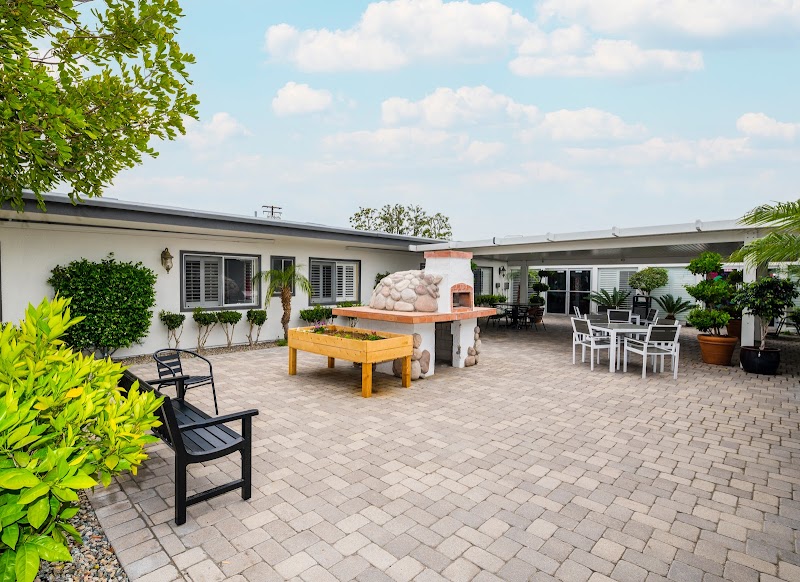
How is Anaheim Healthcare Center, Llc Staffed?

CMS rates ANAHEIM HEALTHCARE CENTER, LLC's staffing level at 4 out of 5 stars, which is above average compared to other nursing homes. Staff turnover is 29%, compared to the California average of 46%. This relatively stable workforce can support continuity of care.

What Have Inspectors Found at Anaheim Healthcare Center, Llc?

State health inspectors documented 111 deficiencies at ANAHEIM HEALTHCARE CENTER, LLC during 2021 to 2025. These included: 1 that caused actual resident harm, 90 with potential for harm, and 20 minor or isolated issues. Deficiencies causing actual harm indicate documented cases where residents experienced negative health consequences.
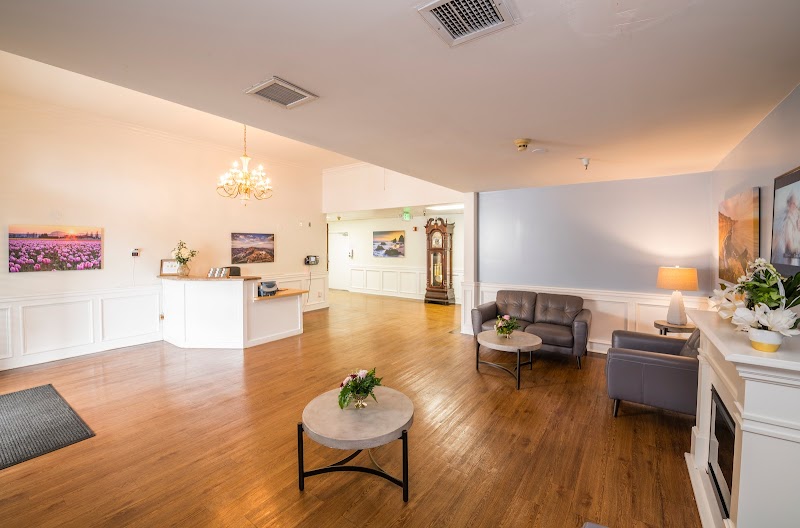
Who Owns and Operates Anaheim Healthcare Center, Llc?

ANAHEIM HEALTHCARE CENTER, LLC is owned by a for-profit company. For-profit facilities operate as businesses with obligations to shareholders or private owners. The facility is operated by DAVID & FRANK JOHNSON, a chain that manages multiple nursing homes. With 250 certified beds and approximately 215 residents (about 86% occupancy), it is a large facility located in ANAHEIM, California.
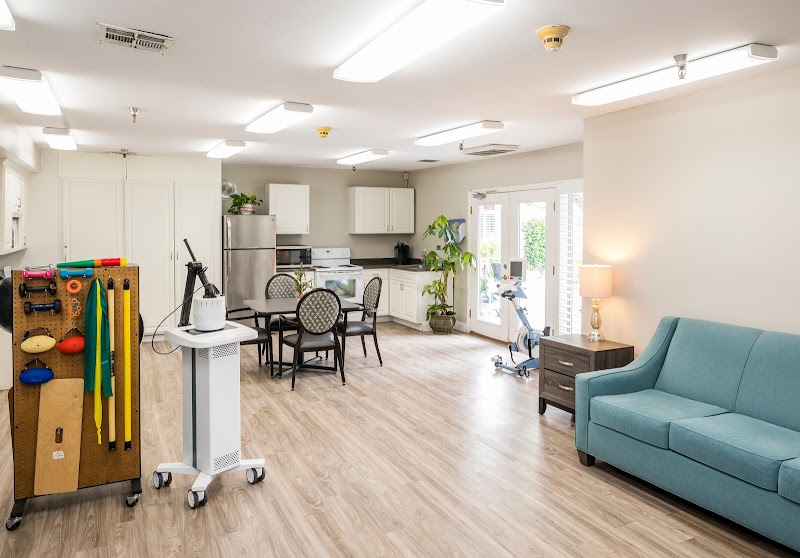
How Does Anaheim Healthcare Center, Llc Compare to Other California Nursing Homes?

Compared to the 100 nursing homes in California, ANAHEIM HEALTHCARE CENTER, LLC's overall rating (2 stars) is below the state average of 3.1, staff turnover (29%) is significantly lower than the state average of 46%, and health inspection rating (2 stars) is below the national benchmark.

What Should Families Ask When Visiting Anaheim Healthcare Center, Llc?

Based on this facility's data, families visiting should ask: "Can I visit during a mealtime to observe dining assistance and food quality?" "How do you handle medical emergencies, and what is your hospital transfer rate?" "Can I speak with family members of current residents about their experience?"

Is Anaheim Healthcare Center, Llc Safe?

Based on CMS inspection data, ANAHEIM HEALTHCARE CENTER, LLC has a clean safety record: no substantiated abuse findings (meaning no confirmed cases of resident harm), no Immediate Jeopardy citations (the most serious violation level indicating risk of serious injury or death), and is not on the Special Focus Facility watch list (a federal program monitoring the lowest-performing 1% of nursing homes). The facility has a 2-star overall rating and ranks #100 of 100 nursing homes in California. While no facility is perfect, families should still ask about staff-to-resident ratios and recent inspection results during their visit.

Do Nurses at Anaheim Healthcare Center, Llc Stick Around?

Staff at ANAHEIM HEALTHCARE CENTER, LLC tend to stick around. With a turnover rate of 29%, the facility is 17 percentage points below the California average of 46%. Low turnover is a positive sign. It means caregivers have time to learn each resident's needs, medications, and personal preferences. Consistent staff also notice subtle changes in a resident's condition more quickly. Registered Nurse turnover is also low at 11%, meaning experienced RNs are available to handle complex medical needs.

Was Anaheim Healthcare Center, Llc Ever Fined?

ANAHEIM HEALTHCARE CENTER, LLC has no federal fines on record. CMS issues fines when nursing homes fail to meet care standards or don't correct problems found during inspections. The absence of fines suggests the facility has either maintained compliance or corrected any issues before penalties were assessed. This is a positive indicator, though families should still review recent inspection reports for the full picture.

Is Anaheim Healthcare Center, Llc on Any Federal Watch List?

ANAHEIM HEALTHCARE CENTER, LLC is not on any federal watch list. The most significant is the Special Focus Facility (SFF) program, which identifies the bottom 1% of nursing homes nationally based on persistent, serious quality problems. Not being on this list means the facility has avoided the pattern of deficiencies that triggers enhanced federal oversight. This is a positive indicator, though families should still review the facility's inspection history directly.