BUENA VISTA CARE CENTER
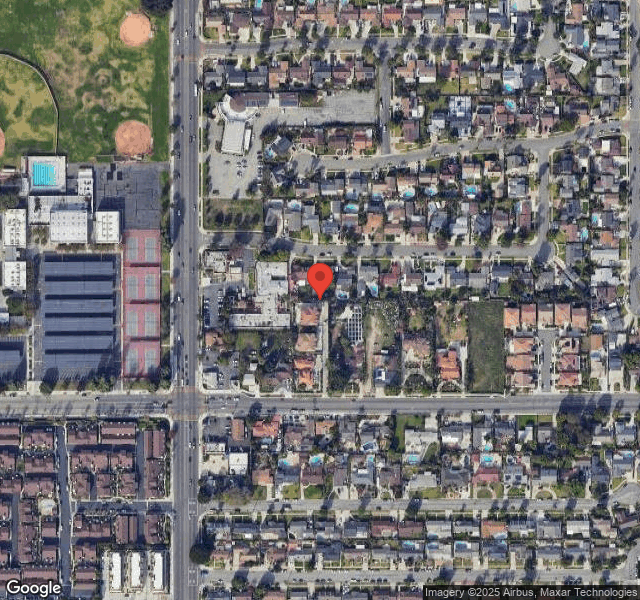
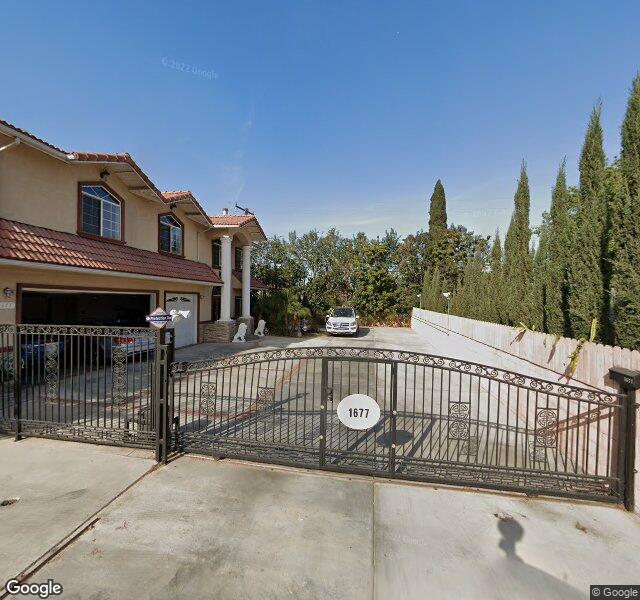
1440 S EUCLID AVENUE, ANAHEIM, CA 92802 (714) 535-7264
For profit - Corporation 99 Beds CAMBRIDGE HEALTHCARE SERVICES Data: November 2025
Trust Grade
50/100
#759 of 1155 in CA
Last Inspection: November 2024

Within standard 12-15 month inspection cycle. Federal law requires annual inspections.

Overview

Buena Vista Care Center has received a Trust Grade of C, indicating it is average among nursing homes, meaning it ranks in the middle of the pack. In California, it is ranked #759 out of 1155 facilities, placing it in the bottom half, and #54 out of 72 in Orange County, suggesting there are only a few local options that are better. The facility is showing improvement, with issues decreasing significantly from 30 in 2024 to just 1 in 2025. Staffing is rated average, with a turnover rate of 39%, similar to the state average, meaning staff retention is typical. Although the facility has no fines on record, which is a positive sign, there are concerning incidents noted, such as failure to ensure food safety, including not monitoring food temperature and not sanitizing preparation surfaces. Additionally, residents' dietary needs were not consistently met, as menus were not properly followed for many residents, which could impact their nutritional health. Overall, while there are strengths in the lack of fines and some quality measures, families should be aware of the food safety and dietary concerns.

Trust Score
C
50/100
In California
#759/1155
Bottom 35%
Safety Record
Low Risk
No red flags
Inspections
Getting Better
30 → 1 violations
Staff Stability
○ Average
39% turnover. Near California's 48% average. Typical for the industry.
Penalties
✓ Good
No fines on record. Clean compliance history, better than most California facilities.
Skilled Nurses
⚠ Watch
Each resident gets only 23 minutes of Registered Nurse (RN) attention daily — below average for California. Fewer RN minutes means fewer trained eyes watching for problems.
Violations
⚠ Watch
61 deficiencies on record. Higher than average. Multiple issues found across inspections.
★★☆☆☆
2.0
Overall Rating
★★★☆☆
3.0
Staff Levels
★★★★☆
4.0
Care Quality
★★☆☆☆
2.0
Inspection Score
Stable
2024: 30 issues
2025: 1 issues

The Good

  • 4-Star Quality Measures · Strong clinical quality outcomes
  • Full Sprinkler Coverage · Fire safety systems throughout facility
  • No fines on record
  • Staff turnover below average (39%)

    9 points below California average of 48%

Facility shows strength in quality measures, fire safety.

The Bad

2-Star Overall Rating

Below California average (3.1)

Below average - review inspection findings carefully

Staff Turnover: 39%

Near California avg (46%)

Typical for the industry

Chain: CAMBRIDGE HEALTHCARE SERVICES

Part of a multi-facility chain

Ask about local staffing decisions and management

The Ugly 61 deficiencies on record

Aug 2025 1 deficiency
MINOR (B) 📢 Someone Reported This

A family member, employee, or ombudsman was alarmed enough to file a formal complaint

Minor Issue - procedural, no safety impact

Investigate Abuse (Tag F0610)

Minor procedural issue · This affected multiple residents

Based on interview, facility document review, and facility P&P review, the facility failed to conduct a thorough abuse investigation for one of five sampled residents (Resident 1) as evidenced by: * T...

Read full inspector narrative →
Based on interview, facility document review, and facility P&P review, the facility failed to conduct a thorough abuse investigation for one of five sampled residents (Resident 1) as evidenced by: * The facility did not interview the other resident, Resident 3 who was mentioned on interview to have caused distress to Resident 1. This failure posed the risk of not identifying if other residents were affected by the reported abuse allegation.Findings: Review of the facility's P&P titled Abuse, Neglect, Exploitation or Misappropriation - Reporting and Investigating revised 9/2022 showed all allegations are thoroughly investigated. Review of the facility's SOC 341 Report of Suspected Dependent Adult/Elder Abuse form dated 8/7/25, showed Resident 1 reported having problems with the other residents in the facility, including verbal abuse and physical altercations, such as being hit twice. Resident 1 reported he would sometimes miss breakfast due to conflicts with his roommate, who was described as rude and disruptive. Resident 1 expressed frustration with these living conditions and the behavior of others around him. Review of the facility's 5-day investigation summary dated 8/8/25, showed the following investigation was completed:- the Administrator and DON interviewed Resident 1. Resident 1 mentioned having issues with Resident 3 in the past, but not anymore. Resident 1 was offered and refused a room change. - the SSD interviewed Resident 4. Resident 4 denied concerns with Residents 1 and 3 and denied abuse or care concerns. Review of the facility's abuse allegation investigation showed only two residents were interviewed (Residents 1 and 4). Resident 3 was not interviewed regarding the alleged abuse. On 8/12/25 at 1335 hours, an interview and concurrent facility document review was conducted with the SSD. The SSD stated Resident 1 reported not being compatible with Resident 3 two times in the past. The SSD verified she participated in the investigation for Resident 1's allegation of abuse and was the designated staff to conduct resident interviews. The SSD stated she only interviewed Resident 4 to ask him if there were any issues or concerns between Residents 1 and 3. The SSD stated she did not interview Resident 3 because the Administrator instructed her to only interview Resident 4. The SSD reviewed Resident 1's interview with the Administrator and DON. The SSD verified Resident 3 should have been included in the resident interviews. On 8/12/25 at 1426 hours, an interview was conducted with the Administrator regarding the investigation of Resident 1's abuse allegation. The Administrator stated both she and the DON interviewed Resident 1 and the SSD interviewed Resident 4. The Administrator stated during the interview with Resident 1, Resident 1 brought up concerns with Resident 3, and stated Resident 1 had ongoing concerns with Resident 3 in the past, and brought it up again. The Administrator stated they have talked to Resident 3 in the past for roommate compatibility issues. The Administrator stated they overlooked interviewing Resident 3 because they had talked to him in the past.
Dec 2024 5 deficiencies
CONCERN (D) 📢 Someone Reported This

A family member, employee, or ombudsman was alarmed enough to file a formal complaint

Potential for Harm - no one hurt, but risky conditions existed

Deficiency F0687 (Tag F0687)

Could have caused harm · This affected 1 resident

**NOTE- TERMS IN BRACKETS HAVE BEEN EDITED TO PROTECT CONFIDENTIALITY** Based on observation, interview, medical record review, and facility P&P review, the facility failed to provide the necessary ca...

Read full inspector narrative →
**NOTE- TERMS IN BRACKETS HAVE BEEN EDITED TO PROTECT CONFIDENTIALITY** Based on observation, interview, medical record review, and facility P&P review, the facility failed to provide the necessary care and services to maintain the highest physical well-being for one of five sampled residents (Resident 5). * The facility failed to provide the wound care treatments for Resident 5's left foot wounds as ordered by the physician. This failure had the potential for Resident 5 to not receive the appropriate care and services to treat his left foot wounds. Finding: Review of the facility's P&P titled Pressure Ulcers/Skin Breakdown- Clinical Protocol dated 4/2018 showed the physician will order pertinent wound treatments, including pressure reduction surfaces, wound cleansing and debridement approaches, dressings (occlusive, absorptive, etc.), and application of topical agents. Medical record review for Resident 5 was initiated on 12/19/24. Resident 5 was admitted to the facility on [DATE], and readmitted on [DATE]. Review of Resident 5's H&P examination dated 7/22/24, showed Resident 5 had no capacity to understand and make decisions and had a diagnosis of Type 2 Diabetes Mellitus with other diabetic kidney complications. Review of Resident 5's Plan of Care showed the care plan problems initiated on 10/13/24, addressing the following: - Resident 5's altered skin integrity for the left 5th metatarsal. The interventions included to administer the treatment as ordered. - Resident 5's altered skin integrity for the left mid lateral foot. The interventions included to administer the treatment as ordered. Review of Resident 5's TAR for December 2024 showed a physician's order dated 12/18/24, for the following: - for the left mid to lateral foot diabetic ulcer, to cleanse with normal saline, pat dry, apply Betadine external solution 10% topically (antiseptic solution), apply an ABD pad (a highly absorbent sterile dressing), wrap with a kerlix roll of gauze, and secure with tape, every day during the day shifts for 14 days. - for the left 5th metatarsal head diabetic ulcer, to cleanse with normal saline, pat dry, apply Betadine external solution 10% topically, apply an ABD pad, wrap with a kerlix roll or gauze, and secure with tape every day during the day shifts for 14 days. On 12/23/24 at 1015 hours, a wound care observation for Resident 5 was conducted with LVN 1. LVN 1 was observed cleansing Resident 5's left foot wounds with the Gentell wound cleanser spray (a no rinse wound cleanser) and a gauze. On 12/23/24 at 1040 hours, a concurrent interview and medical record review for Resident 5 was conducted with LVN 1. LVN 1 reviewed Resident 2's treatment orders for the left foot and stated the physician's order was to cleanse Resident 5's left foot diabetic wounds with normal saline. When asked about the wound cleansers, LVN 1 stated the normal saline and Gentellwound cleanser were not the same. LVN 1 verified she used the Gentell dermal wound cleanser to cleanse Resident 5's left foot wounds. LVN 1 further stated the wound treatments should be administered to the residents as ordered by the physician. On 12/23/24 at 1338 hours, an interview as conducted with the DON. The DON stated the licensed nurses were expected to administer the wound treatments as ordered by the physician, to accurately reflect the resident's care. The DON further stated the Gentell wound cleanser and normal saline were not the same, and if the treatment nurse was using something other than what was ordered, the nurse should clarify the order with the physician. On 12/23/24 at 1715 hours, the DON was informed and acknowledged the above findings.
CONCERN (D) 📢 Someone Reported This

A family member, employee, or ombudsman was alarmed enough to file a formal complaint

Potential for Harm - no one hurt, but risky conditions existed

Accident Prevention (Tag F0689)

Could have caused harm · This affected 1 resident

**NOTE- TERMS IN BRACKETS HAVE BEEN EDITED TO PROTECT CONFIDENTIALITY** Based on observation, interview, medical record review, and facility P&P review, the facility failed to ensure one of three samp...

Read full inspector narrative →
**NOTE- TERMS IN BRACKETS HAVE BEEN EDITED TO PROTECT CONFIDENTIALITY** Based on observation, interview, medical record review, and facility P&P review, the facility failed to ensure one of three sampled residents (Resident 3) remained free from the accident hazards. * The facility failed to implement the bilateral floor mats as per the physician's order and plan of care for Resident 3 who was a high risk for falls and had a history of falls with injuries. This failure had the potential to place Resident 3 at risk for serious injury. Findings: Review of the facility's P&P titled Falls and Fall Risk, Managing revised 3/2018 showed the staff member, with the input of the attending physician, will implement a resident-centered fall prevention plan to reduce the specific risk factor(s) of falls for each resident at risk or with a history of falls. Medical record review for Resident 3 was initiated on 12/23/24. Resident 3 was admitted to the facility on [DATE], and readmitted on [DATE]. Review of Resident 3's H&P examination dated 9/13/24, showed Resident 3 was confused but was able to make her needs known. Review of Resident 3's Post-Fall Review dated 9/7/24, showed on 9/7/24 at 1000 hours, Resident 3 had a fall in her room. The form showed Resident 3 was found sitting on the floor next to her bed with swelling on her left cheek, purplish discoloration on her left eye and left shoulder, and a left-hand skin tear. Review of Resident 3's Order Summary Report dated 12/23/24, showed a physician's order dated 9/12/24, to implement the bilateral floor mats while the resident was in bed for fall management. Review of Resident 3's Plan of Care showed a care plan problem dated 9/12/24, addressing Resident 3's high risk for falls and injuries. The interventions included to implement bilateral floor mats as ordered and to apply bilateral floor mats while in bed for fall management. On 12/23/24 at 1010 and 1109 hours, Resident 3 was observed lying in bed with the floor mat on the left side of the bed. A floor mat was not observed on the right side of Resident 3's bed. On 12/23/24 at 1110 hours, a concurrent observation and interview was conducted with CNA 2. CNA 2 stated Resident 3 was a fall risk and had a fall in the past. CNA 2 verified Resident 3 only had a floor mat on the left side of the bed. CNA 2 stated Resident 3 had attempted to get out of bed unassisted in the past and there was a potential risk that Resident 3 would attempt to get out of bed on the right side. On 12/23/24 at 1115 hours, an observation, interview, and concurrent medicalrecord review for Resident 3 was conducted with the DSD. The DSD verified the above findings. The DSD stated the resident should have the bilateral floor mats as ordered by the physician. The DSD further stated the purpose of the floor mats wasto mitigate any injuries in the event the resident had a fall. On 12/23/24 at 1338 hours, an interview and concurrent medical record review for Resident 3 was conducted with the DON. The DON was informed and acknowledged the above findings.
CONCERN (D) 📢 Someone Reported This

A family member, employee, or ombudsman was alarmed enough to file a formal complaint

Potential for Harm - no one hurt, but risky conditions existed

Deficiency F0697 (Tag F0697)

Could have caused harm · This affected 1 resident

**NOTE- TERMS IN BRACKETS HAVE BEEN EDITED TO PROTECT CONFIDENTIALITY** Based on interview, medical record review, and facility P&P review, the facility failed to ensure the appropriate pain managemen...

Read full inspector narrative →
**NOTE- TERMS IN BRACKETS HAVE BEEN EDITED TO PROTECT CONFIDENTIALITY** Based on interview, medical record review, and facility P&P review, the facility failed to ensure the appropriate pain management was provided for one of three sampled residents (Resident 2). * The facility failed to ensure Resident 2 was consistently provided the non-pharmacological pain interventions prior to the administration of acetaminophen (analgesic) medication. This failure had the potential to put Resident 2 at risk for ineffective pain management and adverse effects related to the use of unnecessary pain medication. Finding: Review of the facility's P&P titled Pain Assessment and Management revised 10/2022 showed the non-pharmacological interventions may be appropriate alone or in conjunction with medications. Pharmacologic interventions (i.e. analgesic) may be prescribed to manage pain, however they do not usually address the cause of pain and can have adverse effects on the resident (e.g. drowsiness, increased risk of falling; loss of appetite). Closed medical record review for Resident 2 was initiated on 12/19/24. Resident 2 was admitted to the facility on [DATE], readmitted on [DATE], and discharged on 10/25/24. Review of Resident 2's H&P examination dated 4/28/24, showed Resident 2 had no capacity to understand and make decisions. Review of Resident 2's Order Summary Report dated 12/23/24, showed the following physician's orders dated 4/26/24: - to monitor for the highest pain level from the pain scale level of 0-10 (0 = no pain and 10 = worst pain) every shift, - for the non-pharmacological pain interventions: to record any non-drug intervention used to prevent or relieve pain, which were coded as follows: 0 - No Non-Drug Interventions Needed 1 - Music/Radio 2 - 1:1 Conversation/Listening 3 - Repositioned for comfort 4 - Activity/Exercise/Stretch 5 - Rest Period/Sleep 6 - Verbal cues/Prompting/Reassuring 7 - Redirection/Refocus/Diversion 8 - Deep Breathing/Relaxation 9 - Remove from Stimuli/Problem solving 10 - Other, as needed - to administer acetaminophen 325 mg two tablets by mouth every six hours as needed for mild pain (pain levels of 1-3) to moderate pain (pain levels of 4-6) Review of Resident 2's Plan of Care showed a care plan problem dated 4/26/24, addressing Resident 2's alteration in comfort. The interventions included to documentany non-drug interventions used to prevent or relieve pain. Review of Resident 2's MAR for September 2024 showed Resident 2 was administered acetaminophen 325 mg two tablets as needed for pain on the following dates: 9/9, 9/13, 9/19, 9/20, 9/21, 9/22, and 9/23/24. However, the MAR failed to show documented evidence the non-pharmacological pain interventions were providedon 9/9, 9/13, 9/20, 9/22, and 9/23/24, prior to the administration of the pain medication. On 12/23/24 at 1338 hours, an interview and concurrent closed medical record review for Resident 2 was conducted with the DON. The DON verified the above findings. The DON stated prior to the administration of the pain medications, the nurses were expected to attempt and document the non-pharmacologic pain interventions provided to the residents. On 12/23/24 at 1715 hours, the DON was informed and acknowledged the above findings.
MINOR (B) 📢 Someone Reported This

A family member, employee, or ombudsman was alarmed enough to file a formal complaint

Minor Issue - procedural, no safety impact

Pressure Ulcer Prevention (Tag F0686)

Minor procedural issue · This affected multiple residents

**NOTE- TERMS IN BRACKETS HAVE BEEN EDITED TO PROTECT CONFIDENTIALITY** Based on interview, medical record review, and facility P&P review, the facility failed to ensure the necessary care and service...

Read full inspector narrative →
**NOTE- TERMS IN BRACKETS HAVE BEEN EDITED TO PROTECT CONFIDENTIALITY** Based on interview, medical record review, and facility P&P review, the facility failed to ensure the necessary care and services were provided to prevent the development of new pressure ulcers and promote the healing of existing pressure injuries for one of three sampled residents (Resident 2). * The facility failed to provide Resident 2 with an alternating pressure pad as recommended by the Wound Consultant. This failure posed the risk for worsening of the existing pressure injuries or development of new pressure injuries for this resident. Finding: Review of the facility's P&P titled Pressure Ulcers/Skin Breakdown-Clinical Protocol dated 4/2018, showed the physician will order pertinent wound treatments, including pressure reduction surfaces, wound cleansing and debridement approaches, dressings (occlusive, absorptive, etc.), and application of topical agents. During resident visits, the physician will evaluate and document the progress of wound healing-especially for those with complicated, extensive, or poorly-healing wounds. The physician will guide the care plan as appropriate, especially when wounds are not healing as anticipated or new wounds develop despite existing interventions. Closed medical record review for Resident 2 was initiated on 12/19/24. Resident 2 was admitted to the facility on [DATE]; readmitted on [DATE], with the diagnosis of Type 2 Diabetes Mellitus; and discharged on 10/25/24. Review of Resident 2's H&P examination dated 4/28/24,showed Resident 2 had no capacity to understand and make decisions. Review of Resident 2's MDS dated [DATE], showed Resident 2 was at risk for developing the pressure ulcers/injuries and had diabetic foot ulcers. Review of Resident 2's Wound Consultant's Progress Notes dated 7/23 and 8/20/24, showed Resident 2 had a right and left heel diabetic ulcer. The section for Recommendations showed to offload the heels on the pillows and apply the heel protectors and alternating pressure pad. Review of Resident 2's Wound Consultant's Progress Notes dated 9/17/24, showed Resident 2 had the left lateral medial heel and right heel diabetic ulcers, and left lateral lower leg arterial ulcer. Thesection for Recommendations showed to offload the heels on the pillows and apply the heel protectors and alternating pressure pad. Further review of Resident 2's medical record failed to show aphysician's order for the alternating pressure pad. Review of Resident 2's progress notes failed to show documentation Resident 2 had an alternating pressure pad as recommended by the Wound Consultant. On 12/23/24 at 1300 hours, an interview was conducted with the Central Supply Staff. The Central Supply Staff stated for the ordering of the special mattresses for the residents, the treatment nurse would inform him,and he would contact the mattress rental company. On 12/23/24 at 1315 hours, an interview and concurrent closed medical record review for Resident 2 was conducted with LVN 1. LVN 1 stated she conducted weekly wound rounds with the Wound Consultant. LVN 1 stated she was responsible for reviewing the Wound Consultant's weekly progress notes to ensure the recommendations were followed. LVN 1 reviewed the above Wound Consultant's Progress Notes and acknowledged there were recommendations to provide Resident 2 with an alternating pressure pad. However, the facility did not have the alternating pressure pads. LVN 1 was asked if she had clarified the recommendation with the Wound Consultant. LVN 1 stated she did not and that she should have. When asked if the resident was on any special mattress, LVN 1 verified there was no order for any special mattress for the Resident 2. On 12/23/24 at 1330 hours, a follow-up interview was conducted with the Central Supply Staff. The Central Supply Staff stated he contacted the mattress rental company and verified there were no records of any special mattress ordered for Resident 2. On 12/23/24 at 1650 hours, a telephone interview was conducted with the Wound Consultant. The Wound Consult stated he expected the recommendations on his progress notes to be carried out. The Wound Consult stated if the facility did not have the recommended mattress, he expected the facility to inform him or to clarify the recommendation for an alternative mattress. On 12/23/24 at 1715 hours, the DON was informed and acknowledged the above findings.
MINOR (B) 📢 Someone Reported This

A family member, employee, or ombudsman was alarmed enough to file a formal complaint

Minor Issue - procedural, no safety impact

Medical Records (Tag F0842)

Minor procedural issue · This affected multiple residents

**NOTE- TERMS IN BRACKETS HAVE BEEN EDITED TO PROTECT CONFIDENTIALITY** Based on interview, medical record review, and facility P&P review, the facility failed to ensure the medical record for one of ...

Read full inspector narrative →
**NOTE- TERMS IN BRACKETS HAVE BEEN EDITED TO PROTECT CONFIDENTIALITY** Based on interview, medical record review, and facility P&P review, the facility failed to ensure the medical record for one of five sampled resident (Resident 2) was complete and accurate. * The facility failed to ensure the attempts to obtain and schedule a vascular consult for Resident 2 were documented. This failure had the potential for the resident's care needs not being met as their medical information was incomplete and inaccurate. Findings: Review of the facility's P&P titled Charting and Documentation revised 7/2017 showed all services provided to the resident, the progress toward the care plan goals, or any changes in the resident's medical, physical, functional, or psychosocial condition, shall be documented in the resident's medical record. The medical record should facilitate communication between the interdisciplinary team regarding the resident's condition and response to care. The following information is to be documented in the resident's medical record: a. Objective observations; b. Medications administered; c. Treatments or services performed; d. Changes in the resident's condition; e. Events, incidents, or accidents involving the resident; and f. Progress toward or changes in the care plan goals and objectives. Closed medical record review for Resident 2 was initiated on 12/19/24. Resident 2 was admitted to the facility on [DATE]; readmitted on [DATE], with a diagnosis of Type 2 Diabetes Mellitus; and discharged on 10/25/24. Review of Resident 2's H&P examination dated 4/28/24, showed Resident 2 had capacity to understand and make decisions. Review of Resident 2's Order Summary Report dated 12/23/24, showed a physician's order dated 9/10/24, for a vascular consultation. Review of Resident 2's closed medical record failed to show documentation Resident 2 was seen and evaluated by a vascular consultant. Review of Resident 2's Progress Notes failed to show documentation the physician's order for a vascular consult was carried out. On 12/23/24 at 1615 hours, an interview was conducted with the Medical Record Director. The Medical Record Director stated the nurses were responsible for carrying out the physician's order for the vascular consult. On 12/23/24 at 1625 hours, an interview and concurrent record review was conducted with the DON. The DON stated at the time RN 1 received the physician's order, RN 1 was responsible for carrying out the order for the vascular consult. The DON was asked to show the documentation if RN 1 had attempted to find a vascular consultation for Resident 2. The DON stated she was unable to find the documentation. On 12/23/24 at 1645 hours, a telephone interview was conducted with RN 1. RN 1 stated she received the physician's order for the vascular consult for Resident 2. RN 1 stated she attempted to schedule a vascular consult for Resident 2; however, the earliest appointment was two to three months from that time. RN 1 stated she had informed Nurse Practitioner 1 and was instructed to continue to find a vascular surgeon who could see the resident as soon as possible. When asked if RN 1 documented when she informed Nurse Practitioner 1, RN 1 stated she did not document in Resident 2's medical record her attempts to schedule a vascular consult and/or her notification to Nurse Practitioner 1. On 12/23/24 at 1715 hours, the DON was informed and acknowledged the above findings.
Nov 2024 25 deficiencies
CONCERN (D)

Potential for Harm - no one hurt, but risky conditions existed

Deficiency F0554 (Tag F0554)

Could have caused harm · This affected 1 resident

**NOTE- TERMS IN BRACKETS HAVE BEEN EDITED TO PROTECT CONFIDENTIALITY** 2. Medical Record Review for Resident 35 was initiated on 10/29/24. Resident 35 was admitted to the facility on [DATE], and read...

Read full inspector narrative →
**NOTE- TERMS IN BRACKETS HAVE BEEN EDITED TO PROTECT CONFIDENTIALITY** 2. Medical Record Review for Resident 35 was initiated on 10/29/24. Resident 35 was admitted to the facility on [DATE], and readmitted on [DATE]. Review of Resident 35's H&P examination dated 9/19/24, showed the resident had the capacity to understand and make decisions. Review of Residents 35's MDS dated [DATE], showed a BIMS score of 12 (meaning moderately cognitive impaired). On 10/29/24 at 0828 hours, during the initial tour of the facility, a concurrent observation and interview was conducted with Resident 35. Three Tums tablets were observed at Resident 35's overbed table. Resident 35 stated she had been taking the Tums since she started having pain in the stomach two months ago, and the licensed nurses were the ones giving her the medication. On 10/29/24 at 0832 hours, an observation and concurrent interview for Resident 35 was conducted with RN 1. RN 1 was asked about the facility's process of self-administration of medication and leaving medication at bedside. RN 1 stated no medication should be left at the resident's overbed table and the facility needed to assess the residents if it was safe to self-administer medications, have an order from the physician, and a care plan. RN 1 verified Resident 35 had three Tums at her overbed table and was unable to verify who gave the medication to Resident 35. On 10/29/24 at 1219 hours, a concurrent interview and medical record review for Resident 35 was conducted with RN 2. RN 2 verified Resident 35's Order Summary Report did not show any order for the above medication. On 10/31/24 at 0852 hours, a follow-up interview and concurrent medical record review for Resident 35 was conducted with RN 2. RN 2 verified Resident 35's medical record failed to show documented evidence an assessment of self-administration of medication was conducted for Resident 35. On 11/1/24 at 1540 hours, an interview was conducted with the DON. The DON was informed and acknowledged the findings. Based on observation, interview, medical record review, and P&P review, the facility failed to ensure the medications were safely administered for one of 20 final sampled residents (Resident 35) and one nonsmapled resident (Resident 69) to self- administer medications. * Resident 69 was observed to have two bottles of Nerve Shield Pro (used as supplement for Brain & Nervous System Health, Neuropathy, Nerve Pain) at the bedside and had self-administered the medication. * Resident 35 was observed to have Tums (medication to relieve heartburn/stomach upset) tablet at bedside. These failures had the potential to negatively impact the residents' physiological well-being and administer the medications inaccurately. Findings: Review of the facility's P&P titled Self-Administration of Medications revised 2/2021 showed the residents have the right to self-administer medications if the Interdisciplinary Team has determined that is clinically appropriate for the resident. 1. Medical record review for Resident 69 was initiated on 10/30/24. Resident 69 was admitted to the facility on [DATE]. Review of Resident 69's Quarterly MDS dated [DATE], showed a BIMS score of 15 (cognitively intact). On 10/29/24 at 0857 hours, Resident 69 was observed to have two bottles of Nerve Shield Pro. One bottle had multiple capsules inside and the other bottle was empty. On 10/29/24 at 1510 hours, an interview was conducted with Resident 69. Resident 69 stated he was taking the Nerve Shield Pro capsules twice a week or more and stated his family member brought the Nerve Shield Pro medications to the facility. On 10/29/24 at 1510 hours, an interview and concurrent observation for Resident 69 was conducted with RN 2. RN 2 verified the Nerve Shield Pro capsules at bedside and stated any medication must have an order and it was not safe to keep the medications at bedside. RN 2 further verified there was no physician's order for Neuro Shield.Pro capsules. Review of Resident 69's medical record failed to show documented evidence of the following for Resident 69 to safely self-administer medications: - a physician's order; - IDT notes; - self-administration of medication assessment; and - a care plan addressing Resident 69's self- administration of medication. On 11/1/24 at 1525 hours, an interview and concurrent medical record review for Resident 69 was conducted with the DON. The DON was informed and verified the above findings.
CONCERN (D)

Potential for Harm - no one hurt, but risky conditions existed

Comprehensive Care Plan (Tag F0656)

Could have caused harm · This affected 1 resident

**NOTE- TERMS IN BRACKETS HAVE BEEN EDITED TO PROTECT CONFIDENTIALITY** Based on observation, interview, and medical record review, the facility failed to develop and implement a comprehensive person-...

Read full inspector narrative →
**NOTE- TERMS IN BRACKETS HAVE BEEN EDITED TO PROTECT CONFIDENTIALITY** Based on observation, interview, and medical record review, the facility failed to develop and implement a comprehensive person-centered care plan for one of 20 final sampled residents (Resident 67) and one nonsampled residents (Resident 41). * Resident 41's care plan failed to address the use of a bedside commode. * Resident 67's care plan failed to address the resident's psychosocial needs and failed to implement non-pharmacological interventions attempted for his behaviors were documented for risperidone use. These failures posed the risk of the residents not receiving services that were person-centered to meet the specific needs of each resident. Findings: 1. On 10/29/24 at 1418 hours, a strong constant urine odor was in the hallway outside the facility's conference room. On 10/29/24 at 1545 hours, a concurrent observation and interview was conducted with the IP. The IP identified the urine odor coming from Resident 41's bedside commode. The IP verified the bedside commode needed to be emptied. On 10/30/24 0904 hours, a concurrent observation and interview was conducted with the IP. The IP verified the odor of urine coming out into hallway was from Resident 41's bedside commode. The IP verified Resident 41's bedside commode had a plastic bag inside half filled with urine. The IP also verified a towel on the floor between Resident 41's bed and bedside commode was observed with yellow stains on it. When asked about Resident 41's bedside commode, the IP verbalized the staff were expected to empty the bedside commode every two hours or as notified by Resident 41. On 10/31/24 at 1152 hours, an interview was conducted with CNA 1. When asked about Resident 41's bedside commode, CNA 1 stated she checked Resident 41's bedside commode every two hours or when notified by Resident 41. When asked why Resident 41 had a towel on the floor, CNA 1 stated Resident 41 used the towel because sometimes she would not be able to self transfer to the bedside commode and the towel would be used to catch Resident 41's urine or bowel movement while she transferred herself onto the bedside commode. Per CNA 1 she used disinfectant wipes to clean Resident 41's bedside commode. When asked when she replaced or washed Resident 41's bedside commode, CNA 1 stated she would change or wash the bedside commode when soiled or ever one to two days with soap and water. When asked about the urine or bowel movement odors, CNA 1 acknowledged would be coming from Resident 41's bedside commode. When asked about following up when the odor of urine was coming out of Resident 41's bedside commode, CNA 1 was unable to explain. Medical record review for Resident 41 was initiated on 10/29/24. Resident 41 was readmitted to the facility on [DATE]. Review of Resident 41's ADL for bladder and bowel continence for October 2024, showed Resident 41 was sometimes continent and sometimes incontinent of both bladder and bowel. Review of Resident 41's plan of care failed to show a care plan problem to address Resident 41's toileting needs specifically her use of a bedside commode. On 11/01/24 at 1415 hours, a concurrent interview and medical record review was conducted with RN 2. RN 2 verified there was no care plan problem to address Resident 41's use of a bedside commode. 2. On 10/29/24 at 1049 hours, a concurrent observation of Resident 67 and interview was conducted with Resident 67's roommate, Resident 66. Resident 67 was observed lying in bed on his right side. Resident 66 stated Resident 67 screamed all evening, verbalizing wanting to go to the gym. Resident 66 further stated Resident 67 did not allow him to sleep. During this observation, Resident 67 kept repeating he wanted to go to the gym. Resident 67 then started whining, he wanted to go to the gym. Medical record review for Resident 67 was initiated on 10/29/24. Resident 67 was admitted to the facility on [DATE]. Review of Resident 67's H&P exam dated 9/28/24, showed Resident 67's diagnoses included developmental delay and psychosis. Resident 67 did not have capacity to understand and make decisions. Review of Resident 67's MAR showed Resident 67 was administered risperidone (antipsychotic medication) twice daily for psychosis manifested by aggressive behavior, yelling towards staff. The MAR also showed an area to document nonpharmacological interventions for Resident 67's risperidone, which was blank. Per this MAR, Resident 67 had behaviors of yelling. On 10/29/24 at 1149 hours, an interview was conducted with Resident 67's RP. Per the RP, prior to being admitted to the facility, Resident 67 would attend a day program for persons with developmental delay. On 10/30/24 at 0807 hours, an interview was conducted with the Activities Director. Per the Activities Director, Resident 67 liked looking at pictures of himself and his family. Review of Resident 67's plan of care showed a care plan problem addressing Resident 67's activities needs as being withdrawal from activity of interest or little interest, trouble falling asleep, and trouble concentrating. Interventions for Resident 67's activities care plan included attempt to determine cause of upset and resolve if possible. On 11/01/24 at 0852 hours, an interview was conducted with RN 1. When asked about documenting nonpharmacological interventions attempted for Resident 67's behaviors, RN 1 stated the staff did not attempt nonpharmacological behaviors for Resident 67's risperidone because it was a routine medication. On 11/01/24 at 0924 hours, a concurrent interview and medical record review was conducted with the DON. The DON verified Resident 67's care plans for activities failed to show Resident 67's activities included attending a day program for developmental delay residents. Also, the DON verified Resident 67's medical record failed to show nonpharmacological interventions and their effectiveness were documented for Resident 67's risperidone. Cross references to F679 and F757.
CONCERN (D)

Potential for Harm - no one hurt, but risky conditions existed

Deficiency F0679 (Tag F0679)

Could have caused harm · This affected 1 resident

**NOTE- TERMS IN BRACKETS HAVE BEEN EDITED TO PROTECT CONFIDENTIALITY** Based on observation, interview, and medical record review, the facility failed to provide an ongoing program to provide activit...

Read full inspector narrative →
**NOTE- TERMS IN BRACKETS HAVE BEEN EDITED TO PROTECT CONFIDENTIALITY** Based on observation, interview, and medical record review, the facility failed to provide an ongoing program to provide activities designed to meet the specific needs of the residents and encouraging both independence and interaction in the community for two of 20 final sampled residents (Residents 66 and 67). This failure posed the risk of not supporting the residents' psychosocial well-being. Findings: 1. On 10/29/24 at 1049 hours, a concurrent observation of Resident 67 and interview was conducted with Resident 67's roommate, Resident 66. Resident 67 was observed lying in bed on his right side. Resident 66 stated Resident 67 screamed all evening, verbalizing wanting to go to the gym. Resident 66 further stated Resident 67 did not allow him to sleep. During this observation, Resident 67 kept repeating he wanted to go to the gym. Resident 67 then started whining, and stated he wanted to go to the gym. Medical record review for Resident 67 was initiated on 10/29/24. Resident 67 was admitted to the facility on [DATE]. Review of Resident 67's H&P examination dated 9/28/24, showed Resident 67's diagnoses included developmental delay and psychosis. Resident 67 had no capacity to understand and make decisions. On 10/29/24 at 1149 hours, an interview was conducted with Resident 67's RP. Resident 67's Responsible Party stated prior to being admitted to the facility, Resident 67 would attend a day program for persons with developmental delay. 10/30/24 at 0807 hours, an interview was conducted with the Activities Director. When asked about assessing Resident 67 for his activities needs, the Activities Director stated Resident 67 was in a confused state, more child-like. According to the Activities Director, Resident 67's activities included staying in his room, looking at family pictures on his tablet, and family visits. Review of Resident 67's admit MDS modified 9/19/24, showed Resident 67 had unclear speech, cognitive impairment, and activities that were important to Resident 67 included fresh air, favorite activities, pets, and music. On 10/30/24 at 1339 hours, a follow-up interview was conducted with the Activities Director. When asked if she attended Resident 67's care plan meetings, the Activities Director verbalized during Resident 67's care plan meeting, the Activities Director introduced herself and informed Resident 67's RP about the facility's activities. When asked if she had contacted Resident 67's previous residence or the day program where Resident 67 attended to inquire about what activities Resident 67 participated in, the Activities Director stated she did not contact those places. On 11/1/24 at 1100 hours, a telephone interview was conducted with Day Program Staff 1. When asked what activities Resident 67 participated in, Day Program Staff 1 stated Resident 67 could read and write, played bingo, could follow instructions, enjoyed history and geography, enjoyed puzzles and matching games, would use walker to exercise, participated in dancing, and would sit with older residents to converse. 2. On 10/29/24 at 1101 hours, concurrent observation and interview was conducted with Resident 66. Resident 66 stated he was blind in both eyes. When asked about activities provided to Resident 66, Resident 66 verbalized his family member brought him a radio about one week prior so he could listen to music. Resident 66 verbalized the music helped drown the sound of his roommate (Resident 67) screams. Resident 66 verbalized he used to be involved in a vision institute for his blindness. On 10/29/24 at 1555 hours, an interview was conducted with CNA 8. When asked about Resident 66, CNA 8 stated Resident 66 was visually impaired. When asked about Resident 66's activities, CNA 8 stated Resident 66 liked listening to music. On 10/31/24 at 1044 hours, during an observation with RN 1, Resident 66 verbalized there was not a lot of staff to resident social interaction. Resident 66 verbalized he would be interested in getting involved again with the Braille Institute. On 10/31/24 at 1621 hours, an interview was conducted with the Activities Director. When asked about the activities for Resident 66, the Activities Director stated Resident 66 got room visits which included ensuring his music was on and family visits. When asked if she had contacted the agencies such as the Braille Institute for the blind to provide activities designed for Resident 66, she stated no. The Activities Director was informed Resident 67 verbalized he used to go to the Braille Institute for the blind.
CONCERN (D)

Potential for Harm - no one hurt, but risky conditions existed

Accident Prevention (Tag F0689)

Could have caused harm · This affected 1 resident

**NOTE- TERMS IN BRACKETS HAVE BEEN EDITED TO PROTECT CONFIDENTIALITY** Based on observation, interview, medical record review, and facility P&P review, the facility failed to ensure one of 20 final s...

Read full inspector narrative →
**NOTE- TERMS IN BRACKETS HAVE BEEN EDITED TO PROTECT CONFIDENTIALITY** Based on observation, interview, medical record review, and facility P&P review, the facility failed to ensure one of 20 final sampled residents (Resident 12) and one nonsampled resident (Resident 57) were free from the accident hazards. * The facility failed to store the razors in a secure area when not in use. This failure had the potential to place Residents 12 and 57 at risk for serious injury. Findings: Review of the facility's P&P titled Safety Information - Illness and Injury Prevention Program (undated) showed the facility does everything within reason to prevent injury and illness to employees, residents, and guests which includes supply and material handling: any sharp objects are put away when not in use. On 10/30/24 at 900 hours, during a follow-up observation in Residents 12 and 57's room, an opened pack of razors was observed in Residents 12 and 57's drawers at their bedsides. CNA 5 verified the the pack of razors from Residents 12 and 57's bedside drawer and removed the razors. a. Medical record review on Resident 12 was initiated on 10/31/24. Resident 12 was admitted to the facility on [DATE], and readmitted on [DATE]. Review of Resident 12's H&P examination dated 7/29/24, showed Resident 12 had no capacity to understand and make decisions. Review of Resident 12's ADL care plan initiated on 7/27/24, showed self-care deficit as evidenced by Resident 12 requiring assistance or dependent in personal hygiene. b. Medical record review of Resident 57 was initiated on 10/30/24. Resident 57 was admitted on [DATE]. Review of Resident 57's medical progress note dated 11/21/24, showed the resident was oriented x 1 (a person knows who they are but not where they are, what time it is, or what is happening to them) and confused. Review of the Order Summary Report - active orders dated 10/30/24, showed Resident 57 was being monitored for tremors, rigid muscle, shaking, etc. On 10/30/24 at 0945 hours, a concurrent interview with CNA 5 was conducted. CNA 5 stated the razors were kept in the supply room and the unused razors were placed back to the storage. On 10/30/24 at 0955 hours, a concurrent interview with LVN 3 and RN 1 was conducted. LVN 3 stated the razors were not kept at the bedside. RN 1 stated the razors were kept in the supply room and should not be left at the bedside. On 11/1/24 at 1525 hours, an interview was conducted with the DON. The DON was informed and verified the above findings.
CONCERN (D)

Potential for Harm - no one hurt, but risky conditions existed

Deficiency F0694 (Tag F0694)

Could have caused harm · This affected 1 resident

**NOTE- TERMS IN BRACKETS HAVE BEEN EDITED TO PROTECT CONFIDENTIALITY** Based on observation, interview, and facility P&P review, the facility failed to provide the necessary care and services to main...

Read full inspector narrative →
**NOTE- TERMS IN BRACKETS HAVE BEEN EDITED TO PROTECT CONFIDENTIALITY** Based on observation, interview, and facility P&P review, the facility failed to provide the necessary care and services to maintain the IV access for one of one final sampled resident (Resident 66) reviewed for IV care. * The facility failed to to ensure the IV catheter site for Resident 66 was labeled. This failure had the potential to delay the identification of catheter related complications for Resident 66. Findings: Review of the facility's P&P titled Peripheral Venous Catheter Insertion dated March 2023 showed IV sites are to have date, time, and initials on the dressing label. On 10/29/24 at 1101 hours, Resident 66 was observed in bed with his IV site unlabeled, with no date, time, or staff initials. Medical record review for Resident 66 was initiated on 10/29/24. Resident 66 was admitted to the facility on [DATE]. Resident 66 was admitted to the facility with diagnoses including UTI. On 10/31/24 at 1044 hours, an observation and concurrent interview was conducted with RN 1. When asked about the labeling of Resident 66's IV site, RN 1 verified Resident 66's IV site was not labeled with the date, time, and initials of staff.
CONCERN (D)

Potential for Harm - no one hurt, but risky conditions existed

Respiratory Care (Tag F0695)

Could have caused harm · This affected 1 resident

**NOTE- TERMS IN BRACKETS HAVE BEEN EDITED TO PROTECT CONFIDENTIALITY** 2. Review of the facility's undated P&P titled Oxygen Equipment showed tubing should be replaced every week and as needed. Medic...

Read full inspector narrative →
**NOTE- TERMS IN BRACKETS HAVE BEEN EDITED TO PROTECT CONFIDENTIALITY** 2. Review of the facility's undated P&P titled Oxygen Equipment showed tubing should be replaced every week and as needed. Medical Record Review for Resident 1 was initiated on 10/29/24. Resident 1 was admitted to the facility on [DATE], and readmitted on [DATE]. Review of Resident 1's Order Summary Report dated 10/31/24, showed a physician's order dated 10/5/24, for oxygen at two liters per minute via nasal cannula as needed for shortness of breath. Resident 1's H&P examination dated 9/23/24, showed the resident did not have the capacity to understand and make decisions. Residents 1's MDS dated [DATE], showed a BIMS score of 9 (meaning moderately cognitive impaired). On 10/29/24 at 0816 hours, during an initial tour of the facility, Resident 1 was observed in bed with oxygen being administered at two liters per minute via nasal cannula. There was an oxygen concentrator next to Resident 1's bed. There was no date observed on the oxygen tubing, and the oxygen tubing bag was dated 10/21/24. On 10/29/24 at 1008 hours, an observation and concurrent interview for Resident 1 was conducted with RN 2. RN 2 was asked about the facility's process when changing the oxygen tubing. RN 2 stated the oxygen tubing was changed every week by the licensed nurse and should be dated. RN 2 verified Resident 1's oxygen tubing bag from the concentrator was dated 10/21/24, and the oxygen tubing was not dated. RN 2 further stated the oxygen bag should have been changed on 10/28/24. On 11/1/24 at 1540 hours, an interview was conducted with the DON. The DON was informed and acknowledged the above findings. Based on observation, interview, medical record review, and facility P&P review, the facility failed to ensure the respiratory care orders were properly maintained and administered as ordered for two of 20 final sampled residents (Residents 1 and 83). * The facility failed to follow the physician's order for Resident 83's oxygen therapy. * The facility failed to ensure Resident 1's oxygen tubing was dated. These failures had the potential for the residents to not receive oxygen as ordered and adequate respiratory care. Findings: Review of the facility's P&P titled Oxygen Administration revised on 10/2010, showed to verify that there is a physician's order for this procedure, and to review the physician's orders or facility protocol for oxygen administration. 1. On 10/29/24 at 0906 hours, during the initial tour observation, Resident 83 was observed lying in bed with oxygen on via nasal cannula which was attached to the oxygen machine concentrator setting at 4 liters per minute. On 10/29/24 at 1603 hours, during an observation, Resident 83 was observed lying in bed with oxygen via nasal cannula which was attached to the oxygen machine concentrator setting at 4 liters per minute. Medical record review for Resident 83 was initiated on 10/29/24. Resident 83 was admitted to the facility on [DATE], and readmitted on [DATE]. Review of Resident 83's H&P examination dated 7/9/24, showed Resident 83 had the capacity to understand and make decisions. Review of Resident 83's Order Summary Report showed a physician's order dated 7/9/24, for oxygen administration at 2 liters per minute via nasal cannula continuously every shift. Review of Resident 83's care plan showed the resident had oxygen therapy related to COPD and an intervention dated 7/11/24, was to administer oxygen at 2 liters per minute via nasal cannula continuously every shift. On 10/29/24 at 1621 hours, a concurrent observation and interview was conducted with LVN 6. LVN 6 verified the oxygen machine concentrator was set at 4 liters per minute and the physician's order for the oxygen was to administer at 2 liters per minute continuously for Resident 83. LVN 6 stated the physician's order should be followed. On 10/29/24 at 1635 hours, a concurrent observation and interview was conducted with RN 2. RN 2 was informed and verified the above findings. RN 2 stated the physician's order should be followed, and only the licensed nurses could change oxygen setting with the physician's order.
CONCERN (D)

Potential for Harm - no one hurt, but risky conditions existed

Pharmacy Services (Tag F0755)

Could have caused harm · This affected 1 resident

**NOTE- TERMS IN BRACKETS HAVE BEEN EDITED TO PROTECT CONFIDENTIALITY** 2. Medical Record Review for Resident 35 was initiated on 10/29/24. Resident 35 was admitted to the facility on [DATE], and read...

Read full inspector narrative →
**NOTE- TERMS IN BRACKETS HAVE BEEN EDITED TO PROTECT CONFIDENTIALITY** 2. Medical Record Review for Resident 35 was initiated on 10/29/24. Resident 35 was admitted to the facility on [DATE], and readmitted on [DATE]. Resident 35's H&P examination dated 9/19/24, showed the resident had capacity to understand and make decisions. Residents 35's MDS dated [DATE], showed the resident had a BIMS score of 12 (meaning moderately cognitive impaired). On 10/29/24 at 0828 hours, during an initial tour of the facility, concurrent observation, and interview was conducted with Resident 35. Three Tums (medication for indigestion/upset stomach) tablets were observed at the overbed table on middle right side of Resident 35's bed. Resident 35 stated she had been taking the Tums medication since she started having pain in the stomach two months ago, and the licensed nurses were the one giving her the medication. On 10/29/24 at 0832 hours, an observation and concurrent interview with RN 1 was conducted. RN 1 was asked about the process of self-administering of the medication and leaving the medication at bedside. RN 1 stated no medication should be left at bedside table of the resident and the facility needed to assess the resident if it was safe to self-administer medication, have an order from the physician, and a care plan. RN 1 verified Resident 35 had three Tums at her overbed table and was unable to state who gave the medication to Resident 35. On 10/29/24 at 1219 hours, a concurrent interview and medical record review was conducted with RN 2. Review of Resident 35's Physician Order Summary did not show any order for the above medication. Review of the Physician Order Summary dated 1/16/24, showed an order for Gerilanta oral suspension 200-200-20 mg 30 ml by mouth six hours as needed for upset stomach. On 10/31/24 at 0852 hours, an interview and concurrent medical record review was conducted with RN 2. RN 2 was unable to show documented evidence of Resident 35 was assessed for self-administration of the medication. On 11/1/24 at 1540 hours, an interview was conducted with the DON. The DON was informed and acknowledged the above findings. Based on observation, interview, record review and the facility P&P, the facility failed to ensure pharmaceutical procedures were followed for one of one final sampled residents (Resident 27) investigated for pain and one of two residents (final sampled resident, Resident 35) reviewed for self-administration of medication * Resident 27's Percocet (an opioid based pain reliever) was removed from the supply but not documented as administered in the MAR on six occasions. * Resident 35 was observed with the medications at bedside. Resident 35 did not have a physician's order, assessment, and care plan for the self-administration of medications. These failures had the potential to put the resident at risk of unsafe pharmaceutical practices. Findings: 1. Review of Resident 27's Order Summary Report dated 10/30/24, showed a physician's order for Percocet 7.5-325 mg every six hours as needed for severe pain. Review of Resident 27's Antibiotic or Controlled Drug Record form initiated 9/14/24, showed one tablet of Percocet 7.5-325 mg tablet was removed from the supply on the following dates: On 9/16/24 at 0950 hours. On 9/24/24 at 1100 hours. On 9/25/24 at 0930 hours On 9/26/24 at 0930 hours. On 9/30/24 at 1000 hours On 10/23/24 at 1000 hours. Review of Resident 27's MAR for September and October 2024 failed to show the Percocet was administered to the resident when it was removed from the supply on the above dates and times. On 10/30/24 at 1403 hours, an interview and concurrent record review was conducted with LVN 1. LVN 1 stated the process for the controlled medications was to sign out the medication on the controlled drug record when it was removed from the drug supply, and to sign the MAR once it was administered. LVN 1 reviewed Resident 27's Antibiotic or Controlled Drug Record form and MAR and verified the above doses were removed from the supply and not documented as administered.
CONCERN (D)

Potential for Harm - no one hurt, but risky conditions existed

Deficiency F0757 (Tag F0757)

Could have caused harm · This affected 1 resident

**NOTE- TERMS IN BRACKETS HAVE BEEN EDITED TO PROTECT CONFIDENTIALITY** Based on observation, interview, and medical record review, the facility failed to ensure the following was completed for two of...

Read full inspector narrative →
**NOTE- TERMS IN BRACKETS HAVE BEEN EDITED TO PROTECT CONFIDENTIALITY** Based on observation, interview, and medical record review, the facility failed to ensure the following was completed for two of 20 final sampled residents (Residents 66 and 67): * Non-pharmacological interventions for Resident 67's risperidone were not documented * There was no clear indication for Resident 67's risperidone * The valproic acid level was not completed for Resident 67's use of valproic acid * There was no montioring and no documentation for discoloration related to Resident 66's use of humalog These failures posed the risk of inadequate monitoring. Findings: 1. Review of the facility's P&P Psychotropic Medication Use effective 6/21, showed facility staff should document the resident's response to staff interventions for residents' behaviors. Medical record review for Resident 67 was initiated on 10/29/24. Resident 67 was admitted to the facility on [DATE]. Review of Resident 67's H&P examination dated 9/28/24, showed Resident 67's diagnoses included developmental delay and psychosis. Resident 67 did not have capacity to understand and make decisions. a. On 10/29/24 at 1049 hours, a concurrent observation of Resident 67 and interview was conducted with Resident 66, roommate of Resident 67. Resident 67 was observed lying on his right side in bed. Per Resident 66, Resident 67 screamed he wanted to go to the gym in the evening. During this observation, Resident 67 kept repeating he wanted to go to the gym. Resident 67 then started whining he wanted to go to the gym. On 11/01/24 at 0924 hours, a concurrent interview and medical record review was conducted with the DON. The DON verbalized she was familiar with Resident 67. The DON stated Resident 67's behaviors were mostly from Resident 67 did not like being touched. Resident 67 would exhibit this behavior when the staff tried to change his disposable underwear. The DON stated she would do a follow-up to clarify the behavior monitoring indication for Resident 67's risperidone. Review of Resident 67's medical record failed to show documented evidence non-pharmacological interventions were attempted for the resident. The DON verified non-pharmacological interventions attempted for Resident 67's behaviors were not documented. b. Review of Resident 67's MAR for October 2024 showed Resident 67 was being administered risperidone 1 mg twice daily for psychosis manifested by aggressive behavior yelling toward staff and valproic acid 500 mg every 12 hours for epilepsy. Review of the area designated to document the number of behaviors for Resident 67's risperidone showed Resident 67 had one behavior on 11/2/24, and two behaviors on 11/3/24. Review of the area designated to document non-pharmacological interventions attempted to alleviate Resident 67's behaviors was blank. In addition, review of Resident 67's medical records failed to show documented evidence a baseline valproic acid level was obtained for Resident 67's use of valproic acid. On 11/01/24 at 1411 hours, the Medical Records Director verified there was no valproic acid level result on file for Resident 67's use of valproic acid. 2. On 10/29/24 at 1101 hours, an interview was conducted with Resident 66. When asked if the resident received insulin, Resident 66 verified he was administered insulin twice daily. Medical record review for Resident 66 was initiated on 10/29/24. Resident 66 was admitted to the facility on [DATE], with diagnoses including diabetes and blindness. Resident 67 was able to verbalize his needs. Further review of the medical record showed no documented evidence of change of condition related to skin discoloration. On 10/31/24 at 1029 hours, a concurrent observation, interview, and medical record review was conducted with LVN 1. Resident 66's left upper abdominal area was observed with purple fading discoloration. When asked about documenting this change in condition for Resident 66, LVN 1 verbalized she did observe Resident 66's purple discoloration but did not document this change in condition. LVN 1 was unable to explain why she did not document this change in Resident 66's skin condition.
CONCERN (D)

Potential for Harm - no one hurt, but risky conditions existed

Medication Errors (Tag F0758)

Could have caused harm · This affected 1 resident

**NOTE- TERMS IN BRACKETS HAVE BEEN EDITED TO PROTECT CONFIDENTIALITY** Based on interview, medical record review, and facility P&P review, the facility failed to ensure one of five residents (one fin...

Read full inspector narrative →
**NOTE- TERMS IN BRACKETS HAVE BEEN EDITED TO PROTECT CONFIDENTIALITY** Based on interview, medical record review, and facility P&P review, the facility failed to ensure one of five residents (one final sampled resident, Resident 30) reviewed for unnecessary medications was free from unnecessary psychotropic (medications which affect the brain and the nervous system to treat mental illness and conditions which impact behavior and emotions) drugs. * The facility failed to ensure Resident 30 was properly monitored for orthostatic blood pressures (measure the blood pressure while laying down or sitting and again upon standing up) as ordered by the physician for the use of the olanzapine (a medication for mental disorders including schizophrenia and bipolar disorder). This failure had the potential for Resident 30 to experience adverse consequences from the psychotropic medication. Findings: Review of the facility's P&P titled Psychotropic Medication Use dated 7/2022 showed the residents receiving psychotropic medications are monitored for adverse consequences, including cardiovascular effects: irregular heart rate or pulse, palpitations, lightheadedness, shortness of breath, diaphoresis, chest/arm pain, increased blood pressure and orthostatic hypotension. Review of the facility's P&P titled Charting and Documentation revised 7/2017 showed the documentation in the medical record will be objective (not opinionated or speculative), complete, and accurate. Medical record review for Resident 30 was initiated on 10/31/24. Resident 30 was admitted to the facility on [DATE], and readmitted on [DATE]. Review of Resident 30's SOAP Note dated 4/22/24, showed the resident was confused but able to make needs known. Review of Resident 30's Psychiatric Evaluation Note dated 5/17/24, showed the diagnosis of bipolar disorder. Review of Resident 30's Order Summary Report dated 10/31/24, showed the following physician's orders: - dated 4/27/24, to monitor orthostatic hypotension blood pressure (BP) when lying, sitting, standing. One time a day every Sunday for olanzapine (a medication for mental disorders including schizophrenia and bipolar disorder) use when lying. - dated 4/27/24, to monitor orthostatic hypotension BP when lying, sitting, standing. One time a day every Sunday for olanzapine use when sitting, call physician if systolic BP drops by 20 mmHg. - dated 4/27/24, to monitor orthostatic hypotension blood pressure when lying, sitting, standing. One time a day every Sunday for olanzapine use when standing, call physician if systolic BP drops by 20 mmHg. Review of Resident 30's MAR for September and October 2024 showed orthostatic hypotension (lying, sitting, and standing) BP were scheduled to be monitored every Sunday. However, Resident 30's BP readings for lying, sitting, and standing were the same as follows: - On 9/1/24, the BP readings were 112/64 mmHg for lying position, 112/64 mmHg for sitting position, and 112/64 mmHg for standing position. - On 9/15/24, the BP readings were 140/88 mmHg for lying position, 140/88 mmHg for sitting position, and 140/88 mmHg for standing position. - On 10/13/24, the BP readings were 124/66 mmHg for lying position, 124/66 mmHg for sitting position, and 124/66 mmHg for standing position. - On 10/20/24, the BP readings were 122/74 mmHg for lying position, 122/74 mmHg for sitting position, and 122/74 mmHg for standing position. - On 10/27/24, the BP readings were 122/62 mmHg for lying position, 122/62 mmHg for sitting position, and 122/62 mmHg for standing position. On 11/1/24 at 0944 hours, an interview and concurrent medical record review was conducted with LVN 4. LVN 4 verified the above orthostatic BP for the month of September and October 2024 had the same BP readings for lying, sitting, and standing position. LVN 4 stated normally, the BP should change slightly when the resident changed position. LVN 4 stated Resident 30's BP should be taken separately for lying, sitting, and standing position. On 11/1/24 at 1151 hours, an interview and concurrent medical record review was conducted with RN 1. RN 1 verified Resident 30's orthostatic BP were all the same for lying, sitting, and standing position on 9/1, 9/15, 10/13, 10/20, and 10/27/24. RN 1 stated the licensed nurse did check the BP but just copied Resident 30's last BP for sitting position and standing position. RN 1 further stated the licensed nurse should have done it in three positions: lying position, sitting position, and standing position. RN 1 stated the licensed nurse should follow the physician's order. On 11/1/24 at 1532 hours, an interview was conducted with the DON. The DON was informed and acknowledged the above findings.
CONCERN (D)

Potential for Harm - no one hurt, but risky conditions existed

Unnecessary Medications (Tag F0759)

Could have caused harm · This affected 1 resident

**NOTE- TERMS IN BRACKETS HAVE BEEN EDITED TO PROTECT CONFIDENTIALITY** Based on observation, interview, medical record review, and facility P&P review, the facility failed to ensure the medication er...

Read full inspector narrative →
**NOTE- TERMS IN BRACKETS HAVE BEEN EDITED TO PROTECT CONFIDENTIALITY** Based on observation, interview, medical record review, and facility P&P review, the facility failed to ensure the medication error rate was below 5%. The facility's medication error rate was 7.69 %. * The facility failed to ensure LVN 3 administered Resident 75's metformin HCl (medication to lower blood sugar) and cholecalciferol (vitamin D supplement) as ordered. This failure had the potential to cause negative outcome for Resident 75. Findings: Review of the facility's P&P titled Administrating Medications dated 4/2019 showed the medications are administered in accordance with prescriber orders, including any required time frame. Medical record review for Resident 75 was initiated on 10/29/24. Resident 75 was admitted to the facility on [DATE], and readmitted on [DATE]. Review of Resident 75's Order Summary Report 10/31/24, showed the following physician's orders: - dated 7/15/24, to administer cholecalciferol 50 mcg one tablet by mouth one time a day. - dated 8/2/24, to administer metformin HCl 500 mg one tablet by mouth two times a day and administer with meals. On 10/30/24 at 0841 hours, a medication administration observation for Resident 75 was conducted with LVN 3. LVN 3 administered one tablet of metformin HCl 500 mg without meals and/or food and did not administer cholecalciferol 50 mcg as ordered. On 10/30/24 at 1459 hours, an interview was conducted with LVN 3. LVN 3 verified the cholecalciferol medication and the metformin medication were not administered to Resident 75 as ordered.
CONCERN (D)

Potential for Harm - no one hurt, but risky conditions existed

Deficiency F0761 (Tag F0761)

Could have caused harm · This affected 1 resident

**NOTE- TERMS IN BRACKETS HAVE BEEN EDITED TO PROTECT CONFIDENTIALITY** Based on observation, interview, and facility P&P review, the facility failed to provide the necessary pharmacy services to ensu...

Read full inspector narrative →
**NOTE- TERMS IN BRACKETS HAVE BEEN EDITED TO PROTECT CONFIDENTIALITY** Based on observation, interview, and facility P&P review, the facility failed to provide the necessary pharmacy services to ensure proper medication storage when: * The facility failed to ensure the expired medications were removed from Medication Cart C. * The facility failed to store internal and external medications separately. These failures had the potential to negatively impact the residents' well-being, and medication errors. Findings: 1. Review of the facility's P&P titled Disposal of Medications and Medication-Related Supplies dated 12/2018, showed the following: - When medications are expired, discontinued by a prescriber, a resident is transferred or discharged and does not take medication with him/her, or in the event of a resident's death, the medications are marked as discontinued or stored in a separate location and later destroyed. - If a medication expires, or a prescriber discontinues a medication, the discontinued drug container shall be marked or otherwise identified or shall be stored in a separate location designated solely for this purpose. The date the medication was discontinued shall be indicated on the medication container. - Medication awaiting disposal or return are stored in a locked secure area designated for that purpose until destroyed. Internal and External medications shall be stored separately. Medications are removed from the medication cart or storage area prior to expiration, and immediately upon receipt of an order to discontinue. On 10/30/24 at 1359 hours, a medication cart inspection for Medication Cart C was conducted with LVN 2. During the inspection of Medication Cart C, the following was observed: - one individual pack of Cutimed Epiona (natural collagen to aid in healing wounds), sealed, with an expiration date of 10/2021. - three individual pack of Manukahd Superlite honey coated absorbent dressing (use for wound care), sealed,with an expiration date og 8/2024. - two individual pack of Hydrogel saturated gauze (used to treat wounds) 2x2 (5 cm x 5 cm), sealed with an expiration date of 7/2023. - one individual pack of Skintegrity Hydrogel impregnated gauze (used to treat wounds), sealed, with an expiration date of 8/2022. - two individual pack of Aquaderm hydrogel sheet wound dressing, sealed, with an expiration date of 4/23/20. On 10/30/24 1431 hours, an interview was conducted with LVN 2 and verified all the findings, LVN 2 stated all expired medications needed to be removed from Medication Cart C. 2. Review of the facility's P&P titled Medication Storage in the Facility, ID1: Storage of Medications, dated 4/2008, showed orally administered medications are kept separate from externally used medications, such as suppositories, liquids, and lotions. On 10/31/24 at 0905 hours, an observation of Medication room [ROOM NUMBER] and concurrent interview was conducted with the Central Supply Designee. The over the counter medications/house supplies medications were stored on the shelves. During the observation, two boxes of acetaminophen (medication to treat pain and fever) suppositories and two boxes of bisacodyl (medication to treat constipation) suppositories were stored on the bottom shelf, side by side with the two bottles of Miralax (medication to treat constipation) liquid and one bottle of Pepto Bismol (medication to treat diarrhea, hearburn, nausea, and upset stomach) liquid. The Central Supply Designee stated there was no space to separate the oral medications from the externally used medications. The Central Supply Designee verified the findings and stated orally administered medications and suppositories were supposed to be stored separately.
CONCERN (D)

Potential for Harm - no one hurt, but risky conditions existed

Deficiency F0801 (Tag F0801)

Could have caused harm · This affected 1 resident

Based on observation, interview and facility document review, the facility failed to ensure the CDM was competent in managing the day-to-day functions of the food services department. In addition, the...

Read full inspector narrative →
Based on observation, interview and facility document review, the facility failed to ensure the CDM was competent in managing the day-to-day functions of the food services department. In addition, the facility failed to ensure the RD had adequate oversight of the food service department. This failure to employ staff with the skills and abilities to effectively implement departmental processes in accordance with standards of practice had the potential to jeopardize the health and well-being of the 84 residents who received food prepared in the kitchen. Findings: Review of the facility's matrix showed 84 residents consumed food prepared in the kitchen. Review of the facility's document titled Dietary Manager signed and dated by the CDM on 4/16/20 showed, the purpose of job description is to organize, plan and supervise the dietary department functions in accordance with current applicable federal, state, and local standards that govern the facility and as directed by the Administrator and/or Dietitian. Under essential duties and responsibilities, monitoring staff to confirm they adhere to all sanitation, safety and procedural guidelines within the department, partnering with the Dietitian to ensure diet is in accordance with the residents' nutritional needs. Review of the facility's document titled Performance Evaluation signed and dated by the Administrator and CDM on 2/15/24, showed job knowledge; knowledge of techniques, processes, procedures, services, equipment, and materials required to do the job was good. There were no goals documented for the CDM. Review of the facility's document titled Dietetic Service Contract signed and dated by the Administrator on 9/16/19, showed the RD was responsible to provide management tools as needed to the food service supervisor to enhance the operation of the dietary department. Review of the facility document titled Dietary Consultant Report completed by both the RD and CDM for the months of June, July and August showed, the following were not concerns: appropriate food handling techniques were followed, food was not put on the steam table more than 30 minutes prior to meal service, meal spreadsheets were followed, recipes were followed, food consistencies were accurate, menu substitutions were approved by the RD, gloves worn by employees per facility P&P, staff had fingernails without nail polish, hairnets were worn, staff does not eat or drink in the food preparation area, vents were clean, food bins were clean, walls and ceiling were in good repair, no cool down log in place, items air-dried, drawers were clean, can opener was clean and free of metal shavings, pans and equipment were clean and not rusted, cleaning cloths were stored in a sanitizing solution, cutting boards has a smooth surface, brooms were store off the floor and indirect connection on all sink drains (>one inch air gap). During the annual recertification survey from 10/29/24 to 11/1/24, multiple issues were found in the kitchen, including: lack of monitoring of time and temperature during the cool down process for TCS (time/temperature control for safety foods), food preparation surfaces were not sanitized, raw vegetables were not washed prior to service, a sanitizing solution was not available for manual ware washing in emergency situations, gloves were not used appropriately, facial hair was not covered, kitchen employees were drinking in the food preparation areas, one kitchen employee had artificial nails and wore jewelry during food preparation, food preparation equipment and utensils were not clean or in good working condition, meal preparation equipment was not air dried, the kitchen environment was not clean, cleaning equipment was not stored in a sanitary manner, a food preparation sink did not have an air gap, pureed recipes were not followed, meal portion size was incorrect, therapeutic diets were not followed, menu changes were not approved by the RD, nutritive value was not conserved for pureed vegetables, the appropriate meat texture was not made for mechanical soft ground diets, and flies were observed in the kitchen. On 11/1/24 at 1120 hours, an interview was conducted with the RD. The RD confirmed she performed a monthly kitchen audit which was uploaded to the company website. The RD stated she also could email concerns to the corporate leadership as needed. When asked if she had any concerns in the kitchen, the RD stated the temperature of the kitchen was very high in the summer and the air curtain (a device that prevents flying insects from entering the kitchen) was not always working. The concerns found in the kitchen were reviewed with the RD and she stated she was not aware of the extent of the findings. On 11/1/24 at 1534 hours, the Administrator, RN Consultant, CDM, RD and DSD were informed of the findings. The Administrator confirmed the above findings. Cross references to F812 examples #1, #2, #3, #4, #5, #6, #7, #8, #9, #10, #11, #12, #13; F803 examples #1, #2, #3, #4, #5; F804; F805, and F925.
CONCERN (D)

Potential for Harm - no one hurt, but risky conditions existed

Deficiency F0804 (Tag F0804)

Could have caused harm · This affected 1 resident

Based on observation, interview, and facility P&P review, the facility failed to ensure nutritive value was preserved when pureed vegetables were prepared two hours prior to meal service and held on a...

Read full inspector narrative →
Based on observation, interview, and facility P&P review, the facility failed to ensure nutritive value was preserved when pureed vegetables were prepared two hours prior to meal service and held on a hot steam table. This failure had the potential for the resdients who received a pureed diet to not meet their nutritional needs. Findings: Review of the facility's matrix showed 84 of 88 residents consumed food prepared in the kitchen. 20 of 84 residents received a pureed diet. Review of the facility's P&P titled Guidelines for the Food and Nutrition Service Department revised 2/4/2020, showed F. Vegetable Preparation 2. Vegetables are high in nutritive value and contribute to the attractiveness and acceptability of the meal. Care should always be taken to prevent destroying their nutritive valve. Vegetables should be cooked in a small amount of water and only long enough to make them tender. On 10/31/24 at 0844 hours, during the lunch meal puree food preparation with [NAME] 1, [NAME] 1 stated he boiled the frozen green beans with water, vegetable broth, garlic and pepper. [NAME] 1 placed 22 spoons of cooked green beans and three cups of broth the vegetables were cooked in into the blender. The mixture was blended then transferred to a large bowl. The mixture was a liquid consistency. [NAME] 1 added ¾ cup thickener to the mixture then stirred it with a wire whisk. [NAME] 1 transferred the green bean mixture to a steam table pan and placed the pan on the heated steam table. The temperature of pureed green beans was 129 degrees Fahrenheit (F). The green beans were held on the heated steam table until lunch tray line began at 1145 hours. The temperature of the green beans at 1145 hours was 207 degrees F. On 11/01/24 at 1120 hours, an interview was conducted with the RD. The RD confirmed all recipes should be followed.
CONCERN (D)

Potential for Harm - no one hurt, but risky conditions existed

Deficiency F0805 (Tag F0805)

Could have caused harm · This affected 1 resident

Based on observation, interview and facility document review, the facility failed to ensure 20 residents of 84 (three final sampled residents, Residents 12, 30, and 47; and 17 nonsampled residents, Re...

Read full inspector narrative →
Based on observation, interview and facility document review, the facility failed to ensure 20 residents of 84 (three final sampled residents, Residents 12, 30, and 47; and 17 nonsampled residents, Residents 11, 14, 16, 18, 29, 32, 41, 49, 50, 63, 66, 68, 71, 80, 84, 444, and 791) who were on mechanically altered diets received ground meat. This failure had the potential for these residents to be at risk for choking. Findings: Review of the facility's matrix showed 84 of 88 residents consumed food prepared in the kitchen. 20 of 84 residents (Residents 11, 12, 14, 16, 18, 29, 30. 32, 41, 47, 49, 50, 63, 66, 68, 71, 80, 84, 444, and 791) received a mechanical soft ground diet. Review of the facility's Diet Manual revised August 2023 showed the Mechanical Soft (Ground) diet should provide meat that is ground or chopped. Ground meat was defined as 1/8 or less. Review of the facility's document titled Therapeutic Spreadsheet dated 10/31/24, showed the Mechanical Soft diets should have received two ounces of ground chicken and Soft Bite Sized diet should have received two ounces of bite sized chicken. Review of the IDDSI (International Diet Dysphagia Standardization Initiative) defined Soft and Bite Sized Diet as ½ inch by ½ inch bite sized pieces. https://cms.iddsi.org/media/publications-iddsi/patienthandouts/english/adults/6_soft_bite_sized_adult_consumer_handout_30jan2019.pdf. On 10/31/24 at 1142 hours, during an observation of the lunch meal tray line with [NAME] 1 and the CDM present, chopped chicken approximately ½ inch in size was observed on the steam table. [NAME] 1 was asked which mechanically altered diet the chopped chicken was for. [NAME] 1 responded, Mechanical Soft ground diets. The CDM was asked which mechanically altered diets were served at the facility. The CDM did not respond to the question. The [NAME] stated there were only five residents who were on a Mechanical Soft ground diet the rest of the residents were on a Soft Bite sized diet. [NAME] 1 was asked again where the ground meat for the Mechanical soft diets was on the steam table. [NAME] 1 again stated the chopped chicken ½ inch in size was for the Mechanical Soft ground diets. [NAME] 1 then asked, Do you want me to grind the meat? [NAME] 1 then removed five portions from the ½ inch bite sized chicken and ran it through the Robot Coupe, a device used to grind and puree foods to produce ground chicken needed for the Mechanical Soft ground meat diets. On 11/1/24 at 1120 hours, an interview was conducted with the Registered Dietitian (RD). The RD confirmed the Therapeutic Spreadsheets should be followed for all diets.
CONCERN (D)

Potential for Harm - no one hurt, but risky conditions existed

Medical Records (Tag F0842)

Could have caused harm · This affected 1 resident

**NOTE- TERMS IN BRACKETS HAVE BEEN EDITED TO PROTECT CONFIDENTIALITY** Based on observation, interview, medical record review, and facility P&P review, the facility failed to ensure the medical recor...

Read full inspector narrative →
**NOTE- TERMS IN BRACKETS HAVE BEEN EDITED TO PROTECT CONFIDENTIALITY** Based on observation, interview, medical record review, and facility P&P review, the facility failed to ensure the medical records were complete and accurately documented for three of 20 final sampled residents (Resident 30, 33, and 60) and one closed record (Resident 90). * The facility failed to ensure Resident 33's blood pressure access site was accurately documented in the resident's medical record. * Resident 60's TAR had two blank treatment administrations. * Resident 90's POLST was incomplete. * The facility failed to ensure the scratched-out Depakote dosage on Resident 30's Facility Verification of Informed Consent form was signed and dated and failed to complete the informed consent when a change of indication for the use of Olanzapine was noted as per the physician's order for Resident 3. These failures had the potential for the residents' care needs not being met as their medical information was inaccurate. Findings: Review of the facility's P&P titled Hemodialysis Access Care revised 9/2010, showed do not use the resident's access arm to take the blood pressure. 1.a. Medical record review for Resident 33 was initiated on [DATE]. Resident 33 was admitted to the facility on [DATE], and readmitted on [DATE]. Review of Resident 33's Order Summary Report dated [DATE], showed an order dated [DATE], for no blood pressure check or blood draw on the left upper extremity. Review of Residents 33's MDS dated [DATE], showed a BIMS score of 15 (meaning cognitively intact). Review of Resident 33's Plan of Care showed a care plan problem dated [DATE], for with Focus Impaired Renal Function End Stage Renal Disease on hemodialysis. The care plan interventions included no blood pressure check or blood draw on the left upper extremity. Review of Resident 33's Weights and Vitals Summary from 10/15 to [DATE], showed documentation the BP readings were obtained from the left arm one to two times each day. For example: - On [DATE] at 1318 hours, a BP reading of 122/64 mmHg on the left arm - On [DATE] at 1318 hours, a BP reading of 140/70 mmHg on the left arm - On [DATE] at 1019 hours, a BP reading of 138/70 mmHg on the left arm - On [DATE] at 1303 hours, a BP reading of 136/70 mmHg on the left arm On [DATE] at 1120 hours, an interview and concurrent medical record review for Resident 33 was conducted with RN 2. RN 2 verified the licensed nurses' documentation of BP showed Resident 33's blood pressure(s) were obtained from the resident's left upper extremity. On [DATE] at 1122 hours, an interview and concurrent medical record review for Resident 33 was conducted with the DON. The DON verified the findings and stated the blood pressure should not have been taken on the left upper arm for Resident 33. On [DATE] at 1436 hours, an interview was conducted with Resident 33. Resident 33 stated he never allowed the licensed nurses to take his blood pressure on the left upper arm. b. Review of the facility's P&P titled Charting Errors and/or Omissions revised 12/2006 showed the following: - If it is necessary to change or add information in the resident's medical record, it shall be completed by means of an addendum and signed and dated by the person making such change or addition. - Late entries in the medical record shall be dated at the time of the entry and noted as a late entry. Review of Resident 33's H&P examination dated [DATE], showed Resident 33 did not have the capacity to understand and make decisions. Further review of Resident 33's medical record showed another H&P examination form dated [DATE], which showed Resident 33 had the capacity to understand and made decisions, and the section for did not have the capacity to understand and make decisions was crossed out with initials, and not dated. Both of the H&P examinations dated [DATE], contained identical information, with the exception of the resident's capacity and the physician's name. One H&P form showed blank for the physician's name, and the other H&P form showed Resident 33's physician's name written On [DATE] at 1247 hours, an interview and concurrent medical record review for Resident 33 was conducted with the DON. When the DON was asked regarding the facility's process of correcting information entered incorrectly in the resident's medical records, the DON stated the physician needed to reassess the resident's capacity and write an addendum on the resident's medical record and could also write a new progress notes regarding the changes made. On [DATE] at 1511 hours, an interview was conducted with Resident 33's physician regarding Resident 33's two H&P examinations dated [DATE], with two different assessment of Resident 33's mental capacity. Resident 33's physician stated he made a mistake in documenting the resident's capacity to make decision. When Resident 33's physician was asked regarding the process when an error was made in the resident's medical record, the physician stated he needed to write another progress note or write an addendum on Resident 33's medical record. 4. Review of the facility's P&P titled Charting and Documentation revised 7/2017 showed documentation in the medical record will be objective (not opinionated or speculative), complete, and accurate. Review of the facility's P&P titled Charting Errors and/or Omissions revised 12/2006, showed the following: - Accurate medical records shall be maintained by this facility. - If an error is made while recording the data in the medical record, line through the error with a single line and correct the error. - All corrections, changes, or addenda must be signed and dated by the person making such entries. Medical record review for Resident 30 was initiated on [DATE]. Resident 30 was admitted to the facility on [DATE], and readmitted on [DATE]. Review of Resident 30's SOAP Note dated [DATE], showed the resident was confused but able to make needs known. Review of Resident 30's Psychiatric Evaluation Note dated [DATE], showed the diagnosis of Bipolar Disorder. a. Review of Resident 30's Order Summary Report for [DATE], showed a physician's order dated [DATE], to administer Depakote (a medication for seizures and bipolar disorder) Sprinkles oral capsule delayed release sprinkle 125 mg (divalproex sodium) two capsules by mouth three times a day for Bipolar Disorder manifested by sudden change of mood from pleasant to angry; may open capsule and mix contents with applesauce; and do not crush. Review of Resident 30's Facility Verification of Informed Consent dated [DATE], showed for the use of Depakote Sprinkle capsule 250 mg three times a day. Mood manifested by change of mood from pleasant to angry. Resident 30's Facility Verification of Informed Consent form also showed the Depakote's dosage was scratched-out. On [DATE] at 1200 hours, an interview and concurrent medical record review for Resident 30 was conducted with LVN 3. LVN 3 verified Resident 30's Facility Verification of Informed Consent form showed the dosage was scratched-out with pen. LVN 3 stated the dosage mistake should have been corrected with just one line and initialed by the licensed nurse. LVN 3 stated the licensed nurse should have initialed the dosage mistake with the first letter of the licensed nurse's first and last names. b. Review of Resident 30's Order Summary Report for [DATE], showed a physician's order dated [DATE], to administer olanzapine (a medication to treat mental disorders including schizophrenia and bipolar disorder) oral tablet 5 mg one tablet by mouth at bedtime for Bipolar Disorder manifested by striking out at staff. Review of Resident 30's Facility Verification of Informed Consent dated [DATE], showed for the use of olanzapine 5 mg daily at bedtime for psychosis (a mental disorder characterized by a disconnection from reality) manifested by striking out at staff. On [DATE] at 1200 hours, an interview and concurrent medical record review for Resident 30 was conducted with LVN 3. LVN 3 acknowledged Resident 30's most recent physician's order to give olanzapine was indicated for Bipolar Disorder. LVN 3 verified Resident 30's Facility Verification of Informed Consent form showed psychosis manifested by striking out at staff instead of Bipolar Disorder manifested by striking out at staff. LVN 3 stated the RN supervisor or the admission nurse obtained the residents' informed consent. On [DATE] at 1606 hours, an interview and concurrent medical record review was conducted with RN 2. RN 2 verified Resident 30's Facility Verification of Informed Consent for Olanzapine 5 mg was not updated to the new Bipolar Disorder indication for the use of Olanzapine as ordered by the physician. RN 2 stated they only changed the informed consent when there was a change of dose. RN 2 stated they clarified Resident 30's psychiatric notes and the physician's order was updated as recommended by the pharmacist. On [DATE] at 1532 hours, an interview was conducted with the DON. The DON was informed and acknowledged the above findings. 2. Review of the facility's P&P titled Administering Medications revised [DATE] showed the person administering the medication documents the medication administration after administration in the TAR. Closed medical record review for Resident 60 was initiated on [DATE]. Resident 60 was readmitted to the facility on [DATE]. Review of Resident 60's Order Summary Report dated [DATE], showed a physician's order for clotrimazole cream 1% (an antifungal), to apply to the bottom of the resident's feet twice a day for 14 days. Review of Resident 60's TAR for [DATE], showed clotrimazole cream 1% was not documented as administered on [DATE] at 1700 hours, and [DATE] at 0900 hours. On [DATE] at 1106 hours, a concurrent interview and medical record review was conducted with LVN 2. When asked if LVN 2 completed Resident 60's treatment that morning, LVN 2 stated they completed it around 0800-0900 hours. LVN 2 then reviewed the TAR for [DATE], and verified the TAR failed to show documentation the treatment was completed on [DATE] at 1900 hours, and [DATE] at 0900 hours. LVN 2 stated she must have forgotten to document the treatment, and verified the treatment should be documented in the TAR as soon as the treatment completed. 3. Closed medical record review for Resident 90 was initiated on [DATE]. Resident 90 was admitted to the facility on [DATE], and had expired at the facility on [DATE]. Review of Resident 90's POLST initiated [DATE] and signed by the physician on [DATE], was incomplete to show if the resident had or had not formulated an advanced directive. Review of Resident 90's Advanced Healthcare Directive Acknowledgement Form dated [DATE], showed the resident did not have an advance directive. On [DATE] at 1206 hours, a concurrent interview and medical record review was conducted with RN 2. RN 2 reviewed Resident 90's POLST and verified the form was incomplete and failed to show if the resident had or did not have an advanced directive. RN 2 then reviewed Resident 90's Advanced Healthcare Directive Acknowledgement Form dated [DATE], which showed the resident did not have an advanced directive. RN 2 verified the resident's POLST was signed by the physician on [DATE], and the facility staff had time to update the resident's POLST to show the resident did not have an advanced directive, before the physician signed the POLST.
CONCERN (D)

Potential for Harm - no one hurt, but risky conditions existed

Deficiency F0925 (Tag F0925)

Could have caused harm · This affected 1 resident

Based on observation, interview, facility P&P review, and facility document review, the facility failed to ensure the kitchen was free from flies. This failure posed the risk for pests to contaminate ...

Read full inspector narrative →
Based on observation, interview, facility P&P review, and facility document review, the facility failed to ensure the kitchen was free from flies. This failure posed the risk for pests to contaminate the resident's food. Findings: Review of the facility's P&P titled Pest Control revised May 2008 showed the facility shall maintain an effective pest control program. Review of the facility's documents from a pest elimination company dated 8/20, 9/17, and 10/22/24, showed pests treated/inspected for were ants, roaches, mice, and rats. Review of the facility's document titled Maintenance Request Log completed by the CDM dated 7/6, 8/31, and 10/11/24, showed, Need screen door for dietary door, too hot in the kitchen and need screen door on delivery door to keep insects out. On 10/31/24 at 1136 hours, during the lunch meal tray line observation, an interview was conducted with the CDM. The back door to the kitchen which was adjacent to the trash in the parking lot was open. The back door did not have a screen. Two flies were observed in the kitchen near the lunch meal tray line. The CDM stated he allowed the back door to be open due to the heat in the kitchen. The CDM further stated he had requested for a screen for the back door multiple times. On 11/1/24 at 0854 hours, an interview was conducted with the DM. The DM stated he was aware the back door of the kitchen did not have a screen. The DM added the facility had investigated the problem but had not found a solution. The DM confirmed the back door had an air curtain (a device used to prevent flying insects from entering the kitchen) but it was not very effective. On 11/1/24 at 0859 hours, an interview was conducted with the Administrator. The Administrator confirmed she was aware of the problem that the back door of the kitchen needed a screen door but confirmed the facility had not found a solution to the problem.
CONCERN (E)

Potential for Harm - no one hurt, but risky conditions existed

Deficiency F0565 (Tag F0565)

Could have caused harm · This affected multiple residents

**NOTE- TERMS IN BRACKETS HAVE BEEN EDITED TO PROTECT CONFIDENTIALITY** Based on interview, medical record review, facility document review, and facility P&P review, the facility failed to effectively...

Read full inspector narrative →
**NOTE- TERMS IN BRACKETS HAVE BEEN EDITED TO PROTECT CONFIDENTIALITY** Based on interview, medical record review, facility document review, and facility P&P review, the facility failed to effectively respond to the repeated concerns of cold food brought up in the monthly Resident Council meetings. This failure resulted in the Resident Councils concerns of cold meals being an ongoing issue, putting the residents at risk of undesirable outcomes. Findings: Review of the facility's P&P titled Resident Council, revised February 2021 showed the purpose of Resident Council is for residents to discuss concerns and suggestions for improvement. The facility department related to any issues will be responsible for addressing the items of concern. Review of the facility's P&P titled Food Temperature Policy updated March 2019 showed foods should be transported as quickly as possible to maintain temperatures for delivery and service. If food transportation time is extensive, food should be transported using a method that maintains temperatures. Foods sent to the unit for distribution will be transported and delivered to the unit to maintain temperatures above 140 degreed Fahrenheit. Review of the Resident Council Minutes showed the following concerns: - On 11/8/23, food came out cold. The Dietary department's response was to monitor that meals were hot when they left the kitchen, and a weekly test tray audit would be done. - On 12/20/23, sometimes the food had been cold. The Dietary department's response was to monitor that meals were hot when they left the kitchen. - On 1/17/24, the food temperature was cold. The Dietary department's response was meals were hot when leaving the kitchen and dietary will discuss with the nursing to pass the meal tray to the residents quicker. - On 2/21/24, food temperature had been cold and lukewarm. The residents would like the order the tray carts came out from the kitchen to be rotated. The Dietary department's response was to speak with the nursing department about speeding up the process of passing out the residents' food trays. - On 3/26/24, food had come out lukewarm. The Dietary department's response was to continue to monitor the food trays to ensure the residents received their meals hot. - On 4/17/24, the residents requested meal tray delivery be rotated. The Dietary department's response was that they would speak to the nursing if they could rotate what the residents were served first. - On 5/15/24, the residents verbalized food coming out cold often. The Dietary department's response was to monitor the food temperatures when the food left the kitchen for each meal. - On 6/19/24, the residents stated meals had been hit or miss and often came out warm and sometimes cold. The Dietary department's response was to monitor that meals were hot when they left the kitchen. - On 7/17/24, the residents stated sometimes meals are not hot enough. The Dietary department's response was to ensure meals were hot when they left the kitchen. - On 8/21/24, the food was hit and miss for the temperature. The Dietary department's response was to monitor that meals were hot when they left the kitchen and would continue to do weekly test trays. - On 9/18/24, the lunch trays had been cold. The Dietary department's response was for the meals to be hot when they left the kitchen, and they would discuss with the nursing department to pass the trays quicker. - On 10/16/24, the meals were arriving cold. The Dietary department's was to speak to the nursing department about delivering the trays in a shorter amount of time. Review of the Test Tray Worksheets showed the following: - On 6/14/24, for Station 1's meal tray delivery, the tray cart left the kitchen at 1701 hours, was delivered to the unit at 1702 hours, with the last tray being passed at 1734 hours (32 minutes later), with only one CNA passing out the trays. - On 8/8/24, for Station 1's meal tray delivery, the tray cart left the kitchen at 1702 hours, was delivered to the unit at 1703 hours, with the last tray being passed at 1731 hours (28 minutes later), with only one CNA passing out the trays. - On 9/5/24, for Station 1's meal tray delivery, the tray cart left the kitchen at 1703 hours, was delivered to the unit at 1704 hours, with the last tray being passed at 1729 hours (19 minutes later), with only one CNA passing out the trays. - On 9/12/24, for Station 2's meal tray delivery, the tray cart left the kitchen at 1713 hours, was delivered to the unit at 1714 hours, with the last tray being passed at 1740 hours (19 minutes later), with only one CNA passing out the trays. - On 10/4/24, for Station 2's meal tray delivery, the tray cart left the kitchen at 1212 hours, was delivered to the unit at 1214 hours, with the last tray being passed at 1233 hours (26 minutes later), with only one CNA passing out the trays. Medical record review for Resident 27 was initiated on 10/19/24. Resident 27 initially admitted to the facility on [DATE], and readmitted on [DATE]. Review of Resident 27's MDS dated [DATE], showed the resident was cognitively intact. On 10/29/24 at 0959 hours, an interview was conducted with Resident 27. Resident 27 stated he attended the Resident Council and meals being delivered cold was a recurring issue in the meetings, and his food still being delivered cold. On 10/29/24 at 1201 hours, a meal tray cart was observed being brought to Unit 1. The tray cart was a wheeled cart, with slots to hold the trays. It was an open cart, with not sides. On 10/30/24, during a Resident Council meeting, Resident 27 stated food being delivered cold was still an issue and the resident had to ask staff to reheat their food. On 10/31/24 at 1222 hours, a meal tray cart was observed being brought to Unit 1. The tray cart was a metal cart with all sides enclosed. On 10/31/24 at 1245 hours, an interview was conducted with the CDM. The CDM stated they had been using the open tray carts up until this Tuesday when the surveyor asked about the open tray carts. The CDM stated they had four enclosed tray carts but had not used them for approximately a year. On 10/31/24 at 1448 hours, a follow-up interview was conducted with the CDM. The CDM stated the enclosed metal tray carts were not being used because they were time consuming to put the meal trays in. He stated the enclosed carts were supposed to help keep meal trays warm, but it took the kitchen staff longer to load the meal trays into the carts. The CDM was asked about the recurring Resident Council concerns about food temperature, and they had these enclosed meal trays carts available to use, why they did not utilize them since their other interventions to keep the food warm were not resolving the issue. The CDM stated because it took longer to load the enclosed tray carts. The CDM stated they had four enclosed tray carts, plus with one open side, and three enclosed sides. On 11/1/24 at 1758 hours, a concurrent interview and facility document review was conducted with the Activities Director. The Activities Director stated the concerns brought up during Resident Council were brought up with the appropriate department head for follow-up, then they gave their follow-up action to the Activities Director. The Activities Director stated the most common complaint from the Resident Council meeting was for the meals being cold. On 11/1/24 at 0817 hours, an interview was conducted with the Administrator. The Administrator stated she was aware of the repeated concerns about meals being cold, and they were monitoring it monthly in their QA/QAPI meetings. The Administrator stated she purchased the metal carts more than a year ago and was not aware that the dietary department was using the open tray carts to deliver the resident meals. On 11/1/24 at 1021 hours, a concurrent interview and facility document review was conducted with the DON. When asked if the facility had following up with other residents to determine if the Resident Council complaint about food temperatures was widespread, the DON stated all department heads did daily rounds on their assigned room, and were asked at standup if any residents had concerns. The DON retrieved a blank copy of the Room/Facility Rounds tool and stated this was the tool that the departments heads used. Review of the tool failed to show the residents were asked about any dietary concerns including meal temperatures, which was verified by the DON. Review of the untitled form dated 10/2021 showed the Assigned Rooms Rounds and the corresponding Room numbers. The following staff were assigned room rounds: Infection Preventionist, DSD, Business Office, Case Manager, Medical Records, MDS, Social Services, Admissions, Activities, Maintenance and Dietary. On 11/1/24 at 1026 hours, an interview was conducted with the MDS Nurse. The MDS Nurse stated all department heads and herself conducted daily room rounds on their assigned room. When asked what her assigned rooms were, the MDS Nurse was unable to state the rooms. The MDS Nurse stated she had not done daily room rounds in five months. On 11/1/24 at 1028 hours, an interview was conducted with the Medical Records Director. The Medical Records Director stated she was responsible for doing room rounds with other department heads. When asked what rooms she made round on, the Medical Records Director stated she had to check, and retrieved the untitled room rounds assignment sheet. The Medical Records Director stated they had not done the assigned daily room rounds since they started working at the facility back in 2023. On 11/1/24 at 1029 hours, an interview was conducted with the SSD. The SSD stated she was supposed to perform daily room rounds on her assigned rooms. The SSD stated she could not recall the last time she did their assigned room rounds, but it had been a while. The SSD stated she did not ask the residents about food specifically. On 11/1/24 at 1034 hours, an interview was conducted with the Case Manager. The Case Manager stated they did not have assigned rooms for daily rounds, nor a tool to use. The Case Manager stated they did rounds on the residents with a HMO, just to see how they were doing, any medication concerns, appointments, and to follow-up on discharge planning. They did ask about food on admission. On 11/1/24 at 1036 hours, an interview was conducted with the admission Coordinator. The admission Coordinator stated they were the Admissions department head, had been at the facility three years, and were not assigned and did not do daily room rounds. On 11/1/24 at 1039 hours, an interview was conducted with the Business Office Manager. The Business Office Manager stated they did not have assigned daily room rounds, but approximately twice a week they did meet with the residents who had trust accounts with the facility. On 11/1/24 at 1043 hours, an interview was conducted with the DSD. The DSD stated he did daily room rounds on his assigned rooms. The DSD stated he asked about meals; for example, how the food tasted, if they wanted more food and if needed, he would give them an alternate food menu. On 11/1/24 at 1047 hours, an interview was conducted with the Activity Director. The Activity Director stated she did her assigned daily room rounds using the checklist on her computer. The Activity Director stated the residents on her assigned area were not able to communicate so she just did the checklist. The Activity Director stated any concerns with room rounds would be discussed in the morning stand-up meeting. On 11/1/24/at 1053 hours, an interview was conducted with the Infection Preventionist. The Infection Preventionist stated she did daily room rounds on her assigned rooms, completed the check list and asked the residents if they were okay, in pain or needed anything. The Infection Preventionist went over any concerns with the room rounds in Stand-up when the Administrator asked if there were any room rounds concerns. On 11/1/24/at 1057 hours, an interview was conducted with the CDM. The CDM stated he did the daily assigned room rounds, however his assigned residents were not very responsive so he did the check list. The CDM stated the room rounds concerns were discussed in the morning stand-up meeting. On 11/1/24 at 1138 hours, an interview was conducted with the Maintenance Supervisor. The Maintenance Supervisor stated they completed their daily room rounds, but only completed the checklist when things were wrong, and he did not turn in the check list. The Maintenance Supervisor stated every morning at the stand-up meeting, the Maintenance Supervisor asked if there were any concerns from room rounds, and if anyone had concerns, they just spoke up. Medical record review for Resident 22 was initiated on 10/29/24. Resident 22 was admitted to the facility on [DATE]. Review of Resident 22's MDS dated [DATE], showed the resident was cognitively intact. On 11/1/24 at 1140 hours, an interview was conducted with Resident 22. Resident 22 stated cold meals had been an issue a long time. A cold hot dog or hamburger was yuck and a reheated hamburger was not good either.
CONCERN (E)

Potential for Harm - no one hurt, but risky conditions existed

Menu Adequacy (Tag F0803)

Could have caused harm · This affected multiple residents

Based on observation, interview, and facility document review, the facility failed to ensure the menus were followed for 20 of 84 residents (two final sampled residents, Residents 1 and 31; and 18 non...

Read full inspector narrative →
Based on observation, interview, and facility document review, the facility failed to ensure the menus were followed for 20 of 84 residents (two final sampled residents, Residents 1 and 31; and 18 nonsampled residents, Residents 2, 4, 9, 13, 15, 17, 21, 24, 51, 57, 59, 65, 69, 74, 85, 86, 446, and 791) who received a pureed diet; and 27 of 84 residents (two final sampled residents, Residents 27 and 31; and 25 nonsampled residents, Residents 2, 4, 7, 9, 13, 14, 17, 24, 32, 37, 38, 41, 45, 46, 49, 51, 57, 59, 61, 60, 69, 70, 80, 85, 791) who received a fortified diet when: 1. The pureed green bean recipe was not followed, 2. The correct portion size was not utilized for the pureed meat, 3. Mashed potatoes were not served to pureed diets, 4. Menu changes were not documented or approved by the Registered Dietitian, and 5. Fortified diets were not followed. These failures had the potential to not meet the resident's nutritional needs. Findings: Review of the facility's matrix showed 84 of 88 residents consumed food prepared in the kitchen. 20 of 84 residents (two final sampled residents, Residents 1 and 31; and 18 nonsampled residents, Residents 2, 4, 9, 13, 15, 17, 21, 24, 51, 57, 59, 65, 69, 74, 85, 86, 446, and 791) who received a pureed diet. 27 of 84 residents (two final sampled residents, Residents 27 and 31; and 25 nonsampled residents, Residents 2, 4, 7, 9, 13, 14, 17, 24, 32, 37, 38, 41, 45, 46, 49, 51, 57, 59, 61, 60, 69, 70, 80, 85, 791) who received a fortified diet. 1. Review of the facility's P&P titled Standardized Recipes revised April 2007 showed a Standardized recipes shall be developed and used the in the preparation of foods. Review of the facility's document titled Puree [NAME] Beans undated showed 20 servings, two quarts and two cups seasoned green beans, ¾ cup thickener, one cup hot liquid, water or low sodium vegetable broth. Method: Remove portions needed from regular prepared recipe; drain and reserve liquid. 2. Place drained portions into a food processor; process to a fine texture. 3. Add thickener and liquid. Process until smooth. On 10/31/24 at 0844 hours, an observation of the pureed preparation was conducted with [NAME] 1. [NAME] 1 stated he was preparing 19 portions of pureed green beans. Using a slotted spoon, [NAME] 1 measured 22 spoons of cooked green beans into a blender. [NAME] 1 added three cups of the liquid the green beans were cooked in, to the blender then blended the green bean/water mixture. [NAME] 1 poured the blended green bean/water mixture into a bowl. The product was a liquid consistency. [NAME] 1 added ¾ cup thickener to the pureed green beans then whisked the mixture to a pudding consistency. [NAME] 1 did not refer to a recipe during the pureed process. On 11/1/24 at 1120 hours, an interview was conducted with the RD. The RD confirmed pureed recipes should be followed. 2. Review of the facility's document titled Therapeutic Spreadsheets dated 10/31/24, showed puree diets should have received a #8 scoop (four ounces) of pureed baked chicken for the lunch meal. On 10/31/24 at 1124 hours, during the lunch meal tray line observation with [NAME] 1 and the CDM present, a #12 scoop (1/3 cup) was observed for the pureed baked chicken. [NAME] 1 confirmed the scoop size. On 11/1/24 at 1120 hours, an interview was conducted with the RD. The RD confirmed therapeutic diet spreadsheets must be followed to ensure proper nutrition for the residents. 3. Review of the facility's document titled Therapeutic Spreadsheets dated 10/31/24, showed the puree diets should have received pureed baked chicken, puree green beans, mashed potatoes, puree bread and puree snickerdoodle cake with icing. On 10/31/24 at 1105 hours, a lunch meal tray line observation was conducted with Diet Aide (DA) 2, [NAME] 1, and the CDM. Resident 24's lunch meal tray ticket showed Resident 24 was on a Fortified/High Protein Pureed diet with thin liquids. Resident 24's lunch meal tray was observed with pureed chicken, pureed green beans, pureed bread, and applesauce. DA 2 was checking the lunch meal trays for accuracy. DA 2 was asked how he ensured the resident meal trays were accurate. DA 2 stated he followed the Therapeutic Spreadsheet. The Therapeutic Spreadsheet dated 10/31/24, was reviewed with DA 2. DA 2 confirmed Resident 24's lunch meal did not include mashed potatoes. The CDM was asked why puree diets did not receive mashed potatoes. The CDM then asked [NAME] 1 why puree diets did not receive mashed potatoes. [NAME] 1 stated mashed potatoes were a starch therefore pureed diets could not have mashed potatoes. The CDM confirmed mashed potatoes were not given to the residents on pureed diets. On 11/1/24 at 1120 hours, an interview was conducted with the RD. The RD confirmed all therapeutic spreadsheets must be followed to ensure resident's nutritional needs were met. 4. Review of the facility's P&P titled HPSI Guidelines for the Food and Nutrition Services Department Section V. Menu Changes/Substitutes revised 2/4/20, showed 1. The Nutrition Services Manager initiates menu changes based on resident preferences making sure that substitutions selected are of equal nutritional value to the original food item on the menu. 3. The change along with the reason for the change is recorded on the menu and/or the form Menu Changes/Substitutions. 5. The Consultant/Registered Dietitian approves all changes and substitutions made. Review of the facility's document titled Therapeutic Spreadsheets dated 10/29/24, showed the puree diets should have received a #12 scoop of pureed pound cake for the lunch meal. On 10/29/24 at 1206 hours, during the lunch meal observation and concurrent interview with LVN 2 in the dining room Residents 17, 24, and 86's tray tickets showed all three residents were on pureed texture diets. All three residents received applesauce instead of puree pound cake. LVN 2 confirmed the findings. When asked what nursing's role in checking resident meal trays was, LVN 2 stated it was the kitchen's responsibility to ensure resident diets were accurate. LVN 2 added nursing only checked for correct texture of diets. Review of the facility's document titled Therapeutic Spreadsheets dated 10/31/24, showed the puree diets should have received a #12 scoop of pureed snickerdoodle cake with icing for the lunch meal. On 10/31/24 at 1105 hours, a lunch meal tray line observation was conducted with Diet Aide (DA) 2, [NAME] 1, and the CDM. Resident 24's lunch meal tray ticket showed Resident 24 was on a Fortified/High Protein Pureed diet with thin liquids. Resident 24's lunch meal tray was observed with pureed chicken, pureed green beans, pureed bread, and applesauce. DA 2 was checking the lunch meal trays for accuracy. DA 2 was asked how he ensured the resident meal trays were accurate. DA 2 stated he followed the Therapeutic Spreadsheet. The Therapeutic Spreadsheet dated 10/31/24, was reviewed with DA 2. DA 2 confirmed Resident 24 did not receive pureed pound cake. When asked why pureed diets did not receive pureed pound cake DA 2 asked the CDM why pureed diets got applesauce instead of pureed pound cake. The CDM asked DA 1 who was responsible to make the pureed desserts for the lunch meal why pureed diets received applesauce instead of pureed pound cake. DA 1 responded there was not enough pound cake available to puree, so she substituted applesauce. On 11/1/24 at 0931 hours, an interview was conducted with the CDM. The CDM was asked how he handled menu substitutions. The CDM stated he was not aware his staff were changing the menu. The CDM was asked if menu substitutes were recorded on a log and approved by the RD. The CDM stated he did not keep a log to record menu substitutions nor were menu substitutions approved by the RD. On 11/1/24 at 1120 hours, an interview was conducted with the RD. The RD confirmed all menu substitutions should be documented and approved by herself. 5. Review of the facility's Diet Manual revised August 2023 showed for the Fortified/High Calorie Diet 2. This diet includes Fortification of two menu items per day with ingredients such as evaporated milk, butter, and sugar. 3. This diet features a Super Cereal given at breakfast and a Super Soup at the noon meal. Review of the facility's document titled Therapeutic Spreadsheets dated 10/29/24, showed the Fortified/High Protein diets should have received eight ounces of Super Soup. On 10/29/24 at 1206 hours, during the lunch meal observation and concurrent interview with LVN 2 in the dining room Residents 17, 24, and 36's tray tickets showed all three residents were on a Fortified/High Protein diet. All three residents did not receive Super Soup with their lunch meals. LVN 2 confirmed the findings. When asked what nursing's role in checking meal trays was, LVN 2 stated it was the kitchen's responsibility to ensure resident diets were accurate. LVN 2 added nursing only checked for correct texture of diets. a. Review of the facility's document titled Therapeutic Spreadsheets dated 10/31/24, showed the Fortified/High Protein diets should have received eight ounces of super soup. On 10/31/24 at 1105 hours, a lunch meal tray line observation was conducted with Diet Aide (DA) 2, [NAME] 1, and the CDM. Resident 24's lunch meal tray ticket showed Resident 24 was on a Fortified/High Protein Pureed diet with thin liquids. Resident 24's lunch meal tray was observed with pureed chicken, pureed green beans, pureed bread, and applesauce. No Super Soup was observed on Resident 24's lunch meal tray. DA 2 was checking the lunch meal trays for accuracy. DA 2 was asked how he ensured the resident meal trays were accurate. DA 2 stated he followed the Therapeutic Spreadsheet. The Therapeutic Spreadsheet dated 10/31/24, was reviewed with DA 2. DA 2 was asked to clarify what Fortified/High Protein diets should have received. DA 2 could not answer why Resident 24's lunch meal tray did not contain Super Soup. [NAME] 1 stated fortified (Super) soup was not made for Fortified/High Protein diets; only fortified oatmeal was made for breakfast. The CDM confirmed [NAME] 1's statement. On 11/1/24 at 1120 hours, an interview was conducted with the RD. The RD confirmed the therapeutic diet spreadsheets must be followed and Super Soup should be made for Fortified/High Protein diets to ensure resident's nutritional needs were met.
CONCERN (E)

Potential for Harm - no one hurt, but risky conditions existed

Infection Control (Tag F0880)

Could have caused harm · This affected multiple residents

**NOTE- TERMS IN BRACKETS HAVE BEEN EDITED TO PROTECT CONFIDENTIALITY** 7. Review of the facility's P&P titled Administering Medication dated 4/2018, showed staff follows establish facility infection ...

Read full inspector narrative →
**NOTE- TERMS IN BRACKETS HAVE BEEN EDITED TO PROTECT CONFIDENTIALITY** 7. Review of the facility's P&P titled Administering Medication dated 4/2018, showed staff follows establish facility infection control procedures (e.g. handwashing, antiseptic technique, gloves, isolation precautions etc) for the administration of medication as applicable. Review of the facility's P&P titled Handwashing/Hand Hygiene revised 8/2019 showed this facility considers hand hygiene the primary means to prevent the spread of infection. Use an alcohol-based hand rub containing at least 62% alcohol; or, alternatively , soap (antimicrobial on non-antimicrobial) and water for the following situation: before and after direct contacts with resident; before preparing or handling medication; after contact with resident's intact skin; after removing gloves .Hand hygiene is the final step after removing and disposing of personal protective equipment. Medical Record Review for Resident 33 was initiated on 10/29/24. Resident 33 was admitted to the facility on [DATE], and readmitted on 1/324. Review of Resident 33's Order Summary Report 10/31/24 showed an order dated 1/3/24, to monitor bruit and thrill of dialysis shunt (left upper arm) every shift, and to document the findings outside of baseline and call MD. Review Residents 33's MDS dated [DATE], showed a BIMS score of 15 (meaning cognitively intact). On 11/1/24 at 0919 hours, an observation was conducted of Resident 33 and LVN 5 in Resident Room B. The room had signage for enhanced barrier precautions for Resident 33, and for everyone entering to wear gloves and gown for the following high-contact resident care activities. Device care or use: central line. LVN 5 was observed checking for bruit and thrill for Resident 33 but did not wear gloves or a gown. On 11/1/24 at 1009 hours, interview was conducted with LVN 5. LVN 5 verified she did not use gloves and gown when she provided care for Resident 33. 8. Medical record review for Resident 75 was initiated on 10/29/24. Resident 75 was admitted to the facility on [DATE], and readmitted on [DATE]. Review of Resident 75's H&P examination dated 7/18/24 showed the resident was able to understand and make treatment decisions. Review of Residents 75's MDS dated [DATE], showed a BIMS score of 15 (meaning cognitively intact). Review of Resident 75's Physician Order Summary dated 10/30/24 showed an order dated 7/16/24, for Foley catheter 16 Fr/10 cc to bedside drainage diagnosis of obstructive uropathy (blockage on the urinary tract). On 10/31/24 at 1234 hours, a concurrent observation of Resident 75 and interview was conducted with CNA 2. Resident 75 was observed sitting on his wheelchair. The indwelling urinary catheter drainage bag was observed touching the floor. CNA 2 verified the indwelling urinary catheter drainage bag was the touching the floor. 9.a. On 10/30/24 at 0841 hours, a medication administration observation for Resident 75 was conducted with LVN 3. LVN 3 did not perform hand washing before and after administering Resident 75's medications. On 10/30/24 at 0909 hours, an interview was conducted with LVN 3. LVN 3 verified the findings and stated she needed to wash her hands before and after medication administration. b. On 10/30/24 at 0928 hours, a medication administration observation for Resident 444 was conducted with LVN 1. LVN 1 did not perform hand washing before and after administering Resident 444's medications. On 10/30/24 at 0955 hours, an interview was conducted with LVN 3. LVN 3 verified the findings and stated she needed to wash her hands before and after medication administration. On 11/1/24 at 1540 hours, an interview was conducted with the DON. The DON was informed and acknowledged the above findings. 11. Review of the facility's P&P titled Sanitization revised 11/2022, showed a general description of how all equipment areas, counters, shelves, and equipment are kept clean, maintained in good repair. Manual washing and sanitizing are a three-step process for washing, rinsing, and sanitizing - scrape food particles and wash using hot water and detergent, rinse with hot water to remove soap residue, and sanitize with hot water or chemical sanitizing solution according to manufacturer's instructions. On 10/29/24 at 0858 hours, during the initial tour of the facility, the blue water pitcher on Resident 791's bedside table was observed to have dark yellow build up inside the water pitcher, on the mid to upper rim of the pitcher with thickened water, half full, and unlabeled. RN 1 verified the findings who also removed Resident 791's water pitcher from the bedside. Medical record review for Resident 791 was initiated on 10/30/24. Resident 791 was admitted to the facility on [DATE]. Review of Resident 791's H&P examination dated 10/17/24, showed the resident had no capacity to understand and make decisions. Review of Resident 791's Order Summary Report dated 10/30/24, showed a physician's order dated 10/19/24, for Fortified, High Protein, RCS (reduced concentrated sweets - limits the amount of dessert and sugar substitutes, often prescribed to diabetics) Puree, Nectar Mild Thick consistency. On 10/30/24 at 0805 hours, an interview was conducted with RN 2 regarding the process of providing water pitchers to the residents. RN 2 stated the water pitchers with regular water were changed everyday during the night shift and the pitchers with thickened water were changed during the day shift. Fresh water pitchers were delivered daily by the dietary staff and placed in the nurse's station where the exchange took place. Dietary staff then washed and sanitized the water pitchers. RN 2 further stated the thickened water pitchers were then labeled with the resident's name, room number, and the date on top of the water pitcher. Review of the facility's form titled Daily Cleaning Schedule log received from the facility's CDM showed the October 2024 log was completed on the dates from 09/29/24 to 10/26/24. The log failed to show documentation cleaning was done thereafter. On 11/1/24 at 1525 hours, an interview was conducted with the DON. The DON was informed and verified the above findings. 10. On 11/1/24 at 0847 hours, a concurrent observation and interview was conducted with CNA 1. CNA 1 was observed leaving Room A with gloves on. CNA 1 went to the medication cart across the hallway and removed and disposed the gloves in the medication cart's trash receptacle. CNA 1 then went to the clean linen cart in the hallway, lifted the clean linen cart mesh flap, and retrieved a bathe blanket without performing hand hygiene. CNA 1 verified they should have performed hand hygiene after removing their gloves and before retrieving the bath blanket from the clean linen cart. CNA 1 was still holding the clean bath blanket and proceeded into Room A. Based on observation, interview, medical record review, facility document review, and facility P&P review, the facility failed to ensure the infection control practices were followed for two of 20 final sampled residents (Resident 33 and 75) and three nonsampled residents (Residents 41, 61 and 791); in the laundry area; devices surfaces cleaning; hand washing; and preventing Legionella. In addition, the facility failed to ensure the infection control ;surveillance log was accurate. * Resident 41's bedside commode was not clean. * Resident 61's flush syringe touched the resident's blanket and the RN fanned the resident's uncapped iv port with her hand . * The facility's infection control surveillance logs were inaccurate. * The facility's laundry area had multiple infection control concerns. * The facility's decorative fountain was not monitored to prevent Legionella. * The facility's sit to stand device did not have a cleanable surface. * The facility failed to ensure the staff wore gloves and gown for a resident on enhanced barrier precautions (Resident 33). * The facility failed to ensure Resident 75's indwelling urinary catheter bag was not touching the floor. * The facility failed to hand washing was performed before and after medication administration. * CNA 1 failed to perform hand hygiene after removing gloves. * Resident 791's water pitcher had dark yellow build up and was unlabeled. These failures posed the risk of contamination and transmission of communicable diseases to other residents in the facility. Findings: 1. On 10/29/24 at 1418 hours, a strong constant urine odor was in the hallway outside the facility's conference room. On 10/29/24 at 1545 hours, a concurrent observation and interview was conducted with the IP. The IP identified the urine odor coming from Resident 41's bedside commode. The IP verified the bedside commode needed to be emptied. On 10/30/24 0904 hours, a concurrent observation and interview was conducted with the IP. The IP verified the odor of urine coming out into hallway was from Resident 41's bedside commode. The IP verified Resident 41's bedside commode had a plastic bag inside half filled with urine. The IP also verified a towel on the floor between Resident 41's bed and bedside commode was observed with yellow stains on it. When asked about Resident 41's bedside commode, the IP verbalized the staff were expected to empty the bedside commode every two hours or as notified by Resident 41. On 10/31/24 at 1152 hours, an interview was conducted with CNA 1. When asked about Resident 41's bedside commode, CNA 1 stated she checked Resident 41's bedside commode every two hours or when notified by Resident 41. When asked why Resident 41 had a towel on the floor, CNA 1 stated Resident 41 used the towel because sometimes she would not be able to self transfer to the bedside commode and the towel would be used to catch Resident 41's urine or bowel movement while she transferred herself onto the bedside commode. Per CNA 1 she used disinfectant wipes to clean Resident 41's bedside commode. When asked when she replaced or washed Resident 41's bedside commode, CNA 1 stated she would change or wash the bedside commode when soiled or ever one to two days with soap and water. When asked about the urine or bowel movement odors, CNA 1 acknowledged would be coming from Resident 41's bedside commode. When asked about following up when the odor of urine was coming out of Resident 41's bedside commode, CNA 1 was unable to explain. Medical record review for Resident 41 was initiated on 10/29/24. Resident 41 was readmitted to the facility on [DATE]. Review of Resident 41's ADL for bladder and bowel continence for October 2024, showed Resident 41 was sometimes continent and sometimes incontinent of both bladder and bowel. On 11/01/24 at 1415 hours, a concurrent interview and medical record review was conducted with RN 2. RN 2 verified there was no care plan problem to address Resident 41's use of a bedside commode. 2. On 10/29/24 at 1101 hours, a concurrent observation and interview was conducted with Resident 66. Resident 66 was observed in bed with his IV catheter site. Resident 66 stated he was receiving an antitiobtic medication via his IV catheter. Medical record review for Resident 66 was initiated on 10/29/24. Resident 66 was admitted to the facility on [DATE], with diagnoses including urinary tract infection (UTI, bacterial infection in the bladder, kidneys or urethra). On 10/31/24 at 1044 hours, a concurrent interview and observation was conducted with RN 1. RN 1 was asked to check Resident 66's IV port for appropriate flow. RN 1 was observed using her right hand, to fan Resident 66's uncapped IV port after wiping the port with an alcohol wipe. RN 1 was observed with an uncapped syringe containing normal saline solution in her other hand. While RN 1 was fanning Resident 66's uncapped IV port with her hand, the uncapped syringe tip kept touching Resident 66's blanket. RN 1 verified she fanned Resident 66's IV port with her hand. RN acknowledged Resident 66's syringe touching Resident 66's blanket would go against infection control practices. 3. On 10/30/24 at 0900 hours, a concurrent interview and review of the facility's infection control practices audit was conducted with the IP. When asked about the process for keeping track of infections, the IP stated staff were expected to fill out the computerized form so the software could track and identify infections that did not meet the McGeer's criteria. The IP further stated she last reported on the facility infections on 10/9/24, at the last quarterly QAPI meeting. The IP stated she had a total of 20 infections developed at the facility during the months of July-September 2024. The IP stated all 20 infections met the McGeer's criteria. Review of the facility's infection surveillance log for August 2024 showed a total of two infections did not meet the McGeer's criteria. Review of the facility's infection surveillance log for September 2024 showed a total of one infection did not meet the McGeer's critera. Also, one infection was documented incorrectly as an infection developed at the facility but was developed outside of the facility. The IP verified and acknowledged the reports were inaccurate and there were infections that did not meet McGeer's criteria. 4. On 10/30/24 at 1030 hours, an inspection of the facility's laundry area was conducted with Laundry Staff 1. When asked where dirty linen and soiled personal clothing were stored, Laundry Staff 1 showed gray bins that were stored outside the residents' glass sliding doors in an outdoor uncovered patio. Outside Rooms A and B, a total of three uncovered bins containing dirty linens were observed placed against bushes. One of the gray bins was observed with black colored duct tape along the top edges. One of the corner edges was ripped and with sharp edges. The other two gray bins were in disrepair and with not cleanable surfaces. Laundry Staff 1 stated she had reported the conditions of these bins. Also, in this area, three dusty wheelchairs were observed. Laundry Staff 1 stated she thought the wheelchairs were to be repaired. Laundry Staff 1 also verified a black colored men's tennis shoe was near the bushy area, near the dirty linen bins. Laundry Staff 1 stated she did not know who the shoe belonged to. Inside the laundry room area, Laundry Staff 1 verified there was no eye wash station avialble for staff. When asked about a barrel full of mops and clean towels stored in the dirty laundry area, Laundry Staff 1 verified the mops and towels were clean and stored in the dirty laundry area. When asked what she used to remove lint from the dryers, Laundry Staff 1 stated she used a broom. When asked if this broom was also used to sweep the laundry room floor, Laundry Staff 1 stated, yes. When asked if there was a P&P for doing laundry in Spanish (staff primary language), Laundry Staff 1 verified there was not a P&P for laundry process in Spanish. Laundry Staff 1 verified a blue mesh covering used for the personal clean clothing had yellow stains on it. Laundry Staff 1 stated she did not know what the yellow stains were. Laundry Staff 1 verified there was peeling paint on a top door jam where clean laundry was transported through. When asked about a plastic trash bag covering an area above the clean folding laundry area, Laundry Staff 1 stated she did not know why there was a trash bag there. On 10/30/24 at 1125 hours, a concurrent observation and interview was conducted with the Maintenance Director. The Maintenance Director verified the above findings. Also, at this time one of the gray dirty laundry bins had a dry yellow colored leaf on top of the dirty uncovered laundry. The Maintenance Director stated the wheelchairs were not supposed to be stored in the patio. During the laundry room inspection, the Maintenance Director verified personal tumblers were stored alongside clean table cloths used for residents. The Maintenance Director staff were supposed to use the designated vacuum to remove lint from the dryers. 5. According to CDC.gov, in manmade water systems, Legionella can grow and spread to susceptible hosts, such as persons who are at least [AGE] years old, smokers, and those with underlying medical conditions such as chronic lung disease or immunosuppression. Legionella can grow in parts of building water systems that are continually wet, and certain devices can spread contaminated water droplets via aerosolization. Examples of these system components and devices include decorative water fountains. On 10/30/24 at 1125 hours, a concurrent observation and interview was conducted with the Maintenance Director. When asked about a decorative fountain and monitoring for Legionella not entering this area, the Maintenance Director stated he was not checking this fountain because it recycled water and did not have standing water. The Maintenance Director stated Legionella was found in standing water. The fountain was observed with an asymmetrical crack on one of its tiers and a green colored substance at the bottom tier with leaves in the water. On 10/31/24 at 1100 hours, a concurrent interview and facility document review was conducted with the Administrator. The Administrator verified the decorative water fountain was not included in the facility's Water Management Program P&P, to monitor for water tempertures. Also, there was no cleaning log to show when the fountain was cleaned. 6. On 10/30/24 at 1300 hours, a concurrent observation and interview was conducted with RNA 1 and the IP. RNA 1 verified there was black duct tape on a device used to help the residents from a sitting to standing position. When asked about cleaning the area with the duct tape, RNA 1 stated she was just told to clean the device. The IP was also asked about the duct tape and verified the area underneath the duct tape was ripped, exposing the foam, and this area was not a cleanable surface.
CONCERN (E)

Potential for Harm - no one hurt, but risky conditions existed

Room Equipment (Tag F0908)

Could have caused harm · This affected multiple residents

**NOTE- TERMS IN BRACKETS HAVE BEEN EDITED TO PROTECT CONFIDENTIALITY** Based on observation, interview, facility document review, and facility P&P review, the facility failed to maintain the essentia...

Read full inspector narrative →
**NOTE- TERMS IN BRACKETS HAVE BEEN EDITED TO PROTECT CONFIDENTIALITY** Based on observation, interview, facility document review, and facility P&P review, the facility failed to maintain the essential equipment in the safe operating conditions when: * The ice machine was not clean. * The ice machine was not cleaned and sanitized as per the manufacturer's instructions. * The ice storage bin did not have an air gap to prevent backflow. These failures had the potential for the essential equipment not functioning in the way they were intended and in turn cause contamination of food, leading to illnesses for the residents. Findings: Review of the facility's matrix showed 84 residents consumed food prepared in the kitchen. Review of the USDA Food Code 2022, Section 4-601.11 Equipment, Food-Contact Surfaces, Nonfood-Contact Surfaces, and Utensils, (A) EQUIPMENT FOOD-CONTACT SURFACES and UTENSILS shall be clean to sight and touch. 1. On 10/29/24 at 1048 hours, an observation and concurrent interview was conducted with the MS. When the MS was asked about the cleaning of the ice machine, the MS stated he cleaned the ice machine once a month. Upon inspection of the ice machine internal components, the harvester (where ice was produced), the deflector (a plastic panel that directs ice from the harvester into the ice storage bin), had black residue that was removed when wiped with a white paper towel. The MS confirmed the findings. 2. Review of the facility's P&P titled Sanitization revised 11/2022 showed the ice machine and ice storage containers are drained, cleaned, and sanitized per manufacturer's instructions. Review of the ice machine manufacturer guidelines titled Cleaning and Sanitizing Procedure Instructions (undated) located on the interior cover of the ice machine showed the following: - Only use Manitowa approved ice machine cleaner and sanitizer for this application. - Step 1: Ice must not be on the evaporator during the clean/sanitize cycle. Press the manual harvest button in the service menu and allow the ice to harvest. Once all of the ice falls from the evaporator, turn the machine off by pushing the power button. - Step 2: Remove all ice from the bin/dispenser. - Step 3: Press the clean button, follow the prompts, and select Turn of when complete. The unit does not start dumping until you select Off or Ice mode. Water will flow through the dump valve and down the drain. When water trough has refilled (approximately 1 minute) and the display indicates: Add the proper amount of ice machine cleaner. - Step 4: Wait until the clean cycle is complete (approximately 24 minutes). - Step 5: Remove parts for cleaning. - Step 6: Mix a solution of the cleaner and warm water. Depending on the degree of mineral buildup. A large quantity of solution may be required. Use the table to mix enough solution to thoroughly clean all parks. Chart showed: use one gallon of water with 16 oz of cleaner solution. - Step 7: Use half of cleaner mixture to clean all components. Soak parts for five minutes, 20 minutes for heavily scaled parts. The cleaner solution will foam when it contacts lime scale and mineral deposits. Once the foaming stops, use a soft-bristle nylon brush, sponge or cloth to thoroughly clean the following ice machine areas: side walls, base (area above the trough), evaporator plastic parts (top, bottom, and sides), bin or dispenser. Rinse all the components with clean water - Step 8: While components are soaking, use half of the cleaner/water solution to clean all food zone surfaces of the ice machine and bin (or dispenser). Use nylon brush or cloth to thoroughly clean the following ice machine areas: side walls, base, evaporator plastic parts, bin, or dispenser. Rinse thoroughly with clean water. - Step 9: Mix a solution of sanitizer and lukewarm water. Three gallon (12 liters) of water and two ounces of sanitizer. - Step 10: Use half of the sanitizer/water solution to sanitize all removed components. Use a spray bottle to liberally apply the solution to all surfaces of the removed parts or soak the removed parts in the sanitizer/lukewarm solution. Do not rinse parts after sanitizing. - Step 11: Use half of the sanitizer/water solution to sanitize all food zone surfaces of the ice machine and bin. Use a spray bottle to liberally apply the solution: side walls, base, evaporator plastic parts, bin or dispenser. Rinse all areas thoroughly with clean water. - Step 12: Replace all removed components. - Step 13: Wait 20 minutes. - Step 14: Reapply power to the ice machine. Press the clean button and select make ice when complete. - Step 15: When ice trough was refilled, and the display indicates: add the proper amount of ice machine sanitizer to the water trough by pouring between the water curtain and evaporator. On 10/29/24 at 1041 hours, an observation of the ice machine and concurrent interview was conducted the MS. The MS was asked how he cleaned the ice machine. The MS stated he turned off the ice machine, removed all parts of the ice machine, and cleaned the parts with Nu Calgon Ice Machine Cleaner. The MS stated the internal portion of the ice machine was cleaned using the Manitowoc ice machine sanitizer. The ice machine instructions step 3 were reviewed with the MS. The MS stated he could not follow the manufacturer's instructions because he went by what he saw. Furthermore, the MS was asked about the amount of sanitizer he used to clean the ice machine. The MS stated there was no specific amount that he used. The MS was asked why a non-Manitowoc product called Nu Calgon [NAME] Cleaner was being used, the MS stated it was recommended for use by the equipment store. The MS verified the Nu Calgon [NAME] Cleaner was not to be used as per the manufacturer's guidelines. 3. On 10/19/24 at 1048 hours, an observation and concurrent interview was conducted with the MS. Upon inspection of the external parts of the ice machine, the ice storage bin had a drainage pipe which was connected directly to the sewer line. The MS verified an air gap was not present and stated an air gap was not necessary because the ice bin only had melted ice. On 11/1/24 at 1120 hours, an interview was conducted with the RD. The RD stated she checked the inside of the ice machine by wiping the ice deflector with a clean napkin. When asked if she inspected the internal components of the ice machine, the RD stated she was told by the MS not to look at the internal components of the ice machine. The RD added there should be an air gap for the ice storage bin.
CONCERN (F)

Potential for Harm - no one hurt, but risky conditions existed

Food Safety (Tag F0812)

Could have caused harm · This affected most or all residents

Based on observation, interview, facility document review, and facility P&P review, the facility failed to ensure food safety and sanitation guidelines were followed when: 1. The cool down process fo...

Read full inspector narrative →
Based on observation, interview, facility document review, and facility P&P review, the facility failed to ensure food safety and sanitation guidelines were followed when: 1. The cool down process for time, temperature control for safety (TCS) food, food that need to be kept at specific temperatures to prevent bacteria growth and foodborne illnesses, was not monitored. 2. Food preparation surfaces were not sanitized. 3. Fresh lettuce was not washed prior to use. 4. A sanitizing solution was not available for manual dishwashing in emergency situations. 5. Gloves were not used appropriately. 6. Facial hair was not covered. 7. Two of 14 kitchen employees had drinking cups or personal drinking containers in the kitchen. 8. One of 14 kitchen employees wore artificial nails and jewelry during food preparation. 9. Food preparation equipment and utensils were not clean or in good working condition. 10. Meal preparation equipment was not air dried. 11. The kitchen environment was not clean or in good working order. 12. Cleaning equipment was not stored in a sanitary manner. 13. A food preparation sink did not have backflow prevention. These failures posed the risk for food borne illnesses in highly susceptible resident population of 84 facility residents who received food prepared in the kitchen. Findings: Review of the facility matrix showed 84 of 88 residents who resided in the facility consumed food prepared in the kitchen. 1. According to the USDA Food Code 2022, Section 3-501.14 (A) Cooked time/temperature control for safety food shall be cooled: (1) Within 2 hours from 135ºF to 70°F and (2) Within a total of 6 hours from 35ºF to 41°F or less. According to the USDA Food Code 2022, Section 3-501.14 Cooling. (B) Time/Temperature Control for Safety Food shall be cooled within 4 (four) hours to 41 degrees Fahrenheit (F) or less if prepared from ingredients at ambient temperature, such as reconstituted foods and canned tuna. On 10/30/24 at 0850 hours, an interview was conducted with [NAME] 1. [NAME] 1 was asked when he would prepare the pureed meal items for lunch. [NAME] 1 stated he had already prepared the pureed meal items for the lunch meal. [NAME] 1 added he cooked the pork the previous day. When asked if he had monitored the temperature or time of the pork, [NAME] 1 stated he cooked the pork then cooled it with ice water. [NAME] 1 confirmed he did not monitor the pork for time or temperatures. [NAME] 1 stated the kitchen did not keep a cooling log to monitor the cool down process for TCS foods. On 10/30/24 at 0908 hours, an interview was conducted the Administrator and CDM. The CDM confirmed [NAME] 1 cooked the pork the previous day. The CDM also verified the kitchen did not use a cool down log to monitor the cool down process for TCS foods. On 10/30/24 at 0936 hours, an interview was conducted with the Administrator and CDM. The Administrator confirmed the pork cooked the previous day would be discarded. The lunch menu would be substituted with the dinner menu and tuna salad would be served for the dinner meal. When asked about the tuna salad cool down process, the Administrator stated, The CDM will give an in-service right away about the cool down process and cool down log. On 11/1/24 at 1120 hours, an interview was conducted with the RD. The RD confirmed the facility did not have a cool down log in place. 2. According to the USDA Food Code 2022, Section 3-304.14 Wiping Cloths, Use Limitation. (B) Cloths in-use for wiping counters and other surfaces shall be: (1) Held between uses in a chemical sanitizer solution at a concentration specified under § 4-501.114. Review of the facility's P&P titled Sanitation revised 11/2022 showed all equipment, food contact surfaces and utensils are cleaned and sanitized using heat or chemical sanitizing solutions. Review of the surface sanitizer used by the facility to sanitize food preparation surfaces showed disinfection directions to disinfect hard, nonporous surfaces as follows: - Visible soil must be removed prior to disinfecting; - Spray, pour, or apply this product with a cloth, mop, or sprayer device until surface is thoroughly wet; - For spray applications, spray six to eight inches from surface; - Treated surfaces must remain visibly wet for contact time listed below on this label; - To kill mold and mildew (A. niger) and Mycobacterium bovis (tuberculosis) surfaces must remain visibly wet for five or two and a half minutes; and - Wipe or all to air dry. No rinse required even on food-contact surfaces. On 10/31/24 at 0836 hours, an observation was conducted in the kitchen with [NAME] 1. [NAME] 1 was observed to prepare boiled chicken for the puree lunch menu. At 0917 hours, [NAME] 1 was observed wiping the food preparation table with a dry soiled cleaning cloth. On 10/31/24 at 0938 hours, an observation was conducted with DA 1. DA 1 was observed preparing lettuce for salads. After her preparation, DA 1 did not sanitize the preparation table using the sanitizing spray. On 10/31/24 between the hours of 0838 and 1039 hours, an observations of [NAME] 1 was conducted. The following were observed: -After the lunch meal items were pureed, [NAME] 1 wiped the food preparation table with a dry soiled cleaning cloth. [NAME] 1 then proceeded to prepare cake for the lunch meal on the same food preparation table without sanitizing the table. -A wet soiled cleaning cloth was observed on the tray line not held in a sanitizing solution; -A soiled cleaning cloth was used to wipe the food preparation counter and the soiled cleaning cloth was left on the counter a total of three incidences. -A pitcher with water and soiled cleaning cloth was used to wipe off a preparation sink where raw chicken was thawed. The soiled cleaning cloth was rinsed in water. He used the same soiled cleaning cloth to wipe the food preparation table. On 10/31/24 at 1053 hours, an observation of [NAME] 1 was conducted. [NAME] 1 cleaned a food preparation sink where raw chicken had been thawed with soap and water then rinsed the sink with water. After cleaning and rinsing the food preparation sink, [NAME] 1 wiped the sink with a soiled cleaning cloth. At 1056 hours, [NAME] 1 sprayed the food preparation sink with the sanitizing spray then one minute later at 1057 hours, [NAME] 1 wiped the food preparation sink with a clean cloth. [NAME] 1 was asked if he had been trained in the proper use of the sanitizing spray, [NAME] 1 responded he had not been trained in the proper use of the sanitizing spray. On 10/31/24 at 1430 hours, an interview was conducted with the IP. The IP stated she did a monthly in-depth audit of the kitchen. The IP added she had been in the facility for one year and was not aware how surfaces were sanitized. Furthermore, she stated she was not aware the facility was using a new product. The IP stated not sanitizing food prep surfaces is an infection control issue. On 10/31/24 1443 hours, an interview was conducted with the CDM. The CDM was asked when the sanitizing spray was implemented. The CDM stated the facility used a sanitizing solution however, after the last survey in 2023, the facility decided to change to a spray sanitizer because the sanitizing solution was not being changed. The CDM added he was not sure who made that decision. The process to sanitize was to spray the sanitizing solution then wipe with a clean cloth then discard cloth. On 11/1/24 at 1120 hours, an interview was conducted with the RD. The RD was asked regarding the use of the sanitizing spray. The RD stated, I know during Covid, the sanitation solution spray was food safe, and we found it was better to use the spray than a sanitizing solution. We have been using the sanitizing spray for two years. 3. Review of the facility's P&P titled, HPSI Guidelines for the Food and Nutrition Services Department Section F. Vegetable Preparation revised on 2/4/20 showed the following: -Fresh vegetables should be thoroughly washed in water to remove soil and other contaminants before being cut, peeled, or scraped. On 10/31/24 at 0938 hours, an observation and concurrent interview was conducted with DA 1. DA 1 obtained a fresh head of lettuce from the refrigerator and started to slice it. When asked if she had washed the lettuce, DA 1 stated she had not washed the lettuce, but she usually did wash it. DA 1 proceeded to make salads using the unwashed lettuce. On 10/31/24 at 0943 hours, an interview was conducted with the CDM. The CDM was asked if the lettuce was pre-washed, and he stated was not sure, but he would contact the food supplier. On 10/31/24 at 1112 hours, an interview was conducted with the CDM. The CDM stated the lettuce was not pre-washed from the supplier. The CDM was asked if he was going to serve the salads made with the unwashed lettuce. The CDM stated it was too close to tray line to make more. There were 14 salads prepared using the unwashed lettuce. On 10/31/24 at 1122 hours, the CDM stated he would make the salads again using washed lettuce. The CDM was observed preparing new salads. On 11/1/24 at 1120 hours, an interview was conducted with the RD. The RD was informed and acknowledged the above findings. 4. Review of facility's P&P titled HPSI Guidelines for the Food and Nutrition Services Department under Manual Washing for the two compartments sink method revised on 2/4/20 showed the following: -Drain sink two, refill with appropriate amounts of sanitizing solution and water; -Use the provided test strips to test the concentration of the sanitizing solution and record on the sanitizing sink log. If solution is incorrect, notify the supervisor and do not use until the correct concentration is available and verified; and -Submerse the clean dishes in the sanitizing solution according to chemical vendor's time requirements. On 10/30/24 at 1358 hours, an interview was conducted with DA 2. The manual dish washing sink was observed to be a two-compartment sink. DA 2 was asked to explain the manual dish washing process in the event of an emergency. DA 2 stated he was not trained at this facility; however, he was able to explain the process of manual dish washing for the two-compartment sink. DA 2 added there was no sanitizing solution or test strips available in the kitchen needed to sanitize dishes. On 10/30/24 at 1410 hours, the CDM was asked what would happen if the dish machine was broken and he stated, I would talk to the RD and figure out a plan since we don't have any sanitizer. On 11/1/24 at 1120 hours, an interview was conducted with the RD. The RD stated if the dish machine was not working, the kitchen would use Styrofoam plates and utensils and inform maintenance. 5. Review of the facility's P&P titled, Preventing Foodborne Illness: Employee Hygiene and Sanitary practices revised on 11/2022 showed the employees must wash their hands: - after personal body functions like toileting, blowing/wiping noise, cough, sneezing, etc.; - after using tobacco, eating, or drinking; - before coming in contact with any food surfaces; - after handling raw meat, poultry, or fish and when switching between working with raw food and working with ready-to-eat food; - after handling soiled equipment or utensils; - after engaging in other activities that contaminate the hands; and - contact between food and bare (ungloved) hands is prohibited. Gloves are considered single use items and must be discarded after completing the task for which they are used. Gloves are removed, hands are washed, and gloves are replaced: - between handling raw meats and ready-to-eat foods; - between handling soiled and clean dishes; and - the use of disposable gloves does not substitute for proper handwashing. On 10/31/24 between 0917 and 1053 hours, an observations of [NAME] 1 was conducted. The following was observed: - [NAME] 1 wiped a food preparation table with a dry soiled rag then did not change his gloves or wash his hand before the next task, - [NAME] 1 placed his gloved hands in his pocket to get a thermometer then proceeded to prepare green beans for lunch without washing his hands or changing gloves, - [NAME] 1 opened a kitchen drawer to get a lighter out, touched his eyeglasses and picked up a cutting board and knife allowing the cutting board to touch his clothing without changing gloves and washing his hands before proceeding to prepare food; - [NAME] 1 used gloved hands to separate thawing raw chicken in a metal bowl and then changed his gloves without his hand washing; - [NAME] 1 took a cup of water to drink with the same gloved hands after touching raw chicken; - [NAME] 1 removed his gloves, did not wash his hands, and wiped the stove with a white rag from the tray line before donning new gloves; - [NAME] 1 touched his eyeglasses with bare hands then donned new gloves without hand washing; - [NAME] 1 poured water from thawing chicken into the sink and placed the chicken on the tray then poured the rest of the water into the sink. He removed his gloves without hand washing; - [NAME] 1 touched the refrigerator handle then put on new gloves without hand washing then used his gloved hands to sprinkle parsley flakes on the chicken; - [NAME] 1 checked the temperature of chicken, touched his face, and eyeglasses with gloved hands. He did not perform hand washing or change his gloves then he picked up a clean utensil. On 11/1/24 at 1120 hours, an interview was conducted with the RD. The RD was asked about hand washing and changing of gloves by the kitchen staff. The RD stated the kitchen employees must wash their hands and change their gloves every time they touch their face or handling soiled utensils or equipment. 6. Review of the facility's P&P titled Preventing Foodborne Illness: Employee Hygiene and Sanitary practices revised on 11/2022 showed the following: - Hair nets or caps and/or beard restraints are worn when cooking, preparing, or assembling food to keep hair from contacting exposed food, clean equipment, utensils, and linens. On 10/30/24 at 0841 hours, an observation was conducted with DA 2. DA 2 was observed with uncovered facial hair while he worked in the dish machine area. On 10/30/24 at 1406 hours, an interview was conducted with the CDM. The CDM was asked about the facility's policy regarding hair restraints. The CDM stated facial hair should be covered if long. The CDM was informed of DA 2's uncovered facial hair and confirmed all facial hair should be covered with a hair restraint. On 11/1/24 at 1120 hours, an interview was conducted with the RD. The RD stated if any kitchen staff had facial hair or beard, it should be covered with beard restraint. 7. Review of the facility's P&P titled, Preventing Foodborne Illness: Employee Hygiene and Sanitary practices revised on 11/2022 showed personnel may not smoke or use other tobacco products, eat, or drink in the food preparation area. On 10/31/24 at 0916 hours, an observation and concurrent interview was conducted with DA 1. The purple water bottle was observed on the food preparation table. DA 1 was asked if that was her water bottle and she stated, Yes and we can put our belongings in the CDM's office. However, she kept her water on the food preparation table and did not store in the CDM's office. On 10/31/24 at 0942 hours, an interview was conducted with the CDM. The CDM was informed of DA 1's water bottle on the food preparation table. The CDM stated, It's hot in the kitchen. I allow them to drink but it should be in the storeroom. On 10/31/24 at 0953 hours, [NAME] 1 was observed drinking from a white cup and placed the cup on the shelf above the preparation sink. On 11/1/24 at 1120 hours, an interview was conducted with the RD. The RD was informed of kitchen staff drinking in the food preparation area. The RD stated there should be no drinking in the food preparation area. 8. Review of the facility's P&P titled Preventing Foodborne Illness: Employee Hygiene and Sanitary practices revised on 11/2022 showed the following: - Jewelry will be kept to a minimum, Hand jewelry (e.g. rings) and wrist jewelry are kept covered with gloves during food handling; and - Fingernails shall be kept clean and trimmed. Intact, disposable gloves in good condition are worn and changed appropriately to reduce the spread of infection. On 10/31/24 at 0930 hours, an observation was conducted with DA 1. DA 1 was preparing salads for the resident lunch meal. DA 1 wore gloves; however, both wrists had long dangling bracelets and she had long painted artificial nails. On 10/31/24 at 0942 hours, an interview was conducted with the CDM. The CDM was informed of DA 1's long painted artificial nails and bracelets. The CDM stated DA 1 should not have artificial nails or jewelry. On 11/1/24 at 1120 hours, an interview was conducted with the RD. The RD was informed and acknowledged the above findings. 9. Review of the facility's P&P titled Sanitization revised on 11/2022 showed the following: - All kitchens, kitchen areas, and dining areas are kept clean, free from garbage and debris, and protected from rodents and insects; - All utensils, counters, shelves, and equipment are kept clean, maintained in good repair and are free from breaks, corrosions, open seams, cracks, and chipped areas that may affect their use or proper cleaning. Seals, hinges, and fasteners are kept in good repair; - All equipment, food contact surfaces and utensils are cleaned and sanitized using eat or chemical sanitizing solutions. On 10/29/24 at 0759 hours, during the initial tour of the kitchen with the CDM , the following was observed and confirmed by the CDM: - one knife stored in the knife rack was not clean; - four drawers used to store clean food preparation utensils were not clean; - four large pans with thick black residue; - three pans not clean; - four pans with anti-stick covering not intact; - dome rack not clean; - mixer with rusted parts; - four of six storage bins not clean; - two cutting boards were heavily marred; and - uncovered service ware was stored near the floor. On 11/1/24 at 1120 hours, an interview was conducted with the RD. The RD was informed and acknowledged the above findings. 10. Review of the facility's P&P titled Sanitization revised on 11/2022 showed the following: - Food preparation equipment and utensils that are manually washed are allowed to air dry whenever practical. On 10/31/24 at 0838 hours, an observation and concurrent interview was conducted with [NAME] 1. A clean blender was observed stored wet with the lid on. [NAME] 1 confirmed the inside of the blender was not air-dried and he stated the dietary aide used it earlier and washed it. [NAME] 1 proceeded to use the blender and placed boiled chicken and broth. On 11/1/24 at 1120 hours, an interview was conducted with the RD. The RD was informed and acknowledged the above finding. 11. Review of the facility's P&P titled Sanitization revised on 11/2022 showed the following: -All kitchens, kitchen areas, and dining areas are kept clean, free from garbage and debris, and protected from rodents and insects. During the initial tour of the kitchen with the CDM on 10/29/24 at 0759, the following was observed and confirmed by the CDM: - The wall above the back door was cracked and chipped; - The ceiling above the back door was bulging with brown stains; - The ceiling vents above the dish machine had black residue; - The hood above the stove was not intact; and - The meal tray line bars were loose and fixed with tape. On 10/29/24 at 0855 hours, an interview was conducted with the CDM. The CDM stated the maintenance staff was responsible to clean the wall, ceiling, and vents in the kitchen. The CDM added the Maintenance Supervisor (MS)- fixed the tray line with tape. On 10/30/24 at 0830 hours, an observation and concurrent interview with the MS. The MS was informed of the above findings and acknowledged them. The MS stated, I do not clean the ceiling vents, the kitchen does. I am not aware of this water leak on the ceiling. It is concerning. All these issues were not brought up to my attention. On 10/31/24 at 1142 hours, an observations kitchen area was conducted. The following was observed: - A pipe along the ceiling above the kitchen food preparation area had heavy dust. On 11/1/24 at 0853 hours, an observation and concurrent interview with the MS. The MS confirmed the pipe along the ceiling above the kitchen food preparation area had heavy dust. The MS was asked if he did any routine cleaning in the kitchen. The MS stated the kitchen staff should be responsible, but he could clean it if they would have asked him. On 11/1/24 at 1120 hours, an interview was conducted with the RD. The RD was informed and acknowledged the above findings. 12. According to the USDA Food Code 2022 Section 6-501.113 Storing Maintenance Tools. Maintenance tools such as brooms, mops, vacuum cleaners, and similar items shall be: (A) Stored so they do not contaminate food, equipment, utensils. On 10/31/24 at 1214 hours, an observation of the area outside the kitchen back door and concurrent interview was conducted with the CDM. The kitchen broom was on the grass and the dustpan, mop, and mop bucket were stored outside. The CDM confirmed the findings. The CDM stated the kitchen did not have a storage area for the cleaning equipment. On 11/1/24 at 1120 hours, an interview was conducted with the RD. The RD was informed and acknowledged the above findings. 13. According to the USDA Food Cod 2022 Section 5-402.11 Backflow Prevention. (A) Except as specified in (B), (C), and (D) of this section, a direct connection may not exist between the sewage system and a drain originating from equipment in which food, portable equipment, or utensils are placed. On 10/29/24 at 0759 hours, during the initial tour of the kitchen with the CDM the food preparation sink was observed without backflow prevention. On 10/30/24 at 0825 hours, an observation and concurrent interview was conducted with the MS. The MS confirmed the food preparation sink did not have backflow prevention. The MS stated the drain was connected to the sewer but there was an air vent connected to the drainpipe outside of the facility. On 11/1/24 at 1120 hours, an interview was conducted with the RD. The RD was informed and acknowledged the above finding.
MINOR (B)

Minor Issue - procedural, no safety impact

Deficiency F0557 (Tag F0557)

Minor procedural issue · This affected multiple residents

**NOTE- TERMS IN BRACKETS HAVE BEEN EDITED TO PROTECT CONFIDENTIALITY** Based on observation, interview, medical record review, and facility P&P review, the facility failed to ensure one of one final ...

Read full inspector narrative →
**NOTE- TERMS IN BRACKETS HAVE BEEN EDITED TO PROTECT CONFIDENTIALITY** Based on observation, interview, medical record review, and facility P&P review, the facility failed to ensure one of one final sampled resident (Resident 75) reviewed for Foley catheter care had a dignity bag to cover the urinary catheter drainage bag. This failure had the potential to compromise Resident 75's rights to be treated with respect and dignity. Findings: Review of the facility's P&P titled Dignity revised 2/2021, showed the following: - Demeaning practices and standards of care that compromise dignity are prohibited. Staff are expected to promote dignity and assist residents, for example: a. helping the resident to keep urinary catheter bags covered; b. promptly responding to a resident's request for toileting assistance; and c. allowing resident unrestricted access to common areas, open to the public, unless this poses a safety risk for the resident. Medical record review for Resident 75 was initiated on 10/29/24. Resident 35 was admitted to the facility on [DATE], and readmitted on [DATE]. Resident 75's H&P examination dated 7/18/24, showed the resident was able to understand and make treatment decisions. Residents 75's MDS dated [DATE], showed a BIMS score of 15 (meaning cognitively intact). Review of Resident 75's Order Summary Report dated 10/30/24, showed a physician's order dated 7/16/24, for Foley catheter 16 Fr/10 cc to bedside drainage bag for the diagnosis of obstructive uropathy (a blockage in the urinary tract). On 10/29/24 at 1433 hours, an observatin was conducted for Resident 75. Resident 75 was observed lying in bed, with Foley catheter bag attached to the bed without a dignity bag. On 10/29/24 at 1441 hours, an observation and concurrent interview for Resident 75 was conducted with RN 1. RN 1 stated all residents with Foley catheter needed to have a covering on the urinary bag for the resident's dignity. RN 1 verified Resident 75 had no covering on the Foley catheter bag. On 11/1/24 at 1540 hours, an interview was conducted with the DON. The DON was informed and acknowledged the above findings.
MINOR (B)

Minor Issue - procedural, no safety impact

Safe Environment (Tag F0584)

Minor procedural issue · This affected multiple residents

**NOTE- TERMS IN BRACKETS HAVE BEEN EDITED TO PROTECT CONFIDENTIALITY** Based on observation, interview, medical record review, and facility P&P review, the facility failed to maintain a comfortable t...

Read full inspector narrative →
**NOTE- TERMS IN BRACKETS HAVE BEEN EDITED TO PROTECT CONFIDENTIALITY** Based on observation, interview, medical record review, and facility P&P review, the facility failed to maintain a comfortable temperature level for one of 20 final sampled residents (Resident 33). This failure had the potential to negatively affect the resident's health and well-being. Findings: Review of the facility's P&P titled Environment - Temperatures - Test and Log Air Temperature revised 11/2/18, showed all buildings are required to maintain an ambient temperature throughout resident and patient areas in a temperature range of 71 to 81 degrees Fahrenheit or at a more restrictive range required by state or local requirements. Exceptions to this range may be available for brief periods of unseasonably warm or cold temperatures; however, the variance in temperatures must not adversely affect resident or patient health and safety. Medical record review for Resident 33 was initiated on 10/29/24. Resident 33 was admitted to the facility on [DATE], and readmitted on [DATE]. Review of Residents 33's MDS dated [DATE], showed Resident 33 had a BIMS score of 15 (meaning cognitively intact). On 10/29/24 at 0906 hours, during an initial tour of the facility, an observation and concurrent interview was conducted with Resident 33. Resident 33 was observed sitting in his wheelchair, wearing a hooded jacket and shivering. Resident 33 stated the room temperature in his room was always cold. On 10/31/24 at 0908 hours, an observation and concurrent interview was conducted with Resident 33. Resident 33 stated the room temperature was still cold. Resident 33 was observed wearing a hooded jacket and shivering. On 10/31/24 at 0921 hours, an observation and concurrent interview was conducted with RN 1. RN 1 verified Resident 33's room (Room B) was cold and the thermostat reading was 68 degrees Fahrenheit. 10/31/24 at 0936 hours, an observation and concurrent interview was conducted with the Maintenance Director. The Maintenance Director verified Resident 33's room (Room B) was cold. The Maintenance Director checked the room temperature using a digital thermometer and the room temperature was 68.9 Fahrenheit.
MINOR (B)

Minor Issue - procedural, no safety impact

Deficiency F0657 (Tag F0657)

Minor procedural issue · This affected multiple residents

**NOTE- TERMS IN BRACKETS HAVE BEEN EDITED TO PROTECT CONFIDENTIALITY** Based on interview and medical record review, the facility failed to ensure the comprehensive plan of care was revised to reflec...

Read full inspector narrative →
**NOTE- TERMS IN BRACKETS HAVE BEEN EDITED TO PROTECT CONFIDENTIALITY** Based on interview and medical record review, the facility failed to ensure the comprehensive plan of care was revised to reflect the residents' current care needs and interventions for one of of 20 final sampled residents (Resident 67) and one nonsampled resident (Resident 41) . * Residents 41 and 67's care plan problem addressing their Covid-19 (Coronavirus disease- infectious disease caused by the SARS-CoV-2 virus) diagnoses and use of the antibiotic medication were not revised after the residents' Covid-19 symptoms resolved and were no longer on the antibiotic medication. This failure posed the risk of not providing the residents with individualized and person-centered care. Findings: 1. Medical record review for Resident 67 was initiated on 10/29/24. Resident 67 was admitted to the facility on [DATE]. Review of Resident 67's H&P examination dated 9/28/24, showed Resident 67 did not have capacity to understand and make decisions. Review of Resident 67's plan of care showed a care plan problem addressing Resident 67's Covid-19 diagnosis and his use of an antibiotic medication. On 11/1/24 at 1500 hours, an interview and concurrent medical record review was conducted with RN 2. RN 2 verified Resident 67's care plan still showed Resident 67 had the Covid-19 diagnosis and was on an antibiotic medication. RN 2 verified Resident 67 no longer had symptoms of Covid-19 and was not on an antibiotic medication. RN 2 verified Resident 67's plan of care was not revised to reflect the changes. 2. Medical record review for Resident 41 was initiated on 10/29/24. Resident 41 was admitted to the facility on [DATE]. Review of Resident 41's plan of care showed a care plan problem addressing Resident 41's Covid-19 diagnosis and her use of an antibiotic medication. On 11/1/24 at 1405 hours, an interview and concurrent medical record review was conducted with RN 2. RN 2 verified Resident 41's care plan still showed Resident 41 had the Covid-19 diagnosis and was on an antibiotic medication. RN 2 verified Resident 41 no longer had symptoms of Covid-19 and was not on an antibiotic medication. RN 2 verified Resident 41' plan of care was not revised to reflect the changes.
MINOR (B)

Minor Issue - procedural, no safety impact

Deficiency F0698 (Tag F0698)

Minor procedural issue · This affected multiple residents

**NOTE- TERMS IN BRACKETS HAVE BEEN EDITED TO PROTECT CONFIDENTIALITY** Based on interview and medical record review, the facility failed to ensure a sack lunch was provided to one of 20 final sampled...

Read full inspector narrative →
**NOTE- TERMS IN BRACKETS HAVE BEEN EDITED TO PROTECT CONFIDENTIALITY** Based on interview and medical record review, the facility failed to ensure a sack lunch was provided to one of 20 final sampled residents (Resident 33) during dialysis days. This failure posed the risk for possible medical complications for Resident 33. Findings: Medical Record Review for Resident 33 was initiated on 10/29/24. Resident 33 was admitted to the facility on [DATE], and readmitted on [DATE]. Review of Residents 33's MDS dated [DATE], showed a BIMS score of 15 (meaning cognitively intact). Review of Resident 33's Order Summary Report 10/31/24, showed an order dated 1/3/24, may bring sack lunch at dialysis center. On 10/31/24 at 1436 hours, an interview was conducted with Resident 33. Resident 33 stated he never received any sack lunch during dialysis days. On 10/31/24 at 1447 hours, a concurrent interview and medical record review was conducted with RN 2. RN 2 verified Resident 33 had an order for sack lunch during dialysis days. RN 2 was asked the process of how the dietary department was aware that Resident 33 needed a sack lunch during dialysis days. RN 2 stated they provided a diet order form. RN 2 was unable to provide documented evidence a diet order form was provided to the dietary department to provide the resident a sack lunch during dialysis days.
Nov 2023 1 deficiency
CONCERN (D) 📢 Someone Reported This

A family member, employee, or ombudsman was alarmed enough to file a formal complaint

Potential for Harm - no one hurt, but risky conditions existed

Notification of Changes (Tag F0580)

Could have caused harm · This affected 1 resident

**NOTE- TERMS IN BRACKETS HAVE BEEN EDITED TO PROTECT CONFIDENTIALITY** Based on interview, medical record review, and facility P&P review, the facility failed to notify the physician of a change of c...

Read full inspector narrative →
**NOTE- TERMS IN BRACKETS HAVE BEEN EDITED TO PROTECT CONFIDENTIALITY** Based on interview, medical record review, and facility P&P review, the facility failed to notify the physician of a change of condition for one of two sampled residents (Resident 1). * Resident 1 had a change of condition on 10/7/23 at 2106 hours, in which her blood pressure was measured at 196/90 mmHg and another change of condition on 10/18/23 at 1622 hours, in which her blood pressure was measured at 180/86 mmHg. The facility failed to conduct a change of condition assessment specific to Resident 1's episodes of hypertension and failed to notify Resident 1's physician in accordance with the facility's P&P. This failure posed the risk for changes in Resident 1's health condition not being identified, potentially delaying necessary care and treatment, which posed the risk for negative health outcomes to Resident 1. Findings Review of the facility's P&P titled Change in a Resident's Condition or Status revised 2/2021 showed the nurse will notify the resident's attending physician when there has been a significant change in the resident's physical condition. Prior to notifying the physician, the nurse will make detailed observations and gather relevant and pertinent information for the provider. The nurse will record in the resident's medical record information relative to changes in the resident's medical condition or status. Medical record review for Resident 1 was initiated on 10/26/23. Resident 1 was admitted to the facility on [DATE]. Review of Resident 1's H&P examination dated 10/2/23, showed Resident 1 had a diagnosis of hypertension. Review of Resident 1's MDS dated [DATE], showed Resident 1 was cognitively intact. On 10/26/23 at 1335 hours, an interview was conducted with Resident 1. Resident 1 stated her blood pressures were often very high. Resident 1 stated when her blood pressures were very high, she had headache, felt lightheaded, and had stiffness in her legs. Resident 1 stated the staff were often very busy and did not always recheck her blood pressures timely after her blood pressures were very high. On 10/26/23 at 1515 hours, an interview and concurrent medical record review was conducted with LVN 1. LVN 1 stated she was assigned to care for Resident 1 on 10/7/23, from 1500 to 2300 hours. Review of Resident 1's Weights and Vitals Summary showed on 10/7/23 at 2106 hours, Resident 1's blood pressure was 196/90 mmHg. LVN 1 verified the findings and stated on 10/7/23 at 2106 hours, as per the physician's order, LVN 1 administered the PRN clonidine 0.1 mg orally for Resident 1's systolic blood pressure being greater than 160 mmHgHgH. However, review of Resident 1's medical record failed to show documentation LVN 1 conducted a change of condition assessment (specific to Resident 1's blood pressure measuring 196/90 mmHg) and failed to notify Resident 1's physician of Resident 1's blood pressure of 196/90 mmHg. LVN 1 stated she did not consider Resident 1's blood pressure of 196/90 mmHg to be a change of condition warranting an assessment or notification to Resident 1's physician as hypertension was an ongoing issue for Resident 1. LVN 1 was asked at what point she would conduct a change of condition assessment (specific to hypertension) for Resident 1. LVN 1 stated she would conduct a change of condition assessment specific to hypertension if Resident 1's blood pressure did not decrease after an hour. LVN 1 stated a change of condition assessment specific to hypertension would consist of a neurological assessment and whether Resident 1 had complaints of chest pain, shortness of breath, and/or respiratory distress. However, review of Resident 1's Weights and Vitals Summary showed Resident 1's next blood pressure was not obtained for several hours after (approximately 4 hours) Resident 1's blood pressure was measured at 196/90 mmHg on 10/7/23 at 2106 hours. Resident 1's blood pressure was next obtained on 10/8/23 at 0115 hours, which was measured at 168/100 mmHg. LVN 1 verified the findings and stated she should have obtained Resident 1's blood pressure within 1 hour of Resident 1 having received the dose of Clonidine 0.1 mg PRN (administered when Resident 1's blood pressure was 196/90 mmHg on 10/7/23 at 2106 hours). LVN 1 verified during her shift (on 10/7/23 1500 to 2300 hours) that she had not conducted a change of condition assessment, nor had she notified Resident 1's physician regarding Resident 1's blood pressure of 196/90 mmHg at 2106 hours on 10/7/23. LVN 1 verified she was also assigned to care for Resident 1 on 10/18/23, from 1500 to 2300 hours. Review of Resident 1's Weights and Vitals Summary showed on 10/18/23 at 1622 hours, Resident 1's blood pressure was measured at 180/86 mmHg; however, Resident 1's medical record failed to show documentation a change of condition assessment was performed specific to Resident 1's hypertension and failed to show documentation Resident 1's physician was notified of Resident 1's blood pressure of 180/86 mmHg. LVN 1 verified the findings. Review of Resident 1's Health Status Note dated 10/21/23 at 2043 hours, showed Resident 1's blood pressure was measured at 211/97 mmHg. Resident 1's significant other subsequently called the paramedics as Resident 1 was not feeling good. Resident 1 was subsequently transferred to Acute Care Hospital 1 by the paramedics. Review of Resident 1's Health Status Note dated 10/22/23 at 0323 hours, showed Resident 1 was admitted to Acute Care hospital 1 with hypertensive crisis. On 10/26/23 at 1635 hours, an interview and concurrent medical record review was conducted with the DON. The DON verified Resident 1 had a change of condition on 10/7/23 at 2106 hours, in which Resident 1's blood pressure was measured at 196/90 mmHg. The DON also verified Resident 1 also had a change of condition on 10/18/23 at 1622 hours, in which Resident 1's blood pressure was measured at 180/86 mmHg. The DON verified the facility failed to conduct a change of condition assessment specific to Resident 1's episodes of hypertension and failed to notify Resident 1's physician. The DON stated her expectation in accordance with the facility's P&P, was for the change of condition assessment be conducted for Resident 1's episodes of hypertension which should include any neurological changes, complaints of chest pain and/or palpitations, and/or complaints of shortness of breath, and having obtained Resident 1's vital signs every 15 minutes until Resident 1's blood pressure was within normal limits.
Oct 2023 1 deficiency
CONCERN (D) 📢 Someone Reported This

A family member, employee, or ombudsman was alarmed enough to file a formal complaint

Potential for Harm - no one hurt, but risky conditions existed

Deficiency F0558 (Tag F0558)

Could have caused harm · This affected 1 resident

**NOTE- TERMS IN BRACKETS HAVE BEEN EDITED TO PROTECT CONFIDENTIALITY** Based on observation, interview, medical record review, and facility P&P review, the facility failed to provide the reasonable a...

Read full inspector narrative →
**NOTE- TERMS IN BRACKETS HAVE BEEN EDITED TO PROTECT CONFIDENTIALITY** Based on observation, interview, medical record review, and facility P&P review, the facility failed to provide the reasonable accommodations to meet the care needs of three nonsampled residents (Residents A, B, and C). * The facility failed to ensure Resident A's call light was within reach. * The facility failed to ensure Resident B had a call light attached to the wall and available for use. * The facility failed to ensure Resident C's call light was answered promptly. These failures had the potential to negatively impact the resident's psychosocial well-being or delay to provide care and services to the residents. Findings: Review of the facility's P&P titled Call System, Residents dated 10/2022 showed each resident is provided with a means to call staff directly for assistance from his/her bed, from toileting/bathing facilities, and from the floor. Call system communication may be audible or visual. Calls for assistance are answered as soon as possible, but no later than five minutes. Urgent requests for assistance are addressed immediately. 1. During the initial facility tour on 10/13/23 at 0907 hours, Resident A was observed lying in bed sleeping. Resident A's call light was observed clipped and hung on a privacy curtain. Resident A's call light was observed not within his reach. Medical record review for Resident A was initiated on 10/13/23. Resident A was readmitted to the facility on [DATE]. Review of Resident A's History and Physical examination dated 9/19/23, showed Resident A did not have capacity to understand and make decisions. Review of Resident A's MDS dated [DATE], showed Resident A required total assistance of two staff for bed mobility and transfers. On 10/13/23 at 0910 hours, an observation and concurrent interview was conducted with RN 1. RN 1 verified the above finding. RN 1 stated the call light button should be within the residents' reach. 2. During the initial facility tour on 10/13/23 at 0903 hours, an observation and concurrent interview was conducted with Resident B. Resident B was observed awake and lying in bed. Resident B was observed not having a call light button around her bed or within her reach. The wall towards Resident B's bed was observed with a call light socket; however, there was no call light cord attached to it. Resident B was asked if she knew where her call light button was, and Resident B stated she did not know. Medical record review for Resident B was initiated on 10/13/23. Resident B was admitted to the facility on [DATE]. Review of Resident B's MDS dated [DATE], showed Resident B had severely impaired cognition and required extensive assistance of one person for bed mobility and transfer. On 10/13/23 at 0917 hours, an observation and concurrent interview was conducted with RN 1. RN 1 verified the above findings. RN 1 stated there should be a call light cord attached to the wall socket. RN 1 stated the maintenance staff probably forgot to return the call light cord after painting the wall. 3. On 10/13/23 at 1315 hours, Room A's light was illuminated outside the top part of the room's door and overhead paging system announcing Room A required assistance. CNA 2 was observed in the hallway one room away from Room A. The DSD was observed standing in Nursing Station 1 with the other nurses. At 1317 hours, the Medical Records Director was observed walking past Room A's room whilethe call light indicator outside of Room A's door was illuminated. On 10/13/23 at 1318 hours, an interview was conducted with Resident C. Resident C stated she was the one who had pressed the call light button. Resident C stated she wanted to get up to her wheelchair and required assistance from the facility staff. Resident C stated CNA 2 answered her call light earlier. However, Resident C stated CNA 2 came in her room, turned off the call light, and stated she would come back. Resident C stated CNA 2 did not come back and she decided to press her call light button again. Medical record review for Resident C was initiated on 10/13/23. Resident C was readmitted to the facility on [DATE]. Review of Resident C's History and Physical examination dated 2/9/23, showed Resident C had the capacity to understand and make decisions. Review of Resident C's MDS dated [DATE], showed Resident C required extensive assistance of one staff for bed mobility and transfer. On 10/13/23 at 1329 hours, the SSD was observed opening Room A's door and asked if the residents needed assistance. On 10/13/23 at 1335 hours, an interview was conducted with LVN 2. LVN 2 stated she heard the overhead page for Room A but did not get up from the nursing station because the SSD went to answer Room A's call light. On 10/13/23 at 1341 hours, an interview was conducted with CNA 2. CNA 2 stated Resident C was not in her assignment. CNA 2 stated she answered Resident C's call light earlier. CNA 2 stated she did not get her up because she knew Resident C would want to smoke and it was not the scheduled smoking time yet. CNA 2 stated when the light outside the resident's room was on, the staff neededto attend the residents. On 10/13/23 at 1343 hours, an interview was conducted with the Medical Records Director. The Medical Records Director stated she did not see the call light was on for Room A. The Medical Records Director stated everyone was responsible in answering the residents' call light. On 10/13/23 at 1346 hours, an interview was conducted with the DSD. The DSD stated staff would know if a resident needed assistance when the light was on outside each resident's room. The DSD further stated there was a call light panel on the wall for each nursing station where the light would turn on next the resident's room number and an overhead page wouldtrigger if the resident's call light was initiated. The DSD stated everyone was responsible to answering the resident's call light.
Feb 2023 1 deficiency
CONCERN (D) 📢 Someone Reported This

A family member, employee, or ombudsman was alarmed enough to file a formal complaint

Potential for Harm - no one hurt, but risky conditions existed

Free from Abuse/Neglect (Tag F0600)

Could have caused harm · This affected 1 resident

**NOTE- TERMS IN BRACKETS HAVE BEEN EDITED TO PROTECT CONFIDENTIALITY** Based on interview and medical record review, the facility failed to protect one of two sampled resident ' s (Resident 1) rights...

Read full inspector narrative →
**NOTE- TERMS IN BRACKETS HAVE BEEN EDITED TO PROTECT CONFIDENTIALITY** Based on interview and medical record review, the facility failed to protect one of two sampled resident ' s (Resident 1) rights to be free from physical abuse by another resident (Resident 2). This had the potential for Resident 1 to be injured or have psychosocial harm. Findings: Review of the SOC 341 Report of Suspected Dependent Adult/Elder Abuse dated 1/20/23, showed CNA 1 witnessed Resident 2 punched Resident 1 on the lower right jaw. Medical record review for Resident 1 was initiated on 2/3/23. Resident 1 was admitted to the facility on [DATE], and readmitted on [DATE]. Review of Resident 1 ' s Progress Notes dated 1/20/23 at 1903 hours, showed CNA 1 reported around 1701 hours, she witnessed Residents 1 and 2 having an altercation, and Resident 2 punched Resident 1 on her right jaw. On 2/3/23 at 1045 hours, a telephone interview was conducted with Family Member 1. Family Member 1 stated the facility reported the altercation between Residents 1 and 2 right away. Family Member 1 stated Resident 1 did not have any visible injuries after being hit by Resident 2 but did complain of having pain. On 2/3/23 at 1548 hours, an interview was conducted with CNA 1. CNA 1 stated she heard arguing coming from Residents 1 and 2 ' s room as she was in the hallway. CNA 1 stated as she was entering the room to deescalate the situation, she witnessed Resident 2 punching Resident 1 in the jaw.
Feb 2023 19 deficiencies
CONCERN (D)

Potential for Harm - no one hurt, but risky conditions existed

Deficiency F0577 (Tag F0577)

Could have caused harm · This affected 1 resident

Based on observation, interview, and facility document review, the facility failed to ensure the confidential resident roster for the last recertification survey was removed from the survey binder. Th...

Read full inspector narrative →
Based on observation, interview, and facility document review, the facility failed to ensure the confidential resident roster for the last recertification survey was removed from the survey binder. This failure had the risk of exposing the residents' confidential information. Findings: On 2/8/23 at 1109 hours, the facility's survey results binder located in the hallway by the DON's office door was reviewed. The facility's recertification survey completed date of 8/21/19, was observed with the confidential resident roster in the binder. On 2/8/23 at 1115 hours, a concurrent interview and facility document review was conducted with the DON. The DON verified the confidential resident roster was included in the survey binder and stated it should not have been in the binder.
CONCERN (D)

Potential for Harm - no one hurt, but risky conditions existed

Deficiency F0578 (Tag F0578)

Could have caused harm · This affected 1 resident

**NOTE- TERMS IN BRACKETS HAVE BEEN EDITED TO PROTECT CONFIDENTIALITY** Based on interview, medical record review, and facility P&P review, the facility failed to inform and provide the written inform...

Read full inspector narrative →
**NOTE- TERMS IN BRACKETS HAVE BEEN EDITED TO PROTECT CONFIDENTIALITY** Based on interview, medical record review, and facility P&P review, the facility failed to inform and provide the written information regarding the rights to formulate the advance directive to one of 25 final sampled residents (Resident 5). This had the potential for violating the resident's rights to formulate an advance directive. Findings: Review of the facility's P&P titled Advance Directives dated 9/22 showed the section for If the Resident Does not have an Advance Directive showing if the resident or representative indicates that he or she has not established advance directives, the facility staff will offer assistance in establishing advance directives. Nursing staff will document in the medical record the offer to assist and the resident's decision to accept or decline assistance. Review of Resident 5's medical record was initiated on 2/7/23. Resident 5 was readmitted to the facility on [DATE]. Review of the Physician H&P examination and Progress note dated 11/22/22, showed Resident 5 had the capacity to understand and make decisions. Review of the Quarterly MDS dated [DATE], showed Resident 5 had a BIMS of 10 (eight to 12 suggests moderately impaired). Review of the Physician Orders for Life Sustaining Treatment (POLST) dated 2/6/23, showed under Section D, Resident 5 had no advance directive. The POLST did not show the advance directive was offered and discussed with Resident 5. On 2/7/23 at 1603 hours, an interview with concurrent record review was conducted with the SSD. The SSD stated there was no documentation an advance directive was offered to Resident 5. The SSD stated the advance directive should have been offered and advanced healthcare directive acknowledgment form should have been filled out. On 2/8/23 at 1118 hours, an interview was conducted with Resident 5. Resident 5 was asked if someone had explained and offered her to formulate an advance directive. Resident 5 stated she did not know what an advance directive was and no one had offered her to formulate one.
CONCERN (D)

Potential for Harm - no one hurt, but risky conditions existed

Deficiency F0688 (Tag F0688)

Could have caused harm · This affected 1 resident

**NOTE- TERMS IN BRACKETS HAVE BEEN EDITED TO PROTECT CONFIDENTIALITY** Based on observation, interview, and medical record review, the facility failed to ensure the necessary treatment and services w...

Read full inspector narrative →
**NOTE- TERMS IN BRACKETS HAVE BEEN EDITED TO PROTECT CONFIDENTIALITY** Based on observation, interview, and medical record review, the facility failed to ensure the necessary treatment and services were provided to prevent the risk of contractures for one of 25 final sampled residents (Resident 30). * Resident 30's splints were not applied to her bilateral elbows as ordered. This failure posed the risk for this resident to develop complications from immobility and not achieve their highest practicable level of independence. Findings: Medical record review for Resident 30 was initiated on 2/6/23. Resident 30 was admitted to the facility on [DATE]. Review of the MDS dated [DATE], showed Resident 30 had cognitive impairment. Resident 30 received RNA program using a splint. Review of the Physician's Order Summary Report dated 1/30/23, showed an order, RNA order for bilateral elbow extension splints. Review of the care plan addressing Resident 30's increased risk of joint immobility in bilateral elbows showed the interventions to provide bilateral elbow extension splints. On 2/6/23 at 0850 hours, during the initial tour, Resident 30 was observed lying in her bed. Resident 30 was sleeping with her arms crossed across her chest. Resident 30's bilateral elbow extension braces were not observed on the resident. On 2/6/23 at 1108 hours, Resident 30 was observed lying in her bed. Resident 30's bilateral elbow extension splints were not observed on the resident. On 2/6/23 at 1251 hours, a concurrent interview and observation was conducted with the DSD. The DSD verified that Resident 30 did not have bilateral elbow extension splints applied. The DSD verified that Resident 30 had a physician's order for bilateral elbow extension splints. The DSD was able to perform bilateral elbow extension for Resident 30 while she was laying in bed. The DSD stated he would speak with the rehabilitation department to apply them. On 2/7/23 at 1003 hours, an interview was conducted with RNA 2. RNA 2 stated he did not apply the bilateral elbow extension splints on Resident 30 on 2/6/23. On 2/7/23 at 1019 hours, an interview was conducted with the DSD. The DSD stated Resident 30 was at risk for contractures if the bilateral splints were not applied as per the physician's order.
CONCERN (D)

Potential for Harm - no one hurt, but risky conditions existed

Tube Feeding (Tag F0693)

Could have caused harm · This affected 1 resident

**NOTE- TERMS IN BRACKETS HAVE BEEN EDITED TO PROTECT CONFIDENTIALITY** Based on observation, interview, medical record review, and facility P&P review, the facility failed to provide the necessary ca...

Read full inspector narrative →
**NOTE- TERMS IN BRACKETS HAVE BEEN EDITED TO PROTECT CONFIDENTIALITY** Based on observation, interview, medical record review, and facility P&P review, the facility failed to provide the necessary care and services for the GT feeding for one of 25 final sampled residents (Resident 74). * The facility failed to ensure Resident 74 received the accurate amount of water in between medications during the medication administration. This failure posed the risk for complications related to the use of the GT. Findings: Review of the facility's P&P titled Administering Medications through an Enteral Tube revised 11/2018 showed the purpose of the procedure was to provide guidelines for the safe administration of medications through an enteral tube. The P&P further showed if administering more than one medication, flush with 15 ml warm purified water (or prescribed amount) between medications. Medical record review for Resident 74 was initiated on 2/7/23. Resident 74 was admitted to the facility on [DATE], and readmitted on [DATE]. Review of the Order Summary Report showed a physician's order dated 1/2/23, for NPO and may crush all crushable medications administered via GT. Further review of the Order Summary Report showed the physician's orders dated 1/2/23, for the following medications: - apixaban (anticoagulant) tablet 5 mg via GT two times a day related to long-term (current) use of anticoagulants. - famotidine (medication that blocks acid release in the stomach) tablet 20 mg via GT every 12 hours related to GERD without esophagitis (an inflammation that damages the tube running from the throat to the stomach). - levetiracetam (anticonvulsant) solution 500 mg/5 ml 5 ml via GT two times a day related to conversion disorder with seizures or convulsions. -metoprolol tartrate (medication to treat high blood pressure) tablet 25 mg one tablet via GT two times a day related to essential (primary) hypertension, hold if SBP less than 110 mmHg or HR less than 60 beats per minute. However, the Order Summary Report did not show a specific amount of water to be flushed in between medication administration. On 2/7/23 at 0901 hours, a medication pass observation was conducted with LVN 1 for Resident 74. LVN 1 prepared the apixaban, famotidine, levetiracetam, and metoprolol medications. LVN 1 crushed each tablet, placed in an individual medication cup, and diluted the crushed medications with 5 ml of water. LVN 1 then proceeded to Resident 74's room to administer the medications via GT. LVN 1 administered the diluted levetiracetam, famotidine, apixaban, and metoprolol medications one after another via GT. LVN 1 did not flush water in between the medications administration. On 2/7/23 at 1251 hours, an interview and concurrent facility P&P review was conducted with LVN 1. When asked regarding the process of the administration medications via GT, LVN 1 stated the medication administration needed to be done via gravity, check for placement, check for residual, and to administer 30 ml of water before and after medication administration. When asked regarding the process of administering multiple medications, LVN 1 stated she poured all the medications via GT, one after another. When asked if LVN 1 was aware that she needed to flush 15 ml of warm purified water in between medications as per the facility's P&P, LVN 1 stated she was not aware.
CONCERN (D)

Potential for Harm - no one hurt, but risky conditions existed

Respiratory Care (Tag F0695)

Could have caused harm · This affected 1 resident

**NOTE- TERMS IN BRACKETS HAVE BEEN EDITED TO PROTECT CONFIDENTIALITY** Based on observation, interview, and medical record review, the facility failed to provide the necessary respiratory care for on...

Read full inspector narrative →
**NOTE- TERMS IN BRACKETS HAVE BEEN EDITED TO PROTECT CONFIDENTIALITY** Based on observation, interview, and medical record review, the facility failed to provide the necessary respiratory care for one of 25 final sampled residents (Resident 24). * The facility failed to follow a physician's order for the administration of continuous oxygen for Resident 24. This failure had the potential to negatively impact Resident 24's medical condition. Findings: Medical record review for Resident 24 was initiated on 2/6/23. Resident 24 was admitted to the facility on [DATE], and readmitted on [DATE]. Review of Resident 24's acute care hospital Pulmonary Consultation Note dated 1/10/23 at 1206 hours, showed Resident 24 received a consultation for pneumonia and respiratory failure. Review of Resident 24's physician's order dated 1/12/23, showed to administer continuous oxygen at 2 liters per minute via nasal cannula for shortness of breath. Review of Resident 24's care plan problem titled Impaired Respiratory Function Related to COPD and Pneumonia initiated on 1/16/23, showed an intervention to administer the prescribed oxygen. On 2/6/23 at 0845 hours, an observation and concurrent interview was conducted with Resident 24. Resident 24 was observed awake lying in bed. Resident 24 was observed without supplemental oxygen (continuous oxygen at 2 liters per minute) as ordered by Resident 24's physician. The oxygen concentrator was observed adjacent to Resident 24's bed and not turned on. The nasal cannula and oxygen tubing were observed in a clear plastic bag, adjacent to Resident 24's bed. Resident 24 stated he had pneumonia and utilized oxygen continuously for shortness of breath. On 2/6/23 at 0930 hours, an observation and concurrent interview was conducted with RN 2. RN 2 verified Resident 24 had a physician's order to administer continuous oxygen at 2 liters per minute via nasal cannula for shortness of breath. RN 2 verified Resident 24 did not receive continuous oxygen at 2 liters per minutes as per the physician's order. Review of Resident 24's medical record failed to show documentation Resident 24 had refused the administration of continuous oxygen or explanation why the oxygen was not administered as per the physician's order.
CONCERN (D)

Potential for Harm - no one hurt, but risky conditions existed

Deficiency F0698 (Tag F0698)

Could have caused harm · This affected 1 resident

**NOTE- TERMS IN BRACKETS HAVE BEEN EDITED TO PROTECT CONFIDENTIALITY** b. Review of Resident 27's Physician History and Physical examination dated 4/5/22, showed Resident 27 did not have the capacity...

Read full inspector narrative →
**NOTE- TERMS IN BRACKETS HAVE BEEN EDITED TO PROTECT CONFIDENTIALITY** b. Review of Resident 27's Physician History and Physical examination dated 4/5/22, showed Resident 27 did not have the capacity to understand and make decisions. Review of Resident 27's physician's order showed an order dated 8/9/22, for fluid restriction of 1200 ml/24 hours/day (dietary was to provide 840 ml and nursing was to provide 360 ml). Review of Resident 27's Medication Administration Record for January and February 2023, showed fluid restriction of 1200 ml/24 hours/day (dietary was to provide 840 ml and nursing was to provide 360 ml). Review of the care plan problem addressing the resident's dialysis dated 8/15/22, showed Resident 27's fluid restriction was 1200 ml per 24 hours as follows: * For nursing, to provide 360 ml of fluid as follows: - 120 ml for the 11-7 shift - 120 ml for the 7-3 shift - 120 ml for the 3-11 shift * For dietary, to provide 840 ml of fluid Review of Resident 27's meal ticket for dinner dated 2/15/23 showed for fluid restriction of 1200 ml/24 hours/day (dietary was to provide 840 ml), add Nepro (a supplemental drink for people with end stage renal failure to provide extra calories and protein). Review of Resident 27's intake and output flow sheet dated 1/23 to 2/23 showed fluid restriction of 1200 ml/24 hours/day and total intake of 1200 ml. On 2/14/23 at 1542 hours, an interview was conducted with CNA 1. CNA 1 stated she was not sure of Resident 27's fluid restriction. CNA 1 verified Resident 27 received Nepro supplement. On 2/14/23 at 1604 hours, an interview was conducted with LVN 5. LVN 5 stated Resident 27 was on fluid restriction of 1200 ml/day for both nursing and dietary. LVN 5 verified Resident 27 received Nepro one carton (237 ml/carton) as supplement. On 2/14/23 at 1636 hours, an interview was conducted with the DSS. The DSS stated Resident 27 was on fluid restriction of 1200 ml/ day. The DSS verified Resident 27 received Nepro one carton three times a day (711 ml per day) as supplement and it was not included in the fluid restriction. On 2/14/23 at 1658 hours, an interview was conducted with RN 2. RN 2 stated per the facility's dietitian, Nepro was not required to be added to the 1200 ml/day fluid restriction as it was considered as calorie and protein supplement. On 2/14/23 at 1730 hours, an interview was conducted with RN 2. RN 2 verified Resident 27 was on 1200 ml/day fluid restriction and intake and output flow sheet showed 1200 ml/day intake excluded the Nepro supplement. RN 2 stated the doctor should have been notified of Resident 27's exceeded 1200 ml/day fluid restriction. Based on interview, medical record review, and facility P&P review, the facility failed to ensure the necessary care and services were provided for one of 25 final sampled residents (Resident 27). * The facility failed to notify the physician when Resident 27's medications were not administered during dialysis days. In addition, the facility failed to ensure the physician's order for a 1200 ml fluid restriction (a diet which limits the amount of daily fluid consumption) was followed and carried out accordingly. This had the potential to negatively impact the resident's well-being. Findings: Review of the facility's P&P titled End-Stage Renal Disease, Care of a Resident With revised 9/2010 showed the residents with end-stage renal disease (ESRD) will be cared for according to currently recognized standards of care. Further review of the P&P showed the education and training of staff includes specifically (f)-timing and administration of medications, particularly those before and after dialysis care. a. Medical record review for Resident 27 was initiated on 2/14/23. Resident 27 was admitted to the facility on [DATE], and readmitted on [DATE]. Review of Resident 27's admission Record showed diagnoses of end stage renal disease and dependence on renal dialysis. Review of the Order Summary Report showed a physician's order dated 9/5/22, for dialysis at Dialysis Center A every Tuesday, Thursday, and Saturday with the pick-up time at 0330 hours. Review of the Medication Administration Record for February 2023 showed the following medications: - carvedilol tablet 25 mg one tablet by mouth two times a day related to essential (primary) HTN, hold if SBP less than 110 mmHg or HR less than 60 beats per minute, and give with food. The medication had the order date of 8/9/22. - calcium acetate (Phosphate Binder) oral capsule 667 mg one capsule by mouth with meals related to ESRD, to give with meals. The medication had the order date of 2/7/23. - Insulin Lispro Solution 100 unit/ml per sliding scale subcutaneously before meals. The medication had the order date of 8/9/22. Further review of the February MAR showed the Chart Codes/Follow Up Codes including 5 = Hold Meds (Dialysis). The MAR showed the following medications were coded as 5: - On 2/9 and 2/11/23, the carvedilol 25 mg was coded as 5 at 0700 hours. - On 2/9 and 2/11/23, the calcium acetate 667 mg was coded as 5 at 0700 hours - On 2/4/23, the Insulin Lispro entry had the blank boxes for blood sugar result and dose administration at 0630 hours. - On 2/11/23, the Insulin Lispro entry had the blood sugar result of 157 mg/dl; however, the 0630 hours insulin dose was coded as 5. Review of the Order Summary Report dated 2/14/23, did not show an order to hold Resident 27's medications during dialysis days. On 2/14/23 at 1134 hours, an interview and concurrent medical record review was conducted with LVN 4. LVN 4 verified Resident 27 had scheduled dialysis on Tuesdays, Thursdays, and Saturdays with the pick-up time from the facility between 0330-0400 hours, and returned to the facility between 0830-0900 hours. The MAR codes were discussed with LVN 4 and he verified Code 5 meant the medication was not given due to dialysis. LVN 4 also verified Resident 27 did not have a physician's order to hold the medications during dialysis days. When asked if the medications should have been held without a physician's order, LVN 4 stated the medications were held if overdue, over an hour, or too early. LVN 4 stated the medications needed to be administered an hour before or after the scheduled time. When asked what the process was when Resident 27 missed medications, LVN 4 stated it was documented as Resident 27 was out of the facility. When asked if the physician should have been notified regarding the missed medications, LVN 4 stated yes. When asked what the blank box meant in the MAR for the Insulin Lispro on 2/4/23, LVN 4 stated the nurse may have forgotten to click the actual medication in the eMAR to record the medication administration. When asked regarding the documentation in the MAR on 2/11/23 at 0630 hours, when it was coded as 5 for the Insulin Lispro at 0630 hours with blood sugar result of 157 mg/dl, LVN 4 stated he did not know why there was documented blood sugar result when Resident 27 was out on pass for dialysis.
CONCERN (D)

Potential for Harm - no one hurt, but risky conditions existed

Pharmacy Services (Tag F0755)

Could have caused harm · This affected 1 resident

Based on observation, interview, medical record review, and facility P&P review, the facility failed to administer the medications as ordered for one nonsampled resident (Resident 42). * The facility...

Read full inspector narrative →
Based on observation, interview, medical record review, and facility P&P review, the facility failed to administer the medications as ordered for one nonsampled resident (Resident 42). * The facility staff failed to administer Resident 42's medications within 60 minutes of the scheduled time at 0900 hours. This placed the resident at risk for delays in treatment and increased risk of adverse events. Findings: Review of the facility's P&P titled Medication Administration revised April 2019 showed to administer the medications within 60 minutes of the scheduled time. On 2/7/23 at 1037 hours, observation and concurrent interview was conducted with LVN 1. LVN 1 stated the medications being passed were for 0900 hours. LVN 1 stated she was late in passing the medications for Resident 42 because she got busy, there were interruptions, and there was something that she had to do like restroom or something. LVN 1 stated Resident 42's medications were administered at 1050 hours, which was one hour and 50 minutes after the scheduled medication administration time at 0900 hours. Review of Resident 42's MAR for January 2023 showed the following medications were scheduled to be administered at 0900 hours: gabapentin, levetiracetam, and aspirin. However, LVN 1 had administered them at 1050 hours.
CONCERN (D)

Potential for Harm - no one hurt, but risky conditions existed

Medication Errors (Tag F0758)

Could have caused harm · This affected 1 resident

**NOTE- TERMS IN BRACKETS HAVE BEEN EDITED TO PROTECT CONFIDENTIALITY** Based on interview, medical record review, and facility P&P review, the facility failed to ensure one of 25 final sampled reside...

Read full inspector narrative →
**NOTE- TERMS IN BRACKETS HAVE BEEN EDITED TO PROTECT CONFIDENTIALITY** Based on interview, medical record review, and facility P&P review, the facility failed to ensure one of 25 final sampled residents (Resident 30) were free from unnecessary psychotropic medications. * Resident 27's psychiatrist failed to document the reason why the GDR for the use of Seroquel as recommended by the pharmacist was contraindicated for Resident 27. This failure had the potential for Resident 27 to experience adverse effects or receive unnecessary antipsychotic medications. Findings: Review of the facility's P&P titled Psychotropic Medication Use dated 6/2021 showed, Antipsychotic medications used to treat Behavioral or Psychological Symptoms of Dementia (BPSD) must be clinically indicated, be supported by an adequate rational for use and may not be used for a behavior with an unidentified cause. Antipsychotics used to treat BPSD must receive gradual dose reduction and behavioral interventions, unless contraindicated. GDR may be considered clinically contraindicated for reasons that include, but that are not limited to: The physician has documented the clinical rationale for why any additional attempted dose reduction at that time would be likely to impair the resident's function or increase distressed behavior. Medical record review for Resident 27 was initiated on 2/9/23. Resident 27 was admitted to the facility on [DATE]. Review of the History and Physical Examination dated 4/5/22, showed Resident 27 had a diagnosis of dementia. Review of the Note to Attending Physician/Prescriber dated 8/26/22, showed Resident 27's psychiatrist disagreed with the GDR for the use of Seroquel recommended by the pharmacist; however, the psychiatrist failed to document a rationale. Review of the Psychiatric Evaluation Note dated 10/27/22, failed to show Resident 27's psychiatrist addressing the recommended GDR. Review of the MDS dated [DATE], showed Resident 27 had impaired cognitive impairment. The MDS also showed Resident 27 had a GDR clinically contraindicated documented by a physician on 10/27/22. On 2/9/23 at 1339 hours, a concurrent interview and medical record review for Resident 27 was conducted with the DON. The DON was unable to show the psychiatrist documented a clinical rationale for disagreeing with the GDR for the use Seroquel medication.
CONCERN (D)

Potential for Harm - no one hurt, but risky conditions existed

Unnecessary Medications (Tag F0759)

Could have caused harm · This affected 1 resident

Based on observation, interview, medical record review, and facility P&P review, the facility failed to ensure the medication error rate was below 5%. * The facility's medication error rate was 20.5 ...

Read full inspector narrative →
Based on observation, interview, medical record review, and facility P&P review, the facility failed to ensure the medication error rate was below 5%. * The facility's medication error rate was 20.5 %. This had the potential to negatively impact the residents' health outcomes. Findings: Review of the facility's P&P titled Administering Medications revised April 2019 showed the medications are administered in a safe and timely manner, and as prescribed. Medications are administered in accordance with prescriber orders, including any required time frame. Medications are administered within one hour of their prescribed time unless otherwise specified (for example, before and after meal orders). The individual administering medications verifies the resident's identity before giving the resident his/her medications. Methods of identifying the resident include checking identification band; checking photograph attached to medical record; and if necessary, verifying the resident identification with other facility personnel. The P&P also showed the staff is to follow established the facility infection control procedures (e.g., hand washing, antiseptic technique gloves, isolation precautions, etc). * On 2/7/23 at 0901 hours, a medication administration observation for Resident 74 was conducted with LVN 1. LVN 1 was observed preparing by crushing the following medications, placing them in an individual cup, and administering them via GT: - Eliquis 5 mg one tablet - famotidine 20 mg one tablet - levetiracetam 100 mg/5 ml - metoprolol Tart 25 mg one tablet During this observation, LVN 1 stated she administered the Keppra (brand name for levetiracetam), Pepcid (brand name for famotidine), Eliquis, and metoprolol. LVN 1 did not flush the GT with water in between the medications administration. On 2/7/23 at 0944 hours, after the medication administration, four medication cups were observed. One cup had some white powder residue in it and LVN 1 verified that white powder residue in the cup was Pepcid. * On 2/7/23 at 1039 hours, a medication administration observation for Resident 42 was conducted with LVN 1. LVN 1 prepared and administered Resident 42 the following medications: - one tablet of aspirin 81 mg - one capsule of gabapentin 300 mg - one tablet of levetiracetam 500 mg An interview with LVN 1 was conducted on 2/7/23 at 1050 hours. LVN 1 verified that these medications were for 0900 hours, and she had past the cut off time at 1000 hours.
CONCERN (D)

Potential for Harm - no one hurt, but risky conditions existed

Deficiency F0760 (Tag F0760)

Could have caused harm · This affected 1 resident

Based on observation, interview, and medical record review, the facility failed to ensure one of 25 final sampled residents (Resident 27) received two medications scheduled at 0900 hours as per the ph...

Read full inspector narrative →
Based on observation, interview, and medical record review, the facility failed to ensure one of 25 final sampled residents (Resident 27) received two medications scheduled at 0900 hours as per the physician's orders and facility's P&P. This failure had the potential for negatively affect the resident's well-being. Findings: Review of the facility's P&P titled Administering Medications revised April 2019 showed the medications are to be administered in accordance with the prescriber's orders, including any required time frame. During a medication administration observation on 2/14/23 at 0859 hours, with LVN 4, the following medications were prepared and administered to Resident 27 by LVN 4: - clopidogrel (blood thinner) 75 mg one tablet - amlodipine (antihypertensive) 75 mg one tablet - quetiapine fumarate (antipsychotic) 50 mg one tablet - clonidine HCL (antihypertensive) 0.1 mg one tablet - hydralazine HCL (antihypertensive) 100 mg one tablet - divalproex (anticonvulsant) 125 mg one capsule - buspirone HCL (antianxiety) 5 mg one tablet - Clear Lax (laxative) 17 gm for bowel movement - sevelamer (used to control high level of phosphorus) 2.4 gm powder one packet mix with 60 ml of water with meals During the medication reconciliation on 2/14/23 at 0955 hours, showed the orders for carvedilol 25 mg one tablet by mouth two times a day related to essential hypertension and calcium acetate (Phos Binder) 667 mg one capsule by mouth with meals. However, these two medications were not administered during the above medication administration observation. On 2/14/23 at 1137 hours, an interview and medical record review was conducted with LVN 4. LVN 4 was made aware and verified the above findings.
CONCERN (D)

Potential for Harm - no one hurt, but risky conditions existed

Deficiency F0761 (Tag F0761)

Could have caused harm · This affected 1 resident

Based on observation, interview, and facility P&P review, the facility failed to ensure the medications were safely stored and properly labeled. These had the potential for medication errors. Finding...

Read full inspector narrative →
Based on observation, interview, and facility P&P review, the facility failed to ensure the medications were safely stored and properly labeled. These had the potential for medication errors. Findings: Review of the facility's P&P titled Interpretation and Implementation revised April 2019 showed the labels for stock medications include all necessary information, such as: (c) the expiration date when applicable. 1. On 2/8/23 at 1434 hours, during a medication cart observation in Station 1 and concurrent interview with LVN 2, the following medications were observed: - Allergy Relief Diphenhydramine HCl 25 mg bottle did not have any visible expiration date. - Senna S with the expiration date of January 2023 - valproic acid solution bottle was sticky. LVN 2 verified the above findings. 2. On 2/8/23 at 1452 hours, during the medication storage observation in Medication Room A and concurrent interview with LVN 2, the following was observed: - one box of Refresh tears was stored next to these oral medications: loratadine 10 mg, magnesium oxide 400 mg, folic acid 100 mcg, and loperamide 2 mg. LVN 2 verified the artificial tear should not be stored with the oral medications. 3. On 2/9/23 at 1430 hours, during a medication cart observation in Medication Room B and concurrent interview with LVN 3, a bottle of Banophen 25 mg was observed with no expiration date. LVN 3 verified the finding.
CONCERN (D)

Potential for Harm - no one hurt, but risky conditions existed

Medical Records (Tag F0842)

Could have caused harm · This affected 1 resident

**NOTE- TERMS IN BRACKETS HAVE BEEN EDITED TO PROTECT CONFIDENTIALITY** Based on interview and medical record review, the facility failed to ensure the medical records for six of 25 final sampled resi...

Read full inspector narrative →
**NOTE- TERMS IN BRACKETS HAVE BEEN EDITED TO PROTECT CONFIDENTIALITY** Based on interview and medical record review, the facility failed to ensure the medical records for six of 25 final sampled residents (Residents 11, 33, 41, 69, 73, and 74) and one nonsampled resident (Resident 48) were accurate and complete. This failure had the potential for the residents' care needs not being met as their medical information was incomplete. Findings: 1. Medical record review for Resident 33 was initiated on [DATE]. Resident 33 was admitted to the facility on [DATE]. Review of Resident 33's POLST dated [DATE], showed to attempt resuscitation/CPR and provide full treatment with trial artificial treatment options. However, the section for the physician's signature was left blank. On [DATE] at 1632 hours, an interview and concurrent medical record review was conducted with the SSD. The SSD acknowledged Resident 33's POLST did not have the physician's signature. The SSD stated there was a physician's order to perform CPR and provide full treatment. 2. Medical record review for Resident 69 was initiated on [DATE]. Resident 69 was admitted to the facility on [DATE]. Review of Resident 69's POLST dated [DATE], showed the section for the physician's signature was left blank. On [DATE] at 1547 hours, an interview and concurrent medical record review was conducted with the SSD. The SSD verified the finding and stated the licensed nurse who initiated the POLST should ensure the physician signed the POLST. The SSD further stated she was unsure as to why the physician's signature was missed. 3. Medical record review for Resident 74 was initiated on [DATE]. Resident 74 was readmitted to the facility on [DATE]. Review of the form titled Social Service Review dated [DATE], under the resident information section, showed Resident 74 did not have an advance directive. However, review of Resident 74's POLST dated [DATE], showed the section to mark if the resident did not have an advance directive was left blank. On [DATE] at 1608 hours, an interview and concurrent medical record review was conducted with the SSD. The SSD verified the finding and stated Resident 74 did not have an advance directive. 4. Medical record review for Resident 11 was initiated on [DATE]. Resident 11 was admitted to the facility on [DATE]. Review of Resident 11's Advanced Healthcare Directive Acknowledgement Form dated [DATE], showed Resident 11 had formulated an Advanced Healthcare Directive and the facility had requested a copy. However, review of Resident 11's POLST dated [DATE], showed the section to complete if the resident had formulated an advance directive was left blank. On [DATE] at 1020 hours, an interview and concurrent medical record review was conducted with RN 2. RN 2 verified the finding and stated she would complete the advance directive section on Resident 11's POLST. 5. Medical record review for Resident 41 was initiated on [DATE]. Resident 41 was admitted to the facility on [DATE]. Review of Resident 41's undated POLST showed the resident's date of birth and physician's signature. However, the remaining sections of the POLST form were left blank. On [DATE] at 1528 hours, an interview and concurrent medical record review was conducted with RN 2. RN verified Resident 41's POLST was not completed and should have been discussed with the resident during admission and care conference. 6. Medical record review for Resident 73 was initiated on [DATE]. Resident 73 was admitted the facility on [DATE], and readmitted on [DATE]. Review of Resident 73's POLST dated [DATE], showed a signature of the physician/nurse practitioner/physician assistant. However, there was no documentation of the physician's name, phone number, license number, and date when the POLST was signed. On [DATE] at 1628 hours, an interview and concurrent medical record review was conducted with RN 2. RN 2 stated she knew Resident 73's physician's signature and verified it was Resident 73's physician who signed the POLST. When RN 2 was asked who was responsible for ensuring the POLST form was complete, RN 2 replied it was the nurse on duty when the physician signed the POLST form. RN 2 stated the POLST form should have the physician's information. 7. Review of the facility's P&P titled Bath, Shower/Tub revised 2/2018 showed to document the following: - The date and time the shower/tub bath was performed. - The name and title of the individual(s) who assisted the resident with the shower/tub bath. - All assessment data (e.g., any reddened areas, sores, etc., on the resident's skin) obtained during the shower/tub bath. - How the resident tolerated the shower/tub bath. - If the resident refused the shower/tub bath, the reason(s) Medical record review for Resident 48 was initiated on [DATE]. Resident 48 was admitted to the facility on [DATE], and readmitted on [DATE]. Review of the facility's Shower Schedule showed to provide Resident 48 shower every Tuesday and Fridays during the 0700 to 1500 hours shift. Review of the documentation related to Resident 48 shower showed documentation as to whether Resident 48 was provided a shower or not and if the resident was unavailable or refused. However, there was no documentation whether there was any skin problem identified during the shower. On [DATE] at 1541 hours, an interview and concurrent record review was conducted with RN 2. RN 2 verified Resident 48's shower schedule. When RN 2 was asked how the CNAs would communicate to the licensed nurses if the residents had any skin issues observed during showers, RN 2 stated the CNAs would document in the shower log whether there was any skin issue identified. During the interview with RN 2, the DSD had also participated in the interview. Both RN 2 and the DSD verified there were no shower logs to show skin checks were completed for Resident 48 during her shower.
CONCERN (D)

Potential for Harm - no one hurt, but risky conditions existed

Antibiotic Stewardship (Tag F0881)

Could have caused harm · This affected 1 resident

Based on interview, medical record review, facility document review, and facility P&P review, the facility failed to accurately determine whether six of 25 final sampled residents (Residents 30, 33, 7...

Read full inspector narrative →
Based on interview, medical record review, facility document review, and facility P&P review, the facility failed to accurately determine whether six of 25 final sampled residents (Residents 30, 33, 71, 74, 85, and 88) and seven non-sampled residents (Residents A, B, C, D, E, 22, and 31) who were prescribed antibiotics had met the McGeer's criteria. As a result, the facility failed to inform the residents' physicians that the residents did not meet McGeer's Criteria for true infections and potentially inhibited the residents' physicians from discontinuing the unnecessary antibiotics. This potentially resulting in adverse reactions associated with antibiotics and the development of antibiotic resistant bacteria. Findings: According to the Centers for Disease Control and Infection, an estimated 70% of nursing home residents receive one or more courses of antibiotics during a year. Studies have shown that 40% to 75% of the antibiotics prescribed in nursing homes may be unnecessary or inappropriate. Frail and older adults are at significant risk of harm from antibiotic overuse including increased adverse drug events, increased drug interactions and infection with antibiotic-resistant organisms. The World Health Organization cites antibiotic resistance as one of the biggest threats to human health. Review of the facility's P&P titled Antimicrobial Stewardship Program undated, showed the facility policy is to implement an Antimicrobial Stewardship Program with the goal of optimizing clinical outcomes and to minimize unintended consequences of antimicrobial use, including toxicity. The facility's IP shall monitor the facility's antibiotic usage patterns, by routinely collecting and reviewing the antibiotics prescribed for HAI that did not meet McGeer's criteria. The facility's infection control committee shall provide feedback to attending physicians on their individual prescribing patterns of cultures ordered and antibiotics prescribed. Review of the facility's P&P titled Antibiotic Stewardship Orders for Antibiotics revised 12/16 showed antibiotics will be prescribed and administered to residents under the guidance of the facility's antibiotic stewardship program. Appropriate indications for use of antibiotics include criteria met for the clinical definition of active infection. On 2/7/23 at 0924 hours, an interview and concurrent medical record review and facility document review was conducted with IP 2. IP 2 stated within her role as the facility's infection preventionist, she was responsible for oversight of the facility's antibiotic stewardship program. IP 2 stated a component of the facility's antibiotic stewardship program consisted of conducting a review of residents prescribed antibiotics and determining whether those residents had met McGeer's criteria. IP 2 stated when a resident was prescribed antibiotics and failed to meet McGeer's criteria, the resident's physician would then be notified that the resident had not met McGeer's criteria for a true infection. IP 2 stated the rationale for notifying the physician when a resident prescribed antibiotics had not met McGeer's criteria, was to provide the physician with the opportunity to discontinue unnecessary antibiotics. IP 2 stated the unnecessary use of antibiotics was associated with resident adverse reactions and the development of MDROs. Review of the facility's Monthly Infection Prevention and Control Surveillance Logs for January 2022 through January 2023 was conducted with IP 2 and showed the following residents had acquired a HAI and were prescribed antibiotics: - Resident 31 (January 2022) - Residents A and 22 (February 2022) - Resident B (May 2022) - Resident C (September 2022) - Residents D and 85 (November 2022) - Resident 74 (December 2022) - Residents E, 30, 33, 71, and 88 (January 2023) Review of the facility's Surveillance Data Collection Infection Control forms (which contained the McGeer's criteria) and the residents' medical records was conducted with IP 2. IP 2 verified Residents A, B, C, D, E, 22, 30, 31, 33, 71, 74, 85, and 88 were prescribed antibiotics; however, they did not meet the McGeer's criteria for a true infection, in accordance with the facility's antibiotic stewardship program. Further review of the residents' medical records failed to show documented evidence the residents' physicians were notified that these residents did not meet the McGeer's criteria (thus potentially preventing the physicians from discontinuing the antibiotics for these residents). IP 2 verified the findings.
CONCERN (D)

Potential for Harm - no one hurt, but risky conditions existed

Room Equipment (Tag F0908)

Could have caused harm · This affected 1 resident

Based on observation, interview, and facility P&P review, the facility failed to ensure the freezer compartment inside the medication refrigerator was free of ice buildup. This had had the potential f...

Read full inspector narrative →
Based on observation, interview, and facility P&P review, the facility failed to ensure the freezer compartment inside the medication refrigerator was free of ice buildup. This had had the potential for the refrigerator not being maintained in a safe operating condition. Findings: Review of the facility's P&P titled Storage of Medications revised date 11/2020 showed the facility stores all drugs and biologicals in a safe, secure, and orderly manner. The nursing staff is responsible for maintaining medication storage and preparation areas in a clean, safe, and sanitary manner. On 2/8/23 at 1108 hours, Medication Room A inspection and concurrent interview was conducted with LVN 2. On 2/8/23 at 1136 hours, the medication refrigerator was observed to have ice build in the freezer compartment. LVN 2 verified the findings and stated the ice build up in the freezer was indicated that the temperature may be too cold. LVN 2 stated she noticed the ice buildup in the freezer in the morning but did not do anything because she did not know what to do when there was an ice buildup in the freezer section of the refrigerator. On 2/9/23 at 1555 hours, an interview was conducted with the DON. The DON acknowledged the findings. When asked how often the medication refrigerator was cleaned and defrosted, the DON stated as needed. When asked who was responsible to defrost the medication refrigerator, the DON stated the morning and night shift RNs were responsible.
CONCERN (E)

Potential for Harm - no one hurt, but risky conditions existed

Menu Adequacy (Tag F0803)

Could have caused harm · This affected multiple residents

Based on observation, interview, and facility document review, the facility failed to notify the residents of a change in the lunch menu when Brussel sprouts were not available for lunch as per the fa...

Read full inspector narrative →
Based on observation, interview, and facility document review, the facility failed to notify the residents of a change in the lunch menu when Brussel sprouts were not available for lunch as per the facility's menu. This failure resulted in the residents not receiving their meal as per the menu, which had the potential to negatively impact the residents' well-being. Findings: On 2/6/23 at 1220 hours, an observation of the residents' lunch menu was conducted. The residents' lunch menu was posted in the hallway adjacent to the nursing station. The residents' lunch menu for 2/6/23, showed the lunch menu included savory Brussel sprouts. On 2/6/23 at 1226 hours, an observation and concurrent interview was conducted with Resident 24. Resident 24 was observed eating his lunch in his room. Resident 24's lunch tray was observed without savory Brussel sprouts as per the lunch menu. Resident 24's lunch tray was observed with peas (not reflected on the menu). Resident 24 was asked if he liked Brussel sprouts, to which he replied, yes, Brussel sprouts are healthy. Resident 24 was asked if he was informed by the facility that his lunch would not include Brussel sprouts. Resident 24 stated he was not informed by the facility that his lunch would not include Brussel sprouts and peas would be provided as a substitute. On 2/6/23 at 1240 hours, an observation and concurrent interview was conducted with the DM. The DM verified the lunch menu (for 2/6/23) showed Brussel sprouts were to be served for lunch. The DM stated the kitchen was out of Brussel sprouts and no residents received Brussel sprouts with lunch. The DM stated the facility served the residents peas as a substitution for Brussel sprouts. The DM stated as of Thursday 2/2/23, he was aware the facility did not have Brussel sprouts available. The DM was asked if the facility notified the residents of the change in the menu, to which the DM replied no, the residents were not informed of the menu change. Review of the facility's Resident Census and Conditions of Residents form dated 2/6/23, showed 90 residents received food prepared in the kitchen. The DM verified only one resident in the facility was not scheduled to receive Brussel Sprouts with lunch (due to an order for a liquid diet). Therefore, 89 residents were scheduled to receive Brussel sprouts with lunch in accordance with the menu.
CONCERN (E)

Potential for Harm - no one hurt, but risky conditions existed

Food Safety (Tag F0812)

Could have caused harm · This affected multiple residents

Based on observation, interview, and facility document review, the facility failed to ensure the food safety and sanitation requirements were met in the kitchen as evidenced by the following: * The fa...

Read full inspector narrative →
Based on observation, interview, and facility document review, the facility failed to ensure the food safety and sanitation requirements were met in the kitchen as evidenced by the following: * The facility failed to air dry the blender during the puree preparation. * The facility failed to ensure the kitchen utensils had smooth cleanable surface. * The facility failed ensure the appropriate food grade sanitizing wipes were used to disinfect countertops and tables where the food was prepared. * The facility failed to ensure the chlorine test strips had not expired. * The facility failed to ensure the kitchen staff performed hand hygiene and changed gloves during dishwashing. * The facility failed to ensure the labeling and dating of the foods stored in the refrigerator, freezer, and open, dry storage area. These failures had the potential to cause foodborne illnesses in a medically vulnerable resident population who consumed food prepared in the kitchen. Findings: Review of the Form CMS-672 titled Resident Census and Conditions of Residents completed by the facility dated 2/6/23, showed 90 of 95 residents residing in the facility received food prepared in the kitchen. 1. According to the USDA Food Code 2017, Section 4-901.11, Equipment and Utensils, Air-Drying Required, items must be allowed to drain and to air-dry before being stacked or stored. Stacking wet items prevents them from drying and may allow an environment where microorganism can begin to grow. On 2/7/23 at 1020 hours, an observation of puree preparation was conducted with [NAME] 1. [NAME] 1 was observed taking the blender from the dishwashing machine which was not fully air dried prior to use. On 2/7/23 at 1055 hours, the finding was verified with [NAME] 1 and had no comment. On 2/7/23 at 1100 hours, the finding was verified with the DSS who stated the blender should have been air dried before use to prevent moisture or water mixing with the food and can caused bacteria. 2. According to the USDA Food Code 2017, Section 4-101.11, Multiuse, Characteristics, materials that are used in the construction of utensils and food contact surfaces of equipment may not allow the migration of deleterious substances or impart colors, odors, or tastes to food and under normal use conditions shall be durable, corrosion-resistant, nonabsorbent, finished to have a smooth, easily cleanable surface, and resistant to pitting, chipping, crazing, scratching, scoring, distortion, and decomposition. On 2/7/23 at 1100 hours, an observation and concurrent interview was conducted with the DSS. Two flipper spatulas were observed to be worn off, chipped, discolored, with melted handle. The DSS verified the findings. The DSS stated it should not be used as it could mix with the resident's food and it could be ingested. 3. According to the USDA Food Code 2017, 4-701.10, Food Contact Surfaces and Utensils, effective sanitization procedures destroy organisms of public health importance that may be present on wiping cloths, food equipment, or utensils after cleaning, or which have been introduced into the rinse solution. On 2/7/23 at 1221 hours, an observation and concurrent interview was conducted with the DSS. There were no red buckets used for sanitizing the countertops and tables. The DSS verified the findings and stated the antibacterial hand sanitizing alcohol wipes were used to sanitize the countertops and tables. On 2/7/23 at 1550 hours, an observation and concurrent interview was conducted with the DSS. The DSS stated the antibacterial hand sanitizing alcohol wipes were not appropriate for cleaning the countertops and tables; and the residents could possibly get ill when the countertops and tables used to prepare food were not sanitized with the correct disinfectant wipes and solution. 4. According to the USDA Food Code 2017, Section 4-501.116, Warewashing Equipment, Determining Chemical Sanitizer Concentration, concentration of the sanitizing solution shall be accurately determined by using a test kit or other device. On 2/7/23 at 1228 hours, an observation and concurrent interview was conducted with the DSS regarding the chlorine solution test. The DSS checked the concentration of the chlorine using a paper test strip taken from a bottle of chlorine test strips. The chlorine test strip container had an expiration date of February 2021. The DSS verified the findings and stated the test result may be inaccurate. 5. According to the USDA Food Code 2017, 2-301, When to Wash, food employees shall clean their hands and exposed portions of their arms immediately before engaging in food preparation, including working with exposed food, clean equipment, and utensils, and unwrapped single-service and single use articles; after handling soiled equipment or utensils; during food preparation, as often as necessary to remove soil and contamination and to prevent cross contamination when changing tasks; before donning gloves to initiate a task that involves working with food; and after engaging in other activities that contaminate the hands. On 2/9/23 at 0825 hours, an observation was conducted with [NAME] 2 during dishwashing. [NAME] 2 was observed wearing gloves and scraping food from the dirty plates and meal trays for dishwashing; and while wearing the same pair of gloves, [NAME] 2 was observed sorting the clean dishes. [NAME] 2 then touched the clean plates and cups with the same gloves. On 2/9/23 at 0834 hours, an interview was conducted with [NAME] 2. [NAME] 2 verified the findings and stated there was usually another kitchen staff to help with dishwashing, but they were short staff. [NAME] 2 stated he should have changed gloves to prevent the spread of bacteria. On 2/7/23 at 0836 hours, the above findings were verified with the DSS. The DSS stated there were usually two kitchen staff for dishwashing, one staff to handle the dirty dishes and another staff for the clean dishes. The DSS stated [NAME] 2 should have changed his gloves for infection control purposes and to prevent cross contamination. 6. According to the FDA Food Code 2017, Section 3-501.17 Ready-To-Eat, Time/Temperature Control for Safety Food, Date Marking: Marking the date or day the original container is opened with a procedure to discard the food on or before the last date by which the food must be consumed. During the initial kitchen tour on 2/6/23 at 0817 hours, the following food items were identified: - Refrigerator #1 had three prepared half peanut butter and jelly sandwiches with no prepared date and no best by date. - Refrigerator #2 had cut lettuces, bag of red grapes, prepared corn in a container and prepared jello with no received date, open date, and prepared date. - Freezer #1 had five bags of waffle and an open bag of green beans with no received date, open date, and prepared date. - Freezer #2 had turkey breast wrapped in a plastic wrap undated, and an open bags of garden burgers and hamburgers in a plastic bag with no open date. - In the dry storage room, an open, unsealed bag of coconut flakes was undated. - In the kitchen area, a large rolling floor container bin for uncooked rice with no open and expiration dates. On 2/6/23 at 0817 hours, an interview was conducted with the Assistant Dietary Supervisor. The Assistant Dietary Supervisor acknowledged the above findings. When asked how they could tell when the food items were expired, the Assistant Dietary Supervisor stated there was no way to know when the food items were expired if the bags of the food items were not dated.
CONCERN (E)

Potential for Harm - no one hurt, but risky conditions existed

Infection Control (Tag F0880)

Could have caused harm · This affected multiple residents

**NOTE- TERMS IN BRACKETS HAVE BEEN EDITED TO PROTECT CONFIDENTIALITY** 2. On [DATE] at 0901 hours, during the medication administration observation and concurrent interview with LVN 1, LVN 1 was obse...

Read full inspector narrative →
**NOTE- TERMS IN BRACKETS HAVE BEEN EDITED TO PROTECT CONFIDENTIALITY** 2. On [DATE] at 0901 hours, during the medication administration observation and concurrent interview with LVN 1, LVN 1 was observed cleaning the stethoscope and sphygmomanometer with alcohol germicidal wipes ethyl alcohol 73% with expiration date of 10/22. During an interview with LVN 1, LVN 1 stated she used this alcohol wipe tub for more than 10 residents. LVN 1 stated, it's not sanitizing when expired On [DATE] at 1123 hours, during a medication cart observation and concurrent interview with LVN 2 in Station 1, a tub of Micro One Germicidal Alcohol wipes had an expiration date of 10/22 and LVN 2 verified the finding. LVN 2 stated she used this new alcohol wipe tub for at least 30 residents. On [DATE] at 1447 hours, during a medication cart observation and concurrent interview with LVN 3 in Station 3, a bottle of Micro Kill One Alcohol wipes was unsealed and had an expiration of 10/22. LVN 3 verified the finding. 3. On [DATE] at 0855 hours, a medication administration observation of Resident 27 was conducted with LVN 4. LVN 4 came out of the room with gloves still on and recorded Resident's 27 blood pressure in his computer. LVN 4 failed to properly discard the used gloves prior to leaving Resident 27's room which was on enhance precaution. LVN 4 also failed to perform hand hygiene after discarding the used gloves. LVN 4 also failed to sanitize the sphygmomanometer after being used on the resident who was on the enhanced precaution. LVN 4 went back to Resident 27's room with gloves on but did not don a yellow gown, wearing the surgical mask and face shield. LVN 4 was observed checking Resident 27's temperature and pulse. Then, LVN 4 was observed discarding his used gloves without proper hand hygiene and placing the thermometer and pulse oximeter in his medication cart without sanitized them after used. In addition, LVN 4 was observed not performing hand hygiene prior to preparing the medications. An interview was conducted with LVN 4 on [DATE] at 1137 hours. LVN 4 stated he did not know that Resident 27 was on the enhanced precaution. 4. On [DATE] at 0929 hours, an observation and concurrent interview was conducted with CNA 2 in the Special Care Unit. The activity room was observed to have two love seats and one couch with peeled surfaces and rough edges exposing inside material. Two residents were observed sitting in the love seats. CNA 2 verified the findings. On [DATE] 1407 hours, an observation and interview were conducted with Housekeeper 1. When asked what type of materials was used for cleaning the couche and love seats with peeled surfaces, Housekeeper 1 stated the Clorox spray was used in cleaning of the couches and love seats with peeled surfaces. Housekeeper 1 showed the Clorox container with the label showing for cleaning of the hard and nonporous surfaces. She stated the bottle of Clorox was given to her by her supervisor to use since COVID. On [DATE] at 1421 hours, Housekeeper 1 demonstrated how to clean the love seat with peeled surface by spraying the Clorox solution, then wiped. Housekeeper 1 stated the liquid from the spray went down and would accumulate microorganism as it was not wiped. Review of the manufacturer's information for Clorox Bleach Germicidal Spray showed the recommended use is for hard, non-porous surfaces. Based on interview, medical record review, facility document review, and facility P&P review, the facility failed to implement their infection control surveillance program in accordance with the facility's P&P. * The facility failed to implement their infection control surveillance program for the months of [DATE] through [DATE]. The facility conducted surveillance of resident infections based on whether the residents were prescribed antimicrobial medications. The facility failed to determine whether the residents who exhibited signs and/or symptoms of infections and were not prescribed antimicrobial medications met the facility's criteria for infection (McGeer's Criteria), and thus failed to include these residents in the facility's infection control surveillance program. * The facility failed to include COVID-19 positive residents in their infection control surveillance program for the month of [DATE] as per the facility's P&P, for one of 25 final sampled residents (Resident 61) and nine nonsampled residents (D, G, H, I, J, K, 32, 39, and 77). * The facility failed to ensure the disinfectant wipes had not expired. * The facility failed to ensure LVN 4 performed hand hygiene in between changing gloves during the medication administration for Resident 27 who was on the enhanced precaution which required to use appropriate PPE. * The facility failed to ensure the furnitures in the Special Care Unit were maintained in a good condition for proper cleaning. These failures posed the risk for not identifying resident infections and not conducting surveillance of resident infections in the facility and had the potential to inhibit the implementation of interventions to control potential transmission of communicable diseases to the residents and staff in the facility. Findings: Review of the facility's P&P titled Surveillance for Infections revised date 9/2017 showed the infection preventionist will conduct ongoing surveillance for healthcare-associated infections (HAIs) and other epidemiologically significant infections that have substantial impact on potential resident outcome and that may require transmission-based precautions and other preventative interventions. The purpose of the surveillance of infections is to identify both individual cases and trends of epidemiologically significant organisms and HAIs, to guide appropriate interventions, and to prevent future infections. The criteria for such infections are based on the current standard definitions of infections. Nursing staff will monitor residents for signs and symptoms that may suggest infection, according to current criteria and definitions of infection, and will document and report suspected infections to the charge nurse as soon as possible. The infection preventionist or designated infection control personnel is responsible for gathering and interpreting surveillance data. For targeted surveillance follow these guidelines: Record detailed information about the resident and the infection (daily) on an individual infection report form. Collect information from the individual resident infection reports (monthly) and enter a line listing of infections by resident, for the entire month. Consider how increases or decreases (specific to infection rate) might relate to recent process changes, events, or activities in the facility (i.e., change in handwashing preparations, increased turnover in personnel or residents). 1. On [DATE] at 1001 hours, an interview, facility document review, and medical record review was conducted with IP 1. IP 1 stated she served as the facility's IP from [DATE] through [DATE]. IP 1 was asked to describe the facility's infection surveillance program. IP 1 stated when a resident was prescribed antimicrobial medications and exhibited signs and/or symptoms of an infection, the licensed nurse who received the antimicrobial order would then initiate the facility's Surveillance Data Collection - Infection Control form. IP 1 stated the Surveillance Data Collection - Infection Control form contained information specific to McGeer's criteria. IP 1 stated the facility utilized McGeer's criteria to determine if a resident required antibiotics and stated the physician determined whether a resident had an infection. IP 1 stated for residents who met McGeer's criteria, she would make a determination as to whether a resident infection was a HAI or CAI. IP 1 stated a resident HAI occurred when a resident was prescribed antimicrobial medication and the physician determined the resident had an infection. IP 1 stated she documented this information on the facility's monthly Infection Prevention and Control Surveillance Log, in order to conduct surveillance of the residents with infections, who were prescribed antimicrobial medications. IP 1 stated she was responsible for surveillance of the resident infections in the facility. IP 1 stated the infection surveillance was necessary to identify how the increase or decrease of the facility infection rates may be related to recent process changes and infection control practices by the facility staff. IP 1 stated the identification of resident infections in the facility was necessary to treat the resident infections and implement interventions to mitigate the transmission of infections to the residents and staff. Review of the facility's monthly Infection Prevention and Control Surveillance Logs from [DATE] through [DATE], showed the following residents infection surveillance data for the HAIs and CAIs: 1/2022, HAI - 24 and CAI - 8 2/2022, HAI - 12 and CAI - 12 3/2022, HAI - 18 and CAI - 18 4/2022, HAI - 4 and CAI - 8 5/2022, HAI - 8 and CAI - 18 6/2022, HAI - 18 and CAI - 18 7/2022, HAI - 11 and CAI - 6 8/2022, HAI - 5 and CAI - 9 9/2022, HAI - 11 and CAI - 8 10/2022, HAI - 12 and CAI - 10 11/2022, HAI - 12 and CAI - 11 12/2022, HAI - 21 and CAI - 12 1/2023, HAI - 9 and CAI - 11 Further review of the facility's monthly Infection and Prevention and Control Surveillance Logs from [DATE] through [DATE] showed documentation that all residents included on the surveillance logs were also prescribed antimicrobial medications. IP 1 was asked when the residents at the facility presented with signs and/or symptoms of infection, or in the event a resident was diagnosed with an infection (i.e., COVID-19), and were not prescribed antimicrobial medications, if the facility included these residents in the facility's infection surveillance program (for the months of [DATE] through [DATE]). IP 1 stated the facility conducted surveillance of the resident infections based on whether the residents were prescribed antimicrobial medications. IP 1 stated the facility did not include the residents (in the facility's infection surveillance program from 1/22 through 1/23) who exhibited signs and/or symptoms of infections (or were diagnosed with an infection, i.e., COVID-19), unless these residents were prescribed antimicrobial medications. IP 1 was asked how many residents in the facility had infections (met McGeer's criteria or were diagnosed with an infection) and were not prescribed antimicrobial medications (from [DATE] through [DATE]). IP 1 stated she was unable to make that determination. 2. Further review of the facility's monthly Infection Prevention and Control Surveillance Log for [DATE] was conducted with IP 1 and showed only three residents (Residents F, 21, and 28) had a COVID-19 infection. However, a medical record review showed documentation an additional 10 residents (Residents D, G, H, I, J, K, 32, 39, 61, and 77) had tested positive for COVID-19 in 11/2022. IP 1 verified these residents were not included in the facility's monthly Infection Prevention and Control Surveillance log for 11/2022.
MINOR (B)

Minor Issue - procedural, no safety impact

Assessment Accuracy (Tag F0641)

Minor procedural issue · This affected multiple residents

**NOTE- TERMS IN BRACKETS HAVE BEEN EDITED TO PROTECT CONFIDENTIALITY** Based on observation, interview and medical record review, the facility failed to accurately complete the MDS for one of 25 fina...

Read full inspector narrative →
**NOTE- TERMS IN BRACKETS HAVE BEEN EDITED TO PROTECT CONFIDENTIALITY** Based on observation, interview and medical record review, the facility failed to accurately complete the MDS for one of 25 final sampled residents (Resident 43). This posed the risk of the resident not receiving an individualized plan of care based on the resident's specific needs. * Resident 43 was dependent on oxygen. The facility failed to code the use of oxygen in the quarterly MDS dated [DATE]. Findings: Medical record review for Resident 43 was initiated on 2/13/23. Resident 43 was admitted to the facility on [DATE]. On 2/6/23 at 0952 hours, Resident 43 was observed in bed lying on her back with oxygen at 2 liters per minute via nasal cannula. Review of Resident 43's Order Summary Report dated 2/7/23, showed a physician's order dated 10/7/22, for oxygen at 2 liters per minute via nasal cannula continuously for shortness of breath. Review of the Medication Administration Record for October 2022 showed an order for oxygen at 2 liters per minute via nasal cannula continuously for shortness of breath. Review of the Quarterly MDS dated [DATE], showed the resident's shortness of breath and use of oxygen were not coded. On 2/13/23 at 1611 hours, an interview and concurrent medical record review was conducted with the MDS Coordinator. The MDS Coordinator verified the above findings and stated it was missed and the MDS was inaccurate.
MINOR (B)

Minor Issue - procedural, no safety impact

Garbage Disposal (Tag F0814)

Minor procedural issue · This affected multiple residents

Based on observation and interview, the facility failed to ensure the garbage and refuse (nonhazardous solid waste) were properly stored for two of the three garbage dumpsters. The lid of one garbage ...

Read full inspector narrative →
Based on observation and interview, the facility failed to ensure the garbage and refuse (nonhazardous solid waste) were properly stored for two of the three garbage dumpsters. The lid of one garbage dumpster was missing and the lid of the other dumpster was left partially open. This failure had the potential to harbor pests or rodents which carry diseases. Findings: According to the US Food Code 2013, 5-501.113, Covering Receptacles, receptacle units for refuse shall be kept covered with tight fitting lids after they are filled. On 2/7/23 at 0949 hours, an observation and concurrent interview was conducted with the Maintenance Supervisor. Two dumpsters located adjacent to the kitchen were observed: one dumpster without the lid and the other with the lid partially propped open. Multiple garbage bags filled with trash and used box were observed sticking out of the dumpsters, preventing the garbage lids from closing completely. The Maintenance Supervisor verified the above findings. The Maintenance Supervisor stated the dumpsters had to be fully closed to prevent rats and rodents from getting to it and for infection control purposes.
Aug 2019 8 deficiencies
CONCERN (D)

Potential for Harm - no one hurt, but risky conditions existed

Quality of Care (Tag F0684)

Could have caused harm · This affected 1 resident

**NOTE- TERMS IN BRACKETS HAVE BEEN EDITED TO PROTECT CONFIDENTIALITY** Based on observation, interview, and medical record review, the facility failed to ensure the nursing staff communicated a skin ...

Read full inspector narrative →
**NOTE- TERMS IN BRACKETS HAVE BEEN EDITED TO PROTECT CONFIDENTIALITY** Based on observation, interview, and medical record review, the facility failed to ensure the nursing staff communicated a skin discoloration for one of 19 final sample residents (Resident 24), reported the skin discoloration to the physician, and documented their findings in the resident's medical record. * Resident 24 was receiving the medication to prevent blood clots. When the resident developed bruising, the nursing staff failed to report the bruising to the physician. This failure posed the risk of a potentially serious complication going untreated. Findings: Medical Record Review for Resident 24 showed the resident was admitted to the facility on [DATE]. Review of Resident 24's Order Summary Report showed a physician's order dated 5/2/19, for apixaban (Eloquis, a medication to prevent blood clots from forming). Review of Resident 24's care plan showed a care plan problem dated 5/2/19, addressing anticoagulant therapy with apixaban. The interventions included to monitor for ecchymosis/bruises, abnormal bleeding, bloody stool, coffee ground vomitus, nose bleed, and skin tears, and report it to the physician promptly. On 8/19/19 at 0808 hours, an observation and interview was conducted with Resident 24. Resident 24 stated he had a new bruise and pointed to his left arm. A dark brown skin discoloration of irregular shape was observed. When asked what happened, Resident 24 was unable to identify the cause of the bruise. On 8/19/19 at 1041 hours, an interview was conducted with CNA 1. CNA 1 stated sometimes he saw Resident 24 had bruises and applied A&D ointment. CNA 1 stated he noticed Resident 24 had a new bruise on the left arm. When he asked the resident about the bruise, the resident said he was okay. On 8/19/19 at 1537 hours, an interview was conducted with LVN 1. LVN 1 stated they were aware of skin discoloration on Resident 24. LVN 1 state they did not know where the skin discoloration came from. LVN 1 stated any skin discoloration should be documented in the progress notes. Then the nursing supervisor should be notified of any skin discoloration. On 8/20/19 at 0856 hours, an interview and concurrent medical record review was conducted with RN 1. RN 1 stated LVNs should report skin discoloration to the RN. The RN should then assess the resident, notify the physician, and inform the treatment nurse. RN 1 confirmed no documentation was present in the medical record addressing Resident 24's skin discoloration. RN 1 confirmed no documentation was present in the medical record showing notification to the treatment nurse or the physician regarding the skin discoloration. On 8/20/19 at 0920 hours RN 1 observed the skin discoloration on Resident 24's upper left arm. RN 1 stated they expected the skin discoloration to have been documented and reported.
CONCERN (D)

Potential for Harm - no one hurt, but risky conditions existed

Deficiency F0757 (Tag F0757)

Could have caused harm · This affected 1 resident

**NOTE- TERMS IN BRACKETS HAVE BEEN EDITED TO PROTECT CONFIDENTIALITY** Based on interview and medical record review, the facility failed to ensure one of 19 final sampled residents (Resident 78) was ...

Read full inspector narrative →
**NOTE- TERMS IN BRACKETS HAVE BEEN EDITED TO PROTECT CONFIDENTIALITY** Based on interview and medical record review, the facility failed to ensure one of 19 final sampled residents (Resident 78) was free from unnecessary medications. Resident 78 had two orders for Norco 10-325 mg (a narcotic used to treat pain). This failure had the potential for Resident 78 to receive excess doses of the medication. Findings: According to Lexi-comp (a pharmacy resource for medical professionals), the dosage range for Norco for adults was 2.5 to 10 mg every four to six hours as needed. Use of higher starting doses in patients who were not opioid tolerant may cause fatal respiratory depression. Medical record review for Resident 78 was initiated on 8/15/19. Resident 78 was admitted to the facility on [DATE]. Review of Resident 78's Order Summary Report showed an order dated 7/29/19, for Norco tablet 10-325 mg one tablet by mouth every four hours as needed for moderate or breakthrough pain. Another physician's order dated 8/1/19, showed to give Norco tablet 10-325 mg one tablet every four hours as needed for pain. Review of Resident 78's Medication Administration Record dated 8/19 showed Resident 78 received Norco 10-325 mg from both orders above. On 8/16/19 at 1551 hours, an interview and concurrent medical record review was conducted with LVN 5. LVN 5 verified Resident 78 had duplicate orders for Norco 10-325 mg and stated there was a possibility Resident 78 could receive too much medication. LVN 5 verified the Norco 10-325 mg was given from both orders and she needed to clarify the orders with the physician. On 8/16/19 at 1601 hours, an interview and concurrent medical record review was conducted with the DON. The DON verified Resident 78 had a duplicate order for the same pain medication and there was a possibility for Resident 78 to receive too much medication.
CONCERN (D)

Potential for Harm - no one hurt, but risky conditions existed

Food Safety (Tag F0812)

Could have caused harm · This affected 1 resident

Based on observation and interview, the facility failed to ensure the contaminated food was discarded from the refrigerator in the dietary department. This failure had the potential to cause foodborne...

Read full inspector narrative →
Based on observation and interview, the facility failed to ensure the contaminated food was discarded from the refrigerator in the dietary department. This failure had the potential to cause foodborne illness in the highly susceptible population. Findings: Review of the CMS Form 672 titled Resident Census and Conditions of Residents completed by the DON and dated 8/15/19, showed 84 of the 92 residents in the facility received meals prepared in the kitchen. According to the USDA, some molds cause allergic reactions and respiratory problems, and a few molds, in the right conditions, produce poisonous substances that can cause illness. Soft fruits showing mold, such as strawberries, should be discarded. On 8/15/19 at 0758 hours, a tour of the kitchen was conducted with the Cook. A container of strawberries received on 7/30/19, was observed in Refrigerator 2. Three strawberries in the container were completely covered in a white fuzzy substance. Other containers of strawberries were stored nearby. The [NAME] stated the strawberries could not be served and discarded the container.
CONCERN (E)

Potential for Harm - no one hurt, but risky conditions existed

Accident Prevention (Tag F0689)

Could have caused harm · This affected multiple residents

**NOTE- TERMS IN BRACKETS HAVE BEEN EDITED TO PROTECT CONFIDENTIALITY** 2. On 8/19/19 at 0924 hours, during a tour of the Special Care Unit, the shower door frame was observed to be broken on the bott...

Read full inspector narrative →
**NOTE- TERMS IN BRACKETS HAVE BEEN EDITED TO PROTECT CONFIDENTIALITY** 2. On 8/19/19 at 0924 hours, during a tour of the Special Care Unit, the shower door frame was observed to be broken on the bottom right side, leaving sharp edges exposed to the hallway side of the door. The edges were sharp and mangled, curling outward. On 8/19/19 at 0924 hours an interview was conducted with CNA 2. When asked if the bottom of the frame to the shower door was sharp, the CNA touched the sharp metal protruding from the bottom of the frame and stated, It is sharp, it might hurt someone. It could tear the skin. I'll report it to maintenance. Based on observation, interview, and medical record review, the facility failed to ensure one of 19 final sampled residents (Resident 73) received the necessary supervision to prevent avoidable accidents and failed to ensure the environment was free from accident hazards for the 24 residents residing in the Special Care Unit. * Resident 73 was not supervised during meal times. Resident 73 was on aspiration (when solids or liquids are inhaled into the respiratory system) precautions. This failure put Resident 73 at risk for adverse consequences such as aspiration or choking. * The facility failed to ensure the shower door on the Special Care Unit was in good repair when the door frame was observed with exposed sharp edges. * The facility failed to ensure the glass sliding doors were able to be unlocked in the event of emergency for 18 of the 24 residents residing in the Special Care Unit. These failures had the potential for injury or the residents not being able to exit through the sliding glass doors in the event of an emergency, such as fire. Findings: 1. Medical record review for Resident 73 was initiated on 8/15/19. Resident 73 was re-admitted to the facility on [DATE]. Review of Resident 73's Order Summary Report showed an order dated 8/15/19, for Resident 73 to receive meal trays three times a day. The order specified to follow aspiration precautions and provide moderate to maximum staff supervision. The trays were to be discontinued if the resident started robust coughing. Review of Resident 73's plan of care showed a care plan problem dated 8/19/19, for impaired nutritional status. Approaches included meal trays three times a day. The plan of care showed to follow aspiration precautions with moderate to maximum supervision. Review of Resident 73's MDS dated [DATE], showed Resident 73 had moderately impaired cognition and was totally dependent on staff for eating and required one person' s physical assistance. On 8/16/19 at 1227 hours, Resident 73 was observed in bed. Resident 73's meal tray was set up in front of her on the bedside table within reach. There was no staff observed in the room. On 8/16/19 between 1227 hours and 1346 hours, Resident 73 was observed on multiple occasions with her meal tray in front of her without supervision. For example: - At 1257 hours, Resident 73 was in her room unsupervised with her opened meal tray within reach. - At 1300 hours, a staff member entered the room and then exited, leaving Resident 73 unsupervised. - At 1313 hours, a staff member asked Resident 73 if she was done with her meal tray. Resident 73 stated no and the staff member exited the room, leaving Resident 73 unsupervised. - At 1327 hours, Resident 73 remained in her room with her meal tray within reach without any staff supervision. On 8/16/19 at 1346 hours, CNA 5 removed Resident 73's tray from the room. CNA 5 was asked if Resident 73 was able to feed herself. CNA 5 stated Resident 73 was able to drink and eat by herself if she wanted to. On 8/19/19 at 0750 hours, Resident 73 was observed in bed with the meal tray in front of her. No staff was present in the room. On 8/19/19 at 0938 hours, an interview was conducted with CNA 1. CNA 1 stated Resident 73 was able to feed herself, but needed supervision. CNA 1 stated if the tray was put within reach, Resident 73 could start eating and drinking. On 8/19/19 at 1242 hours, Resident 73's meal tray was placed on her bedside table within reach. The DSD offered food and drink to Resident 73 and then left the room. Resident 73 was observed taking sips of water and eating while unsupervised. On 8/19/19 at 1537 hours, an interview and concurrent medical record review was conducted with the SLP. The SLP stated she evaluated Resident 73 and noted her with some dysphagia (difficulty or inability to swallow). The SLP stated Resident 73 had difficulty feeding herself and her cognition was impaired. The SLP stated Resident 73 had a risk of aspiration and needed close supervision. When asked about close supervision, the SLP stated Resident 73 should be in visual sight while eating. The SLP stated, in order to know if Resident 73 was coughing or choking, she needed constant supervision by staff. On 8/19/19 at 1617 hours, an interview was conducted with LVN 5. LVN 5 stated Resident 73 needed supervision for eating. LVN 5 stated Resident 73 was on aspiration precautions. When asked about aspiration precautions, LVN 5 stated Resident 73 needed staff with her while she was eating or drinking because there was a risk of Resident 73 choking. 3. On 8/16/19 at 1205 hours, an observation and concurrent interview was conducted with LVN 1 and LVN 2. Room B had a metal lock placed on the top portion of the metal frame of the sliding door, requiring a key to unlock it. The sliding doors in Rooms C, D, E, F, G, H, I, J, and K (which housed two residents in each room) were locked with the same type of lock. LVN 1 and LVN 2 verified the glass sliding doors were locked, and they did not have the key to unlock the sliding doors and did not have a tool to unscrew the sliding door locks. On 8/16/19 at 1230 hours, the Maintenance Supervisor was interviewed. The Maintenance Supervisor stated he was aware there were locks on the doors, and stated he gave the key to staff to open the door locks, but the staff lost it. The Maintenance Supervisor stated he did not remember when the locks were placed on the sliding doors. When asked how the staff could remove the locks on the doors in the event of an emergency or fire, the Maintenance Supervisor stated the staff would have to call him if they needed to remove the locks. On 8/16/19 at 1240 hours, an interview was conducted with CNA 3. CNA 3 stated she was aware of the locked sliding doors on the unit. When asked what she would have done in the event of fire or an emergency, CNA 3 stated, they would use the exit doors in the hallway for the residents to get out, call maintenance to unlock the doors, and if maintenance was not available, break the door. On 8/16/19 at 1300 hours, an interview was conducted with CNA 4. CNA 4 stated she was gone for eight weeks, but before she left, there was no problems with the doors, and she was able to get in and out. CNA 4 stated she did not know what happened, but in case of a fire or emergency, the staff could use the exit doors in the hallway and they would have to call maintenance to unscrew the locks.
MINOR (B)

Minor Issue - procedural, no safety impact

Deficiency F0558 (Tag F0558)

Minor procedural issue · This affected multiple residents

**NOTE- TERMS IN BRACKETS HAVE BEEN EDITED TO PROTECT CONFIDENTIALITY** Based on observation, interview, and medical record review, the facility failed to ensure one of 19 final sample Residents' (Res...

Read full inspector narrative →
**NOTE- TERMS IN BRACKETS HAVE BEEN EDITED TO PROTECT CONFIDENTIALITY** Based on observation, interview, and medical record review, the facility failed to ensure one of 19 final sample Residents' (Resident 24) needs were met. * Resident 24 was heard asking a staff member to turn them. The staff member left the room without turning the resident. This failure resulted in Resident 24 not having his needs met for assistance in being turned to reduce the risk of pressure ulcer and skin irritation. Findings: On 8/15/19 at 1109 hours, an observation of Resident 24 was conducted. Resident 24 pressed their call light. CNA 2 entered the room. Resident 24 requested to be turned. CNA 2 stated she was not the resident's CNA and exited the room without turning the resident. As of 1142 hours, no staff members returned to the room to assist Resident 24 to reposition in the bed. Review of Resident 24's medical record showed the resident was admitted to the facility on [DATE]. Review of Resident 24's care plan showed a care plan problem with a revision date of 3/9/19, showing Resident 24 required extensive assistance from one person for bed mobility. Review of the Quarterly Risk assessment dated [DATE], showed Resident 24 was assessed to be at risk for developing a skin/pressure ulcer.
MINOR (B)

Minor Issue - procedural, no safety impact

Deficiency F0583 (Tag F0583)

Minor procedural issue · This affected multiple residents

Based on observation, interview, and facility document review, the facility failed to ensure the residents' identifying information was not made available to the public when the confidential resident ...

Read full inspector narrative →
Based on observation, interview, and facility document review, the facility failed to ensure the residents' identifying information was not made available to the public when the confidential resident rosters containing resident names were observed in the survey binder. This failure violated the residents' right to privacy. Findings: On 8/15/19 at 0952 hours, an observation and concurrent interview was conducted with the DON. A binder titled Survey Results was located outside the DON's office. The confidential resident roster from the concurrent recertification and relicensing surveys completed on 8/15/18, was found behind the survey results. The DON stated the roster should not be there to protect resident confidentiality.
MINOR (B)

Minor Issue - procedural, no safety impact

Safe Environment (Tag F0584)

Minor procedural issue · This affected multiple residents

Based on observation and interview, the facility failed to maintain a clean, safe, orderly, and sanitary homelike environment in the special care unit. * The facility failed to properly dispose of tra...

Read full inspector narrative →
Based on observation and interview, the facility failed to maintain a clean, safe, orderly, and sanitary homelike environment in the special care unit. * The facility failed to properly dispose of trash. * The facility failed to ensure wallpaper in an activities room was maintained in good repair. Findings: 1. On 8/19/19 at 1335 hours, during a tour of the Special Care Unit, a large clear bag of garbage was observed on the patio outside of Room A, and was visible through the sliding glass door. On 8/19/19 at 1335 hours, an interview was conducted with LVN 4. LVN 4 verified the bag on the patio of Room A was visible from the hall and the resident's room. LVN 4 verified the contents of the bag was garbage and should not have been there. 2. On 8/16/19 at 1148 hours, an observation and concurrent interview was conducted with LVN 2 in the Special Care Unit. During an observation of the Special Care Unit, the activity room was noted with peeling wallpaper in between two windows. LVN 2 stated he was not aware of the peeling wallpaper in the activity room. On 8/16/19 at 1230 hours, an Interview was conducted with the Maintenance Supervisor. The Maintenance Supervisor stated he was not aware of the peeling wallpaper in the activity room, but he was going to fix it right away.
MINOR (B)

Minor Issue - procedural, no safety impact

Comprehensive Care Plan (Tag F0656)

Minor procedural issue · This affected multiple residents

**NOTE- TERMS IN BRACKETS HAVE BEEN EDITED TO PROTECT CONFIDENTIALITY** Based on observation, interview, and medical record review, the facility failed to ensure a comprehensive person-centered care p...

Read full inspector narrative →
**NOTE- TERMS IN BRACKETS HAVE BEEN EDITED TO PROTECT CONFIDENTIALITY** Based on observation, interview, and medical record review, the facility failed to ensure a comprehensive person-centered care plan was developed for one of 19 final sampled residents (Resident 58) to address the resident's care needs. * The facility failed to address Resident 58 had mood/behavior problems in the resident's care plan. This had the potential for the resident's care needs not being met. Findings: During an interview with Resident 58 on 8/16/19 at 0800 hours, Resident 58 began getting agitated when she was asked if she was a smoker. Resident 58 started shouting I don't know, I don't know. The interview was stopped and the staff was notified of the encounter. Medical record review for Resident 58 was initiated on 8/16/19. Resident 58 was admitted to the facility on [DATE]. Review of Resident 58's Social Service Review dated 7/24/19, showed Resident 58 was irritable, did not want to be bothered, and was easily annoyed with the staff. The remarks also showed Resident 58 was refusing therapy and short with staff. Review of Resident 58's MDS dated [DATE], showed Resident 58 had rejected evaluation and care, which was necessary to achieve the resident's goals for health and well-being 4-6 days but less than daily during the MDS look back period. Review of Resident 58's care plan failed to show a care plan problem had been developed to address the resident's mood and behavior concerns. On 8/20/19 at 0818 hours, an interview was conducted with CNA 6. CNA 6 stated Resident 58 sometimes refused to be cleaned or turned in bed and Resident 58 sometimes had outburst using profanity and stating she did not want to eat or asking the staff why they put the lights on, she did not want to eat. CNA 6 stated Resident 58 was angry most of the time. On 8/20/19 at 0823 hours, an interview with concurrent medical record review was conducted with the RN 2. RN 2 stated during her interactions with Resident 58, sometimes Resident 58 did not like to be bothered and the conversations were short. After reviewing Resident 58's care plan, RN 2 confirmed there was no care plan problem to address the resident's mood/behaviors.
Understanding Severity Codes (click to expand)
Life-Threatening (Immediate Jeopardy)
J - Isolated K - Pattern L - Widespread
Actual Harm
G - Isolated H - Pattern I - Widespread
Potential for Harm
D - Isolated E - Pattern F - Widespread
No Harm (Minor)
A - Isolated B - Pattern C - Widespread

Questions to Ask on Your Visit

  • "Can I speak with families of current residents?"
  • "What's your RN coverage like on weekends and overnight?"

Our Honest Assessment

Strengths
  • • No major safety red flags. No abuse findings, life-threatening violations, or SFF status.
  • • No fines on record. Clean compliance history, better than most California facilities.
  • • 39% turnover. Below California's 48% average. Good staff retention means consistent care.
Concerns
  • • 61 deficiencies on record. Higher than average. Multiple issues found across inspections.
  • • Grade C (50/100). Below average facility with significant concerns.
Bottom line: Mixed indicators with Trust Score of 50/100. Visit in person and ask pointed questions.

About This Facility

What is Buena Vista's CMS Rating?

CMS assigns BUENA VISTA CARE CENTER an overall rating of 2 out of 5 stars, which is considered below average nationally. Within California, this rating places the facility higher than 0% of the state's 100 nursing homes. A rating at this level reflects concerns identified through health inspections, staffing assessments, or quality measures that families should carefully consider.
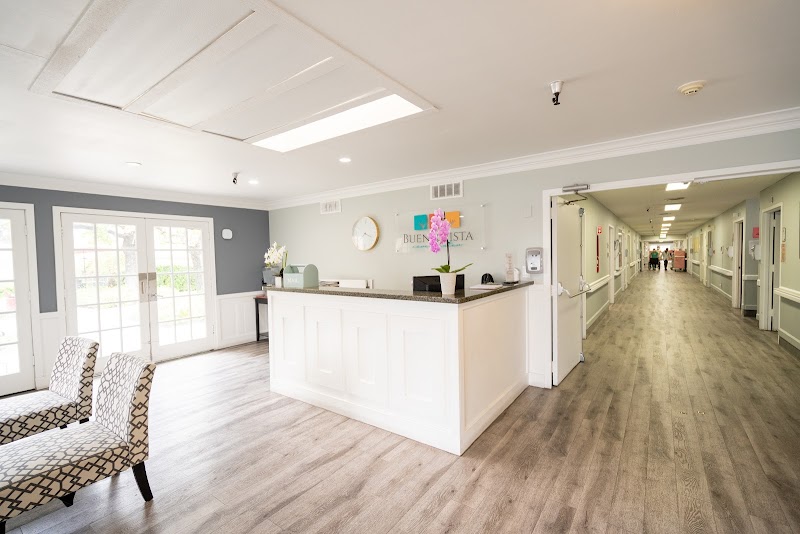
How is Buena Vista Staffed?

CMS rates BUENA VISTA CARE CENTER's staffing level at 3 out of 5 stars, which is average compared to other nursing homes. Staff turnover is 39%, compared to the California average of 46%. This relatively stable workforce can support continuity of care.

What Have Inspectors Found at Buena Vista?

State health inspectors documented 61 deficiencies at BUENA VISTA CARE CENTER during 2019 to 2025. These included: 48 with potential for harm and 13 minor or isolated issues. While no single deficiency reached the most serious levels, the total volume warrants attention from prospective families.
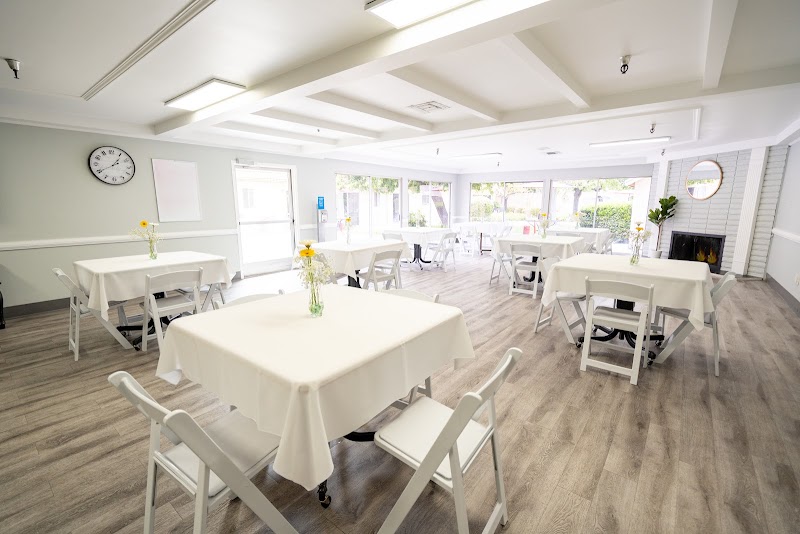
Who Owns and Operates Buena Vista?

BUENA VISTA CARE CENTER is owned by a for-profit company. For-profit facilities operate as businesses with obligations to shareholders or private owners. The facility is operated by CAMBRIDGE HEALTHCARE SERVICES, a chain that manages multiple nursing homes. With 99 certified beds and approximately 89 residents (about 90% occupancy), it is a smaller facility located in ANAHEIM, California.
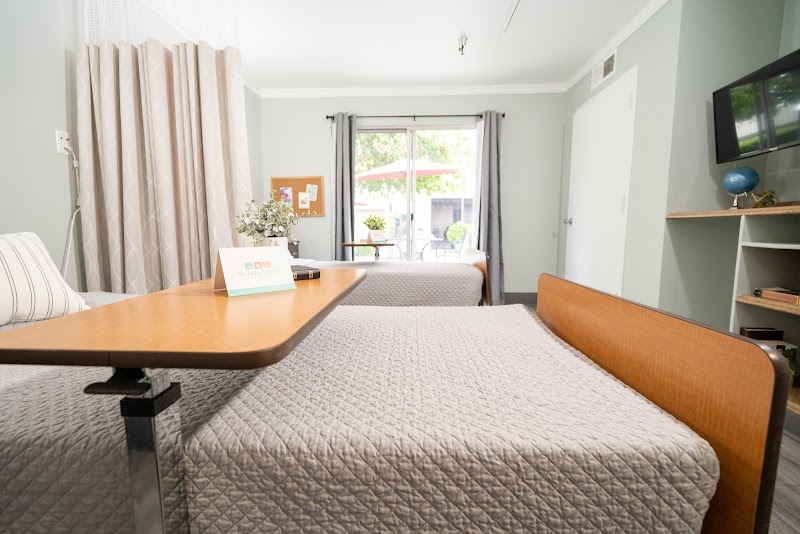
How Does Buena Vista Compare to Other California Nursing Homes?

Compared to the 100 nursing homes in California, BUENA VISTA CARE CENTER's overall rating (2 stars) is below the state average of 3.1, staff turnover (39%) is near the state average of 46%, and health inspection rating (2 stars) is below the national benchmark.

What Should Families Ask When Visiting Buena Vista?

Based on this facility's data, families visiting should ask: "Can I visit during a mealtime to observe dining assistance and food quality?" "How do you handle medical emergencies, and what is your hospital transfer rate?" "Can I speak with family members of current residents about their experience?"

Is Buena Vista Safe?

Based on CMS inspection data, BUENA VISTA CARE CENTER has a clean safety record: no substantiated abuse findings (meaning no confirmed cases of resident harm), no Immediate Jeopardy citations (the most serious violation level indicating risk of serious injury or death), and is not on the Special Focus Facility watch list (a federal program monitoring the lowest-performing 1% of nursing homes). The facility has a 2-star overall rating and ranks #100 of 100 nursing homes in California. While no facility is perfect, families should still ask about staff-to-resident ratios and recent inspection results during their visit.

Do Nurses at Buena Vista Stick Around?

BUENA VISTA CARE CENTER has a staff turnover rate of 39%, which is about average for California nursing homes (state average: 46%). Moderate turnover is common in nursing homes, but families should still ask about staff tenure and how the facility maintains care continuity when employees leave.

Was Buena Vista Ever Fined?

BUENA VISTA CARE CENTER has no federal fines on record. CMS issues fines when nursing homes fail to meet care standards or don't correct problems found during inspections. The absence of fines suggests the facility has either maintained compliance or corrected any issues before penalties were assessed. This is a positive indicator, though families should still review recent inspection reports for the full picture.

Is Buena Vista on Any Federal Watch List?

BUENA VISTA CARE CENTER is not on any federal watch list. The most significant is the Special Focus Facility (SFF) program, which identifies the bottom 1% of nursing homes nationally based on persistent, serious quality problems. Not being on this list means the facility has avoided the pattern of deficiencies that triggers enhanced federal oversight. This is a positive indicator, though families should still review the facility's inspection history directly.