HARBOR VILLA CARE CENTER
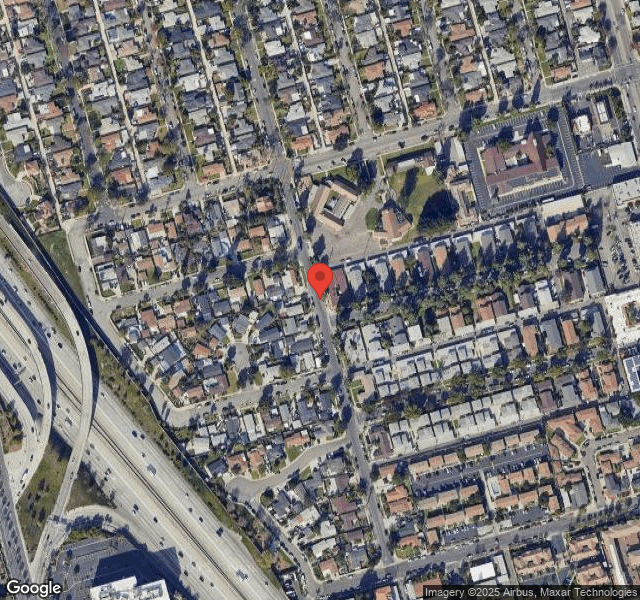
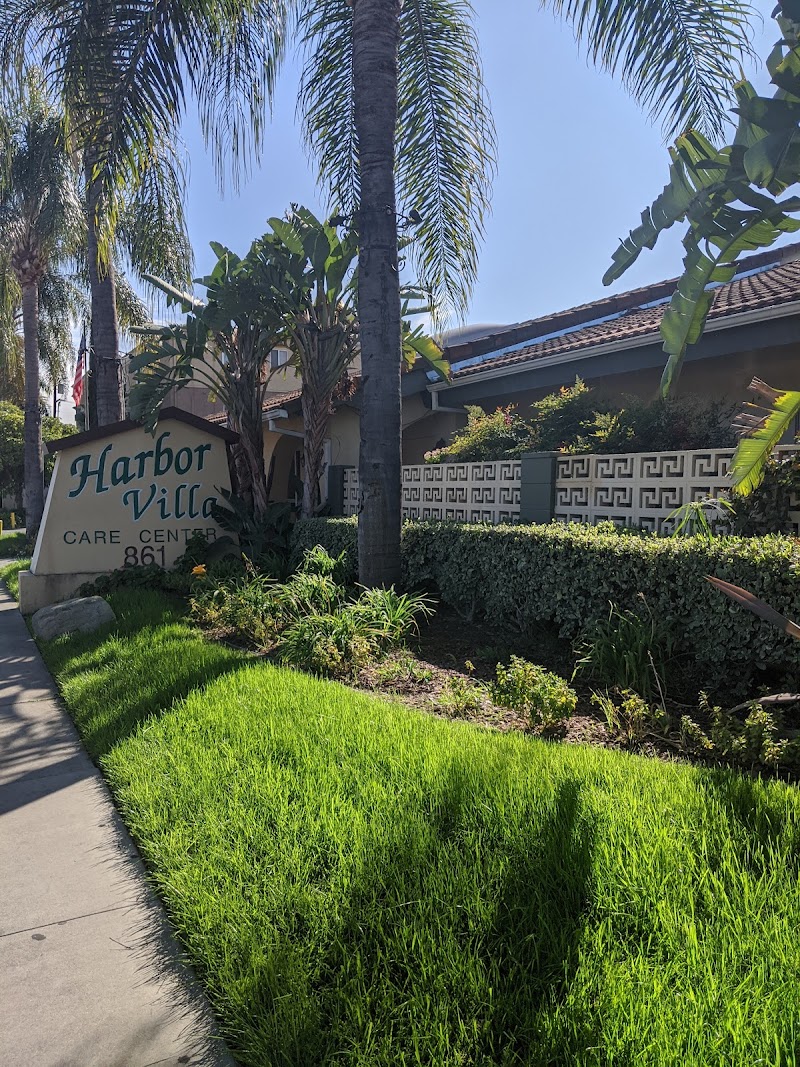
861 S. HARBOR BLVD, ANAHEIM, CA 92805 (714) 635-8131
For profit - Limited Liability company 99 Beds CAMBRIDGE HEALTHCARE SERVICES Data: November 2025 1 Immediate Jeopardy citation
Trust Grade
44/100
#592 of 1155 in CA
Last Inspection: January 2025

Within standard 12-15 month inspection cycle. Federal law requires annual inspections.

Overview

Harbor Villa Care Center has a Trust Grade of D, indicating below-average quality and some serious concerns that families should consider. It ranks #592 out of 1155 facilities in California, placing it in the bottom half, and #43 out of 72 in Orange County, meaning there are more favorable options nearby. Unfortunately, the facility is worsening, with issues jumping from 4 in 2024 to 35 in 2025. Staffing is somewhat stable, with a 3 out of 5-star rating and a turnover rate of 28%, which is better than the state average. However, the RN coverage is below average, as they have less RN staffing than 76% of facilities in California, which raises concerns about the level of care. There are serious weaknesses to note, including a critical incident where a resident was found smoking unsupervised despite needing supervision due to cognitive impairments. In another serious finding, the facility failed to follow physician orders for timely dermatological assessments of a resident's worsening skin lesion, allowing it to grow significantly before proper treatment was sought. Overall, while there are some strengths, such as decent staffing levels, the alarming number of issues and specific incidents of neglect should give families pause when considering this facility for their loved ones.

Trust Score
D
44/100
In California
#592/1155
Bottom 49%
Safety Record
High Risk
Review needed
Inspections
Getting Worse
4 → 35 violations
Staff Stability
✓ Good
28% annual turnover. Excellent stability, 20 points below California's 48% average. Staff who stay learn residents' needs.
Penalties
✓ Good
$8,824 in fines. Lower than most California facilities. Relatively clean record.
Skilled Nurses
⚠ Watch
Each resident gets only 19 minutes of Registered Nurse (RN) attention daily — below average for California. Fewer RN minutes means fewer trained eyes watching for problems.
Violations
⚠ Watch
77 deficiencies on record. Higher than average. Multiple issues found across inspections.
★★★☆☆
3.0
Overall Rating
★★★☆☆
3.0
Staff Levels
★★★★★
5.0
Care Quality
★★☆☆☆
2.0
Inspection Score
Stable
2024: 4 issues
2025: 35 issues

The Good

  • 5-Star Quality Measures · Strong clinical quality outcomes
  • Low Staff Turnover (28%) · Staff stability means consistent care
  • Full Sprinkler Coverage · Fire safety systems throughout facility
  • No fines on record
  • Staff turnover is low (28%)

    20 points below California average of 48%

Facility shows strength in quality measures, staff retention, fire safety.

The Bad

3-Star Overall Rating

Near California average (3.1)

Meets federal standards, typical of most facilities

Federal Fines: $8,824

Below median ($33,413)

Minor penalties assessed

Chain: CAMBRIDGE HEALTHCARE SERVICES

Part of a multi-facility chain

Ask about local staffing decisions and management

The Ugly 77 deficiencies on record

1 life-threatening 1 actual harm
Aug 2025 1 deficiency
CONCERN (D) 📢 Someone Reported This

A family member, employee, or ombudsman was alarmed enough to file a formal complaint

Potential for Harm - no one hurt, but risky conditions existed

Accident Prevention (Tag F0689)

Could have caused harm · This affected 1 resident

**NOTE- TERMS IN BRACKETS HAVE BEEN EDITED TO PROTECT CONFIDENTIALITY** Based on interview, medical record review, and facility P&P review, the facility failed to provide the necessary care and servic...

Read full inspector narrative →
**NOTE- TERMS IN BRACKETS HAVE BEEN EDITED TO PROTECT CONFIDENTIALITY** Based on interview, medical record review, and facility P&P review, the facility failed to provide the necessary care and services to prevent accidents for three of six sampled residents (Residents 1, 2, and 3). * The facility failed to ensure the risks of leaving the facility unsupervised without informing the staff were explained to Resident 1. * The facility failed to ensure Resident 1's smoking assessment was accurate and complete. * Resident 2 and 3's post fall neuro checks were not completed per their care plans. These failures had the potential to negatively affect Resident 1, 2, and 3's health condition and well-being.Findings: 1. a. Review of the facility's P&P titled Care Plans - Comprehensive (undated) showed each resident's care plan is designed to:- incorporate identified problem areas- incorporate risk factors associated with identified problems- build on resident's strengths- reflect the resident's expressed wishes regarding acre and treatment goals- reflect treatment goals, timetables and objectives in measurable outcomes- identify the professional services that are responsible for each element of care- aid in preventing or reducing declines in the resident's functional status and/or functional levels- enhance optimal functioning of the resident by focusing on a rehabilitative program- reflect currently recognized standards of practice for problem areas and conditions. Medical record review for Resident 1 was initiated on 7/30/25. Resident 1 was admitted to the facility on [DATE], and was readmitted on [DATE]. Review of Resident 1's Change in Condition dated 7/10/25, showed the resident headed out of the facility after dinner without informing the staff. Resident 1 was being pulled by another resident on an electric chair. When passing over the gate frame, Resident 1's chair tilted over, and Resident 1 landed on her right shoulder. Resident 1 did not have any head or skin injury. The vitals signs were within normal limits. Resident 1 was transferred out to the acute care hospital. Review of Resident 1's care plan date initiated 7/11/25, showed a care plan problem for the fall incident on 7/10/25. Interventions included educating the resident of the importance of informing the staff every time she was going out of the facility, the resident was to comply with facility house rules and policies, and the risks of not informing the staff when leaving the facility were explained. Review of Resident 1's medical record failed to show documented evidence the facility informed the resident of the risks of leaving the facility without notifying the staff. Review of Resident 1's MDS assessment dated [DATE], showed Resident 1 had a BIMS score of 14, meaning the resident was cognitively intact. On 8/1/25 at 0925 hours, a concurrent interview and medical record review for Resident 1 was conducted with RN 1. RN 1 verified there was no documentation on educating the resident on the risks of leaving the facility without notifying the staff. b. Review of the facility's P&P titled admission Assessment and Follow Up: Role of Nurse revised on 9/2012 showed the following information should be recorded in the resident's medical record: - the date and time the assessment was performed- the name and title of the individual(s) who performed the procedure- all relevant assessment data obtained during the procedure- how the resident tolerated the assessment- orders obtained from the physician- the signature and title of the person recording the data. Review of Resident 1's Admission/ readmission Data dated 7/21/25, showed Resident 1's Smoking Assessment was still in progress or not completed. On 7/31/25 at 1024 hours, a concurrent interview and medical record review for Resident 1 was conducted with LVN 1. LVN 1 verified Resident 1's readmission Smoking Assessment was not completed and should have been. 2. a. Medical record review for Resident 2 was initiated on 7/30/25. Resident 2 was admitted to the facility on [DATE]. Review of Resident's H&P examination dated 5/15/25, showed Resident 2 had capacity to make decisions. The H&P further showed Resident 2 had unsteadiness and was on fall precautions. Review of Resident 2's Change in Condition Evaluation dated 5/19/25, showed Resident 2 was found sitting on the floor at 2110 hours. The resident did not sustain any injuries. The Change in Condition Evaluation further showed to monitor the resident. Review of Resident 2's care plan dated 5/22/25, showed Resident 2 had an actual fall. The interventions included neuro-checks for 72 hours. Review of Resident 2's medical record failed to show documented evidence a post fall neuro check assessment was completed after Resident 2's fall on 5/19/25. 3. Medical record review for Resident 3 was initiated on 7/30/25. Resident 3 was admitted to the facility on [DATE]. Review of Resident 3's Change in Condition Evaluation dated 7/16/25, showed Resident 3 was lying on the floor facing up on left side of the bed. Resident 3 had stated he sat on the edge and was trying to reach for his diaper which was falling off but slid on the floor. Resident 3 denied hitting his head, and there were no injuries Review of Resident 3's care plan dated 7/16/25, showed Resident 3 had an actual fall with no apparent injury. The interventions included neuro checks for 72 hours. Review of Resident 3's medical record failed to show documented evidence a post fall neuro check assessment was completed after Resident 3's fall on 7/16/25. On 7/31/25 at 0822 hours, a concurrent interview and medical record review for Residents 2 and 3 was conducted with LVN 1. LVN 1 stated the residents with fall incidents should have a head-to-toe assessment and neuro- checks to make sure the residents were fine after the fall incidents. LVN 1 was asked to provide any documentation if the neuro checks were performed for Residents 2 and 3 after their fall incidents. LVN 1 further verified she could not find any neuro checks for Residents 2 and 3 and stated they should have been completed post falls. On 8/1/25 at 1406 hours, a concurrent interview and medical record review for Residents 1, 2, and 3 was conducted with the DON. The DON verified the above findings.
Jun 2025 3 deficiencies
CONCERN (D) 📢 Someone Reported This

A family member, employee, or ombudsman was alarmed enough to file a formal complaint

Potential for Harm - no one hurt, but risky conditions existed

Report Alleged Abuse (Tag F0609)

Could have caused harm · This affected 1 resident

**NOTE- TERMS IN BRACKETS HAVE BEEN EDITED TO PROTECT CONFIDENTIALITY** Based on interview, medical record review, and facility P&P review, the facility failed to implement their P&P on Abuse Investig...

Read full inspector narrative →
**NOTE- TERMS IN BRACKETS HAVE BEEN EDITED TO PROTECT CONFIDENTIALITY** Based on interview, medical record review, and facility P&P review, the facility failed to implement their P&P on Abuse Investigation and Reporting by failing to report an allegation involving the resident to resident physical altercation between two sampled residents (Residents 1 and 2) when Resident 1 alleged Resident 2 had hit him on the right cheek and Resident 1 had allegedly hit back Resident 2. This failure had the potential to put Residents 1 and 2 and other residents at risk of not being protected against the alleged abuse. Findings: Review of the facility's P&P titled Abuse Investigation and Reporting (undated) showed all the reports of the resident abuse, neglect, exploitation, misappropriation of resident property, mistreatment and/or injuries of unknown source (abuse ) shall be promptly reported to local, state and federal agencies (as defined by current regulations), and thoroughly investigated by facility management. Findings of abuse investigations will also be reported. 1. Medical record review forResident 1 was initiated on 6/12/25. Resident 1 was admitted to the facility on [DATE], and was readmitted to the facility on [DATE]. Review of Resident 1's H&P examination dated 8/24/24, showed Resident 1 was competent and able to make decisions. Review of Resident 1's MDS assessment dated [DATE], showed a BIMS Summary score of 15, which meant Resident 1 was cognitively intact. Review of Resident 1's Change In Condition notes dated 5/28/25 at 1825 hours,showed the following nursing observations, evaluation, and recommendations: Resident 1 was on his way to the kitchen when the hand of one of the residents that was confused and being moved by the staff accidentally grazed to his right cheek, the charge nurse was notified, the MD was made aware, the responsible party was made aware, no redness or swelling wasnoted on the right cheek, and the ice pack PRN and monitoring were ordered by the MD. 2. Medical record review for Resident 2 was initiated on 6/12/25. Resident 2 was admitted to the facility on [DATE], and readmitted on [DATE]. Review of Resident 2's H&P examination dated 5/17/25, showed Resident 2 was competent and able to make decisions. On 6/12/25 at 0950 hours, a telephone interview was conducted with CNA 1 who was present at the time of the incident on 5/28/25. CNA 1 was asked to share the details of what happened last 5/28/25, between Residents 1 and 2. CNA 1 stated he did not see what happened; however, Resident 1 told him Resident 2 had hit him, and Resident 1 had hit back Resident 2. On 6/12/25 at 1329 hours, an interview was conducted with LVN 1 who was the charge nurse on duty on the morning shift of 5/28/25. LVN 1 was asked if he knew about the incident between Residents 1 and 2. LVN 1 stated he knew a couple of weeks ago, there was an altercation between Residents 1 and 2. LVN 1 further statedthe altercation between Residents 1 and 2 was considered an abuse, it should have been reported, a change of condition should have been done forboth Residents 1and 2, and further monitoring for both residents should have been done. On 6/12/25 at 1509 hours, an interview was conducted with CNA 2 who was assigned to Resident 2 during the alleged incident of physical altercation between Residents 1 and 2 on 5/28/25. CNA 2 was asked to share the details of the allegedincident last 5/28/25, between Residents 1 and 2. CNA 2 stated Resident 1 was on a wheelchair behind Resident 2 who was asking for water. CNA 2 further stated Resident 2 swayed his left arm and touched Resident 1's cheek by accident whichmade Resident 1 to keep saying Resident 2 hit him. CNA 2 stated she reported to LVN 2 who was the charge nurse at the time. On 6/12/25 at 1520 hours, an interview and concurrentmedical record review was conducted with the DON. The DON was asked if the incident between Residents 1 and 2 should have been reported to the CDPH L&C Program and law enforcement entities. The DON verified the allegedincident regarding physical altercation between Residents 1 and 2 should have been reported and thoroughly investigated. The DON acknowledged and verified the findings.
CONCERN (D) 📢 Someone Reported This

A family member, employee, or ombudsman was alarmed enough to file a formal complaint

Potential for Harm - no one hurt, but risky conditions existed

Investigate Abuse (Tag F0610)

Could have caused harm · This affected 1 resident

**NOTE- TERMS IN BRACKETS HAVE BEEN EDITED TO PROTECT CONFIDENTIALITY** Based on interview, medical record review, and facility P&P reviewed, the facility failed to thoroughly investigate an alleged i...

Read full inspector narrative →
**NOTE- TERMS IN BRACKETS HAVE BEEN EDITED TO PROTECT CONFIDENTIALITY** Based on interview, medical record review, and facility P&P reviewed, the facility failed to thoroughly investigate an alleged incident involving the resident to resident physical altercation between two sampled residents (Residents 1 and 2) when Resident 1 alleged Resident 2 had hit him to the right cheek and Resident 1 had allegedly hit back Resident 2. This failure had the potential to put Residents 1 and 2 and other residents at risk of not being protected against the alleged abuse. Findings: Review of the facility's P&P titled Abuse Investigation and Reporting (undated) showed all the reports of the resident abuse, neglect, exploitation, misappropriation of resident property, mistreatment and/or injuries of unknown source (abuse ) shall be thoroughly investigated by facility management. Findings of abuse investigations will also be reported. 1. Medical record review forResident 1 was initiated on 6/12/25. Resident 1 was admitted to the facility on [DATE], and readmitted on [DATE]. Review of Resident 1's H&P examination dated 8/24/24, showed Resident 1 was competent and able to make decisions. Review of Resident 1's MDS assessment dated [DATE], showed a BIMS Summary score of 15 which meant Resident 1 was cognitively intact. Review of Resident 1's Change In Condition notes dated 5/28/25 at 1825 hours, showed Resident 1 was on his way to the kitchen when the hand of one of the residents that was confused and being moved by the staff accidentally grazed to his right cheek. 2. Medical record review forResident 2 was initiated on 6/12/25. Resident 2 was admitted to the facility on [DATE], and readmitted on [DATE]. Review of Resident 2's H&P examination dated 5/17/25, showed Resident 2 wascompetent and able to make decisions. On 6/12/25 at 0950 hours, a telephone interview was conducted with CNA 1 who was present at the time of the incident on 5/28/25. CNA 1 was asked to share the details of what happened last 5/28/25, between Residents 1 and 2. CNA 1 stated he did not see what happened however, Resident 1 told him Resident 2 hit him, and Resident 1 hit back Resident 2. On 6/12/25 at 1329 hours, an interview was conducted with LVN 1 who was the charge nurse on duty on the morning shift of 5/28/25. LVN 1 was asked if he knew about the incident between Residents 1 and 2. LVN 1 stated he knew a couple of weeks ago there was an altercation between Residents 1 and 2. On 6/12/25 at 1509 hours, an interview was conducted with CNA 2 who was assigned to Resident 2 during the alleged incident of physical altercation between Residents 1 and 2 on 5/28/25. CNA 2 was asked to share details of the allegedincident last 5/28/25, between Residents 1 and 2. CNA 2 stated Resident 1 was on a wheelchair behind Resident 2 who was asking for water. CNA 2 stated Resident 2 swayed his left arm and touched Resident 1's cheek by accident whichmade Resident 1 to keep saying Resident 2 hit him. CNA 2 stated she reported to LVN 2 who was the charge nurse at the time. On 6/12/25 at 1520 hours, an interview and concurrent medical record review was conducted with the DON. The DON was asked for the investigation conducted for the incident on 5/28/25, for Residents 1 and 2. The DON was unable to provide evidence the incident on 5/28/25, between Residents 1 and 2 was investigated. There were no interviews conducted with the staff that were present or witnessing the incident such as the CNAs, LVNs, and RNs. The DON verified the allegedincident between Residents 1 and 2 on 5/28/25, should have been thoroughlyinvestigated. The DON acknowledged and verified the findings.
MINOR (B) 📢 Someone Reported This

A family member, employee, or ombudsman was alarmed enough to file a formal complaint

Minor Issue - procedural, no safety impact

Comprehensive Care Plan (Tag F0656)

Minor procedural issue · This affected multiple residents

**NOTE- TERMS IN BRACKETS HAVE BEEN EDITED TO PROTECT CONFIDENTIALITY** Based on interview, medical record review, and facility P&P review, the facility failed to develop the comprehensive plans of ca...

Read full inspector narrative →
**NOTE- TERMS IN BRACKETS HAVE BEEN EDITED TO PROTECT CONFIDENTIALITY** Based on interview, medical record review, and facility P&P review, the facility failed to develop the comprehensive plans of care to reflect the individual care needs for residents (Residents 1 and 2). * The facility failed to develop a comprehensive person-centered care plan for Residents 1and 2 addressing the incident when Resident 1was grazed to his right cheek by Resident 2who was confused. This failure had the potential risk of not providing the appropriate, consistent, and individualized care to the residents. Findings: Review of facility's P&P titled Care Planning – Interdisciplinary Team (undated), showed the facility's Care Planning/ Interdisciplinary Team is responsible for the development of an individualized comprehensive care plan for each resident. Review of the facility's P&P titled Care Plans- Comprehensive (undated) showed an individualized comprehensive care plan that includes measurable objectives and timetables to meet the resident's medical, nursing, mental and psychological needs is developed for each resident. Policy Interpretation and Implementation. 1. Our facilities Care Planning Interdisciplinary team in coordination with the resident, his/her family or representative (sponsor), develops and maintains a comprehensive care plan for each resident that identifies the highest level of functioning the resident may be expected to attain. 1. Medical record review for Resident 1 was initiated on 6/12/25. Resident 1 was admitted to the facility on [DATE], and was readmitted to the facility on [DATE]. Review of Resident 1's H&P examination dated 8/24/24, showed Resident 1 was competent and able to make decisions. Review of Resident 1's MDS assessment dated [DATE], showed a BIMS Summary score of 15, which meant Resident 1 was cognitively intact. Review of Resident 1's Change In Condition notes dated 5/28/25 at 1825 hours, Resident 1 was on his way to the kitchen when the hand of one of the residents that was confused and being moved by the staff accidentally grazed on his right cheek. Review of Resident 1's care plan problem failed to show a care plan was initiated on the day of the alleged incident to address the incident when Resident 1's cheek was allegedlygrazed by the hand of Resident 2 who was confused. 2. Medical record review for Resident 2 was initiated on 6/12/25. Resident 2 was admitted to the facility on [DATE], and wasreadmitted on [DATE]. Review of Resident 2's H&P examination dated 5/17/25, showed Resident 2 was competent and able to make decisions. Review of Resident 2's Care plan problem failed to show a care plan was initiated on the day of the alleged incident to address the incident when Resident 2's hand allegedly grazed the right cheek of Resident 1. On 6/12/25 at 1520 hours, an interview and concurrent medical record review for Residents 1 and 2 was conducted with the DON. The DON was asked to show if there was a care plan problem initiated for Residents 1 and 2 to address the alleged physical altercation between both residents when Resident 1's cheek was grazed by Resident 2. The DON verified the care plan problems related to the incident were both missed for Residents 1 and 2. The DON also acknowledged Resident 1's care plan problem related to the incident was just done on6/12/25, which was past due date from the alleged incident on 5/28/25.
Apr 2025 1 deficiency
CONCERN (D) 📢 Someone Reported This

A family member, employee, or ombudsman was alarmed enough to file a formal complaint

Potential for Harm - no one hurt, but risky conditions existed

Transfer Requirements (Tag F0622)

Could have caused harm · This affected 1 resident

**NOTE- TERMS IN BRACKETS HAVE BEEN EDITED TO PROTECT CONFIDENTIALITY** Based on interview, medical record review, and the facility P&P review, the facility failed to ensure the discharge process was ...

Read full inspector narrative →
**NOTE- TERMS IN BRACKETS HAVE BEEN EDITED TO PROTECT CONFIDENTIALITY** Based on interview, medical record review, and the facility P&P review, the facility failed to ensure the discharge process was properly followed for Resident 1. * Resident 1's closed medical record failed to show the physician's documentation to show Resident 1 was ready for discharge. This failure had the potential for Resident 1 to unsafely discharge from the facility. Findings: Review of the facility's P&P titled Transfer or Discharge, Facility Initiated dated 10/22 showed should the resident be transferred or discharge for any of the following reasons, the basis for the transfer or discharge is documented in the resident's clinical record by the resident's attending physician: 1. The transfer or discharge is necessary for the resident's welfare, and the resident's needs cannot be met in the facility; or 2. The transfer or discharge is appropriate because the resident's health has improved sufficiently so the resident no longer needs the services provided by the facility. Closed medical record review for Resident 1 was initiated on 4/10/25. Resident 1 was admitted to the facility on [DATE], and transferred to the acute care hospital on 3/23/25. Review of Resident 1's Order Summary Report showed a physician's order dated 2/21/25, for the resident's LCD of 2/23/25, and to discharge from the facility to the community on 2/24/25. Review of Resident 1's H&P examination dated 3/2/25, showed the following: - for the section if the resident required in-patient therapy five times a week to make reasonable progress, Yes was circled. - for the section if in-patient therapy was not indicated and to refer the resident to Home Health Out-Patient, No was circled. Further review of Resident 1's medical record failed to show Resident 1's physician documented the basis for the resident's discharge prior to providing the resident with the LCD. On 4/10/25 at 1306 hours, an interview and concurrent closed medical record review was conducted with the SSD. The SSD verified there was no physician's documentation to show Resident 1's basis for the discharge. On 4/15/25 at 1314 hours, an interview was conducted with the Administrator. The Administrator was informed and acknowledged the discharge planning did not correlate with the physician's progress notes on 3/2/25.
Mar 2025 2 deficiencies
CONCERN (D) 📢 Someone Reported This

A family member, employee, or ombudsman was alarmed enough to file a formal complaint

Potential for Harm - no one hurt, but risky conditions existed

Deficiency F0604 (Tag F0604)

Could have caused harm · This affected 1 resident

**NOTE- TERMS IN BRACKETS HAVE BEEN EDITED TO PROTECT CONFIDENTIALITY** Based on observation, interview, medial record review, and facility P&P review, the facility failed to provide an environment fr...

Read full inspector narrative →
**NOTE- TERMS IN BRACKETS HAVE BEEN EDITED TO PROTECT CONFIDENTIALITY** Based on observation, interview, medial record review, and facility P&P review, the facility failed to provide an environment free from the physical restraint (physical or mechanical device, material, or equipment attached or adjacent to the resident's body that the individual cannot remove easily, which restricts freedom of movement or normal access to one's body) for one of three sampled residents (Resident 2). * The facility failed to obtain the orders to place a soft mitten on Resident 2's left hand. * The facility failed to ensure the appropriate assessment was completed prior to placing a soft mitten restraint on Resident 2. * The facility failed obtain the consent for the application of the soft mitten restraint for Resident 2. * The facility failed to monitor Resident 2 for the use of restraints. * The facility failed to ensure the comprehensive plan of care for Resident 2 was revised to reflect the current resident assessment for restraints. These failures had the potential to negatively affect Resident 2's physical mobility and psychosocial well-being. Findings: Review of the facility's P&P titled Physical Restraint Application revised 10/2010 showed the following: 1. Verify physicians' order for the use of restraints. 2. Review the resident's care plan to assess for any special needs of the resident. 4. Check on the resident every 30 min 5. Remove the restraint every two hours for at least 10 minutes and change the resident's position. Exercise the resident. 6. The following information should be recorded in the resident's medical records: a. The date and time the restraint was applied b. The name and title of the individual(s) who applied the restraint. c. The type of physical restraint applied. d. The specific reason the restraint was applied e. The length of time the restraint will be used. f. Each time the device is released for resident exercise, toileting, and position change. g. Each time the resident is monitored, per facility policy. h. All assessment data (e.g., bruises, rashes, sores, etc.) observed during the procedure. i. If and how the resident participated in the procedure or any changes in the resident's ability to participate in the procedure. j. Any problems or complaints made by the resident related to the restraint application k. If the resident refused the treatment and the reason(s) why. l. The signature and title of the person recording the data. Review of the facility's P&P titled Use of Restraints revised 4/2017 showed the following: 1. Restraints shall only be used upon the written order of a physician and after obtaining consent from the resident and/ or representative (sponsor). The order shall include the following: a. The specific reason for the restraint (as it relates to the resident's medical symptoms); b. How the restraint will be used to benefit the resident's medical symptom; and c. The type of restraint, and period of time for the use of the restraint. Should a resident not be capable of making a decision, the surrogate or sponsor may exercise the right of the use or non-use of a restraint. (Note: The surrogate/ sponsor may not give permission to use restraints for the sake of discipline or staff convenience or when the restraint is not necessary to treat the resident's medical symptoms). 2. Care plans for residents in restraints will reflect interventions that address not only the immediate medical underlying problems that may be causing the symptom(s). 3. Care plans shall also include the measures take to systematically reduce or eliminate the need for restraint use. Medical record review for Resident 2 was initiated on 3/20/25. Resident 2 was admitted to the facility on [DATE], and readmitted on [DATE]. Resident 2 had diagnoses including hemiplegia (paralysis on one side of the body) and hemiparesis (weakness on one side of the body) following cerebral infarction (condition where blood flow to the brain is interrupted, causing brain tissue damage) affecting right dominant side, and aphasia (language disorder that affects a person's ability to understand, produce, or use language). Review of Resident 2's MDS assessment dated [DATE], showed under Section C, Resident 2's cognitive skills for daily decision making were severely impaired and the resident did not use physical restraints in bed, chair and/or out of bed. Section GG showed Resident 2's functional abilities for the upper and lower extremities were impaired on both sides. Review of Resident 2's H&P examination dated 3/13/25, showed the resident was not competent and not able to enter a contract, including admission agreement. On 3/19/25 at 1346 hours, during an observation, Resident 2 was lying in his bed with a soft mitten on his left hand with the ties wrapped around his left wrist. On 3/20/25 at 1040 hours, during an observation, Resident 2 was lying in bed wearing a soft mitten restraint on his left hand with the ties wrapped around his left wrist. Review of Resident 2's medical record failed to show the following: - There was no physician's order for the use of restraint. - There were no physical assessments conducted for the resident's restraint. - There was no informed consent for the restraint. - There was no monitoring of the resident for the use of the restraint. - There was no care plan to address and implement restraints. On 3/20/25 at 1705 hours, an interview was conducted with the DSD. When asked what was considered a restraint, the DSD stated any device used when the residents were unable to move by themselves such as side rails and mittens. On 3/20/25 at 1707 hours, a concurrent observation, interview, and medical record review was conducted with the DSD. The DSD verified Resident 2 was wearing a soft mitten restraint on his left hand. Review of Resident 2's medical record was conducted with the DSD. The DSD verified there was no physician's order, no assessments, no informed consent, no monitoring, and no care plan for the use of the restraint. The DSD stated the care plan should reflect mittens to make sure it was not too tight and check for the skin integrity by removing the restraints. When asked if the mitten was considered a restraint, the DSD stated yes, if not, there should be an order for that. On 3/27/25 at 1710 hours, the Administrator and RN 3 acknowledged the above findings.
CONCERN (D) 📢 Someone Reported This

A family member, employee, or ombudsman was alarmed enough to file a formal complaint

Potential for Harm - no one hurt, but risky conditions existed

Quality of Care (Tag F0684)

Could have caused harm · This affected 1 resident

**NOTE- TERMS IN BRACKETS HAVE BEEN EDITED TO PROTECT CONFIDENTIALITY** Based on interview, medical record review, and facility P&P review, the facility failed to provide the necessary care and servic...

Read full inspector narrative →
**NOTE- TERMS IN BRACKETS HAVE BEEN EDITED TO PROTECT CONFIDENTIALITY** Based on interview, medical record review, and facility P&P review, the facility failed to provide the necessary care and services to maintain the highest practicable well-being for two of three sampled residents (Residents 1 and 2). * The facility failed to assess the resident for the use of supplemental oxygen and failed to obtain a physician's order for Resident 1's use of the oxygen as per the facility's P&P. * The facility failed to follow up with the pharmacy services for Resident 1's delivery of the breathing treatment medications. * The facility failed to ensure Resident 2's humidifier was labeled, dated, and changed when it was empty. These failures had the potential to negatively affect the resident's well-being as the necessary care and services were not provided. Findings: 1. Review of the facility's P&P titled Oxygen Administration revised 10/2010 showed the following: 1. Verify that there is a physician's order for this procedure. 2. Before administering oxygen, and while the resident is receiving oxygen therapy, assess for the following: signs of symptoms of cyanosis (blue tone to the skin and mucous membranes), hypoxia (rapid breathing, rapid pulse rate, restlessness, confusion), oxygen toxicity (tracheal irritation, difficulty breathing, or slow, shallow rate of breathing), and vital signs. 3. After completing the oxygen set up or adjustment, the following information should be recorded in the resident's medical record: a. the date and time procedure was performed; b. name and title of the individual who performed the procedure; c. the rate of oxygen flow, route, and rationale; d. the frequency and duration of the treatment; e. the reason for the PRN administration; Review of the facility's P&P titled Changes in a Resident's Condition or Status revised 2/2021 showed the nurse will record in the resident's medical record information relative to the changes in the resident's medical/mental condition or status. Closed medical record review for Resident 1 was initiated on 3/19/25. Resident 1 was admitted to the facility on [DATE], and transferred to the acute care facility on 12/4/24. Resident 1's diagnoses including acute and chronic respiratory failure with hypoxia (condition where the lungs are failing to provide enough oxygen to the blood), COPD with acute exacerbation and pneumonia (infection of the lungs caused by bacteria, viruses or fungi). Review of Resident 1's Order Summary Report showed a physician's order dated 12/4/24, for oxygen at 3 liters per min via nasal cannula continuously for COPD every shift. Review of Resident 1's eINTERACT Change in Condition V5 Form dated 12/4/25, showed Resident 1 had a change in condition starting on 12/4/24, in the afternoon. The form showed the following vital signs: - On 12/3/24 at 2351 hours, the respiration rate was 19 respirations per minute. - On 12/3/24 at 2351 hours, the temperature was 97.8 Fahrenheit degrees. - On 12/3/24 at 2351 hours, the oxygen saturation level was 96%. - On 12/4/24 at 1023 hours, the blood pressure was 138/68 mmHg. Further review of Resident 1's eINTERACT Change of Condition V5 Form dated 12/4/24, showed the resident had abnormal lung sounds with shortness of breath and dropped in the oxygen saturation when the oxygen was lowered to below 15 liters per minute via non re-breather mask. The form further showed the resident with cracklesin bilateral lung fields. Further Review of Resident 1's Order Summary Report did not show a physician's order to administer the 10-15 liters per minute of oxygen via non re-breather mask prior to the change of condition. Review of Resident 1's closed medical record failed to show the resident was monitored for the use of receiving supplemental oxygen per the facility's P&P prior to the resident's change in condition. On 3/21/25 at 1230 hours, an interview and concurrent closed medical record review was conducted with LVN 1. LVN 1 stated Resident 1 began to have breathing issues after breakfast on 12/4/24. When asked if a physician's order was needed when administering the oxygen at 10-15 liters per minute, LVN 1 stated normally yes, along with a change of condition. LVN 1 stated the physician was notified of the resident's change in condition on 12/4/24 at 1400 hours, and not prior. LVN 1 stated when Resident 1's oxygen saturation levels fell below 88%, LVN 1 was not sure why Resident 1 needed 10-15 liters per minute of oxygen. LVN 1 verified Resident 1 did not have the physician's orders for the oxygen to be administered at 10-15 liters per minute. LVN 1 verified there was no documented evidence the resident's oxygen saturation levels were monitored before the change in condition. 2. Review of the facility's P&P titled Pharmacy Services Overview revised 4/2019 showed the nursing staff communicate prescriber orders to the pharmacy and are responsible for contacting the pharmacy if a resident's medication is not available for administration. Closed medical record review for Resident 1 was initiated on 3/19/25. Resident 1 was admitted to the facility on [DATE], and transferred to the acute care facility on 12/4/24. Review of Resident 1's Order Summary Report showed a physician's order dated 12/3/24, for acetylcysteine inhalation solution 20% 4 ml (breathing treatment) orally via nebulizer every four hours for pneumonia. Review of Resident 1's MAR for December 2024 dated 12/3/24 at 2000 hours, showed a documentation of 10 (Other, specify) for the acetylcysteine inhalation solution. Further review of Resident 1's MAR for December 2024 dated 12/4/24 at 0000 hours, and 12/4/24 at 0400 hours, showed a documentation of 4 (hold med, see progress notes) for acetylcysteine inhalation solution. Review of Resident 1's eMAR Medication Administration Note for December 2024 showed the following documentation for the acetylcysteine inhalation solution: - On 12/3/24 at 2145 hours, new admission, waiting for delivery from the pharmacy. - On 12/4/24 at 2351 hours, acetylcysteine inhalation solution, pending from the pharmacy delivery. - On 12/4/24 at 0320 hours, acetylcysteine inhalation solution, pending from the pharmacy delivery. On 3/20/25 at 1140 hours, an interview was conducted with RN 2. When asked what the process was if a medication was due and not delivered, RN 2 stated to call the pharmacy to deliver as soon as possible. On 3/20/25 at 1422 hours, an interview was conducted with LVN 1. LVN 1 stated for new admissions, the medication orders that were critical, then, the process would be to call the pharmacy right away. If the medication did not arrive, call the physician for a possible alternative, and depending on the medication, it might be a medication that is in the Cubex (automized medication dispensing system). On 3/21/25 at 1638 hours, an interview and concurrent closed medical record review was conducted with the DON. When asked if the physician was notified the acetylcysteine medication was not administered, the DON stated there was nothing indicating the physician was notified, or a pharmacy follow up. The DON stated medical records only showed the medication was on hold, and pending for delivery. When asked if RN 2 should have followed up, the DON stated yes. When asked if RN 2 should have notified the physician, the DON stated yes. 3. Review of the facility's P&P titled Departmental Respiratory Therapy Prevention of Infection revised 11/2011 showed to check the water levels of refillable humidified units daily. If the water level falls below the fill line: refill with distilled water to fill line. Medical record review for Resident 2 was initiated on 3/20/25. Resident 2 was admitted to the facility on [DATE], and readmitted on [DATE]. On 3/20/25 at 1040 hours, during the observation, Resident 2's humidified water on the oxygen concentrator was not labeled, undated, and empty. On 3/20/25 at 1204 hours, a concurrent observation and interview was conducted with LVN 3. When asked if there was a date labeled on Resident 2's humidifier, LVN 3 stated no. When asked if there was any water in the bottle, the LVN stated no, there was not. On 3/27/25 at 1624 hours, an interview was conducted with RN 3. RN 3 stated the humidifiers were changed every Wednesday night but if low, then it should be replaced. When asked what happens when the oxygen concentrator is running without a humidifier, RN 3 stated oxygen was dry air so it could dry out the nostrils. On 3/27/25 at 1710 hours, during an interview, the Administrator and RN 3 acknowledged the above findings.
Mar 2025 2 deficiencies
CONCERN (D) 📢 Someone Reported This

A family member, employee, or ombudsman was alarmed enough to file a formal complaint

Potential for Harm - no one hurt, but risky conditions existed

Quality of Care (Tag F0684)

Could have caused harm · This affected 1 resident

**NOTE- TERMS IN BRACKETS HAVE BEEN EDITED TO PROTECT CONFIDENTIALITY** Based on interview, medical record review, and facility P&P review, the facility failed to provide the necessary care and servic...

Read full inspector narrative →
**NOTE- TERMS IN BRACKETS HAVE BEEN EDITED TO PROTECT CONFIDENTIALITY** Based on interview, medical record review, and facility P&P review, the facility failed to provide the necessary care and services to ensure one of three sampled residents (Resident 1) attained and maintained the highest practicable physical well-being. * The facility failed to ensure the physician was timely notified when Resident 1 had a change in condition to theright leg. This failure posed the risk for Resident 1 to not receive the necessary care and services timely to maintain the resident's highest physical well-being. Findings: Review of the facility's P&P titled Change in Resident's Condition or Status revised February 2021 showed the facility promptly notifies the resident, his or her attending physician, and the resident representative of changes in the resident's medical/ mental condition and/ or status. Prior to notifying the physician or healthcare provider, the nurse will make detailed observations and gather relevant and pertinent information for the provider, including (for example) information prompted by the eINTERACT SBAR Communication Form. The nurse will record in the resident's medical record information relative to changes in the resident's medical/mental condition or status. Closed medical record review for Resident 1 was initiated on 2/27/25. Resident 1 was admitted to the facility on [DATE], readmitted on [DATE], and discharged on 2/9/25. Review of Resident 1's H&P examination dated 12/28/24, showed the resident was competent and able make decision. Review of Resident 1's MDS Significant Change in Status assessment dated [DATE], showed the BIMS score of 14 which indicated intact cognitive function. Review of Resident 1's Plan of Care showed a care plan focus problem dated 1/17/25, addressing Resident 1's nonhealing bilateral lower extremity cellulitis. Theinterventions included to monitor for pain, increase in size, and skin integrity. Further review of resident's plan of care showed a care plan focus problem revised on 12/30/24, addressing Resident 1'srisk for the development of skin breakdown and pressure ulcers. The intervention included to do the skin checks daily and as needed. Review of Resident 1's Order Summary Report showed a physician's order dated 1/20/25, to provide the following treatment to the lower extremities: apply mupirocin ointment (used to treat secondarily infected traumatic skin lesions due to specific bacteria) topically daily. On 2/26/25 at 1604 hours, a telephone interview was conducted with Family Member 1. Family Member 1 stated when she visited Resident 1 on 2/8/25, she noticed Resident 1's right leg looked purple. Family Member 1 stated she informed the nurse, and the nurse replied she would change the dressing soon. On 2/27/25 at 1557 hours, an interview and concurrent closed medical record review was conducted with LVN 4. LVN 4 stated on 2/8/25, Resident 1's bilateral leg dressings were soiled and wet from the exudate. LVN 4 statedshe cleansed the resident's bilateral lower extremities with normal saline, applied mupirocin ointment, covered with the ABD pads and wrapped with the Kerlix (roll of gauze) dressing. LVN 4 stated Resident 1's right leg was observed purplish in color and cold to touch, with blisters and serous exudate. LVN 4 further stated she informed RN 2; however, she was not able to follow up if the physician was notified of the changes in Resident 1's right leg because she had been busy with the other residents' wound care. LVN 4 stated she only worked part time and did not know how to do a change of condition documentation. LVN 4 stated on 2/9/25, Resident 1's right leg was observed to remain cold and purplish in color. LVN 4 stated Resident 1's right leg being cold and purplish in color were signs of no circulation and acknowledged the physician and family should have been notified. Review of Resident 1's closed medical record failed to show documentation of the health condition change and physician notification when Resident 1's right leg was observed purplish in color and cold to touch as identified by LVN 4 on 2/8/25. On 2/28/25 at 0948 hours, an interview and concurrent closed medical record review was conducted with RN 2. RN 2 verified there was no documentation to show the physician and Resident 1's family member were notified of the change of condition on Resident 1's right leg as identified by LVN 4 on 2/85/25. RN 2 stated she did not remember being notified by LVN 4 of Resident 1's change in condition of the right leg on 2/8/25. RN 2 stated she observed Resident 1's right leg was swollen, inflamed, reddish purple in color surrounding the slough area, and blisters on 2/9/25 at approximately 1400 hours after Family Member 1 had informed LVN 1 of the concern regarding Resident 1's right leg wound was not getting better. On 3/4/25 at 1045 hours, an interview and concurrent closed medical record review was conducted with the interim DON. The interim DON stated he expected the nurses to call the physician and resident's family member for any changes in condition and document in the narrative nursing progress notes when the nurse did not know how to do an eINTERACT Change in Condition Form. The DON verified there was no documentation to show the physician and Resident 1's family member were notified of resident's change in condition as identified on 2/8/25. On 3/4/25 at 1245 hours, an interview was conductedwith the Administrator. The Administrator was informed and acknowledged the findings as above.
CONCERN (D) 📢 Someone Reported This

A family member, employee, or ombudsman was alarmed enough to file a formal complaint

Potential for Harm - no one hurt, but risky conditions existed

Pressure Ulcer Prevention (Tag F0686)

Could have caused harm · This affected 1 resident

**NOTE- TERMS IN BRACKETS HAVE BEEN EDITED TO PROTECT CONFIDENTIALITY** Based on observation, interview, medical record review, and facility P&P review, the facility failed to ensure the necessary car...

Read full inspector narrative →
**NOTE- TERMS IN BRACKETS HAVE BEEN EDITED TO PROTECT CONFIDENTIALITY** Based on observation, interview, medical record review, and facility P&P review, the facility failed to ensure the necessary care and services were provided to treat and prevent the development of pressure injuries for one of three sampled residents (Resident 2). * The facility failed to provide the skin treatment to Resident 2 as ordered by the physician and developed a care plan to address Resident 2's Stage 3 pressure injury to the lumbosacral spine. These failures had the potential for Resident 2 to not receive the appropriate care and services to promote healing of the pressure ulcer. Findings: Review of facility's P&P titled Pressure Ulcers/ Skin Breakdown – Clinical Protocol revised February 2024 showed the nursing staff and practitioner will assess and document an individual's significant risk factors for developing pressure ulcers; for example, immobility, recent weight loss, and a history of pressure ulcer(s). The physician will assist the staff to identify the type (for example, arterial or stasis ulcer) and characteristics (presence of necrotic tissue, status of wound bed, etc.) of an ulcer. The physician will help identify and define any complications related to pressure ulcers. The physician will order pertinent wound treatments. As needed, the physician will help identify medical and ethical issues influencing wound healing. The facility will implement interventions to address identified risk factors. The physician will guide the care plan as appropriate, especially when wounds are not healing as anticipated or new wounds develop despite existing interventions. Review of facility's P&P titled Wound Care revised February 2024 showed to verify that there is a physician's order for the wound care. Review the resident's care plan to assess for any special needs of the resident. Medical record review for Resident 2 was initiated on 2/28/25. Resident 2 was admitted to the facility on [DATE]. Review of Resident 2's H&P examination dated 1/26/25, showed the resident was not competent and not able to enter into a contract. Review of Resident 2's MDS admission assessment dated [DATE], showed the resident had impairment to both sides of the upper extremity and both sides of the lower extremities. The MDS assessment further showed Resident 1 was dependent on the staff member assistance with the bed mobility and toileting, and Resident 1 was always incontinent of both bowel and urinary functions. Review of Resident 2's Order Summary Report showed the following physician's orders: - dated 2/25/25, to provide the following wound treatment to Resident 2's pressure injuries on the right and left elbows: cleanse with the normal saline, pat dry, apply Santyl (an enzymatic debriding ointment) ointment 250 unit/gm topically, and cover with a foam dressing daily for 21 days. - dated 2/28/25, to provide the following wound treatment to Resident 2's pressure injury on the lumbosacral spine: cleanse with the normal saline, pat dry, apply Medihoney (used to treat wounds and burns), and followed by the absorbent dressing every day shift for 30 days. a. On 2/28/25 at 1154 hours, a wound care treatment observation was conducted with LVN 5 for Resident 2. LVN 5 was observed to apply Medihoney on Resident 2's right and left elbow wounds instead of the Santyl ointment as ordered by the physician. Review of Resident 2's TAR for February 2025 showed documentation of the wound treatment provided to Resident 2's pressure injuries on the right and left elbows on 2/28/25, as follows: cleansed with normal saline, patted dry, applied Santyl ointment 250 unit/gm topically, and covered with the foam dressing, which was initialed on 2/28/25, as provided. On 2/28/25 at 1205 hours, an interview was conducted with LVN 5. LVN 5 acknowledged the treatments for Resident 2's right and left elbow pressure injuries were to use Santyl ointment; however, according to the wound consultant's recommendation, Medihoney may be used if the Santyl ointment was not available. On 2/28/25 at 1430 hours, an interview and concurrent medical record review was conducted with RN 2. RN 2 verified the treatment order for Resident 2's right and left elbow pressure injuries was to apply Santyl ointment. RN 2 stated she was to contact the resident's physician to get an order to use Medihoney. b. Review of Resident 2's Surgical Consult dated 2/25/25, showed Resident 3 had Stage 3 pressure injuries to the right lower back, sacrum, and lumbosacral spine. Review of Resident 2's Plan of Care showed a care plan problem was initiated on 1/27/25, to address Resident 2's risk for the development of the skin breakdown and pressure injuries related to bowel and bladder incontinence and fragile skin. The interventions included to perform the following: - assess for risk for alteration in skin integrity; - monitor for skin redness and report promptly; - provide good incontinence care; - assist resident with ADL functions; - treatment as ordered; and - notify the physician of any changes in the resident's skin condition. Further review of Resident 2's plan of care failed to show a care plan problem and interventions were developed for Resident 2's stage 3 pressure injuries to the right lower back, sacrum, and lumbosacral spine. On 3/4/25 at 0855 hours, an interview and concurrent medical record review was conducted with LVN 5. LVN 5 verified there was no care plan initiated to address Resident 2's right lower back, sacrum, and lumbosacral spine pressure injuries. On 3/4/25 at 1045 hours, an interview was conducted with the interim DON. The interim DON stated he expected the nurses to follow the physician's orders and clarify the orders as needed. The interim DON further stated each pressure injury should have a treatment order and a written plan of care. The DON was informed and acknowledged the above findings. On 3/4/25 at 1245 hours, an interview was conducted with the Administrator. The administrator was informed and acknowledged the above findings.
Jan 2025 26 deficiencies
CONCERN (D)

Potential for Harm - no one hurt, but risky conditions existed

Deficiency F0554 (Tag F0554)

Could have caused harm · This affected 1 resident

**NOTE- TERMS IN BRACKETS HAVE BEEN EDITED TO PROTECT CONFIDENTIALITY** Based on observation, interview, medical record review, and facility P&P review, the facility failed to ensure two of 19 final s...

Read full inspector narrative →
**NOTE- TERMS IN BRACKETS HAVE BEEN EDITED TO PROTECT CONFIDENTIALITY** Based on observation, interview, medical record review, and facility P&P review, the facility failed to ensure two of 19 final sampled residents (Residents 24 and 394) and one nonsampled resident (Resident 74) were safe to self-administer the medications found at bedside. * Resident 394 was observed with a bottle of dorzolamide (medication used to treat glaucoma) eyedrops at bedside. Resident 394 stated she administered the eyedrops herself. Resident 394 did not have the assessment and physician's order addressing the resident's self-administration of medication. * Resident 74 was observed with a medication cup containing a gabapentin (anticonvulsant medication) capsule at bedside. Resident 74 stated the charge nurse left the medication for her to self-administer the medication later. Resident 74 did not have the assessment, and physician's order addressing the resident's self-administration of medication. * Resident 24 was observed to have a Vicks VapoRub (cough suppressant and topical analgesic) ointment at the bedside table and had self-administered the medication. These failures had the potential for the residents to administer the medications inaccurately, and the risk of adverse reactions from the medications. Findings: 1. Review of the facility's P&P titled Medication - Self-Administration revised 2/2021 showed the following: - Residents who are identified as being able to self-administer medications are asked whether they wish to do so; - For self-administering residents, the nursing staff determines who is responsible (the resident or the nursing staff) for documenting that medications are taken; and - Any medications found at bedside that are not authorized for self-administration are turned over to the nurse in charge for return to the family or responsible party. On 1/7/25 at 0855 hours, during the initial tour of the facility, Resident 394 was observed sitting in a wheelchair near her bed, and a bottle of dorzolamide eyedrop was observed on the resident's bedside table. Resident 394 stated the charge nurse gave the bottle of eyedrops to her, and she administered one drop to each eye. On 1/7/25 at 0916 hours, an observation for Resident 394 and concurrent interview was conducted with LVN 3. Resident 394 was observed sitting in a wheelchair near her bed, and a bottle of dorzolamide eyedrop was observed on the resident's bedside table. LVN 3 verified the above findings. Medical record review for Resident 394 was initiated on 1/7/25. Resident 394 was admitted to the facility on [DATE]. Review of Resident 394's H&P evaluation dated 12/19/24, showed Resident 394 had the capacity to make decisions. Review of Resident 394's Admission/ readmission Data Tool V2 - V4 dated 12/18/24, showed Resident 394 did not want to self-administer her medications. Review of Resident 394's Order Summary Report for January 2025 did not show the physician's orders to administer the dorzolamide eyedrops and for Resident 394 to self-administer the dorzolamide medication. On 1/10/25 at 0959 hours, an interview and concurrent medical record review for Resident 394 was conducted with RN 2. RN 2 verified the above findings. RN 2 stated the residents were assessed upon admission whether they wanted to and could self-administer any medications. RN 2 stated if a resident wanted to self-administer medications, then a full assessment was conducted to determine whether the resident could self-administer medications safely. RN 2 verified Resident 394 did not have the physician's orders for the administration of dorzolamide and to self-administer any medications, and Resident 394 was not assessed if she was safe to self-administers medications. 2. On 1/7/25 at 0907 hours, during the initial tour of the facility, Resident 74 was observed in bed, and a medication cup with a capsule was observed on top of the nightstand. When asked what kind of medication was in the medication cup, Resident 74 stated it was for spasms. Resident 74 stated the nurse gave the medication to her so she could take it later. Medical record review for Resident 74 was initiated on 1/7/25. Resident 74 was admitted to the facility on [DATE]. Review of Resident 74's H&P evaluation dated 11/27/24, showed Resident 74 was competent and able to make decisions. Review of Resident 74's Admission/ readmission Data Tool V2 - V4 dated 11/25/24, showed Resident 74 did not want to self-administer her medications. Review of Resident 74's Order Summary Report for January 2025 showed a physician's order dated 11/25/24, to administer gabapentin 300 mg by mouth every eight hours for neuropathy. Further review of Resident 74's Order Summary Report did not show a physician's order to self-administer the gabapentin medication. On 1/7/25 at 0913 hours, an interview and concurrent medical record review for Resident 74 was conducted with LVN 3. Resident 74 was observed in bed, and a medication cup with a capsule was observed on top of the nightstand. LVN 3 verified the above findings. LVN 3 stated it was a gabapentin capsule in the medication cup. LVN 3 stated Resident 74 could physically take the gabapentin medication herself, however, she was not assessed if she could self-administer medications safely, and there was no physician's order for Resident 74 to self-administer medications. 3. On 1/7/25 at 0841 hours, during the initial tour of the facility, a Vicks VapoRub (cough suppressant and topical analgesic) ointment was observed on top of Resident 24's bedside table. Resident 24 stated she applied the Vicks VapoRub ointment on her nose. Medical record review for Resident 24 was initiated on 1/7/25. Resident 24 was admitted to the facility on [DATE]. Review of Resident 24's MDS dated [DATE], showed Resident 24 was cognitively intact. Review of Resident 24's Order Summary Report for January 2025 did not show the physician's orders to administer the Vicks VapoRub ointment and for Resident 24 to self-administer the Vicks VapoRub ointment. On 1/7/25 at 1023 hours, an interview and concurrent medical record review was conducted with LVN 1. LVN 1 verified the Vicks VapoRub ointment on top of Resident 24's bedside table. LVN 1 further verified there was no physician's order for Resident 24 to have the Vicks VapoRub ointment at bedside. LVN 1 stated he would notify the physician and get an order for Vicks VapoRub ointment so Resident 24 could self-administer the Vicks VapoRub ointment. On 1/10/25 at 1631 hours, an interview was conducted with the DON. The DON was informed and acknowledged the above findings.
CONCERN (D)

Potential for Harm - no one hurt, but risky conditions existed

Deficiency F0558 (Tag F0558)

Could have caused harm · This affected 1 resident

**NOTE- TERMS IN BRACKETS HAVE BEEN EDITED TO PROTECT CONFIDENTIALITY** Based on observation, interview, medical record review, and facility P&P review, the facility failed to provide the reasonable a...

Read full inspector narrative →
**NOTE- TERMS IN BRACKETS HAVE BEEN EDITED TO PROTECT CONFIDENTIALITY** Based on observation, interview, medical record review, and facility P&P review, the facility failed to provide the reasonable accommodations to meet the needs for two of 29 final sampled residents (Residents 5 and 48) and four nonsampled residents (Residents 9, 29, 35, and 38). * The facility failed to ensure the call lights were within reach and accessible for Residents 5, 9, 29, 35, 38, and 83. This failure had the potential to result in a delay in the provision of care and the potential to negatively impact the residents' psychosocial well-being. Findings: Review of the facility's P&P titled Answering the Call Lights (undated) showed the purpose of this procedure is to ensure timely responses to the resident's requests and needs, and to ensure the call light is accessible to the resident when in bed, from the toilet, from the shower or bathing facility, and from the floor. 1. On 1/7/25 at 0837 hours, Resident 9 was observed in bed, yelling, and pointing to the window. The call light was observed clipped on the right side of the bed, near the headboard and was not within Resident 9's reach. On 1/7/25 at 0842 hours, an observation for Resident 9 and concurrent interview was conducted with CNA 6. Resident 9 was observed in bed, yelling, and pointing to the window. The call light was observed clipped on the right side of the bed, near the headboard and was not within Resident 9's reach. CNA 6 verified the above findings. CNA 6 stated Resident 9 could use the call light. Medical record review for Resident 9 was initiated on 1/7/25. Resident 9 was readmitted to the facility on [DATE]. Review of Resident 9's MDS dated [DATE], showed Resident 9 required substantial/ maximal assistance with bed mobility. 2. On 1/8/25 at 1101 hours, during the Resident Council meeting, the residents were asked regarding the call light being placed within reach. Resident 38 stated she often could not reach her call light when she was in bed. Resident 38 stated she would ask her roommate to push her call light for her so she could ask the facility staff for assistance. Resident 38 stated this happened in any shift. Medical record review for Resident 38 was initiated on 1/7/25. Resident 38 was readmitted to the facility on [DATE]. Review of Resident 38's MDS dated [DATE], showed Resident 38 was cognitively intact, and required partial/ moderate assistance with bed mobility. 3. On 1/8/25 at 1101 hours, during the Resident Council meeting, the residents were asked regarding the call light being placed within reach. Resident 29 stated her call light was sometimes not within reach, and she asked her roommate to push her call light for her so she could ask the facility staff for assistance. Medical record review for Resident 29 was initiated on 1/7/25. Resident 29 was readmitted to the facility on [DATE]. Review of Resident 38's MDS dated [DATE], showed Resident 38 was cognitively intact, and required substantial/ maximal assistance with bed mobility. 4. On 1/8/25 at 1101 hours, during the Resident Council meeting, the residents were asked regarding the call light being placed within reach. Resident 5 stated her call light was sometimes not within reach and she yelled for help to ask for assistance from the facility staff. Medical record review for Resident 5 was initiated on 1/7/25. Resident 5 was readmitted to the facility on [DATE]. Review of Resident 5's MDS dated [DATE], showed Resident 5 was cognitively intact, and required substantial/ maximal assistance with bed mobility. 5. On 1/8/25 at 1101 hours, during the Resident Council meeting, the residents were asked regarding the call light being placed within reach. Resident 35 stated when the CNAs provided her incontinence care, they would forget to clip her call light within her reach. Resident 35 stated she just waited for someone to come to her room, so she could ask for assistance. Medical record review for Resident 35 was initiated on 1/7/25. Resident 35 was readmitted to the facility on [DATE]. Review of Resident 35's MDS dated [DATE], showed Resident 35 was cognitively intact and required partial/ moderate assistance with bed mobility. On 1/10/25 at 1530 hours, an interview was conducted with the DSD. When asked about the residents' call light, the DSD stated when the resident was in the room, whether in bed or wheelchair, the call light should be within the resident's reach at all times. 6. On 1/7/25 at 1026 hours, an observation was conducted for Resident 48. Resident 48 was observed lying in bed with the call light hanging on the wheelchair, away from Resident 48. Medical record review for Resident 48 was initiated on 1/7/25. Resident 48 was admitted to the facility on [DATE]. Review of Resident 48's MDS dated [DATE], showed Resident 48 had no impairment with the use of his upper extremities and was independent on the use of the manual wheelchair. On 1/7/25 at 1035 hours, an observation and concurrent interview was conducted with CNA 2 for Resident 48. CNA 2 verified the call light was hanging on Resident 48's wheelchair, and not within Resident 48's reach. CNA 2 stated the call light should be on the resident's bed and close to the resident so he could call for help if he needed. Resident 48 was able to move his upper extremities and wheel himself on the wheelchair.
CONCERN (D)

Potential for Harm - no one hurt, but risky conditions existed

Deficiency F0565 (Tag F0565)

Could have caused harm · This affected 1 resident

Based on interview, facility document review and facility P&P review, the facility failed to respond to the concerns brought up by the residents during the Resident Council meetings. * The facility fa...

Read full inspector narrative →
Based on interview, facility document review and facility P&P review, the facility failed to respond to the concerns brought up by the residents during the Resident Council meetings. * The facility failed to show what facility administrative actions were taken to address the concerns from the Residents Council meetings on 7/11, 9/12, and 10/10/24, regarding the medications, snacks, and CNA interactions with the residents. This failure had the potential for the residents' identified issues to not be resolved, a delay in the provision of care, and a decline in quality of life for the residents. Findings: Review of the facility's P&P titled Grievances Complaint, Filing revised 4/2017 showed the following: - The Administrator and the staff will make prompt efforts to resolve grievances to the satisfaction of the resident and/or representative; - All grievances, complaints or recommendation stemming from resident or family groups concerning issues of resident care in the facility will be considered. Actions on such issues will be responded to in writing, including a rationale for the response; and - Upon receipt of a grievance and/or complaint, the grievance officer will review and investigate the allegations and submit a written report of such findings to the Administrator within five working days of receiving the grievance and/or complaint. a. Review of the Resident Council Agenda/ Minutes dated 7/11/24, under the Nursing Services section, showed a resident stated not getting her pain medication on time. There was no documentation to show this concern was addressed by the nursing department. b. Review of the Resident Council Minutes dated 9/12/24, under the Nursing section, showed the residents were not happy with the medications not being ordered on time. There were times when they don't have all their meds. In addition, under the Dietary section, the residents would just like to have more snacks. Review of the Resident Council Departmental Response Form for the meeting dated 9/12/24, under the Department Response to Resident Council section, showed a handwritten note which was not legible. There was no documentation to show the dietary concern was addressed by the dietary department. c. Review of the Resident Council Minutes dated 10/10/24, under the Nursing section, showed the resident expressed sometimes the CNAs talk to them in a childish tone or as if they were close as family, and they are not always in the mood for that type of interaction. There was no documentation to show this concern was addressed by the nursing department. On 1/8/25 at 1201 hours, a concurrent interview and facility document review was conducted with the Activities Director and Activities Staff. The Activities Director and Activities Staff verified the above findings. The Activities Staff stated they used the Resident Council Departmental Response Form to show the concerns by the resident council, and the response by the department to which the resident council had concerns with. The Activities Staff stated the resolution of the resident council concerns would be discussed in the next resident council meeting. The Activities Staff stated the previous Activities Director coordinated the resident council meeting, and without the response form she would not be able to show what facility administrative actions were taken to address the resident council concerns and if the resident council concerns were resolved. On 1/8/25 at 1611 hours, a concurrent interview and facility document review was conducted with the DON. When asked if the nursing department was made aware of the concerns from the resident council meeting dated 7/11/24, regarding a resident not getting pain medication, the DON stated he was not made aware about this concern, and he did not get a response form from the Activities Director. When asked if the nursing department was made aware of the concerns from the resident council meeting dated 9/11/24, regarding residents' medications not being ordered on time and not having all of the residents' medications, the DON stated the Activities Staff gave him the response form today (1/8/25), and the DON stated he wrote the department response on the form. When asked what was documented as the nursing department's response to concerns from the resident council meeting dated 9/11/24, the DON was not able to read his handwriting. When asked if the nursing department was made aware of the concerns from the resident council meeting dated 10/10/24, regarding the CNAs talking to the residents in a childish tone, the DON stated he was not informed of this concern. On 1/8/25 at 1643 hours, a concurrent interview and facility document review was conducted with the DSD. When asked if the nursing department was made aware of the concerns from the resident council meeting dated 10/10/24, regarding the CNAs talking to the residents in a childish tone, the DSD stated she was not informed of this concern. On 1/9/25 at 1430 hours, a concurrent interview and facility document review was conducted with the CDM. When asked if the dietary department was made aware of the concerns by the resident council meeting dated 9/12/24, regarding the residents wanting more snacks, the CDM stated she was not informed of this concern.
CONCERN (D)

Potential for Harm - no one hurt, but risky conditions existed

Deficiency F0679 (Tag F0679)

Could have caused harm · This affected 1 resident

**NOTE- TERMS IN BRACKETS HAVE BEEN EDITED TO PROTECT CONFIDENTIALITY** Based on observation, interview, medical record review, and facility document review, the facility failed to provide the individ...

Read full inspector narrative →
**NOTE- TERMS IN BRACKETS HAVE BEEN EDITED TO PROTECT CONFIDENTIALITY** Based on observation, interview, medical record review, and facility document review, the facility failed to provide the individualized and ongoing activity program to meet the needs and interests for two of 19 final sampled residents (Residents 5 and 22) and two nonsampled residents (Residents 9 and 35). * The facility failed to provide the activities for Residents 9 and 22 which met the residents' identified interests. * The facility failed to ensure the bingo game was not cut-off by the activity department to supervise the smokers as per the concerns of Residents 5 and 35. These failures had the potential for the residents to experience feelings of social isolation and depression. Findings: Review of the facility's P&P titled Activity Programs revised 6/2018 showed the following: - Activities offered are based on the comprehensive resident-centered assessment and the preferences of each resident; - The activities program is ongoing and includes facility-organized group activities, independent individual activities and assisted individual activities; - All activities are documented in the resident's medical record; - Individualized and group activities are provided that reflect schedules, choices, and rights of the residents; and are offered at hours convenient to the residents, including evenings, holidays and weekends; and - Adequate space and equipment are provided to ensure that needed services identified in the resident's plan of care are met. 1. On 1/7/25 at 1007 hours, during the initial tour of the facility, Resident 9 was observed in the activities room watching TV, in English language. On 1/8/25 at 1627 hours, Resident 9 was observed lying awake in bed. There was no television provided for Resident 9. Resident 9's roommate's TV was on but in a foreign language other than Resident 9's preferred language. On 1/8/25 at 1628 hours, an observation and concurrent interview for Resident 9 was conducted with CNA 7. Resident 9 was observed awake in bed and was watching her roommate's TV which was turned on, in a foreign language, other than Resident 9's preferred language. CNA 7 verified the above findings. CNA 7 stated Resident 9 did not speak or understand her roommate's preferred language. 2. Medical record review for Resident 22 was initiated on 1/7/25. Resident 22 was readmitted to the facility on [DATE]. Review of Resident 22's H&P examination dated 3/18/24, showed Resident 22 had no capacity to make medical decisions. Review of Resident 22's plan of care showed a care plan problem dated 8/7/24, to address Resident 22's continued preference to attend and participate in group activities in the morning, and some occasional afternoon activities as tolerated or as desired, and Resident 22 knew very limited English, and this language may affect her time in the activities. The interventions included to offer 1:1 (one resident to one staff member) enrichment programming in the room when not attending group activities. Review of Resident 22's Activity Participation Review dated 11/7/24, showed Resident 22's activity preferences included arts/ crafts, exercises, and watching TV/ movies. Further review of Resident 22's medical record showed a care plan problem dated 11/18/24, to address Resident 22's communication problem related to Resident 22's preferred language. The interventions included to provide a program of activities that accommodates the resident's communication abilities. On 1/9/25 at 1519 hours, Resident 22 was observed in bed, awake and watching her roommate's TV, in another foreign language, and not in Resident 22's preferred language. There was no TV provided for Resident 22. When asked if she understood her roommate's TV in another foreign language, Resident 22 stated she wanted to watch TV in her preferred language. On 1/10/25 at 1549 hours, an interview and concurrent medical record review and facility document review for Resident 22 was conducted with the Activities Director and Activities Staff. The Activities Staff stated Resident 22 had another preferred language but understood English. When asked regarding Resident 22's activities, the Activities Staff stated Resident 22 participated in group activities such as coffee social, exercise, and music, to which she showed Resident 22's Activity Participation Records. Review of Resident 22's Activity Participation Records for December 2024, showed Resident 22 participated group activities such as coffee social, exercise, and music daily. Review of Resident 22's Activity Participation Records for January 2025 was blank and did not show any documentation Resident 22 attended any activities. The Activities Director and Activities Staff verified the above findings. On 1/10/25 at 1555 hours, an observation and concurrent interview for Resident 22 was conducted with the Activities Director. Resident 22 was observed in bed, awake and watching her roommate's TV, in another foreign language, and not in Resident 22's preferred language. There was no TV provided for Resident 22. When asked if she understood her roommate's TV in another foreign language, Resident 22 stated she wanted to watch TV in her preferred language. The Activities Director verified the above findings. 3. On 1/8/25 at 1101 hours, during the Resident Council meeting, when asked what other concerns the Resident Council wanted to discuss, Resident 35 stated their Bingo game used to start at 1430 hours but was changed to 1400 hours. Resident 35 stated the activities department had to stop their Bingo game at 1500 hours because the other residents needed to smoke. Medical record review for Resident 35 was initiated on 1/7/25. Resident 35 was readmitted to the facility on [DATE]. Review of Resident 35's H&P examination dated 1/2/24, showed Resident 35 was competent and able to make decision. Review of Resident 35's Activity Participation Review dated 12/23/24, showed Resident 35's activity preferences included arts/ crafts, cards/ table games, computer/ internet, discussions/ reminiscence, exercise/ sports, resident council, watching TV/ movies, and word games/ puzzles. Review of Resident 35's Activity Attendance Record for December 2024, showed Resident 35 attended the Bingo game on 12/6, 12/7, 12/8, 12/13, 12/14, 12/15, 12/20, 12/21, 12/22, 12/27, 12/28, and 12/29/24. Review of Resident 35's Activity Attendance Record for January 2025 showed Resident 35 attended the Bingo game on 1/3, 1/4, and 1/7/25. 4. On 1/8/25 at 1101 hours, during the Resident Council meeting, when asked what other concerns the Resident Council wanted to discuss, Resident 5 stated the activity department had to cut their time with the activities, especially the Bingo game, because the activity staff had to supervise the residents who smoked. Medical record review for Resident 5 was initiated on 1/7/25. Resident 5 was readmitted to the facility on [DATE]. Review of Resident 5's H&P examination dated 11/20/24, showed Resident 5 was competent and able to make decision. Review of Resident 5's Activity Participation Review dated 1/4/25, showed Resident 5's activity preferences included arts/ crafts, cards/ table games, discussions/ reminiscence, exercise/ sports, resident council, watching TV/ movies, and word games/ puzzles. Review of Resident 5's Activity Attendance Record for December 2024, showed Resident 5 attended the Bingo game on 12/8, 12/9, 12/14, 12/15, 12/21, 12/28, and 12/29/24. Review of Resident 5's Activity Attendance Record for January 2025, showed Resident 5 attended the Bingo game on 1/4/25. On 1/8/25 at 1201 hours, an interview and concurrent facility document review was conducted with the Activities Director and Activities Staff. When asked about the Bingo game for the residents, the Activities Staff stated the Bingo game was from 1400 to 1520 hours, every Fridays, Saturdays, and Sundays. When asked if they had to cut off the Bingo game so the activity staff could supervise the residents who smoked, the Activities Staff stated they were not stopping in the middle of the Bingo game, and they made sure the Bingo game was done, but they had told the residents that it was a smoke break at 1530 hours. The Activities Director stated the Bingo game was usually for one hour and a half, so the residents had plenty of time. When asked why it had to be stopped at 1520 hours, the Activities Staff stated they had to prepare and assist the residents who smoked to the patio, provide the smoking apron, and give and light their cigarettes. The Activities Staff stated it was usually the activities department who had to supervise the residents who smoked every two hours, at 1330 hours on Mondays to Thursdays, at 1530 hours on Fridays, and at 1030, 1330, and 1530 hours on Saturdays and Sundays, which coincided with the residents' Bingo game. The Activities Staff showed a copy of the Activity Calendar and Smoking Supervisor Schedule. Review of the Activity Calendar for January 2025 showed the Bingo game was at 1400 hours on Fridays, Saturdays, and Sundays. Review of the Smoking Supervisor Schedule showed the Activities department was to supervise the residents who smoked on Fridays at 1530 hours, and on Saturdays and Sundays at 1330 and 1530 hours. The Activities Director and Activities Staff verified the above findings. On 1/10/25 at 0836 hours, an interview was conducted with the Activities Assistant. The Activities Assistant stated the Bingo game for the residents were scheduled on every Friday, Saturday, and Sunday from 1400 hours to 1530 hours. The Activities Assistant stated on Fridays, the other department supervised the residents who smoke and did not have any issue; however, on the weekends (Saturday and Sunday), the activity department was assigned to monitor the residents who smoked. The Activities Assistant stated she could not remember the exact dates, but when she worked on the weekends, there were times she had to start the Bingo game late for about 10 to 15 minutes because she had to supervise the residents who smoked. The Activities Assistant further stated the residents who wanted to play Bingo on time would get upset. The Activities Assistant stated she brought up the issue to the Activities Director but nothing had been done.
CONCERN (D)

Potential for Harm - no one hurt, but risky conditions existed

Quality of Care (Tag F0684)

Could have caused harm · This affected 1 resident

**NOTE- TERMS IN BRACKETS HAVE BEEN EDITED TO PROTECT CONFIDENTIALITY** Based on observation, interview, medical record review, and facility document review, the facility failed to ensure one of 19 fi...

Read full inspector narrative →
**NOTE- TERMS IN BRACKETS HAVE BEEN EDITED TO PROTECT CONFIDENTIALITY** Based on observation, interview, medical record review, and facility document review, the facility failed to ensure one of 19 final sampled residents (Resident 64) was provided with the prescribed liquid consistency diet per the physician's order. This failure had the potential to negatively affect Resident 64's health condition and well- being. Findings: On 1/7/25 at 0901 hours, during initial tour to the facility, a cup of thin clear liquid with a straw and a pitcher labeled with Resident 64's name and room number, Nectar, and dated 12/30/24 was observed on Resident 64's bedside table. CNA 5 was observed entering Resident 64's room and verified both the cup with thin liquid and the pitcher labeled Nectar was on Resident 64's bedside table. CNA 5 was then observed removing the cup with the thin liquid from the resident's bedside table. CNA 5 stated the thickened liquid with the nectar consistency was being given to the resident and proceeded to point at the pitcher labeled as Nectar. CNA 5 then opened the pitcher cover to show the nectar thickened liquid inside. On 1/8/25 at 1302 hours, Resident 64 was observed out of bed, sitting on the wheelchair and eating lunch at the bedside. Resident 64's meal ticket showed the following diet order: RCS (reduced concentrated sweets- smaller portion of dessert and served with sugar substitute packets) diet; minced and moist texture 5 (soft and easy to form into a ball); thin liquid consistency; and fluid restriction. On 1/8/25 at 1308 hours, an interview was conducted with the Speech Therapist. When asked about Resident 64's liquid consistency order, the Speech Therapist stated Resident 64's liquid consistency order was changed from nectar consistency to thin liquid consistency. On 1/8/25 at 1404 hours, an interview was conducted with the Speech Therapist, COTA (Certified Occupational Therapy Assistant) and CDM (Certified Dietary Manager). The CDM stated the following was the process of providing thickened liquids to the residents: - the thickened water pitcher was removed from the resident's bedside by the CNA from the night shift. - the kitchen staff would pick up the pitchers around 0500 hours and replace them with a fresh thickened water pitcher labeled with the resident's name, room number, specific liquid consistency ordered and the current date. Medical record review of Resident 64 was initiated on 01/9/25. Resident was initially admitted on [DATE], and readmitted on [DATE]. Review of Resident 64's plan of care showed a care plan problem dated 11/21/24, addressing the resident's risk of aspiration due to decline in swallowing. The risk of aspiration care plan showed Resident 64 had nectar thickened liquid consistency order. Review of Resident 64's MDS dated [DATE], showed Resident 64 had a BIMS score of six, which indicated severe cognitive impairment. Review of Resident 64's Speech Therapy Treatment Encounter Note dated 1/2/25, showed Resident 64's liquid consistency order was changed to thin liquid. Review of Resident 64's Order Summary Report dated 1/9/25, showed a physician's order dated 1/2/25, to change Resident 64's liquid consistency order from nectar thickened liquid to thin consistency. Further review of the resident's medical record showed Resident 64's care plan was not revised to reflect the change from nectar to thin liquid consistency as per the physician's order on 1/2/25. On 1/10/25 0926 hours, interview was conducted with the DON. The DON verified Resident 64's liquid consistency order was changed from nectar to liquid consistency. On 1/10/25 1520 hours, an interview was conducted with the Administrator and DON. The Administrator and DON verified the above findings.
CONCERN (D)

Potential for Harm - no one hurt, but risky conditions existed

Respiratory Care (Tag F0695)

Could have caused harm · This affected 1 resident

**NOTE- TERMS IN BRACKETS HAVE BEEN EDITED TO PROTECT CONFIDENTIALITY** 2. Review of the facility's P&P titled Oxygen Administration revised 10/2010 showed the following: -To verify that there is a ph...

Read full inspector narrative →
**NOTE- TERMS IN BRACKETS HAVE BEEN EDITED TO PROTECT CONFIDENTIALITY** 2. Review of the facility's P&P titled Oxygen Administration revised 10/2010 showed the following: -To verify that there is a physician's order for this procedure. Review the physician's orders or facility protocol for oxygen administration; and -The following equipment and supplies will be necessary when performing this procedure, included, No Smoking/ Oxygen in Use signs. On 1/7/25 at 0930 hours, during the initial tour of the facility, Resident 97 was observed awake, and in bed. A nasal cannula, connected to the oxygen concentrator, was observed on the floor. Resident 97 stated he was administered with oxygen at night. A No Smoking/Oxygen in Use sign was not posted at the door of Resident 97's room. Medical record review for Resident 97 was initiated on 1/7/25. Resident 97 was admitted to the facility on [DATE]. Review of Resident 97's Order Summary Report dated 1/8/25, did not show a physician's order to administer the oxygen. On 1/7/25 at 1018 hours, an observation for Resident 97 and concurrent interview and medical review was conducted with LVN 5. The nasal cannula for Resident 97 was observed on the floor, and was not stored in a clean set-up bag. LVN 5 verified the above findings. LVN 5 also verified the No Smoking/Oxygen in Use sign was not posted at the door for Resident 97 nor to the rooms of other residents using oxygen. 3. On 1/7/25 at 0919 hours, during the initial tour of the facility, a nebulizer mask with canister and tubing, connected to the nebulizer machine, was observed inside a reusable shopping bag. Medical record review for Resident 99 was initiated on 1/7/25. Resident 99 was admitted to the facility on [DATE]. Review of Resident 99's Order Summary Report dated 1/8/25, showed a physician's order to administer ipratropium-albuterol inhalation solution (a combination of anticholinergic and bronchodilator medications) 0.5-2.5 three ml every six hours. On 1/7/25 at 1016 hours, an observation for Resident 99 and concurrent interview and medical review was conducted with LVN 5. Resident 99 was observed awake in bed. The nebulizer mask with canister and tubing, connected to the nebulizer machine, was observed inside a reusable shopping bag. LVN 5 verified the above findings. On 1/9/25 at 1411 hours, an interview was conducted with the Central Supply Staff. The Central Supply Staff stated he was responsible for changing the nasal cannula tubing, humidifier, and nebulizer mask with canister and tubing, and the set-up bag every Wednesday, and as necessary. The Central Supply Staff stated the No Smoking/Oxygen in Use sign should be posted outside the door of the residents who used oxygen. The Central Supply Staff stated the licensed nurses could also change the respiratory tubing, equipment, and bag, and post the No Smoking/Oxygen in Use sign outside the door of the residents who used oxygen because they also have access to the central supply room. 4. On 1/7/25 at 0919 hours, Resident 20 was observed laying in bed, a nebulizer mask with canister was observed on the nightstand located on the left side of the Resident 20's bed and not stored in a clean set-up bag. On 1/7/25 at 0942 hours, an observation and concurrent interview was conducted with RN 1. RN 1 verified the above findings and stated the nebulizer mask with the canister should have been stored in a clean set up bag to prevent environmental contamination. RN 1 then stated she would replace the nebulizer mask and tubing for Resident 20. On 1/9/24 at 1445 hours, an interview was conducted with the DON. The DON was informed and acknowledged above findings. Based on observation, interview, medical record review, and facility P&P review, the facility failed to provide the necessary care and services for two of 19 final sampled residents (Residents 44 and 20) and two nonsampled residents (Residents 97 and 99) reviewed for respiratory care. * The facility failed to ensure Resident 44's nasal cannula was applied properly. * The facility failed to ensure the oxygen cannula for Resident 97 was stored in a set-up bag when not in use, and ensure a physician's order was obtained prior to administering oxygen to the resident. In addition, the facility failed to ensure a No Smoking/Oxygen in Use sign was posted outside the resident's door per the facility's P&P. * The facility failed to ensure the nebulizer mask and canister for Resident 99 was stored in a set-up bag when not in use. * The facility failed to ensure Resident 20's nebulizer mask and canister was stored in a sanitary manner. These failures had the potential to affect the respiratory health and well-being of the residents in the facility. Findings: 1. Review of the facility's P&P titled Oxygen Administration dated 10/2010 showed the purpose of this procedure is to provide guidelines for safe oxygen administration. The General Guidelines section showed the nasal cannula is a tube that is placed approximately one-half inch into the resident's nose. It is held in place by an elastic band placed around the resident's head. Medical record review for Resident 44 was initiated on 1/7/25. Resident 44 was admitted to the facility on [DATE], and readmitted on [DATE]. Review of Resident 44's medical record showed the resident's diagnoses included hypoxemia (low oxygen in the blood). Review of Resident 44's Order Summary Report showed a physician's order dated 10/19/24, to administer the oxygen at two liters per minute via nasal cannula continuously every shift. On 1/7/25 at 1006 hours, an observation and concurrent interview was conducted with LVN 1. Resident 44's nasal cannula was observed on her face but the nasal cannula's nasal prongs were not in Resident 44's nose. Resident 44's oxygen was on at two liters per minute and connected to the oxygen concentrator. LVN 1 verified the nasal cannula was on Resident 44's face and the nasal cannula's nasal prongs were not in Resident 44's nose. LVN 1 was then observed putting the nasal cannula's nasal prongs into Resident 44's nose and checked Resident 44's oxygen saturation. Resident 44's saturation was 97%. LVN 1 stated the nasal cannula's nasal prongs should have been in Resident 44's nose so the oxygen saturation level would be within range. On 1/10/25 at 1631 hours, an interview was conducted with the DON. The DON was informed and acknowledged the above findings.
CONCERN (D)

Potential for Harm - no one hurt, but risky conditions existed

Deficiency F0698 (Tag F0698)

Could have caused harm · This affected 1 resident

**NOTE- TERMS IN BRACKETS HAVE BEEN EDITED TO PROTECT CONFIDENTIALITY** Based on interview, medical record review, and facility P&P review, the facility failed to accurately monitor the fluid intake a...

Read full inspector narrative →
**NOTE- TERMS IN BRACKETS HAVE BEEN EDITED TO PROTECT CONFIDENTIALITY** Based on interview, medical record review, and facility P&P review, the facility failed to accurately monitor the fluid intake and output for one final sampled resident (Resident 394) reviewed for hemodialysis care. This failure had the potential for Resident 394 to experience life threatening conditions associated with fluid deficit/overload. Findings: Review of the facility's P&P titled Intake and Output, Monitoring revised 1/2024 showed the following: - It is the policy of the facility to ensure the intake and output is monitored and accurately documented when it is ordered by the resident's physician or implemented by the licensed nurse or IDT to evaluate hydration, fluid restrictions, or assist in assessment and management of fluid needs; - Nursing personnel are responsible for recording on the Intake and Output Record as appropriate for each resident under their care; and - Nursing personnel are responsible are responsible to add intake and output amounts to the UDA Task throughout their shift. Other staff involved in providing liquids such as Activity Department will report amounts taken by the resident to nursing personnel to include in the UDA task. Medical record review for Resident 394 was initiated on 1/7/25. Resident 394 was admitted to the facility on [DATE]. Review of Resident 394's Order Summary Report dated 1/10/25, showed the following physician's orders: - dated 12/29/24, to arrange dialysis every Tuesdays, Thursdays, and Saturdays; and - dated 12/29/24, to monitor intake and output for fluid restriction of 1000 ml daily. The fluid intake limit for nursing was 400 ml, which was broken down to 200 ml for 0700 to 1500 hours shift, 100 ml for 1500 to 2300 hours shift, and 100 ml for 2300 to 0700 hours shift. The fluid intake limit for dietary was 600 ml, which was broken down to 240 ml for breakfast, 120 ml for lunch, and 240 ml for dinner. Review of Resident 394's MAR for December 2024 and January 2025 showed an average of 500 to 640 ml fluid intake daily, and an average of three outputs daily. Resident 394's output was documented as x1 per shift. Further review of Resident 394's medical records did not show other documentation of Resident 394's daily fluid intake and output. On 1/10/25 at 0959 hours, a concurrent interview and medical record review for Resident 394 was conducted with RN 2. When asked about the monitoring of Resident 394's fluid intake and output, RN 2 stated the fluid intake and output for the nursing and dietary were documented in the MAR. RN 2 verified Resident 394's average fluid intake was 500 to 640 ml daily, and an average of three outputs daily, as per the MAR. When asked for the weekly monitoring of Resident 394's fluid intake and output, RN 2 stated this was documented in a separate document called the Weekly Intake and Output Evaluation. Review of Resident 394's Weekly Intake and Output Evaluation showed the following: - For the evaluation date 12/29/24, the 24-hour average intake was 1100 ml, and the average output was 1000 ml; and - For the evaluation date 1/5/25, the 24-hour average intake was 1100 ml, and the average output was 100 ml. Review of Resident 394's average daily intake and output in the MAR did not match the documentation in the Weekly Intake and Output Evaluation. RN 2 verified the above findings. When asked about Resident 394's average 24-hour output of 1000 ml documented on 12/29/24, and an average 24-hour output of 100 ml documented on 1/5/25, as per the Weekly Intake and Output Evaluation, RN 2 stated the nursing staff member estimated Resident 394's output based on the incontinent brief changes. RN 2 stated if the pad was soaked, then it would be estimated as 100 ml. When asked about Resident 394's average 24-hour intake of 1100 ml as per the Weekly Intake and Output Evaluation which did not match the documentation of Resident 394's intake and output in the MAR, RN 2 stated the documentation in the MAR was for nursing, and the CNA documented the dietary intake on another record. Review of the POC Response History dated 12/19/24 to 1/8/25, showed documentation of Resident 394's amount of food eaten as 0 to 25%, 26 to 50%, 51 to 75%, and 76 to 100%. There was no documentation of the actual fluid intake amount of Resident 394's dietary intake. In addition, there was no documentation of Resident 394's output. RN 2 verified the above findings. When asked about Resident 394's fluid intake from the dietary, RN 2 stated the nursing staff member estimated the fluid amount based on the percentage of Resident 394's food intake. RN 2 stated if Resident 394's food amount eaten was 76 to 100 %, it would be assumed Resident 394 had consumed 100 % of fluid which would be 120 ml from that meal. RN 2 stated the facility followed the dietary fluid allowance as per the physician's order. RN 2 verified Resident 394's intake and output was assumed and not accurately monitored.
CONCERN (D)

Potential for Harm - no one hurt, but risky conditions existed

Deficiency F0726 (Tag F0726)

Could have caused harm · This affected 1 resident

**NOTE- TERMS IN BRACKETS HAVE BEEN EDITED TO PROTECT CONFIDENTIALITY** Based on observation, interview, facility document review, and facility P&P review, the facility failed to ensure the IP had spe...

Read full inspector narrative →
**NOTE- TERMS IN BRACKETS HAVE BEEN EDITED TO PROTECT CONFIDENTIALITY** Based on observation, interview, facility document review, and facility P&P review, the facility failed to ensure the IP had specific competencies and standard of practice skill sets needed to provide the safe and efficient nursing services to the residents as evidenced by: * The IP failed to identify the six moments of EBP. * The IP failed to document the meeting minutes on the Infection Control Committee Meeting Minutes form. * The IP failed to correctly identify HAI and CAI. * The IP failed to identify what the infection onset date was for. * The IP failed to provide accurate information on the Antibiotic Time Out to Resident 694's physician. * The facility failed to ensure CNA 8 and LVN 6 were competent about EBP. CNA 8 and LVN 6 were not able to identify when to use EBP and were not provided with training on EBP. These failures had the potential to put the residents at risk for services not provided in a safe and competent manner. Findings: Review of the Position Summary section of the IP's job description showed the IP is accountable for decreasing the incidence and transmission of infectious diseases between patients, staff, visitors, and the community. Through strategic planning, leadership, and consultation, you will lead and direct a robust team in the identification and implementation of infection prevention goals and objectives throughout the facility. The IP reports to the Director of Nursing and partners with the Medical Director and Pharmacist for Antimicrobial Stewardship, the QA Committee, and other stakeholders to develop a system of care that promotes sound and scientific infection prevention principles and practices. Review of the facility's P&P titled Staffing, Sufficient, and Competency Nursing revised 8/2022 showed the facility provides sufficient numbers of nursing staff with the appropriate skills and competency necessary to provide nursing and related care and services for all residents in accordance with resident care plans and the facility assessment. Review of the facility's P&P titled Infection Preventionist revised 9/2022 showed the IP is responsible for coordinating the implementation and updating of the infection prevention and control program. 1. Review of the facility's P&P titled Enhanced Barrier Precautions revised 8/2022 showed the EBPs are utilized to prevent the spread of MDROs to the residents. Review of the facility's EBP signage document showed everyone must perform hand hygiene before entering the room. Anyone anticipating in any of these six moments must also don gown and gloves. Change and discard gown and gloves and perform hand hygiene between each resident and before leaving room. The EBP six moments were morning and evening care, toileting and changing incontinence briefs, device care or use, wound care, transferring and preparing to leave room, and changing linens. On 1/8/25 at 1101 hours, an interview was conducted with the IP. When the IP was asked about what the six moments of EBP were, the IP was not able to answer the question. On 1/8/25 at 1151 hours, a follow up interview was conducted with the IP. The IP stated she has been asking for more training. The IP further stated she had a total of four days of training for the IP role. The IP stated she did online training but it was different from the actual floor training. 2. Review of the Infection Control Committee Meeting Minutes form dated 11/19/24, showed the form was blank but signed by the IP and the infection control committee members. On 1/8/25 at 1151 hours, a concurrent interview and facility document review was conducted with the IP. The IP verified the Infection Control Committee Meeting Minutes form were signed by the IP and the infection control committee members but there was no documentation of the meeting minutes. On 1/9/25 at 1657 hours, a concurrent interview and facility document review was conducted with the DON. The DON verified the Infection Control Committee Meeting Minutes form was blank. 3. Review of the facility's P&P titled Healthcare-Associated Infections, Identifying revised 9/2017 showed HAIs are those that are acquired during the delivery of healthcare across settings, in contrast to those that were acquired prior to entering the healthcare setting but may persist after admission to the facility. According to the National Library of Medicine, CAIs are defined as infections acquired in the community. On 1/9/25 at 1620 hours, an interview was conducted with the IP. When the IP was asked about what HAIs were, the IP stated Hospital Acquired Infection and the resident contracted the infection at the acute care hospital. When the IP was asked about what CAI was, the IP stated Community Acquired Infection and the resident contracted the infection at the facility three days later after admission. 4. According to the National Library of Medicine, onset date is defined as the date a symptom first appears. On 1/9/25 at 1620 hours, a concurrent interview and facility document review was conducted with the IP. The IP reviewed the infection onset date column of the Infection Prevention and Control Surveillance Log. When the IP was asked about the infection onset date, the IP stated it was the start of the antibiotic. 5. On 1/9/25 at 1620 hours, a concurrent interview and medical record review was conducted with the IP. The IP stated the Antibiotic Time Out form showed Resident 694's prescribed antibiotic, the side effects to the antibiotic, and the laboratory tests related to the use of antibiotic. Review of the Resident 694's Antibiotic Time Out form showed Resident 694's physician was notified of suspected adverse reaction related to the antibiotic. When asked which suspected adverse reactions were notified to the physician, the IP stated there were no adverse reactions. The IP stated she made a mistake and did not provide accurate information to the physician. 6. According to CDC, EBP are an infection control intervention designed to reduce the transmission of MDRO in nursing homes. It involves gown and glove use during high-contact resident care activities for residents know to be colonized or infected with MDRO as well as those at increased risk of MDRO acquisition such as residents with wounds or indwelling medical devices. Review of the facility's document EBP (undated) showed everyone must clean their hands, including before entering and when leaving the room. It also showed the providers and staff must also wear gloves and gowns for the following high-contact resident care activities such as dressing, bathing/ showering, transferring, changing linens, providing hygiene, changing briefs or assisting with toileting, device care or use of central line, urinary catheter, feeding tube or tracheostomy, and wound care of any skin opening requiring a dressing. Review of the LVN job description showed one of the essential duties and responsibilities showed to follow the infection control policies. Review of the CNA job description showed one of the essential duties and responsibilities showed to follow the infection control policies. On 1/7/25 at 0834 hours and on 1/8/24 at 0948 hours, Resident 82 was observed seating in the wheelchair, in the room. There was no EBP sign posted by the resident's door. Medical record review for Resident 82 was initiated on 1/7/25. Resident 82 was admitted to the facility on [DATE]. Review of Resident 82's Order Summary Report dated 1/8/25, showed the following physician's orders dated on: - 12/12/24, for enhanced barrier precautions due to wound care on the right posterior/ lateral lower leg; and - 12/13/24, for enhanced barrier precautions due to wound care on the right posterior/ lateral lower leg. a. On 1/8/25 at 0948 hours, an interview was conducted with CNA 8. When asked about EBP, CNA 8 stated there should be a sign posted by the resident's door, and a star next to resident's name so the staff would know who was on isolation. CNA 8 stated if there was an EBP sign for a resident, everyone should wear a gown, mask, and gloves every time you enter the room and to wash hands before and after care. When asked if he was provided an in-service training on EBP, CNA 8 answered he was provided training by the previous DON (seven years ago). When asked for the most recent in-service training on EBP, CNA 8 answered he was provided training by the IP or the DSD. b. On 1/8/25 at 1004 hours, an interview was conducted with LVN 6. When asked about EBP, LVN 6 stated the IP should post the EBP sign by the resident's door so the staff would know the resident was on EBP. LVN 6 stated if there was an EBP sign for a resident such as when a resident had a foley catheter or a wound, the staff should wear gloves and gown only when we have to deal with the reason why the resident was on EBP. LVN 6 stated 'if we had to deal with a wound on the leg, then we have to wear PPE as a barrier. When asked if she was provided an in-service training on EBP, LVN 6 stated she was provided training by IP but did not remember the exact date. On 1/9/25 at 1619 hours, an interview was conducted with the IP. When asked if she had provided in-service training on EBP to the facility staff members, the IP stated she was still on training between November and December 2024, so she was not able to provide in-service training related to the EBP. On 1/10/25 at 1503 hours, an interview and concurrent facility document review was conducted with the DSD. When asked if she had provided in-service training on the EBP to the facility staff members, the DSD stated she assisted the previous IP in providing in-service training on the EBP, to which she provided the education program lesson plans for infection control. Review of the facility's document titled Lesson Plan on Enhanced Standard Precautions dated 4/10, 4/24, and 8/10/24, did not show CNA 8 and LVN 6 were provided with the in-service training on the EBP. The DSD verified the above findings.
CONCERN (D)

Potential for Harm - no one hurt, but risky conditions existed

Deficiency F0757 (Tag F0757)

Could have caused harm · This affected 1 resident

**NOTE- TERMS IN BRACKETS HAVE BEEN EDITED TO PROTECT CONFIDENTIALITY** Based on interview, medical record review, and facility P&P review, the facility failed to ensure one of five final sampled resi...

Read full inspector narrative →
**NOTE- TERMS IN BRACKETS HAVE BEEN EDITED TO PROTECT CONFIDENTIALITY** Based on interview, medical record review, and facility P&P review, the facility failed to ensure one of five final sampled residents (Residents 84) reviewed for unnecessary medications was properly monitored related to the use opioid medication. * The facility failed to ensure Resident 84 was monitored for the side effects of receiving Norco (narcotic) medication. This failure had the potential for Resident 84 to receive unnecessary medications and develop significant side effects. Findings: Review of the facility's P&P titled Pain - clinical protocol dated 10/2022 showed the staff and physician will monitor for adverse effects of pain medications such as gastrointestinal bleeding from NSAIDs, and anorexia, confusion, lethargy, and severe constipation related to opioids. Medical record review for Resident 84 was initiated on 1/7/25. Resident 84 was admitted to the facility on [DATE] and was readmitted on [DATE]. Review of Resident 84's H&P examination dated 12/2/24, showed the resident had capacity to make medical decisions. Review of Resident 84's Order Summary Report showed an order dated 11/26/24, for Norco oral tablet 5-325 mg, one tablet by mouth every four hours as needed for moderate to severe pain, not to exceed three grams in 24 hours. Review of Resident 84's medical record did not show for the monitoring of the side effects related to the use of Norco medication, as per the facility's P&P. On 1/9/25 at 1328 hours, a concurrent interview and medical record review for Resident 84 was conducted with RN 1. RN 1 verified there was no documentation to show for the side effect monitoring of Resident 84's Norco medication. On 1/10/25 at 1006 hours, an interview was conducted with the DON. The DON was informed and acknowledged the above findings.
CONCERN (D)

Potential for Harm - no one hurt, but risky conditions existed

Unnecessary Medications (Tag F0759)

Could have caused harm · This affected 1 resident

**NOTE- TERMS IN BRACKETS HAVE BEEN EDITED TO PROTECT CONFIDENTIALITY** Based on observation, interview, medical record review, and facility P&P review, the facility failed to ensure the medication er...

Read full inspector narrative →
**NOTE- TERMS IN BRACKETS HAVE BEEN EDITED TO PROTECT CONFIDENTIALITY** Based on observation, interview, medical record review, and facility P&P review, the facility failed to ensure the medication error rate was below 5%. * The facility's medication error rate was 23.33%. Three of three licensed nurses (LVNs 1, 2, and 3) were found to have made errors during the medication administration observation for one sampled resident (Resident 745) and two non-sampled residents (Residents 29 and 32). This failure had the potential to negatively impact the resident's heal outcomes. Findings: Review of the facility's P&P titled Medication Administration dated 4/2019 showed the medications are administered in a safe and timely manner, and as prescribed. Medications are administered in accordance with prescriber orders, including any required time frame. Review of the facility's P&P titled Administering Medication through a Metered Dose Inhaler revised 10/2010 showed the purpose of this procedure is to provide guidelines for the safe administration of inhaled medication. Assess the resident, if indicated : a. Lung sounds; b. Respiratory rate and depth; c. Cough (amount, color, and character of expectorate); d. Presence of dyspnea. 1. On 1/7/27 at 0801 hours, a medication administration observation for Resident 32 was conducted with LVN 1. LVN 1 prepared the following medications for Resident 32: - acidophilus probiotic (supplement) one billion probiotic cultures one capsule - amiodarone (antiarrythmic) 200 mg one tablet - amlodipine (calcium channel blocker) 5 mg one tablet - artificial tears lubricant (eye drop, use for dry eye) - budesonide (steroid) 0.5 mg/2 ml suspension one unit dose via handheld nebulizer - eliquis (blood thinner) 5 mg one tablet - Lasix (diuretic) 40 mg one tablet hold for systolic blood pressure below 110 - namenda (medication to treat moderate to severe dementia) 10 mg one tablet - metoprolol tartrate (beta blocker) 25 mg one tablet - modafinil (stimulant) 100 mg one tablet - multi vitamins with minerals (supplement) one tablet - potassium chloride (supplement) 20 meq give one packet LVN 1 crushed the lasix during the medication administration, however there was still some medication residual observed in the medicine cup. LVN 1 also did not assess the resident's apical pulse and did not check for lung sounds prior to the medication administration. Medical record review for Resident 32 was initiated on 1/7/25. Resident 32 was admitted to the facility on [DATE] and readmitted on [DATE]. Review of Resident 32's Order Summary Report dated 1/7/25, showed the following physician's orders: - dated 10/24/23 for Lasix oral tablet 40 mg give one tablet via GT two times a day for hypertension to hold the medication for systolic blood pressure below 110. - dated 2/26/24 for budesonide inhalation suspension 0.5 mg/2 ml, 2 ml inhale orally two times a day for COPD, monitor blood pressure, apical pulse, lung sound (C-clear, W-wheezing, R-rhonchi) pre and post administration. On 1/7/25 at 1131 hours, a concurrent interview and medical record review was conducted with LVN 1. LVN 1 verified they did not check Resident 32's apical pulse and lung sounds prior to administration of budesonide inhalation, and verified there was lasix residual left in the medicine cup. 2. On 1/7/25 at 0913 hours, a medication administration observation for Resident 29 was conducted with LVN 2. LVN 2 prepared the following medications for Resident 29: - Augmentin (antibiotic) 500-125 mg one tablet. The bubble pack had instructions to take this medication with food to lessen chance of stomach upset. - aspirin (anti-inflammatory) chewable 81 mg one tablet - Plavix (antiplatelet) 75 mg one tablet - docusate sodium (stool softener) 100 mg two tablet - ferrous sulfate (iron supplement) 325 mg one tablet - folic acid (supplement) 1 mg one tablet - lisinopril (ACE inhibitor) 40 mg one tablet - multivitamins with minerals (supplement) one tablet - nifedipine extended release (calcium channel blocker) 60 mg one tablet - Systane (eye drop, use for dry eyes) 0.6% eyedrop instill one drop to both eye LVN 2 did not give the Augmentin and ferrous sulfate medications with food to Resident 29. Medical record review for Resident 32 was initiated on 1/7/25. Resident 32 was admitted to the facility on [DATE] and readmitted on [DATE]. Review of Resident 32's Order Summary Report dated 1/7/25, showed the following physician's orders: - dated 1/6/25 for Augmentin oral tablet 500-125 mg one tablet by mouth three times a day for cellulitis left antecubital for 10 days. - dated 1/2/25, for ferrous sulfate oral tablet 325 mg give one tablet by mouth two times a day to take with food On 1/7/25 at 1138 hours, a concurrent interview and medical record review was conducted with LVN 2. LVN 2 verified they did not give the Augmentin and ferrous sulfate with food and stated the order for giving Augmentin with food needed to be clarified with the physician since the bubble pack label instruction was to take the antibiotic medication with food. 3. On 1/7/27 at 0954 hours, a medication administration observation for Resident 745 was conducted with LVN 3. LVN 3 prepared the following medications for Resident 745: - gabapentin (anticonvulsant) 300 mg one capsule - depakote (anticonvulsant) two capsules - acetaminophen (pain reliever) 325 mg two tablet - multi vitamins with minerals (supplement) one tablet - Vitamin D (supplement) 1000 IU two tablet LVN 3 did not administer tamsulosin, duloxetine, and quietapine to Resident 745. Medical record review for Resident 745 was initiated on 1/7/25. Resident 745 was admitted to the facility on [DATE]. Review of Resident 745's H&P examination dated 12/20/24, showed the resident was not competent and not able to enter into a contract, including admission agreement. Review of Resident 745's Order Summary Report dated 1/7/25 showed the following physician's orders: -dated 12/19/24 for tamsulosin (to treat symptom of enlarged prostate) oral capsule 0.4 mg, two capsule by mouth one time a day. -dated 12/19/24, for duloxetine (antidepressant) oral capsule 60 mg one capsule by mouth two times a day for depression manifested by verbalization of traumatic experience when he was a firefighter. -dated 12/19/24, for quetiapine fumarate (antipsychotic) oral tablet 25 mg one tablet by mouth two times a day for manic disorder manifested by auditory hallucination. On 1/7/25 at 1136 hours, a concurrent interview and medical record review for Resident 745 was conducted with LVN 3. LVN 3 verified did not administer tamsulosin, duloxetine, and quetiapine fumarate medications. LVN 3 further verified all the medications were signed as given on MAR. On 1/7/25 at 1334 hours, an interview was conducted with DON and Administrator. The DON and Administrator verified and acknowledged findings.
CONCERN (D)

Potential for Harm - no one hurt, but risky conditions existed

Deficiency F0760 (Tag F0760)

Could have caused harm · This affected 1 resident

**NOTE- TERMS IN BRACKETS HAVE BEEN EDITED TO PROTECT CONFIDENTIALITY** Based on observation, interview, medical record review, and facility P&P review, the facility failed to ensure one of three samp...

Read full inspector narrative →
**NOTE- TERMS IN BRACKETS HAVE BEEN EDITED TO PROTECT CONFIDENTIALITY** Based on observation, interview, medical record review, and facility P&P review, the facility failed to ensure one of three sampled residents (final sampled resident, Resident 745) was free from the significant medication errors. This failure placed Resident 745 at risk for medical complications. Findings: Review of the facility's P&P titled Medication Administration dated 4/2019 showed the medications are administered in a safe and timely manner, and as prescribed. The medications are administered in accordance with prescriber orders, including any required time frame. Review of the facility's P&P titled Medication Ordering and Receiving from Pharmacy date 4/2008 showed to reorder medication five days in advance of the need to assure for an adequate supply is on hand. Medical record review for Resident 745 was initiated on 1/7/25. Resident 745 was admitted to the facility on [DATE]. Review of Resident 745's Order Summary Report dated 1/7/25, showed the following physician orders: - dated 12/19/24, for duloxetine (antidepressant medication) oral capsule 60 mg one capsule by mouth two times a day for depression manifested by verbalization of traumatic experience when he was a firefighter. - dated 12/19/24, for quetiapine fumarate (antipsychotic medication) oral tablet 25 mg one tablet by mouth two times a day for manic disorder manifested by auditory hallucination - dated 12/19/24, for tamsulosin (to treat symptom of enlarged prostate) oral capsule 0.4 mg, two capsule by mouth one time a day. On 1/7/27 at 0954 hours, a medication administration observation for Resident 745 was conducted with LVN 3. LVN 3 did not administer the tamsulosin, duloxetine, and quietapine fumarate medications to Resident 745. On 1/7/25 at 1136 hours, a concurrent interview and medical record review for Resident 745 was conducted with LVN 3. LVN 3 verified they did not administer the tamsulosin, duloxetine, and quetiapine fumarate medications. LVN 3 further verified all the medications were signed as given on the MAR. On 1/7/25 at 1212 hours, a concurrent interview and medical record reviewed was conducted with the Pharmacy Consultant. The Pharmacy Consultant stated the tamsulosin, duloxetine and quetiapine fumarate medications were filled on 12/19/24 for 14 days supply. There was a refill request on 12/26/24, not able to refill. According to the pharmacy's calculation on 1/2/25, the last dose of medication to administered was on 1/2 and 1/3/25, and there were no more medications available. Review of the MAR for 12/2024 and 1/2025 showed no documentation Resident 745 had refused any of the above medications. On 1/7/25 at 1334 hours, an interview was conducted with DON and Administrator. The DON and Administrator verified and acknowledged above findings. Cross reference to F759.
CONCERN (D)

Potential for Harm - no one hurt, but risky conditions existed

Deficiency F0761 (Tag F0761)

Could have caused harm · This affected 1 resident

**NOTE- TERMS IN BRACKETS HAVE BEEN EDITED TO PROTECT CONFIDENTIALITY** 2. On 1/7/25 at 0834 hours, during the initial tour of the facility, a bag containing several wound dressings, a tube of CalProt...

Read full inspector narrative →
**NOTE- TERMS IN BRACKETS HAVE BEEN EDITED TO PROTECT CONFIDENTIALITY** 2. On 1/7/25 at 0834 hours, during the initial tour of the facility, a bag containing several wound dressings, a tube of CalProtect topical ointment and two tubes of Triad hydrophilic wound ointment was observed on Resident 82's nightstand. Resident 82 stated she did not know anything about the wound dressing and wound care ointments, and the nurse applied those to her right leg wound. Medical record review for Resident 82 was initiated on 1/7/25. Resident 82 was admitted to the facility on [DATE]. Review of Resident 82's Order Summary Report dated 1/8/25, showed the following physician's orders: - dated 12/13/24, for the left lower leg with dry and scaly skin, cleanse with normal saline, apply with moisturizing cream and leave open to air; - dated 12/13/24, for the right lower leg with dry and scaly skin, cleanse with normal saline, apply with moisturizing cream and leave open to air; - dated 12/26/24, for the right posterior/ lateral lower leg peripheral arterial disease wound, cleanse with normal saline, apply collagen then cover with rolled gauze. - dated 12/26/24, for the left foot second two peripheral arterial disease wound, to paint with betadine (an antiseptic) and leave open to air; - dated 12/26/24, for the left foot third two peripheral arterial disease wound, to paint with betadine and leave open to air; and - dated 12/26/24, for left foot fourth two peripheral arterial disease wound, to paint with betadine and leave open to air. On 1/7/25 at 1013 hours, a concurrent observation for Resident 82 and interview was conducted with LVN 5. A bag containing several wound dressings, a tube of CalProtect topical ointment and two tubes of Triad hydrophilic wound ointment was observed on Resident 82's nightstand. LVN 5 verified the above findings. LVN 5 stated the bag containing the wound dressings and ointments may have been from when Resident 82 was admitted . 3. Review of the facility's P&P titled Storage of Medications revised 2/2023 showed the drugs and biologicals used in the facility are stored in locked compartments under proper temperature, light, and humidity controls and only persons have access to locked medications. The medications and biologicals are stored in the packaging, containers, or other dispensing systems in which they are received. Compartments containing medications and biologicals are locked when not in use, and trays or carts used to transport such items are not left unattended if open or otherwise potentially available to others. Further review of the P&P showed the nursing staff was responsible for maintaining medication storage and preparation areas clean, safe, and sanitary manner. a. On 1/7/25 at 0929 hours, a concurrent observation and interview was conducted with Resident 58. Two medication cups containing white pasty cream with wooded spatula were observed on top of the nightstand on the left side of the Resident 58's bed. Resident 58 was observed lying in bed with the night stand next to her. There was no licensed staff inside the room. Resident 58 stated the medication cream was for her back and the staff applied the medication on her back. Medical record review for Resident 58 was initiated on 1/7/25. Resident 58 was admitted to the facility on [DATE]. Review of Resident 58's H&P examination dated 9/20/24, showed Resident 58 was competent and able to make decisions. b. On 1/7/25 at 0931 hours, a concurrent observation and interview was conducted with Resident 494. A medication cups containing white pasty cream with wooded spatula was observed on top of the nightstand on the right side of the Resident 494's bed. Resident 494 was observed lying in bed with the night stand next to her. There was no licensed staff inside the room. Resident 494 stated she did not know about the medication that was left at her nightstand. Medical record review for Resident 494 was initiated on 1/7/25. Resident 494 was admitted to the facility on [DATE]. Review of Resident 494's H&P examination dated 12/20/24, showed Resident 494 had the capacity to understand and make medical decisions. On 1/7/25 at 0942 hours, a concurrent observation and interview was conducted with RN 1. RN 1 verified the above observations and stated the white pasty substance in the medication cup on the nighstand of Resident 58 and 494 looked like zinc oxide. RN 1 further stated the nursing staff should not have left the medication at the bed side of Resident 58 and 494 unattended. On 1/9/25 at 1445 hours, the DON was informed and acknowledged the above findings. 4. On 1/8/25 at 0902 hours, a concurrent observaation and interview was conducted with Resident 56. Resident 56 was observed lying in bed and using her cellphone. One Vitamin A&D packet was observed on Resident 56's bedside table. Resident 56 stated the nurses applied the Vitamin A&D ointment to her skin. Medical record review for Resident 56 was initiated on 1/7/25. Resident 56 was admitted to the facility on [DATE], and readmitted on [DATE]. Review of Resident 56's Order Summary Report for January 2025 showed the following physician's orders: - dated 12/11/2024, LLE Dryness: Apply Vitamin A&D and leave open to air every day for 30 days; and - dated 12/11/2024, RLE Dryness: Apply Vitamin A&D and leave open to air every day for 30 days. On 1/7/25 at 1019 hours, a concurrent observaation and interview was conducted with LVN 1. LVN 1 verified the Vitamin A&D ointment packet was on Resident 56's bedside table. LVN 1 stated the Vitamin A&D packet should not be left on Resident 56's bedside table. On 1/10/25 at 1631 hours, an interview was conducted with the DON. The DON was informed and acknowledged the above findings. c. On 1/7/25 1147 hours, a concurrent observation of Resident 81's room and interview was conducted with CNA 1. A white cream was observed inside a small cup with a tongue depressor on top of Resident 81's bedside stand. CNA 1 was asked what the white cream was. CNA 1 stated it was for Resident 81, and the treatment nurse used it on the resident. Medical record review of Resident 81 was initiated on 1/9/24. Resident 81 was initially admitted on [DATE] and readmitted on [DATE]. On 1/8/25 at 1008 hours, a concurrent interview and medical record review was conducted with LVN 5. LVN 5 identified the cream as zinc oxide cream and verified it was used. Review of Resident 81's physician's orders and treatment administration record did not show an order for the zinc oxide cream. LVN 5 verified there was no order to use the cream for the resident and need one. On 1/10/24 at 1520 hours, an interview was conducted with the Administrator and DON. The Administrator and DON acknowledged and verified the above findings. Based on observation, interview, medical record review, and facility P&P review, the facility failed to provide the necessary pharmacy services to ensure proper medication storage. * The facility failed to ensure the expired medications were removed from the medication cart * The facility failed to ensure the medications were stored and labeled properly * The facility failed to ensure a bag containing several wound dressings, a tube of CalProtect topical ointment (medication used to treat minor skin irritations) and two tubes of Triad hydrophilic wound dressing ointment (a zinc-oxide based sterile coating used to manage low to moderate levels of wound exudate) were not left at the resident's bedside. * The facility failed to ensure Residents 58 and 494's medications were not left unattended in the residents' rooms. * The facility failed to maintain the accurate labeling to facilitate consideration of precautions and safe administration, of medications; and safe and secure storage of all medications to Resdient 81. * The facility failed to ensure a packet of Vitamin A&D (skin moisturizer) was not left at Resident 56's bedside table These failures had the potential to negatively impact the residents' well-being, and medication errors. Findings: Review of the facility's P&P titled Administering Medications revised 4/2019 showed the expiration/beyond the use date on the medication is checked prior to administering. 1a. On 1/8/25 at 0803 hours, an inspection for Medication Cart C was conducted with LVN 5. During the inspection of Medication Cart C, the following was observed: - seven individual packs of skin integrity Hydrogel impregnated gauze (a medical dressing where a soft, water-based gel (hydrogel) is absorbed into a gauze material), sealed, with expiration date of 12/2024 - five individual packs of skin integrity Hydrogel impregnated gauze, sealed, with expiration date of 9/2023 - seven individual packs of Curad oil emulsion dressing (a nonadherent gauze mesh impregnated with white petrolatum in an oil emulsion blend), sealed, with expiration date of 1/2/24 - 11 individual packs of Curad oil emulsion dressing sealed with expiration date of 9/8/24 - two individual packs of open Medi-strip reinforced wound closure - one individual pack of bordered gauzed with adhesive border cut and open - one individual pack of Aquacel (a hydrofiber wound dressing used to treat wounds that are moderately to heavily exuding)10 x 12 cm open and cut - two individual packs of open and cut Medi strip reinforced wound closure, with package's description showed it was a single use only dressing - one individual pack of Collagen wound dressing open, with package's description showed it was a single use only dressing - one individual pack of calcium alginate dressing (a non-toxic, absorbent wound dressing made from seaweed) 10 x 10, sealed, with expiration date of 8/28/23 - one individual pack of calcium alginate dressing 10 x 10, sealed, with expiration date of 10/21/24 - one individual pack of open Opti foam gentle silicone faced foam and border (used for for partial and full-thickness wounds that are moderately to severely draining) On 1/8/25 at 0833 hours, an interview was conducted with LVN 5. LVN 5 was asked the process of opening an individual pack supply. LVN 5 stated individual pack is single use only and needs to be discarded after single use. The LVN 5 verified all the above findings. b. On 1/8/25 at 1023 hours, an inspection for Medication Cart A was conducted with LVN 6. During the inspection of Medication Cart A, one bottle of Active liquid Protein Concentrated nutrition sealed was noted with an expiration date of 12/1/24. On 1/8/25 at 1040 hours, an interview was conducted with LVN 6. LVN 6 verified and confirmed above findings. c. On 1/8/25 at 1052 hours, an inspection of Medication Cart C and interview was conducted with LVN 4. One bottle of Active liquid Protein Concentrated nutrition was observed open with an expiration date of 12/1/24. LVN 4 verified the findings. d. On 1/7/25 at 1232 hours, an inspection of Medication Room A and interview was conducted with RN 1. One Covid self-test was observed with an expiration date of 12/20/23. RN 1 showed extended expiration date for the Covid test for one year 12/20/24. RN 1 verified the findings. e. On 1/7/25 at 1251 hours, an inspection of Medication Room B was conducted with RN 1. There was one Amjevita auto injection (used to treat inflammatory diseases) 40 mg/0.4 ml medicine without a label of the resident's name and open date. RN 1 verified the above findings. On 1/10/25 at 1006 hours, an interview was conducted with the DON. The DON was informed and acknowledged the above findings.
CONCERN (D)

Potential for Harm - no one hurt, but risky conditions existed

Food Safety (Tag F0812)

Could have caused harm · This affected 1 resident

Based on observation, interview, facility document review, and facility P&P review, the facility failed to ensure the food safety and sanitation guidelines were followed when: * The facility failed to...

Read full inspector narrative →
Based on observation, interview, facility document review, and facility P&P review, the facility failed to ensure the food safety and sanitation guidelines were followed when: * The facility failed to ensure two coffee pots were not stored wet. * The facility failed to ensure the kitchen equipment and utensils were maintained in a sanitary condition. * The facility failed to ensure the food preparation sink had a back flow prevention in place. These failures had the potential to result in foodborne illnesses for residents receiving kitchen services in the facility. Findings: Review of the facility's document titled Diet Type Report dated 1/7/25, showed 89 of 92 residents were receiving food prepared from the kitchen. 1. According to the USDA Food Code 2022, Section 4-901.11, Equipment and Utensils, Air-Drying Required, items must be allowed to drain and to air-dry before being stacked or stored. Stacking wet items prevents them from drying and may allow an environment where microorganism can begin to grow. On 1/7/25 at 0800 hours, an observation and concurrent interview was conducted with the CDM. Two coffee pots were observed stored wet in the coffee station inside the kitchen. The CDM verified the observation and stated the staff should have air dried the coffee pots before storing. 2. According to the USDA Food Code 2022, Section 4-601.11 Equipment, Food- Contact Surfaces, Nonfood Contact Surface, and Utensils. Equipment food - contact surfaces and utensils shall be clean to sight and touch. a. On 1/7/25 at 0800 hours, an observation and concurrent interview was conducted with the CDM. The following were observed: - A white freezer was observed with a brownish black discoloration on the Styrofoam lining inside the freezer. Food was observed stored in the freezer. - Four small red bowls with dried food crumbs were observed stored in a clean dish storage area. The CDM verified the above observations and stated the white freezer needed to be cleaned and the four small red bowls should have been thoroughly cleaned before the bowls were stored in a clean dish storage area. The CDM was observed taking the four small red bowls with dry food crumbs to the dishwashing area for cleaning. b. Review of the facility's P&P titled Ice Machine and Ice Storage Chests dated November 2022 showed the ice machines and ice storage distribution containers will be used and maintained to assure a safe and sanitary supply of ice. On 1/8/25 at 0953 hours, an observation of the ice machine and concurrent interview was conducted with the Maintenance Director. When the Maintenance Director was asked to open the metal cover of the ice machine, the inside lining of the door of the ice machine was observed peeling off with sticky brown discoloration. The Maintenance Director verified the observation and acknowledged the peeling of the inside lining of the ice machine was not a cleanable surface and needed to be fixed. 3. According to the USDA Food Code 2022 Section 5-402.11 Backflow Prevention, (A) .a direct connection may not exist between the sewage system and a drain originating from equipment in which food, portable equipment, or utensils are placed. On 1/8/25 at 0953 hours, an observation and concurrent interview was conducted with the Maintenance Director. An observation of the plumbing of the food preparation sink located adjacent to the CDM's office was conducted. The drain pipe of the food preparation sink did not have a backflow prevention in place. The Maintenance Director verified the observation and stated he was not able to show if the food preparation sink had the system to prevent the back flow from the sewage system.
CONCERN (D)

Potential for Harm - no one hurt, but risky conditions existed

Deficiency F0849 (Tag F0849)

Could have caused harm · This affected 1 resident

**NOTE- TERMS IN BRACKETS HAVE BEEN EDITED TO PROTECT CONFIDENTIALITY** Based on interview, medical record review, and facility document review, the facility failed to ensure one of one resident (fina...

Read full inspector narrative →
**NOTE- TERMS IN BRACKETS HAVE BEEN EDITED TO PROTECT CONFIDENTIALITY** Based on interview, medical record review, and facility document review, the facility failed to ensure one of one resident (final sampled, Resident 52) reviewed for hospice services had received the necessary care and services. * The facility failed to ensure the hospice visit calendar was available in Resident 52's residents' medical record. * The facility failed to ensure for an accurate documentation of the hospice staff visits were available for Resident 52. * The facilty failed to ensure the hospice staff visited the resident as scheduled in the hospice calendar for Resident 52. These failures posed the risk for the delay in communication and provision of hospice care between the hospice provider and facility . Findings: Review of the facility's document titled Hospice Services Agreement with Hospice Provider A dated 2/23/23, showed: - The hospice provider will ensure that patient's visit will be made at a time mutually agreed upon by provider and patient. - The hospice provider will ensure complete physical assessment will be completed by an RN employee of Hospice Provider A, and ongoing assessment will be done each time that the patient is visited by a skilled nurse. Medical record review for Resident 52 was initiated on 1/7/25. Resident 52 was admitted to the facility on [DATE]. Review of Resident 52's Physician Order Summary dated 1/9/25, showed a physician's order dated 6/21/24, to admit Resident 52 in the facility under Hospice Provider A. a. Review of the Resident 52's hospice provider Plan of Care dated 12/2/24, showed the following: - Skilled nurse to visit one time weekly and eight visits as needed; - Hospice aide to visit two times a week; and - Social worker to visit one time a month and three visits as needed. Review of the Resident 52's medical records did not show a calendar for January 2025, to show the schedule when the hospice staff were visiting Resident 52. On 1/9/25 at 1028 hours, an interview and concurrent medical record review was conducted with LVN 6. LVN 6 verified the above findings and stated the skilled nurse from Hospice Provider A visited Resident 52 every Thursday, and she was not sure about the schedule of hospice aide and which days the hospice aide visited Resident 52. LVN 6 verified the hospice visit calendar for January 2025, was not in Resident 52's medical records. b. Review of hospice calendar for December 2024, for Resident 52, showed a skilled nurse to visit every Thursdays (12/ 5, 12/12, 12/19, and 12/26/2024), hospice aide to visit twice a week on Tuesdays and Fridays (12/3, 12/6, 12/10, 12/13, 12/17, 12/20, 12/24, and 12/27/2024), and a social worker to visit on 12/18/2024. Review of the facility document titled Hospice Provider A Flowsheet for December 2024 did not show the name of Resident 52, and showed the entries dated 12/5, 12/10, 12/12, 12/13, 12/20, 12/12, and 12/24/2024. Further review of the entries on the above dates did not show the designation of the person who visited. Further review of the document did not show if the hopice staffs (skilled nurse, hospice aid, and social worker) visited as scheduled in the calendar for December 2024. On 1/10/25 at 1319 hours, an interview and concurrent medical record review for Resident 52 was conducted with LVN 6. LVN 6 verified the above findings and stated the Hospice Provider A Flowsheet for December 2024 was for Resident 52. LVN 6 also stated there were no other residents in the facility with the Hospice Provider A. LVN 6 stated she was not able to verify if the hospice staff visited Resident 52 as scheduled in the calendar for December 2024 and if their plan of care was followed. On 1/10/25 at 1445 hours, an interview and concurrent medical record review for Resident 52 was conducted with the DON. The DON verified and acknowledged the above findings.
CONCERN (D)

Potential for Harm - no one hurt, but risky conditions existed

Antibiotic Stewardship (Tag F0881)

Could have caused harm · This affected 1 resident

**NOTE- TERMS IN BRACKETS HAVE BEEN EDITED TO PROTECT CONFIDENTIALITY** Based on interview, facility document review, and facility P&P review, the facility failed to implement their Antibiotic Steward...

Read full inspector narrative →
**NOTE- TERMS IN BRACKETS HAVE BEEN EDITED TO PROTECT CONFIDENTIALITY** Based on interview, facility document review, and facility P&P review, the facility failed to implement their Antibiotic Stewardship Program when the IP was not able to show the documentation she notified the physician of the residents who were prescribed antibiotics and did not meet the Loeb's Criteria. This failure had the potential for inaccurately identifying for true infections and potentially inhibited residents from receiving the appropriate treatment and care. Findings: According to the CDC, the antibiotics are some of the most commonly prescribed medications in nursing homes. Over the course of a year, up to 70% of nursing home residents get an antibiotic. Roughly 40% to 75% of antibiotics are prescribed incorrectly. In nursing homes, high rates of antibiotics are prescribed to prevent urinary tract infection (UTI) and respiratory tract infection (RTI). Prescribing antibiotics before there is an infection often contributes to misuse. Often residents are given antibiotics just because they are colonized with (carrying) bacteria that are not making the person sick. Prescribing antibiotics for colonization contributes to antibiotic overuse. When patients are transferred between facilities, for example from a nursing home to a hospital, poor communication between facilities about prescribed antibiotics (e.g., rationale, number of days) plus insufficient infection control practices can result in antibiotic misuse and the spread of antibiotic resistance. Antibiotic-related harms, such as diarrhea from C. difficile, can be severe, difficult to treat, and lead to hospitalizations and deaths, especially among people over age [AGE]. Review of the facility's P&P titled Antibiotic Stewardship revised 12/2016 showed the antibiotics will be prescribed and administered to the residents under the guidance of the facility's antibiotic stewardship program. The purpose of our antibiotic stewardship program is to monitor the use of antibiotics in our residents. On 1/9/25 at 1620 hours, an interview and concurrent record review was conducted with the IP. The IP was asked to show for the documentation she notified the physician of the residents who were prescribed antibiotics and did not meet the Loeb's Criteria. The IP was not able to show documentation the physicians were notified of the residents who were prescribed antibiotics and did not meet the Loeb's Criteria. On 1/10/25 at 1049 hours, an interview and concurrent medical record review was conducted with the DON. The DON acknowledged the above findings. The DON stated the IP should have notified the physician of the residents who were prescribed antibiotics but did not meet the Loeb's criteria.
CONCERN (E)

Potential for Harm - no one hurt, but risky conditions existed

Medication Errors (Tag F0758)

Could have caused harm · This affected multiple residents

**NOTE- TERMS IN BRACKETS HAVE BEEN EDITED TO PROTECT CONFIDENTIALITY** 3. Medical record review for Resident 5 was initiated on 1/7/25. Resident 5 was admitted to the facility on [DATE]. Review of R...

Read full inspector narrative →
**NOTE- TERMS IN BRACKETS HAVE BEEN EDITED TO PROTECT CONFIDENTIALITY** 3. Medical record review for Resident 5 was initiated on 1/7/25. Resident 5 was admitted to the facility on [DATE]. Review of Resident 5's Order Summary Report showed an order dated 11/21/24, for lorazepam (antianxiety medication) 0.5 mg give one tablet by mouth every six hours as needed for anxiety. Further review of Resident 5's medical record did not show a documented reason for the extension of the lorazepam medication beyond 14 days. On 1/10/25 at 0932 hours, a conurrent interview and medical record review for Resident 5 was conducted with LVN 4. LVN 4 verified the above findings and stated she was not able to find the documented reason for extension of the lorazepam medication beyond 14 days for Resident 5. 4. Medical record review for Resident 19 was initiated on 1/7/25. Resident 19 was admitted to the facility on [DATE]. Review of Resident 19's Order Summary Report showed an order dated 12/15/24, for lorazepam 1 mg to give one tablet by mouth every 12 hours as needed for anxiety manifested by restlessness for 30 days. Further review of Resident 19's medical record did not show a documented reason for the extension of the lorazepam medication beyond 14 days. On 1/9/25 at 1359 hours, a concurrent interview and medical record review for Resident 19 was conducted with LVN 1. LVN 1 verified the above findings and stated she was not able to find the documented reason for extension of the lorazepam medication beyond 14 days for Resident 19. On 1/10/25 at 1030 hours, a concurrent interview and medical record review for Residents 5 and 19 was conducted with the DON. The DON verified the above findings and stated the PRN order for the psychotropic medications should only be limited to 14 days. The DON further stated if the resident required medication more than 14 days, then there should have been a documented reason for extension of the PRN psychotropic medication. Cross reference to F756. 5. Medical record review for Resident 64 was initiated on 1/9/25. Resident was initially admitted to the facility on [DATE] and readmitted on [DATE]. Review of Resident 64's H&P examination dated 11/20/24, showed Resident 64 was not competent and not able to enter into a contract. Review of Resident 64's Order Summary Report dated 1/8/25, showed the following: - to administer mirtazapine (antidepressant medication) 15 mg tablet to give one tablet via GT at bedtime. - to administer quetiapine fumarate tablet, give 250 mg via GT at bedtime for bipolar disorder manifested by physically aggressive to staff. - to administer depakote oral solution 250 mg/5 ml to give 250 mg via GT one time a day for bipolar disorder manifested by sudden verbal angry outburst for no apparent reason. - to administer depakote oral solution 250 mg/5 ml to give 1000 mg via GT one time a day for bipolar disorder manifested by sudden verbal angry outburst for no apparent reason. Review of Resident 64's Psychiatric Progress Note dated 12/6/24, showed with Seroquel and Depakote medications use. Review of Resident 64's Informed Consent - Psychoactive Medications showed effective date of 11/20/24, with the following listed medications: mirtazapine, quetiapine fumarate and valproic acid, including interventions and assessment of psychoactive medications, possible side effects of the medications, black box warnings, informed consent, and informed consent verification. The document showed the date and time the licensed nurse verified the verbal or telephone consent was received as 11/20/24 at 0700 hours and the name of the person who gave the verbal or telephone consent was Resident 64. On 1/09/24 at 1500 hours, a concurrent interview and medical record review of Resident 64's four paged informed consent to psychoactive medication was conducted with LVN 4. LVN 4 stated she obtained the consent for mirtazapine, quetiapine and valproic acid use from Resident 64's family with no specifics. Resident 64 had two listed contacts, Resident 64's wife and daughter however, the name of the person who gave the consent showed the name of Resident 64. On 1/10/25 at 1003 hours, a concurrent interview and medical record review of Resident 64's informed consent was conducted with the DON. The DON verified and acknowledged Resident 64's name as the person who gave the consent and stated this should have been the family member's name the staff member that was notified. On 1/10/25 1520 hours, an interview was conducted with the Administrator and DON. The Administrator and DON verified the above findings. Based on interview, medical record review, and facility P& P review, the facility failed to ensure five of five final sampled residents (Residents 5, 19, 64, 84, and 745) reviewed for unnecessary medications were free from the unnecessary psychotropic medications. * There was no evidence of non-pharmacological interventions for Resident 745's use of quetiapine (antipsychotic medication), Ativan (antianxiety medication), duloxetine (antidepressant medication) and divalproex sodium (mood stabilizer medication). Additionally, the facility failed to monitor behavior and side effects for the use of Ativan and failed to reassess the resident for use of quetiapine as needed more than 14 days. * The facility failed to show the Xanax (antianxiety medication) medication was only limited to 14 days for Resident 84. Additionally, the informed consent for the use of the Xanax medication was not completed prior to administration, and there was no evidence of non-pharmacological interventions for use of Remeron (antidepressant medication). * The facility failed to ensure the PRN order for the psychotropic medication was limited to 14 days for Residents 5 and 19. * Resident 64's informed consent for antidepressant medication, mood stabilizer and psychotropic medication was signed by the resident who was deemed not to have capacity to make decisions. These failures had the potential to result in unnecessary use of, ineffective and/ or lack of monitoring or interventions for the use of the psychotropic medications that could negatively affect Residents 5, 19, 64, 84, and 745's highest practicable mental, physical, and psychosocial well- being. Findings: Review of the facility's P&P titled Psychotropic Drug Use revised 3/2024 showed: - Nonpharmacological approaches are used (unless contraindicated) to minimize the need for medications, permit the lowest possible dose, and allow for discontinuation of medication when possible. - Before prescribing a psychotherapeutic drug, the prescriber must personally examine the resident obtain informed written consent sign by the resident or the resident's representative along with, the signature of the health care professional declaring the required material information has been provided. - PRN orders for psychotropic medication are limited to 14 days. - the signed written consent must be recorded in the resident's medical record. Before initiating treatment with psychotherapeutic drugs, facility staff must verify the resident's health record contains written informed consent with the required signatures. - the facility will have the resident sign the consent or if there is a responsible party, the responsible party will either sign the consent or give a verbal consent with the licensed nurses that verbal consent was received or declined. - the informed consents are maintained in the EMR (electronic medical record). Review of the facility's P&P titled Psychotropic Medication Use dated July 2022 showed the psychotropic medication are not prescribed or given on a PRN basis unless that medication is necessary to treat a diagnosed specific condition that is documented in the clinical record. Further review of the P&P showed the PRN order for psychotropic medication are limited to 14 days. The P&P also showed for psychotropic medication that are not antipsychotic and if prescriber or attending physician believes it is appropriate to extend the PRN medication beyond 14 days, he or she will document the rational for extending the use and include the duration for the PRN order. 1. Medical record review for Resident 745 was initiated on 1/7/25. Resident 745 was admitted to the facility on [DATE]. Review of Resident 745's H&P examination dated 12/20/24, showed the resident was not competent. Review of Resident 745's Order Summary Report dated 1/7/25, showed the following physician orders: - dated 12/19/24, for duloxetine oral capsule 60 mg one capsule by mouth two times a day for depression manifested by verbalization of traumatic experience when he was a firefighter. - dated 12/19/24, for divalproex sodium oral capsule 125 mg two capsule by mouth three times a day for mood stabilizer manifested by mood swings - dated 12/19/24, for quetiapine fumarate oral tablet 25 mg one tablet by mouth two times a day for manic disorder manifested by auditory hallucination - dated 12/19/24, for quetiapine fumarate oral tablet 100 mg one tablet by mouth at bedtime for manic disorder manifested by auditory hallucination - dated 12/19/24, for quetiapine fumarate oral tablet 25 mg two tablet by mouth every 12 hours as needed for manic disorder manifested by auditory hallucination - dated 1/7/25, for Ativan oral tablet 0.5 mg one tablet by mouth every six hours as needed for anxiety manifested by yelling/agitation. Review of Resident 745's medical record did not show for nonpharmacological intervention monitoring for the use of the Ativan, divalproex sodium, duloxetine, and quetiapine fumarate medications. Review of Resident 745's medical record failed to show the resident was monitored for the side effects and behavior monitoring for the Ativan use. Review of Resident 745's medical record failed to show the resident was reassessed for quetiapine, as it was an as needed medication and had been more than 14 days. On 1/8/25 at 1339 hours, a concurrent interview and medical record review for Resident 745 was conducted with RN 1. RN 1 verified and acknowledged all the above findings. 2. Medical record review for Resident 84 was initiated on 1/7/25. Resident 84 was admitted to the facility on [DATE] and was readmitted on [DATE]. Review of Resident 84's H&P examination dated 12/2/24, showed the resident had capacity to make medical decisions. Review of Resident 84's Order Summary Report showed the following physician's orders: -dated 12/12/24, for Xanax oral tablet 0.25 mg, one tablet by mouth every eight hours as needed for anxiety manifested by verbalization of anxiousness. -dated 12/9/24, for Remeron oral tablet 15 mg, one tablet by mouth at bedtime for depression manifested by poor PO intake less than 50% . Review of Resident 84's medical record failed to show the resident was reassessed for the use of the Xanax medication, as it was an as needed medication and had been more than 14 days. Review of Resident 84's medical record failed to show an informed consent was obtained for the Xanax medication. Review of Resident 84's medical record failed to show nonpharmacological intervention monitoring for the use of the Remeron medication. On 1/9/25 at 1328 hours, a concurrent interview and medical record review for Resident 84 was conducted with RN 1. RN 1 verified there was no informed consent for the Xanax medication and Resident 84 was not reassessed for the need to continue the as needed order for the Xanax medication, the order was more than 14 days. RN 1 verified no nonpharmacological interventions were monitored for use of the Remeron medication. On 1/10/25 at 1006 hours, an interview was conducted with the DON. The DON was informed and acknowledged the above findings.
CONCERN (E)

Potential for Harm - no one hurt, but risky conditions existed

Infection Control (Tag F0880)

Could have caused harm · This affected multiple residents

**NOTE- TERMS IN BRACKETS HAVE BEEN EDITED TO PROTECT CONFIDENTIALITY** 11. On 1/7/25 at 0834 hours and on 1/8/24 at 0948 hours, Resident 82 was observed seating in the wheelchair, in the room. There ...

Read full inspector narrative →
**NOTE- TERMS IN BRACKETS HAVE BEEN EDITED TO PROTECT CONFIDENTIALITY** 11. On 1/7/25 at 0834 hours and on 1/8/24 at 0948 hours, Resident 82 was observed seating in the wheelchair, in the room. There was no EBP signed posted by the door nor a PPE cart. Medical record review for Resident 82 was initiated on 1/7/25. Resident 82 was admitted to the facility on [DATE]. Review of Resident 82's Order Summary Report dated 1/8/25, showed the following physician's orders: - dated 12/12/24, for enhanced barrier precautions due to wound care on the right posterior/ lateral lower leg; and - dated 12/13/24, for enhanced barrier precautions due to wound care on the right posterior/ lateral lower leg. a. On 1/8/25 at 0948 hours, an observation for Resident 82 and concurrent interview was conducted with CNA 8. Resident 82 was observed sitting in the wheelchair, in the room. There was no EBP signed posted by the door nor a PPE cart by the resident's door. CNA 8 verified the above findings. When asked about the Enhanced Barrier Precautions, CNA 8 stated there should be a sign posted by the resident's door, and a star next to resident's name so the staff would know who was on isolation. b. On 1/8/25 at 1004 hours, an observation for Resident 82 and concurrent interview and medical record review was conducted with LVN 6. Resident 82 was observed sitting in the wheelchair, in the room. There was no EBP signed posted by the door nor a PPE cart by the resident's door. LVN 6 verified the above findings. When asked about the Enhanced Barrier Precautions, LVN 6 stated the IP should post the EBP sign by the resident's door so the staff would know who was on the EBP. 9. Review of the facility's P&P titled Hand Washing/Hand Hygiene dated October 2023, showed the facility considered hand hygiene the primary means to prevent the spread of the health care associated infection. Hand hygiene was indicated for the following situations: - After contact with blood, body fluids, or contaminated surfaces; - Immediately after glove removal. Further review of the facility's P&P showed the use of the gloves does not replace hand washing/hand hygiene. Medical record review for Resident 19 was initiated on 1/7/25. Resident 19 was admitted to the facility on [DATE]. Review of Resident 19's Order Summary Report showed the following physician's orders: - dated 12/6/24, for the left buttocks extending to left posterior thigh fungal dermatitis related to MASD, to clean with normal saline, pat dry, apply zinc oxide (medicine to treat or prevent minor skin irritations such as burns, cuts, and diaper rash) ointment and leave open to air every shift. - dated 12/26/24, for the left thigh (front) fungal dermatitis related to MASD, to cleanse with normal saline, pat dry, apply zinc oxide and leave open to air every shift for 21 days. On 1/10/25 at 0758 hours, a wound care observation for Resident 19 was conducted with LVN 5. Resident 19 was observed being awake in bed. LVN 5 was observed performing a hand hygiene and donning a clean pair of gloves. LVN 5 was then observed cleaning Resident 19's wound on left buttock extending to left posterior thigh with normal saline. LVN 5 then changed to a clean pair of gloves without performing hand hygiene and proceeded to apply zinc oxide to the wound on left buttock extending to left posterior thigh and left the wound open to air. LVN 5 then doffed her gloves and performed hand hygiene. LVN 5 was then observed donning a clean pair of gloves and proceeded to clean wound on left thigh (front) with normal saline. LVN 5 was again observed changing to a clean pair of gloves without performing hand hygiene and proceeded to apply zinc oxide to the wound on the left thigh (front) and left the wound open to air. On 1/10/25 at 0815 hours, an interview was conducted with LVN 5. LVN 5 verified the above observation and stated she was nervous and forgot to perform a hand hygiene in between glove changes during the wound care for Resident 19. LVN 5 further stated she should have performed a hand hygiene before donning each pair of clean gloves. On 1/10/25, 1030 hours, an interview was conducted with the DON. The DON was informed and acknowledged the above findings. 10. Review of facility's P&P titled: Emptying a Urinary Collection Bag, Nursing Policy and Procedure Manual for Long Term Care; revised August 2022 showed to keep the collection bag and tubing off the floor at all times to prevent contamination and damage. Medical record review for Resident 14 was initiated on 1/7/25. Resident 14 was admitted to facility on 5/31/24. Review of the Order Summary Report dated 1/8/25, showed a physician's order dated 10/2/24, for F/C size FR# 16/10 cc to BSD. On 1/07/25 at 0926 hours, an observation was conducted for Resident 14. Resident 14's bed was observed on low position and the indwelling urinary catheter bag was observed laying on the floor. On 1/07/25 at 1033 hours an interview and concurrent observation for Resident 14 was conducted with the DON. The DON verified the findings and stated the indwelling urinary bag should not be directly laying on the floor. Based on observation, interview, and facility P&P review, the facility failed to implement the infection control practices designed to provide a safe and sanitary environment and help prevent the development and transmission of diseases and infections. * The facility failed to ensure the facility had monthly Infection Prevention and Control Surveillance logs for July, September, and December 2024. * The facility failed to ensure the facility's infection surveillance log for August through November 2024 included if the resident met the Loeb's criteria for true infection. * The facility failed to ensure the October and November 2024 Infection Prevention and Control QA Reports were accurate. * The facility failed to ensure the facility had a surveillance log to show the residents who met and not met the Loeb's criteria. * The IP failed to include residents with signs and symptoms of infection but were not prescribed with antibiotic on the infection surveillance report. * The facility failed to ensure Resident 694's Infection Screening Evaluation form showed whether the resident met or not met the Loeb's Criteria. * The facility failed to ensure staff performed hand hygiene after removing gloves during medication administration for one of three resident (Resident 32). * The facility failed to ensure the staff performed hand hygiene during the wound care treatment for Resident 19. * The facility failed to ensure Resident 14's Foley catheter bag was not on the floor. * The facility failed to ensure the EBP was implemented and the EBP sign was posted outside of resident's door for Resident 82. These failures posed the risk for not identifying infections and controlling the transmission of communicable disease to other resident through the facility. Findings: Review of the facility's P&P titled Policies and Practices - Infection Control revised 10/2018 showed the facility's infection control policies and practices are intended to facilitate maintaining a safe, sanitary, and comfortable environment and to help prevent and manage transmission of diseases and infections. Review of the facility's P&P titled Surveillance for Infections revised 9/2017 showed the infection preventionist will conduct ongoing surveillance for healthcare-associated (HAIs) and other epidemiologically significant infections that have substantial impact on potential resident outcome and that may require transmission-based precautions and other preventative interventions. The Policy Interpretation and Implementation section showed the purpose of infection surveillance is to identify both individual cases and trends of epidemiologically significant organisms and healthcare-associated infections, to guide appropriate interventions, and to prevent future infections. Nursing staff will monitor residents for signs and symptoms that may suggest infection, according to current criteria and definitions (Loeb's criteria to initiate antibiotics, Revised McGeers for infection), and will document and report suspected infections to the charge nurse as soon as possible. The Gathering Surveillance Data section showed the infection preventionist or designated infection control personnel is responsible for gathering and interpreting surveillance data. The infection control committee and/or QAPI committee may be involved in interpretation of data. Review of the facility's P&P titled Healthcare-Associated Infections, Identifying revised 9/2017 showed the healthcare-associated infections (HAIs) are those that are acquired during the delivery of healthcare across settings, in contrast to those that were acquired prior to entering the healthcare setting but may persist after admission to the facility. Review of the facility's P&P titled Infection Preventionist revised 9/2022 showed the infection preventionist is responsible for coordinating the implementation and updating of the infection prevention and control program. Review of the facility's P&P titled Antibiotic Stewardship revised 12/2016 showed the antibiotics will be prescribed and administered to the residents under the guidance of the facility's antibiotic stewardship program. The purpose of our antibiotic stewardship program is to monitor the use of antibiotics in our residents. Review of the facility's P&P titled Enhanced Barrier Precautions revised 8/2022 showed the enhanced barrier precautions (EBPs) are utilized to prevent the spread of multi-drug resistant organisms (MDROs) to residents. 1. Review of the facility's infection control binder failed to show documentation of the monthly Infection Prevention and Control Surveillance log for July, September, and December 2024. On 1/8/25 at 1151 hours, an interview and concurrent record review of the facility's infection control program was conducted with the IP. The IP verified there was no Infection Prevention and Control Surveillance log for July, September, and December 2024. The IP further stated there was no Infection Prevention and Control Surveillance log for September 2024 because the previous IP left the facility. The IP stated she completed the surveillance report for October and November 2024. On 1/9/25 at 1620 hours, a follow up interview was conducted with the IP. The IP stated she just found the Infection Prevention and Control Surveillance log for July 2024 last night in the system (computer). On 1/9/25 at 1657 hours, an interview and concurrent record review was conducted with the DON. The DON verified there was no Infection Prevention and Control Surveillance log for September and December 2024. The DON stated the IP was new and he had no idea why the surveillance log for September and December 2024 were not done. 2. On 1/8/25 at 1151 hours, an interview and concurrent record review was conducted with the IP. The IP stated the facility was using the Loeb's criteria to assess for true infection. The IP verified the infection surveillance log for August through November did not include if the resident met the Loeb's criteria for true infection. However, review of the records showed the August 2024 Infection Prevention and Control Surveillance log included residents that met or not met McGeers criteria instead of the Loeb's criteria. The October and November 2024 Infection Surveillance Monthly Report did not show whether the resident met or not met the Loeb's criteria. On 1/9/25 at 1657 hours, an interview and concurrent record review was conducted with the DON. The DON verified the records for August 2024, Infection Prevention and Control Surveillance log included residents who met or not met McGeers criteria instead of the Loeb's criteria. The October and November 2024 Infection Surveillance Monthly Report did not show whether the resident met or not met the Loeb's criteria. The DON stated it was his first time to see the October and November 2024 Infection Surveillance Monthly Report. 3. On 1/8/25 at 1151 hours, an interview and concurrent record review was conducted with the IP. The Infection Prevention and Control October 2024 QA Report showed the following: - Total infection-62; - CAI-38; and - HAI-8. The Infection Surveillance Monthly Report for October 2024 showed the following: - Total infection-44; - CAI-23; and - HAI-23. The Infection Prevention and Control November 2024 QA Report showed the following: - Total infection-31; - CAI-16; and - HAI-15. The Infection Surveillance Monthly Report for November 2024 showed the following: - Total Infection-18; - CAI-16; and - HAI 15. The IP verified the October and November 2024 Infection Prevention and Control QA Report were not accurate. The October and November 2024 Infection Prevention and Control QA Report did not match the October and November 2024 Infection Surveillance Monthly Report. In addition, the total number of infections between HAI and CAI for November and December were not the same count of total infections for both months identified. When asked to explain regarding the difference/inaccuracies between the datas , the IP stated she did not know. The IP verified she was the one who prepared the October and November 2024 Infection Prevention and Control QA Report and the October and November 2024 Infection Surveillance Monthly Report. On 1/9/25 at 1657 hours, an interview and concurrent record review was conducted with the DON. The DON verified the October and November 2024 Infection Prevention and Control QA Report did not match the October and November 2024 Infection Surveillance Monthly Report. The DON stated he has not seen the Infection Prevention and Control QA Report and the Infection Surveillance Monthly Report before. 4. On 1/8/25 at 1151 hours, an interview and concurrent record review was conducted with the IP. The IP verified she did not have a surveillance log to show the residents who met and not met the Loeb's criteria. On 1/9/25 at 1620 hours, a follow up interview was conducted with the IP. The IP acknowledged she did not have a log to track those residents who met and not met the Loeb's Criteria. 5. Review of the facility's EBP signage showed everyone must perform hand hygiene before entering the room. Anyone anticipating in any of these six moments must also don gown and gloves. Change and discard gown and gloves and perform hand hygiene between each resident and before leaving room. The EBP six moments were morning & evening care, toileting and changing incontinence briefs, device care or use, wound care, transferring and preparing to leave room, and changing linens. On 1/8/25 at 1101 hours, an interview was conducted with the IP. When the IP was asked about the six moments of the EBP, the IP was not able to answer the question. On 1/8/25 at 1151 hours, a follow up interview was conducted with the IP. The IP stated she has been asking the facility for more training. The IP further stated she had a total of four days training for the IP role. The IP stated she completed an online training but it was different from the actual floor training in the facility. 6. On 1/9/25 at 1620 hours, an interview and concurrent record review was conducted with the IP. The IP stated she only included the residents who were prescribed with the antibiotics on the infection surveillance report. The IP stated she did not include those residents with signs and symptoms of infection and were not prescribed with antibiotics. 7. Medical record review for Resident 694 was initiated on 1/9/25. Resident 694 was admitted to the facility on [DATE]. Review of Resident 694's H&P examination dated 12/10/24, showed Resident 694 had the capacity to make medical decisions. The H&P showed a diagnosis of cellulitis of unspecified part of limb. On 1/9/25 at 1620 hours, an interview and concurrent medical record review for Resident 694 was conducted with the IP. When the IP was asked about the Loeb's criteria, the IP showed Resident 694's Infection Screening Evaluation form. Review of the Resident 694's Infection Screening Evaluation form did not show whether the resident met or not met the Loeb's Criteria. The IP stated she should have typed in the comment section of the Infection Screening Evaluation form whether the resident met or not met the Loeb's criteria. 8. Review of the facility P&P titled Personal Protective Equipment - Using Gloves revised 9/2010 showed the facility objectives to prevent the spread of infection. Perform hand hygiene after removing gloves. On 1/7/25 at 0801 hours, a medication administration observation for Resident 32 was conducted with LVN 1. LVN 1 was observed removing the gloves and putting on another pair of gloves without performing hand hygiene. On 1/7/25 at 1131 hours, an interview was conducted with LVN 1. LVN 1 verified the findings. On 1/10/25 at 1006 hours, an interview was conducted with the DON. The DON was informed and acknowledged the above findings.
MINOR (B)

Minor Issue - procedural, no safety impact

Safe Environment (Tag F0584)

Minor procedural issue · This affected multiple residents

Based on observation, interview, and medical record review the facility failed to provide the clean, sanitary, and homelike environment for one of 19 final sampled residents (Resident 64). This failur...

Read full inspector narrative →
Based on observation, interview, and medical record review the facility failed to provide the clean, sanitary, and homelike environment for one of 19 final sampled residents (Resident 64). This failure had the potential to negatively impact the resident's well-being. Findings: On at 1/8/25 at 0918 hours, during the initial tour of the facility, the wall by Resident 64's head of bed was observed to have scattered chipped paint. On 1/9/25 at 0754 hours, an observation and concurrent interview was conducted with the Maintenance Director. The Maintenance Director touched the chipped paint on Resident 64's wall and stated, I have not seen this before. The Maintenance Director acknowledged the findings. On 1/9/25 at 0807 hours, an observation and concurrent interview was conducted with CNA 5. When ask about the chipped paint on Resident 64's wall, CNA 5 stated it's been there for a week, but I always forget to report it, my focus was on the resident. CNA 5 verified the above findings. On 1/10/25 at 1501 hours, an interview was conducted with the Administrator and DON. The Administrator and DON were informed and acknowledged the above findings.
MINOR (B)

Minor Issue - procedural, no safety impact

Deficiency F0625 (Tag F0625)

Minor procedural issue · This affected multiple residents

**NOTE- TERMS IN BRACKETS HAVE BEEN EDITED TO PROTECT CONFIDENTIALITY** Based on interview, medical record review, and facility P&P review, the facility failed to notify one of two residents (final sa...

Read full inspector narrative →
**NOTE- TERMS IN BRACKETS HAVE BEEN EDITED TO PROTECT CONFIDENTIALITY** Based on interview, medical record review, and facility P&P review, the facility failed to notify one of two residents (final sampled resident, Resident 44) reviewed for hospitalization of their right to a bed hold (holding or reserving a resident's bed while the resident in the acute care hospital) policy upon transfer to the acute care facility. This failure had the potential for Resident 44 and/or his representative to be unaware of their rights to request a bed hold upon transfer. Findings: Review of the facility's P&P titled Bed Holds and Returns revised 10/2022 showed the residents and/or representatives are informed (in writing) of the facility and state (if applicable) bed-hold policies. The Policy Interpretation and Implementation section showed: - All residents/representatives are provided written information regarding the facility and state bed-hold policies, which address holding or reserving a resident's bed during periods of absence (hospitalization or therapeutic leave). Residents, regardless of payer source, are provided written notice about these policies at least twice: a. Notice l: well in advance of any transfer (e.g., in the admission packet); and b. Notice 2: at the time of transfer (or, if the transfer was an emergency, within 24 hours). Medical record review for Resident 44 was initiated on 1/7/25. Resident 44 was admitted to the facility on [DATE], and readmitted on [DATE]. Review of Resident 44's H&P examiniation dated 10/20/24, showed Resident 44 was not competent and not able to enter into a contract, including the admission agreement. Review of Resident 44's eINTERACT Transfer Form V5 dated 10/12/24, showed Resident 44 was transferred to the acute care hospital. Review of Resident 44's medical record failed to show documented evidence Resident 44's representative was notified of the bed hold provision when the resident was transferred to the acute care hospital on [DATE]. On 1/7/25 at 1029 hours, an interview and concurrent medical record review was conducted with LVN 1. LVN 1 verified there was no documentation to show Resident 44's responsible party was informed of the bed hold. LVN 1 stated Resident 44's responsible party should have been informed of the bed hold so they would know Resident 44 could come back to the facility within seven days. On 1/9/25 at 1410 hours, an interview and concurrent medical record review was conducted with the Admissions Coordinator. The Admissions Coordinator verified Resident 44 had no bed hold notification when he transferred to the acute care hospital. The Admissions Coordinator stated there was no documentation for the bed hold notification on the resident's medical record when Resident 44 was transferred to the acute care hospital on [DATE]. On 1/10/25 at 1631 hours, an interview was conducted with the DON. The DON was informed and acknowledged the above findings.
MINOR (B)

Minor Issue - procedural, no safety impact

Deficiency F0645 (Tag F0645)

Minor procedural issue · This affected multiple residents

**NOTE- TERMS IN BRACKETS HAVE BEEN EDITED TO PROTECT CONFIDENTIALITY** Based on interview, medical record review, and facility document review, the facility failed to ensure the PASARR (a federal req...

Read full inspector narrative →
**NOTE- TERMS IN BRACKETS HAVE BEEN EDITED TO PROTECT CONFIDENTIALITY** Based on interview, medical record review, and facility document review, the facility failed to ensure the PASARR (a federal requirement to help ensure that individuals are not inappropriately placed in nursing homes for long term care) Level 1 assessment was coded accurately for one of three final sampled residents reviewed for PASARR (Resident 52). This failure had the potential for having residents that were not appropriate in the facility and for Resident 52 not to receive the appropriate services. Findings: Medical record review for Resident 52 was initiated on 1/7/25. Resident 52 was admitted to the facility on [DATE]. Review of Resident 52's PASARR Level 1 Screening Form dated 6/21/24, showed Resident 52 had no prescribed psychotropic medications for mental illness. However, review of Resident 52's Order Summary Report dated 1/9/25, showed Resident 52 had the physician's orders dated 6/21/24, to administer Zyprexa (antipsychotic medication) 5 mg by mouth two times a day for agitation, and lorazepam (anti-anxiety medication) 0.5 mg one tablet by mouth two times a day for anxiety (mental health condition involving repeated episodes of sudden feelings of fear, dread and uneasiness). Review of Resident 52's admission Record dated 1/9/25, showed Resident 52 had diagnoses which included major depressive disorder (persistent low mood and loss of interest in activities), bipolar disorder (mood disorder), and anxiety. On 1/9/25 at 0830 hours, an interview and concurrent medical record review for Resident 52 was conducted with the MDS Coordinator. The MDS Coordinator verified the above findings and stated there was an error in completing the PASARR Level 1 assessment for Resident 52. The MDS Coordinator further stated if the PASARR Level 1 was not accurately completed, the facility must do the screening again and refer accordingly. The MDS Coordinator verified Resident 52 had diagnoses of major depressive disorder, bipolar disorder (mood disorder), and anxiety and had been receiving psychotropic medication. The MDS Coordinator stated Resident 52's PASARR Level 1 was not completed accurately. On 1/9/25 at 1445 hours, an interview and medical record review for Resident 52 was conducted with the DON. The DON was informed and verified the above findings.
MINOR (B)

Minor Issue - procedural, no safety impact

Comprehensive Care Plan (Tag F0656)

Minor procedural issue · This affected multiple residents

**NOTE- TERMS IN BRACKETS HAVE BEEN EDITED TO PROTECT CONFIDENTIALITY** Based on interview, medical record review, and facility P&P review, the facility failed to develop the comprehensive person-cent...

Read full inspector narrative →
**NOTE- TERMS IN BRACKETS HAVE BEEN EDITED TO PROTECT CONFIDENTIALITY** Based on interview, medical record review, and facility P&P review, the facility failed to develop the comprehensive person-centered care plan for one of 19 final sampled residents (Resident 75). This failure had the potential to negatively impact the health of the resident. Findings: Review of the facility's P&P titled Care Plans - Baseline revised 3/2022 showed the baseline care plan includes instructions needed to provide effective, person-centered care of the resident that meet professional standards of quality care and must include the minimum healthcare information necessary to properly care for the resident. Medical record review for Resident 75 was initiated on 1/7/25. Resident 75 was admitted to the facility on [DATE]. Review of Resident 75's MDS dated [DATE], showed Resident 75 was cognitively intact. Review of Resident 75's Order Summary Report for January 2025 showed a physician's order dated 11/22/24, for FC FR #16/30 cc to BSD due to diagnosis of urinary retention (difficulty urinating and completely emptying the bladder) and obstructive uropathy (a condition in which the flow of urine is blocked) every shift. Review of Resident 75's plan of care failed to show a care plan was developed to address Resident 75's use of indwelling urinary drainage catheter. On 1/9/25 at 1046 hours, an interview and concurrent medical record review was conducted with LVN 1. LVN 1 verified there was no care plan for Resident 75's indwelling urinary drainage catheter use. LVN 1 stated Resident 75's care plan should have been inititated by the licensed nurse to make sure there was no complication with Resident 75's indwelling urinary drainage catheter. On 1/10/25 at 1631 hours, an interview was conducted with the DON. The DON was informed and acknowledged the above findings.
MINOR (B)

Minor Issue - procedural, no safety impact

Pharmacy Services (Tag F0755)

Minor procedural issue · This affected multiple residents

**NOTE- TERMS IN BRACKETS HAVE BEEN EDITED TO PROTECT CONFIDENTIALITY** Based on observation, interview, medical record review, and facility P&P review, the facility failed to ensure the pharmaceutica...

Read full inspector narrative →
**NOTE- TERMS IN BRACKETS HAVE BEEN EDITED TO PROTECT CONFIDENTIALITY** Based on observation, interview, medical record review, and facility P&P review, the facility failed to ensure the pharmaceutical services were provided to meet the needs for one nonsampled resident (Resident 794). * The facility failed to ensure Resident 794's order for methylphenidate (stimulant) was administered as ordered by the physician. This failure had the potential to negatively affect the residents' health and well-being. Findings: Review of the facility's P&P titled Medication Administration dated 4/2019 showed the medications are administered in a safe and timely manner and as prescribed. The medications are administered in accordance with prescriber orders, including any required time frame. Medical record review for Resident 794 was initiated on 1/7/25. Resident 794 was admitted to the facility on [DATE], and readmitted on [DATE]. Review of Resident 794's H&P examination dated 12/28/24, showed the resident was competent and able to make decisions. Review of Resident 794's Order Summary Report dated 1/8/25, showed an order dated 12/27/24, for methylphenidate oral tablet 10 mg, give 0.5 tablet by mouth two times a day for depression manifested by feeling sad. Review of Resident 794's MAR for January 2025 showed the methylphenidate medication was administered to the resident on 1/4/25 at 1700 hours. On 1/8/25 at 1040 hours, a concurrent observation of Medication Cart A, interview, and medical record review was conducted with LVN 6. Resident 794's Controlled Drug Record failed to show the methylphenidate medication was signed as given on 1/4/25 at 1700 hours. The emergency kit was observed not to have the methylphenidate medication available. LVN 6 verified the methylphenidate was not signed on the Controlled Drug Record on 1/4/25 at 1700 hours. LVN 6 verified the emergency kit did not contain the methylphenidate. On 1/10/25 at 1006 hours, an interview was conducted with the DON. The DON was informed and acknowledged the above findings.
MINOR (B)

Minor Issue - procedural, no safety impact

Drug Regimen Review (Tag F0756)

Minor procedural issue · This affected multiple residents

Based on interview, medical record review, and facility document review, the facility failed to ensure the Pharmacy Consultant followed up on the monthly MRR for one of five sampled residents reviewed...

Read full inspector narrative →
Based on interview, medical record review, and facility document review, the facility failed to ensure the Pharmacy Consultant followed up on the monthly MRR for one of five sampled residents reviewed for unnecessary medications (final sampled resident, Resident 19). This failure had the potential to cause unsafe medication doses and adverse medication reactions that can jeopardize medically compromised residents. Findings: Review of the facility's document titled Executive Summary of Consultant Pharmacist's Medication Regimen Review dated 12/11/24, showed Resident 19's medication regimen was reviewed by Pharmacy Consultant during the period of 12/1/24 to 12/11/24. Further review of the Resident 19's medical records failed to show if the monthly MRR for Resident 19 for December 2024 had recommendations or if the MRR for Resident 19 was completed with no recommendations. On 1/10/25 at 1543 hours, a concurrent interview and facility document review was conducted with RN 2. RN 2 verified the monthly MRR was conducted for Resident 19 during the period of 12/1/24 to 12/11/24. RN 2 was not able to provide whether the facility had followed up on whether Resident 19's MRR for December 2024 had any recommendations from the Pharmacy Consultant. On 1/10/25 at 1644 hours, a concurrent interview and facility document review was conducted with the DON. The DON stated he was not able to provide documented evidence if the MRR for Resident 19 for December 2024 was completed with recommendations or if the MRR completed was with no recommendations. The DON acknowledged the findings. Cross reference to F758, example #4.
MINOR (B)

Minor Issue - procedural, no safety impact

Deficiency F0804 (Tag F0804)

Minor procedural issue · This affected multiple residents

**NOTE- TERMS IN BRACKETS HAVE BEEN EDITED TO PROTECT CONFIDENTIALITY** Based on observation, interview, and facility document review, the facility failed to ensure the food served to the residents wa...

Read full inspector narrative →
**NOTE- TERMS IN BRACKETS HAVE BEEN EDITED TO PROTECT CONFIDENTIALITY** Based on observation, interview, and facility document review, the facility failed to ensure the food served to the residents was palatable. * The cooked broccoli was mushy in texture. This failure had the potential for the residents to not eat the food served and could affect their nutritional status. Findings: Review of the facility's document titled Diet Type Report dated 1/7/25, showed 89 of 92 residents were receiving food prepared from the kitchen. Review of the facility's Menu showed on 1/8/24, the noon meal selection included Seas Broccoli Florets (edible flower-shaped pieces of a brocolli). Review of the facility's document titled Seas Broccoli Florets (undated) showed to place the broccoli in a steamer or stockpot with water and to cook until tender but not mushy. On 1/7/25 at 1022 hours, an interview was conducted with Resident 5. Resident 5 stated the food in the facility did not taste good. Medical record review for the Resident 5 was initiated on 1/7/25. Resident 5 was admitted to the facility on [DATE]. Review of Resident 5's H&P examination dated 11/20/24, showed Resident 5 was competent and able to make decisions. On 1/8/25 at 1318 hours, a test tray inspection was conducted with the CDM, RNA 1, and LVN 4. The regular diet tray included the broccoli. The broccoli was observed mushy and overcooked. RNA 1 verified the observation and stated broccoli was cooked a little more. LVN 4 stated the broccoli was softer than it should have been. On 1/9/25 at 1445 hours, the DON was informed and acknowledged the above findings.
MINOR (B)

Minor Issue - procedural, no safety impact

Medical Records (Tag F0842)

Minor procedural issue · This affected multiple residents

**NOTE- TERMS IN BRACKETS HAVE BEEN EDITED TO PROTECT CONFIDENTIALITY** Based on interview, medical record review, and facility P&P review, the facility failed to ensure the medical records for one of...

Read full inspector narrative →
**NOTE- TERMS IN BRACKETS HAVE BEEN EDITED TO PROTECT CONFIDENTIALITY** Based on interview, medical record review, and facility P&P review, the facility failed to ensure the medical records for one of 19 final sampled residents (Resident 24) and one of three closed record residents (Resident 92) were complete and accurately documented. * The facility failed to ensure Resident 24's POLST was signed by the legal decisionmaker. * The facility failed to ensure Resident 92's Vital Signs Summary was accurate. These failures had the potential for the residents' needs not being met as the medical information were incomplete and inaccurate. Findings: Review of the facility's P&P titled Charting and Documentation revised 7/2017 showed all the services provided to the resident, progress toward the care plan goals, or any changes in the resident's medical, physical, functional or psychosocial condition, shall be documented in the resident's medical record. The medical record should facilitate communication between the interdisciplinary team regarding the resident's condition and response to care. The Policy Interpretation and Implementation section showed documentation in the medical record will be objective (not opinionated or speculative), complete, and accurate. 1. Medical record review for Resident 24 was initiated on [DATE]. Resident 24 was admitted to the facility on [DATE]. Review of Resident 24's POLST dated 9/2724, failed to show the signature of Resident 24's legal decisionmaker. On [DATE] at 1012 hours, an interview and concurrent medical record review for Resident 24 was conducted with LVN 1. LVN 1 verified Resident 24's POLST had no signature on the space for the Signature of Patient or Legally Recognized Decisionmaker. LVN 1 stated Resident 24's POLST should have been signed so the staff would know if it was valid. LVN 1 stated the licensed nurse or social worker should contact the family to make sure Resident 24's POLST was valid. On [DATE] at 1631 hours, an interview was conducted with the DON. The DON was informed and acknowledged the above findings. 2. Closed medical record review for Resident 92 was initiated on [DATE]. Resident 92 was admitted to the facility on [DATE]. Review of Resident 92's Record of Death (undated), showed Resident 92's date of death was [DATE] at 2030 hours. Review of Resident 92's Weights and Vital Signs Summary showed the following vital signs documented on [DATE] at 0018 hours: - Blood Pressure - 132/74 mmHg; - Oxygen Saturation - 98% (room air); - Pulse - 74 bpm (regular); - Respiration - 18 (breaths/min); and - Temperature - 97.8 (forehead, non-contact). On [DATE] at 1102 hours, an interview and concurrent medical record review for Resident 92 was conducted with LVN 1. LVN 1 stated Resident 92 expired on [DATE]. LVN 1 verified the vital signs were documented on Resident 92's electronic health record on [DATE]. LVN 1 stated the licensed nurse documented the vital signs on the electronic health record. On [DATE] at 1057 hours, an interview and concurrent medical record review for Resident 92 was conducted with the DON. The DON acknowledged Resident 92 expired on [DATE]. The DON verified the vital signs were documented on [DATE], one day after the resident expired. The DON stated it happened due to the licensed staff's carelessness. The DON stated the staff should have deactivated Resident 92's account and changed the status to discharged so nobody could mistakenly enter unnecessary documentation.
MINOR (B)

Minor Issue - procedural, no safety impact

Room Equipment (Tag F0908)

Minor procedural issue · This affected multiple residents

Based on observation and interview, the facility failed to ensure the frozen storage area inside the residents' refrigerator, located in Station B was free of ice buildup. This failure had the potenti...

Read full inspector narrative →
Based on observation and interview, the facility failed to ensure the frozen storage area inside the residents' refrigerator, located in Station B was free of ice buildup. This failure had the potential for the food stored in the freezer area to not maintain the proper temperature. Findings: On 1/7/25 at 0846 hours, an observation and concurrent interview was conducted with RN 1. The only refrigerator in the facility to store the residents' food located in Station B was observed with the ice buildup in the frozen storage area. The frozen storage area was observed inside residents' refrigerator with no separate door for the frozen storage area. The food for a resident was observed stored in the refrigerator. RN 1 verified the observations and stated the above refrigerator needed to be defrosted. On 1/9/25 at 1445 hours, an interview was conducted with the DON. The DON was informed and acknowledged the above findings.
Jul 2024 1 deficiency
CONCERN (D) 📢 Someone Reported This

A family member, employee, or ombudsman was alarmed enough to file a formal complaint

Potential for Harm - no one hurt, but risky conditions existed

Free from Abuse/Neglect (Tag F0600)

Could have caused harm · This affected 1 resident

**NOTE- TERMS IN BRACKETS HAVE BEEN EDITED TO PROTECT CONFIDENTIALITY** Based on interview, medical record review, and facility P&P review, the facility failed to protect the resident's rights to be f...

Read full inspector narrative →
**NOTE- TERMS IN BRACKETS HAVE BEEN EDITED TO PROTECT CONFIDENTIALITY** Based on interview, medical record review, and facility P&P review, the facility failed to protect the resident's rights to be free from physical abuse by a staff for one of two sampled residents (Resident 1). * CNA 2 was observed by her colleague slapping Resident 1 on the face,resulting in redness to Resident 1's face. Resident 1 stated the incident made him feel embarrassed. This failure had the potential to cause serious injury and physical and/or psychological harm to the resident. Findings: Review of the facility's P&P titled Resident Rights revised 2/2021 showed employees shall treat all residents with kindness, respect, and dignity. Federal and State laws guarantee certain basic rights to all residents of this facility. These rights include the resident's right to be treated with respect, kindness, dignity and be free from abuse. Medical record review for Resident 1 was initiated on 7/17/24. Resident 1 was admitted to the facility on [DATE]. Review of Resident 1's MDS dated [DATE], showed Resident 1 had the ability to make himself understood when expressing ideas and wants. Further review of Resident 1's MDS showed Resident 1 had the ability to understand others verbal content with clear comprehension. Review of Resident 1's Change of Condition dated 7/4/24 at 1910 hours, showed Resident 1 was allegedly witnessed being hit by his assigned CNA (CNA 2) during care. Resident 1 was assessed and observed with skin discoloration. Review of Resident 1's Resident Health Status Note dated 7/4/24 at 2205 hours, showed at 1910 hours, CNA 1 witnessed Resident 1 being hit by CNA 2. Resident 1 was assessed and noted with light pink (discoloration) on the left side of his face. On 7/17/24 at 1035 hours, an interview was conducted with Resident 1. Resident 1 stated on 7/4/24, CNA 2 slapped him on the left side of his face. Resident 1 was asked to describe the incident. Resident 1 stated CNA 2 probably slapped him because he was yelling at CNA 2. Resident 1 was asked how the incident made him feel. Resident 1 stated he felt embarrassed. Resident 1 was asked if anyone else witnessed the incident. Resident 1 stated CNA 1 was present and witnessed the incident. On 7/17/24 at 1218 hours, an interview was conducted with CNA 1. CNA 1 stated on 7/4/24, she witnessed CNA 2 physically assaultingResident 1. CNA 1 stated she witnessed this incident while assisting CNA 2 providedcare to Resident 1. CNA 1 stated she witnessed CNA 2 transferring Resident 1 onto his wheelchair, at which time Resident 1 was combative. CNA 1 stated Resident 1 continued to be combative, and CNA 2 then slapped Resident 1 on his face. CNA 1 stated she then left the room and reported the incident.
Jun 2024 2 deficiencies
CONCERN (D) 📢 Someone Reported This

A family member, employee, or ombudsman was alarmed enough to file a formal complaint

Potential for Harm - no one hurt, but risky conditions existed

Transfer Requirements (Tag F0622)

Could have caused harm · This affected 1 resident

**NOTE- TERMS IN BRACKETS HAVE BEEN EDITED TO PROTECT CONFIDENTIALITY** Based on interview, medical record review, and facility P&P review, the facility failed to ensure one of three closed record sam...

Read full inspector narrative →
**NOTE- TERMS IN BRACKETS HAVE BEEN EDITED TO PROTECT CONFIDENTIALITY** Based on interview, medical record review, and facility P&P review, the facility failed to ensure one of three closed record sampled residents reviewed for discharges (Resident 1) was properly discharged from the facility after his elopement. * Resident 1 was found after his elopement from the facility and transported to an acute hospital for evaluation. Resident 1 was cleared to transfer back to the facility; however, the facility denied Resident 1's readmission. This failure had the potential to place Resident 1 at risk for decline in his health condition if placed inappropriately. Findings: Review of the facility's P&P titled Transfer or Discharge Documentation revised 12/2026 showed when a resident is transferred or discharged from the facility, the following information will be documented in the medical record: a. the basis for the transfer or discharge; if the resident is being transferred or discharged because his or her needs cannot be met at the facility, documentation will include: the specific resident needs that cannot be met, the facility's attempt to meet those needs, and the receiving facility's services that are available to meet those needs. Should the resident be transferred or discharged for any of the following reasons, the basis for the transfer or discharge will be documented in the resident's clinical record by the resident's attending physician: the transfer or discharge is necessary for the resident's welfare, and the resident's needs cannot be met in the facility. On 5/21/24 at 0810 hours, an interview was conducted with Resident 1's responsible party. Resident 1's responsible party stated the facility refused to readmit Resident 1 since Resident 1 had eloped from the facility twice. Resident 1's responsible party further stated the facility told him that Resident 1 needed to be in a lock-down unit facility. Closed medical record review for Resident 1 was initiated on 5/21/24. Resident 1 was admitted to the facility on [DATE], and discharged on 5/18/24. Review of Resident 1's MDS dated [DATE], showed Resident 1 had moderately impaired cognitive skills for daily decision making. Review of Resident 1's MDS dated [DATE], showed Resident 1 had an unplanned discharge. The MDS Entry/discharge reporting section showed discharged assessment - return anticipated. Review of Resident 1's Physician's Progress Note dated 5/15/24, showed the plan of care was reviewed with the resident, had no revision at this time, and to continue with the current plan of care. Review of Resident 1's Social Service Review dated 5/15/24, showed Resident 1's discharge plan was to be discharged home with home health services, and the social services would continue to provide the 1:1 (one on one) visit and ensure the safe discharge. Review of Resident 1's Progress Notes showed the following nursing documentation: - on 5/18/24 at 1224 hours, the RN notified the Administrator, DON, and Resident 1's physician of Resident 1's elopement event. - on 5/20/24 at 1808 hours, the RN received call from the police officer notifying the facility that Resident 1 was found in an apartment complex. The RN documentation further showed the police officer requested Resident 1 to be picked up; however, the police officer was made aware Resident 1 needed to be transferred to the nearest ED for further evaluation. - on5/21/24 at 0130 hours, the RN received a call from the staff of Acute Hospital B, and per the Acute Hospital B staff, Resident 1 was seen and evaluated by the ED physician and gave an okay for Resident 1 to go back to the facility and if agreeable to accept the resident back. The DON was made aware of the call. The RN documentation further showed the DON instructed the RN to inform the hospital staff of Resident 1 needing a locked facility as Resident 1 had already eloped twice from the facility and it was not safe for the resident to go back to the facility. Further review of Resident 1's closed medical record failed to show an IDT meeting was conducted to discuss the facility's inability to meet Resident 1's needs and failed to show a physician's note documenting the basis and/or need for Resident 1's discharge. On 5/21/24 at 1422 hours, an interview was conducted with the DON. When asked about the protocol when a resident was found after elopement, the DON stated the resident would be taken to the ED to get evaluated for any injuries. Once the resident was medically cleared, the facility would coordinate the resident's transfer back to the facility. The DON stated the resident was not accepted back to the facility if the facility was not capable of providing care to the resident. On 6/5/24 at 0923 hours, a follow-up interview and concurrent closed medical record review was conducted with the DON. The DON was asked about the protocol for the facility-initiated discharges. The DON stated for the facility-initiated discharges, the IDT would discuss with the physician for the determination of the resident's discharge. The DON verified on 5/21/24, he was informed Resident 1 was cleared for the transfer from Acute Hospital B back to the facility. The DON verified he informed the nurse Resident 1 needed to be at a locked facility. The DON stated the facility was unable to meet Resident 1's care needs in the facility. When asked what services the facility was unable to provide to meet the care needs of Resident 1, the DON stated the facility was unable to keep Resident 1 within the building and prevent Resident 1 from leaving unsupervised. When asked for the documentation if an IDT meeting was conducted to discuss the facility's inability to meet Resident 1's care needs or the physician's documentation of the facility not able to meet Resident 1's need, the DON stated there was no documentation. On 6/5/24 at 1519 hours, the Administrator and DON were informed and acknowledged the above findings.
CONCERN (D) 📢 Someone Reported This

A family member, employee, or ombudsman was alarmed enough to file a formal complaint

Potential for Harm - no one hurt, but risky conditions existed

Accident Prevention (Tag F0689)

Could have caused harm · This affected 1 resident

**NOTE- TERMS IN BRACKETS HAVE BEEN EDITED TO PROTECT CONFIDENTIALITY** Based on interview, medical record review, and facility P&P review, the facility failed to ensure one of three sampled residents...

Read full inspector narrative →
**NOTE- TERMS IN BRACKETS HAVE BEEN EDITED TO PROTECT CONFIDENTIALITY** Based on interview, medical record review, and facility P&P review, the facility failed to ensure one of three sampled residents reviewed for elopement (Resident 1) was provided adequate supervision and necessary services to prevent elopement. * The facility failed to monitor Resident 1's whereabouts, resulting in Resident 1 leaving the facility undetected twice. * The facility failed to reassess Resident 1 for elopement risk as per the IDT's recommendations after an elopement episode. * The facility failed to monitor Resident 1 for his exiting behaviors. These failures placed Resident 1 at risk to not receive the appropriate care and services and placed the resident at risk for harm or injury. Findings: Review of the facility's P&P titled Wandering and Elopements (undated) showed the facility will identify the residents who are at risk of unsafe wandering and strive to prevent harm while maintaining the least restrictive environment for the residents. Review of the facility P&P titled Tab Alarms, Bed Alarms, Wanderguard System (undated) showed the Wanderguard would be used for residents at risk for elopement. Nursing assessment of each resident must be done on admission and change in status to evaluate if he/she is at risk for falls or elopement. A plan of care must be formulated with the Interdisciplinary Team to determine the need for tab or bed alarms or Wanderguard bracelet and document in the Care Plan. The Wanderguard bracelet will be applied to the resident's wrist or ankle and not removed until replacement is needed. The Wanderguard bracelets are checked daily by the Licensed Nurse and documented in resident record. Review of the TL-4005SYS Depart Alert Anti-Wandering Door System Installation and Use Instructions dated 7/12/22, showed the Smart Caregiver Corporation devices designed to be installed by the end user. As such, it is the entire responsibility of the buyer to ensure that the system is properly installed and tested. Further, the system is not designed to replace good caregiving practices including, but not limited to direct patient supervision, adequate training for staff personnel for fall prevention and elopement and testing of the system before each use. The Warning statement showed thedevice is not a substitute for visual monitoring by a caregiver. Closed medical record review for Resident 1 was initiated on 5/21/24. Resident 1 was admitted to the facility on [DATE] and discharged on 5/18/24. Review of Resident 1's MDS dated [DATE], showed Resident 1 had moderately impaired cognitive skills for daily decision making. Review of Residents 1's Progress Notes showed the following nursing documentation: - on 5/12/24 at 2055 hours, 911 was called to report Resident 1 was missing. Resident 1's responsible party, physician, Administrator, and DON were made aware of the resident's elopement; - on 5/13/24 at 1118 hours, the facility received a call from the staff of Acute Care Hospital A stating Resident 1 was at Acute Care Hospital A; - on 5/13/24 at 1815 hours, Resident 1 returned from the acute care hospital; - on 5/18/23 at 1216 hours, the facility noticed Resident 1 was missing at 1130 hours. Resident 1 was last seen at 1100 hours by the charge nurse and CNA; - on 5/20/24 at 1808 hours, the facility received a call from the police officer to notify the facility that Resident 1 was found in an apartment complex. The documentation further showed the police officer requested Resident 1 to be picked up; however, the police officer was made aware Resident 1 needed to be transferred to the nearest ED for further evaluation; and - on 5/21/24 at 0130 hours, the facility received a call from the staff of Acute Care Hospital B, and per the Acute Care Hospital B staff, Resident 1 was seen and evaluated by the ED physician. a. Review of Resident 1's Order Summary Report showed the following physician's order dated 5/13/24: - to apply the Wanderguard on the left wrist to alert the staff should the resident exit the facility without supervision; - to check the Wanderguard on the left wrist functioning one time a day; and - to check the Wanderguard placement on the left wrist every shift. Review of Resident 1's IDT Review dated 5/14/24, showed the IDT recommended to place a Wanderguard on Resident 1 to alert the staff should the resident attempt to leave the facility unsupervised. Review of Resident 1's Progress Note dated 5/17/24, showed Resident 1 was observed walking, looking for his daughter and was reeducated. Review of Resident 1's Plan of Care revised on 5/18/24, showed a care plan problem to address Resident 1's risk of elopement/wandering related to an episode of wandering outside the facility premise unsupervised on 5/12/24. The interventions included the application of a Wanderguard, encourage to be involved with the activities of choice, and conduct the frequent visual checks of the resident's whereabouts. On 5/21/24 at 0825 hours, a telephone interview was conducted with Resident 1's responsible party who stated on 5/20/24, he was informed by the police department that Resident 1 was found. Resident 1's responsible party further stated Resident 1 was taken to his home by the police officer and he observed Resident 1 was wearing his Wanderguard. On 5/21/24 at 1134 hours, an interview was conducted with RN 1. RN 1 stated she worked on 5/18/24, and was informed by LVN 1 of Resident 1 missing from the facility. RN 1 stated she interviewed the facility staff working on 5/18/24, and the facility staff denied hearing any door alarm sounds. On 5/21/24 at 1154 hours, a telephone interview was conducted with CNA 1. CNA 1 stated he worked on 5/18/24, and provided the morning care to Resident 1 at 0900 hours. CNA 1 stated he last saw Resident 1 in his room around 1100 hours before leaving for his lunch break. CNA 1 stated when he came back from lunch, he noticed Resident 1 was not in his room and asked CNA 4 who was covering for him if he had seen Resident 1. CNA 4 stated he did not see Resident 1. CNA 1 stated he informed LVN 1, and the facility was involved in searching for Resident 1. CNA 1 further stated he did not hear any alarms beeping or sounding that day. On 5/23/24 at 0825 hours, a telephone interview was conducted with LVN 1. LVN 1 stated he was assigned to care for Resident 1 on 5/18/24. LVN 1 stated he checked his assigned residents at the beginning of his shift and noticed Resident 1 was wearing his Wanderguard. LVN 1 further stated he checked Resident 1's Wanderguard for the functionality and placement and the sensor beep which indicated the Wanderguard was active. When LVN 1 was asked if he heard any door alarms that day, LVN 1 stated he did not. On 5/21/24 at 1446 hours, an interview was conducted with the DON. The DON stated on 5/18/24, the CNAs were aware and the RN at the nurses' station was keeping an eye on Resident1 due to a report the day before of Resident 1 had attempted to leave the facility to see his daughter. However, the RN went on break and the CNA was with other residents and there was no staff reliever to watch Resident 1. The DON further stated the facility staff looked for the Resident 1 when the charge nurse noticed Resident 1 was not in his room. The DON verified and acknowledged Resident 1 went out of the facility on 5/12 and 5/18/24, undetected. b. Review of Resident 1's Elopement Risk assessment dated [DATE], showed Resident 1 did not pace, wander, try to get out of the door, find family or friend, did not have a history of elopement/wandering/getting lost, and was not at risk for elopement based on the criteria. Review of Resident 1's Post Event IDT dated 5/14/24, showed the facility conducted an IDT review when Resident 1 was not seen in the facility, was ultimately found, and brought to the acute hospital on 5/12/24. The IDT review further showed the recommendations to update Resident 1's elopement risk assessment, reeducate resident to advise the resident to stay within the facility premises unless supervised or accompanied by the staff or family. Review of Resident 1's Progress Note date 5/17/24, showed Resident 1 was observed walking and looking for his daughter. Further review of Resident 1's Elopement Risk Assessment failed to show the elopement risk assessment update as recommended in the IDT on 5/17/24, and following Resident 1's re-admission to the facility. On 5/21/24 at 1446 hours, an interview and concurrent closed record review for Resident 1 was conducted with the DON. The DON verified Resident 1 eloped from the facility on 5/12/24, resulting in Resident 1's hospitalization in the acute hospital. The DON stated Resident 1 was at risk for elopement. The DON verified the elopement risk assessment was not done after Resident 1 was readmitted to the facility 5/13/24. The DON further stated Resident 1 should have been reassessed for the risk of elopement. c. Review of Resident 1's Post Event IDT dated 5/14/24, showed an unexpected event when Resident 1 did not have any signs of exiting behaviors and left the facility unsupervised. Review of Resident 1's Progress Note dated 5/17/24, showed Resident 1 was observed walking, looking for his daughter and was reeducated. Review of Resident 1's MAR for May 2024 failed to show Resident 1 was monitored for exiting behaviors. On 6/5/24 at 0923 hours, an interview and concurrent closed record review for Resident 1 was conducted with the DON. The DON stated the exiting behaviors were defined as the resident attempting to leave or verbalizing the intent to leave. When asked how the DON ensured the residents were monitored for elopement, the DON stated residents were supervised by the CNAs and LVNs. The DON further stated the licensed nurses were expected to check on the MARs to see if the residents had exiting behaviors which should be documented every shift. The DON stated the indication for the use of the Wanderguard was Resident 1's exiting behaviors/elopement. The DON verified there was no nursing documentation to show Resident 1 was monitored for the exiting behaviors. On 6/5/24 at 1519 hours, the Administrator and DON were informed and acknowledged the above findings.
Feb 2024 1 deficiency
CONCERN (D) 📢 Someone Reported This

A family member, employee, or ombudsman was alarmed enough to file a formal complaint

Potential for Harm - no one hurt, but risky conditions existed

Deficiency F0745 (Tag F0745)

Could have caused harm · This affected 1 resident

**NOTE- TERMS IN BRACKETS HAVE BEEN EDITED TO PROTECT CONFIDENTIALITY** Based on interview and medical record review, the facility failed to coordinate the transportation for one of two sampled reside...

Read full inspector narrative →
**NOTE- TERMS IN BRACKETS HAVE BEEN EDITED TO PROTECT CONFIDENTIALITY** Based on interview and medical record review, the facility failed to coordinate the transportation for one of two sampled residents (Resident 1)'s ortho surgery appointment. * Resident 1's physician ordered an ortho surgery appointment; however, the facility failed to coordinate the transportation services in a timely manner. This failure resulted in Resident 1 having missed his ortho surgery appointment, which had the potential to delay Resident 1's plan of care. Findings: Medical record review for Resident 1 was initiated on 2/7/24. Resident 1 was admitted to the facility on [DATE]. Review of Resident 1's Occupational Therapy Evaluation and Plan of Treatment dated 12/24/23, showed Resident 1 had a recent history of right tibia/fibula fracture status post ORIF with external fixator. Review of Resident 1's Order Summary Report showed a physician's order dated 1/17/24, for an ortho surgery appointment on 1/23/24 at 1030 hours. Review of Resident 1's Social Service Note dated 1/19/24 at 1717 hours, showed the Social Services Assistant received the transportation request for Resident 1's (outpatient) ortho surgery appointment on 1/23/24 at 1030 hours. The Social Service Assistant faxed the transportation request to Transportation Service-1. Review of Resident 1's Social Service Note dated 1/22/24 at 1425 hours, showed the Social Services Assistant received a call form Transportation Service-1. Transportation Service-1 notified the Social Service Assistant that Transportation Service-1 was fully booked and unable to provide the transportation for Resident 1's ortho surgery appointment on 1/23/24 at 1030 hours. On 2/7/24 at 1545 hours, an interview was conducted with Resident 1. Resident 1 stated he needed assistance with his medical appointments and transportation to and from his medical appointments. Resident 1 stated he missed his scheduled ortho surgery appointment on 1/23/24 at 1030 hours. Resident 1 stated the facility procrastinated with the coordination of transportation for his ortho surgery appointment on 1/23/24 at 1030 hours. Resident 1 stated having missed his ortho surgery appointment may have delayed his next surgery, which was time sensitive. On 2/7/24 at 1500 hours, an interview and concurrent medical record review was conducted with the Case Manager. The Case Manager verified Resident 1 missed his ortho surgery appointment on 1/23/24 at 1030 hours. The Case Manager verified Resident 1's medical record showed Resident 1's ortho surgery appointment was ordered by the physician on 1/17/24. However, Resident 1's transportation for ortho surgery appointment on 1/23/24 at 1030 hours was not requested until 1/19/24, two days after it was ordered. The Case Manager verified Transportation Service-1 notified the facility on 1/22/24, that they were fully booked and unable to provide the transportation for Resident 1's ortho surgery appointment on 1/23/24 at 1030 hours. The Case Manager stated the facility should have initiated the process to arrange for transportation on the day Resident 1's physician ordered the ortho surgery appointment to ensure Resident 1 had the transportation in placed for the scheduled ortho surgery appointment on 1/23/24 at 1030 hours.
Oct 2023 2 deficiencies
CONCERN (D) 📢 Someone Reported This

A family member, employee, or ombudsman was alarmed enough to file a formal complaint

Potential for Harm - no one hurt, but risky conditions existed

Deficiency F0558 (Tag F0558)

Could have caused harm · This affected 1 resident

**NOTE- TERMS IN BRACKETS HAVE BEEN EDITED TO PROTECT CONFIDENTIALITY** Based on observation, interview, medical record review, and facility P&P review, the facility failed to provide reasonable accom...

Read full inspector narrative →
**NOTE- TERMS IN BRACKETS HAVE BEEN EDITED TO PROTECT CONFIDENTIALITY** Based on observation, interview, medical record review, and facility P&P review, the facility failed to provide reasonable accommodations to meet the needs for two sampled residents (Residents 1 and 4). * The facility failed to ensure Residents 1 and 4 were provided with assistance in a timely manner. This failure had the potential to negatively impact the resident's physical and psychosocial well-being or would result in delayed provision of care. Findings: Review of the facility's P&P titled Accommodation of Needs revised 3/2021 showed the facility's environment and staff behaviors are directed toward assisting the resident in maintaining and/or achieving safe independent functioning, dignity, and well-being. The resident's individual needs and preferences are accommodated to the extent possible, except when the health and safety of the individual or other residents wound be endangered. Review of the facility's P&P titled Answering the Call Light revised 9/2022 showed the purpose of the procedure is to ensure timely responses to the resident's requests and needs. Under the section for Steps in the Procedure showed the following: (a) if the resident needs assistance, indicate the approximate time it will take for you to respond, (b) if the resident's request requires another staff member, notify the individual, and (c) if the resident's request is something you can fulfill, complete the task within five minutes if possible. 1. On 10/2/23 at 0850 hours, an observation of Resident 4 was conducted. Resident 4 was observed lying in bed with the call light within reach. Resident 4 was heard calling out for help. The Dietary Supervisor was observed entering Resident 4's room and informing Resident 4 that she would get the assigned CNA for her. On 10/2/23 at 0900 hours, an observation of Resident 4 was conducted. Resident 4 was observed lying in bed and calling out for Anna twice. Resident 4's call for Anna could be heard outside of her room. Multiple staff were observed walking past Resident 4's room while the resident was calling out for Anna. On 10/2/23 at 0906 hours, an observation and concurrent interview was conducted with Resident 4. Resident 4 was observed lying in bed and heard calling out for Anna twice. Resident 4 stated she was still waiting for Anna to help her with her incontinence brief. On 10/2/23 at 0911 hours, an observation was conducted with Resident 4. Resident 4 was observed lying in bed and heard calling out for Anna twice. CNA 3 was observed walking past Resident 4's room and entered Room A, located across from Resident 4's room. On 10/2/23 at 0912 hours, an observation was conducted with CNA 3. CNA 3 was observed walking past Resident 4's room while Resident 4 was heard calling out for Anna. On 10/2/23 at 0919 hours, an observation was conducted with CNA 1. CNA 1 was observed entering Resident 4's room when Resident 4 was heard calling out for Anna. CNA 1 was observed telling Resident 4 that she was removing a folding chair from her room. CNA 1 was observed leaving Resident 4's room and placing the folding chair in Room B. On 10/2/23 at 0921 hours, an observation and concurrent interview was conducted with CNA 2. CNA 2 was observed entering Resident 4's room. CNA 2 stated Resident 4 requested for water to drink, changing her television channel and her incontinence brief. When asked how CNA 2 knew to go into Resident 4's room, CNA 2 stated she heard Resident 4 calling out for Anna from the hallway. On 10/2/23 at 0923 hours, an observation was conducted with CNA 2. CNA 2 was observed telling CNA 3 that Resident 4 needed assistance to change her incontinence brief. On 10/2/23 at 0927 hours, an observation was conducted with CNA 3. CNA 3 was observed entering Room B, located across from Resident 4's room. Resident 4 was observed and heard calling out for Anna when CNA 3 entered Room B. On 10/2/23 at 0930 hours (approximately 40 minutes after Resident 4 asked for help), an observation was conducted with CNA 1 and RNA 1. RNA 1 was observed telling Resident 4 that she would help changingher incontinence brief. On 10/2/23 at 1310 hours, an interview was conducted with CNA 3. CNA 3 stated the Dietary Supervisor informed her that Resident 4 needed her incontinence brief changed. However, CNA 3 stated the residents in Rooms A and B had called for assistance first. CNA 3 verified she did not go to Resident 4 to acknowledge her needs and inform Resident 4 that she had other residents who called for assistance first. Medical record review for Resident 4 was initiated on 10/2/3. Resident 4 was admitted to the facility on [DATE]. Review of Resident 4's MDS dated [DATE], showed Resident 4 had moderately impaired cognition and required extensive assistance from one staff for toileting (including how the resident cleanses their self after elimination, changes pad, manages ostomy or catheter, and adjust clothes). The MDS further showed Resident 4 was always incontinent of bowel and bladder. Review of Resident 4's plan of care showed a care plan problem titled Needs Assistance with ADLs: requires staff intervention or assistance to remain clean, neat, and free of body odors created on 9/22/23. The interventions included the staff to respond promptly to all requests for assistance. 2. On 9/28/23 at 1323 hours, an observation and concurrent interview was conducted with Resident 1. When asked about the response time for the call lights, Resident 1 described a time when he waited for an hour and a half before the afternoon shift staff changed his soiled incontinence brief on 9/27/23. Resident 1 stated he told his assigned CNA that he needed his incontinence brief changed; however, the staff told him she was going to her lunch break. Resident 1 stated he would press the call light and other staff would come in and turn off the call light and leave without providing help. Resident 1 stated he called the front desk multiple times to get help, but the assigned CNA did not come until an hour and a half later. Resident 1 stated he knew he waited that long because he kept track of the time on his cell phone. Resident 1 stated he felt uncomfortable because his incontinence brief was soiled with loose stool. Medical record review for Resident 1 was initiated on 9/28/23. Resident was admitted to the facility on [DATE]. Review of Resident 1's MDS dated [DATE], showed Resident 1 was cognitively intact and required extensive assistant from two or more staff member for bed mobility and toilet use. Review of Resident 1's plan of care showed a care plan problem titled Needs Assistance with ADLs: requires staff intervention or assistance to remain clean, neat, and free of body odors created on 9/28/23. The interventions included the staff to respond promptly to all requests for assistance. On 10/30/23 at 1430 hours, the DON and Administrator were informed and acknowledged above findings.
CONCERN (D) 📢 Someone Reported This

A family member, employee, or ombudsman was alarmed enough to file a formal complaint

Potential for Harm - no one hurt, but risky conditions existed

Accident Prevention (Tag F0689)

Could have caused harm · This affected 1 resident

**NOTE- TERMS IN BRACKETS HAVE BEEN EDITED TO PROTECT CONFIDENTIALITY** Based on observation, interview, medical record review, and facility P&P review, the facility failed to ensure one sampled resid...

Read full inspector narrative →
**NOTE- TERMS IN BRACKETS HAVE BEEN EDITED TO PROTECT CONFIDENTIALITY** Based on observation, interview, medical record review, and facility P&P review, the facility failed to ensure one sampled resident (Resident 1) remained free from accident hazards. * The facility failed to ensure Resident 1's smoking materials were not stored at the resident's bedside. This failure had the potential for the resident to sustain accidents and/or injuries. Findings: Review of the facility's P&P titled Smoking Policies and Procedures (undated) showed residents without independent smoking privileges may not have or keep any types of smoking articles, including cigarettes, tobacco, etc., except when they are under direct supervision. On 9/28/23 at 1323 hours, an observation and concurrent interview was conducted with Resident 1. Resident 1 was observed lying in bed with the nasal cannula (device used to provide supplemental oxygen therapy) inside his nostrils and the oxygen concentrator was on and set at 4 liters per minute. Resident 1 was observed with two boxes of cigarettes and one lighter inside his bedside drawer. Resident 1 stated he last smoked his cigarette five days ago and he was accompanied by a staff member in the smoking patio. When asked if Resident 1 smoked while his oxygen was on, Resident 1 refused to answer the question. Resident 1 stated he knew he was not supposed to smoke while using his oxygen because it could cause an explosion, fire, or injury to himself. Resident 1 stated the staff were aware he had his cigarettes and lighter at bedside. On 9/28/23 at 1406 hours, an interview was conducted with LVN 2. When asked LVN 2 stated Resident 1 did not smoke, and Resident 1 had a physician's order for nicotine patch (used to help a person quit smoking). On 9/28/23 at 1430 hours, an observation and concurrent interview was conducted with the DON. The DON stated he had not observed Resident 1 smoking in the facility. The DON stated each resident who smoked was required to store their smoking materials in a labeled lock box located outside in the smoking patio. The DON verified Resident 1 did not have a labeled lock box for his smoking materials. The DON was informed of Resident 1 having his smoking materials inside his bedside drawer. On 9/28/23 at 1439 hours, a follow-up observation and concurrent interview was conducted with the DON. The DON verified Resident 1 had two boxes of cigarettes and one lighter at bedside. The DON stated Resident 1 refused to give his smoking materials to the DON. The DON stated he would ask the Administrator to speak with Resident 1. On 9/28/23 at 1549 hours, an observation was conducted with the Administrator. The Administrator was observed removing Resident 1's smoking materials from the bedside drawer. Medical record review for Resident 1 was initiated on 9/28/23. Resident 1 was admitted to the facility on [DATE]. Review of Resident 1's MDS dated [DATE], showed Resident 1 was cognitively intact and used tobacco. Review of Resident 1's Admission/readmission Data tool dated 9/15/23, showed Resident 1 smoked and required supervision. Review of Resident 1's plan of care showed a care plan problem titled At Risk for Injury related to smoking (resident has stopped smoking for a few months but has verbalized to start smoking again) created on 9/18/23. The interventions included to store the smoking materials as per thefacility protocol (licensed nurse to monitor). On 10/2/23 at 1623 hours, a follow-up interview and concurrent medical record review was conducted with the DON. The DON verified Resident 1's Admission/readmission Data tool showed Resident 1 was a smoker. The DON stated he documented Resident 1 was a smoker on the tool because Resident 1 informed him that he was a smoker. The DON stated he did not see Resident 1's smoking material at the bedside during his admission to the facility. The DON stated Resident 1 was not supposed to have any smoking materials at the bedside. On 10/30/23 at 1430 hours, the DON and Administrator were informed and acknowledged the above findings.
Aug 2023 2 deficiencies
CONCERN (D) 📢 Someone Reported This

A family member, employee, or ombudsman was alarmed enough to file a formal complaint

Potential for Harm - no one hurt, but risky conditions existed

Free from Abuse/Neglect (Tag F0600)

Could have caused harm · This affected 1 resident

**NOTE- TERMS IN BRACKETS HAVE BEEN EDITED TO PROTECT CONFIDENTIALITY** Based on observation, interview, and medical record review, the facility failed to protect one of two sampled residents' (Reside...

Read full inspector narrative →
**NOTE- TERMS IN BRACKETS HAVE BEEN EDITED TO PROTECT CONFIDENTIALITY** Based on observation, interview, and medical record review, the facility failed to protect one of two sampled residents' (Resident 1) rights to be free from the physical abuse when Resident 2 had punched Resident 1's face after an altercation, resulting in Resident 1's abrasion on his nose to reopen and bleed. This failure had the potential to negatively impact the residents. Findings: Review of the facility's P&P titled Abuse, Neglect, Exploitation, and Misappropriation Prevention Program dated 2001, showed the residents have the rights to be free from abuse, neglect, misappropriation of resident property, and exploitation, and must protect residents from abuse by anyone, including other residents. Review of the facility's Report of Suspected Dependent Adult/Elder Abuse (SOC 341) form dated 8/12/23, showed Resident 1 was physically abused by Resident 2. Review of the facility's Resident Abuse Investigation Report Form dated 8/12/23, showed the housekeeping staff had witnessed Resident 1 and 2's altercation in the hallway and Resident 2 had punched Resident 1's face. Review of the facility's Resident Abuse Investigation Skin Assessment form dated 8/12/23, showed a scab on the nose bridge was reopened. 1. Review of Resident 1's Interview Record dated 8/12/23, showed Resident 1 verified Resident 2 had hit him in the face. Review of Resident 1's medical record was initiated on 8/17/23. Resident 1 was readmitted to the facility on [DATE]. Review of Resident 1's MDS record dated 8/8/23, showed his BIMS score was seven indicating severe impairment. Review of Resident 1's Progress Notes dated 8/12/23 at 1226 hours, showed Resident 1 had a physical altercation with another resident, and the scab on Resident 1's nose bridge had reopened and bled. On 8/21/23 at 0915 hours, a concurrent observation and interview was conducted with Resident 1. Resident 1 was observed with a dry scab across his nose bridge. When asked about what happened to his nose and the altercation incident with Resident 2, Resident 1 replied it was nothing, and he could not remember. 2. Review of Resident 2's Interview Record dated 8/12/23, showed Resident 2 verified he had hit Resident 1. Review of Resident 2's medical record was initiated on 8/21/23. Resident 2 was readmitted to the facility on [DATE], after the resident was transferred out on 8/18/23, to the acute care hospital for being physically aggressive to the staff and others. Review of Resident 2's H&P examination dated 7/12/23, showed Resident 2 was competent and able to make decision. Review of Resident 2's Change of Condition Evaluation record dated 7/4/23, showed Resident 2 had hit a CNA three times. Review of Resident 2's Progress Notes records dated 7/4, 7/5, 8/14, 8/15, and 8/18/23, showed Resident 2's aggressive behaviors, such as spitting and cursing, and physical abuse, such as hitting and pushing facility staff. On 8/21/23 at 0920 hours, an interview was conducted with CNA 2. CNA 2 stated Resident 2 had acted aggressively with the staff and other residents. On 8/21/23 at 0942 hours, an interview was conducted with LVN 2. LVN 2 verified Resident 2 had aggressive behaviors toward her, including pushing her when Resident 2 did not get what he wanted. On 8/22/23 at 0940 hours, an interview was conducted with the DON. The DON verified the residents had the rights to be free from any abuse. On 8/22/23 at 1105 hours, an interview was conducted with the DON and the Administrator. Both verbalized understanding of the above findings.
CONCERN (D) 📢 Someone Reported This

A family member, employee, or ombudsman was alarmed enough to file a formal complaint

Potential for Harm - no one hurt, but risky conditions existed

Comprehensive Care Plan (Tag F0656)

Could have caused harm · This affected 1 resident

**NOTE- TERMS IN BRACKETS HAVE BEEN EDITED TO PROTECT CONFIDENTIALITY** Based on observation, interview, and medical record review, the facility failed to develop and implement the plan of care for as...

Read full inspector narrative →
**NOTE- TERMS IN BRACKETS HAVE BEEN EDITED TO PROTECT CONFIDENTIALITY** Based on observation, interview, and medical record review, the facility failed to develop and implement the plan of care for assessing, monitoring, and intervening aggressions towards other residents for one of two residents (Resident 2) who had a reported allegation of resident-to-resident abuse. This failure had the potential to delay providing the safeguard measures to protect the residents in the facility. Findings: Review of the facility's investigation conclusion dated 8/17/23, showed Residents 1 and 2 had an altercation on 8/12/23. Resident 1 hit Resident 2 in the arm, and then Resident 2 hit back by punching Resident 1's face, causing Resident 1's nose to bleed. Review of Resident 2's medical record was initiated on 8/21/23. Resident 2 was initially admitted on [DATE], and readmitted on [DATE]. Resident 2 was transferred out on 8/18/23, to the acute care hospital for physical aggression towards staff and others. Review of Resident 2's H&P exam dated 7/12/23, showed Resident 2 was competent and able to make decision. Review of Resident 2's SBAR Summary Progress Note dated 7/4/23, showed Resident 2 had hit a CNA three times with the follow-up recommendation to continue to monitor for aggressive behaviors or hitting facility staff. Review of Resident 2's Progress Notes records dated 7/4, 7/5, 7/6, and 7/9/23, showed Resident 2 was monitored for aggressive behaviors and acts of aggression towards the staff but no monitoring of aggressions towards other residents. Review of Resident 2's plan of care showed a care plan for episodes of hitting staff for no apparent reason initiated on 7/4/23, but no care plan concerning safety or protection of other residents from Resident 2's aggressive behaviors. On 8/21/23 at 0932 hours, an interview was conducted with CNA 2. CNA 2 verified Resident 2 was aggressive towards the staff and other residents. On 8/22/23 at 0940 hours, an interview was conducted with the DON. The DON verified there was no care plan to keep other residents safe from Resident 2, and they had considered Resident 2 as a risk for potentially abusing other residents.
Jul 2023 3 deficiencies 1 Harm
SERIOUS (G) 📢 Someone Reported This

A family member, employee, or ombudsman was alarmed enough to file a formal complaint

Actual Harm - a resident was hurt due to facility failures

Quality of Care (Tag F0684)

A resident was harmed · This affected 1 resident

**NOTE- TERMS IN BRACKETS HAVE BEEN EDITED TO PROTECT CONFIDENTIALITY** Based on observation, interview, medical record review, and facility P&P review, the facility failed to provide the necessary ca...

Read full inspector narrative →
**NOTE- TERMS IN BRACKETS HAVE BEEN EDITED TO PROTECT CONFIDENTIALITY** Based on observation, interview, medical record review, and facility P&P review, the facility failed to provide the necessary care and services to ensure one of two sampled residents (Resident 1) maintained their highest practicable physical, mental, and psychosocial well-being as evidenced by: * The facility disregarded two separate physician's orders to have Resident 1 assessed by a dermatologist for the progression of a skin lesion/mass on the resident's left forearm, despite Resident 1's history of skin cancer. The lesion measured 0 cm in depth (height) on 3/3/23, increased to 0.5 cm on 4/5/23, and further grew to 3.7 cm in depth on 5/19/23. On 6/9/23, the mass was at least 5.0 cm in depth, until the resident was transferred to the acute care hospital for evaluation and treatment on 6/29/23. * Weekly Wound Evaluations were inconsistently conducted, with gaps of up to three weeks in between evaluations. During those periods, the mass exhibited growth of up to six times its previous size. These failures led to a delayed provision of care and services, which ultimately necessitated Resident 1's transfer to the emergency department and admission to the acute care hospital for the evaluation and treatment of the bleeding and rapidly growing arm mass. The biopsy of the mass revealed squamous cell carcinoma and given its size, made it a high-risk feature and increased the risk of locoregional and distant metastasis, according to the consulting dermatologist. Additionally, the dermatologist stated the delayed care will result in the resident undergoing a more extensive surgical procedure to remove the cancer and experiencing a longer healing time. Findings: Medical record review for Resident 1 was initiated on 7/5/23. Resident 1 was admitted to the facility on [DATE], transferred to emergency department on 6/29/23, and was admitted to the acute care hospital on 6/29/23. a. Review of the SOC 341 - Report of Suspected Dependent Adult/Elder Abuse dated 6/30/23, showed Resident 1 was transferred to the emergency department for a large mass on the left arm, presenting as early as April 2023. The SOC 341 reported Resident 1's responsible party had no knowledge of the large mass on Resident 1's arm. According to the report, the nursing facility staff had been aware of the progressively growing mass since April 2023 and were only providing daily dressing changes for it. The nursing facility did not arrange for Resident 1 to receive diagnosis and treatment until 6/29/23. The physician at the acute care hospital expressed concerns of possible medical neglect from the nursing facility due to the resident's wound and history of malignancy. Review of Resident 1's Emergency Department Note from the acute care hospital dated 6/29/23, showed Resident 1 had a history of basal cell skin cancer and squamous cell carcinoma in situ. On 7/5/23 at 1101 hours, a wound care observation for Resident 1 was conducted with LVN 1. Resident 1 had a dressing observed in place to the left forearm with a moderate amount of serosanguineous drainage noted. After removing the dressing, LVN 1 cleaned the skin mass with normal saline and patted the area dry. The mass appeared to be bright red, raw, was raised and had irregular borders, and was cauliflower-like in appearance. There was a moderate amount of active bleeding noted. LVN 1 verified the observation. Resident 1 denied having pain at the time, but stated the site was sometimes painful. LVN 1 measured the mass as 6.5 cm (length) X 5.5 cm (width) X 3 cm (depth). Review of Resident 1's Physician's Progress Notes dated 1/18/23, showed Resident 1 had a left upper extremity skin lesion and the physician recommended for the resident to consult the dermatologist for it. However, review of the physician's order dated 1/19/23, showed the order was transcribed as may have dermatology consult for the left forearm growth. A physician's order dated 1/27/23, showed Resident 1 could have a dermatology consultation as needed. Review of Resident 1's Progress Notes dated 1/27/23 at 1601 hours, showed Resident 1 was noted with a small, dry scab on the left anterior forearm measuring 1.0 cm (length) X 1.0 cm (width) X 0 cm (depth). After cleaning the area with normal saline, the scab fell off and left a lesion measuring the same size with noted light serosanguineous drainage (discharge that contains both blood and a clear yellow liquid known as blood serum). Review of Resident 1's Weekly Wound Evaluations completed by LVN 1 showed the following measurements of the resident's left forearm skin lesion/mass: - On 3/3/23, it was 2.0 cm (length) X 1.8 cm (width) X 0 cm (depth). - On 4/20/23, it was 2.5 cm (length) X 2.4 cm (width) X and 0.6 cm (depth), growing more than six times the size in depth since 3/3/23. Review of the physician's order dated 4/21/23, showed to obtain a dermatology consultation for Resident 1 for the growing skin lesion on her left forearm. Review of Resident 1's medical record did not show Resident 1 was evaluated by the dermatologist. On 7/5/23 at 1035 hours, an interview and concurrent medical record review was conducted with LVN 1. LVN 1 confirmed that he placed the dermatology consultation order dated 4/21/23, for Resident 1 after observing the growth of the skin lesion on her left forearm. LVN 1 also confirmed Resident 1 was not evaluated by the dermatologist as per the orders until she was transferred to the acute care hospital. LVN 1 stated it was the Case Manager's responsibility to arrange for the resident's consultation with the dermatologist. Upon reviewing Resident 1's Progress Notes, there was no documented evidence the facility had arranged a dermatology consultation for Resident 1 until 6/23 and 6/27/23. This was five months after the physician initially recommended it on 1/18/23, and two months after a second dermatology consultation was ordered on 4/21/23, when the lesion had already grown in size. On 6/9/23, the resident's forearm mass measured 4.5 cm (length) X 5.0 cm (width) and 5.0 cm+ (depth). On 7/5/23 at 1147 hours, an interview and concurrent medical record review was conducted with the Case Manager. The Case Manager stated she started the position in March 2023 and was not aware of Resident 1's orders for the dermatology consultation until June 2023 when she was working with Resident 1's insurance carrier to obtain the authorization for unrelated matters. The Case Manager stated getting authorization for the dermatology consultation could take time, so it was best to start working on it as soon as there was an order. After reviewing her emails and Resident 1's medical record, the Case Manger verified the facility did not begin arranging for the resident's dermatology consultation until 6/23/23. The Case Manager confirmed that Resident 1 was not evaluated by the dermatologist as per the physician's orders until she was transferred to the acute care hospital. On 7/5/23 at 1215 hours, an interview and concurrent medical record review was conducted with the DON. The DON stated when he first saw Resident 1's skin lesion it looked like a skin tag. However, when he saw the lesion again sometime in June 2023, it had grown in size and resembled neoplasm (a new and abnormal growth of tissue in some part of the body, especially as a characteristic of cancer) prompting the resident's transfer to the emergency department on 6/29/23, for further evaluation. The DON verified the Physician's Progress Notes dated 1/18/23, indicated Resident 1 had a skin lesion on the left upper extremity and the physician recommended a consultation with a dermatologist. The DON stated the physician's order for the dermatology consultation transcribed on 1/19/23, should not have been written as a PRN (as needed) order. The DON verified the Case Manager should work on arranging any consultations ordered as soon as there was an order for it as to not delay the resident's care. The DON confirmed Resident 1 was not evaluated by the dermatologist as per the physician's orders until she was transferred to the acute care hospital. Review of Resident 1's Weekly Wound Evaluations completed by LVN 1 showed the following measurements of the resident's left forearm skin lesion/mass: - On 4/20/23, it was 2.5 cm (length) X 2.4 cm (width) X 0.6 cm (depth), growing more than six times the size in depth since 3/3/23. - On 5/4/23, it was 2.7 cm (length) X 2.5 cm (width) X 0.6 cm (depth). - On 5/19/23, it was 3.3 cm (length) X 3.5 cm (width) X 3.7 cm (depth), growing significantly in length and width and more than six times the size in depth from the previous assessment. - On 5/26/23, it was 3.8 cm (length) X 4.2 cm (width) X and 4.2 cm+ (depth). - On 6/2/23, it was 4.3 cm (length) X 4.7 cm (width) X 4.8 cm+ (depth). - On 6/9/23, it was 4.5 cm (length) X 5.0 cm (width) X 5.0 cm+ (depth). Review of Resident 1's Transfer Form dated 6/29/23 at 1354 hours, showed Resident 1 had an unplanned transfer to the emergency department due to the progressively worsening of the left arm skin growth. Review of Resident 1's Emergency Department Note from the acute care hospital dated 6/29/23, showed Resident 1 presented with a left forearm large fungating mass measuring approximately 12 cm in diameter with slow oozing of blood. The dermatologist consulted recommended surgical consultation for possible removal of the mass. The CT scan was reviewed by the radiologist who noted a concern for the large soft tissue dermal mass concerning for malignancy. Review of Resident 1's Surgical Pathology report from the acute care hospital showed a shave biopsy on the left forearm mass was performed on 6/29/23. The result available on 7/5/23, revealed the presence of invasive moderately differentiated squamous cell carcinoma. On 7/7/23 at 0753 hours, an interview was conducted with Physician 1, the consulting dermatologist at the acute care hospital. Physician 1 emphasized that the rapidly growing and bleeding nature of the lesion was a clear indication to seek evaluation from a healthcare provider. Physician 1 stated the biopsy results confirmed the presence of squamous cell carcinoma; clinically, the skin mass measured at least 4 cm, indicating a high-risk feature that increased the resident's risk of both local and distant metastasis. Additionally, the delayed care will result in the resident undergoing a more extensive surgical procedure to remove the cancer and experiencing a longer healing time. b. Review of the facility's P&P titled Pressure Ulcers/Skin Breakdown - Clinical Protocol (undated) showed the licensed staff will evaluate the wound and document weekly the progress of wound healing, especially for those with complicated, extensive, or poorly-healing wounds. Wound status will be relayed to the physician for appropriate updated treatment. Review of Resident 1's Weekly Wound Evaluations completed by LVN 1 showed the resident's left forearm skin lesion/mass was not measured and evaluated weekly as per the facility's P&P as evidenced by: - On 3/3/23, it measured 2.0 cm (length) X 1.8 cm (width) X 0 cm (depth). However, there were no weekly wound evaluation performed for next three weeks until 3/27/23. - On 3/27/23, it measured 2.0 cm (length) X 1.8 cm (width) X 0.4 cm (depth). - On 4/5 and 4/12/23, it measured 2.2 cm (length) X 2.0 cm (width) X 0.5 cm (depth). - On 4/20/23, it measured 2.5 cm (length) X 2.4 cm (width) X 0.6 cm (depth), growing more than six times the size in depth since 3/3/23. There was no weekly wound evaluation performed for a week until 5/4/23. - On 5/4/23, it measured 2.7 cm (length) X 2.5 cm (width) X 0.6 cm (depth). However, there was no weekly wound evaluation performed for a week until 5/19/23. - On 5/19/23, it measured 3.3 cm (length) X 3.5 cm (width) X 3.7 cm (depth), growing significantly in length and width and more than six times the size in depth from the previous assessment. - On 5/26/23, it measured 3.8 cm (length) X 4.2 cm (width) X 4.2 cm+ (depth). - On 6/2/23, it measured 4.3 cm (length) X 4.7 cm (width) X 4.8 cm+ (depth). - On 6/9/23, it measured 4.5 cm (length) X 5.0 cm (width) X 5.0 cm+ (depth). However, there were no weekly wound evaluation performed for next three weeks until Resident 1 was transferred to the acute care hospital on 6/29/23. On 7/5/23 at 1035 hours, an interview and concurrent medical record review was conducted with LVN 1. LVN 1 verified the above findings and confirmed he was supposed to conduct the weekly wound evaluations on Resident 1's left arm skin lesion/mass. On 7/6/23 at 0945 hours, an interview was conducted with the Administrator and DON. Both the Administrator and DON verified the weekly wound evaluations were required upon admission/readmission, weekly thereafter, for any change of condition, and annually. The DON explained the purpose of these evaluations was to monitor the wound's progress, assess whether it was improving or deteriorating, and adjust the treatment plan if necessary. On 7/12/23 at 1454 hours, a follow-up telephone interview was conducted with the DON. The DON stated that previously the Case Manager was solely responsible for obtaining authorizations for any consultations ordered and had no oversight to ensure it was being worked on. The DON stated moving forward, all ordered consultations will be discussed in the morning meetings to ensure they were carried out as ordered. Additionally, the DON stated only pressure-related wounds were audited to ensure the weekly wound evaluations were completed, but moving forward, the audits will include all wounds. Cross reference to F580.
CONCERN (D) 📢 Someone Reported This

A family member, employee, or ombudsman was alarmed enough to file a formal complaint

Potential for Harm - no one hurt, but risky conditions existed

Notification of Changes (Tag F0580)

Could have caused harm · This affected 1 resident

**NOTE- TERMS IN BRACKETS HAVE BEEN EDITED TO PROTECT CONFIDENTIALITY** Based on interview, medical record review, and facility P&P review, the facility failed to ensure the resident's physician and r...

Read full inspector narrative →
**NOTE- TERMS IN BRACKETS HAVE BEEN EDITED TO PROTECT CONFIDENTIALITY** Based on interview, medical record review, and facility P&P review, the facility failed to ensure the resident's physician and responsible party were informed of a change of condition for one of two sampled residents (Resident 1). * The facility failed to inform Resident 1's physician and responsible party about the progression of a skin lesion/mass despite Resident 1's history of skin cancer. The lesion measured 0 cm in depth (height) on 3/3/23, increased to 0.5 cm on 4/5/23, and further grew to 3.7 cm in depth on 5/19/23. This failure had the potential to harm the resident's physical and psychosocial well-being. The facility's failure to notify the physician about the progression of Resident 1's skin lesion/mass caused a delay in their diagnosis, care, and treatment. Additionally, the failure to inform the responsible party hindered their understanding of the resident's condition, treatment, and necessary course of actions, limiting their ability to make informed decisions regarding Resident 1's care. Findings: Review of the facility's P&P titled Change in a Resident's Condition or Status revised 2/2021 showed the facility will promptly notify the resident, their attending physician, and the resident representative (responsible party) of changes in the resident's medical/mental condition and/or status. The nurse will notify the resident's attending physician and resident representative when there has been a .significant change in the resident's physical/emotional/mental condition. A significant change of condition is a major decline or improvement in the resident's status that will not normally resolve itself without intervention by staff or by implementing standard disease-related clinical interventions (is not self-limiting), impacts more than one area of the resident's health status, or requires interdisciplinary review and/or revision to the care plan. Review of the SOC 341 - Report of Suspected Dependent Adult/Elder Abuse dated 6/30/23, showed Resident 1 was transferred to the ED for a large mass on the left arm, presenting as early as April 2023. The SOC 341 reported Resident 1's responsible party had no knowledge of the large mass on Resident 1's arm. Medical record review for Resident 1 was initiated on 7/5/23. Resident 1 was admitted to the facility on [DATE] and readmitted on [DATE]. Review of Resident 1's Emergency Department Note from the acute care hospital dated 6/29/23, showed Resident 1 had a history of basal cell skin cancer and squamous cell carcinoma in situ. Review of Resident 1's plan of care showed a care plan focus dated 1/30/23, addressing the left anterior forearm skin lesion. The goal was for the resident to not have complications, with interventions including wound or dermatology consultation as needed and to notify the physician if the current treatment was ineffective. Review of Resident 1's Weekly Wound Evaluations completed by LVN 1 showed the following measurements of the resident's left forearm skin lesion/mass: - On 3/3/23, it was 2.0 cm (length) X 1.8 cm (width) X 0 cm (depth) - On 3/27/23, it was 2.0 cm (length) X 1.8 cm (width) X 0.4 cm (depth) - On 4/5 and 4/12/23, it was 2.2 cm (length) X 2.0 cm (width) X 0.5 cm (depth) - On 4/20/23, it was 2.5 cm (length) X 2.4 cm (width) X 0.6 cm (depth), growing more than six times the size in depth since 3/3/23. - On 5/4/23, it was 2.7 cm (length) X 2.5 cm (width) X, 0.6 cm (depth) - On 5/19/23, it was 3.3 cm (length) X 3.5 cm (width) X 3.7 cm (depth), growing significantly in length and width and more than six times the size in depth from the previous assessment. - On 5/26/23, it was 3.8 cm (length) X 4.2 cm (width) X 4.2 cm+ (depth) - On 6/2/23, it was 4.3 cm (length) X 4.7 cm (width) X 4.8 cm+ (depth) - On 6/9/23, it was 4.5 cm (length) X 5.0 cm (width) X 5.0 cm+ (depth) On 7/6/23 at 0956 hours, an interview and concurrent medical record review was conducted with LVN 1. LVN 1 verified the above findings. LVN 1 confirmed although the Weekly Wound Evaluations showed the physician, responsible party, and RD were notified, he did not inform any of them about these assessments related to the mass on Resident 1's left forearm. LVN 1 stated he was taught to mark these boxes as completed on the Weekly Wound Evaluations and thought it was the charge nurse's or the desk nurse's responsibility to notify the physician and responsible party of any of the resident's changes in condition. LVN 1 confirmed a Change of Condition Evaluation should have been completed and the physician and responsible party notified when the mass on Resident 1's left forearm had significantly grown. LVN 1 stated the Change of Condition Evaluation would document the physician's response and any new orders related to the resident's change of condition. LVN 1 verified a Change of Condition Evaluation was not completed and he did not notify the physician and Resident 1's responsible party when the mass had grown significantly in size. On 7/6/23 at 1014 hours, an interview and concurrent medical record review was conducted with the DON. According to the DON, the Treatment Nurse was responsible for conducting the Change of Condition Evaluation and informing the physician and responsible party about any changes regarding the residents' wounds. The DON confirmed a Change of Condition Evaluation should have been done and the physician and responsible party should have been notified when the mass on Resident 1's left forearm grew significantly in size in April and May 2023. However, the DON confirmed there was no Change of Evaluation completed for Resident 1. On 7/6/23 at 1153 hours, a telephone interview was conducted with Family Member 1. Family Member 1 stated neither she nor Resident 1's other responsible party were informed about the presence of the arm mass until the resident was being transferred to the acute care hospital ED on 6/29/23, let alone being updated weekly about it since April. Cross references to F684 and F842.
CONCERN (D) 📢 Someone Reported This

A family member, employee, or ombudsman was alarmed enough to file a formal complaint

Potential for Harm - no one hurt, but risky conditions existed

Medical Records (Tag F0842)

Could have caused harm · This affected 1 resident

**NOTE- TERMS IN BRACKETS HAVE BEEN EDITED TO PROTECT CONFIDENTIALITY** Based on interview and medical record review, the facility failed to ensure the Weekly Wound Evaluations for one of two sampled ...

Read full inspector narrative →
**NOTE- TERMS IN BRACKETS HAVE BEEN EDITED TO PROTECT CONFIDENTIALITY** Based on interview and medical record review, the facility failed to ensure the Weekly Wound Evaluations for one of two sampled resident (Resident 1) were accurate. This failure had the potential for the resident's care needs not being met as their medical information was inaccurate. Findings: Review of the SOC 341 - Report of Suspected Dependent Adult/Elder Abuse dated 6/30/23, showed Resident 1 was transferred to the ED (Emergency Department) for a large mass on the left arm, presenting as early as April 2023. The SOC 341 reported Resident 1's responsible party had no knowledge of the large mass on Resident 1's arm. Medical record review for Resident 1 was initiated on 7/5/23. Resident 1 was admitted to the facility on [DATE], and readmitted on [DATE]. Review of Resident 1's MDS dated [DATE], showed Resident 1 had severe cognitive impairment. Review of Resident 1's Weekly Wound Evaluations completed by LVN 1 dated 3/3, 3/27, 4/5, 4/12, 4/20, 5/4, 5/19, 5/26, 6/2, and 6/9/23, all showed the physician, Resident 1's responsible party, and the RD were notified with each documented assessment. On 7/6/23 at 0956 hours, an interview and concurrent medical record review was conducted with LVN 1. LVN 1 verified the above findings. LVN 1 confirmed although the Weekly Wound Evaluations indicated the physician, responsible party, and RD were notified, he did not inform any of them about these assessments related to the mass on Resident 1's left forearm. LVN 1 stated he was taught to mark these boxes as completed on the Weekly Wound Evaluation forms and thought it was the charge nurse's or the desk nurse's responsibility to notify the physician and responsible party of any of the resident's changes in condition. On 7/6/23 at 1014 hours, an interview and concurrent medical record review was conducted with the DON. The DON stated it was not typical for the staff to call and notify the physician and responsible party weekly for routine assessments/evaluations. The DON stated the physician and responsible party were to be called and notified if there were any changes to the resident's condition. The DON verified the staff should not be documenting that the physician and responsible party were notified unless they were notified. On 7/6/23 at 1153 hours, a telephone interview was conducted with Family Member 1. Family Member 1 stated neither she nor Resident 1's other responsible party were made aware of the mass on Resident 1's arm until the resident was being transferred to the acute care hospital ED on 6/29/23, let alone being updated weekly about it. Cross reference to F580.
Jun 2023 1 deficiency
CONCERN (D) 📢 Someone Reported This

A family member, employee, or ombudsman was alarmed enough to file a formal complaint

Potential for Harm - no one hurt, but risky conditions existed

Free from Abuse/Neglect (Tag F0600)

Could have caused harm · This affected 1 resident

**NOTE- TERMS IN BRACKETS HAVE BEEN EDITED TO PROTECT CONFIDENTIALITY** Based on interview, medical record review, facility document review, and facility P&P review, the facility failed to ensure one ...

Read full inspector narrative →
**NOTE- TERMS IN BRACKETS HAVE BEEN EDITED TO PROTECT CONFIDENTIALITY** Based on interview, medical record review, facility document review, and facility P&P review, the facility failed to ensure one of three sampled Residents (Resident 1) was safe and free from abuse. * Resident 2 had pushed Resident 1 to the smoking patio floor, causing Resident 1 to sustain a bleeding abrasion to the nose bridge. This failure had the potential to negatively impact the resident's well-being. Findings: Review of the facility's P&P titled Abuse, Neglect, Exploitation, and Misappropriation dated 2001 showed all residents have the right to be free from abuse, neglect, exploitation, and misappropriation. Review of the facility's Report of Suspected Dependent Adult/Elder Abuse (SOC 341) form dated 6/20/23,showed Resident 1 was pushed by Resident 2 on the patio. 1. Medical record review for Resident 1 was initiated on 6/28/23 at 1215 hours. Resident 1 was admitted to the facility on [DATE]. Review of Resident 1's H&P examination dated 10/12/22, showed Resident 1 had diagnoses including history of multiple rib fractures, alcohol abuse, and history of falls. Review of Resident 1's MDS dated [DATE], showed no mood disorder or behavior issues, but the inability to remember the current date or month, and certain words indicated impaired short-term memory. Review of Resident 1's care plan with a target date of 7/17/23, showed Resident 1 was involved in an altercation, resulting in a fall causing a nose abrasion. Review of Resident 1's Progress Note dated 6/20/23, showed Resident 1 came up to the nursing station from the smoking patio and stated, that guy punched me and was noted to have blood on his hands from a small cut on Resident 1's nose. Resident 1 was assessed by LVN 1, received first aid, and a cold compress to the face. When the police arrived, Resident 1 did not want to press charges anymore and was feeling ok. 2. Medical record review for Resident 2 was initiated on 6/28/23 at 1215 hours. Resident 2 was admitted to the facility on [DATE]. Review of Resident 2's H&P examination dated 12/15/22, showed Resident 2 wasfully alert and capable of making his own decisions. Review of Resident 2's Progress Note dated 6/20/23, showed Resident 2 stated around 0950 hours, on the smoking patio, a small guy passed by, and Resident 2 noticed a cigarette was gone off the chair. When Resident 2 asked the small guy if he took Resident 2's cigarette, the small guy got close to Resident 2, began speaking profanities, and spat on the patio floor right next to Resident 2. Resident 2 then pushed Resident 1 and Resident 1fell on the floor. On 6/28/23 at 0810 hours, an interview was conducted with Resident 2. Resident 2stated on 6/20/23, both him and Resident 1 were both out on the courtyard patio for a smoking break when Resident 1 came near him and spit on the patio floor close to where Resident 2 was sitting. Resident 1 then began speaking profanities when Resident 2 pushed Resident 1, resulting in Resident 1 falling to the floor. Resident 2 stated, I didn't push him that hard, but he fell to the ground, and I guess he hit his nose. Resident 2 stated he did not punch Resident 1 but really wanted to punch him because he always spit and went around taking people's things. On 6/28/23 at 0915 hours, an interview was conducted with the Activities Director. The Activities Director stated on 6/20/23, both Residents 1 and 2 were on the patio during asmoking break. On 6/28/23 at 0928 hours, Resident 1 was observed sitting on his bed in his room. When attempting to interview, Resident 1 stood up and stated, I need a chair, I don't have a chair, and left the room. Resident 1 was unable to continue the interview. On 6/28/23 at 0945 hours,Resident 1 was observed approaching Nursing Station B, and when attempting to interview him, he avoided eye contact and walked away. On 6/28/23 at 1005 hours, an interview was conducted with LVN 1. LVN 1 stated on 6/20/23 at approximately 0945 hours, Resident 1 approached Nursing Station B holding his face, with a small amount of blood on his nose, stating he was hit by that guy . LVN 1 took him to his room, assessed him, noticed an abrasion on the bridge of his nose, and applied an ice pack. Resident 1 later identified Resident 2 as being the one who had hit him. Resident 1 wanted to press charges; however, later when the police arrived, he decided not to press charges anymore. Resident 1 was instructed to stay away from Resident 2. On 6/28/23 at 1530 hours, an interview with the DON and Administrator was conducted. The Administrator stated on 6/20/23, LVN 1 reported Resident 1 had bleeding from his nose. Both the Administrator and DON acknowledged Resident 1 has a history of spitting and upsetting other residents.
Mar 2023 2 deficiencies
CONCERN (D) 📢 Someone Reported This

A family member, employee, or ombudsman was alarmed enough to file a formal complaint

Potential for Harm - no one hurt, but risky conditions existed

Deficiency F0554 (Tag F0554)

Could have caused harm · This affected 1 resident

**NOTE- TERMS IN BRACKETS HAVE BEEN EDITED TO PROTECT CONFIDENTIALITY** Based on observation, interview, medical record review, and facility P&P review, the facility failed to determine if it was safe...

Read full inspector narrative →
**NOTE- TERMS IN BRACKETS HAVE BEEN EDITED TO PROTECT CONFIDENTIALITY** Based on observation, interview, medical record review, and facility P&P review, the facility failed to determine if it was safe for one sampled resident (Resident 2) to self-administer the medications. * Resident 2 had two boxes of ZzzQuil (antihistamine, used to relieve symptoms of allergy and can be used for sleep aid) capsules, a box of Dulcolax (laxative) capsules, a bottle of Tums (antacid) tablets and a bottle of Theraflu (antihistamine and cough suppressant) medications at thebedside. In addition, two black capsules and one white tablet were found on Resident 2's bedside table. Resident 2 did not have a physician's order to keep the medications at bedside. The resident was not assessed and did not have a care plan problem to address the self-administration of the medications. This failure had the potential for Resident 2 to administer the medications inaccurately. Findings: Review of the facility's P&P titled Self-Administration of Medications revised 2/2021 showed as part of the evaluation comprehensive assessment, the IDT assesses each resident's cognitive and physical abilities to determine whether self-administering medication is safe and clinically appropriate for the resident. Any medication found at the bedside that are not authorized for self-administration are turned over to the nurse in charge for return to the family or responsible party. On 1/31/23 at 0958 hours, a concurrent observation and interview was conducted with Resident 2. A bag containing two boxes of ZzzQuil capsules, a box of Dulcolax capsules, a bottle of Tums tablets,and a bottle of Theraflu medications were found at bedside. Two black capsules and one white tablet were found on the resident's bedside table. Resident 2 stated his sister brought the bag containing the medications two weeks ago and the nurses were aware that he had those medications at bedside. Resident 2 stated the two black capsules were Zzzquil medications. and the white tablet was from the charge nurse from the previous shift. Resident 2 stated he was not sure what medication it was. Medical record review for Resident 2 was initiated on 1/31/23. Resident 2 was admitted to the facility on [DATE] Review of Resident 2's History and Physical Examination dated 12/18/22, showed Resident 2 was competent and able to make decision. Review of Resident 2's medical record failed to show a physician's order for the Zzzquil, Dulcolax, Tums and Theraflu medications. In addition, there was no documented evidence an assessment was completed for Resident 2 to safely self-administer the medications. Review of Resident 2's plan of care failed to show a care plan problem was developed to address Resident 2's self-administration of the medications. On 1/31/23 at 1015 hours, an interview was conducted with LVN 1. When asked about self-administration of medication, LVN 1 stated any medications brought from home should be given to the charge nurse first and to be verified with the physician. LVN 1 stated if a resident requested to self-administer his medications, the resident would have to be assessed first, then the physician would be contact for an order to self-administer the medications. LVN 1 further stated the care plan would be updated to address the resident's self-administration of medications. When asked about storage of medications, LVN 1 stated there should be no medications at bedside, and the medications should be stored inside the medication cart. On 1/31/23 at 1020 hours, an observation for Resident 2 and concurrent interview and medical record review for Resident 2 was conducted with LVN 1. LVN 1 verified Resident 2 had a bag containing two boxes of ZzzQuil capsules, a box of Dulcolax capsules, a bottle of Tums tablets and a bottle of Theraflu medications at the bedside. LVN 1 also verified the two black capsules and white tablet were found on his bedside table. LVN 1 stated she could not identify the two black capsules and the white tablet found on the resident's bedside table. LVN 1 verified there were no physician's order for the medications, and Resident 2 could not have the medications at bedside. On 1/31/23 at 1243 hours, an interview and concurrent medical record review was conducted with the DON. The DON stated any resident who requested to self-administer medications should be assessed by the nurse, then approved by the IDT and physician. The DON verified Resident 2 did not have the physician's order, assessment, and care plan problem addressing the self-administration of medications.
CONCERN (D) 📢 Someone Reported This

A family member, employee, or ombudsman was alarmed enough to file a formal complaint

Potential for Harm - no one hurt, but risky conditions existed

Medical Records (Tag F0842)

Could have caused harm · This affected 1 resident

Based on observation and interview, the facility failed to ensure the resident's medical record information was safeguarded. The facility failed to ensure a laptop displaying the residents' medical re...

Read full inspector narrative →
Based on observation and interview, the facility failed to ensure the resident's medical record information was safeguarded. The facility failed to ensure a laptop displaying the residents' medical record information was safeguarded when left unattended. This had the potential for unauthorized access to the residents' medical record information. Findings: On 1/31/23 at 1210 hours, a laptop displaying the residents' medical record information on top of medication cart was left open and unattended in the hallway. The staff, residents, and a visitor were observed passing by the hallway. A visitor was observed stopping by in front of the medication cart and looking for the charge nurse. On 1/31/23 at 1220 hours, LVN 1 acknowledged the laptop should have been locked to not display the resident information when left unattended.
Jan 2023 1 deficiency
CONCERN (D) 📢 Someone Reported This

A family member, employee, or ombudsman was alarmed enough to file a formal complaint

Potential for Harm - no one hurt, but risky conditions existed

Pressure Ulcer Prevention (Tag F0686)

Could have caused harm · This affected 1 resident

**NOTE- TERMS IN BRACKETS HAVE BEEN EDITED TO PROTECT CONFIDENTIALITY** Based on interview, medical record review, and facility P&P review, the facility failed to ensure one of two sampled residents (...

Read full inspector narrative →
**NOTE- TERMS IN BRACKETS HAVE BEEN EDITED TO PROTECT CONFIDENTIALITY** Based on interview, medical record review, and facility P&P review, the facility failed to ensure one of two sampled residents (Resident 1) received appropriate care and treatment to promote wound healing and prevent the development of new pressure ulcers. * The facility failed to ensure the facility staff continued to evaluate Resident 1's deep tissue injury (DTI) on the right heel. Thisfailure resulted in Resident 1's physician not being made aware and provided the opportunity to evaluate for more appropriate wound care, referrals, and proper discharge planning. Findings: According to the National Pressure Injury Advisory Panel (NPIAP), the pressure ulcer stages are defined as follows: - Unstageable pressure ulcer - full thickness tissue loss in which the extent of tissue damage within the ulcer cannot be confirmed because it is obscured by slough or eschar. - Deep Tissue Pressure Injury- a persistent non-blanchable deep red, maroon or purple discoloration Intact or non-intact skin with localized area of persistent non-blanchable deep red, maroon, purple discoloration or epidermal separation revealing a dark wound bed or blood-filled blister. Review of the facility's P&P titled Pressure Injury Risk assessment dated 3/20 showed the purpose of a pressure injury risk assessment is to identify all risk factors and then to determine which can be modified and which cannot, or which can be immediately addressed, and which will take time to modify. Repeat the risk assessment weekly for the first four weeks, if there is a significant change in condition, or as often as is required based on the resident's condition. Documentation of the following information should be recorded in the resident's medical record utilizing facility forms: - The type of assessment(s) conducted. - The date and time and type of skin care provided, if appropriate. - The name and title (or initials) of the individual who conducted the assessment. - Any change in the resident's condition, if identified. - The condition of the resident's skin (i.e., the size and location of any red or tender areas), if identified. - How the resident tolerated the procedure or his/her ability to participate in the procedure. Review of the facility'sP&P titled Pressure Ulcers/Skin Breakdown-Clinical Protocol dated 4/18 showed the nurse shall describe and document/report the following: full assessment of pressure sore including location, stage, length, width and depth, presence of exudates or necrotic tissue. The staff and practitioner will examine the skin of newly admitted residents for evidence of existing pressure ulcers or other skin conditions. The physician will assist the staff to identify the type (for example, arterial or stasis ulcer) and characteristics (presence of necrotic tissue, status of wound bed, etc.) of an ulcer. The physician will help identify and define any complications related to pressure ulcers. Review of the facility's P&P titled Prevention of Pressure Injuries dated 4/20 showed to conduct a comprehensive skin assessment upon (or soon after) admission, with each risk assessment, as indicated according to the resident's risk factors, and prior to discharge. The P&P also showed to inspect the skin on a daily basis when performing or assisting with personal care or ADL care. a. Identify any signs of developing pressure injuries (i.e., non-blanchable erythema). For darkly pigmented skin, inspect for changes in skin tone, temperature, and consistency. b. Inspect pressure points (sacrum, heels, buttocks, coccyx, elbows, ischium, trochanter, etc.). Medical record review for Resident 1 was initiated on 12/20/22. Resident 1 was admitted to the facility on [DATE], and readmitted on [DATE]. Review of Resident 1's Admission/readmission Data Tool v2 dated 11/16/22, showed Resident 1 was assessed to have the right heel DTI, measuring a 1 cm x 1 cm (length x width) with undeterminable depth and 100% eschar (dead tissue). Review of Resident 1'sIDT Wound Management Assessment V2 dated 11/16/22, showed Resident 1 was assessed to have the right heel DTI with interventions that included a specialized turning program, low air loss mattress, offloading, moisture control with skin barrier and an indwelling catheter, dietary, and wound consult. Review of Resident 1's Order Summary Report showed a physician order dated 11/16/22, to provide treatment to Resident 1's right heel deep tissue injury by cleansing with normal saline (a mixture of sodium chloride and water), pat dry, apply iodine povidone solution and followed by a foam dressing for one time a day for 30 days. Review of Resident 1's Treatment Administration Record for November and December 2022 showed Resident 1 receivedwound care treatment for the right heel DTI as ordered until Resident 1 was discharged on 12/3/22. However, further review of Resident 1's medical record failed to show an ongoing assessment of the right heel DTI or any documentation showing the physician or wound care consult was made aware of its condition. In addition, review of Resident 1'sSNF wound care notes dated 11/21/22, showed the Wound Care NP documented the assessment of sacral coccyx DTI. The document also showed the right heel DTI was noted as resolved. Additionally, the right heel wound was noted intact and blanchable. On 12/30/22 at 1130 hours, an interview and concurrent medical record review was conducted with the Wound Care NP. The Wound Care NP was asked about his assessment of Resident 1's right heel DTI on 11/21/22. The Wound Care NP stated he did not write the note on the document. The Wound Care NP stated he did not know who wrote on his notes regarding Resident 1's right heel. The Wound Care NP stated this document was not official since it was his scratch notes, and his official notes were typewritten. The Wound Care NP stated he did not do any assessments of Resident 1's right heel since theresident was readmitted to the facility on [DATE]. The Wound Care NP stated he only provided care and treatment to Resident 1's sacral area. The Wound Care NP stated he was not aware that Resident 1 had a right heel wound. The Wound Care NP stated the facility staff did not inform or update him regarding Resident 1'sright heel wound. The Wound Care NP stated if the wound resolved, the facility staff should inform Resident 1's physician or medical providers. Furthermore, the Wound Care MP stated the facility staff should have informed or updated Resident 1's physician or medical providers regarding the progress of the wound. On 12/20/22 at 1220 hours, an interview and concurrent medical record review was conducted with the DON. The DON was asked to provide documentation of the ongoing assessments for Resident 1's right heel DTI during the resident's stay at the facility. The DON was unable to provide anydocumentation. On 12/20/22 at 1330 hours, an interview and concurrent medical record review was conducted with LVN 3. LVN 3 verified he assessed Resident 1's right heel DTI on 11/16/22. LVN 3 was asked if he monitored or reevaluated the progress of Resident 1's right heel DTI. LVN 3 stated the wound care medical providers would do the assessment after Resident 1's readmission and before his discharge. LVN 3 verified the wound care NP did not do the assessment on Resident 1's right heel. LVN 3 was asked if Resident 1's right heel wound was getting better or worst. LVN 3 stated he could not recall.
Aug 2022 18 deficiencies 1 IJ (1 facility-wide)
CRITICAL (L)

Immediate Jeopardy (IJ) - the most serious Medicare violation

Accident Prevention (Tag F0689)

Someone could have died · This affected most or all residents

⚠️ Facility-wide issue

**NOTE- TERMS IN BRACKETS HAVE BEEN EDITED TO PROTECT CONFIDENTIALITY** 2. On 8/16/22 at 0816 hours, Resident 2 was observed holding his own smoking materials and self-propelling his wheelchair coming...

Read full inspector narrative →
**NOTE- TERMS IN BRACKETS HAVE BEEN EDITED TO PROTECT CONFIDENTIALITY** 2. On 8/16/22 at 0816 hours, Resident 2 was observed holding his own smoking materials and self-propelling his wheelchair coming from the patio area. Resident 2 stated he went to the smoking patio by himself and no staff present when he smoked. Medical record review for Resident 2 was initiated on 8/16/22. Resident 2 was readmitted to the facility on [DATE]. Review of the Quarterly MDS dated [DATE], showed Resident 2 had moderately impaired cognition. Review of the Quarterly Risk Data Collection Tool dated 7/28/22, under the Smoking section, showed Resident 2 was a smoker, did not have a cognitive loss, did not have any dexterity problem, and needed adaptive equipment such as an apron and cigarette holder. Resident 2 needed supervision when he smoked. Review of the Smoking assessment dated [DATE], showed Resident 2 had a dexterity problem and needed supervision. There was no check mark was placed in the yes or no column, next to question 8 which asked if the resident needed the facility to store cigarettes/lighter. Under the other information related to Smoking Assessment section showed Resident 2 liked to beg from others and asked for cigarette. Resident 2 had a problem lighting cigarette on his own and needed to be reminded to put out the trash after he smoked. Review of the plan of care showed a care plan problem was developed to address the risk for compromised health condition related to smoking. There was no care plan problem developed to address whether Resident 2 needed supervision for smoking, use of apron while smoking, and who was responsible for keeping his smoking materials. On 8/18/22 at 0756 hours, Resident 2 was observed self-propelling his wheelchair going to the smoking patio and using his own smoking materials. He was able to use his own lighter and not wearing an apron. The facility staff was present but did not offer the apron to Resident 2. On 8/18/22 at 0805 hours, an observation and concurrent interview was conducted with LVN 5. LVN 5 stated Resident 2 smoked in the patio area. On the bedside dresser of Resident 2, a disposable lighter was observed. LVN 5 was asked about the disposable lighter on top of the bedside dresser and stated Resident 2 did not let them have the smoking materials. LVN 5 verified the Resident 2 kept his own smoking materials. On 8/18/22 at 0840 hours, an observation and concurrent interview was conducted with CNA 4. CNA 4 stated Resident 2 smoked in the patio area more than five times per day. CNA 4 stated she did not see Resident 2 keeping his own smoking materials. However, when Resident 2 was self-propelling himself in his wheelchair, CNA 4 observed Resident 2 was holding his own disposable lighter and CNA 4 verified it. CNA 4 stated Resident 2 should not hold his own lighter for safety. On 8/18/22 at 0853 hours, an interview was conducted with the Activity Assistant. The Activity Assistant stated the smoking materials were kept in the safety cart in the activity room but not all residents smoking materials, and the other residents were allowed to keep their own smoking materials. The Activity Assistant stated Resident 2 kept his own smoking materials and did not need any apron when he smoked, and just needed a supervision. On 8/18/22 at 0932 hours, an interview and concurrent medical record review for Resident 2 was conducted with RN 1. RN 1 stated the smoking assessment was done upon admission and quarterly. RN 1 verified Resident 2 was a smoker and stated the cognition level of the resident was not stable and had episodes of angry outburst. RN 1 was asked if Resident 2 was able to keep his own smoking materials, RN 1 stated no because of his behavior. RN 1 verified the above findings. 3. Medical record review for Resident 37 was initiated on 8/16/22. Resident 37 was readmitted to the facility 10/23/20. On 8/16/22 at 0821 hours, an interview was conducted with Resident 37. Resident 37 stated he kept his own smoking materials and was able to show his blue color disposable lighter from his pocket. Resident 37 stated he went to the patio to smoke sometimes with the staff and sometimes no staff, and added no smoking schedule. Review of the Smoking assessment dated [DATE], showed Resident 37 smoked one to two times per day and did not need facility to store cigarette/lighter. Review of the Quarterly Risk Data Collection Tool dated 6/21/22, under smoking assessment, showed Resident 37 needed smoking apron, cigarette holder, and supervision. On 8/18/22 at 0932 hours, an interview and concurrent review of medical records for Resident 37 was conducted with RN 1. RN 1 reviewed the medical record and verified the above findings.Based on observation, interview, medical record review, and facility P&P review, the facility failed to provide a safe environment free from potentially serious accident hazards for 15 of 15 residents (Residents 2, 10, 11, 24, 37, 39, 43, 53, 56, 63, 71, 76, 79, 92, and 394) who smoked in the facility. * The facility failed to ensure the safe smoking practices were followed for 15 residents who smoked in the facility as evidenced by: - The residents were not accurately and thoroughly assessed to determine if they required supervision or any adaptive safety equipment while smoking, nor if they could safely store their own cigarettes or lighters. - The residents who were assessed as requiring adaptive safety equipment, such as a smoking apron (a fireproof apron that protects the resident's body, clothing, and wheelchair from smoking-related injuries), were not provided with the adaptive safety equipment while smoking. - The residents who were assessed as requiring supervision while smoking or those with a history of non-compliance with the facility's smoking P&P were permitted to keep the cigarettes, lighters, and other smoking articles/materials in their possession. - The facility failed to address safe storage and use of the smoking articles. - The facility failed to ensure individualized care plan problems were developed to address the residents' safe smoking practices. - The residents were permitted to share smoking articles with the other residents. These failures posed the risk of fire and serious injuries to the residents who smoked and to the other residents who resided in the facility. On 8/18/22 at 1332 hours, the Administrator and DON were informed an IJ situation was identified due to the facility's failure to ensure safe smoking practices were followed for 15 of 15 residents (Residents 2, 10, 11, 24, 37, 39, 43, 53, 56, 63, 71, 76, 79, 92, and 394) who smoked in the facility as evidenced by: * The residents were not accurately and thoroughly assessed to determine if they required supervision or any adaptive safety equipment while smoking, nor if they could safely store their own cigarettes or lighters. * The residents who were assessed as requiring adaptive safety equipment, such as a smoking apron (a fireproof apron that protects the resident's body, clothing, and wheelchair from smoking-related injuries), were not provided with the adaptive safety equipment while smoking. * The residents who were assessed as requiring supervision while smoking or those with a history of non-compliance with the facility's smoking P&P were permitted to keep the cigarettes, lighters, and other smoking articles/materials in their possession. * The facility failed to address safe storage and use of the smoking articles. * The facility failed to ensure the individualized care plan problems were developed to address the residents' safe smoking practices. * The residents were permitted to share smoking articles with the other residents. On 8/19/22 at 1244 hours, the IJ was abated after the facility submitted a plan of corrective actions: * Conducted accurate and thorough assessments for all residents who smoked in the facility. * Developed and/or revised all 15 residents' care plan problems to address safe smoking practices. * In-serviced all staff on the facility's smoking P&P and safety measures related to smoking. * Implemented a supervised smoking schedule and ensured all residents who required adaptive safety equipment were provided with the equipment while smoking. * Ensured a list of the adaptive safety equipment (i.e. smoking apron and supervision) required for each resident while smoking was provided to the supervising staff. * Ensured the residents who required supervision were not permitted to keep the cigarettes, lighters, and other smoking articles in their possession. * Secured the smoking articles in a locked cart. * Educated the residents who smoked on the facility's smoking P&P and safe smoking practices. Findings: Review of the facility's P&P titled Smoking Policy - Residents revised February 2022 showed the facility shall establish and maintain safe resident smoking practices. The residents will be evaluated on admission to determine if he or she is a smoker or non-smoker. If a smoker, the evaluation will include their ability to smoke safely with or without supervision. The staff shall consult with the attending physician and DON to determine if safety restrictions need to be placed on a resident's smoking privileges. A resident's ability to smoke safely will be re-evaluated quarterly, upon a significant change (physical or cognitive) and as determined by the staff. Any smoking-related privileges, restrictions, and concerns shall be noted on the care plan, and all personnel caring for the resident shall be alerted to these issues. Only residents who have independent smoking privileges are permitted to keep cigarettes and other smoking articles in their possession. Residents are not permitted to give smoking articles to other residents. Residents without independent smoking privileges may not have or keep any smoking articles. 1.a. On 8/18/22 at 1100 hours, an observation of Resident 76 in the smoking patio was conducted with the Activity Assistant. The Activity Assistant stated she was assigned to supervise the residents who smoked. The Activity Assistant stated Resident 76 smoked regularly throughout the day. Resident 76 was observed lighting a cigarette using a lighter that he removed from his pant pocket. Resident 76 was observed with several burn holes on the sleeves of the jacket and shirt he was wearing. The Activity Assistant did not offer Resident 76 a smoking apron prior to or when the resident was observed lighting his cigarette. Resident 76 was observed inhaling several puffs from the cigarette, flicking the cigarette ashes onto the ground, and sharing the cigarette with another resident in the patio. The staff did not intervene nor remind the residents not to share their smoking articles or educate Resident 76 to use the nearby ash tray. The Activity Assistant verified Resident 76 kept his cigarettes and lighter in his possession. On 8/18/22 at 1118 hours, an interview was conducted with Resident 76. When asked if he had a lighter, Resident 76 removed a red lighter from his pant pocket. Resident 76 acknowledged he sometimes loaned his cigarettes and lighter to the other residents. When asked about the several burn holes on the jacket and shirt he was wearing, Resident 76 stated the burn holes were from smoking cigarettes. Medical record review for Resident 76 was initiated on 8/16/22. Resident 76 was admitted to the facility on [DATE], and readmitted on [DATE]. Review of Resident 76's MDS dated [DATE], showed Resident 76 had severe cognitive impairment. Review of Resident 76's Quarterly Risk Data Collection Tool dated 7/25/22, showed Resident 76 could only sometimes recall the current season, that he was in a nursing home, the location of his room, and staff names and faces. The Quarterly Risk Data Collection Tool further showed Resident 76 had cognitive loss and required supervision and a smoking apron while smoking. Review of Resident 76's plan of care showed a care plan problem dated 6/8/21, showing Resident 76 was a supervised smoker and needed to be reminded not to give, sell, or lend smoking articles to the other residents. The interventions included to provide Resident 76 with the safety equipment as indicated. A care plan problem dated 7/19/21, addressing Resident 76 declining to use the smoking apron showed the interventions were to re-offer the smoking apron and explain the risks and benefits of using it. On 8/18/22 at 1236 hours, an interview and concurrent medical record review was conducted with the DON. The DON verified the above information. The DON stated the residents who required supervision while smoking, had cognitive impairment, or those with a history of sharing their smoking articles were not allowed to keep cigarettes and lighters in their possession. The DON verified Resident 76 should not be permitted to keep the cigarettes and lighters in his possession because he required supervision while smoking, had cognitive impairment, and had a history of sharing his smoking articles with the other residents. The DON verified Resident 76 required a smoking apron while smoking to prevent injuries. The DON stated the smoking articles should not be shared between the residents in case it was given to a resident who could not smoke independently to prevent injuries. On 8/23/22 at 0950 hours, an interview was conducted with the DON. The DON verified a few articles of Resident 76's clothing, including his jacket and pants, were taken to be replaced because they had burn holes on them. b. Review of Resident 76's MDS dated [DATE], showed Resident 76 had severe cognitive impairment. Review of Resident 76's Quarterly Risk Data Collection Tool dated 7/25/22, showed Resident 76 could only sometimes recall the current season, that he was in a nursing home, the location of his room, and staff names and faces. The Quarterly Risk Data Collection Tool further showed Resident 76 had cognitive loss and required supervision and a smoking apron while smoking. However, review of Resident 76's Smoking assessment dated [DATE], inaccurately showed Resident 76 did not have cognitive loss. The assessment further showed Resident 76 required supervision while smoking, but was permitted to keep the cigarettes and lighters in his possession. On 8/18/22 at 1236 hours, an interview and concurrent medical record review was conducted with the DON. The DON verified Resident 76 had severe cognitive impairment. The DON verified Resident 76 required supervision while smoking and should not be permitted to keep the cigarettes and lighters in his possession. The DON verified Resident 76's Smoking assessment dated [DATE] was not accurate. 4. On 8/18/22 at 1101 hours, an observation and concurrent interview was conducted with Resident 11. Resident 11 was observed sitting in the wheelchair inside her room with an unzipped purse on her lap. An open pack of cigarettes and a lighter were observed sticking out from the purse. Resident 11 stated she was a smoker and she kept her own cigarettes and lighter. Several burn holes were observed on the right side of Resident 11's wheelchair seat cushion. When asked if they were cigarette burns, Resident 11 answered yes. Medical record review for Resident 11 was initiated on 8/18/22. Resident 11 was readmitted to the facility on [DATE]. Review of Resident 11's MDS dated [DATE], showed Resident 11 had moderate cognitive impairment. Review of the Smoking assessment dated [DATE], showed Resident 11 had a cognitive loss and was not permitted to keep the cigarettes and lighter in her possession. The Smoking Assessment further showed Resident 11 had episodes of smoking outside the scheduled smoking times and being non-compliant with the facility's smoking policy. However, Review of Resident 11's Quarterly Risk Data Collection Tool dated 5/17/22, showed Resident 11 did not have cognitive loss and could only sometimes recall the current season, that she was in a nursing home, the location of her room, and staff names and faces. The Quarterly Risk Data Collection Tool further showed Resident 11 smoked five to 10 times a day and required supervision, a cigarette holder, and a smoking apron while smoking. Review of Resident 11's plan of care showed a care plan problem dated 3/28/18, addressing Resident 11 as a supervised smoker and needed to be reminded not to give, sell or borrow cigarettes to any other residents. Resident 11 required repetitive directions of the designated smoking area and had episodes of smoking outside of the smoking schedule times. The care plan further showed Resident 11 had episodes of being noncompliant with the facility's smoking policy. The interventions included to provide Resident 11 with the safety equipment as indicated and to check the resident for cigarette and lighting materials after a trip outside of the facility. The care plan failed to address safe storage and use of Resident 11's smoking materials. 5. On 8/18/22 at 1102 hours, an observation and concurrent interview was conducted with Resident 10. Resident 10 was observed lying in bed. Resident 10 stated she just got back from smoking. Resident 10 stated she kept her cigarettes and lighter and showed the smoking materials inside her purse. Medical record review for Resident 10 was initiated on 8/18/22. Resident 10 was readmitted to the facility on [DATE]. Review of Resident 10's MDS dated [DATE], showed Resident 10 had severe cognitive impairment. Review of the Smoking assessment dated [DATE], showed Resident 10 had no cognitive loss and was not permitted to keep the cigarettes and lighter in her possession. The Smoking Assessment further showed Resident 10 was noncompliant with the smoking times and designated smoking area. Review of Resident 10's Quarterly Risk Data Collection Tool dated 5/19/22, showed Resident 10 did not have cognitive loss and could only sometimes recall the current season, that she was in a nursing home, the location of her room, and staff names and faces. The Quarterly Risk Data Collection Tool further showed Resident 10 smoked five to 10 times a day and required supervision, a cigarette holder, and a smoking apron while smoking. Review of Resident 10's plan of care showed a care plan problem dated 8/26/20, addressing Resident 10 as a supervised smoker and needed to be reminded not to give, sell or borrow cigarettes to any other residents. The care plan problem further showed Resident 10 needed repetitive directions of the designated smoking area. The interventions included to provide Resident 10 with the safety equipment as indicated. The care plan failed to address safe storage and use of Resident 10's smoking materials. 6. On 8/18/22 at 1100 hours, Resident 63 was observed lying in bed. Resident 63 stated she was a smoker and she kept her own cigarette and lighter inside her purse. Medical record review for Resident 63 was initiated on 8/18/22. Resident 63 was admitted to the facility on [DATE]. Review of Resident 63's MDS dated [DATE], showed Resident 63 had moderate cognitive impairment. Review of the Smoking assessment dated [DATE], showed Resident 63 had no cognitive loss and was permitted to keep the cigarettes and lighter in her possession. However, further review of the Smoking Assessment showed Resident 63 was noncompliant with the facility's smoking schedule and designated smoking area. Review of Resident 63's Quarterly Risk Data Collection Tool dated 7/12/22, showed Resident 63 did not have cognitive loss. The Quarterly Risk Data Collection Tool further showed Resident 63 smoked five to 10 times a day and required supervision, a cigarette holder, and a smoking apron while smoking. Review of Resident 63's plan of care showed a care plan problem dated 11/12/19, addressing Resident 63's smoking. The care plan problem showed Resident 63 was noncompliant with the facility's smoking policy and had a long history of sharing and asking for cigarettes and lighting materials from others, thus putting other residents at risk for unsupervised smoking. The care plan failed to address safe storage and use of Resident 63's smoking materials. 7. On 8/18/22 at 1107 hours, an interview was conducted with Resident 79. Resident 79 stated he was a smoker and he kept his own cigarettes and lighter. Medical record review for Resident 79 was initiated on 8/18/22. Resident 79 was admitted to the facility on [DATE]. Review of Resident 79's MDS dated [DATE], showed Resident 79 had moderate cognitive impairment. Review of Resident 79's Smoking assessment dated [DATE], showed Resident 79 had no cognitive loss and was not permitted to keep the cigarettes and lighter in his possession. Review of Resident 79's plan of care showed a care plan problem dated 8/9/22, addressing Resident 79's risk for injury related to smoking. The care plan problem showed Resident 79 had a history of falling while smoking. The interventions included storage of smoking material as per the facility's protocol (licensed nurse to monitor). 8. Medical record review for Resident 56 was initiated on 8/18/22. Resident 56 was readmitted to the facility on [DATE]. Review of Resident 56's MDS dated [DATE], showed Resident 56 had moderate cognitive impairment. Review of Resident 56's Smoking assessment dated [DATE], showed Resident 56 had no cognitive loss and was permitted to keep the cigarettes and lighter in his possession. However, review of Resident 56's Quarterly Risk Data Collection Tool dated 7/18/22, showed Resident 56 required supervision, a cigarette holder, and a smoking apron while smoking. Review of Resident 56's plan of care showed a care plan problem dated 7/19/21, addressing Resident 56's smoking. The care plan failed to address safe storage and use of Resident 56's smoking materials. 9. Medical record review for Resident 24 was initiated on 8/18/22. Resident 24 was readmitted to the facility on [DATE]. Review of Resident 24's MDS dated [DATE], showed Resident 24 had moderate cognitive impairment. Review of Resident 24's Smoking assessment dated [DATE], showed Resident 24 had no cognitive loss, but was not permitted to keep the cigarettes and lighter in her possession. The Smoking Assessment further showed Resident 24 had a history of smoking outside the designated smoking area of the facility. However, Review of Resident 24's Quarterly Risk Data Collection Tool dated 6/7/22, showed Resident 24 could only sometimes recall the current season, that she was in a nursing home, the location of her room, and staff names and faces. The Quarterly Risk Data Collection Tool further showed Resident 24 smoked five to 10 times a day and required supervision, a cigarette holder, and a smoking apron while smoking. Review of Resident 24's plan of care showed a care plan problem dated 8/1/20, addressing Resident 24's smoking. The care plan failed to address safe storage and use of Resident 24's smoking materials. 10. Medical record review for Resident 92 was initiated on 8/18/22. Resident 92 was admitted to the facility on [DATE]. Review of Resident 92's MDS dated [DATE], showed Resident 92 had moderate cognitive impairment. However, review of Resident 92's Smoking assessment dated [DATE], showed Resident 56 had no cognitive loss and was permitted to keep the cigarettes and lighter in his possession. Review of Resident 92's plan of care showed a care plan problem dated 7/26/22, addressing Resident 92's risk for injury related to smoking. The care plan problem showed Resident 92 was noted to share and ask for cigarettes/smoking materials from other residents. The care plan failed to address safe storage and use of Resident 92's smoking materials. 11. Medical record review for Resident 43 was initiated on 8/18/22. Resident 43 was readmitted to the facility on [DATE]. Review of Resident 43's MDS dated [DATE], showed Resident 43 had no cognitive impairment. Review of Resident 43's Smoking assessment dated [DATE], showed Resident 43 had visual deficit, required supervision while smoking, and was not permitted to keep the cigarettes and lighter in her possession. Review of Resident 43's Quarterly Risk Data Collection Tool dated 6/24/22, showed Resident 43 smoked five to 10 times a day and required 1:1 assistance, supervision, a cigarette holder, and a smoking apron while smoking. Review of Resident 43's plan of care showed a care plan problem dated 9/17/21, addressing Resident 43's smoking. The care plan failed to address safe storage and use of Resident 43's smoking materials. 12. Medical record review for Resident 39 was initiated on 8/18/22. Resident 39 was admitted to the facility on [DATE]. Review of Resident 39's MDS dated [DATE], showed Resident 39 had moderate cognitive impairment. However, review of Resident 39's Smoking assessment dated [DATE], showed Resident 39 had no cognitive loss and was permitted to keep the cigarettes and lighter in his possession. Review of Resident 39's plan of care showed a care plan problem dated 6/10/22, addressing Resident 39's smoking. The care plan failed to address safe storage and use of Resident 39's smoking materials. 13. Medical record review for Resident 53 was initiated on 8/18/22. Resident 53 was readmitted to the facility on [DATE]. Review of Resident 53's MDS dated [DATE], showed Resident 53 had no cognitive impairment. Review of Resident 53's Smoking assessment dated [DATE], showed Resident 53 required supervision while smoking, and was not permitted to keep the cigarettes and lighter in her possession. Review of Resident 53's Quarterly Risk Data Collection Tool dated 7/7/22, showed Resident 53 smoked five to 10 times a day and required supervision, a cigarette holder, and a smoking apron while smoking. Review of Resident 53's plan of care showed a care plan problem dated 7/19/21, addressing Resident 53's smoking. The care plan failed to address safe storage and use of Resident 53's smoking materials. 14. Medical record review for Resident 71 was initiated on 8/18/22. Resident 71 was admitted to the facility on [DATE]. Review of Resident 71's MDS dated [DATE], showed Resident 71 had moderate cognitive impairment. Review of Resident 71's Smoking assessment dated [DATE], showed Resident 71 required supervision while smoking and was not permitted to keep the cigarettes and lighter in his possession. Review of Resident 71's plan of care showed a care plan problem dated 8/9/22, addressing Resident 71's risk for injury related to smoking. The care plan problem showed Resident 71 had been observed asking and/or sharing smoking materials with other smokers. The care plan failed to address safe storage and use of Resident 71's smoking materials. 15. Medical record review for Resident 394 was initiated on 8/18/22. Resident 394 was readmitted to the facility on [DATE]. Review of Resident 394's MDS dated [DATE], showed Resident 394 had moderate cognitive impairment. Review of the medical record failed to show a smoking assessment was completed for Resident 394. Review of Resident 394's plan of care showed a care plan problem dated 8/15/22, addressing Resident 394's risk for injury related to smoking. The care plan problem showed Resident 394 required supervision and smoking apron while smoking. The care plan failed to address safe storage and use of Resident 394's smoking materials. On 8/18/22 at 1236 hours, an interview and concurrent medical record review was conducted with the DON. The DON stated a Smoking Assessment was completed for the residents who wished to smoke upon admission, and the Quarterly Risk Data Collection Tool was completed quarterly and as needed. The DON verified the conflicting information on the residents' smoking assessments. The DON verified all residents were assessed to require smoking aprons while smoking; however, the residents were observed smoking without smoking aprons. When asked what the cigarette holder was, the DON stated he was not aware of the cigarette holder and the facility did not have one. The DON verified the residents' care plans failed to address safe storage and use of smoking materials. The DON stated he expected the facility staff to store/keep the cigarette and lighters for the residents who had cognitive impairment and required supervision while smoking, which meant all residents who smoked in the facility. However, the DON verified the residents were currently in possession of their cigarettes and lighters. The DON stated most residents who smoke had history of sharing their cigarettes to other residents posing the risk of not knowing if these residents were assessed as smokers or not. The DON verified the above findings.
CONCERN (D)

Potential for Harm - no one hurt, but risky conditions existed

Resident Rights (Tag F0550)

Could have caused harm · This affected 1 resident

Based on observation and interview, the facility failed to ensure the staff provided care in a manner that promoted dignity and respect for one of 19 final sampled residents (Resident 54). CNA 1 was o...

Read full inspector narrative →
Based on observation and interview, the facility failed to ensure the staff provided care in a manner that promoted dignity and respect for one of 19 final sampled residents (Resident 54). CNA 1 was observed standing over Resident 54 while assisting the resident with her meal. This failure had the potential to negatively impact the resident's well-being. Findings: On 8/16/22 at 1224 hours, CNA 1 was observed assisting Resident 54 with her lunch meal in the resident's room. Resident 54 was observed lying in the bed with the head of bed elevated. The bed was observed in a low position. Resident 54's lunch tray was observed on top of the resident's night stand. CNA 1 was observed standing over Resident 54 while spoon-feeding the resident. Resident 54's eye level was at CNA 1's waist area. Resident 54 was observed looking up, trying to make eye contact with CNA 1 as she was being fed. CNA 1 lifted the plate with one hand and continued feeding Resident 54 while standing over the resident. An over bed table and a chair were observed on the opposite side of the resident's bed. CNA 1 acknowledged the above findings and stated she should have used the over bed table and chair and sat beside the resident when assisting the resident to eat to promote dignity and respect.
CONCERN (D)

Potential for Harm - no one hurt, but risky conditions existed

Deficiency F0554 (Tag F0554)

Could have caused harm · This affected 1 resident

**NOTE- TERMS IN BRACKETS HAVE BEEN EDITED TO PROTECT CONFIDENTIALITY** Based on observation, interview, medical record review, and facility P&P review, the facility failed to ensure one of 19 final s...

Read full inspector narrative →
**NOTE- TERMS IN BRACKETS HAVE BEEN EDITED TO PROTECT CONFIDENTIALITY** Based on observation, interview, medical record review, and facility P&P review, the facility failed to ensure one of 19 final sampled residents (Resident 16) was assessed to determine if the resident was safe to self-administer the medications. This failure had the potential for medication interactions and inappropriate use of medications. * Aspercreme Lidocaine dry spray (pain reliever medication) with an expiration date of 08/2021 and Icy Hot Max-maximum strength/Lidocaine roll on (pain reliever medication) with an expiration of 12/2023 were unlabeled and observed at Resident 16's bedside table. Findings: Review of the facility's P&P titled Self-Administration of Medications revised 2/2021 showed the residents have the right to self-administer medications if the interdisciplinary team has determined that is was clinically appropriate and safe for the resident to do so. If it is deemed safe and appropriate for a resident to self-administer medications, this is documented in the medical record and the care plan. Self-administered medications are stored in a safe and secure place, which is not accessible by other residents. On 8/18/22 at 0849 hours, the medication pass observation for Resident 16 was conducted with LVN 5. After the medications were administered, Resident 16 asked LVN 5 if she could keep her medications at bedside. The resident pointed to the Icy Hot Max-maximum strength/Lidocaine roll on with an expiration date of 12/2023, unlabeled; and Aspercreme Lidocaine dry spray with an expiration date of 08/2021, unlabeled. Resident 16 stated she received the medications from a familiy member in the mail last week. Resident 16 stated she used the Aspercreme spray in the morning for the pain on the back of her neck for arthritis. LVN 5 stated he was not aware Resident 16 had medications at bedside. During the medication reconciliation, review of Resident 16's Order Summary Report dated 7/6/22, did not show physician's orders for Aspercreme Lidocaine spray and Icy Hot Max-maximum strength/Lidocaine roll on. Medical record review for Resident 16 was initiated on 8/18/22. Resident 16 was admitted to the facility on [DATE]. Review of Resident 16's H&P examination dated 5/19/22, showed Resident 16 was competent and able to make decisions. Review of the care plans did not show a care plan problem to address Resident 16's ability to self-administer the medications. Further review of the medical record failed to show Resident 16 was assessed for self-administration of medication. On 8/18/22 at 1102 hours, a follow-up interview and concurrent medical record review was conducted with LVN 5. When asked for the facility's process regarding the resident's self-administration of medication, LVN 5 stated the physician's orders, care plan, and assessment for self-administration of the medications for Resident 16 were needed. LVN 5 verified there were no physician's orders, care plan, and assessment of self-administration of the medications in Resident 16's medical record. Cross references to F755 and F761, example #2.
CONCERN (D)

Potential for Harm - no one hurt, but risky conditions existed

Deficiency F0558 (Tag F0558)

Could have caused harm · This affected 1 resident

**NOTE- TERMS IN BRACKETS HAVE BEEN EDITED TO PROTECT CONFIDENTIALITY** Based on observation, interview, medical record review, and facility P&P review, the facility failed to ensure the call light wa...

Read full inspector narrative →
**NOTE- TERMS IN BRACKETS HAVE BEEN EDITED TO PROTECT CONFIDENTIALITY** Based on observation, interview, medical record review, and facility P&P review, the facility failed to ensure the call light was kept within reach for one of 19 final sampled residents (Resident 73). This failure resulted in Resident 73 not being able to use the call light to call for assistance, which had the potentail to negatively impact the resident's well-being. Findings: Review of the facility's P&P titled Answering the Call Light revised March 2021 showed when the resident is in bed or confined to a chair, be sure the call light is within easy reach of the resident. On 8/16/22 at 0820 hours, during the initial tour of the facility, Resident 73 was overheard moaning while lying in bed. Resident 73's call light was observed on the floor, not within the resident's reach. Resident 73 was observed asking for help. On 8/16/22 at 0823 hours, CNA 2 who was observed sitting at the nurse's station was summoned to Resident 73's room. CNA 2 verified the call light was on the floor and not within the resident's reach. CNA 2 asked Resident 73 what she needed and Resident 73 pointed to her left waist area and requested to be repositioned. Medical record review for Resident 73 was initiated on 8/16/22. Resident 73 was admitted to the facility on [DATE]. Review of the plan of care showed a care plan problem addressing Resident 73's need for assistance with ADL care. The interventions included to keep the call light, bed control, and other frequently used items within easy reach of the resident and to encourage the resident to call for assistance. Another care plan problem addressed Resident 73's communication problem with an intervention to ensure/provide a safe environment by keeping the call light within the resident's reach. On 8/17/22 at 1448 hours, an observation and concurrent interview was conducted with Resident 73. When asked if she was able to use her call light, Resident 73 stated yes if she could reach it. When asked what she would do if she needed assistance, Resident 73 pressed the call light pad.
CONCERN (D)

Potential for Harm - no one hurt, but risky conditions existed

Deficiency F0578 (Tag F0578)

Could have caused harm · This affected 1 resident

**NOTE- TERMS IN BRACKETS HAVE BEEN EDITED TO PROTECT CONFIDENTIALITY** 4. Review of Resident 18's medical record was initiated on 8/17/22. Resident 18 was admitted to the facility on [DATE]. Review o...

Read full inspector narrative →
**NOTE- TERMS IN BRACKETS HAVE BEEN EDITED TO PROTECT CONFIDENTIALITY** 4. Review of Resident 18's medical record was initiated on 8/17/22. Resident 18 was admitted to the facility on [DATE]. Review of the History and Physical Examination dated 9/5/21, showed Resident 18 was competent and able to make decisions. Review of the MDS dated [DATE], showed Resident 18 had no cognitive impairment. Review of the Physician Orders for Life Sustaining Treatment (POLST) dated 6/24/20, under Section D, failed to show if Resident 18 had advance directive. Review of the advance directive acknowledgement form dated 4/8/22, showed Resident 18 did not have an advance directive and wished to execute one. However, it failed to show the documentation whether the facility had followed up on Resident 18's wish to execute an advance directive. Further review of Resident 18's medical record failed to show a copy of Resident 18's advance directive in the file. There was no documented evidence the facility requested the copy of the advance directive from Resident 18. On 8/18/22 at 0750 hours, an interview was conducted with Resident 18. Resident 18 stated he had formulated the advance directive while he was in the hospital. When asked Resident 18 if the facility requested the copy of his advance directive. Resident 18 stated he did not remember. On 8/18/22 at 0821 hours, an interview and concurrent medical record review was conducted with the SSA. The SSA verified there was no copy of advance directive in the file and no documented evidence the facility requested the copy of advance directive from Resident 18. The SSA stated if Resident 18 had formulated advance directive, the copy of advance directive should be in the medical record. 3. Medical record review for Resident 29 was initiated on 8/16/22. Resident 29 was admitted to the facility on [DATE] and was readmitted on [DATE]. Review of the POLST dated 4/29/22, showed Resident 29 had an advance directive dated 11/9/20. The Social Service Review dated 4/22/22, showed Resident 29 had issued an advance directive about his care and treatment and for the facility to obtain a copy of the directive to be included in the resident's medical record. However, further review of Resident 29's medical record failed to show a copy of the resident's advance directive. On 8/18/22 at 0825 hours, an interview and concurrent medical record review was conducted with the SSD. The SSD verified the above information and confirmed a copy of Resident 29's advance directive was not found in the resident's medical record. Based on interview, medical record review, and facility P&P review, the facility failed to offer assistance to formulate an advance directive, and/or maintain a copy of the resident's advance directive in the medical records for five of 19 final sampled residents (Residents 18, 29, 38, 54, and 595). This failure put the residents at risk of not having their wishes for treatment known and had the potential for the residents' decisions regarding their healthcare and treatment options not being honored. Findings: Review of the facility's P&P titled Advance Directives revised December 2016 showed upon admission, the resident will be provided with written information concerning the right to refuse or accept medical or surgical treatment and to formulate an advance directive if he or she chooses to do so. Information on whether or not the resident has executed an advance directive shall be displayed prominently in the medical record. 1. Medical record review for Resident 38 was initiated on 8/16/22. Resident 38 was readmitted to the facility on [DATE]. Review of the MDS dated [DATE], showed Resident 38 had a severe cognitive impairment. Review of the Advance Healthcare Directive Acknowledgement dated 8/8/19, showed Resident 38 had not executed an advance directive. Review of the POLST (physician's orders for life sustaining treatment) dated 1/25/19, showed Resident 38 had an advance directive dated 1/25/19, which was available and reviewed. The Social Service Review dated 3/15/22, showed Resident 38 had issued an advance directive about her care and treatment. The documentation showed a copy of the advance directive would be obtained to be included in the resident's medical record. However, further review of Resident 38's medical record failed to show a copy of the advance directive. On 8/18/22 at 0816 hours, an interview and concurrent medical record review was conducted with the SSD and SSA. The SSD and SSA reviewed the medical record and verified the above findings. The SSA stated they needed to call Resident 38's family member to clarify the conflicting documentation regarding the resident's advance directive. 2. Medical record review for Resident 54 was initiated on 8/16/22. Resident 54 was admitted to the facility on [DATE]. Review of the History and Physical examination dated 2/25/22, showed Resident 54 was not competent and not able to enter into a contract, including admission agreement. Review of the medical record failed to show documentation whether Resident 54 had executed an advance directive. On 8/18/22 at 0821 hours, an interview and concurrent medical record review was conducted with the SSD and SSA. The SSD and SSA verified there was no documentation in the medical record whether or not Resident 54 had executed an advance directive. The SSA stated the social services was in charge in asking for the advance directive upon admission and in obtaining a copy if the resident had an advance directive. The SSA stated if the resident was competent and able to make decisions, they would offer the resident to formulate an advance directive and these information would be documented in the resident's medical record. Review of the social services Progress Notes dated 8/18/22, showed Resident 54's responsible party was contacted by the SSA regarding the advance directive. Resident 54's responsible party stated Resident 54 had an advance directive and they would provide a copy to the facility. 5. Medical record review for Resident 595 was initiated on 8/17/22. Resident 595 was admitted to the facility on [DATE]. Review of Resident 595's H&P examination dated 6/15/22, showed Resident 595 was competent and able to make decisions. Review of Resident 595's POLST dated 6/16/22, showed the advance directive section was blank. On 8/18/22 at 0747 hours, an interview was conducted with Resident 595. When asked about advance directive, Resident 595 stated she knew what it was but she did not have one. When asked if she was offered assistance by the facility staff in formulating one, Resident 595 stated she did not remember. On 8/22/22 at 0808 hours, an interview and concurrent medical record review was conducted with the SSA. When asked about the facility's process regarding the resident's advance directive, the SSA stated upon admission the resident was asked if there was an advance directive, and a copy was requested if the resident had an advance directive. If the resident did not have an advance directive, the social services offered assistance in formulating one. The social services provided a copy of the California Advance Health Care Directive to the alert residents. If the residents were not alert, the form was provided to the family member. The SSA verified Resident 595's POLST dated 6/16/22, showed the advance directive section was blank. The SSA verified there was no copy of Resident 595's advance directive in the resident's medical record. On 8/22/22 at 0922 hours, a follow-up interview and concurrent medical record review was conducted with the SSA. The SSA provided the Multidisciplinary Care Conference dated 6/16/22, which showed PIC/POLST/ADV. The directives were reviewed and the summary was provided to the resident/responsible party. However, the SSA verified there was no documentation of what was provided to Resident 595 and if Resident 595 wished to formulate an advance directive. The SSA provided a form titled Advance Directive Acknowledgement dated 8/22/22. The SSA stated this was the form provided to the residents when they were provided information about advance directive and if they wanted to formulate one or not. The SSA verified there was no documentation to show an Advance Directive Acknowledgement form was provided to Resident 595 prior to 8/22/22.
CONCERN (D)

Potential for Harm - no one hurt, but risky conditions existed

Safe Environment (Tag F0584)

Could have caused harm · This affected 1 resident

**NOTE- TERMS IN BRACKETS HAVE BEEN EDITED TO PROTECT CONFIDENTIALITY** Based on observation, interview, and medical record review, the facility failed to ensure one of 19 final sampled residents (Res...

Read full inspector narrative →
**NOTE- TERMS IN BRACKETS HAVE BEEN EDITED TO PROTECT CONFIDENTIALITY** Based on observation, interview, and medical record review, the facility failed to ensure one of 19 final sampled residents (Resident 594) was provided with comfortable and homelike environment. This failure had the potential to prevent Resident 594 from getting a restful sleep and be free unwanted noise in his room. Findings: On 08/22/22 at 1000 hours, during observation and concurrent interview was conducted with Resident 594. Resident 594 stated his roommate had the TV on at an uncomfortable sound level from 0700 hours to midnight since his admission to the facility on [DATE]. When asked if he had informed anyone regarding his concern of the loud TV, Resident 594 stated he had told, 10 plus nurses, on 8/4/22. Resident 594 stated no one had done anything about it; he added, I just gave up on it and stopped complaining to the staff. When asked how the TV sound level made him feel, Resident 594 stated, I feel like a nervous wreck. Medical record review for Resident 594 was initiated on 8/16/22. Resident 594 was admitted to the facility on [DATE]. On 08/22/22 from 1100 to 1112 hours, the TV at Resident 594's room was heard clearly across the hallway, three rooms down. Multiple staff members including CNA 3 were observed walking past Resident 594's room, and no one attempted to address the TV's sound level. On 08/22/22 at 1117 hours, an interview was conducted with CNA 3. CNA 3 was asked if she was aware of Resident 594's concern regarding the TV sound level in his room. CNA 3 stated yes and further stated she reported Resident 594's concerns to LVN 1. On 08/22/22 at 1121 hours, during an interview with LVN 1, she denied that she was informed by CNA 3 regarding Resident 594's concerns. On 08/22/22 at 1144 hours, an interview with LVN 2 was conducted. When asked if she was aware of Resident 594's concerns regarding the uncomfortable TV sound level in his room, LVN 2 stated yes. LVN 2 stated when Resident 594 complained about the loud TV noise, she lowered the volume of the roommate's TV. However, LVN 2 stated she did not have any documentation in the medical record to show this issue had been addressed. Review of Resident 594's medical record did not show documented evidence addressing Resident 594's concern regarding the uncomfortable TV sound level. On 08/23/22 at 1500 hours, the DON and Administrator were informed and acknowledged the above finding.
CONCERN (D)

Potential for Harm - no one hurt, but risky conditions existed

Comprehensive Care Plan (Tag F0656)

Could have caused harm · This affected 1 resident

**NOTE- TERMS IN BRACKETS HAVE BEEN EDITED TO PROTECT CONFIDENTIALITY** 2. Medical record review for Resident 78 was initiated on 8/16/22. Resident 78 was admitted to the facility on [DATE]. Review of...

Read full inspector narrative →
**NOTE- TERMS IN BRACKETS HAVE BEEN EDITED TO PROTECT CONFIDENTIALITY** 2. Medical record review for Resident 78 was initiated on 8/16/22. Resident 78 was admitted to the facility on [DATE]. Review of the Quarterly MDS dated [DATE], showed Resident 78 had a diabetic foot ulcer. Review of the Order summary Report showed the physician's orders dated 8/11/22, to off load the right heel with pillows while in bed and to use PRAFO boot for the right heel while in bed for wound management. Review of Resident 78's plan of care showed a care plan problem initiated on 8/17/22, addressing Resident 78's diabetic ulcer on the right heel. However, further review of the care plans did not show a care plan was developed to address Resident 78's diabetic ulcer was formulated when the PRAFO boot was ordered. On 8/16/22 at 0831 hours, and 8/18/22 at 0812 hours, Resident 78 was in bed with a dressing on the right heel elevated with the pillows. There was no heel protector or PRAFO boot applied to the right heel. On 8/18/22 at 1525 hours, an interview and concurrent medical record review for Resident 78 was conducted with LVN 5. LVN 5 stated Resident 78 had a diabetic ulcer on the right heel and with treatment order. LVN 5 was asked about the plan of care for Resident 78's diabetic ulcer and stated there was a care plan formulated dated 8/17/22. LVN 5 reviewed the physician's order for PRAFO boot, which was written on 8/11/22. LVN 5 verified the care plan should have been formulated when the order was written. Cross reference F684, example #1. Based on observation, interview, and medical record review, the facility failed to develop a plan of care to reflect the individual care needs for two of 19 final sampled residents (Residents 74 and 78). * The facility failed to develop a care plan problem to address Resident 74's risk for developing pressure ulcers. * The facility failed to ensure a care plan problem was developed to address Resident 78's use of the PRAFO boots for wound management. These posed the risk of not providing appropriate, consistent, and individualized care to the residents. Findings: 1. Medical record review for Resident 74 was initiated on 8/16/22. Resident 74 was admitted to the facility on [DATE], and readmitted on [DATE]. Review of the Order Summary Report showed a physician's order dated 4/4/22, to offload Resident 74's bilateral lower extremities using pillows while he was in bed. Review of the Braden Scale for Predicting Pressure Ulcer Risk dated 7/22/22, showed Resident 74 was at risk for developing pressure injuries. On 8/17/22 at 1528 hours, an interview and concurrent medical record review was conducted with the DON. The DON verified the above information. The DON verified a care plan problem was not developed to address Resident 74's risk of developing pressure ulcers, but should have been. Cross reference to F686.
CONCERN (D)

Potential for Harm - no one hurt, but risky conditions existed

Quality of Care (Tag F0684)

Could have caused harm · This affected 1 resident

**NOTE- TERMS IN BRACKETS HAVE BEEN EDITED TO PROTECT CONFIDENTIALITY** Based on observation, interview, and medical record review, the facility failed to provide the necessary care and services to ma...

Read full inspector narrative →
**NOTE- TERMS IN BRACKETS HAVE BEEN EDITED TO PROTECT CONFIDENTIALITY** Based on observation, interview, and medical record review, the facility failed to provide the necessary care and services to maintain the highest physical well-being for two of 19 final sampled residents (Resident 74 and 78). * The facility failed to ensure the PRAFO boots was applied to Resident 78 as per physician's order. * The facility failed to ensure Resident 74's right arm sling was applied when he was out of bed as ordered by the physician. These failures had the potential to affect Residents 74 and 78's well being. Findings: 1. Medical record review was initiated for Resident 78 on 8/16/22. Resident 78 was admitted to the facility on [DATE]. Review of the Order Summary Report for the month of August 2022 showed an order dated 8/11/22, to apply PRAFO boot to Resident 78's right heel while in bed for wound management. On 8/16/22 at 0831 hours and 8/18/22 at 0812 hours, Resident 78 was observed in bed with a dressing on the right heel and his leg was elevated on a pillow. There was no heel protector or PRAFO boot applied to the right heel. Review of the IDT Wound Management assessment dated [DATE], showed Resident 78 had a diabetic ulcer to the right ankle (outer). The current interventions section showed for pressure management, to off loading the resident's right ankle with the PRAFO boots when the resident up in the wheelchair. Review of the TAR for August 2022 showed the PRAFO boot order was discontinued on 8/7/22. However, the new order for the PRAFO boot dated 8/11/22, was not carried out and documented in the TAR. Further review of Resident 78's medical record failed to show documented evidence the physician order for the PRAFO boot was carried out and the boot had not been applied to the resident's right ankle/heel. On 8/18/22 at 1525 hours, an interview and concurrent medical record review for Resident 78 was conducted with LVN 5. LVN 5 stated Resident 78 had a diabetic ulcer on his right heel and with treatment orders. LVN 5 was asked about the PRAFO boot order for Resident 78 and LVN 5 reviewed the medical record. LVN 5 verified the order of the PRAFO boot for wound management to be applied to Resident 78's right heel. LVN 5 verified the order was not carried out and the PRAFO boot had not been applied to the resident's right heel. LVN 5 stated the PRAFO boot should had been in place to heal the resident's wound faster. Cross reference to F656, example #2. 2. Medical record review for Resident 74 was initiated on 8/16/22. Resident 74 was admitted to the facility on [DATE], and readmitted on [DATE]. Review of Resident 74's history and physical examination dated 4/5/22, showed Resident 74's diagnoses included hemiplegia (one-sided paralysis) and/or hemiparesis (weakness or the inability to move on one side of the body) following an acute stroke. Review of the Order Summary Report showed a physician's order dated 5/27/22, to apply a right arm sling to Resident 74 when he was out of the bed for his right shoulder subluxation (partial dislocation). On 8/17/22 at 0841, 0931, and 1112 hours, Resident 74 was observed seated in the wheelchair in the hallway and self-propelling himself. There was no arm sling observed on Resident 74's right arm as ordered by the physician. On 8/17/22 at 1112 hours, an observation of Resident 74 was conducted with LVN 2. LVN 2 verified Resident 74 did not have an arm sling applied to his right arm as ordered by the physician. On 8/17/22 at 1626 hours, an interview and concurrent medical record review was conducted with RN 1. RN 1 verified there was no documented evidence to show Resident 74 was offered and had refused the application of the right arm sling. On 8/17/22 at 1631 hours, an interview was conducted with the DOR. The DOR stated the arm sling was ordered because Resident 74 had an acute stroke and the arm sling was to prevent subluxation of the right shoulder.
CONCERN (D)

Potential for Harm - no one hurt, but risky conditions existed

Pressure Ulcer Prevention (Tag F0686)

Could have caused harm · This affected 1 resident

**NOTE- TERMS IN BRACKETS HAVE BEEN EDITED TO PROTECT CONFIDENTIALITY** Based on observation, interview, and medical record review, the facility failed to ensure the necessary care and services were p...

Read full inspector narrative →
**NOTE- TERMS IN BRACKETS HAVE BEEN EDITED TO PROTECT CONFIDENTIALITY** Based on observation, interview, and medical record review, the facility failed to ensure the necessary care and services were provided to prevent the development of pressure ulcers for one of 19 final sampled residents (Resident 74). * The facility failed to offload Resident 74's heels from pressure as ordered by the physician. This had the potential of Resident 74 not receiving the appropriate care and services to promote healing or prevent the development of the pressure ulcers. Findings: On 8/16/22 at 1444 hours, Resident 74 was observed lying in bed. Resident 74's heels were not offloaded and were observed resting directly on the mattress. Medical record review for Resident 74 was initiated on 8/16/22. Resident 74 was admitted to the facility on [DATE], and readmitted on [DATE]. Review of the Order Summary Report showed a physician's order dated 4/4/22, to offload Resident 74's bilateral lower extremities using pillows while he was in bed. Review of Resident 74's history and physical examination dated 4/5/22, showed Resident 74's diagnoses included hemiplegia (one-sided paralysis) and/or hemiparesis (weakness or the inability to move on one side of the body) following an acute stroke. Review of the MDS dated [DATE], showed Resident 74 required extensive assistance for bed mobility (how the resident moves to and from a lying position, turns side to side, and positions their body while in bed). Review of the Braden Scale for Predicting Pressure Ulcer Risk dated 7/22/22, showed Resident 74 was at risk for developing pressure injuries. On 8/17/22 at 1437 hours, Resident 74 was observed lying in bed. Resident 74's heels were not offloaded and were observed resting directly on the mattress. On 8/17/22 at 1457 hours, an observation of Resident 74 was conducted with CNA 5. CNA 5 stated Resident 74 was weak on one side of his body and could not move his right leg. CNA 5 stated she was not sure if the resident needed to have his heels offloaded. On 8/17/22 at 1514 hours, an observation of Resident 74 was conducted with the DON. The DON verified Resident 74's heels were not offloaded as ordered by the physician. The DON stated Resident 74 had right sided hemiplegia and needed to have his heels offloaded to prevent the development of pressure ulcers. Cross reference to F656, example #1.
CONCERN (D)

Potential for Harm - no one hurt, but risky conditions existed

Deficiency F0697 (Tag F0697)

Could have caused harm · This affected 1 resident

**NOTE- TERMS IN BRACKETS HAVE BEEN EDITED TO PROTECT CONFIDENTIALITY** Based on interview, medical record review, and facility P&P review, the facility failed to ensure one of 19 final sampled reside...

Read full inspector narrative →
**NOTE- TERMS IN BRACKETS HAVE BEEN EDITED TO PROTECT CONFIDENTIALITY** Based on interview, medical record review, and facility P&P review, the facility failed to ensure one of 19 final sampled residents (Resident 594) was provided appropriate pain management. This created the risk of not effectively manage pain for this resident. Findings: Review of the facility's P&P titled, Pain Assessment and Management, revised date March 2020, showed pain management interventions shall reflect the sources, type and severity of pain and monitor for the presence of adverse consequences to treatment. Medical record review for Resident 594 was initiated on 8/16/22. Resident 594 was admitted to the facility on [DATE], with the diagnosis of lower limb cellulitis. On 08/17/22 at 1332 hours, during an interview, Resident 594 was asked about his pain levels. Resident 594 stated he had pain during dressing changes and had been given Ibuprofen (nonsteroidal anti-inflammatory medication). However, Resident 594 stated he could not sleep when he took it and had told the nurse. Review of Resident 594's MAR for August 2022 showed on 08/05 and 08/07/22, the resident complained of moderate pain and was administered Ibuprofen. Review of the Order Summary Report showed an order dated 08/04/2022, to administer Ibuprofen tablet 400 mg one tablet by mouth every six hours as needed for mild pain level 1-3 (on a 0-10 pain scale, with 0=no paina and 10=worst pain). On 08/19/22 at 1515 hours, an interview and concurrent medical record review was conducted with LVN 3. When asked how the pain was assessed for the patients, LVN 3 stated she used the facility's numerical pain scale of 0-10 as follows: 0 no pain, 1-3 mild pain, 4-6 moderate pain, and 7-10 severe pain. LVN 3 verified Ibuprofen was administered to Resident 594 for moderate pain instead of mild pain as ordered. On 08/23/22 at 1500 hours, the DON and Administrator were informed and acknowledged the above findings.
CONCERN (D)

Potential for Harm - no one hurt, but risky conditions existed

Deficiency F0700 (Tag F0700)

Could have caused harm · This affected 1 resident

**NOTE- TERMS IN BRACKETS HAVE BEEN EDITED TO PROTECT CONFIDENTIALITY** Based on observation, interview, medical record review, and facility P&P review, the facility failed to complete a comprehensive...

Read full inspector narrative →
**NOTE- TERMS IN BRACKETS HAVE BEEN EDITED TO PROTECT CONFIDENTIALITY** Based on observation, interview, medical record review, and facility P&P review, the facility failed to complete a comprehensive bed/side rail assessment for one of 19 final sampled residents (Resident 44). This failure had the potential to cause physical harm to Resident 44. Findings: Review of the facility's P&P titled Proper Use of Side Rails revised December 2016 showed the guidelines to ensure the safe use of side rails included the consent, assessment, and care planning of the resident. Medical record review for Resident 44 was initiated on 8/16/22. Resident 44 was admitted to the facility on [DATE]. On 8/22/22 at 1458 hours, during the tourof the facility, Resident 44 was observed with an upper bilateral half side rails up on his bed. Resident 44 was asked about the purpose of his side rails and stated he used the side rails to transfer in/out of bed. Review of Resident 44's Side Rail Utilization assessment dated [DATE], showed Resident 44 had had the side rails in place since 6/29/22, for transfers and bed mobility. Further review of the assessment showed Resident 44 was mobile and able to safely get in and out of bed without any staff or device assistance. The side rails were in use due to the resident's preference. Review of the Preventative Maintenance Task Sheet/Entrapment Prevention Audit for the 2nd quarter of 2022 showed Resident 44 used the side rails since 6/29/22. Further review of Resident 44's medical record failed to show documentation the physician order, consent, entrapment assessment, and care plan were in place for the resident's use of the side rails. On 8/23/22 at 0955 hours, an interview was conducted with RN 1. RN 1 stated Resident 44 began using the side rails on 6/29/22. RN 1 stated the initial side rail order was started 8/17/22, the same date the Facility Verification of Informed Consent was signed. RN 1 verified that there was no complete side rail assessment done on 6/29/22, for Resident 44. On 8/23/22 at 1015 hours, an interview was conducted with the Maintenance Supervisor. When asked what his role was in regards to the use of the side rails in the facility, the Maintenance Supervisor stated he used the Entrapment Worksheet and measured the side rails installed in the resident's bed. The Maintenance Supervisor verified no Entrapment Assessment was completed for Resident 44 on 6/29/22. On 8/23/22 at 1500 hours, the DON and Administrator were informed and acknowledged the above findings.
CONCERN (D)

Potential for Harm - no one hurt, but risky conditions existed

Pharmacy Services (Tag F0755)

Could have caused harm · This affected 1 resident

**NOTE- TERMS IN BRACKETS HAVE BEEN EDITED TO PROTECT CONFIDENTIALITY** Based on observation, interview, medical record review, and facility P&P review, the facility failed to provide the pharmaceutic...

Read full inspector narrative →
**NOTE- TERMS IN BRACKETS HAVE BEEN EDITED TO PROTECT CONFIDENTIALITY** Based on observation, interview, medical record review, and facility P&P review, the facility failed to provide the pharmaceutical services to meet the needs of one of 19 final sampled residents (Resident 16). * The facility failed to ensure the physician's orders were obtained for the use of the topical analgesics found at Resident 16's bedside table. This failure had the potential to cause Resident 16's pain not to be managed completely and could lead to the resident's decreased concentration or sleep disturbance. Findings: Review of the facility's P&P titled Administering Medications revised 4/2019 showed the medications are administered in a safe and timely manner, and as prescribed. Medical record review for Resident 16 was initiated on 8/18/22. Resident 16 was admitted to the facility on [DATE]. Review of Resident 16's Order Summary Report dated 7/6/22, failed to show the physician's orders for Aspercreme Lidocaine spray and Icy Hot max-maximum strength/Lidocaine roll on. On 8/18/22 at 0849 hours, a medication pass observation for Resident 16 was conducted with LVN 5. After the medications were administered, Resident 16 asked LVN 5 if she could keep her medications at her bedside table pointing to the Icy Hot max-maximum strength/Lidocaine roll on with an expiration date of 12/2023 and Aspercreme Lidocaine dry spray with an expiration date of 08/2021, and both medications were unlabeled. Resident 16 stated she had received the medications from a family member in the mail last week. Resident 16 stated she used the Aspercreme spray in the morning for the pain on the back of her neck for arthritis. LVN 5 stated he was not aware Resident 16 had medications at her bedside. LVN 5 verified the use of the two pain reliever medications were not being monitored by the facility's staff. On 8/18/22 at 1102 hours, a follow-up interview and concurrent medical record review was conducted with LVN 5. LVN 5 verified there was no physician's order for the use of Aspercreme Lidocaine dry spray and Icy Hot Max-maximum strength/Lidocaine roll on. Cross reference to F554.
CONCERN (D)

Potential for Harm - no one hurt, but risky conditions existed

Deficiency F0761 (Tag F0761)

Could have caused harm · This affected 1 resident

**NOTE- TERMS IN BRACKETS HAVE BEEN EDITED TO PROTECT CONFIDENTIALITY** Based on observation, interview, and medication prescription inserts review, the facility failed to ensure the medications were ...

Read full inspector narrative →
**NOTE- TERMS IN BRACKETS HAVE BEEN EDITED TO PROTECT CONFIDENTIALITY** Based on observation, interview, and medication prescription inserts review, the facility failed to ensure the medications were stored and labeled properly in one of four medication carts (Medication Cart 1); and failed to ensure an expired medication was not stored at the bedside for one of 19 final sampled residents (Resident 16). * Three inhalers with no opened dates were stored in Medication Cart 1. * An expired medication was observed at Resident 16's bedside table. These failures had the potential to negatively impact the residents' well-being. Findings: 1. Review of the medication prescription inserts for Advair Diskus (medication to prevent symptoms of asthma and COPD) from www.drugs.com showed to discard Advair Diskus one month after opening the foil pouch or when the counter reads 0 (after all blisters have been used), whichever comes first. Review of the medication prescription inserts for Breztri Aerosphere (medication to treat COPD) from www.drugs.com showed to discard the medication when the dose indicator display window showed zero or 3 months (for the 120-inhalation canister) or three weeks (for the 28-inhalation canister) after removal from the foil pouch, whichever comes first. Review of the medication prescription inserts for Anoro Ellipta (medication to relax smooth muscles around airways and open air passages in the lungs, making it easier to breathe) from www.drugs.com showed to discard the medication 6 weeks after opening the foil tray or when the counter reads 0 (after all blisters have been used), whichever comes first. On [DATE] at 1057 hours, Medication Cart 1 inspection was conducted with LVN 6. Three inhalers were stored in Medication cart 1 without opened dates as follows: - Advair 250-50 Diskus for Resident 55. - Breztri Aerosphere inhaler 5.9 G for Resident 71. - Anoro Ellipta 62.5-25 mcg inhaler for Resident 56. LVN 6 verified the findings and stated all inhalers should have the opened dates. 2. On [DATE] at 0849 hours, a medication pass observation for Resident 16 was conducted with LVN 5. After the resident's medications were administered, an Aspercreme Lidocaine dry spray with an expiration date of 08/2021 was observed at Resident's bedside. LVN 5 verified the findings.
CONCERN (D)

Potential for Harm - no one hurt, but risky conditions existed

Medical Records (Tag F0842)

Could have caused harm · This affected 1 resident

**NOTE- TERMS IN BRACKETS HAVE BEEN EDITED TO PROTECT CONFIDENTIALITY** Based on observation, interview, and medical record review, the facility failed to ensure the medical records for two of 19 fina...

Read full inspector narrative →
**NOTE- TERMS IN BRACKETS HAVE BEEN EDITED TO PROTECT CONFIDENTIALITY** Based on observation, interview, and medical record review, the facility failed to ensure the medical records for two of 19 final sampled residents (Residents 16 and 54) were accurate and complete. * Resident 54's POLST was incompletely filled out. * Resident 16's medical record contained Resident 56's Order Summary Report. These failures had the potential for the residents' care needs not being met as their medical information was inaccurate and incomplete. Findings: 1. Medical record review for Resident 54 was initiated on [DATE]. Resident 54 was admitted to the facility on [DATE]. Review of the History and Physical examination dated [DATE], showed Resident 54 was not competent and not able to enter into a contract, including admission agreement. Review of Resident 54's POLST dated [DATE], showed the attempt resuscitation/CPR (cardiopulmonary resuscitation) option was checked off. The physician signed the POLST. However, all other areas including medical interventions (selecting the treatment when the patient is found with a pulse and/or breathing), artificially administered nutrition, information and signatures (information with whom the POLST was discussed with), and signature of the patient or legally recognized decision-maker were blank. On [DATE] at 0821 hours, an interview and concurrent medical record review was conducted with the SSA and SSD. The SSA and SSD verified the above findings. The SSA stated the POLST had to be filled out completely. When asked with whom the physician discussed the healthcare decision for Resident 54, the SSA stated she did not know. The SSA stated the facility did not have a copy of Resident 54's advance directive so they did not know who was Resident 54's legally recognized decision-maker. 2. On [DATE] at 0849 hours, a medication pass observation for Resident 16 was conducted with LVN 5. Medical record review for Resident 16 was initiated on [DATE]. Resident 16 was admitted to the facility on [DATE]. On [DATE] at 0937 hours, the medication reconciliation after the medication administration observation for Resident 16 was conducted. However, the Order Summary Report for Resident 56 dated [DATE], was found in Resident 16's medical records. Residents 16 and 56 had the same last names. On [DATE] at 1039 hours, an interview and concurrent medical record review was conducted with the Medical Records Supervisor. The Medical Records Supervisor verified the findings and stated Resident 56's physician's orders should not have been filed in Resident 16's medical record.
CONCERN (D)

Potential for Harm - no one hurt, but risky conditions existed

Room Equipment (Tag F0908)

Could have caused harm · This affected 1 resident

Based on observation, interview, and facility document review, the facility failed to ensure two glucometers (Glucometers A and B) from one of four medication carts (Medication Cart 1) were maintained...

Read full inspector narrative →
Based on observation, interview, and facility document review, the facility failed to ensure two glucometers (Glucometers A and B) from one of four medication carts (Medication Cart 1) were maintained in safe operating condition. This had the potential for residents requiring glucose checks to have inaccurate readings. Findings: Review of the Assure Platinum Blood Glucose Monitoring System Instruction Manual, under Quality Checks, showed to use Assure Dose Control Solutions to check if the meter and test strips are working correctly as a system, and if the test is correct. A control solution test is performed when a new bottle of test strips is opened. On 8/23/22 at 1057 hours, Medication Cart 1 inspection was conducted with LVN 6. Two glucometers were observed inside the top drawer labeled Glucometer A and Glucometer B. The bottle of Assure Platinum Blood Glucose Test Strips was observed with an opened date of 8/22/22, and Lot No. 051622A. A bottle of control solution was observed with the control solution range for normal was 86-107 mg/dL, and the control solution range for high was 206-257 mg/dL. On 8/23/22 at 1340 hours, an interview and concurrent review of the Assure Platinum Blood Glucose Monitoring System: Quality Control Record for Glucometers A and B was conducted with LVN 6. The Assure Platinum Blood Glucose Monitoring System: Quality Control Record for August 2022 showed the quality control checks for both glucometers were checked every day. However, the information on the logs for Glucometers A and B with the date of 8/22/22, did not match the test strips Lot No. and the control solution ranges on the control solution bottle. The logs for Glucometers A and B dated 8/22/22, showed the test strips Lot No. was 052322C, the normal control solution range was 83-104 mg/dL, and the high control solution range was 209-261 mg/dL. LVN 6 verified the findings and verified there were no other bottle of the glucose test strips inside Medication Cart 1 to match the documentation dated 8/22/22, in the Assure Platinum Blood Glucose Monitoring System: Quality Control Record for Glucometers A and B. LVN 6 stated this was done by the night shift (2300-0700 hours) nurse.
CONCERN (E)

Potential for Harm - no one hurt, but risky conditions existed

Food Safety (Tag F0812)

Could have caused harm · This affected multiple residents

Based on observation and interview, the facility failed to ensure the sanitary condition in the kitchen as evidenced by: * The facility failed to ensure safe storage of food items. * The facility fai...

Read full inspector narrative →
Based on observation and interview, the facility failed to ensure the sanitary condition in the kitchen as evidenced by: * The facility failed to ensure safe storage of food items. * The facility failed to ensure the kitchen equipment was maintained in sanitary condition. These failures had the potential to cause foodborne illnesses in a medically vulnerable resident population who consumed food prepared in the kitchen. Findings: Review of the form CMS-672 Resident Census and Conditions of Residents completed by the facility dated 8/16/22, showed 93 of the 96 residents residing in the facility received food prepared in the kitchen. 1.a. On 8/16/22 at 0819 hours, an initial observation of the freezer and concurrent interview was conducted with the DSS. On the third shelf from the top, a plastic bag of barbeque ribs was observed with the use by date of 7/25/22. The DSS verified the observation and stated the barbeque ribs had expired. The DSS stated it should have been discarded. b. On 8/16/22 at 0835 hours, during the initial kitchen observation and concurrent interview with the DSS, the all-purpose flour in a bin was observed with the date of 8/10/22. The DSS verified the observation and stated the all-purpose flour had expired and should have been discarded. c. On 8/16/22 at 1442 hours, during an observation of the resident's refrigerator and concurrent interview with RN 1, four containers of 6-ounce daisy cottage cheese were observed with the use by date of 7/18/22. RN 1 verified the observation and stated theose cottage cheese had expired and they should have been discarded. RN 1 stated the food items brought in by the residents' family should only be stored for 72 hours and before the use by date. 2.a. According to the USDA Food Code 2017, 4-601.11 Equipment, Food- Contact Surfaces, Nonfood Contact Surface, and Utensils, the equipment food-contact surfaces and utensils shall be clean to sight and touch. According to the USDA Food Code 2017, 4-602.13, Non- Contact Surfaces, the nonfood-contact surfaces of equipment shall be cleaned at a frequency necessary to preclude accumulation of soil residues. On 8/16/22 at 0835 hours, during an initial kitchen observation and concurrent interview with the DSS, the following was observed: - One scoop with dried brownish material was observed in a drawer. The DSS verified the observation and stated the scoop needed washing. - The utensils drawer filled with the clean scoops was observed with food crumbs. The DSS verified the observation and stated the drawer with clean scoops should have been cleaned. b. According to the USDA Food Code 2017, 4-501.12, Cutting Surfaces. surfaces such as cutting blocks and boards that are subject to scratching and scoring shall be resurfaced if they can no longer be effectively cleaned and sanitized or discarded if they are not capable of being resurfaced. On 8/16/22 at 0835 hours, during an observation of the kitchen and concurrent interview with the DSS, two cutting boards were observed to be heavily marred with knife marks. The DSS verified the observation and stated the cutting boards needed to be replaced.
CONCERN (E)

Potential for Harm - no one hurt, but risky conditions existed

Infection Control (Tag F0880)

Could have caused harm · This affected multiple residents

c. On 8/16/22 at 0854 hours, CNA 7 was observed providing ADL care to Resident 77 without donning eye protection. On 8/16/22 at 0942 hours, CNA 7 verified she did not don eye protection while providin...

Read full inspector narrative →
c. On 8/16/22 at 0854 hours, CNA 7 was observed providing ADL care to Resident 77 without donning eye protection. On 8/16/22 at 0942 hours, CNA 7 verified she did not don eye protection while providing ADL care to Resident 77 earlier. CNA 7 stated she forgot her eye protection. d. On 8/16/22 at 0949 hours, CHHA 1 was observed providing ADL care to Resident 13 without donning eye protection. CHHA 1 stated she was usually instructed by the staff on the required PPE, but was not instructed by the staff that she had to don eye protection during ADL care. Based on observation, interview, and facility document review, the facility failed to ensure the appropriate infection control practices designed to provide a safe and sanitary environment and help prevent the development and transmission of infections were implemented as evidenced by: * The facility failed to ensure eye protection was worn by the staff as PPE during all resident care in accordance with the Orange County Health Care Agency's Guidance on COVID-19 in long-term care facilities. This failure posed the risk of a COVID-19 outbreak at the facility. * The facility failed to ensure LVN 5 performed hand hygiene and changed gloves when administering the eye drops for one of 19 final sampled residents (Resident 16) as per the facility's P&P. This failure had the potential for the resident to acquire an eye infection. Findings: 1. Review of the Orange County Health Care Agency Guidance on COVID-19 in long-term care facilities titled Some Reminders and Updates From your Local Health Department dated 8/9/22, showed Important IP (infection prevention) Reminders: Eye protection (face shields, goggles) is required as PPE during all resident care, including green zones during an outbreak and during care of residents in the green zone in counties with substantial or high COVID-19 transmission. The guidance showed Orange County's current transmission rate was High. Review of the CDC COVID data tracker dated 8/17/22, showed COVID-19 Community Level for Orange County was High. a. On 8/16/22 at 0823 hours, CNAs 2 and 6 were observed providing care to Resident 73 without eye protection. b. On 8/18/22 at 0909 and 1156 hours, an interview was conducted with CNA 6. CNA 6 was observed coming out of Room A. CNA 6 verified she provided care to the residents in Room A. CNA 6 was not wearing eye protection. CNA 6 stated she was not given directions regarding the need to wear eye protection during resident care. On 8/16/22 at 0922 hours, an interview was conducted with the DSD. The DSD stated the facility's IP was out and he was covering. The DSD was informed regarding the survey team's observations of staff not wearing the appropriate eye protection when providing care as directed by the local public health. The DSD stated wearing of eye protection during resident care was only a recommendation. The DSD stated it was not mandatory, so staff did not need to wear eye protection when providing resident care. 2. Review of the facility's P&P titled Instillation of Eye Drops revised 01/14 showed should both eyes require instillation, wash and dry the hands thoroughly before treating each eye and put on gloves. On 8/18/22 at 0832 hours, a medication pass observation for Resident 16 was conducted with LVN 5. LVN 5 prepared a total of five medications to be administered orally and Artificial Tears Lubricant Eye Drop (the eye drop used to maintain moisture on the outer surface of the eyes) to be administered one drop in each eye. On 8/18/22 at 0849 hours, LVN 5 went inside Resident 16's room with gloves on and administered the medications to the resident. After the administration of Resident 16's medications orally, LVN 5 then proceeded with the instillation of Artificial Tears one drop in each eye using the same gloves used during the administration of oral medications. LVN 5 was not observed performing hand hygiene and changing the gloves between administration of the oral medications and instillation of eye drops. On 8/18/22 at 1102 hours, an interview was conducted with LVN 5. When asked what was the process in using gloves when administering the oral medications, then eye drops afterwards. LVN 5 stated he would have changed his gloves before administering the eye drops. When asked why the process was not followed, LVN 5 acknowledged but did not give a reason why the process was not followed. When asked what could potentially happen as a result of the process not being followed, LVN 5 stated Resident 16 could end up with possible infection.
MINOR (B)

Minor Issue - procedural, no safety impact

Garbage Disposal (Tag F0814)

Minor procedural issue · This affected multiple residents

Based on observation, interview, and facility P&P review, the facility failed to ensure the garbage and refuse were properly stored in one of one garbage dumpster. * The lid of the facility's garbage...

Read full inspector narrative →
Based on observation, interview, and facility P&P review, the facility failed to ensure the garbage and refuse were properly stored in one of one garbage dumpster. * The lid of the facility's garbage dumpster was left open. This failure had the potential to harbor pests or rodents which carry diseases. Findings: According to the USDA Food Code 2017, 5-501.113, Covering Receptacles, the receptacles and waste handling units for refuse shall be kept covered (B) with tight-fitting lids. Review of the facility's P&P titled Food-Related Garbage and Refuse Disposal revised 10/2017 showed the outside dumpsters provided by garbage pickup services will be kept closed and free of surrounding litter. On 8/18/22 at 1030 hours, an observation and concurrent interview was conducted with the DSS. The garbage dumpster located outside of the facility adjacent to the kitchen were observed with the lid open. The dumpster lid was observed on the side of the dumpster. The DSS verified the findings and stated the dumpster should have been covered with the lid.
Aug 2019 9 deficiencies
CONCERN (D)

Potential for Harm - no one hurt, but risky conditions existed

Deficiency F0552 (Tag F0552)

Could have caused harm · This affected 1 resident

**NOTE- TERMS IN BRACKETS HAVE BEEN EDITED TO PROTECT CONFIDENTIALITY** Based on interview, medical record review, and facility P&P review, the facility failed to ensure one of 21 final sampled reside...

Read full inspector narrative →
**NOTE- TERMS IN BRACKETS HAVE BEEN EDITED TO PROTECT CONFIDENTIALITY** Based on interview, medical record review, and facility P&P review, the facility failed to ensure one of 21 final sampled residents (Resident 20) was provided the right to self-determination regarding the use of psychotropic medication (medication affecting brain activity). The facility failed to ensure a consent was obtained prior to the use of Remeron (an antidepressant medication) for Resident 20. This had the potential risk of Resident 20 not being informed of his medication and potential side effects. Findings: Review of facility's P&P titled Informed Consent dated 2/14, showed physician's orders related to the use of psychotherapeutic drug, antipsychotic drug, shall not be imitated until the facility is able to verify the resident or their authorized representative has given informed consent. Obtaining informed consent is the responsibility of the licensed healthcare practitioner acting within the scope of his/her professional licensure performs or orders the procedure or treatment for which the informed consent is required. Medical record review for Resident 20 was initiated on 8/20/19. Resident 20 was admitted to the facility on [DATE]. Review of Resident 20's MDS dated [DATE], showed Resident 20's cognition was severely impaired. Review of Resident 20's History and Physical Examination dated 8/9/19, showed Resident 20 was not competent and not able to enter a contract, including admission agreement. Review of Resident 20's Order Summary Report showed a physician's order dated 8/6/19, for Remeron 7.5 mg by mouth at bedtime for major depressive disorder manifested by poor oral intake of less than 50 percent. Review of Resident 20's physician order dated 2/8/19, showed Remeron 7.5 mg by mouth at bedtime for major depressive disorder manifested by poor oral intake, of less than 50 percent. Review of Resident 20's Notification of Risks/benefits for Psychoactive Drugs dated 2/8/19, showed a consent for the use of Remeron. The consent failed to show documentation Resident 20's responsible party was notified. A note at the bottom of the consent showed, Resident has no capacity per H&P to make decisions. No known family. Under care of IDT. Review of Resident 20's Progress Notes, showed entries dated 2/6/19, and 2/8/19, showing Resident 20's family had been informed of updates concerning Resident 20. However, Resident 20's Progress Notes failed to show Resident 20's family was made aware of the order for the use of Remeron. On 8/22/19 at 1634 hours, an interview and concurrent medical record was conducted with the DON. The DON verified the above findings. When asked about the facility obtaining an informed consent for the use of the Remeron, the DON stated he was unable to find information for the informed consent. The DON verified Resident 20 had family who was the responsible party.
CONCERN (D)

Potential for Harm - no one hurt, but risky conditions existed

Deficiency F0604 (Tag F0604)

Could have caused harm · This affected 1 resident

**NOTE- TERMS IN BRACKETS HAVE BEEN EDITED TO PROTECT CONFIDENTIALITY** Based on observation, interview, and medical record review, the facility failed to ensure one of 21 final sampled residents (Res...

Read full inspector narrative →
**NOTE- TERMS IN BRACKETS HAVE BEEN EDITED TO PROTECT CONFIDENTIALITY** Based on observation, interview, and medical record review, the facility failed to ensure one of 21 final sampled residents (Resident 6) was free from unnecessary restraints. The facility failed to complete the comprehensive assessment, provide the appropriate medical diagnosis for the use of the restraints, determine the least restrictive interventions before the physical restraints were utilized, and develop and implement the interventions to prevent and address any risks related to the use of the restraints. In addition, the facility failed to ensure an informed consent was obtained when Resident 6's bed was placed against the wall. These failures had the potential for increased risk of physical harm to the resident. Findings: On 8/20/19 at 0834 hours and 8/21/19 at 0813 hours, Resident 6 was observed in bed, awake, on her left side. Resident 6's bed was in the low position and it was against the wall on the left side. A floor mat was observed at the right side of the bed. Medical record review for Resident 6 was initiated on 8/21/19. Resident 6 was admitted to the facility on [DATE]. Review of the MDS dated [DATE], showed Resident 6 had severe cognitive impairment. Review of the medical record failed to show a physician's order with medical symptoms and rationale for the use of a restraint, a comprehensive assessment for Resident 6 to safely place the bed against the wall, and a signed consent for placing the bed against the wall. Review of Resident 6's plan of care failed to show a care plan problem was developed to address the placement of the bed against the wall. On 8/22/19 at 0958 hours, an interview was conducted with CNA 3. CNA 3 was asked about Resident 6's bed observed against the wall. CNA 3 stated she did not know why Resident 6's bed was against the wall; every time she comes in the morning, she found Resident 6's bed against the wall, so she pulled it out. When asked if Resident 6 was able to get out of bed unassisted, CNA 3 stated Resident 6 was able to wiggle herself in bed but she did not observe Resident 6 getting out of bed unassisted. CNA 3 stated Resident 6 needed two persons to transfer and was able to stand with assistance from the staff. On 8/22/19 at 1043 hours, an interview and concurrent medical record review was conducted with LVN 3. LVN 3 was asked if Resident 6 was able to get out of bed. LVN 3 stated Resident 6 was able to move around in bed and, using the left arm, was able to move around and had a better range of motion. When asked about Resident 6's bed against the wall, LVN 3 stated she did not know why Resident 6's bed was placed against the wall. LVN 3 stated when Resident 6 was in bed, she stayed in bed and did not get out of bed. When asked for any documentation about the placement of Resident 6's bed against the wall, LVN 3 reviewed the medical record but was unable to find documentation showing the reason for placing the bed against the wall. On 8/22/19 at 1111 hours, an interview and concurrent medical record review was conducted with RN 1. RN 1 was asked about Resident 6's bed placed against the wall. RN 1 stated Resident 6's bed should not have been placed against the wall. When asked for any documentation for the reason of placing the bed against the wall, RN 1 reviewed the medical record but did not find any documentation showing the reason for placing Resident 6's bed against the wall. On 8/22/19 at 1136 hours, an interview was conducted with the DON. The DON was informed of the above findings. The DON stated when he learned about Resident 6's bed being placed against the wall, he informed the nursing staff to move the bed away from the wall. The DON stated there should have been an IDT meeting to discuss the use of any device or any plan for the resident's care, an assessment and an explanation of the risks and benefits.
CONCERN (D)

Potential for Harm - no one hurt, but risky conditions existed

Deficiency F0657 (Tag F0657)

Could have caused harm · This affected 1 resident

**NOTE- TERMS IN BRACKETS HAVE BEEN EDITED TO PROTECT CONFIDENTIALITY** The facility is in substantial compliance with the requirements of 42 CFR, Part 483, Subpart B. 42 CFR 483.21 (b)(2)(iii) Medica...

Read full inspector narrative →
**NOTE- TERMS IN BRACKETS HAVE BEEN EDITED TO PROTECT CONFIDENTIALITY** The facility is in substantial compliance with the requirements of 42 CFR, Part 483, Subpart B. 42 CFR 483.21 (b)(2)(iii) Medical record review for Resident 51 was initiated on 8/20/19. Resident 51 was readmitted to the facility on [DATE]. Review of Resident 51's medical record showed a physician's order dated 8/19/19, to discontinue Resident 51's contact isolation. Review of Resident 51's care plan showed a care plan problem dated 8/18/19, addressing the resident's antibiotic therapy. The interventions included to place Resident 51 in contact isolation for C-diff. On 8/21/19 at 1205 hours, an interview and concurrent medical record review was conducted with RN 2. RN 2 stated Resident 51 was in contact isolation for C-diff, but the order was discontinued. RN 2 verified Resident 51's care plan should have been revised to show Resident 51 did not need to be placed in contact isolation. RN 2 stated the care plan should have been revised as soon as the order to discontinue the isolation was received.
CONCERN (D)

Potential for Harm - no one hurt, but risky conditions existed

Quality of Care (Tag F0684)

Could have caused harm · This affected 1 resident

**NOTE- TERMS IN BRACKETS HAVE BEEN EDITED TO PROTECT CONFIDENTIALITY** Based on observation, interview, medical record review, and facility P&P review, the facility failed to provide the necessary ca...

Read full inspector narrative →
**NOTE- TERMS IN BRACKETS HAVE BEEN EDITED TO PROTECT CONFIDENTIALITY** Based on observation, interview, medical record review, and facility P&P review, the facility failed to provide the necessary care and services to ensure two of 21 final sampled residents (Residents 8 and 68) attained and maintained their highest practicable physical well-being. * The facility failed to ensure weekly wound measurements were completed for Resident 68's surgical incision sites on the left ankle, left heel, left inner lower leg, and left plantar foot. This failure posed a potential risk for Resident 68's surgical incision sites to deteriorate and decline without being noticed. * The facility failed to follow the physician's order to monitor Resident 8's blood sugar twice a day. This failure placed Resident 8 at risk for medical complications such as hypoglycemia (abnormally low blood sugar) or hyperglycemia (abnormally high blood sugar). Findings: 1. Review of the facility's P&P titled Wound Care revised 10/2010 showed under documentation, the information to be recorded in the resident's medical record includes all assessment data (such as wound bed color, size, drainage) obtained when inspecting the wound Medical record review for Resident 68 was initiated on 8/20/19. Resident 68 was admitted to the facility on [DATE]. Review of the Bates-[NAME] Wound Assessment Tool dated 8/8, 8/14, and 8/19/19, showed Resident 68 had surgical incision sites on the left ankle, left heel, left lower leg, and left plantar (foot). The reports did not show any wound measurements. On 8/21/19 at 1522 hours, an interview and concurrent medical record review for Resident 68 was conducted with LVN 2. LVN 2 stated residents with skin conditions were assessed weekly, which included measuring the wound. LVN 2 stated the weekly wound assessments were documented on the Wound Assessment Tool. LVN 2 stated Resident 68 had surgical incision sites on the left ankle, left heel, left lower leg, and left plantar. LVN 2 verified the weekly assessments for Resident 68's surgical incision site on the left ankle, left heel, left lower leg, and left plantar, but did not include wound measurements. On 8/23/19 at 0905 hours, an interview and concurrent medical record review and facility P&P review was conducted with the DON. When asked about the policy on wound assessments, the DON stated wound assessments should be done on admission, readmission, and when a skin condition was identified. The DON stated wound assessments should be performed weekly, including wound measurements. The DON verified the weekly wound assessments for Resident 68 were incomplete and did not include wound measurements. 2. Medical record review for Resident 8 was initiated on 8/20/19. Resident 8 was admitted to the facility on [DATE]. Review of Resident 8's Order Summary Report showed a physician's order dated 7/19/19, for blood sugar monitoring via fingerstick (a procedure in which a finger is pricked with a lancet to obtain a small quantity of blood for testing) two times a day, and to notify the physician if the blood sugar was less than 60 or more than 400. Review of Resident 8's Blood Sugar Monitoring for July and August 2019 showed there was no documentation Resident 8's blood sugar was monitored on 7/7, 7/9, 7/21, 7/26, 7/28, 8/4, 8/8, 8/9, 8/13, and 8/19/19 at 1400 hours. On 8/21/19 at 1536 hours, an interview and concurrent medical record review was conducted with RN 2. RN 2 verified the above findings. RN 2 stated if the resident refused the blood sugar or when the resident went out on pass, the licensed nurses should have documented on the blood sugar monitoring record and in the Progress Notes. RN 2 could not locate any documentation Resident 8 went out on pass, or refused the blood sugar monitoring.
CONCERN (D)

Potential for Harm - no one hurt, but risky conditions existed

Incontinence Care (Tag F0690)

Could have caused harm · This affected 1 resident

**NOTE- TERMS IN BRACKETS HAVE BEEN EDITED TO PROTECT CONFIDENTIALITY** Based on observation, interview, medical medical record review, and facility's P&P review, the facility failed to ensure one of ...

Read full inspector narrative →
**NOTE- TERMS IN BRACKETS HAVE BEEN EDITED TO PROTECT CONFIDENTIALITY** Based on observation, interview, medical medical record review, and facility's P&P review, the facility failed to ensure one of 21 sampled residents (Resident 52) received the appropriate care and services for an indwelling urinary catheter. This failure had the potential for the resident to develop complications associated with the use of an indwelling urinary catheter. Findings: Review of the facility's P&P titled Catheter Care, Urinary revised 9/2014 showed the purpose of the procedure for catheter care is to prevent catheter-associated urinary tract infections. Steps in the procedure showed, for a male resident: use a washcloth with warm water and soap to cleanse around the meatus (a passage or opening to the interior of the body), cleanse the glans (the rounded part forming the end of the penis) using circular strokes from the meatus outward, change the position of the washcloth with each cleansing stroke, use a clean washcloth with warm water and soap to cleanse, and rinse the catheter from insertion site to approximately four inches outward. On 8/20/19 at 1036 hours, Resident 52 was observed with an indwelling urinary catheter draining urine to a urinary drainage bag placed in a privacy bag. Medical record review for Resident 52 was initiated on 8/20/19. Resident 52 was readmitted to the facility on [DATE]. Review of Resident 52's Order Summary Report dated 8/22/19, showed a physician's order dated 7/22/19, for catheter care every shift. On 8/21/19 at 1432 hours, an interview and concurrent observation was conducted with LVN 2. LVN 2 was asked about the urinary catheter care for Resident 52. LVN 2 stated she cleaned the urinary catheter with normal saline and dried it with gauze. LVN 2 was observed performing urinary catheter care for Resident 52. LVN 2 cleaned the urinary catheter with wet gauze from the insertion at the meatus down and dried it with a clean gauze. However, LVN 2 did not clean the glans and meatus outward. When LVN 2 was informed of the observation, she acknowledged did not clean the meatus and glans. On 8/22/19 at 1005 hours, an interview and concurrent facility P&P review was conducted with the DON and the DSD. The DON and DSD was informed of the observation. The DON stated they needed to review the physician's order for the residents who had indwelling urinary catheters.
CONCERN (D)

Potential for Harm - no one hurt, but risky conditions existed

Deficiency F0697 (Tag F0697)

Could have caused harm · This affected 1 resident

**NOTE- TERMS IN BRACKETS HAVE BEEN EDITED TO PROTECT CONFIDENTIALITY** Based on observation, interview, and medical record review, the facility failed to offer or provide adequate and appropriate pai...

Read full inspector narrative →
**NOTE- TERMS IN BRACKETS HAVE BEEN EDITED TO PROTECT CONFIDENTIALITY** Based on observation, interview, and medical record review, the facility failed to offer or provide adequate and appropriate pain management for one nonsampled resident (Resident 577). * Resident 577 complained of severe pain on 8/20/19 at 1800 hours, but was not provided any pain management interventions until 2100 hours. This failure had the potential to cause Resident 577 unnecessary pain and affect the resident's well-being. Findings: On 8/21/19 at 1011 hours, an interview was conducted with Resident 577. Resident 577 stated she complained of severe pain on 8/20/19 at around 1800 hours, but she was not administered pain medications until 2100 hours. When asked to elaborate, Resident 577 stated she complained of severe pain to her right leg and was given pain medication on that day at 0900 hours; however, when she complained of severe pain to her leg at 1800 hours, she was not given pain medication until 2100 hours. Medical record review for Resident 577 was initiated on 8/20/19. Resident 577 was admitted to the facility on [DATE]. Review of Resident 577's Order Summary Report showed the following physician's orders dated: - 8/6/19, monitor pain level 0-10 every shift; - 8/6/19, Tylenol (over-the-counter pain medication) 500 mg, one tablet by mouth every six hours as needed for mild pain; - 8/19/19, Percocet (narcotic pain medication) 5/325 mg, one tablet every 12 hours for moderate to severe pain; and - 8/19/19, Percocet 5/325 mg, one tablet every six hours as needed for moderate to severe pain. Review of Resident 577's Medication Administration Record failed to show documentation Resident 577 was assessed for pain on 8/20/19 on the 1500 - 2300 hours shift. Further review of the Medication Administration Record showed Resident 577 was administered Percocet 5/325 mg on 8/20/19 at 2100 hours. Review of Resident 577's Progress Notes did not show any documentation Resident 577 complained of pain or was assessed for pain on 8/20/19, during the 1500 to 2300 hours shift. On 8/21/19 at 1544 hours, an interview and concurrent medical record review was conducted with RN 2. RN 2 verified the above findings. RN 2 could not explain why Resident 577 was not given any pain medication or non-pharmacological interventions when Resident 577 complained of severe pain on 8/20/19, during the 1500 to 2300 hours shift. On 8/21/19 at 1557 hours, an interview was conducted with CNA 1 and CNA 2. CNA 1 and CNA 2 stated they both worked on 8/20/19, on the 1500 to 2300 hours shift. CNA 1 stated she was assigned to Resident 577, and Resident 577 was crying and complained of severe pain to her right leg on 8/20/19 at 1845 hours. CNA 1 stated she told LVN 1 about Resident 577's complaint of severe pain. CNA 2 stated she took care of Resident 577 when CNA 1 was on break. CNA 2 stated Resident 577 was crying and complained of severe pain to her right leg at 1900 hours. CNA 2 stated she told LVN 1 about Resident 577's complaint of severe pain. CNA 1 stated when she came back from her break at 1930 hours, Resident 577 was still complaining of pain to her right leg, and she told LVN 1 about it. CNA 1 stated Resident 577 stopped complaining of pain on her leg at around 2100 hours, when Resident 577 was already sleeping.
CONCERN (D)

Potential for Harm - no one hurt, but risky conditions existed

Deficiency F0698 (Tag F0698)

Could have caused harm · This affected 1 resident

**NOTE- TERMS IN BRACKETS HAVE BEEN EDITED TO PROTECT CONFIDENTIALITY** Based on interview and medical record review, the facility failed to ensure medications were administered as ordered on dialysis...

Read full inspector narrative →
**NOTE- TERMS IN BRACKETS HAVE BEEN EDITED TO PROTECT CONFIDENTIALITY** Based on interview and medical record review, the facility failed to ensure medications were administered as ordered on dialysis days to one of 21 final sampled residents (Residents 51). This had the potential of Resident 51 not being provided with appropriate care and treatment, and the possibility of medical complications. Findings: Medical record review for Resident 51 was initiated on 8/20/19. Resident 51 was readmitted to the facility on [DATE]. Review of Resident 51's Order Summary Report showed the following physician's orders dated 8/14/19: - Resident 51 had dialysis treatments scheduled at an outside dialysis center, every Tuesday, Thursday, and Saturday with a pick up time at 0900 hours; - Administer Nepro (nutritional supplement) 4 ounces by mouth three times a day; - Administer sildenafil citrate (a blood pressure medication) 20 mg by mouth three times a day; and - Administer oxybutynin chloride (used to treat overactive bladder, a condition where the bladder muscles contract uncontrollably and cause the urgent need to urinate frequently) 5 mg by mouth three times a day. Review of Resident 51's Medication Administration Record for July 2019 showed Resident 51 was not administered the sildenafil medication on 7/18 and 7/20/19 at 1300 hours. Review of Resident 51's Medication Administration Record for August 2019 showed Resident 51 was not administered Nepro, sildenafil, and oxybutynin on 8/6, and 8/17/19 at 1300 hours. Review of Resident 51's medical record failed to show the facility informed the dialysis center regarding any held medications. On 8/21/19 at 1138 hours, an interview and concurrent medical record review was conducted with LVN 3. LVN 3 verified the above findings. LVN 3 stated medications held for dialysis should have been administered once the resident returned from dialysis at 1400 hours. LVN 3 verified there was no physician's order for the medications to be held prior to dialysis. On 8/21/19 at 1205 hours, an interview and concurrent medical record review was conducted with RN 2. RN 2 stated a physician's order was required prior to holding medications for dialysis. RN 2 stated if a medication was due to be administered while a resident was out of the facility for dialysis, the medication should be administered when the resident returned to the facility.
CONCERN (E)

Potential for Harm - no one hurt, but risky conditions existed

Food Safety (Tag F0812)

Could have caused harm · This affected multiple residents

Based on observation, interview, and facility P&P review, the facility failed to ensure the sanitary requirements were met in the kitchen as evidenced by: * The facility failed to ensure the proper l...

Read full inspector narrative →
Based on observation, interview, and facility P&P review, the facility failed to ensure the sanitary requirements were met in the kitchen as evidenced by: * The facility failed to ensure the proper labeling and dating of foods. * The facility failed to ensure the proper storage of employees' food. * The facility failed to ensure the proper backflow prevention of an air gap. * The facility failed to ensure the kitchen equipment and utensils were clean. * The facility failed to air dry the equipment. These failures had the potential to cause foodborne illnesses in a medically vulnerable resident population who consumed food prepared in the kitchen. Findings: Review of the CMS 672 Resident Census and Conditions of Residents completed by the facility dated 8/21/19, showed 85 of 90 residents in the facility received food prepared in the kitchen. 1. Review of the facility's P&P titled Labeling and Dating dated 1/3/18, showed products stored in plastic reusable containers should be clearly labeled and dated. In addition, products stored in a container different from the original packaging should be clearly labeled and dated. On 8/20/19 at 0737 hours, an initial tour was conducted with the DSS. During the initial tour, the following items were observed: - A container of ranch dressing with an open date of 6/6/19, with no use by or expiration date. - A container of barbecue sauce with a received date of 8/15/19, with no use by or expiration date. - Three prepared cups of cottage cheese without a prepared date. The DSS verified the findings and stated the food items should have been properly labeled and dated with received and opened dates. 2. Review of the facility's P&P titled Food brought by employees from outside the facility dated 2015 showed employees bringing food from outside the facility may not keep their food in the refrigerator used to store food for the residents. On 8/20/19 at 0737 hours, an observation and interview was conducted with the DSS. The DSS was asked to open the reach in freezer used to store frozen food products in the kitchen. A wrapped microwavable turnover was observed on the top shelf. The DSS verified the turnover belonged to an employee and should not have been in the reach in freezer used for the residents. 3. According to the USDA Food Code 2017, 5-202.13, Backflow Prevention, Air Gap, an air gap between the water supply inlet and flood level rim of the plumbing fixture, equipment, or nonfood equipment shall be at least twice the diameter of the water supply inlet and may not be less than 25 mm. On 8/21/19 at 0910 hours, an observation and interview was conducted with the Maintenance Director. In the food preparation area, two metal pipes were observed at the flood level and into the drainage inlet. The Maintenance Director verified the findings. 4. According to the USDA Food Code 2017, 4-601.11 Equipment, Food-Contact Surfaces, Nonfood Contact Surface, and Utensils, the food-contact surfaces of cooking equipment and pans shall be kept free of encrusted grease deposits and other soil accumulations; Nonfood-contact surface of equipment shall be kept free of an accumulation of dust, dirt, food residue, and other debris. According to the USDA Food Code 2017, 4-602.13, Non-Contact Surfaces, nonfood-contact surfaces of equipment shall be cleaned at a frequency necessary to preclude accumulation of soil residues. On 8/20/19 at 0737 hours, and on 8/21/19 at 1135 hours, an observation and interview was conducted with the DSS. Three frying pans were observed with a thick, hard, black surface around the inner sides of the pans. The DSS stated the pans needed to be replaced. A table mounted can opener was observed with a brown, gummy surface near the blade. The DSS stated the can opener was supposed to be cleaned after each use. Three scoops inside a drawer were observed with dried food particles on the scoops. The DSS stated the scoops needed to be rewashed. 5. According to the USDA Food Code 2017, 4-901.11, Equipment and Utensils, Air-Drying Required, items must be allowed to drain and to air-dry before being stacked or stored. Stacking wet items, such as pans, prevents them from drying and may allow an environment where microorganism can begin to grow. Cloth drying of equipment and utensils is prohibited to prevent the possible transfer of microorganisms. a. On 8/20/19 at 0737 hours, an observation and concurrent interview was conducted with the DSS. Five plastic bowls were observed stacked wet on top of trays. The DSS verified the bowls needed to be rewashed and air dried. b. On 8/22/19 at 1021 hours, observation of a food preparation for pureed pork was conducted with the Dietary Cook. A Dietary Aide handed the [NAME] the blender. The blender was observed wet inside. The Dietary [NAME] confirmed the blender should have been air dried prior to use.
MINOR (B)

Minor Issue - procedural, no safety impact

Transfer Notice (Tag F0623)

Minor procedural issue · This affected multiple residents

**NOTE- TERMS IN BRACKETS HAVE BEEN EDITED TO PROTECT CONFIDENTIALITY** Based on interview and medical record review, the facility failed to notify the Long-Term Care Ombudsman upon transfer or discha...

Read full inspector narrative →
**NOTE- TERMS IN BRACKETS HAVE BEEN EDITED TO PROTECT CONFIDENTIALITY** Based on interview and medical record review, the facility failed to notify the Long-Term Care Ombudsman upon transfer or discharge of one of three closed record sampled residents (Resident 69). This failure had the potential of the Long-Term Care Ombudsman not being aware of the residents receiving transfer and discharge notices should an appeal be filed by the resident or their representative regarding the transfer/discharge. Findings: Medical record review for Resident 69 was initiated on 8/22/19. Resident 69 was admitted to the facility on [DATE], and discharged home on 8/9/19. Review of Resident 69's medical record failed to show documentation regarding notification to the Long-Term Care Ombudsman of Resident 69's discharge. On 8/23/19 at 1101 hours, an interview and concurrent medical record review was conducted with the Social Services. The Social Services was unable to show any documentation the Long-Term Care Ombudsman was notified of Resident 69's discharge home. The Social Services stated the Ombudsman did not receive the notice when Resident 69 was discharged to home. The Social Services verified the finding.
Understanding Severity Codes (click to expand)
Life-Threatening (Immediate Jeopardy)
J - Isolated K - Pattern L - Widespread
Actual Harm
G - Isolated H - Pattern I - Widespread
Potential for Harm
D - Isolated E - Pattern F - Widespread
No Harm (Minor)
A - Isolated B - Pattern C - Widespread

Questions to Ask on Your Visit

  • "What changes have you made since the serious inspection findings?"
  • "Can I speak with families of current residents?"
  • "What's your RN coverage like on weekends and overnight?"

Our Honest Assessment

Strengths
  • • 28% annual turnover. Excellent stability, 20 points below California's 48% average. Staff who stay learn residents' needs.
Concerns
  • • Multiple safety concerns identified: 1 life-threatening violation(s), 1 harm violation(s). Review inspection reports carefully.
  • • 77 deficiencies on record, including 1 critical (life-threatening) violation. These warrant careful review before choosing this facility.
  • • Grade D (44/100). Below average facility with significant concerns.
Bottom line: Trust Score of 44/100 indicates significant concerns. Thoroughly evaluate alternatives.

About This Facility

What is Harbor Villa's CMS Rating?

CMS assigns HARBOR VILLA CARE CENTER an overall rating of 3 out of 5 stars, which is considered average nationally. Within California, this rating places the facility higher than 0% of the state's 100 nursing homes. This mid-range rating indicates the facility meets federal standards but may have areas for improvement.
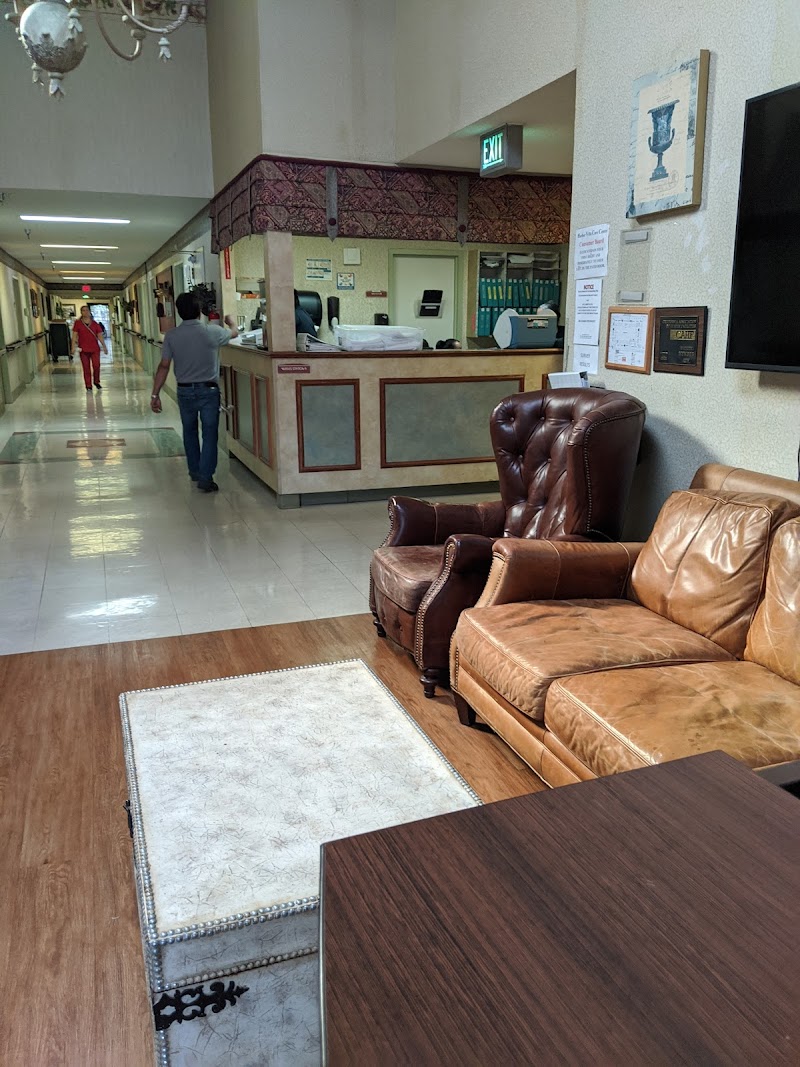
How is Harbor Villa Staffed?

CMS rates HARBOR VILLA CARE CENTER's staffing level at 3 out of 5 stars, which is average compared to other nursing homes. Staff turnover is 28%, compared to the California average of 46%. This relatively stable workforce can support continuity of care.

What Have Inspectors Found at Harbor Villa?

State health inspectors documented 77 deficiencies at HARBOR VILLA CARE CENTER during 2019 to 2025. These included: 1 Immediate Jeopardy (the most serious level, indicating potential for serious harm or death), 1 that caused actual resident harm, 63 with potential for harm, and 12 minor or isolated issues. Immediate Jeopardy findings are rare and represent the most serious regulatory concerns. They require immediate corrective action.
Who Owns and Operates Harbor Villa?

HARBOR VILLA CARE CENTER is owned by a for-profit company. For-profit facilities operate as businesses with obligations to shareholders or private owners. The facility is operated by CAMBRIDGE HEALTHCARE SERVICES, a chain that manages multiple nursing homes. With 99 certified beds and approximately 91 residents (about 92% occupancy), it is a smaller facility located in ANAHEIM, California.
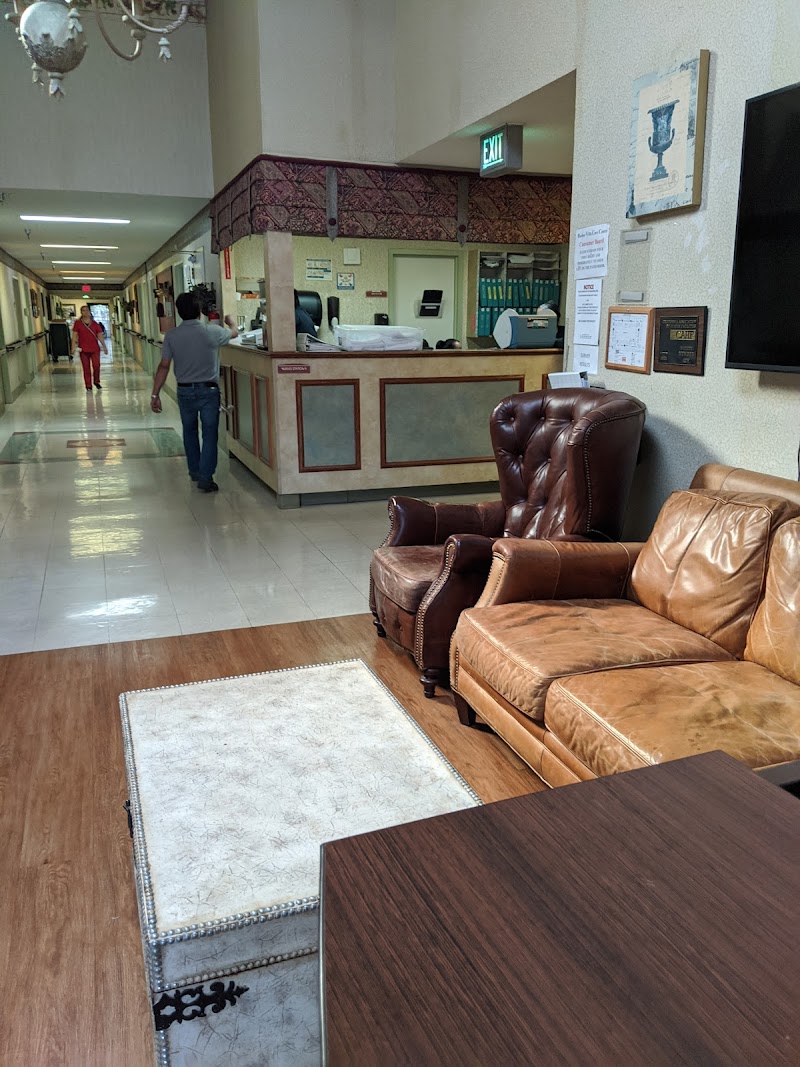
How Does Harbor Villa Compare to Other California Nursing Homes?

Compared to the 100 nursing homes in California, HARBOR VILLA CARE CENTER's overall rating (3 stars) is below the state average of 3.1, staff turnover (28%) is significantly lower than the state average of 46%, and health inspection rating (2 stars) is below the national benchmark.

What Should Families Ask When Visiting Harbor Villa?

Based on this facility's data, families visiting should ask: "What changes have been made since the serious inspection findings, and how are you preventing similar issues?" "Can I visit during a mealtime to observe dining assistance and food quality?" "How do you handle medical emergencies, and what is your hospital transfer rate?" "Can I speak with family members of current residents about their experience?" These questions are particularly relevant given the facility's Immediate Jeopardy citations.

Is Harbor Villa Safe?

Based on CMS inspection data, HARBOR VILLA CARE CENTER has documented safety concerns. Inspectors have issued 1 Immediate Jeopardy citation (the most serious violation level indicating risk of serious injury or death). The facility has a 3-star overall rating and ranks #100 of 100 nursing homes in California. Families considering this facility should ask detailed questions about what corrective actions have been taken since these incidents.

Do Nurses at Harbor Villa Stick Around?

Staff at HARBOR VILLA CARE CENTER tend to stick around. With a turnover rate of 28%, the facility is 18 percentage points below the California average of 46%. Low turnover is a positive sign. It means caregivers have time to learn each resident's needs, medications, and personal preferences. Consistent staff also notice subtle changes in a resident's condition more quickly.

Was Harbor Villa Ever Fined?

HARBOR VILLA CARE CENTER has been fined $8,824 across 1 penalty action. This is below the California average of $33,167. While any fine indicates a compliance issue, fines under $50,000 are relatively common and typically reflect isolated problems that were subsequently corrected. Families should ask what specific issues led to these fines and confirm they've been resolved.

Is Harbor Villa on Any Federal Watch List?

HARBOR VILLA CARE CENTER is not on any federal watch list. The most significant is the Special Focus Facility (SFF) program, which identifies the bottom 1% of nursing homes nationally based on persistent, serious quality problems. Not being on this list means the facility has avoided the pattern of deficiencies that triggers enhanced federal oversight. This is a positive indicator, though families should still review the facility's inspection history directly.