DELTA VIEW POST ACUTE
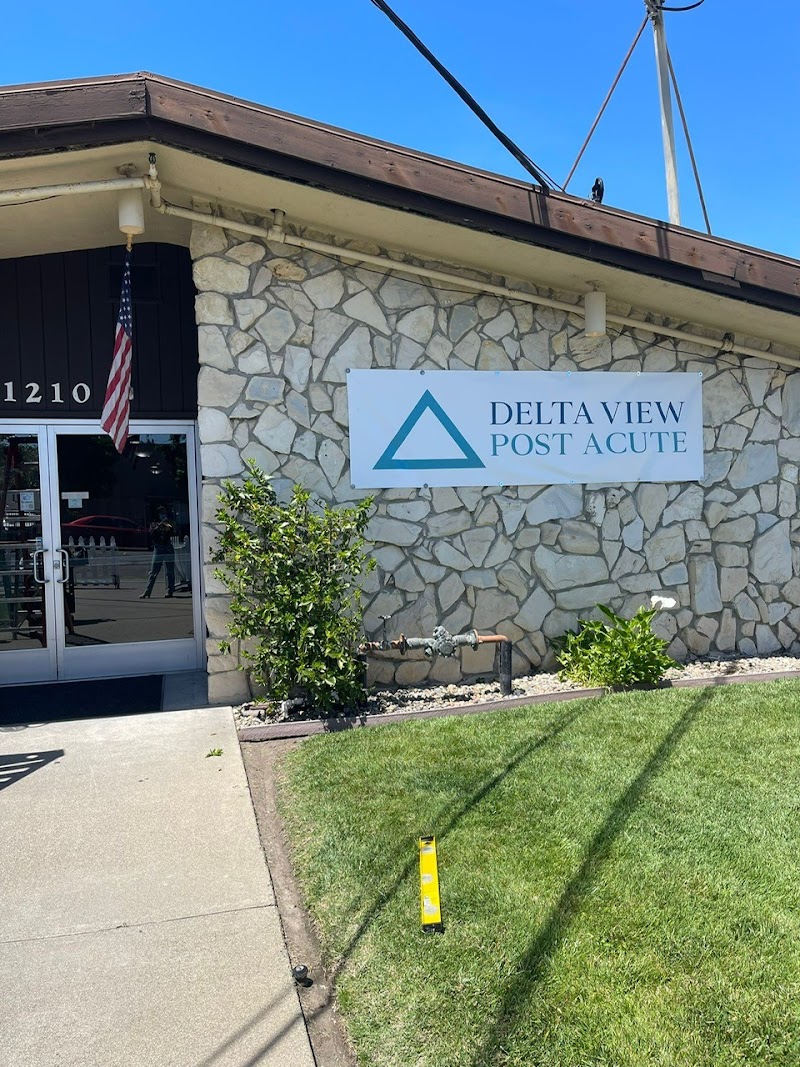
1210 A STREET, ANTIOCH, CA 94509 (925) 757-8787
For profit - Limited Liability company 99 Beds PACS GROUP Data: November 2025
Trust Grade
65/100
#334 of 1155 in CA
Last Inspection: March 2025

Within standard 12-15 month inspection cycle. Federal law requires annual inspections.

Overview

Delta View Post Acute in Antioch, California has a Trust Grade of C+, indicating it is slightly above average but not outstanding. With a state rank of #334 out of 1,155, they are in the top half of California facilities, and #15 out of 30 in Contra Costa County, meaning only a few local options are rated higher. However, the facility's trend is worsening, with issues increasing from 2 in 2024 to 13 in 2025, which raises concerns about the quality of care. Staffing is rated 3 out of 5 stars with a turnover rate of 37%, which is slightly below the state average, suggesting staff stability is a strength, but staffing levels are only average overall. Notably, the facility has not incurred any fines, which is a positive sign, but there have been serious incidents, including a resident falling out of bed due to inadequate assistance and several inaccuracies in residents' care plans that could lead to inappropriate care.

Trust Score
C+
65/100
In California
#334/1155
Top 28%
Safety Record
Moderate
Needs review
Inspections
Getting Worse
2 → 13 violations
Staff Stability
○ Average
37% turnover. Near California's 48% average. Typical for the industry.
Penalties
✓ Good
No fines on record. Clean compliance history, better than most California facilities.
Skilled Nurses
⚠ Watch
Each resident gets only 28 minutes of Registered Nurse (RN) attention daily — below average for California. Fewer RN minutes means fewer trained eyes watching for problems.
Violations
⚠ Watch
36 deficiencies on record. Higher than average. Multiple issues found across inspections.
★★★★☆
4.0
Overall Rating
★★★☆☆
3.0
Staff Levels
★★★★★
5.0
Care Quality
★★★☆☆
3.0
Inspection Score
Stable
2024: 2 issues
2025: 13 issues

The Good

  • 5-Star Quality Measures · Strong clinical quality outcomes
  • Full Sprinkler Coverage · Fire safety systems throughout facility
  • No fines on record
  • Staff turnover below average (37%)

    11 points below California average of 48%

Facility shows strength in quality measures, fire safety.

The Bad

Staff Turnover: 37%

Near California avg (46%)

Typical for the industry

Chain: PACS GROUP

Part of a multi-facility chain

Ask about local staffing decisions and management

The Ugly 36 deficiencies on record

1 actual harm
Mar 2025 13 deficiencies
CONCERN (D)

Potential for Harm - no one hurt, but risky conditions existed

Transfer Notice (Tag F0623)

Could have caused harm · This affected 1 resident

**NOTE- TERMS IN BRACKETS HAVE BEEN EDITED TO PROTECT CONFIDENTIALITY** Based on interview and record review, the facility failed to provide a written discharge notice within the expected time frame t...

Read full inspector narrative →
**NOTE- TERMS IN BRACKETS HAVE BEEN EDITED TO PROTECT CONFIDENTIALITY** Based on interview and record review, the facility failed to provide a written discharge notice within the expected time frame to Resident, Resident Representative, and Ombudsman, for one of six sampled residents, Resident 95. Findings: During record review of Resident 95's Face Sheet (FC), the FC indicated that Resident 95 is [AGE] years old male, admitted to the facility in 2025. During record review of Resident 95's Progress Notes (PN), dated 12/22/2024, PN indicated, Patient sent out to the hospital from dialysis [NAME] due to 8/10 chest pain and short of breath .So they call on call MD [Medical Doctor, physician name redacted] for patient being sent out to the hospital. During an interview on 03/12/25 at 11:41 a.m., with Social Services Director (SSD), SSD stated she did not fill out the notice of transfer when Resident 95 was transferred to the hospital in December 2024. SSD stated she went back into Resident 95's chart in February 2025, and created a late entry document for the notice of transfer. During an interview on 3/12/25 at 1:00 p.m., with SSD, SSD stated residents were supposed to sign the notice of transfer form to get a consent. SSD stated she only got a verbal consent from Resident 95's Responsible Party (RP). SSD further stated the importance of getting a signed notice of transfer form was for the Ombudsman to be notified or be aware that the resident had left the facility. SSD stated she created the notice of transfer document on 2/14/25, which was the same date she got the verbal consent of transfer from Resident 95's RP. SSD stated she forgot to get a signed notice of transfer, when Resident 95 was transferred to the hospital in December 2024. During a record review of Resident 95's Notice of Proposed Transfer/Discharge (NOPTD) dated 2/14/25, the NOPTD indicated date of discharge 12/22/2024 .1 - J. Facility Representative printed signature .1 - K. facility Representative Signature Date: 2/14/2025. During a record review on 03/12/25 of facility's policy and procedure (P&P) titled Transfer or Discharge, Facility-Initiated dated 2001, the P&P indicated, Policy Statement - Once admitted to the facility, resident have the right to remain in the facility. Facility-initiated transfer and discharges, when necessary, must meet specific criteria and require resident/representative notification and orientation, and documentation as specified in the policy . Notice of Discharge after Transfer . 3. The facility will send a copy of the discharge notice to a representative of the Office of the State LTC Ombudsman.
CONCERN (D)

Potential for Harm - no one hurt, but risky conditions existed

Deficiency F0658 (Tag F0658)

Could have caused harm · This affected 1 resident

Based on observation, interview and record review, the facility failed to provide services to meet professional standards of quality for one of one sampled resident (Resident 302) when Resident 302's ...

Read full inspector narrative →
Based on observation, interview and record review, the facility failed to provide services to meet professional standards of quality for one of one sampled resident (Resident 302) when Resident 302's lidocaine patch (medicine that prevents pain by blocking the signals at the nerve endings in the skin) 5% was not removed according to physician's order. This failure resulted in Resident 302 to receive excessive dose of lidocaine in a 24-hour period. Findings: During a review of Resident 302's undated admission Record, the admission Record printed on 3/12/25 indicated, Resident 302 was admitted in the facility on 2/28/25 with a diagnosis of cellulitis (bacterial infection of the skin and underlying tissues) of the left lower limb. During a concurrent medication administration observation and interview, on 3/11/25 at 8:52 a.m. with Registered Nurse (RN) 1, in Resident 302's room, RN 1 removed one lidocaine patch with handwritten letters JS and numbers 3/10 from Resident 302's back. RN 1 stated the lidocaine patch she removed was the patch she had applied yesterday morning. RN 1 stated the letters JS was her initials. RN 1 stated the numbers 3/10 meant the patch was applied on 3/10/25. During a concurrent interview and record review, on 3/11/25 at 8:54 a.m., with RN 1, Resident 302's Electronic Medication Administration Record (E-MAR) dated 3/10/25 was reviewed. The E-MAR indicated, Resident 302's Lidocaine patch was to be applied daily at 9:00 a.m. and removed daily at 9:00pm. RN 1 stated Resident 302's Lidocaine patch should have been removed on 3/10/25 at 9:00 p.m. During a review of Resident 302's Order Summary Report dated 2/28/25, The Order Summary Report indicated, Resident 302's Lidocaine patch was for pain and to be removed per schedule. During a review of Resident 302's Medication Administration Record (MAR) dated 3/10/25, the MAR indicated, Lidocaine patch 5% was applied to Resident 302's upper back at 9:15 a.m. During a review of facility's policy and procedure (P&P) titled Administering Medications, dated 2001, the P&P indicated, 3. Medications must be administered in accordance with the orders, including any required time frame. During a review of Lidocaine Patch 5% manufacturer's specification dated 11/18, the manufacturer's specification indicated, Apply the prescribed number of patches only once for up to 12 hours within a 24-hour period .Excessive dosing by applying . for longer than the recommended wearing time could result in increased absorption of lidocaine and high blood concentrations, leading to serious adverse effects. (https://www.accessdata.fda.gov/drugsatfda_docs/label/2018/020612s014lbl.pdf)
CONCERN (D)

Potential for Harm - no one hurt, but risky conditions existed

Deficiency F0675 (Tag F0675)

Could have caused harm · This affected 1 resident

Based on observation, interview, and record review, the facility failed to provide necessary care and services to maintain physical and psychosocial well-being for one of twenty four sampled residents...

Read full inspector narrative →
Based on observation, interview, and record review, the facility failed to provide necessary care and services to maintain physical and psychosocial well-being for one of twenty four sampled residents (Resident 44) when Resident 44 was not positioned properly in the dining room prior to eating lunch. This failure had the potential to cause Resident 44 aspiration and emotional distress. Findings: During a review of Resident 44's Minimum Data Set (MDS - a federally mandated resident assessment and care guide tool), dated 1/8/25, the MDS indicated Resident 44's Basic Interview of Mental status (BIMS, a scoring system used to determine the resident's cognitive status regarding attention, orientation, and ability to register and recall information. A BIMS score of thirteen to fifteen is an indication of intact cognitive status.) Resident 44's score was 10 (meaning mild cognitive impairment). MDS indicated Resident 44 had clear speech, able to express ideas and wants, make self-understood and understood others. MDS indicated Resident 44 need helper assistance prior to or following eating activities. Resident 44 need helper assistance to lifts, holds, or supports trunk or limbs. Resident 44's diagnoses included need for assistance with personal care, muscle wasting and atrophy. During an observation on 3/10/25 at 11:54 a.m. in the dining room, Resident 44 laid on a high rise wheelchair with head of wheelchair at about 45 degree. During a concurrent observation and interview on 3/10/25 at 12:14 p.m. with Resident 44 and Activity Aide (AA) in the dining room, Resident 44 requested to be seated up before meal tray was served. AA served lunch meal tray to Resident 44 without sitting Resident 44 up properly. Resident 44 ate his lunch with food items dropping on his chest area. During an interview on 3/10/25 at 12:46 p.m. with AA, AA stated she served Resident 44 his lunch tray without making sure Resident 44 was positioning properly because she was not a nurse and could not reposition. AA stated she did not want to return the lunch tray so she left the tray in front of the Resident 44. AA stated the nurses eventually repositioned Resident 44 and he had his lunch. During an interview on 3/13/25 at 10:04 a.m. with Director of Nursing (DON), DON stated facility's expectation was for activity staff and nursing staff assist resident with positioning before serving meal trays because everyone want to eat as soon as meal trays served.
CONCERN (D)

Potential for Harm - no one hurt, but risky conditions existed

Safe Environment (Tag F0921)

Could have caused harm · This affected 1 resident

Deficiency Text Not Available

Read full inspector narrative →
Deficiency Text Not Available
CONCERN (E)

Potential for Harm - no one hurt, but risky conditions existed

Assessment Accuracy (Tag F0641)

Could have caused harm · This affected multiple residents

**NOTE- TERMS IN BRACKETS HAVE BEEN EDITED TO PROTECT CONFIDENTIALITY** Based on observation, interview and record review, the facility failed to ensure three of three sampled residents (Resident 14, ...

Read full inspector narrative →
**NOTE- TERMS IN BRACKETS HAVE BEEN EDITED TO PROTECT CONFIDENTIALITY** Based on observation, interview and record review, the facility failed to ensure three of three sampled residents (Resident 14, Resident 96 and Resident 5) Minimum Data Set (MDS-Resident Assessment and Care Screening tool used to guide care), were accurate when: 1. Resident 14 MDS section A was not coded accurately to reflect Preadmission Screening and Resident Review (PASRR, a federal requirement to ensure that residents are not inappropriately placed in nursing homes for long term care) PASRR Level II evaluation. Resident 14 MDS section GG was not coded accurately to reflect lower extremities range of motion status. 2. Resident 96, ARD for discharge assessment was coded inaccurately. 3. Resident 5 MDS Section N, was coded inaccurately for antidepressant, antibiotic, anticoagulant and anticonvulsant. These failure had the potential for residents to not receive appropriate care. Findings: 1. During a review of Resident 14's admission Record (AR), dated 3/12/25, the AR indicated the facility admitted Resident 14 on 1/29/23 with diagnoses that included bipolar disorder, schizophrenia (a chronic and severe mental disorder that affect how a person thinks, feels, behaves) and contracture right foot. During a review of Resident 14's PASRR dated 6/13/22, the PASRR indicated Resident 14's Level I screening was positive for mental illness followed by Level II evaluation on 6/1/22. The result of Level II evaluation are provided. During a review of Resident 14's Annual MDS dated [DATE], the MDS indicated section A PASRR was coded zero meaning Resident 14 was not considered by the state level II PASRR process to have serious mental illness. During a concurrent interview and record review on 3/11/25 at 2:56 p.m. with the MDS coordinator (MDSC 1), Resident 14's annual MDS section A and PASRR Level I and II were reviewed. MDSC1 stated MDS Section A for PASRR was not coded accurately. MDSC1 said Resident 14's Level I was positive for mental illness and Level II evaluation was conducted and copy was on record. MDSC1 stated the staff responsible for the coding no longer worked at the facility. During a review of Resident 14's MDS dated [DATE], the MDS indicated section GG functional limitation in range of motion was coded 2 indicated impairment on both side of lower extremities (hip, knee, ankle and foot). During a concurrent observation and interview on 3/11/25 at 11:28 a.m. with Certified Nursing Assistant (CNA1), Resident 14 had contracture on right foot . Resident 14 had no limitation on left lower extremities and was able to turn from side to side with minimal help. During an interview on 3/12/25 at 10:03 a.m. with MDSC 1, MDSC1 stated Resident 14 MDS's section G lower extremities was not coded accurately. MDSC1 stated Resident 14 had contracture on right foot. MDSC1 said Resident 14 had no limitation left side lower extremities. 2. During a review of Resident 96's undated admission Record, the admission Record printed on 3/12/25 indicated, Resident 96 was admitted in the facility on 1/3/25 with a diagnosis of myeloid leukemia (a type of blood cancer that affects the bone marrow, where blood cells are produced). The admission Record also indicated; Resident 96 was discharged on 1/4/25 at 4:19 p.m. During a review of Resident 96's Against Medical Advice (AMA indicates that a patient has chosen to leave a healthcare facility or discontinue treatment despite the recommendation of their healthcare provider) note dated 1/4/25, the note indicated, Resident 96 left the facility AMA. During a concurrent interview and record review on 3/12/25 at 9:20 a.m. with MDS Coordinator (MDSC) 1, Resident 96's discharge MDS dated [DATE] was reviewed. The discharge MDS indicated, Resident 96's discharge date was 1/10/25. MDSC1 stated, the assessment reference date should have been 1/4/25 because Resident 96 was in the facility for only one day. MDSC1 stated, she made an error and should have checked the discharge date . During a review of The Long-Term Care Facility Resident Assessment Instrument (RAI) User's Manual (published by the Centers for Medicare & Medicaid Services (CMS) to disseminate information broadly to facilitate accurate and effective resident assessment practices in long-term care facilities) dated 10/1/23, indicated, The RAI process has multiple regulatory requirements. Federal regulations at 42 CFR 483.20 (b)(1)(xviii), (g), and (h) require that (1) the assessment accurately reflects the resident's status . (https://www.cms.gov/files/document/finalmds-30-rai-manual-v11811october2023.pdf) 3. During a review of Resident 5's Annual History and Physical (H&P), dated 05/15/24, the H&P indicated Resident 5 was admitted to facility on 07/13/23 with diagnoses of stroke causing right -side hemiplegia (paralysis), atrial fibrillation (A-fib, an irregular and often rapid heart rhythm) and major depressive disorder. During a record review of Resident 5's Order Summary Report (provides an overview of doctors' orders for a specific period) printed on 03/12/25, showed Resident 5 had the following prescriptions: Eliquis (a blood thinner) 5 mg, one tablet by mouth twice daily for A Fib, started on 08/02/24; Fluoxetine (an antidepressant medication) 20 mg, one tablet by mouth once daily for depression, started on 08/23/24; and Levetiracetam (an anticonvulsant medication to treat seizure) solution, 10ml by mouth twice daily for seizure, started on 08/03/24. During a concurrent interview and record review on 3/11/25 at 3:48 p.m. with MDS Coordinator (MDCS) 2 and MDSC 1, Resident 5's Medication Administration Record (MAR) for 02/2025 and MDS assessment dated [DATE] was reviewed. The MAR indicated Resident 5 received Eliquis, Levetiracetam and Fluoxetine medication from 02/04/25 through 02/10/25, the observation period for MDS assessment dated [DATE]. The MAR also indicated Resident 5 did not receive antibiotics in the observation period. MDSC 2 stated Resident 5's MDS assessment inaccurately indicated that Resident 5 did not receive anticoagulant, anticonvulsants, antidepressants and that they received antibiotics during the observation period. The MDSC 2 stated she was new to the role when she completed Resident 5's MDS assessment. MDSC 1 stated she should have audited/corrected MDS assessments that MDSC 2 was completing when she was new to the role. MDSC 1 stated she did not audit Resident 5's MDS assessment. During an interview on 3/12/25 at 11:28 a.m., with Director of Nursing (DON), the DON stated inaccurate MDS assessments did not reflect resident's true clinical condition and could trigger wrong care plan thus affecting resident's care. During a review of facility's Policy and Procedure (P&P) titled Resident Assessments dated 10/2023, the P&P indicated, Information in the MDS assessment will consistently reflect information in the progress notes, plan of care and resident observations/interviews.
CONCERN (E)

Potential for Harm - no one hurt, but risky conditions existed

Comprehensive Care Plan (Tag F0656)

Could have caused harm · This affected multiple residents

Based on observation, interview and record review, for one (Resident 3) of two sampled residents, the facility failed to implement its Care Planning - Interdisciplinary Team policy and procedure when ...

Read full inspector narrative →
Based on observation, interview and record review, for one (Resident 3) of two sampled residents, the facility failed to implement its Care Planning - Interdisciplinary Team policy and procedure when there was no care plan developed to address Resident 3's gum pain and discomfort with appropriate interventions. This failure had the potential to result in Resident 3 not receiving appropriate care and treatment. Findings: During a review of Resident 3's Minimum Data Set (MDS), Resident Assessment and care guide tool, dated 12/15/24, MDS indicated Resident 3 had a clear speech, able to make self understood had ability to understand others. Resident 3's diagnoses included Non-Alzheimer's Dementia (a group of diseases characterized by progressive deficits in behavior, executive function or language). During a concurrent observation and interview on 3/10/25 at 10:57 a.m. with Resident 3 in her room. Resident 3 pointed to her gum area and stated her gum was painful and she had not seen a dentist. Resident 3 stated she felt discomfort with eating for sometime. During an interview on 3/11/25 at 12:16 p.m. with Licensed Vocational Nurse (LVN 1), LVN 1 stated she was aware that Resident 3 had painful gum .LVN 1 stated Resident 3 was seen by the dentist and had an order to apply oral gel as needed. LVN 1 stated Resident 3 did not have a care plans for painful gum. During a concurrent interview and record review on 3/11/25 at 12:20 p.m. with Director of Nursing (DON), Resident 3's care plans were reviewed. DON stated she could not find a care plan that address Resident 3's painful gum. DON stated Resident 3 was evaluated in 2024 by the dentist .
CONCERN (E)

Potential for Harm - no one hurt, but risky conditions existed

Quality of Care (Tag F0684)

Could have caused harm · This affected multiple residents

**NOTE- TERMS IN BRACKETS HAVE BEEN EDITED TO PROTECT CONFIDENTIALITY** Based on observation, interview, and record review, the facility failed to provide quality of care to two of 24 sampled resident...

Read full inspector narrative →
**NOTE- TERMS IN BRACKETS HAVE BEEN EDITED TO PROTECT CONFIDENTIALITY** Based on observation, interview, and record review, the facility failed to provide quality of care to two of 24 sampled residents (Resident 5 and Resident 10) when the following were noted: 1. Resident 5, with a right hand contracture (muscles, tendons, or tissues get really tight and can't stretch out properly), wore a loosely fitted hand roll which kept coming off and it was difficult for Resident 5 to keep it in the right place. 2. Swelling, black/bluish discoloration and pain in Resident 10's both feet was not addressed for at least two days. These failures resulted in Resident 5 feeling frustrated, getting teary and placed her at risk of discomfort, pain, skin breakdown, and worsening of right hand contracture. Resident 10's untreated swelling, discoloration and pain placed him at risk for further discomfort and potential for compromised blood circulation. Findings: During a record review of Resident 5's admission Record (AR, record with resident 's basic personal information) printed on 3/11/25, the AR indicated Resident 5 was admitted to the facility on [DATE]. A review of Resident 5's Minimum Data Set (MDS, an assessment used to guide care) dated 02/10/25, indicated Resident 5 was usually able to make herself understood and was usually able to understand others. The MDS assessment indicated Resident 5's Brief Interview for Mental Status (BIMS, an assessment used to assess mental status) score was 15 out of 15, indicating Resident 5 was cognitively intact. During a record review of Resident 5's Annual History and Physical (H &P) dated 05/15/24, indicated Resident 5 had a diagnosis of stroke with right side hemiplegia (paralysis). During an observation on 03/10/25 at 10:23 a.m., Resident 5 was in bed with the head of the bed raised. Resident 5 was awake and had a pillow between her right arm and chest. Resident 5 was holding a dark gray hand roll with a white elastic band in her right hand. Resident 5 stated the hand roll was too big, and the elastic band was too loose. She also said the hand roll kept falling out of place when she tried to open the fingers on her right hand using her left hand. Resident 5 started to get teary and stated she was frustrated because of improperly fitted hand roll. During an interview on 03/10/25 at 10:41 a.m. in Resident 5's room, Restorative Nursing Assistant (RNA) 1 stated that Resident 5 had been in the RNA program for two to three months for her right-hand contracture with a hand roll. RNA 1 stated We don't have a small hand roll. RNA 1 stated rehabilitation department were aware that the hand roll was too big, and the band was too loose. RNA 1 stated Resident 1 needed a smaller hand roll. During an observation and interview with Resident 5 on 03/11/25 at 9:30 a.m., Resident 5 had a new hand roll (dark gray). Resident 5 stated she received the new hand roll on the evening of 03/10/25 but was still too big and loose for her. During an interview and record review on 03/12/25 at 9:01 a.m., with Rehabilitation Director (RD), RD stated an improper fitted hand roll could not provide proper support to Resident 5. RD stated she already asked central supply to order more hand rolls. During an interview on 03/12/25 at 9:14 a.m., with Assistant Director of Nursing (ADON), who is new to her role and oversees the RNA program, ADON stated that she was not aware of Resident 5's hand roll was too big and loose. ADON stated an improper hand roll could cause discomfort, worsen the contracture and increase risk for skin breakdown. During a review of facility's Policy and Procedure (P&P) titled Resident Mobility and Range of Motion dated 2001, the P&P indicated residents with limited mobility will receive appropriate services, equipment and assistance to maintain or improve mobility unless reduction in mobility is unavoidable. 2. During a review of Resident 10's MDS assessment dated [DATE], Section C indicated, Resident 10's BIMS score was 15 out of 15, indicating his mental status was intact. Section I Active Diagnoses indicated, Resident 10 had active diagnosis of Peripheral Vascular Disease (PVD, a slow and progressive narrowing or blockage in blood vessels), Peripheral Arterial Disease (PAD, a condition in which narrowed arteries reduce blood flow to the arms and legs), Renal Insufficiency (a state in which the kidneys are not functioning at their full capacity), Renal Failure or End Stage Renal Disease (ESRD, a medical condition in which the kidneys can no longer adequately filter waste products from the blood, functioning at less than 15% of normal levels) and Other Inflammatory Polyneuropathies ( a neurological disorder characterized by nerve swelling and irritation/ inflammation that leads to loss of strength or sensation especially of the arms and legs. During an observation and interview on 3/10/25 at 09:23 a.m. Resident 10 was lying in bed, both feet and ankles exposed. Resident 10 stated his feet were swollen, and had bluish/ blackish discoloration of toes and feet. Resident 10 stated he did not know why his feet were swollen. During a concurrent observation and interview on 3/11/25 at 11:07 a.m., in Resident 10's room with License Vocational Nurse (LVN) 2, Resident 10 was sitting in a wheelchair. LVN 2 stated he was assigned to Resident 10 for last two days and it was the first time he was assessing the Resident 10's feet. LVN 2 stated Resident 10's feet were discolored and he did not know if discoloration was getting worse. Resident 10 stated his right and left leg were cold, and it has been painful for him to wear socks and shoes for a long time. Resident 10 stated he had seven out of 10 pain in his feet (moderate pain). During a concurrent observation and interview on 3/12/25 at 11:28 am License Vocational Nurse (LVN 3) and LVN 4, in Resident 10's room, Resident 10 was sitting up in wheelchair. LVN 3 stated Resident 10's feet had bluish discoloration on all toes and plantar area of foot. LVN 3 stated she did not see any edema but Resident 10's feet were cold, and when pressed, Resident 10 felt pain of 3-4 out of 10 (mild to moderate pain). During a concurrent interview and record review on 3/12/25 at 11:45 a.m., with LVN 3, Resident 10's Electronic Health Record (EHR) for progress notes, evaluations from 12/1/24 till 3/12/25 was reviewed. LVN 3 stated she was not able to find any documentation on skin issues in Resident 10's EHR. During an interview on 3/13/25 at 10:36 a.m. Director of Nursing (DON) stated if Resident 10's discoloration on his bilateral feet was left untreated for greater than 72 hours, it could be a sign of poor blood circulation in his feet and in extreme cases, it may lead to needing an amputation (surgical removal of the organ). DON stated staff was expected to act immediately on resident's change in health condition.
CONCERN (E)

Potential for Harm - no one hurt, but risky conditions existed

Pharmacy Services (Tag F0755)

Could have caused harm · This affected multiple residents

Based on observation, interview and record review, the facility failed to provide routine medication, as ordered by the prescriber, and provide pharmaceutical services which includes procedures that a...

Read full inspector narrative →
Based on observation, interview and record review, the facility failed to provide routine medication, as ordered by the prescriber, and provide pharmaceutical services which includes procedures that assure the accurate acquiring, receiving, dispensing, and administering of medications to meet each resident's needs when: 1. Lisinopril (medication to treat high blood pressure) was not available for administration for one of five sampled residents (Resident 304). 2. One of two intravenous (IV, into the vein) drug emergency kits (E-kit) was opened and the IV Drug Emergency Kit Use Form had no accurate record of medication used and was not re-ordered timely. These failures resulted in Resident 304 not receiving the medication as prescribed and had the potential for facility residents with a census of 97 to not receive emergency IV medications when needed. Findings: 1. During a review of Resident 304's undated admission Record, the admission Record printed on 3/12/25 indicated, Resident 304 was admitted in the facility on 3/3/25 with a diagnosis of essential hypertension (a condition characterized by persistently high blood pressure without an identifiable underlying cause). During a concurrent medication administration observation and interview, on 3/11/25 at 8:40 a.m. with Registered Nurse (RN) 1, RN 1 prepared and administered Resident 304's morning medications which included one tablet of amiodarone (medication to treat heart rhythm problems), one tablet of amlodipine (medication to treat high blood pressure), one tablet of toprol xl (medication to treat high blood pressure) extended release (ER), and one tablet of furosemide (medication to treat fluid build-up and swelling and high blood pressure). RN 1 stated she can't find Resident 304's lisinopril medication. RN 1 stated she will call the pharmacy to re-order the medication. During a follow up interview on 3/11/25 at 3:18 p.m. with RN 1, RN 1 stated Resident 304's lisinopril has not been delivered by the pharmacy. RN 1 stated Resident 304 did not receive the lisinopril yet. During a concurrent observation and interview on 3/12/25 at 12:21 p.m. with Licensed Vocational Nurse (LVN) 2, LVN 2 checked Resident 304's lisinopril supply in the medication cart. LVN 2 stated Resident 304's lisinopril was not in the medication cart. LVN 2 stated Resident 304 did not receive the lisinopril yet. During an interview on 3/12/25 at 12:52 p.m. with LVN 5, LVN 5 stated Resident 304's lisinopril supply was missing. LVN 5 stated she called the pharmacy to re-order the lisinopril. During a review of Resident 304's Order Summary Report dated 3/3/25, The Order Summary Report indicated, Resident 304 had an order to receive one tablet of lisinopril once a day for hypertension. During a review of Resident 304's Medication Administration record (MAR) dated March 2025, indicated, Resident 304 was scheduled to receive lisinopril once a day at 9:00 a.m. During a review of Resident 304's Administration History of lisinopril, dated 3/11/25 and 3/12/25, the administration documentation was strike out due to correction. During a review of facility's policy and procedure (P&P) titled Administering Medications, dated 2001, the P&P indicated, Medications shall be administered in a safe and timely manner, and as prescribed . 3. Medications must be administered in accordance with the orders, including any required time frame . 4. Medication must be administered within one hour of their prescribed time, unless otherwise specified. 2. During concurrent observation and interview on 3/10/25 at 3:31 p.m. with Registered Nurse (RN) 2, in the station one medication room, one orange container with IV drug emergency kit label had a blue plastic security seal zip tie. RN 2 stated the blue zip tie meant the container was opened. RN 2 stated the container contained IV emergency medications. RN 2 stated nurses re-ordered opened IV drug E-kit by calling the pharmacy. During a concurrent interview and record review on 3/10/25 at 3:33 p.m. with RN 2, in the station one medication room, the E-kit Utilization Log was reviewed, the log indicated, meropenem (an IV medication used to treat infections caused by bacteria) was removed from the e-kit on 1/18/25. RN 2 stated she was not sure if the log had the accurate information. During a concurrent observation and interview on 3/11/25 at 2:55 p.m. with the Assistant Director of Nursing (ADON), in the station one medication room, one orange container with IV drug emergency kit label had a blue plastic security seal zip tie. The ADON stated she recalled the IV drug (E-kit) was last opened on 3/5/25. The ADON stated she had updated the E-kit utilization log to 3/5/25 as the last time it was opened. During a concurrent interview and record review on 3/11/25 at 4:14 p.m. with the ADON, the unfilled IV Drug Emergency Kit Use Form taken from the IV drug E-kit container was reviewed, the form did not indicate what medication was removed from the E-kit or the date it was opened. The ADON stated the form should be filled out of what medication was removed from the E-kit and the date the medication was used. The ADON stated the filled-up form should be faxed to the pharmacy to re-order the E-kit. During a review of Pharmacy Delivery Manifest Report Details, dated 3/6/25, the report indicated, the IV drug E-kit was delivered and received in station two on 3/6/25. During a review of facility's P&P titled Emergency Medications, dated 2001, indicated, The facility shall maintain a supply of medications typically used in emergencies . 8. Any medications that is removed from the emergency kit must be documented on the emergency medication administration log . 9. Medications and supplies used from the emergency medication kit must be replaced upon the next routine drug order.
CONCERN (E)

Potential for Harm - no one hurt, but risky conditions existed

Unnecessary Medications (Tag F0759)

Could have caused harm · This affected multiple residents

Based on observations, interviews, and record review, the facility failed to ensure a medication error rate below five percent for two of five sampled residents (Resident 75 and 304) when: 1. Resident...

Read full inspector narrative →
Based on observations, interviews, and record review, the facility failed to ensure a medication error rate below five percent for two of five sampled residents (Resident 75 and 304) when: 1. Resident 75 was administered multi-vitamin with minerals instead of multi-vitamins as prescribed by physician's order. 2. Resident 304's toprol xl (medication to treat high blood pressure) extended release (ER) was crushed and administered. 3. Resident 304's lisinopril (medication to treat high blood pressure) was not administered as ordered. These failures resulted in three medication errors out of 28 opportunities during observation of medication administration which resulted in the facility having a medication error rate of 10.71%. These failures also resulted in residents not receiving the correct medication or receiving the medication as prescribed or according to the manufacturer's specification. Finding: 1. During a review of Resident 75's undated admission Record, the admission Record printed on 3/12/25 indicated, Resident 75 was admitted in the facility on 10/26/24 with a diagnosis of chronic obstructive pulmonary disease (COPD, a group of lung diseases that block airflow and make it difficult to breathe). During medication administration observation on 3/11/25 at 8:22 a.m., Licensed Vocational Nurse (LVN) 2 was observed preparing and administering seven medications to Resident 75. These medications included one puff of Spiriva (medication that relaxes muscles in the airways and increases air flow to the lungs) inhaler, two tablets of acetaminophen (medication to treat minor aches and pains, and reduces fever), one capsule of stool softener, two puffs of combivent (medication that relax muscles in the airways and increase air flow to the lungs) inhaler, one tablet of multivitamins with minerals, two tablets of paroxetine (medication that treats depression and other mental illnesses by increasing the amount of serotonin, a natural substance in the brain that helps maintain mental balance) and two puffs of wixela (inhaled medication to help manage breathing problems, such as asthma or chronic obstructive pulmonary disease (COPD). It reduces inflammation and relaxes the muscles around the airways to make it easier to breathe) inhaler. During a review of Resident 75's Order Summary Report, dated 2/9/24, and March 2025 MAR (Medication Administration Record) indicated that multiple vitamin was scheduled to be given one time a day for Resident 75. During a review of facility's policy and procedure (P&P) titled Administering Medications, dated 2001, the P&P indicated, 3. Medications must be administered in accordance with the orders, including any required time frame. 2. During a review of Resident 304's undated admission Record, the admission Record printed on 3/12/25 indicated, Resident 304 was admitted in the facility on 3/3/25 with a diagnosis of essential hypertension (a condition characterized by persistently high blood pressure without an identifiable underlying cause). During medication administration observation on 3/11/25 at 8:40 a.m., Registered Nurse (RN) 1 crushed four tablets of Resident 304's medications, mixed with apple sauce and administered. These medications included one tablet of amiodarone (medication to treat heart rhythm problems), one tablet of amlodipine (medication to treat high blood pressure), one tablet of toprol xl ER, and one tablet of furosemide (medication to treat fluid build-up and swelling and high blood pressure). During a review of Resident 304's Order Summary Report, dated 3/3/25, and the March 2025 MAR indicated that toprol xl ER was scheduled to be given one time a day for Resident 304. During an interview on 3/11/25 at 11:40 a.m. with RN 1, RN 1 stated extended-release medication cannot be crushed. RN 1 stated crushing the toprol xl ER could drop Resident 304's blood pressure to a very low level. During a review of Resident 304's toprol xl ER medication label with RN 1, the label indicated not to crush the medication. During a review of toprol xl ER manufacturer's specification dated 3/23, the manufacturer's specification indicated, toprol xl tablets are scored and can be divided; however, do not crush or chew the whole or half tablet. (https://www.accessdata.fda.gov/drugsatfda_docs/label/2023/019962s050s052lbl.pdf) 3. During a concurrent medication administration observation and interview, on 3/11/25 at 8:40 a.m. with RN 1, RN 1 prepared and administered Resident 304's morning medications which included one tablet of amiodarone, one tablet of amlodipine, one tablet of toprol xl ER, and one tablet of furosemide. RN 1 stated she can't find Resident 304's lisinopril medication. RN 1 stated she will call the pharmacy to re-order the medication. During a follow up interview on 3/11/25 at 3:18 p.m. with RN 1, RN 1 stated Resident 304's lisinopril has not been delivered by the pharmacy. RN 1 stated Resident 304 did not receive the lisinopril yet. During a concurrent observation and interview on 3/12/25 at 12:21 p.m., with LVN 2, LVN 2 checked Resident 304's lisinopril supply in the medication cart. LVN 2 stated Resident 304's lisinopril was not in the medication cart. LVN 2 stated Resident 304 did not receive the lisinopril yet. During an interview on 3/12/25 at 12:52 p.m. with LVN 5, LVN 5 stated Resident 304's lisinopril supply was missing. LVN 5 stated the medication will be delivered by the pharmacy as soon as possible. During a review of Resident 304's Order Summary Report dated 3/3/25, The Order Summary Report indicated, Resident 304 had an order to receive one tablet of lisinopril once a day for hypertension. During a review of Resident 304's Medication Administration record (MAR) dated March 2025, indicated, Resident 304 was scheduled to receive lisinopril once a day at 9:00 a.m. During a review of Resident 304's Administration History of lisinopril, dated 3/11/25 and 3/12/25, the administration documentation was strike out due to correction. During a review of facility's policy and procedure (P&P) titled Administering Medications, dated 2001, the P&P indicated, Medications shall be administered in a safe and timely manner, and as prescribed . 3. Medications must be administered in accordance with the orders, including any required time frame . 4. Medication must be administered within one hour of their prescribed time, unless otherwise specified.
CONCERN (E)

Potential for Harm - no one hurt, but risky conditions existed

Garbage Disposal (Tag F0814)

Could have caused harm · This affected multiple residents

Based on observation, interview and record review, the facility failed to ensure food waste trash and garbage was disposed of in a sanitary manner when the lid of outside trash container was not close...

Read full inspector narrative →
Based on observation, interview and record review, the facility failed to ensure food waste trash and garbage was disposed of in a sanitary manner when the lid of outside trash container was not closed. This failure had the potential of harborage and feeding of pest. Findings: During a concurrent observation and interview on 3/10/25 at 9:48 a.m. with Dietary Manager (DM) at the dumpster area located behind the kitchen building, the trash container overflowed with bags of trash and the lid of the container was not closed. DM stated the trash in the container was food waste. During an interview on 3/11/25 at 9:06 a.m. with [NAME] (CK), CK stated food wastes are disposed of into trash can after each shift. CK stated trash container lid was expected to be closed at all times. During a review of the facility's policy and procedure (P&P) titled, Sanitation and Infection Control, dated 2023, the P&P indicated, Outside trash compactors require a protective cover to prevent pests, animals, or debris from falling in. Keep lids of outside trash dumpster's closed.
CONCERN (E)

Potential for Harm - no one hurt, but risky conditions existed

Medical Records (Tag F0842)

Could have caused harm · This affected multiple residents

Based on observation, interview and record review, the facility failed to maintain medical records that was accurately documented when: 1. One of five sampled residents (Resident 302) lidocaine patch ...

Read full inspector narrative →
Based on observation, interview and record review, the facility failed to maintain medical records that was accurately documented when: 1. One of five sampled residents (Resident 302) lidocaine patch (medicine that prevents pain by blocking the signals at the nerve endings in the skin) 5% was documented as administered in the Electronic Medication Administration Record (E-MAR) prior to administration. 2. Facility staff back dated Resident 47's discharge care planning notes. These failures resulted in Resident 47 and 302's medical record to reflect inaccurate clinical information. Findings: 1. During a review of Resident 302's undated admission Record, the admission Record printed on 3/12/25 indicated, Resident 302 was admitted in the facility on 2/28/25 with a diagnosis of cellulitis (bacterial infection of the skin and underlying tissues) of the left lower limb. During medication administration observation on 3/11/25 at 8:52 a.m., RN 1 was observed preparing and administering one lidocaine patch 5% to Resident 302's back. During a concurrent interview and record review, on 3/11/25 at 8:56 a.m., with RN 1, Resident 302's E-MAR dated 3/11/25 was reviewed. The E-MAR indicated, Resident 302's lidocaine patch 5% administration was documented at 8:26 a.m. RN 1 stated Resident 302 wanted the patch applied later when offered at 8:26 a.m. RN 1 stated the reason she documented ahead was she didn't want the documentation to turn red in the E-MAR. RN 1 stated when the E-MAR turned red it meant the administration of the medication was late. RN 1 stated she should document the administration after giving the medication. During a record review of Resident 302's Order Summary Report dated 2/28/25, The Order Summary Report indicated, Resident 302's had an order of lidocaine patch 5% for pain. During a review of facility's policy and procedure (P&P) titled Documentation of Medication Administration, dated 2001, the P&P indicated, 2. Administration of medication is documented immediately after it is given. 2. During a concurrent interview and record review on 3/12/25 at 10:41 a.m. with Social Services Assistant (SSA) Resident's 47's social services progress notes from 12/9/24 till 3/12/25 were reviewed. The SSA stated the progress notes were indicative of her efforts made to contact different facilities and discharge planning for Resident 47. The SSA stated she created the progress notes on 3/12/25 and backdated it for 12/9/24, 1/17/25, 2/21/25, 3/7/25 and 3/11/25. SSA stated she had been practicing backdating progress notes and nobody had ever questioned that. During an interview on 3/13/25 at 9:25 a.m. with Director of Nursing (DON), the DON stated for the accuracy of the medical records, staff should document within a day or two atleast as the documentation should reflect exactly what happened in real time. The DON stated she over sees social services department but was not aware of social services personnel backdating their progress notes as far back as up to 3-4 months. During a review of the facility's undated policy and procedure (P&P) titled, Charting - Late Entries and Errors (the P&P indicated, Accurate medical records shall be maintained by the facility. Late entries in the medical record shall be dated at the time of entry and noted as a late entry.
CONCERN (E)

Potential for Harm - no one hurt, but risky conditions existed

Infection Control (Tag F0880)

Could have caused harm · This affected multiple residents

Based on observation, interview, and record review, the facility failed to provide a safe, sanitary environment to prevent transmission of infections for three (Resident 21, 24 and 247) of eleven samp...

Read full inspector narrative →
Based on observation, interview, and record review, the facility failed to provide a safe, sanitary environment to prevent transmission of infections for three (Resident 21, 24 and 247) of eleven sampled residents when; 1. Resident 21's urinary drainage bag laid on the floor; 2. Resident 247's urinary bag was touching the floor without privacy cover. 3. Resident 24's tube feeding pole had dried light mater sticking on it; tube feeding pole is a portable, vertical pole used to support and hold the bag of formula or medication during tube feeding. This failure placed the residents at increased risk for healthcare associated infections. Findings: 1. During a review of Resident 21's Annual-Minimum Data Set (MDS - a federally mandated resident assessment and care guide tool), dated 9/19/24, the MDS indicated Resident 21's Basic Interview of Mental status (BIMS, a scoring system used to determine the resident's cognitive status regarding attention, orientation, and ability to register and recall information. A BIMS score of thirteen to fifteen is an indication of intact cognitive status.) score was 15 and indicated intact mental status. MDS indicated Resident 21 was able to recall the correct year, month and day of the week. Resident 21 had clear speech, able to express ideas and wants, and understood others. MDS indicated Resident 21 had indwelling supra pubic catheter (a thin flexible tube inserted into the bladder through the urethra to collect and drain urine). MDS indicated Resident 21 diagnoses included obstructive and reflux uropathy (a condition where the flow of urine is blocked, preventing it from draining normally through the urinary tract). During an observation at 3/10/25 at 09:11 a.m. Resident 21 laid in bed asleep. Resident 21's urine bag laid on the floor in room. During a concurrent observation and interview on 3/10/25 at 9:59 a.m. with Licensed Vocational Nurse (LVN)1 and Certified Nursing Assistant (CNA) 2 in Resident 21's room, Resident 21's urine bag laid on the floor. CNA2 stated Resident 21 liked his urine bag on the floor. During an interview on 3/12/25 at 9:21 a.m. with Resident 21, Resident 21 stated he placed his urine bag on the floor because it was easier for him to get up, out of bed and go. Resident 21 stated when his urine bag was hooked up to his bed he found it difficult to get up out of bed. Resident 21 stated it takes a while for staff to respond to his call light for assistance so he placed urine bag on the floor. During a review of Resident 21's care plan, titled At risk for occurrence of bladder infection related to use of Foley catheter and history of urinary retention. Intervention included to keep catheter below the level of the bladder. During an interview on 3/13/25 at 10:48 a.m. with Director of Staff Development/Infection Preventionist (DSD/IP), DSD/IP stated she was not aware that it took time for staff to help him remove the urine bag from the hook to the bed. During a review of the facility's policy and procedure (P&P) titled, Catheter Care, Urinary,dated 2001, the P&P indicated, Infection Control - Be sure the catheter tubing and drainage bag are kept off the floor. 2. During record review of Resident 247's Face Sheet (FS), the FS indicated Resident 247 was newly admitted to the facility in 2025, less than 30 days. The FS also indicated Resident 247 had diagnoses that included Person Injured In unspecified Motor-Vehicle-Accident, Metabolic Encephalopathy (a brain dysfunction caused by systemic illness leading to changes in mental status such as confusion), Multiple Fracture of Ribs, left side, Laceration of Spleen (a wound characterized by a tear or split in the skin reaching the spleen, Laceration of Liver, Pneumonia, Unspecified Organism (an infection that affects one or both lungs, causes the air sac of the lung to fill up with flid or pus), Significant Acute kidney failure (a condition in which the kidney suddenly cant filter waste from the blood), Retention of urine (difficulty of urinating and completely emptying the bladder), Benign Prostatic Hyperplasia symptoms [enlargement of the prostate that is not cancer] with lower urinary tract. During an observation on 03/10/25 at 11:04 a.m., Resident 247 was laying in bed resting. Resident 247's bed was lowered close to the floor, with his urinary catheter/opening of drainage part directly touching the floor and not covered with a privacy bag. Resident 247 was cohorted in a three-bed bedroom, in the B or middle bed. During an interview on 03/10/25 at 12:10 p.m., with License Vocational Nurse (LVN) 6, LVN 6 stated he had been in Resident 247's room earlier today, had given his medications and took his vital signs, but had not noticed the urinary catheter on the floor. LVN 6 stated the urinary bag is to be kept off the floor, because the floor is dirty and for infection control. During an interview on 03/10/25 at 12:08 p.m., with Director of Staff Development/Infection Preventionist (DSD/IP), the DSD/IP stated the urinary catheter should be positioned lower than the bladder with a privacy bag, that the privacy bag is for dignity. DSD/IP stated the bag should not be touching the floor as it could cause infection for the Resident. During a record review on 03/10/25 of facility's policy and procedure (P&P) titled Catheter Care, Urinary dated 2001, the P&P indicated, Purpose - the purpose of this procedure is to prevent urinary catheter-association complications, including urinary tract infection .Infection control - 2. Be sure the catheter tubing and drainage bag are kept off the floor. 3. During a record review of Resident 24's admission Record (record with resident's basic personal information) printed on 03/11/25, the record indicated Resident 24 was admitted the facility on 11/29/23. During a review of Resident 24's Minimum Data Set (MDS, an assessment used to guide care) dated 12/12/24, indicated Resident 24 had no speech, was severely impaired of vision and cognitive skills for daily decision making. During a review of Resident 24's Order Summary Report (provides an overview of orders for a specific period) printed on 03/11/25, indicated Resident 24 was to receive formula feeding Jevity 1.2 via Gastrostomy tube (G-tube, a tube inserted through a surgically created hole through the abdomen to deliver food/medications/fluids directly into the stomach) for daily nutritional needs. During an observation on 03/10/25 at 9:55 a.m., Resident 24 was lying in bed. A G-tube feeding bottle containing 500 ml of Jevity 1.2 was hanging on the pole. The feeding pole had light brown matter sticking on it. During a concurrent observation and interview on 03/11/25 at 8:44 a.m., with Licensed Vocational Nurse (LVN 2), at Resident 24's bedside, LVN 2 stated he was the primary nurse for Resident 24 over the past two days. The tube feeding pole still had dried splashes of brown matter sticking at the bottom. LVN 2 stated the brown matter was feeding formula and stated the feeding pole should be cleaned as needed because an unsanitary pole placed Resident 24 at risk for bacteria transmission-based infection. During an interview on 03/11/25 at 12:33 p.m., with Director of Staff Development (DSD)/ Infection Preventionist (IP), stated a dirty pole may increase risk for infection, especially Resident 24 had a surgical opening on the abdomen, it can affect Resident 24's health and safety. DSD further stated feeding pole should cleaned every day and as needed. During a review of facility's undated Policy and Procedure (P&P) titled Cleaning and Disinfection of Resident-Care Items and Equipment, the P&P indicated, [Durable Medical Equipment] DME is cleaned and disinfected once a day and as needed.
MINOR (B)

Minor Issue - procedural, no safety impact

Deficiency F0912 (Tag F0912)

Minor procedural issue · This affected multiple residents

**NOTE- TERMS IN BRACKETS HAVE BEEN EDITED TO PROTECT CONFIDENTIALITY** Based on observation, interviews and record review, the facility failed to provide at least 80 square feet per resident for resi...

Read full inspector narrative →
**NOTE- TERMS IN BRACKETS HAVE BEEN EDITED TO PROTECT CONFIDENTIALITY** Based on observation, interviews and record review, the facility failed to provide at least 80 square feet per resident for residents who occupied the following multiple resident bedrooms: Rooms 1, 3, 5, 6, 9, 10, 11, 12, 14, 15, 16, 17, 18, 19, 20, 23, 24, 25, 26, 27, 29, 31, 32, 33, 34, 35, 37, and 39. This failure had the potential to result in a lack of sufficient space for the provision of care by facility staff and a lack of sufficient space for residents to have personal belongings at the bedside. Findings: During random interviews and observations of care and services from 03/10/25 to 03/13/25, there was sufficient space for the provision of care for the residents in all rooms. There was no heavy equipment kept in the rooms that might interfere with residents' care, and each resident had adequate personal space and privacy. There were no complaints from residents regarding insufficient space for their belongings. There were no negative consequences attributed to the decreased space and/or safety concerns in the identified rooms. During a record review of the Client Accommodations Analysis, dated 3/6/25, the following multiple resident rooms were identified having below the required 80 square feet requirement per resident: room [ROOM NUMBER] had 3 beds and 75.75 sq. ft/bed room [ROOM NUMBER] had 3 beds and 75.56 sq. ft/bed room [ROOM NUMBER] had 3 beds and 76.23 sq. ft/bed room [ROOM NUMBER] had 3 beds and 75.93 sq. ft/bed room [ROOM NUMBER] had 3 beds and 75.33 sq. ft/bed room [ROOM NUMBER] had 3 beds and 75.33 sq. ft/bed room [ROOM NUMBER] had 3 beds and 78.00 sq. ft/bed room [ROOM NUMBER] had 3 beds and 75.86 sq. ft/bed room [ROOM NUMBER] had 2 beds and 78.56 sq. ft/bed room [ROOM NUMBER] had 2 beds and 79.73 sq. ft/bed room [ROOM NUMBER] had 3 beds and 76.77 sq. ft/bed room [ROOM NUMBER] had 3 beds and 78.35 sq. ft/bed room [ROOM NUMBER] had 3 beds and 76.76 sq. ft/bed room [ROOM NUMBER] had 2 beds and 79.76 sq. ft/bed room [ROOM NUMBER] had 2 beds and 79.76 sq. ft/bed room [ROOM NUMBER] had 3 beds and 73.84 sq. ft/bed room [ROOM NUMBER] had 3 beds and 73.70 sq. ft/bed room [ROOM NUMBER] had 3 beds and 72.36 sq. ft/bed room [ROOM NUMBER] had 3 beds and 70.26 sq. ft/bed room [ROOM NUMBER] had 3 beds and 70.26 sq. ft/bed room [ROOM NUMBER] had 3 beds and 72.83 sq. ft/bed room [ROOM NUMBER] had 3 beds and 73.39 sq. ft/bed room [ROOM NUMBER] had 3 beds and 73.39 sq. ft/bed room [ROOM NUMBER] had 3 beds and 73.39 sq. ft/bed room [ROOM NUMBER] had 3 beds and 73.39 sq. ft/bed room [ROOM NUMBER] had 3 beds and 73.08 sq. ft/bed room [ROOM NUMBER] had 3 beds and 73.39 sq. ft/bed room [ROOM NUMBER] had 3 beds and 73.39 sq. ft/bed. During an interview on 3/13/25 at 3:31p.m., with Resident 79, Resident 79 stated she has enough space to move around, and she can do what she wants to do in the room. During an interview on 3/13/25 at 3:30 p.m., with Certified Nursing Assistant (CNA) 4, CNA 4 stated the room is a bit small, but she is able to manage, she can move things around to do what she wants to do. CNA 4 stated she has been with facility since 2014. During an interview on 3/13/25 at 3:35 p.m., with Licensed Vocational Nurse (LVN) 7, LVN 7 stated she can move around, she might have to move something here and there to make way. LVN 7 stated she is not bothered by the room space. During an observation on 3/13/25 at 3:41 p.m., in room [ROOM NUMBER], Maintenance staff and Maintenance Assistant used a tape measure and measure the square footage of one bed in the room, room [ROOM NUMBER] had 3 beds and one bed measured at 72.60 sq. ft/bed. During an observation on 3/13/25 at 3:51 p.m., in room [ROOM NUMBER], Maintenance staff and Maintenance Assistant used a tape measure and measure the square footage of one bed in the room, room [ROOM NUMBER] had 3 beds, one bed measured at 72.21 sq. ft/bed.
Jan 2024 2 deficiencies
CONCERN (D) 📢 Someone Reported This

A family member, employee, or ombudsman was alarmed enough to file a formal complaint

Potential for Harm - no one hurt, but risky conditions existed

Report Alleged Abuse (Tag F0609)

Could have caused harm · This affected 1 resident

**NOTE- TERMS IN BRACKETS HAVE BEEN EDITED TO PROTECT CONFIDENTIALITY** Based on interview and record review, the facility failed to report a verbal abuse allegation made by one of four sampled reside...

Read full inspector narrative →
**NOTE- TERMS IN BRACKETS HAVE BEEN EDITED TO PROTECT CONFIDENTIALITY** Based on interview and record review, the facility failed to report a verbal abuse allegation made by one of four sampled residents (Resident 3) against a Certified Nursing Assistant (CNA 1) to the required agencies, including California Department of Public Health, Long Term Care Ombudsman and Local Law Enforcement agency. This failure resulted in facility not responding to abuse allegation appropriately and placed Resident 3 at risk for experiencing further unreported abuse. Findings: During a review of Resident 3 ' s admission Record printed on 1/12/24, the record indicated Resident 3 was admitted to the facility on [DATE] and discharged on 12/8/23. During a review of Resident 3 ' s Minimum Data Set (MDS, an assessment used to plan care), the assessment indicated Resident 3 had a BIMS (a tool used to assess a resident ' s level of awareness and thinking) score of 13 out of 15, indicating Resident 3 was cognitively intact and was able to make his needs known and understood. During a phone interview with CNA 1 on 1/12/24 at 12:04 p.m., CNA 1 stated on 11/16/23, the Director of Staff Development (DSD) told him that a complaint was made against him for being loud with a resident [Resident 3] and that he could not care for Resident 3 any further that night. During a concurrent interview and record review with Director of Nursing (DON 2, who was the assigned director for the facility) on 1/12/24 at 1:11 p.m., Resident 3 ' s nursing progress notes dated 11/16/23 and timed 6:50 p.m. was reviewed. Resident 3 ' s nursing progress note written by Licensed Vocational Nurse (LVN) 1, indicated the following: [Family Representative-FR 1] expressed frustration, first starting off with whoever the CNA that was in there with her dad is ' very rude and disrespectful ' . Said he was yelling at her father .She requested that the CNA be switched [due to] him being ' disrespectful ' and ' cursing at her father ' . Made arrangements to change CNA. After [FR 1] left and situation was de-escalated (sic), I went to tell the Team lead on shift of the situation. The DON 2 stated only if the allegation was determined to be credible, the facility would immediately report to the California Department of Public Health and the Long-Term Care Ombudsman. The DON 2 stated she was aware of the situation on 11/16/23 and told FR 1 that she would follow up on the allegation. The DON 1 then stated since that was her last day prior to her vacation, she personally did not complete a follow up for this incident and notify any agencies of verbal abuse allegation by Resident 3 against CNA 1. During an interview with the Director of Nursing (DON 1, who was assisting the facility on as needed basis) on 1/12/24 at 12:41 p.m., the DON 1 stated for all staff to resident verbal abuse allegations, the facility was expected to notify the state public health department, the ombudsman, and file an SOC 341 form (a form used to report witnessed or suspected abuse to state and federal agencies) after interviewing the resident, the family, and the staff. During an interview with DON 1 and DON 2 on 1/12/24 at 1:53 p.m., the DON 1 stated that the usual reporting timeframe for abuse allegation was within 24 hours, and that any allegation involving injury would be reported within two hours. The DON 2 stated the facility ' s abuse coordinator was the Administrator (ADM) and would usually email her the abuse investigation report if he conducted the investigation. The ADM was unavailable for an interview during the investigation. During an interview on 1/12/24 at 2:26 p.m., the DON 2 stated she could not find any email from the ADM regarding verbal abuse allegation investigation summary/ report for Resident 3 against CNA 1. During an email communication with the Long-Term Care Ombudsman on 1/17/2024, the Ombudsman indicated that there was no record of the facility reporting the verbal abuse allegation by Resident 3 against CNA 1 to the Ombudsman ' s office. During a review of the facility ' s policy and procedure (P&P) titled Abuse, Neglect, Exploitation or Misappropriation – Reporting and Investigating, dated September 2022, the P&P indicated, All reports of resident abuse (including injuries of unknown origin), neglect, exploitation, or theft/misappropriation of resident property are reported to local, state, and federal agencies (as required by current regulations) and thoroughly investigated by facility management. Findings of all investigations are documented and reported, and the administrator . immediately reports his or her suspicion to the following persons or agencies: a) The state licensing/certification agency responsible for surveying/licensing the facility; b) The local/state ombudsman; c) The resident ' s representative; d) Adult protective services (where state law provides jurisdiction in long-term care); e) Law enforcement officials; f) The resident ' s attending physician; and g) The facility ' s medical director .The facility ' s P&P further indicated, ' Immediately ' is defined as: a) Within two hours of an allegation involving abuse or result in serious bodily injury; or b) Within 24 hours of an allegation that does not involve abuse or result in serious bodily injury
CONCERN (D) 📢 Someone Reported This

A family member, employee, or ombudsman was alarmed enough to file a formal complaint

Potential for Harm - no one hurt, but risky conditions existed

Investigate Abuse (Tag F0610)

Could have caused harm · This affected 1 resident

**NOTE- TERMS IN BRACKETS HAVE BEEN EDITED TO PROTECT CONFIDENTIALITY** Based on interview and record review, the facility failed to thoroughly investigate a verbal abuse allegation by one of four sam...

Read full inspector narrative →
**NOTE- TERMS IN BRACKETS HAVE BEEN EDITED TO PROTECT CONFIDENTIALITY** Based on interview and record review, the facility failed to thoroughly investigate a verbal abuse allegation by one of four sampled residents (Resident 3) against Certified Nursing Assistant (CNA 1). Facility did not remove CNA 1 from resident care areas and did not complete and/or report the results of investigation to California Department of Public Health (CDPH) within 5 working days of the incident. This failure resulted in facility not responding to abuse allegation appropriately and placed Resident 3 and other residents residing at the facility at risk for experiencing further unreported abuse. Findings: During a review of Resident 3 ' s admission Record printed on 1/12/24, the record indicated Resident 3 was admitted to the facility on [DATE] and discharged on 12/8/2023. During a review of Resident 3 ' s Minimum Data Set (MDS, an assessment used to plan care), the record indicated Resident 3 had a BIMS (a tool used to assess a resident ' s level of awareness and thinking) score of 13 out of 15, indicating Resident 3 was cognitively intact and was able to make his needs known and understood. During a phone interview with CNA 1 on 1/12/24 at 12:04 p.m., CNA 1 stated on 11/16/23, the Director of Staff Development (DSD) told him that a complaint was made against him for being loud with a resident [Resident 3] and that he could not care for Resident 3 any further that night. He further stated he continued to work with other assigned residents that night but did not care for Resident 3 any further. During a review of facility ' s document titled Detail Time and Job (a document indicating when and for how long a staff member worked), the record indicated that CNA 1 started his shift on 11/16/2023 at 6:54 a.m, ended his shift at 11:16 p.m. with two lunch breaks in between. During a concurrent interview and record review with Director of Nursing (DON 2, who was the assigned director for the facility) on 1/12/24 at 1:11 p.m., Resident 3 ' s nursing progress notes dated 11/16/23 was reviewed. Resident 3 ' s nursing progress note, written by Licensed Vocational Nurse (LVN) 1 dated 11/16/23 and timed 6:50 pm, indicated the following: [Family Representative-FR 1] expressed frustration, first starting off with whoever the CNA that was in there with her dad is ' very rude and disrespectful ' . Said he was yelling at her father .She requested that the CNA be switched [due to] him being ' disrespectful ' and ' cursing at her father ' . Made arrangements to change CNA. After [FR 1] left and situation was de-escalated (sic), I went to tell the Team lead on shift of the situation. DON 2 stated there was no indication in the record that an investigation was completed. During an interview with DON 1 (who was assisting the facility on as needed basis) and DON 2 on 1/12/24 at 1:53pm, DON 1 stated the facility policy was to immediately send any staff member who is accused of abuse home and that it didn ' t matter if allegation was proven or not. DON 1 stated the facility should investigate by speaking to the resident(s), family member(s), and staff member(s) involved in the incident for the safety of staff and for the safety of residents. DON 1 stated most investigations were done in coordination between the DON and Administrator (ADM). DON 1 and DON 2 confirmed that neither of them had done an investigation , and they also confirmed that the Director of Staff Development (DSD) did not do an investigation for the allegation of verbal abuse to Resident 3 by CNA 1. DON 1 and DON 2 stated the facility ' s abuse coordinator was the Administrator (ADM) and would usually email them the abuse investigation report if he conducted the investigation. The ADM was unavailable for an interview during the investigation. During an interview on 1/12/24 at 2:26 p.m., the DON 2 stated she could not find any email from the ADM regarding verbal abuse allegation investigation summary/report for Resident 3 against CNA 1. During an interview with Licensed Vocational Nurse (LVN) 1 on 1/16/2024 at 1:33pm, she stated she spoke with FR 1, who said she got a report from Resident 3 that CNA 1 yelled at him. LVN 1 stated she went into Resident 3 ' s room and FR 1 assisted with translating from English to Spanish to ask Resident 3 what happened. She then reported the incident to her supervisor, Registered Nurse (RN) 1. She further stated the situation felt it may have qualified as verbal abuse. She further stated the facility ' s policy was to send any staff member accused of abuse home and complete an investigation to then inform the public health department, ombudsman, and local police. She did not in this instance because had never heard anything bad about the CNA, so she was unsure what to do. During an interview with RN 1 on 1/17/2024 at 3:32pm, she stated she received a report from LVN 2 that there was complaint regarding CNA 1. She stated LVN 1 reported she de-escalated the situation of alleged verbal abuse to Resident 3 by CNA 1. RN 1 stated she removed the CNA from working with Resident 3, checked in with CNA 1 to make sure he was fit for work, allowed CNA 1 to continue working with other residents, and informed DON 2. RN 1 states she did not call FR 1 or interview Resident 3 or CNA 1 because LVN 1 told her she had de-escalated the situation. She further stated it is important to complete a full and thorough investigation to make sure that residents are protected from further abuse and that if the abuse is not investigated, it may not be reported and no followup will be completed. During a review of the facility ' s policy and procedure titled Abuse, Neglect, Exploitation or Misappropriation – Reporting and Investigating, dated September 2022, the record indicated, All reports of resident abuse (including injuries of unknown origin), neglect, exploitation, or theft/misappropriation of resident property are reported to local, state, and federal agencies (as required by current regulations) and thoroughly investigated by facility management. Findings of all investigations are documented and reported, and the individual conducting the investigation as a minimum: a) reviews the documentation and evidence; b) reviews the resident ' s medical record to determine the resident ' s physical and cognitive status at the time of incident and since the incident; c) observes the alleged victim, including his or her interactions with staff and other residents; d) interviews the person(s) reporting the incident; e) interviews any witnesses to the incident; f) interviews the resident (as medically appropriate) or the resident ' s representative; g) interviews the resident ' s attending physician as needed to determine the resident ' s condition; h) interviews staff members (on all shifts) who have had contact with the resident during the period of the alleged incident; i) interviews the resident ' s roommate, family members, and visitors; j) interviews other residents to whom the accused employee provides care or services; k) reviews all events leading up to the alleged incident; and l) documents the investigation completely and thoroughly.
Dec 2023 1 deficiency
CONCERN (D) 📢 Someone Reported This

A family member, employee, or ombudsman was alarmed enough to file a formal complaint

Potential for Harm - no one hurt, but risky conditions existed

Infection Control (Tag F0880)

Could have caused harm · This affected 1 resident

Based on observation, interview and record review, the facility failed to ensure infection control practices were implemented when the facility did not have oxygen tubing labeled for 2 of 6 residents ...

Read full inspector narrative →
Based on observation, interview and record review, the facility failed to ensure infection control practices were implemented when the facility did not have oxygen tubing labeled for 2 of 6 residents (Residents 10 and 12) receiving oxygen. The facility did not have tubing or nasal cannula (pronged tubing that sits in nostrils to deliver oxygen) stored in a plastic bag when not in use for one of six residents (Resident 10) receiving oxygen, and the nasal cannula and tubing were on the floor. These failures placed Residents 10 and 12 at risk for healthcare-associated infections. Findings: During a review of Resident 10 ' s admission Record dated 12/15/23, the admission Record indicated Resident 10 was admitted to the facility in October 2023. During a review of Resident 10 ' s Order Summary Report dated 12/15/23, the Order Summary Report indicated an order, dated 10/24/23, for oxygen at 2 liters per minute via nasal cannula as needed. During a review of Resident 12 ' s admission Record dated 12/15/23, the admission Record indicated Resident 12 was admitted to the facility in May 2023. During a review of Resident 12 ' s Order Summary Report dated 12/15/23, the Order Summary Report indicated an order, dated 9/01/22, for oxygen at 2 liters per minute via nasal cannula if oxygen saturation (amount of oxygen in blood) below 90% then titrate to 1 liter per minute as needed for shortness of breath. During an observation on 12/15/23 at 11:11 a.m. a red sign with Oxygen in Use was attached to the doorframe of Resident 12 ' s room. Resident 12 had a nasal cannula laying on her chest while being dressed. The oxygen tubing was not labeled. During an interview on 12/15/23 at 11:38 a.m., Licensed Vocational Nurse (LVN) 1, LVN 1 stated oxygen tubing changes occurred every week on Tuesdays on the night shift. LVN 1 stated the tubing should be labeled with date changed, date due to be changed, and nurse ' s initials. During an observation on 12/15/23 at 11:39 a.m. a red sign with Oxygen in Use was attached to the doorframe of Resident 10 ' s room. During a concurrent observation and interview on 12/15/23 at 11:39 a.m. with Resident 10 in Resident 10 ' s room, oxygen tubing and a nasal cannula were uncovered and coiled on the floor in front of the bedside table. The oxygen tubing was not labeled. Resident 10 stated the oxygen is used at night for sleeping. During a concurrent observation and interview on 12/15/23 at 11:54 a.m. with Certified Nurse Assistant (CNA) 1, in Resident 10 ' s room, Residnt 10 ' s oxygen tubing and nasal cannula were unlabeled and laying on the floor uncovered. CNA 1 stated oxygen tubing is changed weekly. During a concurrent observation and interview on 12/15/23 at 12:17 p.m. with Licensed Vocational Nurse (LVN) 2 in Resident 10 ' s room, LVN 2 stated Resident 10 ' s tubing and nasal cannula on the floor were a respiratory infection risk because the floor was dirty. LVN 2 stated he did not know how the oxygen tubing and nasal cannula should be stored when not in use. LVN 2 removed and discarded the oxygen tubing and nasal cannula. During an interview on 12/15/23 at 12:29 p.m. with Infection Preventionist (IP), IP stated oxygen tubing was changed every week on Tuesdays by night shift. IP stated oxygen tubing and masks or nasal cannula should be placed in a plastic back when not in use or staff should use new tubing. IP stated dirty tubing or nasal cannulae on the floor could introduce bacterial infection. During a review of the facility ' s policy and procedure (P&P) titled, Departmental (Respiratory Therapy) - Prevention of Infection, dated November 2011, the P&P indicated, Change the oxygen cannulae and tubing every seven (7) days, or as needed. Keep the oxygen cannulae and tubing used PRN (as needed) in a plastic bag when not in use. Based on observation, interview and record review, the facility failed to ensure infection control practices were implemented when the facility did not have oxygen tubing labeled for 2 of 6 residents (Residents 10 and 12) receiving oxygen. The facility did not have tubing or nasal cannula (pronged tubing that sits in nostrils to deliver oxygen) stored in a plastic bag when not in use for 1 of 6 residents (Resident 10) receiving oxygen, and the nasal cannula and tubing were on the floor. These failures placed Residents 10 and 12 at risk for healthcare-associated infections. Findings: During a review of Resident 10's admission Record dated 12/15/23, the admission Record indicated Resident 10 was admitted to the facility in October 2023. During a review of Resident 10's Order Summary Report dated 12/15/23, the Order Summary Report indicated an order, dated 10/24/23, for oxygen at 2 liters per minute via nasal cannula as needed. During a review of Resident 12's admission Record dated 12/15/23, the admission Record indicated Resident 12 was admitted to the facility in May 2023. During a review of Resident 12's Order Summary Report dated 12/15/23, the Order Summary Report indicated an order, dated 9/01/22, for oxygen at 2 liters per minute via nasal cannula if oxygen saturation (amount of oxygen in blood) below 90% then titrate to 1 liter per minute as needed for shortness of breath. During an observation on 12/15/23 at 11:11 a.m. a red sign with Oxygen in Use was attached to the doorframe of Resident 12's room. Resident 12 had a nasal cannula laying on her chest while being dressed. The oxygen tubing was not labeled. During an interview on 12/15/23 at 11:38 a.m., Licensed Vocational Nurse (LVN) 1, LVN 1 stated oxygen tubing changes occurred every week on Tuesdays on the night shift. LVN 1 stated the tubing should be labeled with date changed, date due to be changed, and nurse's initials. During an observation on 12/15/23 at 11:39 a.m. a red sign with Oxygen in Use was attached to the doorframe of Resident 10's room. During a concurrent observation and interview on 12/15/23 at 11:39 a.m. with Resident 10 in Resident 10's room, oxygen tubing and a nasal cannula were uncovered and coiled on the floor in front of the bedside table. The oxygen tubing was not labeled. Resident 10 stated the oxygen is used at night for sleeping. During a concurrent observation and interview on 12/15/23 at 11:54 a.m. with Certified Nurse Assistant (CNA) 1, in Resident 10's room, Residnt 10's oxygen tubing and nasal cannula were unlabeled and laying on the floor uncovered. CNA 1 stated oxygen tubing is changed weekly. During a concurrent observation and interview on 12/15/23 at 12:17 p.m. with Licensed Vocational Nurse (LVN) 2 in Resident 10's room, LVN 2 stated Resident 10's tubing and nasal cannula on the floor were a respiratory infection risk because the floor was dirty. LVN 2 stated he did not know how the oxygen tubing and nasal cannula should be stored when not in use. LVN 2 removed and discarded the oxygen tubing and nasal cannula. During an interview on 12/15/23 at 12:29 p.m. with Infection Preventionist (IP), IP stated oxygen tubing was changed every week on Tuesdays by night shift. IP stated oxygen tubing and masks or nasal cannula should be placed in a plastic back when not in use or staff should use new tubing. IP stated dirty tubing or nasal cannulae on the floor could introduce bacterial infection. During a review of the facility's policy and procedure (P&P) titled, Departmental (Respiratory Therapy) – Prevention of Infection, dated November 2011, the P&P indicated, Change the oxygen cannulae and tubing every seven (7) days, or as needed. Keep the oxygen cannulae and tubing used PRN (as needed) in a plastic bag when not in use.
Nov 2022 7 deficiencies
CONCERN (D)

Potential for Harm - no one hurt, but risky conditions existed

Assessment Accuracy (Tag F0641)

Could have caused harm · This affected 1 resident

Based on interview and record review, the facility failed to ensure one of three sampled residents (Resident 80) had an accurate discharge assessment. Resident 80 was discharged to the community. This...

Read full inspector narrative →
Based on interview and record review, the facility failed to ensure one of three sampled residents (Resident 80) had an accurate discharge assessment. Resident 80 was discharged to the community. This deficient practice had the potential to cause improper planning for Resident 80's care upon discharge from the facility. Findings: During a review of Resident 80's face sheet on 11/17/22, the face sheet indicated Resident 80 was admitted to the facility in 2022. During a review of Resident 80's discharged summary, dated 9/3/22, the discharge summary indicated under disposition, Resident 80 was discharged to an Assisted Living (a type of housing in a community setting for people who need various levels of medical and personal care). During a review of Discharge Minimum Data Set (MDS - an assessment tool used to direct health care needs) dated, 9/3/22; Section A2100 indicated 03 which meant Resident 80 was discharged to an Acute Care Hospital. During a concurrent interview and record review, with the MDS Coordinator (MDSC), on 11/17/22, at 11:11 a.m., the MDSC stated, the Discharge MDS was inaccurate. The MDSC confirmed, Resident 80 was discharged to Assisted Living. During a review of the facility's policy and procedure (P&P), dated November 2019, the P&P indicated, under policy interpretation and implementation 3. The information captured on the assessment reflects the status of the resident during the observation (look-back) period for that assessment.
CONCERN (D)

Potential for Harm - no one hurt, but risky conditions existed

Comprehensive Care Plan (Tag F0656)

Could have caused harm · This affected 1 resident

Based on observation, interview, and record review, for one of 18 sampled residents (Resident 75), the facility failed to develop an individualized nursing care plan to address Resident 75's right and...

Read full inspector narrative →
Based on observation, interview, and record review, for one of 18 sampled residents (Resident 75), the facility failed to develop an individualized nursing care plan to address Resident 75's right and left arm discolorations. This failure had the potential for Resident 75 to have delayed and or inappropriate care. Findings: During an observation on 11/14/22, at 12:13 p.m., observed Resident 75 with multiple purplish marks on their right and left arms. During a concurrent observation and interview on 11/15/22, at 10:33 a.m., with Assistant Director of Nursing (ADON), observed Resident 75's arms. ADON stated Resident 75 had multiple discolorations on their right and left arms. During a record review of Resident 75's Weekly Skin Assessment, dated 10/31/22, the assessment indicated Resident 75 had skin discolorations on both arms and hands. During a concurrent interview and record review on 11/17/22, a 10:12 a.m., with the ADON, reviewed Resident 75's care plans. ADON stated Resident 75 did not have a nursing care plan for their skin discolorations on their right and left arms. ADON stated Resident 75 should have had a nursing care plan for their skin issues. ADON stated Resident 75 needed a nursing care plan for skin issues and skin changes. ADON stated residents were at risk for inappropriate care if they did not have an individualized nursing care plan. During a review of the facility's policy and procedure (P&P) titled, Care Plans, Comprehensive Person-Centered, revised March 2022, the P&P indicated, Assessments of residents are ongoing and care plans are revised as information about the residents and the residents' conditions change.
CONCERN (D)

Potential for Harm - no one hurt, but risky conditions existed

ADL Care (Tag F0677)

Could have caused harm · This affected 1 resident

Based on observation, interview, and record review, the facility failed to provide appropriate fingernail care for two of 18 sampled residents (Residents 19 and 26). This failure had the potential to ...

Read full inspector narrative →
Based on observation, interview, and record review, the facility failed to provide appropriate fingernail care for two of 18 sampled residents (Residents 19 and 26). This failure had the potential to cause Residents 19 and 26 injury, pain and infection. During a concurrent observation and interview on 11/15/22, at 10:42 a.m., with Resident 19, Resident 19's fingernails were observed long with dark gray matter under the fingernails of both hands. Resident 19 stated staff had never cut residents fingernails. Resident 19 stated it made them feel upset. During a concurrent observation and interview on 11/15/22, at 11:01 p.m. with Assistant Director of Nursing (ADON), Resident 19's fingernails were observed. ADON stated Resident 19's fingernails were, long and a little dirty. ADON stated Resident 19's fingernails needed to be cut. During an interview on 11/16/22, at 3:07 p.m., with ADON, ADON stated staff should have cleaned Resident 19's fingernails. ADON stated long and dirty fingernails were a risk for infection and pain. During a concurrent observation and interview on 11/15/22, at 11:07 p.m., with ADON, Resident 26's fingernails were observed with dark gray matter under the fingernails of both hands. ADON stated Resident 26's Fingernails were, long and dirty. During an interview on 11/16/22, at 2:57 p.m., with ADON, ADON stated CNAs were supposed to clean resident fingernails. ADON stated Resident 26 could not cut their own fingernails. ADON stated Resident 26's fingernails were not cleaned, and they were missed. ADON stated Resident 26's dirty fingernails were a risk for infection, pain, and injury. During a review of the facility's policy and procedure (P&P) titled, Activities of Daily Living (ADLs), Supporting, revised March 2018, the P&P indicated, Residents who are unable to carry out activities of daily living independently will receive the services necessary to maintain good nutrition, grooming and oral hygiene. During a review of the facility's policy and procedure (P&P) titled, Fingernails/Toenails, Care of, revised March 2018, the P&P indicated, Nail care includes daily cleaning and regular trimming.
CONCERN (D)

Potential for Harm - no one hurt, but risky conditions existed

Deficiency F0761 (Tag F0761)

Could have caused harm · This affected 1 resident

Based on observation, interview, and record review, the facility did not destroy the controlled substance (CS - drug or other substance that is tightly controlled by the government because it may be a...

Read full inspector narrative →
Based on observation, interview, and record review, the facility did not destroy the controlled substance (CS - drug or other substance that is tightly controlled by the government because it may be abused or cause addiction), to render it unusable after removing them in their individual packaging. This deficient practice could result in a potential case of controlled substance diversion. Findings: During an observation and interview on 11/15/22 at 3:15 p.m., with Director of Nurses (DON) in the presence of Assistant Director of Nurses (ADON) in the DON's office, DON grabbed a gallon sized plastic container with gray colored top from behind their chair. Observed the inside of the container which contained a dark dry substance wrapped in thin plastic, dry whole capsules, and tablets. DON stated that the medications inside the container were the controlled substances that were Destroyed back in October by her and the pharmacist. DON stated when the pharmacist was in the facility, they verified the number of tablets/capsules from the bubble pack or bottle, removed them from the packaging and emptied them into the container. DON stated the pharmacists do not take the destroyed CS, because they have another company that incinerate the waste. Observation of a paper label in front with the manufacturer's name Stericycle CSRX System Container indicated to add water to fill about 1/3 of the container. DON stated they were not aware that they needed to add water in the container. During a review of the facility's document titled Disposal of Controlled Drugs In a Long-Term Facility dated 10/14/22 indicated that the facility had removed the controlled substances from their individual packaging's included different types of narcotics (substance used to treat moderate to severe pain. Narcotics are like opiates such as morphine and codeine, they bind to opioid receptors in the central nervous system) and sedatives (drug or substance that induces sedation to help calm a person down, relieve anxiety) totaling of more than 600 capsules and tablets During a review of Stericycle CSRX System Container manufacturer's instructions on 11/15/2022, instructions indicated the use of the following steps prevent diversion of controlled substance: Secure containers and brackets. One-way disposal path. Deactivation by activated carbon. A bittering additive and solidifier to further deter diversion. Compliant and effective disposal via incineration. The Stericyle CSRX container had to be securely fastened to the wall. When water was added the pods of activated carbon dissolved and when controlled substance was added, the activated carbon will deactivate the controlled substances, and the deterrent was release into the container preventing the ingestion of the liquid. [https://www.stericycle.com/en-us/solutions/regulated-waste-disposal/controlled-substance#tabs-8 0d706263d-item-cd9179f9af-tab]
CONCERN (D)

Potential for Harm - no one hurt, but risky conditions existed

Food Safety (Tag F0812)

Could have caused harm · This affected 1 resident

Based on observation, interview and record review, the facility failed to follow proper sanitation and food handling practices by failing to wear hair restraints while inside kitchen. This deficient p...

Read full inspector narrative →
Based on observation, interview and record review, the facility failed to follow proper sanitation and food handling practices by failing to wear hair restraints while inside kitchen. This deficient practice had the potential to spread food borne illnesses. Findings: During a follow up observation of the kitchen and concurrent interview, on 11/14/22, at 10:15 a.m., observed a dishwasher repair vender not wearing a hairnet. Vendor stated they have been inside facility kitchen many times to work on the dishwasher and was never asked to wear a hairnet by the kitchen staff. Also observed maintenance staff enter the kitchen without a hairnet. Maintenance staff walked through the kitchen and exited out of the rear door. Maintenance staff stated they did not wear a hairnet because they were never asked to wear hairnet inside kitchen. During an interview on 11/14/22, at 10:17 a.m., with Dietary Manager (DM), the DM stated, all staff are required to wear hairnets inside the kitchen. During a review of the facility's policy and procedure (P&P) titled, Food Safety and Sanitation, dated 2017, the P&P indicated, under Procedure: 2c. Employees are required . Hair restraints are required and should cover all hair on the head.
CONCERN (E)

Potential for Harm - no one hurt, but risky conditions existed

Unnecessary Medications (Tag F0759)

Could have caused harm · This affected multiple residents

Based on observation, interview, and record review, the facility had four medication errors out of 28 medication pass observations which resulted in an error rate of 14.29%. Physician Orders were not ...

Read full inspector narrative →
Based on observation, interview, and record review, the facility had four medication errors out of 28 medication pass observations which resulted in an error rate of 14.29%. Physician Orders were not followed during medication administration for Resident 67 and 63. For Resident 67, this had a potential to cause poor pain control when Lidocaine 5% patches (a patch with local anesthetic applied to skin to help control pain) were cut in half, and another 1/2 patch was applied on the left knee without physician orders. For Resident 63, Cozaar 50 milligram (mg) tablet (a type of medication that helps manage high blood pressure), was not given and could result in poor management of high blood pressure. Findings: 1. During an observation and interview on 11/15/22 at 08:40 a.m., with Registered Nurse (RN) 1, RN 1 stated they would prepare Resident 67's medications that included Lidocaine 5% patches. RN 1 removed two Lidocaine 5% patches for Resident 67 from the medication cart. RN 1 opened one Lidocaine 5% patch and cut it in half, then wrote the current date and initial. RN 1 opened the second patch and cut it in half. RN 1 stated that they cut the patch in half because it was too big for Resident 67's shoulder. RN 1 stated they will save the half patch for the next day since Resident 67 only needs it in three areas. RN 1 proceeded to Resident 67's room. Resident 67 was lying in bed. RN 1 uncovered the Resident 67's shoulders. RN 1 removed a 1/2 patch from each of Resident 67's shoulders, then RN 1 applied 1/2 patch of Lidocaine 5% to each of Resident 67's shoulders. RN 1 uncovered Resident 67's left knee. RN 1 stated the Lidocaine 5% patch was not applied from the day before. RN 1 applied the 1/2 Lidocaine 5% patch to Resident 67's left knee. Review of Resident 67's Physician Orders (PO) titled Order Summary Report for the month of November 2022 showed Lidocaine Patch 5% Apply to each shoulder topically one time a day for 12 hrs., on at 9 AM, off 9 PM, and Remove Lidocaine patch at 2100 at bedtime with order date of 10/21/22. Resident 67's Order Summary Report did not indicate an order for Lidocaine Patch 5% for their left knee. During an interview on 11/15/22 at 2:44 p.m., with RN 1 said they only applied 1/2 Lidocaine 5% patch on each shoulder, and they applied 1/2 Lidocaine patch on Resident 67's left knee. RN 1 stated the Lidocaine 5% patches were not removed at 9 p.m. RN 1 said the Lidocaine 5% patch were only ordered for Resident 67's shoulders, there was no PO order for the left knee. RN 1 said they should have called the doctor to get an order for Lidocaine 5% patch for the left knee. RN 1 further added that they documented the Lidocaine 5% patch applied on the left knee under Supplementary Documentation under the MAR, and RN 1 did not reply when asked if the PM shift nurse would know to remove the Lidocaine 5% patch on the left knee if there was no PO for it. 2. During an observation and interview on 11/15/22 at 08:00 a.m., with Licensed Vocational Nurse (LVN) 1, LVN stated they needed to check Resident 63's blood pressure then they would start preparing Resident 63's medication. LVN 1 proceeded to check Resident 63's blood pressure and heart rate, Resident 63's BP 135/63 and heart rate 43 beats per minute (bpm). LVN 1 prepared Resident 63's medications that included Cozaar 50 mg tablet given by mouth. LVN 1 stated they would not administer Resident 63's Cozaar 50 mg tablet, since their heart rate was 43 bpm. Review of Resident 63's Physician's Orders titled Order Summary Report for the month of November 2022 showed Cozaar Tablet 50 MG (Losartan Potassium) Give 1 tablet by mouth two times a day for hypertension hold for systolic blood pressure less than 120 and heart rate less 50. During an interview on 11/15/22 at 2:58 p.m., with LVN 1, LVN 1 stated they did not administer Resident 63's Cozaar 50 mg tablet, since their heart rate was 43 bpm. LVN 1 reviewed the PO for Cozaar. LVN 1 stated the order showed and so they should have not held because the systolic BP was 135. LVN 1 stated they should have called the MD to clarify the order first.
MINOR (B)

Minor Issue - procedural, no safety impact

Deficiency F0912 (Tag F0912)

Minor procedural issue · This affected multiple residents

Based on observation, interviews and record review, the facility failed to provide at least 80 square feet per resident for residents who occupied the following multiple resident bedrooms: Rooms A, B,...

Read full inspector narrative →
Based on observation, interviews and record review, the facility failed to provide at least 80 square feet per resident for residents who occupied the following multiple resident bedrooms: Rooms A, B, C, D, E, F, G, H, I, J, K, L, M, N, O, P, Q, R, S, T, U, V, W, X, Y, Z, AA, and BB This failure had the potential to result in a lack of sufficient space for the provision of care by facility staff and a lack of sufficient space for residents to have personal belongings at the bedside. Findings: During random interviews and observations of care and services from 11/14/22 to 11/17/22, there was sufficient space for the provision of care for the residents in all rooms. There was no heavy equipment kept in the rooms that might interfere with residents' care, and each resident had adequate personal space and privacy. There were no complaints from residents regarding insufficient space for their belongings. There were no negative consequences attributed to the decreased space and/or safety concerns in the identified rooms. During a record review of the Client Accommodations Analysis, dated 1/14/22, the following multiple resident rooms were identified having below the required 80 square feet requirement per resident: Room A had 3 beds and 75.75 sq.ft/bed Room B had 3 beds and 75.56 sq.ft/bed Room C had 3 beds and 76.23 sq.ft/bed Room D had 3 beds and 75.93 sq.ft/bed Room E had 3 beds and 75.33 sq.ft/bed Room F had 3 beds and 75.33 sq.ft/bed Room G had 3 beds and 78.00 sq.ft/bed Room H had 3 beds and 75.86 sq.ft/bed Room I had 2 beds and 78.56 sq.ft/bed Room J had 2 beds and 79.73 sq.ft/bed Room K had 3 beds and 76.77 sq.ft/bed Room L had 3 beds and 78.35 sq.ft/bed Room M had 3 beds and 76.76 sq.ft/bed Room N had 2 beds and 79.76 sq.ft/bed Room O had 2 beds and 79.76 sq.ft/bed Room P had 3 beds and 73.84 sq.ft/bed Room Q had 3 beds and 73.70 sq.ft/bed Room R had 3 beds and 72.36 sq.ft/bed Room S had 3 beds and 70.26 sq.ft/bed Room T had 3 beds and 73.44 sq.ft/bed Room U had 3 beds and 72.83 sq.ft/bed Room V had 3 beds and 73.39 sq.ft/bed Room W had 3 beds and 73.39 sq.ft/bed Room X had 3 beds and 73.39 sq.ft/bed Room Y had 3 beds and 73.39 sq.ft/bed Room Z had 3 beds and 73.08 sq.ft/bed Room AA had 3 beds and 73.39 sq.ft/bed Room BB had 3 beds and 73.39 sq.ft/bed
Nov 2019 13 deficiencies 1 Harm
SERIOUS (G)

Actual Harm - a resident was hurt due to facility failures

Accident Prevention (Tag F0689)

A resident was harmed · This affected 1 resident

**NOTE- TERMS IN BRACKETS HAVE BEEN EDITED TO PROTECT CONFIDENTIALITY** Based on interview and record review, the facility failed to maintain a safe environment for one (Resident 184) of 80 sampled re...

Read full inspector narrative →
**NOTE- TERMS IN BRACKETS HAVE BEEN EDITED TO PROTECT CONFIDENTIALITY** Based on interview and record review, the facility failed to maintain a safe environment for one (Resident 184) of 80 sampled residents, when two-person staff assist was not provided while repositioning Resident 184 resulting in her falling out of bed. This failure resulted in Resident 184 sustaining bilateral leg fracture (broken bone). Findings: Review of Resident 184's admission Record dated 10/21/19 showed Resident 184 was admitted to the facility on [DATE]. Review of the Morse Fall Scale-V2 (a fall risk assessment) dated 10/23/19, showed Resident 184 was at High risk for falls due to impaired mobility. During an interview on 11/20/19 at 10:23 a.m., Licensed Vocational Nurse (LVN3) stated Resident 184 fell at 9:55 a.m. on 11/4/19. During an interview on 11/20/19 at 10:57 a.m., Certified Nursing Assistant (CAN) 5 stated after putting an incontinent brief on Resident 184, while Resident 184 was lying in her bed, CNA 5 then turned Resident 184 facing towards the sliding door, away from CNA 5's own body. CNA 5 stated she was standing on the left side of Resident 184's bed. CNA 5 stated Resident 184 made a funny move and put her leg too far out of the bed. CNA 5 stated Resident 184 held onto the side rail on her right side while CNA 5 was holding Resident 184's waist on the left side. CNA 5 then stated she screamed for help and CNA 1 came into the room. During a phone interview on 11/20/19 at 11:51 a.m., CNA 1 stated Resident 184 was hanging onto the bed's right side rail while kneeling onto the ground when CNA 1 saw her on 11/4/19. Review of the Minimal Data Set (MDS- An assessment to guide care) dated 10/19/19, indicated Resident 184 required two persons' physical assist for Bed mobility (repositioning in bed). During an interview with Licensed Vocational Nurse (LVN) 3 on 11/20/19 at 2:24 p.m., LVN 3 stated direct care staff was told to either turn the residents' towards them during care or get another person if resident was being turned away from their own body. During a follow up interview on 11/21/19 at 9:07 a.m., CNA 5 stated she was aware that Resident 184 needed two staff persons to assist with bed mobility, however she was the only one helping Resident 184 on 11/4/19. CNA 5 added she always did it by herself. Record review of Progress Note, dated 11/4/19, indicated, .found resident (184) lying on the floor . MD in SNF and made aware of fall . Resident (184) transported . to [ACH1] for x-ray to bilateral knees to be done and for further evaluation per MD. Review of Resident 184's Acute Care Hospital (ACH) H&P dated 11/4/19, indicated Resident 184 was admitted to the ACH at 2:30 p.m. that day and was diagnosed with a Closed fracture of the right distal femur (fracture of leg bone just above the knee joint), a closed fracture of the left proximal tibia (a fracture of shin bone just below the knee) and a closed fracture of the proximal end of the left fibula (a fracture of bone just below the knee).
CONCERN (D)

Potential for Harm - no one hurt, but risky conditions existed

Safe Environment (Tag F0584)

Could have caused harm · This affected 1 resident

**NOTE- TERMS IN BRACKETS HAVE BEEN EDITED TO PROTECT CONFIDENTIALITY** Based on observation, interview and record review, the facility failed to ensure three (Resident 79, 48, 42) of 80 sampled resid...

Read full inspector narrative →
**NOTE- TERMS IN BRACKETS HAVE BEEN EDITED TO PROTECT CONFIDENTIALITY** Based on observation, interview and record review, the facility failed to ensure three (Resident 79, 48, 42) of 80 sampled residents were provided with a clean and sanitary environment, when thick, dark brown, dried matter was sticking all over the commode and toilet bowl in a shared bathroom between room [ROOM NUMBER] and 22. This failure resulted in Resident 79, 48 and 42 to not receive a clean, sanitary and homelike environment. Findings: During an observation of shared bathroom between room [ROOM NUMBER] and 22, accompanied by Certified Nursing Assistant (CNA 4) on 11/8/19 at 10:08 a.m. thick dark brown matter was sticking inside toilet bowl and all over a light blue colored commode placed over the toilet bowl. CNA 4 was unable to state what was sticking on the toilet bowl and the commode. During another observation of the bathroom with CNA 4 and Housekeeper (HK 1) on 11/8/19 at 10:12 a.m., HK 1 stated its pee (urine) pointing towards the stains on the toilet bowl. HK 1 then stated commode was old and should be changed. HK 1 also stated the thick brown matter sticking on the commode was rust and she sprayed bleach on the commode and toilet bowl. During a concurrent interview and review of maintenance log book with Maintenance Supervisor (MS) on 11/18/19 at 10:55 a.m., MS stated the commode looks ugly, and it was never brought to my attention. MS confirmed maintenance log book for station 2 did not have any entry to replace the commode in shared bathroom between room [ROOM NUMBER] and 22. MS also stated he was planning to replace the commode. During a follow up interview with HK 1 on 11/19/19 at 8:18 a.m., HK 1 stated the commode was dirty for a long time and it would not get cleaned with bleach. HK 1 further stated they put it in garbage now. During an interview with CNA 3 on 11/20/19 at 8:29 a.m., CNA 3 confirmed Resident 79, 48 and 42 used the shared bathroom between room [ROOM NUMBER] and 22 on a daily basis. Review of facility's Housekeeping Check-off List dated 11/17/19 showed Toilet was a part of housekeeping check off for that day.
CONCERN (D)

Potential for Harm - no one hurt, but risky conditions existed

Deficiency F0658 (Tag F0658)

Could have caused harm · This affected 1 resident

**NOTE- TERMS IN BRACKETS HAVE BEEN EDITED TO PROTECT CONFIDENTIALITY** Based on observation, interview and records review, for one (Resident 63) of 80 sampled residents the facility failed to monitor...

Read full inspector narrative →
**NOTE- TERMS IN BRACKETS HAVE BEEN EDITED TO PROTECT CONFIDENTIALITY** Based on observation, interview and records review, for one (Resident 63) of 80 sampled residents the facility failed to monitor and develop a nursing care plan to address Resident 63's Left Lower Leg edema (swelling). This deficient practice had the potential for Resident 63's condition went unnoticed or delayed for treatment. Findings: Review of the admission Record indicated Resident 63 was admitted on [DATE] with multiple diagnosis including, Diabetes (high blood sugar). Review of the physician's (MD) order, dated 11/4/19, indicated, Ultrasound (a test that uses high-frequency sound waves to measure the amount of blood flow through the arteries and veins) Left Lower Extremity. In an observation and concurrent interview on 11/19/19 at 1:03 p.m., Resident 63 was awake sitting in a wheelchair by her bed. Resident 63 stated her left lower leg was swollen. Resident 63 stated that her leg hurts a little but she got pain medicine from the nurses. In an interview with the Licensed Vocational Nurse (LVN) 1 on 11/19/19 at 1:46 p.m., LVN 1 stated that she had assessed Resident 63's lower extremities this morning. LVN1 added that Resident 63's leg had pulses and was not swollen. In an observation and concurrent interview on 11/19/19 at 1:50 p.m., LVN 1 asked Resident 63 to show her lower extremities. LVN1 stated that Resident 63's Left lower extremity was significantly swollen than the right leg. LVN 1 added that she was not able to feel the pulses. Review of the Nurse Practitioner (NP) notes dated, 11/12/19, 11/5/19; 10/31/19; 10/22/19 indicated Resident 63 had edema on the Left Lower Extremity. NP added that Resident 63 was at high risk for Deep Vein Thrombosis (DVT). Review of the Hospitalist History and Physical, dated 10/16/19, indicated, Respiratory: . shortness of breath, wheezing and stridor. Cardiovascular: . orthopnea, leg swelling . Review of the admission Nursing assessment dated , 10/19/19 indicated, under the section of venous presence of edema was not completed. Nursing assessments conducted on 11/19/19, 11/20/19, 11/21/19, 11/22/19 and 11/23/19 showed that staff left the assessment blank for the presence of edema on the lower extremities. According to the Radiology Results Report, dated 11/6/19, the Ultrasound was taken due to Resident 63's left leg edema. Conclusion indicated that Resident 63 had Bilateral arterial disease (reduce blood flow to the limbs) left leg. Review of the clinical records indicated no care plan to address left lower leg edema and arterial disease.
CONCERN (D)

Potential for Harm - no one hurt, but risky conditions existed

Quality of Care (Tag F0684)

Could have caused harm · This affected 1 resident

**NOTE- TERMS IN BRACKETS HAVE BEEN EDITED TO PROTECT CONFIDENTIALITY** Based on interview and record review, the facility failed to provide quality of care to two (Resident 184 and 73) of 80 sampled ...

Read full inspector narrative →
**NOTE- TERMS IN BRACKETS HAVE BEEN EDITED TO PROTECT CONFIDENTIALITY** Based on interview and record review, the facility failed to provide quality of care to two (Resident 184 and 73) of 80 sampled residents, when: 1. the facility failed to reassess pain for Resident 184 after she was given Tylenol for pain due to a fall. 2. For Resident 73, an initial smoking assessment was not completed. This failure resulted in Resident 184 to stay in pain for four hours until she was transferred to Acute Care Hospital (ACH) 1 where she was diagnosed with bilateral lower extremities fractures. Findings: 1. Review of Resident 184's Minimal Data Set (MDS- An assessment tool used to guide care) dated 10/19/19 showed Resident 184 is cognitively intact. During a concurrent interview and record review on 11/20/19 at 10:23 a.m., LVN 3 stated at 9:55 a.m. on 11/4/19, Resident 184 was lying on her back on the floor between the bed and the sliding door stating her legs were hurting. LVN 3 stated Resident 184 had abrasions on both knees, and a skin tear on the right arm. LVN 3 stated she provided treatment to abrasions and skin tear, however Resident 184 kept saying her legs were hurting. LVN 3 further stated even after Resident 184 was transferred back to bed, she was saying her legs were broken. During further interview and record review on 11/20/19 at 10:23 a.m., LVN3 stated she received an MD (Physician) order of Norco and X-ray for her legs right after the fall since the MD was at facility at that time, however did not transcribe the MD's orders until Resident 184 left the facility for ACH 1 for further evaluation. LVN 3 stated she gave Tylenol 650 milligrams (mg) at 10:50 a.m. (one hour after the fall) to Resident 184 for pain. LVN3 stated Resident 184 did not confirm if Tylenol was effective for the pain she was having after the fall. LVN3 confirmed she did not give Norco to Resident 184 because I was more concerned about her transfer back to bed (after fall) and getting the people to transfer her to the hospital. When asked if Resident 184 should have received Norco for pain, LVN3 stated, maybe. LVN3 confirmed Resident 184 was sent to ACH 1 at 1:55 p.m. that day for further evaluation, which was four hours after the fall incident. During an interview on 11/20/19 at 10:57 a.m., CNA5 stated Resident 184 was complaining of pain after the fall stating my leg, my leg. CNA5 stated Resident 184 was moaning and was scared from the incident. Review of Physician's orders-Chart Copy dated 11/4/19 showed the MD ordered to do X-ray bilateral knees, right elbow, right forearm for fracture and to give Norco 10/325 by mouth one tablet every 6 hours PRN pain. Further review showed MD had written a triplicate for Norco to process the order of (controlled) medication from the pharmacy. During an interview with the Director Of Nursing (DON) on 11/20/19 at 11:51 a.m., the DON stated Pain is what patient says and nurse can check the facial expressions. The DON further stated Resident 184 was very alert, so if it was my patient, I would have given her Norco. The DON further confirmed facility had an emergency supply of Norco 10/325 tablets. The DON stated ,I would have gotten it from the E-Kit (emergency supply). Review of facility's E-Kit 80637188 at Station 1 showed E-Kit had eight tablets of Norco 10/325 mg available. During another interview on 11/20/19 at 12:33 p.m., CNA 1 also confirmed Resident 184 was crying, and stating her legs were broken after the fall. CNA 1 stated she visited Resident 184 later on that day and she was in a lot of pain. During an interview on 11/20/19 at 1:08 p.m., CNA6, who was also at the fall scene also stated Resident 184 was in too much pain and she did not want to be moved. Review of Physician Orders Summary dated 12/2/18 showed to give Two tablets of Tylenol by mouth every four hours for pain. During a concurrent interview and record review on 11/21/19 at 9:49 a.m., the DON stated Medication Administration Record (MAR) dated 11/4/19 showed Resident 184 received Tylenol 650 mg at 10:50 a.m. for pain level of 4 out of 10. The DON stated MAR showed effectiveness of Tylenol was unknown. The DON stated licensed nurses were expected to check the effectiveness of pain medication, and if it does not work and there is another order, give that medication. The DON also stated staff could provide non therapeutic (non-medication) measures such as repositioning, massage for pain management. The DON stated if resident was still suffering, MD 1 should be notified. The DON further confirmed Resident 184's clinical record did not indicate if non therapeutic measures, and/or MD was made aware of uncontrolled pain. The DON also stated MD 1's order for Tylenol did not specify the level of pain for which it should be given. The DON also stated licensed nurse should have clarified the Tylenol order with MD 1 and fixed it. During a concurrent interview and review of Orders-Administration note dated 11/5/19 with Clinical leader (CL1) (in presence of DSD) on 11/21/19 at 2:44 p.m., CL1 stated Resident 184's pain was not evaluated by LVN3 after she gave Tylenol at 10:50 a.m. on 11/4/19. CL1 confirmed follow up note for Tylenol was documented by another nurse who worked on 11/5/19, when Resident 184 was not even at the facility. During a phone interview on 11/21/19 at 11:58 a.m., MD 1 stated he did not examine Resident 184 after the fall that morning. MD 1 stated when he was about to leave the facility, licensed nurse told him Resident 184 had fallen and had abrasions on the knees. MD 1 confirmed he gave an order to do X-ray and to give her Norco for pain and left the facility shortly after the fall. MD 1 stated he was notified by facility's staff again that Resident 184's condition had worsened, she was in more pain and her injuries were much more severe. MD 1 confirmed he was not aware that facility did not administer Norco that he had ordered for Resident 184 after the fall. MD 1 also stated he was not aware Resident 184's transfer to ACH 1 that did not occur until four hours after the incident of fall. MD 1 stated if Tylenol is unsuccessful to manage the pain, then opioids are given. Review of Resident 184's Care plan for Pain showed interventions for pain management initiated on 2/28/18 were to Anticipate the resident's need for pain relief and respond immediately for complaint of pain. And notify physician if interventions are unsuccessful or if current complaint is significant change from residents past experience of pain. During a concurrent review of Resident 184's Medication Administration Record (MAR) for 11/2019 and interview with Medical Records Personnel (MR) on 11/20/19 at 3:08 p.m., MR confirmed that LVN3 transcribed the order for Norco 10/325 mg on 11/4/19 at 3:00 p.m., which was after Resident 184 was sent to ACH 1. Review of Resident 184's ACH 1's History and Physiology dated 11/4/19, Resident 184 was admitted to ACH 1 at 2:30 p.m. that day and was diagnosed with Closed fracture of right distal femur, Closed fracture of left proximal tibia, and Closed fracture of proximal end of left fibula. Review of facility's policy and procedure titled Pain Assessment and Management revised 7/22/17 showed, Pain management is a multidisciplinary care process that includes the following: b. Effectively recognizing the presence of pain; c. Identifying the characteristics of pain; e. Developing and implementing approaches to pain management; g. Monitoring for effectiveness of interventions; and h. Modifying approaches as necessary. Possible behavioral signs of pain : a. verbal expressions such as groaning, crying Report the following information to the physician or practitioner: 3. Prolonged, unrelieved pain despite care plan interventions. 2. Review of Resident 73's Minimal Data Set (MDS- an assessment tool) dated 11/5/19 showed Resident 73 smoked cigarettes. Review of Resident 73's admission record showed Resident 73 was admitted to the facility on [DATE]. During a concurrent interview and record review on 11/19/19 at 12:36 p.m., the SSD 2 stated that the facility completed a smoking assessment as soon as the facility found out Resident 73 was a smoker. The SSD 2 then looked through Resident 73's medical record and found an undated and incomplete smoking assessment with Resident 73's name on it. SSD 2 stated she was unaware that the facility had not completed a smoking assessment for Resident 73. Review of the facility's policy and procedure titled, Smoking Policy-Residents revised on 6/14/17 showed, The resident will be evaluated on admission to determine if he or she is a smoker or non-smoker. If a smoker, the evaluation will include: d. Ability to smoke safely with or without supervision. A resident's ability to smoke safely will be re-evaluated quarterly . Residents who have independent or without independent smoking privileges are not permitted to keep cigarettes, pipes, tobacco, and other smoking articles in their possession.
CONCERN (D)

Potential for Harm - no one hurt, but risky conditions existed

Dental Services (Tag F0791)

Could have caused harm · This affected 1 resident

**NOTE- TERMS IN BRACKETS HAVE BEEN EDITED TO PROTECT CONFIDENTIALITY** Based on observation, interview and record review, the facility failed to follow the physician's order to provide routine dental...

Read full inspector narrative →
**NOTE- TERMS IN BRACKETS HAVE BEEN EDITED TO PROTECT CONFIDENTIALITY** Based on observation, interview and record review, the facility failed to follow the physician's order to provide routine dental services for two (Residents 19 and 70) of 81 sampled residents, when: 1. Resident 19 did not receive routine follow up dental services for broken and decayed teeth. 2. Resident 70 did not receive routine dental services since admission. These failures had the potential to cause resident avoidable dental issues and weight loss. Findings: 1. Review of the admission Record indicated Resident 19 was admitted on [DATE] with multiple diagnosis including, Dysphagia (difficulty swallowing) and Diabetes (high blood sugar). In an observation and concurrent interview with Resident 19 on 11/18/19 at 09:10 a.m., Resident 19 was awake in bed complaining that it has been awhile since she saw a dentist. Resident 19 added that she would like her broken teeth fixed. Review of the physician's order dated 4/1/16, indicated, Dental evaluation and Treatment as needed. Review of the Dentist progress notes dated 2/12/19 indicated, Resident 19 had broken/decayed teeth: #2, 4, had moderate plaque. Review of the social services notes dated 7/14/19, indicated Resident 19 had dental appointment on 7/15/19. There were no documentation of the Dentist's plan, instructions and recommendations post dental appointment. In an interview with the Social Services Director (SSD2) on 11/19/19 at 9:44 a.m., SSD2 stated that Resident 19's last dental visit was with her private dentist on 7/15/19. SSD2 confirmed that there were no records from that dental visit and the facility was not aware of the dentist assessment and plan. Review of the facility's policy titled Medication and Treatment Orders, Dental Services, dated 6/12/17 indicated, The resident's Attending Physician must be informed of the treatment and medications ordered by the dentist. 2. Review of the admission Record indicated Resident 70 was admitted on [DATE] with multiple medical history including, Diabetes (high blood sugar), Dysphagia (difficulty swallowing) and Muscle Weakness. During an observation and concurrent interview on 11/18/19 at 8:45 a.m., Resident 70 was awake in bed. Resident 70 stated that she did not like hard food because it was hard to chew. Resident 70 added she had missing teeth. Review of Resident weights indicated that Resident 70 weighed 140 pounds (lbs) on 5/1/19 and 119 lbs on 11/3/19. Resident 70 lost 21 pounds, a 15% weight loss in six months. Review of the MD orders dated 10/9/19 indicated, Dental evaluation and treatment as indicated. In an interview with SSD2 on 11/21/19 10:27 a.m., SSD2 stated dental consent was not completed and was overlooked since admission. SSD2 added Resident 70 must sign the consent prior to the dental visit. SSD2 confirmed that since Resident 70 did not sign the consent form since admission, Resident 70 was not scheduled for the dental consult.
CONCERN (E)

Potential for Harm - no one hurt, but risky conditions existed

Assessment Accuracy (Tag F0641)

Could have caused harm · This affected multiple residents

**NOTE- TERMS IN BRACKETS HAVE BEEN EDITED TO PROTECT CONFIDENTIALITY** Based on interview and record review, the facility failed to ensure two (Resident 43 and 42) of 80 sampled residents received an...

Read full inspector narrative →
**NOTE- TERMS IN BRACKETS HAVE BEEN EDITED TO PROTECT CONFIDENTIALITY** Based on interview and record review, the facility failed to ensure two (Resident 43 and 42) of 80 sampled residents received an accurate assessment when: 1. Resident 42's Minimal Data Set (MDS- an assessment tool) did not reflect ambulation and range of motion (ROM) services being provided during the Restorative Nurse Aide (RNA) program. 2. Resident 43's MDS was inaccurately coded for using no bed rails when bed rails were being used every day. This failure resulted in Resident 42 and 43's MDS's to reflect inaccurate clinical status. Findings: 1. Review of Resident 42's MDS dated [DATE] showed Resident 42 walked in corridor only once or twice and did not receive RNA services for ROM exercises and walking in 7-day look back period (reference period for the assessment). During a concurrent interview and review of Resident 42's Restorative Nursing Care Flow Record dated 9/2019 and 10/2019, with RNA 1 on 11/20/19 at 8:13 a.m., RNA 1 confirmed Resident 42 was receiving 15 minutes of ROM and 15 minutes of walking during RNA program. Review of Restorative Nursing Care Flow record for 9/2019 and 10/2019 showed Resident 42 received RNA services for ROM and walking on 9/26/19, 9/28/19 and 10/1/19 during 7- day look back period for MDS assessment dated [DATE]. During an interview with MDS Coordinator (MDSC) on 11/20/19 at 2:09 p.m., MDSC confirmed Resident 42's MDS dated [DATE] was coded incorrectly for ambulation. Review of Centers of Medicare & Medicaid Services (CMS)'s RAI (Resident Assessment Instrument) Version 3.0 Manual dated 10/2019 showed, Coding tips for functional status include: Consider all episodes of the activity that occur over a 24-hour period during each day of the 7-day look-back period. Further review showed, Restorative Nursing Program: Walking- Code activities provided to improve or maintain the resident's self-performance in walking, with or without assistive devices and Restorative Nursing Program: range of motion -Code provision of passive movements in order to maintain flexibility and useful motion in the joints of the body. Code exercises performed by the resident, with cueing, supervision, or physical assist by staff that are individualized to the resident's needs, planned, monitored, evaluated, and documented in the resident's medical record. 2. During three consecutive observations on 11/18/19 at 8:40 a.m., 10:25 a.m., and 12:56 p.m., Resident 43 was lying in bed with bilateral bed rails up. During a concurrent observation at Resident 43's bedside and interview on 11/18/19 at 12:56 p.m., Certified Nursing Assistant (CNA 9) stated bed rails were kept up for safety. Review of Resident 43's Activities of Daily Living (ADL) care plan initiated on 3/13/19 showed Resident 43's half rails were up for mobility for safety. Review of Resident 43's MDS assessment dated [DATE] showed Resident 43 was not using bed rails in the 7-day look back period. It also indicated Resident 43 had severe cognition impairment. During an interview on 11/18/19 at 1:45 p.m., MDSC stated when she observed Resident 43, he was in wheelchair. MDSC stated she did not ask the direct care staff if Resident 43 was using the bed rails when she conducted the MDS assessment. MDSC further confirmed review of ADL care plan showed he was using bed rails since 03/2019. During another interview on 11/18/19 at 2:00 p.m., MDSC stated bed rails were kept up so Resident 43 did not roll out of bed. MDSC further stated it was not a restraint and did not need to be coded in MDS assessment. MDSC then stated this information was not from the RAI Manual and she just knew it. During an observation at Resident 43's bedside accompanied by CNA 8 on 11/21/19 at 8:42 a.m., Resident 43's bed rails were up while he was lying in bed. CNA 8 stated staff left the bed rails up because he tries to get up and bed rails help to prevent him from falling. CNA 8 then asked and gave cues to Resident 43 to hold onto the bed rails multiple times, Resident 43 did not follow CNA 8's directions and kept looking at CNA 8. During another observation accompanied by Director of Staff Development (DSD) on 11/22/19 at 9:09 a.m., Resident 43 was lying in bed with bilateral bed rails up. DSD asked Resident 43 to hold onto the rails, but he kept looking at her. DSD then confirmed Resident 43 was not able to follow directions and was not able to remove the bed rails if he wanted to. Review of Centers of Medicare & Medicaid Services (CMS)'s RAI Version 3.0 Manual dated 10/2019 showed, PHYSICAL RESTRAINTS: Any manual method or physician or mechanical device, material or equipment attached or adjacent to resident's body that the individual cannot remove easily, which restricts freedom of movement or normal access to one's body.
CONCERN (E)

Potential for Harm - no one hurt, but risky conditions existed

Deficiency F0692 (Tag F0692)

Could have caused harm · This affected multiple residents

**NOTE- TERMS IN BRACKETS HAVE BEEN EDITED TO PROTECT CONFIDENTIALITY** Based on observation, interview and record review, for one (Resident 70) of 80 sampled residents, the facility failed to address...

Read full inspector narrative →
**NOTE- TERMS IN BRACKETS HAVE BEEN EDITED TO PROTECT CONFIDENTIALITY** Based on observation, interview and record review, for one (Resident 70) of 80 sampled residents, the facility failed to address resident's significant weight loss. This failure resulted in Resident 70's fifteen percent weight loss over six months. Findings: Review of the admission Record indicated Resident 70 was admitted on [DATE] with multiple medical history including, Diabetes (high blood sugar), Dysphagia and Muscle Weakness. During an observation and concurrent interview on 11/18/19 at 8:45 a.m., Resident 70 was awake in bed. Resident 70 stated that she did not like hard foods because it was hard to chew. Resident 70 added she had missing teeth. Review of physician's order dated 11/4/19 indicated, Consistent Carbohydrate, No Added Salt diet, Regular texture . Review of the MD orders dated 10/9/19 indicated, Dental evaluation and treatment as indicated. In an interview with SSD2 on 11/21/19 10:27 a.m., SSD2 stated dental consent was not completed and was overlooked since admission. SSD2 added Resident 70 must sign the consent prior to the dental visit. SSD2 confirmed that since Resident 70 did not sign the consent form since admission, Resident 70 was not scheduled for the dental consult. Review of Resident 70's weights record indicated, Resident 70 weighed 140 pounds (lbs) in 5/2/19 and on 11/3/19 Resident 70 weighed 119 lbs. Resident 70 lost 21 pounds, a total of fifteen percent weight loss in six months. In an interview with the Registered Dietician (RD) on 11/21/19 at 9:11 a.m. RD stated that she was aware of Resident 70's weight loss. RD added that it was the Dietary Manager (DM) and nursing services' responsibility to report the weight loss to the MD and to initiate the care plan. Review of the Dietician Consultant Report, dated 9/25/19 indicated, RD observed Resident 70's continued weight loss - dislike facility food, prefers fast foods, Low serum sodium. RD's recommendation, Will revise goal range if Resident maintains weight for several months. In an interview of the Nursing Team Leader (NL1) on 11/21/19 at 9:30 a.m., NL1 stated Resident 70's weight loss was discussed in the Interdisciplinary Team meeting on 9/5/19, 9/19/19 and 11/7/19 but was not reported to the MD. Review of the Weight and Height Log, dated 9/9/19 indicated, the physician was not notified of Resident 70's six pounds weight loss. Review of the Medication Administration Record (MAR), dated November 2019 indicated staff were not monitoring the weekly Intake and Output every shift. Intake and Output were not completed on November 2, 3, 8 through 17, 2019. Review of the care plan (a document that provides guidance to staff on the resident's care) dated 10/4/19 and revised on 11/7/19, showed no intervention to address Resident 70's actual and rapid weight loss. In an interview with the DM on 11/21/19 at 9:15 a.m., DM confirmed that there was no care plan to address the issue of weight loss. DM stated that she did not consult with the RD regarding the care plan. In an interview with MD on 11/21/19 at 11:58 a.m., MD stated that he was aware of Resident 70's declining weight but assumed that staff would follow up with a plan. Review of the facility's policy titled, Nutrition (Impaired)/Unplanned Weight Loss - Clinical Protocol Guidelines, dated, 8/4/17 indicated, The threshold for significant unplanned and undesired weight loss will be based on the following criteria: . 6 months - 10% weight loss is significant; greater than 10% is severe.The Physician will review possible causes of anorexia or weight loss with the nursing staff and/or Dietician before ordering interventions. a. The Dietitian will estimate calorie, nutrient and fluid needs and with the Physician, will identify whether the resident's current intake is adequate to meet his or her nutritional needs .
CONCERN (E)

Potential for Harm - no one hurt, but risky conditions existed

Deficiency F0700 (Tag F0700)

Could have caused harm · This affected multiple residents

Based on observation, interview and record review, the facility failed to assess, explain risks and benefits and obtain an informed consent prior to using bed rails for six of (Resident 43, 186, 79, 4...

Read full inspector narrative →
Based on observation, interview and record review, the facility failed to assess, explain risks and benefits and obtain an informed consent prior to using bed rails for six of (Resident 43, 186, 79, 42, 47, and 36) of 80 sampled residents. This failure had the potential for the above listed 6 residents to suffer from avoidable and hazardous accidents such as entrapment, entanglement, skin injuries, and the feeling of isolation, agitation, due to being restrained. Findings: During an observation on 11/18/19 at 10:00 a.m., Residents 43, 186, 79, 42, 47, and 36 were noted with bilateral half/quarter bed rails up while they were lying in bed. During a concurrent interview and Resident 43's medical record review on 11/18/19 at 2:07 p.m., Infection Control Nurse (ICN) confirmed Resident 43 was not assessed and/ or had physician's orders, and/ or had informed consent for use of bed rails. During an interview on 11/18/19 at 2:18 p.m., the Licensed Vocational Nurse (LVN 3) stated We do not do bed rail assessment if it's not a full bed rail. During an interview with the Clinical Leader (CL1) on 11/20/19 at 10:01 a.m., CL1 stated facility was sometimes using bed rails for residents to prevent them from falling. CL1 stated, We do not put the side rails down; otherwise residents would fall out of bed. CL1 continued by stating, The social worker was supposed to call the family to explain risks and benefits prior to using the bed rails. CL1 further confirmed that the, facility did not complete an assessment and/or obtained a physician order prior to putting bed rails up for all residents residing at the facility. CL1 then stated the risks of having the bed rails up were residents could get hurt, choked, if a resident get got stuck in it-side (bed) rails could kill them. CL1 further stated, the risks of injuries from a fall was much higher, without the side (bed) rails up than when not in use. During an interview on 11/20/19 at 1:24 p.m., Social Services Director (SSD) 2 stated she was not aware of any risks from bed rail use. During an interview on 11/21/19 at 10:34 a.m., the Director of Nursing (DON) stated all beds at the facility had bed rails. It was part of the bed and was not a concern for her. The DON then stated bed rails were not a restraint, so the facility did not need to obtain an informed consent. The DON stated she was not sure if a physician order and an assessment was required to use bed rails. During an interview on 11/21/19 at 12:46 p.m., Certified Nursing Assistant (CNA 2) stated while the residents were in bed, they had to leave the bilateral side (bed) rails up for safety reasons. CNA 2 further confirmed staff was not putting the side (bed) rails down while residents were in bed. CNA 2 also stated the facility's Director of Staff Development (DSD) trained the staff to use side (bed) rails that way. CNA 2 further stated, full side (bed) rails were even better but the facility was using only half side (bed) rails at that time. During a follow up interview on 11/21/19 at 1:11 p.m., the DSD stated she did not train the facility staff on bed safety at all. During an interview on 11/22/19 at 9:54 a.m., the facility's administrator (ADM) stated bed rails being used at the facility were not a restraint, so the facility was not required to complete an assessment for bed rail use. The ADM also stated the facility did not have a policy and procedure regarding the use of bed rails. Review of Centers of Medicare & Medicaid Service's (CMS) Resident Assessment Instrument (RAI) Version 3.0 Manual dated 10/2019 showed, Bed rails include any combination of partial or full rails. Bed rails could create visual barrier and deter physical contact from others. Involuntary movements, resident weight, and gravity's effects may lead to the resident's body shifting toward the edge of bed the resident could be at risk for entrapment .While the bed rails may not constitute a physical restraint, they may affect the resident's quality of life and create an accident hazard.
CONCERN (E)

Potential for Harm - no one hurt, but risky conditions existed

Laboratory Services (Tag F0770)

Could have caused harm · This affected multiple residents

**NOTE- TERMS IN BRACKETS HAVE BEEN EDITED TO PROTECT CONFIDENTIALITY** Based on observation, interview, and record review, the facility failed to provide safe storage of laboratory test supplies when...

Read full inspector narrative →
**NOTE- TERMS IN BRACKETS HAVE BEEN EDITED TO PROTECT CONFIDENTIALITY** Based on observation, interview, and record review, the facility failed to provide safe storage of laboratory test supplies when expired laboratory sample collection kits were found stored with currently used laboratory collection kits. This failure had the potential to jeopardize the quality of the collected data and could result in inaccurate result impacting physician's treatment decisions. Findings: During an observation on [DATE] at 11:01 a.m. the following laboratory biological test kits were found in the Dirty Utility Room: 1. Three E-Swabs Collection Transport System for Aerobic (requiring oxygen), Anaerobic (not requiring oxygen) and Fastidious (requiring specific nutrient) Bacteria test kits with expiration date of [DATE] were stored in the drawer mixed with currently used laboratory test kits. 2. Four Nasopharyngeal Sample Collection Kits for Viruses with Expiration date of [DATE] were stored in the drawer mixed with currently used laboratory test kits. In an interview with the Licensed Vocational Nurse (LVN) 1 on [DATE] 11:03 a.m. LVN 1 stated that the test kits were currently used to collect sample for bacteria in the wound and viruses in the nasal cavities. LVN 1 confirmed that they were expired. LVN 1 gathered the expired test kits to be discarded. Review of the facility's policy indicated, there was no policy regarding the storage of laboratory biological test kits.
CONCERN (E)

Potential for Harm - no one hurt, but risky conditions existed

Food Safety (Tag F0812)

Could have caused harm · This affected multiple residents

**NOTE- TERMS IN BRACKETS HAVE BEEN EDITED TO PROTECT CONFIDENTIALITY** Based on observation, interview and record review, the facility failed to follow its policy and procedure for food storage, when...

Read full inspector narrative →
**NOTE- TERMS IN BRACKETS HAVE BEEN EDITED TO PROTECT CONFIDENTIALITY** Based on observation, interview and record review, the facility failed to follow its policy and procedure for food storage, when following food items were stored in freezer section of Medication room [ROOM NUMBER]'s Medication Refrigerator: a. One undated and unlabeled brown colored drink frozen hard in a Jack in the Box plastic cup. b. One undated and unlabeled, with no open date, box of Fudgsicles with 11 fudgsicles left in the box. This failure resulted in facility not following its safe food handling practices. Findings: During a medication room [ROOM NUMBER] observation accompanied by Licensed Vocational Nurse (LVN) 3 on 11/18/19 at 10:30 a.m., one undated, unlabeled brown colored frozen hard drink in [NAME] in the Box plastic cup was stored in Medication Refrigerator's freezer section. LVN 3 stated she did not know who did the drink belong to and she threw it away. LVN 3 then took out a box of Fudgsicles from the freezer section. The box was unlabeled and undated and has 11 fudgsicles left inside. LVN 3 stated staff should have labeled and put the open date on the box when the box was opened. LVN 3 further stated licensed nurses at nursing station 2 were supposed to check the refrigerator every day. During an interview on 11/18/19 at 10:33 a.m., LVN 5 who worked at nursing station 2, stated she did not check the medication refrigerator that morning. Review of facility's policy and procedure titled Food Receiving and Storage dated 10/2017 showed All foods stored in the refrigerator or freezer will be covered, labeled and dated (use by date). Review of facility's another policy and procedure titled Storage of Medications dated 5/16/18 showed, Other foods such as employee lunches and activity department refreshments are not stored in this (medication) refrigerator.
CONCERN (E)

Potential for Harm - no one hurt, but risky conditions existed

Deficiency F0813 (Tag F0813)

Could have caused harm · This affected multiple residents

Based on observation, interview and record review, the facility failed to provide services to safely store and reheat residents' food brought in by family/visitors. This failure resulted in residents ...

Read full inspector narrative →
Based on observation, interview and record review, the facility failed to provide services to safely store and reheat residents' food brought in by family/visitors. This failure resulted in residents to waste the leftovers brought in families and/or visitors and feel left out at the facility. Findings: During medication room rounds with Licensed Vocational Nurse (LVN) 3 on 11/18/19 at 10:26 a.m., LVN 3 stated staff was not reheating residents' leftover foods brought in by family/visitors. LVN 3 stated Kitchen had told nursing staff to not reheat the food. During an interview with the Facility Manager (FM) on 11/18/19 at 11:30 a.m., the FM stated We do not have enough space to have residents' food, so we do not encourage them to keep the leftovers. We tell them to either finish the food or visitors should take the leftovers. Review of Resident Council Suggestion dated 10/29/19 showed, Resident are concerned that they no longer have a place to heat up their food. During the Resident Council Meeting on 11/19/19 at 11:07 a.m., Residents expressed Food would taste better if it was hot and staff refused to reheat their food brought in from home or restaurant. Residents also stated that they had to waste the food because facility could not store the leftovers. Residents stated it made them feel left out because they cannot enjoy that food. Review of facility's policy and procedure titled Food brought by family/Visitors dated 10/2017 showed, Food brought to the facility by visitors and family is permitted. Food brought by family/visitors that is left with the resident to consume later will be labeled and stored in a manner that is clearly distinguishable from facility-prepared food. Perishable foods must be stored in re-sealable containers with tightly fitting lids in a refrigerator. Facility staff will assist the resident with accessing his or her food if unable to do so independently. During an interview on 11/21/19 at 10:53 a.m., Director of Nursing (DON) stated licensed nurses were trained on facility's policy titled Foods brought by family/visitors. DON further stated she was not able to recall when the training was provided. DON then stated facility was not following the policy at that time.
CONCERN (E)

Potential for Harm - no one hurt, but risky conditions existed

Infection Control (Tag F0880)

Could have caused harm · This affected multiple residents

**NOTE- TERMS IN BRACKETS HAVE BEEN EDITED TO PROTECT CONFIDENTIALITY** Based on observation, interview and record review, the facility failed to follow infection prevention practices when following w...

Read full inspector narrative →
**NOTE- TERMS IN BRACKETS HAVE BEEN EDITED TO PROTECT CONFIDENTIALITY** Based on observation, interview and record review, the facility failed to follow infection prevention practices when following were observed: 1. Two sets of personal clothing items were stored in medication room [ROOM NUMBER] at the nursing station; 2. Resident 51's oxygen cannula attached to nebulizer was not changed for 15 days. This failure had the potential to spread infections to the residents whose medications were stored and/or prepared in the medication room [ROOM NUMBER] and Resident 51 to suffer from respiratory infections from using the oxygen cannula that was not changed per facility's policy. Findings: 1. During an observation of Medication room [ROOM NUMBER], accompanied by Licensed Vocational Nurse (LVN 3) on 11/18/19 at 10:26 a.m., One black jacket with hoodie and one blue colored full sleeve female top were hanging on a hook on the back of the medication room door. LVN 3 stated staff at nursing station 2 did not know who did the clothing items belonged to. LVN 3 further stated staff should not store personal items in medication rooms to prevent infections. LVN 3 also stated staff was supposed to store their personal items in the break room. During a follow up interview with facility's Clinical Leader (CL 1) on 11/20/19 at 9:56 a.m., CL 1 stated personal items should not be in the medication rooms, it is to prevent infections. During an interview on 11/20/19 at 10:50 a.m., Director of Staff Development (DSD) stated medication rooms were only to store medications. DSD further stated all staff received and signed the facility handbook which guides them to store their personal items in break room lockers. Review of facility's Employee Handbook dated 10/15/13 showed, The lockers are to put your belongings while you are at work. 2. Review of Resident 51's Comprehensive Assessment Details dated 4/11/19 showed Resident 51 had a diagnosis of Lung cancer. During an observation and concurrant interview at Resident 51's bedside on 11/18/19 at 11:05 a.m., oxygen cannula was attached to a nebulizer machine. A white tape dated 11/6/19 was attached to the Oxygen cannula. Resident 51 stated he used the nebulizer that morning. During an interview on 11/18/19 at 11:13 a.m., LVN 5 confirmed oxygen cannula was dated 11/6/19. LVN 3 stated night shift nurse was supposed to change the cannula every seven days. When asked if cannula was supposed to be changed on 11/13/19, LVN 5 stated, I don't know. Review of Resident 51's Medication Administration Record showed Resident 51 was receiving Albuterol Sulphate Nebulization Solution (2.5 milligrams/3 milliliters) 0.083% 1 unit via nebulizer. During an interview with Infection Control Nurse (ICN) on 11/18/19 at 11:19 a.m., ICN confirmed Resident 51 was using the nebulizer four times a day every day. ICN stated, once the tubing (cannula) is hooked to equipment, it needs to be changed in seven days. During a concurrent interview review of Resident 51's physician orders with CL 1 on 11/20/19 at 9:51 a.m., CL 1 stated Resident 51 was receiving nebulizer treatment since 5/10/19 and we missed to put the order to change the cannula for Resident 51. CL1 also stated facility was following Oxygen administration and Storage policy and procedure for Nebulizer treatment. CL 1 further stated if tubing was not replaced as directed, it could cause infections. Review of facility's policy and procedure titled Oxygen administration and Storage dated 3/6/17 showed Oxygen cannula and mask are changed weekly or more frequently as needed and labeled with the date that the cannula/mask was changed. Document in the medical record.
CONCERN (E)

Potential for Harm - no one hurt, but risky conditions existed

Deficiency F0912 (Tag F0912)

Could have caused harm · This affected multiple residents

**NOTE- TERMS IN BRACKETS HAVE BEEN EDITED TO PROTECT CONFIDENTIALITY** Based on observation and interview, the facility failed to provide at least 80 square feet per resident for residents who occupi...

Read full inspector narrative →
**NOTE- TERMS IN BRACKETS HAVE BEEN EDITED TO PROTECT CONFIDENTIALITY** Based on observation and interview, the facility failed to provide at least 80 square feet per resident for residents who occupied the following multiple resident bedrooms: Rooms 1, 3, 5.6, 9, 10, 11, 12, 14, 15, 16, 17, 18, 19, 20, 23, 24, 25, 26, 27, 29, 31, 32, 33, 34, 35, 37 and 39. This failure had the potential to result in a lack of sufficient space for the provision of care by facility staff and for the lack of sufficient space for residents to have personal belongings at the bedside. Findings: In an observation and concurrent interview with the Maintenance Supervisor (MS) on 11/19/19 at 10:30 a.m., MS measured the resident's bedrooms. MS stated that there were no complaints from the residents and staff regarding the size of the bedrooms. The following multiple resident rooms were identified having below the required 80 square feet requirement per resident: Room Activity Number of Beds Floor Area 1 Rt room [ROOM NUMBER] 75.75 sq.ft/bed 3 Rt room [ROOM NUMBER] 75.56 sq.ft/bed 5 Rt room [ROOM NUMBER] 76.23 sq.ft/bed 6 Rt room [ROOM NUMBER] 75.93 sq.ft/bed 9 Rt room [ROOM NUMBER] 75.33 sq.ft/bed 10 Rt room [ROOM NUMBER] 75.33 sq.ft/bed 11 Rt room [ROOM NUMBER] 78.00 sq.ft/bed 12 Rt room [ROOM NUMBER] 75.86 sq.ft/bed 14 Rt room [ROOM NUMBER] 78.56 sq.ft/bed 15 Rt room [ROOM NUMBER] 79.73 sq.ft/bed 16 Rt room [ROOM NUMBER] 76.77 sq.ft/bed 17 Rt room [ROOM NUMBER] 78.35 sq.ft/bed 18 Rt room [ROOM NUMBER] 76.76 sq.ft/bed 19 Rt room [ROOM NUMBER] 79.76 sq.ft/bed 20 Rt room [ROOM NUMBER] 79.76 sq.ft/bed 23 Rt room [ROOM NUMBER] 73.84 sq.ft/bed 24 Rt room [ROOM NUMBER] 73.70 sq.ft/bed 25 Rt room [ROOM NUMBER] 72.36 sq.ft/bed 26 Rt room [ROOM NUMBER] 70.26 sq.ft/bed 27 Rt room [ROOM NUMBER] 73.44 sq.ft/bed 29 Rt room [ROOM NUMBER] 72.83 sq.ft/bed 31 Rt room [ROOM NUMBER] 73.39 sq.ft/bed 32 Rt room [ROOM NUMBER] 73.39 sq.ft/bed 33 Rt room [ROOM NUMBER] 73.39 sq.ft/bed 34 Rt room [ROOM NUMBER] 73.39 sq.ft/bed 35 Rt room [ROOM NUMBER] 73.08 sq.ft/bed 37 Rt room [ROOM NUMBER] 73.39 sq.ft/bed 39 Rt room [ROOM NUMBER] 73.39 sq.ft/bed During random observations of care and services from 11/18/19 to 11/22/19, there was sufficient space for the provision of care for the residents in all rooms. There was no heavy equipment kept in the rooms that might interfere with residents care and each resident had adequate personal space and privacy. There were no complaints from the residents regarding insufficient space for their belongings. There were no negative consequences attributed to the decreased space and/or safety concerns in these rooms. Granting of room size waiver is recommended.
Understanding Severity Codes (click to expand)
Life-Threatening (Immediate Jeopardy)
J - Isolated K - Pattern L - Widespread
Actual Harm
G - Isolated H - Pattern I - Widespread
Potential for Harm
D - Isolated E - Pattern F - Widespread
No Harm (Minor)
A - Isolated B - Pattern C - Widespread

Questions to Ask on Your Visit

  • "Can I speak with families of current residents?"
  • "What's your RN coverage like on weekends and overnight?"

Our Honest Assessment

Strengths
  • • No fines on record. Clean compliance history, better than most California facilities.
  • • 37% turnover. Below California's 48% average. Good staff retention means consistent care.
Concerns
  • • 36 deficiencies on record, including 1 serious (caused harm) violation. Ask about corrective actions taken.
Bottom line: Mixed indicators with Trust Score of 65/100. Visit in person and ask pointed questions.

About This Facility

What is Delta View Post Acute's CMS Rating?

CMS assigns DELTA VIEW POST ACUTE an overall rating of 4 out of 5 stars, which is considered above average nationally. Within California, this rating places the facility higher than 99% of the state's 100 nursing homes. This rating reflects solid performance across the metrics CMS uses to evaluate nursing home quality.
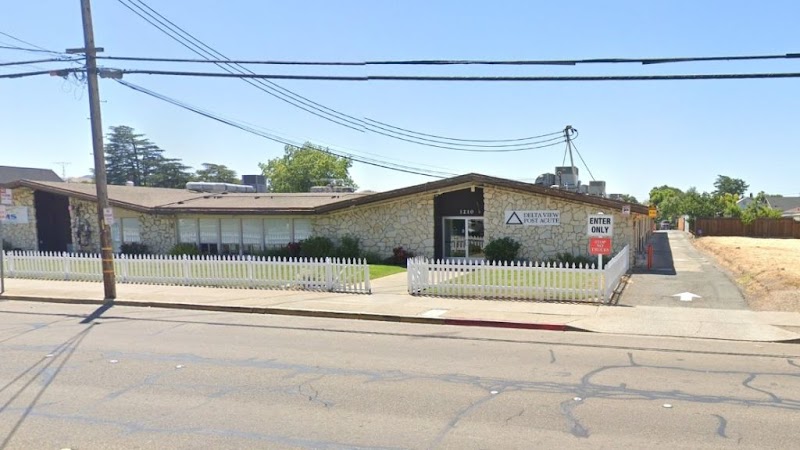
How is Delta View Post Acute Staffed?

CMS rates DELTA VIEW POST ACUTE's staffing level at 3 out of 5 stars, which is average compared to other nursing homes. Staff turnover is 37%, compared to the California average of 46%. This relatively stable workforce can support continuity of care.

What Have Inspectors Found at Delta View Post Acute?

State health inspectors documented 36 deficiencies at DELTA VIEW POST ACUTE during 2019 to 2025. These included: 1 that caused actual resident harm, 33 with potential for harm, and 2 minor or isolated issues. Deficiencies causing actual harm indicate documented cases where residents experienced negative health consequences.
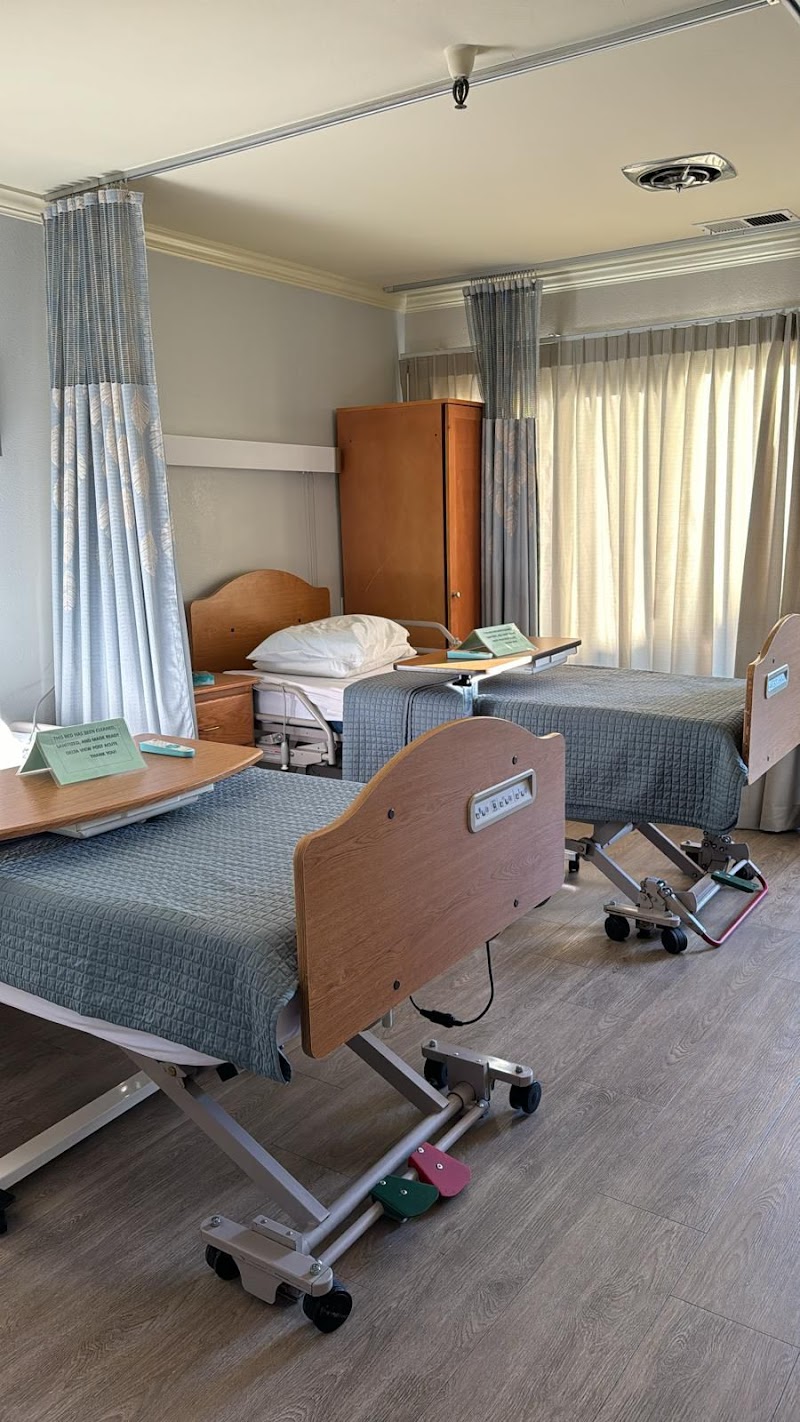
Who Owns and Operates Delta View Post Acute?

DELTA VIEW POST ACUTE is owned by a for-profit company. For-profit facilities operate as businesses with obligations to shareholders or private owners. The facility is operated by PACS GROUP, a chain that manages multiple nursing homes. With 99 certified beds and approximately 94 residents (about 95% occupancy), it is a smaller facility located in ANTIOCH, California.
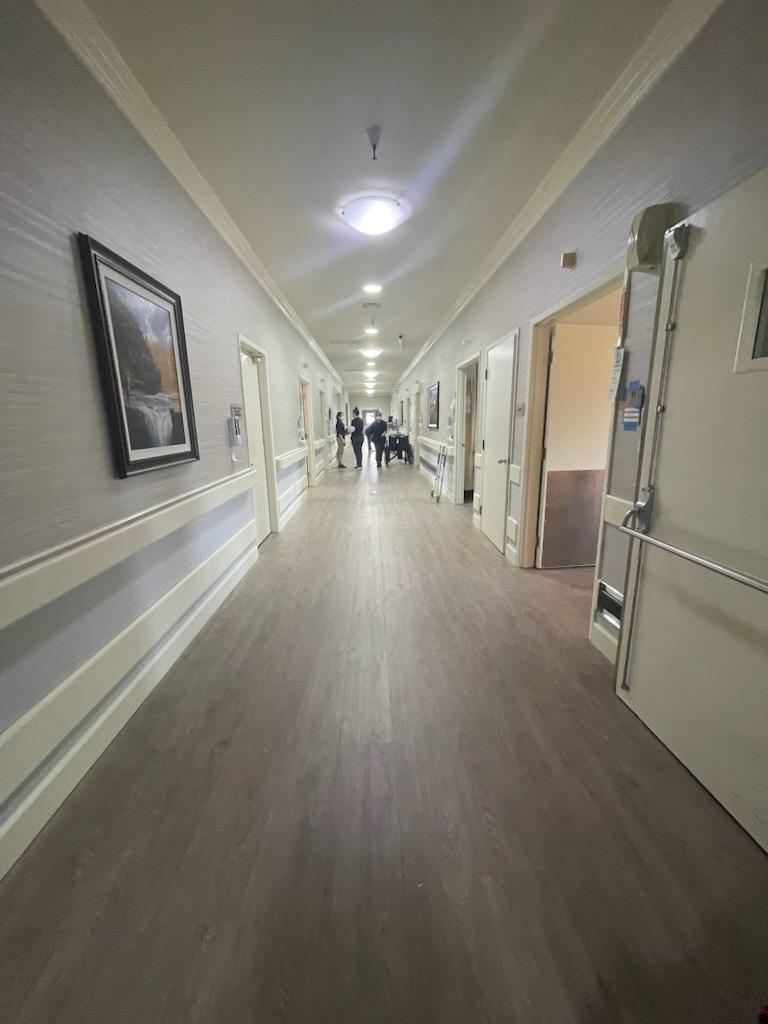
How Does Delta View Post Acute Compare to Other California Nursing Homes?

Compared to the 100 nursing homes in California, DELTA VIEW POST ACUTE's overall rating (4 stars) is above the state average of 3.2, staff turnover (37%) is near the state average of 46%, and health inspection rating (3 stars) is at the national benchmark.

What Should Families Ask When Visiting Delta View Post Acute?

Based on this facility's data, families visiting should ask: "Can I visit during a mealtime to observe dining assistance and food quality?" "How do you handle medical emergencies, and what is your hospital transfer rate?" "Can I speak with family members of current residents about their experience?"

Is Delta View Post Acute Safe?

Based on CMS inspection data, DELTA VIEW POST ACUTE has a clean safety record: no substantiated abuse findings (meaning no confirmed cases of resident harm), no Immediate Jeopardy citations (the most serious violation level indicating risk of serious injury or death), and is not on the Special Focus Facility watch list (a federal program monitoring the lowest-performing 1% of nursing homes). The facility has a 4-star overall rating and ranks #1 of 100 nursing homes in California. While no facility is perfect, families should still ask about staff-to-resident ratios and recent inspection results during their visit.

Do Nurses at Delta View Post Acute Stick Around?

DELTA VIEW POST ACUTE has a staff turnover rate of 37%, which is about average for California nursing homes (state average: 46%). Moderate turnover is common in nursing homes, but families should still ask about staff tenure and how the facility maintains care continuity when employees leave.

Was Delta View Post Acute Ever Fined?

DELTA VIEW POST ACUTE has no federal fines on record. CMS issues fines when nursing homes fail to meet care standards or don't correct problems found during inspections. The absence of fines suggests the facility has either maintained compliance or corrected any issues before penalties were assessed. This is a positive indicator, though families should still review recent inspection reports for the full picture.

Is Delta View Post Acute on Any Federal Watch List?

DELTA VIEW POST ACUTE is not on any federal watch list. The most significant is the Special Focus Facility (SFF) program, which identifies the bottom 1% of nursing homes nationally based on persistent, serious quality problems. Not being on this list means the facility has avoided the pattern of deficiencies that triggers enhanced federal oversight. This is a positive indicator, though families should still review the facility's inspection history directly.