LONE TREE POST ACUTE
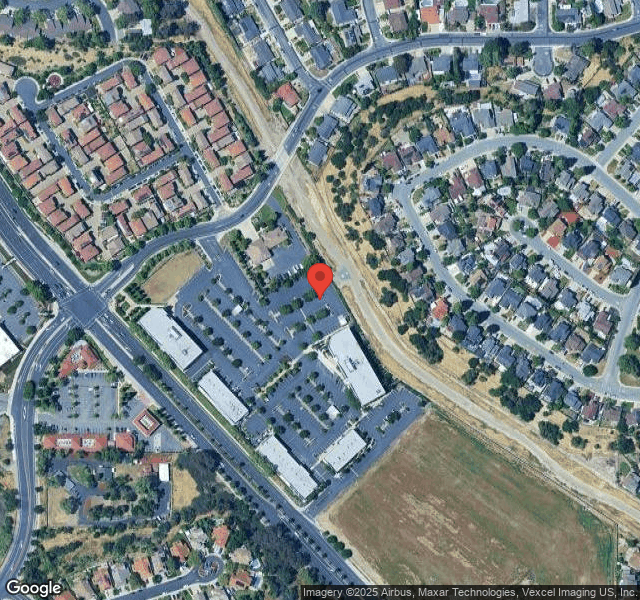

4001 LONE TREE WAY, ANTIOCH, CA 94509 (925) 754-0470
For profit - Limited Liability company 99 Beds PACS GROUP Data: November 2025 1 Immediate Jeopardy citation
Trust Grade
58/100
#119 of 1155 in CA
Last Inspection: April 2025

Within standard 12-15 month inspection cycle. Federal law requires annual inspections.

Overview

Lone Tree Post Acute in Antioch, California, has a Trust Grade of C, meaning it ranks as average among nursing homes, indicating it is middle of the pack-neither great nor terrible. It holds the #119 position out of 1,155 facilities in California, placing it in the top half of the state, and ranks #6 out of 30 in Contra Costa County, meaning only five other local options are better. Unfortunately, the facility is on a worsening trend, with reported issues increasing from three in 2023 to eleven in 2025. Staffing has been rated 2 out of 5 stars, indicating below-average performance with a 44% turnover rate, which is slightly above the California average. Additionally, the facility has faced $46,860 in fines, which is concerning and higher than 80% of similar facilities, suggesting ongoing compliance problems. Specific incidents of concern include a critical failure to maintain a functioning call light system, leaving many residents unable to call for assistance for four months, and a serious oversight in caring for a resident who developed a severe pressure ulcer without timely assessment or treatment. On a positive note, the facility does provide more RN coverage than many other state facilities, which is beneficial for resident care. However, families should weigh these strengths against the significant weaknesses highlighted in the inspection findings.

Trust Score
C
58/100
In California
#119/1155
Top 10%
Safety Record
High Risk
Review needed
Inspections
Getting Worse
3 → 11 violations
Staff Stability
○ Average
44% turnover. Near California's 48% average. Typical for the industry.
Penalties
✓ Good
$46,860 in fines. Lower than most California facilities. Relatively clean record.
Skilled Nurses
⚠ Watch
Each resident gets only 26 minutes of Registered Nurse (RN) attention daily — below average for California. Fewer RN minutes means fewer trained eyes watching for problems.
Violations
⚠ Watch
24 deficiencies on record. Higher than average. Multiple issues found across inspections.
★★★★★
5.0
Overall Rating
★★☆☆☆
2.0
Staff Levels
★★★★★
5.0
Care Quality
★★★★☆
4.0
Inspection Score
Stable
2023: 3 issues
2025: 11 issues

The Good

  • 5-Star Quality Measures · Strong clinical quality outcomes
  • Full Sprinkler Coverage · Fire safety systems throughout facility
  • No fines on record
  • Staff turnover below average (44%)

    4 points below California average of 48%

Facility shows strength in quality measures, fire safety.

The Bad

Staff Turnover: 44%

Near California avg (46%)

Typical for the industry

Federal Fines: $46,860

Above median ($33,413)

Moderate penalties - review what triggered them

Chain: PACS GROUP

Part of a multi-facility chain

Ask about local staffing decisions and management

The Ugly 24 deficiencies on record

1 life-threatening 1 actual harm
Apr 2025 11 deficiencies
CONCERN (D)

Potential for Harm - no one hurt, but risky conditions existed

Resident Rights (Tag F0550)

Could have caused harm · This affected 1 resident

**NOTE- TERMS IN BRACKETS HAVE BEEN EDITED TO PROTECT CONFIDENTIALITY** 2. A review of Resident 56's admission Record, printed on 4/9/25, indicated Resident 56 was readmitted to the facility on [DATE]...

Read full inspector narrative →
**NOTE- TERMS IN BRACKETS HAVE BEEN EDITED TO PROTECT CONFIDENTIALITY** 2. A review of Resident 56's admission Record, printed on 4/9/25, indicated Resident 56 was readmitted to the facility on [DATE] with diagnoses of schizoaffective disorder (a mental health problem with psychosis as well as mood symptoms) and morbid obesity (too much body fat). A review of Resident 56's Minimum Data Set (MDS, a resident assessment tool used to guide care), dated 2/23/25, indicated Resident 56 was able to make herself understood and had the ability to understand others. The MDS indicated resident required substantial/maximal assistance (Helper does more than half the effort. Helper lifts or holds trunk or limbs and provides more than half the effort) during shower/bathing self, upper body dressing, and lower body dressing. During an observation on 4/7/25, at 9:20 a.m., inside Resident 56's room, a fully occupied four-bed room, with Resident 56's bed situated along the left side of the room closest to the door as you enter. Resident 56's privacy curtain was not pulled completely to either side, one toward the wall, and the other, toward the dividing curtain of Resident 56's next-bed neighbor. There was at least a three-feet gap for complete enclosure to the wall and a two-feet gap for complete enclosure to the end of the bed. Resident 56 lay flat in bed with exposed body below the hip and lower extremities as resident was being assisted by Certified Nursing Assistant 1 (CNA 1) during dressing after a shower. Resident 56's bed was visible to the two other residents across Resident 56's bed and to anyone who walked into the room. During a follow-up interview on 4/7/25, at 11:30 a.m., with CNA 1, CNA 1 stated the privacy curtain should be pulled completely around the resident bed to provide visual privacy during activities of daily living (ADLs, basic self-care tasks an individual does on a day-to-day basis) care. During an interview on 4/7/25, at 12:15 p.m., with Resident 56, resident stated the privacy curtain should be closed completely when a CNA is assisting the resident with personal care. During an interview on 4/9/25, at 2:13 p.m., with the Director of Staff Development (DSD), DSD stated during ADL care, privacy curtains should be closed completely around the bed or shut the room door if occupied by just one resident, for patient privacy and dignity. A review of the facility's policy and procedure (P&P) titled, Resident Rights, dated 2001, indicated, Employees shall treat all residents with kindness, respect, and dignity. Federal and state laws guarantee certain basic rights to all residents of this facility. These rights include the resident's right to: a. a dignified existence . A review of the facility's P&P titled, Dignity, dated 2001, indicated, Each resident shall be cared for in a manner that promotes and enhances his or her sense of well-being, level of satisfaction with life, and feelings of self-worth and self-esteem .1. Residents are treated with respect and dignity at all times .11. Staff promote, maintain, and protect resident privacy, including bodily privacy during assistance with personal care and during treatment procedures . Based on observation, interview, and record review the facility failed to ensure residents' privacy and dignity rights were respected for two of two sampled residents (Resident 49 and Resident 56). Resident 49 and 56 did not have privacy during activities of daily living (ADL) care. This failure resulted in not providing privacy for Resident 49 and Resident 56, and Resident 49 feeling neglected. Findings: 1. A record review of Resident 49's admission record, printed on 4/9/25, indicated Resident 49 was admitted to the facility on [DATE]. During a record review of Resident 49's Minimum Data Set (MDS, an assessment used to guide care) dated 3/21/25, indicated Resident 23 ' s Brief Interview for Mental Status (BIMS, an assessment used to assess mental status) score was 14 out of 15, indicated intact cognition. The assessment indicated Resident 49 was able to make self-understood and was able to understand others. The assessment indicated Resident 49 needed some help performing self-care. The assessment indicated Resident 49 needed partial/moderate assistance (Helper does LESS THAN HALF the effort. Helper lifts, holds or supports trunk or limbs, but provides less than half the effort) to perform oral care and personal hygiene. During an observation and concurrent interview on 4/7/25 at 10:03 a.m. Resident 49's privacy curtain and door were wide open, while Resident 49 was lying in bed. Resident 49 stated lack of privacy made him feel neglected as a resident. During an observation and concurrent interview on 4/9/25 at 09:25 a.m. Resident 49 was up in his wheelchair on the right side of his bed, brushing teeth, flossing and washing hair with damp towel, with curtain open and door open. Resident 49 stated he felt his privacy was invaded again as he expected the staff to close the privacy curtain/ door to his room while they assisted him to set him up for ADL care. During an observation and concurrent interview on 4/9/25 at 9:34 a.m. Licensed vocational nurse (LVN 5) stated Resident 49 did not have privacy at that time because the curtain and the door was open. LVN 5 it was important for Resident 49 to have privacy because it shows respect and dignity and residents have rights to privacy. During an observation and concurrent interview on 4/9/25 at 9:40 a.m. Certified nursing assistant (CNA 3) stated at that time, since Resident 49 was doing oral care and hygiene care/ ADLs and did not have privacy because of opened door and privacy curtain. CNA 3 stated it was important for all residents to have privacy to uphold dignity and their personal space. During a record review of the facility ' s policy and procedure (P&P) titled Dignity dated 2001 indicated, staff promote, maintain, and protect resident privacy, including bodily privacy during assistance with personal care and during treatment procedures.
CONCERN (D)

Potential for Harm - no one hurt, but risky conditions existed

Deficiency F0559 (Tag F0559)

Could have caused harm · This affected 1 resident

**NOTE- TERMS IN BRACKETS HAVE BEEN EDITED TO PROTECT CONFIDENTIALITY** Based on observation, interview and record review, the facility falied to provide a written notice with reason for room change t...

Read full inspector narrative →
**NOTE- TERMS IN BRACKETS HAVE BEEN EDITED TO PROTECT CONFIDENTIALITY** Based on observation, interview and record review, the facility falied to provide a written notice with reason for room change to one of one sampled resident (Resident 14)/ resident representative prior to changing Resident 14's room. This failure had the potential for Resident 14 to experience emotional distress. Findings: A review of Resident 14's admission Record (which includes the resident's basic personal information) indicated that Resident 14 was admitted to the facility on [DATE] to Room A. A review of Resident 14's Minimum Data Set (MDS- a set of assessments used to guide resident care) indicated that Resident 14's Brief Interview for Mental Status (BIMS-a scoring system used to evaluate a resident's cognitive status in terms of attention, orientation, and ability to register and recall information) score was seven (7) out of 15, indicating Resident 14 was severely impaired with mental status. During an interview on 04/07/25 at 12:14 a.m., in Resident 14's new room (Room B), Resident 14's Representative (RR) stated that the facility changed Resident 14's room from Room A to Room B on 04/01/25 without notifying her. During concurrent interview and record review on 04/09/25 at 09:30 a.m., with Social Services Assistant (SSA), email communication between SSA and RR was reviewed. SSA stated on 04/01/25 at 11:32 a.m., she sent an email to RR notifying them about Resident 14's room change. The SSA stated email read as We did some room changes that includes [Resident 14], [Resident 14] will be now in room B. On 04/01/25 at 12:02 PM, the RR responded, Why did (Resident 14)'s room get changed? On 4/1/25 at 12:13 p.m., in response to RR's concern regarding Resident 14's sudden room change, SSA responded back to RR stating, facility needed Room A for male residents and they were anticipating Resident 14 would be staying as a long term resident in the facility. During an interview on 04/09/25 at 2:28 p.m., in Resident 14's room, RR stated they were upset for not being informed about the room change prior to changing the rooms and the dissatisfaction with the new room. RR stated in Rroom A, Resident 14 had only one roommate, had a personal phone, better view from the window; whereas in current room (Room B) Resident 14 had three roommates, there was no phone in the current room, and the view from the window was limited to bushes. During a concurrent interview and record review on 04/10/25 at 10:33 a. m., Resident 14's Interdisciplinary Team (IDT- a team includes nursing, dietary, therapy, and activity who work together to create and implement care plan to meet each resident's needs.) conference notes dated 04/01/25 were reviewed. SSD stated he participated and organized thiscare conference with Resident 14's family representative and the IDT. SSD stated he lead the conference and Resident 14's RR joined in via phone, while facility staff including SSD, dietary supervisor, a nurse, activity director and therapy staff joined in the conference in his office. SSD stated the care conference notes indicated what was discussed during the conference among staff and with Resident 14's RR. SSD stated he was unable to find any documentation if staff and or Resident 14's RR talked about Resident 14's room change that happened on that day. SSD stated if the IDT had discussed the room change, it would have been documented in the IDT notes. During an interview on 04/09/25 at 10:14 a.m., Social Services Director (SSD) stated that notifying the RR of a room change was not only Resident14's right but it was also a matter of dignity. During an interview and record review on 4/10/25 at 10:25 a.m., with facility Administrator (ADM), facility's policy and procedure titled Room Change/Roommate Assignment, revised in May 2017 was reviewed. The ADM stated that it was the facility's policy to obtain agreement from residents or their representatives before making any room changes. The policy and procedure specify that, prior to changing a room or roommate assignment, all parties involved (e.g., residents and their representatives or sponsors) must be provided with advance notice of the change.
CONCERN (D)

Potential for Harm - no one hurt, but risky conditions existed

Assessment Accuracy (Tag F0641)

Could have caused harm · This affected 1 resident

**NOTE- TERMS IN BRACKETS HAVE BEEN EDITED TO PROTECT CONFIDENTIALITY** Based on observation, interview, and record review, the facility failed to ensure the Minimum Data Set (MDS-an assessment and ca...

Read full inspector narrative →
**NOTE- TERMS IN BRACKETS HAVE BEEN EDITED TO PROTECT CONFIDENTIALITY** Based on observation, interview, and record review, the facility failed to ensure the Minimum Data Set (MDS-an assessment and care screening tool used to guide care), was accurate for one of one sampled resident (Resident 146) when Resident 146's admission MDS was not coded accurately to reflect resident's use of continuous oxygen (O2) therapy. This deficient practice resulted in an inaccurate reflection of Resident 146's admission assessment and had the potential for resident to not receive appropriate care and treatment necessary to meet the needs for her identified conditions. Findings: A review of Resident 146's admission Record, printed on 4/9/25, indicated Resident 146 was admitted to the facility on [DATE] with diagnoses of chronic obstructive pulmonary disease (COPD, constricted airways making it difficult to breath), chronic respiratory failure (a condition where there is not enough O2 or too much carbon dioxide in the body), and hypoxia (low level of O2 in the blood). A review of Resident 146's admission MDS, dated [DATE], indicated Resident 146 was able to make herself understood and had the ability to understand others. The MDS indicated resident required substantial/maximal assistance (helper does more than half the effort. Helper lifts or holds trunk or limbs and provides more than half the effort) with activities of daily living (ADLs, basic self-care tasks an individual does on a day-to-day basis) care. Further review of Resident 146's MDS, indicated the facility marked resident's Section O-Special Treatment, Procedure, and Programs .A. On admission - no, to oxygen therapy and on B. While a Resident - no, to oxygen therapy . During an observation on 4/7/25, at 9:35 a.m., in Resident 146's room, an O2 sign was posted at the doorway and Resident 146's O2 concentrator (a medical device to provide supplemental O2) was on and provided supplemental O2 at a rate a little over 2 (two) liters per minute (LPM) via nasal canula. A review of Resident 146's Physician Order, dated 3/29/25, the Order Summary indicated, Oxygen at two 2 liters per minute via nasal canula every shift for shortness of breath (SOB) or peripheral oxygen saturation (SPO2, measurement of oxygen in the blood) of 90 percent (%) or less. A review of Resident 146's Care Plan - Focus on Oxygen, dated 3/29/25, indicated resident required the use of O2 related to acute respiratory failure, asthma (a chronic condition that narrow the airways in the lungs), and COPD. The Goal indicated, .Oxygen saturation will remain within 94% to 100% .and the Interventions indicated, Administer oxygen at 2 LPM via nasal canula .Oxygen use per physician order . During a concurrent interview and record review on 4/10/25, at 8:45 a.m., with Minimum Data Set Coordinator 1 (MDSC 1), Resident 146's admission MDS was reviewed. MDS Section O on oxygen therapy indicated an answer no, to both, on admission and while a resident at the facility. MDSC 1 stated Section O was coded incorrectly and did not reflect Resident 146's oxygen use. MDSC 1 stated she assessed Resident 146 on 3/31/25 and did not remember resident was on oxygen at that time, but did recall resident had an oxygen concentrator at bedside. A review of the Resident Assessment Instrument (RAI)Version 3.0 Manual, dated October 2024, indicated, Section O .The intent of the items in this section is to identify any special treatments, procedures, and programs that the resident received or performed during the specified time periods .Steps for Assessment - 1. Review the resident's medical record to determine whether or not the resident received or performed any of the treatments, procedures, or programs within the assessment period defined for each column .Column a. On admission - Check all treatments, procedures, or programs received by, performed on, or participated in by the resident on days 1-3 .Column b. While a Resident - Check all treatments, procedures, or programs that the resident received or performed after admission/entry or reentry to the facility and within the last 14 days .Oxygen therapy - Code continuous (delivered continuously for 14 hours or greater per day) or intermittent (not continuously for at least 14 hours per day) oxygen administered via mask, canula, etc., delivered to a resident to relieve hypoxia in this item .
CONCERN (D)

Potential for Harm - no one hurt, but risky conditions existed

ADL Care (Tag F0677)

Could have caused harm · This affected 1 resident

**NOTE- TERMS IN BRACKETS HAVE BEEN EDITED TO PROTECT CONFIDENTIALITY** Based on observation, interview, and record review the facility failed to provide oral and fingernail care to one of one sampled...

Read full inspector narrative →
**NOTE- TERMS IN BRACKETS HAVE BEEN EDITED TO PROTECT CONFIDENTIALITY** Based on observation, interview, and record review the facility failed to provide oral and fingernail care to one of one sampled Resident when Resident 23 had dry mouth, and black matter under fingernails. This failure resulted in compromised daily care and appearance for Resident 23; and placed her at risk for compromised dignity and infections. Findings: A record review of admission record, printed on 4/8/25, indicated Resident 23 was admitted to the facility on [DATE]. During record review of Resident 23 ' s Minimum Data Set (MDS, an assessment used to guide care) dated 3/29/25, indicated Resident 23 ' s Brief Interview for Mental Status (BIMS, an assessment used to assess mental status) score was 4 out of 15, indicating severely impaired cognition. The assessment indicated Resident 23 was able to make self-understood and was able to understand others. The assessment indicated Resident 23 was dependent in oral and personal hygiene. The assessment indicated Resident 23 had an active diagnosis of Non-Alzheimer ' s Dementia and dysphagia. During an observation on 4/7/25 at 09:47 a.m. Resident 23 had dry lips and white, sticky like oral secretions in both corners of mouth. Resident 23 ' s upper lip was lined with white and red, crusty, dead skin with yellow dental plaque on teeth. Resident 23 ' s upper and lower eyelid appeared red with thick, yellow, crusty, mucus-like matter surrounding both eyes. Resident 23 had black matter under fingernails. During an observation and concurrent interview on 04/07/25 at 09:49 a.m. Licensed Vocational Nurse (LVN 3) stated Resident 23 ' s mouth is always dry as Resident 23 does not always drink fluids but is encouraged. LVN 3 stated Resident 23 gets a lot of eyes build up regularly. LVN 3 stated Resident 23 ' s mouth was dry and in need of oral care. LVN 3 stated it is important to perform oral and hygiene care to maintain good oral hygiene and uphold resident dignity. LVN 3 stated facility does provide Chapstick for dry lips, but there was none at Resident 23 bedside. LVN 3 stated Resident 23 ' s fingernails are dirty. LVN 3 stated fingernails should be clean to prevent infection. During an observation and concurrent interview on 04/09/25 at 10:15 a.m. Certified Nursing Assistant (CNA 2) stated Resident 23 ' s nails are not clean. CNA 2 stated Resident 23 mostly uses hands to eat. CNA 2 stated Resident 23 had cotton mouth and dry eyes. CNA 2 stated Resident 23 ' s eyes are always dry, and staff clean with damp wash cloth. CNA 2 stated Resident 23 is a total care resident and CNAs and LVNs are responsible for oral and eye care daily and as needed. CNA 2 stated it was important to do oral care because Resident 23 had dry mouth, and mouth needs cleaning after meals. CNA 2 stated facility does provide Chapstick for dry lips, but there was none at Resident 23 bedside. During an observation and concurrent interview on 04/09/25 at 10:32 a.m. LVN 4 stated Resident 23 needs Chapstick, upper lip needs to be wiped due to white patches on upper lip, and cotton mouth in corners. LVN 4 stated it was important for Resident 23 to have oral care to take care of teeth and prevent dry mouth and to stay hydrated. LVN 4 stated Resident 23 ' s eyes lids are red and dry. LVN 4 stated it was important to have good eye hygiene to help with vision and prevent eyes from being irritated from dryness. During an interview on 04/09/25 at 12:16 p.m. LVN 4 stated it is important for residents to have proper oral care and Chapstick to keep lips moist and prevent cracks in lips leading to wounds. During an observation and concurrent interview on 04/10/25 at 09:18 a.m. Director or Nursing (DON) stated important for total care residents to receive activities of daily living (ADL) care to prevent skin breakdown. DON stated oral care should be completed every shift and as needed by direct care staff. DON stated the importance of clean finger snails is to prevent infection and uphold residents ' dignity. During record review of Resident 23 ' s ADL care plan dated 09/21/23 goals indicated Resident 23 will have needs anticipated and met by staff. Interventions include AM and PM care: Assist of 1 person .Bathing assistance: Assist of 1 person .Hygiene: Assist of 1 person .Nails: trim nails with bathing schedule. During record review of Resident 23 ' s nail care task administration record (TAR) from dates 03/1/25 to 04/07/25 indicated nail care was, not applicable. During record review of the facilities P&P titled Oral Care stated, nursing staff responsible to provide assistance with daily oral care to residents who need help with brushing, flossing, or denture care, observe for signs of oral health issues (e.g. sores, gum swelling, cavities, dry mouth .residents at risk of oral health problems (e.g. those with diabetes, poor diet, or cognitive impairment) will have oral care monitored more closely and will receive additional preventative care .a structured oral care routine will be established and staff will use verbal cues and gentle redirection to assist residents. A calm and patient approach will be taken to reduce anxiety and resistance. During record review of the facilities P&P titled Care of Fingernail/Toenails dated 2001, indicated nail care includes daily cleaning and regular trimming .proper nail care can aid in the prevention of skin problems around the nail bed .trimmed and smooth nails prevent the resident from accidentally scratching and injuring his or her skin .stop and report to the nurse supervisor if there is evidence of ingrown nails, infections, pain, or if nails are too hard or too thick to cut with ease.
CONCERN (D)

Potential for Harm - no one hurt, but risky conditions existed

Deficiency F0687 (Tag F0687)

Could have caused harm · This affected 1 resident

**NOTE- TERMS IN BRACKETS HAVE BEEN EDITED TO PROTECT CONFIDENTIALITY** Based on observation, interview, and record review the facility failed to provide foot care to two of three sampled residents, (...

Read full inspector narrative →
**NOTE- TERMS IN BRACKETS HAVE BEEN EDITED TO PROTECT CONFIDENTIALITY** Based on observation, interview, and record review the facility failed to provide foot care to two of three sampled residents, (Resident 34 and Resident 35). Facility did not provide podiatry services (the treatment of the feet and their ailments) to address their long, and thick toenails. This failure resulted in Resident 34 feeling uncomfortable while wearing shoes and walking for too long and Resident 35 being in pain due to thick toenails. Findings: 1. A record review of Resident 34 ' s admission record, printed on 4/8/25, indicated Resident 34 was admitted to facility on 03/22/25. During a record review of Resident 34 ' s Minimum Data Set (MDS, an assessment used to guide care) dated 3/26/25, indicated Resident 34 ' s Brief Interview for Mental Status (BIMS, an assessment used to assess mental status) score was 11 out of 15, indicated moderately impaired cognition. The assessment indicated Resident 34 was able to make self-understood and was able to understand others. The assessment indicated Resident 34 was able to perform personal hygiene with supervision or touching assistance. The assessment indicated Resident 34 had a listed active diagnosis of pre-diabetes (higher than normal blood sugar) and need for assistance with personal care. During record review of Resident 34 ' s physician orders, dated 3/25/25, indicated podiatry (the treatment of the feet and their ailments) service for treatment of hypertrophic toenails (abnormal thickening of the nail plate on the feet or hands). During an observation and concurrent interview on 4/7/25 at 11:17 a.m. Resident 34 stated her toenails were too long on both feet, making walking very uncomfortable ability due to pain while wearing shoes for too long. Resident 34 ' s stated she felt angry because she cannot tolerate physical therapy (PT) for as long as she would like due to discomfort. Resident 34 ' s toenails appeared white and yellow in color with dry, flaky skin and heels. Resident 34 had thick, rigid toenails, about one inch in length curving to the side and over nail bed and onto skin. During an observation and concurrent interview on 4/7/25 at 11:22 a.m. with Certified Nursing Assistant (CNA 4) Resident 34 ' s toenails were observed. CNA 4 stated Resident 34 really needs toenails cut and she will remind assigned nurse about podiatry appointment. CNA 4 stated podiatry comes one time in a month and will be in facility on 4/18/25. CNA 4 stated Resident 34 ' s feet were dry, and toenails were overgrown. CNA 4 stated Resident 34 ' s toenails may cause pain. CNA 4 stated it is important to perform toenail care to prevent skin tears and wounds. During an observation and concurrent interview on 4/9/25 at 11:53 a.m. with Social Service Director (SSD) Resident 34 ' s toenails were observed. SSD stated Resident 34 had a referral for podiatry and if residents had emergency podiatry needs, nurses, team lead and transportation coordinate care to private/outside podiatry services. SSD stated she was unsure what constitutes emergency podiatry care. SSD stated Resident 34 ' s toenails need cutting because it was not sanitary and they were very long. SSD stated Resident 34 was pre-diabetic (elevated blood glucose levels, regarded as indicative that a person is at risk of progressing to Type 2 diabetes) so nurses should not manage toes at bedside. SSD stated podiatry referral is placed for all short-term residents at the time of admission. SSD stated Resident 34 should have emergency outpatient services to address long toenails. During observation and concurrent interview on 04/09/25 at 02:06 p.m. Licensed Vocational Nurse (LVN 2) stated Resident 34 should have had an outpatient referral for podiatry services to prevent infection. During record review and concurrent interview on 04/10/25 at 08:53 a.m. Director of Nursing (DON) stated SSD schedule appointments for podiatry services, if podiatry cannot come in facility, staff can schedule resident to see podiatry of choice or podiatrist available in community outpatient. DON stated if resident is admitted after monthly podiatrist visit in facility, resident should be offered to be seen by podiatry before next monthly visit outpatient. DON stated it is the resident ' s choice to accept outpatient podiatry services. DON stated skin assessments should be done every shift and abnormalities should be addressed by medical doctor (MD), If residents have long nails they should be added to podiatry During an interview on 4/10/25 at 9:11 a.m. DON stated team lead nurse who completed assessment on admission should have set podiatry services up immediately. DON stated it is important for residents to receive podiatry care to ensure good skin hygiene, and to ensure residents feel good about themselves. During an interview on 04/10/25 at 11:55 a.m. Resident 34 stated toenails were impacting walking and feels she would walk better in PT if her toenails were cut. Resident 34 stated she would have liked her toenails cut sooner. During record review of the facility ' s policy and procedure (P&P) dated 2022, titled Care of Fingernail/Toenails dated 2022 indicated nail care includes daily cleaning and regular trimming .proper nail care can aid in the prevention of skin problems around the nail bed .trimmed and smooth nails prevent the resident from accidentally scratching and injuring his or her skin .stop and report to the nurse supervisor if there is evidence of ingrown nails, infections, pain, or if nails are too hard or too thick to cut with ease. During record review of the facility ' s P&P titled Podiatry Services dated 2002 indicated residents requiring foot care who have complicated disease process will be referred to qualified professionals such as Podiatrist, Doctor of Medicine, and/or Doctor of Osteopathy .employees should refer any identified need for foot care to social worker or designer .the social worker or designer will assist residents in making appointments and arranging transportation to obtain needed services. 2.During a record review of Resident 35's Facesheet (FC), the FC indicated Resident 35 is [AGE] years old, admitted to the facility since 2023. The FC further indicated Resident 35 has diagnosis of Atrial Fibrillation (abnormal rapid and irregular heart beating), Unsteadiness (balance problem) on feet, need for assistance with personal care, Essential Hypertension (chronic high blood pressure with no known cause), and localized edema (swelling in specific area of the body). During an observation on 4/7/2025 at 10:18 a.m., Resident 35 lying in bed on his back, resting. Resident 35 stated he was concerned about podiatry care; he had not received podiatry care for a while over months. Resident 35's toes, bilateral (both) great toes and middle toes were very long, thick and hard. Resident 35 had two to three blankets over his toenails. During an interview on 4/10/2025 at 11:28 a.m., with Resident 35, Resident 35 stated it would have been nice if he had received a podiatry visit and it not taken so long get one. During a review of resident 35's podiatry notes, titled, Resident Evaluation and Treatment, dated 4/8/2024, the podiatry notes indicated subjective (complaints/HP/significant/PMH) COPD, HTN, long thick painful toenails . Objective, skin atrophy . Hypertrophic, yellow, brittle, thickened, subungual debris with pain . Assessment, Onychomycosis (fungi infection of the nail), onychodystrophy (any abnormality or disease of the nail) x5 . Plan at risk foot care needed, trim of non-dystrophic nail(s), trim of dystrophic nail(s). During a record an interview on 4/9/2025 at 10:33 a.m., with Social Services Assistant (SSA), SSA stated there is an order for Resident 35 to have podiatry care. SSA stated Resident 35 had not received podiatry care since his last podiatry visit on 4/8/2024. SSA stated Resident 35 have Medical and he should be covered for podiatry care. SSA stated the old podiatry provider was not keeping up with his schedule appointments with the facility to see residents. SSA stated Resident 35 is supposed to see podiatry care every 3 months. SSA stated it is important to provide podiatry care for residents as it is important to the resident and it is part of the resident care, part of taking care of the whole psychosocial and wellbeing of the resident. During an interview on 4/10/2025 at 11:10 a.m., with Director of Nursing (DON), DON stated it is important to provide podiatry care for residents, for the resident's dignity, to be clean, facility staff do not want residents to have any foot problems, skin breakdown, and discomfort on their foot. During a record review of Facility's policy and procedures (P&P), P&P titled, Activities of Daily Living (ADL), Supporting, dated 2001, the P&P indicated, Policy statement . Residents will be provided with care, treatment and services as appropriate to maintain or improve their ability to carry out activities of daily living (ADLs) . Resident who are unable to carry out activities of daily living independently will receive the services necessary to maintain good nutrition, grooming and oral hygiene . Policy interpretation . 3. Care and services to prevent and/or minimize functional decline will include appropriate pain management, as well as treatment for depression and symptoms of depression. During a record review of Facility's policy and procedures (P&P), P&P titled, Podiatry Services, dated 2023, the P&P indicated, Policy . It is the policy of this facility to ensure residents receive proper treatment and care within professional standards of procedures and state scope of practice, as applicable, to maintain mobility and good foot health . 2. Residents requiring foot care who have complicated disease processes will be referred to qualified professionals such as Podiatrist, Doctor of Medicine, and/or Doctor of Osteopathy . 5. The social worker or designer will assist residents in making appointments and arranging transportation to obtain needed services.
CONCERN (D)

Potential for Harm - no one hurt, but risky conditions existed

Respiratory Care (Tag F0695)

Could have caused harm · This affected 1 resident

**NOTE- TERMS IN BRACKETS HAVE BEEN EDITED TO PROTECT CONFIDENTIALITY** Based on observation, interview, and record review, for one of one sampled resident (Resident 146), the facility failed to ensur...

Read full inspector narrative →
**NOTE- TERMS IN BRACKETS HAVE BEEN EDITED TO PROTECT CONFIDENTIALITY** Based on observation, interview, and record review, for one of one sampled resident (Resident 146), the facility failed to ensure appropriate oxygen (O2) therapy was administered when resident received continuous O2 at a flow rate of three liters per minute (3 LPM) instead of two (2) LPM, as ordered by the physician. This deficient practice to administer excessive O2 administration on a chronic obstructive pulmonary disease (COPD, a lung condition caused by damage to the airways and other parts of the lungs) patient has placed Resident 146 at risk for compromised breathing which may lead to further adverse effects. Findings: A review of Resident 146's admission Record, printed on 4/9/25, indicated Resident 146 was admitted to the facility on [DATE] with diagnoses of COPD, chronic respiratory failure (a condition where there is not enough O2 or too much carbon dioxide in the body), and hypoxia (low level of oxygen in the blood). A review of Resident 146's admission MDS, dated [DATE], indicated Resident 146 was able to make herself understood and had the ability to understand others. The MDS indicated resident required substantial/maximal assistance (helper does more than half the effort. Helper lifts or holds trunk or limbs and provides more than half the effort) with activities of daily living (ADLs, basic self-care tasks an individual does on a day-to-day basis) care. A review of Resident 146's Physician Order, dated 3/29/25, the Order Summary indicated, Oxygen at 2 liters per minute via nasal canula (NC) every shift for shortness of breath (SOB) or peripheral oxygen saturation (SPO2, measure of amount of oxygen in the blood) of 90 percent (%) or less. A review of Resident 146's Care Plan - Focus on Oxygen, dated 3/29/25, indicated resident required the use of oxygen related to acute respiratory failure, asthma (a chronic condition that narrow the airways in the lungs), and COPD. The Goal indicated, .Oxygen saturation will remain within 94% to 100% .and the Interventions indicated, Administer oxygen at 2 LPM via nasal canula .Oxygen use per physician order . During a concurrent initial observation and interview on 4/7/25, at 9:35 a.m., in Resident 146's room, an oxygen sign was posted at the doorway. Resident 146 was lying in bed with head of the bed up at 45 degrees, awake, and verbal with some confusion and/or forgetfulness noted. Resident's O2 concentrator (a medical device to provide supplemental oxygen) was on with O2 administered at a flow rate a little over 2 LPM via NC. During a follow-up observation on 4/8/25, at 8:10 a.m., in Resident 146's room, Resident 146 was asleep with pursed lips, lying on her back with head of the bed up at 45 degrees. Resident's O2 concentrator was on at continuous O2 flow rate of two and a half (2.5) LPM via NC. During a concurrent observation and interview on 4/9/25, at 2:30 p.m., with Licensed Vocational Nurse 1 (LVN 1), Resident 146's physician orders were reviewed. Physician's Order dated 3/29/25, indicated O2 order at 2 LPM via NC for SOB, COPD, and chronic respiratory failure. LVN 1 stated Resident 146 was checked during the start of LVN 1's morning shift and at least four to five times during the shift. Inside Resident 146's room, resident was noted asleep in bed again. When resident's O2 concentrator was assessed, LVN 1 stated O2 concentrator was set at a flow rate a little more than 3 LPM via NC. LVN 1 stated Resident 146 should only receive continuous O2 at 2 LPM, per physician order, and should be followed at all times. During an interview on 4/9/25, at 2:38 p.m., with the Assistant Director of Nursing (ADON), Resident 146's physician order was reviewed. ADON stated resident's O2 administration should be given as ordered at 2 LPM via NC. ADON stated if a COPD resident is on excessive O2 administration, it may lead to adverse effects such as a decrease in respiratory drive leading to potential carbon dioxide retention. A review of the facility's policy and procedure (P&P) titled, Oxygen Administration, dated 2001, indicated, The purpose of this procedure is to provide guidelines for safe oxygen administration .Verify that there is a physician's order for this procedure. Review the physician's orders or facility protocol for oxygen administration .
CONCERN (E)

Potential for Harm - no one hurt, but risky conditions existed

Unnecessary Medications (Tag F0759)

Could have caused harm · This affected multiple residents

**NOTE- TERMS IN BRACKETS HAVE BEEN EDITED TO PROTECT CONFIDENTIALITY** Based on observations, interviews, and record reviews, facility failed to ensure one of four sampled residents (Resident 83) re...

Read full inspector narrative →
**NOTE- TERMS IN BRACKETS HAVE BEEN EDITED TO PROTECT CONFIDENTIALITY** Based on observations, interviews, and record reviews, facility failed to ensure one of four sampled residents (Resident 83) received a combination tablet of Calcium and Vitamin D per physician's order and Fluticasone nasal spray per manufacturer's recommendation. 1.Licensed Vocational Nurse (LVN) 1 administered 600mg+400 units of Calcium + Vitamin D instead of 600mg +200 units of Calcium + vitamin D. 2.LVN 1 did not shake and/or prime (remove the air from the applicator/nasal piece and fill the applicator/nasal piece with medication) prior to administering the nasal spray. Facility's medication error rate was 6.6.%. This failure resulted in Resident 83 not receiving Calcium/ Vitamin D supplement per physician's orders and placed Resident 83 at risk of not receiving the correct dose and concentration of the nasal spray. Findings: A record review of Resident 83's admission Record (record with residents' basic personal information) indicated Resident 83 was admitted to the facility on [DATE]. A review of Resident 83's Physician orders dated 04/2025 indicated Resident 83 was to receive Calcium-Vitamin D Tablet 600-200 mg-units [mg=milligrams] one tablet by mouth two times day for supplementation and Fluticasone Propionate Nasal Suspension 50 mcg/act two spray in each nostril one time a day for nasal allergy. During a medication administration observation on 04/08/25 at 08:11 a.m., with LVN 1, LVN 1 administered Calcium 600 mg + Vitamin D 10 [micrograms] mcg (10 mcg containing 400 units of Vitamin D) one tablet by mouth to Resident 83. LVN 1 also brought a new bottle of Fluticasone Propionate (Flonase) nasal spray from her medication cart into Resident 83's room. After removing the plastic seal from the spray applicator, without shaking and priming the nasal spray, LVN 1 administered two sprays into Resident 83's nostril. During an observation on 04/08/25 at 10:50 a.m., with LVN 1, medication cart containing Resident 83's medication was inspected. LVN 1 stated she did not have correct and prescribed dose of Calcium and Vitamin D supplement/ medication for Resident 83, stocked in the medication cart. During an interview on 04/09/25 at 10:01 a.m., LVN 1 stated that she should prime the new bottle and gently shake the Flonase bottle before administration. During an interview with the Director of Nursing (DON) on 04/09/25 at 09:51 a.m., DON stated that nurses should gently shake the Flonase bottle and prime a new nasal spray applicator before administration to ensure the resident received the correct dose of medication. During an interview and record review on 04/10/25 at 10:16 a.m., with Assistant Director of Nursing (ADON), pharmaceutical instructions for Flonase nasal spray were reviewed. The ADON stated the instructions emphasized the need to gently shake the Flonase bottle before each use. The ADON stated that failure to shake the bottle could result in the resident receiving either overly diluted or overly concentrated medication, potentially compromising its effectiveness. During review facility's policy and procedure titled Administering Medications dated 04/2019, indicated Medications are administered in accordance with prescriber orders.
CONCERN (E)

Potential for Harm - no one hurt, but risky conditions existed

Deficiency F0761 (Tag F0761)

Could have caused harm · This affected multiple residents

**NOTE- TERMS IN BRACKETS HAVE BEEN EDITED TO PROTECT CONFIDENTIALITY** Based on observation, interview and record review, facility failed to ensure one of one medication storage room, had unexpired r...

Read full inspector narrative →
**NOTE- TERMS IN BRACKETS HAVE BEEN EDITED TO PROTECT CONFIDENTIALITY** Based on observation, interview and record review, facility failed to ensure one of one medication storage room, had unexpired resident care and treatment supplies. Expired items including two wound swab tubes, six blood test tubes, three syringes, and two covid test kits, five packs of Intravenous Antibiotics (IV ATB- medication used to treat infections, given directly into the veins) medication for a discharged resident, were kept with ready to use supplies. This failure placed facility's residents at risk for getting exposed to expired treatment supplies, inaccurate lab test results. Findings: During an observation and interview, in facility medication storage room on [DATE] at 10:29, with Director of Nursing (DON), following items were found stored in medication storage cabinets around the room: 1. Six light purple-top vacutainers (a sterile glass or plastic test tube with a color-coded stopper that creates a vacuum seal inside, allowing a predetermined volume of blood to be drawn directly into it), with expiration date on [DATE]. 2. Two BD Eswab transport system (a tool used in medical labs to collect and move samples from a patient to the lab for testing), with expiration date on [DATE]. 3. Three five (5) cc syringes (without needles) with expiration date on [DATE]. 4. Two Covid test kits with expiration date on [DATE]. 5. A ziplock bag with five piggy bags of Invanz (an ATB medication for infection) IV one gram/100 mellites (1gm/100ml), with Resident 347's name on it. The ziplock bag did not indicate if medication belonged to an active resident or a discharged resident. During an interview on [DATE] at 10:40 a.m., DON stated using expired vacutainers, syringes may cause inaccurate test results, contamination, and potentially impacting patient care. The DON stated Resident 347 was discharged from the facility on [DATE] and the IV Invanz medication should not be kept in the medication storage room. The DON grabbed all the expired items and placed in the bin designated for discontinued/discarded medication kept in the medication storage room. The DON stated government had issued a memorandum that even expired covid test kits were usable beyond their expiration date; however, was unable to provide any supporting guidance for that. During review facility policy titled Storage of Medication revised on [DATE], indicated The nursing staff is responsible for maintain medication storage and preparation areas in a clean, safe, and sanitary manner, and Discontinued, outdated, or deteriorated drugs or biologicals are returned to the dispensing pharmacy or destroyed.
CONCERN (E)

Potential for Harm - no one hurt, but risky conditions existed

Food Safety (Tag F0812)

Could have caused harm · This affected multiple residents

**NOTE- TERMS IN BRACKETS HAVE BEEN EDITED TO PROTECT CONFIDENTIALITY** Based on observations, interviews, and record reviews, the facility failed to prepare, distribute, serve food in a safe, clean, ...

Read full inspector narrative →
**NOTE- TERMS IN BRACKETS HAVE BEEN EDITED TO PROTECT CONFIDENTIALITY** Based on observations, interviews, and record reviews, the facility failed to prepare, distribute, serve food in a safe, clean, and sanitary manner for 97 out of 97 residents, not following professional standards for food service safety and not following their facility policy and procedures, when: 1. staff failed to wear hair covering in the food preparation (the series of operational processes involved in prepping foods for serving, such as: washing, mixing ingredients, cutting, slicing, washing etc ) area. 2. Kitchen staff failed to use and maintain cutting board in a good condition to chop up and prepare food for the residents. 3. Facility did not maintain the kitchen ceiling in good, repaired condition. 4. Facility failed to maintain ceiling vent above tray line area in a clean condition, free from dust and other air particles. 5. Staff placed contaminated soiled rag, personal drinking cup, personal phone and charger on the food preparation area. 6. Staff did not follow correct cleaning and (sanitation) process when cleaning the food preparation area (kitchen counter tops and shelves). These failures had the potential for residents to get foodborne illnesses (illness caused by ingestion of contaminated food or beverages), cross contamination (the transfer of harmful substances or disease-causing microorganisms to food by hands, food contact surfaces, sponges, cloth towels, or utensils) of diseases, spread of infection, and possible hospitalization. Findings: 1.During an observation on 04/07/2025 at 09:09 AM, Certified Nursing Assistant (CNA) 5 came into the food prep area, past the red line marked on the floor (that means staff should not go beyond without hair net covering), and was standing by the coffee stands, near the tray line area, in-between the food shelves areas without hair net covering. During an interviewed on 4/7/2025 09:09 a.m., with CNA 5 and Dietary Manager (DM), CNA 5 stated red line means do not cross. CNA 5 also stated she does not have her hair net on, and she was supposed to have put one on because it's food area. DM stated [NAME] means staff should not cross that line because of sanitation, so that hair does not get into the food. 2.During an observation on 4/10/2025 at 09:53 a.m., Kitchen [NAME] (KC) was cutting lettuce and carrots on a worn out (unrepaired) cutting board for lunch preparation. 3.During an observation on 4/7/2025 at 09:05 a.m., with DM, ceiling area around the kitchen hood cracked on different angles and open on one spot above the stove. The cracked ceiling had some patch work to it. The open part on the ceiling was where the patch work had been done. During an observation on 4/7/2025 at 11:22 a.m., ceiling around kitchen hood had cracked areas at different angles and an open area on one spot above the stove where staff was cooking beef stew. During an interview with the DM, the DM stated she and the facility Administrator (Admin), are aware of the cracked ceiling. DM stated Maintenance had done the patch work to the ceiling some few months ago. DM stated the reason the cracked ceiling should be fully repaired to a good condition is because the stove is right below the cracked area, anything can fall from it, into the meal being prepared for residents, and also because it's open. 4.During an observation and interview on 4/10/2025 at 09:36 a.m., with Admin and DM, vent area right above the tray line area had cracked lines on it, and had dust, and cluster of dust particles attached and dangling from the vent Admin stated he had been informed about the cracked ceiling first week of February 2025. DM stated the vent above the tray line is called a swap cooler, and the facility uses the swap cooler to get air from outside to the inside. During a review of facility's document emailed on 4/16/2025, titled E&G Handyman . Project Proposal, dated 4/7/2025, the project proposal had no schedule date and receipt of payment to repair the facility's kitchen. 5.During an initial observation and an interview on 4/7/2025 at 08:42 a.m., with the Dietary Manager (DM), Kitchen Chef (KC), in the kitchen, a used cup half filled with water, placed on the same food prep counter, near the mixing bowl filled with wiped cream. A staff's personal phone and charger placed on food prep area, near the microwave used for reheating resident's meals. KC stated he had used the cup to take his medication and had left the cup on the counter. DM stated the used cup was not supposed to have been placed near the food mixer or on the food preparation area/counter, for sanitation purposes. DM also stated the microwave was used to reheat resident trays, drinks, or meals that facility hold in the kitchen, like a late tray if they had gone out of the facility for medical appointments or like for dialysis. During an observation and an interview on 4/7/2025 at 08:42 a.m., with DM, soiled, wet rag was placed on the food prep counter right next to the open food mixer filled with wiped cream. The DM stated the wet rag was used to wipe down the kitchen counter during food prep. 6.During an observation and an interview on 4/7/2025 at 2:17 p.m., with DM, the DM sprayed Clorox spray onto a dry rag and wiped the food counter surface, then later sprayed a solution in a bottle labeled QUAT, directly to the counter surface. The Quat was mixed from a built in Quat tubing system/solution at the kitchen sink. The DM stated this is the facility's process she has been using. DM stated staff are trained to use Clorox spray from the original manufacturer's bottle to clean the counter surfaces and all other kitchen surfaces. DM stated, first, staff would spray the Clorox onto the dry rag, wipe the counter after spraying the Clorox, then spray the QUAT spray directly on the kitchen surface counters, leave to air dry, and walk away. DM stated staff will check the strips for chlorine levels only when the QUAT bottle is empty and needs to be refilled. During a review of facility's policy and procedure (P&P), the P&P titled, Tray Line Area Cleaning . Cleaning Procedure. The P&P indicated, 1. Grab clean cart, plastic container. Fill container w/hot water & comet/bleach. Use clean rag . 2. Submerge clean rag into water ring out. Rinse rag . 3. Wipe off self . 11. Dump bleach water . 14. Put dirty rag in bucket. During a review of facility's P&P, the P&P titled, Kitchen Equipment and Maintenance, dated 2001. The P&P indicated, Policy Statement . It is the policy of the facility to ensure that all the kitchen equipment used in the preparation and service of food is maintained in a safe and sanitary condition to provide high-quality meals for residents. This policy outlines the necessary procedures for the regular inspection, cleaning, and maintenance of kitchen equipment to minimize the risk of accidents, foodborne illnesses, and operational disruptions . Purpose . The purpose of this policy is to . maintain kitchen equipment in optional working condition . ensure the safety of kitchen staff, residents, and visitors . comply with regulatory requirements regarding food safety and sanitation . Procedure . 1. Regular inspection and prevention maintenance . All kitchen equipment will be inspected at least monthly by the kitchen manager or designated staff . A maintenance checklist will be used to record the inspection results, including a review of the following . Cleanliness of the equipment, proper functioning of all components (e.g. burners, buttons, doors, thermometers), no visible damage or wear . 3. Cleaning and sanitizing equipment, all kitchen equipment must be cleaned and sanitized daily, following the manufacturer's instruction. This includes cleaning filters, vents, and exhaust fans . 5. Equipment repairs and replacement, when equipment is identified as malfunctioning or requiring repair, it will be evaluated for possible repair or replacement . Priority repairs will be made immediately to avoid disruptions of food service . Review and Evaluation . This policy will be reviewed annually to ensure its effectiveness and compliance with current regulations .Modification will be made as needed based on feedback from kitchen staff, maintenance personnel, or regulatory changes.
CONCERN (E)

Potential for Harm - no one hurt, but risky conditions existed

Infection Control (Tag F0880)

Could have caused harm · This affected multiple residents

Based on observation, interview, and record review, the facility failed to ensure staff followed proper standard precautions to prevent the spread of infection when: 1. Laundry Staff 1 stored her pers...

Read full inspector narrative →
Based on observation, interview, and record review, the facility failed to ensure staff followed proper standard precautions to prevent the spread of infection when: 1. Laundry Staff 1 stored her personal clothing item in the clean linen/laundry area. 2. Licensed Nurse brought original packaging of Resident 73's inhaler and Resident 83's nasal drops into the residents' respective rooms and then stored the packaging back to the medication cart. These deficient practices created a risk for cross-contamination (transfer of bacteria or other microorganisms from one substance to another) that could result in spread of infection to the residents in the facility. Findings: 1. During a concurrent observation and interview on 4/8/25, at 9:38 p.m., with the Environmental Services Manager (EVSM) and Laundry Staff 1, inside the clean side of the Laundry Room, Laundry Staff 1 stated and showed she hung her black-colored jacket inside the designated Resident Clean-Clothes Rack. Laundry Staff 1 was unable to answer when asked what risk that could have brought to the residents' health. EVSM however stated mixing staff clothing and other personal belongings with residents' clothes/linens could cause cross-contamination and spread of infection. EVSM also stated Laundry Staff 1 had a designated locker in the breakroom to store her personal item during work. During an interview on 4/10/25, at 8:30 a.m., with the Director of Staff Development (DSD), DSD stated the facility did not have a policy and procedure on Personal Belongings Storage, nor was it listed on their facility Employee Handbook, but all staff were made aware lockers were available in the breakroom for employee-use, for staff to stow away personal belongings during working hours. 2. A record review of Resident 73's Order Summary Report (a document or tool that provides an overview of orders) printed on 04/08/25 indicated Resident 73 had an order of Fluticasone 100 mcg/62.5 mcg/25 mcg (Ellipta) one puff inhale orally one time a day for COPD (chronic obstructive pulmonary disease, refers to a group of diseases that cause airflow blockage and breathing-related problems. It includes emphysema and chronic bronchitis) rinse mouth with water after each use. During an observation on 04/08/25 at 08:00 a.m., Licensed Vocational Nurse (LVN) 1 took Resident 73's Fluticasone inhaler along with its original packaging container into Resident 73's room. LVN 1 placed the container on Resident 73's bedside table, administered the inhaler to Resident 73, put the inhaler into the container, and then brought the container back to store in the medication cart. A record review of Resident 83's Order Summary Report printed on 04/08/25 indicated Resident 83 had an order of Fluticasone Propionate Nasal suspension 2 spray in each nostril one time a day for nasal allergy. During an observation on 04/08/25 at 08:11 a.m., LVN 1 brought Resident 83's Fluticasone Propionate nasal spray bottle along with its original packaging to the Resident 83's room. LVN 1 placed the package on Resident 83's bedside table without utilizing any appropriate barrier between the package and the bed side table, administered one spray to Resident 83's each nostril, repacked the bottle into its original package, and then returned the package to the medication cart. During an interview on 04/08/25 at 10:42 a. m., LVN 1 stated she could see how the original packages could become contaminated from Resident 73 and Resident 83's bed side tables. LVN 1 stated to avoid further contaminating the medication cart, she would take the bottle into the residents' room for use and then return it to the original package afterward. During an interview on 04/09/25 at 10:00 a.m. with Assistant Director of Nursing (ADON), the ADON stated bringing the original package for medications into the resident's room without utilizing an appropriate barrier had potential to contaminate the medication cart.
CONCERN (F)

Potential for Harm - no one hurt, but risky conditions existed

Staffing Information (Tag F0732)

Could have caused harm · This affected most or all residents

Based on observation, interview and document review, the facility failed to post direct care daily staffing data on a daily basis. This failure resulted in nurse staffing data not being posted in a vi...

Read full inspector narrative →
Based on observation, interview and document review, the facility failed to post direct care daily staffing data on a daily basis. This failure resulted in nurse staffing data not being posted in a visible and prominent place where it was accessible to residents and visitors. Findings: During multiple observations on 4/7/25, and 4/8/25, there was no staffing data posted in facility's reception, nursing station and/or hallways area. During an interview and record review on 4/9/25 at 12:07 p.m., with the Staff Scheduler (SS 1), facility's Nursing Staff Sign in Binder was reviewed. The binder had a document titled the census and direct care services hours per patient day (DHPPD). DHPPD had the estimated and actual total direct care hours for direct care staff (Registered Nurse, (RN), Licensed Vocational Nurses (LVN), Certified Nurse Assistant (CNAs) and beginning patient census, for day, evening and night shift. SS 1 stated the DHPPD was only kept in a binder, and was not posted anywhere in the facility; and the binder was kept at the nurse's station. During an observation and interview on 4/9/25 at 12:21 p.m., SS1 stated she was working as facility's staffing scheduler for past five years. SS 1 stated she was responsible for creating the DHPPD document on a daily basis. SS 1 stated she had never posted and or had seen the DHPPD being posted on facility's premises. SS1 then walked around the facility's hallways, including nursing station, and looked through glass doors into facility's reception area. SS 1 stated she was unable to find the DHPPD being posted anywhere. SS 1 stated since she was responsible for creating the DHPPD, she would be responsible to post it. SS 1 also stated she was not even aware of such requirement that DHPPD must be posted in an area visible to residents and visitors. During a concurrent observation and interview on 4/9/25 at 12:28 p.m., with Director of Nursing (DON), facility's notice board with licensing information was reviewed. The DON stated he had seen DHPPD data posted on the notice board, but he could not recall when was the last time he had seen it being posted. The DON stated he was unable to find the DHPPD posting on the notice board. The DON stated SS 1 must know about DHPPD posting. A record review of facility's Policy and Procedure titled 'Posting Direct Care Daily Staffing Numbers dated 2001, indicated, within two (2) hours of the beginning of each shift, the charge nurse or designee computes the number of direct care staff and completes the Nurse Staffing Information form. The charge nurse, or designee, completes the form and places the staffing information in the location (s) designated by the administrator. the form may be typed or handwritten.If the information is handwritten, it must be legibly printed in black ink and written so that staffing data can be easily seen and read by residents, staff and visitors who are interested in our facility's daily staffing information.
Dec 2023 2 deficiencies
CONCERN (D)

Potential for Harm - no one hurt, but risky conditions existed

Deficiency F0655 (Tag F0655)

Could have caused harm · This affected 1 resident

Based on observations, interviews, record review, and facility policy review, the facility failed to ensure the baseline care plan included the primary diagnosis and related respiratory treatments for...

Read full inspector narrative →
Based on observations, interviews, record review, and facility policy review, the facility failed to ensure the baseline care plan included the primary diagnosis and related respiratory treatments for 1 (Resident #267) of 19 sampled residents. Findings included: A review of the facility policy titled, Care Plans - Baseline, revised in December 2022, revealed, Statement A baseline plan of care should be developed for each resident within forty-eight (48) hours of admission. Interpretation and Implementation 1. The baseline care plan should include instructions needed to provide effective, person-centered care of the resident, which may include the following: a. Initial goals based on admission orders and discussion with the resident/representative. b. Physician orders; c. Dietary orders; d. Therapy services; e. Social Services; and f. PASARR [Preadmission Screening and Resident Review] recommendation, if applicable. A review of Resident #267's admission Record revealed the facility admitted the resident on 12/01/2023 with a a primary diagnosis of pulmonary coccidioidomycosis (a fungal infection in the lungs). A review of Resident #267's physician orders revealed an order dated 12/01/2023, for DuoNeb solution 0.5 - 2.5 milligram (mg) per three milliliters, inhale one application orally by way of a nebulizer every four hours as needed for wheezing; fluconazole tablet 200 mg, give one tablet by way of percutaneous endoscopic gastrostomy tube one time a day every Tuesday, Thursday, and Sunday for pulmonary cocci (bacteria); and oxygen at 2 liters per minute by way of nasal cannula as needed. The resident also had an order dated 12/02/2023 that directed staff to suction the resident as needed. A review of Resident #267's baseline care plan, with an effective date of 12/03/2023, revealed the baseline care plan did not address the resident's respiratory diagnosis, the need to be suctioned as needed, or the orders for the use of oxygen or nebulizer treatments. On 12/04/2023 at 11:30 AM and 12/05/2023 at 1:21 PM, the surveyor observed a suction machine on the nightstand in Resident #267's room. During an interview on 12/06/2023 at 2:22 PM, the Minimum Data Set (MDS) Nurse #4 stated baseline care plans were completed upon admission and should include a resident's medications, diagnoses, fall risk, code status, and treatments to include wounds, nebulizers, oxygen use, and suctioning. MDS Nurse #4 stated Resident #267's baseline care plan should have included suctioning. During an interview on 12/06/2023 at 1:53 PM, the Assistant Director of Nursing (ADON) stated the baseline care plan was initiated by the MDS nurse upon admission and the other departments were responsible for completing their sections. The ADON stated she would expect the primary diagnosis and treatments being done to be included on the baseline care plan. Per the ADON, the use of oxygen, nebulizers, and suctions should be on the baseline care plan, and she was not sure why it was not included on Resident #267's baseline care plan. During an interview on 12/06/2023 at 2:00 PM, the Director of Nursing (DON) stated baseline care plans were initiated by the MDS nurse on the day of admission and should include a resident's primary diagnosis and treatments provided. The DON stated suctioning, oxygen use, and nebulizer use should be included on the baseline care plan. During an interview on 12/06/2023 at 2:31 PM, the Administrator stated he expected baseline care plans to include the general plan of care dependent on the resident's diagnosis and orders.
CONCERN (D)

Potential for Harm - no one hurt, but risky conditions existed

Unnecessary Medications (Tag F0759)

Could have caused harm · This affected 1 resident

Based on observations, interviews, record reviews, and facility policy review, the facility failed to have a medication error rate less than 5%. The facility had 2 medications errors out of 27 opportu...

Read full inspector narrative →
Based on observations, interviews, record reviews, and facility policy review, the facility failed to have a medication error rate less than 5%. The facility had 2 medications errors out of 27 opportunities, which yielded a medication error rate of 7.41% for 2 (Resident #8 and Resident #52) of 6 residents observed for medication administration. Findings included: A review of the facility policy titled, Administering Medications, revised in April 2023, revealed, 10. The individual administering the medication checks the label THREE (3) times to verify the right resident, right medication, right dosage, right time and right method (route) of administration before giving the medication. A review of Resident #52's physician orders revealed an order dated 11/09/2023, for Aspirin 81 milligrams (mg) delayed release, give one tablet by mouth one time a day for stroke prevention. During medication administration observation on 12/06/2023 at 7:58 AM, Licensed Vocational Nurse (LVN) #1 did not administer Aspirin 81 mg to Resident #52. During an interview on 12/06/2023 at 12:10 PM, LVN #1 stated he thought he had given the Aspirin to Resident #52. LVN #1stated he should have done the five checks of medication pass, to include checking for the right resident, medication, dose, time, and route to ensure all medications were prepared for administration. A review of Resident #8's physician orders revealed an order dated 11/22/2023, for fluticasone propionate nasal suspension 50 micrograms per actuation, one spray in both nostrils one time a day for nasal allergy. During medication administration observation on 12/06/2023 at 8:19 AM, LVN #2 did not administer fluticasone propionate nasal suspension to Resident #8. During an interview on 12/06/2023 at 11:25 AM, LVN #2 stated when a nurse administered medications, the nurse should check the medication one by one to ensure all medications were given as ordered. LVN #2 acknowledged he missed seeing the order for the fluticasone. During an interview on 12/06/2023 at 1:53 PM, the Assistant Director of Nursing stated when a nurse administered medications, the nurse should double, and triple check the electronic medication administration record (eMAR) with the medications prepared to ensure the right dosage, right resident, and right medication. During an interview on 12/06/2023 at 2:00 PM, the Director of Nursing (DON) stated when a nurse administered medications, the nurse should read the eMAR to look at the orders to ensure they had the right resident, right medication, right dose, and right time. The DON stated the nurse should double check the orders to ensure all ordered medications were administered to the resident. During an interview on 12/06/2023 at 2:31 PM, the Administrator stated that he expected all medications to be given as ordered by the physician unless the medication was refused by the resident or other circumstances prevented the medication from being administered.
May 2023 1 deficiency 1 IJ (1 affecting multiple)
CRITICAL (K) 📢 Someone Reported This

A family member, employee, or ombudsman was alarmed enough to file a formal complaint

Immediate Jeopardy (IJ) - the most serious Medicare violation

Deficiency F0919 (Tag F0919)

Someone could have died · This affected multiple residents

**NOTE- TERMS IN BRACKETS HAVE BEEN EDITED TO PROTECT CONFIDENTIALITY** Based on observation, interview, and record review, the facility failed to repair and maintain a functional resident call light ...

Read full inspector narrative →
**NOTE- TERMS IN BRACKETS HAVE BEEN EDITED TO PROTECT CONFIDENTIALITY** Based on observation, interview, and record review, the facility failed to repair and maintain a functional resident call light system (the means of communication between residents and staff) in residents' rooms, bathrooms, and shower rooms for a period of four months. The facility had 14 of 26 sampled residents with identified malfunctioning call lights (Residents 4, 5, 6, 9, 8, 11, 13, 15, 1, 3, 14, 12, 10, and 7), an alternative interim call bell (commonly known as service/reception bell) system/ process was not utilized, and residents had no means of calling for assistance. Additionally, 6 of 18 identified cognitively or physically impaired sampled residents (Residents 16, 17, 18, 19, 20, and 21) who were incapable of using the call system, did not have an alternate communication system in place in order to have their needs met. Two of two shower rooms (Shower rooms [ROOM NUMBERS]) and four resident bathrooms which included Room A (Residents 27 and 28), Room B (Resident 31), Room C (Resident 11), and Room D (Residents 2 and 13) had no working call system. Finally, the facility did not have a signed contract or determined start date for a call light system replacement. These multiple failures resulted in residents not being able to efficiently communicate their needs and placed residents at risk for serious harm, up to and including death, by not being able to call for staff in an emergency. It was determined that this constituted an Immediate Jeopardy (IJ- a situation in which a facility's actions places one or more residents in jeopardy of being significantly harmed up to the point of potential for death to occur if not corrected immediately) situation. The Assistant Director of Nursing (ADON) and Nurse Consultant were verbally notified of the IJ on 4/28/23 at 3:01 p.m., and the Administrator (ADM) was verbally informed of the IJ on 4/28/23 at 3:08 p.m. Through observations, interviews, and record reviews, the facility showed they initiated the plan of action by securing a contract to replace the facility's malfunctioning call system, with installation beginning on 5/8/23. The facility provided call bells to all affected residents, including in their bathrooms, with instructions on the use of. Baby monitors were deployed to residents incapable of using the interim bell system and were added to both shower rooms. Documentation of staff training; and updated resident care plans were done with focus on individualizing for their specific call light communication needs. The IJ was removed onsite on 5/2/23, at 12:40 p.m. Findings: During a concurrent observation and interview on 4/28/23, at 9:11 a.m., with Certified Nurse Assistant 1 (CNA 1), in Resident 7 and 10's shared room, CNA 1 pressed the call buttons and stated, the bulb outside their shared room should light up and it did not. CNA 1 stated, Resident 7 and 10's call lights were not working. CNA 1 stated, she was not aware that Resident 7 and 10's call lights were not working. During a concurrent observation and interview on 4/28/23, at 9:18 a.m., CNA 1 pushed Resident 5, 6, and 9's call light and stated, call lights were not functional and they did not have alternative call bells. CNA 1 stated, she reported to the maintenance department that the call light was not working for Residents 5, 6, and 9, but did not know the exact date it began malfunctioning and/or when she reported it to maintenance. During an interview on 4/28/23, at 9:20 a.m., with Maintenance Supervisor (MS), MS stated, the facility was in the process of changing the call lights because the current system had issues. MS stated, the call light for Residents 7, 10, 18, 20, 21, and 26 were broken for over a month now. MS stated, he did not know how many resident rooms were affected in total. During a concurrent observation and interview on 4/28/23, at 9:29 a.m., while in Resident 4's room, MS stated, Residents 4, 18, 20, and 35 were without a functioning call light for over a month. MS stated, Resident 4 did not have an alternate call bell at the bedside. During a concurrent interview and record review, on 4/28/23, at 9:33 a.m., at the Nursing Station 1, with MS, the facility's Maintenance Binder was reviewed. The Maintenance Binder had, Maintenance Request Log with columns titled, Date, Room #, Location, Problem/Issue, Requested By, Completion Date, and Initials. The MS stated the facility staff was responsible to log date, room #, location, and problem/issue that needed the maintenance department's attention. The MS stated, he was responsible to fix the issue and log the completion date and initial it. The MS stated, the facility had call light malfunction issues since September 2022; however, he didn't sign the entries for call light malfunction in December 2022 and January 2023 because the call light malfunction could not be fixed. The MS stated, the reported malfunctions were escalated to the ADM. The MS continued by stating, a contractor recently visited the facility to assess the call light system malfunction and a full rewiring or replacement of the call light system was required. During a record review, on 4/28/23, at 10:36 a.m., while the presence of the Social Services Director (SSD), an Email Correspondence from Resident 26's daughter, dated 4/24/23, with responses dated 4/25/23 and 4/26/23, was reviewed. According to the email correspondence Resident 26's daughter indicated that the call light was again not working when she visited on 4/23/23 and wanted to know what it would take to fix the call button issue permanently. During an interview on 4/28/23, at 10:57 a.m., the SSD stated, malfunctioning call lights and/or staff not answering call lights or attending to residents' needs placed residents at risk for anxiety (nervousness) and could impact their psychosocial wellbeing. During a concurrent observation and interview on 4/28/23, at 11:10 a.m., with Resident 2, in Resident 2 and 13's shared room, Resident 13 did not have a call bell. Resident 2 stated, he used his call bell to call staff for his roommate (Resident 13), when Resident 13 called out to staff for assistance. During an interview on 4/28/23, at 11:15 a.m., with the MS, outside of Resident 13's room, the MS stated, he gave a list of residents affected by the call light system malfunction to the ADON and will get a call bell for Resident 13. During a concurrent interview and record review on 4/28/23, at 11:16 a.m., with the ADON, an undated pink sticky note titled Call Lights Not Working, was reviewed. The ADON stated, the facility identified nonfunctioning call lights for Room A (Residents 27 and 28), Room B (Resident 31), Room D (Residents 2 and 13), Room E (Residents 8 and 29), Room F (Residents 30 and 32), Room G (Residents 1, 3, 14, and 33), Room H (Residents 12, 16, 19, and 34), Room I (Residents 7, 10, 21, and 26), and Room J (Residents 4, 18, 20, and 35). During an interview on 4/28/23, at 11:45 a.m., Certified Nursing Assistant 3 (CNA3) stated, Resident 11 has a call bell because the call light was not working. Resident 11's room was not written on the Call Lights Not Working list provided by the ADON. During an observation and interview on 4/28/23, at 11:54 a.m., with Case Manager 1 (CM 1), in the hall outside of Resident 2 and 13's room, CM 1 closed Resident 2 and 13's door without offering assistance after one of the residents rang the call bell. CM 1 stated, she did not hear the call bell. During an observation on 4/28/23, at 1:15 p.m., in Resident 12's room, Resident 12 did not have a functioning call light nor a call bell present at her bedside. During an observation on 4/28/23, at 1:20 p.m., in Residents 2 and 13's room, the bathroom call light was not working. During a concurrent observation and interview on 4/28/23, at 1:21 p.m., with Residents 1 and 3, in Resident 1, 3, and 14's shared room without a functioning call light system, a call bell was missing for all three residents. Resident 1 stated, she got up and walked out to the nursing station when she needed assistance because her call light or bell was not answered. Resident 3 stated, when her call light or bell wasn't answered she called out or waited for staff to come help her. During an observation on 4/28/23, at 1:28 p.m., in Resident 11's room, the bathroom call light was not working. During a concurrent observation and interview on 4/28/23, at 1:28 p.m., with Certified Nursing Assistant 2 (CNA2), while in Residents 1, 3, and 14's shared room, each resident was missing a call bell. CNA 2 stated, she would get call bells for Residents 1, 3, and 14. During a follow up observation on 4/28/23, at 1:29 p.m., while in Resident 13's room, Resident 13 did not have a call bell since 11:10 a.m. During a concurrent observation and interview on 4/28/23, at 1:29 p.m.,while in Residents 8 and 29's room, Resident 29 stated, the bathroom call light was not working. Resident 29 stated, he had to call out for help while in the bathroom. During an observation on 4/28/23, at 1:30 p.m., while in Residents 27 and 28's room, the bathroom call light was not working. During an interview on 4/28/23, at 1:31 p.m., with Licensed Vocational Nurse 1 (LVN 1), LVN 1 stated, the facility had been using bells for a month or so. LVN 1 stated, it was hard to know which resident rang the bell and staff had to go room by room to check on residents. LVN 1 stated, a call light or bell was important for residents to communicate their needs or if they had an emergency like a breathing difficulty or heart problem. During an interview on 4/28/23, at 2:51 p.m., CNA 6 stated, a bathroom call light was important for residents to have privacy, prevent falls and get assistance when needed. During a concurrent interview and record review on 4/28/23, at 11:29 a.m., with the ADM, a document titled Contract, dated 4/01/23, was reviewed. The ADM stated the contract indicated it was an estimate for a call light system and was unsigned. ADM stated, he was aware a new call light system was needed for the whole facility and the old system could not be repaired. The ADM stated the contract was not signed yet and only a verbal authorization was given to the company to install a new nurse call light system. The ADM also stated, there was no specific start date to replace the facility-wide call light system. During an interview on 4/28/23, at 1:09 p.m., Licensed Vocational Nurse (LVN 2) stated, residents needed functioning call lights to notify staff of needs or serious medical conditions, such as chest pain. LVN 2 further stated, residents feel isolated or stressed without call lights. During an interview on 4/28/23, at 2:06 p.m., with Central Supply and Maintenance Supervisor (CSM), the CSM stated, the contractor installing the call light system did not show up when scheduled a month ago to check the wiring. The CSM stated, the call light malfunction affected both sides of the building. During a concurrent interview and record review on 4/28/23, at 2:22 p.m., with the CSM in the conference room and MS on the phone, the facility's Quarterly Preventative Maintenance Log was reviewed. The Quarterly Preventative Maintenance Log sheet had a list of inspection items that maintenance department was responsible for. The MS stated, the item titled, Inspect residents' rooms/bathrooms for needed repairs and proper operation of all equipment included inspection of the call light system. The MS also stated the quarterly preventative maintenance inspections had not been completed since 12/30/22. The MS stated, the facility had call light malfunctions dating back to September 2022. The MS further stated, the facility did not complete a quarterly preventative maintenance log after December 2022. During a concurrent interview and record review on 5/01/23, at 1:34 p.m., with the Director of Nursing (DON),the facility's document titled, Cognitively and Physically Impaired Residents Who Are Unable to Utilize The Call System, undated, was reviewed. The DON stated, the facility had 12 residents who were cognitively or physically impaired and unable to use a call bell, including Residents 6, 9, 16, 17, 18, 20, 22, 23, and 24. The DON stated, the facility was doing increased rounds to monitor those 12 residents every 15 minutes, but was unable to provide documentation of increased monitoring in residents' clinical records and/or direct care staff's training records on increased resident monitoring . The DON stated facility purchased five baby monitors (an electronic device used to hear someone in another room) for residents who were unable to use the call bells, but none of them were deployed yet. During a concurrent interview and record review on 5/2/23, at 9:22 a.m., with ADM, facility's untitled document containing a list of cognitively and physically impaired residents, undated, was reviewed. ADM stated, facility identified and added Residents 10, 21, 25, and 26 to the list of cognitively and physically impaired residents the facility identified as incapable of using the call bell, indicating the facility had a total of 16 residents who were not able to use the call bell, which was the facility's alternative for malfunctioning call lights. During an interview on 5/02/23, at 10:14 a.m., Certified Nursing Assistant (CNA 4) stated, the facility had two shower rooms (Shower rooms [ROOM NUMBERS]). CNA 4 stated, Occupational Therapy used Shower 1 for rehabilitation and to train residents with activities of daily living. During a concurrent observation and interview on 5/02/23, at 10:16 a.m., with CNA 4 and Occupational Therapist 1 (OT 1), in Shower 1, OT 1 tested the call light. OT 1 stated it was not working. During an interview on 5/02/23, at 10:43 a.m., in Shower 2, Certified Nursing Assistant (CNA 5) stated, she was the designated shower staff for the day. CNA 5 stated two emergency call lights in Shower 2 were not working. CNA 5 stated, she had to yell out or schedule staff to pick up residents after 15 minutes because she didn't have a pager or other way to contact staff. During an interview on 5/2/23, at 12:14 p.m., with the Director of Rehabilitation (DOR), the DOR stated, she did not know the call light system was malfunctioned in Shower 1. The DOR stated, staff yelled out for help when help was needed. During a review of the facility's policy and procedure (P&P) titled Answering the Call Light, dated October 2010, the P&P indicated, the purpose of this procedure is to respond to the resident's requests and needs . The policy indicated staff are to report all defective call lights to the nurse supervisor promptly.
Apr 2021 10 deficiencies 1 Harm
SERIOUS (G)

Actual Harm - a resident was hurt due to facility failures

Pressure Ulcer Prevention (Tag F0686)

A resident was harmed · This affected 1 resident

**NOTE- TERMS IN BRACKETS HAVE BEEN EDITED TO PROTECT CONFIDENTIALITY** Based on observation, interview and record review, the facility failed to ensure one (Resident 24) of one sampled residents did ...

Read full inspector narrative →
**NOTE- TERMS IN BRACKETS HAVE BEEN EDITED TO PROTECT CONFIDENTIALITY** Based on observation, interview and record review, the facility failed to ensure one (Resident 24) of one sampled residents did not develop a pressure ulcer (localized injury to the skin and/or underlying tissue usually over a bony prominence as a result of pressure) and provide the necessary assessment, treatment and services to promote healing of a pressure ulcer when: Resident 24 developed a pressure ulcer over the buttocks and sacrum (large triangular bone in the lower back) on 12/24/20 and was not assessed or treated until 1/1/21, which resulted in Resident 24 developing a pressure ulcer and later development into a stage 4 (a wound with full thickness tissue loss with exposed bone, tendon, or muscle. Slough or eschar may be present on some parts of the wound bed). Resident 24 was sent to the acute hospital for wound debridement (the removal of damaged and/or infected skin tissue to help a wound heal) and treatment of osteomyelitis (inflammation of bone or bone marrow, usually due to infection). Findings: Review of the admission Record dated 4/14/21, indicated Resident 24 was initially admitted on [DATE] to the facility and then readmitted on [DATE] with multiple diagnoses that included dementia ( progressive memory loss), diabetes mellitus (a disease in which the body's ability to produce or respond to insulin is impaired), muscle wasting, and muscle weakness. During a review of quarterly Minimum Data Set (MDS-an assessment tool used to guide care) dated 10/6/20, the MDS indicated Resident 24 was totally dependent and required two plus persons physical assist to position body while in bed, move to and from lying position, and turn side to side. The MDS also indicated Resident 24 was always incontinent of bowel. Further review of the MDS, it indicated Resident 24 had no unhealed pressure ulcers, but was at risk for developing pressure ulcers. During a review of the quarterly Braden Scale Observation/Assessment (BSOA) (a tool for assessing a resident's risk for developing a pressure ulcer) dated 10/16/20, the BSOA indicated a score of 13 which meant moderate risk for pressure ulcer development. During a review of a care plan titled Potential for Pressure Ulcer Development initiated on 4/17/19, the care plan indicated Follow facility policies/protocols for the prevention/treatment of skin breakdown. Review of the facility's policy and procedure titled, Prevention of Pressure Injuries revised 4/2020, indicated Skin Assessment- 3. Inspect the skin on a daily basis when performing or assisting with personal ADLS. a. Identify any signs of developing pressure injuries (i.e., non-blanchable erythema). b. Inspect pressure points (sacrum, etc.). Mobility/Repositioning-1. Reposition all residents with or at risk for pressure injuries on an individualized schedule, as determined by the interdisciplinary care team. Monitoring-1. Evaluate, report and document potential changes in the skin. During a review of the Progress Notes (PN) for Resident 24, dated 12/24/20, the PN indicated the charge nurse reported an open wound on the buttocks area with eschar (devitalized tissue that can appear as a dry dark scab) and described as an unstageable (UTD, a full thickness tissue loss in which the wound bed is completely obscured by dead tissue). The notes did not include the measurement and description of the wound. The notes further indicated the physician was notified for wound care orders During a review of a facility document titled FAX for Resident 24, dated 12/24/20, the document indicated the facility staff sent a request regarding Resident 24 to the Medical Doctor (MD) on 12/24/20 for a treatment order for an open wound buttocks and sacral area. During a review of the Doctor's Progress Note (DPN), dated 12/31/20, the DPN indicated a physician's order for wound care for bilateral buttocks and sacral area and a wound MD consult. During an observation and concurrent interview with Licensed Vocational Nurse (LVN) 2 on 4/15/21 at 8:26 a.m., Resident 24 was given wound care to sacral area pressure ulcer by LVN 2. Resident 24's pressure ulcer bed had pink tissue with small amount of yellow tissue. The skin surrounding Resident 24's pressure ulcer was discolored. Resident 24's sacral pressure ulcer had light brown drainage. LVN 2 stated Resident 24's pressure ulcer bed had slough (dead tissue that may have a yellow or white appearance) and red tissue. LVN 2 stated the sacral pressure ulcer was a stage 4. LVN 2 measured Resident 24's sacral pressure ulcer and stated the length was 12 centimeters (cm), width was 10.5 cm and had no depth. LVN 2 measured and stated Resident 24's pressure ulcer had 1 cm tunneling (a passageway underneath the skin through soft tissue with potential for abscess formation) at the twelve o'clock position, 1.3 cm tunneling at the three o'clock position, and 1.8 cm tunneling at the seven o'clock position. During a review of the care plan titled Impaired Skin Integrity-Pressure Ulcer of the Sacrum for Resident 24, dated 12/31/20, the care plan indicated it was implemented seven days after Resident 24's pressure ulcer was observed. During a review of Treatment Administration Record (TAR) for Resident 24, dated 1/1/21-1/31/21, the TAR indicated Resident 24 received his first treatment for open wounds on bilateral buttocks and sacral area on 1/1/21. During a phone interview with RN 2 on 4/15/21 at 11:20 a.m., RN 2 stated on 12/24/20, a CNA told her Resident 24 had a black area on his buttocks. RN 2 stated she could not leave the red zone (area for COVID 19 positive residents), so she took a picture of Resident 24's pressure ulcer from her cell phone and sent it to RN 3. RN 2 stated she made a recommendation for the treatment of Resident 24's pressure ulcer, and RN 3 faxed the information about her recommendation to the doctor. RN 2 stated she did not measure Resident 24's wound. During an interview with RN 3 on 4/15/21 at 7:35 a.m., RN 3 stated RN 2 discovered Resident 24's pressure ulcer on 12/24/20. RN 3 stated RN 2 took a picture of Resident 24's wound and showed it to him. RN 3 stated Resident 24's wound bed had eschar (dark dead skin). RN 3 stated Resident 24's pressure ulcer was one big wound that included both buttocks and sacral areas. RN 3 stated he did not have time to measure the pressure ulcer. RN 3 stated he should have measured the pressure ulcer on 12/24/20 since it was newly discovered. RN 3 stated he did not call MD's office to confirm that the fax was received, and he did not call the facility's Medical Director when did not get a timely response from MD. Review of the facility's policy and procedure titled, Pressure Ulcers/Skin Breakdown-Clinical Protocol revised 4/2018, indicated Assessment and Recognition-2. In addition, the nurse shall describe and document/report the following: a. Full assessment of pressure sore including location, stage, length, width and depth and presence of exudates or necrotic tissue. Monitoring-1. During resident visits, the physician will evaluate and document the progress of wound healing-especially for those with complicated, extensive, or poorly-healing wounds. During an interview and concurrent record review with DON on 4/15/21 at 1:20 p.m., DON reviewed Resident 24's record and stated MD documented on 1/12/21 that Resident 24 had a large sacrum stage 4 wound with probable osteomyelitis. During a phone interview with MD on 4/15/21 at 11:10 a.m., MD stated Resident 24 had a bad pressure ulcer during the time of the facility's COVID 19 outbreak. MD stated Resident 24 was a high risk for pressure ulcers because he had malnutrition, diabetes, could not turn himself and could not control his bowel. MD stated Resident 24 had a history of having wounds and maybe an old wound had reopened. During a review of a Doctor's Progress Notes (DPN) for Resident 24, dated 1/12/21, the DPN indicated Resident 24 had a Sacrum area large stage IV decubitus, 2 inches deep, with probable osteomyelitis. During a review of the Hospital Discharge Summary (HDS) dated 1/18/21, the HDS indicated Resident 24 was admitted to the hospital on [DATE] and discharged on 1/18/21. The HDS also indicated Resident 24 had diagnoses of a large sacrum ulcer with infection and osteomyelitis (infection of the bone). Further review of the HDS indicated that an antibiotic to treat bacterial infections was started on 1/13/20, debridement of the sacral decubitus ulcer was done 1/13/21 and a wound vacuum (a device to treat wounds) was placed on 1/14/21. The HDS indicated on 1/14/21 Resident 24 had a Large open wound of coccyx 14 x 14 cm. wound vac in place. The HDS indicated the Computerized Tomography Scan (CT scan, a medical imaging technique used in radiology to get detailed images of the body noninvasively) showed extensive decubitus ulceration with large pocket of gas and fluid -filled collection within the pelvis to the left of the rectum measuring 9.8x4.9x6.1 cm. There was further indication of extensive tissue swelling. The HDS also indicated Hand size large ulcer, covered with black color mole, pus drainage and inch deep to use finger probe. Minimal erythema (reddening of the skin) around the wound and, odor smell strong.
CONCERN (D)

Potential for Harm - no one hurt, but risky conditions existed

Resident Rights (Tag F0550)

Could have caused harm · This affected 1 resident

Based on observation, interview, and record review, the facility failed to treat one (Resident 51) of 24 sampled residents with respect and dignity by leaving a urinary bag uncovered and visible from ...

Read full inspector narrative →
Based on observation, interview, and record review, the facility failed to treat one (Resident 51) of 24 sampled residents with respect and dignity by leaving a urinary bag uncovered and visible from the hallway. This failure had the potential to result in demeaning practices and standards of care that compromise dignity. Findings: During an observation, on 4/12/21, at 11:46 a.m., Resident 51's urinary bag was full of urine and was hanging on the right side of the bed visible from the doorway. During a concurrent observation and interview, on 4/12/21, at 11:57 a.m., Certified Nurse Assistant (CNA)1 stated Resident 51's urinary bag had 700 ml (unit of measurement) of urine. CNA 1 stated Resident 51's urinary bag should be covered with the blue colored privacy bag because urinary catheter bag should not be exposed. During an interview with Licensed Vocational Nurse/ Infection Preventionist (LVN/ IP), on 4/13/21, at 9:05 a.m., LVN/IP stated the urinary bag should not be visible from the doorway and should be covered in blue privacy bag to ensure privacy and dignity. During a review for Resident 51's Urinary Catheter care plan dated 9/25/20, the care plan indicated, Ensure privacy cover is placed on foley bag. During a review of the facility's policy and procedure titled Quality of Life - Dignity, dated 02/2020, indicated, Demeaning practices and standards of care that compromise dignity are prohibited. Staff are expected to promote dignity and assist residents . a. Helping the resident to keep the urinary catheter bags covered.
CONCERN (D)

Potential for Harm - no one hurt, but risky conditions existed

Deficiency F0558 (Tag F0558)

Could have caused harm · This affected 1 resident

Based on observation, interview and record review, the facility failed to provide the appropriate signaling device for one (Resident 66) of eight sample residents when a call bell was not provided to ...

Read full inspector narrative →
Based on observation, interview and record review, the facility failed to provide the appropriate signaling device for one (Resident 66) of eight sample residents when a call bell was not provided to accomodate Resident 66's limited range of motion. This failure prevented Resident 66 access from the device to alert staff of assistance or emergency. Findings: During a review of the admission Record for Resident 66, the admission Record indicated Resident 66 was admitted to the facility with multiple diagnoses that included Hemiplegia (paralysis of one side of the body) and muscle wasting on right and left upper arms. During a review of Resident 66's care plan, dated 12/27/19 , the care plan indicated The resident . unable to use standard call light . Intervention, alternative call bell, encourage the resident to use bell to call for assistant . During an observation on 04/14/21, at 10:50 a.m., Resident 66 was in bed and asked for water to drink. The call light was not reachable and no other alternative device was accessible. During an interview with Resident 66 on 04/14/21, at 10:50 a.m., Resident 66 stated she was not able to use the standard call light because she did not have strength to push the call light. Resident 66 stated she always had to wait for the nurses to come to her room. Resident 66 stated when the nurses visited she was able to ask for whatever she needed. She stated there are times she was unable to reach anyone. Resident 66 stated the facility never provided any other alternative for her. During an interview on 4/14/21, at 11:00 a.m., with Director of Nursing ( DON) who was present in Resident 66's room, DON agreed Resident 66 was not able to use the standard call light and stated all the residents should be able to have an access to some type of call lights for their needs.
CONCERN (D)

Potential for Harm - no one hurt, but risky conditions existed

ADL Care (Tag F0677)

Could have caused harm · This affected 1 resident

**NOTE- TERMS IN BRACKETS HAVE BEEN EDITED TO PROTECT CONFIDENTIALITY** Based on observation, interview and record review, for two (Residents 6 and 30) of three sampled residents, the facility failed ...

Read full inspector narrative →
**NOTE- TERMS IN BRACKETS HAVE BEEN EDITED TO PROTECT CONFIDENTIALITY** Based on observation, interview and record review, for two (Residents 6 and 30) of three sampled residents, the facility failed to provide necessary services to maintain personal hygiene when Resident 6 and Resident 30 did not receive morning shift incontinent (having no or insufficient voluntary control over urination or defecation) care. This deficient practice resulted in Resident 6 and Resident 30 lying in foul smelling adult briefs soaked with urine. Findings: 1. Review of the admission Record for Resident 6, dated 4/15/21, the admission Record indicated Resident 6 was admitted on [DATE] to the facility with multiple diagnoses that included hemiplegia (paralysis of one side of the body), hemiparesis (muscular weakness to one side of the body) and cerebral infarction (stroke-damage to tissues in the brain due to a loss of oxygen to the area). During a review of Resident 6's quarterly Minimum Data Set (MDS - a resident assessment tool used to guide care) dated 3/29/21, the MDS indicated Resident 6 was not able to repeat words, did not know the correct year, month and day, and was not able to recall words. The MDS also indicated Resident 6 was totally dependent and required two plus persons physical assist for personal hygiene care and was totally dependent and required one person physical assist for bathing. Further review of the MDS, indicated Resident 6 was always incontinent of urine and bowel. During a review of Resident 6's care plan titled ADL Self-Care Performance Deficit, date initiated 11/29/16, the care plan indicated Resident 6 was Totally dependent with all ADLS. 2. Review of the admission Record for Resident 30, dated 4/15/21, the admission Record indicated Resident 30 was initially admitted on [DATE] to the facility and then readmitted on [DATE] with multiple diagnoses that included contractures (a condition of shortening and hardening of muscles or tendons) of right upper arm and right hand, acquired absence of right leg above knee, and muscle weakness. During a review of Resident 30's quarterly Minimum Data Set (MDS) for Resident 30, dated 2/2/21, the MDS indicated Resident 30 was able to recall and repeat words. The MDS also indicated Resident 30 needed extensive assistance and required two plus persons physical assist for personal hygiene and was totally dependent and required one person physical assist for bathing. Further review of the MDS, indicated Resident 30 was always incontinent of urine and bowel. 'During a review of Resident 30's care plan titled, ADL Self-Care Performance Deficit and Limited Mobility Impaired Balance, date initiated 10/9/19, indicated Resident 30 required Extensive assistance with personal hygiene, and total assistance with bathing/showering.' During an initial tour observation on 4/12/21, at 11:40 am., Resident 6 and Resident 30's room had a strong and unpleasant odor. During an interview with Licensed Vocational Nurse (LVN) 1 on 4/12/21, at 12:05 p.m., LVN 1 stated Resident 6 and Resident 30's room had a strong urine odor. During an observation and concurrent interview with LVN 1, Certified Nursing Assistant (CNA) 2 and CNA 4 on 4/12/21, at 12:06 p.m., CNA 2 and CNA 4 removed Resident 30's adult brief. Resident 30's brief was soaked with foul smelling urine and, the brief had a brown stain. Resident 30 had redness on his buttocks. CNA 2 and CNA 4 stated Resident 30's brief needed to be changed. CNA 4 stated she had not changed Resident 30's brief that morning. CNA 4 stated she had been too busy too change Resident 30's brief. CNA 2 stated he was assigned to Resident 30 at the beginning of the shift but had not changed Resident 30's brief. CNA 4 stated the brown stain on Resident 30's brief was dried stool. During an observation and concurrent interview with LVN 1 and CNA 4 on 4/12/21, at 12:10 p.m., LVN 1 removed Resident 6's adult brief. Resident 6's brief was soaked with foul smelling urine. CNA 4 stated she had not changed Resident 6's brief that morning. Review of the facility's policy and procedure titled Activities of Daily Living (ADLs), Supporting revised 3/18, indicated, Appropriate care and services will be provided for residents who are unable to care out ADLs independently with the consent of the resident and in accordance with the plan of care including appropriate support and assistance with: a. Hygiene (bathing, dressing, grooming and oral care); c. Elimination (toileting).
CONCERN (D)

Potential for Harm - no one hurt, but risky conditions existed

Tube Feeding (Tag F0693)

Could have caused harm · This affected 1 resident

**NOTE- TERMS IN BRACKETS HAVE BEEN EDITED TO PROTECT CONFIDENTIALITY** Based on record review and interview, the facility failed to follow its policy and procedure for one (Resident 47) of six sample...

Read full inspector narrative →
**NOTE- TERMS IN BRACKETS HAVE BEEN EDITED TO PROTECT CONFIDENTIALITY** Based on record review and interview, the facility failed to follow its policy and procedure for one (Resident 47) of six sampled residents with a feeding tube (medical device used to provide liquid nourishments, fluids and medications by bypassing oral intake) when the facility did not evaluate the termination of the intake and output for Resident 47. This deficient practice may result in an inadequate assessment of Resident 47's hydration and feeding needs. Findings: During a review of the admission Record, dated 4/15/21 ,for Resident 47, the admission Record indicated Resident 47 was admitted to the facility on [DATE] with a diagnosis of Parkinson's disease (a brain disorder that leads to shaking, stiffness, and difficulty with walking, balance, and coordination). During a review of the comprehensive Minimum Data Set( MDS)(an assessment tool used to guide care.) for Resident 47, the MDS indicated Resident 47 was on a feeding tube. During a review of Resident 47's Clinical Physician Orders , dated 4/19/21, the Clinical Physician's Orders indicated a doctor's order on 2/11/21 for Intake and output every shift for 4 weeks, record intake and output in supplemental documentation and every night shift every, Sunday for 4 weeks and record weekly total intake and output for prior week. During an interview on 4/14/21, at 1:13 p.m., with DON, DON stated there was no documentation that the interdisciplinary team evaluated the termination of intake and output monitoring. A review of the facility document titled, Intake and Output, undated, indicated, Residents will be placed on intake and output if on enteral feedings, indwelling catheters, restricted fluids, other medical catheters/devices which place a resident at risk for dehydration and require monitoring, also in special cases such as high doses of diuretics, illnesses, and if order by a Physician. Thirty (30) Day evaluation for Continuation of Monitoring b. Decision to terminate I&O monitoring will be documented in the medical record.
CONCERN (D)

Potential for Harm - no one hurt, but risky conditions existed

Deficiency F0698 (Tag F0698)

Could have caused harm · This affected 1 resident

**NOTE- TERMS IN BRACKETS HAVE BEEN EDITED TO PROTECT CONFIDENTIALITY** Based on record review and interview, for one (Resident 79) of two sampled residents receiving dialysis, the facility failed to ...

Read full inspector narrative →
**NOTE- TERMS IN BRACKETS HAVE BEEN EDITED TO PROTECT CONFIDENTIALITY** Based on record review and interview, for one (Resident 79) of two sampled residents receiving dialysis, the facility failed to document daily weights as ordered. This deficient practice may result in staff being unaware of any unusual weight gain for Resident 79. Findings: During a Review of the admission Record, dated 4/15/21, for Resident 79, the admission Record indicated Resident 79 was admitted to the facility on [DATE] with a diagnosis of acute respiratory failure with hypoxia (not enough oxygen in the blood). During a review of Resident 79's Clinical Physician Orders, dated 4/15/21, the Clinical Physician Orders indicated a doctors order on 3/14/21 for daily weights. During a concurrent review and interview of Resident 79's Treatment Administration Record on 4/15/21 at 12:45 p.m., with RN 3, RN 3 stated Resident 79's daily weight was not documented on 4/11/21 and 4/12/21. He further stated the daily weight for Resident 79 should be monitored and documented daily because Resident 79 is a dialysis patient and is at risk for fluid weight gain from one day to the next. The facility policy and procedure titled, Intake and Output, undated, indicated Residents will be placed on intake and output if on enteral feedings, indwelling catheters, restricted fluids, other medical catheter/devices which place a residents at risk for dehydration and require monitoring, also on special cases such as high does of diuretics, illness .:
CONCERN (D)

Potential for Harm - no one hurt, but risky conditions existed

Deficiency F0761 (Tag F0761)

Could have caused harm · This affected 1 resident

Based on observation, interview, and record review, the facility failed to ensure one of four medication carts (Med Cart A-1) and one of four wound care treatment carts (Treatment cart A-2) were secur...

Read full inspector narrative →
Based on observation, interview, and record review, the facility failed to ensure one of four medication carts (Med Cart A-1) and one of four wound care treatment carts (Treatment cart A-2) were secured when Med Cart A-1 and Treatment Cart A-2 were left unlocked and unattended in the hallway. This failure had the potential to result in unauthorized access by residents and visitors to medications and supplies stored in Med Cart A-1 and Treatment Cart A-2. Findings: During an observation, on 4/13/21, at 11:42 a.m., Treatment Cart A-2 was unlocked and unattended, parked in hallway A-2. During an observation and interview, on 4/13/21, at 11:47 a.m., with Registered Nurse (RN 1), RN 1 stated treatment cart A-2 had wound care medications and supplies stored in it. RN 1 stated she forgot to lock the Treatment Cart A-2. During an observation and interview, on 4/13/21, at 11:55 a.m., with Registered Nurse (RN 2), the Medication Cart A-1 was unlocked and unattended parked in Hallway A-1. RN 2 stated she forgot to lock the cart. During an interview, on 4/13/21, at 12:01 p.m., with the Director of Nursing (DON), DON stated the medication and treatment carts needed to be locked when not in use for safety. During a review of the facility's policy and procedure titled, Security of Medication Cart, dated 04/2007, indicated, Medication carts must be securely locked at all times when out of the nurse's view.
CONCERN (D)

Potential for Harm - no one hurt, but risky conditions existed

Infection Control (Tag F0880)

Could have caused harm · This affected 1 resident

Based on observation, interview, and record review, the facility failed to follow infection prevention and control policy and procedure for COVID-19 (a respiratory condition which can lead up to and i...

Read full inspector narrative →
Based on observation, interview, and record review, the facility failed to follow infection prevention and control policy and procedure for COVID-19 (a respiratory condition which can lead up to and including death), when Activity Director (AD) entered a shared room for Resident 45 and 245, designated for residents who were exposed to COVID-19, without an isolation gown. This failure had the potential to spread the COVID-19 infection within the facility. Findings: During a concurrent observation and interview with Licensed Vocational Nurse/Infection Preventionist (LVN/ IP), on 4/12/21, at 9:00 a.m., at the main entrance, a signage stating STOP/ YELLOW ZONE/STOP was posted at the main door. LVN/IP stated all the residents residing at the facility were exposed to COVID-19 infection. During a concurrent observation and interview on 4/12/21, at 12:41 p.m., the Activities Director (AD) walked in Hallway A-2, entered the shared room of Resident 45 and 245 without donning an isolation gown, moved Resident 45's bedside table with bare hands, and removed the lunch tray and came back in Hallway A-2. AD initially stated she did not think staff needed to gown up to only pick up a lunch tray. The AD stated all residents residing at the facility were exposed to COVID-19. The AD stated she needed to have isolation gown and gloves on prior to entering Resident 45's room. During an interview, on 4/13/21, at 9:00 a.m., LVN/IP, LVN/IP stated all staff entering a resident room who was exposed to COVID-19 infection needed to don a new isolation gown and gloves. During a record review, on 4/15/21, at 1:00 p.m., with LVN/ IP, facility's Policy and Procedure (P&P) titled, Coronavirus Disease (COVID-19) - Infection Prevention and Control Measures ,dated 04/2020, . indicated, For a resident with known or suspected COVID-19: a. Staff wear gloves, isolation gown, eye protection and an N95 or higher-level respirator if available (a facemask is an acceptable alternative if a respirator is not available) .
CONCERN (E)

Potential for Harm - no one hurt, but risky conditions existed

Deficiency F0688 (Tag F0688)

Could have caused harm · This affected multiple residents

**NOTE- TERMS IN BRACKETS HAVE BEEN EDITED TO PROTECT CONFIDENTIALITY** 2. During a review of admission Record for Resident 66, it indicated Resident 66 was admitted to the facility with multiple diag...

Read full inspector narrative →
**NOTE- TERMS IN BRACKETS HAVE BEEN EDITED TO PROTECT CONFIDENTIALITY** 2. During a review of admission Record for Resident 66, it indicated Resident 66 was admitted to the facility with multiple diagnoses including Hemiplegia (paralysis of one side of the body). During an observation on 04/12/21, 11:02 a.m. until 3:00 p.m., of Resident 66, the surveyor observed Resident 66 a few times in bed with right hand deformity and no splint or any other support device was applied. Further observations on 04/13/21, at 8:30 a.m. until 12:00 p.m., Resident 66 did not have a splint or support/wash cloth on her right hand . Resident 66's hand had an 80-degree flexion. During an interview with Director of Nursing (DON), on 04/15/21, at 10:09 a.m., DON stated the Rehab Director ordered splints and RNA for Resident 66 in 8/19. Resident 66 was transferred to the hospital on 9/4/19, and readmitted to the facility on [DATE]. The DON stated Resident 66 was never re-evaluated by OT (occupational therapy) since then. The DON stated there was a missed communication from last Rehab Director who did not informed the staff about continuing with the rehab, splint use and RNA program. During an interview with the facility's Director of Rehab (DOR), on 04/15/21, at 10:15 a.m., the DOR agreed they should had re-evaluated Resident 66 after re-admission to the facility. The DOR stated, The residents get worse with their situation when staff don't follow up with the resident's orders and therapy. During an interview with Certified Nurse Assistant (CNA)1, on 4/13/21, at 1:00 p.m., CNA 1 stated she never did ROM on Resident 66 because she did not receive any orders from the licensed nurses or therapist. CNA 1 stated usually RNAs do ROM for the residents and she had no idea if Resident 66 had a splint for right hand or not. During a review of Occupational Therapy Daily Treatment Note(OTDTN) for Resident 66, dated 8/29/19, the OTDTN indicated .OT facilitated positioning techniques in bed utilizing pillows and washcloths to maintain right (R) wrist/hand in natural positioning . plan for next session: Awaiting resting hand splint to arrive-once in begin wear tolerance and splinting schedule . During a review of the facility's policy and procedure Range of Motion Exercises revised 2010 indicated .if there is no order for treatment, contact the attending physician to obtain treatment orders . Based on interview and record review, two (Resident 19 and 66) of eight sampled residents who had limited range of motion, the facility failed to ensure range of motion (ROM) exercises were provided as ordered for Resident 19 and Resident 66 did not receive ROM exercise and splinting of the right hand. This failure had the potential to result in further decline in Resident 19 and 66's range of motion. Findings: During review of admission Record for Resident 19, the admission Record indicated Resident 19 was admitted to the facility on [DATE] with diagnoses that included abnormalities of gait and mobility and muscle weakness. During an interview on 4/12/21, at 1:14 p.m.,with Resident 19, Resident 19 stated he was not able to walk anymore and was having a hard time moving both legs. During a review of Medication Review Report(MRR) for Resident 19, dated , 4/14/21, the MRR indicated an order was dated 11/11/20 for Resident 19 to have RNA (Restorative Nursing) program: BUE (Bilateral Upper Extremities, upper arm, forearm and hand also extends from the shoulders to the fingers) AROM (Active Range of Motion, moving a joint on your own by contracting your muscles) 3x/week- BLE (Bilateral Lower Extremities, lower part of the body, from the hip to the toes) PROM (Passive Range of Motion, when someone physically moves or stretches a part of your body) 3x/week. During a review of Resident 19's care plan, ,dated 11/12/20, the care plan indicated to address risk of decline in range of motion and risk of decreased muscle strength and decreased functional use of extremity. The care plan also indicated interventions that included RNA program to do active range of motion exercises both upper extremities and passive range of motion exercises on both lower extremities three times weekly. During a review of Resident 19's Documentation Survey Report(DSR) , dated 3/21, the DSR indicated Resident 19 received RNA program five out of 12 times for the month. During a review of Resident 19's DSR dated 4/21, the DSR indicated Resident 19 received RNA program three times from 4/1/21-4/13/21. During an interview on 4/14/21, at 10:53 a.m., with Restorative Nursing Assistant (RNA) , RNA stated, active range of motion exercises were done on both upper extremities and passive range of motion exercises were done on Resident 19's lower extremities twice weekly as opposed to three times weekly that was ordered. RNA stated passive range of motion exercises were done on the lower extremities because Resident 19 had difficulty moving her legs on her own. RNA stated Resident 19 used to be able to move both legs without help from staff.
CONCERN (E)

Potential for Harm - no one hurt, but risky conditions existed

Food Safety (Tag F0812)

Could have caused harm · This affected multiple residents

Based on observation, interview and record review, the facility failed to follow proper food storage practices when several food items were stored unlabeled with the received date. This failure had th...

Read full inspector narrative →
Based on observation, interview and record review, the facility failed to follow proper food storage practices when several food items were stored unlabeled with the received date. This failure had the potential to result in foodborne illnesses. Findings: During the initial kitchen tour observation and concurrent interview with Dietary Manager (DM) on 4/12/21, at 10:11 a.m., the following observations were found: a. Inside the Meat freezer, two packs of beef cubes and one tray of frozen stuffed green peppers had no received date labels. b. Inside the Vegetable freezer, three-4 pound bags of green beans, one- 2 pound bag of Italian cut green beans, four-32 ounce bags of cauliflower and three-4 pound bags of tater tots had no received date labels. During an interview on 4/12/21, at 10:11 a.m., with (Dietary Manager (DM), DM stated the frozen products were good for six months from the received date. DM stated in order to know if the products were good to use, the received date needed to be on the products. DM stated the frozen items should have had received dates. Review of the facility's policy and procedure titled Food Storage, dated 2017, indicated 15. Frozen Foods: c. All foods should be be covered, labeled and dated. All food will be checked to assure that foods will be consumed by their safe use by dates or discarded.
Understanding Severity Codes (click to expand)
Life-Threatening (Immediate Jeopardy)
J - Isolated K - Pattern L - Widespread
Actual Harm
G - Isolated H - Pattern I - Widespread
Potential for Harm
D - Isolated E - Pattern F - Widespread
No Harm (Minor)
A - Isolated B - Pattern C - Widespread

Questions to Ask on Your Visit

  • "What changes have you made since the serious inspection findings?"
  • "Can I speak with families of current residents?"
  • "What's your RN coverage like on weekends and overnight?"

Our Honest Assessment

Strengths
  • • 44% turnover. Below California's 48% average. Good staff retention means consistent care.
Concerns
  • • Multiple safety concerns identified: 1 life-threatening violation(s), 1 harm violation(s), $46,860 in fines. Review inspection reports carefully.
  • • 24 deficiencies on record, including 1 critical (life-threatening) violation. These warrant careful review before choosing this facility.
  • • $46,860 in fines. Higher than 94% of California facilities, suggesting repeated compliance issues.
  • • Grade C (58/100). Below average facility with significant concerns.
Bottom line: Mixed indicators with Trust Score of 58/100. Visit in person and ask pointed questions.

About This Facility

What is Lone Tree Post Acute's CMS Rating?

CMS assigns LONE TREE POST ACUTE an overall rating of 5 out of 5 stars, which is considered much above average nationally. Within California, this rating places the facility higher than 99% of the state's 100 nursing homes. This rating reflects solid performance across the metrics CMS uses to evaluate nursing home quality.

How is Lone Tree Post Acute Staffed?

CMS rates LONE TREE POST ACUTE's staffing level at 2 out of 5 stars, which is below average compared to other nursing homes. Staff turnover is 44%, compared to the California average of 46%. This relatively stable workforce can support continuity of care.

What Have Inspectors Found at Lone Tree Post Acute?

State health inspectors documented 24 deficiencies at LONE TREE POST ACUTE during 2021 to 2025. These included: 1 Immediate Jeopardy (the most serious level, indicating potential for serious harm or death), 1 that caused actual resident harm, and 22 with potential for harm. Immediate Jeopardy findings are rare and represent the most serious regulatory concerns. They require immediate corrective action.

Who Owns and Operates Lone Tree Post Acute?

LONE TREE POST ACUTE is owned by a for-profit company. For-profit facilities operate as businesses with obligations to shareholders or private owners. The facility is operated by PACS GROUP, a chain that manages multiple nursing homes. With 99 certified beds and approximately 95 residents (about 96% occupancy), it is a smaller facility located in ANTIOCH, California.

How Does Lone Tree Post Acute Compare to Other California Nursing Homes?

Compared to the 100 nursing homes in California, LONE TREE POST ACUTE's overall rating (5 stars) is above the state average of 3.2, staff turnover (44%) is near the state average of 46%, and health inspection rating (4 stars) is above the national benchmark.

What Should Families Ask When Visiting Lone Tree Post Acute?

Based on this facility's data, families visiting should ask: "What changes have been made since the serious inspection findings, and how are you preventing similar issues?" "Can you walk me through typical staffing levels on day, evening, and night shifts?" "Can I visit during a mealtime to observe dining assistance and food quality?" "How do you handle medical emergencies, and what is your hospital transfer rate?" These questions are particularly relevant given the facility's Immediate Jeopardy citations and the below-average staffing rating.

Is Lone Tree Post Acute Safe?

Based on CMS inspection data, LONE TREE POST ACUTE has documented safety concerns. Inspectors have issued 1 Immediate Jeopardy citation (the most serious violation level indicating risk of serious injury or death). The facility has a 5-star overall rating and ranks #1 of 100 nursing homes in California. Families considering this facility should ask detailed questions about what corrective actions have been taken since these incidents.

Do Nurses at Lone Tree Post Acute Stick Around?

LONE TREE POST ACUTE has a staff turnover rate of 44%, which is about average for California nursing homes (state average: 46%). Moderate turnover is common in nursing homes, but families should still ask about staff tenure and how the facility maintains care continuity when employees leave.

Was Lone Tree Post Acute Ever Fined?

LONE TREE POST ACUTE has been fined $46,860 across 1 penalty action. The California average is $33,547. While any fine indicates a compliance issue, fines under $50,000 are relatively common and typically reflect isolated problems that were subsequently corrected. Families should ask what specific issues led to these fines and confirm they've been resolved.

Is Lone Tree Post Acute on Any Federal Watch List?

LONE TREE POST ACUTE is not on any federal watch list. The most significant is the Special Focus Facility (SFF) program, which identifies the bottom 1% of nursing homes nationally based on persistent, serious quality problems. Not being on this list means the facility has avoided the pattern of deficiencies that triggers enhanced federal oversight. This is a positive indicator, though families should still review the facility's inspection history directly.