AUBURN OAKS CARE CENTER
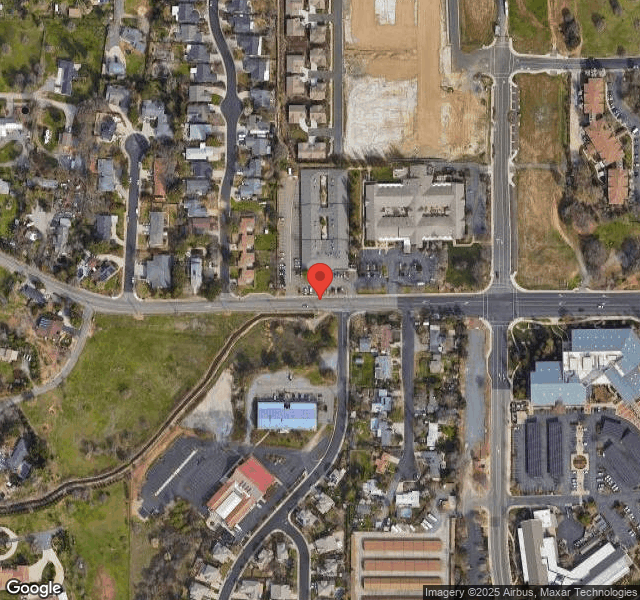
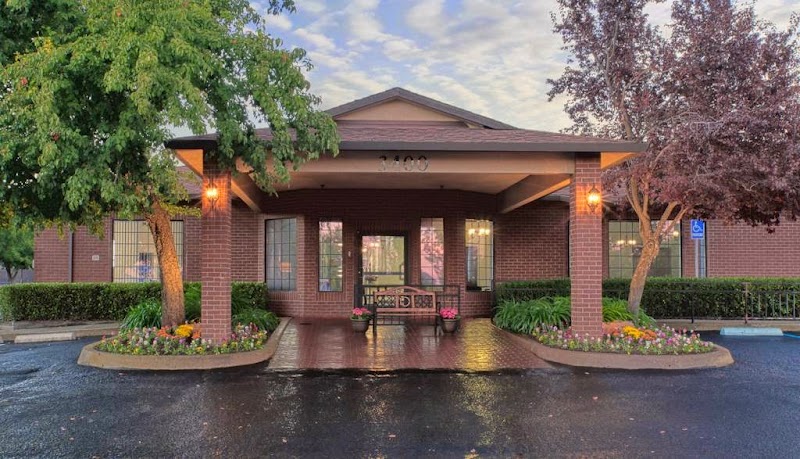
3400 BELL ROAD, AUBURN, CA 95603 (530) 888-6257
For profit - Limited Liability company 99 Beds PACS GROUP Data: November 2025
Trust Grade
38/100
#527 of 1155 in CA
Last Inspection: October 2024

Within standard 12-15 month inspection cycle. Federal law requires annual inspections.

Overview

Auburn Oaks Care Center has a Trust Grade of F, indicating significant concerns about the quality of care provided. They rank #527 out of 1,155 facilities in California, placing them in the top half, and #5 out of 10 in Placer County, meaning only four local options are better. The facility is showing improvement, as the number of serious issues decreased from 20 in 2024 to just 3 in 2025. However, staffing is a weakness, with a 2 out of 5 rating and a turnover rate of 46%, which is average for the state but still raises concerns about continuity of care. Notably, there were serious incidents, such as a resident sustaining an ankle sprain during a transfer due to improper use of a lift, and medication safety issues with multiple residents, highlighting areas that need attention despite some recent improvements.

Trust Score
F
38/100
In California
#527/1155
Top 45%
Safety Record
High Risk
Review needed
Inspections
Getting Better
20 → 3 violations
Staff Stability
⚠ Watch
46% turnover. Above average. Higher turnover means staff may not know residents' routines.
Penalties
○ Average
$9,750 in fines. Higher than 65% of California facilities. Some compliance issues.
Skilled Nurses
⚠ Watch
Each resident gets only 18 minutes of Registered Nurse (RN) attention daily — below average for California. Fewer RN minutes means fewer trained eyes watching for problems.
Violations
⚠ Watch
54 deficiencies on record. Higher than average. Multiple issues found across inspections.
★★★☆☆
3.0
Overall Rating
★★☆☆☆
2.0
Staff Levels
★★★★★
5.0
Care Quality
★★☆☆☆
2.0
Inspection Score
Stable
2024: 20 issues
2025: 3 issues

The Good

  • 5-Star Quality Measures · Strong clinical quality outcomes
  • Full Sprinkler Coverage · Fire safety systems throughout facility
  • No fines on record

Facility shows strength in quality measures, fire safety.

The Bad

3-Star Overall Rating

Near California average (3.1)

Meets federal standards, typical of most facilities

Staff Turnover: 46%

Near California avg (46%)

Higher turnover may affect care consistency

Federal Fines: $9,750

Below median ($33,413)

Minor penalties assessed

Chain: PACS GROUP

Part of a multi-facility chain

Ask about local staffing decisions and management

The Ugly 54 deficiencies on record

1 actual harm
Jul 2025 1 deficiency
CONCERN (D) 📢 Someone Reported This

A family member, employee, or ombudsman was alarmed enough to file a formal complaint

Potential for Harm - no one hurt, but risky conditions existed

Free from Abuse/Neglect (Tag F0600)

Could have caused harm · This affected 1 resident

**NOTE- TERMS IN BRACKETS HAVE BEEN EDITED TO PROTECT CONFIDENTIALITY** Based on interview and record review, the facility failed to protect the right to be free from abuse for one of three sampled re...

Read full inspector narrative →
**NOTE- TERMS IN BRACKETS HAVE BEEN EDITED TO PROTECT CONFIDENTIALITY** Based on interview and record review, the facility failed to protect the right to be free from abuse for one of three sampled residents (Resident 1) when Resident 2 pushed Resident 1's plate of food onto her chest and landed in her lap which affected Resident 1's emotional well-being. This failure resulted in Resident 1 not free from abuse by Resident 2. Findings: Review of Resident 1's admission Record indicated Resident 1 was admitted in July 2017 with diagnoses including hemiplegia and hemiparesis following unspecified cerebrovascular diseases (stroke) affecting left non-dominant side (decreased ability to move and muscle weakness on left side), dementia (a progressive state of decline in mental abilities) and anxiety disorder (any group of mental conditions characterized by excessive fear of real or perceived threats). Review of Resident 1's Minimum Data Set (MDS-A federally mandated resident assessment too), dated 6/13/25 indicated Resident 1 had moderately impaired cognition. Review of Nurse's note for Resident 1 dated 7/7/25 indicated, .around 1850H [6:50 p.m.] when CNA [ Certified Nursing Assistant] reported another resident [ 2] swung resident [1] and was hit at the chest area. During an interview on 7/9/25 at 11:34 a.m. with Resident 1, Resident 1 stated that she was eating, and Resident 2 was trying to get her food. Resident 1 stated Resident 2 pushed her plate onto her lap. Resident 1 stated, It made me mad. Review of Resident 2's admission Record indicated Resident 2 was admitted [DATE] with diagnoses including metabolic encephalopathy (a change in how a brain works due to an underlying condition which can cause confusion and memory loss) and Alzheimer's Disease (a disease characterized by progressive decline in mental abilities). Review of Resident 2's MDS indicated Resident 2 had severely impaired cognition. During an interview on 7/9/25 at 12:36 p.m. with CNA 3, CNA 3 stated she witnessed the altercation between Resident 1 and Resident 2. CNA 3 stated that there were three CNAs in the room and these two residents were in the dining room at that time. Resident 2 was being touchy with Resident 1. Resident 2 took a swing at Resident 1 and her plate of food hit her chest and landed in her lap. During an interview on 7/9/25 at 2 p.m. with the Director of Nursing (DON), the DON stated that residents do have the right to be free from abuse in the facility. Review of the facility's policy and procedures (P&P) titled, Abuse and Prevention Program, dated December 2016, the P&P indicated, .our residents have the right to be free from abuse . Protect our residents from abuse by anyone including but not necessarily limited to facility staff, other residents .
Feb 2025 2 deficiencies 1 Harm
SERIOUS (G) 📢 Someone Reported This

A family member, employee, or ombudsman was alarmed enough to file a formal complaint

Actual Harm - a resident was hurt due to facility failures

Accident Prevention (Tag F0689)

A resident was harmed · This affected 1 resident

Based on observation, interview and record review, the facility failed to provide safe supervision and assistance to prevent accidents for one of three sampled residents (Resident 1) when Resident 1 f...

Read full inspector narrative →
Based on observation, interview and record review, the facility failed to provide safe supervision and assistance to prevent accidents for one of three sampled residents (Resident 1) when Resident 1 fell on the ground while being transferred from bed to shower chair by 2 Certified Nursing Assistants (CNA 1 and CNA 2) who failed to follow the proper maneuvering and operation of a Hoyer lift (a mechanical device used to lift and/or transfer a person from one surface to another) during the transfer and when CNA 2 was behind the shower chair away from the Hoyer lift. This failure resulted in Resident 1 sustaining a right ankle sprain (a soft tissue injury that occurs when ligaments are stretched or torn), back pain, and developed fear of being moved out of bed using a lift. Findings: During a review of Resident 1's admission records, the records indicated Resident 1 was admitted to the facility in December 2023 with diagnoses that included morbid obesity (having too much body fat), muscle weakness, fibromyalgia (pain and tenderness throughout the body), and difficulty in walking. Resident 1's Minimum Data Set (MDS, a federally mandated resident assessment tool) indicated Resident 1 had moderate cognitive impairment. A review of Resident 1's MDS Section GG - Functional Abilities, dated 1/2/25, indicated Resident 1 was dependent on staff with toileting hygiene, transfers and showering which indicated Resident 1 put no effort to complete the activities, and needed the assistance of two or more staff to complete the activities. During a review of Resident 1's Fall Risk Observation/Assessment, dated 1/2/25, the assessment indicated Resident 1 scored 16 which indicated Resident 1 was at high risk for falls. During a review of Resident 1's undated Care Plan, the care plan indicated, Falls: [Resident 1] is at risk for falls with or without injury related to .in need of assistance with ADLs [Activities of Daily Living], decreased mobility, difficulty walking, generalized muscle weakness .Will minimize risk for falls to extent possible .Will not experience a fall related to risk factors .2/12/25: IDT [Interdisciplinary Team is a group of professionals who collaborate and plan resident care] recommends room change once available to accommodate for bariatric bed [big bed that supports overweight clients], belongings and maneuvering Hoyer [lift] in the room with ease to minimize risk for unsafe transfer technique thus minimizing risk for falls . During a review of Resident 1's Change in Condition (CIC) evaluation, dated 2/11/25, the evaluation indicated Resident 1 had a fall in the morning of 2/11/25. The evaluation further indicated Resident 1 had 8 out of 10 level of pain [severe pain on a numeric pain scale of zero to 10, zero being no pain and 10 being the worst pain possible, classified as mild 1-3, moderate 4-6 and severe 7-10] on the back due to the fall and the primary clinician recommended to perform x-ray (imaging of the body parts) and to send Resident 1 to the hospital. During a review of Resident 1's imaging results, dated 2/11/25, the results indicated, XR [Xray] ANKLE 3 OR MORE VIEWS RIGHT .CLINICAL INDICATION: Injury. Pain status post [after] fall .FINDINGS: 3 views of the right ankle and 4 views of the right foot .IMPRESSION: Possible avulsion fracture of the lateral talar process [a small break in the ankle bone where it attaches to a ligament or tendon] . During a review of Resident 1's Emergency Department Note, dated 2/11/25, the note indicated, .[Resident 1] presents after mechanical fall [fall associated to an external cause e.g. an object or force] .Describes discomfort near her ankle. May have a tiny avulsion fracture of the talus but no other need for orthopedic [medical specialty that deals with treatment of bones, joints, muscles, ligaments and tendons] emergent intervention. Placed in a postoperative boot [designed to protect and support the foot while healing from injuries) and will be prescribed pain medication . During a review of Resident 1's IDT (Interdisciplinary team is a group of health care professionals who coordinate and plans patient care) Notes, dated 2/12/25, the notes indicated, .Per nursing note Writer was notified by staff that [Resident 1] had sustained a fall while attempting to transfer [Resident 1] to the shower chair for her shower. Upon initial entry of [Resident 1's] room, [Resident 1] was found on her bottom right next to her bed. Hoyer lift was on standby next to her. Resident showing non verbal signs of pain such as grimacing and rapid breathing. Pain assessment performed and pain was noted to be worse at her ankle .Asked CNAs [Certified Nursing Assistants] how [Resident 1] fell and said that the lift had tipped over while they were attempting to get [Resident 1] into the shower chair. NP [Nurse Practitioner] informed and ordered xray to ankle. Later on during the shift [Resident 1] started reporting she was experiencing back pain. Asked [Resident 1] to rate the pain and [Resident 1] rated the pain to be 8/10 [8 out of 10, severe pain] NP informed and added lower back xray. [Resident 1] also experiencing bad pain when moving and elevating head of bed .Suspected root cause: .During the process of moving the [Resident 1] from bed to shower chair the lift tilting laterally leading to [Resident 1] making contact with the ground . During a review of Resident 1's Nurse Practitioner Note,dated 2/12/25, the note indicated, On 2/11/25, nurse assigned reported that [Resident 1] had sustained a fall [on 2/11/25] while attempting to transfer [Resident 1] to the shower chair for her shower. [Resident 1] was found on her bottom right next to her bed and Hoyer lift was on standby next to her. Upon assessment, [Resident 1] complained of pain in the back and most on the right ankle and in tears when telling me that [Resident 1] is in pain .Hours later, [Resident 1] informed the nurse assigned that [Resident 1's] pain is 8/10 and wanted to be sent to hospital for further evaluation and management. Late at night, [Resident 1] came back with new diagnosis of right ankle sprain .I went to see [Resident 1] today, [Resident 1's] right leg elevated on the pillow and has complaints of pain on the right ankle. [Resident 1] is in pain . During a review of Resident 1's Care Conference Meeting notes, dated 2/20/25, the notes indicated, DOR [Director of Rehabilitation] explained how [Resident 1] fell in the most recent fall [on 2/11/25], and that inservicing [in-service is training given to employees] was completed with the staff following the fall regarding use of the hoyer [lift] .and recommendation for a potential room change when a room becomes available. [Resident 1's family members] expressed concerns of [Resident 1] feeling now fearful of the lift d/t [due to] the falls .[Resident 1] expressed she has been having back spasms and is having difficulty sitting up to eat, writer informed NP .of the back pain. During a concurrent observation and interview on 2/26/25 at 10:57 a.m. with Resident 1 in her room, Resident 1 was observed alert, calm, lying in bed, and wearing a boot on her right foot. Resident 1 stated, I did have a fall, I was in that lift .the whole machine tripped .my back and my foot hurts .I have a little boot thing on my right foot .It still hurts .I don't like the lift, no more lift .Feels safe [in the facility] except for the lift and I will not use it anymore. During an interview on 2/26/25 at 11:30 a.m. with CNA 1, CNA 1 stated she was one of the CNAs assisting Resident 1 when the incident happened on 2/11/25. CNA 1 stated, I was transferring [Resident 1] to the shower chair .now [Resident 1] won't [use the lift] because she's afraid .I was by the feet .The other CNA [CNA 2] was at the back of the shower chair .[CNA 2] was away from the lift .[CNA 2] should have been closer . During an interview on 2/26/25 at 11:47 a.m. with the Director of Staff Development (DSD), the DSD stated, Expectation for safe transfer would be to make sure staff follow proper transferring techniques, both for resident and staff safety .We don't want the resident or the staff to get hurt. During an interview on 2/26/25 at 12:09 p.m. with CNA 2, CNA 2 stated, I was asked by [CNA 1] to assist with a lift, I went with [CNA 1] .[CNA 1] was guiding [Resident 1] to the shower chair .the lift was not maneuvered properly by [CNA 1] that's why it tipped .there was no pivot, she went to the left side of it [the lift] instead of pivoting it .[CNA 1] moved the Hoyer sideways instead of backwards . CNA 2 further stated Resident 1 fell on the ground followed by the Hoyer lift and the lift fell on Resident 1's right ankle. CNA 2 added that instead of opening the base of the lift, and pivoting and then moving forward, CNA 1 came to the side of the lift and held the left side handle and the hydraulic pump (part of the lift that creates the power to lift). CNA 2 stated, .not both handles . CNA 2 stated Resident 1's back hit the foot of the bed, and the tip of the lift hit Resident 1 on her right ankle. CNA 2 further stated, The legs of the Hoyer were not open or extended, if it was open, it would have been more stable .according to what was taught to us, it was not the proper maneuvering of the Hoyer [lift]. During an interview on 2/26/25 at 12:29 p.m. with the Maintenance Director (MTD), the MTD stated, .To get it [the lift] to where it's going, the staff should hold both handles, lock the wheels, and spread the feet [base of the lift] .If not done, the biggest problem is stability, it can slide either way .it could tip to one side . During an interview on 2/26/25 at 1:15 p.m. with the Assistant Director of Nursing (ADON), the ADON stated, From what I was told, it could be something that happened with the equipment [lift] .If the lift was not maneuvered correctly, it can cause the lift to fall .[Staff] should be holding both handles . The ADON stated staff should not be holding the hydraulic pump and should be holding both handles because the lift might not be balanced. The ADON further stated, Expectation is to do two-person transfer and follow right protocol .and use the appropriate lift too .follow correct usage and maneuvering . During an interview on 2/26/25 at 1:37 p.m. with the Director of Rehabilitation (DOR), the DOR stated, .[Resident 1] should not be falling and not be fearful .Staff should hold both handles, stay as close as you can [to the resident], the other person guide the resident to the desired position .The legs should be open so it can have a wider base support . During a review of the Hoyer lift's operation manual, dated 12/2019, the manual indicated, .Transfer from a Bed or Stretcher .11) Move the [brand name of Hoyer lift] into position .Open the base to its widest position .14) Leaving the caster brakes [packing brakes] unlocked, lift the patient about 2 inches off of the bed or stretcher and back the [brand name of Hoyer lift] away. Leaving the brakes unlocked will allow the lift to walk forward to center itself over the patient's center of gravity as it raises. This increases the stability of the lift. The only time the brakes should be locked is if the patient is being lifted from a ramp or some other sloping surface .15) When the patient is away from the bed or stretcher, lower the patient so his or her feet are at the top of the base of the lift and, slowly turning the lift, move the patient to the desired location . During a review of the facility's policy and procedure (P&P) titled Safety and Supervision of Residents, revised 10/2023, the P&P indicated, Our facility strives to make the environment as free from accident hazards as practicable as possible. Resident safety and supervision and assistance to prevent accidents are facility-wide priorities .Systems Approach to Safety .1. The facility-oriented and resident-oriented approaches to safety are used together to implement a systems approach to safety, which considers the hazards identified in the environment and individual resident risk factors, and then adjusts interventions accordingly .Resident Risks and Environmental Hazards .1. Due to their complexity and scope, certain resident risk factors and environmental hazards are addressed in dedicated policies and procedures. These risk factors and environmental hazards may include .b. Safe Lifting and Movement of Residents; c. Falls . During a review of the facility's P&P titled Lifting Machine, Using a Mechanical, revised 7/2022, the P&P indicated, General Guidelines .1. The nursing assistant will assist to safely move a resident with a mechanical lift. 2. Mechanical lifts may be used for tasks that require: .b. Transferring a resident from bed to chair .d. Toileting or bathing .Steps in the Procedure .4. Make sure the lift is stable and locked .
CONCERN (D) 📢 Someone Reported This

A family member, employee, or ombudsman was alarmed enough to file a formal complaint

Potential for Harm - no one hurt, but risky conditions existed

Quality of Care (Tag F0684)

Could have caused harm · This affected 1 resident

Based on observation, interview and record review, the facility failed to ensure needed care or services were provided for one of three sampled residents (Resident 1) when Resident 1's use of postoper...

Read full inspector narrative →
Based on observation, interview and record review, the facility failed to ensure needed care or services were provided for one of three sampled residents (Resident 1) when Resident 1's use of postoperative boot (designed to protect and support the foot while healing from injuries) after a fall for right ankle sprain (a soft tissue injury that occurs when ligaments are stretched or torn) was not monitored and evaluated. This failure decreased the facility's ability to evaluate Resident 1's response to intervention and had the potential to result in Resident 1's increased risk for skin breakdown related to the use of the boot. Findings: During a review of Resident 1's admission records, the records indicated Resident 1 was admitted to the facility in December 2023 with diagnoses that included morbid obesity ( having too much body fat), muscle weakness, fibromyalgia (pain and tenderness throughout the body), and difficulty in walking. Resident 1's Minimum Data Set (MDS, a federally mandated resident assessment tool) indicated Resident 1 had moderate cognitive impairment. During a review of Resident 1's MDS Section GG - Functional Abilities, dated 1/2/25, the section indicated Resident 1 was dependent on staff with toileting hygiene and showering, indicating Resident 1 put no effort to complete the activities and needed the assistance of two or more staff to complete the activities. During a review of Resident 1's Fall Risk Observation/Assessment, dated 1/2/25, the assessment indicated Resident 1 scored 16 which indicated Resident 1 was at high risk for falls. During a review of Resident 1's Change in Condition (CIC) evaluation, dated 2/11/25, the evaluation indicated Resident had a fall in the morning of 2/11/25. The evaluation further indicated Resident 1 had 8 out of 10 level of pain [severe pain] on the back due to the fall and the primary clinician recommended to do x-ray (imaging of the body parts) and to send Resident 1 to the hospital. During a review of Resident 1's imaging results, dated 2/11/25, the results indicated, XR [Xray] ANKLE 3 OR MORE VIEWS RIGHT .CLINICAL INDICATION: Injury. Pain status post [after] fall .FINDINGS: 3 views of the right ankle and 4 views of the right foot .IMPRESSION: Possible avulsion fracture of the lateral talar process [a small break in the ankle bone where it attaches to a ligament or tendon] . During a review of Resident 1's Emergency Department Note, dated 2/11/25, the note indicated, [Resident 1] presents after mechanical fall .Describes discomfort near her ankle. May have a tiny avulsion fracture of the talus but no other need for orthopedic emergent intervention. Placed in a postoperative boot and will be prescribed pain medication . During a concurrent observation and interview on 2/26/25 at 10:57 a.m. with Resident 1 in her room, Resident 1 was observed alert, calm, lying in bed, and wearing a boot on her right foot. Resident 1 stated, I did have a fall, I was in that lift .the whole machine tripped .my back and my foot hurts .I have a little boot thing on my right foot .It still hurts . During a concurrent observation and interview on 2/26/25 at 2:46 p.m. with the Assistant Director of Nursing (ADON) in Resident 1's room, Resident 1 was observed lying in bed with eyes closed, wearing a boot on right foot. The ADON confirmed the observation. During a concurrent interview and record review on 2/26/25 at 2:49 p.m. with the ADON, the ADON confirmed Resident 1's xray indicated possible avulsion fracture on ankle and new diagnosis from the hospital indicated right ankle sprain. The ADON stated she cannot find any documentation about Resident 1's use of the boot and stated, Expectation is staff should be aware about it, make sure no skin breakdown and good circulation. The ADON verified there were no physician orders and no monitoring for Resident 1's use of boot in the clinical record. The ADON stated, If it's in the discharge orders, it should be carried out. The ADON confirmed there were no treatment notes nor care plans in place for the use of the boot and stated, Every intervention should be care planned. During a concurrent interview and record review on 2/26/25 at 3:04 p.m. with Licensed Nurse 1 (LN 1), LN 1 stated she was aware that Resident 1 was wearing a boot on the right foot. LN 1 confirmed there was no order for the boot in the clinical record and stated, .supposed to have one .to monitor boots, if legs need to be evaluated, we monitor for skin integrity and circulation . During a concurrent interview and record review on 2/26/25 at 3:26 p.m. with the ADON and the Director of Rehabilitation (DOR), the DOR confirmed Resident 1 came back from the hospital on 2/11/25 with the boot on the right foot for right ankle sprain. The ADON and the DOR verified there was no order for the boot and no care plan in place specific to the use of boot in Resident 1's clinical record. The ADON stated the boot should be checked by the wound nurse and confirmed that Resident 1 was not seen by the wound care team because Resident 1 had no active wound. During a review of the facility's policy and procedure (P&P) titled Safety and Supervision of Residents, revised 10/2023, the P&P indicated, Individualized, Resident-Centered Approach to Safety .3. Implementing interventions to reduce accident risks and hazards may include the following .d. Ensuring that interventions are implemented .e. Documenting interventions .f. Modifying or replacing interventions as needed .g. Evaluating the effectiveness of new or revised interventions .
Dec 2024 1 deficiency
CONCERN (D) 📢 Someone Reported This

A family member, employee, or ombudsman was alarmed enough to file a formal complaint

Potential for Harm - no one hurt, but risky conditions existed

Deficiency F0658 (Tag F0658)

Could have caused harm · This affected 1 resident

**NOTE- TERMS IN BRACKETS HAVE BEEN EDITED TO PROTECT CONFIDENTIALITY** Based on interview and record review, the facility failed to follow their policy for pronouncing death for one resident (Residen...

Read full inspector narrative →
**NOTE- TERMS IN BRACKETS HAVE BEEN EDITED TO PROTECT CONFIDENTIALITY** Based on interview and record review, the facility failed to follow their policy for pronouncing death for one resident (Resident 1) in a census of 96 when two licensed vocational nurses (LVNs) worked out of their scope of practice (services that a trained health professional is deemed competent to perform and permitted to undertake according to the terms of their professional nursing license) and pronouced the resident's death. This failure resulted in a violation of the facility's policy and had the potential to jeopardize resident health and safety. Findings: Resident 1 was admitted to the facility in 2024 with diagnoses that included Chronic Respiratory Failure and Chronic Obstructive Pulmonary Disease (COPD). A review of Resident 1's, Order Summary Report dated [DATE], indicated an order for hospice (an end-of-life service for the terminally ill) for a diagnosis of COPD. During an interview with Registered Nurse 1 (RN 1) on [DATE] at 9:47 a.m., RN1 stated, Only a physician or RN can pronounce a resident deceased . A review of Resident 1's Progress Notes dated [DATE] at 1:38 a.m., Licensed Vocational Nurse 2 (LVN 2) documented, Resident noted in bed with eyes closed, no signs of life or respiratory effort. Not responsive to verbal or tactile stimuli. No palpable pulse for one minute, checked by two LVNs on site. No heart or respiratory sounds, checked by two LVNs on site. Time of death called at 0142 by two LVNs . During an interview with the Hospice Clinical Consultant (HCC) on [DATE] at 2:06 p.m., the HCC stated the nurse's note dated [DATE] at 1:42 a.m., indicated a Non-Visit note which indicated the hospice nurse did not go to the facility and Licensed Vocational Nurse 3 (LVN 3) had pronounced Resident 1 deceased . During an interview with the Director of Nursing (DON) on [DATE] at 3:07 p.m., the DON verified Resident 1 was pronounced dead by LVN 2 and LVN 3. The DON stated, If a resident is on hospice and expires, only a physician or RN may pronounce a resident as expired. The DON further stated, An LVN cannot pronounce a resident as expired. A review of the facility policy titled, Death of a Resident, Documenting dated 10/2023 indicated, A resident may be declared dead by a licensed physician or registered nurse with physician authorization in accordance with state law .
Nov 2024 1 deficiency
CONCERN (D) 📢 Someone Reported This

A family member, employee, or ombudsman was alarmed enough to file a formal complaint

Potential for Harm - no one hurt, but risky conditions existed

Free from Abuse/Neglect (Tag F0600)

Could have caused harm · This affected 1 resident

**NOTE- TERMS IN BRACKETS HAVE BEEN EDITED TO PROTECT CONFIDENTIALITY** Based on observation, interview, and record review, the facility failed to protect one of 5 sampled residents (Resident 2) from ...

Read full inspector narrative →
**NOTE- TERMS IN BRACKETS HAVE BEEN EDITED TO PROTECT CONFIDENTIALITY** Based on observation, interview, and record review, the facility failed to protect one of 5 sampled residents (Resident 2) from physical abuse when Resident 2 ' s hands were grabbed by Resident 1. This resulted in Resident 2 sustaining a scratch to her face and felt unsafe in the room. Findings: A review of Resident 1 ' s admission Record indicated she was admitted with diagnoses including cerebral infarction due to occlusion or stenosis of small artery (a type of stroke caused by blockage of blood flow to the brain) and schizophrenia (mental illness that can affect thoughts, mood, and behavior). A review of Resident 1 ' s Minimum Data Set (MDS- a federally mandated resident assessment tool) dated 9/3/24 indicated Resident 1 had moderate cognitive impairment. A review of Resident 1 ' s undated care plan indicated, [Resident 1] has impaired cognitive function or impaired thought processes r/t [related to] BIMS [Brief Interview of Mental Status - an assessment tool used by facilities to screen and identify memory, orientation, and judgement status of the resident] @ 9. A review of Resident 1 ' s Social Service Note dated 11/1/24 indicated, Reported by nursing [Resident 1] was sitting in her w/c[wheelchair] in her room near the foot of the A bed when her room mate [Resident 2] wheeled into the room. [Resident 2] was wheeling past [Resident 1] and touched her foot which irritated her and she grabbed [Resident 2 ' s] wrists inan [sic] upward motion and shook them and swiped [Resident 2 ' s] right side of her face with her hands . A review of Resident 2 ' s admission Record indicated she was admitted with diagnoses including postconcussional syndrome (symptoms may persist after a concussion or mild traumatic brain injury that affects brain function) and mild cognitive impairment. A review of Resident 2 ' s MDS dated [DATE] indicated she had short term and long-term memory problems. A review of Resident 2 ' s SBAR (Situation, Background, Assessment, Recommendation- a communication tool used by healthcare workers when there is a change of condition among the residents) dated 11/1/24 at 15:31 [3:31 p.m.] indicated, .Altercation between room-mates in which roommate [Resident 1] was witnessed holding on to [Resident 2 ' s] arms, residents assessed and scratch was noted on right side of face. A review of Resident 2 ' s Social Service Note dated 11/1/24, indicated, .[Resident 2] had a room change .[Resident 2] stated she feels safe with changing her room. In an observation on 11/15/24 at 11:15 a.m., Resident 1 was up in a reclining wheelchair inside her room and her eyes were closed. In an interview on 11/15/24 at 12:52 p.m., the Licensed Nurse 1 (LN 1) stated she was sitting at her usual spot at the desk in the nurse ' s station 1 when the incident occurred between Resident 1 and Resident 2. The LN 1 further stated she heard the yelling coming from the resident ' s room. The Certified Nursing Assistant (CNA) got to the residents ' room before her. The residents were near each other. The LN 1 pulled Resident 2 ' s wheelchair back and Resident 1 was by the bathroom door facing the television. The CNA told her [LN 1] it was Resident 1 who grabbed Resident 2 ' s wrists when Resident 2 accidentally bumped into Resident 1 ' s feet. Resident 2 told LN 1 she was hit by Resident 1 and Resident 1 also knew what she did with Resident 2. In a concurrent interview and record review on 11/15/24 at 1:11 p.m., LN 1 stated Resident 2 had MoCA (Montreal Cognitive Assessment- to assess cognitive function) score of 12 out of 30 on 10/28/24 which indicated Resident 2 had moderate cognitive impairment. The LN 2 further stated Resident 2 ' s MoCA score was 7 out of 30 on 10/21/24 which indicated severe cognitive impairment. In a concurrent observation and interview on 11/15/24 at 1:21 p.m., Resident 2 was inside her room lying in bed. Resident 2 was able to sit upright in bed with assistance when a female staff delivered her lunch tray. Resident 2 stated a month ago this resident slapped her 4 times on her cheek, twice on both cheeks. Resident 2 further stated she wacked her back because she got scared. Resident 2 added she did not know if she hit her, she just swung her hand. Resident 2 stated she did not feel scared as long as she did not see her again. In a telephone interview on 11/15/24 at 1:38 p.m., the CNA stated he was sitting at the nursing station when he heard the verbal exchange between Resident 1 and Resident 2. The CNA further stated it was Resident 2 who started the conflict. Resident 1 had her feet sticking out a little and then Resident 2 rolled in and bumped into Resident 1 ' s feet. Resident 1 started arguing with Resident 2, both residents exchanged some words. Resident 2 waved her hand close to the face of Resident 1 and that was when Resident 1 grabbed the hands of Resident 2 and shook it. Resident 2 got a little scared because Resident 1 grabbed her hands. The CNA further stated things happened pretty quick. The CNA stated there was a potential for the incident not to have happened if he intervened during the verbal altercation. In a telephone interview on 11/21/24 at 11:24 a.m., the LN 3 stated Resident 1 and Resident 2 were roommates at the time of incident. Resident 1 was in the room sitting in her wheelchair. Resident 2 was at the nurses ' station and then wheeled herself inside the room. The LN 3 heard Resident 2 yelling out and the CNA rushed in the room. The CNA told LN 3 Resident 1 grabbed Resident 2. The LN 3 stated Resident 1 had behaviors such as yelling and repetitiveness. The LN 3 further stated Resident 1 would yell not so nice language and both residents (Resident 1 and Resident 2) had memory problems. In a telephone interview on 11/22/24 at 10:11 a.m., the Administrator (ADM) stated they try to keep residents free from abuse in their facility. A review of the facility ' s Policy and Procedure (P & P) revised December 2016 and titled, Abuse Prevention Program indicated, .residents have the right to be free from abuse .This includes but is not limited to freedom from .physical abuse .As part of the resident abuse prevention, the administration will .Protect our residents from abuse by anyone including .other residents . A review of the facility ' s P & P revised September 2022 and titled, Resident-to-Resident Altercations indicated, .All altercations, including those that may represent resident-to-resident abuse, are investigated and reported to the nursing supervisor, the director of nursing services and to the administrator .Behaviors that may provoke a reaction by residents or others include .screaming .grabbing .wandering into others .space .
Oct 2024 2 deficiencies
CONCERN (D) 📢 Someone Reported This

A family member, employee, or ombudsman was alarmed enough to file a formal complaint

Potential for Harm - no one hurt, but risky conditions existed

Deficiency F0583 (Tag F0583)

Could have caused harm · This affected 1 resident

**NOTE- TERMS IN BRACKETS HAVE BEEN EDITED TO PROTECT CONFIDENTIALITY** Based on observation, interview, and record review, the facility failed to ensure confidentiality was maintained for one of four...

Read full inspector narrative →
**NOTE- TERMS IN BRACKETS HAVE BEEN EDITED TO PROTECT CONFIDENTIALITY** Based on observation, interview, and record review, the facility failed to ensure confidentiality was maintained for one of four sampled residents (Resident 2) when Resident 1 received Resident 2's labeled medication cards upon discharge by mistake. This failure resulted in Resident 2's confidential information being provided to an unauthorized recipient. Findings: A review of Resident 1's admission Record indicated Resident 1 was admitted to the facility in September 2024 with multiple diagnoses including orthopedic aftercare for fusion of spine (surgery to connect two or more bones in the spine) and spinal stenosis (narrowing of the spaces in the spinal canal). A review of Resident 2's admission Record indicated Resident 2 was admitted to the facility in September 2024 with multiple diagnoses including hemiplegia (paralysis on one side of the body) and hemiparesis (weakness on one side of the body) following cerebral infarction (stroke- blood flow to the brain is blocked). A review of Resident 1's Discharge Summary, dated 9/24/24, indicated .All medications reviewed including route, time, dose and indication with no questions asked .Current Reconciled Medications List was provided to Resident/Family/Caregiver at Discharge? .Yes . A review of Resident 1's Progress Note, social services note, dated 9/23/24, indicated .Resident is scheduled for discharge on [DATE] to home w/ [with] daughter and medications . A review of Resident 1's Progress Note, nurse's note, dated 9/24/24, indicated .Pt [patient] discharging home today with daughter .present at bedside for transport. All medications and ppwk [paperwork] reviewed, signed and sent with resident and dtr [daughter] with no questions at this time .Pt and dtr left facility approx [approximately] 12:30 [12:30 p.m.] . During a telephone interview on 10/10/24 at 8:52 a.m. with Resident 1's Family Member (FM), the FM stated Resident 1 was discharged from the facility on 9/24/24. The FM stated she noticed after she left the facility, Resident 1 was discharged with her own Norco (narcotic pain medication) but also had roommate's (Resident 2) medications. The FM was told that medications for both roommates (Resident 1 and Resident 2) were in the same drawer and Resident 2's medications were scooped up by mistake. During an interview on 10/10/24 at 10:46 a.m. with the Director of Nursing (DON), the DON stated for a scheduled discharge the medication cart nurse or desk nurse reviews medications with the resident or Responsible Party (RP). Medications that are left are given to the resident upon discharge. The DON stated on 9/24/24, the wrong medications were pulled for Resident 1. Resident 1 was given her roommate's (Resident 2) medications. The DON stated, It was a mistake from nursing. Need to verify and make sure medications are correct. During an interview on 10/10/24 at 11:39 a.m. with Licensed Nurse (LN) 1, LN 1 stated the medication cart nurse pulls the medications for discharged residents from the medication cart, places in bag, and gives to the desk nurse. LN 1 stated the medication cart nurse pulled Resident 1 roommate's (Resident 2) medications by mistake upon discharge of Resident 1. LN 1 was the desk nurse that day. LN 1 stated she briefly went through the bag and used Resident 1's Norco medication card from the bag to review with Resident 1. LN 1 stated, Did not notice the rest of meds. Did not check rest of meds to see if they were correct. During an interview on 10/10/24 at 11:53 a.m. with LN 2, LN 2 stated Resident 1 received her roommate's (Resident 2) medications at discharge. During a telephone interview on 10/10/24 at 2:13 p.m. with LN 3, LN 3 stated for resident discharges she usually obtains the medication list from the desk nurse, goes over the medications, collects the medications from the medication cart, places medications in a bag, and gives to the desk nurse. LN 3 stated when Resident 1 was discharged , Did not do this. Didn't have the list. LN 3 stated she pulled Resident1's Norco cards from the second left drawer, then picked up roommate's (Resident 2) medications from second right drawer and gave then to LN 2. LN 3 stated, Didn't look at the medications either. LN 3 stated Resident 1's FM was angry and anxious at the time of discharge, so she hurried and got the medications. LN 3 stated, Was in a hurry. LN 3 was notified later Resident 1 had been given the wrong medications. During a concurrent observation and interview on 10/10/24 at 1:35 p.m. with LN 2, observed Resident 2's medication card in the medication cart. The medication card was labeled with Resident 2's name, medication, dosage, instructions, prescription number, and expiration date. During an interview on 10/10/24 at 1:21 p.m. and a subsequent interview on 10/10/24 at 2:33 p.m. with the Director of Nursing (DON), the DON stated, Nurses need to go over medications. The DON stated the confidentiality breach was not reported to the state as far as she knows. The DON stated Resident 1 and FM were aware of incident, but the family of Resident 2 was not notified of incident. Requested policy and procedure for confidentiality breach process. The DON stated she could not find the policy. A review of the facility's Policy and Procedure (P&P) titled Confidentiality of Information and Personal Privacy, revised 10/23, indicated .Our facility will protect and safeguard resident confidentiality and personal privacy .The facility will safeguard the personal privacy and confidentiality of all resident personal and medical records .The facility will strive to protect the resident's privacy regarding his or her .medical treatment . A review of the facility's P&P titled Resident Rights, revised 10/23, indicated .Federal and state laws guarantee certain basic rights to all residents of this facility. These rights include the resident's right to: .Privacy and confidentiality .The unauthorized release, access, or disclosure of resident information is prohibited. All release, access, or disclosure of resident information must be in accordance with current laws governing privacy of information issues .
CONCERN (D) 📢 Someone Reported This

A family member, employee, or ombudsman was alarmed enough to file a formal complaint

Potential for Harm - no one hurt, but risky conditions existed

Deficiency F0624 (Tag F0624)

Could have caused harm · This affected 1 resident

**NOTE- TERMS IN BRACKETS HAVE BEEN EDITED TO PROTECT CONFIDENTIALITY** Based on observation, interview, and record review, the facility failed to provide a safe discharge home for one of four sampled...

Read full inspector narrative →
**NOTE- TERMS IN BRACKETS HAVE BEEN EDITED TO PROTECT CONFIDENTIALITY** Based on observation, interview, and record review, the facility failed to provide a safe discharge home for one of four sampled residents (Resident 1), when Resident 1 was discharged home with another resident's (Resident 2) medications. This failure had the potential for Resident 1 to take the wrong medications causing adverse effects. Findings: A review of Resident 1's admission Record indicated Resident 1 was admitted to the facility in September 2024 with multiple diagnoses including orthopedic aftercare for fusion of spine (surgery to connect two or more bones in the sine) and spinal stenosis (narrowing of the spaces in the spinal canal). A review of Resident 2's admission Record indicated Resident 2 was admitted to the facility in September 2024 with multiple diagnoses including hemiplegia (paralysis on one side of the body) and hemiparesis (weakness on one side of the body) following cerebral infarction (stroke- blood flow to the brain is blocked). A review of Resident 1's Minimum Data Set (MDS- a federally mandated assessment tool), Cognitive Patterns, dated 9/13/24, indicated Resident 1 had a Brief Interview for Mental Status (BIMS- tool to assess cognition) score of 15 out of 15 that indicated she was cognitively intact. A review of Resident 1's MDS, Functional Abilities and Goals, dated 9/13/24, indicated Resident 1 was independent for self-care and indoor mobility and required some assistance for stairs upon admission. A review of Resident 1's Discharge Summary, dated 9/24/24, indicated .All medications reviewed including route, time, dose and indication with no questions asked .Current Reconciled Medications List was provided to Resident/Family/Caregiver at Discharge? .Yes . A review of Resident 1's Order Summary Report, indicating medication list for discharge was signed by Resident 1 on 9/24/24. A review of Resident 1's Progress Note, social services note, dated 9/23/24, indicated .Resident is scheduled for discharge on [DATE] to home w/ [with] daughter and medications . A review of Resident 1's Progress Note, nurse's note, dated 9/24/24, indicated .Pt [patient] discharging home today with daughter .present at bedside for transport. All medications and ppwk [paperwork] reviewed, signed and sent with resident and dtr [daughter] with no questions at this time .Pt and dtr left facility approx [approximately] 12:30 [12:30 p.m.] . A review of Resident 1's Progress Note, nurse practitioner note, dated 9/24/24, indicated .[Resident 1] was seen in her room this morning with her daughter at bedside. They were waiting for her discharge papers and as soon as they received them, they left. Patient and daughter said they had no needs at the time of discharge . A review of Resident 1's Progress Note, nurse practitioner note, dated 9/25/24, indicated . [Resident 1] was discharged [DATE] in stable condition .meds reconciled . During a telephone interview on 10/10/24 at 8:52 a.m. with Resident 1's Family Member (FM), the FM stated Resident 1 was discharged from the facility on 9/24/24. The FM stated she noticed after she left the facility, Resident 1 was discharged with her own Norco (narcotic pain medication) but had roommate's (Resident 2) medications. Resident 1 did not have her other medications upon discharge. The FM stated she was asked by the facility to bring back Resident 2's medications but was unable to do so until the next day as she was in the emergency department with Resident 1. The FM stated Licensed Nurse (LN) 1 and LN 2 brought Resident 1's medications to the emergency department that day. The FM was told that medications for both roommates (Resident 1 and Resident 2) were in the same drawer and Resident 2's medications were scooped up by mistake. During an interview on 10/10/24 at 10:46 a.m. with the Director of Nursing (DON), the DON stated for a scheduled discharge the medication cart nurse or desk nurse reviews medications with the resident or Responsible Party (RP). Medications that are left are given to the resident. The DON stated on 9/24/24, the wrong medications were pulled for Resident 1. Resident 1 was given Resident 2's medications. The DON stated, it was a mistake from nursing. Need to verify and make sure medications are correct. The DON stated Resident 1's medications were delivered to her the same day and Resident 1's FM brought in Resident 2's medications the next day. During an interview on 10/10/24 at 11:39 a.m. with LN 1, LN 1 stated the medication cart nurse pulls the medications for discharged residents from the medication cart, places in bag, and gives to the desk nurse. LN 1 was the desk nurse that day. LN 1 stated the medication cart nurse pulled Resident 1 roommate's (Resident 2) medications by mistake. LN 1 stated she briefly went through the bag and used Resident 1's Norco medication card from the bag to review with Resident 1. LN 1 stated, Did not notice the rest of meds. Did not check rest of meds to see if they were correct. Observed with LN 1 medication cart, 1 Front. Observed second left drawer contained medication cards for narcotics in order by resident, no dividers. Observed second right drawer with medications separated by dividers labeled with room number. LN 1 stated she delivered Resident 1's medications to her that same day in the emergency room. When asked what the consequences may be of resident discharged with wrong medications, LN 1 stated, Potentially allergies, side effects. During an interview on 10/10/24 at 11:53 a.m. with LN 2, LN 2 stated Resident 1 received her roommate's (Resident 2) medications at discharge. LN 2 stated medications are pulled by the medication cart nurse, checked against the medication list, and given to the desk nurse. The desk nurse gives the discharge instructions. LN 2 stated that he went with LN 1 to deliver Resident 1's medications in the emergency department. When asked what the outcome might be if resident given wrong medication, LN 2 stated, Family may not have checked medication, can cause harm, allergic reactions, side effects. May be given the wrong dose. All sorts of consequences with wrong medications. Should be double or tripled checked, read card two times. During a telephone interview on 10/10/24 at 2:13 p.m. with LN 3, LN 3 stated for resident discharges she usually obtains the medication list from the desk nurse, goes over the medications, collects the medications from the medication cart, places medications in a bag, and gives to the desk nurse. LN 3 stated when Resident 1 was discharged , Did not do this. Didn't have the list. LN 3 stated she pulled Resident1's Norco cards from the second left drawer, then picked up Resident 2's medications from second right drawer and gave then to LN 2. LN 3 stated, Didn't look at the medications either. LN 3 stated Resident 1's FM was angry and anxious at the time of discharge, so she hurried and got the medications. LN 3 stated, Was in a hurry. LN 3 was notified later Resident 1 had been given the wrong medications. A review of the facility's Policy and Procedure (P&P) titled Discharging the Resident, revised 10/23, indicated .If the resident is being discharged home, ensure that resident and/or responsible party receives discharge instructions . A review of the facility's P&P titled Medication Regimen Review, revised 4/23, indicated .The resident's medication regimen shall be consistent with an individual's plan of care .
Oct 2024 14 deficiencies
CONCERN (D)

Potential for Harm - no one hurt, but risky conditions existed

Assessment Accuracy (Tag F0641)

Could have caused harm · This affected 1 resident

**NOTE- TERMS IN BRACKETS HAVE BEEN EDITED TO PROTECT CONFIDENTIALITY** Based on interview and record review, the facility failed to ensure the Minimum Data Set (MDS, an assessment tool) accurately re...

Read full inspector narrative →
**NOTE- TERMS IN BRACKETS HAVE BEEN EDITED TO PROTECT CONFIDENTIALITY** Based on interview and record review, the facility failed to ensure the Minimum Data Set (MDS, an assessment tool) accurately reflected the resident's current condition for one of 25 sampled residents (Resident 92), when the discharge MDS indicated the resident was discharged to an acute hospital. This failure resulted in Resident 92's MDS inaccurate assessment data submitted to CMS (Centers for Medicare-Medicaid Services). Findings: Resident 92 was admitted to the facility in the middle 2024 with multiple diagnoses which included heart failure and difficulty in walking. During a review of Resident 92's Physician Orders (PO), dated 8/20/24, the PO indicated, Discharge to home with medications . During a review of Resident 92's Nurse's Note (NN), dated 8/21/24 at 10:17 a.m., the NN indicated, Pt [patient] is discharging to home today . During a review of Resident 92's Nurse Practitioner Note (NPN), dated 8/21/24 at 3:04 p.m., the NPN indicated, .resident noted to be discharging to go home today . During a review of Resident 92's MDS, dated [DATE], the MDS titled, Discharge Status, indicated, .Short-Term General Hospital . During a concurrent record review and interview on 10/2/24 at 11:50 a.m. with the MDS Coordinator (MDSC) in the facility conference room, the MDSC verified Resident 92's MDS on 8/21/24 indicated the resident was discharged to short-term general hospital, and stated, .I don't know why .It should've been coded correctly . During an interview on 10/2/24 at 12:20 p.m., with the Director of Nursing (DON) in the facility conference room, when asked about the MDS coding expectation, the DON stated, .make sure it's accurate . During a review of facility's policy and procedure (P&P) titled, Resident Assessments, revised 10/23, the P&P indicated, .Required Assessments are federally mandated, and therefore must be performed for all residents .assessments include: Discharge Assessment (return anticipated and return not anticipated) .The resident assessment coordinator is responsible for ensuring that the interdisciplinary team conducts timely and appropriate resident assessments. During a review of the undated Resident Assessment Instrument (RAI), the RAI indicated, The RAI process is a means of ensuring that residents receive the highest quality of care and can maintain the highest quality of life .This assessment is completed initially and periodically and is comprehensive, accurate, and standardized.
CONCERN (D)

Potential for Harm - no one hurt, but risky conditions existed

Comprehensive Care Plan (Tag F0656)

Could have caused harm · This affected 1 resident

**NOTE- TERMS IN BRACKETS HAVE BEEN EDITED TO PROTECT CONFIDENTIALITY** Based on interview and record review, the facility failed to ensure comprehensive care plans were developed or implemented for t...

Read full inspector narrative →
**NOTE- TERMS IN BRACKETS HAVE BEEN EDITED TO PROTECT CONFIDENTIALITY** Based on interview and record review, the facility failed to ensure comprehensive care plans were developed or implemented for three out of 25 sampled residents (Resident 36, Resident 148, and Resident 85), when: 1. Resident 148 had no care plan for a newly ordered respiratory treatment; 2. Resident 36's respiratory treatment and oxygen (O2) therapy care plan was not implemented; and 3. Resident 85's O2 therapy care plan was not implemented. These failures increased the potential risk to result in the residents not attaining their highest practicable physical, mental and psychosocial well-being. Findings: 1. Resident 148 was admitted in late 2024 with diagnoses which included pulmonary edema (fluid in the lungs causing cough with extreme difficulty of breathing), muscle weakness and swallowing difficulty. During a review of Resident 148's Physician Orders (PO), dated [DATE], the PO indicated, Ipratropium-Albuterol Solution [combination medication used to treat obstructive lung disease] .3 ml [milliliter, volume measure] inhale orally every 6 hours for productive cough for 10 days. During a concurrent observation and interview on [DATE] at 10:23 a.m. in Resident 148's room, an unlabeled and undated hand held nebulizer (HHN) was found on top of Resident 148's wheelchair. Resident 148 was in bed, awake, alert and verbally responsive, and stated, That is mine. I don't know why they put that in my face. I am breathing fine. They did not tell me why they are giving me breathing treatment. During a concurrent observation and interview on [DATE] at 10:30 a.m. in Resident 148's room with Certified Nursing Assistant (CNA) 11, CNA 11 verified the HHN on top of the wheelchair, and stated, The stuff is hers .She usually uses it a couple of times a day. Resident 148 stated, That's my thing. I'm blowing at it but I don't know why. During a review of Resident 148's Minimum Data Set (MDS, an assessment tool), dated [DATE], the MDS indicated Resident 148 had no memory impairment, and required assistance with activities of daily living (ADLs). During a review of Resident 148's care plans (CP) on [DATE], there was no documented evidence a comprehensive care plan was developed or initiated on the nebulizer treatment for the productive cough. During a concurrent interview and record review on [DATE] at 8:20 a.m. with Licensed Nurse (LN) 7, LN 7 verified the respiratory treatment was ordered on [DATE], and stated, [Resident 148] is alert and oriented. The order for the breathing treatment was related to her productive cough. LN 7 verified the medical record for the newly ordered medication, and stated, I don't see any care plan for the nebulizer treatment .There should have been a care plan for that. During an interview on [DATE] at 8:35 a.m. with the Director of Nursing (DON), the DON stated, .On any new medication order added, I would expect the nurses to develop a care plan and follow those interventions . 2. Resident 36 was admitted in late 2024 with diagnoses which included asthma exacerbation (the lung airways become inflamed, narrow and swell making it difficult to breath), respiratory failure with hypoxia (low levels of O2 in the blood). During a review of Resident 36's PO, dated [DATE], the PO indicated, Ipratropium-Albuterol inhalation Solution .1 unit inhale orally three times a day for SOB [shortness of breath]/Wheeze r/t [related to] asthma .Run over 15 minutes. During a review of Resident 36's CP, dated [DATE], the CP indicated, [Resident 36] has asthma with acute exacerbation .Give nebulizer treatments and oxygen therapy as ordered. During a review of Resident 36's CP, dated [DATE], the CP indicated, [Resident 36] has shortness of breath due to .chronic respiratory failure with hypoxia .oxygen therapy as ordered. During a review of Resident 36's MDS, dated [DATE], the MDS indicated Resident 36 had no memory impairment, required assistance with activities of daily living, and needed O2 therapy. During a concurrent observation and interview on [DATE] at 11:03 a.m. in Resident 36's room, Resident 36 was in bed, awake, alert and verbally responsive in his own language, and stated, No speaking English. I speak and understand a little bit. On top of the nightstand were an unlabeled and undated nasal cannula (nasal tubing delivering O2) connected to the nebulizer machine dated [DATE], a disconnected HHN with liquid medication left in the chamber and dated [DATE], and an undated disconnected O2 mask coiled and parts of the tubing touching the floor. During a concurrent observation and interview on [DATE] at 11:05 a.m. in Resident 36's room with CNA 9, CNA 9 verified the nasal cannula, HHN and mask at the bedside, and stated, So, that's [DATE] on the machine. Today is [DATE], so it has been 10 days. The [nasal] tubing is dated [DATE]. There's no date on the other tubing .The other one that is touching the floor has no labeled date. During a concurrent observation and interview on [DATE] at 11:10 a.m. in Resident 36's room with LN 7, LN 7 verified the dates of the nasal tubings, and stated, This one here should have a date on. We change the O2 tubing weekly so that's expired and should have been changed. This one has still medication on it and the process is that they are supposed to finish it for 15 minutes .if there is something left, then they're not getting the medication. We are supposed to come and check it and I didn't. The nebulizer mask are supposed to be in a bag, labeled and dated, and these bags are not dated. When asked what happened if medication was not administered and the tubes were not changed weekly, LN 7 stated, They're not getting their medicine. When they are not changed every week, they get respiratory infections. It's all about infection. During a concurrent observation and interview on [DATE] at 1:22 p.m. in a hallway near the front lobby, Resident 36 sat in a wheelchair calling staff for help and pointed at the O2 tank hanging behind his wheelchair. Resident 36 indicated his O2 tank was empty, and stated, I'm okay, but short of breath. The O2 tank was checked and the indicator was on the red mark which indicated the tank was empty. During a concurrent observation and interview on [DATE] at 1:23 p.m. in a hallway near the front lobby, with LN 8, LN 8 verified the O2 tank was empty, and stated, We check them out as needed and every day when the staff comes in or when the resident takes the O2 around. LN 8 verified and confirmed the tank was zeroed out, and stated, [Resident 36] is alert and oriented but he speaks a different language but understands English. He can be short of breath without the oxygen. During an interview on [DATE] at 8:20 a.m. with LN 7, LN 7 stated, Because [O2 tank] was empty, we're supposed to be checking it each shift whenever he gets out of the room .This is the first time that it was empty, but we should have checked it. During an interview on [DATE] at 8:35 a.m. with the DON, the DON stated, We usually check [O2 tanks], like if a resident is on a chair, we check intermittently to make sure that the tank has O2 on it. There's no monitoring like every day to check the tank. When the nurses come in every shift, all they want to know is the resident is using the O2 tank. The resident could potentially have respiratory distress. 3. Resident 85 was admitted in the middle of 2024 with diagnoses which included lung cancer, pulmonary fibrosis (scarred lung tissue over time causing shortness of breath), and chronic obstructive pulmonary disease (COPD). During a review of Resident 85's CP, dated [DATE], the CP indicated, [Resident 85] has pulmonary fibrosis .oxygen therapy as ordered. During a review of Resident 85's MDS, dated [DATE], the MDS indicated Resident 85 had no memory impairment and needed O2 therapy. During an observation on [DATE] at 11:30 a.m. in Resident 85's room, Resident 85 was in bed and received O2 via nasal cannula at 4L/min (Liters/minute). During a review of Resident 85's PO, dated [DATE], the PO indicated, Oxygen - @3 Liters/Min Via Nasal Cannula (Routine/Continuous) .Goal to Maintain 02 Sats [saturation, level of O2 in the blood] greater than 90% .Monitor O2 Sats .every shift. During a concurrent interview and review of Resident 85's PO on [DATE] at 3:25 p.m. with LN 3, LN 3 verified the PO was O2 at 3L/min, and stated, It is important to follow the doctor's order .specially for residents with COPD . During an observation on [DATE] at 1:40 p.m. in Resident 85's room, Resident 85 was in bed and received O2 via nasal cannula which remained at 4 L/min. During a concurrent interview and record review on 1:42 p.m. with LN 4, LN 4 confirmed Resident 85 continuously received 4L/min. LN 4 verified the order at 3L per minute and titrate for O2 sat above 90% and check saturation every shift. When asked if she had checked the O2 sat on her shift, the LN stated, I have not checked the O2 saturation on my shift. When asked to check the care plan, LN 4 confirmed the intervention to administer the medication as ordered. During a review of the facility's policy and procedure (P&P) titled, Care Plans, Comprehensive, revised 10/23, the P&P indicated, A comprehensive care plan that includes measurable objective and timetables to meet the resident's physical, psychosocial and functional needs is developed and implemented for each resident .Identifying problem areas and their causes and developing interventions that are targeted and meaningful to the resident.
CONCERN (D)

Potential for Harm - no one hurt, but risky conditions existed

ADL Care (Tag F0677)

Could have caused harm · This affected 1 resident

**NOTE- TERMS IN BRACKETS HAVE BEEN EDITED TO PROTECT CONFIDENTIALITY** 2. Resident 29 was admitted to the facility in early 2024 with diagnoses which included spinal stenosis (narrowing of the spinal...

Read full inspector narrative →
**NOTE- TERMS IN BRACKETS HAVE BEEN EDITED TO PROTECT CONFIDENTIALITY** 2. Resident 29 was admitted to the facility in early 2024 with diagnoses which included spinal stenosis (narrowing of the spinal canal in the lower part of the back), dysphagia (difficulty swallowing foods or liquids), and unspecified dementia (loss of memory, language, problem-solving and other thinking abilities). During a review of Resident 29's MDS, dated [DATE], indicated Resident 29's cognition as moderately impaired. The MDS reflected that Resident 29 required supervision, verbal cues, and touching/steadying assistance when eating. During a review of Resident 29's care plan (CP), dated 8/5/24, the CP indicated Resident 29 was on, 1:1 assist and needs encouragement and sometimes feeding assist .Eats in dining room for most meals. During a dinning observation on 9/30/24 at 12:50 p.m. Resident 29 did not receive 1:1 assistance after the staff placed her meal in front of her. During a review of Resident 29's meal ticket, dated 9/30/24, the meal ticket indicated Resident 29's assist instruction which included 1:1 assist. During an interview on 9/30/24 at 2 p.m. with the Registered Dietitian (RD), the RD confirmed Resident 29 was on 1:1 assist and that staff should encourage and assist her during meals. During an interview on 10/2/24 at 10:18 a.m. with the Director of Nursing (DON), the DON stated, .staff should be sitting with the patient during meals and assisting them. The DON confirmed that Resident 29 was on 1:1 assist during meals. During a review of the facility's policy and procedure (P&P) titled, Activities of Daily Living [ADL], dated 5/24, the P&P indicated, .Residents who are unable to carry out activities of daily living independently will receive the services necessary to maintain good nutrition, grooming and personal and oral hygiene . During a review of the facility's P&P titled, Fingernails/Toenails, Care of, dated 5/24, the P&P indicated, The purpose of this procedure are to clean the nail bed, to keep nails trimmed, and to prevent infection . Based on observation, interview, and record review, the facility failed to ensure residents were assisted with activities of daily living (ADL, tasks related to personal care, such as eating, grooming, dressing, hygiene) to maintain good nutrition and personal hygiene for four out of 25 sampled residents (Resident 20, Resident 29, Resident 44, and Resident 83), when: 1. Nail care was not performed for Resident 83, Resident 44, and Resident 20; and 2. Resident 29 did not have one to one assistance with her meals as ordered. These failures increased the potential for infection, weight loss, and a diminished sense of dignity. Findings: 1. Resident 83 was admitted to the facility in mid-2024 with diagnoses which included Huntington's Disease (hereditary disorder that includes coordination problems). During a review of Resident 83's Minimum Data Set (MDS, an assessment tool), dated 6/24/24, the MDS indicated Resident 83 required partial/moderate assistance for personal hygiene (washing/drying hands). During a concurrent observation and interview on 10/1/24 at 9:27 a.m. with Licensed Nurse (LN 6), and the Minimum Data Set Coordinator (MDSC) of Resident 83's fingernails, Resident 83's fingernails were long, with thick dark substance underneath them. LN 6 stated sometimes Resident 83 feeds herself with her fingers. The MDSC agreed Resident 83's fingernails were not clean. Resident 44 admitted to the facility in early 2020 with diagnoses which included cognitive impairment, lack of coordination and muscle weakness. During a review of Resident 44's MDS, dated [DATE], the MDS indicated Resident 44 needed substantial/maximum assistance with personal hygiene. During a concurrent observation and interview on 9/30/24 at 9:08 a.m. with the Infection Preventionist (IP) in Resident 44's room, Resident 44 had long fingernails with chipped pink nail polish and thick dark matter under the nails. Resident 44 stated, I eat with my fingers. The IP confirmed the dark substance under Resident 44's nails. During a concurrent observation and interview on 10/1/24 at 9:35 a.m. with the MDSC of Resident 44's nails, there was thick dark dry substance under her nails. The MDSC confirmed the findings and stated, .hand hygiene is important. Hands and nails should be kept clean . Resident 20 was admitted to the facility in late 2023 with diagnoses which included lack of coordination, and dementia (memory loss). During a review of Resident 20's MDS, dated [DATE], the MDS indicated Resident 20 required partial/moderate assistance for personal hygiene (washing/drying hands) . During an observation on 10/1/24 at 2:40 p.m. of Resident 20, Resident 20 had long fingernails with thick brown/black dried substance under the nails. During a concurrent observation and interview on 10/1/24 at 2:45 p.m. with Certified Nursing Assistant (CNA 4) of Resident 20's fingernails, CNA 4 confirmed Resident 20 had long nails with dark dry substance under them and stated, . I would not consider them clean .it's important to clean them, sometimes they eat with their hands, it could be cross contamination . During an interview on 10/2/24 at 2:28 p.m. with the Director of Staff Development (DSD), the DSD stated, .I expect staff to clean the nails of residents .nails should be kept clean .for several reasons; resident safety, prevent bacterial growth if they scratch themselves with dirty nails .
CONCERN (D)

Potential for Harm - no one hurt, but risky conditions existed

Quality of Care (Tag F0684)

Could have caused harm · This affected 1 resident

2. Resident 71 was re-admitted to the facility in mid-2024 with diagnoses which included diabetes (disease that results in too much sugar in the blood). During a review Resident 71's, PO, dated 8/11/2...

Read full inspector narrative →
2. Resident 71 was re-admitted to the facility in mid-2024 with diagnoses which included diabetes (disease that results in too much sugar in the blood). During a review Resident 71's, PO, dated 8/11/24, the PO indicated, Insulin Glargine [Insulin, lowers the levels of sugar in the blood. Glargine, long-acting type of insulin] .Inject 25 units [type of measurement] .HOLD FOR BLOOD SUGAR LESS THAN 151 . During a review of Resident 71's CP, undated, the CP indicated, [Resident 71] has a DX [diagnosis] of Diabetes .Diabetes medication as ordered by doctor . During a review of Resident 71's medication administration record (MAR), dated 9/1/24-9/30/24, the MAR indicated, Insulin Glargine .Inject 25 units .HOLD FOR BLOOD SUGAR LESS THAN 151 . On 9/13/24, Resident 71's blood sugar reading was 110, and on 9/27/24, Resident 71's blood sugar reading was 136. The MAR indicated Insulin Glargine was administered on both dates. During a concurrent interview and record review on 10/2/24 at 9:28 a.m. with the Director of Nursing (DON) of Resident 71's MAR, the DON confirmed the Insulin Glargine was marked as administered on 9/13/24 and 9/27/24. The DON confirmed the medication was given outside of the range ordered, and stated, My expectation for insulin is to follow the medication order .parameters are supposed to be followed. During an interview on 10/3/24 at 11:27 a.m. with Licensed Nurse (LN 7), LN 7 stated, Insulin orders have parameters .it will tell you what to give .I would not give insulin if the blood sugar was outside the parameter .blood sugar would drop too fast .we follow the doctor orders. During a review of the facility's policy and procedure (P&P) titled, Administering Medications, dated 10/23, the P&P indicated, Medications are administered in a safe and timely manner, and as prescribed . During a review of facility's P&P titled, Conformity with Laws and Professional Standards of Care, revised 5/24, the P&P indicated, Our facility operates and provides services in compliance with current federal, state, and local laws, regulations, codes and professional standards of practice that apply to our facility and types of services provided. Based on observation, interview and record review, the facility failed to ensure physician's orders were followed in accordance with professional standards for two of 25 sampled residents (Resident 85 and Resident 71), when: 1. Resident 85's oxygen (O2) was not administered as ordered and O2 saturation level was not monitored; and 2. Resident 71's insulin medication was administered outside of physician ordered parameters. These failures increased the potential risk for the decline in the residents' health status and well-being. Findings: 1. Resident 85 was admitted in the middle of 2024 with diagnoses which included lung cancer, pulmonary fibrosis (scarred lung tissue over time causing shortness of breath), and chronic obstructive pulmonary disease (COPD). During a review of Resident 85's Care Plan (CP), dated 8/21/24, the CP indicated, [Resident 85] has pulmonary fibrosis .oxygen therapy as ordered. During a review of Resident 85's Minimum Data Sets (MDS, an assessment tool), dated 8/27/24, the MDS indicated Resident 85 had no memory impairment and needed O2 therapy. During an observation on 9/30/24 at 11:30 a.m. in Resident 85's room, Resident 85 was in in bed and received O2 via nasal cannula (nasal tubing that delivers O2) at 4 liters/minute (L/min). During a review of Resident 85's Physician Orders (PO), dated 8/21/24, the PO indicated, Oxygen - @3 Liters/Min Via Nasal Cannula (Routine/Continuous) .Goal to Maintain 02 Sats [saturation, O2 levels in the blood] greater than 90% .Monitor O2 Sats .every shift. During a review of Resident 85's O2 Sats Summary for 9/26/24, 9/28/24 and 9/30/24, the O2 sats were only monitored two times per day, and on 9/29/24, the O2 sat was only monitored once the whole day. During a concurrent interview and record review of Resident 85's PO on 9/30/24 at 3:25 p.m. with LN 3, LN 3 verified the PO was O2 at 3L/min, and stated, It is important to follow the doctor's order .specially for residents with COPD . During an observation on 10/1/24 at 1:40 p.m. in Resident 85's room, Resident 85 was in bed and received O2 via nasal cannula which remained at 4 L/min. During a concurrent interview and record review on 10/1/24 at 1:42 p.m. with LN 4, LN 4 confirmed Resident 85's continuously received 4L/min. LN 4 verified the order at 3L/min and titrate for O2 sat above 90% and check saturation every shift. When asked if she had checked the O2 sat for her shift, LN 4 stated, I have not checked the oxygen saturation in my shift. LN 4 confirmed the intervention to administer the medication as ordered. During a review of the facility's policy and procedure (P&P) titled, Oxygen Administration, revised 5/24, the P&P indicated, Verify that there is order for this procedure Oxygen therapy is administered by way of an oxygen mask, nasal cannula, and/or nasal catheter .
CONCERN (D)

Potential for Harm - no one hurt, but risky conditions existed

Accident Prevention (Tag F0689)

Could have caused harm · This affected 1 resident

Based on observation, interview, and record review, the facility failed to provide the residents with a safe and comfortable environment free of accident hazards when four out of ten residents' bathro...

Read full inspector narrative →
Based on observation, interview, and record review, the facility failed to provide the residents with a safe and comfortable environment free of accident hazards when four out of ten residents' bathroom faucets had water temperatures above 120 degrees Fahrenheit (F, scale for measuring temperature). This failure could potentially place residents at risk of accidental scalds or burns from hot water. Findings: During a concurrent observation and interview on 9/30/24 at 8:56 a.m. with Certified Nurse Assistant (CNA) 6 in Resident 1's bathroom, CNA 6 confirmed the faucet water temperature to be 120.2 F. Resident 1 stated, The water is always very hot, and at times I am scared the water might burn or scald me . During a concurrent observation and interview on 9/30/24 at 11:02 a.m. with Housekeeper (HK) 1 in Resident 22 and 7's bathroom, HK 1 confirmed the faucet temperature to be 122.2 F. HK 1 stated that the water was very hot and could burn or scald the resident's skin since they were fragile. During a concurrent observation and interview on 9/30/24 at 11:11 a.m. with CNA 7 in Resident 13's bathroom, CNA 7 confirmed the faucet temperature to be 120.9 F. Resident 7 stated, I make sure the nurse is present before turning on the water because it is always scorching . During a concurrent observation and interview on 9/30/24 at 12:11 p.m. with the Maintenance Director (MD) in Resident 59's bathroom, the MD confirmed the faucet temperature to be 120.9 F on the surveyor's thermometer. The MD's thermometer read 120.5 F. Resident 59 stated, I know better than to turn the water to the left because it gets very hot, and I don't want to burn . During a review of the facility's policy and procedure (P&P) titled, Water Temperatures, Safety of, dated 5/24, the P&P indicated, .Water heaters .bathrooms .areas shall be set to temperatures of 105 degrees Fahrenheit to 120 degrees Fahrenheit .
CONCERN (D)

Potential for Harm - no one hurt, but risky conditions existed

Deficiency F0806 (Tag F0806)

Could have caused harm · This affected 1 resident

**NOTE- TERMS IN BRACKETS HAVE BEEN EDITED TO PROTECT CONFIDENTIALITY** Based on observation, interview, and record review, the facility failed to ensure resident food preferences were accommodated fo...

Read full inspector narrative →
**NOTE- TERMS IN BRACKETS HAVE BEEN EDITED TO PROTECT CONFIDENTIALITY** Based on observation, interview, and record review, the facility failed to ensure resident food preferences were accommodated for four of 25 sampled residents (Resident 51, Resident 60, Resident 82, and Resident 20), when the residents' meal choices were not served. This failure increased the potential risk for the residents not attaining their highest practicable mental, physical and psychosocial well-being. Findings: 1. Resident 51 was admitted in late 2020 and readmitted in the middle of 2021 with diagnoses which included malnutrition, adult failure to thrive (condition where the individual's organs specifically the digestive tract are not absorbing required nutrients), and swallowing difficulty. During a review of Resident 51's care plan (CP), dated 9/2/24, the CP indicated, At risk for Altered Nutritional Status, Malnutrition - 9/2/22, revised 7/4/24 - Food preferences to be honored; Baseline food preferences - 10/26/22, revised 7/7/24 - Food preferences to be honored at time of service. During a review of Resident 51's Physician Orders (PO), dated 9/1/22, the PO indicated, Regular Diet, Mechanical [Mech] Soft Ground [Grnd]Texture, Thin Liquid consistency .dated 6/9/24, Ensure Plus .dated 4/13/24, Snacks between meals. During a review of Resident 51's Minimum Data Set (MDS, an assessment tool), dated 9/4/24, the MDS indicated Resident 51 had severe memory impairment, required set-up with meals, and needed mechanically altered and therapeutic diet. During a concurrent observation and interview on 9/30/24 at 1:06 p.m. in the dining room, Resident 51 had a lunch meal and appeared confused about what she got on her meal tray. The meal tray contained one piece of sandwich and the meal ticket indicated a regular diet order. Resident 51 stated, I don't know why they gave me just a sandwich. During a concurrent observation and interview on 9/30/24 at 1:07 p.m. in the dining room with the Infection Preventionist (IP), the IP confirmed the sandwich on the meal tray, and stated, Let me check. IP came back and stated, She wants sandwiches for her lunch. That's what they told me. 2. Resident 60 was admitted in the middle of 2024 with diagnoses which included weakness and enterocolitis (inflammation of the digestive tract caused by bacteria), and depression. During a review of Resident 60's MDS, dated [DATE], the MDS indicated Resident 60 had mild memory impairment, required set-up with meals, and needed mechanically altered and therapeutic diet. During a concurrent observation and interview on 9/30/24 at 9:27 a.m. in Resident 60's room, Resident 60 was in bed, awake and alert, verbally responsive, and stated, Food is not great. They don't give me what I want. During an interview on 9/30/24 at 10:02 a.m. with Certified Nursing Assistant (CNA) 9, CNA 9 stated, [Resident 60] is alert and oriented from time to time and aware of what's going on. During a concurrent observation and interview on 10/1/24 at 1:20 p.m. in Resident 60's room, Resident 60 was in bed, awake and alert and the bedside table was empty, and stated, I didn't like the food they served me. They gave me pasta and I can't eat it. It is not what I asked. I didn't like the food. It's not healthy. They took the tray and they didn't ask me if I need a replacement. During a concurrent observation and interview on 10/1/24 at 1:21 p.m. with Licensed Nurse (LN) 7, LN 7 checked Resident 60's meal tray on the meal cart and confirmed the meal tray contained a pasta, and the meal ticket indicated, Heart healthy diet. Dislikes: Bread, Pasta, Rice. LN 7 stated, [Resident 60] didn't tell us. I'll checked if she wants a replacement. She didn't say she was hungry. 3. Resident 82 was admitted in the middle of 2024 with diagnoses which included adult failure to thrive. During a review of Resident 82's CP, dated 6/5/24, the CP indicated, Malnutrition: [Resident 82] is at risk for malnutrition due to anemia (low red blood cells) .Cater to food preferences. During a review of Resident 82's PO, dated 8/30/24, the PO indicated, CCHO [consistent carbohydrate, eating the same amount of carbohydrate to help manage blood sugar levels) diet, Chopped Meat Texture,Thin Liquid Consistency. During a review of Resident 82's MDS, dated [DATE], the MDS indicated Resident 82 had no memory impairment, required therapeutic diet, and needed partial assistance with eating. During an interview on 10/01/24 at 10:49 a.m. at the resident council meeting, Resident 82 stated, They put gravy in your meat. I don't like gravy in my meat because it just adds a taste to the meat. I told them that and they keep on putting gravy on the meat. During a concurrent observation and interview on 10/1/24 at 1:10 p.m. in the dining room, Resident 82 was upset and pushed his meal plate on the side, and stated, I cannot stand the red sauces put in the food. It's like gravy except it's red. I already told them that and still it's in my plate. I don't like sauce and spices in my food. Resident 82's meal ticket indicated, dislikes, Spicy .Salsa, Enchilada Sauce. During a concurrent observation and interview on 10/1/24 at 1:11 p.m. in the dining room, the Assistant Director of Nursing (ADON),verified the meal plate with sauce on the food, and stated, Let me get a replacement .What would you like to have? Resident 82 answered, Anything without sauce in it. I don't like any sauce. 4. Resident 20 was admitted in late 2024 with diagnoses which included malnutrition and depression. During a review of Resident 20's PO, dated 11/16/21, the PO indicated, Regular Diet /Mech Soft/Grnd Texture/Thin Liquid Consistency. During a review of Resident 20's MDS, dated [DATE], the MDS indicated Resident 20 had moderate memory impairment and needed assistance with ADLs. During a concurrent observation and interview on 10/1/24 at 1:08 p.m. in the dining room, Resident 20's meal plate contained a single piece of sandwich. Resident 20 appeared dissatisfied with what she got in her plate, and stated, I am not sure why they just gave me a sandwich. I like sandwich but we are having lunch. The other residents who were in the same table had regular food from the menu served. The meal ticket for the Resident 20 indicated, Regular Diet/Mech Soft/Grnd Texture/Thin Liquid Consistency .Likes: Soup, P.B.J. [peanut butter and jelly] Sandwich, Veggies . During a concurrent observation and interview on 10/1/24 at 1:09 p.m. in the dining room with the Infection Preventionist (IP), the IP verified Resident 20's meal plate, and stated, I am not sure why both [Resident 20 and Resident 51] received the same sandwich. I don't know who decides that. During an interview on 10/2/24 at 10 a.m. with the Registered Dietitian (RD), the RD stated, A patient on a regular diet is under no diet restrictions. I expect them to read out the tray ticket and the preferences and the diet order and the cook will plate their food. During a review of an undated facility's policy and procedure (P&P) titled, Food Preferences, the P&P indicated, Resident's food preferences will be adhered to within reason. Substitutes for all foods dislike will be given the appropriate food group. Condiments such as salt, pepper, and sugar are available at each meal unless contraindicated by the diet order .Food preferences can be obtained from the resident, family, or staff members. Updating of food preferences will be done as the resident's needs change and/or during the quarterly review.
CONCERN (D)

Potential for Harm - no one hurt, but risky conditions existed

Antibiotic Stewardship (Tag F0881)

Could have caused harm · This affected 1 resident

Based on observation, interview, and record review, the facility failed to ensure the antibiotic stewardship guidelines were followed for one of 25 sampled residents (Resident 12), when Resident 12 re...

Read full inspector narrative →
Based on observation, interview, and record review, the facility failed to ensure the antibiotic stewardship guidelines were followed for one of 25 sampled residents (Resident 12), when Resident 12 received an antibiotic with no end date. This failure resulted in inappropriate or unnecessary use of antibiotic treatment for the resident. Findings: Resident 12 was admitted to the facility in the Spring of 2012 with a diagnosis that included diabetes (abnormal blood sugar levels), kidney disease, and urinary tract infection (UTI). During a review of Resident 12's Physician Orders (PO), dated 12/11/22, the PO indicated, [Brand Name] Capsule 250 MG (Cephalexin) Give 250 mg [milligram, unit of weight] by mouth one time a day for UTI .CEPHALEXIN 250 MG CAPSULE - TAKE 1 CAPSULE BY MOUTH ONCE DAILY (NO STOP DATE .INDEFINITE). There was no documented evidence an order of monitoring for signs and symptoms of UTI. During a review of Resident 12's Minimum Data Set (MDS, an assessment tool), dated 8/14/24, the MDS indicated Resident 12 had no memory impairment. During an interview on 10/1/24 at 10:04 a.m. with the Facility Pharmacist (FP), the FP stated, .Taking the lowest dose and don't have a diagnosis .Taking the medication can cause Clostridium difficile [C-Diff, a bacterium that causes diarrhea and colon inflammation]. I am not sure what the diagnosis they are using it for, and we keep on asking for the stop date for the antibiotic, and they say it is indefinite .You cannot take an antibiotic indefinitely . During an interview on 10/1/24 at 10:13 a.m. with the Director of Nursing (DON), the DON stated, [Resident 12] has a history of chronic UTI .There is no specific order to monitor for UTIs .We follow the doctor's order .There was no documentation of failure if [Resident 12] stopped taking the antibiotic .No orders from the doctor indicate monitoring for signs and symptoms of UTI .There's no documentation of monitoring UTIs . During a record review on 10/1/24 at 10:25 a.m. of the Medication Regimen Review (MRR) with the DON, the DON verified the MRR indicated the antibiotic order was not reviewed and no recommendations were made in 2024. During an interview on 10/1/24 at 11:03 a.m. with the Consultant of the Director of Staffing Development/Infection Preventionist (CDSD/IP) and Infection Preventionist (IP), the IP stated, I don't see specific orders to monitor for signs and symptoms for UTI, the [Resident] has been on it for a long time .The CDSD/IP stated, I would have to discuss that with the provider .There is no way to tell with no cultures .We can see if the doctor will change it . During a concurrent observation and interview on 10/2/24, at 12 p.m. in Resident 12's room, Resident sat in a wheelchair, awake, alert and verbally responsive, and stated, I had terrible UTIs. During a review of the facility's policy and procedure (P&P) titled, Antibiotic Stewardship, revised 2/19, the P&P indicated, If an antibiotic .Prescribers will provide .Start and stop date, or Number of days of therapy .
CONCERN (E)

Potential for Harm - no one hurt, but risky conditions existed

Deficiency F0658 (Tag F0658)

Could have caused harm · This affected multiple residents

**NOTE- TERMS IN BRACKETS HAVE BEEN EDITED TO PROTECT CONFIDENTIALITY** Based on observation, interview, and record review, the facility failed to ensure care and services in accordance with acceptabl...

Read full inspector narrative →
**NOTE- TERMS IN BRACKETS HAVE BEEN EDITED TO PROTECT CONFIDENTIALITY** Based on observation, interview, and record review, the facility failed to ensure care and services in accordance with acceptable professional standards of quality were provided for four of 25 sampled residents (Resident 143, Resident 144, Resident 36, and Resident 85), when: 1. Medication and ointments were left at the nightstand of Resident 143; 2. Medication, hazardous liquids and ointments were left at the bedside of Resident 144; 3. A medication was not administered completely and left at the bedside, and oxygen tank was empty while in use for Resident 36; and 4. The oxygen (O2) saturation levels were not monitored for Resident 85. These failures had the potential risks to negatively affect the residents' health status. Findings: 1. Resident 143 was admitted in late 2024 with diagnoses which included peripheral vascular disease [decreased blood flow to the arms and legs], communication deficit, difficulty walking, and lack of coordination. During a review of Resident 143's Baseline Care Plan (BCP), dated [DATE], the BCP indicate Resident 143 had baseline confusion but able to make needs known. During a review of Resident 143's Physician Orders (PO), dated [DATE], the PO indicated, Miconazole [treatment for fungal infection] External powder .Micatin Cream .apply under breast topically . During a concurrent observation and interview on [DATE] at 9:55 a.m. in Resident 143's room, on top of the nightstand were two unlabeled plastic medicine cups half-filled with white paste-like consistency and an ointment tube. Resident 143 sat in a wheelchair, awake, alert and verbally responsive, and stated, I don't know what they are, but I think those are for me. They left it there for me. During a concurrent observation and interview on [DATE] at 9:57 a.m. in Resident 143's room with Certified Nursing Assistant (CNA) 9, CNA 9 verified the findings of the leftmedicine cup and the ointment tube, and stated, I don't know what they are. I will tell the nurse. During a concurrent observation and interview on [DATE] at 9:59 a.m. in Resident 143's room with License Nurse (LN) 7, LN 7 verified the medications on top of the night stand of Resident 143, and stated, [The medications] are not supposed to be here. They are not labeled and dated. I don't know when they left them here. 2. Resident 144 was admitted in late 2024 with diagnoses which included right arm fracture, difficulty in walking and lack of coordination. During a review of Resident 144's Minimum Data Set (MDS, an assessment tool), dated [DATE], the MDS indicated Resident 144 had mild memory impairment, hard of hearing, and needed assistance with activities of daily living. During a concurrent observation and interview on [DATE] at 9:44 a.m. in Resident 144's room, Resident 144 sat on a wheelchair, awake, alert and verbally responsive but hard of hearing. On top of the bedside table was a labeled medication inside a plastic bag with another resident's name (Resident 143). Resident 144 indicated the medication was not hers. Another opened and unlabeled container of mentholatum ointment (product use to relieve itching, minor muscle or joint pain) was on top of the bedside table, and Resident 144 stated, That's mine. I brought that from home and I use it. On top of the night stand was another unlabeled and opened large plastic container of mouthwash rinse, and Resident 144 stated, My friend gave me that. During a concurrent observation and interview on [DATE] at 9:52 a.m. in Resident 144's room, CNA 9 verified the plastic container was a medication, and stated, [The medications] are not supposed to be at the bedside. It's a prescription medication and that's not even hers. The mouth rinse should not be here, it should be placed in the bathroom and the other one is hers. Those things would be risky for the resident. I will report to the nurse. I don't understand why the medication is there. During a concurrent observation and interview on [DATE] at 9:59 a.m. in Resident 144's room with LN 7, LN 7 verified the medication on top of bedside table of Resident 144, and stated, The medication is labeled with another name [Resident 143] and that's not hers. I'm not sure if they forgot to take it, but no medications should be left at bedside because they can ingest it or give it to somebody else or someone else can come in and take it. LN 7 verified the mentholatum ointment and the big plastic bottle of mouthwash, and stated, When they receive medications from home, they're supposed to check in with the nurse and the nurse is supposed to get an order, then we're supposed to put it on our locked cart or inside our medicine cabinet or send these home with the family members. 3. Resident 36 was admitted in late 2024 with diagnoses which included asthma exacerbation (the lung airways become inflamed, narrow and swell making it difficult to breath), respiratory failure with hypoxia (low levels of O2 in the blood). During a review of Resident 36's PO, dated [DATE], the PO indicated, Ipratropium-Albuterol inhalation Solution .1 unit inhale orally three times day for SOB [shortness of breath]/Wheeze r/t [related to] asthma .Run over 15 minutes. During a review of Resident 36's MDS, dated [DATE], the MDS indicated Resident 36 had no memory impairment and required assistance with activities of daily living and needed O2 therapy. During a concurrent observation and interview on [DATE] at 11:03 a.m. in Resident 36's room, Resident 36 was in bed, awake, alert and verbally responsive in his own language, and stated, No speaking English. I speak and understand a little bit. On top of the nightstand were an unlabeled and undated nasal cannula (nasal tubing delivering O2)connected to the nebulizer machine dated [DATE], a disconnected HHN with liquid medication left in the chamber and dated [DATE], and an undated disconnected O2 mask coiled and parts of the tubing touching the floor. During a concurrent observation and interview on [DATE] at 11:05 a.m. in Resident 36's room with CNA 9, CNA 9 verified the nasal cannula, HHN and mask at the bedside, and stated, So, that's [DATE] on the machine. Today is [DATE], so it has been 10 days. The [nasal] tubing is dated [DATE]. There's no date on the other tubing .The other one that is touching the floor has no labeled date. During a concurrent observation and interview on [DATE] at 11:10 a.m. in Resident 36's room with LN 7, LN 7 verified the dates of the nasal tubings, and stated, This one here should have a date on. We change the O2 tubing weekly so that's expired and should have been changed. This one has still medication on it and the process is that they are supposed to finish it for 15 minutes .if there is something left, then they're not getting the medication. We are supposed to come and check it and I didn't. The nebulizer mask are supposed to be in a bag, labeled and dated, and these bags are not dated. When asked what happened if medication was not administered and the tubes were not changed weekly, LN 7 stated, They're not getting their medicine. When they are not changed every week, they get respiratory infections. It's all about infection. During a concurrent observation and interview on [DATE] at 1:22 p.m. in a hallway near the front lobby, Resident 36 sat in a wheelchair calling staff for help and pointed at the O2 tank hanging behind his wheelchair. Resident 36 indicated his O2 tank was empty, and stated, I'm okay, but short of breath. The O2 tank was checked and the indicator was on the red mark which indicated the tank was empty. During a concurrent observation and interview on [DATE] at 1:23 p.m. in a hallway near the front lobby, with LN 8, LN 8 verified the O2 tank was empty, and stated, We check them out to as needed and every day when the staff comes in or when the resident takes the O2 around. LN 8 verified and confirmed the tank was zeroed out, and stated, [Resident 36 is alert and oriented but he speaks a different language but understands English. He can be short of breath without the oxygen. During an interview on [DATE] at 8:20 a.m. with LN 7, LN 7 stated, Because [O2 tank] was empty, we're supposed to be checking it each shift whenever he gets out of the room .This is the first time that it was empty, but we should have checked it. During an interview on [DATE] at 8:35 a.m. with the DON, the DON stated, We usually check [O2 tanks], like if a resident is on a chair, we check intermittently to make sure that the tank has O2 on it. There's no monitoring like every day to check the tank. When the nurses come in every shift, all they want to know is the resident is using the O2 tank. The resident could potentially have respiratory distress. 4. Resident 85 was admitted in the middle of 2024 with diagnoses which included lung cancer, pulmonary fibrosis (scarred lung tissue over time causing shortness of breath), and chronic obstructive pulmonary disease (COPD). During a review of Resident 85's NCPs, dated [DATE], the NCP indicated, [Resident 85] has pulmonary fibrosis .oxygen therapy as ordered. During a review of Resident 85's MDS, dated [DATE], the MDS indicated Resident 85 had no memory impairment and needed oxygen therapy. During an observation on [DATE] at 11:30 a.m. in Resident 85's room, Resident 85 was in in bed and received O2 via nasal cannula at 4L/min. During a review of Resident 85's PO, dated [DATE], the PO indicated, Oxygen - @3 Liters/Min Via Nasal Cannula (Routine/Continuous) .Goal to Maintain 02 Sats [saturation, O2 levels in the blood] great than 90% .Monitor O2 Sats .every shift. During a concurrent interview and review of Resident 85's PO on [DATE] at 3:25 p.m. with LN 3, LN 3 verified the PO was O2 at 3L/min, and stated, It is important to follow the doctor's order .specially for residents with COPD . During an observation on [DATE] at 1:40 p.m. in Resident 85's room, Resident 85 was in bed and received O2 via nasal cannula which remained at 4 L/min. During a concurrent interview and record review on 1:42 p.m. with LN 4, confirmed Resident 85's was continuously receiving 4L/min. LN 4 verified the order at 3L per minute and titrate for O2 sat above 90% and check saturation every shift. When asked if she had checked the O2 sat for her shift, the LN stated, I have not checked the oxygen saturation in my shift. When asked to check the care plan, LN 4 confirmed the intervention to administer the medication as ordered. During a review of facility's policy and procedure (P&P) titled, Oxygen Administration, revised 5/24, the P&P indicated, Oxygen therapy is administered by way of an oxygen mask, nasal cannula, and/or nasal catheter .The Oxygen tubing is changed at least weekly, labeled with the date it was changed, and stored in anti-microbial bag which is changed at least every 30 days. During a review of the undated document titled, Nursing Practice Act Rules and Regulations, the document indicated, Article 2. Scope of Regulation 2725 (b). The practice of nursing within the meaning of this chapter means those functions, including basic health care, that help people cope with difficulties in daily living that are associated with their actual or potential health or illness problems or the treatment thereof, and that require substantial amount of specific knowledge of the following: (2) Direct and indirect patient care services, including, but not limited to, the administration of medications and therapeutic agents, necessary to implement treatment, disease prevention, or rehabilitative regiment . ordered by and within the scope of licensure of a physician .as defined by Section 1316.5 of the Health and Safety Code. (Nursing Practice Act Rules and Regulations Issued by Board of Registered Nursing 1997 State of California Department of Consumer Affairs. pp. 5).
CONCERN (E)

Potential for Harm - no one hurt, but risky conditions existed

Pharmacy Services (Tag F0755)

Could have caused harm · This affected multiple residents

**NOTE- TERMS IN BRACKETS HAVE BEEN EDITED TO PROTECT CONFIDENTIALITY** Based on observation, interview and record review, the facility failed to ensure: 1. Controlled substance medications (medicatio...

Read full inspector narrative →
**NOTE- TERMS IN BRACKETS HAVE BEEN EDITED TO PROTECT CONFIDENTIALITY** Based on observation, interview and record review, the facility failed to ensure: 1. Controlled substance medications (medication with a high potential for abuse and addiction) were accurately accounted for on the medication administration record (MAR) and the Controlled Drug Record (CDR) for four of five randomly selected residents (Residents 3, 22, 75 and 78); and 2. An antibiotic emergency kit (e-kit; a kit/box containing medications and supplies for immediate use during a medical emergency) was replaced timely after being opened and medications were removed. These failures resulted in the facility not having accurate accountability of controlled medications and potential for abuse or misuse of these medications, the potential for emergency medications to be unavailable when needed, and the potential for not meeting the residents' therapeutic needs or worsening of their medical conditions. Findings: 1. Resident 3 had a physician's order dated 9/16/24, for hydrocodone/acetaminophen (a medication to treat pain) 5/325 milligrams (mg, a unit of measurement), one tablet every eight hours around the clock and one tablet every four hours as needed for pain. The CDR indicated 1 tablet was removed on 9/26/24 at 11:31 p.m., but the respective administration was not documented on the MAR. Resident 22 had a physician's order dated 9/11/24, for tramadol (a medication to treat pain) 50 mg, one tablet every eight hours for pain management. The MAR indicated 1 tablet was administered to Resident 22 on 9/18/24 at 3 a.m. but the removal was not documented on the CDR. Resident 75 had a physician's order dated 8/28/24, for lorazepam (a medication to treat anxiety) 0.5 mg, half tablet every four hours as needed for anxiety. The CDR indicated half a tablet was removed on 9/18/24 at 8:24 p.m. but the respective administration was not documented on the MAR. Resident 78 had a physician's order dated 7/12/24, for hydrocodone/acetaminophen 5/325 mg, one tablet every 4 hours as needed. The MAR indicated 1 tablet was administered on the following dates and times, but their removal was not documented on the CDR: 8/8/24 at 10:16 a.m., 8/8/24 at 4:02 p.m., and 8/9/24 at 3:42 p.m. During an interview on 9/30/24 at 2:14 p.m. with Licensed Nurse 2 (LN 2), LN 2 stated whenever a controlled medication was administered to a resident, the removal of the medication was to be documented on the CDR and the administration in the MAR. She stated nursing staff checked the MAR to know when a resident was last given a medication. During an interview on 10/1/24 at 10:34 a.m. with Director of Nursing (DON), DON stated nursing staff were expected to document the administration of controlled medications on both the CDR and the MAR. She stated documentation in the CDR and MAR allowed nursing staff to know what was removed from the medication cart and when a dose was last given. During a review of the facility's policy and procedure (P&P) titled, Controlled Medications, revised 10/2022, the P&P indicated, Procedures . 4. When a controlled medication is administered, the licensed nurse administering the medication immediately enters the following information on the accountability record and the medication administration record (MAR): a. Date and time of administration b. Amount administered c. Signature of the nurse administering the dose, completed after the medication is actually administered. 2. During a concurrent interview and inspection on 9/30/24 at 10:52 a.m. of Medication Storage room [ROOM NUMBER] with the Assistant Director of Nursing (ADON), an e-kit with a red plastic tie (indicating it had been opened) was identified. Inside the e-kit were seven e-kit logs indicating what medications had been removed. The e-kit logs indicated medications were removed on the following dates: 9/14/24, 9/19/24, 9/20/24, 9/21/24, 9/26/24, and 9/27/24. ADON confirmed the finding and stated nursing staff were expected to request a replacement e-kit as soon as it was opened and used to ensure all doses of each medication were on hand and available for use when needed. During a review of the facility's P&P titled, Emergency Kits, revised 10/2023, the P&P indicated, Procedures . 7 . opened kits are replaced with sealed kits within 72 hours of opening.
CONCERN (E)

Potential for Harm - no one hurt, but risky conditions existed

Drug Regimen Review (Tag F0756)

Could have caused harm · This affected multiple residents

**NOTE- TERMS IN BRACKETS HAVE BEEN EDITED TO PROTECT CONFIDENTIALITY** Based on interview and record review, the facility failed to develop and implement a process to ensure clinical rationale was do...

Read full inspector narrative →
**NOTE- TERMS IN BRACKETS HAVE BEEN EDITED TO PROTECT CONFIDENTIALITY** Based on interview and record review, the facility failed to develop and implement a process to ensure clinical rationale was documented when no changes were made to medications in response to identified irregularities and recommendations by the pharmacy consultant (PC) for one of 25 sampled residents (Resident 83). This failure had the potential to result in medication-related problems, errors, or irregularities identified and reported by the PC, and the potential for unnecessary medications (such as prolonged use, excessive dose, unmonitored use, duplication, etc.) for the resident. Findings: A review of Resident 83's medical record indicated she was admitted to the facility on [DATE] with multiple diagnosis including Huntington's disease (an inherited disorder that causes nerve cells in parts of the brain to gradually break down and die), anxiety, insomnia, dementia, high blood pressure, depression, and repeated falls. A review of the Resident 83's medical record indicated she had physician's orders for the following medications: aripiprazole (a medication to treat Huntington's disease), trazodone (a medication to treat insomnia), sertraline (a medication to treat depression), tetrabenazine (a medication to treat Huntington's disease), lamotrigine (a medication to prevent seizures), lorazepam (a medication to treat anxiety), and carvedilol (a medication to treat high blood pressure). During an interview on 10/1/24 at 2:59 p.m. with Director of Nursing (DON), DON stated the PC's monthly drug regimen reviews (MRR) were given to the provider for review. She stated the provider was to assess the risk versus benefit for any recommendations and to document clinical rational if they did not agree with them. During a concurrent interview and record review on 10/1/24 at 3:03 p.m. with DON the PC's MRR dated 7/11/24 for Resident 83 was reviewed. The MRR indicated, Resident's medications were reviewed for possible adverse effects or drug interactions which may have contributed to her recent falls . Combination therapy of aripiprazole sertraline, trazodone, tetrabenazine, and lamotrigine increases risk of CNS depression. Combination therapy of aripiprazole, sertraline, trazodone and tetrabenazine can increase risk of serotonin syndrome (a serious and potentially life-threatening condition that occurs when there is too much serotonin in the body); use of aripiprazole and tetrabenazine can increase risk of neuroleptic malignant syndrome (a life-threatening condition that can occur as a reaction to certain drugs used to treat mental illness) and increased risk of extrapyramidal symptoms (a group of side effects that cause involuntary movements and other motor issues that can occur as a result of taking medications used to treat mental illness). Would recommend evaluating regimen and assessing risk vs. benefits of therapy and if appropriate can consider dose reductions. She receives lamotrigine ER (extended release) 25 mg twice a day. Lamotrigine ER (extended release) is typically dosed once a day. Would recommend assessing appropriateness/necessity for resident to receive lamotrigine ER twice a day as she may be experiencing adverse effects of therapy, which may be contributing to her falls . consider changing ER therapy to once-a-day dosing or change to IR (immediate release) formulation . DON confirmed the MRR indicated the provider marked disagree with the PC's recommendations however the clinical rationale was not documented. During a concurrent interview and record review on 10/1/24 at 3:10 p.m. with DON, the PC's MRRs for Resident 83, both dated 7/12/24 were reviewed. The MRRs indicated, Resident has an order for lamotrigine ER 25 mg scheduled twice a day. Lamotrigine ER (extended release) is typically dosed once a day . should dose be changed to ER 50 mg daily? Or changed to the IR (immediate release) formulation for twice a day dosing? The DON confirmed the MRR indicated the provider marked disagree with the PC's recommendations but did not document the rationale. The second MRR dated 7/12/24 indicated, Resident is on 2 antidepressants . although combination therapy may be clinically appropriate, use of 2 antidepressants may appear as duplicate therapy. Please review the orders to assess appropriateness/necessity for resident to be on 2 antidepressant therapies as this can increase risk of adverse effects/toxicity. The DON confirmed the MRR indicated the provider disagreed with the PC's recommendations but did not provide clinical rationale. During an interview on 10/1/24 at approximately 4 p.m. with DON, a facility P&P addressing the facility's process for reviewing and acting upon the PC's MRRs was requested. The facility was unable to provide the requested P&P.
CONCERN (E)

Potential for Harm - no one hurt, but risky conditions existed

Deficiency F0761 (Tag F0761)

Could have caused harm · This affected multiple residents

Based on observation, interview, and record review, the facility failed to ensure expired medications were not available for resident use, medications with shorter expiration dates after use were labe...

Read full inspector narrative →
Based on observation, interview, and record review, the facility failed to ensure expired medications were not available for resident use, medications with shorter expiration dates after use were labeled with an open date, single-use medications were discarded after use, medications were labeled with a pharmacy label, and medications in medication carts were stored in a clean, safe and orderly manner in accordance with the facility's policy and procedure (P&P). These failures had the potential for residents to receive medications with unsafe or reduced potency from being used past their expiration date or improper storage, and diversion or misuse of medications from not being safely stored. Findings: During an inspection on 9/30/24 at approximately 11 a.m. of the Central Supply, alongside Assistant Director of Nursing (ADON), three tubes Skintegrity Hydrogel (a topical used for wound care) expired 2/2024 and two vials EvenCare G3 blood glucose test strips (used to test blood sugar) expired 6/2024 were identified. ADON confirmed the finding and stated expired items were to be removed from facility stock. During an inspection of Medication Cart Station 2 Front on 9/30/24 at approximately 12 p.m. with Licensed Nurse 2 (LN 2), one open vial Assure Platinum blood glucose test strips was identified. LN 2 confirmed the manufacturer's labeling on the package indicated they expired six months after opening. Inspection of the cart also identified four loose tablets in the drawers, one partially used bottle sterile normal saline (used to moisten wound dressing) 0.9%, and three partially used bottles acetic acid irrigation 0.25% irrigation (used to flush tubing to prevent infection). LN 2 confirmed the loose tablets should not have been available in the cart and needed to be disposed. She acknowledged the manufacturer's labeling on the normal saline and acetic acid solutions indicated single use and agreed any unused portion was to be discarded after opening the bottles. A review of the manufacturer's labeling for acetic acid 0.25% irrigation, dated 8/2023, the labeling indicated, Description . contains no preservatives . Precautions . Use only if solution is clear and container and seal are intact . Unused portions should be discarded and a fresh container of appropriate size used for the start up of each cycle or repeat procedure . A review of the manufacturer's package labeling for sterile 0.9% normal saline indicated, Caution . No antimicrobial or other substance added . Contents sterile unless container is opened . During an inspection of Medication Cart Station 2 Back on 9/30/24 at approximately 12:40 p.m. with LN 1, three loose tablets in the drawers were identified with one vial nitroglycerin (a medication used to treat chest pain) 0.4 milligram (mg, a unit of measurement) sublingual (under the tongue) tablets in a clear, unlabeled plastic bag were identified. LN 1 confirmed the loose tablets should have been disposed of and all medications provided by the pharmacy needed labeling to identify which resident it was for. During a review of the facility's P&P titled, Storage of Medications, revised October 2023, the P&P indicated, Policy Interpretation and Implementation . 3. The nursing staff is responsible for maintaining medication storage and preparation areas in a clean, safe, and sanitary manner. 4. Discontinued, outdated, or deteriorated drugs or biologicals are placed on designated appropriate bins for destruction. During a review of the facility's P&P titled, Medication Labeling, revised October 2023, the P&P indicated, Policy Interpretation and Implementation . 1. Labeling of medications and biologicals dispensed by the pharmacy is consistent with . currently accepted pharmaceutical practices. 2. The medication label includes, at a minimum . d. expiration date as determined by the manufacturer e. resident's name . During an inspection of Medication Cart 2 Back on 10/1/24 at 9:57 a.m. with LN 4, two bags containing injectable medications along with a third bag containing topical patches for separate residents were identified stored with oral medications. LN 4 stated medications that required different routes of administration should have been stored separately. During an inspection of Medication Cart 2 Front on 10/1/24 at 10:04 a.m. with LN 5, one bag of transdermal patches was identified in a drawer with oral medications. LN 5 stated topical medications should have been stored separately from oral medications. During an interview on 10/1/24 at 10:46 a.m. with the Director of Nursing (DON), DON stated medications that required different routes of administration should have been stored in separate compartments in the medication carts. She stated nurses were expected to inspect their carts between shifts for loose tablets and dispose of them. DON stated medications provided by the pharmacy should have all had a resident specific label on them to correctly identify who it was for. She stated single-use medications should have been discarded after the first use since there was a risk of contamination. During a review of the facility's P&P titled, Storage of Medications, revised October 2023, the P&P indicated, Policy Statement: The facility stores all drugs and biologicals in a safe, secure, and orderly manner. Policy Interpretation and Implementation . 3. The nursing staff is responsible for maintaining medication storage and preparation areas in a clean, safe, and sanitary manner.
CONCERN (E)

Potential for Harm - no one hurt, but risky conditions existed

Food Safety (Tag F0812)

Could have caused harm · This affected multiple residents

Based on observation, interview, and record review, the facility failed to store, prepare, and distribute food in accordance with professional standards for food service safety for a total of 95 resid...

Read full inspector narrative →
Based on observation, interview, and record review, the facility failed to store, prepare, and distribute food in accordance with professional standards for food service safety for a total of 95 residents who received facility prepared foods, when: 1. Proper food labeling was not followed; 2. Expired foods were not discarded; 3. Undated box of loose bananas with dark brown to black discoloration and leaking fluids were stored in the walk-in refrigerator; and 4. Several wet steam table pans were found stacked at the clean and ready-to-use storage areas. These failures had the potential to cause food-borne illnesses. Findings: 1. During the initial kitchen tour on 9/30/24 beginning at 8:40 a.m. the following items were observed not having proper labeling: Inside the dry storage: Unlabeled and opened clear plastic bag of coconut flakes with no opened or used date. Inside the walk-in refrigerator: Opened resealable plastic bag of diced onion with no opened or used by date; and Unlabeled and opened clear plastic bag of cut celery sticks with no opened or used by date. During a concurrent observation and interview on 9/30/24 at 9:04 a.m. with the Registered Dietitian (RD) in the dry food storage room in the kitchen, the RD confirmed the observed item did not have the proper labels and removed it from the shelf. During a concurrent observation and interview on 9/30/24 at 9:53 a.m. with the RD in the walk-in refrigerator in the kitchen, the RD confirmed the observed items did not have the proper labels and removed it from the shelf. During an interview with the RD on 10/2/24 at 10 a.m. the RD stated that food items stored in dry storage and walk-in refrigerator, should be labeled and dated before it gets in. The RD expects the staff to label the food items correctly. During a review of the facility Policy and Procedure (P&P) titled, Storage of Food and Supplies, dated 2023, the P&P indicated, . Labels should be visible .All foods will be dated- month, day, year. 2. During an observation on 9/30/24, within the initial kitchen tour beginning at 8:40 a.m. the following expired items were observed: Inside the dry storage room: Carton of .Oat Milk expired on of 9/25/24; Box of .salad dressing packets expired on 11/11/23; Box of .chocolate baking chips expired on 7/13/24; and Box of .[pie] Crust Expired on 9/13/24. Inside the walk-in refrigerator: Clear plastic bag with four peeled hard-boiled eggs with opened date of 8/27/24. Inside the front refrigerator: Opened carton of .Soy Milk expired on 9/26/24. During a concurrent observation and interview on 9/30/24, at 9:04 a.m. with the RD in the dry storage area of the kitchen, the RD confirmed the observations of expired products in the dry storage, and stated, Those should have been thrown away. During a concurrent observation and interview on 9/30/24, at 9:36 a.m. a pack of four peeled hard-boiled eggs with an open date of 8/27/24 were stored on a shelf in the walk-in refrigerator. The RD confirmed the observation, and stated, It should've been dumped by staff. During a concurrent observation and interview on 9/30/24 at 10 a.m. an opened carton of Soy Milk with an expiration date of 9/26/24 was found inside the front refrigerator. The RD confirmed the observation. During an interview on 10/2/24 at 10 a.m. with the RD, the RD indicated she expected the staff to regularly check the expirations or the use-by date and to discard expired items immediately. During a review of the facility P&P titled, Storage of Food and Supplies,dated 2023, the P&P indicated, .No food will be kept longer than the expiration date on the product. During a review of the U.S Food and Drug Administration (FDA) document titled, FOOD FACTS, Egg Safety: What You Need To Know, dated 5/22, The document indicated, Storing .Use or eat hard-cooked eggs (in the shell or peeled) within 1 week after cooking. During review of the US FDA (Food and Drug Administration) Food Code 2022, 3-501.17 (A) (B) (C) (D) discusses required food labeling and dating. The FDA code indicated, The day the original container is opened in the food establishment shall be counted as Day 1 .The date marked shall not exceed a manufacturer's use-by date .mark the date or day of preparation, with a procedure to discard the food on or before the last date or day by which the food must be consumed on the premises. 3. During a concurrent observation and interview on 9/30/24 within the initial kitchen tour at 9:32 a.m. a box of undated loose bananas with dark brown to black discoloration and leaking fluids were stored on the bottom shelf of the rack inside the walk-in refrigerator. Both the RD and the Dietary Manager (DM) confirmed this observation. The DM stated that the bananas would not be served to the residents. During an interview with the RD on 10/2/24 at 10 a.m. the RD stated that produce stored in the kitchen should be properly sealed and labeled with the received, opened, and used-by dates. The RD also expected staff to make sure the produce remains fresh and discard any overripe produce. During a review of the facility P&P titled, STORING PRODUCE, dated 2023, the P&P indicated, Check boxes of fruit and vegetables for rotten, spoiled items .Bananas should be stored at room temperature. When fully ripe, bananas may be stored in the refrigerator for five days . 4. During a concurrent observation and interview on 9/30/24, within the initial kitchen tour at 8:53 a.m. several steam table pans were found stored wet. The RD and DM confirmed the observation. During an interview with the RD on 10/2/24 at 10 a.m. the RD stated that pans and other utensils should be air dried for sanitation reasons. During a review of the facility P&P titled, DISHWASHING, dated 20123 [sic], the P&P indicated, Dishes are to be air dried in racks before stacking and storing. During a review of the US FDA 2022 Food Code, Annex 4-901.11, titled, Equipment and Utensils, Air-Drying Required, 1/18/23 version, the FDA code indicated, Items must be allowed to drain and to air-dry before being stacked or stored. Stacking wet items such as pans prevents them from drying and may allow an environment where microorganisms can begin to grow. Cloth drying of equipment and utensils is prohibited to prevent the possible transfer of microorganisms to equipment or utensils.
CONCERN (E)

Potential for Harm - no one hurt, but risky conditions existed

Infection Control (Tag F0880)

Could have caused harm · This affected multiple residents

**NOTE- TERMS IN BRACKETS HAVE BEEN EDITED TO PROTECT CONFIDENTIALITY** 3. Resident 1 was admitted to the facility in early 2012 with a diagnosis that included quadriplegia (paralysis of upper and low...

Read full inspector narrative →
**NOTE- TERMS IN BRACKETS HAVE BEEN EDITED TO PROTECT CONFIDENTIALITY** 3. Resident 1 was admitted to the facility in early 2012 with a diagnosis that included quadriplegia (paralysis of upper and lower limbs) and a history of COVID-19. During a review of Resident 1's care plan (CP), dated [DATE], the CP indicated, [Resident 1] .receiving muscle relaxant .serious side effects .respiratory depression .and enhanced barrier precautions .MDRO [multidrug resistant organism] .PO [by mouth] ABT [antibiotic] .MD [physician] will not change this due to risk of infection. During a concurrent observation and interview on [DATE] at 8:56 a.m. in Resident 1's room, with CNA 6, CNA 6 stated, The oxygen tubing and the face mask should be dated and labeled weekly. There's someone assigned to change .otherwise, the patient can develop an infection . During a concurrent observation and interview on [DATE] at 8:59 a.m. in Resident 1's room with LN 1, LN 1 stated, The oxygen tubing and the face mask are changed weekly .Not sure why this is not dated or labeled .The tubes and masks are changed weekly to prevent any respiratory infection . 4. Resident 3 was admitted to the facility in the Spring of 2024 with diagnoses that included sepsis (generalized infection), pneumonitis (lung inflammation), and resistance to multiple antimicrobial drugs. During a review of Resident 3's Physician Orders (PO), dated [DATE], the PO indicated, Oxygen - @ 2 Liters/Min [minute, time measure] Via Nasal Cannula (PRN) .Change O2 .every Fri .Monitor O2 Sats . During a review of Resident 3's PO, dated [DATE], the PO indicated, Admit to .Hospice .Oxygen Change O2 tubing .every Fri. During a review of Resident 3's CP dated [DATE], the CP indicated, [Resident 3] .receiving hospice care .abnormal breathing .and enhanced barrier precautions .MDRO .respiratory system .infection . During a review of Resident 3's PO dated [DATE], the PO indicated, Ipratropium-Albuterol Solution .for SOB [shortness of breath] via nebulizer. During a concurrent observation and interview on [DATE] at 10:11 a.m. in Resident 3's room with the Director of Nursing (DON), the DON verified that the tubing and face mask should be changed weekly, and the antimicrobial bag should be changed monthly .The antimicrobial bag is dated [DATE] .Our residents are susceptible to infections . During an interview on [DATE] at 2:26 p.m. with the DON, the DON stated, The bags, tubes and nebulizers are changed weekly, and this is standard. If they are not being used, they will be placed on the antimicrobial [agent that kills bacterial growth) bag which is the black bag, and we also change the bag for the nebulizer because it gets dirty for a while. About the used tubing, they have to discard them after they are changed and don't leave it in the room, and the tubes and nebulizer should be labeled with the date when they were changed for infection control. During a review of facility's policy and procedure (P&P) titled, Oxygen Administration, revised 5/24, the P&P indicated, Oxygen therapy is administered by way of an oxygen mask, nasal cannula, and/or nasal catheter .The Oxygen tubing is changed at least weekly, labeled with the date it was changed, and stored in anti-microbial bag which is changed at least every 30 days. During a review of the facility's P&P titled, Infection Prevention and Control, revised 10/18, the P&P indicated, An infection prevention and control program (IPCP) is established and maintained to provide a safe, sanitary and comfortable environment and to help prevent and manage transmission of communicable diseases and infections. Based on observation, interview, and record review, the facility failed to maintain an infection prevention and control program for four of 25 sampled residents (Resident 148, Resident 36, Resident 1 and Resident 3), when: 1. A hand held nebulizer (HHN, breathing treatment device) and a nasal cannula (tubing that delivers oxygen) were unlabeled and undated for Resident 148; 2. A nasal cannula and HHN with expired dates were found at the nightstand of Resident 36; 3. Resident 1's oxygen (O2) tubing and face mask was not labeled or dated; and 4. Resident 3 O2 tubing and face masks were not labeled or dated and the antimicrobial bag was labeled with an expired date. These failures increased the potential risk for respiratory infection. Findings: 1. Resident 148 was admitted in late 2024 with diagnoses which included pulmonary edema (fluid in the lung causing cough with extreme difficulty of breathing), muscle weakness and swallowing difficulty. During a concurrent observation and interview on [DATE] at 10:23 a.m. in Resident 148's room, a HHN on top of the wheelchair with no date and label was found. Resident 148 was in bed, awake, alert and verbally responsive, and stated, That is mine. On top of the nightstand was another nasal cannula tubing with no date, and a nebulizer bag dated [DATE]. During a concurrent observation and interview on [DATE] at 10:30 a.m. in Resident 148's room with Certified Nursing Assistant (CNA) 11 and Resident 148, CNA 11 verified the HHN on top of the wheelchair belonged to Resident 148, and stated, The stuff is hers .I hadn't had a chance to clean up these stuff .Sorry, the tube is a little tangled up with her. I don't see a label on this one .There's a label on that one at the nightstand but the nebulizer has no label and the bag has a label but both are dated more than a week. 2. Resident 36 was admitted in late 2024 with diagnoses which included asthma exacerbation (the lung airways become inflamed, narrow and swell making it difficult to breath), respiratory failure with hypoxia (low level of O2). During an observation on [DATE] at 11:03 a.m. in Resident 36's room, Resident 36 was in bed, awake, alert and verbally responsive in his own language. On top of the night stand were an unlabeled and undated nasal cannula connected to the nebulizer machine which was dated [DATE], a disconnected nebulizer chamber with liquid medication dated [DATE], and an undated disconnected O2 mask coiled with parts of the tube touching the floor. During a concurrent observation and interview on [DATE] at 11:05 in Resident 36's room with CNA 9, CNA 9 verified the findings on top of Resident 36's nightstand, and stated, So, that's labeled [DATE] on the machine. Today is [DATE], so it has been 10 days. The tube is dated [DATE]. There's no date on the other tubing .The other one that is touching the floor has no labeled date. During a concurrent observation and interview on [DATE] at 11:10 a.m. in Resident 36's room with LN 7, LN 7 verified the dates of the tubing, and stated, This one here should have a date on. We change the oxygen tubing weekly so that's expired and should have been changed .The nebulizer mask are supposed to be in a bag, labeled and dated, and these bags are not dated .When they are not changed every week, they get respiratory infections. It's all about infection.
CONCERN (F)

Potential for Harm - no one hurt, but risky conditions existed

Deficiency F0730 (Tag F0730)

Could have caused harm · This affected most or all residents

Based on interview and record review, the facility failed to complete annual performance evaluations (PEs) for three of five sampled certified nursing assistants (CNAs; CNA 3, CNA 4, and CNA 5), for a...

Read full inspector narrative →
Based on interview and record review, the facility failed to complete annual performance evaluations (PEs) for three of five sampled certified nursing assistants (CNAs; CNA 3, CNA 4, and CNA 5), for a census of 95. This failure increased the risk of residents receiving poor-quality care from the CNAs. Findings: During a concurrent interview and record review on 10/2/24 at 2:48 p.m. with the Director of Staffing Development (DSD) and the Consultant of Director of Staffing Development/Infection preventionist (CDSD/IP), the DSD and CDSD/IP reviewed CNA 3, CNA 4, and CNA 5's employee's files and found the following: CNA 3 was hired on 7/30/19, CNA 4 was hired on 12/26/20, and CNA 5 was hired on 8/31/09. All the CNAs files reviewed had no documented evidence the annual PEs were done. The DSD stated, I have not completed any employee's performance evaluations PEs in 2023 to 2024 . During a concurrent interview and record review, on 10/3/24 at 9:15 a.m. with the Administrator (ADM) and the Director of Nursing (DON), the DON stated, The PEs are completed by the DSD and are used to identify areas for improvement of residents' care and evaluate if care has been provided the correct way. The ADM stated, I found out yesterday and confirmed that no PEs were completed for 2023 to 2024. The ADM stated that if the PEs were not completed annually, the staff skills could be decreased, affecting the CNAs' competency in caring for the residents. During a review of the facility's policy and procedure (P&P) titled, Performance Evaluations, dated 5/24, the P&P indicated, The job performance of each employee shall be reviewed and evaluated at least annually.
Jul 2024 1 deficiency
CONCERN (D) 📢 Someone Reported This

A family member, employee, or ombudsman was alarmed enough to file a formal complaint

Potential for Harm - no one hurt, but risky conditions existed

Free from Abuse/Neglect (Tag F0600)

Could have caused harm · This affected 1 resident

Based on observation, interview, and record review, the facility failed to protect one of four sampled residents (Resident 1) from verbal abuse when a Certified Nursing Assistant (CNA 1) used profanit...

Read full inspector narrative →
Based on observation, interview, and record review, the facility failed to protect one of four sampled residents (Resident 1) from verbal abuse when a Certified Nursing Assistant (CNA 1) used profanity while Resident 1 asked for assistance. This failure resulted in Resident 1 feeling intimidated and verbally abused at the facility. Findings: A review of Resident 1's admission Record indicated he was admitted to the facility in early 2023 with multiple diagnoses including depression, cerebral infarction (also known as a stroke - damage to tissues in the brain due to a loss of oxygen to the area), benign prostatic hyperplasia (also known as enlarged prostate) with lower urinary tract, complications of amputation of the left leg above the knee, difficulty walking, muscle weakness, lack of coordination, contracture of left hand, and abnormal posture. A review of Resident 1's Minimum Data Set (MDS-an assessment tool) Cognitive Patterns, dated 6/20/24, indicated he had a Brief Interview for Mental Status Score (BIMS-a tool to assess cognition) of 15 out of 15, which indicated he was cognitively intact. A review of Resident 1's MDS Functional Status, dated 6/20/24, indicated he needed substantial/maximal assistance with toileting hygiene. During an observation and interview with Resident 1 on 7/30/24, at 8:30 a.m., Resident 1 was sitting in a wheelchair, well-groomed, and watching television. Resident 1 recalled that recently he was in his wheelchair by the bathroom and had pushed the call button for someone to assist him. CNA 1 had come into the room and asked Resident 1 what he needed. Resident 1 stated he needed to use the urinal and asked CNA 1 if he would help him. Resident 1 stated CNA 1 told him he didn't have time for him today and left the room. Resident 1 wheeled himself out into the hallway to find another CNA to help him. Resident 1 stated no one else was available to help him, and the only person closest to him was CNA 1. Resident 1 stated, I need you to help me, and CNA 1 had responded, No, I'm not gonna [sic] take care of you today. Resident 1 stated, Ok, loudly. CNA 1 then said, Don't you f******* yell at me. Resident 1 said, wait a minute, don't swear or curse at me like that, and CNA 1 said, f **** you, I'm not gonna [sic] have to take care of you, and don't raise your voice at me. Resident 1 asked, What are you gonna [sic] do about it? CNA 1 stated, you'll find out, and Resident 1 responded, Ok, this is getting out of hand, so why don't you walk away? Resident 1 stated CNA 1 continued to swear at him until finally walking away. Resident 1 stated he felt intimidated, abused, and feared CNA 1 would have physically assaulted him had the confrontation gone on longer. During an observation and interview with Resident 2 on 7/30/24 at 9:30 a.m., Resident 2 was seen well groomed, sitting comfortably in his wheelchair. Resident 2 stated CNA 1 got heated with Resident 1, and Resident 1 told CNA 1 to leave. CNA 1 started to curse and left the room laughing. Resident 2 stated, CNA 1 then came back into the room laughing with a silly smirk on his face, and that's where CNA 1 crossed the line. During an interview with LN 1 on 7/30/24 at 11:07 a.m. Licensed Nurse (LN) 1 stated CNA 1 and Resident 1 were getting loud. LN 1 I overheard CNA 1 saying, Don't f***** yell at me, using curse words. LN 1 remembered another nurse telling CNA 1 to leave it alone; let it go. CNA 1 walked out and continued picking up trays repeatedly saying, Don't f***** yell at me. CNA 1 then walked off into a different patient's room. During an interview with LN 2 on 7/30/24 at 11:45 a.m., LN 2 stated Resident 1 was polite and respectful. LN 2 stated, I have worked with CNA 1 multiple times, and he has a short fuse. CNA 1 can be aggressive, and I was not surprised when I overheard him yelling down the hall. It wasn't a surprise to me. During an interview with the Director of Staff Development (DSD) on 7/30/24 at 12:14 p.m., the DSD stated, CNA 1 was a good guy but highly emotional. The DSD stated, I do not want to sound mean at all or anything, CNA 1 can be disrespectful, and he gets flustered easy. I think he lets his emotions get the best of him. The DSD stated it was rude, unprofessional, and that is abuse. The DSD indicated CNA 1's last abuse training was in August 2023 and their next training is going to be next month. During an interview with the Director of Nursing (DON) on 7/30/24 at 12:45 p.m., the DON stated that one of the staff members heard the cursing and use of foul language. The staff member who overheard it reported to me that CNA 1 was yelling, Don ' t you f******* yell at me. The DON stated she didn't hear the whole thing but got statements from the staff of what was said. The DON stated CNA 1 did not demonstrate professionalism during this incident, which was verbal abuse. During an interview with the ADM on 7/30/24 at 1:05 p.m. the ADM stated, CNA 1 had a quick temperament and got upset quickly. The ADM stated CNA 1 was assisting with picking up trays, and Resident 1 needed assistance with his urinal. CNA 1 was closest to Resident 1, and CNA 1 yelled at Resident 1, Don't f**** yell at me. Resident 1 was scared and intimidated by CNA 1's behavior. The ADM stated CNA 1 was suspended on the same day and was found to be unprofessional and was terminated for misconduct on 07/22/24. A review of the facility's Policy & Procedure (P&P), the P&P titled Resident Rights, revised 10/2022, indicated, Employees shall treat all residents with kindness, respect, and dignity .Federal and state laws guarantee certain basic rights to all residents of this facility. These rights include the resident's right to .be treated with respect, kindness, and dignity. A review of the facility's P&P titled, Abuse Prevention Program, revised 12/2016, indicated, Our residents have the right to be free from abuse .This includes but is not limited to freedom from verbal abuse .As part of the resident abuse prevention, the administration will Protect our residents from abuse by anyone including, but not necessarily limited to, facility staff .
Jun 2024 1 deficiency
CONCERN (E) 📢 Someone Reported This

A family member, employee, or ombudsman was alarmed enough to file a formal complaint

Potential for Harm - no one hurt, but risky conditions existed

Deficiency F0554 (Tag F0554)

Could have caused harm · This affected multiple residents

**NOTE- TERMS IN BRACKETS HAVE BEEN EDITED TO PROTECT CONFIDENTIALITY** Based on observation, interview, and record review, the facility failed to ensure one of three sampled residents (Resident 1's) ...

Read full inspector narrative →
**NOTE- TERMS IN BRACKETS HAVE BEEN EDITED TO PROTECT CONFIDENTIALITY** Based on observation, interview, and record review, the facility failed to ensure one of three sampled residents (Resident 1's) rights were exercised safely when the resident self-administered medications without being evaluated or monitored by the health professionals. This failure resulted in Resident 1 taking multiple non-prescription supplements and vitamins, taking duplicate medications and increased the potential for adverse effects, medication errors, and ineffective medication therapy. Findings: Review of Resident 1's clinical record, admission Record, indicated the resident was a long term resident in the facility with diagnoses that included chronic inflammation disorder affecting nerves (disorder that leads to loss of strength or sensation), diabetes (a serious condition where your blood sugar level is too high), pain and hallucinations. In a concurrent observation and interview on 6/20/24 starting at 11:19 a.m. in Resident 1's room, with Licensed Nurse (LN 1) present, multiple bottles of vitamins and supplements were observed on the resident's bedside table as follows: 1. Nerve Renew Optimizer (for nerve pain) 2. Nitric Oxide booster (for nerve pain) 3. Curcumin Nerve Defense (for nerve pain) 4. Omega 3 (dietary supplement) 5. CytoD +K2 (Vitamin D, Vitamin K, for immune support) 6. On Guard + (Immune booster) 7. Meta PWR (for metabolic assist) 8. Insulin Plant (supplement for diabetes) 9. [NAME] (digestive supplement for constipation) 10. QL-5, Active PK (for regulating stress hormone) 11. [NAME] Nano Silver spray (an antiseptic) In addition to the vitamins and supplements bottles, there were two medication cups each contained 7-8 loose pills on the bedside table. Resident 1 stated, I am taking them three to four hours after my meds [Medications] and indicated she purchased the supplements and vitamins for herself, and they were not prescribed by the doctor. LN 1 verified the above findings. Review of Resident 1's clinical record, Order Summary Report for June 2024, included the resident had physician orders for prescription narcotics for nerve pain, medications for general pain, narcotic breakthrough pain medication, medications for diabetes and bowel care, and multi-vitamins and supplements. The vitamins and supplements noted in the resident's room were not listed in the physician orders. In a concurrent interview and record review on 6/20/24 at 11:25 a.m. at the nursing station, LN 1 stated it was the facility policy to evaluate the residents' capacity for self-administration of medications who wished to do so, and to be approved by the physician. LN 1 verified there was no self-medication evaluation for Resident 1 in her clinical record and the vitamins and supplements in her room were not listed on the physician order list. LN 1 indicated she did not know Resident 1 was self-administering medications and/or for how long she had been doing so. LN 1 stated it raised safety concerns for her non-prescription medication storage in her room. LN 1 acknowledged Resident 1 took duplicate medications and multiple vitamins and supplements without being monitored for the effectiveness of the medications which increased potential for adverse effects and medication errors. Review of the facility's revised February 2021 policy and procedure, Self-Administration of Medications, stipulated, Residents have the right to self-administer medications if the interdisciplinary team [IDT] has determined that it is clinically appropriate and safe for the residents to do so .Self-administered medications are stored in a safe and secure place, which is not accessible by other residents .this is documented in the medical record and the care plan .reassessed periodically based on changes in the resident's medical and/or decision-making status. In an interview and record review on 6/20/24 at 12:21 p.m. in the conference room, the Director of Nursing (DON) verified there was no IDT evaluation for self-administration of medications for Resident 1. The DON stated it was concerning that the physician was not aware that Resident 1 took the non-prescription vitamins and supplements in conjunction with other prescription medications. The DON acknowledged there was potential for safety issues when the residents' self-administered medications without being evaluated and subsequent monitoring by LNs. The DON stated Resident 1 should have been evaluated whether self-administration of medication was clinically appropriate for the resident and, if indicated, it should have been care planned.
Nov 2023 1 deficiency
CONCERN (D) 📢 Someone Reported This

A family member, employee, or ombudsman was alarmed enough to file a formal complaint

Potential for Harm - no one hurt, but risky conditions existed

Accident Prevention (Tag F0689)

Could have caused harm · This affected 1 resident

Based on observation, interview, and record review, the facility failed to provide adequate monitoring and supervision for one of three sampled residents (Resident 3), when Resident 3 eloped (leaving ...

Read full inspector narrative →
Based on observation, interview, and record review, the facility failed to provide adequate monitoring and supervision for one of three sampled residents (Resident 3), when Resident 3 eloped (leaving unsupervised and undetected) from the facility. This failure had the potential to cause harm to Resident 3. Findings: Resident 3 was admitted in the Fall of 2023 with diagnoses which included Metabolic encephalopathy (a chemical imbalance caused by an illness that damages the brain), alcohol abuse with withdrawal delirium (a serious change in mental abilities), hypertension (high blood pressure), homelessness, and muscle weakness. During a review of Resident 3's Face Sheet (identification sheet), the Face Sheet indicated Resident 3's family member was the responsible party (RP, person responsible for the patient). During a review of Resident 3's Progress Notes Nurses Notes (PN), dated 10/28/23, at 11:02 a.m., the PN indicated, [Nurse] from [Name of Hospital] called stating pt [patient] was brought in by ER [Emergency room] staff stating pt fell off his bike. She is calling to clarify whether pt was to be checked out or sent back to the facility. Per CNA, pt was last seen around 0915 after vital checks. During a review of Resident 3's PN Nurses Note, dated 10/28/23, at 11:27 a.m., the PN indicated, Informed pt's RP .pt was found and is expected to return to [Name of Facility] this afternoon. During a review of Resident 3's PN: Nurses Note, dated 10/28/23, at 9:55 p.m., the PN indicated, Patient on monitoring for elopement . During a review of Resident 3's PN IDT (Interdisciplinary team is a team composed of staff from different disciplines working together) notes dated 10/30/23, at 4:21 p.m., the PN IDT indicated, .Resident stated that he just wants to visit some friends around the area, unable to provide details as to what time he left [the facility], noted abrasion to forehead . During a review of Resident 3's Montreal Cognitive Assessment (MoCA, an assessment tool) dated 10/18/23, MoCA indicated that Resident 3 had moderate cognitive impairment. During an interview on 11/8/23, at 1:30 p.m., with the Director of Nursing (DON), the DON confirmed Resident 3 was not listed as his own RP at the time he left the building on 10/28/23. The DON confirmed Resident 3 left the building without staff knowledge or permission at approximately 9:15 a.m. to 11 a.m. The DON confirmed Resident 3, did not notify the staff when he left the building. During an interview on 11/8/23, at 2:05 p.m., with the Social Services Director (SSD), the SSD confirmed Resident 3 was not his own RP, was not completely alert and oriented, and had fluctuating thoughts. During a phone interview with Licensed Nurse 2 (LN 2) on 11/8/23, at 2:18 p.m., LN 2 confirmed, Resident 3 was last seen at about 9 a.m., during medication pass. LN 2 was present in the facility when Resident 3 was brought back by Emergency Medical Technicians (EMT) at approximately 1 p.m. During a review of the facility's policy and procedure (P&P) titled, Safety and Supervision of Residents, dated July 2017, the P&P indicated, Resident safety, supervision and assistance to decrease risk for accidents are facility-wide priorities .Resident supervision is a core component of the systems approach to safety.
Oct 2023 3 deficiencies
CONCERN (D) 📢 Someone Reported This

A family member, employee, or ombudsman was alarmed enough to file a formal complaint

Potential for Harm - no one hurt, but risky conditions existed

Accident Prevention (Tag F0689)

Could have caused harm · This affected 1 resident

Based on observation, interview, and record review, the facility failed to ensure safety measures were in place for one out of five sampled residents (Resident 4), who was at risk for falling. This fa...

Read full inspector narrative →
Based on observation, interview, and record review, the facility failed to ensure safety measures were in place for one out of five sampled residents (Resident 4), who was at risk for falling. This failure had the potential to cause physical injury. Findings: A review of Resident 4's admission Record indicated Resident 4 was admitted to the facility in October 2018 with diagnoses including frequent falls and unspecified dementia (loss of cognitive functioning - thinking, remembering, and reasoning) and difficultly walking. A review of Resident 4's Minimum Data Set (MDS, a standardized assessment and screening tool), dated 8/2/23, indicated Resident 4 required one-person physical assistance from staff for transfers between surfaces (e.g. moving from the bed to a wheelchair or from the bed to a chair). The MDS further indicated Resident 4 used a wheelchair in the facility. During a concurrent observation and interview on 10/3/23 at 12:49 p.m. in Resident 4's room, Resident 4 was seen with Licensed Nurse (LN 1). Resident 4 was observed leaning on her right side facing her transfer pole and her wheelchair. Licensed Nurse 1 stated Resident 4's fall mat was not on the floor but leaning against the wall. LN 1 further stated a fall mat that is not on the floor does not prevent the resident from sustaining an injury during a fall. LN 1 stated the fall mat was supposed to be on the floor next to the resident when the resident is in bed. A review of Resident 4's Order Details, dated 8/22/22, indicated, Fall mats to both sides of the bed. During an interview on 10/3/23 at 2:17 PM, with the Director of Nursing (DON), the DON stated that fall mats should be on the floor next to the resident's bed. The DON further stated if a resident is in bed with a transfer pole the fall mat should be on the side of the bed without a transfer pole. The DON confirmed fall mats should not lean against the wall in the resident's room. The DON further confirmed fall mats used properly add extra safety and prevent injury and fractures from falls. A review of a facility policy and procedure, titled Safety and Supervision of Residents revised 07/2017, indicated monitoring the effectiveness of interventions shall include the following: . Ensuring that interventions are implemented correctly and consistently .
CONCERN (D) 📢 Someone Reported This

A family member, employee, or ombudsman was alarmed enough to file a formal complaint

Potential for Harm - no one hurt, but risky conditions existed

Deficiency F0697 (Tag F0697)

Could have caused harm · This affected 1 resident

**NOTE- TERMS IN BRACKETS HAVE BEEN EDITED TO PROTECT CONFIDENTIALITY** Based on interview and record review the facility failed to medicate Resident 5 with her scheduled fentanyl (opioid pain medicat...

Read full inspector narrative →
**NOTE- TERMS IN BRACKETS HAVE BEEN EDITED TO PROTECT CONFIDENTIALITY** Based on interview and record review the facility failed to medicate Resident 5 with her scheduled fentanyl (opioid pain medication) patch. This failure had the potential to increase pain during end-of-life care. A review of a facility document titled, admission RECORD, indicated Resident 5 was admitted on [DATE], with diagnoses that included Alzheimer's (problems with memory, thinking and behavior). Resident had a hospice (agency that assists with end-of-life care) provider. During a telephone interview on 10/3/23 at 9:38 a.m. with Resident 5's Responsible Party (RP), RP stated she went to visit Resident 5 around 9/22 and noticed the resident was grabbing her stomach and was moving around in bed. RP stated Resident 5 appeared in pain. A review of a facility document titled, Medication Administration Record, indicated on 9/19/23 and 9/22/23, the scheduled dose of fentanyl 72 hour, 25mcg (mcg= microgram, unit of measurement) patch was not given. A review of a facility document titled, Medication Administration Note, dated 9/19/2023 at 4:26 p.m., indicated for staff to apply one patch fentanyl, 25 mcg per hour, every 72 hours. A concurrent interview on 10/23 at 2:17 p.m. with Director of Nursing (DON), DON confirmed the licensed nurse documented a request for Resident 5's fentanyl patch. DON stated usually when pain medication is requested from hospice, it comes the same day if not the following day. DON further stated she did not find any other follow up from the missing dose on 9/19/23 until the next dose on 9/22/23. DON stated she expected for there to be follow up by licensed staff regarding Resident 5's pain medication. A telephone interview on 10/5/23 at 10:59 a.m. with [Facility Name] Clinical Effectiveness Consultant Registered Nurse (CECRN), CECRN stated there was no record of a request for Resident 5's fentanyl patch from the facility. A review of the Hospice Agency document titled, Visit Note Report, dated 9/21/23, indicated Resident 5 was noted GRIMACING AND UNCOMFORTABLE. INSTRUCTED LVN [Licensed Vocational Nurse] TO GIVE 0.5 ML [milliliters] OF MSO4 [morphine Sulfate- pain medication]. A review of the Hospice Agency document titled, Client Coordination Note Report, from 9/8/23 to 9/21/23, did not indicate a request for fentanyl patch. A review of Resident 5's Care Plan, undated, indicated At risk for pain and discomfort. The Care Plan indicated, Goal . be kept comfortable through end-of-life care . Interventions . Administer medications as ordered . During a telephone interview on 10/11/23 at 9:17 a.m., with Director of Nursing (DON), DON stated Resident' 5s fentanyl patch was ordered for long term pain management. DON confirmed Resident 5's fentanyl patch was not given for four days. DON stated pain medication that was not given as ordered could increase pain for the resident. A review of a facility policy and procedure titled, Administering Medications, revised October 2022, indicated, Medication must be administered in accordance with the orders, including the required time frame.
CONCERN (D) 📢 Someone Reported This

A family member, employee, or ombudsman was alarmed enough to file a formal complaint

Potential for Harm - no one hurt, but risky conditions existed

Deficiency F0919 (Tag F0919)

Could have caused harm · This affected 1 resident

Based on observation, interview and record review, the facility failed to ensure the resident call light system was accessible for two out of five residents (Resident 1 and Resident 3). This failure i...

Read full inspector narrative →
Based on observation, interview and record review, the facility failed to ensure the resident call light system was accessible for two out of five residents (Resident 1 and Resident 3). This failure increased the risk of residents being unable to obtain assistance when needed. Findings: A review of Resident 1's admission RECORD, indicated Resident 1 was admitted in December 2021 with diagnoses that included dementia (inability to think or do daily tasks) and muscle weakness. A review of Reident 3's admission RECORD, indicated Resident 3 was admitted in October 2022 with diagnoses that included dementia and muscle wasting. In a concurrent observation and interview, on 10/3/23 at 11:46 a.m., Resident 1 was sitting in a wheelchair on the left side of his bed with a beside table in front of him. Certified Nurse Assistant 1 (CNA 1) stated Resident 1's call device was not in reach of the Resident and was on the opposite of the bed where Resident 1 was sitting. In a concurrent observation and interview, on 10/3/2023 at 11:50 a.m., Resident 3 was observed laying in bed. CNA 1 confirmed Resident 3's call device was hanging off the railing and not in the reach of Resident 3. In an interview on 10/3/23 at 1:50 p.m., CNA 2 stated all residents needed to have their call device within reach. CNA 2 stated if a resident's call device is not within reach, the resident could experience a fall and get injured. In an interview on 10/3/23 at 11:38 a.m., the Director of Nursing (DON) stated it was her expectation all residents had a call device within reach. The DON further stated residents with dementia are not excluded from having a call light within their reach. The DON stated a call device within the reach of the resident helps with maintaining the safety and needs of the residents. The DON further stated if a resident does not have their call device within reach, they might try to get out of bed experience a fall. A review of the facility policy titled, Answering The Call Light, revised 10/2022, indicated when the resident is in bed or confined to a chair be sure the call light is within easy reach of the resident.
Aug 2023 1 deficiency
CONCERN (D) 📢 Someone Reported This

A family member, employee, or ombudsman was alarmed enough to file a formal complaint

Potential for Harm - no one hurt, but risky conditions existed

Free from Abuse/Neglect (Tag F0600)

Could have caused harm · This affected 1 resident

**NOTE- TERMS IN BRACKETS HAVE BEEN EDITED TO PROTECT CONFIDENTIALITY** Based on interview and record review, the facility failed to ensure one resident (Resident 1) of a census of 97 was free from ab...

Read full inspector narrative →
**NOTE- TERMS IN BRACKETS HAVE BEEN EDITED TO PROTECT CONFIDENTIALITY** Based on interview and record review, the facility failed to ensure one resident (Resident 1) of a census of 97 was free from abuse, when Resident 2 intentionally grabbed Resident 1's shirt. This failure increased the potential to negatively impact Resident 1's highest practicable physical, mental, and psychosocial well-being. Findings: A review of Resident 2's progress note, dated 8/7/23, indicated around 10:30 in the morning, Resident 2 was observed by staff rolling down the hallway beside the nursing station in his wheelchair. Resident 1 was seated when Resident 2 made a stop and grabbed him by the front of his shirt. Resident 2 verbalized he was tired of Resident 1 and his behaviors. Resident 2 could not sleep because Resident 1 kept coughing all night and his television (TV) volume was up until midnight. Resident 2 felt his personal space wasn't being respected because Reisdent 1 would bring his stuff into his side of the room. A review of an admission record indicated Resident 1 was admitted to the facility on [DATE] with diagnoses including dementia (impaired ability to remember, think, or make decisions that interferes with doing everyday activities), chronic obstructive pulmonary disease, and respiratory failure. A review of Resident 1's Minimum Data Set (MDS; an assessment tool), dated 6/23/23, indicated BIMS (Brief Interview of Mental Status) score was six with memory problems. During an interview on 8/9/23 at 11:12 a.m. with Resident 1, Resident 1 stated he remembered Resident 2 coming towards him in the hallway and grabbing his shirt over his chest but didn't know why Resident 2 was annoyed. A review of Resident 1's progress note, dated 8/7/23, indicated Resident 1 appeared distraught and confused as to why Resident 2 became aggressive towards him. A review of an admission record indicated Resident 2 was admitted to the facility on [DATE] with diagnoses including bilateral below knee amputation (loss of body part) and post-traumatic stress disorder. A review of Resident 2's MDS, dated [DATE], indicated BIMS score was 15 with good memory and little interest in doing things. MDS further indicated, Resident 2 was feeling down, depressed, hopeless, short-tempered, and easily annoyed. A review of Resident 2's care plan, dated 6/7/23, indicated Resident 2 is .at risk for decreased psychosocial well-being and adjustment issues related to personal experience . Care plan further indicated staff will monitor Resident 1's sad feelings and consult with psychology and psychiatry services. During an interview on 8/9/23 at 11:26 a.m. with Resident 2, Resident 2 stated he told Resident 1 if he kept messing up with his TV, he would thump him once he got into his wheelchair and the only reason he didn't thump him yet was because he didn't have legs. Resident 2 further stated, he was in his wheelchair returning back from the gym when he saw Resident 1 smiling in the hallway, so he went towards him, grabbed his shirt, and told him to don't screw my TV again. Resident 2 further stated, he grabbed Resident 1's shirt on purpose, was planning to do it because he was so annoyed from him screwing with his TV and changing the channels and he took the first opportunity when he got out of his bed and did it. During an interview on 8/9/23 at 11:56 a.m. with certified nursing assistant 1 (CNA 1), CNA 1 stated, on Monday 8/7/23 at 10:30 in the morning, she saw Resident 2 in the hallway beside the nursing station grabbing Resident 1's shirt from the middle and she ran with other staff and separated both residents. During an interview on 8/9/23 at 12:02 p.m. with CNA 2, CNA 2 stated, Resident 2 was agitated all the time and had an agitated personality. CNA 2 further stated on Monday 8/7/23 in the morning, he saw Resident 2 rolling himself towards Resident 1 and literally grabbed his shirt and said he's tired of him while he was rolling himself back to his room after staff separated them. During an interview on 8/9/23 at 12:46 p.m. with the Administrator (ADM), ADM stated the event occurred, and Resident 2 grabbed Resident 1's shirt. A review of the facility's policy and procedure titled, Abuse Prevention Program, dated 12/16, indicated, .residents have the right to be free from abuse .the administration will .protect .residents from abuse by anyone including .other residents .
Mar 2023 1 deficiency
CONCERN (D) 📢 Someone Reported This

A family member, employee, or ombudsman was alarmed enough to file a formal complaint

Potential for Harm - no one hurt, but risky conditions existed

Accident Prevention (Tag F0689)

Could have caused harm · This affected 1 resident

Based on observation, interview, and record review, the facility failed to provide adequate monitoring and supervision for one of four sampled residents (Resident 1), when Resident 1 eloped from the f...

Read full inspector narrative →
Based on observation, interview, and record review, the facility failed to provide adequate monitoring and supervision for one of four sampled residents (Resident 1), when Resident 1 eloped from the facility. This failure had the potential to cause harm to Resident 1. Findings: Resident 1 was admitted in early 2023 with diagnoses which included: intracerebral hemorrhage (bleeding inside the brain), cognitive communication deficit (difficulty with thinking and how someone uses language), mild cognitive impairment (memory problems), difficulty in walking and weakness. During a review of Resident 1's Face Sheet (a document that gives a patient's information at a quick glance), the Face Sheet indicated Resident 1's spouse was the responsible party (person who is responsible for the patient). During a review of Resident 1's Progress Notes: Nurses Notes (PN), dated 2/21/23, at 5:26 p.m., the PN indicated, .staff searched for resident inside the facility .unable to locate resident .staff reported resident was found on the street .brought back to the facility around 1715 [5:15 p.m.] . he stated he wanted to go for a walk .did not tell anyone .stated he left the facility around quarter to 5 pm. During a review of Resident 1's PN: Nurses Note, dated 2/21/23, at 5:37 p.m., the PN indicated, .spoke with RP [Responsible Party] .notified of incident regarding resident who went outside the facility .without telling staff. During a review of Resident 1's PN: IDT (Interdisciplinary team: different team members working together) notes dated, 2/22/23, at 4:13 p.m., the PN: IDT indicated, .Resident alert .with confusion .incapable per MD [Medical Doctor] orders. During a review of Resident 1's Minimum Data Set (MDS, an assessment tool), dated 2/22/23, the MDS indicated Resident 1 had moderately impaired cognition. During an interview on 3/6/23, at 11:44 a.m., with Certified Nursing Assistant (CNA) 1, CNA 1 indicated on 2/21/23 while doing rounds he was unable to locate Resident 1 in the building. CNA1 stated, .we found him outside on the street corner. During an interview on 3/8/23, at 10:03 a.m., with the Director of Nursing (DON), the DON confirmed Resident 1 was not listed as his own responsible party at the time he left the building on 2/21/23. DON confirmed Resident 1 left the building without staff knowledge for approximately one-half hour. DON confirmed Resident was was located outside of the facility. During a review of the facility's policy and procedure (P&P) titled, Safety and Supervision of Residents, dated July 2017, the P&P indicated, Resident safety, supervision and assistance to decrease risk for accidents are facility-wide priorities .Resident supervision is a core component of the systems approach to safety.
Mar 2023 1 deficiency
CONCERN (D) 📢 Someone Reported This

A family member, employee, or ombudsman was alarmed enough to file a formal complaint

Potential for Harm - no one hurt, but risky conditions existed

Free from Abuse/Neglect (Tag F0600)

Could have caused harm · This affected 1 resident

**NOTE- TERMS IN BRACKETS HAVE BEEN EDITED TO PROTECT CONFIDENTIALITY** Based on interview, and record review the facility failed to ensure 2 of 3 sampled residents (Resident 1, and Resident 2) were f...

Read full inspector narrative →
**NOTE- TERMS IN BRACKETS HAVE BEEN EDITED TO PROTECT CONFIDENTIALITY** Based on interview, and record review the facility failed to ensure 2 of 3 sampled residents (Resident 1, and Resident 2) were free from sexual abuse when staff witnessed Resident 1 with his mouth around Resident 2's penis. This failure had the potential to cause mental anguish. Findings: Resident 1 was admitted to the facility in late 2022 with diagnosis which included moderated intellectual disability (brain does not function normally) and sensorine hearing loss bilateral (loss of hearing in both ears). During a review of Resident 1's Order Summary, dated 11/21/22, the Order Summary indicated, Resident .capable of understanding rights and responsibilities, and/or able to participate in treatment plan. During a review of Resident 1's most recent Minimum Data Set (MDS, an assessment tool) dated 11/26/22, the MDS indicated Resident 1's memory was moderately impaired. Resident 2 was admitted to the facility in early 2022 with diagnosis which included cerebral infarction (stroke), altered mental status and dementia (memory loss). During a review of Resident 2's Order Summary date 1/14/22, the Order Summary indicated, Resident is incapable of understanding rights and responsibilities, and/or able to participate in treatment plan. During a review of Resident 2's most recent MDS, dated [DATE], the MDS indicated Resident 2's memory was severely impaired. During an interview on 2/1/23, at 1:37 p.m., with Resident 2, Resident 2 stated, I asked him to suck my dick, he stuck it in his mouth and even swallowed it. He liked sucking my cock. I'm tired of jacking myself off. During an interview on 2/1/23, at 2:02 p.m., with Resident 1, Resident 1 stated, Well, there was nothing going on. He wouldn't leave me alone; he talks too much and stares at me constantly. I told him to stop. He kept saying things, I told him are you saying what I think you are saying? It's not his fault .He did not force me into it. He was repeating it over and over again [oral sex]. I'm kinda mad at him for tempting me. During an interview on 2/1/23, at 3:02 p.m., with Certified Nurse Aide 1 (CNA 1) , CNA 1 stated, I noticed the curtain pulled and [name of Resident 1] was on the other side of the curtain which had been pulled around the bed. I looked to see what was happening and saw the bed raised and [name of Resident 2] was in the bed with his arm crisscrossed behind his head in no distress and was exposed with [name of Resident 1]'s mouth around [name of Resident 2]'s penis. He did not appear to be being forced. During an interview on 2/1/23, at 4:20 p.m., with Family Member (FM, responsible party for Resident 2), FM stated, My dad is incapacitated mentally. FM indicated he would have not given consent for Res 1 to engage in sexual activity. My dad is incapable of understanding the rights of others but is able to participate in his treatments [care planning]. Requested facility's Policy and Procedure for abuse but it was not provided.
Feb 2023 10 deficiencies
CONCERN (D)

Potential for Harm - no one hurt, but risky conditions existed

Deficiency F0655 (Tag F0655)

Could have caused harm · This affected 1 resident

**NOTE- TERMS IN BRACKETS HAVE BEEN EDITED TO PROTECT CONFIDENTIALITY** Based on observation, interview and record review, the facility failed to ensure a baseline care plan (BCP), for two of 25 sampl...

Read full inspector narrative →
**NOTE- TERMS IN BRACKETS HAVE BEEN EDITED TO PROTECT CONFIDENTIALITY** Based on observation, interview and record review, the facility failed to ensure a baseline care plan (BCP), for two of 25 sampled residents (Resident 185 and Resident 187), was completed and provided to the resident or the resident's responsible party (RP). This failure had the potential to leave the residents and the responsible parties without information summarizing the goals, medications, treatments, diet, and discharge plans. Findings: 1. Resident 185 was admitted on [DATE] with diagnoses which included a neck fracture. During a review of Resident 185's electronic medical record on 1/30/23, the medical record indicated the BCP was not completed and was in progress. During a review of Resident 185's Order Summary Report (OSR), dated 1/30/23, the OSR indicated, [Neck] Collar on at all times every shift. During a concurrent observation and interview on 1/30/23, at 9:12 a.m., Resident 185 was laying in bed, awake and alert and verbally responsive, with a neck collar in place. Resident 185 stated, I hurt my neck so I have the collar .I have a lot of pain .If I move my arm, they don't help me out to set [the neck collar] up. I don't have any issues except I can't move my neck. During an interview on 1/31/23, at 12:41 p.m., with Family Member 1 (FM 1), FM 1 stated, I'm not sure how they care for [Resident 185's] neck collar. During an interview on 2/1/23, at 11:36 a.m., with the Director of Nursing (DON), the DON stated, We do have within 48 hours to complete the baseline care plan. On [name of Resident 185] the baseline care plan is not done, and it has been five days. It is still in progress for nursing and social services, so that means they haven't really looked at the patient yet .and, we explain the plan of care and give a copy to the resident or the responsible party. 2. Resident 187 was admitted on [DATE] with diagnoses which included diabetes (blood sugar abnormalities), intestinal obstruction with colostomy, muscle weakness and difficulty walking. During a review of Resident 187's OSR, dated 1/29/23, the OSR indicated, Monitor colostomy site for s/sx [signs and symptoms] of infection. During a review of Resident 187's electronic medical record, the medical record indicated the BCP was not completed and was in progress. During a concurrent observation and interview on 1/30/23, at 9:22 a.m., Resident 187 was laying in bed, awake and alert, and verbally responsive. Resident 187 stated, They don't explain to you your medications .They have not explained my plan of care .It is my first time in skilled nursing .and it's not a good experience either .I understand I'm not the only person in here, I know, but I'm also a person .somebody could at least tell me what's going on or how to take care of that . During an interview on on 1/30/23, at 12:46 p.m., with the Speech Therapist (ST), the ST stated, I wanted to make sure [Resident 187's] meal card said it was controlled carbohydrates, but [the meal card] doesn't say that .She got a cinnamon roll and she was just wondering why, because she's diabetic. She was worried about the sugar. During an interview on 2/1/23, at 11:45 a.m., with the DON, the DON stated, The baseline care plan [for Resident 187] is not done, and it has been five days. It is still in progress. During a review of the facility's policy and procedure (P&P) titled, Care Plans - Baseline, dated 10/22, the P&P indicated A baseline plan of care to meet resident's immediate needs shall be developed for each resident within forty eight (48) hours of admission .The resident and their representative will be notified of the baseline care plan with information that includes .the initial goals of the resident; a summary of the resident's medications and dietary instructions; any services and treatments to be administered by the facility and personnel acting on behalf of the facility.
CONCERN (D)

Potential for Harm - no one hurt, but risky conditions existed

Comprehensive Care Plan (Tag F0656)

Could have caused harm · This affected 1 resident

Based on observation, interview and record review, the facility failed to develop and implement a plan of care for two of 25 sampled residents (Resident 56 and Resident 185), when: 1. Resident 56 had ...

Read full inspector narrative →
Based on observation, interview and record review, the facility failed to develop and implement a plan of care for two of 25 sampled residents (Resident 56 and Resident 185), when: 1. Resident 56 had no care plan developed for respiratory failure and the use of oxygen (O2); and 2. Resident 185 had no care plan developed and implemented for the use of a neck collar. These failures had the potential to result in the residents not attaining their highest practicable well-being. Findings: 1. Resident 56 was admitted in late 2022 and re-admitted in early 2023 with diagnoses which included respiratory failure. During a review of Resident 56's Order Summary Report (OSR), dated 1/17/23, the OSR indicated, Maintain O2 Sats [oxygen saturation, measure of blood oxygen content] above 90%; Oxygen - @ [at] 2 Liters/Min [minute] Via Nasal Cannula [NC] every shift. During a review of Resident 56's OSR, dated 1/26/23, the OSR indicated, Ipratropium-Albuterol Solution [medication for lung infection and asthma] .3 ml [milliliter, volume measurement] inhale orally every 6 hours as needed for SOB [shortness of breath]. During a concurrent observation and interview on 1/30/23, at 9:08 a.m., Resident 56 was in bed, awake, alert and verbally responsive, and stated, I have breathing treatments. During an interview on 1/31/23, at 10:52 a.m., with Licensed Nurse 1 (LN 1), LN 1 verified there was no care plan for oxygen. During an interview on 2/1/23, at 11:06 a.m., with the Director of Nursing (DON), when asked what her expectation from nursing staff when a resident had respiratory failure and order for oxygen was, the DON stated, When there's a problem with shortness of breath .The nurse has to develop a respiratory care plan for the use of oxygen and should include the problem, the goal, and the interventions. The care plan should be implemented and intervention should include administer oxygen as ordered. 2. Resident 185 was admitted in early 2023 with diagnoses which included a neck fracture. During a review of Resident 185's OSR, dated 1/30/23, the OSR indicated, [Neck] Collar on at all times every shift. During a review of Resident 185's electronic medical record, the medical record indicated no documented care plan developed for the use of a neck collar. During a concurrent observation and interview on 1/30/23, at 9:12 a.m., Resident 185 was laying in bed, awake and alert and verbally responsive, with a neck collar in place. Resident 185 stated, I hurt my neck so I have the collar. During a concurrent observation and interview on 2/1/23, at 11:34 a.m., with the Infection Preventionist (IP), the IP stated, There's an order for a neck collar. The nurses and CNAs have to monitor for any pressure areas or bruises, resident discomfort, or how to place it or how to monitor it, how to check it and how often you check it. There should be care plan for the use of the neck collar and instructions how to check for skin integrity, like bruises or anything. The IP verified in the electronic medical record there was no care plan for the neck collar, and stated, There is no care plan for the use of the [neck] collar. When there's an order like that you expect that the nurses would develop a care plan. During an interview on 2/11/23, at 11:36 a.m., with the Director of Nursing (DON), the DON stated, The nurse has to develop a care plan for the use of the neck collar on how to monitor placement and check for skin integrity. During a review of the facility's policy and procedures (P&P) titled, Care Plans - Comprehensive, revised 1/11, the P&P indicated, An individualized comprehensive care plan that includes measurable objectives and timetables to meet the resident's medical, nursing, mental and psychological needs is developed for each resident that identifies the highest level of functioning the resident may be expected to attain.
CONCERN (D)

Potential for Harm - no one hurt, but risky conditions existed

Quality of Care (Tag F0684)

Could have caused harm · This affected 1 resident

Based on observation, interview and record review, the facility failed to ensure that one of 25 sampled residents (Resident 28) received treatment and care in accordance with professional standards of...

Read full inspector narrative →
Based on observation, interview and record review, the facility failed to ensure that one of 25 sampled residents (Resident 28) received treatment and care in accordance with professional standards of practice and the comprehensive person-centered care plan, when a fall mat was not in place as ordered by the physician. This failure increased the potential for injury. Findings: Resident 28 was admitted to the facility in the spring of 2017 with multiple diagnoses which included dementia (memory loss), muscle weakness and inability to communicate. During a review of Resident 28's Minimum Data Set (MDS, an assessment tool), dated 11/29/22, the MDS indicated Resident 28 had severely impaired memory and required total assistance from two persons for Activities of Daily Living (ADLs). During a review of Resident 28's Nursing Care Plan (NCP) titled, Fall .[Resident 28] is at risk for falls r/t [related to] weakness, Alzheimer's disease [progressive memory loss and thinking skills], HTN [hypertension, raised blood pressure] hx [history] of falls, major depressive disorder, dementia, anxiety, use of narcotics, initiated 10/11/22, the NCP indicated, Fall matt (sic) to side of bed. During a review of Resident 28's Change of Condition Evaluation (COC), dated 11/23/22, the COC indicated, Resident has unwitnessed fall, writer found the resident on the left side of the bed kneeling on the floor .resident sustained right elbow open wound .with a small amount of bleeding, right arm skin tear, discoloration on the left knee and left arm. During a review of Resident 28's Orders Summary Report (OSR), dated 12/1/22, the OSR indicated, Floor mat to side of bed. During a review of Resident 28's Nursing Progress Notes (NPN), dated 1/21/23, the NPN indicated a room change had occurred on 1/21/23. During a review of Resident 28's Social Service Notes (SSN), dated 1/26/23, the SSN indicated a room change had occurred again on 1/26/23. During on observation on 1/31/23, at 11:39 a.m., Resident 28 had no floor mat on the right or left side of the bed. During a concurrent observation and interview on 1/31/23, at 11:40 a.m., with Licensed Nurse 2 (LN 2), LN 2 verified the observation, and said, I do not see a floor mat . During a concurrent observation and interview on 1/31/23, at 11:53 a.m., with Certified Nurses Assistant 5 (CNA 5), CNA 5 was asked about a floor mat, verified the observation and said, It's not here .I haven't seen one in this room. During an interview on 1/31/23, at 12:32 p.m., with the Director of Nurses (DON), the DON was asked what her expectations were, and said, My expectation would be that staff should follow the physician orders after a room change. During a review of the facility's policy and procedure (P&P) titled, Physician Services, revised 4/13, the P&P indicated, Facility will follow physician's order as prescribed. During a review of the California Nursing Practice Act (CNPA), enacted on 1/1/13, the CNPA indicated The practice of nursing within the meaning of this chapter means those functions, including basic health care, that help people cope with difficulties in daily living that are associated with their actual or potential health or illness problems or the treatment thereof .
CONCERN (D)

Potential for Harm - no one hurt, but risky conditions existed

Pressure Ulcer Prevention (Tag F0686)

Could have caused harm · This affected 1 resident

Based on observation, interview and record review, the facility failed to ensure an appropriate intervention was implemented for one of 25 sampled residents (Resident 28), when Resident 28's plan of c...

Read full inspector narrative →
Based on observation, interview and record review, the facility failed to ensure an appropriate intervention was implemented for one of 25 sampled residents (Resident 28), when Resident 28's plan of care, to turn and reposition every two hours and as needed to prevent wound progression, was not followed. This failure resulted in Resident 28's coccyx (tailbone) pressure wound progressing from Stage 2 (shallow open or break in the top two layers of the skin) to a Stage 4 (deep wound that may impact the muscle, tendons, ligaments and bone). Findings: Resident 28 was admitted in the middle of 2017 with diagnoses which included dementia (memory impairment), morbid obesity, and diabetes mellitus (abnormality of blood sugar levels). During a review of Resident 28's Nursing Care Plan, revised 5/31/17, the NCP indicated, [Resident 28] is at risk for altered skin integrity related to decreased/impaired mobility, incontinent of bowel and bladder, diabetes mellitus type 2, episodes of resistive to care, advanced age with thin and fragile skin, history of pressure injuries/skin impairment. Interventions: Float heels with two pillows at all times while in bed .If unable to reposition self, assist in repositioning every two hours and as needed . During a concurrent interview and record review of Resident 28's Skin Integrity Change of Condition (SICOC) on 2/1/2023, at 12:55 p.m., with the Director of Nursing (DON), the DON verified Resident 28's SICOC indicated the pressure wound to the coccyx was first reported as Stage 2 on 4/10/22. During a review of Resident 28's Wound Consult Report (WCR), dated 5/3/22, the WCR indicated Resident 28's coccyx wound was at Stage 3 (wound has gone thru all the layers of the skin and into the fat tissue), and on 7/19/22, the WCR indicated Resident 28's wound to the coccyx progressed to stage 4. During a review of Resident 28's MDS (Minimum Data Set, an assessment tool), dated 8/6/22, the MDS indicated the pressure wound was at Stage 4. During an observation on 2/1/23, at 11:10 a.m., Resident 28 was found lying flat in bed, asleep. During an observation on 2/1/23, at 2 p.m., Resident 28 was asleep and lying flat on her back. During a concurrent interview and record review on 2/1/23, at 2:22 p.m., with Certified Nurse Assistant 5 (CNA 5), CNA 5 indicated Resident 28 was dependent with ADLs and needed to be turned and repositioned every 2 hours. CNA 5 verified on the electronic medical record there were no tasks for turning and repositioning for Resident 28, and stated, I do not understand why [Resident 28] does not have this task, others have it. During an interview on 2/1/23, at 2:40 p.m., with the DON, the DON confirmed the resident was dependent with all ADLs, and the care plan included turning and repositioning every two hours and as needed due to pressure ulcer to the coccyx. The DON indicated the CNAs were able to look in the computer the tasks for each resident, and stated, It's their communication, the CNAs and the nurses. When asked how the task was being done, the DON stated, The CNAs document in the computer. When asked for a copy of the documentation for Resident 28's tasks, the DON did not find any documentation, and stated, There is no documentation for the turning and repositioning task. During an interview on 2/2/23, at 9:15 a.m., with CNA 6, CNA 6 indicated she checked the computer for the tasks or special instructions whenever she had a new resident to take care. During a concurrent interview and record review on 2/2/23, at 9:45 a.m. with CNA 4, CNA 4 stated, Resident 28 should have a task for turning and repositioning because she is dependent for all ADLs .added other residents who are dependent have that task. During an interview on 2/2/23, at 10 a.m., with Licensed Nurse 5 (LN 5), LN 5 confirmed the tasks for each resident can be seen by the CNAs in the computer for them to be able to document the care given even when they refused care. During a review of the facility's Policy and Procedure (P&P) titled, Prevention of Pressure Ulcers/Injuries. revised 10/22, the P&P indicated, Reposition resident as indicated on the care plan .Reposition more frequently as needed, based on the condition of the skin and the resident's comfort .Provide support devices and assistance as needed.
CONCERN (D)

Potential for Harm - no one hurt, but risky conditions existed

Medication Errors (Tag F0758)

Could have caused harm · This affected 1 resident

Based on interview and record review, the facility failed to ensure one of 25 sampled residents (Residents 27) was free from unnecessary psychotropic (drugs that affects brain activities associated wi...

Read full inspector narrative →
Based on interview and record review, the facility failed to ensure one of 25 sampled residents (Residents 27) was free from unnecessary psychotropic (drugs that affects brain activities associated with mental processes and behavior) medications when Resident 27 received as-needed lorazepam (a psychotropic medication for anxiety) without prescriber-documented rationale and specified duration for extended use beyond 14 days. This failure had the potential to result in unnecessary use of medication. Findings: On 2/1/23, a review of Resident 27's medical record indicated she was admitted to the facility with diagnoses that included bipolar disorder and anxiety. Resident 27 had a physician's order, dated 1/6/23, for lorazepam 0.5 milligram (mg, a measurement), 1 tablet by mouth every 12 hours as needed for generalized anxiety disorder manifested by verbalization of anxiousness. This order exceeded 14 days. On 2/1/23, a review of Resident 27's medical record indicated there was no documented evidence to show the physician documented the rationale why the resident needed the lorazepam beyond 14 days, and there was no specific duration for the as-needed order. During an interview on 2/1/23, at 12:04 p.m., with Director of Nursing (DON), DON stated whenever as-needed lorazepam was ordered there was a 14 day stop date. She stated after the 14 day limit, the physician was to re-evaluate the resident to determine if it was appropriate to continue the order and document their clinical rationale. When asked to look up Resident 27's medical record for any such evidence she stated, I don't see any. During a review of the facility's policy and procedure titled, Antianxiety Medication Use, dated 10/2022, indicated, The need to continue PRN [as-needed] orders for anti-anxiety medications requires that the practitioner document the rationale for the extended order.
CONCERN (D)

Potential for Harm - no one hurt, but risky conditions existed

Food Safety (Tag F0812)

Could have caused harm · This affected 1 resident

Based on observation, interview, and record review, the facility failed to provide safe food storage and preparation, as well as maintain kitchen equipment and utensils in accordance with professional...

Read full inspector narrative →
Based on observation, interview, and record review, the facility failed to provide safe food storage and preparation, as well as maintain kitchen equipment and utensils in accordance with professional standards for food safety for a census of 93, when: 1. Five bags of frozen chicken breasts covered with ice crystals were found in the freezer; 2. A cutting board and can opener were found with rough surfaces which interfere with sanitization; and 3. Clean forks were touched on the eating surface by ungloved hands after being cleaned, sanitized, and dried. These failures increased the potential for food-borne illnesses. Findings: 1. During a concurrent observation and interview within the initial kitchen tour on 1/30/23, at 8:09 a.m., with the Registered Dietitian (RD), five bags of frozen chicken breast were found in the freezer covered in ice crystals. The RD stated, These should be tossed out. I don't want to compromise the health of the residents. During a review of the facility's policy and procedures (P&P), titled, Procedure for refrigerated storage, dated 2018, the P&P indicated, Food that has been freezer burned must be discarded. 2. During an observation on 1/30/23, at 2:34 p.m., in the dishwashing area, Dietary Aide 3 (DA 3), DA 3 took silverware out of a flat wash tray by randomly grabbing items. DA 3 was observed to have bare hands which touched the eating surfaces and prongs of several forks. During a subsequent interview on 1/30/23, at 2:35 p.m., with the Dietary Manager (DM), the DM stated, Gloves are supposed to be used when removing eating utensils to maintain clean and sanitary conditions. During a review of the facility's P&P titled, Dish washing, dated 2018, the P&P indicated, Flatware will then be handled by the handle end of the utensil, not the mouth end. 3. During a concurrent observation and interview on 1/30/23, at 8:09 a.m., with the DM, a red cutting board (used to cut meat products) was found discolored and had deep grooves where the knife had worn the surface. The DM indicated, It is about time to replace as bacteria can get lodged in the grooves. During a concurrent observation and interview on 1/30/23, at 8:09 a.m., with the DM, the can opener was found with a cracked and worn metal tip. The DM concurred that metal was chipped and stated, It chips as soon as they start using it. During a review of the P&P titled, Sanitation, dated 2018, the P&P indicated, All utensils, counters, shelves and equipment shall be kept clean, maintain in good repair and shall be free from breaks, corrosions, open seam, cracks and chipped areas.
CONCERN (E)

Potential for Harm - no one hurt, but risky conditions existed

Pharmacy Services (Tag F0755)

Could have caused harm · This affected multiple residents

Based on observation, interview and record review, the facility failed to ensure records of disposition and effective storage of destroyed controlled medications (regulated substances or drugs) were m...

Read full inspector narrative →
Based on observation, interview and record review, the facility failed to ensure records of disposition and effective storage of destroyed controlled medications (regulated substances or drugs) were maintained when: 1. Random controlled medication audits did not reconcile for two out of five residents (Resident 3 and Resident 27); and 2. Multiple vials containing crushed and partially crushed medications, including narcotics, were found to be retrievable in four medications carts. These failures resulted in the facility not having accurate accountability of controlled substances and increased the potential for drug diversion and accidental exposure to destroyed medications. Findings: 1a. Resident 3 was admitted in early 2021 with diagnoses which included chronic pancreatitis (inflammation of pancreas) and chronic pain syndrome. During a review of Resident 3's Order Summary Report (OSR), dated 8/23/22, the OSR indicated, [Brand name, (hydrocodone-acetaminophen, controlled pain medication)] 10-325 milligram [mg, a unit of measure] 1 tablet by mouth every 6 hours as needed for moderate to severe pain. During a review of Resident 3's Controlled Drug Record (CDR, an inventory sheet of the usage of controlled medications), the CDR indicated Licensed Nurses (LNs) removed the following from the medication cart and documented on the CDR but with no documented evidence of administration in the Medication Administration Record (MAR): [Hydrocodone, acetaminophen] .1 tablet on 1/10/23, 1 tablet on 1/17/23, 1 tablet on 1/19/23, and 1 tablet on 1/22/23. 1b. Resident 27 was admitted late 2022 with diagnoses which included left leg fracture. During a review of Resident 27's OSR, dated 1/1/23, the OSR indicated, [Hydrocodone,acetaminophen] 5-325 mg 1 tablet by mouth every 4 hours as needed for moderate to severe pain. During a review of Resident 27's CDR, the CDR indicated LNs removed the following from the medication cart and documented on the CDR but with no documented evidence of administration on the MAR: [Hydrocodone] .1 tablet on 1/23/23 and 1 tablet on 1/26/23. During an interview on 1/31/23, at 11:03 a.m., with LN 6, LN 6 indicated before narcotics were administered, the nurses assessed pain, made sure the resident took the medication, then documented in MAR. LN 6 stated, It was important to document the administered dose in the MAR because they were controlled drugs. During a concurrent interview and record review of Resident 3 and 27's CDR on 1/31/23, at 11:16 a.m., with the Director of Nursing (DON), the DON confirmed the identified medications for both residents were documented in the CDR, but did not have corresponding documentation in both residents' MAR. The DON indicated the expectation for documentation of controlled medications were for nursing staff to log the dose in the CDR and the MAR as soon as medication was administered. The DON stated, It's the patient's record .It shows they received the medications .It's important to show an accurate count. During a review of the facility's policy and procedure (P&P) titled, Controlled Medications, dated 10/22, the P&P indicated, When a controlled medication is administered, the licensed nurse administering the medication immediately enters the following information on the accountability record and the medication administration record (MAR) .Date and time of administration .Amount administered .Signature of the nurse administering the dose, completed after the medication is actually administered. 2. During a concurrent observation and interview on 1/20/23, at 12:26 p.m., an inspection of Medication Cart 2 Back was conducted with LN 5. LN 5 identified an amber vial which contained a dry piece of gauze, two open red gel capsules, one intact teal and white capsule, partially crushed medications, and powdery dry material on the bottom. When asked what the vials were used for and what they contained, LN 5 indicated that when a medication was refused by the resident, the medication was crushed and placed into the vial .the vial was then locked in the narcotic drawer of the medication cart. LN 5 confirmed the vial contained both controlled and non-controlled drugs. During a review of the directions on the amber vial label inspected on 1/30/23, the label indicated, Drug destruction container. Please crush all meds. For refused doses, loose tablets found in drawers, and contaminated tablets solutions from partially used ampules. All medications must be rendered unusable. When full order new vial from pharmacy and send full vial to Director of Nursing for proper drug destruction. During a concurrent observation and interview on 2/1/23, at 9 a.m., an inspection of Medication Cart 1 Front with LN 1, LN 1 identified two amber vials. One vial was observed to contain crushed medications dissolved in a dark substance. LN 1 was not able to identify what the substance was. The other vial was observed to contain partially crushed medications, an intact pale capsule and dry gauze. LN 1 stated any refused doses or dropped pills were disposed of in those vials. LN 1 agreed the disposed medications could easily be retrieved, and acknowledged the potential for her or others to have unwanted exposure to the crushed medications inside the vials. During a concurrent observation and interview on 2/1/23, at 9:05 a.m., an inspection of Medication Cart 1 Back was conducted with LN 9. LN 9 identified three separate vials, all with dry gauze inside. One vial was observed to contain intact white pills and partially crushed medications. The other two vials were observed to contain crushed and dry powdered medications. LN 9 indicated the LNs crushed refused doses of medication, including narcotics, and placed the medications into the vial with the dry gauze. LN 9 stated medications were supposed to be crushed, and acknowledged the contents inside the vials could easily be removed. During a concurrent observation and interview on 2/1/23, at 9:13 a.m., an inspection of Medication Cart 2 Front was conducted with LN 6. LN 6 identified two amber vials which were observed to contain crushed medications. One vial additionally was observed to contain dry gauze. LN 6 confirmed the vials were used to dispose of refused doses of controlled and non-controlled medications. LN 6 acknowledged the disposed medication was not irretrievable and there was a potential for unwanted exposure to the drugs inside. During an interview on 2/1/23, at 9:22 a.m., with the DON, the DON indicated nursing staff crushed all types of medications and placed them in the vials. The DON stated, It's not just narcotics .if regular meds are refused .it's just a mix of everything . The DON agreed crushing controlled medications and placing them into the amber vials did not render them irretrievable or limit the potential for accidental exposure to staff or residents. During a review of the facility's P&P titled, Disposal of Medication and Medication - Related Supplies, dated 3/18, the P&P indicated, Medications wasted due to dropped on the floor or refused by the resident as well as used narcotic patches will be disposed of properly to prevent unauthorized persons from retrieving the medication .The director of nursing and the consultant pharmacist are responsible for the facility's compliance with federal and state laws and regulations in the handling of medications. During a review of the facility's P&P titled, Controlled Medication, dated 10/22, the P&P indicated, Medications included in the Drug Enforcement Administration (DEA) classification as controlled substances are subject to special handling, storage, disposal and recordkeeping in the facility, in accordance with federal and state laws and regulation.
CONCERN (E)

Potential for Harm - no one hurt, but risky conditions existed

Unnecessary Medications (Tag F0759)

Could have caused harm · This affected multiple residents

Based on observation, interview, and record review, the facility failed ensure the medication error rate of 5 percent or below was maintained for a census of 93, when two medication errors were observ...

Read full inspector narrative →
Based on observation, interview, and record review, the facility failed ensure the medication error rate of 5 percent or below was maintained for a census of 93, when two medication errors were observed during medication pass. This failure resulted in medication error rate of 5.41%. Findings: 1. During a medication pass observation on 1/30/23, at 8:09 a.m., with Licensed Nurse 1 (LN 1), LN 1 was observed preparing 8 medications for Resident 66. During a review of Resident 66's Order Summary Report (OSR), dated 12/20/22, the OSR indicated, [Brand Name, diltiazem, blood pressure medication] Extended Release 24 Hour 180 milligram (mg, a unit of measurement) 1 tablet by mouth one time a day at 0800 [8 a.m.] .Hold if SBP (Systolic Blood Pressure, a measurement that indicates how much pressure blood is exerting against artery walls when the heart beats) is below 160. During a review of Resident 66's Medication Administration Record (MAR) for January 2023, the MAR indicated, LN 1 administered [diltiazem] to Resident 66 on 1/30/23, with a documented SBP of 130. During an interview on 1/30/23, at 11:33 a.m., with LN 1, LN 1 indicated she did not administer the [diltiazem] during the observed medication pass because the blood pressure had not been checked at that time. LN 1 confirmed Resident 66's SBP taken at 8:30 a.m. was 130. LN 1 indicated the [diltiazem] was given to Resident after the blood pressure was taken and acknowledged the physician's order to hold the medication if the SBP was below 160. LN 1 confirmed she should not have administered the medication. During a concurrent observation and interview on 1/31/23, at 11:36 a.m., with Director of Nursing (DON), the DON verified Residents 66's [diltiazem] order in the computer, and stated, You hold [the medication] if the BP [blood pressure] is too low .that is what the order states. The DON confirmed the [diltiazem] was given to Resident 66 with SBP of 130. 2. During a medication pass observation on 1/31/23, at 8:24 a.m., with LN 1, LN 1 prepared medications which included omeprazole (a medicine to treat heartburn and indigestion) 20 mg capsule for Resident 195. Resident 195 was eating breakfast. During a review of Resident 66's OSR, dated 1/27/23, the OSR indicated, Omeprazole 20 mg 1 tablet by mouth one time a day .Take 15 minutes prior to breakfast. During an interview on 1/30/23, at 11:33 a.m., with LN 1, LN 1 confirmed the omeprazole should have been administered 15 minutes before Resident 195 had breakfast. During an interview on 1/31/23, at 11:46 a.m., with the DON, the DON stated some medications could have unwanted side effects if administered with or without food. The DON indicated physician's orders should be followed. During a review of Lexi-comp, a nationally recognized drug information resource (DIR), the DIR indicated, omeprazole to be administered, 30 to 60 minutes before a meal; best if taken before breakfast (www.lexicomp.com; accessed 2/8/23). During a review of the facility's policy and procedure (P&P) titled, Administering Medications, revised 10/22, the P&P indicated, Medications must be administered in accordance with the orders, including any required time frame . The individual administering the medication must check the label to verify the right medication, right dosage, right time .before giving the medication.
CONCERN (E)

Potential for Harm - no one hurt, but risky conditions existed

Deficiency F0760 (Tag F0760)

Could have caused harm · This affected multiple residents

Based on interview and record review, the facility failed to ensure one of four sampled residents (Resident 66) was free of a significant medication error, when the resident received a blood pressure ...

Read full inspector narrative →
Based on interview and record review, the facility failed to ensure one of four sampled residents (Resident 66) was free of a significant medication error, when the resident received a blood pressure medication twenty-nine times, below the hold parameter as ordered. This failure had the potential risk for harm to Resident 66. Findings: Resident 66 was admitted in late 2022 with diagnoses which included high blood pressure. During a review of Resident 66's Order Summary Report (OSR), dated 12/20/22, for [Brand Name, diltiazem (blood pressure medication)] 180 milligram (mg, a unit of measurement) 1 tablet by mouth one time a day at 0800 (8 a.m.) .Hold if SBP (Systolic Blood Pressure, a measurement that indicates how much pressure blood is exerting against artery walls when the heart beats) is below 160. During a review of Resident 66's Medication Administration Record (MAR) for the months of December 2022 and January 2023, the MAR indicated nursing staff administered [diltiazem] with a SBPs below the hold parameter of 160, on the following dates: 12/21/22, 12/24/22, 12/25/22, 12/26/22, 12/27/22, 12/28/22, 12/29/22, 12/30/22, 12/32/22, 1/1/23, 1/2/23, 1/3/23, 1/4/23, 1/6/23, 1/9/23, 1/10/23, 1/11/23, 1/12/23, 1/13/23, 1/14/23, 1/15/23, 1/16/23, 1/17/23, 1/22/23, 1/24/23, 1/25/23, 1/26/23, 1/27/23, and 1/30/23, for a total of twenty-nine times. During a concurrent interview and record review on 1/31/23 at 11:36 a.m., with the Director of Nursing (DON), the DON indicated to follow the order as indicated by the physician. The DON verified Resident 66's [diltiazem] order and stated, You hold [the medication] if the BP [blood pressure] is too low .that is what the order states. During a review of the facility's policy and procedure (P&P) titled, Administering Medications, revised 10/22, the P&P indicated, Medications must be administered in accordance with the orders, including any required time frame .The individual administering the medication must check the label to verify the right medication, right dosage .before giving the medication.
CONCERN (E)

Potential for Harm - no one hurt, but risky conditions existed

Deficiency F0761 (Tag F0761)

Could have caused harm · This affected multiple residents

Based on observation, interview and record review, the facility failed to ensure drugs and biologicals were stored and labeled in accordance with current guidelines and principles in a census of 93, w...

Read full inspector narrative →
Based on observation, interview and record review, the facility failed to ensure drugs and biologicals were stored and labeled in accordance with current guidelines and principles in a census of 93, when: 1. Two bottles of expired medications were available for resident use; and 2. Ten opened inhalers were not labeled with an open and discard date. These failures had a potential for residents to receive unsafe medications. Findings: 1. During an observation on 1/30/23, at 11:05 a.m., in the central supply medication room, with the Director of Central Supply (DSC), the DSC identified two bottles of simethicone (a medication to relieve gas), dated 12/2022. The DSC verified both bottles were expired and indicated the bottles should have been removed from the facility's drug supply. During an interview on 1/30/23, at 11:04 a.m., with the Director of Nursing (DON), the DON confirmed the expired simethicone should have been pulled out from the inventory. During a review of the facility's policy and procedure (P&P) titled, Storage of Medication, revised 10/22, the P&P indicated, Discontinued, outdated or deteriorated drugs or biologicals are placed on designated appropriate bins for destruction. 2. During a concurrent observation and interview on 1/30/23, at 1:05 p.m., an inspection of Medication Cart 1 Back with Licensed Nurse 4 (LN 4), LN 4 identified ten opened budesonide/formoterol (an inhaled medication to help with breathing) inhalers unlabeled with no open dates. LN 4 verified all the inhalers were open and not labeled with an open date. During an interview on 1/31/23, at 11:24 a.m., with the DON, the DON indicated inhalers had to be labeled with an open date after first use. During a review of manufacturer's labeling for budesonide/salmeterol indicated, The inhaler should be discarded when the labeled number of inhalations have been used or within 3 months after its removal from the foil pouch. During a review of the facility's P&P titled, Dating of Containers When Opened, dated 2022, the P&P indicated, Some inhalers require a shortened expiration date when first put in use .Inhalers .will either have a 'date opened' sticker placed on the inhaler container, or a shortened expiration date placed on the prescription label if once in use there is a shortened expiration date.
Jan 2023 1 deficiency
CONCERN (D) 📢 Someone Reported This

A family member, employee, or ombudsman was alarmed enough to file a formal complaint

Potential for Harm - no one hurt, but risky conditions existed

Notification of Changes (Tag F0580)

Could have caused harm · This affected 1 resident

Based on interview and record review, the facility failed to inform the Responsible Party (RP) when one of six sampled residents (Resident 1) had an assisted fall. This failure increased the potential...

Read full inspector narrative →
Based on interview and record review, the facility failed to inform the Responsible Party (RP) when one of six sampled residents (Resident 1) had an assisted fall. This failure increased the potential for the RP to be unaware of a change of condition that could affect the resident's highest practical well-being. Findings: Resident 1 was admitted to the facility in the fall of 2022 with diagnoses which included muscle weakness and difficulty walking. During a review of Resident 1's Minimum Data Set (MDS, an assessment tool), dated 12/17/22, the MDS indicated Resident 1 had a moderately impaired memory and required limited to extensive assistance with most ADLs (Activities of Daily Living). During a review of the facility document titled, Order Summary Report [physician's orders, PO], dated 12/11/22, the PO indicated, Resident is incapable of understanding rights and responsibilities, and/or able to participate in Treatment Plan. During a review of Resident 1's document titled, Occupational Therapy Treatment Encounter Note [OTN] ., dated 12/16/22, the OTN indicated, Pt [patient] participated in ADL retraining .w/c is placed in front of pt with wheel locks set, pt is wearing grippy [non-slip] socks, pt initiates transfer .however, pt's feet seem to tangle midway through transfer with pt initiating premature sit, this practitioner and PT are not able to safely see pt w/c wherein pt is assisted with controled (sic) assist to seated position on floor . During a review of Resident 1's document titled, Change in Condition Evaluation [COC], dated 12/16/22, the COC indicated, Provider Notifications .writer notified by CNA [Certified Nurses Assistant] resident was on the floor .writer entered room and saw resident was on the floor next to his bed .OT .with resident. Stated resident started to slip while getting out of bed and she assisted resident to the floor .Resident Representative Notification .Own RP . During a concurrent interview and record review on 1/4/23, at 10:20 a.m., with Licensed Nurse (LN) 1, LN 1 said, [Resident 1] had a fall December 16 [2022]. The CNA notified the licensed nurse the resident was on the floor. There were no injuries noted. OT was with the resident when it happened. He started to slip and she assisted the resident to the floor . The evaluation [Change in Condition Evaluation] indicated he was his own RP. He was alert and oriented times four. Resident 1's facesheet was checked with LN 1 and LN 1 verified the facesheet indicated the spouse was the RP. I believe the spouse should be contacted. The [COC] evaluation said he was his own RP. The face sheet indicated his wife was the RP. I always check the facesheet for [name of] the RP. During an interview on 1/4/23, at 11:23 a.m., with LN 2, LN 2 was asked about Resident 1's fall and said, He never fell on my shift. If he was not his own RP, I'd call his RP. I believe he was his own RP. I check the facesheet for anticoagulants and the RP and then I'd notify the PA, too During an interview on 1/4/23, at 11:34 a.m., with the Social Services Director (SSD), the SSD was asked whether she follows up after a fall and said, I don't know if he had a fall. Usually the licensed nurse, on the shift when the fall takes place, calls the RP. I believe he was his own RP. So, by [looking at] the physician's orders, it's more accurate . During an interview on 1/6/23, at 12:42 p.m., with OT, OT was asked who notifies the RP when a resident falls and said, He had no injury. I assisted him to the floor. The charge nurse informs the doctor and the RP. The nurse was notified. She came into the room and the CNAs helped me get him back to bed in the mechanical lift. During an interview on 1/6/23, at 12:52 p.m., with the Assistant Director of Nurses (ADON), the ADON was asked her expectations for notifications after a fall and said, If somebody [resident] falls, it is our policy to notify the RP and MD [physician]. During a review of the facility policy and procedure (P&P) titled, Assessing Falls and Their Causes, revised March 018, the P&P indicated, After a Fall .Notify the resident's attending physician and family .Reporting .Notify the following individuals when a resident falls .The resident's family .
Nov 2022 1 deficiency
CONCERN (D) 📢 Someone Reported This

A family member, employee, or ombudsman was alarmed enough to file a formal complaint

Potential for Harm - no one hurt, but risky conditions existed

Accident Prevention (Tag F0689)

Could have caused harm · This affected 1 resident

Based on observation, interview and record review, the facility failed to provide adequate monitoring and supervision for one of four sampled residents (Resident 1), when Resident 1 eloped from the fa...

Read full inspector narrative →
Based on observation, interview and record review, the facility failed to provide adequate monitoring and supervision for one of four sampled residents (Resident 1), when Resident 1 eloped from the facility. This failure had the potential to cause possible harm to Resident 1. Findings: Resident 1 was admitted in the fall of 2022 with diagnoses that included type 2 diabetes mellitus (a condition that affects the way the body processes blood sugar) with foot ulcer (open sore that will not heal), and difficulty in walking. During a review of Resident 1's Minimum Data Set (MDS, an assessment tool), dated 9/10/22, the MDS indicated Resident 1 had moderate memory impairment. During a review of Resident 1's progress notes (PN), dated 10/29/22, at 7:55 a.m., the PN indicated, .he left the facility around 2:00 a.m. to walk home to see his wife for her birthday .return to facility via sheriff 0623 no complaints of pain nor discomfort. During an interview with Licensed Nurse 2 (LN 2), on 11/3/22, at 3:10 p.m., LN 2 stated the front door beeps when opened. She was able to demonstrate the door beeper was functioning. During an interview with the Director of Nursing (DON), on 11/3/22, at 4:30 p.m., the DON stated Resident 1 was able to walk around the facility, and he was not an elopement risk on 10/29/22. During a review of the facility's policy and procedure (P&P), titled, Safety and Supervision of Residents, dated July 2017, the P & P indicated, Resident safety and supervision and assistance to prevent accidents are facility-wide priorities.
Oct 2019 12 deficiencies
CONCERN (D)

Potential for Harm - no one hurt, but risky conditions existed

Resident Rights (Tag F0550)

Could have caused harm · This affected 1 resident

**NOTE- TERMS IN BRACKETS HAVE BEEN EDITED TO PROTECT CONFIDENTIALITY** In a concurrent observation and interview on 10/09/19 at 8:30 a.m., Resident 58 was sitting in bed, Resident 58's roommate was e...

Read full inspector narrative →
**NOTE- TERMS IN BRACKETS HAVE BEEN EDITED TO PROTECT CONFIDENTIALITY** In a concurrent observation and interview on 10/09/19 at 8:30 a.m., Resident 58 was sitting in bed, Resident 58's roommate was eating breakfast. When asked where Resident 58's breakfast was, CNA 2 stated, Oh, she is a feeder, it will be coming soon. During an interview with the Director of Staff Development (DSD) on 10/9/19 at 3:58 p.m., the DSD stated she provided periodic in-services to staff on proper communication, mannerisms, and individual approaches to take with each resident. When asked how staff were instructed to refer to residents who required assistance to eat their meals, the DSD stated those residents were called Assisted Diners. The DSD stated the staff were not expected to refer to residents as Feeders, and were expected to speak to the residents in a respectful manner. Review of a facility policy and procedure titled Quality of Life - Dignity, dated 8/09, indicated Staff shall speak respectfully to residents at all times, including addressing the resident by his or her name of choice and not labeling or referring to the resident by his or her room number, diagnosis, or care needs. Based on observation, interview, and policy review, the facility failed to treat two of 26 sample residents (Resident 63 and Resident 58) with dignity and respect when Certified Nurse Assistants (CNAs) were heard referring to residents as Feeders. This failure had the potential to negatively impact the residents' quality of life. Findings: Resident 58 was admitted to the facility in 2011 with diagnoses which included dementia (a disorder causing loss of memory and other thinking skills that affect a person's ability to perform everyday activities). A Minimum Data Set (MDS, an assessment tool), dated 8/19/19, indicated Resident 58 had severe memory impairment. Resident 63 was admitted to the facility in early 2018 with diagnoses which included generalized muscle weakness from a spinal injury. An MDS dated [DATE], indicated Resident 63 had no memory decline, and required extensive assistance from staff to eat his meals. On 10/7/19 at 8:09 a.m., a CNA was observed placing a breakfast tray on Resident 63's bedside table. As the CNA walked out of the room, she turned to Resident 63 and stated she would return to feed him later. During a concurrent interview with Resident 63 on 10/7/19 at 8:09 a.m., Resident 63 referred to himself as a Feeder. When asked if that was how staff referred to him, he stated that was how they referred to him and his roommate. When asked if that term bothered him, Resident 63 stated it used to bother him but he was used to it now.
CONCERN (D)

Potential for Harm - no one hurt, but risky conditions existed

Report Alleged Abuse (Tag F0609)

Could have caused harm · This affected 1 resident

Based on interview and record review the facility failed to ensure an allegation of abuse/mistreatment was reported to the authorities in a timely manner for 1 of 26 sampled residents (Resident 58). T...

Read full inspector narrative →
Based on interview and record review the facility failed to ensure an allegation of abuse/mistreatment was reported to the authorities in a timely manner for 1 of 26 sampled residents (Resident 58). This failure had the potential to put Resident 58 at risk of further mistreatment or harm. Findings: Resident 58 was admitted to the facility in 2011 with diagnoses which included dementia (a disorder causing loss of memory and and other thinking skills that affect a person's ability to perform everyday activities). A Minimum Data Set (MDS, an assessment tool), dated 8/19/19, indicated Resident 58 had severe memory impairment. A review of Resident 58's medical record revealed a progress note entered by the Transport Aide (TA), dated 9/11/19, which indicated [Family Member, FM 1] approached writer at Station 1 and stated that residents (sic) roommate told her that she witnessed a staff member handling her mother roughly and that staff member no longer is employed at [initials of facility name]. writer (sic) referred [FM 1] to Social Services. In an interview on 10/10/19 at 10:35 a.m., the Social Services Director (SSD) stated she was not made aware of any complaint by Resident 58's family member about rough handling by a CNA [Certified Nurse Assistant] and therefore no report or follow-up was done by the Social Services Department. In an interview on 10/10/19 at 10:45 a.m., the TA said she remembered the incident and stated, I referred her [FM 1] to Social Services .I am not Social Services . When asked if she was a mandated reporter, TA responded, Yes .I don't know if it [the incident] was followed up on. She stated she did not report the allegation to the authorities or to a supervisor but instead, referred the complainant to the facility's Social Services Department. In an interview on 10/10/19 at 11:55 a.m., the Administrator stated, It is unfortunate, I am the Abuse Coordinator and this is the first I have heard of it. In an interview on 10/10/19 at 3:33 p.m., FM 1 stated she remembered the incident and told someone at the nurse's station about the allegation. She stated, I thought it was going to be looked into. I was never told I had to go anywhere else to report it .I didn't hear anything else about it. Review of a facility policy titled Abuse Investigation and Reporting, revised 7/17, indicated All reports of resident abuse .mistreatment .shall be promptly reported to local, state and federal agencies .and thoroughly investigated by facility management.
CONCERN (D)

Potential for Harm - no one hurt, but risky conditions existed

Investigate Abuse (Tag F0610)

Could have caused harm · This affected 1 resident

Based on interview and record review the facility failed to report results of an investigation in response to an allegation of abuse for 1 of 26 residents (Resident 58) to the State Survey agency with...

Read full inspector narrative →
Based on interview and record review the facility failed to report results of an investigation in response to an allegation of abuse for 1 of 26 residents (Resident 58) to the State Survey agency within 5 working days of the incident. This failure had the potential to put Resident 58 at risk for physical and psychological harm. Findings: Resident 58 was admitted to the facility in 2011 with diagnoses which included dementia (a disorder causing loss of memory and and other thinking skills that affect a person's ability to perform everyday activities). A Minimum Data Set (MDS, an assessment tool), dated 8/19/19, indicated Resident 58 had severe memory impairment. A review of Resident 58's medical record revealed a progress note entered by the Transport Aide (TA), dated 9/11/19, indicated [FM 1] approached writer at Station 1 and stated that residents (sic) roommate told her that she witnessed a staff member handling her mother roughly and that staff member no longer is employed at [initials of facility name]. writer (sic) referred [FM 1] to Social Services. In an interview on 10/10/19 at 10:35 a.m., the Social Services Director (SSD) stated she was not made aware of any complaint by Resident 58's family member about rough handling by a CNA [Certified Nurse Assistant]and therefore no report or follow-up was done by the Social Services Department. In an interview on 10/10/19 at 10:45 a.m., the TA stated she remembered the incident and stated, I referred her [FM 1] to Social Services .I am not Social Services . When asked if she was a mandated reporter TA responded, Yes .I don't know if it [the incident] was followed up on. She stated she did not report the allegation to the authorities or to a supervisor but instead, referred the complainant to the facility's Social Services Department. In an interview on 10/10/19 at 11:55 a.m., the Administrator stated, It is unfortunate, I am the Abuse Coordinator and this is the first I have heard of it. In an interview on 10/10/19 at 3:33 p.m., FM 1 stated she remembered the incident and told someone at the nurse's station about the allegation. She stated, I thought it was going to be looked into. I was never told I had to go anywhere else to report it .I didn't hear anything else about it. Review of a facility policy titled Abuse Investigation and Reporting revised 7/17, indicated All reports of resident abuse .mistreatment .shall be promptly reported to local, state and federal agencies .and thoroughly investigated by facility management. Review of a facility policy titled Abuse Prevention Program revised 10/17, indicated As part of the resident abuse prevention, the administration will: Identify and assess all possible incidents of abuse; Investigate and report any allegations of abuse within timeframe's as required by federal requirements; Protect residents during abuse investigations .
CONCERN (D)

Potential for Harm - no one hurt, but risky conditions existed

Comprehensive Care Plan (Tag F0656)

Could have caused harm · This affected 1 resident

**NOTE- TERMS IN BRACKETS HAVE BEEN EDITED TO PROTECT CONFIDENTIALITY** Based on observation, interview and review of facility documents, the facility failed to reinstate and update a care plan for he...

Read full inspector narrative →
**NOTE- TERMS IN BRACKETS HAVE BEEN EDITED TO PROTECT CONFIDENTIALITY** Based on observation, interview and review of facility documents, the facility failed to reinstate and update a care plan for hearing loss for 1 of 26 sampled residents (Resident 29) when she returned from a hospital stay. This failure increased the risk that staff would not implement effective care planned interventions for communicating with Resident 29 with declining hearing loss, and possibly cause psychosocial distress to the resident. Findings: Resident 29 was admitted to the facility in 2008 and was readmitted , after a short hospitalization, in the spring of 2019 with multiple diagnoses which included bleeding into the brain. Resident 29's last three annual Minimum Data Set (MDS, an assessment tool) assessments for hearing, dated 8/9/17, 8/9/18 and 8/2/19 were reviewed. She declined from mild to moderate hearing loss between 8/9/17 and 8/9/18. A request was made for all care plans for communication or hearing loss. A care plan titled COMMUNICATION CARE PLAN, dated 8/13/18, was discontinued on 4/12/19. Resident 29's most recent MDS, dated [DATE], indicated she had severe memory loss and required extensive assistance with most activities of daily living. During an observation of Resident 29 on 10/7/19 at 8:21 a.m., the surveyor had to stand close to the resident and speak loudly into her ear. The questions had to be repeated because Resident 29 had difficulty hearing them. Review of Resident 29's current care plans revealed no current communication or hearing loss care plan. Review of Resident 29's document titled Clinical Admission, dated 4/12/19, indicated she was readmitted to the facility, and Usually understands-misses some part/intent of message . During an interview with the Director of Nurses on 10/9/19 at 8:09 a.m., she was asked what her expectations were for a care plan for a resident with hearing loss and said, I would expect her to have a care plan for hearing loss if she was assessed or developed a loss of hearing . During an interview with the Medical Records Director on 10/9/19 at 8:55 a.m., she said, [Resident 29] went out to the hospital and came back [4/12/19]. There's not a current care plan for loss of hearing. During an interview with the MDS Coordinator on 10/9/19 at 11:33 a.m., she said, Social Services does the hearing section [of the MDS]. I'm supposed to check the care plan is there. It's possible I missed it .A new care plan for hearing loss should have been done when she came back [from the hospital]. Review of the facility policy and procedure titled, Care Plans - Comprehensive, revised 1/2011, The Care Planning/Interdisciplinary Team is responsible for review and updating of care plans .When the resident has been readmitted to the facility from a hospital stay .
CONCERN (D)

Potential for Harm - no one hurt, but risky conditions existed

Deficiency F0745 (Tag F0745)

Could have caused harm · This affected 1 resident

**NOTE- TERMS IN BRACKETS HAVE BEEN EDITED TO PROTECT CONFIDENTIALITY** Based on observation, interview and review of facility documents, the facility failed to provide an audiology consult for 1 of 2...

Read full inspector narrative →
**NOTE- TERMS IN BRACKETS HAVE BEEN EDITED TO PROTECT CONFIDENTIALITY** Based on observation, interview and review of facility documents, the facility failed to provide an audiology consult for 1 of 26 sampled residents (Resident 29) who had a decline in hearing. This failure had the potential to delay treatment of and interventions for Resident 29's hearing loss. Findings: Resident 29 was admitted to the facility in 2008 and readmitted to the facility in the spring of 2019 with multiple diagnoses which included bleeding into the brain. Resident 29's last four Minimum Data Set assessments (MDS, an assessment tool) for hearing, dated 8/9/16, 8/9/17, 8/9/18 and 8/2/19 were reviewed. She had declined from mild to moderate hearing loss from between 8/9/17 to 8/9/18. Resident 29's most recent MDS, dated [DATE], indicated she had severe memory loss and required extensive assistance with most activities of daily living (ADLs). During an observation of Resident 29 on 10/7/19 at 8:21 a.m., the surveyor had to stand close to the resident and speak loudly into her ear. The questions had to be repeated because Resident 29 had difficulty hearing them. Resident 29's current medical record was reviewed. No social service note was found for hearing loss or a referral to an audiologist (a specialist in hearing loss). During an interview with the Social Services Director (SSD) on 10/9/19 at 11:42 a.m., she said, Our department [Social Services] does the hearing section on the MDS. A change of condition is talked about in IDT (Interdisciplinary Team meeting) when there is a change in two or more ADLs. The [family member] should have been called to see if he wanted her referred to an audiologist. I didn't find one [referral]. Review of the facility policy and procedure titled Social Services, revised 10/10, indicated The social services department is responsible for .Maintaining appropriate documentation of referrals and providing social service data summaries .
CONCERN (D)

Potential for Harm - no one hurt, but risky conditions existed

Pharmacy Services (Tag F0755)

Could have caused harm · This affected 1 resident

**NOTE- TERMS IN BRACKETS HAVE BEEN EDITED TO PROTECT CONFIDENTIALITY** Based on observation, interview, and facility policy review, the facility failed to safely handle and store medications for a ce...

Read full inspector narrative →
**NOTE- TERMS IN BRACKETS HAVE BEEN EDITED TO PROTECT CONFIDENTIALITY** Based on observation, interview, and facility policy review, the facility failed to safely handle and store medications for a census of 91 when: 1. Expired medications and supplies were found in the medication and treatment cart drawers; and, 2. Narcotics were disposed of in a way that did not prevent their potential diversion (the transfer of a legally prescribed controlled substance from the individual for whom it was prescribed to another person for illicit use.) These failures increased the potential for medication errors and/or diversion of controlled substances. Findings: 1. In an observation of the treatment cart and concurrent interview with Licensed Nurse 2 (LN 2) on 10/8/19 at 2:42 p.m., two bottles of miconazole nitrate 2% powder (antibiotic powder) for Resident 42 with expiration dates of 9/18 and 1/19 and four packages of oil emulsion dressings (used for wound dressing) with the expiration date of 2/19 were found in the treatment cart drawer. LN 2 verified the observation and stated all expired supplies and medications should have been removed from the cart and placed in the medication room cabinet for disposal. In an observation and concurrent interview on 10/8/19 at 5:50 a.m., a package of hydrocodone (a narcotic pain medication), with an expiration date of 10/2/19, was accessible for use in the narcotics drawer of the #2 Back Medication Cart. LN 4 verified the observation and stated all expired medications should have been placed in a separate section of the cart to prevent their accidental use. 2. In a concurrent observation and interview on 10/10/19 at 6:16 a.m., a large white bin with a blue lid was observed in Medication room [ROOM NUMBER]. The approximately 6 inch round cover was easily removed and packages of unused medications and partially filled IV (intravenous) bags were observed to fill the bin to 3/4 of the way full. The Director of Nurse's (DON) verified the observation and stated all expired and discontinued narcotics were disposed of into the white bin in the presence of a pharmacist. She stated any discarded liquid medication would have eventually deteriorated any exposed pills. In an interview on 10/10/19 at 8:09 a.m., the Pharmacy Consultant (PC) stated, Expired medications should be removed from the med (medication) carts immediately so they are not accidentally used . The PC stated expired and discontinued controlled substances (narcotics) should have been placed in a container and mixed with a substance to make them unusable. The PC stated the facility should have used a substance other than discarded liquids and medications to render the narcotics unusable. In a concurrent observation and interview on 10/10/19 at 8:43 a.m., the white drug disposal bin with a blue lid in Medication room [ROOM NUMBER] was accessed and multiple undissolved medications were easily removed from the bin. The DON verified the observation and stated no substance was added to the medication disposal bin to render the narcotics unusable. Review of a facility policy titled, Medication Storage in the Facility, dated 3/18, indicated Outdated .medications .are immediately removed from stock .Drugs shall not be kept in stock after the expiration date on the label and no contaminated or deteriorated drugs shall be available for use. Discontinued drug containers shall be marked, or otherwise identified .stored in a separate location . Review of the Department of Justice October 2014 ruling for disposal of narcotics, accessed at https://www.deadiversion.usdoj.gov/fed_regs/rules/2014/2014-20926.pdf, on 10/15/19, indicated Where multiple controlled substances are commingled, the method of destruction shall be sufficient to render all such controlled substances nonretrievable .A substance is rendered nonretrievable when its physical or chemical state is permanently and irreversibly altered .
CONCERN (D)

Potential for Harm - no one hurt, but risky conditions existed

Drug Regimen Review (Tag F0756)

Could have caused harm · This affected 1 resident

Based on interview and record review, the facility's Pharmacy Consultant (PC) failed to identify and report a medication regimen review irregularity for 1 of 26 sampled residents (Resident 63). This ...

Read full inspector narrative →
Based on interview and record review, the facility's Pharmacy Consultant (PC) failed to identify and report a medication regimen review irregularity for 1 of 26 sampled residents (Resident 63). This failure increased the potential for Resident 63 to have received an unnecessary medication. Findings: Resident 63 was admitted to the facility in early 2018 with diagnoses which included generalized muscle weakness from a spinal injury, and depression. Review of Resident 63's medical record revealed: A physician order for Trazodone [an antidepressant medication] .for depression AEB [as evidenced by] insomnia--inability to sleep. At Bedtime - PRN [as needed] . The physician prescribed the medication to start on 5/28/19 and end on 11/28/19. The order did not indicate documented evidence of a rational for ordering the medication PRN for longer than 14 days. Medication administration records for 6/19, 7/19, 8/19, and 9/19 indicated Resident 63 received Trazadone for his depression 69 times. PC progress notes dated 6/10/19, 7/14/19, 8/11/19, 9/15/19, and 10/14/19, indicated medication regimen reviews were completed. A document titled Psychotropic Gradual Dose Reduction (GDR) Review, dated 8/18/19, indicated the Interdisciplinary Team (IDT), comprised of the Social Services Director, the Assistant Director of Nursing, and the Pharmacy Consultant, reviewed Resident 63's Trazodone. The document indicated Name/Dose/Frequency of Drug: Trazodone 25 mg [milligram, a unit of measure] po [oral] @ HS [bedtime] PRN. The IDT's evaluation and recommendation indicated Recommend no changes at this time, Cont. [Continue] to monitor, review next quarter. During an interview with the PC on 10/10/19 at 8:12 a.m., the PC agreed a psychotherapeutic medication was not to be ordered PRN for longer than 14 days unless the ordering physician documented a rationale for prescribing it longer. The PC stated, if the physician did not provide a rationale, she would have provided a recommendation to the physician to document his rationale. Review of a facility policy and procedure titled Medication Regimen Review, dated 4/07, indicated The Consultant Pharmacist will provide a written report to physicians for each resident with an identified irregularity.
CONCERN (D)

Potential for Harm - no one hurt, but risky conditions existed

Medication Errors (Tag F0758)

Could have caused harm · This affected 1 resident

Based on interview and record review, the facility failed to ensure the limited use of a PRN (as needed) psychotherapeutic medication (any drug that affects brain activities associated with mental pro...

Read full inspector narrative →
Based on interview and record review, the facility failed to ensure the limited use of a PRN (as needed) psychotherapeutic medication (any drug that affects brain activities associated with mental processes and behavior) for 1 resident in a sample of 26 (Resident 63) when a psychotherapeutic medication was ordered PRN for greater than 14 days. As a result of this failure, Resident 63 continued to receive an as needed psychotherapeutic medication for longer than 14 days without a rational. Findings: Resident 63 was admitted to the facility in early 2018 with diagnoses which included generalized muscle weakness from a spinal injury, and depression. Review of Resident 63's medical record revealed: A physician order for Trazodone [an antidepressant medication] .for depression AEB [as evidenced by] insomnia--inability to sleep. At Bedtime - PRN . The physician prescribed the medication to start on 5/28/19 and end on 11/28/19. The order did not contain documented evidence of a rational for ordering the medication PRN for longer than 14 days. Medication administration records for 6/19, 7/19, 8/19, and 9/19, indicated Resident 63 received Trazadone for his depression 69 times. A document titled Psychotropic Gradual Dose Reduction (GDR) Review, dated 8/18/19, indicated the Interdisciplinary Team (IDT), comprised of the Social Services Director, the Assistant Director of Nursing, and the Pharmacy Consultant (PC), reviewed Resident 63's Trazodone. The document indicated Name/Dose/Frequency of Drug: Trazodone 25 mg [milligram, a unit of measure] po [oral] @ HS [bedtime] PRN. The IDT's evaluation and recommendation indicated Recommend no changes at this time, Cont. [Continue] to monitor, review next quarter. During an interview with the PC on 10/10/19 at 8:12 a.m., when asked to describe her process for reviewing psychotherapeutic medications that were ordered PRN, the PC stated she would have looked for a documented rational by the ordering physician for ordering a psychotherapeutic medication PRN greater than 14 days. The PC stated, if the physician did not provide a rational, she would have provided a recommendation to the physician to document his rational. Review of a facility policy and procedure titled Gradual Dose Reduction Psychotropic, dated 11/17, indicated PRN Psychotropic drug orders (other than PRN Antipsychotics) are limited to 14 days. If it is appropriate to extend the order beyond 14 days, the Attending Physician or prescribing practitioner shall document the rationale in the medical record, and indicate duration for the PRN order.
CONCERN (D)

Potential for Harm - no one hurt, but risky conditions existed

Deficiency F0761 (Tag F0761)

Could have caused harm · This affected 1 resident

Based on observation, interview and facility policy review, the facility failed to ensure two of five medication carts were locked for a census of 91. This failure increased the risk for unauthorized ...

Read full inspector narrative →
Based on observation, interview and facility policy review, the facility failed to ensure two of five medication carts were locked for a census of 91. This failure increased the risk for unauthorized access to medications. Findings: In a concurrent observation and interview on 10/8/19 at 6:30 a.m., the 100 hall front medication cart was observed to be unattended and unlocked. When Licensed Nurse 3 (LN 3) returned to the cart, she stated, Yeah, it doesn't latch all the way if the drawers are not pushed in all the way. Review of a facility policy and procedure titled, Security of Medication Cart, revised April 2007, indicated Medication carts must be securely locked at all times when out of the nurse's view. During an observation on 10/8/19 at 7:55 a.m., the top drawer of the Hall 2 front medication cart was unlocked and unattended. During a concurrent observation and interview with LN 6 on 10/8/19 at 7:59 a.m., he verified the medication cart was unlocked and said, I should check the drawers to make sure they lock. You have to slam it. During an interview with the Maintenance Director on 10/8/19 at 8:14 a.m., he said, If you can't use the cart correctly, you should put it away. He also verified the facility had trouble with the medication carts locking. During an interview with the Director of Nurses on 10/8/19 at 8:19 a.m., she was asked what her expectation was regarding the locking of the medication cart and said, Medication carts should be locked when they're [LN] not using it.
CONCERN (E)

Potential for Harm - no one hurt, but risky conditions existed

Deficiency F0698 (Tag F0698)

Could have caused harm · This affected multiple residents

2.) Resident 52 was admitted to the facility in the middle of 2019 with diagnoses which included end stage renal disease (kidneys with minimal functioning) and diabetes (inability to regulate blood su...

Read full inspector narrative →
2.) Resident 52 was admitted to the facility in the middle of 2019 with diagnoses which included end stage renal disease (kidneys with minimal functioning) and diabetes (inability to regulate blood sugar). Review of Resident 52's care plan titled HEMODIALYSIS CARE PLAN, dated 7/10/19, indicated Follow Dialysis Recommendation For Dressing To Catheter Site .Hemodialysis @ Center .Observe Shunt/Catheter site for s/sx of complication .Vital Signs As Indicated . Review of Resident 52's Physician Orders, dated 7/12/19, indicated she was to have renal dialysis three times a week on Monday, Wednesday and Friday. Review of the Dialysis Communication Form, dated 8/2/19, 8/5/19, 8/7/19, 8/9/19, 8/12/19, 8/16/19, 8/21/19, 8/23/19, 8/26/19, 8/28/19, 8/30/19, 9/2/19, 9/4/19, 9/6/19, 9/9/19, 9/11/19, 9/13/19, 9/16/19, 9/18/19, 9/20/19, 9/23/19, 9/25/19, 9/27/19, 9/30/19, 10/2/19, 10/4/19, and 10/7/19, revealed the Site Assessment Information was blank. A record review of the Dialysis Communication Form, dated 8/23/19, revealed the Vital Signs information was blank. A record review of the Dialysis Communication Form, dated 8/30/19, 9/2/19, and 9/16/19 revealed the Cognitive Status information was blank. During an interview with LN 1 on 10/8/19 at 3:03 p.m., LN 1 stated, The access site information, vital signs and cognitive status should be filled out by the dialysis facility. It is not. During an interview with the Director of Nursing (DON) on 10/10/19 at 9:28 a.m., the DON stated the access site assessment post-dialysis should have absolutely been documented by the dialysis nurse. The DON stated the assessment should be documented every time, otherwise they (the facility) would not know the condition of the site after dialysis. A review of a facility policy titled Dialysis Services, dated 11/17, indicated It is the policy of the facility that each resident receives care and services for the provision of hemodialysis consistent with professional standards of practice including the .ongoing assessment of the resident's condition and monitoring for complications before and after dialysis treatments .ongoing assessment of the resident .after dialysis treatments, including monitoring the resident's condition .monitoring for complications .ongoing communication and collaboration with the dialysis facility regarding dialysis care and services .monitoring of the access site .Vital Signs before and after dialysis . Based on interview and review of facility documents, the facility failed to ensure consistent communication with the dialysis facility (dialysis or hemodialysis is the process of removing waste products and excess fluid from the body) when the Dialysis Communication Forms were not completed for two of 26 sampled residents (Resident 46 and Resident 52). This failure increased the risk for an adverse event. Findings: 1.) Resident 46 was admitted to the facility in the summer of 2019 with diagnoses which included kidney failure. Review of Resident 46's care plan titled HEMODIALYSIS CARE PLAN, dated 7/31/19, indicated Follow Dialysis Recommendation for Dressing to Catheter Site [place where a tubular medical device is inserted into a blood vessel to permit injection or withdrawal of fluids or to keep a passage open] .Hemodialysis @ [at] Center .Intake and Output As Indicated .Monitor Skin Care .Notify MD [physician] if edema [swelling from fluid in tissues], chest pain, elevated blood pressure or shortness of breath occur .Observe Shunt/Catheter site for s/sx [signs and symptoms] of complication .Vital Signs As Indicated . Review of Resident 46's most recent Minimum Data Set (MDS, an assessment tool), dated 8/7/19, indicated he was alert, oriented and required supervision to limited assistance with his activities of daily living (ADLs). Review of Resident 46's physician orders, dated 8/15/19, indicated he was to have renal (kidney) dialysis three times a week on Tuesday, Thursday and Saturday. Review of the document titled Dialysis Communication Form, dated 9/10/19, 9/12/19, 9/17/19, 9/19/19, 10/1/19, and 10/3/19, indicated the name of the dialysis facility but the assessment information, which included the state of the access site [catheter site], was not filled in. It was blank. During a concurrent record review and interview with Licensed Nurse 5 (LN 5) on 10/9/19 at 7:40 a.m., she verified the missing assessment on the above documents and said, We have a problem with the dialysis center filling in their portion. It's hit and miss .
CONCERN (E)

Potential for Harm - no one hurt, but risky conditions existed

Menu Adequacy (Tag F0803)

Could have caused harm · This affected multiple residents

Based on observation, interview and review of facility documents, the facility failed to ensure proper portions of food were accurately measured when lunch was prepared for four random residents in a ...

Read full inspector narrative →
Based on observation, interview and review of facility documents, the facility failed to ensure proper portions of food were accurately measured when lunch was prepared for four random residents in a census of 91. This failure potentially increased the risk for weight loss and lack of appropriate nutrition. Findings: Review of the document titled Diet SpreadSheet, dated 10/8/19, indicated a (white) #6 scoop was used to dish up a 2/3 cup portion of mashed Greek Chicken Salad for those on mechanical soft diets. During a lunch tray line observation on 10/8/19 from 11:53 a.m. to 12:45 p.m., [NAME] 1 used a white #6 scoop to measure the portion for mashed Greek Chicken Salad for residents on mechanical soft diets. The scoop was approximately 2/3 to 3/4 full. It was witnessed as not completely filled three times. During a concurrent observation and interview with the Dietary Manager (DM) on 10/8/19 at 12:02 p.m., she checked the dietary spread sheet and verified [NAME] 1 used the white #6 scoop which would provide 2/3 cup and said, She [Cook 1] should be filling it full . At 12:06 p.m., the surveyors and DM noted [NAME] 1, once again, filled the #6 scoop partially and the DM reminded her to fill it completely. Review of the facility policy and procedure titled PORTION CONTROL, dated 2018, indicated To be sure portions served equal portion sizes listed on the menu, portion control equipment must be used and utilized by employees portioning food .Scoops are sized by number (the number of scoopfuls needed to equal one quart) .
CONCERN (E)

Potential for Harm - no one hurt, but risky conditions existed

Food Safety (Tag F0812)

Could have caused harm · This affected multiple residents

**NOTE- TERMS IN BRACKETS HAVE BEEN EDITED TO PROTECT CONFIDENTIALITY** 3. In a concurrent observation and interview on 10/9/19 at 11:26 a.m., undated pudding and applesauce were observed in the butte...

Read full inspector narrative →
**NOTE- TERMS IN BRACKETS HAVE BEEN EDITED TO PROTECT CONFIDENTIALITY** 3. In a concurrent observation and interview on 10/9/19 at 11:26 a.m., undated pudding and applesauce were observed in the butter compartment of the resident refrigerator in Medication room [ROOM NUMBER]. The Assistant Director of Nurses stated, Oh! I didn't look in there. She confirmed the items should have been dated. Review of a facility policy titled, Food Receiving and Storage, revised 12/08, indicated All foods stored in the refrigerator or freezer will be covered, labeled and dated . Based on observation, interview and review of facility documents, the facility failed to prepare, distribute, and serve food to those residents in a census of 91, who ate food prepared in the kitchen, in accordance with professional standards for food service safety when: 1. Beverages were served in an unsanitary manner; 2. Hairnets did not completely cover the hair of 3 kitchen staff; and, 3. Undated open food items were found in the resident refrigerator. These failures increased the risk for contamination. Findings: 1. During an observation of the lunch meal service in the dining room on 10/7/19 at 12:25 p.m., Certified Nurse Assistant 1 (CNA 1) was serving beverages to residents who were waiting for their meals to be served. CNA 1 stirred the beverages by the tips of the stir straws with her bare hands. CNA 1 then served the beverages with the same, potentially contaminated stir straws. Residents then sipped their beverages through the stir straws. During an interview with CNA 1 on 10/7/19 at 12:30 p.m., CNA 1 confirmed the observation and proceeded to put on gloves. During an interview with the Director of Staff Development (DSD) on 10/10/19 at 9:05 a.m., the DSD stated, It's probably not okay to touch the straw with their [CNAs'] bare hands. The DSD stated the CNA should have worn gloves, or discarded the straw and given the resident a clean straw. During an interview with the DM on 10/10/19 at 9:14 a.m., the Dietary Manager (DM) agreed the CNA's method of beverage service was unsanitary. 2. During an observation on 10/8/19 at 11:30 a.m., three kitchen staff wore hairnets over the crowns of their heads that did not completely cover their hair. Strands of hair were falling over their ears and down the nape of their necks. During a concurrent observation and interview with the Dietary Manager on 10/8/19 at 11:33 a.m., she verified the hairnets were not covering the kitchen staff's hair and said, The hair should be completely covered. Review of the facility policy and procedure titled Food Service/Distribution, revised 11/10, indicated Dietary staff shall wear hair restraints (hair net .) so that hair does not contact food.
Understanding Severity Codes (click to expand)
Life-Threatening (Immediate Jeopardy)
J - Isolated K - Pattern L - Widespread
Actual Harm
G - Isolated H - Pattern I - Widespread
Potential for Harm
D - Isolated E - Pattern F - Widespread
No Harm (Minor)
A - Isolated B - Pattern C - Widespread

Questions to Ask on Your Visit

  • "What safeguards are in place to prevent abuse and neglect?"
  • "Can I speak with families of current residents?"
  • "What's your RN coverage like on weekends and overnight?"

Our Honest Assessment

Strengths
  • • Licensed and certified facility. Meets minimum state requirements.
Concerns
  • • Multiple safety concerns identified: Federal abuse finding, 1 harm violation(s). Review inspection reports carefully.
  • • 54 deficiencies on record, including 1 serious (caused harm) violation. Ask about corrective actions taken.
  • • Grade F (38/100). Below average facility with significant concerns.
Bottom line: This facility has a substantiated abuse finding. Extreme caution advised. Explore alternatives.

About This Facility

What is Auburn Oaks's CMS Rating?

CMS assigns AUBURN OAKS CARE CENTER an overall rating of 3 out of 5 stars, which is considered average nationally. Within California, this rating places the facility higher than 0% of the state's 100 nursing homes. This mid-range rating indicates the facility meets federal standards but may have areas for improvement.
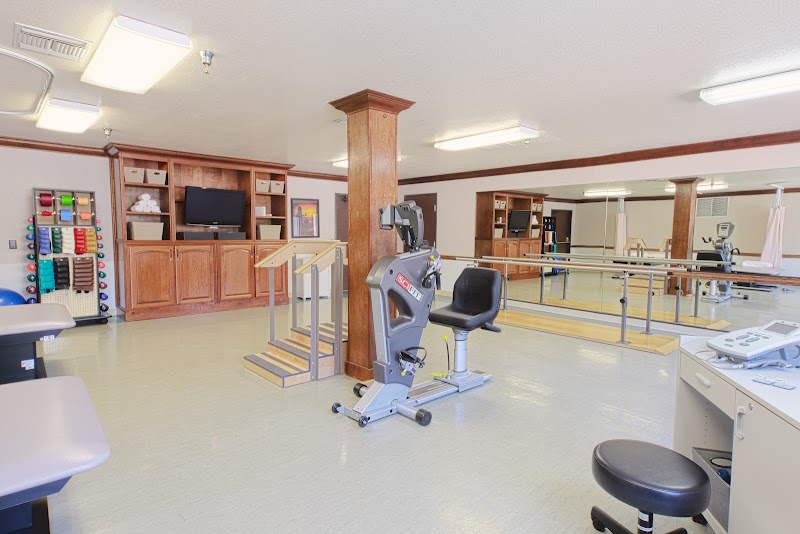
How is Auburn Oaks Staffed?

CMS rates AUBURN OAKS CARE CENTER's staffing level at 2 out of 5 stars, which is below average compared to other nursing homes. Staff turnover is 46%, compared to the California average of 46%.

What Have Inspectors Found at Auburn Oaks?

State health inspectors documented 54 deficiencies at AUBURN OAKS CARE CENTER during 2019 to 2025. These included: 1 that caused actual resident harm and 53 with potential for harm. Deficiencies causing actual harm indicate documented cases where residents experienced negative health consequences.
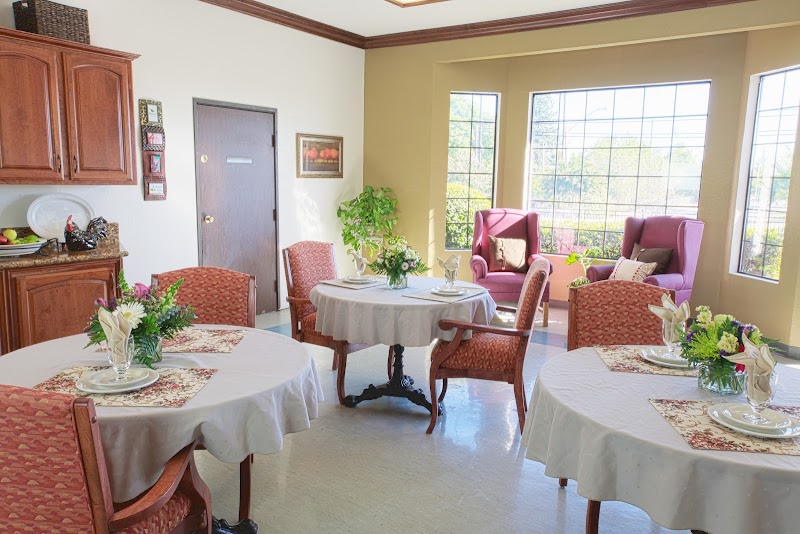
Who Owns and Operates Auburn Oaks?

AUBURN OAKS CARE CENTER is owned by a for-profit company. For-profit facilities operate as businesses with obligations to shareholders or private owners. The facility is operated by PACS GROUP, a chain that manages multiple nursing homes. With 99 certified beds and approximately 95 residents (about 96% occupancy), it is a smaller facility located in AUBURN, California.

How Does Auburn Oaks Compare to Other California Nursing Homes?

Compared to the 100 nursing homes in California, AUBURN OAKS CARE CENTER's overall rating (3 stars) is below the state average of 3.1, staff turnover (46%) is near the state average of 46%, and health inspection rating (2 stars) is below the national benchmark.

What Should Families Ask When Visiting Auburn Oaks?

Based on this facility's data, families visiting should ask: "What safeguards and monitoring systems are in place to protect residents from abuse or neglect?" "Can you walk me through typical staffing levels on day, evening, and night shifts?" "Can I visit during a mealtime to observe dining assistance and food quality?" "How do you handle medical emergencies, and what is your hospital transfer rate?" These questions are particularly relevant given the substantiated abuse finding on record and the below-average staffing rating.

Is Auburn Oaks Safe?

Based on CMS inspection data, AUBURN OAKS CARE CENTER has documented safety concerns. The facility has 1 substantiated abuse finding (meaning confirmed case of resident harm by staff or other residents). The facility has a 3-star overall rating and ranks #100 of 100 nursing homes in California. Families considering this facility should ask detailed questions about what corrective actions have been taken since these incidents.

Do Nurses at Auburn Oaks Stick Around?

AUBURN OAKS CARE CENTER has a staff turnover rate of 46%, which is about average for California nursing homes (state average: 46%). Moderate turnover is common in nursing homes, but families should still ask about staff tenure and how the facility maintains care continuity when employees leave.

Was Auburn Oaks Ever Fined?

AUBURN OAKS CARE CENTER has been fined $9,750 across 1 penalty action. This is below the California average of $33,176. While any fine indicates a compliance issue, fines under $50,000 are relatively common and typically reflect isolated problems that were subsequently corrected. Families should ask what specific issues led to these fines and confirm they've been resolved.

Is Auburn Oaks on Any Federal Watch List?

AUBURN OAKS CARE CENTER is not on any federal watch list. The most significant is the Special Focus Facility (SFF) program, which identifies the bottom 1% of nursing homes nationally based on persistent, serious quality problems. Not being on this list means the facility has avoided the pattern of deficiencies that triggers enhanced federal oversight. This is a positive indicator, though families should still review the facility's inspection history directly.