ROCK CREEK CARE CENTER
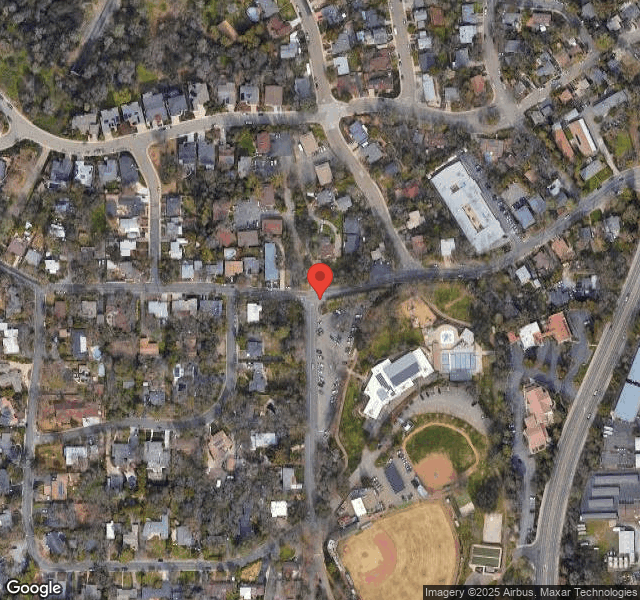
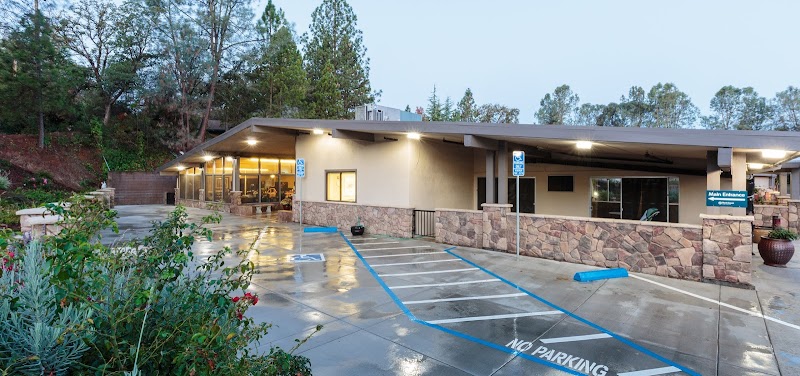
260 RACETRACK STREET, AUBURN, CA 95603 (530) 885-7051
For profit - Limited Liability company 84 Beds PACS GROUP Data: November 2025
Trust Grade
70/100
#445 of 1155 in CA
Last Inspection: October 2024

Within standard 12-15 month inspection cycle. Federal law requires annual inspections.

Overview

Rock Creek Care Center in Auburn, California, has a Trust Grade of B, indicating it is a good facility and a solid choice for families. It ranks #445 out of 1155 nursing homes in California, placing it in the top half of facilities statewide, and #4 out of 10 in Placer County, meaning there are only three local options considered better. The facility is improving, with reported issues decreasing significantly from 14 in 2024 to just 1 in 2025. However, the staffing rating is average, with a 50% turnover rate that exceeds the state average of 38%, which may affect continuity of care. Notably, there have been concerning incidents related to food safety and dietary compliance. Some residents did not receive their prescribed therapeutic diets, risking their health. Additionally, there were issues with food storage and cleanliness, such as dirty dishware and improperly stored food items, which could lead to foodborne illnesses. While the absence of fines is a positive aspect, families should weigh these strengths and weaknesses carefully when considering this facility.

Trust Score
B
70/100
In California
#445/1155
Top 38%
Safety Record
Low Risk
No red flags
Inspections
Getting Better
14 → 1 violations
Staff Stability
⚠ Watch
50% turnover. Above average. Higher turnover means staff may not know residents' routines.
Penalties
✓ Good
No fines on record. Clean compliance history, better than most California facilities.
Skilled Nurses
⚠ Watch
Each resident gets only 25 minutes of Registered Nurse (RN) attention daily — below average for California. Fewer RN minutes means fewer trained eyes watching for problems.
Violations
⚠ Watch
41 deficiencies on record. Higher than average. Multiple issues found across inspections.
★★★★☆
4.0
Overall Rating
★★★☆☆
3.0
Staff Levels
★★★★★
5.0
Care Quality
★★★☆☆
3.0
Inspection Score
Stable
2024: 14 issues
2025: 1 issues

The Good

  • 5-Star Quality Measures · Strong clinical quality outcomes
  • Full Sprinkler Coverage · Fire safety systems throughout facility
  • No fines on record

Facility shows strength in quality measures, fire safety.

The Bad

Staff Turnover: 50%

Near California avg (46%)

Higher turnover may affect care consistency

Chain: PACS GROUP

Part of a multi-facility chain

Ask about local staffing decisions and management

The Ugly 41 deficiencies on record

Apr 2025 1 deficiency
CONCERN (E) 📢 Someone Reported This

A family member, employee, or ombudsman was alarmed enough to file a formal complaint

Potential for Harm - no one hurt, but risky conditions existed

Food Safety (Tag F0812)

Could have caused harm · This affected multiple residents

Based on observation, interview, and record review, the facility failed to safely store food for a census of 84 residents, when unlabeled and expired food items were stored in the facility ' s kitchen...

Read full inspector narrative →
Based on observation, interview, and record review, the facility failed to safely store food for a census of 84 residents, when unlabeled and expired food items were stored in the facility ' s kitchen. This failure had the potential to lead to foodborne illness among residents. Findings: During a concurrent observation and interview on 4/1/25 at 11:10 a.m. with the Dietary Services Supervisor (DSS) in the kitchen walk-in refrigerator and freezer units, DSS confirmed the following unlabeled and expired food items were stored: In the walk-in refrigerator: 1. A storage container of cooked tomato sauce with expiration date 3/26/25; 2. A storage container of fresh parsley with expiration date 3/23/25; 3. Three five pounds bags of raw chicken pieces with expiration date 2/27/25; 4. Three unlabeled meat packages of five pounds chubs of raw hamburger; 5. An unlabeled package of shredded red cabbage; and 6. Two packages of fresh spinach with expiration dates of 3/29/25 and 3/31/25. In the freezer: - One opened, unsealed, unlabeled, and undated package of veggie burgers. DSS stated she was not sure for how many days the hamburger and chicken had been sitting in the refrigerator to thaw. DSS further stated kitchen staff should not serve any of the expired and unlabeled food because eating these items could potentially make the residents sick. During a concurrent observation and interview on 4/1/25 at 11:32 a.m. with the [NAME] and DSS in the Dry Goods Storage area, both the [NAME] and DSS confirmed an unlabeled bread storage bin was found with two bags of hamburger buns, one dated 3/20/25, the other one open and unlabeled, and four unlabeled bags of cinnamon bread. The [NAME] stated the bread was supposed to be labeled. DSS stated the bread was inedible and should have not been placed in the dry storage area. During an interview on 4/1/25 at 1 p.m. with Administrator (ADM), ADM stated kitchen staff should not store unlabeled and expired food items. A review of the facility ' s procedure titled, Refrigerated Storage, dated 2023, indicated, Food items should be arranged so that older items will be used first. Dating the packages or containers will facilitate this practice. The procedure further indicated, Individual packages of refrigerated or frozen taken from the original packing box need to be labeled and dated. A review of the facility ' s document titled, Refrigerated Storage Guide, dated 2023, indicated, Meat taken from freezer to thaw [poultry . ground meat]: Maximum refrigeration time once meat has thawed: 2 days. A review of the facility ' s document titled, Produce Storage Guidelines, dated 2023, indicated greens such as spinach are to be stored in the refrigerator for three to five days before removal. The document further indicated fresh parsley was to be stored two to three days in the refrigerator before disposal. A review of the facility ' s procedure titled, Freezer Storage, dated 2023, indicated, All frozen food should be labeled and dated. A review of the facility ' s document titled, Dry Good Storage Guidelines, dated 2023, indicated bread, opened or unopened on the shelf was recommended to be stored for five to seven days before discarding unused bread. A review of the facility ' s policy and procedure titled, Storage of [Dry] Food and Supplies, dated 2023, indicated, Labels should be visible . All food will be dated – month, day, year . No food will be kept longer than the expiration date on the product.
Oct 2024 8 deficiencies
CONCERN (D)

Potential for Harm - no one hurt, but risky conditions existed

Deficiency F0558 (Tag F0558)

Could have caused harm · This affected 1 resident

**NOTE- TERMS IN BRACKETS HAVE BEEN EDITED TO PROTECT CONFIDENTIALITY** Based on observation, interview, and record review, the facility failed to ensure resident needs were accommodated for two of 25...

Read full inspector narrative →
**NOTE- TERMS IN BRACKETS HAVE BEEN EDITED TO PROTECT CONFIDENTIALITY** Based on observation, interview, and record review, the facility failed to ensure resident needs were accommodated for two of 25 sampled residents (Resident 17 and Resident 25), when the call light was not within reach. This failure had the potential to result in the residents not attaining their highest practicable physical, psychosocial, and emotional well-being. Findings: A review of an admission Record indicated Resident 17 was admitted to the facility in late 2024 with multiple diagnosis of Parkinson's disease (a brain disease marked by tremor, muscular rigidity, and slow, imprecise movements) and muscle weakness. A review of Minimum Data Set (MDS, a federally mandated resident assessment tool), dated 8/28/24, indicated Resident 17 had severely impaired cognition. Further review of the MDS indicated that Resident 17 required a helper to lift trunk or limbs during activities of daily living (ADLs- routine tasks/activities such as bathing, dressing and toileting a person performs daily to care for themselves). During a concurrent observation and interview on 10/8/24 at 1:43 p.m., Resident 17 was in bed and call light was not within reach. Licensed Nurse 1 (LN 1) searched the bed and could not find the call light. LN 1 confirmed that Resident 17 will use the call light if it was available and in their hand. LN 1 acknowledged call light should be within reach. A review of Resident 17's Care Plan, dated 9/9/24, indicated as interventions .Call light in reach and answered timely. A review of an admission Record indicated Resident 25 was admitted to the facility in August 2024 with multiple diagnosis of hemiplegia and hemiparesis following cerebral infarction affecting left non dominant side (loss of muscle function of the body after blood flow to the brain is reduced or blocked). A review of MDS, dated [DATE], indicated Resident 25 had severely impaired cognition. Further review of the MDS indicated that Resident 25 required substantial/maximal assistance (requires a helper) with activities of daily living. During a concurrent observation and interview on 10/8/24 at 10:16 a.m., Resident 25 was in bed laying on left side. Call light was located behind Resident 25 wrapped around side rail. Resident 25 stated he could not turn and wanted to use the call light to ask for coffee. Director of Staff Development (DSD) came into room and confirmed and acknowledged that Resident 25's call light was not within reach. During a concurrent observation and interview on 10/8/24 at 1:00 p.m. Resident 25 was sitting in a reclining seat next to the left side of the bed. Resident 25's call light was on the opposite side wrapped around siderail of bed. Resident 25 was unable to reach the call light. LN 2 confirmed call light was not within reach and near the resident. A review of Resident 25's fall risk Care Plan, revised 9/26/24, indicated as interventions .Keep call light within reach. During an interview on 10/11/24 at 10:30 a.m., with Director of Nursing (DON), the DON stated her expectation was to have all call lights within reach of the residents. During a review of the facility's policy and procedure (P&P) titled, Answering the Call Light revised May 2024, the P&P indicated .When the resident is in bed or confined to a chair be sure the light is within easy reach of the resident .
CONCERN (D)

Potential for Harm - no one hurt, but risky conditions existed

Assessment Accuracy (Tag F0641)

Could have caused harm · This affected 1 resident

**NOTE- TERMS IN BRACKETS HAVE BEEN EDITED TO PROTECT CONFIDENTIALITY** Based on observation, interview, and record review, the facility failed to ensure accurate assessment was performed for one resi...

Read full inspector narrative →
**NOTE- TERMS IN BRACKETS HAVE BEEN EDITED TO PROTECT CONFIDENTIALITY** Based on observation, interview, and record review, the facility failed to ensure accurate assessment was performed for one resident (Resident 22) of 25 sampled residents when Resident 22's dental/oral assessment was inaccurate. This failure resulted in Resident 22 not receiving care reflective of the residents' status and needs. Findings: A review of Resident 22's admission RECORD indicated an admission date to the facility of 4/4/24 with multiple diagnoses which included adult failure to thrive (significant weight loss, functional decline, and an inability to maintain adequte nutrition and physical health), and malnutrition. Resident 22's Minimum Data Set (MDS, a comprehensive assessment tool) dated 4/10/24, indicated no memory problem. During an observation on 10/9/24 at 10:25 a.m., in Resident 22's room, Resident 22 was observed with all teeth missing. During an interview on 10/10/24 at 3:31 p.m., Resident 22 stated she has no teeth at all, both top and bottom. During an interview on 10/10/24, at 3:45 p.m., Resident 22 stated she had all her teeth pulled before being admitted to the facility. A review of Resident 22's MDS, dated [DATE], indicated, .No natural teeth or tooth fragment(s) (edentulous) [all teeth missing] . was not marked. During an interview on 10/11/24 at 8:23 a.m., with MDSLN (MDS Licensed Vocational Nurse), the MDSLN confirmed Resident 22's MDS was inaccurate. The MDSLN stated, It was a mistake. I should have checked [marked] that one (edentulous) . During an interview on 10/11/24 at 8:47 a.m., Resident 22 stated her responsible party informed the staff during admission about her need for dentures. The facility was asked for policies on accuracy of assessment but none were provided.
CONCERN (D)

Potential for Harm - no one hurt, but risky conditions existed

Deficiency F0726 (Tag F0726)

Could have caused harm · This affected 1 resident

**NOTE- TERMS IN BRACKETS HAVE BEEN EDITED TO PROTECT CONFIDENTIALITY** Based on observation, interview and record review, the facility failed to ensure that nursing staff had the necessary competenci...

Read full inspector narrative →
**NOTE- TERMS IN BRACKETS HAVE BEEN EDITED TO PROTECT CONFIDENTIALITY** Based on observation, interview and record review, the facility failed to ensure that nursing staff had the necessary competencies and skill sets to meet the care and services for one of 25 sampled residents (Resident 378) when one Certified Nursing Assistant (CNA) transferred Resident 378 by herself using a Hoyer lift (an electronically operated mechanical lift used to transfer a patient from place to place). This failure had the potential for Resident 378 to receive unsafe care. Findings: Review of Resident 378's admission Record, indicated, Resident 378 was admitted to the facility on [DATE], with diagnoses that included fracture of upper end of right leg, muscle weakness, abnormalities in gait and mobility, and hemiplegia and hemiparesis following cerebral infarction (paralysis and weakness on one side of the body after stroke.) During a review of Resident 378's Minimum Data Set (MDS - a federally mandated resident assessment tool), dated 10/7/24, the MDS indicated, Resident 378 needed the assistance of two or more staff for chair/bed-to-chair transfer (transfer to and from a bed to a chair or wheelchair.) During a review of Resident 378's Order Summary Report (OSR), dated 10/10/24, the OSR indicated Resident 378 is non-weight bearing (NWB-can't put any weight or pressure) on his right lower extremity (entire right leg.) During a review of Resident 378's Physical Therapy Evaluation & Plan of Treatment (PT Eval) dated 10/2/24, the PT Eval indicated, Resident 378 is NWB on his right leg and needed total assist with mechanical lift for transfers. During an observation on 10/8/24 at 10:56 a.m. in Resident 378's room, Resident 378 was in bed and a Hoyer lift sling was on the bed. CNA 1 was providing care to Resident 378 by herself. During a concurrent observation and interview on 10/8/24 at 11:12 a.m. in Resident 378's room, Resident 378 was observed to be on his motorized wheelchair. CNA 1 confirmed that she did the transfer by herself without additional staff assistance using the Hoyer lift. CNA 1 stated that Hoyer lift transfers should be done by two persons. During an interview on 10/10/24 at 3:04 p.m. with Director of Staff Development (DSD), DSD stated, Hoyer lift transfers were always done by 2 persons, it was part of training and what was taught in school. DSD stated that 2 persons were needed for the safety of the residents. During a review of the facility's policy and procedure (P&P) titled, Lifting Machine, Using a Mechanical, dated, May 2024, the P&P indicated, .At least two (2) nursing assistants are needed to safely move a resident with a mechanical lift.
CONCERN (D)

Potential for Harm - no one hurt, but risky conditions existed

Infection Control (Tag F0880)

Could have caused harm · This affected 1 resident

**NOTE- TERMS IN BRACKETS HAVE BEEN EDITED TO PROTECT CONFIDENTIALITY** Based on observation, interview, and record review the facility failed to implement infection prevention and control practices f...

Read full inspector narrative →
**NOTE- TERMS IN BRACKETS HAVE BEEN EDITED TO PROTECT CONFIDENTIALITY** Based on observation, interview, and record review the facility failed to implement infection prevention and control practices for one of 25 sampled residents (Resident 379) when the Certified Nursing Assistant (CNA 2) did not wear the proper Personal Protective Equipment (PPE-gown, eye protection or face shield and gloves) upon entering Resident 379's room with an isolation precaution sign. This failure put the residents at increased risk for the spread of infection. Findings: During a review of Resident 379's admission Record, the admission Record indicated, Resident 379 was admitted on [DATE], with diagnoses that included but is not limited to COVID-19 (a highly contagious respiratory disease caused by the SARS-CoV-2 virus), moderate protein-calorie malnutrition, and muscle weakness. During a review of Resident 379's Result Details, dated 10/2/24, the Result Details indicated a positive result for COVID-19. During a review of Resident 379's Order Summary Report (OSR), dated 10/10/24, the OSR indicated Resident 379 had an order for Droplet Precaution in Place: Dx [diagnosis] covid positive until 10/12/24. During an observation on 10/8/24 at 12:43 p.m., outside Resident 379's room, there was a signage that indicated Resident 379 is on droplet precaution (a set of measures used to prevent the spread of organisms that cause disease through respiratory secretions.) During an observation on 10/8/24 at 12:48 p.m., inside Resident 379's room, the CNA 1 brought in the lunch tray, and asked the CNA 2 to help her reposition Resident 379. At 12:51 p.m. the CNA went in the room with gown, gloves, and a yellow surgical mask (disposable loose-fitting mask that covers the user's nose and mouth). During a concurrent observation and interview on 10/8/24 at 12:56 p.m., with the CNA 2, the CNA 2 confirmed wearing the yellow surgical mask inside Resident 379's room. The CNA 2 looked at the signage posted at the door and stated, I'm sorry, I'm sorry. During a review of the facility's P&P titled Categories of Transmission Based Precautions, dated May 2024, the P&P indicated, Droplet Precautions .masks are worn when entering the room. During a concurrent interview and record review on 10/11/24 at 10:59 a.m. with Infection Preventionist (IP), IP stated that for Covid-19 isolation staff should be wearing an N95 mask (a disposable face mask that covers the user's nose and mouth which offers protection from small solid or liquid droplets found in the air). IP stated that a sign was placed on the door indicating that staff should be wearing N95. The 'Droplet Precautions' signage at Resident 379's door was reviewed, and IP nurse confirmed that the picture 'Respiratory Protection' in that signage was the indicator that staff should be wearing N95.
CONCERN (E)

Potential for Harm - no one hurt, but risky conditions existed

Deficiency F0802 (Tag F0802)

Could have caused harm · This affected multiple residents

Based on interview and record review, the facility failed to ensure two food service personnel were able to safely and effectively carry out the functions of the food and nutrition services when: 1. D...

Read full inspector narrative →
Based on interview and record review, the facility failed to ensure two food service personnel were able to safely and effectively carry out the functions of the food and nutrition services when: 1. Dietary Aides (DA) 1 and DA 2, were unable verbalized the process of manual dishwashing by using three-compartment sinks correctly (cross refer to F812, #6), and 2. DA 2 was unable to verbalize the concentration of sanitizer solution for the sanitation (red) bucket (a red color-coded bucket with sanitizer solution for food service staff to sanitize food contact surfaces) (cross refer to F812, #7). These failures had the potential to place 75 out of 75 highly susceptible residents who received food from the kitchen at risk for food-borne illness. Findings: 1. During an interview on 10/8/24, at 11 a.m. with DA 1, DA 1 verbalized the process of manual dishwashing by using the three-compartment sink. She was not able to verbalize the immersion time of the dishes for the sanitizing step with the sanitizer. DA 2 joined the interview and stated the immersion time should be 20 seconds. A concurrent review of the directions for the sanitizer (Quaternary Ammonium - a sanitizer agent) indicated the immersion time was 60 seconds. Dietary Supervisor (DS) confirmed and stated the immersion time should be 60 seconds. During an interview with Registered Dietitian (RD) on 10/10/24, at 11:29 a.m., she acknowledged the issue and stated the staff should know the correct procedure of the manual dishwashing, if not may put the residents at risk for food-borne illness. A review of the facility policy and procedure (P&P), titled 3-Compartment Procedure for Manual Dishwashing, dated 2023, it indicated, the third compartment is for sanitizing .immerse all washed items for 60 sec . A review of DA 1's employee file with hire date of 7/18/19, and a competency audit of DA 1, titled Verification of Job Competency Demonstration & Equipment Competency, completed on 9/20/24 and checked off by DS, indicated DA 1 was competent in the procedure of three-compartment sink manual dishwashing by demonstration. A review of DA 2's employee file with hire date on 9/11/24, showed there was no competency audit completed due to DA 2 did not work at facility for a year per DS. A review of facility document, titled Food & Nutrition Services In-Service, Topic: Sanitation, completed on 6/11/24 by the pervious DS, it indicated DA 1 attended the in-service which included the procedure of three-compartment sink dishwashing. A review of the facility document titled, Job Description: Dietary Aide, dated 9/1/16, it indicated the dietary aide job functions include, .clean food preparation utensils, dishes .practice infection control policies and procedures . 2. During an interview regarding the sanitation (red) bucket on 10/8/24, at 11:06 a.m. with DA 2 and DS, DA 2 was not able to verbalize the correct concentration range for the sanitizer solution (Quaternary Ammonium - a chemical agent for sanitation). DS confirmed and stated the concentration range should be at 200-400 ppm (part per million - a measurement of concentration). During an interview with RD on 10/10/24, at 11:29 a.m., she stated the staff needed to have a good knowledge how to test and the correct concentration range for the sanitizer solution. If not may put the residents at risk for food-borne illness. A review of the facility P&P titled, Quaternary Ammonium Log Policy dated 2023, it indicated, .the quaternary solution, use for sanitizing clean work surfaces in the kitchen, will be made according to the instructions .the solution will be replaced when the reading is below 200 ppm . A review of DA 2's employee file with hire date of 9/11/24, there was no competency audit completed due to DA 2 did not work at facility for a year per DS. There was no indication of DA 2 attended any in-service for sanitation. A review of the facility document titled, Job Description: Dietary Aide, dated 9/1/16, it indicated the dietary aide job functions include, .clean food preparation utensils, dishes .practice infection control policies and procedures of the department .practice infection control .attend in-service education . A review of facility document titled, Job Description: Dietary Manager, dated 2/2024, it indicated, .primary purpose .provide supervision for the Dietary Department .monitor work assignments, provide feedback, evaluate performance .conduct .training, in-service education activities .
CONCERN (F)

Potential for Harm - no one hurt, but risky conditions existed

Menu Adequacy (Tag F0803)

Could have caused harm · This affected most or all residents

Based on observation, interview, and record review, the facility failed to ensure that the menu was being following for the therapeutic diet for lunch on 10/9/24 when: 1.Three residents (Resident 30,...

Read full inspector narrative →
Based on observation, interview, and record review, the facility failed to ensure that the menu was being following for the therapeutic diet for lunch on 10/9/24 when: 1.Three residents (Resident 30, 49, and 64) were on modified texture diets, Dysphagia Mechanical (diet is for people with mild to moderate chewing and/or swallowing difficulty) and Pureed (diet is for people with trouble chewing, swallowing, or fully breaking down food and usually ground, pressed, or strained to pudding like consistency) who received no wheat roll for bread instead of receiving pureed roll (for Pureed diet) or chopped and milk-soaked wheat roll (for Dysphagia Mechanical diet) as indicated on the menu; 2. Two residents (Resident 18 and 23) with NCS (No Concentrated Sweets)/CCHO (Consistent or Controlled Carbohydrate) diet (diet is for people that need to control their blood sugar or diabetes) received wheat roll for bread instead of no roll as indicated on the menu; 3. Two residents (Resident 15 and 39) with 60 grams (g) Protein Renal diet (diet is for people to manage chronic kidney disease) received vanilla wafers as dessert instead of a cookie as indicated on the menu; 4. Three residents (Resident 31, 60, and 63) received mashed potato and green beans for vegetables instead of rice and carrot as indicated on the menu; 5. Resident 64 with Dysphagia Mechanical diet received mousse with chocolate chips for dessert instead of mousse without chocolate chips as indicated on the menu; 6. Resident 71 with 60 g Protein Renal, NCS/CCHO diet received mousse without chocolate chips for dessert instead of diet cookie as indicated on the menu; and 7. 75 out 75 meals were served without garnish instead of receiving garnish as indicated on the menu. These failures had the potential to result in compromising the medical and nutrition status of those 75 residents. Findings: During an observation of lunch meal service on 10/9/24 beginning at 12:05 p.m., it was noted as followed: 1. Residents 30, 49, and 64 who were on dysphagia mechanical and pureed diets did not receive chopped and milk-soaked wheat roll and puree wheat roll respectively. A concurrent review of the facility spreadsheet (a menu excel sheet that indicated what items and portions to be served for each prescribed diet) titled, Fall Menus, Week 2 Wednesday, indicated that dysphagia mechanical diet should have received wheat roll as chop ½, mashable, soak and drain and pureed diet should receive wheat roll as P (Pureed) #16 (1/4 cup). 2. Residents 18 and 23 who were on NCS/CCHO diet received wheat roll instead of no roll. A concurrent review of the facility spreadsheet titled, Fall Menus, Week 2 Wednesday, indicated that CCHO diet should have received no wheat roll. A review of the facility document titled, Diet Manual for Long Term Care and Residential Facilities, dated 2020, it indicated, .CCHO diet .carbohydrates are controlled through portion control and avoiding some concentrated sweets . 3. Residents 15 and 39 who were on 60 g Protein Renal diet received six pieces of vanilla wafers instead of a cookie. A concurrent review of the facility spreadsheet titled, Fall Menus, Week 2 Wednesday, it indicated 60 g Protein Renal diet should have received two small sugar cookies or one large sugar cookie for dessert. A review of the facility document titled, Diet Manual for Long Term Care and Residential Facilities, dated 2020, it indicated, .Protein Restricted Diet .a diet high in simple sugars and fat is used to spare protein .desserts: one serving = 2 small sugar cookies . 4. Residents 31, 60, and 63 received mashed potatoes and green beans instead of carrots and rice. A concurrent review of the facility spreadsheet titled, Fall Menus, Week 2 Wednesday, it indicated regular diet should have received brown rice and carrots. 5. Resident 64 who was on a Dysphagia Mechanical diet received mousse with chocolate chips instead of mousse without chocolate chips. A concurrent review of the facility spreadsheet titled, Fall Menus, Week 2 Wednesday, indicated Dysphagia Mechanical diet should have received mousse dessert with no chocolate chips. A review of the facility document titled, Diet Manual for Long Term Care and Residential Facilities, dated 2020, it indicated, .Dysphagia Mechanical .this diet consists of foods that are moist, mechanically altered, or easily mashed .foods must not be sticky or bulky increasing the risk of airway obstruction . 6. Resident 71 who was on a 60 g Protein Renal diet and NCS/CCHO diet received mousse with no chocolate chips instead of a diet cookie. A concurrent review of the facility spreadsheet titled, Fall Menus, Week 2 Wednesday, it indicated Renal CCHO diet should have received two small diet sugar cookies. 7. All meals delivered did not have parsley garnish. A concurrent review of the facility spreadsheet titled, Fall Menus, Week 2 Wednesday, it indicated all diets should have received a parsley garnish. During an interview with the DS (Dietary Supervisor) on 10/9/24 at 1:56 p.m., the DS acknowledged and confirmed the observation findings during lunch meal service. The DS stated that some puree and dysphagia mechanical diet trays did not get the wheat roll. The DS further stated the vanilla wafers for the 60 g Protein Renal diet with and without NCS/CCHO was used because the kitchen did not prepare the cookies. The DS further stated the last few meals were served with mashed potato and green beans because they were running out of rice and carrots. DS further stated the Registered Dietitian (RD) approved the substitution of mashed potatoes and green beans during meal service, but residents had not been notified of the changes. The DS further stated all meals should have garnish with parsley. The DS stated the menu and spreadsheet should be followed. During an interview with the RD on 10/10/24 at 11:29 a.m., the RD acknowledged issues that were found during meal service. The RD stated residents should receive the food items that were reflected on the menu. The RD further stated the kitchen did not prepare enough rice and carrots because the cook did not follow the standardized recipe. The RD further stated the substitute for rice and carrots needed to be approved by the RD and the residents should be informed of the change. The RD further stated, kitchen staff needed to follow the menu and spreadsheet. During a review the facility's policy and procedure (P&P) titled, Menu Planning dated 2023, indicated, .menu changes should be noted on menus on the consumers board and any other menus which may be posted .menus are planned to meet nutritional needs of residents in accordance with established national guidelines .the facility's diet manual and diets are ordered by the physician should mirror the nutritional care provided by the facility .menus are written for regular and therapeutic diets in compliance with the diet manual .standardized recipes adjusted to appropriate yield shall be maintained and used in food preparation . During a review of facility document, titled Job Description: Cook, dated 2/2024, it indicated, .essential duties .ability to follow prepared menus and portion control guides .ability to prepare special diets accurately .
CONCERN (F)

Potential for Harm - no one hurt, but risky conditions existed

Food Safety (Tag F0812)

Could have caused harm · This affected most or all residents

Based on observation, interview, and facility document review, the facility failed to store, prepare, and distribute food in accordance with professional standards for food service safety when: 1. Sev...

Read full inspector narrative →
Based on observation, interview, and facility document review, the facility failed to store, prepare, and distribute food in accordance with professional standards for food service safety when: 1. Several various metal sheet pans in clean and ready-to-use storage areas: a. Were stacked wet while stored away b. Had food debris; 2. There were opened bags of food items in dry storage and freezer with issues: a. One opened bag of elbow noodles was not tightly closed b. One opened bag of croutons was not labeled with an open or use by date c. One opened package of hamburger meat patties was not labeled with an open or use by date; 3. The thawing process system did not effectively identify when food was pulled from the freezer and used by date; 4. The ice machine was not clean; 5. The hot food cool down was not practiced correctly; 6. Two dietary aides were not able to verbalize the process of manual dishwashing by using the 3-compartment sinks correctly; 7. One dietary aide was not able to verbalize the concentration of the sanitizer solution for the sanitation (red) bucket (a color coded bucket contain sanitizer for the food service staff to sanitize the food-contact surfaces); and, 8. The microwave for resident's food located in dining room was not clean. These failures had potential to cause food-borne illness in a highly susceptible population of 75 out of 75 residents who received food from the kitchen. Findings: 1. During a concurrent observation and interview with Dietary Supervisor (DS) and Registered Dietician (RD) on 10/8/24 at 9:40 a.m. at the kitchen's initial tour, several metal sheet pans stored at the clean and ready-to-use storage areas were observed stacked wet and had food debris. The metal pans included: -9 of full sheet pans (wet) -5 of full sheet pans (food debris inside) -4 of 1/4 sheet pans (wet) -10 of 1/6 sheet pans (wet) -1 of 1/6 sheet pan (food debris inside) The DS confirmed the metal sheet pans were wet and had food debris inside. The DS stated the dishes, pans and pots needed to be completely air-dried and clean before stored away. The RD stated dishes, pans and pots should be dried before being stored away to prevent mold and bacteria growth. During a review of the facility's policy and procedure (P&P) titled, Dishwashing, dated 2023, it indicated, .dishes are to be air dried in racks before stacking and storing . During a review of the facility's P&P titled, Sanitation dated 2023, it indicated, .All utensils .shall be kept clean . 2. During a concurrent observation and interview with the DS on 10/8/24 at 9:52 a.m. at the kitchen's initial tour, one opened bag of elbow pasta was not tightly closed, and one opened bag of croutons did not have an opened or used by date. The DS confirmed and stated opened packages of food should be wrapped and closed tightly. The DS further stated opened packages of food need to have labels with opened or used by dates. During a concurrent observation and interview with the DS on 10/8/24 at 10:06 a.m., at the kitchen's initial tour, one opened package of hamburger meat patties was not tightly closed and did not have and open or use by date. The DS confirmed and stated the opened package should have been wrapped tightly and labeled with opened or used by dates. During a review of the facility's P&P titled, Storage of Food and Supplies dated 2023, it indicated, .dry food items which have been opened .will be tightly closed, labeled, and dated . During a review of the facility's P&P titled, Labeling and Dating of Foods dated 2023, it indicated, .newly opened food items will need to be closed and labeled with an open date and used by date . 3. During a concurrent observation and interview with DS on 10/8/24 at 10:16 a.m., at the kitchen's initial tour, two boxes of fish and one box of chicken were sitting on the bottom rack in the refrigerator for thawing. The boxes of fish and chicken were not labeled with a pulled or used by date. The DS confirmed the thawing boxes of fish and chicken did not have labels indicating when the food was pulled from the freezer and when the food should be used by date. The DS stated she pulled the two boxes of fish from the freezer yesterday. The DS further stated she did not know when the box of chicken was pulled from the freezer. The DS further stated verbal communication was used to indicate when the meat items were being thawed. The DS further stated verbal communication was not effective. During a review of the facility's P&P titled, Thawing of Meats dated 2023, it indicated, .label defrosting meat with pull and use by date . 4. During a concurrent observation and interview with the DS and the RD on 10/8/24 at 10:35 a.m., at the kitchen's initial tour, an orange slimy substance was on the ice chute (the passageway that allows ice to fall into an ice storage bin) inside the top machinery part of the ice machine. Also observed the water was dripping through the orange slimy substance onto the ice in the ice storage bin. The DS and the RD confirmed the ice machine chute had an orange slimy substance. The DS stated an outside vendor was responsible for deep cleaning the ice machine every three months. During a review of the outside vendor invoice, it indicated the last deep cleaning service was on 5/31/24 and it had passed the three month mark as stated. During a review of the facility's P&P titled, Ice Machine Cleaning Procedures dated 2023, it indicated, .ice machine needs to be cleaned and sanitized monthly .clean inside of ice machine .per manufacturer's instructions . During a review of the ice machine's service manual, dated 12/8/2021, the service manual indicated the icemaker should be cleaned every 6 months and .more frequent maintenance may be required depending on water quality and appliance's environment . According to 2022 FDA (Food and Drug Administration) Food Code, on section 4-602.11 Equipment Food-Contact Surface and Utensils, it stated equipment like ice makers and ice bins must be cleaned on a routine basis to prevent the development of slime, mold, or soil residues that may contribute to an accumulation of microorganisms (a living thing that is so small it must be viewed with a microscope, such as bacteria or algae). 5. During a concurrent interview and record review with the DS on 10/8/24 at 10:47 a.m., at the kitchen's initial tour, the DS stated hot and ambient foods were documented on the same log. A review of the October 2024 cooling log indicated the last cooling temperature was not documented for all foods on the log. A review of the September 2024 cooling log indicated there was a hot food item that went through the cool down process for more than six hours. A review of the September 2024 and October 2024 cooling logs indicated several hot foods on the log started cool down above 140 degrees Fahrenheit (F). DS confirmed staff were not practicing cool down processes correctly. During a review of the facility's P&P titled, Cooling and Reheating of Potentially Hazardous or Time/Temperature Control for Safety Food dated 2023, it indicated cooked food that is not served right away will be cooled using the two-stage method. The P&P further indicated, .cool cooked from 140 degrees F to 70 degrees F within two hours .then cool from 70 degrees F to 41 degrees F or less in an additional four hours for a total cooling time of six hours .when cooling down food, use the Cool Down Log .to document with proper procedure . 6. During a concurrent interview and review of manual dishwashing directions on 10/8/24 at 11:00 a.m. with the Dietary Aide 1 (DA 1), DA 2 and DS, The DA 1 stated they would switch to manual dishwashing with 3-compartment sink if dishwashing machine was not working. The DA 1 was not able to provide sanitizer immersion time for dishes. The DA 2 stated an incorrect immersion time of 20 seconds for the dishes. A review of the directions for sanitizer (Quat) indicated immersion time was 60 seconds. The DS confirmed the immersion time should be 60 seconds for dishes during the sanitizing process for the manual dishwashing procedure. During a review of the facility P&P titled, 3-Compartment Procedure for Manual Dishwashing dated 2023, it indicated, .the third compartment is for sanitizing .immerse all washed items for 60 sec . During a review of the facility's Job Description for Dietary Aide dated 9/1/16, the Job Description indicated the Dietary Aide job functions include, .clean food preparation utensils, dishes .practice infection control . 7. During a concurrent interview and review of red bucket sanitizer directions on 10/8/24 at 11:06 a.m. with the DA 2 and the DS, the DA 2 stated she did not know the right concentration range for red bucket sanitizer. The DS confirmed the DA 2 was not able to state correct concentration range. The DS further stated the concentration range for red bucket sanitizer should be 200-400 ppm (part per million - a measurement of concentration for the sanitizer). During an interview on 10/10/24, at 11:29 a.m. with the RD, the RD stated the staff should have good knowledge about how to test the concentration range for the sanitizer solution, and that would minimize the risk for the residents to get food-borne illness. During a review of the facility's P&P titled, Quaternary Ammonium Log Policy dated 2023 it indicated, .the quaternary solution, use for sanitizing clean work surfaces in the kitchen, will be made according to the instructions .the solution will be replaced when the reading is below 200 ppm . 8. During a concurrent observation and interview on 10/10/24 at 9:36 a.m. with the Director of Staff Development (DSD), noted the interior part of the microwave for resident's food in the dining room had black dry food splashes. The DSD confirmed the microwave was dirty and needed to be cleaned. During a review of the facility's P&P titled, Sanitation dated 2023, it indicated, .all equipment shall be kept clean .
MINOR (B)

Minor Issue - procedural, no safety impact

Deficiency F0912 (Tag F0912)

Minor procedural issue · This affected multiple residents

**NOTE- TERMS IN BRACKETS HAVE BEEN EDITED TO PROTECT CONFIDENTIALITY** Based on observation, interview and record review, the facility failed to ensure 28 multiple-resident rooms (rooms 1-8, 11, 12, ...

Read full inspector narrative →
**NOTE- TERMS IN BRACKETS HAVE BEEN EDITED TO PROTECT CONFIDENTIALITY** Based on observation, interview and record review, the facility failed to ensure 28 multiple-resident rooms (rooms 1-8, 11, 12, 17-19, 21, 23-36) met the required 80 square feet (sq. ft.) per resident when the following rooms were measured as: room [ROOM NUMBER] at 71.4 sq. ft. per person room [ROOM NUMBER] at 71.45 sq. ft. per person room [ROOM NUMBER] at 71.4 sq. ft. per person room [ROOM NUMBER] at 75.5 sq. ft. per person room [ROOM NUMBER] at 71.4 sq. ft. per person room [ROOM NUMBER] at 74.5 sq. ft. per person room [ROOM NUMBER] at 74.5 sq. ft. per person room [ROOM NUMBER] at 76.9 sq. ft. per person room [ROOM NUMBER] at 74.67 sq. ft. per person room [ROOM NUMBER] at 72.1 sq. ft. per person room [ROOM NUMBER] at 74.67 sq. ft. per person room [ROOM NUMBER] at 73.83 sq. ft. per person room [ROOM NUMBER] at 78.93 sq. ft. per person room [ROOM NUMBER] at 70.47 sq. ft. per person room [ROOM NUMBER] at 70.8 sq. ft. per person room [ROOM NUMBER] at 71.4 sq. ft. per person room [ROOM NUMBER] at 70.47 sq. ft. per person room [ROOM NUMBER] at 71.4 sq. ft. per person room [ROOM NUMBER] at 70.8 sq. ft. per person room [ROOM NUMBER] at 71.9 sq. ft. per person room [ROOM NUMBER] at 70.8 sq. ft. per person room [ROOM NUMBER] at 71.4 sq. ft. per person room [ROOM NUMBER] at 70.8 sq. ft. per person room [ROOM NUMBER] at 71.4 sq. ft. per person room [ROOM NUMBER] at 70.8 sq. ft. per person room [ROOM NUMBER] at 75.64 sq. ft. per person room [ROOM NUMBER] at 70.8 sq. ft. per person room [ROOM NUMBER] at 70.8 sq. ft. per person This failure had the potential to negatively affect the residents' quality of life and result in inadequate space for the provision of care. Findings: During observations made throughout the survey in the rooms with two and three resident occupancies, the space was adequate to store assistive devices in the rooms (such a wheelchair and/or walkers) and to facilitate provision of care and needs. During an interview on 10/8/24 at 10:19 a.m., a resident in room [ROOM NUMBER] stated, he did not have many things, so he had enough space in the room. During an interview on 10/8/24 at 10:16 a.m., Residents in room [ROOM NUMBER] stated they had no concerns or issues with the size of the room. During an interview on 10/8/24 at 12:29 p.m., a resident in room [ROOM NUMBER] stated he had no issues with the space in the room. During an interview on 10/9/24 at 11:13 a.m. a resident in room [ROOM NUMBER] stated there was not enough space in her room for assistance in getting out of bed. She had a Hoyer lift, and stated the Certified Nursing Assistants (CNAs) had a difficult time and sometimes had to maneuver furniture, such as her bedside table and items on her nightstand. Her roommate stated the CNAs often moved items past the dividing curtain into her space when they were transferring Resident 22 via the Hoyer lift, but she lets them do it because she wanted to respect her roommate's needs. The Department recommends continuation of the waiver for the above-mentioned rooms.
Oct 2024 1 deficiency
CONCERN (E) 📢 Someone Reported This

A family member, employee, or ombudsman was alarmed enough to file a formal complaint

Potential for Harm - no one hurt, but risky conditions existed

Deficiency F0804 (Tag F0804)

Could have caused harm · This affected multiple residents

Based on observation, interview, and record review the facility failed to provide food that was palatable when three of seven sampled residents (Resident 3, Resident 4, and Resident 7) had food that w...

Read full inspector narrative →
Based on observation, interview, and record review the facility failed to provide food that was palatable when three of seven sampled residents (Resident 3, Resident 4, and Resident 7) had food that was served cold. This failure had the potential for Resident 3, Resident 4, and Resident 7 to experience dissatisfaction with meals leading to decreased intake with possible weight loss. Findings: A review of Resident 3's admission Record indicated Resident 3 was admitted to the facility in March 2023 with multiple diagnoses including hemiparesis (weakness on one side of the body) and hemiplegia (paralysis on one side of the body) following cerebral infarction (stroke- lack of blood flow to the brain) and moderate protein calorie malnutrition (inadequate intake of protein, calories, and nutrients). A review of Resident 3's MDS (Minimum Data Set- a federally mandated assessement tool), Cognitive Patterns, dated 9/18/24, indicated Resident 3 had a Brief Interview for Mental Status (BIMS- tool to assess cognition) score of 13 out of 15 that indicated Resident 3 was cognitively intact. A review of Resident 4's admission Record indicated Resident 4 was admitted to the facility in October 2021 with multiple diagnoses including osteoarthritis (type of arthritis caused by the wearing down of cartilage that lines the joints) of left knee and moderate protein calorie malnutrition. A review of Resident 4's Minimum Data Set MDS, Cognitive Patterns, dated 8/2/24, indicated Resident 4 had a BIMS score of 14 out of 15 that indicated Resident 4 was cognitively intact. A review of Resident 7's admission Record indicated Resident 7 was admitted to the facility in September 2024 with multiple diagnoses including hemiparesis and hemiplegia following cerebral infarction and diabetes (too much sugar in the blood). A review of Resident 7's MDS, Cognitive Patterns, dated 9/12/24, indicated Resident 7 had a BIMS score of 13 out of 15 that indicated Resident 7 was cognitively intact. A review of Resident 7's Resident Grievance Form, dated 9/18/24, indicated .Resident verbalized concerns about the food. She states food tray comes to her cold. Last night dinner looks like dog food, fried eggs cold for breakfast .Investigation Findings: Counseled staff on making sure food is covered so that it stays hot. Also counseled on plating/ presentation . A review of Summer and Fall Menus, from 8/5/24 to 10/1/24, with site for temperature entries of menu items, indicated multiple missing temperature entries including: 8/5/24, 8/8/24, 8/9/24, 8/14/24, and 8/17/24, the dinner temperature entries were missing, 8/6/24, 8/11/24, 8/12/24, and 8/13/24, menu items including rice, zucchini, sweet potato fries, and breakfast meat, were missing temperature entries. Menu spreadsheets for 8/15/24 and 8/18/24 did not have temperature entries, and there were no menu spreadsheets for 9/2/24 to 9/5/24 and 9/13/24 to 9/30/24. During an interview on 10/1/24 at 12:20 p.m. with the Dietary Manager (DM), the DM stated she recently started working at facility and has not heard any complaints about food temperature, but has heard complaints about how food looks. The DM stated she checked food temperatures today at point of service from kitchen but did not check temperature of food when served to residents. The DM stated the Certified Nursing Assistants (CNAs) pass out meal trays to the residents. During an interview on 10/1/24 at 1:28 pm. with Resident 3, Resident 3 stated her breakfast yesterday was cold. Resident 3 stated she asked to have it reheated but was told it could not be reheated. Resident stated food is cold off and on. During an interview on 10/1/24 at 1:34 p.m. with Resident 4, Resident 4 stated food is always cold. Resident stated the vegetables are cold. Resident 4 stated she is not eating well. During a joint interview on 10/1/24 at 2:10 p.m. with the Director of Nursing (DON) and the Social Services Director (SSD), the DON stated if resident complains of cold food will have the kitchen make a new tray. The CNAs deliver the food to the residents and are to close the cart door each time trays are pulled out. The DON stated the Registered Dietitian (RD) performs test tray temperature checks. Requested documentation of test tray temperature checks. During an interview on 10/1/24 at 2:12 p.m. with Licensed Nurse (LN) 1, LN 1 stated, Cold food has been an issue. LN 1 stated for the past couple of weeks residents have complained of the protein being cold. During an interview on 10/1/24 at 2:18 p.m. with the DM, the DM stated the cook takes the temperature of food on the steam table and records it on the menu. The DM provided menus for 8/5/24 to 8/17/24, and acknowledged that temperature recordings were incomplete. The DM stated she was unable to locate the menus for 8/18/24 to 9/30/24 but will check with the cook. The DM stated the prior cook was not recording the temperatures on the menus. During a subsequent interview on 10/1/24 at 2:36 p.m. with the DM, the DM stated that there is not a test tray temperature log and did not know to maintain one. The DM stated she had been testing temperatures at time of the cart fill in the kitchen but not at time of distribution to residents. The DM stated she was only managing temperatures in the kitchen. During an interview on 10/1/24 at 3:31 p.m. with Resident 7, Resident 7 stated the food is not good and is cold all the time. Resident 7 stated the chicken and corn served at lunch today was cold. Resident 7 stated she has lost a few pounds because the food is not good. During an interview on 10/1/24 at 3:37 p.m. with the Administrator (ADM) and the DON, the ADM acknowledged that cold food has come up. Reviewed menus for 8/5/24 to 8/18/24, and additional menus provided with temperatures entered for 8/19/24 to 9/12/24. The ADM acknowledged that temperature monitoring was incomplete, and the prior cook was not documenting food temperatures. The ADM acknowledged that a test tray temperature log was not found. A review of the facility's Policy and Procedure (P&P) titled Meal Service, dated 2023, .Meals that meet the nutritional needs of the resident will be served in an accurate and efficient manner, and served at the appropriate temperatures The Food and Nutrition Services staff member will take the food temperatures prior to service of the meal .The food will be served on trayline at the recommended temperatures .and recorded on the daily therapeutic menu in the temperature column of the regular food and next to the food item under the therapeutic diet column of each food served .The temperatures of the foods should be periodically monitored throughout meal service to ensure proper hot or cold holding temperature .Temperature of the food when the resident receives it is based on palatability. The goal is to serve cold food cold and hot food hot . A review of the facility's P&P titled Covered Food During Transport, dated 2023, indicated .All hot food will be covered to maintain the proper temperature .
Jul 2024 3 deficiencies
CONCERN (D) 📢 Someone Reported This

A family member, employee, or ombudsman was alarmed enough to file a formal complaint

Potential for Harm - no one hurt, but risky conditions existed

Deficiency F0558 (Tag F0558)

Could have caused harm · This affected 1 resident

Based on observation, interview, and record review, the facility failed to ensure resident needs were accommodated for one of six sampled residents (Resident 3), when Resident 3's call light was not w...

Read full inspector narrative →
Based on observation, interview, and record review, the facility failed to ensure resident needs were accommodated for one of six sampled residents (Resident 3), when Resident 3's call light was not within reach. The failure had the potential to result in the resident not attaining her highest practicable physical, psychosocial, and emotional well-being. Findings: Resident 3 was admitted to the facility in June 2024 with multiple diagnoses that included osteoarthritis (deterioration of tissue that lines the joints) and muscle weakness. A review of Minimum Data Set (MDS, and assessment tool), dated 6/11/23, indicated Resident 3 had moderately impaired cognition. During an interview on 7/3/24, at 11 a.m., with Resident 2, Resident 2 stated that her roommate, Resident 3 was unable to push the call light. Resident 2 further stated that she had to push the call light for Resident 3 on multiple occasions. Resident 2 further stated that Resident 3 also had to call out for help when she is unable to push the call light. During a concurrent observation and interview on 7/3/24, at 11:15 a.m., with Resident 3, Resident 3 was lying in bed on her right side facing the wall. Resident 3's call light was wrapped the left side rail and not within reach. Resident 3 stated that she was unable to reach the call light because it was difficult for her to turn side to side. During an interview on 7/3/24, at 11:17 a.m., with Certified Nursing Assistant 1 (CNA 1), CNA 1 confirmed that Resident 3 was unable to reach her call light. CNA 1 stated that, If the resident can't use the call light, they can fall if trying to use the bathroom or get a drink. During an interview on 7/3/24, at 11:50 a.m., with the Infection Preventionist (IP), the IP stated that a resident's needs may not be met if call lights are not within their reach. During a review of the facility's policy and procedure (P&P) titled, Answering the Call Light dated 12/23, the P&P indicated .when the resident is in bed or confined to a chair be sure the light is within easy reach of the resident . During a review of the facility's P&P titled, Accommodation of Needs, revised 12/22, the P&P indicated, Our facility's environment and staff behaviors are directed toward assisting the resident in maintaining and/or achieving independent functioning .The resident's individual needs and preferences shall be accommodated to the extent possible .shall be evaluated upon admission and reviewed on an ongoing basis .adaptations may be made to the physical environment .providing access to assistive devices .assisting residents in maintaining independence, dignity and well-being.
CONCERN (D) 📢 Someone Reported This

A family member, employee, or ombudsman was alarmed enough to file a formal complaint

Potential for Harm - no one hurt, but risky conditions existed

Deficiency F0658 (Tag F0658)

Could have caused harm · This affected 1 resident

Based on interview and record review, the facility failed to follow physician orders to ensure professional standards of quality were maintained for one of six sampled residents (Resident 1), when Res...

Read full inspector narrative →
Based on interview and record review, the facility failed to follow physician orders to ensure professional standards of quality were maintained for one of six sampled residents (Resident 1), when Resident 1's surgical staples were not removed on the date ordered by the physician. This failure had the potential to cause an infection in Resident 1's wound. Findings: Resident 1 was admitted to the facility in April 2024 with multiple diagnoses that included a fracture of the right lower leg and rhabdomyolysis (a breakdown of muscle tissue). A review of the Minimum Data Set (MDS, and assessment tool), dated 4/24/24, indicated Resident 1 was cognitively intact. During a review of Resident 1's admission Summary Note dated 4/18/24, the admission Summary Note indicated, .Skin/Head to toe assessment .laceration to right side of forehead, 5 staples in place (Remove in 10-14 days, 4/24-4/28) . During a review of Resident 1's Order Summary dated 4/18/24, the Order Summary indicated, Laceration upper right forehead- 5 staples in place (Remove in 10-14 days, 4/24-4/28). During a review of Resident 1's Care Plan (CP) dated 4/19/24, the CP indicated, .Surgical incision: Resident has a surgical incision laceration to right forehead, and is at risk for dehiscence, delayed healing, infection . During a review Resident 1's Skin/Wound Note dated 5/3/24, the Skin/Wound Note indicated, .5 staples removed from right forehead surgical site . During an interview on 7/3/24, at 11:50 a.m., with the Infection Preventionist (IP), the IP stated that staples are removed by the treatment nurse. The IP further stated that physician orders should be followed. During an interview on 7/3/24, at 1:15 p.m., with the Treatment Nurse (TN), the TN confirmed that there was a physician's order to remove Resident 1's forehead staples between 4/24/24-4/28/24. The TN stated that Resident 1's forehead staples were removed on 5/3/24. The TN further stated that there is a risk for infection if staples are not removed as ordered. During a review of the facility's policy and procedure (P&P) titled, Physician Orders,dated 10/23, the P&P indicated, . the licensed staff shall carry out physician/nurse practitioners' orders as prescribed . During a review of the undated document titled, Nursing Practice Act Rules and Regulations, the document indicated, Article 2. Scope of Regulation 2725 (b). The practice of nursing within the meaning of this chapter means those functions, including basic health care, that help people cope with difficulties in daily living that are associated with their actual or potential health or illness problems or the treatment thereof, and that require a substantial amount of scientific knowledge or technical skill, including all of the following: (1) Direct and indirect patient care services that ensure the safety, comfort, personal hygiene, and protection of patients; and the performance of disease prevention and restorative measures. (Nursing Practice Act Rules and Regulations Issued by Board of Registered Nursing- Stated of California Department of Consumer Affairs).rvices that ensure the safety, comfort, personal hygiene, and protection of patients; and the performance of disease prevention and restorative measures. (Nursing Practice Act Rules and Regulations Issued by Board of Registered Nursing- Stated of California Department of Consumer Affairs).
CONCERN (D) 📢 Someone Reported This

A family member, employee, or ombudsman was alarmed enough to file a formal complaint

Potential for Harm - no one hurt, but risky conditions existed

Pharmacy Services (Tag F0755)

Could have caused harm · This affected 1 resident

Based on interview and record review, the facility failed to ensure pharmacy services were maintained for one of six sampled residents (Resident 2), when Resident 2 did not receive chlordiazepoxide (a...

Read full inspector narrative →
Based on interview and record review, the facility failed to ensure pharmacy services were maintained for one of six sampled residents (Resident 2), when Resident 2 did not receive chlordiazepoxide (a medication used to treat alcohol withdrawal symptoms) according to physician orders. This failure resulted in Resident 2 to have experienced uncomfortable symptoms and had the potential to cause Resident 2 to relapse during alcohol detoxification. Findings: Resident 2 was admitted to the facility June 2024 with multiple diagnoses that included fibromyalgia (a chronic condition involving widespread body pain and tiredness) and alcohol abuse. A review of Minimum Data Set (MDS, an assessment tool), dated 6/28/24, indicated Resident 2 was cognitively intact. During an interview on 7/3/24 at 11 a.m. with Resident 2, Resident 2 stated that chlordiazepoxide was ordered when she was admitted to the facility. Resident 2 further stated that she did not receive the medication until three days later. Resident 2 further stated, It was not cool; I had a concern there. I needed it (chlordiazepoxide) to detox. It was hard when I didn't get that medication. They had a doctor's order, so it didn't make sense that they didn't have the medication. During an interview on 7/3/24 at 11:50 a.m. with the Infection Preventionist (IP), the IP stated that three days is an unacceptable time frame to receive medications after being ordered. The IP further stated that residents can have side effects if they do not receive medications when ordered. During a review of Resident 2's Interdisciplinary (IDT) Note dated 6/25/24, the IDT indicated, .Psychotherapeutic Med: Chlordiazepoxide . During a review of Resident 2's Order Summary dated 6/25/24, Resident 2 had an order for Chlordiazepoxide Hcl (hydrochloride) oral capsule 5 mg (mg, a unit of measurement) Give 1 capsule by mouth every 24 hours as needed . During a review of Resident 2's Medication Administration Note (MAR) dated 6/26/24, the MAR indicated, .chlordiazepoxide .awaiting delivery from pharmacy, not in E-kit (emergency kit that contains small quantity of medication that can be dispensed when pharmacy services are not available) . During a review of Resident 2's MAR dated 6/27/24, the MAR indicated, . chlordiazepoxide .delivery from the pharmacy waiting . During a review of the facility's policy and procedure (P&P) titled, Physician Orders, dated 10/23, the P&P indicated, .the licensed staff shall carry out physician/nurse practitioners' orders as prescribed .
Jun 2024 2 deficiencies
CONCERN (D) 📢 Someone Reported This

A family member, employee, or ombudsman was alarmed enough to file a formal complaint

Potential for Harm - no one hurt, but risky conditions existed

Deficiency F0688 (Tag F0688)

Could have caused harm · This affected 1 resident

**NOTE- TERMS IN BRACKETS HAVE BEEN EDITED TO PROTECT CONFIDENTIALITY** Based on interview and record review the facility failed to ensure appropriate treatment and services were provided to two of fo...

Read full inspector narrative →
**NOTE- TERMS IN BRACKETS HAVE BEEN EDITED TO PROTECT CONFIDENTIALITY** Based on interview and record review the facility failed to ensure appropriate treatment and services were provided to two of four sampled residents (Resident 1 and Resident 2) when the Restorative Nursing Assistant program (RNA program: provides residents with exercises to improve or maintain mobility and strength) services were not implemented per the physician's order. This deficient practice had the potential to result in Resident 1 and Resident 2 experiencing declines in range of motion and strength. Findings: A review of Resident 1's admission record indicated Resident 1 was admitted to the facility in September of 2023 with diagnoses which included muscular dystrophy (weakness and loss of muscle mass) and multiple sclerosis (causes muscle stiffness and weakness). A review of Resident 1's Minimum Data Set (MDS: an assessment tool), dated 3/28/24, indicated Resident 1 had moderate memory impairment and had no rejection of care behaviors. An interview on 6/27/24 at 11:41 a.m., Resident 1 stated he was supposed to be getting assistance in the RNA program to help with exercises three times a week but stated he had not been provided the assistance consistently. Resident 1 added he worried he would lose the strength he worked to achieve in physical therapy (PT: focuses on the resident's ability to move their body). A review of Resident 2's admission record indicated Resident 2 was admitted to the facility in November of 2021 with diagnoses which included generalized muscle weakness and abnormalities of gait (manner of walking) and mobility. A review of Resident 2's MDS, dated [DATE], indicated Resident 2 had no memory impairments. During an interview on 6/27/24 at 12:33 p.m., Resident 2 stated he was supposed to be getting assistance with RNA program to help with getting out of bed and upper body exercises. Resident 2 added he was not sure how often he was supposed to be getting RNA sessions but stated he doesn't get them very often and wanted more assistance than he had been getting. During a concurrent interview and record review on 6/27/24 at 1:05 p.m. with Director of Rehabilitation (DOR), Resident 1's and Resident 2's PT discharge summaries were reviewed. The DOR stated Resident 1's and Resident 2's PT discharge summaries both indicated they were referred for RNA program after they completed their PT program. The DOR stated the Director of Nursing (DON) and Director of Staff Development (DSD) oversaw the RNA program. During an interview on 6/27/24 at 3:13 p.m., the DON stated she expected RNA program staff to document the days RNA assistance was provided, time spent on RNA exercises, and if the resident refused to participate in the RNA program. The DON stated the DSD would be the best to discuss the RNA program documentation. During a concurrent interview and record review on 6/27/24 at 3:20 p.m., with the DSD, Resident 1's and Resident 2's order summary report (OSR: report indicating physician prescribed treatments and services) and RNA Range of Motion (ROM) program task sheets (RNATS) for date ranges 5/29/24-6/27/24 were reviewed. The DSD stated she expected residents with orders for RNA program to get the services as ordered and she expected the RNATS to indicate when the resident was helped with the RNA program, what exercises were performed, and how long the RNA exercises were performed. The DSD confirmed both Resident 1 and Resident 2 had orders to receive RNA program three times a week. Upon reviewing Resident 1's RNATS the DSD confirmed Resident 1 did not have any documented refusals for RNA program and did not receive RNA assistance three times a week when it was documented as given on 6/1/24, 6/3/24, and not again until 6/19/24. Upon reviewing Resident 2's RNATS the DSD confirmed Resident 2 did not have any documented refusals of RNA program and did not receive RNA assistance three times a week when it was documented as given on 6/2/24, 6/3/24, 6/9/24, 6/10/24, and 6/17/24. The DSD acknowledged that a lack of documentation means it was not done. An interview on 6/27/24 at 4:18 p.m., the Restorative Nursing Assistant 1 (RNA 1) stated he assisted residents with their RNA program and was trained to document the date RNA assistance was offered, any refusals, what exercises were performed, and how much time was spent on RNA program exercises. The RNA 1 stated if it was not documented it means it was not done. A review of facility policy and procedure titled, RNA program, revised 8/14/23, indicated, .Facility should have designated certified and trained RNA staff to fully provide the RNA treatment as recommended for each resident . provide per physician's order . Based on interview and record review the facility failed to ensure appropriate treatment and services were provided to two of four sampled residents (Resident 1 and Resident 2) when the Restorative Nursing Assistant program (RNA program: provides residents with exercises to improve or maintain mobility and strength) services were not implemented per the physician's order. This deficient practice had the potential to result in Resident 1 and Resident 2 experiencing declines in range of motion and strength. Findings: A review of Resident 1's admission record indicated Resident 1 was admitted to the facility in September of 2023 with diagnoses which included muscular dystrophy (weakness and loss of muscle mass) and multiple sclerosis (causes muscle stiffness and weakness). A review of Resident 1's Minimum Data Set (MDS: an assessment tool), dated 3/28/24, indicated Resident 1 had moderate memory impairment and had no rejection of care behaviors. An interview on 6/27/24 at 11:41 a.m., Resident 1 stated he was supposed to be getting assistance in the RNA program to help with exercises three times a week but stated he had not been provided the assistance consistently. Resident 1 added he worried he would lose the strength he worked to achieve in physical therapy (PT: focuses on the resident's ability to move their body). A review of Resident 2's admission record indicated Resident 2 was admitted to the facility in November of 2021 with diagnosis which included generalized muscle weakness and abnormalities of gait (manner of walking) and mobility. A review of Resident 2's MDS, dated [DATE], indicated Resident 2 had no memory impairments. During an interview on 6/27/24 at 12:33 p.m., Resident 2 stated he was supposed to be getting assistance with RNA program to help with getting out of bed and upper body exercises. Resident 2 added he was not sure how often he was supposed to be getting RNA sessions but stated he doesn't get them very often and wanted more assistance than he had been getting. During a concurrent interview and record review on 6/27/24 at 1:05 p.m. with Director of Rehabilitation (DOR), Resident 1's and Resident 2's PT discharge summaries were reviewed. The DOR stated Resident 1's and Resident 2's PT discharge summaries both indicated they were referred for RNA program after they completed their PT program. The DOR stated the Director of Nursing (DON) and Director of Staff Development (DSD) oversaw the RNA program. During an interview on 6/27/24 at 3:13 p.m., the DON stated she expected RNA program staff to document the days RNA assistance was provided, time spent on RNA exercises, and if the resident refused to participate in the RNA program. The DON stated the DSD would be the best to discuss the RNA program documentation. During a concurrent interview and record review on 6/27/24 at 3:20 p.m., with the DSD, Resident 1's and Resident 2's order summary report (OSR: report indicating physician prescribed treatments and services) and RNA Range of Motion (ROM) program task sheets (RNATS) for date ranges 5/29/24-6/27/24 were reviewed. The DSD stated she expected residents with orders for RNA program to get the services as ordered and she expected the RNATS to indicate when the resident was helped with RNA program, what exercises were performed, and how long the RNA exercises were performed. The DSD confirmed both Resident 1 and Resident 2 had orders to receive RNA program three times a week. Upon reviewing Resident 1's RNATS the DSD confirmed Resident 1 did not have any documented refusals for RNA program and did not receive RNA assistance three times a week when it was documented as given on 6/1/24, 6/3/24, and not again until 6/19/24. Upon reviewing Resident 2's RNATS the DSD confirmed Resident 2 did not have any documented refusals of RNA program and did not receive RNA assistance three times a week when it was documented as given on 6/2/24, 6/3/24, 6/9/24, 6/10/24, and 6/17/24. The DSD acknowledged that a lack of documentation means it was not done. An interview on 6/27/24 at 4:18 p.m., the Restorative Nursing Assistant 1 (RNA 1) stated he assisted residents with their RNA program and was trained to document the date RNA assistance was offered, any refusals, what exercises were performed, and how much time was spent on RNA program exercises. The RNA 1 stated if it was not documented it means it was not done. A review of facility policy and procedure titled, RNA program, revised 8/14/23, indicated, .Facility should have designated certified and trained RNA staff to fully provide the RNA treatment as recommended for each resident . provide per physician's order .
CONCERN (F) 📢 Someone Reported This

A family member, employee, or ombudsman was alarmed enough to file a formal complaint

Potential for Harm - no one hurt, but risky conditions existed

Food Safety (Tag F0812)

Could have caused harm · This affected most or all residents

Based on observation, interview, and record review, the facility failed to maintain professional standards for food service safety when ready to use dishware was found dirty and in uncleanable conditi...

Read full inspector narrative →
Based on observation, interview, and record review, the facility failed to maintain professional standards for food service safety when ready to use dishware was found dirty and in uncleanable condition. These failures had the potential to cause food-borne illnesses (an illness caused by food or water contaminated with bacteria, viruses, parasites or toxins) to all residents. Findings: During a concurrent observation and interview on 6/27/24 at 10:55 a.m. with the Activities Assistant (AA) in the main dining room, eight residents with beverage mugs were in the dining room playing a game and there was a cart with urns of coffee and mugs available for residents to use. The AA confirmed three of the mugs available for residents to use had brown and white residue stuck to the inside of the mugs. The AA stated the mugs were not clean, should not be used for residents, and she would take them back to the kitchen to be cleaned. During a concurrent observation and interview on 6/27/24 at 10:59 a.m. with the Certified Dietary Manager (CDM) in the kitchen, the CDM stated clean, ready to use dishware was stored on a rack next to the dishwashing machine. The CDM confirmed on the rack of ready to use dishware was the presence of a plastic cup with yellow residue and bowl with white residue and stated they were not clean and needed to be rewashed. The CDM confirmed the presence of a plastic cup with brown residue, two bowls that had rough surfaces inside and stated all three items needed to be thrown out because they were uncleanable due to staining and rough surfaces. The CDM acknowledged dishwashing staff should be checking dishware for cleanliness prior to putting them on the ready to use rack and, if unclean, they could cause food borne illness to the residents. During a concurrent observation and interview on 6/27/24 at 1:39 p.m. with the Dietary Aide (DA) in the kitchen, the DA was putting dishware that came out of the dishwashing machine on to the ready to use storage rack. The DA stated when she is putting away dishware she was expected to check for cleanliness. The DA added if the dishware is no longer cleanable, they should be thrown out. The DA stated dishware that is still dirty but cleanable will be sent back to the dishwasher to be cleaned. The DA stated if residents were served food and beverages in dirty dishes, they could get sick from food borne illness. A review of the facility's policy and procedure titled, Sanitation, dated 2023, indicated, .the FNS [Food and Nutritional Services] Director is responsible for instructing employees in the fundamentals of sanitation in food service and for training employees to use appropriate techniques .plastic ware, china, and glassware that becomes unsightly, unsanitary or hazardous because of chips, cracks, or loss of glaze shall be discarded . Based on observation, interview, and record review, the facility failed to maintain professional standards for food service safety when ready to use dishware was found dirty and in uncleanable condition. These failures had the potential to cause food-borne illnesses (an illness caused by food or water contaminated with bacteria, viruses, parasites or toxins) to all residents. Findings During a concurrent observation and interview on 6/27/24 at 10:55 a.m. with the Activities Assistant (AA) in the main dining room, eight residents with beverage mugs were in the dining room playing a game and there was a cart with urns of coffee and mugs available for residents to use. The AA confirmed three of the mugs available for residents to use had brown and white residue stuck to the inside of the mugs. The AA stated the mugs were not clean, should not be used for residents, and she would take them back to the kitchen to be cleaned. During a concurrent observation and interview on 6/27/24 at 10:59 a.m. with the Certified Dietary Manager (CDM) in the kitchen, the CDM stated clean, ready to use dishware was stored on a rack next to the dishwashing machine. The CDM confirmed on the rack of ready to use dishware was the presence of a plastic cup with yellow residue and bowl with white residue and stated they were not clean and needed to be rewashed. The CDM confirmed the presence of a plastic cup with brown residue, two bowls that had rough surfaces inside and stated all three items needed to be thrown out because they were uncleanable due to staining and rough surfaces. The CDM acknowledged dishwashing staff should be checking dishware for cleanliness prior to putting them on the ready to use rack and if unclean, they could cause food borne illness to the residents. During a concurrent observation and interview on 6/27/24 at 1:39 p.m. with the Dietary Aide (DA) in the kitchen, the DA was putting dishware that came out of the dishwashing machine on to the ready to use storage rack. The DA stated when she is putting away dishware she was expected to check for cleanliness. The DA added if the dishware is no longer cleanable, they should be thrown out. The DA stated dishware that is still dirty but cleanable will be sent back to the dishwasher to be cleaned. The DA stated if residents were served food and beverages in dirty dishes, they could get sick from food borne illness. A review of the facility's policy and procedure titled, Sanitation, dated 2023, indicated, .the FNS [Food and Nutritional Services] Director is responsible for instructing employees in the fundamentals of sanitation in food service and for training employees to use appropriate techniques .plastic ware, china, and glassware that becomes unsightly, unsanitary or hazardous because of chips, cracks, or loss of glaze shall be discarded .
Apr 2023 1 deficiency
CONCERN (E) 📢 Someone Reported This

A family member, employee, or ombudsman was alarmed enough to file a formal complaint

Potential for Harm - no one hurt, but risky conditions existed

Infection Control (Tag F0880)

Could have caused harm · This affected multiple residents

Based on observation, interview, and record review, the facility failed to ensure proper hand hygiene was performed for a census of 75, when the policy for handwashing was not followed during a gastro...

Read full inspector narrative →
Based on observation, interview, and record review, the facility failed to ensure proper hand hygiene was performed for a census of 75, when the policy for handwashing was not followed during a gastroenteritis (an intestinal infection marked by diarrhea, cramps, nausea, and vomiting) outbreak. This failure had the potential to increase the spread of infection. Findings: During an observation on 4/25/23, at 11:08 a.m., of signage taped to the front door of the facility entrance, the sign indicated the facility was experiencing a gastroenteritis/Norovirus outbreak. During a review of facility document titled, Resident Outbreak Line List, the document listed residents who experienced symptoms which included nausea, vomiting, and diarrhea. On 4/22/23, there were five residents with symptoms. On 4/23/23, there an additional three residents with symptoms. On 4/24/23, there were eight additional residents with symptoms. On 4/25/23, there were an additional three residents with symptoms. During an observation on 4/25/23, at 12:53 p.m., in the hallway, multiple staff members entered and exited isolation rooms having used alcohol-based hand sanitizer (ABHS) to clean their hands. During an interview on 4/25/23, at 2:26 p.m., with the Infection Preventionist (IP, nurse responsible for infection prevention education and policy adherence), the IP stated, Until we know what the pathogen is, handwashing is the most preventative, especially loose stools, but hand sanitizer is ok. When the policy was reviewed with the IP, the IP indicated she would expect staff to wash hands with soap and water per the policy. During a concurrent observation and interview on 4/25/23, at 3:02 p.m., outside an isolation room, with Certified Nursing Assistant 3 (CNA 3), CNA 3 was observed leaving the room. CNA 3 removed her gown, gloves and used ABHS to clean her hands. Confirmed with CNA 3 she used ABHS to clean her hands. CNA 3 stated, I will wash my hands in a few minutes, before I go into the next room. During a review of the facility's policy and procedure (P&P) titled, Norovirus/Gastroenteritis Prevention and Control, revised March 2022, the P&P indicated, During outbreaks, use soap and water for hand hygiene after providing care or having contact with residents suspected or confirmed with norovirus/gastroenteritis.
Apr 2023 1 deficiency
CONCERN (D) 📢 Someone Reported This

A family member, employee, or ombudsman was alarmed enough to file a formal complaint

Potential for Harm - no one hurt, but risky conditions existed

Deficiency F0761 (Tag F0761)

Could have caused harm · This affected 1 resident

Based on observation, interview, and record review, the facility failed to ensure safe and secured storage of prescribed medication for a census of 75 when a medication cart was left unattended and un...

Read full inspector narrative →
Based on observation, interview, and record review, the facility failed to ensure safe and secured storage of prescribed medication for a census of 75 when a medication cart was left unattended and unlocked. This failure had the potential for unauthorized personnel to access the medication cart. Findings: During an observation on 4/25/23, at 5 a.m., in the hallway near Cypress Pine nurses' station, the medication cart left was unattended, the metal push lock was not pushed in. There were no nurses visable in the hallway. During a concurrent observation and interview on 4/25/23, at 5:05 a.m., with Licensed Nurse 2 (LN 2), in front of the unlocked medication cart, LN 2 acknowledged she left the cart unlocked. LN 2 indicated her normal practice was to lock the cart. When asked the reason for locking the cart when it was left unattended, LN 2 stated, So no one will tamper with the meds. During an interview on 4/25/23, at 9:30 a.m., with the Director of Nursing (DON), the DON indicated her expectation was for the medications carts to be kept locked. The DON indicated while she did not see the cart unlocked, the nurse (LN 2) called to tell her she had left it unlocked. During a review of the facility's policy and procedure (P&P) titled, Security of Medication Cart, revised April 2007, the P&P indicated, Medication carts must be securely locked at all times when out of the nurse's view .When the medication cart is not being used, it must be locked .
Apr 2023 1 deficiency
CONCERN (D) 📢 Someone Reported This

A family member, employee, or ombudsman was alarmed enough to file a formal complaint

Potential for Harm - no one hurt, but risky conditions existed

Report Alleged Abuse (Tag F0609)

Could have caused harm · This affected 1 resident

Based on interview and record review the facility failed to report an allegation of alleged abuse to local, state, and federal agencies within two hours for one resident (Resident 1) in a facility cen...

Read full inspector narrative →
Based on interview and record review the facility failed to report an allegation of alleged abuse to local, state, and federal agencies within two hours for one resident (Resident 1) in a facility census of 75. This failure had the potential for delayed investigation. Resident 1 was admitted to the facility in early 2023 with diagnoses which included recent surgery with bone fusion in her lower abdomen, difficulty walking, anxiety, constipation. During a review of Resident 1's face sheet (a document containing patient information), the face sheet indicated Resident 1 was her own responsible party. During an interview on 3/23/23, at 3:57 p.m., with the facility Administrator (ADM) and Director of Nursing (DON), the ADM indicated he received a call from Resident 1 on 3/21/23 with a complaint that a male nurse touched her legs. The touch was unwanted and made her feel uncomfortable. The ADM informed Resident 1 he would investigate. ADM acknowledged that he did not report the allegation to state agencies. He stated, We did our internal investigation to figure out what was going on. During an interview on 3/27/23, at 10:19 a.m., with Resident 1, Resident 1 indicated on 3/17/23 during the night a male nurse came into her room. She stated she had emailed the ADM about the incident and called the facility after she discharged . During an interview on 3/27/23, at 1:37 p.m., with the Social Service Director (SSD), the SSD indicated Resident 1 called the facility on 3/21/23 wanting to talk to someone higher up .wanted to talk to [ADM first name] .she used his first name. During an interview on 3/27/23, at 1:51 p.m., with ADM, the ADM confirmed he did not submit an SOC341 (a document used to report alleged abuse) on 3/21/23 after Resident 1 called, but did submit an SOC341 to California Department of Public Health (CDPH) on 3/23/23. During a review of State of California document titled, REPORT OF SUSPECTED DEPENDENT ABULT/ELDER ABUSE, completed 3/22/23, at 2:14 p.m., by Adult Protective Services (APS), the document indicated Resident 1 had called the police department regarding an incident. During a review of State of California document titled, REPORT OF SUSPECTED DEPENDENT ABULT/ELDER ABUSE, completed 3/23/23 by SSD, the document indicated it was faxed to CDPH and the Ombudsman (an advocate for residents). During a review of the facility's policy and procedure (P&P) titled, Abuse Investigation and Reporting dated July 2017, the P&P indicated, .Reports of resident abuse .mistreatment .shall be promptly reported to local, state, and federal agencies .An alleged violation of abuse, neglect, exploitation .will be reported immediately, but not later than .two hours if the alleged violation involves abuse.
Mar 2023 18 deficiencies
CONCERN (D)

Potential for Harm - no one hurt, but risky conditions existed

Deficiency F0558 (Tag F0558)

Could have caused harm · This affected 1 resident

**NOTE- TERMS IN BRACKETS HAVE BEEN EDITED TO PROTECT CONFIDENTIALITY** Based on observation, interview and record review, the facility failed to ensure the resident needs and personal requests were a...

Read full inspector narrative →
**NOTE- TERMS IN BRACKETS HAVE BEEN EDITED TO PROTECT CONFIDENTIALITY** Based on observation, interview and record review, the facility failed to ensure the resident needs and personal requests were accommodated for three of 24 sampled residents (Resident 27, Resident 14 and Resident 17), when: 1. An appropriate call light was not provided to Resident 27; 2. Wheelchair footrests were not provided to Resident 14; and 3. An appropriate adaptive equipment was not provided to Resident 17 according to physician's orders. These failures had the potential to result in the residents not attaining their highest practicable physical and psychosocial well-being. Findings: 1. Resident 27 was admitted to the facility in late 2020 with diagnoses which included quadriplegia (paralysis of bilateral upper and lower extremities). During a review of Resident 27's Minimum Data Set (MDS, an assessment tool), dated 3/17/23, the MDS indicated Resident 27 had moderate memory impairment and required extensive assistance with activities of daily living (ADLs). During a review of Resident 27's assessment titled, ADAPTIVE/RESTRAINT OBSERVATION/ASSESSMENT, dated 3/17/23, the assessment indicated, Paralysis bilateral arm and hand. During a concurrent observation and interview on 3/20/23, at 9:05 a.m., Resident 27 was lying in bed, awake and alert, with the call light button attached to the bed sheet above her belly. Resident 27 stated, I cannot turn on my call light. I am not able to push it. I'm sorry. During a concurrent observation and interview on 3/20/23, at 9:07 a.m., with Certified Nursing Assistant 5 (CNA 5), CNA 5 entered the room and indicated Resident 27 cannot press the call light button, and stated, There used to be a flat call light. Let me go and find her a sensitive call light. Let me go find her a flat one, the one that she can touch. During a concurrent observation and interview on 3/20/23, at 9:11 a.m., with the Director of Staff Development (DSD), the DSD entered the room of Resident 27, and stated, We have to give them an alternative one that they can use, like a sensitive call light button. During an interview on 3/23/23, at 8:27 a.m., with the Social Services Director (SSD), the SSD stated, [Resident 27] is alert and oriented .knows how to turn on the call light if she needs something. She would be able to use the sensitive call light. During an interview on 3/23/23, at 8:45 a.m., with the Director of Nursing (DON), the DON stated, When a resident is unable to use their hands .should have a different type of call light system to be able to alert people .we can have disc call lights for them, like a sensitive call light .I don't think [Resident 27] can press the call light button .There should be a touch sensitive call light disk provided .to alert somebody that they need something. During a review of the facility's policy and procedure (P&P) titled, Answering the Call Light, dated 12/22, the P&P indicated, The facility will be adequately equipped to allow residents to call for staff assistance through a communications system .and residents .will have the ability to call for assistance. 2. Resident 14 was admitted to the facility in early 2023 with diagnoses which included chronic pain syndrome, diabetes (abnormalities in blood sugar levels), and depression. During a review of Resident 14's MDS, dated [DATE], the MDS indicated Resident 27 had moderate memory impairment and required extensive assistance with ADLs. During a review of Resident 14's Order Summary Report (OSR), dated 3/13/23, the OSR indicated, Left heel .DFU [diabetic foot ulcer] (blister) .Wrap with [dressing] and place foam boot to heel every day shift. During a review of Resident 14's NCP, dated 3/13/23, the NCP indicated, Diabetic Foot Ulcer Care Plan: Resident has a ulcer to left heel .Perform treatment as per order. During a review of Resident 14's OSR, dated 3/13/23, the OSR indicated, Right heel .DFU (blister) .Wrap with [dressing] and place foam boot to heel every day shift. During a review of Resident 14's NCP, dated 3/13/23, the NCP indicated, Diabetic Foot Ulcer Care Plan: Resident has a ulcer to left heel .Assess for pain related to pressure ulcer. During a concurrent observation and interview on 3/20/23, at 9:26 a.m., Resident 14 sat in a wheelchair awake and alert with CNA 6. Resident 14's bilateral feet were covered with boots and splints, both feet pressed on the floor with no footrests. Resident 14 stated, I just have some pain in my feet .I have pain and I am not comfortable. During an interview on 3/22/23, at 8:05 a.m., with Licensed Nurse 4 (LN 4), LN 4 stated, [Resident 14] stays in his wheelchair .he has pain .he needs foot rests because he has the splint and the foam boots when he is in his wheelchair. During an interview on 3/23/23, at 8:27 a.m., with the SSD, the SSD stated, I have been seeing [Resident 14] with the footrests. Sometimes the nurses forget to put them in. I know the resident would have discomfort if the foot were dragged or pressing on the floor. During an interview on 3/23/23, at 8:45 a.m., with the DON, the DON stated, When the resident is unable to wheel themselves and has an injury in the feet with or without [foam] boots, what's important is to put a support like when they're bringing them somewhere .it is important to provide support on the feet .There should be a footrest in there for support if the resident is unable to lift the legs and uncomfortable and the resident is feeling pain and discomfort. 3. Resident 17 was admitted to the facility in late 2020 with diagnoses which included heart failure, anxiety, and osteoarthritis. During a review of Resident 17's NCP, dated 12/5/22, the NCP indicated, Functional quadriplegia Bilateral Primary osteoarthritis; Weakness; ADL Self-care performance. During a review of Resident 17's MDS, dated [DATE], the MDS indicated Resident 17 had no memory impairment and required extensive assistance with ADLs. During a review of Resident 17's lunch meal ticket on 3/20/23, at 12:28 p.m., the meal ticket indicated, Built-up utensils [adaptive utensils with larger handles helping people with grasping difficulty]. During a concurrent observation and interview on 3/20/23, at 12:30 p.m., Resident 17 had lunch meal in the dining room using her left hand to feed herself. Resident 17 stated, I am using a specialized spoon. [The facility] provided me a right hand special spoon but I can't use it on my right hand because I have arthritis and I can't hold it .I asked for a regular spoon so I could use my left hand. I can't use my right hand. During an interview on 3/20/23, at 12:37 p.m., with the DSD, the DSD stated, I know [Resident 17] has been using special spoon all the time, but I'm not sure about it .Because she said she has arthritis on the right hand, and she is using a right-handed spoon on the right, I think that's not appropriate .she would not be able to eat better and it's awkward .she should have a left handed spoon .probably will eat more .She should be given the correct utensil. During an interview with the Registered Dietitian (RD) on 3/22/23, at 10:10 a.m., the RD stated, [Resident 17] should receive a straight built-up utensil .if [Resident 17] was given a curved built-up utensils, it would be incorrect based on the orders. During an interview on 3/23/23, at 9:29 a.m., with the RD, the RD stated, A resident who does not get the correct built-up utensils would have difficulty feeding themselves. During an interview with Resident 17 on 3/23/23, at 10:29 a.m., Resident 17 stated, It was harder to use the wrong [utensils]. During a review of the facility's P&P titled, Resident Rights, revised 10/22, the P&P indicated, Residents are entitled to exercise their rights and privileges to the fullest extent possible. During a review of the facility's P&P titled, Accommodation of Needs, revised 12/22, the P&P indicated, Our facility's environment and staff behaviors are directed toward assisting the resident in maintaining and/or achieving independent functioning .The resident's individual needs and preferences shall be accommodated to the extent possible .shall be evaluated upon admission and reviewed on an ongoing basis .adaptations may be made to the physical environment .providing access to assistive devices .assisting residents in maintaining independence, dignity and well being.
CONCERN (D)

Potential for Harm - no one hurt, but risky conditions existed

Safe Environment (Tag F0584)

Could have caused harm · This affected 1 resident

Deficiency Text Not Available

Read full inspector narrative →
Deficiency Text Not Available
CONCERN (D)

Potential for Harm - no one hurt, but risky conditions existed

MDS Data Transmission (Tag F0640)

Could have caused harm · This affected 1 resident

**NOTE- TERMS IN BRACKETS HAVE BEEN EDITED TO PROTECT CONFIDENTIALITY** Based on observation, interview and record review, the facility failed to ensure the discharge and quarterly MDS (Minimum Data S...

Read full inspector narrative →
**NOTE- TERMS IN BRACKETS HAVE BEEN EDITED TO PROTECT CONFIDENTIALITY** Based on observation, interview and record review, the facility failed to ensure the discharge and quarterly MDS (Minimum Data Set, an assessment tool) assessments were encoded and transmitted to the Centers for Medicare and Medicaid Services (CMS) System within the required time frame for three residents (Resident 22, Resident 23, and Resident 427) in a census of 75.* This failure resulted in the most recent MDS resident assessments not being reported and communicated to CMS as required. Findings: Resident 22 was admitted to the facility in late 2022. During a review of Resident 22's MDS, dated [DATE], the discharge MDS was completed late, transmitted and accepted by CMS on 3/14/23. During a review of a facility document titled, CMS Submission Report (CSR), dated 3/14/23, the CSR indicated, Name: [Resident 22]; Target Date: 10/26/22; Submission Date: 3/14/23; Record Submitted Late: The submission is more than 14 days after .assessment. Resident 23 was admitted to the facility in the middle of 2022. During a review of Resident 23's MDS, the quarterly MDS was completed on 1/27/23, transmitted and accepted by CMS on 3/13/23. During a review of a facility document titled, CSR, dated 3/13/23, the CSR indicated, Name: [Resident 23]; Target Date: 1/27/23; Submission Date: 3/13/23; Record Submitted Late: The submission is more than 14 days after .assessment. Resident 427 was admitted to the facility in early 2023. During a review of Resident 427's MDS, the discharge MDS was completed 1/19/23, transmitted and accepted by CMS on 3/13/23. During a review of a facility document titled, CSR, dated 3/13/23, the CSR indicated, Name: [Resident 427]; Target Date: 1/11/23; Submission Date: 3/13/23; Record Submitted Late: The submission is more than 14 days after .assessment. During an interview on 3/22/23, at 7:44 a.m., with the MDS Coordinator (MDSC), the MDSC stated, I always make sure that I transmit within those days, so it's not later than 14 days after completion .I transmit all assessments to the state. When a resident is discharged , the resident's discharge MDS is also transmitted .I forgot to do a discharge MDS [for Resident 22], that was a missing assessment .I do agree that it was a late transmission. During an interview on 3/23/23, at 8:45 a.m., with the Director of Nursing (DON), the DON stated, When the MDS is completed .the [MDSC] communicates with me if I need to go in and review the MDS for signature and for submission .The MDS has to be on time for transmission. During a review of the Resident Assessment Instrument (RAI) regulation and requirement, the RAI indicated, Encoding data: Within 7 days after a facility completes a resident's assessment .Transmitting data: Within 7 days after a facility completes a resident's assessment, a facility must be capable of transmitting to the CMS System information for each resident.
CONCERN (D)

Potential for Harm - no one hurt, but risky conditions existed

Deficiency F0658 (Tag F0658)

Could have caused harm · This affected 1 resident

Based on observation, interview, and record review, the facility failed to ensure policy and procedures were followed in accordance with professional standards of practice when licensed nurses did not...

Read full inspector narrative →
Based on observation, interview, and record review, the facility failed to ensure policy and procedures were followed in accordance with professional standards of practice when licensed nurses did not verify a pain medication's dosage strength on an order for Resident 9, in a census of 75. This failure had the potential to affect Resident 9's health, pain and comfort level. Findings: During a medication administration reconciliation of Resident 9's clinical record on 3/20/23, at 1:15 p.m., Order Summary Report (OSR) indicated an order dated 12/11/22 for Lidocaine Patch [a pain medication] Apply to affected site topically in the morning for x pain management . Apply 1 patch 12 hours on and 12 hours off. During a concurrent interview and record review on 3/21/23, at 10:10 a.m., with Licensed Nurse 2 (LN 2), LN 2 was not able to locate lidocaine patch's dosage strength .LN 2 stated the [lidocaine] patch dosage strength should be a percentage 4 or 5 .there is no dose on this order. During a record review of Resident 9's March 2023 Medication Administration Record (MAR) on 3/20/23, at 1:15 p.m., the MAR indicated the medication was being given for the month of March without having a dosage strength on the order. During a concurrent interview and record review on 3/21/23, at 10:15 a.m., the Director of Nursing (DON) confirmed that there was no dosage strength on order dated 12/11/22 for lidocaine patch and an [medication] order is incomplete without a dose strength. During a review of the facility's policy and procedure (P&P) titled, Administering Medications dated December 2022, the P&P indicated, medications must be administered in accordance with the orders . and the individual administering the medication must check .to verify the right medication, right dose, right time .before administering the medication.
CONCERN (D)

Potential for Harm - no one hurt, but risky conditions existed

Pharmacy Services (Tag F0755)

Could have caused harm · This affected 1 resident

Based on observation, interview and record review, the facility failed to implement pharmaceutical services policies and processes related to reconciliation of narcotic medications (drugs that have po...

Read full inspector narrative →
Based on observation, interview and record review, the facility failed to implement pharmaceutical services policies and processes related to reconciliation of narcotic medications (drugs that have potential for abuse or dependence) for Resident 20, in a census of 75. Findings: During a reconciliation audit of medication cart 2's narcotic drawer on 3/20/23, at 9:53 a.m., a random medication blister pack was selected for reconciliation accuracy. The random blister pack was for Resident 20's lacosamide (a medication given for seizures) 250 mg (milligram, a unit of measure), the number of pills in the blister packs did not match the count on the Controlled Drug Record (CDR). During a concurrent interview and record review with Licensed Nurse 3 (LN 3), LN 3 confirmed Resident 20's medical record indicated a Physician Order, dated 1/9/23, for lacosamide 250 mg by mouth two times a day. A review of Resident 20's Medication Administration Record (MAR) indicated a dose was last given on 3/20/23 at 8 a.m., however the CDR indicated last documented dose given was 3/19/23 at 8:19 p.m. LN 3 stated, The count sheets are off .I got distracted and didn't document the morning dose. During an interview on 3/23/23, at 10:29 a.m., with the Director of Nursing (DON), the DON stated, Licensed nurses are expected to document all narcotic medications on MAR and signed out on CDR as soon as medications are removed from the blister pack. During a review of the facility's policy and procedure (P&P) titled, Controlled Medications, dated 3/20, the P&P indicated, Controlled Medications: As Medications included in the Drug Enforcement Administration (DEA) classification as controlled substances are subject to special .recordkeeping in the facility, in accordance with federal and state laws and regulations .When a dose of a controlled medication is removed from the container for administration .it must be .documented on the accountability record on the line representing that dose.
CONCERN (D)

Potential for Harm - no one hurt, but risky conditions existed

Medication Errors (Tag F0758)

Could have caused harm · This affected 1 resident

Based on observation, interview, and record review, one of 24 sampled residents (Resident 24) failed to receive the correct dose of a psychotropic medication (drug prescribed to affect the mind, emoti...

Read full inspector narrative →
Based on observation, interview, and record review, one of 24 sampled residents (Resident 24) failed to receive the correct dose of a psychotropic medication (drug prescribed to affect the mind, emotions, or behavior), when Resident 24's new physician's order for aripiprazole (antipsychotic, a type of psychotropic medication to treat mental health conditions such as depression) Gradual Dose Reduction (GDR) was not initiated as per physician's order. This failure had the potential for Resident 24 not attaining the desirable effect of the medication. Findings: Resident 24 was admitted to the facility in early of 2022 with diagnoses which included bipolar disorder (a disorder associated with episodes of mood swings) and major depressive disorder (the persistent feeling of sadness). During a review of Resident 24's Order Summary Report (OSR), dated 3/18/23, the OSR indicated, Give aripiprazole 0.5 mg (milligram, a unit of measure) by mouth one time a day every other day for depression. During a concurrent interview and record review on 3/22/23, at 9:45 a.m., with Licensed Nurse 4 (LN 4), LN 4 indicated she used the wrong medication blister pack to administer Resident 24's aripiprazole dose on 3/21/23. LN 4 further indicated the on-hand medication blister pack indicated, aripiprazole 2 mg tablet, take 1/2 tab once daily, which equals a daily dose of 1 mg instead of 0.5 mg. LN 4 confirmed, This is the medication I gave .1/2 tab which is 1 mg. During a concurrent interview and record review on 3/22/23, at 9:50 a.m., with LN 4, LN 4 indicated, the 1 mg dose (of aripiprazole) she gave 3/21/23 does not match ordered dose of 0.5 mg on the OSR order dated 3/18/23. LN 4 inspected all medications in the cart for Resident 24 and found an unused blister pack containing aripiprazole 2 mg tab. Take ¼ tablet (0.5 mg) once a day every other day with fill date of 3/18/23. During an interview on 3/22/23, at 9:52 a.m., with LN 4, LN 4 indicated discontinued medication should not be in medication cart .only current ordered medication .dosage should have been verified prior to administering. LN 4 confirmed and stated, [Resident 24] was not receiving the correct dose of the medication. During an interview on 3/23/23, at 10:21 a.m., with Director of Nursing (DON), the DON confirmed and stated, Licensed nurse is to follow physician orders and facility policies when administering medications .including .once new medication is received from pharmacy, receiving licensing nurse must immediately remove any old or discontinued medication and place in discontinue bin, place new medication in cart for correct resident. During a review of the facility's policy and procedure (P&P) titled, Antipsychotic Medication Use, revised 12/22, the P&P indicated, Residents will receive antipsychotic medications when necessary to treat specific conditions for which they are indicated .All antipsychotic medications will be used within the dosage guidelines. During a review of the facility's P&P titled, Administering Medications, dated 12/22, the P&P indicated, Medications must be administered in accordance with the orders .and the individual administering the medication must check .to verify the right medication, right dose, right time .before administering the medication.
CONCERN (D)

Potential for Harm - no one hurt, but risky conditions existed

Unnecessary Medications (Tag F0759)

Could have caused harm · This affected 1 resident

Based on observation, interview, and record review, the facility had a 6.9 % error rate, when two medication errors out of 29 opportunities were observed during a medication pass for two residents (Re...

Read full inspector narrative →
Based on observation, interview, and record review, the facility had a 6.9 % error rate, when two medication errors out of 29 opportunities were observed during a medication pass for two residents (Residents 1 and Resident 9). This failure resulted in medications not being given in accordance with the prescriber's orders, which resulted in residents not receiving the intended therapeutic effect of the medications. Findings: 1. During a medication pass observation on 3/20/22, at 8:24 a.m., with Licensed Nurse 1 (LN 1), LN 1 prepared and administered seven medications for Resident 1, which included a folic acid tablet. During a review of Resident 1's Order Summary Report (OSR), dated 2/26/23, the OSR indicated, Folic acid Tablet 1 milligrams [mg, a unit of measurement], give 1 tablet by mouth one time a day for supplement. During a concurrent interview and record review on 3/23/23, at 9:38 a.m., with LN 1, LN 1 confirmed she gave Resident 1 folic acid 400 micrograms (mcg, a unit of measurement) with calcium (a supplement to prevent low blood calcium) 100 mg on 3/20/23. During an interview on 3/23/23, at 10:23 a.m., with Director of Nursing (DON), the DON confirmed that the licensed staff was expected to administer medications, and stated, As ordered by the physician. 2. During a medication pass on 3/20/23, at 8:50 a.m., with LN 2, LN 2 was unable to find a lidocaine (pain medication) patch for Resident 9. LN 2 stated, The lidocaine patch was a pharmacy provided patch, I am sure. During a review of Resident 9's OSR, dated 12/11/22, the OSR indicated, Lidocaine patch apply to affected site topically in the morning for x (sic) pain management. During a review of Resident 9's Medication Administration Record (MAR) for 3/23, the MAR indicated LN 2 documented lidocaine was never given on 3/20/23. During a review of the facility's policy and procedure (P&P) titled, Administering Medications, dated 12/22, the P&P indicated, Medications must be administered in accordance with the orders .the individual administering the medication must check .to verify the right medication, right dose, right time .before administering the medication.
CONCERN (D)

Potential for Harm - no one hurt, but risky conditions existed

Deficiency F0810 (Tag F0810)

Could have caused harm · This affected 1 resident

Based on observation, interview, and record review, the facility failed to ensure one of 24 sampled residents (Resident 17) was provided with necessary adaptive equipment for meals, as ordered by the ...

Read full inspector narrative →
Based on observation, interview, and record review, the facility failed to ensure one of 24 sampled residents (Resident 17) was provided with necessary adaptive equipment for meals, as ordered by the physician. This failure had the potential to negatively impact the resident's well-being and contribute to lower meal intake. Findings: Resident 17 was admitted to the facility in late 2021 with diagnoses which included heart failure, rheumatoid osteoarthritis (bone and joint pain), depression, and anxiety. During a review of Resident 17's Minimum Data Set (MDS, an assessment tool), dated 2/28/23, the MDS indicated Resident 17 had no memory impairment and required extensive assistance with bathing, toilet use, and other activities of daily living. During a review of Resident 17's Order Summary Report (OSR), dated 10/11/22, the OSR indicated, Built-up utensils [adaptive utensils that have larger handles that help people with grasping difficulties eat meals more independently] with all meals. During a review of Resident 17's Nursing Care Plan (NCP), dated 3/15/23, the NCP indicated, .Built up utensils for all meals. During a concurrent observation and interview with Resident 17 on 3/20/23, at 12:30 p.m., Resident 17 was in the dining room using a curved built-up spoon with her left hand to feed herself. Resident 17 stated, They provided me a right-handed spoon but I can't use it on my right hand because I have arthritis and I can't hold it. During an interview with the Director of Staff Development (DSD) on 3/20/23, at 12:37 p.m., the DSD stated, [Resident 17] has arthritis on the right hand. The DSD acknowledged Resident 17 was using a right-handed [curved] spoon in her left hand. The DSD stated, She should be given the correct utensil. During an interview with the Registered Dietitian (RD) on 3/22/23, at 10:10 a.m., the RD stated, The facility has a few different types of built-up utensils .some are straight and some have a curve. [Resident 17] should receive a straight built-up-utensil .If [Resident 17] was given curved built-up utensils it would be incorrect based on the orders. During an interview on 3/23/2023, at 9:29 a.m., with the RD, the RD stated, A resident who does not get the correct built-up utensils would have difficulty feeding themselves. During an interview with Resident 17 on 3/23/2023, at 10:29 a.m., Resident 17 stated, It was harder to use the wrong ones [utensils]. During a review of the policy and procedure (P&P) titled, Accommodation of Needs, dated 12/22, the P&P indicated, Our facility's environment and staff behaviors are directed toward assisting the resident in maintaining and/or achieving independent functioning, dignity and well being .The resident's individual needs and preferences, including the need for adaptive devices and modifications to the physical environment, shall be evaluated upon admission and reviewed on an ongoing basis.
CONCERN (D)

Potential for Harm - no one hurt, but risky conditions existed

Garbage Disposal (Tag F0814)

Could have caused harm · This affected 1 resident

Based on observation, interview, and record review, the facility failed to ensure the outside garbage dumpster area was clean and litter free for a census of 75. This failure had the potential to att...

Read full inspector narrative →
Based on observation, interview, and record review, the facility failed to ensure the outside garbage dumpster area was clean and litter free for a census of 75. This failure had the potential to attract rodents that carry diseases and create an unsanitary environment for facility residents. Findings: During a concurrent observation and interview on 3/20/23, at 9 a.m., with the Assistant Dietary Supervisor (ADS), two dumpsters in the back of the building for kitchen and facility use, revealed trash on the ground surrounding the dumpsters included plastic bottles, plastic cups, soda cans, disposable gloves, disposable utensils, food fragments, and a plastic bag containing incontinence briefs. The ADS indicated the garbage needed to be bagged better and scattered garbage could attract critters and pests .the expectation was for the dumpster area to be picked up, monitored, and made sure it's cleaned .the scattered trash was not acceptable. During an interview with Registered Dietitian (RD), on 3/21/23, at 8:55 a.m., the RD indicated pests could be attracted to garbage and garbage around the dumpsters was not acceptable, and stated, Everyone knows to put garbage in bins. During a review of the facility's policy and procedure (P&P) titled, Refuse Disposal, revised 12/22, the P&P indicated, Garbage and refuse containing food wastes will be stored in a manner that prevents pests.
CONCERN (D)

Potential for Harm - no one hurt, but risky conditions existed

Room Equipment (Tag F0908)

Could have caused harm · This affected 1 resident

Based on observation, interview, and record review, the facility failed to maintain the walk-in freezer in safe operating condition in a census of 75, when the walk-in freezer had ice buildup and a da...

Read full inspector narrative →
Based on observation, interview, and record review, the facility failed to maintain the walk-in freezer in safe operating condition in a census of 75, when the walk-in freezer had ice buildup and a damaged gasket (a rubber seal that keeps the door tight to maintain the temperature). This failure had the potential to cause the freezer to not operate efficiently, which would result in thawing and possible contamination of food. Findings: During a concurrent observation and interview with [NAME] 1 (CK 1), on 3/20/23, at 8:15 a.m., the walk-in freezer revealed ice build-up on two separate shelves, on the floor, and around the door frame. The gasket on the door frame was damaged and missing in multiple areas. CK 1 indicated she did not know how long the gasket had been damaged, and stated, The [Certified Dietary Manager, CDM] usually does that .gasket was fairly new. During a concurrent observation and interview on 3/20/23, at 9:05 a.m., with the Assistant Dietary Supervisor (ADS), the ADS confirmed the ice build-up, and stated, There is a seal problem, gasket needs to be replaced. The ADS indicated ice build-up could cause the door to not close properly making it difficult for the freezer to maintain proper temperature .this could result in ruined food and thawing prematurely. During a concurrent observation and interview with the CDM, on 3/20/23, at 3 p.m., the CDM confirmed the ice build-up around the freezer door frame. During an interview with the Maintenance Director (MD), on 3/20/23, at 3:20 p.m., the MD indicated the freezer needed a new gasket and ice in the freezer indicated build-up. The MD indicated the kitchen staff would inform him of repair issues by writing in the maintenance log. The MD indicated he had looked through his log and did not receive any work order request for the freezer .ice build-up in the freezer was not acceptable and expectation was for staff to document issues in the maintenance log. During an interview with the Administrator (ADM), on 3/22/23, at 4:06 p.m., the ADM stated, I wasn't aware of the situation [freezer issue and ice build-up]. During a review of the facility's policy and procedure (P&P) titled, Equipment-General Use for All Residents, revised 1/11, the P&P indicated, The maintenance department is responsible for maintaining equipment in a safe and operable manner at all times. During a review of the facility's P&P titled, Sanitation, dated 2018, the P&P indicated, The FNS Director [and/or cook in his absence] will report any equipment needing repair to the maintenance man.
CONCERN (D)

Potential for Harm - no one hurt, but risky conditions existed

Safe Environment (Tag F0921)

Could have caused harm · This affected 1 resident

**NOTE- TERMS IN BRACKETS HAVE BEEN EDITED TO PROTECT CONFIDENTIALITY** Based on observation, interview, and record review, the facility failed to provide a safe and sanitary environment for one of 24...

Read full inspector narrative →
**NOTE- TERMS IN BRACKETS HAVE BEEN EDITED TO PROTECT CONFIDENTIALITY** Based on observation, interview, and record review, the facility failed to provide a safe and sanitary environment for one of 24 sampled residents (Resident 9), when a mouse trap with mouse droppings were found in the resident's room. This failure resulted in Resident 9's decreased sense of emotional well-being and had the potential for the transmission of diseases. Findings: Resident 9 was admitted to the facility in late 2021. During a review of Resident 9's Minimum Data Set (MDS, an assessment tool), dated 3/17/23, the MDS indicated Resident 9 had moderate memory impairment. During a review of the facility document titled, [Pest Control Service Provider] (PCSD), dated 3/8/23, the PCSD indicated, Performed exterior rodent service. Checked accessible bait stations and replaced bait as needed .Performed interior rodent service, checked and reset all traps. Placed glueboards [traps for mice and rats] on each side of doors in six rooms closest to bathroom due to patient stating she saw a mouse. During a concurrent observation and interview on 3/20/23, at 9:46 a.m., Resident 9 was found lying in bed, awake, alert, appeared upset, and verbally responsive. Resident 9 stated, I hope they got rid of the mice. We have mice in here. There is still one trap over there, and there is one trap over here behind the night stand. I did see one [mouse]. During a concurrent observation and interview on 3/20/23, at 9:48 a.m., with Certified Nursing Assistant 7 (CNA 7), CNA 7 verified the mouse trap at the back of the night stand with mouse droppings, and stated, Maintenance came in here the other day and said that they thought there are two of them. During an observation and interview on 3/20/23, at 9:52 a.m., with the Administrator (ADM), the ADM confirmed the finding of the mouse trap with droppings at the back of the night stand of Resident 9, and stated, I am aware of [the presence of mice]. I have to talk to the Maintenance Director (MD) about it. During an interview on 3/21/23, at 4:21 p.m., with the MD, the MD stated, I heard of [the mouse] and just for safety precautions I have them come out again and lay [mouse] traps. Resident 35 was admitted to the facility in the middle of 2019. During a review of Resident 35's MDS, dated [DATE], the MDS indicated Resident 35 had no memory impairment. During an interview on 3/22/23, at 7:58 a.m., with Resident 35, Resident 35 stated, One of the CNAs chased a rat out there one day but she chased that to the middle section of the hallway .I guess they found two out there and they killed them both .once in a while [the rats] come in here. During an interview on 3/23/23, at 8:27 a.m., with the Social Services Director (SSD), the SSD stated, [Resident 9] is very alert and oriented. I am aware of the rats in her room .I know they put mouse traps in her room .I know she complained about it. During an interview on 3/23/23, at 8:45 a.m., with the Director of Nursing (DON), the DON stated, A room that is unclean and unsanitary is not acceptable. During a review of the facility's policy and procedure (P&P) titled, Maintenance Services, revised 12/09, the P&P indicated, Maintenance service shall be provided to all areas of the building, grounds, and equipment .personnel shall follow established infection control precautions in the performance of their daily work assignments .personnel shall follow established safety regulations to ensure the safety and well-being of all concerned.
CONCERN (E)

Potential for Harm - no one hurt, but risky conditions existed

Deficiency F0761 (Tag F0761)

Could have caused harm · This affected multiple residents

Based on observation, interview, and record review, the facility failed to ensure the medication storage policy and procedures were followed, in a census of 75, when medications requiring storage in t...

Read full inspector narrative →
Based on observation, interview, and record review, the facility failed to ensure the medication storage policy and procedures were followed, in a census of 75, when medications requiring storage in the refrigerator were kept at temperatures lower than the recommended range. This failure had the potential risk to decrease the effectiveness of the medications stored in the refrigerator. Findings: During a concurrent observation and interview of the medication room at maple station on 3/20/23, at 9:50 a.m., with Licensed Nurse 1 (LN 1), LN 1 indicated the medication refrigerator, in which vaccines and antibiotics were stored, was observed to be at 32 degrees F (Fahrenheit, a unit of measuring temperature). During an observation and interview of the same medication room on 3/21/23, at 9:51 a.m., with LN 1, LN 1 indicated the medication refrigerator was observed to be at 34 degrees F (Fahrenheit, a unit of temperature). LN 1 acknowledged that the temperature in the refrigerator was out of the acceptable range (36-46 F). During an interview on 3/21/23, at 2 p.m., with Director of Nursing (DON), the DON acknowledged that medication refrigerator temperature was not in range per facility policy. During a review of the facility Policy and Procedure (P&P) titled, Storage of Medications, revised 4/19, the P&P indicated, Medications requiring refrigeration are stored in a refrigerator located in the drug room at the nurses' station. During a review of the undated facility's document titled, Refrigerator TEMPERATURE LOG, the log indicated, Refrigerator Temp Range = 36-46 degrees F.
CONCERN (E)

Potential for Harm - no one hurt, but risky conditions existed

Deficiency F0804 (Tag F0804)

Could have caused harm · This affected multiple residents

Based on observation, interview, and record review, the facility failed to ensure the cooks utilized standardized recipes for food preparation to ensure the nutritive value and palatability of the mea...

Read full inspector narrative →
Based on observation, interview, and record review, the facility failed to ensure the cooks utilized standardized recipes for food preparation to ensure the nutritive value and palatability of the meals served. This failure had the potential to negatively impact the resident's nutritional status and not meet the residents' preferences. Findings: During a concurrent observation and interview on 3/20/23, at 11 a.m., with [NAME] 1 (CK 1), CK 1 poured a cup of water into a container of mashed potato granules. CK 1 was observed adding mashed potato granules, black pepper, and dry basil and did not use measuring tools. CK 1 indicated she did not have a recipe for mashed potatoes. During an interview on 3/20/23, at 12:51 p.m., with CK 1, CK 1 was asked about the recipe for the turkey for resident's lunch that day and about the recipe for the pasta salad dated 3/18/23. CK 1 indicated she followed the instructions on the turkey's package and that the package had been thrown away .she did not remember the instructions for cooking the turkey and she did not follow any standardized recipe .prepared the pasta salad dated 3/18/23 and did not follow a recipe. During a concurrent observation and interview on 3/20/23, at 1:28 p.m., with CK 1 and CK 2, CK 2 indicated there was a recipe for pasta salad in the recipe book. CK 2 stated, There are multiple recipe books, has recipe for everything. CK 2 located a recipe for pasta salad. CK 1 indicated she did not know there was a recipe. CK 2 indicated the expectation was for staff to follow the recipe and measuring tools were to be used for seasoning. CK 2 stated, Not following recipe can affect taste, not cooked right, and we need to give residents the best meal. During an observation on 3/21/23, at 7:06 a.m., CK 1 added water from a jug into the oatmeal tray. CK 1 was asked how she knew the quantity of water to add. CK 1 then pointed towards the oatmeal and stated, It was getting thick. During an interview on 3/21/23, at 7:25 a.m., with the Certified Dietary Manager (CDM), the CDM stated, Cooks are expected to follow recipe in the book and not on the packaging. During an interview on 3/21/23, at 8:02 a.m., with Registered Dietitian (RD), the RD indicated the cooks must follow the recipe in the recipe book to ensure the nutritive value the recipe gives was not diluted. During a concurrent observation and interview on 3/21/23, at 12:15 p.m., with Dietary Aide 3 (DA 3), DA 3 prepared pureed carrots in a blender. DA 3 placed carrots into the blender and added a white powder directly into the blender without using a measuring tool .blended the carrots and then added more white powder. DA 3 was asked what the white powder was and if he was following a recipe. DA 3 indicated the white powder was thickener and that a recipe was not followed. DA 3 indicated he added thickener until he got a proper consistency. DA 3 poured the carrot mixture into a container for the tray line. During a concurrent observation and interview on 3/21/23, at 1:54 p.m., with the RD, the RD indicated the pureed carrots tasted like a root vegetable. During an interview on 3/21/23, at 2:05 p.m., with RD, the RD indicated if the recipe for pureed carrots was followed then it would have had flavor. During a review of the facility's policy and procedure (P&P) titled, Food Preparation, dated 2018, the P&P indicated, The facility will use approved recipes, standardized to meet the resident census.
CONCERN (E)

Potential for Harm - no one hurt, but risky conditions existed

Deficiency F0806 (Tag F0806)

Could have caused harm · This affected multiple residents

Deficiency Text Not Available

Read full inspector narrative →
Deficiency Text Not Available
CONCERN (E)

Potential for Harm - no one hurt, but risky conditions existed

Food Safety (Tag F0812)

Could have caused harm · This affected multiple residents

Based on observation, interview, and record review, the facility failed to identify and prevent hazards at specific points of food handling in a census of 75, when: 1. Kitchen staff did not wash their...

Read full inspector narrative →
Based on observation, interview, and record review, the facility failed to identify and prevent hazards at specific points of food handling in a census of 75, when: 1. Kitchen staff did not wash their hands before handling food; and 2. Food trays were found wet and were used to serve food. These failures had the potential to put vulnerable residents receiving food from the kitchen, at risk for foodborne illnesses. Findings: 1. During a concurrent observation and interview on 3/20/23, beginning at 12:54 p.m., [NAME] 1 (CK 1) stood in the food line and scooped and used tongs to put food on plates for lunch. CK 1 then pulled up her pants with both hands, no gloves, and no hand washing after pulling up her pants. CK 1 returned to scooping foods with the ladle and using tongs to put food on the plates. CK 1 indicated that she should have washed her hands after touching her pants. During a concurrent observation and interview on 3/21/23, at 8:00 a.m., while CK 1 was standing in the food line, CK 1 touched the top of her watch, then picked up a knife with the same hand and continued to prepare food. CK 1 indicated she forgot and should have washed her hands after touching her watch. During a concurrent observation and interview on 3/21/22, at 10:33 a.m., CK 1 walked in from the outside while pushing a cart. CK1 did not do hand hygiene and immediately put heat gloves on left hand, and took a meat thermometer in an ungloved right hand, and tested chicken in the oven. CK 1 stated, I must have missed it, but will do it now. During a concurrent observation and interview on 3/22/22, at 12:30 p.m., Dietary Aide 5 (DA 5), DA 5 touched the garbage bin lid and then picked up a serving spoon and placed it on the kitchen counter. DA 5 stated, I should have washed my hands after touching the garbage lid. During a concurrent observation and interview on 3/23/22, at 9:10 a.m., DA 7 came in from the outside, touched the garbage bin lid, no hand washing observed, picked up a carton of milk, and poured milk into the cups with both his hands. DA 7 indicated he should have washed his hands before touching food. During an interview with Registered Dietician (RD) on 3/21/23, at 8:02 a.m., and on 3/22/23, at 12:25 p.m., the RD indicated her expectation was the kitchen staff must wash their hands before handling food. During a review of the facility's policy and procedure (P&P) titled, Food Receiving and Storage, dated 2001, the P&P indicated, Foods shall be received and stored in a manner that complies with safe food handling practices. 'Critical Control Point' means at a specific point, procedure, or step in food preparation and serving process at which control can be exercised to reduce, eliminate to reduce, eliminate, or prevent the possibility of a food safety hazard. Some operational steps .critical to control in facilities to prevent or eliminate food safety hazards are .employee hygienic practices. During a review of the facility's P&P titled, Sanitation, dated 2018, the P&P indicated, All Food & Nutrition Services (FNS) staff shall know the proper hand washing technique. The FNS Director is responsible for the proper training of this. 2. During a concurrent observation and interview with DA 2, on 3/21/23, at 10:45 a.m., DA 2 got clean dishes from the dishwasher and stacked them in ready-to-use area. When asked about the plates, DA 2 stated, They were a bit wet. DA 2 continued to stack them in the ready-to-use area. During a concurrent observation and interview with DA 3, on 3/21/23, at 11:06 a.m., DA 3 was on the clean side of dishwashing area. DA 3 indicated he would not stack wet trays, dishes and utensils, and everything was needed to be dried before stacking in ready-to-use area. DA 3 looked at the trays and indicated that they were wet. During a concurrent observation and interview on 3/21/23, starting at 12:05 p.m., DA 1 placed three trays on the rack on the food line. DA 1 confirmed the three trays that were ready for plating were wet. DA 1 looked through all the trays that were stacked in the ready-to-use area and stated, All trays are wet. The tray needs to be air-dried before it is stacked and then it needs to be put on the tray line. The RD inspected the trays and confirmed all the trays were wet and stated, We have to let everything dry first before it is used. It is sanitation issue. DA 1 continued to use the same trays to plate food items. During a review of the facility's P&P titled, Dishwashing, dated 2018, the P&P indicated, Dishes are to be air-dried in racks before stacking and storing.
CONCERN (E)

Potential for Harm - no one hurt, but risky conditions existed

Deficiency F0813 (Tag F0813)

Could have caused harm · This affected multiple residents

Deficiency Text Not Available

Read full inspector narrative →
Deficiency Text Not Available
CONCERN (E)

Potential for Harm - no one hurt, but risky conditions existed

Deficiency F0912 (Tag F0912)

Could have caused harm · This affected multiple residents

**NOTE- TERMS IN BRACKETS HAVE BEEN EDITED TO PROTECT CONFIDENTIALITY** Based on observation, interview, and record review, the facility failed to provide 80 square feet of space per resident in rooms...

Read full inspector narrative →
**NOTE- TERMS IN BRACKETS HAVE BEEN EDITED TO PROTECT CONFIDENTIALITY** Based on observation, interview, and record review, the facility failed to provide 80 square feet of space per resident in rooms 1-8, 11, 12, 17-19, 21, and 23-36 for a census of 75. This failure increased the potential for inadequate personal space and the residents' ability to move freely in their rooms. Findings: During a review of the facility document addressed to the Department of Public Health dated 3/9/21, the facility document indicated the Administrator (ADM) requested a continuance of room size variance waiver to rooms 1-8, 11, 12, 17-19, 21, and 23-36. During observations and concurrent interviews on 3/20/23 which started at 8:10 a.m. through 10:30 a.m., the following rooms failed to meet the minimum space requirement for each resident: Room # Beds Actual Sq Ft 1 2 71.4 sq. ft./person 2 2 71.45 sq. ft./person 3 2 71.4 sq. ft./person 4 2 75.5 sq. ft./person 5 2 71.4 sq. ft./person 6 2 74.5 sq. ft./person 7 2 74.5 sq. ft./person 8 2 76.9 sq. ft./person 11 2 74.67 sq. ft./person 12 2 72.1 sq. ft./person 17 3 49.78 sq. ft./person 18 3 49.22 sq. ft./person 19 3 52.62 sq. ft./person 21 3 46.98 sq. ft./person 23 3 47.2 sq. ft./person 24 2 71.4 sq. ft./person 25 3 46.98 sq. ft./person 26 2 71.4 sq. ft./person 27 3 47.2 sq. ft./person 28 2 71.4 sq. ft./person 29 3 47.2 sq. ft./person 30 2 71.4 sq. ft./person 31 3 47.2 sq. ft./person 32 2 71.4 sq. ft./person 33 3 47.2 sq. ft./person 34 2 75.64 sq. ft./person 35 3 47.2 sq. ft./person 36 3 47.2 sq. ft./person During a continuing observation and interviews during initial pool on 3/20/22, from 8:45 a.m. through 10:30 a.m., all rooms were observed to be uncluttered with sufficient space for the personal effects of residents. There was substantial room for entrance, exit, maneuvering of equipment in and out of the rooms, and access to the bathroom. There were no verbalized concerns regarding lack of space for the delivery of care from the residents staying in these rooms. During an interview on 3/20/22, at 4:35 p.m., with the residents in rooms 1 through 8, and room [ROOM NUMBER], the residents indicated the rooms were okay in size and had enough space for personal belongings and equipment. During a concurrent observation and interview on 3/22/23, at 8:12 a.m., with Resident 24, Resident 24 sat in her wheelchair, and stated, I really don't have any issues with the room space. [Staff] are able to provide care and have a lot of room to move around. Sometimes it's a bit crowded but I have no problems. During an interview on 3/22/23, at 8:15 a.m., with Certified Nursing Assistant 8 (CNA 8), CNA 8 stated, There is a lot of space. I don't have any problem with the size of the rooms. I have not heard of any resident complaining about the space or size of the rooms. During the observations and interviews with available staff and residents currently residing in the remaining rooms containing less than 80 sq. ft. per resident on 3/23/23, the findings reflected sufficient space for the provision of care and resident comfort. During an interview on 3/23/23, at 9:42 a.m., with the ADM, the ADM verified the last application of the facility for the room waivers which was dated 3/9/21, and stated, I could not find the application for the room waivers from 2022. The Department recommends to continue the room size variance waiver for rooms 1-8, 11, 12, 17-19, 21, and 23-36.
CONCERN (E)

Potential for Harm - no one hurt, but risky conditions existed

Deficiency F0925 (Tag F0925)

Could have caused harm · This affected multiple residents

**NOTE- TERMS IN BRACKETS HAVE BEEN EDITED TO PROTECT CONFIDENTIALITY** Based on observation, interview, and record review, the facility failed to maintain an effective pest control program to ensure ...

Read full inspector narrative →
**NOTE- TERMS IN BRACKETS HAVE BEEN EDITED TO PROTECT CONFIDENTIALITY** Based on observation, interview, and record review, the facility failed to maintain an effective pest control program to ensure the facility was free from pests for a census of 75, when rodent droppings were found, and scattered garbage and debris were found behind and between two garbage bins. This failure resulted in the presence of pests inside the facility and had the potential to result in the transmission of infection caused by rodents and pests. Findings: Resident 35 was admitted to the facility in the middle of 2019. During a review of Resident 35's Minimum Data Set (MDS, an assessment tool), dated 1/12/23, the MDS indicated Resident 35 had no memory impairment. Resident 9 was admitted to the facility in late 2021. During a review of Resident 9's MDS, dated [DATE], the MDS indicated Resident 9 had moderate memory impairment. During a review of the facility document titled, Service Request Log (SRL), the SRL indicated services for pest control were requested on 1/13/23, 2/8/23, and 3/8/23. During a review of the facility document [Pest Control Service Provider] (PCSD), dated 1/13/23, the PCSD indicated, Performed interior rodent service, checked and reset all traps. During a review of the facility document PCSD, dated 2/8/23, the PCSD indicated, Performed exterior rodent service. Checked accessible bait stations and replaced bait as needed .Fly program serviced. During a review of the facility document PCSD, dated 3/8/23, the PCSD indicated, Performed exterior rodent service. Checked accessible bait stations and replaced bait as needed .Performed interior rodent service, checked and reset all traps Placed glueboards [traps for mice and rats] on each side of doors in six rooms closest to bathroom due to patient stating she saw a mouse. During a concurrent observation and interview on 3/20/23, at 9:46 a.m., Resident 9 was found lying in bed, awake, alert, appeared upset, and verbally responsive. Resident 9 stated, I hope they got rid of the mice. We have mice in here. There is still one trap over there, and there is one trap over here behind the night stand. I did see one [mouse]. During a concurrent observation and interview on 3/20/23, at 9:48 a.m., with Certified Nursing Assistant 7 (CNA 7), CNA 7 verified the mouse trap at the back of the night stand with mouse droppings, and stated, Maintenance came in here the other day and said that they thought there are two of them. During an observation and interview on 3/20/23, at 9:52 a.m., with the Administrator (ADM), the ADM confirmed the finding of the mouse trap with droppings at the back of the night stand of Resident 9, and stated, I am aware of [the presence of mice]. I have to talk to the Maintenance Director (MD) about it. During a concurrent observation and interview on 3/21/23, at 9 a.m., with the Assistant Dietary Supervisor (ADS), the ADS verified scattered garbage and debris (gloves, food wrappers, water bottles, spoons, etc.) behind and between two garbage bins. The ADS indicated the garbage was medical paraphenalia and could attract critters and pests, and stated, [Garbage] need to be bagged better .can attract pests. During an interview on 3/21/23 at 9:55 a.m., with the Registered Dietitian (RD), the RD indicated garbage around the bin are not acceptable, and stated, Pests can be attracted to garbage. Everybody knows [how] to put garbage in bins. During an interview on 3/21/23, at 4:21 p.m., with the MD, the MD stated, On pest control .it was more on the kitchen. If there are concerns about cockroaches or there's some ants in the room, I usually tell [the Certified Dietary Manager] to call out to [pest control]. I just recently, like I say about 2 months ago .I started hearing more about some ants in the room .I heard of [the mouse] and just for safety precautions I have [pest control] come out again and lay [mouse] traps. During an interview on 3/22/23, at 7:58 a.m., with Resident 35, Resident 35 stated, One of the CNAs chased a rat out there one day but she chased that to the middle section of the hallway .I guess they found two out there and they killed them both .once in a while [mice] come in here. During a interview on 3/23/23, at 8:27 a.m., with the Social Services Director (SSD), the SSD stated, [Resident 9] is very alert and oriented. I am aware of the rats in her room .I know they put mouse traps in her room .I know she complained about it. During a interview on 3/23/23, at 8:45 a.m., with the Director of Nursing (DON), the DON stated, A room that is unclean and unsanitary is not acceptable. During a review of the facility's policy and procedure (P&P) titled, Maintenance Services, revised 12/09, the P&P indicated, Maintenance service shall be provided to all areas of the building, grounds, and equipment .personnel shall follow established infection control precautions in the performance of their daily work assignments .personnel shall follow established safety regulations to ensure the safety and well-being of all concerned .The Maintenance Director is responsible for maintaining the following records/ reports: Inspection of building; Work order requests; Maintenance schedules; Authorized vendor listing; Warranties and guarantees.
Nov 2022 1 deficiency
CONCERN (E) 📢 Someone Reported This

A family member, employee, or ombudsman was alarmed enough to file a formal complaint

Potential for Harm - no one hurt, but risky conditions existed

Infection Control (Tag F0880)

Could have caused harm · This affected multiple residents

**NOTE- TERMS IN BRACKETS HAVE BEEN EDITED TO PROTECT CONFIDENTIALITY** Based on observation, interview and record review, the facility failed to ensure infection prevention and control program guidel...

Read full inspector narrative →
**NOTE- TERMS IN BRACKETS HAVE BEEN EDITED TO PROTECT CONFIDENTIALITY** Based on observation, interview and record review, the facility failed to ensure infection prevention and control program guidelines and procedures were maintained for a census of 70, when: 1. Isolation precaution cart for Personal Protective Equipment (PPEs) was not available for staff use; and 2. The Nurse Practitioner (NP) entered an isolation precaution room without wearing PPEs. These failures had the potential to result in transmission of infection for a vulnerable population. Findings: During an interview on 9/1/22, at 10:30 a.m., with the Administrator (ADM), the ADM indicated the facility had a COVID-19 (Coronavirus contagious disease transmitted through contact and droplet) positive resident in a private room placed in the Red Zone, and the two exposed previous roommates were placed in the Yellow Zone. 1. During a concurrent observation and interview on 9/1/22, at 10:51 a.m., with Certified Nursing Assistant 1 (CNA 1), signage which indicated, YELLOW ZONE (PUI) N95, FACE SHIELD, GOWNS, GLOVES REQUIRED BEYOND THIS POINT was posted in the entrance door of room [ROOM NUMBER]. There were no isolation cart or PPEs available upon entering the room. CNA 1 indicated she was assigned to room [ROOM NUMBER], and stated, We have to use full PPEs, including face mask, face shield, gown and gloves. CNA 1 verified there was no isolation cart in front of the room, and stated, I have been going in an out of the room since this morning. I have been taking my gowns and gloves from the next hallway room's isolation cart. During an interview on 9/1/22, at 10:52 a.m., with CNA 2, CNA 2 verified there was no cart in front of the isolation room, and stated, There should be an isolation cart in front of every isolation room to prevent contamination and transmission of infection .PPEs should be available in front of the room. I'm not sure why there is no cart with PPEs .The room is in Yellow Zone. During an interview on 9/1/22, at 10:59 a.m., with the Infection Preventionist (IP), the IP verified there was no isolation cart in front of room [ROOM NUMBER], and stated, The room was put on Yellow Zone because a resident .turned positive with COVID-19, and the residents in the room were exposed I have not done my daily routine inspection of the isolation rooms today. During a review of the facility's policy and procedure titled, Isolation - Initiating Transmission-Based Precautions, revised 8/19, the P&P indicated, When Transmission-Based Precautions are implemented, the Infection Preventionist .Ensures that protective equipment ( .gloves, gowns, masks) is maintained outside the resident's room so that anyone entering the room can apply the appropriate equipment. 2. During an observation on 9/1/22, at 11:12 a.m., a signage which indicated YELLOW ZONE (PUI) N95, FACE SHIELD, GOWNS, GLOVES REQUIRED BEYOND THIS POINT was posted in the entrance door of room [ROOM NUMBER]. The NP was observed inside the room, having a conversation with the resident without wearing a face shield, a gown, or gloves. During a concurrent observation and interview on 9/1/22, at 11:14 a.m., the Minimum Data Set Coordinator (MDSC) stood in front of room [ROOM NUMBER] and stated, She is the NP. I am waiting for her to come out. The MDSC verified the NP was not wearing gown and gloves, and stated, She should be wearing full PPEs. I don't know why she is not wearing a gown. It is an isolation room. During an interview on 9/1/22, at 11:16 a.m., with the NP, when asked what the process was before entering an isolation room, the NP stated, I didn't see the posted Yellow Zone sign when I entered. During an interview on 9/1/22, at 11:25 a.m., with the IP, the IP stated, It's not right that she was not wearing PPEs inside the Yellow Zone isolation room. It is imperative that all staff should follow the process to prevent the transmission of COVID-19 infection and outbreaks. During an interview on 9/1/22, at 11:30 a.m., with the Assistant Director of Nursing (ADON), the ADON stated, When a room is on isolation precautions, all staff should follow the instructions for infection control and prevention. During an interview on 9/1/22, at 11:35 a.m., with the Social Services Director (SSD), the SSD stated, I can count about three outbreaks in the facility since the COVID-19 pandemic. We were clear for a year and then another outbreak comes. During an interview on 9/1/22, at 11:49 a.m., with the ADM, the ADM stated, Staff should follow the policies for infection control and prevention to prevent the transmission of COVID-19. During a review of the facility's policy and procedure titled, Coronavirus Disease 2022 (COVID-19) Mitigation Plan, updated 4/22, the P&P indicated, PERSONAL PROTECTIVE EQUIPMENT: If there are COVID-19 cases identified in the facility the staff are provided and will wear recommended PPE for care of all residents .In general, all HCP [health care providers] are expected to wear the recommended PPE while at work.
Jun 2019 4 deficiencies
CONCERN (D)

Potential for Harm - no one hurt, but risky conditions existed

ADL Care (Tag F0677)

Could have caused harm · This affected 1 resident

Based on observation, interview, and record review, the facility failed to ensure personal hygiene was maintained when residents' fingernails were long and dirty for 2 of 23 sampled residents (Residen...

Read full inspector narrative →
Based on observation, interview, and record review, the facility failed to ensure personal hygiene was maintained when residents' fingernails were long and dirty for 2 of 23 sampled residents (Resident 65 and Resident 117). This failure placed Resident 65 and Resident 117 at potential risk of negatively impacting their psychosocial well-being as well as compromising their skin and promoting infections. Findings: According to the 'admission Record', the facility admitted Resident 65 in early 2019 with diagnoses which included unspecified dementia (memory loss) without behavioral disturbances and Schizophrenia (persistent and severe mental disorder that affects how a person thinks, feels, and behaves). A review of Resident 65's ADLs (activities of daily living) Care Plan dated 3/1/19, indicated that Resident 65 was at, Risk for altered ADLs R/T [related to]: Decline in functional ADL activity such as .Personal Hygiene .Requires: extensive to total assist of 1-2 person. A review of the most recent Minimum Data Set (MDS, an assessment tool) dated 3/8/19 indicated Resident 65 scored 3 out of 15 on a Brief Interview for Mental Status (BIMS, an assessment for memory that use scores from 1-15 with 15 designating no memory loss), indicating severe memory deficit. The MDS reflected he required extensive assistance with self-performance of ADLs and was partially dependent on staff (1 person) to provide personal hygiene. A review of Resident 65's Communication Care Plan dated 3/11/19, indicated that Resident 65 was, At risk for Altered Communication R/T: Dementia, Schizophrenia .M/B [manifested by]: May miss part or most of message(s) sent. Resident 65 was observed on 6/3/19, at 10:40 a.m., sitting in a wheelchair, kept nodding, not able to respond to questions. His fingernails were noted to be long about 3/4 centimeter in length from the fingertips, jagged, untrimmed, yellowish in color with black substance underneath the nail beds. During an interview on 6/3/19, at 11:10 a.m., Certified Nursing Assistant (CNA) 3 stated that Resident 65's fingernails were long, dirty and due for trimming and cleaning. During an interview on 6/3/19, at 11:13 a.m., Licensed Nurse (LN) 1 stated that Resident 65's nails were long, dirty and due for trimming and cleaning. LN 1 stated that Certified Nurse Assistants (CNAs) should have trimmed Resident 65's fingernails. 2. Resident 117 was admitted with diagnoses including diseases of the liver and pancreas. An ADL Care Plan, dated 5/22/19, indicated Resident 117 was at risk for altered ADLs related to a decline in his current ADL abilities. The ADL Care Plan indicated an approach to shower or bathe Resident 117 at least two times per week. A Skin Care Plan, dated 5/22/19, indicated Resident 117 was at risk for altered skin integrity related to factors including diseases of the liver and pancreas. Review of a document titled, Point of Care History, for the time period of 5/22/19 to 6/6/19, indicated Resident 117 required daily assistance for his personal hygiene and received one bath. A physician order dated 6/3/19, indicated, [Brand name for Cholestyramine, a medicine used to treat severe itching caused by liver disease] .Twice A Day .[for] pruritus [severe itching of the skin] r/t liver disease. During an observation and concurrent interview on 6/3/19 at 11:18 a.m., Resident 117 was observed lying in bed continuously scratching his shoulder. A dark substance was observed underneath each fingernail. Resident 117 stated he has been receiving bed baths instead of showers because he felt too weak. He stated no one has offered to clean his nails and he would like clean nails. During an interview on 6/4/19, at 3 p.m., the Director of Nursing (DON) stated that it is expected that CNAs provide nail care for residents who are non-diabetic. The DON further stated that CNAs should have trimmed and cleaned Residents' fingernails. During an observation and concurrent interview with CNA 2 on 6/6/19 at 1:14 p.m., Resident 117 was observed scratching his upper back; a dark substance was observed under each fingernail. CNA 2 verified the resident's nails were dirty. CNA 2 stated he assisted Resident 117 with combing his hair and set up assistance for his personal hygiene. CNA 2 stated Resident 117 has been refusing showers and nail care was usually provided after showers. CNA 2 stated, since Resident 117 was refusing showers, he should still have received nail care. The facility's policy titled, Care of Fingernails/Toenails, revised October 2010, indicated, The purposes of this procedure are to clean the nail bed, to keep nails trimmed, and to prevent infections. Nail care includes daily cleaning and regular trimming. Proper nail care can aid in the prevention of skin problems around nail bed. Trimmed and smooth nails prevent the resident from accidentally scratching and injuring his or her skin.
CONCERN (D)

Potential for Harm - no one hurt, but risky conditions existed

Incontinence Care (Tag F0690)

Could have caused harm · This affected 1 resident

Based on observation, interview, and record review, the facility failed to follow facility policy for 1 of 23 sampled residents (Resident 46) when an indwelling urinary catheter bag was observed touch...

Read full inspector narrative →
Based on observation, interview, and record review, the facility failed to follow facility policy for 1 of 23 sampled residents (Resident 46) when an indwelling urinary catheter bag was observed touching the floor. This failure increased the potential risk for Resident 46 to develop a urinary tract infection. Findings: Resident 46 was admitted to the facility in Spring of 2019 with diagnoses including a urinary tract infection, a stroke, and heart disease. An Indwelling Urinary Catheter Care Plan, dated 4/11/19, indicated Resident 46 was at risk for developing urinary tract infections. The care plan indicated Resident 46 would have, reduced episodes of exhibiting signs of infection . A Minimum Data Set (an assessment tool) dated 4/18/19, indicated Resident 46 had an indwelling urinary catheter (a urinary catheter is a flexible plastic tube used to drain urine from the bladder). An Interdisciplinary Team progress note, dated 5/13/19, indicated Resident 46 was started on an antibiotic medication for a urinary tract infection. On 6/3/19 at 8:10 a.m., Resident 46's indwelling urinary catheter bag was observed touching the floor. During an interview with Certified Nurse Assistant 1 (CNA 1) on 6/3/19, at 8:15 a.m., CNA 1 confirmed the catheter bag was touching the floor. On 6/6/19 at 9:58 a.m., Resident 46's indwelling urinary catheter bag was observed touching the floor. During an interview with the Director of Staff Development (DSD) on 6/6/19 at 10:05 a.m., the DSD confirmed the catheter bag was touching the floor. The DSD stated catheter bags were not to touch the floor, to prevent infections. A facility policy and procedure titled, Catheter Care, Urinary, dated 9/14, indicated, The purpose of this procedure is to prevent catheter-associated urinary tract infections .Maintain clean technique when handling or manipulating the drainage system .Be sure the catheter tubing and drainage bag are kept off the floor.
CONCERN (D)

Potential for Harm - no one hurt, but risky conditions existed

Deficiency F0825 (Tag F0825)

Could have caused harm · This affected 1 resident

Based on observation, interview and record review, the facility failed to provide rehabilitative services to one of 23 sampled residents (Resident 25), as ordered. This failure had the potential to de...

Read full inspector narrative →
Based on observation, interview and record review, the facility failed to provide rehabilitative services to one of 23 sampled residents (Resident 25), as ordered. This failure had the potential to delay Resident 25's progress and potentially contribute to a decline in his range of motion. Findings: Resident 25 was admitted to the facility with diagnoses including dementia (memory and functional decline), muscle weakness, history of a right hip replacement, history of a fracture of the 5th lumbar vertebrae (lower back), and a history of a fracture of the right thigh bone. A document titled, admission -- (1) Clinical Admission, dated 12/24/18, indicated Resident 25 needed assistance with bed mobility, transfers between surfaces, ambulation, dressing, toilet use, and personal hygiene. A physician order dated 12/24/18, indicated, Therapy - OT [Occupational Therapy] Evaluation And Treatment As Indicated. A physician order, for Resident 25, dated 12/24/18, indicated, Therapy - PT [Physical Therapy] Evaluation And Treatment As Indicated. A Fall Care Plan dated 12/24/18, indicated Resident 25 was at risk for falls related to factors including unsteady gait (a person's manner of walking), altered balance while standing and/or walking, decrease muscular coordination, dementia, and muscle weakness. The Fall Care Plan indicated an approach to, Obtain PT/OT consult as indicated. An ADL (Activities of Daily Living) Care Plan dated 12/24/18, indicated Resident 25 was at risk for altered ADLs related to a decline in his current ADL activity. The ADL Care Plan indicated an approach for, Periodic rehab [rehabilitation] screens and treatment as indicated. An admission Minimum Data Set (MDS, an assessment tool) dated 12/31/18, indicated Resident 25 required extensive assistance to move in bed, transfer out of bed, dress himself, and use the toilet. The MDS indicated Resident 25 used a wheelchair and required limited assistance moving around in his wheelchair. A document titled, Safety Events -- Falls/Found on Floor, dated 1/20/19, indicated Resident 25 had an unwitnessed fall in his bathroom. A document titled, Therapy -- Rehab Status Post Fall Screen, dated 1/21/19, indicated, Rehab Evaluation .Not indicated (why) - No change in condition. Recent room change with resident indicating he thought he would try self transferring after observing new roommate being indep [independent] in bathroom. During an observation and concurrent interview with Resident 25 on 6/3/19 at 10:46 a.m., Resident 25 was observed in his wheelchair self-propelling down the hallway. Resident 25 stated he used to get exercised at his previous skilled nursing facility, but he was not exercising here. Resident 25 stated he wanted to exercise. He stated he was making progress before but now he was slowly declining. During an interview with the Director of Nursing (DON) on 6/6/19 at 2:54 p.m., the DON confirmed Resident 25 was admitted to the facility for custodial care, to build strength, and for PT/OT for evaluation and treatment as needed. During an interview with the Rehab Director (RD) on 6/6/19 at 3:10 p.m., the RD confirmed Resident 25 had physician orders for PT and OT evaluation, and stated PT or OT did not do an initial evaluation on Resident 25. A facility policy and procedure titled, Requests for Therapy Services, dated 4/17 indicated, A physician's Order must be obtained prior to requesting Therapy Services .Once an order is obtained, Therapy and Nursing will coordinate.
MINOR (B)

Minor Issue - procedural, no safety impact

Deficiency F0912 (Tag F0912)

Minor procedural issue · This affected multiple residents

**NOTE- TERMS IN BRACKETS HAVE BEEN EDITED TO PROTECT CONFIDENTIALITY** Based on observation and interview, the facility failed to ensure 28 multiple-resident rooms (rooms 1-8, 11, 12, 17-19, 21, 23-3...

Read full inspector narrative →
**NOTE- TERMS IN BRACKETS HAVE BEEN EDITED TO PROTECT CONFIDENTIALITY** Based on observation and interview, the facility failed to ensure 28 multiple-resident rooms (rooms 1-8, 11, 12, 17-19, 21, 23-36) met the required 80 square feet (sq. ft.) per resident when the following rooms were measured as: room [ROOM NUMBER] at 71.4 sq. ft. per person room [ROOM NUMBER] at 71.45 sq. ft. per person room [ROOM NUMBER] at 71.4 sq. ft. per person room [ROOM NUMBER] at 75.5 sq. ft. per person room [ROOM NUMBER] at 71.4 sq. ft. per person room [ROOM NUMBER] at 74.5 sq. ft. per person room [ROOM NUMBER] at 74.5 sq. ft. per person room [ROOM NUMBER] at 76.9 sq. ft. per person room [ROOM NUMBER] at 74.67 sq. ft. per person room [ROOM NUMBER] at 72.1 sq. ft. per person room [ROOM NUMBER] at 74.67 sq. ft. per person room [ROOM NUMBER] at 73.83 sq. ft. per person room [ROOM NUMBER] at 78.93 sq. ft. per person room [ROOM NUMBER] at 70.47 sq. ft. per person room [ROOM NUMBER] at 70.8 sq. ft. per person room [ROOM NUMBER] at 71.4 sq. ft. per person room [ROOM NUMBER] at 70.47 sq. ft. per person room [ROOM NUMBER] at 71.4 sq. ft. per person room [ROOM NUMBER] at 70.8 sq. ft. per person room [ROOM NUMBER] at 71.9 sq. ft. per person room [ROOM NUMBER] at 70.8 sq. ft. per person room [ROOM NUMBER] at 71.4 sq. ft. per person room [ROOM NUMBER] at 70.8 sq. ft. per person room [ROOM NUMBER] at 71.4 sq. ft. per person room [ROOM NUMBER] at 70.8 sq. ft. per person room [ROOM NUMBER] at 75.64 sq. ft. per person room [ROOM NUMBER] at 70.8 sq. ft. per person room [ROOM NUMBER] at 70.8 sq. ft. per person This failure had the potential to negatively affect the residents' quality of life and result in inadequate space for the provision of care. Findings: During observations made throughout the survey in the rooms with two and three resident occupancy, the space was adequate to store assistive devices in the rooms (such a wheelchair and/or walkers) and to facilitate provision of care and needs. During an interview with Licensed Nurse 1 (LN 1) on 6/3/19 at 1:15 p.m., LN 1 stated, We generally have enough room to get around in the rooms .it's not a problem .not a safety issue for residents. During an interview with Certified Nurse's Assistant 3 (CNA 3) on 6/3/19 at 1:20 p.m., CNA 3 stated there was enough room to work in the rooms and that she had not had complaints from the residents. During an interview on 6/6/19 at 1 p.m., a resident in room [ROOM NUMBER] stated there was enough room and that the room was not crowded. During an interview on 6/6/19 at 1:25 p.m., a resident in room [ROOM NUMBER] stated there was not really enough room and that it was a little crowded. During an interview on 6/6/19 at 1:26 p.m., a second resident in room [ROOM NUMBER] stated he was okay with the amount of space in the room. During an interview on 6/6/19 at 2:30 p.m., a resident in room [ROOM NUMBER] stated he had no issues with the room size and that CNAs and nurses could work around the room without issues. Room observations and interviews with available staff, and residents currently residing in the remaining rooms containing less than 80 sq. ft. per resident, reflected sufficient space for the provision of care and resident comfort. The Department recommends continuation of the waiver for the above mentioned rooms.
Understanding Severity Codes (click to expand)
Life-Threatening (Immediate Jeopardy)
J - Isolated K - Pattern L - Widespread
Actual Harm
G - Isolated H - Pattern I - Widespread
Potential for Harm
D - Isolated E - Pattern F - Widespread
No Harm (Minor)
A - Isolated B - Pattern C - Widespread

Questions to Ask on Your Visit

  • "Can I speak with families of current residents?"
  • "What's your RN coverage like on weekends and overnight?"

Our Honest Assessment

Strengths
  • • No major safety red flags. No abuse findings, life-threatening violations, or SFF status.
  • • No fines on record. Clean compliance history, better than most California facilities.
Concerns
  • • 41 deficiencies on record. Higher than average. Multiple issues found across inspections.
Bottom line: Mixed indicators with Trust Score of 70/100. Visit in person and ask pointed questions.

About This Facility

What is Rock Creek's CMS Rating?

CMS assigns ROCK CREEK CARE CENTER an overall rating of 4 out of 5 stars, which is considered above average nationally. Within California, this rating places the facility higher than 99% of the state's 100 nursing homes. This rating reflects solid performance across the metrics CMS uses to evaluate nursing home quality.
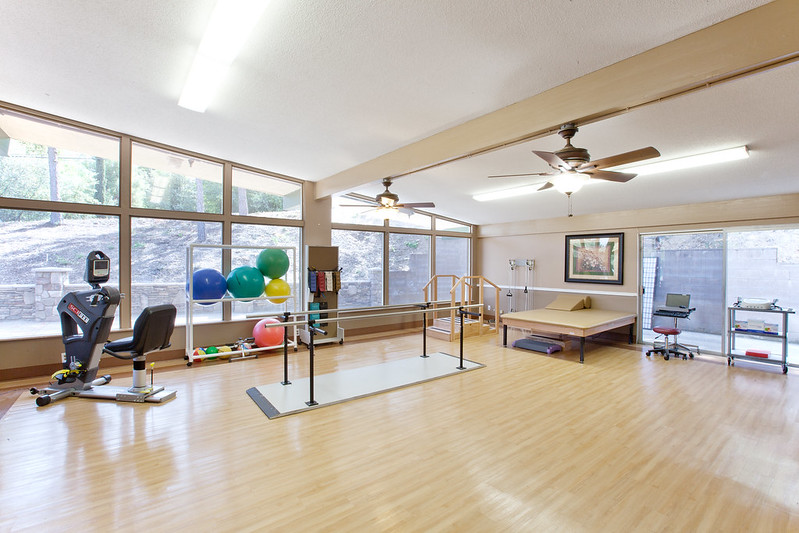
How is Rock Creek Staffed?

CMS rates ROCK CREEK CARE CENTER's staffing level at 3 out of 5 stars, which is average compared to other nursing homes. Staff turnover is 50%, compared to the California average of 46%.

What Have Inspectors Found at Rock Creek?

State health inspectors documented 41 deficiencies at ROCK CREEK CARE CENTER during 2019 to 2025. These included: 39 with potential for harm and 2 minor or isolated issues.
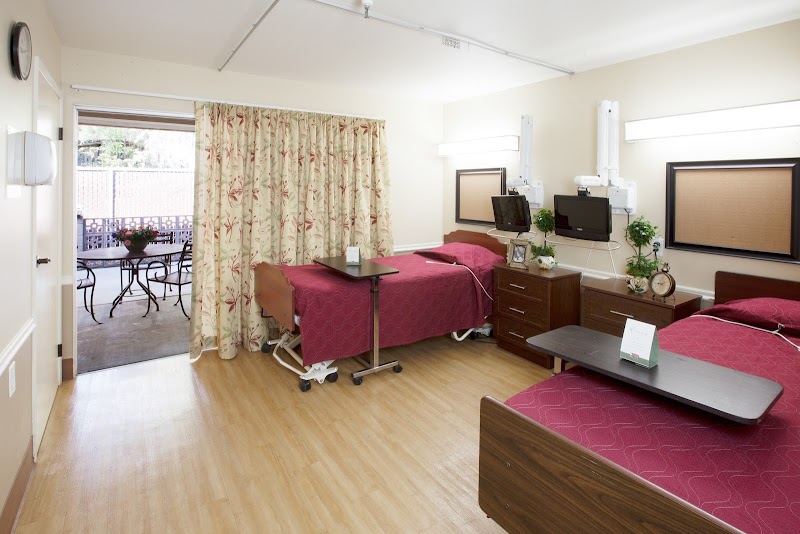
Who Owns and Operates Rock Creek?

ROCK CREEK CARE CENTER is owned by a for-profit company. For-profit facilities operate as businesses with obligations to shareholders or private owners. The facility is operated by PACS GROUP, a chain that manages multiple nursing homes. With 84 certified beds and approximately 78 residents (about 93% occupancy), it is a smaller facility located in AUBURN, California.

How Does Rock Creek Compare to Other California Nursing Homes?

Compared to the 100 nursing homes in California, ROCK CREEK CARE CENTER's overall rating (4 stars) is above the state average of 3.2, staff turnover (50%) is near the state average of 46%, and health inspection rating (3 stars) is at the national benchmark.

What Should Families Ask When Visiting Rock Creek?

Based on this facility's data, families visiting should ask: "Can I visit during a mealtime to observe dining assistance and food quality?" "How do you handle medical emergencies, and what is your hospital transfer rate?" "Can I speak with family members of current residents about their experience?"

Is Rock Creek Safe?

Based on CMS inspection data, ROCK CREEK CARE CENTER has a clean safety record: no substantiated abuse findings (meaning no confirmed cases of resident harm), no Immediate Jeopardy citations (the most serious violation level indicating risk of serious injury or death), and is not on the Special Focus Facility watch list (a federal program monitoring the lowest-performing 1% of nursing homes). The facility has a 4-star overall rating and ranks #1 of 100 nursing homes in California. While no facility is perfect, families should still ask about staff-to-resident ratios and recent inspection results during their visit.

Do Nurses at Rock Creek Stick Around?

ROCK CREEK CARE CENTER has a staff turnover rate of 50%, which is about average for California nursing homes (state average: 46%). Moderate turnover is common in nursing homes, but families should still ask about staff tenure and how the facility maintains care continuity when employees leave.

Was Rock Creek Ever Fined?

ROCK CREEK CARE CENTER has no federal fines on record. CMS issues fines when nursing homes fail to meet care standards or don't correct problems found during inspections. The absence of fines suggests the facility has either maintained compliance or corrected any issues before penalties were assessed. This is a positive indicator, though families should still review recent inspection reports for the full picture.

Is Rock Creek on Any Federal Watch List?

ROCK CREEK CARE CENTER is not on any federal watch list. The most significant is the Special Focus Facility (SFF) program, which identifies the bottom 1% of nursing homes nationally based on persistent, serious quality problems. Not being on this list means the facility has avoided the pattern of deficiencies that triggers enhanced federal oversight. This is a positive indicator, though families should still review the facility's inspection history directly.