BAKERSFIELD POST ACUTE
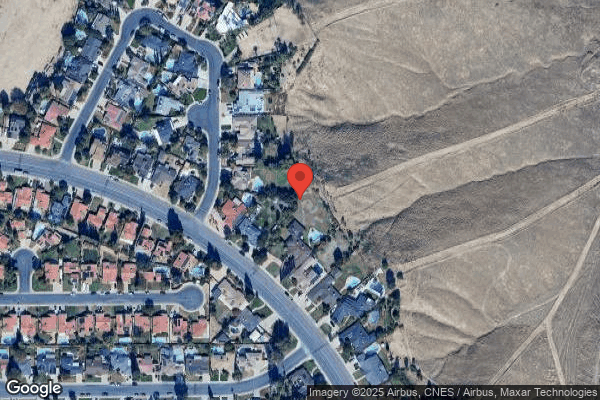
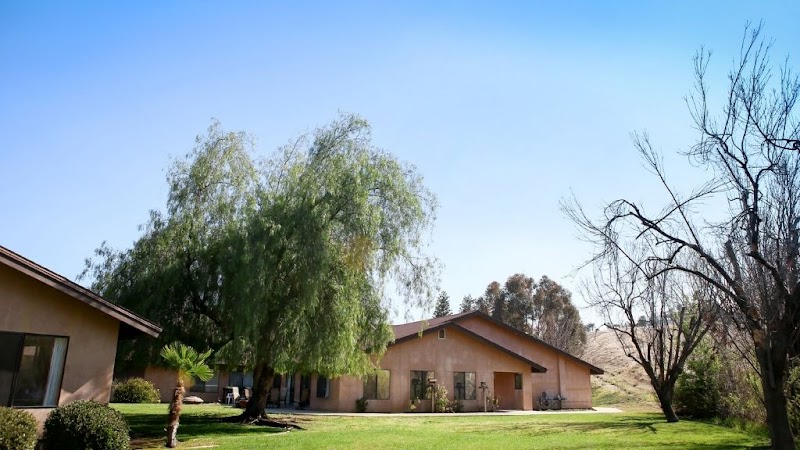
6212 TUDOR WAY, BAKERSFIELD, CA 93306 (661) 871-3133
For profit - Limited Liability company 99 Beds PACS GROUP Data: November 2025
Trust Grade
25/100
#981 of 1155 in CA
Last Inspection: November 2024

Within standard 12-15 month inspection cycle. Federal law requires annual inspections.

Overview

Bakersfield Post Acute has a Trust Grade of F, which indicates significant concerns about the facility's overall quality and care. It ranks #981 out of 1155 nursing homes in California, placing it in the bottom half of facilities in the state, and #9 out of 17 in Kern County, meaning there are only a few local options that are slightly better. The facility appears to be improving, with the number of issues found decreasing from 34 in 2024 to 13 in 2025, but it still faces serious challenges. Staffing is a weakness, with a poor rating of 1/5 stars and a turnover rate of 47%, indicating that staff frequently leave, which can disrupt care consistency. Additionally, the facility has incurred $30,940 in fines, which is higher than 75% of California facilities, suggesting ongoing compliance issues. Specific incidents of concern include a resident developing a pressure ulcer due to inadequate skin assessments and another resident sustaining a fall that resulted in a fracture because their fall risk was not properly addressed. Overall, while there are some signs of improvement, families should be cautious due to the facility's poor rating and troubling incidents.

Trust Score
F
25/100
In California
#981/1155
Bottom 16%
Safety Record
Moderate
Needs review
Inspections
Getting Better
34 → 13 violations
Staff Stability
⚠ Watch
47% turnover. Above average. Higher turnover means staff may not know residents' routines.
Penalties
○ Average
$30,940 in fines. Higher than 67% of California facilities. Some compliance issues.
Skilled Nurses
⚠ Watch
Each resident gets only 17 minutes of Registered Nurse (RN) attention daily — below average for California. Fewer RN minutes means fewer trained eyes watching for problems.
Violations
⚠ Watch
102 deficiencies on record. Higher than average. Multiple issues found across inspections.
★☆☆☆☆
1.0
Overall Rating
★☆☆☆☆
1.0
Staff Levels
★★★★☆
4.0
Care Quality
★☆☆☆☆
1.0
Inspection Score
Stable
2024: 34 issues
2025: 13 issues

The Good

  • 4-Star Quality Measures · Strong clinical quality outcomes
  • Full Sprinkler Coverage · Fire safety systems throughout facility
  • No fines on record

Facility shows strength in quality measures, fire safety.

The Bad

1-Star Overall Rating

Below California average (3.1)

Significant quality concerns identified by CMS

Staff Turnover: 47%

Near California avg (46%)

Higher turnover may affect care consistency

Federal Fines: $30,940

Below median ($33,413)

Moderate penalties - review what triggered them

Chain: PACS GROUP

Part of a multi-facility chain

Ask about local staffing decisions and management

The Ugly 102 deficiencies on record

2 actual harm
Aug 2025 1 deficiency
CONCERN (D) 📢 Someone Reported This

A family member, employee, or ombudsman was alarmed enough to file a formal complaint

Potential for Harm - no one hurt, but risky conditions existed

Deficiency F0657 (Tag F0657)

Could have caused harm · This affected 1 resident

**NOTE- TERMS IN BRACKETS HAVE BEEN EDITED TO PROTECT CONFIDENTIALITY** Based on interview and record review, the facility failed to ensure the responsible party (RP) and hospice provider for one of t...

Read full inspector narrative →
**NOTE- TERMS IN BRACKETS HAVE BEEN EDITED TO PROTECT CONFIDENTIALITY** Based on interview and record review, the facility failed to ensure the responsible party (RP) and hospice provider for one of three sampled residents (Resident 1) were notified when a psychotherapeutic medication (a class of drugs that alter brain chemistry to treat cognitive, emotional, and behavioral conditions) was discontinued. This failure resulted in Resident 1's RP and hospice provider not to be part of the decision-making process. Findings:During a review of Resident 1's admission Record, (AR) the AR indicated, Resident 1 was admitted on [DATE], with diagnoses included senile degeneration of the brain (a syndrome of progressive decline in mental functions; impacting memory, reasoning, and the ability to perform everyday activities, caused by an underlying disease of the brain), Dementia (a decline in mental ability that affects a person's daily life; characterized by a loss of cognitive functioning, such as thinking, remembering, and reasoning, that worsens over time), and major depressive disorder with severe psychotic symptoms (a severe mental illness where an individual experiences both major depression and psychosis, typically as delusions or hallucinations that align with their depressed mood). The AR indicated Resident 1 had an RP and was under the care of hospice. During a concurrent interview and record review, on 8/19/25 at 2:45 p.m. with Quality Assurance Nurse (QAN), Resident 1's IDT (Interdisciplinary Team - a group of health care professionals with various areas of expertise who work together to improve patient safety and outcomes. The IDT must, at a minimum, consist of the resident's attending physician, a registered nurse and nurse aide with responsibility for the resident, . the resident and resident representative, if applicable) Psychotherapeutic Review, dated 3/27/25 was reviewed. QAN stated the IDT indicated Physician's Assistant gave the recommendation to discontinue Quetiapine (used to treat serious mental illness), and the IDT team agreed to discontinue the Quetiapine. Resident 1's medical record was reviewed. QAN stated there was no documentation Resident 1's RP or hospice provider were notified of the discontinued medication. QAN stated Resident 1's RP and hospice provider should have been notified. During a review of the facility's policy and procedure (P&P) titled, Care Plans, Comprehensive Person-Centered, revised March 2022, the P&P indicated, A comprehensive, person-centered care plan that includes measurable objectives and timetables to meet the resident's physical, psychosocial and functional needs is developed and implemented for each resident. 1. The interdisciplinary Team (IDT) in conjunction with the resident and his/her family or legal representative, develops and implements a comprehensive, person-centered care plan for each resident. 4. Each resident's comprehensive person-centered care plan is consistent with the resident's rights to participate in the development and implementation of his or her plan of care, including the right to: a. participate in the planning process; . h. see the care plan and sign it after significant changes are made. 11. The resident has the right to refuse to participate in the development of his/her care plan and medical and nursing treatments. Such refusals are documented in the resident's clinical record in accordance with established polices.Hospice communication policy and procedure was requested but not received.
Apr 2025 3 deficiencies
CONCERN (D) 📢 Someone Reported This

A family member, employee, or ombudsman was alarmed enough to file a formal complaint

Potential for Harm - no one hurt, but risky conditions existed

Deficiency F0573 (Tag F0573)

Could have caused harm · This affected 1 resident

Based on interview and record review, the facility failed to follow its policy and procedure for Access to Personal and Medical Records, for one of three sampled residents (Resident 1). This failure r...

Read full inspector narrative →
Based on interview and record review, the facility failed to follow its policy and procedure for Access to Personal and Medical Records, for one of three sampled residents (Resident 1). This failure resulted in violation of Resident 1's rights. Findings: During a concurrent interview and record review, on 4/15/25 at 12:39 p.m. with Medical Records Director (MRD), Resident 1's Authorization to Release Medical Records, (ARMR) dated 3/31/25 (Monday), signed by Resident 1 was reviewed. MRD stated the ARMR did not indicate the request was for legal reason and the medical records request was made by Resident 1. Resident 1's Certified Mail Receipt, dated 4/15/25 (15 days after ARMR was submitted) was reviewed. MRD stated Resident 1's medical record should been provided to Resident 1 within two business days. During a review of the facility's policy and procedure (P&P) titled, Access to Personal and Medical Records, revised May 2017, the P&P indicated, Each resident has the right to access and /or obtain copies of his or her personal and medical records upon request. 5. The resident may obtain a copy of his or her personal or medical record within two business days of an oral or written request.
CONCERN (D) 📢 Someone Reported This

A family member, employee, or ombudsman was alarmed enough to file a formal complaint

Potential for Harm - no one hurt, but risky conditions existed

Deficiency F0725 (Tag F0725)

Could have caused harm · This affected 1 resident

Based on interview and record review, the facility failed to provide sufficient staffing for one of three sampled residents (Resident 2), when call lights were not answered timely. This failure result...

Read full inspector narrative →
Based on interview and record review, the facility failed to provide sufficient staffing for one of three sampled residents (Resident 2), when call lights were not answered timely. This failure resulted in delay in meeting Resident 2's basic needs and potential for emotional distress. Findings: During a review of Resident 2's Minimum Data Set, (MDS - an assessment tool) dated 3/10/25, the MDS indicated Resident 2's BIMS (Brief Interview for Mental Status) score was 15 (13 to 15 points indicates the resident has cognitive intactness). The MDS indicated Resident 2 needed substantial/maximal assistance (helper does more than half the effort) for toileting hygiene (the ability to maintain perineal hygiene, adjust clothes before and after voiding or having a bowel movement) and Resident 2 was dependent (helper does all the effort) for toilet transfer (the ability to get on and off the toilet or commode). The MDS indicated Resident 2 was always continent (the ability to control one's bladder) of urine. During a review of Resident 2's care plan with the focus on ADL/Mobility, revised on 5/15/24. The care plan indicated interventions included Toileting: substantial . Transfer: substantial . Resident 2's care plan with the focus on Skin: (Resident 2) is at risk for skin breakdown ., initiated 11/24/24. The care plan indicated one of the interventions was to Keep skin clean and dry to the extent possible. During an observation and interview on 4/15/25 at 11:26 a.m. with Resident 2, in Resident 2's room. Resident 2 stated on the evening shift (2:30 p.m. to 10:30 p.m.) last night (4/14/25) he could not get any help. Resident 2 stated call light wait times range from 20 minutes to two hours sometime on evening and night shift. Two clocks were observed across from his bed. Resident 2 stated he usually pressed his call lights on and looked at the clock. Resident 2 stated on 4/14/25, he placed his urinal on the nightstand for the Certified Nursing Assistant (CNA) to empty. Resident 2 stated he pressed the call light because he had to urinate, and his urinal was almost full. Resident 2 stated he takes medication making him urinate. Resident 2 stated he waited 40 minutes for the CNA to answer his call light. Resident 2 stated he was holding his urine, and he was in pain. Resident 2 stated he had to turn over in bed and urinate into the almost full urinal and he urinated on his self and his bedding. Resident 2 was noted upset, and his voice was gravely with emotion. Resident 2 stated, THEY WILL NOT COME! Resident 2 stated, I would not treat a dog the way they treat people around here. Resident 2 stated the night shift (10 p.m. to 6:30 a.m.) CNA had to change my bedding. Resident 2 stated, I felt worthless I wanted to cry. During an interview on 4/16/25 at 3:14 p.m. with CNA 1, CNA 1 stated he worked night shift on 4/14/25. CNA 1 stated Resident 2's bed was soiled and changed it. CNA 1 stated on night shift he was assigned to 15-24 residents. CNA 1 stated he was assigned to 24 residents at least 2 to 3 times a month. CNA 1 stated there were times the residents call lights were answered late because he was providing care in a resident's room and when he came out of the room there were nine call lights on. CNA 1 stated he could not answer call lights timely, and the residents were very upset because they had waited for two hours for their call lights to be answered. CNA 1 stated he was unable to take his 10-minute breaks due to his workload. During an interview on 4/16/25 at 3:28 p.m. with CNA 2, CNA 2 stated on the evening shift she was assigned 12 to 20 residents. CNA 2 stated short staffing was very common, she stated the facility was unstaffed at least six times a month. CNA 2 stated sometimes it was really hard to meet the residents' needs. CNA 2 stated she was in a hurry most of the time and could not take her breaks, she stated she often had to skip her 10-minute breaks. During a review of the facility's policy and procedure (P&P) titled, Staffing And Sufficient Nursing, revision date August 2022, the P&P indicated, Our facility provides sufficient numbers of nursing staff with the appropriate skills necessary to provide nursing and related care and services for all residents in accordance with resident care plans and facility assessments. 1. Licensed nurses and certified nursing assistance are available 24 hours a day, seven (7) days a week to provide competent resident care and services including: b. attaining or maintaining the highest practicable physical, mental and psychosocial well-being of each resident; c. assessing, evaluating planning and implementing resident care plans .
CONCERN (D) 📢 Someone Reported This

A family member, employee, or ombudsman was alarmed enough to file a formal complaint

Potential for Harm - no one hurt, but risky conditions existed

Medical Records (Tag F0842)

Could have caused harm · This affected 1 resident

Based on interview and record review, the facility failed to ensure one of three sampled residents (Resident 2) medical records were accurate. This failure had the potential to affect the continuity o...

Read full inspector narrative →
Based on interview and record review, the facility failed to ensure one of three sampled residents (Resident 2) medical records were accurate. This failure had the potential to affect the continuity of care for Resident 2. Findings: During an interview on 4/16/25 at 3:14 p.m. with Certified Nursing Assistant (CNA) 1, CNA 1 stated Resident 2 had a green sticker on his door and the green sticker indicated Resident 2 was on fluid restriction (limiting the amount of fluids a person can drink). During a review of Resident 2's active care plan with the focus on The (Resident 2) has fluid overload (occurs when there is too much fluid in the body, leading to swelling and other complications), revised on 11/14/23. The care plan indicated interventions were, Fluid restriction 1500ml (milligram-unit of measure) per day. During a concurrent interview and record review, on 4/22/25 at 2:15 p.m. with Director of Nursing (DON), Resident 2's active orders were reviewed. DON stated Resident 2 did not have an active order for fluid restriction. DON stated Resident 2's fluid restrictions order was discontinued on 1/22/24 and the care plan should have been discontinued then (1/24/24). During a review of the facility's policy and procedure (P&P) titled, Documentation Accuracy In The Health Record, undated, the P&P indicated, Clinical records should accurately reflect the care given by each member of the health care team as well as the response of the person receiving services. For the resident, the clinical record should ensure continuity of care; for the staff, it assists in coordination of services .
Apr 2025 1 deficiency
CONCERN (D) 📢 Someone Reported This

A family member, employee, or ombudsman was alarmed enough to file a formal complaint

Potential for Harm - no one hurt, but risky conditions existed

Quality of Care (Tag F0684)

Could have caused harm · This affected 1 resident

Based on interview and record review, the facility failed to ensure medications were administered according to the physician's orders (PO) for one of three sampled residents (Resident 1) when: 1. Resi...

Read full inspector narrative →
Based on interview and record review, the facility failed to ensure medications were administered according to the physician's orders (PO) for one of three sampled residents (Resident 1) when: 1. Resident 1's Docusate Sodium (medication for constipation [problem with passing stool]) was not held for episodes of loose stools. 2. Resident 1 was not administered Imodium or Loperamide (medications to treat diarrhea [loose stools]) for episodes of loose stools. These failures had the potential for Resident 1 to develop skin breakdown due to episodes of loose stools. Findings: 1. During a review of Resident 1's PO, dated 4/10/25, the PO indicated, Docusate Sodium. Give 1 capsule by mouth two times a day for constipation. Hold for loose stool. During an interview on 4/21/25 at 12:50 p.m. with Resident 1, Resident 1 stated she has been having diarrhea since 4/11/25, and the licensed nurses and CNAs (Certified Nursing Assistants) have been aware. During a concurrent interview and record review on 4/21/25 at 4:00 p.m. with Director of Nursing (DON), Resident 1's ADL (Activities of Daily Living – basic self-care tasks needed to live independently) flowsheet (ADLF), dated April 2025 was reviewed. Resident 1's ADLF indicated Resident 1 had episodes of loose stools on 4/11/25 at 1:59 p.m., 4/12/25 at 10:04 p.m., 4/13/25 at 1:45 p.m. and 4:12 p.m., 4/14/25 at 11:32 a.m., 4/16/25 at 1:59 p.m., and 4/19/25 at 3:57 p.m. (Resident 1 had seven episodes of loose stools from 4/11/25 - 4/19/25). Resident 1's Medication Administration Record (MAR) , dated April 2025 was reviewed. Resident 1's MAR indicated her Docusate Sodium was not held on 4/11/25 at 5 pm, 4/14 25 at 9 am, 4/16 at 9 am and 5 pm, and 4/19 at 5 pm. DON stated, It (Docusate Sodium) should have been held (on 4/11/25, 4/14/25, 4/16/25, and 4/19/25). 2. During a review of Resident 1's PO, dated 4/14/25, the PO indicated, Imodium. Give 1 tablet by mouth every 4 hours as needed for Diarrhea. During a review of Resident 1's PO, dated 4/18/25, the PO indicated, Loperamide. Give 2 tablet by mouth every 6 hours as needed for diarrhea. During a concurrent interview and record review on 4/21/25 at 4:00 p.m. with DON, Resident 1's MAR, dated April 2025 was reviewed. Resident 1's MAR indicated Resident 1 was not administered Imodium or Loperamide on 4/16/25 at 1:59 p.m. and 4/19/25 at 3:57 p.m. (for Resident 1's episodes of loose stools). DON stated Resident 1 was supposed to be administered Imodium or Loperamide on 4/16/25 at 1:59 p.m. and 4/19/25 at 3:57 p.m. During a concurrent interview and record review on 4/21/25 at 5:00 p.m. with DON, the facility's policy and procedure (P&P), titled Administering Medications, dated April 2019 was reviewed. The P&P indicated, Medications are administered in accordance with prescriber orders. DON stated the facility's P&P was not followed.
Mar 2025 1 deficiency
CONCERN (D) 📢 Someone Reported This

A family member, employee, or ombudsman was alarmed enough to file a formal complaint

Potential for Harm - no one hurt, but risky conditions existed

Deficiency F0658 (Tag F0658)

Could have caused harm · This affected 1 resident

Based on interview and record review, the facility failed to ensure medications were administered according to the physician's orders (PO) for one of three sampled residents (Resident 1) when Resident...

Read full inspector narrative →
Based on interview and record review, the facility failed to ensure medications were administered according to the physician's orders (PO) for one of three sampled residents (Resident 1) when Resident 1 did not receive two medications on time. This failure had the potential to result in Resident 1 developing adverse health outcomes due to delay in receiving his medications. Findings: During a review of Resident 1's Order Summary Report, dated 3/26/25, the OSR indicated, Apixaban (medication that helps the blood flow more easily). two times a day for ATRIAL FIBRILLATION (irregular, often rapid heart rhythm) . Metoprolol (medication to treat high blood pressure). two times a day for HYPERTENSION (high blood pressure). During a review of Resident 1's Brief Interview for Mental Status (BIMS), dated 3/20/25, the BIMS indicated Resident 1 had a score of 15 (cognitively intact). During an interview on 3/26/25 at 2:34 p.m. with Resident 1, Resident 1 stated on 3/16/25, he was supposed to be administered his Metoprolol and Apixaban at 9 a.m. but were administered to him at around 12:30 p.m. Resident 1 stated at 9 a.m. Licensed Vocational Nurse (LVN) 1 checked his blood pressure and it was a little bit high due to him feeling excited trying to get the nurse to give him his medications because LVN 1 told him his Metoprolol and Apixaban were not in the medication cart. During a concurrent interview and record review on 3/26/25 at 4:10 p.m. with Director of Nursing (DON), Resident 1's EMAR (Electronic Medication Administration Record), dated 3/16/25 was reviewed. The EMAR indicated Resident 1 was administered Metoprolol and Apixaban at 12 p.m. Resident 1's PO, dated 3/26/25 were reviewed. The PO indicated Resident 1's Metoprolol and Apixaban were scheduled at 9 a.m. DON stated, (Metoprolol and Apixaban) were not administered at the time the physician ordered. DON stated medications should be administered one hour before and one hour after the prescribed time. During a concurrent interview and record review on 3/26/25 at 4:57 p.m. with DON, the facility's policy and procedure (P&P) titled, Administering Medications, dated April 2019 was reviewed. The P&P indicated, Medications are administered within one (1) hour of their prescribed time, unless otherwise specified (for example, before and after meal orders). DON stated the P&P was not followed. During an interview on 4/3/25 at 4:54 p.m. with LVN 1, LVN 1 stated she was the nurse assigned to Resident 1 on 3/16/25 day shift. LVN 1 stated on 3/16/25, Resident 1's Metoprolol and Apixaban were not in the medication cart and had to be taken out from the cubex (machine that dispenses medications). LVN 1 stated she administered Metoprolol and Apixaban to Resident 1 at 12 p.m. LVN 1 stated Resident 1's blood pressure at 9 a.m. was high, but she did not document it. LVN 1 stated, It wasn't 120/80. It was above 130. LVN 1 stated she was supposed to administer Metoprolol and Apixaban to Resident 1 at 9 a.m. according to the PO. LVN 1 stated the PO was not followed.
Mar 2025 1 deficiency
CONCERN (D) 📢 Someone Reported This

A family member, employee, or ombudsman was alarmed enough to file a formal complaint

Potential for Harm - no one hurt, but risky conditions existed

Report Alleged Abuse (Tag F0609)

Could have caused harm · This affected 1 resident

Based on interview and record review, the facility failed to ensure the allegation of sexual abuse for one of three sampled residents (Resident 1) was reported timely to California Department of Publi...

Read full inspector narrative →
Based on interview and record review, the facility failed to ensure the allegation of sexual abuse for one of three sampled residents (Resident 1) was reported timely to California Department of Public Health (CDPH-local stated agency) and local ombudsman (representatives assist residents in long-term care facilities with issues related to day-to-day care, health, safety, and personal preferences). This failure had the potential for Resident 1 not to be protected from further abuse and resulted in emotional distress. Findings: During a review of the facility provided document titled, Incident Investigation For (Resident 1), dated 2/25/25, the document indicated, Interview conducted by Director of Nursing (DON) on 2/24/25 with (Resident 1) .(Resident 1) has a BIMs (Brief Interview for Mental Status) of 15 (a score of 13 to 15 suggests the resident is cognitively intact). (Resident 1) reported on the night of 02/19/2025 (Licensed Vocational Nurse [LVN] 1) went into her room and kissed her on the corner of her mouth. (Resident 1) stated, It made me feel uncomfortable and very unsafe. Staff member (LVN 1) suspended on 02/24/2025 During a concurrent interview and record review, on 3/6/25 at 10:21 a.m. with Director of Nursing (DON), the SOC 341 (Report of Suspected Dependent Adult/Elder Abuse), dated 2/25/25 was reviewed. DON confirmed the SOC 341's were faxed to CDPH and local ombudsman on 2/25/25. During an interview on 3/6/25 at 11:07 a.m. with Resident 1, Resident 1 stated LVN 1 entered her room on 2/19/25 and kissed her on the corner of her mouth which made her feel uncomfortable. Resident 1 stated she did not have a close relationship with LVN 1 where kisses or hugs were acceptable. Resident 1 stated she had seen LVN 1 once after the incident. During an interview on 3/19/25 at 3:54 p.m. with LVN 2, LVN 2 stated she was working on 2/19/25 at around 7 p.m. she noted LVN 1 entered the facility with her husband, baby and dog, so she texted the DON because she thought it was unusual for LVN 1 to show up to the facility after her shift was over and visit the staff and residents. LVN 2 stated Resident 1 reported to her LVN 1 kissed her by her lips (2/19/25). LVN 2 stated Resident 1 stated she felt drunk raped. LVN 2 stated Resident 1 told her LVN 1 smelled like alcohol and LVN 1 made her (Resident 1) feel uncomfortable. LVN 2 stated she reported the information to the DON on 2/19/25. LVN 2 stated after the incident with LVN 1 Resident 1 was more anxious (feelings of worry, tension, and fear, often in anticipation of future events or situations) than usual and quieter. LVN 2 stated Resident 1 was prescribed hydroxyzine (medication used to help control anxiety and tension caused by nervous and emotional conditions) for the anxiety after the incident. During a review of Resident 1's Psychiatric Follow Up Evaluation, (PFUE) dated 2/25/25, the PFUE indicated, Emergency Encounter: . (Resident 1) states that a nurse, who was unscheduled, arrrived [sic] at the facility and entered her room and kisssed [sic] her neat [sic] the mouth. She does claim that for the past week she has been having some anxiety and would like some medication that she ccan [sic] take when she is feeling anxious At this time, Hydroxyzine has been ordered to help with her anxiety. During a review of Resident 1's Medication Administration Record, (MAR) dated February 2025, the MAR indicated, Resident 1 was administered Hydroxyzine on 2/26/25 and 2/27/25 for anxiety. During a review of the facility's policy and procedure (P&P) titled, Abuse, Neglect, Exploitation or Misappropriation - Reporting and Investigating, revised September 2022, the P&P indicated, All reports of resident abuse . are reported to local, state and federal agencies. 1. If resident abuse, .is suspected, the suspicion must be reported immediately to the administrator and to other officials according to state law. 2.The administrator or the individual making the allegation immediately reports his or her suspicion to the following persons or agencies: a. The state licensing/certification agency responsible for surveying/licensing the facility; b. The local/state ombudsman; . 3.Immediately is defined as: a. within two hours of an allegation involving abuse or result in serious bodily injury; or b. within 24 hours of an allegation that does not involve abuse or result in serious bodily injury. 4. Verbal/written notices to agencies are submitted via special carrier, fax, e-mail, or by telephone. During a review of the facility provided document titled, SOC 341, revised 2/2024, the document indicated, Report Of Suspected Dependent Adult/Elder Abuse General Instructions . Reporting Responsibilities And Time Frames: . In all other of abuse that occurred in a Long-Term Care (LTC) facility . a verbal report shall be made by telephone to the local law enforcement agency immediately and no later than two (2) hours after observing, obtaining knowledge of, or suspecting physical abuse. Send the written report to local law enforcement agency, the local Long-Term Care Ombudsman Program (LTCOP), and the appropriate licensing agency (for long-term health care facilities, the California Department of Public Health . within twenty-four (24) hours of observing, obtaining knowledge of or suspecting physical abuse.
Feb 2025 3 deficiencies
CONCERN (D) 📢 Someone Reported This

A family member, employee, or ombudsman was alarmed enough to file a formal complaint

Potential for Harm - no one hurt, but risky conditions existed

Free from Abuse/Neglect (Tag F0600)

Could have caused harm · This affected 1 resident

Based on interview and record review, the facility failed to ensure one of seven sampled residents (Resident 1) was protected from physical and verbal abuse. This failure had the potential to result i...

Read full inspector narrative →
Based on interview and record review, the facility failed to ensure one of seven sampled residents (Resident 1) was protected from physical and verbal abuse. This failure had the potential to result in physical and psychosocial harm for Resident 1. Findings: During a review of Resident 1's Minimum Data Set, (MDS - an assessment tool) dated 11/28/24, the MDS indicated, Resident 1's BIMS (Brief Interview for Mental Status) score was 3 (a score of 0-7 suggests the resident has severely impaired cognition). The MDS indicated Resident 1 needed substantial/maximal assistance (helper does more than half the effort) with sit to stand (the ability to come to a standing position from sitting in a chair, wheelchair, or on the side of the bed) and chair/bed to chair transfers (the ability to transfer to and from bed to a chair or wheelchair). During a review of Resident 2's Minimum Data Set, 12/12/24, the MDS indicated, Resident 2's BIMS score was 15 (a score of 13 to 15 suggests the resident is cognitively intact). The MDS indicated Resident 2 needed partial/moderate assistance helper does less than half the effort, helper lifts hold trunk or limbs but provides less than half the effort) with sit to stand, and chair/bed to chair transfers. During an interview on 2/18/25 at 3:41 p.m. with Certified Nursing Assistant (CNA) 1, CNA 1 stated on 1/31/25 he served Resident 1 and Resident 2 their breakfast and went to serve the rest of the breakfast trays. CNA 1 stated he went back to pick up meal trays and he heard Resident 2 mumbling and sounded agitated. CNA 1 stated he went into the room and saw Resident 2 standing over Resident 1's bed (Resident 1 was lying in bed) with his (Resident 2) hand in a fist over Resident 1's chest and in a downward motion Resident 2 hit Resident 1 in the chest. CNA 1 stated he separated Resident 1 and Resident 2 and reported the incident to Licensed Vocational Nurse (LVN) 2 and LVN 3. During an interview on 2/19/25 at 10:21 a.m. with CNA 2, CNA 2 stated she was assigned to Resident 1 and Resident 2 on 1/30/25. CNA 2 stated when went to Resident 1 and Resident 2's room, she heard Resident 2 yelling at Resident 1 telling Resident 1 to Shut the F. up (Resident 1)! CNA 2 stated she reported to LVN 1, Resident 2 was yelling and cussing at Resident 1. CNA 2 stated LVN 1 did not intervene, LVN 1 did not separate or protect Resident 1 from Resident 2. CNA 2 stated if LVN 1 would have intervened when Resident 2 was yelling and cussing at Resident 1 maybe the physical abuse on 1/31/25 could have been avoided. During a review of the facility's policy and procedure (P&P) titled, Abuse, Neglect, Exploitation and Misappropriation Prevention Program, revised April 2021, the P&P indicated, Residents have the right to be free from abuse, neglect, misappropriation of resident property and exploitation. This includes but is not limited to freedom from . verbal, mental, . physical abuse, .The resident abuse, neglect and exploitation prevention program consists of a facility-wide commitment and resource allocation to support the following objectives: 1. Protect residents from abuse, neglect, exploitation or misappropriation of property by anyone including, but not necessarily limited to: . other residents; . 2. Develop and implement policies and protocols to prevent and identify: a. abuse or mistreatment of residents; . 5. Identify and investigate all possible incidents of abuse . 6. Investigate and report any allegation . Protect residents from any further harm during investigations.
CONCERN (D) 📢 Someone Reported This

A family member, employee, or ombudsman was alarmed enough to file a formal complaint

Potential for Harm - no one hurt, but risky conditions existed

Abuse Prevention Policies (Tag F0607)

Could have caused harm · This affected 1 resident

Based on interview and record review, the facility failed to follow their policy and procedure (P&P) titled, Abuse, Neglect, Exploitation or Misappropriation - Reporting and Investigating, when the fa...

Read full inspector narrative →
Based on interview and record review, the facility failed to follow their policy and procedure (P&P) titled, Abuse, Neglect, Exploitation or Misappropriation - Reporting and Investigating, when the facility failed to: 1. Submit the SOC 341(Report of Suspected Dependent Adult/Elder Abuse) timely to California Department of Public Health (CDPH-local stated agency) and local ombudsman for two of four sampled residents (Resident 1 and Resident 2). This failure resulted in the allegation of abuse not being reported to CDPH and the local ombudsman timely. 2. Thoroughly investigate resident to resident physical abuse for two of four sampled residents (Resident 1 and Resident 2). This failure had the potential to result in an incomplete investigation. Findings: 1. During a concurrent interview and record review on 2/24/25 at 11:53 a.m. with Director of Nursing (DON), DON confirmed a Resident-to-Resident physical abuse between Resident 1 and Resident 2 happened on 1/31/25. DON was unable to provide evidence the SOC 341 was submitted to CDPH and local ombudsman within 24 hours. During a review of the facility's policy and procedure (P&P) titled, Abuse, Neglect, Exploitation or Misappropriation - Reporting and Investigating, revised September 2022, the P&P indicated, All reports of resident abuse . are reported to local, state and federal agencies. 1. If resident abuse, .is suspected, the suspicion must be reported immediately to the administrator and to other officials according to state law. 2.The administrator or the individual making the allegation immediately reports his or her suspicion to the following persons or agencies: a. The state licensing/certification agency responsible for surveying/licensing the facility; b. The local/state ombudsman; . 3.Immediately is defined as: a. within two hours of an allegation involving abuse or result in serious bodily injury; or b. within 24 hours of an allegation that does not involve abuse or result in serious bodily injury. 4. Verbal/written notices to agencies are submitted via special carrier, fax, e-mail, or by telephone. During a review of the facility provided document titled, SOC 341, revised 2/2024, the document indicated, Report Of Suspected Dependent Adult/Elder Abuse General Instructions . Reporting Responsibilities And Time Frames: . In all other of abuse that occurred in a Long-Term Care (LTC) facility . a verbal report shall be made by telephone to the local law enforcement agency immediately and no later than two (2) hours after observing, obtaining knowledge of, or suspecting physical abuse. Send the written report to local law enforcement agency, the local Long-Term Care Ombudsman Program (LTCOP), and the appropriate licensing agency (for long-term health care facilities, the California Department of Public Health . within twenty-four (24) hours of observing, obtaining knowledge of or suspecting physical abuse. 2. During an interview on 2/24/25 at 11:53 a.m. with DON, DON confirmed she was responsible for the investigation of the resident-to-resident physical abuse for Resident 1 and Resident 2 on 1/31/25. DON confirmed the incident took place at 8 a.m. right after change of shift. DON stated she interviewed the Certified Nursing Assistant (CNA) who witnessed Resident 2 striking Resident 1 on the chest, the charge nurse on duty and Resident 1 and Resident 2. DON stated no other staff or residents were interviewed. During a review of the facility's policy and procedure (P&P) titled, Abuse, Neglect, Exploitation or Misappropriation - Reporting and Investigating, revised September 2022, the P&P indicated, Investigating Allegations 1. All allegations are thoroughly investigated. 7. The individual conducting the investigation as a minimum: .d. interviews the person(s) reporting the incident; . h. interviews staff members (on all shifts) who have had contact with the resident during the period of the alleged incident; . k. reviews all events leading up to the alleged incident; .
CONCERN (D) 📢 Someone Reported This

A family member, employee, or ombudsman was alarmed enough to file a formal complaint

Potential for Harm - no one hurt, but risky conditions existed

Deficiency F0657 (Tag F0657)

Could have caused harm · This affected 1 resident

Based on interview and record review, the facility failed to consistently implement Interdisciplinary Team (IDT- a group of health care professionals with various areas of expertise who work together ...

Read full inspector narrative →
Based on interview and record review, the facility failed to consistently implement Interdisciplinary Team (IDT- a group of health care professionals with various areas of expertise who work together to improve patient safety and outcomes) recommendation for two of four sampled residents (Resident 1 and Resident 2). This failure had the potential for Resident 1 and Resident 2's physical and psychosocial needs to be unmet. Findings: During a review of the facility provided document titled, Resident to Resident (Resident 1 and Resident 2) Altercation Investigation, dated 1/31/25, the document indicated, 5-Day Follow-Up (February 05, 2025) . 3. Monitor for mood and delayed signs/symptoms of injury related to altercation. During a review of Resident 1's IDT Note, dated 1/31/25, the IDT note indicated Resident 1 was involved in a Resident-to Resident physical altercation with Resident 2. The IDT note indicated, the IDT recommendation: . Monitor for mood and delayed signs/symptoms of injury related to altercation. During a concurrent interview and record review, on 2/24/25 at 11:53 a.m. with Director of Nursing (DON), DON stated both Resident 1 and Resident 2 were monitored for physical and psychosocial outcomes. DON reviewed Resident 1's medical record and confirmed no physical or psychosocial monitoring was documented on 2/1/25 to 2/4/25. DON reviewed Resident 2's medical record and confirmed monitoring was not documented on 2/1/25 to 2/4/25. During a review of the facility's policy and procedure (P&P) titled, Care Plans, Comprehensive Person-Centered, revised March 2022, the P&P indicated, A comprehensive, person-centered care plan that includes measurable objectives and timetables to meet the resident's physical, psychosocial and functional needs is developed and implemented for each resident. 1. The interdisciplinary team (IDT), . develops and implements a comprehensive, person-centered care plan for each resident. 7. The comprehensive, person-centered care plan: a. includes measurable objectives and timeframes; b. describes the services that are to be furnished to attain or maintain the resident's highest practicable physical, mental, and psychosocial well-being, . 12. The interdisciplinary team reviews and updates the care plan: a. when there has been a significant change in the resident's condition; .
Feb 2025 1 deficiency
CONCERN (E) 📢 Someone Reported This

A family member, employee, or ombudsman was alarmed enough to file a formal complaint

Potential for Harm - no one hurt, but risky conditions existed

Deficiency F0658 (Tag F0658)

Could have caused harm · This affected multiple residents

Based on interview and record review the facility failed to follow their policy and procedure (P&P) titled, Change in Condition or Status when facility did not complete assessments for three of four s...

Read full inspector narrative →
Based on interview and record review the facility failed to follow their policy and procedure (P&P) titled, Change in Condition or Status when facility did not complete assessments for three of four sampled residents (Resident 2, Resident 3, and Resident 4) after a verbal altercation incident. This failure had the potential for residents not being assessed and monitored for psychosocial distress. Findings: During a review of Resident 1's Progress Notes (PN), dated 2/13/25 at 12:15 a.m. the PN indicated, [Resident 1] heard [Resident 2] tell her to go to bed. [Resident 1] entered [Resident 2]'s room and told him [Resident 2] to Get out of bed and say that to my face, I'll kick your ass. Resident 1's PN dated 2/13/25 at 1:05 a.m. indicated, [Resident 1] had a verbal altercation with another female resident [Resident 3] regarding waiting for her turn for call light to be answered which escalated to [Resident 1] allegedly threatening the other female resident [Resident 3]. [Resident 1] also allegedly threatened 2 other male residents [Resident 2 and Resident 4] on the night of 2/12/2025. There were no documentation of assessments for Resident 2, Resident 3, and Resident 4. During a concurrent interview and record review on 2/20/25 at 2:47 p.m. with Director of Nursing (DON), DON reviewed Resident 2, Resident 3, and Resident 4 ' s PN. DON stated she was aware the Licensed Vocational Nurse (LVN) 1 had not documented initial assessments for the verbal altercations for Resident 2, Resident 3, and Resident 4 after the incident on 2/12/2025. DON stated, I noticed he [LVN 1] didn't chart [on Resident 2, Resident 3, and Resident 4's PN]. During a review of the facility's policy and procedure (P&P) titled, Change in Resident's Condition or Status, dated February 2021, the P&P indicated, 7. The nurse will record in the resident's medical record information relative to changes in the resident's medical/mental condition or status.
Jan 2025 2 deficiencies
CONCERN (D) 📢 Someone Reported This

A family member, employee, or ombudsman was alarmed enough to file a formal complaint

Potential for Harm - no one hurt, but risky conditions existed

Deficiency F0658 (Tag F0658)

Could have caused harm · This affected 1 resident

Based on interview and record review, the facility failed to ensure professional standards were followed when medications and treatments were not administered according to physicians' orders for two o...

Read full inspector narrative →
Based on interview and record review, the facility failed to ensure professional standards were followed when medications and treatments were not administered according to physicians' orders for two of four sampled residents (Resident 4 and Resident 5). These failures had the potential for worsening skin breakdown and infection to Resident 4 and Resident 5. Findings: During a concurrent interview and record review, on 1/23/25 at 3:49 p.m. with Director of Nursing (DON), DON stated medications and treatment should be administered per physician's orders. DON stated the expectation is the medications and treatment should be documented in the medical record once administered. Resident 4 and Resident 5's Treatment Administration Record, (TAR) for January 2025 were reviewed. DON confirmed the following: Resident 4's TAR, dated January 2025, the TAR indicated, MASD (moisture-associated skin damage- is the general term for inflammation or skin caused by prolonged exposure to a source of moisture such as urine, stool, sweat) to coccyx (tailbone) area, cleanse with NS (normal saline), pat dry, apply barrier cream (cream used to soothe and shield delicate skin from chafing, rubbing, and sore spots caused by incontinence) every shift for 14 days -Start Date- 12/27/2024 2300 (11 p.m.) The TAR indicated, on 1/1/25 for the evening administration time, no documentation Resident 4's treatment was administered (blank). The TAR indicated, on 1/1/25 for the night administration time, no documentation Resident 4's treatment was administered (blank). The TAR indicated, on 1/2/25 for the evening administration time, no documentation Resident 4's treatment was administered (blank). The TAR indicated, on 1/6/25 for the evening administration time, no documentation Resident 4's treatment was administered (blank). The TAR indicated, on 1/7/25 for the evening administration time, no documentation Resident 4's treatment was administered (blank). The TAR indicated, on 1/8/25 for the evening administration time, no documentation Resident 4's treatment was administered (blank). The TAR indicated, on 1/9/25 for the evening administration time, no documentation Resident 4's treatment was administered (blank). The TAR indicated, on 1/10/25 for the evening administration time, no documentation Resident 4's treatment was administered (blank). MASD to peri area (the area of skin between the anus and the genitals), cleanse with NS pat dry and apply barrier cream every shift for 14 days -Start Date- 12/27/2024 2300 . The TAR indicated, on 1/1/25 for the evening administration time, no documentation Resident 4's treatment was administered (blank). The TAR indicated, on 1/1/25 for the night administration time, no documentation Resident 4's treatment was administered (blank). The TAR indicated, on 1/2/25 for the evening administration time, no documentation Resident 4's treatment was administered (blank). The TAR indicated, on 1/6/25 for the evening administration time, no documentation Resident 4's treatment was administered (blank). The TAR indicated, on 1/7/25 for the evening administration time, no documentation Resident 4's treatment was administered (blank). The TAR indicated, on 1/8/25 for the evening administration time, no documentation Resident 4's treatment was administered (blank). The TAR indicated, on 1/9/25 for the evening administration time, no documentation Resident 4's treatment was administered (blank). The TAR indicated, on 1/10/25 for the evening administration time, no documentation Resident 4's treatment was administered (blank). Resident 5's TAR, dated January 2025, the TAR indicated, Nystatin Powder (used to treat fungal or yeast infections of the skin) . Apply to abdominal folds & scrotum topically two times a day for itching; Rash -Start Date- 06/15/2024 . The TAR indicated, on 1/1/25 for the 5 p.m. administration time, no documentation Resident 5's Nystatin was administered (blank). The TAR indicated, on 1/2/25 for the 5 p.m. administration time, no documentation Resident 5's Nystatin was administered (blank). The TAR indicated, on 1/5/25 for the 5 p.m. administration time, no documentation Resident 5's Nystatin was administered (blank). The TAR indicated, on 1/6/25 for the 5 p.m. administration time, no documentation Resident 5's Nystatin was administered (blank). The TAR indicated, on 1/7/25 for the 5 p.m. administration time, no documentation Resident 5's Nystatin was administered (blank). The TAR indicated, on 1/8/25 for the 5 p.m. administration time, no documentation Resident 5's Nystatin was administered (blank). The TAR indicated, on 1/9/25 for the 5 p.m. administration time, no documentation Resident 5's Nystatin was administered (blank). The TAR indicated, on 1/10/25 for the 5 p.m. administration time, no documentation Resident 5's Nystatin was administered (blank). The TAR indicated, on 1/12/25 for the 5 p.m. administration time, no documentation Resident 5's Nystatin was administered (blank). The TAR indicated, on 1/13/25 for the 5 p.m. administration time, no documentation Resident 5's Nystatin was administered (blank). The TAR indicated, on 1/14/25 for the 5 p.m. administration time, no documentation Resident 5's Nystatin was administered (blank). The TAR indicated, on 1/15/25 for the 5 p.m. administration time, no documentation Resident 5's Nystatin was administered (blank). The TAR indicated, on 1/16/25 for the 5 p.m. administration time, no documentation Resident 5's Nystatin was administered (blank). The TAR indicated, on 1/17/25 for the 5 p.m. administration time, no documentation Resident 5's Nystatin was administered (blank). The TAR indicated, on 1/19/25 for the 5 p.m. administration time, no documentation Resident 5's Nystatin was administered (blank). DON confirmed the missing documentations. During a review of the facility's policy and procedure (P&P) titled, Administering Medications, revised April 2019, the P&P indicated, Medications are administered in a safe and timely manner, and as prescribed. 21. If a drug is withheld, reused, or given at a time other than the scheduled time, the individual administering the medication shall initial and circle the MAR space provided for that drug and dose. 22. The individual administering the medication initials the resident's MAR on the appropriate line after giving each medication and before administering the next ones. 23. As required or indicated for a medication, the individual administering the medication records in the resident's medical record: a. the date and time the medication was administered; . g. the signature and title of the person administering the drug. 24. Topical medications used in treatments are recorded on the resident's treatment record (TAR).
CONCERN (E) 📢 Someone Reported This

A family member, employee, or ombudsman was alarmed enough to file a formal complaint

Potential for Harm - no one hurt, but risky conditions existed

Deficiency F0725 (Tag F0725)

Could have caused harm · This affected multiple residents

Based on interview and record review, the facility failed to provide sufficient staffing for three of five sampled residents (Resident 1, Resident 2, and Resident 3), when call lights were not answere...

Read full inspector narrative →
Based on interview and record review, the facility failed to provide sufficient staffing for three of five sampled residents (Resident 1, Resident 2, and Resident 3), when call lights were not answered timely. This failure resulted in residents' increased wait times for basic needs to be met and had the potential for emergent needs not attended. Findings: During a concurrent observation and interview, on 1/8/25 at 1:52 p.m. with Resident 1 Resident 1 stated call lights take longer at night to be answered. Resident 1 stated she calculates the wait time by looking at the clock observed across from Resident 1's bed. Resident 1 stated she usually call the staff to change her adult briefs (when soiled) and request for pain medications. Resident 1 stated the wait time is 30 to 45 minutes but worst wait time was two hours. Resident 1 stated the long wait time happens two to three nights a week. Resident 1 stated, Makes me feel very disrespected #1, very unsafe #2, and not being treated like I am human, not shown compassion or empathy that to me is inhuman. During a review of Resident 1's Minimum Data Set, (MDS – an assessment tool) dated 12/12/24, the MDS indicated, Resident 1's BIMS (Brief Interview for Mental Status with a range of 0-15) score was 15 (a score of 13 to 15 suggests the resident is cognitively intact). The MDS indicated Resident 1 needed substantial/maximal assistance (helper does more than half the effort) for toileting hygiene (the ability to maintain perineal hygiene, adjust clothes before and after voiding or having a bowel movement), and Resident 1 was dependent (helper does all the effort) for chair/bed to chair transfers (the ability to transfer to and from bed to a chair or wheelchair). During a review of Resident 1's care plan with the focus on activities of daily living (ADL- activities related to personal care) initiated 10/28/24. The care plan indicated a few of the interventions were Resident 1 needed assistance with the following, Toileting: 1 person; extensive. Transfer: 2 person; extensive. During an interview on 1/8/24 at 2:27 p.m. with Certified Nursing Assistant (CNA) 1, CNA 1 stated she works 2 p.m. to 10:30 p.m. CNA 1 stated she cares for 11 residents when fully staffed and approximately 16 residents when not fully staffed. CNA 1 stated she has approximately 16 residents one to two times a week. CNA 1 stated she feels rushed and hurried during resident care. CNA 1 stated she does not always take her last break, due to providing necessary resident care. During a concurrent observation and interview, on 1/8/25 at 2:38 p.m. with Resident 2, Resident 2 stated call lights at night take one- and one-half hours to 2 hours to be answered. Resident 2 stated he looks at the clock observed across from his bed to calculate the wait time. Resident 2 stated he usually call the staff to change his adult briefs. Resident 2 stated the wait time makes him feel, Like they forgot about me. During a review of Resident 2's MDS, dated 12/31/24 the MDS indicated, Resident 2's BIMS score was 15. The MDS indicated Resident 2 needed substantial/maximal assistance for toileting hygiene and Resident 2 was for dependent for chair/bed to chair transfers. During a review of Resident 2's care plan with the focus on ADL, initiated 6/29/23. The care plan indicated a few of the interventions were Resident 2 needed assistance with the following, Toileting: 2 person; extensive. Transfer: 2 person total with mechanical lift . During a concurrent observation and interview on 1/8/25 at 3:03 p.m. Resident 3, Resident 3 stated on the graveyard shift she waits 25 to 30 minutes for her call light to be answered; Resident 3 stated It happens a couple times a week. Resident 3 stated she use her call light to be changed. Resident 3 stated she calculates the wait time by looking at the clock observed across from her bed. Resident 3 stated, It is annoying because I have to set in urine for 30 minutes and I have really dry skin and it irritated my skin. During a review of Resident 3's MDS, dated 12/14/24, the MDS indicated, Resident 3's BIMS score was 15. The MDS indicated Resident 3 needed substantial/maximal assistance for toileting hygiene and toilet transfer (the ability to get on and off the toilet or commode). During a review of Resident 3's care plan with the focus on ADL, initiated 9/11/24. The care plan indicated a one of the interventions were to, Encourage to use call light for assistance. During an interview on 1/8/25 at 3:21 p.m. CNA 2, CNA 2 stated she will care for 16 residents when the facility has staff call outs. CNA 2 stated the call outs happen about two times a week. CNA 2 stated when she had 16 residents she feels rushed and hurried and often has to skip her breaks to meet residents' needs. During a review of the facility's policy and procedure (P&P) titled, Staffing And Sufficient Nursing, revised August 2022, the P&P indicated Our facility provides sufficient numbers of nursing staff with the appropriate skills necessary to provide nursing and related care and services for all residents in accordance with resident care plans and facility assessment.
Nov 2024 17 deficiencies 1 Harm
SERIOUS (G)

Actual Harm - a resident was hurt due to facility failures

Pressure Ulcer Prevention (Tag F0686)

A resident was harmed · This affected 1 resident

**NOTE- TERMS IN BRACKETS HAVE BEEN EDITED TO PROTECT CONFIDENTIALITY** Based on observation, interview, and record review, the facility failed to follow their policy and procedures (P&P) titled, Prev...

Read full inspector narrative →
**NOTE- TERMS IN BRACKETS HAVE BEEN EDITED TO PROTECT CONFIDENTIALITY** Based on observation, interview, and record review, the facility failed to follow their policy and procedures (P&P) titled, Prevention of Pressure Injuries (localized damage to the skin and underlying soft tissue usually over a bony prominence), for one of three sampled residents (Resident 79) when staff did not evaluate, report and document potential changes in the skin. This failure resulted in Resident 79 developing a facility acquired right heel injury which progressed to a pressure ulcer (open sore caused by poor blood flow or pressure) causing pain to Resident 79. Findings: During a review of Resident 79's admission Record (AR), dated 9/17/24, the AR indicated, Resident 79 was admitted on [DATE] with diagnoses of metabolic encephalopathy (brain dysfunction caused by chemical imbalance in the brain), type 2 diabetes mellitus (high blood sugar), end stage renal disease, (kidneys lose the inability to remove waste), dependence on renal dialysis (process of removing water, and toxins when kidneys no longer perform this function), neuromuscular dysfunction of bladder (when nerves and muscles don't work together properly), and hypertension (high blood pressure). During a review of Resident 79's Minimum Data Assessment (MDS - standardized resident screening tool), dated 10/10/24, the MDS, Section M - Skin Conditions indicated, Is the resident at risk for developing pressure ulcers - 1. Yes. During a review of Resident 79's Brief Interview for Mental Status (BIMS - assessment score of cognitive functioning), dated 10/3/24, the BIMS indicated, Resident 79's BIMS (score 0-7 means severe cognitive impairment, 8-12 means moderate cognitive impairment and 13-15 means cognition intact) was coded as severe cognitive impairment with a score of 7. During a review of Resident 79's Nursing/readmission Evaluation/Assessment (NREA), dated 10/2/24, the NREA indicated, 1.c. Resident has wounds or skin integrity concerns present on admission. a. yes - . 1.e. Description: L/R [Left/Right] heel blisters. During a review of Resident 79's Treatment Administration Records (TAR) dated, 10/1/24 -10/30/24, and 11/1/24 - 11/30/24, the TAR indicated, the last date of treatment to Resident 79's bilateral feet blisters was 10/17/24 (35 days ago). During a review of Resident 79's Plan of Care (POC), dated 9/17/24, the POC indicated, Skin: Resident is at risk for skin breakdown related to fragile skin, old age, diabetes . Check skin during daily provisions. Notify physician of abnormal findings. During a concurrent observation and interview on 11/18/24 at 10:52 a.m. in the activities room, with Resident 79 and Infection Preventionist Nurse (IPN), Resident 79 was sitting in her wheelchair. Resident 79 had dressings on both feet with a date of 10/27. Resident 79 stated she has had problems with her feet for a while. During an interview on 11/21/24 at 10:04 a.m. with Licensed Vocational Nurse (LVN) 1, LVN 1 stated treatment nurses take care of residents' wounds/dressings. During a concurrent observation and interview on 11/21/24 at 10:08 a.m. in Resident 79's room, with Resident 79 and Treatment Nurse (TN) 1, TN 1 stated, There are no current orders for dressing changes to [Resident 79's] feet. Resident 79's dressings on bilateral (both sides) heels were removed by TN 1. Resident 79 stated, Duele [Spanish word for 'hurt'] while dressing was being removed. TN 1 stated the dressing had a date of 10/27 taped on the dressing which indicated her feet had not been assessed since 10/27. TN 1 stated Resident 79 had a possible UTD [unstageable deep tissue injury] on her right heel. During a concurrent observation and interview on 11/21/24 at 10:22 a.m. with Director of Nursing (DON) and TN 1, in Resident 79's room, DON stated Resident 79's feet had not been treated or assessed since 10/27/24. During a review of Resident 79's Medication Administration Record (MAR) dated 11/1/24 -11/30/24, the MAR indicated, Resident 79 had pain and Norco Oral Tablet (pain medication) was administered for pain level of 5 on a scale of 1-10 (score of 0 means no pain, score of 1-3 mild pain, score of 4-5 means moderately strong pain and a 6-9 means severe pain, 10 is the worst pain you have experienced) on 11/5/24 at 12 a.m., 11/18/24 at 10:39 a.m., 11/20/24 at 6:49 a.m. and on 11/21/24 at 10:28 a.m. During an interview on 11/21/24 at 12:30 p.m. with TN 2, TN 2 stated she is the weekend treatment nurse. TN 2 stated TN 1 is responsible for taking pictures of wounds and documenting progression of wound healing. TN 2 stated she recalled changing the dressing for Resident 79's feet on 10/27/24 (25 days ago). TN 2 stated she did not check the physician's order before changing the dressing or document the dressing change to Resident 79. TN 2 stated she should have called the doctor and documented Resident 79's dressing change. During a concurrent interview and record review on 11/21/24 at 12:35 p.m. with TN 2, a photo of Resident 79's right heel wound dated 10/21/24 was reviewed. TN 2 stated, It looks like an unstageable pressure injury [type of bed sore that cannot be staged due to damaged tissue covering wound]. During a concurrent interview and record review on 11/21/24 at 12:38 p.m. with Certified Nursing Assistant (CNA) 1, Resident 79's Resident Shower Log (RSL), dated 11/13/24, was reviewed. The RSL indicated no skin issues. CNA 1 stated the process was to note skin issues during bathing of the residents and to document. CNA 1 stated she remembered giving Resident 79 a bed bath and did not recall any skin issues. During a concurrent interview and record review on 11/21/24 at 2:10 p.m. with TN 1, Resident 79's medical record (MR) was reviewed. The MR did not indicate a phone call to the doctor or any documentation of skin wounds. TN 1 stated there was no documentation of a phone call to the doctor or of the wounds and both should have been done. During a concurrent interview and record review on 11/21/24 at 3:22 p.m. with DON, Resident 79's Nursing - Weekly Summary (NWS), dated 11/2/24, 11/9/24, 11/16/24, and 11/18/24 were reviewed. The NWSs indicated, C. Skin 4. No new skin issues this week. 5. Skin clear and intact. DON stated the expectation was for the nurse to do a complete head to toe skin assessment and for these assessments to be accurate and complete. During a review of Resident 79's SBAR [Situation, Background, Assessment, Recommendation - written communication tool helps provide concise information], dated 11/21/24 at 11 a.m., the SBAR indicated, pt [patient] with skin issue to right heel 2.6x2.5x0, 1 cm (centimeter) surrounded by 1 cm callus, site previously had dried blister upon admission. contacted wound provider dr. [sic] who gave an initial order md ordered treatment. During a review of Resident 79's Skin & Wound Evaluation (SWE), dated 11/21/24 at 10:09 p.m., the SWE indicated the pressure injury was acquired in house on 11/21/24. During a review of Resident 79's Progress Note Details (PND), dated 11/24/24, the PND indicated, Associated Signs and Symptoms: complaints of increased Pain 11/21/24 . initial exam- pt [patient] wound consulted and tx [treatment] in place . 11/24/24 pt with stable wound with arterial doppler study with significant findings consult for vascular eval [evaluation] placed. During a review of the facility's P&P titled, Prevention of Pressure Injuries dated April 2020, the P&P indicated, Risk Assessment 1. Assess the resident on admission (within eight hours) for existing pressure injury risk factors. Repeat the risk assessment weekly and upon any changes in condition . Skin Assessment. 1. Conduct a comprehensive skin assessment upon (or soon after) admission, with each risk assessment, as indicated according to the resident's risk assessment, as indicated according to the resident's risk factors, and prior to discharge. 3. Inspect the skin on a daily basis when performing or assisting with personal care or ADLs. a. Identify any signs of developing pressure injuries (i.e., non blanchable erythema). B. Inspect pressure points (sacrum, heels, buttocks, coccyx, elbows, ischium, trochanter, etc.); d. Moisturize dry skin daily. Monitoring 1. Evaluate, report and document potential changes in the skin. 2. Review the interventions and strategies for effectiveness on an ongoing basis. During a review of the facility's P&P titled, Pressure Injury Risk Assessment dated March 2020, the P&P indicated, Documentation The following information should be recorded in the resident's medical record utilizing facility forms: 1. The type of assessment (s) conducted. 2. The date and time of skin care provided, if appropriate. 3. The name and title (or initials) of the individual who conducted the assessment. 4. Any change in the resident's condition, if identified. 5. The condition of the resident's skin (i.e., the size and location of any red or tender areas), if identified. 6. How the resident tolerated the procedure or his/her ability to participate in the procedure. 7. Any problems or complaints made by the resident related to the procedure. 8. If the resident refused treatment, the reason for refusal and the resident's response to the explanation of the risks of refusing the procedure, the benefits of accepting and available alternative. Document family and physician notification of refusal. 10. The signature and title (or initials) of the person recording the data. 11. Initiation of a (pressure or non-pressure) form related to the type of alteration noted with change of plan of care, if indicated. 12. Documentation in medical record addressing MD notification if new skin alteration noted with change of plan of care, if indicated.
CONCERN (D)

Potential for Harm - no one hurt, but risky conditions existed

Deficiency F0552 (Tag F0552)

Could have caused harm · This affected 1 resident

**NOTE- TERMS IN BRACKETS HAVE BEEN EDITED TO PROTECT CONFIDENTIALITY** Based on interview and record review, the facility failed to ensure one of three sampled residents (Resident 19) had informed co...

Read full inspector narrative →
**NOTE- TERMS IN BRACKETS HAVE BEEN EDITED TO PROTECT CONFIDENTIALITY** Based on interview and record review, the facility failed to ensure one of three sampled residents (Resident 19) had informed consent (resident recieves enough information regarding treatment risk and benefits to accept or reject treatment) forms for physician ordered psychotropic (drug that affects behavior, mood, thoughts or perception) medications. This failure had the potential for Resident 19 to be unable to make an informed decision regarding medications. Findings: During a review of Resident 19's admission Record (AR), dated 11/21/24, the AR indicated Resident 19 was admitted to the facility on [DATE] with diagnoses including major depressive disorder (sad mood) and anxiety disorder (feelings of worry). During an interview on 11/18/24 at 8:25 a.m. with Resident 19, Resident 19 stated she had not been included in the decision making regarding the medications prescribed to her for anxiety and depression. During a review of Resident 19's Order Details (OD), dated 7/17/23, 7/18/23 and 1/31/24, the OD indicated Resident 19 was prescribed: 7/17/23 Nortriptyline (medication used to treat depression) 50 mg (milligrams) for sad mood. 7/18/23 Fluoxetine (medication used to treat depression) 20 mg for sad mood. 1/31/24 Alprazolam (medication used to treat anxiety) 0.25 mg every 12 hours as needed for anxiety. During a concurrent interview and record review on 11/21/24 at 4:38 p.m. with Registered Nurse Consultant (RNC) 1, Resident 19's medical record (MR) was reviewed. The MR indicated there were no informed consents for Nortriptyline, Fluoxetine or Alprazolam. RNC 1 stated Resident 19 needed informed consents for each psychotropic medication. RNC 1 stated the informed consents needed to be completed when the medications were ordered. During a review of the facility's policy and procedure (P&P) titled, Psychoactive/Psychotropic Medication Use, (undated), the P&P indicated, 3. Informed Consent a. Examination and Signatures: i. The resident or resident representative has the right to be informed in advance, by the physician or other practitioner or professional, of the risks and benefits of proposed care, of treatment and treatment alternatives or treatment options and to choose the alternative or option he or she prefers. iii. Prior to administration of a Psychotropic medication, the prescribing clinician will obtain informed consent for the resident (or as appropriate the resident representative), and document the consent in the medical record.
CONCERN (D)

Potential for Harm - no one hurt, but risky conditions existed

Deficiency F0557 (Tag F0557)

Could have caused harm · This affected 1 resident

Based on observation, interview, and record review, the facility failed to ensure one of three sampled residents (Resident 3), was treated with dignity while assisting with meals. This failure had the...

Read full inspector narrative →
Based on observation, interview, and record review, the facility failed to ensure one of three sampled residents (Resident 3), was treated with dignity while assisting with meals. This failure had the potential to negatively impact emotions, behavior and social needs for Resident 3. Findings: During a concurrent observation and interview on 11/18/24 at 7:49 a.m. with Certified Nursing Assistant (CNA) 5 in Resident 3's room, Resident 3 was laying in bed in an upright position. CNA 5 was standing over Resident 3 while assisting Resident 3 with her meals. CNA 5 stated, I should not be standing over resident while assisting her [Resident 3] with feeding and I should have been at level of resident [3] by sitting down on a chair. During a review of Resident 3's Minimum Data Set (MDS-Assessment Tool), dated 10/18/24, the MDS indicated, Resident 3 required the assistance of one staff with meals. During a review of Resident 3's Care Plan (CP), dated 3/7/24, the CP indicated, ADL [Activities of Daily Living-basic tasks]/Mobility: Resident is at risk for ADL/mobility decline and requires assistance related to bed-bound status. Interventions: Eating: Assist of extensive. During a review of the facility's policy and procedure (P&P) titled, Assistance with Meals, dated March 2022, the P&P indicated, Residents Requiring Full Assistance: 2. Residents who cannot feed themselves will be fed with attention to safety, comfort, and dignity, for example: a. not standing over residents while assisting with meals.
CONCERN (D)

Potential for Harm - no one hurt, but risky conditions existed

Deficiency F0558 (Tag F0558)

Could have caused harm · This affected 1 resident

During a concurrent observation and interview on 11/18/24 at 7:24 a.m. with Resident 13 in Resident 13's room, Resident 13's call light was on the left side of the bed touching the floor, and not with...

Read full inspector narrative →
During a concurrent observation and interview on 11/18/24 at 7:24 a.m. with Resident 13 in Resident 13's room, Resident 13's call light was on the left side of the bed touching the floor, and not within Resident 13's reach. Resident 13 stated, I do not know where it [call light] is. During an interview on 11/18/24 at 7:27 a.m. with Licensed Vocational Nurse (LVN) 2, LVN 2 stated, No call light should be on the floor, it should be within reach for [Resident 13's] use. During a review of Resident 13's MDS, Section GG - Functional Abilities and Goals dated 10/27/24, the MDS indicated, Resident 13 required substantial/maximal assistance (helper provides more than half the effort) for toileting hygiene and required the assistance of 2 or more staff for chair/bed-to-chair transfer. During a review of Resident 13's MDS, section C - Congnitive Patterns dated 10/27/24, the MDS indicated, Resident 13's Brief Interview for Mental Status (BIMS) score was 00 (score of 0-7 cognitively impaired [problem with a person's ability to think, learn, remember, and make decisions], score of 8-12 means moderate cognitive impairment, score of 13-15 means cognition is intact). During a review of Resident 13's Care Plan (CP), dated 11/18/24, the CP indicated Resident 13 was encouraged to call for assistance with walking and call light within reach. During a review of the facility's policy and procedure (P&P) titled, Answering the Call Light, dated October 2010, the P&P indicated, When the resident is in bed or confined to a chair be sure the call light is within easy reach of the resident. Based on observation, interview, and record review, the facility failed to ensure call light were within reach for two of 48 sampled residents (Resident 186 and Resident 13). This failure had the potential for not meeting the psychosocial and physical needs of Resident 186 and Resident 13 . Findings: During an observation on 11/18/24 at 7:52 a.m. in Resident 186's room, Resident 186 was laying in bed. Resident 186's call light was clipped on the curtain. Resident 186 was unable to reach the call light. During an interview on 11/18/24 at 7:58 a.m. with Certified Nursing Assistant (CNA) 6, CNA 6 stated, Sorry the call light is clipped on resident's [186] curtain. During a review of Resident 186's Minimum Data Set (MDS-Assessment Tool), dated 9/1/24, the MDS indicated, Resident 186 required the assistance of one staff with toileting transfer and toileting hygiene. During a review of Resident 186's Care Plan (CP), dated 11/14/24, the CP indicated, ADL/Mobility: Resident is at risk for ADL/mobility decline and requires assistance related to generalized weakness, abnormal gait, requires supervision from staff with Activities of Daily Living [ADL-basic daily tasks]. Interventions: Encourage to use call light for assistance.
CONCERN (D)

Potential for Harm - no one hurt, but risky conditions existed

Safe Environment (Tag F0584)

Could have caused harm · This affected 1 resident

Based on interview and record review, the facility failed to follow their policy and procedure (P&P) titled, Personal Property, for one of six sampled residents (Resident 50) when Resident 50's belong...

Read full inspector narrative →
Based on interview and record review, the facility failed to follow their policy and procedure (P&P) titled, Personal Property, for one of six sampled residents (Resident 50) when Resident 50's belongings were not inventoried and documented on admission. This failure had the potential to result in lack of reimbursement for lost belongings. Findings: During an interview on 11/18/24 at 10:57 a.m. with Resident 50, Resident 50 stated he was missing a grey jacket, blue sweater, and black sweater. During a concurrent interview and record review on 11/20/24 at 1:50 p.m. with Social Services Director (SSD) 1, the facility's record of 2024's loss reports and Resident 50's Personal Belonging Inventory Checklist (PBIC), dated 2/2022 were reviewed. The facility's loss reports for 2024 indicated Resident 50 had not reported any missing clothing items. Resident 50's PBIC was blank. SSD 1 stated when an item of clothing was missing, the facility checked the resident's room, laundry, and surrounding rooms for the missing item. SSD 1 stated if the item was on the resident's inventory sheet, then the facility typically replaced or reimbursed the resident for the item. SSD 1 stated if the item was not on the inventory sheet, then the decision to replace or reimburse was referred to the administrator. SSD 1 stated Resident 50's most recent inventory sheet dated 2/2022 was blank and if he had belongings then it should not be blank. During a concurrent interview and record review on 11/20/24 at 2:15 p.m. with SSD 1, Resident 50's Progress Note (PN), dated 2/24/22 at 1:55 p.m. was reviewed. The PN indicated, Patient and significant other received their belonging and they verbalized they found their radio they were looking for. SSD 1 stated at that point Resident 50's belongings should have been inventoried and documented on the PBIC. During an interview on 11/20/24 at 2:37 p.m., SSD 1 stated no inventory sheet was found for Resident 50 in the medical records department. During a review of the facility's P&P titled, Personal Property, dated 9/22, the P&P indicated, 10. The resident's personal property and clothing are inventoried and documented upon admission and updated as necessary.
CONCERN (D)

Potential for Harm - no one hurt, but risky conditions existed

Deficiency F0637 (Tag F0637)

Could have caused harm · This affected 1 resident

Based on interview and record review, the facility failed to ensure one of three sampled residents (Resident 66) change of condition assessment was completed and the physician was notified of Resident...

Read full inspector narrative →
Based on interview and record review, the facility failed to ensure one of three sampled residents (Resident 66) change of condition assessment was completed and the physician was notified of Resident 66's significant weight loss. This failure resulted in Resident 66's physician was not notified of the change in condition and continued weight loss. Findings: During a concurrent interview and record review on 11/21/24 at 3:35 p.m. with Registered Dietitian (RD), Resident 66's Weights and Vitals Summary (WVS), was reviewed. The WVS indicated, Resident 66's weights: 5/6/24 139 lbs (pounds) 6/5/24 134.6 lbs (down 4.4 lbs) 7/2/24 129.6 lbs (down 5 lbs) 8/5/24 129.8 lbs 9/2/24 124.4 lbs (down 5.4 lbs) 10/5/24 119.4 lbs (down 5 lbs) 11/5/24 116.6 lbs (down 2.8 lbs) RD stated Resident 66's weight loss from 6/5/24 to 7/2/24 was 5% and considered significant weight loss. RD stated the three month lookback from 7/2/24 to 10/5/24 was 7.7% and considered significant weight loss. RD stated the six month lookback from 5/6/24 to 11/5/24 was 16% and considered significant weight loss. During a concurrent interview and record review on 11/21/24 at 4:37 p.m. with Registered Nurse Consultant (RNC) 1, Resident 66's medical record (MR) was reviewed. RNC 1 stated Resident 66 did not have any change of condition forms for weight loss or documentation that the physician was notified of Resident 66's significant weight loss. During a review of the facility's policy and procedure (P&P) titled, Change in a Resident's Condition or Status, dated February 2021, the P&P indicated, Our facility promptly notifies the resident, his or her attending physician, and the resident representative of changes in the resident's medical/mental condition and/or status. 1. The nurse will notify the resident's attending physician or physician on call when there has been a(an): . d. significant change in the resident's physical/emotional/mental condition.
CONCERN (D)

Potential for Harm - no one hurt, but risky conditions existed

Comprehensive Care Plan (Tag F0656)

Could have caused harm · This affected 1 resident

**NOTE- TERMS IN BRACKETS HAVE BEEN EDITED TO PROTECT CONFIDENTIALITY** Based on interview and record review, the facility failed to ensure two of three sampled residents (Resident 10 and Resident 12)...

Read full inspector narrative →
**NOTE- TERMS IN BRACKETS HAVE BEEN EDITED TO PROTECT CONFIDENTIALITY** Based on interview and record review, the facility failed to ensure two of three sampled residents (Resident 10 and Resident 12) had a care plan for preferred activities and interests. These failures had the potential for unmet pyschosocial needs when Resident 10 and Resident 12 were not be provided activities of their choice. Findings: During a review of Resident 10's admission Record (AR), dated 11/21/24, the AR indicated Resident 10 was admitted to the facility on [DATE]. During a concurrent interview and record review on 11/20/24 at 10:41 a.m. with Director of Activities (DOA), Resident 10's medical record (MR) was reviewed. DOA stated Resident 10 did not have an individualized activities care plan and needed one. During a review of Resident 12's AR, dated 11/21/24, the AR indicated Resident 12 was admitted to the facility on [DATE]. During a concurrent interview and record review on 11/20/24 at 10:55 a.m. with DOA, Resident 12's MR was reviewed. DOA stated Resident 12 did not have an individualized activities care plan and needed one. During a review of the facility's policy and procedure (P&P) titled, Activity Evaluation, dated February 2023, the P&P indicated, 6. The activity evaluation is used to develop an individual activities care plan (separate from or as part of the comprehensive care plan) that will allow the resident to participate in activities of his/her choice and interest.
CONCERN (D)

Potential for Harm - no one hurt, but risky conditions existed

Deficiency F0685 (Tag F0685)

Could have caused harm · This affected 1 resident

Based on interview and record review, the facility failed to follow their policy and procedure (P&P) titled, Sensory Impairments- Clinical Protocol, for one of three sampled residents (Resident 50) wh...

Read full inspector narrative →
Based on interview and record review, the facility failed to follow their policy and procedure (P&P) titled, Sensory Impairments- Clinical Protocol, for one of three sampled residents (Resident 50) when staff did not assist resident to obtain hearing aids. This failure resulted in unmet communication needs. Findings: During an interview on 11/18/24 at 11:03 a.m. with Resident 50 and Resident 52 (roommate/spouse), Resident 50 stated the facility had checked his hearing a long time ago. Resident 52 stated Resident 50 needed hearing aids. During a review of Resident 50's Pure Tone Audiogram (PTA- a hearing test that measures how well you can hear sounds at different frequencies and intensities), dated 3/25/24, the PTA indicated, The patient has hearing loss significant enough to qualify for hearing aids and is eligible for them under their Medicare Plan. During a review of Resident 50's Care Plan (CP), dated 5/3/22, the CP indicated, (Resident 50) looks for things to be offended by and people talking about him, but is hard of hearing and misses what is being said. During a review of Resident 50's CP, dated 10/28/24, the CP indicated Resident 50 was at risk for impaired communication related to being hard of hearing. During a concurrent interview and record review on 11/20/24 at 2:49 p.m. with Social Services Director (SSD) 1, Resident 50's Progress Note (PN), dated 11/20/24 at 1:46 p.m., was reviewed. The PN indicated Resident 50 had been seen by the audiology company used by the facility, but the company does not work with Resident 50's managed Medicare Plan for hearing aids. SSD 1 stated this should have been followed up sooner since Resident 50 was determined last March to need hearing aids. During an interview on 11/21/24 at 10:47 a.m. with Resident 50, Resident 50 stated when people talk to him, they have to repeat themselves several times and get close to his ear. Resident 50 stated he must have the TV on loud, which bothers his wife. During a review of the facility's P&P titled, Sensory Impairments- Clinical Protocol, dated 2001, the P&P indicated, Treatment/Management . 3. The staff and Physician will identify approaches to help the resident improve or compensate for sensory deficits. b. For a resident with impaired hearing, the staff should . help to individual to obtain a hearing evaluation, hearing aid .
CONCERN (D)

Potential for Harm - no one hurt, but risky conditions existed

Deficiency F0687 (Tag F0687)

Could have caused harm · This affected 1 resident

**NOTE- TERMS IN BRACKETS HAVE BEEN EDITED TO PROTECT CONFIDENTIALITY** Based on observation, interview, and record review, the facility failed to ensure policy and procedure (P & P) titled, Podiatry ...

Read full inspector narrative →
**NOTE- TERMS IN BRACKETS HAVE BEEN EDITED TO PROTECT CONFIDENTIALITY** Based on observation, interview, and record review, the facility failed to ensure policy and procedure (P & P) titled, Podiatry [treatment of the feet] Services were provided timely for one of three sampled residents (Resident 79) when Resident's 79's thicken toe nails were overgrown. This failure had the potential for Resident 79 to experience podiatric complications. Findings: During a review of Resident 79's admission Record (AR), dated 9/17/24, the AR indicated, Resident 79 was admitted on [DATE] with diagnoses of metabolic encephalopathy (brain dysfunction caused by chemical imbalance in the brain), type 2 diabetes mellitus (high blood sugar), end stage renal disease, (kidneys lose the inability to remove waste), dependence on renal dialysis (process of removing water, and toxins when kidneys no longer perform this function), neuromuscular dysfunction of bladder (when nerves and muscles don't work together properly), and hypertension (high blood pressure). During a review of Resident 79's Order Summary Report (OSR) dated 11/21/24, the OSR indicated, Podiatry consult and treatment as needed Active 9/17/24. During a concurrent observation and interview on 11/21/24 at 10:08 a.m. with Treatment Nurse (TN) 1, in resident 79's room, TN 1 removed dressings from Resident 79's feet. TN 1 stated Resident 79's feet had long toenails and dry scaly skin. During a concurrent interview and record review on 11/21/24 at 12:38 p.m. with Certified Nursing Assistant (CNA) 1, a photo of Resident 79's feet dated 11/21/24 was reviewed. CNA 1 stated we do not trim any of the nails of diabetic patients. CNA 1 stated Resident 79's foot looked really bad, and the nails were long, thick and yellowing with very scaly skin and needed a lot of care. During an interview on 11/21/24 at 2:10 p.m. with Treatment Nurse (TN) 1, TN 1 stated CNAs should not cut Resident 79's nails as Resident 79 was a diabetic and needed a podiatrist for nail care. During an interview on 11/21/24 at 3:05 p.m. with Director of Nursing (DON), DON stated diabetic patients are referred to a Podiatrist. DON stated Resident 79 has an order for podiatry consult and would be seeing the podiatrist tomorrow, 11/22/24. During a review of the facility's P&P titled, Podiatry Services undated, Policy: It is the policy of this facility to ensure residents receive proper treatment and care within professional standards of practice and state scope of practice, as applicable, to maintain mobility and good foot health. Policy Explanation and Compliance Guidelines: 1. Foot care that is provided in the facility, such as toenail clipping for residents without complicating disease processess, should be provided by staff who have received education and training to provide this service. 2. Residents requiring foot care who have complicated disease processes will be referered to qualified professionals such as a Podiatrist, Doctor of Medicine, and/or Doctor of Osteopathy. 4. Employees should refer any identified need for foot care to the social worker or designer [sic]. 5. The social worker or designer [sic] will assist residents in making appointments and arranging transportation to obtain needed services.
CONCERN (D)

Potential for Harm - no one hurt, but risky conditions existed

Deficiency F0745 (Tag F0745)

Could have caused harm · This affected 1 resident

Based on interview and record review, the facility failed to ensure one of three sampled residents (Resident 19) was provided social services (SS) assistance with changing her Power of Attorney (POA -...

Read full inspector narrative →
Based on interview and record review, the facility failed to ensure one of three sampled residents (Resident 19) was provided social services (SS) assistance with changing her Power of Attorney (POA - legal document that allows someone else to act on your behalf). This failure resulted in Resident 19 experiencing frustration and emotional distress related to lack of assistance from facility to change her POA. Findings: During an interview on 11/18/24 at 8:25 a.m. with Resident 19, Resident 19 stated she did not keep money at the facility, her brother was her POA and had control of her finances. Resident 19 stated she wished she had not given her brother POA. Resident 19 stated she cannot spend money without getting his approval and was not sure if she even had any money left. Resident 19 stated she was upset that her brother had so much control over her and her money. During a concurrent interview and record review on 11/21/24 at 12:22 p.m. with Social Services Assistant (SSA), Resident 19's IDT [interdisciplinary team - team of healthcare providers] Conference Summary (CS), dated 10/24/24 was reviewed. The CS indicated, Social Services Director (SSD) 2 and SSA were in attendance along with Resident 19. The CS indicated, Progress Notes. Resident [19] verbalized she does not want his [sic] brother in charge of her care and wants him taken off of POA on her profile and llegalized [sic] document. SSA will Follow up with resident [19]. SSA stated after the conference she and SSD 2 discussed the process for assisting Resident 19 with her request and she thought SSD 2 was going to assist Resident 19. During an interview on 11/21/24 at 12:28 p.m. with Director of Nursing (DON), DON stated she expected SSD 2 to address Resident 19's POA concerns immediately. During an interview on 11/21/24 at 12:35 p.m. with SSD 2, SSD 2 stated she had not addressed Resident 19's POA concerns. During a concurrent interview and record review on 11/25/24 at 8:17 a.m. with SSD 1, Resident 19's CS dated 2/8/24 and 7/9/24, were reviewed. The CS dated 2/8/24 indicated, Resident [19] verbalized that her brother has POA and she has not been able to get a copy of her card and her bank statements. SSD 1 stated this needed to be investigated and documented in SS progress notes and was not. The CS dated 7/9/24 indicated, Resident [19] verbalized she does not want his [sic] brother in charge of her care. SSD 1 stated this needed to be investigated and documented in SS progress notes and was not. SSD 1 stated Resident 19's brother needed to be removed from the contact sheet. Policy and procedure (P&P) for social services process for POA was requested, none provided.
CONCERN (D)

Potential for Harm - no one hurt, but risky conditions existed

Pharmacy Services (Tag F0755)

Could have caused harm · This affected 1 resident

**NOTE- TERMS IN BRACKETS HAVE BEEN EDITED TO PROTECT CONFIDENTIALITY** Based on observation, interview, and record review, the facility failed to follow their policy and procedure (P & P) titled, Con...

Read full inspector narrative →
**NOTE- TERMS IN BRACKETS HAVE BEEN EDITED TO PROTECT CONFIDENTIALITY** Based on observation, interview, and record review, the facility failed to follow their policy and procedure (P & P) titled, Controlled Medications to ensure controlled medications (drugs that are regulated by federal laws and have a high risk for dependence) for one of eight sampled residents (Resident 385) were accounted when one tablet of Hydrocodone (opioid pain medication) was missing. This failure had the potential for drug diversion. Findings: During a concurrent observation and interview on [DATE] at 11:18 a.m. with the Director of Nursing (DON), in the DON's office, DON unlocked the file cabinet and pulled out the controlled medications to be destroyed. DON stated they account for all controlled medications in the facility before they disposed of. DON stated the nurses return the controlled medications to her once the residents had been discharged , a medication had expired, or the order was changed. During a concurrent interview and record review on [DATE] at 11:20 a.m. with DON, in DON's office, the facility's Controlled Medication Chain of Custody/Destruction log (CMDL), (undated) was reviewed. The CMDL indicated, 8 controlled medication bubble packs were returned to the DON. The CMDL did not indicate the DON received the bubble packs. DON stated the CMDL should indicate a signature of receipt by the DON to assure the correct reconciliation of the controlled medications. During a concurrent observation and interview on [DATE] at 11:20 a.m. with DON, Resident 385's bubble pack had one tablet of Hydrocodone missing. DON stated there was one tablet missing. During an interview on [DATE] at 1:25 p.m. with DON and Regional Nurse Consultant (RNC) 1, RNC 1 stated Resident 385's bubble pack with one tablet of Hydrocodone was confirmed missing. During a review of the facility P&P titled, Controlled Medications, dated 2019, the P&P indicated, Medications included in the Drug Enforcement Administration (DEA) classifications as controlled substances are subject to special handling, storage, disposal, and recordkeeping in the facility, in accordance with federal and state laws and regulations. Procedures A. The Director of Nursing and the consultant pharmacist maintain the facility's compliance with federal and state laws and regulations in the handling of controlled medications. Only authorized licensed nursing and pharmacy personnel have access to controlled medications. G. Discrepencies of controlled medication counts. Count discrepancies shall be reported to the Consultant Pharmacist, Medical Director, Administrator and Director of Nursing. Director of Nursing shall conduct a review and determine cause of the discrepancy and take appropriate actions per facility policy. During a review of the facility P&P titled Controlled Medication Storage dated 2019, the P&P indicated, H. Controlled medications remaining in the facility after the order has been discontinued are retained in the facility in a securely locked area with restricted access until destroyed by the facility's Director of Nursing and consultant pharmacist. If there will be any delay in providing the discontinued controlled medication to the Director of Nursing, the controlled medication will remain secured on the cart in the appropriate locked area, and this supply shall be counted and reconciled on shift change until such time as it can be provided to the Director of Nursing.
CONCERN (D)

Potential for Harm - no one hurt, but risky conditions existed

Deficiency F0761 (Tag F0761)

Could have caused harm · This affected 1 resident

**NOTE- TERMS IN BRACKETS HAVE BEEN EDITED TO PROTECT CONFIDENTIALITY** Based on observation, interview, and record review, the facility failed to implement their policy and procedure (P&P) titled, Me...

Read full inspector narrative →
**NOTE- TERMS IN BRACKETS HAVE BEEN EDITED TO PROTECT CONFIDENTIALITY** Based on observation, interview, and record review, the facility failed to implement their policy and procedure (P&P) titled, Medication Storage for one of three sampled residents (Resident 284) when two 50 ml (milliliters) of expired (less effective) IV (intravenous - in the vein) were not removed from medication storage. This failure had the potential for expired medication to be administered to Resident 284 resulting in a negative health outcome. Findings: During a concurrent observation and interview on [DATE] at 9:50 a.m. with the Director of Nursing (DON), in the IV medication storage room, two 50 ml of Daptomycin (antibiotic) Intravenous Solution dated [DATE] and [DATE] were in the refrigerator. DON stated the expired Daptomycin should not be stored in the refrigerator. DON stated the expired medication should be in the medication dispensing bin. DON stated the nurses are to look at the expiration date prior to giving medications. DON stated they had no process of surveillance of outdated medications in the medication storage rooms. During a review of the facility's P&P titled, Medication Storage dated 2019, the P&P indicated, Policy . N. Outdated, contaminated, or deteriorated medications and those in containers that are cracked, soiled, or without secure closures are immediately removed from stock, disposed of according to procedures for medication disposal. P. Medication storage conditions are monitored on a monthly basis and corrective action taken if problems are identified.
CONCERN (D)

Potential for Harm - no one hurt, but risky conditions existed

Deficiency F0790 (Tag F0790)

Could have caused harm · This affected 1 resident

Based on interview and record review, the facility failed to ensure one of three sampled residents (Resident 66), was provided dental services in a timely manner when significant weight loss was ident...

Read full inspector narrative →
Based on interview and record review, the facility failed to ensure one of three sampled residents (Resident 66), was provided dental services in a timely manner when significant weight loss was identified. This failure had the potential for Resident 66 to have difficulty eating and continued weight loss due to ill fitting dentures. Findings: During a concurrent interview and record review on 11/21/24 at 9:39 a.m. with Social Services Director (SSD) 1, Resident 66's medical record (MR) was reviewed. The MR indicated a SS note dated 7/3/24 for denture evaluation and treatment per RD. SSD 1 stated Resident 66 had a dental exam on 10/22/24 (three and a half months after referral was made). SSD 1 stated when a dental referral was made for resident weight loss the expectation would be to have the resident evaluated as soon as possible to help prevent further weight loss. During a concurrent interview and record review on 11/21/24 at 3:35 p.m. with Registered Dietitian (RD), Resident 66's Weights and Vitals Summary (WVS), was reviewed. The WVS indicated, Resident 66's weights were: 5/6/24 139 lbs (pounds) 6/5/24 134.6 lbs (down 4.4 lbs) 7/2/24 129.6 lbs (down 5 lbs) RD stated the weight loss from 6/5/24 to 7/2/24 is considered significant weight loss of 5% indicating a need for an RD assessment. RD stated there was no progress note or RD assessment for the July weight loss. During a concurrent interview and record review on 11/21/24 at 12:04 p.m. with Director of Nursing (DON), Resident 66's medical record (MR) was reviewed. The MR indicated SS made a dental referral note for denture evaluation on 7/3/24. MR indicated Resident 66 was seen by dentist on 10/22/24. DON stated the expectation was Resident 66 to be seen as soon as possible when weight loss concerns were identified. During a review of the facility's policy and procedure (P&P) titled, Dental Services, dated December 2016, the P&P indicated, Routine and emergency dental services are available to meet the resident's oral health services in accordance with he residents assessment and plan of care. 6. Social services representatives will assist residents with appointments, transportation arrangements.
CONCERN (D)

Potential for Harm - no one hurt, but risky conditions existed

Deficiency F0836 (Tag F0836)

Could have caused harm · This affected 1 resident

Based on observation, interview, and record review, the facility failed to follow their policy and procedure (P&P) titled Administering Medications, for one of three sampled residents (Resident 51) wh...

Read full inspector narrative →
Based on observation, interview, and record review, the facility failed to follow their policy and procedure (P&P) titled Administering Medications, for one of three sampled residents (Resident 51) when topical medication was administered without a physician's order by unlicensed staff. This failure resulted in physician and licensed staff being unaware of Resident 51's skin condition which had the potential for an adverse health outcome. Findings: During an interview on 11/18/24 at 2:46 p.m. with Resident 51, Resident 51 stated Certified Nursing Assistants (CNAs) put ointments under his belly to help heal his wounds. During a concurrent interview and record review on 11/20/24 at 2:14 p.m. with Minimum Data Set Nurse (MDSN), Resident 51's medical record (MR) was reviewed. MDSN stated there was no documentation in the MR indicating Resident 51 had wounds under his abdominal folds and there was no order for any topical ointment. MDSN stated, We don't let CNAs put anything on the patient. Any kind of ointment is locked in the med cart. During an interview on 11/20/24 at 3:09 p.m. with CNA 3, CNA 3 stated Resident 51 did not currently have a rash under his abdominal folds, but he did about three weeks ago, and she applied ointment. CNA 3 stated, We are helping the treatment nurse do it. During an interview on 11/20/24 at 3:12 p.m. with CNA 4, CNA 4 stated sometimes Resident 51 has redness under his abdominal folds but no rash. CNA 4 stated Resident 51 asks her to apply a barrier cream. CNA 4 stated the treatment nurse has the barrier cream and we put it on him sometimes. CNA 4 stated, I have to ask the treatment nurse to give it to me. During a concurrent interview and record review with Treatment Nurse (TN) 1, Resident 51's treatment orders were reviewed. Resident 51's treatment orders indicated there were no orders for Thera Calazinc Body Shield (an over-the-counter skin protection ointment containing zinc and calamine) to be applied to Resident 51's abdominal folds. TN 1 stated Resident 51 currently had no rash to his abdominal folds. TN 1 stated CNAs are not allowed to administer medications. TN 1 stated Calazinc does require a physician's order. During a concurrent observation and interview on 11/20/24 at 3:42 p.m. with Resident 51 and TN 1 in Resident 51's room, six individual packets of Calazinc were in the bottom drawer of Resident 51's bedside table. Resident 51 stated CNAs get the Calazinc from the nurses. During an interview on 11/20/24 at 3:52 p.m. with Director of Nursing (DON), DON stated Calzinc is considered a medication. DON stated CNAs should not be applying Calzinc to residents. During a review of the facility's P&P titled, Administering Medications, dated 2001, the P&P indicated, 1. Only persons licensed or permitted by this state to prepare, administer and document the administration of medications may do so. 4. Medications are administered in accordance with prescriber orders, including any required timeframe . 24. Topical Medications used in treatments are recorded on the resident's treatment record (TAR).
CONCERN (D)

Potential for Harm - no one hurt, but risky conditions existed

Medical Records (Tag F0842)

Could have caused harm · This affected 1 resident

Based on interview and record review, the facility failed to follow its policy and procedure (P&P) titled, Administering Medication, to ensure one of 48 sampled residents (Resident 133) medication adm...

Read full inspector narrative →
Based on interview and record review, the facility failed to follow its policy and procedure (P&P) titled, Administering Medication, to ensure one of 48 sampled residents (Resident 133) medication administration was documented. This failure resulted in Resident 133's medication administration record (MAR) being inaccurate and incomplete. Findings: During an observation on 11/18/24 at 8 a.m. in Resident 133's room, Resident 133 was sitting in her wheelchair with her intravenous (IV - in the vein) pole (a device that you hang IV medication on) behind her and a peripherally inserted central catheter (PICC - a thin flexible tube inserted into the vein) dressing to the upper right arm. During an interview on 11/18/24 at 8:05 a.m. with Infection Preventionist Nurse (IPN), IPN stated Resident 133 was diagnosed with Methicillin-Resistant Staphylococcus Aureus (MRSA - a germ that is resistant to some antibiotics). During a concurrent interview and record review on 11/21/24 at 9:24 a.m. with Director of Nursing (DON), Resident 133's MAR, dated November 2024 was reviewed. The MAR indicated, Cefepime (antibiotic) HCL [Hydrochloride] Solution 1 GM [gram]/50ML [milliliters] use 1 gram intravenously every 12 hours for wound Infection/MRSA for 4 weeks. The MAR indicated the following dates had no administration documented: 11/9/24 at 9 a.m. 11/10/24 at 9 a.m. 11/17/24 at 9 a.m. 11/18/24 at 9 p.m. DON stated the medication was not documented [11/9/24 at 9 am, 11/10/24 at 9 a.m., 11/17/24 at 9 a.m., and 11/18/24 at 9 p.m.]. During a review of the facility's P&P titled, Administering Medication, dated 2019, the P&P indicated, The individual administering the medication initials the resident's MAR on the appropriate line after giving each medication.
CONCERN (E)

Potential for Harm - no one hurt, but risky conditions existed

Deficiency F0578 (Tag F0578)

Could have caused harm · This affected multiple residents

Based on interview and record review, the facility failed to follow their Advanced Directive (AD - legal document which indicates a person's wishes for medical treatment) policy and procedure (P&P) fo...

Read full inspector narrative →
Based on interview and record review, the facility failed to follow their Advanced Directive (AD - legal document which indicates a person's wishes for medical treatment) policy and procedure (P&P) for three of three sampled Residents (Resident 32, Resident 40, and Resident 28) to provide AD information and obtain a signed or declined AD. This failure had the potential for the facility to be unaware of Resident 32's, Resident 40's, and Resident 28's wishes for treatment. Findings: During a concurrent interview and record review on 11/20/24 at 10:46 a.m. with Director of Admissions (DA), Resident 32's Advance Directive Acknowledgement (ADA), dated 9/9/24, was reviewed. The ADA indicated, I HAVE NOT executed an Advance Directive. DA stated they do not have any documentation that assistance to develop an AD was offered to the resident and declined or accepted. DA stated they don't have a process and their form does not have anywhere to indicate if assistance was offered, accepted or declined. During review of Resident 40's ADA, dated 1/31/24, the ADA indicated, I HAVE NOT executed an Advance Directive. The ADA does not indicate if assistance was offered, accepted, or declined. During review of Resident 28's ADA, dated 10/7/24, the ADA indicated, I HAVE NOT executed an Advance Directive. The ADA does not indicate if assistance was offered, accepted, or declined. During a review of the facility's P&P titled, Advanced Directive (AD- legal document that tells the doctor a person's wishes about their health care when they can't make the decisions themselves), dated 2000, the P&P indicated, If the resident or representative indicates that he or she has not established advance directives, the facility staff will offer assistance in establishing advance directives. a. The resident or representative is given the option to accept or decline assistance, and care will not be contingent on either decision. b. Nursing staff will document in the medical record the offer to assist and the residents [sic] decision to accept or decline assistance.
CONCERN (F)

Potential for Harm - no one hurt, but risky conditions existed

Infection Control (Tag F0880)

Could have caused harm · This affected most or all residents

During a concurrent observation and interview on 11/18/24 at 8:05 a.m. with IPN outside Resident 14's room, Resident 14's name plate had a yellow smiley face sticker and no PPE inside Resident 14's ro...

Read full inspector narrative →
During a concurrent observation and interview on 11/18/24 at 8:05 a.m. with IPN outside Resident 14's room, Resident 14's name plate had a yellow smiley face sticker and no PPE inside Resident 14's room. IPN stated, the smiley face sticker indicated Resident 14 was on Enhanced Barrier Precaution (EBP). During a review of Resident 14's CP dated 10/24/24, the CP indicated, Enhanced Barrier Precaution: Requiring requires enhanced barrier precautions during high-contact resident care activities due to the presence of: Indwelling device. During a concurrent observation and interview on 11/18/24 at 8:05 a.m. with IPN in Resident 133's room, Resident 133's room number signed had a yellow smile face sticker next to Resident 133's name. IPN stated, Resident 133 is on Enhanced Barrier Precaution (EBP) for the right ankle. Resident 133's room had no PPE. IPN stated when a Resident is on EBP there should be PPE in the room and a EBP sign on the door. During a review of Resident 133's admission Record (AR), dated 7/30/21, the AR indicated, Resident 133 had a diagnosis of Methicillin Resistant Staphylococcus Aureus (MRSA - a germ that is resistant to some antibiotics) Infection. During a review of Resident 133's Medication Administration Record (MAR), dated November 2024, the MAR indicated, Enhanced Barrier Precaution (infection control): Requiring use of gown and gloves during high contact resident care activities. (including dressing, bathing/showering, transferring, providing hygiene, changing linen, changing briefs, or assisting with toileting) three times a day for R/T IV ABT and Left Diabetic Ulcer. During a review of Resident 133's CP dated 10/24/24, the CP indicated, Resident 133 required EBP during high-contact resident care activities. During a review of the facility's P&P titled, Enhanced Barrier Precautions (EBP), dated 2024, the P&P indicated, Enhanced Barrier Precautions (EBPs) are utilized to reduce the transmission [to carry] of multi-drug resistant organisms [single cell life form] (MDROs) to resident. Based on observation, interview, and record review, the facility failed to ensure infection control practices were implemented when: 1. The treatment nurse had long artificial nails. 2. One of one linen cart cover was a mesh (uniform small openings) material, and the mesh cover was frayed in the center. 3. Two of two housekeeping carts trash bins did not have lids. 4. Three of four sample resident rooms (Resident 36, Resident 14 and Resident 133) who were on Enhanced Barrier Precaution (EBP-infection control strategy that uses PPE to reduce the spread infections) had no Personal Protective Equipment supplies (PPE-equipment worn to minimize exposure to a variety of hazards). These failures had the potential to spread infections to residents, staff, and visitors. Findings: 1. During an observation on 11/18/24 at 11:45 a.m. in the hallway, Treatment Nurse (TN) 1 was going in resident's room to provide wound care. TN 1 had long, artificial nails. During an interview on 11/18/24 at 12:20 p.m. with Infection Preventionist Nurse (IPN), IPN stated staff providing direct resident care should not have long, artificial nails. According to the Center for Disease Control and Prevention (CDC) health personnel should not wear artificial nails. Germs can live under artificial fingernails both before and after using an alcohol-based hand sanitizer and handwashing. Clinical Safety: Hand Hygiene for Healthcare Workers | Clean Hands | CDC. Accessed 12.02.2024 2. During an observation on 11/19/24 at 2:51 p.m. in the laundry room, a linen cart that contained clean linens and towels was cover with a mesh material and was frayed in the center. The mesh cover was not fully covering the clean linens and towels. During an interview on 11/18/24 at 2:51 p.m. with Housekeeping Manager (HKM), HKM stated the linen cart cover should be closed without holes. HKM stated the cover for the linen cart should be protecting clean linens from dirt. During an interview on 11/20/24 at 10:44 a.m. with IPN, IPN stated, The linen cart cover is protecting the linens from microorganisms [bacterium, virus, or fungus]. IPN stated, It [linen cart] is see through [not protecting from microorganisms]. During a review of the facility's policy and procedure (P&P) titled, Departmental (Environmental Services)-Laundry and Linen, dated January 2014, the P&P indicated, 7. Clean linen will remain hygienically clean (free of pathogens in sufficient numbers to cause human illness) through measures designed to protect it from environmental contamination, such as covering clean linen carts. 3. During a concurrent observation and interview on 11/20/24 at 10:36 a.m. with Housekeeper (HK) 1 in the hallway, housekeeping cart trash bin did not have a lid. HK 1 stated she covers the housekeeping cart bin with a towel and a caution sign. During an observation on 11/20/24 at 10:39 a.m. HK 2's cleaning cart had a trash bin covered with a towel and a yellow caution sign on top. During an interview on 11/20/24 at 10:39 a.m. with IPN, IPN stated the housekeeping carts trash bins did not have lids and should have. During a review of the facility's policy and procedure (P&P) titled, Housekeeping and Janitorial Procedures, (undated), the P& P indicated, It is the policy of this facility to provide a clean, safe, orderly, comfortable, and attractive environment for both residents and guest. 4. During an observation on 11/18/24 at 8:13 a.m. in the hallway outside Resident 36's room an EBP sign was on the wall. Resident 36 did not have PPE supplies in the room. During an interview on 11/18/24 at 8:14 a.m. with IPN, IPN stated there were no PPE supplies in Resident 36's room and there should be. During a review of Resident 36's Physician's Order (PO), dated 3/28/24, the PO indicated, Enhanced Barrier Precautions: Requires use of gown and gloves during high contact resident care activities . During a review of Resident 36's Care Plan (CP), dated 7/17/24, the CP indicated, Isolation Precautions: Resident requires enhanced barrier precautions [EBP] due to Multi-drug resistant organism [MDRO-microorganism that is resistant to one or more classes of antibiotics or antifungals]. Interventions: Maintain isolation using enhanced barrier precautions (gloves and gown) during high contact resident care activities . During a review of the facility's P&P titled, Enhanced Barrier Precautions, dated 11/24, the P&P indicated, 12. PPE is available outside of the resident rooms.
Oct 2024 1 deficiency
CONCERN (D) 📢 Someone Reported This

A family member, employee, or ombudsman was alarmed enough to file a formal complaint

Potential for Harm - no one hurt, but risky conditions existed

Deficiency F0658 (Tag F0658)

Could have caused harm · This affected 1 resident

Based on interview and record review, the facility failed to follow the physician's order for one of four sample residents (Resident 1) to provide treatment for Resident 1's right lower extremities (R...

Read full inspector narrative →
Based on interview and record review, the facility failed to follow the physician's order for one of four sample residents (Resident 1) to provide treatment for Resident 1's right lower extremities (RLE) cellulitis [infected/swollen inflamed area of skin]. This failure had the potential to result in Resident 1's worsening of skin condition. Findings: During an interview on 10/17/24 at 12:36 a.m. with Resident 1, Resident 1 stated, There was no one to take care of my treatment for five days in September. During a review of Resident 1's Treatment Administration Record (TAR), dated September 2024, the TAR indicated, To RLE cellulitis cleanse with house wound cleanser pat dry and apply diphenhydramine HCL [medication cream for irritated skin] and zinc acetate ointment [prevents skin infection] and wrap with kerlix [gauze bandage roll] every day shift for 14 Days. The TAR indicated there were no documentations of treatments provided on 9/11/24, 9/12/24, 9/14/24, and 9/15/24. During a review of Resident 1's TAR, dated September 2024, the TAR indicated, Methol-Zinc Oxide External Ointment [prevents skin irritation] Apply to affected areas topically two times a day for skin barrier. The TAR indicated there were no documentations of treatments provided on 9/11/24, 9/14/24 and 9/15/24. During a concurrent interview and record review on 10/17/24 at 2:50 p.m. with Director of Nursing (DON), Resident 1 ' s TAR dated September 2024 was reviewed. DON stated, They [treatment] were not done those days. During a review of the facility ' s policy and procedure (P&P) titled, Medication Orders, dated November 2014, the P&P indicated, The purpose of this procedure is to establish uniform guidelines in receiving and recording of medication orders. 6. Treatment Orders- When recording treatment orders, specify the treatment, frequency and duration of the treatment.
Sept 2024 2 deficiencies
CONCERN (D) 📢 Someone Reported This

A family member, employee, or ombudsman was alarmed enough to file a formal complaint

Potential for Harm - no one hurt, but risky conditions existed

Deficiency F0558 (Tag F0558)

Could have caused harm · This affected 1 resident

**NOTE- TERMS IN BRACKETS HAVE BEEN EDITED TO PROTECT CONFIDENTIALITY** Based on observation, interview, and record review, the facility failed to ensure two of four sampled residents ' (Resident 2 an...

Read full inspector narrative →
**NOTE- TERMS IN BRACKETS HAVE BEEN EDITED TO PROTECT CONFIDENTIALITY** Based on observation, interview, and record review, the facility failed to ensure two of four sampled residents ' (Resident 2 and Resident 4) call lights were answered timely. This failure had the potential for residents not being assisted with their activities of daily living (ADL). Findings: During a concurrent observation and interview on 9/3/2024 at 1:16 p.m. with Resident 2 in Resident 2 ' s room, Resident 2 was lying in bed with covers on. Resident 2 stated his call light was being answered by staff up to an hour. During a review of Resident 2 ' s Minimum Data Set (MDS-assessment tool), dated June 5, 2024, the MDS indicated Resident requires the assistance of one staff with transfer from bed to a wheelchair and with toileting. The MDS indicated Resident 2 had a BIMS (Brief Interview for Mental Status) score of 15 (score of 13-15 means cognitively intact). During a concurrent observation and interview on 9/3/2024 at 3:39 p.m., with Resident 4 in Resident 4 ' s room, Resident 4 was sitting in her wheelchair next to bed. Resident 4 stated it takes a while for staff to answer her call lights and the longest she ' s waited for her call light to be answered was up to an hour. During a review of Resident 4 ' s MDS, dated August 6, 2024, the MDS indicated Resident 4 had a BIMS score of 15. During a review of Resident 4 ' s Care Plan (CP), dated August 14, 2022, the CP indicated, Focus: [NAME] has an ADL Self Care Performance Deficit r/t impaired balance, pain, and impaired mobility. Resident 4 uses assistive device (Specify bed rails, to reposition CNA and turn in bed). Transfer: Resident 4 requires extensive physical assistance with transferring with one person. During a review of the facility ' s Resident Council Department Response (RCDR-organized group of residents who meet regularly to discuss and address concerns about rights, quality of care, and quality of life), dated July 30, 2024, the RCDR indicated, On going issues with the delay answering residents call lights and most of the concern was for the night shift. During a review of the facility ' s RCDR, dated August 28, 2024, the RCDR indicated, Resident concern about the delay answering call lights specially at nights. During a review of the facility ' s policy and procedure (P & P) titled, Answering the Call Light, dated October 2010, the P & P indicated, 8. Answer the resident ' s call as soon as possible.
CONCERN (E) 📢 Someone Reported This

A family member, employee, or ombudsman was alarmed enough to file a formal complaint

Potential for Harm - no one hurt, but risky conditions existed

Deficiency F0925 (Tag F0925)

Could have caused harm · This affected multiple residents

Based on observation, interview, and record review, the facility failed to ensure an effective implementation of pest control when there were cockroaches found in the facility ' s staff break room. Th...

Read full inspector narrative →
Based on observation, interview, and record review, the facility failed to ensure an effective implementation of pest control when there were cockroaches found in the facility ' s staff break room. This failure had the potential for placing residents at risk for infectious disease and foodborne illnesses. Findings: During an observation on 9/3/24 at 12:35 p.m. in the staff break room, one cockroach approximately 0.5 inches in size was crawling on the wall, one cockroach approximately 0.5 inches in size was crawling on the countertop, one dead cockroach approximately one inch in size was inside the cabinet under the sink, and one cockroach approximately 0.5 inches was crawling inside the cabinet under the sink. During an interview on 9/3/24 at 1:37 p.m., with Licensed Vocational Nurse (LVN) 1, LVN 1 stated, I saw one cockroach by the microwave and one cockroach crawling on the table. LVN 1 stated, I told [Registered Nurse Supervisor] verbally on Sunday [there were cockroaches in the break room]. During an interview on 9/3/24 at 1:45 p.m., with Certified Nurse Assistant (CNA) 1, CNA 1 stated a week ago, she has seen cockroaches in the break room. During an interview on 9/3/24 at 1:49 p.m., with Housekeeper (HK) 1, HK 1 stated, I see them [cockroaches] every day in the break room. During an interview on 9/3/24 at 1:55 p.m., with Activity Assistant (AA) 1, AA 1 stated, Sometimes I see roaches. During an interview on 9/3/24 at 2:34 p.m., with Director of Nursing (DON) 1, DON 1 stated, there are roaches in the breakroom by the nurse ' s station. DON stated the last time she saw roaches was yesterday. DON stated she reported to the Director of Maintenance (DOM). During a review of the facility ' s Pest Control Service Slip/Invoices (PCSSI), dated June 5, 2024, the PCSSI indicated, Interior, common areas only, exterior and webs. There was no documentation of inspection of the break room for cockroaches. During a review of the facility ' s PCSSI, dated July 8, 2024, the PCSSI indicated, Interior, common areas only, exterior and webs. There was no documentation of inspection of the break room for cockroaches. During a review of the facility ' s PCSSI, dated August 2024, the PCSSI indicated, Regular Pest Service. There was no documentation of inspection of the break room for cockroaches. During an interview on 9/20/2024 at 3:09 p.m., with DOM 1, DOM 1 stated, I don ' t know about problems if problems are not being reported to me. During a review of the facility's P&P titled, Pest Control, undated, the P&P indicated, Our facility shall maintain an effective pest control program.
Jul 2024 1 deficiency
CONCERN (D) 📢 Someone Reported This

A family member, employee, or ombudsman was alarmed enough to file a formal complaint

Potential for Harm - no one hurt, but risky conditions existed

Abuse Prevention Policies (Tag F0607)

Could have caused harm · This affected 1 resident

Based on observation, interview, and record review, the facility failed to follow their policy and procedure (P&P) on Abuse, Neglect, Exploitation and Misappropriation Prevention Program for one of fo...

Read full inspector narrative →
Based on observation, interview, and record review, the facility failed to follow their policy and procedure (P&P) on Abuse, Neglect, Exploitation and Misappropriation Prevention Program for one of four sampled residents (Resident 1) when an alleged abuse incident was not investigated within five working days. This failure had the potential for Resident 1 to suffer further physical and psychosocial harm. Findings: During a concurrent observation and interview on 7/18/24 at 1:29 p.m. with Resident 1 in Resident 1's room, Resident 1 had a dime-sized purple discoloration on his left upper arm. Resident 1 stated Caregiver (CG) 1 grabbed his left arm and caused the discoloration. During an interview on 7/18/24 at 1:38 p.m. with CG 2, CG 2 stated Resident 1 said, [CG 1] grabbed me on my arm. During a review of Resident 1's SBAR (Situation, Background, Assessment, Recommendation), dated 7/6/24, the SBAR indicated, [Resident 1] was grabbed by the arm and woken up during the night by [CG 1]. During an interview on 7/18/24 at 3:54 p.m. with DON, DON stated she is the abuse coordinator covering for the administrator while the administrator is on vacation. DON stated there was no documentation of the summary of abuse investigation within five working days. During a concurrent interview and record review on 7/18/24 at 4:01 p.m. (nine working days later after the allegation of abuse incident happened on 7/6/24) with SSD 1, SSD 1 stated there was no documentation of the summary of abuse investigation within five working days. During a review of the facility's P&P titled, Abuse, Neglect, Exploitation and Misappropriation Prevention Program, dated April 2021, the P&P indicated, Identify and investigate all possible incidents of abuse, neglect, mistreatment, or misappropriation of resident property. Investigate and report any allegations within timeframes required by federal requirements.
Jun 2024 1 deficiency
CONCERN (E) 📢 Someone Reported This

A family member, employee, or ombudsman was alarmed enough to file a formal complaint

Potential for Harm - no one hurt, but risky conditions existed

Deficiency F0558 (Tag F0558)

Could have caused harm · This affected multiple residents

Based on observation, interview, and record review, the facility failed to ensure four of four sampled residents' (Resident 1, Resident 2, Resident 3, and Resident 4) call lights were answered timely....

Read full inspector narrative →
Based on observation, interview, and record review, the facility failed to ensure four of four sampled residents' (Resident 1, Resident 2, Resident 3, and Resident 4) call lights were answered timely. This failure had the potential for residents not being assisted with their activities of daily living (ADL) affecting their quality of life. Findings: During an interview on 6/14/24 at 10:29 a.m., with Resident 1, Resident 1 stated, When I use the call light for assistance, the longest I wait is an hour until someone comes to my room to help me, and I couldn't wait that long to use the bathroom. During a review of Resident 1's Minimum Data Set (MDS-Assessment Tool), dated 5/4/24, the MDS indicated Resident 1 requires the assistance of one staff with transfer from bed to a wheelchair and with toileting. The MDS indicated Resident 1 had a (BIMS- Brief Interview for Mental Status) score of 14 (score of 13-15 means cognitively intact). During a review of Resident 1's Care Plan (CP), dated 5/02/24, the CP indicated, ADL/Mobility [the ability of a resident to change and control their body position]: Resident has actual/is at risk for ADL/Mobility decline and requires assistance related to fluctuating ADLs, fracture, mood problems, pain, recent hospitalization, recent surgery, weakness. Goal: Will have no significant declines in ADLs or mobility. Interventions: Assist of substantial [of ample or considerable amount, quantity, size]. During an interview on 6/14/24 at 10:54 a.m., with Resident 2, Resident 2 stated he waits 15 minutes and up to one hour until his call light is answered by a staff member to assist him to change his brief. During a review of Resident 2's MDS , dated 3/18/24, the MDS indicated Resident 2 requires the assistance of one staff with toileting. The MDS indicated Resident 1 had a BIMS score of 15. During an interview on 6/14/24 at 11:01 a.m., with Resident 3, Resident 3 stated she waits 25 minutes up to two hours when her call light is answered by staff to assist her. During a review of Resident 3's MDS , dated 3/13/24, the MDS indicated Resident 3 requires the assistance of one or two-person assist with toileting and lower body dressing. The MDS indicated Resident 1 had a BIMS score of 15. During an interview on 6/14/24 at 11:11 a.m., with Certified Nursing Assistant (CNA) 1, CNA 1 stated, Sometimes we are short-handed on staff. During an interview on 6/14/24 at 11:14 a.m., with Resident 4, Resident 4 stated when she uses her call light, she waits 30 minutes and up to one hour until staff comes into her room to assist her. During a review of Resident 4's MDS , dated 3/8/24, the MDS indicated Resident 4 requires one-person assist with toileting. The MDS indicated Resident 1 had a BIMS score of 15. During a review of the facility's policy and procedure (P & P) titled, Answering the Call Light, dated October 2012, the P & P indicated, Answer the resident's call as soon as possible.
May 2024 4 deficiencies
CONCERN (D) 📢 Someone Reported This

A family member, employee, or ombudsman was alarmed enough to file a formal complaint

Potential for Harm - no one hurt, but risky conditions existed

Deficiency F0625 (Tag F0625)

Could have caused harm · This affected 1 resident

Based on interview and record review, the facility failed to ensure a bed hold (holding or reserving a resident's bed while the resident is absent from the facility for therapeutic leave or hospitaliz...

Read full inspector narrative →
Based on interview and record review, the facility failed to ensure a bed hold (holding or reserving a resident's bed while the resident is absent from the facility for therapeutic leave or hospitalization) was offered to one of nine sampled residents (Resident 8). This failure had the potential for Resident 8 and Resident 8's Representative not to be informed of the rights and benefits of bed hold and return policy of the facility. Findings: During a review of Resident 8's SBAR (situation, background, appearance, and review) Communication Form, dated 5/8/24, the SBAR indicated Resident 8 was sent to the hospital for evaluation and treatment for abnormal laboratory results. During a review of Resident 8's Minimum Data Set, (MDS - an assessment tool) dated 3/11/24, the MDS indicated, Resident 3's BIMS (Brief Interview for Mental Status) score was 15 (13 to 15 points indicates cognitive intactness). During an interview on 5/15/24 at 12:38 p.m. with Resident 8, Resident 8 stated he was sent to the hospital on 5/8/24. Resident 8 stated he returned to the facility on 5/10/24. When he returned to the facility, all his personal items and medically necessary equipment were moved from his room. Resident 8 stated he had to wait on a gurney with the paramedic, while his bed was made, and his oxygen concentrator was brought back to his room. Resident 8 stated he was not offered a bed hold notice. During a review of Resident 9's MDS, dated 4/10/24, the MDS indicated, Resident 9's BIMS score was 15. During an interview on 5/15/24 at 12:46 p.m. with Resident 9, Resident 9 stated the facility had placed Resident 10 in Resident 8's bed for one day (5/9/24). During a concurrent interview and record review on 5/15/24 at 2:10 p.m. with Director of Nursing (DON), the facility residents' census dated 5/9/24 was reviewed. Resident 8 had a bed hold in place on 5/8/24 to 5/10/24. DON confirmed Resident 10 was placed in Resident 8's bed on 5/9/24. During a concurrent interview and record review on 5/15/24 at 2:53 p.m. DON, DON reviewed Resident 8's medical record and was unable to provide evidence Resident 8 was given notice of bed hold. During a review of the facility's policy and procedure (P&P) titled, Bed-Holds and Returns, revised October 2022, the P&P indicated, 1. All residents/representatives are provided written information regarding the facility and state bed-hold policies, which address holding or reserving a resident's bed during periods of absence (hospitalization or therapeutic leave). Residents, regardless of payer source, are provided written notice about these policies at least twice: a. notice 1: well in advance of any transfer (. in the admissions packet); and b. notice 2: at the time of transfer (or, if the transfer was an emergency, within 24 hours). 3.Multiple attempts to provide the resident representative with notice 2 should be documented in cases where staff were unable to reach and notify the representative timely.
CONCERN (D) 📢 Someone Reported This

A family member, employee, or ombudsman was alarmed enough to file a formal complaint

Potential for Harm - no one hurt, but risky conditions existed

Deficiency F0726 (Tag F0726)

Could have caused harm · This affected 1 resident

Based on interview and record review, the facility failed to ensure three of three sampled Licensed Vocational Nurses (LVN 1, LVN 2, and LVN 3) were competent in the application and operation of a Bi-...

Read full inspector narrative →
Based on interview and record review, the facility failed to ensure three of three sampled Licensed Vocational Nurses (LVN 1, LVN 2, and LVN 3) were competent in the application and operation of a Bi-Level Positive Airway Pressure (BIPAP- a machine that helps you breathe). This failure resulted in incorrect application of the BIPAP machine on Resident 8. Findings: During a review of Resident 8's Minimum Data Set, (MDS - an assessment tool), dated 3/11/24, the MDS indicated, Resident 3's BIMS (Brief Interview for Mental Status) score was 15 (13 to 15 points indicates cognitive intactness). During an interview on 5/15/24 at 12:38 p.m. with Resident 8, Resident 8 stated some of the nurses were not trained on the application of the BIPAP machine. Resident 8 stated one nurse put the machine on its side and water got into the hose and I choked and coughed due to the water. During a review of Resident 8's Order Summary Report, (OSR) active orders as of 5/15/24, the ORS indicated, Bipap [sic] Nursing staff to assist patient with application of equipment at 11 pm and removal at 0700 [7 a.m.] Daily DX [diagnoses] COPD [Chronic obstructive pulmonary disease -a chronic inflammatory lung disease that causes obstructed airflow from the lungs] every day and night shift order date 04/16/2024 . During a concurrent interview and record review on 5/15/24 at 2:35 p.m. with Director of Nursing (DON), DON stated the facility has one resident with a BIPAP order. DON reviewed the competencies of LVN 1, LVN 2, and LVN 3. DON confirmed LVN 1, LVN 2, and LVN 3 did not have the competencies for the application or operation of BIPAP. Resident 8's Medication Administration Record, (MAR) dated 5/1/24 to 5/31/24 was reviewed. DON confirmed Resident 8's MAR indicated LVN 1, LVN 2, and LVN 3 were documenting application of the BIPAP machine to Resident 8. During a review of the facility's policy and procedure (P&P) titled, Staffing, Sufficient and Competent Nursing, revised 8/22, the P&P indicated, Our facility provides sufficient numbers of Nursing staff with the appropriate skills and competency necessary to provide nursing and related care and services for all residents in accordance with resident care plans and facility assessment. Competent Staff 1. Competency is a measurable pattern of knowledge, skills, abilities behaviors, and other characteristics that an individual needs to preform work rolls or occupational functions successfully. 3. Staff must demonstrate the skills and techniques necessary to care for residents needs .
CONCERN (E) 📢 Someone Reported This

A family member, employee, or ombudsman was alarmed enough to file a formal complaint

Potential for Harm - no one hurt, but risky conditions existed

ADL Care (Tag F0677)

Could have caused harm · This affected multiple residents

**NOTE- TERMS IN BRACKETS HAVE BEEN EDITED TO PROTECT CONFIDENTIALITY** Based on interview and record review, the facility failed to ensure three of nine sampled residents (Resident 3, Resident 7, and...

Read full inspector narrative →
**NOTE- TERMS IN BRACKETS HAVE BEEN EDITED TO PROTECT CONFIDENTIALITY** Based on interview and record review, the facility failed to ensure three of nine sampled residents (Resident 3, Resident 7, and Resident 8) received the necessary care and assistances needed for showers/baths. This failure resulted in Resident 3, Resident 7, and Resident 8, not receiving appropriated care and services to maintain cleanliness and prevent infection. Findings: During an interview on 4/10/24 at 12:51 p.m. with Certified Nursing Assistant (CNA 2), CNA 2 stated short staffing happened four out of seven days. CNA 2 stated when she had 20 residents no one get a shower. During a review of Resident 3's Minimum Data Set, (MDS - an assessment tool) dated 4/9/24, the MDS indicated, Resident 3's BIMS (Brief Interview for Mental Status) score was 15 (13 to 15 points indicates cognitive intactness). The MDS indicated Resident 3 was dependent (helper does all of the effort) for shower/bathe self (The ability to bathe self, including washing, rinsing, and drying self). During a review of Resident 3's Activity's Assessment, (AA) dated 7/12/23, the AA indicated, being able to choose between a tub bath, shower, bed bath or a sponge bath was very important to Resident 3. During an interview on 5/2/24 at 1:12 p.m. with Resident 3, Resident 3 stated on days when the facility is short staffed, the facility would move her shower from morning to the evening without asking her. Resident 3 stated she talked to the Director of Staff Development (DSD) about her shower being moved. Resident 3 stated the facility will do really good for a few weeks, but it seems like every week is a battle. During an interview on 5/2/24 at 3:32 p.m. with CNA 3, CNA 3 stated when the facility is short staffed, she has about 16 residents. CNA 3 stated showers are given but they are given later that evening. During a review of Resident 7's MDS, dated 3/8/24, the MDS indicated, Resident 7's BIMS score was 15. The MDS indicated Resident 7 needed substantial/maximal assistance (helper does more than half the effort) for shower/ bathe self. During an interview on 5/2/24 at 3:51p.m. with Resident 7, Resident 7 stated he was at the facility for nine to eleven days before he was offered a shower or sponge bath, Resident 7 stated, I got a fungal infection (any disease you get from a fungus) on my front end it was a rash then a fungal infection. During an interview on 5/2/24 at 5:10 p.m. with CNA 4, CNA 4 stated the facility is short staffed on the weekends. CNA 4 stated It happens about twice a month. CNA 4 stated on days when the facility is short staffed, she would have 18 to 19 residents. CNA 4 stated she would not be able to provide showers and would encourage bed baths instead. During a review of Resident 8's MDS, dated 3/11/24, the MDS indicated, Resident 8's BIMS score was 15. The MDS indicated Resident 8 was dependent for shower/bathe self. During an interview on 5/15/24 at 12:38 p.m. with Resident 8, Resident 8 he was supposed to have a shower yesterday, but the CNAs asked if they could give a bed bad instead. Resident 8 stated There is no schedule they (CNAs) will come and tell me today is your shower day they (CNAs) will inform me they are super busy and asked If they can give a bed bath. Resident 8 stated he had gone several days without a shower. During a concurrent interview and record review on 5/18/24 at 1:54 p.m. with DSD, Resident 3, Resident 7, and Resident 8's Documentation Survey Report, (DSR) for the task of bathing for March, April, May 2024 was reviewed. Resident 3's DSR for task of bathing, dated April 2024 indicated Resident 3 received a bed bath once a week for three weeks during the month of April. The DSR indicated Resident 7 did not have documented evidence of a shower or bed bath for the first two weeks of admission [DATE] to 3/23/24) in the month of March. Resident 8's DSR dated April 2024 was reviewed. DSD confirmed the DSR indicated Resident 8 received three bed baths (no showers) during the month of April. Resident 8's DSR dated May 2024 indicated Resident 8 had one bed bath. DSD confirmed the findings. During a review of the facility's policy and procedure (P&P) titled, Bath, Shower/Tub, revised February 2018, the P&P indicated, The purposes if this procedure are [sic] to promote cleanliness, provide comfort to the resident and to observe the condition of the resident's skin.Documentation 1. The date and time the shower/tub bath was performed.
CONCERN (E) 📢 Someone Reported This

A family member, employee, or ombudsman was alarmed enough to file a formal complaint

Potential for Harm - no one hurt, but risky conditions existed

Deficiency F0725 (Tag F0725)

Could have caused harm · This affected multiple residents

Based on interview and record review, the facility failed to provide sufficient staffing for eight of nine sampled residents (Resident 1, Resident 2, Resident 3, Resident 4, Resident 5, Resident 7, Re...

Read full inspector narrative →
Based on interview and record review, the facility failed to provide sufficient staffing for eight of nine sampled residents (Resident 1, Resident 2, Resident 3, Resident 4, Resident 5, Resident 7, Resident 8, and Resident 9) when call lights were not answered timely. This failure had the potential to result in the residents' needs not being met in a timely manner, and to result in physical and/or psychosocial harm. Findings: During a review of Resident 1's Minimum Data Set, (MDS - an assessment tool) dated 1/31/24, the MDS indicated, Resident 1's BIMS (Brief Interview for Mental Status) score was 15 (13 to 15 points indicates cognitive intactness). The MDS indicated Resident 1 needed setup and clean up assistance (helper sets up or cleans up; residents' complete activity, helper assists only prior to or following the activity) for eating, substantial/maximal assistance (helper does more than half the effort) for toileting hygiene (the ability to maintain perineal hygiene, adjust clothes before and after voiding or having a bowel movement). During an interview on 4/10/24 at 10:58 a.m. with Resident 1, Resident 1 stated call lights on day shift can take twenty-five to thirty-five minutes and at night can take up to forty-five minutes to an hour. Resident 1 stated he looks at the clock on his wall to calculate for the waiting time. Resident 1 stated he pushed the call light button for brief change, fluids, and snacks. Resident 1 stated the call light waiting time in the facility is not acceptable. Resident 1 stated when the call light is on, staff just walk by they do not care. During an interview on 4/10/24 at 12:41 p.m. with Certified Nursing Assistant (CNA 1), CNA 1 stated staff would walk by call light without answering, and it happens often. During an interview on 4/10/24 at 12:51 p.m. with CNA 2, CNA 2 stated On bad days I have 13-20 residents. CNA 2 stated she works on day shift. CNA 2 stated short staffing happened four out of seven days. CNA 2 stated she had seen staff walk by call light multiple times without answering. During a review of Resident 2's MDS, dated 3/16/24, the MDS indicated, Resident 2's BIMS score was 15. The MDS indicated Resident 2 needed supervision or touch assistance (helper provides verbal cues and or touching/steadying and or contact guard assistance as resident completes activity. Assistance may be provided throughout the activity or intermittently) for eating, substantial/maximal assistance for toileting. During an interview on 4/16/24 at 7:44 a.m. with Resident 2, Resident 2 stated the call lights can take sixty to ninety minutes to get answered. Resident 2 stated, That's crazy what if someone falls, it happens all the time. Resident 2 stated they [staff] come when they want to come. Resident 2 stated, They don't care unless you [California Department of Public Health] are here. They were all sitting down and on their phone. Resident 2 stated he checked his clock to calculate for waiting time. Resident 2 stated, It bothers me. He stated, I don't even use it anymore it is a waste of time. During a review of Resident 3's MDS, dated 4/9/24, the MDS indicated, Resident 3's BIMS score was 15. The MDS indicated Resident 3 needed setup and clean up assistance for eating, substantial/maximal assistance for toileting hygiene, and Resident 3 was dependent (helper does all of the effort) for showers or bathing. During an interview on 5/2/24 at 1:12 p.m. with Resident 3, Resident 3 stated call lights can take up to thirty to forty-five minutes to get answered. Resident 3 stated on days when the facility is short staffed, the facility will move her shower from morning to the evening without asking her. Resident 3 stated she talked to the Director of Staff Development (DSD) about her shower being moved. Resident 3 stated the facility would do really good for a few weeks, but it seems like every week is a battle. During a review of Resident 4's MDS, dated 2/1224, the MDS indicated, Resident 4's BIMS score was 15. The MDS indicated Resident 4 needed setup and clean up assistance for eating and substantial/maximal assistance for toileting hygiene. During an interview on 5/2/24 at 1:38 p.m. with Resident 4, Resident 4 stated she sometimes wait for an hour for the call lights to get answered. Resident 4 stated she usually pushed the call light button for brief change or something to eat or drink. Resident 4 stated she checked the clock to calculate for the waiting time. Resident 4 stated she feels like she does not get any help. During an interview on 5/2/24 at 3:32 p.m. with CNA 3, CNA 3 stated when the facility is short staffed, showers would be an issue. CNA 3 stated Shower are given but they are given later that evening. During a review of Resident 5's MDS, dated 2/6/24, the MDS indicated, Resident 5's BIMS score was 14. The MDS indicated Resident 5 needed setup and clean up assistance for eating, partial/moderate assistance (Helper does less than half of the effort. Helper lifts or holds trunk or limbs but provides less than half the effort) for toileting hygiene. During an interview on 5/2/24 at 3:42 p.m. with Resident 5, Resident 5 stated call lights can take up to two hours to get answered. Resident 5 stated she looks at the clock for waiting time. Resident 5 stated, Makes me want to kill every one of these people, I want to leave but I cannot. During a review of Resident 7's MDS, dated 4/9/24, the MDS indicated, Resident 7's BIMS score was 15. The MDS indicated Resident 7 needed supervision or touch for eating and substantial/maximal assistance for toileting. During an interview on 5/2/24 at 3:51 p.m. with Resident 7, Resident 7 stated the facility is shorthanded every weekend. Resident 7 stated call lights can take a couple of hours to get answered. Resident 7 stated he looks at the clock to calculate for waiting time. Resident 7 stated he usually pushed the call light button to get his brief change and to get coffee. Resident 7 stated, it makes me mad as hell, if we fall in here and no one answer the call light we have to crawl into the hallway for help. During a review of Resident 8's MDS, dated 3/11/24, the MDS indicated, Resident 8's BIMS score was 15. The MDS indicated Resident 8 needed setup and clean up assistance for eating, dependent for toileting hygiene, and showering and bathing. During an interview on 5/15/24 at 12:38 p.m. with Resident 8, Resident 8 stated call lights can take one hour to one hour and forty-five minutes to get answered. He stated it does not matter what time of the day. Resident 8 stated he usually pushed the call light button for brief change, to request food and water. Resident 8 stated, I have a pacemaker, what if I have a heart attack. Resident 8 stated, We [residents] have to take what we can get. During a review of Resident 9's MDS, dated 4/10/24, the MDS indicated, Resident 9's BIMS score was 15. The MDS indicated Resident 9 needed setup and clean up assistance for eating and dependent for toileting hygiene. During an interview on 5/15/24 at 12:46 p.m. with Resident 9, Resident 9 stated he talked to the Administrator last week about the call lights not being answered timely. Resident 9 stated the call lights waiting times were one hour to one hour and forty-five minutes. Resident 9 stated he usually pushed the call light button for brief change, water and food. Resident 9 stated he checked the clock on the wall to calculate for waiting time. Resident 9 stated the wait makes him feel worthless like we are trash! During a review of the facility's policy and procedure (P&P) titled, Staffing, Sufficient and Competent Nursing, revised 8/22, the P&P indicated, Our facility provides sufficient numbers of Nursing staff with the appropriate skills and competency necessary to provide nursing and related care and services for all residents in accordance with resident care plans and facility assessment. Sufficient Staff 1. Licensed nurses and certified nursing assistants are available 24 hours a day, seven (7) days a week to provide competent resident care services including: a. assuring resident safety; b. attaining or maintaining the highest practical physical, mental and psychosocial well-being of each resident; c. assessing, evaluating, planning and implementing resident care plans; and d. responding to resident needs. 6. Staffing numbers and skill requirements of direct care staff are determined by the needs of the residents based on each resident's plan of care, the resident assessments and the facility assessment. 7. Factors considered in determining appropriate staffing ratios and skills include an evaluation of diseases, conditions, physical or cognitive limitations of the resident population, and acuity. 8. Minimum staffing requirements imposed by the state, if applicable, are adhered to when determining staff ratios but are not necessarily considered a determination of sufficient and competent staffing. During a review of the facility's policy and procedure (P&P) titled, Resident Rights, revised December 2016, the P&P indicated, 1. Federal and state laws guarantee certain basic rights to all residents of this facility. These rights include the resident's right to: a. a dignified existence; b. be treated with respect, kindness, and dignity .
May 2024 1 deficiency
CONCERN (E) 📢 Someone Reported This

A family member, employee, or ombudsman was alarmed enough to file a formal complaint

Potential for Harm - no one hurt, but risky conditions existed

Abuse Prevention Policies (Tag F0607)

Could have caused harm · This affected multiple residents

Based on interview and record review, the facility failed to ensure four of five sampled employees' (Certified Nursing Assistant [CNA 2], CNA 3, Licensed Vocational Nurse [LVN 1], and LVN 2) had the r...

Read full inspector narrative →
Based on interview and record review, the facility failed to ensure four of five sampled employees' (Certified Nursing Assistant [CNA 2], CNA 3, Licensed Vocational Nurse [LVN 1], and LVN 2) had the required screening prior to their date of hire. This failure had the potential to expose the facilities resident to abuse. Findings: During a concurrent interview and record review on 5/2/24 at 4:20 p.m. with Minimum Data Set Nurse (MDSN), CNA 2's employee file was reviewed. CNA 2 was hired on 1/19/23. MDSN confirmed CNA 2 did not have a criminal background check prior to the date of hire. CNA 3's employee file was reviewed. CNA 3's date of hire was 1/19/23. MDSN reviewed CNA 3's criminal background check ordered 3/1/23 (approximately 6 weeks after hire date). LVN 1's employee file was reviewed. LVN 1's date of hire was 4/2/24. LVN 1's reference checks was not completed before the date of hire. LVN 2's employee file was reviewed. LVN 2's date of hire was 5/10/23. MDSN confirmed LVN 2 reference checks was not completed before the date of hire. MDSN stated the required screening should be conducted prior to the date of hire. During a review of the facility's policy and procedure (P&P) titled, Abuse, Neglect, Exploitation and Misappropriation Prevention Program, revised 2021, the P&P indicated, The resident abuse, neglect and exploitation prevention program consists of a facility-wide commitment and allocation to support the following objectives:1. Protect residents from abuse . 4. Conduct employee background checks . During a review of the facility provided document titled, Personal Reference Checks, dated 8/2013, the document indicated, Instructions: State law, Federal law and [facility name] Policy require a minimum of 2 reference checks for each new hire.
Feb 2024 2 deficiencies
CONCERN (E) 📢 Someone Reported This

A family member, employee, or ombudsman was alarmed enough to file a formal complaint

Potential for Harm - no one hurt, but risky conditions existed

Infection Control (Tag F0880)

Could have caused harm · This affected multiple residents

**NOTE- TERMS IN BRACKETS HAVE BEEN EDITED TO PROTECT CONFIDENTIALITY** Based on observation, interview, and record review, the facility failed to implement infection control practices when: 1. Regist...

Read full inspector narrative →
**NOTE- TERMS IN BRACKETS HAVE BEEN EDITED TO PROTECT CONFIDENTIALITY** Based on observation, interview, and record review, the facility failed to implement infection control practices when: 1. Registered Nurse (RN 1) was not wearing the appropriate PPE (personal protective equipment) while providing direct care for one of 11 sampled residents (Resident 1) on contact precautions. 2. Phlebotomist 1 and Phlebotomist 2 did not perform hand hygiene prior to donning (put on) and doffing (removing) gloves and did not perform hand hygiene in between rooms for one of 11 sampled residents (Resident 8). 3. Certified Nursing Assistant (CNA 1) did not perform hand hygiene before donning gloves for two of 11 sampled residents (Resident 2 and resident 3). These failures had the potential for the spread of infectious diseases to all residents, staff, and visitors. Findings: 1. During a concurrent observation and interview, on 1/17/24 at 10:53 a.m. with RN 1 in Resident 1 ' s room. RN 1 was observed wearing N95 mask (respiratory protective device designed to achieve a very close facial fit and very efficient filtration of airborne particles), gown, and gloves (no face shield). RN 1 stated Resident 1 was COVID (coronavirus is an illness caused by a virus that spreads most commonly through the air in tiny droplets of fluid between people in close contact, can cause mild to severe acute respiratory infection) positive. RN 1 stated the proper PPE was required for COVID positive rooms. RN 1 stated gown, gloves, N95 masks, and face shields. RN 1 confirmed she was not wearing a face shield and stated, I forgot it. During an interview on 1/17/24 at 12:42 p.m. with Infection Preventionist Nurse (IPN), IPN stated the expectation is staff should wear appropriate PPE (gown, gloves, N95 masks, and face shields). During a review of the facility ' s policy and procedure (P&P) titled, Personal Protective Equipment, revised October 2018, the P&P indicated, 2. Personal protective equipment provided to our personnel includes but is not necessarily limited to: a. gowns . b. gloves. c. masks; . d. eye wear (goggles and/or face shields) 2. During an observation on 1/17/24 at 10:58 a.m. with Phlebotomist 1 and Phlebotomist 2, in room [ROOM NUMBER]. Phlebotomist 1 and Phlebotomist 2 entered the room and put their gloves without performing hand hygiene. Phlebotomist 1 and Phlebotomist 2 provided care to Resident 8. At 11:02 a.m. Phlebotomist 1 and Phlebotomist 2 removed their gloves and exited the room (411) and entered room [ROOM NUMBER], without performing hand hygiene. During an interview on 1/17/24 at 11:12 a.m. with Phlebotomist 1 and Phlebotomist 2, Phlebotomist 1 stated she was training Phlebotomist 2. Phlebotomist 1 stated we are supposed to preform hand hygiene before entering and exiting a resident room. Phlebotomist 1 stated, oh we may have forgot. 3. During an observation on 1/17/24 at 11:57 a.m. with CNA 1, CNA 1 was wearing an N95. CNA 1 put the gloves on without preforming hand hygiene, entered Resident 2 (PUI- person under investigation for COVID) and Resident 3 (COVID positive) room. During an interview on 1/17/24 at 12 p.m. with CNA 1, CNA 1 confirmed she did not perform hand hygiene prior to putting the gloves on. During an interview on 1/17/24 at 12:42 p.m. with Infection Preventionist Nurse (IPN), IPN stated hand hygiene should be performed before and after entering a resident ' s room and before and after gloves use. During a review of the facility ' s P&P titled, Handwashing/Hand Hygiene, revised October 2023, The P&P indicated, 2. All personnel are expected to adhere to hand hygiene policies and practices to help prevent the spread of infections to other personnel, residents, and visitors. Hand hygiene is indicated: a. immediately before touching a resident; . d. after touching a resident; e. after touching the resident ' s environment; . g. immediately after glove removal. 4. Single-use disposable gloves should be used: . c. when in contact with a resident or the equipment or environment of a resident, who is on contact precaution. 5. The use of gloves does not replace hand washing/hand hygiene. Applying and Removing Gloves 1. Perform hand hygiene before applying non-sterile gloves.3. When removing gloves . 5. Perform hand hygiene.
CONCERN (E) 📢 Someone Reported This

A family member, employee, or ombudsman was alarmed enough to file a formal complaint

Potential for Harm - no one hurt, but risky conditions existed

Deficiency F0887 (Tag F0887)

Could have caused harm · This affected multiple residents

Based on interview and record review, the facility failed to ensure three of five sampled residents (Resident 5, Resident 6, and Resident 7) were offered and educated on the COVID- 19 (coronavirus dis...

Read full inspector narrative →
Based on interview and record review, the facility failed to ensure three of five sampled residents (Resident 5, Resident 6, and Resident 7) were offered and educated on the COVID- 19 (coronavirus disease- is an illness caused by a virus that spreads most commonly through the air in tiny droplets of fluid between people in close contact, can cause mild to severe acute respiratory infection) vaccination. These failures had the potential for Resident 5, Resident 6, and Resident 7, acquiring, transmitting, or experiencing complications from COVID- 19. Findings: During a concurrent interview and record review, on 1/17/24 at 2:53 p.m. with Infection Preventionist Nurse (IPN), IPN stated the admissions nurse should offer the seasonal vaccines. IPN stated if the resident refuses the vaccine there should be a refusal documentation in the resident ' s medical record. IPN reviewed the medical records for Resident 5, Resident 6, and Resident 7. IPN confirmed there was no evidence Resident 5, Resident 6, and Resident 7, were offered and educated the COVID -19 vaccine. IPN stated if it is not documented it was not done. During an interview on 2/21/24 at 3:48 p.m. with the Director of Nursing (DON), requested for the policy and procedure for COVID- 19 vaccination, none were provided.
Feb 2024 4 deficiencies
CONCERN (D) 📢 Someone Reported This

A family member, employee, or ombudsman was alarmed enough to file a formal complaint

Potential for Harm - no one hurt, but risky conditions existed

Comprehensive Care Plan (Tag F0656)

Could have caused harm · This affected 1 resident

Based on observation, interview, and record review, the facility failed to develop an individualized care plan for refusal of care for one of four sampled residents (Resident 4). This failure had the ...

Read full inspector narrative →
Based on observation, interview, and record review, the facility failed to develop an individualized care plan for refusal of care for one of four sampled residents (Resident 4). This failure had the potential for Resident 4 to have adverse health outcomes. Findings: During a concurrent observation and interview on 1/9/24 at 11:49 a.m. with Resident 4, in Resident 4 ' s room, Resident 4 was lying flat in bed on his back with covers pulled up to his waist. Resident 4 stated he was legally blind and his left leg was amputated so he cannot stand on his own. Resident 4 stated he only takes bed baths. During a review of Resident 4 ' s Minimum Data Set (MDS- a comprehensive assessment tool), section C, dated 1/3/24, the MDS indicated Resident 4 ' s BIMS (Brief Interview for Mental Status) a score of 14, (score of: 13-15 means cognition is intact). The MDS section GG indicated, Resident 4 ' s functional status for E. Shower/bathe self required partial/moderate assistance (helper does more than half the effort). During an interview on 12/27/23 at 11:10 a.m. with Certified Nurse Assistant (CNA) 1, CNA 1 stated there was a binder at the nurses station with a calendar that showed what day residents were to receive a shower/bath. CNA 1 stated there was a shower team, but most of the time each CNA was responsible for giving their own showers/baths to their assigned residents. CNA 1 stated once care was provided she charted on a shower sheet and under Tasks in the residents electronic medical record (EMR). CNA 1 stated she documented any skin concerns, and filled out a shower sheet if the resident refused a shower/bath. CNA 1 stated she would communicate with the nurse by filling out the shower sheets which were reviewed and signed by the nurse, making the nurse aware of any concerns regarding residents skin condition or refusal of care. During an interview on 12/27/23 at 11:20 a.m. with CNA 2, CNA 2 stated It is hard to get it all done when we have to do our own showers and don ' t have a shower team. CNA 2 stated when the resident was scheduled for a shower/bath a shower sheet was completed and documented in the resident ' s chart under Tasks. CNA 2 stated she includes if the resident refuses the care, if a shower or bath was done, how much assistance the resident requires, and if there are any skin issues. CNA 2 stated the nurse reviews and signs the shower sheets which communicated any problems. During a review of Resident 4 ' s Shower Sheets (SS), and Documentation Survey Report (DSR), dated November 2023, the SS and DSR indicated between 11/1 through 11/9 (nine consecutive days), 11/11 through 11/16 (six consecutive days) and 11/21 through 11/30 (10 consecutive days) there was no documentation of Resident 4 being provided a shower or bed bath. During a concurrent interview and record review on 2/1/24 at 12:01 p.m. with Director of Staff Development (DSD), Resident 4 ' s SS and DSR, dated December 2023 were reviewed. Resident 4 ' s SS and DSR indicated from 12/12 through 12/20 (nine consecutive days) and 12/22 through 12/31 (10 consecutive days) no documentation of Resident 4 being provided a shower or bed bath. DSD verified these findings. DSD stated the CNAs filled out a shower sheet (RSL) when the resident refused care to communicate the refusal to the nurse. The nurse should ask the resident why they were refusing care and educate about the potential outcomes from not bathing. During a concurrent interview and record review on 2/1/24 at 12:19 p.m. with DSD, Resident 4 ' s Care Plan (CP), was reviewed. DSD stated she was unable to locate a CP for Resident 4 ' s refusal to shower/bathe. DSD stated there should be a CP with interventions in place for refusal of care. During a review of the facility ' s policy and procedure (P&P) titled, Care Plans, Comprehensive Person-Centered, dated March 2022, the P&P indicated, Interpretation and Implementation 1. A comprehensive, person-centered care plan for the resident should be developed by the interdisciplinary team (IDT), with input from the resident, and his/her family or legal representative. 3. The care plan interventions should be derived from information obtained from the resident and his/her family/responsible party, with possible discretionary modifications resulting from the comprehensive assessment. During a review of the facility ' s P&P titled, Activities of Daily Living (ADLs), Supporting, dated March 2018, the P&P indicated, Residents who are unable to carry out activities of daily living independently will receive the services necessary to maintain good nutrition, grooming and personal and oral hygiene. 2. Appropriate care and services will be provided for residents who are unable to carry out ADLs independently, with the consent of the resident and in accordance with the plan of care, including appropriate support and assistance with: a. Hygiene (bathing, dressing, grooming, and oral care). 6. Interventions to improve or minimize a resident ' s functional abilities will be in accordance with the resident ' s assessed needs, preferences, stated goals and recognized standards of practice. 7. The resident ' s response to interventions will be monitored, evaluated and revised as appropriate.
CONCERN (D) 📢 Someone Reported This

A family member, employee, or ombudsman was alarmed enough to file a formal complaint

Potential for Harm - no one hurt, but risky conditions existed

Deficiency F0760 (Tag F0760)

Could have caused harm · This affected 1 resident

Based on interview and record review, the facility failed to administer a blood pressure medication on time for one of three sampled residents (Resident 2). This failure had the potential to negativel...

Read full inspector narrative →
Based on interview and record review, the facility failed to administer a blood pressure medication on time for one of three sampled residents (Resident 2). This failure had the potential to negatively affect Resident 2's medical condition. Findings: During an interview on 12/27/23 at 10:55 a.m. with Resident 2, Resident 2 stated she attends resident council meetings, and one of the recent concerns brought up during those meetings was medications not being given on time. Resident 2 stated she sometimes had to get up and ask the nurse when her medications will be given. During an interview on 12/27/23 at 11:30 a.m. with Licensed Vocational Nurse (LVN) 1, LVN 1 stated on busy days, she may be assigned up to 33 residents to care for. LVN 1 stated those days were very busy, and she had to prioritize care to get medications passed on time. During an interview on 12/27/23 at 11:55 a.m. with LVN 2, LVN 2 stated sometimes she has 30 or more residents assigned to her care. LVN 2 stated she had to be very organized and manage her time to get medications passed on time. During a review of Resident 2 ' s Physician Order (PO), dated 2/6/23, the PO indicated, Metoprolol Tartrate [medication to treat high blood pressure] Tablet 25 MG [milligrams – unit of measure] Give 25 mg by mouth two times a day related to Essential (Primary) Hypertension [abnormally high blood pressure that is not the result of a medical condition]. During a concurrent interview and record review on 12/27/23 at 3:50 p.m. with Director of Nursing (DON), Resident 2 ' s Administration History (AH), was reviewed. The AH indicated Resident 2 ' s Metoprolol was administered more than one hour before or one hour past the scheduled time for 12 of 30 scheduled doses 12/12/23 through 12/23/23: 12/12/23 scheduled 5:00 p.m. given 7:42 p.m. (1 hour 42 minutes late) 12/13/23 scheduled 5:00 p.m. given 6:55 p.m. (55 minutes late) 12/14/23 scheduled 5:00 p.m. given 11:52 p.m. (5 hours 52 minutes late) 12/15/23 scheduled 5:00 p.m. given 6:14 p.m. (14 minutes late) 12/18/23 scheduled 5:00 p.m. given 6:50 p.m. (50 minutes late) 12/19/23 scheduled 5:00 p.m. given 6:32 p.m. (32 minutes late) 12/20/23 scheduled 5:00 p.m. given 11:55 p.m. (5 hours 55 minutes late) 12/21/23 scheduled 9:00 a.m. given 10:08 a.m. (8 minutes late) 12/23/23 scheduled 5:00 p.m. given 7:13 p.m. (1 hour 13 minutes late) 12/25/23 scheduled 9:00 a.m. given 7:02 a.m. (58 minutes early) 12/25/23 scheduled 5:00 p.m. given 7:47 p.m. (1 hour 47 minutes late) 12/26/23 scheduled 5:00 p.m. given 6:48 p.m. (48 minutes late) DON verified the findings and stated the nurse who gives the medication has up to one hour before and one hour after the scheduled time to administer. During an interview on 2/1/24, at 3 PM, with the Director of Staff Development (DSD), the Policy and Procedure for Medication Administration was requested, none was provided.
CONCERN (E) 📢 Someone Reported This

A family member, employee, or ombudsman was alarmed enough to file a formal complaint

Potential for Harm - no one hurt, but risky conditions existed

Assessment Accuracy (Tag F0641)

Could have caused harm · This affected multiple residents

Based on interview and record review, the facility failed to follow its policy and procedure to complete skin assessments and shower sheets for three of four sampled residents (Resident 2, Resident 3,...

Read full inspector narrative →
Based on interview and record review, the facility failed to follow its policy and procedure to complete skin assessments and shower sheets for three of four sampled residents (Resident 2, Resident 3, and Resident 4). These failures had the potential for Resident 2, Resident 3, and Resident 4, to develop skin injuries and delay treatment. Findings: 1. During a concurrent interview and record review on 2/5/24 at 1:15 p.m. with Director of Staff Development (DSD), the facility ' s policy and procedure (P&P) titled, Prevention of Pressure Injuries, dated April 2020, was reviewed. The P&P indicated, Risk Assessment 1. Assess the resident on admission (within eight hours) for existing pressure injury risk factors. Repeat the risk assessment weekly and upon any changes in condition. Skin Assessment 1. Conduct a comprehensive skin assessment upon (or soon after) admission, with each risk assessment, as indicated according to the resident ' s risk factors, and prior to discharge. DSD stated a skin assessment was to be completed weekly by licensed nurses for each resident. During a concurrent interview and record review on 2/5/24 at 1:19 p.m. with DSD, Resident 2 ' s electronic medical record (EMR) was reviewed. DSD stated Resident 2 should have two skin assessments between 11/8 and 11/29 and one between 12/13 and 12/27, but was unable to locate any documentation the skin assessments were done. During a concurrent interview and record review on 2/5/24 at 1:23 p.m. with DSD, Resident 3 ' s EMR was reviewed. DSD stated Resident 3 should have two skin assessments between 11/8 and 11/29, and one between 12/6 and 12/20, but was unable to locate any documentation the skin assessments were done. During a concurrent interview and record review on 2/5/24 at 1:32 p.m. with DSD, Resident 4 ' s EMR was reviewed. DSD stated Resident 4 should have a skin assessment between 10/30 and 11/15, one between 11/22 and 12/5, and one on 12/27, but could not find documentation the skin assessments were done. 2. During a concurrent interview and record review on 1/18/24 at 10:16 a.m. with DON, Resident 2's, Resident 3's and Resident 4's Shower Sheets (SS), dated 11/23 were not available for review. DON stated, .we have not successfully been able to locate the shower sheets. During a review of December Shower Schedule (DSS), Resident 2 ' s shower days were Tuesday and Friday. During a review of Resident 2 ' s SS, dated December 2023, the SS indicated no documentation was provided for 12/1, 12/5, 12/8, 12/12, 12/26 and 12/29. During a review of DSS, Resident 3 ' s shower days were Monday, Tuesday, Thursday and Friday. During a review of Resident 3 ' s SS, dated December 2023, the SS indicated no documentation was provided for 12/1, 12/4, 12/5, 12/7, 12/8, 12/11, 12/12, 12/14, 12/15, 12/18, 12/22, 12/25, 12/26, 12/28, and 12/29 During a review of DSS, Resident 4 ' s shower days were Monday and Thursday. During a concurrent interview and record review on 2/1/24 at 12:01 p.m. with DSD, Resident 4 ' s SS, dated December 2023 were reviewed. Resident 4 ' s SS indicated no documentation was provided on 12/4, 12/7, 12/14, 12/18, 12/25, and 12/28. DSD verified these findings. DSD stated the CNAs filled out a SS for each resident who received a shower/bath to communicate any skin issues to the nurse. DSD stated it is important that a skin assessment be done during showers and baths in order to identify any skin concerns early and provide treatment as needed. A SS should also be completed if a resident refused the shower/bath, to communicate the refusal to the nurse. DSD stated the expectation was the CNAs would document on SS and in the resident ' s electronic medical record (EMR). The SS were prioritized before the EMR since they were a direct form of communication between the CNAs and nurses, and nurses are required to sign the SS. During a review of the facility ' s policy and procedure (P&P) titled, Bath, Shower/Tub, dated February 2018, the P&P indicated, The purposes of this procedure are to promote cleanliness, provide comfort to the resident and to observe the condition of the resident ' s skin. Documentation 3. All assessment data (e.g., any reddened areas, sores, etc., on the resident ' s skin) obtained during the shower/tub bath. 5. If the resident refused the shower/tub bath, the reason(s) why and the interventions taken. During a review of the facility ' s P&P titled, Prevention of Pressure Injuries, dated April 2020, the P&P indicated, 3. Inspect the skin on a daily basis when performing or assisting with personal care or ADLs. A. Identify any signs of developing pressure injuries (i.e., non-blanchable erythema). Prevention 1. Keep the skin clean and hydrated.
CONCERN (E) 📢 Someone Reported This

A family member, employee, or ombudsman was alarmed enough to file a formal complaint

Potential for Harm - no one hurt, but risky conditions existed

ADL Care (Tag F0677)

Could have caused harm · This affected multiple residents

**NOTE- TERMS IN BRACKETS HAVE BEEN EDITED TO PROTECT CONFIDENTIALITY** Based on interview and record review, the facility failed to ensure showers or baths were provided to three of four sampled resi...

Read full inspector narrative →
**NOTE- TERMS IN BRACKETS HAVE BEEN EDITED TO PROTECT CONFIDENTIALITY** Based on interview and record review, the facility failed to ensure showers or baths were provided to three of four sampled residents (Resident 1, Resident 3, and Resident 4). Theses failures had the potential for Resident 1, Resident 3, and Resident 4, to have delayed identification of skin issues and negative health outcomes. Findings: During an interview on 12/27/23 at 11:30 a.m. with Licensed Vocational Nurse (LVN) 1, LVN 1 stated the CNAs filled out shower sheets when residents received or refused shower, and the nurse signed the shower sheets so any issues with the resident ' s skin or refusal of care was communicated. During an interview on 12/27/24 at 10:00 a.m. with Resident 1, Resident 1 stated she was admitted to the facility on [DATE]. Resident 1 stated she begged to get a shower for six days after coming to the facility. During a review of Resident 1 ' s Minimum Data Set (MDS – assessment tool), section C, dated 12/17/23, the MDS indicated Resident 1 ' s Brief Interview for Mental Status (BIMS) score of 15 (score of: 13-15 means cognition is intact). The MDS section GG indicated, Resident 1 ' s functional status for E. Shower/bathe self required partial/moderate assistance (helper does more than half the effort). During a concurrent interview and record review on 12/27/23 at 3:30 p.m. with Director of Staff Development (DSD), Resident 1 ' s Shower Sheets (SS), and Documentation Survey Report (DSR), dated December 2023 were reviewed. Resident 1 ' s SS and DSR indicated between 12/14 through 12/20 (five days) no documentation of Resident 1 being provided a shower or bed bath. DSD verified this finding and stated Resident 1 should have had a shower on 12/18/23. DSD stated she educated staff if its not documented, it was not done. During a review of Resident 3 ' s SS and DSR, dated November 2023, the SS and DSR indicated between 11/1 through 11/10 (11 consecutive days) there was no documentation of Resident 3 being provided a shower or bed bath. During a review of Resident 3 ' s SS and DSR, dated December 2023, the SS and DSR indicated from 12/25 through 12/31 (7 consecutive days) there was no documentation of Resident 3 being provided a shower or bath. During a review of Resident 4 ' s SS and DSR, dated November 2023, the SS and DSR indicated between 11/1 through 11/9 (nine consecutive days), 11/11 through 11/16 (six consecutive days) and 11/21 through 11/30 (10 consecutive days) there was no documentation of Resident 4 being provided a shower or bed bath. During a concurrent interview and record review on 2/1/24 at 12:01 p.m. with DSD, Resident 4 ' s SS and DSR, dated December 2023 were reviewed. Resident 4 ' s SS and DSR indicated from 12/12 through 12/20 (nine consecutive days) and 12/22 through 12/31 (10 consecutive days) no documentation of Resident 4 being provided a shower or bed bath. DSD verified these findings and stated the CNAs filled out a shower sheet for each resident who received a shower/bath to communicate any skin issues to the nurse. A shower sheet was also completed if a resident refused a shower/bath, to communicate the refusal to the nurse. DSD stated the expectation was the CNAs would document on shower sheets and in the resident ' s electronic medical record (EMR). The shower sheets were prioritized before the EMR since they were a direct form of communication from the CNAs to the nurses. During a review of the facility ' s policy and procedure (P&P) titled, Activities of Daily Living (ADLs), Supporting, dated March 2018, the P&P indicated, Appropriate care and services will be provided for residents who are unable to carry out ADLs independently, with the consent of the resident and in accordance with the plan of care, including appropriate support and assistance with: a. Hygiene (bathing, dressing, grooming, and oral care). During a review of the facility ' s P&P titled, Bath, Shower/Tub, dated February 2018, the P&P indicated, The purposes of this procedure are to promote cleanliness, provide comfort to the resident and to observe the condition of the resident ' s skin.
Feb 2024 1 deficiency
CONCERN (D) 📢 Someone Reported This

A family member, employee, or ombudsman was alarmed enough to file a formal complaint

Potential for Harm - no one hurt, but risky conditions existed

Accident Prevention (Tag F0689)

Could have caused harm · This affected 1 resident

**NOTE- TERMS IN BRACKETS HAVE BEEN EDITED TO PROTECT CONFIDENTIALITY** Based on interview and record review, the facility failed to implement the safe use of a Hoyer lift (a mechanical lift device de...

Read full inspector narrative →
**NOTE- TERMS IN BRACKETS HAVE BEEN EDITED TO PROTECT CONFIDENTIALITY** Based on interview and record review, the facility failed to implement the safe use of a Hoyer lift (a mechanical lift device designed to assist caregivers in safely transferring patients or individuals with limited mobility) for one of three sampled residents (Resident 1). This failure had the potential for physical harm. Findings: During a review of Resident 1 ' s Minimum Data Set (MDS- a comprehensive assessment tool) under BIMS (Brief interview for mental status- an assessment tool for cognition), dated 11/23/23, the BIMS indicated Resident 1 had a score of 15 out 15 (cognition is intact). During an interview on 1/9/24 at 2:49 p.m. with Resident 1, Resident 1 stated on 1/1/24, Certified Nursing Assistant (CNA) 1 transferred him out of bed with a Hoyer lift but had no other staff assisting her. During an interview on 1/9/24 at 3:07 p.m. with Director of Staff Development (DSD), DSD stated on 1/1/24, Resident 1 submitted a complaint CNA 1 used the Hoyer lift on him without any other staff assistance. DSD stated she investigated Resident 1 ' s complaint and it was true. DSD stated CNA 1 transferred Resident 1 with a Hoyer lift but had no other staff member assisting her. DSD stated the facility practice was to always have two staff members or more when using a Hoyer lift. DSD stated the reason for the use of two staff members or more, was for the safety of the resident and the staff, as injuries can occur if the Hoyer lift was used with just one staff member. During a concurrent interview and record review on 1/9/24 at 4:08 p.m. with Director of Nursing (DON), Resident 1 ' s [NAME] (a form that directs aspects of resident care), not dated was reviewed. DON reviewed the [NAME], and stated Resident 1 required 3-person assistance per the facility [NAME]. DON stated CNA 1 had used the Hoyer lift on Resident 1 on 1/1/24, without any staff assistance because she was in a hurry and Resident 1 was in a hurry as well. DON stated It is facility practice to have at least two staff members when using the Hoyer lift. During an interview on 1/10/24 at 8:39 a.m. with CNA 1, CNA 1 stated on 1/1/24, she was assigned to Resident 1. CNA 1 stated she did use a Hoyer lift to transfer Resident 1, but she did not have any other staff members assist. CNA 1 stated, We [the facility] didn ' t have much staff and I know I should not have done it [used Hoyer lift without assistance], but I transferred him [Resident 1] by myself from the bed to the shower bed using the Hoyer lift. I understand it is supposed to be more CNAs helping with [the] Hoyer lift but we did not have many people. CNA 1 stated she used the Hoyer lift unassisted twice for Resident 1 on 1/1/24, the first time to transfer him from bed to shower bed and the second time from shower bed back to bed. During a review of Resident 1 ' s Care Plan titled ADL/Mobility [ADL - activities of daily living] (ADLM), dated 3/1/23, the ADLM indicated, Resident 1 required extensive two-person assistance when using a Hoyer lift. During a review of the facility ' s policy and procedure (P&P) titled, Lifting Machine, Using a Mechanical, dated 7/2017, the P&P indicated, The purpose of this procedure is to establish the general principles of safe lifting using a mechanical lifting device. At least two (2) nursing assistants are needed to safely move a resident with a mechanical lift.
Dec 2023 1 deficiency
CONCERN (E) 📢 Someone Reported This

A family member, employee, or ombudsman was alarmed enough to file a formal complaint

Potential for Harm - no one hurt, but risky conditions existed

Deficiency F0725 (Tag F0725)

Could have caused harm · This affected multiple residents

Based on interview and record review, the facility failed to provide sufficient staffing for three of three sampled residents (Resident 1, Resident 2 and Resident 3) who required two persons physical ...

Read full inspector narrative →
Based on interview and record review, the facility failed to provide sufficient staffing for three of three sampled residents (Resident 1, Resident 2 and Resident 3) who required two persons physical assists with transfers. This failure had the potential to place Resident 1, Resident 2, and Resident 3 at risk for accidents and injuries. Findings: During an interview on 10/27/23 at 10:31 a.m. with Resident 1, Resident 1 stated she must use Hoyer lift (equipment which allow a person to be lifted and transferred with a minimum of physical effort) to transfer. Resident 1 stated occasionally it is just one person. During a review of Resident 1's Minimum Data Set, (MDS – an assessment tool) dated 8/23/23, the MDS indicated, Resident 1's BIMS (Brief Interview for Mental Status with a range of 0-15) score was 15 (a score of 13 to 15 suggests the resident is cognitively intact). During a review of Resident 1's care plan with the focus on ADL [activities of daily living ]/Mobility, initiated 6/29/23, the care plan indicated Resident 1 was dependent and required transfer with Hoyer lift. During an interview on 10/27/23 at 11:37 p.m. with Resident 2, Resident 2 stated Hoyer lift is used for transfer, he stated there are supposed to be two certified nursing assistant (CNA) when using the Hoyer lift. Resident 2 stated he has been transferred via Hoyer lift by CNA not often, but it does happen. Resident 2 stated they do not have enough staff. Resident 2 stated call lights can be answered quick or take a couple of hours. Resident 2 stated he has developed a rash because of wait. During a review of Resident 2's MDS, dated 7/31/23, the MDS indicated, Resident 2's BIMS score was 15. During a review of Resident 2's care plan with the focus on ADL/Mobility, initiated 3/1/23, the care plan indicated Resident 2 was a two person assist with the Hoyer lift. During an interview on 10/27/23 at 12:05 p.m. with Resident 3, Resident 3 stated the call light wait is still a long time. Resident 3 stated Wednesday night (10/25/23) the facility had only three CNAs staffed and one CAN training. Resident 3 stated, Very time that happens it just sends out a red flag message that the residents are not a priority. Resident 3 stated she is only changed one time during the night. Resident 3 stated the short staffing has negatively affected the attitudes of some CNA. Resident 3 confirmed she uses Hoyer lift to transfer. Resident 3 stated she should have a two person assist. Resident 3 stated she has been transferred via the Hoyer lift by just one CNA, she stated because the facility is so short there is no one else to help, it does happen. During a review of Resident 3's MDS, dated 9/11/23, the MDS indicated, Resident 3's BIMS score was 15. During a review of Resident 3's care plan with the focus on [Resident 3] has an ADL Self Care Performance Deficit, initiated 3/21/18, the care plan indicated Resident 3 requires two person assist with the Hoyer lift for transfers. During an interview on 10/27/23 at 3:49 p.m. with CNA 1, CNA 1 stated during p.m. shift her assignment could be 19 to 24 residents. CNA 1stated she is not able to take breaks always rushed and hurried. During an interview on 10/27/23 at 4:02 p.m. with CNA 2, CNA 2 stated, It's been pretty bad some time we have only like four CNAs and that is like 20-23 residents. CNA 2 stated feels rush and hurried most of the time. CNA 2 stated, I have had to use Hoyer lift by myself. CNA 2 stated, I know it is unsafe. During a concurrent interview and record review on 11/21/23 at 4:08 p.m. with Director of Nursing (DON), DON stated the facility current still actively hiring. DON reviewed Resident 2 and Resident 3's care plan and confirmed Resident 2 and Resident 3 required two person assist with Hoyer lift transfers. DON stated the facility's best practice are two person lift and staff are all aware and there should always be two persons. During a review of the facility's P&P titled, Staffing, Sufficient and Competent Nursing, revised August 2022, the P&P indicated, Our facility provides sufficient numbers of nursing staff . 1. Licensed nurses and certified nursing assistants are available 24 hours a day, seven (7) days a week to provide competent resident care services including a. assuring resident safety; b. attaining or maintaining the highest practicable physical, mental and psychosocial well-being of each resident; c. assessing, evaluating, planning and implementing resident care plans; . d. responding to resident needs. 8. Minimum staffing requirements imposed by the state, if applicable, are adhered to when determining staff ratios but are not necessarily considered a determination of sufficient and competent staffing.
Nov 2023 5 deficiencies
CONCERN (D) 📢 Someone Reported This

A family member, employee, or ombudsman was alarmed enough to file a formal complaint

Potential for Harm - no one hurt, but risky conditions existed

Deficiency F0558 (Tag F0558)

Could have caused harm · This affected 1 resident

**NOTE- TERMS IN BRACKETS HAVE BEEN EDITED TO PROTECT CONFIDENTIALITY** Based on interview and record review, the facility failed to honor the preferences for two of three sampled resident (Resident 1...

Read full inspector narrative →
**NOTE- TERMS IN BRACKETS HAVE BEEN EDITED TO PROTECT CONFIDENTIALITY** Based on interview and record review, the facility failed to honor the preferences for two of three sampled resident (Resident 1 and Resident 2) when a bariatric (person classified as obesity- disorder involving excessive body fat) shower bed (specialized bed designed to support more than 300 pounds of evenly distributed weight to allow easy patient transfer to and from the shower room) with adjustable headrest was not repaired or replaced. This failure resulted in Resident 1 unable to maintain his independence and Resident 2 not receiving a shower for approximately 70-days. Finding: During a review of Resident 1 ' s admission Record (AR), the AR indicated, Resident 1 was admitted on [DATE], with diagnoses included hemiplegia (paralysis of partial or total body function on one side of the body) and hemiparesis (characterized by one-sided weakness) following cerebral infarction (occurs because of disrupted blood flow to the brain due to problems with the blood vessels) affecting left non-dominant side, and obesity. During a review of Resident 1's Minimum Data Set (MDS – an assessment tool), dated 7/31/23, the MDS indicated, Resident 1's BIMS (Brief Interview for Mental Status with a range of 0-15) score was 15 (a score of 13 to 15 suggests the resident is cognitively intact). During an interview on 9/27/23, at 11:46 a.m. with Resident 1, Resident 1 stated the facility will not fix the shower bed (shower bed with an adjustable headrest) that broke. Resident 1 stated he has told the Maintenance Director (MD), and (MD) told me he was working on getting a new shower bed (with an adjustable headrest). Resident 1 stated he was not able to clean his private parts by himself, he stated [the facility staff] put barrier cream on me I have to wash it off. Resident 1 stated he does not want anyone cleaning his private parts. During an interview on 9/27/23, at 12:08 p.m. with Certified Nursing Assistant (CNA 1) CNA 1 stated Resident 1 was able to help a lot with washing himself when the shower bed with the adjustable headrest was in working condition . CNA 1 stated the other shower bed (without an adjustable headrest being used), Resident 1 has to be flat on his back so he was not able to wash his private parts and Resident 1 had expressed, he did not like anyone cleaning his private parts. CNA 1 stated she has informed MD and a Nurse. CNA 1 stated, they [MD and Nurse] told me that they were aware and they were just waiting on the Administrator to approve the purchase of new one. During a review of Resident 2' s AR, the AR indicated, Resident 1 was admitted on [DATE], with diagnoses included contracture of muscle (occurs when your muscles tighten or shorten causing a deformity, symptoms include pain and loss of movement in the joint) at multiple sites and morbid obesity. During a review of Resident 2's MDS, dated 6/13/23, the MDS indicated, Resident 1's BIMS score was 15. During an interview on 9/27/23, at 12:21 p.m. with Resident 2, Resident 2 stated she has not had a shower in 70 days, since July 17, 2023. Resident 2 stated her skin feels dry itchy. Resident 2 stated the shower bed with the adjustable headrest she was able to sit at an incline so the side bar came up enough for her to support her arm. Resident 1 stated, the other bed (shower bed without adjustable headrest) made me feel very unsafe, I had a stroke it affected my left lung and I cannot breathe lying flat my arm flops around. During an interview on 9/27/23, 12:42 p.m. CNA 2, CNA 2 stated the shower bed with an adjustable headrest has been broken for two to three months, and she has informed MD several times. CNA 2 stated the current shower bed (shower bed without adjustable headrest) available for use for Resident 2 is too small for Resident 2 and makes Resident 2 feel unsafe and she does not like it. During an interview on 9/27/23, at 2:20 p.m. with MD, MD stated the shower bed with the adjustable headrest was reported broken to him a couple of months ago. MD stated the frame was cracked and he tried to get parts but could not get parts for it. MD stated he never heard anything about the incline being the reasons why the resident preferred that shower bed. MD stated it is not unusual for anything over a certain amount of money would need the administrator approval. During a concurrent interview and record review on 9/27/23, at 4:06 p.m. with the Director of Nursing (DON), DON stated she did talk to a resident [she is unable to recall which resident] and they said their arm falls off the shower bed without the adjustable headrest. DON confirmed Resident 1 and Resident 2 preferred the adjustable headrest shower bed, DON stated, that is what I remember. DON stated it was discussed and MD was the one taking care of it. DON stated the facility should honor resident preferences. DON was unable to provide a policy and procedure regarding resident's preferences. DON stated, I do not think we [the facility] have one.
CONCERN (D) 📢 Someone Reported This

A family member, employee, or ombudsman was alarmed enough to file a formal complaint

Potential for Harm - no one hurt, but risky conditions existed

Grievances (Tag F0585)

Could have caused harm · This affected 1 resident

Based on interview and record review, the facility failed to resolve a grievance for one of three sampled residents (Resident 1). This failure resulted in Resident 1 care needs to go unresolved for 2 ...

Read full inspector narrative →
Based on interview and record review, the facility failed to resolve a grievance for one of three sampled residents (Resident 1). This failure resulted in Resident 1 care needs to go unresolved for 2 months. Findings: During a concurrent interview and record review on 9/27/23, at 4:06 p.m. with the Director of Nursing (DON), DON reviewed Resident 1's Resident Grievance Form, (RGF) dated 7/21/23, the RGF indicated, Investigation: One shower bed (with adjustable headrest) broke & a second (shower bed without an adjustable headrest) is available. Resolution: Respond to resident or designee within 7 working days of concern with resolution: interventions/Action: Resident verbalized wants the old shower bed fixed. Resident was informed a second shower bed without an adjustable headrest) is available and verbalized he does not care & wants that one (shower bed with adjustable headrest) fixed. Date Follow-Up to Resolution Occurred: 10 working days after resolution/action plan was implemented: [Blank] DON stated the grievance was communicated to MD. DON confirmed Resident 1's grievance has not been resolved [two months later], DON stated it was discussed and MD was the one taking care of it. DON stated she thought the grievance was taken care of. During a review of the facility's policy and procedure (P&P) titled, Resident Concern/Grievance Program, updated 12/17/06, the P&P indicated, The facility observes the right of each resident . to voice concerns and grievances with respect to treatment or care . The Resident Concern/Grievance Program is intended to reflect the facility policy which acknowledges the right of residents to voice concerns and the expectation of prompt effects by the facility to resolve them. 3.) The facility Concerns Report includes the following components . f.) follow-up to concern . 5.) The SSD will complete a follow-up interview within 7-10 days to ensure that the approach taken by the facility has resolved the concern. If the concern remains unresolved the SSD will confer with the Administrator and Department Director to develop a revised approach, which is to be implemented immediately upon development (no more than 72 hours following identification that the initial resolution was not satisfactory).
CONCERN (D) 📢 Someone Reported This

A family member, employee, or ombudsman was alarmed enough to file a formal complaint

Potential for Harm - no one hurt, but risky conditions existed

Comprehensive Care Plan (Tag F0656)

Could have caused harm · This affected 1 resident

**NOTE- TERMS IN BRACKETS HAVE BEEN EDITED TO PROTECT CONFIDENTIALITY** Based on interview and record review, the facility failed to implement a care plan for one of three sampled residents (Resident ...

Read full inspector narrative →
**NOTE- TERMS IN BRACKETS HAVE BEEN EDITED TO PROTECT CONFIDENTIALITY** Based on interview and record review, the facility failed to implement a care plan for one of three sampled residents (Resident 2) when needed equipment was not provided. This failure resulted in Resident 2 refusing showers for approximately 70-day, the refusals were not documented, and Resident 2's doctor was not notified. Findings: During a review of Resident 2's Minimum Data Set (MDS – an assessment tool), dated 6/13/23, the MDS indicated, Resident 2's BIMS (Brief Interview for Mental Status with a range of 0-15) score was 15 (a score of 13 to 15 suggests the resident is cognitively intact). During an interview on 9/27/23, at 12:21 p.m. with Resident 2, Resident 2 stated she has not had a shower in 70 days, since July 17, 2023. Resident 2 stated her skin feels dry itchy. Resident 2 stated the shower bed with the adjustable headrest, she was able to sit at an incline, so the side bar came up enough for her to support her arm. Resident 2 stated, she refused showers because the other bed (shower bed without adjustable headrest) made me feel very unsafe, I had a stroke [damage to the brain from interruption of its blood supply] it affected my left lung, and I cannot breathe lying flat my arm flops around. During an interview on 9/27/23, 12:42 p.m. CNA 2, CNA 2 stated the shower bed with adjustable headrest has been broken for two to three months. CNA 2 stated, the current shower bed (shower bed without adjustable headrest) is too small for Resident 2 and makes Resident 2 feel unsafe and she does not like it. During a concurrent interview and record review on 9/27/23, at 4:06 p.m. with Director of Nursing (DON), DON reviewed Resident 2's Care Plan (CP), the CP indicated, [Resident 2] refuse personal cares . [Resident 2] had an episode of refusing shower . initiated 9/1/18, the CP indicated the interventions were 1. Explain risks and benefits of refusal of cares . 2. [NAME] [sic] wishes. 3. doc [document] refusals notify dr.[doctor] when occurs. DON reviewed Resident 2's medical record and confirmed there was no documentation of Resident 2's refusal, documentation risks and benefits were given, or Resident 2's doctor was notified. DON stated she was not aware Resident 2 shower refusal for approximately 70-days until this morning. DON stated the care plan should be followed. During a review of the facility's policy and procedure (P&P) titled, Care Plans, Comprehensive Person-Centered, revised March 2022, the P&P indicated, A comprehensive, person-centered care plan should include measurable objectives and timetables to meet the resident's physical, psychosocial and functional needs. Interpretation and Implementation 4. Each resident has the right, individually or through a responsible party, to participate in the development and implementation of his or her comprehensive person-centered care plan . 6. The comprehensive, person-centered care plan should: . b. Describe the services that are to be furnished in an attempt to assist the resident attain or maintain that level of physical, mental, and psychosocial wellbeing that the resident desires or that is possible, including services that would otherwise be provided for he above, but are not provided due to the resident exercising his or her rights (including the right to refuse treatments); .
CONCERN (D) 📢 Someone Reported This

A family member, employee, or ombudsman was alarmed enough to file a formal complaint

Potential for Harm - no one hurt, but risky conditions existed

Deficiency F0658 (Tag F0658)

Could have caused harm · This affected 1 resident

Based on interview and record review, the facility failed to ensure medications were administered according to physician's order for one of three sampled resident (Resident 1). This failure resulted i...

Read full inspector narrative →
Based on interview and record review, the facility failed to ensure medications were administered according to physician's order for one of three sampled resident (Resident 1). This failure resulted in medications not administered as ordered and had the potential for adverse outcome due to Resident 1 not receiving medications. Findings: During a concurrent interview and record review on 10/17/23, at 11:03 a.m. with Director of Nursing (DON) and Director of Staff Development (DSD), Resident 1's Medication Administration Record, (MAR) and Location of Administration Report (LAR) dated 9/1/23- 9/30/23 was reviewed, and indicated the following: Resident 1's MAR Ketoconazole Cream 2% [a drug used in the management and treatment of fungal infections] Apply to back topically every day shift for fungal infection -Start Date- 12/28/2022 0700 [7 a.m.] 9/8/23, day shift, not documented as administered (blank). Levemir [medication used to treat high blood sugar] . inject [act of administering into the body] 30 units subcutaneously [the injection is given in the fatty tissue, just under the skin] at bedtime related to TYPE 2 DIABETES MELLITUS [condition that affects the way the body processes blood sugar, characterized by high levels of sugar in the blood] . hold if blood sugar is less than 80 -Start Date- 12/27/2022 2000 [8 p.m.] -D/C [discharge date ] Date- 09/07/2023 2131 [9:31 p.m.] 9/2/23 at 8 p.m. 8 (8=Resident preference) was documented (no progress notes to indicate why the medication was not administered). Levemir . inject 20 units subcutaneously in the morning for Diabetes. hold if blood sugar is less than 80 -Start Date- 09/08/2023 0700 [7a.m.] 9/8/23 at 7 a.m., no documentation Levemir was administered (blank). 9/11/23 at 7 a.m., 2 (2=Drug Refused) was documented (no progress notes to indicate the reason why the medication was not administered). 9/11/23 at 7 a.m., 2 was documented (no progress notes to indicate the reason why the medication was not administered). 9/11/23 at 7 a.m., 11 (11=Blood Glucose below parameter effective) was documented (no blood glucose level was documented). 9/18/23 at 7 a.m., 2 was documented (no progress notes to indicate the reason why the medication was not administered). 9/21/23 at 7 a.m., 9 (9=Other/ See Nurse Notes) was documented (Progress note dated 9/21/23 at 7:35 a.m. indicated, Med unavailable ). Lisinopril [medication used to treat high blood pressure and heart failure] Tablet 2.5 mg [milligram- unit of measure] Give 1 tablet by mouth one time a day related to . Hypertension . Start Date 02/04/2023 0900 [9 a.m.] 9/9/23 at 9 a.m., 4 (4=Out of Parameters) was documented ([no parameters were ordered by the physician]. 9/10/23 at 9 a.m., 4 was documented. 9/14/23 at 9 a.m., no documentation Lisinopril was administered (blank). 9/17/23 at 9 a.m., 4 was documented. 9/20/23 at 9 a.m., 4 was documented. 9/24/23 at 9 a.m., 4 was documented. Omeprazole [used to manage and treat gastroesophageal reflux (digestive disease in which stomach acid or bile irritates the food pipe lining) disease] . 20 MG Give 1 tablet by mouth one time a day related to Gastro-Esophageal Reflux . -Start Date- 12/28/2022 0600 [6 a.m.] 9/24/23 at 6 a.m. 9 was documented (no progress notes to indicate why the medication was not administered). Tylenol [medication used to treat mild pain) Tablet 325 MG . Give 2 tablet by mouth one time a day for Pain Management related to Pain in Left Knee . -Start Date- 12/28/2022 1530 [3:30 p.m.] 9/23/23 at 3:30 p.m. 2 was documented (no progress notes to indicate why the medication was not administered). Carvedilol [medication used to treat high blood pressure (BP)] Tablet 3.125 MG Give 1 tablet by mouth two times a day for Hypertension . hold for SBP [systolic blood pressure - the pressure caused by your heart contracting and pushing out blood] less than 110 and DBP [diastolic blood pressure - measures the pressure in your arteries when your heart rests between beats] less than 60 -Start Date- 09/01/2023 0900 [9 a.m.] 9/8/23 at 9a.m. no documentation Carvedilol was administered [ blank]. 9/12/23 at 9 a.m. 4 (4=Out of Parameters) was documented no BP was documented. 9/14/23 at 9 a.m. no documentation Carvedilol was administered[ blank]. 9/20/23 at 5:30 p.m. 8 (8=Resident preference) was documented (no progress notes to indicate why the medication was not administered) and no BP was documented. 9/21/23 at 5:30 p.m. 8 (8=Resident preference) was documented (no progress notes to indicate why the medication was not administered) and no BP was documented. Lasix [medication used to reduce extra fluid in the body] Tablet 40 MG . Give 1 tablet by mouth two times a day -Start Date- 02/03/2023 1700 [5 p.m.] 9/14/23 at 8 a.m. no documentation Lasix was administered [blank]. 9/17/23 at 8 a.m. 4 (4=Out of Parameters) was documented (no parameters were ordered by the physician). Novolog [rapid-acting insulin that helps lower mealtime blood sugar spikes] . inject as per sliding scale [varies the dose of insulin based on blood glucose level]: . subcutaneously before meals and at bedtime related to Type 2 Diabetes . Notify MD [medical doctor] if blood sugar is less than 70; If greater than 400 give 12 units and notify MD. -Start Date- 01/30/2023 1200 [12 p.m.] 9/2/23 at 9 p.m. no blood sugar level noted, 8 (8=Resident preference) was documented (no progress notes to indicate why the medication was not administered). 9/8/23 at 7 a.m. no blood sugar level noted and no documentation Novolog was administered (blank). 9/8/23 at 12 p.m. no blood sugar level noted and no documentation Novolog was administered (blank). 9/12/23 at 9 p.m. NA [not applicable] documented in blood sugar, and 8 (8=Resident preference) was documented (no progress notes to indicate why the medication was not administered). 9/14/23 at 9 p.m. NA documented in blood sugar and 7 [7=Sleeping] was documented. 9/16/23 at 5 pm. no blood sugar level noted and no documentation Novolog was administered (blank). 9/16/23 at 9 p.m. no blood sugar level noted and no documentation Novolog was administered (blank). 9/17/23 at 9 p.m. NA documented in blood sugar level and 2 (2=Drug Refused) was documented (no progress notes to indicate the reason why the medication was not administered). 9/20/23 at 9 p.m. NA documented in blood sugar and 7 [7=Sleeping] was documented. 9/21/23 at 9 p.m. NA documented in blood sugar and 7 [7=Sleeping] was documented. Resident 1's LAR Levemir . 09/06/23 schedule Time 20:00 . administered Time 22:34 [2 hours and 34 minutes after scheduled administration time]. Levemir . 09/23/23 schedule Time 7:00 . administered Time 10:07 [3 hours and 7 minutes after scheduled administration time]. Levemir . 09/25/23 schedule Time 7:00 . administered Time 9:26 [2 hours and 23 minutes after scheduled administration time]. Novolog . 09/02/23 scheduled Time 17:00 . administered Time 18:25 [1 hour and 25 minutes after scheduled administration time] Novolog . 09/06/23 scheduled Time 7:00 . administered Time 09:12 [2 hours and 12 minutes after scheduled administration time]. Novolog . 09/15/23 scheduled Time 7:00 . administered Time 15:26 [8 hour and 26 minutes after scheduled administration time]. Novolog . 09/21/23 scheduled Time 17:00 . administered Time 18:34 [1 hour and 34 minutes after scheduled administration time]. During a concurrent interview and record review on 10/17/23, at 11:03 a.m. with DON and DSD, DON and DSD confirmed the findings and reviewed the Resident 1's progress notes and confirmed no notes or indication for the reasons the medications were not administered for the above medications. DON stated medications should be ordered before running out. DON stated Resident 1 did not have parameters for lisinopril or Lasix. DON confirmed if parameters are ordered they should be documented. DSD stated the facility does not tell the nurses to not wake up residents, she stated there must be a verbal refusal. During a concurrent interview and record review on 10/17/23, at 1:47p.m. with DON the facility's policy and procedure (P&P) titled, Administering Medications, revised April 2019 was reviewed. The P&P indicated, Medications are administered in a safe and timely manner, and as prescribed.4. Medications are administered in accordance with prescriber orders, including any required time frame. 7. Medications are administered within one (1) hour of their prescribed time, unless otherwise specified . DON confirmed the P&P did not have a procedure for a not awaking a sleeping resident. During a review of the facility's P&P titled, Documentation of Medication Administration, revised November 2022, the P&P indicated, A medication administration record is used to document all medications administered. 1. A nurse . documents all medications administered to each resident on the resident's medication administration record (MAR). 2. Administration of medication is documented immediately after it is given. 3. Documentation of medication administration includes, as a minimum: .f. reason(s) why a medication was withheld, not administered, or refused .
CONCERN (D) 📢 Someone Reported This

A family member, employee, or ombudsman was alarmed enough to file a formal complaint

Potential for Harm - no one hurt, but risky conditions existed

Medical Records (Tag F0842)

Could have caused harm · This affected 1 resident

Based on interview and record review, the facility failed to ensure shower documentation was complete and accurate for two of three sampled resident (Resident 1 and Resident 2). This failure resulted ...

Read full inspector narrative →
Based on interview and record review, the facility failed to ensure shower documentation was complete and accurate for two of three sampled resident (Resident 1 and Resident 2). This failure resulted in Resident 1 and Resident 2 medical records to be inaccurate. Findings: During an interview on 9/27/23, at 12:08 p.m. with Certified Nursing Assistant (CNA 1) CNA 1 stated shower/baths should be documented on shower sheets and in PCC (Point Click Care- electronic medical records). During a concurrent interview and record review on 9/27/23, at 2:20 p.m. Director of Nursing (DON), DON reviewed Resident's PPC ADL [activities of daily living]- Bathing/Shower, for last 30-days. DON confirmed Resident 1 only had four shower and one bed bath documented in last 30-days. DON reviewed Resident 2's PCC ADL-Bathing/Shower, for last 30-days. DON confirmed Resident 2's had no documentation of bathing/showers for last 30-days. DON stated showers should be given as scheduled and documented. During a review of the facility's policy and procedure (P&P) titled, Bath, Shower/Tub, the P&P indicated, The purposes of this procedure are to promote cleanliness, provide comfort to the Resident and observe the condition of the resident's skin . Documentation 1. The date and time the shower /tub was performed. 2. The name and title of the individual(s) who assisted the resident with the shower/tub bath . 5. If the Resident refused the shower/tub bath, the reason(s) why and the intervention taken. 6. The signature and title of the person recording the data.
Oct 2023 1 deficiency 1 Harm
SERIOUS (G) 📢 Someone Reported This

A family member, employee, or ombudsman was alarmed enough to file a formal complaint

Actual Harm - a resident was hurt due to facility failures

Comprehensive Care Plan (Tag F0656)

A resident was harmed · This affected 1 resident

**NOTE- TERMS IN BRACKETS HAVE BEEN EDITED TO PROTECT CONFIDENTIALITY** Based on observation, interview, and record review, the facility failed to develop and implement comprehensive plan of care (hel...

Read full inspector narrative →
**NOTE- TERMS IN BRACKETS HAVE BEEN EDITED TO PROTECT CONFIDENTIALITY** Based on observation, interview, and record review, the facility failed to develop and implement comprehensive plan of care (helps nurses and other care team members organize aspects of resident care according to a timeline) to address risk for falls for one of two sampled residents (Resident 1). This failure resulted in Resident 1 sustaining a fall with fracture (break in the bone) to the anterior (near the front of the body or nearer to the head) column of the left acetabulum (the socket portion of the ball-and-socket hip joint) with extension of the fracture into the left superior (higher in position) and left inferior (lower in position) pubic rami (pubic rami are a group of bones that make up part of the pelvis (basin-shaped complex of bones that connects the trunk [central part of the body] and the legs), unnecessary hospitalization, and pain. Findings: During a review of Resident 1's admission Record (AR), the AR indicated, Resident 1 was admitted on [DATE], with diagnoses that included cerebral infarction (occurs as a result of disrupted blood flow to the brain and you may become paralyzed on one side of the body, or lose control of certain muscles), abnormalities of gait and mobility (when a person is unable to walk or move normally due to injuries, underlying conditions), and hypotension (low blood pressure - which can cause fainting or dizziness because the brain does not receive enough blood). During a review of Resident 1's Fall Risk Observation/Assessment (FROA), dated 6/28/23, the FROA indicated, Resident 1's score was 20 (score of 16-42 indicated resident is at high risk for falls) high risk. During a review of Resident 1's Baseline Care Plan Person-Centered Care Planning (BCP), dated 6/29/23, the BCP indicated, there was no care plan developed to address Resident 1's risk for falls. During a review of Resident 1's admission Minimum Data Set (MDS - an assessment tool), dated 7/3/23, the MDS indicated, Resident 1's BIMS (Brief Interview for Mental Status) score was 11 (a score of 8 to 12 suggests the resident has moderately impaired cognition). The MDS indicated, Resident 1 required extensive assistance (resident involved in activity, staff provide weight-bearing support) for transfer (how a resident moves between surfaces including to or from: bed, chair, wheelchair, standing position) with two plus person assist, Resident 1 needed extensive assistance with locomotion on and off unit (how resident moves between locations in his/her room and adjacent corridor on same floor) with one person assist, and Resident 1 needed extensive assistance with toilet use (how resident uses the toilet, commode, bedpan, or urinal; transfers on/off toilet: cleanses self after elimination) with one person assist. During a review of Resident 1's SBAR (situation, background, appearance, and review) Communication Form (SBAR), dated 8/27/23, the SBAR indicated, Resident 1 had a fall incident while trying to go to the restroom without assistance. During a review of Resident 1's IDT [Interdisciplinary Team- a group of health care professionals with various areas of expertise who work together toward the goals of their residents] - Fall, dated 8/28/23, the IDT - Fall indicated, (Resident 1) requires extensive assist with ADLs (activities of daily living-activities related to personal care, which include bathing or showering, dressing, getting in and out of bed or a chair, walking, using the toilet, and eating). During a review of Resident 1's ED (Acute hospital-emergency department) Physicians Notes (EDPN), dated 9/6/23, the EDPN indicated, CT (computerized tomography - scan combines a series of X - ray images taken from different angles around your body and uses computer processing to create cross - sectional images [slices] of the bones, blood vessels and soft tissues inside your body) Pelvis. Indications: left hip pain, possible pelvic fracture. Conclusion: 1. Acute fracture of the anterior column of the left acetabulum with extension of the fracture into the left superior pubic ramus. 2. Acute fracture of left inferior pubic ramus. recommends no weightbearing [sic] for at least 2 weeks. During a concurrent observation and interview on 9/15/23, at 12:38 p.m. in Resident 1's room, Resident 1 was in bed and stated he went to the restroom in the middle of the night and fell (8/27/23). Resident 1 stated he was not able to get out of bed until 9/26/23 (28 days). Resident 1 stated he was experiencing 10 out of 10 (7 - 10 = severe) pain since the fall incident. During an interview on 9/15/23, at 3:37 p.m. with Certified Nursing Assistant (CNA 1) CNA 1 stated she worked with Resident 1 on the day of the fall incident (8/27/23). CNA 1 stated Resident 1 went to the restroom without assistance [Resident 1 needed extensive assistance with toilet use with one person assist]. CNA 1 stated she was never given verbal report Resident 1 was at risk for falls. CNA 1 stated Resident 1 did not have pain before the fall but he (Resident 1) complains of pain a lot now (after the fall incident on 8/27/23). During an interview on 9/27/23, at 11:38 a.m. with admission Nurse (AN), AN stated she completes a fall risk assessment on admission and if the score is high, resident is at risk for fall; a fall risk care plan should be developed. AN stated, We (nurses) give verbal report to CNA and inform of all interventions that need to be put into place. During a concurrent interview and record review on 9/27/23, at 11:38 p.m. with AN, the facility protocol titled, New admission Nursing Check List, undated, was reviewed. The New admission Nursing Check List indicated, . 3rd Shift LN (Licensed Nurse). Initiate Care Plans. AN stated the protocol (Initiate Care Plans for fall risk) should be used during admissions process. During an interview on 9/27/23, at 3:18 p.m. with Director of Nursing (DON), DON confirmed there was no care plan developed to address Resident 1's risk for falls [6/28/23 to 8/28/23]. DON stated the expectation was for the nurses to develop and implement care plan to address Resident 1's risk for falls and to ensure interventions were effective. During a concurrent interview and record review on 10/17/23 at 10:51 p.m. with DON, the facility's policy and procedure (P&P) titled, Falls and Fall Risk, Managing, revised March 2018, was reviewed. The P&P indicated, Based on previous evaluations and current data, the staff will identify interventions related to the resident's specific risks and causes to try to prevent the resident from falling and to try to minimize complications from falling. Resident -Centered Approaches to Managing Falls and Fall Risk 1. The staff, with the input of the attending physician, will implement a resident-centered fall prevention plan to reduce the specific risk factor(s) of falls for each resident at risk or with a history of falls. DON provided no further information. During a concurrent interview and record review on 10/17/23 at 10:51 p.m. with DON, facility's P&P titled, Care Plans, Comprehensive Person-Centered, revised March 2022, was reviewed. The P&P indicated, 1. A comprehensive, person-centered care plan for the resident should be developed by the interdisciplinary team (IDT), with input from the resident, and his/her family or legal representative. 2. The Comprehensive person-centered care plan should be developed within the seven (&) days of the completion of the required MDS assessment. 6. The comprehensive, person-centered care plan should. b. Describe the services that are to be furnished in an attempt to assist the resident attain or maintain that level of physical, mental, and psychosocial wellbeing that the resident desires or that is possible, including services that would otherwise be provided for he above, but are not provided due to the resident exercising his or her rights (including the right to refuse treatments). DON provided no further information.
Sept 2023 2 deficiencies
CONCERN (D) 📢 Someone Reported This

A family member, employee, or ombudsman was alarmed enough to file a formal complaint

Potential for Harm - no one hurt, but risky conditions existed

Deficiency F0688 (Tag F0688)

Could have caused harm · This affected 1 resident

Based on interview and record review, the facility failed to provide RNA (Restorative Nursing Assistant -nursing care designed to improve or maintain the functional ability of residents, so they can a...

Read full inspector narrative →
Based on interview and record review, the facility failed to provide RNA (Restorative Nursing Assistant -nursing care designed to improve or maintain the functional ability of residents, so they can achieve their highest level of well-being possible) program for one of four sampled residents (Resident 4) according to the physician's order. This failure had the potential for Resident 4 to have a decline in mobility. Findings: During a concurrent observation and interview on 8/31/23 at 10:57 a.m. with Resident 4 in his room lying in bed, his hand was unsteady grabbing his remote control. Resident 4 stated he does not get exercise anymore and his last exercise was two weeks ago. During a record review of Resident 4's Task Flowsheet (TF-log to document RNA program were performed) dated August 2023, the TF indicated Resident 4 had two physician orders for RNA program exercises. The TF indicated, RNA 3X [times] a week for BUE [both/bilateral upper extremities] strengthening BUE strengthening in various planes using 2+ weights or NuSTep [exercise machines used in senior living or physical therapy centers] with resistance for 2 or 3 with rest breaks integrated and RNA Program: RNA to perform sit to stand using FWW [forward wheel walker] 3x/week (Strengthening/Mobility) . The TF indicated there were no documentation of these RNA program were done for Resident 4. During an interview on 8/31/23 at 12:09 p.m. with Restorative Nursing Assistant (RNA – staff assists residents' RNA program exercises) 1, RNA 1 stated she reviewed the TF and stated there were no documentation of the RNA program on August 4, 7, 11, 14, 16, 18, 21, 23, and 28 to indicate the RNA program exercises were performed and she stated it meant it (RNA program exercises) was not done. During an interview on 9/25/23 at 1:06 p.m. with Director of Rehabilitation (DOR), DOR stated she recommends RNA program exercises for Resident 1 to maintain his mobility and reduce decline. During a review of the facility's policy and procedure (P&P) titled, Activities of Daily Living (ADLs), Supporting, dated March 2018, the P&P indicated, 2. Appropriate care and services will be provided for residents who are unable to carry out ADLs independently, b. Mobility (transfer and ambulation, including walking).
CONCERN (E) 📢 Someone Reported This

A family member, employee, or ombudsman was alarmed enough to file a formal complaint

Potential for Harm - no one hurt, but risky conditions existed

ADL Care (Tag F0677)

Could have caused harm · This affected multiple residents

**NOTE- TERMS IN BRACKETS HAVE BEEN EDITED TO PROTECT CONFIDENTIALITY** Based on observation, interview and record review, the facility failed to provide scheduled showers for four of four sampled res...

Read full inspector narrative →
**NOTE- TERMS IN BRACKETS HAVE BEEN EDITED TO PROTECT CONFIDENTIALITY** Based on observation, interview and record review, the facility failed to provide scheduled showers for four of four sampled residents (Resident 1, Resident 2, Resident 3, and Resident 4) when there were no documented showers for these residents (Resident 1, Resident 2, Resident 3, and Resident 4). This failure had the potential for Resident 1, Resident 2, Resident 3, and Resident 4 to have skin break down, skin infections, and affect their quality of life. Findings: During an interview on 8/31/23 at 10:30 a.m. with Resident 1, Resident 1 stated there have been shortage of staff and he had not had a shower in two weeks. During a review of Resident 1's Shower Sheets (SS) , dated August 2023, the SS indicated Resident 1 did not receive showers on August 3, 7, 16, 21, 24 and 28. During a concurrent interview and record review on 8/31/23 at 11:41 a.m. with the Director of Staff Development (DSD), the facility's Shower Binder (SB), dated August 2023 was reviewed. The SB indicated Resident 1 was scheduled to get shower every Mondays and Thursdays. DSD verified the finding. During a review of Resident 1's Minimum Data Set (MDS – comprehensive assessment tool), dated September 2023, the MDS indicated, Resident 1's BIMS (Brief Interview for Mental Status) score was 15 (13-15 – cognitively intact). Resident 1's MDS indicated Resident 1 required Total Dependence for bathing. During an interview on 8/31/23 at 10:40 a.m. with Resident 2, Resident 2 stated, I had not had a shower for a month. During a review of Resident 2's SS, dated August 2023, the SS indicated Resident 2 did not receive scheduled showers on August 14, 21 and 28. During a concurrent interview and record review on 8/31/23 at 11:41 a.m. with the DSD, the facility's SB dated August 2023 was reviewed. SB indicated Resident 2 is scheduled to get shower every Mondays and Wednesdays. DSD verified the finding. During a review of Resident 2's MDS dated [DATE], the MDS indicated Resident 2's BIMS score was 15. Resident 2's MDS indicated, Activity itself did not occur for the entire 7-day period for bathing. During a concurrent observation and interview on 8/31/23 at 10:50 a.m. with Resident 3 in his room, Resident 3 was on bed in a hospital gown with large amount of debris. Resident 3 stated he had his shower last week. During a review of Resident 3's SS dated August 2023, the SS indicated Resident 3 did not receive shower on August 6, 13, 17, 20, 24, and 27. During a concurrent interview and record review on 8/31/23 at 11:41 a.m. with the DSD, facility's SB, dated August 2023 was reviewed. SB indicated Resident 3 is scheduled to receive shower every Thursdays and Sundays. DSD verified the finding. During a review of Resident 3's Care Plan (CP), revision date 7/28/23, the CP indicated, He [Resident 3] requires SKIN inspection during shower/bath/incontinence care and prn. Observe for redness, open areas, scratches, cuts, bruises, and report changes to the Nurse. During a review of Resident 3's MDS, dated [DATE], Resident 3's BIMS score was 13. MDS indicated, Activity itself did not occur for the entire 7-day period for bathing. During a concurrent observation and interview on 8/31/23 at 10:57 a.m. with Resident 4 in his room, Resident 4 had yellow patch of dried liquid and brown debris on his black tank top shirt. Resident 4 stated he had his last shower a couple of weeks ago. During a review of Resident 4's SS, dated August 2023, the SS indicated, Resident 4 did not receive shower on August 1, 8, 15, 19, 22, 26 and 29. During a concurrent interview and record review on 8/31/23 at 11:41 a.m. with the DSD, facility's SB, dated August 2023 was reviewed. SB indicated, Resident 4 is scheduled to get shower every Tuesdays and Saturdays. During a review of Resident 4's MDS, dated [DATE], Resident 4's BIMS score was 10 (8-12 – moderate cognitive impairment). Resident 1's MDS indicated, Activity itself did not occur for the entire 7-day period for bathing. During a review of the facility's policy and procedure (P&P) titled, Activities of Faily Living (ADLs), Supporting, dated March 2018, the P&P indicated, 2. Appropriate care and services will be provided for residents who are unable to carry out ADLs independently, a. Hygiene (bathing, dressing, grooming, and oral care).
Sept 2023 1 deficiency
CONCERN (E) 📢 Someone Reported This

A family member, employee, or ombudsman was alarmed enough to file a formal complaint

Potential for Harm - no one hurt, but risky conditions existed

Infection Control (Tag F0880)

Could have caused harm · This affected multiple residents

**NOTE- TERMS IN BRACKETS HAVE BEEN EDITED TO PROTECT CONFIDENTIALITY** Based on observation, interview, and record review, the facility failed to implement its policy and procedure on hand hygiene (c...

Read full inspector narrative →
**NOTE- TERMS IN BRACKETS HAVE BEEN EDITED TO PROTECT CONFIDENTIALITY** Based on observation, interview, and record review, the facility failed to implement its policy and procedure on hand hygiene (cleaning one's hands that substantially reduces potential pathogens [harmful microorganisms] on the hands. Hand hygiene is considered a primary measure for reducing the risk of transmitting infection among residents and health care personnel) for three of three sampled residents (Resident 1, Resident 2, Resident 3). This failure had the potential to spread infection amongst the residents and staff and result in negative consequences up to and including death. Findings: During an observation on 8/16/23 at 11:28 a.m. in the facility 200 hall, Certified Nursing Assistant (CNA) 1 was observed exiting resident room [ROOM NUMBER] and doffing her PPE (PPE – personal protective equipment - protective clothing, goggles, and other garments or equipment designed to protect the wearer's body from injury or infection). CNA 1 completed removing her PPE and did not perform hand hygiene. CNA 1 was observed crossing the hallway to room [ROOM NUMBER] and rummaged through the isolation cart (a cart that holds PPE for staff use) drawers. During an interview on 8/16/23 at 11:31 a.m. with CNA 1, CNA 1 stated she was in room [ROOM NUMBER] assisting Resident 1 back to bed. CNA 1 stated she went over to room [ROOM NUMBER] (Resident 2's room) and went into the isolation cart to look for a plastic trash bag. CNA 1 was aware she did not perform hand hygiene. During an interview on 8/16/23 at 11:39 a.m. with Infection Control Nurse (ICN), ICN stated Resident 1 and Resident 2 were currently positive with Covid infection (a highly contagious respiratory illness with various effects on the body). During an observation on 8/16/23 at 12:02 p.m. in the facility 200 hall, Therapy Assistant (TA) was observed entering Resident 3's room to assist her back into the bed. TA exited Resident 3's room at 12:04 p.m. TA re-entered Resident 3's room at 12:05 p.m. and did not perform hand hygiene. TA exited Resident 3's room at 12:07 p.m. TA re-entered Resident 3's room at 12:09 p.m. and did not perform hand hygiene. During an observation on 8/16/23 at 12:10 p.m. in facility 200 hall, Housekeeper (HSK) was observed exiting Resident 3's room after cleaning the room with gloves on. HSK walked to the middle of the hallway and removed her soiled gloves but did not perform hand hygiene. HSK spoke with an unidentified staff member then proceeded to place a new pair of gloves on without performing hand hygiene. During an interview on 8/16/23 at 12:39 p.m. with ICN, ICN stated her expectation for staff regarding performing hand hygiene was, before and after [entering] resident rooms, if using gloves before and after removing gloves, if using gloves remove prior to leaving room and sanitize [perform hand hygiene]. ICN stated currently the facility had identified four residents positive with Covid infection and 12 staff positive with Covid infection in the facility. During a review of the facility's policy and procedure (P&P) titled, Handwashing/Hand Hygiene, dated 8/2019, the P&P indicated, The facility considers hand hygiene the primary means to prevent the spread of infections. Use an alcohol-based hand rub containing at least 62% alcohol; or, alternatively, soap (antimicrobial or non-antimicrobial) and water for the following situations . before and after direct contact with residents . After contact with objects . in the immediate vicinity of the resident . after removing gloves . Before and after entering isolation precaution settings .
Aug 2023 5 deficiencies
CONCERN (D) 📢 Someone Reported This

A family member, employee, or ombudsman was alarmed enough to file a formal complaint

Potential for Harm - no one hurt, but risky conditions existed

Deficiency F0658 (Tag F0658)

Could have caused harm · This affected 1 resident

Based on observation, interview, and record review, the facility failed to ensure medications were administered according to physician's order for one of five sampled resident (Resident 2). This failu...

Read full inspector narrative →
Based on observation, interview, and record review, the facility failed to ensure medications were administered according to physician's order for one of five sampled resident (Resident 2). This failure resulted in medications not administered as ordered and had the potential for adverse outcome due to not receiving medications. Findings: During a concurrent interview and record review on 8/10/23, at 2:08 p.m. with Director of Nursing (DON), Resident 2's Medication Administration Record, (MAR) dated 6/1/23- 6/30/23 was reviewed, and indicated the following: Escitalopram Oxalate [medication used to treat depression] Oral Tablet 20 MG [milligram- unit of measure] . Give 2 tablet by mouth one time a day for m/b [manifested by] sad mood -Start Date- 06/13/2023 2000 [8 p.m.]. 6/12/23, at 8 p.m., 9 (9=Other/See Nurse Notes) was documented. MS Contin [medication use to treat severe chronic pain] Tablet Extended Release 30 MG . Give 1 tablet by mouth two times a day for pain . Start Date 06/11/2023 0800 [8 a.m.] 6/11/23, at 8 a.m., 9 was documented. 6/11/23, at 8 p.m., 9 was documented. 6/12/23, at 8 a.m., 5 (5=Hold/See Nurses Notes) was documented. 6/12/23, at 8 p.m., 9 was documented. 6/13/23, at 8 a.m., 9 was documented. Soma [medication – used to relax muscle and blocks pain sensations between the nerves and the brain] Oral Tablet 350 MG Give 1 tablet by mouth two times a day for muscle spasm -Start Date- 06/11/2023 0800 6/11/23, at 8 a.m., 9 was documented. 6/11/23, at 4 p.m., 9 was documented. 6/12/23, at 8 a.m., 9 was documented. 6/12/23, at 4 p.m., 9 was documented. 6/13/23, at 8 a.m., 9 was documented. Clonazepam [medication use to treat seizures, panic disorder, and anxiety) Oral Tablet 0.5 MG Give 1 tablet by mouth two times a day for m/b fidgeting -Start Date- 06/11/2023 0800 6/11/23, at 8 a.m., 9 was documented. 6/11/23, at 8 p.m., 9 was documented. 6/12/23, at 8 a.m., 5 was documented. 6/12/23, at 8 p.m., 9 was documented. 6/13/23, at 8 a.m., 9 was documented. Resident 2's MAR dated 7/1/23 to 7/31/23, the MAR indicated the following: Escitalopram Oxalate Oral Tablet 20 MG [milligram- unit of measure] . Give 2 tablet by mouth one time a day for m/b [manifested by] sad mood -Start Date- 06/13/2023 2000 [8 p.m.] 7/13/23, at 8 p.m., 9 was documented. 7/21/23, at 8 p.m., 9 was documented. MS Contin Tablet Extended Release 30 MG . Give 1 tablet by mouth two times a day for pain . Start Date 06/11/2023 0800 [8 a.m.] 7/17/23, at 8 a.m., 9 was documented. 7/17/23, at 8 p.m., 9 was documented. Mucinex [medication used to thin mucus] Oral Tablet Extended Release 12 Hours 600 MG . Give 1 tablet by mouth two times a day for allergies for 14 days . -Start Date- 07/14/2023 0900 [9a.m.] 7/17/23, at 5 p.m., 9 was documented. Nystatin Mouth/Throat Suspension[medication used to treat thrush, a fungal or yeast infection in the mouth] Give 5 ml (milliliter- unit of measure) give by mouth four times a day for thrush until 07/24/2023 21:59 swish and swallow/spit for x 10 days -Start Date- 07/14/2023 2100 [9 p.m.] 7/15/23, at 5 p.m., 9 was documented. 7/15/23, at 9 p.m., 9 was documented. During an interview on 8/10/23, at 2:08 p.m. with DON, DON confirmed Resident 2's MAR for June and July, 2023, indicated the above medications were not available and therefore not administered. DON stated the expectation is when a new order comes in, the nurse should send the order to the pharmacy and follow up to ensure the order was received. DON stated the expectation is the new residents receive their medication within 24 hours or sooner. During a review the Facility's policy and procedure (P&P) titled, Medication Administration, dated 2023, the P&P indicated, Medications are administered as prescribed in accordance with good nursing principles and practices . B. Administration . ii) Medications are administered in accordance with written orders of the attending physician.
CONCERN (D) 📢 Someone Reported This

A family member, employee, or ombudsman was alarmed enough to file a formal complaint

Potential for Harm - no one hurt, but risky conditions existed

Deficiency F0697 (Tag F0697)

Could have caused harm · This affected 1 resident

Based on interview and record review, the facility failed to an ensure effective pain management for two of five sampled residents (Resident 2 and Resident 3). This failure resulted in unrelieved pain...

Read full inspector narrative →
Based on interview and record review, the facility failed to an ensure effective pain management for two of five sampled residents (Resident 2 and Resident 3). This failure resulted in unrelieved pain for Resident 2 and Resident 3. Findings: During an interview on 7/24/23, 1:52 p.m. with Resident 2, Resident 2 stated her pain was worse and was at eight out of ten on pain scale (0 means you have no pain; one to three means mild pain; four to seven is considered moderate pain; eight and above is severe pain) and was getting Hydrocodone-acetaminophen ([HA-controlled narcotic – medication regulated by a government] - medication used to treat moderate to severe pain) every four as needed (PRN) for pain. Resident 2 also stated, Calling for it [HA] and getting it [HA] are two different stories. Resident 2 believed the facility's staff were stealing her pain medication and stated, It is unnecessary suffering. During a review of Resident 2's Minimum Data Set, (MDS – an assessment tool) dated 6/15/23, the MDS indicated, Resident 2's BIMS (Brief Interview for Mental Status with a range of 0-15) score was 15 (a score of 13 to 15 suggests the resident is cognitively intact). During a review of Resident 2's Order Summary Report, (OSR) active orders as of 7/24/23, the ORS indicated HA tablet 10-325 MG (milligram-unit of measure) give one tablet by mouth every 4 hours as needed for pain with a start date of 6/30/23. During an interview on 7/24/23, 2:08 p.m. with Resident 3, Resident 3 stated, her pain medication was changed to HA. Resident 3 also stated her pain score was ten of ten with movement and was given HA but one day the nurse told her they ran out. Resident 3 added, Some nights I go to sleep crying. During a review of Resident 3's MDS, dated 7/10/23, the MDS indicated, Resident 3's BIMS score was 14 (cognitively intact). During a review of Resident 3's OSR active orders as of 7/24/23, the ORS indicated HA tablet 5-325 MG give one tablet by mouth every 4 hours as needed for generalized pain with a start date of 7/12/23. During an interview on 7/24/23, at 3:46 p.m. with Licensed Vocational Nurse (LVN 2), LVN 2 stated pain medication was a priority. LVN 2 stated when resident complains of pain, she would check and administer routine pain medication, then check back in 30 minutes or the indicated time to see if the medication was effective, if ineffective, she would administer PRN pain medication. LVN 2 added, if there's no PRN medications, I will call the resident's attending physician to update and get new orders. During a review of Resident 2's Care Plan, (CP) initiated on 6/13/23, with the focus on pain. Resident 2's CP indicated, Administer treatment as ordered. Date initiated: 06/13/2023 . [Resident 2] is on Norco [Hydrocodone-acetaminophen] Oral Tablet 10-325 mg 4 hours prn for pain. Date initiated: 07/03/2023 . During a review of Resident 3's CP initiated on 7/7/23, with the focus on pain. Resident 3's CP indicated, Administer treatment as ordered. Date initiated: 07/07/2023 . During a concurrent interview and record review on 8/10/23, at 2:08 p.m. with Director of Nursing (DON), Resident 2's and Resident 3's CP were reviewed and indicated, Resident 2 and Resident 3 had interventions to administer treatment as ordered. Resident 2's and Resident 3's Medication Administration Record, (MAR) and Controlled Drug Record, (CDR) for June 2023 and July 2023 were reviewed and indicated, HA was signed out but not documented as given. DON confirmed and stated, if it was not documented it was not done. DON stated she would complete a pain assessment for Resident 2 and Resident 3 to see if Resident 2 and Resident 3 need their pain medications ordered routine. During a review of review of the Facility's policy and procedure (P&P) titled. Pain Assessment and Management, revised October 2022, the P&P indicated, The purpose of this procedure is to help the staff identify pain in the resident and develop interventions that are consistent with the resident's goals and needs and that address the underlying causes of pain. General guidelines 1. The pain management program is based on a facility-wide commitment to appropriate assessment and treatment of pain, based on professional standards of practice, the comprehensive care plan, and the resident's choices related to pain management. 2. Pain management is defined as the process of alleviating the resident's pain based on his or her clinical condition and established treatment goals.
CONCERN (D) 📢 Someone Reported This

A family member, employee, or ombudsman was alarmed enough to file a formal complaint

Potential for Harm - no one hurt, but risky conditions existed

Medical Records (Tag F0842)

Could have caused harm · This affected 1 resident

Based on interview and record review, the facility failed to ensure medical record were complete and accurate for two of five sampled residents (Resident 2 and Resident 3). This failure resulted in in...

Read full inspector narrative →
Based on interview and record review, the facility failed to ensure medical record were complete and accurate for two of five sampled residents (Resident 2 and Resident 3). This failure resulted in inaccurate medical records for Resident 2 and Resident 3. Findings: During an interview on 8/10/23, at 12:22 p.m. with Licensed Vocational Nurse (LVN) 4, LVN 4 stated, she is popping the controlled narcotic medication from the card and sign the narcotic out on the controlled drug count sheet. LVN 4 also stated once the narcotic is administered to the resident she documents on EMAR (electronic medication administration record). During a review of Resident 2's Order Summary Report, (OSR) active orders as of 7/24/23, the OSR indicated Hydrocodone-acetaminophen (controlled substance - medication used to treat pain) tablet 10-325 MG (milligram-unit of measure) give one tablet by mouth every 4 hours as needed for pain, start date 6/30/23. During a review of Resident 3's OSR active orders as of 7/24/23, the OSR indicated Hydrocodone-acetaminophen tablet 5-325 MG give one tablet by mouth every 4 hours as needed for generalized pain, start date 7/12/23. During a concurrent interview and record review on 8/10/23, at 2:08 p.m. with Director of Nursing (DON), DON reviewed Resident 2 and Resident 3's Medication Administration Record, (MAR) for June 2023 and July 2023 and Resident 2 and Resident 3's Controlled Drug Record, (CDR) for June 2023 and July 2023, DON confirmed the following: Resident 2's June 2023 MAR and CDR indicated Hydrocodone-acetaminophen 10-325 MG tablet take one tablet by mouth every 4 hours as needed for pain. 6/13/23 at 2:15 p.m. - signed out on CDR, not documented on MAR as administered. 6/13/23 at 11:24 p.m. - signed out on CDR, not documented on MAR as administered. 6/14/23 at 11a.m. - signed out on CDR, not documented on MAR as administered. 6/15/23 at 12 a.m. - signed out on CDR, not documented on MAR as administered. 6/15/23 at 12 p.m. - signed out on CDR, not documented on MAR as administered. 6/16/23 at 12 a.m. - signed out on CDR, not documented on MAR as administered. 6/17/23 at 4 a.m. - signed out on CDR, not documented on MAR as administered. 6/18/23 at 4 a.m. - signed out on CDR, not documented on MAR as administered. 6/20/23 at 12 a.m. - signed out on CDR, not documented on MAR as administered. 6/20/23 at 5 p.m. - signed out on CDR, not documented on MAR as administered. 6/21/23 at 6 a.m. - signed out on CDR, not documented on MAR as administered. 6/22/23 at 12 a.m. - signed out on CDR, not documented on MAR as administered. 6/23/23 at 5 a.m. - signed out on CDR, not documented on MAR as administered. 6/23/23 at 6 p.m. - signed out on CDR, not documented on MAR as administered. 6/23/23 at 10 p.m. - signed out on CDR, not documented on MAR as administered. 6/24/23 at 6 a.m. - signed out on CDR, not documented on MAR as administered. 6/24/23 at 12 p.m. - signed out on CDR, not documented on MAR as administered. 6/24/23 at 2:20 p.m. - signed out on CDR, not documented on MAR as administered. 6/25/23 at 12 p.m. - signed out on CDR, not documented on MAR as administered. 6/25/23 at 4 p.m. - signed out on CDR, not documented on MAR as administered. 6/25/23 at 8 p.m. - signed out on CDR, not documented on MAR as administered. 6/25/23 at 12 a.m. - signed out on CDR, not documented on MAR as administered. 6/26/23 at [time not legible] - signed out on CDR, not documented on MAR as administered. 6/26/23 at 6 p.m. - signed out on CDR, not documented on MAR as administered. 6/27/23 at 5 a.m. - signed out on CDR, not documented on MAR as administered. 6/28/23 at 12 a.m. - signed out on CDR, not documented on MAR as administered. 6/28/23 at 5 a.m. - signed out on CDR, not documented on MAR as administered. 6/28/23 at 5 p.m. - signed out on CDR, not documented on MAR as administered. 6/29/23 at 5 a.m. - signed out on CDR, not documented on MAR as administered. 6/29/23 at 1 p.m. - signed out on CDR, not documented on MAR as administered. 6/29/23 at 5 p.m. - signed out on CDR, not documented on MAR as administered. 6/29/23 at 10 p.m. - signed out on CDR, not documented on MAR as administered. 6/30/23 at 2 a.m. - signed out on CDR, not documented on MAR as administered. Resident 2's July 2023 MAR and CDR indicated Hydrocodone-acetaminophen 10-325 MG tablet take one tablet by mouth every 4 hours as needed for pain. 7/2/23 at 12 a.m. - signed out on CDR, not documented on MAR as administered. 7/2/23 at 6 p.m. - signed out on CDR, not documented on MAR as administered. 7/2/23 at 10 p.m. - signed out on CDR, not documented on MAR as administered. 7/3/23 at 2 a.m. - signed out on CDR, not documented on MAR as administered. 7/3/23 at 8 a.m. - signed out on CDR, not documented on MAR as administered. 7/3/23 at 12 p.m. - signed out on CDR, not documented on MAR as administered. 7/3/23 at 10 p.m. - signed out on CDR, not documented on MAR as administered. 7/4/23 at 2 a.m. - signed out on CDR, not documented on MAR as administered. 7/4/23 at 3 p.m. - signed out on CDR, not documented on MAR as administered. 7/4/23 at 7:30 p.m. - signed out on CDR, not documented on MAR as administered. 7/5/23 at 1:30 a.m. - signed out on CDR, not documented on MAR as administered. 7/5/23 at 4:30 p.m. - signed out on CDR, not documented on MAR as administered. 7/6/23 at 12 a.m. - signed out on CDR, not documented on MAR as administered. 7/6/23 at 6 a.m. - signed out on CDR, not documented on MAR as administered. 7/6/23 at 12 p.m. - signed out on CDR, not documented on MAR as administered. 7/9/23 at 12:05 a.m. - signed out on CDR, not documented on MAR as administered. 7/9/23 at 4:30 a.m. - signed out on CDR, not documented on MAR as administered. 7/10/23 at 5 p.m. - signed out on CDR, not documented on MAR as administered. 7/11/23 at 2 a.m. - signed out on CDR, not documented on MAR as administered. 7/11/23 at 5 p.m. - signed out on CDR, not documented on MAR as administered. 7/12/23 at 2 a.m. - signed out on CDR, not documented on MAR as administered. 7/12/23 at 6 a.m. - signed out on CDR, not documented on MAR as administered. 7/12/23 at 12 p.m. - signed out on CDR, not documented on MAR as administered. 7/12/23 at 5 p.m. - signed out on CDR, not documented on MAR as administered. 7/13/23 at 6 a.m. - signed out on CDR, not documented on MAR as administered. 7/13/23 at 12 p.m. - signed out on CDR, not documented on MAR as administered. 7/14/23 at 4:16 a.m. - signed out on CDR, not documented on MAR as administered. 7/14/23 at 10 a.m. - signed out on CDR, not documented on MAR as administered. 7/14/23 at 2 p.m. - signed out on CDR, not documented on MAR as administered. 7/14/23 at 8 p.m. - signed out on CDR, not documented on MAR as administered. 7/15/23 at 2 a.m. - signed out on CDR, not documented on MAR as administered. 7/16/23 at 12 a.m. - signed out on CDR, not documented on MAR as administered. 7/16/23 at 4 a.m. - signed out on CDR, not documented on MAR as administered. 7/16/23 [no time documented]. - signed out on CDR, not documented on MAR as administered. 7/17/23 at 2 a.m. - signed out on CDR, not documented on MAR as administered. 7/17/23 at 5 p.m. - signed out on CDR, not documented on MAR as administered. 7/18/23 at 2 a.m. - signed out on CDR, not documented on MAR as administered. 7/19/23 at 8 a.m. - signed out on CDR, not documented on MAR as administered. 7/20/23 at 5 a.m. - signed out on CDR, not documented on MAR as administered. 7/21/23 at 2 a.m. - signed out on CDR, not documented on MAR as administered. 7/22/23 at 12 a.m. - signed out on CDR, not documented on MAR as administered. 7/23/23 at 12 a.m. - signed out on CDR, not documented on MAR as administered. 7/23/23 at 5 a.m. - signed out on CDR, not documented on MAR as administered. Resident 3's July 2023 MAR indicated Hydrocodone-acetaminophen 5-325 mg take one tablet by mouth every 4 hours as needed for generalized daily pain. 7/13/23 at 12 a.m. - signed out on CDR, not documented on MAR as administered. 7/13/23 at 12 p.m. - signed out on CDR, not documented on MAR as administered. 7/14/23 at 10 a.m. - signed out on CDR, not documented on MAR as administered. 7/14/23 at 2 p.m. - signed out on CDR, not documented on MAR as administered. 7/14/23 at 8 p.m. - signed out on CDR, not documented on MAR as administered. 7/15/23 at 12 a.m. - signed out on CDR, not documented on MAR as administered. 7/15/23 at 5 a.m. - signed out on CDR, not documented on MAR as administered. 7/16/23 at 9 a.m. - signed out on CDR, not documented on MAR as administered. 7/16/23 at 8 p.m. - signed out on CDR, not documented on MAR as administered. DON stated the nurse should review the MAR, pull the narcotics from the drawer sign CDR sheet, pop the narcotic, administer the narcotic to the resident and sign MAR. DON stated based on MAR the Hydrocodone-acetaminophen were signed out but not documented as given for Resident 2 and Resident 3. DON confirmed f it is not documented it is not done. During a review of the facility's P&P titled, Documentation of Medication Administration, revised November 2022, the P&P indicated, A medication administration record is used to document all medications administered. 1. A nurse or certified medication aide (where applicable) documents all medications administered to each resident on the resident's medication administration record (MAR). 2. Administration of medication is documented immediately after it is given. 3. Documentation of medication administration includes, as a minimum: . e. date and time of administration; f. reason(s) why a medication was withheld, not administered, or refused (as applicable); g. initials, signature and title of the person administering the medication; h. resident response to the medication .
CONCERN (F) 📢 Someone Reported This

A family member, employee, or ombudsman was alarmed enough to file a formal complaint

Potential for Harm - no one hurt, but risky conditions existed

Deficiency F0725 (Tag F0725)

Could have caused harm · This affected most or all residents

Based on interview and record review, the facility failed to ensure call light was answered timely for two of five sampled residents (Resident 2 and Resident 3). This failure had the potential to resu...

Read full inspector narrative →
Based on interview and record review, the facility failed to ensure call light was answered timely for two of five sampled residents (Resident 2 and Resident 3). This failure had the potential to result in unmet care needs, and negatively impact safety, physical, mental, and psychosocial well-being for Resident 2 and Resident 3. Findings: During an interview on 7/24/23, 1:52 p.m. Resident 2, Resident 2 stated she waited three hours on Saturday for her call light to be answered. During a review of Resident 2's Minimum Data Set, (MDS – an assessment tool) dated 6/15/23, the MDS indicated, Resident 2's BIMS (Brief Interview for Mental Status with a range of 0-15) score was 15 (a score of 13 to 15 suggests the resident is cognitively intact). During an interview on 7/24/23, 2:08 p.m. with Resident 3, Resident 3 stated it takes 15 minutes to 2 hours for the staff to answer her call light. Resident 3 also stated this morning it took 2 hours for her call light to be answered. Resident 3 stated she calculated the time on the clock in front of her bed. During a review of Resident 3's MDS, dated 7/10/23, the MDS indicated, Resident 3's BIMS score was 14 (cognitively intact). During an interview on 7/24/23, 3:18 p.m. with Certified Nursing Assistant (CNA 1), CNA 1 stated she always feels rushed. CNA 1 stated call lights are everyone's responsibility. CNA 1 stated, here people just walk past them. During an interview on 7/24/23, 3:27 p.m. CNA 2, CNA 2 stated someday she feels rushed. CNA 2 stated she tries to answer the call lights as fast as she can. During a concurrent interview and record review on 7/24/23, at 4:39 p.m. with Director of Nursing (DON), DON reviewed Direct Care Service Hours Per Patient Day (DHPPD - actual hour of work performed per patient day by direct caregiver. The total number of hours worked performed per patient day divided by the average daily census) hours for the following dates 6/23/23 to 7/23/23. DON confirmed the facility did not meet the required direct care hours for facility's residents for 20 of the 29 days. DON stated the expectation is we must meet our staffing needs to be able to provide care for the residents. During an interview on 8/10/23, at 2:08 p.m. with Licensed Vocational Nurse (LVN 1) LVN 1 stated when she noticed the call light has been on for a while, she would answer it and would ask what the resident needs. LVN stated the residents do not know the difference between a CNA and nurse, and if it is something she can take care of like medications she will take care of it, if not she will delegate the task to the CNA responsible for the resident. During an interview on 8/10/23, at 2:08 p.m. with DON, DON stated call lights should be answered promptly as soon as possible. DON stated everyone is responsible for answering call lights. During a review of the facility's P&P titled, Staffing, Sufficient and Competent Nursing, revised August 2022, the P&P indicated, Our facility provides sufficient numbers of nursing staff . 1. Licensed nurses and certified nursing assistants are available 24 hours a day, seven (7) days a week to provide competent resident care services including a. assuring resident safety; b. attaining or maintaining the highest practicable physical, mental, and psychosocial well-being of each resident; . d. responding to resident needs. 8. Minimum staffing requirements imposed by the state, if applicable, are adhered to when determining staff ratios but are not necessarily considered a determination of sufficient and competent staffing.
CONCERN (F) 📢 Someone Reported This

A family member, employee, or ombudsman was alarmed enough to file a formal complaint

Potential for Harm - no one hurt, but risky conditions existed

Staffing Information (Tag F0732)

Could have caused harm · This affected most or all residents

Based on observation, interview, and record review, the facility failed to ensure direct care daily staffing information was posted in a visible and prominent place. This failure had the potential for...

Read full inspector narrative →
Based on observation, interview, and record review, the facility failed to ensure direct care daily staffing information was posted in a visible and prominent place. This failure had the potential for residents, families, and visitors not to be aware of the numbers of staff and titles, caring for residents on that day. Findings: During a concurrent observation and interview on 7/24/23, at 3:17 p.m. with Director of Nursing (DON), DON observed the facility's postings and was unable to locate where the direct care daily staffing hours for 7/24/23 were posted. DON confirmed there was no direct care daily staffing hours posted they should be posted. During a review of the facility's policy and procedure (P&P) titled, Posting Direct Care Daily Staffing Numbers, revised August 2022, the P&P indicated, Our facility will post on a daily basis for each shift nurse staffing data, including the number of nursing personal responsible for providing direct care to residents. 1. Within two (2) hours of the beginning of each shift, the number of licensed nurses . and the number of unlicensed nursing personnel . directly responsible for resident care is posted in a prominent location (accessible to residents and visitors) and in a clear and readable format.
Aug 2023 1 deficiency
CONCERN (D) 📢 Someone Reported This

A family member, employee, or ombudsman was alarmed enough to file a formal complaint

Potential for Harm - no one hurt, but risky conditions existed

Quality of Care (Tag F0684)

Could have caused harm · This affected 1 resident

**NOTE- TERMS IN BRACKETS HAVE BEEN EDITED TO PROTECT CONFIDENTIALITY** Based on interview and record review, the facility failed to: 1. Assess one of three sampled residents (Resident 1) immediately ...

Read full inspector narrative →
**NOTE- TERMS IN BRACKETS HAVE BEEN EDITED TO PROTECT CONFIDENTIALITY** Based on interview and record review, the facility failed to: 1. Assess one of three sampled residents (Resident 1) immediately after a fall incident. This failure had the potential for a delay in treatment and care for Resident 1. 2. Complete a fall risk assessment on admission for one of three sampled residents (Resident 2). This failure had the potential for Resident 2 to have unmet care needs. Findings: 1. During an interview on 7/10/23, at 2:40 p.m. with Certified Nursing Assistant (CNA 1), CNA 1 stated if a resident had a fall incident I will not move the resident, I will get the nurse to assess the resident. During an interview on 7/10/23, at 3:03 p.m. with CNA 2, CNA 2 stated if she noted a resident on the floor or witness a fall incident, I will not move the resident and I will call the nurse to assess the resident. During a review of Resident 1 ' s SBAR [situation, Background, appearance, review, and notify] Communication From, dated 6/23/23, at 2:30 p.m., the SBAR indicated, Witnessed fall was reported to IDT [Interdisciplinary Team] team at 1400 [2 p.m.] on 6/23/23. CNA [CNA 3] was transferring [Resident 1] to the toilet she stated that she began to feel like she could no longer bear [Resident 1 ' s] weight. [CNA] stated that she then lowered [Resident 1] slowly on the floor.PTA [Physical Therapy Assistant] was close by and helped CNA get [Resident 1] back to bed. During a review of Resident 1 ' s IDT Fall, dated 6/27/23, the IDT Fall indicated, 6/23/23 at approximately 11:00am. CNA was transferring resident to the toilet she stated that she began to feel like she could no longer bear [Resident 1 ' s] weight, then lowered her slowly on the floor.6/26/23 X-ray was ordered. [Resident 1] reported pain to right lower extremity [leg]. X-ray results right proximal [near the point of attachment] tibial and fibular [two long bones in lower leg] fracture [break in bone]. During an interview on 7/10/23, at 4:42 p.m. with Licensed Vocational Nurse (LVN 1), LVN 1 stated the PTA came and informed her of Resident 1 ' s fall incident around 2 p.m (6/23/23). LVN 1 stated Resident 1 ' s nurse was already gone. LVN 1 stated she reviewed Resident 1 ' s medical record and did not find a documentation of a change of condition (COC) regarding the fall incident (6/23/23). LVN 1 stated I don ' t think that [Resident 1 ' s Nurse] ever knew she fell. LVN 1 stated the CNA (CNA 3) and PTA picked Resident 1 up and put Resident 1 to the wheelchair and then to the bed. LVN 1 was asked if Resident 1 was assessed before moving, LVN 1 stated, No I don ' t think so no, so I did the COC. LVN 1 stated when she assessed Resident 1, Resident 1 was in her wheelchair on her way to activities. LVN 1 stated CNA 3 was new, and it was her first time having assigned to Resident 1, and the PTA said he was just passing by, and the CNA [CNA 3] called him in for help. LVN 1 stated PTA informed her he [PTA] looked for a nurse but could not find one. During an interview on 7/10/23, at 4:55 p.m. with Director of Nursing (DON), DON stated residents who have fallen should be assess by a licensed nurse prior to moving. DON stated the assessment was to ensure the resident is ok and no broken bone or pain. DON stated The expectation is the resident be assessed by a nurse, but he was a PTA. During an interview on 7/24/23, at 11:59 a.m. with Director of Staff Development (DSD), DSD stated she trained the CNAs to ensure the resident does not need emergency care after a fall incident, and then to go get the resident ' s nurse. DSD stated CNAs are not to move the resident unless cleared by the nurse or someone higher. During an interview on 8/1/23, at 1:46 p.m. with PTA, PTA stated on 6/23/23, the CNA (CNA 3) was standing by the door and asked him for help. PTA stated he asked the CNA if she informed the nurse regarding the fall and the CNA (CNA 3) said yes. PTA stated I took [CNA] word. PTA stated CNA (CNA 3) told him it was shift change and the nurse was busy but was aware. PTA stated he was familiar with Resident 1, so he assisted CNA 3 to get Resident 1 back to the wheelchair, but then Resident 1 wanted to be placed back in bed, so we assisted [Resident 1] to bed. PTA stated after a fall I would always get a nurse to assess. PTA stated the resident could have osteoporosis or something and just to be sure he would have the nurse assess the resident before moving. During a review of the facility ' s policy and procedure (P&P) titled, Change in a Resident ' s Condition or Status, revised February 2021, the P&P indicated, Our facility promptly notifies the resident, his or her attending physician, and the resident representative of changes in the resident ' s medical/mental condition . 1. The nurse will notify the resident ' s attending physician or physician on call when there has been a(an): a. accident or incident involving the resident; . 3. Prior to notifying the physician or healthcare provider, the nurse will make detail observation and gather relevant and pertinent information . 2. During a concurrent interview and record review on 7/10/23, at 3:16 p.m. with DON, DON reviewed Resident 2 ' s face sheet and confirmed Resident 2 was admitted on [DATE]. DON reviewed Resident 2 ' s medical record (MR) and confirmed no fall risk assessment was completed upon admission. DON stated the fall risk assessment was one of the assessments the nurses should complete upon admission. DON stated the fall risk assessment identifies if the resident is at higher risk for falls. During an interview on 7/10/23, at 4:20 p.m. with LVN 2, LVN 2 stated, on admission [Nurses] do a fall risk assessment to identify if the resident is at low, medium, or high risk for falls. LVN 2 stated Then [nurses] can put interventions in place to help prevent falls. During a review of the facility ' s P&P titled, Fall Risk Assessment, revised March 2018, the P&P indicated, The nursing staff, in conjunction with attending physician, consultant pharmacist, therapy staff, and others, will seek to identify and document resident risk factors for falls and establish a resident-centered falls prevention plan based on relevant assessment information. Policy Interpretation and Implementation 1. Upon admission, the nursing staff and physician will review a resident ' s record for history of falls, especially falls in the last 90 days and recurrent or periodic bouts of falling over time.
May 2023 2 deficiencies
CONCERN (D) 📢 Someone Reported This

A family member, employee, or ombudsman was alarmed enough to file a formal complaint

Potential for Harm - no one hurt, but risky conditions existed

Quality of Care (Tag F0684)

Could have caused harm · This affected 1 resident

**NOTE- TERMS IN BRACKETS HAVE BEEN EDITED TO PROTECT CONFIDENTIALITY** Based on observation, interview, and record review, the facility failed to ensure one of three sampled residents (Resident 1) re...

Read full inspector narrative →
**NOTE- TERMS IN BRACKETS HAVE BEEN EDITED TO PROTECT CONFIDENTIALITY** Based on observation, interview, and record review, the facility failed to ensure one of three sampled residents (Resident 1) received physician ordered medications. This failure had the potential for Resident 1 to have worsening symptoms. Findings: During an interview on 5/4/23, at 11:22 a.m. with Resident 1, Resident 1 stated, his hands hurt and the [NAME] oil (supplement used to help with joint pain) is supposed to help with that. He stated, he thinks they (nurses) were giving him Fish oil (supplement). Resident 1 stated, the nurses showed him the bottle and it says [NAME] oil, but he still believes the nurses were giving him Fish oil. Resident 1 stated, he was also not getting the cream for his rash. During a concurrent observation and interview, on 5/4/23, at 11:37 a.m. with Licensed Vocational Nurse (LVN 1), at medication cart 1. LVN 1 confirmed medication cart 1 contained Resident 1 ' s medications. LVN 1 stated, to ensure residents do not run out of their medications, we pay attention when we are passing medications to ensure the residents have enough supply, when they are low then we order the medications. LVN 1 stated, We fax and call the pharmacy to reorder medications. LVN 1 noted 2 bottles of Fish oil and one empty bottle of [NAME] oil. She stated, I think we just ran out of [company name] [NAME] oil 1200 MG [milligram-unit of measure]. LVN 1 stated, [Resident 1] gets it at night, so I'm not sure, There was no other [NAME] oil noted in medication cart 1. LVN 1 was unable to find the Ketoconazole cream 2% (medication used to treat certain serious fungal infections in the body) in medication cart 1. LVN 1 stated, It must be in the treatment cart. During an interview on 5/4/23, at 11:44 a.m., with LVN 2, LVN 2 stated, she was looking at the residents medications supply, when the resident has a 7-day supply, we place an order for refill to the pharmacy. During a concurrent observation, interview, and record review, on 5/4/23, at 12:48 p.m., with LVN 1, at medication cart 1. LVN 1 stated, she got the Ketoconazole cream 2% from treatment cart. LVN 1 confirmed there was no other bottles of [NAME] oil and the empty bottle of [NAME] oil indicated 1200 mg. LVN 1 confirmed Resident 1 ' s physician order for [NAME] oil was for 350 mg, she searched the medication cart 1, one more time and confirmed there was no other [NAME] oil in the medication cart. During a concurrent interview and record review, on 5/4/23, at 1:11 p.m., with Director of Nursing (DON), DON reviewed Resident 1 ' s MAR and E-MAR (electronic medication administration record) for 3/23 and confirmed the following: Resident 1 ' s MAR and E-[DATE]/23: Ketoconazole Cream 2% Apply to back topically every day shift for fungal infection -Start date- 12/28/22 0700 [7 a.m.] 3/7/23. Day, 9 (Other/ See Nurse Notes) was documented. 3/7/23, at 11:13 a.m., the corresponding E-MAR documentation indicated Ketoconazole cream 2% not available. 3/8/23, Day, 9 was documented. 3/8/23, at 10:58 a.m., the corresponding E-MAR documentation indicated Ketoconazole cream 2% not available. 3/10/23, Day, 9 was documented. 3/10/23, at 1:53 p.m., the corresponding E-MAR documentation indicated Ketoconazole cream 2% not available. 3/11/23, Day, 9 was documented. 3/11/23, at 11:10 a.m., the corresponding E-MAR documentation indicated Ketoconazole cream 2% not available. 3/12/23, Day 9 was documented. 3/12/23, at 2:38 p.m., the corresponding E-MAR documentation indicated Ketoconazole cream 2% not available. 3/13/23, Day, 9 was documented. 3/13/23, at 1:42 p.m., the corresponding E-MAR documentation indicated Ketoconazole cream 2% not available. 3/17/23, Day, 9 was documented. 3/17/23, at 1:24 p.m., the corresponding E-MAR documentation indicated Ketoconazole cream 2% not available. 3/18/23, Day 9 was documented. 3/18/23, at 12:22 p.m., the corresponding E-MAR documentation indicated Ketoconazole cream 2% not available. 3/19/23, Day, 9 was documented. 3/19/23, at 12:40 p.m., the corresponding E-MAR documentation indicated Ketoconazole cream 2% not available. 3/20/23, Day 9 was documented. 3/20/23, at 10:37 a.m., the corresponding E-MAR documentation indicated Ketoconazole crem 2% not available. 3/24/23, Day, 9 was documented. 3/24/23, at 1:31 p.m., the corresponding E-MAR documentation indicated Ketoconazole cream 2% not available. 3/25/23, Day, 9 was documented. 3/25/23, at 1:21 p.m., the corresponding E-MAR documentation indicated Ketoconazole cream 2% not available. 3/26/23, Day, 9 was documented. 3/26/23, at 1:02 p.m., the corresponding E-MAR documentation indicated Ketoconazole cream 2% not available. 3/27/23, Day, 9 was documented. 3/27/23, at 7:15 a.m., the corresponding E-MAR documentation indicated Ketoconazole cream 2% not available. [NAME] Oil Capsule 350MG give 1 capsule by mouth at bedtime related to VITA.M.IN DEFICENCY, . -Start date- 12/27/2022 2000 [8 p.m.]. 3/1/23, at 8 p.m., 9 was documented. 3/1/23, at 7:18 p.m. the corresponding E-MAR documentation indicated [NAME] oil 350 MG unavailable. 3/12/23, at 8 p.m., 9 was documented. 3/1/23, at 7:18 p.m. the corresponding E-MAR documentation indicated [NAME] oil 350 MG N/A [not available]. DON stated, My expectation is the nurse must make sure the medication is available for resident to use, and the nurses need to know where it is at. During a review of the facility ' s policy and procedure (P&P) titled, Administering Medications, revised April 2019, the P&P indicated, Medications are administered in a safe and timely manner, and as prescribed.4. Medications are administered in accordance with prescriber orders, including any required time frame. During a review of the facility ' s P&P titled, Medication and Treatment Orders, revised July 2016, The P&P indicated, 11. Drugs and biologicals that are required to be refilled must be reordered from the issuing pharmacy not less than three (3) days prior to the last dosage being administered to ensure that refills are readily available.
CONCERN (D) 📢 Someone Reported This

A family member, employee, or ombudsman was alarmed enough to file a formal complaint

Potential for Harm - no one hurt, but risky conditions existed

Medical Records (Tag F0842)

Could have caused harm · This affected 1 resident

**NOTE- TERMS IN BRACKETS HAVE BEEN EDITED TO PROTECT CONFIDENTIALITY** Based on interview and record review, the facility failed to follow its facility ' s policy and procedure (P&P) on Documentation...

Read full inspector narrative →
**NOTE- TERMS IN BRACKETS HAVE BEEN EDITED TO PROTECT CONFIDENTIALITY** Based on interview and record review, the facility failed to follow its facility ' s policy and procedure (P&P) on Documentation of Medication Administration for one of three sampled residents (Resident 1). This failure resulted in Resident 1 ' s medical records to be inaccurate and incomplete. Findings: During an interview on 5/4/23, at 11:44 a.m., with Licensed Vocational Nurse (LVN 2), LVN 2 stated, If a resident refuses medication, we give the risk and benefits times three, then we document on the MAR [Medication Administration Record] and the link in the E-MAR [Electronic Medication Administration Record] note that resident refused, and the risks and benefits were given times three, or the reason the medication was not given. During a concurrent interview and record review, on 5/4/23, at 1:11 p.m., with Director of Nursing (DON), DON reviewed Resident 1 ' s MAR and E-MAR notes for 3/23, 4/23, and 5/23, and confirmed the following: Resident 1 ' s MAR and E-[DATE]/23: Ketoconazole Cream 2% [medication used to treat certain serious fungal infections in the body] Apply to back topically every day shift for fungal infection -Start date- 12/28/22 0700 [7 a.m.] 3/1/23, day, 9 (Other/See Nurse Notes) was documented. 3/2/23, day, 9 was documented. 3/3/23, day, 9 was documented. 3/4/23, day, 9 was documented. 3/5/23, day, 2 (2=Drug Refused) was documented. 3/9/23, day 5 (5=Hold/See Nurse Notes) was documented. 3/14/23, day, 2 was documented. 3/15/23, day, 2 was documented. 3/16/23, day, 2 was documented. 3/20/23, day, 5 was documented. 3/21/23, day, 5 was documented. 3/22/23, day, 5 was documented. 3/23/23, day, 5 was documented. 3/28/23, day, 9 was documented. 3/29/23, day, 9 was documented. 3/30/23, day, 9 was documented. 3/31/23, day, 9 was documented. Krill Oil [supplement used to help with joint pain] Capsule 350MG [milligrams] give 1 capsule by mouth at bedtime related to VITA.M.IN [sic] DEFICIENCY, . -Start date- 12/27/2022 2000 [8 p.m.] 3/2/23, at 8 p.m., 9 was documented. 3/6/23, at 8 p.m., 9 was documented. 3/16/23, at 8 p.m., 7 (7=sleeping) was documented. 3/18/23, at 8 p.m., 2 was documented. 3/27/23, at 8 p.m., 2 was documented. 3/28/23, at 8 p.m., 2 was documented. Resident 1 ' s MAR and E-[DATE]/23: Ketoconazole Cream 2% Apply to back topically every day shift for fungal infection -Start date- 12/28/22 0700 4/1/23, day, 5 was documented. 4/2/23, day, 5 was documented. 4/3/23, day, 5 was documented. 4/4/23, day, 5 was documented. 4/5/23, day, 5 was documented. 4/6/23, day, 5 was documented. 4/7/23, day, 5 was documented. 4/8/23, day, 5 was documented. 4/9/23, day, 5 was documented. 4/10/23, day, 5 was documented. 4/11/23, day, 5 was documented. 4/12/23, day, 5 was documented. 4/13/23, day, 5 was documented. 4/14/23, day, 5 was documented. 4/15/23, day, 5 was documented. 4/16/23, day, 5 was documented. 4/17/23, day, 5 was documented. 4/18/23, day, 5 was documented. 4/19/23, day, 5 was documented. 4/20/23, day, 5 was documented. 4/21/23, day, 5 was documented. 4/21/23, day, 5 was documented. 4/22/23, day, 5 was documented. 4/23/23, day, 5 was documented. 4/24/23, day, 5 was documented. 4/25/23, day, 5 was documented. 4/26/23, day, 5 was documented. Krill Oil Capsule 350MG give 1 capsule by mouth at bedtime related to VITA.M.IN DEFICENCY, . -Start date- 12/27/2022 2000 4/15/23, at 8 p.m., nurse ' s initials were circled (indicating resident refused). 4/17/23, at 8 p.m., no documentation. 4/21/23, at 8 p.m., no documentation. Resident 1 ' s MAR and E-[DATE]/23: Ketoconazole Cream 2% Apply to back topically every day shift for fungal infection -Start date- 12/28/22 0700. 5/1/23, day, no documentation. 5/2/23, day, no documentation. DON confirmed there were no corresponding notes for the above documented 2, 5, and 9. DON stated, My expectation is the nurses ' need to ensure they are completing the progress notes when they put 2, 5, and 9 and document the reason why the medication was not given. During a review of the facility policy and procedure (P&P) titled, Documentation of Medication Administration, revised November 2022, the P&P indicated, A medication administration record is used to document all medications administered. 2. Administration of medication is documented immediately after it is given. 3. Documentation of medication administration includes, as a minimum: . f. reason(s) why a medication was withheld, not administered, or refused .
May 2023 1 deficiency
CONCERN (D) 📢 Someone Reported This

A family member, employee, or ombudsman was alarmed enough to file a formal complaint

Potential for Harm - no one hurt, but risky conditions existed

Accident Prevention (Tag F0689)

Could have caused harm · This affected 1 resident

Based on observation, interview, and record review, the facility failed to ensure a star was placed on the name plate on the door indicating the resident was at risk for falls for one of two sampled r...

Read full inspector narrative →
Based on observation, interview, and record review, the facility failed to ensure a star was placed on the name plate on the door indicating the resident was at risk for falls for one of two sampled residents (Resident 1). This failure had the potential for more falls with injury to occur. Findings: During a concurrent observation and interview, on 4/14/23, at 10:38 AM, in Resident 1's room, Resident 1 stated she had two fall incidents since admission to the facility (4/4/23). During a concurrent observation and interview, on 4/14/23, at 11:01 AM, with Certified Nursing Assistant (CNA) 1, outside of Resident 1's room. CNA 1 stated residents at risk for falls should have a star on the name plate on the door. CNA 1 stated, We get verbal report at change of shift on new residents and recent falls. CNA 1 observed Resident 1's name plate on the door and confirmed there was no star on the resident's name plate on the door. During a concurrent observation and interview, on 4/14/23, at 11:06 AM, with CNA 2, outside of Resident 1's room. CNA 2 stated residents at risk for falls should have a star on the name plate on the door. CNA 2 stated, We get verbal report at change of shift on new residents and recent falls. CNA 2 stated she does not know if Resident 1 was at risk for falls, or if Resident 1 had any fall incidents. CNA 2 stated she was not given any information. CNA 2 confirmed Resident 1 did not have a star on the name plate on the door. During a concurrent observation and interview, on 4/14/23, at 11:20 AM, with Licensed Vocational Nurse (LVN) 1, outside of Resident 1's room. LVN 1 stated, We communicate new resident at risk for falls and actual falls in verbal report and we place stars on the name plates. LVN 1 stated Resident 1 had fall incidents. LVN 1 confirmed there was no star on Resident 1's name plate on the door and stated Resident 1 should have a star on the name plate on the door. During a concurrent interview and record review, on 4/14/23, at 12:42 PM, with Director of Nursing (DON), DON reviewed Resident 1's medical record and confirmed Resident 1 had fall incidents on 4/5/23 and 4/11/23. DON stated the expectation is Resident 1 should have a star on the name plate on the door and the CNA should receive communication resident was a fall risk. During a review of facility's policy and procedure (P&P) titled, Falls and Fall Risk, Managing, revised March 2018, The P&P indicated, Based on pervious evaluations and current data, staff may identify interventions related to the resident's specific risks and causes in the attempts to reduce falls and minimize complications from falling.
May 2023 1 deficiency
CONCERN (D) 📢 Someone Reported This

A family member, employee, or ombudsman was alarmed enough to file a formal complaint

Potential for Harm - no one hurt, but risky conditions existed

Report Alleged Abuse (Tag F0609)

Could have caused harm · This affected 1 resident

Based on interview and record review, the facility failed to follow its policy and procedure on abuse prevention for one of two sampled residents (Resident 1). This failure had the potential for the a...

Read full inspector narrative →
Based on interview and record review, the facility failed to follow its policy and procedure on abuse prevention for one of two sampled residents (Resident 1). This failure had the potential for the allegation of verbal abuse to not be investigated thoroughly and Resident 1 be at risk for further abuse. Findings: During a review of Resident 1's Nurse's Notes [NN], dated 4/3/23, the NN indicated, Resident [1] had complaints about NOC [overnight] shift CNA [certified nurse assistant]. He [Resident 1] reports that she [NOC CNA] called him an ' asshole'. During an interview on 4/14/23, at 10:05 AM, with Administrator (Administrator), Administrator stated, We did not complete a 5-day investigative report on [Resident 1] allegation of abuse. Administrator stated, You can get me on that. During an interview on 4/13/23, at 10:15 AM, with Director of Nursing (DON), DON stated We did not complete a 5-day report on [Resident 1] allegation of abuse. During a review of the facility's policy and procedure (P&P) titled, Abuse Prevention, dated 12/31/2015, the P&P indicated, Administrator or designee shall report the results of investigations of incidents of alleged abuse or suspected abuse in accordance with state law within five (5) working days of the incident, and if alleged violation is verified appropriate corrective action must be taken.
Mar 2023 21 deficiencies
CONCERN (D)

Potential for Harm - no one hurt, but risky conditions existed

Deficiency F0567 (Tag F0567)

Could have caused harm · This affected 1 resident

Based on interview and record review, the facility failed to ensure one of 58 sampled residents (Resident 54) had access to his facility managed funds after 5 PM, weekends, or holidays. This failure h...

Read full inspector narrative →
Based on interview and record review, the facility failed to ensure one of 58 sampled residents (Resident 54) had access to his facility managed funds after 5 PM, weekends, or holidays. This failure had the potential for residents to not have access to their funds when needed. Findings: During an interview on 2/28/23, at 9:51 AM, with Resident 54, Resident 54 stated, the facility managed his personal funds. Resident 54 stated, he can only withdraw money from his facility managed account during the week but not on the weekends. During an interview on 3/1/23, at 9:05 AM, with Social Services Assistant (SSA), SSA stated, residents whose funds are managed by the facility only have access to their funds during business hours. SSA stated, business hours are Monday through Friday from 8 AM to about 5:30 PM. During an interview on 3/1/23, at 9:11 AM, with Business Office Manager (BOM), BOM stated, residents whose funds are managed by the facility have access to their funds Monday through Friday from 8 AM to 5 PM, no weekends or holidays. During a review of the facility's policy and procedure (P&P) titled, Resident Trust Fund Policy, dated 6/1/22, the P&P indicated, Residents will have the capability to maintain funds in the trust fund, maintained by the facility business office.
CONCERN (D)

Potential for Harm - no one hurt, but risky conditions existed

Transfer Notice (Tag F0623)

Could have caused harm · This affected 1 resident

**NOTE- TERMS IN BRACKETS HAVE BEEN EDITED TO PROTECT CONFIDENTIALITY** Based on interview and record review, the facility failed to ensure one of five sampled residents (Resident 42), his family, or ...

Read full inspector narrative →
**NOTE- TERMS IN BRACKETS HAVE BEEN EDITED TO PROTECT CONFIDENTIALITY** Based on interview and record review, the facility failed to ensure one of five sampled residents (Resident 42), his family, or the ombudsman (person in a government agency whom people can go to for assistance with navigating the programs or policies of a long-term care agency) was notified, in writing, of Resident 42 transfer to the hospital. This failure resulted in Resident 42, his family, and the ombudsman to be not fully informed of Resident 42's physical location. Findings: During an interview on [DATE], at with Director of Nursing (DON), DON stated, Resident 42 had been hospitalized several times for ileus (temporary lack of the normal muscle contractions of the intestines). During a concurrent interview and record review on [DATE], at 1:43 PM, with Director of Staff Development (DSD), Resident 42's clinical record was reviewed. DSD stated, the Physician Order (PO), dated [DATE], indicated, may transfer to [local hospital] ER [emergency department] for further evaluation. DSD stated, the SBAR (Situation, Background, Assessment, Recommendation- communication tool for resident condition), dated [DATE], at 5:35 PM, was the only documentation about the transfer to the hospital. DSD stated, Resident 42 returned to the facility on [DATE]. DSD stated, the Social Services Department was responsible for notifying the ombudsman of any discharges from the facility. During an interview on [DATE], at 9:26 AM, DSD stated, Social Services Director (SSD) was unable to find any notices sent to the ombudsman, Resident 42, or Resident 42's family regarding his transfer to the hospital. During an interview on [DATE], at 3:05 PM, with SSD, SSD stated, his current process was to send the ombudsman notices, once a month, of residents discharged from the facility. SSD stated, he did not send written notices to the ombudsman, residents, or their families, when a resident was transferred to the hospital or expired in the facility. SSD stated, he was not sure if the facility had a policy regarding the process. No policy was provided by the facility.
CONCERN (D)

Potential for Harm - no one hurt, but risky conditions existed

Assessment Accuracy (Tag F0641)

Could have caused harm · This affected 1 resident

Based on observation, interview, and record review, the facility failed to ensure one of five sampled residents (Resident 42) was: 1. Assessed for abdominal distention (abnormally swollen outward). 2....

Read full inspector narrative →
Based on observation, interview, and record review, the facility failed to ensure one of five sampled residents (Resident 42) was: 1. Assessed for abdominal distention (abnormally swollen outward). 2. Assessed for unexpected weight loss. These failures resulted in Resident 42's physical condition and weight loss not being reported to the physician and for physician orders for laboratory and diagnostic testing to be delayed. Findings: 1. During an observation on 2/27/23, at 11:07 AM, in Resident 42's room, Resident 42 was laying in his bed. Resident 42 answered a few questions about the taste and temperature of the facility's food. Resident 42's abdomen was very distended. During a concurrent observation and interview on 2/28/23, at 10:10 AM, with Resident 42, in Resident 42's room. Resident 42 was groggy but able to answer two questions and fell to sleep. Resident 42's abdomen remained very distended. During an observation on 2/28/23, at 11:29 AM, in Resident 42's room, Resident 42 remained sleeping in his bed. During an interview on 2/28/23, at 12:22 PM, with Resident 42's Family Member (FM) 3, FM 3 stated, she was very concerned about Resident 42's abdomen being very swollen and not wanting to eat. FM 3 stated, she noticed Resident 42's abdomen swelling about six months ago but she became alarmed when she visited Resident 42 in the facility last week. FM 3 stated, Resident 42 told her he sometimes has pain in his abdomen when he turns in his bed. FM 3 stated, she often brought Resident 42 his favorite foods and he would eat everything, but the last few visits he would take a few bites then say he was not hungry. FM 3 stated, she asked Resident 42 why he was not eating, and he told her he did not want to eat because his abdomen was getting so big. FM 3 stated, she told the nurse the facility needed to find out what was going on with his abdomen, but she has not heard anything from the facility. During a concurrent observation and interview on 2/28/23, at 12:35 PM, with Director of Nursing (DON) and Resident 42, in Resident 42's room, Resident 42 remained sleeping. DON stated, Resident 42's abdomen was very swollen. DON woke Resident 42 and palpated (examine a part of the body by touch, especially for medical purposes) his abdomen. DON stated, Resident 42's abdomen was drum-like, and she would notify the physician. During an interview and record review on 2/28/23, at 4:31 PM, with DON. DON stated, Resident 42 had a history of paralytic ileus (muscles which move food through the intestines, stop contracting which can cause an intestinal blockage) and gastroparesis (disorder that slows or stops the movement of food from the stomach to the small intestine. During an interview on 3/1/23, at 8:56 AM, with Licensed Vocational Nurse (LVN) 1, LVN 1 stated, if she was made aware of a concern, either through her own assessment or the resident/family verbalized a concern, she assessed the resident. If there was a finding, she notified the physician and documented her findings. During an interview on 3/2/23, at 9:09 AM, with LVN 2, LVN 2 stated, nurses complete a head to toe assessment once a week and the assessment was documented in the Nurses Weekly Lookback Summary (NWLS). LVN 2 stated, there was a section in the NWLS where free texting can be used to document any concerns. During a concurrent interview and record review, on 3/2/23, at 9:30 AM, with Director of Staff Development (DSD), Resident 42's clinical record was reviewed. The Initial Skin Assessment dated 1/15/23, was completed when Resident 42 returned to the facility after being hospitalized for gastroparesis, the Initial Skin Assessment indicated distended abdomen. The NWLS's, dated 1/27/23, 2/3/23, 2/10/23, 2/17/23, and 2/24/23 were reviewed and none addressed Resident 42's distended abdomen. DSD stated, nothing [about the distended abdomen] is here. During an interview on 3/2/23, at 11:27 AM, with DON, DON stated, it was her expectation for nursing documentation to be reflective of the residents' condition. During an interview on 3/2/23, at 12:18 PM, with LVN 3, LVN 3 stated, I'm not sure why I did not document Resident 42 had a distended abdomen. 2. During a review of Resident 42's weight log. The weight log indicated, Resident 42's weight on 2/6/23 was 212 pounds (unit of measure). Resident 42's weight on 2/11/23 was 196.8 pounds, indicating a weight loss of 15.2 pounds in five days. Resident 42 was reweighed 2/28/23 (17 days later) at 12:45 PM. During an interview on 2/28/23, at 3:07 PM, with Dietary Manager (DM) and Registered Dietitian (RD- professional trained in nutrition) 2, DM stated, residents with significant weight loss are discussed in daily stand-up meetings (daily meetings to discussed resident concerns/condition). DM stated, she could not recall if Resident 42's weight loss was discussed. RD 2 stated, she had not been made aware of Resident 42's weight loss. DM stated, the facility used to have weight variance meetings but there has not been weight variance meeting since October 2022. During a review of the facility's policy and procedure (P&P) titled, Charting Guidelines, dated 11/12, the P&P indicated, 8. Keep entries factual and specific. They must be accurate and informative. Document any changes in resident condition as well as steps taken in response to the change. Continue to chart on a resident as often as condition warrants until the condition is resolved. 9. Document normal findings as well as abnormal findings as this shows that the resident is being assessed. 1. All appropriate residents are assessed every shift and a nurse's note is written documenting their condition and the care given. 2. Weekly summaries are required for all residents. Charting must address the resident care plan and resident's progress towards goals.
CONCERN (D)

Potential for Harm - no one hurt, but risky conditions existed

Deficiency F0657 (Tag F0657)

Could have caused harm · This affected 1 resident

Based on interview and record review, the facility failed to ensure Interdisciplinary Team (IDT-members from various disciplines who review and discuss information and make plans to meet residents' ne...

Read full inspector narrative →
Based on interview and record review, the facility failed to ensure Interdisciplinary Team (IDT-members from various disciplines who review and discuss information and make plans to meet residents' needs) care conferences were completed at least quarterly for two of five sampled residents (Resident 42 and Resident 54). This failure had the potential for comprehensive care needs to go unmet. Findings: During a concurrent interview and record review, on 3/1/23, at 11:43 AM, with Director of Staff Development (DSD), Resident 42's clinical record was reviewed. DSD stated, the last IDT care conference for Resident 42 was conducted on 7/13/22. DSD stated, two IDT conferences were not held for Resident 42 as required. During a concurrent interview and record review, on 3/2/23, at 10:41 AM, with DSD, Resident 54's clinical record was reviewed. DSD stated, the last IDT care conference for Resident 54 was conducted on 4/27/22. DSD stated, three IDT care conferences were not held for Resident 54 as required. During an interview on 3/2/23, at 3:01 PM, with Director of Nursing (DON), DON stated, When a care conference is not done, the cohesive approach to the resident's care is lost. During a review of the facility's policy and procedure (P&P) titled, Care Plan Conference, dated 11/2012, the P&P indicated, Each resident will have an interdisciplinary Team Conference during initial admission period, quarterly, and on an as needed basis.
CONCERN (E)

Potential for Harm - no one hurt, but risky conditions existed

Deficiency F0558 (Tag F0558)

Could have caused harm · This affected multiple residents

**NOTE- TERMS IN BRACKETS HAVE BEEN EDITED TO PROTECT CONFIDENTIALITY** Based on interview and record review, the facility failed to ensure call lights were answered timely for six of 58 sampled resid...

Read full inspector narrative →
**NOTE- TERMS IN BRACKETS HAVE BEEN EDITED TO PROTECT CONFIDENTIALITY** Based on interview and record review, the facility failed to ensure call lights were answered timely for six of 58 sampled residents (Resident 66, Resident E, Resident J, Resident D, Resident B, and Resident G). This failure had the potential for delayed provision of care affecting residents' health and safety. Findings: During an interview on 2/27/23, at 9:02 AM, with Resident 66, Resident 66 stated, Call lights were not answered for one to two hours and depends on who's on duty. During an interview on 2/27/23, at 3 PM, with RN 1, RN 1 stated, We have been short staffed for the past three months and at least two to three times a week I pass medications. RN 1 stated, there should be six CNAs from 2 PM to 10:30 PM, but only five CNAs are here today. During a group interview on 2/28/23, at 10 AM, with Resident E, Resident E stated, Some staff ignore you. They don't care. During a review of Resident E's Minimum Data Set (MDS-assessment tool), dated 12/6/22, the MDS indicated, Resident E had a Brief Interview for Mental Status (BIMS-tool for assessing cognition) score of 14 (score of 13-15 means cognitively intact). Resident E's MDS indicated, Resident E required extensive assistance with one person physical assist with activities of daily living. During a group interview on 2/28/23, at 10 AM, with Resident J, Resident J stated, When I call, it takes them [staff] two to three hours to give my as needed medication. During a review of Resident J's MDS, dated [DATE], the MDS indicated, Resident J had a BIMS score of 15. Resident J's MDS indicated, Resident J required extensive assistance with one person physical assist with activities of daily living. During a group interview on 2/28/23, at 10 AM, with Resident D, Resident D stated, Nobody answers the call lights for two to three hours. During a review of Resident D's MDS, dated [DATE], the MDS indicated, Resident D had a BIMS score of 15. Resident D's MDS indicated, Resident D required extensive assistance with one person physical assist with activities of daily living. During a group interview on 2/28/23, at 10 AM, with Resident B, Resident B stated, We wait for hours for call lights to be answered. During a review of Resident B's MDS, dated [DATE], the MDS indicated, Resident B had a BIMS score of 15. Resident B's MDS indicated, Resident B required extensive assistance with two or more persons physical assist with activities of daily living. During a group interview on 2/28/23, at 10 AM, with Resident G, Resident G stated, she was in her brief for two hours with bowel movement, was screaming out last week in the evening, literally cried waiting for two hours. During a review of Resident G's MDS, dated [DATE], the MDS indicated, Resident G had a BIMS score of 15. Resident G's MDS indicated, Resident G required extensive assistance with two or more persons physical assist with activities of daily living. During an interview on 3/1/23, at 3 PM, with Administrator, Administration stated, We tried to replace the staff, but the registry [staff provided by agency] suspended our account today because the management has not paid the agency. During a review of the facility's policy and procedure (P&P) titled, Call Light, Answering, dated 4/1/19, the P&P indicated, It is the policy of the facility that each resident call light will be answered in a reasonable and timely manner to meet the needs of the residents. 3. All staff will promptly attend to residents requesting assistance. If the assigned nurse/aide is caring for another resident, another co-worker will answer the call light.
CONCERN (E)

Potential for Harm - no one hurt, but risky conditions existed

Deficiency F0578 (Tag F0578)

Could have caused harm · This affected multiple residents

Based on interview and record review, the facility failed to: 1. Follow their Advanced Directive (legal document which indicates a person's wishes for medical treatment) policy and procedure (P&P) for...

Read full inspector narrative →
Based on interview and record review, the facility failed to: 1. Follow their Advanced Directive (legal document which indicates a person's wishes for medical treatment) policy and procedure (P&P) for two of six sampled Residents (Resident 37 and Resident 48) to provide AD information and obtain a signed or declined AD. This failure had the potential for the facility to be unaware of residents' wishes for treatment. 2. Ensure one of five sampled residents (Resident 42), with mental capacity to make medical decisions, was able to make his own healthcare decisions. This failure had the potential for competent residents not being allowed to make their own healthcare decisions. Findings: 1. During a concurrent interview and record review, on 3/1/23, at 11:38 AM, with admission Assistant (AA), Resident 37's Advance Directive Acknowledgement (ADA), dated 9/23/22, was reviewed. The ADA indicated, Family Member (FM) 1 E-signed (electronically signed) the form and AA witnessed the signature. AA stated, she assumed FM 1 had power of attorney (POA- a legal document that allows an individual to empower another person to make decisions about their medical care). AA stated, FM 1 did not have POA for Resident 37. During a concurrent interview and record review on 3/1/23, at 11:44 AM, with admission Coordinator (AC), Resident 48's ADA, dated 11/9/22, was reviewed. The ADA indicated, FM 2 E-Signed the form and AC witnessed the signature. AC stated, Resident 48 stated to her that Resident 48 wanted FM 2 to sign the ADA. AC stated, she did not document Resident 48's request in Resident 48's medical record. During a concurrent interview and record review, on 3/2/23, at 10:25 AM, with Director of Nursing (DON), Resident 37's clinical record was reviewed. Resident 37's ADA, dated 9/23/22, indicated Resident 37 did not sign his ADA. Resident 37's History & Physical (H&P- formal and complete assessment of the patient and the problem completed by the medical provider), dated 8/27/22, indicated, PT [patient] Has Capacity. DON stated, if a resident has a Brief Interview for Mental Status (BIMS- tool to assess mental status) score between 13 and 15, and the doctor documents the resident has capacity (ability to make decisions), the resident should sign the ADA. DON reviewed Resident 37's BIMS, dated 1/13/23, and stated, the BIMS for Resident 37 was 13. During a concurrent interview and record review, on 3/2/23, at 10:25 AM, with DON, Resident 48's clinical record was reviewed. The ADA, dated 11/9/22, indicated Resident 48 did not sign his ADA. DON reviewed Resident 48's BIMS, dated 1/26/23, and stated, the BIMS for Resident 48 was 15. Resident 48's H&P, dated 10/23/22, indicated, PT Has Capacity. DON stated Resident 48 should have signed his ADA. 2. During a concurrent interview and record review, on 3/1/23, at 10:58 AM, with Director of Staff Development (DSD), Resident 42's clinical record was reviewed. The clinical record indicated, Resident 42's last dental exam was on 2/10/23. The [Dental Provider] Healthcare (DPH) form, dated 2/10/23, indicated, Pt [patient] wants extractions [teeth removed]. Needs M.D. [medical doctor] release and family approval, but family doesn't want to give approval. The DPH did not indicate why, or which teeth needed to be extracted. Resident 42's H&P, dated 1/15/23, indicated, Level of Decision Making: Patient does have the capacity to understand choices and make healthcare decisions. During a review of the facility's P&P titled, Advance Directives/DNR [do not resuscitate]/Withholding Treatment, dated 11/2012, the P&P indicated, Policy: To respect each resident's right to participate in and/or make his/her treatment decisions. During a review of the facility's P&P titled, The Advanced Directive Systems, dated 6/2012, the P&P indicated, The family can get this information only if the resident is not cognitively able to understand it .who will be making the decision for the resident if the resident has not designated, in writing, a Durable Power of Attorney or if the Court has not appointed a guardian. The law requires that a person be identified and recorded in writing in the chart who will make decisions for the resident when the resident cannot.
CONCERN (E)

Potential for Harm - no one hurt, but risky conditions existed

ADL Care (Tag F0677)

Could have caused harm · This affected multiple residents

**NOTE- TERMS IN BRACKETS HAVE BEEN EDITED TO PROTECT CONFIDENTIALITY** During an observation on 2/27/23, at 9:07 AM, in Resident 30's room, Resident 30 was watching TV. Resident 30 had long fingernai...

Read full inspector narrative →
**NOTE- TERMS IN BRACKETS HAVE BEEN EDITED TO PROTECT CONFIDENTIALITY** During an observation on 2/27/23, at 9:07 AM, in Resident 30's room, Resident 30 was watching TV. Resident 30 had long fingernails. During a review of Resident 30's admission Record (AR), dated 2/28/23, the AR indicated, Resident 30 was admitted to the facility on [DATE] with diagnoses including hemiplegia (paralysis on one side of the body) and Hemiparesis (weakness on one side of the body) affecting his right dominant side. During a review of Resident 30's Minimum Data Set (MDS - assessment tool), dated 11/10/22, the MDS indicated, Resident 30 required extensive one-person physical assistance with personal hygiene. During a review of Resident 30's Activities of Daily Living [ADL] Care Plan, dated 11/12/18, the ADL Care Plan indicated, Resident 30 had an ADL self-care performance deficit related to activity intolerance, impaired balance and difficulty in walking, and nursing staff to assist Resident 30 with ADLs. During an observation on 2/27/23, at 10:36 AM, in Resident 7's room, Resident 7 was in bed with both legs and feet hanging off the right side of her bed. Resident 7 had long jagged toenails. During a review of Resident 7's MDS, dated [DATE], the MDS indicated, Resident 7 required extensive one-person physical assistance with personal hygiene. During a review of Resident 7's ADL Care Plan, dated 4/6/23, the ADL Care Plan indicated, Resident 7 had an ADL self-care performance deficit related to impaired balance and pain, and nursing staff to check nail length, trim and clean on bath day and as necessary. During an observation on 2/27/23, at 10:40 AM, in Resident 85's room, Resident 85 was in her bed. Resident 85 had long fingernails. During a review of Resident 85's AR, dated 2/28/23, the AR indicated, Resident 85 was admitted to the facility on [DATE], with diagnoses including dementia (impaired thinking, remembering, reasoning that can affect a person's ability to function safely). During a review of Resident 85's MDS, dated [DATE], the MDS indicated, Resident 85 required extensive one-person physical assistance with personal hygiene. During a review of Resident 85's ADL Care Plan, dated 2/7/23, the ADL Care Plan indicated Resident 85 had ADL self-care performance deficit related to dementia, and nursing staff to encourage Resident 85 to participate in interaction with ADLs. During a review of the facility's P&P titled, Resident Care, Routine, dated 11/2012, the P&P indicated, (2) Monitor cleanliness of fingernails of all residents daily, and trim nails for residents not at risk for associated problems (i.e., Licensed Nurse to trim diabetic's nails). 3. During an observation on 2/27/23, at 10:36 AM, inside Resident 7's room, Resident 7 was observed in bed with disheveled (very untidy) hair. During an interview on 3/1/23, at 11 AM, CNA 3, CNA 3 stated, CNAs provide assistance with activities of daily livings and trim the residents' fingernails. But the charge nurse trims the diabetic residents' fingernails and toe nails. Based on observation, interview, and record review, the facility failed to provide assistance with activities of daily living (ADL) when: 1. Facility did not provide showers to two of five sampled residents (Resident 46 and Resident 27). 2. Facility did not assist four of five sampled residents (Resident 7, Resident 27, Resident 30, and Resident 85) to trim their fingernails and toenails. 3. Facility did not provide grooming assistance to one of five sampled residents (Resident 7). These failures resulted in residents not receiving assistance with their personal hygiene which negatively affected their quality of life. Findings: 1. During an interview on 2/28/23, at 2:42 PM, with Resident 46, Resident 46 stated, she does not remember when the last time she was moved out of her bed to get showered. Resident 46 stated she gets wiped but wished she could have showers. During a review of the facility's Shower List, undated, the Shower List indicated, Resident 46 was to receive showers every Tuesday and Saturday. During a review of Resident 46's Documentation Survey Report (DSR), dated 2/2023, the DSR indicated, shower was not done on 2/4/23, 2/11/23, 2/14/23, 2/18/23, 2/25/23, and 2/28/23. There was no documentation for the reason the showers were not given. During an observation on 3/1/23, at 8:44 AM, in Resident 27's room, Resident 27 was lying in her bed. Resident 27 was wearing a blouse and pants with brown stains and with body odor. Resident 27 was confused and refused to be interviewed. During a review of the facility's Shower List, undated, the Shower List indicated, Resident 27 was to receive showers every Tuesday and Saturday. During a review of Resident 27's DSR, dated 2/23, the DSR indicated, showers were not done on 2/10/23, 2/14/23, 2/18/23, 2/25/23, and 2/28/23. There was no documentation for the reason the showers were not given. During an interview on 3/2/23, at 2:36 PM, with Certified Nursing Assistant (CNA) 2, CNA 2 stated, she works on the shower team. CNA 2 stated, We get pulled to work on the floor with 14 residents, and it is hard to complete the residents' showers if we have a lot of residents and there is no shower team. We need to do our own showers and most of the time, the showers are not done. During a concurrent interview and record review, on 3/2/23, at 2:37 PM, with CNA 5, the DSRs for Resident 27 and Resident 26 were reviewed. CNA 5 stated, she also worked on the shower team. CNA 5 stated, These showers [for Resident 27 and Resident 26] were not done due to short staffing. During a review of the facility's policy and procedure (P&P) titled, Resident Care, Routine, dated 11/2012, the P&P indicated, 1. Bathe each resident daily, to include a partial sponge and/or partial bed bath as needed or desired, and a full tub bath, bed bath or shower at least twice weekly. 2. During a concurrent observation and interview on 3/1/23, at 8:44 AM, in Resident 27's room, with Licensed Vocational Nurse (LVN) 2, Resident 27 was lying in her bed, she had long fingernails with dark colored debris under her fingernails. Resident 27 was scratching her forehead causing abrasions. LVN 2 stated, She [Resident 27] scratches her head causing abrasions, her fingernails should be trimmed regularly. During a review of Resident 27's Minimum Data Set (MDS-assessment tool), dated 11/27/22, the MDS indicated, Resident 27 required one-person physical assist with personal hygiene.
CONCERN (E)

Potential for Harm - no one hurt, but risky conditions existed

Quality of Care (Tag F0684)

Could have caused harm · This affected multiple residents

2. During a concurrent observation and interview on 2/28/23, at 10 AM, with Resident 37, Resident 37 propelled her wheelchair around her room by pulling on the furniture and pushing her toes against t...

Read full inspector narrative →
2. During a concurrent observation and interview on 2/28/23, at 10 AM, with Resident 37, Resident 37 propelled her wheelchair around her room by pulling on the furniture and pushing her toes against the floor. Resident 37 stated, she could place her feet flat on the floor. Resident 37 demonstrated how she scooted herself forward on the seat of the wheelchair and then leaned forward until her feet were flat on the floor. During an interview on 3/2/23, at 1:56 PM, with DOR, DOR stated, a physical therapist (PT) evaluated all residents on admission to determine the proper wheelchair size. DOR stated, PT does not reassess residents unless nursing requests an evaluation. DOR stated, the PTs do their best to find a wheelchair that fits the residents. DOR stated, the PTs are limited to the wheelchairs they have in the facility and new wheelchairs are not ordered to fit the residents. DOR stated, once the residents were no longer enrolled in rehabilitation, rehabilitation staff does not reevaluate resident's wheelchairs unless the doctor ordered an evaluation. During an interview on 3/2/23, at 3:14 PM, with the Director of Nursing (DON), the DON stated, it was her expectation that PT staff periodically round on patients in wheelchairs to make sure they were a good fit. DON stated, the PT staff should notice when patients were moving in the hallway in their wheelchairs and could not reach the floor with a flat foot. DON was not able to provide a P&P for wheelchairs. Based on observation, interview, and record review, the facility failed to: 1. Complete an assessment for one of five sampled residents (Resident 46's) foot drop (difficulty lifting the front part of the foot). This failure had the potential for Resident 46 to experience worsening of foot contractures (condition of shortening and hardening of muscles, tendons, or other tissue, often leading to deformity and rigidity of joints). 2. Ensure one of 58 sampled residents (Resident 37) had a proper fitting wheelchair. This failure had the potential to result in Resident 37 falling or slipping out of her wheelchair. Findings: 1. During an observation on 2/28/23, at 9:18 AM, in Resident 46's room, Resident 46 was in bed. Resident 46 had left sided weakness, left hand contracture, and both feet had foot drop. During a concurrent interview and record review on 2/28/23, at 4:18 PM, with Director of rehabilitation (DOR-person who provides therapy to improve or maintain body function). DOR reviewed Resident 46's therapy notes. DOR stated, There were no assessments or treatment for [Resident 46's] foot drop. DOR stated, the nursing department should refer Resident 46 to the therapy department so a therapy screening can be done. DOR stated, No one referred her [Resident 46] to us. During an interview on 2/28/23, at 4:25 PM, with Licensed Vocational Nurse (LVN) 2, LVN 2 stated, she thought the therapy department was already taking care of it (foot drop). LVN 2 stated, she did not refer Resident 46 to therapy. During a review of facility's policy and procedure (P&P) titled, Restorative Nursing Documentation, dated 11/2017, the P&P indicated, 1. An assessment shall be completed by the Therapy, Nursing and/or Dietary staff, as appropriate, to reflect the resident's need to participate in restorative nursing program. 2. The resident's individual program shall be coordinated with the resident's comprehensive care plan. These programs shall include, but not limited to the following: a. Active or passive range of motion. b. Splint or brace assistance.
CONCERN (E)

Potential for Harm - no one hurt, but risky conditions existed

Deficiency F0688 (Tag F0688)

Could have caused harm · This affected multiple residents

Based on observation, interview, and record review, the facility failed to provide Restorative Nursing Assistant (RNA - person-centered nursing care designed to improve or maintain the functional abil...

Read full inspector narrative →
Based on observation, interview, and record review, the facility failed to provide Restorative Nursing Assistant (RNA - person-centered nursing care designed to improve or maintain the functional ability of residents, so they can achieve their highest level of well-being possible) services for three of five sampled residents (Resident 46, Resident 29, and Resident 28). This failure had the potential for residents' worsening of contractures (condition of shortening and hardening of muscles, tendons, or other tissue, often leading to deformity and rigidity of joints), decline in mobility, and range of motion. Findings: During a concurrent observation and interview on 3/1/23, at 9 AM, with Resident 46, in Resident 46's room. Resident 46 was in bed, awake, and watching people walk by. Resident 46 stated, nobody had assisted her with exercise and was never offered to get up. Resident 46 was asked when was the last time she was assisted to get up and she stated, Never. Resident 46 was asked if she would like to get up, she stated, That would be nice. During a review of Resident 46's Documentation Survey Report (DSR-flowsheet log for RNA activities), dated 2/2023, the DSR indicated, RNA 2 x [two times] a week, gentle hip, knee and ankle PROM [passive range of motion- staff moving the limb or joint] in all planes. There were no RNA services provided on 2/2/23, 2/7/23, 2/14/23, and 2/28/23. The DSR indicated, RNA for PROM on BUE [bilateral upper extermities] x 15 minutes for 3 weeks. There were no RNA services provided on 2/6/23, 2/10/23, 2/17/23, 2/22/23, 2/24/23, and 2/27/23. During a concurrent interview and record review on 3/1/23, at 2:48 PM, with RNA 1, Resident 46's DSR, dated 2/2023. was reviewed. RNA 1 stated, There were no RNA services on those dates due to short staffing. They pull us to work as CNAs [Certified Nursing Assistant] when there were not enough CNA's on the floor. During a concurrent observation and interview on 3/1/23, at 10 AM, in Resident 29's room, Resident 29 was in bed, alert, and responsive. Resident 29 had weakness to her extremities. Resident 29 stated, she waits for staff to provide her with splints (immobilization device). Resident 29 stated, Most of the time, they don't [place splint]. During a review of Resident 29's DSR, dated 2/23, the DSR indicated, RNA 5x [five times] a week for splinting right hand and left hand orthosis [device to correct alignment or provide support]. There were no RNA services provided on 2/1/23, 2/6/23, 2/7/23, 2/9/23, 2/10/23, 2/13/23, 2/14/23, 2/16/23, 2/20/23, 2/21/23, 2/23/23, 2/27/23, and 2/28/23. Resident 29's DSR, dated 2/23, indicated, RNA for right hand and left hand cushion 2-3 hours as tolerated 3 x a week. There were no RNA services provided on 2/1/23, 2/6/23, 2/10/23, 2/13/23, and 2/27/23. During an observation on 3/1/23, at 10:06 AM, in Resident 28's room, Resident 28 was in bed, had a low bed and mat on the floor. Resident 28 was confused and unable to turn or move by herself. Resident 28 had left sided weakness. During a review of Resident 28's DSR, dated 2/2023, the DSR indicated, RNA 2 x a week PROM, LUE [left upper extremities] handroll. There were no RNA services provided on 2/7/23, 2/9/23, and 2/21/23. During a review of Resident 28's Care Plan, dated 7/14/22, the Care Plan indicated, Potential for further contractures, upper extremities and left hand. RNA to perform bilateral upper extremities, LUE handroll. During a concurrent interview and record review on 3/1/23, at 2:48 PM, with RNA 1, Resident 28's and Resident 29's DSRs, dated 2/23, were reviewed. RNA 1 stated, There were no RNA services on those dates due to short staffing. They pull us to work as CNAs when there were not enough CNA's on the floor. During a review of facility's policy and procedure (P&P) titled, Restorative Nursing Documentation, dated 11/2017, the P&P indicated, Restorative nursing program shall be provided to the residents when he or she is admitted to the facility with restorative needs, but is not a candidate for formalized rehabilitation therapy, or when restorative needs arise during the course of a longer-term stay, or in conjunction with formalized rehabilitation therapy. Generally, restorative nursing programs are initiated when a resident is discharged from formalized physical, occupational, or speech rehabilitation. The interdisciplinary team shall provide the residents appropriate treatment, and attention to maintain or improve his/her abilities and that the resident's activities of daily living (ADL), and range of motion (ROM), will not deteriorate unless the deterioration is avoidable.
CONCERN (E)

Potential for Harm - no one hurt, but risky conditions existed

Deficiency F0698 (Tag F0698)

Could have caused harm · This affected multiple residents

Based on interview and record review, the facility failed to follow its Dialysis policy (procedure to remove waste products and excess fluids) for three of three sampled residents (Resident 5, Residen...

Read full inspector narrative →
Based on interview and record review, the facility failed to follow its Dialysis policy (procedure to remove waste products and excess fluids) for three of three sampled residents (Resident 5, Resident 70 and Resident 83). This failure had the potential for the residents to suffer complications from dialysis which may lead to hospitalization and death. Findings: During a concurrent interview and record review, on 3/1/23, at 11:52 AM, with Licensed Vocational Nurse (LVN) 6, Resident 5's Order Summary Report (OSR), dated 3/1/23, was reviewed. The OSR indicated, Resident 5's Hemodialysis (HD a machine that filters wastes, salts and fluid from the body when kidneys are no longer healthy enough to work adequately) vital signs pre (before) and post (after) dialysis. LVN 6 stated, the nurses should check Resident 5's dialysis access site if there was bleeding, edema (swollen) and if vital signs were okay. LVN 6 stated, the nurse who assessed should document on Resident 5's Dialysis Communication Record (DCR) for post dialysis assessment every time Resident 5 returns to the facility from the dialysis center. During a review of Resident 5's DCR, the following dates were blank and were not assessed by a licensed nurse for post hemodialysis assessment: 12/23/22, 12/26/22, 12/28/22, 1/2/23, 1/4/23, 1/6/23, 1/9/23, 1/13/23, 1/16/23, 1/18/23, 1/20/23, 2/3/23, 2/8/23, 2/10/23, 2/13/23, 2/15/23, 2/17/23, 2/20/23, 2/22/23, 2/24/23, and 2/27/23. During a concurrent interview and record review, on 3/1/23, at 11:55 AM, with LVN 6, Resident 70's OSR, dated 1/10/23, was reviewed. Resident 70's OSR indicated, HD vital signs, pre and post dialysis every day and evening shift, every Monday, Wednesday and Friday. The OSR indicated, monitor access site for redness, swelling, drainage, and pain. LVN 6 stated, the nurses should check Resident 70's dialysis access site. LVN 6 stated, the nurse who assessed should document Resident 70's DCR for post dialysis assessment every time Resident 70 returns to the facility from the dialysis center. During a review of Resident 70's DCR, the following dates were blank and were not assessed by a licensed nurse for post hemodialysis assessment: 12/26/22, 12/28/22, 12/30/22, 1/2/23, 1/4/23, 1/6/23, 1/9/23, 1/11/23, 1/13/23, 1/16/23, 1/18/23, 1/20/23, 1/23/23, 1/25/23, 1/26/23, 1/27/23, 1/30/23, 2/1/23, 2/6/23, 2/8/23, 2/10/23, 2/13/23, 2/17/23, 2/20/23, 2/22/23, 2/24/23, and 2/27/23. During a concurrent interview and record review, on 3/1/23, at 12 PM, with LVN 6, Resident 83's OSR, dated 3/1/23, was reviewed. The OSR HD indicated, Resident 83's pre and post dialysis vital signs were to be assessed. LVN 6 stated, the nurses should check Resident 83's dialysis access site if there was bleeding, edema and if vital signs were okay. LVN 6 stated, the nurse who assessed should document on Resident 83's DCR for post dialysis assessment every time Resident 83 returns to the facility from the dialysis center. During a review of Resident 83's DCR, the following dates were blank and were not assessed by a licensed nurse for post hemodialysis assessment: 12/28/22, 12/30/22, 1/4/23, 1/6/23, 1/11/23, 1/18/23, 1/21/23, 2/3/23, 2/10/23, 2/24/23, and 3/1/23. During a review of the facility's policy and procedure (P&P) titled, Dialysis Coordination of Care & Assessment of Resident, dated 1/2018, the P&P indicated, Policy: It is the policy of this facility that dialysis treatment, when provided for residents outside the center, shall take place with the benefit of a written agreement between the facility and the dialysis agency, for the exchange of information useful and necessary for the care of the resident. Procedure: 2. While at the skilled facility: This facility has direct responsibility for the care of the resident, including the customary standard care provided by the facility and the and the following: 1. Developing a plan of care, 2. Monitoring of vital signs post dialysis or per physician's order . 4. Routine Shunt Care: a. Wash hands, b. Inspect shunt site for infection (color, warmth, redness, edema or drainage) per physician's order. c. Check shunt site for bruit and thrill per physician's order. Listed for bruit with a stethoscope, over the vein, and notify physician and dialysis center of changes in regularity or depth. Place your fingertip lightly over the access vein and feel for the thrill. Notify physician and dialysis center of abnormal findings.
CONCERN (E)

Potential for Harm - no one hurt, but risky conditions existed

Deficiency F0725 (Tag F0725)

Could have caused harm · This affected multiple residents

**NOTE- TERMS IN BRACKETS HAVE BEEN EDITED TO PROTECT CONFIDENTIALITY** Based on observation, interview, and record review, the facility failed to: 1. Ensure sufficient nursing staff to meet the needs...

Read full inspector narrative →
**NOTE- TERMS IN BRACKETS HAVE BEEN EDITED TO PROTECT CONFIDENTIALITY** Based on observation, interview, and record review, the facility failed to: 1. Ensure sufficient nursing staff to meet the needs of 87 out of 87 residents. 2. Ensure the Federally mandated Direct Care Service Hours Per Patient Day (DHPPD - actual hours of work performed per patient day by a direct caregiver. The total number of hours worked per patient day divided by the average daily census) were met. These failures had the potential for all residents in the facility to not receive timely and necessary nursing care and related services, to assure the residents' safety and attain or maintain the highest practicable physical, mental, and psychosocial well-being. Findings: 1. During a concurrent observation and interview on 2/27/23, at 8:21 AM, with Certified Nursing Assistant (CNA) 3, in Resident 17's room, CNA 3 assisted Resident 17 was observed being assisted with breakfast. CNA 3 stated, Four nurses called-off sick today. I belong to the shower team with another CNA, but today instead of taking care of 9-10 residents, I have 14 residents assigned to me. One out of two Restorative Nursing Assistant (RNA - assists the patient in performing tasks that restore or maintain physical, mental, and emotional well-being) was also given residents assignments like me. During a concurrent observation and interview on 2/27/23, at 8:34 AM, with Infection Prevention (IP) Nurse, in the 100's hallway passing medication. IP stated, I am the IP Nurse, but the facility had staff who called in sick, and I had to pass medication. During an interview on 2/27/23, at 8:44 AM, with Licensed Vocational Nurse (LVN) 7, LVN 7 stated, There were four CNAs who called off [sick] and were replaced with one RNA and replaced by two nursing shower aides. Only one RNA was doing all the RNA exercises. LVN 7 stated, there were supposed to be three LVNs for the three medication carts and one treatment nurse who comes in at noon today. During a concurrent interview and record review, on 2/28/23, at 2:40 PM, with Registered Nurse (RN) 1, the Nursing Staffing Assignment and Sign-In Sheet (NSASS), dated 2/27/23, was reviewed. The NSASS indicated, LVN 9 was assigned to work at 2 PM to 10:30 PM. RN 1 stated, LVN 9 was from registry, and she had not shown up yet. During an interview on 2/27/23, at 2:45 PM, with DSD, DSD stated, The Staffing Coordinator [SC] was the one in-charge of staffing and central supplies, however, the SC has not been working for four days now and the SC emails the daily print out of the nursing staff schedule to the facility. During an interview on 2/27/23, at 3 PM, with RN 1, RN 1 stated, We have been short staffed for the past three months and at least two to three times a week I pass medications. RN 1 stated, there should be six CNAs from 2 PM to 10:30 PM, but only five CNAs are here today. During an interview on 3/1/23, at 9:15 AM, with DSD, DSD stated, I look at the schedule everyday and I input the hours in the calculator (facility's program), and it projects for me the nursing hours. The policy for calling off sick is the staff should call the staffer (SC), the facility, the Director of Nursing (DON), and me. Typically, whoever received the call will try to get a replacement. We use an agency, but our account has been suspended because the bill was not paid by the facility. During an interview on 3/1/23, at 2:40 PM, with RNA 2, RNA 2 stated, I have been working here for 14 years. We have 46 residents on RNA program. RNA 2 stated, she comes in on Mondays, Wednesday,s and Fridays. RNA 2 stated, If we are both here, we divide the 40 residents [with three times a week RNA exercises] between the two of us. The other six residents have [NAME] times a week of RNA exercises. RNA stated, on 2/27/23, she was only able to complete 12-13 residents and the remaining was carried over for the following days and the RNAs were both trying to catch up. 2. During a concurrent interview and record review, on 3/1/23, at 3 PM, with the Administrator, the following facility's Census and DHPPD were reviewed: a. The facility's Census and DHPPD, dated 11/27/22, the actual CNA DHPPD indicated, was 2.13 hours for a census of 85 residents. b. The facility's Census and DHPPD, dated 12/23/22, the actual DHPPD indicated, was 3.43 hours and the actual CNA DHPPD was 1.92 for a census of 86 residents. c. The facility's Census and Census and DHPPD, dated 12/24/22, the actual DHPPD indicated, was 2.12 hours and the actual CNA DHPPD was 1.12 hours for a census of 87 residents. d. The facility's Census and DHPPD, dated 12/25/22, the actual DHPPD indicated, was 2.87 hours and the actual CNA DHPPD was 1.70 hours for a census of 87 residents. The Administrator stated, the regulation indicated 3.5 hours of actual DHPPD and 2.4 of actual CNA DHPPD. We tried to replace the staff, but the registry suspended our account today because the management has not paid the agency. During a review of the facility's policy and procedure (P&P) titled, Nurse Staffing Policy and Procedure, dated 7/1/19, the P&P indicated, Policy: It is the policy of the facility to provide sufficient nursing staff with appropriate competencies and skill sets to provide nursing and related services to assure resident safety and attain or maintain the highest practicable physical, mental, and psychosocial well-being of each resident, as determined by resident assessments and individual plans of care and considering the number, acuity and diagnosis of the facility's resident population in accordance with the facility assessment . Procedure: A staffing guide is used to ensure staff sufficiency based on our resident population and needs. This tool takes into account the following factors: Minimum staffing requirements, if applicable. except when waived, the facility will have 3.5 PPD total nursing with 2.4 PPD being provided by CNAs.
CONCERN (E)

Potential for Harm - no one hurt, but risky conditions existed

Deficiency F0726 (Tag F0726)

Could have caused harm · This affected multiple residents

**NOTE- TERMS IN BRACKETS HAVE BEEN EDITED TO PROTECT CONFIDENTIALITY** Based on interview and record review, the facility failed to ensure one of six sampled staff had the skills (specific abilities ...

Read full inspector narrative →
**NOTE- TERMS IN BRACKETS HAVE BEEN EDITED TO PROTECT CONFIDENTIALITY** Based on interview and record review, the facility failed to ensure one of six sampled staff had the skills (specific abilities to perform their job) and competency (knowledge, skills, abilities, and behaviors) to provide care and services to the residents. This failure had the potential for all residents to be exposed to negligent care and compromised safety. Findings: During an concurrent interview and record review, on [DATE], at 10:33 AM, with Licensed Vocational Nurse (LVN) 6, Certified Nursing Assistant (CNA) 4's personnel files was reviewed. LVN 6 stated, CNA 4's certification expired on [DATE]. LVN 6 stated, CNA 4 did not have an updated certification. LVN 6 stated, CNA 4's personnel file did not include reference checks or a background screening. During a review of the facility's policy and procedure (P&P) titled, Knowledge and Skills Competency Evaluation, dated [DATE], the P&P indicated, In an effort to provide optimal clinical care, direct care nursing staff are required to meet minimum standards before caring for residents. Knowledge and skill competencies are evaluated upon hire, annually thereafter and as needed, as indicated by job performance, newly introduced procedures, specific techniques required for an individual resident or new products and equipment.
CONCERN (E)

Potential for Harm - no one hurt, but risky conditions existed

Unnecessary Medications (Tag F0759)

Could have caused harm · This affected multiple residents

Based on observation, interview, and record review, the facility failed to maintain a medication error rate of less than five percent (%) when there were three errors out of 33 opportunities (9.09 %)....

Read full inspector narrative →
Based on observation, interview, and record review, the facility failed to maintain a medication error rate of less than five percent (%) when there were three errors out of 33 opportunities (9.09 %). This failure had the potential for residents not receiving the full therapeutic effects of the medication and potential for adverse health outcomes. Findings: During an observation of medication administration on 2/28/23, at 8:14 AM, in the hallway, Licensed Vocational Nurse (LVN) 4 was passing medications. LVN 4 did not administer Cyanocobalamin (supplement) 1000 mcg (microgram-unit of measurement) tablet and Apremilast (medication for Psoriatric Arthritis - skin disease with joint pain, stiffness, and swelling) 30 mg (milligram-unit of measurement) tablet to Resident 25. During a review of Resident 25's Order Summary Report (OSR), dated 12/2/22, the OSR indicated, a physician's order of Apremilast Tablet 30 mg, give one tablet by mouth two times a day related to Psoriatric Arthritis and Cyanocobalamin Tablet 1000 mcg by mouth one time a day. During a concurrent interview and record review on 2/28/23, at 12:12 PM, with LVN 4, LVN 4 reviewed Resident 25's OSR and stated, I did not give those [Cyanocobalamin and Apremilast] medications. LVN 4 verified the medication error. During an observation of medication administration on 2/28/23, at 8:26 AM, in the hallway, LVN 4 did not administer the Insulin Lispro (medication for high blood sugar levels) at 6:30 AM for Resident 13. LVN 4 stated, she did not know Resident 13 had an insulin due at 6:30 AM. During a review of Resident 13's OSR, dated 12/2/22, the OSR indicated, Insulin Lispro Solution 100 unit/ml [milliliters- unit of measure] inject as per sliding scale, subcutaneoulsy [area beneath the skin] before meals [6:30 AM] and at bedtime [9 PM] related to diabetes mellitus [high blood sugar due to underlying condition with hyperglycemia [high blood sugar levels]. During review of facility's policy and procedure (P&P) titled, Medication Administration, dated 2019, the P&P indicated, Administration: 2) Medications are administered in accordance with the written orders of the attending physician. 10) Medications are administered within 60 minutes before or after the scheduled time, except before or after meals, which are administered (based on mealtimes).
CONCERN (E)

Potential for Harm - no one hurt, but risky conditions existed

Deficiency F0761 (Tag F0761)

Could have caused harm · This affected multiple residents

Based on observation and interview, the facility failed to: 1. Ensure discontinued medications were removed from the medication cart. This had the potential for medications administered to the wrong r...

Read full inspector narrative →
Based on observation and interview, the facility failed to: 1. Ensure discontinued medications were removed from the medication cart. This had the potential for medications administered to the wrong resident. 2. Ensure medications were stored in appropriate compartments. This failure had the potential for contamination and medication errors. 3. Ensure expired medications were discarded. This failure had the potential for toxic, expired medications to be administered to residents and had the potential for adverse health outcomes. 4. Ensure medications were labeled with open and discard date according to pharmacy recommendation. This failure had the potential for medications to lose their potency and had the potential for residents to not receive the full therapeutic effect. Findings: 1. During a concurrent observation and interview on 3/1/23, at 10:37 AM, by the nurses' station, with Licensed Vocational Nurse (LVN) 2, the medication cart number four contained the following discontinued medications: a) A bag of several Lovenox (blood thinner) 40 mg (milligram-unit if measure) injection. b) A bottle of Pantoprazole (stomach medication) 40 mg tablets. LVN 2 stated, These medications should be in the medication room for incineration [destruction]. 2. During a concurrent observation and interview on 3/1/23, at 10:38 AM, by the nurses' station, with LVN 2, the medication cart number four contained a cough syrup (given by mouth) stored with inhalers (given through the nose). LVN 2 stated, the oral (given by mouth) medications should not be stored beside medications given at a different route. During a concurrent observation and interview on 3/1/23, at 10:50 AM, by the nurses' station, with LVN 7, the medication cart number one contained Timolol (medication for eye disorder) eyedrops stored beside Flovent (medication for breathing disorder) inhaler. LVN 7 stated, the eyedrops should be separated from the inhaler. 3. During a concurrent observation and interview on 3/1/23, at 10:50 AM, by the nurses' station, with LVN 7, the medication cart number one contained the following expired medications: a) Humalog insulin (medication for diabetes - high blood sugar levels) expired on 2/9/23 b) Lispro insulin expired on 2/21/23. LVN 7 stated, These expired medications should be placed in the medication room for incineration. 4. During a concurrent observation and interview on 3/1/23, at 10:50 AM, by the nurses' station, with LVN 7, medication cart number one contained the following unlabeled medications without open and discard dates: a) Three Humalog Lispro vials opened with no open date and no discard date. Pharmacy recommendation to discard after 28 days from open date. b) One Humulin N opened with no open date and no discard date. Pharmacy recommendation to discard after 28 days from open date. c) One Humulin R opened with no open date and no discard date. Pharmacy recommendation to discard after 28 days from open date. LVN 7 stated, these medications should be labled with open and discard dates. During a review of the facility's policy and procedure (P&P) titled, Storage of Medications, dated 1/2018, the P&P indicated, D. Orally administered medications are kept separate from externally used medications and treatments. H. Outdated, contaminated, or deteriorated medications and those containers that are cracked, soiled, or without secure closures are immediately removed from inventory, disposed according to procedures for medication disposal. Expiration Dating (Beyond-use dating) A. Expiration dated (beyond-use date) of dispensed medications shall be determined by the pharmacist at the time of dispensing. D. 1) The nurse shall place a date opened sticker on the medication and enter the date opened and the new date of expiration. G. All expired medications will be removed from the active supply and destroyed in the facility regardless of amount remaining. The medication will be destroyed per facility policy.
CONCERN (E)

Potential for Harm - no one hurt, but risky conditions existed

Deficiency F0804 (Tag F0804)

Could have caused harm · This affected multiple residents

Based on observation, interview, and record review, the facility failed to ensure food served was palatable (pleasant to taste) for 13 of 13 sampled residents (Resident 14, Resident 29, Resident 44, R...

Read full inspector narrative →
Based on observation, interview, and record review, the facility failed to ensure food served was palatable (pleasant to taste) for 13 of 13 sampled residents (Resident 14, Resident 29, Resident 44, Resident A, Resident B, Resident C, Resident D, Resident E, Resident F, Resident G, Resident H, Resident I, and Resident J). This failure had the potential for residents to not eat and not meet their nutrional needs. Findings: During an interview on 2/27/23, at 9:09 AM, with Resident 14, Resident 14 stated, she did not like the facility's food including the alternative menu. Resident 14 stated, her family brings her food. During a concurrent observation and interview on 2/27/23, at 12:56 PM, in Resident 29's room, Resident 29 was not served a lunch tray. Resident 29 stated, she refused to get a lunch tray and just wanted to eat her oatmeal. A big box of oatmeal was on her night stand. Resident 29 stated, she did not like the food the facility was serving and that's why her daughter buys her the oatmeal. During a concurrent dining observation and interview on 2/27/23, at 1:06 PM, with Resident 44, in Resident 44's room, Resident 44 had a lunch tray on his overbed table. Resident 44 was not touching his food and pushing it away. Resident 44 stated, he did not like the taste of the food. Resident 44 was asked if he wanted the alternative menu, he stated, No matter what they serve is no good. I never liked the food they serve. During a group interview on 2/28/23, at 10 AM, Resident A, Resident B, Resident C, Resident D, Resident E, Resident F, Resident G, Resident H, Resident I, and Resident J, all stated, They [kitchen staff] don't know how to cook. During a group interview on 2/28/23, at 10 AM, Resident I stated, I did not like their scrambled egg. It tastes horrible. During a group interview on 2/28/23, at 10 AM, Resident A stated, The kitchen was told but nothing is being done. The alternative menu is the same thing. During a group interview on 2/28/23, at 10 AM, Resident D stated, Kitchen staff can't cook, I'm sick of it. They do not have cranberry sauce and I am buying my own salad dressing. During an observation on 2/28/23, at 1:15 PM, with the Director of Nursing (DON) and Dietary Manager (DM), in the conference room, a test tray was served. The lunch tray had yellow colored green peas, sweet potatoes, chopped ham, and a roll. There was no garnish. Surveyor tasted the food and it (food) tasted bland. Another Surveyor stated, the pureed (food that is smooth and lump free, not firm or sticky, requires no chewing) roll was lumpy (not smooth). Another Surveyor stated, the texture of the pureed meat was not smooth (as it should be for pureed consistency). DON tasted the food and could hardly swallow the food. DON did not comment on how the food tasted. DM did not comment on the taste of the food. During a review of the facility policy and procedure (P&P) titled, Dining Program, dated 11/2012, the P&P indicated, It is the policy of the facility that each resident receives nourishing, palatable, attractive meals to meet their individual needs in an environment that provides a supportive setting with the services necessary to maintain and/or improve each resident's dining skills.
CONCERN (E)

Potential for Harm - no one hurt, but risky conditions existed

Deficiency F0805 (Tag F0805)

Could have caused harm · This affected multiple residents

Based on observation, interview, and record review, the facility failed to provide three of three sampled residents (Resident 20, Resident 28, and Resident 52) with a properly prepared pureed (food th...

Read full inspector narrative →
Based on observation, interview, and record review, the facility failed to provide three of three sampled residents (Resident 20, Resident 28, and Resident 52) with a properly prepared pureed (food that is smooth and lump free, not firm or sticky, requires no chewing) diet. This failure had the potential for three residents diagnosed with Dysphagia (difficulty with swallowing that can lead to inhaling food and liquid into the lungs) to suffer from choking or inhaling the food. Findings: During a concurrent observation and interview on 2/28/23, at 1:13 PM, with Director of Nursing (DON), in the conference room, a pureed lunch tray was observed. DON stated, the ham looked like a fine chop consistency, and the bread looked like a ball of dough. DON tasted the ham and the bread and stated, they were not a puree consistency. During a concurrent observation and interview on 2/28/23, at 2:16 PM, with the consulting Registered Dietician (RD) 1, in the conference room, a pureed lunch tray was observed. RD 1 stated, the ham looked like a fine chop consistency, and the bread looked like a ball of dough. RD 1 tasted the ham and the bread and stated, they were not a puree consistency. RD 1 performed a Fork Drip Test (FDT) [assess if food flows through the tine of a fork] on the ham, and RD 1 stated, this is not puree. During a review of Resident 20's Diet Order (DO), dated 7/21/22, the DO indicated, Puree (IDDSI [International Dysphagia Diet Standardization Initiative] Level 4 [only need the tongue to be able to move forward and back to bring the food to the back of the mouth for swallowing]. During a review of Resident 28's DO, dated 7/7/22, the DO indicated, Puree (IDDSI Level 4). During a review of Resident 52's DO, dated 12/16/22, the DO indicated, Puree (IDDSI Level 4). During a review of the facility's Diet Manual titled, IDDSI Level 4: Pureed Food. The Diet Manual, (undated), indicated, The diet is used in the dietary management of dysphasia with food texture modification described as foods that are smooth and lump free, not firm or sticky, require no chewing or bolus formation, fall off spoon as an intact spoonful, and hold shape on a plate. Pureed diet policy was requested and was not provided.
CONCERN (E)

Potential for Harm - no one hurt, but risky conditions existed

Deficiency F0807 (Tag F0807)

Could have caused harm · This affected multiple residents

Based on observation, interview, and record review, the facility failed to follow its policy and procedure on Water Pitchers to provide clean water pitchers and fresh water daily to four of 26 sampled...

Read full inspector narrative →
Based on observation, interview, and record review, the facility failed to follow its policy and procedure on Water Pitchers to provide clean water pitchers and fresh water daily to four of 26 sampled residents (Resident E, Resident A, Resident B, and Resident 14). This failure had the potential for resident hydration needs to not be met. Findings: During a group interview on 2/28/23, at 10 AM, with Resident E, Resident E stated, she was not provided a clean water pitcher and fresh water every day. Resident E stated, We do not get water unless we ask. They should routinely provide us water. During a group interview on 2/28/23, at 10 AM, with Resident A, Resident A stated, Years ago it was routine for [staff providing] water. Now there's no more water, it's very frustrating, the pitchers are empty. During a group interview on 2/28/23, at 10:17 AM, with Resident B, Resident B stated, My observation in the night shift, I used to get water without request, automatic. Now, we only get it when I remember to ask it. I wake up middle of the night without water. About three years, we have been reporting it, but nothing has been done. During a concurrent observation and interview on 2/28/23, at 12:02 PM, with Resident 14, in Resident 14's room, the water pitcher was on her overbed table, and had little water in it. Resident 14 stated, They do not replace my water pitcher at all, they pass ice but I do not like ice, I want room temperature water and they do not provide that regularly. I have to ask them everytime. During an interview on 3/01/23, at 9:15 AM, with Dietary Manager (DM), DM stated, I don't know if the night shift CNAs are replacing the water pitchers, I am not here at that time. I do not see in the morning if the water pitchers were replaced at night. I am not tracking the water pitchers. During an interview on 3/2/23, at 10 AM, with Licensed Vocational Nurse (LVN) 5, LVN 5 stated, she works on the night shift. LVN 5 stated, I do not see CNA's replacing water pitchers or refilling pitchers with water. Only when residents ask for it. During a review of the facility's policy and procedure (P&P) titled, Water Pitchers, dated 1/2013, the P&P indicated, 2. Water pitchers are sanitized in the dishwasher in the dietary department frequently, at least once a day. 3. After water pitchers are sanitized, they are filled with ice and water and delivered to the resident by nursing staff.
CONCERN (E)

Potential for Harm - no one hurt, but risky conditions existed

Infection Control (Tag F0880)

Could have caused harm · This affected multiple residents

**NOTE- TERMS IN BRACKETS HAVE BEEN EDITED TO PROTECT CONFIDENTIALITY** Based on observation, interview and record review, the facility failed to implement infection control standards when: 1. Certifi...

Read full inspector narrative →
**NOTE- TERMS IN BRACKETS HAVE BEEN EDITED TO PROTECT CONFIDENTIALITY** Based on observation, interview and record review, the facility failed to implement infection control standards when: 1. Certified Nursing Assistant (CNA) 1, passed meal trays to multiple residents in multiple rooms without performing hand hygiene. 2. Licensed Vocational Nurse (LVN) 4 did not perform hand hygiene and was wearing long artifical nails while providing direct patient care. These failures had the potential for spread of infectious diseases to all residents, staff, and visitors. Findings: 1. During a concurrent observation and interview on 2/27/23, at 12:22 PM, in the facility's 400 hallway, CNA 1 removed a meal tray from the tray cart and went into room [ROOM NUMBER] and set up the resident's meal tray on the overbed table. CNA 1 then came out of room [ROOM NUMBER] and removed another meal tray from the cart without performing hand hygiene. CNA 1 then entered room [ROOM NUMBER] and set up the meal tray. CNA 1 then came out of room [ROOM NUMBER] and removed another meal tray from the cart without performing hand hygiene. CNA 1 then entered room [ROOM NUMBER] and set up the meal tray. CNA 1 was asked why she had not performed hand hygiene. CNA 1 stated, I am only touching the bottom of the tray, so I do not have to do hand hygiene. If I opened up something on the tray, then I would have to [do hand hygiene]. During an interview on 2/27/23, at 12:44 PM, with Infection Preventionist (IP), IP stated, the facility's expectation is for staff passing meal trays is to, Purell [hand sanitizing solution], tray, resident, Purell, tray, resident. During a review of the facility's policy and Procedure (P&P) titled, Policies and Practices - Infection Control, dated 10/2018, the P&P indicated, This facility's infection control policies and practices are intended to facilitate maintaining a safe, sanitary and comfortable environment and to help prevent and manage transmission of diseases and infections . 2. The objectives of our infection control policies and practices are to: Prevent, detect, investigate, and control infections in the facility; Maintain a safe, sanitary, and comfortable environment for personnel, residents, visitors, and the general public. During a review of the facility's P&P titled, Hand Hygiene P&P, dated 1/10/19, the P&P indicated, All employees are required to practice effective hand hygiene. Employees are encouraged to promote good hand hygiene with residents, visitors and family members when appropriate. Employees are required to wash their hands thoroughly: Before beginning work day [sic] Between patients . Before meals. Alcohol-based hand sanitizer: This method can be used on hands that are not visibly soiled. The liquid should be rubbed thoroughly on the hands, between the fingers and on the palms and back of the hands until the liquid dries. 2. During a concurrent observation and interview on 2/28/23, at 8:02 AM, in the hallway, with LVN 4, LVN 4 was passing medications to residents. LVN 4 had long artificial nails. LVN 4 wore gloves, LVN 4 removed her gloves without performing hand hygiene. LVN 4 stated, she forgot to perform hand hygiene. LVN 4 stated, she was never told she can not have long artificial finger nails while performing direct resident care. During a review of the facility's policy and procedure (P&P) titled, Hand Hygiene P&P, dated 1/10/19, the P&P indicated, Employees are required to wash their hands thoroughly: After removing gloves. Artificial Nails: Employees providing direct patient care are not permitted to wear acrylic or silk artificial nails. These nails have been shown to harbor germs.
CONCERN (E)

Potential for Harm - no one hurt, but risky conditions existed

Safe Environment (Tag F0921)

Could have caused harm · This affected multiple residents

**NOTE- TERMS IN BRACKETS HAVE BEEN EDITED TO PROTECT CONFIDENTIALITY** Based on observation, interview, and record review, the facility failed to ensure a clean and orderly physical environment when ...

Read full inspector narrative →
**NOTE- TERMS IN BRACKETS HAVE BEEN EDITED TO PROTECT CONFIDENTIALITY** Based on observation, interview, and record review, the facility failed to ensure a clean and orderly physical environment when two of 55 rooms (room [ROOM NUMBER] and room [ROOM NUMBER]) had a cracked-opened ceiling and a paint-patched fire sprinkler. This failure had the potential for the risk of the health and safety of two residents in room [ROOM NUMBER] and two residents in room [ROOM NUMBER]. Findings: During a concurrent observation and interview on 3/1/23, at 8:39 AM, with Maintenance Supervisor (MS), the ceilings in the two-person shared room [ROOM NUMBER] and in the two-person shared room [ROOM NUMBER] were observed. MS stated, the cracked-open ceiling with dry wall hanging from it, in room [ROOM NUMBER] leaked due to last year's rain. MS stated, the ceiling from the roof had been patched and it stopped leaking, but due to several recent rainstorms the ceiling began leaking again. MS stated, I have been asking [for financial] support from the management since February which is why I cannot fix it. MS stated, room [ROOM NUMBER] has a continuous leak around the air conditioner above the sprinkler head. MS stated, I patched room [ROOM NUMBER] several times, I used gallons of compound. I could not paint the rooms. I kept repairing them. The facility has not reimbursed me for the last three purchases. MS stated, I patched room [ROOM NUMBER] several times and every time it leaked. That was when I patched more. MS stated, the Administrator knows about the leaks. During an interview on 3/1/23, at 11:30 AM, with the Administrator, the Administrator stated, I thought the leak on the ceiling was fixed a long time ago, and the leak from the fire sprinkler, I only found out about it last weekend through a group text messaging. During a review of the facility's policy and procedure (P&P) titled, Maintenance Service, dated 12/2009, the P&P indicated, Policy Statement: Maintenance service shall be provided to all areas of the building, grounds, and equipment. Policy Interpretation and Implementation: 1. The Maintenance Department is responsible for maintaining the buildings, grounds, and equipment in a safe and operable manner at all times. 2. Functions of maintenance personnel include, but not limited to: a. Maintaining the building in compliance with current federal, state, and local laws, regulations, and guidelines. b. Maintaining the building in good repair and free from hazards.
CONCERN (F)

Potential for Harm - no one hurt, but risky conditions existed

Deficiency F0801 (Tag F0801)

Could have caused harm · This affected most or all residents

Based on interview and record review, the facility failed to follow their policy and procedure to ensure the Dietary Manager was certified and had a competency skills checklist completed. This failure...

Read full inspector narrative →
Based on interview and record review, the facility failed to follow their policy and procedure to ensure the Dietary Manager was certified and had a competency skills checklist completed. This failure had the potential to affect all residents nutrition status when served the wrong food consistency, or unpalatable (unpleasant to taste) food. Findings: During an interview on 2/27/23, at 9:09 AM, with Resident 14, Resident 14 stated, she did not like the facility's food including the alternative menu. Resident 14 stated, her family brings her food. During a concurrent observation and interview on 2/27/23, at 12:56 PM, in Resident 29's room, Resident 29 was not served a lunch tray. Resident 29 stated, she refused to get a lunch tray and just wanted to eat her oatmeal. Resident 29 stated, she did not like the food the facility was serving and that's why her daughter buys her the oatmeal. During a concurrent dining observation and interview on 2/27/23, at 1:06 PM, with Resident 44, in Resident 44's room, Resident 44 had a lunch tray on his overbed table. Resident 44 was not touching his food and pushing it away. Resident 44 stated, he did not like the taste of the food. Resident 44 was asked if he wanted the alternative menu, he stated, No matter what they serve is no good. I never liked the food they serve. During a group interview on 2/28/23, at 10 AM, Resident I stated, I did not like their scrambled egg. It tastes horrible. During a concurrent observation and interview on 2/28/23, at 1:13 PM, with Director of Nursing (DON), in the conference room, a pureed lunch tray was observed. DON stated, the ham looked like a fine chop consistency, and the bread looked like a ball of dough. DON tasted the ham and the bread and stated, they were not a puree consistency. During a concurrent observation and interview on 2/28/23, at 2:16 PM, with the consulting Registered Dietician (RD) 1, in the conference room, a pureed lunch tray was observed. RD 1 stated, the ham looked like a fine chop consistency, and the bread looked like a ball of dough. RD 1 tasted the ham and the bread and stated, they were not a puree consistency. RD 1 performed a Fork Drip Test (FDT) [assess if food flows through the tine of a fork] on the ham, and RD 1 stated, this is not puree. During an observation on 2/28/23, at 1:15 PM, with the Director of Nursing (DON) and Dietary Manager (DM), in the conference room, a test tray was served. The lunch tray had yellow colored green peas, sweet potatoes, chopped ham, and a roll. There was no garnish. Surveyor tasted the food and it (food) tasted bland. Another Surveyor stated, the pureed (food that is smooth and lump free, not firm or sticky, requires no chewing) roll was lumpy (not smooth). Another Surveyor stated, the texture of the pureed meat was not smooth (as it should be for pureed consistency). DON tasted the food and could hardly swallow the food. DON did not comment on how the food tasted. DM did not comment on the taste of the food. During an concurrent interview and record review, on 3/1/23, at 10:33 AM, with Licensed Vocational Nurse (LVN) 6, Dietary Manager's (DM) personnel file was reviewed. LVN 6 stated, DM's personnel file did not have competency skills check list completed. LVN 6 stated, DM did not have a certification as dietary manager. During an interview on 3/2/23, at 2:42 PM, with Dietary Manager (DM), DM stated, I have been here for eight years working as DM from an agency and I only got hired by the facility on 3/5/22. DM stated ,I am not Certified Dietary Manager (CDM). During a review of the facility's policy and procedure (P&P) titled, Knowledge and Skills Competency Evaluation, dated 5/7/15, the P&P indicated, In an effort to provide optimal clinical care, direct care nursing staff are required to meet minimum standards before caring for residents. Knowledge and skill competencies are evaluated upon hire, annually thereafter and as needed, as indicated by job performance, newly introduced procedures, specific techniques required for an individual resident or new products and equipment. During a review of the facility's Job Description for Dietary Services Director, dated 7/2011, the Job Description indicated, Dietary Services Director Knowledge, Skills, Abilities and Qualifications: . 4. Must possess a valid and current license/certification as required by state law.
CONCERN (F)

Potential for Harm - no one hurt, but risky conditions existed

Deficiency F0943 (Tag F0943)

Could have caused harm · This affected most or all residents

Based on interview and record review, the facility failed to follow its policy and procedure (P&P) to provide annual training on Abuse Prohibition & Prevention to all facility staff. This failure had ...

Read full inspector narrative →
Based on interview and record review, the facility failed to follow its policy and procedure (P&P) to provide annual training on Abuse Prohibition & Prevention to all facility staff. This failure had the potential for exposing all residents to abuse and neglect while residing in the facility. Findings: During a concurrent interview and record review on 3/1/23, at 9:15 AM, with Director of Staff Development (DSD), three in-service binders were reviewed. DSD stated, I was the DSD since January, and my responsibilities were to provide in-service orientation for new hires and for current staff. DSD stated, all employees should be provided the in-services for abuse prevention and dementia care upon hire and annually. DSD stated, The in-service binders for the annual training were filed in the binders for the following years: 2019, 2020, 2022 but 2021 was missing and I could not find it. During a review of the facility's P&P titled Abuse Prohibition & Prevention Policy and Procedure and Reporting Reasonable Suspicion of a Crime Policy and Procedure, dated 8/2022, the P&P indicated, Policy: This facility prohibits and prevents abuse, neglect, exploitation, misappropriation of property, and mistreatment . Procedure: A. Screening 1. The facility will review prospective employee's employment history . B. Training . 3. Annual and/or as necessary in-servicing will be provided for review of the facility's policy on abuse prevention, mandated reporting, and an individual's obligation to comply with reporting requirements.
Jan 2023 1 deficiency
CONCERN (E) 📢 Someone Reported This

A family member, employee, or ombudsman was alarmed enough to file a formal complaint

Potential for Harm - no one hurt, but risky conditions existed

Infection Control (Tag F0880)

Could have caused harm · This affected multiple residents

**NOTE- TERMS IN BRACKETS HAVE BEEN EDITED TO PROTECT CONFIDENTIALITY** Based on observation, interview, and record review, the facility failed to follow its own policy and procedure when one of two s...

Read full inspector narrative →
**NOTE- TERMS IN BRACKETS HAVE BEEN EDITED TO PROTECT CONFIDENTIALITY** Based on observation, interview, and record review, the facility failed to follow its own policy and procedure when one of two sampled staff (Certified Nursing Assistant - CNA 1) did not perform hand hygiene in-between resident interactions during provision of snacks. This had the potential for transmission of infection in the facility. Findings: During an observation on 11/9/22, at 10:53 AM, in the facility hallways, CNA 1 was observed going room to room to offer snacks and coffee. The following observations were made: 1. CNA 1 exited resident room [ROOM NUMBER] after she offered a snack and coffee but did not perform hand hygiene. 2. CNA 1 entered resident room [ROOM NUMBER] and offered a snack and coffee after she exited room [ROOM NUMBER] but did not perform hand hygiene. 3. CNA 1 entered and exited resident room [ROOM NUMBER] and offered a snack and coffee but did not perform hand hygiene upon entry or exit. 4. CNA 1 after she exited resident room [ROOM NUMBER], entered and exited resident room [ROOM NUMBER] to offer a snack and coffee but did not perform hand hygiene. 5. CNA 1 after she exited resident room [ROOM NUMBER], entered and exited resident room [ROOM NUMBER] to offer a snack and coffee but did not perform hand hygiene. 6. CNA 1 after she exited resident room [ROOM NUMBER], entered resident room [ROOM NUMBER] and offered a snack and coffee but did not perform hand hygiene. During an interview on 11/9/22, at 11:09 AM, with CNA 1, CNA 1 stated, she was going from resident room to resident room to offer snacks and coffee. When informed of the observations made of not performing hand hygiene CNA 1 stated, Are you done with me now, because I have stuff to do. During an interview on 11/9/22, at 11:24 AM, with Infection Control Nurse (ICN), ICN stated, The facility did have some covid [deadly virus that easily spread from person to person] infections actively going on. ICN stated there was a resident (Resident 1) who had recently spoken with her regarding infection control concerns. ICN stated her expectation of staff is that they, should gel in [hand sanitizer] and gel out [hand sanitizer]. During an interview on 11/9/22, at 11:52 AM, with Resident 1, Resident 1 stated, she had recently spoken with ICN regarding her concerns with Covid-19 and facility infection control. During a review of the facility policy and procedure (P&P) titled, Hand Hygiene P&P, dated 1/10/19, the P&P indicated, All employees are required to practice effective hand hygiene. Employees are required to wash their hands thoroughly .between patients [residents] .
Dec 2022 1 deficiency
CONCERN (D) 📢 Someone Reported This

A family member, employee, or ombudsman was alarmed enough to file a formal complaint

Potential for Harm - no one hurt, but risky conditions existed

Deficiency F0658 (Tag F0658)

Could have caused harm · This affected 1 resident

Based on interview and record review, the facility failed to consistently administer and document treatments per physicians ' order [PO] for two of six sampled residents [Resident 1 and Resident 2]. T...

Read full inspector narrative →
Based on interview and record review, the facility failed to consistently administer and document treatments per physicians ' order [PO] for two of six sampled residents [Resident 1 and Resident 2]. This failure had the potential for inaccurate medical records and adverse outcomes for Resident 1 and Resident 2. Findings: During an interview on 11/17/22, at 8:23 AM, with Resident 1, Resident 1 stated, he did not get his treatment for his leg. Resident 1 stated, he has to beg for his cream. During an interview on 11/17/22, at 1:22 PM, with Licensed Vocational Nurse [LVN] 1, LVN 1 stated, nursing staff preform their assigned residents treatment when a treatment nurse is not available. LVN 1 stated, she reviews the resident ' s PO treatments and treatment administration record [TAR]. LVN 1 stated, the nurse providing the treatment documents on the residents TAR to indicate the treatment was administered. LVN 1 stated, the nursing staff documents the residents refusal after nursing staff has tried to encourage and educate the resident at least three times. LNV 1 stated, the residents refusal is documented on the TAR and in the progress notes. During an interview on 11/17/22, at 1:39 PM, with LVN 2, LVN 2 stated, she documents on the TAR to prove the treatment was completed. LVN 2 stated, each treatment pops up automatically on the screen, in the electronic medical record [EMR] software, until all ordered treatments are completed. LVN 2 stated, once the nurse enters refused, the EMR automatically brings up a progress note to document the resident ' s refusal right then. During a concurrent interview and record review, on 11/17/22, at 2:09 PM, Director of Nursing [DON], DON reviewed Resident 1 ' s TAR, dated 9/22 and 10/22, and Resident 2 ' s TAR, dated 9/22 and 10/22. Resident 1 ' s TAR dated 9/22, indicated Scab to left feet, cleanse with NS [normal saline], pat dry, apply skin prep [a protective film used to help reduce friction during removal of tapes] x [times] 7 days every day shift for 7 Days -Start Date - 09/11/2022 0700 [7 AM] 9/11/22, treatment not documented as administered. 9/12/22, treatment not documented as administered. to possible vascular ulcer [wounds caused by problems with blood flow in the veins of the leg] to left superior [toward the head] foot cleanse with ns pat dry and apply skin prep x 14 days then reassess every day shift for 14 Days -Start Date- 09/13/2022 0700 -D/C [discontinue] Date- 09/21/2022 0957 [9:57 AM] 9/18/22, treatment not documented as administered. Lotrisone Cream [medication use to treat fungal skin infections] 1-0.5% . apply to RU [right upper] and RL [right lower] extremities [arms] topically [on top of skin] two times a day for Red Vesicles [blisters] and reevaluate -Start Date- 07/20/2022 0900 [9AM]-D/C Date- 09/21/2022 1004 [10:04 AM] 9/1/22, at 9 AM, Lotrisone Cream not documented as administered. 9/3/22, at 5 PM, Lotrisone Cream not documented as administered. 9/7/22, at 5 PM, Lotrisone Cream not documented as administered. 9/8/22, at 5 PM, Lotrisone Cream not documented as administered. 9/9/22, at 9 AM, Lotrisone Cream not documented as administered. 9/11/22, at 9 AM, Lotrisone Cream not documented as administered. 9/11/22, at 5 PM, Lotrisone Cream not documented as administered. 9/12/22, at 9 AM, Lotrisone Cream not documented as administered. 9/13/22, at 5 PM, Lotrisone Cream not documented as administered. 9/14/22, at 5 PM, Lotrisone Cream not documented as administered. 9/15/22, at 5 PM, Lotrisone Cream not documented as administered. 9/16/22, at 5 PM, Lotrisone Cream not documented as administered. 9/17/22, at 5 PM, Lotrisone Cream not documented as administered. 9/18/22, at 9 AM, Lotrisone Cream not documented as administered. 9/18/22, at 5 PM, Lotrisone Cream not documented as administered. 9/19/22, at 5 PM, Lotrisone Cream not documented as administered. 9/20/22, at 5 PM, Lotrisone Cream not documented as administered. Resident 1 ' s TAR dated 10/22, indicated, Cleanse Left forearm skin tear with NS pat dry apply dry dressing one time a day for SKIN TEAR TO LEFT FOREARM for 7 Days -Start Date- 9/28/2022 0900 [9 AM] 10/1/22, treatment not documented as administered. 10/2/22, treatment not documented as administered. 10/4/22, treatment not documented as administered. Lotrisone Cream 1-0.5% . Apply to Right torso [upper chest], Right foot topically every day shift for red, itchy rash for 14 Days -Start Date- 9/28/2022 0700 [7 AM] 10/1/22, Lotrisone Cream not documented as administered. 10/2/22, Lotrisone Cream not documented as administered. 10/4/22, Lotrisone Cream not documented as administered. 10/5/22, Lotrisone Cream not documented as administered. 10/7/22, Lotrisone Cream not documented as administered. 10/8/22, Lotrisone Cream not documented as administered. 10/9/22, Lotrisone Cream not documented as administered. Red, pin-point rash to right torso, right foot: Cleanse site with normal saline, apply Lotrisone ointment topically every day shift for 7 days, then re-assess. Every day shift for 7 Days -Start Date- 10/15/2022 0700 10/15/22, Lotrisone ointment not documented as administered. 10/16/22, Lotrisone ointment not documented as administered. 10/18/22, Lotrisone ointment not documented as administered. 10/19/22, Lotrisone ointment not documented as administered. Skin Tear to Left Forearm: Cleanse normal saline, pat dry, and monitor site for signs and symptoms of infection daily x 14 days, may cover with dry dressing, if symptoms develop, notify MD to Initiate further Tx.[treatment] Every day shift for 14 Days -Start Date- 10/10/22 0700 10/15/22, treatment not documented as administered. 10/16/22, treatment not documented as administered. 10/18/22, treatment not documented as administered. 10/19/22, treatment not documented as administered. 10/22/22, treatment not documented as administered. 10/23/22, treatment not documented as administered. Resident 2 ' s TAR dated 9/22, indicated, to left sacrococcygeal region of the sacrum [tailbone joint] unstageable [unclear of the stage] pressure wound cleansed with ns pat dry and apply santyl [medicine that removes dead tissue from wounds so they can start to heal] and cover with dry dressing every day shift for 14 Days -Start Date- 09/08/2022 0700 [7 AM] 9/11/22, treatment not documented as completed. 9/17/22, treatment not documented as completed. 9/18/22, treatment not documented as completed. to left sacrococcygeal and coccyx [tailbone] unstageable pressure wound [wound caused by prolong pressure or sheer] cleansed with ns pat dry and apply santyl and cover with dry dressing every day shift for 14 Days -Start Date- 09/26/2022 0630 [6:30 AM] -D/C Date- 10/05/2022 0141 [1:41 PM] 9/26/22, not documented as completed. to right sacrococcygeal unstageable pressure wound cleansed with ns pat dry and apply santyl and cover with dry dressing every day shift for 14 Days -Start Date- 09/08/2022 0700 9/11/22, treatment not documented as completed. 9/17/22, treatment not documented as completed. 9/18/22, treatment not documented as completed. to right sacrococcygeal unstageable pressure wound cleansed with ns pat dry and apply santyl and cover with dry dressing every day shift for 14 Days -Start Date- 09/26/2022 0630 -D/C Date- 10/05/2022 0141 9/26/22, treatment not documented as completed. to unstageable pressure wound to right trochanter [bone in the upper part of the thigh] cleansed with ns pat dry and apply wound gel to wound bed and cover dry dressing every day shift for 14 Days -Start Date- 09/08/2022 0700 9/11/22, treatment not documented as completed. 9/17/22, treatment not documented as completed. 9/18/22, treatment not documented as completed. to unstageable pressure wound to right trochanter cleansed with ns pat dry and apply wound gel to wound bed and cover dry dressing every day shift for 14 Days -Start Date- 09/26/2022 0630 -D/C Date-09/27/2022 1823 [6:23 PM] 9/26/22, treatment not documented as completed. to wound to left anterior [front of the body or nearer to the head] cleanse with ns pat dry and apply santyl to slough [dead tissue separating from living tissue] and wound gel [use to treat wounds absorbs small amounts of fluid and donating moisture to the wound bed] to wound bed and cover with abdominal pads and kerlix [bandage rolls provide wicking action, aeration and absorbency] and secure with tape every day shift for 14 Days -Start Date- 09/08/2022 0700 9/11/22, treatment not documented as completed. 9/18/22, treatment not documented as completed. to wound to left anterior cleanse with ns pat dry and apply santyl to slough and wound gel to wound bed and cover with abdominal pads and kerlix and secure with tape every day shift for 14 Days -Start Date- 09/26/2022 0630 -D/C Date- 10/05/2022 0141 9/26/22, treatment not documented as completed. to wound to left medial [midline of body or organ] knee cleanse with ns pat dry and apply wound gel to wound bed and cover dry dressing every day shift for 14 Days -Start Date- 09/08/2022 0700 9/11/22, treatment not documented as completed. 9/18/22, treatment not documented as completed. 9/22/22, treatment not documented as completed. to wound to left medial knee cleanse with ns pat dry and apply wound gel to wound bed and cover dry dressing every day shift for 14 Days -Start Date- 09/26/2022 0630 9/26/22, treatment not documented as completed. to wound to left superior thigh to left lateral [side] thigh cleanse with ns pat dry and apply santyl to slough and wound gel to wound bed and cover with abdominal pads and kerlix and secure with tape every day shift for 14 Days -Start Date- 09/08/2022 0700 9/11/22, treatment not documented as completed. 9/18/22, treatment not documented as completed. to wound to left medial superior thigh cleanse with ns pat dry and apply santyl to slough and wound gel to wound bed and cover dry dressing every day shift for 14 Days -Start Date- 09/26/2022 0630 -D/C Date- 10/05/2022 0141 9/26/22, treatment not documented as completed. to wound to left upper anterior thigh cleanse with ns pat dry and apply skin prep and leave open to air every day shift for 14 Days -Start Date- 09/08/2022 0700 9/11/22 treatment not documented as completed. 9/18/22, treatment not documented as completed. to wound to left upper anterior thigh cleanse with ns pat dry and apply skin prep and leave open to air every day shift for 14 Days -Start Date- 09/26/2022 0630 -D/C Date- 09/27/2022 1608 [4:08 PM] 9/26/22, treatment not documented as completed. to wound to left upper superior thigh cleanse with ns pat dry and apply santyl to slough and wound gel to wound bed and cover dry dressing every day shift for 14 Days -Start Date- 09/08/2022 0700 9/11/22, treatment not documented as completed. 9/18/22, treatment not documented as completed. to wound to left upper superior thigh cleanse with ns pat dry and apply santyl to slough and wound gel to wound bed and cover dry dressing every day shift for 14 Days -Start Date- 09/26/2022 0630 -D/C Date- 10/05/2022 0141 9/26/22, treatment not documented as completed. to wound to right upper superior thigh cleanse with ns pat dry and apply wound gel and cover dry dressing every day shift for 14 Days -Start Date- 09/08/2022 0700 9/11/22, treatment not documented as completed. 9/18/22, treatment not documented as completed. to wound to right upper superior thigh cleanse with ns pat dry and apply wound gel and cover dry dressing every day shift for 14 Days -Start Date- 09/26/2022 0630 -D/C Date- 09/27/2022 1602 [4:02 PM] 9/26/22, treatment not documented as completed. Resident 2 ' s TAR dated 10/2022, indicated, Left Hip wound: Cleanse with normal saline, pat dry, apply Xeroform [is an air and water tight dressing, which can help to protect the area while also promoting a moist environment for healing], cover with dry dressing daily every day shift for 14 Days -Start Date- 10/08/2022 0700 10/8/22, treatment not documented as completed. 10/15/22, treatment not documented as completed. 10/16/22, treatment not documented as completed. 10/17/22, treatment not documented as completed. 10/21/22, treatment not documented as completed. Monitor Left lateral foot Suspected Deep Tissue Injury [purple or maroon localized area of discolored intact skin or blood-filled blister due to damage of underlying soft tissue from pressure SDTI]: Cleanse area with normal saline, pat dry, and apply Betadine [topical substance that provides protection against infection] topically to peri-wound [around the wound] daily every day shift for 14 Days -Start Date- 10/08/2022 0700 10/8/22, treatment not documented as completed. 10/15/22, treatment not documented as completed. 10/16/22, treatment not documented as completed. 10/17/22, treatment not documented as completed. 10/21/22, treatment not documented as completed. On 10/10/2022, cleanse right thigh, left thigh ulcers with normal saline, pat dry, apply adaptic [a non-stick dressing which absorbs wound drainage] cover with abdominal pads, secure with tape, . every day shift for 14 Days -Start Date- 10/10/2022 0700 10/15/22, treatment not documented as completed. 10/16/22, treatment not documented as completed. 10/17/22, treatment not documented as completed. 10/21/22, treatment not documented as completed. 10/22/22, treatment not documented as completed. Right Hip wound: Cleanse with normal saline, pat dry, apply Xeroform, cover with dry dressing daily every day shift for 14 Days -Start Date- 10/08/2022 0700 10/8/22, treatment not documented as completed. 10/15/22, treatment not documented as completed. 10/16/22, treatment not documented as completed. 10/17/22, treatment not documented as completed. 10/21/22, treatment not documented as completed. to wound to left medial knee cleanse with ns pat dry and apply wound gel to wound bed and cover dry dressing every day shift for 14 Days -Start Date- 09/26/2022 0630 10/8/22, treatment not documented as completed. Gluteal [buttocks] MASD [moisture-associated skin damage]: Cleanse area with warm water and soap, pat dry, and apply Zinc Oxide ointment [medication used to treat and prevent diaper rash] to affected site three times daily every shift for 14 Days -Start Date- 10/08/2022 0700 10/8/22, day shift, treatment not documented as completed. 10/8/22, evening shift, treatment not documented as completed. 10/9/22, evening shift, treatment not documented as completed. 10/10/22, evening shift, treatment not documented as completed. 10/11/22, evening shift, treatment not documented as completed. 10/11/22, night shift, treatment not documented as completed. 10/12/22, evening shift, treatment not documented as completed. 10/13/22, evening shift, treatment not documented as completed. 10/14/22, evening shift, treatment not documented as completed. 10/14/22, night shift, treatment not documented as completed. 10/15/22, day shift, treatment not documented as completed. 10/15/22, evening shift, treatment not documented as completed. 10/15/22, night shift, treatment not documented as completed. 10/16/22, day shift, treatment not documented as completed. 10/16/22, evening shift, treatment not documented as completed. 10/16/22, night shift, treatment not documented as completed. 10/17/22, day shift, treatment not documented as completed. 10/17/22, evening shift, treatment not documented as completed. 10/17/22, night shift, treatment not documented as completed. 10/18/22, evening shift, treatment not documented as completed. 10/19/22, evening shift, treatment not documented as completed. 10/20/22, day shift, treatment not documented as completed. 10/20/22, evening shift, treatment not documented as completed. 10/21/22, day shift, treatment not documented as completed. 10/21/22, evening shift, treatment not documented as completed. 10/21/22, night shift, treatment not documented as completed. During a concurrent interview and record review, on 11/17/22, at 2:09 PM, DON, DON reviewed Resident 1 ' s TAR, dated 9/22 and 10/22, and Resident 2 ' s TAR, dated 9/22 and 10/22. DON confirmed Resident 1 and Resident 2 had multiple missed treatments. DON stated, the expectation is that they [nurses] follow the policy. During a review of the facility ' s policy and procedure [P&P] titled, Medication Administration General Guidelines dated 9/18 the P&P indicated, 1. Medications are administered in accordance with written orders of the prescriber. 3. Medication administration timing parameters . 1. The individual who administers the medication dose, records the administration on the resident ' s MAR immediately following the medication being given. In no case should the individual who administered the medications report off-duty without first recording the administration of any medications. 2. If a dose of regularly scheduled medication is withheld, refused, or given at other than the scheduled time .the MAR/. must be appropriately documented and explanatory notation/documentation .Topical medications used in treatments are listed on the treatment administration record [TAR] .4. The resident ' s MAR/TAR is initialed by the person administering the medication, in the space provided under the date, and on the line for that specific medications dose administration and time.
Dec 2019 12 deficiencies
CONCERN (D)

Potential for Harm - no one hurt, but risky conditions existed

Resident Rights (Tag F0550)

Could have caused harm · This affected 1 resident

Based on observation, interview, and record review, the facility failed to: 1. Treat residents with respect, dignity and in accordance with a resident's self-determination when two of two sampled resi...

Read full inspector narrative →
Based on observation, interview, and record review, the facility failed to: 1. Treat residents with respect, dignity and in accordance with a resident's self-determination when two of two sampled resident's (Resident 345, Resident 80), did not receive their dinner meals in a timely manner. 2. Honor one of one sampled residents (Resident 345), request to leave his plate left on the bottom half of the plate warmer (an insulation device to keep food hot), and provide him a straw upon the first request. These failures resulted in Resident 80 and Resident 345 becoming upset and frustrated. Findings: 1. During an observation on 12/9/19, at 5:15 PM, in the main dining room, Resident 80 and Resident 345 were seated at a dining table, with two other residents, without dinner trays. During a review of the facility's dining schedule, posted on the wall outside the main dining room (no date), the schedule indicated the evening meal was to be served at 5:10 PM. During an observation on 12/9/19, at 5:43 PM, in the main dining room, Resident 345 was served his dinner meal, thirty-three minutes after the posted meal time. During a concurrent observation and interview on 12/09/19, at 5:54 PM, Resident 80 received his dinner meal tray, forty-four minutes after the posted meal time. Resident 80 stated he had been waiting for his dinner for about 45 minutes and this happens everyday. During a review of facility's policy and procedure (P&P) titled, Dining Program, dated 11/2012, the P&P indicated, 6. Meals are to be served from the kitchen within 15 minutes of the scheduled time. 2. During an observation on 12/9/19, at 5:15 PM, a Registered Nurse Supervisor (RNS) began to remove Resident 345's plate from the metal plate warmer. Resident 345 stated, Just leave it there. RNS was observed to continue to remove his plate from the metal plate warmer. Resident 345 again told her, Just leave it there. RNS continued to remove the plate and set the plate on the table. RNS stated, No, this is better. Resident 345 sighed, then turned his head side-to-side. Resident 345 asked for a straw. RNS said O.K. but never returned with a straw. Resident 345 did not receive a straw until Resident 80 yelled out, Get this man a straw. Resident 80 was sitting at the same table, waiting for his meal, and watching Resident 345 eat. During a review of facility's policy and procedure (P&P) titled, Privacy/Dignity, dated 10/24/17, the P&P indicated, All employees shall treat residents' families and visitors, and fellow workers with kindness, respect, and dignity. 7. Always ensure.dignity of resident is respected during care and during conversation with residents. always offering choices to resident's who are able to choose.
CONCERN (D)

Potential for Harm - no one hurt, but risky conditions existed

Deficiency F0655 (Tag F0655)

Could have caused harm · This affected 1 resident

**NOTE- TERMS IN BRACKETS HAVE BEEN EDITED TO PROTECT CONFIDENTIALITY** Based on interview and record review, the facility failed to develop baseline care plans within 48 hours of admission for two of...

Read full inspector narrative →
**NOTE- TERMS IN BRACKETS HAVE BEEN EDITED TO PROTECT CONFIDENTIALITY** Based on interview and record review, the facility failed to develop baseline care plans within 48 hours of admission for two of two sampled residents (Resident 254, Resident 20). These failures had the potential for staff to not know how to provide the correct care for the residents. Findings: 1. During a concurrent interview and record review, on 12/12/19, at 11:23 AM, with Director of Nursing (DON), Resident 245's medical record was reviewed. The admission sheet indicated Resident 245 was admitted on [DATE] with a diagnosis of dementia (brain impairment). The DON was unable to provide a baseline care plan for Resident 245's dementia diagnosis. The DON stated there should have been a dementia care plan in place within 48 hours of admission. 2. During a concurrent interview and record review, on 12/11/19, at 3:34 PM, with the DON, Resident 20's Initial Baseline Care Plan, dated 8/20/2019 was reviewed. The DON stated the 48 hour baseline care plan was not completed, which included the nutrition/Dietary Orders section as it was left blank. The DON verified Resident 20 was admitted to the facility on [DATE]. During a review of the facility's policy and procedure (P&P) titled, Care Plan, Baseline and Comprehensive, dated on 11/2017, the P&P indicated, 1. A baseline care plan will be implemented within 48 hours of admission. 2. Addresses immediate resident needs including: . Dietary Orders.
CONCERN (D)

Potential for Harm - no one hurt, but risky conditions existed

Comprehensive Care Plan (Tag F0656)

Could have caused harm · This affected 1 resident

Based on interview, and record review, the facility failed to develop a comprehensive resident-centered interdisciplinary care plan including measurable objectives to address one of one sampled reside...

Read full inspector narrative →
Based on interview, and record review, the facility failed to develop a comprehensive resident-centered interdisciplinary care plan including measurable objectives to address one of one sampled residents (Resident 20) nutrition care needs, which included significant weight loss. This failure had the potential to impact the interdisciplinary (IDT) team's ability to evaluate the effectiveness of the care plan toward meeting the resident's nutrition goals. Findings: During a record review, on 12/11/19, at 11:39 AM, with the Registered Dietitian (RD), Resident 20's weight (wt) on the Vitals screen in the electronic health record (EHR) indicated significant weight loss of 8.8 % from 8/19/19 at 171.2 pounds (lbs) to 9/16/19 at 157.2 lbs. During a concurrent interview and record review, on 12/11/19, at 4:02 PM, with Registered Nurse Supervisor (RNS), RNS stated there was no comprehensive IDT nutrition care plan developed. During an interview with the RD, on 12/11/19, at 4:10 PM, the RD verified a resident-centered IDT comprehensive care plan for nutrition had not been developed for Resident 20. RD stated a comprehensive care plan should have been developed. During a review of the facility's policy and procedure (P&P), titled, Care Plan, Baseline and Comprehensive, dated 11/2017, the P&P indicated, Policy: It is the policy of this facility to develop, upon admission and following completion of the admission Nursing Assessment, an interim and comprehensive care plan for the resident. Procedure: 4. A comprehensive person-centered care plan consistent with residents rights will include measurable objectives and time frames to meet a resident's medical, nursing, and mental and psychosocial needs that are identified in the comprehensive assessment. The comprehensive care plan must describe the following: Services that are to be furnished to attain or maintain the resident's highest practicable physical, mental, and psychosocial well-being. Goals for admission and desired outcomes. resident preferences During a review of the facility's policy and procedure (P&P) titled, Weight Committee, undated the P&P indicated, Policy Statement: Residents identified with significant weight changes, or gradual weight variance trends will be reviewed at the Weight Committee meeting to help maintain acceptable parameters of nutritional status. Procedure: 1. An Interdisciplinary Team (IDT) meets regularly, to review residents identified to be at nutritional risk due to weight changes of: .iv. 5% weight loss or gain in 30 days, v. 7.5% weight loss or gain in 90 days. 3. Identified residents are reviewed by the IDT to determine the reason for weight variance, plan interventions to prevent further weight change, and improve weight status. 5. The plan of care is updated to reflect weight changes, with appropriate goals and approaches/interventions listed.
CONCERN (D)

Potential for Harm - no one hurt, but risky conditions existed

Deficiency F0658 (Tag F0658)

Could have caused harm · This affected 1 resident

4. During a review of FSI (Fall Scene Investigation Report2-V3) for Resident 20, dated 12/7/19, the FSI indicated Resident 20 had experienced a fall. During an observation on 12/12/19, at 9:45 AM, out...

Read full inspector narrative →
4. During a review of FSI (Fall Scene Investigation Report2-V3) for Resident 20, dated 12/7/19, the FSI indicated Resident 20 had experienced a fall. During an observation on 12/12/19, at 9:45 AM, outside of Resident 20's room, a falling star sticker was not observed on Resident 20's name plate located on the outside of the door. During an interview on 12/12/19 at 9:48 AM, with Activities Director (AD), AD verified a star sticker should have been on the name plate on the outside of Resident 20's door. During an interview on 12/12/19 at 9:52 AM, with Minimum Data Set Coordinator (MDSC), MDSC stated the fall policy indicated there was to be a visual identifier designed to alert staff to residents with recent falls. She said the identifiers included a falling star symbol on the resident room name plate. During a review of the facility's policy and procedure (P&P) titled, Falls Management Policy, dated 11/2012, the P&P indicated, Residents, who have sustained a fall, will be placed on the facility's heightened awareness program, which includes a visual identifier, (i.e. Falling Star), designed to alert staff of a resident who has actively fallen in the presence of standard fall prevention interventions that have been outlined in the care plan. Based on observation, interview, and record review, the facility failed to observe the standard of nursing practice for four of four Residents (Resident 24, Resident 55, Resident 20) when: 1. The physician was not notified of Resident 24's medication refusal. 2. The tray ticket did not contain Resident 55's prescribed fluid restriction. 3. A star identifying Resident 20's fall risk was not on the name plate outside of the resident's room. These failures had the potential to adversely affect the resident's safety, nutrition and/or health. Findings: 1. During a concurrent observation, interview, and record review, on 12/11/19, at 3:06 PM, with Resident 24 and Medication Nurse (MN), MN verified the physician's order dated 5/20/19 indicated an inhaled medication (to increase airflow in lungs) 2 puffs by mouth 2 times a day. MN entered Resident 24's room and informed her of his intention to administer the inhaled medication. Resident 24 stated she was only supposed to get it in the morning, and she refused the medication. During a concurrent interview and record review, on 12/12/19, at 11:41 AM, with the Director of Nursing (DON), Resident 24's Medication Administration Record (MAR), dated December 2019 was reviewed. The MAR indicated Resident 24 refused the 4 PM dose of the inhaled medication on December 1, 2, 3, 4, 7, 8, 10, and 11. The DON was unable to provide documentation the physician was notified of Resident 24's refusal to take the inhaled medication as prescribed. The DON stated the inhaled medication was a significant medication and the physician should have been notified. During a review of the facility's policy and procedure (P&P) titled, Refusal of Treatment, dated 11/2012, the P&P indicated, The nurse will notify the attending physician if 2 or more consecutive refusals of vital medication or treatment. 2. During a review of the physician order, dated 4/12/19, for Resident 55, it indicated a fluid restriction of 1800 cc (cubic centimeter-a unit of volume)/day with a breakdown as follows: Dietary 1440 cc daily, breakfast 480 cc, lunch 480 cc, dinner 480 cc. During a concurrent interview and record review, on 12/12/19, at 3 PM, with Registered Dietitian (RD), Minimum Data Set Coordinator (MDSC), and Dietary Manager (DM), Resident 55's meal tray cards (breakfast, lunch and dinner), dated 12/12/19, were reviewed. The meal tray cards indicated a Renal, Regular diet [for kidney disease]. The RD and DM confirmed there was no documentation of fluid restriction ordered by the physician noted on the tray cards. RD stated the fluid restriction amounts should be documented on the meal tray cards. MDSC stated they do not monitor the resident's fluid intake documented by the Certified Nursing Assistants. During a review of the facility's policy and procedure (P&P) titled, Tray Card System dated 1/13, the P&P indicated, Each meal tray at breakfast, lunch and dinner will have a tray card which designates . diet, beverage preferences and portion size. During a review of the facility's policy and procedure (P&P) titled, Intake and Output (I&O), Monitoring Of dated 10/17, the P&P indicated, It is the policy of this facility to ensure that intake and output is monitored and accurately documented when it is ordered by the resident's physician . to evaluate hydration, fluid restrictions, or assist in assessment and management of fluid needs.
CONCERN (D)

Potential for Harm - no one hurt, but risky conditions existed

Deficiency F0692 (Tag F0692)

Could have caused harm · This affected 1 resident

Based on observation, interview, and record review, the facility failed to conduct a weight variance committee meeting timely, and implement a physician diet order for a fortified diet (additional cal...

Read full inspector narrative →
Based on observation, interview, and record review, the facility failed to conduct a weight variance committee meeting timely, and implement a physician diet order for a fortified diet (additional calories and protein) to address significant weight loss for one of one sampled residents (Resident 20). This failure had the potential to negatively impact the nutritional status and/or medical condition of the resident. Findings: During a concurrent interview and record review, on 12/11/19, at 11:39 AM, with the Registered Dietitian (RD), Resident 20's weight (wt) on the Vitals screen in the electronic health record (EHR) indicated significant weight loss of 8.8 % at 171.2 pounds (lbs) on 8/19/19 to 157.2 lbs on 9/16/19. The RD stated the facility interdisciplinary team conducted a weight variance committee meeting on 10/8/19, over 22 days after the resident had significant weight loss. The RD acknowledged the weight variance committee meeting was not conducted in a timely manner. She stated she expected the meeting to occur within seventy-two hours or up to one week after significant weight loss. The RD stated a second weight variance committee meeting was conducted on 10/22/19. The Weight Variance Committee meeting notes indicated, Rec [recommend]: Add CCHO (consistent carbohydrate/diabetic diet), NEM (nutrition enriched meal) to diet to help prevent sig [significant] wt [weight] loss. The RD stated the NEM diet was equivalent to a fortified diet. During a concurrent interview and record review, on 12/11/19, at 1:21 PM, with the Dietary Manager (DM) and RD, Resident 20's meal tray card was reviewed. The meal tray card indicated, No added salt, CCHO/RCS (diabetic diet), Mech [mechanical] Soft, preferences milk 2%. There was no information on the meal tray card to direct dietary staff during the trayline process to serve a NEM diet. A review of the physician's diet order for Resident 20 indicated, Revision Date: 10/22/2019 .add NEM to diet. The DM and RD verified the NEM diet had not been served to Resident 20 since it was ordered on 10/22/19. During a review of the facility's policy and procedure (P&P) titled, Fortified Diet,undated, the P&P indicated, Description; The Fortified Diet uses the regular diet as a basis for this diet. This diet includes fortification of two menu items per day.These recipes provide 16 grams of additional protein and approximately 750 additional calories per day.Purpose; The Fortified Diet is used when additional amounts of protein and/or calories are needed. This diet is also used to help prevent weight loss and tissue wasting. During a review of the facility's policy and procedure (P&P) titled, Weight Committee, undated, the P&P indicated, Policy Statement: Residents identified with significant weight changes, or gradual weight variance trends will be reviewed at the Weight Committee meeting to help maintain acceptable parameters of nutritional status. Procedure: 1. An Interdisciplinary Team (IDT) meets regularly, to review residents identified to be at nutritional risk due to weight changes of: .iv. 5% weight loss or gain in 30 days, v. 7.5% weight loss or gain in 90 days. 3. Identified residents are reviewed by the IDT to determine the reason for weight variance, plan interventions to prevent further weight change, and improve weight status. 5. The plan of care is updated to reflect weight changes, with appropriate goals and approaches/interventions listed. During a review of the facility's policy and procedure (P&P) titled, Tray Card System, undated, the P&P indicated, Procedure: 1. A written, signed, and dated diet order is received to the Dietary Department from nursing every new admission or diet change. 4. The cardex card/profile card may contain the following: name, room number, diet order, . special requests, fortified nourishments/snacks. 5. The cardex card/profile card or list of residents and their diets is available to dietary staff at all times. 7. The diet order in the medical record agrees with the cardex card/profile card, the tray card, and menus planned on the extended menu.
CONCERN (D)

Potential for Harm - no one hurt, but risky conditions existed

Deficiency F0806 (Tag F0806)

Could have caused harm · This affected 1 resident

Based on observation, interview, and record review, the facility failed to: 1. Ensure two of two sampled resident's (Resident 41) food preferences were honored, when Resident 41 was not served a grill...

Read full inspector narrative →
Based on observation, interview, and record review, the facility failed to: 1. Ensure two of two sampled resident's (Resident 41) food preferences were honored, when Resident 41 was not served a grilled cheese sandwich in a timely manner. 2. Provide requested food alternative for one resident (Resident 10). These failures had the potential for unmet nutritional needs and unmet food choices. Findings: 1. During a review of the facility's dining schedule, posted on the wall outside the main dining room (undated), the schedule indicated the evening meal was to be served at 5:10 PM During an observation and interviews on 12/9/19, at 5:45 PM, with Registered Nurse Supervisor (RNS)and Speech Therapist (ST), in the main dining room, Resident 41 received her dinner tray, thirty-five minutes after the posted meal time. Resident 41 loudly stated she did not want anything on the meal tray and pushed the tray away. RNS verified with Resident 41 that she did not want any of the food served on her meal tray. ST, who was in the dining room, told RNS the resident only wanted a grilled cheese sandwich. ST stated she had told the kitchen hours in advance of the dinner meal service the resident just wanted a grilled cheese sandwich for dinner. During a review of facility's policy and procedure (P&P) titled, Dining Program, dated 11/12, the P&P indicated, 6. Meals are to be served from the kitchen within 15 minutes of the scheduled time. 2. During a concurrent observation and interview on 12/11/19, at 1:57 PM, with Resident 10 and the Dietary Manager (DM) , in the main dining room, Resident 10 stated she was a vegetarian and she didn't want the main course. The DM stated Resident 10's main course [uneaten] was veggie meat. Resident 10 said she requested soup from one of the workers. Soup had not been delivered to Resident 10. DM stated she would get her soup at this time. Resident 10 stated, No. I already started on my dessert. Resident 10 only ate her pudding and brussel sprouts for lunch. DM verified the meal consumed by Resident 10. During a review of the facility's policy and procedure (P&P) titled, Subject: Food Preferences, dated 12/1/19, the P&P indicated, Resident's food preferences are adhered to as much as possible and substitutes for all foods refused are from the appropriate food groups.
CONCERN (D)

Potential for Harm - no one hurt, but risky conditions existed

Deficiency F0807 (Tag F0807)

Could have caused harm · This affected 1 resident

Based on observation and record review, the facility failed to ensure one of one sampled resident's (Resident 345) beverage preference was honored. This failure resulted in Resident 345 becoming frust...

Read full inspector narrative →
Based on observation and record review, the facility failed to ensure one of one sampled resident's (Resident 345) beverage preference was honored. This failure resulted in Resident 345 becoming frustrated while he waited for a glass of milk to drink with his dinner meal. Findings: During an observation on 12/09/19, at 5:43 PM, in the main dining room, Resident 345 was served his dinner meal. During an observation on 12/9/19, at 5:50 PM, in the main dining room, Resident 345 asked, Why didn't I get milk? I'm supposed to get milk. Licensed Vocational Nurse (LVN) 2 reviewed Resident 345's meal tray ticket, and it indicated, Preferences; Milk Reduced Fat/2%. LVN 2 verified the milk preference was missing from the meal. During a review of the facility's policy and procedure (P&P) titled, Tray Card System, dated 1/13, the P&P indicated, Policy Statement: Each meal tray at breakfast, lunch and dinner will have a tray card which designates the residents name, diet, food dislikes, food requests, allergies, beverage preference and portion size. During a review of the facility's policy and procedure (P&P) titled, Subject: Food Preferences, dated 12/1/19, the P&P indicated, Resident's food preferences are adhered to as much as possible.
CONCERN (E)

Potential for Harm - no one hurt, but risky conditions existed

Staffing Information (Tag F0732)

Could have caused harm · This affected multiple residents

Based on observation, interview and record review, the facility failed to post nurse staffing information, which identified the nursing staff on duty each day and the resident census. This failure had...

Read full inspector narrative →
Based on observation, interview and record review, the facility failed to post nurse staffing information, which identified the nursing staff on duty each day and the resident census. This failure had the potential for staff, residents or visitors, to be unaware of the actual numbers of nursing care hours provided by the facility for each resident. Findings: During observations on 12/9/19, 12/10/19, and 12/11/19, at varying times, no nurse staffing information was located in the public document posting boards in the facility. During an interview on 12/12/19, at 9:39 AM, the Central Supply and Staffing Coordinator stated, We put the staffing sheets in a binder in Nursing Station A. We used to post it on the wall near Nursing Station A, but after a mock survey, the administrator told me I didn't have to post the staffing on the wall. During an interview on 12/12/19, at 9:47 AM, with the Administrator, Administrator stated, Regional told me we didn't have to post the nursing care hours. So we took it down.
CONCERN (E)

Potential for Harm - no one hurt, but risky conditions existed

Menu Adequacy (Tag F0803)

Could have caused harm · This affected multiple residents

Based on observation, interview, and record review, the facility failed to ensure: 1. Planned menu for the puree diet was followed for one of one sampled residents (Resident 19). Which had the potenti...

Read full inspector narrative →
Based on observation, interview, and record review, the facility failed to ensure: 1. Planned menu for the puree diet was followed for one of one sampled residents (Resident 19). Which had the potential to affect the following residents with a puree diet order (Resident 36, 395, 58, 13, 27, 22, 33, 15). 2. One of one sampled residents (Resident 60) was not served a health shake in accordance with the directions on Resident 60's resident meal tray card. 3. Two of eleven residents (Resident 356, Resident 360), during the confidential resident council meeting, stated they were dissatisfied with the menu choices and their input into the menu was not being honored. These failures had the potential to negatively impact the residents' nutritional status and their opportunity for choice of meal. Findings: 1. During a concurrent observation and interview with the Dietary Manager (DM), on 12/10/19, at 12:13 PM, in the kitchen during lunch tray line, the meal tray for Resident 19 was placed on the meal delivery cart. The DM was asked to remove Resident 19's meal tray and review it for accuracy. Resident 19's meal tray card indicated a puree diet order. The DM stated that Resident 19 had not received a puree dinner roll as per the planned menu approved by a Registered Dietitian(RD). DM asked the cook why there was not a puree dinner roll. The cook stated she had not prepared puree dinner rolls. During an interview with the RD, on 12/10/19, at 1:42 PM, RD stated she expected the planned menu to be followed. RD stated the facility did not have a policy related to menus, or menu planning. 2. During a concurrent observation and interview with DM, on 12/10/19, at 12:24 PM, in the kitchen during lunch tray line, Dietary Aide (DA) 2 placed Resident 60's meal tray on the meal delivery cart. DA 2 was asked to remove Resident 60's meal tray from the meal delivery cart and check it for accuracy, in which she replied it was correct. DM was asked to check Resident 60's meal tray for accuracy. DM observed a chocolate flavored health shake on Resident 60's tray. DM proceeded to show DA 2 Resident 60's meal tray card under Preferences indicated Supplement.Shake Vanilla. DM verified a vanilla flavored shake should have been served in accordance with the resident's preferences. During a review of the facility's policy and procedure (P&P) titled, Tray Card System, dated 1/2013, the P&P indicated, Policy Statement: Each meal tray at breakfast, lunch and dinner will have a tray card which designates the residents name, diet, food dislikes, food requests, allergies, beverage preference and portion size. During a review of the facility's policy and procedure (P&P) titled, Subject: Food Preferences, revised 12/1/19, the P&P indicated, Resident's food preferences are adhered to as much as possible. 3. During a confidential interview on 12/10/19, at 4:52 PM, Resident 360 stated in the past residents were provided a paper menu the day before the scheduled meal so they could choose their meals for the next day. Resident 360 stated the process was liked by the residents. About one and a half years ago they stopped providing a paper menu the day before the scheduled meals so the residents could no longer choose their meals. Resident 360 stated sometimes they post the menu on the 300 wing but not anywhere else in the facility. Resident 360 stated, We do not know what is going to be served for any meal that day unless you go to the 300 wing. You find out when you get your plate. If you do not like the meal served you then have to ask for an alternative then wait for it to be made and then wait for it to be delivered. Spoke with [Dietary Manager] about wanting the change. During a confidential interview on 12/10/19, at 5:07 PM, Resident 356 stated In the past we would receive a menu for the next day and for the next week. We could chose what we wanted from the menu. The menus were for the diet you were on like diabetic or low fat. This changed about about a year ago. Resident 356 stated now the menu was posted for the week in the 300 wing. If you do not go to the 300 wing you will not know what is going to be on your plate until it is in front of you. Resident 356 stated If you do not like what they served you then you have to pick an alternative. Then you wait for it to be cooked and delivered. We do not always know what the alternatives are so we do not know what to choose. During an interview on 12/12/19, at 9:09 AM, DM stated she was aware residents were not happy with the change in the menu process. DM stated the menu used to be handed out to the residents the day before with the goal for the resident to select from the planned menu or the alternate for the day. DM stated the facility's planned menu system had changed in approximately 9/19 without the input of residents. The DM stated the Activities Director (AD) had informed the residents that there would be a menu change but had not incorporated residents input into the change, as the change was directed by the corporation. During an interview on 12/10/19, at 1:42 PM, with RD, RD verified she expected the planned menu to have been followed. The RD stated the facility did not have a policy related to menus, or menu planning. During a review of the facility's policy and procedure (P&P) titled, Subject: Food Preferences, dated 12/1/19, the P&P indicated, Resident's food preferences are adhered to as much as possible.
CONCERN (E)

Potential for Harm - no one hurt, but risky conditions existed

Food Safety (Tag F0812)

Could have caused harm · This affected multiple residents

Based on observation, interview and record review, the facility failed to ensure TCS foods (Time Temperature Control for Safety - food that requires time-temperature control to prevent the growth of b...

Read full inspector narrative →
Based on observation, interview and record review, the facility failed to ensure TCS foods (Time Temperature Control for Safety - food that requires time-temperature control to prevent the growth of bacteria) were cooled down to ensure food safety. These failures had the potential to cause foodborne illness to residents. Findings: During a concurrent observation and interview on 12/09/19, at 1:53 PM,with the Dietary Manager (DM), inside the walk-in refrigerator located in the kitchen, a container of tuna salad and a container of egg salad were observed. The DM verified the tuna salad was prepared at the facility, and the facility prepared the egg salad with purchased boiled eggs. DM stated the facility did not have a process to monitor time/temperature (time/temp) during the preparation of the tuna and egg salads. During an interview with DM, on 12/10/19, at 10:10 AM, DM stated she asked the Registered Dietitian (RD) if they should monitor time/temp for the tuna and egg salad preparation, and RD told her they should be. During a review of the facility's policy and procedure (P&P) titled, Cold Salads and Sandwiches dated 1/13, the P&P indicated, Purpose: Safely and sanitarily prepare cold salads and sandwiches . Salads and sandwiches containing eggs, meat, poultry, and fish require careful food handling. During an interview with the RD, on 12/10/19, at 1:42 PM, RD stated the facility's policy and procedure on food preparation did not included a time/temp monitoring log, and it should have been included. During a review of the FDA (Food and Drug Administration) Food Code, the FDA Food Code indicated, (B) Time/temperature control for safety food shall be cooled within 4 hours to 41 degrees F [Fahrenheit-a measure of temperature] or less if prepared from ingredients at ambient temperature such as reconstituted foods and canned tuna. (2017 FDA Food Code, 3-501.14 Cooling). During a review of the FDA Food Code 2017, the FDA Food Code indicated, Bacterial growth and/or toxin production can occur if time/temperature control for safety food remains in the temperature Danger Zone of 41 degrees F to 135 degrees F for too long. (FDA Food Code 2017 Annex, 3-501.16)
CONCERN (E)

Potential for Harm - no one hurt, but risky conditions existed

Infection Control (Tag F0880)

Could have caused harm · This affected multiple residents

4. During an observation on 12/9/19, at 5:27 PM, in the main dining room, Activities Staff (AS) was observed sitting in between Resident 4 and Resident 28. AS touched Resident 28's hand with her right...

Read full inspector narrative →
4. During an observation on 12/9/19, at 5:27 PM, in the main dining room, Activities Staff (AS) was observed sitting in between Resident 4 and Resident 28. AS touched Resident 28's hand with her right hand then she proceeded to use the same hand to feed Resident 4 with his utensil without performing hand hygiene. AS wiped Resident 4's mouth with a napkin then continued to feed Resident 28 with her utensil without performing hand hygiene. During a review of the facility's policy and procedure (P&P) titled, Hand Hygiene Program, dated 1/19, the P&P indicated, Indications for performing hand hygiene Before and after contact with resident or their environment Before and after preparing food (includes before eating or serving food to residents). During a concurrent observation and interview on 12/09/19, at 5:41 PM, with Licensed Vocational Nurse (LVN) 2 and AS in the main dining room. LVN 2 verified AS feeding Resident 4 and Resident 28 without performing hand hygiene in between residents. LVN 2 stated she should feed one resident at a time. 5. During an observation on 12/09/19, at 2:30 PM, in Resident 16's room, the nebulizer (vaporizer) was noted to have dust and debris on the surface and around the on/off switch. No date of last maintenance was found. During an observation on 12/09/19, at 3:28 PM, in Resident 18's room, the nebulizer was noted to have dust and debris on the surface and around the on/off switch. The nebulizer had a sticker documenting maintenance was due April 2016. During a concurrent observation and interview on 12/11/19, at 2:21 PM, with Registered Nurse Supervisor (RNS), in Resident 16's room, RNS verified the dust and debris on the nebulizer machine. In Resident 18's room, RNS verified the dust and debris on the nebulizer machine. She stated nursing staff who provide the nebulizer treatment are supposed to clean the nebulizers once a week. She stated there were no cleaning logs. RNS verified the sticker on Resident 18's machine documented the last maintenance was 2015. RNS stated no one performs preventative maintenance of the nebulizers. She stated if the nebulizers are spraying or blowing smoke, they replace them. During an interview on 12/11/19, at 4:52 PM, with the Administrator, Administrator stated the nebulizers were checked yearly. Administrator was unable to provide documentation of nebulizer preventative maintenance. Based on observation, interview, and record review, the facility failed to ensure infection control practices were implemented when: 1. Two of two sampled staff members (Speech Therapist [ST], Licensed Vocational Nurse [LVN] 1) were not wearing face masks correctly. 2. Clean laundry was not maintained in a sanitary environment 3. The Director of Staff Development/Infection Control Preventionist (DSD/ICP) was unable to interpret the monthly surveillance reports and the Infection Prevention Control Program was not reviewed annually. 4. Dining room staff did not perform hand hygiene before and after feeding two sampled residents (Resident 4, Resident 28). 5. Nebulizer (vaporizer that delivers breathing medication) machines for two sampled residents (Resident 16, Resident 18) were not clean and sanitary. 6. One clothing protector was picked up from the floor and placed back on one sampled resident (Resident 81) during meal time. 7. Contact Isolation precautions were not carried out consistently for one sampled resident (Resident 54). 8. The Treatment Nurse failed to consistently utilize infection control practices. These failures had the potential to expose residents, staff, and visitors to infections. Findings: 1. During a concurrent observation and interview on 12/9/19, at 4:24 PM, in the 200 wing hallway, ST was observed walking toward the 200 wing with a face mask applied. The face mask was located at the upper lip line, her nose was not covered and the mask was not secured with the metallic nosepiece pressed firmly over the bridge of the nose. ST entered a resident's room. ST then exited the resident's room and stated she had to wear the mask because she did not receive the Influenza (flu) vaccination. She stated It [referring to the mask] slips off my nose. ST stated she did not receive training on how to properly apply the mask. During a concurrent observation and interview on 12/10/19, at 10:02 PM, with LVN 1, in the 200 wing nursing station, LVN 1 was observed wearing a face mask which was located at the upper lip line and her nose was not covered. LVN 1 stated she was required to wear a mask because she did not receive the flu vaccine. She stated she did not wear the mask covering her nose. LVN 1 stated she did not receive training on how she should wear the mask. During an interview on 12/11/19, at 2:11 PM, with the Director of Staff Development/Infection Control Preventionist (DSD/ICP) and the MDS (Minimum Data Set-a resident assessment tool) Coordinator (MDSC), the DSD/ICP stated she expected when masks are worn they should cover the mouth and nose at all times. The MDSC stated when the staff is hired they watch a video about personal protective equipment (PPE). There was no mask training after the hiring process. She stated there was no routine surveillance of PPE or hand hygiene. The DSD/IC stated We monitor the staff by watching as we walk by. During a review of the facility's Annual Influenza Vaccination For Healthcare Personnel, dated 1/10/19, the document indicated 2. Employees who decline the influenza vaccine for any reason . be required to wear a mask for the duration of the influenza season while in contact with residents or working in patient care areas. This document did not provide instructions for proper, effective application of a face mask. 2. During a concurrent observation and interview on 12/11/19, at 3:47 PM, with Laundry Supervisor (LS), the DSD/ICP and the MDSC, the following was noted in the Clean Laundry: a. one clean blue T-shirt was found lying on top of a floor scrubber (a machine that uses chemicals to scrub and clean floors) b. Clean linen was lying over the edges and inside an opened corrugated cardboard shipping container. c. Over 10 opened corrugated cardboard boxes and shipping containers. LS verified the laundry in the room was clean and was in direct contact with the floor scrubber equipment, corrugated edges of the boxes and inside the cardboard boxes. LS stated she did not know if her company had any policies about cardboard storage in the clean linen rooms. She stated The policies come from the corporate office. During a concurrent observation and interview on 12/11/19, at 3:51 PM, with the LS, DSP/ICP, and MDSC, the following was noted in the walkway between the Clean Laundry area and the cart room/storage and transport area: a. A piece of floor covering approximately eight inches long and six inches wide was missing. There was dark, powder like debris in the space where the floor covering was missing. LS stated They replaced the floor where the washer is but they just left this floor that way. I guess maintenance should fix it. During a concurrent observation and interview on 12/11/19, at 4:06 PM, with the LS, DSD/ICP, and MDSC, the following was noted in the cart room (room where clean linen was stacked on a cart for delivery to residents): a. the clean linen delivery cart had one tear and hole, approximately three inches, on the front and three tears and holes on the back, ranging in size from one to two inches. LS verified the tears and holes in the cover and stated the cover should not be used. LS stated they do not use any specific sanitation or cleaning guidelines for the department. My company sends us the policies. MDSC stated the facility uses CDC (Center for Disease Control) guidelines for infection control. CDC guidelines used by the facility for laundry services were requested. The facility was unable to provide policies and procedures or CDC guidelines for a clean and sanitary environment in the laundry. During a review of CDC Guidelines for Environmental Infection Control in Health-Care Facilities, dated 2019, indicated After washing, cleaned and dried textiles, fabrics, and clothing are pressed, folded, and packaged for transport, distribution, and storage by methods that ensure their cleanliness until use . Pest Control . Insect habitats are characterized by warmth, moisture, and availability of food. Insects forage in and feed on substrates [materials], including but not limited to . routine solid waste . Both cockroaches and ants are frequently found in the laundry . and anywhere in the facility where water or moisture is present (e.g., sink traps, drains and janitor closets) . Cockroaches and other pests frequent . areas with direct access to the outdoors. During an interview with the DSD/ICP, on 12/11/19, at 4:08 PM, she stated she did not do environmental surveillance in the laundry and had not reviewed the laundry services contract for compliance. During a review of the facility's policy and procedure (P&P) titled General Infection Prevention & Control, dated 1/10/09, the P&P indicated, Infection Surveillance shall cover the Care Center as a whole . Data will be collected on an ongoing basis and recorded monthly. 3. During a concurrent interview and record review with the DSD/ICP and MDSC, the Monthly Summary Infection Control Surveillance Report Tool, dated 11/19, indicated 600% of Urinary Tract Infections were identified as Did Not Meet Criteria. DSD/ICP and MDSC were unable to explain what 600% represented and how it related to the residents' outcomes. The MDSC stated Do not know what it means it is just a number that Corporate puts in so the average numbers come out right. The DSD/ICP and MDSC were unable to provide evidence the Infection Prevention and Control Program had been evaluated annually. 6. During an observation on 12/9/19, at 5:30 PM, in the main dining room, LVN 2 picked up a clothing protector from the floor and gave it to Resident 81. LVN 2 told Resident 81 he could use it as a napkin. During an interview on 12/9/19, at 5:33 PM, with LVN 2, LVN 2 verified the clothing protector fell on the floor and she gave it to Resident 81. LVN 2 was asked where she could get a clean one. LVN 2 turned around and pointed to a container of clean cloths. During an interview on 12/11/19, at 10:10 AM, with the Director of Nursing (DON), the above observation was shared with the DON. DON acknowledged the LVN should not have picked up the clothing protector from the floor and given it to the resident because it was an infection control concern. 7. During a concurrent observation and interview on 12/10/19, 10:50 AM, with Private Care Giver (PCG) in Resident 54's room, she stated she helped the resident several hours a day, Monday through Friday. A sign was posted outside Resident 54's room which indicated the resident was on Contact Isolation. PCG stated she fed Resident 54 two meals a day. PCG stated when she arrived today, she saw Resident 54 was in contact isolation. PCG had a gown on but she did not apply gloves. PCG stated she was not instructed how to maintain contact isolation. She stated Resident 54 had been in isolation before, but she has never worn gloves while providing care. During an interview on 12/10/19, at 10:59 AM, with LVN 2, LVN 2 stated Resident 54 is currently on contact isolation for Extended-spectrum beta-lactamases (ESBL) Escherichia coli (bacteria resistant to usual antibiotics) in the urine. During an observation and interview on 12/10/19, at 12:12 PM, with PCG, it was noted she was wearing gloves. PCG stated she called Resident 54's physician to learn what was going on [in regards to the contact isolation] . that's why I'm wearing gloves. During an interview on 12/11/19, at 4:06 PM, with the MDSC, she stated they follow CDC guidelines for infection control. During a review of the CDC 2007 Guideline for Isolation Precautions: Preventing Transmission of Infectious Agents in Healthcare Settings last updated 7/19, indicated, . Contact Precautions are intended to prevent transmission of infectious agents . which are spread by direct or indirect contact with the patient or the patient ' s environment . Healthcare personnel caring for patients on Contact Precautions wear a gown and gloves for all interactions that may involve contact with the patient or potentially contaminated areas in the patient ' s environment. Donning PPE upon room entry and discarding before exiting the patient room is done to contain pathogens . 8. During an observation on 12/12/19, at 11:45 AM, at Resident 54's doorway, LVN 2 assembled the supplies she needed to change Resident 54's dressing to the pressure ulcer on her right mid calf. A sign was posted outside Resident 54's room which indicated the resident was on Contact Isolation. LVN 2 sanitized her hands, applied gloves and placed her supplies on Resident 54's overbed table. She removed her gloves and without using hand hygiene reached into the treatment cart and removed a plastic garbage bag. LVN 2 applied new gloves and without performing hand hygiene, put on her isolation gown and walked into Resident 54's room. LVN 2 removed a pair of scissors and a roll of paper tape from the top drawer of the resident's bedside table and placed them on her overbed table. LVN 2 removed the old dressing, enclosed it with her gloves and placed it into the garbage bag. LVN 2 washed her hands in the bathroom sink. She then applied new gloves and proceeded to clean the mid calf of the right leg with saline soaked 4x4s gauze dressing. LVN 2 started at the ankle and moved upward to the open wound, then past the open wound, ending at the knee above the wound before discarding the soaked 4x4 gauze dressing. This was done three times, discarding each into the garbage bag. LVN 2 removed her gloves and washed her hands in the bathroom sink. After putting on gloves, LVN 2 replaced the dressing, discarded the gloves and remaining dressings into the garbage bag. LVN 2 replaced the paper tape and the scissors into the resident's top drawer of the bedside table, without decontaminating the scissors. During an interview on 12/12/19, at 2 PM, with LVN 2, she stated she could have forgotten to use hand hygiene after removing her gloves and opening the treatment cart to get the plastic garbage bag. LVN 2 verified she cleaned Resident 54's mid calf wound, starting her cleaning at the ankle, moved upward and past the wound, ending at the knee with each 4x4, three times. She verified she should have begun at the wound and moved away from the wound with her cleansing. LVN 2 verified she did not clean the scissors before removing the wound dressing, after redressing the wound, or before putting the scissors back into the resident's bedside table. During a review of the facility's policy and procedure (P&P) titled, Hand Hygiene Program, dated 1/10/19, the P&P indicated, Indications for performing hand hygiene . Before and after glove use. During a review of the CDC's Infection Prevention and Control Assessment Tool for Long-term Care Facilities, dated 9/16, indicated Wound care supply cart is clean. Wound care supply cart should never . be accessed while wearing gloves or without performing HH (hand hygiene) first . Dressing change performed in manner to prevent cross contamination . performed when moving from dirty to clean wound care activities of surrounding surfaces. Reusable equipment cleaned and/or disinfected appropriately . should be visibly saturated with solution and allowed to dry for proper disinfection before reuse.
CONCERN (E)

Potential for Harm - no one hurt, but risky conditions existed

Room Equipment (Tag F0908)

Could have caused harm · This affected multiple residents

Based on observation, interview, and record review, the facility failed to maintain the low temperature dishwasher in a manner to ensure the dishwasher effectively cleaned the dishes. This failure had...

Read full inspector narrative →
Based on observation, interview, and record review, the facility failed to maintain the low temperature dishwasher in a manner to ensure the dishwasher effectively cleaned the dishes. This failure had the potential to cause foodborne illnesses for residents. Findings: During a concurrent observation and interview on 12/9/19, at 2:25 PM, with the Dietary Manager (DM), in the kitchen, the dishwasher had a layer of food particles on the top of the sliding door and on the sides. The DM stated the food particles were being sprayed out from the dishwasher and it has been like that for a while. During a concurrent observation and interview on 12/9/19, at 2:35 PM, with DM and Dietary Aide (DA) 2, the plate domes (plate lids that keep the food warm) were stacked by the steam table available for use. DA 2 and DM observed food debris on one of the plate domes. DM stated the food debris resembled the debris located on the top of the dishwasher. DM verified the plate dome was not clean and should not have been available for use. During a review of the facility's policy and procedure (P&P) titled, Subject: Dish Washing, dated 1/13, the P&P indicated, The dishwasher will be kept clean and in good working order.
Understanding Severity Codes (click to expand)
Life-Threatening (Immediate Jeopardy)
J - Isolated K - Pattern L - Widespread
Actual Harm
G - Isolated H - Pattern I - Widespread
Potential for Harm
D - Isolated E - Pattern F - Widespread
No Harm (Minor)
A - Isolated B - Pattern C - Widespread

Questions to Ask on Your Visit

  • "Can I speak with families of current residents?"
  • "What's your RN coverage like on weekends and overnight?"

Our Honest Assessment

Strengths
  • • Licensed and certified facility. Meets minimum state requirements.
Concerns
  • • Multiple safety concerns identified: 2 harm violation(s), $30,940 in fines, Payment denial on record. Review inspection reports carefully.
  • • 102 deficiencies on record, including 2 serious (caused harm) violations. Ask about corrective actions taken.
  • • $30,940 in fines. Higher than 94% of California facilities, suggesting repeated compliance issues.
  • • Grade F (25/100). Below average facility with significant concerns.
Bottom line: Trust Score of 25/100 indicates significant concerns. Thoroughly evaluate alternatives.

About This Facility

What is Bakersfield Post Acute's CMS Rating?

CMS assigns BAKERSFIELD POST ACUTE an overall rating of 1 out of 5 stars, which is considered much below average nationally. Within California, this rating places the facility higher than 0% of the state's 100 nursing homes. A rating at this level reflects concerns identified through health inspections, staffing assessments, or quality measures that families should carefully consider.
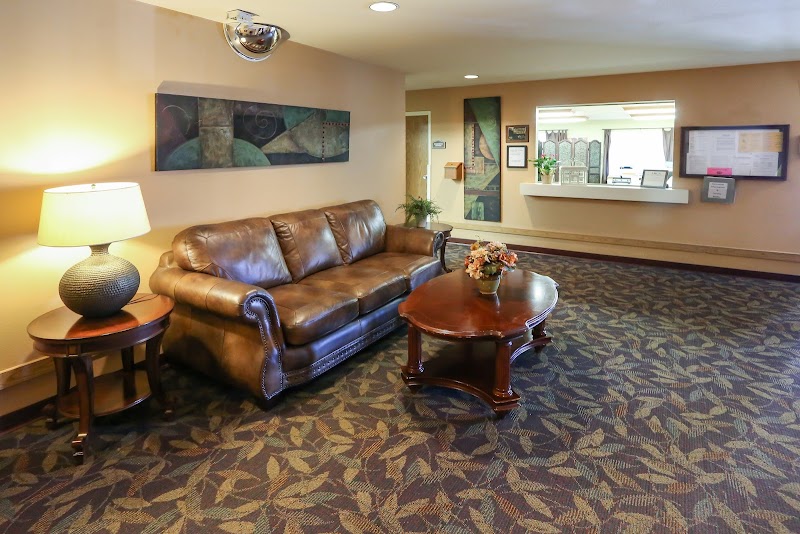
How is Bakersfield Post Acute Staffed?

CMS rates BAKERSFIELD POST ACUTE's staffing level at 1 out of 5 stars, which is much below average compared to other nursing homes. Staff turnover is 47%, compared to the California average of 46%. RN turnover specifically is 58%, which is notably high. RNs provide skilled clinical oversight, so turnover in this role can affect medical care quality.

What Have Inspectors Found at Bakersfield Post Acute?

State health inspectors documented 102 deficiencies at BAKERSFIELD POST ACUTE during 2019 to 2025. These included: 2 that caused actual resident harm and 100 with potential for harm. Deficiencies causing actual harm indicate documented cases where residents experienced negative health consequences.
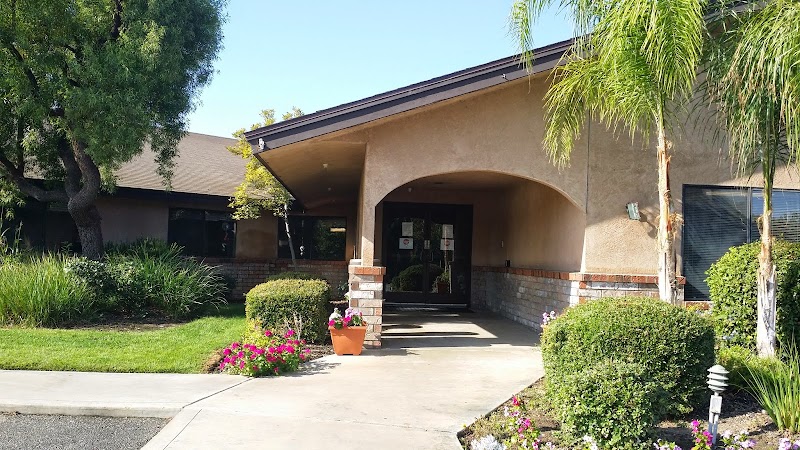
Who Owns and Operates Bakersfield Post Acute?

BAKERSFIELD POST ACUTE is owned by a for-profit company. For-profit facilities operate as businesses with obligations to shareholders or private owners. The facility is operated by PACS GROUP, a chain that manages multiple nursing homes. With 99 certified beds and approximately 90 residents (about 91% occupancy), it is a smaller facility located in BAKERSFIELD, California.
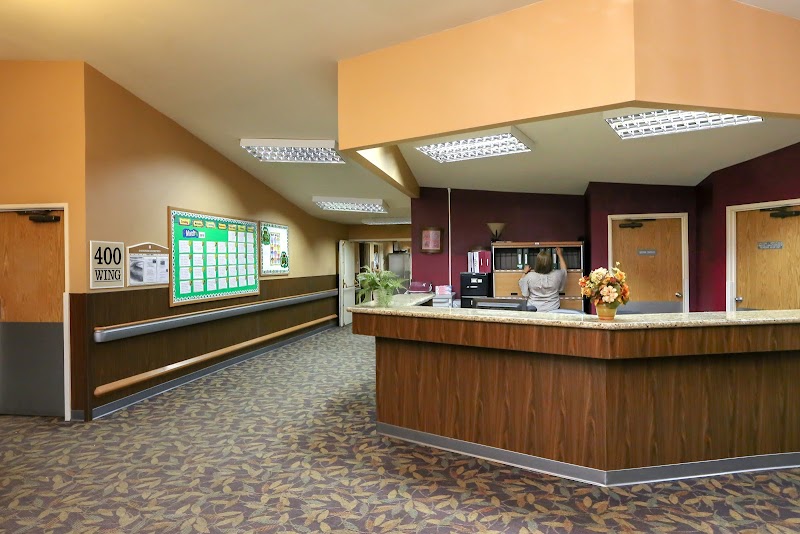
How Does Bakersfield Post Acute Compare to Other California Nursing Homes?

Compared to the 100 nursing homes in California, BAKERSFIELD POST ACUTE's overall rating (1 stars) is below the state average of 3.1, staff turnover (47%) is near the state average of 46%, and health inspection rating (1 stars) is much below the national benchmark.

What Should Families Ask When Visiting Bakersfield Post Acute?

Based on this facility's data, families visiting should ask: "Can you walk me through typical staffing levels on day, evening, and night shifts?" "Can I visit during a mealtime to observe dining assistance and food quality?" "How do you handle medical emergencies, and what is your hospital transfer rate?" "Can I speak with family members of current residents about their experience?" These questions are particularly relevant given the below-average staffing rating.

Is Bakersfield Post Acute Safe?

Based on CMS inspection data, BAKERSFIELD POST ACUTE has a clean safety record: no substantiated abuse findings (meaning no confirmed cases of resident harm), no Immediate Jeopardy citations (the most serious violation level indicating risk of serious injury or death), and is not on the Special Focus Facility watch list (a federal program monitoring the lowest-performing 1% of nursing homes). The facility has a 1-star overall rating and ranks #100 of 100 nursing homes in California. While no facility is perfect, families should still ask about staff-to-resident ratios and recent inspection results during their visit.

Do Nurses at Bakersfield Post Acute Stick Around?

BAKERSFIELD POST ACUTE has a staff turnover rate of 47%, which is about average for California nursing homes (state average: 46%). Moderate turnover is common in nursing homes, but families should still ask about staff tenure and how the facility maintains care continuity when employees leave.

Was Bakersfield Post Acute Ever Fined?

BAKERSFIELD POST ACUTE has been fined $30,940 across 3 penalty actions. This is below the California average of $33,388. While any fine indicates a compliance issue, fines under $50,000 are relatively common and typically reflect isolated problems that were subsequently corrected. Families should ask what specific issues led to these fines and confirm they've been resolved.

Is Bakersfield Post Acute on Any Federal Watch List?

BAKERSFIELD POST ACUTE is not on any federal watch list. The most significant is the Special Focus Facility (SFF) program, which identifies the bottom 1% of nursing homes nationally based on persistent, serious quality problems. Not being on this list means the facility has avoided the pattern of deficiencies that triggers enhanced federal oversight. This is a positive indicator, though families should still review the facility's inspection history directly.