BROOKDALE RIVERWALK SNF (CA)


350 CALLOWAY DRIVE, BUILDING C, BAKERSFIELD, CA 93312 (661) 587-0182
For profit - Corporation 120 Beds BROOKDALE SENIOR LIVING Data: November 2025
Trust Grade
45/100
#758 of 1155 in CA
Last Inspection: November 2024

Within standard 12-15 month inspection cycle. Federal law requires annual inspections.

Overview

Brookdale Riverwalk SNF in Bakersfield, California, has received a Trust Grade of D, indicating below-average quality with some concerning issues. It ranks #758 out of 1155 facilities in California, placing it in the bottom half, but it is #3 out of 17 in Kern County, meaning only two local options are better. The facility is on an improving trend, reducing its number of issues from 32 in 2024 to just 5 in 2025. Staffing is a relative strength, with a 4/5 star rating, but the turnover rate is high at 51%, exceeding the state average. While there have been no fines, there have been serious concerns, including a resident falling and breaking a hip due to the failure to develop a timely care plan, and issues with hand hygiene practices among staff, which could lead to infections. Overall, while there are notable strengths, families should carefully consider the weaknesses before choosing this facility.

Trust Score
D
45/100
In California
#758/1155
Bottom 35%
Safety Record
Moderate
Needs review
Inspections
Getting Better
32 → 5 violations
Staff Stability
⚠ Watch
51% turnover. Above average. Higher turnover means staff may not know residents' routines.
Penalties
✓ Good
No fines on record. Clean compliance history, better than most California facilities.
Skilled Nurses
○ Average
Each resident gets 40 minutes of Registered Nurse (RN) attention daily — about average for California. RNs are the most trained staff who monitor for health changes.
Violations
⚠ Watch
69 deficiencies on record. Higher than average. Multiple issues found across inspections.
★★☆☆☆
2.0
Overall Rating
★★★★☆
4.0
Staff Levels
★★★☆☆
3.0
Care Quality
★★☆☆☆
2.0
Inspection Score
Stable
2024: 32 issues
2025: 5 issues

The Good

  • 4-Star Staffing Rating · Above-average nurse staffing levels
  • Full Sprinkler Coverage · Fire safety systems throughout facility
  • No fines on record

Facility shows strength in staffing levels, fire safety.

The Bad

2-Star Overall Rating

Below California average (3.1)

Below average - review inspection findings carefully

Staff Turnover: 51%

Near California avg (46%)

Higher turnover may affect care consistency

Chain: BROOKDALE SENIOR LIVING

Part of a multi-facility chain

Ask about local staffing decisions and management

The Ugly 69 deficiencies on record

1 actual harm
Jul 2025 1 deficiency
CONCERN (D) 📢 Someone Reported This

A family member, employee, or ombudsman was alarmed enough to file a formal complaint

Potential for Harm - no one hurt, but risky conditions existed

Comprehensive Care Plan (Tag F0656)

Could have caused harm · This affected 1 resident

**NOTE- TERMS IN BRACKETS HAVE BEEN EDITED TO PROTECT CONFIDENTIALITY** Based on observation, interview, and record review, the facility failed to develop and implement a care plan (a detailed, writte...

Read full inspector narrative →
**NOTE- TERMS IN BRACKETS HAVE BEEN EDITED TO PROTECT CONFIDENTIALITY** Based on observation, interview, and record review, the facility failed to develop and implement a care plan (a detailed, written document created by facility staff that outlines all the medical, physical, emotional, and social care a resident will receive to improve or maintain their quality of life) for one of three sampled residents (Resident 1) with visual hallucinations (the experience of sensing something that is not actually there, even though it seems very real). This failure had the potential to result in Resident 1's care needs to not be met and/or result in psychological harm.Findings:During a review of Resident 1's admission RECORD (AR), dated 7/30/25, the AR indicated, Resident 1 was admitted to the facility on [DATE] with a diagnosis of unspecified dementia (a decline in mental ability severe enough to interfere with daily activities and decision-making, impacting core cognitive functions like memory, language, attention, reasoning, and social skills) unspecified severity with other behavioral disturbance, history of falling, and quadriplegia (partial or total loss of function, movement, and sensation in all four limbs and the torso).During a review of Resident 1's Minimum Data Set (MDS) Assessment (a standardized assessment to evaluate a resident's functional abilities and healthcare needs), dated 7/21/25, under the section titled, Brief Interview for Mental Status (BIMS - an assessment of cognition [how well a person thinks, remembers, and learns]), the BIMS score was 6 (severe cognitive impairment).During a concurrent observation and interview on 7/29/25 at 2:36 p.m. with Resident 1 in Resident 1's room. Resident 1 was observed lying on her right side facing a window with a clear view of the outside and no one was observed to be there. Resident 1 stated, I'm (Resident 1) telling you someone keeps trying to climb through that (her) window. It's three guys and they keep trying to come in. I don't know why they keep trying to keep in. Resident 1 was not able to describe the three men she was seeing. Resident 1 kept repeating there were three men outside her window, and they were at the edge of the window trying to enter despite no one being there. Resident 1 stated the last time the three men tried to enter was the day before (7/28/25) but could not state at what time.During an interview on 7/29/25 at 3 p.m. with Licensed Vocational Nurse (LVN) 1, LVN 1 stated Resident 1 has been having episodes of hallucinations for approximately three weeks. LVN 1 stated Resident 1 has episodes of confusion and sees things that were not there. LVN 1 stated the biggest thing Resident 1 sees is people in her room and/or people trying to get into her room through the window that were not there. During an interview on 7/29/25 at 3:20 p.m. with Certified Nursing Assistant (CNA) 1, CNA 1 stated Resident 1 had been seeing people outside her window that were not there and attempted to go into her room. CNA 1 stated Resident 1 had been having these hallucinations for two or three months. CNA 1 stated other CNA's (not specific), and nurses (not specific) are aware of Resident 1's hallucinations.During a concurrent interview and record review on 7/29/25 at 3:48 p.m. with Administrator, Resident 1's Electronic Medical Record (EMR), was reviewed. Administrator stated she was not aware of Resident 1's hallucinations about people trying to enter her room through her window. Administrator reviewed Resident 1's EMR and stated there was no care plan developed for Resident 1's hallucinations. Administrator stated there should be a care plan developed for Resident 1's hallucinations.During an interview on 7/29/25 at 3:52 p.m. with Social Services Director (SSD), SSD stated she was not aware of Resident 1's hallucinations. SSD stated she should have been made aware. During a review of the facility's policy and procedure (P&P) titled, Comprehensive Care Plan, dated 11/2017, the P&P indicated, A comprehensive, person-centered Care Plan will be developed for each resident that includes measurable objectives and timeframes to meet the resident's medical, nursing, mental and psychosocial needs that have been identified through a comprehensive assessment. A person centered, comprehensive care plan will be developed and implemented in accordance with the following . The Comprehensive Care Plan will describe treatments and services to assist the resident to . attain or maintain the highest level of physical, mental and psychosocial wellbeing. Each resident's comprehensive care plan will describe . Identified resident issues, conditions, risk factors and safety issues . Person centered measurable objectives and timeframes that will be used to evaluate progress toward goals. Interventions that will be implemented to enable each resident to meet his/her objectives.
May 2025 1 deficiency
CONCERN (D) 📢 Someone Reported This

A family member, employee, or ombudsman was alarmed enough to file a formal complaint

Potential for Harm - no one hurt, but risky conditions existed

Abuse Prevention Policies (Tag F0607)

Could have caused harm · This affected 1 resident

Based on interview and record review, the facility failed to implement their policy and procedure (P&P) titled, Abuse, Neglect & Exploitation Policy, when: 1. The allegation of psychological/mental ab...

Read full inspector narrative →
Based on interview and record review, the facility failed to implement their policy and procedure (P&P) titled, Abuse, Neglect & Exploitation Policy, when: 1. The allegation of psychological/mental abuse was not reported timely to the California Department of Public Health (CDPH the state survey and certification agency) and local ombudsman (representatives assist residents in long-term care facilities with issues related to day-to-day care, health, safety, and personal preferences) for one of three sampled residents (Resident 1). This failure had the potential for Resident 1 not to be protected from further abuse. 2. A 5-day investigation report (written report of the results of abuse investigation) was not sent to CDPH or local ombudsman within 5-days of the incident for one of three sampled residents (Resident 1). This failure had the potential for an incomplete investigation for Resident 1. Findings: 1. During a review of Resident 1 ' s Report of Suspected Dependent Adult/Elder Abuse, (SOC – a written report of suspected of abuse or neglect of elders or dependent adults) dated 4/25/25, the SOC indicated Resident 1 was the alleged victim of psychological/mental abuse. During a concurrent interview and record review, on 5/14/25 at 1:35 p.m. with the Administrator, Resident 1 ' s SOC, dated 4/25/25 was reviewed. The Administrator stated the SOC was not sent to CDPH or the local ombudsman within 24 hours. 2. During an interview on 5/14/25 at 1:35 p.m. with the Administrator, the Administrator stated she did not send the 5-day investigation report to CDPH or the local ombudsman within 5-days. During a review of the facility's P&P titled, Abuse, Neglect & Exploitation Policy, revised 10/22, the P&P indicated, Brookdale is committed to maintaining a safe environment for residents, . Instances or allegations of abuse . should be treated seriously and reported to the administrator the supervisor on duty for investigation and appropriate follow-up. 7. As required, the Administrator should provide a written report of the results of abuse investigations, and appropriate action taken to the state survey and certification agency, the local police department, the ombudsman, and others as may be required by state or local laws, within five (5) working days of reported incident. G. External Reporting 1. Alleged violations involving abuse . should be reported: . b. No later than 24 hours if the events that caused the allegations do not involve abuse and do not result in serious bodily injury. During a review of the facility provided document titled, Report of Suspected Dependent Adult/Elder Abuse, revised 2/2024, the document indicated, Report Of Suspected Dependent Adult/Elder Abuse General Instructions Purpose of Form This form, as adopted by California Department of Social Services . is required under Welfare and Institutions Code (WIC) Sections 15630 and 15658(a)(1). This form documents the information given by the reporting party on the suspected incident of abuse or neglect of an elder or dependent adult. Dependent Adult means any person residing in this state, . between the ages of 18 and 59, who is admitted as an inpatient to a 24-hour health facility . Reporting Responsibilities And Time Frames: . In all other instances of abuse that occurred in a Long-Term Care (LTC) facility . Send the written report to local law enforcement agency, the local Long-Term Care Ombudsman Program (LTCOP), and the appropriate licensing agency (for long-term health care facilities, the California Department of Public Health . within twenty-four (24) hours of observing, obtaining knowledge of or suspecting physical abuse.
Jan 2025 1 deficiency
CONCERN (D) 📢 Someone Reported This

A family member, employee, or ombudsman was alarmed enough to file a formal complaint

Potential for Harm - no one hurt, but risky conditions existed

Pharmacy Services (Tag F0755)

Could have caused harm · This affected 1 resident

Based on interview and record review, the facility failed to ensure the facility controlled medication (medications that have the potential for abuse and addiction and are therefore regulated by the g...

Read full inspector narrative →
Based on interview and record review, the facility failed to ensure the facility controlled medication (medications that have the potential for abuse and addiction and are therefore regulated by the government) drug record was accurate for one of three sampled residents (Resident 1). This failure had the potential for unaccounted for and/or diversion of controlled medications. Findings: During a review of Resident 1's, Physician Order Report (POR), the POR dated 1/12/25, indicated, Resident 1 had an order for Percocet (strong pain medication) oral tablet 5-325 MG (milligram) (Oxycodone w/ Acetaminophen) give one tablet by mouth every six hours as needed for moderate to severe pain 4-10/10 (pain level 0-10 when 10 is the worst). Acetaminophen NTE (not to exceed) 3gms (grams)/24 hours. During a review of the facility's Summary of Incident (SI) , dated 2/3/25, the SI indicated, . she [Resident 1] received an extra Percocet at the end of the previous week [1/23/25] . made a medication error and gave [Resident 1] a PRN [as needed] Percocet and did not document. During an interview on 2/7/25 at 3:11 p.m. with Licensed Vocational Nurse (LVN) 2, LVN 2 stated when she was counting the Percocet, it was 30 instead of 31. During a review of Resident 1's Controlled or Antibiotic Drug Record (CADR), (undated), the CADR indicated, Oxycodone-Acet 5/325 mg [Percocet]. The tablet number 33 was removed from the medication card on 1/24/25 at 1:30 a.m. During a review of Resident 1's Medication Adminsitration Record (MAR), dated January 2025, the MAR indicated there was no Percocet administered on 1/24/25 at 1:30 a.m. During a review of the facility's policy and procedure (P&P) titled, Controlled Substances Policy dated 9/17, the P&P indicated, Determine whether medication was given or not charted.
Jan 2025 1 deficiency
CONCERN (D) 📢 Someone Reported This

A family member, employee, or ombudsman was alarmed enough to file a formal complaint

Potential for Harm - no one hurt, but risky conditions existed

Pressure Ulcer Prevention (Tag F0686)

Could have caused harm · This affected 1 resident

Deficiency Text Not Available

Read full inspector narrative →
Deficiency Text Not Available
Jan 2025 1 deficiency
CONCERN (D) 📢 Someone Reported This

A family member, employee, or ombudsman was alarmed enough to file a formal complaint

Potential for Harm - no one hurt, but risky conditions existed

Report Alleged Abuse (Tag F0609)

Could have caused harm · This affected 1 resident

**NOTE- TERMS IN BRACKETS HAVE BEEN EDITED TO PROTECT CONFIDENTIALITY** Based on interview and record review, the facility failed to report an allegation of abuse to the California Department of Publi...

Read full inspector narrative →
**NOTE- TERMS IN BRACKETS HAVE BEEN EDITED TO PROTECT CONFIDENTIALITY** Based on interview and record review, the facility failed to report an allegation of abuse to the California Department of Public Health (CDPH-state agency) for one of three sampled residents (Resident 1). This failure resulted in delayed investigation of the allegation of abuse and potential for continued abuse towards Resident 1. Findings: During a review of Resident 1's admission Record (AR), dated 11/7/24, the AR indicated Resident 1 was admitted to the facility on [DATE] with diagnoses including, fracture [broken] of thoracic [upper spine] vertebra [spine bone], muscle weakness and history of falls. During a review of Resident 1's Minimum Data Set (MDS – assessment tool), dated 10/8/24, the MDS indicated, Resident 1's Brief Interview for Mental Status (BIMS - assessment of cognitive function) score was 15 (a score of 13-15 suggests resident is cognitively intact). During an interview on 11/05/24 at 9:15 a.m. with Resident 1 and Resident 1's Family Member (FM) 1, Resident 1 stated she told her daughter (within the first week of being admitted to the facility) Certified Nursing Assistant (CNA) 1 was rough and rude to her while providing care. FM 1 stated a request was made to Clinical Manager (CM) on 10/30/24 for CNA 1 not be scheduled to care for Resident 1 due to CNA 1's attitude and being rough during care. Resident 1 stated CNA 1 had been assigned to care for Resident 1 after the request was made on 10/30/24. During an interview on 11/07/24 at 10:37 a.m. with CM, CM stated Resident 1's daughter (FM 2) reported to CM on 10/30/24, CNA 1 had an attitude and was rough during care of Resident 1. CM stated Resident 1's daughter requested CNA 1 not be assigned to care for Resident 1. CM stated he did not report Resident 1's concerns or request regarding CNA 1 to the Administrator or other member of the leadership team. During an interview on 11/07/24 at 11:26 a.m. with Resident 1, Resident 1 stated during her first week in the facility, she asked CNA 1 to help her move up in bed. Resident 1 stated CNA 1 grabbed the collar of her gown, got in her face, and yelled I am not going to hurt myself to move you up. Resident 1 stated she was afraid of CNA 1. During a concurrent interview and record review on 1/17/25 at 12:05 p.m. with Administrator, the facility's Summary Of Incident (SOI), dated 11/12/24 was reviewed. The SOI indicated, 10/30/24 – The daughter of [Resident 1], [FM 2], requests CNA, [CNA 1], not be her Mom's CNA due to [CNA 1] being rough when providing care per [CM]. Administrator stated it was the expectation the staff submitted a grievance report or contacted Administrator, or a member of the leadership team, for resident, family or staff reported care concerns. Administrator stated she was made aware of Resident 1's concerns regarding care provided by CNA 1 on 11/7/24 (eight days later). Administrator stated Resident 1 and FM 2 were interviewed and allegations of abuse by CNA 1 toward Resident 1 were identified and reported to CDPH on 11/7/24 (eight days later). Administrator stated CM needed to report Resident 1's concerns of CNA 1 being rough and rude during care to Administrator or a member of leadership on 10/30/24 to help protect Resident 1 from potential continued abuse. During a review of the facility's policy and procedure (P&P) titled, Abuse, Neglect & Exploitation Policy, dated 10/2022 the P&P indicated, Responsibility: The Administrator has the overall responsibility for the coordination and implementation of the community's abuse, neglect and exploitation policy. E. Protection 1. Protection of Resident. Upon learning of alleged abuse, neglect, mistreatment or exploitation, the Administrator or supervisor on duty should attempt to take necessary steps to verify residents are protected from subsequent episodes of abuse, neglect, mistreatment, or exploitation. a. If an associate encounters an abusive situation involving a resident, they should attempt to: . ii. Follow up with reporting of the incident to the supervisor/manager on duty or Executive Director as soon as possible. G. External Reporting 1. Alleged violations involving abuse, neglect, exploitation or mistreatment, including injuries of unknown source and misappropriation of resident property should be reported: a. As soon as practical, but not later than 2 hours after the allegation is made, if the events that cause the allegation involve abuse or result in serious bodily injury, or b. Not later than 24 hours if the events that cause the allegation do not involve abuse and do not result in serious bodily injury. c. Such alleged violation shall be reported to: i. The State Survey Agency; and ii. Adult protective services.
Nov 2024 18 deficiencies
CONCERN (D)

Potential for Harm - no one hurt, but risky conditions existed

Deficiency F0561 (Tag F0561)

Could have caused harm · This affected 1 resident

Based on interview and record review, the facility failed to ensure one of 25 sampled residents (Resident 84) personal preference was honored when Certified Nurse Assistant (CNA) 2 was assigned to car...

Read full inspector narrative →
Based on interview and record review, the facility failed to ensure one of 25 sampled residents (Resident 84) personal preference was honored when Certified Nurse Assistant (CNA) 2 was assigned to care for Resident 84 after Resident 84 requested CNA 2 not be assigned to her care. This failure resulted in Resident 84 experiencing emotional distress. Findings: During an interview on 11/05/24 at 9:15 a.m. with Resident 84 and Resident 84's family member (FM) 1, FM 1 stated CNA 2 was rude to Resident 84. FM 1 stated on 10/30/24 a request was made for CNA 2 not be assigned to care for Resident 84. Resident 84 stated CNA 2 had continued to be assigned to care for her. During an interview on 11/07/24 at 10:37 a.m. with Clinical Manager (CM) 2, CM 2 stated Resident 84's FM 2 stated CNA 2 had an attitude and requested CNA 2 not be assigned to care for Resident 84. CM 2 stated on 10/30/24 he contacted Scheduler and requested CNA 2 be removed from caring for Resident 84. CM 2 stated it was expected that Scheduler would not assign CNA 2 to care for Resident 84 in the future. CM 2 stated he did not notify Administrator of Resident 84's request. During a concurrent interview and record review on 11/07/24 at 10:50 a.m. with Scheduler, the facility's Clinical Services Sign-In Sheet - Skilled Nursing (CSSS) noc [night] Shift, dated 10/30/24 was reviewed. Scheduler stated on 10/30/24 CM 2 requested CNA 2 not be assigned care of Resident 84. During a concurrent interview and record review on 11/7/24 at 11 a.m. with Scheduler, the CSSSs, dated 10/31/24 through 11/6/24 were reviewed. The CSSSs indicated: 11/2/24 CNA 2 was assigned to care for Resident 84. 11/3/24 CNA 2 was assigned to care for Resident 84. 11/5/24 CNA 2 was assigned to care for Resident 84. 11/6/24 CNA 2 was assigned to care for Resident 84. Scheduler stated CNA 2 had been assigned to care for Resident 84 for four shifts since 10/30/24. During an interview on 11/07/24 at 11:26 a.m. with Resident 84, Resident 84 stated she was afraid of CNA 2. During a review of the facility's policy and procedure (P&P) titled, Resident Rights, dated 10/2022, the P&P indicated, Policy Overview Associates should adhere to and respect resident's rights as applicable to state and federal regulations . 4. The community should make every effort to assist residents in exercising his/her rights. Residents should be treated with respect, kindness, and dignity. During a review of the facility's P&P titled, Quality of Life -Dignity, dated 10/2022, the P&P indicated, Residents should be cared for in a manner that promotes and enhances their sense of well-being, level of satisfaction with life, and feeling of self-worth and self-esteem. 2. The community culture supports dignity and respect for residents by honoring resident goals, choices, preferences, values and beliefs.
CONCERN (D)

Potential for Harm - no one hurt, but risky conditions existed

Comprehensive Care Plan (Tag F0656)

Could have caused harm · This affected 1 resident

Based on observation, interview, and record review, the facility failed to ensure care plans were developed and implemented for two of five sampled residents (Resident 18 and Resident 268). This failu...

Read full inspector narrative →
Based on observation, interview, and record review, the facility failed to ensure care plans were developed and implemented for two of five sampled residents (Resident 18 and Resident 268). This failure resulted in Resident 18 and Resident 268 having unmet care needs. Findings: a. During an observation on 11/04/24 at 9:15 a.m. in Resident 18's room, Resident 18 was lying in bed without her legs elevated. During an interview on 11/05/24 at 12:25 p.m. with Certified Nursing Assistant (CNA) 1, CNA 1 stated, Resident 18's heel should be floated [legs elevated so heel does not touch surface] but they are not. During an interview on 11/07/24 at 8:29 a.m. with Resident 18, Resident 18 stated, I have pain in my feet. I'm supposed to have them elevated but they [staff] don't do it. My pain is constant, but elevating does help with the pain. During a review of Resident 18's Minimum Data Set (MDS-assessment tool), dated 11/1/24, the MDS indicated, Resident 18's Brief Interview for Mental Status (BIMS - cognition assessment tool, 15-point scale: 13-15 cognitively intact) score was 14. During a concurrent interview and record review on 11/07/24 at 8:36 a.m. with Registered Nurse (RN) 1, Resident 18's Care Plan (CP), dated 9/11/24 was reviewed. The CP indicated, [Resident 18] at risk for pain r/t [related to] DVT [deep vein thrombosis - blood clot], diffuse [wide area] joint pain r/t [Resident 18] has shooting pain to bilateral feet. Provide non-pharmacological pain interventions. RN 1 stated Resident 18 complains of pain in her legs, they should be elevated from the knee to ankle but they are not. b. During a concurrent observation and interview on 11/04/24 at 10:43 a.m. with Resident 268, in resident's room, resident had an indwelling foley catheter (a flexible tube that drains urine from the bladder into a collection bag) with collection bag hanging on the side of the bed. Resident 268 stated she does not know why or how long she has had the catheter. During a concurrent interview and record review on 11/07/24 at 12:10 p.m. with Clinical Manager (CM) 2, Resident 268's CP, dated 11/24 were reviewed. The record review indicated, Resident 268 did not have a care plan in place for her foley catheter. CM 2 stated Resident 268 should have a care plan in place for her foley catheter. During a review of the facility's policy and procedure (P&P), titled Comprehensive Care Plan, dated 8/09, the P&P indicated, The Comprehensive Care Plan will describe treatments and services to assist the resident to attain or maintain the highest level of physical, mental, and psychosocial wellbeing [sic]. Interventions will be implemented to enable each resident to meet his/her objectives.
CONCERN (D)

Potential for Harm - no one hurt, but risky conditions existed

Deficiency F0679 (Tag F0679)

Could have caused harm · This affected 1 resident

Deficiency Text Not Available

Read full inspector narrative →
Deficiency Text Not Available
CONCERN (D)

Potential for Harm - no one hurt, but risky conditions existed

Pressure Ulcer Prevention (Tag F0686)

Could have caused harm · This affected 1 resident

Based on observation, interview, and record review, the facility failed to ensure one of 25 sampled residents (Resident 1) received the necessary care and services to prevent the development and promo...

Read full inspector narrative →
Based on observation, interview, and record review, the facility failed to ensure one of 25 sampled residents (Resident 1) received the necessary care and services to prevent the development and promote healing of pressure ulcers (open wounds caused by consistent pressure on the skin). This failure had the potential to cause Resident 1 to experience development or deterioration of pressure ulcers. Findings: During a review of Resident 1's admission Record (AR), dated 10/4/24, the AR indicated, Resident 1 has diagnoses of Diabetes Mellitus (DM- disease that causes abnormal blood sugars) with foot ulcer (an open sore that can be shallow or deep), Peripheral Vascular Disease (PVD- abnormal circulation to the extremities), difficulty in walking, and history of falling. During a concurrent observation and interview on 11/4/24 at 11:55 a.m. with Resident 1 in resident's room, Resident 1 had multiple open sores on both of his legs, dried black colored wounds on 2nd, 3rd, and 4th left toes, black colored wounds on both sides of the left foot, and a black colored wound to bottom of his left heel. Resident stated he is a diabetic and gets blisters that pop open and turn into sores. During an observation on 11/5/24 at 10:42 a.m. in Resident 1's room, Resident 1 was not wearing a Prevalon boot (a cushioned bottom boot that floats the heels off the surface of the mattress helping to reduce pressure). During a concurrent observation and interview on 11/05/24 at 3:52 p.m. with Clinical Manager (CM) 2 in Resident 1's room, CM 2 completed wound care on Resident 1's left foot. CM 2 stated Resident 1 has pressure ulcers with black tissue to his left heel, the last 3 of his left toes and on both of the bony sides of his left foot. CM 2 stated that Resident 1 does not wear any type of boot while in bed and just wears gauze wraps and socks with his legs propped up on a flat cushion. During an observation on 11/06/24 at 1:42 p.m. in Resident 1's room, Resident 1 was not wearing a Prevalon boot. During a concurrent observation and interview on 11/6/24 at 2:09 p.m. with Resident 1's Physician's Case Manager Registered Nurse (CMRN) 3 and Resident 1, in Resident 1's Room, Resident 1 was not wearing a Prevalon boot or lying on a special mattress. CMRN 3 found the Prevalon boot in Resident 1's closet. Resident 1 stated he has never seen nor worn the Prevalon boot. CMRN 3 stated Resident 1 is supposed to wear the Prevalon boot at all times while in bed. During a concurrent observation and interview on 11/06/24 at 3:17 p.m. with Licensed Vocational Nurse (LVN) 4 in Resident 1's room, Resident 1 was wearing the Prevalon boot. LVN 4 stated [Resident 1] hasn't had it on all day. During a concurrent observation and interview on 11/07/24 at 10:15 a.m. with CM 2 in Resident 1's room, CM 2 stated Resident 1 does not have a special air mattress or bed, and this would prevent and help with the healing process of the pressure ulcers the resident is currently suffering from. During a review of Resident 1's admission Skin Assessment (ASA), dated 10/4/24, the ASA indicated, Resident 1 had diabetic ulcer on the left lateral [outside] side of the foot, diabetic ulcer on the left inner foot, diabetic ulcer to right plantar [bottom] area of foot, diabetic ulcer on the top of left heel, diabetic ulcer to top of right heel . pressure ulcer on the right buttock. During a review of Resident 1's Order Summary Report (OSR), dated 10/5/24, the OSR indicated, Monitor placement of prevalon [boots] when in bed; Monitor skin underneath the prevalon for redness and irritation; Prevalon to both feet when in bed; Prevalon boots to left heel while in bed. During a review of Resident 1's Physician Progress Note (PPN), dated 10/23/24 and 10/28/24, the PPN indicated, 10/23/24 There is a new pressure ulcer of the left heel. 10/28/24- Nursing staff is not dressing his wounds correctly. I ordered PREVALON boot to protect his left heel. The boot was not on him. It was on a chair on the other end of the room. DECLINE IN FUNCTIONAL STATUS; PRESSURE ULCER OF LEFT HEEL, UNSPECIFIED STAGE; Note: PRevalon [sic]. Float [elevate legs so heels do not touch surface] heels. During a review of Resident 1's Weekly/Monthly Summary (WMS), dated 10/6/24, the WMS indicated, Cognitive Patterns- Oriented to person, place, time, memory OK, modified independence. E. Physical Functioning- 1. Bed Mobility: extensive assistance. 11. Assistive Devices- Wheelchair. During a review of Resident 1's Skin Impairment Care Plan (SICP), dated 10/5/24, the SICP indicated, [Resident 1] will be free from skin breakdown. Interventions/Tasks- Prevalon boot at both feet when in bed and monitor skin integrity. Provide treatment per physician order. The resident needs a specialty bed. During a review of the facility's policy and procedure (P&P) titled, Pressure Injury/Ulcer Treatment, dated 4/2024, the P&P indicated, The purpose of this procedure is to provide guidelines for the care of existing pressure injuries/ulcers and the prevention of additional pressure injuries/ulcers. 1. Review the resident's care plan for special needs of the resident.
CONCERN (D)

Potential for Harm - no one hurt, but risky conditions existed

Accident Prevention (Tag F0689)

Could have caused harm · This affected 1 resident

Based on observation, interview, and record review, the facility failed to ensure for one of five sampled residents (Resident 48) fall precautions were in place. This failure had the potential for Res...

Read full inspector narrative →
Based on observation, interview, and record review, the facility failed to ensure for one of five sampled residents (Resident 48) fall precautions were in place. This failure had the potential for Resident 48 to fall and sustain injuries. Findings: During an observation on 11/04/24 at 8:53 a.m. in Resident 48's room, Resident 48 was lying in bed and fall mat was folded up next to nightstand. During a concurrent observation and interview on 11/04/24 at 3:03 p.m. with Licensed Vocational Nurse (LVN) 1, in Resident 48's room, one fall mat was folded and placed behind Resident 48's bed, and one (mat) was folded next to the nightstand. LVN 1 stated, they [fall mats] should be placed on the floor next to each side of the bed. During a review of Resident 48's Physician Order (PO), dated 9/1/23, the PO indicated, bilateral [both sides] floor matts [sic]. During a review of the facility's policy and procedure (P&P) titled, Falls Prevention Policy, dated 8/2023, the P&P indicated, The safety precautions for high-risk residents may include, but are not limited to the following: review for adaptive equipment at the bedside (fall mat).
CONCERN (D)

Potential for Harm - no one hurt, but risky conditions existed

Deficiency F0757 (Tag F0757)

Could have caused harm · This affected 1 resident

Based on interview and record review, the facility failed to follow their policy and procedure titled, Medication and Treatment Orders to ensure the physician orders for two of two sampled residents (...

Read full inspector narrative →
Based on interview and record review, the facility failed to follow their policy and procedure titled, Medication and Treatment Orders to ensure the physician orders for two of two sampled residents (Resident 164 and Resident 57) included the clinical condition or symptoms for its use. This failure had the potential for residents to be taking unnecessary medications with potential for experiencing adverse health outcomes. Findings: 1. During a review of Resident 164's Medication Administration Record (MAR), dated 11/7/24, the MAR indicated, Meropenem [strong antibiotic to treat infections] Intravenous Solution Reconstituted [mixed with liquid] 500 mg [milligram] Use 500 mg intravenously [given via the veins] two times a day for Infection for 7 days. During an interview on 11/6/24 at 1:35 p.m. with Infection Preventionist Nurse (IPN), IPN stated, The physician's order [for Resident 164] should have the type of infection. IPN stated she had not reviewed the antibiotic order. 2. During a review of Resident 57's MAR, dated 11/7/24, the MAR indicated, Cefepime [strong antibiotic to treat infections] HCl Intravenous Solution 2 GM(gram)/100 ML(millileters) Use 2 gram intravenously two times a day for infection for 3 weeks. During an interview on 11/6/24 at 1:35 p.m. with IPN, IPN stated there was no specific type of infection in the physician's order. During a review of facility policy and procedure (P&P) titled, Medication and Treatment Orders, dated July 2016, the P&P indicated, Orders for medications must include: clinical condition or symptoms for which the medication is prescribed.
CONCERN (D)

Potential for Harm - no one hurt, but risky conditions existed

Deficiency F0760 (Tag F0760)

Could have caused harm · This affected 1 resident

**NOTE- TERMS IN BRACKETS HAVE BEEN EDITED TO PROTECT CONFIDENTIALITY** Based on observation, interview, and record review, the facility failed to ensure one of 25 sampled residents (Resident 87) was ...

Read full inspector narrative →
**NOTE- TERMS IN BRACKETS HAVE BEEN EDITED TO PROTECT CONFIDENTIALITY** Based on observation, interview, and record review, the facility failed to ensure one of 25 sampled residents (Resident 87) was free from significant medication errors. This failure had the potential for Resident 87 to have adverse health outcomes. Findings: During a concurrent observation and interview on [DATE] at 2:51 p.m. with Licensed Vocational Nurse (LVN) 6 at Station 1 Medication Cart 3 contained a bag labeled [Resident 87's name] Morphine Sulf [sulfate - MS - pain medication] 20mgs [milligrams]/1ml [milliliter] Sol [solution] Discard After [DATE] in the controlled medication (medications with high potential for abuse and addiction) drawer. Inside the bag were two syringes each with Resident 87's name, medication name, medication dose, and discard date. LVN 6 stated the label on each syringe indicated a discard date of [DATE]. During a review of Resident 87's [Facility name] Order Audit Report (OAR), dated [DATE], the OAR indicated, Morphine Sulfate (Concentrate) Oral Solution 20mg/ml Give 5mg by mouth every 1 hour as needed for pain/SOB [shortness of breath] was ordered on [DATE]. During a concurrent interview and record review on [DATE] at 3 p.m. with Director of Nursing (DON), Resident 87's Controlled Substance Record (CSR), dated [DATE] through [DATE] was reviewed. The CSR indicated MS was administered to Resident 87 on the following dates and times: [DATE] at 10:30 p.m. [DATE] at 7:04 p.m. and 11:01 p.m. [DATE] at 7:29 p.m. [DATE] at 1:44 p.m. [DATE] at 4:20 a.m. and 10:50 a.m. [DATE] at 11:26 p.m. DON stated Resident 87 received eight doses of the medication after the discard date of [DATE]. DON stated the medication needed to be discarded on [DATE] and was not. During a review of Resident 87's Medication Administration Record (MAR), dated [DATE], the MAR indicated LVN 4 administered MS to Resident 87 on [DATE] at 10:55 a.m. During an interview on [DATE] at 3:01 p.m. with LVN 4, LVN 4 stated she had administered MS to Resident 87. LVN 4 stated when she administers medications to residents, she does not routinely check the expiration date of the medications. During a review of the facility's policy and procedure (P&P), titled Storage and Expiration Dating of Medications and Biologicals [medications that come from living organisms, like proteins and genes], dated [DATE], the P&P indicated, 7. Facility should dispose of discontinued medication, outdated medications, or medications left in facility after a resident has been discharged or deceased , in a timely fashion, no more than 90-days of the date the medication was discontinued by physician/prescriber, or sooner per applicable law. During a review of the facility's P&P, titled Disposal/Destruction of Expired or Discontinued Medication, dated [DATE], the P&P indicated, 4. Facility should place all discontinued or outdated medications in a designated, secure location which is solely for discontinued medications or marked to identify the medications are discontinued and subject to destruction.
CONCERN (D)

Potential for Harm - no one hurt, but risky conditions existed

Deficiency F0790 (Tag F0790)

Could have caused harm · This affected 1 resident

Based on interview and record review the facility failed to: 1. Ensure dental services were provided for one of two sampled Residents (Resident 18). 2. Implement care plan interventions for one of two...

Read full inspector narrative →
Based on interview and record review the facility failed to: 1. Ensure dental services were provided for one of two sampled Residents (Resident 18). 2. Implement care plan interventions for one of two sampled Residents (Resident 18). This failure had the potential for Resident 18 to experience difficulty maintaining nutritional needs and could result in unintended weight loss. 1. During an interview on 11/05/24 at 12:23 p.m. with Resident 18, Resident 18 stated, my teeth are rotting in the back. I told them I needed to see a dentist at least 4 months ago. During an interview on 11/06/24 at 2:35 p.m. with Social Service Director (SSD), SSD stated Resident 18 had a dental consult sent on 9/12/24. No follow-up to this consult as of today (11/6/24). Resident 18 saw a dental hygienist on 9/4/24 for cleaning. She (Resident 18) gets referred to the dentist after a dental hygienist appointment. Last annual checkup from the dentist was on 5/7/24 (lost a tooth). I did not follow up. During an interview on 11/07/24 at 8:29 a.m. with Resident 18, Resident 18 stated, My teeth are hurting this morning. It hurts when I eat. It makes me not want to eat. Food gets stuck in them [teeth]. They hurt in the back because they are rotted. They have cleaned my teeth since I've been here. I do tell the nurse and I have mentioned to social services before. During a concurrent interview and record review on 11/7/24 at 8:40 a.m. with Clinical Manager (CM 1), Resident 18's Care Plan (CP), dated 9/12/24, was reviewed. The CP indicated, [Resident 18] has potential for oral/dental problems R/T [related to] broken and/or carious [sic] [rotten teeth] teeth. Intervention: Dental consult as ordered. CM 1 stated, Resident 18 has complained of dental pain to me [CM 1]. With dental pain and because the resident has complained to me [CM 1], someone should have followed up by now for her to see the dentist. During a review of Resident 18's Dental Notes (DN), dated 8/2/24, the DN indicated, Eval per s.w. [social worker]. During a review of the facility's policy and procedure (P&P) titled, Oral Health Care and Dental, (OHCD) dated 11/2017, the P&P indicated, Social Services or designee will be responsible for making necessary dental appointments. All requests for routine and emergency dental services are directed to social services. 2. During a concurrent interview and record review on 11/07/24 at 8:40 a.m. with CM 1, CP dated 9/12/24 was reviewed. The CP indicated, Resident 18 has potential for oral/dental problems R/T broken and/or carious [sic] teeth. Intervention: monitor oral cavity for redness, pain, swelling, or change in taste daily, and provide good oral care after meals and at bedtime. CM 1 verified Resident 18 oral cavity should be monitored daily, and good oral care should be provided before meals and at bedtime. Nurses should complete daily assessments, and this will include the oral assessment. During an interview on 11/07/24 at 3:27 p.m. with DON, DON stated there is no documentation for Resident 18 that the nurses are monitoring oral cavity daily. During a review of Resident 18's Minimum Data Set (MDS-assessment tool), dated 11/1/24, the MDS indicated Resident 18's Brief Interview for Mental Status (BIMS, cognition assessment tool, 15-point scale: 13-15 cognitively intact) score was 14. Resident 18's MDS indicated Resident 18 needed setup or cleanup assistance with oral hygiene. During a review of Resident 18's Activity of Daily Living Flowsheet (ADL), dated 11/1/24 through 11/7/24, the ADL's indicated: 11/1/24 oral hygiene was performed at 1:59 p.m., 8:41p.m., and 10:50 p.m. 11/2/24 oral hygiene was performed at 6:32 a.m., 4:22 p.m., and 10:09 p.m 11/3/24 oral hygiene was performed at 12:31p.m., 2:53 p.m., and 10:52 p.m. 11/4/24 oral hygiene was performed at 12:59 p.m., 6:13 p.m., and 10:49 p.m. 11/5/24 oral hygiene was performed at 12:39 p.m., 3:38 p.m., and 11:52 p.m. 11/6/24 oral hygiene was performed at 1:06 p.m., 3:51 p.m., and 11:19 p.m. 11/7/24 oral hygiene was performed at 09:07 a.m. During a review of Resident 18's Treatment Administration Record (TAR), dated 10/1/24 through 10/31/24, the TAR indicated there was no monitoring of oral cavity daily. During a review of Resident 18's TAR, dated 11/1/24 through11/7/24, the TAR indicated there was no monitoring of oral cavity daily. During a review of the facility's policy and procedure (P&P), titled Comprehensive Care Plan, dated 8/09, the P&P indicated, Interventions will be implemented to enable each resident to meet his/her objectives. Reflect currently recognized standards of practice for problem areas and conditions. The Care Plan process assesses and is developed to meet the resident's medical, nursing, mental and psychosocial needs.
CONCERN (D)

Potential for Harm - no one hurt, but risky conditions existed

Menu Adequacy (Tag F0803)

Could have caused harm · This affected 1 resident

Based on observation, interview, and record review, the facility failed to ensure one of 25 sampled resident's (Resident 269) meal tray ticket (MTT - guidance to staff on what to serve for a meal to a...

Read full inspector narrative →
Based on observation, interview, and record review, the facility failed to ensure one of 25 sampled resident's (Resident 269) meal tray ticket (MTT - guidance to staff on what to serve for a meal to a resident) was accurate and followed. This failure had the potential to result in a negative health outcome. Findings: During a review of Resident 269's admission Record (AR), dated 10/21/24, the AR indicated, Resident 269 had a diagnosis of Gout (inflammatory arthritis caused by high levels of uric acid [waste product created when the body breaks down a chemical compound]] in the body). During an interview on 11/4/24 at 10:11 a.m. with Resident 269, Resident 269 stated she gets a glass of tomato juice with every meal. Resident 269 stated, I have told staff several times I can't have it because I have Gout and can't have acidic juices but staff bring it to me anyway's. During a concurrent observation and interview on 11/4/24 at 12:26 p.m. with Resident 269 in Resident's room, Resident 269 was eating lunch and got a glass of tomato juice with her meal. Resident 269 stated, See, I told you it comes with every meal, and I can't have it! During a concurrent interview and record review on 11/4/24 at 2:56 p.m. with Clinical Dietician (CD), Resident 269's MTT, dated 11/4/24 was reviewed. The MTT indicated, Preferences: Tomato Juice. CD stated a resident with a diagnosis of Gout should not be given tomato juice and if the resident lets staff know then it should be listed as a dislike. RD stated she did not know why it was listed as a preference instead of a dislike and that it was incorrect. During a review of the facility's policy and procedure (P&P) titled, Resident Nutrition Services, dated 04/2021, the P&P indicated, Each resident shall receive the correct diet, with preferences accommodated as feasible. A. The interdisciplinary team, including Clinical Services, the Healthcare Provider and the Dining Services shall review each resident's nutritional needs, food likes, dislikes and eating habits. They shall develop a resident care plan based on this review.
CONCERN (D)

Potential for Harm - no one hurt, but risky conditions existed

Deficiency F0919 (Tag F0919)

Could have caused harm · This affected 1 resident

**NOTE- TERMS IN BRACKETS HAVE BEEN EDITED TO PROTECT CONFIDENTIALITY** Based on observation, interview, and record review, the facility failed to ensure the call light system was working properly for...

Read full inspector narrative →
**NOTE- TERMS IN BRACKETS HAVE BEEN EDITED TO PROTECT CONFIDENTIALITY** Based on observation, interview, and record review, the facility failed to ensure the call light system was working properly for one of 25 sampled residents (Resident 269). This failure resulted in delayed care and unmet needs of Resident 269. Findings: During a concurrent observation and interview on 11/4/24 at 10:07 a.m. with Resident 269 in Resident's room, a call bell was on Resident 269's bedside table. The call light was tested and not functioning. Resident 269 stated she does not have a call light that works and was given a call bell to ring instead. Resident 269 stated she can't reach it sometimes; staff can't hear the bell and it takes hours for staff to come. Resident 269 stated she has been without a call light for days. During an interview on 11/4/24 at 10:36 a.m. with Licensed Vocational Nurse (LVN) 3, LVN 3 stated, Resident 269's call light has not been functioning for a few days and the staff gave her a call bell to use. During an interview on 11/4/24 at 10:40 a.m. with Certified Nursing Assistant (CNA) 4, CNA 4 stated maintenance has known about the call light not functioning. During an interview on 11/4/24 at 10:56 a.m. with Director of Nursing (DON), DON stated she thought resident 269's call light was fixed and did not realize she still had a call bell. DON stated she knew it was not working on Friday (3 days ago). DON stated maintenance has been aware of Resident 269's call light not working. During a concurrent observation and interview on 11/04/24 at 11:20 a.m. with Maintenance Technician (MT) in Resident 269's room, call light was tested. MT stated he found out the call light was not working last Wednesday (October 30th). MT stated he told another technician that it wasn't the actual call box, it was an IT [technical] issue. MT stated the issue was never followed up on and should have been fixed by now. During a review of the facility's Work History Report (WHR), dated 11/7/24, the WHR indicated, On 10/31/24, [Room number] call light not working. During a review of the facility's policy and procedure (P&P) titled, Resident Call System and Door Alarm Response, dated 10/2022, the P&P indicated, Associates should respond to resident call system alerts in a reasonable and timely manner. F. 1. During loss of power or functionality, utilize alternative emergency downtime system. Initiate the community's alternative protocols for call system in the event of the call system not working. b. Verify alternatives enable residents to directly contact associates, are accessible at bedside. During a review of the facility's P&P titled, Call System, Residents, dated 9/2022, the P&P indicated, Residents are provided with a means to call staff for assistance through a communication system that directly calls a staff member or a centralized work station. 1. Each resident is provided with a means to call staff directly for assistance from his/her bed. 3. The resident call system remains functional at all times. If audible communication is used, the volume is maintained at an audible level that can be easily heard. 4. If the resident has a disability that prevents him/her from making use of the call system, an alternative means of communication that is usable for the resident is provided and documented in the care plan. 6. Calls for assistance are answered as soon as possible, by no later than 5 minutes. Urgent request for assistance are addressed immediately.
CONCERN (E)

Potential for Harm - no one hurt, but risky conditions existed

Deficiency F0554 (Tag F0554)

Could have caused harm · This affected multiple residents

Based on observation, interview, and record review, the facility failed to ensure three of three sampled residents (Resident 364, Resident 33 and Resident 3) were assessed for self administration of m...

Read full inspector narrative →
Based on observation, interview, and record review, the facility failed to ensure three of three sampled residents (Resident 364, Resident 33 and Resident 3) were assessed for self administration of medications. This failure had the potential for the facility not to identify and resolve any risks for self administration of medications for Resident 364, Resident 33, and Resident 3, and the potential to place mobile residents at risk for harm. Findings: a. During a concurrent observation and interview on 11/04/24 at 11:34 a.m. with Resident 364, a box labeled Lidocaine Viscous 2% (medication used to numb the mouth) was on Resident 364's bedside table. Resident 364 stated he had thrush (fungal infection) in his mouth which made it painful to eat, so he used the Lidocaine Viscous to rinse his mouth before each meal. During an interview on 11/07/24 at 8:53 a.m. with Clinical Manager (CM) 2, CM 2 stated if a resident wanted to self administer medications a Physician's order for self administration of the medication would be needed. CM 2 stated a Self Administration of Medication Data Collection (SAMDC) form would need to be completed for the resident. During a concurrent interview and record review on 11/07/24 at 8:58 a.m. with CM 2, Resident 364's medical record (MR) was reviewed. The MR indicated there was no physician's order for self administration of Lidocaine Viscous medication. The MR indicated there was no SAMDC for Resident 364. b. During a concurrent observation and interview on 11/06/24 at 9:58 a.m. with Licensed Vocational Nurse (LVN) 4 in Resident 33's room, a box labeled Voltaren [medication to treat pain of the joints] Arthritis [joint pain] Pain 1% was on Resident 33's bedside table. LVN 4 stated Resident 33 was not allowed to have medications in her room. LVN 4 stated Resident 33 would need a physician order to self administer the medication. During a concurrent interview and record review on 11/07/24 at 9:02 a.m. with CM 2, Resident 33's MR was reviewed. The MR indicated there was no physician's order for self administration of medication. The MR indicated there was no SAMDC for Resident 33. c. During an observation on 11/4/24 at 10:52 a.m. in Resident 3's bedroom, a plastic container labeled Vicks VapoRub ( over the counter mentholated ointment used to relief symptoms associated with cough and congestion) was seen on the bed side table of Resident 3. The jar of Vicks VapoRub had no lid, exposing the content of the container to the environment. During a concurrent observation and interview on 11/4/24 at 11:02 a.m. with Registered Nurse (RN) 1 and CM 1 inside Resident 3's bedroom. RN 1 removed the Vicks VapoRub from Resident 3's bedside table and stated, I have no idea where it came from. RN 1 stated the Resident had not been trained on self administration and there were no physician orders for Resident 3 to self administer the Vicks VapoRub rub. During a review of the facility's policy and procedure (P&P) titled, Storage and Expiring Dating of Medications and Biological's, dated 12/01/07, the P&P indicated, 2. Facility should ensure that medications and biologicals are stored in an orderly manner in cabinets, drawers, carts, refrigerators/freezers. 5. Facility should ensure that all medications and biologicals, including treatment items, are securely stored in a locked cabinet/cart or locked medication room that is inaccessible by residents and visitors. 19. Bedside Medication Storage: 19.1 Facility should not administer/provide bedside medications or biologicals without a Physician/Prescriber order and approval by the Interdisciplinary Care Team and facility administrator. 19.2 Facility should store bedside medications or biologicals in a locked compartment within the resident's room. During a review of the facility's P&P titled, Resident Self-Administration of Medications, dated 3/2019, the P&P indicated, Policy Overview It is the policy of [facility name] that those residents who desire to self-administer medications may do so if the review determines the resident is capable. Policy Detail 1. If the resident desires to self-administer medications, the charge nurse will review the resident's mental and physical abilities in conjunction with a Self-Administration of Medications Data Collection. 3. The result of the Interdisciplinary Team [IDT - team of health care professionals] assessment is documented on the Self-Administration of Medications Data Collection form, which is placed in the medical record. 5. Obtain health care provider's order that the resident may self-administer. 6. The Interdisciplinary Team (IDT) shall develop and implement a care plan to monitor the resident's ongoing ability to self-administer medication(s).
CONCERN (E)

Potential for Harm - no one hurt, but risky conditions existed

Deficiency F0558 (Tag F0558)

Could have caused harm · This affected multiple residents

**NOTE- TERMS IN BRACKETS HAVE BEEN EDITED TO PROTECT CONFIDENTIALITY** 2.a. During an interview on 11/4/24 at 4:26 p.m. with Resident 48, Resident 48 stated, Sometimes it takes a while for the CNA's ...

Read full inspector narrative →
**NOTE- TERMS IN BRACKETS HAVE BEEN EDITED TO PROTECT CONFIDENTIALITY** 2.a. During an interview on 11/4/24 at 4:26 p.m. with Resident 48, Resident 48 stated, Sometimes it takes a while for the CNA's to answer the call lights. During a review of Resident 48's Minimum Data Set (MDS-assessment tool), dated 9/30/24, the MDS indicated Resident 48's Brief Interview for Mental Status (BIMS, cognition assessment tool, 15-point scale: 0-7 severe impairment, 8-12 moderate impairment, 13-15 cognitively intact) score was 15. Resident 48's MDS indicated Resident 48 was dependent on personal hygiene and toileting. During a review of Resident 48's, Call light communication log (CLCL), dated, 10/30/24 to 11/6/24 Resident 48's, CLCL indicated: Event Time 11/2/24 6:08 a.m. Clear Time 11/2/24 6:27 a.m. Response Time 19:16 [minutes:seconds] Event Time 11/2/24 1:15 p.m. Clear Time 11/2/24 1:44 p.m. Response Time 28:50 b. During an interview on 11/5/24 at 12:20 p.m. with Resident 18, Resident 18 stated, it takes staff a long time about 20 minutes to respond to call lights and makes her (Resident 18) feel bad. During a review of Resident 18's MDS dated 11/1/24, the MDS indicated Resident 18's BIMS, score was 14. Resident 18's MDS indicated Resident 18 was maximal assistance for toileting hygiene and moderate assist for personal hygiene. During a review of Resident 18's, CLCL, dated, 10/30/24 to 11/4/24, Resident 18's, CLCL indicated: Event Time 10/30/24 10:48 a.m. Clear Time 10/30/24 11:10 a.m. Response Time 21:52 Event Time 10/31/24 3:52 p.m. Clear Time 10/31/24 4:08 p.m. Response Time 16:00 Event Time 11/1/24 7:58 a.m. Clear Time 11/1/24 8:15 a.m. Response Time 17:43 Event Time 11/1/24 9:43 a.m. Clear Time 11/1/24 10:00 a.m. Response Time 17:04 Event Time 11/01/24 2:09 p.m. Clear Time 11/1/24 2:29 p.m. Response Time 19:26 Event Time 11/1/24 2:36 p.m. Clear Time 11/1/24 2:58 p.m. Response Time 22:29 Event Time 11/4/24 5:56 p.m. Clear Time 11/4/24 6:31 p.m. Response Time 34:03 Event Time 11/4/24 8:55 p.m. Clear Time 11/4/24 9:11 p.m. Response Time 15:32 Event Time 11/5/24 2:48 p.m. Clear Time 11/5/24 3:09 p.m. Response Time 20:44 Event Time 11/5/24 5:21 p.m. Clear Time 11/5/24 5:39 p.m. Response Time 18:07 Event Time 11/5/24 9:33 p.m. Clear Time 11/5/24 10:01 p.m. Response Time 27:33 c. During an interview on 11/5/24 at 9:15 a.m. with Resident 8, Resident 8 stated staff do not always answer the call lights in a timely manner. During a review of Resident 8's MDS, dated 10/30/24, the MDS indicated Resident 8's BIMS score was 15. Resident 8's MDS indicated Resident 8 was maximal assistance with toileting hygiene. During a review of Resident 8's, CLCL, dated, 10/31/24 to 11/5/24, Resident 8's, CLCL indicated: Event Time 10/31/24 10:31 p.m. Clear Time 10/31/24 10:51 p.m. Response Time 20:29 Event Time 11/5/24 4:10 a.m. Clear Time 11/5/24 4:26 a.m. Response Time 16:16 d. During an interview on 11/5/24 at 9:15 p.m. with Resident 31, Resident 31 stated, Sometimes it takes them [staff] 15 to 20 minutes to answer the call light. During a review of Resident 31's MDS, dated 10/24/24, the MDS indicated Resident 31's BIMS score was 15. Resident 31's MDS indicated Resident 31 was dependent with toileting hygiene. During a review of Resident 31's, CLCL, dated, 10/30/24 to 11/6/24, Resident 31's, CLCL, indicated: Event Time 11/2/24 8:19 a.m. Clear Time 11/2/24 8:50 a.m. Response Time 30:07 e. During an interview on 11/5/24 at 9:15 p.m. with Resident 92, Resident 92 stated one time it took an hour and half wait for staff to answer the call light. Resident 92 stated her daughter called the front office to send someone down to assist me. Now, staff take up to 40 minutes to come. During a review of Resident 92's MDS, dated 9/20/24, the MDS indicated Resident 92's BIMS score was 15. Resident 92's MDS indicated Resident 92 required touching assistance with toileting hygiene. During a review of Resident 92's, CLCL, dated, 10/30/24 to 11/4/24, Resident 92's, CLCL, indicated: Event Time 10/31/24 12:33 a.m. Clear Time 10/31/24 1:09 a.m. Response Time 36:04 f. During an interview on 11/5/24 at 9:15 p.m. with Resident 34, Resident 34 stated it took about an hour for the call light to be answered. During a review of Resident 34's MDS, dated 9/5/24, the MDS indicated Resident 34's BIMS score was 15. Resident 34's MDS indicated, Resident 34 required maximal assistance with toileting hygiene. During a review of Resident 34's, CLCL, dated, 10/30/24 to 11/6/24, Resident 34's, CLCL, indicated: Event Time 11/2/24 8:38 p.m. Clear Time 11/2/24 9:02 p.m. Response Time 24:02 Event Time 11/5/24 5:51 a.m. Clear Time 11/5/24 6:16 a.m. Response Time 25:23 g. During a review of Resident 67's MDS, dated 9/11/24, the MDS indicated Resident 67's BIMS score was 15. Resident 67's MDS indicated Resident 67 required maximal assistance with toileting hygiene. During a review of Resident 67's, CLCL, dated, 10/30/24 to 11/6/24, Resident 67's, CLCL, indicated: Event Time 10/31/24 1:20 p.m. Clear Time 10/31/24 1:50 p.m. Response Time 29:32 Event Time 11/1/24 1:41 p.m. Clear Time 11/1/24 2:22 p.m. Response Time 41:11 Event Time 11/1/24 7:06 p.m. Clear Time 11/1/24 7:44 p.m. Response Time 38:14 Event Time 11/1/24 8:10 p.m. Clear Time 11/1/24 8:38 p.m. Response Time 28:51 Event Time 11/2/24 3:43 p.m. Clear Time 11/2/24 4:07 p.m. Response Time 23:58 Event Time 11/2/24 9:48 p.m. Clear Time 11/2/24 10:18 p.m. Response Time 30:20 Event Time 11/3/24 1:09 p.m. Clear Time 11/3/24 2:07 p.m. Response Time 58:04 Event Time 11/3/24 9:16 p.m. Clear Time 11/3/24 9:49 p.m. Response Time 32:17 Event Time 11/4/24 6:26 p.m. Clear Time 11/4/24 7:06 p.m. Response Time 39:52 During a review of the facility's P&P titled, Call System, Residents, dated 09/2022, indicated, Calls for assistance are answered as soon as possible, but no later than 5 minutes. Urgent requests for assistance are addressed immediately. During a review of the facility's P&P titled, Quality of Life-Dignity, dated 10/2022, the P&P indicated, Residents should be cared for in a manner that promotes and enhances their sense of well-being, level of satisfaction with life, and feelings of self-worth and self-esteem. 1. Residents should be treated with dignity and respect. 2. The community culture supports dignity and respect for residents by honoring resident goals, choices, preferences, values, and beliefs. This begins with the initial admission and continues throughout the resident's community stay. 3. Individual needs and preferences of the resident are identified through the assessment process. 8. Associates should speak respectfully to residents, including addressing the resident by their name of choice. Based on observation, interview, and record review, the facility failed to: 1. Ensure proper accommodations were made for one of 25 sampled residents (Resident 269) when Resident 269 was given a call bell that could not be heard at the nurse's station. 2. Implement its policy and procedure (P&P) titled, Call System, Residents for 8 of 25 sampled residents (Resident 48, Resident 18, Resident 8, Resident 31, Resident 92, Resident 34, and Resident 67) when call lights were not answered within 5 minutes. These failures contributed to residents not being assisted timely which negatively affected their psychosocial and personal hygiene needs. Findings: 1. During a review of Resident 269's admission Record (AR), dated 10/21/24, the AR indicated, Resident 269 is a [AGE] year-old admitted to the facility after a fall that resulted in a right hip fracture requiring physical therapy and a leg brace to be worn 24 hours a day. Resident 269 also has diagnoses of abnormalities of gait and mobility with history of falling. During a review of Resident 269's Care Plans (CPs), dated 10/22/24, the CPs indicated, [Resident 269] is at risk for falls. Be sure [Resident 269's] call light is within reach and encourage the resident to use it for assistance as needed. The resident needs prompt response to all requests for assistance. [Resident 269] has occasional bowel and urine incontinence related to immobility and requires assistance after each incontinence episode. [Resident 269] has an ADL [activities of daily living] self-care performance deficit secondary to hip fracture and requires assistance to dress, bathing/showering, and toileting. During a concurrent observation and interview on 11/4/24 at 10:07 a.m. with Resident 269 in Resident's room, a call bell was on Resident 269's bedside table. The Resident's call light was not functioning. Resident 269 stated she does not have a call light that works and was provided a bell to ring instead. Resident 269 stated she cannot reach it sometimes; staff can't hear the bell and it takes hours for staff to come. Resident 269 stated I lay in urine and stool for hours. Resident 269 stated this makes her feel dirty and embarrassed, It takes even longer for staff to come. Resident 269 stated there was staff last night that gave her a hard time for using the bell. Resident 269 stated I shouldn't have to sit in a dirty brief. Resident 269 stated she sits in her brief so long that she is now being treated for a rash in her vaginal and rectum area. Resident 269 stated she has been without a call light for days. During an interview on 11/4/24 at 10:36 a.m. with Licensed Vocational Nurse (LVN) 3, LVN 3 stated, Resident 269's call light has not been functioning for a few days and the staff gave her a bell to use. During an interview on 11/4/24 at 10:40 a.m. with Certified Nursing Assistant (CNA) 4, CNA 4 stated, We [staff] try to get to the bell as much as we can, but the bell is hard to hear at the nurse's station. CNA 4 stated she noticed a moisture rash on Resident 269 today and notified the Nurse. During an interview on 11/4/24 at 10:56 a.m. with Director of Nursing (DON), DON stated she thought resident 269's call light was fixed and did not realize she still had a call bell. DON stated when she left Friday night (4 days ago) she told staff to fill out an hourly rounding form on Resident 269. During an interview on 11/4/24 at 11:08 a.m. with CNA 5, CNA 5 stated she was one of two CNAs on the unit where Resident 269's resides. CNA 5 stated she did not know that Resident 269's call light was not working and that she had a call bell. CNA 5 stated she did not know anything about filling out a hourly rounding form on Resident 269. During an interview on 11/4/24 at 11:12 a.m. with CNA 4, CNA 4 stated that she did not know anything about filling out a hourly rounding form on Resident 269. During an observation on 11/04/24 at 11:31 a.m. Resident 269's room is seven doors down from the closest nurse's station. During a concurrent observation and interview on 11/4/24 at 11:59 a.m. with Registered Nurse Supervisor (RNS) at Unit 1's nursing station, Resident 269's call bell was pressed by staff in resident 269's room, Resident 269's call bell could not be heard. RNS stated staff would not be able to hear the bell from the nurse's station and that she should have been moved closer to accommodate her needs.
CONCERN (E)

Potential for Harm - no one hurt, but risky conditions existed

Deficiency F0578 (Tag F0578)

Could have caused harm · This affected multiple residents

Based on interview and record review, the facility failed to ensure four of six sampled residents (Resident 93, Resident 414, Resident 76, and Resident 164) had an Advance Directive (AD- a legal docum...

Read full inspector narrative →
Based on interview and record review, the facility failed to ensure four of six sampled residents (Resident 93, Resident 414, Resident 76, and Resident 164) had an Advance Directive (AD- a legal document that provides instructions for medical care and only go into effect if the individual is unable to make decisions for themselves) in the medical record. This failure had the potential for responsible parties and/or medical professionals to not honor resident's healthcare wishes and to not provide appropriate treatment in the event of an emergency medical situation. Findings: a. During a review of Resident 93's Social Services Progress Notes (SSPN), dated 7/3/24, the SSPN indicated, There is a DPAHC [Durable Power of Attorney for Health Care- advance directive] in place. During a concurrent interview and record review on 11/5/24 at 10:26 a.m. with Social Services Director (SSD), Resident 93's medical record (MR) was reviewed. SSD stated there was no copy of DPAHC in Resident 93's MR. b. During a review of Resident 414's SSPN, dated 10/28/24, the SSPN indicated, There is a DPAHC in place. During a concurrent interview and record review on 11/5/24 at 10:37 a.m. with SSD, Resident 414's MR was reviewed. SSD stated there was no copy of DPAHC in Resident 414's MR. c. During a concurrent interview and record review on 11/6/24 at 8:26 a.m. with SSD, Resident 164's MR was reviewed. SSD stated there was no copy of the AD in Resident 164's MR. d. During a concurrent interview and record review on 11/6/24 at 8:29 a.m. with SSD, Resident 76's MR was reviewed. SSD stated there was no copy of AD in Resident 76's MR. During a review of the facility's policy and procedure (P&P) titled, Advance Directives, dated 12/2016, the P&P indicated, A copy of the Advance Directive should be obtained and placed in the resident's medical record.
CONCERN (E)

Potential for Harm - no one hurt, but risky conditions existed

Pharmacy Services (Tag F0755)

Could have caused harm · This affected multiple residents

**NOTE- TERMS IN BRACKETS HAVE BEEN EDITED TO PROTECT CONFIDENTIALITY** Based on observation, interview, and record review, the facility failed to ensure three of five medication carts did not contain...

Read full inspector narrative →
**NOTE- TERMS IN BRACKETS HAVE BEEN EDITED TO PROTECT CONFIDENTIALITY** Based on observation, interview, and record review, the facility failed to ensure three of five medication carts did not contain controlled medications (medications with high potential for abuse and addiction) that were unaccounted for. This failure had the potential for drug diversion (illegal use of prescription drugs) and inaccurate documentation of controlled medication disposal. Findings: During a concurrent observation and interview on [DATE] at 1:55 p.m. with Registered Nurse (RN) 2, at nursing station medication cart 2, contained 18 sealed envelopes in the controlled medication drawer dated from [DATE] through [DATE]. RN 2 stated the envelopes contained wasted [not administered] controlled medications and should have been given to the Director of Nursing (DON) for disposal. RN 2 stated the wasted medications were not counted and documented each shift. During a concurrent observation and interview on [DATE] at 2:11 p.m. with RN 1, at nursing station two medication cart 2, contained two sealed envelopes in the controlled medication drawer, dated [DATE] and [DATE]. RN 1 stated the envelopes contained wasted controlled medications but was not sure what to do with the envelopes. RN 1 stated the wasted medication envelopes are not included in the controlled medication counts and documentation each day. During a concurrent observation and interview on [DATE] at 2:51 p.m. with Licensed Vocational Nurse (LVN) 5 and DON, at nursing station one medication cart 3, contained one sealed envelope in the controlled medication drawer. LVN 5 stated the envelope was to be given to DON. DON stated the discontinued and wasted controlled medications should be in a double locked cabinet in her office and disposed of monthly with the pharmacy consultant. During a review of the facility's policy and procedure (P&P) titled, Controlled Substances Policy, dated 9/2017, the P&P indicated, Controlled drugs (schedule II-V [medications with high potential for abuse and addiction]) will be properly stored and accounted for as outlined by State and Federal Regulations. An accounting of all controlled drugs will be conducted each shift by licensed nurses at the community to promote the proper storage and security of controlled drugs, to minimize the potential for abuse of controlled drugs and to comply with state and federal laws. A. Storage: . All discontinued drugs need to be logged, locked and stored in a designated area until drugs can be properly disposed of. B. Accounting Procedures: . Controlled drugs shall be counted by the oncoming Charge Nurse and the outgoing Charge Nurse. During a review of the facility's P&P, titled Storage and Expiration Dating of Medications and Biologicals [medications that come from living organisms, like proteins and genes], dated [DATE], the P&P indicated, Procedure. 7. Facility should dispose of discontinued medication, outdated medications, or medications left in facility after a resident has been discharged or deceased , in a timely fashion, no more than 90-days of the date the medication was discontinued by physician/prescriber, or sooner per applicable law. Controlled Substances. 13. Wasted medications are defined as medications contaminated or refused that require disposal. This procedure should apply to the disposal of unused doses (whole tablets, partial tablets, unused portions of single dose ampules and doses of controlled substances) wasted for any reason. 13.2 Wasted single doses of medication for disposal should disposed of in a manner that limits access to them by unauthorized personnel or residents.
CONCERN (E)

Potential for Harm - no one hurt, but risky conditions existed

Antibiotic Stewardship (Tag F0881)

Could have caused harm · This affected multiple residents

During a review of Resident 268's Medication Administration Record (MAR), dated November 2024, the MAR indicated, an order for CefTRIAXone Sodium (antibiotic used to treat bacterial infections) Soluti...

Read full inspector narrative →
During a review of Resident 268's Medication Administration Record (MAR), dated November 2024, the MAR indicated, an order for CefTRIAXone Sodium (antibiotic used to treat bacterial infections) Solution 1 GM Inject 1gram intramuscularly (into the muscle) in the afternoon for possible Infection for 7 days starting 11/2/24. During an interview on 11/6/24 at 2:13 p.m. with Administrator, Administrator stated there was no facility tracking of antibiotic use (for the month of October 2024). During a review of the facility's policy and procedure (P&P) titled, Antibiotic Stewardship, dated May 2022, the P&P indicated, The Antibiotic Stewardship Program is a collaborative effort of community leadership, nursing associates, physicians and pharmacists focused in continuous improvement in the use of antibiotic agents in an effort to combat the emergence of resistant organisms. This community realizes the importance of this program as a necessary component of an overall patient/resident infection prevention program. During a review of the facility's Job Description (JD) titled, LPN [Licensed Practical Nurse] Infection Prevention, dated October 2019, the JD indicated, Addendum to Job Description: 1. Plans, implements, evaluates, and directs the communities Infection Prevention and Control Program by overseeing the operations of the infection prevention, epidemiology, industrial hygiene, and relevant safety programs. 2. Accountable for surveillance of healthcare acquired and community acquired infections. Based on interview and record review, the facility failed to implement an effective antibiotic (range of powerful medications that kill bacterial infections) stewardship program (the practice of ensuring antibiotics are used appropriately and only when necessary) when antibiotic use was not monitored for three of three sampled residents (Resident 414, Resident 164, and Resident 57) . This failure had the potential for unnecessary use of antibiotics which could contribute to negative health outcome for residents. Findings: During a review of the facility's Order Listing Report (OLR-list of residents on antibiotic), dated 11/6/24, the OLR indicated, [Resident 414] Order Summary: Vancomycin HCl Intravenous Solution [strong antibiotic to treat infections] Use 750 gram intravenously [medications administered through the veins] two times a day related to Urinary Tract Infection [bladder infection]. During an interview on 11/6/24 at 1:35 p.m. with Infection Preventionist Nurse (IPN), IPN stated Resident 414's antibiotic use is not currently on her tracking sheet (log for monitoring the residents' use of antibiotics if its used appropriateley and if necessary). IPN stated, I have not spoken to the nurse [regarding Resident 414's use of antibiotics]. IPN stated she did not have a documentation of tracking/log for the use of antibiotic for Resident 414. During a review of the facility's OLR dated 11/1/24, the OLR indicated, [Resident 164] Order Summary: Meropenem [strong antibiotic to treat infections] Intravenous Solution Reconstituted [mixed with liquid] 500 mg [milligram] Use 500 mg intravenously two times a day for Infection for 7 days. During an interview on 11/6/24 at 1:35 p.m. with IPN, IPN stated, The physician's order [for Resident 164] should have the type of infection. IPN stated she had not reviewed the antibiotic order. During a review of the facility's OLR, dated 11/1/24, the OLR indicated, [Resident 57] Order Summary: Cefepime [strong antibiotic to treat infections] HCl Intravenous Solution 2 GM[gram]/100 ML[millileter] Use 2 gram intravenously two times a day for infection for 3 weeks. During an interview on 11/6/24 at 1:35 p.m. with IPN, IPN stated there was no tracking of antibiotic use for Resident 57 and there was no type of infection in the physician's order.
CONCERN (E)

Potential for Harm - no one hurt, but risky conditions existed

Safe Environment (Tag F0921)

Could have caused harm · This affected multiple residents

During an observation on 11/04/24 at 09:22 a.m. in Resident 56's room there were missing and broken blinds. During a concurrent observation and interview on 11/04/24 at 09:29 a.m. with Resident 51 in...

Read full inspector narrative →
During an observation on 11/04/24 at 09:22 a.m. in Resident 56's room there were missing and broken blinds. During a concurrent observation and interview on 11/04/24 at 09:29 a.m. with Resident 51 in Resident 51's room, there were broken blinds and broken curtain rods. Resident 51 stated, They have always been this way. During an interview on 11/05/24 at 11:59 a.m. with the Director of Maintenance (MD), MD stated blinds were broken and missing and needed to be ordered. During a review of the facility's policy and procedure (P&P) titled, Maintenance Service, dated December 2009, the P&P indicated, Maintenance service shall be provided to all areas of the building, grounds, and equipment. 1. The maintenance department is responsible for maintaining the building, grounds, and equipment in a safe and operable manner at all times. 2. Functions of maintenance personnel include but are not limited to: b. maintaining the building in good repair and free from hazards. i. providing routinely scheduled maintenance service to all areas. Based on observation, interview, and record review, the facility failed to ensure three of three sampled resident's rooms (Resident 10, Resident 51, Resident 56) were maintained in good repair. This failure had the potential to impact residents' psychosocial needs and quality of life. Findings: During an observation on 11/5/24 at 11:06 a.m. in Resident 10's room, Resident 10 was lying in bed. The ceiling tiles in Resident 10's room had large round patches of brownish discolorations in four areas. During an interview on 11/5/24 at 11:44 a.m. with Maintenance Director (MD), MD stated he had not seen the large brownish round discolorations in the ceiling tiles of Resident 10's room. MD stated the large round patches of brownish discolorations were not reported and not listed in the computer for repairs. MD stated he does daily rounds with maintenance assistants (MA) but was not sure if they (MA) had seen it (large round patches of brownish discolorations in Resident 10's ceiling tiles). During a review of the facility's Tasks Due This Week (list of locations for maintenance inspections), (undated), the Tasks Due This Week indicated there was no inspection specific to residents' rooms ceiling tiles. During an interview on 11/7/24 at 11:03 a.m. with Executive Director (ED), ED stated the inspection of the residents' rooms ceiling tiles was not on the form Tasks Due This Week to inspect.
CONCERN (F)

Potential for Harm - no one hurt, but risky conditions existed

Food Safety (Tag F0812)

Could have caused harm · This affected most or all residents

Based on observation, interview, and record review, the facility failed to implement their policies for cleaning, drying, and storing clean dishes. This failure had the potential for contaminating foo...

Read full inspector narrative →
Based on observation, interview, and record review, the facility failed to implement their policies for cleaning, drying, and storing clean dishes. This failure had the potential for contaminating food placing residents at risk for foodborne illnesses. Findings: During a concurrent observation and interview on 11/5/24 at 10:53 a.m. with the Certified Dietary Manager (CDM) in the kitchen, on the clean side of the dish washing area, there were two plastic bins without lids, filled with plastic dessert dishes. The dessert dishes were piled up in the bins and not upside down. One of the dessert dishes on top of the pile had some debris inside. Some of the dessert dishes had dark debris on the rims. CDM stated the dessert dishes had been through the dish washer and should be clean. CDM stated the dark color on the rims looked like it was from the blueberry dessert served the previous night. CDM stated the dessert dishes should have been air dried upside down then stored upside down in a clean area. CDM stated the dishes needed to go through the dishwasher again. During a concurrent observation and interview on 11/5/25 at 11 a.m. with CDM in the kitchen, there was an open cart with trays that contained clean dishes. CDM stated the dishes were for side dishes and they stored them close to the tray line. CDM stated the dishes were clean and ready for use. The trays appeared to be dirty, and when the surveyor ran her finger along the inside lip of the tray, the finger was covered with dust. CDM stated the trays needed to be washed. During a concurrent observation and interview on 11/5/24 at 11:30 a.m. in the kitchen at the tray line, the lids that cover the plates of hot food were stored under the tray line with the inside of the lids facing up. CDM stated they should be stored with the lid facing down, so the inside of the lid is protected from exposure. During a review of the facility's policy and procedure (P&P) titled, DRY STORAGE - DISHES AND UTENSILS, revised 2/1/2012, the P&P indicated, Dish storage areas should be cleaned and sanitized. Dish storage areas should be kept closed or covered when not in use.Dishes must be stored to promote air drying i.e. use dish racks or trays with plastic mesh that allow air to circulate and air dry the dishes. During a review of the facility's P&P titled, DISH AND UTENSIL PROCEDURE, revised 3/3/2020, the P&P indicated, Dishes, trays and utensils shall be routinely checked for stains or spots .Any dish, tray or utensil with debris should not be used. Send back to the dish room to be properly washed and sanitized.
CONCERN (F)

Potential for Harm - no one hurt, but risky conditions existed

Infection Control (Tag F0880)

Could have caused harm · This affected most or all residents

**NOTE- TERMS IN BRACKETS HAVE BEEN EDITED TO PROTECT CONFIDENTIALITY** Based on observation and interview the facility failed to implement infection control practices when: 1. The facility's policy &...

Read full inspector narrative →
**NOTE- TERMS IN BRACKETS HAVE BEEN EDITED TO PROTECT CONFIDENTIALITY** Based on observation and interview the facility failed to implement infection control practices when: 1. The facility's policy & procedure (P&P) for hand hygiene was not followed when two staff members did not perform hand hygiene before entering and after exiting residents' rooms. 2. The facility's P&P for laundry and bedding was not followed when the cover to the clean linen cart was ripped and unable to cover the clean linen completely for transport. 3. The facility's P&P for enhanced barrier precautions (EBP - measures to prevent infection which involves wearing gowns and gloves) was not followed for one of six sampled residents (resident 268) who had an indwelling foley catheter (flexible tubing that drains urine from the bladder into a collection bag). These failures had the potential to spread infectious diseases to residents, staff, and visitors. Findings: 1. During a concurrent observation and interview on 11/04/24 at 9:47 a.m. with Certified Nursing Assistant (CNA) 3, CNA 3 was observed coming from resident room [ROOM NUMBER] and walked into resident room [ROOM NUMBER], then 216, 217, 214 and resident room [ROOM NUMBER] without using hand hygiene. CNA 3 stated, I am supposed to use hand hygiene when entering and exiting the rooms. I do not have a reason for not doing it. Is it an infection control thing. During a concurrent observation and interview on 11/05/24 at 11:08 a.m. with Student Licensed Vocational Nurse (SLVN) 1, SLVN 1 was observed entering and exiting resident room [ROOM NUMBER] and 212 without performing hand hygiene. SLVN 1 stated, It is an infection control thing. I did not use hand hygiene coming in and out. During a review of the facility's P&P titled, Hand Hygiene Resident Policy, dated 4/2024, the P&P indicated, This community considers hand hygiene the primary means to help reduce the spread of infections. 2. During a concurrent observation and interview on 11/06/24 at 7:13 a.m. with Laundry Assistant (LA) 1 in the laundry room, there was a hole in the cover of the linen cart used to transport clean linen. LA 1 stated, It looks dingy, old but dirty looking. The cover of the clean linen cart should be clean and able to close completely. The cover was a little too small to cover the entire cart. It had been that way for a couple weeks. LA 1 stated she told her supervisor a new cover was needed. During an interview on 11/6/24 at 7:23 a.m. with the Supervisor of Housekeeping and Laundry Services (SHSK), SHSK stated, I see a rip on the cover of the clean linen cart. It's infection control because dust can get in. It has to be covered completely. During a review of the facility's P&P titled, Laundry and Bedding, dated 7/2009, the P&P indicated, clean linen should be handled, transported, and stored properly to assist with maintaining cleanliness. 3. During a concurrent observation and interview on 11/7/24 at 12:36 p.m. with Infection Preventionist Nurse (IPN), Resident 268 had an indwelling Foley catheter hanging on the side of her bed. IPN stated Resident 268 should be on EBP and that did not happen. IPN stated signage notifying staff of EBP was not posted in her room and Personal Protective Equipment (PPE) was not provided. During a review of the facility's P&P titled, Enhanced Barrier Precautions Policy, dated 10/2023, the P&P indicated, Enhanced barrier precautions (EBPs) should be utilized to prevent the spread of multi-drug resistant organisms (MDROs) to residents. 6. EBPs are indicated for residents with wounds and/or indwelling medical devices. 7. EBPs remain in place for the duration of the resident's stay or until resolution of the wound or discontinuation of the indwelling medical device that places them at increased risk. 10. Signs are posted on the door or wall outside the resident room indicating EBP precautions and PPE are required. 11. PPE is available prior to entering the resident rooms.
Jun 2024 2 deficiencies
CONCERN (D) 📢 Someone Reported This

A family member, employee, or ombudsman was alarmed enough to file a formal complaint

Potential for Harm - no one hurt, but risky conditions existed

Comprehensive Care Plan (Tag F0656)

Could have caused harm · This affected 1 resident

Based on observation, interview, and record review, the facility failed to ensure comprehensive care plan for one of three sampled residents (Resident 1) impaired skin integrity were developed and imp...

Read full inspector narrative →
Based on observation, interview, and record review, the facility failed to ensure comprehensive care plan for one of three sampled residents (Resident 1) impaired skin integrity were developed and implemented. This failure had the potential for worsening of Resident 1's impaired skin integrity. Findings: During an observation on 6/28/24 at 9:31a.m. in Resident 1's room, Resident 1 was lying on his right side. During a review of Resident 1's TAR, dated March 2024, the TAR indicated, Skin care: Right hip – Cleanse, pat dry, & apply foam dressing Q [every] 7 days & PRN [as needed] to maintain skin integrity.Skin care: Cleanse redness on scrotum with soap and water pat dry BID [twice a day] and apply house supply skin protectant cream.Skin care: Right elbow -Cleanse, pat dry, & apply foam dressing Q7 days & PRN to maintain skin integrity. During a concurrent interview and record review on 7/8/24 at 12:25 p.m. with Director of Nursing (DON), Resident 1's nursing care plans for March 2024, April 2024, and May 2024 were reviewed. DON stated, I don't not know why there are no care plans for Resident 1's right elbow, right hip, and scrotum. DON stated there should had been care plans developed for Resident 1's potential or actual skin impairments listed in the TAR. During a review of the facility's policy and procedure (P&P) titled, Comprehensive Care Plan, dated November 2017, the P&P indicated, Policy Detail.A. A person centered, comprehensive care plan will be developed and implemented in accordance with the following: 1. The Comprehensive Care Plan will describe treatments and services to assist the resident to attain or maintain the highest level of physical, mental, and psychosocial wellbeing. 4. Each resident's comprehensive care plan will describe: a. Resident goals for care and desired outcomes.b. Identified resident issues, conditions, risk factors and safety issues.j. Will aid in preventing or reducing declines in the resident's function status or functional levels.
CONCERN (D) 📢 Someone Reported This

A family member, employee, or ombudsman was alarmed enough to file a formal complaint

Potential for Harm - no one hurt, but risky conditions existed

Medical Records (Tag F0842)

Could have caused harm · This affected 1 resident

Based on observation, interview, and record review, the facility failed to follow their policy and procedure (P&P) titled, Routine Clinical Documentation for one of three sampled residents (Resident 1...

Read full inspector narrative →
Based on observation, interview, and record review, the facility failed to follow their policy and procedure (P&P) titled, Routine Clinical Documentation for one of three sampled residents (Resident 1). This failure had the potential not to meet the resident needs. Findings: During an observation on 6/28/24 at 9:31a.m. in Resident 1's room, Resident 1 was lying on his right side. During a review of Resident 1's BD Braden Scale [BDBS – assesses the risk for pressure ulcer (injury to skin and underlying tissue resulting from prolonged pressure on the skin) development], dated 5/22/24, the BDBS indicated, Score: 13 [Moderate risk: 13 to 14]. During a concurrent interview and record review on 7/8/24 at 11:03 a.m. with Director of Nursing (DON), Resident 1's Documentation Survey Report [DSR], dated June 2024 was reviewed. The DSR indicated, Turned and Repositioned – Starting at midnight turn patient to right side. 2:00am turn resident to back, 4:00am turn resident on back, 6am turn resident to right side, 8am turn resident to back, 10am turn resident to right, 12pm turn to back, 2pm turn to right, 4pm turn resident to back, 6pm turn resident to right, 8pm turn resident to back, 10pm turn resident to right. The DSR indicated there no documented turns and repositions on: a) 6/12/24 at 2 p.m., 4 p.m., 6 p.m. and 8 p.m. b) 6/14/24 at 10 p.m. c) 6/15/24 at 12 a.m., 2 a.m. and 4 a.m. d) 6/16/24 at 6 a.m. e) 6/20/24 at 8 a.m., 10 a.m. and 12 p.m. f) 6/22/24 at 4 p.m., 6 p.m. and 8 p.m. DON stated there could have been a number of reasons why it was probably not documented but staff should complete the documentation. During a review of the facility's P&P titled, Routine Clinical Documentation, dated February 2006, the P&P indicated, Policy Overview.After admission, all services routinely provided to the resident will be documented in the resident's medical record.Policy Detail.A. Certified Nursing Assistant (CNA): 1. Daily: Activities of Daily Living.
Jun 2024 1 deficiency
CONCERN (D) 📢 Someone Reported This

A family member, employee, or ombudsman was alarmed enough to file a formal complaint

Potential for Harm - no one hurt, but risky conditions existed

Deficiency F0692 (Tag F0692)

Could have caused harm · This affected 1 resident

Based on interview and record review, the facility failed to follow their policy and procedure (P&P) on weight management guidelines when one of four sampled residents (Resident 1's) weight was not mo...

Read full inspector narrative →
Based on interview and record review, the facility failed to follow their policy and procedure (P&P) on weight management guidelines when one of four sampled residents (Resident 1's) weight was not monitored weekly as ordered. This failure had the potential for Resident 1 to continue losing weight due to weight changes not being monitored and addressed in a timely manner. Findings: During a review of Resident 1's Order Summary Report (OSR), dated 5/11/24, the OSR indicated Resident 1 had an order of Weekly wts [weights] x [for] 1 month. During a review of Resident 1's Weights and Vitals Summary (WVS), dated 6/5/24, the WVS indicated the following weight summary: a. 4/29/24 – 138.4 lbs. (pounds/unit of measuring weight) b. 5/5/24 –129 lbs. (Resident 1 lost 9.4 lbs. in 6 days.) c. 5/6/24 – 128.8 lbs. d. 5/12/24 – 126.2 lbs. There were no weights checked on 5/19/24 and 5/26/24 as indicated in the OSR to complete the weekly weights. e. 6/2/24 – 126.6 lbs. (Resident 1 lost 11.8 lbs. in 30 days from 4/29/24 to 6/2/24) During a review of Resident 1's Weight Change Note (WCN), dated 5/8/24, the WCN indicated, RD [Registered Dietitian] f/u [follow-up]: Wt [weight] 128.8# [lbs], down 9.6#/6.9% x 1 wk [week] (significant loss). Undesirable wt loss. Plan: monitor wts. During a review of Resident 1's Collaborative Care Review (CCR), dated 6/3/24, the CCR indicated, Wt 128.8#, down 9.6#/6.9% x 1 wk (significant loss). Plan: monitor wts. weekly wts x 1 mo [month]. During an interview on 6/10/24 at 11:27 a.m. with Director of Nursing (DON), DON stated the weekly weights order was not carried out. She stated the weekly weights order should have been implemented. She stated, I'm not sure what happened. During an interview on 6/10/24 at 1:55 p.m. with RD, RD stated, He [Resident 1] could potentially lose more [if his weights were not monitored weekly]. During a review of the facility's P&P titled, Weight Management Guidelines, dated 2021, the P&P indicated, The Nursing Department should provide the Food and Nutrition Services Department with the monthly and weekly weights of each resident. Residents with significant weight variance should be identified and appropriate intervention implemented.
May 2024 1 deficiency
CONCERN (E) 📢 Someone Reported This

A family member, employee, or ombudsman was alarmed enough to file a formal complaint

Potential for Harm - no one hurt, but risky conditions existed

Food Safety (Tag F0812)

Could have caused harm · This affected multiple residents

Based on observation, interview, and record review, the facility failed to: 1. Ensure the dry food storage room in the kitchen was maintained in a sanitary condition when lifeless roaches were found o...

Read full inspector narrative →
Based on observation, interview, and record review, the facility failed to: 1. Ensure the dry food storage room in the kitchen was maintained in a sanitary condition when lifeless roaches were found on the floor and the drain. 2. Ensure the clean water pitcher storage cabinets were cleaned and free from pest. These failures had the potential for contaminating the dry food and clean water pitchers, placing residents at risk for foodborne illnesses. Findings: 1. During an observation on 5/24/24 at 10:41 a.m. in the kitchen, the dry food storage room drain had three lifeless roaches approximately 0.5 inches in size and two lifeless roaches approximately 0.5 inches in size, in the corner of the dry storage room. During an interview on 5/24/24 at 10:47 a.m., with Assistant Dining Supervisor (ADS), ADS stated she saw few roaches last week. ADS stated she reported it (roaches) to the maintenance (department). During an interview on 5/24/24 at 10:49 a.m., with Dietary Dining Supervisor (DDS), DDS went to see the lifeless roaches in the drain and in the corner of the dry storage room. DDS stated she saw the dead roaches in the drain and on the corner of the room. DDS stated there is no log for cleaning the dry storage room. During an interview on 5/24/24 at 10:51 a.m., with Administrator, Administrator stated the last pest control check was performed on 5/16/24. Administrator stated there were no roaches found by the pest control but did spray and no staff reported about any roach. During an interview 5/26/24 at 11:53 p.m. with Certified Nurse Assistant (CNA) 1, CNA 1 stated she worked at the night shift. CNA 1 stated on Friday (5/24/24), she saw one live roach on the wall crawling towards the dining room. CNA 1 stated she reported it (roach) to the licensed nurse. During a review of the facility's policy and procedure (P&P) titled, Dry Storage, dated 8/29/23, the P&P indicated, The walls, ceiling and floor should be maintained in good repair and regularly cleaned. 2. During a concurrent observation and interview on 5/24/24 at 11 a.m. with DDS in the dining room, there were three cabinets with stored clean water pitchers. The water pitchers were stored in upside down position. There were white residues on the shelves. There was one live roach approximately 0.5 inches at the very bottom of the shelf in the third cabinet. DDS stated, Oh yeah, we will clean it [cabinets] up right now. DDS stated there is no log for cleaning the water pitcher storage areas. During a review of the facility's policy and procedure (P&P) titled, Cabinets and Drawers, dated 8/29/23, the P&P indicated, Use a mild detergent and water. Removable drawers should be removed and washed. Rinse shelves and drawers with clean sponge and dry.
Apr 2024 1 deficiency
CONCERN (D) 📢 Someone Reported This

A family member, employee, or ombudsman was alarmed enough to file a formal complaint

Potential for Harm - no one hurt, but risky conditions existed

Deficiency F0658 (Tag F0658)

Could have caused harm · This affected 1 resident

**NOTE- TERMS IN BRACKETS HAVE BEEN EDITED TO PROTECT CONFIDENTIALITY** Based on interview and record review, the facility failed to ensure medications were administered according to the physician ord...

Read full inspector narrative →
**NOTE- TERMS IN BRACKETS HAVE BEEN EDITED TO PROTECT CONFIDENTIALITY** Based on interview and record review, the facility failed to ensure medications were administered according to the physician order(s) for one of four sampled residents (Resident 1) when: 1. Resident 1's Sodium Chloride (salt-based solution to provide hydration) Intravenous (IV-medication administration route into a vein of a person's body) solution was not administered as ordered. 2. Resident 1's Amiodarone (antiarrhythmic medication-prevents and treats a fast or irregular heartbeat [arrhythmia] by slowing down overactive electric signals in the heart, which stabilizes heart rate and rhythm [strong sound]) was not administered as ordered. These failures had the potential to cause adverse health outcomes. Findings: 1. During an interview and record review on 3/18/24 at 4:58 p.m. with Clinical Nurse Specialist (CNS), Resident 1's Medical Record (MR) was reviewed, the MR indicated the following: Physician Order [PO] dated 11/2/23 indicated, Start IV fluids Now: IV NS[normal saline] 0.9% @[at] 75 cc [cubic centimeter]/hr [hour] x 2 Liters (2 Liters @ 75 cc/hr). CNS stated Resident 1 had a physician order for hydration continuously for 3 days. Resident 1's Medication Administration Record (MAR) dated, [DATE] , indicated, blanks on 11/3/23 and 11/4/23 night shift. CNS stated Resident 1's MAR were blanks on 11/3/23 and 11/4/23, blanks meant not documented not done. 2. During a concurrent interview and record review on 4/23/24 at 1:45 p.m. with Director of Nursing (DON), Resident 1's Medical Record (MR) was reviewed and indicated the following: Resident 1's PO dated 10/4/23 indicated, Amiodarone. Oral Tablet 200 MG [milligram] Give 1 tablet by mouth one time a day. DON stated the start date was 10/5/23 with no end date. Resident 1's MAR dated, [DATE] , indicated Amiodarone. Oral Tablet 200 MG. Give 1 tablet by mouth one time a day. Start Date 10/05/2023 0900 [9 a.m.]. DON stated on 11/16/23 at 9 a.m. Amiodarone 200 mg was administered to Resident 1. Resident 1's PO dated 11/16/23 indicated, Amiodarone. Oral Tablet 100 MG[milligram]. Medication Class: ANTIARRHYTHMICS. Frequency: two times a day Schedule Type: Everyday Facility Time Code: 0900/1700[5 p.m.]. Start Date: 11/16/2023. Resident 1's MAR dated, [DATE] , indicated Amiodarone. Oral Tablet 100 MG. Give 100 mg by mouth two times a day. Start Date 11/16/2023 1700 D/C Date 02/19/2024 1637. 1700 [medication administration]. DON stated on 11/16/23 at 5 p.m. Amiodarone 100 mg was administered to Resident 1. DON stated on 11/16/23 at 5 p.m. Resident 1 had an order of Amiodarone for 200 mg once daily (10/5/23), since Resident 1 was having nausea and vomiting the physician ordered (11/16/23) to split the dosage of Amiodarone to 100 mg twice daily. DON stated the Amiodarone 100 mg should have been started the next day (11/17/23) since Resident 1 had received her 9 a.m. scheduled dose of Amiodarone 200 mg oral daily. Resident 1's Progress Note (PN) dated 11/17/23 at 5:33 p.m. indicated, Spoke with NP[Nurse Practitioner- an advanced practice nurse]. 11/16/23 in AM Amiodarone 200 mg 1 tablet one time a day and in PM shift Amiodarone 100 mg two times a day was given. Reviewed orders with NP and concluded that in total 300 mg was given, therefore a medication error occurred. An adverse effect of residents qt interval [electrical conduction of the heart function in a graphical wave form obtained from an electrocardiogram-(EKG- a heart function diagnostic exam)] could change EKG results. DON stated on 11/16/23 Resident 1 was administered Amiodarone 300 mg instead of 200 mg total dosage which should not have happened and had the potential to cause Resident 1 side effects of heart rate changes, nausea and vomiting. DON stated the nursing standards of medication administration included The right patient, the right dose and right frequency and she [nurse] did not do that. Requested the facility's medication administration P&P for nursing services on 3/18/24, 4/19/23 and 4/23/24 and no policy was provided.
Mar 2024 1 deficiency
CONCERN (D) 📢 Someone Reported This

A family member, employee, or ombudsman was alarmed enough to file a formal complaint

Potential for Harm - no one hurt, but risky conditions existed

Deficiency F0658 (Tag F0658)

Could have caused harm · This affected 1 resident

**NOTE- TERMS IN BRACKETS HAVE BEEN EDITED TO PROTECT CONFIDENTIALITY** Based on interview and record review, the facility failed to: 1. Notify the physician of a change in condition and increasing ox...

Read full inspector narrative →
**NOTE- TERMS IN BRACKETS HAVE BEEN EDITED TO PROTECT CONFIDENTIALITY** Based on interview and record review, the facility failed to: 1. Notify the physician of a change in condition and increasing oxygen administered for one of four sampled residents (Resident 1) when Resident 1 ' s oxygen saturation (oxygen level in the blood) went below normal, and staff increased the oxygen without a physician's order. This failure had the potential to contribute to Resident 1's decline in health condition. 2. Follow their policy and procedure on Neurological Checks (assessment of sensory and motor responses, especially reflexes, to determine whether the nervous system is impaired) for one of four sampled residents (Resident 1) when the neurological check results were inaccurately documented. This failure resulted in Resident 1 having inaccurate clinical records and potential for unidentified neurological decline. Findings: 1. During a concurrent interview and record review on 3/5/24 at 4:34 p.m. with Director of Clinical Services (DCS), Resident 1 ' s Progress Notes, dated 2/24/24 at 11:45 p.m. was reviewed. Resident 1 ' s Progress Notes indicated, Resident [1] has low o2 [oxygen] level 80% [a normal pulse oximeter reading for your oxygen saturation level is between 95% and 100%] at 23:42 [11:42 p.m.] then start o2 on 4l [four liters per minute] his o2 level is 86%. DCS stated the staff did not notify physician for the oxygen saturation below 93% and staff did not call the physician to ask for an order to increase the oxygen to four liters (per minute). During an interview on 3/15/24 at 7:25 a.m. with Licensed Vocational Nurse (LVN) 1, LVN 1 stated, I did not call the doctor when the oxygen was below 90%. LVN 1 stated she did not get an order for increasing the oxygen to four liters. During a review of Resident 1's Care Plan, dated 2/28/24, the Care Plan indicated, Resident [1] is COVID-19 positive and is at risk for respiratory distress and general COVID symptoms such as, general decline. Interventions/Tasks: Monitor O2 sats [saturation/level] as ordered and notify physician if below 93%. Provide O2 as ordered. During a review of the facility ' s policy and procedure (P&P) titled, Pulse Oximetry, dated March 2020, the P&P indicated, A trained associate may perform the screening and should notify the nurse/designee if the Oxygen (O2) saturation level is < (less than or equal to) 93%. The nurse will notify the healthcare provider as indicated by the screening criteria or if a change or sudden drop in the resident ' s baseline oxygen saturation level occur. 2. During a concurrent interview and record review on 3/15/24 at 1:59 p.m. with LVN 2, Resident 1 ' s Neurological Evaluation Flow Sheet (NEFS) dated 2/24/24 at 4:55 p.m. was reviewed. LVN 2 sated, I took his [Resident 1] vital signs, but I forgot to document the respiration [rate]. LVN 2 stated Certified Nursing Assistant (CNA 1) did not document any vital signs that night. During a concurrent interview and record review on 3/15/24 at 3:08 p.m. with LVN 3, Resident 1 ' s NEFS, dated 2/24/24 at 1:30 p.m. was reviewed. Resident 1's NFES indicated: a) Vital Signs date/time should reflect evaluation date/time: 2/24/24 1:30 p.m. Most recent blood pressure: 118/82. Position: lying r (right)/arm. Most recent pulse: 90. Pulse type: regular. Most recent respiration: 20. Respiratory [NAME]: Normal. Most recent temperature: 97.8. Route: Forehead. b) Vital Signs date/time should reflect evaluation date/time: 2/24/24 3:30 p.m. Most recent blood pressure: 118/82. Position: lying r (right)/arm. Most recent pulse: 90. Pulse type: regular. Most recent respiration: 20. Respiratory [NAME]: Normal. Most recent temperature: 97.8. Route: Forehead. c) Vital Signs date/time should reflect evaluation date/time: 2/24/24 5:30 p.m. Most recent blood pressure: 118/82. Position: lying r (right)/arm. Most recent pulse: 90. Pulse type: regular. Most recent respiration: 20. Respiratory [NAME]: Normal. Most recent temperature: 97.8. Route: Forehead. d) Vital Signs date/time should reflect evaluation date/time: 2/24/24 7:30 p.m. Most recent blood pressure: 118/82. Position: lying r (right)/arm. Most recent pulse: 90. Pulse type: regular. Most recent respiration: 20. Respiratory [NAME]: Normal. Most recent temperature: 97.8. Route: Forehead. e) Vital Signs date/time should reflect evaluation date/time: 2/24/24 9:30 p.m. Most recent blood pressure: 118/82. Position: lying r (right)/arm. Most recent pulse: 90. Pulse type: regular. Most recent respiration: 20. Respiratory [NAME]: Normal. Most recent temperature: 97.8. Route: Forehead. Resident 1's NFES indicated the same/identical vital signs results on 2/24/24 at 1:30 p.m., 3:30 p.m., 5:30 p.m., 7:30 p.m., and 9:30 p.m. LVN 3 stated, I performed my vital signs with my own vital sign device. However, I did not document it [vital signs] and it [vital signs] auto populated as the same vital [signs] as 1:30 p.m. During a concurrent interview and record review on 3/15/24 at 3:08 p.m. with LVN 3, Resident 1's NFES dated 2/24/24 at 3:30 p.m. was reviewed. LVN 3 verified Resident 1's NFES indicated expected scheduled time for neurological evaluation was 5:25 p.m., but the documented evaluation was performed at 3:30 p.m. with a vital signs performed at 1:30 p.m. Resident 1's NFES indicated under Section 13 and Section 14, the neurological evaluation was performed with the same date and time but performed by two different staff (LVN 3 and RN 1). LVN 3 stated, I was not aware that my first scheduled neurological check was at 5:25 p.m. During a review of the facility ' s policy and procedure (P&P) titled, Neurological Checks dated August 2023, the P&P indicated, A. Neurological checks should be done as follows: Check every 15 minutes for the first hour; Then every 30 minutes for the second hour; Then every hour for the next four hours; Then every two hours for the first 24 hours; Then every shift for the second and third days. Continue neurological checks if the resident is not stable or is showing evidence of change in status.
Mar 2024 2 deficiencies
CONCERN (D) 📢 Someone Reported This

A family member, employee, or ombudsman was alarmed enough to file a formal complaint

Potential for Harm - no one hurt, but risky conditions existed

Deficiency F0558 (Tag F0558)

Could have caused harm · This affected 1 resident

Based on observation, interview, and record review, the facility failed to ensure its policy and procedure (P&P) titled, Resident Call System and Door Alarm Response- EME-1 was followed for one of two...

Read full inspector narrative →
Based on observation, interview, and record review, the facility failed to ensure its policy and procedure (P&P) titled, Resident Call System and Door Alarm Response- EME-1 was followed for one of two sampled residents (Resident 2). This failure resulted in Resident 2 to have a delay in positioning of his therapeutic knee pillow. Findings: During a concurrent observation and interview on 2/13/24 at 1:18 p.m. with Resident 2, in Resident 2's room, Resident 2 was in a side-lying position in bed with his knees bent, and a wall clock was noted across from his bed. Resident 2 stated he had contractures (the shortening or tightening of tissues that reduces movement affecting skin, muscles and often causes pain in addition to decreased range of motion) to his legs/knees and required positioning assistance with the use of a therapeutic knee pillow placed in between his knees to help with his painful contractures. Resident 2 stated on 2/6/24, he waited for A really long time felt like hours and expected his call light to be answered approximately within a few minutes. Resident 2 stated positioning of his therapeutic knee pillow in between his knees required more than one person for his knee pillow placement, and the facility should have a better plan when responding to his call light. During a review of Resident 2 ' s Medical Record (MR), Resident 2 ' s, Minimum Data Set (MDS- A long-term resident assessment tool) dated 11/22/23, indicated, Section C- Cognitive Patterns. C0500. BIMS [Brief Intermittent Mental Status- An assessment tool to determine cognitive mental functioning in long-term care; score 15 is cognitively intact] Summary Score 15. During an interview on 2/13/24 at 4:40 p.m. with Certified Nursing Assistant (CNA), CNA stated Resident 2 required assistance with the positioning of his therapeutic knee pillow from staff. CNA stated on 2/6/24, Resident 2's call light was on for a while and Resident 2 ' s therapeutic knee pillow placement and positioning can require three of us [staff]. CNA stated the facility process is to answer the residents call light as soon as possible approximately within minutes. During a review of Resident 2's, Call light communication log, dated, 2/5/24 (4:16 a.m.) to 2/7/24 (12:04 p.m.), Resident 2's, Call light communication log, indicated, Event Time. 2/6/24 3:10. Clear Time. 2/6/24 3:48. Response Time. 0:38:01. During an interview on 2/22/24 at 9:36 a.m. with Licensed Vocational Nurse (LVN), LVN stated the call light response time should be sooner than later. LVN stated on 2/6/24, Resident 2 should not have waited thirty-eight minutes for a staff member to respond. LVN stated, both CNA and nurses as well anyone on the shift and on the floor were responsible to answer the residents call lights. During an interview on 2/22/24 at 3:10 p.m. with Director of Clinical Services (DCS), DCS stated the expected resident call light response time is to answer call light quickly. DCS stated a call light response time of thirty-eight minutes is not within the facility expectation and should be a faster response. During a review of the facility's P&P titled, Resident Call System and Door Alarm Response- EME-1, dated 10/2022, indicated, Associates should respond to a resident call system alert and door alarms in a reasonable and timely manner. B. Responding to resident call system alerts. 1. Follow these directions for responding to resident call system alerts: a) When an associate receives a resident call system alert, he or she should respond within a timely manner.
CONCERN (D) 📢 Someone Reported This

A family member, employee, or ombudsman was alarmed enough to file a formal complaint

Potential for Harm - no one hurt, but risky conditions existed

Deficiency F0697 (Tag F0697)

Could have caused harm · This affected 1 resident

**NOTE- TERMS IN BRACKETS HAVE BEEN EDITED TO PROTECT CONFIDENTIALITY** Based on interview and record review, the facility failed to ensure pain medications were administered as ordered for one of two...

Read full inspector narrative →
**NOTE- TERMS IN BRACKETS HAVE BEEN EDITED TO PROTECT CONFIDENTIALITY** Based on interview and record review, the facility failed to ensure pain medications were administered as ordered for one of two sampled residents (Resident 1). This failure resulted in Resident 1 ' s delay in receiving his pain medication. Findings: During an interview on 2/13/24 at 12:55 p.m. with Resident 1, in Resident 1's room. Resident 1 stated on 2/6/24, he had back pain and was admitted to the facility from the hospital after he received an epidural (an injection in the back for pain relief) to help with his back pain. Resident 1 stated he did not receive his pain medications Dilaudid (Schedule II- controlled narcotic medication for the treatment of pain) and Morphine Sulfate (Schedule II- controlled narcotic medication for the treatment of pain) until 2/7/24 and was offered non-pharmacological care interventions which included repositioning. During a review of Resident 1's Medical Record (MR), Resident 1's Minimum Data Set (MDS) dated [DATE], indicated, Section C- Cognitive Patterns. C0500. BIMS [Brief Intermittent Mental Status- An assessment tool to determine cognitive mental functioning in long-term care; score 15 is cognitively intact] Summary Score 15. During a review of Resident 1 ' s Medication Administration Record (MAR), dated 2/7/24, indicated, Schedule for [DATE]. Dilaudid Oral Tablet. Give 2 mg [milligram-measurement of amount] by mouth every 4 hours as needed for Moderate Pain; Severe Pain. Start Date 02/06/2024 1945[7:45 p.m.] . Wed 7[Feb] Pain Level 8 [medication administration] 0342 [3:42 a.m.]. Resident 1 received his Dilaudid pain medication 2 hours and 12 minutes after requesting pain medication for pain rated 8/10. During a review of Resident 1's MAR, dated 2/7/24, indicated, Schedule for [DATE]. Morphine Sulfate ER [Extended Release] 15 mg. Give 1 tablet by mouth every 8 hours for pain. Start Date 02/06/24 2200 [10 p.m.] . Wed 7 [Feb]Pain Level 4[medication administration] 0600 [6 a.m.]. Resident 1 received his Morphine Sulfate pain medication 8 hours after the ordered start date and time. During an interview on 2/22/24 at 9:08 a.m. with Licensed Vocational Nurse (LVN), LVN stated Resident 1 ' s pain medications included Dilaudid and Morphine Sulfate. LVN stated on 2/7/24, at approximately 1:30 a.m. Resident 1 requested pain medication and Resident 1 should have received his pain medications Morphine Sulfate on 2/6/24 at 10 p.m. and Dilaudid on 2/7/24 at 1:30 a.m. as requested for pain 8/10. LVN stated he administered Resident 1 ' s pain medication Dilaudid at 3:40 a.m. on 2/7/24 and Morphine Sulfate at 6 a.m. on 2/7/24, which were not available and offered non-pharmacological pain management interventions that included repositioning Resident 1. LVN stated, I gave Dilaudid around 3:40 a.m. [2/7/24] that was his first pain pill and then gave Morphine around 6 a.m. [2/7/24] to Resident 1. During a review of Resident 1's MR, Resident 1's Progress Note (PN) dated 2/7/24, at 1:30 a.m., writer LVN, indicated, Resident c/o pain in lower back and requesting pain pill, called pharmacy to acquire code. prn hydromorphone [Dilaudid]. Pharmacy states that they did not receive the original hardcopy yet and would instead have to contact an on calldoctor [sic]. resident offered to be repositioned. I reassured the resident that I would continue to keep him updated and would deliver the pain med as soon as it was available. During a review of the facility ' s policy and procedure (P&P titled), Pain Management- CS-70-1 dated 10/22, indicated, The purpose of the policy is to identify, treat and manage the resident ' s pain levels. Pain Management. b) Pharmacological Medications. prescribed to manage pain. f) Implement the medication regimen as ordered. 6. Collaborate with resident. During a review of the facility's P&P titled, Medication Administration, dated 4/2019, indicated, Policy Statement Medications are administered in a safe and timely manner, and as prescribed. Policy Interpretation and Implementation. 4. Medications are administered in accordance with prescriber orders, including any required time frame. 5. Medication administration times are determined by resident need and benefit, not staff convenience. Factors that are considered include: a. enhancing optimal therapeutic effect of the medication. c. honoring resident choices and preferences. 7. Medications are administered within one (1) hour of their prescribed time.
Feb 2024 3 deficiencies
CONCERN (D) 📢 Someone Reported This

A family member, employee, or ombudsman was alarmed enough to file a formal complaint

Potential for Harm - no one hurt, but risky conditions existed

Grievances (Tag F0585)

Could have caused harm · This affected 1 resident

Based on interview and record review, the facility failed to follow its policy and procedure (P&P) on Resident Grievance Procedure for one of three sampled residents (Resident 1). This failure had the...

Read full inspector narrative →
Based on interview and record review, the facility failed to follow its policy and procedure (P&P) on Resident Grievance Procedure for one of three sampled residents (Resident 1). This failure had the potential for grievances to go unresolved and result in negative consequences. Findings: During a concurrent interview and record review on 12/12/23 at 2:59 p.m. with Director of Staff Development (DSD), the facility grievance forms were reviewed. DSD stated on 11/27/23, she spoke with Resident 1 ' s family regarding him being left wet with urine throughout the previous night. DSD stated she spoke with the facility Administrator regarding Resident 1 ' s family concern and she was instructed to document in a grievance form. DSD reviewed the grievance form regarding Resident 1 and stated it was left blank. DSD stated she was not aware of the facility policy and procedure for grievances that indicated they must be addressed within a specific amount of time. DSD stated she was not aware of the expectation regarding grievance reports. During a review of the facility ' s policy and procedure (P&P) titled, Resident Grievance Procedure, dated 3/18, the P&P indicated, For a written grievance or complaint .The outcome of the investigation will be reported to the resident and responsible party generally within seven (7) working days of the resident submitting the written or verbal grievance. Based on interview and record review, the facility failed to follow its policy and procedure (P&P) on Resident Grievance Procedure for one of three sampled residents (Resident 1). This failure had the potential for grievances to go unresolved and result in negative consequences. Findings: During a concurrent interview and record review on 12/12/23 at 2:59 p.m. with Director of Staff Development (DSD), the facility grievance forms were reviewed. DSD stated on 11/27/23, she spoke with Resident 1's family regarding him being left wet with urine throughout the previous night. DSD stated she spoke with the facility Administrator regarding Resident 1's family concern and she was instructed to document in a grievance form. DSD reviewed the grievance form regarding Resident 1 and stated it was left blank. DSD stated she was not aware of the facility policy and procedure for grievances that indicated they must be addressed within a specific amount of time. DSD stated she was not aware of the expectation regarding grievance reports. During a review of the facility's policy and procedure (P&P) titled, Resident Grievance Procedure, dated 3/18, the P&P indicated, For a written grievance or complaint .The outcome of the investigation will be reported to the resident and responsible party generally within seven (7) working days of the resident submitting the written or verbal grievance.
CONCERN (D) 📢 Someone Reported This

A family member, employee, or ombudsman was alarmed enough to file a formal complaint

Potential for Harm - no one hurt, but risky conditions existed

Quality of Care (Tag F0684)

Could have caused harm · This affected 1 resident

Based on interview and record review, the facility failed to change one of three sampled residents (Resident 1) after an episode of urinary incontinence (inability to control urine or feces). This fai...

Read full inspector narrative →
Based on interview and record review, the facility failed to change one of three sampled residents (Resident 1) after an episode of urinary incontinence (inability to control urine or feces). This failure had the potential to result in infection, skin issues, wounds, and low self-esteem. Findings: During an interview on 12/12/23 at 8:38 a.m. with Complainant, Complainant stated the Monday after Thanksgiving (11/27/23) she had visited Resident 1 and noticed his room stunk like urine and feces. Complainant stated staff (unidentified) were in the process of changing Resident 1's brief. Complainant stated Resident 1 had a soiled brief of urine and feces. Complainant stated she spoke with Resident 1, and he stated he had not been changed since 4 p.m. the prior day. Complainant stated she gathered all the nurses (unidentified) (undisclosed time) in the area and let them know it was unacceptable. Complainant stated the nurses informed her the night shift nurses were lazy and the reason why Resident 1 was not changed. Complainant stated Resident 1 was dependent on care by staff to change his briefs, toilet, and shower. Complainant stated Resident 1 was incontinent. During a review of Resident 1 ' s Minimum Data Set (MDS- a comprehensive assessment tool) BIMS (Brief interview for mental status- an assessment tool for cognition), dated 11/22/23, the BIMS indicated Resident 1 had a score of 15 out 15 (cognition is intact). Resident 1 ' s Functional Abilities and Goals indicated Resident 1 was dependent on staff for showering/bathing and toileting. During a review of Resident 1 ' s Care Plans (CP), dated 12/12/23, the CP indicated Resident 1 was incontinent of bladder (urine). During an interview on 12/12/23 at 12:18 p.m. with Resident 1, Resident 1 stated he re-called the date he was left all night in his urine (11/27/23). Resident 1 stated he was not changed from approximately 5:50 p.m. until the next day. Resident 1 stated he would use the call light to call for staff to change him, but no one would respond for approximately one hour and they still would not change him. During an interview on 12/12/23 at 2:17 p.m. with Certified Nursing Assistant (CNA) 1, CNA 1 stated she was assigned to Resident 1, the Monday after Thanksgiving (11/27/23). CNA 1 stated she went into Resident 1 ' s room at approximately 6:30 a.m. and noticed he was covered in urine, from head to toe. CNA 1 stated there was a concern with Resident 1 not being changed at all during the night shift. CNA 1 stated the urine was not yellow as if it was fresh but already brown from being there so long through the night. CNA 1 stated Resident 1 explained to her that he would press the call light during the night, and no one would answer, they (general staff not identified) would just turn off the light. CNA 1 stated she reported this incident to Director of Staff Development (DSD). CNA 1 stated there had been issues with communication from the night shift to the day shift in the past. During an interview on 12/12/23 at 2:59 p.m. with DSD, DSD stated CNA 1 had reported to her about Resident 1 not being changed during the night shift (1/27/23). DSD stated she talked to the complainant about this concern and Resident 1. DSD stated she identified CNA 2 as the employee who was assigned to Resident 1 the night of the incident. DSD stated she questioned CNA 2 about leaving Resident 1 wet with urine through the night and tried to identify how many times he had changed Resident 1. DSD stated CNA 2 was hesitant to answer any questions. During an interview on 12/12/23 at 3:26 p.m. with Director of Nursing (DON), DON stated her expectation is for there to be report done between off going shifts and on coming shifts regarding the status of the residents. During a review of the facility ' s policy and procedure (P&P) titled, Supporting Activities of Daily Living (ADL), dated 4/22, the P&P indicated, Residents should be provided care, treatment, and services as appropriate to maintain or improve their ability to carry out activities of daily living (ADLs). Residents who are unable to carry out activities of daily living independently should receive the services necessary to maintain good nutrition, grooming, personal and oral hygiene. Based on interview and record review, the facility failed to change one of three sampled residents (Resident 1) after an episode of urinary incontinence (inability to control urine or feces). This failure had the potential to result in infection, skin issues, wounds, and low self-esteem. Findings: During an interview on 12/12/23 at 8:38 a.m. with Complainant, Complainant stated the Monday after Thanksgiving (11/27/23) she had visited Resident 1 and noticed his room stunk like urine and feces. Complainant stated staff (unidentified) were in the process of changing Resident 1's brief. Complainant stated Resident 1 had a soiled brief of urine and feces. Complainant stated she spoke with Resident 1, and he stated he had not been changed since 4 p.m. the prior day. Complainant stated she gathered all the nurses (unidentified) (undisclosed time) in the area and let them know it was unacceptable. Complainant stated the nurses informed her the night shift nurses were lazy and the reason why Resident 1 was not changed. Complainant stated Resident 1 was dependent on care by staff to change his briefs, toilet, and shower. Complainant stated Resident 1 was incontinent. During a review of Resident 1's Minimum Data Set (MDS- a comprehensive assessment tool) BIMS (Brief interview for mental status- an assessment tool for cognition), dated 11/22/23, the BIMS indicated Resident 1 had a score of 15 out 15 (cognition is intact). Resident 1's Functional Abilities and Goals indicated Resident 1 was dependent on staff for showering/bathing and toileting. During a review of Resident 1's Care Plans (CP), dated 12/12/23, the CP indicated Resident 1 was incontinent of bladder (urine). During an interview on 12/12/23 at 12:18 p.m. with Resident 1, Resident 1 stated he re-called the date he was left all night in his urine (11/27/23). Resident 1 stated he was not changed from approximately 5:50 p.m. until the next day. Resident 1 stated he would use the call light to call for staff to change him, but no one would respond for approximately one hour and they still would not change him. During an interview on 12/12/23 at 2:17 p.m. with Certified Nursing Assistant (CNA) 1, CNA 1 stated she was assigned to Resident 1, the Monday after Thanksgiving (11/27/23). CNA 1 stated she went into Resident 1's room at approximately 6:30 a.m. and noticed he was covered in urine, from head to toe. CNA 1 stated there was a concern with Resident 1 not being changed at all during the night shift. CNA 1 stated the urine was not yellow as if it was fresh but already brown from being there so long through the night. CNA 1 stated Resident 1 explained to her that he would press the call light during the night, and no one would answer, they (general staff not identified) would just turn off the light. CNA 1 stated she reported this incident to Director of Staff Development (DSD). CNA 1 stated there had been issues with communication from the night shift to the day shift in the past. During an interview on 12/12/23 at 2:59 p.m. with DSD, DSD stated CNA 1 had reported to her about Resident 1 not being changed during the night shift (1/27/23). DSD stated she talked to the complainant about this concern and Resident 1. DSD stated she identified CNA 2 as the employee who was assigned to Resident 1 the night of the incident. DSD stated she questioned CNA 2 about leaving Resident 1 wet with urine through the night and tried to identify how many times he had changed Resident 1. DSD stated CNA 2 was hesitant to answer any questions. During an interview on 12/12/23 at 3:26 p.m. with Director of Nursing (DON), DON stated her expectation is for there to be report done between off going shifts and on coming shifts regarding the status of the residents. During a review of the facility's policy and procedure (P&P) titled, Supporting Activities of Daily Living (ADL), dated 4/22, the P&P indicated, Residents should be provided care, treatment, and services as appropriate to maintain or improve their ability to carry out activities of daily living (ADLs). Residents who are unable to carry out activities of daily living independently should receive the services necessary to maintain good nutrition, grooming, personal and oral hygiene.
CONCERN (D) 📢 Someone Reported This

A family member, employee, or ombudsman was alarmed enough to file a formal complaint

Potential for Harm - no one hurt, but risky conditions existed

Safe Environment (Tag F0921)

Could have caused harm · This affected 1 resident

Based on observation, interview, and record review, the facility failed to provide a clean environment for one of three sampled residents (Resident 1). This failure had the potential for Resident 1 to...

Read full inspector narrative →
Based on observation, interview, and record review, the facility failed to provide a clean environment for one of three sampled residents (Resident 1). This failure had the potential for Resident 1 to feel undervalued, not cared for and have a negative effect on his self-respect. Findings: During a review of Resident 1 ' s Minimum Data Set (MDS- comprehensive assessment tool) under BIMS (Brief interview for mental status - an assessment tool for cognition), dated 11/22/23, the BIMS indicated Resident 1 had a score of 15 out 15 (cognition is intact). During a concurrent observation and interview on 12/12/23 at 12:18 p.m. with Resident 1, in Resident 1 ' s room, Resident 1's linen and pillowcases were noted to have red to brownish stains scattered throughout. Resident 1 stated he had scraped his right elbow three or four days ago in which it was bleeding. Resident 1 was observed to have a dressing on his right elbow with red to brownish stains on it. During a concurrent observation and interview on 12/12/23 at 12:38 p.m. with Executive Director (ED) in Resident 1 ' s room, ED observed the dry red to brownish stains on Resident 1 ' s linen and pillowcases. ED stated staff should be checking to see the condition of the linen to determine if it needed to be changed. ED stated regarding Resident 1 ' s linen and pillowcases and if it met his expectations, No. It [linen/pillowcases] needs to be changed immediately. During an interview on 12/12/23 at 1:30 p.m. with Director of Nursing (DON), DON stated residents linen changes should be done on their shower days and as needed. During an interview on 12/12/23 at 1:30 PM, with the DON, the policy and procedure on how to clean linen/pillowcases was requested, but none was provided. Based on observation, interview, and record review, the facility failed to provide a clean environment for one of three sampled residents (Resident 1). This failure had the potential for Resident 1 to feel undervalued, not cared for and have a negative effect on his self-respect. Findings: During a review of Resident 1's Minimum Data Set (MDS- comprehensive assessment tool) under BIMS (Brief interview for mental status – an assessment tool for cognition), dated 11/22/23, the BIMS indicated Resident 1 had a score of 15 out 15 (cognition is intact). During a concurrent observation and interview on 12/12/23 at 12:18 p.m. with Resident 1, in Resident 1's room, Resident 1's linen and pillowcases were noted to have red to brownish stains scattered throughout. Resident 1 stated he had scraped his right elbow three or four days ago in which it was bleeding. Resident 1 was observed to have a dressing on his right elbow with red to brownish stains on it. During a concurrent observation and interview on 12/12/23 at 12:38 p.m. with Executive Director (ED) in Resident 1's room, ED observed the dry red to brownish stains on Resident 1's linen and pillowcases. ED stated staff should be checking to see the condition of the linen to determine if it needed to be changed. ED stated regarding Resident 1's linen and pillowcases and if it met his expectations, No. It [linen/pillowcases] needs to be changed immediately. During an interview on 12/12/23 at 1:30 p.m. with Director of Nursing (DON), DON stated residents linen changes should be done on their shower days and as needed. During an interview on 12/12/23 at 1:30 PM, with the DON, the policy and procedure on how to clean linen/pillowcases was requested, but none was provided.
Feb 2024 3 deficiencies
CONCERN (E) 📢 Someone Reported This

A family member, employee, or ombudsman was alarmed enough to file a formal complaint

Potential for Harm - no one hurt, but risky conditions existed

Deficiency F0658 (Tag F0658)

Could have caused harm · This affected multiple residents

Based on observation, interview, and record review, the facility failed to ensure pain medications were administered according to physicians ' orders for six of nine sampled residents (Resident 1, Res...

Read full inspector narrative →
Based on observation, interview, and record review, the facility failed to ensure pain medications were administered according to physicians ' orders for six of nine sampled residents (Resident 1, Resident 2, Resident 3, Resident 4, Resident 5, and Resident 6). These failures had the potential for Resident 1, Resident 2, Resident 3, Resident 4, Resident 5, and Resident 6 to have ineffective pain management. Findings: During an interview on 12/20/23 at 3:49 p.m. with Resident 6, Resident 6 stated she currently has 7/10 pain to her leg and back. Resident 6 stated she was requesting pain medications every six hours. Resident 6 stated she could not have her pain medications until 4 p.m. During an observation and interview on 12/20/23 at 4 p.m. with Resident 2 in Resident 2 ' s room. Resident 2 stated she currently has pain from her hip down to her leg and right now it is a 10/10. Resident 2 was observed wincing and moaning in pain. Resident 2 stated she was requesting pain medication every 4 hours and the medication brings her pain down to 5 or 6. Resident 2 stated the medication only last about 3 hours. During an interview on 12/21/23 at 3:34 p.m. with Registered Nurse (RN 1), RN 1 stated when a resident complained of pain, he would assess the resident's pain (type, intensity, location and level of pain), he would check the medication administration record (MAR) to see what the resident has available for pain and when was the last time the resident received pain medications, then he would get the appropriate pain medication for residents ' level of pain. During a concurrent interview and record review on 1/24/24 at 10:42 a.m. with Interim Director of Nursing (IDON), IDON reviewed Resident 1, Resident 2, Resident 3, Resident 4, and Resident 5, and Resident 6, MAR for 12/23 and confirmed the following: Resident 1 ' s MAR for 12/23 indicated: Tylenol [medication used to treat mild pain (1-3/10 on pain scale)] Tablet 325 MG . Give 2 tablet by mouth every 6 hours as needed for Mild Pain, Pain scale 1-3/10 .-Start Date- 06/25/2017 1945 [7:45 p.m.] Norco [controlled substance - medication used to treat moderate (4-6/10 on pain scale) to severe (7-10/10 on pain scale) pain] Oral Tablet 5-325 MG [milligrams- unit of measure]. Give 1 tablet by mouth every 6 hours as needed for Pain . -Start Date- 11/27/2023 2230 [10:30 p.m.] 12/11/23 at 10:34 a.m. Norco was administered for a pain level of 3/10; Tylenol should have been administered. 12/15/23 at 10:22 p.m. Norco was administered for a pain level of 0/10; no medication should have been administered. 12/19/23 at 9:54 a.m. Norco was administered for a pain level of 0/10; no medication should have been administered. Resident 2 ' s MAR for 12/23 indicated: Acetaminophen Tablet 325 MG Give 2 tablet by mouth every 6 hours as needed for Pain . -Start Date- 12/16/2023 0945 [9:45 a.m.] [no pain scale] Oxycodone- Acetaminophen [combination of medication used to relieve pain severe] Oral Tablet 5-325 MG .Give 1 tablet by mouth every 4 hours as needed for pain Moderate to severe Pain 4-10/10. -Start Date- 12/16/2023 0915 [9:15 a.m.] 12/17/23 at 3:55 p.m. Acetaminophen was administered for a pain level of 9/10; Oxycodone- Acetaminophen should have been administered. 12/17/23 at 1:47 p.m. Oxycodone- Acetaminophen was administered for a pain level of 2/10; Acetaminophen should have been administered. 12/18/23 at 12:08 p.m. Oxycodone- Acetaminophen was administered for a pain level of 3/10; Acetaminophen should have been administered. Resident 3 ' s MAR for 12/23 indicated: Tylenol 325 MG . Give 2 tablet by mouth every 06 hours as needed for Mild Pain 1-3/10 .-Start Date- 10/21/2023 1730 [5:30 p.m.] Norco Oral Tablet 5-325 MG . Give 2 tablet by mouth every 6 hours as needed for Moderate to severe Pain . -Start Date- 11/4/2023 1145 [11:45 a.m.] 12/1/23 at 9:03 a.m. Norco was administered for a pain level of 0/10; no medication should have been administered. 12/6/23 at 3:15 a.m. Norco was administered for a pain level of 0/10; no medication should have been administered. 12/11/23 at 9:12 a.m. Norco was administered for a pain level of 3/10; Tylenol should have been administered. 12/19/23 at 1:47 p.m. Norco was administered for a pain level of 2/10; Tylenol should have been administered. Resident 4 ' s MAR for 12/23 indicated: Acetaminophen Tablet 650 MG Give 1 tablet by mouth every 4 hours as needed for General discomfort . -Start Date- 12/02/2023 1525[3:25 p.m.]. [no pain scale] Percocet [medication used to relieve moderate pain] Oral Tablet 5-325 MG .Give 1 tablet by mouth every 4 hours as needed for pain Moderate Pain 4-6/10 . -Start Date- 12/02/2023 1530 [3:30 p.m.] -D/C Date- 12/16/2023 1721 [5:21 p.m.] Dilaudid [medication is used to help relieve moderate to severe pain] Oral Tablet 2MG . Give 1 Tablet by mouth every 04 hours as needed for Severe Pain 7-10/10 -Start Date-12/02/2023 1530[3:30 p.m.]-D/C Date- 12/19/2023 1721 [5:21 p.m.] 12/1/23 at 11:37 a.m. Percocet 5-325 was administered for a pain level of 8/10; Dilaudid should have been administered. 12/5/23 at 9:25 a.m. Percocet 5-325 was administered for a pain level of 7/10; Dilaudid should have been administered. 12/5/23 at 1:53 p.m. Percocet5 -325 was administered for a pain level of 7/10; Dilaudid should have been administered. 12/5/23 at 6:10 p.m. Percocet 5-325 was administered for a pain level of 7/10; Dilaudid should have been administered. 12/5/23 at 10:03 p.m. Percocet 5-325 was administered for a pain level of 7/10; Dilaudid should have been administered. 12/6/23 at 10:17 p.m. Dilaudid was administered for a pain level of 6/10; Percocet 5-325 should have been administered. 12/7/23 at 8:55 p.m. Percocet 5-325 was administered for a pain level of 7/10; Dilaudid should have been administered. 12/8/23 at 10:02 a.m. Percocet 5-325 was administered for a pain level of 7/10; Dilaudid should have been administered. 12/9/23 at 12:21 a.m. Percocet 5-325 was administered for a pain level of 8/10; Dilaudid should have been administered. 12/9/23 at 1:30 p.m. Dilaudid was administered for a pain level of 5/10; Percocet 5-325 should have been administered. 12/10/23 at 5:19 a.m. Percocet 5-325 was administered for a pain level of 9/10; Dilaudid should have been administered. 12/10/23 at 9:51 a.m. Percocet 5-325 was administered for a pain level of 7/10; Dilaudid should have been administered. 12/11/23 at 1:51 a.m. Percocet 5-325 was administered for a pain level of 9/10; Dilaudid should have been administered. 12/11/23 at 8:10 a.m. Dilaudid was administered for a pain level of 5/10; Percocet 5-325 should have been administered. 12/11/23 at 3:27 p.m. Percocet 5-325 was administered for a pain level of 8/10; Dilaudid should have been administered. 12/12/23 at 11:55 a.m. Acetaminophen was administered for a pain level of 4/10; Percocet should have been administered. 12/13/23 at 7:21 a.m. Acetaminophen was administered for a pain level of 10/10; Dilaudid should have been administered. 12/13/23 at 12:21 p.m. Dilaudid was administered for a pain level of 6/10; Percocet 5-325 should have been administered. 12/14/23 at 1:12 a.m. Percocet 5-325 was administered for a pain level of 9/10; Dilaudid should have been administered. 12/14/23 at 9:46 a.m. Percocet 5-325 was administered for a pain level of 8/10; Dilaudid should have been administered. 12/14/23 at 1:29 p.m. Percocet 5-325 was administered for a pain level of 8/10; Dilaudid should have been administered. 12/15/23 at 3:20 a.m. Percocet 5-325 was administered for a pain level of 8/10; Dilaudid should have been administered. 12/17/23 at 5:14 a.m. Percocet 5-325 was administered for a pain level of 8/10; Dilaudid should have been administered. 12/18/23 at 6:11 a.m. Percocet 5-325 was administered for a pain level of 10/10; Dilaudid should have been administered. 12/19/23 at 8:52 am. Percocet 5-325 was administered for a pain level of 8/10; Dilaudid should have been administered. Resident 5 ' s MAR for 12/23 indicated: Tylenol 325 MG . Give 2 tablet by mouth every 6 hours as needed for Mild Pain 1-3/10 .-Start Date- 12/09/2023 1515 [3:15 p.m.] -D/C Date- 12/10/2023 1551 [3:51 p.m.] Percocet Oral Tablet 5-325 MG .Give 1 tablet by mouth every 4 hours as needed for Moderate Pain 4-6/10 . -Start Date- 12/09/2023 1515 [3:15 p.m.] Percocet Oral Tablet 10-325 MG .Give 1 tablet by mouth every 04 hours as needed for Severe Pain 7-10/10 . -Start Date- 12/09/2023 1515 [3:15 p.m.] 12/9/23 at 6:26 p.m. Percocet 5-325 was administered for a pain level of 8/10; Percocet 10-325 should have been administered. 12/9/23 at 11:29p.m. Percocet 5-325 was administered for a pain level of 7/10; Percocet 10-325 should have been administered. 12/10/23 at 5:57 p.m. Percocet 5-325 was administered for a pain level of 7/10; Percocet 10-325 should have been administered. 12/11/23 at 9:28 a.m. Percocet 10-325 was administered for a pain level of 3/10; Tylenol should have been administered. 12/11/23 at 2:07 p.m. Percocet 10-325 was administered for a pain level of 4/10; Percocet 5-325 should have been administered. 12/12/23 at 8:01 a.m. Percocet 5-325 was administered for a pain level of 8/10; Percocet 10-325 should have been administered. 12/12/23 at 7 p.m. Percocet 5-325 was administered for a pain level of 7/10; Percocet 10-325 should have been administered. 12/14/23 at 1:37 p.m. Percocet 10-325 was administered for a pain level of 0/10; no medication should have been administered. 12/17/23 at 2:45 p.m. Percocet 10-325 was administered for a pain level of 4/10; Percocet 5-325 should have been administered. 12/19/23 at 1:59 p.m. Percocet 5-325 was administered for a pain level of 7/10; Percocet 10-325 should have been administered. Resident 6 ' s MAR for 12/23 indicated: Norco Oral Tablet 5-325 MG . Give 1 tablet by mouth every 6 hours as needed for Pain . -Start Date- 12/05/2023 1530 [3:30 p.m.] -D/C Date- 12/21/2023 1102 [11:02 a.m.] Resident 6 had no other pain medications ordered. During a concurrent interview and record review on 1/24/24 at 10:42 a.m. with IDON, IDON confirmed multiple medications were administered outside of parameters. IDON stated the nurses should follow the physicians order. During a review of the facility's policy and procedure (P&P) titled, General Dose Preparation and Medication Administration, revised 1/1/13, the P&P indicated, Facility staff should: 4.1.1 Verify each time a medication is administered that is the correct medication, at the correct dose, at the correct route, at the correct rate, at the correct time, for the correct resident . Confirm that the MAR reflects the most recent medication order; During a review of the facility's P&P titled, Pain Management, revised 10/22, the P&P indicated, The purpose of the policy is to identify, treat and manage the resident ' s pain levels. The program should provide a systematic approach to data collection using objective measurements of pain level and effectiveness of the pain relief medication.b. Pharmacological Medications (i.e., analgesics) may be prescribed to manage pain, how . i. Identify the level of pain and document effectiveness as indicated. e) strategies that may be employed when establishing the medication regimen include: i. starting with lower doses and titrating upward as necessary; ii. Administering medications around the clock rather than PRN; iii. Combining long-acting medications with PRNs for breakthrough pain . f) Implement the medication regimen as ordered, . 4. New or worsening pain should be identified as a Change of Condition.
CONCERN (E) 📢 Someone Reported This

A family member, employee, or ombudsman was alarmed enough to file a formal complaint

Potential for Harm - no one hurt, but risky conditions existed

Deficiency F0697 (Tag F0697)

Could have caused harm · This affected multiple residents

Based on observation, interview, and record review, the facility failed to maintain an effective pain management for six of nine sampled residents (Resident 1, Resident 2, Resident 3, Resident 4, Resi...

Read full inspector narrative →
Based on observation, interview, and record review, the facility failed to maintain an effective pain management for six of nine sampled residents (Resident 1, Resident 2, Resident 3, Resident 4, Resident 5, and Resident 6). These failures had the potential for delay in the residents treatment and improper pain management causing discomfort to the residents. Findings: During an interview on 12/20/23 at 3:49 p.m. with Resident 6, Resident 6 stated she currently has 7/10 pain to her leg and back. Resident 6 stated she was requesting pain medications every six hours. Resident 6 stated she could not have her pain medications until 4 p.m. During an observation and interview on 12/20/23 at 4 p.m. with Resident 2 in Resident 2 ' s room. Resident 2 stated she currently has pain from her hip down to her leg and right now it is a 10/10. Resident 2 was observed wincing and moaning in pain. Resident 2 stated she was requesting pain medication every 4 hours and the medication brings her pain down to 5 or 6. Resident 2 stated the medication only last about 3 hours. During an interview on 12/21/23 at 3:34 p.m. with Registered Nurse (RN 1), RN 1 stated when a resident complained of pain, he would assess the resident's pain (type, intensity, location and level of pain), he would check the medication administration record (MAR) to see what the resident has available for pain and when was the last time the resident received the pain medication. RN 1 stated he would check back on the resident once the pain medication was administered to ensure the pain medication was effective. RN 1 stated if the medication is not effective, he would call the resident ' s physician to see if the physician could order something for breakthrough pain. RN 1 stated if the pain medication is not lasting for the full four hours, he would follow up with the physician to see if he could get a new order for pain medications. During a concurrent interview and record review on 1/24/24 at 10:42 a.m. with Interim Director of Nursing (IDON), IDON reviewed Resident 1, Resident 2, Resident 3, Resident 4, and Resident 5, and Resident 6, MAR for 12/23 and confirmed the following: During a concurrent interview and record review on 1/24/24 at 10:42 a.m. with Interim Director of Nursing (IDON), IDON reviewed Resident 1, Resident 2, Resident 3, Resident 4, Resident 5, and Resident 6's MAR for 12/23 and confirmed the following: Resident 1 ' s MAR for 12/23 indicated: Tylenol [medication used to treat mild pain (1-3/10 on pain scale)] Tablet 325 MG . Give 2 tablet by mouth every 6 hours as needed for Mild Pain, Pain scale 1-3/10 .-Start Date- 06/25/2017 1945 [7:45 p.m.] Norco [controlled substance - medication used to treat moderate (4-6/10 on pain scale) to severe (7-10/10 on pain scale) pain] Oral Tablet 5-325 MG [milligrams- unit of measure]. Give 1 tablet by mouth every 6 hours as needed for Pain . -Start Date- 11/27/2023 2230 [10:30 p.m.][no pain scale] 12/11/23 at 10:34 a.m. Norco was administered for a pain level of 3/10; Tylenol should have been administered. 12/15/23 at 10:22 p.m. Norco was administered for a pain level of 0/10; no medication should have been administered. 12/19/23 at 9:54 a.m. Norco was administered for a pain level of 0/10; no medication should have been administered. Resident 2 ' s MAR for 12/23 indicated: Acetaminophen Tablet 325 MG Give 2 tablet by mouth every 6 hours as needed for Pain . -Start Date- 12/16/2023 0945 [9:45 a.m.] [no pain scale] Oxycodone- Acetaminophen [combination of medication used to relieve pain severe] Oral Tablet 5-325 MG .Give 1 tablet by mouth every 4 hours as needed for pain Moderate to severe Pain 4-10/10. -Start Date- 12/16/2023 0915 [9:15 a.m.] 12/17/23 at 3:55 p.m. Acetaminophen was administered for a pain level of 9/10; Oxycodone- Acetaminophen should have been administered. 12/17/23 at 1:47 p.m. Oxycodone- Acetaminophen was administered for a pain level of 2/10; Acetaminophen should have been administered. 12/18/23 at 12:08 p.m. Oxycodone- Acetaminophen was administered for a pain level of 3/10; Acetaminophen should have been administered. Resident 3 ' s MAR for 12/23 indicated: Tylenol 325 MG . Give 2 tablet by mouth every 06 hours as needed for Mild Pain 1-3/10 .-Start Date- 10/21/2023 1730 [5:30 p.m.] Norco Oral Tablet 5-325 MG . Give 2 tablet by mouth every 6 hours as needed for Moderate to severe Pain . -Start Date- 11/4/2023 1145 [11:45 a.m.] 12/1/23 at 9:03 a.m. Norco was administered for a pain level of 0/10; no medication should have been administered. 12/6/23 at 3:15 a.m. Norco was administered for a pain level of 0/10; no medication should have been administered. 12/11/23 at 9:12 a.m. Norco was administered for a pain level of 3/10; Tylenol should have been administered. 12/19/23 at 1:47 p.m. Norco was administered for a pain level of 2/10; Tylenol should have been administered. Resident 4 ' s MAR for 12/23 indicated: Acetaminophen Tablet 650 MG Give 1 tablet by mouth every 4 hours as needed for General discomfort . -Start Date- 12/02/2023 1525 [3:25 p.m.]. [no pain scale] Percocet [medication used to relieve moderate pain] Oral Tablet 5-325 MG .Give 1 tablet by mouth every 4 hours as needed for pain Moderate Pain 4-6/10 . -Start Date- 12/02/2023 1530 [3:30 p.m.] -D/C Date- 12/16/2023 1721 [5:21 p.m.] Dilaudid [medication is used to help relieve moderate to severe pain] Oral Tablet 2MG . Give 1 Tablet by mouth every 04 hours as needed for Severe Pain 7-10/10 -Start Date-12/02/2023 1530[3:30 p.m.]-D/C Date- 12/192023 1721 [5:21 p.m.] 12/1/23 at 11:37 a.m. Percocet 5-325 was administered for a pain level of 8/10; Dilaudid should have been administered. 12/5/23 at 9:25 a.m. Percocet 5-325 was administered for a pain level of 7/10; Dilaudid should have been administered. 12/5/23 at 1:53 p.m. Percocet5 -325 was administered for a pain level of 7/10; Dilaudid should have been administered. 12/5/23 at 6:10 p.m. Percocet 5-325 was administered for a pain level of 7/10; Dilaudid should have been administered. 12/5/23 at 10:03 p.m. Percocet 5-325 was administered for a pain level of 7/10; Dilaudid should have been administered. 12/6/23 at 10:17 p.m. Dilaudid was administered for a pain level of 6/10; Percocet 5-325 should have been administered. 12/7/23 at 8:55 p.m. Percocet 5-325 was administered for a pain level of 7/10; Dilaudid should have been administered. 12/8/23 at 10:02 a.m. Percocet 5-325 was administered for a pain level of 7/10; Dilaudid should have been administered. 12/9/23 at 12:21 a.m. Percocet 5-325 was administered for a pain level of 8/10; Dilaudid should have been administered. 12/9/23 at 1:30 p.m. Dilaudid was administered for a pain level of 5/10; Percocet 5-325 should have been administered. 12/10/23 at 5:19 a.m. Percocet 5-325 was administered for a pain level of 9/10; Dilaudid should have been administered. 12/10/23 at 9:51 a.m. Percocet 5-325 was administered for a pain level of 7/10; Dilaudid should have been administered. 12/11/23 at 1:51 a.m. Percocet 5-325 was administered for a pain level of 9/10; Dilaudid should have been administered. 12/11/23 at 8:10 a.m. Dilaudid was administered for a pain level of 5/10; Percocet 5-325 should have been administered. 12/11/23 at 3:27 p.m. Percocet 5-325 was administered for a pain level of 8/10; Dilaudid should have been administered. 12/12/23 at 11:55 a.m. Acetaminophen was administered for a pain level of 4/10; Percocet should have been administered. 12/13/23 at 7:21 a.m. Acetaminophen was administered for a pain level of 10/10; Dilaudid should have been administered. 12/13/23 at 12:21 p.m. Dilaudid was administered for a pain level of 6/10; Percocet 5-325 should have been administered. 12/14/23 at 1:12 a.m. Percocet 5-325 was administered for a pain level of 9/10; Dilaudid should have been administered. 12/14/23 at 9:46 a.m. Percocet 5-325 was administered for a pain level of 8/10; Dilaudid should have been administered. 12/14/23 at 1:29 p.m. Percocet 5-325 was administered for a pain level of 8/10; Dilaudid should have been administered. 12/15/23 at 3:20 a.m. Percocet 5-325 was administered for a pain level of 8/10; Dilaudid should have been administered. 12/17/23 at 5:14 a.m. Percocet 5-325 was administered for a pain level of 8/10; Dilaudid should have been administered. 12/18/23 at 6:11 a.m. Percocet 5-325 was administered for a pain level of 10/10; Dilaudid should have been administered. 12/19/23 at 8:52 am. Percocet 5-325 was administered for a pain level of 8/10; Dilaudid should have been administered. Resident 5 ' s MAR for 12/23 indicated: Tylenol 325 MG . Give 2 tablet by mouth every 6 hours as needed for Mild Pain 1-3/10 .-Start Date- 12/09/2023 1515 [3:15 p.m.] -D/C Date- 12/10/2023 1551 [3:51 p.m.] Percocet Oral Tablet 5-325 MG .Give 1 tablet by mouth every 4 hours as needed for Moderate Pain 4-6/10 . -Start Date- 12/09/2023 1515 [3:15 p.m.] Percocet Oral Tablet 10-325 MG .Give 1 tablet by mouth every 04 hours as needed for Severe Pain 7-10/10 . -Start Date- 12/09/2023 1515 [3:15 p.m.] 12/9/23 at 6:26 p.m. Percocet 5-325 was administered for a pain level of 8/10; Percocet 10-325 should have been administered. 12/9/23 at 11:29 p.m. Percocet 5-325 was administered for a pain level of 7/10; Percocet 10-325 should have been administered. 12/10/23 at 5:57 p.m. Percocet 5-325 was administered for a pain level of 7/10; Percocet 10-325 should have been administered. 12/11/23 at 9:28 a.m. Percocet 10-325 was administered for a pain level of 3/10; Tylenol should have been administered. 12/11/23 at 2:07 p.m. Percocet 10-325 was administered for a pain level of 4/10; Percocet 5-325 should have been administered. 12/12/23 at 8:01 a.m. Percocet 5-325 was administered for a pain level of 8/10; Percocet 10-325 should have been administered. 12/12/23 at 7 p.m. Percocet 5-325 was administered for a pain level of 7/10; Percocet 10-325 should have been administered. 12/14/23 at 1:37 p.m. Percocet 10-325 was administered for a pain level of 0/10; no medication should have been administered. 12/17/23 at 2:45 p.m. Percocet 10-325 was administered for a pain level of 4/10; Percocet 5-325 should have been administered. 12/19/23 at 1:59 p.m. Percocet 5-325 was administered for a pain level of 7/10; Percocet 10-325 should have been administered. Resident 6 ' s MAR for 12/23 indicated: Norco Oral Tablet 5-325 MG . Give 1 tablet by mouth every 6 hours as needed for Pain . -Start Date- 12/05/2023 1530 [3:30 p.m.] -D/C Date- 12/21/2023 1102 [11:02 a.m.] Resident 6 had no other pain medications ordered. During a concurrent interview and record review on 1/24/24 at 10:42 a.m. with IDON, IDON confirmed multiple medications were administered outside of parameters. IDON stated if the medication was not working, she would call the provider to see if there was something else, they could do to better treat the resident ' s pain. During a review of the facility policy and procedure (P&P) titled, Pain Management, revised 10/22, the P&P indicated, The purpose of the policy is to identify, treat and manage the resident ' s pain levels. The program should provide a systematic approach to data collection using objective measurements of pain level and effectiveness of the pain relief medication.b. Pharmacological Medications (i.e., analgesics) may be prescribed to manage pain, how . i. Identify the level of pain and document effectiveness as indicated. e) strategies that may be employed when establishing the medication regimen include: i. starting with lower doses and titrating upward as necessary; ii. Administering medications around the clock rather than PRN; iii. Combining long-acting medications with PRNs for breakthrough pain . f) Implement the medication regimen as ordered, . 4. New or worsening pain should be identified as a Change of Condition. During a review of the facilities P&P titled Change of Condition for Skilled Nursing Communities, last revised 8/23, the P&P indicated, When a resident is evaluated or assessed as having a change in condition, the licensed nurse should document notification to the family/resident representative, the Healthcare Provider (HCP) and other licensed nurses in order to facilitate the appropriate plan of care. a. Preform a comprehensive evaluation or assessment . e. Notify the HCP of observations and relevant change of condition information. G. Implement treatment interventions, received orders and document HCP recommendations as indicated. 3. A resident change of condition may include but is not limited to: . Pain (new or uncontrolled).
CONCERN (E) 📢 Someone Reported This

A family member, employee, or ombudsman was alarmed enough to file a formal complaint

Potential for Harm - no one hurt, but risky conditions existed

Pharmacy Services (Tag F0755)

Could have caused harm · This affected multiple residents

Based on interview and record review, the facility failed to follow its policy and procedure (P&P) titled, Controlled Substances Policy, for six of nine sampled residents (Resident 2, Resident 3, Resi...

Read full inspector narrative →
Based on interview and record review, the facility failed to follow its policy and procedure (P&P) titled, Controlled Substances Policy, for six of nine sampled residents (Resident 2, Resident 3, Resident 4, Resident 5, Resident 6, and Resident 7). This failure had the potential for pain medications to be diverted and Resident 2, Resident 3, Resident 4, Resident 5, Resident 6, and Resident 7 ' s pain to be ineffectively managed. Findings: During an interview on 12/20/23 at 3:14 p.m. with Interim Director of Nurse of Nursing (IDON), IDON stated the issue with controlled narcotic was brought to her attention yesterday (12/19/23). IDON stated she conducted a review of PRN (as needed medications) narcotics. IDON stated she found two nurses were documenting on Control Drug Record (CDR) but not documenting on Medication Administration Record (MAR). IDON stated the nurses had stated they signed the medications out on the CDR, but they were busy and just forgot to document on the MAR. During an interview on 12/21/23 at 3:34 p.m. with Registered Nurse (RN 1), RN 1 stated he and the oncoming nurse count at the beginning and end of each shift, to ensure the narcotic count was correct, any discrepancies would be taken to the IDON. RN 1 stated the narcotic pain medications are sign out on the CDR as soon as it is removed from the medication card. RN 1 stated once the narcotic pain medication was administered, he would document on the MAR in PCC (point click care- electronic medical records). During an interview on 12/21/23 at 3:52 p.m. with Licensed Vocational Nurse (LVN 1), LVN 1 stated she was counting the narcotics at the beginning and end of each shift. LVN 1 stated they (nurses) count narcotic cards and count each pill. LVN 1 stated if there was a discrepancy, she would report it to the DON. During a concurrent interview and record review on 1/24/24 at 10:42 a.m. IDON, IDON reviewed Resident 2, Resident 3, Resident 4, Resident 5, Resident 6, and Resident 7 ' s MAR and CDR for 12/23 and confirmed the following: Resident 2 ' s MAR and CDR for 12/23 indicated: Oxycodone- Acetaminophen [combination of medication used to relieve pain severe] Oral Tablet 5-325 MG .Give 1 tablet by mouth every 4 hours as needed for pain Moderate to severe Pain 4-10/10. -Start Date- 12/16/2023 0915 [9:15 a.m.] 12/18/23 at 0700 Oxycodone- Acetaminophen one 5-325 tablet was signed out, but there was no documentation on Resident 2 ' s MAR the Oxycodone- Acetaminophen was administered. Resident 3 ' s MAR and CDR for 12/23 indicated: Norco Oral Tablet 5-325 MG . Give 2 tablet by mouth every 6 hours as needed for Moderate to severe Pain . -Start Date- 11/4/2023 1145 [11:45 a.m.] 12/20/23 at 4:39 a.m. Norco was documented as administered on Resident 3 ' s MAR; there was no record of Norco being signed out on Resident 3 ' s CDR. 12/20/23 at 11:46 a.m. Norco was documented as administered on Resident 3 ' s MAR; there was no record of Norco being signed out on Resident 3 ' s CDR. 12/20/23 at 5:53 p.m. Norco was documented as administered on Resident 3 ' s MAR; there was no record of Norco being signed out on Resident 3 ' s CDR. 12/1/23 at 1300. one tablet of Norco was signed out on CDR, there was no documentation on Resident 3 ' s MAR the Norco was administered. 12/1/23 at 9 p.m. two tablets of Norco were signed out on CDR, there was no documentation on Resident 3 ' s MAR the Norco was administered. 12/2/23 at 6 p.m. two tablets of Norco were signed out on CDR, there was no documentation on Resident 3 ' s MAR the Norco was administered. 12/3/23 at 4:12 a.m. two tablets of Norco were signed out on CDR, there was no documentation on Resident 3 ' s MAR the Norco was administered. 12/4/23 at 12:01 p.m. two tablets of Norco were signed out on CDR, there was no documentation on Resident 3 ' s MAR the Norco was administered. 12/7/23 at 5 p.m. two tablets of Norco were signed out on CDR, there was no documentation on Resident 3 ' s MAR the Norco was administered. 12/8/23 at 12:41 p.m. two tablets of Norco were signed out on CDR, there was no documentation on Resident 3 ' s MAR the Norco was administered. 12/10/23 at 3 p.m. two tablets of Norco were signed out on CDR, there was no documentation on Resident 3 ' s MAR the Norco was administered. 12/12/23 at 5:30 a.m. two tablets of Norco were signed out on CDR, there was no documentation on Resident 3 ' s MAR the Norco was administered. 12/13/23 at 12:45 a.m. two tablets of Norco were signed out on CDR, there was no documentation on Resident 3 ' s MAR the Norco was administered. 12/14/23 at 6 p.m. two tablets of Norco were signed out on CDR, there was no documentation on Resident 3 ' s MAR the Norco was administered. 12/16/23 at 1:49 a.m. two tablets of Norco were signed out on CDR, there was no documentation on Resident 3 ' s MAR the Norco was administered. 12/16/23 at 7:20 a.m. two tablets of Norco were signed out on CDR, there was no documentation on Resident 3 ' s MAR the Norco was administered. 12/18/23 at 2 a.m. two tablets of Norco were signed out on CDR, there was no documentation on Resident 3 ' s MAR the Norco was administered. 12/19/23 at 1:15 a.m. two tablets of Norco were signed out on CDR, there was no documentation on Resident 3 ' s MAR the Norco was administered. Resident 4 ' s MAR and CDR for 12/23 indicated: Percocet [medication used to relieve pain severe] Oral Tablet 5-325 MG .Give 1 tablet by mouth every 4 hours as needed for pain Moderate Pain 4-6/10 . -Start Date- 12/02/2023 1530 [3:30 p.m.] -D/C Date- 12/16/2023 1721 [5:21 p.m.] 12/4/23 at 5 p.m. one Percocet tablet was signed out on CDR, there was no documentation on Resident 4 ' s MAR the Percocet was administered. 12/9/23 at 4 p.m. one Percocet tablet was signed out on CDR, there was no documentation on Resident 4 ' s MAR the Percocet was administered. 12/9/23 at 4 p.m. one Percocet tablet was signed out on CDR, there was no documentation on Resident 4 ' s MAR the Percocet was administered. 12/15/23 at 9 a.m. one Percocet tablet was signed out on CDR, there was no documentation on Resident 4 ' s MAR the Percocet was administered. Dilaudid [medication is used to help relieve moderate to severe pain] Oral Tablet 2MG . Give 1 Tablet by mouth every 04 hours as needed for Severe Pain 7-10/10 -Start Date-12/02/2023 1530[3:30 p.m.]-D/C Date- 12/192023 1721 [5:21 p.m.] 12/4/23 at 12:45 a.m. one Dilaudid tablet was signed out on CDR, there was no documentation on Resident 4 ' s MAR the Dilaudid was administered. 12/4/23 at 6:45 a.m. one Dilaudid tablet was signed out on CDR, there was no documentation on Resident 4 ' s MAR the Dilaudid was administered. 12/4/23 at 12 p.m. one Dilaudid tablet was signed out on CDR, there was no documentation on Resident 4 ' s MAR the Dilaudid was administered. 12/10/23 at 5 p.m. one Dilaudid tablet was signed out on CDR, there was no documentation on Resident 4 ' s MAR the Dilaudid was administered. 12/15/23 at 9 p.m. one Dilaudid tablet was signed out on CDR, there was no documentation on Resident 4 ' s MAR the Dilaudid was administered. Resident 5 ' s MAR and CDR for 12/23 indicated: Percocet Oral Tablet 5-325 MG .Give 1 tablet by mouth every 4 hours as needed for Moderate Pain 4-6/10 . -Start Date- 12/09/2023 1515 [3:15 p.m.] 12/10/23 at 3 a.m. one Percocet 5-325 MG tablet was signed out on CDR, there was no documentation on Resident 5 ' s MAR the Percocet was administered. 12/10/23 at 4 a.m. one Percocet 5-325 MG tablet was signed out on CDR, there was no documentation on Resident 5 ' s MAR the Percocet was administered. 12/12/23 at 12:44 a.m. one Percocet 5-325 MG tablet was signed out on CDR, there was no documentation on Resident 5 ' s MAR the Percocet was administered. 12/12/23 at 2:44 a.m. one Percocet 5-325 MG tablet was signed out on CDR, there was no documentation on Resident 5 ' s MAR the Percocet was administered. Percocet Oral Tablet 10-325 MG .Give 1 tablet by mouth every 04 hours as needed for Severe Pain 7-10/10 . -Start Date- 12/09/2023 1515 [3:15 p.m.] 12/11/23 at 9 a.m. one Percocet 10-325 MG tablet was signed out on CDR, there was no documentation on Resident 5 ' s MAR the Percocet was administered. 12/11/23 at 1 p.m. one Percocet 10-325 MG tablet was signed out on CDR, there was no documentation on Resident 5 ' s MAR the Percocet was administered. 12/13/23 at 12:30 a.m. one Percocet 10-325 MG tablet was signed out on CDR, there was no documentation on Resident 5 ' s MAR the Percocet was administered. 12/19/23 at 2:01 p.m. one Percocet 10-325 MG tablet was signed out on CDR, there was no documentation on Resident 5 ' s MAR the Percocet was administered. Resident 6 ' s MAR and CDR for 12/23 indicated: Norco Oral Tablet 5-325 MG . Give 1 tablet by mouth every 6 hours as needed for Pain . -Start Date- 12/05/2023 1530 [3:30 p.m.] -D/C Date- 12/21/2023 1102 [11:02 a.m.] 12/10/23 at 1:30 p.m. one tablet of Norco was signed out on CDR, there was no documentation on Resident 6 ' s MAR the Norco was administered. 12/12/23 at 12 p.m. one tablet of Norco was signed out on CDR, there was no documentation on Resident 6 ' s MAR the Norco was administered. 12/15/23 at 2 p.m. one tablet of Norco was signed out on CDR, there was no documentation on Resident 6 ' s MAR the Norco was administered. 12/17/23 at 9 a.m. one tablet of Norco was signed out on CDR, there was no documentation on Resident 6 ' s MAR the Norco was administered. 12/18/23 at 12 p.m. one tablet of Norco was signed out on CDR, there was no documentation on Resident 6 ' s MAR the Norco was administered. Resident 7 ' s MAR and CDR for 12/23 indicated: Norco Oral Tablet 5-325 MG . Give 1 tablet by mouth four times a day for Pain . -Start Date- 12/05/2023 1600 [4 p.m.] -D/C Date- 12/12/2023 1314 [1:14 p.m.] 12/13/23 at 6 a.m. one tablet of Norco was signed out on CDR, there was no documentation on Resident 7 ' s MAR the Norco was administered. 12/14/23 at 1 p.m. one tablet of Norco was signed out on CDR, there was no documentation on Resident 7 ' s MAR the Norco was administered. Hydrocodone-Acetaminophen (controlled substance - medication used to treat pain) 10-325 MG . Give 1 tablet by mouth every 4 hours as needed for Pain For moderate to severe pain -Start Date- 12/12/2023 1315 [1:15 p.m.] 12/19/23 at 12:14 a.m. one tablet of Hydrocodone-Acetaminophen was signed out on CDR, there was no documentation on Resident 7 ' s MAR the Hydrocodone-Acetaminophen was administered. 12/19/23 at 9 p.m. one tablet of Hydrocodone-Acetaminophen was signed out on CDR, there was no documentation on Resident 7 ' s MAR the Hydrocodone-Acetaminophen was administered. Norco Oral Tablet 5-325 MG . Give 1 tablet by mouth every 8 hours as needed for moderate to severe pain . -Start Date- 11/28/2023 1245 [12:45 p.m.] -D/C Date- 12/02/2023 1302 [1:02 p.m.] 12/1/23 at 7 p.m. one tablet of Norco was signed out on CDR, there was no documentation on Resident 7 ' s MAR the Norco was administered. Norco Oral Tablet 5-325 MG . Give 1 tablet by mouth every 8 hours as needed for Moderate to severe pain 4-10/10 . -Start Date- 12/02/2023 1315 [1:15 p.m.] -D/C Date- 12/05/2023 1522 [3:22 p.m.] 12/5/23 at 4:30 p.m. one tablet of Norco was signed out on CDR, there was no documentation on Resident 7 ' s MAR the Norco was administered (medication was D/C 12/5/23 at 3:22 p.m.). 12/5/23 at 9 p.m. one tablet of Norco was signed out on CDR, there was no documentation on Resident 7 ' s MAR the Norco was administered (medication was D/C 12/5/23 at 3:22 p.m.). 12/6/23 at (time not legible). one tablet of Norco was signed out on CDR, there was no documentation on Resident 7 ' s MAR the Norco was administered (medication was D/C 12/5/23 at 3:22 p.m.). 12/6/23 at 1 p.m. one tablet of Norco was signed out on CDR, there was no documentation on Resident 7 ' s MAR the Norco was administered (medication was D/C 12/5/23 at 3:22 p.m.). 12/6/23 at 4:10 p.m. one tablet of Norco was signed out on CDR, there was no documentation on Resident 7 ' s MAR the Norco was administered (medication was D/C 12/5/23 at 3:22 p.m.). 12/6/23 at 9 p.m. one tablet of Norco was signed out on CDR, there was no documentation on Resident 7 ' s MAR the Norco was administered (medication was D/C 12/5/23 at 3:22 p.m.). 12/7/23 at 5:20 p.m. one tablet of Norco was signed out on CDR, there was no documentation on Resident 7 ' s MAR the Norco was administered (medication was D/C 12/5/23 at 3:22 p.m.). 12/7/23 at 3 p.m. one tablet of Norco was signed out on CDR, there was no documentation on Resident 7 ' s MAR the Norco was administered (medication was D/C 12/5/23 at 3:22 p.m.). 12/7/23 at 9 p.m. one tablet of Norco was signed out on CDR, there was no documentation on Resident 7 ' s MAR the Norco was administered (medication was D/C 12/5/23 at 3:22p.m.). 12/8/23 at 6 a.m. one tablet of Norco was signed out on CDR, there was no documentation on Resident 7 ' s MAR the Norco was administered (medication was D/C 12/5/23 at 3:22 p.m.). 12/8/23 at 1 p.m. one tablet of Norco was signed out on CDR, there was no documentation on Resident 7 ' s MAR the Norco was administered (medication was D/C 12/5/23 at 3:22 p.m.). 12/9/23 at 4 p.m. one tablet of Norco was signed out on CDR, there was no documentation on Resident 7 ' s MAR the Norco was administered (medication was D/C 12/5/23 at 3:22 p.m.).). 12/9/23 at 4 p.m. one tablet of Norco was signed out on CDR, there was no documentation on Resident 7 ' s MAR the Norco was administered (medication was D/C 12/5/23 at 3:22p.m.). 12/9/23 at 9 p.m. one tablet of Norco was signed out on CDR, there was no documentation on Resident 7 ' s MAR the Norco was administered (medication was D/C 12/5/23 at 3:22 p.m.). During a concurrent interview and record review on 1/24/24 at 10:42 a.m. IDON, IDON confirmed the findings and stated the nurses should follow the facility policy to sign the CDR and in PCC. During an interview on 1/30/24 at 12:56 p.m. Administrator, Administrator confirmed the facility was not using the MAR Change of Shift Audit form prior to the issue with the controlled narcotic was found. During a review of the facility ' s P&P titled, Controlled Substances Policy, revised 9/2017, the P&P indicated, Controlled drugs. will be properly stored and accounted for as outlined by State and Federal Regulations. An accounting of all controlled drugs will be conducted each shift by licensed nurse at the community to promote the proper storage and security of controlled drugs, to minimize the potential for abuse of controlled drugs and comply with the stated and federal laws. All discontinued drugs need to be logged, locked and stored in a designated area until drugs can be properly disposed of. B. Accounting Procedures: . Controlled drugs shall be counted by the oncoming Charge Nurse and out going Charge Nurse. Complete the Controlled Substance – MAR Change of Shift Audit From, verifying the medication administration in the PCC Clinical Dashboard. C. Incorrect Count: Determine whether medications was given and not charted. Determine if medication may have been lost or discarded. Document on individual count form that the count is incorrect. Sign the shift count record. The Charge Nurse of the shift in which the count became incorrect completes a Medication Error Report and immediately notifies the Director of Clinical Services and or designee. The Charge Nurse also notifies the Consultant Pharmacist, Risk Management (where applicable), and the Administrator.
Dec 2023 2 deficiencies
CONCERN (D) 📢 Someone Reported This

A family member, employee, or ombudsman was alarmed enough to file a formal complaint

Potential for Harm - no one hurt, but risky conditions existed

Deficiency F0558 (Tag F0558)

Could have caused harm · This affected 1 resident

Based on interview and record review, the facility failed to ensure one of four sampled residents (Resident 1) was promptly assisted with toileting. This failure resulted in Resident 1 not receiving t...

Read full inspector narrative →
Based on interview and record review, the facility failed to ensure one of four sampled residents (Resident 1) was promptly assisted with toileting. This failure resulted in Resident 1 not receiving timely assistance and not treated with dignity. Findings: During an interview on 10/19/23 at 11:47 a.m. with Resident 1, Resident 1 stated she cannot get out of bed to use the restroom, she uses a bed pan to go to the restroom. Resident 1 stated on Tuesday night she had to call the office; she stated she was left on the bedpan for about 30 minutes. Resident 1 stated on Monday night I was told if I had to go just go. She stated she felt like I wanted to get up and slapped her (staff) During a review of Resident 1's Minimum Data Set, (MDS – an assessment tool) dated 10/20/23, the MDS indicated, Resident 1's BIMS (Brief Interview for Mental Status) score was 14 (a score of 13 to 15 suggests the resident is cognitively intact). During a review of Resident 1's care plan with the focus on ADL [Activities of Daily Living] Self Care Preformance Deficit, initiated 10/17/23, the care plan indicated Resident 1 required assistance for ADLs. During an interview on 11/20/23 at 8:35 a.m. with CNA 1, CNA 1 stated for resident who need a bed pan, she stated, I put it [bed pan] under them make sure they are comfortable, and I tell them to press their call light when they are finished. CNA 1 stated she has not been able to return timely within 20 to 30 minutes of call light being pressed. CNA 1 stated, It has happened a few time. During an interview on 11/30/23 at 4:01 p.m. with Interim Director of Nursing (IDON), IDON stated Bed pan protocol offer to put resident on bed pan and check on them every 15 min to see if they are completed. IDON stated alert and oriented resident can use the call light once completed pressed the call light. IDON stated the call light should be answered as quickly as the CNA can. IDON confirmed once resident was done using the bed pan, 30 minutes was too long to wait for assistance and bed pan removal. During a review of the facility's policy and procedure (P&P) titled, Resident Rights, revised 10/2022, the P&P indicated, Associates should adhere to and respect resident's rights as applicable to state and federal regulations. 4. The community should make every effort to assist resident in exercising his/her rights. Residents should be treated with respect, kindness, and dignity.
CONCERN (D) 📢 Someone Reported This

A family member, employee, or ombudsman was alarmed enough to file a formal complaint

Potential for Harm - no one hurt, but risky conditions existed

Deficiency F0658 (Tag F0658)

Could have caused harm · This affected 1 resident

Based on interview and record review, the facility failed to ensure one of four sampled residents (Resident 1) pain medication was administered timely. This failure resulted in Resident 1's pain to no...

Read full inspector narrative →
Based on interview and record review, the facility failed to ensure one of four sampled residents (Resident 1) pain medication was administered timely. This failure resulted in Resident 1's pain to not be treated effectively and timely. Findings. During an interview on 10/19/23 at 11:47 a.m. with Resident 1, Resident 1 stated pain medications can take anywhere from ten minutes to two hours to be administered. Resident 1 stated, Last night, I ring the bell informed the CNA [certified nursing assistant] and waited two hours, the Nurse stated the CNA never told her, so I don't know who dropped the ball on that one. During a review of Resident 1's Minimum Data Set, (MDS – an assessment tool) dated 10/20/23, the MDS indicated, Resident 1's BIMS (Brief Interview for Mental Status with a range of 0-15) score was 14 (a score of 13 to 15 suggests the resident is cognitively intact). During a review of Resident 1's Care Plan, (PC) initiated on 10/16/23, with the focus on risk for pain, the CP indicated, Interventions/Tasks Monitor/document/report to Nurse any s/sx [signs and symptoms] of verbal or non-verbal pain Position CNA . During a review of Resident 1's Order Summary Report, (OSR) dated 10/1/23 to 10/31/23, the ORS indicated, Norco [controlled substance - medication used to treat pain] Oral Tablet 7.5-325 MG . [milligram-unit of measure] Give 1 tablet by mouth every hours as needed for Moderate to severe Pain 4-10 [numeric pain scale - allow patients to rate their pain. 0 is considered no pain; 1 to 3 is mild pain; 4 to 6 is moderate pain and 7 to 10 is severe pain] 10 . Start Date 10/16/2023 During a review of Resident 1's Medication Administration Record, (MAR) dated 10/1/23 to 10/31/23, the MAR indicated Norco was administered on 10/18/23 at 10:04 p.m. for a pain level of 6. The MAR indicated Norco was next administered on 10/19/23 at 3:58 a.m. [approximately 6 hours later] for a pain level of 10. During an interview on 11/16/23 at 1:02 p.m. with Licensed Vocational Nurse (LVN 1), LVN 1 stated she treats pain as a priority. LVN 1 stated she recalls an issue with Resident 1recieving pain medication give after about 2-hour delay. LVN 1 stated she returned from lunch and received a message that Resident 1 was in pain and requested pain medication, she stated when she went into Resident 1's room Resident 1 told her she requested the pain medication about two hours ago. LVN 1 stated no one should have to wait that long they should have their pain treated. During an interview on 11/30/23 at 4:01 p.m. with Interim Director of Nursing (IDON), IDON stated CNA should notify nurse right away when a resident complains of pain. IDON stated the nurse should treat pain as soon possible. IDON stated 2hours is too long to wait for pain medications. During a review of the facility's policy and procedure (P&P) titled, Pain Management, revised 10/22, the P&P indicated, The purpose of the policy is to identify, treat and manage the resident's pain levels. The Program should provide a systematic approach to data collection using objective measurements of the pain level and effectiveness of the pain relief medication.
Dec 2023 2 deficiencies
CONCERN (D) 📢 Someone Reported This

A family member, employee, or ombudsman was alarmed enough to file a formal complaint

Potential for Harm - no one hurt, but risky conditions existed

Deficiency F0760 (Tag F0760)

Could have caused harm · This affected 1 resident

During an interview and record review, the facility failed to ensure one of five sampled residents (Resident 5) was free from a medication error when Resident 5 received a discontinued pain medication...

Read full inspector narrative →
During an interview and record review, the facility failed to ensure one of five sampled residents (Resident 5) was free from a medication error when Resident 5 received a discontinued pain medication. This failure resulted in Resident 5 having sudden and unexpected inability to perform usual activities, onset of confusion, and hallucinations (perception of something not present) and potential for adverse unfavorable health consequences including death. Findings: During an interview on 11/14/23 at 3:52 p.m. with Resident 5, Resident 5 stated her care was awful . Resident 5 stated, The facility did not read the instructions from the ER [Emergency Room] and overdosed me with Morphine [medication to treat severe pain], twice. Resident 5 stated her family (Family Member/FM 3) realized she was overdosed. Resident 5 stated she was not good . During a review of Resident 5's Brief Interview for Mental Status (BIMS), dated 10/26/23, the BIMS indicated, Resident 5 had a BIMS of 15 (score of 13-15 means cognitively intact). During an interview on 11/15/23 at 1:13 p.m. with FM 3, FM 3 stated Resident 5 did not receive good care and services while at this facility. FM 3 stated on the day after admission he noticed Resident 5 was confused. FM 3 stated on the third day (11/13), he went to see Resident 5 and noticed she was like a zombie . FM 3 stated Resident 5 had received 100 mg [milligram-unit of measurement] of Morphine. FM 3 stated he was concerned and called Resident 5's Oncologist [cancer doctor] who stated to have Morphine 100 mg discontinued. FM 3 stated on the fourth day after admission (11/14) he came to see Resident 5 and again his mother was like a zombie , confused, hallucinating, not talking and couldn't even eat. FM 3 stated LVN 4 stated he had given Resident 5 30 mg of Morphine, but later LVN 4 came back and apologized stating he had given her 100 mg of Morphine because he (LVN 4) pulled it from the medication cart [where they keep medications] which still had her (Resident 5) old medication (Morphine 100mg). During a review of Resident 5's Order Summary (OR), dated 10/15/23, the OR indicated MS Contin Oral Tablet Extended Release 100 MG (Morphine Sulfate) Give 1 tablet by mouth two times a day for chronic pain Give routine. Discontinue: 10/13/23 at 14:34 (2:34 p.m.). Discontinue Date/Reason: per md [medical doctor] order . During an interview on 11/21/23 at 1:01 p.m. with Administrator, Administrator stated Resident 5 was given medication (MS Contin 100 MG) on 11/14/23. Administrator stated 100 mg of Morphine (MS Contin) was administered in error. During an interview on 11/21/23 at 1:51 p.m. with LVN 4, LVN 4 stated on 11/14/23 he gave the wrong medication to Resident 5 at 9:30 a.m. LVN 4 stated, It was my fault because I did not look twice to check the right dose . LVN 4 stated he was not familiar with this Resident's baseline and care. LVN 4 stated he was notified by FM 3 at noon of Resident 5 having similar symptoms as she did when she was being administered 100 mg of Morphine. LVN 4 stated Resident 5 was at that time more confused and anxious. LVN 4 stated he went to investigate, and this is when he realized he had given 100 mg of Morphine instead of 30mg of Morphine as ordered. During a review of Resident 5's Medication Administration Record (MAR), dated October 2023, the MAR indicated MS Contin Oral Tablet Extended Release 100 MG (Morphine Sulfate) Give 1 tablet by mouth two times a day for chronic pain Give routine with a D/C [discontinue] Date of 10/13/23 at 14:34 [2:34 p.m]. The MAR indicated Resident 5 received the MS Contin on 10/13/23 at 3:13 p.m. (after being discontinued). During a review of Resident 5's Change in Condition Evaluation (CICE), dated 10/14/23, the CICE indicated, Altered mental status in the morning, [at] 9:30 a.m., 100 mg of Morphine Sulfate was administered. The dose of Morphine Sulfate was changed from 100 mg to 30 mg the day before. Around 12 p.m. the resident's [FM 3] reports to me [LVN 4] that his mom [Resident 5] is more confused and is hallucinating. Resident 5 states there are spiders on her bed. All vitals wnl [within normal limits-Blood pressure 125/55 {normal blood pressure below 120/80}, heart rate 72 {normal heart rate 60-100}, respiratory rate 18 {normal respiratory rate 12-18}, temperature 97.6 {normal temperature 98.6-100.4}, oxygen level 94% {normal oxygen level 92-100%}]. Doctor was notified and ordered to monitor until the Morphine wears off. [FM 3] was notified in person that the wrong dose was given. Symptoms included increase confusion and new or worsened delusions [false belief] and hallucinations, and abrupt associated with inability to perform usual activities (due to mental status change). MD [medical doctor] notification at 12:30 p.m. stating monitor until the medication wears off . [FM 3] notified at 12:30 p.m. During a review of the facility's policy and procedure (P&P) titled, Medication Administration, dated May 2011, the P&P indicated, The five rights of medication administration should be observed: 3) Right Dose ; A. For oral medication administration: 5. c. Check the client's medication record and confirm administration for specified medication time .
CONCERN (E) 📢 Someone Reported This

A family member, employee, or ombudsman was alarmed enough to file a formal complaint

Potential for Harm - no one hurt, but risky conditions existed

Deficiency F0697 (Tag F0697)

Could have caused harm · This affected multiple residents

Based on interview and record review, the facility failed to ensure pain management was effective for two of five sampled residents (Resident 2 and Resident 4) when: 1. Resident 2 was crying and waite...

Read full inspector narrative →
Based on interview and record review, the facility failed to ensure pain management was effective for two of five sampled residents (Resident 2 and Resident 4) when: 1. Resident 2 was crying and waited for more than one hour for pain medication to be given. 2. Resident 4's pain was not followed up after administering pain medication. These failures had the potential for residents suffering in pain affecting their quality of life. Findings: 1. During an interview on 10/31/23 at 10:10 a.m. with Family Member (FM) 1, FM 1 stated Resident 2 gets pain medication every four hours. FM 1 stated on 10/21/23, Resident 2 did not receive her pain medication (Norco -medication to treat moderate to severe pain) for 10 hours. On that day, the p.m. nurse gave Resident 2's pain medication at 4 a.m. and told her (Resident 2) that it (Norco) was her last pain medication, and the a.m. nurse would need to re-order her pain medication. FM 1 stated the Assistant Director of Nursing (ADON) told her Resident 2's room was shared with two medication carts and that is why the medication was taught to be missing/out of stock. During an interview on 11/3/23 at 1:29 p.m. with Resident 2, Resident 2 stated the nurses can take up to an hour to bring her pain medication after she requests it (pain medication). Resident 2 stated she records her care with times on her personal cell phone. Resident 2 stated on 10/21/23 and 10/23/23, she was notified by the same nurse (Licensed Vocational Nurse/LVN 2), her medication was not available. Resident 2 stated on 10/21/23, she had to wait more than 10 hours for her pain medication to be given on that day (10/21/23). Resident 2 stated on 11/1/23, she requested pain medication at 5:45 a.m. and received it at 8:30 a.m. (waited two hours and 45 minutes). Resident 2 stated the nurse (LVN 3) had told her he was busy. Resident 2 stated some nurses follow up or CNAs (Certified Nursing Assistant) follow up to see if I'm feeling better (after pain medication administration), but it (staff follow up) is not consistent. During review of Resident 2's Medication Administration Record (MAR), dated October 2023, the MAR indicated, Norco [medication to treat moderate to severe pain] Oral Tablet 7.5-325 MG [milligrams-units of measurement] (Hydrocodone-Acetaminophen [Tylenol] ) Give 1 tablet by mouth every 4 hours as needed for Moderate to severe Pain 4-10/10 acetaminophen NTE [not to exceed] 3gms [grams-units of mass]/24 hrs [hours]. The MAR indicated Norco was administered on 10/21/23 at 12:37 a.m. with a pain level of 7 (7 -10 means severe pain) and then at 1:32 p.m. (11 hours later) with pain level of 8. During a review of Resident 2's Medication Administration Record (MAR), dated November 2023, the MAR indicated, Norco Oral Tablet 7.5-325 MG (Hydrocodone-Acetaminophen) Give 1 tablet by mouth every 4 hours as needed for Moderate to severe Pain 4-10/10 acetaminophen NTE 3gms /24 hrs. The MAR indicated the Norco was administered on 11/1/23 at 1:32 a.m. with a pain rate of 7 and then at 8:28 a.m. (seven hours later) with a pain rate of 8. During a review of Resident 2's Brief Interview for Mental Status (BIMS), dated October 20, 2023, the BIMS indicated Resident 2 had a BIMS of 14 (score of 13-15 means cognitively intact). During a review of Resident 2's Care Plan (CP), dated October 23, 2023, the CP indicated, Resident 2 is at risk for pain r/t (related to) diagnosis of status post (after) right hip fracture nailing surgery, history of falls, rheumatoid arthritis, depression (a mood disorder), and chronic pain of lower extremities. The CP indicated Administer pain medication as per ordered, and monitor/document/report to Nurse any s/sx (signs and symptoms) of verbal or non-verbal pain. During a review of Resident 2's admission Record (AR) , dated November 3, 2023, the AR indicated, Resident 1 had diagnosis of unspecified fracture (the cracking or breaking of a bone) of right femur, subsequent [coming after] encounter for closed fracture with routine healing, Rheumatoid arthritis (chronic inflammatory disorder affecting many joints), and pain in unspecified lower leg. During an interview on 11/15/23 at 11:50 a.m. with Family Member (FM) 1, FM 1 stated today, Resident 2 called her crying that she was in severe pain and had to wait three hours until her pain medication was given. During an interview on 11/15/23 at 11:54 a.m. with Resident 2, Resident 2 stated yesterday (on 11/14/23), she requested pain medication at 6:50 p.m. and did not get it until 9:15 p.m. (waited two hours and 25 minutes). Today (11/15/23), she requested pain medication at 7:40 am to LVN 3 and LVN 3 had brought pain medication at 10:30 a.m. (waited two hours and 50 minutes). During an interview on 11/20/23 at 9:32 a.m. with LVN 2, LVN 2 stated Resident 2's room number is assigned to either medication cart 1 or medication cart 2 and this switch makes knowing where medications are very confusing, and it makes medications become late for those residents mainly in that room . LVN 2 stated she did not notify the doctor and pharmacy the medication was not available on 10/21/23. During an interview on 11/20/23 at 10:22 a.m. with LVN 3, LVN 3 stated on 11/1/23 and 11/15/23, he recalls giving Resident 2's pain medication maybe about an hour after she requested it and on 11/15/23, she had cried. LVN 3 stated he was busy, and he did not ask another nurse to help him give Resident 2's pain medication. LVN 3 stated when he went to see Resident 2, Resident 2 was crying and told him she had not received her pain medication last night on time. 2. During an interview on 11/3/23 at 3:15 p.m. with Resident 4, Resident 4 stated she takes pain medications, but it is not well controlled. Resident 4 stated, Right now, my pain is 10/10 [pain rate of 10 means the worst/most severe pain]. I get pain medication every 12 hours. The nurses do not ask me if I am in pain or follow up. During a review of Resident 4's Brief Interview for Mental Status (BIMS), dated September 22, 2023, the BIMS indicated, Resident 4 had a BIMS of 15. During a review of Resident 4's Medication Administration Record (MAR), dated November 2023, the MAR indicated: a. Tylenol (medication to treat mild pain and fever) Oral Tablet 325 MG [milligrams-units of mass] (Acetaminophen) Give 2 tablet by mouth three times a day for pain NTE [not to exceed] 3 grams of acetaminophen in 24 hrs [hours]. The MAR indicated the Tylenol was administered on 11/3/23 at 1 pm. There was no documentation of pain assessment follow up. b. Norco Oral Tablet 7.5-325 MG (Hydrocodone-Acetaminophen) Give 1 tablet by mouth every 12 hours as needed for Moderate to severe Pain 4-10/10 acetaminophen NTE 3 gms/24. The MAR indicated the Norco was administered on 11/3/23 at 3:28 p.m. (two hours and 28 minutes later after the Tylenol was given at 1 p.m.). During an interview on 11/3/23 at 3:25 p.m. with LVN 1, LVN 1 verified the findings and stated she gave Resident 4 a Tylenol at 1 p.m. with a pain rate of 3 (1-3 means mild pain) but she stated she did not follow up to see if it was effective. During a review of Resident 4's Care Plan (CP), dated June 19, 2023, the CP indicated, Interventions: Administer pain medication as per orders. Give ½ hour before treatments or care as needed. Encourage resident to report pain. Monitor/record pain characteristics. During a review of the facility's policy and procedure (P&P) titled, Pain Management, dated November 2007, the P&P indicated, The purpose of the policy is to identify, treat and manage the resident's pain levels. The Program should provide a systematic approach to data collection using objective measurements of the pain level and effectiveness of the pain relief medication. Strategies: d) The Healthcare Provider (HCP) and Interdisciplinary Team (IDT) should establish a treatment regimen based on consideration of the following: ii. History of Opioid Use Disorder (OUD); iii. Current medication regimen; iv. Nature, severity, and cause of the pain; vi. Treatment goals. e) Strategies that may be employed when establishing the medication regimen include: ii. Administering medications around the clock rather than PRN; iii. Combining long-acting medications with PRNs for breakthrough pain; Implement the medication regimen as ordered, carefully documenting the results of the interventions.
Nov 2023 1 deficiency
CONCERN (D) 📢 Someone Reported This

A family member, employee, or ombudsman was alarmed enough to file a formal complaint

Potential for Harm - no one hurt, but risky conditions existed

Pressure Ulcer Prevention (Tag F0686)

Could have caused harm · This affected 1 resident

**NOTE- TERMS IN BRACKETS HAVE BEEN EDITED TO PROTECT CONFIDENTIALITY** Based on observation, interview, and record review, the facility failed to provide care and services for one of three sampled re...

Read full inspector narrative →
**NOTE- TERMS IN BRACKETS HAVE BEEN EDITED TO PROTECT CONFIDENTIALITY** Based on observation, interview, and record review, the facility failed to provide care and services for one of three sampled residents (Resident 1) to ensure: 1. Physician's order was obtained for the left knee splint (LKS-device that hinders mobility causing atrophy [decrease in size of a body part] and range of motion [maximum amount of joint movement] loss) prior to applying on Resident 1's left knee. This failure resulted in Resident 1's above the left knee discoloration and unstageable (Full-thickness skin and tissue loss in which the extent of tissue damage within the ulcer [damaged skin due to constant pressure] cannot be confirmed because it is obscured by slough a [dead tissue appearing as while/yellow in the wound bed that's needed to be removed to promote healing] or eschar [death of body tissue]) pressure injury (a localized damage to the skin and underlying soft tissue, usually over a bony prominence or related to a medical device) to the left side of his left knee. 2. Accurate Change of Condition (COC-sudden change in physical condition) for Resident 1's above the left knee discoloration and a complete COC for Resident 1's unstageable pressure injury to the left side of his left knee. This had the potential for poor wound healing and possible deterioration of the pressure injury. 3. Care plan (summary of a person's health conditions, specific care needs, and current treatments) was developed for Resident 1's use of LKS. This failure resulted in the delay or lack of provision of necessary care and services for Resident 1. Findings: 1. During a review of Resident 1's admission Record (AR), (undated), the AR indicated, Resident 1 was admitted to the facility on [DATE], with diagnoses included hemiplegia (paralysis of one side [left] of the body) and hemiparesis ([left] one-sided muscle weakness) following a cerebrovascular disease (conditions that affect blood flow to the brain) affecting left dominant side. During a review of Resident 1's Significant Change of Status Assessment Minimum Data Set (MDS- resident screening tool), dated 8/15/23, the MDS indicated, Resident 1 had a brief interview of mental status (BIMS- a tool used to screen and identify cognitive condition) score of 11 (moderately impaired). Resident 1 required extensive two-person physical assistance from staff with bed mobility (how the resident moves to & from lying position, turns side to side, and positions body while in bed), transfers (how the resident moves between to and from bed, chair, wheelchair, standing position), dressing (how resident puts on and takes of clothing), and toilet use (how resident uses the toilet, commode, bedpan, or urinal; cleanses self after elimination; changes pad). Resident 1 had no impairment (muscle weakness) on upper left extremity but has one side impairment on left lower extremity. During a concurrent observation and interview on 9/21/23 at 3:45 p.m. in the dining room, Resident 1 was sitting on a Geri chair (large, padded chair that is designed to help seniors with limited mobility) with heel protectors (medical device usually constructed of foam, air cushioning and is designed to offload pressure from the heel of a non-ambulatory [unable to walk] individual) on both feet. Resident 1 was noted with reddish-colored discoloration approximately 3 X 3 (three by three) inches (in-unit of measurement) above the left knee. When Resident 1 was asked regarding his above the left knee discoloration, Resident 1 stated Oh the nurse took off the brace (LKS) earlier. During a concurrent interview and record review on 10/9/23, at 2:15 p.m. with Licensed Vocational Nurse (LVN) 2, Resident 1's Order Summary Report (OSR), dated 9/1/23-9/30/23 was reviewed. The OSR indicated no evidence of physician's order to apply LKS on Resident 1's left knee. LVN 4 stated, There should be a physician's order in his OSR for the use of LKS prior to applying it on (Resident 1's) left knee. During an interview on 10/9/23 at 3 p.m. with Restorative Nursing Assistant (RNA-provides rehabilitative care to resident recovering from illnesses or injuries) 1 and RNA 2, RNA 1 stated, they do not remember having a physician's order for RNA to apply LKS on Resident 1's left knee. During an interview on 10/9/23 at 4:30 p.m. with Certified Nursing Assistant (CNA) 1, CNA 1 stated she worked afternoon shift (2:30 p.m.-11 p.m.), on 9/22/23 and 9/24/23. CNA 1 stated, she remembered Resident 1 had his LKS on (9/22/23 and 9/24/23). CNA 1 stated, Resident 1 would ask to take his LKS off when he (Resident 1) goes to bed. CNA 1 stated, she did not know who applied the LKS and was not given information by the LVN on-duty (pm shift 3 p.m.-11 p.m.) regarding the LKS. During an interview on 10/9/23 at 4:32 p.m. with CNA 2, CNA 2 stated, he worked night shift (10:30 p.m.-7 a.m.), three to four times a week and on 9/27/23 and 9/28/23, he was assigned to care for Resident 1. CNA 2 stated, I put him back to bed with his splint (LKS) on him. CNA 2 stated, he was not given instructions by LVN on-duty (night shift) to take the LKS off on Resident 1, whenever he (Resident 1) goes to bed. During an interview on 10/31/23 at 9 a.m. with Administrator and Rehabilitation Manager (RM), RM stated, rehab (rehabilitation) provided Resident 1's LKS on evaluation and treatment on 7/7/23. Administrator stated, there should be a physician's order for the LKS prior to applying to Resident 1. Administrator stated, the RM should have communicated the LKS to the nursing staff by informing the nurse to obtain a physician's order for the LKS. During a concurrent interview and record review on 10/31/23 at 3 p.m. with the Administrator, the facility's policy and procedure (P&P) titled, Physician Orders, Phone Orders, and Fax Logs, dated 12/2020, was reviewed. The P&P indicated, .Orders for services should be obtained from the client' physician. Orders should be accurate and complete and filed in the client record. Physician orders can only be accepted from qualified medical personnel (Physician, Nurse Practitioner, (NP), and Physician Assistant (PA), or as defined in that state's regulations). Policy Details: 1. A physician order is required for skilled admission, changes in plan of care, treatment changes, including medication changes, and discontinuation of treatments. Administrator stated, there should be a physician's order for Rehab to provide and apply the (LKS), but there was none in Resident 1's chart. 2a. During a concurrent interview and record review on 11/14/23 at 10 a.m. with LVN 2, Resident 1's E-interact COC [change of condition] Evaluation V5 [Version 5], dated 9/19/23 was reviewed. The E-interact COC indicated, no evidence of measurement for Resident 1's above the left knee discoloration. LVN 2 stated, Resident 1's above the left knee discoloration should have an accurate measurement to monitor for improvement or worsening of his above the left knee discoloration. 2b. During an interview on 11/14/23 at 10:10 a.m. with LVN 2, LVN 2 stated, there was no COC documented for Resident 1's unstageable pressure injury on the left side of his left knee. LVN 2 stated, The unstageable pressure injury on the left side of his left knee may possibly be due to his knee splint (LKS). LVN 2 stated, there should be a COC completed and an accurate measurement of Resident 1's unstageable pressure injury to the left side of his left knee to monitor for improvement or worsening. During a concurrent interview and record review on 11/14/23 at 10:12 a.m. with LVN 2, the facility's P&P titled, Change of Condition for Skilled Nursing Communities, dated 8/2023, the P&P indicated, Policy Overview: When a resident is evaluated or assessed as having a change in condition, the licensed nurse should document notification to the family/resident representative, the health care provider (HCP) and other licensed nurses in order to facilitate the appropriate plan of care .Policy Detail: A. Change of Condition .2. d. Complete documentation based on the comprehensive evaluation or assessment for the current situation, as indicated. 3. During concurrent interview and record review on 10/9/23, at 4 p.m. with LVN 4, Resident 1's Care Plans, dated 9/1/23 to 9/30/23 were reviewed. LVN 4 stated, there was no evidence of Care Plan developed for the use of LKS on Resident 1. LVN 4 stated, there should be a Care Plan, in Resident 1's clinical records to ensure an individualized care and needs for Resident 1 and the nursing staff to appropriately utilize the LKS. During a concurrent interview and record review on 10/9/23 at 4:05 p.m. with LVN 4, Resident 1's Care Plans, dated 9/1/23 to 9/30/23, LVN 4 stated, there should be a care plan developed for Resident 1's LKS and nurses should check the skin condition under Resident 1's LKS for any skin changes every shift. During a concurrent interview and record review on 11/7/23 at 8 p.m. with Registered Nurse (RN) 1, the facility's P&P titled, Comprehensive Care Plan, dated 11/2017 was reviewed. The P&P indicated, Policy Detail: A. A person centered, comprehensive care plan will be developed and implemented in accordance with the following: 1. The Comprehensive Care Plan will describe treatments and services to assist the resident to attain or maintain the highest level of physical, mental, and psychosocial well-being. 2. The comprehensive care plan is based on a comprehensive assessment.Therapy Evaluations, psychosocial and cognitive [checking for problems with certain brain functions which includes thinking, learning, remembering, and using judgment and language] evaluations, physician assessments/consults. RN 1 stated, for all medications treatments or services, we need to develop a care plan for it (LKS), to ensure we are meeting the residents' needs per the residents' plan of care, such is the knee splint and monitoring of the skin should be part of the care plans interventions.
Aug 2023 1 deficiency
CONCERN (D) 📢 Someone Reported This

A family member, employee, or ombudsman was alarmed enough to file a formal complaint

Potential for Harm - no one hurt, but risky conditions existed

Deficiency F0725 (Tag F0725)

Could have caused harm · This affected 1 resident

Based on interview and record review, the facility failed to provide sufficient staffing to accommodate residents needs by not answering call lights timely for one of four sampled residents (Resident ...

Read full inspector narrative →
Based on interview and record review, the facility failed to provide sufficient staffing to accommodate residents needs by not answering call lights timely for one of four sampled residents (Resident 1). This failure had the potential for Resident 1 to not receive timely care and unmet care needs. Findings: During an interview on 7/13/23, at 5:57 p.m. with Resident 1, Resident 1 stated the call lights take anywhere from 30 minutes to three hours to be answered by staff. Resident 1 stated the Certified Nursing Assistant (CNAs) answered the call light and say they will be right back but do not return for an hour sometimes three hours. Resident 1 stated she was taking a water pill, and usually calling because she needed to be changed, but she was not getting the help on time. Resident 1 stated she calculated the wait time by the clock on the wall. During a review of Resident 1 ' s Minimum Data Set, (MDS – an assessment tool) dated 4/26/23, the MDS indicated, Resident 1's BIMS (Brief Interview for Mental Status with a range of 0-15) score was 13 (a score of 13 to 15 suggests the resident is cognitively intact). During an interview on 7/13/23, at 6:30 p.m. with Certified Nursing Assistant (CNA 1), CNA 1 stated, she was working from 2-10 PM, and had 8-10 residents. CNA 1 stated We have a full house today so, that means I have 10 residents. CNA 1 stated she does not take her 15-minute breaks because she stayed on the floor to ensure the call lights were being answered. CNA 1 stated she does not feel rushed, but she does not have time for conversation, and she believed some of the residents needed that. During an interview on 7/13/23, at 6:36 p.m. with CNA 2, CNA 2 stated she was working from 2-10 PM, and had 10 to 11 residents. CNA 2 stated she does not take her 15-minute breaks. CNA 2 stated she stayed on the floor to watch for call lights. CNA 2 stated when multiple call lights come on, she answered the call light in the order she seen them. During a concurrent interview and record review on 7/13/23, at 6:55 p.m. with Executive Director (EDIII), EDIII reviewed the Facility ' s Census and Direct Care Service Hours Per Patient Day (DHPPD), for 6/29/23 to 7/12/23. EDIII confirmed DHPPD for 7/8/23, Actual CNA DHPPD hours were 2.33 (minimum required hours are 2.4). EDIII stated two CNAs from night shift went home sick. EDIII reviewed DHPPD for 7/8/23. EDIII confirmed the Actual CNA DHPPD were 2.39. During an interview on 8/8/23, at 8:01 a.m. with Administrator, Administrator stated We [the facility] did not meet the 2.4 for one of the days the call lights were out (7/8/23). The facility was unable to provide a policy and procedure on sufficient staffing.
Jun 2023 1 deficiency
CONCERN (D) 📢 Someone Reported This

A family member, employee, or ombudsman was alarmed enough to file a formal complaint

Potential for Harm - no one hurt, but risky conditions existed

Medical Records (Tag F0842)

Could have caused harm · This affected 1 resident

Based on observation, interview, and record review, the facility failed to ensure the collaborative care review (documentation of health care workers work together to address a healthcare issue of a r...

Read full inspector narrative →
Based on observation, interview, and record review, the facility failed to ensure the collaborative care review (documentation of health care workers work together to address a healthcare issue of a resident) after a fall incident was accurate for one of three sampled residents (Resident 1) when the Administrator documented an inaccurate information, and the Registered Nurse Consultant Specialist (RNCS) did not review and edit the documentation. This failure had the potential for ineffective implementation of care for Resident 1 after a fall incident with fracture (broken bone). Findings: During a review of Resident 1 ' s Collaborative Care Review (CCR), dated May 25, 2023, the CCR indicated, patient [1] had witnessed fall from bed to floor mat, no injury noted. The CCR indicated, the Administrator completed and signed the CCR. During a review of Resident 1 ' s Falls Investigation Worksheet (FIW), dated May 24, 2023, the FIW indicated, Resident 1 had an unwitnessed fall and Resident 1 fell in the Bathroom. During a review of Resident 1 ' s Change in Condition Evaluation (CCE), dated May 24, 2023, the CCE indicated, Resident 1 sustained a skin tear on her right elbow. During a concurrent observation and interview on 6/6/23, at 1:26 p.m., with Resident 1, in Resident 1 ' s room, Resident 1 stated, while she was in the restroom everything swirled, and she fell. Resident 1 stated she did not fall on a floor mat. There was no floor mat on both sides of Resident 1 ' s bed. During a concurrent interview and record review on 6/6/2023, at 2:00 p.m., with Administrator, Administrator reviewed the CCR, dated 5/25/2023. Administrator stated, she is not a clinical personnel and she completed the CCR. Administrator stated, she documented the CCR inaccurately. During a concurrent interview and record review on 6/6/23 at 2:04 p.m. with Registered Nurse Clinical Specialist (RNCS), Resident 1 ' s CCR dated May 25, 2023 was reviewed. RNCS stated, she is responsible to oversee the nursing department. RNCS stated, she did not review the CCR. RNCS stated, she participated in the CCR meeting but did not review its (CCR) accuracy. RNCS reviewed Resident 1 ' s care plan dated May 25, 2023 and stated, Resident 1 ' s care plans were not comprehensive. RNCS stated, she did not review the Resident 1's care plans after the fall. During an interview on 6/8/23, at 4:38 p.m., with Licensed Vocational Nurse (LVN), LVN stated, he was the nurse on duty during the fall incident. LVN stated, Resident 1 had fallen in the bathroom. LVN stated, he heard the fall and went to Resident 1's room and found Resident 1 in the bathroom. LVN stated, Resident 1 had a skin tear on Resident 1's right elbow. During a review of Resident 1 ' s Computerized Tomography (CT scan - a computer that processes data, and produces the image), dated 5/30/23, the CT scan indicated, Resident 1 had an acute fracture (broken bone) of the right pubic symphysis (bone between the hip bones). During a review of the facility ' s policy and procedure (P&P) titled, Charting Errors and/or Omissions, dated 2006, the P&P indicated, Accurate medical records shall be maintained by this facility. During a review of the facility ' s Job Description for Clinical Services Specialists (JD), the JD indicated, Essential Functions: 6. As described and allowed in the Nurse Practice Act, assesses health, functional and psycho-social status of residents, initiates individualized service plans, proactively manages care and services for each resident, evaluates effectiveness and maximizes the resident's opportunity to remain in their environment. 8. Participates in pre-admission screening of prospective new residents. Assures that required documentation is completed prior to or upon resident admission, including nursing assessments, service plans, and other assigned forms. Updates assessments as required by policy and as described/allowed in Nurse Practice Act. 9. Performs ongoing assessment/observation of residents' physical and psycho-social needs and coordinates with other departments to assure quality, proactive care. 11. Evaluates residents; documents changes in condition, and notifies executive director, physician, and resident ' s legally responsible party/family of resident's condition and reactions. Prepares Physician Visit Form and reviews and updates resident chart.
Jun 2023 1 deficiency
CONCERN (D) 📢 Someone Reported This

A family member, employee, or ombudsman was alarmed enough to file a formal complaint

Potential for Harm - no one hurt, but risky conditions existed

Quality of Care (Tag F0684)

Could have caused harm · This affected 1 resident

**NOTE- TERMS IN BRACKETS HAVE BEEN EDITED TO PROTECT CONFIDENTIALITY** Based on interview and record review, the facility failed to: 1. Accurately assess one of three sampled residents (Resident 1) p...

Read full inspector narrative →
**NOTE- TERMS IN BRACKETS HAVE BEEN EDITED TO PROTECT CONFIDENTIALITY** Based on interview and record review, the facility failed to: 1. Accurately assess one of three sampled residents (Resident 1) pain after a change of condition. 2. Assess location of pain when providing pain medication for one of three sampled residents (Resident 1). These had the potential for not providing the appropriate care to the resident. Findings: During a review of Resident 1's admission RECORD (AR), dated 5/30/23, the AR indicated, Resident 1 was an [AGE] year-old male with diagnoses included Osteomyelitis (infection of the bone) of the right foot/ankle, muscle weakness, Alzheimer's disease (progressive mental deterioration of the brain), and history of falls. During a review of Resident 1's Collaborative Care Review (CCR), dated 5/30/23, the CCR indicated, Resident 1 had an unwitnessed fall incident in the restroom on 5/6/23. Resident 1 hit his head, left elbow and back when he fell. On 5/12/23 (six days after the fall incident) the physician evaluated Resident 1 and noted him (Resident 1) to be in pain. An x-ray was ordered. The x-ray results showed the 10th and 11th ribs were fractured. During a review of Resident 1's Radiology Report (RR), dated 5/12/23, the RR indicated, Resident 1 had, Acute fracture of the right 10th and 11th ribs. 1. During a concurrent interview and record review, on 5/30/23, at 10:18 p.m., with MDS (Minimum Data Set – a resident assessment tool) Coordinator (MDSC), Resident 1's Comprehensive Nursing Note (CNN), for the Month of May 2023, was reviewed. MDSC stated, Resident 1 was on monitoring every shift to assess if he had any negative effects or changes of condition from his fall incident on 5/6/23. MDSC stated, the facility had three shifts. The morning shift was from 6:30 a.m. to 3 p.m. The afternoon shift was from 2:30 p.m. to 11 p.m. The night shift was from 10:30 p.m. to 6 a.m. The CNN indicated the following information while Resident 1 was monitored: A. 5/7/23 at 3:53 p.m. – Documented narrative for Resident 1 indicated he had no pain. However, the assessment of pain from which the narrative was used was from 5/5/23 and not 5/7/23 at 3:53 PM. B. 5/8/23 at 7:48 p.m. – Documented narrative for Resident 1 indicated he had no pain. However, the assessment of pain from which the narrative was used was from 5/8/23 at 11:45 a.m. C. 5/9/23 at 4:47 p.m. – Documented narrative for Resident 1 indicated he had no pain. However, the assessment of pain from which the narrative was used was from 5/9/23 at 7:31 a.m. D. 5/9/23 at 8:48 p.m. – Documented narrative for Resident 1 indicated he had no pain. However, the assessment of pain from which the narrative was used was from 5/9/23 at 7:31 a.m. E. 5/10/23 at 2:50 a.m. – Documented narrative for Resident 1 indicated he had no pain. However, the assessment of pain from which the narrative was used was from 5/9/23 at 7:31 a.m. F. 5/11/23 at 12:13 a.m. – Documented narrative for Resident 1 indicated he had no pain. However, the assessment of pain from which the narrative was used was from 5/10/23 at 2:45 p.m. MDSC stated, there should have been an assessment of pain for Resident 1 on every shift. MDSC stated, the purpose of the assessment is to ensure Resident 1 was not having pain and there was not a change of condition. 2. During a concurrent interview and record review, on 5/30/23, at 10:18 p.m., with MDSC, Resident 1's Electronic Clinical Record (ECR) for the Month of May 2023, was reviewed. The ECR indicated the following: A. On 5/8/23 at 10:33 a.m. Resident 1 was given Hydrocodone (narcotic pain medication) 5-525 mg (milligram – a unit of measurement) for pain on a scale of 7 out of 10 (0 means you have no pain; one to three means mild pain; four to seven is considered moderate pain; eight and above is severe pain). MDSC could not find any indication in the ECR where the location of Resident 1's pain was. B. On 5/10/23 at 10:50 a.m. Resident 1 was given Hydrocodone 5-325 mg for pain on a scale of 5 out of 10. MDSC could not find any indication in the ECR where the location of Resident 1's pain was. C. On 5/11/23 at 10:36 a.m. Resident 1 was given Hydrocodone 5-325 mg for pain on a scale of 5 out of 10. MDSC could not find any indication in the ECR where the location of Resident 1's pain was. D. On 5/12/23 Resident 1 was noted to have fractured ribs to his right side. MDSC stated, when medication for pain is given the location of where the pain is located should be documented. During a review of Resident 1's Care Plan (CP – a tool used by staff to indicate what interventions to use in order to provide consistent care), dated 5/2/23, the CP indicated, Resident 1 is, experiencing pain right foot osteomyelitis. The interventions listed regarding Resident 1's pain was, Monitor/Record pain characteristics: Quality . Severity . Anatomical [related to bodily structure] location . During a review of the facility's policy and procedure (P&P) titled, Pain Management Policy, dated 3/2021, the P&P indicated, Older adults are at risk for experiencing both acute and chronic pain. Pain may be considered the 5th vital sign and should be evaluated on a regular basis or as per state regulation, for incidences and actions taken to manage pain. Interventions for pain management should be documented in the resident's record and on the personal service plan.
Mar 2023 1 deficiency
CONCERN (D) 📢 Someone Reported This

A family member, employee, or ombudsman was alarmed enough to file a formal complaint

Potential for Harm - no one hurt, but risky conditions existed

Quality of Care (Tag F0684)

Could have caused harm · This affected 1 resident

**NOTE- TERMS IN BRACKETS HAVE BEEN EDITED TO PROTECT CONFIDENTIALITY** Based on observation, interview, and record review, the facility failed to ensure the call light was within reach for one of thr...

Read full inspector narrative →
**NOTE- TERMS IN BRACKETS HAVE BEEN EDITED TO PROTECT CONFIDENTIALITY** Based on observation, interview, and record review, the facility failed to ensure the call light was within reach for one of three sampled residents (Resident 1) who recently had a fall with injury. This failure had the potential for more falls with injury to occur. Findings: During a review of Resident 1's Change of Condition Evaluation (COCE), dated 1/9/23, the COCE indicated, Resident 1 was found on the floor by a family member (not indicated who). Resident 1 stated she was walking to the closet from her wheelchair and fell. During a review of Resident 1's acute hospital Emergency Documentation (ED), dated 1/13/23, the ED indicated, Resident 1 had an x-ray performed on her left hand on 1/12/23. The x-ray results showed Resident 1 had a fracture (broken bone) to the left index and middle fingers. During a review of Resident 1's acute hospital Discharge Summary (DC), dated 1/16/23, the DC indicated, Resident 1 was a [AGE] year-old female who was sent from the skilled nursing facility with a laceration (a deep cut) to her left hand after a fall. During a concurrent observation and interview on 2/1/23, at 11:38 AM, with Resident 1, in Resident 1's room, Resident 1 was noted sitting in her wheelchair watching TV and coloring. Her left hand was noted with thick bandages. Resident 1's call light was observed to be approximately eight feet (feet – a unit of measurement) away from where she was sitting (Resident 1 was sitting in front of the foot of her bed). Resident 1 stated she had broken her fingers on her left hand when she got up to walk and hit them on the metal portion of the bed. During a concurrent observation and interview on 2/1/23, at 11:59 AM, with Certified Nursing Assistant (CNA) 1, in Resident 1's room, CNA 1 stated, he was assigned to Resident 1. CNA 1 stated today (2/1/23) he had placed Resident 1 in the wheelchair after she was showered at approximately 6:30 AM (five and a half hours had passed) and provided her with a coloring book. CNA 1 stated Resident 1 would just press the call light when she needed help. CNA 1 noted Resident 1's call light was approximately eight feet away from her (Resident 1). CNA 1 stated, Oh the call light was behind the headboard (of Resident 1's bed). I think [I] forgot to put it close to her (Resident 1). CNA 1 stated Resident 1 had been without a call light since 6:30 AM. During an interview on 2/1/23, at 12:12 PM, with Licensed Vocational Nurse (LVN) 1, LVN 1 stated he was assigned to Resident 1. LVN 1 stated Resident 1 was a high risk for falls and the plan for her to prevent falls was to monitor her closely and reinforce the need for her to use the call light for assistance. During a review of Resident 1's Plan of Care (CP), dated 12/31/22, the CP indicated, Resident 1 is at a risk for falls secondary to weakness and poor balance. The CP indicated an intervention for Resident 1 to prevent falls was, Be sure the residents [1] call light is within reach and encourage the resident [1] to use it for assistance as needed. During an interview on 2/1/23, at 12:59 PM, with Director of Nursing (DON), DON stated her expectation is for all call lights to be within reach of the residents. During a review of the facility's policy and procedure (P&P) titled, Falls Prevention, dated 10/2021, the P&P indicated, While all falls cannot be prevented, certain interventions may reduce the risk of falling. Call light and/or personal items within reach.
Feb 2023 1 deficiency 1 Harm
SERIOUS (G) 📢 Someone Reported This

A family member, employee, or ombudsman was alarmed enough to file a formal complaint

Actual Harm - a resident was hurt due to facility failures

Deficiency F0655 (Tag F0655)

A resident was harmed · This affected 1 resident

**NOTE- TERMS IN BRACKETS HAVE BEEN EDITED TO PROTECT CONFIDENTIALITY** Based on observation, interview, and record review, the facility failed to develop a baseline care plan for falls within 48 hour...

Read full inspector narrative →
**NOTE- TERMS IN BRACKETS HAVE BEEN EDITED TO PROTECT CONFIDENTIALITY** Based on observation, interview, and record review, the facility failed to develop a baseline care plan for falls within 48 hours of admission for one of three sampled residents (Resident 1) with a history of falls that included the necessary information for staff to ensure the safety and well-being of Resident 1. This failure resulted in Resident 1 falling, breaking her right hip and transfer to a local hospital for surgical repair. Findings: During a review of Resident 1's admission Record (AR), the AR indicated, the facility admitted Resident 1 on 10/23/22. Resident 1's diagnoses included: urinary tract infection (UTI, infection of the urinary pathway), vascular dementia (changes to memory, thinking, and behavior due to decreased blood flow to the brain) and a history of falling. During a review of Resident 1's Minimum Data Set, (MDS - an assessment tool), dated 10/26/22, Resident 1's MDS indicated, Resident 1 had significant cognitive impairment with a Brief Interview for Mental Status (BIMS, assesses mental processes) score of 5 (score of: 13-15 cognitively intact, 8-12 moderate impairment, 0-7 significant impairment). During a concurrent interview and record review on 11/2/22, at 4:20 PM with Director of Nursing (DON) and Administrator, Resident 1's Nursing admission Data Collection, dated 10/23/22, was reviewed. Resident 1's Nursing admission Data Collection indicated the following: Resident 1 had one or two falls during the last 90 days; Required assistance with going to the bathroom; Confined to a chair; not able to maintain balance when changing from sitting to standing without physical assistance; was unable to stand. Resident 1's Nursing admission Data Collection indicated, Resident 1 was at risk for falls. Resident 1's Nursing admission Data Collection indicated, If resident's total score is 10 or more, initiate fall risk interventions and document on Interim Care Plan. Administrator stated, Resident 1's fall risk score was 18, and any score above 10 identified the resident as at risk for falls. During a concurrent observation and interview on 11/2/22, at 10:31 AM, with Interim Assistant Director of Nursing (ADON), outside Resident 1's room, ADON stated, Normally a star sticker is placed on the name plate to indicate the resident is at risk for falls. ADON stated No, it [the star sticker] is not there. During a concurrent observation and interview on 11/2/22, at 10:36 AM, with DON, outside of Resident 1's room, DON stated, No, there is no star [on Resident 1's name plate]. During an interview on 11/2/22, at 1:46 PM, with Certified Nurse Assistant (CNA) 2, CNA 2 stated, residents at risk for falls have a star sticker on the door. During an interview on 11/2/22, at 2:05 PM, with LVN 3, LVN 3 stated, a star will be placed on the name plate outside the door of a resident's room, when a resident is identified at risk for falls. During an interview on 11/2/22, at 2:14 PM, with LVN 2, LVN 2 stated, she was familiar with and provided care to Resident 1. LVN 2 stated, Resident 1 needed a lot of assistance. LVN 2 stated, upon admission, if the resident was identified as risk for falls, they qualified for the Falling Star Program. During an interview on 11/2/22, at 2:40 PM, with CNA 1, CNA 1 stated, she cared for Resident 1. CNA 1 stated, I did not know anything about the Resident being a fall risk. CNA 1 stated, I do not recall seeing a star sticker on the door and [I] did not receive report [that Resident 1 was a fall risk]. During an interview on 11/3/22, at 2:48 PM, with Licensed Vocational Nurse (LVN) 1, LVN 1 stated, she first cared for Resident 1 on 10/26/22. LVN 1 stated, Resident 1 was fairly new to the facility. LVN 1 stated, she was one door down from Resident 1's room, when a person from the dietary department came out of Resident 1's room and asked if Resident 1 was allowed to get up out of bed on her own. LVN 1 stated, she rushed to Resident 1's room and found Resident 1 on the floor, on her back, at the foot of her bed. During an interview on 1/10/23, at 10:45 AM, with Registered Dietitian (RD), RD stated, she visited Resident 1's room on 10/26/22 to interview Resident 1. RD stated, Resident 1 was confused and not able to answer the questions. RD stated, Resident 1 was sitting on the side of the bed and started to get up. RD stated, she told Resident 1 to hold on, wait, while she got someone to help. RD stated, she left the room to find a nurse. RD stated, she told the nurse I don't know this resident [Resident 1] well, is she [Resident 1] ok to get out of bed? During a review of Resident 1's Collaborative Care Review signed by Administrator on 11/2/22 [date of inspection], Administrator entered a summary that indicated, 10/25/22 [sic, actual date of fall 10/26/22] - Nurse informed by RD resident trying to get up on her own. Nurse immediately responded and found resident on the floor at the foot of the bed lying on her back. Resident complained of right hip pain. Noted large skin tear to right elbow scant bleeding. Recommend STAT [immediately] x-ray of hip and elbow. Clean skin tear and cover with sterile dressing. Send to [local hospital] ER for evaluation. MD [Medical Doctor] and RP [Responsible Party] notified. Add to falling star program upon return. During a concurrent interview and record review on 11/2/22, at 4:20 PM with DON, Resident 1's Care Plan titled The resident is at risk for falls, dated 10/23/22, was reviewed. Resident 1's Care Plan indicated, the facility initiated the Falling Star Program for Resident 1 on 10/27/22 (the day after Resident 1 fell and broke her hip). DON stated, the facility initiated the Falling Star Program [for Resident 1] on 10/27/22, the day after Resident 1's fall, four days after the facility admitted Resident 1 and four days after the facility assessed Resident 1 as a high fall risk. Resident 1's Care Plan did not indicate the following: Resident should not sit on the side of the bed. Additional lighting or night light. Place resident close to nursing station. Ensure consistent toileting schedule. Keep room free of clutter. Maintain safe environment. During a review of Resident 1's Progress Notes, dated 10/26/22, at 3:47 PM, the Progress Notes indicated, Resident [1] had unwitnessed fall at end of shift. Dr. [Doctor] transferred resident [Resident 1] to ER [emergency room] for evaluation. She [Resident 1] c/o [complains of] right hip pain also sustained [acquired a] large skin tear to right elbow. During a review of Resident 1's Result Type: Hip Rt [Right] 2-3 Vw [View] Report, (X-Ray report), dated 10/26/22, the Hip Rt 2-3 Vw Report indicated, Resident 1 had a Slightly displaced intertrochanteric fracture (broken hip bone). Orthopedic [doctor who specializes in treatment of muscle/bone injuries] consult recommended. During a review of Resident 1's Progress Notes, dated 10/28/22, at 19:52 [7:52 PM], the Progress Notes indicated, This is a nursing admission note for [Resident 1]: 10/28/22 @ [at] 17:00 [5 PM], [AGE] years old from [hospital]. s/p [status post, after] ORIF [Open Reduction Internal Fixation - surgery to repair the broken hip bone] . During a review of the facility's policy and procedure (P&P) titled, Falling Star Program, revised 10/2016, the P&P indicated, Policy Overview .The Falling Star Program is designed to facilitate recognition of residents who are at risk for falls. When residents are determined to be at risk of falls, they will be referred to the Falling Star Program. A star will be placed next to the nameplate outside his or her room and on adaptive devices the resident uses outside of their room, to indicate to care providers that this resident is at risk for falls. During a review of the facility's P&P titled, Falls Prevention, revised 10/21, the P&P indicated, A. Fall Risk Data Collection .c) If the resident scores above a 10 in Fall Risk Data Collection, he/she shall be placed on the Falling Star Program. Resident's Care Plan shall reflect that he/she is at a higher risk for falls and identifies approaches that are to be taken. During a concurrent interview and review of facility's P&P on 1/10/23, at 10:40 AM, with Administrator, Administrator reviewed P&P titled Falls Prevention revised 10/21, P&P indicated, B. Falling Star Program 1. The Falling Star Program shall be initiated at the time the increased risk for falling is identified and approaches shall be outlined on the care plan for all disciplines. Administrator stated all disciplines is the same as the Interdisciplinary Team (IDT). Administrator stated RD would be included on the team and are expected to identify residents at risk for falls by the falling star sticker on the resident's name plate outside the door.
Feb 2023 1 deficiency
CONCERN (D) 📢 Someone Reported This

A family member, employee, or ombudsman was alarmed enough to file a formal complaint

Potential for Harm - no one hurt, but risky conditions existed

Comprehensive Care Plan (Tag F0656)

Could have caused harm · This affected 1 resident

**NOTE- TERMS IN BRACKETS HAVE BEEN EDITED TO PROTECT CONFIDENTIALITY** Based on observation, interview, and record review, the facility failed to implement one of three sampled residents (Resident 1)...

Read full inspector narrative →
**NOTE- TERMS IN BRACKETS HAVE BEEN EDITED TO PROTECT CONFIDENTIALITY** Based on observation, interview, and record review, the facility failed to implement one of three sampled residents (Resident 1) care plan. This failure had the potential for possible injury for Resident 1. Findings: During a review of Resident 1's care plan initiated on 1/3/23, with the focus on risk for falls, the care plan indicated Resident 1 required fall mats at bedside. During a review of Resident 1's [NAME] dated 1/20/23, the [NAME] indicated Resident 1 was to have fall mats at bedside. During a review of Resident 1's Minimum Data Set, (MDS – an assessment tool) dated 1/6/23, the MDS indicated, Resident 1's BIMS (Brief Interview for Mental Status- a screen used to assist with identifying a resident's current cognition) score was 11 (score of 8 to 12 suggests moderately impaired). The MDS indicated, Resident 1 had a fall with fracture in the last 6 months and a fall within the last month. The MDS indicated, Resident 1 needed extensive assistance (resident involved activity, staff provide weight-bearing support) to transfer (how a resident moves between surfaces including to or from bed, chair, wheelchair, and standing position) with two person plus assist. The MDS indicated, Resident 1 Walk in room- how [Resident 1] walks between locations in his/her room, 8. Activity did not occur-activity did not occur or family and/or non-facility staff provided care 100% of the time for that activity over the entire 7-day period. During a concurrent observation and interview, on 1/20/23, at 12:16 PM, with Certified Nursing Assistant (CNA) 1, outside of Resident1's room. CNA 1 stated, Resident 1 was a fall risk and confused. CNA 1 stated she keeps Resident 1's bed in low position, floor mats on both side of Resident 1's bed, and call light within reach. CNA 1 observed Resident 1's room and confirmed no fall mats at bedside. CNA 1 stated, [Resident 1] should have them. During a concurrent observation and interview, on 1/20/23, at 12:19 PM, with Interim Director of Nursing (IDON), outside of Resident 1's room. IDON confirmed no fall mats at Resident 1's bedside. IDON stated, [Resident 1] should have had them. During a review of the facility's policy and procedure (P&P) titled, Care Plans, Comprehensive Person-Centered, revised December 2016, the P&P indicated, 1. The interdisciplinary team (IDT), in conjunction with the resident and his/her family or legal representative, develops and implements a comprehensive, person-centered care plan for each resident.
Jan 2023 1 deficiency
CONCERN (D) 📢 Someone Reported This

A family member, employee, or ombudsman was alarmed enough to file a formal complaint

Potential for Harm - no one hurt, but risky conditions existed

Abuse Prevention Policies (Tag F0607)

Could have caused harm · This affected 1 resident

Based on interview and record review, the facility failed to ensure reference checks were completed prior to the hire of one of five sampled staff members (Staff Member 2). This failure had the potent...

Read full inspector narrative →
Based on interview and record review, the facility failed to ensure reference checks were completed prior to the hire of one of five sampled staff members (Staff Member 2). This failure had the potential to place the residents at risk for abuse. Findings: During a concurrent interview and record review, on 12/20/22, at 3:45 PM, with Human Resources (HR), SM 2's employee file was reviewed. HR confirmed SM 2 did not have reference checks completed prior to hire (10/18/22). HR stated, Shame on us we should have known better. HR stated, the expectation is all staff members have reference checks completed to ensure the safety of the residents. During a review of the facility's policy and procedure (P&P) titled, Abuse, Neglect P& Exploitation Policy, last reviewed 10/22, the P&P indicated, B. Screening 1. Potential associates should be screened for criminal background and attempts made to obtain work references from previous employment.
Jan 2023 1 deficiency
CONCERN (D) 📢 Someone Reported This

A family member, employee, or ombudsman was alarmed enough to file a formal complaint

Potential for Harm - no one hurt, but risky conditions existed

Quality of Care (Tag F0684)

Could have caused harm · This affected 1 resident

Based on interview and record review, the facility failed to ensure referrals for pain management/neurosurgeon was acted upon promptly for one of three sampled residents (Resident 1). This failure res...

Read full inspector narrative →
Based on interview and record review, the facility failed to ensure referrals for pain management/neurosurgeon was acted upon promptly for one of three sampled residents (Resident 1). This failure resulted in the delay in providing the health care needs of Resident 1. Findings: During an interview on 12/20/22, at 2:43 PM with Licensed Vocational Nurse (LVN) 1, LVN 1 stated, for referrals place by residents medical doctor (MD) we put the order in PCC (point click care- electronic medical record program) and it goes to social services (SS). During an interview on 12/20/22, at 2:49 PM, with LVN 2, LVN 2 stated, for referrals placed by medical doctor (MD) we put orders in PCC. LVN 2 stated she then sends a communication to SS . so SS can schedule it (referral). During a review of Resident 1's Social Service Notes (SSN), dated 8/12/22, the SSN indicated, Resident 1 was referred to Pain Management but was unable to make appointment due to gurney transfer, Resident 1's MD was notified. During a review of Resident 1's Physician Progress Note (PPN), dated 9/24/22, the PPN indicated, Resident 1 had an active referral for a neurosurgeon. During a review of Resident 1's SSN dated 10/18/22, the SSN indicated, social service director (SSD) called Resident 1's MD to see if MD still wanted to follow up on the pain management referral. During a review of Resident 1's Order Summary (OS), dated 11/2/22, the OS indicated, Refer to neurosurgery for pain pump removal . Order Date 09/26/2022 Start Date 09/27/2022 During a concurrent interview and record review, on 12/20/22, at 4:40 PM, with SSD, Resident 1's Order Summary (OS), dated 11/2/22 was reviewed. SSD confirmed MD order dated 9/26/22 to refer Resident 1 to neurosurgery. SSD reviewed Resident 1's medical record (MR). SSD confirmed referral dated 9/26/22 was not acted upon, no appointment was scheduled by SS nor nursing. SSD stated we try to get the referral done on the day the referral is ordered and we follow up within 3 days to a week for an appointment. During a review of the facility policy and procedure (P&P) titled, Referrals, Social Services, revised December 2008, the P&P indicated, Social services personnel shall coordinate most resident referrals with outside agencies. 3. Social services will collaborate with the nursing staff or other pertinent disciplines to arrange for services that have been ordered by the physician. 4. Social services will document the referral in the resident's medical record.
Dec 2022 8 deficiencies
CONCERN (D)

Potential for Harm - no one hurt, but risky conditions existed

Deficiency F0558 (Tag F0558)

Could have caused harm · This affected 1 resident

During a review of Resident 13's AR, dated 10/19/22, the AR indicated, Resident 13 had a diagnosis of Hemiplegia and Hemiparesis [muscle weakness on one side of the body that can affect the arms, legs...

Read full inspector narrative →
During a review of Resident 13's AR, dated 10/19/22, the AR indicated, Resident 13 had a diagnosis of Hemiplegia and Hemiparesis [muscle weakness on one side of the body that can affect the arms, legs and facial muscles] following other Cerebrovascular [related to heart and blood circulation] disease affecting Left Non-Dominant Side [resident was right handed]. During a review of Resident 13's MDS [Minimum Data Set], dated 10/26/22, the MDS indicated, Resident 13 needed extensive assistance (totally dependent) with A. Bed mobility- how a resident moves to and from lying position, turns side to side and positions body while in bed or alternative sleeping furniture.B. Transfer-how resident moves between surfaces including to or from bed.I. Toilet use- how resident uses the toilet room, commode, bedpan or urinal.J. Personal hygiene- how resident maintains personal hygiene, including combing hair, brushing teeth, shaving, applying makeup, washing/drying face and hands. During a concurrent observation and interview on 12/5/22, at 8:54 AM, with Resident 13, in Resident 13's room, Resident 13's call light was laying on the floor. Resident 13 stated, she did not know where her call light was and had not had her call light since last night. Resident 13 stated, the call light is white with a red button to push. During a concurrent observation and interview on 12/5/22, at 8:55 AM, with Clinical Specialist (CS) and Resident 13, in Resident 13's room, CS picked Resident 13's call light up off of the floor and attached it to Resident 13's bed. Resident 13 asked CS where the call light was. CS stated, the call light was on the floor. Resident 13 stated, Of course, as usual. CS stated, the call light should have been placed within reach by attaching the call light to the resident or her bed and not on the floor. During a review of the facility's policy and procedure (P&P) titled, Resident Call System and Door Alarm Response, dated 10/2022, the P&P indicated, A. Background 1. Residents may use various means to request assistance including: a) Resident call systems: These systems allow residents to activate the system by pushing an accessible button on the wall or pendant, or pulling a cord.e) Call systems should be accessible to residents in bed or alternative sleeping accommodations, bathroom and bath/shower areas.Associates should verify accessibility during routine Quality Improvement Rounds. Based on observation, interview, and record review, the facility failed to ensure a call light was easily accessible for two of 31 sampled residents (Resident 239 and Resident 13). This failure resulted in Resident 239 and Resident 13 unable to call staff for assistance and unmet needs. Findings: During a review of Resident 239's admission Record (AR), dated 9/28/22, the AR indicated, Resident 239's primary admitting diagnosis was a Cerebral Infarction (Stroke- damage to brain tissue) with Hemiplegia (paralysis, muscle weakness) affecting the right dominant side of her body (resident was right handed). During a concurrent observation and interview on 12/6/22, at 11:05 AM, with Resident 239, at Resident 239's bedside, Resident 239 was unable to move her right arm and spoke in a whisper. Resident 239's call light was under the pillow next to the right side of her head. Resident 239 was searched with her left hand for the call light. Resident 239 stated, she could not find the call light and she did not know what she would do if she needed help. During a concurrent observation and interview on 12/6/22, at 11:08 AM, with Certified Nursing Assistant (CNA) 1, Resident 239's call light was under her pillow next to the right side of her head. CNA 1 moved the call light to Resident 239's left side near her hand. CNA 1 stated, the call light should be on the left side due to Resident 239's right side being affected by the stroke. CNA 1 stated, call lights should always be placed on the unaffected side. CNA 1 stated, Resident 239 would be unable to reach her call light if it was on her right side.
CONCERN (D)

Potential for Harm - no one hurt, but risky conditions existed

Safe Environment (Tag F0584)

Could have caused harm · This affected 1 resident

Based on observation, interview, and record review, the facility failed to provide a homelike environment for one of 31 sampled residents (Resident 239) when drawers were missing in the chifforobe (cl...

Read full inspector narrative →
Based on observation, interview, and record review, the facility failed to provide a homelike environment for one of 31 sampled residents (Resident 239) when drawers were missing in the chifforobe (closet-like piece of furniture over two drawers). This resulted in the potential for lack of storage for personal belongings and did not provide a homelike environment. Findings: During a concurrent observation and interview on 12/6/22, with Maintenance Supervisor (MS), at 11:15 AM, at Resident 239's bedside, the room's chifforobe was missing the two drawers. The open space for the top drawer contained a plastic bag with Resident 239's belongings. MS stated, missing drawers in the facility's furniture did not promote a homelike environment. During an interview on 12/8/22, at 9:26 AM, with Resident 239, Resident 239 stated, it was important to her to have a homelike environment. During a review of the facility's policy and procedure (P&P) titled Quality of Life- Homelike Environment, dated 4/14, the P&P indicated, Residents are provided with a safe, clean, comfortable and homelike environment and encouraged to use their personal belongings to the extent possible.
CONCERN (D)

Potential for Harm - no one hurt, but risky conditions existed

Deficiency F0676 (Tag F0676)

Could have caused harm · This affected 1 resident

**NOTE- TERMS IN BRACKETS HAVE BEEN EDITED TO PROTECT CONFIDENTIALITY** Based on interview and record review, the facility failed to provide vision screening for one of 31 sampled residents (Resident ...

Read full inspector narrative →
**NOTE- TERMS IN BRACKETS HAVE BEEN EDITED TO PROTECT CONFIDENTIALITY** Based on interview and record review, the facility failed to provide vision screening for one of 31 sampled residents (Resident 36). This failure had the potential for Resident 36 to have worsening vision. Findings: During a review of Resident 36's admission Record (AR), readmitted [DATE], the AR indicated, Resident 36 was originally admitted to the facility on [DATE]. Resident 36's admission diagnosis included Diabetes Mellitus (disease that affect how the body uses blood sugar/glucose. When not treated effectively, can lead to blindness, heart disease, and other ailments). During an interview on 12/6/22, at 2:42 PM, with Resident 36, Resident 36 stated, he needed glasses. Resident 36 stated, he lost his prescription glasses and had been buying over the counter glasses at various places. Resident 36 stated, he could not remember when he was last seen by an eye doctor for glasses. During an interview on 12/7/22, at 2:06 PM, with Social Services Director (SSD), SSD stated, he was unable to provide written documentation Resident 36 had an eye exam since his original admission to the facility on 1/18/18. SSD stated, Resident 36 should have had regular eye exams due to the potential for complications related to his diabetes. During an interview on 12/7/22, at 4:49 PM, with SSD, SSD stated, Resident 36 was insured by a managed care provider (offers care from a specific network of doctors, hospitals, and other providers at a lower cost) and Resident 36 must use an ophthalmologist and optometrist in their network for vision screening and eyeglasses. SSD stated, he submitted a list of residents requiring vision screening to the facility's eye care provider, but Resident 36 needed prior authorization due to being out of network. SSD stated, he checked with Resident 36's managed care provider and Resident 36 had not had vision screening or glasses since 2016. During a concurrent interview and record review, on 12/8/22, at 9:40 AM, with Clinical Specialist (CS), the managed care provider's P&P titled, Diabetic: Retinal Photo Screening, dated 5/17/22, was reviewed. The P&P indicated, 6.0 POLICY 6.1 Diabetic members, with no history of diabetic retinopathy [damage to the blood vessels of the eyes caused by diabetes], are offered dilated photo screening [dilating the eyes to look at the blood vessels] every 2 years. CS verified the P&P. During a review of the facility's P&P titled, Supporting Activities of Daily Living, dated 2/22, the P&P indicated, Residents should be provided with care, treatment and services as appropriate to maintain or improve their ability to carry out activities of daily living (ADLs). During a review of the facility's P&P titled, Referrals, Social Services, dated 2008, the P&P indicated, Social services personnel shall coordinate most resident referrals with outside agencies . 3. Social services will collaborate with the nursing staff or other pertinent disciplines to arrange for services that have been ordered by the physician.
CONCERN (D)

Potential for Harm - no one hurt, but risky conditions existed

Unnecessary Medications (Tag F0759)

Could have caused harm · This affected 1 resident

**NOTE- TERMS IN BRACKETS HAVE BEEN EDITED TO PROTECT CONFIDENTIALITY** Based on observation, interview, and record review, the facility failed to ensure residents were free from a medication error ra...

Read full inspector narrative →
**NOTE- TERMS IN BRACKETS HAVE BEEN EDITED TO PROTECT CONFIDENTIALITY** Based on observation, interview, and record review, the facility failed to ensure residents were free from a medication error rate of greater than five percent for one of four sampled residents (Resident 26) when two medication errors occurred within 30 opportunities for errors. This failure had the result of the facility medication error rate of 6.67 %. Findings: During a review of Resident 26's Order Summary Report (OSR), dated 12/7/22, the OSR indicated, Flurometholone Ophthalmic Suspension [[NAME]- medicated eyes drops] 0.1 % . Instill (to drop in) one drop in both eyes two times a day for dry eyes and Refresh Liquigel Gel [RLG - eye drops] 1% . Instill two drops in both eyes three times a day for Dry Eyes. During a medication pass observation on 12/7/22, at 9:40 AM, with Licensed Vocational Nurse (LVN) 1, LVN 1 instilled two drops of [NAME] in Resident 26's right and two drops of [NAME] in Resident 26's left eye. LVN 1 instilled one drop of RLG in Resident 26's right and one drop of RLG in Resident 26's left eye. During an interview on 12/7/22, at 9:40 AM, with LVN 1, LVN 1 stated, I mixed up Resident 26's eye drops. LVN 1 stated, she instilled two drops of [NAME] in each eye, and should have just instilled one drop of [NAME] in each eye for Resident 26. LVN 1 stated, she instilled one drop of RLG in Resident 26's eyes and should have put two drops in each eye for Resident 26. During a review of the facility's policy and procedure (P&P) titled, General Dose Preparation and Medication Administration, dated 1/13, the P&P indicated, 4. Facility staff should: 4.1.1 Verify each time a medication is administered that it is the correct medication, at the correct dose, at the correct route, at the correct rate, at the correct time, for the correct resident.
CONCERN (E)

Potential for Harm - no one hurt, but risky conditions existed

ADL Care (Tag F0677)

Could have caused harm · This affected multiple residents

During a review of Resident 239's admission Record (AR), dated 11/30/22, the AR indicated, Resident 239's admission diagnosis included Cerebral Infarction (Stroke- blockage of blood flow to the brain)...

Read full inspector narrative →
During a review of Resident 239's admission Record (AR), dated 11/30/22, the AR indicated, Resident 239's admission diagnosis included Cerebral Infarction (Stroke- blockage of blood flow to the brain) with right-sided paralysis. During a concurrent observation and interview, on 12/6/22, at 11:16 AM, with Resident 239 and patient representative (PR), at the bedside, Resident 239's hair was greasy and a milky-white residue was noted inside Resident 239's mouth. Resident 239 stated, she had not had assistance brushing her teeth since her admission a week ago. Resident 239 stated, she had a bed bath that morning, but her hair was not washed. Resident 239's PR stated, he had just spent over eight thousand dollars getting Resident 239's teeth fixed and he did not appreciate the fact Resident 239's teeth were not getting brushed. During a concurrent observation and interview, on 12/6/22, at 11:21 AM, with DCS, Resident 239's greasy hair and milky-white residue inside Resident 239's mouth were observed. DCS verified the findings. During an interview on 12/8/22, at 8:56 AM, with CNA 3, CNA 3 stated, the expectation was for oral care to be done in the morning, before a resident goes to bed, and as needed. CNA 3 stated, if a resident refuses, the CNA will try again and notify the nurse of the resident's refusal. During an interview on 12/8/22, at 10:37 AM, with CNA 5, CNA 5 stated, Resident 239 was assigned to him today. CNA 5 stated, he did not brush Resident 239's teeth. CNA 5 stated, I forgot. CNA 5 stated, he was expected to assist residents to brush their teeth. During an interview on 12/8/22, at 1:40 PM, with Clinical Specialist (CS), CS stated, The expectation is that oral care is provided every morning and every night. During a review of the facility's policy and procedure (P&P) titled, Supporting Activities of Daily Living, dated 4/2022, the P&P indicated, Residents who are unable to carry out activities of daily living independently should receive the services necessary to maintain good nutrition, grooming, personal and oral hygiene. Based on observation, interview, and record review, the facility failed to follow their policy and procedure (P&P) titled, Supporting Activities of Daily Living to provide grooming, personal and oral hygiene assistance for two of 31 residents (Resident 190 and Resident 239). This failure resulted in physical and psychosocial distress for Resident 190 and Resident 239. Findings: During an interview on 12/5/22, at 10:48 AM, with Resident 190, Resident 190 stated, she relied on the facility staff to assist her with showers. Resident 190 stated, she had not had a shower since 11/27/22. Resident 190 stated, her scheduled shower days were Tuesdays and Fridays. Resident 190 stated, on Tuesday 11/29/22, when she returned from therapy, the Certified Nursing Assistant (CNA) told Resident 190 she had missed her shower time. Resident 190 stated, she asked for a bath every day and asked for a towel to try and clean herself, but she was never bathed or provided a towel to clean herself. Resident 190 stated, not being bathed for so many days made her feel yucky and uncomfortable. During an interview on 12/5/22, at 11:17 AM, with CNA 2, CNA 2 stated, if a resident missed a shower and requested one, the shower should be given when requested. During an interview on 12/5/22, at 11:23 AM, with Registered Nurse (RN) , RN stated, residents should be accommodated when asking for a bath or shower. During a record review on 12/5/22, at 12:03 PM, Resident 190's Tasks report was reviewed, the Tasks report indicated on 11/29/22, at 1:59 PM, CNA 3 documented Resident Refused a bath. During an interview on 12/5/22, at 12:08 PM, with Resident 190, Resident 190 stated, she did not refuse a shower on 11/29/22, the CNA told Resident 190 she missed her shower time when she was at therapy. During an interview on 12/6/22, at 1:59 PM, with CNA 3, CNA 3 stated, she was assigned to care for Resident 190 on 11/29/22, but CNA 4 was assigned to give Resident 190 a shower. CNA 3 stated, when she was documenting the care she provided for Resident 190, she asked CNA 4 if she gave Resident 190 a shower and CNA 4 said Resident 190 refused. During an interview on 12/7/22, at 8:02 AM, with Scheduler, Scheduler stated, the facility schedules residents a shower/bath two times per week, and the CNA should inform the scheduler if he/she is unable to complete the task. Scheduler stated, CNAs were expected to take the resident to the shower room or give a complete bed bath using soapy water and towels, and wash the resident's hair. Scheduler stated, cleaning cloths were used to give perineal care and did not replace a traditional bath, shower, or bed bath. Scheduler stated, there should be no reason a CNA should not provide a resident who wants to be bathed/showered to not be given a bath/shower the same day as scheduled or at the latest the next day. Scheduler stated, the facility expected the assigned CNA to provide and document the bath/shower as completed (or not completed). During an interview on 12/8/22, at 1:45 PM, with Director of Clinical Services (DCS), DCS stated, her expectation was for staff to provide ADL care to dependent residents. DCS stated, the nurse/CNA should document baths/showers provided. DCS stated, the staff assigned to perform the task should document the resident's refusal.
CONCERN (E)

Potential for Harm - no one hurt, but risky conditions existed

Deficiency F0761 (Tag F0761)

Could have caused harm · This affected multiple residents

Based on observation, interview, and record review, the facility failed to implement their policy and procedure (P&P) for securing the medication cart and medication. This failure had the potential fo...

Read full inspector narrative →
Based on observation, interview, and record review, the facility failed to implement their policy and procedure (P&P) for securing the medication cart and medication. This failure had the potential for unauthorized access to medications by residents, staff, and visitors. Findings: During an observation on 12/7/22, at 9:55 AM, in the hallway outside Resident 28's room, an unattended and unlocked medication cart was observed. A bubble pack (pre-packaged medication) individualized for Resident 28, labeled glycopyrrolate (medication to decrease saliva) was observed unattended on top of medication cart. During an interview on 12/7/22, at 9:58 AM, with Licensed Vocational Nurse (LVN) 2, LVN 2 stated, she should not have left the medication cart unlocked and medication unattended at any time. During a review of the facility's P&P titled, General Dose Preparation and Medication Administration, dated 1/13, the P&P indicated, 3.9 Facility staff should not leave medications or chemicals unattended. 7. Facility should ensure that medication carts are always locked when out of sight or unattended.
CONCERN (E)

Potential for Harm - no one hurt, but risky conditions existed

Food Safety (Tag F0812)

Could have caused harm · This affected multiple residents

**NOTE- TERMS IN BRACKETS HAVE BEEN EDITED TO PROTECT CONFIDENTIALITY** Based on observation, interview, and record review, the facility failed to follow their policy and procedure (P&P) titled, Stora...

Read full inspector narrative →
**NOTE- TERMS IN BRACKETS HAVE BEEN EDITED TO PROTECT CONFIDENTIALITY** Based on observation, interview, and record review, the facility failed to follow their policy and procedure (P&P) titled, Storage of Perishable Food when: 1. Condiments were not discarded by their use by date 2. All food was not covered in the refrigerator and freezer units 3. Opened products were not labeled with an opened date or a use by date 4. Refrigerator Temperature logs were not maintained. These failures had the potential to result in decreased food quality, loss of nutrients, and foodborne illness. Findings: 1. During a concurrent observation and interview, on 12/5/22, at 8:23 AM, with Cook, in the kitchen, the labels on condiments in the refrigerator were observed. The following products and use by dates were observed: Italian Salad Dressing, use by 12/1/22 Thousand Island Salad Dressing, use by 12/1/22 Ketchup, use by 12/4/22 Ranch Salad Dressing, use by 12/4/22 [NAME] Real Mayonnaise, use by 11/29/22 Yellow Mustard, use by 12/1/22 Blue Cheese Salad Dressing, use by 12/1/22 Romaine Caesar Salad Dressing, use by 12/1/22 Original Barbecue Sauce, undated Cook stated, those foods should have been thrown out by the use by dates. 2. During a concurrent observation and interview, on 12/5/22, at 8:40 AM, with Cook, in the kitchen, a large square container of shredded cheese and a container with hash browns were observed uncovered in the refrigerator. The [NAME] stated, Yes, it is my fault. I was in a hurry. Normally, they are covered. An open box of frozen meat patties was uncovered in the freezer. [NAME] stated, the open box with frozen raw meat patties should have been covered. 3. During a concurrent observation and interview, on 12/5/22, at 9:05 AM, with Cook, in the walk-in refrigerator, a large container of opened dill pickle spears was marked with a delivery date of 9/16/22. The container was missing the date when it was opened or a use by date. [NAME] stated, the pickles should have been dated. 4. During a concurrent observation and interview, on 12/5/22, at 9:10 AM, with Cook, in the kitchen, the refrigerator temperature logs for 12/2022 were reviewed. The condiment's refrigerator temperature log was missing temperatures for 12/4/22 and the main refrigerator's temperature log was missing temperatures for 12/4/22 at 2 PM and 6 PM. [NAME] stated, temperatures should have been recorded four times a day. During a review of the facility's policy and procedure (P&P) titled, Storage of Perishable Food, dated 5/10, the P&P indicated, Perishable food must be refrigerated in a manner that optimizes food safety, nutrient retention and aesthetic quality. Perishable foods include: fruits, vegetables, meats, dairy etc. Policy Detail . 3. Refrigerated items shall be covered, labeled, and dated to prevent off-flavors, drying, or cross-contamination while refrigerated. 7. A thermometer must be placed in all refrigerators/coolers and monitored to assure that proper cooler temperatures are maintained.
CONCERN (E)

Potential for Harm - no one hurt, but risky conditions existed

Room Equipment (Tag F0908)

Could have caused harm · This affected multiple residents

Based on observation, interview, and record review, the facility failed to ensure one of three ice machines was maintained in a safe and sanitary condition. This failure had the potential to result in...

Read full inspector narrative →
Based on observation, interview, and record review, the facility failed to ensure one of three ice machines was maintained in a safe and sanitary condition. This failure had the potential to result in food-borne illness to residents and staff. Findings: During an observation on 12/7/22, at 10:28 AM, with Regional Director (RD), in Nurses' Station 1's ice machine room, the ice machine was observed with a puddle of water on a top ledge above the ice storage bin and water dripping from the left side of the ice machine at the bottom edge. An ice machine maintenance log, dated 11/25/22, was observed on the wall indicating the ice machine had been deep cleaned on 11/25/22. During a concurrent observation and interview on 12/7/22, at 10:39 AM, with Maintenance Supervisor (MS) and RD, in Nurses' Station 1's ice machine room, the ice machine was observed with a puddle of water on a top ledge above the ice storage bin. The front panel and evaporator cover, allowing observation of the water distribution system and ice curtain (where the ice cubes are made), were removed by MS. Drops of water were observed on a large grey pipe with a black substance noted along the base and wall behind the pipe. Streaks of a dried white substance were observed running down aluminum siding behind a water pipe. The outside bottom of the water curtain cover was observed with a black substance. The inside of the water curtain cover, next to the ice, was observed with a brown dirt colored substance. The side of the ice curtain had a brown substance on the edge and the ice shoot had dried white scale-like substance and a black substance. RD stated, the ice machine did not look like it had been cleaned and was in an unacceptable, unsanitary condition. MS stated, the black substance looks like it could be mold. MS stated, a former maintenance staff member was assigned to clean this ice machine. MS stated, I took his word for it. During a review of the facility's policy and procedure (P&P) titled, Ice Machines and Ice Storage Chests, dated 9/12, the P&P indicated, Ice machines and ice storage/distribution containers will be used and maintained to assure a safe and sanitary supply of ice . 3. Our facility has established procedures for cleaning and disinfecting ice machines and ice storage chests which adhere to the manufacturer's instructions. During a review of the ice machine's maintenance manual (MM) titled, Air and Water Cooled User Manual Cleaning, Sanitation, and Maintenance, dated 11/12, the MM indicated, This ice system requires three types of maintenance: 1. Remove the build up of mineral scale from the ice machine's water system and sensors. 2. Sanitize the ice machine's water system and the ice storage bin or dispenser. It is the User's responsibility to keep the ice machine and ice storage bin in a sanitary condition. Without human intervention, sanitation will not be maintained. Ice machines also require occasional cleaning of their water systems with a specifically designed chemical. This chemical dissolves mineral build up that forms during the ice making process . 18. Thoroughly wash all surfaces of the ice thickness sensor, water level sensor, sump cover, curtain and water distributor with the sanitizer solution. 19. Wash all interior surfaces of the freezing compartment, including evaporator cover and right side panel liner with sanitizer solution.
May 2019 11 deficiencies
CONCERN (D)

Potential for Harm - no one hurt, but risky conditions existed

Accident Prevention (Tag F0689)

Could have caused harm · This affected 1 resident

**NOTE- TERMS IN BRACKETS HAVE BEEN EDITED TO PROTECT CONFIDENTIALITY** Based on observation and interview, the facility failed to ensure a safe environment when a small janitor's closet containing ha...

Read full inspector narrative →
**NOTE- TERMS IN BRACKETS HAVE BEEN EDITED TO PROTECT CONFIDENTIALITY** Based on observation and interview, the facility failed to ensure a safe environment when a small janitor's closet containing harmful cleaning chemicals was left ajar. This had the potential for unauthorized individuals including residents to enter the closet, exposing them to the harmful chemicals inside. Findings: During an observation on 5/21/19, at 2:36 PM, the door of the janitor's closet near room [ROOM NUMBER] was noted ajar with no staff nearby. Inside the closet was a space for at least one wheelchair to enter so that a resident can have access to the large containers of cleaning chemicals present. Present in the closet, at wheelchair height, were gallons of: 1. Ecolab Peroxide Multisurface Cleaner and Disinfectant. The manufacturer's amended label filed with the Environmental Protection Agency, dated 5/24/18, indicated DANGER. Causes irreversible eye damage and skin burns. May be fatal if inhaled. Harmful if swallowed or absorbed through the skin. Do not get in eyes, on skin, or on clothing. Do not breath vapor or spray mist. Wear protective eyewear such as safety glasses and chemical resistant gloves when handling the concentrate. 2. Ecolab Oasis 100 All Purpose Cleaner Concentrate. The manufacturer's Safety Data Sheet indicated this chemical is Reserved for industrial and professional use. Causes serious eye irritation. During an interview with Housekeeper 2, on 5/21/19, at 2:36 PM, she verified the presence of the harmful chemicals and stated the door should be closed and locked at all times.
CONCERN (D)

Potential for Harm - no one hurt, but risky conditions existed

Deficiency F0698 (Tag F0698)

Could have caused harm · This affected 1 resident

Based on interview and record review, the facility failed to follow their policy and procedure for documentation of dialysis (clinical purification of blood as a substitute for the normal function of ...

Read full inspector narrative →
Based on interview and record review, the facility failed to follow their policy and procedure for documentation of dialysis (clinical purification of blood as a substitute for the normal function of the kidney) treatments for two of 44 sampled residents (Resident 49 and Resident 308). This failure had the potential for the facility to be unaware of complications related to dialysis. Findings: 1. During a concurrent interview with Registered Nurse 1 (RN 1), and review of the clinical record for Resident 49, on 5/23/19, at 2:34 PM, data in the Skilled Nursing Dialysis Center Communication Forms dated 5/1/19, 5/15/19, 5/18/19, and 5/19/19 were incomplete. RN 1 confirmed the findings and stated prior to dialysis the nurse was expected to fill out the section of the form that indicates Charge Nurse to Complete the Following Information and Send With the Resident to Each Dialysis Treatment. The dialysis nurse is expected to complete the Dialysis Unit section of the form before the resident goes back to the facility. RN 1 stated when the resident returned to the facility, the nurse is responsible to verify if the dialysis center completed its section and then complete Community Charge Nurse to Complete This Section When Resident Returns From Dialysis section of the form. 2. During a review of the clinical record for Resident 308, data in the Skilled Nursing Dialysis Center Communication Form, dated 5/21/19, indicated the form was incomplete. There was no Resident information on the Dialysis Unit section. There was no information for Resident 308 under the section Community Charge Nurse to Complete: General Comments on Resident's Overall Condition upon return to the facility. During an interview with the Assistant Director of Nursing (ADON), on 5/23/19, at 2:05 PM, she reviewed the clinical record for Resident 308 and verified the findings. The ADON stated, The document should not be blank. During a review of the facility policy and procedure titled Dialysis Care, dated 12/15, it indicated 2. Communication on resident status to the outpatient dialysis facility will include the information identified above using the Skilled Nursing Dialysis Center Communication Form (BSL {Blood Sugar Level} -103). 3. The outpatient dialysis facility will communicate the resident's status while at the facility upon the resident's return to the community.
CONCERN (D)

Potential for Harm - no one hurt, but risky conditions existed

Drug Regimen Review (Tag F0756)

Could have caused harm · This affected 1 resident

Based on interview and record review, the facility pharmacist failed to review and evaluate the entire medication regimen for one of 44 sampled residents (Resident 32). This failure had the potential ...

Read full inspector narrative →
Based on interview and record review, the facility pharmacist failed to review and evaluate the entire medication regimen for one of 44 sampled residents (Resident 32). This failure had the potential for administering unnecessary medications which have adverse consequences in Resident 32's health and wellness. Findings: During an interview with Registered Nurse 1 (RN 1) and review of the facility's Drug Regimen Review, on 5/23/19, at 2:14 PM, it was noted there was no documentation Resident 32's medication regimen had been reviewed by the facility's pharmacist for the previous 11 months. Resident 32 was prescribed Remeron (antidepressant) 15 mg (milligram-unit of measurement) 1 tablet at hs (bedtime), Seroquel (antipsychotic, [a mental disorder characterized by a disconnection from reality]) 50 mg 1 tablet BID (2 times a day), Zoloft (antidepressant, for social anxiety and panic disorders) 50 mg 1 tablet to be taken every day. RN 1 verified the findings and stated her expectation would be for a pharmacist to utilize the systematic Drug Regimen Review every three months to evaluate these medications and their combined effects. RN 1 also stated each of these medications should individually require a quarterly assessment, evaluation and recommendations by the pharmacist.
CONCERN (D)

Potential for Harm - no one hurt, but risky conditions existed

Unnecessary Medications (Tag F0759)

Could have caused harm · This affected 1 resident

Based on observation, interview, and record review, the facility failed to ensure a medication error rate of less than five percent (5%) when three errors occurred out of 46 opportunities during medic...

Read full inspector narrative →
Based on observation, interview, and record review, the facility failed to ensure a medication error rate of less than five percent (5%) when three errors occurred out of 46 opportunities during medication pass for three of 44 sampled residents (Resident 19, Resident 94, and Resident 308). The medication error rate was determined to be 6.5% This failure had the potential to place residents at risk for adverse consequences. Findings: During a concurrent observation and interview with Licensed Vocational Nurse 9 (LVN 9), on 5/22/19, at 4:37 AM, a glucometer (handheld device used to measure how much sugar is in the blood) on LVN 9's medication cart read 157. LVN 9 stated he just used this glucometer for Resident 19, and confirmed the result of 157. The Medication Administration Record (MAR) for Resident 19 indicated a result of 157, and also LVN 9 administered two (2) units of insulin (a drug used to control excess blood glucose, or sugar). During a review of the clinical record for Resident 19, the Order Summary Report dated 5/23/19, indicated Novolog Solution [an injectable medication used to treat diabetes] 100 units / ml [milliliter-unit of measurement] inject as per sliding scale. subcutaneously [administered under the skin] before meals and at bedtime. The MAR indicated the test and insulin, if needed, was to be given at 6:30 AM. During a review of the glucometer's memory on 5/22/19, at 4:50 AM, LVN 9 confirmed a test result of 74 done prior to 4:37 AM. LVN 9 stated he performed this blood test for Resident 94, and completed it a few minutes prior to 4:37 AM. The result was 74. During an observation at 5:22 AM, with Resident 308, LVN 9 performed a bedside blood glucose test. During a review of the clinical record for Resident 308, the Order Summary Report dated 5/23/19, indicated she had a physician's order for a bedside blood test to check for blood glucose and for insulin to be given if the amount was too high. The test was ordered to be done before meals. During an interview with the Assistant Director of Nursing (ADON), on 5/22/19, at 12:29 PM, she stated testing Resident 19's and Resident 94's blood sugar prior to 4:37 AM, testing Resident 308 at 5:22 AM, and giving Resident 19 two units of insulin were all done too early, and were medication errors. The ADON stated the three glucose blood tests and one dose of insulin were not performed as prescribed by the physician, and were medication errors, and should have been done at the prescribed time of 6:30 AM. The ADON stated the insulin should have been given about 30 minutes prior to a meal. During a review of the document titled Medication Administration, undated, indicated Medications are given as ordered. [medications prescribed before meals] will be at 6:30 AM.
CONCERN (D)

Potential for Harm - no one hurt, but risky conditions existed

Deficiency F0761 (Tag F0761)

Could have caused harm · This affected 1 resident

Based on observation, interview, and record review, the facility failed to ensure medications were not left at the bedside for one of 44 sampled resident (Resident 7). This failure had the potential f...

Read full inspector narrative →
Based on observation, interview, and record review, the facility failed to ensure medications were not left at the bedside for one of 44 sampled resident (Resident 7). This failure had the potential for Resident 7 to not receive her medications and for other residents to have access to her medications. Findings: During a concurrent observation and interview with Resident 7, on 5/20/19, at 11:19 AM, in Resident 7's room, there were two medicine cups containing liquid medication at her bedside. Resident 7 was observed drinking the liquid from both medicine cups. Resident 7 stated the nurse had left the medications at her bedside. During an interview with Licensed Vocational Nurse 1 (LVN 1), on 5/20/19, at 11:19 AM, she confirmed the medications were left in Resident 7's room. She stated the residents were not to have medications left in their room unless they had been evaluated for self-administration. She stated Resident 7 had not been evaluated for self-administration. Her roommate was confused and able to move herself independently around the room. During an interview with the Assistant Director of Nursing, on 5/23/19, at 1:39 PM, she stated Resident 7's medications should not have been left at the bedside. During a review of the facility policy and procedure titled Administering Medications dated 12/12, it indicated Residents may self-administer their own medications only if the Attending Physician, in conjunction with the Interdisciplinary Care Planning Team, has determined that they have the decision-making capacity to do so safely.
CONCERN (D)

Potential for Harm - no one hurt, but risky conditions existed

Deficiency F0883 (Tag F0883)

Could have caused harm · This affected 1 resident

Based on interview and record review, the facility failed to ensure two of five sampled residents (Residents 17 and Resident 25) received current pneumococcal vaccines (used to prevent certain types o...

Read full inspector narrative →
Based on interview and record review, the facility failed to ensure two of five sampled residents (Residents 17 and Resident 25) received current pneumococcal vaccines (used to prevent certain types of life-threatening lung infections). This failure had the potential for these residents to acquire this type of infection. Findings: During a review of the clinical record for Resident 17, it indicated her last pneumococcal vaccine was administered on 1/1/13, almost six and a half years ago. During a review of the clinical record for Resident 25, it indicated she had her last pneumococcal vaccine on 1/1/11, almost eight and a half years ago. During a concurrent interview with the Infection Control Nurse (ICN) and review of the clinical record for Resident 17 and Resident 25, on 5/23/19, at 1:54 PM, she stated each resident should be offered a pneumococcal vaccine every five (5) years. The ICN confirmed the dates of Residents 17 and Resident 25's previous vaccinations in the record, and stated she did not know why their pneumococcal vaccinations were not up to date. The ICN stated, They should have been offered a new one after five years.
CONCERN (E)

Potential for Harm - no one hurt, but risky conditions existed

Medical Records (Tag F0842)

Could have caused harm · This affected multiple residents

**NOTE- TERMS IN BRACKETS HAVE BEEN EDITED TO PROTECT CONFIDENTIALITY** 6. During an interview with Resident 108, on 5/21/19, at 5:34 PM, she stated she did not receive her medication for her thyroid ...

Read full inspector narrative →
**NOTE- TERMS IN BRACKETS HAVE BEEN EDITED TO PROTECT CONFIDENTIALITY** 6. During an interview with Resident 108, on 5/21/19, at 5:34 PM, she stated she did not receive her medication for her thyroid the morning of 5/21/19. She stated she was told the facility did not have the medication and would have to order it from the pharmacy. During a review of the clinical record for Resident 108, the Medication Administration Record (MAR) dated 5/19, indicated Resident 108 was admitted on [DATE] and Levothyroxine Sodium Tablet [medication used to treat low thyroid] 100 mcg [micrograms-a unit of measurement] was administered on 5/21/19 at 6 AM. The delivery manifest from the pharmacy indicated the facility received 15 tablets on 5/5/19 (16 days prior), and 30 tablets on 5/20/19, at 8:08 PM. On the medication card dated 5/20/19, there was only one dose missing from the medication card. During a concurrent interview with the Minimum Data Set Coordinator (MDSC) and review of the clinical record for Resident 108, on 5/22/19, at 12:13 PM, she stated there was one dose missing from the medication card delivered on 5/20/19 and there should be two doses missing. The MDSC stated the dose for 5/21/19, was not given and it should not have been documented on the MAR. 7. During an interview with Resident 49, on 5/22/19, at 4:42 AM, she stated she had received her morning medication from the nurse. During an interview with LVN 2, on 5/22/19, at 6:50 AM, she stated she had administered Resident 49's medications prior to the scheduled time. She stated she was unable to document the medication when she administered it more than one hour ahead of the scheduled time and she kept the information on a piece of paper and would chart the information later. During an interview with the ADON and review of the clinical record for Resident 49, the MAR dated 5/19, indicated Resident 49 was to receive insulin [injectable medication used to treat diabetes] on 5/22/19, at 6:30 AM. The Location of Administration Report dated 5/1/19-5/31/19, indicated on 5/22/19, Resident 49's insulin was administered at 6:16 AM. The ADON stated the expectation was for staff to chart medications at the time of administration. 3. During a concurrent observation and interview with Licensed Vocational Nurse 9 (LVN 9), on 5/22/19, at 4:37 AM, a glucometer (used to measure the amount of glucose, or sugar in the blood} was noted on his medication cart reading 157. LVN 9 stated he had just performed this test minutes earlier on Resident 19, and the result was 157. During a review of the clinical record for Resident 19, the Location of Administration Report indicated this test was done on 5/22/19, at 7:42 AM. During a concurrent review of Resident 19's clinical record and interview with the ADON, 5/23/19, at 10:01 AM, she confirmed the entry into the clinical record and stated the entry was made in error, and that the correct time was when LVN 9 actually conducted the bedside test. The ADON stated the nurses giving medication should record the time when the test or drug was actually given, not hours later at the conclusion of their shift. 4. During a review of the clinical record for Resident 24, the controlled medication sign out sheet indicated he was given the drug Tramadol (a pain reliever) on 5/22/19 at 5 AM by LVN 9. During an interview with LVN 9, on 5/22/19, at 6:30 AM, he was asked when he gave this drug because he had been continuously observed since 4:37 AM, and this administration did not occur. LVN 9 stated the 5 AM entry was a mistake. 5. During an observation on 5/22/19, at 4:37 AM, with LVN 9, a glucometer was noted on his medication cart. The glucometer's electronic memory indicated a result of 74 from a test done prior to 4:37 AM. LVN 9 confirmed he did a blood test on Resident 94 a few minutes prior to 4:37 AM and the result was 74. LVN 9 stated he then gave her something to drink. During a review of the clinical record for Resident 94, there was no indication of the glucometer result of 74. The result recorded instead was 132. The 132 result was not recorded in the glucometer's electronic memory. During an interview with the ADON, on 5/22/19, at 12:29 PM, she confirmed the 132 result recorded in Resident 94's clinical record. The ADON stated LVN 9 should have recorded the correct result. Based on observation, interview, and record review, the facility failed to maintain accurate clinical records for seven of 44 sampled residents (Resident 81, Resident 41, Resident 19, Resident 24, Resident 94, Resident 108 and Resident 49). This had the potential for clinical decisions to be made based upon inaccurate information. Findings: 1. During a concurrent interview with Registered Nurse 1 (RN 1) and review of the clinical record for Resident 81, on 5/21/19, at 11:08 AM, it was noted the POLST (Physician Orders for Life-Sustaining Treatment) dated 2/6/18 indicated Do Not Attempt Resuscitation/DNR (Do Not Resuscitate) (Allow Natural Death). A review of Resident 81's Progress Notes, dated 12/2/18, indicated Code [resuscitative efforts]Status/POLST: Full code Please see POLST. RN 1 stated she was the charge nurse for Resident 81. She verified there were inconsistent answers to his code status. RN 1 stated Resident 81 was a DNR. RN 1 was asked what she would do if Resident 81's heart stopped beating and he stopped breathing. RN 1 stated she would not resuscitate Resident 81. She said she would call the doctor and inform him of the discrepancy. 2. During a review of the clinical record for Resident 41, the physician dictated Progress Notes dated 7/20/18, 8/21/18, 9/10/18, 11/27/18, and 12/19/18, each documented . he is not able to communicate. The patient is confused. Resident 41's Minimum Data Set (MDS), an assessment tool done quarterly and any time a significant change in a resident's physical and emotional condition occurred, was reviewed. The facility staff documented on Section C Mood (Resident 41's ability to communicate how he was feeling was assessed. On each of these MDS assessments the chosen response by facility staff was he could communicate his feelings and be understood. The Brief Interview for Mental Status (BIMs) indicated a cognitive score of 14-15. This score indicated that in all aspects of thinking, remembering, and perceiving the environment, Resident 41 was alert, oriented and understood his environment appropriately. These MDS were dated 7/19/18 (BIMs 14), 10/18/18 (BIMs 15) and 3/23/19 (BIMs 15). During an interview with RN 2 on 5/22/19, at 9:52 AM, she was asked how she perceived Resident 41's speaking and communicating abilities. RN 2 stated, Sometimes he stutters when he talks, but he's very alert. He's very concerned with all the residents here. During an interview with the Assistant Director of Nursing (ADON) on 5/22/19, at 10:05 AM, the ADON stated, He's not confused unless he's got an infection. And he can speak. During a concurrent observation and interview with Resident 41, on 5/22/19, at 4:30 PM, he was animated and his speech was fluent, explaining what it was like to live in this facility and about himself. Resident 41 stated he had lived here for several years. He stated, I voted in the last national election. I'm happy with the election results. I do it by absentee ballot and I helped other residents to vote too.
CONCERN (E)

Potential for Harm - no one hurt, but risky conditions existed

Antibiotic Stewardship (Tag F0881)

Could have caused harm · This affected multiple residents

Based on interview and record review, the facility failed to follow its own policy and procedure regarding antibiotic use and infection monitoring. This had the potential for residents experiencing a ...

Read full inspector narrative →
Based on interview and record review, the facility failed to follow its own policy and procedure regarding antibiotic use and infection monitoring. This had the potential for residents experiencing a change of condition, including infections, to not receive informed medical care from their physician. Findings: During a concurrent interview with Infection Control Nurse (ICN) and review of the policy and procedure titled Definitions of Infection Surveillance in Long Term Care Facilities dated 7/15, on 5/23/19, at 1:54 PM, she stated This is our antibiotic stewardship program. I've not been doing this long. Our nurses do not use the criteria, as specified in this policy, they just call the doctor and deal with the situation. [Our electronic clinical record] does not have that criteria. That looks like a good idea. The policy and procedure titled Definitions of Infection Surveillance in Long-Term Care Facilities, dated 7/15, indicated Associates shall use the standardized guidelines of the definitions of Infection Surveillance in Long-Term Care Facilities. The Corporate Antimicrobial Stewardship Mission Statement dated 7/17/17, indicated .embraces the importance of an infection prevention and control program in each or our skilled nursing communities. This includes an antimicrobial stewardship program, providing antibiotic use protocols and monitoring to prevent antibiotic resistance.
CONCERN (F)

Potential for Harm - no one hurt, but risky conditions existed

Food Safety (Tag F0812)

Could have caused harm · This affected most or all residents

Based on observation, interview, and record review, the facility failed to maintain a clean environment in the kitchen. This had the potential food may not be prepared and served according to food saf...

Read full inspector narrative →
Based on observation, interview, and record review, the facility failed to maintain a clean environment in the kitchen. This had the potential food may not be prepared and served according to food safety standards. Findings: During an observation, interview and review of the cleaning schedule with [NAME] 1 in the facility kitchen, on 5/20/19, at 10:05 AM, the catch basin under the six burners on the stove contained moderate-heavy burned food debris. [NAME] 1 verified the findings and stated the catch basin was to be cleaned every day as indicated in the schedule, but it had not been cleaned for three days. The piping and valves under the fryer appeared and felt greasy, with what appeared to be dust or fine hair on the equipment. [NAME] 1 stated, It's just been cleaned. Does not look like she did a very good job. The cleaning schedule did not list how often the fryer has to be cleaned. The black plastic frame around the door to the ice machine was cracked and the door did not remain open without being held. Under the tray line sink, on the stainless steel floor under the curved plumbing pipe, a black substance approximately five by eight inches was noted. [NAME] 1 stated, I have no idea what this black stuff is. [NAME] 1 cleaned it up. In the walk-in refrigerator a large plastic container filled with many drinks, milk, juices in cartons and sherbets was noted. [NAME] 1 stated the contents will be put out on tray line for lunch service. Six containers of sherbet were in the tub, the lids were partially off. The cartons dented, showing the sherbet product. [NAME] 1 picked them out and said, We won't be using these. She then discarded them. During an observation and interview with [NAME] 1 and [NAME] 2, on 5/20/19, at 10:15 AM, the floor in the walk-in freezer was noted with ice patches, causing one kitchen staff (Cook 2) to slip and grab the shelving for balance. [NAME] 2 stated, Maintenance 1 (M 1] knew this a week ago. I told him there was ice on the freezer floor. M 1 stated his boss already put in a work order about it. In the walk-in freezer, three cardboard boxes were stacked on floor and many cardboard boxes stacked in disarray. [NAME] 1 verified these findings.
CONCERN (F)

Potential for Harm - no one hurt, but risky conditions existed

Deficiency F0838 (Tag F0838)

Could have caused harm · This affected most or all residents

Based on interview and record review, the facility failed to ensure the facility assessment was complete when it did not indicate the number of staff needed to meet the needs of the residents. This ha...

Read full inspector narrative →
Based on interview and record review, the facility failed to ensure the facility assessment was complete when it did not indicate the number of staff needed to meet the needs of the residents. This had the potential for all residents to have unmet care needs. Findings: During a concurrent interview with the Administrator and review of the Facility Assessment, on 5/23/19, at 3:44 PM, the Facility assessment dated 1/19, did not indicate the number of staff needed to meet the needs of the resident population. The Administrator confirmed the findings. During a review of the facility policy and procedure titled Quality Assurance Performance Improvement (QAPI) Program Overview dated 12/17, it indicated Each community completes a Community Functional Assessment Plan at a minimum annually or when there is a significant change. The plan will: Define the scope of care and services each community provides based on resident population and needs.
CONCERN (F)

Potential for Harm - no one hurt, but risky conditions existed

Infection Control (Tag F0880)

Could have caused harm · This affected most or all residents

3 a. During a concurrent observation and interview with Certified Nursing Assistant 2 (CNA 2), on 5/22/19, at 12:30 PM, in the hallway, CNA 2 was observed delivering meal trays. Resident 49's door was...

Read full inspector narrative →
3 a. During a concurrent observation and interview with Certified Nursing Assistant 2 (CNA 2), on 5/22/19, at 12:30 PM, in the hallway, CNA 2 was observed delivering meal trays. Resident 49's door was marked she was in isolation. CNA 2 put on a disposable gown and a pair of gloves before entering the room. Prior to exiting the room, she removed the gown and gloves. CNA 2 did not perform hand hygiene when exiting the room. CNA 2 confirmed the finding and stated she should have performed hand hygiene. 3 b. During an observation of multiple wound dressing changes by LVN 3 for Resident 75, on 5/23/19, at 3:05 PM, LVN 3 removed her gloves nine times but did not wash or gel (sanitize) her hands before putting on the next pair of gloves. LVN 3 was assisted by CNA 3, who did not wash or gel her hands before replacing her gloves twice. During an interview with LVN 3 and CNA 3, on 5/23/19, at 3:30 PM, LVN 3 stated she was unaware she should wash or gel after removing her gloves and prior to putting another pair of gloves on. CNA 3 also confirmed the above findings. 3 c. During a concurrent observation of the medication administration and interview with LVN 9, on 5/22/19, between 4:37 AM and 6:30 AM, he was observed giving medications to several residents. During this time, he did not wash his hands with soap and water. He was observed performing a bedside blood test on Resident 308 at 5:23 AM, Resident 52 at 5:31 AM, and Resident 73 at 6:12 AM. He did not wash his hands before or after the bedside blood tests. LVN 9 confirmed the findings. During an interview with the ADON, on 5/23/19 at 1:54 PM, she stated nurses should wash their hands before and after performing bedside blood tests. The ADON also stated staff should wash their hands with soap and water after they take off gloves. During a review of the facility policy and procedure titled Handwashing/Hand Hygiene, dated 9/17, it indicated This community considers hand hygiene the primary means to prevent the spread of infections. G. Use an alcohol-based hand rub, or alternatively, soap and water for the following situations: 14. Before and after entering isolation precaution settings. H. Hand hygiene is the final step after removing and disposing of personal protective equipment. Applying and Removing Gloves. 4. Hold the removed glove in the gloved hand and remove the other glove. 5. Perform Hand hygiene. Based on observation, interview, and record review, the facility failed to follow infection control precautions when: 1. Resident rooms were not disinfected. 2. Blood sugar testing equipment were not disinfected between residents. 3. Hand hygiene was not performed consistently by staff. 4. Policy and procedure to discard IV (intravenous) tubing was not followed. 5. Policy and procedure for disposal of needleless syringes was not formulated. These failures had the potential to spread infection to residents, staff, and visitors. C. diff (Clostridium Difficile) is a germ that causes life-threatening diarrhea. It usually occurs in people 65 and older staying in hospitals and nursing homes and can easily spread from person to person. C. diff is a major and urgent health threat. MRSA (Methicillin Resistant Staphylococcus Aureus) is a germ that is resistant to many antibiotics, and is often found in healthcare facilities such as nursing homes. MRSA can cause severe problems, including infections in blood, wounds, lungs, and death. Findings: 1. During a concurrent observation and interview with Housekeeper 1 (Hskpr 1), on 5/21/19, at 2:25 PM, she stated she recalled the facility had residents with C. diff and MRSA in the past year. Hskpr 1 stated she disinfected the high touch areas in resident rooms such as table and counter tops, side rails, and door knobs daily with Ecolab Peroxide Multi Surface Cleaner and Disinfectant, (peroxide). She took a spray bottle of the peroxide and stated residents with C. diff and MRSA would be in isolation, and for those rooms she used a product called Asepti-Wipe II. Hskpr 1 stated, I would wipe the same areas with these wipes for about a minute. If the area is dry after a minute, I spray it again with the peroxide. During a concurrent observation and interview with Hskpr 2, on 5/21/19, at 2:36 PM, she also took a spray bottle of peroxide and stated she used this product to clean and disinfect resident rooms on a daily basis, and used it on all touch areas. Hskpr 2 stated she used to spray peroxide into a dry microfiber cloth to make it a little bit wet, wipe the area, and then wipe the area dry with another microfiber cloth. Hskpr 2 stated she was aware of facility residents in the past year with C. diff and MRSA, and stated she did not use any different products for those residents, or any residents in isolation. During a concurrent observation and interview with Hskpr 3, on 5/21/19, at 2:45 PM, she also produced the peroxide spray bottle from her housekeeping cart. Hskpr 3 stated she was aware of facility residents in the past year who had been in isolation for C. diff and MRSA infections. Hskpr 3 stated I use peroxide for tables, sinks, countertops, side rails, door knobs. I do not leave [the surfaces] wet, I dry it up immediately. I use same peroxide for C. diff and MRSA residents in isolation. During a concurrent observation and interview with the Housekeeper Supervisor (Hskpr Sup), on 5/21/19, at 2:51 PM, she stated the facility had residents in the past year with C. diff and MRSA. The Hskpr Sup stated for those residents, the housekeeping staff should actually be using a product called Virasept [a ready to use one-step detergent-disinfectant that delivers effective cleaning and disinfecting]. She took a sample of the Virasept spray bottle and stated, Virasept works very quickly, just spray it on and wipe it off. During a concurrent observation and interview with Hskpr 4, on 5/21/19, at 2:57 PM, she stated, I use peroxide on all areas of the bed, including mattresses, frames and side rails, door knobs, counter tops, table tops. It dries quickly, in about one minute. For residents in isolation with C. diff or MRSA, I use the Asepti-Wipe II. Hskpr 4 took containers of each from her cart. During an interview with the Infection Control Nurse, on 5/21/19, at 3:31 PM, she stated, I've been working here almost 5 years. C. diff and MRSA infections do happen here. Several patients have had it in the past year. I'm not familiar with what housekeeping does to disinfect rooms with C. diff. I don't know what chemical kills C. diff. I'll have to look into that. During a review of the above product's labels, the following were noted: a. Ecolab Peroxide Multi Surface Cleaner and Disinfectant - To kill germs listed on label, all surfaces must remain wet for three to five (3-5) minutes. C. diff was not listed on the label. b. Ecolab Asepti-Wipes II - To kill germs listed on the label, treated surfaces must remain visibly wet for a full three (3) minutes. Use additional wipe(s) if needed to assure continuous three to five (3-5) minute wet contact time. Let air dry. C. diff was not listed on the label. c. Ecolab Virasept - Allow surfaces to remain wet for at least four (4) minutes is to kill most of the germs listed on the label. However, for C. diff, surfaces must remain thoroughly wet for ten (10) minutes. 2. During a concurrent observation with Licensed Vocational Nurse 9's (LVN 9) bedside blood tests and interview on 5/22/19, between 4:37 AM and 6:30 AM, for Residents 308, 52, and 73, he used a glucometer to determine how much sugar was in their blood. After each test, LVN 9 failed to adequately clean and disinfect the glucometer (a device used to check blood sugar). After Resident 52's blood test, he briefly wiped a portion of the glucometer with a wipe for approximately three (3) seconds from a canister of moistened cloths, labeled PDI Super Sani Cloth. The canister's label indicated that for it to be an adequate disinfectant, a two (2) minute contact time is needed. The glucometer received no cleaning or disinfecting after being used for Residents 308 and 73. LVN 9 confirmed the findings and no further information was provided. During an interview with the Assistant Director of Nursing (ADON), on 5/23/19 at 1:54 PM, she stated nurses should properly disinfect the glucometer after each use. 4. During an observation and interview of Resident 83, on 5/20/19, at 4:55 PM, a small IV (Intravenous) bag of normal saline was noted to be hanging on Resident 83's pole near the head of his bed with the IV tubing hanging down. Resident 83 stated he had received an IV antibiotic. The IV tubing did not have a date on it to indicate when it was used for Resident 83. The medication label on the IV bag indicated the medicine was hung on 5/13/19 at 6 AM. During an interview with Registered Nurse 3 (RN 3), on 5/20/19, at 5:05 PM, she verified there was no date on the IV tubing when it was hung, but the medication had indicated it was hung on 5/13/19 at 6 AM. RN 3 identified Resident 83's IV fluids as intermittent, just for the medication; he was not receiving continuous fluids or medications. During a review of the policy and procedure titled Administration of an Intermittent Infusion, dated 8/15/08, it indicated 3. Administration sets (IV tubing) used for intermittent therapy will be changed every 24 hours. 5. During an observation of the IV medication administration and interview with RN 1 on 5/21/19, at 9:57 AM, RN 1 cleaned the needleless connectors (ports) on Resident 83's PICC line (Peripherally Inserted Central Catheter, an IV site in this resident's arm but only connected when IV medication was to be administered). RN 1 cleaned the needleless connectors, aspirated fluid from the needleless connectors, changed syringes, flushed fluid into the needleless connector, connected the IV tubing with the antibiotic medication and began the administration. RN 1 threw the needleless syringes into the regular garbage (not a biohazard container) can by the doorway. At 10:33 AM, RN 1 came back into the room to check the resident and the medication administration. RN 1 verified she put the needleless syringes into the regular garbage can and not in a plastic biohazard container. During a review of the policy and procedure titled Administration of an Intermittent Infusion, dated 8/15/08, it indicated To start infusion 15. Vigorously cleanse needleless connector with alcohol. 16. Maintaining asepsis (sterile technique), attach flush syringe to needleless connector. Verify venous access patency. Flush with prescribed flushing agent. Remove syringe. 15 Vigorously cleanse needleless connector with alcohol. Allow to air dry. Attach administration set to needleless connector. 22. Dispose of used supplies per facility policy. During an interview with the ADON, on 5/23/19, at 9:20 AM, she stated the facility had no specific policy and procedure for disposal of needleless syringes.
Understanding Severity Codes (click to expand)
Life-Threatening (Immediate Jeopardy)
J - Isolated K - Pattern L - Widespread
Actual Harm
G - Isolated H - Pattern I - Widespread
Potential for Harm
D - Isolated E - Pattern F - Widespread
No Harm (Minor)
A - Isolated B - Pattern C - Widespread

Questions to Ask on Your Visit

  • "Can I speak with families of current residents?"
  • "What's your RN coverage like on weekends and overnight?"

Our Honest Assessment

Strengths
  • • No fines on record. Clean compliance history, better than most California facilities.
Concerns
  • • 69 deficiencies on record, including 1 serious (caused harm) violation. Ask about corrective actions taken.
  • • Grade D (45/100). Below average facility with significant concerns.
Bottom line: Trust Score of 45/100 indicates significant concerns. Thoroughly evaluate alternatives.

About This Facility

What is Brookdale Riverwalk Snf (Ca)'s CMS Rating?

CMS assigns BROOKDALE RIVERWALK SNF (CA) an overall rating of 2 out of 5 stars, which is considered below average nationally. Within California, this rating places the facility higher than 0% of the state's 100 nursing homes. A rating at this level reflects concerns identified through health inspections, staffing assessments, or quality measures that families should carefully consider.
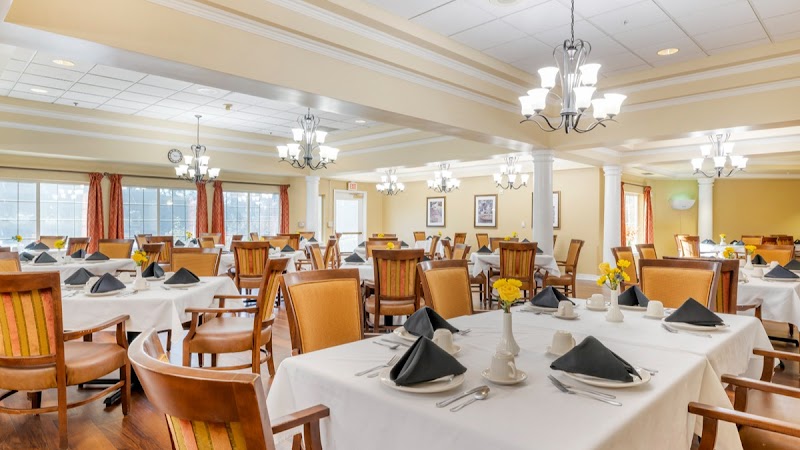
How is Brookdale Riverwalk Snf (Ca) Staffed?

CMS rates BROOKDALE RIVERWALK SNF (CA)'s staffing level at 4 out of 5 stars, which is above average compared to other nursing homes. Staff turnover is 51%, compared to the California average of 46%.

What Have Inspectors Found at Brookdale Riverwalk Snf (Ca)?

State health inspectors documented 69 deficiencies at BROOKDALE RIVERWALK SNF (CA) during 2019 to 2025. These included: 1 that caused actual resident harm and 68 with potential for harm. Deficiencies causing actual harm indicate documented cases where residents experienced negative health consequences.

Who Owns and Operates Brookdale Riverwalk Snf (Ca)?

BROOKDALE RIVERWALK SNF (CA) is owned by a for-profit company. For-profit facilities operate as businesses with obligations to shareholders or private owners. The facility is operated by BROOKDALE SENIOR LIVING, a chain that manages multiple nursing homes. With 120 certified beds and approximately 113 residents (about 94% occupancy), it is a mid-sized facility located in BAKERSFIELD, California.
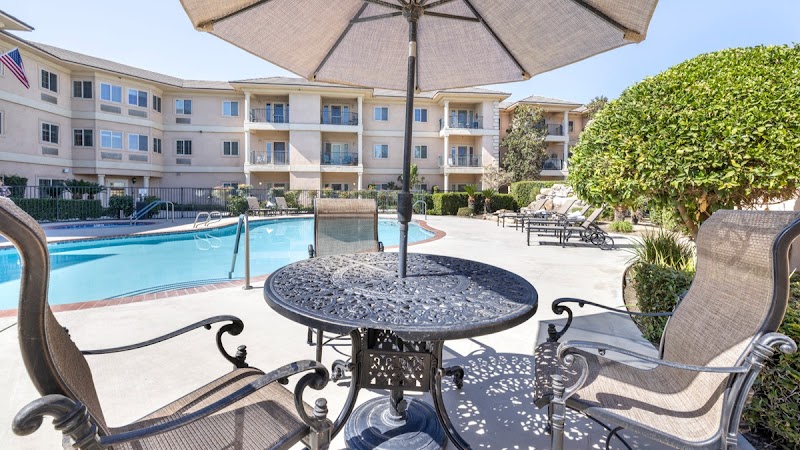
How Does Brookdale Riverwalk Snf (Ca) Compare to Other California Nursing Homes?

Compared to the 100 nursing homes in California, BROOKDALE RIVERWALK SNF (CA)'s overall rating (2 stars) is below the state average of 3.1, staff turnover (51%) is near the state average of 46%, and health inspection rating (2 stars) is below the national benchmark.

What Should Families Ask When Visiting Brookdale Riverwalk Snf (Ca)?

Based on this facility's data, families visiting should ask: "Can I visit during a mealtime to observe dining assistance and food quality?" "How do you handle medical emergencies, and what is your hospital transfer rate?" "Can I speak with family members of current residents about their experience?"

Is Brookdale Riverwalk Snf (Ca) Safe?

Based on CMS inspection data, BROOKDALE RIVERWALK SNF (CA) has a clean safety record: no substantiated abuse findings (meaning no confirmed cases of resident harm), no Immediate Jeopardy citations (the most serious violation level indicating risk of serious injury or death), and is not on the Special Focus Facility watch list (a federal program monitoring the lowest-performing 1% of nursing homes). The facility has a 2-star overall rating and ranks #100 of 100 nursing homes in California. While no facility is perfect, families should still ask about staff-to-resident ratios and recent inspection results during their visit.

Do Nurses at Brookdale Riverwalk Snf (Ca) Stick Around?

BROOKDALE RIVERWALK SNF (CA) has a staff turnover rate of 51%, which is 5 percentage points above the California average of 46%. Moderate turnover is common in nursing homes, but families should still ask about staff tenure and how the facility maintains care continuity when employees leave.

Was Brookdale Riverwalk Snf (Ca) Ever Fined?

BROOKDALE RIVERWALK SNF (CA) has no federal fines on record. CMS issues fines when nursing homes fail to meet care standards or don't correct problems found during inspections. The absence of fines suggests the facility has either maintained compliance or corrected any issues before penalties were assessed. This is a positive indicator, though families should still review recent inspection reports for the full picture.

Is Brookdale Riverwalk Snf (Ca) on Any Federal Watch List?

BROOKDALE RIVERWALK SNF (CA) is not on any federal watch list. The most significant is the Special Focus Facility (SFF) program, which identifies the bottom 1% of nursing homes nationally based on persistent, serious quality problems. Not being on this list means the facility has avoided the pattern of deficiencies that triggers enhanced federal oversight. This is a positive indicator, though families should still review the facility's inspection history directly.