HEIGHT STREET SKILLED CARE
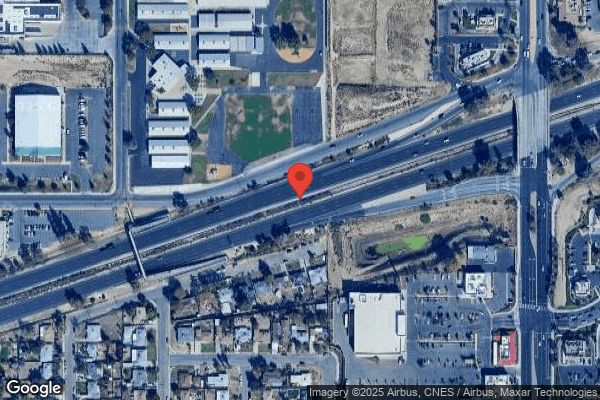

1611 HEIGHT STREET, BAKERSFIELD, CA 93305 (661) 748-1300
For profit - Limited Liability company 99 Beds Independent Data: November 2025
Trust Grade
25/100
#1036 of 1155 in CA
Last Inspection: June 2025

Inspected within the last 6 months. Data reflects current conditions.

Overview

Height Street Skilled Care in Bakersfield, California has received a Trust Grade of F, indicating significant concerns and placing it among the lowest-rated facilities in the state. With a state rank of #1036 out of 1155, and #11 out of 17 in Kern County, it is in the bottom half of nursing homes locally and statewide. Unfortunately, the facility's trend is worsening, with reported issues increasing from 12 in 2024 to 42 in 2025. Staffing here is a relative strength, with a 4 out of 5 star rating and a turnover rate of 35%, which is below the state average. However, serious incidents have been noted, such as a resident falling and fracturing a bone due to the lack of supervision during transfers, and failures in accurately documenting physical therapy needs, leading to worsening conditions for residents. Overall, while staffing levels are decent, the facility has significant deficits in care and oversight that families should consider.

Trust Score
F
25/100
In California
#1036/1155
Bottom 11%
Safety Record
High Risk
Review needed
Inspections
Getting Worse
12 → 42 violations
Staff Stability
○ Average
35% turnover. Near California's 48% average. Typical for the industry.
Penalties
✓ Good
No fines on record. Clean compliance history, better than most California facilities.
Skilled Nurses
⚠ Watch
Each resident gets only 28 minutes of Registered Nurse (RN) attention daily — below average for California. Fewer RN minutes means fewer trained eyes watching for problems.
Violations
⚠ Watch
65 deficiencies on record. Higher than average. Multiple issues found across inspections.
★☆☆☆☆
1.0
Overall Rating
★★★★☆
4.0
Staff Levels
★★☆☆☆
2.0
Care Quality
★☆☆☆☆
1.0
Inspection Score
Stable
2024: 12 issues
2025: 42 issues

The Good

  • 4-Star Staffing Rating · Above-average nurse staffing levels
  • Full Sprinkler Coverage · Fire safety systems throughout facility
  • No fines on record
  • Staff turnover below average (35%)

    13 points below California average of 48%

Facility shows strength in staffing levels, fire safety.

The Bad

1-Star Overall Rating

Below California average (3.1)

Significant quality concerns identified by CMS

Staff Turnover: 35%

11pts below California avg (46%)

Typical for the industry

The Ugly 65 deficiencies on record

3 actual harm
Sept 2025 4 deficiencies
CONCERN (D) 📢 Someone Reported This

A family member, employee, or ombudsman was alarmed enough to file a formal complaint

Potential for Harm - no one hurt, but risky conditions existed

Deficiency F0655 (Tag F0655)

Could have caused harm · This affected 1 resident

**NOTE- TERMS IN BRACKETS HAVE BEEN EDITED TO PROTECT CONFIDENTIALITY** Based on interview and record review, the facility failed to timely develop a baseline care plan with fall prevention interventi...

Read full inspector narrative →
**NOTE- TERMS IN BRACKETS HAVE BEEN EDITED TO PROTECT CONFIDENTIALITY** Based on interview and record review, the facility failed to timely develop a baseline care plan with fall prevention interventions for two of three residents (Resident 1 and Resident 4) who were high risk for falls. This failure had the potential to place Resident 1 and Resident 4 at risk for falls and injury.Findings:During a review of Resident 1s admission Record (AD), undated, the AD indicated, Resident 4 was admitted on [DATE] with diagnoses including muscle weakness and abnormalities of gait and mobility.During a review of Resident 1's Assessment Outcomes Record (AOR), dated [DATE], the AOR indicated, Resident 1's fall risk assessment score of 60 (scores of 45 or higher indicate high fall risk).During a review of Resident 1's Care Plan Report (CPR), undated, the CRP indicated a fall prevention care plan was first created for Resident 1 on [DATE], 26 days after his admission.During a review of Resident 4's AD, undated, the AD indicated, Resident 4 was admitted on [DATE] and had diagnoses including Alzheimer's disease (memory loss), muscle weakness, and abnormalities of gait and mobility.During a review of Resident 4's AOR, dated [DATE], the AOR indicated, Resident 4 had a fall risk assessment score of 50 (scores of 45 or higher indicate high fall risk).During a review of Resident 4's CPR, undated, the CRP indicated, a fall prevention care plan was first created for Resident 4 on [DATE], seven days after admission.During a concurrent interview and record review on [DATE] at 1:55 p.m. with the Director of Nursing (DON), DON stated Resident 1 and Resident 4 were assessed to be at a high risk for falls upon admission but no baseline care plan with fall prevention interventions was developed for them. DON stated a fall prevention care plan was first created for Resident 1 on [DATE], 26 days after admission, and for Resident 4 on [DATE], seven days after admission. DON stated baseline care plans addressing residents' needs should be created within 72 hours of admission.During a review of the facility's policy and procedure (P&P) titled, Care Planning, dated the [DATE], the P&P indicated, The Facility will develop a person-centered Baseline Care Plan for each resident within 48 hours of admission.During a review of the facility's policy and procedure (P&P) titled, Fall Management Program, dated the [DATE], the P&P indicated, The Nursing Staff will develop a plan of care specific to the resident's needs with interventions to reduce the risk of fall.
CONCERN (D) 📢 Someone Reported This

A family member, employee, or ombudsman was alarmed enough to file a formal complaint

Potential for Harm - no one hurt, but risky conditions existed

Accident Prevention (Tag F0689)

Could have caused harm · This affected 1 resident

**NOTE- TERMS IN BRACKETS HAVE BEEN EDITED TO PROTECT CONFIDENTIALITY** Based on observation, interview and record review, the facility failed to implement the fall prevention intervention of keeping ...

Read full inspector narrative →
**NOTE- TERMS IN BRACKETS HAVE BEEN EDITED TO PROTECT CONFIDENTIALITY** Based on observation, interview and record review, the facility failed to implement the fall prevention intervention of keeping the bed in the low position for one of three residents (Resident 4) who was high risk for falls. This failure had the potential to place Resident 4 at the risk for falls and injury.Findings:During a review of Resident 4's admission Record (AD), undated, the AD indicated, Resident 4 was admitted on [DATE] and had diagnoses including Alzheimer's disease (memory loss), muscle weakness, abnormalities of gait and mobility and pain.During a review of Resident 4's Assessment Outcomes Record (AOR), dated [DATE], the AOR indicated, Resident 4 had a fall risk assessment score of 50 (scores of 45 or higher indicate high fall risk).During a review of Resident 4's Care Plan Report (CPR), dated [DATE], the CRP indicated, The resident needs a safe environment with. the bed in the low position.During a concurrent observation and interview on [DATE] at 10:15 a.m. in Resident 4's room, with Family Member (FM) 4, Resident 4 was lying in bed on a low bed (a specialty bed that lowers close to the floor with the purpose of mitigating the risk of injury in case of a fall from the bed and is used for residents at risk for falls). During a concurrent interview, FM 4 stated he was concerned about Resident 4 falling from the bed because Resident 4 attempted to get out of bed unassisted. Resident 4's bed was not in the low position, at the height of a regular bed.During a concurrent observation and interview on [DATE] at 10:16 a.m. with Licensed Nurse (LN) C stated Resident 4's bed was not at the low position. LN C then lowered Resident 4's bed at least one foot closer to the floor. LN C stated Resident 4 was at risk for falls and his bed should always be kept in the low position.During an interview on [DATE] at 1:55 p.m. with the Director of Nursing (DON), DON stated Resident 4's bed should be kept at the low position according to his fall prevention care plan.During a review of the facility's policy and procedure (P&P) titled, Fall Management Program, dated the [DATE], the P&P indicated, Universal Fall Prevention Measures for all Residents.place bed in lowest position.
CONCERN (D) 📢 Someone Reported This

A family member, employee, or ombudsman was alarmed enough to file a formal complaint

Potential for Harm - no one hurt, but risky conditions existed

Deficiency F0697 (Tag F0697)

Could have caused harm · This affected 1 resident

**NOTE- TERMS IN BRACKETS HAVE BEEN EDITED TO PROTECT CONFIDENTIALITY** Based on observation, interview and record review, the facility failed to manage the pain of one of three residents (Resident 4)...

Read full inspector narrative →
**NOTE- TERMS IN BRACKETS HAVE BEEN EDITED TO PROTECT CONFIDENTIALITY** Based on observation, interview and record review, the facility failed to manage the pain of one of three residents (Resident 4) when Resident 4 reported pain to Certified Nursing Assistant (CNA) A and CNA B but did not inform the Licensed Nurse (LN) C. This failure had the potential for Resident 4 suffering in pain.Findings:During a review of Resident 4's admission Record (AD), undated, the AD indicated Resident 4 was admitted on [DATE] and had diagnoses including Alzheimer's disease (memory loss), muscle weakness, abnormalities of gait and mobility, and pain.During a concurrent observation and interview on 9/3/25 at 10:15 a.m. in Resident 4's room, Resident 4 was lying in bed with Family Member (FM) 4 at bedside. FM 4 stated Resident 4 had dementia (memory loss) but was able make needs known.During an observation on 9/3/25 at 11:40 a.m. in Resident 4's room, CNA A and CNA B were providing care to Resident 4. During care, Resident 4 reported to CNA A and CNA B that he had pain in his arms. CNA A and CNA B left the room, and there was no pain relief interventions were provided to Resident 4.During a concurrent observation and interview on 9/3/25 at 12:20 p.m. (40 minutes later) with LN C in the hallway in front of Resident 4's room, LN C stated she was Resident 4's nurse and that no one had informed her Resident 4 had pain. LN C went to Resident 4's room and asked Resident 4 if he was in pain. Resident 4 reported pain in his arms rated level five (on zero to 10 scale where zero is no pain and 10 is the worst pain).During an interview on 9/3/25 at 1:55 p.m. with the Director of Nursing (DON), DON stated CNAs should immediately inform the resident's LN whenever a resident reports pain. DON stated the LN should then immediately assess the resident for pain and provide appropriate pain interventions.During a review of the facility's policy and procedure (P&P) titled, Pain Management, dated the June 1, 2017, the P&P indicated, Facility staff is responsible for helping the resident attain or maintain their highest level of well-being while working to prevent or manage the resident's pain.
CONCERN (E) 📢 Someone Reported This

A family member, employee, or ombudsman was alarmed enough to file a formal complaint

Potential for Harm - no one hurt, but risky conditions existed

Safe Environment (Tag F0584)

Could have caused harm · This affected multiple residents

**NOTE- TERMS IN BRACKETS HAVE BEEN EDITED TO PROTECT CONFIDENTIALITY** Based on observation, interview and record review, the facility failed to provide a sanitary environment for two of three reside...

Read full inspector narrative →
**NOTE- TERMS IN BRACKETS HAVE BEEN EDITED TO PROTECT CONFIDENTIALITY** Based on observation, interview and record review, the facility failed to provide a sanitary environment for two of three residents (Resident 1 and Resident 2) when:Resident 1's bathroom had a foul smell. The bathroom tiles in three of four shower rooms used by Resident 2 and other residents were not cleaned.These failures had the potential for unpleasant experience for Resident 1 and Resident 2.Findings:1. During a concurrent observation and interview on 9/3/25 at 10:40 a.m. with Resident 1 in his room, Resident 1 was in his bed facing the bathroom. Resident 1 stated the bathroom had a strong foul and unpleasant smell. The bathroom smelled of urine and bleach like smell.During a concurrent observation and interview on 9/3/25 at 10:55 a.m. with Housekeeping Staff (HS), HS entered Resident 1's bathroom and stated the smell was not pleasant. HS stated another resident used to urinate on the floor in that bathroom and housekeeping was having a difficult time removing the urine odor.2. During an interview on 9/3/25 at 11:10 a.m. with Resident 2 in her room, Resident 2 stated the shower rooms were soiled (not cleaned) and stated had disgusted her.During a concurrent observation and interview on 9/3/25 at 11:15 a.m. with Housekeeping Supervisor (HSUP), HSUP stated there were four resident shower rooms in the facility. The tiles in Shower room [ROOM NUMBER], Shower room [ROOM NUMBER], and Shower room [ROOM NUMBER] had dark stains. HSUP stated the dark stains were buildup from steam, and that staff should wash the tiles and remove them.During a review of the facility's policy and procedure (P&P) titled, Housekeeping - General, dated the August 16, 2023, the P&P indicated, All room of the Facility are kept clean and as free as possible of germs and other contaminating agents at all times, while maintaining a pleasant and homelike atmosphere for our residents.
Aug 2025 1 deficiency
CONCERN (D) 📢 Someone Reported This

A family member, employee, or ombudsman was alarmed enough to file a formal complaint

Potential for Harm - no one hurt, but risky conditions existed

Deficiency F0558 (Tag F0558)

Could have caused harm · This affected 1 resident

Based on interview and record review, the facility failed to answer the call light timely for two of three sampled residents (Resident 1 and Resident 2). This failure had the potential for delay in ca...

Read full inspector narrative →
Based on interview and record review, the facility failed to answer the call light timely for two of three sampled residents (Resident 1 and Resident 2). This failure had the potential for delay in care and needs not addressed promptly.Findings:During a review of Resident 1's Order Summary Report (OSR), dated 8/29/25, the OSR indicated Resident 1 had diagnoses of Hemiplegia and Hemiparesis (complete loss of muscle function) affecting left non-dominant side (weaker side of the body), Muscle Weakness, other abnormalities of gait (manner of walking) and mobility.During an interview on 8/28/25 at 1:20 p.m. with Resident 1, Resident 1 stated the night nurses were not supportive, they (night staff) didn't answer the call light. Resident 1 stated he felt ridiculed and helpless because the nurse had taken hours to answer his call light. Resident 1 stated he wanted his brief to be changed.During a review of Resident 1's BIMS (Brief Interview for Mental Status- cognitive assessment tool used to evaluate a resident's mental status), dated 7/25/25, the BIMS indicated Summary Score of 15 (score of 13-15 means cognitively intact).During a review of Resident 1's Care Plan (CP), dated 8/6/28, the CP indicated Resident 1 had functional bowel and bladder incontinence [inability to control bladder and rectum] related to current medical diagnoses. Clean peri-area with each continence episode. The CP indicated, ADL (Activities of Daily Living such as bathing, toileting) self-care performance deficit (a person's inability to perform basic self-care tasks) related to Activity intolerance, Hemiplegia, Impaired balance, Limited Mobility.During an interview on 8/28/25 at 1:31 p.m. with Resident 2, Resident 2 stated it took a long time for staff to answer the call light. Resident 2 stated it would take 45 minutes at night when she asked for water.During a review of Resident 2's BIMS dated 8/27/25, the BIMS indicated Summary Score of 15.During an interview on 9/17/25 at 2:58 p.m. with Director of Nursing (DON), DON stated a 45-minute, or an hour wait was not an acceptable waiting time for a call light to be answered when residents were needing a change of briefs or when asking for water.During a review of the facility's P&P titled, Communication - Call System, dated 10/24/22, the P&P indicated, Nursing staff will answer call bells promptly, in a courteous manner. When answering a request, nursing staff will return to resident with the item or reply promptly.
Aug 2025 2 deficiencies
CONCERN (D) 📢 Someone Reported This

A family member, employee, or ombudsman was alarmed enough to file a formal complaint

Potential for Harm - no one hurt, but risky conditions existed

Comprehensive Care Plan (Tag F0656)

Could have caused harm · This affected 1 resident

Based on observation, interview, and record review, the facility failed to implement the care plan (is a comprehensive, personalized document that outlines the specific needs of an individual requirin...

Read full inspector narrative →
Based on observation, interview, and record review, the facility failed to implement the care plan (is a comprehensive, personalized document that outlines the specific needs of an individual requiring care, detailing the type of support, how it will be provided, and the goals of the care) for two of three sampled residents (Resident 1 and Resident 2) when: 1.Resident 1 was not repositioned every two hours. This failure had the potential for Resident 1 to develop pressure injury (localized damage to the skin and underlying soft tissue usually over a bony prominence). 2.Resident 2 was not supervised during a meal. This failure had the potential for Resident 2 not to consume the proper nutrition and had the potential for choking. Findings: 1.During a review of Resident 1's Care Plan (CP), dated 6/28/25, the CP indicated, [Resident 1] has altered skin integrity related to pressure injury/wound (localized damage to the skin and underlying soft tissue usually over a bony prominence) Contributory factors: admitted with pressure injury Re-opened pressure injury to sacrococcyx [end of spine, tailbone-two set of bone that form the tailbone] extending to left and right buttock, turn and reposition every 2 hours and PRN (as needed).During an observation on 7/21/25 at 10:46 a.m. at the nurses' station 1, Resident 1 was observed in his wheelchair sitting flat on his buttocks at a 45-degree angle (position of resident lies on the back with pressure is concentrated on the buttocks because the resident's weight is shifted onto their tailbone and buttock regions).During a concurrent observation and interview, on 7/21/25 at 1:32 p.m. in Resident 1's room, with Certified Nursing Assistant (CNA) 2, Resident 1 was observed sitting flat on his buttocks in his wheelchair at a 45-degree angle. CNA 2 stated Resident 1 had previously had a pressure injury and had to be repositioned every two hours. CNA 2 stated she has had Resident 1 since 11a.m. CNA 2 stated Resident 1 was still in the same position sitting in wheelchair.During a review of Resident 1's Minimum Data Set (MDS-comprehensive assessment tool), dated 5/29/25, the MDS indicated Resident 1 is dependent (staff does all the effort) with transfers and mobility. During a concurrent interview and record review, on 7/21/25 at 2:37 p.m. with Director of Nursing (DON). Resident 1's CP dated 6/28/25, was reviewed. DON stated Resident 1 had a history of pressure injury and the CP indicated Resident 1 was to be turned and reposition every two hours. 2. During a review of Resident 2's CP dated 6/15/25, the CP indicated, Nutritional Problems, [Resident 2] required supervision and assistance with all meals. During a review of Resident 2's CP dated 1/23/25, the CP indicated, [Resident 2] has behavior of feeding other resident's [sic], Assign a staff member to be present during mealtimes to offer redirection if the patient attempts to feed others.During an observation on 7/21/25 at 12:21p.m. in Resident 2 and Resident 3's room, Resident 3 was sitting up on bed eating, with meal tray at her bedside table. Resident 2 was sitting on the side of her bed eating her meal, there were no staff were present in the room to monitor Resident 2.During a concurrent observation and interview, on 7/21/25 at 12:42 p.m. in Resident 2's room with CNA 1, Resident 2 was eating by herself in her room. CNA 1 stated Resident 2 needed encouragement and cues to focus on eating. CNA 1 stated there were no staff present in Resident 2 and Resident 3's room, and Resident 2 still had her meal tray on her bedside table and was still eating her meal. CNA 1 stated she was not sure if Resident 2 was supervised for her meal. CNA 1 stated usually the CNA on the floor should help. During an interview on 7/21/25 at 2:12 p.m. with DON, DON stated Resident 2 likes to feed people and for residents with swallowing problems, this could be a safety issue.During a review of the facility's Policy and Procedure (P&P) titled, Care Planning, dated 10/24/22, the P&P indicated, II. The Care Plan serves as a course of action where the resident (resident's family and or guardian or other legally authorized representative). Resident's Attending Physician, and IDT (Interdisciplinary Team- team of healthcare professionals with various areas of expertise who work together to improve patient safety and outcomes) work to help the resident move toward resident -specific goals that address the resident's medical, nursing, mental and psychosocial needs. IX. Each resident Comprehensive Care Plan will describe the following: A. Service that are to be furnished to attain or maintain the resident's highest practicable physical, mental and psychosocial well-being.
CONCERN (D) 📢 Someone Reported This

A family member, employee, or ombudsman was alarmed enough to file a formal complaint

Potential for Harm - no one hurt, but risky conditions existed

Deficiency F0658 (Tag F0658)

Could have caused harm · This affected 1 resident

Based on interview and record review, the facility failed to notify the physician of a change in condition and administer medication according to the physician's order for one of three sampled residen...

Read full inspector narrative →
Based on interview and record review, the facility failed to notify the physician of a change in condition and administer medication according to the physician's order for one of three sampled residents (Resident 1) when Resident 1 was having continuous loose stools/diarrhea. This failure had the potential for Resident 1 losing three lbs. (pounds-weight measurement) weight in one week and potential for adverse health outcomes.Findings:During a review of Resident 1's Plan of Care (PC-is a comprehensive, personalized document that outlines the specific needs of an individual requiring care, detailing the type of support, how it will be provided, and the goals of the care), dated 6/13/25, the PC indicated, [Resident1] has dehydration or potential fluid deficit r/t (related to) new GT (gastrostomy tube feeding- where nutrition and/or fluids are delivered directly into the stomach through a tube inserted into the abdomen) feeding and GI infection (gastrointestinal infection - is an inflammation or irritation of the digestive tract, often caused by bacteria, viruses, or parasites. Administer medications as ordered. Monitor/document for side effects and effectiveness. Notify physician if persistent symptoms of diarrhea, nausea/vomiting unresolved past 48 hours.During a review of Resident 1's PC dated 6/30/25, the PC indicated, The resident [1] has diarrhea r/t [related to] x [times] 4 loose stools with foul odor. Intervention: Give anti -diarrheal medications as ordered. Monitor intake and output.During a review of Resident 1's Medication Administration Record (MAR),dated June 2025, the MAR indicated, Imodium A-D Oral Tablet 2 MG (Milligram- unit of measure) . Give 2 mg via G-Tube every 6 hours as needed for loose stools -Start Date- 06/30/2025 2100 [9 p.m.]-D/C [discontinued] Date- 07/1/2025 1023 [10:23 a.m.] The MAR indicated there was no Imodium administered on 6/30/25.During a review of Resident 1's Documentation Survey Report (DSR), dated July 2025, the DSR indicated the following:On 7/1/25 for the day shift, Resident 1 had a medium loose/diarrhea stool.On 7/1/25 for the evening shift, Resident 1 had a large loose/diarrhea stool.On 7/1/25 for the night shift, Resident 1 had a medium loose/diarrhea stool.On 7/2/25 for the evening shift, Resident 1 had a medium loose/diarrhea stool.On 7/2/25 for the evening shift, Resident 1 had a medium loose/diarrhea stool.On 7/2/25 for the night shift, Resident 1 had a large loose/diarrhea stool.On 7/3/25 for the night shift, Resident 1 had a large loose/diarrhea stool.On 7/4/25 for the evening shift, Resident 1 had a large loose/diarrhea stool.On 7/5/25 for the day shift, Resident 1 had a large sized loose/diarrhea stool.On 7/5/25 for the evening shift, Resident 1 had a large loose/diarrhea stool.On 7/5/25 for the night shift, Resident 1 had a large loose/diarrhea stool.On 7/6/25 for the evening shift, Resident 1 had a large loose/diarrhea stool.On 7/7/25 for the evening shift, Resident 1 had a large loose/diarrhea stool.On 7/7/25 for the evening shift, Resident 1 had a large loose/diarrhea stool.On 7/7/25 for the evening shift, Resident 1 had a large loose/diarrhea stool.On 7/8/25 for the evening shift, Resident 1 had a large loose/diarrhea stool.On 7/8/25 for the night shift, Resident 1 had a large loose/diarrhea stool.On 7/8/25 for the night shift, Resident 1 had a small loose/diarrhea stool.On 7/10/25 for the evening shift, Resident 1 had a large loose/diarrhea stool.On 7/10/25 for the evening shift, Resident 1 had a medium loose/diarrhea stool.On 7/11/25 for the day shift, Resident 1 had a medium loose/diarrhea stool.On 7/12/25 for the day shift, Resident 1 had a large loose/diarrhea stool.On 7/12/25 for the evening shift, Resident 1 had a large loose/diarrhea stool.On 7/12/25 for the night shift, Resident 1 had a large loose/diarrhea stool.On 7/13/25 for the night shift, Resident 1 had a large loose/diarrhea stool.On 7/14/25 for the evening shift, Resident 1 had a large loose/diarrhea stool.On 7/14/25 for the night shift, Resident 1 had a large loose/diarrhea stool.On 7/16/25 for the night shift, Resident 1 had a small loose/diarrhea stool. On 7/17/25 for the evening shift, Resident 1 had a large loose/diarrhea stool.On 7/17/25 for the evening shift, the DRS indicated Resident 1 had a medium loose/diarrhea stool.On 7/17/25 for the night shift, the DRS indicated Resident 1 had a large loose/diarrhea stool.On 7/18/25 for the evening shift, Resident 1 had a large loose/diarrhea stool.On 7/18/25 for the night shift, Resident 1 had a large loose/diarrhea stool.On 7/19/25 for the evening shift, Resident 1 had a medium loose/diarrhea stool.On 7/19/25 for the night shift, Resident 1 had a large loose/diarrhea stool.On 7/20/25 for the day shift, Resident 1 had a small loose/diarrhea stool.On 7/20/25 for the evening shift, Resident 1 had a large loose/diarrhea stool.During a review of Resident 1's Weight Summary (WS), dated July of 2025, the WS indicated Resident 1 weighted 135 pounds on 7/1/25 and 132 pounds on 7/8/25 (three pound weight loss in one week).During a review of Resident 1's Change of Condition (COC), dated 7/9/25, the COC indicated, On g-tube feeding, frequently has diarrhea . Resident has lost 3 lbs a weekDuring a review of Resident 1's PC dated 7/9/25, the PC indicated, (Resident 1) has weight loss of 3 lbs in one week. During an interview on 8/6/25 at 11:44 a.m. with Licensed Vocational Nurse (LVN) 1, LVN 1 stated after a change of condition the facility monitors the resident for three days but if the symptoms do not improve, she calls the physician and communicates the situation, follows up on orders, and continues to monitor. During a concurrent interview and record review, on 8/6/25 at 11:52 a.m. with Director of Nursing (DON), Resident 1's COC, dated 6/30/25. DON stated Resident 1 had diarrhea and the physician ordered Imodium every 6 hours as needed for loose stool on 6/30/25. Resident 1's DSR, dated July 2025, was reviewed. DON stated Resident 1 had 18 loose stools between 7/1/25 and 7/9/25. Resident 1's MAR, dated July 2025 was reviewed. DON stated Imodium was not given according to physician's order. Resident 1's COC, dated 7/9/25, was reviewed. DON stated Resident 1 had a 3-pound weight loss in one week. DON stated she sees a correlation between Resident 1's weight loss and Resident 1's loose stools/diarrhea. Resident 1's medical record was reviewed. DON stated there was no physician notification regarding Resident 1's continued loose stool/diarrhea. DON stated, I am not sure if the nurses were not documenting the PRN antidiarrhea and if so, they should have notified the physician if the medication was ineffective.During a review of the facility's policy and procedure (P&P) titled Nutrition & Weight Variance Committee, revised 6/1/17, the P&P indicated, To ensure that each resident maintains acceptable parameters of weight and nutritional status, such as body weight . To ensure that a resident receives a therapeutic diet when there is a nutritional problem. II. Prior to each meeting, the Director of Nursing Services or designee will compile a list of residents who are at risk for, or in need of, weight change. Residents that meet the following criteria may be included on the list for discussion: . B. 2% weight change in 1 week . V. Objectives of the Nutrition &Weight Variance Committee may include, but not limited to: A. Identifying medical or pharmacological conditions, which may be affecting weight changes for the identified residents.
Jul 2025 2 deficiencies
CONCERN (D) 📢 Someone Reported This

A family member, employee, or ombudsman was alarmed enough to file a formal complaint

Potential for Harm - no one hurt, but risky conditions existed

Safe Environment (Tag F0584)

Could have caused harm · This affected 1 resident

**NOTE- TERMS IN BRACKETS HAVE BEEN EDITED TO PROTECT CONFIDENTIALITY** Based on interview and record review, the facility failed to ensure two of six sampled residents (Resident 2 ad Resident 3) were...

Read full inspector narrative →
**NOTE- TERMS IN BRACKETS HAVE BEEN EDITED TO PROTECT CONFIDENTIALITY** Based on interview and record review, the facility failed to ensure two of six sampled residents (Resident 2 ad Resident 3) were treated with respect and dignity when Certified Nursing Assistants (CNA 1) entered Resident 2 and Resident 3's room singing at 4 a.m. This failure resulted in Resident 2 and Resident 3 being woken up and not to be treated with dignity and respect.Findings:During a review of Resident 2's Minimum Data Set, (MDS - an assessment tool) dated 6/11/25, the MDS indicated, Resident 1' s BIMS (Brief Interview for Mental Status-standardized assessment tool used to evaluate the mental processes that allow individuals to think, learn, and remember) score was 14 (13 to 15 points indicated the resident had cognitive intactness). During a review of Resident 3's Minimum Data Set, dated [DATE], the MDS indicated, Resident 3's BIMS score was 15. During a concurrent interview on 7/30/25 at 12:29 p.m. with Resident 2 and Resident 3, Resident 2 stated a female CNA comes in at 4 in the morning singing [NAME] Mary's! Resident 3 stated the female CNA come in here waking us up with her loud chanting in African at 4 in the morning. During an interview on 7/30/25 at 1:32 p.m. with Director of Staff Development (DSD), DSD stated he has had complaints on CNA 1, complaints about her dancing and singing and praying. DSD stated he told CNA 1 not do it, but CNA 1 stated she was happy, and she likes to sing. DSD stated facility staff should respect the residents. During a review of the facility's policy and procedure (P&P) titled, Resident Rights, revised 10/1/17, the P&P indicated, To promote and protect the rights of all residents at the Facility. Policy All resident have a right to a dignified existence, self-determination, .The Facility must treat each resident with respect and dignity and care for each resident in a manner and in an environment, that promotes maintenance or enhancement of his or her quality of life, .Employees are to treat all residents with kindness, respect, and dignity and honor the exercise of residents' rights.
CONCERN (E) 📢 Someone Reported This

A family member, employee, or ombudsman was alarmed enough to file a formal complaint

Potential for Harm - no one hurt, but risky conditions existed

Deficiency F0558 (Tag F0558)

Could have caused harm · This affected multiple residents

**NOTE- TERMS IN BRACKETS HAVE BEEN EDITED TO PROTECT CONFIDENTIALITY** Based on observation, interview, and record review, the facility failed to ensure call lights were answered timely for three of ...

Read full inspector narrative →
**NOTE- TERMS IN BRACKETS HAVE BEEN EDITED TO PROTECT CONFIDENTIALITY** Based on observation, interview, and record review, the facility failed to ensure call lights were answered timely for three of six sampled residents (Resident 1, Resident 2, and Resident 3). This failure had to potential to negatively impact Resident 1, Resident 2, and Resident 3, physical and psychosocial health.Findings:During a review of Resident 1's Minimum Data Set, (MDS - an assessment tool) dated 7/18/25, the MDS indicated, Resident 1' s BIMS (Brief Interview for Mental Status-standardized assessment tool used to evaluate the mental processes that allow individuals to think, learn, and remember) score was 13 (13 to 15 points indicated the resident had cognitive intactness).During a concurrent observation and interview, on 7/30/25 at 12:01 p.m. with Resident 1, Resident 1 stated the best call light wait time was five minutes and the worst was 45 minutes. Resident 1 stated some staff will just walk by and not look at her. Resident 1 stated she calculates the wait time by looking at the clock observed across the room from her bed. Resident 1 stated she used the call light for brief changes, assistance with turning and repositioning. Resident 1 stated, I have a bed sore (pressure injury- is localized damage to the skin and underlying soft tissue usually over a bony prominence) when I wet myself and when I need to be turned. The wait makes me feel a little anxious and not too good. Resident 1 stated she was told when she gets wet it could cause her bed sore to get worse.During a review of Resident 2's Minimum Data Set, dated [DATE], the MDS indicated, Resident 2's BIMS score was 14. During a review of Resident 3's Minimum Data Set, dated [DATE], the MDS indicated, Resident 3's BIMS score was 15. During a concurrent interview and observation, on 7/30/25 at 12:29 p.m. with Resident 2 and Resident 3, both Resident 2 and Resident 3 stated the call light can take 20 minutes to 2 hours to be answered. Resident 2 and Resident 3 stated they calculate the wait time by looking at the clock observed on the wall across from their beds. Resident 2 stated he uses the call light for brief changes and water. Resident 2 stated the wait time makes him angry. Resident 3 stated he uses call light for brief changes and ice water. Resident 3 stated, The wait makes me feel pissed last night I called the copsDuring a review of the facility's policy and procedure (P&P) titled, Communication - Call System, revised 10/24/22, the P&P indicated, To provide a mechanism for residents to promptly communicate with nursing staff. III. Nursing staff will answer call bells promptly, in a courteous manner.
Jul 2025 1 deficiency
CONCERN (D) 📢 Someone Reported This

A family member, employee, or ombudsman was alarmed enough to file a formal complaint

Potential for Harm - no one hurt, but risky conditions existed

Deficiency F0692 (Tag F0692)

Could have caused harm · This affected 1 resident

Based on interview and record review, the facility failed to follow their policy and procedure (P&P) on Assessment and Management of Resident Weights for one of five sampled residents (Resident 1) whe...

Read full inspector narrative →
Based on interview and record review, the facility failed to follow their policy and procedure (P&P) on Assessment and Management of Resident Weights for one of five sampled residents (Resident 1) when the registered dietitian (RD)'s recommendations were not communicated to the physician. This failure had the potential to result in Resident 1's weight loss.Findings:During a review of Resident 1's admission Record (AR), dated 7/15/25, the AR indicated, Diagnosis. MILD PROTEIN-CALORIE MALNUTRITION (body has insufficient protein and energy to meet its basic needs).During a review of Resident 1's Weights and Vitals Summary (WVS), dated 7/15/25, the WVS indicated, Resident 1 weighed 126 lbs (pounds - unit of mass) on 6/24/25 and 119 lbs on 7/4/25 (lost seven lbs).During a review of Resident 1's Order Summary Report (OSR), dated 5/27/25, the OSR indicated, Resident 1's diet was no added salt.During a review of Resident 1's OSR, dated 6/11/25, the OSR indicated, Boost (nutritional supplement) . two times a day for Supplement.During a concurrent interview and record review on 7/15/25 at 3:10 p.m. with Director of Nursing (DON), Resident 1's Nutrition note (NN), dated 6/20/25 was reviewed. The NN indicated, the RD recommended liberalizing (tailored to a person's preferences and needs) Resident 1's diet and discontinuing no added salt diet. DON stated she was unable to find documentation the RD's recommendation to liberalize Resident 1's diet was carried out. DON stated any recommendations from the RD were supposed to be communicated to the physician for approval.During a concurrent interview and record review on 7/15/25 at 3:39 p.m. with Assistant Director of Nursing (ADON), Resident 1's NN, dated 6/26/25 was reviewed. The NN indicated, the RD recommended increasing the frequency of Boost from twice a day to three times a day. ADON stated the RD's recommendation to increase Boost was not carried out.During a concurrent interview and record review on 7/15/25 at 4:37 p.m. with DON, the facility's P&P titled, Assessment and Management of Resident Weights, dated June 2017 was reviewed. The P&P indicated, The licensed nurse will notify the physician of the dietitian's recommendations and notify the family/health care decision maker of the weight change, as indicated. E. If the physician does not implement the dietitian's recommendations they will document the rationale for non-implementation in the medical record. i. The licensed nurse will document physician's refusal and communicate this information to the DNS for follow-up on the 24 hour Report. DON stated the P&P was not followed.
Jul 2025 3 deficiencies
CONCERN (D) 📢 Someone Reported This

A family member, employee, or ombudsman was alarmed enough to file a formal complaint

Potential for Harm - no one hurt, but risky conditions existed

Deficiency F0697 (Tag F0697)

Could have caused harm · This affected 1 resident

Based on interview and record review, the facility failed to: 1. Administer narcotic (a strong pain medication) medication according to the physician's orders for one of 10 sampled residents (Resident...

Read full inspector narrative →
Based on interview and record review, the facility failed to: 1. Administer narcotic (a strong pain medication) medication according to the physician's orders for one of 10 sampled residents (Resident 1). 2. Reassess and re-evaluate the effectiveness of narcotic medication given for pain for one of 10 sampled residents (Resident 1).These failures had the potential for Resident 1 suffering from uncontrolled pain and/or result in adverse health outcomes. Findings:1. During a review of Resident 1's admission RECORD (AR), dated 7/9/25, the AR indicated, Resident 1 had diagnoses of Osteomyelitis (an infection of the bone), Complete traumatic amputation (complete removal of a body part due to accident or injury) of the left lower leg, Pain unspecified, Inguinal hernia (a bulge in the groin, area of the body located between the abdomen and the thigh, an area that can be painful). During a review of Resident 1's Order Summary Report (OSR), dated 6/2025, the OSR indicated, Norco (strong narcotic pain medication) 5-325 MG (milligram - a unit of measurement) Give one tablet by mouth every 12 hours as needed for pain scale [a tool used to identify levels of pain, 1-3 is mild pain, 4-6 is moderate pain, and 7-10 is severe pain] 4-10. During a review of Resident 1's MEDICATION ADMINISTRATION RECORD (MAR), dated 6/2025, the MAR indicated, Resident 1 was given Norco 5-325 MG: a. On 6/4/25 with a pain scale of 0. b. On 6/5/25 with a pain scale of 0. c. On 6/10/25 with a pain scale of 0. d. On 6/11/25 with a pain scale of 0.During a concurrent interview and record review on 7/8/25 at 5:33 p.m. with Director of Nursing (DON), Resident 1's MAR dated 6/2025 was reviewed. DON stated Resident 1 was given Norco 5-325 MG out of the parameter (criteria on giving the medication). 2. During a concurrent interview and record review on 7/8/25 at 5:33 p.m. with DON, Resident 1's MAR dated 6/2025 was reviewed. DON stated Resident 1 was given Norco 5-325 MG on 6/1/25, 6/2/25, 6/3/25,6/4/25, 6/5/25, 6/6/25, 6/7/25, 6/8/25, 6/9/25, 6/10/25, and 6/11/25 but there was no documentation of reassessment of effectiveness for relieving Resident 1's pain. During a review of the facility's policy and procedure (P&P) titled, Pain Management, dated 6/1/17, the P&P indicated, Purpose . To ensure accurate -assessment and management of the resident's pain . The Licensed Nurse will administer pain medication as ordered and document all medication administered on the Medication Administration Record (MAR). The Licensed Nurse will assess the resident for pain and document results on the MAR each shift using the 1-10 pain scale. The Licensed Nurse will document resident's pain and response to interventions in the medical record .
CONCERN (E) 📢 Someone Reported This

A family member, employee, or ombudsman was alarmed enough to file a formal complaint

Potential for Harm - no one hurt, but risky conditions existed

Pharmacy Services (Tag F0755)

Could have caused harm · This affected multiple residents

Based on interview and record review the facility failed to follow their policy and procedure on Controlled Medication Storage when:1. Licensed Vocational Nurse (LVN) 4, LVN 5, and LVN 6 did not immed...

Read full inspector narrative →
Based on interview and record review the facility failed to follow their policy and procedure on Controlled Medication Storage when:1. Licensed Vocational Nurse (LVN) 4, LVN 5, and LVN 6 did not immediately report the missing controlled narcotic medications (medications that are highly addictive and have a significant potential for abuse, classified as a controlled substance under the law, meaning its manufacture, distribution, and possession are regulated). 2. LVN 1 did not keep the discontinued 15 tablets of controlled narcotic medications in the medication cart to be counted every change of shift (changing from one work shift to another, e.g., from day shift to night shift).These failures resulted in missing narcotic medications, potential for narcotic diversion (getting legally prescribed narcotics into the wrong hands or using them for the wrong reasons), and had the potential to negatively impact resident's safety.Findings: 1.During an interview on 7/8/25 at 5:05 p.m. with Director of Nursing (DON), DON stated on 6/18/25 it was discovered that four oxycodone (narcotic pain medication), four Percocet (narcotic pain medication), and four Norco (narcotic pain medication) were missing from the facility's E-kit (emergency kit, containing a pre-determined supply of medications, especially controlled substances, for immediate patient needs during emergencies or when standard pharmacy services are unavailable).During a review of the facility document titled Report of Missing Controlled Substances - E-Kit Discrepancy (MCSED), dated 7/9/25, the MCSED indicated, On June 18, 2025, the facility identified a potential discrepancy involving controlled substances missing from the Emergency Drug Kit [E-kit]. The missing medications were reported as follows:Percocet [strong narcotic pain medication] 5/325 mg (milligram-a unit of measurement) - 4 tabletsPercocet 10/325 mg - 4 tabletsOxycodone [strong narcotic pain medication] 10 mg - 4 tabletsThe report originated from a nurse [Licensed Vocational Nurse - LVN 4] who stated that during her shift, she was informed by the outgoing nurse [LVN 5] that the E-kit had already been opened and that these medications were not present. Each nurse [LVN 6] on the preceding shifts reportedly communicated the same information until the one who identified missing medications, she indicated that when she accessed the kit the medications were not present. Despite internal investigation, we have not been able to determine who may have removed the medications.During an interview on 7/9/25 at 10:15 a.m. with Assistant Director of Nursing (ADON), ADON stated on 6/18/25 she was approached by LVN 4 at approximately 9 a.m. and told her there were missing narcotics from the E-kit identified by LVN 5 during shift change (night shift to day shift). ADON stated she told LVN 4 she should not have taken the keys to the medications/narcotics until she reports to the supervisor about the missing narcotics. ADON stated she looked into the E-kit and noted missing narcotics (not specified) that were not accounted for.During an interview on 7/11/25 at 3:54 p.m. with LVN 4, LVN 4 stated LVN 5 (night shift) informed her about the missing narcotics (not specified) from the E-kit on 6/18/25. LVN 4 stated LVN 5 was informed of the missing narcotics by LVN 6 (evening shift 6/17/25). LVN 4 stated despite being told of the narcotics missing, she did not report the issue to the DON and continued on working her shift nor did LVN 5.During an interview on 7/29/25 at 1:45 p.m. with LVN 6, LVN 6 stated she discovered the missing narcotics (not specified) from the E-kit when she went to get narcotic medication for a resident later into her shift on 6/17/25. LVN 6 stated she should have done the E-kit count with LVN 1 to ensure the count was correct. LVN 6 stated she should have reported the missing narcotics to the DON once it was discovered but she did not.During an interview on 8/4/25 at 9:22 a.m. with DON, DON stated on 6/17/25 and 6/18/25, LVN 4, LVN 5, and LVN 6 should not have continued their shift until the missing narcotics were reported.2. During a review of the facility document titled Facility Report - Missing Controlled Substance (narcotic drugs) (FRMCS), dated 7/11/25, the FRMCS indicated, As part of ongoing investigation and medication audit procedures, it was discovered on July 10, during AM (7:00 a.m. to 3:30 p.m.) shift, that an additional medication card containing 15 tablets of Percocet . along with the associated narcotic count sheet [a form used to track the amount of narcotic is left/used], is missing from Cart 2 [medication cart where resident medications are stored]. The medication had previously been discontinued during the PM shift [3:00 p.m. to 11:30 p.m.] on July 9th. The nurse [LVN 1] . who initiated the discontinuation order reported that he wrapped the narcotic count sheet around the medication card and placed it in the back of the narcotic box on July 9th. He further claims that the medication card and count were verified during a shift change with the oncoming nurse. The oncoming nurse [LVN 7] acknowledged being informed of the medication discontinuation but denies participating in a count or seeing the medication card with the count sheet. The nurse [LVN 1] who handled the discontinued medication and placed it in the box is being terminated for failure to follow proper narcotic handling and discontinuation protocol.During an interview on 7/22/25 at 4:07 p.m. with DON, DON stated on 7/9/25, LVN 1 received an MD (medical doctor) order to discontinue Resident 3's Percocet. DON stated on 7/10/25, she looked into the medication cart to retrieve the discontinued Percocet, the narcotic count sheet and the Percocet were both missing. DON stated there were still 15 Percocet left before the discontinuation order was given. DON stated she spoke with LVN 1 who stated he had taken Resident 3's discontinued Percocet and wrapped it with the narcotic count sheet and placed it (narcotic count sheet and 15 tablets of Percocet) in the back of the medication cart. DON stated this was not the process for discontinued narcotics. DON stated the Percocet, and the narcotic count sheet were to be left alone until she can come and pull them from the cart to destroy the unused (discontinued) medications with the pharmacist. DON stated she spoke with LVN 7 who did shift change with LVN 1 and was able to identify there was not an accurate way to count the Percocet were missing since they were stored out of sight and there was no longer a narcotic count sheet to reference from.During a review of Resident 3's Physicians Order (PO), dated 7/9/25, the PO indicated, Resident 1 was discontinued off his Percocet 5-325 MG (milligram - a unit of measurement) one tablet every four hours as needed for pain and started on Hydrocodone-Acetaminophen (narcotic pain medication) 10-325 MG one tablet every four hours for pain.During an interview on 7/25/25 at 2:09 p.m. with LVN 7, LVN 7 stated she had done a narcotic count with LVN 1 on 7/9/25. LVN 7 stated she did not notice Resident 3's 15 tablets of Percocet were missing because the narcotic count sheet and the Percocet were not in the cart. LVN 7 stated the facility process when a narcotic is discontinued is to keep the narcotic count sheet and the medication until it is retrieved by the DON.During an interview on 8/4/25 at 9:22 a.m. with DON, DON stated when she interviewed LVN 1, LVN 1 had stated he took Resident 3's narcotic count sheet and wrapped it around the discontinued Percocet and placed it in the back of the medication cart. DON stated LVN 1 did not state he left the narcotic sheet in the narcotic log, and did not state he left the discontinued Percocet where it always was.During a review of the facility's policy and procedure (P&P) titled, CONTROLLED MEDICATION STORAGE, undated, the P&P indicated, Medications included in the Drug Enforcement Agency (DEA) classification as controlled substances are subject to special handling, storage, disposal, and recordkeeping in the facility, in accordance with federal and state laws and regulations.The Director of Nursing and the consultant pharmacist maintain the facility's compliance with federal and state laws and regulations in the handling of controlled medications. Only authorized licensed nursing and pharmacy personnel have access to controlled medications. The medication nurse on duty maintains possession of the key to controlled medication storage areas. The Director of Nursing keeps back-up keys to all medication storage areas, including those for controlled medications. A controlled medication accountability record is prepared when receiving or checking in a Schedule II, III, IV, or V medication. At each shift change, a physical inventory of all controlled medications is conducted by two licensed nurses and is documented on the controlled substances accountability record. Any discrepancy in controlled substance medication counts is reported to the Director of Nursing immediately. The director or designee investigates and makes every reasonable effort to reconcile all reported discrepancies. Irreconcilable discrepancies are documented by the Director of Nursing in a report to the Administrator. If a major discrepancy or a pattern of discrepancies occurs or if there is apparent criminal activity, the Director of Nursing notifies the Administrator and consultant pharmacist immediately. A determination is made by the Administrator, the consultant pharmacist, and the Director of Nursing concerning possible notification of police or other enforcement agencies and any other actions to be taken. Controlled medications remaining in the facility after the order has been discontinued are retained in the facility in a securely locked area with restricted access until destroyed according to the facility policy.
CONCERN (E) 📢 Someone Reported This

A family member, employee, or ombudsman was alarmed enough to file a formal complaint

Potential for Harm - no one hurt, but risky conditions existed

Deficiency F0837 (Tag F0837)

Could have caused harm · This affected multiple residents

Based on interview and record review the facility failed to follow their policy and procedure on Unusual Occurrence Reporting when missing narcotic controlled medications (medications that are highly ...

Read full inspector narrative →
Based on interview and record review the facility failed to follow their policy and procedure on Unusual Occurrence Reporting when missing narcotic controlled medications (medications that are highly addictive and has a significant potential for abuse, classified as a controlled substance under the law, meaning its manufacture, distribution, and possession are regulated) was not reported to the California Department of Public Health (CDPH). This failure had the potential for narcotic diversion (the use and/or distribution not intended to) and had the potential for medication errors affecting residents' safety.During an interview on 7/8/25 at 5:05 p.m. with Director of Nursing (DON), DON stated on 6/18/25 it was discovered that four oxycodone (narcotic pain medication), four Percocet (narcotic pain medication), and four Norco (narcotic pain medication) were missing from the E-kit ( (emergency kit, containing a pre-determined supply of medications, especially controlled substances, for immediate patient needs during emergencies or when standard pharmacy services are unavailable).During a concurrent interview and record review on 7/8/25 at 5:10 p.m. with Administrator, the facility's policy and procedure (P&P) titled, Unusual Occurrence Reporting, dated 10/1/17 was reviewed. The P&P indicated, The Facility will follow all applicable state and federal laws and regulations regarding the reporting of unusual occurrences. The Facility has a no-retaliation policy toward anyone who makes good faith reports to the Department of Public Health or for any other reporting required by law. The Facility reports the following events by phone and in writing to the appropriate State or Federal agencies . Allegations of misappropriation of resident property; and other occurrences that interfere with facility operations and affect the welfare, safety, or health of residents, employees or visitors. Unusual occurrences are reported to the appropriate agency within 24 hours by telephone and then confirmed in writing . The Facility will provide additional information to the local health officer, or the Department of Public Health as requested. Administrator stated the facility had not reported the narcotic diversion despite what the facility P&P stated.
Jun 2025 21 deficiencies
CONCERN (D)

Potential for Harm - no one hurt, but risky conditions existed

Deficiency F0558 (Tag F0558)

Could have caused harm · This affected 1 resident

Based on observation, interview, and record review, the facility failed to ensure call light was answered timely for one of 32 sampled residents (Resident 134). This failure resulted in Resident 134 w...

Read full inspector narrative →
Based on observation, interview, and record review, the facility failed to ensure call light was answered timely for one of 32 sampled residents (Resident 134). This failure resulted in Resident 134 waiting for two hours with soiled brief which had the potential for skin breakdown and left Resident 134 feeling frustrated and depressed. Findings: During a concurrent observation and interview on 6/9/25 at 9:34 a.m. in Resident 134's room, with Resident 134, Resident 134 was lying in her bed with head of bed elevated. Resident 134 was alert and oriented. Resident 134 stated her call light was not answered and she had number two (pooped) waited two hours to be changed sometime last week in the night shift. Resident 134 stated she felt frustrated and depressed. Resident 134 stated she looked at her cell phone for time of how long her call light was not answered. During a review of Resident 134's Minimum Data Set (MDS-comprehensive assessment tool), dated 5/22/25, the MDS indicated Resident 134 was dependent (Helper does all of the effort) on toileting hygiene. The MDS indicated Resident 134 had a BIMS (Brief Interview for Mental Status) score of 15 (score of 13-15 means cognitively intact). During an interview on 6/12/15 at 2:57 p.m. with Certified Nursing Assistant (CNA) 1, CNA 1 stated she worked in the night shift with Resident 134 and had no issues with staffing. CNA 1 stated she had 12-14 residents to take care of. CNA 1 stated call lights may have not been answered timely. During a review of facility policy and procedure (P&P) titled, Communication-Call System, dated 10/24/22, the P&P indicated, Nursing staff will answer call bells promptly, in courteous manner.
CONCERN (D)

Potential for Harm - no one hurt, but risky conditions existed

Deficiency F0559 (Tag F0559)

Could have caused harm · This affected 1 resident

Based on interview, and record review, the facility failed to follow their Policy and Procedure (P&P) titled, Room or Roommate Change for one of one sampled resident (Resident 56) when Resident 56 was...

Read full inspector narrative →
Based on interview, and record review, the facility failed to follow their Policy and Procedure (P&P) titled, Room or Roommate Change for one of one sampled resident (Resident 56) when Resident 56 was not notified before he was moved to a different room. This failure resulted in disruption, confusion and making Resident 56 upset. Findings: During an interview on 6/11/25 at 3:56 p.m. with Resident 56, Resident 56 stated when he was admitted to the facility, he was put in a private room. Resident 56 stated a week later when he returned from a shower, staff were collecting his belongings and told him, We [staff] are moving you [Resident 56] to another room. Resident 56 stated he was not notified prior to this decision and didn't sign any type of acknowledgement. Resident 56 stated this (room change) made him upset. During a concurrent interview and record review on 6/12/25 at 8:58 a.m. with Social Services Director (SSD), SSD reviewed Resident 56's clinical record. SSD was unable to find documentation of Resident 56 was notified in writing of a room change. SSD stated he should have received a written notice, and a reason of the room change. During a review of facility's P&P titled, Room or Roommate Change, dated 6/1/21, the P&P indicated, To ensure that a resident is able to exercise their right to change rooms or roommates. II. When making a change in room or roommate assignment, the resident's needs and preferences are considered and will be accommodated to the extent practical. A. The resident may refuse transfer if the transfer is purely for the convenience of staff. III. Prior to changing a room or roommate assignment, the resident, the resident's representative (if applicable), the resident's new roommate, and the resident's current roommate will be given timely advance notice of such change. A. The notice of a change in room or roommate assignment will be in writing and will include the reasons for such change. B. The facility may use Notification of Room Change to notify the resident of the room change. IV. A. the resident's representative is notified in a timely manner of room changes in an emergency situation. VI. Information regarding room transfers will be documented in the resident's medical record.
CONCERN (D)

Potential for Harm - no one hurt, but risky conditions existed

Deficiency F0582 (Tag F0582)

Could have caused harm · This affected 1 resident

Based on interview and record review, the facility failed to ensure the Advanced Beneficiary Notice of Non-coverage (ABN - a form that provides information to the beneficiary so that he/she can decide...

Read full inspector narrative →
Based on interview and record review, the facility failed to ensure the Advanced Beneficiary Notice of Non-coverage (ABN - a form that provides information to the beneficiary so that he/she can decide whether or not to get the care that may not be paid for by the Medicare and assume financial responsibility) was completed for two of three sampled residents (Resident 66 and Resident 183). This failure had the potential to negatively affect Resident 66 and Resident 183's finances. Findings: During a concurrent interview and record review on 6/11/25 at 12:18 p.m. with Business Office Manager (BOM), Resident 66's ABN, dated 4/22/25 was reviewed. The ABN indicated, Options: Check only one box. Option 1, Option 2, Option 3 the boxes were left blank. BOM stated the ABN was incomplete. During a concurrent interview and record review on 6/11/25 at 12:20 p.m. with BOM, Resident 183's ABN, dated 3/26/25 was reviewed. The ABN indicated, Options: Check only one box. Option 1, Option 2, Option 3 the boxes were left blank. BOM stated the ABN was incomplete. During a review of the facility's policy and procedure (P&P) titled, Medicare Denial Process, dated 10/24/22, the P&P indicated, Medicare beneficiaries will be properly notified when it is determined that they do not meet the requirements for covered skilled services under the Medicare program.
CONCERN (D) 📢 Someone Reported This

A family member, employee, or ombudsman was alarmed enough to file a formal complaint

Potential for Harm - no one hurt, but risky conditions existed

Abuse Prevention Policies (Tag F0607)

Could have caused harm · This affected 1 resident

Based on interview and record review, the facility failed to follow their policy and procedure (P&P) titled, Elder Abuse Prohibition and Prevention, when: 1. A thorough investigation of the resident-...

Read full inspector narrative →
Based on interview and record review, the facility failed to follow their policy and procedure (P&P) titled, Elder Abuse Prohibition and Prevention, when: 1. A thorough investigation of the resident-to-resident physical and verbal altercation for two of 44 sampled residents (Resident 16 and Resident 17) was completed. This failure had the potential for Resident 16 and Resident 17 not to be protected from further abuse. 2. A 5-day investigation report of the resident-to-resident physical and verbal altercation for two of 44 sampled residents (Resident 16 and Resident 17) was not submitted to the California Department of Public Health (CDPH) and the long-term care (LTC) ombudsman (advocate for the rights and well-being of residents in long-term care facilities). This failure had the potential for an incomplete investigation for Resident 16 and Resident 17. Findings: 1. During a concurrent interview and record review, on 6/10/25 at 2:32 p.m. with the Administrator, the Administrator stated the investigation was on the SOC 341 (Report of Suspected Dependent Adult/Elder Abuse). The Administrator stated he did not complete the investigation; he stated Licensed Vocational Nurse (LVN) 1 was responsible for the investigation. During an interview on 6/10/25 at 2:44 p.m. with LVN 1, LVN 1 stated she interviewed the staff members who witnessed the resident-to-resident physical and verbal altercation between Resident 16 and Resident 17. LVN 1 stated she did not interview other residents, she did not review Resident 16 and Resident 17 medical records for past history of aggression or behaviors, nor did she speak to other staff members who provided care for Resident 16 and Resident 17 prior to the altercation. LVN 1 stated she was not trained to investigate abuse she was just told to interview witnesses and residents involved. LVN 1 stated the SOC 341 contained the statement of what the staff witnessed and Resident 16 and Resident 17 reports of what happened. During a review of the facility's P&P titled, Elder Abuse Prohibition and Prevention, dated 11/10/22, the P&P indicated, Resident Abuse Investigation Guidelines .3. Whenever [Facility]receives an allegation of resident abuse from any source, the Abuse Committee will cause an immediate investigation to be made. 4. Investigation of all violations/alleged violations will be documented on the: . b) Written Report; .5. Investigation will include the: a) Type of incident. b) Possible existence of repeat incidents for individual residents. c) Determination of any trend or pattern. d) Discussion of possible causative factors. e) Recommendation for preventative measures .4. In the event of a resident -to-resident altercation . a) Determine the sequence of events before, during, and after the occurrence. 2. During an interview on 5/29/25 at 1:25 p.m. with the Administrator, the Administrator stated he did not send a 5-day investigation report to CDPH or the LTC ombudsman. The Administrator stated he never sends a five day investigation report. During a review of the facility's P&P titled, Elder Abuse Prohibition and Prevention, dated 11/10/22, the P&P indicated, In response to allegations of abuse, . (2) Have evidence that all alleged violations are thoroughly investigated. (4) Report the results of all investigations to administrator or his or her designated representative and to other officials in accordance with State law, including to the State Survey Agency, within 5 working days of the incident, and if the appropriate corrective action must be taken.
CONCERN (D)

Potential for Harm - no one hurt, but risky conditions existed

Deficiency F0627 (Tag F0627)

Could have caused harm · This affected 1 resident

Based on interview, and record review, the facility failed to implement their policy and procedure (P & P) titled, Discharge Against Medical Advice (AMA), for one of one sampled resident (Resident 79)...

Read full inspector narrative →
Based on interview, and record review, the facility failed to implement their policy and procedure (P & P) titled, Discharge Against Medical Advice (AMA), for one of one sampled resident (Resident 79). This failure had the potential to result in being discharged to unsafe conditions. Findings: During a review of Resident 79's Discharge Summary, (DS) dated 3/17/25, the DS indicated, Resident 79 was discharged AMA the next day. During an interview on 6/12/25 at 10:23 a.m. with Licensed Vocational Nurse (LVN 9), LVN 9 stated he had just given Resident 79 her medication when he last seen her at the facility. LVN 9 stated when he was done with the medication pass, he had noticed Resident 79 was not in her room. LVN 9 stated when he asked a staff member if they had seen her, the staff member stated she was in the lobby and had walked out the facility. LVN 9 stated Resident 79 did not inform him that she was unhappy with the care and did not mention anything about leaving the facility. During an interview on 6/12/25 at 11:06 a.m. with Director of Nursing (DON), the DON stated there was no AMA form in Resident 79's chart, no attempts to talk to Resident 79, and no documentation that she was safe. During a review of the facility's P&P titled, Discharge Against Medical Advice, dated February 1, 2022, the P&P indicated, 1. Attempts will be made to enlist patient for voluntary admission for continued treatment. 4. A form titled, Against Medical Advice will be reviewed and signed by the resident upon discharge.
CONCERN (D)

Potential for Harm - no one hurt, but risky conditions existed

Deficiency F0628 (Tag F0628)

Could have caused harm · This affected 1 resident

Based on interview and record review, the facility failed to notify the Ombudsman (advocate for the rights and well-being of residents in long-term care facilities) of transfer to hospital for one of ...

Read full inspector narrative →
Based on interview and record review, the facility failed to notify the Ombudsman (advocate for the rights and well-being of residents in long-term care facilities) of transfer to hospital for one of one sampled residents (Resident 7). This failure had the potential for unsafe resident transfer and discharge. Findings: During a concurrent interview and record review on 6/11/25 at 9:42 a.m. with Director of Nursing (DON), Resident 7's Discharge Summary dated 2/26/25 and 7/31/24, were reviewed. The Discharge Summary indicated Resident 7 was transferred to the hospital on 2/26/25 and 7/31/24. DON stated there is no fax confirmation to prove that ombudsman notifications were completed. During a review of the facility's policy and procedure (P&P) titled, Transfer and Discharge, dated 9/1/23, the P&P indicated, A temporary transfer to an acute care facility is considered a Facility-intiated discharge and notice must be provided to the resident/resident representative as soon as practicable before the transfer. The Ombudsman must also be notified as soon as practicable.
CONCERN (D)

Potential for Harm - no one hurt, but risky conditions existed

Comprehensive Care Plan (Tag F0656)

Could have caused harm · This affected 1 resident

Based on observation, interview, and record review, the facility failed to ensure care plan was implemented for one of three sampled residents (Resident 29). This failure had a potential for unintende...

Read full inspector narrative →
Based on observation, interview, and record review, the facility failed to ensure care plan was implemented for one of three sampled residents (Resident 29). This failure had a potential for unintended weight loss for Resident 29. Findings: During a concurrent observation and interview on 6/9/25 at 10:18 a.m. with Resident 29 in Resident 29's room, Resident 29 stated all of his teeth were recently been extracted and was waiting for dentures. Resident 29 stated he had no teeth and was concerned about his weight loss. During a review of Resident 29's Minimum Data Set (MD'S-comprehensive assessment tool), dated 4/2/25, the MD'S indicated Resident 29's Brief Interview for Mental Status (BIMS - cognition assessment tool, 15-point scale: 13-15 cognitively intact) score was 13. During an interview on 6/11/25 at 3:47 p.m. with Licensed Vocational Nurse (LVN) 9, LVN 9 stated Resident 29 is not on the weekly weights for month of May or June, and his meal percentage is between the 50-75%. Resident 29 has lost one pound since the care plan was revised with no goal weight to see if he is really meeting his goals. During an interview on 6/12/25 at 11:01 a.m. with Resident 29, Resident 29 stated he gets the same foods all the time and is unaware of what else there is that he can eat. Resident 29 stated he always gets sandwiches or chicken soup, and it is hard to eat a lot of things that is on his plate. During a review of Resident 29's Care Plan Report (CP), dated 5/10/25, the CP indicated, Interventions - Honor food choices, Monitor food intake, Offer substitutes for foods refused, and Update food preferences: Resident would like vegetable stew and chili beans for lunch most days. During a review of Resident 29's Meal Ticket (MT), undated, the MT indicated, Resident 29 had a regular diet, dislikes: pasta, no hamburger and ham. During a review of Resident 29's Monthly Weight Report, undated, the Weights indicated, May weight was 155 and June weight was 154. During a review of Resident 29's Documentation Survey Report (DSR), dated 5/2025 and 6/2025, the DSR incated, Nutrition-Amount eaten, Resident 29 had been eating less than 75% for the months of May and June of 2025. During a review of the facility's policy and procedure (P&P) titled, Care Planning, dated 10/24/22, the P&P indicated, Services or treatments to be administered.
CONCERN (D) 📢 Someone Reported This

A family member, employee, or ombudsman was alarmed enough to file a formal complaint

Potential for Harm - no one hurt, but risky conditions existed

Deficiency F0658 (Tag F0658)

Could have caused harm · This affected 1 resident

Based on observation, interview, and record review, the facility failed to: 1. Ensure medication was administered according to physician's order for one of five sampled residents (Resident 337). This ...

Read full inspector narrative →
Based on observation, interview, and record review, the facility failed to: 1. Ensure medication was administered according to physician's order for one of five sampled residents (Resident 337). This failure had the potential to result in Resident 337 having adverse health outcomes. 2. Complete vital signs (temperature, heart rate, breathing rate, blood pressure, oxygen saturation [amount of oxygen in the blood], pain, and mental status) after seizure (sudden, uncontrolled electrical disturbance in the brain that can cause temporary changes in movement, awareness, or behavior) episodes for one of five sampled residents (Resident 85). This failure had the potential for Resident 85 to experience a delay in care due to an incomplete assessment. 3. Follow physician orders to have foot cradle (a device used to prevent blankets from touching the legs/feet) for one of eight sampled Residents (Resident 11). This failure had the potential for Resident 11 having worsening wound. Findings: 1. During a concurrent interview and record review on 6/11/25 at 8:30 a.m. with Licensed Vocational Nurse (LVN) 6, LVN 6 was passing medications for Resident 337. LVN 6 stated there was no available Albuterol (breathing treatment) for Resident 337 in the medicine cart. LVN 6 stated she will give it later. During a review of Resident 337's Medication Administration Record (MAR), dated June 2025, the MAR indicated, Ipratropium-Albuterol Inhalation Aerosol Solution 20-100 MCG/ACT [microgram per actuation/release] 1 puff inhale orally four times a day related to Chronic Obstructive Pulmonary Disease [long term lung disease that makes breathing difficult] to be given at 9 a.m., 1 p.m., 5 p.m., and 9 p.m. The MAR indicated the albuterol was not given on 6/11/25 at 9 a.m. During a concurrent observation and interview on 6/11/25 at 11:22 a.m. (two hours and 52 minutes later), LVN 6 was giving medications to other residents. LVN 6 stated Resident 337's Albuterol for 9 a.m. dose was still not given to Resident 337 due to unable to locate the medication. LVN 6 stated she did not call the physician. LVN stated the 9 a.m. dose was missed. During a concurrent observation and interview on 6/11/25 at 11:30 a.m. with Resident 337, Resident 337 was lying in bed with oxygen via nasal tubing on her nostrils. Resident 337 stated she has not received her breathing treatment yet for the 9 a.m. dose. During a review of Resident 337's Minimum Data Set (MDS-comprehensive assessment tool), dated 6/4/25, the MDS indicated Resident 337 had a BIMS (Brief Interview of Mental Status) score of 15 (score of 13-15 means cognitively intact). During a review of facility's policy and procedure (P&P) titled, Medication - Errors, dated 6/1/17, the P&P indicated, A medication error may be administration or omission of medication. Errors related to the administration of medications or treatments will be reported to the Director of Nursing Services, by the Attending Physician, and the Administrator. 3. During an observation and interview on 6/11/25 at 11:47 a.m. with Resident 11, Resident 11 was lying in bed with his legs flat. Resident 11 stated he has never had a foot cradle or device to use for his legs and feet. During an interview and observation on 6/12/25 at 11:35 a.m. with LVN 14, in Resident 11's room, Resident 11 did not have a foot cradle in the bed. LVN 14 stated she is familiar with Resident 11 and has never seen him with a foot cradle. During a concurrent interview and record review on 6/12/25 11:55 a.m. with LVN 14, Resident 11's Physician's Order (PO), dated 2/15/25 was reviewed. Resident 11's PO indicated, Foot cradle in bed, every shift. LVN 14 stated Resident 11 does not have a foot cradle. During a review of P&P titled, Physician Orders, dated 5/1/19, the P&P indicated, This will ensure that all physician orders are complete and accurate. The Medical Records Department will verify that physician orders are complete, accurate and clarified as necessary. X. Supplies/medications required to carry out the physician order will be ordered. 2. During an interview on 5/30/25 at 10:19 a.m. with Family Member (FM) 2, FM 2 stated she visited Resident 85 on 5/24/25 around 12:30 p.m. at the facility. FM 2 stated Resident 85 looked very tired, very distressed, and he had a fever. FM 2 stated the nurse just bypassed (brushed off) her when she reported Resident 85 had a fever. FM 2 stated Resident 85 had multiple seizure episodes with the first episode starting at 12:47 p.m., 1:06 p.m., 1:35 p.m., and 2:21 p.m. FM 2 stated Resident 85 was sent to the hospital on 5/24/25 at 2:30 pm. FM 2 stated at the emergency room, Resident 85 had a high heart rate and high temperature. During a concurrent interview and record review on 5/30/25 at 12:29 p.m. with Licensed Vocational Nurse (LVN) 2, Resident 85's Change in Condition Evaluation (CCE), dated 5/24/25 was reviewed. The CCE indicated, Resident [Resident 85] had seizure 3 times for 30 seconds each, 30 min [minutes] apart. LVN 2 stated Resident 85's first seizure episode started around 1 p.m. The CCE indicated Resident 85's vital signs taken on 5/24/25 at 10:03 a.m. (before seizure). LVN 2 stated FM 2 reported Resident 85 looked flushed. LVN 2 was unable to find documentation of Resident 85's temperature. Resident 85's clinical records were reviewed. LVN 2 stated there was no documentation of Resident 85's vital signs taken after his seizure episodes. LVN 2 stated if there was no documentation, it was not done. During an interview on 5/30/25 at 3:26 p.m. with LVN 3, LVN 3 stated she did not take Resident 85's vital signs after his seizure episode. During a concurrent interview and record review on 5/30/25 at 3:41 p.m. with Director of Nursing (DON), Resident 85's CCE, dated 5/24/25, was reviewed. The CCE indicated there was no documentation of time when each seizure episode began and ended, and vital signs taken after each seizure episode. DON stated there should have been documentation of time for each seizure episode and a set of vitals (vital signs) for the COC (change of condition). During a review of the facility's policy and procedure (P&P) titled, Seizure Precautions, dated 6/1/17, the P&P indicated, Post-Seizure Activity. The resident's vital signs will be obtained and recorded. Documentation. The licensed nurse will record each episode of seizure activity describing: i. Time seizure began. iii. Time seizure ended.
CONCERN (D)

Potential for Harm - no one hurt, but risky conditions existed

ADL Care (Tag F0677)

Could have caused harm · This affected 1 resident

Based on observation, interview, and record review, the facility failed to provide oral care to one of six sampled residents (Resident 28). This failure had the potential to result in oral and dental ...

Read full inspector narrative →
Based on observation, interview, and record review, the facility failed to provide oral care to one of six sampled residents (Resident 28). This failure had the potential to result in oral and dental issues. Findings: During an observation on 6/9/25 at 2:40 p.m. in Resident 28's room, Resident 28 was in bed smiling. Resident 28 had food particles in between teeth, teeth had brownish discoloration, and had few missing teeth. During an interview on 6/9/25 at 2:45 p.m. with Certified Nursing Assistant (CNA) 2, CNA 2 stated, It [Resident 28's teeth] looks like her teeth was not brushed for days. Resident 28 had contractures (hardening of joints and has limited movement) on both of her hands. During a review of Resident 28's Care Plan (CP) dated 1/29/25, the CP indicated, Oral Care: Provide setup with oral care and assist as indicated. During an interview on 6/12/25 at 10:32 a.m. with CNA 3, CNA 3 stated Resident 28 was sleeping and so teeth was not brushed. CNA stated, I did not go back to brush her teeth. During a review of the facility's policy and procedure (P&P) titled, Grooming dated 6/1/17, the P&P indicated, Oral Care: Residents who have teeth should brush them twice a day.
CONCERN (D)

Potential for Harm - no one hurt, but risky conditions existed

Pressure Ulcer Prevention (Tag F0686)

Could have caused harm · This affected 1 resident

Based on interview, and record review facility failed to implement their policy and procedure (P&P) titled, Pressure Ulcer Prevention, to prevent a pressure injury (skin damage that result of prolonge...

Read full inspector narrative →
Based on interview, and record review facility failed to implement their policy and procedure (P&P) titled, Pressure Ulcer Prevention, to prevent a pressure injury (skin damage that result of prolonged pressure or friction such as hips, buttocks, and heels) from occurring for one of five sampled residents (Resident 7). This failure resulted in Resident 7 developing a pressure injury on coccyx area (buttocks). Findings: During a concurrent interview and record review on 6/11/25 at 10:11 a.m. with Director of Nursing (DON), Weekly Summary (WS), dated 2/21/25 was reviewed. The WS indicated skin assessment section was blank. DON stated the WS had no skin assessment completed. DON stated skin assessment should be completed when weekly summary is being done. DON stated Resident 7 should be repositioned every two hours when resident is at risk for developing pressure wound. During an interview on 6/11/25 at 2:29 p.m. with Resident 7, Resident 7 stated, I went to the hospital because of the pressure sore in February 2025. Resident 7 stated she is not aware how pressure injuries occur. During a concurrent interview and record review on 6/11/25 at 2:44 p.m. with Licensed Vocational Nurse (LVN) 4, Resident 7's Clinical Record (CR), was reviewed. LVN 4 stated skin assessment section in WS, dated 2/21/25 was not performed. LVN 4 stated there was no skin assessment performed on the Shower sheet, dated 2/21/25, 2/24/25 by the Certified Nursing Assistants (CNA). LVN 4 stated Progress Note (PN), dated 2/26/25 at 10:20 a.m. indicated, assesses the skin, notice with open wound left buttocks and right buttocks. LVN 4 stated once the open wound was discovered there was not a wound assessment completed. During a concurrent interview and record review on 6/11/25 at 3:25 p.m. with LVN 5, Resident 7's CR was reviewed. LVN 5 stated Discharge Summary dated 2/26/25, indicated no skin assessment was completed. LVN 5 stated CNAs should document skin assessment on the shower sheet. LVN 5 stated weekly summary should be completed with full skin assessment. LVN 5 stated there was no documentation in the skin integrity care plan that indicated teaching was provided to resident on causative factors and measures to prevent skin injury. During an interview on 6/12/25 at 8:31 a.m. with DON, DON stated on 2/26/25 wound was not measured and there was no wound monitoring record completed. DON stated there was no treatment order initiated. DON stated there was no assessment of the pressure injury completed. DON stated there was no documentation that skin assessment was completed from 2/16/25-2/22/25. During an interview on 6/12/25 at 12:01 p.m. with LVN 5, LVN 5 stated if resident is at risk for pressure injury, resident should be repositioned every two hours. LVN 5 stated there was no intervention implemented for repositioning. LVN 5 stated facilities normal protocol is turning and repositioning. LVN 5 stated when he examined Resident 7's coccyx area on 2/26/25 there was some kind of skin erosion and there was no skin flap and skin was open. During a review of Shower Sheet, dated 2/10/25, the Shower Sheet indicated, Bottom Rash. During a review of the PN dated 1/17/25, the PN indicated, Moisture: very moist. Activity: Chairfast. Resident is slightly Limited.Braden score: 17 (17 indicate moderate risk for developing a pressure injury). During a review of Resident 7's Braden Scale - for Predicting Pressure Ulcer Risk Evaluation (BSPPURE) dated 1/17/25, the BSPPURE indicated, 3. Moisture (degree to which skin is exposed to moisture) b. very moist: skin is often but not always moist. Linen must be changed at least once a shift. 4. Activity (degree of physical activity) b. Chairfast: ability to walk severely limited or non-existent. Cannot bear own weight and/or must be assisted into chair or wheelchair. 5. Mobility (ability to change and control body position) c. Slightly limited: Makes frequent though slight changes in body or extremity position independently. During a review of PN dated 2/1/25, at 3:23 p.m., the PN indicated Late entry for 1/29/2025 @ [at] 10 am received new treatment orders from MD to resolve MASD [Moisture Associated Skin Damaged] to left and right buttock. Skin intact, and no s/s [sign and symptoms] of infection noted. During a review of Resident 7's Minimum Data Set (MDS) Section GG -Functional Abilities dated 1/17/2025, the MDS indicated Toileting hygiene: The ability to maintain perineal hygiene, adjust clothes before and after voiding or having a bowel movement. If managing an ostomy, include wiping the opening but not managing equipment. Code is 03 [3. Means partial/moderate assistance - helper does less than half the effort. Helper lifts, holds, or supports trunk or limbs, but provides less than half the effort]. A. Roll left and right: The ability to roll from lying on back to left and right side and return to lying on back on the bed code is 03. F. Toilet transfer: the ability to get on and off a toilet to commode code is 04 [Supervision or touching assistance - helper provides verbal cues and/or touching/steadying and/or contact guard assistance as resident completes activity]. Is this resident at risk of developing pressure ulcers/injuries? Code is 1 [yes]. During a review of hospital's Wound Care Note, dated 3/4/25, the Wound Care Note indicated, Patient [Resident 7] is admitted with a 6.0 x 11.0 CM [centimeter] unstageable (full thickness skin and tissue loss) pressure injury. Wound bed is 90% well adhered slough [slough consists of dead cells] and 10% red tissue. During a review of the facility's P&P titled, Pressure Ulcer Prevention, dated 6/1/2017, the P&P indicated, To identifying residents at risk for skin breakdown, implement measures to prevent and/or manage pressure ulcers and minimize complications.B. The Licensed Nurse will conduct a skin assessment for a resident upon admission, readmission, weekly, and as needed. Results of the weekly skin assessment will be documented in the medical record.b. If the resident is identified as having a wound at any time other than admission, the Wound Monitoring Record will be implemented. C. A Wound Monitoring Record will be implemented for each identified wound. II. Plan of Care: A. The Licensed Nurse will develop a Care Plan specific to the resident's risk factors such as moisture control, pressure reduction, positioning, mobility, and nutrition n consultation with the following: I. Attending Physician ii. Interdisciplinary Team (IDT)-Skin Committee iii. Registered Dietician iv. Director of Rehabilitation Services B. Nursing Staff will monitor interventions for effectiveness and resident tolerance. C. The Care Plan will be revised as indicated. III. Ongoing Monitoring: A. CNAs will inspect the resident's skin during ADL care and report unusual findings to the Licensed Nurse. B. CNAs will complete body check on resident's shower days and report unusual findings to the Licensed Nurse.
CONCERN (D)

Potential for Harm - no one hurt, but risky conditions existed

Deficiency F0688 (Tag F0688)

Could have caused harm · This affected 1 resident

**NOTE- TERMS IN BRACKETS HAVE BEEN EDITED TO PROTECT CONFIDENTIALITY** Based on observation, interview, and record review, the facility failed to failed to follow the physician's order to provide RNA...

Read full inspector narrative →
**NOTE- TERMS IN BRACKETS HAVE BEEN EDITED TO PROTECT CONFIDENTIALITY** Based on observation, interview, and record review, the facility failed to failed to follow the physician's order to provide RNA (Restorative Nursing Assistant program-provide specialized care that helps residents regain or maintain their physical abilities and independence) program to one of six sampled residents (Resident 28). This failure had the potential for Resident 28 experiencing worsening immobility. Findings: During a concurrent observation and interview on 6/9/25 at 2:55 p.m. in Resident 28's room, Resident 28 was in bed, her both hands had contractures (hardening of joints, limited mobility). Resident 28 stated she has not been getting exercises and not has been out of bed in a while. During a review of resident 28's Order Summary Report (OSR), dated 5/12/25, the OSR indicated, RNA to perform AAROM [Active Assisted Range of Motion - type of exercise where a person moves a joint with the help of another person or a device, helps to build strength and flexibility in a recovering body part] Gentle exercises to BLE [bilateral lower extremities - both legs] 3x [times] / [per] week as tolerated, one time a day. During a concurrent interview and record review on 6/11/25 at 12:09 p.m. with RNA 1, Resident 28's Restorative Nursing Assessment Log (RNAL), dated June 2025, was reviewed. The RNAL indicated there was no RNA program provided for Resident 28 from 6/1/25 to 6/11/25. RNA 1 stated she has not provided RNA exercises for Resident 28. RNA 1 stated, I can't access the PCC [point click care-a cloud-based healthcare software platform, specifically designed for the long-term care], we use the log, they [staff] print for us, this was since they change the computer system. I have been telling them [about PCC]. RNA 1 reviewed the RNA binder log dated June 2025. RNA 1 stated, [Resident 28] is not in the log, I have not been doing her RNA [services], missed for the month of June [2025]. During an interview on 6/11/25 at 3:01 p.m. with Director of Staff Development (DSD), DSD stated, The PCC was changed to [NAME] [another computer software] in April [2025] and it has changed, there was no RNA access. The PT [Physical Therapy] write the order then they should print. We use paper for now until we figure it out. DSD stated Resident 28's RNA log was not printed and was missed. During a review of facility's policy and procedure (P&P) titled, Restorative Nursing program Guidelines, dated 6/1/17, the P&P indicated, The Restorative Nurse's Aide (RNA) carries out the restorative nursing program according to the Care Plan and documents daily.
CONCERN (D)

Potential for Harm - no one hurt, but risky conditions existed

Accident Prevention (Tag F0689)

Could have caused harm · This affected 1 resident

Based on observation, interview, and record review, the facility failed to ensure safety for one of eight sampled residents (Resident 338) when smoking articles were left with the Resident 338 unatten...

Read full inspector narrative →
Based on observation, interview, and record review, the facility failed to ensure safety for one of eight sampled residents (Resident 338) when smoking articles were left with the Resident 338 unattended. This failure had the potential to cause injury to residents residing in the facility. Findings: During a concurrent observation and interview on 6/10/25 at 9:18 a.m. with Certified Nursing Assistant (CNA) 12, a pack of cigarettes and a lighter were on Resident 338's bedside table. CNA 12 stated these smoking items are supposed to be locked up at the nurses' station and residents should not have access to them. During an interview on 6/10/25 at 9:30 a.m. with Director of Nursing (DON) and Resident 338, Resident 338 stated her cigarettes and lighter were in the purse sitting in her lap. DON stated to Resident 338 our policy that smoking articles are supposed to be locked up. During a review of Resident 338's Smoking Assessment (SA), dated 5/27/25, the SA indicated, Resident is a smoker and requires supervision. During a review of policy and procedure (P&P) titled, Smoking, dated 3/24/23, the P&P indicated, To respect resident/employee choice to smoke and to maintain a safe healthy environment for both smokers and non-smokers. I. Smoking is not allowed anywhere inside the facility. X. All smoking materials will be stored in a secure area to ensure they are kept safe. Based on the individual resident's Smoking Assessment, Facility Staff determine the most appropriate method of secure storage.
CONCERN (D)

Potential for Harm - no one hurt, but risky conditions existed

Incontinence Care (Tag F0690)

Could have caused harm · This affected 1 resident

Based on observation, interview, and record review, the facility failed to ensure a nephrostomy catheter (a tube placed through the skin into the kidney to drain urine when there's a blockage or other...

Read full inspector narrative →
Based on observation, interview, and record review, the facility failed to ensure a nephrostomy catheter (a tube placed through the skin into the kidney to drain urine when there's a blockage or other problem preventing normal drainage) collection bag was placed below the bladder for one of one sampled resident (Resident 28). This failure had the potential for bladder infection or leakage of the catheter bag. Findings: During a concurrent observation and interview on 6/9/25 at 3 p.m. in Resident 28's room, with Licensed Vocational Nurse (LVN) 7, Resident 28 was lying in bed on an upright position. Resident 28 had a nephrostomy catheter collection bag on the bed. The catheter bag had yellowish urine like liquid, placed beside her head, and higher than the level of her bladder. Resident 28 had contractures (hardening and deformity of joints, unable to move) on both of her hands, unable to lift or move objects. LVN 7 stated the catheter bag should be placed lower than the bladder. During a review of Resident's Care Plan (CP), dated 5/5/25, the CP indicated, [Resident 28] has nephrostomy drain to right flank [side of the rib]. Monitor site and drainage. During a review of facility's policy and procedure (P&P) titled, Catheter-Care of, dated 6/1/17, the P&P indicated, Collection bags should always be kept below the level of the bladder, including during transport.
CONCERN (D)

Potential for Harm - no one hurt, but risky conditions existed

Deficiency F0697 (Tag F0697)

Could have caused harm · This affected 1 resident

Based on observation, interview, and record review, the facility failed to follow the physician's order to ensure one of five sampled resident's (Resident 337) pain medications were given according to...

Read full inspector narrative →
Based on observation, interview, and record review, the facility failed to follow the physician's order to ensure one of five sampled resident's (Resident 337) pain medications were given according to the pain rate parameter. This failure had the potential for Resident 337 experiencing unrelieved pain. Findings: During a concurrent observation and interview on 6/11/25 at 8:30 a.m. with Resident 337 and Licensed Vocational Nurse (LVN) 6, in Resident 337's room. Resident 337 was moaning and stated she is having a pain rate of over 10 (pain rate of 10 means the worst possible pain). LVN 6 stated Resident 337 has an order for Tramadol (pain medication) for pain rate of 4-6 (for moderate pain). LVN 6 stated she will give the Tramadol. During a review of Resident 337's Medication Administration Record (MAR), dated June 2025, the MAR indicated, Tramadol Oral tablet 50 mg (milligram) Give 1 tablet by mouth every 12 hours as needed for pain - moderate (4-6). The MAR indicated Resident 337 was given Tramadol: a) On 6/5/25, with a pain rate of 7 (rate of 7-9 means severe pain). b) On 6/7/25, with a pain rate of 8. The MAR indicated, Acetaminophen [pain medication] Oral Tablet 325 mg. Give 2 tablet by mouth every 4 hours as needed for pain -Mild (pain rate 1-3). The MAR indicated Resident 337 was given Acetaminophen on 6/2/25 with a pain rate of 4. During an interview on 6/11/25 at 11:38 a.m. with Resident 337, Resident 337 stated the Tramadol will work a bit but the pain comes back. Resident 337 stated, It's [pain] coming back now. Resident 337 stated Tramadol was not effective. During a review of Resident 337's Minimum Data Set (MDS-comprehensive assessment tool), dated 6/4/25, the MDS indicated Resident 337 had a BIMS (Brief Interview of Mental Status) score of 15 (score of 13-15 means cognitively intact). During a review of facility policy and procedure (P&P) titled, Pain Management, dated 6/1/17, the P&P indicated, The License Nurse will administer pain medication as ordered.
CONCERN (D)

Potential for Harm - no one hurt, but risky conditions existed

Medical Records (Tag F0842)

Could have caused harm · This affected 1 resident

Based on interview and record review the facility failed to ensure that discharge summary was completed for one of one sampled resident (Resident 7) when a discharge summary was missing skin assessmen...

Read full inspector narrative →
Based on interview and record review the facility failed to ensure that discharge summary was completed for one of one sampled resident (Resident 7) when a discharge summary was missing skin assessment. This failure resulted in Resident 7's discharge summary incomplete documentation. Findings: During a concurrent interview and record review on 6/11/25 at 3:25 p.m. with Licensed Vocational Nurse (LVN) 5, Resident 7's Discharge Summary (DS), dated 2/26/25, was reviewed. The DS indicated skin assessment was blank. LVN 5 stated no skin assessment was completed on discharge summary. During a review of the facility's policy and procedure (P&P) titled, Transfer and Discharge, dated 9/1/23, the P&P indicated, Prior to discharging the resident, the Facility will prepare a Discharge Summary and will document the summary in the resident's medical record. At a minimum, the Discharge Summary will contain a summary of the resident's status, including a description of the resident's: i. Medically defined condition(s) and prior medical history.
CONCERN (D)

Potential for Harm - no one hurt, but risky conditions existed

Infection Control (Tag F0880)

Could have caused harm · This affected 1 resident

Based on observation, interview, and record review, the facility failed to follow infection control standards of practice for one of 20 sampled residents (Resident 72) when staff didn't wear the prope...

Read full inspector narrative →
Based on observation, interview, and record review, the facility failed to follow infection control standards of practice for one of 20 sampled residents (Resident 72) when staff didn't wear the proper Personal Protective Equipment (PPE-specialized equipment worn by staff to minimize exposure to infections or illness) when providing care. This failure had the potential to spread infectious diseases. Findings: During an observation and interview on 6/10/25 at 9:38 a.m. with Licensed Vocational Nurse (LVN) 5 in Resident 72's room, LVN 5 was providing wound care to Resident 72. LVN 5 did not wear a gown during the wound care. Resident 72 had signage above his bed indicating Enhanced Barrier Precautions- must wear a gown and gloves during any wound care requiring a dressing. LVN 5 stated, I realized it right afterwards, that I should had a gown on. During a review of the facility's policy and procedure (P&P) titled, Personal Protective Equipment, dated 7/1/23, the P&P indicated, I. Facility staff required to perform tasks that may involve exposure to blood/body fluids are provided with appropriate protective clothing and equipment. III. A. Gowns i. Facility staff wear a gown whenever performing a task that are likely to soil the staff clothing with blood, body fluids, secretions, or excretions. During a review of the facility's P&P titled, Standard and Enhanced Precautions, dated 7/1/24, the P&P indicated, Purpose to ensure the use of appropriate personal protective equipment to improve infection control as required in the care of residents. Enhanced Barrier Precautions refers to an infection control intervention designed to reduce transmission of multidrug-resistant organisms that employs target gown and glove use during high contact resident care activities that are associated with associated with a high rise of MDRO colonization when contact precautions do not otherwise apply and/or transmission such as presence of indwelling devices and wounds or presence of unhealed pressure ulcers.
CONCERN (D)

Potential for Harm - no one hurt, but risky conditions existed

Safe Environment (Tag F0921)

Could have caused harm · This affected 1 resident

Based on observation, interview, and record review, the facility failed to ensure one of three residents' rooms (Resident 24)'s was in good repair. This failure had the potential for affecting residen...

Read full inspector narrative →
Based on observation, interview, and record review, the facility failed to ensure one of three residents' rooms (Resident 24)'s was in good repair. This failure had the potential for affecting residents quality of life. Findings: During an observation on 6/9/25 at 9:08 a.m. in Resident 24's room, Resident 24 was lying in bed. There were three deep scrapes on the wall by the head of the bed. The scrapes were approximately 14 inches in diameter and half inch deep, 10 inches in diameter half inch deep scrape, and eight inches in diameter half inch deep scrape. There were thick debris on the floor. During an interview on 6/9/25 at 9:10 a.m. with Maintenance Supervisor (MS), MS stated the bed was hitting the wall. MS stated he was aware of the scrapes. MS stated, We do not fix it until there is penetration, meaning a hole to the next room. During a review of the facility's list of Maintenance Concerns (MC), dated 4/1/25 to 6/11/25, the MC indicated there was no report and no repair done on the scraped walls. During a review of the facility's policy and procedure (P&P) titled, Maintenance Services, dated 6/1/17, the P&P indicated, Functions of the Maintenance Department may include, but are not limited to: Providing routinely scheduled maintenance service to all areas.
CONCERN (E) 📢 Someone Reported This

A family member, employee, or ombudsman was alarmed enough to file a formal complaint

Potential for Harm - no one hurt, but risky conditions existed

Safe Environment (Tag F0584)

Could have caused harm · This affected multiple residents

**NOTE- TERMS IN BRACKETS HAVE BEEN EDITED TO PROTECT CONFIDENTIALITY** Based on observation, interview, and record review, the facility failed to ensure: 1. Three of three resident rooms (room [ROOM...

Read full inspector narrative →
**NOTE- TERMS IN BRACKETS HAVE BEEN EDITED TO PROTECT CONFIDENTIALITY** Based on observation, interview, and record review, the facility failed to ensure: 1. Three of three resident rooms (room [ROOM NUMBER], room [ROOM NUMBER], and room [ROOM NUMBER]) were clean and sanitary. This failure had the potential to spread infectious diseases to residents, staff, and visitors. 2. Environment had comfortable noise levels for two of two sampled residents (Resident 134 and Resident 31). This failure resulted in residents not getting rest and sleep. 3. One of 44 sampled resident (Resident 81) personal property was protected from theft and loss. This failure resulted in Resident 81's personal property not to be accounted for. Findings: 1. During an observation on [DATE] at 9:08 a.m. in room [ROOM NUMBER], the floor under the beds had thick debris and dusts like white particles. The room was occupied by two residents. Resident 24 was lying in bed with thick debris under his bed on the floor. The sliding door frame had thick dark colored debris. During an interview on [DATE] at 9:09 a.m. with Housekeeping/Laundry Supervisor (HLS), HLS stated, Under the bed is dusty. HLS looked at the sliding door frame and stated, Not good. During an interview on [DATE] at 9:13 a.m., with Housekeeper (HSK), HSK stated, There's a build up of dusts, if it cleaned yesterday, it should not be there [dusts]. During a concurrent observation and interview on [DATE] at 9:18 a.m. in room [ROOM NUMBER], with Resident 87, there were debris, carton of drink, chips, and a plastic bag were on the floor. Resident 87 stated, The dirt has been there for days. The chips, carton of drink and a plastic bag. There are dusts under my bed for several days. During a review of Resident 87's Minimum Data Set (MDS-comprehensive assessment tool), dated [DATE], the MDS indicated Resident 87 had a BIMS (Brief Interview for Mental Status) score of 15 (score of 13-15 means cognitively intact, score of 8-12 means moderately impaired, and 0-7 means severely impaired). During a concurrent observation and interview on [DATE] at 9:34 a.m. in room [ROOM NUMBER], with Resident 134, there were white particles and debris on the floor. Resident 134 stated, The room is always dirty. During a review of facility policy and procedure (P&P) titled, Housekeeping-General dated [DATE], the P&P indicated, The housekeeping Staff's general duties are to: Sweep and mop, or vacuum, all floors. 2. During an interview on [DATE] at 9:34 a.m. with Resident 134, Resident 134 stated, The other room had a TV too loud, I can't get sleep at night. During a review of Resident 134's MDS, dated [DATE], the MDS indicated Resident 134 had a BIMS of 15 (. During a review of resident 134's Grievance/Complaint Report (GCR), dated [DATE], the GCR indicated, This is now the 3rd day of resident across the hall, who is deaf, who keeps the volume of his TV at the highest. It is disturbing. I got a headache for 2 days straight and had to take Advil [medication for pain]. I did not get any sleep the first night, was sick in the morning and had to take Zofran [medication for nausea] when I have to take medication because of a resident's TV is unacceptable. The volume was allowed even at night, overnight, all hours. Why are his rights higher than mine? During a concurrent observation and interview on [DATE] at 9:46 a.m. in Resident 31's room, with Resident 31, Resident 31's room mate (Resident 135) TV was on with moderate volume. Resident 31 stated he was not getting sleep due to room mate's TV was too loud at night for several nights. During a review of Resident 31's MDS, dated [DATE], the MDS indicated, Resident 31 had a BIMS of 15. During an interview on [DATE] at 10:33 a.m. with Social Services Director (SSD), SSD stated Resident 135 has hearing impairment and Resident 134's grievance was forwarded and will look into it. SSD stated the issue has not been resolved. During an interview on [DATE] at 4 p.m. with Administrator, Administrator stated he was aware of the complaint of Resident 134 about the TV of Resident 135 which gets too loud at night. During a review of facility policy and procedure (P&P) titled, Resident Rooms and Environment dated 1/2017, the P&P indicated, Facility staff aim to create personalize, homelike atmosphere, paying close attention to the following: Comfortable noise levels. 3. During an interview on [DATE] at 12:53 p.m. with Family Member (FM) 1, FM 1 stated the facility failed to protect resident property after Resident 81's death. FM 1 stated when she went to the facility to pick up Resident 81's personal property, they were unable to account for clothing and $620 in wallet. During a review of Resident 81's Health Status Note (HSN), dated [DATE], the HSN indicated Resident 81 expired at 7:45 p.m. and Resident 81's FM 1 picked up Resident 81's property at 8:30 p.m. During a review of Resident 81's Inventory List, dated [DATE], the Inventory List indicated Resident 81 had one belt, one shirt, one hat, a jacket, one pair of pants, one pair of socks, one undershirt, one watch, one wallet, $620, and upper denture. The Inventory list was signed by Resident 81 and facility staff upon admission. During a concurrent interview and record review on [DATE] at 2:31 p.m. with Director of Nursing (DON), DON stated on admission resident personal property is inventoried on the inventory list by staff and resident or FM sign the form in agreement, on discharge the resident or FM goes through the resident property and inventory list to ensure all property was accounted for then each signs the inventory sheet indicating all property list on admission was received. Resident 81's discharged inventory list was reviewed. DON stated Resident 81's inventory list was not completed or signed by staff and FM 1. During a review of the facility's P&P titled, Theft Prevention, dated [DATE], the P&P indicated, The Facility is committed to preventing the misappropriation of resident property. The Facility will exercise reasonable care for the protection of the resident's property from theft or loss. II. Measures to Secure Personal Property A. At the time of admission and discharge, Facility staff complete . Resident Inventory. i. Upon admission and upon request thereafter the facility provides the resident and/or his/her representative with a copy of the Resident Inventory. G. Upon the discharge or death of the resident, the facility provides the resident or his/her representative with a copy of the Resident inventory and the resident's property and obtains a signed receipt from the recipient.
CONCERN (E)

Potential for Harm - no one hurt, but risky conditions existed

Deficiency F0761 (Tag F0761)

Could have caused harm · This affected multiple residents

**NOTE- TERMS IN BRACKETS HAVE BEEN EDITED TO PROTECT CONFIDENTIALITY** Based on observation, interview, and record review, the facility failed to ensure safe administration of medication for six of 1...

Read full inspector narrative →
**NOTE- TERMS IN BRACKETS HAVE BEEN EDITED TO PROTECT CONFIDENTIALITY** Based on observation, interview, and record review, the facility failed to ensure safe administration of medication for six of 16 sampled residents (Resident 46, Resident 183, Resident 23, Resident 47, Resident 7, and Resident 282) when medications were found at resident's bed side table. This failure had the potential for medications to be accessed by unauthorized staff and residents. Findings: a) During a concurrent observation and interview on 6/9/25 at 8:43 a.m. with Licensed Vocational Nurse (LVN) 4 in Resident 46's room, Resident 46 had zinc oxide (ointment used to treat and prevent diaper rash) 1 pouch of 8 ounces (oz) on bedside table. LVN 4 stated medication should not be left at bedside table. During a concurrent interview and record review on 6/10/25 at 2:38 p.m. with Registered Nurse (RN) 1, Resident 46's Self-Medication Administration Form (SMAF), dated 5/7/25 was reviewed. The SMAF indicated, Did the resident requested to self administer medication? indicated No Comments indicated Resident did not request to self administer her medication. She is dependent on care staff to assist with administrating her medication. RN 1 stated Resident 46 is not capable to administer her own medications and Resident 46 cannot store her medications at bedside. b) During a concurrent observation and interview on 6/9/25 at 8:50 a.m. with LVN 4 in Resident 183's room, Resident 183 had a medication cup with apple sauce and one pill in the cup on the bed side table. Resident 183 stated the pill is my potassium (supplement) tablet. Resident 183's bed sidetable had 2 pouches of zinc oxide. LVN 4 stated the medications should not be left at bedside table. During a review of Resident 183's Order Review History Report (ORHR), dated 1/20/25, the ORHR indicated, Potassium Chloride ER [Extended Release] tablet Extended Release 20 MEQ [milliequivalent] Give1 tablet by mouth two times a day. During a concurrent interview and record review on 6/10/25 at 2:41 p.m. with RN 1, Resident 183's Self-Administration of Medication (SAM), dated 3/14/25 was reviewed. The SAM indicated, Capable of storing medications in a secure location indicated Not Capable Capable of administering oral medications indicated Not capable. RN 1 stated Resident 183 is not capable to administer her own medications and Resident 183 cannot store her medications at bedside. c) During a concurrent observation and interview on 6/9/25 at 11:42 a.m. with LVN 4 in Resident 23's room, Resident 23 had albuterol inhaler (used to treat and prevent difficulty breathing) at bedside table. Resident 23 had Potassium Gluconate tablet bottle (used as mineral supplement) 595 mg (milligram) at bedside table. LVN 4 stated medications should not be left at bedside table. During a concurrent observation and interview on 6/10/25 at 2:52 p.m. with RN 1 in Resident 23's room, Resident 23 had AZO (generic brand-used to relieve pain or burning during urination) 27 tablets, Enalax (used to regulate bowel movement) 12 pills, another Albuterol inhaler, Benadryl (treating or preventing allergy symptoms) 95 pills, Driminate (to prevent and treat nausea and vomiting) 100 tablets and [NAME] (treatment for the mouth and gums to provide pain relief) on the bedside table. RN 1 stated medication should not be left at bedside table. During a review of Resident 23's SMAF, dated 5/13/25, the SMAF indicated, Did the resident requested to self administer medication? indicated No. d) During a concurrent observation and interview on 6/9/25 at 9:23 a.m. with LVN 4 in Resident 47's room, Resident 47 had Diclofenac Sodium (ointment used to treat joint pain) 1 tube at bedside table. Resident 47 had Biofreeze (used as pain) ointment at bedside table. LVN 4 stated medications should not be left at bedside table. During a concurrent interview and record review on 6/10/25 at 2:46 p.m. with RN 1, Resident 47's SAM, dated 4/23/25 was reviewed. The SAM indicated, Capable of storing medications in a secure location indicated Not Capable Capable of administering oral medications indicated Not capable. RN 1 stated Resident 47 is not capable to administer her own medications and Resident 47 cannot store her medications at bedside. e) During a concurrent observation and interview on 6/9/25 at 9:54 a.m. with LVN 4 in Resident 7's room, Resident 7 had a Nasal spray (used to relieve congestion and allergies) 1 bottle, Fluticasone (used to treat sneezing, itchy or runny nose) 1 bottle, 2 Zinc oxide pouches, Tolnafatate powder (treat skin infection). LVN 4 stated medication should not be left at bedside table. During a concurrent interview and record review on 6/10/25 at 2:49 p.m. with RN 1, Resident 7's SAM, dated 4/18/25 was reviewed. The SAM indicated, Capable of storing medications in a secure location indicated Not Capable Capable of administering oral medications indicated Not capable. RN 1 stated Resident 7 is not capable to administer her own medications and Resident 7 cannot store her medications at bedside. f) During a concurrent observation and interview on 6/9/25 at 9:02 a.m. with LVN 8 in Resident 282's room, there was a paper cup with medication on Resident 282's bedside table. LVN 8 stated the medication in the cup were as followed; multivitamin, vitamin C 500 mg (vitamin), Zinc Sulfate 220 mg (mineral), Sennosides-Docusate Sodium Tablet 8.6-50mg (laxative), Ferrous Sulfate 325mg (Iron), Apixaban 2.5mg (blood thinner) and methadone 10 mg (pain medication). LVN 8 stated the medication should not have been left at bedside and she should have watch him take them. During an interview on 6/10/25 at 1:40 p.m. with LVN 8, LVN 8 stated that those medications were in the cup on Resident 282's bedside and Resident 282 did not have an order for self-administration. During a review of the facility's policy and procedure (P&P) titled, Drug Storage and Labeling, [undated], the P&P indicated Drugs and biologicals will be stored in a safe, secure and orderly fashion, and will be accessible only to licensed nursing or pharmacy personnel. During a review of the facility's policy and procedure (P&P) titled, Medication - Administration, dated 6/1/22, the P&P indicated, VIII. Medication will not be left at the bedside.
CONCERN (E)

Potential for Harm - no one hurt, but risky conditions existed

Deficiency F0800 (Tag F0800)

Could have caused harm · This affected multiple residents

Based on observation, interview, and record review, the facility failed to ensure of one of 26 sampled milk glasses were at appropriate temperature. This failure had the potential to result in the res...

Read full inspector narrative →
Based on observation, interview, and record review, the facility failed to ensure of one of 26 sampled milk glasses were at appropriate temperature. This failure had the potential to result in the residents having foodborne illness. Findings: During an observation on 6/11/25 at 11:15 a.m. in the kitchen, the milk temperature was at 46 degrees. During a concurrent observation and interview on 6/11/24 at 12:43 p.m. with Dietary Manager (DM) in the conference room, the test tray was delivered. DM tested the milk temperature and stated the milk was at 46 degrees. DM stated milk temperature should be below 41 degrees. During a review of the facility's policy and procedure (P&P) titled, Food Temperatures, dated 1/31/19, the P&P indicated, Acceptable Serving Temperatures Food Item Milk, juice < [less than] 41 [degree]. During a review of the facility's P&P titled, Food & Nutrition Services Policy and Procedure, Dated 12/1/21, the P&P indicated, 4. Milk may be poured into glass from the original container, covered, and returned to refrigeration. 5. Milk will not remain out of the refrigeration during meal service if proper temperature of 41-degree F or below cannot be maintained. Milk will be placed in an ice bath in order to maintain the proper temperature and/or only the amount that is needed will be removed from refrigeration. 8. For cold items - temperatures shall be checked and recorded on the food temperature log. a If the temperature of the cold food item is not 41 degrees F or below then the HACCP policy will be implemented in order to bring the temperature into the appropriate range.
CONCERN (E)

Potential for Harm - no one hurt, but risky conditions existed

Food Safety (Tag F0812)

Could have caused harm · This affected multiple residents

Based on observation, interview, and record review, the facility failed to follow their policy and procedure (P&P) titled Dish Machine Temperature Recording, when dish machine's wash water was not at ...

Read full inspector narrative →
Based on observation, interview, and record review, the facility failed to follow their policy and procedure (P&P) titled Dish Machine Temperature Recording, when dish machine's wash water was not at required temperature. This failure had the potential to result in unsanitary conditions of food utensils for foodservice safety and potential to place residents at risk for food borne illness. Findings: During a concurrent observation and interview on 6/11/24 at 8:33 a.m. with Dietary Aid (DA) 1 in the kitchen, the dishwasher was in use with dishes currently in the rack. The dishwasher already had a few cycles when the temperature of the dishwasher was reviewed. DA 1 stated the temperature was at 110 degrees. During a concurrent observation and interview on 6/11/24 at 11:31 a.m. with DA 2 in the kitchen, the dishwasher was in use with dishes currently on the rack. DA 2 stated the temperature was at 110 degrees. During a review of the facility's policy and procedure (P&P) titled, Dish Machine Temperature Recording, dated 6/1/17, the P&P indicated, Procedure II. Allow the dish machine to run through several cycles in order to bring the water temperature up to the proper level by sending several empty racks through the machine. Read temperature gauges on the machine while racks are in the machine. Low Temperature Dish Machine wash temperature 120 -150 degree.
Apr 2025 2 deficiencies 2 Harm
SERIOUS (G) 📢 Someone Reported This

A family member, employee, or ombudsman was alarmed enough to file a formal complaint

Actual Harm - a resident was hurt due to facility failures

Quality of Care (Tag F0684)

A resident was harmed · This affected 1 resident

**NOTE- TERMS IN BRACKETS HAVE BEEN EDITED TO PROTECT CONFIDENTIALITY** Based on interview and record review, the facility failed to ensure one of 11 sampled residents (Resident 1) received quality ca...

Read full inspector narrative →
**NOTE- TERMS IN BRACKETS HAVE BEEN EDITED TO PROTECT CONFIDENTIALITY** Based on interview and record review, the facility failed to ensure one of 11 sampled residents (Resident 1) received quality care when the facility failed to: 1. Implement their policy and procedure on a change of condition (an important change in a resident ' s baseline condition which includes physical, mental, emotional or functional changes that require a change in treatment to address) for one of 11 sampled residents (Resident 1). 2. Ensure the MDS assessment (Minimum Data Set - an assessment tool) was accurate for one of 11 sampled residents (Resident 1) when contractures (when your skin, muscles, tendons [tough, ropelike cords that connect muscles to bones, enabling movement], or ligaments [tough tissues that act like ropes or bands connecting bones to other bones providing stability and allowing for movement] get permanently stiff or shortened, making it hard to move the affected area) were not inputted into the assessment. 3. Ensure Restorative Nursing Assistant (RNA - a person that provides therapy to residents) orders reflected to one of 11 sampled residents (Resident 1) ability to complete/participate in. 4. Obtain necessary medical equipment for one of 11 sampled Residents (Resident 1). 5. Document accurately the time spent with one of 11 sampled residents (Resident 1) during therapy. These failures resulted in the worsening of Resident 1 ' s right hand contracture. Findings: During a review of Resident 1 ' s admission RECORD (AR), dated 4/14/25, the AR indicated, Resident 1 was admitted to the facility on [DATE]. The AR indicated Resident 1 had a diagnosis of Dementia (A brain disorder that affects thinking, movement, behavior, and mood, often causing visual hallucinations and changes in alertness), and neurocognitive disorder with Lewy bodies (a progressive brain disorder characterized by the presence of Lewy bodies[little clumps of a protein that abnormally form inside brain cells] in brain cells, leading to cognitive decline, movement issues, and behavioral changes). During a review of Resident 1 ' s MDS Assessment, under the section Brief Interview for Mental Status (BIMS - an assessment of cognition [how well a person thinks, remembers, and learns] with scores ranging from 0 - 15, the higher the score the more intact the resident ' s cognition is. A score of 99 is the resident was unable to complete the interview and therefore unable to determine the resident ' s cognition), dated 1/1/25, the BIMS score indicated, Resident 1 ' s BIMS score was 99. The MDS assessment dated [DATE], under section GG (assesses functional abilities and goals), Resident 1 was documented as completely dependent on staff for all activities of daily living (ADL refers to the basic, everyday tasks needed focusing on personal care and hygiene such as eating, dressing, bathing, and using the bathroom). 1.During a review of Resident 1 ' s OT (Occupational Therapy - a health profession that helps people of all ages with activities of daily living and improves their ability to engage in meaningful activities) Evaluation and Plan for Treatment (OTEPT), dated 12/22/24, the OTEPT indicated, Resident 1 had contractures of her muscles to multiple sites (no documentation to indicate what muscles) with an onset date of 12/22/24. During a concurrent interview and record review on 4/14/25 at 12:20 p.m. with Director of Nursing (DON) 2, Resident 1 ' s Electronic Medical Record (EMR) was reviewed. DON 2 stated Resident 1 was admitted to the facility on [DATE] with no contractures. DON 2 stated therapy documented Resident 1 had contractures on 12/22/24. DON 2 stated a change of condition should have been implemented but was not. DON 2 stated the medical doctor, and family should have been notified about the change in Resident 1 ' s condition but were not. During a review of the facility ' s policy and procedure (P&P) titled, Change of Condition Notification, dated 6/1/17, the P&P indicated, To ensure residents, family, legal representatives, and physicians are informed of changes in the resident's condition in a timely manner. An acute change of condition (ACOC) is a sudden, clinically important deviation from a patient's baseline in physical, cognitive, behavioral, or functional domains. Clinically important means a deviation that, without intervention, may result in complications or death. The Facility will promptly inform the resident, consult with the resident's Attending Physician, and notify the resident's legal representative when the resident endures a significant change in their condition caused by, but not limited to . An injury/accident . A significant change in the resident ' s physical, cognitive, behavioral or functional status . A significant change in treatment . The Licensed Nurse will notify the resident ' s Attending Physician when there is an . A significant change in the resident's physical, mental or psychosocial status, e.g., deterioration in health, mental or psychosocial status, life-threatening conditions or clinical complications . The Licensed Nurse will assess the resident ' s change of condition and document the observations and symptoms. The Attending Physician will be notified timely with a resident ' s change in condition. Notification to the Attending Physician will include a summary of the condition change and an assessment of the resident ' s vital signs and system review focusing on the condition and/or signs and symptoms for which the notification is required. 2.During a review of Resident 1 ' s Condition on admission (CAD), dated 11/10/22, the CAD indicated Resident 1 was admitted with no contractures. During a review of Resident 1 ' s OTEPT, dated 12/22/24, the OTEPT indicated Resident 1 had contractures of her muscles to multiple sites with an onset date of 12/22/24. During a concurrent interview and record review on 4/9/25 at 1:30 p.m. with Minimum Data Set Nurse (MDSN), Resident 1 ' s MDS assessments for 10/1/24, 1/2/25 and 4/2/25, were reviewed. MDSN stated, Resident 1 was assessed to be dependent on all aspects of care, Resident 1 was unable to communicate, was not alert and oriented, and was at increased risk for contractures to her upper extremities (arms), but there was no documentation Resident 1 had contractures on 10/1/24, 1/2/25 and 4/2/25. During a review of Resident 1 ' s Care Plan (CP), dated 1/9/24, the CP indicated Resident 1 was at potential risk for complications related to a diagnosis of osteoarthritis (a progressive disorder of the joints [a point where two or more bones connect], caused by a gradual loss of cartilage [A tough, flexible tissue that lines joints]). The CP indicated Resident 1 would be free of complications from her osteoarthritis which included developing contractures. The CP dated 12/22/24 indicated Resident 1 was referred to therapy for contractures to her right and left hands. The CP indicated Resident 1 would have a resting hand splint (a device that positions a resident in a way that provides a stretch to improve range of motion and prevents further tightening of muscles) to her right wrist and a palmar guard splint (a device used to prevent your fingers from digging in to the palm of your hand, to prevent skin damage and prevent further deformity) to her left hand. During a concurrent observation and interview on 4/9/25 at 3:12 p.m. with MDSN, in Resident 1 ' s room, MDSN assessed Resident 1. MDSN stated Resident 1 could not move her upper extremities very well and she had a noted contracture to her right hand (did not mention her left hand). MDSN stated the MDS assessment completed on 1/2/25 and 4/2/25 was incorrect and should have mentioned Resident 1 ' s contracture to right hand (section GG of the MDS). MDSN stated the MDS (1/2/25 and 4/2/25) for Resident 1 indicated no impairment regarding her upper extremities. MDSN stated a new CP should have been created for Resident 1 that identified her contractures and the plan of care for staff (not just therapy) to follow. During a review of the facility ' s policy and procedure (P&P) titled, RAI (Resident Assessment Instrument - an assessment and care planning process used to ensure residents receive the highest quality of care and quality of life) Process, dated 10/1/19, the P&P indicated, To ensure that the Resident Assessment Instrument (RAI) is used, in accordance with specified format and timeframes, in conducting comprehensive assessments as part of an ongoing process through which the facility identifies each resident ' s preferences and goals of care, functional and health status, strengths and needs, as well as offering guidance for further assessment once problems have been identified. The Facility will utilize the Resident Assessment Instrument (RAI) process as the basis for the accurate assessment of each resident ' s functional capacity and health status . The assessment process must include direct observation and communication with the resident, as well as communication with licensed and non-licensed direct care staff members on all shifts. The quarterly MDS does not require the completion of Care Area Assessments (CAAs). However, the resident ' s care plan must be reviewed and revised by the interdisciplinary team after each assessment. 3.During a review of Resident 1 ' s Physician Orders (PO), dated 2/27/25, the PO indicated, a PO for RNA (Restorative Nursing Assistant - a nursing aide with additional training in restorative care, focusing on helping residents regain and maintain their physical abilities) to provide active range of motion (AROM - the movement of a joint that is achieved through the voluntary and unassisted contraction of surrounding muscles) and passive range of motion (PROM - the movement of a joint through its range of motion by an external force, such as a therapist or a machine, without any muscle effort from the individual) three times a week. During an interview on 4/9/25 at 2 p.m. with RNA 1, RNA 1 stated, she has been providing RNA treatment to Resident 1 since 2/2025. RNA 1 stated she provided PROM to Resident 1 but not AROM because Resident 1 was dependent in all areas of care and the resident could not actively participate in AROM. RNA 1 stated Resident 1 had been on the RNA program since 2/2025 and had not been able to participate in AROM. RNA 1 stated she meets with leadership (not specific who) every Monday to discuss the RNA program but had not brought up the need to clarify Resident 1 ' s AROM physician ' s order (during the one-day remainder of February, the 31 days in March, and nine days in April). During a concurrent observation and interview on 4/9/25 at 3:12 p.m. with MDSN in Resident 1 ' s room, MDSN assessed Resident 1. MDSN stated Resident 1 could not move her upper extremities on her own for AROM and she could not move her upper extremities past her shoulders when being provided with PROM. During a review of the facility ' s policy and procedure (P&P) titled, Specialized Rehabilitative Services, dated 6/1/17, the P&P indicated, The Facility shall meet the assessed needs of any resident admitted to assist them in obtaining or maintaining their highest practicable level of functional well-being. Skilled therapies will be provided to any resident based on physician order, validation of assessed needs . 4. During a review of Resident 1 ' s OTEPT dated 12/22/24, the OTEPT indicated, Resident 1, noted with contractures and would benefit from splinting . in order to reduce risk for skin breakdown and increased contractures. During a review of Resident 1 ' s CP dated 12/22/24, the CP indicated Resident 1 was referred to therapy for contractures to her right and left hands. The CP indicated Resident 1 would have a resting hand splint to her right wrist. During a review of Resident 1 ' s Occupational Therapy OT Therapy Progress Report (OTPR), dated 2/5/25, the OTPR indicated: 1a. On 12/22/24 - Resident 1 need for splint was indicated for her right-hand contracture and it would be ordered for her use. 2b. On 1/24/25 - Resident 1 ' s splint was still pending. 3c. On 1/31/25 - Resident 1 ' s had not obtained her splint. 4d. On 2/5/25 - (Resident 1) noted with increased contracture to (right) hand would benefit from hand roll splint (a type of splint that uses a rolled or inflatable device to help position the hand and fingers in a way that promotes healing or reduces contractures) . During an interview on 4/9/25 at 2:51 p.m. with Central Supply Manager (CSM), CSM stated, he had never received a request for Resident 1 ' s right hand splint. The CSM stated all requests for equipment are made verbally and there is no documentation conducted by either him or central supply staff for a splint for Resident 1. CSM stated a splint for Resident 1 was never obtained. During a concurrent interview and record review on 4/11/24 at 1:58 p.m. with State Director (SD - person in charge of the rehabilitation directors in California), Resident 1 ' s Electronic Medical Chart (EMR), dated 12/2024 to 2/2025 was reviewed. SD verified Resident 1 had less function to her right hand after therapy services were started. SD verified there were therapy notes which indicated Resident 1 was evaluated and needed a splint for her right-hand contracture on 12/22/24. SD reviewed the therapy notes and indicated Resident 1 never received the splint. SD stated the expectation she had for the facility therapy group was for them to document in detail and to inform the facility if a resident needed medical equipment. 5.During a review of Resident 1 ' s Physician Order (PO), dated 12/22/24, the PO indicated, Resident 1 was to have OT twice a week for six weeks to reduce the risk of increased contractures and skin breakdown. During a review of Resident 1 ' s OTEPT, dated 12/22/24, the OTEPT indicated Resident 1 was to be seen by OT two times a week for six weeks from 12/22/24 to 2/1/25 with an intensity of daily. During an interview on 4/2/25 at 10:32 a.m. with Physical Therapy Assistant (PTA), PTA stated she had reported to SD and Director of Rehabilitation (DOR) that Physical Therapist (PT) 1 falsified the amount of time he (PT 1) spent with residents (specific residents not given) for therapy. PTA stated, He (PT 1) was not spending the amount of time he billed for as a telehealth physical therapist. PTA stated due to low staff, residents were not evaluated during their 24-to-48-hour window, therapy treatments were not done, and residents that should have discontinued therapy services were not taken off. PTA stated for example if a resident was to be seen five times a week, the facility therapy group was not able to meet that number of times but would charge/document as if they did. PTA stated OT 1 would fraudulently document time spent with residents. PTA stated with residents (not specific) that needed evaluations, facility therapy group would not have therapist physically be in the facility nor via telehealth but input documentation at 10 or 11 p.m. when residents would be asleep/in bed. During an interview on 4/2/25 at 2:44 p.m. with Certified Occupational Therapy Assistant (COTA) 2, COTA 2 stated, the facility therapy group did not have enough staff. During an interview on 4/2/25 at 3:20 p.m. with Rehabilitation Technician (RT) 2, RT 2 stated, she observed PT 1 see 12 to 15 residents in 30 minutes and document more time was spent. RT 2 stated PT 1 would wait for OT 2 to complete resident evaluations and then copy her notes. RT 2 stated she had reported PT 1 ' s actions to DOR and nothing was done. During an interview on 4/4/25 at 11:05 p.m. with OT 2, OT 2 stated she was out of the country in January 2025 and when she returned there was a lot of documentation not completed due to not having enough therapy staff. OT 2 stated she observed Facility Therapist (FT) have over 30 therapy notes due and document on them all without ever seeing the resident. OT 2 stated FT had documented working with Resident 1 despite not seeing her and when she followed up, she (OT 2) had noticed the contracture had worsened. OT 2 stated FT not seeing Resident 1 despite documentation had resulted in her harm because the identified treatment needed was not given. During a review of Resident 1 ' s OTPR, dated 2/5/25, the OTPR indicated, on 2/5/25 - Pt (Resident 1) noted with increased contracture to (right) hand would benefit from hand roll splint (a type of splint that uses a rolled or inflatable device to help position the hand and fingers in a way that promotes healing or reduces contractures) . During a review of Resident 1 ' s OT Discharge Summary (OTDC), dated 2/20/25, the OTDC indicated, Resident 1 had been on therapy service since 12/22/25 and required a hand roll to her right hand due to increased contracture. During a concurrent interview and record review on 4/11/24 at 1:58 p.m. with SD, Resident 1 ' s Electronic Medical Chart (EMR), dated 12/2024 to 2/2025 was reviewed. SD stated on 2/5/25 a therapy note indicated Resident 1 should have been discharged from therapy services and placed on RNA. SD could not explain why Resident 1 continued to be in therapy services for 15 more days (2/20/25) after the note indicated she (Resident 1) needed to be discharged nor how Resident 1 had less function of her right hand after therapy services were started. During an interview on 4/22/25 at 2:34 p.m. with DOR, DOR stated, he had never been informed of any concerns with falsified documentation, falsified minutes spent with a resident or encouraged falsification of any type. DOR stated his expectation for therapy staff is they, Should be documenting honestly and I (DOR) did not encourage any type of fraud. DOR stated if a resident is set up for 60 minutes of therapy and could only do 45 minutes, then the total minutes should be 45 reflecting what the resident was able to accomplish. During an interview on 4/22/25 at 3:43 p.m. with SD, SD stated, it is difficult to staff the facility with therapy. SD stated her expectation for therapy staff is for them to document as accurately as possible. SD stated to her recollection she could not recall any issues brought forth about falsified documentation or falsified minutes spent with residents. During a review of RT 1 ' s email statement (ES), dated 4/7/25, the ES indicated, RT 1 had been directed by DOR to bill for 11 hours of work despite having completed all job duties by 12:30 p.m. (workday started at 7:30 a.m.). RT 1 ' s ES indicated on 3/17/25 RT 1 had questioned SD how to accurately document her timecard as there were many inconsistencies. RT 1 ' s ES indicated RT 1 was on a call with SD and Rehabilitation Clinical Director (RCD) and had asked why she had been asked by DOR to log in time for a complete shift when in reality she had only worked three to four hours. RT 1 ' s ES indicated RCD told RT 1 she was being inconsiderate considering the time the facility therapy group spent training her and that her question was offensive. RT 1 ' s ES indicated RT 1 had asked SD and RCD about only spending two to three minutes with each resident, but documenting time spent was 25 minutes, 30 minutes, and even up to 60 minutes. RT 1 ' s ES indicated SD told RT 1 not to worry about the accuracy of the times as it was not her concern for the position she was in. RT 1 ' s ES indicated on 3/17/25 RT 1 had assisted SD, Doctorate Physical Therapist (DPT), and OT 1 with resident (not specified) therapy. RT 1 ' s ES indicated SD, DPT, and OT 1 had only spent three to four minutes with each resident (not specific). RT 1 ' s ES indicated on 3/18/25 RT 1 had contacted SD and DOR about not wanting to participate in fraud and the response was that her concern was, noted. RT 1 ' s ES indicated on 3/26/25 RT 1 had spoken to COTA 1 about her timecard and COTA 1 responded, Just do whatever. It doesn't matter. We make up things with our time card (sic). RT 1 ' s ES indicated RT 1 had spoken with Therapy [NAME] President (TVP) (date not given) about her timecard and she had been told to not worry about it since she was not the one doing the billing. RT 1 ' s ES indicated TVP told RT 1 that in worst case scenario the state comes to audit the therapy hours, it would be very difficult to prove. RT 1 ' s ES indicated TVP stated, If anything, maybe what is happening is that the therapists are evaluating (residents) and providing telehealth sessions to (residents) who do not qualify to receive therapy. RT 1 ' s ES indicated RT 1 had reported to TVP about OT 1 not participating in the resident telehealth sessions but documented as if had. During a review of the facility therapy group email (FTE), dated 10/2/24, the FTE indicated, PTA had emailed DOR, SD, and RCD, . I (PTA) advised previously of what (nonspecific residents) where (sic) reporting, that they had not been seen. (OT 2) has also expressed that when she does progress notes, following (Unknown facility therapy group member) (evaluation), that the goals do not pertain to that (resident not identified). He (unknown facility therapy group member) was often referencing a female when (resident not identified) was in fact male or vice versa. This email is not being composed with the intent to accuse however; this has been an ongoing thing when he (unknown facility therapy group member) evaluates a (nonspecific resident). The history and/or goals including PLOF (prior level of function) are not reflective of the ( nonspecific resident). The FTE dated 2/4/25 indicated OT 2 emailed DOR and RCD regarding past-due documentation and missed therapy treatments due to staffing issues. The FTE dated 2/5/25, indicated OT 2 sent an email to [NAME] President of Compliance (VPC). The 2/5/25 FTE indicated, I (OT 2) have previously reached out to (DOR, RCD, SD, and VPC) regarding several concerns, including lack of OT supervision for my ( nonspecific residents), missed frequencies (how often therapy is given), and potential compliance issues. Unfortunately, I (OT 2) have not received clear responses, and this situation is negatively impacting my (nonspecific residents) and placing my license at risk. Due to staffing constraints, my (COTA) (not specifically identified) has reported missed visits [due to staffing constraints], and I (OT 2) have been asked to complete non-billable notes. Some (nonspecific residents) have not seen an OT for their 10th visits or are not receiving adequate OT supervision. Additionally, I was advised to co-treat (treating with another discipline) with the Physical Therapy (PT), but not all of my (nonspecific residents) are suitable for this model. As a result, I am unsure how to proceed with the delayed documentation for (nonspecific residents) I have not seen for cases where the available notes lack sufficient detail .Also, I have noticed that another OT (not identified) [who does not work in the building] was asked to complete recertification and progress notes without seeing the (nonspecific resident) and documenting levels without assessments and there is no billing which has been completed, which is unethical. I (OT 2) am not comfortable with what is going on. I (OT 2) am afraid of retaliation by bringing this to your attention, but this issue is not ethical, and this is a disservice to our (residents). During a review of the facility ' s P&P titled, Documentation, dated 3/11/24, the P&P indicated, Medical record documentation primarily is a means of communication. Documentation facilitates coordination and continuity of care, guides effective treatment to optimize outcomes, justifies billing of services provided, and serves as a legal document. Documentation integrity involves the accuracy of the facts in the medical record. This policy establishes standard guidelines for documentation completion in support of accuracy and meets requirements set forth by federal regulations. If a state or local law is more stringent, the most stringent regulations must be followed. Documentation must be timely, accurate, objective, thorough, and complete, and must present the appropriate facts .
SERIOUS (G) 📢 Someone Reported This

A family member, employee, or ombudsman was alarmed enough to file a formal complaint

Actual Harm - a resident was hurt due to facility failures

Deficiency F0825 (Tag F0825)

A resident was harmed · This affected 1 resident

**NOTE- TERMS IN BRACKETS HAVE BEEN EDITED TO PROTECT CONFIDENTIALITY** Based on interview and record review, the facility failed to provide and accurately document physical therapy (PT - branch of he...

Read full inspector narrative →
**NOTE- TERMS IN BRACKETS HAVE BEEN EDITED TO PROTECT CONFIDENTIALITY** Based on interview and record review, the facility failed to provide and accurately document physical therapy (PT - branch of healthcare for the treatment of disease, injury, or deformity by physical methods such as massage, heat treatment, and exercise), occupational therapy (OT -branch of healthcare that helps people adapt to challenges in their daily lives, like getting dressed, eating, or working, by improving their ability to perform those activities) services and speech therapy (branch of healthcare that helps people with difficulties talking, understanding language, or swallowing) services, when the facility therapy staff inaccurately documented the time spent providing therapy to 11 of 11 sampled residents (Resident 1, Resident 2, Resident 3, Resident 4, Resident 5, Resident 6, Resident 7, Resident 8, Resident 9, Resident 10, Resident 11). This failure resulted in Resident 1's right hand contracture (when one or more fingers get stuck in a bent position and can't be straightened) to worsen and had the potential to negatively impact the physical conditions for Resident 2, Resident 3, Resident 4 , Resident 5, Resident 6, Resident 7, Resident 8, Resident 9, Resident 10, and Resident 11. Findings: During a review of Resident 1's admission RECORD (AR), dated [DATE], the AR indicated, Resident 1 was admitted to the facility on [DATE]. The AR indicated Resident 1 had a diagnosis of Dementia (A brain disorder that affects thinking, movement, behavior, and mood, often causing visual hallucinations and changes in alertness), and neurocognitive disorder with Lewy bodies (a progressive brain disorder characterized by the presence of Lewy bodies[little clumps of a protein that abnormally form inside brain cells] in brain cells, leading to cognitive decline, movement issues, and behavioral changes). During a review of Resident 1's Minimum Data Set (MDS - an assessment tool) under the section BIMS (Brief Interview for mental status) - an assessment of cognition [how well a person thinks, remembers, and learns]) Evaluation, the BIMS indicated, Resident 1 had a score of 99 (due to resident condition not able to assess cognition [how well a person thinks, remembers, and learns] function). The MDS under the section GG (an assessment of the level a care a resident required), dated [DATE], the GG indicated, Resident 1 was completely dependent on staff for all activities of daily living (ADL -the basic things we do every day to take care of ourselves, like eating, dressing, bathing, and using the bathroom). During a review of Resident 1's Care Plan Report (CPR), dated [DATE], the CPR indicated, Resident 1 had a potential for contractures (when your skin, muscles, tendons [tough, ropelike cords that connect muscles to bones, enabling movement], or ligaments [tough tissues that act like ropes or bands connecting bones to other bones providing stability and allowing for movement] get permanently stiff or shortened, making it hard to move the affected area). During a review of Resident 1's Physician Order (PO), dated [DATE], the PO indicated Resident 1 was to have OT twice a week for six weeks to reduce the risk of increased contractures and skin breakdown. During a review of Resident 1's OT Evaluation & Plan of Treatment (OTEPT), dated [DATE], the OTEPT indicated, Resident 1 was to be seen by OT two times a week for six weeks from [DATE] to [DATE] with an intensity of daily. The OTEPT indicated Resident 1, noted with contractures and would benefit from splinting (the application of a device, typically made of rigid material like plaster or metal, to support and immobilize an injured body part) and RNA (Restorative Nursing Assistant - a program to assist residents in regaining or maintaining their functional abilities) edu[cation] in order to reduce risk for skin breakdown and increased contractures. During a review of Resident 1's OT Service Log Matrix (SLM - document used to indicate total amount of minutes was spent on a resident for therapy on specific dates), dated [DATE] [DATE], and February 2025, the SML indicated the following documentation for Resident 1: 1. On [DATE] - 60 total OT minutes provided 2. On [DATE] - 30 total OT minutes provided 3. No further OT minutes provided were documented for the month of December 4. On [DATE] - 15 total OT minutes provided 5. On [DATE] - 30 total OT minutes provided 6. No further OT minutes provided were documented for Resident 1 until [DATE] 7. On [DATE] - 30 total OT minutes provided 8. On [DATE] - 23 total OT minutes provided 9. On [DATE] - 38 total OT minutes provided 10. No further OT minutes provided were documented for Resident 1 until [DATE] 11. On [DATE] - 25 total OT minutes provided 12. No further OT minutes provided were documented for Resident 1 until [DATE] 13. On [DATE] - 38 total OT minutes provided 14. On [DATE] - 38 total OT minutes provided 15. On [DATE] - 38 total OT minutes provided 16. On [DATE] - 38 total OT minutes provided 17. On [DATE] - 25 total OT minutes provided 18. On [DATE] - 24 total OT minutes provided During a review of Resident 1's Occupational Therapy OT Therapy Progress Report (OTPR), dated [DATE], the OTPR indicated: 1. On [DATE] - Resident 1 need for splint was indicated for her right hand contracture and it would be ordered for her use. 2. On [DATE] - Resident 1's splint was still pending. 3. On [DATE] - Resident 1's had not obtained her splint. 4. On [DATE] - Pt (Resident 1) noted with increased contracture to (right) hand would benefit from hand roll splint (a type of splint that uses a rolled or inflatable device to help position the hand and fingers in a way that promotes healing or reduces contractures) . During a concurrent interview and record review on [DATE] at 1:58 p.m. with State Director (SD), Resident 1's Electronic Medical Chart (EMR), dated 12/2024 to [DATE], was reviewed. SD stated on [DATE] a note indicated Resident 1 should have been discharged from therapy services and placed on RNA. SD could not explain why Resident 1 continued to be in therapy services for 15 more days ([DATE]) after the note indicated she (Resident 1) needed to be discharged nor how Resident 1 had less function of her right hand after therapy services were started. SD verified there were therapy notes which indicated Resident 1 was evaluated to need a splint for her right hand contracture on [DATE] and notes which indicated Resident 1 never received the splint she was evaluated to need. SD stated the expectation she had for the facility therapy group staff was for them to document in detail to the best of their ability. During a review of Resident 2's admission MDS under the section BIMS Evaluation, dated [DATE], the BIMS indicated, Resident 2 had a score of 15 (cognition is intact). During an interview on [DATE] at 11:20 a.m. with Resident 2, Resident 2 stated he was admitted to the facility on [DATE]. Resident 2 stated when he is seen by therapy (PT and OT), they spent a total of five to 10 minutes providing therapy services (PT and OT) then the therapy would stop. During a review of Resident 2's PO, dated [DATE], the PO indicated, Resident 2 was to have PT five times a week for four weeks. During a review of Resident 2's PT Evaluation and Plan of Treatment (PTEPT), dated [DATE], the PTEPT indicated Resident 2 was to be seen by PT five times a week daily. During a review of Resident 2 ' s PT Service Log Matrix (SLM), dated [DATE], the SML indicated the following documentation for Resident 2: 1. On [DATE] - 60 total PT minutes provided 2. On [DATE] - 30 total PT minutes provided 3. On [DATE] - 32 total PT minutes provided 4. On [DATE] - 30 total PT minutes provided 5. On [DATE] - 30 total PT minutes provided 6. No further PT minutes provided were documented for Resident 2 until [DATE] ( six days without PT) 6. On [DATE] - 30 total PT minutes provided 7. ON [DATE] - 30 total PT minutes provided During a review of Resident 2's PO, dated [DATE], the PO indicated, Resident 2 was to have OT three times a week for six weeks. During a review of Resident 2's OT Evaluation and Plan for Treatment (OTEPT), dated [DATE], the OTEPT indicated Resident 2 was to receive occupational therapy (OT - therapy focused on daily activities and task) three times a week daily. During a review of Resident 2's (OT) SLM, dated 3/2025, the SLM indicated the following documentation for Resident 2: 1. On [DATE] - 60 total OT minutes provided 2. On [DATE] - 30 total OT minutes provided 3. On [DATE] - 30 total OT minutes provided 4. On [DATE] - 35 total OT minutes provided 5. On [DATE] - 15 total OT minutes provided 6. On [DATE] - 30 total OT minutes provided 7. On [DATE] - 30 total OT minutes provided During an interview on [DATE] at 11:36 a.m. with Family Member (FM) 1, FM 1 stated Resident 3 was provided therapy services by the facility therapy group. FM 1 stated when she observed Resident 3 therapy sessions (could not state which date but stated she was at facility everyday) it lasted about 10 minutes total (was not able to identify exact dates/times and which discipline). During a review of Resident 3 ' s PO, dated [DATE], the PO indicated, Resident 3 was to have OT three times a week for six weeks. During a review of Resident 3 ' s OTEPT, dated [DATE], the OTEPT indicated, Resident 3 was to be seen by OT three times a week for six weeks from [DATE] to [DATE] daily. During a review of Resident 3 ' s OT SLM, dated 3/2025 and 4/2025, the SLM indicated the following documentation for Resident 3: 1. On [DATE] - 60 total OT minutes provided 2. On [DATE] - 30 total OT minutes provided 3. On [DATE] - 30 total OT minutes provided 4. On [DATE] - 35 total OT minutes provided 5. On [DATE] - 40 total OT minutes provided 6. On [DATE] - 30 total OT minutes provided 7. On [DATE] - 30 total OT minutes provided There were no further OT minutes provided on [DATE] until [DATE]. During a review of Resident 3's PO, dated [DATE], the PO indicated, Resident 3 was to have PT five times a week for six weeks. During a review of Resident 3's PTEPT, dated [DATE], the PTEPT indicated, Resident 3 was to be seen by PT five times a week for six weeks from [DATE] to [DATE] daily. During a review of Resident 3's PT SLM, dated 3/2025 and 4/2025, the SML indicated the following documentation for Resident 3: 1. On [DATE] - 60 total PT minutes provided 2. On [DATE] - 30 total PT minutes provided 3. On [DATE] - 25 total PT minutes provided 4. On [DATE] - 30 total PT minutes provided 5. No further PT minutes provided were documented for Resident 3 until [DATE] 6. On [DATE] - 30 total PT minutes provided 7. No further PT minutes provided were documented for Resident 3 until [DATE] 8. On [DATE] - 15 total PT minutes provided 9. No further PT minutes provided were documented for Resident 3 until [DATE] 10. On [DATE] - 30 total PT minutes provided 11. On [DATE] - 30 total PT minutes provided 12. No further PT minutes provided were documented for Resident 3 until [DATE] 13. On [DATE] - 30 total PT minutes provided 14. No further PT minutes provided to Resident 3 documented until [DATE] During a review of Resident 3's PO, dated [DATE], the PO indicated, Resident 3 was to have ST evaluation and treatment (specific dates, times and completion date not indicated). During a review of Resident 3's ST SLP (speech language pathologist - title given to professionals who are trained to evaluate and treat communication and swallowing disorders) Evaluation and Plan of Treatment (STEPT), dated [DATE], the STEPT indicated, Resident 3 was to be seen by ST three times a week for 31 days from [DATE] to [DATE] daily. During a review of Resident 3's ST SLM, dated 3/2025 and 4/2025, the SML indicated the following documentation for Resident 3: 1. On [DATE] - 55 total ST minutes provided 2. On [DATE] - 36 total ST minutes provided 3. On [DATE] - 30 total ST minutes provided 4. No further ST minutes provided were documented for Resident 3 until [DATE] 5. On [DATE] - 36 total ST minutes provided 6. On [DATE] - 34 total ST minutes provided 7. On [DATE] - 30 total ST minutes provided 8. On [DATE] - 37 total ST minutes provided 9. On [DATE] - 42 total ST minutes provided 10. On [DATE] - 33 total ST minutes provided 11. On [DATE] - 30 total ST minutes provided 12. On [DATE] - 30 total ST minutes provided 13. No further ST minutes provided to Resident 3 documented until [DATE]. During a review of Resident 4's admission MDS under the section BIMS Evaluation, dated [DATE], the BIMS indicated, Resident 4 had a score of 14 (cognition intact). During an interview on [DATE] at 12:22 p.m. with Resident 4, Resident 4 stated he thought he was supposed to get therapy five times a week and had been getting therapy once or twice a week. Resident 4 stated therapy sessions total lasted approximately five to 10 minutes if working with arms and approximately half an hour if working on legs. During a review of Resident 4's PO, dated [DATE], the PO indicated, Resident 4 was to have PT five times a week for four weeks. During a review of Resident 4's PTEPT, dated [DATE], the PTEPT indicated, Resident 4 was to be seen by PT five times a week daily. During a review of Resident 4's PT SLM, dated 2/2025, 3/2025, and 4/2025, the SML indicated the following documentation for Resident 4: 1. On [DATE] - 30 total PT minutes provided 2. On [DATE] - 35 total PT minutes provided 3. On [DATE] - 40 total PT minutes provided 4. On [DATE] - 26 total PT minutes provided 5. On [DATE] - 30 total PT minutes provided 6. On [DATE] - 30 total PT minutes provided 7. No further PT minutes provided were documented for Resident 4 until [DATE] 8. On [DATE] - 30 total PT minutes provided 9. On [DATE] - 22 total PT minutes provided 10. On [DATE] - 35 total PT minutes provided 11. On [DATE] - 35 total PT minutes provided 12. On [DATE] - 20 total PT minutes provided 13. On [DATE] - 27 total PT minutes provided 14. On [DATE] - 35 total PT minutes provided 15. On [DATE] - 35 total PT minutes provided 16. On [DATE] - 39 total PT minutes provided 17. On [DATE] - 32 total PT minutes provided 18. On [DATE] - 30 total PT minutes provided 19. On [DATE] - 35 total PT minutes provided 20. On [DATE] - 30 total PT minutes provided 21. On [DATE] - 31 total PT minutes provided 22. On [DATE] - 32 total PT minutes provided 23. No further PT minutes provided were documented for Resident 4 until [DATE] 24. On [DATE] - 26 total PT minutes provided 25. On [DATE] - 35 total PT minutes provided 26. On [DATE] - 30 total PT minutes provided 27. On [DATE] - 30 total PT minutes provided 28. No further PT minutes provided were documented for Resident 4 until [DATE] 29. On [DATE] - 30 total PT minutes provided 30. No further PT minutes provided were documented for Resident 4 until [DATE] 31. On [DATE] - 30 total PT minutes provided 32. On [DATE] - 30 total PT minutes provided During a review of Resident 4's PO, dated [DATE], the PO indicated, Resident 4 was to have OT five times a week for 27 days. During a review of Resident 4's OTEPT, dated [DATE], the OTEPT indicated, Resident 4 was to be seen by OT five times a week daily. During a review of Resident 4's OT SLM, dated 2/2025, 3/2025, and 4/2025, the SML indicated the following documentation for Resident 4: 1. On [DATE] - 60 total OT minutes were provided 2. On [DATE] - 30 total OT minutes were provided 3. On [DATE] - 30 total OT minutes provided 4. On [DATE] - 35 total OT minutes provided 5. No further OT minutes provided were documented for Resident 4 until [DATE] 6. On [DATE] - 30 total OT minutes provided 7. On [DATE] - 30 total OT minutes provided 8. On [DATE] - 30 total OT minutes provided 9. On [DATE] - 23 total OT minutes provided 10. On [DATE] - 38 total OT minutes provided 11. On [DATE] - 38 total OT minutes provided 12. On [DATE] - 15 total OT minutes provided 13. On [DATE] - 38 total OT minutes provided 14. On [DATE] - 38 total OT minutes provided 15. On [DATE] - 30 total OT minutes provided 16. On [DATE] - 38 total OT minutes provided 17. On [DATE] - 30 total OT minutes provided 18. On [DATE] - 30 total OT minutes provided 19. On [DATE] - 30 total OT minutes provided 20. On [DATE] - 35 total OT minutes provided 21. On [DATE] - 30 total OT minutes provided 22. On [DATE] - 30 total OT minutes provided 23. On [DATE] - 38 total OT minutes provided 24. On [DATE] - 35 total OT minutes provided 25. On [DATE] - 30 total OT minutes provided 26. On [DATE] - 30 total OT minutes provided 27. On [DATE] - 30 total OT minutes provided 28. On [DATE] - 45 total OT minutes provided 29. On [DATE] - 38 total OT minutes provided 30. On [DATE] - 38 total OT minutes provided 31. On [DATE] - 30 total OT minutes provided 32. On [DATE] - 30 total OT minutes provided 33. On [DATE] - 30 total OT minutes provided 34. On [DATE] - 30 total OT minutes provided 35. On [DATE] - 30 total OT minutes provided 36. On [DATE] - 30 total OT minutes provided During a review of Resident 5's admission MDS under the section BIMS Evaluation, dated [DATE], the BIMS indicated, Resident 5 had a score of 15. During a review of Resident 5's PO, dated [DATE], the PO indicated, Resident 5 was to have PT five times a week for four weeks. The PO indicated Resident 5 was to have OT five times a week for six weeks. During an interview on [DATE] at 12:34 p.m. with Resident 5, Resident 5 stated, he received therapy yesterday ([DATE]) for his upper and lower body. Resident 5 stated therapy lasted 30 minutes total for upper and lower body. During a review of Resident 5's PT and OT SLM, dated 3/2025, the SML indicated the following: 1. On [DATE] - 30 total PT minutes were provided to Resident 5 documented, and 45 total OT minutes were provided to Resident 5 documented for a total time of 75 minutes of total therapy. During a review of Resident 6's quarterly MDS under the section BIMS Evaluation, dated [DATE], the BIMS indicated, Resident 6 had a score of 13 (cognition intact). During a review of Resident 6's PO, dated 3/425, the PO indicated, Resident 6 was to have OT three times a week for six weeks. During an interview on [DATE] at 12:49 p.m. with Resident 6, Resident 6 stated, she was admitted in October of 2024. According to what they (specific person not mentioned) tell me, I am still on it (therapy services). Resident 6 stated the last time she received therapy was yesterday ([DATE]) and it lasted 15 minutes. Resident 6 stated since [DATE] the therapy sessions are about 10 to 15 minutes total. During a review of Resident 6's OT SLM, dated 3/2025, the SML indicated the following: 1. On [DATE] - 55 total OT minutes were provided to Resident 6 was documented. During an interview on [DATE] at 1:03 p.m. with facility therapy group Regional Clinical Director (RCD), RCD stated, the facility therapy group had trouble finding therapists to provide therapy service. RCD stated, We are meeting Medicare expectations (did not indicate what this meant nor how this was accomplished) to cover this building (facility). During an interview on [DATE] at 1:22 p.m. with Certified Occupational Therapist Assistant (COTA) 1, COTA 1 stated, regarding therapy documentation, the documentation should accurately reflect the actual number of minutes the therapist (PT, ST, OT) provided. During an interview on [DATE] at 4:35 p.m. with Rehabilitation Technician (RT) 1, RT 1 stated facility therapy group was charging insurance for care provided to residents that is not accurate. RT 1 stated for example a therapist will work with a resident (no specific resident mentioned) for five minutes but document one hour of therapy provided, which was not true. RT 1 stated the therapy group relies heavily on telehealth therapy (using technology like video calls or online portals to get medical care without having to physically present with the patient/resident) but the therapist were observed doing other tasks (not relevant to resident treatment) rather than focusing on the treatment provided to the resident (no specific resident mentioned). RT 1 stated if the facility therapy group had six residents, they would charge for six hours of direct resident treatment but only actually do a total of 45 minutes for all six residents. RT 1 stated, Director of Rehabilitation (DOR) and Occupational Therapist (OT) 1 asked him to falsify time spent with residents (no specific resident mentioned). During an interview on [DATE] at 3:06 p.m. with Administrator, Administrator stated he could not recall who, could not recall when, but Administrator observed a therapist providing a therapy telehealth session with a resident (could not recall who) and the therapist was noted driving his/her car and was not focused on the resident. Administrator stated he had spoken to the facility therapy group (could not recall who) about this incident. During an interview on [DATE] at 10:32 a.m. with Physical Therapy Assistant (PTA), PTA stated she had reported Physical Therapist (PT) 1 to the State Director (SD - person in charge of the rehabilitation directors in California) and to DOR for falsifying time spent providing therapy services with residents (specific residents not given). PTA stated, He (PT 1) was not spending the amount of time he billed for as a telehealth physical therapist. PTA stated for example, if the physician ordered therapy services to be rendered five times a week and the facility therapy group could not meet the physician order, then the facility therapy group would document to show they were treated five times a week although they were not performing the treatment. PTA stated OT 1 would fraudulently document time spent with residents. PTA stated with residents (not specific) that required evaluations, facility therapy group would not have the therapist physically in the facility nor via telehealth but would document at 10 or 11 p.m. that services were provided but the residents were asleep in bed. During an interview on [DATE] at 2:44 p.m. with COTA 2, COTA 2 stated, the facility therapy group would conduct a lot of telehealth services because they did not have enough therapy staff. During an interview on [DATE] at 3:20 p.m. with RT 2, RT 2 stated the facility therapy group would have residents (not specific) that would not meet criteria to stay on therapy services, but the facility therapy group would keep the residents on and continue charging for services. RT 2 stated an example of residents not meeting criteria would be a resident (not specific) who would refuse to participate in therapy for a month, but the facility therapy group would keep them on for 100 days and charge for 100 days of therapy services. RT 2 stated PT 1 would see 12 to 15 residents in 30 minutes and document more time was spent. RT 2 stated PT 1 would wait for OT 2 to complete resident evaluations and then copy her notes. RT 2 stated she reported PT 1's actions to DOR and nothing was done. During an interview on [DATE] at 11:05 p.m. with OT 2, OT 2 stated she would have residents in the facility (not specific) who would plateau (a state of little or no change) and no longer require therapy but DOR, SD, and RCD would not allow the residents to discontinue the therapy services. OT 2 stated she called her licensing board about this situation and the licensing board (name of person not given) told her the residents could not remain on therapy services. OT 2 stated for example, Resident 7 and Resident 8, would refuse to participate in therapy services/not progress yet PT 1 would document the residents were receiving therapy services despite the refusals; therefore, therapy services would continue. OT 2 stated she spoke to RCD about this, and RCD did nothing. OT 2 stated she was out of the country in [DATE] and when she returned there was a lot of documentation (of therapy services) not completed due to not enough staff. OT 2 stated residents (not specific) who should have received therapy services five times a week, did not receive their therapy as ordered. OT 2 stated Facility Therapist (FT) documented he conducted an evaluation on Resident 8, but FT did not conduct an evaluation on Resident 8. OT 2 stated this was reported to DOR who stated FT was just being overzealous (someone who is excessively eager) with his documentation. OT 2 stated FT would have over 30 therapy notes due and document on them all without ever physically seeing the resident. OT 2 stated FT documented working with Resident 1 for a contracture to right hand and when OT 2 followed up, she noticed the contracture to Resident 1 ' s hand had worsened. OT 2 stated FT was not seeing Resident 1 despite documentation, and this resulted in Resident 1 ' s harm. OT 2 stated Resident 9 would also refuse all therapy services, yet PT 1 documented an evaluation was done despite Resident 9 refusing to participate. OT 2 stated, COTA 2 documented Resident 10 participated in therapy, but it did not happen. OT 2 stated Resident 10, reported to her, he had never met COTA 2 or participated in therapy with COTA 2. During a review of Resident 7's CPR, dated [DATE], the CPR indicated, Resident 7 was, noncompliant (behavior that does not conform to or follow the rules, regulations, or advice of others) with therapy treatments. During a review of Resident 7's PO, dated [DATE], the PO indicated, Resident 7 was to have PT five times a week for four weeks. The PO on [DATE] indicated Resident 7 was to have PT five times a week for four weeks. During a review of Resident 7's PT SLM, dated 10/2024, the SML indicated the following: 1. Resident 7 refused PT therapy on [DATE], [DATE], [DATE], [DATE], [DATE], [DATE], [DATE], [DATE], [DATE], [DATE], [DATE], [DATE], [DATE], [DATE], [DATE]. 2. Resident 7, when provided care by PT 1 was documented as participating in therapy on [DATE] for 23 minutes, [DATE] for 25 minutes, [DATE] for 30 minutes, [DATE] for 25 minutes, [DATE] for 34 minutes, [DATE] for 17 minutes, [DATE] for 25 minutes, and [DATE] for 25 minutes. During a review of Resident 9 ' s CPR, dated [DATE], the CPR indicated, Resident 9 had a mood problem related to history of refusing care and yelling/cursing at care staff. The CPR dated [DATE] indicated, Resident 9 was resistive to care, continues to refuse care when staff (not identified) switched to provide care. The CPR dated [DATE] indicated, Resident 9 refused to participate in the restorative nursing assistant (RNA) program and requested to have it discontinued. The CPR dated [DATE] indicated, Resident 9 was noncompliant with blood draws, bathing, meals, medications, activities of daily living, and vital signs. During a review of Resident 9's PO, dated [DATE], the PO indicated, Resident 9 was to have PT five times a week for four weeks. The PO dated [DATE] indicated Resident 9 was to have OT five times a week for four weeks. During a review of Resident 9's PT and OT SLM, dated 11/2024 the SML indicated the following documentation for Resident 9: 1. On [DATE] - 75 total PT minutes provided 2. On [DATE] - Resident 9 refused PT 3. On [DATE] - Resident 9 refused PT 4. On [DATE] - 24 total PT minutes provided 5. On [DATE] - 26 total PT minutes provided 6. On [DATE] - Resident 9 was unavailable to do PT 7. On [DATE] - 30 total PT minutes provided 8. On [DATE] - Resident 9 refused PT 9. On [DATE] - 45 total PT minutes provided 9. On [DATE] - Resident 9 refused PT 10. On [DATE] - Resident 9 did not have PT due to a physician hold 11. On [DATE] - Resident 9 refused PT 12. On [DATE] - Resident 9 refused OT 13. On [DATE] - 60 total OT minutes provided 14. On [DATE] - 38 total OT minutes provided 15. On [DATE] - Resident 9 refused OT 16. On [DATE] - 15 total OT minutes provided 17. On [DATE] - 15 total OT minutes provided During a review of Resident 10's PO, dated [DATE], the PO indicated, Resident 10 was to have OT five times a week for four weeks. During a review of Resident 10's OT SLM, dated 10/2024, the SML indicated, Resident 10 was provided care by COTA 2 on [DATE] for 53 minutes. During a review of Resident 10's admission MDS under the section BIMS, dated [DATE], the BIMS indicated, Resident 10 had a score of 15. During an interview on [DATE] at 11:10 a.m. with Resident 10, Resident 10 stated, he had never received therapy from COTA 2. During an interview on [DATE] at 12:12 p.m. with COTA 2, COTA 2, stated he did not recall Resident 10. During an interview on [DATE] at 12:38 p.m. with Doctorate Physical Therapy (DPT), DPT stated, she had worked for the facility therapy group on [DATE] and noticed documentation had not been done in weeks. DPT stated on [DATE] she was assigned residents (not specific), and therapy certification documentation had not been done so she did not see them. DPT stated her concern with fraudulent documentation was more due to the frequencies (number of times a resident is to be seen). DPT stated for example if she made an evaluation and recommendation for a resident to be seen five times a week I (DPT) don ' t understand how they (facility therapy group) are doing that (seeing resident five times a week) with no staff. DPT stated, So my concern is how are we meeting the needs of the residents with not enough staff. During an interview on [DATE] at 2:34 p.m. with DOR, DOR stated, he had never been informed of any concerns with falsified documentation, falsified minutes spent with a resident or encouraged falsification of any type. DOR stated as a rule if a resident had refused to participate in therapy three consecutive times, they would be taken off service. DOR stated his expectation for therapy staff is they, Should be documenting honestly and I (DOR) did not encourage any type of fraud. DOR stated if a resident is set up for 60 minutes of therapy and could only do 45 minutes, then the total minutes should be 45 reflecting what the resident was able to accomplish. During an interview on [DATE] at 3:43 p.m. with SD, SD stated, it is difficult to staff the facility with therapy. SD stated the use of telehealth helps to meet the therapy staffing needs. SD stated the facility therapy group does not have any set criteria to determine when a resident should be taken of therapy services. SD stated her expectation for therapy staff is for them to document as accurately as possible. SD stated to her recollection she could not recall any issues brought forth about falsified documentation or falsified minutes spent with residents. During a review of the facility therapy group email (FTE), dated [DATE], the FTE indicated, PTA had informed DOR, SD, and RCD, (Resident 11) is a long-term resident and has been for at least 2 years. (Unknown facility therapy group member) did this (evaluation). I (PTA) advised previously of what (Residents) where (sic) reporting, that they had not been seen. (OT 2) has also expressed that when she does progress notes, following (Unknown facility therapy group member) (evaluation), that the goals do not pertain to that (resident). He (unknown facility therapy group member) was often referencing a female when (resident) was in fact male or vice versa. This email is not being composed with the intent to accuse however; this has been ongoing thing when he (unknown facility[TRUNCATED]
Mar 2025 1 deficiency
CONCERN (D) 📢 Someone Reported This

A family member, employee, or ombudsman was alarmed enough to file a formal complaint

Potential for Harm - no one hurt, but risky conditions existed

Quality of Care (Tag F0684)

Could have caused harm · This affected 1 resident

Based on interview and record review the facility failed to complete an elopement risk evaluation to identify risk for elopement for one of three sampled residents (Resident 1). This failure resulted ...

Read full inspector narrative →
Based on interview and record review the facility failed to complete an elopement risk evaluation to identify risk for elopement for one of three sampled residents (Resident 1). This failure resulted in Resident 1 eloping and potential for sustaining injuries. Findings: During a review of Resident 1's SBAR (Situation, Background, Assessment, and Recommendations - incident report), dated 3/24/25, the SBAR indicated, [at 1:50 p.m.] Resident [1] was found across the street from facility. Resident [1] repeatedly keeps stating, I need to get home. During a review of Resident 1's Elopement Evaluation (EE - elopement risk evaluation), dated 2/27/25, the EE indicated, 4. Has the Resident [1] verbally expressed the desire to go home, packed belongings to go home or stayed near an exit door was not marked with yes or no. The EE was incomplete and there was no indication of level of elopement risk of Resident 1. During a concurrent interview and record review on 3/27/25 at 3:51 p.m. with Registered Nurse (RN) 1, Resident 1's EE dated 2/27/25 was reviewed. Resident 1's EE indicated the question number four was not completed. RN 1 stated all the questions should have been answered. During an interview on 3/27/25 at 4:39 p.m. with Director of Nursing (DON), DON stated she expects the nurses to complete the entire EE form. During a review of Resident 1's Minimum Data Set (MDS-assessment tool), dated 3/1/25, the MDS indicated Resident 1 had a Brief Interview for Mental Status (BIMS) score of 0 (score of 0-7 means severe cognitive impairment). Resident 1's MDS indicated Resident 1's Functional Abilities: uses walker. During a review of the facility's policy and procedure (P&P) titled, Elopement Risk Reduction Approaches, dated June 2017, the P&P indicated, Promote identification of resident who are at risk of elopement. During a review of the facility's P&P titled, Wandering & Elopement, dated June 2017, the P&P indicated, The licensed Nurse, in collaboration with the interdisciplinary Team (IDT), will assess residents upon admission according to the RAI guidelines to determine their risk of wandering/elopement.
Mar 2025 1 deficiency
CONCERN (D) 📢 Someone Reported This

A family member, employee, or ombudsman was alarmed enough to file a formal complaint

Potential for Harm - no one hurt, but risky conditions existed

Comprehensive Care Plan (Tag F0656)

Could have caused harm · This affected 1 resident

Based on observation, interview, and record review, the facility failed to follow the care plan to ensure call lights was within reach for one of three sampled residents (Resident 1) with a cognitive ...

Read full inspector narrative →
Based on observation, interview, and record review, the facility failed to follow the care plan to ensure call lights was within reach for one of three sampled residents (Resident 1) with a cognitive communication deficit (someone who has trouble communicating because of difficulties with thinking processes), when Resident 1 was left in the facility dining/activity room by herself without supervision and without the ability to call staff for help/assistance. This failure resulted in Resident 1 ' s injury to her left eye due to unknown causes and had the potential for negative health outcomes. Findings: During a review of Resident 1 ' s admission RECORD (AR), dated 3/7/25, the AR indicated, Resident 1 had a diagnoses including chronic obstructive pulmonary disease (COPD - a chronic lung disease causing difficulty in breathing), muscle wasting/atrophy (weakening, shrinking, and loss of muscle), cognitive communication deficit lack of coordination, muscle weakness, osteoarthritis (The cartilage [strong tissue that protects joints [the point where two things come together] and bones], which acts like a shock absorber and allows smooth movement, starts to break down and thin out), and reduced mobility. During a review of Resident 1 ' s admission Minimum Data Set (MDS- an assessment tool) under the section Brief Interview for Mental Status (BIMS- an assessment of cognition [how well a person thinks, remembers, and learns]), dated 1/23/25, the BIMS indicated, Resident 1had a score of 8 (moderate cognitive impairment). During a review of Resident 1 ' s Progress Notes (PN), dated March 2025, the PN indicated, on 3/7/25 Resident 1 was observed at approximately 7:30 a.m. to have, bruising on left side of face. The PN indicated Resident 1 stated a white man (not identified) had struck her in the left eye but was not able to give any further details. The PN indicated Resident 1 complained of pain 4/10 (moderate pain) to her left eye. The PN indicated on 3/17/25 the facility IDT (interdisciplinary team - a group of professionals from different disciplines who collaborate to provide comprehensive care for residents) met to discuss Resident 1 ' s injury to her left eye. The IDT stated on 3/7/25 at approximately 7:30 a.m. Resident 1 was found with discoloration, swelling and pain 4/10 to her left eye. The IDT indicated Resident 1 stated a white man had struck her in the left eye but could not determine who it was. During a concurrent observation and interview on 3/10/25 at 12:53 p.m. with Resident 1 in the dining/activities room, Resident 1 had an approximate two to three inch (a unit of measurement) circular discoloration to her left eye. The discoloration was purple, blue, and yellow which extended out to her left cheekbone and out to the left side of her head. Resident 1 stated a few days ago a male had struck her in the eye but was not able to provide a description or a name. Resident 1 stated she was in pain after being struck in the eye and it had caused her to have headaches. During an interview on 3/12/25, at 2:54 p.m. with Licensed Vocational Nurse (LVN) 1, LVN 1 stated Resident 1 was not able to communicate well. During an interview on 3/12/25 at 3:14 p.m. with Certified Nursing Assistant (CNA) 1, CNA 1 stated she was assigned to Resident 1 on 3/7/25. CNA 1 stated at approximately 7:30 a.m. on 3/7/25, she was called by CNA 2 to see Resident 1. CNA 1 stated Resident 1 had been taken to the facility dining area by LVN 2. CNA 1 stated she entered the dining/activity room to find Resident 1 sitting by herself with a swollen large purple and red left eye. CNA 1 stated Resident 1 was crying and stated she did not know what happened but her left eye hurt. CNA 1 stated Resident 1 was not supposed to be left alone in the dining/activity room. CNA 1 stated, We (staff) are not supposed to leave residents by themselves in the dining area/activity room (reason why not given). During an interview on 3/12/25 at 3:39 p.m. with LVN 2, LVN 2 stated he was assigned to Resident 1 on 3/7/25 when the injury to her left eye was discovered. LVN 2 stated he had seen Resident 1 at approximately 7:05 a.m. on 3/7/25, and she had been requesting to go to the dining/activity room. LVN 2 stated he took Resident 1 to the dining/activity room, turned on the television for her, and left her there without supervision. LVN 2 stated approximately 15 minutes later he was called by CNA 1 to come look at Resident 1. LVN 2 stated when he entered the dining/activity room he immediately noticed Resident 1 had a swollen reddened bruise to her left eye that was not there 15 minutes prior. LVN 2 stated he asked Resident 1 what happened, and she responded a white man hit her but was not able to give any further information. LVN 2 stated Resident 1 was complaining of pain (no scale given) and requested pain medication. LVN 2 stated he gave Resident 1 Norco (a narcotic pain medication) 5/325 mg (milligram – a unit of measurement) for her complaint of pain. LVN 2 stated staff are not supposed to leave residents in the dining/activity room by themselves, but he had done this for Resident 1 on 3/7/25. During an interview on 3/13/25 at 1:55 p.m. with CNA 2, CNA 2 stated she had gone into the dining/activity room to get the breakfast trays for her residents at approximately 7:30 a.m. on 3/7/25 when she noticed Resident 1 sitting in her wheelchair by herself with a bump to her left eye. CNA 2 stated Resident 1 had told her a guy hit her in the eye. CNA 2 stated she then went to get Resident 1 ' s CNA (CNA 1) to inform her of what occurred. During an interview on 3/17/25 at 10:21 p.m. with Director of Nursing (DON), DON stated residents who have trouble communicating should not be left in the dining/activity room alone because there are no call lights in that room to inform staff that a resident needs them and because it increases the chance of an injury and/or fall occurring. During a review of Resident 1 ' s Care Plan Report (CP), the CP dated 12/7/24 indicated, Resident 1 ' s had weakness and osteoarthritis. Interventions including ensure call light is within reach, Resident 1 needs prompt response to all request for assistance, and providing a safe environment.
Feb 2025 1 deficiency 1 Harm
SERIOUS (G) 📢 Someone Reported This

A family member, employee, or ombudsman was alarmed enough to file a formal complaint

Actual Harm - a resident was hurt due to facility failures

Accident Prevention (Tag F0689)

A resident was harmed · This affected 1 resident

**NOTE- TERMS IN BRACKETS HAVE BEEN EDITED TO PROTECT CONFIDENTIALITY** Based on observation, interview, and record review, the facility failed to implement the care plan (comprehensive documents outl...

Read full inspector narrative →
**NOTE- TERMS IN BRACKETS HAVE BEEN EDITED TO PROTECT CONFIDENTIALITY** Based on observation, interview, and record review, the facility failed to implement the care plan (comprehensive documents outlining the care and services to be provided by the facility to residents) intervention of providing supervision during toilet transfers for one of three sampled residents (Resident 1), who had generalized muscle weakness, a history of falls, was at risk for falls, and had Alzheimer's Disease (memory loss), when Resident 1 got up unsupervised to use the toilet and fell in her room. This failure resulted in Resident 1 sustaining a fall with fracture (broken bone), requiring admission, and surgical intervention at the acute care hospital. Findings: During a review of Resident 1's admission Record (AR), dated 1/23/25, the AR indicated Resident 1 was admitted to the facility on [DATE] with diagnoses including Alzheimer's Disease, Schizoaffective Disorder (false perception of reality with mood symptoms), Cognitive Communication Deficits (inability to communicate), Spondylosis (degeneration of the spine), Osteoarthritis (degeneration of joints causing pain and stiffness), Generalized Muscle Weakness, Difficulty Walking, Need for Assistance with Personal Care, and History of Falling. During a review of Resident 1's Minimum Data Set (MDS) (a comprehensive assessment tool), dated 8/6/24, the MDS indicated Resident 1 had a Brief Interview for Mental Status (BIMS - a mental/intellectual test) score of 5 (scores of 0-7 indicate severe cognitive (how the person thinks, learn and understand] impairment). The MDS indicated Resident 1 needed assistance and supervision with personal hygiene, toileting, getting up and transferring from bed, chair and toilet, and used a wheelchair as a mobility (moving) device. During a review of Resident 1's Fall Prevention Care Plan (FPCP), initiated 5/4/23 and last revised 2/17/24, the FPCP indicated the following fall prevention interventions: resident's call light within reach and encourage the resident to use it for assistance (initiated 5/14/23); educate resident about safety reminders (initiated 5/4/23); encourage resident to participate in activities (initiated 5/4/23); anticipate and meet the resident's needs (initiated 8/16/23); ensure resident is wearing appropriate footwear (initiated 8/16/23); follow facility fall protocol (initiated 8/16/23); physical therapy as needed (initiated 8/16/23); safe environment (initiated 8/16/23); bed and wheelchair in lock position (initiated 11/16/23); keep bed in lowest position when care not being provided (initiated 11/16/23); and pressure pad alarm in bed and wheelchair to alert staff when resident attempting to get up unassisted (initiated 2/17/24). During a review of Resident 1's Activities of Daily Living Care Plan (ADLCP), dated 3/16/24, the ADLCP indicated, TRANSFER: [Resident 1] requires supervision with 1 person staff between surfaces and as necessary. During a review of Resident 1's Fall Risk Evaluation (FRE), dated 8/6/24, the FRE indicated Resident 1 was at risk for falls. The FRE indicated Resident 1 had a history of falls, was confused, and had predisposing health conditions that increased the risk of falls. Three of the four sections of the FRE were blank: Section AS_2 Gait Balance (where the facility has to indicate if the resident has balance problems while standing or walking); Section AS_3 Medications (where the facility has to indicate if the resident is taking medications that increase the risk of falls such as medications to treat hypertension (high blood pressure), psychotropics or medications that affect the mood or cognition), and Section AS_4 Clinical Suggestions (where the facility has to indicate interventions to prevent falls for the resident). The FRE contained fields for staff to indicate fall preventions interventions to be implemented for Resident 1, such as Assist Resident with ambulation and transfers . and Utilize toileting program . The fields for these interventions were unselected and blank. During a review of Resident 1's Situation Background Assessments and Recommendations (SBAR) note, dated 1/21/25 at 9:20 a.m., the SBAR indicated: Situation: unwitnessed fall. Background: Alzheimer's disease, difficulty in walking; Assessment: [Licensed Nurse 1] was passing medications to the next room when the pressure alarm on the bed began beeping. [Licensed Nurse 1] went in the room, [Licensed Nurse 1] found the [Resident 1] lying on the floor. [Resident 1] complained of pain in her left hip . [Resident 1] verbally stated she was heading to the bathroom. [Resident 1's Physician] was contacted and receive order to transfer [Resident 1] to the hospital for further evaluation and treatment. Ambulance arrived and transported [Resident 1] to hospital. During a review of the hospital's History and Physical (H&P) dated 1/21/25, the H&P indicated: Chief Complaint: report of fall .complains of left hip pain. Assessment/Plan: acute [sudden, recent] left femoral neck [thigh bone] fracture s/p [status post/after] fall. During a review of the hospital's Operative and Procedure Reports (OPR), dated 1/23/25, the OPR indicated: Operative Diagnosis: Left Traumatic Intertrochanteric Femur [hip] Fracture. Procedure: Left Hip Intertrochanteric fracture fixation [hip surgery] with a cephanomedullary nail [surgical device to treat fracture]. During an interview with Licensed Nurse 1 (LN 1) on 1/23/25, at 11:41 a.m., LN 1 stated on 1/21/25 at around 9 a.m., she was in the hallway passing medications to residents when she heard Resident 1's bed alarm. LN 1 stated she went into Resident 1's room and found Resident 1 lying on the floor, next to her bed. LN 1 stated Resident 1 reported to her she fell while trying to go the bathroom and indicated left hip pain. LN 1 stated Resident 1 was taken to the hospital for evaluation and treatment. LN 1 stated the fall was unwitnessed. During a concurrent interview and record review on 2/28/25 at 1:20 p.m. with the Director of Nursing (DON) Resident 1's ADL (Activities of Daily Living) Flowsheets (where Certified Nursing Assistants document care), dated January 2025 was reviewed. The ADL Flowsheets indicated no documentation Resident 1 was provided toileting supervision or assistance on 1/21/25 (date of fall incident). The DON stated Resident 1 was not on a toileting program (scheduled toileting-fixed schedule). The DON stated at the time of the fall Resident 1 had a bed alarm to alert staff when she gets out of the bed. The DON stated staff relied on the bed alarm to know when Resident 1 was getting out of bed. The DON stated at the time of the fall Resident 1 received the same supervision as all other residents, meaning that Certified Nursing Assistants (CNAs) checked on Resident 1 every two hours. The DON stated CNAs did not document Resident 1's monitoring. During a concurrent observation and interview on 2/28/25, at 3:15 p.m., with Resident 2, who shared the same room with Resident 1, in her room, Resident 2's bed was next to Resident 1's bed and was directly in front of the bathroom and had an unobstructed view of the bathroom. Resident 2 stated she witnessed Resident 1's fall on 1/21/25. Resident 2 stated Resident 1 got out of bed and went to the bathroom unassisted by staff. After Resident 1 left the bathroom, and on her way back to her bed, Resident 1 lost her balance and fell to the floor. Resident 2 stated she pressed her call light to alert staff of Resident 1's fall. Resident 2 stated she heard no alarms or any noise when Resident 1 got out of bed. Resident 2 stated staff only came to the room to check on Resident 1 after she (Resident 2) pressed the call light. During a review of Resident 2's MDS dated [DATE], the MDS indicated Resident 1 had a BIMS score of 14 (scores of 13-15 means intact cognition). During a review of facility policy and procedure (P&P) titled, Care Planning dated 3/28/17, the P&P indicated, Consistent with the facility's policy of providing appropriate care and services to residents admitted to the facility. Procedures: .6. Resident Care Plan must address the needs, strengths, and preferences of the resident as identified in the comprehensive assessment. 7. Services that are furnished for resident to attain or maintain the resident's highest practicable physical, mental and psychosocial well-being are to be included in the plan of care. During a review of facility policy and procedure (P&P) titled Activities of Daily Living , dated 10/14/15, the P&P indicated: Each resident will be assisted to achieve and maintain the highest level of self-care. All residents will be given the appropriate treatment and services to maintain or improve their abilities. Residents who are unable to carry out activities of daily living will receive the necessary services to maintain good hygiene. Staff will ensure resident has the adequate support when providing care. This includes the residents' ability to the following: transfers. During a review of facility policy and procedure (P&P) titled Fall Prevention Policy , dated 10/14/15, the P&P indicated: It is this facility's policy to prevent falls to the extent possible and within the control of the facility. Plans of care shall include interventions on the following: provision of monitoring and supervision to resident to prevent fall incident. Residents identified to be at greater risk for fall or further falls should be monitored closely to prevent further occurrence of fall incident.
Feb 2025 1 deficiency
CONCERN (E) 📢 Someone Reported This

A family member, employee, or ombudsman was alarmed enough to file a formal complaint

Potential for Harm - no one hurt, but risky conditions existed

Resident Rights (Tag F0550)

Could have caused harm · This affected multiple residents

Based on observation, interview, and record review, the facility failed to follow its own policy and procedure (P&P) when three of three sampled residents (Resident 1, Resident 2, and Resident 3) were...

Read full inspector narrative →
Based on observation, interview, and record review, the facility failed to follow its own policy and procedure (P&P) when three of three sampled residents (Resident 1, Resident 2, and Resident 3) were not provided cigarettes during the scheduled smoking time. This resulted in Resident 1, Resident 2, and Resident 3 not being able to smoke and violated Resident 1, Resident 2, and Resident 3's rights. Findings: During a concurrent observation and interview on 2/11/25 at 12:30 p.m. with Resident 1, Resident 1 was in her room sitting in a wheelchair. Resident 1 stated all residents cigarettes were kept locked up and during smoking schedule, a designated staff member would go outside smoking area and hand out each resident's cigarette. Resident 1 stated on 2/10/25 at 3 p.m., she had gone outside for a smoke with Resident 3. Resident 1 stated, we waited and waited, and nobody came out to give us our cigarette. We waited probably more than an hour. During a concurrent observation and interview on 2/11/25 at 12:55 p.m. with Resident 2, Resident 2 was in bed lying down. Resident 2 stated he had gone outside for a smoke on 2/10/25 at approximately 3 p.m. Resident 2 stated he waited but nobody came out to give our cigarette. I went back in. During a concurrent observation and interview on 2/11/25 at 1 p.m. with Resident 3, Resident 3 was in bed lying down. Resident 3 stated the facility offers multiple smoking schedule but only prefers to smoke twice a day, at 10:30 a.m. and 3 p.m. Resident 3 stated she had gone outside yesterday (2/10/25) at 3 p.m. for a smoke and waited for an hour for staff to give her a cigarette. Resident 3 stated no staff ever came out to give her a cigarette. Resident 3 stated, its not fair. it makes me feel like a year old. During an interview on 2/11/25 at 1:05 pm with Licensed Vocation Nurse (LVN 1 and LVN 2), LVN 1 and LVN 2 stated all residents cigarettes were kept locked in a medication cart. LVN 2 stated the assigned staff is responsible in getting the cigarette from the locked medication cart and handing it out to each resident. During an interview on 2/11/25 at 1:09 p.m. with Director of Nurses (DON), DON stated she reviewed Resident 1, Resident 2, and Resident 3's current Minimum Data Set (MDS-a federally mandated resident assessment tool), under BIMS (Brief Interview for Metal Status) score. DON stated they (Resident 1, Resident 2, and Resident 3) all have intact cognition (how well a person thinks, remembers, and learns). During an interview on 2/11/25 at 1:15 p.m. with Director of Nurses (DON), DON stated all cigarettes were kept locked and only given to residents during scheduled smoking time by the assigned staff. During a review of a recorded video of the smoking area dated 2/10/25 from 2:45 p.m. thru 3:35 p.m., Resident 1, Resident 2, and Resident 3 were outside the smoking area waiting to be given a cigarette from a staff member. DON confirmed Resident 1, Resident 2, and Resident 3 waited approximately one hour and was never given a cigarette. DON stated Resident 1, Resident 2, and Resident 3 should have been given a cigarette. During a review of the facility's P&P titled, Resident Rights, dated 10/17, the P&P indicated, 1. State and federal laws guarantee certain basic rights to all residents of the Facility. These rights include, but are not limited to, a resident's right to: . I. Smoke or not smoke;
Jan 2025 2 deficiencies
CONCERN (D) 📢 Someone Reported This

A family member, employee, or ombudsman was alarmed enough to file a formal complaint

Potential for Harm - no one hurt, but risky conditions existed

Deficiency F0745 (Tag F0745)

Could have caused harm · This affected 1 resident

Deficiency Text Not Available

Read full inspector narrative →
Deficiency Text Not Available
CONCERN (E) 📢 Someone Reported This

A family member, employee, or ombudsman was alarmed enough to file a formal complaint

Potential for Harm - no one hurt, but risky conditions existed

Infection Control (Tag F0880)

Could have caused harm · This affected multiple residents

Deficiency Text Not Available

Read full inspector narrative →
Deficiency Text Not Available
Dec 2024 1 deficiency
CONCERN (D) 📢 Someone Reported This

A family member, employee, or ombudsman was alarmed enough to file a formal complaint

Potential for Harm - no one hurt, but risky conditions existed

Report Alleged Abuse (Tag F0609)

Could have caused harm · This affected 1 resident

Based on interview and record review, the facility failed to report an allegation of resident to resident altercation to CDPH (California Department of Public Health [state agency]) within 24 hours be...

Read full inspector narrative →
Based on interview and record review, the facility failed to report an allegation of resident to resident altercation to CDPH (California Department of Public Health [state agency]) within 24 hours between two sampled residents (Resident 1 and Resident 2). This failure resulted in CDPH being unaware of the allegation, and had the potential to result in continual physical and psychosocial harm for both Resident 1 and Resident 2. Findings: During a review of Resident 1's MD/NP Progress Notes (MPN), dated 11/26/24, the MPN indicated, Writer was alerted to possible resident to resident altercation. Resident nurse stated that resident (Resident 1) had come to her and made an excited utterance stating that another resident had ' ran over' her foot and ' punched' her in the face twice. However, resident later denied that the other resident had made physical contact. Resident also indicated that they each started yelling at each other and commented that she had 4 brothers growing up so she ' knows how to swear like them.' During a review of Resident 2's MPN, dated 11/26/24, the MPN indicated, Resident does admit to a verbal ' loud' exchange where she stated that both residents were yelling at each other. While probable that resident (Resident 2) was involved in resident to resident altercation, Resident physical examination and interview indicates that it is unlikely that physical contact was made. During a review of Resident 1's SBAR (Situation, Background, Assessment, Recommendation), dated 11/26/24, the SBAR indicated, Resident (1) came to nursing station 1 and reported to charge nurse that another resident (Resident 2) run over her right foot/toes and punched her twice on her left side of the face at the back gazebo smoking area. During a review of Resident 1's IDT (Interdisciplinary Team), dated 11/27/24, the IDT indicated, According to witness (Resident 3), (Resident 2) and (Resident 1) engaged in loud verbal cursing at each other. During a review of Resident 1's Psychosocial Note (PN), dated 11/27/24, the PN indicated, Resident (1) continues alert and able to make needs known. Resident (1) verbalized having a verbal altercation with another female resident (Resident 2) due to the other resident accidentally bump her foot with the WC (wheelchair) and that incident happened on 11/26/24. During a review of Resident 1's Brief Interview for Mental Status (BIMS) Evaluation, dated 7/8/24, the BIMS indicated Resident 1 had a score of 15 (score of 13-15 indicates intact cognitive response). During an interview on 12/11/24 at 2:55 p.m. with Resident 1, Resident 1 stated, We (residents) were just smoking right there (at the back gazebo smoking area). She was so close to my toes she ran over my toes. I said, ' Get off my foot.' Then she yelled at me, ' No the f*** I ain't. I'm not on your f****** feet you f****** b****! She said something to the effect of, ' I'm gonna kick your f****** a**!' I was in shock I haven't been called that. Resident 1 stated she felt she was mistreated and harassed. During an interview on 12/11/24 at 3:34 p.m. with Resident 3, Resident 3 stated he witnessed the altercation between Resident 1 and Resident 2 at the back gazebo smoking area on 11/26/24. Resident 3 stated, I saw (Resident 2) basically tried to punch (Resident 1). I know (Resident 2) made contact with (Resident 1). (Resident 2's) first punch did not land but she continued to strike on (Resident 1), like open hand slaps, some landed on (Resident 1's) face and her feet was also rammed over. (Resident 1) was trying to make her move out of the way and at the same time (Resident 2) was assaulting her, cursing, and yelling at her. During a review of Resident 3's BIMS, dated 10/10/24, the BIMS indicated Resident 3 had a score of 15 (score of 13-15 indicates intact cognitive response). During an interview on 12/11/24 at 3:42 p.m. with Registered Nurse (RN) 1, RN 1 stated, It (Resident 1 and Resident 2's altercation on 11/26/24) is considered abuse. We have to notify the state with SOC 341 because they were yelling, or they used language that were not appropriate. We need to report (all allegations of abuse and abuse incidents) so that you guys (CDPH) can investigate what happened. During an interview on 12/11/24 at 4:05 p.m. with Licensed Vocational Nurse (LVN) 1, LVN 1 stated, It (Resident 1 and Resident 2's altercation on 11/26/24) was a verbal altercation. It is considered verbal abuse. LVN 1 stated, It should've been reported to CDPH. During an interview on 12/11/24 at 4:20 p.m. with Social Services Director (SSD), SSD stated, If someone is alleging an abuse. I thought we do report. I thought we do our investigation. During a concurrent interview and record review on 12/11/24 at 5:01 p.m. with Director of Nursing (DON), SOC 341, dated 11/26/24 was reviewed. SOC 341 (Report of Suspected Dependent Adult/Elder Abuse) indicated, Resident (1) has a verbal altercation with another resident (Resident 2). SOC 341 indicated it was not faxed to CDPH. DON stated, For me yes cursing is verbal abuse especially if they threaten each other. DON stated the facility should have reported Resident 1 and Resident 2's altercation to CDPH. DON stated the facility did not follow the facility's policy on abuse reporting. During an interview on 12/11/24 at 5:26 p.m. with Administrator, Administrator stated he was the facility's abuse coordinator. Administrator stated, If there was any suspicion of abuse then we do everything (investigate and report). Administrator stated Resident 1 and Resident 2's altercation on 11/26/24 was not reported. Administrator stated allegations of abuse were supposed to be reported to the Ombudsman, CDPH, and the police department. During a review of the facility's policy and procedure (P&P) titled, Resident Abuse Policy, dated 2017, the P&P indicated, Each resident at the Facility a skilled nursing facility Height Street Skilled Care has the right to be free from mistreatment, neglect, exploitation of residents' property and misappropriation of property. Facility will report all alleged violations and all substantiated incidents to the state agency and to all other agencies as required. Under State law, Height Street Healthcare Center must report any incident of alleged or suspected abuse (as defined in the Act) of a resident to CDPH - Licensing and Certification Department immediately or within 24 hours.
Nov 2024 1 deficiency
CONCERN (D) 📢 Someone Reported This

A family member, employee, or ombudsman was alarmed enough to file a formal complaint

Potential for Harm - no one hurt, but risky conditions existed

Quality of Care (Tag F0684)

Could have caused harm · This affected 1 resident

Based on observation, interview, and record review, the facility failed to implement their policy and procedure for Neurological Assessment (a series of tests and questions that assess the function of...

Read full inspector narrative →
Based on observation, interview, and record review, the facility failed to implement their policy and procedure for Neurological Assessment (a series of tests and questions that assess the function of the brain, spinal cord, and nerves also known as neuro checks) for one of five sampled residents (Resident 1). This failure had the potential for adverse health outcomes. Findings: During a concurrent interview and record review on 11/20/24 at 12:15 p.m. with Director of Nursing (DON), Resident 1's Electronic Medical Record (EMR) dated 11/9/24 was reviewed. The EMR indicated Resident 1 was involved in a physical altercation with Resident 2. DON stated Resident 2 struck Resident 1 on her head resulting in Resident 1 obtaining a swollen lip and discoloration to the left side of her face from the head injury. DON reviewed the EMR for Resident 1 and stated neuro checks were not done. DON stated, Yes we missed that one (neuro checks for Resident 1). During a review of Resident 1's Minimum Data Set (MDS- an assessment tool) under the section BIMS (Brief Interview for Mental Status – an assessment of cognition [mental processes including perception, memory, and thought]), dated 7/8/24, the BIMS indicated, Resident 1 had a score of 15 (cognition intact). During a concurrent observation and interview on 11/20/24 at 1:22 p.m. with Resident 1 in Resident 1's room, Resident 1 was observed to have grayish to yellowish discoloration to the left side of her face and lip. Resident 1 stated she was in an altercation with Resident 2 on 11/9/24. Resident 1 stated, (Resident 2) Beat my face. She (Resident 2) hit my (left) eye, my lip, and the top of my head. Resident 1 stated when she was struck in the lip it caused it to swell. Resident 1 stated Resident 2 hit her with a closed fist, and it caused pain to her lip and head. During a review of the facility's policy and procedure (P&P) titled, Neurological Assessment (Neuro-Check), dated 10/14/15, the P&P indicated, It is the policy of this facility to conduct a neurological assessment for any resident incurring an incident (including unobserved fall) and/or injury involving the head. A resident having an incident and/or injury involving the head shall have neurochecks done by the licensed nurse.
Sept 2024 2 deficiencies
CONCERN (D) 📢 Someone Reported This

A family member, employee, or ombudsman was alarmed enough to file a formal complaint

Potential for Harm - no one hurt, but risky conditions existed

Comprehensive Care Plan (Tag F0656)

Could have caused harm · This affected 1 resident

Based on interview and record review, the facility failed to develop a plan of care for refusal of care for one of four sampled resident (Resident 1) when Resident 1 refused care for multiple times. T...

Read full inspector narrative →
Based on interview and record review, the facility failed to develop a plan of care for refusal of care for one of four sampled resident (Resident 1) when Resident 1 refused care for multiple times. This failure had the potential for the facility staff not addressing Resident 1 ' s needs and potential to result in adverse health outcomes. Findings: During a review of Resident 1 ' s Resident Daily Care Flowsheet (RDCF), the following were reviewed: a. On 3/7/23, the RDCF indicated, Refused to be change brief. b. On 3/16/23, the RDCF indicated, Resident [1] refused to changed. c. On 3/17/23, the RDCF indicated, Resident [1] refused to be brief change. d. On 3/21/23, the RDCF indicated, The resident [1] refused to be changed the diaper. e. On 3/23/23, the RDCF indicated, The resident [1] refused to take shower or bed bath. f. On 3/23/23, the RDCF indicated, The resident [1] refused to diaper change. g. On 4/09/23, the RDCF indicated, Resident [1] refused to change. h. On 4/10/23, the RDCF indicated, Resident [1] refused to be changed. i. On 4/13/23, the RDCF indicated, Resident [1] refused shower and bed bath. Her [sic] also refused to change. j. On 4/18/23, the RDCF indicated, The resident [1] refused her shower. During a concurrent interview and record review on 9/19/24 at 8:35am with Director of Nursing (DON), DON reviewed Resident 1 ' s clinical record and was unable to find documentation of care plan for refusal of care. DON stated, I could not find one [care plan for refusal of care]. During a review of the facility ' s policy and procedure (P&P) titled, Refusal of Treatment, dated May 1, 2023, the P&P indicated The Interdisciplinary team will assess the resident ' s needs and offer the resident alternative treatments while continuing to provide other services in the Care Plan.
CONCERN (D) 📢 Someone Reported This

A family member, employee, or ombudsman was alarmed enough to file a formal complaint

Potential for Harm - no one hurt, but risky conditions existed

Deficiency F0658 (Tag F0658)

Could have caused harm · This affected 1 resident

Based on record review, the facility failed to address a change in condition for one of four sampled residents (Resident 1) when Resident 1 had a foul-smelling discharge and there was no documentation...

Read full inspector narrative →
Based on record review, the facility failed to address a change in condition for one of four sampled residents (Resident 1) when Resident 1 had a foul-smelling discharge and there was no documentation of change in condition, notification to physician of abnormal findings, and no documentation was provided by nurse. This failure had the potential for the facility staff not addressing Resident 1 ' s health care needs and potential to result in adverse health outcomes. Findings: During a review of Resident 1 ' s Resident Daily Care Flowsheet (RDCF), dated February 12, 2023, the RDCF indicated Resident [1] had foul smelling discharge from the front to the back of perineal [area between the vagina and anus in females] area. During a concurrent interview and record review on 9/19/24 at 8:35am with DON, DON reviewed Resident 1 ' s clinical record and was unable to find documentation or notification of the physician of Resident 1 ' s change in condition. DON stated, There is no document or progress/nursing notes on 2/12/23. I am not sure what happened on that day with the resident [1]. During a review of the facility ' s policy and procedure (P&P) titled, Change of Condition, dated October 15, 2015, the P&P indicated All changes in the resident ' s medical condition must be properly recorded in the resident ' s medical records in accordance with established charting and documentation policies and procedures. All notification must be made as soon as practical, but in no case shall such notification exceed twenty-four hours (24 hours).
Aug 2024 1 deficiency
CONCERN (D) 📢 Someone Reported This

A family member, employee, or ombudsman was alarmed enough to file a formal complaint

Potential for Harm - no one hurt, but risky conditions existed

Deficiency F0658 (Tag F0658)

Could have caused harm · This affected 1 resident

Based on interview and record review, the facility failed to ensure the facility ' s policy and procedure (P&P) on discharge of resident was followed for one of four sampled residents (Resident 1) whe...

Read full inspector narrative →
Based on interview and record review, the facility failed to ensure the facility ' s policy and procedure (P&P) on discharge of resident was followed for one of four sampled residents (Resident 1) when the facility did not make a follow up call to the acute hospital to determine the general status and condition of Resident 1. This failure had the potential to result in Resident 1 ' s suffering further injuries due to delay of care. Findings: During a review of Resident 1 ' s SBAR (Situation, Background, Assessment, Recommendations), dated 8/13/24, the SBAR indicated, Resident (1) slid from the shower chair while putting soap bar and shampoo away. Recommendations: Transfer to (acute hospital) s/p fall for further eval (evaluation) and tx (treatment). During an interview on 8/26/24 at 11:26 p.m. with Resident 1, Resident 1 stated, I pivoted myself over to the right close to the bed and I fell. I called for help and the nurse came in. They sent me to the hospital. I had a head injury and a tailbone injury. During a concurrent interview and record review on 8/29/24 at 3:30 p.m. with Director of Nursing (DON), Resident 1 ' s medical records (MR), dated 8/29/24 was reviewed. DON stated the resident was sent to the hospital on 8/13/24 and came back to the facility on the same day at 6:00 PM. DON stated there were no hospital records received when Resident 1 came back to the facility and nobody from the facility followed up with the acute hospital to determine if the resident had a new diagnosis or to know Resident 1 ' s general status and condition. During a review of the facility ' s P&P titled, Discharge of Resident, dated 10/14/15, the P&P indicated, To the extent possible, licensed nurse shall make a follow up call to the acute hospital to determine general status and condition of resident, including admitting diagnosis at the acute hospital. Document results of communication with the acute hospital in the resident ' s medical records.
Aug 2024 1 deficiency
CONCERN (D) 📢 Someone Reported This

A family member, employee, or ombudsman was alarmed enough to file a formal complaint

Potential for Harm - no one hurt, but risky conditions existed

Deficiency F0657 (Tag F0657)

Could have caused harm · This affected 1 resident

**NOTE- TERMS IN BRACKETS HAVE BEEN EDITED TO PROTECT CONFIDENTIALITY** Based on interview and record review, the facility failed to revise the fall care plan for one of three sampled residents (Resid...

Read full inspector narrative →
**NOTE- TERMS IN BRACKETS HAVE BEEN EDITED TO PROTECT CONFIDENTIALITY** Based on interview and record review, the facility failed to revise the fall care plan for one of three sampled residents (Resident 1) after a fall incident. This had the potential to place Resident 1 at risk for injury and harm. Findings: During an interview on 8/13/24 at 11:30 a.m. with Director of Nurses (DON), DON stated Resident 1 had three falls since being admitted on [DATE]. DON stated Resident 1 had fall incidents on 6/9/24, 7/31/24, and 8/7/24. During a concurrent interview and record review on 8/13/24 at 12:35 p.m. with DON, Resident 1 ' s fall care plan dated 7/31/24 was reviewed. DON confirmed Resident 1 ' s fall care plan dated 7/31/24 was not revised. DON stated there was no changes between 6/9/24 and 7/31/24 fall care plan. DON stated it was the facility practice to revised care plan after each fall incident. During a review of the facility ' s policy and procedure (P&P) titled Falls, dated 10/15, the P&P indicated, C. IDT will: 1. Create or revise care plan.
Jul 2024 3 deficiencies
CONCERN (D) 📢 Someone Reported This

A family member, employee, or ombudsman was alarmed enough to file a formal complaint

Potential for Harm - no one hurt, but risky conditions existed

Accident Prevention (Tag F0689)

Could have caused harm · This affected 1 resident

Based on interview and record review, the facility failed to ensure one of four sampled residents (Resident 1): 1. Neurological assessments ([Neuro-check] evaluation of patient's mental and physical w...

Read full inspector narrative →
Based on interview and record review, the facility failed to ensure one of four sampled residents (Resident 1): 1. Neurological assessments ([Neuro-check] evaluation of patient's mental and physical well-being) were completed after an unwitnessed fall. 2. Post fall assessment after an unwitnessed fall was completed. 3. Plan of care after an unwitnessed fall was developed and implemented. These failures had the potential for Resident 1 to have serious injury or harm. Findings: During a review of Resident 1's Morse Fall Scale (FS), dated 7/4/24, the FS indicated, Resident 1's score was 80 (High Risk - 45 and higher). During an interview on 7/31/24 at 10:45 a.m. with Certified Nursing Assistant (CNA), CNA stated Resident 1 Is a fall risk and there is a small dot by her name at the door. 1. During a concurrent interview and record review on 7/31/24 at 11:01 a.m. with Licensed Vocational Nurse (LVN), LVN stated Resident 1 had a fall incident on 7/29/24. Resident 1's 72 Hours Neuro-check List (Neuro-check), dated July 2024 was reviewed. There were no neurological assessments done on 7/30/24 at 2:00 a.m. and on 7/30/24 at 10:00 p.m. LVN stated nurses needed to complete the neurological assessment if the fall was unwitnessed. During a concurrent interview and record review on 7/31/24 at 11:10 a.m. with Director of Nursing (DON), Resident 1's Neuro-check, dated July 2024 was reviewed. DON confirmed there were no neurological assessments done on 7/30/24 at 2:00 a.m. and on 7/30/24 at 10:00 p.m. DON stated Resident 1's neurological assessments should have been taken at least 15 minutes before or after the time indicated. 2. During a concurrent interview and record review on 7/31/24 at 11:09 a.m. with DON, Resident 1's Electronic Medical Records (EMR), dated July 2024 was reviewed. The EMR indicated there was no post fall assessment completed for Resident 1 after the fall incident on 7/29/24. DON stated she Expects the nurses to complete a post fall assessment after a fall incident. 3. During a concurrent interview and record review on 7/31/24 at 11:09 a.m. with DON, Resident 1's EMR, dated July 2024 was reviewed. The EMR indicated there was no plan of care completed after the fall on 7/29/24. DON stated she Expects the nurses to complete a plan of care after a fall incident. During a review of the facility's policy and procedure (P&P) titled, Neurological Assessment (Neuro-Check), dated 10/14/15, the P&P indicated, Facility to conduct a neurological assessment for any resident incurring an incident (including unobserved fall).3. Vital signs (BP [blood pressure], temp [temperature], pulse, respiration, and pain) shall be taken at least every 15 minutes x [times] 2, every 30 minutes x 3, every hour x2, every 2 hours x2, every 4 hours x 4 and every 8 hours x 6 for a total of 72 hours. During a review of the facility's P&P titled, Resident Fall, dated 10/14/15, the P&P indicated, I. Action Following a Resident's Fall .B. Licensed Nurse will do the following: .2. Will initiate neurological checks for 72 hours if fall results in head injury or is unwitnessed.7. Develop a care plan to address the incident of fall with goals and approaches.
CONCERN (D) 📢 Someone Reported This

A family member, employee, or ombudsman was alarmed enough to file a formal complaint

Potential for Harm - no one hurt, but risky conditions existed

Deficiency F0807 (Tag F0807)

Could have caused harm · This affected 1 resident

Based on observation, interview, and record review, the facility failed to ensure one of four sampled residents (Resident 1) had fresh water available at bedside. This failure had the potential for Re...

Read full inspector narrative →
Based on observation, interview, and record review, the facility failed to ensure one of four sampled residents (Resident 1) had fresh water available at bedside. This failure had the potential for Resident 1 not to receive the necessary hydration. Findings: During an observation on 7/31/24 at 9:29 a.m. in Resident 1's room, Resident 1's bedside table had two unopened straws and a white wrapper (no fluids or cup). During a concurrent observation and interview on 7/31/24 at 10:29 a.m. in Resident 1's room with Certified Nursing Assistant (CNA) 1, CNA 1 stated she is responsible for Resident 1 care today. CNA 1 confirmed there was no fluids at Resident 1's bedside table and stated Resident 1 gets thickened liquids (liquids made to move slower than thin liquids give the body more time to protect the air way, liquids can be thickened with powders or gels). During an interview on 7/31/24 at 11:26 a.m. with Dietary Supervisor (DS), DS stated residents with physician orders for thicken liquids were compiled on a list. During a review of the facility provide list titled, Breakfast Thickened Liquids, Lunch Thickened Liquids, and Dinner Thickened Liquids, dated 7/31/24, the list did not include Resident 1. During an interview on 7/31/24 at 11:36 p.m. with Licensed Vocational Nurse (LVN) 2, LVN 2 stated Resident 1 does not have any problem with swallowing. LVN 2 stated Resident 1 drinks regular fluids through a straw. During an interview on 7/31/24 at 12:16 p.m. with Director of Nursing (DON), DON stated resident without fluid restrictions should have fluids available at bedside. During a review of the facility's policy and procedure (P&P) titled, Hydration, effective date 10/14/15, the P&P indicated, Purpose: To ensure that each resident is provided with the necessary fluids for adequate hydration based upon assessed daily fluid needs.e. Each resident will be provided a container of fresh water and a clean cup or glass near the bedside at all times. f. The nursing staff will encourage each resident to drink fluids frequently, and ensure water is at the bedside within easy reach unless contraindicated.
CONCERN (D) 📢 Someone Reported This

A family member, employee, or ombudsman was alarmed enough to file a formal complaint

Potential for Harm - no one hurt, but risky conditions existed

Deficiency F0919 (Tag F0919)

Could have caused harm · This affected 1 resident

Based on observation, interview, and record review, the facility failed to ensure two of four sampled residents (Resident 2 and Resident 3) had call light within easy reach. These failures had the pot...

Read full inspector narrative →
Based on observation, interview, and record review, the facility failed to ensure two of four sampled residents (Resident 2 and Resident 3) had call light within easy reach. These failures had the potential for Resident 2 and Resident 3 not to be able to call for assistance and potential for unmet care needs. Findings: During an observation on 7/31/24 at 9:32 a.m. in Resident 2's room, Resident 2 was lying in bed with eyes closed. Resident 2's call light was observed on the floor (out of easy reach of resident). During a review of Resident 2' s Minimum Data Set, (MDS - an assessment tool) dated 7/27/24, the MDS indicated, Resident 2's BIMS (Brief Interview for Mental Status) score was 12 (a score of 8 to 12 suggests the resident has moderately impaired cognition). The MDS indicated Resident 2 needed setup and clean up assistance (helper sets up or cleans up; residents complete activity, helper assists only prior to or following the activity) for eating, substantial/maximal assistance (helper does more than half the effort) for toileting hygiene (the ability to maintain perineal hygiene, adjust clothes before and after voiding or having a bowel movement). During a concurrent observation and interview on 7/31/24 at 9:38 a.m. outside of Resident 2's room with Licensed Vocational Nurse (LVN) 1, LVN 1 confirmed the call light was on the floor and out of reach of Resident 2. During an observation on 7/31/24 at 9:42 a.m. outside of Resident 3's room, Resident 3 was lying in bed with eyes closed. Resident 3's call light was not visible. During a review of Resident 3's MDS, 4/8/24, the MDS indicated, Resident 3' s BIMS was not preformed due to Resident 3's ability to understand the questions. The MDS indicated Resident 3 was dependent (helper does all the effort) for eating, toileting, dressing (ability to dress and undress above and below the waist including fasteners) and personal hygiene (the ability to maintain personal hygiene, including combing hair, shaving, applying makeup, washing/drying face and hands). During a concurrent observation and interview on 7/31/24 at 9:44 a.m. in Resident 3's room with Certified Nursing Assistant (CNA) 1, CNA 1 located Resident 3's call light, the call light was placed above and to the far- right corner of Resident 3's bed. CNA 1 stated Resident 3 would not be able to locate the call light. CNA 1 stated Resident 3 was always searching for everything. During a review of Resident 2's care plan (CP) with the focus on (Resident 2) (Specify High,) is risk for falls, initiated 7/26/24. The CP indicated, Be sure The (sic) resident's call light is within reach . During a review of Resident 3's CP with the focus on (Resident 3) is risk for falls, initiated 4/2/24. The CP indicated, Be sure The (sic) resident's call light is within reach . During a concurrent interview and record review on 7/31/24 at 12:16 p.m. with Director of Nursing (DON), Resident 2 and Resident 3's fall risk CPs were reviewed. DON confirmed Resident 2 and Resident 3's CPs indicated call lights within reach. DON stated the call lights should be within easy reach of the residents. During a review of the facility's policy and procedure (P&P) titled, Call Light, review date 10/14/2015, the P&P indicated, It is the facility's policy to ensure presence of a resident call system with the use of a call light.3. Keep call light within easy reach of the resident.5. CNAs should ensure call light is clipped to the bed after making is complete.
May 2024 2 deficiencies
CONCERN (D)

Potential for Harm - no one hurt, but risky conditions existed

Pressure Ulcer Prevention (Tag F0686)

Could have caused harm · This affected 1 resident

Based on observation, interview, record review, and facility policy review, the facility failed to follow physician's orders for pressure ulcer treatment for 1 (Resident #4) of 1 residents reviewed fo...

Read full inspector narrative →
Based on observation, interview, record review, and facility policy review, the facility failed to follow physician's orders for pressure ulcer treatment for 1 (Resident #4) of 1 residents reviewed for pressure ulcers. Findings included: A facility policy titled, Medication Administration, dated 10/14/2015, specified, 2. Medications and treatments shall be administered as prescribed. The policy further specified, 16. Before administering medication or treatment, check every medication/treatment against physician's order and transcription in the Medication Administration or Treatment Record. Information on the label of each medication /treatment should match physician's order. An admission Record indicated the facility admitted Resident #4 on 02/15/2022. According to the admission Record, the resident had a medical history that included a diagnosis of Stage IV pressure ulcer of the sacral region (base of the spine). A quarterly Minimum Data Set (MDS), with an Assessment Reference Date (ARD) of 02/13/2024, revealed Resident #4 had severe impairment in cognitive skills for daily decision-making and had short-term and long-term memory problems, per a staff assessment for mental status (SAMS). The MDS indicated the resident had a Stage IV pressure ulcer that was present on admission and received pressure ulcer care. Resident #4's care plan included a Focus area, initiated on 02/15/2022, that indicated the resident was at risk for further pressure ulcer development and was admitted with a Stage IV pressure ulcer. An intervention initiated on 02/15/2022 directed staff to administer treatments as ordered and to monitor for effectiveness. Resident #4's Order Summary Report revealed an active order dated 04/22/2024 to cleanse the pressure ulcer to the sacro-coccyx area (base of the spine ) with Dakin's solution 0.25% (a solution used to prevent and treat infection in skin and tissue), pat the area dry, and apply triple antibiotic ointment and collagen powder (supports new tissue growth and healing) to the site. The order revealed staff were to then pack the wound loosely with 4 x 4 gauze soaked with Dakin's solution and cover the area with a foam dressing. Observations on 05/14/2024 at 8:47 AM revealed Treatment Nurse #6 was providing pressure ulcer treatment for Resident #4. The observation revealed the nurse cleansed the area with normal saline then with Dakin's-soaked gauze. The observation revealed Treatment Nurse #6 covered the wound bed with triple antibiotic ointment, then packed the wound with strips of a collagen dressing. Treatment Nurse #6 then loosely put Dakin's-soaked gauze on the wound bed and cover the wound with a foam dressing. The observation revealed Treatment Nurse #6 did not apply collagen powder to the wound as ordered by the physician and packed the wound with a collagen dressing instead of physician ordered Dakin's-soaked gauze. During an interview on 05/15/2024 at 2:09 PM, Treatment Nurse #6, after reading Resident #4's treatment order, confirmed that he did not follow the physician's order when providing pressure ulcer care for the resident on 05/14/2024. Treatment Nurse #6 stated he should have reviewed the order better prior to providing the treatment to make sure there had not been any changes. During an interview on 05/15/2024 at 3:18 PM, Registered Nurse (RN) #5 stated prior to providing a resident treatment, the nurse should read the orders thoroughly to ensure they knew the proper steps and supplies they were going to need to provide the treatment. During an interview on 05/16/2024 at 8:59 AM, the Director of Nurses (DON) stated she expected the treatment nurse to follow physician's orders. During an interview on 05/16/2024 at 9:12 AM, the Administrator stated he expected treatments to be performed as ordered by the physician. During an interview on 05/16/2024 at 9:19 AM, the Nurse Practitioner (NP) stated she expected the nurses to follow physician's orders for treatments and if there was a conflict, they should notify the provider for clarification.
CONCERN (D)

Potential for Harm - no one hurt, but risky conditions existed

Infection Control (Tag F0880)

Could have caused harm · This affected 1 resident

Based on observation, interview, record review, and facility document and policy review, the facility failed to ensure enhanced barrier precautions were provided for 1 (Resident #4) of 2 residents obs...

Read full inspector narrative →
Based on observation, interview, record review, and facility document and policy review, the facility failed to ensure enhanced barrier precautions were provided for 1 (Resident #4) of 2 residents observed for infection control practices. Findings included: An undated facility policy titled, Standard and Enhanced Precautions revealed, V. Enhanced Standard Precautions A. Enhanced standard precautions will be implemented for residents with a known MDRO [multidrug-resistant organism] and who are at high-risk for colonization and transmission. B. Resident characteristics that are associated with a high-risk of MDRO colonization and transmission include: ii. Wounds or presence of pressure ulcer (unhealed). An undated facility document from the Centers for Disease Control and Prevention (CDC) titled, Enhanced Barrier Precautions revealed Providers and Staff must also: Wear gloves and a gown for the following High-Contact Resident Care Activities, which included Wound care: any skin opening requiring a dressing. An admission Record revealed the facility admitted Resident #4 on 02/15/2022. According to the admission Record , the resident had a medical history including a diagnosis of Stage IV pressure ulcer of the sacral region (base of the spine). A quarterly Minimum Data Set (MDS), with an Assessment Reference Date (ARD) of 02/13/2024, revealed Resident #4 had severe impairment in cognitive skills for daily decision-making and had short-term and long-term memory problems, per a staff assessment for mental status (SAMS). The MDS revealed Resident #4 was dependent on staff for all activities of daily living. The MDS also revealed Resident #4 had a Stage IV pressure ulcer that was present upon admission and received pressure ulcer care. Resident #4's care plan included a Focus area, initiated on 02/15/2022, that indicated the resident was at risk for further pressure ulcer development and was admitted with a Stage IV pressure ulcer. A Wound Assessment, dated 05/03/2024, revealed Resident #4 had a chronic Stage IV pressure ulcer to the sacro-coccyx that measured 5.5 centimeters (cm) in length by (x) 4.5 cm in width x 2.0 (cm) in depth. The assessment revealed the wound had muscle/tendon involvement, and the wound had a moderate amount of drainage. During an observation on 05/14/2024 at 8:03 AM, Treatment Nurse #6 was in Resident #4's room to complete pressure ulcer treatment. Treatment Nurse #6 washed his hands, donned only gloves, and assisted with turning Resident #4 to their left side. However, Resident #4 moaned, and treatment was stopped. An observation on 05/14/2024 at 8:41 AM, in Resident #4's room, revealed Treatment Nurse #6 provided treatment to the resident's sacro-coccyx pressure ulcer. The observation revealed Treatment Nurse #6 removed the old dressing, cleaned the pressure ulcer, packed the wound, and placed a clean dressing over the wound. During wound care treatment, Treatment Nurse #6 only wore gloves, and no additional personal protective equipment (PPE) was donned while completing Resident #4's pressure ulcer treatment. An observation on 05/14/2024 at 2:23 PM, revealed no signage outside of the door of Resident #4 indicating any precautions were in place, and there was no PPE located in Resident #4 room. During an interview on 05/14/2024 at 2:12 PM, Treatment Nurse #6 revealed he only wore gloves, and did not wear any additional PPE when providing wound care for Resident #4's pressure ulcer. He stated Resident #4 was not on enhanced barrier precautions. According to Treatment Nurse #6, only residents with tubes, catheters, or MDROs required enhanced barrier precautions. During an interview with Licensed Vocational Nurse (LVN) #2 on 05/14/2024 at 1:38 PM, the LVN revealed she was the assigned nurse for Resident #4. She stated when a resident was on enhanced barrier precautions, there should be PPE in the room. LVN #2 stated staff must also wear gowns and gloves when providing care to a resident on enhanced barrier precautions. LVN #2 stated she was not aware Resident #4 required enhanced barrier precautions. An interview with the Infection Preventionist (IP) on 05/14/2024 at 1:45 PM, revealed she had been in the role as the IP for 14 days. The IP revealed when a resident was on enhanced barrier precautions, staff must wear a gown and gloves when making direct contact with the residents. The IP stated residents with wounds should be on enhanced barrier precautions. According to the IP, the facility had not educated staff regarding enhanced barrier precautions and residents with pressure ulcers. An interview with the Director of Nurses (DON) on 05/14/2024 at 1:54 PM revealed the policy for enhanced barrier precautions was effective as of 05/13/2024, and she had not had the proper time to fully implement enhanced barrier precautions for the residents. The DON was aware of the requirement for residents with pressure ulcers to be placed on enhanced barrier precautions but confirmed Resident #4 was not on enhanced barrier precautions. An interview with the Administrator on 05/16/2024 at 8:01 AM, revealed he expected nursing staff to ensure the proper precautions were implemented for the residents.
May 2024 1 deficiency
CONCERN (D) 📢 Someone Reported This

A family member, employee, or ombudsman was alarmed enough to file a formal complaint

Potential for Harm - no one hurt, but risky conditions existed

Deficiency F0658 (Tag F0658)

Could have caused harm · This affected 1 resident

Based on interview and record review, the facility failed to follow the physician ' s orders for one of four sampled residents (Resident 1). This failure had the potential for Resident 1 having advers...

Read full inspector narrative →
Based on interview and record review, the facility failed to follow the physician ' s orders for one of four sampled residents (Resident 1). This failure had the potential for Resident 1 having adverse health outcomes. Findings: During a review of Resident 1 ' s Order Summary Report (OSR), dated April 2024, the OSR indicated, Lasix [medication for fluid retention] Oral Tablet 20 MG [milligram] Give 1 tablet by mouth one time a day related to ESSENTIAL (PRIMARY) HYPERTENSION [high blood pressure] hold if SBP [Systolic Blood Pressure-measures the pressure in arteries when heart beats] <110 [below 110] and DBP [Diastolic Blood Pressure-measures the pressure in arteries when heart rests] <60 [below 60]. During a review of Resident 1 ' s Medication Administration Record (MAR), dated April 2024, the MAR indicated on 4/1/24, Lasix was administered with an SBP of 107. During a review of Resident 1 ' s OSR, dated April 2024, the OSR indicated, Metoprolol Tartrate [medication to treat high blood pressure] Tablet 25 MG Give 1 tablet by mouth two times a day related to ESSENTIAL (PRIMARY) HYPERTENTSION Hold if SBP Less Than 110 and DBP Less Than 60. Hold if HR [Heart rate] Less Than 60. During a review of Resident 1 ' s MAR, dated April 2024, the MAR indicated on 4/1/23, Metoprolol was administered with an SBP of 107. During a review of Resident 1 ' s OSR, dated April 2024, the OSR indicated, Tramadol [medication for moderate to severe pain] Tablet 50 MG Give 1 tablet by mouth every 12 hours as needed for Pain - Moderate [pain level of 4-6] related to PAIN, UNSPECIFIED. During a review of Resident 1 ' s MAR, dated April 2024, the MAR indicated: a) On 4/1/24, Tramadol was administered for a pain level of 7. b) On 4/9/24, Tramadol was administered for a pain level of 8. During an interview on 5/8/24 at 1 p.m. with Director of Nursing (DON), DON stated Lasix and Metoprolol should not have been administered for an SBP of 107, the nurse should have held the medications and contacted the doctor. DON stated on 4/1/24 and 4/9/24 Tramadol should not have been administered for a pain level above 7 (pain level 7-10 severe pain) if the order indicated it was for moderate pain. DON stated the physician ' s order was not followed on these medication administrations. During a review of the facility ' s policy and procedures (P&P) titled, Medication and Treatment Administration, dated 10/14/15, the P&P indicated, It is the policy of this facility to administer medication or treatment, upon order of a person lawfully authorized to give such orders, and within the scope of professional standards of practice. Procedure 2. Medications and treatments shall be administered as prescribed. Based on interview and record review, the facility failed to follow the physician's orders for one of four sampled residents (Resident 1). This failure had the potential for Resident 1 having adverse health outcomes. Findings: During a review of Resident 1's Order Summary Report (OSR), dated April 2024, the OSR indicated, Lasix [medication for fluid retention] Oral Tablet 20 MG [milligram] Give 1 tablet by mouth one time a day related to ESSENTIAL (PRIMARY) HYPERTENSION [high blood pressure] hold if SBP [Systolic Blood Pressure-measures the pressure in arteries when heart beats] <110 [below 110] and DBP [Diastolic Blood Pressure-measures the pressure in arteries when heart rests] <60 [below 60]. During a review of Resident 1's Medication Administration Record (MAR), dated April 2024, the MAR indicated on 4/1/24, Lasix was administered with an SBP of 107. During a review of Resident 1's OSR, dated April 2024, the OSR indicated, Metoprolol Tartrate [medication to treat high blood pressure] Tablet 25 MG Give 1 tablet by mouth two times a day related to ESSENTIAL (PRIMARY) HYPERTENTSION Hold if SBP Less Than 110 and DBP Less Than 60. Hold if HR [Heart rate] Less Than 60. During a review of Resident 1's MAR, dated April 2024, the MAR indicated on 4/1/23, Metoprolol was administered with an SBP of 107. During a review of Resident 1's OSR, dated April 2024, the OSR indicated, Tramadol [medication for moderate to severe pain] Tablet 50 MG Give 1 tablet by mouth every 12 hours as needed for Pain – Moderate [pain level of 4-6] related to PAIN, UNSPECIFIED. During a review of Resident 1's MAR, dated April 2024, the MAR indicated: a) On 4/1/24, Tramadol was administered for a pain level of 7. b) On 4/9/24, Tramadol was administered for a pain level of 8. During an interview on 5/8/24 at 1 p.m. with Director of Nursing (DON), DON stated Lasix and Metoprolol should not have been administered for an SBP of 107, the nurse should have held the medications and contacted the doctor. DON stated on 4/1/24 and 4/9/24 Tramadol should not have been administered for a pain level above 7 (pain level 7-10 severe pain) if the order indicated it was for moderate pain. DON stated the physician's order was not followed on these medication administrations. During a review of the facility's policy and procedures (P&P) titled, Medication and Treatment Administration, dated 10/14/15, the P&P indicated, It is the policy of this facility to administer medication or treatment, upon order of a person lawfully authorized to give such orders, and within the scope of professional standards of practice. Procedure 2. Medications and treatments shall be administered as prescribed.
Dec 2023 1 deficiency
CONCERN (D) 📢 Someone Reported This

A family member, employee, or ombudsman was alarmed enough to file a formal complaint

Potential for Harm - no one hurt, but risky conditions existed

Accident Prevention (Tag F0689)

Could have caused harm · This affected 1 resident

**NOTE- TERMS IN BRACKETS HAVE BEEN EDITED TO PROTECT CONFIDENTIALITY** Based on observation, interview and record review the facility failed to implement their neurological assessment (an assessment ...

Read full inspector narrative →
**NOTE- TERMS IN BRACKETS HAVE BEEN EDITED TO PROTECT CONFIDENTIALITY** Based on observation, interview and record review the facility failed to implement their neurological assessment (an assessment that evaluates the brain and nervous system function) for one of three sampled residents (Resident 1). This failure had the potential for any abnormality of the brain and/or nervous system to go unnoticed, delayed appropriate treatment, and lead to negative consequences up to and including death. Findings: During an interview on 11/7/23 at 11:33 a.m. with Director of Nursing (DON), DON stated Resident 1 had a seizure (a sudden burst of electrical activity in the brain) on 10/24/23 which caused her to fall and fracture (break) her nose. DON stated Resident 1 had a secondary seizure attack on 11/1/23 that caused her to fall and lacerate (a deep cut or tear) on her forehead. During a concurrent observation and interview on 11/7/23 at 11:49 a.m. with Resident 1, in Resident 1's room, Resident 1 was lying in bed watching T.V. Resident 1 has a large gauze dressing to her forehead, mottled yellow discolorations to both her eyes, mottled discoloration to the right side of her upper lip and mottled yellow discoloration to the right side of her chin extending toward the underside of her chin. Resident 1 stated she had seizures since she was [AGE] years old after a head injury occurred in a swimming pool. During a concurrent interview and record review on 11/7/23 at 12:36 p.m. with DON, Resident 1's 72 HOURS NEURO – CHECKLIST (NC), dated 11/1/23 was reviewed. The NC indicated the following: 1. On 11/2/23 at 8 a.m. – Resident 1 did not have her pain, vital signs, level of consciousness, hand grips or pupils assessed as indicated by the NC form. 2. On 11/2/23 from 3 p.m. to 11 p.m. – Resident 1 did not have her pain, vital signs, level of consciousness, hand grips or pupils assessed as indicated by the NC form. 3. On 11/2/23 from 3 p.m. to 7 p.m. – Resident 1 did not have her pain, vital signs, level of consciousness, hand grips or pupils assessed as indicated by the NC form. DON verbalized the NC should have been completed. DON stated the purpose of the NC was to ensure Resident 1 had no negative changes like changes on level of consciousness from her falls with injury During a review of the facility's policy and procedure (P&P) titled, Neurological Assessment (Neuro-Check), dated 10/14/15, the P&P indicated, It is the policy of this facility to conduct a neurological assessment for any resident incurring an incident (including unobserved fall) and/or injury involving the head. Licensed nurse shall complete the neurological assessment for the resident. Vital signs [blood pressure, temperature, pulse, respiration and pain] shall be taken at least every 15 minutes x[times] 2, every 30 minutes x3, every 2 hrs. [hours] x2, every 4 hrs. x4 and every 8 hrs. x6 for a total of 72 hours unless otherwise indicated by the physician. Results of the assessment shall be documented using the prescribed form . Residents shall be observed and monitored every shift for 72 hours, to ensure any change in condition is promptly noted.
Nov 2023 1 deficiency
CONCERN (D) 📢 Someone Reported This

A family member, employee, or ombudsman was alarmed enough to file a formal complaint

Potential for Harm - no one hurt, but risky conditions existed

Report Alleged Abuse (Tag F0609)

Could have caused harm · This affected 1 resident

Based on interview and record review, the facility failed to implement their policy on abuse for one of three sampled residents (Resident 1). This failure had the potential for abuse to continue and f...

Read full inspector narrative →
Based on interview and record review, the facility failed to implement their policy on abuse for one of three sampled residents (Resident 1). This failure had the potential for abuse to continue and for other residents to potentially be abused. Findings: During an interview on 9/26/23 at 1:41 p.m. with Resident 1, Resident 1 stated he had issues with the way the facility Administrator in Training (AIT) had been treating him. Resident 1 stated a recent issue was when the AIT entered his room, removed a bag of items from atop of his closet and threw it on the floor. Resident 1 stated he made an official grievance to the facility regarding the AIT and had met with facility leadership. During a concurrent interview and record review on 9/27/23 at 11:35 a.m. with Social Services Director (SSD) , Resident 1 ' s INTERDISCIPLINARY TEAM CONFERENCE RECORD (IDTCR), dated 8/30/23 was reviewed. The IDTCR indicated, Meeting held to discuss concerns of the resident . Arrogance for violating the rights and privacy of the residents: Entering without knocking first and doing whatever he [AIT] wants without asking or explaining anything. He [AIT] is affecting the condition of the of the patient [Resident 1] . Harassment and bad behavior towards any person – Always watching us. Abusing of his position and superiority, violating norms of the state and the facility . SSD stated she and the Director of Nursing were part of the IDTCR on 8/30/23. SSD verbalized Resident 1 did state he felt harassed by the AIT. SSD stated per facility policy and procedure (P&P) when Resident 1 stated he felt harassed it should have been reported to the California Department of Public Health (CDPH) as an allegation. SSD stated a report was not made to CDPH regarding Resident 1 ' s allegation of harassment. During an interview on 9/27/23 at 1:23 p.m. with AIT, AIT stated it is the P&P of the facility to report any allegation of harassment to CDPH. During an interview on 9/27/23 at 1:49 p.m. with Administrator, Administrator stated if a resident accuses a staff member of harassment than the facility abuse P&P is to be followed. Administrator stated he may have reviewed the IDTCR for Resident 1 that was done on 8/30/23 but did not recall what the document stated. During a review of the facility ' s P&P titled, EMPLOYEE GUIDE TO ELDER ABUSE REPORTING, undated, the P&P indicated, The official name of the law is the California Elder Abuse and Dependent Adult Civil Protection Act . The Act requires employees of various facilities, including skilled nursing facilities ( ' SNFs ' ), to report elder abuse to State agencies if they witness abuse, if they hear about the abuse from a resident or other individual, or if they reasonably suspect for any other reasons that a resident was abused. As an employee of a SNF, you must report elder abuse if . If a resident tells you that he or she has been abused. Elder abuse includes all of the following . Any other treatment that causes physical harm, pain or mental suffering to a resident.
Aug 2023 1 deficiency
CONCERN (D) 📢 Someone Reported This

A family member, employee, or ombudsman was alarmed enough to file a formal complaint

Potential for Harm - no one hurt, but risky conditions existed

Deficiency F0558 (Tag F0558)

Could have caused harm · This affected 1 resident

Based on observation, interview and record review, the facility failed to ensure one of four sampled residents' (Resident 2) call light button was within reach. This failure has the potential for Resi...

Read full inspector narrative →
Based on observation, interview and record review, the facility failed to ensure one of four sampled residents' (Resident 2) call light button was within reach. This failure has the potential for Resident 2's needs not being attended to when she requires assistance. Findings: During a concurrent observation and interview on 8/3/23 at 2:45 p.m. in Resident 2's room, Resident 2 was sitting on her wheelchair and the call light button was on the other side of the bed. Resident 2 stated, she cannot reach her call light button and she would not know what to do if she needed assistance. During an interview on 8/3/23 at 2:48 p.m. with Director of Staff Development (DSD), DSD stated, the call light needs to be always within reach of Resident 2. DSD verified the finding. During an interview on 8/21/23 at 2:35 p.m. with Certified Nursing Assistant (CNA), CNA stated, she last checked on the resident (2) at around 1:30 p.m. CNA stated she forgot to place the call light button close to the resident [1]. During a review of Resident 2's Minimum Data Sets (MDS- comprehensive assessment tool), dated July 17, 2023, MDS indicated, BIMS (Brief Interview for Mental Status) score was 14 (score of 13-15 means cognitively intact). The MDS indicated, Resident 2 needed extensive (resident involved in activity; staff provide guided maneuvering of limbs or other non-weight-bearing assistance) assistance with one-person physical assist to transfer and personal hygiene. During a review of Resident 2's Care Plan (CP), dated April 2023, the CP indicated, Encourage the resident to use bell to call for assistance. During a review of facility's policy and procedures (P&P) titled. Resident Call Light, dated October 2015, the P&P indicated, Nursing staff will ensure the call button is always within easy reach.
Apr 2022 8 deficiencies
CONCERN (D)

Potential for Harm - no one hurt, but risky conditions existed

Assessment Accuracy (Tag F0641)

Could have caused harm · This affected 1 resident

Based on interview and record review, the facility failed to ensure the accuracy of the Minimum Data Set (MDS-an assessment tool) assessment for one of 37 sampled residents (Resident 21). This failure...

Read full inspector narrative →
Based on interview and record review, the facility failed to ensure the accuracy of the Minimum Data Set (MDS-an assessment tool) assessment for one of 37 sampled residents (Resident 21). This failure had the potential to result in inaccurate nutritional care planning. Findings: During a concurrent interview and record review, on 4/25/22, at 2:58 PM, with Dietary Manager (DM), Resident 21's annual MDS assessment Section K, dated 1/21/22, was reviewed. The MDS was coded as a 2 under the section Weight Loss which signified there was a [weight] loss of 5% or more in the last month or loss of 10% or more in last 6 months. DM stated, [Resident 21] refused to be weighed in January 2022, so when doing the six month look back check I used 6/4/21 at 187 pounds to 12/8/21 at 206 pounds which was 9.2%, which I round up to 10% weight gain. DM stated, the MDS was coded incorrectly for Section K when it was marked as significant weight loss. It should have been marked as a significant weight gain. During a concurrent interview and record review, on 4/25/22, at 2:58 PM, with DM, Resident 21's annual MDS assessment Section K, dated 1/21/22, and Section Z, dated 1/18/22, were reviewed. Section Z (Signature of Persons Completing the Assessment or Entry) listed the DM's name with a title of Dietitian (an expert on diet and nutrition). DM stated, she completed Section K. DM stated, Section Z was not accurate as she was not a dietitian. During a review of the facility's policy and procedure (P&P) titled, Resident Assessment Instrument, dated 10/14/15, the P&P indicated, Policy; It is this facility's policy to provide appropriate care and services to residents by conducting initial and periodical comprehensive assessment of each resident's functional capacity. The comprehensive assessment of a resident's needs shall be based on the State's RAI (Resident Assessment Instrument) which include the Minimum Data Set (MDS), Care Area Assessments (CAA) process and care planning . Each member of the interdisciplinary team who completes a portion of the assessment must sign and certify the accuracy of that portion of the assessment.
CONCERN (D)

Potential for Harm - no one hurt, but risky conditions existed

Deficiency F0657 (Tag F0657)

Could have caused harm · This affected 1 resident

Based on interview and record review, the facility failed to update the care plan (CP) for one of 37 sampled residents (Resident 27). This failure resulted in lack of communication regarding resident ...

Read full inspector narrative →
Based on interview and record review, the facility failed to update the care plan (CP) for one of 37 sampled residents (Resident 27). This failure resulted in lack of communication regarding resident preferences and opportunities to improve resident care. Findings: During a concurrent interview and record review, on 4/27/22, at 8:59 AM, with the Assistant Director of Nursing (ADON), Resident 27's Resident Daily Care Flow Sheet, (Flow Sheet) dated 3/22 and 4/22, Care Plan, and Resident Care Plan Review, (IDT notes- Interdisciplinary Team Meeting) dated 2/9/22, were reviewed. The Flow Sheet indicated, Resident 27 had received only three showers in March and one shower in April, otherwise received mostly sponge baths or bed baths. The Care Plan indicated, Resident 27 had no care plan addressing bathing preferences or refusal of showers. The IDT notes indicated, Resident 27's lack of showers were not discussed during the team meeting. ADON stated, Resident 27 was scheduled for showers on Tuesday, Wednesday, and Friday. ADON stated, Resident 27 had not received showers per the facility's shower schedule. Resident 27 had no care plan for bathing preferences or refusal of showers. ADON stated, Resident 27's lack of showers were not addressed in the IDT meeting. During a concurrent interview and record review, on 4/27/22, at 9:20 AM, with Licensed Vocational Nurse (LVN) 5, Resident 27's care plan was reviewed. Resident 27's Care Plan indicated, there were no plans referring to bathing preferences or refusal of showers. LVN 5 stated, she would expect to see a care plan for Resident 27 addressing bathing preferences and refusal of showers. During a concurrent interview and record review, on 4/27/22, at 9:27 AM, with the Director of Staff Development (DSD), Resident 27's care plan and IDT notes, dated 2/9/22, were reviewed. DSD verified, there were no care plans addressing Resident 27's bathing preferences or refusal of showers. DSD verified, the IDT notes did not discuss Resident 27's bathing preferences or refusal of showers. During an interview on 4/27/22, at 10:10 AM, with ADON, ADON stated, the expectation was there should be care plans and IDT notes documenting why a resident refused showers and interventions taken to accommodate the resident. During a review of the facility's Policy and Procedure (P&P) titled, Bathing, dated 10/14/15, the P&P indicated, It shall be this facility's policy to provide bathing services to residents to promote cleanliness, good hygiene, and comfort . Formulate plans of care to address and meet resident's bathing needs. During a review of the facility's Policy and Procedure (P&P) titled, Care Planning, dated 3/28/17, the P&P indicated, Consistent with the facility's policy of providing appropriate care & services to residents admitted to the facility, the facility shall ensure development of a comprehensive person centered care plan for each resident to meet his/her medical, nursing, and mental and psychosocial needs as identified in the comprehensive assessment . 1. The Interdisciplinary Team . shall develop quantifiable objectives for the resident's expected highest level of functioning . 11. If in some cases, a resident refuses certain services or treatments that professional staff believe may be indicated to assist the resident in reaching his/her highest practicable well-being, resident wishes must be documented in the clinical record . 12. Documentation in the residents' clinical record should include the following information: 12.1 Identification of reason or cause of treatment refusal. 12.2 Information provided to the resident that allows the resident to make an informed choice regarding the proposed treatment . 12.3 Alternative methods or means to address resident's problems or need . 12.4 Any change in resident's condition or status as a result of refusal . 12.5 Notification of MD and responsible party of any adverse effect resulting from refusal of treatment. 12.6 Interventions carried out. 12.7 Resident's response to interventions . 20. Care Plans are to be reviewed, on a minimum, once every quarter (every 90 days) and whenever necessary, either as a result of a significant change in resident's status and condition, or of discontinued plan of care based on new information derived from the resident's assessment to assure the continued accuracy of the assessment.
CONCERN (D)

Potential for Harm - no one hurt, but risky conditions existed

Deficiency F0658 (Tag F0658)

Could have caused harm · This affected 1 resident

Based on interview and record review, the facility failed to ensure professional standards of practice were followed when the physician's order (PO) for one of 37 sampled resident (Resident 86) were n...

Read full inspector narrative →
Based on interview and record review, the facility failed to ensure professional standards of practice were followed when the physician's order (PO) for one of 37 sampled resident (Resident 86) were not implemented. This failure had the potential for adverse medical outcomes. Findings: During a concurrent observation and interview on 4/26/22, at 10:12 AM, with Resident 86, in his room, Resident 86 was observed to be awake and lying in bed on his back. Resident 86 was alert and oriented. Resident 86 stated, he had not gotten up or done any type of exercise since admission. During an interview on 4/28/22, at 10:39 AM, with Director of Rehabilitation (DOR), DOR stated, Resident 86 was not enrolled in any physical or occupational therapy [treatment of injured, ill, or disabled patients through therapeutic use of everyday activities] since he was admitted . During a concurrent interview and record review, on 4/28/22, at 2:55 PM, with Director of Nursing (DON), Resident 86's POs, were reviewed. The PO indicated, on 2/18/22, Restorative Nursing Assistant (RNA - a type of nursing assistant trained to help nurses in restoring mobility to patients) order 3x/wk [three times a week] for both B [bilateral] UE [upper extremities] exercises using 2 to 3 pounds [lbs - unit of weight measurement] therapeutic bar [a piece of equipment used to improve balance] and therapeutic band [exercise band used for stretching] task 10 reps [repetitions] 3 sets [repeat three times]. RNA to perform Active Range of Motion (AROM - the patient performs stretching exercises without any aid) exercises on B lower extremities (LE's) in supine (lying) or sitting position on all functional plane [movements] x 15 reps, 3 sets or as tolerated, 3x/wk. DON stated, POs were not followed. During a review of the facility's policy and procedure (P&P) titled, Physician Order, dated 2015, the P&P indicated, It shall be this facility's policy to provide care and services to the resident in accordance with physician orders. Procedure. 1. All aspect of resident's care, including but not limited to the following shall only be provided if ordered by the physician . 1.7. Rehabilitation Services.
CONCERN (D)

Potential for Harm - no one hurt, but risky conditions existed

ADL Care (Tag F0677)

Could have caused harm · This affected 1 resident

Based on observation, interview, and record review, the facility failed to provide necessary services to maintain personal hygiene for one of 37 sampled residents (Resident 27) when the resident did n...

Read full inspector narrative →
Based on observation, interview, and record review, the facility failed to provide necessary services to maintain personal hygiene for one of 37 sampled residents (Resident 27) when the resident did not received showers per the shower schedule. This failure had the potential to result in poor hygiene, skin breakdown, and psychosocial distress. Findings: During an observation on 4/26/22, at 11:23 AM, Resident 27, was observed in his room, sitting in bed and was unshaven, with greasy hair. During a concurrent interview and record review, on 4/27/22, at 8:59 AM, with the Assistant Director of Nursing (ADON), Resident 27's Resident Daily Care Flow Sheet, (Flow Sheets) dated 3/22 and 4/22, were reviewed. The Flow Sheets indicated, Resident 27 did not receive 11 of the 14 showers scheduled for the month of 3/22 and did not receive 10 of the 11 showers scheduled from 4/1/22 - 4/26/22. ADON stated, Resident 27 was scheduled for showers on Tuesday, Wednesday, and Friday. ADON stated, Resident 27 had not received showers per the facility's shower schedule. During an interview on 4/27/22, at 9:20 AM, with Licensed Vocational Nurse (LVN) 5, LVN 5 stated when a resident refuses a shower, the LVN should talk to the resident to find out why they are refusing, so they can be accommodated. LVN 5 stated, for example, the resident may be cold or in pain, want a shower later in the day, or want a bed bath instead of a shower. LVN 5 stated, each Certified Nursing Assistant (CNA) turns in a completed Shower Sheet to the LVN at the end of their shift, indicating who was showered during the shift and the condition of the residents' skin. LVN 5 stated, this is the method for keeping LVNs informed. The LVN signs the Shower Sheet, acknowledging the information, then turns it into the Director of Staff Development (DSD). During a concurrent interview and record review, on 4/27/22, at 9:25 AM, with DSD, Resident 27's Shower Sheet, dated 4/1/22, and Flow Sheet, dated 4/22, were reviewed. The Shower Sheet indicated, Pt [patient/resident] refused shower. Nurse notified. The Flow Sheet indicated, there were no licensed nurse's notes on the back of the flow sheet. DSD stated, she expected the LVN write notes on the back of the Flow Sheet indicating an assessment was done to find out the reason the shower was refused and what alternatives were offered. During a concurrent observation and interview on 4/27/22, at 10:21 AM, with the ADON, Resident 27 was observed in his room, sitting up in bed. ADON stated, Resident 27's hair looks greasy today. During a concurrent interview and record review, on 4/28/22, at 11:32 AM, with the DSD, Resident 27's Shower Sheets, dated 4/1, 4/4, 4/8, 4/11, 4/13, 4/15, 4/18, 4/20, and 4/22, Resident 27's Flow Sheets, and Resident 27's nurses' notes, were reviewed. The Shower Sheets indicated, Resident 27 had refused showers on five days. The Shower Sheets indicated, Resident 27 had one shower and four bed baths from 4/1/22 1 to 4/27/22. Resident 27's Flow Sheets and nurses' notes indicated, there was no documentation the resident was evaluated for their refusal of showers. DSD stated, the nurses should have been documenting in the nurses' notes and no notes were found in Resident 27's medical record. DSD stated Resident 27, based on the shower schedule, should have been given a shower or bed bath eleven times in April. During a review of the facility's Policy and Procedure (P&P) titled, Bathing, dated 10/14/15, the P&P indicated, It shall be this facility's policy to provide bathing services to residents to promote cleanliness, good hygiene, and comfort. 1. Licensed nurse shall assess resident's preferences for bathing, if any and schedule bathing according to resident's needs and preferences. 2. Reasonable accommodation of resident's preferences for bathing schedule shall be extended to each resident . 6. If resident refuses bathing, notify licensed charge nurse who then shall make an evaluation of resident's refusal of bathing. 7. Address those concerns that can be eliminated or modified (e.g. [for example] preference of time, preference of caregiver, uncomfortable room or water temperature, complaints of pain) . Formulate plans of care to address and meet resident's bathing needs.
CONCERN (D)

Potential for Harm - no one hurt, but risky conditions existed

Deficiency F0692 (Tag F0692)

Could have caused harm · This affected 1 resident

**NOTE- TERMS IN BRACKETS HAVE BEEN EDITED TO PROTECT CONFIDENTIALITY** Based on observation, interview, and record review, the facility failed: 1. To monitor and evaluate the effectiveness of a nutri...

Read full inspector narrative →
**NOTE- TERMS IN BRACKETS HAVE BEEN EDITED TO PROTECT CONFIDENTIALITY** Based on observation, interview, and record review, the facility failed: 1. To monitor and evaluate the effectiveness of a nutritional intervention for one of 37 sampled residents (Resident 12). 2. To evaluate slow, progressive weight loss after one of 37 sampled residents (Resident 12) experienced significant weight loss. 3. To ensure one of 37 sampled residents (Resident 21) was not placed on a restrictive therapeutic diet (consistent carbohydrate diet; CCHO) without justification and without the involvement of Resident 21's representative related to desire or preference for a therapeutic diet. These failures had the potential to result in negative outcomes related to nutritional status. Findings: 1. During a review of Resident 12's Order Summary Report (OSR), dated 1/14/21, the OSR indicated, Diet: mechanical soft (foods that are altered so that they are soft and easy to chew and swallow) with thin (regular) liquids, NAS (no added salt) diet. During a record review of Resident 12's OSR, dated 3/9/21, OSR indicated, Boost Glucose Control Liquid (Nutritional Supplements) Give 237 ml (milliliters - a unit of volume measurement) by mouth with meals for supplement (to increase calories and protein). During an observation on 4/27/22, at 12:10 PM, in the main dining room, Resident 12 was observed eating independently. There was no Boost supplement observed. Resident 12's meal tray ticket (that provides directions to the kitchen on what to serve) had no direction Resident 12 was to receive a Boost supplement, as ordered with meals. During a review of Resident 12's Medication Administration Record (MAR), dated 3/22, MAR indicated, Boost Glucose Control Liquid (Nutritional Supplements) Give 237 ml by mouth with meals for supplement, 0700 (7 AM), 1200 (12 PM), and 1700 (5 PM). During a concurrent observation and interview on 4/27/22, at 12:13 PM, with Licensed Vocational Nurse (LVN) 5, at the medication cart in front of Resident 12's room, LVN 5 was asked if Resident 12 was scheduled to receive anything at noon, and LVN 5 stated, No. During an interview on 4/27/22, at 12:35 PM, with Registered Dietician (RD), RD stated, the facility had ordered Boost supplement three times a day with meals, on 3/9/21, when Resident 12 weighed 122 pounds (lbs). RD stated, Boost with meals must be a typo (typographical error - misprint). The facility gives all supplements with med (medication) pass, supplements do not come from the kitchen. RD was asked how she monitors and evaluates the effectiveness of the nutrition intervention, Boost, in order to compare to assessed daily nutritional needs, and RD stated, I have to ask the nurses if she has been drinking the Boost. RD verified the facility did not have a system to document quantity consumed of the planned nutrition intervention which impeded the ability to monitor, evaluate, and have an accurate nutrition assessment. During a concurrent interview and record review, on 4/27/22, at 12:52 PM, with Assistant Director of Nursing, (ADON) Resident 12's MAR, dated 3/22, was reviewed. The MAR indicated, Boost, with a space for nurses' initials. ADON stated, the initials next to Boost means the nurse provided the Boost. ADON verified the facility has not been documenting consumption of the Boost in order to monitor and evaluate the effectiveness of the planned nutrition intervention. 2. During a record review of Resident 12's Weight Records, (WR), dated 2021 and 2022, WR indicated: 1/14/21 -135 lbs 2/3/21 - 138 lbs 2/5/21 - 139 lbs 2/9/21 - 122 lbs 3/16/21 - 120 lbs 3/24/21 - 122 lbs 4/7/21 - 118 lbs 4/14/21 - 117 lbs 5/5/21 - 119 lbs 6/4/21 - 120 lbs 7/7/21 - 122 lbs 8/7/21 - 120 lbs 9/7/21 - 118 lbs 10/8/21 - 116 lbs 11/5/21 - 119 lbs 12/8/21 - 115 lbs 1/10/22 -115 lbs 2/10/22 - 115 lbs 3/6/22 - 112 lbs 4/7/22 - 108 lbs During a concurrent interview and record review, on 4/27/22, at 12:25 PM, with RD, Resident 12's Initial Nutritional History/Assessment (NA), dated 1/13/21, was reviewed. RD stated, [Resident 12] was normal weight. The goal was no significant weight loss from the time of admission. During a concurrent interview and record review, on 4/27/22, at 12:32 PM, with RD, Resident 12's Weight F/U [follow up] with IDT [interdisciplinary team] (WTIDT), dated 3/14/21, was reviewed. WTIDT indicated, Feb [February] - 139 # [pounds], March - 122 # Weight loss of 17# (12.23%) significant weight loss. Resolving non pitting edema [swelling caused by excess body fluid that does not indent when pressure is applied] . nutrition Dx (diagnosis] = significant weight loss r/t [related to] resolving non- pitting edema. goal: no significant weight loss. RD stated, She has not had significant weight loss since then. During a concurrent interview and record review, on 4/27/22, at 12:49 PM, with RD and ADON, Resident 12's Initial Nutritional History/Assessment (NA), dated 2/13/22, and WR, dated 2021 and 2022, were reviewed. RD and ADON verified Resident 12 continued to have further slow weight loss that was not planned and had not been addressed by the facility. RD stated, the slow weight loss had not accumulated to significant weight loss of 5% in a month, 7.5% in three months, or 10% in six months, after the initial significant weight loss that had occurred in March 2021. RD stated, the concern with unplanned weight loss in the elderly population was muscle loss. RD reviewed Resident 12's NA, dated 2/13/22. NA indicated, Resident 12 was 115 lbs. NA indicated, Nutrition Dx: No immediate nutrition risk at this time. RD stated, it was not accurate to indicate Resident 12 was not at nutrition risk. RD verified there was no monitoring and evaluation of the effectiveness of the nutrition intervention Boost, as compared to assessed needs. A care plan was not developed to address the further slow, progressive weight loss. During an interview on 4/27/22, at 2:59 PM, with Director of Nursing (DON), DON acknowledged the facility had not addressed Resident 12's slow, progressive weight loss changes in order to evaluate root causes and develop a plan to help minimize or prevent a significant weight loss. DON stated, facility staff need training on identifying and addressing slow, progressive weight loss, even if it does not meet the time frame parameters for it to be defined as significant weight loss. During a review of the facility's policy and procedure (P&P) titled, Weight and Height Monitoring, undated, the P&P indicated, Policy Statements: It is the policy of the Facility to identify residents at risk for significant weight loss/gain and implement preventive care plans as appropriate . The Dietitian evaluates the resident for: 1. 5% or 5 lbs. gain/loss in the last 30 days. 2. 7.5% gain/loss in the last 120 days. 3. 10% or more gain/loss in the last 180 days unless a different stipulation has been stated in writing by the resident's physician. 4. continual chronic unplanned weight loss . Documentation shall include . Care planning to include identification of contributing factors (diuretics, new amputee, etc.) and appropriate interventions to prevent further undesired weight change. During a review of the Journal of the American Dietetic Association (currently called the Academy of Nutrition and Dietetics), ([NAME]), dated 10/10, [NAME] indicated, Unintended weight loss is defined as a gradual, unplanned weight loss that may occur slowly over time or have a rapid onset. During a review of the American Family Physician (AFP), dated 2/02, the AFP indicated, Involuntary weight loss can lead to muscle wasting, decreased immunocompetence (the ability of the body to produce a normal immune response following exposure to a virus, bacteria, or spore, etc), depression and an increased rate of disease complications. 3. During a concurrent interview and record review, on 4/26/22, at 10:54 AM, with ADON, Resident 21's OSR, dated 5/4/21, was reviewed. The OSR indicated, Regular [regular texture], NAS [no added salt], CCHO [consistent carbohydrate used for diabetes]. ADON stated, she did not know why Resident 21 was on a CCHO diet because she was not a diabetic. ADON stated, Maybe it [CCHO diet order] came over from the hospital . I don't think [Resident 21] follows it anyway. Per the admission Record, Resident 21 was admitted to the facility on [DATE]. During a review of Resident 21's Initial Nutritional History/Assessment (NA), dated 4/15/21, NA indicated, Reg [regular] NAS CCHO Diet. There was no documentation as to the rationale for the CCHO diet. During a review of Resident 21's History and Physical (H&P), dated 4/13/21, the H&P indicated, Pt [patient] Does Not have Capacity [to understand]. During an interview on 4/27/22, at 9:13 AM, with Resident 21's responsible party (RP), RP stated, she was unaware her mom was on a CCHO diet. RP stated, She's not a diabetic. I bring her cookies all the time, and maybe she would eat better on a regular diet. Can you call the doctor and get the diet order changed to regular? During a review of Resident 21's Annual Assessment MDS (Minimum Data Set - resident assessment tool) Section K (Swallowing/Nutritional Status), dated 1/21/22, Resident 21 was not on a physician-prescribed weight-loss regimen. During a review of the facility's policy and procedure (P&P) titled, Nutritional Screening/Assessment/Resident Care Planning, undated, the P&P indicated, The resident's nutritional status and his nutritional needs will be assessed. A nutritional program specific to his needs will be planned and implemented, and then reassessed periodically for progress.
CONCERN (D)

Potential for Harm - no one hurt, but risky conditions existed

Menu Adequacy (Tag F0803)

Could have caused harm · This affected 1 resident

Based on observation, interview, and record review, the facility failed to follow a portion size for one item per the planned menu for a CCHO diet (controlled carbohydrate/diabetic diet) for one of 37...

Read full inspector narrative →
Based on observation, interview, and record review, the facility failed to follow a portion size for one item per the planned menu for a CCHO diet (controlled carbohydrate/diabetic diet) for one of 37 sampled residents (Resident 75). This facility failure had the potential to not meet the resident's nutritional needs per the planned menu as approved by the facility's Registered Dietitian. Findings: During a concurrent observation and record review, on 4/26/22, at 11:55 AM, in the kitchen, three bean salad on a plate covered in plastic was observed on Resident 75's lunch meal tray that was located on the meal delivery cart. Resident 75's lunch meal tray card indicated, Diet: NAS [no added salt] CCHO Mechanical Soft [[foods that are altered so that they are soft and easy to chew and swallow]. According to the planned menu, a CCHO diet included a 1/4 cup (#16 scoop size equals 1/4 cup) of three bean salad. During a concurrent observation and interview on 4/26/22, at 11:57 AM, with Dietary Aide (DA) 1, in the kitchen, DA 1 observed the three bean salad on Resident 75's lunch meal tray. DA 1 stated, she used a gray colored scoop portion size (#8 equals 1/2 cup) for the three bean salad serving. DA 1 stated, she used a blue color scoop portion size (# 16 equals 1/4 cup) for diet orders that were indicated as a small portion. DA 1 was asked again, if she used a #8 scoop (1/2 cup) to serve the three bean salad for CCHO diets, and DA 1, stated, Yes. During a concurrent observation and interview on 4/26/22, at 12:37 PM, with the Dietary Manager (DM), in the kitchen, DM removed Resident 75's lunch meal tray from the meal delivery cart and measured the amount of three bean salad served. DM verified a 1/2 cup was served and the serving size should have been 1/4 cup of the three bean salad in accordance with the planned menu for CCHO diet. During a review of facility's poster titled, Scoop Measurement Color Guide, undated, located in the kitchen, the poster indicated a number 8 gray [scoop] equals 1/2 cup. During a review of the facility's planned menu therapeutic spreadsheet, 4/26/22, the spreadsheet indicated, #8 = 1/2 cup, #16 =1/4 cup. During a review of Resident 75's Order Summary Report (OSR), dated 3/21/22, OSR indicated, Diet order: Mechanical soft, NAS, CCHO diet. During a review of the facility's policy and procedure (P&P) titled, Portion Sizes, dated 2018, P&P indicated, Policy: Various portion sizes of the food served will be available to better meet the needs of the residents. During a review of the facility's P&P titled, Menu Planning, dated 2018, P&P indicated, The menus are planned to meet nutritional needs of residents in accordance with established national guidelines, Physician's orders and, to the extent medically possible, in accordance with the most recent recommended dietary allowances of the Food and Nutrition Board of the National Research Council National Academy of Sciences. Menus are to be approved by the facility Registered Dietitian.
CONCERN (D)

Potential for Harm - no one hurt, but risky conditions existed

Infection Control (Tag F0880)

Could have caused harm · This affected 1 resident

Based on observation, interview, and record review, the facility failed to ensure proper personal protective equipment (PPE - gown, gloves, N-95 Respirator mask [filters aerosolized droplets], face sh...

Read full inspector narrative →
Based on observation, interview, and record review, the facility failed to ensure proper personal protective equipment (PPE - gown, gloves, N-95 Respirator mask [filters aerosolized droplets], face shield) was donned (put PPE on) by staff and visitors prior to entering two of 37 sampled residents' (Resident 393 and Resident 394) COVID-19 (highly contagious virus) isolation room. This failure had the potential to spread infectious disease, including COVID-19 virus, to other residents, staff, and visitors. Findings: 1. During an observation on 4/25/22, at 12:14 PM, outside Resident 393 and Resident 394's COVID-19 isolation room, Infection Preventionist (IP - healthcare worker responsible for preventing the spread of infections) was observed assisting a visitor with donning PPE. The visitor was then observed entering the room wearing a surgical mask (a loose-fitting mask that is not considered respiratory protection). During an observation on 4/25/22, at 12:17 PM, outside Resident 393 and Resident 394's COVID-19 isolation room, a rack on the outside door containing PPE, including N-95 masks, was observed. Next to the door was signage on how to don the PPE, including how to don an N-95 mask. During an interview on 4/25/22, at 12:18 PM, with IP, IP stated, she should have offered the visitor an N-95 mask, but did not because the visitor was complaining that the surgical mask she was already wearing was too hot and the visitor was fully vaccinated. During a review of the facility's Policy and Procedure (P&P) titled, The selection and use of Personal Protective Equipment - Mask or Respirator, dated 2017, the P&P indicated, Respirator or N95 mask must be worn as indicated for resident with respiratory symptoms and or suspected respiratory diseases that are infectious and contagious. During a concurrent observation and interview on 4/27/22, at 3:17 PM, with Licensed Vocational Nurse (LVN) 1, in front of Resident 393 and Resident 394's room, a sign indicating Resident 393 and Resident 394 were in isolation precautions. PPE, including gowns, gloves, face shields, and N-95 respirators, were observed on the door of the room. LVN 1 was observed inside Resident 393 and Resident 394's room wearing maroon-colored scrubs and a blue surgical mask covering her mouth and nose. LVN 1 exited the room and stated, she did not look at the isolation sign on the wall prior to entering the room. LVN 1 stated, she was a hospice nurse (contracted for end of life care) and was at the facility to see Resident 393. LVN 1 stated, she did not know which of the two residents (Resident 393, Resident 394) in the room were on isolation precautions. LVN 1 stated, she was not wearing proper PPE when she entered the isolation room. LVN 1 stated, she should have donned a gown and N-95 mask prior to entering the resident's room. During an interview on 4/27/22, at 3:20 PM, with IP, IP stated, Resident 393 and Resident 394 were on COVID-19 isolation precautions due to their new admission status. IP verified LVN 1 should have donned the proper PPE which includes an N-95 mask, gown, gloves, face shield, and performed hand hygiene before entering room. During an interview on 4/27/22, at 3:59 PM, with Director of Nursing (DON), DON stated, the facility does not verify contracted staff have competencies. DON stated, LVN 1 is a health care professional and should follow the same guidelines outlined by their licensure. During a review of the facility's policy and procedure (P&P) titled, COVID-19 (CORONA VIRUS) DISEASE MITIGATION PLAN, dated 8/16/21, the P&P indicated, 3. HCP [health care personnel] dedicated to care for residents with suspected or confirmed COVID-19 infection should use an N95 respirator.eye protection, gloves, and gown. 4. HCP will follow proper PPE donning [putting PPE on] and doffing [removing PPE].
CONCERN (F)

Potential for Harm - no one hurt, but risky conditions existed

Food Safety (Tag F0812)

Could have caused harm · This affected most or all residents

Based on observation, interview, and record review, the facility failed to ensure safe food handling and sanitation were implemented when: 1. Two of two nourishment refrigerator's temperatures were no...

Read full inspector narrative →
Based on observation, interview, and record review, the facility failed to ensure safe food handling and sanitation were implemented when: 1. Two of two nourishment refrigerator's temperatures were not maintained at safe temperature for food storage. 2. The ice machine was not sanitized in accordance with manufacturer's guidelines. These failures had the potential to cause food borne illness. Findings: 1. During a concurrent observation and interview on 4/25/22, at 10:12 AM, with Licensed Vocational Nurse (LVN) 6, the Nurses' Station 2's medication room, the residents' food storage refrigerator was observed. LVN 6 opened up the refrigerator used for residents' foods brought in from the outside. Two individualized sized containers of unopened yogurt, one unopened coconut water, and one unopened coconut juice that were all unlabeled with a resident's name were observed. LVN 6 verified the findings. LVN 6 stated, when family bring in perishable food to be stored for a resident, we should date and label the food and put the food into the refrigerator. During a concurrent interview and record review, on 4/25/22, at 10:16 AM, with LVN 6, in Nurses' Station 2's medication room, LVN 6 provided the temperature monitoring log used for the residents' food storage refrigerator. The log contained a column with directions that indicated, Food Ref.- 36-46 deg [degrees] F [Fahrenheit - a unit of temperature measurement]. LVN 6 stated, the temperature was checked three times a day. During a concurrent interview and record review, on 4/25/22, at 10:19 AM, with Assistant Director of Nursing (ADON), at Nurses' Station 2, the residents' food storage refrigerator temperature log was reviewed. ADON reviewed the documented temperatures for 4/22, in which 24 out of 25 entries for the AM (morning) shift reflected temperatures greater than 41 degrees F, up to 46 degrees F. ADON stated, she was responsible for recording the temperature of the refrigerator for the AM shift. ADON stated, there were no identified concerns with the temperatures and pointed to the log that indicated, Food Ref.- 36-46 deg F. During a concurrent observation, interview, and record review, on 4/25/22, at 10:28 AM, with Dietary Manager (DM), in Nurses' Station 2's medication room, the directions for refrigerated food storage log was reviewed. DM verified the directions needed to be corrected, as perishable food should be stored at 41 degrees F or less for food safety. DM stated, the responsibility for monitoring temperatures for the food refrigerator at the nursing station was delegated to the nursing department by the facility. During a concurrent interview and record review, on 4/25/22, at 10:33 AM, with DM, in Nurses' Station 1's medication room, the residents' food storage refrigerator's temperature monitoring log, dated 4/22, was reviewed. DM verified there were 15 out of 25 entries for the AM Shift that documented temperatures in the refrigerator greater than 41 degrees F. During a review of the facility's policy and procedure (P&P) titled, Cold Storage Temperature Logging, dated 2018, the P&P indicated, Refrigerator temperature standards are less or equal to 41 degrees F. The goal is to keep the temperature at 34 degrees to 39 degrees F. This will allow for a rise 2 degrees [F] in temperature when the door is opened throughout the day. This will also keep the food at less than 41 degrees F. 2. During a concurrent observation and interview on 4/26/22, at 9:39 AM, with Maintenance Staff (MS) 1 and MS 2, in front of the ice machine in the kitchen, a bottle of Nickel-Safe Ice Machine Cleaner was observed. MS 1 stated, he circulated the ice-machine cleaner throughout the ice-machine. MS 1 stated, he used a bleach germicidal to sanitize parts of the ice-machine that he disassembled to ensure cleaning and sanitizing. Both MS 1 and MS 2 verified the Nickel-Safe Ice Machine Cleaner was the only product that circulated through the ice-making apparatus. During a concurrent interview and record review, on 4/26/22, at 9:50 AM, with MS 2, the ice-machine's manufacturer's guidelines (MGs) were reviewed. The MGs indicated, 11. Prepare 1 1/2 to 2 gallons . of approved food equipment sanitizer to form a solution . 12. Add enough sanitizing solution to fill the water trough to overflowing and place the ICE/OFF/WASH switch to the WASH position and allow circulation to occur for 10 minutes . 13. Depress the purge switch and hold until sanitizer has been flushed down the drain. Turn ON the ice machine water supply and continue to purge to the diluted sanitizing solution for another 1 to 2 minutes. MS 2 verified Steps 11 through 13 were not followed related to sanitizing the ice machine.
Understanding Severity Codes (click to expand)
Life-Threatening (Immediate Jeopardy)
J - Isolated K - Pattern L - Widespread
Actual Harm
G - Isolated H - Pattern I - Widespread
Potential for Harm
D - Isolated E - Pattern F - Widespread
No Harm (Minor)
A - Isolated B - Pattern C - Widespread

Questions to Ask on Your Visit

  • "Can I speak with families of current residents?"
  • "What's your RN coverage like on weekends and overnight?"

Our Honest Assessment

Strengths
  • • No fines on record. Clean compliance history, better than most California facilities.
  • • 35% turnover. Below California's 48% average. Good staff retention means consistent care.
Concerns
  • • Multiple safety concerns identified: 3 harm violation(s). Review inspection reports carefully.
  • • 65 deficiencies on record, including 3 serious (caused harm) violations. Ask about corrective actions taken.
  • • Grade F (25/100). Below average facility with significant concerns.
Bottom line: Trust Score of 25/100 indicates significant concerns. Thoroughly evaluate alternatives.

About This Facility

What is Height Street Skilled Care's CMS Rating?

CMS assigns HEIGHT STREET SKILLED CARE an overall rating of 1 out of 5 stars, which is considered much below average nationally. Within California, this rating places the facility higher than 0% of the state's 100 nursing homes. A rating at this level reflects concerns identified through health inspections, staffing assessments, or quality measures that families should carefully consider.

How is Height Street Skilled Care Staffed?

CMS rates HEIGHT STREET SKILLED CARE's staffing level at 4 out of 5 stars, which is above average compared to other nursing homes. Staff turnover is 35%, compared to the California average of 46%. This relatively stable workforce can support continuity of care.

What Have Inspectors Found at Height Street Skilled Care?

State health inspectors documented 65 deficiencies at HEIGHT STREET SKILLED CARE during 2022 to 2025. These included: 3 that caused actual resident harm and 62 with potential for harm. Deficiencies causing actual harm indicate documented cases where residents experienced negative health consequences.

Who Owns and Operates Height Street Skilled Care?

HEIGHT STREET SKILLED CARE is owned by a for-profit company. For-profit facilities operate as businesses with obligations to shareholders or private owners. The facility operates independently rather than as part of a larger chain. With 99 certified beds and approximately 88 residents (about 89% occupancy), it is a smaller facility located in BAKERSFIELD, California.

How Does Height Street Skilled Care Compare to Other California Nursing Homes?

Compared to the 100 nursing homes in California, HEIGHT STREET SKILLED CARE's overall rating (1 stars) is below the state average of 3.1, staff turnover (35%) is significantly lower than the state average of 46%, and health inspection rating (1 stars) is much below the national benchmark.

What Should Families Ask When Visiting Height Street Skilled Care?

Based on this facility's data, families visiting should ask: "Can I visit during a mealtime to observe dining assistance and food quality?" "How do you handle medical emergencies, and what is your hospital transfer rate?" "Can I speak with family members of current residents about their experience?"

Is Height Street Skilled Care Safe?

Based on CMS inspection data, HEIGHT STREET SKILLED CARE has a clean safety record: no substantiated abuse findings (meaning no confirmed cases of resident harm), no Immediate Jeopardy citations (the most serious violation level indicating risk of serious injury or death), and is not on the Special Focus Facility watch list (a federal program monitoring the lowest-performing 1% of nursing homes). The facility has a 1-star overall rating and ranks #100 of 100 nursing homes in California. While no facility is perfect, families should still ask about staff-to-resident ratios and recent inspection results during their visit.

Do Nurses at Height Street Skilled Care Stick Around?

HEIGHT STREET SKILLED CARE has a staff turnover rate of 35%, which is about average for California nursing homes (state average: 46%). Moderate turnover is common in nursing homes, but families should still ask about staff tenure and how the facility maintains care continuity when employees leave.

Was Height Street Skilled Care Ever Fined?

HEIGHT STREET SKILLED CARE has no federal fines on record. CMS issues fines when nursing homes fail to meet care standards or don't correct problems found during inspections. The absence of fines suggests the facility has either maintained compliance or corrected any issues before penalties were assessed. This is a positive indicator, though families should still review recent inspection reports for the full picture.

Is Height Street Skilled Care on Any Federal Watch List?

HEIGHT STREET SKILLED CARE is not on any federal watch list. The most significant is the Special Focus Facility (SFF) program, which identifies the bottom 1% of nursing homes nationally based on persistent, serious quality problems. Not being on this list means the facility has avoided the pattern of deficiencies that triggers enhanced federal oversight. This is a positive indicator, though families should still review the facility's inspection history directly.