KERN RIVER TRANSITIONAL CARE
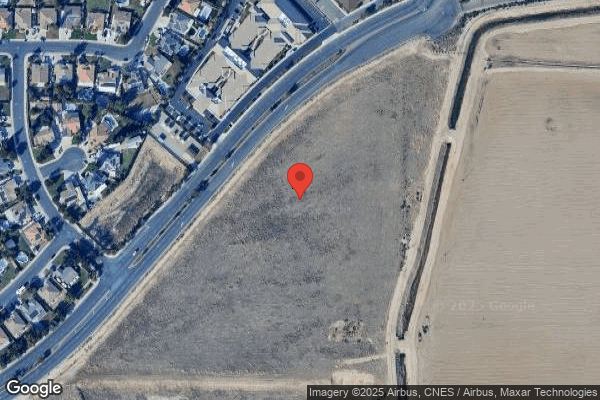
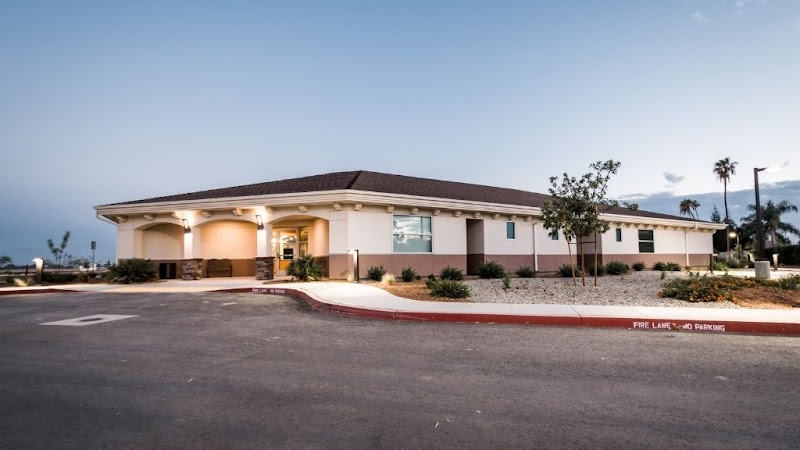
5151 KNUDSEN DRIVE, BAKERSFIELD, CA 93308 (661) 325-9900
For profit - Limited Liability company 140 Beds PACS GROUP Data: November 2025
Trust Grade
25/100
#1050 of 1155 in CA
Last Inspection: April 2025

Within standard 12-15 month inspection cycle. Federal law requires annual inspections.

Overview

Kern River Transitional Care has received a Trust Grade of F, indicating significant concerns about the facility's quality and care. Ranking #1050 out of 1155 facilities in California places it in the bottom half, and #12 out of 17 in Kern County means only four other local options are worse. The facility is showing some signs of improvement, with the number of issues decreasing from 42 in 2024 to 31 in 2025. Staffing is a concern, with a 49% turnover rate, which is higher than the California average, and a below-average staffing rating of 2 out of 5 stars. While the facility does have average RN coverage, it has been fined $77,720, which is higher than 83% of California facilities, signaling compliance issues. Specific incidents have raised alarms, including a failure to prevent abuse where a resident reported being shouted at by staff, leading to feelings of fear and sadness. Additionally, the facility could not provide proper documentation for informed consent regarding medication for another resident, which is a serious oversight. Finally, there were issues with the competency of licensed vocational nurses and registered nurses in providing necessary care for residents with specific medical needs. Overall, while there are some positive trends, families should weigh these serious concerns carefully.

Trust Score
F
25/100
In California
#1050/1155
Bottom 10%
Safety Record
Moderate
Needs review
Inspections
Getting Better
42 → 31 violations
Staff Stability
⚠ Watch
49% turnover. Above average. Higher turnover means staff may not know residents' routines.
Penalties
⚠ Watch
$77,720 in fines. Higher than 98% of California facilities. Major compliance failures.
Skilled Nurses
○ Average
Each resident gets 37 minutes of Registered Nurse (RN) attention daily — about average for California. RNs are the most trained staff who monitor for health changes.
Violations
⚠ Watch
99 deficiencies on record. Higher than average. Multiple issues found across inspections.
★☆☆☆☆
1.0
Overall Rating
★★☆☆☆
2.0
Staff Levels
★★★★☆
4.0
Care Quality
★☆☆☆☆
1.0
Inspection Score
Stable
2024: 42 issues
2025: 31 issues

The Good

  • 4-Star Quality Measures · Strong clinical quality outcomes
  • Full Sprinkler Coverage · Fire safety systems throughout facility
  • No fines on record

Facility shows strength in quality measures, fire safety.

The Bad

1-Star Overall Rating

Below California average (3.1)

Significant quality concerns identified by CMS

Staff Turnover: 49%

Near California avg (46%)

Higher turnover may affect care consistency

Federal Fines: $77,720

Well above median ($33,413)

Moderate penalties - review what triggered them

Chain: PACS GROUP

Part of a multi-facility chain

Ask about local staffing decisions and management

The Ugly 99 deficiencies on record

1 actual harm
Jul 2025 4 deficiencies
CONCERN (D) 📢 Someone Reported This

A family member, employee, or ombudsman was alarmed enough to file a formal complaint

Potential for Harm - no one hurt, but risky conditions existed

Deficiency F0552 (Tag F0552)

Could have caused harm · This affected 1 resident

**NOTE- TERMS IN BRACKETS HAVE BEEN EDITED TO PROTECT CONFIDENTIALITY** Based on interview and record review, the facility failed to ensure vital documents were provided in primary language for one of...

Read full inspector narrative →
**NOTE- TERMS IN BRACKETS HAVE BEEN EDITED TO PROTECT CONFIDENTIALITY** Based on interview and record review, the facility failed to ensure vital documents were provided in primary language for one of three sampled residents (Resident 2). This failure had the potential for Resident 2 to not understand the provided vital information.Findings:During a review of Resident 2's admission Record, (AR) the AR indicated, Resident 2's primary language was Spanish. During a review of Resident 2's Social History Assessment, ([NAME]) dated 4/27/25, the [NAME] indicated Resident 2's preferred language was Spanish.During a concurrent interview and record review, on 7/16/25 at 4:17 p.m. with Admissions Coordinator (AC), AC stated the facility does not have an Admissions Agreement in Spanish. Resident 2's Admissions Agreement, dated 5/6/25 was reviewed. AC confirmed Resident 2's Admissions Agreement was in English. During a concurrent interview and record review, on 728/25 at 10:22 a.m. with Director of Nursing (DON), Resident 2's [NAME] and Hospital Record, (HR) dated 6/5/25, was reviewed. The HR indicated Resident 2's primary language was Spanish and required an interpreter. DON stated the vital documents should have been provided in Resident 2's primary language which is Spanish.During a review of the facility's policy and procedure (P&P) titled, Translation and/or Interpretation of Facility Services, revised November 2020, the P&P indicated, This facility's language access program will ensure that individuals with limited English proficiency (LEP) shall have meaningful access to information and services provided by the facility. 1. In general, the types of language access services provided by this facility shall be determined by the following factors: . c. The nature and/or importance of the information or service that needs to be conveyed; and . 4. All LEP persons shall receive a written notice in their primary language of their rights to obtain competent oral translation services free of charge. If written notice is not possible, such notice shall be given orally. 7. Written translation of vital information is available in the following languages at this time: . 8. Vital information includes the following: a. Eligibility for services or benefits (including language access); b. admission information (including financial responsibility); c. Advance directives; d. Resident rights; e. Authorization for use or disclosure of protected health information; f. Consent for treatment g. Denial, loss, or decreases in Medicaid or Medicare benefits; h. Social services information; and i. Notice of pending discharge and discharge instructions. 10. When written translation of vital information is unavailable, or impractical (i.e., an infrequently encountered language), the facility shall attempt to provide oral translation of vital documents. 13. Family members and friends shall not be relied upon to provide interpretation services for the resident, unless explicitly requested by the resident. 14. It is understood that providing meaningful access to services provided by this facility requires also that the LEP resident's needs and questions are accurately communicated to the staff. Oral interpretation services therefore include interpretation from the LEP resident's primary language back to English.
CONCERN (D) 📢 Someone Reported This

A family member, employee, or ombudsman was alarmed enough to file a formal complaint

Potential for Harm - no one hurt, but risky conditions existed

Deficiency F0658 (Tag F0658)

Could have caused harm · This affected 1 resident

Based on observation, interview, and record review, the facility failed to ensure physician's orders were followed when:1. Oxygen was not administered as prescribed by the physician for one of three s...

Read full inspector narrative →
Based on observation, interview, and record review, the facility failed to ensure physician's orders were followed when:1. Oxygen was not administered as prescribed by the physician for one of three sampled residents (Resident 1).2. Medications were not administered timely for one of three sampled residents (Resident 4). 3. Medications were not administered for one of three sampled residents (Resident 4).These failures had the potential for Resident 1 and Resident 4 to suffer adverse outcomes.Findings:1. During a concurrent observation and interview, on 7/16/25 at 11:43 a.m. in Resident 1's room, Resident 1 was observed wearing a nasal canula and her oxygen was set at 4 liters per minute. During a review of Resident 1 O2 (oxygen) @ (at) 3 LPM (liters per minute) Via Nasal Cannula (thin flexible tube that gives additional oxygen through the nose) Per Concentrator Continuous every Shift . Order Date 07/07/2025 Start Date 07/07/2025During a concurrent observation, interview, and record review, on 7/16/25 at 11:57 a.m. in Resident 1's room, with Licensed Vocational Nurse (LVN) LVN 1, stated he was checking resident on continuous oxygen once a shift to ensure they were at the correct setting. LVN 1 confirmed Resident 1's oxygen was set at 4 liters per minute. Resident 1's physician's orders were reviewed. LVN 1 confirmed Resident 1's oxygen order was for 3 liters per minute.During an interview on 7/16/25 at 4:30 p.m. with Director of Nursing (DON), DON stated the nurse is the person who can initiate oxygen. DON stated the nurses were supposed to do walking rounds and check the flow rate was at the prescribed level. During a review of the facility's policy and procedure (P&P) titled, Oxygen Administration, the P&P indicated, The purpose of this procedure is to provide guidelines for safe oxygen administration. Preparation 1. Verify that there is a physician's order for this procedure. Review the physician's order .1. Adjust the oxygen delivery device so that it is comfortable for the resident and the proper flow of oxygen is being administered.2. During a concurrent interview and record review on 7/28/25 at 2:54 p.m. with DON, Resident 4's Medication Administration Record, (MAR) dated July 2025 was reviewed. DON confirmed the following:Insulin Glargine Solution (long-acting medication used to treat high blood sugar) 100 UNIT/ML (milliliter- unit of measure) inject10 units subcutaneously (the passage of medications beneath the skin) at bedtime for type 2 DM (diabetes mellitus- a long-term condition in which the body has trouble controlling blood sugar and using it for energy) -Start Date-5/31/2025 2100 (9 p.m.) -D/C (discontinue) Date- 07/25/2025 2055 (8:55 p.m.)The MAR indicated, on 7/1/25 for the 9 p.m. administration time, Resident 4's insulin was administered at 12:46 a.m. on 7/2/25 (3 hours and 46 minutes late).The MAR indicated, on 7/5/25 for the 9 p.m. administration time, Resident 4's insulin was administered at 12:18 a.m. on 7/6/25 (3 hours and 46 minutes late).The MAR indicated, on 7/6/25 for the 9 p.m. administration time, Resident 4's insulin was administered at 11:14 p.m. (2 hours and 14 minutes late).The MAR indicated, on 7/7/25 for the 9 p.m. administration time, Resident 4's insulin was administered at 11:25 p.m. (2 hours and 25 minutes late).The MAR indicated, on 7/8/25 for the 9 p.m. administration time, Resident 4's insulin was administered at 12:47 a.m. on 7/9/25 (3 hours and 47 minutes late).The MAR indicated, on 7/11/25 for the 9 p.m. administration time, Resident 4's insulin was administered at 10:45 p.m. (1 hour and 45 minutes late).The MAR indicated, on 7/14/25 for the 9 p.m. administration time, Resident 4's insulin was administered at 2:23 a.m. on 7/15/25 (5 hours and 23 minutes late).The MAR indicated, on 7/15/25 for the 9 p.m. administration time, Resident 4's insulin was administered at 1:31 a.m. on 7/16/25 (4 hours and 31 minutes late).The MAR indicated, on 7/21/25 for the 9 p.m. administration time, Resident 4's insulin was administered at 11:22 p.m. (2 hours and 22 minutes late).The MAR indicated, on 7/22/25 for the 9 p.m. administration time, Resident 4's insulin was administered at 1:56 a.m. on 7/23/25 (4 hours and 56 minutes late). Diclofenac (medication used to treat pain) . Gel 1% . Apply to Left Knee topically (on top of the skin) three times a day for Chronic (long term) left knee pain -Start Date- 06/09/2025 2200 (10 p.m.) -D/C Date- 07/252025 2055The MAR indicated, on 7/5/25 for the 2 p.m. administration time, Resident 4's Diclofenac was administered at 8:50 a.m. (4 hours and 10 minutes early).The MAR indicated, on 7/5/25 for the 10 p.m. administration time, Resident 4's Diclofenac was administered at 12:18 a.m. on 7/6/25 (2 hours and 18 minutes late).The MAR indicated, on 7/7/25 for the 10 p.m. administration time, Resident 4's Diclofenac was administered at 11:26 p.m. (1 hour and 26 minutes late).The MAR indicated, on 7/12/25 for the 10 p.m. administration time, Resident 4's Diclofenac was administered at 12:40 a.m. on 7/13/25 (2 hours and 40 minutes late).The MAR indicated, on 7/18/25 for the 10 p.m. administration time, Resident 4's Diclofenac was administered at 11:28 p.m. (1 hour and 28 minutes late). Diclofenac . Gel 1% . Apply to Right Knee topically three times a day for Chronic left knee pain -Start Date- 06/09/2025 2200 (10 p.m.) -D/C Date- 07/25/2025 2055(10:55 p.m.)The MAR indicated, on 7/5/25 for the 10 p.m. administration time, Resident 4's Diclofenac was administered at 12:19 a.m. on 7/6/25 (2 hours and 19 minutes late).The MAR indicated, on 7/7/25 for the 10 p.m. administration time, Resident 4's Diclofenac was administered at 11:26 p.m. (1 hour and 26 minutes late).The MAR indicated, on 7/12/25 for the 10 p.m. administration time, Resident 4's Diclofenac was administered at 12:39 a.m. on 7/13/25 (2 hours and 39 minutes late).The MAR indicated, on 7/13/25 for the 2 p.m. administration time, Resident 4's Diclofenac was administered at 4:09 p.m. (2 hours and 9 minutes late).The MAR indicated, on 7/13/25 for the 2 p.m. administration time, Resident 4's Diclofenac was administered at 4:09 p.m. (2 hours and 9 minutes late).The MAR indicated, on 7/18/25 for the 10 p.m. administration time, Resident 4's Diclofenac was administered at 11:29 p.m. (1 hour and 29 minutes late). Nystatin Powder (an antifungal medication used to treat fungal skin infections) . Apply to bilateral (both sides) under breast topically three times a day for redness to bilateral under breast -Start Date-07/11/2025 1400 (2 p.m.) -D/C Date- 07/14/2025 1227 (12:27 p.m.)The MAR indicated, on 7/12/25 for the 10 p.m. administration time, Resident 4's Nystatin Powder was administered at 12:39 a.m. on 7/13/25 (2 hours and 39 minutes late).The MAR indicated, on 7/13/25 for the 2 p.m. administration time, Resident 4's Nystatin Powder was administered at 4:09 p.m. (2 hours and 9 minutes late) Nystatin Powder . Apply to bilateral under breast topically three times a day for redness to bilateral under breast for 19 Days -Start Date-07/14/2025 1400 (2 p.m.) -D/C Date- 07/25/2025 2055 (8:55 p.m.)The MAR indicated, on 7/14/25 for the 10 p.m. administration time, Resident 4's Nystatin Powder was administered at 2:25 a.m. on 7/15/25 (4 hours and 25 minutes late).The MAR indicated, on 7/15/25 for the 10 p.m. administration time, Resident 4's Nystatin Powder was administered at 1:33 a.m. on 7/16/25 (3 hours and 33 minutes late).The MAR indicated, on 7/16/25 for the 6 a.m. administration time, Resident 4's Nystatin Powder was administered at 7:15 a.m. (1 hour and 15 minutes late).The MAR indicated, on 7/18/25 for the 10 p.m. administration time, Resident 4's Nystatin Powder was administered at 11:29 p.m. (1 hour and 29 minutes late).The MAR indicated, on 7/20/25 for the 10 p.m. administration time, Resident 4's Nystatin Powder was administered at 11:22 p.m. (1 hour and 22 minutes late).The MAR indicated, on 7/21/25 for the 10 p.m. administration time, Resident 4's Nystatin Powder was administered at 11:23 p.m. (1 hour and 23 minutes late).The MAR indicated, on 7/22/25 for the 10 p.m. administration time, Resident 4's Nystatin Powder was administered at 1:58 a.m. on 7/23/25 (3 hours and 58 minutes late). Humalog . (short acting insulin- medication used to treat high blood sugar) Inject as per sliding scale: . subcutaneously before meals and at bedtime for type 2 DM . -Start Date-5/31/2025 2100 -D/C Date- 07/25/2025 2055The MAR indicated, on 7/1/25 for the 7:30 a.m. administration time, Resident 4's Humalog was administered at 2:47 p.m. (7 hours and 17 minutes late).The MAR indicated, on 7/1/25 for the 9 p.m. administration time, Resident 4's Humalog was administered at 12:47 a.m. on 7/2/25 (3 hours and 47 minutes late).The MAR indicated, on 7/2/25 for the 7:30 a.m. administration time, Resident 4's Humalog was administered at 9 a.m. (1 hour and 30 minutes late).The MAR indicated, on 7/3/25 for the 12 p.m. administration time, Resident 4's Humalog was administered at 1:40 p.m. (1 hour and 40 minutes late).The MAR indicated, on 7/3/25 for the 5 p.m. administration time, Resident 4's Humalog was administered at 6:27 p.m. (1 hour and 27 minutes late).The MAR indicated, on 7/4/25 for the 7:30 a.m. administration time, Resident 4's Humalog was administered at 2:21 p.m. (6 hours and 51 minutes late).The MAR indicated, on 7/5/25 for the 9 p.m. administration time, Resident 4's Humalog was administered at 12:17 a.m. on 7/6/25 (3 hours and 17 minutes late).The MAR indicated, on 7/6/25 for the 9 p.m. administration time, Resident 4's Humalog was administered at 11:14 p.m. (2 hours and 14 minutes late).The MAR indicated, on 7/7/25 for the 9 p.m. administration time, Resident 4's Humalog was administered at 11:25 p.m. (2 hours and 25 minutes late).The MAR indicated, on 7/8/25 for the 9 p.m. administration time, Resident 4's Humalog was administered at 12:47 a.m. on 7/9/25 (3 hours and 47 minutes late).The MAR indicated, on 7/11/25 for the 12 p.m. administration time, Resident 4's Humalog was administered at 1:09 p.m. (1 hour and 9 minutes late).The MAR indicated, on 7/11/25 for the 5 p.m. administration time, Resident 4's Humalog was administered at 6:22 p.m. (1 hour and 22 minutes late).The MAR indicated, on 7/11/25 for the 9 p.m. administration time, Resident 4's Humalog was administered at 10:45 p.m. (1 hour and 45 minutes late).The MAR indicated, on 7/12/25 for the 9 p.m. administration time, Resident 4's Humalog was administered at 10:03 p.m. (1 hour and 3 minutes late).The MAR indicated, on 7/13/25 for the 7:30 a.m. administration time, Resident 4's Humalog was administered at 10:23 a.m. (2 hours and 53 minutes late).The MAR indicated, on 7/14/25 for the 9 p.m. administration time, Resident 4's Humalog was administered at 2:23 a.m. on 7/15/25 (5 hours and 23 minutes late).The MAR indicated, on 7/15/25 for the 9 p.m. administration time, Resident 4's Humalog was administered at 1:31 a.m. on 7/16/25 (4 hours and 31 minutes late).The MAR indicated, on 7/17/25 for the 12 p.m. administration time, Resident 4's Humalog was administered at 1:06 p.m. (1 hour and 6 minutes late).The MAR indicated, on 7/19/25 for the 9 p.m. administration time, Resident 4's Humalog was administered at 10:15 p.m. (1 hour and 15 minutes late).The MAR indicated, on 7/21/25 for the 9 p.m. administration time, Resident 4's Humalog was administered at 11:19 p.m. (2 hours and 19 minutes late).The MAR indicated, on 7/22/25 for the 7:30 a.m. administration time, Resident 4's Humalog was administered at 10:18 a.m. (2 hours and 48 minutes late).The MAR indicated, on 7/22/25 for the 9 p.m. administration time, Resident 4's Humalog was administered at 1:56 a.m. on 7/23/25 (4 hours and 56 minutes late).During a concurrent interview and record review on 7/28/25 at 2:54 p.m. with DON, DON stated the nurses have one hour before and one hour after the ordered administration time to administer medications. DON stated if the medications were administered outside of that time frame the nurse should notify the physician to ensure the medications were safe to administer and document the response in a progress note. Resident 4's progress notes were reviewed. DON stated the physician was not notified of the multiple late medications.3. During a concurrent interview and record review on 7/28/25 at 3:49 p.m. with DON, Resident 4's MAR, dated July 2025 was reviewed. DON confirmed the following: Xarelto (medication used to thin the blood to prevent and treat blood clots) Oral Tablet 20 MG (milligram - unit of measure) . Give 1 tablet by mouth in the evening for A-Fib (Atrial fibrillation- irregularly and often rapidly heartbeat) -Start Date-5/31/2025 2100 -D/C Date- 07/25/2025 2055The MAR indicated, on 7/6/25 for the 6 p.m. administration time, Resident 4's Xarelto was not documented as administered. Humalog . Inject as per sliding scale: . subcutaneously before meals and at bedtime for type 2 DM . -Start Date-5/31/2025 2100 -D/C Date- 07/25/2025 2055The MAR indicated, on 7/13/25 for the 12 p.m. administration time, Resident 4's Humalog was not documented as administered.DON stated the dated were blank and could not confirm if the medications were administered or not. During a review of the facility's P&P titled, Administering Medications, revised April 2019, the P&P indicated, Medications are administered in a safe and timely manner, and as prescribed. 4. Medications are administered in accordance with prescriber orders, including any required time frame. 7. Medications are administered within one (1) hour of their prescribed time, unless otherwise specified (for example, before and after meal orders) . 10. The individual administering the medication checks the label THREE (3) times to verify the right resident, right medication, right dosage, right time and right method (route) of administration before giving the medication. 21. If a drug is withheld, refused, or given at a time other than the scheduled time, the individual administering the medication shall initial and circle the MAR space provided for that drug and dose. 22. The individual administering the medication initials the resident's MAR on the appropriate line after giving each medication and before administering the next ones. 23. As required or indicated for a medication, the individual administering the medication records in the resident's medical record: a. the date and time the medication was administered; . g. the signature and title of the person administering the drug.
CONCERN (D) 📢 Someone Reported This

A family member, employee, or ombudsman was alarmed enough to file a formal complaint

Potential for Harm - no one hurt, but risky conditions existed

Incontinence Care (Tag F0690)

Could have caused harm · This affected 1 resident

Based on interview and record review, the facility failed to follow their policy and procedure (P&P) titled, Bowel Management Protocol, for one of six sampled residents (Resident 3) when Resident 3 wa...

Read full inspector narrative →
Based on interview and record review, the facility failed to follow their policy and procedure (P&P) titled, Bowel Management Protocol, for one of six sampled residents (Resident 3) when Resident 3 was not administered needed medication. This failure had the potential for Resident 3 to experience pain and constipation.Findings:During a review of Resident 3's Task: Bowel Continence, (TBC) dated 6/22/25 to 7/20/25, the TBC indicated Resident 3 did not have a bowel movement (BM) from 6/24/25 to 6/30/25 (six days).During a concurrent interview and record review on 7/16/25 at 4:12 p.m. with the Director of Nursing (DON), Resident 3's TBC was reviewed. DON stated Resident 3 did not have a BM for six days. Resident 3's Medication Administration Record, (MAR) dated June 2025 was reviewed. DON stated bowel protocol was not initiated (a series of medications used to treat and prevent constipation). DON stated no medications were given to Resident 3. DON stated bowel protocol should have been initiated.During a review of the facility P&P titled, Bowel Management Protocol, undated, the P&P indicated, It is the policy of this facility to ensure that residents are free from complications secondary to constipation. This will be accomplished through adequate assessment, tracking and treatment as indicated. Definition Normal bowel pattern is once every day up to once every three (3) days. Constipation results from factors such as immobility, decreased activity, and as a side effect of numerous medications. Procedure . 5. The 3-11 House Supervisor (or charge nurse in the event of no HS) will review the resident flow record daily and compose a list of those residents not having had a BM in three (3) days and record it on the appropriate bowel care list. 6. The 3-11 nurse will provide medications as order by the physician or obtain a physician's order, to the residents on the bowel care list. The medication given should be recorded on the MAR and the bowel care list. The medication could consist of: a. Suppository b. MOM 30-60 cc (cubic centimeters-unit of measure) . 7. The 11-7 nurse is to follow up on those residents on the bowel care list for results. The nurse will document results on the bowel care list and on the MAR.
CONCERN (D) 📢 Someone Reported This

A family member, employee, or ombudsman was alarmed enough to file a formal complaint

Potential for Harm - no one hurt, but risky conditions existed

Deficiency F0726 (Tag F0726)

Could have caused harm · This affected 1 resident

Based on interview and record review, the facility failed to ensure three of three sampled License Vocational Nurses (LVN) ( LVN 1, LVN 2, and LVN 3) had competencies for continuous positive airway pr...

Read full inspector narrative →
Based on interview and record review, the facility failed to ensure three of three sampled License Vocational Nurses (LVN) ( LVN 1, LVN 2, and LVN 3) had competencies for continuous positive airway pressure, (CPAP- is a common treatment for sleep apnea, a condition where breathing repeatedly stops and starts during sleep) and bilevel positive airway pressure (BIPAP is a type of non-invasive ventilation that provides breathing support by delivering air at two different pressure levels, one for inhalation and another for exhalation). This failure had the potential for the facility's residents who require the use of CPAP or BIPAP to have improper application.Findings:During an interview on 7/16/25 at 11:43 a.m. with Resident 1, Resident 1 stated when her BIPAP mask is applied by the LVN it depends on who applies the mask if there is a good seal or not.During a concurrent interview and record review on 7/28/25 at 3:36 p.m. with Staffing Coordinator (SC), LVN 1, LVN 2, and LVN 3's training files were reviewed. SC stated there were no skills training for CPAP or BIPAP for the LVN 1, LVN 2, and LVN 3.During an interview on 7/28/25 at 3:49 p.m. with Director of Nursing (DON), DON stated the facility had seven residents with physician orders for CPAP and BIPAP. DON stated based on the facility's population the facility should have training for CPAP and BIPAP because if not performed properly there is no benefit and could make it uncomfortable for the residents.During a review of the facility's policy and procedure (P&P) titled, Staffing, Sufficient and Competent Nursing, revised August 2022, the P&P indicated, Our facility provides sufficient numbers of nursing staff with the appropriate skills and competency necessary to provide nursing and related care and services for all residents in accordance with resident care plans and facility assessment. Competent Staff 1. Competency is a measurable pattern of knowledge, skills, abilities, behaviors, and other characteristics that an individual needs to perform work roles or occupational functions successfully. 3. Staff must demonstrate the skills and techniques necessary to care for resident needs .5. Competency requirements and training for nursing staff are established and monitored by nursing leadership with input from the medical director to ensure that: . c. education topics and skills needed are determined based on the resident population .
May 2025 1 deficiency
CONCERN (D) 📢 Someone Reported This

A family member, employee, or ombudsman was alarmed enough to file a formal complaint

Potential for Harm - no one hurt, but risky conditions existed

Quality of Care (Tag F0684)

Could have caused harm · This affected 1 resident

Based on observation, interview, and record review, the facility failed to: 1. Ensure one of three sampled residents (Resident 1) was wearing non-skid socks (non-slip socks are designed with rubberize...

Read full inspector narrative →
Based on observation, interview, and record review, the facility failed to: 1. Ensure one of three sampled residents (Resident 1) was wearing non-skid socks (non-slip socks are designed with rubberized grips on the soles, offering the traction needed to walk safely. This feature is particularly vital for elderly residents or those with balance problems, significantly reducing the risk of falls and related injuries) according to the plan of care when Resident 1 was high risk for falls. 2. Follow their in-service on Falls to ensure a Registered Nurse (RN) initially assessed one of three residents (Resident 1) who was found on the floor when a Licensed Vocational Nurse (LVN) 1 did not wait for the RN to assess before transferring Resident 1 from the floor to the wheelchair and to the bed. These failures had the potential to result in Resident 1 falling and sustaining a left hip fracture (broken bone). Findings: 1. During a review of Resident 1's Change in Condition Evaluation (CCE), dated 3/29/25, the CCE indicated, Resident [1] had an unwitnessed fall in her room attempting to the restroom [sic] without assistance. Pain level was assessed. Resident c/o [complained of] pain on her left hip. Resident [1] was then helped into her wheelchair and subsequently into her bed. During a review of Resident 1's Fall Risk Observation/Assessment (FROA), dated 3/12/25, the FROA indicated, Score: 26 [score of 16-42 means high risk for falls]. During a review of Resident 1's Care Plan (CP), dated 3/13/25, the CP indicated, [Resident 1] is at risk for falls. Interventions: Provide proper well-maintained footwear as indicated (Non-Skid Socks, etc). During an interview on 5/16/25 at 9:08 a.m. with CNA 1, CNA 1 stated Resident 1 was not wearing non-skid socks when she fell. CNA 1 stated she removed Resident 1 ' s non-skid socks when she placed Resident 1 in bed prior to the fall incident. During an interview on 5/16/25 at 9:32 a.m. with Director of Staff Development (DSD), DSD stated Resident 1 should be wearing non-skid socks at all times. During an interview on 5/17/25 at 10:22 a.m. with LVN 1, LVN 1 stated when he went to assess Resident 1 after the fall incident, Resident 1 was not wearing non-skid socks. During a review of the facility's policy and procedure (P&P) titled, Falls-Clinical Protocol dated March 2018, the P&P indicated, Based on preceding assessment, the staff and physician will identify pertinent interventions to try to prevent subsequent fals and to address the risks of clinically significant consequences of falling. 2. During an interview on 5/16/25 at 9:08 a.m. with Certified Nursing Assistant (CNA) 1, CNA 1 stated LVN 1 called her when LVN 1 found Resident 1 on the floor by the door of the bathroom. CNA 1 stated Resident 1 complained of left hip pain. CNA 1 stated she asked LVN 1 to help her lift Resident 1 back to bed. CNA 1 stated LVN 1 lifted Resident 1 by her upper body and CNA 1 lifted Resident 1's legs to the wheelchair then to Resident 1 ' s bed. CNA 1 stated Resident 1 continued to complain of pain. During a concurrent observation and interview on 5/16/25 at 9:30 a.m. in Resident 1's room, with Resident 1, Resident 1 was in bed with a bed alarm attached to the bed. Resident 1 stated she remembered she had a pain in her left hip when she fell. During an interview on 5/16/25 at 10:35 a.m. with RN Supervisor (RNS), RNS stated he was called to assess Resident 1 after the fall incident. RNS stated he went to see Resident 1 in less than five minutes. RNS stated, When I got there [Resident 1 ' s room], she [Resident 1] was already in bed. Resident [1] was holding her left hip complaining of pain. RNS stated he suspected hip fracture right away, so he sent Resident 1 to the acute care hospital. RNS stated LVN 1 did not wait for him to assess Resident 1 before transferring Resident 1 to the bed. During an interview on 5/17/25 at 10:22 a.m. with LVN 1, LVN 1 stated he was aware RNS should initially assess Resident 1 prior to transferring Resident 1 after the fall incident. LVN 1 stated he did not wait for RNS prior to moving/transferring Resident 1. During a review of the facility's in-service on Falls dated 3/4/25, the in-service on Falls indicated, If a fall occurs: Supervisor [RN] to assess resident prior to moving or touching the resident. Residents must be assessed prior to lifting or transferring resident to ensure it is safe to do so. RN supervisor will delegate if the resident should be referred to 911 services.
May 2025 2 deficiencies
CONCERN (D) 📢 Someone Reported This

A family member, employee, or ombudsman was alarmed enough to file a formal complaint

Potential for Harm - no one hurt, but risky conditions existed

Deficiency F0552 (Tag F0552)

Could have caused harm · This affected 1 resident

Based on interview and record review, the facility failed ensure one of three sampled resident (Resident 1) responsible party (RP) was able to participate in treatment decisions. This failure resulted...

Read full inspector narrative →
Based on interview and record review, the facility failed ensure one of three sampled resident (Resident 1) responsible party (RP) was able to participate in treatment decisions. This failure resulted in a violation of Resident 1's rights. Findings: During an interview on 5/14/25 at 12:46 p.m. with Resident 1's family member (FM 1), FM 1 stated she was informed Resident 1 medical provider ordered hospice (type of care that focuses on the comfort and quality of life of a resident with a serious illness that is approaching the end of life, often includes emotional and spiritual support for both the resident and their loved ones) and she agreed to start hospice care. FM 1 stated she was never given a choice regarding the hospice companies available to provide care for Resident 1. FM 1 stated she never agreed to the hospice company assigned to care for Resident 1. During a review of Resident 1's admission Record, (AR) dated 4/27/22, the AR indicated FM 1 was Resident 1's RP. During a concurrent interview and record review, on 5/15/25 at 12:46 p.m. with the Director of Nursing (DON), Resident 1's medical records was reviewed. DON stated there was no documentation Resident 1's RP was educated on the hospice process or made aware of the hospice companies available to Resident 1. During a review of the facility's policy and procedure (P&P) titled, Resident Rights, revised August 2009, the P&P indicated, 1. Federal and state laws guarantee certain basic rights to all residents of this facility. These rights include the resident's right to: a. Be informed about what rights and responsibilities he or she has; . c. choose a physician and treatment and participate in decisions and care planning.
CONCERN (D) 📢 Someone Reported This

A family member, employee, or ombudsman was alarmed enough to file a formal complaint

Potential for Harm - no one hurt, but risky conditions existed

Deficiency F0849 (Tag F0849)

Could have caused harm · This affected 1 resident

Based on interview and record review, the facility failed to ensure one of three sampled resident (Resident 1) plan of care was coordinated with hospice (type of care that focuses on the comfort and q...

Read full inspector narrative →
Based on interview and record review, the facility failed to ensure one of three sampled resident (Resident 1) plan of care was coordinated with hospice (type of care that focuses on the comfort and quality of life of a resident with a serious illness that is approaching the end of life, often includes emotional and spiritual support for both the resident and their loved ones) care. This failure had the potential for Resident 1's care needs to go unmet. Findings: During a concurrent interview and record review, on 6/3/25 at 11:55 a.m. with Director of Nursing (DON), Resident 1's medical record was reviewed. DON stated Resident 1 started hospice care on 12/11/24, DON stated no IDT (interdisciplinary team- group of professionals consisting of attending physician, a registered nurse responsible for resident care, a nurse aide responsible for residents care member of the food and nutrition services, who assess, coordinate, and manage each resident's comprehensive needs) conference was held at the start of hospice for Resident 1. DON stated IDT conference should have been held once Resident 1 started hospice care. Resident 1's IDT Conference, dated 1/22/25 was reviewed. DON stated the IDT Conference indicated Dietary, Activities, and a Social Services team member, hospice nurse, and Resident 1's RP were present for the IDT conference. DON stated a facility nurse was not present for the IDT conference. Resident 1's care plans were reviewed. DON stated only two of Resident 1's care plans were updated when Resident 1 started hospice care. DON stated the expectation was Resident 1's care plans should have been updated to reflect coordinated care with hospice and a facility nurse should be present for the IDT conferences. During a review of the facility's policy and procedure (P&P) titled, Hospice Program, revised January 2014, the P&P indicated, 2. Hospice providers who contract with this facility are held responsible for meeting the same professional standards and timeliness of service as any contracted individual or agency associated with the facility. 4. When a resident participates in the hospice program, a coordinated plan of care between the facility, hospice agency and resident/family will be developed and shall include directives for managing pain and other uncomfortable symptoms. The care plan shall be revised and updated as necessary to reflect the resident's current status During a review of the facility's P&P titled, Care Plans - Comprehensive, revised September 2010, the P&P indicated, Our facility's Care Planning/Interdisciplinary Team, in coordination with the resident, his/her family or representative (sponsor), develops and maintains a comprehensive care plan for each resident that identifies the highest level of functioning the resident may be expected to attain. 6. Identifying problem areas and their causes, and developing interventions that are targeted and meaningful to the resident are interdisciplinary processes that require careful data gathering, proper sequencing of events and complex clinical decision making. No single discipline can manage the task in isolation. The resident's physician (or primary healthcare provider) is integral to this process. 9. The Care Planning/Interdisciplinary Team is responsible for the review and updating of care plans: a. When there has been a significant change in the resident's condition; .
Apr 2025 22 deficiencies
CONCERN (D)

Potential for Harm - no one hurt, but risky conditions existed

Safe Environment (Tag F0584)

Could have caused harm · This affected 1 resident

**NOTE- TERMS IN BRACKETS HAVE BEEN EDITED TO PROTECT CONFIDENTIALITY** Based on interview and record review, the facility failed follow their policy and procedure (P&P) titled, Personal Property when...

Read full inspector narrative →
**NOTE- TERMS IN BRACKETS HAVE BEEN EDITED TO PROTECT CONFIDENTIALITY** Based on interview and record review, the facility failed follow their policy and procedure (P&P) titled, Personal Property when one of one sampled resident (Resident 55) personal belongings were not recorded on the inventory sheet upon admission. This failure resulted in the loss of Resident 55's personal belongings and the potential to result in difficulty replacing the personal belongings reported as lost. Findings: During an interview on 4/21/25 at 10:42 a.m. with Resident 55, Resident 55 stated she lost two sets of pajamas and a pair of pants approximately two months ago. Resident 55 stated she told the nurses and the nursing assistants about them. Resident 55 stated, I was told they are in the pile of resident clothing. They have not been returned or replaced. During an interview on 4/23/25 at 4 p.m. with Social Services Director (SSD), SSD stated she was not aware of Resident 55's lost personal belongings. SSD stated she had not been informed. SSD stated she had not personally visited and spoken with Resident 55 about lost personal belongings. During a concurrent interview and record review on 4/23/25 at 4:10 p.m. with Director of Nursing (DON), Resident 55's Inventory of Personal Effects, dated 1/29/25, was reviewed. DON stated the staff did not complete the personal belongings inventory when Resident 55 was readmitted on [DATE]. DON stated every resident should have an inventory of their personal belongings upon admission. During a review of the facility's policy and procedure (P&P) titled, Personal Property, revised 8/2022, the P&P indicated, 10. The resident's personal belongings and clothing are inventoried and documented upon admission and updated as necessary.
CONCERN (D)

Potential for Harm - no one hurt, but risky conditions existed

Transfer Notice (Tag F0623)

Could have caused harm · This affected 1 resident

Based on interview and record review, the facility failed to follow its policy and procedure (P&P) titled, Transfer or Discharge, Facility-Initiated, when the facility did not send a notice of transfe...

Read full inspector narrative →
Based on interview and record review, the facility failed to follow its policy and procedure (P&P) titled, Transfer or Discharge, Facility-Initiated, when the facility did not send a notice of transfer to the Ombudsman (representatives who assist residents in long-term care facilities with issues related to day-to-day care, health, safety and personal preferences) for one of six sampled resident's (Resident 40). This failure had the potential to result in Resident 40 not having an advocate who could inform them of their admission, transfer, and discharge rights and options. Findings: During a review of Resident 40's, Hospital Transfer Form (HTF), [undated], the HTF indicated, Resident 40 was transferred to the hospital on 3/6/25 and 3/10/25. There was no evidence of Ombudsman notification done on the hospital transfer. During a concurrent interview and record review on 4/24/25 at 2:59 p.m. with Social Services Director (SSD), Resident 40's HTF, dated 3/6/25 and 3/10/25, were reviewed. SSD stated the nurses were responsible to complete the notification to the Ombudsman. During a review of the facility's P&P titled, Transfer or Discharge, Facility-Initiated, dated 10/2022, the P&P indicated, When residents who are sent emergently to an acute care setting, the scenarios are considered facility-initiated transfers, NOT discharges, because the resident's return is generally expected . Notice of transfer is provided to the resident and representative as soon as practicable before the transfer and to the long- term care (LTC) ombudsman when practicable (e.g., in a monthly list of residents that includes all notice content requirements).
CONCERN (D)

Potential for Harm - no one hurt, but risky conditions existed

PASARR Coordination (Tag F0644)

Could have caused harm · This affected 1 resident

Based on interview and record review, the facility failed to review and accurately complete the annual Pre-admission Screening Assessment and Resident Review (PASARR-federal requirement to help ensure...

Read full inspector narrative →
Based on interview and record review, the facility failed to review and accurately complete the annual Pre-admission Screening Assessment and Resident Review (PASARR-federal requirement to help ensure that individuals are not incorrectly placed in nursing homes or long-term care instead of a psychiatric setting) for three of 16 sampled residents (Resident 10, Resident 115, Resident 109). This failure had the potential for residents to be placed in an inappropriate setting and not receive required services. Findings: During a concurrent interview and record review on 4/24/25 at 8:31 a.m. with Director of Nursing (DON), Resident 10's PASRR [PASARR] Level I Screening, dated 12/27/24 was reviewed. The PASRR indicated, Level I positive for SMI [Serious Mental Illness]/Positive for ID [Intellectual Disability]/DD [Developmental Disability]/RC [Related Condition]. DON stated Level I was completed on 12/27/24 and it was positive for Level I screening. DON stated there was no Level II PASRR completed on Resident 10. DON stated admission nurse start the PASRR and DON was informed, and it was DON's responsibility to ensure PASRR is completed. During a concurrent interview and record review on 4/24/25 at 8:47 a.m. with DON, Resident 115's PASRR level 1 dated 3/25/25 was reviewed. PASRR level 1 was negative. Resident 115's admission Record (AR) dated 3/27/25 was reviewed. Resident 115's AR indicated Resident 115 had unspecified psychosis (mental illness). Resident 115's Order Summary Report (OSR) dated 3/2025 was reviewed. Resident 115's OSR indicated Resident 115 was taking Risperidone (medication for mental illness). DON stated with the diagnosis and medication Resident 115's PASRR level 1 was not done accurately and therefore did not trigger a level 2 PASRR. During a review of Resident 115's PASRR level 1 screening dated 3/27/25, the PASRR level 1 indicated, the PASRR indicated, 9. Does the individual have a serious diagnosed mental disorder such as Depressive Disorder [a mental health condition characterized by persistent sadness and loss of interest], Anxiety Disorder [excessive worry, fear and other physical and behavioral symptoms that interfere with daily life], Panic Disorder [frequent and unexpected panic attacks], Schizophrenia/Schizoaffective Disorder [a chronic and severe brain disorder that disrupts a person's ability to think clearly, manage emotion, make decisions, and relate to others], or symptoms of Psychosis [a state where an individual experiences a loss of touch with reality, often characterized by hallucinations [seeing or hearing things that aren't there] and delusions [false beliefs), Delusions, and/or Mood Disturbance [significant and persistent changes in mood, energy levels, and behavior that can indicate a mood disorder]? Indicated No. The PASRR indicated, 11. The Individual has been prescribed psychotropic [drugs that affect a person's mental state] medications for mental illness. Indicated No. During a concurrent interview and record review on 4/24/25 at 8:51 a.m. with DON, Resident 109 PASRR level 1 dated 3/29/25 was reviewed. PASRR level 1 was negative. Resident 109's AR dated 3/30/25 was reviewed. Resident 109's AR indicated Resident 109 had depression (mental illness) and anxiety disorder (intense excessive and persistent worry and fear about everyday situations). Resident 109's OSR, dated March 2025, indicated Resident 109 was taking Valium (medication for anxiety) and Lexapro (medication for depression). DON stated with the diagnosis and medication PASRR level 1 was not done accurately and therefore did not trigger a level 2 PASRR. During a review of Resident 109's PASRR level 1 screening dated 3/29/25, the PASRR level 1 indicated, the PASRR indicated, 9. Does the individual have a serious diagnosed mental disorder such as Depressive Disorder [a mental health condition characterized by persistent sadness and loss of interest], Anxiety Disorder [excessive worry, fear and other physical and behavioral symptoms that interfere with daily life], Panic Disorder [frequent and unexpected panic attacks], Schizophrenia/Schizoaffective Disorder [a chronic and severe brain disorder that disrupts a person's ability to think clearly, manage emotion, make decisions, and relate to others], or symptoms of Psychosis [a state where an individual experiences a loss of touch with reality, often characterized by hallucinations [seeing or hearing things that aren't there] and delusions [false beliefs), Delusions, and/or Mood Disturbance [significant and persistent changes in mood, energy levels, and behavior that can indicate a mood disorder]? Indicated No. The PASRR indicated, 11. The Individual has been prescribed psychotropic [drugs that affect a person's mental state] medications for mental illness. Indicated No. During a review of the facility's policy and procedure (P&P) titled, admission Criteria - PASRR), dated 3/2019, the P&P indicated, If the level I screen indicates that the individual may meet the criteria for a MD, ID, or RD, he or she is referred to the state PASARR (sic) representative for the Level II (evaluation and determination) screening process. (1) The admitting nurse notifies the social services department when a resident is identifies as having a possible (or evident) MD, ID, or RD. (2) The social worker is responsible for making referrals to the appropriate state-designated authority.
CONCERN (D)

Potential for Harm - no one hurt, but risky conditions existed

Comprehensive Care Plan (Tag F0656)

Could have caused harm · This affected 1 resident

During a concurrent observation and interview on 4/24/25 at 2:04 p.m. in Resident 13's room. Resident 13 was lying in bed with his left arm raised above his head. Resident 13's left upper arm had gauz...

Read full inspector narrative →
During a concurrent observation and interview on 4/24/25 at 2:04 p.m. in Resident 13's room. Resident 13 was lying in bed with his left arm raised above his head. Resident 13's left upper arm had gauze dressing wrapped around the left upper arm. Resident 13 stated, I have an IV. During a concurrent interview and record review of Resident 13's medical record on 4/24/25 at 2:05 p.m., with Director of Clinical Services (DCS) and Nurse Consultant (NC), the electronic medical record for Resident 13 was reviewed. DCS was unable to provide documented evidence of a care plan having been created for Resident 13's IV. During a review of the facility's policy and procedure (P&P) titled, Care Plans, Comprehensive Person-Centered, dated 2001, the P&P indicated, A comprehensive, person-centered care plan that includes measurable objectives and timetables to meet the resident's physical, psychosocial, and functional needs is developed and implemented for each resident.7. The comprehensive, person-centered care plan: b. describes the services that are to be furnished to attain or maintain the resident's highest practicable physical, mental, and psychosocial well-being.e. reflects currently recognized standards of practice for problem areas and conditions. Based on observation, interview, and record review, the facility failed to develop and implement a person-centered care plan for four of four sampled residents (Resident 72, Resident 8, Resident 110 and Resident 13). This failure had the potential for unmet care needs. Findings: During an observation on 4/21/25 at 1:13 p.m. with Resident 72, in Resident 72's room, Resident 72's left foot's skin was dry and flaky, the left toes were red and swollen, the left great (big) toenail was long, thick, yellow-orange in color, brittle and crumbly. The left 2nd, 3rd, 4th, and 5th toenails were long and the nailbeds were yellow. The skin in between the toes was blackish in color with blackish debris. there was a small wound with a dried scab, below the 4th toenail and a small wound between the left 4th toe nail and the left 3rd toe. The right foot toenails were yellow, and the nails were long. The right big toe was swollen, the toenail was deformed, yellow, with ragged edges. The right 2nd toenail was long and yellow with crumbly edges. The skin in-between the right toes was blackish in color with black debris. The skin on the right foot was dry. During a concurrent interview and record review on 4/23/25 at 9:48 a.m. with Director of Nursing (DON), Resident 72's Care Plan, was reviewed. DON was unable to provide evidence a care plan was developed and implemented for Resident 72's care of the red, swollen toes, the thick, hardened, yellowish and crumbly toenails, and the dry, flaky skin on both feet and lower extremities. DON stated there was no care plan written for Resident 72's foot care. During a review of Resident 8's, admission Record (AR), dated 4/4/25, the AR, indicated, respiratory disorders in diseases, other specified interstitial pulmonary (scarring of the lung tissue making it difficult to breathe) diseases, acute respiratory failure with hypoxia (lungs cannot effectively transfer oxygen to the blood). During a concurrent interview and record review on 4/23/25 at 2:45 p.m. with Registered Nurse Case Manager (RNCM), Resident 8's care plans were reviewed. The facility was unable to provide documentation of an individualized care plan for acute respiratory failure with hypoxia for Resident 8. The RNCM stated she did not see a care plan for acute respiratory failure on Resident 8's care plan and the care plan should be there. During a concurrent interview and record review on 4/21/25 at 1:23 p.m. with Registered Nurse (RN) 1, Resident 110's Order Summary Report (OSR), dated 4/10/25 was reviewed. Resident 110's OSR indicated insert peripheral (in an arm) intravenous (IV, in the vein, thin tubing for administering medication or fluids directly into the bloodstream) on 4/10/25 and change the IV site every 96 hours. RN 1 stated IV should have been removed on 4/17/25. RN 1 stated IV was inserted on 4/10/25 and IV site was never changed. During an concurrent interview and record review on 4/23/25 at 2:38 p.m. with Assistant Director of Nursing (ADON), Resident 110's care plans were reviewed. The facility was unable to provide a individualized care plan for peripheral IV site and care. ADON stated Resident 110 has no care plan for IV site.
CONCERN (D)

Potential for Harm - no one hurt, but risky conditions existed

Deficiency F0658 (Tag F0658)

Could have caused harm · This affected 1 resident

During a concurrent observation and interview on 4/24/25 at 1:58 p.m. in Resident 13's room. Resident 13 was lying in bed with his left arm raised above his head. Resident 13's left upper arm had gauz...

Read full inspector narrative →
During a concurrent observation and interview on 4/24/25 at 1:58 p.m. in Resident 13's room. Resident 13 was lying in bed with his left arm raised above his head. Resident 13's left upper arm had gauze dressing wrapped around the left upper arm. Resident 13 stated, I have an IV. During a concurrent observation and interview on 4/27/25 at 1:59 p.m. with Resident 13, Director of Clinical Services (DCS) and Nurse Consultant (NC), in Resident 13's room, an IV site to Resident 13's left upper arm was noted. Resident 13 stated he received IV antibiotics in the hospital prior to being admitted to the facility. Resident 13 stated he had not received any treatment to the IV since being admitted to this facility. Resident 13 stated he was not aware of nursing staff changing the dressing to the left arm IV site. Resident 13 stated he had been seen by a physician on 4/8/25 for his foot and the physician had provided him with a physician order to discontinue the IV. The Resident stated he had provided the physician note to a nurse when he returned from the physician visit. During a record review of Resident 13's Nursing - Admission/readmission Evaluation/Assessment, dated 4/2/25, the Nursing - Admission/readmission Evaluation/Assessment indicated, 1c. Resident has wounds or skin integrity concerns present on admission. B. No. During a record review of Resident 13's Skilled Nursing History and Physical Note, dated 4/15/25, the Skilled Nursing History and Physical Note, indicated, History of Present Illness: The patient [Resident 13] has a Foley catheter and PICC [peripherally inserted central catheter - long tube inserted into the vein in the arm and threaded up to a larger vein near the heart] . Musculoskeletal: Normal ROM [range of motion] of all extremities. No lower extremity edema or cyanosis (blue tint to the person's skin). Left arm has a PICC line in place. During a concurrent interview and record review on 4/24/25 at 2:04 p.m. with DCS and NC, Resident 13's medical record was reviewed. DCS was unable to provide documented evidence of a physician order for care of the left arm IV site for Resident 13. During an interview on 4/24/25 at 2:45 p.m. with Registered Nurse (RN) 4, RN 4 stated he was unaware of Resident 13's left arm IV. RN 4 stated the IV was a Midline IV (a specialized type of IV line). RN 4 stated another (unidentified) nurse had just informed him that morning of Resident 13's Midline IV site. RN 4 stated the RNs were notified of IV's on admission. During a record review with DCS and NC of Resident 13's ORS dated 4/24/25, there was no documented evidence of a physician order regarding Resident 13's Midline IV. During a review of the facility's policy and procedure (P&P) titled, Guidelines for Preventing Intravenous Catheter-Related Infections, dated 8/2014, the P&P indicated, Promptly obtain physician order for the removal of any peripheral or central IV catheter that is no longer essential.3. A peripheral short catheter can stay in place up to 96 hours in an adult resident. Based on observation, interview, and record review, the facility failed to follow its policy and procedure (P&P) titled, Guidelines for Preventing Intravenous [in the vein] Catheter [small flexible tube to deliver fluids or medications directly into the bloodstream]-Related Infections, for two of two residents (Resident 110 and Resident 13) when IVs were not flushed (rinsed out), changed, or removed as ordered. This failure had the potential for increased risk for infection. Findings: During a concurrent observation and interview on 4/21/25 at 1:19 p.m. with Resident 110, Resident 110 had an IV in the right wrist. Resident 110 stated her last dose of IV medication was three days ago. Resident 110 stated the IV had not been flushed since the last dose of medication was administered. During a concurrent interview and record review on 4/21/25 at 1:23 p.m. with Registered Nurse (RN) 1, Resident 110's Order Summary Report (OSR), dated 4/10/25 was reviewed. The OSR indicated insert peripheral (in arm) IV on 4/10/25. The OSR indicated, Change Peripheral IV site every 96 [4 days] hours an PRN as needed. RN 1 stated the last dose of IV medication was administered on 4/16/25. RN 1 stated IV should have been removed on 4/17/25. RN 1 stated IV was inserted on 4/10/25 [11 days previosly] and the IV site was never changed. During an interview on 4/21/25 at 2:38 p.m. with Assistant Director of Nursing (ADON), ADON stated the facility expectation was to change IV site every 96 hours. ADON stated physician orders were not followed.
CONCERN (D)

Potential for Harm - no one hurt, but risky conditions existed

ADL Care (Tag F0677)

Could have caused harm · This affected 1 resident

Based on observation, interview, and record review, the facility failed to provide necessary service for personal and oral hygiene for two of two sampled residents (Resident 72 and Resident 133) who w...

Read full inspector narrative →
Based on observation, interview, and record review, the facility failed to provide necessary service for personal and oral hygiene for two of two sampled residents (Resident 72 and Resident 133) who were dependent on care being provided. This failure resulted in Resident 72 had the potential for Resident 133 to acquire oral infection, further tooth decay. Findings: 1. During an observation on 4/21/25 at 1:13 p.m. with Resident 72, in Resident 72's room, Resident 72's left foot's skin was dry and flaky the right foot skin was dry. Resident 72's toenails were long and the nailbeds were discolored. The skin in between Resident 72's toes was blackish with blackish debris. During an interview on 4/21/25 at 3:40 p.m. with Licensed Vocational Nurse (LVN) 2, LVN 2 stated Resident 72's nails were thick and orange in color. LVN 2 stated blackish colored dirt was in-between Resident 72's toes. During an interview on 4/21/25 at 4:02 p.m. with Treatment Nurse (TN) 2, TN 2 stated she saw Resident 72 this morning. TN 2 stated she checked if Resident 72 could wiggle her toes on the left foot. TN 2 stated Resident 72 had overgrown toenails, thick nails, inverted (turned inward) in, yellow, and could be fungus. TN 2 stated Resident 72's skin was very dry, and the toes were red and swollen. TN 2 stated, I did not do anything. During an interview on 4/21/25 at 4:19 p.m. with Certified Nursing Assistant (CNA) 1, CNA 1 stated she gave Resident 72 a shower this morning. CNA 1 stated she put a plastic bag over Resident 72's left foot with a cast so the cast did not get wet. CNA 1 stated she scrubbed the right foot with a washcloth but Resident 72 complained of pain, so she stopped. CNA 1 stated she reported to the nurse Resident 72 had pain. CNA 1 stated she was going to return to clean both of Resident 72's feet but did not do it. During a review of the facility's policy and procedure (P&P) titled, Foot Care, dated 10/2022, the P&P indicated,Residents are provided foot care and treatments in accordance with professinal standards of practice .Trained staff may provide routine foot care . 2. During a concurrent observation and interview on 4/22/25 at 10:59 a.m. with Resident 133 in Resident 133's room, Resident 133 had yellowish, gray teeth. Resident 133 stated he had a lot of dental carries and missing teeth. Resident 133 stated, There's a cavity in my molar. Resident 133 stated he had not been given mouth care yesterday and today. During a review of Resident 133's BIM (Brief Interview for Mental Status - an assessment tool to assess cognitive function of the resident. 0-7 suggests severe cognitive impairment, 8-12 indicates moderate cognitive impairment, and 13-15 suggests intact cognitive function.) Score was 10. During a concurrent interview and record review on 4/24/25 at 9:27 a.m. with Assistant Director of Nursing (ADON), Resident 133's Activities of Daily Living (ADL) Oral Care, dated 4/4/25 to 4/24/25, were reviewed. The ADL Oral Care indicated the oral care for Resident 133 was completed at the following times: 4/4/25: 6:21 p.m., and 11:22 p.m. 4/5/25: 6:10 p.m. 4/7/25: 6:22 a.m., and 11:41 a.m. 4/9/25: 4:44 a.m., 10:44 a.m. 4/10/25: 4:20 a.m., and 2:28 p.m. 4/11/25: 4:34 a.m., and 6:28 p.m. 4/12/25: 3:57 a.m., and 4:38 p.m. 4/15/25: 11:31 a.m. 6/16/25: 1:11 a.m., and 3:13 p.m. 4/18/25: 3:23 p.m. 4/20/25: 1:29 p.m. 4/21/25: 4:24 a.m., and 5:24 p.m. 4/22/25: 1:19 a.m., and 6:59 p.m. 4/23/25: 1:16 a.m., and 2:28 p.m. ADON stated oral care was inconsistently provided. ADON stated resident's teeth should be brushed after every meal. ADON stated the times indicated in the ADL Oral Care were the times the certified nursing assistants had the chance to document, not necessarily the times when the oral care was rendered. ADON stated the records still indicated oral care was not consistently performed for the resident. During a concurrent interview and record review on 4/24/25 at 9:38 a.m. with ADON, Resident 133's Nursing Weekly Summary (NWS), dated 4/11/25 and 4/21/25, were reviewed. The NWS dated 4/11/25 indicated, Oral Assessment: No oral pain. ADON stated there was no assessment of the condition and appearance of Resident 133's teeth. The NWS dated 4/21/25 indicated, Oral Assessment: No oral/dental assessment. ADON stated the nursing weekly summary should reflect the condition of the resident. During an interview with Director of Nursing (DON) on 4/24/25 at 9:54 a.m., DON stated oral care should be done one to two times a shift in the morning, and once on NOC (night) shift. During a review of the facility's policy and procedure (P&P), titled, Mouth Care, dated 2/2018, the P&P indicated, The purposes of this procedure are to keep the resident's lips and oral tissues [gums, tongue] moist, to cleanse and freshen the resident's mouth, and to prevent oral infection. The following should be recorded in the resident's medical record: 1. The date and time the mouth care was provided. The name and title of the individuals(s) who provided the mouth care. All assessment data obtained concerning the resident's mouth. The certified nursing assistant should report to the licensed nurse to record in the medical record.
CONCERN (D)

Potential for Harm - no one hurt, but risky conditions existed

Deficiency F0679 (Tag F0679)

Could have caused harm · This affected 1 resident

**NOTE- TERMS IN BRACKETS HAVE BEEN EDITED TO PROTECT CONFIDENTIALITY** Based on observation, interview, and record review, the facility failed to follow their policy and procedure (P&P) titled Activi...

Read full inspector narrative →
**NOTE- TERMS IN BRACKETS HAVE BEEN EDITED TO PROTECT CONFIDENTIALITY** Based on observation, interview, and record review, the facility failed to follow their policy and procedure (P&P) titled Activity Program, for one of 49 sampled residents (Resident 109) when activities of interest were not provided to Resident 109. This failure resulted in Resident 109 to experience a diminished quality of life due to not participating in either individual or group activities and the potential to result in depression (sustained loss of interest). Findings: During a concurrent observation and interview on 4/21/25 at 12:06 p.m. with Resident 109 in Resident 109's room, a Certified Nursing Assistant (CNA) delivered Resident 109's lunch tray. CNA described what was in front of him on his lunch tray. Resident 109 stated he was blind in his left eye and going blind in his right eye. Resident 109 stated the facility was not giving him anything to do but sit in bed. During a review of Resident's 109's admission Record (AR), dated 3/30/25, the AR indicated Resident 109 was admitted on [DATE] with the diagnosis including blindness to the left eye category 3 (visual field loss), normal vision right eye, unspecified glaucoma (damage to the optic nerve) and type 2 diabetes mellitus (elevated blood sugar level) with unspecified diabetic retinopathy (damage to the blood vessel in the retina [layer in the eye that detects light]) with macular edema. (swelling in part of the retina). During a review of Resident 109's Care Plan (CP) Activities [undated], the CP indicated, Provide activities materials like books, magazines, newspapers, TV, radio, arts and crafts . During a review of Resident 109's Preference for Customary Routine and Activities (Preferences) dated 4/3/25, the preferences indicated, Resident 109 enjoyed listening to music, keeping up with the news, and spending time outdoors. During a concurrent interview and record review on 4/22/25 at 12:30 p.m. with Activities Assistant (AA), Resident 109's care plan for activities was reviewed. The care plan for activities indicated resident wants materials to read. AA stated Resident 109 was unable to do those activities due to his blindness and staff would have to read to him. During a concurrent interview and record review on 4/22/25 at 12:53 p.m. with Social Services Director (SSD), Resident 109's care plan for activities was reviewed. SSD stated Resident 109's activities were not individualized for Resident 109 to meet his maximum participation in activities. During a review of the facility's policy and procedure (P&P) titled, Care Plans, Comprehensive Person-Centered, dated 3/2022, the P&P indicated, 7.b. describes the services that are to be furnished to attain or maintain the resident's highest practicable physical, mental, and psychosocial well-being .d. builds on the resident's strengths During a review of the facility's policy and procedure (P&P) titled, Activity Program, dated 8/2006, the P&P indicated, Activity programs designed to meet the needs of each resident are available on a daily bases 1. Our activity programs are designed to encourage maximum individual participation and are geared to the individual resident's needs.
CONCERN (D)

Potential for Harm - no one hurt, but risky conditions existed

Deficiency F0687 (Tag F0687)

Could have caused harm · This affected 1 resident

Based on observation, interview, and record review, the facility failed to follow the facility's policy and procedures (P&P) titled, Foot Care and Social Services when nursing assessments did not indi...

Read full inspector narrative →
Based on observation, interview, and record review, the facility failed to follow the facility's policy and procedures (P&P) titled, Foot Care and Social Services when nursing assessments did not indicate foot skin or nail issues, foot care was not provided and a podiatry (treatment of foot disorders, ankle, and leg) referral was not completed for one of one sampled resident (Resident 72). This failure resulted in Resident 72's left toes to be red and swollen, skin dry and flaky, right and left feet toenails to be long, thick, hard, and yellow-orange, with blackish discoloration and debris in-between the toes. Findings: During an observation on 4/21/25 at 1:13 p.m. in Resident 72's room, both of Resident 72's feet had dry and flaky skin. The left toes were red and swollen, the left great (big) toenail was long, thick, discolored, brittle and crumbly. Resident 72's left 2nd, 3rd, 4th, and 5th toenails were long, and discolored. Two small wounds were on the left 3rd toe and 4th toe. Resident 72's right foot toenails were long and discolored. The right big toe was swollen. Resident 72's big toenail was discolored and deformed with ragged edges. Resident 72's right 2nd toenail was discolored, and long with crumbly edges. The skin in-between the left and right toes was blackish with black debris. During an interview on 4/21/25 at 3:40 p.m. with Licensed Vocational Nurse (LVN) 2, LVN 2 stated Resident 72's nails were thick and orange in color. LVN 2 stated Resident 72 had a wound on the left toe below the toenail. LVN 2 stated in-between Resident 72's toenails was blackish dirt. LVN 2 stated Resident 72 needed a podiatrist. LVN 2 stated Resident 72 had not been referred to a podiatrist. LVN 2 measured the left and right toenails with the following results: Right big toe Length (L) 1.5 centimeter (cm) Width (W): 1.5 cm Thickness (T): 1 cm 2nd right toenail: L: 0.8 cm T: 0.1 cm 3rd right toenail: L: 0.8 cm T: 0.1 cm 4th right toenail: L: 0.9 cm T: 0.1 cm 5th right toe: L: 0.5 cm T: 0.1 cm Left big toe: L:1.5 cm T: 0.5 cm 2nd left toenail. L: 0.7 cm T: 0.1 cm 3rd left toenail: L: 0.6 cm T: 0.1 cm 4th left toenail. L: 0.9 cm T: 0.1 cm 5th left toenail. L: 0.9 cm T:0.1 cm During an interview on 4/21/25 at 4:02 p.m. with Treatment Nurse (TN) 2, TN 2 stated she saw Resident 72 this morning. TN 2 stated she checked if Resident 72 could wiggle her toes on the left foot. TN 2 stated Resident 72 had overgrown toenails, thick nails, inverted (turned inward) in, yellow, and could have fungus in her toenails. TN 2 stated Resident 72's skin was very dry, and the toes were red and swollen. TN 2 stated, I wanted to communicate with Social Services to refer Resident 72 to podiatry, but I did not do it. I did not measure the toenails this morning. I did not do anything. During an interview on 4/21/25 at 4:19 p.m. with Certified Nursing Assistant (CNA) 1, CNA 1 stated she gave Resident 72 a shower this morning. CNA 1 stated she put a plastic bag over Resident 72's left foot with a cast so the cast did not get wet. CNA 1 stated she scrubbed the right foot with a washcloth but Resident 72 complained of pain, so she stopped. CNA 1 stated she was going to return to clean both of Resident 72's feet but did not do it. During a concurrent interview and record review on 4/22/25 at 9:50 a.m. with Director of Nursing (DON), Resident 72's Initial Nursing Assessment, dated 3/26/25, was reviewed. The Initial Nursing Assessment indicated, left toe warm and pink. DON stated there was no documentation about the condition of the skin, the toes, and the toenails. During a concurrent interview and record review on 4/22/25 at 9:55 a.m. with DON, Resident 72's Nursing Weekly Summary (NWS), dated 3/28/25, 4/5/25, 4/12/25, and 4/17/25 were reviewed. The NWS dated 3/28/25 indicated no new skin issue. The NWS dated 4/5/25 did not indicate documentation of skin issues and toenails. The NWS dated 4/12/25 indicated no skin issues and no mention of the toenails and skin condition. The NWS dated 4/17/25 did not indicate documentation of the skin condition, the toes, and the toenails. DON stated she did not find any assessment of Resident 72's skin condition, the appearance of the toes and the toenails. DON stated the nursing weekly summary is a summary of the previous week's condition of the resident. DON stated the nursing weekly summary did not reflect the condition of Resident 72's skin, toes, and toenails. During a concurrent interview and record review on 4/22/25 at 9:57 a.m. with DON, Resident 72's Physician Order (PO), dated 3/26/25, was reviewed. The PO indicated, Podiatry consult, and treatment as needed. DON stated there was an order for podiatry consult on admission but the order was not carried out. DON stated, I do not see any podiatry notes. DON stated there were no social services notes except one written on 4/21/25. DON stated the Social Services Social History Notes did not indicate the condition of the skin, the toes, and the toenails, and the need for podiatry consult. During an interview on 4/23/25 at 10:23 a.m. with Social Services Director (SSD), SSD stated a care conference was conducted on 4/2/25 and there was no request for ancillary (outside) services. During a concurrent interview and record review on 4/23/25 at 10:25 a.m. with DON and SSD, Resident 72's IDT (Interdisciplinary Team) Conference Summary (IDT Summary), dated 4/22/25, was reviewed. The IDT Summary did not indicate a discussion of Resident 72's skin condition, the appearance of the toes and the toenails. DON stated the IDT \Care Conference notes did not reflect Resident 72's need for foot care. SSD stated the IDT Care Conference occurred on 4/16/25. SSD stated she followed up with Resident 72 after the care conference on 4/21/25 at 5:10 p.m. and documented refusal of Resident 72 for podiatry referral four times. SSD stated she did not visit residents but wait to see them in IDT care conferences. SSD stated she did not document about the condition of Resident 72's feet as she was not a nurse. SSD stated no referral to podiatry was made. During a review of the facility's policy and procedure (P&P) titled, Foot Care, dated 10/2022, the P&P indicated, Residents receive appropriate foot care and treatment to maintain mobility and foot health. 5. Residents with foot disorder or medical condition associated with foot complications are referred to qualified professionals. Foot disorders that require treatment include corns, neuromas (a non-cancerous growth of nerve tissue), calluses (a buildup of hard, thick areas of skin., hallux valgus (bunion-, bony bump that forms at the base of the big toe) digit flexus (hammertoe-curled toe due to a bend in the middle joint of the toe), heel spurs (bony growths that form on the underside of the heel bone, and nail disorders. During a review of the facility's P&P titled, Social Services, revised 10/2010, the P&P indicated, 4. The social services department is responsible for: d. Maintaining regular progress and follow up notes indicating the resident's response to the plan and adjustments to the institutional setting. i. Making supportive visits to residents and performing needed services (i.e., communication with the family or friends, coordinating resources and services to meet the residents' needs). k. Working with individuals and groups in developing supportive services for residents according to their individual needs and interests.
CONCERN (D)

Potential for Harm - no one hurt, but risky conditions existed

Incontinence Care (Tag F0690)

Could have caused harm · This affected 1 resident

**NOTE- TERMS IN BRACKETS HAVE BEEN EDITED TO PROTECT CONFIDENTIALITY** Based on interview and record review the facility failed to ensure: 1. Licensed nurses were competent to assess and change supra...

Read full inspector narrative →
**NOTE- TERMS IN BRACKETS HAVE BEEN EDITED TO PROTECT CONFIDENTIALITY** Based on interview and record review the facility failed to ensure: 1. Licensed nurses were competent to assess and change suprapubic catheter (thin, flexible tube inserted directly into the bladder to drain urine) for one of one sampled resident (Resident 36). 2. The facility policy and procedure titled Suprapubic Catheter Care, met Society of Urologic Nurses and Associates (SUNA) Standards of Care. This failure had the potential to result in urinary tract infections, blockage, or leakage of urine, and other complications. Findings: 1. Director of Nursing (DON), DON stated Resident 36 came to the facility on [DATE] with a suprapubic catheter due to a neuromuscular dysfunction of the bladder (bladder function is interrupted due to damage or disease affecting the nerves and muscles that control urination). During a review of Resident 36's Physician's Order (PO), dated 6/11/24, the PO indicated, Change suprapubic catheter PRN (as needed) for dislodgement [out of position], malfunction [not working], and leakage. During a concurrent interview and record review on 4/24/25 at 1:54 p.m. with DON, DON reviewed Resident 36's Treatment Record for January 2025, February 2025, March 2025, and April 2025. DON was unable to provide written documentation of when the suprapubic catheter was changed. DON stated the suprapubic catheter had not been changed for the past four months. During an interview on 4/24/25 at 2:10 p.m. with Licensed Vocational Nurse (LVN) 2 and DON, LVN 2 stated she received her training on changing suprapubic catheter while she was in school. LVN 2 stated she remembered changing Resident 36's suprapubic catheter two months ago due to leakage of urine. DON was unable to provide documented evidence LVN 2 replaced the suprapubic catheter. During a concurrent interview and record review on 4/24/25 at 2:21 p.m. with Director of Staff Development (DSD), DSD was unable to provide licensed nurse competencies on suprapubic catheter care and changing suprapubic catheter. During a review of the facility's policy and procedure (P&P) titled Suprapubic Catheter Care, dated 10/2010, the P&P indicated Documentation The following should be recorded in the resident's medical record 1. The date and time the procedure was performed. 2. The name and title of the individual(s) who performed the procedure . 2. During a review of the facility's P&P titled Suprapubic Catheter Care, dated 10/2010, the P&P did not clearly delineate who could change the catheter, the qualification and the competency of the individual who could replace or change suprapubic catheter. During a review of the article published by the Society of Urologic Nurses and Associates (SUNA) titled, Management of Patients after Suprapubic Catheter Insertion, Urologic Nursing / March-April 2023 / Volume 43 Number 2, the Article indicated, Specific to suprapubic catheter care [SPC] management, facilities must have a written protocol for SPC changes that clearly delineates the clinical personnel qualified to change SPCs in their institution and the training/proctoring necessary to be qualified to change SPCs. Suprapubic catheter changes are performed per the provider's order. SPC changes should be performed based on clinical signs of infection, obstruction, compromise of the closed-drainage system, or per the manufacturer's instructions for use in accordance with the regulatory scope of practice and organizational guidelines.
CONCERN (D)

Potential for Harm - no one hurt, but risky conditions existed

Deficiency F0698 (Tag F0698)

Could have caused harm · This affected 1 resident

Based on interview, and record review, the facility failed to ensure the communication and coordination between the facility and dialysis (a procedure to remove waste products and excess fluids from t...

Read full inspector narrative →
Based on interview, and record review, the facility failed to ensure the communication and coordination between the facility and dialysis (a procedure to remove waste products and excess fluids from the blood when the kidneys stop working) center was complete with assessment of the dialysis access site (surgically created access) on the Nursing Hemodialysis communication observation /assessment, for one of three sampled resident (Resident 79). This failure had the potential to result in complications due to having no assessment of the dialysis site. Findings: During a concurrent interview and record review on 4/26/25 at 4:25 p.m. with Licensed Vocational Nurse (LVN) 2, Resident 79's Hemodialysis Communication Observation/Assessment (Assessment), dated 3/26/25, 3/28/25, 4/9/25, 4/11/25, 4/16/25, and 4/21/25 were reviewed. The Assessment indicated post dialysis treatment was blank. LVN 2 stated if the dialysis center does not complete the form, the facility calls the dialysis center and get the post dialysis information. During a review of the facility's policy and procedure (P&P) titled, End -Stage Renal Disease, Care of a Resident with, dated September 2010, the P&P indicated, Staff caring for residents with ESRD [end stage renal disease], including residents receiving dialysis care outside the facility, shall be trained in the care and special needs or these residents, b. the type of assessment data that is to be gathered about the resident's condition on a daily or per shift basis.
CONCERN (D)

Potential for Harm - no one hurt, but risky conditions existed

Deficiency F0790 (Tag F0790)

Could have caused harm · This affected 1 resident

Based on observation, interview, and record review, the facility failed to assist one of one sampled resident (Resident 133) with a dental appointment. This failure had the potential for Resident 133 ...

Read full inspector narrative →
Based on observation, interview, and record review, the facility failed to assist one of one sampled resident (Resident 133) with a dental appointment. This failure had the potential for Resident 133 to acquire oral infections, further tooth decay, and gum diseases. Findings: During an observation and interview on 4/22/25 10:59 a.m. with Resident 133 in Resident 133's room, Resident 133's teeth were yellowish/gray. Resident 133 had multiple missing teeth. Resident 133 stated he had a lot of dental carries (cavities) and missing teeth. Resident 133 stated there was a cavity in his molar. Resident 133 stated, I need to be seen by a dentist badly. During a review of Resident 133's admission Record (AR), dated 4/4/25, the AR indicated the facility admitted Resident 133 on 4/4/25. During a review of Resident 133's Order Summary Report (OSR), dated 4/24/25 the OSR indicated on 4/4/25, the physician ordered Dental consult and treatment as indicated. During a review of Resident 133's IDT [Interdisciplinary Team)] Conference Summary [IDTCS], dated 4/16/25 (12 days after admission), the social services notes indicated, The resident requested to be referred to DDS (Doctor of Dental Surgery). During a concurrent interview and record review on 4/23/25 at 10:25 a.m. with Social Services Director (SSD) and Director of Nursing (DON), DON was unable to find documentation SSD made a dental referral for Resident 133. SSD could not provide documentation she notified the dental service to ensure Resident 133 would be seen by the dentist on 4/30/25. SSD stated she had not seen Resident 133 nor contacted Resident 133 to discuss Resident 133's dental problem and the need to be seen by the dentist. During a concurrent interview and record review on 4/24/25 at 10:13 a.m. with DON, Resident 133's Social Services Social History Assessment, dated 4/4/25, was reviewed. DON stated social services did not complete the social history assessment. DON was unable to find documentation under the dental section of the assessment form of Resident 133's teeth and the need for dental referral. During a concurrent interview and record review on 4/24/25 at 10:42 a.m. with SSD, Resident 133's social history assessment, dated 4/4/25 was reviewed. SSD stated she initiated the social history assessment on 4/4/25 but she did not complete the form. SSD stated, I see there were a lot of errors and [the social history assessment is] incomplete. During a review of the facility's policy and procedure (P&P) titled, Social Services, revised 10/2010, the P&P indicated, 2. Medically-related social services is provided to maintain or improve each resident's ability to control everyday physical needs (e.g., appropriate adaptive equipment, for eating, ambulation, etc .The social services department is responsible for; f. Making referrals to social service agencies as necessary or appropriate. g. Maintaining appropriate documentation of referrals and providing social services data summaries to such agencies.i. Making supportive visits to residents and performing needed services (i.e., communication with the family or friends, coordinating resources and service to meet the resident's needs).
CONCERN (D)

Potential for Harm - no one hurt, but risky conditions existed

Medical Records (Tag F0842)

Could have caused harm · This affected 1 resident

Based on interview and record review, the facility failed to maintain a complete and accurate medical records for two of six sampled residents (Resident 72 and Resident 133) when: 1. One of one sample...

Read full inspector narrative →
Based on interview and record review, the facility failed to maintain a complete and accurate medical records for two of six sampled residents (Resident 72 and Resident 133) when: 1. One of one sampled resident's (Resident 72) Nursing Weekly Summary (NWS) did not accurately reflect the condition of the skin, toes, and toenail appearance. 2. One of one sampled resident's (Resident 72) Nursing Hemodialysis Communication Observation/Assessments were not completed on 3/27/25, 3/29/25, 4/3/25, 4/5/25, and 4/9/25. 3. One of one sampled resident's (Resident 133) Initial Social History Assessment was not completed. This failure had the potential to result in adverse consequences and lack of coordination and continuity of care. Findings: 1. During an observation on 4/21/25 at 1:13 p.m. in Resident 72's room, Resident 72's left foot had a short leg cast. Both of Resident 72's feet had dry and flaky skin. The left toes were red and swollen, the left great (big) toenail was long, thick, discolored, brittle and crumbly. Resident 72's left 2nd, 3rd, 4th, and 5th toenails were long, and discolored. Two small wounds were on the left 3rd toe and 4th toe. Resident 72's right foot toenails were long and discolored. The right big toe was swollen. Resident 72's big toenail was discolored and deformed with ragged edges. Resident 72's right 2nd toenail was discolored, and long with crumbly edges. The skin in-between the left and right toes was blackish with black debris. During a concurrent interview and record review on 4/22/25 at 9:50 a.m. with Director of Nursing (DON), Resident 72's Nursing Weekly Summary (NWS), dated 3/28/25, 4/5/25, 4/12/25, and 4/17/25, were reviewed. The NWS, dated 3/28/25, indicated, no new skin issues. Skin clean and intact. The NWS, dated 4/5/25, indicated, Skin: NA (not applicable). The NWS, dated 4/12/25, indicated, Skin, NA. The NWS dated 4/17/25 indicated, Skin: no skin issues. Skin clear and intact. DON stated the weekly nursing summary was a description of the previous week's skin condition. DON stated the nursing documentation was not accurate and did not reflect the true condition of Resident 72's skin, toes, and toenails. 2. During a concurrent interview and record review on 4/21/25 at 4:18p.m. with DON, the Nursing Hemodialysis Communication Observation/Assessment (NHCOA), dated 3/27/25, 3/29/25, 4/3/25, 4/5/25, 4/9/25 were reviewed. The NHCOA dated 3/27/25 indicated, the Dialysis Center documentation during Resident 72's dialysis treatment was incomplete: No assessment of access site, no medication administered if any. The licensed nurse at the facility did not complete the post-dialysis assessment; the post-dialysis section on the form was left blank and not completed. The NHCOA dated 3/29/25 indicated, the Dialysis Center documentation during Resident 72's dialysis treatment was incomplete: No assessment of the access site, no pan level documented, if any, no documentation of medications administered. The licensed nurse did not complete the post-dialysis assessment. The section to be completed by the licensed nurse post-dialysis was blank. The NHCOA dated 4/3/25 indicated, the licensed nurse did not complete the pre-dialysis assessment section on the form. The physician's name, the access site, the access site location, the access site assessment, time of last meal were not completed. The licensed nurse at the facility did not complete post-dialysis assessment. The access type, the access site location, the access site assessment, pain level, arrival time post dialysis was not completed. The NHCOA dated 4/5/25 indicated, The resident's name, the room, the physician's name, the access site type, the access site location, the assessment of the access site, and Arterio-venous (AV) fistula (surgically created connection between the arteries and the vein for dialysis access) assessment including thrill (palpable vibration over the access site which indicates good blood flow), pain level, time of last meal, Resident 72's general condition were not completed. The Dialysis Center documentation during dialysis was not completed. The licensed nurse at the facility did not conduct a post-dialysis assessment and the post-dialysis treatment form was not completed. The NHCOA dated 4/9/25 indicated, the pre-dialysis treatment form was incomplete. The physician's name was omitted, access site type, access site location, assessment of the AV fistula for presence of bruit (whooshing sound heard with a stethoscope that indicates blood is moving freely in the access site) and thrill, medication, time of last meal, diet, and the general condition of the resident prior to dialysis were not completed. The Dialysis Center's documentation during dialysis was left blank and not completed, the post dialysis assessment was incomplete except for the vital signs. DON stated the licensed nurses should assess the resident prior to dialysis treatment, before leaving the facility, and when the resident arrives from dialysis treatment, the licensed nurses should conduct a post-dialysis treatment assessment. DON stated the Dialysis Center staff should also document following dialysis treatment. The licensed nurses should call the Dialysis Center if the form was not completed. 3. During a concurrent interview and record review on 4/24/25 at 10:13 a.m. with DON, Resident 133's Initial Social History Assessment, dated 4/4/25, was reviewed. DON stated social services started Resident 133's initial social history assessment, but the initial social history assessment was not completed. During an interview on 4/24/25 at 11 a.m. with Social Services Director (SSD), SSD stated she initiated the initial social history assessment, but she did not complete the initial assessment for Resident 133. During a review of the facility's policy and procedure (P&P) titled, Social Services, revised 10/2010, the P&P indicated, 4. The social services department is responsible for: a. Obtaining pertinent social data about personal and family problems related to the resident's illness and care. During a review of the facility's P&P titled, Documentation Accuracy in the Health Record, [undated], the P&P indicated, Clinical records should accurately reflect the care given by each member of the health care team as well as the response of the person receiving services. For a resident, the clinical record should ensure continuity of care; for the staff, it assists in coordination of services and serve as proof of work done. The clinical record is also a legal document. In litigation, the accurate recording of the facts of the situation is the best defense, not only for the individual practitioner, but also for the health care facility.
CONCERN (D)

Potential for Harm - no one hurt, but risky conditions existed

Deficiency F0847 (Tag F0847)

Could have caused harm · This affected 1 resident

**NOTE- TERMS IN BRACKETS HAVE BEEN EDITED TO PROTECT CONFIDENTIALITY** Based on interview and record review, the facility failed to follow its policy & procedure (P&P) titled Binding Arbitration Agre...

Read full inspector narrative →
**NOTE- TERMS IN BRACKETS HAVE BEEN EDITED TO PROTECT CONFIDENTIALITY** Based on interview and record review, the facility failed to follow its policy & procedure (P&P) titled Binding Arbitration Agreement (BAA, resolve disputes between healthcare providers and residents) for two of twenty sampled residents (Resident 337 and Resident 115) when admission Coordinator (AC), had Resident 337 and Resident 115 sign their BAA without understanding the legal implications. This failure resulted in Resident 337 and Resident 115 to not fully understand the legal document they signed. Findings: 1. During a concurrent interview and record review on 4/23/25 at 11:05 a.m. with AC, Resident 337's BAA dated 2/14/25 was reviewed. The BAA indicated, Resident 337 signed the BAA. Resident 337's clinical record (CR) was reviewed and indicated the following: A. Resident 337's Minimum Data Set (MDS - resident assessment tool), dated 1/31/25, the MDS indicated Resident 1 had a Brief Interview for Mental Status (BIMS, score of 9, a score of 0-7 means severe impairment, 8- 12 is moderate cognitive impairment, 13 to 15 is cognitively intact). B. Resident 337's admission note, dated 2/15/25, the admission notes indicated, Resident is alert and oriented x 3 (oriented to time, place and date) with episodes of confusion and verbally responsive. C. Resident 337's admission Record (AR), dated 2/15/25 the AR indicated Resident 337's was own responsible party. D. Resident 337's Diagnosis Information (DI) undated, DI indicated Resident 337's was diagnosed with Dementia (memory loss and loss of ability to perform daily living skills) . AC stated she looked at the nurses' notes and diagnoses to determine if the resident can understand. AC stated she just asked Resident 337 the basic questions. AC stated she did not see in the nursing assessment that Resident 337 had confusion. 2. During a concurrent interview and record review on 4/23/25 at 11:09 a.m. with AC, Resident 115's BAA dated 4/4/25 was reviewed. The BAA indicated, Resident 115 signed the BAA. During a concurrent interview and record review on 4/23/25 at 11:10 a.m. with AC, Resident 115's AR dated 3/27/25 was reviewed. The AR indicated, Resident 115's son was the responsible party (RP) and Resident 115's spoken language was [NAME]. AC stated she did not document that she used a translator. AC stated the RP did not sign the BAA. During a review of the facility's policy and procedure (P&P), titled Translation and/or Interpretation of Facility Services dated 2020, the P&P indicated, This facility's language access program will ensure that individuals with limited English proficiency (LEP) shall have meaningful access to information and services provided by the facility. During a review of the facility's policy and procedure (P&P), titled Binding Arbitration Agreements, dated 2023, the P&P indicated, Residents (or representatives) are informed of the nature and implications of any proposed binding arbitration agreements so as to make informed decisions on whether to enter into such agreements. 5. The terms and conditions of a binding arbitration agreements are explained to the resident (or representative) in a way that ensures his or her understanding of the agreement . the resident or representative must acknowledge that he or she understands the agreement before being ask to sign the document.
CONCERN (E)

Potential for Harm - no one hurt, but risky conditions existed

Deficiency F0655 (Tag F0655)

Could have caused harm · This affected multiple residents

**NOTE- TERMS IN BRACKETS HAVE BEEN EDITED TO PROTECT CONFIDENTIALITY** Based on interview and record the facility failed to provide the completed Baseline Care Plan (BCP-initial instructions for care...

Read full inspector narrative →
**NOTE- TERMS IN BRACKETS HAVE BEEN EDITED TO PROTECT CONFIDENTIALITY** Based on interview and record the facility failed to provide the completed Baseline Care Plan (BCP-initial instructions for care of the resident) Summary was provided to two of six sampled residents (Resident 72 and Resident 96) or the resident's responsible party within 48 hours of admission. This failure resulted in Resident 72 and Resident 96 or the resident's responsible party to be unaware of the plan of care during the first 48 hours. Findings: During a concurrent interview and record review on 4/23/25 at 9:44 a.m. with Director of Nursing (DON), Resident 72's admission Record (AR), was reviewed. The AR indicated Resident 72 was admitted on [DATE]. Resident 72's BCP dated 3/26/25 was reviewed. DON was unable to find documentation Resident 72's BCP summary was provided to the resident or the resident representative. DON was unable to provide documentation of Resident 72's signature or her responsible party (RP) signature indicating receipt of the BCP summary. DON stated she did not see a signed document of the BCP summary provided to the resident or her RP within 48 hours of admission. During a concurrent interview and record review on 4/24/25 at 8:56 a.m. with Assistant Director of Nursing (ADON), Resident 96's AR was reviewed. The AR indicated Resident 96 was admitted on [DATE]. Resident 96's BCP, dated 3/25/25, was reviewed, ADON was unable to find documentation the BCP summary was provided to the resident or the resident representative. The BCP summary indicated the resident and his representative participated in the BCP review, but a copy of the BCP summary was not provided to the resident or his RP. ADON stated there was no signature indicating the resident or his RP received a copy of Resident 96's BCP summary within 48 hours of admission. During a review of the facility's policy and procedure (P&P) titled, Care Plans-Baseline, dated 12/2016, the P&P indicated, A baseline plan of care to meet the residents' immediate needs shall be developed for each resident within forty-eight (48) hours of admission . 4. The resident and the resident representative will be provided a summary of the baseline care plan that includes, but not limited to the following: a. initial goals of the residents. b. A summary of the resident's medications and dietary instructions. c. Any services and treatments to be administered by the facility and personnel acting on behalf of the facility. d. Any updated information based on the details of the comprehensive care plan, as necessary.
CONCERN (E)

Potential for Harm - no one hurt, but risky conditions existed

Deficiency F0761 (Tag F0761)

Could have caused harm · This affected multiple residents

2. During a concurrent interview and record review on 4/24/25 at 9:25 a.m. with Director of Nursing (DON) the facility's, Controlled Substance Destruction Record (Destruction Record), dated 4/22/25 wa...

Read full inspector narrative →
2. During a concurrent interview and record review on 4/24/25 at 9:25 a.m. with Director of Nursing (DON) the facility's, Controlled Substance Destruction Record (Destruction Record), dated 4/22/25 was reviewed. The Destruction Record indicated, no second registered nurse signature. DON stated she told the ADON to sign but ADON forgot. During a review of the facility P&P titled, Disposal of Medications and Medication-Related Supplies, dated 2019, the P&P indicated, in the presence of two licensed nurses, and the disposal is documented on the accountability record on the line representing that dose. The same process applies to the disposal off unsealed partial tablets and unused portions of single dose ampules and doses of controlled substances wasted for any reason. Based on observation, interview, and record review, the facility failed to ensure : 1. Four of five sampled residents (Resident 132, Resident 35, Resident 437, Resident 34) medications were safely and securely stored from unauthorized personnel and other resident. This failure had the potential for medication to be accessed by unauthorized staff and residents. 2. The facility policy and procedure (P&P) titled, Disposal of Medications and Medication-Related Supplies, for one of one sampled controlled substance destruction record. This failure had the potential for drug diversion. Findings: 1a. During a concurrent observation and interview on 4/21/25 at 10:29 a.m. with Licensed Vocation Nurse (LVN) 1 Resident 132 had micronazole nitrate 2% (to treat itching and burning) was found on bedside table. There was no name on the bottle. Resident 132 stated this bottle is not mine. LVN 1 stated this medication should not be here. LVN 1 stated there is no name on the bottle. During a review of Resident 132's Order Summary Report (OSR), dated 3/2025, the OSR indicated Resident 132 had no order for micronazole nitrate. During a concurrent interview and record review on 4/23/25 at 2:20 p.m. with Assistant Director of Nursing (ADON), Resident 132's clinical record (CR) was reviewed. ADON stated Resident 132 was not assessed for self-administration medication assessment. ADON stated self-administration assessment should be completed before a resident is allowed to self-administer medication. 1b. During a concurrent observation and interview on 4/21/25 at 10:37 a.m. with LVN 1 Resident 35 had eye drops (to treat dry eyes) half a bottle was found on bed side table. Resident 35 stated he received eye drops this morning. LVN 1 stated the eye drops should not be at bed side table. During a concurrent interview and record review on 4/23/25 at 2:23 p.m. with ADON, Resident 35's CR was reviewed. ADON stated Resident 35 was not assessed for self-administration medication assessment. ADON stated Resident 35 cannot keep medication at bedside. 1c. During a concurrent observation and interview on 4/21/25 at 11:10 a.m. with LVN 1 Resident 437 had moisture barrier antifungal cream (relieves and prevents rash) on bed side table. LVN 1 stated It [antifungal cream] shouldn't be in here. During a concurrent interview and record review on 4/23/25 at 2:26 p.m. with ADON, Resident 437's CR was reviewed. ADON stated Resident 437 was not assessed for self-administration medication assessment. ADON stated Resident 437 cannot keep medication at bedside. 1d. During a concurrent observation and interview on 4/21/25 at 11:25 a.m. with LVN 1 Resident 34 had two bottles for nystatin powder (to treat fungal infection of the skin) was found on bedside table. LVN 1 stated nystatin powder shouldn't be there. During a concurrent interview and record review on 4/23/25 at 2:28 p.m. with ADON, Resident 34's CR was reviewed. ADON stated Resident 34 was not assessed for self-administration medication assessment. ADON stated Resident 34 cannot keep medication at bedside. During a review of the facility's policy and procedure (P&P) titled, Medication Labeling and Storage, dated 2/2023, the P&P indicated, The facility stores all medications and biologicals [medications derived from organic bases] in locked compartments under proper temperature, humidity and light control, Only authorized personnel have access to keys.4. Compartments (including, but not limited to, drawers, cabinets, rooms, refrigerators, carts, and boxes) containing medications and biologicals are locked when not in use, and trays or carts used to transport such items are not left unattended if open or otherwise potentially available to others. During a review of the facility's P&P titled, Self-Administration of Medications, Dated 2/2021, the P&P indicated, Residents have the right to self-administer medications if the interdisciplinary team has determined that it is clinically appropriate and safe for the resident to do so.If it is deemed safe and appropriate for a resident to self-administer medications, this is documented in the medical record and the care plan. The decision that a resident can safely self-administer medications is re-assessed periodically based on changes in the resident's medical and/or decision-making status.
CONCERN (E)

Potential for Harm - no one hurt, but risky conditions existed

Social Worker (Tag F0850)

Could have caused harm · This affected multiple residents

**NOTE- TERMS IN BRACKETS HAVE BEEN EDITED TO PROTECT CONFIDENTIALITY** Based on interview and record review, the facility failed to ensure Social Services Director (SSD) met the required qualificatio...

Read full inspector narrative →
**NOTE- TERMS IN BRACKETS HAVE BEEN EDITED TO PROTECT CONFIDENTIALITY** Based on interview and record review, the facility failed to ensure Social Services Director (SSD) met the required qualifications to manage and coordinate social services for 126 residents living in the facility and to fulfill the duties of the SSD. This failure had the potential to result in residents not being referred to appropriate social service agencies for their needs, required social services assessments performed and completed timely, accurate documentation and follow-up with residents and resident representatives of the residents' social service's needs, and ensure the residents could attain and maintain highest practicable physical, mental, or psychosocial well-being. Findings: During an interview on 4/23/24 at 10:23 a.m. with Social Services Director (SSD), SSD stated she was new to the facility. She stated her educational qualification included a Bachelor of Science Degree in Psychology, currently working on her master's in social work. SSD stated her work experience included social work in mental health. SSD stated this is her first experience working with residents in a skilled nursing facility. During a concurrent interview and record review on 4/23/25 at 10:30 a.m. with Director of Nursing (DON) and SSD, social services activities for the residents were reviewed. SSD was informed of the issues observed throughout the course of the survey. The following social services had not been facilitated: Advance Directive information had not been provided to six of six sampled residents (Resident 72, Resident 55, Resident 36, Resident 47, Resident 96, and Resident 133) or the resident representatives. (Cross-reference to F658). Dental referral for one of one sampled resident (Resident 133) had not been made for a resident admitted on [DATE]. A physician order dated 4/4/25 indicated dental referral. (Cross-reference to F790). Podiatry referral for one of one sampled resident (Resident 72) had not been made for Resident 72 who showed signs and symptoms of foot problem, possible fungal infection, and toenail deformity. (Cross-refence to F687). SSD stated she had not visited one of one resident (Resident 133) who expressed concerns about his mail and his ability to pay his bill. SSD stated she does not do resident visits in the room but waits for the residents in care conferences. SSD stated she does not do just-in-time documentation. SSD stated she documents after two days in medical records. SSD had not completed Resident 133's Initial Social History Assessment to determine Resident 133's needs. (Cross-reference to F842). The Notice of Transfer and Discharge to the Ombudsman (representatives who assist residents in long-term care facilities with issues related to day-to-day care, health, safety and personal preferences) for one of six sampled resident's (Resident 40) was not completed and sent to the Ombudsman. SSD stated it was not her responsibility to notify the Ombudsman. (Cross-reference to F623). Three of 16 sampled residents (Resident 10, Resident 109, and Resident 115 had not been appropriately assessed and referred for Pre-admission Screening and Resident Review (PASRR-federal requirement to help ensure that individuals are not incorrectly placed in nursing homes or long-term care instead of a psychiatric setting). The facility's policy and procedure (P&P) titled admission Criteria, dated 2019, indicated The admitting nurse notifies the social services department when a resident is identified as having a possible (or evident) MD, ID, or RD. (2) The social worker is responsible for making referrals to the appropriate state-designated authority. DON stated she was aware of these occurrences as she had been able to verify them throughout the interview and record review with SSD. During a review of SSD's Job Description, dated 2/2024, the Job Description indicated, Essential Duties: Assist the residents in achieving the highest practicable level of self-care, independence, and well-being. Provide medically-related services so that the highest practicable physical, mental, and psychosocial well-being of each resident is attained or maintained. Assist in inventory and tracking of patient belongings. Assist in obtaining resources from community and social services agencies as well as health and welfare agencies to meet the needs of the resident. Assist in discharge planning with appropriate agencies, entities or individuals to include agency services equipment, and agency referrals. Coordinate with interdisciplinary teams. During a review of the facility's policy and procedure (P&P) titled, Social Services, the P&P indicated, The director of social services is a qualified social worker and is responsible for: b. Consultation to allied professional health personnel regarding provisions for the social and emotional needs of the residents in the facility.d. An adequate record system of obtaining, recording, and filing of social services data. f. Assistance in meeting the social services and emotional needs of residents.4. The social services department is responsible for: a. Obtaining pertinent social data about personal and family problems, related to the resident's illness and care. B. Identifying individual social and emotional needs.d. Maintaining regular progress and follow up notes indicating the resident's response to the plan and adjustment to the institutional setting.f. Making referrals to social services agencies as necessary or appropriate.i. Making supportive visits to residents and performing needed services.
CONCERN (E)

Potential for Harm - no one hurt, but risky conditions existed

QAPI Program (Tag F0867)

Could have caused harm · This affected multiple residents

Based on observation, interview, and record review, the facility's Quality Assurance and Performance Improvement (QAPI, process to identify problems and initiate improvement processes) committee faile...

Read full inspector narrative →
Based on observation, interview, and record review, the facility's Quality Assurance and Performance Improvement (QAPI, process to identify problems and initiate improvement processes) committee failed to identify on-going issues, develop, and implement corrective action plans for Infection Prevention and Control practices (F636, F655, F656, and F868) and Social Services (F658, F790, F687, F842 and F623) not provided as identified by the survey team. These failures placed all 126 facility residents at risk for acquiring infectious diseases and not receiving medically necessary services. Findings: During a concurrent interview and record review on 4/24/25 at 3:09 p.m. with the Administrator, the minutes of the facility's QAPI (a committee that identifies quality deficits and implements corrective plans) meeting dated 4/18/25 and 1/19/25 were reviwed. The Administrator stated meetings were held every Tuesday to review new residents assessments. The facility's deficient practices reviewed included failure to assess each resident and care planning of residents. The Administrator stated the above resident assessment deficient practices had not been identified by the facility and were not covered during the most recent (F636, F655, F656, and F880) QAPI meeting. During an interview on 4/24/25 at 3:13 p.m.with the Administrator, Administrator stated previous Social Services Director (SSD) was not competent in job duties and was let go in December of 2024. Administer stated the Director of Nursing had taken on duties and our admission records are reviewed every Tuesday. Administer stated we are at 100% compliance. During a review of the facility policy and procedure (P&P) titled Quality Assurance and Performance Improvement (QAPI) program dated February 2020, the P&P indicated, This facility shall develop, implement, and maintain an ongoing, facility-wide, data-driven QAPI Program that is focused on indicators of the outcome of care and quality of life for our residents.
CONCERN (E)

Potential for Harm - no one hurt, but risky conditions existed

Deficiency F0868 (Tag F0868)

Could have caused harm · This affected multiple residents

Based on interview and record review, the facility failed to ensure the facility's Infection Preventionist (IP) attended two of three sampled Quality Assessment and Performance Improvement (QAPI, comm...

Read full inspector narrative →
Based on interview and record review, the facility failed to ensure the facility's Infection Preventionist (IP) attended two of three sampled Quality Assessment and Performance Improvement (QAPI, committee that identifies quality deficits and implements corrective plans) committee's meetings during 2024 and 2025. This failure had the potential for the facility to not be aware of infection control issues and develop a plan to address infection control issues. Findings: During a concurrent interview and record review on 4/24/25 at 3:09 p.m. with the Administrator, the QAPI committee sign in sheets dated 9/24/245, 1/19/25, and 4/18/25 were reviewed. The Administrator stated the IP attends the QAPI meetings. Administrator was unable to verify IPs attendance at the QAPI meetings on 9/24/245 and 4/18/25 with the QAPI attendance sheets. The Administrator stated the QAPI committee met September 2024, January 2025, and April 2025. The sign in sheet dated, 9/24/24 indicated the following signatures: Administrator, Director of Nursing (DON), Business Office Manager (BOM), Director of Staff Development (DSD), Minimum Data Set (resident assessment tool) Coordinator (MDS), Medical Records (MR), (Environmental Services (EVS) Supervisor, and Medical Doctor (MD). The sign in sheet dated, 1/19/25 indicated the following signatures: Administrator, DON, Assistant Director of Nursing (ADON), MD, DSD, MDS, MR, Director of Rehabilitation (DOR), Social Services Director (SSD), BOM, EVS Supervisor, and IP. The sign in sheet dated, 4/18/25 indicated the following signatures: Administrator, DON, BOM, DOR, and four illegible signatures.
CONCERN (F)

Potential for Harm - no one hurt, but risky conditions existed

Deficiency F0552 (Tag F0552)

Could have caused harm · This affected most or all residents

**NOTE- TERMS IN BRACKETS HAVE BEEN EDITED TO PROTECT CONFIDENTIALITY** 1g. During a concurrent interview and record review on 4/23/25 at 4:30 p.m. with Director of Nursing (DON), DON was unable to fi...

Read full inspector narrative →
**NOTE- TERMS IN BRACKETS HAVE BEEN EDITED TO PROTECT CONFIDENTIALITY** 1g. During a concurrent interview and record review on 4/23/25 at 4:30 p.m. with Director of Nursing (DON), DON was unable to find documentation of Resident 55's Informed Consent for Lorazepam (medication to treat panic disorders, anxiety and seizures) 0.5 mg. DON stated the medication was originally ordered on 3/25/25, discontinued, and reordered on 4/11/25. DON was unable to find Informed Consents for either 3/25/25 or 4/11/25. During a review of Resident 55's Order Summary Sheet (OSR, dated 4.24.25, the OSR indicated a Physician Order (PO), dated 3/25/25, indicated Lorazepam oral tablet 0.5 mg give one tablet by mouth every six hours as needed for anxiety M/B [manifested by] episodes of restlessness. Start Date: 3/25/25 DC [discontinue] Date: 4/11/25. The PO dated 4/11/25 indicated, Lorazepam 0.5 mg oral tablet give one tablet by mouth every six hours as needed for anxiety M/B episodes of restlessness for 14 days. Start Date: 4/11/25. DC Date: 4/25/25. During a review of the Medication Administration Record (MAR) dated 4/1/25 to 4/30/25, the MAR indicated, Resident 55 received Lorazepam 0.5 mg oral tablet on 4/1/25 at 8:09 p.m., 4/9/25 at 10:42 a.m., 4/13/25 at 10:57 a.m., 4/20/25 at 8:46 p.m., 4/21/25 at 8:52 p.m., 4/22/25 at 9:12 p.m., and 4/23/25 at 7:42 p.m. During a review of Resident 55's MDS, dated [DATE] and 2/5/25, Resident 55's MDS assessment under Section C indicated Resident 55 had a BIMS of 7. 1h. During a concurrent interview and record review on 4/24/25 at 2:56 p.m. with DON, Resident 36's PO, dated 5/12/25 and 1/12/24, were reviewed. The PO dated 5/12/24 indicated, Clonazepam (medication to treat anxiety disorder and seizures) 1 mg every 12 hours for anxiety. The PO dated 1/12/24 indicated, Bupropion (antidepressant medication) 150 mg once daily for depression. During a concurrent interview and record review on 4/24/25 at 3 p.m. with DON, Resident 36's Initial Informed Consent for Bupropion, dated 1/12/24, was reviewed. The Consent indicated 1. Psychoactive Medications; 1. Anti-anxiety 2. Anti-depressant. DON was unable to find evidence Resident 36's Informed Consent for Buproprion was signed either by the resident or the resident's responsible party. During a review of Resident 36's Quarterly MDS, dated [DATE], Resident 36's MDS assessment under Section C indicated Resident 36 had a BIMS of 14. During a review of Resident 36's MAR, dated 4/1/25 to 4/30/25, the MAR indicated Resident 36 received Bupropion HCL ER (extended release) 24 hour 150 mg one tablet by mouth one time a day m/b verbalization of sadness from 4/1/25 to 4/23/25. During a review of facility's policy and procedure (P&P) titled, Psychoactive/Psychotropic Medication Use, dated 4/2025, the P&P indicated, i. The resident or resident representative has the right to be informed in advance, by the physician or other practitioner or professional, of the risks and benefits of proposed care, of treatment and treatment alternatives or treatment options and to choose the alternative or to option he or she prefers. iii. Prior to administration of a psychotropic medication, the prescribing clinician will obtain informed consent from the resident (or as appropriate, the resident representative), and document the consent in the medical record. iv. A licensed nurse must verify informed consent has been obtained from the resident or the resident's representative prior to administering psychotropic medication. V. A licensed nurse must also sign the consent form, declaring that required material information has been provided. 2a. During a concurrent interview and record review on 4/23/25 at 1:54 p.m. with ADON, Resident 119's Informed Consent-Restraint - V 3.0 (IC), dated 2/26/25 was reviewed. The IC indicated, Resident 119's Bed alarm to prevent fall. The Consent indicated 4. Verbal/Phone Consent 4a. Date and time verbal/phone consent received: 5 p.m. 2/26/25 [handwritten in] 4b/ Name of person giving verbal/phone consent: [a small x and a check mark]. 5. Resident Responsible Party Signature .5c a signature and date 2/27/25. The Consent did not indicate either a nurse's signature or a physician signature. ADON stated the consent was incomplete. During a review of Resident 119's admission MDS, dated [DATE], Resident 119's MDS assessment under Section C indicated Resident 119 had a BIMS of 6. 2b. During a concurrent interview and record review on 4/23/25 at 1:59 p.m. with ADON, Resident 91's IC dated 5/21/24 was reviewed. The IC indicated, Resident 91's Bed alarm to prevent fall. The Consent indicated verbal or phone consent was given by Resident 91's responsible party on 5/21/24 at 2:15 p.m. The Consent did not indicate either a nurse's signature or a physician signature. ADON stated the consents were incomplete. During a review of Resident 91's Annual MDS, dated [DATE], Resident 91's MDS assessment under Section C indicated Resident 91 had a BIMS of 99 (severely impaired). During a review of the facility's policy and procedure (P&P) titled, Informed Consents, revised 4/2017, the P&P indicated, 1. Resident or responsible party will be provided an informed consent when applicable. 2. When applicable, the physician will provide education to the resident or responsible party to include the risks, benefits, alternatives of a given procedure or intervention. Based on interview, and record review, the facility failed to: 1. Follow their policy and procedure titled Psychoactive/Psychotropic Medication Use, when Informed Consents (process to ensure the provider has discussed the risks, benefits, and alternatives with the patient and the patient agrees to the provider performing the intervention) were not provided by the physician or consistently witnessed by a licensed nurse for eight of 14 sampled residents (Resident 437, Resident 111, Resident 10, Resident 338, Resident 25, Resident 8, Resident 55, and Resident 36 ) on psychotropic medications, (medications to treat mental health disorders). This failure had the potential for residents or their responsible party to be unaware of alternatives to medications or side effects of medications. 2. Follow their policy and procedure titled Informed Consents when Informed Consents were not provided by the physician or consistently witnessed by a licensed nurse for two of two residents (Resident 119 and Resident 91) with bed alarms (devices which sound an alarm when resident gets out of bed). This failure had the potential for residents or their responsible party to be unaware of the possisbility of residents movements to be restricted, resulting in unintended isolation, loss of strength or the development of bed sores. Findings: 1a. During a concurrent interview and record review on 4/23/25 at 3:35 p.m. with Assistant Director of Nursing (ADON), Resident 437's Initial Informed Consent-Psychoactive Medication - V 4.0 (Consent), escitalopram oxalate (to treat mental illness), dated 4/15/25 and Resident 437's Initial Consent for amitriptyline (to treat mental illness) signed by Resident 437, were reviewed. The Consents for both escitalopram oxalate and amitriptyline indicated Psychoactive Medications: Anti-depressant (medication for low mood, loss of pleasure or interest in activities for long periods of time). Neither Resident 437's Consent for escitalopram oxalate 20 milligram (mg) once a day nor Resident 437's Consent for amitriptyline 50 mg once a day indicated the physician signed the consent form. ADON stated nurses obtained consent for the medications from the family or resident in the facility. During a review of Resident 437's admission Minimum Data Set (MDS, resident assessment tool) dated 4/19/25, Resident 437's MDS assessment under Section C indicated Resident 437 had a Brief Interview for Mental Status score (BIMS, assesses individual's attention, orientation and ability to register and recall information, a score of 0 to 7 indicates severe impairment, 8 to 12 indicates moderate impairment, 13 to 15 no impairment) of 12. 1b.During a concurrent interview and record review on 4/23/25 at 1:41 p.m. with ADON, Resident 111's Initial Consent for amitriptyline 75 mg at bedtime, dated 1/2/25 was reviewed. The Consent indicated Psychoactive Medications: Anti-depressant, Anti-psychotic (medications used to treat mental illness). The Consent indicated Resident 111's responsible party and a nurse signed on 1/2/25 and physician signed on 1/3/25. ADON stated nurses obtained consent for the medication from family or resident in the facility. During a review of Resident 111's Quarterly MDS, dated [DATE], Resident 111's MDS assessment under Section C indicated Resident 111 had a BIMS of 8. 1c. During a concurrent interview and record review on 4/23/25 at 1:46 p.m. with ADON, Resident 10's Initial Consent for alprazolam (to treat anxiety) 0.5 mg every 12 hours was reviewed. The Consent indicated, Psychoactive Medication s: 1 Antianxiety. The Consent did not indicate a physician signature on the consent. ADON stated the consent was incomplete. During a review of Resident 10's Quarterly MDS, dated [DATE], Resident 10's MDS assessment under Section C indicated Resident 10 had a BIMS of 3. 1d. During a concurrent interview and record review on 4/23/25 at 2:01 p.m. with ADON, Resident 338's Initial Consent for venlafaxine 75 mg 3 capsules once a day, amitriptyline 150 mg daily and Bupropion (to treat mental illness) 150 mg daily, dated 4/18/25 was reviewed. The Consent indicated, Psychoactive Medications: Anti-depressant. The Consent indicated E. Informed Consent Verification 1. A Licensed Nurse has verified the resident or resident representative has given informed consent verbally or via [by] phone Yes 1a. Date and time licensed nurse verified verbal, or phone consent was received [date and time entered], Name of person giving verbal or phone consent [Resident 338] 3. [note there is no 2. on the Consent] Signature of resident or resident representative [Resident 338 name typed in] 4. Printed name of resident or resident representative [blank] 5. Physician Signature and Date [blank] Signed by [blank] Signed Date [blank]. The Consent did not indicate either a nurse's signature or a physician signature. ADON stated the consent was incomplete. During a review of Resident 338's admission Record AR, dated 4/18/25, the AR indicated Resident 338 was her own responsible party. During a review of Resident 338's admission MDS, dated [DATE], Resident 338's MDS assessment under Section C indicated Resident 338 had a BIMS of 12. 1e. During a concurrent interview and record review on 4/23/25 at 2:06 p.m. with ADON, Resident 25's Consent for Sertraline (to treat mental illness), dated 4/2/25 was reviewed. The Consent did not indicate either a nurse's signature or a physician signature. ADON stated consents were incomplete. During a concurrent interview and record review on 4/23/25 at 2:06 p.m. with ADON, Resident 25's Consent for alprazolam (medication to reduce anxiety and depression) 0.25 mg at bedtime dated 4/2/25 was reviewed. The Consent indicated, Psychoactive Medication s: 1 Antianxiety 2. Anti-depressant. The Consent indicated E. Informed Consent Verification 1. A Licensed Nurse has verified the resident or resident representative has given informed consent verbally or via phone [not indicated] 1a. Date and time licensed nurse verified verbal, or phone consent was received [blank], Name of person giving verbal or phone consent [blank] 3. [note there is no 2. on the Consent] Signature of resident or resident representative [Resident 25 name typed in] 4. Printed name of resident or resident representative [blank] 5. Physician Signature and Date [blank] Signed by [blank] Signed Date [blank]. The Consent did not indicate either a nurse's signature or a physician signature. ADON stated consents were incomplete. During a review of Resident 25's admission MDS, dated [DATE], Resident 25's MDS assessment under Section C indicated Resident 25 had not yet had a BIMS assessment for this admission. Resident 25's MDS dated [DATE] and 3/16/25 indicated Resident 25 had a BIMS of 7. 1f. During a concurrent interview and record review on 4/23/25 at 2:14 p.m. with ADON, Resident 8's Initial Consent for Seroquel (medication for mental health condition) 25 mg at bedtime, dated 4/4/25 was reviewed. The Consent indicated Psychoactive Medications: Anti-psychotic. The Consent did not Resident 8, a licensed nurse, nor the physician signed the consent. ADON stated the consent was incomplete. During a review of Resident 8s admission Record AR, dated 4/18/25, the AR indicated Resident 8 was his own responsible party. During a review of Resident 8's Quarterly MDS, dated [DATE], Resident 8's MDS assessment under Section C indicated Resident 8 had a BIMS of 7. During an interview on 4/23/25 at 3:17 p.m. with Registered Nurse (RN) 2, RN 2 stated nurses obtain the consent from resident or resident representative.
CONCERN (F)

Potential for Harm - no one hurt, but risky conditions existed

Deficiency F0726 (Tag F0726)

Could have caused harm · This affected most or all residents

**NOTE- TERMS IN BRACKETS HAVE BEEN EDITED TO PROTECT CONFIDENTIALITY** Based on interview and record review, the facility failed to: 1.Ensure three of 32 sampled licensed vocational nurses (LVN 2, LV...

Read full inspector narrative →
**NOTE- TERMS IN BRACKETS HAVE BEEN EDITED TO PROTECT CONFIDENTIALITY** Based on interview and record review, the facility failed to: 1.Ensure three of 32 sampled licensed vocational nurses (LVN 2, LVN 3, and TN 2) were competent (verified ability to perform skill) to perform care for one of one sampled resident (Resident 72) on dialysis (a procedure to remove waste products and excess fluid from the blood when the kidneys stop working properly). 2. Ensure three of 32 sampled licensed vocational nurses (LVN 2, LVN 3, and treatment nurse [TN] 2) were competent to provide care for one of one sampled resident (Resident 36) with suprapubic catheter (a tube inserted into the bladder to drain urine). 3. Ensure two of 14 sampled registered nurses (RN 1 and RN 3) were competent to provide care for three of three sampled residents (Resident 96, Resident 437, and Resident 187) with on Midline Catheters (thin, soft tubing, placed into a vein to deliver medications directly into the bloodstream). 4. Ensure two of 14 sampled registered nurses (RN 1 and RN 3) were competent to provide care for one of one sampled resident (Resident 34) with a Peripherally Inserted Central Catheter (PICC- a thin, flexible tube that is inserted into a large vein in the upper arm to deliver medications directly into the bloodstream). These failures had the potential for the residents to not receive the appropriate care according to evidence-based practice (quality care based on the most up-to-date research and knowledge) and standards of care (level of care that a healthcare provider is expected to provide according to evidence-based guidelines) when the facility did not ensure nursing staff competencies. Findings: 1. During a concurrent observation and interview, on 4/21/25 at 3:22 p.m. with Resident 72, in Resident 72's room, Resident 72 had an arterio-venous fistula (AV-dialysis access site) on her left upper arm. Resident 72 stated she was on dialysis and went to dialysis treatment three times a week. During a concurrent interview and record review on 4/21/25 at 4:18 p.m. with Director of Nursing (DON), the Nursing Hemodialysis Communication Observation/Assessment (NHCOA), dated 1/15/25, 3/27/25, 3/29/25, 4/3/25, 4/5/25, 4/9/25, 4/12/25, 4/17/25, and 4/22/25 were reviewed. The NHCOA forms indicated the access sites were not assessed for presence of bruit (swooshing sound indicates proper functioning of the fistula) and thrill (a vibration felt under the skin indicates good blood flow) either before or after dialysis treatment. DON stated the nurses should assess the AV site both before and after dialysis treatment. During a concurrent interview and interview on 4/23/25 at 12:05 p.m. with Director of Staff Development (DSD), LVN 2, LVN 3 and TN 2's Competency Based Orientation forms were reviewed. The Competency Based Orientation form, dated 8/2015, indicated on the first page The following symbols will be used: P = Previous experience D = demonstrated and/or instructed by the Dept [department] Head, Supervisor or Mentor/Preceptor, RD = Return Demonstration by the orienteer an or meets performance Objective NE = Needs further experience with performance objective NA = Not Applicable LVN 2 competency form, dated 10/14/24, indicated Date of Employment 8/23/22. The competency form indicated A. Provision of Nursing Care:1. Performs nursing care consistent with resident needs a check mark under P .3. Recognizes changes in resident .5. Demonstrates knowledge of unit routines .l. Outside facility appointment a check mark under P .The competency form did not indicate the facility assessed competency in dialysis. LVN 3 competency form, dated 10/14/24, indicated Date of Employment 11/9/21. The competency form indicated A. Provision of Nursing Care:1. Performs nursing care consistent with resident needs a check mark under P .3. Recognizes changes in resident .5. Demonstrates knowledge of unit routines .l. Outside facility appointment a check mark under P .The competency form did not indicate the facility assessed competency in dialysis. TN 2 competency form, dated 9/27/24, indicated Date of Employment 11/9/21. The competency form indicated A. Provision of Nursing Care:1. Performs nursing care consistent with resident needs a check mark under P .3. Recognizes changes in resident .5. Demonstrates knowledge of unit routines .l. Outside facility appointment a check mark under P .The competency form did not indicate the facility assessed competency in dialysis. DSD stated the licensed vocational nurses LVN 2, LVN 3, and TN 2 did not have completed competencies for dialysis care. 2.During an interview on 4/21/25 at 11:34 a.m. with Resident 36, Resident 36 stated he has a suprapubic catheter and a colostomy bag. During a concurrent interview and record review on 4/24/25 at 11:15 a.m. with DON, Resident 36's medical record (MR) was reviewed. Resident 36's MR indicated Resident 36 was hospitalized on [DATE] and returned to the facility on [DATE] with a suprapubic catheter for neuromuscular dysfunction of the bladder (the nerves and muscles that control urination is not working correctly). During a review of Resident 36's Physician's Order (PO), dated 6/11/24, the PO indicated, Change suprapubic catheter PRN (as needed) for dislodgement, malfunction, and leakage. DON stated the licensed vocational nurses change the suprapubic catheter. During an interview on 4/24/25 at 2:10 p.m. with LVN 2, in the presence of DON, LVN 2 stated she learned how to replace the suprapubic catheter in school. DON was unable to provide documented evidence of licensed vocational nurses' competencies on replacing suprapubic catheter and care of the suprapubic catheter. During a concurrent interview and record review on 4/24/25 at 2:21 p.m. with DSD, LVN 2's skills competency checklist dated 10/14/24, TN 2's skill competency checklist dated 9/27/24, and LVN 3's skill's competency checklist dated 10/14/24, were reviewed. LVN 2 competency form, dated 10/14/24, indicated Date of Employment 8/23/22. The competency form indicated 5. Catheter insertion .c. Suprapubic catheter and a check under P. There was no check under RD to demonstrate competence. LVN 3 competency form, dated 10/14/24, indicated Date of Employment 11/9/21. The competency form indicated 5. Catheter insertion .c. Suprapubic catheter and a check under P. There was no check under RD to demonstrate competence. TN 2 competency form, dated 9/27/24, indicated Date of Employment 11/9/21. The competency form indicated 5. Catheter insertion .c. Suprapubic catheter and a check under P. There was no check under RD to demonstrate competence. DSD was unable to provide documented competencies on all areas of suprapubic catheter care, catheter assessment, and catheter replacement for LVN 2, LVN 3 and TN 2. 3. During an interview on 4/24/25 at 2:38 p. m. with DON, DON stated Resident 96 had a midline catheter on the right upper arm. DON stated a nurse from a contracted company came and inserted the midline catheter on 4/8/25 on Resident 96's right upper arm. DON stated the midline catheter was used for the administration of Ceftriaxone (antibiotic). During a review of Resident 437's Medication Administration Record (MAR), dated 4/1/25 to 4/30/25, the MAR indicated, Resident 437 had a midline catheter on her left upper arm for the administration of Metropenem (antibiotic). During a review of Resident 187's MAR, dated 4/1/25 to 4/30/25, the MAR indicated, Resident 187 had a midline inserted on the left upper arm for the administration of Ertapenem Sodium (antibiotic). During a concurrent interview and record review on 4/24/25 at 2:20 p.m. with DSD, RN 1 Competency Based Orientation dated 7/13/24 and RN 3's Competency Based Orientation dated 6/27/24 were reviewed. During a review of the Competency Based Orientation form, dated 8/2015, the competency form indicated B. Administration 1. Safely administers medications by the following routes .2. IV - Hangs IV in a minimum volume . 3. Hangs on (sic) IV solutions mixed by pharmacy. 4. Checks IV solutions and labels .5. Removes IV solutions requiring refrigeration .6. Consults formulary (authorized list) of IV solutions .C. Discontinuing medication: 1. Draws diagonal line and uses yellow highlighter through medication, dose, frequency/rate, and time 2. Draws a diagonal line through and uses yellow highlighter through remaining dates in charting section .The competency form did not indicate competency in Midlines or removal of IV, Midline or Peripherally (in the arm) Inserted IV DSD was unable to provide documented evidence of RN 1 and RN 3 Midline competencies. 4. During a review of Resident 34's MAR, dated 4/1/25 to 4/30/25, the MAR indicated, Resident 34 had a PICC line for the administration of Cefazolin (antibiotic). During a concurrent interview and record review on 4/24/25 at 2:20 p.m. with DSD, RN 1's Competency Based Orientation Form, and RN 3's Competency Based Orientation Form, were reviewed. DSD was unable to provide documented evidence RN 1 and RN 3 had skills and knowledge validated for PICC line care and management. During a review of the facility's policy and procedure (P&P) titled Licensed Nurse Competency Evaluation Guidelines, [undated], the P&P indicated, Licensed nurses must be competent in nursing skills related to the assigned and probable duties in the course of employment at the facility. For the purpose of competency evaluations: On-boarding is the introductory period of employment, generally the first 90 days. Validated prior to the nurse performing the skills independently. Annually refers to competencies validated every 12 months. Off-cycle or as needed refers to competencies that are validated based on the facility' specific care provided to the residents or used on the individual nurse needs. Documentation of the competency validations is recorded on the Licensed Nurse Master Competency Worksheet.
CONCERN (F)

Potential for Harm - no one hurt, but risky conditions existed

Infection Control (Tag F0880)

Could have caused harm · This affected most or all residents

Based on observation, interview, and record review, the facility failed to follow and implement the Center for Disease Control and Prevention (CDC, nationally recognized health organization) infection...

Read full inspector narrative →
Based on observation, interview, and record review, the facility failed to follow and implement the Center for Disease Control and Prevention (CDC, nationally recognized health organization) infection control practices when: 1. Licensed Vocational Nurse (LVN) 2 did not follow Enhanced Barrier Precaution (EBP, precautions to reduce transmission of infectious organisms) protocols during closed contact with one of one sampled resident (Resident 72). 2. The X-ray Technician (XRT) stepped out of the room with contaminated gloves and isolation gown to answer a phone call after in close contact with one of one resident (Resident 96) on EBP. 3a. Treatment Nurse (TN) 1 threw the contaminated dressing with serosanguinous (thin, watery, and pinkish red in color fluid from a wound) drainage onto a regular trash bin. 3b. TN 1 did not perform hand hygiene before putting on a new pair of gloves. 3c. TN 1 used a pair of unsterile (free from germs) pair of scissors to cut the sterile not packing strip during wound packing for one of one sampled resident (Resident 96). 4. Central Supply Staff (CS) 1 accessed a disinfectant wipe container without a lid with her hand. These failures had the potential to cause cross-contamination and transmit infectious diseases to other residents, staff and visitors. Findings: 1. During a concurrent observation and interview on 4/21/25 at 3:40 p.m. with LVN 2 in Resident 72's room, Resident 72 had a wound on the right ankle. Signage was posted on the wall indicated Resident 72 was on EBP. LVN 2 put on a pair of gloves but did not wear an isolation gown. LVN 2 measured the left and right toenails without required Personal Protective Equipment (PPE- refers to gowns, gloves, masks, goggles, face shield worn to protect the individual from infection or injury). LVN 2 stated Resident 72 was on EBP and stated she should have worn a gown, but she did not. During a review of Resident 72's Physician Order (PO), dated 4/16/25, the PO indicated, Requires Enhanced Barrier Precautions. During a review of the facility's policy and procedure (P&P) titled, Isolation-Transmission-Based Precautions & Enhanced Barrier Precautions, revised 9/2023, the P&P indicated, The facility has a framework for reducing MDRO [multi-drug resistant organism] transmission through staff use of gowns and gloves while caring for patients at high risk for MDRO transmission at the point of care during specific activities. 1. Wear gowns and gloves while performing the following high-contact tasks associated with the greatest risk for MDRO contamination of staff hands, clothes, and the environment such as: c. Any care activity where close contact with the resident is expected . 2. During an observation on 4/22/25 at 11:34 a.m. in Resident 96's room, with Administrator, the X-Ray Technician (XRT) entered Resident 96's room to take x-rays of Resident 96. Signage posted indicated Resident 96 was on EBP precautions. XRT had gloves on and an isolation gown on during the procedure. XRT stepped out of the room with his contaminated gloves and isolation gown to answer a call on his cell phone. The Administrator saw XRT step out of Resident 96's room, still wearing gloves and isolation gown while using his cell phone in the hallway. XRT returned to Resident 96's room, removed his gown and gloves, but did not perform hand hygiene prior to touching the x-ray machine and re-exiting Resident 96's room. During an interview on 4/22/25 at 11:41 a.m. with XRT, XRT stated he did not remove his gloves and gown when he stepped out of the room to answer the phone call. XRT also stated he did not perform hand hygiene when he exited the room. During a review of the facility's P&P titled, Isolation-Transmission-Based Precaution & Enhanced Barrier Precaution, revised 9/2022, the P&P indicated, e. Gowns and gloves should always be removed inside the room when the care activity is complete. Gowns and gloves should not be worn outside of the room when resident care is not being performed. 3a. During a concurrent observation and interview on 4/22/25 at 12 p.m. with Treatment Nurse (TN) 1 and TN 2, in Resident 96's room, TN 1 and TN 2 entered Resident 96's room to clean and change Resident 96's wound dressing on the left leg. With gloves and gown on, TN 1 removed the old dressing and stated Resident 96 has an open wound on the left shin resulting from a ruptured hematoma. TN 1 stated the wound was draining serosanguinous fluid. After cleaning the wound with normal saline, TN 1 disposed of the contaminated dressing onto the regular trash bin. TN 1 stated there was no biohazard bin inside the room. 3b. During an observation on 4/22/25 at 12:05 p.m. with TN 1 in Resident 96's room, TN 1 removed the contaminated gloves and put on a new pair of gloves without performing hand hygiene. TN 1 irrigated the wound with normal saline and started to prepare for the wound packing (specialized techniques for deep wounds to encourage healing). 3c. During a concurrent observation and interview on 4/22/25 at 12:10 p.m. with TN 1 in Resident 96's room, TN 1 used a pair of non-sterile scissors to cut a sterile strip of gauze for wound packing. With the same gloves on used during wound irrigation, TN 1 soaked the sterile strip of gauze into a cup with Daikin (a strong topical antiseptic widely used to clean infected wounds, ulcers, and burns) solution and then put the wet sterile strip of gauze inside the wound. After the procedure, TN 1 stated he disinfects the scissors after using them. TN 1 stated he cut the sterile strip of gauze with the scissors and the used gauze were discarded. During a review of the facility's P&P titled, Wound Care, revised 10/2010, the P&P indicated, 5. Pull glove over dressing and discard into appropriate receptacle. Wash and dry hands thoroughly. During a review of the facility's P&P titled, Handwashing/Hand Hygiene, revised 10/2023, the P&P indicated, Administrative Practices to Promote Hand Hygiene: 2. All personnel are expected to adhere to hand hygiene policies and practices to prevent spread of infection to other personnel, residents, and visitors.Indications for Hand Hygiene: 1. Hand Hygiene is indicated for: c. after contact with blood, body fluids, or contaminated surfaces. d. after touching a resident. f. before moving from work on a soiled body site to a clean body site on the same resident g. immediately after love removal. During a concurrent observation and interview on 4/21/25 at 12:35 p.m. with Central Supply (CS), in hallway A, CS wiped a resident's oxygen contractor machine (machine increases the percentage of oxygen in room air) with a Sani Cloth (wipes, sanitizing and disinfecting wipe). There was no lid on top of the Sani Cloth container. CS stated I just wiped down the concentrator and the lid should be placed back on the Sani wipes. During an interview on 4/24/25 at 10:44 a.m. with IP, IP stated no the staff member should not have the top off the Sani wipe container that was not an acceptable practice.
CONCERN (F)

Potential for Harm - no one hurt, but risky conditions existed

Deficiency F0947 (Tag F0947)

Could have caused harm · This affected most or all residents

Based on interview and record review, the facility failed to ensure that 108 out of 108 sampled Certified Nursing Assistants (CNAs) were attending at least 5 hours of dementia (a loss of mental functi...

Read full inspector narrative →
Based on interview and record review, the facility failed to ensure that 108 out of 108 sampled Certified Nursing Assistants (CNAs) were attending at least 5 hours of dementia (a loss of mental function)-specific in-service training on an annual basis. This failure had the potential for CNAs to be uneducated how to meet care need of residents with dementia. Findings: During a concurrent interview and record review on 4/23/25 at 9:09 a.m. with Director of Staff Development (DSD), Dementia Mod [module] 4 (DM 4), dated 6/12/24 was reviewed. The DM 4 attendance sheet indicted 35 out of 108 CNAs attended dementia training. DSD stated only 35 CNAs attended the one-hour Dementia training. During a concurrent interview and record review on 4/23/25 at 9:11 a.m. with DSD, Dementia Review Annual (DRA), dated 8/23/24 were reviewed. The DRA attendance sheet indicated 60 out of 108 CNAs attended dementia training. DSD stated only 60 CNAs attended the one-hour training. During a concurrent interview and record review on 4/23/25 at 9:13 a.m. with DSD, DM 4 dated 9/19/24 was reviewed. The DM 4 attendance sheet indicated 56 out of 108 CNAs attended dementia training. DSD stated only 56 CNAs attended the one-hour training. During a concurrent interview and record review on 4/23/25 at 9:15 a.m. with DSD, DM 3 dated 9/29/24 was reviewed. The DM 3 attendance sheet indicated 68 out of 108 CNAs attended dementia training. DSD stated only 68 CNAs attended the one-hour training. During a concurrent interview and record review on 4/23/25 at 9:17 a.m. with DSD, DM 1 attendance sheet dated 1/21/25 was reviewed. The DM 1 indicated 35 out of 108 CNAs attended dementia training. DSD stated only 35 CNAs attended the one-hour training. During a concurrent interview and record review on 4/23/25 at 9:19 a.m. with DSD, Dementia attendance sheet dated 4/2/25 was reviewed. The Dementia attendance sheet indicated 33 out of 108 CNAs attended dementia training. DSD stated only 33 CNAs attended the one-hour training. During a review of the facility's policy and procedure (P&P) titled, In-Service Training, All Staff, dated 2001, the P&P indicated, All staff must participate in initial orientation and annual in-service training.2.For the purpose of this policy, staff means all new and existing personnel.(3) dementia management and resident abuse prevention.
Feb 2025 2 deficiencies
CONCERN (D) 📢 Someone Reported This

A family member, employee, or ombudsman was alarmed enough to file a formal complaint

Potential for Harm - no one hurt, but risky conditions existed

Comprehensive Care Plan (Tag F0656)

Could have caused harm · This affected 1 resident

Based on interview and record review, the facility failed to follow their policy and procedure (P&P) titled, Care Plans, Comprehensive Person-Centered, for one of three sampled residents (Resident 1) ...

Read full inspector narrative →
Based on interview and record review, the facility failed to follow their policy and procedure (P&P) titled, Care Plans, Comprehensive Person-Centered, for one of three sampled residents (Resident 1) when: 1. Care plan for refusal of care was not developed and implemented. This failure resulted in Resident 1 not receiving showers or baths for 13 days. 2. Respiratory Care plan was not developed and implemented. This failure had the potential for Resident 1's respiratory signs and symptoms to go unnoticed. Findings: 1. During a concurrent interview and record review on 2/25/25 at 3:01 p.m. with Director of Nursing (DON), Resident 1's Shower Sheets, dated 2/6/25, 2/10/25, 2/13/25, and 2/17/25 were reviewed. DON confirmed Resident 1 refused all showers and baths offered. Resident 1's care plans were reviewed. DON confirmed no care plan was developed or implemented for Resident 1's refusals for showers and baths. DON confirmed a refusal care plan should have been developed and implemented for Resident 1's refusals for showers and baths. 2. During a review of Resident 1's admission Record, (AR) dated 2/5/25, the AR indicated, Resident 1 had a diagnosis of asthma (chronic lung disease caused by inflammation and muscle tightening around the airways, which makes it harder to breathe), interstitial pulmonary disease (group of chronic lung conditions that cause inflammation and scarring of the lungs; scarring leads to stiff and thickened lungs, making it difficult for oxygen to enter the bloodstream), chronic obstructive pulmonary disease (group of lung diseases that cause airflow obstruction and breathing difficulties), respiratory disorders, and atelectasis (a condition where part or all of a lung collapses, leading to a reduction in oxygen exchange). During a concurrent interview and record review on 2/25/25 at 3:01 p.m. with DON, Resident 1's AR was reviewed. DON confirmed Resident 1 had five diagnoses affecting the respiratory system. Resident 1's care plans were reviewed. DON confirmed no respiratory care plan was developed or implemented for Resident 1. DON stated a respiratory care plan should have been developed and implemented for Resident 1's respiratory care. During a review of the facility's P&P titled, Care Plans, Comprehensive Person-Centered, revised March 2022, the P&P indicated, A comprehensive, person-centered care plan that includes measurable objectives and timetables to meet the resident's needs is developed and implemented for each resident. 3. The care plan interventions are derived from a thorough analysis of the information gathered as part of the comprehensive assessment. 7. The comprehensive, person-centered care plan: . b. describes the services that are to be furnished to attain or maintain the resident's highest practicable physical, mental, and psychosocial well-being, including: (1) services that would otherwise be provided for the above, but are not provided due to the resident exercising his or her rights, including the right to refuse treatment; . 9. Care plan interventions are chosen only after data gathering, proper sequencing of events, careful consideration of the relationship between the resident's problem areas and their causes, and relevant clinical decision making.
CONCERN (D) 📢 Someone Reported This

A family member, employee, or ombudsman was alarmed enough to file a formal complaint

Potential for Harm - no one hurt, but risky conditions existed

Deficiency F0658 (Tag F0658)

Could have caused harm · This affected 1 resident

Based on interview and record review, the facility failed to obtain physician's order and document the removal of midline intravenous catheter (midline IV - a thin, flexible tube inserted into a vein ...

Read full inspector narrative →
Based on interview and record review, the facility failed to obtain physician's order and document the removal of midline intravenous catheter (midline IV - a thin, flexible tube inserted into a vein in the upper arm; used to administer medications, fluids, or draw blood over a longer period) for one of three sampled residents (Resident 1). These failures had the potential for Resident 1 to have retained piece of the catheter, blood loss and incomplete medical record. Findings: During a review of Resident 1's Medication Administration Record, (MAR) for February 2025, the MAR indicated Resident 1 was administered Meropenem (used to treat infections caused by bacteria) intravenous .every 6 hours for C-Diff (Clostridium difficile - a bacteria that cause inflammation of the large intestine) for 6 Days -Start Date-02/5/2025 1800 (6 pm). The MAR indicated Resident 1's last dose of meropenem was administered on 2/11/25 at 12pm. During a review of Resident 1's Infection Note, (IN) dated 2/12/25, the IN indicated, (Resident 1) is no longer on strict single room isolation . During a review of Resident 1's Medication Administration Note, (MAN) dated 2/13/25, the MAN indicated, No IV line access . During a concurrent interview and record review, on 2/25/25 at 3:01 p.m. with Director of Nursing (DON), DON stated a physician must give orders to remove the midline IV catheter. DON stated once the midline IV is removed the nurse should measure the length of the catheter, ensure the tip was intact, assess resident bleeding, and document in a progress note. Resident 1's physician's orders were reviewed. DON confirmed Resident 1 had no order for midline IV removal. Resident 1's Progress Notes, were reviewed. DON stated there was no documentation of the removal of midline IV in the progress notes. DON stated the removal of the midline IV should have been documented. During a review of the facility's policy and procedure (P&P) titled, Guidelines for Preventing Intravenous Catheter-Related Infections, revised August 2014, the P&P indicated, Replacement of IV Catheters 1. Promptly obtain physician order for the removal of any peripheral or central IV catheter that is no longer essential. 9. Removal of a midline or any central line is to be performed upon the order of a Physician or authorized prescriber in accordance with State Nurse Practice Act. Documentation The following information should be recorded in the resident's medical record: . 2. Any interventions that were done . 4. Communication with Physician, Supervisor, oncoming shift.
Dec 2024 1 deficiency
CONCERN (D) 📢 Someone Reported This

A family member, employee, or ombudsman was alarmed enough to file a formal complaint

Potential for Harm - no one hurt, but risky conditions existed

Comprehensive Care Plan (Tag F0656)

Could have caused harm · This affected 1 resident

Based on observation, interview, and record review, the facility failed to ensure care plans were consistently implemented for one of three sampled residents (Resident 1). This failure had the potenti...

Read full inspector narrative →
Based on observation, interview, and record review, the facility failed to ensure care plans were consistently implemented for one of three sampled residents (Resident 1). This failure had the potential for Resident 1 to experience accidents and injuries. Findings: During a review of Resident 1's care plan with the focus on Resident 1 is at risk for falls ., revised 12/2/24 the care plan indicated red star program (an intervention put in place when a resident has two or more falls within 30 days, red stars should be placed on name plate outside the resident's room). During a concurrent observation, interview, and record review, on 12/31/24 at 11:20 a.m. outside of Resident 1's room, with Director of Nursing (DON). DON confirmed Resident 1 was attempting to get out of bed unassisted. Resident 1's care plan with the focus on risk for falls (12/2/24) was reviewed. DON confirmed Resident 1 was care planned for the red star program. DON confirmed Resident 1 did not have a red star on her name plate and stated Resident 1 should have a red star. During a review of the facility's policy and procedure (P&P) titled, Falls and Fall Risk, Managing, revised March 2018, the P&P indicated, Based on previous evaluations and current data, the staff will identify interventions related to the resident's specific risks and causes to try to prevent the resident from falling and to try to minimize complications from falling. Resident-Centered Approaches to Managing Falls and Fall Risk 1. The staff, with the input of the attending physician, will implement a resident -centered fall prevention plan to reduce the specific risk factor(s) of falls for each resident at risk or with a history of falls.
Dec 2024 1 deficiency
CONCERN (D) 📢 Someone Reported This

A family member, employee, or ombudsman was alarmed enough to file a formal complaint

Potential for Harm - no one hurt, but risky conditions existed

Accident Prevention (Tag F0689)

Could have caused harm · This affected 1 resident

**NOTE- TERMS IN BRACKETS HAVE BEEN EDITED TO PROTECT CONFIDENTIALITY** Based on interview and record review, the facility failed to implement its own Fall Management policy and procedure (P&P) for on...

Read full inspector narrative →
**NOTE- TERMS IN BRACKETS HAVE BEEN EDITED TO PROTECT CONFIDENTIALITY** Based on interview and record review, the facility failed to implement its own Fall Management policy and procedure (P&P) for one of six sampled residents (Resident 1). This failure resulted in an incomplete post fall assessment for Resident 1 and had the potential for unmet care needs. Findings: During an interview on 12/9/24 at 12:30 p.m. with Director of Nurses (DON), DON stated Resident 1 had a history of falling. DON stated Resident 1 had a fall incident on 11/28/24 in the bathroom and an unwitnessed fall incident on 12/2/24. DON stated Resident 1 was a high risk for falls. During a review of Resident 1' Post Fall Review (PFR) assessment dated [DATE], the assessment was noted to be incomplete. The PFR assessment did not indicate Resident 1's medications. During a concurrent interview on 12/9/24 at 1:30 p.m. with DON and Administrator, DON stated it was the facility policy to complete a PFR assessment after each fall. DON stated the PFR assessment included a review of the residents' medications, cognition, behavior, and incontinence to help determine the cause of the fall. DON and Administrator reviewed Resident 1's PFR assessment dated [DATE]. DON and Administrator confirmed the PFR assessment dated [DATE] was incomplete. DON stated Resident 1's medications was not assessed. During a review of the facility's P&P titled Fall Management, dated 10/24, the P&P indicated, Fall Event 1. When a fall occurs, the resident is assessed for injury by the nurse. 2. The will: . d. Initiate the Interdisciplinary Post Fall Review UDA. 5. The IDT will complete the Interdisciplinary Post Fall Review UDA.
Dec 2024 1 deficiency
CONCERN (D) 📢 Someone Reported This

A family member, employee, or ombudsman was alarmed enough to file a formal complaint

Potential for Harm - no one hurt, but risky conditions existed

Report Alleged Abuse (Tag F0609)

Could have caused harm · This affected 1 resident

Based on interview and record review, the facility failed to follow their policy and procedure (P&P) titled, Abuse, Neglect, Exploitation or Misappropriation- Reporting and Investigating, when suspici...

Read full inspector narrative →
Based on interview and record review, the facility failed to follow their policy and procedure (P&P) titled, Abuse, Neglect, Exploitation or Misappropriation- Reporting and Investigating, when suspicion of financial abuse was not reported to the attending physician (AP) for one of three sampled residents (Resident 1). This failure had the potential for Resident 1's AP not to be aware of the suspicion and the potential for emotional distress for Resident 1. Findings: During a concurrent interview and record review on 12/5/24 at 12:22 p.m. with Director of Nursing (DON) and Administrator. Administrator stated she took Resident 1 to the bank on 11/25/24, Resident 1 discovered there was money missing from his account. Resident 1's medical record was reviewed and there was no evidence the AP was notified of the suspicion of financial abuse. DON confirmed Resident 1's AP was not notified of the suspicion of financial abuse. Administrator stated No, I did not do that (report to Resident 1's AP). During a review of the facility's P&P titled, Abuse, Neglect, Exploitation or Misappropriation- Reporting and Investigating, revised September 2022, the P&P indicated, 2. The administrator or the individual making the allegation immediately reports his or her suspicion to the following persons or agencies: . f. The resident's attending physician .
Sept 2024 1 deficiency
CONCERN (D) 📢 Someone Reported This

A family member, employee, or ombudsman was alarmed enough to file a formal complaint

Potential for Harm - no one hurt, but risky conditions existed

Report Alleged Abuse (Tag F0609)

Could have caused harm · This affected 1 resident

Based on observation, interview, and record review, the facility failed to report an allegation of sexual abuse for one of three sampled residents (Resident 1) within 24 hours to the California Depart...

Read full inspector narrative →
Based on observation, interview, and record review, the facility failed to report an allegation of sexual abuse for one of three sampled residents (Resident 1) within 24 hours to the California Department of Public Health (CDPH) and complete an investigation within five business days. This failure had the potential for Resident 1 experiencing continued sexual abuse. Findings: During a review of Resident 1's Progress Notes (PN), dated September 1, 2024, the PN indicated, In charge nurse informed that resident [1] stated that she was raped here some days ago by two men. During a concurrent observation and interview on 9/5/24 at 1:21 p.m. with Resident 1, Resident 1 was sitting in a wheelchair in the dining room, holding a color crayons in a basket with rabbit stuffed animal on her lap. Resident 1 stated, I was raped four times by two men since I have been here. It ' s [allegation of asexual abuse] in the records. Its listed here. I ' m afraid to be alone. During a concurrent interview and record review on 9/5/24 at 2:55 p.m. with the Director of Nursing (DON), Resident 1's clinical record was reviewed, there was no documentation of completed investigation. DON stated staff reported to her that Resident 1 was making allegations of rape by two men. DON stated she instructed staff to call 911 and follow the abuse protocol. DON stated she did not report the allegation of sexual abuse to the CDPH because she (Resident 1) changed her (Resident 1) story to the nurse. During a review of the facility policy and procedure (P&P) titlled, Abuse, Neglect, Exploitation or Misappropriation-Reporting and Investigating, undated, the P&P indicated, All reports of resident abuse (including injuries of unknown origin), neglect, exploitation, or theft/misappropriation of resident property are reported to local, state and federal agencies (as required by current regulations) and thoroughly investigated by facility management. Findings of all investigation are documented and reported. Reporting Allegation to the Administrator and Authorities 2. The administrator or the individual making the allegation immediately reports his or her suspicion to the following persons or agencies: a. The state licensing/certification agency responsible for surveying/licensing the facility; 3. Immediately is defined as: a. within two hours of an allegation involving abuse or result in serious bodily injury; or b. within 24 hours of an allegation that does not involve abuse or result in serious bodily injury. Investigating Allegations 1. All allegations are thoroughly investigated. Follow-Up Report 1. Within five (5) business days of the incident, the administrator will provide a follow-up investigation report. 2. The follow-up investigation report will provide sufficient information to describe the results of the investigation, and indicate any corrective actions taken if the allegation was verified. 3. The follow-up investigation report will provide as much information as possible at the time of submission of the report. 4. The resident and/or representative are notified of the outcome immediately upon conclusion of the investigation.
Aug 2024 4 deficiencies
CONCERN (D) 📢 Someone Reported This

A family member, employee, or ombudsman was alarmed enough to file a formal complaint

Potential for Harm - no one hurt, but risky conditions existed

Notification of Changes (Tag F0580)

Could have caused harm · This affected 1 resident

Based on interview and record review, the facility failed to notify the attending physician (AP) and responsible party (RP) and complete a change of condition (COC) for one of three sampled residents ...

Read full inspector narrative →
Based on interview and record review, the facility failed to notify the attending physician (AP) and responsible party (RP) and complete a change of condition (COC) for one of three sampled residents (Resident 1) when Resident 1 had two unwitnessed falls and COCs. This failure had the potential for Resident 1 ' s AP and RP to be unaware of Resident 1 ' s change of condition and had the potential for unmet care needs and treatments. Findings: During an interview on 8/22/24 at 1:03 p.m. with Licensed Vocational Nurse (LVN) 1, LVN 1 stated the resident ' s AP and RP should be notified for any COC and complete a COC and document AP and RP notification. During a review of Resident 1 ' s Nurse ' s Note, (NN) dated 7/15/24, the NN indicated, (Resident 1) found sitting on the floor between his wheelchair and toilet. (Resident 1) stated he attempted toput (sic) himself back to his wheelchair from the toilet. No obvious injuries noted . nurse notified MD and family. During a review of Resident 1 ' s 72-hour Charting, (72HC) dated 7/22/24, the 72HC indicated, At 2:45 pm CNA called for nurse ' s help to (Resident 1 ' s) room d/t (do to) (Resident 1) being on the floor. RN (registered nurse) was then called as well for initial assessment. (Resident 1) denies hitting his head (no MD or family notification documented). During a concurrent interview and record review on 8/22/24 at 1:47 p.m. with Director of Nursing (DON), Resident 1 ' s NN, dated 7/15/24, and 72HC, dated 7/22/24 were reviewed. DON confirmed Resident 1 had two unwitnessed falls and there was no evidence the AP and RP were notified of Resident 1's fall on 7/22/24. Resident 1 ' s medical record was reviewed. DON confirmed Resident 1 did not have a COC or SBAR (Situation, Background, Assessment, and Recommendation- communication tool) for the fall incidents on 7/15/24 and 7/22/24. During a review of the facility ' s policy and procedure (P&P) titled, Change in a Resident ' s Condition or Status, revise February 2021, the P&P indicated, Our facility promptly notifies the resident, his or her attending physician, the resident representative of change in the resident ' s medical/mental condition . 1. The nurse will notify the resident ' s attending physician or physician on call when there has been a (an): a. accident or incident involving the resident; . 3. Prior to notifying the physician or healthcare provider, the nurse will make detailed observations and gather relevant and pertinent information for the provider, including (for example) information prompted by the Interact SBAR Communication Form. 4. Unless otherwise instructed by the resident, a nurse will notify the resident ' s representative when: a. the resident is involved in any accident . 5. Except in medical emergencies, notifications, will be made within twenty-four (24) hours of a change occurring in the resident ' s medical/mental condition or status.
CONCERN (D) 📢 Someone Reported This

A family member, employee, or ombudsman was alarmed enough to file a formal complaint

Potential for Harm - no one hurt, but risky conditions existed

Deficiency F0657 (Tag F0657)

Could have caused harm · This affected 1 resident

Based on interview and record review, the facility failed to ensure the fall risk care plan was revised for one of three sampled residents (Resident 1). This failure had the potential for harm and inj...

Read full inspector narrative →
Based on interview and record review, the facility failed to ensure the fall risk care plan was revised for one of three sampled residents (Resident 1). This failure had the potential for harm and injuries to Resident 1. Findings: During a review of Resident 1 ' s Fall Risk Observation/Assessment, (FROA) dated 5/19/24, the FROA indicated Resident 1 scored an 18 (a score of 16-42 indicate high risk for falls). During a review of Resident 1 ' s Nurse's Note, (NN) dated 7/15/24, the NN indicated, (Resident 1) found sitting on the floor between his wheelchair and toilet.(Resident 1) stated he attempted toput (sic) himself back to his wheelchair from the toilet. No obvious injuries noted. During a review of Resident 1 ' s 72-hour Charting, (72HC) dated 7/22/24, the 72HC indicated, At 2:45 pm CNA called for nurse ' s help to (Resident 1 ' s) room d/t (do to) (Resident 1) being on the floor. RN (registered nurse) was then called as well for initial assessment. (Resident 1) denies hitting his head. During a concurrent interview and record review on 8/22/24 at 1:47 p.m. with Director of Nursing (DON), Resident 1 ' s NN, dated 7/15/24, and 72HC, dated 7/22/24, were reviewed. DON confirmed Resident 1 had two separate falls. Resident 1 ' s care plans were reviewed. DON confirmed Resident 1's fall risk care plan was not revised after the fall incident on 7/15/24 or the fall incident on 7/22/24. DON stated the CP should be revised after each fall. During a review of the facility ' s policy and procedure (P&P) titled, Falls-Clinical Protocol, revised September 2012, the P&P indicated, 5. The staff will evaluate and document falls that occur while the individual is in the facility; for example, when and where they happen, any observations of the events, etc. 6. Falls should be categorized as: a. Those that occurred while trying to rise from a sitting position; b. Those that occur while upright and attempting to ambulate; and c. Other circumstances such as sliding out of a chair or rolling from a low bed to the floor. Treatment/Management 1. Based on the preceding assessment, the staff and physician will identify pertinent interventions to try to prevent subsequent falls and address risks of serious consequences of falling. 2. If underlying causes cannot be readily identified or corrected, staff will try various relevant interventions, based on assessment of the nature or category of falling, until falling reduces or stops or until a reason is identified for its continuation .
CONCERN (D) 📢 Someone Reported This

A family member, employee, or ombudsman was alarmed enough to file a formal complaint

Potential for Harm - no one hurt, but risky conditions existed

Deficiency F0658 (Tag F0658)

Could have caused harm · This affected 1 resident

Based on interview and record review, the facility failed to ensure neurological checks (assessment of sensory and motor responses, especially reflexes, to determine whether the nervous system is impa...

Read full inspector narrative →
Based on interview and record review, the facility failed to ensure neurological checks (assessment of sensory and motor responses, especially reflexes, to determine whether the nervous system is impaired) were initiated and completed for one of three sampled residents (Resident 1) after Resident 1 had two unwitnessed falls. This failure had the potential for sign and symptoms of neurological deficits to go unrecognized for Resident 1 which had the potential for adverse outcomes. Findings: During an interview on 8/22/24 at 1:03 p.m. with Licensed Vocational Nurse (LVN) 1, LVN 1 stated if the fall was unwitnessed, he would initiate neurological checks. LVN 1 stated Neurological check lasted for 72 hours. During a review of Resident 1 ' s Nurse ' s Note, (NN) dated 7/15/24, the NN indicated, (Resident 1) found sitting on the floor between his wheelchair and toilet. (Resident 1) stated he attempted toput (sic) himself back to his wheelchair from the toilet. No obvious injuries noted . During a review of Resident 1 ' s 72-hour Charting, (72HC) dated 7/22/24, the 72HC indicated, At 2:45 pm CNA called for nurse ' s help to (Resident 1 ' s) room d/t (do to) (Resident 1) being on the floor. RN (registered nurse) was then called as well for initial assessment. (Resident 1) denies hitting his head. During a concurrent interview and record review on 8/22/24 at 1:47 p.m. with Director of Nursing (DON), Resident 1 ' s NN, dated 7/15/24, and 72HC, dated 7/22/24, were reviewed. DON confirmed Resident 1 had two separate unwitnessed falls. Resident 1 ' s medical record was reviewed. There were no neurological checks completed for the fall incident on 7/15/24 or the fall incident on 7/22/24, DON confirmed the findings. During a review of a facility provided form titled, Neurological Flow Sheet, undated, the form indicated, Vital signs and Neuro Checks: Q (every) 15 min (minutes) x (times) (1) hour Q 30 mins x (4) hours then, Q 4 hours x (72) hour . Please keep this sheet for 72 hours. If another fall occurs, please start a new sheet DO NOT continue same sheet. Notify MD IMMEDIATELY of s/s of intracranial pressure.
CONCERN (D) 📢 Someone Reported This

A family member, employee, or ombudsman was alarmed enough to file a formal complaint

Potential for Harm - no one hurt, but risky conditions existed

Deficiency F0837 (Tag F0837)

Could have caused harm · This affected 1 resident

**NOTE- TERMS IN BRACKETS HAVE BEEN EDITED TO PROTECT CONFIDENTIALITY** Based on interview and record review, the facility failed follow its own policy and procedure (P&P) titled, Documentation Accura...

Read full inspector narrative →
**NOTE- TERMS IN BRACKETS HAVE BEEN EDITED TO PROTECT CONFIDENTIALITY** Based on interview and record review, the facility failed follow its own policy and procedure (P&P) titled, Documentation Accuracy In The Health Record, for one of three sampled residents (Resident 1). This failure resulted in Resident 1 ' s medical record to be inaccurate. Findings: During a concurrent interview and record review on 8/22/24 at 1:47 p.m. with Director of Nursing (DON), Resident 1 ' s admission Record, (AR) was reviewed and indicated Resident 1 was admitted on [DATE]. DON confirmed Resident 1 ' s AR indicated Resident 1 ' s emergency contact (EC) was his wife. Resident 1 had no other responsible party or EC listed. Resident 1 ' s Discharge Summary, (DS) dated 8/1/24 was reviewed. DON confirmed the DS indicated, I have read, understand and received a copy of this discharge summary: IV. Resident/Responsible Party/Date: (Resident 2 ' s name) V. Relationship to resident/date self . DON confirmed Resident 2 was a resident in the facility and not in any way affiliated with Resident 1. During a review of the facility ' s P&P titled, Documentation Accuracy In The Health Record, undated, the P&P indicated, Clinical records should accurately reflect the care given by each member of the health care team as well as the response of the person receiving services. Accurate records are vital to the individual, to the staff and to the facility administrators. For a resident, the clinical record should ensure continuity of care; for staff, it assists in coordination of services and of serves as proof of work done; . The clinical record is also a legal document. Under the doctrine of Respondent Superior, the health care institution is responsible for the actions of its employees. In litigation, the accurate recording of the facts of the situation is the best defense, .
Aug 2024 1 deficiency
CONCERN (D) 📢 Someone Reported This

A family member, employee, or ombudsman was alarmed enough to file a formal complaint

Potential for Harm - no one hurt, but risky conditions existed

Grievances (Tag F0585)

Could have caused harm · This affected 1 resident

Based on interview and record review, the facility failed to ensure one of three sampled residents (Resident 1) grievances were addressed and resolved. This failure resulted in violation of resident's...

Read full inspector narrative →
Based on interview and record review, the facility failed to ensure one of three sampled residents (Resident 1) grievances were addressed and resolved. This failure resulted in violation of resident's rights to have Resident 1 grievance addressed. Findings: During an interview on 8/2/24 at 2:27 p.m. with Social Service Director (SSD), SSD stated whenever the resident or family member had concerns or grievances, the social services would give them the Grievances Interview Record (GIR) to fill out or social services would fill the GIR out for the resident or family member. SSD will then give the GIR to the department responsible for the grievance. The facility would try to resolve the grievance within five days. SSD will contact the resident or family member to inform them of the resolution or SSD will set up a care conference depending on the situation. During a review of Resident 1's GIR, dated 8/25/23, the GIR indicated, (Resident 1) was told by CNA (Certified Nursing Assistant) when asking for help to the bathroom you show [sic] know better then [sic] to call us during shift change. (Resident 1) was helped to the bathroom and left there with the call light on for 1 ½ hrs (hours). During a concurrent interview and record review on 8/2/24 at 2:45 p.m. with Assistant Director of Nursing (ADON), Resident 1's GTR, dated 8/25/23, was reviewed, ADON confirmed the grievance with call light was not addressed or resolved. During a review of the facility's policy and procedure (P&P) titled, Resident Concern/Grievance Program, updated 12/17/06, the P&P indicated, The Resident Concern/ Grievance Program is intended to reflect the facility policy which acknowledges the right of residents to voice concerns and expectation of prompt effects by the facility to resolve them. 1.) The Social Service Director (SSD) is designated for collecting, reviewing, and communicating concerns or grievances to the Administrator. These shall be completed within one business day. Responses and results will be completed within five business days. 2.) Concerns or grievances shall be communicated in writing. 3.) The facility Concern Report includes the following components: . d.) nature of the concern or grievance . e.) investigation findings, f.) follow-up to concerns . 5.) The SSD will complete a follow-up interview within 7-10 days to ensure that the approach taken by the facility has resolved the concern.
Jul 2024 1 deficiency
CONCERN (D) 📢 Someone Reported This

A family member, employee, or ombudsman was alarmed enough to file a formal complaint

Potential for Harm - no one hurt, but risky conditions existed

Deficiency F0658 (Tag F0658)

Could have caused harm · This affected 1 resident

Based on interview and record review, the facility failed to ensure a change in condition was communicated to the primary care physician for one of four sampled residents (Resident 1). This failure ha...

Read full inspector narrative →
Based on interview and record review, the facility failed to ensure a change in condition was communicated to the primary care physician for one of four sampled residents (Resident 1). This failure had the potential to result in Resident 1's overall condition to worsen due to delay of care. Findings: During a review of Resident 1's Admission/readmission Evaluation/Assessment (AREA), dated 7/15/24, the AREA indicated, Resident alert and oriented x 4 [alert and oriented to person, place, time and situation]. During a review of Resident 1's Baseline Care Plan Person-Centered Care Planning (BCP), dated 7/15/25, the BCP indicated Resident 1 was alert and cognitively intact. During a review of Resident 1's PN, dated 7/18/24, the PN indicated, Resident is alert with some confusion noted. The PN indicated no documentation of the facility notifying the primary care physician about Resident 1's new onset of confusion. During a review of Resident 1's Minimum Data Set (MDS [an assessment tool]), dated 7/19/24, the MDS indicated Resident 1 had a BIMS (Brief Interview of Mental Status) of 6 (0-7 indicates severe cognitive impairment [problems with a person's ability to think, learn, remember, use judgment, and make decisions]). During a concurrent interview and record review on 7/31/24 at 3:25 p.m. with Licensed Vocational Nurse (LVN) 1, Resident 1's Progress Notes (PN), dated 7/31/24 was reviewed. LVN 1 stated, They [staff] told me [Resident 1] was alert but then I introduced myself and she was not responding to me. She gave me a totally different date. Then the following day, she was more confused. The PN indicated no documentation of the facility notifying the primary care physician about Resident 1's new onset of confusion. During a review of Resident 1's PN, dated 7/21/24, the PN indicated, Resident [1] is being sent out to Memorial Hospital for AMS (Altered Mental Status [change in mental function]). Resident [1] per daughter's phone call with [Resident 1] is not herself and is not speaking like herself at this time. During an interview on 8/23/24 at 2:22 p.m. with LVN 2, LVN 2 stated, I don't know what her actual baseline [cognitive status] was. I was just at that cart [medication cart] that one day. The admission assessment says [Resident 1] was alert x4. That's why I sent [Resident 1] out. During a review of the facility's policy and procedure (P&P) titled, Change in a Resident's Condition or Status, dated 2001, the P&P indicated, Our facility promptly notifies the resident, his or her attending physician, and the resident representative of changes in the resident's medical/mental condition and/or status.
Jul 2024 3 deficiencies
CONCERN (D) 📢 Someone Reported This

A family member, employee, or ombudsman was alarmed enough to file a formal complaint

Potential for Harm - no one hurt, but risky conditions existed

Notification of Changes (Tag F0580)

Could have caused harm · This affected 1 resident

**NOTE- TERMS IN BRACKETS HAVE BEEN EDITED TO PROTECT CONFIDENTIALITY** Based on interview and record review the facility failed to notify the physician of a change of condition for one of three sampl...

Read full inspector narrative →
**NOTE- TERMS IN BRACKETS HAVE BEEN EDITED TO PROTECT CONFIDENTIALITY** Based on interview and record review the facility failed to notify the physician of a change of condition for one of three sampled residents (Resident 1). This failure had the potential for Resident 1 not having his care needs met. Findings: During a concurrent interview and record review on 7/23/24 at 2:50 p.m. with DON, Nursing-Daily Skilled Charting Form-V 3.0 (NDCF) , dated 5/25/2024 was reviewed. The NDCF indicated a blood pressure (BP - the pressure of circulating blood against the walls of blood vessels) of 184/82 (normal blood pressure is when systolic pressure of less than 120 and a diastolic pressure of less than 80). DON reviewed Resident 1's clinical records and stated there is no documentation that Resident 1 was re-assessed or if physician was notified for the high blood pressure. DON stated anything over 160 should be reported to physician. During a review of the facility's policy and procedure (P&P) titled, Change in a Resident's Condition or Status, dated February 2021, the P&P indicated, Our facility promptly notifies the resident, his or her attending physician, and the resident representative of changes in the resident's medical/mental condition and/or status.5. Except in medical emergencies, notifications will be made within twenty-four (24) hours of a change occurring in the resident's [NAME]/mental condition or status.
CONCERN (D) 📢 Someone Reported This

A family member, employee, or ombudsman was alarmed enough to file a formal complaint

Potential for Harm - no one hurt, but risky conditions existed

Quality of Care (Tag F0684)

Could have caused harm · This affected 1 resident

Based on interview and record review the facility failed to develop and implement a comprehensive person focused care plan for one of three sampled residents (Resident 1) when Resident 1 was non-compl...

Read full inspector narrative →
Based on interview and record review the facility failed to develop and implement a comprehensive person focused care plan for one of three sampled residents (Resident 1) when Resident 1 was non-compliant with the use of call light. This failure placed Resident 1 at risk for not having his care needs met. Findings: During a review of Nurse ' s Note (NN), dated 5/26/24, the NN indicated, Resident [1] noted to be non-compliant to call light. Use of call light explained to resident [1] within each interaction. Still non-compliant to call light and yelling at staff when needing assistance at this time. During a concurrent interview and record review on 7/9/24 at 10 a.m. with Assisted Director of Nursing (ADON), Resident 1 ' s Care Plan, dated 5/16/24-5/27/24 was reviewed. ADON reviewed Resident 1's Care Plan and stated there should ' ve been a care plan in place for a non-compliance with the use of call light. During an interview on 7/9/24 at 11:30 a.m. with Licensed Vocational Nurse (LVN) 1, LVN 1 stated Resident 1 was very non-compliant with using his call light. Staff would always remind him to use call light, but Resident 1 sometimes would use call light and most of the time Resident 1 would just yell for help. During a review of Resident 1 ' s Brief Interview for Mental Status (BIMS,) dated 5/20/2024, the BIMS indicated, Resident has a score of 12 (0-7 severe cognitive impairment, 8-12 moderate cognitive impairment 13-15 cognitive is intact). During a review of the facility ' s policy and procedure (P&P) titled, Care Plans, Comprehensive Person-Centered, dated 2022, the P&P indicated, A comprehensive, person-centered care plan for the resident should be developed by the interdisciplinary team (IDT), with input from the resident, and his/her family or legal representative.8. The interdisciplinary team should review and update the care plan: a. when there has been a significant change in the resident ' s condition.
CONCERN (D) 📢 Someone Reported This

A family member, employee, or ombudsman was alarmed enough to file a formal complaint

Potential for Harm - no one hurt, but risky conditions existed

Deficiency F0698 (Tag F0698)

Could have caused harm · This affected 1 resident

Based on interview and record review, the facility failed to ensure the communication and coordination between the facility and dialysis (a procedure to remove waste products and excess fluid from the...

Read full inspector narrative →
Based on interview and record review, the facility failed to ensure the communication and coordination between the facility and dialysis (a procedure to remove waste products and excess fluid from the blood when the kidneys stop working) center was complete with assessments of the dialysis access site (surgically created access) on the Pre (before) and Post (after) Dialysis Communication Form (PDCF) for one of two sampled residents (Resident 1). This failure had the potential to result in complications due to having no assessment of the dialysis site. Findings: During a concurrent interview and record review on 7/23/24 at 2 p.m. with Director of Nursing (DON), Resident 1's Pre and Post-Dialysis Communication Form (PDCF) dated 5/17/24, 5/20/24 and 5/22/24 was reviewed. The PDCF indicated post -Dialysis Assessment was blank on 5/17/24, 5/20/24 and 5/22/24. DON stated the post dialysis was not completed and it (PDCF) should be completed once Resident 1 is back in the facility. During a review of the facility's policy and procedure (P&P) titled, Hemodialysis Catheters-Access and Care of, dated February 2023, the P&P indicated, The nurse should document in the resident's medical record every shift as follows: 1. Location of catheter. 2. Condition of dressing (interventions of needed). 3. If dialysis was done during shift. 4. Any part of report from dialysis nurse post-dialysis being given. 5. Observation post-dialysis.
Jul 2024 1 deficiency
CONCERN (D) 📢 Someone Reported This

A family member, employee, or ombudsman was alarmed enough to file a formal complaint

Potential for Harm - no one hurt, but risky conditions existed

Comprehensive Care Plan (Tag F0656)

Could have caused harm · This affected 1 resident

Based on interview and record review, the facility failed to follow its policy and procedure titled Care Plans, Comprehensive Person-Centered, for one of two sampled residents (Resident 1). This failu...

Read full inspector narrative →
Based on interview and record review, the facility failed to follow its policy and procedure titled Care Plans, Comprehensive Person-Centered, for one of two sampled residents (Resident 1). This failure has the potential for accidents and injuries. Findings: During a review of Resident 1's SBAR (situation, background, assessment, and recommendation) Communication Form dated 6/8/24 at 10 p.m., the SBAR indicated Resident 1 had an unwitnessed fall. slid off bed. found lying supine (face up) on the floor by right side of bed. Resident 1's post Fall Risk Observation/Assessment indicated Resident 1 was a high risk for fall. Resident 1's fall care plan was not updated after the fall incident on 6/8/24. During a concurrent interview and record review on 7/16/24 at 12:35 p.m. with Assistant Director of Nurses (ADON), ADON reviewed Resident 1's SBAR dated 6/8/24 at 10 p.m. and ADON confirmed Resident had an unwitnessed fall incident on 6/8/24. ADON was unable to find an updated fall care plan for Resident 1. ADON stated Resident 1's care plan should have been updated after the fall incident on 6/8/24. During a review of the facility's policy and procedure (P&P) titled, Care Plans, Comprehensive Person-Centered, dated 3/2022, the P&P indicated, 8. The interdisciplinary team should review and updates the care plan: a. When there has been a significant change in the resident's condition: .
Jul 2024 1 deficiency
CONCERN (D) 📢 Someone Reported This

A family member, employee, or ombudsman was alarmed enough to file a formal complaint

Potential for Harm - no one hurt, but risky conditions existed

Deficiency F0558 (Tag F0558)

Could have caused harm · This affected 1 resident

Based on observation, interview, and record review, the facility failed to ensure one of three sampled residents (Resident 1)'s call light was within easy reach. This failure had the potential for Res...

Read full inspector narrative →
Based on observation, interview, and record review, the facility failed to ensure one of three sampled residents (Resident 1)'s call light was within easy reach. This failure had the potential for Resident 1's activities of daily living need not being met. Findings: During a concurrent observation and interview on 6/24/24 at 2:30 p.m. with Certified Nursing Assistant (CNA) 1, in Resident 1's room, Resident 1's call light button was on the floor and was not in Resident 1's reach. CNA 1 stated, Call light is on the floor, and it should be in Resident 1's reach. During a concurrent observation and interview on 6/24/24 at 3 p.m. with Licensed Vocational Nurse (LVN) 1, in Resident 1's room, Resident 1's call light button was on the floor and was not in Resident 1's reach. LVN 1 stated, Call light was not in Resident 1's reach, and it should be clipped to sheet or to resident's clothes so it can be in reach. During a review of Resident 1's Care Plan (CP) , dated 2024, the CP indicated, ADL [Activity of Daily Living]/Mobility: [Resident 1] has actual ADL/mobility decline and requires assistance related to behavioral symptoms, cognitive impairment, non-ambulatory [unable to walk], pain, recent hospitalization, weakness. During a review of Resident 1's Minimum Data Set (MDS) section Brief Interview for Mental Status (BIMS) dated November 2024, the BIMS indicated, Resident 1 had a score of 6 (0-7 severe cognitive impairment, 8-12 moderate cognitive impairment 13-15 cognitive is intact). The MDS section GG-Functional Abilities and Goals, dated June 2024, the MDS indicated, Putting on/taking off footwear code is 01 [01 means Dependent-Helper does all the effort]. Toileting hygiene code is 01, Shower/Bathe self-code is 01, Sit to lying is code 01, Chair/bed-to-chair transfer is code 01, Toilet transfer code is 01. During a review of facility's policy and procedure (P&P) titled, Answering the Call Light dated 2024, the P&P indicated, The purpose of this procedure is to respond to the resident's requests and needs. 5. When the resident is in bed or confined to a chair be sure the call light is within easy reach of the resident.
Jun 2024 1 deficiency
CONCERN (D) 📢 Someone Reported This

A family member, employee, or ombudsman was alarmed enough to file a formal complaint

Potential for Harm - no one hurt, but risky conditions existed

Deficiency F0742 (Tag F0742)

Could have caused harm · This affected 1 resident

Based on observation, interview, and record review, the facility failed to monitor and document behavioral episodes for one of three sampled residents (Resident 1). This failure had the potential for ...

Read full inspector narrative →
Based on observation, interview, and record review, the facility failed to monitor and document behavioral episodes for one of three sampled residents (Resident 1). This failure had the potential for untreated Resident 1's worsening behavior. Findings: During an observation on 6/28/2024 at 10:10 a.m., outside of conference room, Resident 1 was sitting in his wheelchair. Resident 1 was agitated (restless) and upset. During a review of Resident 1 ' s Care Plan (CP), dated 6/20/2024, the CP indicated, Psychosocial behavior: exhibits or is at risk for behavioral symptoms (i.e., striking out, grabbing others, combative, verbally, or physically abusive, inappropriate disrobing, smears/throws food/feces/objects due to bipolar disorder [mood disorder]. Goal: will accept supportive strategies and demonstrate adequate control of emotions which will not result in injury to self or others. Interventions/Tasks: Document and record behavioral episodes. During a concurrent interview and record review 7/25/2024 at 3:13 p.m. with Director of Nursing (DON), DON reviewed Resident 1's CP and was unable to find documentation of behavioral monitoring. DON stated the CP interventions/tasks for documentation and record behavioral episodes was never done. During a review of the facility ' s policy and procedure titled, Care Plans, Comprehensive Person-Centered, dated March 2022, the P&P indicated, 6. The comprehensive, person-centered care plan should: B. Describe the services that are to be furnished in an attempt to assist the resident attain or maintain that level of physical, mental, and psychosocial wellbeing that the resident desires or that is possible, including services that would otherwise be provided for the above, but are not provided due to the resident exercising his or her rights (including the right to refuse treatments).
Jun 2024 1 deficiency
CONCERN (D) 📢 Someone Reported This

A family member, employee, or ombudsman was alarmed enough to file a formal complaint

Potential for Harm - no one hurt, but risky conditions existed

Medical Records (Tag F0842)

Could have caused harm · This affected 1 resident

Based on interview and record review, the facility failed to follow their policy and procedure when medications were not documented immediately after being administered for two of three sampled reside...

Read full inspector narrative →
Based on interview and record review, the facility failed to follow their policy and procedure when medications were not documented immediately after being administered for two of three sampled residents (Resident 1 and Resident 2). This failure resulted in inaccurate medical records. Findings: During a review of Resident 1's Medication Admin (administration) Audit Report (MAAR) dated 6/26/24, the MAAR indicated, Resident 1 was to receive Atorvastatin Calcium (medication used to treat high cholesterol) .Schedule Date.6/9/24 2100 (9 p.m.).Administered 6/9/24 2258 (10:58 p.m.).Doxycycline Hyclate (antibiotic used to treat infection).Schedule Date.6/9/2024 2100 (9 p.m.).Administration Time 6/9/24 2258 (10:58 p.m.).Humalog (medication used to treat high blood sugar).Administration Time 6/9/24 2100.Administered 6/10/24 2:10 a.m. During a review of Resident 2's MAAR dated 6/26/24, the MAAR indicated, Resident 2 was to receive Empagliflozin (medication to treat high blood sugar).Schedule Date.6/24/24 9:00 a.m.Administration Time.18:35 (6:35 p.m.).Empagliflozin.Schedule Date.6/25/24 9:00 a.m. Administered.6/25/24 12:23 p.m.Losartan Potassium (medication used to treat high blood pressure).Schedule Date.6/25/24 9:00 a.m.Administration Date 6/25/24 12:23 p.m. During a concurrent interview and record review, on 7/25/24 at 4:07 p.m. with Assistant Director of Nursing (ADON), ADON reviewed the MAAR's for Resident 1 and Resident 2. There were several medications that were not administered timely. ADON stated during the investigation of the late administration times, it was discovered the staff were administering the medications timely but were not documenting it immediately. ADON stated the nurses should have documented immediately after the medication was administered. During an interview on 7/25/24 at 6:52 a.m. with Licensed Vocational Nurse (LVN) 1, LVN 1 stated when medication was administered it should have been documented right away. During an interview on 7/25/24 at 7:21 a.m. with LVN 2, LVN 2 stated at times the medications were administered on time but were documented late. LVN 2 stated medications should be documented immediately after being administered. During a review of the facility's policy and procedure (P&P) titled Documentation of Medication Administration dated 11/22, the P&P indicated, Administration of medication is documented immediately after it is given.
May 2024 15 deficiencies
CONCERN (D) 📢 Someone Reported This

A family member, employee, or ombudsman was alarmed enough to file a formal complaint

Potential for Harm - no one hurt, but risky conditions existed

Resident Rights (Tag F0550)

Could have caused harm · This affected 1 resident

2. During a review of Resident 84's admission Record (AR), the AR indicated Resident 84 had a diagnosis of Amyotrophic Lateral Sclerosis (ALS - a nervous system disease causing a loss of muscle contro...

Read full inspector narrative →
2. During a review of Resident 84's admission Record (AR), the AR indicated Resident 84 had a diagnosis of Amyotrophic Lateral Sclerosis (ALS - a nervous system disease causing a loss of muscle control). During a review of Resident 84's Minimum Data Set (MDS- resident assessment tool), dated 4/18/24, the MDS indicated Resident 84 was dependent (total assistance) for oral hygiene. During a review of Resident 84's Medication Administration Record (MAR), dated May 2024, the MAR indicated, Oral care Q (every) Shift and Oral suctioning for excess secretions with a suction toothbrush for inability to swallow. two times a day for Removal of excess secretions. During a concurrent observation and interview on 5/14/24 at 2:55 p.m. with Resident 84 and FM 2 in Resident 84's room, Resident 84 was sitting up in a wheelchair with a computer attached to it, approximately 12 inches from Resident 84's face at eye level. Resident 84 used this device to communicate using eye movements. Resident 84 had a full mouth of teeth with yellowish white debris along the gum line of the bottom teeth. The lower teeth were coated with a film. FM 2 stated oral care was lacking for Resident 84. FM 2 stated Resident 84 had a toothbrush attached to her suction machine. FM 2 stated using the toothbrush for a minute or two would work well. Resident 84 moved her head slightly indicating No when asked if her teeth had been brushed that morning or the day before. Resident 84 typed out on the computer, Nurse is supposed to do oral care with suction but has no time for it. During an interview on 5/16/24 at 11:38 a.m. with Resident 84, Resident 84 typed out on her computer, I know they are busy but I feel like I don't matter. During an interview on 5/16/24 at 11:53 a.m. with Licensed Vocational Nurse (LVN) 3, LVN 3 stated failure to provided oral care for Resident 84 was a dignity issue. During a review of the facility's policy and procedure (P&P) titled, Dignity, dated 2001, the P&P indicated, Each resident shall be cared for in a manner that promotes and enhances his or her sense of well-being, level of satisfaction with life, and feelings of self-worth and self-esteem. Based on observation, interview, and record review, the facility failed to maintain dignity for two of 57 sampled Residents (Resident 389 and Resident 84) when: 1. Resident 389 was dressed in donated clothing due to a delay in washing her personal clothing. 2. Resident 84's oral hygiene was not maintained. These failures had the potential to negatively affect Resident 389 and Resident 84's psychosocial wellbeing and Resident 84's dental health. Findings: 1. During a concurrent observation and interview on 5/13/24 at 11:45 a.m. with Resident 389's family member (FM) 1 in Resident 389's room, Resident 389 was in bed wearing a white undershirt with a plaid button up shirt and blue jeans. Resident 389 stated she did not have her own clothes to wear. One item of clothing was in her drawer and 2 jackets in her closet. Resident 389 stated she did not like the way the clothes she was wearing felt and did not like to wear someone else's clothes. Resident 389 stated the clothes were too big and not comfortable. Resident 389 demonstrated how big the jean pants were around her waist. Resident 389 stated she liked to wear jeans but not jeans that big and not when she laid in bed. FM 1 stated Resident 389 was wearing someone else's clothes because the laundry had not been done and she did not have her own clothes to wear. FM 1 stated Resident 389's personal clothes were picked up by staff and taken to the facility laundry last week and had not been returned. FM 1 stated he called the facility on Saturday to check on Resident 389's personal laundry and it was still not clean. During a concurrent observation and interview on 5/15/24 at 9:30 a.m. with Resident 389, Resident 389 was sitting in bed. Resident 389 stated the clothes she had on were her own. Resident 389 stated she was finally in her own clothes and it made her feel so much better. During an interview on 5/15/24 at 10:48 a.m. with Environmental Services Manager (EVS) 1, EVS 1 stated once laundry staff pick up resident's personal laundry bags with soiled clothes, the clothes should be washed and returned to the resident in two to two and one half days. EVS 1 stated the residents who bring their personal clothes should have their own clothes clean and ready to wear. During an interview on 5/15/24 at 11:07 a.m. with Laundry Staff (LS), LS stated she came in to work on 5/13/24 and she was told the family of Resident 389 wanted Resident 389's clean personal clothes returned from the laundry. LS stated she was not sure why Resident 389's personal clothes were not laundered sooner. LS stated she returned Resident 389's personal clothes to her room in the afternoon on 5/13/24. LS stated Resident 389 told her she was happy to be able to wear her own clothes again. LS stated laundry services should keep track, pick up, and process the laundry, so the residents' do not run out of their own clothes. During an interview on 5/15/24 at 11:16 a.m. with EVS 1, EVS 1 stated laundry services had problems with turnaround time of residents' laundry. During an interview on 5/15/24 at 2:52 p.m. with Certified Nursing Assistant (CNA) 3. CNA 3 stated on 5/13/24, she obtained donated clothes from the laundry room to dress Resident 389 after her morning shower because she did not have any clean personal clothes. CNA 3 stated there were only pajamas in her drawer on 5/13/24. CNA 3 stated when she assisted Resident 389 up to the bathroom, after she was dressed, Resident 389's pants were sliding down because they were too big. During an interview on 5/16/24 at 8:33 a.m. with Administrator, Administrator stated the expectation was for laundry to be done regularly and timely, to ensure residents have their personal clothes available to wear. During a review of the facility's policy and procedure (P&P) titled, Laundry Charges/Pick Up, (undated), the P&P indicated, Residents will be provided with personal laundry service at no cost.
CONCERN (D) 📢 Someone Reported This

A family member, employee, or ombudsman was alarmed enough to file a formal complaint

Potential for Harm - no one hurt, but risky conditions existed

Deficiency F0554 (Tag F0554)

Could have caused harm · This affected 1 resident

**NOTE- TERMS IN BRACKETS HAVE BEEN EDITED TO PROTECT CONFIDENTIALITY** Based on observation, interview, and record review, the facility failed to ensure a physician order (PO) was obtained and Self-A...

Read full inspector narrative →
**NOTE- TERMS IN BRACKETS HAVE BEEN EDITED TO PROTECT CONFIDENTIALITY** Based on observation, interview, and record review, the facility failed to ensure a physician order (PO) was obtained and Self-Administration of Medication Assessment ([NAME]) was completed for one of one sampled resident (Resident 40). This failure had the potential for unsafe and inappropriate self-administration of medication. Findings: During a concurrent observation and interview on 5/13/24 at 10:32 a.m. with Resident 40, in Resident 40's room, one bottle multivitamins was found on Resident 40's bedside table. Resident 40 stated he takes the mutltivitamins on the bedside table two times daily. During a concurrent interview and record review on 5/13/24 at 10:42 a.m. with Assistant Director of Nursing (ADON), Resident 40's POs and assessments were reviewed. ADON was unable to provide PO or [NAME] for the use of the multivitamin found on Resident 40's bedside table. ADON stated Resident 40 should have had a PO and a [NAME] to ensure Resident 40 was safe to self-administer the medications. During a review of the facility's policy and procedure (P&P) titled, Self-Administration of Medications, dated February 2021, the P&P indicated, Residents have the right to self-administer medications if the interdisciplinary team [IDT- team of multiple disciplines working together] has determined that it is clinically appropriate and safe for the resident to do so .1. As part of the evaluation comprehensive assessment, the interdisciplinary team assesses each resident's cognitive and physical abilities to determine whether self-administering medications is safe and clinically appropriate for the resident. Self-administered medications are stored in a safe and secure place, which is not accessible by other residents. Any medications found at the bedside that are not authorized for self-administration are turned over to the nurse in charge for return to the family or responsible party.
CONCERN (D) 📢 Someone Reported This

A family member, employee, or ombudsman was alarmed enough to file a formal complaint

Potential for Harm - no one hurt, but risky conditions existed

Notification of Changes (Tag F0580)

Could have caused harm · This affected 1 resident

Based on interview and record review, the facility failed to ensure one of 57 sampled residents (Resident 134) was notified of a room change. This failure had the potential for Resident 134, Resident ...

Read full inspector narrative →
Based on interview and record review, the facility failed to ensure one of 57 sampled residents (Resident 134) was notified of a room change. This failure had the potential for Resident 134, Resident 134's family and Medical Doctor (MD) not to be informed of reason for room change. Findings: During a concurrent interview and record review on 5/13/24 at 4:19 p.m. with Director of Nursing (DON), DON reviewed Resident 134's medical record and confirmed Resident 134's room was changed on 4/22/24. DON reviewed Resident 134's Notice of Room Change, (NRC) dated 4/22/24. DON confirmed the NRC was blank (no indication for the room changes, no notification to family, or MD). During a review of the facility's policy and procedure (P&P) titled, Room Change/Roommate Assignment, revised May 2017, the P&P indicated, 2. Unless medically necessary or for the safety and well-being of the resident (s), a resident will be provided with an advance notice of the room change. Such notice will include the reason(s) why the move is recommended.6. Documentation of a room change is recorded in the resident's medical record.
CONCERN (D) 📢 Someone Reported This

A family member, employee, or ombudsman was alarmed enough to file a formal complaint

Potential for Harm - no one hurt, but risky conditions existed

Safe Environment (Tag F0584)

Could have caused harm · This affected 1 resident

Based on observation, interview, and record review, the facility failed to ensure one of 57 sampled residents (Resident 41), was provided a homelike environment. This failure had the potential to nega...

Read full inspector narrative →
Based on observation, interview, and record review, the facility failed to ensure one of 57 sampled residents (Resident 41), was provided a homelike environment. This failure had the potential to negatively effect Resident 41's mental wellbeing. Findings: During a concurrent observation and interview on 5/14/24 at 11:10 a.m. with Resident 41, in Resident 41's room, Resident 41 in his wheelchair with legs extended straight out in front of him. The corner where two walls met, next to Resident 41's bed, was damaged. The damaged area was approximately four feet high and four feet wide, with scraped, chipped, and missing patches of drywall, exposed metal edges, mesh material and holes. Resident 41 stated he ran into the wall with his wheelchair almost everyday and it had not been repaired since he lived there. Resident 41 stated he would like the wall damage to be repaired because it was his home. During a review of Resident 41's electronic medical record (EMR), the EMR indicated Resident 41 had lived in the room since 10/18/23. During an interview on 5/15/24 at 9:18 a.m. with Housekeeper (HK) 1, HK 1 stated she had not reported the damaged wall in Resident 41's room to maintenance. During a concurrent interview and record review on 5/15/24 at 2:42 p.m. with Licensed Vocational Nurse (LVN) 2, the Maintenance Work Order Log (MWOL), dated January 2024 through May 2024, was reviewed. The MWOL indicated Resident 41's wall damage was not recorded on the log. LVN 2 stated the damage should have been recorded in the log because wall damage can place Resident 41 at risk for developing an infection and it is also his home. During a review of the facility's policy and procedure (P&P) titled, Homelike Environment, dated February 2021, the P&P indicated, Policy Statement Residents are provided with a safe, clean, comfortable and homelike environment and encouraged to use their personal belongings to the extent possible. During a review of the facility's P&P titled, Maintenance Service, dated December 2009, the P&P indicated, Policy Interpretation and Implementation 1. The Maintenance Department is responsible for maintaining the buildings, grounds, and equipment in a safe and operable manner at all times. 2. Functions of maintenance personnel include, but are not limited to: . b. Maintaining the building in good repair and free from hazards.
CONCERN (D) 📢 Someone Reported This

A family member, employee, or ombudsman was alarmed enough to file a formal complaint

Potential for Harm - no one hurt, but risky conditions existed

Comprehensive Assessments (Tag F0636)

Could have caused harm · This affected 1 resident

Based on interview and record review, the facility failed to update the Quarterly Minimum Data Set (MDS-resident assessment tool) Comprehensive Assessment (QMDSCA) for one of one sampled resident (Res...

Read full inspector narrative →
Based on interview and record review, the facility failed to update the Quarterly Minimum Data Set (MDS-resident assessment tool) Comprehensive Assessment (QMDSCA) for one of one sampled resident (Resident 48) with a new mental disorder diagnosis. This failure had the potential to inaccurately reflect Resident 48's clinical status and result in an inaccurate plan of care. Findings: During a review of Resident 48's Nursing Home Visit (NHV), dated 2/12/24, the NHV indicated, Chief Complaint. Patient is seen for psychiatric evaluation at the request of primary care physician to assess the patient's behaviors and review of any psychotropic medications [medications that affect mind, emotions, and behavior]. Assessment. Post-traumatic stress disorder [PTSD-mental health condition triggered by a traumatic event]. Diagnosis attached to this encounter . Post-traumatic stress disorder. During a concurrent interview and record review on 5/15/24 at 2:11 p.m. with Minimum Data Set Nurse Assistant (MDSNA), Resident 48's Psychotropic IDT [PIDT - Interdisciplinary Team-multiple health care providers working together], dated 12/5/23 was reviewed. The PIDT indicated Resident 48 had PTSD with conversion disorder (a condition in which a person experiences physical and sensory problems) with anxiety, depression, and difficulty sleeping. MDSNA stated she was not aware Resident 48 had this diagnosis and she did not see it on Resident 48's diagnoses list. During a concurrent interview and record review on 5/15/24 at 2:13 p.m. with MDSNA, Resident 48's QMDSCA, Section I- Active Diagnosis, dated 2/17/24 was reviewed. Resident 48's QMDSCA indicated, Psychiatric/Mood Disorder .Traumatic Stress Disorder (PTSD) was not checked. MDSNA stated a diagnosis of PTSD would have automatically checked the PTSD question on MDS-Section I and it had not. MDSNA stated the new diagnosis of PTSD was not on the QMDSCA. During a review of the facility's policy and procedure (P&P) titled, Certifying Accuracy of the Resident Assessment, dated 2001, the P&P indicated, Any person completing a portion of the Minimum Data Set/MDS (Resident Assessment Instrument) must sign and certify the accuracy of that portion of the assessment.
CONCERN (D) 📢 Someone Reported This

A family member, employee, or ombudsman was alarmed enough to file a formal complaint

Potential for Harm - no one hurt, but risky conditions existed

PASARR Coordination (Tag F0644)

Could have caused harm · This affected 1 resident

**NOTE- TERMS IN BRACKETS HAVE BEEN EDITED TO PROTECT CONFIDENTIALITY** Based on interview and record review, the facility failed to ensure two of three sampled residents (Resident 36 and Resident 48)...

Read full inspector narrative →
**NOTE- TERMS IN BRACKETS HAVE BEEN EDITED TO PROTECT CONFIDENTIALITY** Based on interview and record review, the facility failed to ensure two of three sampled residents (Resident 36 and Resident 48) had a new Level I Preadmission and Resident Review (PASRR-screening tool used to determine specialized mental health services). This failure resulted in Resident 36 and Resident 48 not receiving recommendations for specialized services to best meet their needs. Findings: During a review of Resident 36's admission Record (AR), dated 5/14/24, the AR indicated, Resident 36 was admitted on [DATE]. A diagnosis of Schizoaffective Disorder, Bipolar Type [mental disorder affecting a person's ability to behave and think clearly] was added 6/15/22. During a concurrent interview and record review on 5/15/24 at 9:06 a.m. with Director of Nursing (DON), Resident 36's PASRR Level I Screening, dated 4/19/22 was reviewed. The PASRR Level I Screening indicated, Resident 36 did not have a diagnosis of mental illness. DON stated Resident 36 did have a mental illness, but facility was not aware at the time Resident 36 was admitted . DON stated facility did not submit a new Level I PASRR when the diagnosis of schizoaffective was added less than 30 days after Resident 36's admission. DON stated Resident 36 should have had a new Level I submitted to include the diagnosis of schizoaffective disorder. During a review of Resident 48's Nursing Home Visit (NHV), dated 2/12/24, the NHV indicated, Chief Complaint. Patient is seen for psychiatric evaluation at the request of primary care physician to assess the patient's behaviors and review of any psychotropic medications [medications that affect mind, emotions, and behavior]. Assessment.Post-traumatic stress disorder (PTSD- a mental health condition triggered by a traumatic event) . Diagnosis attached to this encounter . Post-traumatic stress disorder. During a concurrent interview and record review on 5/15/24 at 9:19 a.m. with DON, Resident 48's Preadmission Screening and Resident Review [PASRR] Level I Screening, dated 8/16/23 was reviewed. DON stated this was Resident 48's most recent PASRR Level I screening after she was readmitted from the hospital. During an interview on 5/15/24 at 9:34 a.m. with DON, DON stated the facility should have completed a review and submitted a new PASRR Level I screening when Resident 48's new PTSD diagnosis was added. During a review of the Department of Health Care Services (DHCS) website, the website indicated, PASRR Level I Screening Process . If a resident has experienced a significant change of condition, the NF (nursing facility) must initiate the RR (Resident Review) process by submitting a Level I Screening, regardless of the date of the last PASRR, and note in the resident's medical record that a significant change of condition has occurred.
CONCERN (D) 📢 Someone Reported This

A family member, employee, or ombudsman was alarmed enough to file a formal complaint

Potential for Harm - no one hurt, but risky conditions existed

Deficiency F0645 (Tag F0645)

Could have caused harm · This affected 1 resident

The facility failed to submit a Pre-admission Screening and Resident Review (PASRR-screening tool used to determine specialized mental health services) Level I screening prior to admission for one of ...

Read full inspector narrative →
The facility failed to submit a Pre-admission Screening and Resident Review (PASRR-screening tool used to determine specialized mental health services) Level I screening prior to admission for one of one sampled resident (Resident 48). This failure had the potential for Resident 48 to not receive mental health services. Findings: During a concurrent interview and record review on 5/15/24 at 9:19 a.m. with Director of Nursing (DON), Resident 48's Preadmission Screening and Resident Review [PASRR] Level I Screening, dated 8/16/23 was reviewed. DON stated this was Resident 48's most recent screening after she was readmitted from the hospital. During an interview on 5/15/24 at 11:28 a.m. with DON, DON stated Resident 48 should have had two Level I PASRR screenings, one on admission 6/2/23 and another one on 8/16/23 when she was readmitted from the hospital. DON stated the PASRR on admission 6/2/23 was not done and should have been. During a review of the facility's policy and procedure (P&P) titled, admission Criteria-PASRR, dated March 2019, the P&P indicated, 9. All new admissions and readmissions are screened for mental disorders (MD), intellectual disabilities (ID) or related disorders (RD) per the Medicaid Pre-admission Screening and Resident Review (PASARR) process. a. The facility conducts a Level I PASARR screen for all potential admissions, regardless of payor source, to determine if the individual meets the criteria for a MD, ID, or RD.
CONCERN (D) 📢 Someone Reported This

A family member, employee, or ombudsman was alarmed enough to file a formal complaint

Potential for Harm - no one hurt, but risky conditions existed

Comprehensive Care Plan (Tag F0656)

Could have caused harm · This affected 1 resident

Based on interview and record review, the facility failed to update the comprehensive care plan for one of one sample resident (Resident 48) when a new mental health condition was diagnosed. This fail...

Read full inspector narrative →
Based on interview and record review, the facility failed to update the comprehensive care plan for one of one sample resident (Resident 48) when a new mental health condition was diagnosed. This failure had the potential to negatively impact care. Findings: During a review of Resident 48's, Nursing Home Visit (NHV), dated 2/12/24, the NHV indicated, Chief Complaint. Patient is seen for psychiatric evaluation at the request of primary care physician to assess the patient's behaviors and review of any psychotropic medications [medications that affect mind, emotions, and behavior]. Assessment. Post-traumatic stress disorder (PTSD- a mental health condition triggered by a traumatic event) . Diagnosis attached to this encounter .Post-traumatic stress disorder. During a concurrent interview and record review on 5/15/24 at 9:48 a.m. with Director of Nursing (DON), Resident 48's care plans were reviewed. The facility was unable to provide a care plan for the mental health diagnosis of PTSD. The DON stated resident should have had a care plan for PTSD. During a concurrent interview and record review on 5/15/24 at 2:27 p.m. with Social Services Director (SSD), Resident 48's Psychotropic IDT [PIDT- Interdisciplinary Team-multiple health care providers working together], dated 12/5/23 was reviewed. The PIDT indicated Resident 48 had PTSD with conversion disorder (a condition in which a person experiences physical and sensory problems). SSD stated for a resident with a new diagnosis, she should have done 72-hour psychosocial monitoring, requested a psychiatric consultation, and updated the care plan. SSD stated she did not remember doing this for Resident 48. Policy and procedure requested but not provided.
CONCERN (D) 📢 Someone Reported This

A family member, employee, or ombudsman was alarmed enough to file a formal complaint

Potential for Harm - no one hurt, but risky conditions existed

Deficiency F0658 (Tag F0658)

Could have caused harm · This affected 1 resident

During an observation on 5/14/24 at 2:33 p.m. in Resident 18's room, Licensed Vocational Nurse (LVN) 1, LVN 1 connected the syringe to Resident 18's G-tube. LVN 1 did not unclamp the G-tube. LVN 1 uns...

Read full inspector narrative →
During an observation on 5/14/24 at 2:33 p.m. in Resident 18's room, Licensed Vocational Nurse (LVN) 1, LVN 1 connected the syringe to Resident 18's G-tube. LVN 1 did not unclamp the G-tube. LVN 1 unsuccessfully attempted to withdraw residual (fluid drained from the stomach) fluid from Resident 18 stomach. LVN 1 unclamped the G-tube. LVN 1 added water to the syringe and a clear liquid with white debris came up the G-tube into the syringe. LVN 1 added Ferrous Sulfate Solution (liquid iron supplement) into the syringe. LVN 1 used the syringe plunger to push the water and liquid iron supplement mixture into the G-tube. The water and liquid iron supplement leaked out of the tubing. During an interview on 5/14/24 at 2:54 p.m. with LVN 1, LVN 1 stated he was supposed to unclamp the G-tube before checking for placement. LVN 1 stated he was not sure if he could use the plunger to push the medication into the G-tube. During a review of Resident 18's Order Details (OD), dated 5/2/24, the OD indicated, Ferrous Sulfate Oral Solution 220 (44 Fe) MG [milligram]/5ML [milliliter] (Ferrous Sulfate) Give 5 ml via PEG [Percutaneous Endoscopic Gastrostomy, Peg-tube, G-Tube)]-Tube three times a day for Supplement. During a review of Resident 18's Order Listing Report (OLR), dated 5/15/24, the OLR indicated, Check Peg-tube for placement and patency [state of being open] prior to administering medications. During a review of Resident 18's Order Listing Report (OLR), dated 5/15/24, the OLR indicated, Check Peg-tube residual. If more than 100 mL residual obtained, turn off feeding and call MD [Medical Doctor]. Re-instill [put back] any gastric [stomach] content obtained back into the tube. During a review of the facility's P&P titled, Enteral Tube Medication Administration, dated 2019, the P&P indicated, Verify tube placement. A. Unclamp tube and use either of the following procedure: a. Insert a small amount of air into the tube with the syringe and listen to stomach with stethoscope or gurgling sounds; or b. Aspirate [withdraw] stomach contents with syringe. Allow medication to flow down tube via gravity. C. Give gentle boosts with the plunger (approximately 1 inch down) if the medication will not flow by gravity. Repeat if necessary. Do not push medications through the tube. Based on interview and record review, the facility failed to ensure: 1. Staff followed the facility's policy and procedure (P&P) titled, Medication Administration for one of one sampled resident (Resident 134) when the first dose of Lorazepam (medication used to treat anxiety) was not administered until 21 hours after the physician order (PO). This failure had the potential for Resident 134 to suffer unnecessary agitation. 2. Staff followed the facility's P&P, titled Enteral [external] Tube Medication Administration for one of two sampled residents (Resident 18) with a Gastrostomy tube (G-tube, tube inserted directly into the stomach for nutrition and medication]. This failure had the potential to place Resident 18 at risk for not receiving physician ordered medication or nutrition. Findings: 1. During a review of Resident 134's Medication Administration Record, dated March 2024, the MAR indicated: Lorazepam Concentrate 2MG [milligrams- unit of measure]/ML [milliliter- unit of measure] give 0.25 ml sublingually [under the tongue] two times a day for Agitation -Start Date- 04/28/2024 2100 [9 p.m.] -D/C Date- 04/29/2024 1751 [5:51p.m.] During a concurrent interview and record review on 5/13/24 at 4:19 p.m. with Director of Nursing (DON), DON reviewed Resident 134's MAR dated 4/2024. DON confirmed lorazepam was order 4/28/24 to start at 9 p.m. DON confirmed Resident 134 was not administered first does of lorazepam until 4/29/24 at 6 p.m. [21 hours after the medication was ordered]. During a review of the facility's policy and procedure (P&P) titled, Medication Administration, dated 2019, the P&P indicated, Medications are administered as prescribed in accordance with good nursing practices. Administration . B. Medications are administered in accordance with written orders of the attending physician. J. Medications are administered within (60 minutes) before or after the scheduled time, .
CONCERN (D) 📢 Someone Reported This

A family member, employee, or ombudsman was alarmed enough to file a formal complaint

Potential for Harm - no one hurt, but risky conditions existed

Accident Prevention (Tag F0689)

Could have caused harm · This affected 1 resident

Based on observation, interview, and record review, the facility failed to carry out fall prevention interventions identified in the care plan for a resident at high risk for falls when the bed was le...

Read full inspector narrative →
Based on observation, interview, and record review, the facility failed to carry out fall prevention interventions identified in the care plan for a resident at high risk for falls when the bed was left in a high position on two occasions for one of one sampled resident (Resident 78). This failure had the potential for Resident 78 to fall and become injured. Findings: During a concurrent observation and interview on 5/13/24 at 10:13 a.m. with Certified Nursing Assistant (CNA) 1 in Resident 78's room, Resident 78 was in bed with bed in a high position. CNA 1 stated the bed should have been down low because Resident 78 is at risk for falls. During a concurrent observation and interview on 5/14/24 at 9:07 a.m. with CNA 1 in Resident 78's room, Resident 78 was in bed with bed in a high position. CNA 1 stated the bed should not have been left that high. During a concurrent interview and record review on 5/16/24 at 8:08 a.m. with Director of Nursing (DON), Resident 78's Fall Risk Observation/Assessment (FROA), dated 4/10/24 and Care Plan (CP), dated 7/18/23 were reviewed. The FROA indicated, Score: 18. LOW RISK 0-8. MODERATE RISK 9-15. HIGH RISK 16-42. The CP indicated, Bed in low position. DON stated Resident 78 was high risk for falls and the bed should have been kept in low position. During a review of the facility's policy and procedure (P&P) titled, Falls and Fall Risk, Managing, dated March 2018, the P&P indicated, Based on previous evaluations and current data, staff may identify interventions related to the resident's specific risks and causes in the attempt to reduce falls and minimize complications from falling.Resident centered fall prevention plans should be reviewed and revised. If interventions have been successful in preventing falls, such interventions should be continued.
CONCERN (D) 📢 Someone Reported This

A family member, employee, or ombudsman was alarmed enough to file a formal complaint

Potential for Harm - no one hurt, but risky conditions existed

Incontinence Care (Tag F0690)

Could have caused harm · This affected 1 resident

Based on observation, interview, and record review, the facility failed to provide care for an indwelling catheter (tube placed into the bladder to drain urine) to prevent infections and other complic...

Read full inspector narrative →
Based on observation, interview, and record review, the facility failed to provide care for an indwelling catheter (tube placed into the bladder to drain urine) to prevent infections and other complications for one of 13 sampled residents (Resident 25). This failure had the potential to result in infections and injury to the penis or bladder. Findings: During a concurrent observation and interview on 5/13/24 at 12:15 p.m. with Certified Nursing Assistant (CNA) 2 in the B wing dining room, Resident 25 was sitting in a wheelchair with the indwelling catheter bag (urine collection bag) and tubing touching the floor under the wheelchair. CNA 2 stated it should not have been on the floor because it could have gotten pulled out or caused an infection. CNA 2 pushed Resident 25 to his room with the catheter bag dragging under the wheelchair. During an interview on 5/13/24 at 12:28 p.m. with Director of Nursing (DON), DON stated the urinary drainage bag should have been kept off the floor. During a review of the facility's policy and procedure (P&P) titled, Catheter Care, Urinary, dated August 2022, the P&P indicated, Be sure the catheter tubing and drainage bag are kept off the floor.
CONCERN (D) 📢 Someone Reported This

A family member, employee, or ombudsman was alarmed enough to file a formal complaint

Potential for Harm - no one hurt, but risky conditions existed

Food Safety (Tag F0812)

Could have caused harm · This affected 1 resident

Based on observation, interview, and record review, the facility failed to follow their policy and procedure (P&P) titled, Food For Residents From Outside Sources for one of one sampled resident (Resi...

Read full inspector narrative →
Based on observation, interview, and record review, the facility failed to follow their policy and procedure (P&P) titled, Food For Residents From Outside Sources for one of one sampled resident (Resident 40) when Resident 40's coffee creamer was not dated when opened or stored in the refrigerator. This failure had the potential to cause foodborne illness. Findings: During an observation on 5/13/24 at 10:32 a.m. in Resident 40's room, there was a half empty bottle of coffee creamer on Resident 40's bedside table with no open date. During a concurrent observation and interview on 5/14/24 at 9:07 a.m. with Certified Nursing Assistant (CNA) 1 in Resident 40's room, the half empty bottle of coffee creamer with no date was still on the bedside table. CNA 1 stated Resident 40 did not like to let them take it. CNA 1 stated the label on the bottle of coffee creamer indicated it should be refrigerated and discarded after 14 days. CNA 1 stated the bottle does not have an open date so there was no way to tell how long it had been there. During a concurrent interview and record review on 5/16/24 at 8:28 a.m. with Director of Nursing (DON), Resident 40's care plans (CP) were reviewed. DON stated if Resident 40 had a bottle of coffee creamer at bedside it should have been dated and stored in the refrigerator for safety. DON was unable to provide documented evidence of a care plan addressing Resident 40's refusal to allow staff to take or date food brought in from outside sources. During a review of the facility's P&P titled, Food For Residents From Outside Sources, dated 2018, the P&P indicated, Food brought in from outside the facility kitchen for resident's consumption will be monitored. perishable food that requires refrigeration, can be stored for the resident in the facility kitchen, nursing station's refrigerator, or in the residents' personal refrigerator. If opened, the food must be sealed, dated to the date opened and disposed of in 2 days after opening. Food or beverages should be labeled and dated to monitor for food safety.
CONCERN (D) 📢 Someone Reported This

A family member, employee, or ombudsman was alarmed enough to file a formal complaint

Potential for Harm - no one hurt, but risky conditions existed

Medical Records (Tag F0842)

Could have caused harm · This affected 1 resident

**NOTE- TERMS IN BRACKETS HAVE BEEN EDITED TO PROTECT CONFIDENTIALITY** Based on interview and record review, the facility failed to maintain an accurate medical record (MR) for one of 57sampled resid...

Read full inspector narrative →
**NOTE- TERMS IN BRACKETS HAVE BEEN EDITED TO PROTECT CONFIDENTIALITY** Based on interview and record review, the facility failed to maintain an accurate medical record (MR) for one of 57sampled residents (Resident 48) when: 1. A mental health diagnosis of Post Traumatic Stress Disorder (PTSD- a mental health condition triggered by a traumatic event) was not added to Resident 48's diagnoses list. 2. A mental health diagnosis of psychosis (symptoms include confused thinking, false beliefs, and hallucinations [hearing, seeing, smelling, or tasting something that is not there]) was dropped from Resident 48's diagnoses list. These failures resulted in an incomplete and inaccurate medical record and had the potential to impact patent care. Findings: 1. During a concurrent interview and record review on 5/15/24 at 9:37 a.m. with Director of Nursing (DON), Resident 48's active diagnoses were reviewed. The active diagnoses indicated no diagnosis for PTSD. DON stated PTSD was not on the diagnosis list and should have been added. During a concurrent interview and record review on 5/15/24 at 2:11 p.m. with Minimum Data Set (MDS- resident assessment tool) Nurse Assistant (MDSNA), Resident 48's Psychotropic IDT (PIDT - Interdisciplinary Team - team of health care providers working together), dated 12/5/23 was reviewed. The PIDT indicated Resident 48 had PTSD with conversion disorder (a condition in which a person experiences physical and sensory problems) with anxiety, depression, and difficulty sleeping. MDSNA stated she was not aware Resident 48 had this diagnosis and she did not see it on the diagnoses list. During a concurrent interview and record review on 5/15/24 at 2:13 p.m. with MDSNA, Resident 48's MDS's, Section I- Active Diagnosis, dated 1/2/24 and 1/10/24, were reviewed. Resident 48's MDS's indicated Psychiatric/Mood Disorder . 16100. Post Traumatic Stress Disorder (PTSD) were not checked. MDSNA stated an ICD-10 coded diagnosis of PTSD would have automatically checked the PTSD question on MDS- Section I and it had not. During a concurrent interview and record review on 5/15/24 at 2:27 p.m. with Social Services Director (SSD), Resident 48's PIDT, dated 12/5/23 was reviewed. The PIDT indicated Resident 48 had PTSD with conversion disorder. DSD stated she does not remember how Resident 48 got this diagnosis and stated, I don't remember it being PTSD before. During a concurrent interview and record review on 5/16/24 at 10:43 a.m. with Medical Record Clerk (MRC), Resident 48's Nursing Home Visit (NHV), dated 2/12/24, was reviewed. The NHV indicated, Chief Complaint. Patient is seen for psychiatric evaluation as the request of primary care physician to assess the patient's behaviors and review of any psychotropic medications. Assessment. Post-traumatic stress disorder. Diagnosis attached to this encounter . (F43.10) Post-traumatic stress disorder. MRC stated the PTSD diagnosis should be in the chart and is not. MRC stated it makes the MR incomplete and inaccurate. 2. During a concurrent interview and record review on 5/15/24 at 2:14 p.m. with MDS Director (MDSD), Resident 48's MDS's, Section I- Active Diagnosis, dated 1/2/24 and 1/10/24 were reviewed. MDS dated [DATE] indicated Resident 48 had an active diagnosis of a psychotic disorder. MDS dated [DATE] indicated Resident 48 no longer had a diagnosis of a psychotic disorder. MDSD stated this error wasn't caught in the medical record. During a concurrent interview and record review on 5/16/24 at 10:37 a.m. with Medical Records Director (MRD) Resident 48's diagnoses list in computer charting was reviewed. Resident 48's diagnoses list indicated a diagnosis of psychosis prior to hospitalization on 1/2/24 but not after returning to the facility on 1/10/24. MRD stated the admission nurse probably failed to look at Resident 48's previous diagnoses when readmitting from the hospital. MRD stated the psychosis diagnosis should have been included in Resident 48's MR when she was readmitted and should not have been dropped off the list of active diagnoses. During a review of the facility's policy and procedure (P&P) titled, Documentation Accuracy in the Health Record, (undated) the P&P indicated, INTRODUCTION Clinical records should accurately reflect the care given by each member of the health care team as well as the response of the person to receiving services. Accurate records are vital to the individual, to the staff and to the facility administrators. Coordination of this care in the records requires accurate information available to all members of the health care team.
CONCERN (D) 📢 Someone Reported This

A family member, employee, or ombudsman was alarmed enough to file a formal complaint

Potential for Harm - no one hurt, but risky conditions existed

Infection Control (Tag F0880)

Could have caused harm · This affected 1 resident

Based on observation, interview, and record review, the facility failed to implement infection control practices when: 1. One of one resident's (Resident 64) wheelchair was not clean or safe for use. ...

Read full inspector narrative →
Based on observation, interview, and record review, the facility failed to implement infection control practices when: 1. One of one resident's (Resident 64) wheelchair was not clean or safe for use. 2. Housekeeping staff did not follow transmission-based precautions (TBP - guidelines for use of personal protective equipment when caring for resident with a contagious infection) for one of one sampled resident (Resident 85). 3. Water Management Program (WMP) did not assess risk, identify areas of concern, monitor and identify measures to prevent growth of opportunistic waterborne pathogens (germs that grow well in water) within the facility's water system for all residents, staff, and visitors. 4. Maintenance and cleaning of one of one resident's (Resident 125) resident owned C-Pap (continuous positive airway pressure - medical equipment used to assist breathing during sleep) machine was not completed and documented. These failures had the potential to result in increased risk of infection, serious illness or death of the facility's residents, staff, and visitors. Findings: 1. During an observation on 5/13/24 at 9:45 a.m. in Resident 64's room, a seat cushion on Resident 64's wheelchair had a visible brown stain. During a concurrent observation and interview, on 5/14/24 at 9:50 a.m. with Certified Nursing Assistant (CNA) 2, in Resident 64's room, the visible brown stain was still on the wheelchair cushion. CNA 2 stated the stain appeared to be dried stool. During a review of the facility's policy and procedure (P&P) titled, Policies and Practices - Infection Control, dated October 2018, the P&P indicated, Policy Statement This facility's infection control policies and practices are intended to facilitate maintaining a safe, sanitary and comfortable environment and to help prevent and manage transmission of diseases and infections. Policy Interpretation and Implementation . 2. The objectives of our infection control policies and practices are to: a. Prevent, detect, investigate, and control infections in the facility. b. Maintain a safe, sanitary, and comfortable environment for personnel, residents, visitors, and the general public. During a review of the facility's P&P titled, Cleaning and Disinfection of Environmental Surfaces, dated August 2019, the P&P indicated, Environmental surfaces will be cleaned and disinfected according to current CDC [Center for Disease Control and Prevention - national health care organization] recommendations for disinfection of healthcare facilities . Policy Interpretation and Implementation . 10. Environmental surfaces will be disinfected (or cleaned) on a regular basis (e.g., daily, three times per week) and when surfaces are visibly soiled. 15. Spills of blood and other potentially infectious materials will promptly be cleaned and decontaminated. 2. During a concurrent observation and interview on 5/13/24 at 11:34 a.m. with Infection Preventionist (IP), outside of Resident 85's room, a Contact Precautions [requires gown and gloves to prevent spread of infection ] sign hung on Resident 85's door frame. IP stated Resident 85 had been placed on contact precautions due to an eye infection. During a concurrent observation and interview on 5/15/24 at 8:59 a.m. with Housekeeper (HK) 1, inside Resident 85's room, HK 1 and HK 2 were wearing only masks and gloves as they cleaned Resident 85's wheelchair, bedside table, and other surfaces. HK 1 stated they (housekeeping staff) were not required to wear a gown while cleaning Resident 85's environment. During an interview on 5/16/24 at 8:05 a.m. with IP, IP stated housekeeping staff should have worn gowns while cleaning in Resident 85's room. During a review of the facility's P&P titled, Isolation - Categories of Transmission-Based Precautions, dated September 2022, the P&P indicated, Policy Statement Transmission-based precautions are initiated when a resident develops signs and symptoms of a transmissible infection; arrives for admission with symptoms of infection; or has a laboratory confirmed infection; and is at risk of transmitting the infection to other residents. Contact Precautions 1. Contact precautions are implemented for residents known or suspected to be infected with microorganisms [germs] that can be transmitted by direct contact with the resident or indirect contact with environmental surfaces or resident-care items in the resident's environment. 8. Staff and visitors wear a disposable gown upon entering the room and remove before leaving the room and avoid touching potentially contaminated surfaces with clothing after gown is removed. 3. During an interview on 5/16/24 at 8:32 a.m. with IP, IP stated the Water Management Program (WMP) was the responsibility of the maintenance department. IP stated she does not meet with maintenance regarding the WMP and does not know what they do or how often. During a concurrent interview and record review on 5/16/24 at 10:05 a.m. with Director of Maintenance (DM), the Water Management Binder (WMB), was reviewed. The WMB contained a map of the water system and two policies. DM was unable to verbalize or provide documentation related to assessment of risk, identified areas of risk, and monitoring measures to prevent growth of waterborne pathogens within the facility's water system. DM stated he does not meet with IP to discuss water management. DM stated the facility does not have a water management team. During a review of the facility's P&P titled, Legionella [bacteria that can cause a severe respiratory infection] Water Management Program, dated September 2022, the P&P indicated, Policy Statement Our facility is committed to the prevention, detection and control of water-borne contaminants, including Legionella. Policy Interpretation and Implementation 1. As part of the infection prevention and control program, our facility has a water management program, which is overseen by the water management team. 3. The purposes of the water management program are to identify areas in the water system where Legionella bacteria can grow and spread, and to reduce the risk of Legionnaire's disease [respiratory infection caused by Legionella bacteria] . 5. The water management program includes the following elements: a. An interdisciplinary water management team . c. The identification of areas in the water system that could encourage the growth and spread of Legionella or other waterborne bacteria . d. The identification of situations that can lead to Legionella growth. 4. During a review of Resident 125's Physician's Orders (PO), dated 3/19/24, the PO indicated, CPAP at Bedtime. During an interview on 5/16/24 at 3:10 p.m. with Assistant Director of Nursing (ADON), ADON stated there was no documentation that tracked cleaning and maintenance of CPAP machines. During an interview on 5/16/24 at 3:52 p.m. with Director of Nursing (DON), DON stated Resident 125 brought his CPAP machine from home. DON stated she does not have anyone specifically in charge of resident CPAP machines brought from home and the facility does not have a process for tracking maintenance and cleaning of those machines. Requested a facility P&P for maintenance and cleaning of residents' CPAP machines brought from home, none was provided. During a review of the facility's P&P titled, Legionella Water Management Program, dated September 2022, the P&P indicated, Policy Statement Our facility is committed to the prevention, detection and control of water-borne contaminants, including Legionella. Policy Interpretation and Implementation . c. The identification of areas in the water system that could encourage the growth and spread of Legionella or other waterborne bacteria, including the following: . (9) Medical devices such as CPAP machines.
CONCERN (E) 📢 Someone Reported This

A family member, employee, or ombudsman was alarmed enough to file a formal complaint

Potential for Harm - no one hurt, but risky conditions existed

Deficiency F0761 (Tag F0761)

Could have caused harm · This affected multiple residents

Based on observation, interview, and record review, the facility failed to: 1. Ensure the medication carts and medication room were free from expired medications. This failure had the potential for re...

Read full inspector narrative →
Based on observation, interview, and record review, the facility failed to: 1. Ensure the medication carts and medication room were free from expired medications. This failure had the potential for residents to receive expired medications and have adverse health outcomes. 2. Follow their policy and procedure (P&P) on medication labeling. This failure had the potential to result in medication errors. 3. Ensure an insulin (medication used to manage blood sugar levels) was dated. This failure had the potential for residents to receive insulin with decreased potency (strength of medication required to produce an effect). Findings: 1. During a concurrent observation and interview on 5/15/24 at 10:03 a.m. with Director of Nursing (DON), in the medication room C, there was a box of emergency drug supply. The form on the box titled, Refrigerated Emergency Drug Supply had a kit expiration date of 1/31/24. DON verified the refrigerated emergency drug supply was expired and stated the expired refrigerated emergency drug supply box should not be in the refrigerator. During a concurrent observation and interview on 5/15/24 at 2:22 p.m. with Licensed Vocational Nurse (LVN) 2, in the hallway, there was an insulin labeled with Discard Date of 5/14/24 in the medication cart B south. LVN 2 stated the insulin was expired. During a review of the facility's P&P titled, Medication Storage, dated 2019, the P&P indicated, Outdated, contaminated, or deteriorated medications and those in containers that are cracked, soiled, or without secure closures are immediately removed from stock, disposed of according to procedures for medication disposal. 2. During a concurrent observation and interview on 5/15/24 at 2:03 p.m. in the hallway, with LVN 3, there was a medication bottle labeled, [Resident 52] B8-2, containing 2 pills in the medication cart B north. The medication bottle was not labeled with medication name, specific directions for use, strength of medication, prescriber's name, date filled, and quantity of medication filled. LVN 3 stated she does not know what kind of medications were in the bottle. During a concurrent observation and interview on 5/15/24 at 2:03 p.m. with LVN 3 in the hallway, the following medications in the medication cart B north were not labeled with residents' names: a. Fluticasone Proprionate and Salmeterol (medication used to treat difficulty breathing) b. ProAir Digihaler (medication used to treat difficulty breathing) LVN 3 stated the medications were not labeled with residents' names. During a concurrent observation and interview on 5/15/24 at 2:22 p.m. with LVN 2 in the hallway, the following medications in the medication cart B south were not labeled with residents' names: a. Artificial Tears (eye drop medication used to relieve dry, irritated eyes) b. Fluticasone Proprionate (medication used to treat difficulty breathing) LVN 2 verified the medications were not labeled with residents' names. During a review of the facility's P&P titled, Medication Labels, dated 2019, the P&P indicated, Each prescription medication label includes: A. Resident's name B. Specific directions for use, including route of administration. C. Medication Name D. Strength of medication E. Prescriber's name F. Date dispensed G. Quantity of medication dispensed. 3. During a concurrent observation and interview on 5/15/24 at 2:05 p.m. with LVN 3, in the hallway, an insulin in the medication cart B north did not have an open date. LVN 3 stated she does not know when it was placed in the medication cart. During a review of the facility's P&P titled, Medication Storage, dated 2019, the P&P indicated, Insulin bottles/Pens are to be dated when opened and discarded as per manufacture recommendations.
Apr 2024 1 deficiency
CONCERN (D) 📢 Someone Reported This

A family member, employee, or ombudsman was alarmed enough to file a formal complaint

Potential for Harm - no one hurt, but risky conditions existed

Deficiency F0658 (Tag F0658)

Could have caused harm · This affected 1 resident

Based on interview and record review, the facility failed to follow its policy and procedure on Bowel Management Protocol for one of three sampled residents (Resident 1). This failure had the potentia...

Read full inspector narrative →
Based on interview and record review, the facility failed to follow its policy and procedure on Bowel Management Protocol for one of three sampled residents (Resident 1). This failure had the potential for Resident 1 to suffer pain and discomfort. Findings: During an interview on 3/21/24 at 2:38 p.m. with Licensed Vocational Nurse (LVN 1), LVN 1 stated bowel protocol will be initiated for a resident who has not had a bowel movement (BM) for 48 hours or 72 hours. LVN 1 stated she would administer MOM (milk of magnesia- used to treat constipation) if ineffective, the next day she would administer suppository or enema. LVN 1 stated if a resident refuses bowel protocol, I notify MD [medical doctor] and document the resident's refusal. During a review of Resident 1's Medication Administration Record, (MAR) for March 2024, the MAR indicated the following: Milk of Magnesia [MOM-medication used to treat constipation] . 400MG (milligrams- unit of measure)/5ML(milliliter- unit of measure) . Give 30 ml by mouth every 24 hours as needed for BM Protocol # 1 Give if resident has no BM for 3 days. -Start Date- 05/19/2022 1234 [12:34 p.m.] No documentation Milk of Magnesia was administered. Dulcolax Suppository [a stimulant laxative used for the fast relief of occasional constipation] 10 MG . insert 1 suppository rectally every 24 hours as needed for BM Protocol # 2 If no BM x 3 days and MOM is ineffective. -Start Date- 05/19/2022 1232 [12:32 p.m.] No documentation Dulcolax Suppository was administered. Fleet Enema . Insert 1 applicator rectally every 24 hours as needed for BM protocol # 3 If no BM x 4 days and Dulcolax Suppository is ineffective. -Start Date- 05/19/2022 1235 [12:35 p.m.] No documentation Fleet Enema was administered. During a review of Resident 1's care plan with the focus on risk for constipation or fecal impaction, initiated 5/23/22. The care plan indicated interventions were to Assess and monitor s/s [signs and symptoms] of constipation . Pain, absence of bowel movement, If no BM for 2 days follow MD orders for bowel management, and Follow facility BM protocol. During a review of Resident 1's Nurse's Note, (NN) dated 3/20/24, the NN indicated, [Resident 1] is upset because he has abdominal pain from constipation. Is refusing all prescribed bowel protocol . During a concurrent interview and record review on 3/21/24 at 2:51 p.m. with Assistant Director of Nursing (ADON), ADON reviewed Resident 1's Documentation Survey Report, (DSR) for March 2024. ADON confirmed Resident 1 last bowel movement was on 3/16/24. ADON reviewed Resident 1's medical record and stated there was no documentation the bowel protocol was initiated prior to 3/20/24 (no medications were offered or refused, and the MD was not notified for four days since Resident 1's last BM). During a review of the facility's policy and procedure (P&P) titled, Bowel Management Protocol, dated 12/15/22, the P&P indicated, It is the policy of this facility to ensure that residents are free from complications secondary to constipations. This will be accomplished through adequate assessment, tracking and treatment as indicated. Definition Normal bowel pattern is once every day up to once every three (3) days. Procedure . 4. CNA's to document each shift the number of bowel movements on the residents flow record. 5. License Nursing will administer medications/Treatments as prescribed. 6. Licensed Nurse will notify MD if prescribed treatment is ineffective.
Apr 2024 1 deficiency
CONCERN (D) 📢 Someone Reported This

A family member, employee, or ombudsman was alarmed enough to file a formal complaint

Potential for Harm - no one hurt, but risky conditions existed

Deficiency F0625 (Tag F0625)

Could have caused harm · This affected 1 resident

Based on interview and record review, the facility failed to ensure a bed hold (holding or reserving a resident's bed while the resident is absent from the facility for therapeutic leave or hospitaliz...

Read full inspector narrative →
Based on interview and record review, the facility failed to ensure a bed hold (holding or reserving a resident's bed while the resident is absent from the facility for therapeutic leave or hospitalization) was offered to one of three sampled residents (Resident 1). This failure had the potential for Resident 1 and Resident 1's Representative to be unaware for the facility's bed hold policy. Findings: During a review of Resident 1's SBAR (situation, background, appearance, and review) Communication Form, dated 3/3/24, the SBAR indicated Resident 1 was sent to the hospital for altered mental status with aggression. During an interview on 3/25/24 at 8:12 a.m. with Resident 1's Representative (RR), RR stated the facility did not offer Resident 1 a seven-day bed hold (3/3/24). During an interview on 3/28/24 at 10:48 a.m. with Business Development and Admissions (BDA), BDA stated when a resident is transferred out to the hospital, and they have Medi-Cal (type of medical insurance) we hold a bed for seven days. BDA stated any other insurance, the facility admission agreement indicated the family member would have to contact the business office to make arrangement and pay for the seven-day bed hold. During a concurrent interview and record review, on 3/28/24 at 2:56 p.m. with Assistant Director of Nursing (ADON), ADON reviewed Bed-Holds and Returns, policy and procedure (P&P). ADON confirmed P&P indicated, regardless of payer source, are provided written notice about these policies at least twice . b. notice 2: at the time of transfer (or, if the transfer was an emergency, within 24 hours). ADON reviewed Resident 1's medical record. ADON confirmed there was no documentation a bed hold was offered to or decline by Resident 1 or Resident 1's representative. During a review of Resident 1's California Standard admission Agreement For Skilled Nursing Facilities and Intermediate Care Facilities, (admissions agreement) dated 12/23/22, the admissions agreement indicated, VII Bed holds and readmission If you must be transferred to an acute hospital for seven days or less, we will notify you or your representative that we are willing to hold your bed. You or your representative have 24 hours after receiving this notice to let us know whether you want us to hold your bed for you. During a review of the facility's policy and procedure (P&P) titled, Bed-Holds and Returns, revised October 2022, the P&P indicated, 1. All residents/representatives are provided written information regarding the facility and state bed-hold policies, which address holding or reserving a resident's bed during periods of absence (hospitalization or therapeutic leave). Residents, regardless of payer source, are provided written notice about these policies at least twice: a. notice 1: well in advance of any transfer (. in the admissions packet); and b. notice 2: at the time of transfer (or, if the transfer was an emergency, within 24 hours). 3.Multiple attempts to provide the resident representative with notice 2 should be documented in cases where staff were unable to reach and notify the representative timely.
Mar 2024 1 deficiency
CONCERN (D) 📢 Someone Reported This

A family member, employee, or ombudsman was alarmed enough to file a formal complaint

Potential for Harm - no one hurt, but risky conditions existed

Pressure Ulcer Prevention (Tag F0686)

Could have caused harm · This affected 1 resident

Based on interview and record review, the facility failed to ensure one of four sampled residents (Resident 1) treatments were administered and documented as ordered. This failure had the potential fo...

Read full inspector narrative →
Based on interview and record review, the facility failed to ensure one of four sampled residents (Resident 1) treatments were administered and documented as ordered. This failure had the potential for infection and worsening of Resident 1 ' s wounds and skin conditions. Findings: During a review of Resident 1 ' s Weekly Summary Notes, (WSN) dated 2/19/24, the WSN indicated, [Resident 1] is alert and oriented, able to make needs known. During an interview on 3/1/24 at 11:02 a.m. with Resident 1, Resident1 stated he had a sore on his buttocks. Resident 1 stated he gets daily wound care, but he did not get any wound care this weekend (2/24/24 and 2/25/24). During a concurrent interview and record review on 3/1/24 at 2:20 p.m. with Assistant Director of Nursing (ADON), ADON reviewed Resident 1 ' s Treatment Administration Record, (TAR) for February 2024. ADON confirmed the following: Cleanse stage 3 [full thickness loss of skin] pressure injury [localized damage to the skin and or underlying soft tissue usually over a bony prominence] to coccyx [tailbone] with NS [normal saline-salt water solution], pat dry, apply silver alginate [wound dressing that has antibacterial effect], cover with foam dressing QD [every day]/PRN [as needed] every day shift for 21 days -Start Date 02/07/2024 0700 [7 a.m.] 2/24/24 day shift, stage 3 wound care was not documented as administered (blank). 2/25/24 day shift, stage 3 wound care was not documented as administered (blank). Miconazole [medication used to treat and preventing the growth of fungus] Powder . Apply to left axilla [arm pit] topically every day shift for For [sic] fungal dermatitis [skin rash can be uncomfortable and itchy] for 21 days -Start Date 02/23/2024 0700 2/24/24 day shift, Miconazole powder was not documented as administered (blank). 2/25/24 day shift, Miconazole powder was not documented as administered (blank). May have foot cradle at foot of bed for wound prevention/maintenance. Check for placement and function Q [every] shift. Every shift -Start Date-01/04/2024 0700 -D/C [discontinued] Date- 02/29/2024 0701[ 7:01 a.m.] 2/2/24 night shift, Resident 1 ' s foot cradle was not documented as check for placement or function (blank). 2/5/24 night shift, Resident 1 ' s foot cradle was not documented as check for placement or function (blank). 2/9/24 night shift, Resident 1 ' s foot cradle was not documented as check for placement or function (blank). 2/14/24 night shift, Resident 1 ' s foot cradle was not documented as check for placement or function (blank). 2/16/24 night shift, Resident 1 ' s foot cradle was not documented as check for placement or function (blank). 2/17/24 night shift, Resident 1 ' s foot cradle was not documented as check for placement or function (blank). 2/22/24 night shift, Resident 1 ' s foot cradle was not documented as check for placement or function (blank). 2/24/24 day shift, Resident 1 ' s foot cradle was not documented as check for placement or function (blank). 2/25/24 day shift, Resident 1 ' s foot cradle was not documented as check for placement or function (blank). 2/28/24 night shift, Resident 1 ' s foot cradle was not documented as check for placement or function (blank). 2/29/24 day shift, Resident 1 ' s foot cradle was not documented as check for placement or function (blank). May have LAL (low air loss) mattress for wound prevention/maintenance. Check for placement/function Q shift every shift -Start Date- 01/272024 0700 2/2/24 night shift, Resident 1 ' s LAL mattress was not documented as check for placement or function (blank). 2/5/24 night shift, Resident 1 ' s LAL mattress was not documented as check for placement or function (blank). 2/9/24 night shift, Resident 1 ' s LAL mattress was not documented as check for placement or function (blank). 2/14/24 night shift, Resident 1 ' s LAL mattress was not documented as check for placement or function (blank). 2/16/24 night shift, Resident 1 ' s LAL mattress was not documented as check for placement or function (blank). 2/17/24 night shift, Resident 1 ' s LAL mattress was not documented as check for placement or function (blank). 2/22/24 night shift, Resident 1 ' s LAL mattress was not documented as check for placement or function (blank). 2/24/24 day shift, Resident 1 ' s LAL mattress was not documented as check for placement or function (blank). 2/25/24 day shift, Resident 1 ' s LAL mattress was not documented as check for placement or function (blank). 2/28/24 night shift, Resident 1 ' s LAL mattress was not documented as check for placement or function (blank). 2/29/24 night shift, Resident 1 ' s LAL mattress was not documented as check for placement or function (blank). Micatin [medication used to treat fungal infection] External Cream 2% . Apply to Bilateral [both sides] buttocks topically every shift for MASD [moisture-associated skin damage] for 21 Days -Start Date- 01/27/2024 0700 2/2/24 night shift, Micatin cream was not documented as administered (blank). 2/5/24 night shift, Micatin cream was not documented as administered (blank). 2/9/24 night shift, Micatin cream was not documented as administered (blank). 2/14/24 night shift, Micatin cream was not documented as administered (blank). 2/16/24 night shift, Micatin cream was not documented as administered (blank). Micatin External Cream 2% . Apply to Bilateral buttocks topically every shift for MASD for 21 Days -Start Date- 02/19/2024 0700 2/22/24 night shift, Micatin cream was not documented as administered (blank). 2/24/24 day shift, Micatin cream was not documented as administered (blank). 2/2/24 day shift, Micatin cream was not documented as administered (blank). 2/28/24 night shift, Micatin cream was not documented as administered (blank). 2/29/24 night shift, Micatin cream was not documented as administered (blank). Micatin External Cream 2% . Apply to entire abdominal fold topically every shift for MASD for 21 Days -Start Date- 01/27/2024 0700 2/2/24 night shift, Micatin cream was not documented as administered (blank). 2/5/24 night shift, Micatin cream was not documented as administered (blank). 2/9/24 night shift, Micatin cream was not documented as administered (blank). 2/14/24 night shift, Micatin cream was not documented as administered (blank). 2/16/24 night shift, Micatin cream was not documented as administered (blank). ADON confirmed the treatments were not documented (blank). ADON reviewed Resident 1 ' s medical record and confirmed no resident refusals were documented. During a review of the facility ' s policy and procedure (P&P) titled, Documentation of Medication Administration, revised November 2022, the P&P indicated, A medication administration record is used to document all medications administered. 2. Administration of medication is documented immediately after it is given. 3. Documentation of medication administration includes, as a minimum: .f. reason(s) why medication was withheld, not administered, or refused .
Feb 2024 1 deficiency
CONCERN (D) 📢 Someone Reported This

A family member, employee, or ombudsman was alarmed enough to file a formal complaint

Potential for Harm - no one hurt, but risky conditions existed

Notification of Changes (Tag F0580)

Could have caused harm · This affected 1 resident

Based on interview and record review, the facility failed to ensure three of nine sampled resident (Resident 1 Resident 2, and Resident 3) attending physician (AP) and resident ' s representative (RR)...

Read full inspector narrative →
Based on interview and record review, the facility failed to ensure three of nine sampled resident (Resident 1 Resident 2, and Resident 3) attending physician (AP) and resident ' s representative (RR) were notified of alleged abuse. This failure had the potential for Resident 1, Resident 2, and Resident 3 ' s AP and RP not to be aware of the alleged abuse. Findings: During a review of the Resident 1's Investigation regarding alleged physical abuse with [Resident 1], dated 2/5/24, the investigation indicated, On 1/31/24 at approximately 6:00 am [Resident 1] reported [Resident 2] . entered [Resident 1 ' s] room and hit [Resident 1] on the head three times with a book. During a review of the Resident 3's Investigation regarding alleged verbal altercation with [Resident 3], dated 1/23/24, the investigation indicated, On 1/18/24 at approximately 5:30 am [Resident 3] . it was reported that [Resident 3 ' s] sitter was verbally threatening towards [Resident 3] . During an interview on 2/13/24, at 1:37 p.m. with Licensed Vocational Nurse (LVN 1), LVN 1 stated, if there was an allegation or suspicion of abuse, she would notify the residents AP and RP. During a concurrent interview and record review, on 2/13/24, at 2:04 p.m. with Director of Nursing (DON), DON reviewed Resident 1 and Resident 2 ' s medical record and confirmed there was no evidence the AP or RR was made aware of the allegation of physical abuse on 1/31/24. DON stated, AP and RP should have been notified. During a concurrent interview and record review, on 2/13/24, at 3:39 p.m. with DON, DON reviewed Resident 3 ' s medical record and confirmed there was no evidence the AP or RR was made aware of the allegation of verbal abuse on 1/18/24. DON stated, AP and RR should have been notified. During a review of the facility's P&P titled, Change in a Resident ' s Condition or Status, revised February 2021, the P&P indicated, Our facility promptly notifies the resident, his or her attending physician and the resident representative of changes in the resident ' s Medical/mental condition and/or status . 1. The nurse will notify the resident ' s attending physician . when there has been a (an): a. accident or incident involving the resident; . 4. Unless otherwise instructed by the resident, a nurse will notify the resident ' s representative when: a. the resident is involved in any accident or incident that results in an injury . b. there is a significant change in the resident ' s physical, mental, or psychosocial status . 5. Except in medical emergencies, notification will be made within twenty-four (24) hours of a change occurring in the resident ' s medical/mental condition or status.
Feb 2024 4 deficiencies
CONCERN (D) 📢 Someone Reported This

A family member, employee, or ombudsman was alarmed enough to file a formal complaint

Potential for Harm - no one hurt, but risky conditions existed

Deficiency F0558 (Tag F0558)

Could have caused harm · This affected 1 resident

Based on interview and record review, the facility failed to ensure call light was answered timely for one of five sampled residents (Resident 1). This failure had the potential to result in unmet car...

Read full inspector narrative →
Based on interview and record review, the facility failed to ensure call light was answered timely for one of five sampled residents (Resident 1). This failure had the potential to result in unmet care needs, and negatively impact safety, physical, mental, and psychosocial well-being for Resident 1. Findings: During a review of Resident 1 ' s Minimum Data Set, (MDS - an assessment tool) dated 11/15/23, the MDS indicated, Resident 1 ' s BIMS (Brief Interview for Mental Status) score was 12 (a score of 8 to 12 suggests the resident has moderately impaired cognition) During a concurrent observation and interview on 12/6/23 at 3:03 p.m. with Resident 1, in Resident 1 ' s room. Resident 1 stated call lights take 20 to 30 minutes to be answered. Resident 1 stated 30 minutes most of the time. Resident 1 stated she watch the clock; a clock was observed on the wall. Resident 1 stated she need assist to go to rest room. Resident 1 stated, It [the wait] makes her feel frustrated and angry. During a review of Resident 1 ' s MDS, dated 11/15/23, the MDS indicated Resident 1's Functional Abilities and Goals (FAG – an assessment tool), the FAG indicated, Resident 1 required partial/moderate assistance (helper does less than half the effort) for toilet transfer (the ability to get on and off the toilet) and substantial/maximal assistance (helper dose more than half the effort) for toilet hygiene (the ability to cleanse self, adjust clothing before and after voiding or bowel movement). During an interview on 12/6/23 at 3:19 p.m. with Certified Nursing Assistant (CNA 1), CNA 1 stated, Everyone is responsible for call lights but here I don ' t not see that happening. CNA 1 stated she has come in to find a resident completely soiled the resident was soiled from shoulder to knees. CNA 1 stated it does not happen to often but has happened. During a review of the facility ' s policy and procedure (P&P) titled Call Lights, undated, the P&P indicated, It is the policy of this facility to respond to resident call lights in a timely manner. Procedure 1.All facility personnel should be aware of call lights at all times. 2. All facility personnel should answer call lights whether assigned to that resident or not. 3. Answer all call lights in a prompt, calm, courteous manner; turn off the call light when you enter the room.
CONCERN (D) 📢 Someone Reported This

A family member, employee, or ombudsman was alarmed enough to file a formal complaint

Potential for Harm - no one hurt, but risky conditions existed

Deficiency F0658 (Tag F0658)

Could have caused harm · This affected 1 resident

Based on interview and record review, the facility failed to ensure medications administered were documented for one of four sampled resident (Resident 2). This failure had the potential for medicatio...

Read full inspector narrative →
Based on interview and record review, the facility failed to ensure medications administered were documented for one of four sampled resident (Resident 2). This failure had the potential for medication error and had the potential for adverse outcome. Findings: During an interview on 12/6/23 at 4:11 p.m. with Licensed Vocational Nurse (LVN 1), LVN 1 stated she documents in the medications she administers in the residents ' Medication Administration Record, (MAR) right after the medications are administered. During a concurrent interview and record review on 12/6/23 at 4:31 p.m. with Director of Nursing (DON), Resident 2 ' s MAR, dated November 2023 was reviewed. DON confirmed the following: Hydrocodone Bitartrate [medication used to help relieve severe ongoing pain] ER [extended release- slowly released into the body over a period of time, usually 12 or 24 hours.] Capsule Extended Release 12 Hour 20 MG [milligram-unit of measure] Give 1 capsule by mouth every 6 hours for Pain -Start Date- 05/20/2022 1800 [6 p.m.] -D/C [discontinued] Date- 11/21/2023 0725 [7:25 a.m.] On 11/6/23 at 6 a.m. Hydrocodone was not documented as administered (was left blank). On 11/19/23 at 12 p.m. Hydrocodone was not documented as administered (was left blank). On 11/19/23 at 6 p.m. Hydrocodone was not documented as administered (was left blank). Norco tablet 10-325 MG (hydrocodone-acetaminophen) [controlled substance - medication used to treat pain] Give 1 table by mouth every 6 hours for Pain Severe (6-9) -Start Date- 08/23/2023 0300 [3 a.m.] On 11/19/23 at 3 p.m. Norco was not documented as administered (was left blank). On 11/25/23 at 9 p.m. Norco was not documented as administered (was left blank). On 11/26/23 at 3 a.m. Norco was not documented as administered (was left blank). Methocarbamol [medication used to relax muscle, which works by calming overactive nerves in your body]Oral Tablet 500 MG . Give 1 tablet by mouth every 8 hours for muscle spasms -Start Date- 01/26/2023 1400 [2 p.m.] On 11/9/23 at 6 a.m. Methocarbamol was not documented as administered (was left blank). DON stated with the new electronic medical record update the system will not allow the medication to be documented as administered until the doctor signs off, she was just waiting on the nurse to come in and document what she administered. DON confirmed the findings. During a review of the facility ' s policy and procedure (P&P) titled, Documentation of Medication Administration, revised November 2022, the P&P indicated, A medication administration record is used to document all medications administered. 2. Administration of medication is documented after it is given.
CONCERN (D) 📢 Someone Reported This

A family member, employee, or ombudsman was alarmed enough to file a formal complaint

Potential for Harm - no one hurt, but risky conditions existed

Deficiency F0725 (Tag F0725)

Could have caused harm · This affected 1 resident

Based on interview and record review, the facility failed to provide sufficient nursing staff to meet the daily needs for one of four sampled resident (Resident 1) This failure had the potential to re...

Read full inspector narrative →
Based on interview and record review, the facility failed to provide sufficient nursing staff to meet the daily needs for one of four sampled resident (Resident 1) This failure had the potential to result in unmet care needs, and negatively impact safety, physical, mental, and psychosocial well-being for Resident 1. Findings: During a concurrent observation and interview on 12/6/23 at 3:03 p.m. with Resident 1, in Resident 1 ' s room. Resident 1 stated call lights take 20 to 30 minutes to be answered. Resident 1 stated 30 minutes most of the time. Resident 1 stated she watch the clock; a clock was observed on the wall. Resident 1 stated she need assist to go to rest room. Resident 1 stated, It [the wait] makes her feel frustrated and angry. During a review of Resident 1's Minimum Data Set, (MDS - an assessment tool) dated 11/15/23, the MDS indicated, Resident 1's BIMS (Brief Interview for Mental Status) score was 12 (a score of 8 to 12 suggests the resident has moderately impaired cognition). During an interview on 12/6/23 at 3:19 p.m. with Certified Nursing Assistant (CNA 1), CNA 1 stated she works 7 a.m to 7 p.m. CNA 1 stated on a good day she will be assigned 12 residents, on a bad day she will have 15 to 16 residents. CNA 1 stated, On bad days, I do feel rushed we cannot provide the care the way the resident needs. CNA 1 stated bad days are happening every other day now. CNA 1 stated she has come in to find a resident completely soiled from shoulder to knees. CNA 1 stated it does not happen too often but has happened. During a review of the facility ' s policy and procedure (P&P) titled Staffing, Sufficient and Competent Nursing, revised August 2022, the P&P indicated, Our facility provides sufficient numbers of nursing staff . Sufficient Staff 1. Licensed nurses and certified nursing assistants are available 24 hours a day, seven (7) days a week to provide competent resident care services including . b. attaining or maintaining the highest practicable physical, mental, and psychosocial well-being of each resident; . d. responding to resident needs.
CONCERN (D) 📢 Someone Reported This

A family member, employee, or ombudsman was alarmed enough to file a formal complaint

Potential for Harm - no one hurt, but risky conditions existed

Medical Records (Tag F0842)

Could have caused harm · This affected 1 resident

Based on interview and record review, the facility failed to ensure the medical record was accurate for one of four sampled residents (Resident 3). This failure had the potential for Resident 3 to rec...

Read full inspector narrative →
Based on interview and record review, the facility failed to ensure the medical record was accurate for one of four sampled residents (Resident 3). This failure had the potential for Resident 3 to receive inappropriate treatments. Findings: During an interview on 11/30/23 at 9:40 a.m. with Family Member (FM 1), FM 1 stated Resident 3 ' s medical record (MR) was inaccurate. FM 1 stated Resident 3 was never diagnosed with type 2 diabetes [DM- a problem in the way the body regulates and uses sugar as a fuel] . FM 1 stated Resident 3 was taking a medication normally prescribed for DM called Farxiga [is a medication used to treat type 2 diabetes. It is also used to treat adults with heart failure and chronic kidney disease] but Resident 3 was prescribed Farxiga off label for heart failure [a chronic condition in which the heart does not pump blood as well as it should]. During a review of Resident 3 ' s [Hospital Record] Rounds Report (RR), dated November 14, 2023, the RR indicated, Asthma [a condition in which your airways narrow and swell and may produce extra mucus], Chronic Hypertension [high blood pressure] .,Chronic lung disease, Congestive heart failure [is a long-term condition in which your heart cannot pump blood well enough to meet your body's needs], Current smoker, Fall risk, Ineffective breathing pattern, Readiness for discharge, Skin integrity at risk, Steroid dependent asthma. There was no diagnosis of DM noted. During a review of Resident 3 ' s Care Plan dated November 15, 2023, the Care Plan inidicated with the focus on [Resident 3] has Type 2 Diabetes Meletus, one intervention was to administer Farxiga per MD (Medical Doctor) order. During a review of Resident 3 ' s Communication with Resident (CWR), dated November 22, 2023, the CWR indicated, [Resident 3 ' s grandson showed me a piece of paper that showed a diagnosis of Diabetes type 2, and he was very upset stating that [Resident 3] does not have Diabetes. After looking into it this was determined to be a mistake caused on admission due to her being prescribed Farxiga without an accompanying diagnosis. During an interview on 12/6/23 at 4:29 p.m. with Director of Nursing (DON), DON stated FM 1 was upset because Resident 3's diagnosis of DM was on Resident 3 ' s face sheet. DON stated a nurse assigned DM because Resident 3 had a medication used to treat DM that did not have an indication for use. DON stated the medication was used off label to treat Resident 3 ' s heart failure. DON stated we she had to talk to all her nurses to ensure they clarified what the medication was for, before assigning a diagnosis. During a review of the facility ' s policy and procedure (P&P) titled, Charting Errors and/or Omissions, revised December 2006, the P&P indicated, Accurate medical records shall be maintained by this facility. 2. If it is necessary to change or add information in the resident ' s medical record, it shall be completed by means of an addendum and signed and dated by the person making such change or addition.
Jan 2024 1 deficiency
CONCERN (D) 📢 Someone Reported This

A family member, employee, or ombudsman was alarmed enough to file a formal complaint

Potential for Harm - no one hurt, but risky conditions existed

Quality of Care (Tag F0684)

Could have caused harm · This affected 1 resident

Based on interview and record review, the facility failed to provide one of four sampled resident's (Resident 2) quality care when the facility failed to implement the care plan for one Resident 1. Th...

Read full inspector narrative →
Based on interview and record review, the facility failed to provide one of four sampled resident's (Resident 2) quality care when the facility failed to implement the care plan for one Resident 1. This failure had the potential to affect Resident 2's physical and psychosocial well-being. Findings: During a review of Resident 1's care plan with the focus on episodes of physical aggression towards another resident [Resident 3], initiated on 11/10/23, the care plan interventions included Resident 1 would be placed with a one-to-one sitter. During a review of Resident 2's Nurse's Note, (NN) dated 11/11/23, the NN indicated Resident 2 stated One lady [Resident 1] came in my room and pulling string of my call light and slapped to left side of my face. He said he's not able to move to defend himself from her. During a review of Resident 1's NN dated 11/11/23, the NN indicated, Resident 1 was found in Resident 2's room. Resident 2 accused Resident 1 of hitting and yelling at Resident 2. The NN indicated Resident 1 was placed back in the care of her one-to-one sitter. During an interview on 11/20/23 at 10:45 a.m. with Director of Nursing (DON), DON stated Resident 1 has a history of being combative with staff but not residents, her roommate Resident 3 had reported Resident 1 hit her and was trying to take her blanket. DON stated the facility immediately put Resident 1 with a one-to-one sitter. DON stated there was a breakdown in communication, the next morning and the sitter went to help a certified nursing assistant (CNA) pass water, and they were the only staff who were aware Resident 1 was on a one-to-one. DON stated while Resident 1's sitter was passing water Resident 1 went into Resident 2's room and allegedly hit Resident 2 and told him to get out of her bed. During a review of the facility policy and procedure (P&P) titled, Abuse, Neglect, Exploitation or Misappropriation - Reporting and Investigating, revised September 2022, the P&P indicated, 6. Upon receiving any allegation of abuse, neglect, exploitation, misappropriation of resident property or injury of unknown source, the administrator is responsible for determining what actions (if any) are needed for the protection of residents.
Jan 2024 1 deficiency
CONCERN (F) 📢 Someone Reported This

A family member, employee, or ombudsman was alarmed enough to file a formal complaint

Potential for Harm - no one hurt, but risky conditions existed

Deficiency F0839 (Tag F0839)

Could have caused harm · This affected most or all residents

Based on interview and record review, the facility failed to ensure staff member worked within scope of practice and maintained current and active certification or licensure. This failure resulted in ...

Read full inspector narrative →
Based on interview and record review, the facility failed to ensure staff member worked within scope of practice and maintained current and active certification or licensure. This failure resulted in unqualified staff administering and interpreting test results and had the potential for the facility ' s staff and residents to be exposed to a potentially serious infectious bacterial disease. Findings: During an interview and record review on 11/29/23 at 12:05 p.m. with Director of Staff Development (DSD), DSD stated tuberculosis (TB-potentially serious infectious bacterial disease that mainly affects the lungs) test were given annually and upon hire. DSD stated on the day of orientation the employee is injected with tuberculin (substance made from tubercle bacilli administered just under the surface of the skin; used in testing for TB infection), and they return in two to three two to three days to have the test read. DSD stated the test results are read by either herself or a nurse. DSD stated she, the Infection Preventionist or the Staffing Coordinator (SC) will administer the tuberculin. DSD stated SC is a medical assistant (MA), she stated they went to school together. During an interview on 11/29/23 at 12:31 p.m. with SC, SC stated, I will instill the tuberculin, but it is only when they need, very rare that I do it, it is only when we have a large class of orients. SC stated she does not read the TB results. SC stated DSD will draw it up the tuberculin in the morning before orientation just to speed things up. SC stated she went to MA school in 2010, she stated she did not recall completing continuing education classes or renewing her license for MA. During an interview on 11/29/23 at 1 p.m. with Certified Nursing Assistant (CNA 1), CNA 1 stated SC administered the TB test and SC was also the person who read the results of the TB test. During a concurrent interview and record review on 11/29/23 at 1:28 p.m. with Director of Nursing (DON), DON stated she was aware SC was instilling tuberculin. DON reviewed the California Certifying Board for Medical Assistants website and confirmed SC did not have an active MA license. DON stated SC was not aware she had to renew her MA license.
Dec 2023 5 deficiencies 1 Harm
SERIOUS (G) 📢 Someone Reported This

A family member, employee, or ombudsman was alarmed enough to file a formal complaint

Actual Harm - a resident was hurt due to facility failures

Free from Abuse/Neglect (Tag F0600)

A resident was harmed · This affected 1 resident

Based on observation, interview and record review the facility failed to prevent abuse for one of 10 sampled residents (Resident 3). This failure resulted in Resident 3 to express feelings of sadness,...

Read full inspector narrative →
Based on observation, interview and record review the facility failed to prevent abuse for one of 10 sampled residents (Resident 3). This failure resulted in Resident 3 to express feelings of sadness, cry, verbalize a fear of retaliation from staff and had the potential to affect other residents in a negative manner. Findings: During a review of Resident 3's Minimum Data Set (Assessment tool) BIMS (Brief Interview for Mental Status- an assessment tool for cognition), dated 9/8/23, the BIMS indicated, Resident 3 had a score of 12 (moderate impairment). During a concurrent observation and interview on 10/19/23 at 11:46 a.m. with Resident 3 in Resident 3's room, Resident 3 stated, Certified Nursing Assistant (CNA) 9 had been shouting at her. Resident 3 stated she should have reported CNA 9's behavior towards her a long time ago but did not want to get anyone in trouble. Resident 3 stated when she would request assistance with care, CNA 9 would shout at her, I don't have time for this. Resident 3 stated approximately a month and a half ago she had requested assistance to use the restroom and CNA 9 had refused to assist her. Resident 3 stated two CNAs (CNA 10, CNA 11) were passing by and witnessed CNA 9 refusing to assist her. Resident 3 stated CNA 10 and CNA 11 assisted her to the restroom. Resident 3 stated CNA 9 came back to Resident 3's room and stated, You [Resident 3] better figure out a way to call them [CNA 10 and CNA 11] back to get you back up [off the toilet] because I [CNA 9] am not. Resident 3 stated she had reported these issues with the Director of Staff Development (DSD) and with the Activities Assistant (AA). Resident 3 stated she became saddened when she reported it and broke down crying. Resident 3 stated CNA 9 had been threatening to move her to another area of the facility as well. During this interview Resident 3 was observed to be crying when talking about her interactions with CNA 9. Resident 3 stated Family Member (FM) 1 was involved with her care and had information regarding CNA 9 threatening to move her. During a review of Resident 3's Functional Status (FS – an assessment tool), dated 9/8/23, the FS indicated, Resident 3 required extensive one person assistance for toileting, eating, dressing, personal hygiene, and bed mobility. The FS indicated Resident 3 required total assistance with bathing. During an interview on 10/19/23 at 12:15 p.m. with Resident 5, Resident 5 stated he has had issues with the way CNA 9 had been treating him. Resident 5 stated CNA 9 does not know how to talk to residents. Resident 5 stated CNA 9 would tell him things such as, You will stand when I tell you to stand and I have other people to care for not just you. Resident 5 stated he reported the treatment he received from CNA 9 but does not recall who he told. Resident 5 stated, If I am an isolated case [regarding CNA 9 behavior], I have no say, but if there are others [Residents] complaining about her [CNA 9] my concerns should hold water. So, as I said people [person in general] are consistent with their attitude and behaviors and with others complaining [about CNA 9] that should paint a picture on who they are and how comfortable [CNA 9 is on] how she acts around us residents. During a review of Resident 5's BIMS, dated 9/12/23, the BIMS indicated, Resident 5 had a score of 12 (cognitively intact). During an interview on 10/19/23 at 1:07 p.m. with AA, AA stated Resident 3 and CNA 9 in the beginning of Resident 3's facility stay were good friends. FM 1 stated that changed over time. AA stated CNA 9 can get overwhelmed and can come off rough. FM 1 stated Resident 3 had told her she was getting tired of CNA 9's attitude toward her. AA stated Resident 3 had told her that CNA 9 was threatening to move her to another location. AA stated she took Resident 3 to the DSD regarding her complaints. During an interview on 10/19/23 at 1:30 p.m. with FM 1, FM 1 stated she had witnessed CNA 9 tell Resident 3 she could not take her to the restroom. FM 1 stated Resident 3 would hold her urine or lose control and wet her pants. FM 1 stated she would receive text messages from CNA 9 stating how Resident 3 was too needy and if Resident 3 would not calm down she would have her moved to another location. FM 1 stated she had a fear that Resident 3 would be retaliated against if they reported the issues. FM 1 stated she eventually spoke to DSD about her concerns. FM 1 stated Resident 3 felt intimidated by CNA 9. During a review of Resident 3's assessment for Bowel and Bladder (B&B – an assessment tool), dated 9/8/23, the B&B indicated, Resident 3 was occasionally incontinent of bladder and always continent of bowel. During an interview on 10/19/23 at 1:48 p.m. with CNA 10, CNA 10 stated a month ago at approximately 66:30 p.m. she went to visit Resident 3. CNA 10 stated Resident 3 had her call light on to use the restroom. CNA 10 stated she witnessed CNA 9 told Resident 3 in a rude and unprofessional manner she would have to wait to use the restroom since she was busy. CNA 10 stated her and CNA 11 assisted Resident 3 to the restroom since CNA 9 stated she was too busy. CNA 10 stated CNA 9 told Resident 3, Don't even bother calling me, you better call those girls [CNA 10, CNA 11]. CNA 10 stated she provided Resident 3 with her cell number to call her if there was no one to help her. CNA 10 stated Resident 3 had expressed to her she did not like using the call light when CNA 9 was working because of the way she was treated and out of fear of retaliation. During an interview on 10/19/23 at 2:10 p.m. with Activities Director (AD), AD stated approximately two weeks ago she met with Resident 3 with the DSD. AD stated Resident 3 was upset and sad. AD stated Resident 3 requested CNA 9 not to provide care to her because they were not getting along. AD stated Resident 3 told her and DSD, CNA 9 would tell her, I don't have time for this [in regard to providing care]. AD stated her and DSD consoled Resident 3, hugged her, and told her everything would be fine. During an interview on 10/19/23 at 2:17 p.m. with CNA 11, CNA 11 stated approximately a month ago her, and CNA 10 noticed Resident 3's call light was on. CNA 11 stated her, and CNA 10 entered the room and observed CNA 9 attending to Resident 3's roommate. CNA 10 stated Resident 3 had loudly stated that she had to use the restroom. CNA 11 stated CNA 9 stated in a loud annoyed tone, Hey I already told you [Resident 3], you have to wait for an hour. CNA 11 stated her and CNA 11 placed Resident 3 on the toilet. CNA 11 stated CNA 9 told Resident 3, Make sure you get your little friends [CNA 10, CNA 11] number because I'm not getting you off [the toilet]. CNA 11 stated her, and CNA 11 returned to take Resident 3 off the toilet. CNA 11 stated Resident 3cried and stated, she feared CNA 9 and had reported some of the issues to the DSD but nothing had been done. During an interview on 10/19/23 at 2:34 p.m. with DSD, DSD stated a few weeks ago she had met with Resident 3 who reported to her CNA 9 was, treating me different. DSD stated she had spoken with FM 1 who stated there were issues between Resident 3 and CNA 9. DSD stated she heard about CNA 9 texting FM 1 about Resident 3, and it was not appropriate. DSD stated, it is not within the authority of a CNA to move residents to other locations or to indicate that they could in response to resident behaviors. DSD stated, Absolutely that's exploitation or grounds for termination [in regard to CNAs telling family and residents about moving them]. DSD stated, it is not within the authority of a CNA to call resident family members regarding behaviors or any other resident issues. DSD stated, I could see that being a threat. During an interview on 10/19/23 at 3:23 p.m. with CNA 9, CNA 9 stated Resident 3 can be very needy. CNA 9 stated she never had other staff provided care for Resident 3 when she was assigned to her. CNA 9 stated she never texted FM 1 regarding Resident 3. CNA 9 stated all the information she provided was honest and true. During a review of FM 1's Text Messages (TM) dated 6/21/23 at 6:49 p.m., the TM indicated, CNA 9 texted FM 1 about Resident 3. During an interview on 10/19/23 at 3:57 p.m. Director of Nursing (DON), DON stated, an allegation of abuse is any allegation of mistreatment neglect, physical, emotional or sexual misconduct. DON stated, mistreatment is, If care is being withheld, meds, talked down for example. During a review of Resident 3's Care Plans (CP) dated 3/8/23, the CP indicated, Resident 3 was at risk for altered wellbeing and reduced sense of wellbeing related to care needs that required skilled nursing facility placement, depression, or other mental illness. The CP intervention included was to address Resident 3's concerns and complaints timely. During a review of the facility's policy and procedure (P&P) titled, Abuse and Reporting Orientation, dated 12/2020, the P&P indicated, ' Abuse of an elder or dependent adult ' is defined as the following . neglect . Isolation, abduction, or other treatment with resulting physical harm or pain or mental suffering . deprivation by a custodian of goods or services that are necessary to avoid physical harm or mental suffering. Neglect includes, but is not limited to, all of the following . Failure to assist in personal hygiene . Failure to provide medical care for physical and mental health needs. ' Mental Suffering' means fear, agitation, confusion, severe depression or other forms of serious emotional distress that is brought about by threats, harassment or other forms of intimidating behavior. During a review of the facility's job description (JD) titled, Certified Nursing Assistant, dated 2/2019, the JD indicated, The primary purpose of your job position is to provide each of your assigned residents with routine daily nursing care and services in accordance with the resident's assessment and care plan . Create and maintain an atmosphere of warmth, personal interest and positive emphasis, as well as a calm environment throughout the unit and shift. Answer resident calls promptly . Check residents routinely to ensure that their personal care needs are being met.
CONCERN (D) 📢 Someone Reported This

A family member, employee, or ombudsman was alarmed enough to file a formal complaint

Potential for Harm - no one hurt, but risky conditions existed

Investigate Abuse (Tag F0610)

Could have caused harm · This affected 1 resident

Based on interview and record review, the facility failed to: 1. Report investigation timely for one of ten sampled resident (Resident 2). 2.Investigate suspicion of abuse for one of ten sampled resid...

Read full inspector narrative →
Based on interview and record review, the facility failed to: 1. Report investigation timely for one of ten sampled resident (Resident 2). 2.Investigate suspicion of abuse for one of ten sampled residents (Resident 1) 3. Thoroughly investigate allegations of abuse for one of ten sampled residents (Resident 2). 4. Screen four of eleven sampled direct care staff prior to hire. 5.Provide evidence of abuse training for one of eleven sampled direct care staff during new hire orientation. These failures had the potential to result in further abuse, abuse to go unnoticed, not reported, not investigated due to untrained staff for Resident 1, Resident 2, and all residents in this facility. Findings: 1. During a concurrent interview and record review on 10/23/23 at 12:10 p.m. with Assistant Director of Nursing (ADON), ADON reviewed Resident 2's Progress Noted, (PN) dated 9/29/23. ADON confirmed Resident 2's PN indicated an allegation of abuse was reported to Director of Nursing (DON). ADON confirmed allegation of abuse was reported on 10/10/23 (11 days after allegations were made). ADON reviewed the facility's policy and procedure (P&P) titled, Abuse, Neglect, Exploitation or Misappropriation – Reporting and Investigating, revised September 2022. ADON stated the report was not completed within 5-days per the P&P. ADON stated the P&P indicated Within five (5) business days. During a review of the facility's P&P titled, Abuse, Neglect, Exploitation or Misappropriation – Reporting and Investigating, revised September 2022, the P&P indicated, Follow-up Report 1. Within five (5) business days of the incident, the administrator will provide a follow-up investigation report. 2. During a review of Resident 1's BIMS (Brief Interview for Mental Status- an assessment tool for cognition), dated 7/19/23, the BIMS indicated, Resident 1 had a score of 5 (a score of 0-7 points suggest the resident has severely impaired cognition). During an interview on 10/10/23, at 10:52 a.m. with Resident 1, Resident 1 stated he had a fight with someone. Resident 1 stated he fought with Hospitality Aide (HA 1). Resident 1 stated he did not remember what happen, he stated HA 1 moves fast. During an interview on 10/10/23, at 3:50 p.m. with Licensed Vocational Nurse (LVN 4), LVN 4 stated on 9/21/23 a girl (HA 1) came to the nurse's station and asked for an incident report HA 1 stated Resident 1 pulled her braid out of her head, LVN 4 stated HA 1 was holding her braids in her hands. LVN 4 stated HA1 told her when she looked up, Resident 1 was bleeding. LVN 4 stated, she went to assess Resident 1. LVN 4 stated, When I got there the bridge of [Resident 1] nose was all red and his, right eye was swollen and bleeding. LVN 4 stated she was concerned so she called to report the incident to the DON. LVN 4 stated the DON told me to report it as suspected abuse to local police department (LPD). During an interview on 11/7/23, at 12:17 p.m. with DON, DON stated LVN 4 called her and informed her Resident 1 tore some of HA 1's braids out. DON stated LVN 4 reported when she went into Resident 1's room, Resident 1 was bleeding. DON stated, I told her to call the police to have them find out what's going on. DON stated, Resident 1 would not talk to me or the police officer. DON stated the local police department (LPD) showed up the next morning. DON stated LPD officer and DON figured out it was Resident 2's glasses that cause the eye injury. DON stated she spoke to HA 1 and Certified Nursing Assistant (CNAs) about the incident. 3.During a review of Resident 2's progress notes (PN) dated 9/25/23 at 5:17 a.m. as a late entry by LVN 5, the PN indicated, LVN was present in the room while three CNAs attempted to help change and reposition [Resident 2]. Resident claimed that one of the CNA's hit her and the other CNA's were laughing at her. LVN in the room observed and did not see any of the CNA's hit [Resident 2] nor laugh at her. During an interview on 10/11/23 at 7:52 p.m. Licensed Vocational Nurse (LVN 5), LVN 5 stated she has worked with Resident 2 at least three to four times a week. LVN 5 stated CNA 5, CNA 6 and CNA 8 were present in the room. LVN 5 stated Resident 2 reported they hit her head into the side of the bed. During an interview on 10/13/23 at 10:42 p.m. with CNA 8, CNA 8 confirmed she was present in Resident 2's room on 9/25/23 when allegations of abuse were made. CNA 8 stated, she [Resident 2] made the allegations. CNA 8 stated LVN 5 spoke to us (CNA 5, CNA 6, and CNA 8). During a review of Resident 2's BIMS, dated 8/22/23, the BIMS indicated, Resident 2 had a score of 7 (a score of 0-7 points suggest the resident has severely impaired cognition). During an interview on 10/17/23, at 10:40 a.m. with Resident 2, Resident 2 stated she had to go to the bathroom the CNAs came in to help her. Resident 2 stated two CNAs took her by each arm and they had me by my underarms, but my legs would not move she stated they kept going and her face was 3 inches from the floor. Resident 2 stated, I kept screaming don't drop me don't drop me. Resident 2 stated the black CNA (CNA 5) hit me with a pillow then through the pillow down on the bed then she slapped me. Resident 2 stated she told everybody what happened. Resident 2 stated she did not know CNA 5, but she was familiar with CNA 8. Resident 2 stated, CNA 8 was sitting in chair and watching the whole thing laughing. During a concurrent interview and record review on 11/7/23, at 12:26 p.m. with DON, DON stated she was responsible for the investigation for Resident 2's allegation of abuse. DON stated Resident 2 was unable to identify or name staff members involved in allegations. DON stated she did not review Resident 2's medical record (MR), or she would have seen the progress note on 9/25/23. DON stated as part of her investigation she talked to night shift nurses; she stated no one reported any abuse. DON stated Resident 2's roommate is not interview able. DON stated she did not interview other residents, I don't think I did. DON stated, no written statement for staff, she stated, I just talked to them. DON reviewed facility's policy and procedure (P&P) titled, Abuse, Neglect, Exploitation or Misappropriation – Reporting and Investigating, DON confirmed MR were not reviewed, statements were not documented, no staff were removed from resident care, and no other residents were interviewed. DON stated any of allegation of abuse should be reported and the nurse needs to follow up and ensure investigation and the reporting process is completed. During a review of the facility's policy and procedure (P&P) titled, Abuse, Neglect, Exploitation or Misappropriation – Reporting and Investigating, revised September 2022, the P&P indicated, Investigating Allegations 1. All allegations are thoroughly investigated. The administrator initiates investigations. 2. Investigations may be assigned to an individual trained in reviewing, investigating and reporting such allegations. 6. Any employee who has been accused of resident abuse is placed on leave with no resident contact until the investigation is complete. 7. The individual conducting the investigation as a minimum: a. reviews the documentation and evidence; b. reviews the resident's medical record to determine the resident's physical and cognitive status at the time of the incident and since the incident; . h. interview staff members (on all shifts) who have had contact with the resident during the period of the alleged incidents; . j. interview other residents to whom the accused employee provides care or services; k. review all events leading up to the alleged incident; and l. document the investigation completely and thoroughly. 8. The following guidelines are used when conducting interviews: . d. Witness statements are obtained in writing, signed and dated. The witness may write his/her statement, or the investigator may obtain a statement. 4. During a concurrent interview and record review on 10/10/23 at 12:48 p.m. with Director of Staff Development (DSD), DSD stated she order the criminal background checks (CBC) the day before staff orientation, she stated the CBC take about 24 hours to get results back. DSD stated the facility cannot have people working on the floor without a CBC in case they have a criminal history. DSD reviewed the following employee files and confirmed the following: CNA 7's DOH 8/7/23, CBC was completed on 8/8/23(1 day after DOH). LVN 6's DOH 8/21/21, CBC was completed on 8/23/21(2 days after DOH). CNA 6's DOH 1/19/23, CBC was completed on 1/26/23(7 days after DOH). CNA 5's date of hire (DOH) 1/5/23, CBC was completed on 8/24/23 (7 months and 19 days after DOH). DSD confirmed CBCs were not completed prior to DOH. During a review of the facility's policy and procedure (P&P) titled, Abuse, Neglect, Exploitation and Misappropriation Prevention Program, revised April 2021, the P&P indicated, The resident abuse, neglect and exploitation prevention program consists of a facility-wide commitment and resource allocation to support the following objectives: 1. Protect residents from abuse neglect, exploitation or misappropriation of property by anyone including, but not necessarily limited to: a. facility staff; . 4. Conduct employee background checks . 5. During a concurrent interview and record review on 10/10/23, at 12:48 p.m. with DSD, DSD reviewed LVN 6's file and confirmed LVN 6 did not have documented evidence of abuse training. DSD stated the training must have staff name, date, and must be signed. DSD stated did not document it did not happen. During a review of the facility's policy and procedure (P&P) titled, Abuse, Neglect, Exploitation and Misappropriation Prevention Program, revised April 2021, the P&P indicated, The resident abuse, neglect and exploitation prevention program consists of a facility-wide commitment and resource allocation to support the following objectives: 1. Protect residents from abuse neglect, exploitation or misappropriation of property by anyone including, but not necessarily limited to: a. facility staff; . 6.Provide staff orientation and training/orientation program that include topics such as abuse prevention, identification and reporting of abuse, stress management and handling verbally or physically aggressive resident behavior. 7.Implement measures to address factors that may lead to abusive situations for example a. adequately prepare staff for caregiving responsibilities; .
CONCERN (D) 📢 Someone Reported This

A family member, employee, or ombudsman was alarmed enough to file a formal complaint

Potential for Harm - no one hurt, but risky conditions existed

Comprehensive Care Plan (Tag F0656)

Could have caused harm · This affected 1 resident

Based on interview and record review, the facility failed to implement a care plan for one of nine sampled residents (Resident 2). This failure had the potential for physical and psychosocial change i...

Read full inspector narrative →
Based on interview and record review, the facility failed to implement a care plan for one of nine sampled residents (Resident 2). This failure had the potential for physical and psychosocial change in Resident 2 to go unnoticed. Findings: During a concurrent interview and record review on 10/23/23, at 12:10 p.m. with Assistant Director of Nursing (ADON), ADON reviewed Resident 2's Care Plan (CP) with the focus on risk for emotional distress/late onset symptoms of injury related to allegations of abuse, initiated 9/29/23. The CP indicated one of the interventions were Monitor QD [every day] for s/s [signs and symptoms] emotional distress, late onset symptoms of physical injuries x [for] 72 hours . ADON reviewed Resident 2's medical record and confirmed Resident 2's monitoring was not completed. ADON stated the facility should implement and complete the interventions put in place. During a review of the facility policy and procedure (P&P) titled, Care Plans, Comprehensive Person-Centered, revised March 2022, The P&P indicated. A comprehensive, person-centered care plan should include measurable objectives and timetables to meet the resident's physical, psychosocial and functional needs.
CONCERN (E) 📢 Someone Reported This

A family member, employee, or ombudsman was alarmed enough to file a formal complaint

Potential for Harm - no one hurt, but risky conditions existed

Abuse Prevention Policies (Tag F0607)

Could have caused harm · This affected multiple residents

Based on interview and record review, the facility failed to: 1. Ensure all facility staff were trained on reporting abuse according to its policy and procedure (P&P) titled Abuse, Neglect, Exploitati...

Read full inspector narrative →
Based on interview and record review, the facility failed to: 1. Ensure all facility staff were trained on reporting abuse according to its policy and procedure (P&P) titled Abuse, Neglect, Exploitation, and Misappropriation – Reporting and investigating. This failure had the potential to result in residents abuse not reported. 2. Establish and maintain a culture of compassion and caring for all residents and particularly those with behavioral problems according to its P & P titled Abuse, Neglect, Exploitation and Misappropriation Prevention Program. This failure had the potential for residents to be vulnerable to further abuse. Findings: 1. During an interview on 9/29/23, at 12:40 p.m. with Licensed Vocational Nurse (LVN 1), LVN 1 stated, her responsibilities for allegation or suspected abuse were to investigate, complete a full body assessment, notify the resident's physician (MD) responsible party (RP), call the Director of Nursing (DON), and Abuse Coordinator (AC), initiate 72-hour monitoring, and care plans. During an interview on 10/10/23, at 11:03 a.m. with LVN 3, LVN 3 stated her responsibilities for allegations or suspected abuse were to notify DON, supervisor, RP, local police department (LPD), AC, and MD, assess the resident, complete risk management, alert charting for three days to assess for emotional distress, and care plan. During an interview on 10/10/23, at 11:28 a.m. with LVN 2, LVN 2 stated for abuse, her responsibilities were, assess the resident, complete a change of condition, notify supervisor, AC, MD, RP, initiate 72-hour monitoring, care plan, and the supervisor handles all other reporting. During an interview on 10/10/23, at 11:50 a.m. with Registered Nurse Supervisor (RNS), RNS stated her responsibility once abuse is reported, I provide them (nurses) with SOC form (State of California - Health and Human Services Agency California Department of Social Services Statement Acknowledging Requirement to Report Suspected Abuse of Dependent Adults and Elders,) and help the nurses' E- fax to all the agencies: Ombudsman, state licensing authority, local police department (LPD) if requested. RNS stated for abuse with serious physical injuries they are to report within 2 hours and all other abuse within 24 hours. During an interview on 10/11/23, at 7:52 p.m. with LVN 5, LVN 5 stated for allegation of abuse, I know we have a form we must fill out SOC 341, we fill it out and we call the actual department of social services. LVN 5 was unable to articulate any other information. LVN 5 stated, I would call (DON) and ask her what to do. During an interview on 11/7/23 at 12:26 p.m. with DON, DON stated any allegation of abuse should be reported and the nurse should follow up to ensure the reporting process was completed. During a review of the facility's policy and procedure (P&P) titled, Abuse, Neglect, Exploitation and Misappropriation – Reporting and investigating, revised September 2022, the P&P indicated, Reporting Allegations to the Administrator and Authorities 1. If resident abuse, neglect, exploitation, misappropriation of resident property or injury of unknown source is suspected, the suspicion must be reported immediately to the administrator and to other officials according to state laws. 2. The Administrator or individual making the allegation immediately reports his or her suspicion to the following persons or agencies: a. The state licensing/certification agency responsible for surveying/licensing the facility; b. The local/state ombudsman; c. The resident's representative; . e. Law enforcement officials; . 3. Immediately is defined as: a. within two hours of an allegation involving abuse or result in serious bodily injury; or b. within 24 hours of an allegation that does not involve abuse or result in serious bodily injury. During a review of the facility's P&P titled, Abuse, Neglect, Exploitation and Misappropriation Prevention Program, revised April 2021, the P&P indicated, The resident abuse, neglect and exploitation prevention program consists of a facility-wide commitment and resource allocation to support the following objectives: . 6.Provide staff orientation and training/orientation program that include topics such as abuse prevention, identification and reporting of abuse, . 2. During an interview on 10/11/23, at 7:52 p.m. Licensed Vocational Nurse (LVN 5), LVN 5 stated she has worked with Resident 2 at least three to four times a week. LVN 5 stated, [Resident 2] has a lot of behaviors, she screams, yells, and makes accusation about not getting her meds, she calls the staff names and cusses at us. LVN 5 confirmed she was in Resident 2's room when abuse allegations were made. LVN 5 stated CNA 5, CNA 6 and CNA 8 were present in the room. LVN 5 stated Resident 2 reported they hit her head into the side of the bed. LVN 5 stated she reported it to the charge nurse, she asked me was she [Resident 2] hurt, informed no, she [charge nurse] said to just document what happened. When asked about reporting Resident 2's allegations of abuse LVN 5 stated Resident 2 made a lot of allegations and I did not think I had too. During an interview on 10/13/23 at 10:42 p.m. with CNA 8, CNA 8 stated she was present in Resident 2's room on 9/25/23 when allegations of abuse were made. CNA 8 stated, I am not sure what we did, either it was not good enough or fast enough, but she got upset, and she made the allegations. CNA 8 stated, LVN 5 spoke to us (CNA 5, CNA 6, and CNA 8). CNA 8 stated after the allegations were made no changes were made, and Not sure that anything changed. During an interview on 11/7/23 at 12:26 p.m. with DON, DON stated, some staff believe that if the resident has a behavior of confabulations (the use of imaginary experiences or made-up information to fill missing gaps of memory) that they do not have to report because it is a behavior. DON stated, we are re-educating the staff. DON stated any allegation of abuse should be reported and followed up to ensure the reporting process is completed. During a review of the facility's P&P titled, Abuse, Neglect, Exploitation and Misappropriation Prevention Program, revised April 2021, the P&P indicated, 2. Develop and implement policies and protocols to prevent and identify: a. abuse or mistreatment of residents; . 5. Establish and maintain a culture of compassion and caring for all residents and particularly those with behavioral, cognitive or emotional problems. 6.Provide staff orientation and training/orientation program that include topics such as abuse prevention, identification and reporting of abuse, stress management and handling verbally or physically aggressive resident behavior. 9. Investigate and report any allegations within timeframes required by federal requirements. 10. Protect residents from any further harm during investigations.
CONCERN (E) 📢 Someone Reported This

A family member, employee, or ombudsman was alarmed enough to file a formal complaint

Potential for Harm - no one hurt, but risky conditions existed

Report Alleged Abuse (Tag F0609)

Could have caused harm · This affected multiple residents

**NOTE- TERMS IN BRACKETS HAVE BEEN EDITED TO PROTECT CONFIDENTIALITY** Based on observation, interview, and record review, the facility failed to: 1.Report a suspicion of abuse for one of 10 sampled ...

Read full inspector narrative →
**NOTE- TERMS IN BRACKETS HAVE BEEN EDITED TO PROTECT CONFIDENTIALITY** Based on observation, interview, and record review, the facility failed to: 1.Report a suspicion of abuse for one of 10 sampled residents (Resident 1). 2.Report an allegation of abuse timely for one of 10 sampled residents (Resident 2). 3. Report a suspicion and allegation of abuse for one of 10 residents (Resident 3). These failures resulted in delayed investigation of abuse for Resident 2 and Resident 3 as well as had the potential for Resident 1, Resident 2 and Resident 3 to be at risk for further abuse. Findings: 1.During an interview on 9/29/23, at 1:19 p.m. with Director of Nursing (DON), DON stated, she did not report suspected abuse to California Department of Public Health (CDPH) or Ombudsman because the facility reported to the local police department (LPD) as Resident 1 attacking Hospitality Aide 1 (HA 1). During a review of Resident 1's BIMS (Brief Interview for Mental Status- an assessment tool for cognition), dated 7/19/23, the BIMS indicated, Resident 1 had a score of 5 (a score of 0-7 points suggest the resident has severely impaired cognition). During an interview on 10/10/23, at 10:52 a.m. with Resident 1, Resident 1 stated he had a fight with someone. Resident 1 stated he fought with HA 1. Resident 1 stated he did not remember what happen, he stated HA 1 moved fast. During an interview on 10/10/23, at 3:50 p.m. with Licensed Vocational Nurse (LVN 4), LVN 4 stated on 9/21/23 a girl (HA 1) came to the nurse's station and asked for an incident report HA 1 stated Resident 1 pulled her [HA 1] braid out of her head and when she looked up, Resident 1 was bleeding. LVN 4 stated, she went to assess Resident 1. LVN 4 stated, When I got there the bridge of [Resident 1] nose was all red and his, right eye was swollen and bleeding. LVN 4 stated she was concerned so she called to report the incident to the DON. LVN 4 stated the DON told me to report it as suspected abuse to local police department (LPD). LVN 4 stated the next morning LPD came out and the staff all had to write a statement and took pictures. LVN 4 stated, I think [DON] said she was going to notify CDHP and Ombudsman. During an interview on 11/7/23, at 12:17 p.m. with DON stated LVN 4 called her and informed her HA 1 was leaving early and Resident 1 tore some of HA 1's braids out. DON stated LVN 4 reported when she went into Resident 1's room, he was bleeding. DON stated, I told her to call the police to have them find out what's going on. 2.During a review of Resident 2's progress notes (PN) dated 9/25/23 at 5:17 a.m. as a late entry by LVN 5, the PN indicated, LVN was present in the room while three CNAs attempted to help change and reposition [Resident 2]. Resident claimed that one of the CNA's hit her and the other CNAs were laughing at her. LVN in the room observed and did not see any of the CNA's hit [Resident 2] nor laugh at her. During a review of facility provided document titled, Investigation of alleged abuse by [Resident 2] ., dated 10/10/23, the document indicated, on 9/29/23 Resident 2's family member reported Resident 2's allegations of abuse to DON. The document indicated the alleged abuse took place on 9/25/23 night shift. During a concurrent interview and record review on 10/10/23 at 1:16 p.m. with DON, DON stated she was made aware or Resident 2's allegation of abuse on 9/29/23. DON stated all authorities were notified on 9/29/23. DON reviewed resident 2's PN, dated 9/25/23. DON confirmed the Resident 2's allegation of abuse was made on 9/25/23. During an interview on 10/11/23 at 7:52 p.m. with LVN 5, LVN 5 stated she worked with Resident 2 on 9/25/23. LVN 5 stated she was in the room when Resident 2 made the allegation against the CNAs. LVN 5 stated CNA 8, CNA 6, and CNA 5 were present in Resident 2's room at the time of the allegation was made. LVN 5 stated she was present in Resident 2's room every time Resident 2 was provided care on 9/25/23, she stated, Not every time. LVN 5 stated she did not report Resident 2's allegations because Resident 2 made a lot of allegations and I did not think I had too. During an interview on 11/7/23, at 12:26 p.m. with DON, DON stated, some staff believe if the resident has a behavior of confabulations (the use of imaginary experiences or made-up information to fill missing gaps of memory) that they do not have to report allegations because it is a behavior. DON stated any of allegation of abuse should be reported and the nurse needs to follow up and ensure the reporting process is completed. 3. During a review of Resident 3's BIMS, dated 9/8/23, the BIMS indicated, Resident 3 had a score of 12 (moderate impairment). During a concurrent observation and interview on 10/19/23 at 11:46 a.m. with Resident 3 in Resident 3's room, Resident 3 stated, Certified Nursing Assistant (CNA) 9 had been shouting at her. Resident 3 stated she should have reported (CNA 9's) behavior towards her a long time ago but did not want to get anyone in trouble. Resident 3 stated when she would request assistance with care and (CNA 9) would shout at her, I don't have time for this. Resident 3 stated approximately a month and a half ago she had requested assistance to use the restroom and CNA 9 had refused to assist her. Resident 3 stated two CNAs (CNA 10, CNA 11) where passing by and witnessed CNA 9 refusing to assist her. Resident 3 stated CNA 10 and CNA 11 assisted her to the restroom. Resident 3 stated CNA 9 came back to Resident 3's room and stated, You (Resident 3) better figure out a way to call them (CNA 10 and CNA 11) back to get you back up [off the toilet] because I (CNA 9) am not. Resident 3 stated she had reported these issues with the Director of Staff Development (DSD) and with the Activities Assistant (AA). Resident 3 stated she was saddened when she reported it and broke down crying. Resident 3 stated (CNA 9) had been threatening to move her to another area of the facility as well. During the interview Resident 3 was observed to be crying when talking about her interactions with CNA 9. Resident 3 stated Family Member (FM) 1 was involved with her care and had information regarding CNA 9 threatening to move her. During a review of Resident 3's Functional Status (FS – an assessment tool), dated 9/8/23, the FS indicated, Resident 3 required extensive one person assistance for toileting, eating, dressing, personal hygiene, and bed mobility. The FS indicated Resident 3 required total assistance with bathing. During a review of Resident 5's BIMS, dated 9/12/23, the BIMS indicated, Resident 5 had a score of 12. During an interview on 10/19/23 at 12:15 p.m. with Resident 5, Resident 5 stated he has had issues with the way (CNA 9) had been treating him. Resident 5 stated, (CNA 9) does not know how to talk to residents. Resident 5 stated (CNA 9) would tell him things such as, You will stand when I tell you to stand and I have other people to care for not just you. Resident 5 stated he reported the treatment he received from (CNA 9) but did not recall who he told. Resident 5 stated, If I am an isolated case (regarding CNA 9 behavior) then I have no say, but if there are others [Residents] complaining about her (CNA 9) then my concerns should hold water. So, as I said people (person in general) are consistent with their attitude and behaviors and with others complaining [about CNA 9] that should paint a picture on who they are and how comfortable (CNA 9 is on) how [NAME] cts around us residents. During an interview on 10/19/23 at 1:07 p.m. with AA, AA stated Resident 3 and CNA 9 in the beginning of Resident 3's facility stay were good friends. FM 1 stated that changed over time. AA stated (CNA 9) can get overwhelmed and can come off rough. FM 1 stated Resident 3 had told her she was getting tired of (CNA 9's) attitude toward her. AA stated Resident 3 had told her that (CNA 9) was threatening to move her to another location. AA stated she took Resident 3 to the DSD in regard to her complaints. AA stated she did not report what Resident 3 had told her as an allegation of abuse. During an interview on 10/19/23 at 1:30 p.m. with FM 1, FM 1 stated she had witnessed (CNA 9) told Resident 3 that she did not have time to take her to the restroom. FM 1 stated Resident 3 would then have to hold her urine or lose control and go in her pants. FM 1 stated she had also witnessed (CNA 9) told Resident 3 that if she wanted to get up out of bed she needed to stay up or stay in bed. FM 1 stated she would receive text messages from (CNA 9) stating how Resident 3 was too needy and that if Resident 3 would not calm down than she would have her moved to another location. FM 1 stated she had a fear that Resident 3 would be retaliated against if they reported the issues at first. FM 1 stated she eventually spoke to DSD a week ago about her concerns. FM 1 stated she did tell DSD about (CNA 9) telling Resident 3 about either staying up or staying in bed. FM 1 stated Resident 3 felt intimidated by (CNA 9.) During a review of Resident 3's assessment for Bowel and Bladder (B&B – an assessment tool), dated 9/8/23, the B&B indicated, Resident 3 was occasionally incontinent of bladder and always continent of bowel. During an interview on 10/19/23 at 1:48 p.m. with CNA 10, CNA 10 stated approximately one month ago at approximately 6:00 p.m. to 6:30 p.m. she went to visit Resident 3. CNA 10 stated Resident 3 had her call light on to use the restroom. CNA 10 stated she witnessed (CNA 9) tell (Resident 3) in a rude and unprofessional manner that she would have to wait to use the restroom since she was busy. CNA 10 stated her and (CNA 11) assisted Resident 3 to the toilet since (CNA 9) stated she was too busy. CNA 10 stated (CNA 9) told Resident 3, Don't even bother calling me, you better call those girls [CNA 10, CNA 11]. CNA 10 stated she provided Resident 3 with her cell number to call her if there was no one to pick her up off the toilet when she was done. CNA 10 stated she and CNA 11 did return to assist Resident 3 off the toilet when she was done. CNA 10 stated her thoughts were, Why is she (CNA 9) treating [Resident 3] like this. CNA 10 stated Resident 3 had expressed to her she did not like using the call light when CNA 9 was working because of the way she is treated and out of fear of retaliation. CNA 10 stated she did not report the incident as an abuse or as an allegation of abuse. During an interview on 10/19/23 at 2:10 p.m. with Activities Director (AD), AD stated approximately two weeks ago she had met with Resident 3 along with the DSD. AD stated Resident 3 was upset and sad. AD stated Resident 3 requested CNA 9 not provide care to her because they were not getting along. AD stated Resident 3 had told her and DSD that CNA 9 would tell her, I don't have time for this [in regard to providing care]. AD stated her and DSD consoled Resident 3, hugged her and told her everything would be fine. AD stated the DSD told Resident 3 she would take care of it [situation]. AD stated she did not report what Resident 3 had told her as an allegation of abuse. During an interview on 10/19/23 at 2:17 p.m. with CNA 11, CNA 11 stated approximately one month ago her, and CNA 10 noticed Resident 3's call light was on. CNA 11 stated her, and CNA 10 entered Resident 3's room. the room and observed CNA 9 attending to Resident 3's roommate. CNA 10 stated Resident 3 had loudly stated that she had to use the restroom. CNA 11 stated CNA 9 had stated in a loud annoyed tone, hey I already told you [Resident 3], you have to wait an hour. CNA 11 stated her and CNA 11 placed Resident 3 on the toilet. CNA 11 stated CNA 9 told Resident 3, Make sure you get your little friends [CNA 10, CNA 11] number because I'm not getting you off [the toilet]. CNA 11 stated her, and CNA 11 took Resident 3 off the toilet. CNA 11 stated Resident 3 had begun to cry, stated she was scared of CNA 9, and had reported some of the issues to the DSD but nothing had been done. CNA 11 stated she had not reported the incident as an abuse or as an allegation of abuse. During an interview on 10/19/23 at 2:34 p.m. with DSD, DSD stated a few weeks ago she had met with Resident 3 who reported to her CNA 9 was, treating me different. DSD stated Resident 3 also reported to her that she would hear CNA 9 state that she did not have time. DSD stated she had spoken with FM 1 who stated there were issues between Resident 3 and CNA 9. DSD stated she had heard about CNA 9 texting FM 1 about Resident 3, and it was not appropriate. DSD stated it is not within the authority of a CNA to move residents to other locations or to indicate that they could in response to resident behaviors. DSD stated, Absolutely not that's exploitation or grounds for termination [in regard to CNAs telling family and residents about moving them]. DSD stated it is not within the authority of a CNA to call resident family members in regard to behaviors or any other resident issues. DSD stated, I could see that being a threat. CNAs should not be talking about stuff that are not in control [of]. I would see that as a threat that if they don't do this than I [CNAs] won't do that. DSD stated she had not reported what Resident 3 explained to her as an allegation of abuse. During an interview on 10/19/23 at 3:23 p.m. with CNA 9, CNA 9 stated Resident 3 can be very needy. CNA 9 stated she had never had other staff provide care for Resident 3 when she was assigned to her. CNA 9 stated she had never texted FM 1 in regard to Resident 3. CNA 9 stated all the information she had provided was honest and true. During a review of FM 1's Text Messages (TM) dated 6/21/23 at 6:49 p.m., the TM indicated, CNA 9 had texted FM 1 about Resident 3. FM 1 texted CNA 9 that she would speak to Resident 3. CNA 9 responded to FM 1, I won't move her [Resident 3]. During an interview on 10/19/23 at 3:57 p.m. Director of Nursing (DON), DON stated an allegation of abuse is, Any allegation of mistreatment neglect, physical, emotional or sexual misconduct. DON stated mistreatment is, If care is being withheld, meds, talked down for example. During a review of the facility's policy and procedure (P&P) titled, Abuse and Reporting Orientation, dated 12/2020, the P&P indicated, ' Abuse of an elder or dependent adult ' is defined as the following . neglect . Isolation, abduction, or other treatment with resulting physical harm or pain or mental suffering . deprivation by a custodian of goods or services that are necessary to avoid physical harm or mental suffering. Neglect includes, but is not limited to, all of the following . Failure to assist in personal hygiene . Failure to provide medical care for physical and mental health needs. ' Mental Suffering' means fear, agitation, confusion, severe depression or other forms of serious emotional distress that is brought about by threats, harassment or other forms of intimidating behavior. During a review of the facility's job description (JD) titled, Certified Nursing Assistant, dated 2/2019, the JD indicated, The primary purpose of your job position is to provide each of your assigned residents with routine daily nursing care and services in accordance with the resident's assessment and care plan . Create and maintain an atmosphere of warmth, personal interest and positive emphasis, as well as a calm environment throughout the unit and shift. Answer resident calls promptly . Check residents routinely to ensure that their personal care needs are being met. During a review of the facility policy and procedure (P&P) titled, Abuse, Neglect, Exploitation or Misappropriation – Reporting and Investigating, revised September 2022, the P&P indicated, All reports of resident abuse (including injuries of unknown origin), neglect, exploitation, or theft/misappropriation of resident property are reported to local, state and federal agencies (as required by current regulations) and thoroughly investigated by facility management.Reporting Allegations to the Administrator and Authorities 1. If residents, neglect, exploitation, misappropriation of resident property or injury of unknown source is suspected, the suspicion must be reported immediately to the administrator and to other officials according to the law. 2. The administrator or individual making the allegation immediately reports his or her suspicion to the following persons or agencies: a. The state licensing/certification agency responsible for surveying/licensing the facility; b. The local/state ombudsman; . 3. Immediately is defined as: a. within two hours of an allegation involving abuse or result in serious bodily injury; or b. within 24 hours of an allegation that does not involve abuse or result in serious bodily injury.
Jul 2023 2 deficiencies
CONCERN (D) 📢 Someone Reported This

A family member, employee, or ombudsman was alarmed enough to file a formal complaint

Potential for Harm - no one hurt, but risky conditions existed

Abuse Prevention Policies (Tag F0607)

Could have caused harm · This affected 1 resident

Based on interview and record review, the facility failed to ensure its policy and procedure (P&P) titled Abuse, Neglect, Exploitation or Misappropriation – Reporting and Investigating, were fol...

Read full inspector narrative →
Based on interview and record review, the facility failed to ensure its policy and procedure (P&P) titled Abuse, Neglect, Exploitation or Misappropriation – Reporting and Investigating, were followed for one of two sampled residents (Resident 1). This failure had the potential for Resident 1's attending physician (AP) to not be aware of the suspected financial abuse. Findings: During a review of the Resident 1's Five Day Report, dated 6/8/23, the report indicated, On 6/2/2023 [Resident 1] informed SS [social services] that [in-home supportive services (IHSS) has access to his bank account and debit cards and appeared concerned that while in the facility he doesn't have access to his accounts to monitor them. The decision was made at this time to report suspected financial abuse and the appropriate reports were made to CDPH [California Department of Public Health] . During an interview on 6/13/23, at 10:51 a.m., with Social Services Director (SSD), SSD stated, she reported the suspected financial abuse because Resident 1's IHSS worker informed SSD, she (IHSS worker) was writing Resident 1's check and Resident 1 would sign them. SSD stated, IHSS worker also had Resident 1's ATM (automated teller machine) card. SSD stated, when she spoke to Resident 1, he (Resident 1) became concerned, and wanted to go home so he could check on this concern. During an interview on 6/13/23, at 12:25 p.m. with Licensed Vocational Nurse (LVN 1), LVN 1 stated, if there was an allegation or suspicion of abuse, she would notify the residents AP. During a concurrent interview and record review, on 6/29/23, at 1:48 p.m., with Director of Nursing (DON), there was no evidence the AP was made aware of the allegation of financial abuse on 6/2/23. DON reviewed Resident 1's medical record and confirmed Resident 1's AP was not notified regarding the allegation of financial abuse. DON stated, AP should have been notified. During a review of the facility's P&P titled, Abuse, Neglect, Exploitation or Misappropriation – Reporting and Investigating, revised September 2022, the P&P indicated, All reports of resident abuse (including injuries of unknown origin), neglect, exploitation, or theft/misappropriation of resident property are reported to local, state and federal agencies (as required by current regulations) and thoroughly investigated by facility management. Findings of all investigations are documented and reported. 2. The administrator or individual making the allegation immediately reports his or her suspicion to the following persons or agencies: . f. The resident's attending physician .
CONCERN (D) 📢 Someone Reported This

A family member, employee, or ombudsman was alarmed enough to file a formal complaint

Potential for Harm - no one hurt, but risky conditions existed

Comprehensive Care Plan (Tag F0656)

Could have caused harm · This affected 1 resident

Based on interview and record review, the facility failed to ensure one of two sampled residents (Resident 1) care plan was implemented. This failure had the potential for Resident 1 signs and symptom...

Read full inspector narrative →
Based on interview and record review, the facility failed to ensure one of two sampled residents (Resident 1) care plan was implemented. This failure had the potential for Resident 1 signs and symptoms to go unnoticed. Findings: During an interview on 6/13/23, at 12:25 p.m. with Licensed Vocational Nurse (LVN 1), LVN 1 stated, for allegations or suspicion of abuse, the nurses will initiate a care plan and monitor the resident for delayed injuries or psychosocial harm. During a review of Resident 1's Care Plan (CP) with the focus Resident is at-risk for financial abuse, initiated 6/2/23, interventions included to: Monitor for signs/symptoms of emotional distress or other effects of psychosocial well-being for the next 72 hours. and Monitor mood and behavior for 72 hours by SS [social services]. During a concurrent interview and record review, on 6/15/23, 10:26 a.m., with Assistant Director of Nursing (ADON 1), ADON 1 reviewed Resident 1's medical record and confirmed there was no monitoring for signs/symptoms of emotional distress or other effects of psychosocial well-being and monitoring for mood and behavior for 72 hours documented for Resident 1. ADON 1 stated, monitoring should have been completed and documented. During a review of the facility's policy and procedure (P&P) titled, Care Plans, Comprehensive Person-Centered, revised December 2017, the P&P indicated, A comprehensive, person-centered care plan that includes measurable objectives and timetables to meet the resident's physical, psychosocial and functional needs is developed and implemented for each resident.
Jul 2023 1 deficiency
CONCERN (D) 📢 Someone Reported This

A family member, employee, or ombudsman was alarmed enough to file a formal complaint

Potential for Harm - no one hurt, but risky conditions existed

Report Alleged Abuse (Tag F0609)

Could have caused harm · This affected 1 resident

Based on interview and record review, the facility failed to follow its policy & procedure titled Abuse, Neglect, Exploitation or Misappropriation-Reporting and Investigation for one of two sampled re...

Read full inspector narrative →
Based on interview and record review, the facility failed to follow its policy & procedure titled Abuse, Neglect, Exploitation or Misappropriation-Reporting and Investigation for one of two sampled residents (Resident 1). This failure had the potential for an abuse allegation to not be investigated thoroughly, leaving Resident 1 at risk for potential further abuse. Findings: During a review of Resident 1's Progress Note, dated 5/30/23, the Progress Note indicated, Social Services Assistant (SSA) spoke to Resident 1 regarding concerns of Resident 1's family member withdrawing money out of Resident 1's personal banking account. During an interview on 6/5/23, at 11:30 AM, with Social Services Director (SSD), SSD stated, her role in the financial abuse allegation from Resident 1 was to report the incident. SSD stated, she did not investigate the financial abuse allegation, and believed Social Services Assistant (SSA) investigated the allegation. SSD stated, she did not have an investigation report, and did not believe the facility had one for this financial abuse allegation. During an interview on 6/21/23, at 10:43 AM, with SSA, SSA stated, her role in the financial abuse allegation from Resident 1 was the initial interview. SSA stated, she gave the information to the SSD for further investigation. SSA stated, she did not investigate the allegation, and was not aware if the facility investigated the allegation. During an interview on 6/21/23, at 4:11 PM, with SSD, SSD stated, she believed no other staff were involved in investigating the financial abuse allegation from Resident 1. SSD stated, she did not send a 5-day investigation report regarding this financial abuse allegation. During an interview on 6/22/23, at 3:45 PM, with Director of Nurses (DON), DON stated, she spoke with the Administrator, and the facility did not investigate Resident 1's allegation of financial abuse, due to the Administrator not being informed of the allegation. During a review of the facility's policy and procedure (P&P) titled, Abuse, Neglect, Exploitation or Misappropriation-Reporting and Investigation, dated 2022, the P&P indicated, If the resident abuse. is suspected, the suspicion must be reported immediately to the administrator and to other officials according to state law. Allegations are thoroughly investigated. Within five (5) business days of the incident, the administrator will provide a follow-up investigation report.
Jun 2023 1 deficiency
CONCERN (D) 📢 Someone Reported This

A family member, employee, or ombudsman was alarmed enough to file a formal complaint

Potential for Harm - no one hurt, but risky conditions existed

Deficiency F0730 (Tag F0730)

Could have caused harm · This affected 1 resident

Based on interview and record review, the facility failed to ensure annual competencies were completed for two of five sampled Certified Nursing Assistants (CNA 1 and CNA 2). This failure had the pote...

Read full inspector narrative →
Based on interview and record review, the facility failed to ensure annual competencies were completed for two of five sampled Certified Nursing Assistants (CNA 1 and CNA 2). This failure had the potential for staff not to be competent when providing care to the residents. Findings: During a concurrent interview and record review, on 6/5/23, at 9:10 a.m., with Director of Staff Development (DSD), CNA 1 ' s C.N.A. Skills Checklist – Performance Objectives (CNASCPO) form, dated 1/2/23, was reviewed. The CNASCPO checklist was blank. DSD confirmed the findings and stated, when competencies were completed, each area should have been checked off to indicate the staff passed their skills. During a concurrent interview and record review on 6/5/23, at 9:12 a.m., with DSD, CNA 2 ' s CNASCPO, undated, was reviewed. The CNASCPO had no completion date. DSD confirmed the findings and stated, there was no way of knowing when the skills were completed and the CNASCPO should have been dated. During a review of the facilities policy and procedure (P&P) titled, In-Service Training, Nurse Aide dated 8/22, the P&P indicated, The facility completes a performance review of nurse aides at least every 12 months.
May 2023 1 deficiency
CONCERN (D) 📢 Someone Reported This

A family member, employee, or ombudsman was alarmed enough to file a formal complaint

Potential for Harm - no one hurt, but risky conditions existed

Comprehensive Care Plan (Tag F0656)

Could have caused harm · This affected 1 resident

Based on interview and record review, the facility failed to develop and implement a comprehensive person-centered care plan for one of three sampled residents (Resident 1) who was at risk for wanderi...

Read full inspector narrative →
Based on interview and record review, the facility failed to develop and implement a comprehensive person-centered care plan for one of three sampled residents (Resident 1) who was at risk for wandering. This failure resulted in Resident 1 wandering out of the facility. Findings: During a review of Resident 1's Wandering Risk Observation/Assessment, (WROA) dated 4/4/23, the WROA indicated Resident 1 scored a 9 (score of 9-10 indicated at risk to wander). During a review of Resident 1's Nurse's Note, (NN) dated 4/5/23, the NN indicated, At 11:30 AM this nurse was informed the [Resident 1] was found walking down Olive Street. During an interview on 4/11/23, at 2:20 PM, with Licensed Vocational Nurse (LVN) 1, LVN 1 stated, Residents who are at risk for wandering we developed a care plan. During a concurrent interview and record review on 5/1/23, at 3:29 PM, with Director of Nursing (DON), DON reviewed Resident 1's Wandering Risk Observation/Assessment, dated 4/4/23, and stated Resident 1 scored a 9 which indicated resident was at risk to wander. DON reviewed Resident 1's care plan and stated there was no care plan developed for wandering on 4/4/23. DON stated her expectation is the day residents wandering risk score changes, the nurse should update the resident's care plan on the same day the assessment was completed. During a review of the facility's policy and procedure (P&P) titled, Care Plan, Comprehensive Person-Centered, revised December 2016, the P&P indicated, A comprehensive, person-centered care plan that includes measurable objectives and timetable to meet the resident 's physical, psychosocial and functional needs is developed and implemented for each resident.13. Assessments of residents are ongoing and care plans are revised as information about the residents and the residents' conditions change.
Mar 2023 1 deficiency
CONCERN (D) 📢 Someone Reported This

A family member, employee, or ombudsman was alarmed enough to file a formal complaint

Potential for Harm - no one hurt, but risky conditions existed

Quality of Care (Tag F0684)

Could have caused harm · This affected 1 resident

**NOTE- TERMS IN BRACKETS HAVE BEEN EDITED TO PROTECT CONFIDENTIALITY** Based on observation, interview, and record review, the facility failed to ensure one of two sampled residents (Resident 1), rec...

Read full inspector narrative →
**NOTE- TERMS IN BRACKETS HAVE BEEN EDITED TO PROTECT CONFIDENTIALITY** Based on observation, interview, and record review, the facility failed to ensure one of two sampled residents (Resident 1), received care in accordance with the comprehensive assessment, and the person-centered care plan when: 1. Resident 1 did not receive two-person assistance when walking. 2. Floor mats were not implemented for Resident 1. These failures had the potential for Resident 1 to sustain injuries. Findings: 1. During an observation on 3/7/23, at 10:40 AM, in Resident 1's room, Certified Nursing Assistant (CNA) 1 assisted Resident 1 by holding her hands and walking with her from the resident's restroom to her wheelchair approximately 5-6 feet away. CNA 1 assisted Resident 1 from a standing position into her wheelchair. During an interview on 3/7/23, at 10:41 AM, with CNA 1, CNA 1 stated, Resident 1 only requires two-person to assist her with transferring positions if Resident 1 is confused. During an interview on 3/7/23 at 10:45 AM, with Assistant Director of Nursing (ADON), ADON stated, Resident 1's Minimum Data Set (MDS- an assessment tool used to identify a resident's needs) were changed on 2/27/23 to a two-person assist for transfers, so the CNA must get another CNA to help transfer Resident 1 out of bed or into a wheelchair (2 staff total to assist). During a review of Resident 1's MDS, dated [DATE], the MDS indicated, Resident 1 requires Two+ persons physical assist for B. Transfer-how resident moves between surfaces including to or from bed, chair, wheelchair, standing position. 2. During an observation on 3/7/23, at 10:40 AM, in Resident 1 ' s room, no floor mats were observed on either side of Resident 1's bed. Resident 1 was observed in the restroom with CNA 1. During a concurrent observation and interview on 3/7/23, at 11:17 AM, with Licensed Vocational Nurse (LVN) 1, in Resident 1's room, no floor mats were observed by Resident 1's bed. LVN 1 stated, the floor mats were not by the bed. During an interview on 3/7/23, at 11:17 AM, with Environmental Services Staff (ESS) 1, ESS 1 stated, she is deep cleaning Resident 1's room today. ESS 1 stated, she did not remove the floor mats. She cleans the floor mats and leaves them on the floor, she does not take them out of the room or moves them. She did not see any floor mats before cleaning Resident 1's room. During an interview on 3/7/23, at 11:32 AM, with CNA 1, CNA 1 stated, she is assigned to Resident 1 today. She did not recall seeing any floor mats by Resident 1's bed this morning while caring for Resident 1 and getting her out of bed. She was not sure if Resident 1 needs the floor mats. During a concurrent interview and record review, on 3/7/23, at 11:45 AM, with ADON, the care plan for risk for fall or injury for Resident 1 (undated), was reviewed. The care plan indicated, floor mat on each side of bed. ADON stated, there should be floor mats at all times next to each side of Resident 1's bed, even if Resident is not in the bed. During an interview on 3/7/23, at 12:50 PM, with ADON, ADON stated, it is her expectation that staff follow all care plan interventions. During a review of facility's Policy and Procedure (P&P) titled, Care Plans, Comprehensive Person-Centered dated March 2022, the P&P indicated, A comprehensive, person-centered care plan that includes measurable objectives and timetables to meet resident's physical, psychosocial and functional needs is developed and implemented for each resident.
Mar 2023 2 deficiencies
CONCERN (D) 📢 Someone Reported This

A family member, employee, or ombudsman was alarmed enough to file a formal complaint

Potential for Harm - no one hurt, but risky conditions existed

Comprehensive Assessments (Tag F0636)

Could have caused harm · This affected 1 resident

**NOTE- TERMS IN BRACKETS HAVE BEEN EDITED TO PROTECT CONFIDENTIALITY** Based on interview and record review, the facility failed to ensure admission assessments were completed for one of three sample...

Read full inspector narrative →
**NOTE- TERMS IN BRACKETS HAVE BEEN EDITED TO PROTECT CONFIDENTIALITY** Based on interview and record review, the facility failed to ensure admission assessments were completed for one of three sampled residents (Resident 1). This failure had the potential for Resident 1 to have unmet care needs. Findings: During a review of Resident 1's admission Record (AR), the AR indicated Resident 1 was admitted to the facility on [DATE]. During a concurrent interview and record review, on 2/1/23, at 11:37 AM, with Director of Nursing (DON), Resident 1's clinical record was reviewed. The following assessments dated 1/6/23, were not completed: Admission/readmission Assessment Fall Risk observation/Assessment Braden scale for predicting pressure sore risk Pain observation/assessment Bowel and bladder observation/assessment Bed Rail observation/assessment Wandering risk observation/assessment Dehydration risk observation/assessment. DON confirmed the findings and stated the assessments should have been completed upon admission. During a review of the facility's policy and procedure (P&P) titled, admission Assessment and Follow Up: Role of the Nurse dated 9/2012, the P&P indicated, The purpose of this procedure is to gather information about the resident's physical, emotional, cognitive, and psychosocial condition upon admission for the purposes of managing the resident, initiating the care plan, and completing required assessment instruments, including the MDS (minimum data set-comprehensive, standardized assessment of each resident's functional capabilities and health needs). Conduct an admission assessment.physical assessment.supplemental assessments.pain assessment; fall risk assessment; skin assessment; behavioral assessment.The following should be recorded in the resident's medical record.
CONCERN (D) 📢 Someone Reported This

A family member, employee, or ombudsman was alarmed enough to file a formal complaint

Potential for Harm - no one hurt, but risky conditions existed

Deficiency F0658 (Tag F0658)

Could have caused harm · This affected 1 resident

Based on interview and record review, the facility failed to obtain a physician's order for a foley catheter (tube inserted into the bladder to allow urine to drain) for one of three sampled residents...

Read full inspector narrative →
Based on interview and record review, the facility failed to obtain a physician's order for a foley catheter (tube inserted into the bladder to allow urine to drain) for one of three sampled residents (Resident 1). This resulted in no monitoring of the foley catheter and the potential for Resident 1 to experience an adverse outcome. Findings: During a review of Resident 1's Progress Notes (PN), dated 1/22/23, at 2:16 PM, the PN indicated, resident is being monitored d/t [due to] foley catheter being discontinued. During a review of Resident 1's Physician Orders (PO), dated 1/23, the PO did not include a physician's order for a foley catheter. During a concurrent interview and record review, on 2/1/23, at 11:39 AM, with Director of Nursing (DON), Resident 1's Order Summary Report (OSR), dated 1/23, was reviewed. There was no physician's order for Resident 1 to have a foley catheter. DON confirmed the findings and stated there should be a physician's order for the foley catheter. During an interview on 2/28/23, at 4:47 PM, with Assistant Director of Nursing (ADON), Resident 1's clinical record was reviewed. ADON stated when Resident 1 was admitted a physician's order should have been obtained for the foley catheter and the nurses should have been monitoring and documenting foley catheter care on the treatment administration record. During a review of the facility's policy and procedure (P&P) titled Urinary Continence and Incontinence – Assessment and Management dated 8/22, the P&P indicated, If a catheter is used, the physician and staff will document the clinical indication for use of the catheter and utilize a standardized tool to document its ongoing need. If an indwelling catheter is needed, staff will monitor for and report complications.
Feb 2023 1 deficiency
CONCERN (E) 📢 Someone Reported This

A family member, employee, or ombudsman was alarmed enough to file a formal complaint

Potential for Harm - no one hurt, but risky conditions existed

Deficiency F0888 (Tag F0888)

Could have caused harm · This affected multiple residents

Based on interview and record review, the facility failed to follow their Employee Infection and Vaccination Status policy and procedure (P&P) when the Infection Control Nurse (ICN) falsified COVID-19...

Read full inspector narrative →
Based on interview and record review, the facility failed to follow their Employee Infection and Vaccination Status policy and procedure (P&P) when the Infection Control Nurse (ICN) falsified COVID-19 (an infectious disease caused by the SARS-CoV-2 virus) vaccination cards (part of the health record which contain information about vaccinations dates and dosage) for three of four sampled staff (Undisclosed Staff Member [USM] 1, USM 2, USM 3). This failure resulted in USM 1, USM 2 and USM 3 not receiving the COVID-19 vaccine and USM 1, USM 2, and USM 3 having vaccination cards which did not accurately reflect their vaccination status. These failures had the potential to result in limited protection and increased potential to spread the COVID-19 infection amongst staff, visitors and residents. Findings: During an interview on 10/13/22, at 11:34 AM, with ICN, ICN stated, she kept track of employee COVID-19 vaccinations herself without the help of any other employee, I do it on my own to keep track. ICN stated she wanted to meet a goal of 100 percent of the employee receiving their COVID-19 vaccination. ICN stated she was not aware if staff were rewarded by the facility for obtaining their COVID-19 vaccination. During an interview on 10/13/22, at 12:07 PM, with Administrator, Administrator stated, facility staff were given money for receiving the COVID-19 vaccine but he could not recall the amount. Administrator stated, We [facility] were paying staff per shot [COVID-19 vaccine injection]. During an interview on 10/13/22, at 12:15 PM, with ICN, ICN stated, facility staff who received a COVID-19 vaccination were not required to test for the COVID-19 infection as often as employees who had not receive the vaccination. ICN stated prior to the AFL (An All Facilities Letter is a letter from the Center for Health Care Quality [CHCQ], Licensing and Certification [L&C] Program to health facilities that are licensed or certified by L&C. The information contained in the AFL may include changes in requirements in healthcare, enforcement, new technologies, scope of practice, or general information that affects the health facility.) change on 10/5/22, facility staff who had not received the COVID-19 vaccine were required to test for the COVID-19 infection twice a week. Facility staff who had received the COVID-19 vaccine were only required to test once a week or less depending on the hours the employee worked. During an interview on an undisclosed date, at an undisclosed time, with USM 1, USM 1 stated ICN provided him/her a vaccination card that stated he/she received an undisclosed number of COVID-19 vaccinations. USM 1 stated he/she had not received the COVID-19 vaccine but was still offered a COVID-19 vaccine card by ICN which indicated USM 1 did receive the COVID-19 vaccination. USM 1 stated he/she was not aware who else received a falsified COVID-19 vaccination card. During an interview on an undisclosed date, at an undisclosed time, with USM 2, USM 2 stated, ICN approached him/her about not being vaccinated against the COVID-19 virus. USM 2 stated ICN informed him/her, What if I can get you a card [referring to a COVID-19 vaccination card] without getting the vaccine. USM 2 stated he/she was given a COVID-19 vaccination card by ICN that falsified he/she had received an undisclosed number of COVID-19 vaccines. During an interview on an undisclosed date, at an undisclosed time, with USM 3, USM 3 stated, ICN provided him/her with a falsified COVID-19 vaccination card that indicated he/her received undisclosed number of COVID-19 vaccination injections. USM 3 stated he/she had not received the COVID-19 vaccination as was indicated on the vaccination card. During a review of the Licensing and Certification Declaration Witness Statement Form (LCWSF), on an undisclosed date, the LCWSF indicated USM 2 received a COVID-19 vaccination card that was falsified. During a review of the LCWSF, at an undisclosed date, the LCWSF indicated USM 3 received a COVID-19 vaccination card that was falsified by ICN. During a review of the LCWSF, at an undisclosed date, the LCWSF indicated USM 4 was offered a falsified COVID-19 vaccination card by ICN. on the LCWSF USM 4 indicated, ICN approached him/her and stated, WELL IF YOU [NAME] ' t WANT IT [Covid vaccination], You don't have to take it, I WILL JUST WRITE YOU A COVID19 [Covid] CARD [vaccination card] STATING YOU HAD IT. USM 4 stated they/them was shocked and told ICN, No [ to ICN] I [USM 4] rather have it [Covid vaccination] and hope my body becomes immune. USM 4 stated he/she asked ICN if she ever had staff ask for falsified COVID-19 vaccination cards. USM 4 stated ICN stated she did provide falsified COVID-19 vaccination cards and had been asked by staff to provide them since the facility needed to be in compliance with guidelines including encouraging healthcare workers to receive the COVID-19 vaccine and ICN indicated it looked good for reporting. During a review of the COVID-19 Vaccination Cards (CVCs) for USM 1, USM 2 and USM 3, with undisclosed dates, the vaccination cards indicated, USM 2 and USM 3 received an undisclosed number of vaccinations from the same (confidential) lot number (an identification number assigned to a particular quantity or lot of material from a single manufacturer) 3 weeks apart. The CVCs indicated USM 1 received one COVID-19 vaccination from the same (confidential) lot number as USM 2 and USM 3 three weeks after their first COVID-19 vaccination dose was given. During an interview on 10/13/22, at 3:25 PM, with Administrator, Administrator stated, his expectation is for the facility to vaccinate staff that are ready and willing to get vaccinated and that it is to be documented legally. During a review of the facility ' s policy and procedure (P&P) titled, Employee Infection and Vaccination Status, dated 8/2013, the P&P indicated, Employees will be current with mandated vaccinations . Employees will also be offered vaccinations per state or local agency policies/regulations. Employees will be provided with educational materials to make informed decisions for non-mandated vaccinations. If declined, a declination form will be completed and placed in the employee ' s health record. Documentation of vaccinations will include the signature of a licensed healthcare provider and employee when being administered. Vaccinations that are declined by the employee will be documented on the applicable declination form and placed in the employee ' s health record. During a review of the facility job description titled, Infection Control Nurse Human Resource, dated 9/2018, the job description indicated, The primary purpose of your job is to plan, organize, develop, coordinate, and direct our [facility] infection control program and its activities in accordance with current federal, state, and local standards, guidelines, and regulations that govern such program . As Infection Control Nurse you are delegated the administrative authority, responsibility, and accountability necessary for carrying out your assigned duties. During a review of the facility ' s Employee Orientation Packet (EOP) titled, Commitment to Crescendo, undated, the EOP indicated, As a teammate at [facility name], I know that I play a crucial role in creating the greatest post-acute care provider the world has ever known. In everything I do, I believe in creating a lasting, positive impact on the lives of the people I touch. To that end, I agree to live by the following . I will actively promote a culture of professionalism, passion and compassion and conduct myself in the most professional manner.
Dec 2022 1 deficiency
CONCERN (D) 📢 Someone Reported This

A family member, employee, or ombudsman was alarmed enough to file a formal complaint

Potential for Harm - no one hurt, but risky conditions existed

Deficiency F0692 (Tag F0692)

Could have caused harm · This affected 1 resident

**NOTE- TERMS IN BRACKETS HAVE BEEN EDITED TO PROTECT CONFIDENTIALITY** Based on interview and record review, the facility failed to ensure one of three sampled residents (Resident 1) received adequat...

Read full inspector narrative →
**NOTE- TERMS IN BRACKETS HAVE BEEN EDITED TO PROTECT CONFIDENTIALITY** Based on interview and record review, the facility failed to ensure one of three sampled residents (Resident 1) received adequate enteral (nutrition provided through a tube [PEG - Percutaneous Endoscopic Gastrostomy/G-tube - Gastrostomy tube] surgically inserted directly into the stomach) nutritional support when: 1. Enteral feeding was not administered according to the physician's orders, 2. The facility did not identify and address the weight loss. These failures had the potential for Resident 1 to have inadequate nutrition and have unplanned weight loss. Findings: 1. During a review of Resident 1 ' s admission Record (AR) the AR indicated Resident 1 was admitted on [DATE], and readmitted from the hospital on 8/7/22, with diagnoses of dysphagia (difficulty swallowing), aphasia (disorder that affects a person's ability to communicate), and gastrostomy (an opening into the stomach from the abdominal wall, made surgically for the introduction of food). During a review of Resident 1 ' s Progress Notes (PN) dated 8/3/22, the PN indicated, Sending out to ER [emergency room] for barium swallow [series of x-rays used to examine the gastrointestinal tract for abnormalities] and possible g-tube placement. During a review of Resident 1 ' s facility provided hospital records, the records indicated Resident 1 was status post PEG tube placed on 08/5/2022. During a review of Resident 1 ' s physician ' s orders (PO), the PO indicated, NPO [nothing by mouth] diet NPO texture start date 08/07/22. During a review of Resident 1 ' s 8/9/22 PO, the PO indicted, Enteral Feed Order every shift Enteral Feeding: Jevity [liquid nutrition] 1.5 at 50 cc /hr [hour] x [times] 20h [hours]= [equals] 1000ml [milliliter-unit of measure] . -Start Date- 08/09/2022 During a review of Resident 1 ' s PO, the PO indicated, Enteral Feed Order two time a day OFF @ [at] 8am, On @12pm Start Date- 08/09/2022 During a review of Resident 1 ' s Medication Administration Record, (MAR) dated 8/22, the MAR indicated, Enteral Feed Order every shift Enteral Feeding: Jevity 1.5 at 50 cc /hr x 20h = 1000ml . -Start Date- 08/09/2022 8/11/22, no documentation feeding was administered for day shift. 8/12/22, no documentation feeding was administered for day shift. 8/12/22, no documentation feeding was administered for evening shift. 8/25/22, no documentation feeding was administered for day shift. During a concurrent interview and record review, on 12/14/22, at 10:53AM, with Registered Dietitian Consultant (RDC), RDC stated we review resident intake to see if they are getting their nutritional needs met. RDC reviewed Resident 1 ' s medication administration record (MAR) for 8/22. RDC confirmed Resident 1 had several day of not meeting 100% of her daily needs. RDC stated, that could have contributed to her weight loss. During a concurrent interview and record review, on 12/14/22, at 11:50 AM, with Licensed Vocational Nurse (LVN) 1, LVN 1 stated he checks the bottle to make sure they are dated and running, turn off at 8 AM and back on at 12 PM. LVN 1 stated when he turns it back on at 12PM he document s in the EMAR (electronic medication administration record) and there is a box to that he can check yes or no. LVN 1 stated when he turn the enteral feeding off he documents in EMAR how many milliliters the resident received during the feeding. LVN 1 stated we document to monitor intake and to show the feeding was administered. LVN 1 stated if a resident refuses, we document the refusal on a progress note and indicated the reason the resident refused. LVN 1 stated we document refusals to ensures we are doing our job and covering ourselves. LVN 1 confirmed he was assigned to Resident 1 on 8/11/22 and 8/12/22. LVN 1 reviewed Resident 1 ' s MAR for 8/22. LVN 1 confirmed he was able to give medications via g-tube on 8/11/22 and 8/12/22. LVN 1 confirmed no documentation Resident 1 received enteral feedings on 8/11/22 and 8/12/22 (blank). LVN 1 reviewed Resident 1 ' s progress notes and confirmed no documentation of Resident 1 ' s refusal or hold orders on 8/11/22 or 8/12/22. LVN 1 stated he cannot say if Resident 1 received her enteral feeding on the days in question. During a concurrent interview and record review, on 12/14/22, at 12:24 PM, with Interim Director of Nursing (IDON), IDON reviewed Resident 1 ' s MAR for 8/22. IDON confirmed multiple missed enteral feedings. IDON stated the expectation is for nurse to check their documentation before leaving. IDON stated, If it was not chart it was not done. During a review of the facility ' s policy and procedure (P&P) titled, Enteral Nutrition, revised November 2018, the P&P indicated, Adequate nutritional support through enteral nutrition is provided to residents as ordered. 2. During a concurrent interview and record review, on 9/8/22, at 3:40 PM, with Assistant Director of Nursing (ADON), ADON stated the Restorative Nursing Assistants (RNAs) perform weekly weight on the resident and then the weights go to the Registered Dietitian (RD) and Certified Dietary Manager (CDM). ADON stated RD and CDM review the weights weekly and they update the interdisciplinary team (IDT) on the residents that have weight loss or who may need feeding assistance. ADON stated RD will then provide recommendations. ADON reviewed Resident 1 ' s medical record (MR) and confirmed Resident 1 ' s weight loss, she stated no one has updated us on Resident 1 ' s weight loss. During a review of Resident 1 ' s weekly weight the following was indicated: 7/29/22 116.2 pounds (admitting weight) 7/30/22 115.6 pounds 8/1/22 115 pounds 8/8/22 119.2 pounds (readmission weight) 8/10/22 119 pounds 8/15/22 117.4 pounds 8/23/22 113 pounds (loss of 3.7% in one week) 8/29/22 112.4 pounds. During a concurrent interview and record review, on 9/8/22, at 4:21 PM, with CDM, CDM stated we review the weights and bring the concerns to our meeting on Wednesdays and our RD will make recommendations. CDM stated weekly weights of five pounds plus or minus in one week or five percent in 30 days are triggered for monitoring and interventions. CDM reviewed Resident 1 ' s weekly weights. CDM stated Resident 1 has not triggered due to the way we put the weights in, because it has not been 30 days. CDM confirmed Resident 1 had a three percent weight loss in one week (from 8/15/22 to 8/23/22). During a concurrent interview and record review, on 12/14/22, at 10:53 AM, with CDM and Registered Dietitian Consultant (RDC), CDM and RDC reviewed Resident 1 ' s weight log. RDC stated this resident would have triggered on 8/15/22 and 8/23/22. RDC stated Resident 1 had a 4.4-pound weight loss (3.7%), which was a significant weight loss in one week. RDC stated protocol would be, monitoring the resident, placing the resident on weekly weights, adding the resident to the NAR (Nutritionally at Risk) program, increasing the tube feeding, monitoring how the resident is tolerating the tube feeding, checking the resident's behaviors to see if there is a better time to start the resident's tube feedings. RDC stated we review the resident's intake to see if they are getting their needs met and then we assess the resident. RDC stated we provide recommendations to DON and the other providers. RDC and CDM reviewed Resident 1 ' s medical record (MR). RDC confirmed the weekly weights were not ordered by the RD. RDC reviewed the MAR and confirmed the resident had several days of not meeting 100% of her daily needs. RDC stated, That [referring to not meeting the daily needs] could have contributed to her weight loss. RDC stated after reviewing the resident's MR, Resident 1 would have qualified for the NAR program. CDM and RDC confirmed no documentation Resident 1 ' s significant weight loss was identified and no evidence recommendations by the RD were made and implemented. RDC confirmed the weight loss should have been identified and recommendations should have been made for Resident 1's weight loss. During a concurrent interview and record review, on 12/14/22, at 12:24 PM, with IDON, IDON reviewed Resident 1 ' s MR. IDON confirmed Resident 1 ' s significant weight loss. IDON was unable to provide evidence that Resident 1 ' s weight loss was identified and addressed by the facility. IDON stated the expectation is Resident 1 ' s weight loss should have definitely been identified and Resident 1 should have been put at risk and interventions put in place. During a review of the facility ' s policy and procedure (P&P) titled, Nutritionally At Risk: Committee and Policy, undated, the P&P indicated, The facility has a NAR Committee for the purpose of monitoring and intervening in the care of patients as it relates to weight loss and weight gains. 4) The NAR meetings will be held every Tuesday . 5) When a resident experiences a significant weight change (as defined below) . Residents will be placed on NAR Monitoring for the following: 1) If resident experiences significant weight change, defined as: a.3% in one week, .
May 2021 11 deficiencies
CONCERN (D)

Potential for Harm - no one hurt, but risky conditions existed

Deficiency F0554 (Tag F0554)

Could have caused harm · This affected 1 resident

Based on observation, interview, and record review, the facility failed to ensure a self-administration of medication assessment was completed for one of 59 sampled residents (Resident 100). This fail...

Read full inspector narrative →
Based on observation, interview, and record review, the facility failed to ensure a self-administration of medication assessment was completed for one of 59 sampled residents (Resident 100). This failure had the potential for unsafe and inappropriate self-administration of medication. Findings: During a concurrent observation and interview on 5/10/21, at 9:50 AM, with Resident 100, in Resident 100's room, one bottle of calcium polycarbophil (used to treat constipation) 625 mg (milligram - a unit of measurement) was found on Resident 100's bedside table inside a basin. Resident 100 stated, I take it [calcium polycarbophil 625 mg] daily. During a concurrent observation, interview, and record review on 5/11/21, at 9:37 AM, with Licensed Vocational Nurse (LVN) 2, in Resident 100's room, Resident 100's physician's orders (PO) were reviewed. LVN 2 was unable to find a PO for the use of calcium polycarbophil 625 mg. LVN 2 stated, Resident 100's medication calcium polycarbophil should not be kept at resident's bedside. LVN 2 was unable to provide a medication self-administration assessment for Resident 100. During a review of the facility's policy and procedure (P&P) titled, Self-Administration of Medications, dated 12/16, the P&P indicated, Residents have the right to self-administer medications if the interdisciplinary team has determined that it is clinically appropriate and safe for the resident to do so .1. As part of their overall evaluation, the staff and practitioner will assess each resident's mental and physical abilities to determine whether self-administering medications is clinically appropriate for the resident.
CONCERN (D)

Potential for Harm - no one hurt, but risky conditions existed

Deficiency F0558 (Tag F0558)

Could have caused harm · This affected 1 resident

Based on observation, interview, and record review, the facility failed to ensure one of 59 sampled residents (Resident 27) was provided access to call for assistance. This failure had the potential t...

Read full inspector narrative →
Based on observation, interview, and record review, the facility failed to ensure one of 59 sampled residents (Resident 27) was provided access to call for assistance. This failure had the potential to put Resident 27's health and safety at risk. Findings: During an observation on 5/10/21, at 11:45 AM, in Resident 27's room, Resident 27 was observed in bed. Resident 27's call light was attached to call light wire on the wall. Resident 27 did not have access to a call light. Resident 27 stated she does not know how to call for help. During an observation on 5/12/21, at 12:36 PM, in Resident 27's room, Resident 27 was observed in a wheelchair beside the bed. Resident 27's call light was on the bed and not within reach. During an observation and interview on 5/12/21, at 12:41 PM, in Resident 27's room, Registered Nurse (RN) 3 verified Resident 27's call light was on the bed and not within reach. RN 3 attempted to have Resident 27 push the call light. RN 3 verified Resident 27 was unable to hold the call light securely or activate the call light. Resident 27 stated she did not now how to use the call light. RN 3 stated Resident 27 is unable to use the call light pad also.
CONCERN (D)

Potential for Harm - no one hurt, but risky conditions existed

Deficiency F0655 (Tag F0655)

Could have caused harm · This affected 1 resident

**NOTE- TERMS IN BRACKETS HAVE BEEN EDITED TO PROTECT CONFIDENTIALITY** Based on observation, interview, and record review, the facility failed to develop and implement baseline care plans (BCP) for t...

Read full inspector narrative →
**NOTE- TERMS IN BRACKETS HAVE BEEN EDITED TO PROTECT CONFIDENTIALITY** Based on observation, interview, and record review, the facility failed to develop and implement baseline care plans (BCP) for three of 59 Residents (Resident 43, Resident 92, Resident 324) when: 1. Resident 92 had an external urinary catheter (EUC-a tube outside the body that drains the urine). 2. Resident 324 received intravenous hydration (IVF-liquid given into a vein to increase fluids) treatment. 3. Resident 43 had decreased range of motion in the right hand. These failures had the potential to result in staff being unaware of residents' needs. Findings: 1. During a review of Resident 92's admission Record (AR), undated, the AR indicated, Resident 92 was admitted on [DATE], with a diagnosis of neuromuscular dysfunction of bladder (lack of bladder control) and arrived with an EUC. During a concurrent observation and interview on 5/10/21, at 9:08 AM, with Resident 92, in Resident 92's room, Resident 92 was observed in bed with an EUC attached to a drainage bag. During a concurrent interview and record review on 5/12/21, at 1:02 PM, with Minimum Data Set Coordinator (MDSC), MDSC was unable to find documentation of a baseline care plan for Resident 92's EUC. MDSC stated a BCP should have been developed within 48 hours after the return of Resident 92 to the facility. 2. During a concurrent observation and interview on 5/10/21, at 3:42 PM, with Responsible Party (RP) 2, in Resident 324's room, Resident 324 was observed in a recliner chair with an IVF infusing. RP 2 was at bedside. RP 2 stated, Resident 324 was started on IVF last week for hydration. During a review of Resident 324's Physician's Orders (PO), dated 5/8/21. The PO indicated, Sodium Chloride Solution 0.9% [an IVF medication used to replace lost body] fluids and salt for hydration], use 125 milliliter [unit of measure] per hour intravenously [through the vein] every 48 hours for hydration. Infuse 1 liter (unit of measure) every 48 hours starting at 10 AM. During a concurrent interview and record review on 5/10/21 at 3:42 PM, with MDSC, Resident 324's Care Plan's (CP) were reviewed. MDSC was unable to find documentation of a baseline care plan addressing Resident 324's IVF hydration order. MDSC stated, [The BCP] should have been done right away when it [IV hydration] was ordered. 3. During a concurrent interview and record review, on 5/13/21 at 8:38 AM, with Director of Rehabilitation (DOR), the Restorative Nursing Program [RNP- exercises to maintain/increase mobility and range of motion [ROM]) Referral, dated 1/12/21, was reviewed. Resident 43's RNP was completed by Occupational Therapist Registered Licensed (OTRL). RNP indicated, Range of Motion (ROM) Program.[for] Right Upper Extremity.Type: Active ROM. (OTRL) reviewed program with RNA (Restorative Nursing Assistant). Date (RNA) training completed 1/12/21. DOR stated Resident 43 had limited ROM in right hand. DOR stated the RNA should perform ROM exercises with resident 43. DOR stated he evaluated Resident 43's right hand to ensure her fingernails were not extending into her hand due to the position of her hand. During an observation on 5/13/21, 9:22 AM, in Resident 43's room, Resident 43's right wrist curved inward and fingers curved inward. No splint or hand roll was observed. During an interview and record review on 5/13/21, at 1:05 PM, with Director of Nursing (DON), Resident 43's medical record was reviewed. DON was unable to provide a BCP addressing Resident 43's right hand position or decreased ROM. During a review of the facility's policy and procedure (P&P) titled, Resident Mobility and Range of Motion, dated 7/12, the P&P indicated, 6. The care plan will include specific interventions, exercises and therapies to maintain, prevent avoidable decline in, and/or improve mobility and range of motion. During a review of the facility's policy and procedure (P&P) titled, Individual and Interdisciplinary Plan of Care (IPOC), undated, the P&P indicated, The facility maintains a patient focused approach to all functions and responsibilities within its organization, therefore, it shall be the policy of the facility to maintain an up-to-date plan of care on each resident. During a review of the facility's policy and procedure (P&P) titled, Care Plans - Baseline, dated 12/16, the P&P indicated, 1. To assure that the resident's immediate care needs are met and maintained, a baseline care plan will be developed within forty-eight (48) hours.
CONCERN (D)

Potential for Harm - no one hurt, but risky conditions existed

Deficiency F0688 (Tag F0688)

Could have caused harm · This affected 1 resident

Based on observation, interview, and record review, the facility failed to ensure a Restorative Nursing Program (RNP-nursing interventions provided to ensure residents retain skills learned in therapy...

Read full inspector narrative →
Based on observation, interview, and record review, the facility failed to ensure a Restorative Nursing Program (RNP-nursing interventions provided to ensure residents retain skills learned in therapy) and a splint evaluation were provided for one of 59 residents (Resident 43). This failure had the potential to contribute to Resident 43's, right hand contractures. During a review of Resident 43's Minimum Data Set (MDS-Standardized Assessment Tool), dated 3/9/21, the MDS indicated, Functional Limitations in Range of Motion (flexibility and mobility of joints) O (none) Upper extremity (shoulder, elbow, wrist, and hand). During a concurrent interview and record review on 5/13/21 at 8:38 AM, with Director of Rehabilitation (DOR), the RNP Referral, dated 1/12/21 was reviewed. Resident 43's RNP was referred by Occupational Therapist Registered Licensed (OTRL-focus on maintaining and improving skills for activities of daily living [ADL]), the RNP indicated, Range of Motion (ROM/RNP) Program.Upper Extremity: yes Right Upper Extremity.Type: Active ROM. Reviewed program with RNA (OTRL). Date (RNA) training completed 1/12/21. DOR stated, Resident 43 had limited ROM in right hand. DOR stated, he evaluated Resident 43's right hand to ensure her fingernails were not extending into her hand due her hand position. During an observation on 5/13/21, at 9:22 AM, in Resident 43's room. Resident 43's right wrist and fingers curved inward. No splint or hand roll was observed. During a concurrent interview and record review on 5/13/21, at 10:37 AM, with DOR, Resident 43's medical record (MR) was reviewed. DOR stated, OT should have evaluated Resident 43 for a possible need for a splint for the right hand. DOR confirmed Resident 43 would have benefited from ROM and a splint to the right hand in order to maintain or prevent further ROM decline. DOR was unable to provide documentation of current AROM (active range of motion) exercises, participation in RNP or splint evaluation for Resident 43's right hand. During a concurrent interview and record review, on 5/13/21, 2:05 PM, with Director of Staff Development (DSD), Resident 43's RNP Referral dated 1/12/21 was reviewed. DSD stated she is in charge of the (RNP) program. DSD stated she had not seen the RNP Referral document. DSD stated, If they don't give this to me [the RNP Referral Document] then I don't arrange RNA (RNP) therapy. During a concurrent interview and record review on 5/13/21, at 2:07 PM, with OTRL and DOR, Resident 43's Occupational Therapy Plan of Care (OTPOC) dated 12/29/20, was reviewed. The OTPOC indicated, Resident 43 had a decline in strength due to prior diagnosis of COVID 19 (a contagious virus). OTRL stated she did not notice a decline in ROM in Resident 43's hands. OTRL stated there was a decrease in her shoulder ROM. OTRL verified there was no documentation of decreased ROM of hands or fingers at the time of the OTPOC evaluation. OTRL stated, Resident 43 currently has an ulnar deviation (fingers bend inward due to a shift in the wrist and hand) of the right hand. OTRL stated, over a period of time Resident 43 had developed a decline in ROM of the right hand. OTRL was unable to provide documentation Resident 43's RNP referral document, dated 1/12/21, was provided to DSD. During a review Resident 43's OTPOC, dated 5/13/21, the OTPOC (assessed by OTRL) indicated,Therapy Necessity: Therapy necessary for provision of possible orthosis [correction of disorders by use of braces to correct or provide support] and ROM and strengthening tx [treatment] to prevent further hand contractures.Discharge Plans: DC [discharge from OT] to SNF [Skilled Nursing Facility] with staff to assist and with RNA (Restorative Nursing Assistant-provides restorative and rehabilitation care for residents) for strength maintenance and possible splinting. During a review of the facility's policy and procedure (P&P) titled, Resident Mobility and Range of Motion, dated 7/12, the P&P indicated, 1. Residents will not experience an avoidable reduction in range of motion (ROM). 2. Resident with limited range of motion will receive treatment and services to increase and/or prevent a further decrease in ROM . 6. Interventions may include therapies, the provision of necessary equipment, and/or exercises and will be based on professional standards of practice and be consistent with state laws and practice acts. During a review of the facility's policy and procedure (P&P) titled, Restorative Nursing Services, dated 7/17, the P&P indicated, Resident will receive restorative nursing care as needed to help promote optimal safety and independence. 1. Restorative nursing care consists of nursing interventions that may or may not be accompanied by formalized rehabilitation services.
CONCERN (D)

Potential for Harm - no one hurt, but risky conditions existed

Deficiency F0694 (Tag F0694)

Could have caused harm · This affected 1 resident

Based on observation, interview, and record review, the facility failed to label the intravenous (IV) tubing (tube inserted into vein to administer fluids) according to the facility's policy and proce...

Read full inspector narrative →
Based on observation, interview, and record review, the facility failed to label the intravenous (IV) tubing (tube inserted into vein to administer fluids) according to the facility's policy and procedure for one of 59 sampled residents (Resident 52). This failure had the potential for Resident 52 to develop an infection. Findings: During a concurrent medication observation and interview, on 5/12/21, at 8:06 AM, with Registered Nurse (RN) 1, in Resident 52's room, RN 1 connected Vancomycin (used to treat infections caused by bacteria) one gm (gram-a unit of measurement) 250 ml (milliliter) bag to a new set of IV tubing. RN 1 hung the IV Vancomycin bag with tubing connected to Resident 52's right upper arm's PICC Line (peripherally inserted central catheter - a thin, soft, long catheter [tube] that is inserted into a vein). RN 1 did not label the tubing with the start date, time or initials. RN 1 stated the IV tubing should have been labeled with the start date, time and her initials. During a review of the facility's policy and procedure (P&P) titled, Administration Set/Tubing Changes, dated 4/16, the P&P indicated, General Guidelines. 6. All tubing is labeled with start and change date and time. 10. Primary or secondary intermittent infusions administration sets: a. Change every 24 hours, or if suspected contamination of tubing or catheter has occurred. Steps in the Procedure. 10. Label administration set and tubing with date, time and initials.
CONCERN (D)

Potential for Harm - no one hurt, but risky conditions existed

Deficiency F0761 (Tag F0761)

Could have caused harm · This affected 1 resident

Based on observation, interview, and record review, the facility failed to ensure all medications requiring refrigeration were stored at the proper temperature. This failure had the potential to resul...

Read full inspector narrative →
Based on observation, interview, and record review, the facility failed to ensure all medications requiring refrigeration were stored at the proper temperature. This failure had the potential to result in decreased efficacy of medications given to the residents. Findings: During a concurrent observation, interview, and record review, on 5/13/21, at 11:15 AM, with Registered Nurse (RN) 2, in Medication Storage Room Area B, the medication refrigerator was observed to contain eye drops, insulin pens (pre-loaded syringe with medication to lower blood sugar) and suppositories (medication that is administered by inserting into the rectum). RN 2 verified the medications in the refrigerator. The REFRIGERATOR/FREEZER TEMP LOG (TL), (used to document medication refrigerator temperatures), dated 5/2021, was reviewed. The TL was missing temperatures for: 5/10/21 PM, 5/11/21 AM and PM, and 5/12/21 AM. The TL for March 2021, was missing temperatures for: 3/20/21 PM, 3/22/21 AM and PM, 3/23/21 AM and PM, 3/24/21 AM and PM, 3/25/21 PM, 3/26/21 PM, 3/28/21 PM, 3/29/21 AM and PM, 3/30/21 AM and PM, and 3/31/21 AM and PM. The TL for February 2021, was missing temperatures for: 2/25/21 AM, 2/26/21 AM, 2/27/21 AM, and 2/28/21 AM. RN 2 verified the missing information, and stated staff are responsible to document the temperature every shift. During a review of the facility's policy and procedure (P&P) titled, Storage of Medications, dated 11/20, the P&P indicated, Medication requiring refrigeration are stored in a refrigerator located in the drug room at the nurses' station or other secured location. Refrigerator temperature must be maintained between 32-40 degrees Fahrenheit (a unit of measure). Temperatures are to be checked once per shift.
CONCERN (E)

Potential for Harm - no one hurt, but risky conditions existed

Comprehensive Care Plan (Tag F0656)

Could have caused harm · This affected multiple residents

**NOTE- TERMS IN BRACKETS HAVE BEEN EDITED TO PROTECT CONFIDENTIALITY** Based on observation, interview, and record review, the facility failed to develop and implement comprehensive care plans for th...

Read full inspector narrative →
**NOTE- TERMS IN BRACKETS HAVE BEEN EDITED TO PROTECT CONFIDENTIALITY** Based on observation, interview, and record review, the facility failed to develop and implement comprehensive care plans for three of 59 sampled residents (Resident 98, Resident 108, Resident 216) when: 1. Resident 216 had a indwelling urinary catheter (IUC-tube placed in bladder to drain urine). 2. Resident 216 used a Trilogy machine (device used to help breathe). 3. Resident 98 had wounds. 4. Resident 108 was diagnosed with depression. These failures had the potential to result in staff being unaware of residents' needs. Findings: 1. During an observation on 5/10/21, at 11:40 AM, in Resident 216's room, Resident 216 had an IUC tubing connected to a urinary drainage bag in place. During a review of Resident 216's Order Summary Report (OSR - Physician's Order), dated 4/17/21, the OSR indicated, Foley catheter (IUC) care every shift . May change urinary drainage bag as needed and per facility protocol. During a concurrent interview and record review, on 5/13/21, at 9:25 AM, with Director of Nursing (DON), Resident 216's Care Plans (CP) were reviewed. DON stated, I don't see a care plan for the use of [IUC]. DON stated, Resident 216 had a IUC for BPH (Benign Prostatic Hyperplasia - an enlarged prostate [a walnut-sized gland located in front of the rectum]) since admission on [DATE]. DON stated, A comprehensive care plan had to be completed within 21 days [from admission]. DON stated, A comprehensive care plan should have been done and completed to address the use of Foley catheter [(IUC]. 2. During a review of Resident 216's OSR dated 4/28/21, the OSR indicated, Trilogy machine every shift for CHF [congestive heart failure - fluid build up within the heart causes the heart to pump inefficiently] place on Pt [patient] at bedtime. During a concurrent interview and record review, on 5/13/21, at 9:41 AM, with DON, Resident 216's CP's were reviewed. DON stated, Resident 216 is using the Trilogy machine at night and as needed. DON stated, I don't see a care plan [comprehensive care plan] for the use of [Trilogy machine]. DON stated, a comprehensive care plan should have been completed to address the use of the Trilogy machine. 3. During an observation on 05/11/21, at 11:31 AM, in Resident 98's room, Resident 98's left hip/abdominal area was noted covered with a foam dressing. During a review of Resident 98's Minimum Data Sheet (MDS, a standardized assessment tool), dated 11/27/20, the MDS indicated, Resident 98 was admitted to the facility with a surgical wound. During a review of Resident 98's OSR, dated 4/12/21, the OSR indicated, Resident 98 had physician orders for wound care to a surgical wound site and right forearm skin tear. During a record review of Treatment Administration Record (TAR), dated 4/1/21 to 4/30/21 and 5/1/21 to 5/31/21, the TAR indicated Resident 98 had received treatment for wounds to surgical site-right abdomen, skin tear - left forearm, surgical wound-left abdomen, surgical wound-left thigh, and right elbow skin tear. During a concurrent interview and record review, on 5/13/21, at 10:59 AM, with Assistant Director of Nursing (ADON), Resident 98's CP's were reviewed. ADON was unable to provide a CP addressing Resident 98's wounds. ADON stated there should have been a CP for Resident 98's wounds. During a review of the facility's policy and procedure (P&P) titled, Individual and Interdisciplinary Plan of Care (IPOC), undated, the P&P indicated, The facility maintains a patient focused approach to all functions and responsibilities within its organization, therefore, it shall be the policy of the facility to maintain an up-to-date plan of care on each resident. During a review of the facility's policy and procedure (P&P) titled, Wound Care, revised 10/10, the P&P indicated, Review the resident's care plan to assess for any special needs of the resident. 4. During a review of Resident 108's admission Record (AD), dated 4/13/21, the AD indicated, Resident 108 had MAJOR DEPRESSIVE DISORDER [A mental disorder that is characterized by low mood, low self-esteem, loss of interest in normal enjoyable activities, low energy and pain without a clear cause], RECURRENT, UNSPECIFIED. During a review of Resident 108's MDS dated 4/17/21, the MDS indicated in Section D Resident 108 had alterations in mood as evidenced by Resident 108's response Little interest or pleasure in doing things. Feeling down, depressed or hopeless.Trouble falling or staying asleep, or sleeping too much. Feeling tired or having little energy.Trouble concentrating on things, such as reading the newspaper or watching television. During a review of Resident 108's Medication Administration Record (MAR), dated 5/21, the MAR indicated, Resident 108 was prescribed anti-depressant medications duloxetine 30 milligrams (unit of measure) per day, and trazadone 50 milligrams per day, to treat symptoms of depression. During a concurrent interview and record review, on 5/12/21, at 1:43 PM, with LVN 4, Resident 108's CPs were reviewed. LVN 4 stated that Resident 108 was taking duloxetine for depression. LVN 4 was unable to provide a CP addressing Resident 108's depression. LVN 4 stated, I do not see anything at this time (CP), Resident 108 should have had a CP implemented for depression. During a concurrent interview and record review, on 5/13/21, at 11:06 AM, with ADON, Resident 108's CPs were reviewed. ADON stated that Resident 108 should have a CP for depression. ADON was unable to provide a CP addressing Resident 108's depression. ADON stated, There isn't [a CP]. During a review of the facility's policy and procedure (P&P) titled, Care Plan, Comprehensive Person-Centered, dated 12/16, the P&P indicated, A comprehensive, person-centered care plan that includes measurable objectives and timetables to meet the residents physical, psychosocial and functional needs is developed and implemented for each resident .The comprehensive, person-centered care plan is developed within seven (7) days of the completion of the required comprehensive assessment (MDS).
CONCERN (E)

Potential for Harm - no one hurt, but risky conditions existed

Deficiency F0692 (Tag F0692)

Could have caused harm · This affected multiple residents

**NOTE- TERMS IN BRACKETS HAVE BEEN EDITED TO PROTECT CONFIDENTIALITY** 1. Based on observation, interview, and record review, the facility failed to prevent the unintended weight loss for two of 59 s...

Read full inspector narrative →
**NOTE- TERMS IN BRACKETS HAVE BEEN EDITED TO PROTECT CONFIDENTIALITY** 1. Based on observation, interview, and record review, the facility failed to prevent the unintended weight loss for two of 59 sampled residents (Resident 92 and Resident 216) when: 1a. A care plan addressing weight loss was not developed and implemented for Resident 92. 1b. The nursing staff did not notify the Registered Dietician Nutritionist (RDN), Primary Care Physician (PCP), and the Responsible Party (RP) 1 of Resident 92's weight loss. 1c. Ensure the Interdisciplinary Team (IDT - a group of healthcare professionals who work together to provide the greatest benefit for the residents) analyzed the significant weight loss for Resident 92. 1d. RDN did not conduct a follow up evaluation when Resident 92's weight loss was noted. 1e. Facility did not notify the PCP and RP of Resident 216's weight loss. These failures had the potential to result in Resident 92 and Resident 216's unplanned total weight and did not allow RP's participation in the plan of care. 2. Based on observation, interview, and record review, the facility failed to ensure physician's orders were followed for one of 59 Residents (Resident 109) when: 2a. A fluid restriction order was not implemented for Resident 109). This had the potential for Resident 109 to drink excess fluids. 2b. Resident 109 was not served a correct therapeutic diet. This failure resulted in Resident 109 being served a regular textured diet instead of mechanical soft (foods are altered in the kitchen so they are easier to chew and swallow), which had the potential to result in decreased intake, appetite, and an increased risk of choking. 3. Based on observation, interview, and record review, the facility failed to ensure one of 59 Residents (Resident 109) received timely assistance with a meal. This failure resulted in Resident 109 waiting for approximately 22 minutes as her meal lay in front of her. Findings: 1a. During a review of Resident 92's admission Record (AR), undated, the AR indicated Resident 92 was admitted on [DATE] with a Pressure Ulcer Injury (PUI - localized damage to the skin that usually occurs over a bony area of the body) to the sacrum (base of the spine). During a review of Resident 92's Weights and Vitals Summary (WVS), the WVS documented weights were as follows: 4/8/21: 176 lbs. 4/9/21: 170 lbs. 4/13/21: 168 lbs. 4/19/21: 154 lbs. (weight loss of 22 lbs. [-12.6 %] in 10 days) 4/28/21: 149 lbs. (weight loss of 27 lbs. [-15.2 %] in 20 days) 5/10/21: 151 lbs. (weight loss of 25 lbs. [-14.3 %] from 4/8/21 to 5/10/21). During a concurrent interview and record review on 5/10/21, at 3:42 PM, with Minimum Data Set Coordinator (MDSC), Resident 92's Care Plan (CP) was reviewed. MDSC was unable to provide documentation a weight loss prevention care plan was developed and implemented for Resident 92. MDSC stated a care plan should have been developed when the initial weight loss was noted. During an interview on 5/11/21, at 11:56 AM, with the Director of Nursing (DON), DON stated a care plan should be developed and implemented for residents with weight loss. During a review of the facility's policy and procedure (P&P) titled, Weight Assessment and Intervention, dated 9/08, the P&P indicated,1. Care planning for weight loss or impaired nutrition will be a multidisciplinary effort and will include the Physician, nursing staff, the Dietician, the Consultant Pharmacist, and the resident or resident's legal surrogate. 2. Individualized care plans shall address, to the extend possible: a. The identified causes of weight loss; b. Goals and benchmarks for improvement; and c. Time frames and parameters for monitoring and reassessment. 1b. During a concurrent interview and record review on 5/10/21, at 3:42 PM, with MDSC, Resident 92's Progress Notes (PN), dated 4/7/21 to 5/10/21 were reviewed. MDSC was unable to provide documentation Resident 92's PCP, RP 1, and RDN were notified of the weight loss. MDSC stated PCP, RDN, and RP 1 should have been notified of Resident 92's weight loss. During a concurrent interview and record review on 5/11/21, at 11:32 AM, with RDN, the facility's policy and procedure (P&P) titled, Weight Assessment and Intervention, dated 9/08 was reviewed. The P&P indicated, 3. Any change of 5% or more since the last weight assessment will be retaken the next day for confirmation. If the weight is verified, nursing will immediately notify the Dietician in writing. Verbal notification must be confirmed in writing. 4. The Dietician will respond within 24 hours of receipt of written notification. RDN stated she was not notified by the nursing staff of Resident 92's significant weight loss. During an interview on 5/11/21, at 12:09 PM, with Registered Nurse (RN)1, RN 1 stated, There's a team who handles the weights and they call the doctor and the family if there's a change in their weights. The DON and the RDN is part of that team. We don't notify the [PCP, RDN, RP 1]. During a concurrent interview and record review on 5/11/21, at 12:12 PM, with DON, Resident 92's PN, dated 4/7/21 to 5/11/21 was reviewed. DON was unable to provide documentation RDN, PCP, and RP 1 were notified of Resident 92's weight loss. DON stated the IDT meet once a week to find out the root cause of the weight loss and should have notified the doctor and family of the significant change in weight loss for Resident 92. During an interview on 5/12/21, at 6:10 PM, with Resident 92's RP 1, RP 1 stated she was not notified of Resident 92's on-going weight loss since admission until 5/11/21. During a review of the facility's P&P titled, Change in a Resident's Condition or Status, dated 5/17, the P&P indicated, 1. The nurse will notify the resident's attending physician or physician on call when there has been a(an) d. significant change in the resident's physical/emotion/mental condition. 4. Unless otherwise instructed by the resident, a nurse will notify the resident's representative when. b. There is a significant change in resident's physical, mental, psychosocial status. 1c. During a concurrent interview and record review on 5/11/21, at 11:32 AM, with RDN, Resident 92's IDT notes were reviewed. RDN was unable to find documented evidence that the IDT discussed and addressed Resident 92's severe weight loss. RDN stated the weight loss should have been addressed. During a concurrent interview and record review on 5/11/21, at 12:12 PM, with DON, Resident 92's IDT notes were reviewed. DON was unable to find documented evidence that the IDT discussed and addressed Resident 92's weight loss. DON stated the IDT should have analyzed the root cause of the weight loss of Resident 92. During an interview on 5/12/21, at 6:10 PM, with Resident 92's RP 1, RP 1 stated the facility never held a care conference with her to address Resident 92's weight loss. During a review of the facility's P&P titled, Weight Assessment and Intervention, dated 9/08, the P&P indicated, Analysis 1. Assessment information shall be analyzed by the multidisciplinary team and conclusions shall be made regarding the: a. Resident's target weight range. b. Approximate calorie, protein, and other nutrient needs compared with the resident's current intake. c. The relationship between current medical condition or clinical situation and recent fluctuations in weight; and d. whether and to what extent weight stabilization or improvement can be anticipated. During a review of the facility's P&P titled, Care Plans, Comprehensive Person-Centered, dated 12/16, the P&P indicated, The [IDT], in conjunction with the resident and his/her family or legal representative, develops and implements a comprehensive, person-centered care plan for each resident. 1d. During a concurrent observation and interview on 5/10/21, at 9:08 AM, with Resident 92, in Resident 92's room, Resident 92 was observed lying in a specialty mattress bed (used for residents with PUI (Pressure Ulcer Injury, an area of skin break down resulting from unrelieved pressure to a body part). Resident 92 stated RDN did not talk to him about his food preferences or his PUI. During a review of Resident 92's Weights and Vitals Summary (WVS), the WVS documented his weights were as follows: 4/8/21: 176 lbs. 4/9/21: 170 lbs. 4/13/21: 168 lbs. 4/19/21: 154 lbs. (weight loss of 22 lbs. [-12.6 %] in 10 days) 4/28/21: 149 lbs. (weight loss of 27 lbs. [-15.2 %] in 20 days) 5/10/21: 151 lbs. (weight loss of 25 lbs. [-14.3 %] from 4/8/21 to 5/10/21). During a concurrent interview and record review on 5/11/21, at 11:32 AM, with RDN, Resident 92's Nutritional Risk Assessment (NRA), dated 4/12/21 was reviewed. There was no other documented evidence RDN completed a NRA for Resident 92. RDN stated, I do weekly weight watch for nutrition at risk residents. I evaluate residents at risk with enteral feeding [receives feeding through a tube that goes directly to the stomach or small intestines], residents with [PUI], dialysis [toxins are removed from blood with machine]. Assessments are done weekly in the progress notes. If there is a significant change in weight loss or weight gain, I do an evaluation, reassessment. RDN stated she did not complete a NRA for Resident 92's 22 lbs. (-12.6 %) weight loss in 10 days or 27 lbs. (-15.2%) weight loss in 20 days. During an interview on 5/11/21, at 12:12 PM with DON, DON stated Resident 92 was transferred to the hospital from [DATE] to 4/26/21 with a change in condition and should have been evaluated by the RDN upon returning from the hospital and trend in weight loss. During a review of the facility's P&P titled, Nutritional Assessment, dated 10/17, the P&P indicated, The dietician, in conjunction with the nursing staff and healthcare practitioners, will conduct a nutritional assessment for each resident upon admission (within current baseline assessment time frames) and as indicated by a change in condition that places the resident at risk for impaired nutrition. 1e. During a review of Resident 216's admission Record (AD), the AD indicated, Resident 216 was admitted to the facility on [DATE]. During a concurrent interview and record review, on 5/13/21, at 8:30 AM, with DON, Resident 216's Nutrition/Dietary Note (NDN), dated 5/4/21 was reviewed. The NDN indicated, Wt [weight] 141.1 [lbs] (5/3) [5/3/21]. underweight status for advanced age. Wt: 168.8 [lbs] (4/20) [4/20/21]. Resident has had a Wt loss of 27.7 [lbs] (-16.4 %) x 2 weeks. Resident reported with N/V/D [nausea, vomiting, diarrhea] on 4/25 [4/25/21], resident reports he still has GI [gastrointestinal - mouth, esophagus, stomach, small intestine, large intestine, and anus] issues which is why he thinks he lost some of noted WT [weight] he also noted that edema in L [left] leg has decreased since admission, and that he is on diuretics [water pills]. Inadequate oral intake r/t [related to] GI, increased protein/energy needs for wound healing, and decreased appetite AEB [as evidenced by] Wt loss of 27.7 [lbs] x 2 weeks. DON stated, the physician has not been notified of the weight loss of 27.7 lbs (-16.4%) from 5/3/21. DON stated, the family has not been notified of the weight loss. During a review of the facility's policy and procedure (P&P) titled, Weight Assessment and Intervention, dated 9/08, the P&P indicated, Weight Assessment. 6. The threshold for significant unplanned and undesired weight loss will be based on the following criteria. a. 1 month - 5% weight loss is significant; greater than 5% is severe. Analysis. 2. The Physician and the multidisciplinary team will identify conditions and medications that may be causing anorexia, [loss of appetite], weight loss or increasing the risk of weight loss. During a review of the facility's policy and procedure (P&P) titled, Change in a Resident's Condition or Status, dated 5/17, the P&P indicated, Our facility will promptly notify the resident, his or her Attending Physician, and representative (sponsor) of changes in the resident's medical/mental condition and/or status. 5. Except in medical emergencies, notifications will be made within twenty-four (24) hours of a change occurring in the resident's medical/mental condition or status. 2a. During a review of Resident 109's Order Summary Report, (OSR), dated 5/13/21, the OSR indicated Resident 109 had diagnoses that included Congestive Heart Failure (the heart cannot pump blood adequately), ascites (an abnormal buildup of fluid in the abdominal area), and pleural effusion (an abnormal buildup of fluid around the lungs). During a review of Resident 109's OSR, dated 5/13/21, the OSR indicated that Resident 109 was on a 1,500 cc (cubic centimeters, a unit of measurement) per day fluid restriction. The OSR indicated that from 7 AM to 7 PM, Resident 109 was to have no more than 300 ccs of fluid from nursing staff, and that the dietary department serves Resident 109 no more than 780 ccs of fluid. During the hours of 7 PM to 7 AM, the OSR indicated nursing staff were to supply Resident 109 with no more than 180 ccs and dietary department serves no more than 240 ccs (these amounts total 1,500 ccs per 24 hours). During an observation on 5/12/21, at 1:10 PM, Certified Nursing Assistant (CNA) 1 took Resident 109's water pitcher from her bedside table, filled it with water, and replaced it back onto her bedside table next to her lunch tray. The lunch tray also contained a glass of water containing approximately 200 ccs. During a concurrent observation and interview on 5/12/21, at 2:07 PM, with CNA 1, at Resident 109's bedside, Resident 109's water pitcher was noted to be filled to its capacity of 550 ccs (units of measure printed on the side of pitcher) of water. On Resident 109's bedside lunch tray was a piece of paper that indicated she was on a 1,500 cc per day fluid restriction. CNA 1 stated he was unaware Resident 109 was on a fluid restriction and stated her water pitcher held 550 ccs and most residents only drink 1 or 2 of these per day. During a review of Resident 109's Care Plan (CP), dated 4/21/21, the CP indicated that Resident 109 was on a 1,500 cc per day fluid restriction. The CP repeated the information from the OSR regarding the amounts served from nursing and dietary staff throughout the day to total 1,500 ccs in 24 hours. The CP also indicated that a Licensed Vocational Nurse (LVN) was to check Resident 109's meal trays for accuracy to physician orders three times a day. During a review of Resident 109's CP, dated 5/10/21, the CP indicated that Resident 109 has fluid overload or potential for fluid overload. and Intervention/Tasks included Monitor and document intake and output as per facility policy. During an interview with the Assistant Director of Nursing (ADON) on 5/13/21, at 11:27 AM, ADON stated, if nursing staff were to bring Resident 109 no more than 300 cc's between the hours of 7 AM and 7 PM, then the act of bringing her a pitcher containing 550 cc's of water was not appropriate. During an observation on 5/13/21, at 1:20 PM, at Resident 109's bedside, a pitcher containing 550 ccs of water was again noted. There was no signage in the room to document intake and output. During an interview on 5/13/21, at 1:30 PM, with LVN 1, LVN 1 stated staff know which residents are on fluid restrictions by looking at the meal tickets located on their meal trays. LVN 1 stated the facility does not place signage of intake and output in rooms of fluid restricted residents. During a review of the facility's policy and procedure (P&P) titled, Encouraging and Restricting Fluids, dated 10/10, the P&P indicated, When a resident has been placed on restricted fluids, remove the water pitcher and cup from the room. Be sure an intake and output record is maintained in the resident's room. 2b. During an observation on 5/12/21, in Resident 109's room, at 8:24 AM, Resident 109's breakfast meal was observed to be regular texture. During an observation on 5/12/21, at 12:41 PM, in Resident 109's room, Resident 109's lunch meal was observed to be regular texture. The chicken breast on the plate was whole and not chopped. A slip of paper on the tray indicated Regular Diet. Resident 109 was later assisted with this meal by CNA 1. During a review of Resident 109's Order Summary Report, (OSR), dated 5/13/21, the OSR indicated on 5/11/21, Resident 109 received a physician's order to change her diet to Mechanical Soft Ground texture. During an interview on 5/12/21, at 2:07 PM, with CNA 1, CNA 1 stated he was unaware Resident 109 was to have a mechanical soft diet. During an interview with the ADON on 5/13/21, at 1:58 PM, the ADON stated Resident 109's diet order was changed (mechanical soft) on 5/11/21, at 9 AM, and Resident 109 next meal at noon that day should have reflected the change. During a record review of Resident 109's Diet Order & Communication (DOC), dated 5/12/21, the DOC indicated a diet change to mechanical soft ground. During a review of the facility's policy and procedure (P&P) titled, Interdepartmental Notification of Diet (Including Changes and Reports), revised 10/17, the P&P indicated, Nursing services shall notify the food and nutrition services department of a resident's diet orders, including any changes in the resident's diet, meal service, and food preferences. During a review of the facility's P&P titled, Tray Identification, the P&P indicated, Nursing staff shall check each food tray for the correct diet before serving the residents. 3. During an observation on 5/12/21, at 12:41 PM, in Resident 109's room, Resident 109 was observed lying in bed with her lunch tray next to her on a bedside table. The lunch meal was covered with a lid, and when lifted, showed that it was untouched with the utensils clean. Resident 109 was non-verbal and did not answer questions about her meal but looked at her visitor and made eye contact. Resident 109's room was observed continuously for the next 60 minutes. During an observation on 5/12/21, at 1:02 PM, CNA 1 entered Resident 109's room, after she lay in front of her untouched tray for at least 22 minutes. CNA 1 left Resident 109's room at 1:11 PM with the lid to her meal tray. During an interview with CNA 1 on 5/12/21, at 2:07 PM, he stated he attempted to assist Resident 109 with her meal at 1:02 PM, but she only ate a few bites.
CONCERN (E)

Potential for Harm - no one hurt, but risky conditions existed

Deficiency F0726 (Tag F0726)

Could have caused harm · This affected multiple residents

Based on interview and record review, the facility failed to ensure 9 of 9 nursing staff (Certified Nursing Assistant (CNA) 1, CNA 2, Licensed Vocational Nurse (LVN) 2, LVN 3, Registered Nurse (RN) 1,...

Read full inspector narrative →
Based on interview and record review, the facility failed to ensure 9 of 9 nursing staff (Certified Nursing Assistant (CNA) 1, CNA 2, Licensed Vocational Nurse (LVN) 2, LVN 3, Registered Nurse (RN) 1, RN 4, Restorative Nursing Assistant (RNA) 1, RNA 2, and RNA 3) completed required annual competencies/training. These failures had the potential for residents not to receive care in a safe and competent manner. Findings: During an interview on 5/11/21, at 10:17 AM, with CNA 2, CNA 2 stated, she has not had an annual competency. During an interview on 5/11/21, at 12:07 PM, with RNA 1, RNA 1 stated she did not get an annual competency or training. During an interview on 5/12/21, at 1:52 PM, with LVN 2, LVN 2 stated, she has not had any competency or skills checklist since her orientation. During a concurrent interview and personnel file review on 5/12/21, at 7:53 AM, with the Director of Staff Development (DSD), DSD verified, no annual competencies were completed for the following employees: CNA 2, date of hire 10/26/18 CNA 3, date of hire 8/20/19 LVN 2, date of hire 3/11/19 LVN 3 , date of hire 8/16/19 RN 1, date of hire 4/7/20 RN 4, date of hire 9/18/19 DSD stated, We don't do any competencies yearly, just during orientation. During an interview on 5/13/21, at 11:15 AM, with the Assistant Director of Nursing (ADON), ADON stated all CNAs and Licensed Nurses should have a competency upon hire and annually. During an interview on 5/13/21, at 3 PM, with DSD, DSD stated occupational therapy (OT) or physical therapy (PT) provides training for RNAs. During an interview on 5/13/21, at 3:53 PM, with RNA 2, RNA 2 stated, I haven't had any other competencies here. During a concurrent interview and personnel file review on 5/13/21, at 5:01 PM, with DSD. DSD verified RN 1, RNA 2, and RNA 3 did not have annual competencies. DSD verified, DSD verified RNA 1 had not completed a RNA program. DSD stated, RNA 1 should have completed a RNA program before working as a RNA. DSD stated, all RNAs should be certified and have annual competencies. RNA 1, date of hire 9/18/19 RNA 2, date of hire 10/16/19 RNA 3, date of hire 6/11/19 During a review of Facility staff Sign in Sheet, dated 5/10/21, the Sign in Sheet indicated, RNA 1 was scheduled 7:30 am to 4 PM. During an interview on 5/13/21, at 5:02 PM, with the Director of Nursing (DON), DON stated all RNAs must meet the RNA qualifications in order to work as a RNA in the facility. During a review of the facility's policy and procedure (P&P) titled, Competency of Nursing Staff, dated 5/19, the P&P indicated, 2. Licensed nurses and nursing assistants employed (or contracted) by the facility will: a. participate in a facility-specific, competency-based staff development and training program; and identified through resident assessments and described in the plans of care. During a review of a facility's document titled, RNA Program Best Practice, undated, the document indicated, RNA staff qualification requires successful completion of RNA certification class provided by either the facility rehab department or an external entity offering certification. The certification should be filed in the employee file and an annual competency will be completed by the facility director or rehabilitation. 1. Facility should have designated certified and trained RNA staff to fully provide the RNA treatment as recommended for each resident.
CONCERN (E)

Potential for Harm - no one hurt, but risky conditions existed

Deficiency F0804 (Tag F0804)

Could have caused harm · This affected multiple residents

Based on observation and interview, the facility failed to ensure five of five confidential residents (Resident 400, Resident 401, Resident 402, Resident 403, Resident 404), were served palatable meal...

Read full inspector narrative →
Based on observation and interview, the facility failed to ensure five of five confidential residents (Resident 400, Resident 401, Resident 402, Resident 403, Resident 404), were served palatable meals. This failure had the potential to result in decreased appetite, and adequate nutrition. Findings: During a group interview on 5/11/21, at 9 AM, with Resident 400, Resident 401, Resident 402, Resident 403, and Resident 404, they stated, they were consistently unhappy with the food served by the facility. Three of the five stated the food was not served at the correct temperatures. Two of the five stated they felt the staff was inefficient at passing out the meal trays, leading to cold food. Resident 400, Resident 401, Resident 402, Resident 403, and Resident 404 stated their individual food preferences were not taken into consideration.
CONCERN (E)

Potential for Harm - no one hurt, but risky conditions existed

Infection Control (Tag F0880)

Could have caused harm · This affected multiple residents

3. During an observation on 5/10/21, at 12:20 PM, with CNA 4, CNA 4 was observed handling resident's food tray with long painted fingernails. During an interview on 5/10/21, at 12:21 PM, with CNA 4, ...

Read full inspector narrative →
3. During an observation on 5/10/21, at 12:20 PM, with CNA 4, CNA 4 was observed handling resident's food tray with long painted fingernails. During an interview on 5/10/21, at 12:21 PM, with CNA 4, CNA 4 stated, I know we're not supposed to have fake painted nails. During an interview on 5/10/21, at 12:58 PM, with Infection Preventionist (IP), IP stated, [Nursing staff] can have colored nail polish as long as it's short and not chipped. No acrylic nails. During a review of the facility's policy & procedure (P&P) titled, Dress Code and Personal Hygiene. dated 5/19, the P&P indicated, 1. The following standards of personal care are required: d. Keeping fingernails, clean and trimmed. During a review of the facility's P&P titled, Handwashing/Hand Hygiene, dated 8/19, the P&P indicated, 11. Wearing artificial fingernails is strongly discouraged among staff members with direct resident-care responsibilities, and is prohibited among those caring for severely ill or immunocompromised residents. Based on observation, interview, and record review, the facility failed to implement infection control practices for four of 59 residents (Resident 16, Resident 27, Resident 28, and Resident 57) when: 1. Restorative Nursing Assistant (RNA) 1 failed to perform hand hygiene while feeding residents. 2. Hand hygiene was not performed prior to the administration of medication. 3. Certified Nursing Assistant (CNA) 4's fingernail length and/or type were not within facility policy. These failures had the potential to spread infections and illness to Residents, staff, and visitors. Findings: 1. During an observation on 5/10/21, at 12:09 PM, in the RNA assisted (Residents who require feeding assistance by RNA) dining room, three residents (Resident 57, Resident 28 and Resident 16) were observed at separate tables. RNA 1 moved Resident 28's wheel chair, proceeded to move Resident 16's wheel chair without hand hygiene. RNA 1 served Resident 28's meal tray, removed plate top, removed a clear plastic wrapper from the food bowl, and gave Resident 28 his fork without hand hygiene before or after assistance. RNA 1 was observed feeding Resident 16 with a fork without hand hygiene before or after assistance. During an observation on 5/10/21, at 12:10 PM, in the RNA assisted dining area, no soap or hand sanitizer was observed by the sink. During an interview on 5/10/21, at 12:51 PM, with RNA 1, RNA 1 confirmed she did not perform hand hygiene between tasks or residents. RNA 1 stated she should have performed hand hygiene between resident care, serving, and feeding residents. During a review of the facility's policy (P&P) titled, Handwashing/Hand Hygiene, dated 8/19, the P&P indicated, All personnel shall follow the handwashing/hand hygiene procedures to help prevent the spread of infections to other personnel, residents, and visitors. Hand hygiene products and supplies. shall be readily assessable and convenient for staff.Use of alcohol-based hand rub.or soap. and water for the following situations.before and after direct contact with residents .before and after eating or handling food.before and after assisting a resident with meals. 2. During a concurrent medication pass observation and interview on 5/12/21, at 1:25 PM, with Registered Nurse (RN) 3, in the medication cart outside Resident 27's room. RN 3 was observed preparing for administration of Gabapentin (used to treat nerve pain and seizures) via G-Tube (a tube inserted surgically through the abdomen into the stomach for nutrition and medications) for Resident 27. RN 3 did not performed hand hygiene before she put on gloves. RN 3 stated she should have performed hand hygiene prior to putting on the gloves. During a review of the facility's policy and procedure (P&P) titled, Administering Medications through an Enteral Tube [through the G-Tube], dated 11/18, the P&P indicated, Steps in the Procedure 1. Wash your hands.
Understanding Severity Codes (click to expand)
Life-Threatening (Immediate Jeopardy)
J - Isolated K - Pattern L - Widespread
Actual Harm
G - Isolated H - Pattern I - Widespread
Potential for Harm
D - Isolated E - Pattern F - Widespread
No Harm (Minor)
A - Isolated B - Pattern C - Widespread

Questions to Ask on Your Visit

  • "Can I speak with families of current residents?"
  • "What's your RN coverage like on weekends and overnight?"

Our Honest Assessment

Strengths
  • • Licensed and certified facility. Meets minimum state requirements.
Concerns
  • • 99 deficiencies on record, including 1 serious (caused harm) violation. Ask about corrective actions taken.
  • • $77,720 in fines. Extremely high, among the most fined facilities in California. Major compliance failures.
  • • Grade F (25/100). Below average facility with significant concerns.
Bottom line: Trust Score of 25/100 indicates significant concerns. Thoroughly evaluate alternatives.

About This Facility

What is Kern River Transitional Care's CMS Rating?

CMS assigns KERN RIVER TRANSITIONAL CARE an overall rating of 1 out of 5 stars, which is considered much below average nationally. Within California, this rating places the facility higher than 0% of the state's 100 nursing homes. A rating at this level reflects concerns identified through health inspections, staffing assessments, or quality measures that families should carefully consider.
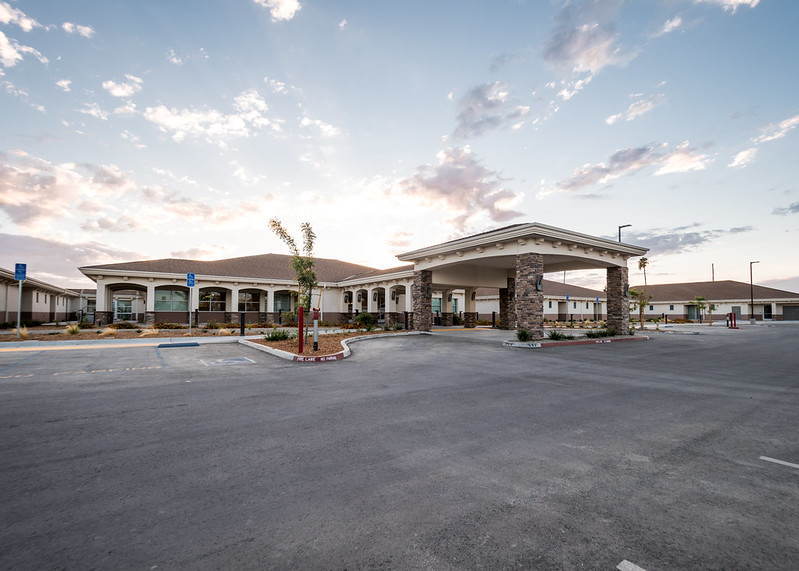
How is Kern River Transitional Care Staffed?

CMS rates KERN RIVER TRANSITIONAL CARE's staffing level at 2 out of 5 stars, which is below average compared to other nursing homes. Staff turnover is 49%, compared to the California average of 46%.

What Have Inspectors Found at Kern River Transitional Care?

State health inspectors documented 99 deficiencies at KERN RIVER TRANSITIONAL CARE during 2021 to 2025. These included: 1 that caused actual resident harm and 98 with potential for harm. Deficiencies causing actual harm indicate documented cases where residents experienced negative health consequences.

Who Owns and Operates Kern River Transitional Care?

KERN RIVER TRANSITIONAL CARE is owned by a for-profit company. For-profit facilities operate as businesses with obligations to shareholders or private owners. The facility is operated by PACS GROUP, a chain that manages multiple nursing homes. With 140 certified beds and approximately 128 residents (about 91% occupancy), it is a mid-sized facility located in BAKERSFIELD, California.
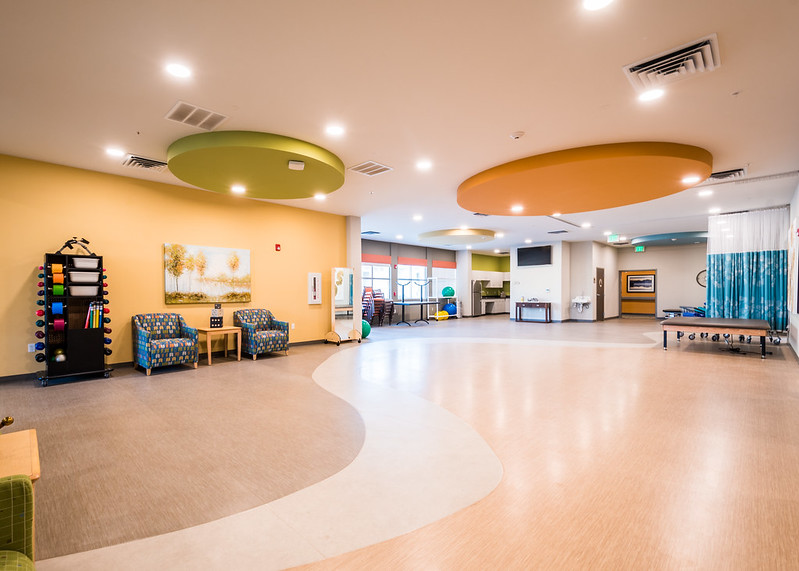
How Does Kern River Transitional Care Compare to Other California Nursing Homes?

Compared to the 100 nursing homes in California, KERN RIVER TRANSITIONAL CARE's overall rating (1 stars) is below the state average of 3.1, staff turnover (49%) is near the state average of 46%, and health inspection rating (1 stars) is much below the national benchmark.

What Should Families Ask When Visiting Kern River Transitional Care?

Based on this facility's data, families visiting should ask: "Can you walk me through typical staffing levels on day, evening, and night shifts?" "Can I visit during a mealtime to observe dining assistance and food quality?" "How do you handle medical emergencies, and what is your hospital transfer rate?" "Can I speak with family members of current residents about their experience?" These questions are particularly relevant given the below-average staffing rating.

Is Kern River Transitional Care Safe?

Based on CMS inspection data, KERN RIVER TRANSITIONAL CARE has a clean safety record: no substantiated abuse findings (meaning no confirmed cases of resident harm), no Immediate Jeopardy citations (the most serious violation level indicating risk of serious injury or death), and is not on the Special Focus Facility watch list (a federal program monitoring the lowest-performing 1% of nursing homes). The facility has a 1-star overall rating and ranks #100 of 100 nursing homes in California. While no facility is perfect, families should still ask about staff-to-resident ratios and recent inspection results during their visit.

Do Nurses at Kern River Transitional Care Stick Around?

KERN RIVER TRANSITIONAL CARE has a staff turnover rate of 49%, which is about average for California nursing homes (state average: 46%). Moderate turnover is common in nursing homes, but families should still ask about staff tenure and how the facility maintains care continuity when employees leave.

Was Kern River Transitional Care Ever Fined?

KERN RIVER TRANSITIONAL CARE has been fined $77,720 across 1 penalty action. This is above the California average of $33,856. Fines in this range indicate compliance issues significant enough for CMS to impose meaningful financial consequences. Common causes include delayed correction of deficiencies, repeat violations, or care failures affecting resident safety. Families should ask facility leadership what changes have been made since these penalties.

Is Kern River Transitional Care on Any Federal Watch List?

KERN RIVER TRANSITIONAL CARE is not on any federal watch list. The most significant is the Special Focus Facility (SFF) program, which identifies the bottom 1% of nursing homes nationally based on persistent, serious quality problems. Not being on this list means the facility has avoided the pattern of deficiencies that triggers enhanced federal oversight. This is a positive indicator, though families should still review the facility's inspection history directly.