PARKVIEW JULIAN HEALTHCARE CENTER
1801 JULIAN AVENUE, BAKERSFIELD, CA 93304 (661) 831-9150
For profit - Partnership 99 Beds Independent Data: November 2025
Trust Grade
5/100
#1086 of 1155 in CA
Last Inspection: November 2024

Within standard 12-15 month inspection cycle. Federal law requires annual inspections.

Overview

Parkview Julian Healthcare Center has received a Trust Grade of F, indicating significant concerns about the quality of care provided. Ranked #1086 out of 1155 facilities in California, it falls within the bottom half, and at #13 out of 17 in Kern County, it is among the least favorable options in the area. While the facility's trend shows improvement, going from 27 issues in 2024 to 9 in 2025, the overall situation remains troubling. Staffing is a notable weakness, with a 53% turnover rate that exceeds the California average, contributing to a low staffing rating of 1 out of 5 stars. The facility has incurred $121,934 in fines, which is a concerning amount higher than 93% of California facilities, indicating ongoing compliance issues. Specific incidents of care failures include a resident who fell due to the facility's failure to follow their care plan, leading to serious injuries, and multiple residents not receiving trauma-informed care, causing distress. Although there is average RN coverage, the incidents reflect significant gaps in care that families should carefully consider.

Trust Score
F
5/100
In California
#1086/1155
Bottom 6%
Safety Record
High Risk
Review needed
Inspections
Getting Better
27 → 9 violations
Staff Stability
⚠ Watch
53% turnover. Above average. Higher turnover means staff may not know residents' routines.
Penalties
✓ Good
$121,934 in fines. Lower than most California facilities. Relatively clean record.
Skilled Nurses
⚠ Watch
Each resident gets only 20 minutes of Registered Nurse (RN) attention daily — below average for California. Fewer RN minutes means fewer trained eyes watching for problems.
Violations
⚠ Watch
94 deficiencies on record. Higher than average. Multiple issues found across inspections.
★☆☆☆☆
1.0
Overall Rating
★☆☆☆☆
1.0
Staff Levels
★☆☆☆☆
1.0
Care Quality
★☆☆☆☆
1.0
Inspection Score
Stable
2024: 27 issues
2025: 9 issues

The Good

  • Full Sprinkler Coverage · Fire safety systems throughout facility
  • No fines on record

Facility shows strength in fire safety.

The Bad

1-Star Overall Rating

Below California average (3.1)

Significant quality concerns identified by CMS

Staff Turnover: 53%

Near California avg (46%)

Higher turnover may affect care consistency

Federal Fines: $121,934

Well above median ($33,413)

Significant penalties indicating serious issues

The Ugly 94 deficiencies on record

4 actual harm
Aug 2025 1 deficiency
CONCERN (D) 📢 Someone Reported This

A family member, employee, or ombudsman was alarmed enough to file a formal complaint

Potential for Harm - no one hurt, but risky conditions existed

Grievances (Tag F0585)

Could have caused harm · This affected 1 resident

Based on interview and record review, the facility failed to follow their policy and procedure (P&P) titled, Grievance and Complaints for one of three sampled residents (Resident 1) when the facility ...

Read full inspector narrative →
Based on interview and record review, the facility failed to follow their policy and procedure (P&P) titled, Grievance and Complaints for one of three sampled residents (Resident 1) when the facility did not inform Resident 1of the outcome of the investigation and actions taken to resolve the grievance. This failure had the potential for Resident 1 to feel his grievances were not investigated or resolved.Findings:During an interview on 8/12/25 at 11:53 a.m. with Resident 1, Resident 1 stated he asked a certified nursing assistant (CNA) to speak to the administrator on Friday (8/8/25). Resident 1 stated the Administrator still has not come to talk to him (on 8/12/25). Resident 1 stated he wanted to speak to the Administrator about noise. Resident 1 stated his roommate next to him is only Spanish speaking and his TV is loud. Resident 1 stated no one comes. Resident 1 stated, For breakfast it says orange juice I am really particular about juice, but I still get pineapple juice. Resident 1 stated he recently asked to speak to someone in the kitchen on Friday and no one has been out yet. During a review of Resident 1's Resident Grievance/Complaint Investigation Report, [RGCIR] dated 7/28/25, the RGCIR indicated, [Resident 1] c/o (complained of) receiving items on his tray that he dislikes. The RGCIR indicated Dietary staff were in serviced on food preferences for Resident 1. The RGCIR indicated, Grievance Official Signature: [blank] date: [blank] Concerned Party Notified on: [blank] By: [blank]. During a review of Resident 1's RGCIR. dated 8/7/25, the RGCIR indicated, [Resident 1] c/o [complained of] roommates TV volume. Grievance Report Assigned to [Name, Department] [blank] Investigation Initiated (Date): [blank] . Department Head Signature: [blank] Date: [blank] Grievance Official Signature: [blank] date: [blank] Concerned Party Notified on: [blank] By: [blank].During an interview on 8/20/25 at 12:40 p.m. with the Director of Nursing (DON), DON stated the grievances go to Social Services Director, she will distribute the grievance to the department that was responsible for resolving the grievance. DON stated the Administrator was responsible for ensuring the grievance was investigated, resolved, and the outcome was discussed with the resident. During a concurrent interview and record review on 8/20/25 at 1:03 p.m. with DON, Resident 1 RGCIR dated 7/28/25 and 8/7/25 were reviewed. DON stated no follow up with Resident 1 was documented and the RGCIR was not signed off by Resident 1 or the Administrator. During a review of the facility's policy and procedure (P&P) titled, Grievances and Complaints, revised 11/1/17, the P&P indicated, VI. Duties and Obligations of Staff A. When a Facility Staff member overhears or receives a complaint from a resident, . concerning the resident's medical care, treatment, food, clothing, or behavior of other residents, etc., the Facility Staff member is encouraged to advise the resident that the resident may file a complaint or grievance without fear of reprisal or discrimination, and will assist the resident . in filling a written complaint with the facility. VIII. Designation of Grievance Official A. The Facility will identify a Grievance Official who is responsible for: i. Overseeing the grievance process; ii. Receiving and tracking grievances through to their conclusion; iii. Leading any necessary investigations by the facility; . v. Issuing written grievance decisions to the resident .VIII. Grievance Investigation . C. The Administrator will be provided with a completed Resident Grievance/Complaint Investigation Report within five (5) working days of the incident . D. If follow up is required, the Administrator is responsible for ensuring that the follow-up action is taken in a timely manner. F. The Facility will inform the resident . of the findings of the investigation and any corrective actions recommended in a timely manner.
Jun 2025 1 deficiency
CONCERN (D) 📢 Someone Reported This

A family member, employee, or ombudsman was alarmed enough to file a formal complaint

Potential for Harm - no one hurt, but risky conditions existed

Deficiency F0558 (Tag F0558)

Could have caused harm · This affected 1 resident

Based on interview and record review, the facility failed to accommodate residents needs when call lights were not answering timely for one of three sampled residents (Resident 1). These failures had ...

Read full inspector narrative →
Based on interview and record review, the facility failed to accommodate residents needs when call lights were not answering timely for one of three sampled residents (Resident 1). These failures had the potential for Resident 1 not to receive timely nursing care and maintain the highest practicable physical well-being.Findings:During an interview on 6/30/25 at 1:42 p.m. with Resident 1, Resident 1 stated she use the call light to be changed after having a bowel movement. Resident 1 stated she has to wait sometimes up to 40 minutes for her bowel movement to be changed. Resident 1 stated she is prone to Urinary Tract Infections (UTI-start when bacteria get into the tube through which urine leaves the body) and has had a two UTI's since being in the facility.During a review of Resident 1's Minimum Data Set (MDS - an assessment tool), dated 2/19/25, the MDS indicated Resident 1's Brief Interview for Mental Status (BIMS- standardized assessment tool used to evaluate the cognitive processes that allow individuals to think, learn, and remember) score was 15 (score of 13 to 15 indicates cognitively intact). The MDS indicated Resident 1 was dependent (helper does all the effort) for toileting hygiene (the ability to maintain perineal hygiene, adjust clothes before and after voiding or having a bowel movement).During an interview on 6/30/25 at 3:10 p.m. with Certified Nursing Assistant (CNA) 1, CNA 1 stated she will have 17 residents to care for on p.m. shift about every two weeks. CNA 1 stated there are times when a nurse will tell her another resident needs her assistance, while she is providing care for another resident so the resident waits for her to finish up with the resident she was with before she can go provide assistance to that resident. During a review of the facility's policy and procedure (P&P) titled, Communication - Call System, dated 11/1/17, The P&P indicated, The Facility will provide a call light system to enable residents to alert the nursing staff from their rooms . III. Nursing staff will answer call bells promptly, in a courteous manner.
Apr 2025 1 deficiency
CONCERN (D) 📢 Someone Reported This

A family member, employee, or ombudsman was alarmed enough to file a formal complaint

Potential for Harm - no one hurt, but risky conditions existed

Abuse Prevention Policies (Tag F0607)

Could have caused harm · This affected 1 resident

Based on observation, interview, and record review, the facility failed to follow their policy and procedure (P&P) titled, Abuse Prevention and Prohibition Program, when the facility failed to: 1. Rep...

Read full inspector narrative →
Based on observation, interview, and record review, the facility failed to follow their policy and procedure (P&P) titled, Abuse Prevention and Prohibition Program, when the facility failed to: 1. Report and investigate misappropriation of property to the California Department of Public Health (CDPH - local state agency) and local ombudsman for one of four sampled residents (Resident 1). This failure had the potential for Resident 1 to experience further abuse. 2. Develop and implement a care plan to protect one of four sampled residents (Resident 1), when financial abuse was discovered. This failure resulted in Resident 1 not to be protected from further abuse, and the potential for Resident 1 ' s mental or psychosocial needs to go unmet. Findings: 1. During an interview on 4/21/25 at 12:32 p.m. with Behavioral Health Worker (BHW), BHW stated Resident 1 ' s reported that he gave his bank card to his brother and he gave his brother permission to use $300 and his brother had not returned the card. BHW stated Resident 1 only get $316 monthly and he had 3 months on the card (approximately $900) on there. BHW stated there have been multiple charges on the bank card Resident 1 did not approve. BHW stated this was like the third time Resident 1 ' s brother has made unapproved charges. BHW stated she informed the Social Services Director (SSD) on 4/18/25 of the unapproved charge to Resident 1 ' s bank card. During a review of Resident 1's Minimum Data Set, (MDS - an assessment tool) dated 4/21/25, the MDS indicated Resident 1's BIMS (Brief Interview for Mental Status) score was 15 (a score of 13 to 15 indicates cognitive intactness). During a concurrent observation and interview, on 4/24/25 at 2:17 p.m. with Resident 1, in Resident 1 ' s room. Resident 1 stated he handles his own finances. Resident 1 stated he gave his bank card to his brother and brother spent more money than he gave permission too. Resident 1 stated he told the Social Services Director (SSD) about it. Resident 1 stated the plan to keep his bank card if the facility ' s safe. Resident 1 ' s bank card was observed on the bedside table. Resident 1 stated he has his card because he was supposed to go out of the facility yesterday but did not. Resident 1 stated they usually keep in the safe. During a review of Resident 1 ' s Social Services Note, (SSN) dated 2/27/25, the SSN indicated, After assisting (Resident 1) with calling the bank he was informed that someone else had been using his money and ordering cards when it was in fact not him. SS and (Resident 1) informed (name of bank) bank where exact [sic] he was at and it was not him. (name of bank) bank frozepatients [sic] acct [account]. During a review of Resident 1 ' s SSN, dated 3/4/25, the SSN indicated, (Resident 1) was visiting with his brother in the facility. SS asked (Resident 1) if he informed his brother of what happened with his card, and (Resident 1) stated no can you tell him. So [sic] (SSD) informed his brother . of the findings and at that point he held up a debit card and stated its right here. So apparently, he was the one using and ordering new cards. He was in the facility visiting (Resident 1) because it had declined twice. (SSD) informed him of the reports to (local law enforcement) and he asked to stop them. During a review of Resident 1 ' s SSN, dated 4/18/25, the SSN indicated, (Resident 1) is aware of his brother using his card he allowed him to have $300. He stated he does not want anything done to his brother. Risk and benefits explained. During an interview on 4/24/25 at 4:15 p.m. with SSD, SSD stated Resident 1 informed his BHW his brother had his bank card. SSD stated the BHW took it upon herself to go get the card, the BHW brought SSD the bank card and informed her of the situation (unapproved charges to Resident 1 ' s bank card). SSD stated Resident 1 had charges he did not approve or make on his bank card. SSD stated she asked Resident 1 what he wanted us to do. SSD stated she discussed the risk and benefits with Resident 1 because every time this (financial abuse) has happened before, Resident 1 never wanted to press charges against his brother. During an interview on 4/24/25 at 4:29 p.m. the Administrator, the Administrator stated he was aware of the unapproved charges for Resident 1 ' s bank card. The Administrator stated when he spoke to Resident 1, Resident 1 stated he knew his brother was using his bank card, how was it stealing if Resident 1 was giving it to his brother. The Administrator stated Resident 1 has a history of financial abuse by his brother and does not want to press charges against his brother. The Administrator stated it was not reported or investigated because Resident 1 himself had made no allegation and stated he was aware his brother was using the card. The Administrator stated if resident ' s funds were being mismanaged or were not approved by the resident, he would report it and investigate. During a review of the facility ' s P&P titled, Abuse Prevention and Prohibition Program, revised 1/31/20, the P&P indicated, To ensure the Facility establishes, operationalizes, and maintains an Abuse Prevention and Prohibition Program designed . protect residents, and to ensure a standardized methodology for the prevention, identification, investigation, and reporting of abuse . misappropriation of property, and crime in accordance with federal and state requirements Policy I. Each resident has the right to be free from . misappropriation of property. The Facility has zero-tolerance for abuse, . misappropriation of resident property. Staff must not permit anyone to engage in . misappropriation of resident property. IV. Prevention . B. Supervisors shall immediately intervene, correct, and report identified situations where abuse . misappropriation of resident property is at risk for occurring. G. The Facility conducts an ongoing review and analysis of abuse incidents and implements corrective actions to prevent future occurrences of abuse. H. Resident Assessments and Care Planning are performed to monitor resident needs and address behaviors that may lead to conflict. VI. Investigation A. The Facility promptly and thoroughly investigates reports of resident abuse, . or criminal acts. IX. Reporting/Response A. Facility Staff are Mandatory Reporters i. Facility . employees, managers, agents, . are obligated by the Elder Justice Act and the California Elder Abuse and Dependent Adult Civil Protection Act to report known or suspected instances of abuse of elder or dependent adults. iv. Failure to report suspected or known abuse may result in legal action against the individual(s) withholding such information. B. Administrator, or his/her designee, as Abuse Coordinator i. In order to facilitate reporting, ensure confidentiality, and promote order at the Facility, the Administrator, or his/her designee, of the Facility shall be the individual who reports known or suspected instances of abuse of residents at the Facility to the proper authorities. C. All mandated reporters will report reasonable suspicion of a crime against a resident when it is objectively reasonable for a person to entertain a suspicion of conduct that appears to be financial abuse . D. The Facility will report allegations of abuse, . misappropriation of resident property, or other incidents that qualify as a crime. ii. No later than 24 hours . to the state survey agency, law enforcement, and the Ombudsman. 2. During a concurrent interview and record review, on 4/24/25 at 4:29 p.m. with Director of Nursing (DON), Resident 1's care plans were reviewed. DON stated there were no care plans developed or implemented to protect Resident 1 from financial abuse by brother and no care plan developed or implemented for Resident 1 ' s refusal to be protected from abuse by brother. During a review of the facility ' s P&P titled, Care Planning, revised 11/1/2017, the P&P indicated, To ensure that a comprehensive person-centered Care Plan is developed for each resident based on their individual assessed needs. II. Each resident ' s Care Plan will describe the following: A. Services that are to be furnished to attain or maintain the resident ' s highest practicable physical, mental and psychosocial well-being; . V. The IDT will revise the Care Plan as needed at the following intervals: . B. As dictated by changes in the resident's condition; . D. To address changes in behavior and care; and E. Other times as appropriate or necessary.
Mar 2025 1 deficiency 1 Harm
SERIOUS (G) 📢 Someone Reported This

A family member, employee, or ombudsman was alarmed enough to file a formal complaint

Actual Harm - a resident was hurt due to facility failures

Comprehensive Care Plan (Tag F0656)

A resident was harmed · This affected 1 resident

**NOTE- TERMS IN BRACKETS HAVE BEEN EDITED TO PROTECT CONFIDENTIALITY** Based on interview and record review, the facility failed to follow one of three sampled residents (Resident 1) care plan (perso...

Read full inspector narrative →
**NOTE- TERMS IN BRACKETS HAVE BEEN EDITED TO PROTECT CONFIDENTIALITY** Based on interview and record review, the facility failed to follow one of three sampled residents (Resident 1) care plan (personalized plan of care outlining a person's needs and how they will be addressed) to ensure Resident 1 who was high risk for falls (to move downward, typically rapidly and freely without control, from a higher to a lower level), had history of falls, and had Alzheimer's disease (progressive and fatal brain disorder that causes memory loss, cognitive decline [gradual decrease in mental abilities, such as memory, attention, reasoning, and judgment], and behavioral changes), had a floor mat (cushioned floor covering designed to reduce the impact of a fall, minimizing the risk of injury) to the right side of the bed and was wearing nonskid (designed to prevent sliding or skidding) socks when he got out of bed. These failures resulted in Resident 1 sustaining a fall and experiencing pain to the right hip. Resident 1 was transferred to the acute hospital requiring admission and operation for the acute (new) intertrochanteric (bony bumps on the upper part of the thigh bone) right femoral (relating to the thigh) fracture (broken bone). Findings: During a review of Resident 1's admission Record (AR), dated 3/13/25, the AR indicated, Resident 1 was admitted on [DATE]. The AR indicated, Diagnosis. Hemiplegia (paralysis on one side of the body) and Hemiparesis (weakness on one side of the body) Following Other Cerebrovascular Disease (condition that affects blood flow to the brain) Affecting Left Non-Dominant Side (side of the body that is not used as much as the other side for everyday tasks) . Muscle Weakness (Generalized). Other Abnormalities of Gait and Mobility (change in walking pattern) . Alzheimer's disease. During a review of Resident 1's Quarterly Minimum Data Set (MDS – an assessment tool), dated 2/3/25, the MDS indicated, under Section C (Cognitive Patterns – the ways people think, process information, and make judgments) Resident 1 had a BIMS (Brief Interview for Mental Status) score of 5 (score of 0 – 7 indicates severe cognitive impairment [decline in one or more mental abilities that affects a person's daily functioning]). The MDS indicated, under Section GG (Functional Abilities – a person's capacity to perform everyday activities) Resident 1's admission performance required substantial or maximal assistance (helper does more than half the effort) with putting on or taking off footwear. The MDS indicated walking was not attempted due to safety concerns (Resident 1 was not walking at the time of assessment). During a review of Resident 1's Fall Risk Evaluation (FRE – process used to identify factors that increase an individual's likelihood of falling), dated 2/1/25, the FRE indicated Resident 1 had a score of 15 (score of 10 or higher indicates high risk for falls). During a review of Resident 1's Care Plan (CP), dated 10/14/24 (current care plan on 3/5/25), the CP indicated, High risk for repeated falls. Interventions. Ensure that the resident is wearing appropriate footwear when ambulating. During a review of Resident 1's CP, dated 10/28/24 (current care plan on 3/5/25), the CP indicated, High risk for repeated falls. Interventions. Floor mat to Right side of bed (Resident 1's left side of the bed has the window, and his right side of the bed has the floor space between his bed and the roommate's bed). During a review of Resident 1's Post Fall Evaluation (PFE – assessment after a fall to identify factors contributing to the fall to determine the necessary course of care), dated 11/12/24, 12/22/24, and 12/25/24, the PFE indicated on: a. 11/12/24, Fall occurred in the Resident's room. Floor mat was on floor: Yes. Footwear at time of fall: Non-skid shoes/socks. b. 12/22/24, Fall occurred in the Resident's room. Activity at the time of fall: resident trying to get up from bed. Floor mat was on floor: No . Footwear at time of fall: Non-skid shoes/socks. c. 12/25/24, Fall occurred in the Resident's room. Activity at the time of fall: trying to go back to bed by hiself [sic]. Floor mat was on floor: No . Footwear at time of fall: shoes. During a review of Resident 1's Nurses Note (NN), dated 3/5/25, the NN indicated, CNA (Certified Nursing Assistant [CNA 1]) reported that a resident (Resident 1) was found on the floor. This writer (Licensed Vocational Nurse [LVN] 1) immediately went to resident room and resident was found on the floor laying on his right side. resident c/o (complained of) pain to his right hip. Notified MD (medical doctor). Received an order to send him to hospital for further evaluation and treatment. During a review of Resident 1's 5-day Investigation Summary (FIS), dated 3/10/25, the FIS indicated, On March 5, 2025 at approximately 6am, (Resident 1) was found on the floor lying on his right side near his roommate's bed. (Family Member [FM]) 1 informed Director of Nursing (DON) that (Resident 1) told (FM 1) that he wanted to go to the bathroom but when he got up from the bed, he felt dizzy and fell. (Resident 1) is a high risk for falls. Interventions such as. landing mat on the right side of the bed. have been implemented prior to this fall incident. During a review of Resident 1's PFE, dated 3/5/25, the PFE indicated, Did an injury occur as a result of the fall: Yes. Did fall result in an ER (Emergency Room) visit/hospitalization: Yes. Right hip. Pain score: 7 (7 – 10 indicates severe pain) . Contributing Factors. Floor mat was on floor: No . Footwear at time of fall: Bare feet. During a review of Resident 1's (Acute hospital) Orthopedic (medical specialty that focuses on the care of bones, joints, muscles, and associated structures) Consultation (OC), dated 3/6/25, the OC indicated, presents after mechanical ground-level fall (fall on the same level due to an external force or event) . Patient has a right hip intertrochanteric fracture. Need surgical fixation (process of stabilizing and joining bones or other tissues using surgical methods) . scheduled for right hip open reduction internal fixation (ORIF – surgical procedure that treats severe bone fracture or dislocation [a separation of two bones where they meet at a joint] by realigning the bones and stabilizing them with internal hardware [tools or devices used in medical procedures]) later today. During a review of Resident 1's NN, dated 3/7/25, the NN indicated, came back to (facility) from (acute hospital) . discharge diagnosis: Intertrochanteric fracture of right hip. SURGERY ORIF FEMUR (thigh bone) RIGHT HIP. During an interview on 3/13/25 at 12:42 p.m. with DON, DON was informed Resident 1 was not wearing nonskid socks at the time of fall (3/5/25). DON stated Resident 1 was supposed to wear at least nonskid socks . DON stated Resident 1's care plan for falls (to have nonskid socks, dated 10/14/24 [current care plan on 3/5/25]) was not followed. During an interview on 3/13/25 at 2:55 p.m. with LVN 1, LVN 1 stated on 3/5/25, she noted Resident 1 was lying on his right side on the floor (on the right side of the bed), with no floor mat on the right side of the bed and was bare feet. LVN 1 stated she did not know what was on Resident 1's care plan for falls. LVN 1 stated Resident 1 needed to wear nonskid socks so he would not fall. LVN 1 stated Resident 1 needed a floor mat on the right side of the bed so he won't hit his body hard on the floor and to prevent injury. During an interview on 3/18/25 at 3:56 p.m. with CNA 1, CNA 1 stated on 3/5/25, I just came in for morning shift. I never took over. I was making rounds, and I found (Resident 1) on the floor (on the right side of the bed). CNA 1 stated, There is no floor mat (on the right side of the bed). CNA 1 stated she did not know if Resident 1 was at risk for falls. CNA 1 stated, If (Resident 1) is fall risk, he is supposed to have a floor mat (on the right side of the bed) for preventing injury. During an interview on 3/21/25 at 9:18 a.m. with DON, DON stated, (Resident 1) has been falling. DON stated Resident 1 should have a floor mat on the right side of the bed to prevent injury. DON stated Resident 1's care plan (to have a floor mat on the right side of the bed, dated 10/28/24 [current care plan on 3/5/25]) for falls was not followed. During an interview on 3/24/25 on 12:53 p.m. with Nurse Consultant (NC), NC stated LVN 1, and CNA 1 should have known Resident 1 was at risk of falls and his care plan interventions for falls. NC stated the facility staff, especially nursing staff (licensed nurses and CNAs), should know the residents who are at risk for falls and their care plan interventions for falls. During a review of the facility's policy and procedure (P&P), titled Care Planning, dated 11/1/17 (current P&P on 3/5/25), the P&P indicated, To ensure that a comprehensive person-centered Care Plan is developed for each resident based on their individual assessed needs. The Care Plan serves as a course of action where the resident (resident's family and/or guardian or other legally authorized representative), resident's Attending Physician, and IDT (Interdisciplinary Team – group of professionals who assess, coordinate, and manage each resident's comprehensive needs) work to help the resident move toward resident-specific goals that address the resident's medical, nursing, mental and psychosocial needs.
Mar 2025 1 deficiency
CONCERN (E) 📢 Someone Reported This

A family member, employee, or ombudsman was alarmed enough to file a formal complaint

Potential for Harm - no one hurt, but risky conditions existed

Abuse Prevention Policies (Tag F0607)

Could have caused harm · This affected multiple residents

Based on interview and record review, the facility failed to follow their policy and procedure (P&P) titled, Abuse Prevention and Prohibition Program, when the facility failed to: 1. Submit the SOC 34...

Read full inspector narrative →
Based on interview and record review, the facility failed to follow their policy and procedure (P&P) titled, Abuse Prevention and Prohibition Program, when the facility failed to: 1. Submit the SOC 341 (California Report of Suspected Dependent/Elder Abuse) to the California Department of Public Health (CDPH - local state agency) and local ombudsman for two of five sampled residents (Resident 1 and Resident 2). This failure had the potential for Resident 1 and Resident 2 to experience further abuse. 2. Submit the 5-day investigation report to the local ombudsman and the CDPH within 5-days of the incident for one of five sampled residents (Resident 3). This failure had the potential for an incomplete investigation for Resident 3. 3. Notify the attending physician (AP) for one of five sampled residents (Resident 3) allegation of financial abuse. This failure resulted in Resident 3's AP to be unaware of the financial abuse. 4. Develop a care plan for one of five sampled residents (Resident 3) when the financial abuse was discovered. This failure had the potential for Resident 3 mental or psychosocial change to go unnoticed and Resident 3 mental or psychosocial needs to go unmet. Findings: 1. During an interview on 2/26/25 at 11:34 a.m. with Director of Nursing (DON), DON confirmed Resident 1 and Resident 2 had an unwitnessed resident to resident altercation on 2/17/25. DON was unable to provide documentation the SOC 341 was sent timely to CDPH or local ombudsman. DON stated there was an error in communication and the SOC 341 was not sent timely. 2. During a concurrent interview and record review on 3/4/25 at 3 p.m. with DON, the SOC 341 dated 2/26/25 indicated, Resident 3 was a victim of financial abuse. DON stated the 5-day investigation report was not available at this time (6 days). 3. During a concurrent interview and record review on 3/4/25 at 2:14 p.m. with DON, Resident 3 medical record was reviewed. DON confirmed there was no documentation Resident 3's AP was notified of the allegation of financial abuse. DON stated Resident 3's AP should have been notified. 4. During a concurrent interview and record review on 3/4/25 at 2:14 p.m. with DON, Resident 3's medical record was reviewed. DON stated there was no care plan developed or implemented to assess or monitor for mental or psychosocial outcomes or needs after Resident 3's financial abuse was discovered. During a review of the facility's policy and procedure (P&P) titled, Abuse Prevention and Prohibition Program, revise 8/1/23, the P&P indicated, To ensure the Facility establishes, operationalizes, and maintains and Abuse Prevention and Prohibition Program designed to . protect residents, and ensure a standardized methodology for the . reporting of abuse . in accordance with federal and state requirements. III. The Administrator is responsible for coordinating and implementing the Facility's abuse prevention policies, procedures, . and systems. Reporting/Response . The Facility will report allegations of abuse . using . California Report of Suspected Dependent/Elder Abuse (SOC 341) . i. immediately, but no later than 2 hours after forming the suspicion- if the alleged violation involves abuse . to the state survey agency, adult protective services, law enforcement and Ombudsman. ii. No later than 24 hours after forming the suspicion - if the alleged violation .does not involve abuse and does not result in serious bodily to the state survey agency, adult protective services, law enforcement and Ombudsman. iii. Reporting requirements are based on real (clock) time, not business hours. iv. The Administrator will provide the state survey agency, law enforcement and the Ombudsman with a copy of the investigation report within 5 days of the incident. vi. The resident's Attending Physician . will also be notified of the allegation and outcome of the investigation. XI. The Facility will reassess the resident following the investigation to determine if the resident's medical, nursing, physical, mental or psychosocial needs or preferences have changed as a result of the incident and initiate or update the care plan as indicated.
Feb 2025 1 deficiency
CONCERN (D) 📢 Someone Reported This

A family member, employee, or ombudsman was alarmed enough to file a formal complaint

Potential for Harm - no one hurt, but risky conditions existed

Deficiency F0658 (Tag F0658)

Could have caused harm · This affected 1 resident

Based on interview and record review, the facility failed to ensure an antibiotic (medication used to treat infections) order was given as ordered by the Medical Doctor (MD) for one of five sampled re...

Read full inspector narrative →
Based on interview and record review, the facility failed to ensure an antibiotic (medication used to treat infections) order was given as ordered by the Medical Doctor (MD) for one of five sampled residents (Resident 1). This failure had the potential to result in delayed healing of Resident 1's infection. Findings: During a review of Resident 1's admission Record (AR), dated 2/28/25, the AR indicated, Diagnosis. Encounter for other specified surgical aftercare (care provided after surgery). During a review of Resident 1's Medication Administration Record (MAR), dated February 2025, the MAR indicated Resident 1 received Keflex (antibiotic) every eight hours from 2/13/25 to 2/20/25 for surgical wound infection. During a concurrent interview and record review on 3/6/25 at 2:59 p.m. with Treatment Nurse (TN), Resident 1's Change in Condition Evaluation (CCE), dated 2/12/25, and Order Summary (OS), dated 2/13/25 were reviewed. The CCE indicated, Resident's dressing was noted to have a large amount of drainage (fluid that leaks out of the wound) . MD notified, new orders were entered and carried out. keflex 250 mg (milligrams) QID (four times a day) x (for) 10 days. The OS indicated, Keflex. Give 250 mg by mouth every 8 hours for surgical wound infection for 10 Days. TN stated she completed the CCE, and she received the Keflex order. TN stated, It (Keflex order) was supposed to be four times a day. TN stated on 2/13/25, she entered the Keflex order incorrectly, and she did not follow the MD orders. During an interview on 3/7/25 at 9:45 a.m. with Director of Nursing (DON), DON stated Resident 1's Keflex order, dated 2/13/25 was not accurate. During a review of the facility's policy and procedure (P&P) titled, Physician Orders, dated 5/1/19, the P&P indicated Purpose This will ensure that all physician orders are complete and accurate. Medication orders will include the following: A. Name of medication; B. Dosage; C. Frequency; and D. Duration of order E. The route and the condition/diagnosis for which the treatment is ordered. Other orders will include a description complete enough to ensure clarity of the physician's plan of care.
Jan 2025 1 deficiency
CONCERN (D) 📢 Someone Reported This

A family member, employee, or ombudsman was alarmed enough to file a formal complaint

Potential for Harm - no one hurt, but risky conditions existed

Deficiency F0692 (Tag F0692)

Could have caused harm · This affected 1 resident

Based on interview and record review, the facility failed to follow its policy and procedure (P&P) on assessment and management of resident weights for one of three sampled residents (Resident 1) when...

Read full inspector narrative →
Based on interview and record review, the facility failed to follow its policy and procedure (P&P) on assessment and management of resident weights for one of three sampled residents (Resident 1) when Resident 1 did not have his weight taken for three months. This failure had the potential to result in inaccurate nutrition assessment due to using outdated weights. Findings: During a review of Resident 1's admission Record (AR), dated1/31/25, the AR indicated, Diagnosis. Mild Protein-Calorie Malnutrition (condition where someone does not get enough protein and energy). Onset Date. 11/26/2024. During a review of Resident 1's Minimum Data Set (MDS – an assessment tool), dated 1/7/25, the MDS indicated Resident 1 had a BIMS (Brief Interview for Mental Status) of 12 (score of 8 to 12 means moderately impaired cognition). During a review of Resident 1's Documentation Survey Report (DSR – activities of daily living [basic personal tasks performed daily] flowsheet), dated January 2025, the DSR indicated Resident 1 had multiple meal refusals on: a. 1/4/25 dinner, b. 1/5/25 breakfast and lunch, c. 1/6/25 breakfast and dinner, d. 1/7/25 lunch, e. 1/8/25 breakfast and dinner, f. 1/9/25 dinner, g. 1/10/25-1/12/25 breakfast, h. 1/15/25 lunch, i. 1/16/25 – 1/19/25 breakfast, j. 1/21/25 dinner, k. 1/22/25 breakfast, l. 1/24/25 breakfast and lunch, m. 1/25/25 breakfast, n. 1/27/25 breakfast. During a review of Resident 1's Weights and Vitals Summary (WVS), dated 1/30/25, the WVS indicated Resident 1's most recent weight was taken on 10/4/24. During an interview on 1/30/25 at 12:20 p.m. with Resident 1, Resident 1 stated he did not know if he had changes with his weight. Resident 1 stated he refused to be weighed on some occasions because the hoyer lift (machine used to lift a resident) would hurt his back. Resident 1 stated he was not offered other methods of taking his weight. During a concurrent interview and record review on 1/30/25 at 2:03 p.m. with Dietary Manager (DM), Resident 1's Quarterly Nutrition Review (QNR), dated 1/11/25 was reviewed. The QNR indicated, Nutrition Review. Most Recent Weight. 187.6 . Date: 10/04//2024. Indicated date weight taken: 30 day (No entry). Weight change greater or equal to 5%. Not Applicable. Date weight taken: 90 days 10/04/2024. Weight change greater or equal to 7.5%. No. Date weight taken: 180 days 07/03/2024. Weight change greater or equal to 10%. No. DM stated the QNR would not be accurate due to only having Resident 1's weight from 10/4/24. During a concurrent interview and record review on 1/30/25 at 2:41 p.m. with Director of Nursing (DON), Resident 1's medical records (MR) dated 1/30/25 was reviewed. The MR indicated there was no alternative methods used to measure Resident 1's weight. DON stated, We usually do the arm circumference (method of estimating weight by measuring around the upper arm) the RNAs (Restorative Nursing Assistant – helps residents regain their ability perform daily tasks after an injury or illness) know how to do that (if a resident refused to be weighed). And they document on their notes that the resident refused (to be weighed). DON stated the Interdisciplinary Team (IDT – group of healthcare professionals from different disciplines who work together to create a comprehensive care plan for a resident) did not discuss Resident 1 refusing to be weighed in November, December, and January. During a review of the facility's P&P titled, Assessment and Management of Resident Weights, dated 11/1/17, the P&P indicated, To ensure that each resident maintains acceptable parameters of weight and nutritional status, such as body weight and protein levels. Weights are obtained upon admission and/or re-admission, then weekly for four (4) weeks, and monthly thereafter. Additional weights may be obtained at the discretion of the licensed nurse or the interdisciplinary team (IDT).
Jan 2025 2 deficiencies
CONCERN (D) 📢 Someone Reported This

A family member, employee, or ombudsman was alarmed enough to file a formal complaint

Potential for Harm - no one hurt, but risky conditions existed

Deficiency F0553 (Tag F0553)

Could have caused harm · This affected 1 resident

Based on interview and record review, the facility failed to ensure one of three sampled residents (Resident 1) was involved in the comprehensive person-centered care planning process. This failure re...

Read full inspector narrative →
Based on interview and record review, the facility failed to ensure one of three sampled residents (Resident 1) was involved in the comprehensive person-centered care planning process. This failure resulted in violation of resident's rights. Findings: During an interview on 12/23/24 at 12:42 p.m. with Resident 1, Resident 1 stated he was told by the facility staff he could no longer be transferred via sheet from his bed to the shower bed. Resident 1 stated No reason was given, they (facility staff) have been transferring me like that since I have been here, since January 2024. During a concurrent interview and record review, on 12/23/24 at 3:34 p.m. with Administrator, Resident 1's care plan with the focus on (Resident 1) is persistent on having staff transfer him with a sheet to shower bed . initiated 12/21/24 was reviewed. Administrator stated the facility discussed the reasons staff could no longer transfer Resident 1 using a sheet, with Resident 1 a few months ago. Administrator stated he was not sure if it was in a care conference or IDT (a group of healthcare professionals who work together to provide personalized care for a patient) meeting. Administrator was not able to provide documentation of discussion. During a concurrent interview and record review, on 1/13/25 at 1:18 p.m. with Director of Nursing (DON), Resident 1's medical record was reviewed. DON confirmed the findings and stated there should be a progress note or IDT meeting explaining the reasons why Resident 1 could no longer be transferred via sheet from his bed to the shower bed prior to the care plan (12/21/24). During a review of the facility's policy and procedure (P&P) titled, Resident's Rights, revised 11/1/17, the P&P indicated, To promote and protect the rights of all residents at the Facility. I. State and federal laws guarantee certain basic rights to all residents of the facility. These rights include, but are not limited to, a resident's right to: . C. participate in decisions and care planning . D. Be fully informed and participate in his /her treatment including being fully informed in a language that he or she can understand of his/her total health status .
CONCERN (D) 📢 Someone Reported This

A family member, employee, or ombudsman was alarmed enough to file a formal complaint

Potential for Harm - no one hurt, but risky conditions existed

Deficiency F0745 (Tag F0745)

Could have caused harm · This affected 1 resident

Based on interview and record review, the facility failed to ensure one of three sampled resident (Resident 1) transportation was scheduled for doctor's appointment. This failure resulted in Resident ...

Read full inspector narrative →
Based on interview and record review, the facility failed to ensure one of three sampled resident (Resident 1) transportation was scheduled for doctor's appointment. This failure resulted in Resident 1 missing a necessary doctor's appointment. Findings: During an interview on 12/23/24 at 12:42 p.m. with Resident 1, Resident 1 stated he recently missed a doctor's appointment due to transportation not being scheduled. Resident 1 stated the appointment was for medications to treat his valley fever (a serious lung infection). During a review of Resident 1's Order Details, (OD) order date 12/4/24, the OD indicated Resident 1 had a doctor's appointment scheduled on 12/16/24. During a review of Resident 1's Social Services, (SS) note dated 12/16/24, the SS note indicated, [Resident 1] didn't have transport for his appt (appointment) at the (hospital name), Appt rescheduled so that ss can set up transport. During an interview on 12/23/24 at 4:05 p.m. with Social Services Director (SSD), SSD stated she did not receive a transportation request and I cannot schedule transportation without one. SSD stated on 12/16/24 she was made aware (staff) Resident 1 had a doctor's appointment scheduled for 12/16/24. SSD confirmed Resident 1 missed the appointment due to lack of transportation. During a concurrent interview and record review, on 1/13/25 at 1:18 p.m. with Director of Nursing (DON), Resident 1's OD, dated 12/4/24 was reviewed. Resident 1's SS, note dated 12/16/24 was reviewed. DON confirmed Resident 1's order for doctor's appointment was put in the system by a nurse, and Resident 1 missed the appointment due to transportation not being scheduled. DON stated, The nurses are responsible for put the order in the residents medical record and filling out a transportation request and giving it to SSD, once the transportation request is made SSD should schedule for transportation. During a review of the facility's policy and procedure (P&P) titled, Referrals to Outside Services, revised 6/1/11, the P&P indicated, To provide resident with outside services as required by physician orders or care plan. VI. As necessary, the Social Service Department may offer and assist in making transportation arrangement to outside services for residents.
Dec 2024 1 deficiency
CONCERN (D) 📢 Someone Reported This

A family member, employee, or ombudsman was alarmed enough to file a formal complaint

Potential for Harm - no one hurt, but risky conditions existed

Comprehensive Care Plan (Tag F0656)

Could have caused harm · This affected 1 resident

Based on interview and record review, the facility failed to implement a care plan for one of three sampled residents (Resident 1) when the facility did not monitor Resident 1 after a fire. This failu...

Read full inspector narrative →
Based on interview and record review, the facility failed to implement a care plan for one of three sampled residents (Resident 1) when the facility did not monitor Resident 1 after a fire. This failure had the potential for Resident 1 to develop adverse health outcomes from exposure to fire. Findings: During a review of Resident 1's Change in Condition Evaluation (CCE), dated 12/21/24, the CCE indicated, CNA came rushing to nursing station informed that resident has fire in her room. resident c/o (complained of) throat and lungs hurting, chest pain and difficulty breathing. During a review of Resident 1's Minimum Data Set (MDS – an assessment tool), dated 9/14/24, the MDS indicated Resident 1 had a BIMS (Brief Interview for Mental Status) of 12 (score of 8 to 12 indicates moderate cognitive impairment). During an interview on 12/24/24 at 9:19 a.m. with Resident 1, Resident 1 stated, Something was on fire. They said it was my charger and there was a lot of smoke in here. It happened last week (12/21/24). Resident 1 stated she breathed in the smoke in her room, and it made her chest hurt. Resident 1 stated, Last week, my chest was hurting. Resident 1 stated the nurses did not monitor her after the fire occurred in her room on 12/21/24. During an interview on 12/24/24 at 9:52 a.m. with Registered Nurse (RN) 1, RN 1 stated Resident 1 should have been on monitoring for respiratory distress after the fire on 12/21/24. During a concurrent interview and record review on 12/24/24 at 10:36 a.m. with Nurse Consultant (NC), Resident 1's Care Plan (CP), dated 12/21/24 was reviewed. The CP indicated, (Resident 1) c/o lung and throat hurting (s/p [status post – after a certain event] smoke exposure) . Interventions. Placed on alert charting to assess any changes in medical condition. V/S (Vital Signs) q (every) shift. Notify MD (medical doctor) of abnormal findings. NC stated Resident 1's vital signs especially the oxygen saturation (a measurement of how much oxygen is in residents blood) and respiration should be checked every shift for 72 hours after the fire on 12/21/24. During a concurrent interview and record review on 12/24/24 at 10:37 a.m. with NC, Resident 1's medical records (MR), undated was reviewed. MR indicated there were no documentation of alert charting and Resident 1's oxygen saturation and respiration every shift from 12/21/24- 12/23/24 after the fire on 12/21/24. NC stated there was no alert charting done, and Resident 1's oxygen saturation and respiration were not checked every shift for 72 hours. During a review of the facility's policy and procedure (P&P) titled, Care Planning, dated 11/1/17, the P&P indicated, The Care Plan serves as a course of action where the resident., resident's Attending Physician, and IDT work to help the resident move toward resident-specific goals that address the resident's medical, nursing, mental and psychosocial needs.
Dec 2024 1 deficiency
CONCERN (E) 📢 Someone Reported This

A family member, employee, or ombudsman was alarmed enough to file a formal complaint

Potential for Harm - no one hurt, but risky conditions existed

Deficiency F0573 (Tag F0573)

Could have caused harm · This affected multiple residents

Based on interview and record review, the facility failed to: 1. Follow their policy and procedure (P&P) titled, Resident Access to PHI (protected health information), when three of four sampled resid...

Read full inspector narrative →
Based on interview and record review, the facility failed to: 1. Follow their policy and procedure (P&P) titled, Resident Access to PHI (protected health information), when three of four sampled residents (Resident 1, Resident 2, and Resident 3) medical records request (MRR) were not logged. This failure had the potential for MRR not to be reviewed and acted upon timely for Resident 1, Resident 2, and Resident 3. 2. Follow their P&P titled Third Party Disclosures of Protected Health Information, when communication for request were not acted upon timely for three of four sampled residents (Resident 1, Resident 2, and Resident 3). This failure resulted in a violation of Resident 1, Resident 2, and Resident 3's rights for MMR to be acted upon timely for Resident 1, Resident 2, and Resident 3. Findings: 1. During a concurrent interview and record review on 12/23/24 at 3:04 p.m. with Medical Records (MR), MR stated she received an MMR for Resident 1, Resident 2, and Resident 3. MR stated she does not keep a log to track the MRR. During a review of the facility's P&P titled, Resident Access to PHI, revised November 1, 2017, the P&P indicated, III. Documentation A. The Facility will document the following information on . Log of Request for Access to PHI and retain such information for a period of ten years: i. The date of the resident or resident's personal representative's request for access to PHI; ii. The name and the title of the Facility employee addressing the request; iii. The date of the Facility's response; iv. The action taken by the facility in response to the request; and v. Whether the resident asked for a review of the facility's initial response. 2. During a concurrent interview and record review, on 12/23/24 at 3:04 p.m. with MR, Resident 1's MRR dated 11/21/24, Resident 2's MRR, dated 11/25/24, and Resident 3's MMR dated 12/3/24 were reviewed. MR confirmed Resident 1 (31 days), Resident 2 (27 days) and Resident 3's (20 days) MRR have not been sent to the requesting office. During a review of the facility's P&P titled, Third Party Disclosures of Protected Health Information, revised 11/1/17, the P&P indicated, VII. Release of PHI to an Attorney Prior to Filing to a Lawsuit A. A resident's attorney may request PHI of a resident prior to filing a lawsuit. B. If the request is made before the lawsuit is filed, the facility will determine the validity of the request according to the procedure described in (Section LL), and will comply with the request within five (5) days.
Dec 2024 1 deficiency
CONCERN (D) 📢 Someone Reported This

A family member, employee, or ombudsman was alarmed enough to file a formal complaint

Potential for Harm - no one hurt, but risky conditions existed

Deficiency F0557 (Tag F0557)

Could have caused harm · This affected 1 resident

Based on observation, interview, and record review, the facility failed to ensure two of three sampled residents (Resident 1 and Resident 2) personal items were inventoried upon admission. This failur...

Read full inspector narrative →
Based on observation, interview, and record review, the facility failed to ensure two of three sampled residents (Resident 1 and Resident 2) personal items were inventoried upon admission. This failure had the potential for personal items to be unaccounted for Resident 1 and Resident 2 and the use of dangerous materials in the facility. Findings: During a concurrent observation and interview on 12/6/24 at 12:45 p.m. in Resident 1's room. Resident 1 stated he was a smoker. Resident 1's lighter was observed on his bedside table. Resident 1stated he was allowed to keep lighter and cigarettes upon admissions. Resident 1 stated he was storing his cigarettes in his nightstand next to his bed. During a concurrent observation and interview on 12/6/24 at 1 p.m. in Resident 1's room. with Certified Nursing Assistant (CNA) 1. CNA 1 confirmed Resident 1 had possession of a lighter and a pack of cigarettes. CNA 1 stated residents should not have lighters or smoking materials in their possession. CNA 1 stated lighter and cigarettes should be with a nurse or activity staff in a locked box at all times. During a concurrent observation and interview on 12/6/24 at 1:13 p.m. with Resident 2, Resident 2 stated the smoking policy was explained to him on admission, but he was medicated so he does not recall the rule. Resident 2 stated he had a tarp and a backpack when he was admitted to the facility. Resident 2 stated he was allowed to keep his lighter and smoking materials. Resident 2 had a pouch of tabaco, rolling papers and a pink lighter. During a concurrent observation and interview on 12/6/24 at 1:18 p.m. with Registered Nurse (RN) 1 and Resident 2 in the hallway. RN 1 stated the smoking policy and procedure was explained to the residents on admission, and we have supervised smoking times, all smoking materials are kept in a locked box with either activities or nurse. RN 1 stated a personal inventory is completed upon admission and any smoking materials are confiscated. RN 1 confirmed Resident 2 had a pouch of tabaco, rolling papers and pink lighter. During a concurrent interview and record review on 12/6/24 at 1:33 pm with Licensed Vocational Nurse (LVN) 1. Resident 2's hard chart was reviewed. LVN 1confirmed there was no Inventory of Personal Effects in Resident 2's hard chart. LVN 1 stated there should be one (Inventory of Personal Effects). LVN 1 stated Inventory of Personal Effects were completed to ensure the facility can track all the residents belongings, to ensure they leave with what they came in with. LVN 1 stated It is completed to see if the resident has lighter or other dangerous items. During a concurrent interview and record review on 12/6/24 at 3:54 p.m. with Director of Nursing (DON), DON stated inventory should be completed upon admission, if a resident refuse to let staff open bags or purse the refusal must be documented. Resident 1's Inventory of Personal Effects, dated 10/31/24 was reviewed. DON confirmed no lighter or cigarettes were documented. DON confirmed Black Bag was documented (no mention of what was in the bag). DON reviewed Resident 1's medical record and confirmed no documentation of a refusal to search the bag. During a review of the facility provider document titled, Inventory of Personal Effects, undated the document indicated, Instructions: At the time of admission, record the resident's personal belongings by indicating quantity of those items listed. Use the space provided to write in additional items as necessary. The original copy shall be kept in the resident's medical record. Update as needed throughout the resident's stay using the space provided. During a review of the facility's policy and procedure (P&P) titled Smoking, revised 2/1/22, the P&P indicated, To respect resident/employee choice to smoke and to maintain a safe healthy environment for both smoker and non-smoker. X. All smoking materials will be stored in a secure area to ensure they are kept safe.
Nov 2024 15 deficiencies
CONCERN (D) 📢 Someone Reported This

A family member, employee, or ombudsman was alarmed enough to file a formal complaint

Potential for Harm - no one hurt, but risky conditions existed

Deficiency F0552 (Tag F0552)

Could have caused harm · This affected 1 resident

Based on interview and record review, the facility failed to follow their policy and procedure (P&P) titled, Informed Consent, for one of two sampled residents (Resident 42) when his informed consent ...

Read full inspector narrative →
Based on interview and record review, the facility failed to follow their policy and procedure (P&P) titled, Informed Consent, for one of two sampled residents (Resident 42) when his informed consent for psychotherapeutic (medication to treat mental disorders) medication was not completed. This failure had the potential for Resident 48 to receive psychotropic medication without knowing the risks and benefits of the medication. Findings: During a concurrent interview and record review on 11/20/24 at 2:15 p.m. with Minimum Data Set Coordinator (MDSC), Resident 42's Informed Consent (IC), dated 11/22/23 was reviewed. Resident 42 was on Amitriptyline (to treat symptoms of depression) 25 mg 1 tablet at bedtime. MDSC stated signature of verification was blank. MDSC stated IC was incomplete. During a review of the facility's P&P titled, Informed Consent, dated 4/1/24, the P&P indicated, The Facility verifies that informed consent was obtained prior to the administration of a medical intervention or change in medical intervention that requires informed consent. .
CONCERN (D) 📢 Someone Reported This

A family member, employee, or ombudsman was alarmed enough to file a formal complaint

Potential for Harm - no one hurt, but risky conditions existed

Safe Environment (Tag F0584)

Could have caused harm · This affected 1 resident

2. During a concurrent observation and interview on 11/20/24 at 8:53 a.m. with Maintenance Technician (MT) 2 in Resident 62's room, a large patch of white drywall was seen between resident's bed and t...

Read full inspector narrative →
2. During a concurrent observation and interview on 11/20/24 at 8:53 a.m. with Maintenance Technician (MT) 2 in Resident 62's room, a large patch of white drywall was seen between resident's bed and the wall. MT 2 stated it should have been painted over and looks bad. During a concurrent observation and interview on 11/20/24 at 8:55 a.m. with MT 2 in Resident 75's room, multiple, various sized dry wall patches were seen on the wall, a broken rubber base board was seen in the corner outside of the restroom wall. Wallpaper was peeling away from bottom of wall near the baseboards. MT 2 stated this building is old and needs a lot of cosmetic patch/paint work. Based on observation and interview, the facility failed to provide a homelike environemnt for three of three residents (Resident 17, Resident 62 and Resident 75) when: 1. One of one sampled resident (Resident 17) clothing was not laundered correctly. This failure resulted in Resident 17's personal clothing being damaged and thrown away. 2. Two of two sampled residents (Resident 62 and Resident 75) rooms had patched unpainted wall areas, broken baseboard and peeling wallpaper. This failure resulted in a personal environment that was not homelike for Resident 62 and Resident 75. Findings: 1. During an interview on 11/17/24 at 11:11 a.m. with Resident 17, Resident 17 stated he had to throw away several of his personal shirts in the past due to the items having bleach stains. During a concurrent observation and interview on 11/17/24 at 11:13 a.m. at Resident 17's room closet, one black shirt with light gray stain was observed. A second shirt brown in color, Resident 17 stated it had been black. During an interview on 11/20/24 at 2:55 p.m. with Laundry Services (LS), LS stated, They are probably not sorting them [clothing] right and they got bleach on them.
CONCERN (D) 📢 Someone Reported This

A family member, employee, or ombudsman was alarmed enough to file a formal complaint

Potential for Harm - no one hurt, but risky conditions existed

Assessment Accuracy (Tag F0641)

Could have caused harm · This affected 1 resident

Based on interview and record review, the facility failed to follow their policy and procedure (P&P) titled, Dialysis Care for two of two sampled residents (Resident 67 and Resident 69) when: 1. One o...

Read full inspector narrative →
Based on interview and record review, the facility failed to follow their policy and procedure (P&P) titled, Dialysis Care for two of two sampled residents (Resident 67 and Resident 69) when: 1. One of two sampled residents (Resident 69) did not have an order to monitor dialysis access site. 2. Two of two sampled residents' (Resident 67 and Resident 69) dialysis access sites were not assessed according to access type. These failures had the potential for dialysis access sites to not be assessed for correct care and monitoring. Findings: 1. During an interview on 11/19/24 at 8:48 a.m. with Resident 69, she stated her dialysis access was a catheter on her chest. During a concurrent interview and record review on 11/20/24 at 8:27 a.m. with Registered Nurse (RN) 2, Resident 69's Order Summary Report (OSR) dated November 2024 was reviewed. The OSR indicated, there was no order for dialysis access monitoring or what type of dialysis access Resident 69 had. RN 2 stated there should have been an order for monitoring her dialysis access site and there was no order. 2a. During a concurrent interview and record review on 11/20/24 at 8:31 a.m. with RN 2, Resident 69's Progress Notes, (PN) dated November 2024 were reviewed. The PN indicated the following: Treatment Information: Pre-Dialysis Evaluation. Time out of the facility: 11/20/2024 4:01 a.m.Access site: .Bruit [sound heard on a dialysis access in arm through a stethoscope]: positive. Thrill [vibration felt when palpating dialysis access in arm]: Yes . Treatment Information: Post-Dialysis Evaluation. Time out of the facility: 11/18/2024 8:05 a.m Access site: .Bruit: positive. Thrill: Yes . Treatment Information: Pre-Dialysis Evaluation. Time out of the facility: 11/15/2024 4:00 a.m Access site: .Bruit: positive. Thrill: Yes . Treatment Information: Pre-Dialysis Evaluation. Time out of the facility: 11/13/2024 4:00 a.m Access site: .Bruit: positive. Thrill: Yes . Treatment Information: Post-Dialysis Evaluation. Time out of the facility: 11/11/2024 9:00 a.m Access site: .Bruit: positive. Thrill: Yes . Treatment Information: Pre-Dialysis Evaluation. Time out of the facility: 11/11/2024 4:00 a.m Access site: .Bruit: positive. Thrill: Yes . Treatment Information: Pre-Dialysis Evaluation. Time out of the facility: 11/08/2024 4:05 a.m Access site: .Bruit: positive. Thrill: Yes . Treatment Information: Pre-Dialysis Evaluation. Time out of the facility: 11/06/2024 4:00 a.m Access site: .Bruit: positive. Thrill: Yes . Treatment Information: Pre-Dialysis Evaluation. Time out of the facility: 11/01/2024 4:59 a.m Access site: .Bruit: positive. Thrill: Yes. RN 2 stated staff should not check for bruit and thrill because Resident 69 had a dialysis catheter on her chest not a dialysis access on her arm. 2b. During an interview on 11/19/24 at 10:34 a.m. with Resident 67, she stated she had a dialysis catheter as her dialysis access. During a concurrent interview and record review on 11/20/24 at 8:34 a.m. with RN 2, Resident 67's PN dated November 2024 were reviewed. The PN indicated the following: Treatment Information: Post-Dialysis Evaluation. Time out of the facility: 11/11/2024 12:45 p.m Access site: .Bruit: positive. Thrill: Yes . Treatment Information: Pre-Dialysis Evaluation. Time out of the facility: 11/11/2024 9:01 a.m Access site: .Bruit: positive. Thrill: Yes . Treatment Information: Pre-Dialysis Evaluation. Time out of the facility: 11/06/2024 7:45 a.m Access site: .Bruit: positive. Thrill: Yes. RN 2 stated staff should not check for bruit and thrill because Resident 67 had a dialysis catheter on her chest and Resident 67 does not have a dialysis access on her arm. During a review of the facility's policy and procedure (P&P) titled, Dialysis Care dated 11/1/2017, the P&P indicated, D. Ateriovenous (AV) Shunt/Fistula .a. Place your fingertip slightly over the vein and feel for the thrill. b. Place the stethoscope over the vein and listen for the buzz or bruit. Resident 67 and Resident 69 does not have an AV Shunt/Fistula.
CONCERN (D) 📢 Someone Reported This

A family member, employee, or ombudsman was alarmed enough to file a formal complaint

Potential for Harm - no one hurt, but risky conditions existed

Deficiency F0645 (Tag F0645)

Could have caused harm · This affected 1 resident

Based on interview and record review, the facility failed to follow their policy and procedure (P&P) titled, Pre-admission Screening and Resident Review (PASRR [federal requirement to help ensure that...

Read full inspector narrative →
Based on interview and record review, the facility failed to follow their policy and procedure (P&P) titled, Pre-admission Screening and Resident Review (PASRR [federal requirement to help ensure that individuals are not incorrectly placed in nursing homes or long-term care instead of a psychiatric setting]), to accurately complete the annual Pre-admission Screening Assessment and Resident Review for two of six sampled residents (Resident 68 and Resident 69). This failure had the potential for Resident 68 and Resident 69 to be placed in an inappropriate setting and not receive required services. Findings: During a review of Resident 68's Pre-admission Screening and Resident Review (PASRR) Level I screening, dated 9/9/24, the PASRR indicated, Level I-positive for SMI [Serious Mental Illness]/Negative for ID [Intellectual Disability]/DD [Developmental Disability]/RC [Related Condition]. During a concurrent interview and record review on 11/20/24 at 1:39 p.m. with Minimum Data Set Coordinator (MDSC), Resident 68's Notice of Attempted Evaluation letter was reviewed. The letter indicated, Facility staff were unresponsive to two or more separate attempts of communication within 48 hours of the Level I Screening. MDSC stated PASRR 1 was positive, and facility never called back so assessment was not completed and PASRR was not resubmitted. During a review of Resident 69's Preadmission Screening and Resident Review (PASRR) Level I screening, dated 4/1/24, the PASRR indicated, Positive Level I Screening Indicates a Level II Mental Health Evaluation is Required. During a concurrent interview and record review on 11/20/24 at 1:45 p.m. with MDSC, Resident 69's PASRR dated 4/1/24 was reviewed. MDSC stated PASRR I was positive and there was no PASRR II evaluation done on Resident 69. During the review of facility's policy and procedure (P&P) titled, Pre-admission Screening and Resident Review (PASRR), dated 12/1/21, the P&P indicated, A positive Level I screen necessitates an in-depth evaluation of the individual by the state-designated authority, known as PASRR Level II, which must be conducted prior to admission to a nursing facility.
CONCERN (D) 📢 Someone Reported This

A family member, employee, or ombudsman was alarmed enough to file a formal complaint

Potential for Harm - no one hurt, but risky conditions existed

Deficiency F0725 (Tag F0725)

Could have caused harm · This affected 1 resident

Based on interview and record review, the facility failed to ensure adequate numbers of staff with certain skill set were available to meet one of two sampled resident (Resident 82) care plan needs. T...

Read full inspector narrative →
Based on interview and record review, the facility failed to ensure adequate numbers of staff with certain skill set were available to meet one of two sampled resident (Resident 82) care plan needs. This failure resulted in Resident 82 not receiving needed medications. Findings: During a review of Resident 82's care plan with the focus on (Resident 82) is on IV [Intravenous - administration of fluids, medications or nutrients directly into a vein] antibiotics [medication used to treat infections] for Osteomyelitis [inflammation of bones] r/t [related to] Right foot/ankle, initiated 8/20/24. The care plan indicated one of the interventions were to Administer antibiotic per md (medical doctor) orders. During a concurrent interview and record review on 11/6/24 at 3:03 p.m. with Director of Nursing (DON), Resident 82's IV Medication Administration Record, (IV MAR) for October 2024 was reviewed. DON reviewed the following: Unasyn (medication used to treat infection) .Use 3 grams (unit of measure) intravenously (administering medications directly into a vein using a needle or tube) every 6 hours for right foot osteomyelitis until 10/17/2024 23:59 - Start Date -10/16/2024 1800 (6 p.m.) The IV MAR indicated, on 10/27/24 for the 6 a.m. administration time, no documentation Resident 82's Unasyn was administered. The IV MAR indicated, on 10/27/24 for the 12 p.m. administration time, no documentation Resident 82's Unasyn was administered. DON stated two doses of Unasyn were missed. DON stated the facility had a mix up in the schedule and could not get registered nurse coverage for 10/27/24 day shift. During a review of the facility's policy and procedure (P&P) titled, Nursing Department - Staffing, Scheduling & Postings, revised 6/1/19, the P&P indicated, To ensure an adequate numbers of nursing personnel are available to meet resident needs. Policy I. The Facility will employ sufficient Nursing Staff on a 24-hour basis that meets the appropriate competencies, skill set, and required qualifications to provide nursing and related services to attain or maintain the highest practicable physical, mental and psychosocial well -being for each resident. i. The Facility will employ sufficient nursing staff as determined by resident and individual plans of care .
CONCERN (D) 📢 Someone Reported This

A family member, employee, or ombudsman was alarmed enough to file a formal complaint

Potential for Harm - no one hurt, but risky conditions existed

Deficiency F0806 (Tag F0806)

Could have caused harm · This affected 1 resident

Based on observation, interview, and record review, the facility failed to follow their policy and procedure (P&P) titled, Food Preference, when two of six sampled residents (Resident 24 and Resident ...

Read full inspector narrative →
Based on observation, interview, and record review, the facility failed to follow their policy and procedure (P&P) titled, Food Preference, when two of six sampled residents (Resident 24 and Resident 43) meal preferences were not honored. This failure had the potential for Resident 24 and Resident 43's nutritional needs to not be met and the potential for unintended weight loss due to the food not meeting their nutritional needs. Findings: 1. During a concurrent observation and interview on 11/17/24, at 12 p.m. with Resident 24, in the facility's dining room, Resident 24 was sitting in her wheelchair at the dining room table. Resident 24 was served Mac and Cheese for lunch. Resident 24 stated she does not like pasta. During a concurrent interview and record review on 11/17/24 at 12:05 p.m. with Certified Dietary Manager (CDM), Resident 24's Meal Tray Ticket (MTT), dated 11/17/24 was reviewed. The MTT indicated, Resident 24 disliked pasta. CDM stated Resident 24 was given Mac and Cheese. CDM stated Resident 24 should not have had been given Mac and Cheese since it was pasta and Resident 24 disliked it. 2. During a concurrent observation and record review on 11/17/24, at 12:07 p.m. with Resident 43, in the facility's dining room, Resident 43 was sitting in his wheelchair at the dining room table. Resident 43's MTT was reviewed. The MTT indicated Resident 43 disliked pasta. Resident 43 had Mac and Cheese on his plate, this caused Resident 43 to have a shouting and angry outburst. During a concurrent interview and record review on 11/17/24 at 12:09 p.m. with CDM, Resident 43's MTT, dated 11/17/24 was reviewed. The MTT indicated Resident 43 disliked pasta. CDM stated Resident 43 was given Mac and Cheese. CDM stated Resident 43 should not have had been given Mac and Cheese since it is pasta and the Resident 43 disliked it. During a review of the facility's policy and procedure (P&P) titled, Food Preference, dated 2023, the P&P indicated, Resident's food preferences will be adhered to within reason. Substitutes for all foods disliked will be given from the appropriate food group.
CONCERN (D) 📢 Someone Reported This

A family member, employee, or ombudsman was alarmed enough to file a formal complaint

Potential for Harm - no one hurt, but risky conditions existed

Deficiency F0807 (Tag F0807)

Could have caused harm · This affected 1 resident

Based on observation, interview, and record review, the facility failed to provide reasonable accommodations and follow the care plan for one of one sampled resident (Resident 48) to prevent symptoms ...

Read full inspector narrative →
Based on observation, interview, and record review, the facility failed to provide reasonable accommodations and follow the care plan for one of one sampled resident (Resident 48) to prevent symptoms of dehydration, poor oral (mouth) moisture and skin elasticity (turgor) This failure had the potential to negatively affect the well-being and the hydration status for Resident 48. Findings: During an interview on 11/19/24 at 9:08 a.m. with Resident 48, Resident 48 stated, The staff will never give me a cup of coffee. They [staff] will either tell me the kitchen is closed or that I am not allowed to have it. I like to drink coffee all day. It is my favorite beverage. During a concurrent observation and interview on 11/19/24 at 2:05 p.m. with Resident 48 and Dietary Supervisor (DS) at the kitchen entrance. Resident 48 stated staff won't let him have a cup of coffee. Resident 48 rang the doorbell at the kitchen entrance. DS came to the door and told him she couldn't give him a cup of coffee, and that he would have to tell his Certified Nursing Assistant (CNA). Resident 48 stated he has been asking his CNAs all day and staff won't bring him any. DS stated, We won't give resident's coffee just anytime they want it. During an interview on 11/19/24 at 2:18 p.m. with Registered Dietician (RD), RD stated, the kitchen staff doesn't know the residents well and dining staff won't give resident coffee. RD stated, We don't have a process or lists that states resident's choice or preferences for beverages outside of meal times and kitchen staff don't know what resident is allowed which beverage. RD stated, Residents are provided coffee in the morning, but not just whenever they want it, because we don't know who can/can't have it. During a review of Resident 48's, Care Plan (CP), dated 7/31/24, the CP indicated, The resident has potential fluid deficit and will be free of symptoms of dehydration and maintain moist [mouth] and good skin turgor [skin elasticity] with interventions including educate the resident/family/caregivers on importance of fluid intake. During an interview on 11/19/24 at 2:56 p.m. with Director of Nursing (DON), DON stated providing beverages should be a resident choice and a case-by-case situation. DON stated if a resident was independent with a BIMS of 15, and if coffee was their beverage of choice, resident should be allowed to have it whenever they want. During a review of Resident 48's, MDS - Section C Cognitive Patterns [MDSC-an assessment tool that scores how a resident mentally understands thought processes.], the MDSC indicated, Resident has a BIMS (Brief Interview for Mental Status) of 15 meaning he does not have impairment mentally understanding his thought processes. During a review of the facility's policy and procedure (P&P) titled, Food Preference, dated 2023, the P&P indicated, Resident's food preferences will be adhered to within reason.
CONCERN (E) 📢 Someone Reported This

A family member, employee, or ombudsman was alarmed enough to file a formal complaint

Potential for Harm - no one hurt, but risky conditions existed

Transfer Notice (Tag F0623)

Could have caused harm · This affected multiple residents

**NOTE- TERMS IN BRACKETS HAVE BEEN EDITED TO PROTECT CONFIDENTIALITY** Based on interview and record review, the facility failed to follow their policy and procedure (P&P) titled, Transfer and Discha...

Read full inspector narrative →
**NOTE- TERMS IN BRACKETS HAVE BEEN EDITED TO PROTECT CONFIDENTIALITY** Based on interview and record review, the facility failed to follow their policy and procedure (P&P) titled, Transfer and Discharge, when the facility did not send a notice of transfer to the ombudsman (representatives who assist residents in long-term care facilities with issues related to day-day care, health, safety, and personal preferences) for two of two sampled residents (Resident 42, and Resident 50). This failure had the potential to result in Resident 42, and Resident 50 not having an advocate who could inform them of their admission, transfer, and discharge rights and options. Findings: During a review of Resident 42's medical record (MR), undated, the MR indicated, Resident 42 was transferred to the hospital on [DATE], 2/5/24, and 7/22/24. There was no indication in Resident 42's medical record that Ombudsman was notified. During an interview on 11/20/24 at 3:46 p.m. with Minimum Data Set Coordinator (MDSC), MDSC stated, there was no Ombudsman notification done on hospital transfer. During a concurrent interview and record review on 11/20/24 at 2:26 p.m with Director of Nursing (DON), Resident 50's transfer forms dated 9/27/24 and 10/19/24 were reviewed. The transfer forms indicated Resident 50 was transfered to the hospital. DON stated the transfer forms were completed. During a concurrent interview and record review on 11/20/24 at 2:26 p.m with SSD, the facility's transfer/discharge binder was reviewed. SSD stated there were no Ombudsman notifications for September and October. During a review of the facility's P&P titled, Transfer and Discharge, dated 4/1/24, the P&P indicated, The facility will also send a copy to the Notice of Proposed Transfer/Discharge to the State Long Term Care Ombudsman for a Facility-initiated discharge. The copy of the Notice of Proposed Transfer/Discharge must be provided to the Ombudsman at the same time the notice is provided to the resident or resident representative.
CONCERN (E) 📢 Someone Reported This

A family member, employee, or ombudsman was alarmed enough to file a formal complaint

Potential for Harm - no one hurt, but risky conditions existed

Deficiency F0804 (Tag F0804)

Could have caused harm · This affected multiple residents

Based on observation, interview, and record review, the facility failed follow their policy and procedure (P&P) titled, Food Preparation when one of one sampled cooks (Cook 1) did not follow the facil...

Read full inspector narrative →
Based on observation, interview, and record review, the facility failed follow their policy and procedure (P&P) titled, Food Preparation when one of one sampled cooks (Cook 1) did not follow the facility's standardized recipe for puree (smooth texture) food preparation to maintain nutritive value. This failure had the potential for residents on a pureed diet to be at risk for nutritive impairment. Findings: During a concurrent observation and interview on 11/18/24, at 9:40 a.m. with [NAME] 1, in the kitchen, [NAME] 1 prepared the puree meat sauce for lunch. [NAME] 1 stated she was using the 12 servings portion in the recipe book for the meat sauce. [NAME] 1 stated 10 residents were on a puree diet. [NAME] 1 stated she would put three cups of water to blend into the meat and sauce. [NAME] 1 stated she was using the casserole menu from the recipe book. [NAME] 1 put in three (3) cups of water into the food processor with the meat and sauce. [NAME] 1 then added 3/4 of a cup of thickener. [NAME] 1 proceeded to use the food processor to blend the above items into a puree texture. [NAME] 1 completed the puree meat sauce. [NAME] 1 stated she had completed the puree meat sauce and it was ready to be put in warmer to be served to residents with a puree diet order. During a concurrent interview and record review on 11/18/24, at 9:55 a.m. with [NAME] 1, the Pureed Casserole recipe was reviewed. The recipe indicated, Fluid such as milk, gravy, or low sodium broth, use 3 cups. gradually add warm liquid (low sodium broth, milk or gravy). [NAME] 1 stated she used water and should have used either milk or broth as the recipe indicated. During a review of the facility's policy and procedure (P&P) titled, Food Preparation, dated 2023, the P&P indicated, food shall be prepared by methods that conserve nutritive value, flavor and appearance. 1. The facility will use approved recipes, standardized to meet the resident census.2. Recipes are specific as to portion yield, method of preparation, quantities of ingredients, and time and temperature guidelines. 2. Recipes are specific as to portion yield, method of preparation, quantities of ingredients .
CONCERN (E) 📢 Someone Reported This

A family member, employee, or ombudsman was alarmed enough to file a formal complaint

Potential for Harm - no one hurt, but risky conditions existed

Food Safety (Tag F0812)

Could have caused harm · This affected multiple residents

Based on observation, interview, and record review, the facility failed to store, prepare, and maintain food in a sanitary manner when: 1. Food items were expired in one of one dry storage room. 2. O...

Read full inspector narrative →
Based on observation, interview, and record review, the facility failed to store, prepare, and maintain food in a sanitary manner when: 1. Food items were expired in one of one dry storage room. 2. One dented can was not stored separately in one of one dry storage room. 3. Food items in one of one dry storage room were unlabeled and undated. 4. Food item in the one of one freezer was unlabeled and undated. 5. Food items in one of two Refrigerator's were unlabeled and undated. Findings: 1. During a concurrent observation and interview on 11/17/24 at 10:07 a.m. with [NAME] 1 in the kitchen's dry storage room, 11 boxes of baking soda were on the shelf with an expiration date of 9/27/24. [NAME] 1 stated the baking soda boxes were expired and they should not have been on the shelf for use. 2. During a concurrent observation and interview on 11/17/24 at 10:10 a.m. with [NAME] 1 in the kitchen's dry storage room, a dented can of Pork and Beans was on the shelf with other canned foods. [NAME] 1 stated the dented cans should not have been with the regular cans. [NAME] 1 stated the dented can should have been put with the other dented cans. During a review of the facility's policy and procedure (P&P) titled, Food Storage-Dented Cans dated 2023, the P&P indicated, All dented cans (defined as side seam or rim dents) and rusty cans are to be separated from remaining stock and place in a specified labeled area. 3. During a concurrent observation and interview on 11/17/24 at 10:15 a.m. with [NAME] 1 in the kitchen's dry storage room, an unlabeled and undated plastic bag of dry pasta noodles was on the shelf. [NAME] 1 verified the pasta was unlabeled and undated and stated the bag should have been labeled with product name and date that it was opened. 4. During a concurrent observation and interview on 11/17/24 at 10:19 a.m. with [NAME] 1 in the kitchen, freezer #1 had an undated and unlabeled bag of hash browns. [NAME] 1 stated the bag was unlabeled and undated and the bag should have been labeled with product name and date it was opened. 5. During a concurrent observation and interview on 11/17/24 at 10:25 a.m. with [NAME] 1 in the kitchen, a pitcher with red liquid and a pitcher with brown liquid were in the refrigerator and were unlabeled and undated. [NAME] 1 stated the pitchers were unlabeled and undated and should have been. During a concurrent observation and interview on 11/17/24 at 10:27 a.m. with [NAME] 1 in the kitchen, 5 glasses of milk, 8 glasses of red juice, and 2 glasses of prune juice were on the kitchen counter in a blue basket. All glasses of liquid were unlabeled and undated. [NAME] 1 stated all glasses containing various liquids were unlabeled and undated and should have been. During a review of the facility's P&P titled, Labeling and Dating of foods dated 2023, the P&P indicated, All food items in the storeroom, refrigerator, and freezer need to be labeled and dated .All prepared foods need to be covered, labeled, and dated .
CONCERN (E) 📢 Someone Reported This

A family member, employee, or ombudsman was alarmed enough to file a formal complaint

Potential for Harm - no one hurt, but risky conditions existed

Safe Environment (Tag F0921)

Could have caused harm · This affected multiple residents

2a. During a concurrent observation and interview on 11/20/24 at 8:40 a.m. with Maintenance Technician (MT) 2, in Resident 17's room, a space heater was at the Resident 17's bedside. MT stated, I don'...

Read full inspector narrative →
2a. During a concurrent observation and interview on 11/20/24 at 8:40 a.m. with Maintenance Technician (MT) 2, in Resident 17's room, a space heater was at the Resident 17's bedside. MT stated, I don't know the policy, but I don't think the resident's here [at the facility] are allowed to have them. 2b. During a concurrent observation and interview on 11/20/24 at 8:52 a.m. with MT 2, in Resident 62's room, a space heater was at the Resident 62's bedside. MT stated, I don't know the policy, but I don't think the resident's here [at the facility] are allowed to have them. During an interview on 11/20/24 at 3:29 p.m. with Administrator, Administrator stated, Space heaters require my approval, and I don't want any space heaters in my facility due to the risk of fire. I have not authorized residents at this facility to have a space heater in their room. During the facility's P&P titled, Electrical Appliances, dated 11/1/17, the P&P indicated, Only authorized electrical appliances are permitted in resident living areas. I. Residents may maintain electrical appliances in their living area only if approved by the Administrator or designees . III. Any violation of this policy may result in the removal of such items from the resident's living area. 3. During a concurrent observation and interview on 11/21/24 at 9:40 a.m. with Licensed Vocational Nurse (LVN) 3 and CNA 2 in Resident 58's room, Resident 58's sliding glass door was unlocked. An alarm case was attached with the batteries missing along with the cover. CNA 2 opened the sliding glass door and stated she didn't know if Resident 58 was a wanderer or an elopement risk. LVN 3 stated Resident 58 can walk or use a wheelchair and is at risk for wandering and elopement. During an interview on 11/21/24 at 10:03 a.m. with Director of Nursing (DON), DON stated Resident 58 was a wanderer and was at risk for elopement. DON stated Resident 58 was at risk for elopement and was supposed to have a functioning alarm on her sliding glass door. During a review of Resident 58's MDS- Behavior (MDSB), dated 10/9/24, the MDSB indicated, Wandering-Presence & Frequency code 2 indicating behavior of this type occurred 4 to 6 days. During a review of Resident 58's Care Plan (CP), dated 10/224/24, the CP indicated, [Resident 58] is wanderer related to confusion and disorientation and impaired safety awareness. The resident will not leave facility unattended. The resident's safety will be maintained. During a review of the facility's P&P titled, Wandering & Elopement, dated 11/1/17, the P&P indicated, The facility will identify residents at risk for elopement and minimize any possible injury because of elopement. Findings: 1. During a concurrent observation and interview on 11/19/24 at 10:47 a.m. with Licensed Vocational Nurse (LVN) 2 inside Resident 70 and Resident 29's bedrooms, the ceiling above Resident 29's bed had water stain larger than a dinner plate with black stains in the center about the size of a silver dollar. LVN 2 examined the water stain on the ceiling and stated, I think there's a leak, it looks like water damage. During a concurrent interview and record review on 11/20/24 at 3:19 p.m. with Maintenance Supervisor (MS), MS stated he had seen the visible signs of water damage. MS reviewed the maintenance binder and stated he could not find documentation where staff had notified him of water damage to Resident 70 and Resident 29's bedroom ceiling. During a review of the Division of Occupational Health and Safety (DOHS) Mold and Water Intrusion Program Manager's Standard Operating Procedures [SOP] titled Moisture and Mold Remediation Standard Operating Procedures dated 2023, the SOP indicated The presence of excessive moisture in buildings has been linked with occupant illnesses and deterioration of building material .
CONCERN (F) 📢 Someone Reported This

A family member, employee, or ombudsman was alarmed enough to file a formal complaint

Potential for Harm - no one hurt, but risky conditions existed

Deficiency F0578 (Tag F0578)

Could have caused harm · This affected most or all residents

Based on interview and record review, the facility failed to ensure: 1. Six of 20 sampled residents (Resident 58, Resident 87, Resident 193, Resident 22, Resident 17, Resident 70) had a signed and dat...

Read full inspector narrative →
Based on interview and record review, the facility failed to ensure: 1. Six of 20 sampled residents (Resident 58, Resident 87, Resident 193, Resident 22, Resident 17, Resident 70) had a signed and dated Advance Directive (AD - a legal document that provides instructions for medical care and only go into effect if the individual is unable to make decisions for themselves) 2. Document five of 20 sampled residents (Resident 344, Resident 4, Resident 68, Resident 60, and Resident 45) were informed about their right to complete and Advance Directive or had evidence of declining to complete an Advance Directive. These failures had the potential for responsible parties and/or medical professionals to not honor resident's healthcare wishes and to not provide appropriate treatment in the event of an emergency medical situation. Findings: 1. During a concurrent interview and record review on 11/20/24 at 9:53 a.m. with Social Service Director (SSD), Resident 58's MR was reviewed. SSD stated there was a copy of the AD in Resident 58's MR, but it was not signed and dated. During a concurrent interview and record review on 11/20/24 at 9:56 a.m. with SSD, Resident 87's MR was reviewed. SSD stated there was a copy of AD in Resident 87's MR, but it was not signed. SSD stated, Yes another one [AD] not signed. During a concurrent interview and record review on 11/20/24 at 10:04 a.m. with SSD, Resident 193's MR was reviewed. SSD stated there was copy of the AD in Resident 193's MR, but the copy was not signed and dated. During a concurrent interview and record review on 11/20/24 at 10:08 a.m. with SSD, Resident 22's MR was reviewed. SSD stated, there was a copy of the AD, but it was not dated. During a concurrent interview and record review on 11/20/24 at 10:11 a.m. with SSD, Resident 17's MR was reviewed. SSD stated there was a copy of AD in Resident 17's MR, but it was not dated. During a concurrent interview and record review on 11/20/24 at 10:14 a.m. with SSD, Resident 70's MR was reviewed. SSD stated there was a copy of AD in Resident 70's MR, but it was not dated. During a concurrent interview and record review on 11/20/24 at 10:17 a.m. with SSD, Resident 344's MR was reviewed. SSD stated there was a copy of AD in Resident 344's MR, but it was not dated. 2. During a concurrent interview and record review on 11/20/24 at 10:21 a.m. with SSD, Resident 4's MR was reviewed. SSD stated there was no copy of AD in Resident 4's MR. During a concurrent interview and record review on 11/20/24 at 10:24 a.m. with SSD, Resident 68's MR was reviewed. SSD stated, There's another one who does not have an AD. During a concurrent interview and record review on 11/20/24 at 10:29 a.m. with SSD, Resident 60's MR was reviewed. SSD stated, There was nothing in Resident 60's MR. There was no AD. During a concurrent interview and record review on 11/20/24 at 10:33 a.m. with SSD, Resident 45's MR was reviewed. SSD stated, So he doesn't have one, referring to the AD. During a review of the facility's policy and procedure (P&P) titled, Advance Directive, dated November 04, 2017, the P&P indicated, II. Upon admission Staff or designee will obtain a copy of a resident's advance directive. A copy of the resident advance directive will be included in the resident's medical record . D. If the resident has an Advance Directive, the Facility shall obtain a copy of the document and place it in the resident's medical record .If the resident does not have an Advance Directive, the Admissions Staff or designee will inform the resident can provide the resident with a copy of the Advance Directive form .The interdisciplinary team will annually review the Advance Directive with the resident or responsible party to ensure the directive still reflects the wishes of the resident .Changes to the Advance Directive A. As appropriate, changes or revocations of an advance directive will be communicated to the physician. B If the resident requests to complete a new AD-06-Form A Advance Health Care Directive form .
CONCERN (F) 📢 Someone Reported This

A family member, employee, or ombudsman was alarmed enough to file a formal complaint

Potential for Harm - no one hurt, but risky conditions existed

Comprehensive Assessments (Tag F0636)

Could have caused harm · This affected most or all residents

**NOTE- TERMS IN BRACKETS HAVE BEEN EDITED TO PROTECT CONFIDENTIALITY** Based on interview and record review, the facility failed to follow their policy and procedure (P&P) titled Smoking, for ten of ...

Read full inspector narrative →
**NOTE- TERMS IN BRACKETS HAVE BEEN EDITED TO PROTECT CONFIDENTIALITY** Based on interview and record review, the facility failed to follow their policy and procedure (P&P) titled Smoking, for ten of 11 sampled residents (Resident 42, Resident 17, Resident 24, Resident 42, Resident 43, Resident 62, Resident 78, Resident 89, Resident 243, and Resident 245), who smoked independently on the smoking patio, when a smoking assessment was not completed. This failure resulted in residents not being assessed for safety while smoking and the potential residents to be burned while smoking. Findings: During a concurrent interview and record review on 11/20/24 at 2:33 p.m. with Minimum Data Set Coordinator (MDSC), Resident 42's Smoking and Safety undated was reviewed. Reident 42's admission records indicated Resident 42 was re-admitted on [DATE] and smoking assessment was done on 1/28/24. MDSC stated there should have been a smoking assessment done upon re-admission. During a review of Resident 17's Smoking Assessment (SA), dated 11/15/24, the SA indicated, Resident 17 uses tobacco products and will follow the facility's policy on location and time of smoking. The rest of the smoking assessment was incomplete. During a review of Resident 24's SA, dated 9/13/24, the SA indicated, Resident 24 uses tobacco and will follow the facility's policy on location and time of smoking. The rest of the smoking assessment was incomplete. During a review of Resident 42's, SA, dated 9/19/24, the SA indicated, Resident 42 uses tobacco products and will follow the facility's policy on location and time of smoking. Resident will Adhere to the Tobacco/Smoking Policies of the Facility. During a review of Resident 43's SA, dated 8/13/24, the SA indicated, Resident 43 uses tobacco and will follow the facility's policy and location and time of smoking. The rest of the smoking assessment was incomplete. During a review of Resident 62's SA, dated 11/6/24, the SA indicated, Resident 62 uses tobacco products and will follow the facility's policy on location and time of smoking. The rest of the smoking assessment was incomplete. During a review of Resident 78's SA, dated 11/13/24, the SA indicated, Resident 78 uses tobacco and will follow facility's policy on location and time of smoking. The rest of the smoking assessment was incomplete. During a review of Resident 89's SA, dated 11/4/24, the SA indicated, Resident 89 uses tobacco and will Adhere to the Tobacco/Smoking Policies of the Facility. During a review of Resident 243's SA, dated 11/11/24, the SA indicated, Resident 243 uses tobacco and will follow the facility's policy on location and time of smoking and will Adhere to the Tobacco/Smoking Policies of the Facility. During a review of Resident 245's, SA, dated 10/23/24, the SA indicated, Resident [Resident 245] does not utilize any smoking products. During a review of the facility's P&P titled, Smoking, dated 2/1/22, the P&P indicated, All smokers shall be assessed related to smoking safety at the time of admission and then at least quarterly as outlined by OBRA assessment timeframes.
CONCERN (F) 📢 Someone Reported This

A family member, employee, or ombudsman was alarmed enough to file a formal complaint

Potential for Harm - no one hurt, but risky conditions existed

Deficiency F0658 (Tag F0658)

Could have caused harm · This affected most or all residents

**NOTE- TERMS IN BRACKETS HAVE BEEN EDITED TO PROTECT CONFIDENTIALITY** 2. During a concurrent interview and record review on [DATE] at 4:25 p.m. with DSD, RN 1's personnel file was reviewed. DSD stat...

Read full inspector narrative →
**NOTE- TERMS IN BRACKETS HAVE BEEN EDITED TO PROTECT CONFIDENTIALITY** 2. During a concurrent interview and record review on [DATE] at 4:25 p.m. with DSD, RN 1's personnel file was reviewed. DSD stated CPR certification expired 8/2024. DSD stated facility should have current CPR certification on file. During a concurrent interview and record review on [DATE] at 4:35 p.m. with DSD, DSD's personnel file was reviewed. DSD stated there was no current CPR certification on file for the DSD. DSD stated facility should have current CPR certification on file. During a concurrent interview and record review on [DATE] at 8:24 a.m. with DSD, DON's personnel file was reviewed. DSD stated there was no current CPR certification on file for the DON. DSD stated facility should have current CPR certification on file. During a review of the facility's provided policy and procedure (P&P) titled, Cardiopulmonary Resuscitation (CPR) Nursing Manual-Sub-Acute dated [DATE], the P&P indicated, To ensure all clinical staff respond and provide adequate ventilation to an advanced airway during an emergency such as dyspnea, respiratory arrest and asystole.IV. Dedicated subacute nursing staff are required to be certified in basic CPR and must maintain active certification. 3.During a concurrent interview and record review on [DATE] at 1:37 p.m. with Director of Staff Development (DSD), the Calendar of Education for 2024, was reviewed. DSD stated the facility employed 57 CNAs and 27 licensed nurses. The Calendar of Education indicated the following: Problems and needs of the aged, chronically ill, and disabled patients: Facility was unable to provide a sign-in sheet indicating the facility provided this education. Prevention and control infection: The sign-in sheet dated [DATE] indicated Topic Infection control, Side rails, and Residents dietary requests lasted one hour. The sign-in sheet indicated 0 of 27 licensed nurses attended. DSD stated 31 of 57 CNAs attended. The sign-in sheet dated [DATE] indicated topic Linen Handling/Customer Service/Shower Team/ Emergency Shut Offs/Abuse Reporting and Prevention lasted one hour. The in-service sheet indicated 16 of 57 CNAs attended. The sign-in sheet indicated 0 of 27 licensed nurses attended. The sign-in sheet dated [DATE] indicated Topic Hydration/HIPPA (sic) [Health Insurance Portability and Accountability Act personal health privacy information]/Linen Extra lasted one hour. The sign-in sheet indicated 0 of 27 licensed nurses attended. DSD stated 16 CNAs attended. The sign-in sheet dated [DATE] indicated Topic Hand Washing/Peri-care [private area hygiene]/Brief [disposable underwear]/CPR[cardiopulmonary resuscitation, lifesaving procedure] lasted one hour. The sign-in sheet indicated 0 of 27 licensed nurses attended. DSD stated 8 CNAs attended the in-service. DSD was unable to provide additional in-service documentation. Interpersonal relationship and communication skills: The sign-in sheet dated [DATE] indicated Topic Communication Skills/Linen/Trash lasted one hour. The sign-in sheet indicated 27 CNAs attended the in-service. The sign-in sheet indicated 0 of 27 licensed nurses attended. The sign-in sheet, dated [DATE], indicated Topic Communication Skills with the Elderly lasted one hour. The sign-in sheet indicated 0 of 27 licensed nurses attended. DSD stated 22 of 57 CNAs attended. The sign-in sheet dated [DATE] indicated Topic Communicating with elderly with dementia lasted one hour. The Sign-in sheet indicated 33 staff: two of three activity staff, one of one Receptionist, six of 27 Licensed Nurses and 24 of 57 CNA attended the in-service. DSD stated a total of 96 staff attended communication in-services. DSD was unable to provide additional in-service documentation. Fire prevention and safety: The sign-in sheet dated [DATE] indicated Topic Linen Handling/Customer Service/Shower Team/ Emergency Shut Offs/Abuse Reporting and Prevention lasted one hour. The in-service sheet indicated 16 of 57 CNAs attended. The sign-in sheet indicated 0 of 27 licensed nurses attended. The sign-in sheet dated [DATE] indicated Topic Earthquake/Fire lasted one hour. DSD stated 19 of 57 CNAs attended the in-service. The sign-in sheet indicated one staff from Central Supply and 18 of 57 CNAs attended. The sign-in sheet indicated 0 of 27 licensed nurses attended. DSD was unable to provide additional in-service documentation. Accident prevention and safety measures: The sign-in sheet dated [DATE] indicated Topic Infection control, Side rails, and Residents dietary requests lasted one hour. The sign-in sheet indicated 0 of 27 licensed nurses attended. DSD stated 31 of 57 CNAs attended. DSD was unable to provide additional in-service documentation. Confidentiality of patient information: The sign-in sheet dated [DATE] indicated Topic Hydration/HIPPA (sic) [Health Insurance Portability and Accountability Act personal health privacy information]/Linen Extra lasted one hour. The sign-in sheet indicated 0 of 27 licensed nurses attended. DSD stated 16 CNAs attended. DSD was unable to provide additional in-service documentation. Preservation of dignity and privacy: The sign-in sheet dated [DATE] indicated topic Linen Handling/Customer Service/Shower Team/ Emergency Shut Offs/Abuse Reporting and Prevention lasted one hour. The in-service sheet indicated 16 pf 57 CNAs attended. The sign-in sheet indicated 0 of 27 licensed nurses attended. The sign-in sheet dated [DATE] indicated Topic Hydration/HIPPA (sic) [Health Insurance Portability and Accountability Act personal health privacy information]/Linen Extra lasted one hour. The sign-in sheet indicated 0 of 27 licensed nurses attended. DSD stated 16 CNAs attended. The sign-in sheet dated [DATE] indicated Topic Hand Washing/Peri-care/Brief/CPR lasted one hour. The sign-in sheet indicated 0 of 27 licensed nurses attended. DSD stated 8 CNAs attended the in-service. DSD was unable to provide additional in-service documentation. Patient rights and civil rights: The sign-in sheet dated [DATE] indicated Topic Abuse/Dignity/COC [change of condition] Reporting Change lasted one hour. The sign-in sheet indicated 27 of 57 CNAs attended. The sign-in sheet indicated 0 of 27 licensed nurses attended. The sign-in sheet dated [DATE] indicated Topic Resident Rights lasted one hour. The sign-in sheet indicated 36 of 57 CNAs attended. The sign-in sheet indicated 0 of 27 licensed nurses attended. The sign-in sheet dated [DATE] indicated Topic Linen Handling/Customer Service/Shower Team/Emergency Shut Offs/Abuse Reporting and Prevention lasted one hour. The sign-in sheet indicated 14 CNAs attended. The sign-in sheet indicated 0 of 27 licensed nurses attended. The sign-in sheet dated [DATE] indicated Topic Infection control, Side rails, and Residents dietary requests lasted one hour. The sign-in sheet indicated 0 of 27 licensed nurses attended. DSD stated 31 of 57 CNAs attended. The sign-in sheet dated [DATE] indicated Subject: Turning-Repositioning/Resident Rights-theft, loss, missing clothes; telephone system lasted one hour. The sign-in sheet indicated 36 CNAs attended. The sign-in sheet 0 of 27 licensed nurses attended. DSD was unable to provide additional in-service documentation. Signs of cardiopulmonary [heart and lung] distress: The in-service sign -in sheet dated [DATE] indicated Title Peri care/CPR. End of life Brief last one hour. The sign-in sheet indicated 0 of 27 licensed nurses attended. DSD stated a total of 35 CNAs attended the in-service. DSD was unable to provide additional in-service documentation. Choking prevention and intervention: The in-service sign -in sheet dated [DATE] at 6 a.m. indicated Topic Choking Prevention lasted one hour. The Sign-in sheet indicated seven CNAs attended. The sign-in sheet indicated 0 of 27 licensed nurses attended. The in-service sign -in sheet dated [DATE] at 2 p.m. indicated Topic Choking Prevention lasted one hour. The sign-in sheet indicated 18 CNAs and one staff from Central Supply attended. The sign-in sheet indicated 0 of 27 licensed nurses attended. DSD stated a total of 26 staff attended Choking Prevention. DSD was unable to provide additional in-service documentation. DSD stated not all staff have received the required educational programs. During a concurrent interview and record review on [DATE] at 2:55 p.m. with DSD, CNA 1, DSD and DON's educational training files were reviewed a. DSD was unable to provide documented evidence the Certified Nursing Assistant (CNA) 1 was provided educational training on the elimination and prevention of discrimination related to LGBT challenges in medical care. b. DSD was unable to provide documented evidence the DSD was provided educational training on the elimination and prevention of discrimination related to LGBT challenges in medical care. c. DSD was unable to provide documented evidence the Director of Nursing (DON) was provided educational training on the elimination and prevention of discrimination related to LGBT challenges in medical care. DSD was unable to provide documented evidence of employees' individualized certificate of attendance received from either LGBT in-person training or online-based training. During an interview on [DATE] at 2:55 p.m. with DSD, DSD stated the facility did not provide any in-services on LGBT to all staff within the last year. DSD stated the staff should be trained on LGBT upon hire and annually. During a review of the facility's policy and procedure (P&P) titled, Non-Discriminatory Practices, dated [DATE], the P&P indicated, No person (i.e., resident, Staff, or visitor) on the grounds of race, color, creed, religion, national origin, age, sex, disability, sexual orientation, pregnancy, gender identity, sex stereotype or source of payment shall be denied benefits or be subjected to discrimination under any admission programs, activities, financial assistance programs, training programs or employment practices. During a review of the facility's policy and procedure (P&P) titled, Mandatory In-Service Training for Nursing Staff, dated [DATE], the P&P indicated, During a review of the facility's policy and procedure (P&P) titled, Mandatory In-Service Training for Nursing Staff, dated [DATE], the P&P indicated, Policy All nursing staff at [facility name] must complete the mandatory in-service training requirements annually, as prescribed by Title 22 regulations to promote competency, safety, and compliance. The facility will provide ongoing education in areas essential to quality care delivery and patient safety .1. Annual Training Requirements 1. Certified Nurse Assistants (CNAs): a. Must complete 24 hours of in-service training annually. 2. Specific Mandatory Training Topics Include: a. Infection prevention and control (minimum 2 hours). b. Fire prevention and safety. c. Accident prevention and safety measures. D. Confidentiality of patient information (HIPPA compliance). e. Preservation of patient dignity and rights. f. Recognizing signs and symptoms of cardiopulmonary distress. g. Choking prevention and intervention. h. Prevention and reporting of abuse (minimum 4 hours every two years). i. Dementia care (5 hours annually). j. Disaster preparedness. k. Universal precautions for infection control. 4. During a concurrent observation and interview on [DATE] at 8:40 a.m. with Maintenance Technician (MT) 2, in Resident 17's room, a space heater was at the Resident 17's bedside. MT stated, he was not aware of the facility policy on residents having a personal space heater. During a concurrent observation and interview on [DATE] at 8:52 a.m. with MT 2, in Resident 62's room, a space heater was at the Resident 62's bedside. MT stated, I don't think the resident's here [at the facility] are allowed to have them. During the facility's P&P titled, Electrical Appliances, dated [DATE], the P&P indicated, Only authorized electrical appliances are permitted in resident living areas. I. Residents may maintain electrical appliances in their living area only if approved by the Administrator or designees . III. Any violation of this policy may result in the removal of such items from the resident's living area. Based in interview and record review the facility failed to: 1. Ensure medications were administered according to physicians' order for one of two sampled residents (Resident 82). This failure had the potential for Resident 82's infection to worsen. 2. Ensure three of eight sampled employees (Registered Nurse [RN] 1, Director of Staff Development [DSD], and Director of Nursing [DON]) had current educational training and demonstrated knowledge in cardiopulmonary resuscitation (CPR-life saving intervention during medical emergency). This failure had the potential to staff would not be able to perform life-saving procedures in the event of a heart or respiratory emergency. 3. Provide 57 of 57 Certified Nursing Assistants (CNA) and 27 of 27 Licensed Nurses the required Personnel Educational Program (required employee competencies). This failure had the potential for staff to not have the knowledge and skills necessary to perform their jobs, which could be detrimental to patient safety and patient care. 4. Ensure one of one Maintenance Technician (MT) 2 was knowledgeable of facility policies and procedures. This failure resulted in two residents having an unapproved space heater in their room. Findings: 1. During an interview on [DATE] at 2:46 p.m. with Registered Nurse (RN) 2, RN 2 stated she tries to administer IV (Intravenous- administration of fluids, medications or nutrients directly into a vein) medications on time. RN 2 stated she documents on IV Medication Administration Record (MAR) once she administered the medication. RN 2 stated for refusals or other reasons IV medications cannot be administered, she calls and informs the physician. RN 2 stated she documents refusal or other reason medications were not administered on the IV MAR and in the progress note. During a concurrent interview and record review on [DATE] at 3:03 p.m. with Director of Nursing (DON), Resident 82's IV MAR, dated [DATE], was reviewed. DON stated the IV MAR indicated the following: Normal Saline Flush . Use 10 ml intravenously every 6 hours . -Start Date- [DATE] 0000 [12 a.m.] The IV MAR indicated, on [DATE] for the 12 a.m. administration time, no documentation Resident 82's flush was administered. The IV MAR indicated, on [DATE] for the 12 a.m. administration time, no documentation Resident 82's flush was administered. The IV MAR indicated, on [DATE] for the 12 a.m. administration time, no documentation Resident 82's flush was administered. The IV MAR indicated, on [DATE] for the 6 a.m. administration time, no documentation Resident 82's flush was administered. The IV MAR indicated, on [DATE] for the 12 a.m. administration time, no documentation Resident 82's flush was administered. The IV MAR indicated, on [DATE] for the 12 a.m. administration time, no documentation Resident 82's flush was administered. The IV MAR indicated, on [DATE] for the 6 a.m. administration time, no documentation Resident 82's flush was administered. The IV MAR indicated, on [DATE] for the 12 p.m. administration time, no documentation Resident 82's flush was administered. Unasyn (medication used to treat infection) .Use 3 grams intravenously (administering medications directly into a vein using a needle or tube) every 6 hours for right foot osteomyelitis (inflammation of bones) until [DATE] 23:59 (11:59 p.m.) -Start Date-[DATE] 0000 -D/C (discontinued) Date-[DATE] 1412 (2:14 p.m.) The IV MAR indicated, on [DATE] for the 12 a.m. administration time, no documentation Resident 82's Unasyn was administered. The IV MAR indicated, on [DATE] for the 12 a.m. administration time, no documentation Resident 82's Unasyn was administered. The IV MAR indicated, on [DATE] for the 12 a.m. administration time, no documentation Resident 82's Unasyn was administered. The IV MAR indicated, on [DATE] for the 6 a.m. administration time, no documentation Resident 82's Unasyn was administered. The IV MAR indicated, on [DATE] for the 12 p.m. administration time, no documentation Resident 82's Unasyn was administered. Unasyn .Use 3 grams intravenously every 6 hours for right foot osteomyelitis until [DATE] 23:59 -Start Date-[DATE] 1800 (6 p.m.) The IV MAR indicated, on [DATE] for the 12 p.m. administration time, no documentation Resident 82's Unasyn was administered. The IV MAR indicated, on [DATE] for the 12 a.m. administration time, no documentation Resident 82's Unasyn was administered. The IV MAR indicated, on [DATE] for the 12 a.m. administration time, no documentation Resident 82's Unasyn was administered. The IV MAR indicated, on [DATE] for the 12 p.m. administration time, no documentation Resident 82's Unasyn was administered. The IV MAR indicated, on [DATE] for the 6 a.m. administration time, no documentation Resident 82's Unasyn was administered. The IV MAR indicated, on [DATE] for the 12 p.m. administration time, no documentation Resident 82's Unasyn was administered. DON stated there was no documentation of IV flush or Unasyn administration on Resident 82's MAR on these dates. During a review of the facility's policy and procedure (P&P) titled, Medication- Administration, revised [DATE], the P&P indicated, I. Medications will be administration by a Licensed Nurse per the order of an Attending Physician or licensed independent practitioner. V. Medication may be administered one hour before or after the scheduled medication administration time. XVI. The licensed Nurse will chart the drug, time, administered and initial his/her name with each medication administration and sign full name and title on each page of the MAR. XVII. Holding Medications A. Whenever a medication is held for any reason, the Licensed Nurse will initial the appropriate area on the MAR and circle his/her initials. The Licensed Nurse will document the reason the medication was held on the back of the MAR. XIX. Documentation A. The time and dose of the drug or treatment administered to the resident will be recorded in the resident's individual medication record by the person who administers the drug or treatment. B. Recording will include the date, the time, and the dosage of the medication or type of treatment.
CONCERN (F) 📢 Someone Reported This

A family member, employee, or ombudsman was alarmed enough to file a formal complaint

Potential for Harm - no one hurt, but risky conditions existed

Accident Prevention (Tag F0689)

Could have caused harm · This affected most or all residents

Based on observation, interview, and record review, the facility failed to maintain an environment free of accident hazards for 12 of 22 sampled residents when: 1. One of one sampled resident (Residen...

Read full inspector narrative →
Based on observation, interview, and record review, the facility failed to maintain an environment free of accident hazards for 12 of 22 sampled residents when: 1. One of one sampled resident (Resident 58), at risk for choking, was unsupervised in the dining room. This failure resulted in Resident 58 putting sugar packets into her mouth and chewing on them. 2. 10 of 16 residents that smoke (Resident 17, Resident 24, Resident 42, Resident 43, Resident 48, Resident 62, Resident 78, Resident 89, Resident 243, and Resident 245) were not monitored with smoking materials and supervised during smoking times. This failure had the potential for residents to be burned while smoking. 3. Two of two sampled residents (Resident 17 and Resident 62) had space heaters in their rooms without authorized approval. This failure had the potential for an electrical failure or fire. 4. One of one sampled residents (Resident 58) who was at risk for wandering/elopement (leave a medical facility without permission), had an unlocked and unalarmed screened door in her room. this failure had the potential for Resident 58 to leave the facility unnoticed. Findings: 1. During a concurrent observation and interview on 11/17/24 at 11:32 a.m. with Certified Nursing Assistant (CNA) 1 in the dining room. Multiple paper packets of sugar were on the table in front of Resident 58. Resident 58 was putting paper packets of sugar in her mouth and chewing on them. CNA 1 came over and put her gloved finger in Resident 58's mouth and pulled a ball of the chewed-up paper sugar packets out of her mouth and stated she [Resident 58] shouldn't of had access to them [paper sugar packets]. During a review of Resident 58's Minimum Data Set [MDS-an assessment tool] section C-Cognitive Patterns (MDSCP), the MDSCP indicated, C1000. Cognitive Skills for Daily Decision Making: code of 3 indicated, Severely Impaired- never/rarely made decisions. During a review of Resident 58's Care Plan (CP), the CP indicated, Behavior of eating non-food items per family. Interventions: Remove unnecessary paper items from meal trays. 2. During a concurrent observation and interview on 11/17/24 at 10:05 a.m. with CNA 1 in the smoking area of the facility, Resident 43 and Resident 48 were smoking outside on the patio. No staff were observed monitoring residents smoking on the patio. Resident 48 stated, We can come out to this patio to smoke whenever we [residents] want. Resident 48 stated residents were not made to wear smoking aprons it is a choice. Resident 48 stated staff do not come outside to supervise the smoking residents. Resident 48 stated he lights Resident 43's cigarettes for him because Resident 43 isn't allowed to have a lighter because he might set something on fire. CNA 1 stated, They [residents] are allowed to smoke unsupervised and whenever they want. During an observation on 11/18/24 at 9:30 a.m. on the outside patio, Resident 48 smoking cigarettes unsupervised. Resident 48 had both cigarettes and lighter in his shirt pocket. During a concurrent observation and interview on 11/18/24 at 3:30 p.m. with Resident 43 in the dining room, Resident 43 had cigarette ashes all over his lap and pants. Resident 43 was confused and unable to answer questions appropriately. During a concurrent observation and interview on 11/19/24 at 10:14 a.m. with Activities Director (AD). AD stated she only holds cigarettes for Resident 43. AD stated, All the other smokers in the facility keep their own cigarettes and lighter. They [smoking materials] should all be locked up. AD stated Resident 17 had two electronic cigarette in his bedside table, Resident 42 had a pack of cigarettes on his nightstand, Resident 62 had a pack of cigarettes on the back pocket of his wheelchair, Resident 24 had a pack of cigarettes in her purse, Resident 48 had a pack of cigarettes in his shirt pocket, Resident 78 had an electronic cigarette on bedside table. Resident 243 had a pack of cigarettes on his nightstand. AD stated all smoking materials should be locked up. During an interview on 11/19/24 at 9:06 a.m. with Resident 24, Resident 24 stated she smokes daily and keeps her cigarettes in her purse and stated, My son buys them and brings them to me. During a concurrent observation and interview on 11/20/24 at 11:21 a.m. with Resident 245 in the dining room, a cigarette lighter was found on the floor next to Resident 245. Resident 245 stated it was hers and stated, I haven't given it back yet. I get it from the staff in the front office when I need it and return it whenever I get a chance to. Residents are responsible to taking them out and giving them back. Resident 245 stated staff does not give them smoking materials or collect them in the smoking area. During an observation on 11/20/24 at 2:45 p.m. in Resident 48's room, a bag of loose tobacco was seen in resident's wheelchair at the foot of his bed. During a review of facility document titled, Smoking Schedule for Residents Safety (SSRS), (undated), the SSRS indicated, All smoking activity will be scheduled and supervised by facility staff on the designated patio. All cigarettes, matches and lighters are to be kept in a lock box in the Nurses cart or Activities room. No cigarettes, matches or lighter are to be kept by resident or stored in residents' room. During a review of Resident 17's Smoking Assessment (SA), dated 11/15/24, the SA indicated, Resident 17 uses tobacco products and will follow the facility's policy on location and time of smoking. The rest of the smoking assessment was incomplete. During a review of Resident 24's SA, dated 9/13/24, the SA indicated, Resident 24 uses tobacco and will follow the facility's policy on location and time of smoking. The rest of the smoking assessment was incomplete. During a review of Resident 42's, SA, dated 9/19/24, the SA indicated, Resident 42 uses tobacco products and will follow the facility's policy on location and time of smoking. Resident will Adhere to the Tobacco/Smoking Policies of the Facility. During a review of Resident 43's SA, dated 8/13/24, the SA indicated, Resident 43 uses tobacco and will follow the facility's policy and location and time of smoking. The rest of the smoking assessment was incomplete. During a review of Resident 43's Care Plan-Tobacco Use (CPTU), dated 5/13/24, the CPTU indicated, Conduct Smoking Safety Evaluation on admission and PRN [as needed]. Ensure Eyeglasses on. Utilize cigarette holder. Utilize Smoking Apron. During a review of Resident 48's SA, dated 8/5/24, the SA indicated, Resident 48 uses tobacco and will follow the facility's policy on location and time of smoking and will adhere to the Tobacco/Smoking Policies of the Facility. During a review of Resident 62's SA, dated 11/6/24, the SA indicated, Resident 62 uses tobacco products and will follow the facility's policy on location and time of smoking. The rest of the smoking assessment was incomplete. During a review of Resident 78's SA, dated 11/13/24, the SA indicated, Resident 78 uses tobacco and will follow facility's policy on location and time of smoking. The rest of the smoking assessment was incomplete. During a review of Resident 89's SA, dated 11/4/24, the SA indicated, Resident 89 uses tobacco and will Adhere to the Tobacco/Smoking Policies of the Facility. During a review of Resident 243's SA, dated 11/11/24, the SA indicated, Resident 243 uses tobacco and will follow the facility's policy on location and time of smoking and will Adhere to the Tobacco/Smoking Policies of the Facility. During a review of Resident 245's, SA, dated 10/23/24, the SA indicated, Resident [Resident 245] does not utilize any smoking products. During a review of the facility's Policy and Procedure (P&P) titled, Smoking, (undated), the P&P indicated, Purpose- to maintain a safe healthy environment for both smokers and non-smokers. Policy- III. The facility discourages smoking by residents and ensures that those residents who choose to smoke do so safely. IV. Residents who want to smoke will be assessed for their ability to smoke safely prior to being allowed to smoke independently in these areas. V. Resident who are not able to smoke independently and safely will be accompanies by facility staff while smoking. VI. This policy applies to the use of both cigarettes and e-cigarettes [Vapes]. Procedure- Smokers shall be identified at the time of admission. IX. Resident who smoke shall wear a smoking apron if they are found not to be safe. X. All smoking material will be stored in a secure area to ensure they are kept safe. XII. All smoking sessions will be supervised by facility staff members. 3a. During a concurrent observation and interview on 11/20/24 at 8:40 a.m. with Maintenance Technician (MT) 2, in Resident 17's room, a space heater was at the Resident 17's bedside. MT 2 asked Resident 17 where he got the space heater and how long he had it [the space heater]. MT stated, I don't know the policy, but I don't think the resident's here [at the facility] are allowed to have them. 3b. During a concurrent observation and interview on 11/20/24 at 8:52 a.m. with MT 2, in Resident 62's room, space heater was at the bedside of Resident 62. MT 2 asked Resident 62 where he got the space heater and how long he had it [the space heater]. MT stated, I don't know the policy, but I don't think the resident's here [at the facility] are allowed to have them. During an interview on 11/20/24 at 3:29 p.m. with Administrator, Administrator stated, Space heaters require my approval, and I don't want any space heaters in my facility due to the risk of fire. I have not authorized residents at this facility to have a space heater in their room. During the facility's P&P titled, Electrical Appliances, dated 11/1/17, the P&P indicated, Only authorized electrical appliances are permitted in resident living areas. I. Residents may maintain electrical appliances in their living area only if approved by the Administrator or designees . III. Any violation of this policy may result in the removal of such items from the resident's living area. 4. During a concurrent observation and interview on 11/21/24 at 9:40 a.m. with Licensed Vocational Nurse (LVN) 3 and CNA 2 in Resident 58's room, Resident 58's sliding glass door was unlocked. An alarm case was seen attached with the batteries missing along with the cover. CNA 2 opened the sliding glass door and stated she didn't know if Resident 58 was a wanderer or an elopement risk. LVN 3 stated Resident 58 can walk or use a wheelchair and is at risk for wandering and elopement. During an interview on 11/21/24 at 10:03 a.m. with Director of Nursing (DON), DON stated Resident 58 was a wanderer and was at risk for elopement. DON stated Resident 58 was at risk for elopement and was supposed to have a functioning alarm on her sliding glass door. During a review of Resident 58's MDS- Behavior (MDSB), dated 10/9/24, the MDSB indicated, Wandering-Presence & Frequency code 2 indicating behavior of this type occurred 4 to 6 days. During a review of Resident 58's Care Plan (CP), dated 10/224/24, the CP indicated, [Resident 58] is wanderer related to confusion and disorientation and impaired safety awareness. The resident will not leave facility unattended. The resident's safety will be maintained. During a review of the facility's P&P titled, Wandering & Elopement, dated 11/1/17, the P&P indicated, The facility will identify residents at risk for elopement and minimize any possible injury because of elopement.
Jul 2024 1 deficiency
CONCERN (F) 📢 Someone Reported This

A family member, employee, or ombudsman was alarmed enough to file a formal complaint

Potential for Harm - no one hurt, but risky conditions existed

Deficiency F0726 (Tag F0726)

Could have caused harm · This affected most or all residents

Based on interview and record review, facility failed to ensure the Director of Staff Development (DSD) had a minimum of two years of experience as a Licensed Nurse to qualify for the DSD position. Th...

Read full inspector narrative →
Based on interview and record review, facility failed to ensure the Director of Staff Development (DSD) had a minimum of two years of experience as a Licensed Nurse to qualify for the DSD position. This failure had the potential to result in DSD ' s inability to provide education to the nursing staff and negatively impact the residents ' health and safety. Findings: During a concurrent interview and record review on 7/2/24 at 4:10 p.m. with DSD, DSD's Personal File (PF), undated was reviewed. The PF indicated the DSD received her Licensed Vocational Nurse (LVN) license in February 2023. DSD stated, I received my license in February 2023, and I only have about a year and a half of nursing experience. DSD stated she started working as a DSD in June 2024. DSD stated she does not have two years of experience as LVN. During a concurrent interview and record review on 7/2/24 at 5:55 p.m. with Director of Nurses (DON), DSD's Job Description (JD), dated June 2024 was reviewed. The JD indicated, Job Title: Director of Staff Development. Qualifications: Has a minimum of two years experience as Licensed Nurse in supervision and providing care in a long-term care facility. DON stated, Yes, two years of experience as a nurse is required for a DSD job. Based on interview and record review, facility failed to ensure the Director of Staff Development (DSD) had a minimum of two years of experience as a Licensed Nurse to qualify for the DSD position. This failure had the potential to result in DSD's inability to provide education to the nursing staff and negatively impact the residents' health and safety. Findings: During a concurrent interview and record review on 7/2/24 at 4:10 p.m. with DSD, DSD's Personal File (PF), undated was reviewed. The PF indicated the DSD received her Licensed Vocational Nurse (LVN) license in February 2023. DSD stated, I received my license in February 2023, and I only have about a year and a half of nursing experience. DSD stated she started working as a DSD in June 2024. DSD stated she does not have two years of experience as LVN. During a concurrent interview and record review on 7/2/24 at 5:55 p.m. with Director of Nurses (DON), DSD's Job Description (JD), dated June 2024 was reviewed. The JD indicated, Job Title: Director of Staff Development. Qualifications: Has a minimum of two years experience as Licensed Nurse in supervision and providing care in a long-term care facility. DON stated, Yes, two years of experience as a nurse is required for a DSD job.
Jun 2024 2 deficiencies
CONCERN (D) 📢 Someone Reported This

A family member, employee, or ombudsman was alarmed enough to file a formal complaint

Potential for Harm - no one hurt, but risky conditions existed

Deficiency F0658 (Tag F0658)

Could have caused harm · This affected 1 resident

Based on interview and record review, the facility failed to ensure two of five sampled residents (Resident 1 and Resident 2) physician's orders were followed. This failure had the potential for Resid...

Read full inspector narrative →
Based on interview and record review, the facility failed to ensure two of five sampled residents (Resident 1 and Resident 2) physician's orders were followed. This failure had the potential for Resident 1 and Resident 2 to experience adverse health concerns. Findings: a. During a review of Resident 1's Physician Orders (PO), dated 4/5/24 at 9:44 p.m. the PO indicated, Quetiapine Fumarate (Seroquel) (anti-psychotic medication [medication that affects behavior, mood, thoughts, or perception] used to reduce psychotic symptoms like hallucinations [experience involving the apparent perception of something not present], delusions [a false belief or judgment about external reality], and disordered thinking) Oral Tablet 50 MG (milligrams-unit of measurement) .give 1 tablet by mouth in the evening.Discontinued 4/5/24. Discontinue Date/Reason: change.Order Date: 4/5/24 at 9:52 p.m.Seroquel Oral Tablet 25 MG.give 75 mg by mouth in the afternoon for aggression. During a concurrent interview and record review, on 5/20/24 at 11:40 a.m. with Licensed Vocational Nurse (LVN) 1, Resident 1's medication card was reviewed. The medication card indicated Resident 1 was receiving Seroquel 50 mg in the evening and there were three doses missing from the medication card. LVN 1 stated Resident 1's physician order was Seroquel 75 mg and Resident 1 was receiving 50 mg. LVN 1 stated Resident 1 should have been receiving 75 mg of Seroquel. During a concurrent interview and record review, on 5/20/24 at 12:10 p.m. with Director of Nursing (DON), DON reviewed Resident 1's medication card and Resident 1's physician's order. DON stated Resident 1 was being administered Seroquel 50 mg and should have been receiving Seroquel 75 mg. b. During a review of Resident 2's Change in Condition Evaluation (COCE) dated 5/26/24 at 5:10 p.m. the COCE indicated, The change in condition, symptoms or signs I am calling about is/are.choking.Recommendation of Primary Clinician(s).refer to speech therapist for STE (speech evaluation). During a concurrent interview and record review on 6/14/24 at 2:21 p.m. with Director of Nursing (DON), DON reviewed the clinical record for Resident 2 and was unable to provide documentation the STE was completed. DON stated the STE should have been done. During a review of the facility's policy and procedure (P&P) titled Telephone Orders for Medication dated 11/1/17, the P&P indicated, The receiver documents the order immediately on the prescriber order form including.Date and time order is received.patient name.drug name.strength or concentration.dose.frequency.route.quantity and/or duration.name of prescriber.signature of order recipient.
CONCERN (D) 📢 Someone Reported This

A family member, employee, or ombudsman was alarmed enough to file a formal complaint

Potential for Harm - no one hurt, but risky conditions existed

Medication Errors (Tag F0758)

Could have caused harm · This affected 1 resident

Based on interview and record review, the facility failed to ensure behaviors were monitored for one of five sampled residents (Resident 1). This failure had the potential for Resident 1 to receive un...

Read full inspector narrative →
Based on interview and record review, the facility failed to ensure behaviors were monitored for one of five sampled residents (Resident 1). This failure had the potential for Resident 1 to receive unnecessary psychotropic (medication that affects behavior, mood, thoughts, or perception) medication. Findings: During a review of Resident 1's Care Plan (CP), undated, the CP indicated, [Resident 1] uses psychotropic medications Quetiapine fumarate (Seroquel) (anti-psychotic medication used to reduce psychotic symptoms like hallucinations (experience involving the apparent perception of something not present), delusions (a false belief or judgment about external reality), and disordered thinking) .r/t (related to) behavior management.interventions.review behaviors interventions and alternate therapies attempted and their effectiveness. During a concurrent interview and record review on 5/20/24 at 11:12 a.m. with Director of Nursing (DON), Resident 1's clinical record was reviewed. DON was unable to provide documentation of the behavior monitoring. DON stated Resident 1's behaviors should have been monitored. During an interview on 5/20/24 at 11:40 a.m. with Licensed Vocational Nurse (LVN) 1, LVN 1 stated when residents are on a psychotropic medication the behaviors are to be monitored and documented in the Medication Administration Record (MAR). During a review of the facility's policy and procedure (P&P) titled Psychotherapeutic Drug Management dated 11/30/20, the P&P indicated, Will monitor the presence of target behaviors on a daily basis charting by exception.
Apr 2024 2 deficiencies
CONCERN (D) 📢 Someone Reported This

A family member, employee, or ombudsman was alarmed enough to file a formal complaint

Potential for Harm - no one hurt, but risky conditions existed

Deficiency F0657 (Tag F0657)

Could have caused harm · This affected 1 resident

**NOTE- TERMS IN BRACKETS HAVE BEEN EDITED TO PROTECT CONFIDENTIALITY** Based on interview and record review, the facility failed to ensure residents care planning meetings were completed timely for o...

Read full inspector narrative →
**NOTE- TERMS IN BRACKETS HAVE BEEN EDITED TO PROTECT CONFIDENTIALITY** Based on interview and record review, the facility failed to ensure residents care planning meetings were completed timely for one of three sampled residents (Resident 1). This failure had the potential for Resident 1 to have unmet care needs. Findings: During a review of Resident 1's admission Record, (AR) the AR indicated, Resident 1 was admitted on [DATE]. During a concurrent interview and record review on 3/6/24 at 12:40 p.m. with Social Services Director (SSD), SSD stated care conferences are completed on admission, quarterly, annually and for discharge planning. SSD reviewed Resident 1's medical record. SSD confirmed Resident 1 most recent Care Conference was completed on 7/13/23. (Care Conference should have been completed in October 2023 and January 2024). During a review of the facility's policy and procedure (P&P) titled, Care Planning, dated 11/1/17, the P&P indicated, I. the facility's Interdisciplinary Team (IDT) will develop a Comprehensive Care Plan for each resident . II. The Care Plan serves as a course of action where the resident (resident's family and/or guardian or other legally authorized representative), resident's Attending Physician, and IDT work to help the resident move toward resident-specific goals that address the resident's medical, nursing, mental and psychosocial needs. IV. The Care Plan must be completed within 7 days after completion of the Comprehensive admission Assessment, and must be periodically reviewed and revised by a team of qualified persona after each assessment, including the comprehensive and quarterly review assessments. IV. The Care Plan must be prepared by the IDT team. IV. IDT Meetings A. The Facility will invite the resident, if capable, and their family to care planning meetings . V. The IDT will revise the Care Plan as needed at the following intervals: A. Per RAI schedules; B. As dictated by changes in the resident's condition; . D. To address changes in behavior and or care.
CONCERN (D) 📢 Someone Reported This

A family member, employee, or ombudsman was alarmed enough to file a formal complaint

Potential for Harm - no one hurt, but risky conditions existed

Deficiency F0658 (Tag F0658)

Could have caused harm · This affected 1 resident

Based on interview and record review, the facility failed to administer ordered medications for one of three sampled residents (Resident1). This failure had the potential for adverse outcomes for Resi...

Read full inspector narrative →
Based on interview and record review, the facility failed to administer ordered medications for one of three sampled residents (Resident1). This failure had the potential for adverse outcomes for Resident 1. Findings: During a current interview and record review on 3/6/24 at 11:52 p.m. with Minimum Data Set Nurse (MDS Nurse), MDS Nurse reviewed Resident 1's Medication Administration Record, (MAR) dated 2/2024 and confirmed the following: Klonopin [medication sometimes prescribed to manage severe manic symptoms (increased activity, energy or agitation) associated with bipolar disorder (a mental illness that causes unusual shifts in a person's mood, energy, activity levels, and concentration)] Oral Tablet 2 MG [milligram- unit of measure] . Give 1 tablet by mouth two times a day for Bipolar D/O [disorder] m/b [manifested by] assaultive behavior informed consent obtained by MD [medical doctor] . -Order Date- 02/21/2024 1643 [4:43 p.m.] -D/C [discontinued] Date 02/27/2024 1109 [11:09 a.m.] 2/22/24 at 5 p.m., there was no documentation the Klonopin was administered (blank). Seroquel [medication used to treat certain mental/mood disorders] Oral Tablet 400 MG . Give 1 tablet by mouth two times a day for Schizoaffective Disorder [a combination of symptoms of schizophrenia (mental disorder characterized by thoughts or experiences that seem out of touch with reality, disorganized speech or behavior) and mood disorder, or bipolar disorder]. Informed consent obtained by MD m/b throwing feces on the floor -Order Date- 02/21/2024 1631 [4:31 p.m.] -D/C Date 02/27/2024 1109 2/22/24 at 9 a.m., there was no documentation the Seroquel was administered (blank). 2/22/24 at 9 p.m., there was no documentation the Seroquel was administered (blank). MDS Nurse confirmed the above findings. During a review of the facility's policy and procedure (P&P) titled, Medication Administration, revised 11/1/2017, the P&P indicated, To provide practice standards for safe administration of medications for residents in the Facility. Policy I. Medication will be administered by a Licensed Nurse per the order of an Attending Physician or licensed independent practitioner. XIV. Administer the medication to the resident. A. If resident is refusing to take medication, the Licensed Nurse who is passing the medications will initial and draw a circle around his/her initials in the designated area on the MAR. Documentation will be entered on the Back of the MAR stating the reason for the refusal. XVII. Holding Medications A. Whenever a medication is held or any reason, the Licensed Nurse will initial the appropriate area on the MAR and circle his/her initials. The Licensed Nurse will document the reason the medication was held on the back of the MAR. XIX. Documentation A. The time and dose of the drug or treatment administered to the resident will be recorded in the resident's individual medication record by the person who administers the drug or treatment.
Mar 2024 1 deficiency
CONCERN (D) 📢 Someone Reported This

A family member, employee, or ombudsman was alarmed enough to file a formal complaint

Potential for Harm - no one hurt, but risky conditions existed

Accident Prevention (Tag F0689)

Could have caused harm · This affected 1 resident

Based on observation, interview, and record review, the facility failed to ensure one of three sampled residents (Resident 1) was provided safety to prevent injuries. This failure resulted in Resident...

Read full inspector narrative →
Based on observation, interview, and record review, the facility failed to ensure one of three sampled residents (Resident 1) was provided safety to prevent injuries. This failure resulted in Resident 1 sustaining a laceration (cut to skin) to his forehead, which required a hospital medical evaluation and treatment for his injuries. Findings: During a review of Resident 1 ' s hospital record, titled Discharge Instructions Document, dated 2/6/24, indicated, Emergency Department Patient Discharge Instructions. Reason for Visit 1) Assault 2) Scalp laceration Discharge Diagnosis Assault Closed head injury Forehead laceration. Tests Performed. CT [computed tomography- a specialized x-ray to examine body tissues and bones in detail for diagnosis of disease and injury] Head wo [without] Con[Contrast- special solution that provides better x-ray images for the diagnosis of disease and injury]. During a concurrent interview and record review on 2/7/24 at 1 p.m. with Director of Nursing (DON), Resident 2 ' s medical record (MR) was reviewed, and the following was noted: Resident 2 ' s Care Plan (CP) dated 11/27/23, indicated, Focus The resident is/has potential to be aggressive r/t Anger, Poor impulse control, [Resident 2] was yelling, cursing, throwing things at the staff and banging on the wall. DON stated Resident 2 could move his right side of his body and the wheelchair leg/footrest was on top of the wheelchair in between Resident 1 and Resident 2 ' s beds within reach for Resident 2 to grab. Residents 2 ' s CP dated 1/9/24, indicated Focus The resident is resistive to care as well as refusing meal trays and has a tendency of throwing his plates at staff. DON stated Resident 2 ' s behavior was unpredictable. During an interview on 2/7/24 at 1:35 p.m. with Registered Nurse (RN), RN stated on 2/6/24 she responded to an unknown staff person's call for help in Resident 1 and Resident 2 ' s room. RN stated she observed a wheelchair footrest on Resident 1 ' s head and there was a cut with bleeding on his [Resident 1] forehead. RN stated Resident 1 and Resident 2 were roommates and Resident 2 had behaviors that included throwing plates and food at staff. RN stated Resident 1 was a total dependent, cannot move on his own, was unable to avoid being hit and was defenseless. RN stated the wheelchair leg/footrest should have been stored in the residents closet and Resident 1 ' s forehead laceration was avoidable and could have been prevented. During an observation on 2/7/24 at 1:44 p.m. in Resident 1 ' s room, Resident 1 was in bed, non-verbal, with a gastric tube (G-tube- surgically placed external tube to provide nutritional feeding for individuals unable to safely swallow or eat on their own), facial forehead stiches approximately 2 inches in length and non-interviewable. During an interview on 2/7/24 at 1:48 p.m. with Certified Nursing Assistant (CNA) 1, CNA 1 stated when the resident ' s wheelchair is not in use the leg/footrest is stored inside their closet. During an interview on 2/7/24 at 1:52 p.m. with CNA 2, CNA 2 stated when a resident's wheelchair is not in use the leg/footrest is removed and Supposed to be in [resident ' s] closet. During an interview on 2/7/24 at 1:57 p.m. with CNA 3, CNA 3 stated a resident ' s wheelchair leg/footrest is stored and Put inside the closet when not using. During an interview on 2/27/24 at 11:51 a.m. with Family Member (FM), FM stated she was contacted and Told that his [Resident 1] roommate [Resident 2] threw the wheelchair leg at my dad. FM stated Resident 1 went to the hospital Because of head injury for precautions. FM stated the environment is Not safe especially since he [Resident 2] throws things. FM stated the expectation for care of Resident 1 was They [facility] should have better protected him [Resident 1]. During a review of the facility policy and procedure (P&P) titled, Safety of Residents, dated 11/1/17, indicated, Purpose To provide a safe environment for residents and Facility Staff. During a review of the facility ' s P&P titled, Resident Rooms and Environment, dated 11/1/17, indicated, Purpose To provide residents with a safe, clean, comfortable, and homelike environment. Policy The Facility provides residents with a safe, clean, comfortable, and homelike environment. This shall include ensuring that residents can receive care and services safely.
Mar 2024 1 deficiency
CONCERN (D) 📢 Someone Reported This

A family member, employee, or ombudsman was alarmed enough to file a formal complaint

Potential for Harm - no one hurt, but risky conditions existed

Notification of Changes (Tag F0580)

Could have caused harm · This affected 1 resident

Based on interview and record review, the facility failed to ensure one of four sampled resident (Resident 1) attending physician (AP) and resident ' s representative (RR) were notified of alleged abu...

Read full inspector narrative →
Based on interview and record review, the facility failed to ensure one of four sampled resident (Resident 1) attending physician (AP) and resident ' s representative (RR) were notified of alleged abuse. This failure had the potential for Resident 1 ' s AP and RP not to be aware of the alleged abuse. Findings: During a review of the facility 5 day Investigation dated 1/29/24, indicated .He (Resident 1) stated they (staff) were throwing pillows at me last night. During a concurrent interview and record review on 2/5/24 at 3:26 p.m. with Director of Nursing (DON), DON stated notification should be made to the resident AP and RP as part of the Change of Condition the facility completes. DON reviewed Resident 1 ' s medical record and was unable to provide documentation Resident 1 ' s AP and RP were notified of the allegations of physical abuse. DON stated, I don ' t know what happen. During a review of the facility ' s policy and procedure (P&P) titled, Abuse Prevention and Prohibition Program, revised January 31, 2020, the P&P indicated, IX. Reporting/Response . D. The Facility will report allegations of abuse, . ii. The resident ' s attending physician and responsible party, if applicable, will also be notified of the allegation and outcome of the investigation. During a review of the facility's P&P titled, Change of Condition Notification, revised November 1, 2017, the P&P indicated, To ensure residents, family, legal representative, and physicians are informed of changes in the resident ' s condition in a timely manner. Procedure I. The licensed Nurse will notify the resident ' s Attending Physician when there is an: A. Incident/accident involving the resident; . V. Family Notification A. The licensed Nurse will notify the resident, the resident ' s responsible party, or the family/surrogate decision-maker of changes in the resident ' s condition as soon as possible.
Jan 2024 1 deficiency
CONCERN (D) 📢 Someone Reported This

A family member, employee, or ombudsman was alarmed enough to file a formal complaint

Potential for Harm - no one hurt, but risky conditions existed

Deficiency F0675 (Tag F0675)

Could have caused harm · This affected 1 resident

Based on interview and record review, the facility failed to ensure two of three sampled residents (Resident 1 and Resident 2) received scheduled showers. This failure had the potential to result in u...

Read full inspector narrative →
Based on interview and record review, the facility failed to ensure two of three sampled residents (Resident 1 and Resident 2) received scheduled showers. This failure had the potential to result in unmet care needs. Findings: During a review of Resident 2' s Minimum Data Set, (MDS - an assessment tool) dated 10/17/23, the MDS indicated, Resident 2' s BIMS (Brief Interview for Mental Status) score was 11 (a score of 8 to 12 suggests the resident has moderately impaired cognition) During an interview on 12/12/23 at 11:49 a.m. with Resident 2, Resident 2 stated she has not been showered in 11 days. During an interview on 12/12/23 at 12:09 p.m. with Certified Nursing Assistant (CNA 1), CNA 1 stated there is a schedule for resident showers. CNA 1 stated showers are documented in the POC (point of care- part of the electronic medical record), and on shower sheet. CNA 1 stated the shower sheet must be signed off by the nurse. CNA 1 stated if the resident refuses, she offers at different time, she stated she tries to encourage and offer at least three time but if the resident refuse, she gets nurse to try and talked the resident into shower. During an interview on 12/12/23 at 12:56 p.m. with Licensed Vocational Nurse (LVN 1), LVN 1 stated the CNAs checks the schedule and offers the resident a shower, if they refuse, he documents the refusals on a progress note. During a concurrent interview and record review on 12/12/23 at 1:55 p.m. with Director of Nursing (DON), DON reviewed Resident 1 ' s ADL [activities of daily living] Task, for 11/23 focused on showers and bath. DON confirmed Resident 1 had only three documented showers given in November. During a concurrent interview and record review on 12/12/23 at 2:13 p.m. with DON, DON reviewed Resident 2 ' s ADL Task, for 11/23. DON confirmed Resident 2 had only two documented showers for November. DON reviewed Resident 2 ' s care plans and confirmed no noncompliance care plan developed for shower/bath refusals. DON stated showers should be documented. During a review of the facility ' s policy and procedure (P&P) titled, Showering a Resident, revised 11/1/17, the P&P indicated, A shower bath is given to the resident to provide cleanliness, comfort and to prevent body odors. Policy Resident are offered a shower at a minimum of once weekly and given per resident request. XVII. Update the resident ' s Care Plan as needed.
Jan 2024 1 deficiency
CONCERN (D) 📢 Someone Reported This

A family member, employee, or ombudsman was alarmed enough to file a formal complaint

Potential for Harm - no one hurt, but risky conditions existed

Report Alleged Abuse (Tag F0609)

Could have caused harm · This affected 1 resident

Based on interview and record review, the facility failed to ensure suspected abuse was reported timely for one of two sampled residents (Resident 1). This failure had the potential for Resident 1 ' s...

Read full inspector narrative →
Based on interview and record review, the facility failed to ensure suspected abuse was reported timely for one of two sampled residents (Resident 1). This failure had the potential for Resident 1 ' s suspected abuse not to be investigated timely and for the suspected abuse to continue. Findings: During an interview on 12/5/23 at 11:7 a.m. with Accounts Payable (AP), AP stated License Vocational Nurse (LVN 1) made her aware Resident 1 used to have money, but recently LVN 1 was buying his cigarettes. AP stated LVN 1 asked her to investigate it. AP stated AP took Resident 1 to the bank. Resident 1 had his old debit card, the bank would not give him any information, due to not having an identification card (ID). AP stated Resident 1 was the only account holder for the bank account and he could not recall the last time he used his debit card. AP stated (AP) took Resident 1 to the department of motor vehicle to get an ID. AP stated on 11/2/23 the bank gave Resident 1 a print of the last 30 days and there were withdrawals for thousands of dollars. AP stated Resident 1 told her He has no idea who would have done that. AP stated, I did not document in [Resident 1 ' s] medical record but reported it in the stand up [meeting]. During an interview on 12/5/23 at 12:21 p.m. with LVN 1, LVN 1 stated, [Resident 1] is my smoking buddy he was asking me for cigarettes, did not mind it but I was concerned because he used to have money to buy cigarettes. LVN 1 stated she spoke to AP about a month ago so AP could look into Resident 1 ' s financial situation. During an interview on 12/5/23 at 12:50 p.m. with Administrator, Administrator confirmed AP informed him about Resident 1 ' s financial situation about two weeks ago. Administrator stated, AP told me, There was something funky going on and AP wanted to take Resident 1 to the bank. Administrator stated AP had mentioned There was something fishy going on. Administrator stated he was not aware that there was an actual financial abuse going on, he was just aware there was an issue with Resident 1 ' s financial situation. Administrator stated when APS (adult protective services) came, he was not aware it was for Resident 1. Administrator stated, Once APS is involved, I thought ok it was probably already taken care of. Administrator stated his responsibility is to report to California Department of Public Health (CDPH), local law enforcement, Ombudsman, and APS. Administrator stated reporting timeline was two hours for abuse. Administrator confirmed the suspected financial abuse was not reported to CDPH or other agencies. During an interview on 12/5/23 at 12:59 p.m. with Social Services Director (SSD), SSD stated she was called on the phone, Resident 1 ' s bank informed her, Resident 1 ' s account was receiving monthly deposit, and someone was withdrawing it. SSD stated she was concerned but I thought the girl (staff from the bank ) had taken care of it, I assumed that it was taken care of because APS was out, I thought the APS was out because we called them, but I was informed this morning that it was not the case it was the bank. During an interview on 12/5/23 3:30 p.m. with the Director of Nursing (DON) and Administrator, DON stated the facility reported Resident 1 ' s financial abuse today (12/5/23, approximately 33 days after financial abuse was suspected). Administrator stated, Recently we have had a lot to report, it [Resident 1 ' s suspected financial abuse] fell through the cracks. Administrator stated, Half of us were assuming it was us that called APS. Administrator stated the situation should have been drilled down more. During a review of the facility ' s policy and procedure (P&P) titled, Abuse Prevention and Prohibition Program, revised 1/31/20, the P&P indicated, IX. A. Facility Staff are mandatory reporters . C. All mandated reporters will report reasonable suspicion of a crime against a resident when it is objectively reasonable for a person to entertain a suspicion of conduct that appears to be financial abuse . resulting in . the deprivation of goods . D. The Facility will report allegations of abuse, . misappropriation of resident property, or other incidents that qualify as a crime. i. Immediately, but no later than 2 hours if the alleged violation involves abuse . to the state survey agency, law enforcement, and the Ombudsman. ii. No later than 24 hours – If the alleged violation (e.g., misappropriation of property, neglect) does not involve abuse and does not result in serious bodily injury to the state survey agency, law enforcement, and the Ombudsman.
Nov 2023 1 deficiency
CONCERN (D) 📢 Someone Reported This

A family member, employee, or ombudsman was alarmed enough to file a formal complaint

Potential for Harm - no one hurt, but risky conditions existed

Deficiency F0557 (Tag F0557)

Could have caused harm · This affected 1 resident

Based on observation, interview, and record review, the facility failed to follow their policy and procedure titled, Privacy and Dignity and Catheter-Indwelling, Insertion of , when a urine collection...

Read full inspector narrative →
Based on observation, interview, and record review, the facility failed to follow their policy and procedure titled, Privacy and Dignity and Catheter-Indwelling, Insertion of , when a urine collection bag [drains urine from the bladder through a tube] was not covered with a dignity bag [bag used to cover urine collection bag], for one of three sampled residents (Resident 3). This failure had the potential to cause Resident 3 embarrassment. Findings: During an observation on 10/31/23 at 2:44 p.m. in Resident 3's room, Resident 3 was lying in bed and had an uncovered urine collection bag on right side of Resident 3's bed. The urine collection bag was visible to the hallway where people were walking by and with opened privacy curtain. During a concurrent observation and interview on 10/31/23 at 2:57 p.m. with Licensed Vocational Nurse (LVN) 1, in Resident 3's room, LVN 1 verified Resident 3's urine collection bag remained uncovered. LVN 1 stated the urine collection bag should have been covered with dignity bag to provide privacy and dignity to Resident 3. During a concurrent observation and interview on 10/31/23 at 3:09 p.m. with Certified Nurse Assistant (CNA) 1 in Resident 3's room, Resident 3 urinary bag remained uncovered. CNA 1 stated the a.m. nurse should have covered urine collection bag with a dignity bag. During a review of Resident 3's MDS H (Minimum Data Set 3.0 [clinical assessment]-Bladder and Bowel), dated 10/5/23, the MDS H indicated, Resident 3 has an indwelling catheter [a catheter which is inserted into the bladder in a urine collection bag]. During a review of Resident 3's Brief Interview for Mental Status (BIMS), dated 10/5/23, the BIMS indicated, Resident 3 has a BIMS of 15 (score of 13-15 means cognitively intact). During a review of Resident 3's Care Plan (CP), undated, the CP indicated MR. FOLEY has Suprapubic Catheter [tube placed at the abdomen to drain urine] r/t [related to] Neurogenic bladder [lack bladder control due to a brain, spinal cord or nerve problem]. Interventions: CATHETER: The resident has 16F/10 ML [milliliter-measurement of catheter] suprapubic Catheter. Position catheter bag and tubing below the level of the bladder and away from entrance room door. During a review of the facility's policy and procedure (P&P) titled, Catheter-Indwelling, Insertion of, dated 11/1/17, the P&P indicated, Closed Drainage System: C. Cover the catheter with a ' dignity bag'. During a review of the facility's policy and procedure (P&P) titled, Privacy and Dignity, dated 11/1/17, the P&P indicated, The Facility promotes resident care in a manner and an environment that maintains or enhances dignity and respect, in full recognition of each resident's individuality. Procedure: I. Staff assists the resident in maintaining self-esteem and self-worth.
Aug 2023 1 deficiency
CONCERN (D) 📢 Someone Reported This

A family member, employee, or ombudsman was alarmed enough to file a formal complaint

Potential for Harm - no one hurt, but risky conditions existed

Notification of Changes (Tag F0580)

Could have caused harm · This affected 1 resident

**NOTE- TERMS IN BRACKETS HAVE BEEN EDITED TO PROTECT CONFIDENTIALITY** Based on observation, interview, and record review, the facility failed to follow its policy and procedure on change of conditio...

Read full inspector narrative →
**NOTE- TERMS IN BRACKETS HAVE BEEN EDITED TO PROTECT CONFIDENTIALITY** Based on observation, interview, and record review, the facility failed to follow its policy and procedure on change of condition (COC) notification for one of three sampled residents' (Resident 1) responsible party (RP). This failure had the potential for the responsible party (RP) to be unaware of Resident 1's COC. Findings: During a review of Resident 1's admission Record (AR), dated 8/1/23, the AR indicated, Resident 1 was initially admitted to the facility on [DATE], with diagnosis including altered mental status (AMS – a change in mental function that stems from illnesses, disorders, and injuries) and generalized muscle weakness. During a review of Resident 1's History and Physical (H&P), dated 2/14/23, the H&P indicated, Resident 1 was confused and disoriented, with difficulty in walking and was wheelchair bound. During a concurrent observation and interview on 8/1/23, at 12:05 p.m., with Resident 1, in Resident 1's room, Resident 1 was observed in bed alert and awake. Resident 1 slowly tried to speak one word at a time. Resident 1 stated, I tried to get out of bed to go and use the bathroom and fell. During an interview on 8/1/23, at 12:10 p.m., with Resident 2, Resident 2 stated, Resident 1 does not press his call light for help. Resident 2 stated, he (Resident 2) witnessed Resident 1 walked toward the bathroom to grab the footboard but missed it, and he (Resident 2) called the nurse for help. During a concurrent interview and record review on 8/1/23, at 12:15 p.m., with the Director of Nursing (DON), Resident 1's E-interact change in condition evaluation, dated 7/28/23, was reviewed. The E-interact change in condition evaluation indicated, Resident 1 fell and was found on the floor in a seated position. Resident 1's RP notified was self. DON stated, the RP should not be self because Resident 1 was confused and his (Resident 1's) family member (FM) was the RP. During a concurrent interview and record review on 8/2/23, at 7:30 a.m., with Licensed Vocational Nurse (LVN) 1, Resident 1's E-interact change in condition evaluation, signed and dated 7/28/23 by LVN 1, was reviewed. The E-interact change in condition evaluation indicated, Resident 1's Representative Notification: Self. LVN 1 stated, I did my assessment by talking to Resident 1 in Spanish. I assumed he (Resident 1) was alert and oriented. During an interview on 8/4/23, at 8 a.m., with Resident 1's FM, FM stated, she (FM) was not informed Resident 1 fell on 7/28/23 in the night shift, she (FM) only found out the following day on 7/29/23, at 6:19 p.m. when a nurse called that they were transferring him (Resident 1) to the hospital. During a review of the facility's policy and procedure (P&P) titled, Change of Condition Notification, dated 11/1/17, the P&P indicated, Purpose: To ensure residents, family, legal representatives, and physicians are informed of changes in the resident's condition in a timely manner . II. The facility will promptly inform the resident, consult with the resident's attending physician, and notify the resident's legal representative when the resident endures a significant change in their condition caused by, but not limited to: A. An injury/accident.
Aug 2023 1 deficiency
CONCERN (D) 📢 Someone Reported This

A family member, employee, or ombudsman was alarmed enough to file a formal complaint

Potential for Harm - no one hurt, but risky conditions existed

Notification of Changes (Tag F0580)

Could have caused harm · This affected 1 resident

Based on interview and record review, the facility failed to notify the responsible party (RP) when one of three sampled residents (Resident 1) had a change of condition. This failure had the potentia...

Read full inspector narrative →
Based on interview and record review, the facility failed to notify the responsible party (RP) when one of three sampled residents (Resident 1) had a change of condition. This failure had the potential for Resident 1's RP to not be fully informed of Resident 1's health condition. Findings: During an interview on 7/13/23, at 1:51 p.m. with Registered Nurse (RN 1), RN 1 stated, when a resident had a change of condition, we notify the RP or family members (FM). During an interview on 7/13/23, at 2:01 p.m. with Licensed Vocational Nurse (LVN 1), LVN 1 stated, for a change of condition she would notify the FM or RP. During a concurrent interview and record review on 7/13/23, at 3:30 p.m. with Director of Nursing (DON), DON reviewed Resident 1's Nurses Note, (NN) dated 3/20/23, the NN indicated, Resident 1 had an altered level of consciousness, the physician was notified and ordered for Resident 1 to be transferred to the acute hospital. DON reviewed Resident 1's face sheet and confirmed Resident 1 had an RP. DON reviewed Resident 1's medical record and confirmed no notification was made to the RP regarding Resident 1's change of condition. DON stated, the nurses should have notified the RP due to the altered level of consciousness or change of condition. During a review of the facility's policy and procedure (P&P) titled, Change of Condition Notification, revised November 1, 2017, the P&P indicated, To ensure residents, family, legal representatives, and physicians are informed of changes in the resident's condition in a timely manner. II. The Facility will promptly inform resident, consult with resident's Attending Physician, and notify the residents legal representative when a resident endures a significate change in their condition caused by, but not limited to: . B. A significant change in resident's physical, cognitive, behavioral or functional status; . V. Family Notification A. The Licensed Nurse will notify the resident, the resident's responsible party, or the family/surrogate decision maker of any changes in the resident's condition as soon as possible. VI. Documentation A. A licensed Nurse will document the following: i. Date, time, and pertinent details of the incident and the subsequent assessment in the Nursing Notes. iii. The time the family/responsible person was contacted.
Jul 2023 2 deficiencies
CONCERN (E) 📢 Someone Reported This

A family member, employee, or ombudsman was alarmed enough to file a formal complaint

Potential for Harm - no one hurt, but risky conditions existed

Deficiency F0555 (Tag F0555)

Could have caused harm · This affected multiple residents

Based on interview and record review, the facility failed to protect the resident's rights for four of 36 sampled residents (Resident 1, Resident 2, Resident 4, and Resident 6). These failures resulte...

Read full inspector narrative →
Based on interview and record review, the facility failed to protect the resident's rights for four of 36 sampled residents (Resident 1, Resident 2, Resident 4, and Resident 6). These failures resulted in violation of residents rights. Findings: During an interview on 6/14/23, at 3:38 p.m., with Resident 1, Resident 1stated, the facility staff came one day and showed me a list and told me to pick my new physician. Resident 1 stated, it was not her choice to change physicians, she was just informed to pick one. During an interview on 6/14/23, at 3:50 p.m., with Resident 2, Resident 2 stated, Physician 1 is his physician. Resident 2 stated, no one has talked to him about changing physicians. Resident 2 stated, Physician 1 is great, he had no concerns with care. Resident 2 stated, Physician 1 has done everything Resident 2 has asked and more. During an interview on 6/14/23, at 3:58 p.m., with Licensed Vocational Nurse (LVN 1), LVN 1 stated, if a resident would like to change physicians, she would inform Social Services (SS) regarding the resident's request. LVN 1 stated, The choice to change physicians is the residents. During an interview on 6/14/23, at 4 p.m., with LVN 2, LVN 2 stated, If the resident wants a new physician, we notify SS of resident preference, then we notify the family of resident preference. LVN 2 stated, Even if the resident is confused it is still their choice. During an interview on 6/15/23, at 3:49 p.m., with Family Member (FM 2), FM 2 stated, he and Resident 2 both make health care decisions. FM 2 stated, his dad was happy with his physician. FM 2 stated, the facility called and informed him Physician 1 was leaving the facility and he had a choice between two physicians. FM 2 stated, I had no choice but to choose a new one. During an interview on 6/26/23, at 2:19 p.m., with Resident 4, Resident 4 stated, Physician 2 Has been my physician for years, he was my physician at a prior facility, and he speaks my language. Resident 4 stated, the facility staff came in one day and told him his physician retired and he had to select from the list. Resident 4 stated, he selected the physician who he thought would speak the same language as him. Resident 4 stated, Physician 2 came in, and told him the facility blocked Physician 2 from the facility. Resident 4 stated, he never had a problem with Physician 2, he knows my history and he can talk to him in the same language. Resident 4 stated, the new physician I thought would speak my language does not. Resident 4 stated, he would like to keep Physician 2. During an interview on 6/26/23, at 2:43 p.m., with Resident 6, Resident 6 stated, she had Physician 2 since she was admitted (2017). Resident 6 stated, the facility change my physician, he just showed up and introduced himself. During an interview on 6/26/23, at 3:17 p.m., with Social Service Director (SSD), SSD stated, she was informed Physician 1 and Physician 2 will no longer be working at the facility. SSD stated, she was calling families and speaking to the residents and giving them their choice between the two physicians'. SSD stated, Changing residents' physician is based on the residents' choice. During a review of the facility's policy and procedure (P&P) titled, Physician Services & Visits, revised November 1, 2017, the P&P indicated, The facility must ensure that all residents admitted to or accepted for care by the Facility are under the care of a physician selected by the resident or the resident's representative. During a review of the facility's policy and procedure (P&P) titled, Resident Rights, revised November 1, 2017, the P&P indicated, To promote and protect the rights of all residents at the Facility. All residents have a right to a dignified existence, self-determination, and communication with and access to persons and services inside and outside the facility including those specified in this policy. The Facility will ensure that the resident can exercise his or her rights without interference, coercion, discrimination, or reprisal from the Facility. Employees are to treat all residents with kindness, respect, and dignity and honor the exercise of residents' rights. I. State and federal laws guarantee certain basic rights to all residents of the Facility. These rights include, but are not limited to, a resident's right to: . C. Choose a physician and treatment and participate in decisions and care planning, including involving representatives and considering personal and cultural preferences; D. Be fully informed and participate in his/her treatment including in a language that he or she can understand of his/her total health status including his/her medical condition; .
CONCERN (F) 📢 Someone Reported This

A family member, employee, or ombudsman was alarmed enough to file a formal complaint

Potential for Harm - no one hurt, but risky conditions existed

Deficiency F0552 (Tag F0552)

Could have caused harm · This affected most or all residents

Based on interview and record review, the facility failed to fully informed in advance for 29 of 36 sampled residents (Resident 3, Resident 4, Resident 5, Resident 6, Resident 7, Resident 8, Resident ...

Read full inspector narrative →
Based on interview and record review, the facility failed to fully informed in advance for 29 of 36 sampled residents (Resident 3, Resident 4, Resident 5, Resident 6, Resident 7, Resident 8, Resident 11, Resident 12, Resident 13, Resident 14, Resident 15, Resident 16, Resident 17, Resident 18, Resident 19, Resident 20, Resident 21, Resident 22, Resident 23, Resident 24, Resident 25, Resident 26, Resident 27, Resident 28, Resident 29, Resident 30, Resident 31, Resident 32, and Resident 33) of a change in physician. These failures resulted in Resident 3, Resident 4, Resident 5, Resident 6, Resident 7, Resident 8, Resident 11, Resident 12, Resident 13, Resident 14, Resident 15, Resident 16, Resident 17, Resident 18, Resident 19, Resident 20, Resident 21, Resident 22, Resident 23, Resident 24, Resident 25, Resident 26, Resident 27, Resident 28, Resident 29, Resident 30, Resident 31, Resident 32, and Resident 33, family members (FM), and responsibly parties (RP) to be unaware of a change in physician. Findings: During an interview on 6/14/23, at 4 p.m., with Licensed Vocational Nurse (LVN) 2, LVN 2 stated, the management informed them (nurses), Physician 1 was not working with us and we would need to contact the medical director regarding Physician 1's residents. During an interview on 6/14/23, at 4:45 p.m., with Social Services Director (SSD), SSD stated, multiple residents' physicians were changed. SSD stated, she was informed on 6/9/23, and she was still in the process of informing the residents, RP, and FM. SSD stated, the nurses were informed to contact the medical director for the residents who have not chosen a new physician. During an interview on 7/13/23, at 3:56 p.m., with Administrator 2, Administrator 2 stated, Administrator 1 informed him the facility recently switched some residents' physicians. Administrator 2 stated, Administrator 1 told him You must let residents and family know before changing physicians. During a concurrent interview and record review, on 7/20/23, at 11:50 p.m., with Director of Nursing (DON), DON stated, Physician 1 and Physician 2 were let go around 6/8/23 or 6/9/23. DON stated, we should notify residents, FM, and RP, as soon the change is made, we should let the FM, RP, and residents know and then carry out the order. DON reviewed the MD Choice Form (MCF) and Progress Notes and confirmed the following: Resident 3's PN, dated 6/14/23, the PN indicated FM was notified of change (five days later). Resident 4 ' s PN, dated 6/15/23, the PN indicated Resident 4 was notified of change. Resident 5's PN, dated 6/15/23, the PN indicated resident 5 was notified of change. Resident 6's PN, dated 6/15/23, the PN indicated Resident 6 was notified of change. Resident 7's PN, dated 7/20/23, the PN indicated FM was notified of change (41 days later). Resident 8's MCF, dated 6/19/23, the MCF indicated FM was notified of change (ten days later). Resident 11's MCF, dated 6/27/23, the MCF indicated RP was notified of change (18 days later). Resident 12's MCF, dated 6/12/23, the MCF indicated FM was notified of change (three days later). Resident 13's PN, dated 6/14/23, the PN indicated FM was notified of change. Resident 14's PN, dated 6/14/23, the PN indicated FM was notified of change. Resident 15's PN, dated 6/14/23, the PN indicated FM was notified of change. Resident 16's MCF, dated 6/19/23, the MCF indicated FM was notified of change. Resident 17's PN, dated 6/15/23, the PN indicated RP was notified of change (six days). Resident 18's PN, dated 6/15/23, the PN indicated Resident 18 was notified of change. Resident 19's PN, dated 6/15/23, the PN indicated FM was notified of change. Resident 20's PN, dated 6/15/23, the PN indicated RP was notified of change. Resident 21's PN, dated 6/15/23, the PN indicated RP was notified of change. Resident 22's PN, dated 6/15/23, the PN indicated Resident 22 was notified of change. Resident 23's PN, dated 6/15/23, the PN indicated Resident 23 was notified of change. Resident 24's PN, dated 6/19/23, the PN indicated FM was notified of change. Resident 25's PN, dated 6/19/23, the PN indicated FM was notified of change. Resident 26's PN, dated 6/19/23, the PN indicated FM was notified of change. Resident 27's PN, dated 6/19/23, the PN indicated Resident 27 was notified of change. Resident 28's PN, dated 6/19/23, the PN indicated FM was notified of change. Resident 29's PN, dated 6/19/23, the PN indicated FM was notified of change. Resident 30's PN, dated 6/19/23, the PN indicated FM was notified of change. Resident 31's PN, dated 6/20/23, the PN indicated RP was notified of change (11 days later). Resident 32's PN, dated 6/20/23, the PN indicated FM was notified of change. Resident 33's PN, dated 6/26/23, the PN indicated RP was notified of change (17 days later). During a concurrent interview and record review, on 7/20/23, at 11:50 p.m., with DON, DON stated, Administrator 1 and Physician 1 had some words and it happened fast. During a review of the facility's policy and procedure (P&P) titled, Physician Services & Visits, revised November 1, 2017, the P&P indicated, The facility must ensure that all residents admitted to or accepted for care by the Facility are under the care of a physician selected by the resident or the resident's representative. During a revie of the facility's P&P titled, Resident Rights, revised November 1, 2017, the P&P indicated, To promote and protect the rights of all residents at the Facility. All residents have a right to a dignified existence, self-determination, and communication with and access to persons and services inside and outside the facility including those specified in this policy. The Facility will ensure that the resident can exercise his or her rights without interference, coercion, discrimination, or reprisal from the Facility. Employees are to treat all residents with kindness, respect, and dignity and honor the exercise of residents' rights. I. State and federal laws guarantee certain basic rights to all residents of the Facility. These rights include, but are not limited to, a resident's right to: . C. Choose a physician and treatment and participate in decisions and care planning, including involving representatives .
Jul 2023 1 deficiency
CONCERN (E) 📢 Someone Reported This

A family member, employee, or ombudsman was alarmed enough to file a formal complaint

Potential for Harm - no one hurt, but risky conditions existed

Resident Rights (Tag F0550)

Could have caused harm · This affected multiple residents

Based on observation, interview, and record review, the facility failed to ensure its residents were able to receive calls from outside sources. This failure resulted in violation of residents' rights...

Read full inspector narrative →
Based on observation, interview, and record review, the facility failed to ensure its residents were able to receive calls from outside sources. This failure resulted in violation of residents' rights. Findings: During an interview on 5/24/23, at 10:34 a.m., with the Complainant, the Complainant stated, We call the facility to speak to residents based on our duties, we call after hours so we can speak more freely. The Complainant stated, when the facility does answer the phone, she sometimes gets disconnect 3-4 times. During an observation on 5/26/23, at 5:11 p.m., phone call placed to facility. The facility phone rang 20 times with no answer. During an observation on 6/8/23, at 5:10 p.m., phone call placed to facility. The facility phone rang 21 times with no answer. During an observation on 6/22/23, at 10:57 a.m., phone call placed to facility. The facility rang 21 times no answer. During an interview on 6/26/23, at 2:42 p.m., with Licensed Vocational Nurse (LVN 1), LVN 1 stated, after 5 p.m. everyone (staff) answers the phones. LVN 1 stated, When nurses pass medications there is a certified nursing assistant (CNA) or a restorative nursing assistant (RNA) at the desk and they will answer the phone. LVN 1 stated, We have a wireless phone and keep it on the medication cart when passing medications, but it does not work throughout the whole facility. During an interview on 6/26/23, at 2:56 p.m., with LVN 2 stated, after 5 p.m. there is always a nurse at the desk who can answer the phone, but anyone can answer the phones. During an interview on 6/26/23, at 3:27 p.m., with Director of Nursing (DON), DON stated, the expectation is the staff answer the phone. During a review of the facility's policy and procedure (P&P) titled, Resident Rights, revised November 1, 2017, the P&P indicated, To promote and protect the rights of all residents at the Facility. All residents have a right to a dignified existence, self-determination and communication with and access to persons and services inside and outside the facility including those specified in this policy. The Facility will ensure that the resident can exercise his or her rights . Employees are to treat all residents with kindness, respect, and dignity and honor the exercise of residents' rights. L. Use a telephone in privacy; .
Jun 2023 1 deficiency
CONCERN (D) 📢 Someone Reported This

A family member, employee, or ombudsman was alarmed enough to file a formal complaint

Potential for Harm - no one hurt, but risky conditions existed

Safe Environment (Tag F0584)

Could have caused harm · This affected 1 resident

Based on interview and record review, the facility failed to ensure one of four sampled residents (Resident 1) personal belongings were safeguarded. This failure resulted in Resident 1 to have missing...

Read full inspector narrative →
Based on interview and record review, the facility failed to ensure one of four sampled residents (Resident 1) personal belongings were safeguarded. This failure resulted in Resident 1 to have missing items and to fear sending items to the laundry. Findings: During an interview on 5/16/23, at 10:18 a.m., with Resident 1, Resident 1 stated, he was missing three articles of clothing but had recently found his pants. Resident 1 stated, he was still missing a white and red striped shirt and a black sweatshirt. Resident 1 stated, he told everybody (staff) about it, but nothing has been done. Resident 1 stated, he has not had his wash done in 17 days because he was afraid his clothes will not come back. During an interview on 5/16/23, at 10:43 a.m., with Certified Nursing Assistant (CNA 1), CNA 1 stated, she inventories the residents' personal items upon admission. CNA 1 stated, she writes the residents name on the item and make sure it is listed on the resident's inventory sheet. CNA 1 stated, she has the resident or the family member sign, if the resident is not alert and oriented to confirm the items that were brought in. CNA 1 stated, If the resident was missing an item, we look for it, if we cannot find it, we inform the nurse and social services (SS). During an interview on 5/16/23, at 11:11 a.m., with Registered Nurse (RN 1), RN 1 stated, when a resident is missing items, and they (staff) have searched for the item and it cannot be found, she would notify the SS. During a concurrent interview and record review, on 5/16/23, at 11:29 a.m., with Social Services Director (SSD), she reviewed the Theft and Loss Binder for 4/23 and 5/23, and confirmed there was no reports of missing items. SSD stated, I inform the resident their items must be inventoried, and names must be written on them. SSD stated, If the items are listed on their inventory sheet and cannot be found we reimburse or replace the items. SSD reviewed Resident 1's inventory sheets. SSD confirmed Resident 1's inventory sheet had writing noted off to the side, the three items Resident 1 was reported as missing, SSD confirmed this indicated someone was aware of the missing items. SSD stated, there were no missing items reported to her. SSD stated, the process was not followed. During a review of the facility's policy and procedure (P&P) titled Theft/Loss Prevention, revised November 1, 2017, the P&P indicated, To assist the resident in safeguarding their personal property. The Facility is committed to preventing the misappropriation of resident property. The Facility will exercise reasonable care for protection of the resident's property from theft or loss. The Facility investigates all reports of stolen items, makes reports to authorities as required by law, and maintains documentation of all reports of lost or stolen property. II. Measures to secure Personal Property .ii. When a resident reports that he/she has lost an item, Facility staff will report the loss to the Administrator. iii. The Administrator, or designee, will look through Lost and Found for an item matching the description provided by the resident. IV. The Facility documents reports of lost and stolen resident property on . Lost and Stolen Property log for items with a value of twenty-five ($25) dollars or more or of particular value to the resident. E. The Facility maintains lost and stolen property records for at least one (1) year.
Jun 2023 1 deficiency
CONCERN (E) 📢 Someone Reported This

A family member, employee, or ombudsman was alarmed enough to file a formal complaint

Potential for Harm - no one hurt, but risky conditions existed

Room Equipment (Tag F0908)

Could have caused harm · This affected multiple residents

Based on observation, interview, and record review, the facility failed to maintain the dish machine (a dishwasher for commercial use that has high temperature water capabilities for thorough sanitati...

Read full inspector narrative →
Based on observation, interview, and record review, the facility failed to maintain the dish machine (a dishwasher for commercial use that has high temperature water capabilities for thorough sanitation) in safe operating condition. This failure had the potential for foodborne illness transmission. Findings: During a concurrent observation and interview on 5/16/23, at 2:31 p.m., with Certified Dietary Manager (CDM), in the kitchen, CDM stated, The facility is using a low temperature dish machine, the temperatures are required to be between 120 and160 degrees Fahrenheit [F-unit of measure]. The low temperature dish machine was not currently in use. The low temperature dish machine gauge read 100 degrees F during a rinse cycle. The CDM stated, We are in the process of installing a booster (a machine that boosts water temperatures for commercial dish machines), not yet installed, but we have it. When asked how long the machine has been without hot water, the CDM stated, Since April first. During an interview on 5/16/23 at 2:33 p.m., with Administrator, Administrator stated, We had to special order the booster, and it took some time to arrive, then it would not hook up correctly, we had our maintenance guy trying to work on it. Then we called the electrician that the facility owner was telling you about. He is supposed to be out here today or tomorrow. When asked when did the booster arrive, he stated, We got it about one week ago. The maintenance department was able to install it, but we needed a special part and an electrician. During a review of facility ' s Dish Machine Temperature Log, dated May 2023, the Dish Machine Temperature Log indicated, the machine was not working, no hot water from 5/1/23 until 5/16/23. On 5/21/23 until 5/22/23 the Dish Machine Temperature Log indicated the machine was not working. During a concurrent interview and record review, on 5/24/23, at 2:14 p.m., with CDM, the Dish Machine Temperature Log, dated May 2023 was reviewed. The Dish Machine Temperature Log indicated, the machine was not working, no hot water from 5/1/23 until 5/16/23.The Dish Machine Temperature Log indicated, the machine was not working on 5/21/23 until 5/22/23. CDM verified the finding and stated, Yes, that ' s correct. During an interview on 5/24/23, at 2:14 p.m., with Maintenance Director (MD), MD stated, The dish machine was having issues with reaching appropriate temps [temperature] for regulation. We got the booster awhile back, once we got it installed and working, it was great, then a couple of days after, had a mishap. It stopped working on the night shift I believe, so first thing in the morning we got the part installed. On Monday the 22nd, we got the part, I was able to fix it [dish machine] later in the afternoon, then stopped working again the next morning. During a review of the facility ' s policy and procedure (P&P) titled, Dish Machine Operation and Cleaning, dated November 01, 2017, the P&P indicated, Operations of Equipment: check water temperature gauges. (Wash must be between 120 and 160 degrees F). If the machine fails to reach the proper temperature, turn off the machine and report the incident to the supervisor. During a review of the facility ' s policy and procedure (P&P) titled, Maintenance Services Operational Manual, dated November 2017, the P&P indicated, The Maintenance Department is responsible for maintaining the building, grounds, and equipment in a safe and operable manner at all times. Functions of the Maintenance Department may include, but are not limited to: G. Establishing priorities in providing repair service.
May 2023 1 deficiency
CONCERN (D) 📢 Someone Reported This

A family member, employee, or ombudsman was alarmed enough to file a formal complaint

Potential for Harm - no one hurt, but risky conditions existed

ADL Care (Tag F0677)

Could have caused harm · This affected 1 resident

Based on interview and record review, the facility failed to ensure one of three sampled resident (Resident 1) was assisted with toileting. This failure had the potential to result in Resident 1 not b...

Read full inspector narrative →
Based on interview and record review, the facility failed to ensure one of three sampled resident (Resident 1) was assisted with toileting. This failure had the potential to result in Resident 1 not being toileted at scheduled toileting times. Findings: During an interview on 3/30/2023 at 2:23 PM, with Family Member (FM) 1, FM 1 stated, she witnessed Resident 1 was being left in the bathroom without staff assistance. During a review of Resident 1's ADLs [Activities of Daily Living] Flowsheet dated 3/2023, the ADLs flowsheet indicated, there were no documentation of toileting at 7 AM, 9 AM, 11 AM, and 1 PM on 3/19/2023, 3/28/2023, 3/29/2023, and 3/30/2023. During a review of Resident 1's MDS (Minimum Data Set-comprehensive assessment tool), dated 3/24/2023, the MDS indicated, Resident 1 required extensive assistance with one-person physical assist with toileting. During a review of Resident 1's Care Plan, dated 9/11/2022, the Care Plan indicated, Resident 1 requires one staff participation to use the toilet. During an interview on 4/26/23, at 12:34 PM, with Director of Nursing (DON), DON reviewed Resident 1's ADLs flowsheet and stated, there was no documentation of toileting in the ADL flowsheet on 3/19/2023, 3/28/2023, 3/29/2023, and 3/30/2023. DON stated the CNA (Certified Nursing Assistant) must have missed to document. During a review of the facility's policy and procedure (P&P) titled, Bowel & Bladder Evaluation, dated 11/1/17, the P&P indicated, The Facility staff will document the results of the toileting diary in the resident's medical record. The assessment will include identification of transient factors, patterns, type of incontinence (e.g., urinary-stress, urge, overflow or functional), medications, and potential to restore function (e.g., prompted voiding, bedside commode, incontinent product) and identify type and frequency of physical assistance necessary to facilitate toileting.
Apr 2023 1 deficiency
CONCERN (E) 📢 Someone Reported This

A family member, employee, or ombudsman was alarmed enough to file a formal complaint

Potential for Harm - no one hurt, but risky conditions existed

Accident Prevention (Tag F0689)

Could have caused harm · This affected multiple residents

Based on observation, interview, and record review, the facility failed to ensure the outside patio areas were safe for the residents. This failure had the potential for accidents and injuries. Findin...

Read full inspector narrative →
Based on observation, interview, and record review, the facility failed to ensure the outside patio areas were safe for the residents. This failure had the potential for accidents and injuries. Findings: During a concurrent observation and interview, on 3/14/23, at 11:37 AM, with Maintenance Director (MD), MD in the smoking patio and patio behind the Activities Office (AO). MD observed a two-to-three-inch drops where concrete and grass meet on both patios. MD observed the patio behind the AO had several rose bushes within two to three feet of the end concrete. MD stated, the uneven surfaces and rose bushes could be a hazard for some residents in wheelchairs. During a concurrent observation and interview, on 3/14/23, at 11:50 AM, with Administrator, in the patio behind AO. Administrator observed the uneven surface where the grass meets the concrete paths and the rose bushes within two to three feet of the concrete. Administrator confirmed the uneven surfaces and rose bushes could be a hazard for some residents in wheelchairs. During a review of the facility's policy and procedure (P&P) titled, Maintenance Services, revised 11/1/17, the P&P indicated, To protect the health and safety of residents, visitors, and Facility Staff. Policy The Maintenance Department maintains all areas of the building, grounds, and equipment. Procedure I. The Maintenance Department is responsible for maintaining the buildings, grounds, and equipment in a safe and operable manner at all times. II. Functions of the Maintenance Department may include, but are not limited to: A. Maintaining the building in compliance with current federal, state, and local laws, regulations, and guidelines; . I. Maintaining the grounds, sidewalks, parking lots, . in good order . During a review of the facility's P&P titled, Resident Rooms and Environment, revised 11/1/17, the P&P indicated, To provide residents with safe, clean, comfortable and homelike environment. Policy: The Facility provides residents with safe, clean, comfortable, and homelike environment. This shall include ensuring that residents can receive care and services safely and that the physical layout of the Facility maximizes resident independence and does not pose a safety risk.
Apr 2023 2 deficiencies
CONCERN (E) 📢 Someone Reported This

A family member, employee, or ombudsman was alarmed enough to file a formal complaint

Potential for Harm - no one hurt, but risky conditions existed

Transfer Notice (Tag F0623)

Could have caused harm · This affected multiple residents

**NOTE- TERMS IN BRACKETS HAVE BEEN EDITED TO PROTECT CONFIDENTIALITY** Based on interview and record review, the facility failed to ensure a notice of transfer or discharge was sent to the State Long...

Read full inspector narrative →
**NOTE- TERMS IN BRACKETS HAVE BEEN EDITED TO PROTECT CONFIDENTIALITY** Based on interview and record review, the facility failed to ensure a notice of transfer or discharge was sent to the State Long -Term Care Ombudsman (public advocate) for five of ten sampled residents (Resident 1, Resident 2, Resident 3, Resident 4, and Resident 5). These failures had the potential for Resident 1, Resident 2, Resident 3, Resident 4, and Resident 5 to have an inappropriate or unsafe discharge. Findings: During an interview on 2/28/23, at 2:13 PM, with Social Services Director (SSD), SSD stated for Facility-initiated discharges or transfer, we send (via fax) notifications to the Ombudsman and then notification is put in the resident medical record. During a review of Resident 1's admission Record, (AR), the AR indicated, Resident 1 was admitted on [DATE] and discharged on 1/30/23, to Board and care/assisted living/group home: Board N Care . During a review of Resident 1's Care Conference, (CC) dated 1/11/23, the CC indicated, Current plan of Care/Discharge Goals: Continue to stay in SNF [skilled nursing facility] with resident. Appropriate for this level of care with Discharge not desired. During a review of Resident 2's AR, the AR indicated, Resident 2 was admitted on [DATE] and discharged on 12/11/22, to Home: Home W/[with] home Health . During a review of Resident 2's Notice of Medicare Non-Coverage, (NOMNC) issued 12/7/22, the NOMNC indicate Resident 2's last covered day was 12/10/22. During a review of Resident 3's AR, the AR indicated, Resident 3 was admitted on [DATE] and discharged on 11/1/22, to Board and care/assisted living/group home: Board N Care . During a review of Resident 3's NOMNC issued 10/17/22, the NOMNC indicated Resident 3's last covered day was 10/19/22. During a review of Resident 4's AR, the AR indicated, Resident 4 was admitted on [DATE] and discharged on 1/10/23, to Private home/apt. with home health services: Home . During a review of Resident 4's NOMNC issued 1/4/23, the NOMNC indicated Resident 4's last covered day was 1/8/23. During a review of Resident 5's AR, the AR indicated, Resident 5 was admitted on [DATE] and discharged on 12/15/22, to Board and care/assisted living/group home: Board N Care . During a review of Resident 5's CC dated 12/4/22, the CC indicated, Current plan of Care/Discharge Goals: Resident to continue with PT [physical therapy] /OT [occupational therapy] /ST [speech therapy] treatments. Goal is to get better and be able to return home with daughter . During a concurrent interview and record review, on 2/28/23, at 2:41 PM, with SSD, SSD reviewed Resident 1's Notice of Transfer or Discharge dated 1/16/23. SSD stated there was no evidence Resident 1's Notice of Transfer or Discharge was fax to the Ombudsman. SSD reviewed Resident 2's Notice of Transfer or Discharge dated 12/9/22. SSD stated there was no evidence Resident 2's Notice of Transfer or Discharge was fax to the Ombudsman. SSD reviewed Resident 3's Notice of Transfer or Discharge dated 10/21/22. SSD stated there was no evidence Resident 3's Notice of Transfer or Discharge was fax to the Ombudsman. SSD reviewed Resident 4 and Resident 5's MR. SSD confirmed there were no Notice of Transfer or Discharge, noted in Resident 4 and Resident 5's MR. During a review of the facility's P&P titled, Transfer and Discharge, revised June 1, 2021, the P&P indicate, To ensure that residents are transferred and discharged from the facility in compliance with state and federal laws and to provide complete, safe, and appropriate discharge planning and necessary information to the continuing care provider. Facility initiated discharge: A transfer or discharge which the resident objects to, did not originate through a resident's verbal or written request, and/or is not in alignment with the resident's stated goals for care and preferences. Procedure . V. The Facility will also send a copy to the Notice of Proposed Transfer/Discharge to the State Long Term Care Ombudsman for a Facility initiated discharge. XIV. Documentation. D. When a resident is transferred/discharged , Social Service Staff include a copy of the written notice of transfer/discharge provided to the resident or his/her representative in the resident's medical record.
CONCERN (E) 📢 Someone Reported This

A family member, employee, or ombudsman was alarmed enough to file a formal complaint

Potential for Harm - no one hurt, but risky conditions existed

Deficiency F0660 (Tag F0660)

Could have caused harm · This affected multiple residents

**NOTE- TERMS IN BRACKETS HAVE BEEN EDITED TO PROTECT CONFIDENTIALITY** Based on interview and record review, the facility failed ensure the discharge process was thoroughly followed for five of ten s...

Read full inspector narrative →
**NOTE- TERMS IN BRACKETS HAVE BEEN EDITED TO PROTECT CONFIDENTIALITY** Based on interview and record review, the facility failed ensure the discharge process was thoroughly followed for five of ten sampled residents (Resident 1, Resident 2, Resident 3, Resident 5, and Resident 6). These failures had the potential for resident to be inadequately prepared for discharge and transfer and risk of re-admission for Resident 1, Resident 2, Resident 3, Resident 5, and Resident 6. Findings: During a concurrent interview and record review, on 2/28/23, at 12:03 PM, with Director of Nursing (DON), DON reviewed Resident 1's medical record (MR). Resident 1's admission Record indicated, Resident 1 was admitted on [DATE] and discharged on 1/30/23, to Board and care/assisted living/group home: Board N Care. DON was unable to provide a physician's order for discharge. DON reviewed Resident 1's Care Conference (CC) dated 1/11/23, the CC indicated, Current plan of Care/Discharge Goals: Continue to stay in SNF [skilled nursing facility] with resident. Appropriate for this level of care with Discharge not desired. DON reviewed Resident 1's Social Services Quarterly Assessment, (SSQA) dated 11/29/22, the SSQA indicated, Discharge Plan Resident continues to require LTC and continues to be SNF [skilled nursing facility] appropriate. DON reviewed Resident 1's discharge care plan (CP) initiated 12/11/22, the CP indicated Resident 1 wishes to remain LTC at the facility. DON stated based on the review of the MR she could not say who initiated the discharge. DON stated, I don't know what happen to this day. During a concurrent interview and record review, on 2/28/23, at 12:03 PM, with DON, DON reviewed Resident 2's MR. The AR indicated, Resident 2 was admitted on [DATE] and discharged on 12/11/22, to Home: Home W/[with] home Health . DON was unable to provide documentation a CC took place. During a concurrent interview and record review, on 2/28/23, at 12:03 PM, with DON, DON reviewed Resident 3's MR. The AR indicated, Resident 3 was admitted on [DATE] and discharged on 11/1/22, to Board and care/assisted living/group home: Board N Care. DON confirmed Resident 3 did not have a Social Service Assessment (SSA), a discharge care plan, a CC regarding discharge, and no documentation a discharge plan was discussed. During a concurrent interview and record review, on 2/28/23, at 12:03 PM, with DON, DON reviewed Resident 5's MR. The AR indicated, Resident 5 was admitted on [DATE] and discharged on 12/15/22, to Board and care/assisted living/group home: Board N Care . DON reviewed Resident 5's CC dated 12/4/22, the CC indicated Resident 5, Current plan of Care/Discharge Goals: Resident to continue with PT [physical therapy] /OT [occupational therapy] /ST [speech therapy] treatments. Goal is to get better and be able to return home with daughter . DON confirmed there were no discharge care plan, no NOMNC (Notice of Medicare Non-Coverage), and no documentation regarding discharge plan. During a concurrent interview and record review, on 2/28/23, at 12:03 PM, with DON, DON reviewed Resident 6's MR. The AR indicated, Resident 6 was admitted on [DATE] and discharged on 2/22/23, to Other: Home . DON reviewed MR and confirmed there were no SSA, no discharge CP, no CC, and no NOMNC. During an interview on 2/28/23, at 2:04 PM, with DON, DON confirmed the findings and stated the expectation is go through process of a discharge plan on admission. DON stated each resident should have SSA, discharge care planning, a care conference, and each resident must have physician's orders for discharge. DON stated the facility initiates a care conference to ensure the family and resident are aware of discharge plan care conference. DON stated, We should make sure orders there, the care plan is in place, resident has need DME (durable medical equipment- equipment need by resident examples-wheel chair, shower chairs), address to where resident is going, residents' medications list with instructions. DON stated the reason this is done is to ensure there is a safe discharge plan in place for each resident. During a review of the facility's policy and procedure (P&P) titled, Transfer and Discharge, revised June 1, 2021, the P&P indicate, To ensure that adequate preparation and assistance is provided to residents prior to transfer or discharge from the Facility. I. Social services Staff will participate in assisting the resident with transfers and discharges, and preparing the Discharge Summary and Discharge Care Plan as part of the IDT [CC]. II. Social Services Staff will conduct a Discharge Planning Assessment, and will help orient the resident to the impending discharge. I. Discharge Planning A. Discharge planning will begin on the resident's admission to the facility. C. If the IDT [CC] team and Attending Physician determine that the resident may soon be discharged , Social Services Staff will coordinate the discussion of discharge with the IDT [CC] team, the resident, and the resident's personal representative. D. Social Services Staff will communicate with Facility Staff, the resident and resident's family members as the time for discharge approaches. E. Social Services Staff will document the discharge planning, preparation, and the resident's post-discharge needs in .Discharge Planning Assessment, or similar form in electronic health record. F. Social Services Staff will orient the resident to the impending discharge. G. Social Services Staff will coordinate resident family conferences to discuss discharge needs, plans, and teaching, and will coordinate with other IDT [CC] members as appropriate. H. The Discharge Planning Assessment will be filed in the resident's medical record. During a review of the facility's P&P titled, Transfer and Discharge, revised June 1, 2021, the P&P indicate, To ensure that residents are transferred and discharged from the facility in compliance with state and federal laws and to provide complete, safe, and appropriate discharge planning and necessary information to the continuing care provider. III. Residents are transferred/discharged based on physician order unless the resident signs out against medical advice. VII. Documentation relating to resident's transfer/discharge will be maintained in the resident's medical record. Procedure I. Discharge planning begins with the pre-admission process by identifying and assessing the resident's living and social support network prior to admission. II. Discharge planning continues throughout the stay. XIV. Documentation A. When a Facility anticipates a resident's discharge to a lower level of care (.private residence, group home, or board or care or assisted living) or to another nursing care facility the Interdisciplinary Team (IDT), with the assistance of the resident and his/her representative, will develop a Discharge Summary .i appropriate IDT members will educate the resident or his/her representative regarding the Discharge Plan and will assist the resident with discharge plans. B. The Director of Social Services or his or her designee will assist in determining: i. The resident's and /or representative's preferences for care; ii. Financial issues involving the post-discharge plan of care; iii. Coordination of care between various caregivers and agencies; iv. Identification of post-discharge needs (.personal care, dressings, rehabilitation services, home health care, durable medical equipment); v. Follow-up medical care and appointments; and vi. Preparation needed by the resident and or/family/responsible party for discharge.
Apr 2023 19 deficiencies 1 Harm
SERIOUS (G)

Actual Harm - a resident was hurt due to facility failures

Deficiency F0699 (Tag F0699)

A resident was harmed · This affected 1 resident

**NOTE- TERMS IN BRACKETS HAVE BEEN EDITED TO PROTECT CONFIDENTIALITY** Based on observation, interview, and record review, the facility failed to follow their policy and procedure (P&P), titled Traum...

Read full inspector narrative →
**NOTE- TERMS IN BRACKETS HAVE BEEN EDITED TO PROTECT CONFIDENTIALITY** Based on observation, interview, and record review, the facility failed to follow their policy and procedure (P&P), titled Trauma [event that causes long-lasting mental or emotional damage] Informed Care: Screening [assess for risk factors], Training, and Care Integration Program, when: 1. Medical Records (MR) staff and Dietary Aide (DA) 3 did not respond to one of one resident's (Resident 22) request to identify themselves. This failure resulted in Resident 22 weeping and expressing fear when his trauma response was triggered by staff. 2. Social services did not screen newly admitted residents for a history of trauma for five of six sampled residents (Resident 417, Resident 115, Resident 10, Resident 38, and Resident 39). 2. This failure resulted in the facility not being aware of Resident 417's, Resident 115's, Resident 10's, Resident 38's, and Resident 39's history of trauma or their triggers and resident specific trauma informed care not being provided. Findings: 1. During a concurrent observation and interview on 4/3/23, at 6:46 AM, with Resident 22, in Resident 22's room, MR and DA 3 were cleaning out the refrigerator behind a privacy curtain. Resident 22 was heard calling out, Stop it, who's there, what's happening. MR and DA 3 left the room without responding to Resident 22. Resident 22 stated, I think I'm having a bad dream, I have PTSD [Post Traumatic Stress Disorder- mental disorder that may occur in people who have experienced or witnessed a traumatic event] sorry I shouted. Resident 22 was crying. Resident 22 wiped his eyes with a napkin. Resident 22 stated, he thought he was hearing the radio. Resident 22 stated, when he hears the radio he hears the voices of soldiers who were killed calling out for their mother in the form of radio transmissions. During an observation on 4/3/23, at 8:44 AM, in Resident 22's room, Resident 22's privacy curtain was pulled around his bed. Maintenance Supervisor (MS) checked the temperature of Resident 22's room. Resident 22 stated, hello? when he heard the footsteps of MS. MS did not respond to Resident 22. During an interview on 4/6/23, at 8:46 AM, with the Director of Nursing (DON), DON stated, staff should knock and introduce themselves before entering; staff should try to approach residents in a calm way and honor resident preferences. During an interview on 4/6/23, at 11:54 AM, with MR, MR stated, Resident 22 was part of her assigned room rounds. MR stated, she was cleaning out the refrigerator in the room when she heard Resident 22 say get out, stop it. MR stated, I don't know why we didn't respond to him, I thought he was maybe talking in his sleep. I should have done better; I know he has a history of trauma. During a review of Resident 22's Order Summary Report, dated 4/4/23, the Order Summary Report indicated, Resident 22 had a diagnosis of Post-Traumatic Stress Disorder, Chronic [long term]. During a review of Resident 22's Care Plan (undated), Care Plan indicated, staff will Approach resident in a calm unhurried manner and provide 1:1 interaction. while providing care. 2. During an interview on 4/5/23, at 4:11 PM, with the Social Services Assistant (SSA), SSA stated, We do not complete any trauma screening tool on admission, I have never even seen that assessment. SSA was unable to find a facility trauma screening tool. During an interview on 4/6/23, at 8:46 AM, with DON, DON stated, the trauma screening tool should be done, but it was not. During an interview on 4/6/23, 3:40 PM, with Resident 417, Resident 417 stated, facility did not screen him for PTSD or trauma upon admission. Resident 417 stated, he does experience PTSD related to living on the street and being homeless. Resident 417 stated, he had witnessed suicides and his trauma was triggered by loud noise, a lot of traffic, and too many people in his personal area. During a review of Resident 417's Care Plans, (undated) no trauma or PTSD care plans were developed or implemented for Resident 417. During an interview on 4/6/23, at 3:46 PM, with Resident 39, Resident 39 stated, I have had traumatic events in my past. I was active duty in a war, and my jeep exploded. I do not think I was asked about traumatic events when I was admitted . During a review of the facility's P&P, titled Trauma Informed Care: Screening, Training, and Care Integration Program, dated 6/28/19, the P&P indicated, The facility will ensure residents who are trauma survivors receive culturally competent, trauma informed care; account for resident experience and preferences to eliminate or mitigate triggers that may cause re-traumatization of the resident. A Trauma Screen Tool (SS-03 Form B) will be completed by Social Services upon admission. During an interview on 4/6/23, at 3:34 PM, with Resident 38, Resident 38 stated, she does not remember if the facility provided a form or questions about any post traumatic stress disorder. Resident 38 stated, in her past she was abused . During an interview on 4/3/23, at 11:29 AM, Resident 115 stated, he was a Vietnam veteran and was diagnosed with delayed PTSD and sometimes hearing the nurses speaking in another language triggers feelings of anxiousness. Resident 115 stated, he was not asked if he had PTSD or any trauma in his history when he was admitted to the facility on [DATE]. During an interview on 4/6/23, at 8:52 AM, with Registered Nurse (RN) 1, RN 1 stated, there were no questions about PTSD or history of trauma on the resident initial assessment form. During an interview on 4/6/23, at 9:49 AM, with DON, DON stated, the facility currently had no method to assess for PTSD or trauma. During a concurrent interview and record review on 4/6/23, at 10:01 AM, with MR, Resident 115's medical record was reviewed. MR stated, she was unable to find a trauma assessment for Resident 115. During an interview on 4/6/23, at 3:41 PM, with Resident 10, Resident 10 stated, she was not asked at the time of her admission if she had a diagnosis of PTSD or any life trauma. Resident 10 stated, she suffered trauma as a child from her parents constantly yelling at each other. Resident 10 stated, the yelling forced her into a shell. Resident 10 stated, she lost her vision about six years ago and now her hearing was heightened. Resident 10 stated, when residents yell in the hallway, she feels the same frightened feelings she did as a child.
CONCERN (D)

Potential for Harm - no one hurt, but risky conditions existed

Deficiency F0557 (Tag F0557)

Could have caused harm · This affected 1 resident

Based on observation, interview, and record review, the facility failed follow their policy and procedure titled Catheter-Indwelling, Insertion of, when a urine collection bag (drains urine from the b...

Read full inspector narrative →
Based on observation, interview, and record review, the facility failed follow their policy and procedure titled Catheter-Indwelling, Insertion of, when a urine collection bag (drains urine from the bladder through a tube) was not covered with a dignity bag, for one of two sampled resident (Resident 367). This failure had the potential to cause Resident 367 embarrassment. Findings: During an observation on 4/6/23, at 8:30 AM, in Resident 367's room, an uncovered urinary bag was hanging from the right side of Resident 367's bed frame. During an interview on 4/6/23, at 8:34 AM, with Licensed Vocational Nurse (LVN) 5, LVN 5 stated, Resident 367's urinary bag was not covered by a dignity bag; but Resident 367 should have a dignity bag. During a review of the facility's policy and procedure (P&P) titled, Catheter-Indwelling, Insertion of, dated 11/17, the P&P indicated, Cover the catheter with a dignity bag.
CONCERN (D)

Potential for Harm - no one hurt, but risky conditions existed

Notification of Changes (Tag F0580)

Could have caused harm · This affected 1 resident

Based on interview and record review, the facility failed to follow their policy and procedure titled Change of Condition Notification [COC], when the physician was not notified of a COC for one of fo...

Read full inspector narrative →
Based on interview and record review, the facility failed to follow their policy and procedure titled Change of Condition Notification [COC], when the physician was not notified of a COC for one of four sampled residents (Resident 85). This failure had the potential to result in further weight loss for Resident 85. Findings: During a review of Resident 85's Weight and Vitals Summary (WVS), dated 4/3/23, the WVS indicated, on 4/8/22, Resident 85 had an admission weight of 194 pounds (lbs). The WVS indicated, on 10/7/22, Resident 85 weighed 168 lbs, a 13.9% loss in a six month period. During a concurrent interview and record review, on 4/4/23, at 9:40 AM, with Licensed Vocational Nurse (LVN) 7, Resident 85's Progress Notes, dated 4/22, was reviewed. LVN 7 stated, she was unable to find documentation of the physician being notified of Resident 85's significant weight loss. LVN 7 stated, the physician should have been notified since the significant weight loss was a change of condition. During a review of the facility's policy and procedure (P&P) titled, Change of Condition Notification, dated 2017, the P&P indicated, The attending Physician will be notified timely with a resident's change in condition.
CONCERN (D)

Potential for Harm - no one hurt, but risky conditions existed

Report Alleged Abuse (Tag F0609)

Could have caused harm · This affected 1 resident

Based on interview and record review, the facility failed to follow their policy and procedure (P&P) titled, Abuse Prevention and Prohibition Program, to report resident to resident abuse to the State...

Read full inspector narrative →
Based on interview and record review, the facility failed to follow their policy and procedure (P&P) titled, Abuse Prevention and Prohibition Program, to report resident to resident abuse to the State Agency (SA) for one of five residents (Resident 20). This failure had the potential for abuse to continue and for Resident 20 and other facility residents to be a risk for abuse. Findings: During an interview on 4/4/23, at 8:42 AM, with Family Member (FM) 1, FM 1 stated, her sister told her Resident 20 had been hit in the face by another resident, but she was unsure of the date. During a concurrent interview and record review, on 4/5/23, at 9:35 AM, with Licensed Vocational Nurse (LVN) 1, Resident 20's medical record was reviewed. The IDT [Interdisciplinary Team] Note, dated 10/13/21, indicated, Resident 20 was hit in the face by another resident. LVN 1 stated, she did not find any documentation of the incident being reported to the SA. During a concurrent interview and record review, on 4/5/23, at 10:06 AM, with LVN 1, a folder brought from the Social Services office was reviewed. A SOC 341 (form used to report elder abuse) was reviewed. The SOC 341 indicated, the facility notified the Ombudsman (representatives who assist residents in long-term care facilities with issues related to day-to-day care, health, safety, and personal preferences) of Resident 20 being hit in the face by another resident, but did not notify the SA. LVN 1 stated, she could find no documentation in Resident 20's medical record that the facility reported the abuse to the SA. During a review of the facility's policy and procedure (P&P) titled, Abuse Prevention and Prohibition Program, dated 1/31/20, the P&P indicated, Purpose: To ensure the Facility establishes, operationalizes, and maintains an Abuse Prevention and Prohibition Program designed to screen and train employees, protect residents, and to ensure a standardized methodology for the prevention, identification, investigation, and reporting of abuse, neglect, mistreatment, misappropriation of property, and crime in accordance with federal and state requirements. IX. Reporting/Response A. Facility Staff are Mandatory Reporters i. Facility owners, operators, employees, managers, agents, and contractors are obligated by the Elder Justice Act and the California Elder Abuse and Dependent Adult Civil Protection Act to report known or suspected instances of abuse of elder or dependent adults.
CONCERN (D)

Potential for Harm - no one hurt, but risky conditions existed

Transfer Requirements (Tag F0622)

Could have caused harm · This affected 1 resident

Based on interview and record review, the facility failed to ensure the risks, benefits, and alternatives (RBAs) of leaving the facility Against Medical Advice (AMA) were explained by the physician fo...

Read full inspector narrative →
Based on interview and record review, the facility failed to ensure the risks, benefits, and alternatives (RBAs) of leaving the facility Against Medical Advice (AMA) were explained by the physician for one of three sampled residents (Resident 56). This failure resulted in Resident 56 not be fully informed of the RBAs of leaving AMA. Findings: During a concurrent interview and record review on 4/5/23, at 10:34 AM, with Licensed Vocational Nurse (LVN) 1, Resident 56's medical record was reviewed. LVN 1 stated, Resident 56 had been receiving antibiotics through a peripherally inserted central catheter (PICC- access to the large central veins near the heart used to give medications or liquid nutrition) line due to a staphylococcus (bacteria which can cause serious infections if it gets into the blood and can lead to sepsis or death) in her right prosthetic (artificial device used to replace a body part) hip. The Progress Notes (PN), dated 3/31/23, at 7:38AM, indicated, Resident 56 informed Social Services Assistant (SSA) that she was going to leave the facility on 4/2/23 for a pre-arranged trip to Oklahoma. The PN, dated 4/1/23, at 6:52 PM, indicated, the pharmacist and Resident 56's physician ordered the antibiotic treatment to continue through 4/3/23. The PN, dated 4/2/23, at 6:30 PM, indicated, Resident 56 left the facility AMA. LVN 1 stated, she was unable to find documentation of Resident 56's physician discussing the RBAs to leaving the facility AMA. During an interview on 4/6/23, at 4:10 PM, with Director of Nursing (DON), DON stated, she thought nurses could explain RBAs to residents when an informed decision needs to be made. During a review of the facility's policy and procedure (P&P) titled, Discharge Against Medical Advice, dated 6/1/21, the P&P indicated, To respect the right of the resident or resident's representative to make informed decisions that are against medical advice and to inform them of the potential risks and consequences of their actions. According to the Mayo Clinic, informed consent in deciding to leave AMA is one of the most important elements of care for patients who make this decision. An informed decision means that the patient has arrived at the decision in consultation with his or her physician without being subjected to coercion and with a full understanding and appreciation of the risks, benefits, and alternatives of the decision. In practice, this often involves an evaluation of decision-making capacity, which in most cases can be handled by the primary physician without specialist input.
CONCERN (D)

Potential for Harm - no one hurt, but risky conditions existed

Transfer Notice (Tag F0623)

Could have caused harm · This affected 1 resident

Based on interview and record review, the facility failed to follow their policy and procedure (P&P) titled, Transfer and Discharge, when the facility did not send a notice of transfer to the ombudsma...

Read full inspector narrative →
Based on interview and record review, the facility failed to follow their policy and procedure (P&P) titled, Transfer and Discharge, when the facility did not send a notice of transfer to the ombudsman (representatives who assist residents in long-term care facilities with issues related to day-to-day care, health, safety, and personal preferences) for one of five sampled residents (Resident 6). This failure had the potential to result in Resident 6 not having an advocate who could inform them of their admission, transfer, and discharge rights and options. Findings: During a review of Resident 6's medical record, dated 3/21, the medical record indicated, Resident 6 was transferred to the hospital. There was no indication in Resident 6's medical record the Ombudsman was notified. During an interview on 4/6/23, at 10:45 AM, with Social Services Assistant (SSA), SSA stated, Ombudsman was not notified of transfer of resident [Resident 6] to hospital. During a review of the facility's policy and procedure (P&P) titled, Transfer and Discharge, dated 6/1/21, the P&P indicated, Purpose: To ensure that residents are transferred and discharged from the Facility in compliance with state and federal laws and to provide complete, safe, and appropriate discharge planning and necessary information to the continuing care provider.
CONCERN (D)

Potential for Harm - no one hurt, but risky conditions existed

Comprehensive Assessments (Tag F0636)

Could have caused harm · This affected 1 resident

Based on interview and record review, the facility failed to complete and submit comprehensive Annual Minimum Data Set (MDS- standardized assessment tool) assessments in a timely manner for five of th...

Read full inspector narrative →
Based on interview and record review, the facility failed to complete and submit comprehensive Annual Minimum Data Set (MDS- standardized assessment tool) assessments in a timely manner for five of thirteen sampled residents (Resident 13, Resident 39, Resident 58, Resident 76, and Resident 60). This failure had the potential to result in inaccurate assessments and to contribute to a lack of resident specific care plan interventions. Findings: During a concurrent interview and record review, on 4/6/23, at 2:15 PM, with Minimum Data Set Coordinator (MDSC), Resident 13's Minimum Data Set Summary (MDSS), undated, was reviewed. The MDSS indicated, Resident 13's Annual MDS should have been completed by 3/2/23. MDSC stated, it was not done. During a concurrent interview and record review, on 4/6/23, at 2:35 PM, with MDSC, Resident 39's MDSS, undated, was reviewed. The MDSS indicated, Resident 39's Annual MDS should have been completed by 3/1/23. MDSC stated, Resident 39's Annual MDS assessment was not completed. During a concurrent interview and record review, on 4/6/23, at 2:40 PM, with MDSC, Resident 58's MDSS, undated, was reviewed. The MDSS indicated, Resident 58's Annual MDS should have been completed by 3/3/23. MDSC stated, it was not completed or submitted yet. During a concurrent interview and record review, on 4/6/23, at 2:55 PM, with MDSC, Resident 76's MDSS, undated, was reviewed. The MDSS indicated, Resident 76's Annual MDS should have been completed by 3/2/23. MDSC stated, it was not done yet. During a concurrent interview and record review, on 4/6/23, at 3:10 PM, with MDSC, Resident 60's MDSS, undated, was reviewed. The MDSS indicated, Resident 60's Annual MDS should have been completed by 3/2/23. MDSC stated, it was not done. During an interview on 4/6/23, at 3:30 PM, with MDSC, MDSC stated, I agree all are late, no doubt. During a concurrent interview and record review, on 4/5/23, at 5:38 PM, with MDSC, the facility's policy and procedures (P&P) titled, RAI [Resident Assessment Instrument- process that includes the MDS] Process, dated 11/17, was reviewed. The P&P indicated, Purpose. To ensure that the Resident Assessment Instrument (RAI) is used, in accordance with specified format and timelines, in conducting comprehensive assessments as part of an ongoing process through which the facility identifies each resident's preferences and goals of care, functional and health status, strengths and needs, as well as offering guidance for further assessment once problems have been identified. MDSC stated, the facility should follow the required timeframes for completion and submission of MDS data.
CONCERN (D)

Potential for Harm - no one hurt, but risky conditions existed

Assessment Accuracy (Tag F0641)

Could have caused harm · This affected 1 resident

Based on interview and record review, the facility failed to accurately complete the Minimum Data Set (MDS-a standardized assessment tool) for two of 5 sampled residents (Resident 85 and Resident 41)....

Read full inspector narrative →
Based on interview and record review, the facility failed to accurately complete the Minimum Data Set (MDS-a standardized assessment tool) for two of 5 sampled residents (Resident 85 and Resident 41). This failure had the potential for negative health outcomes for Resident 41 and Resident 85. Findings: During a review of Resident 85's Weight and Vitals Summary (WVS), dated 4/3/23, the WVS indicated, Resident 85 had an admission weight of 194 pounds (lbs) on 4/8/22. The WVS indicated, on 10/7/22, Resident 85 weighed 168 lbs, a 13.9% loss in a six month period. During a concurrent interview and record review, on 4/4/23, at 9 AM, with Minimum Data Set Coordinator (MDSC), Resident 85's MDS, dated 10/28/22, was reviewed. The MDS indicated, K0300 Weight Loss, Loss of 5% or more in the last month or loss of 10% or more in the last 6 months 0. NO or unknown. MDSC stated, this answer is incorrect and should have indicated YES, instead of NO. MDSC stated, Resident 85 had a 13.9% weight loss in the last six months. During a concurrent interview and record review, on 4/6/23, at 1:50 PM, with MDSC, Resident 41's MDS Section G, dated 12/28/22, was reviewed. Resident 41's MDS Section G indicated, Resident 41 walked in her room and the corridor once or twice with only one-person's physical assistance during the seven-day look back period. MDSC stated, Resident 41 was participating in physical therapy. MDSC stated, physical therapist's documentation indicated Resident 41 required extensive assistance to walk and was not walked due to her medical condition. MDSC stated, it was not possible Resident 41 required only one-person's physical assistance to walk and the MDS coding was wrong. During a review, on 4/5/23, at 5:38 PM, with MDSC, the facility's policy and procedure (P&P) titled, RAI [Resident Assessment Instrument- includes the MDS] Process, dated 11/17, was reviewed. The P&P indicated, Policy. The facility will utilize the Resident Assessment Instrument (RAI) process as the basis for the accurate assessment of each resident's functional capacity and health status . Procedure . III. B. Each resident's assessment will be coordinated by and certified as complete by a registered nurse, and all individuals who complete a portion of the assessment will sign and certify to the accuracy of the portion of the assessment he or she completed. C. All information recorded within the MDS assessment must reflect the resident's status at the time of assessment.
CONCERN (D)

Potential for Harm - no one hurt, but risky conditions existed

Comprehensive Care Plan (Tag F0656)

Could have caused harm · This affected 1 resident

**NOTE- TERMS IN BRACKETS HAVE BEEN EDITED TO PROTECT CONFIDENTIALITY** 2. During an observation on 4/3/23, at 12:07 PM, in the dining room, Resident 57 was being aggressive towards staff and other re...

Read full inspector narrative →
**NOTE- TERMS IN BRACKETS HAVE BEEN EDITED TO PROTECT CONFIDENTIALITY** 2. During an observation on 4/3/23, at 12:07 PM, in the dining room, Resident 57 was being aggressive towards staff and other residents. Resident 57 demanded Activities Assistant (AA) 1 give him a cigarette now. AA 2 gave Resident 57 one cigarette but no lighter. AA 2 told Resident 57 he needed to wait to be supervised while smoking. Resident 57 went outside to the smoking area and got a light from another resident that was smoking. During a concurrent observation and interview on 4/3/23, at 12:16 PM, with Maintenance Technician (MT) 1, in the smoking area, MT 1 was visiting with other residents. MT 1 stated, he was not supervising the smokers, just visiting with some friends. MT 1 left the smoking area; Resident 57 smoked with no staff present. During an interview on 4/3/23, at 12:20 PM, with AA 1, AA 1 stated, Resident 57 should not have been given a cigarette and was supposed to be supervised. During a review of Resident 57's Care Plan, dated 10/28/22, Resident 57's Care Plan indicated, [Resident 57] is a smoker of cigarettes and is therefore at risk for smoking related injuries and is non-compliant with smoking apron.[Resident 57] will not smoke without supervision. During a review of the facility's P&P, titled Smoking Policy-Residents, dated 7/17, the P&P indicated, Any resident with restricted smoking privileges requiring monitoring shall have the direct supervision of a staff member, family member, visitor, or volunteer worker at all times while smoking. Residents without independent smoking privileges may not have or keep any smoking articles, including cigarettes, tobacco, etc., except when they are under direct supervision. Based on interview and record review, the facility failed to: 1. Develop and implement a comprehensive care plan for one of six sampled residents (Resident 113). This failure had the potential to result in unrecognized care concerns, interventions, and outcome goals. 2. Implement a care plan for one of two sampled residents (Resident 57) who required supervision while smoking. This failure had the potential for Resident 57 to sustain burns and/or injury while being unmonitored Findings: 1. During a concurrent interview and record review, on 4/6/23, at 4:05 PM, with Licensed Vocational Nurse (LVN) 6, Resident 113's medical record was reviewed. Resident 113's medical record indicated the following: Resident 113's Diagnosis Report (DR), dated 4/6/23, indicated, Resident 113 had diagnoses of schizophrenia (mental health disorder) and major depressive disorder (mental health disorder) . Resident 113's Physicians Orders (PO), dated 4/23, and Medication Administration Record (MAR), dated 4/23, indicated, Resident 113 took the following medications: a. Risperidone (an antipsychotic medication) for schizophrenia manifested by uncontrollable extreme mood swings causing exhaustion. b. Escitalopram Oxalate (an antidepressant medication) for major depressive disorder. Resident 113's PO, dated 4/23, and MAR, dated 4/23, indicated, Resident 113 required the following monitoring related to his diagnoses and medication side effects: a. Monitor for potential adverse side effects of antidepressant medication (Escitalopram Oxalate). b. Monitor for potential adverse side effects of antipsychotic medication (Risperidone) including cognitive impairment, Parkinsonism syndrome (unchanging facial expression, drooling, tremors, rigidity), Akathisia (motor restlessness, anxiety), and Tardive Dyskinesia (involuntary movements of the tongue, jaw, face, and mouth caused by antipsychotic medications). c. Monitor for behaviors of schizophrenia manifested by uncontrollable extreme mood swings causing exhaustion. d. Monitor for behaviors of depression manifested by inability to deal with daily living activities causing sadness. Resident 113's Care Plans (CP), dated 2/14/23, indicated, no focused problems, interventions, or goals related to Resident 113's diagnoses of schizophrenia and major depressive disorder, antipsychotic and antidepressant medications, or monitoring for potential side effects of those medications were included in the comprehensive care plan. Resident 113's Minimum Data Set [MDS- an assessment tool] - Section N - Medications (MDS), dated [DATE], the MDS indicated, Resident 113 was administered antipsychotic and antidepressant medications during the seven day look back period. LVN 6 stated, Resident 113 should have had care plans for schizophrenia, major depressive disorder, antipsychotic and antidepressive medications, and behavioral monitoring included in his comprehensive care plan. During a review of the facility's policy and procedure (P&P) titled, Care Planning, dated 11/17, the P&P indicated, Policy . II. The Care Plan serves as a course of action where the resident (resident's family and/or guardian or other legally authorized representative), Resident's Attending Physician, and IDT [interdisciplinary team] work to help the resident move toward resident-specific goals that address the resident's medical, nursing, mental, and psychosocial needs . Procedure. I. A comprehensive person-centered Care Plan will be developed for each resident. The Care Plan will include measurable objectives and timetables to meet a resident's medical, nursing, mental, and psychosocial needs.
CONCERN (D)

Potential for Harm - no one hurt, but risky conditions existed

Incontinence Care (Tag F0690)

Could have caused harm · This affected 1 resident

Based on interview and record review, the facility failed to ensure one of 5 sampled residents (Resident 42) was placed on a bowel and bladder (B&B) training program to maintain or improve her urinary...

Read full inspector narrative →
Based on interview and record review, the facility failed to ensure one of 5 sampled residents (Resident 42) was placed on a bowel and bladder (B&B) training program to maintain or improve her urinary and bowel continence (the ability to control bladder and/or bowel). This failure had the potential to result in Resident 42 becoming permanently incontinent. Findings: During a review of Resident 42's medical record, the Bowel and Bladder Assessment, dated 7/1/22 (Resident 42's admission date), indicated, III. Bladder Evaluation Urinary Incontinence Type III. 3. Always incontinent. Bowel Evaluation. 3. Always incontinent. The MDS [Minimum Data Set, resident assessment tool] assessment Section H, dated 8/8/22, indicated, Resident 42 was Frequently incontinent of bowel and Frequently incontinent of urine and no urinary toileting program or bowel toileting program was used to manage or improve Resident 42's bowel or urinary continence. During a concurrent interview and record review, on 4/6/23, at 9:20 AM, with Licensed Vocational Nurse (LVN) 1 and Medical Records (MR) staff, Resident 42's medical record was reviewed. The MDS assessment Section H, dated 8/8/22, was reviewed. LVN 1 stated, the MDS Section H indicated, Resident 42 was coded as being Frequently incontinent of urine and Frequently incontinent of bowel. LVN 1 stated, she was unable to find documentation of Resident 42 being placed on a Bowel and Bladder (B&B) training program or Interdisciplinary Team (IDT, group of professionals plan, coordinate and deliver resident's personalized health care) notes that addressed incontinence. MR stated, there was a B&B diary (monitoring a resident for three days to determine episodes of continence to determine if the resident would benefit from being on a B&B training program) at the nurse's station. During an interview on 4/6/23, at 9:44 AM, with Director of Nursing (DON), DON stated, her expectation was at the time of the MDS assessment, if a resident has any episodes of bowel or bladder continence, the MDS nurse should refer the resident for placement on a B&B training program. During a concurrent interview and record review, on 4/6/23, at 11:30 AM, with LVN 1 and MR, Resident 42's 3-Day Bowel & Bladder Continence Evaluation, dated 7/1/22 to 7/4/22, was reviewed. Resident 42's 3-Day Bowel & Bladder Continence Evaluation, indicated, there was not a clear method to evaluate Resident 42's continence because the codes used to document Resident 42's continence had conflicting codes. A C entry could indicate Resident is continent, D could indicate Dribbles when stand up [sic], while CD could indicate Clean and Dry. The 3-Day Bowel & Bladder Continence Evaluation, had the following entries: 7/1/22 6 PM CD 10 PM CD 4 AM CD 7/2/22 6 AM CD 8 AM CD 12 PM CD 6 PM CD 10 PM CD 2 AM CD 7/3/22 6 AM CD 10 AM CD 2 PM CD 6 PM CD 10 PM CD 2 AM CD 7/4/22 6 AM CD 10 AM CD 2 PM CD 6 PM CD 10 PM CD 2 AM CD MR and LVN 1 stated, they were unable to determine if the documentation represented a C, a D, or a CD. The 3-Day Bowel & Bladder Continence Evaluation, indicated, Based on the evaluation, check the type of program and state reason for choice: Bladder retraining Prompted voiding [urinating] Scheduled voiding Check and Change No option was chosen. During a review of the facility's policy and procedure (P&P) titled, Bowel & Bladder Evaluation, dated 11/1/17, the P&P indicated, Purpose To ensure that a resident who is incontinent receives appropriate treatment and services to prevent urinary tract infections and to restore as much normal bladder and bowel function. I. The interdisciplinary Team (IDT) will utilize a comprehensive assessment to identify residents with incontinence. II. The assessment will include identification of transient factors, patterns, type of incontinence (e.g., urinary-stress, urge, overflow, or functional), medications, and potential to restore function (e.g., prompted voiding, bedside commode, incontinent product) and identify type and frequency of physical assistance necessary to facilitate toileting. III. Based on the comprehensive assessment, the IDT will implement management strategies that address the incontinence. IV. Interventions will be monitored for their effectiveness on an ongoing basis and modified as appropriate.
CONCERN (D)

Potential for Harm - no one hurt, but risky conditions existed

Deficiency F0692 (Tag F0692)

Could have caused harm · This affected 1 resident

Based on observation, interview, and record review, the facility failed to ensure: 1. An order for a therapeutic (to cure or restore to health) nutritional supplement (used to increase calories and p...

Read full inspector narrative →
Based on observation, interview, and record review, the facility failed to ensure: 1. An order for a therapeutic (to cure or restore to health) nutritional supplement (used to increase calories and protein intake) was provided for one of four sampled residents (Resident 85). 2. Consumption of the supplement was accurately documented and monitored in one of four sampled residents (Resident 85). These failures had the potential to ineffectively evaluate and delay timely revision of interventions and impede accuracy of nutrition assessments needed to meet residents' nutritional needs. Findings: 1. During a concurrent observation and interview on 4/3/23, at 7:43 AM, with Resident 85, in Resident 85's room, Resident 85 was in her bed, with her breakfast tray on her bedside table feeding herself breakfast. An opened, four-ounce carton of vanilla health shake was observed on her breakfast meal tray. Resident 85 stated, I drink the shakes, I told them I like Ensure (therapeutic nutrition supplement) better. Resident 85 stated, she has been getting the small container of shakes this past week and the facility had not been giving her Ensure on her meal tray. During a review of Resident 85's meal tray card (MTC) located on her breakfast meal tray, the MTC indicated, Standing Orders: 8 fl [fluid] oz [ounce] Ensure (Strawberry or Chocolate). During a review of Resident 85's physician orders (PO), dated 11/11/22, the PO indicated, Ensure three times a day for 8 OZ TID [three times a day], Specific Time(s): 0900 [ 9 AM] -1300 [1 PM] -1700 [5 PM]. During a concurrent interview and record review, on 4/3/23, at 1:47 PM, with Licensed Vocational Nurse (LVN) 4, Resident 85's Medication Administration Record (MAR), dated 4/23, was reviewed. The MAR did not indicate, on 4/3/23, at 1 PM, that Ensure was provided. LVN 4 stated, he had completed passing medication and/or supplements to Resident 85. LVN 4 stated, he had not given an Ensure to Resident 85. LVN 4 stated, I think I get it from the kitchen. During an interview on 4/3/23, at 2:10 PM, with Dietary Manager (DM), DM stated, the kitchen only provides the ordered supplements for the meal trays, or at scheduled snack times. DM stated, no staff had gone to the kitchen to obtain an Ensure for Resident 85 for the 1 PM administration time. During an interview on 4/5/23, at 10:30 AM, with Director of Nursing (DON), DON stated, LVN 4 informed her the order for Ensure at 1 PM was not provided on 4/3/23. DON stated, the Ensure was not provided as ordered because the facility did not have Resident 85's preferred flavor of Ensure available. During a review of Resident 85's interdisciplinary nutrition care plan (INCP), dated 10/12/22, the INCP indicated, Sig [significant] wt [weight] loss trigger x 3 months and 6 months wt down 15# [pounds](8%) and down 26# (13%) .Diet Updated on 11/11/22 .Ensure 8 oz TID .Interventions .Provide and serve supplements as ordered. During a review of the facility's policy and procedure (P&P) titled, Physician Orders, dated 5/1/19, the P&P indicated, X. Supplies/medications required to carry out the physician order will be ordered. During a review of the facility's P&P titled, Tray Card System, dated 2018, the P&P indicated, Policy: Each meal tray at breakfast, lunch and dinner will have a tray card which designates the resident's name, diet, food dislikes, food requests, allergies, beverage preference and portion size. 2. During a review of Resident 85's MTC located on her breakfast meal tray, the MTC indicated, Standing Orders: 8 fl [fluid] oz [ounce] Ensure (Strawberry or Chocolate). During a review of Resident 85's physician orders (PO), dated 11/11/22, a PO indicated, Ensure three times a day for 8 OZ TID [three times a day], Specific Time(s): 0900 [ 9 AM] -1300 [1 PM] -1700 [5 PM]. During a review of Resident 85's INCP, dated 10/12/22, the INCP indicated, Sig [significant] wt [weight] loss trigger x 3 months and 6 months wt down 15# (8%) and down 26 #(13%) .Diet Updated on 11/11/22 .Ensure 8 oz TID .Interventions .Provide and serve supplements as ordered. During a concurrent interview and record review on 4/4/23, at 10:10 AM, with Certified Nursing Assistant (CNA) 1, CNA 1 demontrated how Ensure or healthshake supplement intake is documented. CNA 1 stated, the Ensure or healthshake would go under 2. Amount of fluid consumed (cc's [cubic centimeter- a unit of measure]), along with any other fluids that may have been consumed such as water, milk or juice. CNA 1 attempted to demonstrate other days/times to show what it would look like, but the field for fluids was blank. During a concurrent interview and record review, on 4/4/23, at 9:50 AM, with Licensed Vocational Nurse (LVN) 7, Resident 85's Medication Administration Record (MAR), dated 3/23, and 4/23 were reviewed. The MAR indicated, Ensure was given at; 9 AM, 1 PM, and 5 PM. LVN 7 stated, the facility had not been documenting quantity consumed of the nutrition supplement, and should have been. LVN 7 stated, the only other time there are notes beyond the check mark for the Ensure was when the resident refused the Ensure, the nurse would make a note of the refusal in the progress notes. During an interview on 4/4/23, at 10:03 AM, with Director of Staff Development (DSD), DSD stated, CNAs chart the amount of fluids for nutritional shakes and they document the fluid intake in the I&O's (Input/Output) on meal charting software system. DSD was informed LVN 7 stated, the facility was not documenting consumption of the nutrition interventions, such as Ensure, in terms of quantity consumed for effective monitoring when provided during medication pass. DSD stated, it was her expectation for the facility to have a system to document quantity consumed of nutrition interventions. During a concurrent interview and record review, on 4/4/23, at 3:30 PM, with Medical Records (MR), Resident 85's MAR, dated 3/23, and Activity for Daily Living (ADL) documentation completed by CNAs was reviewed. MR demonstrated the facility documented percentage of meals eaten on the ADL. MR was not able to access Amount of fluid consumed (cc's) documented by CNAs in the medical record. MR stated, the facility did not have a system in place to document quantity consumed of ordered nutrition supplements when provided on the meal tray or when given during medication pass. During an interview on 4/5/23, at 10:30 AM, with DON, DON stated, the facility needed to work on a system to document quantity consumed of ordered nutrition interventions in order to monitor effectiveness, and/or evaluate when an alternative nutrition approach may be warranted and for accurate nutrition assessments. During a review of the facility's policy and procedure (P&P) titled, Food Intake - Recording Percentage & Nutritional Assessment, dated 1/1/12, the P&P indicated, Purpose: To ensure the optimal nutritional status, an assessment of nutritional intake will be performed for each resident. A P&P was requested related to documentation of quantity consumed of ordered nutrition interventions, such as Ensure. The facility did not provide the P&P.
CONCERN (D)

Potential for Harm - no one hurt, but risky conditions existed

Medication Errors (Tag F0758)

Could have caused harm · This affected 1 resident

Based on interview and record review, the facility failed to follow their policy and procedure (P&P) titled, Behavior-Management, for completing a gradual dose reduction (GDR) for one of three sampled...

Read full inspector narrative →
Based on interview and record review, the facility failed to follow their policy and procedure (P&P) titled, Behavior-Management, for completing a gradual dose reduction (GDR) for one of three sampled residents (Resident 22). This failure resulted in Resident 22 receiving unnecessary psychotropic medication (medications that affect a person's mental state). Findings: During a review of the monthly medication regimen review's Pharmacist's Recommendation for Resident 22, dated 12/12/22, the Pharmacist's Recommendation indicated, A dose reduction attempt is needed for the following psychotropic medication: Seroquel (antipsychotic, to reduce auditory hallucinations related to Post-Traumatic Stress Disorder) 25mg [milligram-unit of measurement] 0.5 tab [tablets] QHS [every night at bedtime]. Suggest a trial of D/Cing [discontinuing] the Seroquel. Resident 22's Physician signed that he agreed with the consultant pharmacist's recommendation. During a review of Resident 22's Physicians Orders, dated 4/4/23, Resident 22's Physicians Orders indicated, Resident 22 has an order for Seroquel 12.5 mg to be given every night at bedtime for auditory hallucinations, hears military radio transmissions related to Post-Traumatic Stress Disorder, Chronic. During a concurrent interview and record review, on 4/6/23, at 9:29 AM, with Director of Nurses (DON), Resident 22's clinical record was reviewed. Resident 22's Physician Orders indicated, the GDR recommended by the pharmacist was not completed. The DON stated, the GDR was not done for Resident 22, even though Resident 22's physician agreed to discontinue the Seroquel. DON stated, there was no contraindication [reason to not receive a treatment] for a GDR of Seroquel. During a review of the facility's P&P titled, Behavior-Management, dated 11/1/17, P&P indicated, The pharmacy consultant [person who provides expert advice] will conduct a monthly medication regimen review to evaluate resident-related information for dose, duration, continued need, and the emergence [presence] of adverse [unfavorable] consequences [results or effects] for all medications. Unless clinically contraindicated, the Attending Physician will attempt a Gradual Dose Reduction (GDR) per CMS [Centers for Medicare and Medicaid Services] guidelines.
CONCERN (E) 📢 Someone Reported This

A family member, employee, or ombudsman was alarmed enough to file a formal complaint

Potential for Harm - no one hurt, but risky conditions existed

Safe Environment (Tag F0584)

Could have caused harm · This affected multiple residents

**NOTE- TERMS IN BRACKETS HAVE BEEN EDITED TO PROTECT CONFIDENTIALITY** During a concurrent observation and interview on 4/3/23, at 10:17 AM, with Resident 76, in Resident 76's shared room, water was ...

Read full inspector narrative →
**NOTE- TERMS IN BRACKETS HAVE BEEN EDITED TO PROTECT CONFIDENTIALITY** During a concurrent observation and interview on 4/3/23, at 10:17 AM, with Resident 76, in Resident 76's shared room, water was on the floor in front of the toilet in the shared restroom. Resident 76 stated, the residents in his room have asked staff multiple times to fix the leak by their toilet. Resident 76 stated, that his roommates go in there (Resident 76 pointed towards the restroom) all the time. Resident 76 stated, that he has made maintenance aware. During an observation on 4/3/23, at 12:55 PM, Resident 76's shared room, water was on the floor in the restroom. During a concurrent observation and interview on 4/4/23, at 10:23 AM, with MS, in room [ROOM NUMBER], MS flushed toilet and water leaked from the pipe on the back of the toilet. MS stated, there are other rooms with similar issues because the building is old. During a review of the facility's policy and procedure (P&P) titled, Resident Rooms and Environment, dated 11/1/17, the P&P indicated, The Facility provides resident with a safe, clean, comfortable, and homelike environment. This shall include ensuring that residents can receive care and services safely and that the physical layout of the Facility maximizes resident independence and does not pose a safety risk. 4. During an observation on 4/3/23, at 10:12 AM, in Resident 76's shared room, an extension cord was tied to the siderail of Resident 76's bed. During a concurrent observation and interview on 4/3/23, at 10:23 AM, with Maintenance Supervisor (MS), an extension cord was wrapped around Resident 76's siderail and Resident 76's bed control had exposed wiring. MS stated, residents are not allowed to have those [extension cord]. MS removed the extension cord and bed control. During a concurrent observation and interview on 4/3/23, at 10:23 AM, in Resident 39's room, with MS present, Resident 39 stated, he also had an extension cord tied to his bed rail. MS removed the extension cord from Resident 39's room, During a concurrent observation and interview on 4/5/23, at 2:09 PM, with Licensed Vocational Nurse (LVN) 1, in Resident 44's room, an extension cord hung from the foot of Resident 44's bed, a second extension cord was plugged into a third extension cord and wrapped around Resident 44's side rail. The connected extension cords passed between the metal rails of the bed frame. The connected extension cords were at risk of being compressed if the bed was lowered. A sign on the wall indicated Resident 44 was blind. Clutter and food items were observed on the floor in a plastic container and around the bedside table near head of bed. LVN 1 stated, It should not be like that. LVN 1 stated, it was not safe for the resident to have all those cords and clutter around the bed. During an interview on 4/5/23, at 2:54 PM, with the Administrator, Administrator stated, he had housekeeping go in and clean and mop the room I know, it was kind of bad in there During a concurrent interview and record review, on 4/6/23, at 11:24 AM, with MS, the facility's Maintenance Logs (ML), dated 12/21/22, were reviewed. The ML indicated, a resident in room [ROOM NUMBER] had requested an extension cord to plug in the Television (TV) and facility staff provided it. MS stated, he checks the logs at least daily, checks all rooms once a week. MS stated, he didn't notice all the extension cords. During a review of the facility's policy and procedure (P&P) titled, Resident Rooms and Environment, dated 11/1/17, the P&P indicated, The Facility provides resident with a safe, clean, comfortable, and homelike environment. This shall include ensuring that residents can receive care and services safely and that the physical layout of the Facility maximizes resident independence and does not pose a safety risk. 5. During an observation on 4/4/23, at 9:09 AM, in room [ROOM NUMBER], the paper towel dispenser was empty. During an observation on 4/4/23, at 9:11 AM, in room [ROOM NUMBER], the paper towel dispenser was empty. During an observation on 4/4/23, at 9:12 AM, in room [ROOM NUMBER], the paper towel dispenser was empty. During an interview on 4/4/23, at 10:39 AM, with MS, MS stated, housekeeping is responsible for supplying the paper towels and toiletry items in the rooms. During a concurrent observation and interview on 4/4/23, at 10:40 AM, with Housekeeping (HK), in Resident's 15's room, there were no paper towels at sink area of the room or in Resident's 15 bathroom. HK stated, the facility are out of paper towels in the rooms and bathrooms. HK stated, she gets the supplies from the supply closet, but it was out of paper towels. HK stated, she did not know how staff or residents could dry their hands. During a concurrent observation and interview on 4/4/23, at 10:46 AM, with Housekeeping Supervisor (HKS), at the supply closet, there were no paper towels on the shelves. HKS stated, they [the supplier] are not accepting our new order and we [the facility] are out of paper towels. During an interview on 4/4/23, at 11:30 AM, with Infection Preventionist (IP), IP stated, Paper towels are to be refilled. IP stated, If the facility is out, we should get some from another facility. During an interview on 4/4/23, at 11:31 AM, with Director of Staff Development (DSD), DSD stated, the facility was supposed to have paper towels in [resident] rooms. During a review of facility's purchase order for paper towels, dated 3/23, the purchase order indicated, the paper towel order had not been filled. During a review of the facility's policy and procedure (P&P) titled, Handwashing/Hand Hygiene, dated 8/15, the P&P indicated, 3. Hand hygiene products and supplies (sinks, soap, towels, alcohol-based hand rubs, etc.) shall be readily accessible and convenient for staff use to encourage compliance with hand hygiene policies. Based on observation, interview, and record review, the facility failed to provide a safe, homelike environment when: 1. Resident 41's remote control for her television did not work. This failure caused Resident 41 to be unable to watch television in her room. 2. Activity room's SMART television was broken. This failure caused residents' participating in activities to be unable to use special program applications they enjoyed. 3. Water was leaking in Resident 76's shared room, Resident 84's shared room, and room [ROOM NUMBER]. This failure had the potential to result in injury from residents or staff slipping on water. 4. Extension cords were wrapped around three of eight sampled residents' (Resident 76, Resident 39, and Resident 44) beds side rail and clutter was on the floor. This failure had the potential to result in resident injury. 5. There were no paper towels in the paper towel dispenser in Resident 15's room. This failure resulted in Resident 15 not having easy access to a method for hand drying. Findings: 1. During an interview on 4/3/23, at 10:38 AM, with Resident 41, Resident 41 stated, she had reported to the Administrator her television had not been working since November last year. Resident 41 stated, she would like to be able to watch television in her room. During a concurrent observation and interview on 4/6/23, at 9:05 AM, with Maintenance Supervisor (MS), in Resident 41's room, Resident 41's remote control turned on the television but would not change the channel. MS stated, he was not aware of the television remote not working. During a concurrent interview and record review, on 4/6/23, at 9:09 AM, with MS, Wing C's Maintenance Log (ML) was reviewed. The ML did not indicate a Maintenance Work Orders had been created for the malfunctioning remote control in Resident 41's room. MS was unable to find a work order for Resident 41's television remote. MS stated, work orders should be created and placed in the Maintenance Log. 2. During an interview on 4/6/23, at 9:22 AM, with Activities Assistant (AA) 2, AA 2 stated, the television in the Activities room had been broken since Saturday [4/1/23]. AA 2 stated, she had informed Facility's Owner (FO) on Sunday the television was broken. AA 2 stated, the FO looked at the television and tried to fix it. AA 2 stated, the Activities television is a SMART TV required for special applications utilized by residents during activities. AA 2 stated, the other televisions in the room would not work with the applications. During an interview on 4/6/23, at 9:25 AM, with the FO, FO stated, he thought residents could use other televisions in the room for activities. FO stated, he was not aware Activities needed a SMART TV or he would have replaced it with another television in the facility. During a concurrent interview and record review, on 4/6/23, at 9:41 AM, with FO, the facility's policy and procedure (P&P) titled, Maintenance - Work Orders, dated 11/17, was reviewed. The P&P indicated, Procedure. I. To enable the Maintenance Department to prioritize tasks, PE- 02- Form A Work Order Form will be filled out and forwarded to the Director of Maintenance. FO stated, maintenance issues were reported to him or the Administrator. FO stated, work orders were not completed. FO stated, the facility should have been following the P&P. 3. During a concurrent observation and interview on 4/3/23, at 9:09 AM, with Resident 84, in Resident 84's shared room, water dripped from the hot water valve into a bedpan under the sink. Resident 84 stated, he had slipped on water in front of the sink the previous week but caught himself before he fell on the floor. Resident 84 stated, he texted the Administrator about the water on the floor and his near fall. During an interview on 4/6/23, at 8:57 AM, with Administrator, Administrator stated, Resident 84 had either called or texted him about the water on the floor in his room. Administrator stated, he had maintenance out immediately to fix the leak. Administrator stated, Resident 84 told him, The floor is wet. I could have slipped. Administrator stated, he was not aware Resident 84 had actually slipped on the water. During a concurrent observation and interview on 4/6/23, at 9 AM, with MS, in Resident 84's shared room, water leaked from the hot water valve under the sink into a grey bedpan. The leaking faucet was enclosed in a cabinet, and was only visible when the cabinet door was opened. MS stated, he had replaced a leaking cold-water faucet valve under this sink last week. MS stated, he removed the buckets used to catch the dripping water after he fixed the leak and he did not know who placed the current bedpan under the sink to catch the drip. MS stated, he was not aware the hot-water faucet was leaking. During an interview on 4/6/23, at 9 AM, with Resident 84, Resident 84 stated, the bedpan was normally kept under the sink and belonged to bed B. Resident 84 stated, the bedpan just happened to be there to catch the leak and if it had not been there, then water would have been on the floor. During a concurrent interview and record review, on 4/6/23, at 9:09 AM, with MS, Wing C's Maintenance Log (ML) was reviewed. MS reviewed the ML and was unable to find a work order for the leaking sink in room [ROOM NUMBER]. MS stated, work orders should be created and placed in the ML. MS stated, he reviewed the ML daily to determine what needed repair. MS stated, work orders are not always created by staff, but he is informed verbally when there was something that needed repair. MS stated, he does not track those repairs.
CONCERN (E)

Potential for Harm - no one hurt, but risky conditions existed

Deficiency F0638 (Tag F0638)

Could have caused harm · This affected multiple residents

Based on interview and record review, the facility failed to submit Quarterly Minimum Data Set (MDS- a standardized assessment tool) in a timely manner for four of 13 sampled residents (Resident 83, R...

Read full inspector narrative →
Based on interview and record review, the facility failed to submit Quarterly Minimum Data Set (MDS- a standardized assessment tool) in a timely manner for four of 13 sampled residents (Resident 83, Resident 68, Resident 22, and Resident 40). This failure resulted in inaccurate assessments and had the potential to contribute to a lack of resident specific care plan interventions. Findings: During a concurrent interview and record review, on 4/6/23, at 2:20 PM, with the Minimum Data Set Coordinator (MDSC), Resident 83's Minimum Data Set Summary (MDSS), undated, was reviewed. The MDSS indicated, Resident 83's Quarterly MDS should have been completed by 2/26/23. MDSC stated, it was not completed or submitted yet. During a concurrent interview and record review, on 4/6/23, at 2:25 PM, with MDSC, Resident 68's MDSS, undated, was reviewed. The MDSS indicated, Resident 68's Quarterly MDS should have been completed by 3/9/23. MDSC stated, it was not completed or submitted yet. During a concurrent interview and record review, on 4/6/23, at 2:45 PM, with MDSC, Resident 22's MDSS, undated, was reviewed. The MDSS indicated, Resident 22's Quarterly MDS should have been completed by 3/4/23. MDSC stated, it was not completed or submitted yet. During a concurrent interview and record review, on 4/6/23, at 3:15 PM, with MDSC, Resident 40's MDSS, undated, was reviewed. The MDSS indicated, Resident 40's Quarterly MDS should have been completed by 1/26/23. MDSC stated, it was not done yet. During an interview on 4/6/23, at 3:30 PM, with MDSC, MDSC stated, I agree all are late, no doubt. During a concurrent interview and record review, on 4/5/23, at 5:38 PM, with MDSC, the facility's policy and procedures (P&P) titled, RAI [Resident Assessment Instrument- process that includes the MDS] Process, dated 11/17, was reviewed. The P&P indicated, Purpose. To ensure that the Resident Assessment Instrument (RAI) is used, in accordance with specified format and timelines, in conducting comprehensive assessments as part of an ongoing process through which the facility identifies each resident's preferences and goals of care, functional and health status, strengths and needs, as well as offering guidance for further assessment once problems have been identified. MDSC stated, the facility should follow the required timeframes for completion and submission of MDS data.
CONCERN (E)

Potential for Harm - no one hurt, but risky conditions existed

Pharmacy Services (Tag F0755)

Could have caused harm · This affected multiple residents

Based on observation, interview, and record review, the facility failed to follow its Policy and Procedure (P&P) titled, Medication Storage and Labeling, for monitoring the receipt discontinued contro...

Read full inspector narrative →
Based on observation, interview, and record review, the facility failed to follow its Policy and Procedure (P&P) titled, Medication Storage and Labeling, for monitoring the receipt discontinued controlled medication (prescribed medication with a high risk for abuse/dependence). This failure had the potential for diversion of controlled medications (drugs which may be abused or cause addiction, such as opioids, stimulants, depressants, hallucinogens and steroids). Findings: During a concurrent observation, interview, and record review, on 4/4/23, at 3:24 PM, with Director of Nursing (DON), in DON's office, the locked office contained a locked cabinet where controlled medications were stored pending destruction. DON stated,When narcotic (pain medications) medications are discontinued, we will count the medications so there are no discrepancies (difference). DON stated, the pharmacist comes once a month for controlled medication to be destroyed. The Medication Log (ML-for discontinued controlled medications), dated 2/23, was reviewed. The ML did not indicate the DON and floor nurse signed for the DON's receipt of the controlled medication. DON stated, she just got narcotics [controlled medication] from B and C wing and I know who the nurses are and can go to them to log them in. DON stated, the controlled ML lacked required signatures. During an interview on 4/5/23, at 2:30 PM, with Licensed Vocational Nurse (LVN) 8, LVN 8 stated, for discontinued medication the narcotic medication is verified with another nurse, then the narcotic medication is given to the DON. LVN 8 stated, DON signs the sheet after verifying the prescription (physician order for medication) number of the medication. During an interview on 4/5/23, at 3:30 PM, with LVN 10, LVN 10 stated, she counts the narcotic medication with two nurses after verifying the prescription number and then takes the narcotic medication to the DON. LVN 10 stated, the DON then signs the medication log. During an interview on 4/5/23, at 3:49 PM, with LVN 9, LVN 9 stated, Two nurses count medication, then the medication is taken to the DON's office. LVN 9 stated, then she counts the medication with the DON and signs the medication sheet. LVN 9 stated, That is the process. During a review of the facility's P&P titled, Medication Destruction, undated, the P&P indicated,Controlled substances are retained in a securely locked area with restricted access until destroyed according to policy. Medication destruction occurs only in the presence of 2 licensed people (e.g. facility Administrator, licensed nurses or a pharmacist). The Administrator, nurse and/or pharmacist witnessing the destruction ensures that the following information is entered on the medication disposition form for individual resident medications: Date of destruction, Residents name, Name and strength of medication, Quantity of medication destroyed, Signature of witnesses. During a review of the facility's P&P titled, Controlled Medication Storage, undated, the P&P indicated, A controlled medication accountability record is prepared when receiving or checking a schedule medication. The following information is completed: Name of resident, Name, strength, and dosage form of medication, Date received, Quantity received, Name of person receiving medication supply. During a review of the facility's P&P titled, Medication Storage and Labeling, dated 2/17, the P&P indicated, Disposal methods for controlled medication involve a secure and safe method to prevent diversion and/or accidental exposure.
CONCERN (E)

Potential for Harm - no one hurt, but risky conditions existed

Deficiency F0761 (Tag F0761)

Could have caused harm · This affected multiple residents

2. During an observation on 4/3/23, at 6:24 AM, empty IV bag with tubing still attached was noted to be hanging from an IV pole inside Resident 417's room. The bag indicated it was 100 milliliters (ml...

Read full inspector narrative →
2. During an observation on 4/3/23, at 6:24 AM, empty IV bag with tubing still attached was noted to be hanging from an IV pole inside Resident 417's room. The bag indicated it was 100 milliliters (ml, unit of measurement ) of sodium chloride (hydration fluid). During a concurrent observation and interview on 4/3/23, at 7:07 AM, with Registered Nurse (RN) 1, IV bag and tubing was hanging on an IV pole next to Resident 417's bed. The IV bag and tubing had no date or label to identify the medication given. RN 1 stated, she was not sure how old the tubing was, but it should have been labeled, and needed to be discarded. RN 1 stated, the IV bag was for an antibiotic. RN 1 stated the last dose of the IV antibiotics given on Friday 3/31/23. During an interview on 4/6/23, at 8:46 AM, with DON, DON stated, all IV medications should have a label to identify the medication and expiration date. The empty medication bag should have been thrown out when the medication was completed. DON stated, empty medication bag should have been placed in the IV cart trash after any identifying information was removed. During a review of Resident 417's physicians order (PO), dated 3/20/23, the PO indicated, Resident 417 had an order for IV cefazolin. Resident 417's PO did not indicate any other IV medication orders. During a review of the facility's P&P titled, Medication Labels, (undated), P&P indicated, Medications are labeled in accordance with facility requirements and state and federal laws and regulations. Each prescription medication label includes: Residents name Specific directions for use, including route of administration Medication name. Strength of medication. Physician's name Date medication is dispensed Quantity Expiration date Name, address, and telephone number of providing pharmacy Prescription number Accessory labels indicating storage requirements and special procedures Initials of dispensing pharmacist Improperly or inaccurately labeled medications are rejected and returned to the dispensing pharmacy. During a review of the facility's P&P titled, Infection Prevention and Control Program, dated 12/1/21, P&P indicated, facility staff would Identify situations that may result in the employee's exposure to blood, body fluids, or other potentially infectious materials.Maintain a safe, sanitary, and comfortable environment for personnel, residents, visitors, and the general public. Based on observation, interview, and record review, the facility failed to ensure the safe administration of medication when: 1. Medications were kept at Resident 117's bedside without a medication self-administration assessment or a physician order for one of 56 sampled residents (Resident 117). 2. Intravenous (IV- into or within a vein) antibiotic (medicine used to treat infection) bag and tubing were unlabeled for one of one sampled resident (Resident 417). These failures had the potential for medications to be administered incorrectly and unsafely. Findings: 1. During a concurrent observation and interview on 4/3/23, at 9:53 AM, with Licensed Vocational Nurse (LVN) 4, in Resident 117's room, Resident 117 had two inhalers (medications breathed into lungs that helps reduce inflammation, keeps airways open, and prevents/treats difficulty breathing) and Hydrocortisone (topical cream used to treat redness, swelling, itching and discomfort) on his bedside table. LVN 4 stated, It's not ok for [Resident 117] to have it [medications] here [Resident 117's bedside]. LVN 4 stated, it is not safe for medications to be at bedside table, because we have wandering residents . During a concurrent interview and record review, on 4/3/23, at 1:26 PM, with Director of Nursing (DON), Resident 117's Physician Orders (PO) were reviewed. No PO for self-administration of medications was found. DON stated, I don't see any order for self-administer. During a concurrent interview and record review, on 4/3/23, at 1:27 PM, with DON, Resident 117's Care Plans, were reviewed. Resident 117 had no care plan for self-administration of medications. DON stated, I don't see any care plan for self-administer. During a concurrent interview and record review, on 4/3/23, at 1:28 PM, with DON, Resident 117's Assessments were reviewed. No assessment for Resident 117 to self-administer medications was found. DON stated, I don't see any assessment for self-administer. During a review of the facility's policy and procedure (P&P) titled, BEDSIDE STORAGE OF MEDICATIONS, (undated), the P&P indicated, Bedside medication storage is permitted for residents who are able to self-administer medication, upon the written order of the prescriber and when it is deemed appropriate in the judgement of the facility's interdisciplinary resident assessment team. The manner of storage prevents access by other residents. During a review of the facility's P&P titled, Medication-Self Administration, dated 11/17, the P&P indicated, The physician's order approving the self-administration of medication will be maintained in the resident's medical record. The assessment for Self-Administration of Medications will be maintained in the resident's chart. Self-administration of medications will be documented in the resident's Care Plan and the Medication Administration Record.
CONCERN (E)

Potential for Harm - no one hurt, but risky conditions existed

Menu Adequacy (Tag F0803)

Could have caused harm · This affected multiple residents

Based on observation, interview, and record review, the facility failed to follow the menu as planned for therapeutic diets when: 1. The planned menu for a mechanical soft diet order was not followed...

Read full inspector narrative →
Based on observation, interview, and record review, the facility failed to follow the menu as planned for therapeutic diets when: 1. The planned menu for a mechanical soft diet order was not followed for one of five sampled residents (Resident 29). 2. A fortified diet was not followed for two of five sampled residents (Resident 91 and Resident 18). 3. A large portion diet order was not followed for one of five sampled residents (Resident 49). 4. A no added salt diet order was not followed for one of five sampled residents (Resident 34). These failures resulted in residents' nutritional needs not being met. Findings: 1. During an observation on 4/4/23, at 11:47 AM, with Dietary Aide (DA) 1, in the kitchen, DA 1 placed Resident 29's lunch meal tray onto the meal delivery cart. During a concurrent observation, interview, and record review, on 4/4/23, at 11:48 AM, with Dietary Manager (DM), in the kitchen, Resident 29's lunch meal tray card was reviewed. Resident 29's lunch meal tray card indicated, Texture: Mech [mechanical] Soft. DM observed the whole (intact) piece of parsley garnish on Resident 29's lunch plate. DM stated, parsley flakes should have been served as indicated on the planned menu for a mechanical soft diet. During a review of the Spring Cycle Menu for Mech Soft, dated 4/4/23, Spring Cycle Menu indicated, parsley flakes for the mechanical soft diet. During a review of Resident 29's Diet Order (DO), dated 3/3/23, the DO indicated, CCHO [diabetic] diet mechanical soft texture, thin consistency. 2a. During a concurrent observation, interview, and record review, on 4/4/23, at 11:50 AM, with DA 1, in the kitchen, DA 1 placed Resident 91's lunch meal tray onto the meal delivery cart. DA 1 was asked to remove Resident 91's lunch meal tray from the delivery cart and check it for accuracy. DA 1 reviewed Resident 91's meal tray card that included Fortified Diet, Regular Diet. DA 1 stated, It should have butter. DA 1 placed one individual-sized container of butter on the meal tray. DM told DA 1 the fortified diet required two small, individualized sized containers of butter. DM stated, the order for a fortified diet for Resident 91 was not followed and meal tray card should be followed by dietary staff. During a review of Resident 91's DO, dated 10/14/2022, the DO indicated, Fortified regular diet. During a review of Resident 91's interdisciplinary nutrition care plan (INCP), dated 10/13/22, the INCP indicated, 10/13 Inadequate intake rt [related to] poor appetite. 11/14 Sig [significant] wt [weight] loss rt poor intake and refusing treatment AEB [as exhibited by] -2.8# [pounds] (2.2% x 1 w [week] and staff report ., Interventions .10/13/22- .Change to Fortify regular diet .Provide, serve diet as ordered. During a review of the Spring Cycle Menu, dated 4/4/23, lunch entrée was lasagna. During a review of the facility's P&P titled, Fortified Menu Plan, dated 2020, the P&P indicated, Lunch and Dinner .lasagna or casserole, top with 1 Tbsp [tablespoon] shredded cheese or extra ½ oz [ounce] melted margarine (can mix in before cooking) . Plan provides an additional 300-400 calories. 2b. During a concurrent observation, interview, and record review, on 4/4/23, at 11:55 AM, with DA 1 and DM, in the kitchen, DA 1 placed Resident 18's lunch meal tray onto the meal delivery cart. DM was asked to remove Resident 18's lunch meal tray from the delivery cart and check it for accuracy. DM reviewed Resident 18's meal tray card that included, Fortified Diet, Regular Diet. DM stated, the fortified diet was missed, as there were no butter containers on the tray. DM informed dietary staff that the fortified diet should have included extra cheese and two individual-sized containers of butter for the fortified diet. During a review of Resident 18's DO, dated Last Order Date 6/4/18 and Revision Date 5/5/23, the DO indicated, Regular Diet, fortified. During a review of Resident 18's INCP, dated 4/4/20, the INCP indicated, Focus: [Resident 18] is at risk for unplanned/unexpected weight loss r/t poor food intake .is on regular fortified diet. During a review of the Spring Cycle Menu, dated 4/4/23, lunch entrée was lasagna. During a review of the facility's P&P titled, Fortified Menu Plan, dated 2020, the P&P indicated, Lunch and Dinner .lasagna or casserole, top with 1 Tbsp shredded cheese or extra ½ oz melted margarine (can mix in before cooking) ., Plan provides an additional 300-400 calories. 3. During a concurrent observation, interview, and record review, on 4/4/23, at 11:53 AM, with DM, in the kitchen, DM was asked to remove Resident 49's lunch meal tray from the meal delivery cart and check it for accuracy. DM reviewed Resident 49's meal tray ticket located on the lunch meal tray that included, Puree, large portions. DM stated, large portions of the pureed diet were not served onto Resident 49's lunch plate. DM stated, large portions should have been served to Resident 49. During a review of Resident 49's DO, dated 12/9/22, the DO indicated, Fortified Reg [regular] puree diet, pureed texture .Large Portion. During a review of Resident 49's INCP, dated 10/28/21, the INCP indicated, Resident 49 had history of unplanned weight loss due to inadequate oral intake and an intervention was Provide and serve diet as ordered. 4. During a concurrent observation and interview on 4/4/23, at 11:57 AM, with DA 1, in the kitchen, DA 1 was placed Resident 34's lunch meal tray onto the meal delivery cart. During a concurrent observation, interview, and record review, on 4/4/23, at 11:57 AM, with DM, in the kitchen, DM was asked to review Resident 34's lunch meal tray from the meal delivery cart and check it for accuracy. DM reviewed Resident 34's lunch meal tray card that included, Fortified Diet, No Added Salt. DM observed a packet of salt on Resident 34's meal tray. DM stated, a no added salt diet order cannot be served a salt packet. During a review of Resident 34's DO, dated 11/05/20, the DO indicated, NAS [no added salt] diet fortified regular diet texture .for r/t pacemaker [small device that's implanted in the chest to help control the heartbeat] care. During a review of the Spring Cycle Menu, dated 4/4/23, directions located at the bottom of the menu indicated, No added salt (NAS); Regular diet with no salt package. During a review of the facility's P&P titled, Tray Card System, dated 2018, the P&P indicated, Policy: Each meal tray at breakfast, lunch and dinner will have a tray card which designates the resident's name, diet, food dislikes, food requests, allergies, beverage preference and portion size. During a review of the facility's P&P titled, Menu Planning, dated 2020, the P&P indicated, The menus are planned to meet nutritional needs of residents in accordance with established national guidelines, Physician's orders and, to the extent medically possible, in accordance with the most recent recommended dietary allowances of the Food and Nutrition Board of the National Research Council National Academy of Sciences. Menus are to be approved by the facility Registered Dietitian .
CONCERN (F)

Potential for Harm - no one hurt, but risky conditions existed

Food Safety (Tag F0812)

Could have caused harm · This affected most or all residents

**NOTE- TERMS IN BRACKETS HAVE BEEN EDITED TO PROTECT CONFIDENTIALITY** Based on observation, interview, and record review, the facility failed to ensure safe food handling and a sanitary kitchen envi...

Read full inspector narrative →
**NOTE- TERMS IN BRACKETS HAVE BEEN EDITED TO PROTECT CONFIDENTIALITY** Based on observation, interview, and record review, the facility failed to ensure safe food handling and a sanitary kitchen environment when: 1. Dietary Aid (DA) 2 failed to perform hand washing after touching a soiled napkin on the floor, before returning to food preparation. 2. Bacon was removed from temperature control beyond facility policy of 30 minutes. 3. Effective contact time for sanitizing during three compartment cleaning method was not performed for water pitchers. These failures had the potential to result in foodborne illness (illness caused by food contaminated with bacteria, viruses, parasites, or toxins) to all of the facility's at-risk population. Findings: 1. During an observation on 4/3/23, at 9:58 AM, in the Kitchen, DA 2 picked up a soiled napkin from the floor and placed it in the trash can. DA 2 began food preparation without washing her hands. During an interview on 4/3/23, at 10 AM, with DA 2, DA 2 stated, I should have washed my hands before returning to food preparation after touching trash. During a review of the facility's policy and procedure (P&P) titled, Hand Washing Procedure, dated 2020, the P&P indicated, When Hands Need To Be Washed: 1. Before starting work in kitchen 2. After handling soiled dishes and utensils 3. Before and after doing housekeeping procedures 4. Before and after handling foods with the hands (cutting, peeling, mixing, etc) 5. After going to the toilet, after sneezing, after using a handkerchief or tissue or after touching your hair or face 6. Before and after eating or smoking 7. After leaving a resident's room 8. Touching trash can or lid 2. During an observation on 4/3/23, at 9:59 AM, in the Kitchen, a cardboard box lined with paper halfway full of frozen uncooked bacon was on the food prep counter. During an observation on 4/3/23, at 11:16 AM, in the Kitchen, the same box of bacon was noted to be in the same position, with uncooked bacon inside the box. During a concurrent observation and interview on 4/3/23, at 11:16 AM, with DA 2, in the Kitchen, DA 2 picked up the box of bacon from the counter. The bottom of the cardboard box was saturated and liquid dripped from the bottom of the cardboard box. DA 2 stated, this bacon has been out since around 9 AM today and is less than halfway-full of uncooked bacon. DA 2 stated, she would put it back in the freezer. During a review of the facility's P&P titled, Food Preparation, dated 2018, the P&P indicated, Process raw and uncooked foods in batches. Remove from refrigeration only the amount of product that can be processed within a 30 minute period. 3. During an observation on 4/3/23, at 9:59 AM, in the Kitchen, DA 1 washed water pitchers using the 3 compartment method (a method of washing dishes manually, which includes, washing, rinsing, and sanitizing dishes). DA 1 stacked the water pitchers in sink compartment 3 with sanitizer mixture. The water pitchers were stacked above sanitizer mixture without being fully submerged in sanitizer. DA 1 dipped water pitchers for approximately 3 seconds in sanitizer mixture before placing on rack to dry. A bottle of [NAME] Quat (sanitizing solution) chemical Sani Tech was connected to sanitizer sink from tubing below the sink compartment 3. During a review of [NAME] Sani Tech-Quaternary Sanitizer poster located above sink used for 3 compartment method, (undated), poster indicated Directions for use apply Sani-Tech at proper solution. Expose all surfaces, equipment, ware, utensils to the sanitizing solution for a period of not less than one minute. Air dry. During an interview on 4/3/23, at 10:15 AM, with Dietary Manager (DM), DM stated, all equipment and dishes being washed using the 3 compartment method need to be submerged in sanitizer mix for at least one minute. During a review of the facility's P&P titled, 3 Compartment procedure for manual dish washing, dated 2018, the P&P indicated, The third compartment is for sanitizing. Immerse all washed items for 60 seconds.
CONCERN (F)

Potential for Harm - no one hurt, but risky conditions existed

Infection Control (Tag F0880)

Could have caused harm · This affected most or all residents

Based on observation, interview, and record review, the facility failed to follow their policy and procedure (P&P) titled, Infection Prevention and Control Program, when the facility did not: 1. Have ...

Read full inspector narrative →
Based on observation, interview, and record review, the facility failed to follow their policy and procedure (P&P) titled, Infection Prevention and Control Program, when the facility did not: 1. Have a water management program (identify hazardous conditions and control water-related healthcare associated infections) in place. 2. Have a system in place to identify unvaccinated staff. 3. Place one of one sampled resident (Resident 44), suspected to have a contagious infection, in isolation. 4. Promptly discard contaminated (used) intravenous (IV- into a vein) tubing. These failures had the potential for life threatening infections to develop and spread to all other residents, visitors, and staff in the facility. Findings: 1. During an interview on 4/5/23, at 1:23 PM, with Infection Preventionist (IP), IP stated, she was not sure if the facility had a water management program. During an interview on 4/5/23, at 1:29 PM, with Maintenance Supervisor (MS), MS stated, What's that [water management program]? MS stated, he had never heard of water management program before, and he would have to look into it. During a review of the facility's policy and procedure (P&P) titled, Legionella, dated 11/1/17, P&P indicated, The Facility will. determine if the Facility or parts of the Facility are at increased risk for Legionella growth. As indicated by the results of the risk assessment, the Facility will develop a water management program in compliance with [Center for Disease Control] CDC's guidelines. As indicated, the facility will contract with experts to assist with the development of the water management program. 2. During an interview on 4/5/23, at 11:12 AM, with the IP, IP stated, the facility did not have a system in place to identify staff who were not immunized (vaccine to prevent or reduce the severity of infection) against influenza (seasonal respiratory infection). During a review of the facility's P&P titled, Infection Prevention and Control Program, 12/1/21, P&P indicated, The Facility must establish an Infection Prevention and Control Program under which it Identifies [sic], investigates, controls, and prevents infections in the Facility. Provides guidelines for, and help monitor the health status of all employees, ensuring that all personnel receive (as necessary) appropriate skin tests, chest x-rays, physicals, etc., prior to, and during employment.Oversee and implement other functions that may become necessary to enable the prevention and control of infection. 3. During an interview on 4/5/23, at 1:29 PM, with Family Friend (FF) 1, FF 1 stated, Resident 44 has had a rash on his back for weeks. FF 1 stated, she has asked staff to apply lotion. FF 1 stated, she has made the Director of Nursing (DON) aware of her concerns, but nothing has been done. During a concurrent interview and record review, on 4/5/23, at 1:52 PM, with Licensed Vocational Nurse (LVN) 2, Resident 44's physicians orders (PO), (undated) were reviewed. There were no active skin treatment orders for Resident 44. LVN 2 stated, Resident 44 had a one-time order that was already completed. During a concurrent observation and interview, on 4/5/23, at 2 PM, with LVN 2, in Resident 44's room, Resident 44 had multiple lesions and scabbed areas on his back, neck, and upper arms. LVN 2 stated, Resident 44's skin condition was not resolved. During an interview on 4/5/23, at 2:04 PM, with Resident 44, Resident 44 stated, his back had been like this for over a month, and he has reported it to staff a few times. Resident 44 stated, he was really worried. During a concurrent interview and record review, on 4/5/23, at 2:44 PM, with LVN 2, Resident 44's physician orders (PO), dated 3/8/23, were reviewed. The PO indicated, Resident 44 was prescribed Elimite External Cream 5% (medication used for the treatment of scabies- a contagious skin disease caused by mites burrowing into the skin, causes severe itching and small raised red spots). LVN 2 stated, when Resident 44 was treated on 3/8/23, Resident 44 was not placed in isolation. During a concurrent interview and record review, on 4/6/23, at 8:02 AM, with IP, the facility's Surveillance Data Collection Forms (SCDF) were reviewed. No form was completed for Resident 44's use of Elimite External Cream 5%. IP stated, she was not aware of the order, and did not complete the SCDF. IP stated, she usually does not run a report for topical ointment forms of treatment. During a review of the facility's P&P titled, Infection Prevention and Control Program, dated 12/1/21, the P&P indicated, facility staff would, Identify situations that may result in the employee's exposure to blood, body fluids, or other potentially infectious materials. The Licensed Nurse will initiate the gathering of surveillance data for each resident and document on Section A of IC-01-Form C-Infection Control Surveillance as well as Section A of the appropriate Surveillance Data Collection Form. Maintain a safe, sanitary, and comfortable environment for personnel, residents, visitors, and the general public. According to the Centers for Disease Control and Prevention (CDC), Until successfully treated, patients with crusted scabies should be isolated from other patients who do not have crusted scabies. 4. During an observation on 4/3/23, at 6:24 AM, in Resident 417's room, an empty IV bag, with tubing still attached, hung from an IV pole. The IV bag indicated, it contained 100 milliliters (ml, unit of measurement for volume) of sodium chloride (hydration fluid). During a concurrent observation and interview on 4/3/23, at 7:07 AM, with Registered Nurse (RN) 1, in Resident 417's room, an empty IV bag, with tubing still attached, hung from an IV pole. RN 1 stated, she was not sure how old the tubing was, but the tubing should have been labeled, and needed to be discarded. RN 1 stated, the IV bag was for an antibiotic. RN 1 stated the last dose of the IV antibiotics given on Friday 3/31/23. During an interview on 4/6/23, at 8:46 AM, with DON, DON stated, the empty medication bag should have been thrown out when the medication was completed. DON stated, the empty medication bag should have been placed in the IV cart trash after any identifying information was removed. During a review of Resident 417's physicians order (PO), dated 3/20/23, the PO indicated, Resident 417 had an order for IV cefazolin. Resident 417's PO did not indicate any other IV medication orders. During a review of the facility's P&P titled, Infection Prevention and Control Program, dated 12/1/21, P&P indicated, facility staff would Identify situations that may result in the employee's exposure to blood, body fluids, or other potentially infectious materials.Maintain a safe, sanitary, and comfortable environment for personnel, residents, visitors, and the general public.
Feb 2023 1 deficiency
CONCERN (D) 📢 Someone Reported This

A family member, employee, or ombudsman was alarmed enough to file a formal complaint

Potential for Harm - no one hurt, but risky conditions existed

Safe Environment (Tag F0584)

Could have caused harm · This affected 1 resident

Based on observation, interview, and record review, the facility failed to provide a clean bed for one of three sampled residents (Resident 1). This failure resulted in Resident 1 sleeping in a blood-...

Read full inspector narrative →
Based on observation, interview, and record review, the facility failed to provide a clean bed for one of three sampled residents (Resident 1). This failure resulted in Resident 1 sleeping in a blood-stained bed sheets for two weeks. Findings: During a concurrent observation and interview on 12/19/22, at 1:15 PM, in Resident 1's room, Resident 1 was sitting on the edge of her bed. Resident 1 lifted multiple layers of blankets from her bed and noted blood stains on her bed sheets. Resident 1 stated the blood stains was from a nose bleeding she had two weeks ago. Resident 1 stated her bed sheets have not been changed for two weeks. During an interview on 12/19/22, at 1:26 PM, with Certified Nursing Assistant (CNA), CNA stated bed sheets were changed during residents' shower days or whenever the resident want's it changed because they feel uncomfortable, or anything, like if they spilled juice, water, anything. During an interview on 12/19/22, at 1:43 PM, with Director of Staff Development (DSD), DSD stated bed sheets were to be changed on resident's shower days and when sheets were soiled. DSD confirmed Resident 1 had a nose bleeding but does not recall the exact date of when Resident 1 had a nose bleeding. During a concurrent observation and interview on 12/19/22, at 2:30 PM, with Administrator and DSD, in Resident 1's room, both Administrator and DSD confirmed Resident 1's bed sheets were stained with blood. Both Administrator and DSD confirmed Resident 1's bed sheets should have been changed. During a review of the facility's policy and procedure (P&P), titled, Making an Occupied Bed dated 11/17, the P&P indicated, All resident's beds and linens will be clean and free from unpleasant odors.
Feb 2023 2 deficiencies 1 Harm
SERIOUS (G) 📢 Someone Reported This

A family member, employee, or ombudsman was alarmed enough to file a formal complaint

Actual Harm - a resident was hurt due to facility failures

Comprehensive Care Plan (Tag F0656)

A resident was harmed · This affected 1 resident

**NOTE- TERMS IN BRACKETS HAVE BEEN EDITED TO PROTECT CONFIDENTIALITY** Based on interview and record review, the facility failed to develop and implement a care plan for one of three sampled resident...

Read full inspector narrative →
**NOTE- TERMS IN BRACKETS HAVE BEEN EDITED TO PROTECT CONFIDENTIALITY** Based on interview and record review, the facility failed to develop and implement a care plan for one of three sampled residents (Resident 1) with a known history of wandering, which resulted in Resident 1 wandering outside of the building and sustaining a fall. This required the resident to be transported to the hospital where the resident was diagnosed and treated for a fracture ( break in bone) of C1 and C2 (cervical vertebrae -bone at the top of the spine [neck] at the base of the skull) and nasal (bone in nose) tip fracture. Findings: During a review of Resident 1 ' s admission Record (AR) the AR indicated Resident 1 was admitted on [DATE], with a diagnosis of Dementia (a group of conditions characterized by impairment of at least two brain functions, such as memory loss and judgment), difficulty walking, reduced mobility, need for assistance with personal care, and the presence of an artificial hip joint (hip prostheses). During a review of Resident 1 ' s Wandering Risk Scale, (WRS - assessment containing a series of questions which is used to determine if a resident is at risk of wandering) dated 9/30/22, the WRS indicated Resident 1 scored a 9 (a score of 9-10 indicated the resident is at risk to wander). During a review of Resident 1 ' s Elopement (unsupervised wandering which leads to the resident leaving the facility) Evaluation, (EE - an evaluation containing a series of questions used to determine if a resident is at risk of elopement) dated 9/30/22, the EE indicated Resident 1 scored a 0( 0 indicated no risk of the resident to elope). During a review of Resident 1 ' s Minimum Data Set, (MDS - an assessment tool) dated 10/5/22, the MDS indicated Resident 1 ' s BIMS (Brief Interview for Mental Status - a screen used to assist with identifying a resident's current cognition) score was 7 (a score of 0 to 7 suggests the resident's cognition is severely impaired). The MDS indicated, Resident 1 had a fall with fracture in the last 6 months and a fall within the last month. Resident 1 required extensive assistance (resident involved activity, staff provided weight-bearing support) to transfer (how a resident moves between surfaces including to or from bed, chair, wheelchair, and standing position) with one person assistance and required extensive assistance with walking with one person assistance. During a review of Resident 1 ' s Post Fall Evaluation (PFE) dated 10/19/22, at 6:28 AM, the PFE indicated Resident 1 had an unwitnessed fall, at 4 AM. PFE indicated, Activity at the time of fall: wandering Reason for fall was evident. Reason for fall: confused Fall Details Note: (Resident 1) was found outside a couple of door down [outside] from room lying on left side. Noted to left side of face large hemotoma [sic] (hematoma- a mass of usually clotted blood that forms in a tissue) near eye . During a review of Resident 1 ' s PFE, dated 10/19/22, at 8:17 PM, the PFE indicated, Resident 1 had an unwitnessed fall (second fall on 10/19/22), at 6:50 PM. The PFE indicated fall location was outside west of the facility near the linen carts. The PFE indicated, [Resident 1] injury details: laceration (deep cut or tear in the skin) to nose bridge, left upper face. The PFE indicated Resident 1 was sent to the emergency room for and an evaluation and treatment of the laceration of the nose bridge. During a review of Resident 1 ' s SBAR [situation background assessment recommendation- communication tool], dated 10/19/22, at 7:08 PM, the SBAR indicated, Resident 1 was sent to the hospital for treatment and evaluation. The SBAR indicated, Recommending a 1:1 supervision to this patient since the same situation (Resident 1 wandered outside the facility and sustained a fall) already happened twice in the same day. During an interview on 11/1/22, at 2:14 PM, with Certified Nursing Assistant (CNA) 1, CNA 1 stated, she was working 10/19/22 and was familiar with Resident 1. CNA 1 stated, Resident 1 would try to go outside of the facility through his bedroom door. CNA 1 stated, on the day of the occurrence Resident 1 ' s nurse and CNA were on break. CNA 1 heard yelling outside of the facility and when she went outside toward the yelling, Resident 1 was sitting on his buttocks. CNA 1 stated, she was informed of Resident 1 ' s behavior of wandering during the change of shift report. The previous shift staff informed her to keep a close eye (frequent visual checks) on the resident . During an interview on 11/1/22, at 2:28 PM, with CNA 2, CNA 2 stated, she did not work with Resident 1 often but she remembered Resident 1 was confused and staff were informed someone should always be watching the resident. During a concurrent interview and record review, on 11/1/22, at 2:57 PM, with Director of Staff Development (DSD), DSD reviewed the elopement binder (binder used which contained information of the residents with a known history of elopement). DSD confirmed Resident 1 was one of the residents in the elopement binder which meant the resident was a resident who had an elopement risk. During a concurrent interview and record review, on 11/1/22, at 4:26 PM, with Administrator and DON reviewed Resident 1 ' s WRS dated 9/30/22. DON and Administrator confirmed Resident 1 was identified as a resident who was at risk for wandering. Administrator and DON reviewed Resident 1 ' s medical record and confirmed no care plan was developed for the resident's wandering behavior. DON stated, the expectation was for the residents who were identified as a wandering risk, a care plan would be developed and interventions implemented to reduce the risk of wandering. DON and Administrator confirmed Resident 1 sustained a fall with fractures on 10/19/22. Administrator stated, We do our best. Sometimes you do not know it is an issue until something happens. During an interview on 11/5/22 at 11:22 PM, with Licensed Vocational Nurse (LVN) 1, LVN 1 confirmed she worked with Resident 1 on 10/19/22, at 4 AM. LVN 1 stated, she was doing rounds when they went to search for Resident 1 due to the yelling. LVN 1 stated, Resident 1 exited through his sliding door of his bedroom and the staff found him a few rooms down from his room, outside of the facility. He was on the ground on his left side. LVN 1 stated, she was made aware he was a wanderer. LVN 1 stated, [Resident 1] was on that list [wandering/elopement list]. LVN 1 stated, the CNAs kept a close eye on Resident 1 but He just got away (on the day of the occurrence). During a review of the hospital documentation, dated 10/19/22, the computerized tomography (CT- scan combines a series of X-ray images taken from different angles around your body and uses computer processing to create cross-sectional images [slices] of the bones) results indicated, Resident 1 sustained anterior (front of bone) and posterior (back of bone) fractures of the C1 and C2 arches, type 3 odontoid fracture (fracture through the body of the C2 vertebrae) and a nasal tip fracture. During a review of the facility policy and procedure (P&P) titled, Wandering & Elopement, revised 11/1/17, the P&P indicated, Purpose To enhance the safety of residents of the Facility.The Facility will identify residents at risk for elopement and minimize any possible injury because of elopement. I. The Licensed Nurse, in collaboration with the Interdisciplinary Team (IDT), will assess residents upon admission, readmission, quarterly, and upon identification of a significant change condition .to determine their risk of wandering/elopement. VIII. Return of a Resident . B. The Licensed Nurse will initiate or update the resident ' s Care Plan and implement immediate intervention (s) to prevent further wandering/elopement by the resident.
CONCERN (D) 📢 Someone Reported This

A family member, employee, or ombudsman was alarmed enough to file a formal complaint

Potential for Harm - no one hurt, but risky conditions existed

Accident Prevention (Tag F0689)

Could have caused harm · This affected 1 resident

Based on observation, interview, and record review, the facility failed to maintain a safe environment and follow its plan of correction for residents at risk for falls and/or elopement when three of ...

Read full inspector narrative →
Based on observation, interview, and record review, the facility failed to maintain a safe environment and follow its plan of correction for residents at risk for falls and/or elopement when three of seven facility exit doors (Door 1, Door 2 and Door 3) were not alarmed. This failure had the potential to result in staff being unaware of resident elopement (resident leaves the premises or a safe area without authorization and/or necessary supervision placing the resident at risk for harm or injury). Findings: During a review of the facility's Plan of Correction (POC), dated 3/13/23, the POC indicated, 5. An alarm system will be installed in each resident's room with a sliding glass door and all exit doors. The alarm system will send sound notification to staff when there is resident movement. During an interview on 4/4/23, at 9:21 AM, with Administrator, Administrator stated, all exit doors were alarmed. Administrator stated, red flashing lights on the alarm indicated that the alarm was activated. During a concurrent observation and interview on 4/4/23, at 9:23 AM, with Director of Nursing (DON), in the hallway next to the business office, Door 1 had a white alarm box located in the right upper corner. Door 1's alarm did not have a flashing red light. DON stated, No, the alarm is not on. During a concurrent observation and interview on 4/4/23, at 9:24 AM, with Administrator, in the hallway next to Door 1, Administrator stated, not all exit doors were alarmed. Administrator stated, this door [Door 1] is not alarmed until 5 PM, because during the day there were multiple people around. Administrator pushed Door 1 open. Door 1 led to an outside parking area. No alarm sounded. No staff were observed monitoring Door 1. During on observation on 4/4/23, at 9:30 AM, in C-1 wing hallway, Door 2 had a white alarm box located in the right upper corner. Door 2's alarm did not have a flashing red light. Door 2 led outside to the laundry department. No staff were observed monitoring Door 2. During a concurrent observation and interview on 4/4/23, at 9:32 AM, with DON, in B-1 wing hallway, Door 3 had a white alarm box located in the right upper corner. Door 3's alarm did not have a flashing red light. Door 3 led out to the laundry department. DON stated, the doors in hallway B-1 [Door 3] and C-1 [Door 2] both led outside to the laundry department, and alarms on these doors are not activated until after hours at 5 PM. No staff were observed monitoring Door 3. During an interview on 4/4/23, at 11:28 AM, with Administrator, Administrator stated, the facility did not have a policy regarding exit door alarms.
Jan 2023 1 deficiency
CONCERN (D) 📢 Someone Reported This

A family member, employee, or ombudsman was alarmed enough to file a formal complaint

Potential for Harm - no one hurt, but risky conditions existed

Accident Prevention (Tag F0689)

Could have caused harm · This affected 1 resident

Based on interview and record review, the facility failed to ensure new interventions were implemented for one of three sampled residents (Resident 1) after each subsequent fall. This had the potentia...

Read full inspector narrative →
Based on interview and record review, the facility failed to ensure new interventions were implemented for one of three sampled residents (Resident 1) after each subsequent fall. This had the potential for Resident 1 to experience further falls resulting in injury. Findings: During a review of Resident 1's IDT [Interdisciplinary Team-a team of professionals that coordinate and deliver personalized health care] Fall (IDTF), dated 9/9/22 at 8 AM, the IDTF indicated, IDT Recommendations.Resident was in bed when she slid off her bed onto the floor.Resident placed on q [every] 2 [hour] wellness checks. During a review of Resident 1's IDTF, dated 9/22/22 at 3:29 PM, the IDTF indicated, IDT Recommendations.Resident was in her w/c [wheel chair] when she slid off onto the floor.Resident placed on q 2 wellness checks. During a review of Resident 1's IDTF, dated 9/26/22 at 2:19 PM, the IDTF indicated, IDT Recommendations.Resident was on the ground on her side with her head in the rose bush and her w/c tipped over on the patio behind the activities office.Resident placed on frequent wellness checks. During a concurrent interview and record review, on 12/13/22, at 1:50 PM, with Director of Nursing (DON), Resident 1's IDTF's were reviewed. DON was unable to provide evidence that new interventions were implemented after each fall. DON confirmed the finding and stated, an appropriate intervention should have been implemented after each fall. During a review of the facility's policy and procedure (P&P) titled Response to Falls dated 11/1/17, the P&P indicated, The Interdisciplinary Team (IDT) will review the investigative reports on a regular basis, as they may occur, and make systemic changes to reasonably limit future occurrences, consider change in POC interventions, system changes, etc.
Feb 2020 23 deficiencies 1 Harm
SERIOUS (G)

Actual Harm - a resident was hurt due to facility failures

Deficiency F0692 (Tag F0692)

A resident was harmed · This affected 1 resident

Based on observation, interview, record review, the facility failed to address the needs of one of one sampled resident (Resident 25), with unplanned weight loss, when: 1. Physician orders (PO) were n...

Read full inspector narrative →
Based on observation, interview, record review, the facility failed to address the needs of one of one sampled resident (Resident 25), with unplanned weight loss, when: 1. Physician orders (PO) were not followed. 2. Food intake was not recorded. 3. Quarterly and Annual Nutrition Reviews were not completed. 4. Care plans (CP) were not accurately updated and implemented. These failures resulted in the continuous weight loss of Resident 25 and had the potential for adversely affecting her health condition and wellness. Findings: 1. During a review of Resident 25's monthly medication regimen review (MMR - a pharmacist's evaluation of a resident's medications), dated 12/9/19, Resident 25's MMR, indicated: a. Continues to lose weight on Marinol [appetite stimulator]. The MD [medical doctor] needs to consider using alternative/additional measures to improve the resident's appetite. b. Aricept [medication used for dementia] can cause .a poor appetite. This resident is experiencing a poor appetite and/or a weight loss. Suggest D/Cing [stopping] the Aricept in an attempt to improve the resident's appetite .Give Aricept at bedtime to avoid GI [stomach] upset and loss of appetite. During a review of Resident 25's pharmacist's recommendation for Aricept, dated 12/9/19, Resident 25's pharmacist's recommendation indicated, Aricept can cause .a poor appetite. This resident is experiencing a poor appetite and/or a weight loss. Suggest D/Cing the Aricept in an attempt to improve the resident's appetite. Resident 25's pharmacist's recommendation for Aricept was checked I agree with pharmacist's recommendations, signed by the MD and date stamped 1/21/20. During a review of Resident 25's Order Summary Report (OSR - monthly compilation of current, active physician orders [PO]), dated February 2020, Resident 25's OSR indicated: a. Marinol Capsule 2.5 MG [milligrams, unit of measurement] .Give 1 capsule by mouth at bedtime for Appetite Stimulation. b. Aricept Tablet 10 MG .Give 1 tablet by mouth at bedtime related to Dementia During a concurrent interview and record review, on 2/12/20, at 5:42 PM, with the Director of Nursing (DON), Resident 25's MMR, dated 12/9/19, was reviewed. DON confirmed the pharmacist recommendations to stop both Marinol and Aricept due to Resident 25's continued weight loss. DON confirmed the MD checked I agree with the pharmacist's recommendations. for Aricept. DON stated, this was a PO that should have been entered for Resident 25. DON was unable to provide documentation of the MD's agreement or disagreement for the Marinol. DON stated, the consultant pharmacist's recommendation should have been signed and in Resident 25's clinical record. DON reviewed the physician orders (PO) for Resident 25 and confirmed licensed staff had not carried out the PO to stop Aricept. DON was unable to provide documentation of a PO to stop Marinol. DON reviewed Resident 25's Medication Administration Records (MAR), dated 1/20 and 2/20. DON confirmed Resident 25's MARs indicated, both Marinol and Aricept continued to be administered to Resident 25 on a regular basis since 1/21/20 for a total of 41 days. During an interview on 2/12/20, at 5:42 PM, with DON, DON stated the facility process for Gradual Dose Reductions (GDR) was: a. Pharmacist provided the GDR report with recommendations to DON, b, The pharmacist recommendations were sent to the appropriate MD. c. MD was expected to indicate if the recommendation was agreed with or declined with a reason. d. MD returned the form to the facility for the order to be carried out. e. If MD had not completed and returned the form to the facility in a few day, the facility would follow up with the MD. f. If MD agreed with the pharmacist's recommendation, a nurse would enter the new order. During a review of the facility's policy and procedure (P&P) titled Administering Medications, dated 12/12, the P&P indicated, Medications must be administered in accordance with orders . 2. During an observation on 2/10/20, at 1:11 PM, Resident 25 was asleep in her bed, with the head of the bed raised to approximately 60 degrees. On the bedside table, in front of Resident 25 was an uncovered lunch plate. The lunch plate contained two large mounds of green beans, and a small roll. Next to the plate was a small bowl of chopped fruit, a bowl of pudding, a glass of water and a glass of milk. During an observation on 2/10/20, at 1:30 PM Certified Nursing Assistant (CNA) 1 attempted to awaken Resident 25 by touching her and calling out her name. Resident 25 did not respond. During an observation on 2/10/20, at 1:41 PM, CNA 2 attempted to awaken Resident 25. Resident 25 did not respond. CNA 2 removed Resident 25's lunch tray. CNA 2 confirmed Resident 25 had not eaten any of her lunch. During a review of Resident 25's Meal Percentage Eaten Log, dated 1/15/20 through 2/13/20, Resident 25's Meal Percentage Eaten Log indicated, on 2/10/20, no meal percentage or refusal was recorded for breakfast; lunch was recorded as refused at both 12:26 PM and 1 PM, no meal percentage or refusal was recorded for dinner. During a review of Resident 25's Meal Percentage Eaten Log, dated 1/15/20 through 2/13/20, for a total of 90 meals (30 days x 3 meals each day) Resident 25's Meal Percentage Eaten Log indicated, the following: No meal percentage or refusal was recorded for 19 out of 90 expected meals. Meal Refused was recorded for 14 out of 78 meals intakes recorded, 0 to 25% eaten was recorded for 31 out of 78 meals intakes recorded, 26% to 50% eaten was recorded for 22 out of 78 meals intakes recorded, 51% to 75% eaten was recorded for 20 out of 78 meals intakes recorded, 76% to 100% was recorded for 2 out of 78 meals intakes recorded. Resident 25 was not marked as NPO (nothing by mouth) or not available during this time frame. 3. During a review of Resident 25's Annual Nutrition Risk Assessment, dated 1/31/19, the Annual Nutrition Risk Assessment indicated: a. Resident 25 was at Moderate Risk for insufficient nutrition. b. Resident 25 needed assistance with meals and reminders to eat. c. Resident 25's blood work identified one or more indicators of poor nutrition. d. J. Overall Assessment: Resident 25's weight had been stable at 108 pounds (lbs) for six months, Resident 25's meal intake was 25%-50% recently with refusal of two meals, 100% of supplement intake and no indication of the percentage of snack intake. Dietary recommendation was to Continue interventions and goals for plan of care. During a review of Resident 25's Quarterly Nutrition Review, dated 7/25/19, the Quarterly Nutrition Review indicated, Resident 25's current weight was 104 lbs. (a weight loss of four lbs in six months) and Resident 25's ideal body weight range (IBWR) was 104 lbs to 127 lbs. No additional dietary notes, Quarterly Nutrition Assessments or the 2020 Annual Risk Assessment were provided. During a concurrent interview and record review on 2/13/20, at 8:40 AM with Restorative Nursing Assistant (RNA) 1 the list of residents on the RNA program for meal assistance was reviewed. RNA 1 stated, Resident 25 was not on the list for RNA meal assistance. During a concurrent interview and record review on 2/13/20, at 11:16 AM with the DON, Resident 25's Nutrition Risk Assessment, dated 1/31/19, was reviewed. DON stated, Resident 25 was not on RNA dining. DON stated, Resident 25 had been off and on monitoring depending on Resident 25's weights. 4. During a review of Resident 25's Care Plan (CP) for Unplanned Weight Loss, dated 10/29/19, the CP indicated, Resident 25's weight will return to baseline range (IBWR 104 lbs to 127 lbs.) by review date. The target date was 4/16/20. The CP indicated, the following interventions: a. Alert dietitician (sic) if consumption is poor for more than 48 hours. Resolved b. If weight decline persists, contact physician and dietician (sic) immediately. Resolved c. Labs as ordered. Report results to physician and ensure dietician (sic) is aware. Resolved d. Monitor and evaluate any weight loss e. Determine percentage [of weight] lost . f. Monitor and record food intake at each meal During a concurrent interview and record review on 2/13/20, at 8:50 AM, with Certified Dietary Manager (CDM), Resident 25's Care Plan (CP) for Unplanned Weight Loss, dated 10/29/19 was reviewed. DS stated, Resident 25 had gained weight and then lost weight again. CDM confirmed the above three interventions were marked Resolved. CDM stated, those interventions should not be marked Resolved as Resident 25 has continued to lose weight. During a review of Resident 25's Weights and Vitals Summary, dated 6/2/19 through 12/1/19, Resident 25's Weights and Vitals Summary indicated, Resident 25's weight on the following dates: On 6/2/19, 108 pounds (lbs); On 9/7/19, 96 lbs, (an 11.11% weight loss in 3 months); On 11/8/19, 95 lbs (a 12.04% weight loss in 4 months); On 12/1/19, 93 lbs (a 13.89% weight loss in 6 months). The American Society for Parenteral [food intake other than through the intestines, such as by an intravenous (in the vein) route] and Enteral [food intake through the intestines, either orally or by tube feeding] Nutrition (organization which provides the standards in nutrition support) indicated Adults should be considered at risk if they have any of the following: Involuntary weight loss of 10% or more of usual body weight within 6 [six] months, or involuntary loss greater than or 5% [five] or more of usual body weight in 1 [one] month. Involuntary loss or gain of 10 [ten] pounds within 6 [six] months .Altered diets or diet schedules. Inadequate nutrition intake .
CONCERN (D)

Potential for Harm - no one hurt, but risky conditions existed

Deficiency F0558 (Tag F0558)

Could have caused harm · This affected 1 resident

Based on observation and interview, the facility failed to ensure one of 52 sampled residents (Resident 75) was provided a call light in order to summon staff. This failure had the potential to result...

Read full inspector narrative →
Based on observation and interview, the facility failed to ensure one of 52 sampled residents (Resident 75) was provided a call light in order to summon staff. This failure had the potential to result in Resident 75 unable to call for assistance. Findings: During a concurrent observation and interview on 2/11/20, at 11:35 AM, with Resident 75, Resident 75 was in his bed and his call light was hanging on the wall, approximately five feet from him. Resident 75 was asked how he called staff when he needed assistance. He stated he does not call for staff. During an observation on 2/11/20, at 11:38 AM, with Licensed Vocational Nurse (LVN) 2 , LVN 2 verified Resident 75's call light was out of reach.
CONCERN (D)

Potential for Harm - no one hurt, but risky conditions existed

Deficiency F0637 (Tag F0637)

Could have caused harm · This affected 1 resident

**NOTE- TERMS IN BRACKETS HAVE BEEN EDITED TO PROTECT CONFIDENTIALITY** Based on interview and record review, the facility failed to ensure the Minimum Data Set (MDS-resident assessment tool) assessme...

Read full inspector narrative →
**NOTE- TERMS IN BRACKETS HAVE BEEN EDITED TO PROTECT CONFIDENTIALITY** Based on interview and record review, the facility failed to ensure the Minimum Data Set (MDS-resident assessment tool) assessment for one of 52 sampled residents (Resident 305) was complete. This failure had the potential for Resident 305 to have inappropriate plan of care. Findings: During a concurrent interview and record review on 2/13/20, at 10:37 AM, with the Minimum Data Set Coordinator (MDSC), Resident 305's MDS was reviewed. MDSC stated, Resident 305 was readmitted on [DATE], under hospice (end-of-life care) and a readmission MDS was not completed. MDSC stated, an MDS assessment should have been completed, due to Resident 305's change in condition and admission to hospice, but the assessment was not done.
CONCERN (D)

Potential for Harm - no one hurt, but risky conditions existed

Deficiency F0658 (Tag F0658)

Could have caused harm · This affected 1 resident

**NOTE- TERMS IN BRACKETS HAVE BEEN EDITED TO PROTECT CONFIDENTIALITY** 3. During an interview on 2/12/20, at 2:39 PM, with Resident 52, Resident 52 stated, she was not using her continuous positive a...

Read full inspector narrative →
**NOTE- TERMS IN BRACKETS HAVE BEEN EDITED TO PROTECT CONFIDENTIALITY** 3. During an interview on 2/12/20, at 2:39 PM, with Resident 52, Resident 52 stated, she was not using her continuous positive airway pressure (CPAP) machine (a machine that prevents obstruction of the airway during sleep) because the mask made her feel claustrophobic. During a concurrent observation and interview on 2/13/20, at 8:56 AM, with Licensed Vocational Nurse (LVN) 5, Resident 52 was observed using oxygen at four liters with a nasal cannula. LVN 5 confirmed the oxygen was at four liters and she stated, (Resident 52) adjusts her oxygen on her own. During a review of Resident 52's PO with LVN 5, LVN 5 confirmed the order for oxygen was for two liters. During a concurrent interview and record review on 2/13/20, at 9:10 AM, with DON, the PO and nurses notes were reviewed. DON stated, the PO for oxygen was two liters. DON was unable to find documentation that the doctor was notified of the patient's adjusting her oxygen to four liters. During a review of the facility's policy and procedure (P&P) titled Administering Medications. dated 12/12, the P&P indicated, Medications must be administered in accordance with orders . Based on observation, interview and record review, the facility failed to ensure physician's orders (PO) were carried out by nursing staff for three of 52 sampled residents (Resident 25, Resident 6, and Resident 52). This failure had the potential to adversely affect residents health condition. Findings: 1. During a review of Resident 25's Pharmacist Recommendation (PR) for Aricept (medication for dementia), dated 12/9/19, the PR indicated, Aricept can cause .a poor appetite. This resident is experiencing a poor appetite and/or a weight loss. Suggest D/Cing [discontinue, stop] the Aricept in an attempt to improve the resident's appetite. Resident 25's PR for Aricept was checked I agree with pharmacist's recommendations, signed by the Medical Doctor (MD) and date stamped 1/21/20. During a review of Resident 25's Order Summary Report (OSR - monthly compilation of current, active physician orders), dated February 2020, the OSR indicated, Aricept was still being given. During a concurrent interview and record review, on 2/12/20, at 5:42 PM, with the Director of Nursing (DON), Resident 25's Monthly Medication Review (MMR), dated 12/9/19, was reviewed. DON confirmed the PR and the physician's order (PO) to stop Aricept, but had not been carried out by licensed staff. DON reviewed Resident 25's Medication Administration Record (MAR), dated 1/20 and Resident 25's [DATE]/20. DON confirmed Resident 25's MARs indicated, Aricept continued to be administered to Resident 25 on a regular basis since 1/21/20 for a total of 41 days. 2. During a review of Resident 6's (PR) for Seroquel (medication for mental disorder), dated 9/16/19, Resident 6's PR indicated, a dose reduction attempt was needed for Seroquel 25 milligrams (mg, a unit of measurement) twice a day and suggested the Seroquel be reduced to 12.5 mg in the morning and 25 mg at night. Resident 6's PR for Seroquel was checked I agree with pharmacist's recommendations, and signed by the MD. No additional comments were written on the recommendation form. During a review of Resident 6's MMR, dated 12/8/19, the MMR indicated, Note to MD in September requesting dose reduction of Seroquel to 12.5 mg QAM [every morning] and 25 mg PM. Md (sic) agreed to reduce the dose, but no order to reduce the dose? During a concurrent interview and record review on 2/11/20, at 2:30 PM, with the DON, Resident 6's MMR, dated 9/16/19 was reviewed. DON confirmed Resident 6's MMR dated 9/16/19, indicated, the pharmacist recommended a dose reduction for Seroquel. DON confirmed the MD had agreed with the PR for Seroquel. DON reviewed the PO for Resident 6 and confirmed an order to decrease the morning dose of Seroquel had not been carried out by licensed staff. DON reviewed the MAR for 9/19, 10/19 and 11/19. DON confirmed Resident 6 had received 25 mg of Seroquel instead of 12.5 mg of Seroquel in the morning after the PO, dated 9/16/19, for a total of 67 doses.
CONCERN (D)

Potential for Harm - no one hurt, but risky conditions existed

Deficiency F0679 (Tag F0679)

Could have caused harm · This affected 1 resident

Based on observation, interview, and record review, the facility failed to ensure the Activity Department maintained activity programs for two of two sampled residents (Resident 76 and Resident 104). ...

Read full inspector narrative →
Based on observation, interview, and record review, the facility failed to ensure the Activity Department maintained activity programs for two of two sampled residents (Resident 76 and Resident 104). This failure had the potential to negatively impact residents' quality of life. Findings: 1. During an observation on 2/12/20, at 8:06 AM, in the hallway, Resident 76 was sitting in his wheelchair, confused, and dependent on staff assistance. During a review of Resident 76's Activity Record (AR), dated 2/11/20, the AR indicated, Hall. A facility document was provided with Resident 76's photograph with handwritten notes dated 9/24/19 indicated, With personal sitter in hallways/Act [Activity] program. Mostly in and out of programs, attends special events with wife and sitter only, occ [occasional] out on pass with wife, occ plays volleyball, look through magazines and puzzles with sitter. No documentation of daily attendance or when Resident 76 was offered activities. During an interview on 2/12/20, at 8:15 AM, with the Activity Director (AD), AD stated, Resident 76 had a Sitter and the Sitter was responsible to provide Resident 76 with activities. During an interview on 2/12/20, at 8:20 AM, with the Activity Assistant (AA), AA stated, she saw Resident 76 in the hallway so she documented Resident 76 was in the hall. AA stated, she does not provide activities for Resident 76 due to the presence of the Sitter. During an interview on 2/13/20, at 8:45 AM, with the Sitter, Sitter stated, she did not document activities for Resident 76. Sitter stated, she only watched Resident 76 and called staff if Resident 76 needed assistance. Sitter stated, she was not responsible for Resident 76's activities. 2. During an observation on 02/13/20, at 9:40 AM, in Resident's 104 room, Resident 104 was lying in bed, awake. During a concurrent interview and record review, on 2/13/20, at 10 AM, with AD, AD stated, residents who stay in bed do not like activity room visits. Resident 104's care plan (CP) was reviewed. The CP did not indicate Resident 104 had refused room visits or documented activities that were offered. During a review of the facility's policy and procedure titled, Job Description: Activity Director (P&P) undated, the P&P indicated, The Activity Director is responsible for the total operation of the activity department and all it's services. All service is performed under his/her direction and is responsible to him/her. The Activity Director shall maintain a program which offers a wide variety of activities for all residents in the facility to be encouraged to participate, but not be forced against their will. This program should meet the physical, emotional, and religious needs of each resident within the facility. Activities will be scheduled throughout the week with occasional evening activities as tolerated. The following is a list of duties and responsibilities which the Activity Director is required to meet: 3. Maintaining proper documentation of all activities sheets including Patient Profile, admission and discharge cards, and daily attendance.
CONCERN (D)

Potential for Harm - no one hurt, but risky conditions existed

Deficiency F0697 (Tag F0697)

Could have caused harm · This affected 1 resident

Based on interview and record review, the facility failed to follow its policy and procedure (P&P) on prn (as needed) pain medication for one of 52 sampled residents (Resident 97) when prn pain medica...

Read full inspector narrative →
Based on interview and record review, the facility failed to follow its policy and procedure (P&P) on prn (as needed) pain medication for one of 52 sampled residents (Resident 97) when prn pain medication was not re-evaluated. These failures had the potential to result in ineffective pain management for Resident 97. Findings: During an observation on 2/11/20, at 2 PM, in Resident 97's room, Resident 97 was sleeping in bed with oxygen. During a review of Resident 97's Order Summary Report (OSR) dated 1/25/20, the OSR indicated, Norco (strong narcotic medication for pain) Tablet 10-325 mg [milligram-unit of measurement] Give 1 tablet by mouth every 6 hours as needed for pain. Resident 97's Medication Administration Record (MAR), dated 12/19, 1/20, and 2/20 was reviewed. The MAR indicated, Resident 97 was given Norco daily. No reassessment of Resident 97's prn pain medication use was documented. During an interview on 2/12/20, at 3:16 PM, with Licensed Vocational Nurse (LVN) 3, LVN 3 reviewed the clinical record and was unable to find documentation of Resident 97's prn pain medication use re-evaluation. LVN 3 stated the Norco should have been changed to scheduled when Resident 97 was taking it daily for the past three months. During a review of the facility policy and procedure (P&P) titled, Pain Assessment and Management, dated 3/15, the P&P indicated, .5. Strategies that may be employed when establishing the medication regimen include: b. Administering medications around the clock rather than PRN. Monitoring and Modifying Approaches: 1. Re-assess the resident's pain and consequences of pain at least each shift for acute pain or significant changes in levels of chronic pain and at least weekly in stable chronic pain.4. If pain has not been adequately controlled, the multidisciplinary team, including the physician, shall reconsider approaches and make adjustments as indicated.
CONCERN (D)

Potential for Harm - no one hurt, but risky conditions existed

Deficiency F0700 (Tag F0700)

Could have caused harm · This affected 1 resident

Based on observation, interview, and record review, the facility failed to follow its' policy and procedure (P&P) for nine of nine residents (Resident 6, Resident 25, Resident 34, Resident 42, Residen...

Read full inspector narrative →
Based on observation, interview, and record review, the facility failed to follow its' policy and procedure (P&P) for nine of nine residents (Resident 6, Resident 25, Resident 34, Resident 42, Resident 64, Resident 80, Resident 83, Resident 305 and Resident 14) side rail assessment. This failure had the potential to result in unidentified areas of potential entrapment and injury to any resident with side rails. Findings: During an observation on 2/10/20, at 11:30 AM, on the initial tour, one-quarter side rails were noted on the following residents' beds: Resident 6, Resident 25, Resident 34, Resident 42, Resident 64, Resident 80, Resident 83, Resident 305, and one-half side rails were noted on Resident 14's bed. During an interview on 2/12/20, at 10:50 AM, with the Director of Nursing (DON), DON was unable to provide documentation for side rail safety assessments to ensure a resident was not at risk for entrapment. During an interview on 2/12/20, at 11:10 AM, with the Director of Maintenance Services (DMS), DMS was unable to provide an assessment of all beds in the facility that had side rails. DMS stated the facility did not measure the space between the mattress and the side rails. During a review of the facility's P&P titled Proper Use of Side Rails, dated 12/16, the P&P indicated, When side rail usage is appropriate, the facility will assess the space between the mattress and side rails to reduce the risk for entrapment .
CONCERN (D)

Potential for Harm - no one hurt, but risky conditions existed

Drug Regimen Review (Tag F0756)

Could have caused harm · This affected 1 resident

Based on interview and record review, the facility failed to develop, maintain and implement a procedure to ensure Gradual Dose Reduction (GDR) recommendations were acted upon in a timely manner for t...

Read full inspector narrative →
Based on interview and record review, the facility failed to develop, maintain and implement a procedure to ensure Gradual Dose Reduction (GDR) recommendations were acted upon in a timely manner for two of three sampled residents (Resident 25 and Resident 6). This failure resulted in the administration of unnecessary medications for Resident 25 and Resident 6. Findings: 1. During a review of Resident 25's Monthly Medication Regimen review (MMR - a pharmacist's evaluation of a resident's medications), dated 12/9/19, the MMR, indicated: a. Continues to lose weight on Marinol [appetite stimulator]. The MD [medical doctor] needs to consider using alternative/additional measures to improve the resident's appetite. b. Aricept [medication used to slow decline in mental abilities] can cause .a poor appetite. This resident is experiencing a poor appetite and/or a weight loss. Suggest D/Cing [stopping] the Aricept in an attempt to improve the resident's appetite .Give Aricept at bedtime to avoid GI upset and loss of appetite. During a review of Resident 25's Pharmacist Recommendation (PR) for Aricept, dated 12/9/19, Resident 25's PR indicated, Aricept can cause .a poor appetite. This resident is experiencing a poor appetite and/or a weight loss. Suggest D/Cing the Aricept in an attempt to improve the resident's appetite. Resident 25's PR for Aricept was checked I agree with pharmacist's recommendations, signed by the MD and date stamped 1/21/20. During a concurrent interview and record review on 2/12/20, at 5:42 PM, with the Director of Nursing (DON), Resident 25's MMR, dated 12/9/19, was reviewed. DON confirmed the PR to stop both Marinol and Aricept. DON confirmed the MD checked I agree with pharmacist's recommendations, for Aricept DON stated, this was a physician order (PO). DON was unable to provide documentation of the MD's agreement or disagreement for the Marinol. DON stated the PR should have been signed and in Resident 25's chart. DON reviewed the physician orders for Resident 25 and confirmed licensed staff had not carried out the order to stop Aricept. DON was unable to provide documentation of a PO to stop Marinol. DON reviewed Resident 25's Medication Administration Records (MAR), dated 1/20 and 2/20. DON confirmed Resident 25's Mars indicated both Marinol and Aricept continued to be administered to Resident 25 on a regular basis since 1/21/20 for a total of 41 days. 2. During a review of Resident 6's MMR, dated 9/16/19, the MMR indicated a dose reduction attempt was needed for Seroquel (medication used to treat mental disorders) from 25 milligrams (mg, a unit of measurement) twice a day to 12.5 mg in the morning and 25 mg in the evening. During a review of Resident 6's PR for Seroquel, dated 9/16/19, Resident 6's PR indicated a dose reduction attempt was needed for Seroquel 25 mg twice a day and suggested the Seroquel be reduced to 12.5 mg in the morning and 25 mg at night. Resident 25's PR for Seroquel was checked I agree with pharmacist's recommendations, and signed by the MD. No additional comments were written on the recommendation form. During a review of Resident 6's MMR, dated 12/8/19, the MMR indicated Note to MD in September requesting dose reduction of Seroquel to 12.5 mg QAM [every morning] and 25 mg PM. Md (sic) agreed to reduce the dose, but no order to reduce the dose? During a concurrent interview and record review on 2/11/20, at 2:30 PM, with the DON, Resident 6's MMR, dated 9/16/19 was reviewed. DON confirmed Resident 6's MMR dated 9/16/19, indicated the pharmacist recommended a dose reduction for Seroquel. DON confirmed the MD had agreed with the PR for Seroquel. DON reviewed the Medication Administration Records (MAR) for 9/19, 10/19 and 11/19. DON confirmed Resident 6 had received 25 mg of Seroquel instead of 12.5 mg of Seroquel in the morning after the PO, dated 9/16/19, for a total of 67 doses. DON was unable to provide documentation licensed staff had carried out the physician order (PO) for the dose reduction. During an interview on 2/12/20, at 5:42 PM, with DON, DON stated the facility process for Gradual Dose Reductions (GDR) was: a. Pharmacist provided the GDR report with recommendations to DON, b, The pharmacist recommendations were sent to the appropriate MD. c. MD was expected to indicate if the recommendation was agreed with or declined with a reason. d. MD returned the form to the facility for implementation. e. If MD had not completed and returned the form to the facility in a few day, the facility would follow up with the MD. f. If MD agreed with the pharmacist's recommendation, a nurse would enter the new order.
CONCERN (D)

Potential for Harm - no one hurt, but risky conditions existed

Deficiency F0757 (Tag F0757)

Could have caused harm · This affected 1 resident

Based on interview and record review, the facility failed to ensure one of 52 sampled residents (Resident 25) was free from unnecessary medications. This failure had the potential to result in Residen...

Read full inspector narrative →
Based on interview and record review, the facility failed to ensure one of 52 sampled residents (Resident 25) was free from unnecessary medications. This failure had the potential to result in Resident 25's continued unplanned weight loss. Findings: During a review of Resident 25's monthly medication regimen review (MMR - a pharmacist's evaluation of a resident's medications), dated 12/9/19, Resident 25's MMR, indicated: a. Continues to lose weight on Marinol [appetite stimulator]. The MD [medical doctor] needs to consider using alternative/additional measures to improve the resident's appetite. b. Aricept [medication used for dementia] can cause .a poor appetite. This resident is experiencing a poor appetite and/or a weight loss. Suggest D/Cing [stopping] the Aricept in an attempt to improve the resident's appetite .Give Aricept at bedtime to avoid GI upset and loss of appetite. During a review of Resident 25's pharmacist recommendation (PR) for Aricept, dated 12/9/19, Resident 25's PR indicated, Aricept can cause .a poor appetite. This resident is experiencing a poor appetite and/or a weight loss. Suggest D/Cing the Aricept in an attempt to improve the resident's appetite. Resident 25's PR for Aricept was checked I agree with pharmacist's recommendations, signed by the MD and date stamped 1/21/20. During a review of Resident 25's Order Summary Report (OSR - monthly compilation of current, active physician orders [PO]), dated February 2020, Resident 25's OSR indicated: a. Marinol Capsule 2.5 MG [milligrams, unit of measurement] .Give 1 capsule by mouth at bedtime for Appetite Stimulation. b. Aricept Tablet 10 MG .Give 1 tablet by mouth at bedtime related to Dementia . During a review of Resident 25's Weights and Vitals Summary, dated 6/2/19 through 12/1/19, Resident 25's Weights and Vitals Summary indicated, Resident 25's weight on the following dates: On 6/2/19, 108 pounds (lbs), On 9/7/19, 96 lbs, (an 11.11% weight loss in 3 months) On 11/8/19, 95 lbs (a 15.74% weight loss in 4 months) On 12/1/19, 93 lbs (a 13.89% weight loss in 6 months). During a concurrent interview and record review on 2/12/20, at 5:42 PM, with the Director of Nursing (DON), Resident 25's MMR, dated 12/9/19, was reviewed. DON confirmed the PRs to stop both Marinol and Aricept due to Resident 25's continued weight loss. DON confirmed the MD checked I agree with pharmacist's recommendations, for Aricept. DON stated this was a physician order. DON was unable to provide documentation of the MD's agreement or disagreement for the Marinol. [NAME] stated, the PR should have been signed and in Resident's chart. DON reviewed the physician orders for Resident 25 and confirmed licensed staff had not carried out the order to stop Aricept. DON was unable to provide documentation of a PO to stop Marinol. DON reviewed Resident 25's Medication Administration Records (MAR), dated 1/20 and 2/20. DON confirmed Resident 25's MARs indicated, both Marinol and Aricept continued to be administered to Resident 25 on a regular basis since 1/21/20 for a total of 41 days. During an interview on 2/12/20, at 5:42 PM, with DON, DON stated, the facility process for Gradual Dose Reductions (GDR) was: a. Pharmacist provided the GDR report with recommendations to DON, b, The pharmacist recommendations were sent to the appropriate MD. c. MD was expected to indicate if the recommendation was agreed with or declined with a reason. d. MD returned the form to the facility for implementation. e. If MD had not completed and returned the form to the facility in a few day, the facility would follow up with the MD. f. If MD agreed with the pharmacist's recommendation, a nurse would enter the new order.
CONCERN (D)

Potential for Harm - no one hurt, but risky conditions existed

Medication Errors (Tag F0758)

Could have caused harm · This affected 1 resident

Based on interview and record review, the facility failed to ensure a Gradual Dose Reduction (GDR) for a psychoactive medication (drug that affects brain activities associated with mental processes an...

Read full inspector narrative →
Based on interview and record review, the facility failed to ensure a Gradual Dose Reduction (GDR) for a psychoactive medication (drug that affects brain activities associated with mental processes and behavior) was implemented for one of 52 sampled residents (Resident 6). This failure resulted in Resident 6 receiving a higher dose of a psychoactive medication for a longer period of time than necessary and had the potential to result in adverse consequences. Findings: During a review of Resident 6's monthly medication regimen review (MMR - a pharmacists evaluation of a resident's medications), dated 9/16/19, the MMR indicated, a dose reduction attempt was needed for Seroquel (medication used to treat mental disorders) from 25 milligrams (mg, a unit of measurement) twice a day to 12.5 mg in the morning and 25 mg in the evening. During a review of Resident 6's pharmacist recommendation (PR) for Seroquel, dated 9/16/19, Resident 6's PR indicated, a dose reduction attempt was needed for Seroquel 25 mg twice a day and suggested the Seroquel be reduced to 12.5 mg in the morning and 25 mg at night. Resident 25's PR for Seroquel was checked I agree with pharmacist's recommendations, and signed by the MD. No additional comments were written on the recommendation form. During a review of Resident 6's MMR, dated 12/8/19, the MMR indicated, Note to MD in September requesting dose reduction of Seroquel to 12.5 mg QAM [every morning] and 25 mg PM. Md (sic) agreed to reduce the dose, but no order to reduce the dose? During a concurrent interview and record review on 2/11/20, at 2:30 PM, with the DON, Resident 6's MMR, dated 9/16/19 was reviewed. DON confirmed Resident 6's MMR dated 9/16/19, indicated, the pharmacist recommended a dose reduction for Seroquel. DON confirmed the MD had agreed with the PR for Seroquel and stated that was a physician order (PO). DON reviewed the PO for Resident 6 and confirmed licensed staff had not carried out the order to decrease the morning dose of Seroquel. DON reviewed the MAR for 9/19, 10/19 and 11/19. DON confirmed Resident 6 had received 25 mg of Seroquel instead of 12.5 mg of Seroquel in the morning after the PO, dated 9/16/19, for a total of 67 doses. During an interview on 2/12/20, at 5:42 PM, with DON, DON stated, the facility process for GDRs was: a. Pharmacist provided the GDR report with recommendations to DON, b, The pharmacist recommendations were sent to the appropriate MD. c. MD was expected to indicate if the recommendation was agreed with or declined with a reason. d. MD returned the form to the facility for implementation. e. If MD had not completed and returned the form to the facility in a few day, the facility would follow up with the MD. f. If MD agreed with the pharmacist's recommendation, a nurse would enter the new order. During a review of the facility's policy and procedure (P&P) titled, Psychoactive Medication Gradual Dose Reduction (GDR), dated 7/17, the P&P indicated, It is the policy of this facility that gradual dose reduction will be attempted for residents that are receiving psychotropic medication .to ensure that each resident will be enabled to achieve the highest level of functioning and will receive psychoactive medications only when they are necessary to treat medical, mood, behavioral or psychiatric symptoms .Tapering [reducing] of medication dose and /or gradual dose reduction (GDR): a. During the monthly medication regimen review, the pharmacist will assist in evaluating resident-related information for dose, duration, continued need .for any psychoactive medication. b. Physician .will review the psychoactive plan of care, orders, resident's response to medication and determination whether to continue, modify or discontinue medication.
CONCERN (D)

Potential for Harm - no one hurt, but risky conditions existed

Deficiency F0761 (Tag F0761)

Could have caused harm · This affected 1 resident

Based on observation, interview, and record review, the facility failed to ensure an intravenous (IV) medication administered was labeled for one of one sampled resident (Resident 91). This failure ha...

Read full inspector narrative →
Based on observation, interview, and record review, the facility failed to ensure an intravenous (IV) medication administered was labeled for one of one sampled resident (Resident 91). This failure had the potential for Resident 91 to not receive the correct medication. Findings: During a concurrent observation and interview on 2/13/20, at 8:25 AM, with Registered Nurse (RN) 1, in Resident 91's room, RN 1 was hanging a bag of unlabeled IV medication to the IV pole. RN 1 stated she mixed a medication into the IV solution. RN 1 attached the IV medication into the IV port of Resident 91 to administer the medication. RN 1 stated she did not put a label on the medication because she already knew what was in the solution. During a review of the facility policy and procedure (P&P) titled, Infusion Therapy Product Labels (undated), the P&P indicated, Infusion therapy products are labeled in accordance with facility requirements and applicable state and federal laws and regulations. The label includes sufficient additional information as required to assure safe and efficient administration to residents.
CONCERN (D)

Potential for Harm - no one hurt, but risky conditions existed

Deficiency F0924 (Tag F0924)

Could have caused harm · This affected 1 resident

**NOTE- TERMS IN BRACKETS HAVE BEEN EDITED TO PROTECT CONFIDENTIALITY** Based on observation and interview, the facility failed to ensure corridor handrails were in good condition and secured to the w...

Read full inspector narrative →
**NOTE- TERMS IN BRACKETS HAVE BEEN EDITED TO PROTECT CONFIDENTIALITY** Based on observation and interview, the facility failed to ensure corridor handrails were in good condition and secured to the wall. This failure had the potential to result in injury to residents, visitors, and staff. Findings: During an observation on 2/11/20, at 11 AM, the following wooden handrails were not securely attached to the wall: a. across from the Nursing Station on B wing, a gap, approximately 1/4 of an inch, was noted between the wall and one end of the hand rail, which caused the handrail to wobble when the handrail was grasped; b. outside the therapy room, the handrail wobbled when grasped; c. outside room [ROOM NUMBER], the handrail wobbled when grasped; d. outside room [ROOM NUMBER], a gap, approximately 1/8 of an inch, was noted between the wall and one end of the hand rail, which caused the handrail to wobble when the handrail was grasped; e. outside room [ROOM NUMBER], the wooden handrail had two chips, approximately 1/2 of an inch long, with rough edges on one end. During a concurrent observation and interview on 2/11/20, at 11:17 AM, with the Director of Maintenance Services (DMS), DMS confirmed the corridor handrails were not securely attached to the wall and one handrail had a chipped end.
CONCERN (E)

Potential for Harm - no one hurt, but risky conditions existed

Deficiency F0638 (Tag F0638)

Could have caused harm · This affected multiple residents

Based on interview and record review, the facility failed to ensure the quarterly Minimum Data Set (MDS, resident assessment tool) Assessments for 12 of 12 sampled residents (Resident 6, Resident 1, R...

Read full inspector narrative →
Based on interview and record review, the facility failed to ensure the quarterly Minimum Data Set (MDS, resident assessment tool) Assessments for 12 of 12 sampled residents (Resident 6, Resident 1, Resident 5, Resident 2, Resident 8, Resident 9, Resident 98, Resident 97, Resident 99, Resident 7, Resident 4, and Resident 3) were not completed in the required 92 day timeframe. This failure had the potential to result in unidentified gradual changes in a residents' condition. Findings: During a concurrent interview and record review on 2/12/20, at 10:17 AM, with MDS Coordinator (MDSC), MDSC reviewed Resident 6's MDS. MDSC stated, Resident 6's last annual assessment was dated 9/19/19. MDSC confirmed Resident 6 had not had a quarterly or a significant change assessment completed since the annual assessment. MDSC reviewed the MDS Assessments for Resident 1, Resident 5, Resident 2, Resident 8, Resident 9, Resident 98, Resident 97, Resident 99, Resident 7, Resident 4, and Resident 3. MDSC stated, all the Residents MDS Assessments were past due and should have been completed in 1/20. MDSC stated, the facility follows the Resident Assessment Instrument (RAI) manual. During a review of the RAI Manual, dated 10/19, the RAI Manual indicated, The Quarterly assessment .for a resident that must be completed at least every 92 days .It is used to track a resident's status between comprehensive assessments to ensure critical indicators of gradual change in a resident's status are monitored.
CONCERN (E)

Potential for Harm - no one hurt, but risky conditions existed

Comprehensive Care Plan (Tag F0656)

Could have caused harm · This affected multiple residents

Based on interview and record review, the facility failed to develop, maintain, and implement a person-centered care plan (CP) for one of 52 residents (Resident 25). This failure had the potential to ...

Read full inspector narrative →
Based on interview and record review, the facility failed to develop, maintain, and implement a person-centered care plan (CP) for one of 52 residents (Resident 25). This failure had the potential to result in a decline in Resident 25's health status. Findings: 1. During a review of Resident 25's CP 1 for Unplanned Weight Loss, revised 10/22/19, CP 1 indicated: a. Resident 25 was in the Restorative Nursing Assistance (RNA) feeding program; b. Resident 25 weight was 115 pounds (lbs) on 1/24/18; c. Resident 25 weight was down another nine lbs on 2/12/18 for a total of 27 lbs loss in six months; d. Resident 25 would consume 50-65% of two of three meals per day through the review date; e. Monitor and evaluate any weight loss .; f. Monitor and record meal percentage of each meal; g. Notify physician and dietician (sic) promptly if resident's weight continues to decline. No new interventions had been added to CP 1 after 4/6/17. During a review of Resident 25's CP 2 for Unplanned Weight Loss, revised 10/29/19, CP 2 indicated Resident 25's weight would return to baseline range (no baseline weight indicated) by review date. The target date was 4/16/20. CP 2 indicated the following interventions: a. Alert dietician (sic) if consumption is poor for more than 48 hours. Resolved b. If weight decline persists, contact physician and dietician (sic) immediately. Resolved c. Labs as ordered. Report results to physician and ensure dietician (sic) is aware. Resolved d. Monitor and evaluate any weight loss e. Determine percentage [of weight] lost and follow facility protocol for weight loss. f. Monitor and record food intake at each meal. Offer food substitutes as requested or indicated. g. Med Pass 2.0 [nutritional supplement] 120 cc [cubic centimeters, a unit of measurement] QID [four times daily] Intervention g was added on 10/29/19. During a concurrent interview and record review on 2/13/20, at 8:50 AM, with Certified Dietary Manager (CDM), Resident 25's CP 2, dated 10/29/19 was reviewed. CDM confirmed she initiated CP 2 on 2/12/18. CDM did not have an explanation for CP 2's intervention a, intervention b and intervention c marked Resolved. During a concurrent interview and record review on 2/13/20, at 11:16 AM, with the Director of Nursing (DON), CP 1 and CP 2 were reviewed. DON confirmed CP 1 and CP 2 had been reviewed and updated on 10/19. DON confirmed neither CP 1 nor CP 2 was accurately updated and measurable goals with timeframes were needed.
CONCERN (E)

Potential for Harm - no one hurt, but risky conditions existed

Quality of Care (Tag F0684)

Could have caused harm · This affected multiple residents

Based on interview and record review, the facility failed to ensure medications administered were documented for three of three sampled residents (Resident 38, Resident 76, and Resident 79). This fail...

Read full inspector narrative →
Based on interview and record review, the facility failed to ensure medications administered were documented for three of three sampled residents (Resident 38, Resident 76, and Resident 79). This failure had the potential to result in Residents' medical record to not be accurate or to receive their ordered medications, and negatively impacting their health. Findings: 1. During a review of Resident 38's Medication Administration Record (MAR) dated 12/19, the MAR indicated, Resident 38's administered medications were not documented on 12/10/19, 12/11/19, 12/12/19, 12/17/19, and 12/19/19. The following medications are: a. Amlodipine (medication for high blood pressure) tablet 5 mg (milligram-unit of measurement) b. Colace (laxative)100 mg c. Eliquis (blood thinner) 5 mg d. FerrouSul (iron supplement) 325 mg e. Fenasteride (medication for enlarged prostate) 5 mg f. Flonase (nose spray for allergy) g. Folic Acid (supplement) h. Gabapentin (medication for pain) 300 mg i. Glucosamine (medication for arthritis pain) 2 tablets j. Lisinopril (medication for high blood pressure) 40 mg k. Meloxicam (medication for pain) 15 mg l. Metamucil (laxative) 2 tablespoon m. Vitamin D3 (supplement) n. Wellbutrin (for smoking cessation) 100 mg o. Multivital-M (supplement) 2. During a review of Resident 76's MAR, dated 12/19, the MAR indicated, Resident 76's administered medications were not documented on 12/10/19, 12/11/19, and 12/12/19. The following medications are: a. Carbidopa-levodopa (medication for Parkinson's Disease) 25-250 mg b. Levetiracetam (medication for seizure) 1000 mg c. Magnesium Oxide (supplement) 400 mg d. Miralax Powder (laxative) 17 grams e. Ocuvite-Lutein (supplement) 1 tablet f. Pimavanserin Tartrate (medication for delusions) 17 mg g. Quetiapine Fumarate (medication for visual hallucination) 25 mg h. Vitamin D3 (supplement) tablet 3. During a review of Resident 76's MAR, dated 12/19, the MAR indicated, Resident 76's administered medications were not documented on 12/10/19, 12/11/19, and 12/12/19. The following medications are: a. Amiodarone (medication for high blood pressure) 200 mg b. Amlodipine 10 mg c. Gabapentin 300 mg d. Losartan (medication for high blood pressure) 50 mg During an interview on 2/12/20, at 1:49 PM, with the Director of Nursing (DON), DON verified the findings. DON stated, Licensed Vocational Nurse (LVN) 1 should document administered medications. During an interview on 2/12/20, at 1:58 PM, with LVN 1, LVN 1 stated, he was the one on duty to administer these medications to the residents on the above dates. LVN 1 stated he did not remember what happened, as to why he did not document the medication administration on those dates. During a review of the facility's policy and procedure titled, Charting and Documentation (P&P) dated 4/08, the P&P indicated, All observations, medication administered, services performed, etc., must be documented in the resident's clinical records.
CONCERN (E)

Potential for Harm - no one hurt, but risky conditions existed

Accident Prevention (Tag F0689)

Could have caused harm · This affected multiple residents

Based on observation, interview, and record review, the facility failed to follow their policy and procedure (P&P) on smoking for two of two sampled residents (Resident 52 and Resident 59). This failu...

Read full inspector narrative →
Based on observation, interview, and record review, the facility failed to follow their policy and procedure (P&P) on smoking for two of two sampled residents (Resident 52 and Resident 59). This failure had the potential to result in smoking accidents and injury. Findings: During an interview on 2/12/20, at 2:49 PM, with Resident 52, Resident 52 stated, she kept her cigarettes and lighter in her room. Resident 52 stated, she went outside to smoke several times a day. During an observation on 2/12/20, at 3:25 PM, in the smoking courtyard, immediately to the right of the glass exit doors, Resident 59 was smoking cigarettes. No staff member was observed in the courtyard. There was a NO SMOKING sign posted in the immediate area where Resident 59 was smoking. During a concurrent observation and interview on 2/12/20, at 3:30 PM, with the Director of Nursing (DON), in the smoking courtyard, Resident 59 was smoking cigarettes in the no smoking area. DON stated, The residents know they are not supposed to smoke there. DON confirmed there was a No Smoking sign posted where Resident 59 and Resident 13 were smoking. The DON confirmed there was no staff supervising the smokers. During a concurrent interview and record review on 2/13/20, at 10 AM, with DON, Resident 52's Smoking Assessment (SA), dated 12/2/19, was reviewed. The SA indicated, May NOT smoke independently-requires assistance. Resident 59's SA, dated 1/20/20, was reviewed. The SA indicated, May NOT smoke independently-requires assistance. DON verified Resident 52 and Resident 59 were assessed to not smoke independently. DON stated, Resident 52 did keep her cigarettes and lighter at her bedside. During a review of the facility's P&P titled, Smoking Policy - Residents, dated 12/16, the P&P indicated, Smoking is only permitted in designated resident smoking areas .Residents without independent smoking privileges may not have or keep any smoking articles, including cigarettes, tobacco, etc., except when they are under direct supervision.
CONCERN (E)

Potential for Harm - no one hurt, but risky conditions existed

Deficiency F0726 (Tag F0726)

Could have caused harm · This affected multiple residents

Based on interview and record review, the facility failed to provide competency skill assessments for licensed staff nurses. This failure had the potential of not having a competent staff to provide a...

Read full inspector narrative →
Based on interview and record review, the facility failed to provide competency skill assessments for licensed staff nurses. This failure had the potential of not having a competent staff to provide appropriate patient care. Findings: During a concurrent interview and record review on 2/13/20, at 9:54 AM, with the Director of Staff Development (DSD), the competency skill assessments for licensed nurses was requested for review. It was noted there was no competency skill assessments provided for licensed staff nurses. DSD stated she had been staff educator for one and one half years. DSD verified the facility did not provide a yearly competency evaluation program for its licensed nurses.
CONCERN (E)

Potential for Harm - no one hurt, but risky conditions existed

Deficiency F0730 (Tag F0730)

Could have caused harm · This affected multiple residents

Based on interview and record review, the facility failed to: 1. Complete a performance review of each Certified Nurses' Assistant (CNA) every 12 months. 2. Provide 12 hours of inservice education for...

Read full inspector narrative →
Based on interview and record review, the facility failed to: 1. Complete a performance review of each Certified Nurses' Assistant (CNA) every 12 months. 2. Provide 12 hours of inservice education for five of five CNA's (CNA 3, CNA 4, CNA 5, CNA 6, CNA 7) based on the outcome of these reviews. These failures had the potential for unqualified staff to render patient care. Findings: 1. During a concurrent interview and record review on 2/13/20, at 9:54 AM, with the Director of Staff Development (DSD), a yearly competency evaluation program for CNA's was requested for review. DSD stated she had been staff educator for one and one half years. DSD verified the facility does not provide a yearly competency evaluation program for CNAs. 2. During a concurrent interview and record review on 2/13/20, at 9:54 AM, with the DSD, DSD stated she provided at least one hour of abuse inservice and five hours of dementia inservices each year. DSD stated, I think 30% of the staff attends the classes. The following facility's inservice calendar and sign in sheets in the last year were reviewed: a. CNA 3 attended three hours of dementia inservice's and three hours of abuse inservice's in the previous year. b. CNA 4 attended four hours of dementia inservices and two hours of abuse inservice's in the previous year. c. CNA 5 attended one hour of dementia inservice's and two hours of abuse inservice's in the previous year. d. CNA 6 attended four hours of dementia inservice's and three hours of abuse inservice's in the previous year. e. CNA 7 attended attended one hour of dementia inservice's and no abuse inservice's in the previous year.
CONCERN (E)

Potential for Harm - no one hurt, but risky conditions existed

Food Safety (Tag F0812)

Could have caused harm · This affected multiple residents

Based on observation, interview, and record review, the facility failed to follow manufacturers' recommendations and the facility's policies and procedures (P&P) regarding storage of perishable food i...

Read full inspector narrative →
Based on observation, interview, and record review, the facility failed to follow manufacturers' recommendations and the facility's policies and procedures (P&P) regarding storage of perishable food in the refrigerators and freezers prior to preparation and serving in accordance with professional standards for food service safety. This failure had the potential to cause food borne illnesses and affect residents health condition. Findings: 1a. During a concurrent observation and interview on 2/10/20, at 11:45 AM, with the Certified Dietary Manager (CDM), in the facility kitchen, CDM verified there was no covering for the approximately 40 potato salad containers on two trays in the reach-in refrigerator. During an interview on 2/10/20, at 11:45 AM, with the morning cook (Cook), [NAME] stated she had just prepared them (potato salad) 30 minutes ago and did not cover them because we're going to serving them for lunch. 1b. During a concurrent interview and record review on 2/10/20, at 11:50 AM, with CDM, the 2/20 refrigerator/freezer logs, the sanitizer level logs for 2/10/20 and the Dish Machine Temperature logs for 2/10/20 were reviewed. CDM verified temperatures were not documented, for the early morning, on the refrigerator/freezer temperature logs for 2/10/20. CDM verified there was no documentation of sanitizer levels for the 3 Compartment Sink Log Chemical Sanitation for 2/10/20. CDM stated, [Cook] makes the red buckets new every two hours and is to test sanitizer level and document on the Quat Sanitizer Spray Bottles/Buckets log when she makes it. CDM verified no temperatures were documented in the Dish Machine Temperature Log for Breakfast 2/10/20. During an interview on 2/10/20, at 12 PM, with Cook, who's shift began at 5:30 AM and the Dish Washer (DW), the [NAME] stated she had checked the temperatures of the two freezers and four refrigerators when she came on duty, but forgot to document the temperatures. [NAME] stated she forgot to document the testing she did that morning. [NAME] stated the red buckets containing the cleaner had been made at 9:30 AM by her. [NAME] stated she forgot to document it on the log. The DW stated she tested the dish machine temperature earlier this morning but forgot to document it. During a review of the facility's Dish Machine Temperature Log dated 2/20, the Dish Machine Temperature Log indicated Instructions: Please log WASH and RINSE temperatures when washing for each meal, to ensure that the wash and rinse temperatures are properly monitored and controlled. The log should be filled in and initialed by those who are directly involved in the dishwashing process . During a review of the facility's P&P titled, Sanitation and Infection Control Refrigerated Storage, dated 2018, the P&P indicated, All perishable food will be stored in refrigerated storage. The refrigerated areas will be managed so that proper time temperature is maintained to avoid food spoilage and time temperature abuse .2. Refrigerator temperatures should be recorded two times each day. It is recommended temperatures be recorded in the a.m. immediately after opening the kitchen .7. All refrigerated foods will be covered properly. During a review of the facility's P&P titled, Sanitation and Infection Control Freezer Storage, dated 2018, the P&P indicated, All perishable frozen food will be stored in freezer storage. The freezer areas will be managed so that proper time temperature is maintained to avoid food spoilage and time temperature abuse .2. Freezer temperatures should be recorded two times each day. It is recommended temperatures be recorded in the a.m. immediately after opening the kitchen. During a review of the facility's P&P titled, Sanitation and Infection Control Sanitizing Equipment and Surfaces with Quaternary Ammonium (Quat) Sanitizer, dated 2018, the P&P indicated, Equipment and surfaces may be sanitized using Quat Solution after each use and more often as needed. Quat levels will be checked and recorded every two hours for buckets .Procedures: Sanitation Buckets . 2. Staff will check for appropriate Quat Levels by inserting a Quat. Test strip into the bucket of solution .4. Results for buckets will be recorded every 2 hours . 1c. During a concurrent interview and record review on 2/12/20, at 4 PM, with CDM, CDM stated the nurses were responsible to check, maintain and discard residents' food from the refrigerators in the medication rooms of Nursing Stations B and C. During a concurrent observation and interview on 2/12/20, at 5:41 PM, with Licensed Vocational Nurse (LVN) 4, in Nursing Station B's medication room, the residents' refrigerator contained one frozen water bottle, approximately half full, with no name or date on it. There was one frozen orange juice container, unopened, unlabeled. In Nursing Station C's residents' refrigerator located in the medication room, it had one meat sandwich without a name or date on it. There were three half sandwiches loosely wrapped in plastic wrap with no dates or names on them. LVN 4 verified the above findings. During a review of the facility's Foods Brought by Family/Visitors, dated 2/14, the P&P indicated, .6. Perishable foods must be stored in re-sealable containers with tightly fitting lids in the refrigerator. Containers will be labeled with the resident's name, the item and the 'use by' date. 7 The nursing staff is responsible for discarding perishable foods on or before the use by date.
CONCERN (E)

Potential for Harm - no one hurt, but risky conditions existed

Infection Control (Tag F0880)

Could have caused harm · This affected multiple residents

2. During a concurrent observation and interview on 2/10/20, at 2:20 PM, in C wing, with DSD, in C wing, DSD confirmed the clean resident laundry on the bottom shelf of the laundry cart was not covere...

Read full inspector narrative →
2. During a concurrent observation and interview on 2/10/20, at 2:20 PM, in C wing, with DSD, in C wing, DSD confirmed the clean resident laundry on the bottom shelf of the laundry cart was not covered. During an observation on 2/10/20, at 3 PM, with the Director of Maintenance Services (DMS), the facility laundry services were in a separate building from the facility. The area between the two buildings was a dusty, uncovered, blacktop area. During a review of the Centers for Disease Control and Prevention (CDC) document titled, Guidelines for Environmental Infection Control in Health-Care Facilities (2003), dated 11/5/15, indicated, After washing, cleaned and dried textiles, fabrics, and clothing are .packaged for transport, distribution, and storage by methods that ensure their cleanliness until use. Based on interview and record review, the facility failed to: 1. Ensure infection prevention measures were implemented. This failure had the potential for the continuous spread of infection and increase in number of infected residents. 2. Ensure clean residents' laundry were transported in a sanitary manner. This failure had the potential to contaminate clean laundry. Findings: 1. During a review of the facility's Infection Prevention and Control Surveillance Log (IPCSL) dated 1/20, the IPCSL indicated, there were 31 residents who had infections. No documentation of infection prevention measures were implemented on 1/20. During an interview on 2/11/20, at 2:59 PM, with the Director of Staff Development (DSD), DSD stated she was the Infection Preventionist and had not implemented any infection prevention measures in 1/20. During a review of the facility policy and procedure (P&P) titled, Policies and Practices-Infection Control dated 7/14, the P&P indicated, 2. The objectives of our infection control policies and practices are to: a. Prevent, detect, investigate, and control infections in the facility. During a review of the facility P&P titled, Surveillance for Infections dated 8/14, the P&P indicated, If transmission-based precautions or other preventive measures are implemented to slow or stop the spread of infection, the Infection Preventionist will collect data to help determine the effectiveness of such measures.
CONCERN (E)

Potential for Harm - no one hurt, but risky conditions existed

Deficiency F0909 (Tag F0909)

Could have caused harm · This affected multiple residents

Based on observation, interview, and record review, the facility failed to ensure regular inspections of bed frames, mattresses, and side rails for four of 4 residents' (Resident 80, Resident 83, Resi...

Read full inspector narrative →
Based on observation, interview, and record review, the facility failed to ensure regular inspections of bed frames, mattresses, and side rails for four of 4 residents' (Resident 80, Resident 83, Resident 85, Resident 87) beds with side rails, as part of the regular maintenance program. This failure had the potential to result in unidentified areas of potential entrapment. Findings: During a review of Resident 80's Minimum Data Set (MDS-resident assessment tool) Assessment, dated 12/6/19, Resident 80's MDS Assessment indicated Bed Rails Used Daily. Resident 80's Physical Restraint Record of Informed Consent, dated 7/1/19, indicated Resident 80 had one-quarter side rails for mobility. During a review of Resident 83's MDS Assessment, dated 12/10/19, Resident 83's MDS Assessment indicated Bed Rails Used Daily. Resident 83's Physical Restraint Record of Informed Consent, undated, indicated Resident 83 had one-quarter side rails for safety. During a review of Resident 85's MDS Assessment, dated 12/11/19, Resident 85's MDS Assessment indicated Bed Rails Used Daily. Resident 85's Physical Restraint Record of Informed Consent, dated 7/11/19, indicated Resident 85 had one-quarter side rails for mobility. During a review of Resident 87's MDS Assessment, dated 12/27/19, Resident 87's MDS Assessment indicated Bed Rails Used Daily. Resident 87's Physical Restraint Record of Informed Consent, dated 12/20/19, indicated Resident 87 had one-quarter side rails for mobility. During an interview on 2/12/20, at 11 AM, with the Director of Maintenance Services (DMS), DMS stated, the facility did not assess the space between the side rail and the mattress. During a review of the Food and Drug Administration (FDA) document titled Recommendations for Health Care Providers about Bed Rails dated 7/9/18, the Recommendations indicated: a. Use the Recommendations in the FDA Guidance Hospital Bed System Dimensional and Assessment Guidance to Reduce Entrapment . b. Inspect and regularly check the mattress and bedrails to make sure they are still installed correctly and for areas of possible entrapment and falls. There should not be a gap wide enough to entrap a resident's head or body. c. Regularly assess that the bed rails remain appropriately matched to the equipment and to the resident's needs. d. Inspect, evaluate, maintain, and upgrade equipment (beds/mattresses/bedrails) to identify and remove potential fall and entrapment hazards. e. Be aware that gaps can be created by movement or compression of the mattress which may be caused by patient weight, patient movement. During a review of the facility's P&P titled Proper Use of Side Rails, dated 12/16, the P&P indicated, When side rail usage is appropriate, the facility will assess the space between the mattress and side rails to reduce the risk of entrapment .
CONCERN (E)

Potential for Harm - no one hurt, but risky conditions existed

Safe Environment (Tag F0921)

Could have caused harm · This affected multiple residents

**NOTE- TERMS IN BRACKETS HAVE BEEN EDITED TO PROTECT CONFIDENTIALITY** Based on observation, interview and record review, the facility failed to: 1. Provide functioning oxygen regulators (equipment r...

Read full inspector narrative →
**NOTE- TERMS IN BRACKETS HAVE BEEN EDITED TO PROTECT CONFIDENTIALITY** Based on observation, interview and record review, the facility failed to: 1. Provide functioning oxygen regulators (equipment regulates the rate of the oxygen flow). This failure had the potential to result in the oxygen flow rate to be higher or lower than the physician's order (PO). 2. Maintain a locked closet housing the electrical grid. This failure had the potential to result in unauthorized access by residents, visitors, or staff to the facility's electrical grid. Findings: 1. During a concurrent observation and interview on 2/10/20, at 12:21 PM, with Licensed Vocational Nurse (LVN) 1, in the Main Dining Room, Resident 19's oxygen tank gauge indicated EMPTY. LVN 1 confirmed the observation and stated he had just changed Resident 19's oxygen tank. LVN 1 stated Resident 19 had a PO for two liters of oxygen. LVN 1 stated, Something's wrong with this regulator. LVN 1 replaced the oxygen regulator five times before a regulator worked and was able to supply Resident 19 with two liters/minute of supplemental oxygen as ordered. 2. During an observation on 2/10/20, at 2:08 PM, the door marked ER, between residents' rooms [ROOM NUMBERS] was open. Inside the closet were the controls to the facility's electrical grid, heating, ventilation, and air conditioning (HVAC), and generator. During a concurrent observation and interview on 2/10/20, at 2:15 PM, with the Maintenance Janitor (MJ), MJ stated, Everyone who opens it should lock it. A person can adjust temperatures; it's an all power generator backup in here. It should always be locked.
CONCERN (F)

Potential for Harm - no one hurt, but risky conditions existed

Deficiency F0868 (Tag F0868)

Could have caused harm · This affected most or all residents

Based on interview and record review, the facility failed to ensure the QAPI (Quality Assurance and Performance Improvement) quarterly meetings were attended by the Medical Director (MD), the Administ...

Read full inspector narrative →
Based on interview and record review, the facility failed to ensure the QAPI (Quality Assurance and Performance Improvement) quarterly meetings were attended by the Medical Director (MD), the Administrator, and the Director of Nursing (DON). This failure had the potential for the committee to be unaware of QAPI programs and resulting in ineffective implementation of QAPI plans. Findings: During a concurrent interview and review of the facility QAPI implementation on 2/13/20, at 10:10 AM, with the Administrator, Administrator reviewed the quarterly meetings in the last 12 months and was unable to find attendance of the MD, the Administrator and the DON. Administrator stated, he started to work at the facility in 11/19 and had only attended the last QAPI quarterly meeting in 1/20. Administrator stated, he could not find the signature of the previous Administrator who should have attended the quarterly QAPI meetings. During an interview on 2/13/20, at 10:15 AM, with the MD, MD stated he missed signing the attendance sheets for the quarterly QAPI meetings. During a concurrent interview and record review on 2/13/20, at 11:12 AM, with the DON, the quarterly QAPI meetings sign in sheets were reviewed. DON stated she was unable to find documentation she attended the meetings. DON stated she could not find her signature in the attendance sheets of the quarterly QAPI meetings. During a review of the facility policy and procedure (P&P) titled, Quality Assurance and Performace Improvement undated, the P&P indicated, Each facility must maintain a quality assessment and assurance committee consisting at a minimum of: The director or nursing services; The Medical Director or his/her designee; At least three other members of the facility staff, at least one of who must be the administrator, owner, a board member or other individual in a leadership role; and The infection preventionist.
Understanding Severity Codes (click to expand)
Life-Threatening (Immediate Jeopardy)
J - Isolated K - Pattern L - Widespread
Actual Harm
G - Isolated H - Pattern I - Widespread
Potential for Harm
D - Isolated E - Pattern F - Widespread
No Harm (Minor)
A - Isolated B - Pattern C - Widespread

Questions to Ask on Your Visit

  • "Can I speak with families of current residents?"
  • "What's your RN coverage like on weekends and overnight?"

Our Honest Assessment

Strengths
  • • Licensed and certified facility. Meets minimum state requirements.
Concerns
  • • Multiple safety concerns identified: 4 harm violation(s), $121,934 in fines, Payment denial on record. Review inspection reports carefully.
  • • 94 deficiencies on record, including 4 serious (caused harm) violations. Ask about corrective actions taken.
  • • $121,934 in fines. Extremely high, among the most fined facilities in California. Major compliance failures.
  • • Grade F (5/100). Below average facility with significant concerns.
Bottom line: Trust Score of 5/100 indicates significant concerns. Thoroughly evaluate alternatives.

About This Facility

What is Parkview Julian Healthcare Center's CMS Rating?

CMS assigns PARKVIEW JULIAN HEALTHCARE CENTER an overall rating of 1 out of 5 stars, which is considered much below average nationally. Within California, this rating places the facility higher than 0% of the state's 100 nursing homes. A rating at this level reflects concerns identified through health inspections, staffing assessments, or quality measures that families should carefully consider.
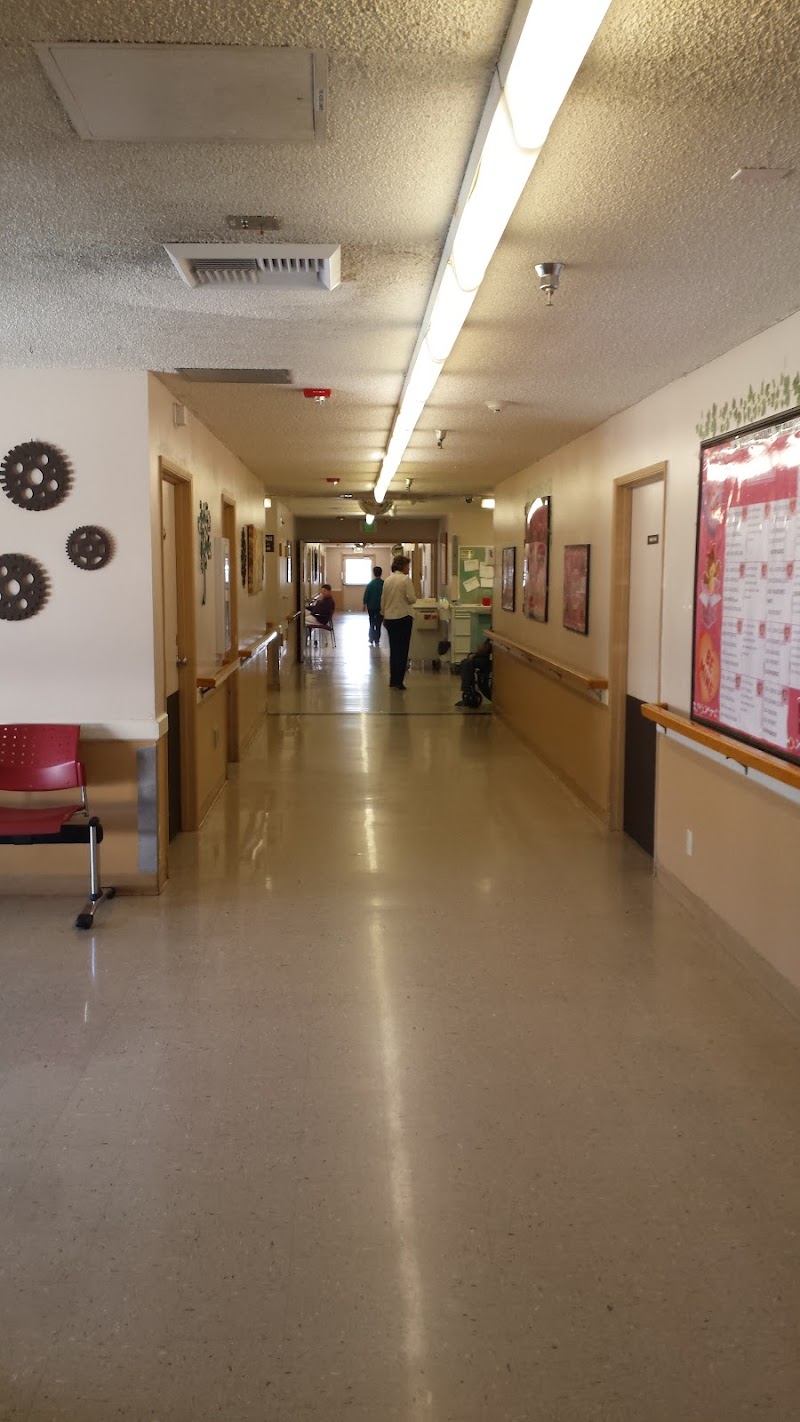
How is Parkview Julian Healthcare Center Staffed?

CMS rates PARKVIEW JULIAN HEALTHCARE CENTER's staffing level at 1 out of 5 stars, which is much below average compared to other nursing homes. Staff turnover is 53%, compared to the California average of 46%. RN turnover specifically is 64%, which is notably high. RNs provide skilled clinical oversight, so turnover in this role can affect medical care quality.

What Have Inspectors Found at Parkview Julian Healthcare Center?

State health inspectors documented 94 deficiencies at PARKVIEW JULIAN HEALTHCARE CENTER during 2020 to 2025. These included: 4 that caused actual resident harm and 90 with potential for harm. Deficiencies causing actual harm indicate documented cases where residents experienced negative health consequences.
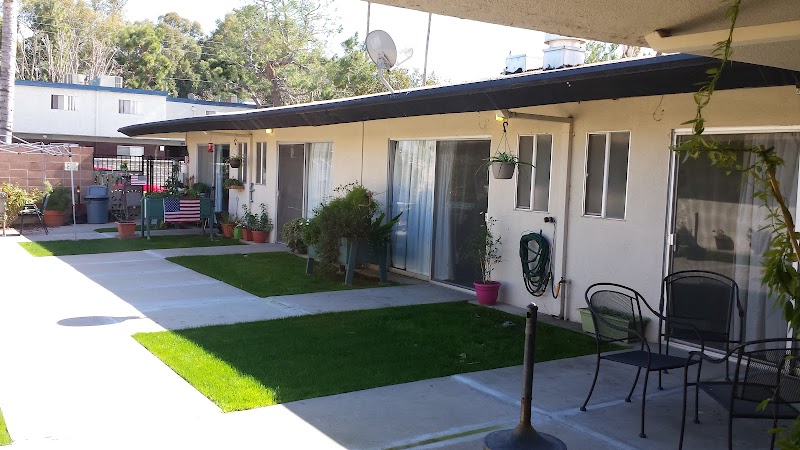
Who Owns and Operates Parkview Julian Healthcare Center?

PARKVIEW JULIAN HEALTHCARE CENTER is owned by a for-profit company. For-profit facilities operate as businesses with obligations to shareholders or private owners. The facility operates independently rather than as part of a larger chain. With 99 certified beds and approximately 85 residents (about 86% occupancy), it is a smaller facility located in BAKERSFIELD, California.
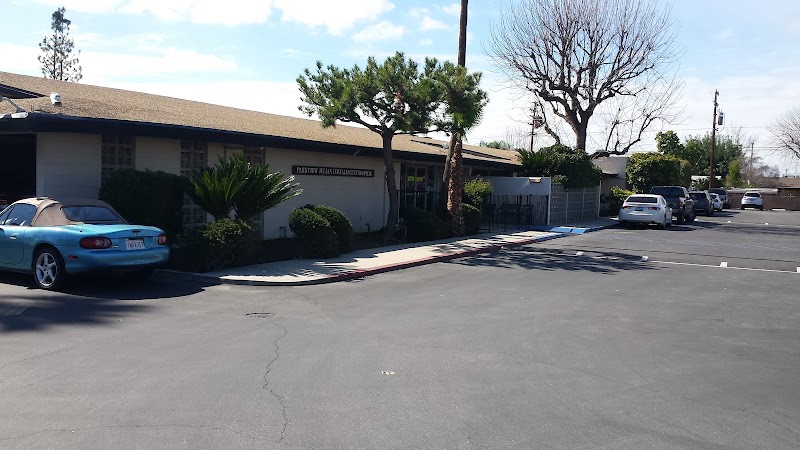
How Does Parkview Julian Healthcare Center Compare to Other California Nursing Homes?

Compared to the 100 nursing homes in California, PARKVIEW JULIAN HEALTHCARE CENTER's overall rating (1 stars) is below the state average of 3.1, staff turnover (53%) is near the state average of 46%, and health inspection rating (1 stars) is much below the national benchmark.

What Should Families Ask When Visiting Parkview Julian Healthcare Center?

Based on this facility's data, families visiting should ask: "Can you walk me through typical staffing levels on day, evening, and night shifts?" "Can I visit during a mealtime to observe dining assistance and food quality?" "How do you handle medical emergencies, and what is your hospital transfer rate?" "Can I speak with family members of current residents about their experience?" These questions are particularly relevant given the below-average staffing rating.

Is Parkview Julian Healthcare Center Safe?

Based on CMS inspection data, PARKVIEW JULIAN HEALTHCARE CENTER has a clean safety record: no substantiated abuse findings (meaning no confirmed cases of resident harm), no Immediate Jeopardy citations (the most serious violation level indicating risk of serious injury or death), and is not on the Special Focus Facility watch list (a federal program monitoring the lowest-performing 1% of nursing homes). The facility has a 1-star overall rating and ranks #100 of 100 nursing homes in California. While no facility is perfect, families should still ask about staff-to-resident ratios and recent inspection results during their visit.

Do Nurses at Parkview Julian Healthcare Center Stick Around?

PARKVIEW JULIAN HEALTHCARE CENTER has a staff turnover rate of 53%, which is 7 percentage points above the California average of 46%. Moderate turnover is common in nursing homes, but families should still ask about staff tenure and how the facility maintains care continuity when employees leave.

Was Parkview Julian Healthcare Center Ever Fined?

PARKVIEW JULIAN HEALTHCARE CENTER has been fined $121,934 across 3 penalty actions. This is 3.6x the California average of $34,298. Fines at this level are uncommon and typically indicate a pattern of serious deficiencies, repeated violations, or failure to correct problems promptly. CMS reserves penalties of this magnitude for facilities that pose significant, documented risk to resident health or safety. Families should request specific documentation of what issues led to these fines and what systemic changes have been implemented.

Is Parkview Julian Healthcare Center on Any Federal Watch List?

PARKVIEW JULIAN HEALTHCARE CENTER is not on any federal watch list. The most significant is the Special Focus Facility (SFF) program, which identifies the bottom 1% of nursing homes nationally based on persistent, serious quality problems. Not being on this list means the facility has avoided the pattern of deficiencies that triggers enhanced federal oversight. This is a positive indicator, though families should still review the facility's inspection history directly.