THE ORCHARDS POST-ACUTE
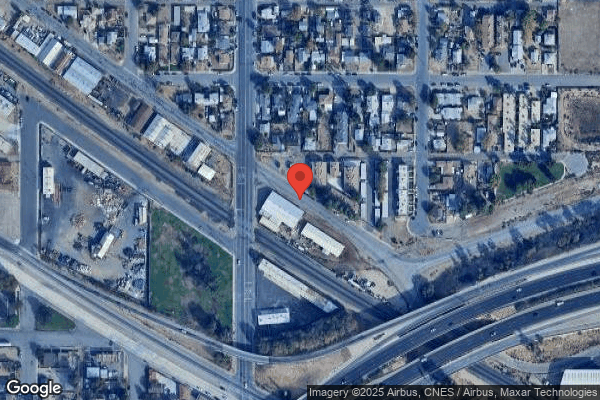
730 34 STREET, BAKERSFIELD, CA 93301 (661) 327-7687
For profit - Limited Liability company 150 Beds LINKS HEALTHCARE GROUP Data: November 2025
Trust Grade
28/100
#1134 of 1155 in CA
Last Inspection: March 2025

Within standard 12-15 month inspection cycle. Federal law requires annual inspections.

Overview

The Orchards Post-Acute in Bakersfield, California, has a Trust Grade of F, indicating significant concerns about the quality of care provided. Ranking #1134 out of 1155 facilities in California places it in the bottom half, and at #15 out of 17 in Kern County, only one local option is better. While the facility’s overall issues have decreased from 35 in 2024 to 22 in 2025, the trend is improving but still indicates ongoing problems. Staffing is rated at 3 out of 5 stars, with a turnover rate of 35%, which is better than the state average, suggesting that some staff remain for a longer period. However, there are serious concerns, including incidents where a resident's feeding tube was improperly managed, leading to hospitalization for aspiration pneumonia, and inadequate wound care that caused infections and increased pain for other residents.

Trust Score
F
28/100
In California
#1134/1155
Bottom 2%
Safety Record
Moderate
Needs review
Inspections
Getting Better
35 → 22 violations
Staff Stability
○ Average
35% turnover. Near California's 48% average. Typical for the industry.
Penalties
⚠ Watch
$21,635 in fines. Higher than 85% of California facilities, suggesting repeated compliance issues.
Skilled Nurses
○ Average
Each resident gets 30 minutes of Registered Nurse (RN) attention daily — about average for California. RNs are the most trained staff who monitor for health changes.
Violations
⚠ Watch
97 deficiencies on record. Higher than average. Multiple issues found across inspections.
★☆☆☆☆
1.0
Overall Rating
★★★☆☆
3.0
Staff Levels
★★☆☆☆
2.0
Care Quality
★☆☆☆☆
1.0
Inspection Score
Stable
2024: 35 issues
2025: 22 issues

The Good

  • Full Sprinkler Coverage · Fire safety systems throughout facility
  • No fines on record
  • Staff turnover below average (35%)

    13 points below California average of 48%

Facility shows strength in fire safety.

The Bad

1-Star Overall Rating

Below California average (3.1)

Significant quality concerns identified by CMS

Staff Turnover: 35%

11pts below California avg (46%)

Typical for the industry

Federal Fines: $21,635

Below median ($33,413)

Minor penalties assessed

Chain: LINKS HEALTHCARE GROUP

Part of a multi-facility chain

Ask about local staffing decisions and management

The Ugly 97 deficiencies on record

2 actual harm
Apr 2025 1 deficiency
CONCERN (D) 📢 Someone Reported This

A family member, employee, or ombudsman was alarmed enough to file a formal complaint

Potential for Harm - no one hurt, but risky conditions existed

Safe Environment (Tag F0921)

Could have caused harm · This affected 1 resident

**NOTE- TERMS IN BRACKETS HAVE BEEN EDITED TO PROTECT CONFIDENTIALITY** Based on observation, interview, and record review, the facility failed to ensure one of five residents' restrooms (room [ROOM N...

Read full inspector narrative →
**NOTE- TERMS IN BRACKETS HAVE BEEN EDITED TO PROTECT CONFIDENTIALITY** Based on observation, interview, and record review, the facility failed to ensure one of five residents' restrooms (room [ROOM NUMBER]) linoleum floor covering was in good repair. This failure had the potential to place residents at risk for accidents and hazards. Findings: During a concurrent observation and interview on 4/29/25 at 1:22 p.m. with the Maintenance Director (MD) in room [ROOM NUMBER]. The restroom linoleum floor covering was torn and lifted causing an uneven surface. MD confirmed the observation and stated the uneven surface was a tripping hazard. During a review of the facility ' s policy and procedure (P&P) titled, Maintenance Service, revised December 2009, the P&P indicated, 1. The maintenance department is responsible for maintaining the buildings, grounds, and equipment in a safe and operable manner at all times. 2. Functions of maintenance personnel include, [sic] but are not limited to: a. maintaining the building in compliance with current federal, state, and local laws, regulations, and guidelines. b. maintaining the building in good repair and free from hazards.
Mar 2025 1 deficiency
CONCERN (E) 📢 Someone Reported This

A family member, employee, or ombudsman was alarmed enough to file a formal complaint

Potential for Harm - no one hurt, but risky conditions existed

Abuse Prevention Policies (Tag F0607)

Could have caused harm · This affected multiple residents

Based on interview and record review, the facility failed to follow their policy and procedure on Abuse, Neglect, Exploitation or Misappropriation- Reporting and Investigating to immediately protect a...

Read full inspector narrative →
Based on interview and record review, the facility failed to follow their policy and procedure on Abuse, Neglect, Exploitation or Misappropriation- Reporting and Investigating to immediately protect all the residents from potential abuse when an alleged (something is claimed or said to be true but hasn't been proven) perpetrator (someone who commits a harmful or illegal act) was allowed to enter the facility after the Administrator was informed of the allegation. This failure had the potential to expose all residents in the facility to harm and spread of infection. Findings: During a review of the California Department of Public Health (CDPH) Intake Form dated 3/20/25, the Intake Form indicated, Caller [complainant] stated a contractor named [Phlebotomist] from [agency which provides diagnostic services] is using needles on residents then cleaning them with alcohol wipes and taking those same needles to other facilities. Caller stated she knows the needles are being used at [another facility] as well as a hospital [Phlebotomist] works at. During an interview on 3/25/25 at 11:57 a.m. with Administrator, Administrator was made aware of the allegation. Administrator stated the responsibility of the facility is to ensure the third-party contracts are good, and the staff is trained to treat the residents appropriately. Administrator stated he is going to initiate an investigation by contacting (agency which provides diagnostic services) and speaking with the consultants as he has never encountered this scenario before. During an interview on 3/27/25 at 1:30 p.m. with General Manager (GM-of the agency which provides diagnostic services), GM stated the Phlebotomist did go to [facility name] yesterday (3/26/25) to complete a blood draw. During an interview on 3/27/25 at 1:35 p.m. with Phlebotomist, Phlebotomist stated she did go to the [facility name] yesterday (3/26/25) to draw labs (laboratory) for one resident. During an interview on 3/28/25 at 1:00 p.m. with Administrator, Administrator stated he was unaware the Phlebotomist entered the facility on 3/26/25 to draw blood. During a review of the facility's policy and procedure (P&P) titled, Abuse, Neglect, Exploitation or Misappropriation- Reporting and Investigating dated April 2021, the P&P indicated, The administrator ensures that the resident and the person(s) reporting the suspected violation are protected from retaliation or reprisal by the alleged perpetrator, or by anyone associated with the facility. Any employee who has been accused of resident abuse is placed on leave with no resident contact until the investigation is complete.
Mar 2025 19 deficiencies
CONCERN (D)

Potential for Harm - no one hurt, but risky conditions existed

Safe Environment (Tag F0584)

Could have caused harm · This affected 1 resident

Based on observation and interview, the facility failed to ensure one of 24 sampled resident's bathrooms (Resident 72) was clean and sanitary. This failure had the potential to spread infections and/o...

Read full inspector narrative →
Based on observation and interview, the facility failed to ensure one of 24 sampled resident's bathrooms (Resident 72) was clean and sanitary. This failure had the potential to spread infections and/or affect their quality of life. Findings: During a concurrent observation and interview on 3/12/25 at 8:55 a.m. with Housekeeping and Laundry Supervisor (HLS), in Resident 72's bathroom, the toilet seat had splashes of dark brown colored stains, the toilet bowl had dark brown stains on the sides, the floor had multiple crumpled paper towels, and there was a large dark brown stain under the sink. HLS stated when the housekeepers are not around, the Certified Nursing Assistants (CNAs) should clean. During an interview on 3/12/25 at 11:33 a.m. with CNA 4, CNA 4 stated it is not her responsibility to clean the bathroom. CNA 4 stated she does not know where to get the disinfecting wipes. During a concurrent observation and interview on 3/13/25 at 10:40 a.m. with Resident 72, in Resident 72's bathroom, Resident 72 was sitting in his wheelchair, had a right leg amputation (loss or removal of the leg). Resident 72 stated he and his roommate uses the bathroom. Resident 72 stated he saw the bathroom not cleaned. During a review of Resident 72's Minimum Data Set (MDS - comprehensive assessment tools), dated 11/27/24, the MDS indicated, Brief Interview for Mental Status [BIMS] Summary Score: 15 [score of 13-15 means cognitively intact]. During a review of the facility's policy and procedure (P&P) titled, Bathrooms, dated February 2020, the P&P indicated, Residents who can independently use the toilet (including chair-bound residents) are ensured timely access to a safe, clean, sanitary and accessible toileting facility.
CONCERN (D)

Potential for Harm - no one hurt, but risky conditions existed

Comprehensive Assessments (Tag F0636)

Could have caused harm · This affected 1 resident

**NOTE- TERMS IN BRACKETS HAVE BEEN EDITED TO PROTECT CONFIDENTIALITY** Based on interview and record review the facility failed to have completed quarterly smoking assessments for two of two sampled ...

Read full inspector narrative →
**NOTE- TERMS IN BRACKETS HAVE BEEN EDITED TO PROTECT CONFIDENTIALITY** Based on interview and record review the facility failed to have completed quarterly smoking assessments for two of two sampled residents (Resident 84 and Resident 70). This failure resulted in Resident 84 and Resident 70 not being assessed for safety while smoking and had a potential for residents to be burned while smoking. Findings: During a concurrent interview and record review on [DATE] at 11:35 a.m. with Assistant Director of Nursing (ADON), Resident 84's Smoking-Initial Assessment ([NAME]), dated [DATE] was reviewed. ADON stated Resident 84 was admitted on [DATE]. Smoking assessment should be completed upon admission and quarterly every 92 days. ADON stated the smoking assessment is completed to ensure resident is a safe smoker, and it was not completed for Resident 84. During a review of Resident 70's admission Record (AR), dated [DATE], the AR indicated, admission Date [DATE]. DIAGNOSIS INFORMATION. TOBACCO USE. During a review of Resident 70's Care Plan Report (CPR), dated [DATE], the CPR indicated, [Resident 70] is at risk of injury related to smoking. Goal. [Resident 70] will remain free of injuries related to smoking. Interventions. Perform safe smoking evaluation on admission, quarterly and as needed. During a concurrent interview and record review on [DATE] at 12:31 p.m. with Director of Nursing (DON), Resident 70's Medical Record (MR) was reviewed. The MR indicated Resident 70 had two completed SMOKING - SAFETY SCREEN, dated [DATE] and [DATE]. DON stated Resident 70 should have had it completed quarterly and it was not completed. During a review of the facility's policy and procedure (P&P) titled, Smoking Policy-Residents, dated [DATE], the P&P indicated, A resident's ability to smoke safely is re-evaluate quarterly, upon a significant change (physical or cognitive) and as determined by the staff.
CONCERN (D)

Potential for Harm - no one hurt, but risky conditions existed

Comprehensive Care Plan (Tag F0656)

Could have caused harm · This affected 1 resident

Based on observation, interview, and record review, the facility failed to implement the plan of care for one of eight sampled residents (Resident 91) fall precaution. This failure had the potential f...

Read full inspector narrative →
Based on observation, interview, and record review, the facility failed to implement the plan of care for one of eight sampled residents (Resident 91) fall precaution. This failure had the potential for Resident 91 to sustain serious injuries. Findings: During an observation on 3/13/25 at 12:08 p.m. in Resident 91's room, Resident 91 was lying in her bed. Resident 91's bed was in a high position. During a concurrent interview and record review on 3/13/25 at 12:09 p.m. with Licensed Vocational Nurse (LVN) 2, LVN 2 reviewed Resident 91's Medication Administration Record (MAR). LVN 2 stated, The order indicated [Resident 91's] bed should be in low position. During a review of Resident 91's Care Plan (CP), dated 12/19/24, the CP indicated, [Resident 91] is at risk for fall related to history of falls, medications, poor safety awareness, unsteady gait. Interventions: bed in lowest position when in bed to lessen impact of fall. During a review of Resident 91's Morse Fall Assessment [fall risk assessment], dated 12/18/24, Resident 91's Morse Fall Assessment indicated, Score: 50 [score of 45 and higher means high risk for fall]. During a review of the facility's policy and procedure (P&P) titled, Care Plans, Comprehensive Person-Centered, dated March 2022, the P&P indicated, A comprehensive, person-centered care plan that includes measurable objectives and timetables to meet the resident's physical, psychosocial and functional needs is developed and implemented for each resident.
CONCERN (D)

Potential for Harm - no one hurt, but risky conditions existed

Deficiency F0658 (Tag F0658)

Could have caused harm · This affected 1 resident

Based on interview and record review the facility failed to check blood pressure prior to administration of blood pressure medication for one of one sampled resident (Resident 8). This failure had the...

Read full inspector narrative →
Based on interview and record review the facility failed to check blood pressure prior to administration of blood pressure medication for one of one sampled resident (Resident 8). This failure had the potential for Resident 8 experiencing adverse health outcomes such as low blood pressure. Findings: During a review Resident 8's Physician Orders (PO), dated 3/4/25, the PO indicated, Losartan Potassium Tablet 25 MG [milligram] Give 1 tablet by mouth at bedtime related to ESSENTIAL (PRIMARY) HYPERTENSION [high blood pressure] Hold for SBP [Systolic blood pressure - pressure in the arteries when the heart contracts] < [less than] 110. During a concurrent interview and record review on 3/13/25 at 5:28 p.m. with Assistant Director of Nursing (ADON), Resident 8's MAR, dated March 2025, was reviewed. The MAR indicated there was no blood pressure documented from 3/3/25 to 3/12/25. ADON stated and confirmed there was no blood pressure documentation on 3/3/25 to 3/12/25. During a review of the facility's policy and procedure (P&P) titled, Administering Medications, dated April 2019, the P&P indicated, Medications are administered in a safe and timely manner, and as prescribed.Policy Interpretation and Implementation. 4. Medications are administered in accordance with prescriber orders, including any required time frame. 11. The following information is checked/verified for each resident prior to administering medications: a. Allergies to medications; and f. [sic] Vital signs, if necessary. 27. Residents may self-administer their own medications only if the attending physician, in conjunction with the interdisciplinary care planning team, has determined that they have the decision-making capacity to do so safely.
CONCERN (D)

Potential for Harm - no one hurt, but risky conditions existed

Incontinence Care (Tag F0690)

Could have caused harm · This affected 1 resident

Based on observation, interview, and record review, the facility failed to provide catheter (a thin, flexible tube inserted into the bladder to drain urine) care for one of two sampled residents (Resi...

Read full inspector narrative →
Based on observation, interview, and record review, the facility failed to provide catheter (a thin, flexible tube inserted into the bladder to drain urine) care for one of two sampled residents (Resident 91) when the catheter tubing and collection bag was not changed in two months. This failure had the potential to result in Resident 91's repeated Urinary Tract Infections (UTI-bladder infection). Findings: During an observation on 3/11/25 at 9:46 a.m. in Resident 91's room, Treatment Nurse (TN) was performing wound dressing changes on Resident 91's back. Resident 91's catheter had thick whitish to grayish material and the urine collection bag had dark brownish discoloration. During a concurrent observation and interview on 3/12/25 at 4:26 p.m. with TN and Licensed Vocational Nurse (LVN) 5, in Resident 91's room. Resident 91's catheter had thick whitish to grayish material and the urine collection bag had dark brownish discoloration. TN did not change the tubing and the collection bag. TN stated, It [catheter tubing and urine collection bag] needs to be changed. I don't know when it [catheter tubing and collection bag] was changed. LVN 5 stated, By the look of it [catheter tubing and collection bag], it needs to be changed. During a concurrent interview and record review on 3/12/25 at 4:28 p.m. with LVN 5, Resident 91's Medication Administration Record (MAR), dated January, February, and March 2025 were reviewed. Resident 91's MAR for the month of February and March 2025 indicated, Catheter: change catheter drainage bag PRN. Resident 91's MAR, dated January 2025, indicated the catheter drainage bag was last changed on 1/19/25 (2 months ago). There was no documentation of recent catheter tubing and urine collection bag change. LVN 5 stated, The order is PRN [as needed]. During a review of Resident 91's MAR dated January 2025, the MAR indicated, Flagyl [antibiotic to treat bacterial infections] Oral Tablet 500 MG [milligram]. Give 1 tablet by mouth every 8 hours for UTI for 14 days. During a review of Resident 91's MAR dated February 2025, the MAR indicated, Macrobid [antibiotic to treat bacterial infections] Oral Capsule 100 MG. Give 1 capsule by mouth every 12 hours for ESBL [Extended-Spectrum Beta-Lactamase- bacteria in the urine] in the urine for 7 days. During a review of the facility policy and procedure (P&P) titled, Catheter Care, Urinary, dated September 2014, the P&P indicated, Changing Catheters: It is suggested to change catheters and drainage bags based on clinical indications such as infection, obstruction, or when the closed system is compromised.
CONCERN (D)

Potential for Harm - no one hurt, but risky conditions existed

Respiratory Care (Tag F0695)

Could have caused harm · This affected 1 resident

**NOTE- TERMS IN BRACKETS HAVE BEEN EDITED TO PROTECT CONFIDENTIALITY** Based on observation, interview, and record review, the facility failed to follow their policy and procedures (P&P) titled, Oxyg...

Read full inspector narrative →
**NOTE- TERMS IN BRACKETS HAVE BEEN EDITED TO PROTECT CONFIDENTIALITY** Based on observation, interview, and record review, the facility failed to follow their policy and procedures (P&P) titled, Oxygen Administration, for one of three sampled residents (Resident 99). This failure resulted in Resident 99 having low oxygen levels. Findings: During a review of Resident 99's Physician Order (PO), dated [DATE], the PO indicated, OXYGEN: Administer O2 [oxygen] @ [at] 3L/min [liter per minute] via NC [nasal cannula - supplemental oxygen] continuously. wean as tolerated to keep saturation above 92%. During a review of Resident 99's Care Plan Report (CPR), dated [DATE], the CPR indicated, Resident is at risk for impaired gas exchanged r/t [related to] History of aspiration [choking on inhaled fluids], Pneumonia [lung infection]. Interventions. Apply Oxygen per MD [medical doctor/physician] orders. During a review of Resident 99's Care Plan (CP) titled, [Resident 99] has Alteration in Musculoskeletal Status r/t [related to] Dx [diagnosis]: Quadriplegia [complete or partial loos of motor function and sensation in all four limbs].Contracture, Right Shoulder, Right Hip, Right Knee, Right Wrist and Right Hand, dated [DATE], the CP indicated, Goal. [Resident 99] will remain free of injuries. Interventions.Anticipate and meet [Resident 99] needs. During a concurrent observation and interview on [DATE] at 12:06 p.m. with Licensed Vocational Nurse (LVN) 1 in Resident 99's room, Resident 99 did not have his NC on. LVN 1 stated Resident 99 needs to be on supplemental oxygen, and he was not. LVN 1 checked his oxygen levels (SpO2) and it indicated 90%. During a review of the facility's P&P titled, Oxygen Administration, dated [DATE], the P&P indicated, The purpose of this procedure is to provide guidelines for safe oxygen administration. Preparation 1. Verify that there is a physician's order for this procedure. Review the physician's orders or facility protocol for oxygen administration. Steps in the Procedure. 13. Observe the resident upon setup and periodically thereafter to be sure oxygen is being tolerated.
CONCERN (D)

Potential for Harm - no one hurt, but risky conditions existed

Deficiency F0745 (Tag F0745)

Could have caused harm · This affected 1 resident

Based on interview and record review, the facility failed to ensure the Social Services Department documented and followed up on one of three sampled residents' (Resident 93) eyeglasses. This failure ...

Read full inspector narrative →
Based on interview and record review, the facility failed to ensure the Social Services Department documented and followed up on one of three sampled residents' (Resident 93) eyeglasses. This failure had the potential for Resident 93 suffering with poor vision. Findings: During an interview on 3/11/25 at 9:45 a.m. with Resident 93, Resident 93 stated she has been waiting for her eyeglasses for three months, and has been suffering with poor vision. During a review of Resident 93's Minimum Data Set (MDS-comprehensive assessment tool), dated 1/8/24, the MDS indicated, Cognitive Patterns: Brief Interview for Mental Status (BIMS) Summary Score: 15 [score of 13-15 indicates cognitively intact]. During a review of Resident 93's Eye Consult [EC-eye doctor consultation notes], dated 1/8/25, the EC indicated the eye consult was conducted on 1/8/25 (two months ago). Final Spectacle [eyeglasses] Rx [prescription]: BF [bifocal- lenses each with two parts with different focal lengths]. During an interview on 3/11/25 at 9:50 a.m. with Social Services Director (SSD), SSD stated she did not document a follow up on Resident 93's eyeglasses. During a review of the facility's policy and procedure (P&P) titled, Social Services, dated October 2010, the P&P indicated, The social services department is responsible for: Maintaining appropriate documentation of referrals and providing social service data summaries to such agencies.
CONCERN (D)

Potential for Harm - no one hurt, but risky conditions existed

Pharmacy Services (Tag F0755)

Could have caused harm · This affected 1 resident

Based on interview and record review, the facility failed to ensure medications were available to administer when Licensed Nurse did not reorder medications timely, notify physician of unavailable med...

Read full inspector narrative →
Based on interview and record review, the facility failed to ensure medications were available to administer when Licensed Nurse did not reorder medications timely, notify physician of unavailable medication, and obtain alternative orders for two of two sampled residents (Resident 8 and Resident 1). This failure resulted in Resident 8 and Resident 1 not receiving physician ordered medications and had the potential to result in adverse health outcomes. Findings: During a review of Resident 8's Order Summary Report (OSR), dated 3/13/25, the OSR indicated the following orders: Losartan Potassium (to treat high blood pressure) Tablet 25 mg (milligram) give 1 tablet by mouth at bedtime related to Essential (primary) Hypertension (high blood pressure). Clobetasol Propionate External Ointment (to treat rash) 0.05%. Apply to hands, feet, torso topically two times a day for itching for 14 days daily. Ketorolac Tromethamine Opthalmic Solution [relieve itchy eye] 0.4% instill 1 dropt in right eye every 8 hours for status post Cataract Surgery. Omeprazole [to reduce stomach acid] Capsule 40 Mg Give 1 capsule by mouth one time day for GERD [Gastroesophageal reflux disease]. Prednisolone Acetate [used to treat eye inflammation] 1% 1 drop om rogjt eye every 8 hours for status post catarat surgery. During a review of Resident 8's Progress Notes (PN), dated Februray 2025, the PN indicated the following: On 2/10/24 at 2:10 p.m. Ketorolac Ophthalmic Solution 0.4% . Not available pharmacy notified. On 2/10/24 at 2:10 p.m. Prednisolone Acetate Ophthalmic Suspension 1%. Not available pharmacy notified. On 2/12/25 at 2:40 p.m. Prednisolone Acetate Ophthalmic Suspension. Not available pharmacy notified. On 2/18/25 at 4:33 p.m. Ketorolac Ophthalmic Solution 0.4% . Not available. On 2/19/25 at 4:23 p.m. Ketorolac Ophthalmic Solution 0.4% . Not available pharmacy notified. On 2/21/25 at 3:46 p.m. Ketorolac Ophthalmic Solution 0.4% .Not available pharmacy notified. During a review of Resident 8's PN, dated March 2025, the PN indicated the following: On 3/2/25 at 02:24 a.m. Losartan Potassium Tablet 25 MG. pending med arrival. On 3/9/25 at 7:11 a.m. Omeprazole oral capsule delayed release 40 mg. pending from supply delivery, will administer as soon as available. On 3/10/25 at 9:52 a.m. Omeprazole oral capsule delayed release 40 mg give 1 capsule by mouth two times a day for GERD (may substitute 2 house supply omeprazole = 40 mg if delayed from pharmacy) n/a [not available]. On 3/12/25 3:06 p.m. Clobetasol Propionate External Ointment 0.05%. Not available. On 3/12/25 at 11:22 a.m. Clobetasol Propionate External Ointment 0.05%. Not available. During an interview on 3/10/25 at 9:16 a.m. with Resident 8, Resident 8 stated, my medication (omeprazole) ran out yesterday and it has happened in the past. During an interview on 3/10/25 at 3:27 p.m. with Director of Nursing (DON), DON stated medications should be reorder atleast 5 days prior. Omeprazole is over the counter medication and we have supply of omeparazole over the counter in the facility. During a review of Resident 1's Order Summary Report (OSR), dated 7/21/22, the OSR indicated, Metformin HCI (used to control blood sugar) tablet 500 MG give 1 tablet by mouth every 12 hours for diabetes (sugar in blood) with breakfast & Dinner. During a concurrent observation and interview on 3/12/25 at 8:11 a.m. with LVN 6, LVN 6 was prepping medications for Resident 1. LVN 6 stated there is no Metformin medication available. LVN 6 stated medication was re-ordered yesterday and there is no dosage available today. LVN 6 stated medications should be re-ordered when there are eight pills left. During a review of the facility's policy and procedure (P&P) titled, Ordering and Receiving Non-Controlled Medications, dated 2007, the P&P indicated, Medications and related products are received from the provider pharmacy on a timely basis. The nursing care center maintains accurate records of medication order and receipt. Reorder routine medications by the reorder date on the label to assure an adequate supply is on hand. All refill requests must be signed and dated by the reordering nurse. During a review of the facility's P&P titled, Medication and Treatment Orders, dated July 2016, the P&P indicated, Drugs and biologicals that are required to be refilled must be reordered from the issuing pharmacy not less than three (3) days prior to the last dosage being administered to ensure that refills are readily available.
CONCERN (D)

Potential for Harm - no one hurt, but risky conditions existed

Deficiency F0919 (Tag F0919)

Could have caused harm · This affected 1 resident

Based on observation, interview, and record review, the facility failed to have a functional call light system for one of 52 sampled residents (Resident 99). This failure had the potential for Residen...

Read full inspector narrative →
Based on observation, interview, and record review, the facility failed to have a functional call light system for one of 52 sampled residents (Resident 99). This failure had the potential for Resident 99 unable to call for help. Findings: During a concurrent observation and interview on 3/10/25 at 12:06 p.m. with Licensed Vocational Nurse (LVN) 1 in Resident 99's room, Resident 99's call light did not light up when activated and his hands are contracted (unable to move). LVN 1 stated Resident 99's call light does not work. LVN 1 stated Resident 99 would benefit from a push call light since he is not able to use his hands very well due to contractures (unable to move). During an interview on 3/11/25 at 10:37 a.m. with Resident 99's Conservator, Conservator stated Resident 99 has limited ability of hands due to being very contracted. During an interview on 3/13/25 at 10:57 a.m. with Environmental Service Director (EVSD), EVSD stated he was not made aware the call light for Resident 99 was not functional. During a review of Resident 99's Care Plan (CP) titled, [Resident 99] has Alteration in Musculoskeletal Status r/t [related to] Dx [diagnosis]: Quadriplegia [complete or partial loss of motor function and sensation in all four limbs].Contracture, Right Shoulder, Right Hip, Right Knee, Right Wrist and Right Hand, dated 1/26/24, the CP indicated, Goal. [Resident 99] will remain free of injuries. Interventions.Anticipate and meet [Resident 99] needs. Be sure call light is within reach and respond promptly to all requests for assistance. During a review of the facility's policy and procedure (P&P) titled, Call System, Resident, dated September 2022, the P&P indicated, Policy Heading. Residents are provided with a means to call staff for assistance through a communication system that directly calls a staff member or a centralized work station. Policy Interpretation and Implementation 1. Each resident is provided with a means to call staff directly for assistance from his/her bed. 3. The resident call system remains functional at all times.4. If the resident has a disability that prevents him/her from making use of the call system, an alternative means of communication that is usable for the resident is provided and documented in the care plan.
CONCERN (D)

Potential for Harm - no one hurt, but risky conditions existed

Safe Environment (Tag F0921)

Could have caused harm · This affected 1 resident

**NOTE- TERMS IN BRACKETS HAVE BEEN EDITED TO PROTECT CONFIDENTIALITY** Based on observation, interview, and record review, the facility failed to ensure one of 58 residents' rooms (room [ROOM NUMBER]...

Read full inspector narrative →
**NOTE- TERMS IN BRACKETS HAVE BEEN EDITED TO PROTECT CONFIDENTIALITY** Based on observation, interview, and record review, the facility failed to ensure one of 58 residents' rooms (room [ROOM NUMBER]) was in good repair. This failure had the potential to place residents at risk for accidents and hazards. Findings: During a concurrent observation and interview on 3/12/25 at 8:55 a.m. in room [ROOM NUMBER], with Housekeeper/Laundry Supervisor (HLS), the baseboard was ripped from the wall approximately 10 inches long and 1 inch open rip. During an interview on 3/12/25 at 8:55 a.m. with EVSD, EVSD stated they (maintenance department) have been inspecting each room daily, but have not seen the baseboard rip in room [ROOM NUMBER]. During a review of the facility's policy and procedure (P&P) titled, Maintenance Service, dated December 2009, the P&P indicated, Maintenance service shall be provided to all areas of the building, grounds, and equipment. 2. Functions of maintenance personnel include but are not limited to: . B. maintaining the building in good repair and free from hazards.
CONCERN (E)

Potential for Harm - no one hurt, but risky conditions existed

Resident Rights (Tag F0550)

Could have caused harm · This affected multiple residents

Based on observation, interview, and record review, the facility failed to ensure staff were communicating in a language three of three sampled residents (Resident 74, Resident 88, and Resident 110) w...

Read full inspector narrative →
Based on observation, interview, and record review, the facility failed to ensure staff were communicating in a language three of three sampled residents (Resident 74, Resident 88, and Resident 110) were able to understand. This failure had the potential for making residents feel staff were being rude to them and feelings of lowered self-esteem. Findings: During an interview on 3/10/25 at 9:46 a.m. with Resident 74, Resident 74 stated, Staff were speaking Spanish in front of me when caring for me, they [staff] make me look bad. I did not like the two staff speaking Spanish in front of me, it's like they are talking about me. During a review of Resident 74's Minimum Data Set (MDS-comprehensive assessment tool), dated 1/17/25, the MDS indicated, Brief Interview for Mental Status [BIMS] summary score: 15 [score of 13-15 means cognitively intact]. During an interview on 3/11/25 at 9:08 a.m. with Resident 88, Resident 88 stated the morning shift staff speak their own language. During a review of Resident 88's MDS, dated 2/21/25, the MDS indicated Resident 88 had a BIMS summary score of 15. During an interview on 3/11/25 at 9:10 a.m. with Resident 110, Resident 110 stated staff speaks Spanish to each other. During a review of Resident 110's MDS, dated 2/20/25, the MDS indicated Resident 110 had a BIMS summary score of 15. During a concurrent observation and interview on 3/13/25 at 12:08 p.m. in the hallway, with Certified Nursing Assistant (CNA) 3 and Housekeeper (HSK) 1, CNA 3 and HSK 1 were speaking loud in Spanish. CNA 3 stated, Sorry, we spoke Spanish in the hallway. HSK 1 stated, I'm sorry [for speaking Spanish], I was asking them some questions. During a review of the facility policy and procedure (P&P) titled, Dignity, dated February 2021, the P&P indicated, Each resident shall be cared for in a manner that promotes and enhances his or her sense of well-being, level of satisfaction with life, and feelings of self-worth and self-esteem.
CONCERN (E)

Potential for Harm - no one hurt, but risky conditions existed

Deficiency F0552 (Tag F0552)

Could have caused harm · This affected multiple residents

Based on interview and record review, the facility failed to obtain and complete informed consents for psychotropic (drugs that affect a person's mental state) medication for three of 29 sampled resid...

Read full inspector narrative →
Based on interview and record review, the facility failed to obtain and complete informed consents for psychotropic (drugs that affect a person's mental state) medication for three of 29 sampled residents (Resident 84, Resident 97, and Resident 77). This had the potential for Resident 84, Resident 97, and Resident 77 not being aware of the risks and benefits of taking psychotropic medication. Findings: During a concurrent interview and record review on 3/11/25 at 3:27 p.m. with Licensed Vocational Nurse (LVN) 2, Resident 84's Informed Consent Verification Form (ICFM), dated 10/9/24 was reviewed. The ICFM indicated, Resident 84 is on Divalproex (medication for seizures) 500 mg and on Olanzapine (used to treat schizophrenia [a chronic mental illness characterized by disruptions in thought, perception, emotion and behavior]) 10 mg. LVN 2 stated there are no medication dosage strength on the ICFM form. LVN 2 stated there should be dosage and frequency of medication information on the consent. During a concurrent interview and record review on 3/12/24 at 3:29 p.m. with Assistant Director of Nursing (ADON), Resident 97's Physician Order (PO), dated 8/24/24 was reviewed. The PO indicated, Resident 97 is on Lexapro (medication for depression [a mental health condition characterized by extreme shifts in mood, energy, and activity levels]) 5 mg (milligram) give 1 tablet by mouth one a day for depression and anxiety (a mental health condition characterized by excessive worry, fear, and nervousness). ADON stated Lexapro was started on 8/24/24 and ended on 3/4/25, and there was no informed consent signed by Resident 97 for the Lexapro. During a concurrent interview and record review on 3/12/25 at 4:10 p.m. with Minimum Data Set Coordinator (MDSC), Resident 77's PO, dated 3/5/25 was reviewed. The PO indicated, Xanax (used to relieve anxiety) oral tablet 0.5 mg give 1 tablet by mouth every 8 hours as needed for anxiety mb (manifested by) restlessness, worry, panic sensations until 3/19/25. MDSC stated, there is no consent for Xanax and there should be consent before the Xanax is being administered. During a review of the facility's policy and procedure (P&P) titled, Informed Consent, dated June 2021, the P&P indicated, Physician's orders related to the use of psychotherapeutic drug, antipsychotic drug, physical restraint, or the prolonged use of a device that may lead to the inability to regain use of a normal bodily function shall not be initiated until the facility is able to verify that the resident or their authorized representative has given informed consent. GUIDELINES. b. The nature of the procedures to be used in the proposed treatment includes their probable frequency and duration.
CONCERN (E)

Potential for Harm - no one hurt, but risky conditions existed

Transfer Notice (Tag F0623)

Could have caused harm · This affected multiple residents

During a review of Resident 128's Physician's Discharge Summary (PDS), dated 12/10/24, the PDS indicated Resident 128 was discharged on 12/10/24 to home. During a concurrent interview and record revi...

Read full inspector narrative →
During a review of Resident 128's Physician's Discharge Summary (PDS), dated 12/10/24, the PDS indicated Resident 128 was discharged on 12/10/24 to home. During a concurrent interview and record review on 3/13/25 at 8:46 a.m. with Social Services Director (SSD), SSD reviewed the Sending Required Transfer/Discharge Notices to Your Local Long-Term Care Ombudsman Program (SRTDNYLLTCOP). The SRTDNYLLTCOP indicated, Facilities are required to send copies of all notices related to facility-initiated transfers and discharges. SSD stated she did not notify the Ombudsman regarding Resident 128's discharge. During a review of the facility's policy and procedure (P&P) titled, Transfer or Discharge Notice, dated March 2021, the P&P indicated, Residents and/or representatives are notified in writing and in a language and format they understand, at least thirty (30) days prior to a transfer or discharge.A copy of the notice is sent to the Office of the State Long-Term Care Ombudsman at the same time the notice of transfer or discharge is provided to the resident and representative. Based on interview and record review, the facility failed to notify the Ombudsman (advocates for the rights and well-being of residents in long-term care facilities) of discharges for three of three sampled residents (Resident 9, Resident 97, and Resident 128). This failure had the potential for unsafe resident transfer and discharge. Findings: During a concurrent interview and record review on 3/11/25 at 11:43 a.m. with Assistant Director of Nursing (ADON), Resident 9's SBAR [Situation Background Assessment Recommendation] & Initial COC [change of condition]/Alert Charting & Skilled Documentation (SBAR), dated 8/19/24 and 1/18/25 were reviewed. The SBAR indicated Resident 9 was transferred to the hospital on 8/19/24 and 1/18/25. ADON stated and confirmed Resident 9 was transferred to the hospital. During a concurrent interview and record review on 3/12/25 at 11:03 a.m. with ADON, Resident 97's SBAR, dated 4/7/24 and 7/8/24 were reviewed. The SBAR indicated Resident 97 was transferred to the hospital on 4/7/24 and 7/8/24. ADON stated and confirmed Resident 97 was transferred to the hospital. During an interview on 3/12/25 at 4:04 p.m. with Social Service Director (SSD), SSD stated there were no ombudsman notifications done for Resident 9 and Resident 97's transfers to the hospital.
CONCERN (E)

Potential for Harm - no one hurt, but risky conditions existed

Deficiency F0725 (Tag F0725)

Could have caused harm · This affected multiple residents

Based on interview and record review, the facility failed to have daily completed Direct Care Service Hours Per Patient Day (DHPPD) for the month of January 2025 to February 21, 2025. This failure had...

Read full inspector narrative →
Based on interview and record review, the facility failed to have daily completed Direct Care Service Hours Per Patient Day (DHPPD) for the month of January 2025 to February 21, 2025. This failure had the potential for all residents not receiving sufficient nursing care. Findings: During a review of the facility's DHPPD, dated January 2025 to March 2025, there was no DHPPD since 1/1/25 to 2/21/25. During a concurrent interview and record review on 3/13/25 at 3:43 p.m. with Administrator, the DHPPD dated 1/1/25-2/21/25 was reviewed. The Administrator stated there was no DHPPD completed since 1/1/25 to 2/21/25. During a review of the facility's policy and procedures (P&P) titled, Posting Direct Care Daily Staffing Numbers, dated July 2016, the P&P indicated, Our facility will post, on a daily basis for each shift, the number of nursing personnel responsible for providing direct care to residents. Policy Interpretation and Implementation. 7. The previous shift's forms shall be maintained with the current shift form for a total of 24 hours of staffing information in a single location. Once a form is removed, it shall be forwarded to the Director of Nursing Services' office and filed as a permanent record. 8. Records of staffing information for each shift will be kept for a minimum of eighteen (18) months or as required by state law (whichever is greater).
CONCERN (E)

Potential for Harm - no one hurt, but risky conditions existed

Deficiency F0730 (Tag F0730)

Could have caused harm · This affected multiple residents

Based on interview and record review, the facility failed to complete annual performance evaluations for two of five sampled Certified Nurse Assistants (CNA 1 and CNA 2). This failure had the potentia...

Read full inspector narrative →
Based on interview and record review, the facility failed to complete annual performance evaluations for two of five sampled Certified Nurse Assistants (CNA 1 and CNA 2). This failure had the potential for CNA 1 and CNA 2 not being aware of their need for improvement in a certain area which could affect all residents' care. Findings: During a concurrent interview and record review on 3/13/25 at 3:10 p.m. with Director of Staff Development (DSD), CNA 1 and CNA 2 personal files were reviewed. CNA 1's personal file indicated her last annual performance review was 4/5/23. CNA 2's personal file indicated his last performance review was 11/15/11 and no recent annual performance review was on file. DSD stated there is no annual performance evaluations for CNA 1 and CNA 2 after those dates. During a review of the facility's policy and procedure (P&P) titled, Performance Evaluations, dated June 2010, the P&P indicated, The job performance of each employee shall be reviewed and evaluated at least annually. Policy Interpretation and Implementation 1. A performance evaluation will be completed on each employee at the conclusion of his/her 90-day probationary period, and at least annually thereafter. 4. Performance evaluations will be completed by the employees' department directors and supervisors and reviewed by the HR [human resources] Director and Administrator. Each employee will be given the opportunity to review his/her evaluation with his/her department director and the HR Director. 5. The written performance evaluations will contain the director's and/or supervisor's remarks and suggestions, any action that should be taken (e.g., further training, etc.), and goals.
CONCERN (E)

Potential for Harm - no one hurt, but risky conditions existed

Drug Regimen Review (Tag F0756)

Could have caused harm · This affected multiple residents

**NOTE- TERMS IN BRACKETS HAVE BEEN EDITED TO PROTECT CONFIDENTIALITY** Based on interview and record review, the facility failed to ensure the monthly Medication Regimen Review (MRR- a review of all ...

Read full inspector narrative →
**NOTE- TERMS IN BRACKETS HAVE BEEN EDITED TO PROTECT CONFIDENTIALITY** Based on interview and record review, the facility failed to ensure the monthly Medication Regimen Review (MRR- a review of all medications to identify any potential adverse effects and drug reactions) was reviewed and acted upon for the month of January 2025 for four of four sampled residents (Resident 84, Resident 51, Resident 15, and Resident 46). This failure has the potential to affect all residents' well being and result in adverse health outcomes. Findings: During a review of the facility's MRR dated 1/30/25, the MRR had 139 pharmacy recommendations. There was no documentation of the recommendations being acted upon. During a review of the Note to Attending Physician/Prescriber ([NAME]), dated 1/30/25, the [NAME] indicated there were no documentation of follow up and notification of the physician for the following: a) This patient [Resident 84] has continued Olanzapine [medication for mental illness] 10 mg [milligram] BID [twice a day] and Depakote [medication for metal illness] 500 mg BID. CMS [Centers for Medicare & Medicaid Services - government agency] guidelines indicate that antipsychotics must undergo a gradual dose reduction [stewise tapering dose] twice [two times a day] within the first year of therapy. b) PRN [as needed] psychotropic medications should have a duration of therapy of no more than 14 days. The resident [51] has orders for Ativan [medication for anxiety] prn. c) PRN psychotropic medications should have a duration of therapy of no more than 14 days. The resident [15] has orders for Ambien [medication for problem of sleeping] prn. d) [Resiedent 46] Please be aware Naproxen [pain medication] 500 mg BID carries a black box warning of cardiovascular risk and GI bleeding risk, thus it generally not recommended for elderly residents for long term use. During an interview on 3/13/25 at 9:20 a.m. with Pharmacist, Pharmacist stated on January 2025, the MRR was e-mailed out on 1/30/25 to the facility. Pharmacist stated the expectation is for the MRR should be completed within three working days. Pharmacist stated I have received a request from Director of Nursing (DON) to resend the MRR again for January about 2 days ago. During an interview on 3/13/25 at 9:40 a.m. with DON, DON stated January MRR is still not complete. DON stated it is the facility's responsibility to act upon and follow up on MRR. During a review of the facility policy and procedure (P&P) titled, Medication Regimen Review, dated May 2019, the P&P indicated, The Consultant Pharmacist reviews the medication regimen of each resident at least monthly.4. The goal of the MRR is to promote positive outcomes while minimizing adverse consequences and potential risks associated with medication.5. The MRR involves a thorough review of the resident's medical record to prevent, identify, report, and resolve medication related problems, medication errors and other irregularities.
CONCERN (E)

Potential for Harm - no one hurt, but risky conditions existed

Deficiency F0761 (Tag F0761)

Could have caused harm · This affected multiple residents

During an observation on 3/10/25 at 11:23 a.m. in Resident 4's room, Resident 4's bedside table had a Calmoseptine (treatment for skin irritation) cream and a bottle of antifungal powder. During an i...

Read full inspector narrative →
During an observation on 3/10/25 at 11:23 a.m. in Resident 4's room, Resident 4's bedside table had a Calmoseptine (treatment for skin irritation) cream and a bottle of antifungal powder. During an interview on 3/11/25 at 11:58 a.m. with Treatment Nurse (TN), TN stated the facility did not provide the Calmospetine cream to Resident 4 but the antifungal powder was the facility's in house supply. TN stated those medications should not be stored at Resident 4's bedside. TN stated Resident 4 cannot apply the medications to and by herself. During a review of the facility's P&P titled, Storage of Medications, dated November 2020, the P&P indicated , Drugs and biologicals used in the facility are stored in locked compartments under proper temperature, light and humidity controls. Only persons authorized to prepare and administer medications have access to locked medications. Based on observation, interview, and record review, the facility failed to ensure: 1. One of three sampled medication cart was free from expired medications. This failure had the potential for the medications to have decrease effectiveness. 2. Medications were stored properly in one of three sampled medication carts. This failure had the potential for the medications to be administered incorrectly and unsafely. 3. Controlled Drug Records (CDR) were signed by two licensed nurses. This failures had the potential for medication errors to occur and possible drug diversion. 4. Safe administration of medication for three of three sampled residents (Resident 8, Resident 9, and Resident 4) when medications were found at resident's bed side table. This failure had the potential for medications to be accessed by unauthorized staff and residents. Findings: 1) During a concurrent observation and interview on 3/10/25 at 9:21 a.m. with Licensed Vocational Nurse (LVN) 3 in the hallway, the medication cart had Latanoprost (Xalatan-used to treat glaucoma [increased pressure in the eye]) eye drops and brimonidine (used to treat glaucoma). Both were marked opened on 1/25/24 (45 days ago). LVN 3 stated these eye drops are only good for 42 days. During a review of Xalatan Package Insert (XPI), dated August 2011, the XPI indicated, Once a bottle is opened for use, it may be stored at room temperature up to 25°C (77°F) for 6 weeks [42 days]. During a review of Ophthalmic Medication Beyond-Use Data Guide (OMB), dated April 2024, the OMB indicated, Brimonidine is good for 30 days from opening. During a review of the facility's P&P titled, Storage of Medications, dated November 2020, the P&P indicated, The facility stores all drugs and biologicals in a safe, secure, and orderly manner. Discontinued, outdated, or deteriorated drugs or biologicals are returned to the dispensing pharmacy or destroyed. 2) During a concurrent observation and interview on 3/12/25 at 9:35 a.m. with LVN 3 in the hallway, the medication cart had Bisacodyl suppositories (medication given rectally for constipation) stored with Ensure (supplement nutrition, provide meal replacement). LVN 3 stated the suppository and Ensure should not be stored together. 3) During a concurrent observation, interview and record review on 3/12/25 at 9:41 a.m. with Director of Nursing (DON) in the DON's office, the locked drawer had controlled medications for destruction. The Controlled Drug Record's (CDR), dated February 2025 was reviewed. The CDR indicated the following did not have two nurse signatures: Hydrocodone-Acetamin (pain medication) 5-325 MG (milligram), 28 tablets (tabs) remaining. Hydrocodone-Acetamin 5-325 mg, 15 tabs remaining. Tramadol (Pain medication) 50 mg, 10 tabs remaining. Hydrocodone-Acetamin 5-325 mg, 21 tabs remaining. Hydrocodone Acetamin 5-325 mg, 11 tabs remaining. Oxycodone-Apap (pain medication) 5-325 mg, 11 tabs remaining. Clonazepam 1 mg (anxiety medication), 15 tabs remaining. Hydrocodone-Acetamin 5-325 mg, 29 tabs remaining. Hydrocodone-Acetamin 5-325 mg, 28 tabs remaining. Diphenoxylate-Atrop (diarrhea medication) 2.5-0.025 mg, 15 tabs remaining. Tramadol 50 mg, 30 tabs remaining. Tramadol 50 mg, 30 tabs remaining. Hydrocodone-Acetamin 5-325 mg, 23 tabs remaining. Tramadol 50 mg, 30 tabs remaining. Morphine sulfate IR (pain medication)15 mg tab, 3 tabs remaining. DON stated the nurse should sign the CDR before the medications were handed over for destruction and I should sign with her. DON stated she had not reviewed the CDRs received. During an interview on 3/13/25 at 9:20 a.m. with Pharmacist, Pharmacist stated when medications are being turned in to the DON, nurse and DON both should verify and agree with count and should sign the CDR. During a review of the facility's policy and procedure (P&P) titled, Controlled Substances, dated November 2022, the P&P indicated, The facility complies with all laws, regulations, and other requirements related to handling, storage, disposal, and documentation of controlled medication. 4) During a concurrent observation and interview on 3/10/24 at 9:20 a.m. with LVN 4 in Resident 8's room, Resident 8 had Cequa (to treat dry eyes) 0.09% 1 vial (bottle) on bed side table. LVN 4 stated she had no idea where the vial of medication came from. During a concurrent observation and interview on 3/10/25 at 9:27 a.m. with LVN 4 in Resident 9's room, Resident 9 had Vitamin A&D ointment (skin protectant) on the bed side table. LVN 4 stated it should not be left on resident 9's table.
CONCERN (F)

Potential for Harm - no one hurt, but risky conditions existed

Infection Control (Tag F0880)

Could have caused harm · This affected most or all residents

Based on observation, interview, and record review, the facility failed to: 1) Ensure three of three sampled clean linen carts were in good repair. 2) Follow the manufacturer's guidelines on how to di...

Read full inspector narrative →
Based on observation, interview, and record review, the facility failed to: 1) Ensure three of three sampled clean linen carts were in good repair. 2) Follow the manufacturer's guidelines on how to disinfect the clean linen carts. 3) Ensure the laundry room was clean and sanitary. These failures had the potential for contaminating clean linens and spread of infections to all residents. Findings: 1) During a concurrent observation and interview on 3/12/25 at 7:42 a.m. in the hallway, with Laundry Aide (LA), LA was delivering clean linens to the clean linen closet. The clean linen cart edges were ripped, exposing the metal frames, and had a hole on the side. LA stated, I don't know how old they are, they must be too old. During a concurrent observation and interview on 3/12/25 at 7:55 a.m. in the laundry room, with Housekeeping and Laundry Supervisor (HLS). There were three clean linen carts with ripped edges exposing the metal frames. The clean linen carts had dark brownish discolorations. HLS stated, We need to buy new ones. 2) During a concurrent interview and record review on 3/12/25 at 7:56 a.m. with LA, LA stated she disinfects the clean linen carts with Clorox wipes (bleach wipes). The Clorox wipes instruction was reviewed. The Clorox wipes indicated, Remain visibly wet for the contact time (wet time). Bacteria: 30 second contact time. LA stated she never waited 30 seconds for contact time and never knew she should. 3) During a concurrent observation interview on 3/12/25 at 7:57 a.m. in the laundry room, with HLS, the clean linen table had folded clean linens. On top of the clean linen table with folded clean linens, there was an electric fan with thick grayish debris (material) blowing air on to the clean linens. HLS stated the electric fan was not cleaned for a long time. There were thick grayish debris on the floor under the clean linen table. HLS stated the facility laundry room had no cleaning log. During a review of the facility's policy and procedure (P&P) titled, Laundry and Linen, dated January 2014, the P&P indicated, Clean linen remain hygienically clean (free from pathogens in sufficient numbers to cause human illness) through measures designed to protect it from environmental contamination. During a review of the facility's P&P titled, Floors, dated December 2009, the P&P indicated, Floors shall be maintained in a clean, safe, and sanitary manner. 1. All floors shall be mopped/cleaned/vacuumed daily.
CONCERN (F)

Potential for Harm - no one hurt, but risky conditions existed

Antibiotic Stewardship (Tag F0881)

Could have caused harm · This affected most or all residents

Based on interview and record review, the facility failed to follow their policy and procedure (P&P) on Surveillance for Infections when: 1) There were no documented signs/symptoms of the infections a...

Read full inspector narrative →
Based on interview and record review, the facility failed to follow their policy and procedure (P&P) on Surveillance for Infections when: 1) There were no documented signs/symptoms of the infections and antibiotic given in the antibiotic tracking log. 2) There were no tracking of locations of the infections. 3) There were no list of organism (germs) and/or review of indicators of infections on the antibiotic tracking log. These failures had the potential for ineffective infection control and tracking resulting in spread and increase in numbers of infections. Findings: 1) During a concurrent interview and record review on 3/12/25 at 3:18 p.m. with Infection Preventionist Nurse (IPN), the facility's Antibiotic Stewardship Log (ASL-list of residents taking antibiotics), dated 1/2025 was reviewed. The ASL indicated there were 64 recorded infections without documentation of signs and symptoms. IPN stated the 64 infections did not have documentation of signs and symptoms. 2) During a concurrent interview and record review on 3/12/25 at 3:19 p.m. with IPN, the Infection Control Committee Report for December 2024 (ICCR), dated December 2024 was reviewed. The ICCR indicated, 9 skin infections, 14 UTI's [Urinary Tract Infections-bladder infection], 9 respiratory [lung] infections, 2 GI [gastro-intestinal-stomach] infections, and 6 other infections. During a review of the facility's Tracking Map, dated December 2024, the Tracking Map indicated there were no tracking for the 9 skin infections, 9 respiratory infections, 2 GI infections, and 6 other infections. During an interview on 3/12/25 at 3:20 p.m. with IPN, IPN stated she only tracked the highest number of infections which is the UTI. 3) During a concurrent interview and record review on 3/12/25 at 3:21 p.m. with IPN, the facility's ASL, dated 1/2025 was reviewed. The ASL indicated there were 11 infections with criteria (for antibiotic treatment) not met (meaning, the use of antibiotic was not appropriate) without record of organism/culture (a test to identify germs). IPN stated the tracking log was incomplete. During a review of the facility's P&P titled, Surveillance for Infections, dated September 2017, the P&P indicated, The purpose of the surveillance of infections is to identify both individual cases and trends of epidemiologically significant organism and healthcare-associated infections, to guide appropriate interventions, and to prevent future infections. The surveillance should include a review of any or all of the following information to help identify possible indicators of infections: a. Laboratory records.3. If the laboratory reports are used to identify relevant information, the following findings merit further evaluation: a. Positive blood cultures; b. Positive wound cultures; c. Positive urine cultures.
Jan 2025 1 deficiency
CONCERN (D) 📢 Someone Reported This

A family member, employee, or ombudsman was alarmed enough to file a formal complaint

Potential for Harm - no one hurt, but risky conditions existed

Safe Transfer (Tag F0626)

Could have caused harm · This affected 1 resident

**NOTE- TERMS IN BRACKETS HAVE BEEN EDITED TO PROTECT CONFIDENTIALITY** Based on interview and record review, the facility failed to readmit one of three sampled residents (Resident 1) after hospitali...

Read full inspector narrative →
**NOTE- TERMS IN BRACKETS HAVE BEEN EDITED TO PROTECT CONFIDENTIALITY** Based on interview and record review, the facility failed to readmit one of three sampled residents (Resident 1) after hospitalization. This failure resulted in violation of resident's rights to return to the facility and had the potential to negatively affect Resident 1's well-being. Findings: During a review of Resident 1's admission Record (AR), dated 1/16/25, the AR indicated, Resident 1 was admitted to the facility on [DATE], with diagnoses including history of fracture (a break in the bone) of the right femur (hip) and respiratory disorders in diseases classified elsewhere. During an interview on 1/16/25 at 12:27 p.m. with the Facility Marketing Director (FMD), FMD stated Resident 1 was discharged from the facility to the acute hospital on 1/2/25. During an interview on 1/16/25 at 1:11 p.m. with acute hospital Case Manager (CM), CM stated Resident 1 was ready for discharge from the acute hospital to the facility on 1/13/25. CM stated she called and spoke with FMD on 1/13/25 at approximately 1:55 p.m. regarding Resident 1's discharge back to the facility. CM stated FMD told her Resident 1 would not be accepted back to the facility due to refusing care. During a concurrent interview and record review on 1/16/25 at 1:21 p.m. with Administrator, Resident 1's Ensocare History ([NAME] -a tool used to communicate between the facility and acute hospital) dated 1/2025 was reviewed. The [NAME] indicated on 1/14/25 at 3:01 p.m. the facility refused to readmit Resident 1 due to, Too low functioning. Administrator stated, We (facility) should have taken him (Resident 1) back. During a review of the facility's policy and procedure (P&P) titled, readmission to the Facility, dated 3/2017, the P&P indicated, Residents who have been discharged to the hospital or for therapeutic leave will be given priority in readmission to the facility. readmission procedures apply equally to all residents regardless of race, color, creed, national origin, or payment source. Inquiries concerning our readmission policies should be referred to the administrator and/or the director of nursing services.
Dec 2024 3 deficiencies 1 Harm
SERIOUS (G) 📢 Someone Reported This

A family member, employee, or ombudsman was alarmed enough to file a formal complaint

Actual Harm - a resident was hurt due to facility failures

Tube Feeding (Tag F0693)

A resident was harmed · This affected 1 resident

**NOTE- TERMS IN BRACKETS HAVE BEEN EDITED TO PROTECT CONFIDENTIALITY** Based on interview and record review, the facility failed follow their policy and procedure (P&P) titled, Enteral Feedings (a me...

Read full inspector narrative →
**NOTE- TERMS IN BRACKETS HAVE BEEN EDITED TO PROTECT CONFIDENTIALITY** Based on interview and record review, the facility failed follow their policy and procedure (P&P) titled, Enteral Feedings (a method of delivering nutrients and fluids to the body for patients who cannot safely chew or swallow) - Safety Precautions, for one of three sampled residents (Resident 1) who was on gastrostomy tube (G- tube- a tube which delivers liquid, nutrition, and medications through a flexible tube that goes directly into the stomach) feeding when G-tube placement was not checked, gastric residual volume (measures the amount of fluid or contents remaining in the stomach after feeding) was not checked, and signs and symptoms of complications were not reported timely to the physician. These failures resulted in Resident 1 being transferred to the acute hospital and being diagnosed with aspiration pneumonia (a lung infection that occurs when something other than air, like food, liquid, saliva, or vomit, is inhaled into the lungs). Findings: During a review of Resident 1's admission Record, (AR) the AR indicated, Resident 1 was admitted on [DATE], with diagnoses including acute (symptoms or signs that begin and worsen quickly) and chronic (continuing or occurring again and again for a long time)respiratory failure (a serious lung condition which makes it difficult to breathe on your own) with hypoxia (a medical condition that occurs when there's not enough oxygen in the body's tissues), paraplegia (paralysis of the legs and lower body, typically caused by spinal cord [part of the body that connects the brain and the body]injury or disease) dysphagia (swallowing problems occurring in the mouth and/or the throat), disorders of diaphragm (diaphragm- is a muscular barrier between the chest and the abdominal cavity; disorders of the diaphragm often interfere with breathing), and gastrostomy status (the presence of a surgical opening into the stomach). During a review of Resident 1's quarterly Minimum Data Set, (MDS- an assessment tool) dated 10/8/24, the MDS indicated, Resident 1's BIMS (Brief Interview for Mental Status- test to evaluate cognitive [how well a person thinks, remembers, and learns] function) score was 12 (a score of 8 to 12 indicates moderately impaired cognition). During a review of Resident 1's Order Summary Report, (OSR- physicians' orders) undated, indicated, continuous feeding via G- tube Glucerna 1.2 (specialized source of nutrition) 90 ml (millimeter- unit of measure) x (times) 20 hours. Enteral Feed (G- tube feeding- delivers liquid nutrition through a flexible tube that goes directly into your stomach) Order every shift Enteral: Assess for any s/sx (signs and symptoms) of aspiration (when food or drink are breathed into the lungs). crackles (abnormal breath sounds that occur when fluid builds up in the airways of the lungs) in lungs, . SOB (shortness of breath) regurgitation (vomiting), drooling (excess saliva flows out of the mouth involuntarily), wheezing (a high-pitched whistling sound that occurs when breathing due to narrowed or obstructed airways, noisy breathing QS (every shift) and notify MD (Medical Doctor)- Start Date- 07/09/2024 0600 (6 a.m.) and Enteral Feed Order every shift Enteral: Assess for formula intolerance QS- NV (nausea [uneasiness in the stomach] and vomiting), . and notify MD if any- Start Date- 07/09/2024 0600 . During a review of Resident 1's SBAR, (situation, background, appearance, and review- a communication form) dated 10/25/24 documented by Licensed Vocational Nurse (LVN) 2, the SBAR indicated, Upon on coming [sic] of my shift (LVN 2 shift started at 6 p.m. on 10/25/24) the (Resident 1) had noted N/V (nausea and vomiting), looked pale and had a noted wheeze (a high-pitched whistling sound that occurs when the airways in the lungs become blocked, making it difficult to breathe) .later (between 7 p.m. and 8 p.m.) due meds (medications) were given (via G-tube) without A/R (adverse result- negative or harmful results). During rounding per shift change (10:30 p.m.) for the CNA'S (certified nursing assistant) the (Resident 1) was found Diaphoretic (excessive sweating due to a secondary condition), labored breathing (increase in effort to breathing) with noted crackles while sitting in high fowlers position (seated upright) and on 2L (liters- unit of measure) O2 (oxygen) via NC (nasal cannula- thin plastic tube placed in nostrils to deliver oxygen). The (Resident 1) looked cyanotic (having a bluish or purplish discoloration of the skin or mucous membranes (moist tissues that line the inside of your mouth and nose) due to low oxygen levels in the blood).Blood sugar was assessed and recorded at 151 mg/dl (milliliter per deciliter- unit of measure [normal blood sugar between 70-100]) O2 sat (saturation-oxygen absorb in blood) @ (at) 88 (percent [unit of measure] a normal oxygen saturation level is between 95 percent and 100 percent). (Resident 1's physician) notified at 10:47 (10:47 p.m.), order given to send out (to the acute hospital). (Ambulance) arrived at 10;58 [sic] (10:58 p.m.). During an interview on 11/24/24 at 1:22 p.m. with Certified Nursing Assistant (CNA) 1, CNA 1 stated on 10/25/24 (10:30 p.m. to 6 a.m.) she was assigned to Resident 1. CNA 1 stated she checked Resident 1 at approximately 10:30 p.m. CNA 1 touched Resident 1 and noticed he was damp and sweaty. Resident 1 did not verbally respond when she greeted him. CNA 1 stated Resident 1 moaned which was unlike him. CNA 1 stated Licensed Vocational Nurse (LVN) 2 and Registered Nurse (RN) were notified of Resident 1's condition (damp and sweaty) and LVN 2 and RN came into the room with a crash cart (a cart stocked with emergency supplies, used for cardiac [relating to the heart] and respiratory [made up of your lungs, airways, throat, nose, and mouth] emergencies).CNA 1 stated Resident 1 was sent out (acute hospital) via ambulance at approximately 11 p.m. (10/25/24). During an interview on 11/26/24 at 10:03 a.m. with LVN 2, LVN 2 stated on 10/25/24 she came to work at 6 p.m. and noted Resident 1 was vomiting and wheezing. She stated she waited 45 minutes and administered Resident 1's due medications via G- tube at approximately 6:45 p.m. LVN 2 stated Resident 1 had vomited several times from 6 p.m. to 10:30 p.m. and she stopped the G- tube feeding (no time given), Every time I tried to connect (Resident 1) to his feeding tube (Resident 1) would vomit to the point of projectile vomiting (a type of severe vomiting that involves the forceful expulsion of stomach contents). LVN 2 stated, As soon as the CNA would get him cleaned up (Resident 1) would vomit again. LVN 2 stated she did not immediately report Resident 1's vomiting and wheezing to the MD on 10/25/24 at 6 p.m. LVN 2 stated, I felt it was necessary to get (Resident 1) out to the hospital. During a concurrent interview and record review on 12/11/24 at 3:30 p.m. with Director of Nursing (DON), Resident 1's SBAR dated 10/25/24 was reviewed. DON stated LVN 2 noted Resident 1 had vomiting and wheezing episodes at between 6 p.m. and 6:30 p.m. DON confirmed the MD was not notified until 10:47 p.m. (approximately 4 hours and 30 minutes after the first episode of vomiting was noted). Resident 1's medical record was reviewed. DON confirmed no documentation the G- tube placement and/or residuals were checked prior to LVN 2 administration of medication to Resident 1 at 8 p.m. (10/25/24). DON stated the MD should have been notified immediately (after the first episode of vomiting and wheezing were noted between 6:15 p.m. to 6:30 p.m.). During a review of Resident 1's Pre-hospital Care Report, (PCR- paramedic's documentation) dated 10/25/24 the PCR indicated dispatch was notified at 11:01 p.m., the unit arrived at the facility at 11:06 p.m., and arrived at the hospital at 11:25 p.m. The PCR indicated, (Resident 1) is presenting with respiratory distress (difficulty breathing, rapid breathing, and low blood oxygen levels). Staff stated patient had been in the current condition for close to thirty minutes into her shift (6:30 p.m.). Staff stated that the earlier shift had reported (Resident 1) was presenting in the same condition . (Resident 1) has rhonchi (a low-pitched, loud, continuous lung sounds that resemble snoring or gurgling (growling); usually means a blockage or an increased mucus in the airways) on all pulmonary (lungs) fields. (Resident 1) has partial airway obstruction (blockage) due to phlegm (thick mucus produced by the lungs) build up. (Resident 1) has an increased respiratory rate and effort . (Resident 1) has cool, moist, and pale skin signs. During a review of Resident 1's ED (emergency department) Physician Note, (EDPN) dated 10/25/24 at 11:38 p.m. the EDPN indicated, Medical Decision Making . have ordered Rocephin (medications used to treat bacterial infections- no route indicated) and clindamycin (medications used to treat bacterial infections) to cover aspiration pneumonia . (Resident 1) chest x-ray (generate images of tissues and structures inside the body) shows elevation of right hemi (half) diaphragm (is the major muscle of respiration, located below the lungs) is along with what I suspect are infiltrates (a substance that is denser than air and is present in the lung tissue, such as fluid) in the right lung.This chest x-ray was interpreted by myself (ED physician). During a review of the facility's policy and procedure (P&P) titled, Enteral Feedings-Safety Precautions, November 2018, the P&P indicated, To ensure the safe administration of enteral nutrition.Preventing aspiration 1. Check enteral tube placement prior to feeding or administration of medication. 2. Check gastric residual volume as ordered. 4. Monitor the resident for signs and symptoms of respiratory distress during enteral feedings and medication administration. Recognizing and reporting other complications 1. g. Nausea; . i. c. Difficulty breathing. Documentation Document all assessments, findings, and interventions in the medical record. Reporting Report unusual findings and/or signs of complications to the Physician.
CONCERN (D) 📢 Someone Reported This

A family member, employee, or ombudsman was alarmed enough to file a formal complaint

Potential for Harm - no one hurt, but risky conditions existed

Deficiency F0658 (Tag F0658)

Could have caused harm · This affected 1 resident

Based on interview and record review, the facility failed to ensure professional standards were followed when: 1. Medications were not administered according to physician's order for one of three samp...

Read full inspector narrative →
Based on interview and record review, the facility failed to ensure professional standards were followed when: 1. Medications were not administered according to physician's order for one of three sampled residents (Resident 2). This failure had the potential for Resident 2's infection (invasion and growth of germs in the body) to worsen. 2. Treatment orders were not administered according to physician's orders for one of three sampled residents (Resident 3). This failure had the potential for Resident 3's wounds to worsen. Findings: 1. During a concurrent interview and record review on 11/12/24 at 12:59 p.m. with Director of Nursing (DON). Resident 2's IV (Intravenous- administration of fluids, medications or nutrients directly into a vein) Medication Administration Record, (IVMAR) dated October 2024 was reviewed. The IVMAR indicated the following: Cefazolin (medication use to treat infection) .2 GM (gram - unit of measure) . Use 1 application intravenously every 8 hours for osteomyelitis (infection in the bone) to the foot for 6 Weeks -Start Date- 09/30/2024 2100 (9 p.m.) The IV MAR indicated, on 10/8/24 for the 5 a.m. administration time, no documentation Resident 2's cefazolin was administered (blank). DON confirmed Resident 2's cefazolin on 10/8/24 at 5 a.m. was not documented as administered (blank). During a review of the facility policy and procedure (P&P) titled, Administering Medications, revised April 2019, the P&P indicated, Medications are administered in a safe and timely manner, and as prescribed. 21. If a drug is withheld, refused, or given at a time other than the scheduled time, the individual administering the medication shall initials and circle the MAR space provided for that drug dose. 22. The individual administering the medication initials the resident's MAR on the appropriate line after giving each medication and before administering the next ones. 23. As required or indicated for a medication, the individual administering the medication records in the resident's medical record: a. The date and time the medication was administered; . g. The signature and title of the person administering the drug. 2. During a concurrent interview and record review on 11/12/24 at 12:59 p.m. with Director of Nursing (DON). Resident 3's TAR, dated October 2024, the TAR indicated the following: Cleanse Keloid to the tip of the penis with NS (normal saline-salt water solution), pat dry, apply zinc oxide (a medicated cream, ointment or paste that treats or prevents skin irritation like cuts, burns or diaper rash) 1% (percent) every day shift for wound healing -Start Date- 05/25/2024 0600 (6 a.m.) -D/C (discontinued) Date- 11/14/2024 1906 (7:06 p.m.) The TAR indicated, on 10/17/24 for the 6 a.m. administration time, no documentation Resident 3's treatment was administered (blank). The TAR indicated, on 10/25/24 for the 6 a.m. administration time, no documentation Resident 3's treatment was administered (blank). Cleanse moisture associated skin damage MASD to the buttocks with NS, pat dry, apply Triad cream (a sterile coating that can be used on broken skin, adhere to wet skin, keeping the wound covered and protected from incontinence) cover with dry dressing after each incontinent care. Monitor and assess during treatment for any worsening, s/sx (signs and symptoms) of infection, skin breakdown, or if treatment is ineffective and call MD (medical doctor). every day shift -Start Date- 07/18/2024 0600 -D/C Date 11/14/2024 1905 (7:05 p.m.) The TAR indicated, on 10/17/24 for the 6 a.m. administration time, no documentation Resident 3's treatment was administered (blank). The TAR indicated, on 10/25/24 for the 6 a.m. administration time, no documentation Resident 3's treatment was administered (blank). Cleanse suprapubic catheter site with NS, then pat dry, apply dry dressing QD and PRN every day shift -Start Date- 05/29/2024 0600 -D/C Date 11/14/2024 1907 The TAR indicated, on 10/17/24 for the 6 a.m. administration time, no documentation Resident 3's treatment was administered (blank). The TAR indicated, on 10/25/24 for the 6 a.m. administration time, no documentation Resident 3's treatment was administered (blank). DON confirmed Resident 3's treatments were not documented as administered on 10/17/24 and 10/25/24 (blank). During a review of the facility's P&P titled, Wound Care, revised October 2010, the P&P indicated, The purpose of this procedure is to provide guidelines for the care of wounds to promote healing. Documentation The following information should be recorded in the resident's medical record: 1. The type of wound care given. 2. The date and time the wound care was given. 9. If the resident refused the treatment and the reason(s) why. 10. The signature and title of the person recording the data.
CONCERN (D) 📢 Someone Reported This

A family member, employee, or ombudsman was alarmed enough to file a formal complaint

Potential for Harm - no one hurt, but risky conditions existed

Deficiency F0726 (Tag F0726)

Could have caused harm · This affected 1 resident

Based on interview and record review, the facility failed to ensure two of three sampled staff members (Licensed Vocational Nurse [LVN] 2 and Certified Nursing Assistant [CNA] 2) were competent in car...

Read full inspector narrative →
Based on interview and record review, the facility failed to ensure two of three sampled staff members (Licensed Vocational Nurse [LVN] 2 and Certified Nursing Assistant [CNA] 2) were competent in caring for residents with gastrostomy tubes (G- tube- the presence of a surgical opening into the stomach to provide fluids, nutrition, and medications). This failure had the potential to negatively affect the residents' well -being related to the lack of staff competence in providing the necessary care and services. Findings: During a concurrent interview and record review on 12/11/24 at 4:01 p.m. with Director of Staff Development (DSD) and Director of Nursing (DON), Licensed Vocational Nurse (LVN) 2 and Certified Nursing Assistant (CNA) 2's employee files were reviewed. DSD confirmed LVN 2 did not have competencies for caring residents with G- tubes (checking G-tube placement, checking gastric residual volume [the amount of fluid in the stomach after feeding] monitoring for signs and symptoms of respiratory distress [a condition where the body needs more oxygen], recognizing complications, reporting complications to the physician) and CNA 2 did not have competencies for caring residents with G-tube (resident positioning and how care is provided during feedings). DSD stated competencies were important to ensure the staff have the knowledge to care for the residents assigned to them. DSD stated competencies were also an opportunity to correct and educate staff on resident care. During a review of the facility's policy and procedure (P&P) titled, Competency of Nursing Staff, revised May 2019, the P&P indicated, 1. All nursing staff must meet the specific competency requirement of their respective licensure and certification requirements defined by state law. 2. In addition, licensed nurse and nursing assistants employed (or contracted) by the facility will: a. participate in a facility-specific, competency-based staff development and training program; and b. demonstrate specific competencies and skill sets deemed necessary to care for the needs of the residents, as identified through resident assessments and described in the plans of care. 1. The staff development and training program is created by the nursing leadership, with input from the medical director, and is designed to train nursing staff to deliver individualized, safe, quality care and services for the residents. 3. The facility assessment includes an evaluation of the staff competencies that are necessary to provide the level and types of care specific to the resident population. 4. Competency in skills and techniques necessary to care for residents' needs includes but is not limited to competencies in areas such as: . d. carrying out of physician's orders; e. person centered care; f. communication; g. basic nursing skills; . m. identification of change in condition . 5. Training and competency evaluations include elements of critical thinking and processes necessary to identify and report resident change of condition. The type and amount of this training is based on the facility assessment and specific to the different skill levels and licensure of staff. For example, CNAs are trained for and evaluated on competency in identifying and reporting resident change of condition to LPN or RN, while LPNs or RNs are trained for and evaluated on managing and reporting pertinent findings to the provider. 6. Facility and resident-specific competency evaluations will be conducted upon hire, annually and as deemed necessary based on the facility assessment.
Sept 2024 1 deficiency
CONCERN (D) 📢 Someone Reported This

A family member, employee, or ombudsman was alarmed enough to file a formal complaint

Potential for Harm - no one hurt, but risky conditions existed

Accident Prevention (Tag F0689)

Could have caused harm · This affected 1 resident

Based on interview and record review, the facility failed to follow their Five-Day Investigation Report to implement a follow-up monitoring for one of seven sampled residents (Resident 1). This failur...

Read full inspector narrative →
Based on interview and record review, the facility failed to follow their Five-Day Investigation Report to implement a follow-up monitoring for one of seven sampled residents (Resident 1). This failure had the potential for Resident 1 having further altercations with other residents in the smoking area. Findings: During a review of facility ' s Five-Day Investigation Report dated 9/17/24, the Five-Day Investigation Report indicated, A verbal altercation occurred in the facility ' s smoking courtyard involving three residents. [Resident 1] smoking privileges will be closely monitored moving forward. During a concurrent interview and record review on 9/30/24 at 4:39 pm with Director of Nursing (DON), DON reviewed Resident 1 ' s clinical record and was unable to find documentation of closely monitoring Resident 1 on smoking privileges. DON stated, The one in charge [staff] is not documenting it [monitoring of smoking privileges]. During a review of the facility ' s policy and procedure (P&P) titled, Smoking Policy-Residents, dated August 2022, the P&P indicated Any resident with smoking privileges requiring monitoring shall have the direct supervision of a staff member, family member, visitor, or volunteer worker at all times while smoking.
Aug 2024 1 deficiency
CONCERN (D) 📢 Someone Reported This

A family member, employee, or ombudsman was alarmed enough to file a formal complaint

Potential for Harm - no one hurt, but risky conditions existed

Pressure Ulcer Prevention (Tag F0686)

Could have caused harm · This affected 1 resident

Based on interview and record review, the facility failed to provide wound treatment as ordered by the physician for one of three sampled residents (Resident 1). This failure had the potential to resu...

Read full inspector narrative →
Based on interview and record review, the facility failed to provide wound treatment as ordered by the physician for one of three sampled residents (Resident 1). This failure had the potential to result in delayed wound healing for Resident 1. Findings: During a review of Resident 1 ' s Skin Assessment (SA), dated 7/25/24, the SA indicated Resident 1 had glue stitches on her right groin and right upper thigh. During a review of Resident 1 ' s SBAR (Situation, Background, Assessment, Recommendation), dated 8/2/24, the SBAR indicated Resident 1 had wound dehiscence (complication where a cut made during a surgical procedure, opens) on her right groin and right thigh. During a review of Resident 1 ' s Order Summary Report (OSR), dated 8/2/24, the OSR indicated, Cleanse surgical site to the right groin with NS (normal saline [mixture of salt and water]), pat dry, apply santyl (medicated ointment used for treating wounds), if unavailable, apply hydrogel (medicated cream used for treating wounds), apply calcium alginate (medicated gel used for treating wounds) and cover with dry dressing QD (daily) and PRN (as needed). During a review of Resident 1 ' s OSR, dated 8/2/24, the OSR indicated, Cleanse surgical site to the right thigh with NS, pat dry, apply santyl, if unavailable, apply hydrogel, apply calcium alginate, and cover with dry dressing QD and PRN. During a review of Resident 1 ' s SBAR, dated 8/5/26, the SBAR indicated Resident 1 had a low-grade fever (increase in the body ' s temperature in response to an illness) which started on 8/5/24 at 6:00 p.m. During a review of Resident 1 ' s SBAR, dated 8/6/24, the SBAR indicated Resident 1 was sent to the hospital from her appointment because of wound dehiscence. During a concurrent interview and record review on 8/8/24 at 2:33 p.m. with Licensed Vocational Nurse (LVN) 1, Resident 1 ' s Treatment Administration Record (TAR), dated August 2024 was reviewed. LVN 1 stated, (Resident 1) ' s treatment are daily and prn when soiled. TAR indicated there was no wound treatment provided for Resident 1 on 8/5/24 and 8/6/24. During an interview on 8/27/24 at 12:30 p.m. with Assistant Director of Nursing (ADON), ADON stated, The nurses should follow up if it (wound treatment) was done. The next shift should have done the treatment if the resident had an appointment in the morning. During a concurrent interview and record review on 8/27/24 at 12:45 p.m. with Registered Nurse (RN) 1, Resident 1 ' s clinical record (CR) dated 8/27/24 was reviewed. The CR indicated no documentation the wound treatments were done on 8/5/24 and 8/6/24. RN 1 stated, I did not have time to do treatment on 8/5/24 because (Resident 1) came back at shift change. During a review of the facility ' s policy and procedure (P&P) titled, Wound Care, dated October 2010, the P&P indicated, The purpose of this procedure is to provide guidelines for the care of wounds to promote healing. The following information should be recorded in the resident ' s medical record: The type of wound care given. The date and time the wound care was given. Any change in the resident ' s condition. All assessment data (i.e., wound bed color, size, drainage, etc.) obtained when inspecting the wound. If the resident refused the treatment and reason(s) why. Report other information in accordance with facility policy and professional standards of practice.
Aug 2024 1 deficiency
CONCERN (D) 📢 Someone Reported This

A family member, employee, or ombudsman was alarmed enough to file a formal complaint

Potential for Harm - no one hurt, but risky conditions existed

Incontinence Care (Tag F0690)

Could have caused harm · This affected 1 resident

Based on observation, interview, and record review, the facility failed to provide foley catheter (a device that drains urine (pee) from the urinary bladder into a collection bag outside of your body ...

Read full inspector narrative →
Based on observation, interview, and record review, the facility failed to provide foley catheter (a device that drains urine (pee) from the urinary bladder into a collection bag outside of your body when you can't pee on your own) care for one of three sampled residents (Resident 1) when Resident 1 ' s foley catheter was not assessed for approximately seven hours. This failure had the potential to result in Resident 1 suffering from abdominal pain, having to call 911, going to the emergency room, and having a UTI (urinary tract infection). Findings: During a concurrent observation and interview on 8/19/2024 at 1:42 p.m. with Resident 1 in Resident ' s 1 room, Resident 1 was laying in her bed with a foley catheter bag attached to the bed. Resident 1 had teary eyes. Resident 1 stated she was in a lot of abdominal pain for seven hours (approximately 1: 45 p.m. until 9:25 p.m. on August 9th, 2024, related to the foley catheter). During a review of Resident 1 ' s Minimum Data Set (MDS- assessment tool), dated July 31, 2024, the MDS indicated Resident 1 had a BIMS (Brief Interview for Mental Status) score of 15 (score of 13-15 means cognitively intact). During a review of Resident 1 ' s Care Plan (CP), dated July 2024, the CP indicated, Check tubing for kinks [pinch] Q [every] shift, Monitor for pain/discomfort due to catheter, Monitor for s/sx [sign and symptoms] of discomfort on urination and frequency. During an interview on 8/21/2024 at 1:34 p.m. with Licensed Vocational Nurse (LVN) 1, LVN 1 stated she did not assess Resident 1 ' s foley catheter during her shift from 1:45 p.m. to 6 p.m. LVN 1 stated, It [foley catheter] did not cross my mind to check her catheter. LVN 1 stated she did not give a pain medication (for Resident 1 ' s complaint of pain). During an interview on 8/26/2024 at 4:05 p.m. with Certified Nursing Assistant (CNA) 2, CNA 2 stated he informed LVN 1 of Resident 1 ' s pain around 6 p.m. and at 7-8 p.m. CNA 2 stated Resident 1 at 7-8 p.m. was already in so much pain that Resident 1 was yelling and cursing. During an interview on 8/29/2024 at 10:26 a.m. with LVN 2, LVN 2 stated she did not assess Resident 1 ' s foley catheter from 6 p.m. to 9:30 p.m. During a review of Resident 1 ' s Medication Administration Record (MAR), dated August 9, 2024, the MAR indicated the Norco (strong medication for pain) was given at 9:25 p.m. (after seven hours). The MAR indicated there was no documentation reassessment of pain. During a review of Resident 1 ' s Emergency Documentation (ED), dated August 9, 2024, the ED indicated, Chief Complaint ED: abd [abdominal] pain, urinary retention [Difficulty urinating and completely emptying the bladder.] History of present Illness: She [Resident1] states she recently had appendectomy [is surgery to remove the appendix when it is infected] and has had a longstanding Foley catheter in place. Tonight, she is very frustrated because she states she had severe pain in her bladder because her catheter was not flowing since 1 PM. She stated she was asking for help with the facility did not receive any help. She eventually convinced him [sic] to call 911 and the EMT [ Emergency Medical Technician] tells me that she was able to unclog the catheter and get it flowing and the patient expelled [empty] over a liter of urine. Impression and Plan: UTI (urinary tract infection). During a review of the facility ' s policy and procedure (P&P) titled, Catheter Care Urinary, date2014, the P&P indicated, The purpose of this procedure is to prevent catheter-associated urinary tract infection. 1. Review the resident ' s care plan to assess for any special needs of the resident.
Jul 2024 1 deficiency
CONCERN (D) 📢 Someone Reported This

A family member, employee, or ombudsman was alarmed enough to file a formal complaint

Potential for Harm - no one hurt, but risky conditions existed

Report Alleged Abuse (Tag F0609)

Could have caused harm · This affected 1 resident

Based on observation, interview, and record review, the facility failed to follow their policy and procedure titled, Abuse, Neglect, Exploitation, or Misappropriation-Reporting Investigating for one o...

Read full inspector narrative →
Based on observation, interview, and record review, the facility failed to follow their policy and procedure titled, Abuse, Neglect, Exploitation, or Misappropriation-Reporting Investigating for one of the six sampled residents (Resident 1), when the facility did not report an allegation of abuse to the California Department of Public Health (CDPH) and did not complete an investigation of the allegation of abuse. These failures had the potential to result in Resident 1 experiencing continued abuse, feeling unsafe, and having feelings of fear. Findings: During a concurrent observation and interview on 7/17/24 at 2:20p.m. with Resident 1, in Resident 1's room, Resident 1 was sitting in bed. Resident 1 stated Resident 2 threw a tray lid at her and bounced off the wall and few minutes later Resident 2 threw a glass plate from the food tray and shattered by Resident 1's foot. Resident 1 stated, I don't feel safe. During a review of Residents 1's Minimum Data Set (MDS-Assessment Tool), dated May 9, 2024. The MDS indicated Resident 1 had a Brief Interview for Mental Status BIMS score of 15 (score of 13-15 means cognitive intact). During a review of Resident's 2's Situation, Background, Assessment, and Recommendation (SBAR), dated 7/15/24, the SBAR indicated, This morning resident [2] behavior was out of hand. Resident [2] was reported and seen by other residents and team members throwing out hazardous things towards her roommate [Resident 1]. Resident [2] was shouting at her roommate [Resident 1] and was trying to hit her [Resident 1] with plate and hard bowl cover. Resident [1] said that she doesn't want to see her roommate [Resident 2]. During a review of Resident 2's Social Services Notes (SSN), dated 7/15/2024, the SSN indicated, SS was informed this morning resident [2] was having aggressive behaviors. Resident [2] was throwing items of her tray and food towards her roommates [Resident 1 and Resident 3]. Resident [2] then got up and threw her tray missing roommate [Resident 1], both roommates [Resident 1 and Resident 3] then exited room at this time. During an interview on 7/17/24 at 5:20 p.m. with Social Services Assistant (SSA), SSA stated, Yes, I was able to see [Resident 1] had high anxiety because [Resident 2] had shattered a glass plate by her [Resident 1] feet. She [Resident 1] did mention to me she was scared for her life because [Resident 2] is aggressive. During concurrent interview and record review on 7/30/2024 at 4:10 p.m. with Director of Nursing (DON), DON stated, She [Resident 2] threw a plate. No report was filed [to CDPH]. During an interview on 7/31/2024 at 3:51 p.m. with SSA, SSA stated the alleged abuse was not reported to the CDPH and no summary of investigation was completed. During a review of the facility's policy and procedure (P&P) titled, Abuse, Neglect, Exploitation or Misappropriation-Reporting and Investigating dated April 2021, the P&P indicated, All reports of resident abuse (including injuries of unknown origin), neglect exploitation, or theft/misappropriation of resident property are reported to local, state and federal agencies (as required by current regulations) and thoroughly investigated by facility management. Findings of all investigations are documented and reported. Policy Interpretation and Implementation: 1. If resident abuse, neglect, exploitation, misappropriation of resident property or injury of unknown source is suspected, the suspicion must be reported immediately to the administrator and to other officials according to state law. 2. The administrator or the individual making the allegation immediately reports his or her suspicion to the following persons or agencies: a. The state licensing/certification agency responsible for surveying/licensing the facility.
Jun 2024 2 deficiencies
CONCERN (E) 📢 Someone Reported This

A family member, employee, or ombudsman was alarmed enough to file a formal complaint

Potential for Harm - no one hurt, but risky conditions existed

Food Safety (Tag F0812)

Could have caused harm · This affected multiple residents

**NOTE- TERMS IN BRACKETS HAVE BEEN EDITED TO PROTECT CONFIDENTIALITY** Based on observation and interview, the facility failed to ensure the kitchen was maintained clean and sanitary. This failure ha...

Read full inspector narrative →
**NOTE- TERMS IN BRACKETS HAVE BEEN EDITED TO PROTECT CONFIDENTIALITY** Based on observation and interview, the facility failed to ensure the kitchen was maintained clean and sanitary. This failure had the potential to result in the contamination of food, utensils, and surfaces where food is prepared, and the potential for spread of infectious diseases to residents, staff, and visitors. Findings: During an observation on 6/14/24 at 3:50 p.m. in the kitchen, the dry storage room ' s floor had black debris, scattered small containers of butter, and five lifeless flies on the floor. In the walk in freezer, the floor had debris and scattered unidentified particles. Under the sink area, the floor had black debris. During an interview on 6/14/24 at 3:50 p.m. with the Dietary Director (DD), DD stated she saw the black debris in the areas, containers of butter, and lifeless flies on the flood and would start cleaning right away. During an interview on 7/02/24 at 10:40 a.m. with Administrator, Administrator stated there is no contracted deep cleaning agency from an outside party for the kitchen, as per the policy. During a review of the facility ' s cleaning schedule policy (CSP) titled, Sanitation and Infection Control, dated 2023, the CSP indicated, 1. Cleaning schedules will be developed and enforced by the Director of Food and Nutrition Services. 9. The Director of [NAME] and Nutrition Services should routinely check cleaning scheduled and cleanliness of the kitchen using the Food Service Evaluation Checklist/Monthly QAPI report from the RD as a reference. 10. Best Practice would include a deep cleaning of the kitchen by an outside cleaning agency quarterly. In times of kitchen staff shortages, the cleaning of the kitchen needs to be maintained, either by internal housekeeping staff and/or outside cleaning agencies.
CONCERN (E) 📢 Someone Reported This

A family member, employee, or ombudsman was alarmed enough to file a formal complaint

Potential for Harm - no one hurt, but risky conditions existed

Deficiency F0925 (Tag F0925)

Could have caused harm · This affected multiple residents

**NOTE- TERMS IN BRACKETS HAVE BEEN EDITED TO PROTECT CONFIDENTIALITY** Based on observation, interview, and record review, the facility failed to implement an effective pest control program for three...

Read full inspector narrative →
**NOTE- TERMS IN BRACKETS HAVE BEEN EDITED TO PROTECT CONFIDENTIALITY** Based on observation, interview, and record review, the facility failed to implement an effective pest control program for three of three sampled resident rooms (room [ROOM NUMBER], room [ROOM NUMBER], room [ROOM NUMBER]) and the kitchen. This failure had the potential to result in spread of infectious diseases to residents, staff, and visitors. Findings: During an interview on 06/14/24 at 3:00 p.m. with Resident 1, Resident 1 stated, I saw cockroaches crawling on the floor, when you turn on the bathroom light you see two to four of them on the floor. Last night, I saw two cockroaches coming from this window and door, then last night, I also saw one on my neighbor's face. The CNA (Certified Nursing Assistant 1) grabbed it and killed it. They [cockroaches] come in at night it starts when the sun goes down. One of the girls [staff] told me that in the kitchen it's all bad and there's little ones. Like come on, we eat their food. I have seen several CNA's stomping at the roaches. Last night, my CNA [1] helped me by stomping them. During a review of Resident 1 ' s Minimum Data Set (MDS- assessment tool) under the section Brief Interview for Mental Status (BIMS-an assessment tool for mental status), dated 5/7/24, the BIMS indicated Resident 1 had a score of 15 (cognitively intact). During an interview on 6/14/24 at 3:05 p.m. with CNA 1, CNA 1 stated, Last night, I killed some [cockroaches] in that room. I killed the one in bed A from the resident's face. It [cockroaches] flew and I have gloves, so I got it and stepped on it. I reported to the charge nurse. It's [cockroaches] alot of them. During an interview on 06/14/24 at 3:15 p.m. with Resident 2, Resident 2 stated she had seen cockroaches in the bathroom at night. During a review of Resident 2 ' s MDS under the section BIMS, dated 6/19/24, the BIMS indicated Resident 2 had a score of 15. During an interview on 6/14/24 at 4:33p.m. with Resident 3, Resident 3 stated he had seen small and large cockroaches. Resident 3 stated he saw one to two cockroaches in the bathroom more often. During a review of Resident 3 ' s MDS under the section BIMS, dated 6/21/24, the BIMS indicated, Resident had a score of 15. During an observation on 6/14/24 at 3:50 p.m. in the kitchen, under the sink area, the floor had lifeless cockroaches in the drain, and had four live small cockroaches crawling around the floor. During an interview on 6/14/24 at 3:50 p.m. with the Dietary Director (DD), DD stated she saw the dead and alive cockroaches. DD stated she would contact the Administrator to aid with scheduling pest control as soon as possible. During an interview on 6/14/24 at 4:15 p.m. with the Dietary Aide Staff (DAS), DAS stated he had seen cockroaches on and off. During an interview on 06/14/24 at 4:30 p.m. with Administrator, Administrator stated, No one has reported any cockroaches to me. During a review of the facility ' s policy and procedure (P&P) titled, Pest Control, dated May 2008, the P&P indicated, 1. This facility maintains an on-going pest control program to ensure that the building is kept free of insects and rodents. 3. Windows are screened at all times.
Jun 2024 1 deficiency
CONCERN (D) 📢 Someone Reported This

A family member, employee, or ombudsman was alarmed enough to file a formal complaint

Potential for Harm - no one hurt, but risky conditions existed

ADL Care (Tag F0677)

Could have caused harm · This affected 1 resident

Based on observation, interview, record review, the facility failed to provide nail care and hand hygiene for one of the five sampled residents (Resident 1). This failure had the potential for Residen...

Read full inspector narrative →
Based on observation, interview, record review, the facility failed to provide nail care and hand hygiene for one of the five sampled residents (Resident 1). This failure had the potential for Resident 1 to result in skin breakdown and spread of infection. Findings: During an observation on 6/17/24 at 2:47 p.m. in Resident 1's room, Resident 1 was lying in bed covered with a bed sheet. Resident 1 was non-verbal. Resident 1's fingernails were long with black debris under fingernails. Resident 1 had brown stains spread on his right palm. During an interview on 6/17/24 at 2:53 p.m. with Certified Nursing Assistant (CNA) 1, CNA 1 stated she did not trim Resident 1's fingernails and told Licensed Vocational Nurse (LVN) 1 because she was not aware if Resident 1 was diabetic [high blood sugar/diabetic patients have a potential for prolonged periods of wound healing]. CNA 1 stated Resident 1 has brown stains because he picks his buttocks. During an interview on 6/17/24 at 2:56 p.m. with LVN 1, LVN 1 stated, He's [Resident 1] not verbal and is not a diabetic. CNA [1] did not report to me about his [Resident 1] nails. I don't remember that [CNA reported]. LVN 1 stated the CNAs are responsible for trimming residents' nails. During a review of Resident 1's Care Plan (CP), dated 6/17/23, the CP indicated, Resident [1] has an ADL [Activities of Daily Living] self-care performance deficit [difficulty performing self-care], and at high risk for decline in functional limitations and contractures [stiff and limited movements of the joints]. Interventions: Personal Hygiene: The resident [1] needs assistance for personal hygiene. During a review of Resident 1's MDS (Minimum Data Set-assessment tool) dated April 24, 2024, the MDS indicated Resident 1 requires substantial/maximal assistance-helper does more than half of the effort. Helper lifts or holds trunk or limbs and provides more than half the effort with personal hygiene. The MDS indicated Resident 1 had a BIMS (Brief Interview for Mental Status) score of 99 (score of 99 means cognitive impairment). During a review of the facility's policy and procedure (P&P) titled, Activities of Daily Living (ADLs), Supporting, dated March 2018, the P&P indicated, 2. Appropriate care and services will be provided for residents who are unable to carry out ADLs independently, with the consent of the resident and in accordance with the plan of care, including appropriate support and assistance with: a. hygiene (bathing, dressing, grooming, and oral care).
May 2024 2 deficiencies
CONCERN (D) 📢 Someone Reported This

A family member, employee, or ombudsman was alarmed enough to file a formal complaint

Potential for Harm - no one hurt, but risky conditions existed

Notification of Changes (Tag F0580)

Could have caused harm · This affected 1 resident

Based on interview and record review, the facility failed to ensure the Physician was notified timely when one of three sampled residents (Resident 1) fell. This failure resulted in a delay of Physici...

Read full inspector narrative →
Based on interview and record review, the facility failed to ensure the Physician was notified timely when one of three sampled residents (Resident 1) fell. This failure resulted in a delay of Physician notification. Findings: During a review of the Unusual Occurrence Investigation (UOI) dated 5/4/24, the UOI indicated, 5/3/24 approximately 2:20am resident was found ½ off the low bed on the left side legs dangling.CN (charge nurse) assisted resident to sit on the floor.On 5/3/24 @ (at) 6:30 pm charge nurse noted with RN (Registered Nurse) Supervisor resident right leg pain was not relieved by the ordered medication. MD (Doctor of Medicine) called and an order for transfer to the hospital for further evaluation of right leg pain was obtained. During an interview on 5/6/24 at 2:49 p.m. with Licensed Vocational Nurse (LVN) 1, LVN 1 stated she was assigned to Resident 1 on 5/3/24 from 6 a.m. to 6:30 pm. LVN 1 stated Resident 1 began complaining of pain around 4 p.m. and at approximately 5 p.m. when the pain medication was not effective, Resident 1's roommate told her Resident 1 had fallen during the night. LVN 1 stated she was unaware of the fall incident and when she reviewed Resident 1's clinical record there was no record of a fall, or the Physician being notified. LVN 1 stated when a resident is assisted to the floor by staff it is considered a fall and the physician should be notified. During an interview on 5/6/24 at 3:49 p.m. with Registered Nurse (RN) 1, RN 1 stated when Resident 1 was assisted to the floor by LVN 2, it was considered a fall and the physician should have been notified immediately. During an interview on 5/8/24 at 5:58 a.m. with LVN 2, LVN 2 stated she was assigned to Resident 1 the night of 5/2/24 from 6 p.m. to 6:30 a.m. LVN 2 stated as she was walking down the hall Resident 1 was yelling so she peeked in on him and seen him lying on his bed almost falling on to the floor. LVN 2 stated Resident 1's bed was low to the floor, so she assisted Resident 1 to sit on the floor, until she could get help to put him back in bed. LVN 2 stated she was unaware assisting the resident to the floor was a fall and did not notify the physician of the fall. LVN 2 stated she should have notified the physician. During a review of the facility's policy and procedure (P&P) titled Change in a Resident's Condition or Status dated 2/2021, the P&P indicated, The nurse will notify the resident's attending physician on call when there has been a(an).accident or incident involving the resident. During a review of the facility's P&P titled, Falls and Fall Risk, Managing dated 3/18, the P&P indicated, a fall is defined as.unintentionally coming to rest on the ground, floor or other lower level, but not as a result of an overwhelming external force.An episode where a resident lost his/her balance and would have fallen, if not for another person or if he or she had not caught him/herself, is considered a fall.
CONCERN (D) 📢 Someone Reported This

A family member, employee, or ombudsman was alarmed enough to file a formal complaint

Potential for Harm - no one hurt, but risky conditions existed

Pharmacy Services (Tag F0755)

Could have caused harm · This affected 1 resident

Based on interview and record review, the facility failed to ensure medications were administered as ordered by the physician for one of three residents (Resident 2). This failure resulted in Resident...

Read full inspector narrative →
Based on interview and record review, the facility failed to ensure medications were administered as ordered by the physician for one of three residents (Resident 2). This failure resulted in Resident 2 not receiving her medication. Findings: During a review of Resident 1's Medication Administration Record (MAR) dated 5/2024, the MAR indicated, Debrox solution (medication used to remove ear wax) .instill 2 drops in both ears every 12 hours for impacted cerumen (ear wax) to left ear for 4 days. There was a 9 documented on the MAR for 5/3, 5/4 and 5/5, indicating the medication was not given and a progress note should have been documented. During a concurrent interview and record review on 5/6/24 at 3:58 p.m. with Assistant Director of Nursing (ADON), ADON stated Debrox was an over-the-counter medication and central supply should have been notified to provide the medication. During a concurrent interview and record review on 5/14/24 at 2:51 p.m. with Registered Nurse Supervisor (RNS), RNS reviewed Resident 2's Progress Notes (PN) dated 5/3/24 at 9:39 p.m., the PN indicated, Instill 2 drop in both ears every 12 hours for impacted cerumen to left ear for 4 days over the counter not available, re ordered to pharmacy. RNS stated when an over-the-counter medication was not available, central supply should have been notified and the medication would have been provided the same day. RNS was unable to provide any PN documentation regarding follow up as to why the medication was still not administered on 5/4 and 5/5. During a review of the facility's policy and procedure (P&P) titled Administering Medications dated 4/19, the P&P indicated, Medications are administered in accordance with prescriber orders, including any required time frames.
Mar 2024 1 deficiency
CONCERN (D) 📢 Someone Reported This

A family member, employee, or ombudsman was alarmed enough to file a formal complaint

Potential for Harm - no one hurt, but risky conditions existed

Deficiency F0676 (Tag F0676)

Could have caused harm · This affected 1 resident

**NOTE- TERMS IN BRACKETS HAVE BEEN EDITED TO PROTECT CONFIDENTIALITY** Based on interview and record review, the facility failed to provide showers to one of three sampled residents (Resident 1). Thi...

Read full inspector narrative →
**NOTE- TERMS IN BRACKETS HAVE BEEN EDITED TO PROTECT CONFIDENTIALITY** Based on interview and record review, the facility failed to provide showers to one of three sampled residents (Resident 1). This failure had the potential for Resident 1 to have a negative self-image and had the potential for increased risk of infection. Findings: During a review of Resident 1's admission RECORD (AR), dated 3/6/24, the AR indicated, Resident 1 was a [AGE] year-old with diagnoses including Myocardial Infarction (known as a heart attack, it occurs when not enough oxygen get to an area of the heart), muscle weakness, difficulty walking and Chronic Obstructive Pulmonary Disease (a disease of the lungs that causes restricted airflow and breathing problems). During a review of Resident 1's Care Plan (CP), dated 9/30/23, the CP indicated, Resident 1 required partial to moderate staff assistance with showering and bathing. The CP indicated Resident 1 required one staff member to help with showering/bathing. During a review of Resident 1's MDS (Minimum Data Set – an assessment tool) under section BIMS (Brief Interview for Mental Status – an assessment tool for cognition [cognition -the mental processes that take place in the brain, including thinking, attention, language, learning, memory and perception]), undated, the BIMS indicated, Resident 1 had a score of 13 (cognitively intact). During an interview on 3/5/24, at 2:39 p.m. with Resident 1, Resident 1 stated she had been having issues with getting her showers/bathing provided to her by the facility staff. During a concurrent interview and record review on 3/5/24 at 4:30 p.m. with Director of Nursing (DON), Resident 1's Documentation Survey Report (DSR), dated February 2024 was reviewed. DON stated Resident 1 had been assigned since November 2023 to be given showers every Monday, Wednesday, and Friday. DON reviewed the DSR, and stated Resident 1 did not receive and/or there was no documentation to indicate Resident 1 received a shower on 2/7/24, 2/12/24, 2/14/24, 2/19/24, 2/21/24, 2/26/24 and 2/28/24. During a review of the facility's policy and procedure (P&P) titled, Bath, Shower/Tub, dated 2/2018, the P&P indicated, The purposes of this procedure are to promote cleanliness, provide comfort to the resident and to observe the condition of the resident's skin. Documentation . The date and time the shower/tub bath was performed. The name and title of the individual(s) who assisted the resident with the shower/tub bath. All assessment data (e.g., any reddened areas, sores, etc., on the resident's skin) obtained during the shower/tub bath. How the resident tolerated the shower/tub bath. If the resident refused the shower/tub bath, the reason(s) why and the intervention taken. The signature and title of the person recording the data.
Feb 2024 20 deficiencies
CONCERN (D)

Potential for Harm - no one hurt, but risky conditions existed

Deficiency F0645 (Tag F0645)

Could have caused harm · This affected 1 resident

2. During an interview on 2/15/24 at 4:39 p.m. with Assistant Director of Nursing (ADON), ADON stated a Level I PASRR needed to be resubmitted to obtain a Level II PASRR. During a review of Resident ...

Read full inspector narrative →
2. During an interview on 2/15/24 at 4:39 p.m. with Assistant Director of Nursing (ADON), ADON stated a Level I PASRR needed to be resubmitted to obtain a Level II PASRR. During a review of Resident 25's Preadmission Screening and Resident Review (PASRR) Level I Screening, dated 9/27/21, the PASRR indicated, 12. The individual has been prescribed psychotropic medications for mental illness. Buspirone [medication to treat anxiety]. Haldol [medication to treat schizophrenia]. During a review of Resident 25's Department of Health Care Services (DHCS) letter, dated 11/29/21, the DHCS indicated, UNABLE TO COMPLETE LEVEL II EVALUATION.After reviewing the Positive Level I Screening and speaking with staff, a Level II Mental Health Evaluation was not scheduled for the following reason: The individual was isolated as a health or safety precaution. The case is now closed. To reopen, please submit a new Level I Screening. During an interview on 2/15/24 at 4:42 p.m. with DON, DON stated the facility did not follow up with Resident 25's PASRR Level II. DON stated it (PASRR II) was missed. During a review of Resident 25's AR, dated 2/15/24, the AR indicated, admission date 9/15/20. The AR indicated, Resident 25 had the following diagnoses: SCHIZOPHRENIA, UNSPECIFIED.ANXIETY DISORDER, UNSPECIFIED.MAJOR DEPRESSION DISORDER [chronic feeling of sadness]. During a review of the facility's P&P titled, Behavioral Assessment, Interventions and Monitoring, dated March 2019, the P&P indicated, 1. As part of the initial assessment, the nursing staff and attending physician will identify individuals with a history of impaired cognition, altered behavior, substance use disorder, or mental disorder. a. All residents will receive a Level I PASARR screen prior to admission. b. If the Level I screen indicates that the individual may meet the criteria for a mental disorder, intellectual disability or related condition he or she will be referred to the state PASARR representative for the Level II (evaluation and determination) screening process. 5. New onset or changes in behavior that indicate newly evident or possible serious mental disorder, intellectual disability, or a related disorder will be referred for a PASARR Level II evaluation. Based on interview and record review, the facility failed to follow their policy and procedure (P&P) titled, Behavioral Assessment, Interventions and Monitoring for two of eight sampled residents (Resident 605 and Resident 25) when: 1. Facility did not refer Resident 605 for a Pre-admission Screening and Resident Review (PASRR-federal requirement to help ensure that individuals are not incorrectly placed in nursing homes or long-term care instead of a psychiatric setting) Level II after he was diagnosed with a serious mental illness. 2. Facility did not follow up after Resident 25's PASRR Level II was not completed. These failures had the potential for residents to be placed in an inappropriate setting and not receive the necessary services to meet their needs. Findings: 1. During a concurrent interview and record review on 2/14/24 at 7:34 a.m. with Director of Nursing (DON), Resident 605's Preadmission Screening and Resident Review (PASRR) Level I Screening, dated 2/13/24 was reviewed. The PASRR indicated, Result of Level I Screening: Level I- Positive. DON stated the original PASRR completed for the resident at the time of admission was negative. DON stated Resident 605 began to display behaviors after admission. DON stated Resident 605 was seen by a psychologist and received a diagnosis of Schizophrenia (mental illness affecting ones ability to think, feel, and behave clearly). DON stated she did not submit for a new PASRR at the time the diagnosis was added. During a review of Resident 605's admission Record (AR), dated 2/14/24, the AR indicated, admission Date 09/02/2021.Schizophrenia. Anxiety [feeling of unease and worry]. Hallucinations [seeing or hearing things not present].
CONCERN (D)

Potential for Harm - no one hurt, but risky conditions existed

Deficiency F0658 (Tag F0658)

Could have caused harm · This affected 1 resident

Based on interview and record review, the facility failed to ensure a neurological assessment (checking motor and sensory function following possible head trauma) was not completed after an unwitnesse...

Read full inspector narrative →
Based on interview and record review, the facility failed to ensure a neurological assessment (checking motor and sensory function following possible head trauma) was not completed after an unwitnessed fall for one of one sampled resident (Resident 29). This failure had the potential to result in a serious head injury going undiagnosed. Findings: During a concurrent interview and record review on 2/14/24 at 8:27 a.m. with Director of Nursing (DON), Resident 29's SBAR [Situation Background Assessment Recommendation] -FALLS (WGC)-V2 (SBAR), dated 1/12/24 was reviewed. The SBAR indicated, 8. Neurochecks as indicated (unwitnessed & if resident hit head) c. N/A . Resident noted sitting on the floor next to her bed. Per resident, she slid from the edge of the bed to the floor. DON stated she could not find a neurological assessment that was completed after Resident 29's unwitnessed fall on 1/12/24. DON stated neurological assessments should have been completed. During a review of the facility's policy and procedure (P&P) titled, Neurological Assessment, dated October 2010, the P&P indicated, Neurological assessments are indicated. b. Following an unwitnessed fall.
CONCERN (D)

Potential for Harm - no one hurt, but risky conditions existed

ADL Care (Tag F0677)

Could have caused harm · This affected 1 resident

Based on observation, interview, and record review, the facility failed to ensure nail care was provided for one of 30 sampled residents (Resident 61). This failure had the potential to result in skin...

Read full inspector narrative →
Based on observation, interview, and record review, the facility failed to ensure nail care was provided for one of 30 sampled residents (Resident 61). This failure had the potential to result in skin injuries, infections, and pain. Findings: During a concurrent observation and interview on 2/13/24 at 9:16 a.m. Resident 61 was in bed, his fingernails were long and dirty. Resident 61's fingernails were estimated to be about 1 centimeter (cm-unit of length) past the nail bed. Resident 61 stated he would like some help getting his nails trimmed. During an interview on 2/13/24 at 9:19 a.m. with Registered Nurse (RN) 1, RN 1 stated she thinks Resident 61's fingernails were too long. RN 1 stated Resident 61 is diabetic (trouble controlling blood sugar and using it for energy) if he gets scratched, it can cause infections that are hard to heal. During a review of Resident 61's admission Record (AR), printed date 2/14/24, the AR indicated, Hemiplegia [paralysis affecting one side of the body] and Hemiparesis [partial weakness affecting one side of the body] as a current diagnosis affecting his ability to cut or file his own nails. During a review of the facility's policy and procedure (P&P) titled, Fingernails/Toenails, Care of, dated February 2018, the P&P indicated, The purposes of this procedure are to clean the nail bed, to keep nails trimmed, and to prevent infections. 1. Nail care includes daily cleaning and regular trimming. 2. Proper nail care can aid in the prevention of skin problems around the nail bed. 4. Trimmed and smooth nails prevent the resident from accidentally scratching and injuring his or her skin.
CONCERN (D)

Potential for Harm - no one hurt, but risky conditions existed

Deficiency F0692 (Tag F0692)

Could have caused harm · This affected 1 resident

2. During an interview on 2/12/24 at 9:59 a.m. with Resident 88, Resident 88 stated he had lost weight, more than 10 pounds (Lbs-unit of measurement of mass). During a review of Resident 88's Brief In...

Read full inspector narrative →
2. During an interview on 2/12/24 at 9:59 a.m. with Resident 88, Resident 88 stated he had lost weight, more than 10 pounds (Lbs-unit of measurement of mass). During a review of Resident 88's Brief Interview for Mental Status (BIMS), dated 1/17/24, the BIMS indicated Resident 88's BIMS summary score was 15 (score of 13-15 means cognitively intact). During a review of Resident 88's Weights and Vitals Summary (WVS), printed date 2/14/24, the WVS indicated, Resident 88 weights were as followed: a) On 8/28/23, weight was 203.2 Lbs b) On 9/11/23, weight was 199.4 Lbs c) On 10/03/23, weight was 181.4 Lbs; -10.0% [ Comparison Weight 08/28/2023, 203.2 lbs, -10.7%, -21.8 lbs] and -5.0% change [ Comparison Weight 09/04/2023, 199.4 lbs, -9%, -18.0 lbs]. d) On 11/07/23, weight was 176.2 Lbs; -10.0% [ Comparison Weight 08/28/2023, 203.2 lbs, -13.3%, -27.0 lbs]. e) On 12/12/23, weight was 172.4 Lbs; -10.0% [ Comparison Weight 08/28/2023, 203.2 lbs, -15.2%, -30.8 lbs]. f) On 1/10/24, weight was 169 Lbs; -10.0% [ Comparison Weight 08/28/2023, 203.2 lbs, -16.8%, -34.2 lbs]. g.) On 2/8/24, weight was 168.4 Lbs; -10.0% [ Comparison Weight 08/28/2023, 203.2 lbs, -17.1%, -34.8 lbs]. During a review of Resident 88's Order Summary Report (OSR), dated 10/24/23, the OSR indicated, BOOST GLUCOSE CONTROL [nutritional drink used to add calories] two times a day give 4 oz [ounces-unit measurement in fluid] BID [twice a day] after breakfast and dinner. During a review of Resident 88's IDT [Interdisciplinary Team] - Weight Variance Notes (WVN), dated 11/10/23, the WVN indicated, RD wt Change Note Res [resident]. reviewed r/t [related to] sig [significant] wt loss x [for] 3m [months] & >5# loss x 1m r/t decreased PO [oral] intake x 2 weeks. Res. has Boost ordered BID 4 oz given per MAR [medication administration record]. Will rec [recommend] to increase. Dietary will f/u [follow up] to update preferences. IDT recommendations Increase Boost 8 oz BID, Continue POC [plan of care]. During a concurrent interview and record review on 1/3/24 at 10:16 a.m. with RD, Resident 88's WVN, dated 12/07/2 was reviewed. The WVN indicated, Late entry for Dec RD wt Change Notes Res. [Resident] reviewed r/t [related to] sig [significant] wt loss x [for] 3 months r/t decrease PO [oral] intake. Currently PO excellent x1wk [week] & wt semi stable x2 months. Res. has Boost given per MAR (Medication Administration Record). RD available PRN [as needed]. IDT [Interdisciplinary Team]recommendation continue monthly wts, Continue POC [plan of care]. RD stated she was under the impression Resident 88 was receiving Boost 8oz BID. RD stated it is a long time for her recommendations from November till now to not be ordered. RD stated Resident 88 continued weight decline is a concern and her original Boost recommendation to increase from 4oz to 8oz would have help maintain Resident 88's weight. During an interview on 2/14/24 at 10:16 a.m. with RD, RD stated she does not check to see if her recommendations were ordered unless there is a change in condition/weight. During a review of Resident 88's RD Recommendations (RDR), dated 11/9/23, the RDR indicated Increase Boost 8 oz BID. During an interview on 2/14/24 at 2:14 p.m. with DON, DON stated anyone in the IDT meeting present can call the doctor and notify them of RD recommendations to obtain an order the next day. DON verified the doctor was not notified. During a review of the facility's policy and procedure (P&P) titled, Nutrition Care, dated 2023, the P&P indicated, The Registered Dietician (RD) will provide documentation of recommendations made. Recommendations are to be followed up by the facility to ensure timely implementation . best practice is within 72 hours. The RD and/or facility designee will follow up to ensure recommendations are implemented in a timely manner. Based on interview and record review, the facility failed to ensure recommendations made by the Registered Dietician (RD) to promote weight gain were carried out within 72 hours for two of three sampled residents (Resident 72 and Resident 88). This failure had the potential to result in further weight loss and malnutrition. Findings: 1. During a concurrent interview and record review on 2/14/24 at 7:54 a.m. with Director of Nursing (DON), Resident 72's clinical record (CR) was reviewed. The Nutritional Services Progress Note, dated 1/22/24 indicated, RD Wt [weight] Change Review.Weight change(s):-9.0% [percent] -12 x1wk [week].start Resource [nutritional drink used to add calories] 90ml [milliliters- unit of volume] TID [three times a day] w/ [with] med [medication] pass liquids for wt gain. DON stated she could not find an order or any evidence the RD recommendation was carried out. DON stated the recommendation should have been carried out sooner. During a concurrent interview and record review on 2/14/24 at 10:06 a.m. with RD, Resident 72's CR was reviewed. The CR indicated, the recommendation to add Resource was not carried out or discussed with the physician. RD stated recommendations should be carried out timely. RD stated two weeks is not what she would consider to be timely. During a review of Resident 72's admission Record (AR), printed date 2/14/24, the AR indicated, Mild Protein-Calorie Malnutrition listed as a diagnosis as of 1/3/24.
CONCERN (D)

Potential for Harm - no one hurt, but risky conditions existed

Deficiency F0742 (Tag F0742)

Could have caused harm · This affected 1 resident

Based on interview and record review, the facility failed to ensure behavior monitoring was accurately completed according to physicians' orders for one of three sampled residents (Resident 605). This...

Read full inspector narrative →
Based on interview and record review, the facility failed to ensure behavior monitoring was accurately completed according to physicians' orders for one of three sampled residents (Resident 605). This failure had the potential to inaccurately reflect changes in the resident's behavioral health, and lead to unmet behavioral health needs. Findings: During an interview on 2/12/24 at 1:31 p.m. outside of Resident 605's room, with Certified Nursing Assistant (CNA) 1, CNA1 stated Resident 605 shouldn't be here. CNA 1 stated Resident 605 is violent and has thrown water pitchers and cups of coffee at staff. CNA 1 stated he needs male staff, refuses to be changed, and staff go in two at a time. CNA 1 stated staff can't do anything for him. During an interview on 2/12/24 at 1:45 p.m. with Director of Nursing (DON), DON stated staff provide care 2 or 3 at a time if needed. DON stated Resident 605 had been here a while, the facility had tried different roommates for compatibility, but he is very difficult to place anyone with, so he has his own room. DON stated Resident 605 refuses all medications. During a concurrent interview and record review on 2/15/24 at 10:05 a.m. with Social Services Director (SSD), Resident 605's Medication Administration Record (MAR), dated October 2023, November 2023, December 2023, and January 2024 were reviewed. The MAR's indicated, Behavior Monitoring.Document the number of episodes per shift of target behavior 1. Aggressive behavior towards others. 1. agitation 2. verbal [sic] every shift for behaviors. SSD stated the staff cannot properly monitor Resident 605's behaviors because the order only allows for check marks to be placed instead of the number of noted behaviors. SSD stated the behavior monitoring had not been completed according to the physician's order because staff are entering yes, no, or a check mark instead of the number of episodes. SSD stated the staff should be documenting the behaviors correctly to evaluate the need for changes in Resident 605's plan of care. SSD stated it was a system failure because she had already made nursing aware that the order had been entered incorrectly resulting in incomplete documentation, but it was never updated. SSD stated staff training was needed on how to document the resident's behaviors. During a concurrent interview and record review on 2/15/24 at 10:55 a.m. with DON, DON stated the physicians order for behavior monitoring for Resident 605 was not entered correctly. DON stated it should have been identified and corrected. DON stated Resident 605's behaviors were not being monitored according to physicians' orders. During a review of the facility's policy and procedure (P&P) titled, Behavioral Assessment, Interventions, and Monitoring, dated March 2019, the P&P indicated, 1. The interdisciplinary team [IDT] will evaluate behavioral health symptoms in residents to determine the degree of severity, distress and potential safety risk to the resident, and develop a plan of care accordingly.6. If the resident lacks decision-making capacity and does not have effective family support, the IDT will contact social services to provide assistance to the resident.Interventions and approaches will be based on detailed assessment of physical, psychological, and behavioral symptoms and their underlying causes, as well as the potential situational and environmental reasons for the behavior. The care plan will include, as a minimum: a. a description of the behavioral symptoms, including: (1) frequency. e. how the staff will monitor for effectiveness of the interventions.
CONCERN (D)

Potential for Harm - no one hurt, but risky conditions existed

Deficiency F0745 (Tag F0745)

Could have caused harm · This affected 1 resident

Based on interview and record review, the facility failed to communicate to social services when the resident lost his ability to make medical decisions and did not have effective family representatio...

Read full inspector narrative →
Based on interview and record review, the facility failed to communicate to social services when the resident lost his ability to make medical decisions and did not have effective family representation for one of one sampled resident (Resident 605). This failure had the potential to result in a resident who lacked decision-making capacity to not be appropriately represented. Findings: During a concurrent interview and record review on 2/14/24 at 7:34 a.m. with Director of Nursing (DON), Resident 605's History and Physical (H&P), dated 9/5/23 and admission Record (AR), printed date 2/14/24 were reviewed. The H&P indicated, PT [patient] Does Not Have Capacity. The AR indicated, Responsible Party [RP]-Self. DON stated Resident 605 started to have aggressive behaviors after he was admitted , and a new diagnosis of schizophrenia (mental illness affecting ones ability to think, feel, and behave clearly) was added after he was seen by the psychologist. DON stated Resident has a sister involved who is elderly herself. DON stated she likes to be updated about Residents care, but does not want to be responsible for making decisions. During an interview on 2/14/24 at 11:58 a.m. with DON, DON stated the facility had not attempted to have Resident 605 conserved because he was initially declared to have decision-making capacity. DON stated once his H&P was updated by the physician to reflect resident no longer had capacity, the AR should have been updated to reflect the change and social services should have been notified. DON stated Resident 605's AR was updated to indicate his sister is now the RP. During a concurrent interview and record review on 2/15/24 at 10:05 a.m. with SSD, SSD stated she did not realize Resident 605 no longer had capacity to make medical decisions. SSD stated Resident 605 had fluctuating capacity prior to September 2023 and once the physician determined the resident no longer had the capacity to make medical decisions it should have been communicated to her. SSD stated she did not speak with Resident 605's sister prior to assigning her as RP. During an interview on 2/15/24 at 2:53 p.m. with Administrator in Training (AIT) and DON, DON stated she did not reach out to the Local Long-Term Care Ombudsman or Public Guardian for Resident 605 regarding his change in capacity to make decisions and lack of legal representation. During a review of the facility's policy and procedure (P&P) titled, Behavioral Assessment, Interventions, and Monitoring, dated March 2019, the P&P indicated, 1. The interdisciplinary team [IDT] will evaluate behavioral health symptoms in residents to determine the degree of severity, distress and potential safety risk to the resident, and develop a plan of care accordingly.6. If the resident lacks decision-making capacity and does not have effective family support, the IDT will contact social services to provide assistance to the resident.
CONCERN (D)

Potential for Harm - no one hurt, but risky conditions existed

Deficiency F0760 (Tag F0760)

Could have caused harm · This affected 1 resident

Based on interview and record review, the facility failed to follow their policy and procedure (P&P) titled Adverse Consequences and Medication Errors for one of one sampled resident (Resident 604). T...

Read full inspector narrative →
Based on interview and record review, the facility failed to follow their policy and procedure (P&P) titled Adverse Consequences and Medication Errors for one of one sampled resident (Resident 604). This failure had the potential to result in an allergic or adverse reaction. Findings: During a concurrent interview and record review on 2/14/24 at 8:07 a.m. with Director of Nursing (DON), Resident 604's Medication Administration Record (MAR), dated January 2024 and MD Note, dated 2/4/24 were reviewed. The MAR indicated, Allergies Ketoconazole [medication used to treat fungal infections]. Fluconazole [medication used to treat fungal infections] Oral Tablet given 1/22/24 through 1/27/24. MD Note indicated, The system has identified a possible drug allergy for the following order: Fluconazole Oral Tablet. DON stated the nurse who updated the order for Fluconazole did not clarify the order with the physician and should have clarified the order before continuing to give the medication. During a review of the facility's P&P titled Adverse Consequences and Medication Errors, dated April 2014, the P&P indicated, An 'Adverse Consequence' is defined as an unpleasant symptom or event that is due to or associated with a medication, such as an impairment or decline in an individual's mental or physical condition or functional or psychological status. An adverse consequence may include: a. adverse drug/medication reaction; b. side effect. The staff and practitioner shall strive to minimize adverse consequences by. determining that the resident: (1) has no known allergies to a medication. has no condition, history, or sensitivities that would preclude use of the medication. When a resident receives a new medication, the medication order is evaluated for the following. The resident has no known allergies to the medication.Presence of a boxed warning for specific side effect(s).The resident does not have a condition, history, or sensitivity that would preclude the use of the medication. During a review of the facility's P&P titled Medication Therapy, dated April 2007, the P&P indicated, Periodically, and when circumstances are present that represent a greater risk for medication-related complications, the staff and practitioner will review the medication regimen for continued indications, proper dosage and duration, and possible adverse consequences. The physician will identify situations where medications should be tapered, discontinued, or changed to another medication.
CONCERN (D)

Potential for Harm - no one hurt, but risky conditions existed

Deficiency F0761 (Tag F0761)

Could have caused harm · This affected 1 resident

Based on observation, interview, and record review, the facility failed to ensure: 1. Multi dose medication was labeled after being opened. 2. An unlabeled medication was properly discarded. These fa...

Read full inspector narrative →
Based on observation, interview, and record review, the facility failed to ensure: 1. Multi dose medication was labeled after being opened. 2. An unlabeled medication was properly discarded. These failures had the potential for medication errors to occur. Findings: 1. During a concurrent observation and interview on 2/14/24 at 8:02 a.m. with Registered Nurse (RN) 2, in hallway 100 at the medication cart, RN 2 prepared two tablets of Acetaminophen (medication for treating mild to moderate pain and fever) for a resident. Acetaminophen bottle had no open date written on the bottle. RN 2 stated she was not sure when the bottle was opened. 2. During a concurrent observation and interview on 2/14/24 at 2:11 p.m. with RN 2 in the medication storeroom, one opened unlabeled ampule (a small vessel holding solution) of Albuterol sulfate (medication used to prevent and treat wheezing, difficulty breathing) was in a box of Albuterol. RN 2 stated the loose, opened unlabeled ampule should not have been in the full box of Albuterol. RN 2 stated the ampule needed to be discarded. During an interview on 2/15/24 at 1:54 p.m. with Assistant Director of Nursing (ADON), ADON stated the licensed nurses are expected to date medication bottles when they are opened. During a review of the facility's policy and procedure (P&P) titled, Administering Medications, dated April 2019, the P&P indicated,12. The expiration/beyond use date on the medication label is checked prior to administering. When opening a multi-dose container, the date opened is recorded on the container. During a review of the facility's P&P titled, Storage of Medications, dated November 2020, the P&P indicated, 2. Drugs and biologicals are stored in the packaging, containers, or other dispensing systems in which they are received. Only the issuing pharmacy is authorized to transfer medications between containers. 3. The nursing staff is responsible for maintaining medication storage and preparation areas in a clean, safe, and sanitary manner. 4. Drug containers that have missing, incomplete, improper, or incorrect labels are returned to the pharmacy for proper labeling before storing. Discontinued, outdated, or deteriorated drugs or biologicals are returned to the dispensing pharmacy or destroyed.
CONCERN (D)

Potential for Harm - no one hurt, but risky conditions existed

Food Safety (Tag F0812)

Could have caused harm · This affected 1 resident

Based on observation, interview, and record review, the facility failed to ensure dishware was stored safely, and food was stored and prepared safely when: 1. The clean plate holder area was observed...

Read full inspector narrative →
Based on observation, interview, and record review, the facility failed to ensure dishware was stored safely, and food was stored and prepared safely when: 1. The clean plate holder area was observed to have pieces of brown debris inside the compartment. 2. Food was stored on shelves three inches from the floor. 3. Dietary staff was not wearing a beard protector correctly. These failures had the potential to spread foodborne illnesses to residents, and the potential to lead to pest infestation. Findings: 1. During a concurrent observation and interview on 2/12/24 at 9:35 a.m. with Assistant Kitchen Manager (AKM) in the kitchen, small brown pieces of debris were inside the clean plate warmer/plate holder area. AKM stated that area was not clean. During a review of the facility's policy and procedure (P&P) titled, SANITATION AND INFECTION CONTROL, dated 2023, the P&P indicated, CLEANING FREQUENCY. All kitchen equipment and surfaces which come in contact with food will be cleaned and sanitized after each use . Plate Holder.DAILY. 2. During a concurrent observation and interview on 2/12/24 at 9:55 a.m. with AKM in the dry food storage area, AKM measured the distance between the bottom shelf and the floor. AKM stated the distance was three inches. AKM stated cookies, juice, and coffee were stored on the bottom shelf. During a review of the facility's P&P titled, SANITATION AND INFECTION CONTROL CANNED AND DRY GOODS STORAGE, dated 2023, the P&P indicated, Food and supplies should also be stored 6 inches off the floor. 3. During a concurrent observation and interview on 2/13/24 at 12:31 p.m. with Registered Dietician (RD) in the kitchen, Dietary Aide (DA) was observed preparing lunch trays with a beard protector not completely covering his chin and beard. RD stated DA's beard protector should cover his all his facial hair. During a review of the facility's P&P titled, SANITATION AND INFECTION CONTROL PERSONAL HYGIENE, dated 2023, the P&P indicated, Beards and/or mustaches should be covered during meal preparation and service.
CONCERN (D)

Potential for Harm - no one hurt, but risky conditions existed

Medical Records (Tag F0842)

Could have caused harm · This affected 1 resident

Based on interview and record review, the facility failed to ensure the medical record accurately reflected the behavioral health concerns for two of two sampled residents (Resident 29 and Resident 60...

Read full inspector narrative →
Based on interview and record review, the facility failed to ensure the medical record accurately reflected the behavioral health concerns for two of two sampled residents (Resident 29 and Resident 605). This failure had the potential for Resident 29 and Resident 605 to not have their behavioral and psychosocial needs met. Findings: 1. During a concurrent interview and record review on 2/13/24 at 11:27 a.m. with Social Services Director (SSD), Resident 29's Trauma Screening Tool (WGC) (TST) dated 2/3/23, 3/30/23, 4/27/23, 7/25/23, 10/24/23, 11/13/23, and 12/14/23 were reviewed. The TST indicated, Sometimes things happen to people that are unusually or especially frightening, horrible, traumatic. For example: -a serious accident or fire -a physical or sexual assault or abuse -an earthquake or flood -a war -seeing someone be killed or seriously injured -having a loved one die through homicide or suicide Have you experienced this kind of event? NO. SSD stated Resident 29 had a history of sexual abuse from when she was young and does not like to be touched or woken up because of it. SSD stated Resident 29 was not accurately assessed for her history of trauma. During an interview on 2/14/24 at 9:28 a.m. with Resident 29, Resident 29 stated she had somebody break into her house and touch her without permission when she was younger. Resident 29 stated it still affects her to this day and she does not like people to touch her or wake her up. Resident 29 stated she does not want most men to touch her. Resident 29 stated she does not like to be touched when she is being woken up. During a review of the facility's policy and procedure (P&P) titled, Trauma Informed Care, dated March 2019, the P&P indicated, All staff are provided in-service training about trauma, it's impact on health, and post-traumatic stress disorder in the context of the healthcare setting. Nursing staff are trained on screening tools, trauma assessment and how to identify triggers associated with re-traumatization. As part of the comprehensive assessment, identify history of trauma or interpersonal violence when possible. Identifying past trauma or adverse experiences may involve record review or use of screening tools. Utilize trained and qualified staff members who have established a rapport with the resident to assess him or her for previous trauma. 2. During a concurrent interview and record review on 2/15/24 at 10:55 a.m. with Director of Nursing (DON), Resident 605's IDT-Psychotropic Assessment/Review/GDR (WGC)-V 4 (Psych IDT), dated 1/10/24 and the Medication Administration Record (MAR), dated October 2023, November 2023, and December 2023 were reviewed. The Psych IDT indicated, Resident 605 had zero behaviors for the month of October, November, and December 2023. DON stated the Psych IDT was not accurate because Resident 605 did have behaviors documented on the MAR for October, November, and December 2023. During a review of the facility's P&P titled Charting and Documentation, dated July 2017, the P&P indicated, Documentation in the medical record will be objective (not opinionated or speculative), complete, and accurate.
CONCERN (D)

Potential for Harm - no one hurt, but risky conditions existed

Deficiency F0919 (Tag F0919)

Could have caused harm · This affected 1 resident

**NOTE- TERMS IN BRACKETS HAVE BEEN EDITED TO PROTECT CONFIDENTIALITY** Based on observation, interview, and record review, the facility failed to assess, evaluate, and provide a call system appropria...

Read full inspector narrative →
**NOTE- TERMS IN BRACKETS HAVE BEEN EDITED TO PROTECT CONFIDENTIALITY** Based on observation, interview, and record review, the facility failed to assess, evaluate, and provide a call system appropriate for one of three sampled residents (Resident 37). These failures had the potential for Resident 37's inability to call for assistance when needed. Findings: During a concurrent observation and interview on 2/13/24 at 4:11 p.m. with Resident 37 in Resident 37's room, there was a corded red button-top call light grasped in her right palm. Resident 37's elbows were bent, curled fingers, and she was unable to press the call button. Resident 37 was asked how she would call for help, and Resident 37 did not respond. When asked if she can press or use her call light, Resident 37 stated, No. During a concurrent observation and interview on 2/13/24 at 4:12 p.m. with Certified Nursing Assistant (CNA) 4 and CNA 5 in Resident 37's room, CNA 4 was removing the call light from Resident 37's right hand and hung it (call light) on the right side rail. CNA 4 stated, Even though she [Resident 37] has her call light within reach, she [Resident 37] does not know how to use it [call light]. CNA 5 stated she agreed Resident 37 was unable to use a call light with a button. During an interview on 2/13/24 at 4:13 p.m. with Licensed Vocational Nurse (LVN) 2, LVN 2 stated Resident 37 is unable to use her call light due to a stroke (a condition where something blocks blood supply to part of the brain or when blood vessels in the brain burst causing weakness or long-term disability). LVN 2 stated, I would provide a call light that is more sensitive for her [Resident 37] to use. During a review of Resident 37's clinical records, the following were reviewed: The Minimum Data Sheet (MDS) assessment dated [DATE], the MDS indicated, Section G-Functional Abilities and Goals: Activities of Daily Living (ADL) Assistance: A. Bed mobility- 3. Extensive assistance, G. Dressing- 3. Extensive assistance, H. Eating- 4. Total Dependence. I. Toilet use- 3. Extensive assistance, and J. Personal hygiene- 3. Extensive assistance. Functional Limitation in Range of Motion [ROM]: A. Upper extremity [shoulder, elbow, wrist, hand.]- impairment on both sides. The admission Record printed date 2/14/24, the admission Record indicated Diagnosis information: Hemiplegia [inability to move one side of the body] and hemiparesis [weakness on one side of the body] following cerebral infarction [also known as stroke] affecting left non-dominant side [less preferred side of the body]. During a concurrent interview and record review on 2/15/24 at 2:04 p.m. with LVN 2, Resident 37's record was reviewed. LVN 2 was unable to find documentation of an assessment, evaluation, or care plan to determine Resident 37's ability to use the call light. During a concurrent interview and record review on 2/15/24 at 2:10 p.m. with Director of Rehabilitation (DOR), DOR stated there is no current evaluation related to Resident 37's contracture (tightening of muscles which prevents movement). During a concurrent review of the facility's policy and procedure (P&P) titled, (Facility Name) Call System, Resident, dated September 2022, the P&P indicated, Residents are provided with a means to call staff for assistance through a communication system that directly calls a staff member or a centralized workstation. 4. If the resident has a disability that prevents him/her from making use of the call light system, an alternative means of communication that is useable for the resident is provided and documented in the care plan.
CONCERN (E)

Potential for Harm - no one hurt, but risky conditions existed

Deficiency F0558 (Tag F0558)

Could have caused harm · This affected multiple residents

Based on observation, interview, and record review, the facility failed to ensure call lights were within reach for three of 78 sampled residents (Resident 37, Resident 15, and Resident 64). This fail...

Read full inspector narrative →
Based on observation, interview, and record review, the facility failed to ensure call lights were within reach for three of 78 sampled residents (Resident 37, Resident 15, and Resident 64). This failure had the potential to affect resident's psychosocial and physical needs. Findings: During a concurrent observation and interview on 2/12/24 at 9:12 a.m. with Certified Nursing Assistant (CNA) 3 in Resident 37's room, Resident 37 was lying in bed and her call light was hanging outward to the right side rail of the bed, out of Resident 37's reach. CNA 3 stated Resident 37 was unable to reach her call light. During a review of Resident 37's MDS (Minimum Data Set - assessment tool), dated September 6, 2023, the MDS indicated, Functional limitation on range of motion: upper extremities: impairment on both sides, and needed two plus persons physical assist with bed mobility. During a review of Resident's 37 Care Plan, dated October 22, 2023, the Care Plan indicated, Anticipate and meet needs. Be sure call light is within reach and respond promptly to all requests for assistance. During a concurrent observation and interview on 2/12/24 at 9:45 a.m. with CNA 6, in Resident 15's room, Resident 15 was lying in bed and her call light cord was tangled on the side rail. CNA 6 stated Resident 15 was unable to reach her call light. During a review of Resident 15's MDS, dated September 28, 2023, the MDS indicated, Functional limitation on range of motion: upper extremities: impairment on both sides, and needed two plus persons physical assist with bed mobility. During a review of Resident's 15's Care Plan, dated December 20, 2023, the Care Plan indicated, Anticipate and meet needs. Be sure call light is within reach and respond promptly to all requests for assistance. During a concurrent observation and interview on 2/12/24 at 10:02 a.m. with Resident 64 and LVN 4 in Resident 64's room, Resident 64 was sitting on her wheelchair right next to her bed. The bed was on Resident 64's left side and the call light was placed on the bed. Resident 64 stated she is unable to reach the call light due to limited movement of her left arm. LVN 4 verified the finding. During review of Resident 64's admission Record (AR), dated February 14, 2024, the AR indicated, Diagnosis Information: Hemiplegia [inability to move one side of the body] and Hemiparesis [weakness on one side of the body] following Cerebral Infarction [result of a disrupted blood flow to the brain] affecting left non-dominant [weak] side. During a review of Resident's 64 Care Plan, dated January 1, 2024, the Care Plan indicated, Anticipate and meet needs. Be sure call light is within reach and respond promptly to all requests for assistance. During a review of the facility's policy and procedure (P&P) titled, (Facility Name) Call System, Resident, dated September 2022, the P&P indicated, Each resident is provided with a means to call staff directly for assistance from his/her bed, from toileting/bathing facilities and from the floor.
CONCERN (E)

Potential for Harm - no one hurt, but risky conditions existed

Safe Environment (Tag F0584)

Could have caused harm · This affected multiple residents

During an observation, interview, and record review, the facility failed to maintain a clean and sanitary environment for six of six sampled residents (Resident 42, Resident 52 Resident 88, Resident 9...

Read full inspector narrative →
During an observation, interview, and record review, the facility failed to maintain a clean and sanitary environment for six of six sampled residents (Resident 42, Resident 52 Resident 88, Resident 92, Resident 95, and Resident 353). This failure had the potential to affect residents' quality of life and potential for the transmission and development of communicable diseases. Findings: During an observation on 2/12/24 at 10:22 a.m. in the shared bathroom of Resident 42, Resident 52 Resident 88, Resident 92, Resident 95, and Resident 353, there were brown stains under the toilet paper and above the handlebar by the toilet bowl. During an observation on 2/13/24 at 9:34 a.m. (the next day) in the shared bathroom Resident 42, Resident 52 Resident 88, Resident 92, Resident 95, and Resident 353, there was the same brown stain as yesterday on the left side of the toilet under the toilet paper and above the handlebar by the toilet bowl. During an interview on 2/13/24 at 9:38 a.m. with Certified Nursing Assistant (CNA) 2, CNA 2 stated, It [brown stain] looks like BM [bowel movement] on the bathroom's wall. During an interview on 2/13/24 at 9:42 a.m. with Environmental Services Director (EVSD) 1, EVSD 1 stated, That [brown stain] is poop on the bathroom's wall. EVSD 1 stated every room needs to be cleaned daily. EVSD 1 stated this poop on wall should have been cleaned yesterday and it (to clean the brown stain) was missed. During a review of the facility's policy and procedure (P&P) titled, Cleaning and Disinfecting Residents' Rooms, dated August 2013, the P&P indicated, Environmental surfaces will be disinfected (or cleaned) on a regular basis (e.g., daily, three times per week) and when surfaces are visibly soiled.
CONCERN (E)

Potential for Harm - no one hurt, but risky conditions existed

Comprehensive Assessments (Tag F0636)

Could have caused harm · This affected multiple residents

Based on interview and record review, the facility failed to complete and submit comprehensive Annual Minimum Data Set (MDS- standardized assessment tool) assessments annually for six of six sampled r...

Read full inspector narrative →
Based on interview and record review, the facility failed to complete and submit comprehensive Annual Minimum Data Set (MDS- standardized assessment tool) assessments annually for six of six sampled residents (Resident 41, Resident 75, Resident 66, Resident 71, Resident 23 and Resident 1). This failure had the potential to result in inaccurate assessments and to contribute to a lack of resident specific care plan interventions. Findings: During a concurrent interview and record review on 2/14/24 at 2:28 p.m. with Minimum Data Set Coordinator (MDSC) 2, Resident 41's clinical record (CR) was reviewed. MDSC 2 stated Resident 41's Annual MDS should have been completed by 12/22/23. MDSC 2 stated Resident 41's Annual MDS was not completed and is out of compliance. During a concurrent interview and record review on 2/14/24 at 2:36 p.m. with MDSC 2, Resident 75's CR was reviewed. MDSC 2 stated Resident 75's Annual MDS had not been completed, and should have been completed on 12/29/23 and was out of compliance. During a concurrent interview and record review on 2/14/24 at 2:43 p.m. with MDSC 2, Resident 66's CR was reviewed. MDSC 2 stated Resident 66's Annual MDS had not been completed, and should have been completed on 12/18/23 and was out of compliance. During a concurrent interview and record review on 2/14/24 at 2:44 p.m. with MDSC 2, Resident 71's CR was reviewed. MDSC 2 stated Resident 71's Annual MDS had not been completed, and should have been completed on 11/30/23 and was out of compliance. During a concurrent interview and record review on 2/14/24 at 2:45 p.m. with MDSC 2, Resident 23's CR was reviewed. MDSC 2 stated Resident 23's Annual MDS had not been completed, and should have been completed on 12/29/23 and was out of compliance. During a concurrent interview and record review on 2/14/24 at 2:46 p.m. with MDSC 2, Resident 1's CR was reviewed. MDSC 2 stated Resident 1's Annual MDS had not been completed, and should have been completed on 12/30/23 and was out of compliance. During a review of the facility's policy and procedure (P&P) titled, Comprehensive Assessment, dated 2021, the P&P indicated, Comprehensive assessments are conducted to assist in developing person-centered care plans.1. Comprehensive assessments are conducted in accordance with criteria and timeframes established in the Resident Assessment Instrument (RAI) User Manual.3. Annual Assessments- The Annual assessment is a comprehensive assessment for a resident that must be completed on an annual basis (at least every 366 days). During a review of the facility's P&P titled, MDS Completion and Submission Timeframes, dated 2017, the P&P indicated, Our facility will conduct and submit resident assessments in accordance with current federal and stated submission timeframes.
CONCERN (E)

Potential for Harm - no one hurt, but risky conditions existed

Deficiency F0638 (Tag F0638)

Could have caused harm · This affected multiple residents

Based on interview, and record review, the facility failed to ensure MDS (Minimum Data Set - assessment tool) quarterly (every three months) assessments were completed for four of four sampled residen...

Read full inspector narrative →
Based on interview, and record review, the facility failed to ensure MDS (Minimum Data Set - assessment tool) quarterly (every three months) assessments were completed for four of four sampled residents (Resident 15, Resident 13, Resident 64, and Resident 37). This failure had the potential for the delay in development and implementation of residents' individualized care plan. Findings: During a concurrent interview and record review on 2/14/24 at 3:31 p.m. with Minimum Data Set Coordinator (MDSC) 1, MDSC 1 stated MDS assessments need to be completed within 14 days of the Assessment Reference Date (ARD-the specific end point of look-back periods in the MDS assessment process). The following residents' MDS assessments were reviewed: a) Resident 15's quarterly MDS assessments dated December 28, 2023 (35 days overdue), indicated the MDS assessment was not completed. b) Resident 13's quarterly MDS assessments dated November 24, 2023 (69 days overdue), indicated the MDS assessment was not completed. c) Resident 37's quarterly MDS assessments dated November 30, 2023 (63 days overdue), indicated the MDS assessment was not completed. d) Resident 64's quarterly MDS assessments dated January 10, 2024 (22 days overdue), indicated the MDS assessment was not completed. During an interview on 2/15/24 at 1:44 p.m. with Director of Nursing (DON), DON stated the untimely completion of MDS assessments were identified in November 2023. During an interview on 2/15/24 at 2:07 p.m. with MDSC 1, MDSC 1 stated if MDS assessments were not completed on time, the care plans would not be revised on time based on the triggered care areas from the MDS assessments. During a review of the facility's policy and procedure (P&P) titled, MDS Completion and Submission Timeframes, dated July 2017, the P&P indicated, Our facility will conduct and submit resident assessments in accordance with current federal and state submission timeframes. 1. The assessment coordinator or designee is responsible for ensuring that resident assessments are submitted to CMS' QIES Assessment Submission and Processing (ASAP) system in accordance with current federal and state guidelines. 2. Timeframes for completion and submission of assessments is based on the current requirements published in the Resident Assessment Instrument Manual. During a review of the facility's Resident Assessment Instrument Manual (RAI), dated October 2023, the RAI indicated, The MDS completion date (item Z0500B) must be no later than 14 days after the ARD (ARD + 14 calendar days). During a review of the facility's policy and procedure (P&P) titled, Care plans, Comprehensive Person-Centered, dated March 2022, the P&P indicated, 12. The interdisciplinary team reviews and updates the care plan: d. at least quarterly, in conjunction with the required quarterly MDS assessment.
CONCERN (E)

Potential for Harm - no one hurt, but risky conditions existed

Comprehensive Care Plan (Tag F0656)

Could have caused harm · This affected multiple residents

**NOTE- TERMS IN BRACKETS HAVE BEEN EDITED TO PROTECT CONFIDENTIALITY** Based on interview and record review, the facility failed to follow their policy and procedure (P&P) titled, Care Plans, Compreh...

Read full inspector narrative →
**NOTE- TERMS IN BRACKETS HAVE BEEN EDITED TO PROTECT CONFIDENTIALITY** Based on interview and record review, the facility failed to follow their policy and procedure (P&P) titled, Care Plans, Comprehensive Person-Centered for five of 78 sampled residents (Resident 64, Resident 15, Resident 7, Resident 93 and Resident 29) when the facility failed to: 1. Complete Interdisciplinary Team (IDT-brings together knowledge from different healthcare disciplines to help residents receive the care they need) meetings for Resident 64 and Resident 15. 2. Develop a care plan for Resident 7 regarding the pulling and dislodgement (detachment) of the gastrostomy tube (G-tube - a tube inserted through the belly that brings nutrition directly to the stomach). 3. Develop a comprehensive person-centered care plan to address Resident 93's psychosocial needs. 4. Incorporate personalized interventions for trauma informed care and document the refusal of mental health services in the care plan for Resident 29. These failures had the potential to impact residents' physical, mental, and psychosocial well being. Findings: 1. During an interview on [DATE] at 3:58 p.m. with Resident 64, Resident 64 stated she was unaware of her treatment plan. During a review of Resident 64's MDS (Minimum Data Set - Assessment tool), dated [DATE], the MDS indicated Resident 64 had a BIMS (Brief Interview for Mental Status) of 14 (score of 13-15 indicates cognitively intact). During a review of Resident 64's admission Record (AR), printed date February 14, 2024, the AR indicated, Responsible party - Care, Financial, Care Conference Person: Self. During a concurrent interview and record review on [DATE] at 2:57 p.m. with Social Services Director (SSD), Resident 64's IDT - Care Conferences and Care Plan Review (IDT-CCPR), dated [DATE] was reviewed. The IDT-CCPR indicated there was no documentation of the Social Services, Rehab (Rehabilitation)/RNA (Restorative Nursing Assistant - provides activities that will improve and maintain function in physical abilities and activities of daily living) and no Resident 64's attendance. SSD verified the finding. During a concurrent interview and record review on [DATE] at 2:41 p.m. with SSD, Resident 15's IDT-CCPR, dated [DATE] was reviewed. The IDT-CCPR indicated there was no documentation of Social Services, Rehab/RNA and Resident 15's attendance. SSD stated all IDT members are expected to complete their sections the same day or the next day. SSD verified the finding. During a review of the facility's policy and procedure (P&P) titled, Care Planning - Interdisciplinary Team, dated [DATE], the P&P indicated, The interdisciplinary team is responsible for the development of resident care plans. 2. Comprehensive, person-centered care plans are based on resident assessments and developed by an interdisciplinary team (IDT). 4. The resident, the resident's family and/or the resident's legal representative/guardian or surrogate are encouraged to participate in the development of and revisions to the resident's care plan. 6. If it is determined that participation of the resident or representative is not practicable for the development of the care plan, an explanation is documented in the medical record. 3. During a concurrent observation and interview on [DATE] at 1:36 p.m. with Resident 93 in Resident 93's room, Resident 93 was tearful and stated, I've been having a hard time since I've been here. I feel helpless. Resident 93 stated she feels that her needs are not being attended. During an interview, on [DATE] at 4:05 p.m., with Licensed Vocational Nurse (LVN) 3, LVN 3 stated she is aware of Resident 93's medical care including her moods and behaviors. LVN 3 stated, She is one of the residents that has psych [psychiatric - mental health] issue. During a concurrent interview and record review on [DATE] at 3:43 p.m. with Social Services Director (SSD), Resident 93's records were reviewed: a. The Minimum Data Set (MDS - assessment tool), dated [DATE], the MDS indicated, Section C-Brief Interview for Mental Status [BIMS] score of 12 (score of 7-12 indicates moderate cognitive impairment). Section D: Resident Mood Interview- B. Feeling down, depressed, or hopeless: 1. Yes. b. The Baseline Care Plan (BCP), dated [DATE], the BCP indicated, Section 2: Social Services. 4. Mental health needs: Depression [feeling of severe sadness]. c. The admission Record, dated [DATE], the admission Record indicated diagnosis of Depression, Unspecified. d. The Initial Psych Evaluation with Review of Symptoms (IPERS), dated [DATE], the IPERS indicated diagnosis of Adjustment disorder. During concurrent interview on [DATE] at 9:41 a.m. with SSD, SSD stated, Yes. SSD observed emotional distress on Resident 93, such as crying. SSD stated she was unable to find evidence of care plan to address Residents 93's diagnosis of Depression nor documentation of assessment and intervention to manage Resident 93's diagnosis of Depression. 2. During an interview on [DATE] at 1:55 p.m. with Family Member (FM) 1, FM 1 stated she (Resident 7) had a re-hospitalization a month or two ago because she pulled her feeding tube. FM 1 stated they (facility) have not talked about ways to prevent her from pulling the feeding tube. During a review of Resident 7's Order Summary Report (OSR), printed date [DATE], the OSR indicated, Enteral [passing through the intestine] Feed Order every shift Enteral Nutrition via Intermittent [not continuous] pump strength diabetisource AC 1.2 [formula for feeding tube] ON @ [at] 1600 [4 p.m.], OFF @ 7AM. Total 115 mLs [milliliters-unit of measurement of fluid]/per hour for 15 Hours: 1725 ml total volume. Kcal [kilocalorie - a unit of energy of 1,000 calories] 2070, 103 g [grams-unit of measurement for mass] pro [protein], 1414 ml H2O [water]. During a review of Resident 7's SBAR (Situation, Background, Assessment, Recommendation), dated [DATE], the SBAR indicated, G-tube was dislodged from the pt [patient/Resident 7]. The SBAR indicated, Send [Resident 7] to acute [hospital] for replacement. During an interview on [DATE] at 11:46 a.m. with Assistant Director of Nursing (ADON), the ADON stated, There is no care plan for sending resident [7] to acute related to G-tube dislodgement. ADON stated a care plan should had been created post (after) hospitalization. 4. During an observation on [DATE] at 10:32 a.m. in Resident 29's room, Resident 29 was yelling at staff for moving her things on her over bed table and waking her up. During an interview on [DATE] at 11:27 a.m. with SSD, SSD stated Resident 29 had a history of sexual abuse from when she was young. Resident 29 does not like to be touched or woken up because of it. During a concurrent interview and record review on [DATE] at 8:16 a.m. with Director of Nursing (DON), Resident 29's care plans were reviewed. DON stated the staff have to knock before entering, Resident 29 does not like to be touched, or woken up from sleep. DON stated she was unable to find a care plan that included those personalized interventions. DON stated the interventions should have been included in the care plan. During an interview on [DATE] at 9:28 a.m. with Resident 29, Resident 29 stated she had somebody break into her house and touch her without permission when she was younger. Resident 29 stated it still affects her to this day. Resident 29 does not like people to touch her or wake her up. Resident 29 stated she does not want most men to touch her, and she does not like to be touched when she is being woken up. During a review of Resident 29's admission Record (AR), printed dated [DATE], the AR indicated, Post-Traumatic Stress Disorder [difficulty recovering after witnessing or experiencing a terrifying event] as a diagnosis. During a review of Resident 29's SOAP Note (SN), dated [DATE], the SN indicated, New onset of behaviors, stripping naked, refusing ADL [Activities of Daily Living] care. Unable to fully assess the pt [patient] as pt refused interview. Pt appears anxious [feelings of unease or worry]. Pt has been refusing interview, and refused to take any meds. During a concurrent interview and record review on [DATE] at 10:30 a.m. with SSD, resident 29's care plans were reviewed. SSD stated Resident 29 was seen by mental health but refused to speak to them when she was seen. SSD could not find a care plan indicating resident refused to be interviewed by mental health worker. SSD stated it should be in the care plan if Resident 29 refused. During a concurrent interview and record review on [DATE] at 10:45 a.m. with DON, Resident 29's care plans were reviewed. DON stated she could not find a care plan indicating Resident 29 had refused mental health interviews. During a review of the facility's policy and procedure (P&P) titled, Care Plans, Comprehensive Person-Centered, dated [DATE], the P&P indicated, A comprehensive, person-centered care plan that includes measurable objectives and timetables to meet the resident's physical, psychosocial and functional needs is developed and implemented to each resident.1. The interdisciplinary team (IDT), in conjunction with the resident and his/her family or legal representative, develops and implements a comprehensive, person-centered care plan for each resident. 5. The resident is informed of his or her right to participate in his or her treatment and provided advance notice of care planning conferences. 6. If the participation of the resident and his/her resident representative in developing the resident's care plan is determined to not be practicable, an explanation is documented in the resident's medical record. The explanation should include what steps were taken to include the resident or representative in the process. 8. Services provided for or arranged by the facility and outlined in the comprehensive care plan are: a. provided by qualified persons; b. culturally competent; and c. trauma-informed. 11. Assessments of residents are ongoing and care plans are revised as information about the residents and the residents' conditions change. 12. The interdisciplinary team reviews and updates the care plan: a. when there has been a significant change in the resident's condition. c. when the resident has been readmitted to the facility from a hospital stay. 13. The resident has the right to refuse to participate in the development of his/her care plan and medical and nursing treatments. Such refusals are documented in the resident's clinical record in accordance with established policies.
CONCERN (E)

Potential for Harm - no one hurt, but risky conditions existed

Deficiency F0698 (Tag F0698)

Could have caused harm · This affected multiple residents

Based on observation, interview, and record review, the facility failed to ensure one of four sampled residents (Resident 58) dialysis (procedure to mechanically remove waste products and excess fluid...

Read full inspector narrative →
Based on observation, interview, and record review, the facility failed to ensure one of four sampled residents (Resident 58) dialysis (procedure to mechanically remove waste products and excess fluid from the blood when the kidneys stop working properly) assessments were completed. This failure had the potential for dialysis related complications to occur. Findings: During a review of Resident 58's Order Listing Report (OLR), printed date 2/15/24, the OLR indicated, Check dry weight taken after dialysis treatment by Dialysis Center in the Communication Binder. Check for any precautions noted by dialysis center if any.active 12/13/22.Check Vital Signs after Dialysis.every Mon [Monday], Wed [Wednesday], Fri [Friday].active 12/14/22.Check Vital Signs before dialysis.every Mon, Wed, Fri. active 12/14/22. During an interview on 2/15/24 at 8:59 a.m. with Licensed Vocational Nurse (LVN) 5, LVN 5 stated assessments and vitals are completed before and after dialysis treatments. LVN 5 stated the nurse documents this information in the residents' chart and on a dialysis form that is sent to the dialysis center with the resident. LVN 5 stated the dialysis form is also filled out at the dialysis center and returns with the resident. LVN 5 stated once the resident completed dialysis and returns to the facility, the nurse will fill out the post dialysis section of the dialysis form and enter vital signs and assessment. During a concurrent interview and record review on 2/15/24 at 9:01 a.m. with LVN 5, Resident 58's clinical record (CR) was reviewed. LVN 5 stated Resident 58 had dialysis on 2/14/24. LVN 5 stated there was no documentation that Resident 58's assessment and vitals were completed before and after dialysis. LVN 5 stated this should have been documented. During a concurrent interview and record review on 2/15/24 at 9:05 a.m. with LVN 5, Resident 58's Dialysis Communications form (DCF), dated 2/12/24 was reviewed. LVN 5 stated Resident 58 had dialysis on 2/12/24. LVN 5 stated Resident 58's assessment and vitals were not completed after dialysis. LVN 5 stated dialysis residents should be assessed immediately upon returning to the facility. During a concurrent observation and interview on 2/15/24 at 9:15 a.m. with LVN 5 at the nurses' station, Resident 58 came to the nurses' station with a DCF dated 2/14/24 and set the paperwork on the nurses' station. LVN 5 stated the nurse should have requested the DCF from Resident 58 upon his return from dialysis on 2/14/24 in order to accurately complete and document the assessment. During a concurrent interview and record review on 2/15/24 at 9:37 a.m. with Director of Nursing (DON), Resident 58's CR was reviewed. DON stated Resident 58's DCF dated 2/5/24, 2/12/24 and 2/14/24 were incomplete. DON stated the nurse should be filling out the DCF with vitals and assessment prior to resident going to dialysis. DON stated nurses should be requesting the DCF back from the resident upon returning to the facility and should have completed the assessment and vitals within 30 minutes. During a review of the facility's policy and procedure (P&P) titled, [Facility]-End-Stage Renal Disease, Care of a Resident with, dated 2023, the P&P indicated, Residents with end-stage renal disease (ESRD) will be cared for according to currently recognized standards of care.Education and training of staff includes, specifically: a. The nature and clinical management of ESRD (including infection prevention and nutritional needs); b. The type of assessment data that is to be gathered about the residents' condition on a daily or per shift basis; c. signs and symptoms of worsening condition and/or complications of ESRD.
CONCERN (E)

Potential for Harm - no one hurt, but risky conditions existed

QAPI Program (Tag F0867)

Could have caused harm · This affected multiple residents

Based on observation, interview, and record review, the facility failed to ensure an effective Quality Assessment and Assurance program was in place, when deficient practices still occurred after bein...

Read full inspector narrative →
Based on observation, interview, and record review, the facility failed to ensure an effective Quality Assessment and Assurance program was in place, when deficient practices still occurred after being identified. This had the potential for identified issues to go unresolved, potentially affecting residents who receive dialysis (procedure to mechanically remove waste products and excess fluid from the blood when the kidneys stop working properly) treatments. Findings: During a concurrent interview and record review on 2/15/24 at 9:05 a.m. with Licensed Vocational Nurse (LVN) 5, Resident 58's Dialysis Communications form (DCF), dated 2/12/24 was reviewed. LVN 5 stated Resident 58 had dialysis on 2/12/24. LVN 5 stated Resident 58's assessment and vitals were not completed after dialysis. LVN 5 stated dialysis residents should be assessed immediately upon returning to the facility. During a concurrent observation and interview on 2/15/24 at 9:15 a.m. with LVN 5 at the nurses' station, Resident 58 came to the nurses' station with a DCF dated 2/14/24 and set the paperwork on the nurses' station. LVN 5 stated the nurse should have requested the DCF from Resident 58 upon his return from dialysis on 2/14/24 to accurately complete and document the assessment. During a concurrent interview and record review on 2/15/24 at 9:26 a.m. with Medical Records (MR), Resident 58's clinical record (CR) was reviewed. MR stated DCF's are completed by the nurse and placed in residents folders. MR stated when the DCF's don't fit in their folder they are then brought to medical records office to be filed. MR stated she looked for Resident 58's January 2024 DCF's in the CR, filing cabinets and in papers that have not been filed. MR stated she is not sure where Resident 58's January 2024 DCF's were placed. MR was unable to provide the records. During a concurrent interview and record review on 2/15/24 at 9:37 a.m. with Director of Nursing (DON), Resident 58's CR was reviewed. DON stated Resident 58's DCF dated 2/5/24, 2/12/24 and 2/14/24 were incomplete. DON stated the nurse should be filling out the DCF with vitals and assessment prior to resident going to dialysis. DON stated nurses should be requesting the DCF back from the resident upon returning to the facility and should have completed the assessment and vitals within 30 minutes. DON stated she had brought this issue to quality assurance and performance improvement (QAPI-process used to ensure services are meeting standards) meeting in January 2024 due to the DCF getting lost or not coming back. During an interview on 2/15/24 at 2:13 p.m. with DON, DON stated that she is working on the completion of the dialysis DCF's that began in January 2024. DON stated MR was responsible for monitoring DCF documentation completion. DON stated the QAPI goal was 25% improvement per week and was planning on being 100% compliant by the end of February 2024. DON stated MR was to notify the DON during the daily stand- up meeting if there were any incomplete DCF documentation. DON stated she was never notified of incomplete documentation during the daily stand-up meetings. DON stated the lack of notification of incomplete DCF documentation was a failure in the facility's QAPI plan. During a review of the facility's policy and procedure (P&P) titled, Quality Assurance and Performance Improvement (QAPI) Program- Governance and Leadership, dated 2020, the P&P indicated, The quality assurance and performance improvement program is overseen and implemented by the QAPI committee, which reports its findings, actions and results to the administrator and governing body.4. The responsibilities of the QAPI committee are to: a. collect and analyze performance indicator data and other information; b. identify, evaluate, monitor and improve facility systems and processes that support the delivery of care and services.
CONCERN (E)

Potential for Harm - no one hurt, but risky conditions existed

Safe Environment (Tag F0921)

Could have caused harm · This affected multiple residents

**NOTE- TERMS IN BRACKETS HAVE BEEN EDITED TO PROTECT CONFIDENTIALITY** Based on observation, interview, and record review, the facility failed to maintain a hazard-free environment when: 1. The over...

Read full inspector narrative →
**NOTE- TERMS IN BRACKETS HAVE BEEN EDITED TO PROTECT CONFIDENTIALITY** Based on observation, interview, and record review, the facility failed to maintain a hazard-free environment when: 1. The overhead light switch was not accessible for four of four sampled residents (Resident 37, Resident 22, Resident 453, and Resident 402) to reach. 2. The vinyl board was peeling off the wall in six of 78 sampled residents' (Resident 458, Resident 203, Resident 85, Resident 15, Resident 65, and Resident 13) rooms. 3. Residents' rooms were not maintained in good repair for four of 78 sampled residents (Resident 1, Resident 88, Resident 92, and Resident 353). These failures had the potential to affect residents' quality of life and place residents at risk for injury. Findings: 1. During a concurrent observation and interview on 2/14/24 at 9:25 a.m. with Maintenance Director (MD) in room [ROOM NUMBER], the overhead light string switch of Resident 37, Resident 22, and Resident 453 were approximately two inches and were not within reach. There were three residents lying in bed with the lights off. MD stated he was not aware of the light switches being too short for the residents to reach. During a concurrent observation and interview on 2/14/24 at 9:37 a.m. with Certified Nursing Assistant (CNA) 7 in room [ROOM NUMBER], Resident 402's overhead light switch was missing. CNA 7 verified the finding. 2. During a concurrent observation and interview on 2/14/24 at 9:36 a.m. with MD in room [ROOM NUMBER] (Resident 15, Resident 65, and Resident 13), approximately one foot of a vinyl board was peeling off the wall. MD stated he was not aware of the damage and did not perform his inspection in room [ROOM NUMBER]. During a concurrent observation and interview on 2/14/24 at 9:36 a.m. with MD in room [ROOM NUMBER] (Resident 458, Resident 203, Resident 85), approximately three feet of a vinyl board was peeling off the wall. MD stated he was not aware of the damage and did not perform his inspection in room [ROOM NUMBER]. During a concurrent interview and record review on 2/14/24 at 10:45 a.m. with MD, the facility's Monthly Regulatory Logs (MRL-maintenance log), dated 2023 was reviewed. The MRL indicated there was no room checks performed. MD stated the MRL had no room checks and was not performed. During a review of the facility's policy and procedure (P&P) titled, Maintenance Service, dated December 2009, the P&P indicated, Maintenance service shall be provided to all areas of the building, grounds, and equipment. 1. The maintenance department is responsible for maintaining the buildings, grounds, and equipment in a safe and operable manner at all times. 2. Functions of maintenance personnel include, but are not limited to: b. maintaining the building in good repair and free from hazards. i. providing routinely scheduled maintenance service to all areas. 7. The maintenance director is responsible for maintaining the following records/reports. k. Inspection of building. 3. During an observation on 2/12/24 at 9:54 a.m. outside of room [ROOM NUMBER], there was missing paint on the wall around the door frame. During an interview on 2/12/24 at 9:59 a.m. with Resident 88, Resident 88 stated the paint off the walls (inside his room) has been like this since he came to this room a month ago. Resident 88 stated he would like to see his room painted. During an observation on 2/12/24 at 9:59 a.m. in room [ROOM NUMBER], there was a drawer with no cover with multiple nails sticking out. During an observation on 2/12/24 at 10:23 a.m. outside of room [ROOM NUMBER], there was paint chipped around the room's door and white specks on the floor. During a concurrent observation and interview on 2/12/24 10:24 a.m. with Resident 92 in Resident 92's room, there were multiple peeled paint areas on the wall. Resident 92 pointed the two holes approximately the size of a quarter on the wall by the right side of the door. Resident 92 stated his wall look ugly. During an observation on 2/12/24 at 10:40 a.m. in room [ROOM NUMBER], there was a drawer with no cover with multiple nails sticking out. During a concurrent observation and interview on 2/12/24 at 10:46 a.m. with CNA 10 in room [ROOM NUMBER], there was paint chipped off the wall near the door and inside the room, and there was a drawer with no cover. CNA 10 verified the finding. During a concurrent observation and interview on 2/12/24 at 11:23 a.m. with Resident 1 in her room, Resident 1's room there was a drawer with no cover. Resident 1 stated the drawer has been there for months. Resident 1 stated the facility told me they have been working on it but it has been months. During an observation on 2/13/24 at 9:14 a.m. in Resident 353's room, Resident 353 was holding on to the cabinet by the drawer with multiple nails sticking out while Resident 353 tried turning around the room with his wheelchair. During an interview on 2/15/24 at 8:25 a.m. with MD, MD stated he was not aware of any concerns in rooms [ROOM NUMBER]. During an interview on 2/15/24 at 8:35 a.m. with MD, MD stated room [ROOM NUMBER]'s door frame needs to be touched up and painted. MD stated, room [ROOM NUMBER]'s drawer face [cover] is broken, and the visible nails can be a hazard to the residents. During an interview on 2/15/24 at 8:37 a.m. with MD, MD stated, room [ROOM NUMBER]'s drawer face is broken, and the visible nails can be a hazard to the residents. MD stated room [ROOM NUMBER] has holes that need to be fixed and the room painted. MD stated, The corner next to the closet on bed C vinyl base board has cracking and should be fixed. During a review of the facility's policy and procedure (P&P) titled, Maintenance Service, dated December 2009, the P&P indicated, The maintenance department is responsible for maintaining the buildings, grounds, and equipment in a safe and operable manner at all times.2. Functions of maintenance personnel include, but are not limited to.b. maintaining the building in good repair and free from hazards.f. establishing priorities in providing repair services.i. providing routinely scheduled maintenance service to all areas.
CONCERN (F)

Potential for Harm - no one hurt, but risky conditions existed

Infection Control (Tag F0880)

Could have caused harm · This affected most or all residents

Based on observation, interview, and record review, the facility failed to implement infection control practices when: 1. Hand hygiene was not provided to residents prior to eating in the dining room...

Read full inspector narrative →
Based on observation, interview, and record review, the facility failed to implement infection control practices when: 1. Hand hygiene was not provided to residents prior to eating in the dining room. 2. A Physical Therapy Assistant (PTA) did not perform hand hygiene in between glove changes and in between resident's care. 3. Clean linen were not stored in a sanitary manner. 4. A Certified Nursing Assistant (CNA) 8 did not perform hand hygiene in between delivering meal trays. These failures had a potential to spread germs and infections to residents, staff, and visitors. Findings: 1. During a concurrent observation and interview on 2/12/24 at 11:55 a.m. with Resident 19 in the dining room, Resident 19 stated staff do not offer hand hygiene before meals. Multiple residents were sitting in the dining room being served with meal trays without hand hygiene provided. During an interview on 2/12/24 at 12:07 p.m. with CNA 9, CNA 9 stated the activity staff usually provides hand hygiene. During an interview on 2/12/24 at 12:11 p.m. with Activities Director (AD), AD stated hand washing should have been done before meals. AD verified the finding. 2. During an observation on 2/13/24 at 11:23 a.m. in Resident 67's, Resident 103's, and Resident 603's room, the room was on isolation precaution (ways to reduce spread of germs between people) with plastic covering by the door. The room had three residents lying in their beds. A PTA entered the room wearing mask, gloves, face shield, and gown. PTA performed therapy session to Resident 67. PTA removed his gloves and put on a new pair of gloves without performing hand hygiene. PTA then went to Resident 103 and started to perform therapy session. During an interview on 2/13/24 at 11:25 a.m., with Infection Preventionist (IP), IP stated the staff needs to come out and replace full PPE (Personal Protective Equipment- mask, gloves, face shield, and gown) before caring for another resident. IP stated resident room does not have sanitizer. During an interview on 2/13/24 at 11:28 a.m. with PTA, PTA stated, It [replace full PPE and perform hand hygiene] slipped my mind. During a review of the facility's policy and procedure (P&P) titled, Handwashing/ Hand Hygiene, dated August 2019, the P&P indicated, This facility considers hand hygiene the primary means to prevent the spread of infections. (7) Use an alcohol-based hand rub containing at least 62% alcohol; or alternatively, soap (antimicrobial or non-antimicrobial) and water for the following situations: (b) before and after direct contact with residents, (m) after removing gloves. During a review of the facility's policy and procedure (P&P) titled, Personal Protective Equipment- Using Gloves, dated September 2010, the P&P indicated, 5. Wash hands after removing gloves (Note: Gloves do not replace handwashing. 3. During a concurrent observation and interview on 2/14/24 at 10:05 a.m. with Environmental Services Director (EVSD) 1 in B2 hall clean linen closet, there was a piece of glove and there were debris on the floor. The floor had dark brown discolorations. During a concurrent observation and interview on 2/14/24 at 10:12 a.m. with EVSD 1 in B1 hall clean linen closet, there was a clean linen cart which contained clean folded bath towels, bed sheets, pillows, blankets, and residents' gown. The linen cart's cover had dark brown discolorations. EVSD 1 stated, I think it [linen cart cover] is dirty. I don't know when it [linen cart cover] was last cleaned. The floor was observed to have dark brown discolorations, debris, wrinkled napkin, and a plastic wrapper. During a concurrent observation and interview on 2/14/24 at 10:15 a.m. with EVSD 1 in center hall clean linen closet, there was a dusty shoe on the floor. EVSD 1 stated, The floor looks beat up and dirty. During a concurrent observation and interview on 2/14/24 at 10:19 a.m. with EVSD 1 in A1 hall clean linen closet, there was a piece of glove, tongue depressor, rubber band, and hairnet found on the floor. The linen cart cover had dark brown discoloration. EVSD 1 verified the finding. During a concurrent observation and interview on 2/14/24 at 10:22 a.m. with EVSD 1, in A2 hall clean linen closet, there was a rubber band, a piece of plastic on the floor, and the linen cart cover had dark brown discoloration. EVSD 1 stated, The floor looks beat up and dirty. During a review of the facility's policy and procedure (P&P) titled, Laundry and Bedding, Soiled, dated September 2022, the P&P indicated, Transport: 4. Linen carts are cleaned and disinfected whenever visibly soiled and according to the established schedule. Storage: 8. Clean linen is kept separate from contaminated linen. The use of separate rooms, closets, or other designated spaces with a closing door are used to reduced the risk of accidental contamination. 4. During a concurrent observation and interview on 2/12/24 at 12:33 p.m. with CNA 8, CNA 8 delivered meal trays to residents in three rooms, and sanitized her hands only after delivering the third tray. CNA 8 stated she did not sanitize her hands because she forgot. During a review of the facility's P&P titled, Handwashing/Hand Hygiene, dated August 2019, the P&P indicated, Use an alcohol-based hand rub containing at least 62% alcohol: or, alternatively, soap.and water for the following situations: Before and after assisting a resident with meal.
Feb 2024 1 deficiency
CONCERN (E) 📢 Someone Reported This

A family member, employee, or ombudsman was alarmed enough to file a formal complaint

Potential for Harm - no one hurt, but risky conditions existed

Safe Environment (Tag F0584)

Could have caused harm · This affected multiple residents

Based on observation, interview, and record review the facility failed to provide warm water for showers/bathing and adequate water pressure for four of four sampled residents (Resident 1, Resident 2,...

Read full inspector narrative →
Based on observation, interview, and record review the facility failed to provide warm water for showers/bathing and adequate water pressure for four of four sampled residents (Resident 1, Resident 2, Resident 3, Resident 4). This failure had the potential for residents experiencing discomfort, pain, spread of infection, and feeling of worthlessness during showering/bathing. Findings: During a review of Resident 1 ' s Brief Interview for Mental Status (BIMS – an assessment tool for cognition), dated 12/13/23, the BIMS indicated, Resident 1 had a score of 15 out of 15 (0 to 7 points suggests severe cognitive impairment. 8 to 12 points suggests moderate cognitive impairment. 13 to 15 points suggests that cognition is intact). During a concurrent observation and interview on 11/28/23 at 12:14 p.m. with Resident 1, in Resident 1 ' s room, Resident 1 ' s sink was noted to trickle water although it was opened fully. Resident 1 stated when she is bathed, the staff need to get hot water from the kitchen because the water is cold in the resident rooms and facility shower rooms. Resident 1 stated the facility shower rooms and resident bathrooms have low water pressure and do not provide hot water. During a review of Resident 2 ' s BIMS dated 9/9/23, the BIMS indicated, Resident 2 had a score of 15 out of 15. During an interview on 11/28/23 at 12:35 p.m. with Resident 2, Resident 2 stated when she is showered the water runs a little cold and the water pressure runs light. During a review of Resident 3 ' s BIMS dated 12/30/23, the BIMS indicated, Resident 3 had a score of 15 out of 15. During an interview on 11/28/23 at 1:03 p.m. with Resident 3, Resident 3 stated over the weekend (11/25/23 and 11/26/23) the water temperatures were cold, and she was given a bed bath with water that was not warm. Resident 3 stated she was told by staff (not identified) that there were issues with the facility burners that warm up the water. Resident 3 stated she believed the cold water issues had been going on for a few weeks. During a review of Resident 4 ' s BIMS dated 2/2/24, the BIMS indicated, Resident 4 had a score of 15 out of 15. During an interview on 11/28/23 at 1:29 p.m. with Resident 4, Resident 4 stated she had missed two of her bed baths over the last three weeks because there was no hot water. Resident 4 stated she had a bath on Friday 11/24/23 and the water was cold. Resident 4 stated she had been told by staff (not identified) that there were issues with the water heaters/burners. During an interview on 11/28/23 at 1:50 p.m. with Licensed Vocational Nurse (LVN) 1, LVN 1 stated staff have to run the water (unable to specify amount of time) to get it warm. During an interview on 11/28/23 at 2:21 p.m. with Certified Nursing Assistant (CNA) 1, CNA 1 stated there had been issues with the hot water over the past few months. CNA 1 stated the water needs to run most of the morning in order to get it hot. During a concurrent observation and interview on 11/28/23 at 2:55 p.m. with Maintenance Department Director (MDD) the following was observed: a. At 2:59 p.m. in Shower Room A2, the water temperature was observed to be 105.8 degrees Fahrenheit (°F). MDD stated the water temperature should reach just below 120°F and that he would need to readjust the valves. b. At 3:05 p.m. in Shower Room A1, the water temperature was observed to be 110.8°F. c. At 3:11 p.m. in Resident 1 ' s room, MDD observed and verified the water pressure was very low. MDD stated he needed to change the water filter and was unable to get a temperature of the water due to the low pressure. d. At 3:14 p.m. at Nursing Station B, the water temperature was 110°F. e. At 3:19 p.m. in Resident 3 and Resident 4 ' s room the water temperature was 111°F. MDD stated, There have been issues with water temps [temperatures] over the last weeks, since it got colder, the pipes take longer to warm up. During a review of the facility ' s policy and procedure (P&P) titled, Water Temperatures, Safety of, dated 12/09, the P&P indicated, Water heaters that service resident rooms, bathrooms, common areas, and tub/shower areas shall be set to temperatures of no more than 120°F, or the maximum allowable temperature per state regulation. a comfortable temperature for residents shall be maintained at all times. Faucets used by residents for personal care such as shaving and grooming shall deliver hot water. Hot water temperature controls shall be maintained to automatically regulate temperature of hot water delivered to plumbing fixtures used by residents to attain a hot water temperature of not less than 105 degrees F . and not more than 120 degrees F .
Jan 2024 1 deficiency
CONCERN (D) 📢 Someone Reported This

A family member, employee, or ombudsman was alarmed enough to file a formal complaint

Potential for Harm - no one hurt, but risky conditions existed

Deficiency F0914 (Tag F0914)

Could have caused harm · This affected 1 resident

Based on observation, interview, and record review, the facility failed to ensure one of three sampled residents (Resident 2) had a completely covered window blinds for privacy. This failure had the p...

Read full inspector narrative →
Based on observation, interview, and record review, the facility failed to ensure one of three sampled residents (Resident 2) had a completely covered window blinds for privacy. This failure had the potential for Resident 2 to be seen from the outside when she changes her clothes. Findings: During a concurrent observation and interview on 12/20/23 at 11:26 a.m. with Resident 2 in her room, a part of the window blinds was covered with paper towels. Resident 2 stated she placed it there because she was not comfortable to change her clothes as she might be seen outside. During a concurrent observation and interview on 12/20/23 at 12:36 p.m. with Environmental Services Manager (ESM) in Resident 2 ' s room, a part of the window blinds was covered with paper towels. ESM stated the blinds for the window did not cover the whole window and needs to be replaced. ESM stated he was not aware of the situation. During a review of Resident 2 ' s Minimum Data Set (MDS - comprehensive assessment tool) , dated September 28, 2023, MDS indicated, BIMS (Brief Interview for Mental Status) score was 15 (13-15 - cognitively intact). During a review of facility ' s Maintenance Log (ML), dated October 2023, November 2023, and December 2023, the ML indicated there was no record of staff communicating the issue with Resident 2 ' s window blinds. During a review of the facility ' s policy and procedure (P&P) titled, Homelike Environment, dated February 2021, the P&P indicated, Residents are provided with a safe, clean, comfortable and homelike environment and encouraged to use their personal belongings to the extent possible.
Nov 2023 1 deficiency
CONCERN (E) 📢 Someone Reported This

A family member, employee, or ombudsman was alarmed enough to file a formal complaint

Potential for Harm - no one hurt, but risky conditions existed

Deficiency F0557 (Tag F0557)

Could have caused harm · This affected multiple residents

**NOTE- TERMS IN BRACKETS HAVE BEEN EDITED TO PROTECT CONFIDENTIALITY** Based on interview and record review, the facility failed to ensure three of four sampled residents (Resident 1, Resident 2, and...

Read full inspector narrative →
**NOTE- TERMS IN BRACKETS HAVE BEEN EDITED TO PROTECT CONFIDENTIALITY** Based on interview and record review, the facility failed to ensure three of four sampled residents (Resident 1, Resident 2, and Resident 3) were treated with respect and dignity. This failure had the potential for Resident 1, Resident 2, and Resident 3, self-esteem and self-worth to be negatively affected. Findings: During a review of Resident 1's Minimum Data Set, (MDS - an assessment tool) dated 7/3/23, the MDS indicated, Resident 1's BIMS (Brief Interview for Mental Status) score was 15 (a score of 13 to 15 suggests the resident is cognitively intact). During an interview on 10/4/23 at 3:29 p.m. with Resident 1, Resident 1 stated, her roommate is not all there and CNAs [certified nursing assistants] will come in and start texting and talking on their phone because [roommate] is not all there, but I am here, that is disrespectful. During a review of Resident 2's MDS dated 6/28/23, the MDS indicated, Resident 2's BIMS score was 15. During a review of Resident 3's MDS dated 7/11/23, the MDS indicated, Resident 3's BIMS score was 15. During an interview on 10/4/23 at 4:06 p.m. with Resident 2 and Resident 3, Resident 2 stated, Some CNA do use their earbuds and talk to their BF [boyfriend]. Resident 2 stated it is just annoying, I'm right here. Resident 2 and Resident 3 stated one a licensed vocational nurse (LVN) was on her phone with ear buds in while Resident 3 was in the shower. Resident 2 and Resident 3 stated the LVN has a business, and she is always on her phone. During an interview on 10/17/23 at 1:56 p.m. with Director of Nursing (DON), DON stated the staff should have their cell phones put up. DON stated if staff needed to take a call, they should go outside or into the breakroom. DON stated licensed nurse should only be on the phone when speaking to a physician or pharmacy. During a review of the facility's policy and procedure (P&P) titled, The [facility name] Resident Rights, revised February 2021, the P&P indicated, Employees shall tret all residents with kindness, respect, and dignity. 1. Federal and state laws guarantee certain rights to all residents of this facility. These rights include the resident's right to: a. a dignified existence; b. be treated with respect, kindness, and dignity; . During a review of the facility provided untitled and undated document, the document indicated, Telephone Calls . Personal calls should be made only during breaks and meal periods. Personal communication devices (e.g., beepers/pagers, cell phones, Bluetooth, iPod, earbuds) are not to be used during work time in patient care areas unless authorized for company business.
Nov 2023 1 deficiency
CONCERN (D) 📢 Someone Reported This

A family member, employee, or ombudsman was alarmed enough to file a formal complaint

Potential for Harm - no one hurt, but risky conditions existed

Deficiency F0658 (Tag F0658)

Could have caused harm · This affected 1 resident

Based on interview and record review, the facility failed to implement its policy and procedure (P&P) titled Administering Medications for one of three sampled residents (Resident 1). This failure had...

Read full inspector narrative →
Based on interview and record review, the facility failed to implement its policy and procedure (P&P) titled Administering Medications for one of three sampled residents (Resident 1). This failure had the potential to result in medication error. Findings: During a review of the facility's GRIEVANCE INVESTIGATION, INTERVENTION/S & RESOLUTION [GIIR] form, dated 9/13/23, the GIIR indicated, Resident 1's daughter made a complaint to the facility, Registered Nurse (RN) 1 entered Resident 1's room (9/11/23) and attempted to give medications by mouth (PO). Resident 1's daughter stated she had to remind RN 1, Resident 1 had a G-tube (a tube inserted through the stomach to provide nutrition, hydration, and medication) and was NPO (nothing by mouth). During an interview on 9/19/23 at 1:15 p.m. with RN 1, RN 1 stated he was assigned to Resident 1 on 9/11/23. RN 1 stated he had entered Resident 1's room with his medications and was going to give them PO. RN 1 stated Resident 1's family was in the room and had reminded him Resident 1 was NPO. RN 1 stated he did not follow the facility P&P (to verify right method [route]) before administering medications for Resident 1 when he attempted to pass the medications PO. During a review of Resident 1's Order Summary Report (OSR), dated 9/11/23, the OSR indicated, Resident 1's medications were to be given via his G-tube. During an interview on 9/19/23 at 1:33 p.m. with Director of Nursing (DON), DON stated it appeared RN 1 did not follow the medication orders or the facility process (P&P) to check medications (route) for Resident 1 when he attempted to pass medications PO and not via his G-tube. During a review of the facility policy and procedure (P&P) titled, Administering Medications, dated 4/2019, the P&P indicated, Medications are administered in a safe and timely manner, and as prescribed. The individual administering the medication checks the label THREE (3) times to verify the right resident, right medication, right dosage, right time, and right method (route) of administration before giving the medication.
Oct 2023 1 deficiency
CONCERN (D) 📢 Someone Reported This

A family member, employee, or ombudsman was alarmed enough to file a formal complaint

Potential for Harm - no one hurt, but risky conditions existed

Deficiency F0697 (Tag F0697)

Could have caused harm · This affected 1 resident

Based on interview and record review, the facility failed to administer pain medication according to physician's order for one of three sampled residents (Resident 1) for two days. This failure result...

Read full inspector narrative →
Based on interview and record review, the facility failed to administer pain medication according to physician's order for one of three sampled residents (Resident 1) for two days. This failure resulted in Resident 1's pain not being managed effectively. Findings: During an interview on 8/29/23 at 1:15 p.m. with Resident 1, Resident 1 stated the nurse (Licensed Vocational Nurse/LVN) stated the pharmacy ran out of Norco (narcotic medication for severe pain). Resident 1 stated she did not receive Norco for two days (8/12/23 and 8/13/23). During a review of Resident 1's Medication Administration Record (MAR), dated August 2023, the MAR indicated, Norco Oral Tablet 10-325 MG [milligram-unit of measurement] Hydrocodone-Acetaminophen Give 1 tablet by mouth one time a day for Pain; Prior [before] therapy services NTE [not to exceed] 3 gm [gram-unit of measurement] in 24 hours. During a review of the facility's Narcotics Investigation (NI), undated, the NI indicated, Resident's [1] medication was ordered and delivered on 8/10/23 from pharmacy. Resident's [1] medication was not placed in its assigned space in the narcotics drawer and therefore was missed when the nurse [LVN] on 8/12/23 was looking for the medication. During an interview on 8/29/23 at 2:20 p.m. with Director of Nursing (DON), DON stated she completed the NI and stated she was not aware Resident 1 did not have Norco available for two days. During an interview on 9/21/23 at 9:46 a.m. with Pharmacist (a person licensed to prepare and dispense medicine), Pharmacist stated the facility requested Norco 10-325 MG on 8/10/23 at 5:06 pm. Pharmacist stated 16 tablets of Norco was delivered and signed by the facility on 8/10/23 at 9:40 p.m (two days before the missed doses). Pharmacist stated Resident 1 should have had Norco available on 8/12/23 and 8/13/23. During a review of Resident 1's Care Plan (CP), dated March 2023, the CP indicated, Resident 1 is at risk for pain. Intervention: to administer Resident 1's medication as ordered, to monitor and report to nurse any complaints of pain or request for pain treatment. During a review of Resident 1's Order Summary Report (OSR), dated August 2023, the OSR indicated, Norco Oral Tablet 10-325 MG (Hydrocodone-Acetaminophen) Give 1 tablet by mouth one time a day for pain; Prior [before] therapy services NTE [not to exceed] 3 GM in 24 hours. Norco Tablet 10-325 MG (Hydrocodone-Acetaminophen) Give one tablet by mouth every 6 hours as needed for moderate - severe pain (4-10-pain rate of 0 means no pain and 10 is the worst pain) NTE 3 GM in 24 hours. During a review of Resident 1's EMAR (Electronic Medication Administration Record), dated August 2023, the EMAR indicated: On 8/12/23 at 8 a.m., Norco medication not available (medication was not administered) On 8/13/23 at 8 a.m., Norco was not administered. During an interview on 10/1/23 at 1:59 p.m. with Licensed Vocational Nurse (LVN), LVN verified the EMAR and stated she remembered Resident 1 ran out of Norco and she gave Tylenol as an alternative. LVN stated she did not call the physician to notify the Norco was not available on both days (on 8/12/23 and 8/13/23). During a review of the facility's policy and procedure (P&P) titled, Administering Pain Medications, undated, the P&P indicated, Administer pain medications as ordered.
Oct 2023 4 deficiencies
CONCERN (D) 📢 Someone Reported This

A family member, employee, or ombudsman was alarmed enough to file a formal complaint

Potential for Harm - no one hurt, but risky conditions existed

Deficiency F0658 (Tag F0658)

Could have caused harm · This affected 1 resident

Based interview and record review, the facility failed to ensure one of three sampled residents (Resident 2) received medications as ordered by the attending physician (AP). This failure resulted in R...

Read full inspector narrative →
Based interview and record review, the facility failed to ensure one of three sampled residents (Resident 2) received medications as ordered by the attending physician (AP). This failure resulted in Resident 2 not receiving three doses of needed medications. Findings: During an interview on 9/7/23, at 12:01 p.m. with Resident 2, Resident 2 stated the nurse informed her she was out of insulin (medication used to control blood sugar) on Tuesday (9/5/23). Resident 2 stated she was getting insulin every 12 hours to help regulate her blood sugar. Resident 2 stated the nurse told her today (9/7/23 two days later) the insulin was still not available. During a review of Resident 2's Order Summary Report, (OSR) the OSR indicated, Novolin [insulin medication used to control blood sugar over many hours throughout the day]. Inject 30 unit subcutaneously [placing of medication beneath the skin by injection] every 12 hours for DM [diabetes mellitus- disease characterized by high levels of sugar in the blood] hold for bs [blood sugar] < [less than]100 . Start Date 07/07/2023. During a concurrent interview and record review on 9/7/23, at 3:10 p.m. with Director of Nursing (DON), DON reviewed Resident 2's Medication Administration Record, dated 9/23 and confirmed on 9/6/23 at 7 a.m. and 7 p.m. and 9/7/23 at 7 a.m. 9 (9=Other/See Progress Notes) was documented. DON reviewed Resident 2's Progress Notes, and DON confirmed Resident 2's Novolin was documented as not available on 9/6/23 and 9/7/23 and there was no documentation the pharmacy was made aware or the AP was notified. DON stated if a medication was out of stock the nurses should get the medication from the E-kit or call the pharmacy to get an estimated arrival time, and notify the resident's AP. During a review of the facility's policy and procedure (P&P) titled, Administering Medications, revised April 2019, the P&P indicated, Medications are administered in a safe and timely manner, and as prescribed.
CONCERN (D) 📢 Someone Reported This

A family member, employee, or ombudsman was alarmed enough to file a formal complaint

Potential for Harm - no one hurt, but risky conditions existed

Deficiency F0725 (Tag F0725)

Could have caused harm · This affected 1 resident

Based on observation, interview, and record review, the facility failed to provide sufficient staffing to accommodate residents needs by not answering call lights timely for two of three sampled resid...

Read full inspector narrative →
Based on observation, interview, and record review, the facility failed to provide sufficient staffing to accommodate residents needs by not answering call lights timely for two of three sampled residents (Resident 1 and Resident 2). This failure had the potential for Resident 1 to not receive timely care and unmet care needs. Findings: During a concurrent observation and interview on 9/7/23, at 11:40 a.m. with Resident 1, in Resident 1's room. Resident 1 stated call lights on the worst day can take up to one hour or more. Resident 1 stated she had sat in a soiled brief waiting to be changed. Resident 1 stated I have sensitive skin on my bottom. Resident 1 stated the wait make me feel upset, angry, and anxious. Resident 1 stated she was using the clock on the wall in front of her bed, to calculate the wait time. A clock was noted on the wall with correct time. During a review of Resident 1's Minimum Data Set, (MDS – an assessment tool) dated 6/6/23, the MDS indicated, Resident 1's BIMS (Brief Interview for Mental Status with a range of 0-15) score was 15 (a score of 13 to 15 suggests the resident is cognitively intact). During an interview on 9/7/23, at 12:01 p.m. with Resident 2, Resident 2 stated call lights wait can take anywhere from two seconds to two hours. Resident 2 stated she had to wear her dirty brief for one and a half hours. Resident 2 stated the wait makes her feel Insecure, sick to my stomach to think I don't matter enough. During a review of Resident 2's MDS, dated 7/10/23, the MDS indicated, Resident 2's BIMS score was 15. During an interview on 9/7/23, at 12:23 p.m. with Certified Nursing Assistant (CNA 1), CNA 1 stated she had 11-13 residents per shift (day shift). CNA 1 stated the facility tells us each resident should take 15 minutes but some residents take 30 minutes. CNA 1 stated she does not take her 15-minute breaks and always feels rushed and feels like she must take a lot of short cuts. CNA 1 stated Everyone is responsible for call light but sometimes the nurse will say so and so call light has been on for a long time, that rule does not apply to everyone just CNAs. During an interview on 9/7/23, at 12:25 p.m. with CNA 2, CNA 2 stated she had 11 to 13 resident per shift (day shift). CNA 2 stated she does not take her 15-minute breaks and had punched out and given a resident a shower so she could complete the assigned showers for her assigned residents. CNA 2 stated she feels rushed most shifts, and she must take short cuts to meet the residents needs and the residents deserve better. During an interview on 9/7/23, at 3:10 p.m. with Director of Nursing (DON) DON stated the expectation for call lights are when staff are going by a room, they should check to see what the resident may need and help them if they can or find someone who can. DON stated everyone is responsible for call lights. During a review of the facility's policy and procedure (P&P) titled, The Orchards – Answering the Call Light, revised October 2010, the P&P indicated, The purpose of this procedure is to respond to the resident's requests and needs. 8. Answer the resident's call as soon as possible.
CONCERN (D) 📢 Someone Reported This

A family member, employee, or ombudsman was alarmed enough to file a formal complaint

Potential for Harm - no one hurt, but risky conditions existed

Deficiency F0806 (Tag F0806)

Could have caused harm · This affected 1 resident

Based on observation, interview, and record review, the facility failed to accommodate two of three sampled residents (Resident 1 and Resident 2) food allergies and preferences. This failure had the p...

Read full inspector narrative →
Based on observation, interview, and record review, the facility failed to accommodate two of three sampled residents (Resident 1 and Resident 2) food allergies and preferences. This failure had the potential to result in unplanned weight loss. Findings: During an interview on 9/7/23, at 11:40 a.m. with Resident 1, Resident 1 stated she requests [soda] for lunch and the kitchen will send me other beverages or no drink at all. During an interview on 9/7/23, at 12:01 p.m. with Resident 2, Resident 2 stated she had a lot of food allergies (dairy and gluten [is a protein naturally found in some grains including wheat, barley, and rye]). Resident 1 stated sometimes dairy products were on her meal tray. During an interview on 9/7/23, at 12:23 p.m. with Certified Nursing Assistant (CNA 1), CNA 1 stated the kitchen gets the resident meal trays wrong a lot, the kitchen is not paying attention to what is on the dislike and substitution paper, so the CNAs must go back to the kitchen all the time. CNA 1 stated the kitchen stopped putting juice on the beverage cart because they (kitchen staff) said they were going to put it on trays in the morning but they do not, so the residents are not getting juice the residents gets tired of milk all the time. During a concurrent observation and interview on 9/7/23, at 1:10 p.m. in Resident 2's room. Resident 2 had an untouched cup of chocolate ice-cream noted on her lunch meal tray. Resident 2 stated They served me ice cream I will not eat it; it will just go back and be wasted they could have sent something like Jell-O that I actually would eat. During a concurrent observation, interview, and record review on 9/7/23, 1:15 p.m. with CNA 4, in Resident 2's room, CNA 4 reviewed Resident 2's lunch meal ticket. CNA 4 confirmed Resident 2's meal ticket indicated dairy and milk products were listed on both allergies and dislikes. CNA 4 observed the chocolate ice cream on Resident 2's meal tray and confirmed the ice cream label indicated it contained milk. During an interview on 9/7/23, at 1:40 p.m. with Dietary Director (DD), DD stated the staff (kitchen staff) checks the meal ticket during tray line and then it is checked again by the person doing the drinks, then it goes out of the door then nurse checks it again. DD stated the tray is checked three times before going to the resident. During a concurrent interview and record review on 9/7/23, at 1:50 p.m. DD reviewed Resident 2's meal ticket and confirmed Resident 2's meal ticket indicated allergy and dislike for dairy and milk products. DD reviewed picture of Resident 2's lunch meal tray which contained chocolate ice cream. DD stated Resident 2 should have not been served ice cream, staff should have put Jell-O or something (Resident 2) could eat. During an interview on 9/7/23, at 3:10 p.m. with Director of Nursing (DON), DON stated the expectations on preference and allergies are we try to honor, and we offer what is available. During a review of the facility's policy and procedure (P&P) titled, Resident Food Preferences, revised July 2017, the P&P indicated, Individual food preferences will be assessed upon admission . 2. When possible, staff will interview the resident directly to determine current food preferences based on history and life patterns related to food and interview and record review mealtimes. 10. The food services department will offer a variety of foods at each scheduled meal, as well as access to nourishing snacks throughout the day and night.
CONCERN (F) 📢 Someone Reported This

A family member, employee, or ombudsman was alarmed enough to file a formal complaint

Potential for Harm - no one hurt, but risky conditions existed

Deficiency F0838 (Tag F0838)

Could have caused harm · This affected most or all residents

Based on interview and record review, the facility failed to provide adequate needed supplies for two of three sampled residents (Resident 1 and Resident 2). This failure had the potential to result i...

Read full inspector narrative →
Based on interview and record review, the facility failed to provide adequate needed supplies for two of three sampled residents (Resident 1 and Resident 2). This failure had the potential to result in inability to meet residents needs during care. Findings: During an interview on 9/7/23, at 11:40 a.m. with Resident 1, Resident 1 stated the facility runs out of supplies. Resident 1 stated last month (August) the facility did not have adult briefs and the certified nursing assistants (CNA) were going room to room looking for adult briefs. Resident 1 stated a CNA came and got three adult briefs from her. During an interview on 9/7/23, at 12:01 p.m. with Resident 2, Resident 2 stated the facility seems to run out of wipes and adult briefs. Resident 2 stated A few weeks ago I had to have my friend go buy me the size I wear because they did not have them. Resident 2 stated the facility had to use towels under her bottom because the facility ran out of chux pads (flat absorbent pads used to protect sheets). Resident 2 stated Then the facility runs out of towels. During an interview on 9/7/23, at 12:23 p.m. with CNA 1, CNA 1 stated there were times when she could not find towels. She stated she went to the laundry but the laundry did not have any towels (few weeks ago). CNA 1 stated she had to wash a resident with a pillowcase and dry the resident with a blanket. CNA 1 stated the facility management told the CNAs to go look in the residents' rooms for supplies. CNA 1 stated two weeks ago the facility ran out of adult briefs, she had to look for adult briefs in the residents' rooms. CNA 1 stated They [facility management] all know. During an interview on 9/7/23, at 12:25 p.m. with CNA 2, CNA 2 stated she had problems with having enough with towels, wash cloths, wipes, and briefs. CNA 2 stated she would look in other residents' rooms for supplies. CNA 2 stated she had to wash a resident with a sock. During an interview on 9/7/23, at 1:18 p.m. with Licensed Vocational Nurse (LVN 1), LVN 1 stated I know the CNAs were complaining about towels and wipes. During an interview on 9/7/23, at 1:57 p.m. with Laundry Staff (LS), LS stated the facility had been short on towels, wash clothes, and linens. LS stated there were times when the shelf was empty and the towels, wash cloths, and linens, were in the wash or in the dryer but the CNAs do not want to wait. During an interview on 9/7/23, at 2:19 p.m. with Administrator, Administrator stated three weeks ago someone (staff member) came to him and informed him they did not have enough linens. He stated the Director of Nursing (DON) received few complaints from the CNAs regarding shortage of supplies. During a review of the facility's policy and procedure (P&P) titled, undated, the P&P indicated, Requisitioning Daily Supplies, Supervisors are responsible for maintaining supply levels and reordering in time to prevent the running out of supplies.
Sept 2023 1 deficiency
CONCERN (D) 📢 Someone Reported This

A family member, employee, or ombudsman was alarmed enough to file a formal complaint

Potential for Harm - no one hurt, but risky conditions existed

Report Alleged Abuse (Tag F0609)

Could have caused harm · This affected 1 resident

Based on interview and record review, the facility failed to follow its policy titled Abuse Investigation and Reporting for one of three sampled residents (Resident 1). This failure had the potential ...

Read full inspector narrative →
Based on interview and record review, the facility failed to follow its policy titled Abuse Investigation and Reporting for one of three sampled residents (Resident 1). This failure had the potential for Resident 1 ' s allegation of financial abuse to not be investigated thoroughly and be at risk for continued abuse. Findings: During an interview on 7/5/23 at 10:45 a.m. with Resident 1, Resident 1 stated, a few weeks ago, approximately the end of June 2023, Maintenance Staff (MS) 1 borrowed 200 dollars from him. Resident 1 stated, (MS) never gave him his money back. Resident 1 stated, he informed Maintenance Director (MD) his money was missing, a week after it was borrowed and not returned by MS 1. During a review of Resident 1 ' s Brief Interview for Mental Status (BIMS: assessment used to determine mental status), dated 5/31/23, the BIMS indicated, a score of 14 (a score above 13 indicates the resident is cognitively intact). During an interview on 7/5/23 at 11:50 a.m. with MD, MD stated, around two weeks ago, approximately the last week of June 2023, Resident 1 informed him, MS 1 borrowed 200 dollars and MS 1 never gave the money back to Resident 1. MD stated, he notified the Administrator and Social Services (SS) about the allegation of financial abuse the same day, he was notified by Resident 1. During an interview on 7/5/23 at 12:05 p.m. with SS, SS stated, she was informed by MD around the last week of June 2023, Resident 1 had 200 dollars missing. SS stated, she did not report the allegation of financial abuse to the California Department of Public Health (CDPH). SS stated, the Administrator normally does the investigation and reporting for abuse allegations. SS stated, she did not have any documentation regarding the allegation of financial abuse by Resident 1. During an interview on 7/5/23 at 12:15 p.m. with Administrator, Administrator stated, he did not report the allegation of financial abuse because, It was not clear that the money was gone. Administrator stated, he spoke with MS 1 who denied borrowing money. Administrator stated, the facility did not report the allegation of financial abuse from Resident 1 to CDPH. During a review of Resident 1's Progress notes, dated 6/1/23-7/6/23, the Progress notes indicated, no documentation regarding the allegation of financial abuse by Resident 1. During a review of the facility ' s policy and procedure (P&P) titled, Abuse Investigation and Reporting dated 2017, the P&P indicated, Reporting 1. All alleged violations involving abuse, neglect, exploitation, or mistreatment, including injuries of an unknown source and misappropriation of property will be reported by the facility Administrator, or his/her designee, to the following persons or agencies: a. The state licensing/certification agency responsible for surveying/licensing the facility. 5. The administrator, or his/her designee, will provide the appropriate agencies or individuals listed above with a written report of the findings of the investigation within five (5) working days of the occurrence of the incident.
Aug 2023 1 deficiency
CONCERN (D) 📢 Someone Reported This

A family member, employee, or ombudsman was alarmed enough to file a formal complaint

Potential for Harm - no one hurt, but risky conditions existed

Accident Prevention (Tag F0689)

Could have caused harm · This affected 1 resident

Based on interview and record review, the facility failed to provide adequate supervision for two of three sampled residents (Resident 1 and Resident 2) to prevent a resident to resident altercation. ...

Read full inspector narrative →
Based on interview and record review, the facility failed to provide adequate supervision for two of three sampled residents (Resident 1 and Resident 2) to prevent a resident to resident altercation. This failure resulted in a fracture (break in bone) of Resident 2's left shoulder. Findings: During an interview on 8/8/23 at 12:10 p.m. with Director of Nursing (DON), DON stated on 8/6/23, Resident 1 wandered into Resident 2 and Resident 3's room and Resident 1 told Resident 3 her (Resident 3) lunch was his (Resident 1). Resident 3's Family Member (FM) was present when the incident happened, and FM told Resident 1, It was not his [Resident 1] lunch. FM stated Resident 1 began to exit the room and on his way out hit Resident 2 in the left shoulder. DON stated Resident 1 has a diagnosis of Dementia (a condition characterized by progressive or persistent loss of intellectual functioning, especially with impairment of memory and abstract thinking, and often with personality change) and is under conservatorship (a guardian appointed by a judge to manage the personal or financial affairs of another person who is incapable of fully managing their own affairs due to age or physical or mental limitations). During a review of FM statement (FMS), undated, the FMS indicated, I [FM] was in [Resident 2 and 3's room] and witnessed [Resident 1] in a wheelchair trying to say that [Resident 3's] items for lunch that I [FM] brought were his. I [FM] told him [Resident 1] that I [FM] brought the food and it was not his [Resident 1]. As he [Resident 1] was leaving he [Resident 1] was very upset and the lady [Resident 2] in the wheelchair was in front of the door and he [Resident 1] got very upset and grabbed her [Resident 2] chair and and [sic] hit her [Resident 2] with his fist closed in her [Resident 2] shoulder area it was on her left shoulder/arm area During a review of Resident 1's SBAR [Situation, Background, Assessment, Recommendation], dated 8/26/23, the SBAR indicated, Resident 1, Situation . Physical aggression initiated . Around [12 p.m.] it was reported to the nurse that [Resident 1] hit another resident [Resident 2], upon assessing situation, [Resident 1] stated he squeeze [sic] [Resident 2's] left arm because she was yelling at him in the hallway. incident [sic] was witnessed, statement took by staff. witnessed [sic] statement and information placed under Risk management. Discouraged resident [Resident 1] from physical aggression when frustrated, explained to resident [Resident 1] the consequences of physical aggression. During a review of Resident 1's Care plan CP, dated 9/14/22, the CP indicated, Resident 1 was at risk for elopement (run away) due to cognitive (ability to think, reason and remember) impairment and history of elopement. Resident 1 had a tendency to wander aimlessly and had verbalized a desire to leave. Interventions listed for Resident 1 indicated Staff would monitor and identify events that may increase the resident's elopement attempts. During a review of Resident 2's PATIENT REPORT [PR], dated 8/6/23, the PR indicated, Resident 2 had an x-ray done on her left shoulder. The x-ray results indicated Resident 2 had non-displaced (broken but retained alignment) left humeral head (shoulder) acute fracture (the result of a traumatic injury that causes a clean and immediate break in the bone). During a review of Resident 2's Order Summary (OS), dated 8/6/23, the OS indicated, Resident 2 had a physicians order to place a sling to her (Resident 2) left arm at all times due to non-displaced humeral head fracture, and refer Resident 2 to an Orthopedic physician (a doctor that specializes in bones) and maintain the left shoulder non-weight bearing (to not place any weight) due to the fracture. During a review of Resident 2's CP dated 8/6/23, the CP indicated, Resident 2 had a resident-to-resident altercation (8/26/23). The goal for Resident 2 was She will not show signs and symptoms of physical injury from the altercation. During a review of the facility policy and procedure (P&P) titled Safety and Supervision of Residents dated 7/17, the P & P indicated under Policy Statement Our facility strives to make the environment as free from accident hazards as possible. Resident safety and supervision and assistance to prevent accidents are facility-wide priorities.
Aug 2023 1 deficiency
CONCERN (D) 📢 Someone Reported This

A family member, employee, or ombudsman was alarmed enough to file a formal complaint

Potential for Harm - no one hurt, but risky conditions existed

Deficiency F0658 (Tag F0658)

Could have caused harm · This affected 1 resident

Based on interview and record review, the facility failed to follow its policy and procedure on Administering Medications for one of three sampled residents (Resident 1) when a cup of medication was n...

Read full inspector narrative →
Based on interview and record review, the facility failed to follow its policy and procedure on Administering Medications for one of three sampled residents (Resident 1) when a cup of medication was not administered and was left on Resident 1's table. This failure had the potential for medication error and result in Resident 1 experiencing adverse health outcomes. Findings: During an interview on 8/7/23 at 3:13 p.m. with Resident 1, Resident 1 stated, The [nurses] generally drop it [medications] off and I take it [medications], they [nurses] don't watch me taking it [medications]. During an interview on 8/7/23 at 4:00 p.m. with the Director of Nursing (DON), DON stated it (medication administration) was the Licensed Vocational Nurse's (LVN) responsibility to stay until the resident (1) takes the medication. During an interview on 8/8/23 at 3:54 p.m. with LVN, LVN stated she was passing her morning medications when (Resident 1) asked her to leave the medication. LVN stated she takes full responsibility she did not make sure Resident 1 had swallowed the medication. LVN 1 stated, I forgot to double check [if Resident 1 took her medication]. During an interview on 8/8/23 at 4:16 p.m. with the Ombudsman, the Ombudsman stated they (facility staff) had a care conference with the resident (1) at around 12 p.m. and she (Ombudsman) saw a cup of medication on resident's (1) table while there was no LVN onsite administering the medication. Ombudsman stated the LVN came later (during the care conference) with another cup of medication for the resident (1) and when she (LVN ) saw the first cup of medication on the table, she went out (of Resident 1's room) and stated she will be back later, leaving the first cup of medication on Resident 1's table. During a review of Resident 1's Care Plan dated July 26, 2023, the Care Plan indicated, Stand in line of sight when resident [1] wants to take medication as standing overhead makes her anxious [worried]. During a review of the facility's pharmacy policy and procedure (P&P) titled, Back to Basics Medication Administration and Storage dated July 21, 2023, the P&P indicated, Residents should be observed swallowing all medications. During a review of the facility's policy and procedure (P&P) titled, Administering Medications, dated April 2019, the P&P indicated, Medications are administered in a safe and timely manner, and as prescribed. 4. Medications are administered in accordance with prescriber orders, including any required time frame.
Aug 2023 1 deficiency
CONCERN (D) 📢 Someone Reported This

A family member, employee, or ombudsman was alarmed enough to file a formal complaint

Potential for Harm - no one hurt, but risky conditions existed

Quality of Care (Tag F0684)

Could have caused harm · This affected 1 resident

Based on observation, interview, and record review, the facility failed to implement their planned intervention to provide one of three sampled residents (Resident 1) a call bell to minimize the chanc...

Read full inspector narrative →
Based on observation, interview, and record review, the facility failed to implement their planned intervention to provide one of three sampled residents (Resident 1) a call bell to minimize the chance of fall incident. This failure had the potential for Resident 1 to have fall with injury. Findings: During a concurrent observation and interview on 8/8/23 at 12:45 p.m. with Resident 1 in Resident 1's room, Resident 1 was observed sitting up in her wheelchair speaking with a member of her church. Resident 1 stated she had fallen twice in the last two months (unsure of the dates). Resident 1 stated she had attempted to get herself out of bed without asking for assistance the two times she fell. Resident 1 stated she was not offered a call bell for use in her room. Resident 1's room was observed, and a call bell was not seen. During an interview on 8/8/23 at 2:44 p.m. with Resident 1, Resident 1 stated she was brought a call bell for her use approximately 15 minutes ago by a staff member (unable to identify). During an interview on 8/8/23 at 2:45 p.m. with Director of Nursing (DON), DON stated Resident 1 had reported to staff she fell but was not sure of the date. DON stated the interdisciplinary team (IDT - a team of various professionals that meet to discuss and determine appropriate resident interventions in response to a concern) met after Resident 1 reported she fell and determined she would benefit from the use of a call bell. During a review of Resident 1's IDT FALLS PROGRESS NOTES (FPN), dated 8/2/23, the FPN indicated, Resident 1, Per resident [1] she states she fell attempting to transfer to the bed side commode [a portable toilet]. Resident [1] was encourage [sic] to use call light to ask for assistance and was made aware she will also be given a call bell to ask for assistance as needed. During a review of Resident 1's Care Plan for falls (CPF), dated 4/3/23, the CPF indicated, Resident 1 was at risk for falls related to balance problems. Interventions listed to prevent Resident 1 from falling included, Provide resident [1] with a call bell at bedside. This intervention was placed as of 8/2/23. During an interview on 8/8/23 at 3:01 p.m. with Activities Aide (AA), AA stated she was instructed to bring a call bell to Resident 1's room at approximately 1:30 p.m. today. AA stated Resident 1 did not have a call bell in her room prior to her bringing one. During an interview on 8/8/23 at 3:03 p.m. with DON, DON stated the call bell should have already been implemented. During a review of the facility's policy and procedure (P&P) titled, Call System, Resident, dated 9/2022, the P&P indicated, Residents are provided a means to call staff for assistance through a communication system that directly calls a staff member or a centralized work station.If the resident has a disability that prevents him/her from making use of the cell system, an alternative means of communication that is usable for the resident is provided and documented in the care plan.
Jul 2023 1 deficiency
CONCERN (D) 📢 Someone Reported This

A family member, employee, or ombudsman was alarmed enough to file a formal complaint

Potential for Harm - no one hurt, but risky conditions existed

Abuse Prevention Policies (Tag F0607)

Could have caused harm · This affected 1 resident

**NOTE- TERMS IN BRACKETS HAVE BEEN EDITED TO PROTECT CONFIDENTIALITY** Based on interview and record review, the facility failed to implement their policy on Abuse Investigation and Reporting when th...

Read full inspector narrative →
**NOTE- TERMS IN BRACKETS HAVE BEEN EDITED TO PROTECT CONFIDENTIALITY** Based on interview and record review, the facility failed to implement their policy on Abuse Investigation and Reporting when the facility did not report an allegation of abuse within 24 hours to the California Department of Public Health (CDPH) for two of four sampled residents (Resident 1 and Resident 2). This failure had the potential to delay the investigation of the suspected abuse and potential for continued abuse towards Resident 1 and Resident 2. Findings: During a review of Resident 1's Self-Report: Suspected Abuse Investigation ([NAME]), dated June 27, 2023, the [NAME] indicated, [Certified Nurse Assistant (CNA) 1] reported to the [Director of Staff Development (DSD)] on 6/27/23 that when [CNA 1] worked on Saturday 6/24/23 .[CNA 1] witnessed [Licensed Vocational Nurse (LVN) 1] standing in the doorway of [Resident 1's room], [CNA 1] went on to state that it appeared she [LVN 1] was yelling at resident [1] . [CNA 1] stated that [LVN 1] had aggressive body language and her [LVN 1's] tone of voice was intimidating. [CNA 1] states that she couldn't recall what [LVN 1] was saying but [LVN 1's] tone and body language caught [CNA 1's] eye from down the hallway. During a review of Resident 1's Minimum Data Set (MDS - an assessment tool), section C, dated April 5, 2023, the MDS indicated, Resident 1's Brief Interview for Mental Status (BIMS - assesses mental processes) score of 15 (score of: 13-15 cognitively intact, 8-12 moderate impairment, 0-7 significant impairment). During a review of Resident 2's [NAME], dated June 27, 2023, the [NAME] indicated, [CNA 1] stated on 6/24/23 she witnessed [LVN 1] administer po [by mouth] medications to resident [2] while [Resident 2] was laying [sic] flat, [CNA 1] stated that [LVN 1] very quickly gave [Resident 2] the pills and quickly followed with water, [CNA 1] stated that the resident [2] struggled keeping up with [LVN 1] because [LVN 1] failed to announce she was giving [Resident 2] meds and [Resident 2] is blind. During a review of Resident 2's MDS, Section C, dated May 3, 2023, the MDS indicated, Resident 2's BIMS score was 15. During an interview on 7/10/23, at 12:08 p.m., with Assistant Director of Nursing (ADON), ADON stated, CNA 1 reported the alleged abuse incidents to the DSD on 6/27/23, but the alleged abuse incidents occurred on 6/24/23 (three days before reporting). ADON stated, she (ADON) reported the alleged abuse incidents to the CDPH on 6/27/23 (three days later from the incident date). During an interview on 7/10/23, at 4:04 p.m., with CNA 1, CNA 1 stated, she witnessed LVN 1 (on 6/24/23) in the doorway of Resident 1's room when LVN 1's body language and tone of voice seemed aggressive towards Resident 1. CNA 1 stated, she could not remember exactly what LVN 1 said, it was something like What? What else do you want? CNA 1 stated, LVN 1 sounded intimidating and acted like Resident 1 was bugging her. CNA 1 stated, she witnessed another alleged incident the same day (6/24/23), of LVN 1 towards Resident 2 in Resident 2's room when LVN 1 administered medication and water to Resident 2 while Resident 2 was laying down causing Resident 2 to struggle to swallow. CNA 1 stated, she did not report the alleged abuse incidents immediately. CNA 1 stated, these incidents occurred on 6/24/23, but CNA 1 waited to report on 6/27/23 (three days later) to her supervisor. CNA 1 stated, I could have figured it out [report], I could have gotten the number off of the bulletin board and called CDPH myself. During a review of the facility's policy and procedure (P&P) titled Abuse Investigation and Reporting, dated July 2017, the P&P indicated, Reporting 1. All alleged violations involving abuse, neglect, exploitation, or mistreatment, including injuries of an unknown source and misappropriation of property will be reported by the facility Administrator, or his/her designee, to the following persons or agencies: a. The State licensing/certification agency responsible for surveying/licensing the facility. 2. An alleged violation of abuse, neglect, exploitation, or mistreatment (including injuries of an unknown source and misappropriation of property) will be reported immediately, but not later than: a. Two (2) hours if the alleged violation involves abuse OR has resulted in serious bodily injury: or b. Twenty-four (24) hours if the alleged violation does not involve abuse AND has not resulted in serious bodily injury.
Jul 2023 1 deficiency
CONCERN (D) 📢 Someone Reported This

A family member, employee, or ombudsman was alarmed enough to file a formal complaint

Potential for Harm - no one hurt, but risky conditions existed

Report Alleged Abuse (Tag F0609)

Could have caused harm · This affected 1 resident

**NOTE- TERMS IN BRACKETS HAVE BEEN EDITED TO PROTECT CONFIDENTIALITY** Based on interview and record review, the facility failed to report an allegation of abuse within 24 hours to the California Dep...

Read full inspector narrative →
**NOTE- TERMS IN BRACKETS HAVE BEEN EDITED TO PROTECT CONFIDENTIALITY** Based on interview and record review, the facility failed to report an allegation of abuse within 24 hours to the California Department of Public Health (CDPH) for one of three sampled residents (Resident 1). This failure resulted in delayed investigation of the suspected abuse and potential for continued abuse towards Resident 1. Findings: During a concurrent observation and interview on 6/23/23 at 9:00 a.m. with Resident 1, in room [ROOM NUMBER]C, Resident 1 was observed lying in bed with white bed sheet covering up to chest. Resident 1 was groomed, well kept, and positioned slightly to her right side, with the left arm propped on a pillow. Resident 1 is awake and alert. Resident 1 stated the doctor from yesterday made the facility aware of the bruising and called the police department. Resident 1 stated the bruising was from a recent car accident, and that she is very sore when she is turned and repositioned in bed. During an interview on 6/23/23 at 9:45 a.m. with DON, DON stated, The resident [1] went to a doctor's appointment yesterday 6/22/23, and the doctor's office called the police to report a suspected abuse. The resident [1] made a comment that she had to do what they tell her, or she get in trouble. The resident [1] had a stroke [occurs when something blocks blood supply to part of the brain or when a blood vessel in the brain bursts] and is [cognitively] impaired. I don't think she is understanding what is being told. During a review of Resident 1's Minimum Data Set (MDS-assessment tool), dated 7/6/23, the MDS indicated, Resident 1's Brief Interview for Mental Status (BIMS) score was 13 (a score of 13-15 suggests a resident is cognitively intact). Resident 1's MDS Section E (behavioral symptoms) dated 7/6/23 was reviewed. The MDS indicated, Resident 1 did not exhibit physical or verbal behaviors directed at others, did not exhibit other behavioral symptoms not directed at others, did not exhibit behaviors related to rejection of care or wandering. During a follow up interview on 7/6/23 at 2:48 p.m. with DON, DON stated the BPD (Bakersfield Police Department) came (on 6/23/23) to the facility to investigate an allegation of abuse, but she (DON) never reported the allegation of abuse to the CDPH. When asked if she was supposed to report allegations of abuse, DON stated, Yes, when there is an abuse allegation. DON stated, I honestly did not think of reporting because the BPD said there was nothing there .I didn't even think about it [report to the CDPH]. During a review of the facility's Alleged Abuse Investigation, dated 7/6/23, the Alleged Abuse Investigation indicated, Resident [1] reported to the physician's office that the nursing staff told her She needs to comply or else. They submitted a report of alleged abuse and BPD came to the facility to investigate the allegation. Per BPD, the physician's office did not see any s/s of abuse but reported it due to the statement. During a review of the facility's policy and procedure (P&P) titled, Abuse Investigation and Reporting, dated 7/2017, the P&P indicated, All alleged violations involving abuse will be reported by the facility administrator, or his/her designee, to the following persons or agencies: a. The State licensing/certification agency responsible for surveying/licensing the facility. An alleged violation of abuse, neglect, exploitation, or mistreatment will be reported immediately, but no later than: a. Two (2) hours if the alleged violation involved abuse OR has resulted in serious bodily injury; or b. Twenty-four (24) hours if the alleged violation does not involve abuse AND had not resulted in serious bodily injury.
May 2023 1 deficiency
CONCERN (D) 📢 Someone Reported This

A family member, employee, or ombudsman was alarmed enough to file a formal complaint

Potential for Harm - no one hurt, but risky conditions existed

Quality of Care (Tag F0684)

Could have caused harm · This affected 1 resident

Based on interview and record review, the facility failed to ensure wound treatment was completed and documented for one of four sampled residents (Resident 1). This failure had the potential for wors...

Read full inspector narrative →
Based on interview and record review, the facility failed to ensure wound treatment was completed and documented for one of four sampled residents (Resident 1). This failure had the potential for worsening of Resident 1's wounds. Findings: During an interview on 4/26/23, at 1:34 p.m., Licensed Vocational Nurse (LVN) 1 stated, she does her own residents wound treatment when the wound treatment nurse is not available. LVN stated, she was documenting wound treatment on the Treatment Administration Record (TAR). During an interview on 5/2/23, at 1:08 p.m., with Treatment Nurse (TN) 1 and TN 2, TN 2 stated, If we are unable to complete a resident ' s treatment before the end of shift, we document on the TAR and give verbal report to on-coming shift to ensure wound treatment is provided. During a concurrent interview and record review on, 5/2/23, at 1:15 p.m., with Director of Nursing (DON), DON reviewed Resident 1 ' s TAR for 3/23 and 4/23 and confirmed the following: Resident 1 ' s TAR for 3/23 indicated: Cleanse amputation [the loss of removal of a body part] site on right BKA [below the knee amputation] with dakins solution [used to prevent the growth of bacteria, and prevent infection.], pat dry slightly pack with ¼ dakins solution and cover with abdominal pad, secure with rolled gauze QD [every day] and PRN [as needed]. Assess and evaluate during treatments and during weekly rounds with wound MD [medical doctor] for progress/worsening/treatment effectiveness and notify MD if treatment is ineffective PRN. every day shift -Start Date- 02/26/2023 0600 -D/C [discontinue] Date- 03/10/2023 1039 [10:39 a.m.] 3/1/23, at 6 a.m., 9 (9=Other/see Progress Notes) was documented. 3/8/23, at 6 a.m., 9 was documented. Surgical site to right groin [the juncture of the lower abdomen and the inner part of the thigh] leg-clean with NS [normal saline- mixture of salt and water used to clean wounds], pat dry apply iodine [antiseptic use to prevent infection and kills germs in minor cuts, scrapes, and burns], cover with border dressing. every day shift -Start Date- 01/10/2023 0600 [6 a.m.] 3/1/23, at 6 a.m., 9 was documented. 3/8/23, at 6 a.m., 9 was documented 3/13/23, at 6 a.m., 9 was documented. 3/16/23, at 6 a.m., 9 was documented. 3/20/23, at 6 a.m., 9 was documented 3/27/23, at 6 a.m., 9 was documented Surgical site to the right medial [toward the middle or center] leg-clean with Dakin ' s solution, pack wet -to moist with dakins, cover with border dressing. every day shift -Start Date- 02/18/2023 0600 -D/C Date- 03/10/2023 1037 [10:37 a.m.] 3/1/23, at 6 a.m., 9 was documented. 3/8/23, at 6 a.m., 9 was documented. Surgical site to the right proximal [nearer to the center], medial leg-clean with Dankin ' s solution, pack wet -to moist with dakins, cover with border dressing. every day shift -Start Date- 02/18/2023 0600 -D/C Date- 03/10/2023 1040 [10:40 a.m.] 3/1/23, at 6 a.m., 9 was documented. 3/8/23, at 6 a.m., 9 was documented. WOUND VAC [vacuum-assisted closure of a wound- a type of therapy to help wounds heal]: Cleanse surgical site to right BKAwith [sic] NS, then apply Wound VAC Therapy at 125mmgHg [sic] [mmHg- millimeter of mercury – unit of measure] negative pressure on continuous mode. Change VAC dressing q2x [every two days] days. -Start Date- 03/11/2023 0600 -D/C date- 03/14/2023 2107 [9:09 p.m.] 3/13/23, at 6 a.m., 9 was documented. WOUND VAC: Cleanse surgical site to right BKAwith [sic] NS, then apply Wound VAC Therapy at 125mmgHg [sic] negative pressure on continuous mode. Change VAC dressing q2x days. -Start Date- 03/16/2023 0600 -D/C date- 03/22/2023 1444 [2:44 p.m.] 3/16/23, at 6 a.m., 9 was documented. 3/20/23, at 6 a.m., 9 was documented. 3/22/23, at 6 a.m., no documentation. WOUND VAC: Cleanse surgical site to right BKAwith [sic] NS, then apply Wound VAC Therapy at 125mmgHg [sic] negative pressure on continuous mode. Change VAC dressing q2x days. -Start Date- 03/23/2023 0600 -D/C date- 03/30/2023 1054 [10:54 a.m.] 3/27/23, at 6 a.m., 9 was documented. 3/29/23, at 6 a.m., 9 was documented WOUND VAC: Cleanse surgical site to right inner knee with NS, then apply Wound VAC Therapy at 125mmgHg [sic] negative pressure on continuous mode. Change VAC dressing q2x days. -Start Date- 03/11/2023 0600 -D/C date- 03/14/2023 2103 [9:03 p.m.] 3/13/23, at 6 a.m., 9 was documented. WOUND VAC: Cleanse surgical site to right inner knee with NS, then apply Wound VAC Therapy at 125mmgHg [sic] negative pressure on continuous mode. Change VAC dressing q2x days. -Start Date- 03/16/2023 0600 -D/C date- 03/22/2023 1446 [2:46 p.m.] 3/16/23, at 6 a.m., 9 was documented. 3/20/23, at 6 a.m., 9 was documented. 3/22/23, at 6 a.m., no documentation. WOUND VAC: Cleanse surgical site to right inner knee with NS, then apply Wound VAC Therapy at 125mmgHg [sic] negative pressure on continuous mode. Change VAC dressing q2x days. -Start Date- 03/23/2023 0600 -D/C date- 03/30/2023 1053 [10:53 a.m.] 3/27/23, at 6 a.m., 9 was documented. 3/29/23, at 6 a.m., 9 was documented. WOUND VAC: Cleanse surgical site to right inner thig [thigh][sic] with NS, then apply Wound VAC Therapy at 125mmgHg [sic] negative pressure on continuous mode. Change VAC dressing q (SPECIFY WHICH DAYS). -Start Date- 03/11/2023 0600 -D/C date- 03/14/2023 2104 [9:04 p.m.] 3/13/23, at 6 a.m., 9 was documented. WOUND VAC: Cleanse surgical site to right inner thig [sic] with NS, then apply Wound VAC Therapy at 125mmgHg [sic] negative pressure on continuous mode. Change VAC dressing q (SPECIFY WHICH DAYS). -Start Date- 03/16/2023 0600 -D/C date- 03/12/2023 1445 [2:45 p.m.] 3/16/23, at 6 a.m., 9 was documented. 3/20/23, at 6 a.m., 9 was documented. 3/22/23, at 6 a.m., no documentation. WOUND VAC: Cleanse surgical site to right inner thig [sic] with NS, then apply Wound VAC Therapy at 125mmgHg [sic] negative pressure on continuous mode. Change VAC dressing q (SPECIFY WHICH DAYS). -Start Date- 03/23/2023 0600 -D/C date- 03/30/2023 1054 3/27/23, at 6 A.M., 9 was documented. 3/29/23, at 6a.m., 9 was documented. Resident 1 ' s MAR for 4/1/23 to 4/19/2023 Surgical site to the right groin leg- clean with NS, pat dry apply iodine, cover with border dressing. every day shift -Start Date- 01/10/2023 0600 4/3/23, at 6 a.m., 9 was documented. 4/6/23, at 6 a.m., 9 was documented. 4/10/23, at 6 a.m., 9 was documented. 4/17/23, at 6 a.m., 9 was documented. WOUND VAC: Cleanse surgical site to right BKAwith [sic] NS, then apply Wound VAC Therapy at 125mmgHg [sic] negative pressure on continuous mode. Change VAC dressing q2x days. -Start Date- 04/01/2023 0600 -D/C date- 04/04/2023 1614 [4:14 p.m.] 4/3/23, at 6 a.m., 9 was documented. WOUND VAC: Cleanse surgical site to right BKAwith [sic] NS, then apply Wound VAC Therapy at 125mmgHg [sic] negative pressure on continuous mode. Change VAC dressing q2x days. -Start Date- 04/06/2023 0600 4/16/23, at 6 a.m., 5 (5=Hold / See progress notes) was documented. 4/18/23, at 6 a.m., 9 was documented. WOUND VAC: Cleanse surgical site to right inner knee with NS, then apply Wound VAC Therapy at 125mmgHg [sic] negative pressure on continuous mode. Change VAC dressing q2x days. -Start Date- 04/01/2023 0600 -D/C date- 04/04/2023 1615 [4:15 p.m.] 4/3/23, at 6 a.m., 9 was documented. WOUND VAC: Cleanse surgical site to right inner knee with NS, then apply Wound VAC Therapy at 125mmgHg [sic] negative pressure on continuous mode. Change VAC dressing q2x days. -Start Date- 04/06/2023 0600 4/16/23, at 6 a.m., 5 was documented. 4/18/23, at 6 a.m., 9 was documented. WOUND VAC: Cleanse surgical site to right inner thig [sic] with NS, then apply Wound VAC Therapy at 125mmgHg [sic] negative pressure on continuous mode. Change VAC dressing q2x days. -Start Date- 04/01/2023 0600 -D/C date- 04/04/2023 1615 4/3/23, at 6 a.m., 9 was documented. WOUND VAC: Cleanse surgical site to right inner thig [sic] with NS, then apply Wound VAC Therapy at 125mmgHg [sic] negative pressure on continuous mode. Change VAC dressing q2x days. -Start Date- 04/06/2023 0600 4/16/23, at 6 a.m., 5 was documented. 4/18/23, at 6 a.m., 9 was documented. DON confirmed the findings and was unable to provide documentation Resident 1 ' s wound treatments were completed on the above days. DON gave no other mitigating information. During a review of the facility ' s policy and procedure (P&P) titled, Charting and Documentation, revised July 2017, the P&P indicated, All services provided to the resident, progress toward the care plan goals, or any changes in the resident ' s medical, physical, functional or psychosocial condition, shall be documented in the resident ' s medical record. The medical record should facilitate communication between the interdisciplinary team regarding the resident ' s condition and response to care. Policy Interpretation and Implementation 1. Documentation in the medical record may be electronic, manual or a combination. 2.The following information is to be documented in the resident medical record: .C. Treatments or services preformed; . 7. Documentation of procedures and treatments will include care-specific details, including: 1. the date and time the procedure/treatment was provided; 2. the name and title of the individual(s) who provided the care; 3. the assessment data and/or any unusual findings obtained during the procedure/treatment; 4. how the resident tolerated the procedure/treatment; 5. whether the resident refused the procedure/treatment; . 7. the signature and title of the individual documenting.
May 2023 1 deficiency
CONCERN (D) 📢 Someone Reported This

A family member, employee, or ombudsman was alarmed enough to file a formal complaint

Potential for Harm - no one hurt, but risky conditions existed

Deficiency F0800 (Tag F0800)

Could have caused harm · This affected 1 resident

Based on observation, interview, and record review, the facility failed to ensure one of three sampled residents (Resident 1) diet order was followed when Resident 1 was not provided a double protein ...

Read full inspector narrative →
Based on observation, interview, and record review, the facility failed to ensure one of three sampled residents (Resident 1) diet order was followed when Resident 1 was not provided a double protein serving for lunch. This failure had the potential to result in decreased caloric/nutrient intake and/or weight loss. Findings: During a review of Resident 1's Order Summary Report (OSR) dated 4/24/23, the OSR indicated, NAS [No Added Salt] diet Regular texture, Regular liquids consistency, double protein. During a review of Resident 1's Meal Card (MC), dated 4/24/23, the MC indicated, Reg [Regular] NAS, DBL [Double] Meat During a concurrent observation and interview, on 4/24/23, at 12:53 PM, with Resident 1 and Licensed Vocational Nurse (LVN) 1, Resident 1's meal tray was observed. Resident 1 had one piece of fried chicken, mashed potatoes, vegetables, biscuit, and margarine on her plate. There was no double meat provided. LVN 1 confirmed the findings. During an interview on 4/24/23, at 1:03 PM, with Dietary Manager (DM), DM stated, Resident 1 should have received two pieces of chicken with her meal. During an interview on 5/11/23, at 1:06 PM, with Registered Dietitian (RD), RD stated the physicians order should have been followed for the prescribed diet and Resident 1 should have received double portions of the chicken. During a review of the facility's policy and procedure (P&P) titled, Nutrition Care dated 2018, the P&P indicated, All residents/patients will have a written diet order on admission which has been prescribed by the physician.The facility will serve diets as ordered by the physician and in accordance with the approved diet manual.
Feb 2023 1 deficiency
CONCERN (D) 📢 Someone Reported This

A family member, employee, or ombudsman was alarmed enough to file a formal complaint

Potential for Harm - no one hurt, but risky conditions existed

Deficiency F0692 (Tag F0692)

Could have caused harm · This affected 1 resident

Based on interview and record review, the facility failed to ensure two of three sampled residents (Resident 1 and Resident 2) received the enteral feedings [way of delivering nutrition directly to yo...

Read full inspector narrative →
Based on interview and record review, the facility failed to ensure two of three sampled residents (Resident 1 and Resident 2) received the enteral feedings [way of delivering nutrition directly to your stomach] and flushes [pushing water through feeding tube to deliver hydration and prevent tube form clogging] as ordered by the physician. These failures has the potential for Resident 1 and Resident 2 not to receive the ordered nutrition and hydration. Findings: During an interview on 1/6/23, at 3:22 PM, with Registered Nurse (RN) 1, RN 1 stated, for resident on enteral feedings she checks how much feeding the resident has gotten, she checks to ensure the feeding bag is dated, she monitors the amount of feeding every two hours to ensure the pump is working and flowing. RN 1 stated, she checks the residents orders for feedings and flushes. She ensures the resident flushes are administered. RN 1 stated, she checks placement before administering flushes and feedings. she stated, she documents on the medication administration record (MAR) once she administers the flushes and feedings. RN 1 stated, she documents on a progress note if there are any issues with resident feeding, care, or pump. RN 1 stated, the importance of documentation is to know that we did it. During a concurrent interview and record review, on 1/18/23, at 11:47 AM, with Director of Nursing (DON), Resident 1's 10/22, 11/22, and 12/22, MAR were reviewed. Resident 1's 10/22, MAR indicated the following: Enteral Feed Order every day and night shift Enteral: (Diabetisource AC [a tube feeding formula made with a unique blend of carbohydrates that includes pureed fruits and vegetables]) @ [at] 66 cc [cubic centimeter- unit of measure]/hr [hour] x [times] 20 hrs [hours] via (GT [gastrostomy tube - a tube inserted through the belly that brings nutrition directly to the stomach) - 1320cc/1584 cal. [calorie] May hold for up to 4 hours in 24hr period related to medication administration and ADL [activities of daily living] care. -Start Date-04/13/2022 1800 [6 PM]-D/C [discharge] Date 12/23/2022 1925 [7:25 PM] 10/13/22, night (NOC shift), no documentation enteral feeding was administered. 10/25/22, night, no documentation enteral feeding was administered. Enteral Feed Order every day and night shift Enteral: Flush (GT) feeding tube with 30ml [milliliter- unit of measure] of water BEFORE administration of FIRST medication, then flush with 5ml of water IN BETWEEN medications. Flush feeding tube with 30ml of water AFTER the LAST medication administration -Start Date-11/25/2020 0600 -D/C Date 12/23/2022 1925 10/25/22, night, no documentation enteral flushes were administered. Enteral Feed Order every day and night shift Enteral: Flush (GT) with 60ml of water BEFORE FEEDING and 60ml of water AFTER DOSE IS COMPLETE. -Start Date-11/25/2020 0600 -D/C Date 12/23/2022 1925 10/25/22, night, no documentation enteral flushes were administered Enteral Feed Order every 4 hours Enteral: Flush with a minimum of 150mL water Q [every] 4 hrs via (GT) -Start Date-04/07/2022 1700 -D/C Date 12/23/2022 1925 10/25/22, at 9 PM, no documentation enteral flushes were administered. 10/26/22, at 1 AM, no documentation enteral flushes were administered. 10/26/22, at 5 AM, no documentation enteral flushes were administered. 10/30/22, at 5 AM, no documentation enteral flushes were administered. Resident 1's 11/22, MAR indicated the following: Enteral Feed Order every day and night shift Enteral: (Diabetisource AC) @ 66 cc/hr x 20 hrs via (GT)- 1320cc/1584 cal. May hold for up to 4 hours in 24hr period related to medication administration and ADL care. -Start Date-04/13/2022 1800 -D/C Date 12/23/2022 1925 11/6/22, night, no documentation enteral feeding was administered. 11/7/22, night, no documentation enteral feeding was administered. 11/21/22, day, no documentation enteral feeding was administered. Enteral Feed Order every day and night shift Enteral: Flush (GT) feeding tube with 30ml of water BEFORE administration of FIRST medication, then flush with 5ml of water IN BETWEEN medications. Flush feeding tube with 30ml of water AFTER the LAST medication administration -Start Date-11/25/2020 0600 -D/C Date 12/23/2022 1925 11/6/22, night, no documentation enteral flushes were administered. 11/7/22, night, no documentation enteral flushes were administered. Enteral Feed Order every day and night shift Enteral: Flush (GT) with 60ml of water BEFORE FEEDING and 60ml of water AFTER DOSE IS COMPLETE. -Start Date-11/25/2020 0600 -D/C Date 12/23/2022 1925 11/6/22, night, no documentation enteral flushes were administered. 11/7/22, night, no documentation enteral flushes were administered. Enteral Feed Order every 4 hours Enteral: Flush with a minimum of 150mL water Q 4 hrs via (GT) -Start Date-04/07/2022 1700 -D/C Date 12/23/2022 1925 11/6/22, at 9 PM, no documentation enteral flushes were administered. 11/7/22, at 1 AM, no documentation enteral flushes were administered. 11/7/22, at 5 AM, no documentation enteral flushes were administered. Resident 1's 12/22, MAR indicated the following: Enteral Feed Order every day and night shift Enteral: (Diabetisource AC) @ 66 cc/hr x 20 hrs via (GT)- 1320cc/1584 cal. May hold for up to 4 hours in 24hr period related to medication administration and ADL care. -Start Date-04/13/2022 1800 -D/C Date 12/23/2022 1925 12/7/22, night, no documentation enteral feeding was administered. Enteral Feed Order every day and night shift Enteral: Flush (GT) feeding tube with 30ml of water BEFORE administration of FIRST medication, then flush with 5ml of water IN BETWEEN medications. Flush feeding tube with 30ml of water AFTER the LAST medication administration -Start Date-11/25/2020 0600 -D/C Date 12/23/2022 1925 12/7/22, night, no documentation enteral flushes were administered. Enteral Feed Order every day and night shift Enteral: Flush (GT) with 60ml of water BEFORE FEEDING and 60ml of water AFTER DOSE IS COMPLETE. -Start Date-11/25/2020 0600 -D/C Date 12/23/2022 1925 12/7/22, night, no documentation enteral flushes were administered. Enteral Feed Order every 4 hours Enteral: Flush with a minimum of 150mL water Q 4 hrs via (GT) -Start Date-04/07/2022 1700 -D/C Date 12/23/2022 1925 12/1/22, at 5 PM , no documentation enteral flushes were administered. 12/7/22, at 5 AM, no documentation enteral flushes were administered. 12/7/22, at 9 PM, no documentation enteral flushes were administered. 12/8/22, at 1 AM, no documentation enteral flushes were administered. 12/8/22, at 5 AM, no documentation enteral flushes were administered. 12/13/22, at 5 AM, no documentation enteral flushes were administered. Resident 2's 11/22, MAR indicated the following: Enteral Feed Order every day and night shift Enteral Nutrition via Intermittent pump diabetic source AC continuous at 95L/hr [sic] to provide 2280 cal in 20 hours, may be off up to 4 hours per day for med administration and ADL care. -Start Date-04/26/2022 1800 12/2/22, night, no documentation enteral feeding was administered. 12/9/22, night, no documentation enteral feeding was administered. Enteral Feed Order every 4 hours Enteral: Flush with a minimum of 140mL water Q 4 hrs via peg tube -Start Date-04/26/2022 2100 12/2/22, at 9 PM , no documentation enteral flushes were administered. 12/3/22, at 1 AM, no documentation enteral flushes were administered. 12/3/22, at 5 AM , no documentation enteral flushes were administered. 12/6/22, at 5 AM, no documentation enteral flushes were administered. 12/10/22, at 5 AM, no documentation enteral flushes were administered. DON confirmed the findings. During an interview and record review, on 1/18/23, at 11:47 AM, with DON, Resident 1 and Resident 2's progress notes were reviewed. There were no documentation noted in the clinical record regarding Resident 1 and Resident 2 feedings. DON confirmed the findings and stated the expectation is the nurse document when the G-tube feedings and flushes are administered. During a review of the facility's policy and procedure (P&P) titled, Documentation of Medication Administration, revised April 2007, the P&P indicated, 1. A nurse or certified medication aide (where applicable) shall document all medications administered to each resident on the resident's medication administration record (MAR). 2. Administration of medication must be documented immediately after (never before) it is given. 3. Documentation must include, as a minimum: a. name and strength of the drug; b. dosage; c. method of administration (e.g., oral, injection (and site), etc.); c. date and time of administration; d. reason(s) why a medication was withheld, not administered, or refused (as applicable); e. signature and title of the person administering the medication; and f. resident response to the medication, if applicable (e.g., PRN, pain medication, etc.).
Feb 2023 1 deficiency
CONCERN (D) 📢 Someone Reported This

A family member, employee, or ombudsman was alarmed enough to file a formal complaint

Potential for Harm - no one hurt, but risky conditions existed

Deficiency F0658 (Tag F0658)

Could have caused harm · This affected 1 resident

Based on interview and record review, the facility failed to carry out a physician ' s order in a timely manner for one of three sampled residents (Resident 1). This failure had the potential to affec...

Read full inspector narrative →
Based on interview and record review, the facility failed to carry out a physician ' s order in a timely manner for one of three sampled residents (Resident 1). This failure had the potential to affect Resident 1 ' s quality of care while in the facility. Findings: During a review of Resident 1 ' s SBAR [a written communication tool that is used to facilitate communication between nursing staff and physicians] & INITIAL COC [Change of Condition]/ALERT CHARTING & SKILLED DOCUMENTATION (SBAR), dated 8/11/22, the SBAR indicated, Resident 1 had an unwitnessed fall that resulted in pain to the right shoulder and left rib [curved bone of the chest]. During a review of Resident 1 ' s Patient Report (PR), dated 8/12/22, the PR indicated, Resident 1 had an Acute mildly displaced [out of alignment] left lateral [side] eighth rib fracture [the cracking or breaking of a bone]; consider CT scan [a medical imaging technique used to obtain detailed internal images of the body] for further evaluation. During a review of Resident 1 ' s Order Summary (OS), dated 8/12/22, the OS indicated, Resident 1 had an order for a CT scan of the thoracic rib cage [the chest portion of the body that consists of 12 pairs of ribs/bones]. During a review of Resident 1 ' s [Insurance] AND SKILLED NURSING REQUEST FORM (ISN Request Form), dated 8/19/22, the INS Request Form indicated, Resident 1 ' s order for CT of the thoracic rib cage was not sent to Resident 1 ' s insurance company for authorization [document giving permission for procedure] until 8/18/22. During a review of Resident 1 ' s [Insurance Authorization] (IA), dated 8/26/22, the IA indicated, Resident 1 ' s authorization for CT scan to thoracic rib cage was approved on 8/26/22. During an interview on 9/19/22, at 11:27 AM, with Case Manager (CM), CM stated, I don ' t recall an order for CT on 8/12/22. CM stated the usual process to obtain authorization is to be informed of orders verbally, or a copy of the order would be placed in her box. CM stated she was informed about Resident 1 ' s CT authorization referral in the IDT (Interdisciplinary Team- a group of professionals from various disciplines who work together to attend to the needs of residents) meeting on 8/18/22. CM stated, Yes, the first time she was informed about Resident 1 ' s CT order and need for authorization was on 8/18/22. CM stated, Authorizations usually take a week to be processed and approved. During an interview on 9/19/22, at 11:39 AM, with Director of Nursing (DON), DON stated, It is the nurse who typically gets the order and sends the [authorization] to the Case Manager. DON stated, Yes, that is my expectation that the nurse should have printed the request [CT order] prior to [Case Management] finding out in the IDT meeting. DON stated the nurse should have informed CM when they received the order for Resident 1 ' s CT scan on 8/12/22.
Jan 2023 1 deficiency
CONCERN (D) 📢 Someone Reported This

A family member, employee, or ombudsman was alarmed enough to file a formal complaint

Potential for Harm - no one hurt, but risky conditions existed

Quality of Care (Tag F0684)

Could have caused harm · This affected 1 resident

Based on interview and record review, the facility failed to perform assessments per their stated policy, on 1 of 1 sampled resident (Resident 1), for a full 72 hours after Resident 1 fell and experie...

Read full inspector narrative →
Based on interview and record review, the facility failed to perform assessments per their stated policy, on 1 of 1 sampled resident (Resident 1), for a full 72 hours after Resident 1 fell and experienced a head injury. This failure had the potential to result in an undetected neurological (area involving the brain, spinal cord, and nerves) decline. Findings: During an interview on 11/8/22, at 11:09 AM, with Director of Nursing (DON), stated Resident 1 had fallen twice on 10/23/22 and obtained a laceration injury to his head resulting from the first fall. The DON stated, Resident 1 was currently taking Eliquis (blood thinner) medication which increases the chance of bleeding from a head injury, and Resident 1 was sent to the hospital for further evaluation and had stitches to repair a cut on his head and a head Computer Tomography (CT, a type of computerized x-ray) exam at a local Hospital. During a concurrent interview and record review, on 11/8/22, at 1:31 PM, with DON, Resident 1's Neurological Assessment Flowsheet indicated, neurological assessments were performed from 10/23/22 at 10 PM to 8:45 PM on 10/24/22, which totals less than 24 hours. The Flowsheet indicated there were no neurological assessment entries after 8:45 PM on 10/24/22. DON stated, the blank entries of Resident 1's Neurological Assessment Flowsheet after 8:45 PM on 10/24/22 meant the staff, didn't do [perform neurological assessments] it. When asked about the blank Level of Consciousness (LOC) assessment areas for 10/24/22 at 2:45 AM and 3:45 AM of Resident 1's Neurological Assessment Flowsheet, DON stated that the LOC was also not done. During an interview on 11/8/22, at 2:02 PM, with Director of Staff Development (DSD), the DSD stated the facility standard is to do neurological assessments for 72 hours. During an interview on 11/8/22, at 2:04 PM, with DON, the DON stated, the facility staff was trained and know how to perform neurological assessments for the facility practice of 72 hours after a fall with a head injury. During an interview on 11/8/22, at 2:19 PM, with Registered Nurse (RN) 1, RN 1 stated, neurological assessments over the 72 hour time period were important after a fall with a head injury and follows the facility policy. During an interview on 11/8/22, at 2:25 PM, with Licensed Vocational Nurse (LVN) 1, LVN 1 stated, neurological assessments are performed, every 15 minutes x 4, every 30 minutes x 4, 1-hour x 4, every 4 hours x 4, and every shift for a total of 72-hours. During an interview on 11/8/22, at 2:29 PM, with LVN 2 stated, neurological assessments are done, every 15 minutes x 4, every 30 minutes x 4, 1-hour x 4, every 4 hours x 4, and every shift for 72-hours. During a record review of Resident 1's Interdisciplinary Progress Notes (Links)- V 2, dated 10/24/22, indicated, Section A. Resident sustained a fall on 10/23/22 at approximately 1050 [AM] and was sent out to the hospital for evaluation as he hit his head on the piano in the dining room as he fell and sustained a 1 laceration [cut to the skin] to the left side of his head and is on blood thinners .Section C2. Resident continues neurochecks per facility protocol .Section H. Resident to continue with neurochecks per facility protocol to monitor for changes. During a review of the facility's policy and procedure titled, Neurological Assessment , dated revised October 2010, indicated, General guidelines following a fall or other accident/injury involving head trauma, and the steps in the neurological assessment procedure to include: determination of the resident's orientation to time, place and person, check pupil reaction, determine motor ability, bilateral grips, sensation of extremities, gag reflex, assess facial drooping, eye opening, verbal, and motor responses using the Glasgow Coma Scale, Seizure precautions if indicated, and place call light within reach for resident .Documentation to include in the resident's medical record 3. All assessment data obtained during the procedure. Reporting to include physician notification of any change in a resident's neurological status. The textbook titled, Introduction to Critical Care Nursing, 4th edition, pages 389 to 390 indicate, In elderly, a subdural hematoma [bleed into the brain, a potentially life-threatening condition] is most frequently the result of a fall .Acute subdural hematoma occurs within 48 hours of an injury. Page 362, indicated, Consciousness .Any change in the level of consciousness is an early sign of neurological deterioration and is one of the most important aspects of mental status assessment. Page 374, indicated, a Decrease in LOC [level of consciousness] is an early indicator of ICP [increased cranial pressure; a potentially life threatening condition].
Jan 2023 2 deficiencies
CONCERN (D) 📢 Someone Reported This

A family member, employee, or ombudsman was alarmed enough to file a formal complaint

Potential for Harm - no one hurt, but risky conditions existed

Deficiency F0676 (Tag F0676)

Could have caused harm · This affected 1 resident

Based on interview and record review, the facility failed to ensure two of three sampled residents (Resident 1 and Resident 2) received their scheduled showers. This failure resulted in unmet care nee...

Read full inspector narrative →
Based on interview and record review, the facility failed to ensure two of three sampled residents (Resident 1 and Resident 2) received their scheduled showers. This failure resulted in unmet care needs of Resident 1 and Resident 2. Findings: During an interview on 10/20/22, at 1:53 PM, with Resident 1, Resident 1 stated, she had only one hot shower since being here, the rest were bed bath. During an interview on 10/20/22, at 2:01 PM, with Certified Nursing Assistant (CNA) 1, CNA 1 stated, residents showers are schedule by bed number. CNA 1 stated once the residents shower is completed, we fill out a shower sheet note with any new skin issues and give it to the nurse to sign off on. CNA 1 stated if the resident refuses the shower, we try again then notify nurse. During a review of the facility document titled, AM Showers, undated, the document indicated, Resident 1 ' s shower days were scheduled for Wednesday and Saturday. During a review of the facility document titled, PM Showers, undated, the document indicated, Resident 2 ' s shower days were scheduled for Monday and Thursday. During a concurrent interview and record review on 10/20/22, at 2:25 PM, with Director of Staff Development (DSD), Resident 1 and Resident 2's Shower Sheets (SS), dated 10/2022 were reviewed. Resident 1 and Resident 2's shower sheets indicated, there were no shower sheets for Resident 1 on the following dates: 10/5/22, Wednesday and 10/15/22, Saturday. There were also no shower sheets for Resident 2 on the following dates: 10/3/22, Monday; 10/6/22, Thursday; 10/10/22, Monday and 10/13/22, Thursday. DSD confirmed Resident 1 and Resident 2 had multiple missing shower sheets. DSD confirmed Resident 1 and Resident 2 did not receive the appropriate number of showers. DSD stated the expectation is residents should be showered on their scheduled shower days. If they refuse, staff should be offering a bed bath and nurses need to be aware and document on the shower sheets. During a review of the facility policy and procedure (P&P) titled, Bath, Shower/Tub, revised February 2018, the P&P indicated, The purpose of this procedure are [sic] to promote cleanliness, provide comfort to the resident and to observe the condition of the resident ' s skin. Documentation 1. The date and time the shower/tub bath was performed. 2. The name and title of the individual (s) who assisted the resident with the shower/tub bath. 3. All assessment data (e.g., any reddened areas, sores, etc., on the resident ' s skin) obtained during the shower/tub bath. 5. If the resident refused the shower/tub bath, the reason (s) why and the intervention taken. 6. The signature and title of the person recording the data. Reporting 1. Notify the supervisor if the resident refuses the shower/tub bath.
CONCERN (D) 📢 Someone Reported This

A family member, employee, or ombudsman was alarmed enough to file a formal complaint

Potential for Harm - no one hurt, but risky conditions existed

Pressure Ulcer Prevention (Tag F0686)

Could have caused harm · This affected 1 resident

Based on interview and record review, the facility failed to ensure wound care was consistently administered for one of three sampled residents (Resident 3). This failure had the potential for infecti...

Read full inspector narrative →
Based on interview and record review, the facility failed to ensure wound care was consistently administered for one of three sampled residents (Resident 3). This failure had the potential for infection and delayed wound healing for Resident 3. Findings: During an interview on 10/20/22, at 3:13 PM with Registered Nurse (RN) 1, RN 1 stated, We do rounds and visual checks to ensure residents with pressure injuries are repositioned. We speak to certified nursing assistants (CNAs) to ensure the resident is kept clean and dry. We follow up with the treatment nurse (TN) to ensure to treatments are done. During an interview on 12/23/22, at 3:25 PM, with Licensed Vocational Nurse (LVN) 1, LVN 1 stated, We have a TN but if we have to do a dressing change we document in the treatment administration record (TAR). We document because that means the treatment was completed. If you don ' t sign it, it was not done. During an interview on 12/23/22, at 3:34 PM, with TN, TN stated she documents on TAR to show the treatment was completed. TN stated, If a resident refuses we place a note on why the resident refuses and document refusal on the TAR. The importance of documentation is if it is not documented it did not get done. During a concurrent interview and record review on 12/23/22, at 3:46 PM, with Director of Nursing (DON), Resident 3 ' s TAR dated 9/2022 and 10/2022 were reviewed. The TAR indicated the following: Cleanse open area #1 to right buttock with normal saline, pat dry, apply triple antibiotic ointment [used to prevent infection]. Cover with dry dressing until assessed by treatment nurse every day shift for open area -Start Date- 09/05/2022 0600[6 AM] -D/C [discontinue] Date- 09/11/2022 1802 [6:02 PM]. There was no documentation treatment was administered on 9/6/22. Cleanse open area #1 to right buttock with normal saline, pat dry, apply zinc [trace element which promotes wound healing], cover with foam dressing every day shift for open area -Start Date- 09/12/2022 0600 -D/C Date- 09/21/2022 2148 [9:48 PM]. There was no documentation treatment was administered on 9/16/22. Cleanse open area #1 to right buttock with normal saline, pat dry, Medi-honey [promotes breakdown, of damaged tissue at a wound site and a moist wound healing environment] and calcium alginate [used to absorb wound fluid in wound with a physiologically moist environment and minimize bacterial infections], cover with foam dressing every day shift for open area -Start Date- 09/22/2022 0600 -D/C Date- 10/03/2022 2230 [10:30 PM]. There was no documentation treatment was administered on 9/23/22. Cleanse open area #2 to _right buttock with normal saline, pat dry, apply Medi-honey and calcium alginate, cover with foam dressing every day shift for open area -Start Date- 09/22/2022 0600 -D/C Date- 10/03/2022 2228 [10:28 PM]. There was no documentation treatment was administered on 9/23/22. Cleanse open area #2 to _right buttock with normal saline, pat dry, apply triple antibiotic ointment . cover with dry dressing until assessed by treatment nurse every day shift for open area -Start Date- 09/05/2022 0600 -D/C Date- 09/11/2022 1744 [5:44 PM]. There was no documentation treatment was administered on 9/8/22. Cleanse open area #2 to _right buttock with normal saline, pat dry, apply zinc, cover with foam dressing every day shift for open area -Start Date- 09/12/2022 0600 -D/C Date- 09/21/2022 2151 [9:51 PM]. There was no documentation treatment was administered on 9/16/22. Cleanse open area under scrotum area with normal saline, pat dry, apply triple antibiotic ointment . cover with dry dressing until assessed by treatment nurse every day shift for open area -Start Date- 09/05/2022 0600 -D/C Date- 09/11/2022 1802 [6:02 PM]. There was no documentation treatment was administered on 9/8/22. Cleanse scrotum with NS [normal saline], pat dry, apply zinc every day shift -Start Date- 08/09/2022 0600 -D/C Date- 10/11/2022 1700 [5 PM]. There was no documentation treatment was administered on 9/3/22, 9/8/22, 9/16/22, and 9/23/22. Redness to bilateral buttocks, clean with NS, pat dry, apply foam dressing every day shift -Start Date- 08/09/2022 0600 -D/C Date- 09/11/2022 1802 [6:02 PM]. There was no documentation treatment was administered on 9/3/22 and 9/8/22. Cleanse suprapubic catheter [a surgically created connection between the urinary bladder and the skin used to drain urine from the bladder]site with NS, then pat dry, apply dry dressing QD [every day] and PRN [as needed] everyday and night shift -Start Date- 09/22/2022 0600 -D/C Date- 11/9/2022 1631 [4:31 PM]. There was no documentation treatment was administered on 9/23/22. Silvadene Cream [used to prevent and treat wound infections] 1% .Apply to buttock topically every day shift for wound healing -Start Date- 09/29/2022 0600 -D/C Date- 11/9/2022 1631. There was no documentation treatment was administered on 10/10/22. DON confirmed the above findings that there were multiple missing treatment documentation. DON stated, the expectation is that once the treatments are completed the nurse documents. During a review of the facility ' s policy and procedure (P&P) titled, Charting and Documentation, revised July 2017, the P&P indicated, All services provided to the resident, progress toward the care plan goals, or any changes in the resident ' s medical, physical, functional or psychosocial condition, shall be documented in the resident ' s medical record. 2. The following information is to be documented in the resident medical record: .c. Treatments or services performed; . 7. Documentation of procedures and treatments will include care-specific details, including: a. the date and time the procedure/treatment was provided; b. the name and title of the individual(s) who provided the care; . e. whether the resident refused the procedure/treatment; . g. the signature and title of the individual documenting.
Dec 2022 3 deficiencies 1 Harm
SERIOUS (G) 📢 Someone Reported This

A family member, employee, or ombudsman was alarmed enough to file a formal complaint

Actual Harm - a resident was hurt due to facility failures

Pressure Ulcer Prevention (Tag F0686)

A resident was harmed · This affected 1 resident

**NOTE- TERMS IN BRACKETS HAVE BEEN EDITED TO PROTECT CONFIDENTIALITY** Based on interview and record review, the facility failed to ensure: 1. Wound (pressure injury) care was provided and weekly wo...

Read full inspector narrative →
**NOTE- TERMS IN BRACKETS HAVE BEEN EDITED TO PROTECT CONFIDENTIALITY** Based on interview and record review, the facility failed to ensure: 1. Wound (pressure injury) care was provided and weekly wound assessments were completed for one of 33 sampled residents (Resident 4). This failure resulted in Resident 4's pressure injury/ulcer [a wound caused by pressure] to worsen, develop an infection, and caused an increase in wound pain. 2. Wound (pressure injury) care was provided for 11 of 33 sampled residents (Resident 1, Resident 6, Resident 17, Resident 18, Resident 20, Resident 21, Resident 22, Resident 24, Resident 28, Resident 30 and Resident 31). This failure had the potential for residents' wounds/pressure injury to worsen. Findings: 1. During a review of Resident 4's admission RECORD (AR), dated 3/31/20, the AR indicated, Resident 4 had diagnosis of respiratory failure, morbid obesity (being 100 pounds or more above ideal body weight), malnutrition (imbalance in a persons intake of nutrients), major depressive disorder, diabetes (group of diseases that result in too much sugar in the blood), gastrostomy status (having a tube inserted into the stomach to provide nutrition). During a review of Resident 4's Minimum Data Set (MDS - an assessment tool), dated 3/11/22, the MDS indicated, Resident 4 was not alert and oriented, and had short/long term memory issues. Resident 4 had unintended weight loss. Resident 4 required total two person/staff assistance with hygiene, bathing, bed mobility, transferring, and dressing. Resident 4 was at risk for pressure injuries but at the time of assessment did not have any pressure injuries. Resident 4 required pressure reducing devices when in a chair and when in bed. Resident 4 required a turning/repositioning program (a program where staff turn residents at minimum every two hours to relieve pressure and prevent wounds). During a review of Resident 4's Braden Scale Record (BSR - predicts pressure ulcer risk), dated 9/28/21, the BSR indicated, Score: 9.Category: Very High Risk. During a review of Resident 4's Situation Background Assessment Request (SBAR-document used to notify physicians of changes), dated 3/16/22, the SBAR indicated, Shearing (pressure and friction injuring the skin at the same time) noted to right elbow. During a review of Resident 4's Weekly Skin Assessment Sheet (WSAS), dated 3/24/22, the WSAS indicated, Stage 2 [an intact blister or shallow open sore] P.U. [pressure ulcer-the sore has broken through the top layer of the skin and part of the layer below] to the right elbow. The shearing was classified as a stage 2 pressure ulcer. During a review of Resident 4's Progress Notes (PN), dated 4/15/22, at 11:38 AM, the PN indicated, Resident is currently receiving treatment to stage 2 pressure injury to right elbow. Upon assessment and re-evaluation of pressure injury slough (dead tissue separation from living tissue) was noted to wound bed. Pressure injury to right elbow has declined and is now a stage 3 (full thickness skin loss involving damage or necrosis [death of cells or tissues through disease or injury] of subcutaneous [under all the layers of skin] tissue that may extend down to, but not through, underlying fascia [tissue that surrounds every part of the body], deep and painful wound.) pressure injury. During a review of Resident 4's Progress Notes (PN), dated 5/1/22, at 4:31 AM, the PN indicated, Resident is showing increases signs of pain through increase frequency of facial grimacing related to wound on right elbow. During a review of Resident 4's Situation Background Assessment Request (SBAR), dated 5/1/22, at 9:40 PM, the SBAR indicated, Resident has a wound on her right elbow that is worsening related to immobilization. The wound is tunneling (penetrates more deeply into tissue) and draining is coming out. M.D. was notified and was started on Doxycycline (antibiotic - medicine that fight infections caused by bacteria [can cause a disease]).Resident shows s/s (signs and symptoms) of pain. The frequency of her scheduled Norco [pain medication] 5-325 mg (milligrams-unit of measure) was increased to q 6 hours. During a review of Resident 4's Progress Notes (PN), dated 6/9/22, at 5:59 PM, the PN indicated, Wound to resident right elbow has increased [NAME] [sic] size and depth. Tendons are visible. Area around the elbow is dark red and warm to touch. Drainage purulent (pus) and odorous. [Physician] notified order received for C&S (culture and sensitivity-identifies bacteria present in the wound) and labs (laboratory). During a review of Resident 4's Minimum Data Set (MDS - an assessment tool), dated 7/13/22, the MDS indicated, Resident 4 was assessed to have a stage 3 pressure injury (location of injury not given). During a concurrent interview and record review, on 6/21/22 at 4:53 PM, with Director of Nursing (DON), Resident 4's Treatment Administration Record (TAR), dated 3/2022, 4/2022, 5/2022, and 6/2022 were reviewed. The TAR's indicated: Mar [March] 2022.Cleanse shearing to right elbow with normal saline, pat dry, apply Medhoney (decreases bacterial growth within the wound), cover with ABD [abdominal pad] dressing QD/PRN [everyday/as needed]. Apr [April] 2022.Cleanse Pressure injury to right elbow stage 2 with NSS [normal saline], pat dry apply med-honey gauze F/B [foam dressing]. Change daily and PRN if soiled or dislodged.Cleanse pressure injury to right elbow stage 3 with NSS, pat dry apply Santyl [ointment that removes dead tissue from wounds] oint. [ointment] calcium alginate [sic] [dressing used on draining wounds] cover with foam dressing. Change daily and PRN if soiled or dislodged. May 2022.Cleanse pressure injury to right elbow stage 3 with NSS, pat dry apply santyl oint. Calcium alginate [sic] cover with foam dressing. Change daily and PRN if soiled or dislodged.Cleanse pressure injury to right elbow stage 3 with NSS, pat dry apply santyl oint. Calcium alginate [sic] AG [silver] cover with foam dressing. Change daily and PRN (as needed) X 7 days (times seven days) if soiled or dislodged.Cleanse pressure injury to right elbow stage 3 with NSS, pat dry pack pressure injury with steril [sic] pack cover with ABD pad and apply transparent dressing, change daily and PRN if soiled or dislodged. Jun [June] 2022.Cleanse Pressure injury to right elbow stage 3 with NSS, pat dry pack pressure injury with steril [sic] pack cover with ABD pad and apply transparent dressing, change daily and PRN if soiled or dislodged. The TAR also indicated, there were no treatments done on 3/18/22, 3/19/22, 3/25/22, and 3/29/22, 4/1/22-4/10/22, 4/14/22, 4/18/22, 4/24/22, 5/2/22, 5/4/22, 5/7/22, 5/14/22, 5/15/22, 5/19/22, 5/30/22, 5/31/22, 6/1/22, 6/2/22, 6/4/22, 6/11/22-6/16/22, and 6/18/22. DON confirmed the findings and stated, the nurses were responsible to do their own treatments when the wound nurse was not available. DON stated, she would expect the wound/pressure injury to decline when treatments were not done. During a concurrent interview and record review on 6/21/22, at 4:53 PM, with DON, Resident 4's Weekly Skin Assessment Sheets (WSAS) were reviewed. There were no weekly assessments/measurements completed for the weeks of 3/27/22, 4/3/22, 4/10/22, 4/24/22, 6/5/22, 6/12, and 6/19/22. DON confirmed the findings and stated, a weekly skin assessment should have been completed by the treatment nurse each week. During a concurrent interview and record review, on 6/29/22 at 4:04 PM with Assistant Director of Nursing (ADON), Resident 4's Physician's Orders (PO), dated 6/1/22 and 6/17/22 were reviewed. The PO indicated, Resident 4 was ordered antibiotics for a wound infection to the right elbow on both dates. ADON confirmed an antibiotic was orderd for a wound infection to the right elbow During a review of the facility's policy and procedure (P&P) titled, Wound Care dated 10/2010, the P&P indicated, The purpose of this procedure is to provide guidelines for the care of wounds to promote healing.The following information should be recorded in the resident's medical record.The date and time the wound care was given.The name and title of the individual performing the wound care. During a review of the facility's policy and procedure (P&P) titled, Prevention of Pressure Injuries dated 4/20, the P&P indicated, Monitoring.Evaluate, report and document potential changes in the skin. Review the interventions and strategies for effectiveness on an ongoing basis. 2a. During an interview on 5/2/22 at 12:48 PM, with Resident 1, Resident 1 stated, he was admitted with a wound vac [device consisting of a dressing which is fitted with a tube and attached to the wound vac providing negative pressure wound therapy. Commonly used with chronic wounds which are not responding to other forms of treatment] and required wound care. Resident 1 stated, when the treatment nurse [nurse assigned to do treatments only] was off, the medication nurses were responsible to do wound care and they did not know how to care for the wound vac or provide the wound care. During a review of Resident 1's Order Summary Report (OSR) dated 3/7/22, the OSR indicated, Wound Vac: Cleanse Stage 4 (a deep wound reaching the muscles, ligaments or bones) pressure injury (wound) to (Right buttock) with NS (Normal Saline), then apply black foam to wound bed and set Wound VAC Therapy at 125 mmgHg (millimeter of mercury-used to measure pressure) (sic) negative pressure on continuous mode. Change VAC dressing q (every) (Tues [Tuesday],Thurs [Thursday], Sat [Saturday]). Assess and evaluate during treatment for progress/worsening/treatment effectiveness and notify MD if treatment is ineffective PRN (as needed). every day shift every Tue, Thu, Sat. start date 1/24/22. During a concurrent interview and record review, on 6/17/22, at 1 PM, with Director of Nursing (DON), Resident 1's Treatment Administration Record (TAR), dated 3/2022 and 4/2022 were reviewed. The TAR's indicated, Wound Vac: Cleanse Stage 4 pressure injury to (Right buttock) with NS, then apply black foam to wound bed and set Wound VAC Therapy at 125mmgHg negative pressure on continuous mode. Change VAC dressing q (Tues,Thurs, Sat). Assess and evaluate during treatment for progress/worsening/treatment effectiveness and notify MD (medical doctor) if treatment is ineffective PRN (as needed),. every day shift every Tue, Thu, Sat. There were missing documentation on 3/17/22, 3/19/22, 4/9/22, 4/14/22, and 4/19/22. DON confirmed the findings and stated, the treatments were either not done or the nurses did not document them when they did them. DON stated, there was no way to know if the treatments were done. 2b. During a concurrent interview and record review, on 7/6/22 at 2:20 PM, with DON, the facility's TAR, dated June 2022 and July 2022 were reviewed. The TAR indicated the following for Resident 6: Resident 6 had an order in June 2022 to apply skin prep (medication) to intact blisters on the right elbow daily. DON confirmed Resident 6 ordered treatment was not provided on 6/1/22, 6/2/22, 6/4/22, 6/5/22, 6/11/22, 6/12/22, 6/18/22, and 6/25/22. Resident 6 had an order in June 2022 to clean left antecubital (inner elbow area wound) with normal saline (NS - medicated salt solution), apply xeroform (medicated dressing) and wrap with kerlix (dressing) daily. DON confirmed Resident 6 ordered treatment was not provided on 6/1/22, 6/2/22, 6/4/22, 6/5/22, 6/11/22, 6/12/22, 6/18/22, and 6/25/22. Resident 6 had an order in June 2022 to cleanse open blister on left knee with normal saline, pat dry, apply triple antibiotic ointment (medicated ointment) and cover with dry dressing every day and as needed. DON confirmed Resident 6 ordered treatment was not provided on 6/1/22, 6/2/22, 6/4/22, 6/5/22, 6/11/22, 6/12/22, 6/18/22, and 6/25/22. Resident 6 had an order in July 2022 to cleanse open blister to left knee with normal saline, pat dry, apply triple antibiotic, and cover with dry dressing every day and as needed. DON confirmed Resident 6 ordered treatment was not provided on 7/1/22 and 7/2/22. 2c. During a concurrent interview and record review, on 7/6/22 at 2:20 PM, with the DON, the facility TAR, dated June 2022 and July 2022 were reviewed. The TAR indicated the following for Resident 17: Resident 17 had an order in June 2022 to cleanse stage 1 pressure injury (intact skin caused by pressure that results in reddening of the skin that does not lighten when pressed upon over a bony prominence) to right buttocks with normal saline, pat dry, apply zinc oxide ointment (medication) and cover with foam dressing every day. DON confirmed Resident 17's ordered treatment was not provided on 6/24/22, 6/26/22, 6/29/22 and 6/30/22. Resident 17 had an order in July 2022 to cleanse stage 1 pressure injury to right buttocks with normal saline, pat dry, apply zinc oxide ointment and cover with foam dressing every day. DON confirmed Resident 17's ordered treatment was not provided on 7/2/22, 7/3/22, 7/8/22 and 7/10/22. 2d. During a concurrent interview and record review, on 7/6/22 at 2:20 PM, with DON, the facility's TAR, dated June 2022 and July 2022 were reviewed. The TAR indicated the following for Resident 18: Resident 18 had an order in June 2022 to cleanse stage 1 pressure injury/ulcer to third right toe with normal saline, pat dry, apply triple ABT ointment, cover with dry dressing every day. DON confirmed the finding and stated, Resident 18's ordered treatment was not provided on 6/4/22, 6/5/22, 6/6/22, 6/11/22, 6/13/22, 6/14/22, 6/15/22, 6/16/22, 6/17/22 and 6/19/22. Resident 18 had an order in June 2022 to apply wound vac to left toe area and change every third day. DON confirmed the finding and stated, Resident 18's ordered treatment was not provided on 6/2/22, 6/5/22 and 6/8/22. Resident 18 had an order in July 2022 to cleanse dorsal (area facing upward while standing) left foot (unidentified pressure injury) with normal saline, apply santyl (medication) to wound and cover with dry dressing every day. DON confirmed the finding and stated, Resident 18's ordered treatment was not provided on 7/14/22. Resident 18 had an order in July 2022 to cleanse left ankle (unidentified pressure injury) with normal saline, apply santyl and cover with clean dressing every day. DON confirmed the finding and stated, Resident 18's ordered treatment was not provided on 7/14/22. 2e. During a concurrent interview and record review, on 7/6/22 at 2:20 PM, with DON, the facility TAR, dated June 2022 and July 2022 were reviewed. The TAR indicated the following for Resident 20: Resident 20 had an order in June 2022 to cleanse left ischium (curved bone portion of the pelvis [unidentified pressure injury]) with normal saline, pat dry, apply calcium alginate, and dry dressing daily. DON confirmed the finding and stated, Resident 20's ordered treatment was not provided on 6/26/22 and 6/28/22. Resident 20 had an order in July 2022 to cleanse left ischium (curved bone portion of the pelvis [unidentified pressure injury]) with normal saline, pat dry, apply calcium alginate, and dry dressing daily. DON confirmed the finding and stated Resident 20's ordered treatment was not provided on 7/1/22 and 7/7/22. 2f. During a concurrent interview and record review, on 7/6/22 at 2:20 PM, with the DON, the facility's TAR, dated June 2022 and July 2022 were reviewed. The TAR indicated the following for Resident 21: Resident 21 had an order in June 2022 to Cleanse DTPI (deep tissue pressure injury - an injury caused by unrelieved pressure) to left heel with normal saline, pat dry, apply (skin prep or zinc oxide ointment ), cover with foam dressing every day. DON confirmed the finding and stated, Resident 21's ordered treatment was not provided on 6/7/22, 6/11/22, 6/13/22, 6/16/22, 6/17/22, 6/19/22, 6/23/22, 6/25/22 and 6/26/22. Resident 21 had an order in June 2022 to cleanse DTPI to right ankle with normal saline, pat dry, apply (skin prep or zinc oxide ointment), and cover with foam dressing every day. DON confirmed the finding and stated, Resident 21's ordered treatment was not provided on 6/7/22, 6/11/22, 6/13/22, 6/16/22, 6/17/22, 6/19/22, 6/23/22, 6/25/22 and 6/26/22. Resident 21 had an order in June 2022 to cleanse DTPI to right heel with normal saline, pat dry, apply (skin prep or zinc oxide ointment), and cover with foam dressing every day. DON confirmed the finding and stated, Resident 21's ordered treatment was not provided on 6/7/22, 6/11/22, 6/13/22, 6/16/22, 6/17/22, 6/19/22, 6/23/22, 6/25/22 and 6/26/22. Resident 21 had an order in June 2022 to cleanse left buttock stage 2 pressure injury (a wound caused by pressure in which there is an opening in the skin) with normal saline, Pat dry, apply Med-Honey (medication) gauze and Foam dressing every day. DON confirmed Resident 21 did not get his ordered treatment on 6/4/22, 6/5/22, 6/7/22, 6/11/22, 6/13/22, 6/16/22, 6/17/22, 6/18/22, 6/19/22, 6/23/22, 6/25/22 and 6/26/22. Resident 21 had an order in June 2022 to cleanse stage 2 pressure injury to right sacrum (a triangular bone in the lower back) with normal saline, pat dry, apply Medi-honey gel and calcium alginate then cover with foam dressing every day. DON confirmed the finding and stated, Resident 21's ordered treatment was not provided on 6/4/22, 6/5/22, 6/7/22, 6/11/22, 6/13/22, 6/16/22, 6/17/22, 6/18/22, 6/19/22, 6/23/22, 6/25/22 and 6/26/22. Resident 21 had an order in June 2022 to Cleanse stage 4 pressure injury (a wound caused by pressure that has caused extensive tissue damage, tissue death and may involve bone, tendons, and other supporting structures) to sacrum (triangular bone to the lower back) with normal saline, pat dry, apply Hydrogel (medication) or Santyl ointment and calcium alginate, then cover with foam dressing every day. DON confirmed the finding and stated, Resident 21's ordered treatment was not provided on 6/7/22, 6/11/22, 6/13/22, 6/16/22, 6/17/22, 6/18/22, 6/19/22, 6/23/22, 6/25/22 and 6/26/22. Resident 21 had an order in July 2022 to cleanse blanchable (able to go away when press upon) redness to right foot (unidentified pressure injury), apply sure prep (medication) and cover with foam dressing every day. DON confirmed the finding and stated, Resident 21's ordered treatment was not provided on 7/1/22, 7/4/22, 7/5/22, 7/8/22, 7/10/22, 7/11/22, 7/13/22, 7/16/22, 7/17/22, and 7/19/22. Resident 21 had an order in July 2022 to cleanse blanchable redness to left foot (unidentified pressure injury), apply sure prep and cover with foam dressing every day. DON confirmed the finding and stated, Resident 21's ordered treatment was not provided on 7/1/22, 7/4/22, 7/5/22, 7/7/22, 7/8/22, 7/10/22, 7/11/22, 7/13/22, 7/16/22, 7/17/22,7/19/22, 7/23/22, 7/25/22, and 7/26/22. Resident 21 had an order in July 2022 to cleanse closed filled blister on left inner heel (unidentified pressure injury) with normal saline, pat dry, apply Sure prep, and cover with dry dressing every day. DON confirmed the fiding and stated, Resident 21's ordered treatment was not provided on 7/1/22, 7/4/22, 7/5/22, 7/7/22, 7/8/22, 7/10/22, 7/11/22, 7/13/22, 7/16/22, 7/17/22, and 7/19/22. Resident 21 had an order in July 2022 to Cleanse DTPI to left heel with normal saline, pat dry, apply (skin prep or zinc oxide ointment), cover with foam dressing every day. DON confirmed the finding and stated, Resident 21's ordered treatment was not provided on 7/1/22, 7/8/22, and 7/10/22. Resident 21 had an order in July 2022 to cleanse DTPI to right heel with normal saline, pat dry, apply (skin prep or zinc oxide ointment), and cover with foam dressing every day. DON confirmed the finding and stated, Resident 21's ordered treatment was not provided on 7/1/22, 7/8/22 and 7/10/22. Resident 21 had an order in July 2022 to cleanse left buttock stage 2 pressure injury with normal saline, pat dry, apply Med-Honey gauze and Foam dressing every day. DON confirmed the finding and stated, Resident 21's ordered treatment was not provided on 7/1/22, 7/8/22 and 7/10/22. Resident 21 had an order in July 2022 to cleanse stage 4 pressure injury to sacrum with normal saline, pat dry, apply Hydrogel or Santyl ointment and calcium alginate, then cover with foam dressing every day. DON confirmed the finding and stated, Resident 21's ordered treatment was not provided on 7/1/22, 7/8/22 and 7/10/22. 2g. During a concurrent interview and record review, on 7/6/22 at 2;20 PM, with DON, the facility's TAR, dated June 2022 and July 2022 were reviewed. The TAR indicated the following for Resident 22: Resident 22 had an order in June 2022 to cleanse stage 2 wound (pressure injury) to upper mid back with normal saline, pat dry, apply med honey, apply calcium alginate and cover foam dressing every day. DON confirmed the finding and stated, Resident 22's ordered treatment was not provided on 6/3/22, 6/4/22, 6/5/22, 6/11/22, 6/13/22, 6/15/22, 6/16/22, 6/17/22, 6/19/22, 6/23/22, 6/24/22, and 6/26/22. 2h. During a concurrent interview and record review on 7/6/22, at 2:20 PM, with DON, the facility's TAR, dated June 2022 and July 2022 were reviewed. The TAR indicated the following for Resident 24: Resident 24 had an order in June 2022 to cleanse open area to coccyx (area above buttock [unidentified stage]) with normal saline, pat dry, apply Medi-honey, and cover with foam dressing every day. DON confirmed the finding and stated, Resident 24's ordered treatment was not provided on 6/1/22, 6/2/22, 6/3/22, 6/4/22, 6/5/22, 6/6/22, 6/11/22, 6/14/22, 6/15/22, 6/16/22, 6/17/22, 6/18/22, 6/19/22 and 6/30/22. Resident 24 had an order in June 2022 to cleanse stage 2 pressure injury to right inner ankle with normal saline, pat dry, apply Medi-honey, and then cover with dry dressing every day. DON confirmed the finding and stated, Resident 24's ordered treatment was not provided on 6/1/22, 6/2/22, 6/3/22, 6/4/22, 6/5/22, 6/6/22 and 6/8/22. Resident 24 had an order in June 2022 to cleanse pressure ulcer (unidentified stage of pressure ulcer) to scrotum with normal saline, pat dry, apply med-honey and cover with foam dressing every other day. DON confirmed the finding and stated, Resident 24's ordered treatment was not provided on 6/2/22, 6/4/22, 6/6/22, 6/14/22, 6/16/22, 6/18/22 and 6/30/22. Resident 24 had an order in July 2022 to cleanse open area to coccyx (area above buttock [unidentified stage of pressure injury]) with normal saline, pat dry, apply Medi-honey, and cover with foam dressing every day. DON confirmed the finding and stated, Resident 24's ordered treatment was not provided on 7/3/22 and 7/9/22. 2i. During a concurrent interview and record review, on 7/6/22 at 2:20 PM, with the DON, the facility's TAR, dated June 2022 and July 2022 were reviewed. The TAR indicated the following for Resident 28: Resident 28 had an order in July 2022 to cleanse open area to left buttock (unidentified stage of pressure injury) with normal saline, pat dry, apply triple antibiotic ointment, cover with dry dressing until assessed every day. DON confirmed the finding and stated, Resident 28's ordered treatment was not provided on 7/9/22. 2j. During a concurrent interview and record review, on 7/6/22 at 2:20 PM, with DON, the facility's TAR, dated June 2022 and July 2022 were reviewed. The TAR indicated the following for Resident 30: Resident 30 had an order in June 2022 to cleanse left buttock wound (unidentified pressure injury) normal saline, pat dry, apply med-honey and cover with a foam dressing every other day. DON confirmed the finding and stated, Resident 30's ordered treatment was not provided on 6/2/22, 6/6/22, 6/12/22, 6/14/22, 6/16/22, 6/18/22, 6/22/22, 6/24/22 and 6/30/22. Resident 30 had an order in June 2022 to cleanse right buttock wound (unidentified pressure injury) with normal saline, pat dry, apply med-honey and cover with foam dressing every other day. DON confirmed the finding and stated, Resident 30's ordered treatment was not provided on 6/2/22, 6/6/22, 6/12/22, 6/14/22, 6/16/22, 6/18/22, 6/22/22, 6/24/22 and 6/30/22. Resident 30 had an order in June 2022 to apply santyl ointment to right buttocks (unidentified pressure injury) topically every day shift for stage 3 pressure injury (wound that has gone through the second layer of the skin into the fat tissue) cleanse with normal saline, pat dry, apply santyl to slough (thin white/yellow layer in a wound) area and Medi-honey gauze to granulated area, then cover entire wound bed with Xeroform dressing, and cover with foam dressing then secure with transparent dressing. Change every day. DON confirmed the finding and stated, Resident 30's ordered treatment was not provided on 6/1/22, 6/2/22, 6/3/22, 6/4/22, 6/5/22, 6/6/22, 6/12/22, 6/14/22, 6/15/22, 6/16/22, 6/22/22, 6/23/22, 6/24/22 and 6/30/22. Resident 30 had an order in July 2022 to cleanse left buttock wound (unidentified pressure injury) normal saline, pat dry, apply med-honey and cover with a foam dressing every other day. DON confirmed the finding and stated, Resident 30's ordered treatment was not provided on 7/6/22. Resident 30 had an order in July 2022 to cleanse right buttock wound (unidentified pressure injury) with normal saline, pat dry, apply med-honey and cover with foam dressing every other day. DON confirmed the finding ans stated, Resident 30's ordered treatment was not provided on 7/6/22. Resident 30 had an order in July 2022 to apply santyl ointment to right buttocks (unidentified pressure injury) topically every day shift for stage 3 pressure injury (wound that has gone through the second layer of the skin into the fat tissue) cleanse with normal saline, pat dry, apply santyl to slough (thin white/yellow layer in a wound) area and Medi-honey gauze to granulated area, then cover entire wound bed with Xeroform dressing, and cover with foam dressing then secure with transparent dressing. Change every day. DON confirmed the finding and stated, Resident 30's ordered treatment was not provided on 7/6/22, 7/7/22 and 7/17/22. 2k. During a concurrent interview and record review, on 7/6/22 at 2:20 PM, with DON, the facility's TAR, dated June 2022 and July 2022 were reviewed. The TAR indicated the following for Resident 31: Resident 31 had an order in June 2022 to cleanse unstageable (an ulcer that has full thickness tissue loss but is either covered by extensive necrotic [dead] tissue or by an eschar [dead tissue]) to left lateral (side) ankle with normal saline, pat dry, apply iodine (medication) solution or Santyl ointment and calcium alginate, and cover with dry or foam dressing every day. DON confirmed the finding and stated, Resident 31's ordered treatment was not provided on 6/6/22, 6/11/22, 6/12/22, 6/13/22, 6/14/22, 6/15/22, 6/16/22, 6/17/22, 6/23/22, 6/25/22 and 6/26/22. Resident 31 had an order in June 2022 to cleanse unstageable pressure injury to left posterior (back) heel with normal saline, pat dry, apply iodine solution or Santyl ointment and calcium alginate, and cover with dry or foam dressing every day. DON confirmed the finding and stated, Resident 31's ordered treatment was not provided on 6/6/22, 6/11/22, 6/12/22, 6/13/22, 6/14/22, 6/15/22, 6/16/22, 6/17/22, 6/23/22, 6/25/22 and 6/26/22. Resident 31 had an order in June 2022 to cleanse unstageable pressure injury to top of right foot with normal saline, pat dry, apply iodine solution or Santyl ointment and calcium alginate, and cover with dry or foam dressing every day. DON confirmed the finding and stated, Resident 31's ordered treatment was not provided on 6/6/22, 6/11/22, 6/12/22, 6/13/22, 6/14/22, 6/15/22, 6/16/22, 6/17/22, 6/23/22, 6/25/22 and 6/26/22. Resident 31 had an order in June 2022 to cleanse left dorsal (top of foot) (unidentified pressure injury) with normal saline and pat dry. Apply skin prep and let dry. Apply thin layer of Thera honey (medication) and fill with aquacel (type of dressing with medication) and then cover with Mediplex (type of dressing) every third day. DON confirmed the finding and stated, Resident 31's ordered treatment was not provided on 6/6/22, 6/12/22, 6/15/22, and 6/24/22. Resident 31 had an order in June 2022 to cleanse left lateral foot (unidentified pressure injury) with normal saline and pat dry. Paint (cover) peri-wound (tissue surrounding a wound) with skin prep and allow to dry. Apply Thera honey, cover with small piece of aquacel to fill the wound then cover with Mediplex dressing every third day. DON confirmed the finding and stated, Resident 31's ordered treatment was not provided on 6/6/22, 6/12/22, 6/15/22, and 6/24/22. Resident 31 had an order in June 2022 to cleanse right dorsal foot (unidentified pressure injury) with normal saline and pat dry. Paint with skin prep and let dry. Apply Thera honey, cover with small piece of aquacel to fill the wound then cover with Mediplex dressing every third day. DON confirmed the finding and stated, Resident 31's ordered treatment was not provided on 6/6/22, 6/12/22, 6/15/22, and 6/24/22. Resident 31 had an order in June 2022 to cleanse right first toe (unidentified pressure injury) with normal saline then pat dry. Apply skin prep and let dry. Apply thin layer of Thera honey and aquacel to fill in wound (not identified). Cover with Mediplex dressing every third day. DON confirmed the finding and stated, Resident 31's ordered treatment was not provided on 6/6/22, 6/12/22, 6/15/22, and 6/24/22. Resident 31 had an order in June 2022 to cleanse right lateral foot (unidentified pressure injury) with normal saline and pat dry. Paint with skin prep and let dry. Apply thin layer of Thera honey and cover with small piece of aquacel then cover with Mediplex dressing every third day. DON confirmed the finding and stated, Resident 31's ordered treatment was not provided on 6/6/22, 6/12/22, 6/15/22, and 6/24/22. Resident 31 had an order in June 2022 to cleanse right lateral heel (unidentified pressure injury) with normal saline and pat dry. Paint area with skin prep and allow to dry. Apply thin layer of Thera honey and cover with aquacel. Apply Mediplex dressing every third day. DON confirmed the finding and stated, Resident 31's ordered treatment was not provided on 6/6/22, 6/12/22, 6/15/22, and 6/24/22. Resident 31 had an order in July 2022 to cleanse unstageable to left lateral ankle with normal saline, pat dry, apply iodine solution or Santyl ointment and calcium alginate, and cover with dry or foam dressing every day. DON confirmed the finding and stated, Resident 31's ordered treatment was not provided on 7/2/22 and 7/9/22. Resident 31 had an order in June 2022 to cleanse unstageable pressure injury to left posterior (back) heel with normal saline, pat dry, apply iodine solution or Santyl ointment and calcium alginate, and cover with dry or foam dressing every day. DON confirmed the finding and stated, Resident 31's ordered treatment was not provided on 7/2/22 and 7/9/22. Resident 31 had an order in June 2022 to cleanse unstageable pressure injury to top of right foot with normal saline, pat dry, apply iodine solution or Santyl ointment and calcium alginate, and cover with dry or foam dressing every day. DON confirmed Resident 31 did not get his ordered treatment on 7/2/22 and 7/9/22. Resident 31 had an order in July 2022 to cleanse left dorsal foot (unidentified pressure injury) with normal saline and pat dry. Apply skin prep and let dry. Apply thin layer of Thera honey and fill with aquacel then cover with Mediplex every third day. DON confirmed the finding and stated, Resident
CONCERN (D) 📢 Someone Reported This

A family member, employee, or ombudsman was alarmed enough to file a formal complaint

Potential for Harm - no one hurt, but risky conditions existed

Deficiency F0726 (Tag F0726)

Could have caused harm · This affected 1 resident

Based on interview and record review, the facility failed to ensure 40 of 40 Licensed Nurses (Registered Nurse [RN], RN 1, RN 2, RN 3, RN 4, RN 5, Director of Nursing [DON], Assistant Director of Nurs...

Read full inspector narrative →
Based on interview and record review, the facility failed to ensure 40 of 40 Licensed Nurses (Registered Nurse [RN], RN 1, RN 2, RN 3, RN 4, RN 5, Director of Nursing [DON], Assistant Director of Nursing [ADON], Case Manager [CM 1], Minimum Data Set Coordinator [MDSC], MDSC 1, MDSC 2, MDSC 3, MDSC 4, Licensed Vocational Nurses [LVN], LVN 1, LVN 2, LVN 3. LVN 4, LVN 5, LVN 6, LVN 7, LVN 8, LVN 9, LVN 10, LVN 11, LVN 12, LVN 13, LVN 14, LVN 15, LVN 16, LVN 17, LVN 18, LVN 19, LVN 20, LVN 21, LVN 22, LVN 23, LVN 24, LVN 25, LVN 26 and Treatment Nurse [TN], TN 1, TN 2) were competent to provide nursing care to residents. This failure had the potential for the staff to be unaware of how to provide care to the residents and for the residents to experience adverse outcomes. Findings: During an interview on 5/2/22 at 12:48 PM, with Resident 1, Resident 1 stated, he was admitted with a wound vac [device consisting of a dressing which is fitted with a tube and attached to the wound vac providing negative pressure wound therapy. Commonly used with chronic wounds which are not responding to other forms of treatment] and required wound care. Resident 1 stated, when the treatment nurse was off, the nurses were responsible to do the wound care and they did not know how to care for the wound vac or provide the wound care. During an interview on 5/2/22 at 1:34 PM, with Treatment Nurse (TN), TN stated, on his days off, the nurses assigned to Resident 1 was to administer the wound care treatments. TN stated, a Graduate Vocational Nurse (GVN-someone who has graduated the vocational nurse program but is not yet licensed) also would perform wound care independently. During a concurrent interview and record review on 5/3/22 at 1:20 PM, with DON, DON was unable to provide evidence of competency assessment and training on wound vac (device consisting of a dressing which is fitted with a tube and attached to the wound vac providing negative pressure wound therapy. Commonly used with chronic wounds which are not responding to other forms of treatment) for all nursing (licensed) staff (RN 1, RN 2, RN 3, RN 4, RN 5, DON, ADON, CM 1, MDSC 1, MDSC 2, MDSC 3, MDSC 4, LVN 1, LVN 2, LVN 3, LVN 4, LVN 5, LVN 6, LVN 7, LVN 8, LVN 9, LVN 10, LVN 11, LVN 12, LVN 13, LVN 14, LVN 15, LVN 16, LVN 17, LVN 18, LVN 19, LVN 20, LVN 21, LVN 22, LVN 23, LVN 24, LVN 25, LVN 26, TN 1 and TN 2). During a concurrent interview and record review on 5/2/22 at 3:20 PM, with Director of Nursing (DON), DON stated, GVN performed wound care independently. DON was unable to provide evidence that competency assessment and training on wound vac were completed for GVN. DON stated, competencies should have been completed as part of floor orientation upon hire. During a review of the facility policy and procedure (P&P) titled, Competency of Nursing Staff dated 10/17, the P&P indicated, 1. All nursing staff must meet the specific competency requirements of their respective licensure and certification requirements defined by state law. 2. In addition, licensed nurses and nursing assistant employed (or contracted) by the facility will: a. participate in a facility-specific, competency-based staff development and training program; and b. demonstrate specific competencies and skill sets deemed necessary to care for the needs of residents, as identified through resident assessments and described in the plans of care.6. Facility and resident-specific competency evaluations will be conducted upon hire, annually and as deemed necessary based on the facility assessment.
CONCERN (E) 📢 Someone Reported This

A family member, employee, or ombudsman was alarmed enough to file a formal complaint

Potential for Harm - no one hurt, but risky conditions existed

Quality of Care (Tag F0684)

Could have caused harm · This affected multiple residents

Based on observation, interview, and record review, the facility failed to ensure wound care was provided for 10 of 33 sampled residents (Resident 5, Resident 6, Resident 13, Resident 16, Resident 17,...

Read full inspector narrative →
Based on observation, interview, and record review, the facility failed to ensure wound care was provided for 10 of 33 sampled residents (Resident 5, Resident 6, Resident 13, Resident 16, Resident 17, Resident 18, Resident 21, Resident 24, Resident 30, Resident 31). This failure had the potential for residents wound to worsen. Findings: 1. During a concurrent interview and record review, on 7/6/22 at 2:20 PM, with DON, the facility's TAR, dated June 2022 and July 2022 were reviewed. The TAR indicated the following for Resident 5: Resident 5 had an order in June 2022 and July 2022 to treat a left lower extremity venous ulcer (leg wound caused by problems with blood flow) by cleansing it with Dakins Solution (medication), apply Thera-honey (medication), cover with calcium alginate with silver (dressing with medication), and cover with super absorbent dressing daily. DON confirmed Resident 5's ordered treatment was not provided on 6/18/22, 6/19/22, 6/30/22, 7/2/22 and 7/3/22. 2. During a concurrent interview and record review, on 7/6/22 at 2:20 PM, with DON, the facility's TAR, dated June 2022 and July 2022 were reviewed. The TAR indicated the following for Resident 6: Resident 6 had an order in June 2022 to cleanse diabetic ulcer (wound caused by diabetes) to left plantar (sole of the footface) with normal saline, pat dry, apply santyl and calcium alginate (medicated cream), cover with foam dressing daily and as needed. DON confirmed Resident 6 ordered treatment was not provided on 6/1/22, 6/2/22, 6/4/22, 6/5/22, 6/11/22, 6/12/22, 6/18/22, and 6/25/22. Resident 6 had an order in June 2022 to cleanse ruptured blister on chest with normal saline, pat dry, apply xeroform dressing then cover with dry dressing daily and as needed. DON confirmed Resident 6 ordered treatment was not provided on 6/1/22, 6/2/22, 6/4/22, 6/5/22, 6/11/22, 6/12/22, 6/18/22, and 6/25/22. Resident 6 had an order in July 2022 to cleanse ruptured blister on chest with normal saline, pat dry, apply xeroform dressing, then cover with dry dressing daily and as needed. DON confirmed Resident 6 ordered treatment was not provided on 7/1/22 and 7/2/22. 3. During a concurrent interview and record review, on 7/13/22 at 2:51 PM, with DON, the facility's TAR, for the months of June 2022 and July 2022 were reviewed. The TAR indicated the following for Resident 13: Resident 13 had an order in June 2022 to cleanse perineal (region below pelvis) irritation with normal saline, pat dry, and apply a foam dressing every other day. DON confirmed Resident 13's ordered treatment was not provided on 6/2/22, 6/4/22, 6/12/22, 6/14/22, 6/16/22, 6/18/22 and 6/26/22. Resident 13 had an order in June 2022 to cleanse his scrotal (testicle) area with Dakins solution, pat dry, apply skin prep pack with wet to dry dressing with normal saline (a type of dressing used to remove dead tissue from a wound), cover with ABD (a dressing), daily and as needed. DON confirmed Resident 13's ordered treatment was not provided on 6/1/22, 6/2/22, 6/3/22, 6/4/22, 6/5/22, 6/12/22, 6/13/22, 6/14/22, 6/15/22, 6/16/22, 6/18/22, 6/23/22 and 6/26/22. Resident 13 had an order in June 2022 to cleanse suprapubic catheter (a tube inserted through the stomach into the bladder to drain urine) site with normal saline, pat dry and apply dry dressing every day. DON confirmed Resident 13's ordered treatment was not provided on 6/1/22, 6/2/22, 6/3/22, 6/4/22, 6/5/22, 6/12/22, 6/13/22, 6/14/22, 6/15/22, 6/16/22, 6/18/22, 6/23/22, and 6/26/22. Resident 13 had an order in July 2022 to cleanse his scrotal (testicle) area with Dakins solution, pat dry, apply skin prep pack with wet to dry dressing with normal saline (a type of dressing used to remove dead tissue from a wound), cover with ABD (a dressing), every other day. DON confirmed Resident 13's ordered treatment was not provided on 7/2/22 and 7/8/22. 4. During a concurrent interview and record review, on 7/6/22 at 2:20 PM, with DON, the facility's TAR, dated July 2022 was reviewed. The TAR indicated the following for Resident 16: Resident 16 had an order in July 2022 to cleanse right foot wound with normal saline, pat dry with 2x2 (a unit of measurement) gauze, pack the wound with moist to dry 1 inch packing strips (a type of dressing), then wrap the area with Kerlix (a type of dressing) and wrap with ACE bandage two times a day (morning and evening) for amputation (surgical removal of area). DON confirmed Resident 16's ordered treatment in the evening was not provided on 7/3/22, 7/4/22, 7/5/22, and 7/6/22. DON also confirmed Resident 16's ordered treatment in the morning was not provided on 7/6/22. 5. During a concurrent interview and record review, on 7/6/22 at 2:20 PM, with the DON, the facility TAR, dated June 2022 and July 2022 were reviewed. The TAR indicated the following for Resident 17: Resident 17 had an order in June 2022 to cleanse abrasion (area damaged by scraping) on right posterior thigh with normal saline, pat dry, and apply Hydrogel (a medication) and cover with dry dressing every day. DON confirmed Resident 17's ordered treatment was not provided on 6/24/22, 6/29/22, and 6/30/22. Resident 17 had an order in July 2022 to cleanse abrasion on right posterior thigh with normal saline, pat dry, and apply Hydrogel and cover with dry dressing every day. DON confirmed Resident 17's ordered treatment was not provided on 7/2/22, 7/3/22, 7/8/22 and 7/10/22. 6. During a concurrent interview and record review, on 7/6/22 at 2:20 PM, with DON, the facility's TAR, dated June 2022 and July 2022 were reviewed. The TAR indicated the following for Resident 18: Resident 18 had an order in June 2022 to cleanse abrasion to second right toe with normal saline, pat dry, apply triple antibiotic (ABT) ointment and cover with dry dressing every day. DON confirmed the finding and stated, Resident 18's ordered treatment was not provided on 6/4/22, 6/5/22, 6/6/22, 6/11/22, 6/13/22, 6/14/22, 6/15/22, 6/16/22, 6/17/22, 6/19/22, 6/23/22 and 6/25/22. Resident 18 had an order in June 2022 to cleanse Left TMA (trans metatarsal amputation - removal of part of the foot) with normal saline, pat dry, apply silver alginate (medicine), cover with dry gauze and secure with rolled gauze every day. DON confirmed the finding and stated, Resident 18's ordered treatment was not provided on 6/11/22, 6/13/22, 6/14/22, 6/15/22, 6/16/22, 6/17/22 and 6/19/22. Resident 18 had an order in July 2022 to cleanse abrasion to second right toe with normal saline, pat dry, apply triple antibiotic ointment and cover with dry dressing every day. DON confirmed the finding and stated, Resident 18's ordered treatment was not provided on 7/2/22. Resident 18 had an order in July 2022 to cleanse left TMA (trans metatarsal amputation) with normal saline, apply santyl thin film, then cover with clean dressing every day. DON confirmed the finding ans stated, Resident 18's ordered treatment was not provided on 7/14/22. Resident 18 had an order in July 2022 to cleanse the fifth nail on right foot (unidentified wound) with normal saline, pat dry apply, triple antibiotic and cover with dressing until healed every day. DON confirmed the finding and stated, Resident 18's ordered treatment was not provided on 7/2/22. 7. During a concurrent interview and record review, on 7/6/22 at 2:20 PM, with the DON, the facility's TAR, dated July 2022 was reviewed. The TAR indicated the following for Resident 21: Resident 21 had an order in July 2022 to cleanse blackened toenail to right great toe with normal saline, pat dry, cover with betadine-soaked gauze and cover with dry dressing every day. DON confirmed the finding and stated, Resident 21's ordered treatment was not provided on 7/1/22, 7/4/22, 7/5/22, 7/8/22, 7/10/22, 7/11/22, 7/13/22, 7/16/22, 7/17/22, 7/19/22, 7/23/22, 7/25/22, and 7/26/22. 8. During a concurrent interview and record review on 7/6/22, at 2:20 PM, with DON, the facility's TAR, dated June 2022 and July 2022 were reviewed. The TAR indicated the following for Resident 24: Resident 24 had an order in June 2022 to clean popped blister to right abdomen with normal saline, pat dry, and apply gauze every day. DON confirmed the finding and stated, Resident 24's ordered treatment was not provided on 6/1/22, 6/2/22, 6/3/22, 6/4/22, 6/5/22, 6/6/22 and 6/8/22. Resident 24 had an order in June 2022 to cleanse left fifth toe open scab with normal saline, pat dry, apply triple antibiotic and cover with dry dressing every day. DON confirmed the finding and stated, Resident 24's ordered treatment was not provided on 6/14/22, 6/15/22, 6/16/22, 6/17/22, 6/18/22, 6/19/22 and 6/30/22. Resident 24 had an order in June 2022 to monitor skin flap on the right outer elbow and apply steri- strips (bandage type dressing) every day. DON confirmed the finding and stated, Resident 24's ordered treatment was not provided on 6/1/22, 6/2/22, 6/3/22, 6/4/22, 6/5/22, 6/6/22 and 6/8/22. Resident 24 had an order in June 2022 to cleanse right fourth toe open wound with normal saline, pat dry, apply triple antibiotic ointment and cover with dry dressing every day. DON confirmed the finding and stated, Resident 24's ordered treatment was not provided on 6/11/22, 6/14/22, 6/15/22, 6/16/22, 6/17/22, 6/18/22, 6/19/22 and 6/30/22. Resident 24 had an order in July 2022 to cleanse left fifth toe open scab with normal saline, pat dry, apply triple antibiotic and cover with dry dressing every day. DON confirmed the finding and stated, Resident 24's ordered treatment was not provided on 7/3/22. 9. During a concurrent interview and record review, on 7/6/22 at 2:20 PM, with DON, the facility's TAR, dated June 2022 and July 2022 were reviewed. The TAR indicated the following for Resident 30: Resident 30 had an order in June 2022 to cleanse surgical site to left hip with normal saline, pat dry, apply betadine-soaked gauze and cover with dry dressing every day. DON confirmed Resident 30 did not get her ordered treatment on 6/1/22, 6/2/22, 6/3/22, 6/4/22, 6/5/22, 6/6/22, 6/12/22, 6/14/22, 6/15/22, 6/16/22, 6/18/22, 6/22/22, 6/23/22, 6/24/22 and 6/30/22. Resident 30 had an order in June 2022 to cleanse right inner thigh (unidentified wound) with normal saline, pat dry, apply foam dressing and then secure with transparent dressing. Change every 3 days. DON confirmed the finding and stated, Resident 30's ordered treatment was not provided on 6/3/22, 6/6/22, 6/12/22, 6/15/22, 6/18/22, 6/24/22 and 6/30/22. Resident 30 had an order in June 2022 to cleanse left trochanter (hip) surgical incision with wound cleanser, apply adaptic (a type of dressing) followed by betadine-soaked gauze and wrap with dry dressing every other day. DON confirmed the finding and stated, Resident 30's ordered treatment was not provided on 6/2/22, 6/4/22, 6/6/22, 6/12/22, 6/14/22, 6/16/22, 6/18/22, 6/22/22, 6/24/22 6/28/22 and 6/30/22. Resident 30 had an order in July 2022 to cleanse surgical site to left hip with normal saline, pat dry, apply betadine-soaked gauze and cover with dry dressing every day. DON confirmed the finding and stated, Resident 30's ordered treatment was not provided on 7/6/22, 7/7/22, 7/17/22 and 7/18/22. Resident 30 had an order in July 2022 to cleanse left trochanter surgical incision with wound cleanser, apply adaptic followed by betadine-soaked gauze and wrap with dry dressing every other day. DON confirmed the finding and stated, Resident 30's ordered treatment was not provided on 7/18/22. Resident 30 had an order in July 2022 to cleanse right inner thigh (unidentified wound) with normal saline, pat dry, apply foam dressing and then secure with transparent dressing. Change every 3 days. DON confirmed the finding and stated, Resident 30's ordered treatment was not provided on 7/6/22. Resident 30 had an order in July 2022 to irrigate left surgical wound with normal saline, pat dry, pack with iodoform (a type of dressing) and cover with abdominal pad twice a day (day and night). DON confirmed the finding and stated, Resident 30's ordered treatment during the day was not provided on 7/17/22 and during the night on 7/14/22. 10. During a concurrent interview and record review, on 7/6/22 at 2:20 PM, with DON, the facility's TAR, dated June 2022 was reviewed. The TAR indicated the following for Resident 31: Resident 31 had an order in June 2022 to cleanse surgical incision of abdomen with normal saline, pat dry, and cover with dry dressing every day. DON confirmed the finding and stated, Resident 31's ordered treatment was not provided on 6/6/22, 6/11/22, 6/12/22, 6/13/22, 6/14/22, 6/15/22, 6/16/22, 6/17/22, 6/23/22, 6/25/22 and 6/26/22. During a review of the facility's policy and procedure (P&P) titled, Wound Care dated 10/10, the P&P indicated, The purpose of this procedure is to provide guidelines for the care of wounds to promote healing.The following information should be recorded in the resident's medical record.The date and time the wound care was given.The name and title of the individual performing the wound care. During a review of the facility's policy and procedure (P&P) titled, Charting and Documentation dated 7/17, the P&P indicated, 2. The following information is to be documented in the resident medical record.Treatments or services performed.Documentation of procedures and treatments will include care-specific details, including: a. the date and time the procedure/treatment was provided; b. the name and title of the individual(s) who provided the care.
Nov 2022 1 deficiency
CONCERN (E) 📢 Someone Reported This

A family member, employee, or ombudsman was alarmed enough to file a formal complaint

Potential for Harm - no one hurt, but risky conditions existed

Safe Environment (Tag F0584)

Could have caused harm · This affected multiple residents

**NOTE- TERMS IN BRACKETS HAVE BEEN EDITED TO PROTECT CONFIDENTIALITY** Based on observation, interview, and record review, the facility failed to: 1. Provide a clean environment for four of four samp...

Read full inspector narrative →
**NOTE- TERMS IN BRACKETS HAVE BEEN EDITED TO PROTECT CONFIDENTIALITY** Based on observation, interview, and record review, the facility failed to: 1. Provide a clean environment for four of four sampled residents (Resident 1, Resident 2, Resident 3, Resident 4). This had the potential to affect residents feeling of self-worth and increased the potential for pest infestation. 2. Complete an inventory sheet of personal belongings for one of four sampled residents (Resident 1). This had the potential for theft to occur and/or resident items to go unaccounted for. Findings: 1. During an observation on 8/30/22, at 1:34 PM, the following facility observations were made: a. 1:24 PM – At the facility east side exit door going toward the main resident hallway, a large cardboard box approximately 36 inches in length and 36 inches in height was noted on the floor amongst used gloves. Three facility staff (unidentified) are noted to walk by or over these items on the floor but not dispose of them in a trach bin located approximately 3 steps from the area. b. At 1:31 PM – There was a used cleaning wipe for resident hygiene observed hanging off the outside of the Trash Only bin approximately two steps away from the residents room [ROOM NUMBER]. c. At 1:31 PM – There were various food particles and wadded up plastic wrap observed on the floor outside of residents room [ROOM NUMBER] hallway. d. At 1:33 PM – There was an empty 12 can soda cardboard box located on the floor of residents room [ROOM NUMBER] hallway. There was a used empty Styrofoam coffee cup tossed into the siderails outside of the residents room [ROOM NUMBER]. e. At 1:35 PM – There was a used empty water pitcher located on the guardrail outside of residents room [ROOM NUMBER], as well as food debris noted along the side of the hallway floor. f. At 1:38 PM - Outside the shower room in the facility's A hallway was a large pile of dirt and debris with a used water bottle cap noted. Two unidentified staff members passed without moving the dirt/debris. g. At 1:42 PM – There was an unused bed located outside of residents room [ROOM NUMBER], obstructing majority of the hallway. h. At 1:46 PM – Outside of residents room [ROOM NUMBER] was an unused folded up yellow wet floor sign noted leaning against the wall and an unused chair obstructing half the hallway. During a concurrent observation and interview on 8/30/22, at 1:50 PM, with Maintenance Department Director (MDD), MDD confirmed the findings observed from 1:24 PM to 1:46 PM. MDD stated The expectation for staff is, If you see it [trash and/or debris] pick it up. MDD stated, During staff meetings I [MDD] state this [pick up trash/debris] but it seems that it goes one ear and out the other. Some staff state it is not their responsibility secondary [to] their union. That it [helping to keep facility clean] is not in their job description. During a review of the facility policy and procedure (P&P) titled, Quality of Life – Homelike Environment dated 5/2017, the P&P indicated, Residents are provided with a safe, clean, comfortable, and homelike environment and encouraged to use their personal belongings to the extent possible. The facility staff and management shall maximize, to the extent possible, the characteristics of the facility that reflect a personalized homelike setting. These characteristics include . clean, sanitary and orderly environment . 2. During an interview on 8/30/22, at 3 PM, with Resident 1, Resident 1 stated he was admitted to the facility on [DATE], but an inventory list of his personal belongings had not been done. Resident 1 stated he was missing two pairs of socks, one pair of boxer underwear, two t-shirts, and two shorts size large. During a concurrent interview and record review on 8/30/22, at 3:12 PM, with Social Services Director (SSD), Resident 1's INVENTORY OF PERSONAL EFFECTS (IPE), dated 8/18/22, was reviewed. SSD confirmed Resident 1's inventory sheet had not been filled out/completed. SSD stated a resident IPE should be completed within 48 hours of admission. SSD stated the IPE is filled out in order to know what the resident has brought into the facility in case something goes missing. The IPE indicated, Mark and list items brought for then personal use of the resident/patient. During a review of the facility P&P titled, Quality of Life – Homelike Environment dated 5/2017, the P&P indicated, Residents are provided with a safe, clean, comfortable, and homelike environment and encouraged to use their personal belongings to the extent possible.
Apr 2022 16 deficiencies
CONCERN (D)

Potential for Harm - no one hurt, but risky conditions existed

Resident Rights (Tag F0550)

Could have caused harm · This affected 1 resident

Based on interview and record review, the facility failed to maintain the dignity of one of 53 sampled residents (Resident 116) when Resident 116 was not provided timely incontinence (inability to sen...

Read full inspector narrative →
Based on interview and record review, the facility failed to maintain the dignity of one of 53 sampled residents (Resident 116) when Resident 116 was not provided timely incontinence (inability to sense or control urination and/or bowel movements) care. This failure resulted in Resident 116 having physical discomfort and psychosocial distress. Findings: During an interview on 4/11/22, at 9:09 AM, with Resident 116, Resident 116 stated, recently she put on her call light before breakfast asking for assistance to have her brief changed. Resident 116 stated, staff answering the call light told her they would get the Certified Nursing Assistant (CNA) assigned to care for her. Resident 116 stated, this occurred three times that morning and she wasn't changed until after lunch. Resident 116 stated, she is frequently left sitting in urine or diarrhea for a long period of time before receiving assistance. Resident 116 stated, this makes her feel horrible and like I am sitting in a bucketful of pee. During an interview on 4/11/22, at 9:25 AM, with CNA 1, CNA 1 stated, Resident 116 is a heavy wetter. CNA 1 stated, Resident 116 is alert and oriented and was most likely not changed until after lunch. CNA 1 stated, Some of the girls are just lazy and they just don't want to go in and change her. During an interview on 4/14/22, at 2:45 PM, with Assistant Director of Nursing (ADON), ADON stated, her expectation is that residents are checked and changed every two hours. During a review of the facility's Policy and Procedure (P&P) titled, Dignity, dated 2/21, the P&P indicated, Each resident shall be cared for in a manner that promotes and enhances his or her sense of well-being, level of satisfaction with life, and feelings of self-worth and self-esteem . 1. Residents are treated with dignity and respect at all times . 12. Demeaning practices and standards of care that compromise dignity are prohibited. Staff are expected to promote dignity and assist residents; for example . b. promptly responding to a resident's request for toileting assistance.
CONCERN (D)

Potential for Harm - no one hurt, but risky conditions existed

Deficiency F0561 (Tag F0561)

Could have caused harm · This affected 1 resident

Based on interview and record review, the facility failed to promote self-determination for one of 53 sampled residents (Resident 116) when choices were not honored for shower times. This failure resu...

Read full inspector narrative →
Based on interview and record review, the facility failed to promote self-determination for one of 53 sampled residents (Resident 116) when choices were not honored for shower times. This failure resulted in loss of dignity and psychosocial distress. Findings: During an interview on 4/11/22, at 9:15 AM, with Resident 116, Resident 116 stated, I was getting my showers at 9 PM. I don't want my showers then, so I started refusing them. A couple weeks ago I got mine at 11:30 PM. Resident 116 stated, she thought about refusing because it was so late, but she felt dirty and knew she needed a shower. Resident 116 stated, it was almost 1 AM before she was able to get to sleep. During an interview on 4/11/22, at 9:25 AM, with Certified Nursing Assistant (CNA) 1, CNA 1 stated, When you have too many residents, how can you [shower residents in a timely manner]? CNA 1 stated, she typically had three to four showers to give during her shift. CNA 1 stated, Resident 116 was alert and oriented and everything she said is true. During a review of the facility's Policy and Procedure (P&P) titled, Dignity, dated 2/21, the P&P indicated, Each resident shall be cared for in a manner that promotes and enhances his or her sense of well-being, level of satisfaction with life, and feelings of self-worth and self-esteem . 1. Residents are treated with dignity and respect at all times. 2. The facility culture supports dignity and respect for residents by honoring resident goals, choices, preferences, values, and beliefs . 5. When assisting with their care, residents are supported in exercising their rights. For example, residents are . d. allowed to choose when to sleep, eat and conduct activities of daily living.
CONCERN (D)

Potential for Harm - no one hurt, but risky conditions existed

Deficiency F0578 (Tag F0578)

Could have caused harm · This affected 1 resident

3. During a review of Resident 30's Medical Record (MR), the MR contained no documentation the facility provided written information showing whether Resident 30 had formulated an advance directive, wh...

Read full inspector narrative →
3. During a review of Resident 30's Medical Record (MR), the MR contained no documentation the facility provided written information showing whether Resident 30 had formulated an advance directive, whether he wished to do so, or if assistance was offered. During an interview on 4/13/22, at 11:55 AM, with SSD, SSD stated, Resident 30 had been in the facility for a long time and advance directive information was provided on admission. SSD stated, there was no written documentation in Resident 30's medical record indicating whether these residents had an existing advance directive, wished to formulate one, or had been offered help to do so. SSD stated, there is no process in place to audit charts for the facility's form used to document advance directive information. 4, During a review of Resident 37's MR, the MR contained no documentation the facility provided written information showing whether Resident 37 had formulated an advance directive, whether he wished to do so, or if assistance was offered. During an interview on 4/13/22, at 11:55 AM, with SSD, SSD stated, Resident 37 had been in the facility for a long time and advance directive information was provided on admission. SSD stated, there was no written documentation in Resident 37's medical record indicating whether these residents had an existing advance directive, wished to formulate one, or had been offered help to do so. SSD stated, there is no process in place to audit charts for the facility's form used to document advance directive information. During a review of the facility's Policy and Procedure (P&P) titled, Advance Directives, dated 12/16, the P&P indicated, 1. Upon admission, the resident will be provided with written information concerning the right to refuse or accept medical or surgical treatment and to formulate an advance directive if he or she chooses to do so . 6. Prior to or upon admission of a resident, the Social Services Director or designee will inquire of the resident, his/her family members and/or his or her legal representative, about the existence of any written advance directive. 7. Information about whether or not the resident has executed an advance directive shall be displayed prominently in the medical record. 8. If the resident indicates that he or she has not established advance directives, the facility staff will offer assistance in establishing advance directives. a. The resident will be given the option to accept or decline the assistance . b. Nursing staff will document in the medical record the offer to assist and the resident's decision to accept or decline assistance. Based on interview and record review, the facility failed to inform and/or obtain Advance Directive (AD- written statement of a person's wishes regarding medical treatment and end of life decisions, made to ensure those wishes are carried out should the person become unable to communicate their wishes) options for four of eight sampled residents (Resident 50, Resident 33, Resident 30, and Resident 37). This failure had the potential for residents' end of life wishes to not be honored. Findings: 1. During a review of Resident 50's Advance Directive acknowledgement form (ADAF), dated 3/1/22, the ADAF did not have a chosen option to indicate Resident 50's decision regarding an AD. Resident 50 did not sign the form but there was a written note on the signature line that indicated, Resident stated she is not able to sign. During a concurrent interview and record review, on 4/13/22, at 8:52 AM, with Social Services Director (SSD), SSD reviewed Resident 50's ADAF. SSD stated, if there was no option checked on the ADAF, it is the facility's mistake. SSD verified she was the witnessed signature on Resident 50's ADAF. SSD was unable to state why Resident 50 was unable to sign the ADAF. 2. During a review of Resident 33's ADAF, dated 2/9/22, the ADAF did not have a chosen option to indicate Resident 33's decision regarding an AD. Resident 33 signed, but did not date, the ADAF. During a concurrent interview and record review, on 4/13/22, at 8:52 AM, with SSD, SSD reviewed Resident 33's ADAF. SSD stated, if there was no option checked on the ADAF, it is the facility's mistake.
CONCERN (D)

Potential for Harm - no one hurt, but risky conditions existed

Notification of Changes (Tag F0580)

Could have caused harm · This affected 1 resident

Based on interview and record review, the facility failed to ensure the physician and responsible party (RP) were notified of an unplanned significant weight loss for one of four sampled residents (Re...

Read full inspector narrative →
Based on interview and record review, the facility failed to ensure the physician and responsible party (RP) were notified of an unplanned significant weight loss for one of four sampled residents (Resident 44). This failure had the potential to result in lack of assessments and interventions by the practitioner responsible for the care of the residents and RP not being aware of the resident's significant weight loss. Findings: During a concurrent interview and record review, on 4/13/22, at 8:40 AM, with Director of Nursing (DON), Resident 44's Weights and Vitals Summary (WVS) was reviewed. DON stated, Resident 44 had a 7.5% unplanned significant weight loss from 6/8/21 at 94.5 pounds to 87.4 pounds on 8/10/21. DON stated, she would expect an SBAR (situation, background, assessment, and recommendation-a communication form) form to have been completed to notify the doctor and RP about the significant change in condition, and it was missed. DON was unable to find an SBAR for Resident 44's significant weight loss. During a review of the facility's policy and procedure (P&P) titled, Change in a Resident's Condition or Status, dated 2021, the P&P indicated, Our facility promptly notifies the resident, his or her attending physician, and the resident representative of changes in the resident's medical/mental condition and/or status (e.g., changes in level of care, billing/payments, resident rights, etc.) . The nurse will notify the resident's attending physician or physician on call when there has been a (an) . significant change in the resident's physical/emotional/mental condition . Prior to notifying the physician or healthcare provider, the nurse will make detailed observations and gather relevant and pertinent information for the provider, including (for example) information prompted by the Interact SBAR Communication Form. During a review of the facility's P&P titled, Nutrition (Impaired)/Unplanned Weight Loss - Clinical Protocol, dated 9/17, the P&P indicated, The staff will report to the physician significant weight gains or losses.
CONCERN (D)

Potential for Harm - no one hurt, but risky conditions existed

Assessment Accuracy (Tag F0641)

Could have caused harm · This affected 1 resident

Based on observation, interview, and record review, the facility failed to ensure the accuracy of an oral assessment for one of 53 sampled residents (Resident 50). This failure had the potential for R...

Read full inspector narrative →
Based on observation, interview, and record review, the facility failed to ensure the accuracy of an oral assessment for one of 53 sampled residents (Resident 50). This failure had the potential for Resident 50 to not have the care and treatment necessary to maintain good oral health. Findings: During a concurrent observation and interview on 4/12/22, at 8:50 AM, with Resident 50, in her room, Resident 50 was resting in her bed. Resident 50 stated, she did not have teeth or dentures. Resident 50 opened her mouth and she was observed to have no teeth or tooth fragments. Resident 50 stated, she gets regular diet (normal diet with no texture modifications or limitations. Food is left in its whole form and liquids are served in their original form) food trays and she only has trouble chewing meat. During a concurrent interview and record review, on 4/14/22, at 12:35 PM, with Minimum Data Set Coordinator (MDSC), Resident 50's Minimum Data Set (MDS - comprehensive assessment tool) Section L- Oral/Dental Status, dated 3/8/22, at 10:06 AM, was reviewed. MDS Section L indicated, B. No natural teeth or tooth fragment(s) (edentulous [no teeth]). The facility answered No when completing the assessment. MDSC stated she completed Resident 50's Section L assessment and made an error when coding Resident 50 as having teeth. During a review of the facility's policy and procedure (P&P) titled, Comprehensive Assessments and the Care Delivery Process, dated 12/16, the P&P indicated, Comprehensive assessments, care planning, and the care delivery process involve collecting and analyzing information, and initiating interventions, and then monitoring results and adjusting interventions. Assessment and information (WHAT, WHERE, and WHEN?). The objective of the information collection (assessment) phase is to obtain, organize, and subsequently analyze information about a patient.
CONCERN (D)

Potential for Harm - no one hurt, but risky conditions existed

Quality of Care (Tag F0684)

Could have caused harm · This affected 1 resident

Based on interview and record review, the facility failed to develop and implement a coordinated plan of care with the hospice provider for one of five sampled residents (Resident 122). This failure h...

Read full inspector narrative →
Based on interview and record review, the facility failed to develop and implement a coordinated plan of care with the hospice provider for one of five sampled residents (Resident 122). This failure had the potential to result in lack of continuity of care. Findings: During an interview on 4/12/22, at 12:29 PM, with Resident 122's legal representative (LR), LR stated, Resident 122 had been receiving hospice services for about three years. LR stated, I won't hear from the hospice nurses for months. During a concurrent interview and record review, on 4/13/22, at 3:13 PM, with Case Manager (CM), Resident 122's medical record (MR) was reviewed. The MR indicated, a monthly calendar from the hospice agency showing very few visits since January 2022. The MR indicated, there were no notes documenting any visits from hospice representatives. CM stated, the calendar was not up to date. CM stated, the expectations for hospice representatives were that they check in with nurses to find out how the resident was doing, see the resident, review orders, discuss pain management, and review medications. CM stated, Resident 122's MR should contain all hospice representatives' visit notes, interdisciplinary reports, and hospice's plan of care. CM stated, other hospice agencies have their own individual resident binders containing this information and CM pointed them out at the nurses' station. CM stated, Resident 122's MR regarding hospice services was not complete and did not provide documentation showing they saw Resident 122. During a concurrent interview and record review, on 4/14/22, with CM, the facilities policy and procedure (P&P) titled, Hospice, dated 7/17, was reviewed. The P&P indicated, 9. In general, it is the responsibility of the hospice to manage the resident's care as it relates to the terminal illness and related conditions, including: a. Determining the appropriate hospice plan of care. 13. Coordinated care plans for residents receiving hospice services will include the most recent plan of care as well as the care and services provided by our facility . in order to maintain the resident's highest practicable physical, mental, and psychosocial well-being. 14. The coordinated care plan will reflect the resident's goals and wishes, as stated in his or her advance directives and during ongoing communication with the resident or representative . 15. The coordinated care plan shall be revised and updated as necessary to reflect the resident's current status. During a review of the facility's contract titled, [name of hospice] and Nursing Facility Services Agreement, dated 4/29/20, the contract indicated, 3.3.9 Documentation of Services. Both Parties shall maintain appropriate documentation of services provided under this Agreement in accordance with the applicable state and federal law and regulations and Accreditation Standards. Patient medical records and documentation maintained by each Party shall be available for review and inspection by the other Party as necessary for the proper evaluation, screening, and provision of services to Patients under this Agreement .
CONCERN (D)

Potential for Harm - no one hurt, but risky conditions existed

Incontinence Care (Tag F0690)

Could have caused harm · This affected 1 resident

**NOTE- TERMS IN BRACKETS HAVE BEEN EDITED TO PROTECT CONFIDENTIALITY** Based on observation, interview, and record review, the facility failed to provide care and services to ensure one of 37 sampled...

Read full inspector narrative →
**NOTE- TERMS IN BRACKETS HAVE BEEN EDITED TO PROTECT CONFIDENTIALITY** Based on observation, interview, and record review, the facility failed to provide care and services to ensure one of 37 sampled residents (Resident 33) maintained or improved their admission level of continence (ability to sense and control the urge to urinate or have a bowel movement). This failure had the potential for a decline in bowel and bladder continence. Findings: During an interview on 4/12/22, at 9:38 AM, Resident 33 stated she feels the urge to have BMs and empty her bladder. Resident 33 stated, she did not wear a pamper at home, but when she arrived at the facility, she was placed in briefs and must empty her bowel and bladder in her brief. Resident 33 stated, she was not given instructions to put her call light on when she needed to use the bathroom. Resident 33 stated, the person who does exercises with her got her up to the bathroom a couple of times. During an interview on 4/13/22, at 11:12 AM, with Certified Nursing Assistant (CNA) 4, CNA 4 stated, when a resident is admitted to the facility, a CNA and a nurse go into the room to perform a body check [assess resident for skin conditions] and the nurse will give report to the CNA, including the resident's bowel and bladder (B&B) status. CNA 4 stated, the nurse will let the CNA know if the resident is on B&B training (interventions and care provided to maintain or improve B&B status). During an interview on 4/13/22, at 11:31 AM, with CNA 5, CNA 5 stated, she gets report from the nurse on the resident's B&B status. During an interview on 4/13/22, at 11:31 AM, with Licensed Vocational Nurse (LVN) 3, LVN 3 stated, alert residents are asked on admission what their toileting preferences are. LVN 3 stated, a physical therapist must evaluate a newly admitted resident to assess their mobility, which is usually within 24 hours of admission. LVN 3 stated, depending on the resident's admission diagnoses, level of alertness, and continence status, residents will be asked what their preference is (bedpan, bedside commode, walking to bathroom, etc.). LVN 3 stated, if the resident is cleared to walk and is continent, the resident will be instructed to use their call light so staff can assist the resident to the bathroom. During an interview on 4/13/22, at 11:33 AM, with Assistant Director of Nursing (ADON), ADON stated, alert residents have a B&B diary (documentation of the times resident empties their bowel or bladder to help determine if the resident qualifies for B&B training) completed over a three-day period. ADON stated, the B&B diary is done within the first few days of admission. ADON stated, the B&B diary is evaluated within 3-4 days of being completed to determine if the resident will qualify for B&B training. During an interview on 4/13/22, at 4:03 PM, with the Director of Nursing (DON), DON stated her expectation is for nursing staff to give the care necessary for residents to maintain or improve their B&B functional status. During a concurrent interview and record review on 4/14/22, at 9:31 AM, with Minimum Data Set Coordinator (MDSC), Resident 33's medical record was reviewed. MDSC stated, when a B&B diary is completed, the ADON reviews the diary and determines if the resident qualifies for B&B training. Resident 50's admission Record indicated she was admitted to the facility on [DATE]. Resident 50's B&B diary was dated 2/28/22 to 3/15/22. MDSC could find no documentation to indicate Resident 50's B&B diary was evaluated. B&B training did not start until 4/13/22. During a concurrent interview and record review on 4/14/22, at 12:38 PM, with MDSC, Resident 33's medical record was reviewed. The admission Record indicated Resident 33 was admitted to the facility on [DATE]. MDSC was unable to find documentation of B&B diary being completed or B&B training being done. During a review of the facility's policy and procedure (P&P) titled, Behavioral Programs and Toileting Plans for Urinary Incontinence, dated 10/10, the P&P indicated, 4. Monitor, record, and evaluate information about the resident's bladder habits, and continence or incontinence, including: a. voiding [urinating] patterns (frequency, volume, time, quality of stream, etc.); b. associated pain or discomfort (dysuria); c. type of incontinence (stress, urge, mixed, overflow, functional, etc.); d. level of incontinence (use MDS [Minimum Data Set - assessment tool] criteria; and e. response to specific interventions.
CONCERN (D)

Potential for Harm - no one hurt, but risky conditions existed

Deficiency F0692 (Tag F0692)

Could have caused harm · This affected 1 resident

Based on observation, interview, and record review, the facility failed to ensure: 1. Nutrition orders and consumption of therapeutic (to cure or restore to health) nutritional supplements were accura...

Read full inspector narrative →
Based on observation, interview, and record review, the facility failed to ensure: 1. Nutrition orders and consumption of therapeutic (to cure or restore to health) nutritional supplements were accurately documented and monitored for one of four sampled residents (Resident 44). 2. Kitchen staff were communicated with when the physician discontinued the order for Resident 44's fortified (nutrients added to food) diet and a nutrition supplement. These failures had the potential for ineffective evaluation and delayed revision of interventions needed to meet Resident 44's nutrition needs, and for residents to be at risk of adverse events. Findings: 1. During a concurrent observation and interview on 4/11/22, at 12:43 PM, with Certified Nursing Assistant (CNA) 3, in the dining room, Resident 44 was observed to have finished eating. Resident 44 consumed her lunch meal except for her salad, piece of cake, and her health shake (a liquid beverage to increase calories and protein). CNA 3 stated, She [Resident 44] told me she doesn't like it [health shake]. CNA 3 stated, Resident 44 routinely does not drink her health shake and stated she had not communicated this information to a nurse or dietitian. CNA 3 demonstrated how documentation of consumption of a health shake would occur by accessing a device that was located on the wall in a hallway. CNA 3 pointed to a section on the device titled % Meal Intake and stated for today's lunch it would reflect as 75-100% meal eaten, whether Resident 44 consumed her health shake, or not. Concurrently, a record review of Resident's RD [Registered Dietitian] Weight loss review (WLR), dated 1/2/22, the WLR indicated, Resident 44 was 86.4 pounds on 1/10/22, and was receiving a fortified mechanical soft diet, power pudding for breakfast, healthshake for lunch, magic cup [frozen nutrition supplement to increase calories and protein] TID [three times a day] which provides 870 kcals [kilocalories- unit of measure], 27 g pro [grams of protein- unit of measure]. The WLR indicated Resident 44 was also receiving, Nutrition supplements: NovaSource Renal Liquid [oral nutrition supplement to increase calories and designed for kidney disease] 120 cc [cubic centimeters- unit of measure] BID [two times a day] which provides 475 kcals, 21.6 g pro. Resident's wt [weight] is gradually decreasing. Diet order fortified diet, and additional nutrition supplements. Meal intake 50-100% [percent], refusing some meals. RN stated resident eats but is very selective. CNA stated resident does not like the magic cups, will drink the Novasource and likes juices. RD [Registered Dietitian] to recommend d/c [discontinue] Magic cups, healthshakes, and Novasource renal. Recommend Ensure clear [an oral nutrition supplement to increase calories and protein] 237 ml TID to provide 720 kcals and 24 g protein. Diet and supplements estimated to meet resident's needs. D [diagnosis]: unintended weight loss R/T [related to] inadequate intake AEB [as exhibited by] wt loss of 5.4# [pounds] (6%) 1 month, 6 month, 4.1# (4.5%) 12 months, I [intervention]: Recommend: d/c Magic cups, d/c healthshakes, d/c Novasource renal, Ensure clear 237 ml TID, weekly weights, RD to monitor wts. 2. During a concurrent interview and record review on 4/12/22, at 2:51 PM, with RD, Resident 44's RD Consult/wt change Review (WCR), dated 2/28/22, was reviewed. The WCR indicated Resident 44 weighed 87.2 pounds on 2/7/22, was on a fortified mechanical soft diet . meal Intake: 51-75% w/meal refusal, Nutrition supplements: Power Pudding w/Breakfast, healthshake w/lunch, magic cup TID with meals (which provides 870 kcals, 27 g pro), Novasource renal 120 ml BID which provides 475 kcals, 21.6 g pro .Comments: [Resident 44] had slight wt gain x [times] 1 m [month] & loss x 3 m. [Resident 44] needs feeding assistance. Spoke to CNA on intake of supplements, stated that res.[Resident 44] has good and less optimum of PO [by mouth] intake. Will update diet preferences and continue diet, healthshakes, power pudding novasource . I: Recommendations (miscommunication did not correctly submit previous note recommendations to nursing staff) d/c Magic cups, d/c fortified diet add sherbet w/dinner meal, cont'd [continued] diet, M/E [monitoring/evaluation]: RD to monitor wts. RD stated, the facility staff were not documenting consumption of nutrition supplement that were delivered from the kitchen on the meal tray, such as healthshakes, magic cup, and power pudding. RD verified those nutrition supplements were in addition to the meal planning for breakfast, lunch and dinner or the % meal intake. RD acknowledged that there was not an effective method to monitor intake of planned nutrition interventions that were provided on the meal trays, which impeded accuracy of nutrition assessments and the ability to evaluate the effectiveness of the interventions, in order to determine when another alternative nutrition approach may be necessary. RD reviewed Resident 44's active physician orders and verified there was no longer an order for fortified diet or magic cup TID with meals. RD reviewed Resident 44's lunch meal tray ticket (MTT) that was printed and used on 4/11/22. The MTT included communication to kitchen staff to provide a fortified diet and magic cup. RD acknowledged she had been informed in January 2022 by CNAs that Resident 44 disliked the healthshake. RD verified there continued to be a current order for healthshake with lunch. RD verified a communication error occurred between nursing and the kitchen who was still providing fortified diet and magic cup, although the order had been discontinued. During a review of Resident 44's medical record, the physician's order for fortified diet and magic cup with meals was discontinued on 3/1/22. During a concurrent interview and record review, on 4/13/22, at 8:40 AM, with Director of Nursing (DON), DON was asked where the facility documents the order for healthshake with lunch. DON stated, it's on the Medication Administration Record [MAR]. Resident 44's MAR, dated 4/22, was reviewed. DON verified the healthshake order was not on the MAR. DON reviewed the ADL (activities of daily living) screen the CNAs use to document Amount Meal Eaten and verified there was no documentation of healthshake being provided as ordered. DON verified the facility did not have a system to document orders for nutrition supplements from kitchen on the meal trays and lacked a system to document quantity consumed of the nutrition supplements/interventions. DON verified the order for NovaSource Renal Liquid 120 cc by mouth two times a day for wt loss was on the MAR for 9 AM and 5 PM. The DON verified nutrition supplement/intervention orders that were provided by the kitchen were not documented as being given, but the supplement (NovaSource) that came from the nursing floor was documented on the MAR. DON stated the quantity consumed was not documented, and should have been. During a concurrent interview and record review on 4/13/22, at 8:50 AM, with DON, Resident 44's Weights and Vitals Summary (WVS) was reviewed. DON stated, Resident 44 had a 7.5% unplanned significant weight loss from 6/8/21 at 94.5 pounds to 87.4 pounds on 8/10/21. DON stated she would expect the facility to have conducted and Interdisciplinary Team (IDT- a team typically consisting of a physician, nurse, social worker, administrator, etc. who plan a residents care) weight variance meeting to evaluate factors causing the weight loss. DON stated she was unable to locate documentation in Resident 44's medical record that a weight variance meeting was conducted. During a review of the facility's policy and procedure (P&P) titled, Food Intake and Nourishment Records, dated 1/1/17, the P&P indicated, To record percentages of food intake accurately. Resident's dietary intake will be monitored each meal and when residents receive between meal supplements or snacks. The CNA is responsible for . Observing, calculating, and documenting dietary intake following each meal and supplement/snack pass . The Licensed Nurse is responsible for: Supervising the CNA to ensure documentation is done accurately and daily on timely basis, Reviewing Resident's pattern of dietary intake for adequacy. Initiating and/or coordinating with the food & nutrition services department changes to the nutrition plan of care . The Director of Nursing Services, with input from the RDN [Registered Dietitian Nutritionist], will determine the method and forms to be used for calculating and recording nutritional intake at each facility . nourishments/supplements ordered by the Physician should be recorded . For residents that have a Physician order for in between meal supplement feedings, licensed nursing will record the percentage of intake on the MAR. During a review of the facility's P&P titled, Nutrition (Impaired)/Unplanned Weight Loss - Clinical Protocol, dated 9/17, the P&P indicated, The nursing staff will monitor and document the weight and dietary intake of residents in a format which permits comparisons over time . The staff will report to the physician significant weight gains or losses or any abrupt or persistent change from baseline appetite or food intake . The P&P included the following categories would be evaluated; Assessment and Recognition, Cause Identification, Treatment/Management and Monitoring.
CONCERN (D)

Potential for Harm - no one hurt, but risky conditions existed

Pharmacy Services (Tag F0755)

Could have caused harm · This affected 1 resident

Based on observation, interview, and record review, the facility failed to ensure narcotics (highly regulated, highly addictive drugs) were reconciled (inventoried) each shift for two of five medicati...

Read full inspector narrative →
Based on observation, interview, and record review, the facility failed to ensure narcotics (highly regulated, highly addictive drugs) were reconciled (inventoried) each shift for two of five medication carts (A-1 and B-1). This failure had the potential to result in an inaccurate account of the narcotic inventory and drug diversion. Findings: During a concurrent observation and interview on 4/13/22, at 9:31 AM, with Licensed Vocational Nurse (LVN) 1, LVN 1 was observed signing the narcotic shift change signing sheet (NSCSS) for medication cart B-1. LVN 1 stated his shift started at 6 AM. During a concurrent interview and record review, on 4/13/22, at 9:35 AM, with the Assistant Director of Nursing (ADON), ADON stated a copy of each medication cart's NSCSS is made every morning. The copy of the NSCSS for 4/13/22 for cart B-1 was reviewed, ADON confirmed there was not a signature for the AM [morning] nurse. ADON stated, the NSCSS should be signed after the narcotic count at shift change. During a concurrent interview and record review, on 4/13/22, at 9:50 AM, with LVN 2, the NSCSS for medication cart A-1 was reviewed. LVN 2 stated, she forgot to sign it at shift change. LVN 2 stated, her shift started at 6 AM. During a review of the policy and procedure (P&P) titled Controlled Substances, dated 4/19, the P&P indicated, Controlled substances are reconciled upon receipt, administration, disposition, and at the end of each shift.
CONCERN (D)

Potential for Harm - no one hurt, but risky conditions existed

Deficiency F0810 (Tag F0810)

Could have caused harm · This affected 1 resident

Based on observation, interview, and record review, the facility failed to ensure one of 10 sampled residents (Resident 110) was provided special adaptive equipment as ordered for liquids with meals. ...

Read full inspector narrative →
Based on observation, interview, and record review, the facility failed to ensure one of 10 sampled residents (Resident 110) was provided special adaptive equipment as ordered for liquids with meals. This failure had the potential to decrease Resident 110's ability to drink independently. Findings: During a concurrent observation and interview on 4/11/22, at 11:57 AM, in the hallway outside of the dining room, with Director of Staff Development (DSD), DSD was observed checking Resident 110's lunch meal tray, in the meal delivery cart, for accuracy. After completing the meal tray accuracy check for Resident 110, DSD was observed to continue to check other residents' meal trays. DSD was asked to review Resident 110's lunch meal tray ticket that included directions for a 2- handled Cup. A regular, four ounce sized cup that contained apple juice was observed on Resident 110's meal tray. DSD stated, the apple juice should have been served in a 2-handled cup from the kitchen. During a review of Resident 110's OT [Occupational Therapist]-Therapist Progress notes (OT notes), dated 2/24/2022, OT notes indicated, the patient is able to feed self after set-up utilizing two handled cup. During a review of Resident 110's physician orders, a phone order, dated 4/8/22, indicated, Sippy Cup .with meals every day and night shift. During a review of the facility's policy and procedure (P&P) titled, Adaptive Self Help Eating Devices & Feeding the Dependent Resident, dated 1/17, the P&P indicated, Self-help eating devices are available and utilized when they are deemed beneficial to the resident.
CONCERN (D)

Potential for Harm - no one hurt, but risky conditions existed

Antibiotic Stewardship (Tag F0881)

Could have caused harm · This affected 1 resident

Based on interview and record review, the facility failed to maintain an accurate antibiotic stewardship program (coordinated program that promotes the appropriate use of drugs used to treat infectio...

Read full inspector narrative →
Based on interview and record review, the facility failed to maintain an accurate antibiotic stewardship program (coordinated program that promotes the appropriate use of drugs used to treat infections, including antibiotics), for four of four sampled residents (Resident 79, Resident 104, Resident 111, and Resident 120). This failure had the potential for overuse of antibiotics and the development of antibiotic-resistant organisms. Findings: During a concurrent interview and record review of the facility Antibiotic Stewardship records, on 4/14/22, at 10:18 AM, with Infection Preventionist (IP) and Director of Nursing (DON), the Antibiotic Surveillance tracking form (ASTF) for Resident 79, Resident 104, Resident 111, and Resident 120 were reviewed. The ASTFs were unsigned by a physician. The IP stated, she completes the forms after reviewing the lab and X-ray results, she then faxes the completed forms to the physician's office to obtain a signature and an order to continue or discontinue the antibiotic for the resident. The IP confirmed the ASTF's for Resident 79, Resident 104, Resident 111, and Resident 120 were not signed by the physicians, nor were there orders to continue or discontinue the antibiotic. IP stated the ASTF should have been signed and faxed back. DON stated they have tried talking to the providers to remind them to sign the ASTF's and fax them back to the IP. During a review of the facility's policy and procedure (P&P) titled, Antibiotic Stewardship-Review and Surveillance of antibiotic Use and Outcomes, dated 2016, the P&P indicated, Antibiotic usage and outcome data will be collected and documented using a facility-approved antibiotic surveillance tracking form. The data will be used to guide decisions for improvement of individual resident antibiotic prescribing practices and facility-wide antibiotic stewardship . The IP, or designee, will review antibiotic utilization as part of the antibiotic stewardship program and identify specific situations that are not consistent with the appropriate use of antibiotics . at the conclusion of the review, the provider will be notified of the review finding.
CONCERN (D)

Potential for Harm - no one hurt, but risky conditions existed

Room Equipment (Tag F0908)

Could have caused harm · This affected 1 resident

Based on observation, interview, and record review, the facility failed to maintain a wheelchair in safe operating condition for one of 14 sampled residents (Resident 100). This failure had the potent...

Read full inspector narrative →
Based on observation, interview, and record review, the facility failed to maintain a wheelchair in safe operating condition for one of 14 sampled residents (Resident 100). This failure had the potential to result in a fall. Findings: During a concurrent observation and interview on 4/12/22, at 9:31 AM, with Resident 100, Resident 100's wheelchair's right brake was observed not to be working. Resident 100 stated, My wheelchair only brakes on one side. They come and fix it and a few days later it's broken again. Only one side works. During a concurrent observation and interview on 4/14/22, at 11 AM, with Maintenance Manager (MM), Resident 100's wheelchair's right brake was observed to be too tight to apply. MM stated, he does not remember fixing it in the past but one of his guys might have fixed it. During a review of the facility's policy and procedure (P&P) titled, WEEKLY PMP INSPECTION ITEMS, undated, the P&P indicated, It is the policy of this facility to inspect and service/repair as necessary all, installed and mobile equipment, and facility areas on a periodic basis to insure all are fully operational and useable.
CONCERN (D)

Potential for Harm - no one hurt, but risky conditions existed

Safe Environment (Tag F0921)

Could have caused harm · This affected 1 resident

Based on observation, interview, and record review, the facility failed to maintain a safe environment for one of 53 sampled residents (Resident 10) when the flooring at the entrance of the Resident 1...

Read full inspector narrative →
Based on observation, interview, and record review, the facility failed to maintain a safe environment for one of 53 sampled residents (Resident 10) when the flooring at the entrance of the Resident 10's room was unlevel due to a missing threshold. This failure had the potential to result in a fall. Findings: During a concurrent observation and interview on 4/14/22, at 11:40 AM, with Maintenance Manager (MM), Resident 10's door threshold was observed to be missing, leaving the floor in the hallway a half-inch lower than the floor in the resident's room. MM stated, this could cause a fall. During a concurrent observation and interview on 4/14/22, at 11:45 AM, with Resident 10, Resident 10 was observed sitting up in bed with a front wheeled walker at the bedside. Resident 10 stated, the walker got caught on the uneven flooring occasionally but now she is pretty aware it is there because it has been like that for a while. During a review of the facility's policy and procedure (P&P) titled, Maintenance Service, dated 12/09, the P&P indicated, Maintenance service shall be provided to all areas of the building, grounds, and equipment. 1. The Maintenance Department is responsible for maintaining the buildings, grounds, and equipment in a safe and operable manner at all times. 2. Functions of the maintenance personnel include, but are not limited to . b. Maintaining the building in good repair and free from hazards.
CONCERN (E)

Potential for Harm - no one hurt, but risky conditions existed

Safe Environment (Tag F0584)

Could have caused harm · This affected multiple residents

**NOTE- TERMS IN BRACKETS HAVE BEEN EDITED TO PROTECT CONFIDENTIALITY** 2. During a concurrent observation and interview on 4/14/22, at 9:06 AM, with Resident 2, Resident 2's bathroom was observed not...

Read full inspector narrative →
**NOTE- TERMS IN BRACKETS HAVE BEEN EDITED TO PROTECT CONFIDENTIALITY** 2. During a concurrent observation and interview on 4/14/22, at 9:06 AM, with Resident 2, Resident 2's bathroom was observed not to have hot water, after running the tap for a full five minutes. Resident 2 stated, One day you have it and some days you don't. During a concurrent observation and interview on 4/14/22, at 10 AM, with MM, a walk-through of the facility was done, and the following was observed: Rooms 101, 103, 110 - scuffed paint throughout rooms. room [ROOM NUMBER] - peeling wallpaper trim. room [ROOM NUMBER]- endcap on overhead light fixture missing, with exposed wiring. room [ROOM NUMBER]- missing baseboard inside room. room [ROOM NUMBER] - approximately five-inch gash on inner edge of entry door. room [ROOM NUMBER] - missing baseboards of four-foot and two-and a half-foot on left side of window. Closed curtain over sliding door did not fit properly and left a twelve-inch gap. Kitchen hallway - handrails' top edges have gouges and are rough to the touch. room [ROOM NUMBER] - wall edge by dresser is missing wallboard where it was deeply gouged. rooms [ROOM NUMBERS] - wall has been patched but not painted for 12 inches outside of the door in hallway. room [ROOM NUMBER]- door threshold missing, creating a ½-inch unlevel gap upon entry to the room. Many rooms have chipped paint behind the beds. MM stated, there was a lot of repair and maintenance needed on the facility. MM stated, this did not create a homelike environment for residents. During an interview with Resident 122's legal representative (LR), LR stated Resident 122's room is pretty run down. LR stated pieces of sheetrock are missing. During a review of the facility's policy and procedure (P&P) titled, WEEKLY P.M.P. INSPECTION ITEMS, undated, the P&P indicated, It is the policy of this facility to inspect and service/repair as necessary all, installed and mobile equipment, and facility areas on a periodic basis to ensure all are fully operational and usable. During a review of the facility's P&P titled, Homelike Environment, dated 2/21, the P&P indicated, Residents are provided with a safe, clean, comfortable, homelike environment. During a review of the facility's P&P titled, Maintenance Service, dated 12/09, the P&P indicated, Policy Statement. Maintenance service shall be provided to all areas of the building, grounds, and equipment. 1. The Maintenance Department is responsible for maintaining the buildings, grounds, and equipment in a safe and operable manner at all times. 2. Functions of the maintenance personnel include, but are not limited to . b. Maintaining the building in good repair and free from hazards. i. Providing routinely scheduled maintenance service to all areas. Based on observation, interview, and record review, the facility failed to ensure broken, missing, and repair needs were reported to the maintenance department to be acted upon. This failure resulted in residents not feeling a homelike environment and had the potential for an unsafe environment. Findings: 1. During a concurrent observation and interview on 4/12/22, at 9:31 AM, with Resident 103, in Resident 103's room, the window blinds were observed. Several pieces of the blinds were missing and/or broken. Resident 103 stated, she had been assigned the room for approximately three months and had reported the broken and missing blinds to staff. Resident 103 stated, the disrepair made her feel very nervous at night because someone could look in. Resident 103 stated, she feels like I am in a mental institution. Resident 103 became teary eyed as she stated this. During an interview on 4/13/22, at 10:42 AM, with Certified Nursing Assistant (CNA) 2, CNA 2 stated, repair requests are reported to the nurse, or to the maintenance staff. During a concurrent observation and interview on 4/13/22, at 10:56 AM, with Maintenance Manager (MM), in Resident 103's room, broken and missing window blinds were observed. MM stated, he did not get a work order request to fix or replace the window blinds in Resident 103's room. MM stated, the window blinds needed to be replaced.
CONCERN (E)

Potential for Harm - no one hurt, but risky conditions existed

Deficiency F0813 (Tag F0813)

Could have caused harm · This affected multiple residents

Based on observation, interview, and record review, the facility failed to ensure food brought in from outside sources was stored in a safe and sanitary manner. This failure had the potential to place...

Read full inspector narrative →
Based on observation, interview, and record review, the facility failed to ensure food brought in from outside sources was stored in a safe and sanitary manner. This failure had the potential to place residents at risk for developing foodborne illness. Findings: During an interview on 4/11/22, at 11:05 AM, with Certified Nursing Assistant (CNA) 6, CNA 6 stated, food brought in from family for a resident can be stored in the kitchen or employee break room. During an interview on 4/11/22, at 11:06 AM, with CNA 7, CNA 7 stated, CNAs would check if the food brought in from family was ok with their diet order, and she thought there might be a refrigerator up front to store the food. CNA 7 stated the food brought in from family would not be stored in the employee break room refrigerator. During an interview, on 4/11/22, at 11:10 AM, with Desk Coordinator (DC), DC stated, sometimes residents have food brought in to the facility. Sometimes families bring in food. She stated, Resident 41 has food delivered frequently. DC stated, the food needs to be checked for safety with their diet order, then the food items are stored in the staff breakroom. During a concurrent observation and interview, on 4/11/22, at 11:21 AM, with Infection Preventionist (IP), in the staff break room, a plastic bag with a yellow sticky labeled as [name of Resident 41 and room number] 4/7/22 was observed inside the employee breakroom refrigerator. Inside the bag labeled for Resident 41 appeared to be a store bought cake with the label ripped off the container. IP stated resident food brought from outside could be stored and after 3 days the resident's food needs to be thrown away. IP verified staff break room refrigerator had no monitoring temperature device or regular cleaning schedule. During a review of the facility's policy and procedure (P&P) titled, Food Storage, dated 1/1/17, the P&P indicated, 5. There shall be an accurate thermometer in each refrigerator . used for perishable foods. During a review of the facility's P&P titled, Food Storage Chart-Refrigerated Foods, dated 2011, the refrigerated food storage chart indicated, Recommended storage temperature at 41° [degrees] F [Fahrenheit- unit of measure] or lower . During a review of the Food Code (published by the Food and Drug Administration [FDA]), dated 2017, the Food Code indicated, Time/Temperature Control for Safety Food . Cold Holding. (A) Except during preparation, cooking or cooling . Time/Temperature for Safety Food shall be maintained . at 41 degrees F or less. During a review of facility's P&P titled, Food from Outside Sources, dated 2017, Do take food to the charge nurse before giving it to the resident, especially those on controlled diets, such as diabetic, low sodium, etc. During an interview on 4/13/22, at 1:06 PM, the Director of Nursing (DON) acknowledged the policy related to food brought in from the outside was too vague, as it had not specified where to store the food and how to ensure food safety, such as temperature monitoring.
CONCERN (F)

Potential for Harm - no one hurt, but risky conditions existed

Food Safety (Tag F0812)

Could have caused harm · This affected most or all residents

Based on observation, interview, and record review, the facility failed to ensure safe food handling and sanitation when: 1. There were general unsanitary conditions in the kitchen including the dry f...

Read full inspector narrative →
Based on observation, interview, and record review, the facility failed to ensure safe food handling and sanitation when: 1. There were general unsanitary conditions in the kitchen including the dry food storage room, the kitchen ceiling, and a food service pitcher. 2. The kitchen floor had extensive excess buildup of thick black grime and debris, missing tiles, and/or cracked/gaps/crevices in the floor and wall, in which a dead cockroach was present. 3. Pasteurized shell eggs were not consistently available for the cook to use when preparing sunny side up (undercooked) eggs for residents. 4. A refrigerated food item was not labeled and dated. 5. Food contact surface counter tops were not sanitized correctly. 6. Two of two ice-machine's located in the facility were not sanitized in accordance with the ice-machine's manufacturer's guidelines. These failures placed the residents at risk for developing a foodborne illness. Findings: 1. During a concurrent observation and interview on 4/11/22, at 9:05 AM, with Dietary Supervisor (DS) 1, debris on top of container lids which stored dry food ingredients was observed. DS 1 verified the findings. DS 1 verified food debris could attract pests. During a concurrent observation and interview on 4/11/22, at 9:07 AM, with Maintenance Manager (MM), outside of dietary office above handwashing station in ceiling area, a black plastic covering, approximately 16 inches by 16 inches was observed on the kitchen ceiling. MM stated, A pipe leaked at the t line on the weekend. MM stated the line was for hot water. MM stated the line was metal, and he had to replace it with a copper t. MM stated he has not replaced the dry wall yet. During a concurrent observation and interview on 4/12/22, at 9:16 AM, with DS 2, brown colored specs were observed extensively on ceiling, ranging in size from a dot to a penny. DS 2 stated, the brown spots were moisture coming from the coffee service machine. During a concurrent observation and interview on 4/12/22, at 9:22 AM, with a [NAME] 20 and DS 1, [NAME] 20 was observed using a large clear pitcher with brown to black area's on the rim and inside bottom of pitcher. [NAME] 20 verified that the pitcher had been run through the dish machine. [NAME] 20 stated the pitcher was used to fill the coffee machine with water. DS 1 verified the pitcher was worn and needed to be replaced. During a review of the facility's policy and procedure (P&P) titled, What is Food Sanitation? dated 2017, the P&P indicated, Sanitary practice is then concerned with the following . The adequacy of the physical plant and its maintenance [sic] by keeping up repairs and cleanliness. The adequacy and cleanliness of storage facilities, equipment, and utensils. Destroy breeding grounds of flies, rodents, and other pests. During a review of the facility's P&P titled, Food Storage, dated 1/1/17, the P & P indicated, Food storage areas shall be clean at all times. All foods or food items not requiring refrigeration shall be stored 6 inches above the floor . not subject to . rodents or vermin. All packaged food, canned foods, or food items stored shall be kept clean and dry at all times. 2. During a concurrent observation and interview on 4/11/22, at 9:05 AM, with DS 1, in dry storage container area, cracked and broken floor tiles were observed. DS 1 verified the findings and stated cracked floors impeded effective cleaning. During a concurrent observation and interview on 4/11/22, at 9:05 AM, with DS 1, in the dish washing and food preparation areas, cracked tile, a hole in tile along baseboard, and extensive build up of grime and debris on the floor was observed. DS 1 verified the findings. DS 1 verified the kitchen floors were not maintained in good condition or in a sanitary manner. During a concurrent observation and interview on 4/11/22, at 9:45 AM, with DS 1, an insect underneath a food preparation counter top was observed. DS 1 stated, I think it is a water bug, but it is dead. DS 1 stated we have a pest service that comes and then we get a few dead bugs once in a while. During a concurrent interview and record review on 4/11/22, at 10:58 AM, with MM. Pest Control logs, dated 4/22 and 3/22, were reviewed. MM stated, the pest control comes monthly. During a review of the facility's P&P titled, Pest Control, dated 5/08, the P&P indicated, This facility maintains an on-going pest control program to ensure that the building is kept free of insects and rodents. During a review of the facility's P&P titled, What is Food Sanitation? dated 2017, the P&P indicated, Sanitary practice is then concerned with the following . The adequacy of the physical plant and its maintenance by keeping up repairs and cleanliness. The adequacy and cleanliness of storage facilities, equipment, and utensils . Destroy breeding grounds of flies, rodents, and other pests. During a review of the FDA [Food and Drug Administration] Food Code Annex (FDA FCA), dated 2017, the FDA FCA indicated, Floors that are of smooth, durable construction and that are nonabsorbent are more easily cleaned. Requirements and restrictions regarding floor coverings, utility lines, and floor/wall junctures are intended to ensure that regular and effective cleaning is possible and that insect and rodent harborage is minimized. (FDA FCA 6-201.11 Floors, Walls, and Ceilings). During a review of the FDA FCA, dated 2017, the FDA FCA indicated, Insects and rodents are vectors of disease-causing microorganisms which may be transmitted to humans by contamination of food and food-contact surfaces . (FDA Food Code Annex; 6-202.15) During a review of the FDA FCA, dated 2017, the FDA FCA indicated, Insects and other pests are capable of transmitting disease to humans by contaminating food and food-contact surfaces. Effective measures must be taken to eliminate their presence in food establishments . Dead . insects must be removed promptly from the facilities to ensure clean and sanitary facilities and to preclude exacerbating the situation by allowing carcasses to attract other pests. (FDA Food Code Annex 2017; 6-501.111 Controlling Pests, 6-501.112 Removing Dead or Trapped Birds, Insects, Rodents, and Other Pests). 3. During a concurrent observation and interview on 4/11/22, at 8:51 AM, with DS 1 and [NAME] 1, inside the walk-in refrigerator, a large cardboard box that contained brown colored eggs was observed. DS 1 stated, they are pasteurized, pointing to the box label indicating, pasture raised and CA SEFS [California Shell Egg Food Safety] Compliant. DS 1 verified there were two rows of eggs, each row containing 30 brown colored eggs. Next to that box of brown colored eggs, was another box of eggs with P stamped on each egg. DS 1 stated those were also pasteurized eggs, and the box was labeled as pasteurized. [NAME] 1 went in the walk-in refrigerator and pointed to the eggs, stamped with a P for pasteurized and stated she used those eggs that morning to make soft fried or sunny side up eggs for about 20 residents who request them daily as their food preference. [NAME] 1 stated, the brown colored eggs are purchased when they run out of the normally ordered pasteurized shell eggs. [NAME] 1 stated, she has used the brown colored eggs in the past to prepare the sunny side up/undercooked eggs. During an interview on 4/11/22, at 8:58 AM, with Assistant Dietary Supervisor (ADS), ADS stated, the box of brown colored eggs currently in the walk-in refrigerator came in on Saturday. During a review of Resident 82's meal tray card (MTC- that provides resident specific guidance to the kitchen staff), the meal tray card indicated Resident 82 requested over easy eggs 2 daily. During a review of Resident 102's MTC, the MTC indicated Resident 102 requested over easy fried eggs daily. During a review of an invoice from the food service vendor, dated 4/6/22, the invoice indicated, VTLFARM EGG SHELL MEDIUM PASTURE. During an interview on 4/11/22, at 2:53 PM, with DS 1, DS 1 stated, he spoke with the food service vendor and the vendor told him the brown eggs listed on the invoice, VTLFARM EGG SHELL MEDIUM PASTURE were not pasteurized. During a review of the facility's P&P titled, Egg Handling, dated 2017, the P&P indicated, to use pasteurized eggs. According to the FDA FCA, Raw or undercooked eggs that are used in certain dressings or sauces are particularly hazardous because the virulent organism Salmonella Enteritidis may be present in raw shell eggs. Pasteurized eggs provide an egg product that is free of pathogens and is a ready-to-eat food. The pasteurized product should be substituted in a recipe that requires raw or undercooked eggs. (3-302.13 Pasteurized Eggs, Substitute for Raw Shell Eggs for Certain Recipes). According to the FDA Food Code, Pasteurized eggs are substituted in recipes that call for raw or undercooked eggs to reduce the risk of foodborne illness. According to the FDA Food Code 2017, A Highly susceptible population means persons who are more likely than other people in the general population to experience foodborne disease because they are: (1) Immunocompromised . or older adults; and (2) Obtaining food at a facility that provides services such as . health care. 4. During a concurrent observation and interview on 4/11/22, at 8:51 AM, with DS 1, inside the walk-in refrigerator, three undated bags of uncooked bread sticks with twist tie were observed. DS 1 stated, They took them out of the box, and they should have dated them. During a review of the facility's P&P titled, Labeling/Date Marking and Safe Storage of Refrigerated & Frozen Foods, dated 2017, the P&P indicated, Any foods removed from original container will be properly labeled as follows: a. The name of the food item being stored and the date the food was removed from its original container and stored. 5. During a concurrent observation and interview on 4/12/22, at 9:53 AM, with DS 1, DS 2, and [NAME] 1. [NAME] 1 was observed using a cloth from a green bucket on the food contact surface counter tops. [NAME] 1 then proceeded to prepare roast pork for the day's lunch. [NAME] 1 stated she typically sprays a liquid solution on the counter top after she wipes them with the bleach solution, but she forgot. [NAME] 1 stated, she put Clorox bleach in the green bucket that contained soap. [NAME] 1 verified she did not follow up with sanitizing of the food contact surfaces, and should have. During a review of the Clorox bleach manufacturer's guidelines (MG's), the MG's indicated, Rinse with potable [drinkable] water for food contact surfaces. During an interview on 4/12/22, at 9:53 AM, with DS 1 and DS 2, DS 1 and DS 2 verified the Clorox bleach MG's were not followed. During a review of the facility's P&P titled, What is Food Sanitation? dated 2017, the P&P indicated, Sanitary practice is then concerned with the following . The adequacy of the physical plant and its maintenance by keeping up repairs and cleanliness. The adequacy and cleanliness of storage facilities, equipment, and utensils . The education of the food service employee in all aspects of sanitation . Principles of Sanitation . sanitation is largely concerned with the removal and/or effective control of micro-organisms (germs, mold, bacteria, etc.) in food and everything that touches food. Micro-organisms are important because they can cause certain diseases (for example: food poisoning) which are transmitted through food or by other means. According to the FDA Food Code Annex 2017, It is important to rinse off detergents, abrasive, and food debris after the wash step to avoid diluting or inactivating the sanitizer. (4-603.16 Rinsing Procedures) According to the FDA Food Code Annex 2017, Effective sanitization procedures destroy organisms of public health importance that may be present on wiping cloths, food equipment, or utensils after cleaning, or which have been introduced into the rinse solution. It is important that surfaces be clean before being sanitized to allow the sanitizer to achieve its maximum benefit. (4-701.10 Food-Contact Surfaces and Utensils) 6. During a concurrent observation and interview, on 4/12/22, at 9:32 AM, with MM, in the kitchen, the ice-making machine was observed. MM stated, he used only one MG's product to clean the internal components of the ice-making machine. MM stated, he then used bleach to clean the external parts that included the bin, and any removable components to sanitize them. MM removed the top panel of the ice-machine that contained MG's posted on the inside of the panel. The MG's indicated, Ice machine cleaner is used to remove lime scale and mineral deposits. Ice machine sanitizer disinfects and removes algae and slime . Caution: Only use [name of manufacturer] approved ice machine cleaner and sanitizer for this application . Step 16 Reapply power to the ice machine and press the clean button. When water trough has refilled (Approximately 2 Minute) and the display indicates; add the proper amount of ice machine sanitizer to the water trough by pouring between the water curtain and evaporator. Step 17 Select auto ice on, press the checkmark and close and secure the front door. The ice machine will automatically start ice making after the sanitize cycle is complete (approximately 24 minutes). MM stated, he was not performing step 16 and 17, and MM verified the ice-machine's MG's were not followed. MM stated, he used the same cleaning practices for the ice machine located at nursing station 2. During a review of the facility's P&P titled, Procedure; Cleaning Materials, dated 2017, the procedure indicated, Ice is considered a food and is under the dietary services regulations. Dietary staff may not actually do the cleaning, but they are to ensure that it is done . according to the manufacturer's guidelines which usually state the following: a. Clean with an approved ice machine cleaner (for removal of slime, algae, and mineral build up), b. Rinse and then sanitize with an approved sanitizer for killing bacteria and viruses)
Understanding Severity Codes (click to expand)
Life-Threatening (Immediate Jeopardy)
J - Isolated K - Pattern L - Widespread
Actual Harm
G - Isolated H - Pattern I - Widespread
Potential for Harm
D - Isolated E - Pattern F - Widespread
No Harm (Minor)
A - Isolated B - Pattern C - Widespread

Questions to Ask on Your Visit

  • "Can I speak with families of current residents?"
  • "What's your RN coverage like on weekends and overnight?"

Our Honest Assessment

Strengths
  • • 35% turnover. Below California's 48% average. Good staff retention means consistent care.
Concerns
  • • 97 deficiencies on record, including 2 serious (caused harm) violations. Ask about corrective actions taken.
  • • $21,635 in fines. Higher than 94% of California facilities, suggesting repeated compliance issues.
  • • Grade F (28/100). Below average facility with significant concerns.
Bottom line: Trust Score of 28/100 indicates significant concerns. Thoroughly evaluate alternatives.

About This Facility

What is The Orchards Post-Acute's CMS Rating?

CMS assigns THE ORCHARDS POST-ACUTE an overall rating of 1 out of 5 stars, which is considered much below average nationally. Within California, this rating places the facility higher than 0% of the state's 100 nursing homes. A rating at this level reflects concerns identified through health inspections, staffing assessments, or quality measures that families should carefully consider.
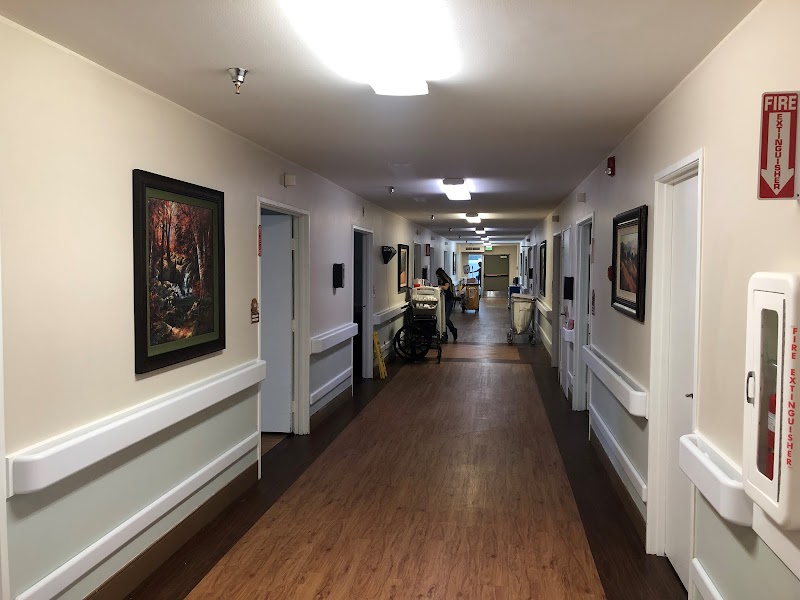
How is The Orchards Post-Acute Staffed?

CMS rates THE ORCHARDS POST-ACUTE's staffing level at 3 out of 5 stars, which is average compared to other nursing homes. Staff turnover is 35%, compared to the California average of 46%. This relatively stable workforce can support continuity of care.

What Have Inspectors Found at The Orchards Post-Acute?

State health inspectors documented 97 deficiencies at THE ORCHARDS POST-ACUTE during 2022 to 2025. These included: 2 that caused actual resident harm and 95 with potential for harm. Deficiencies causing actual harm indicate documented cases where residents experienced negative health consequences.
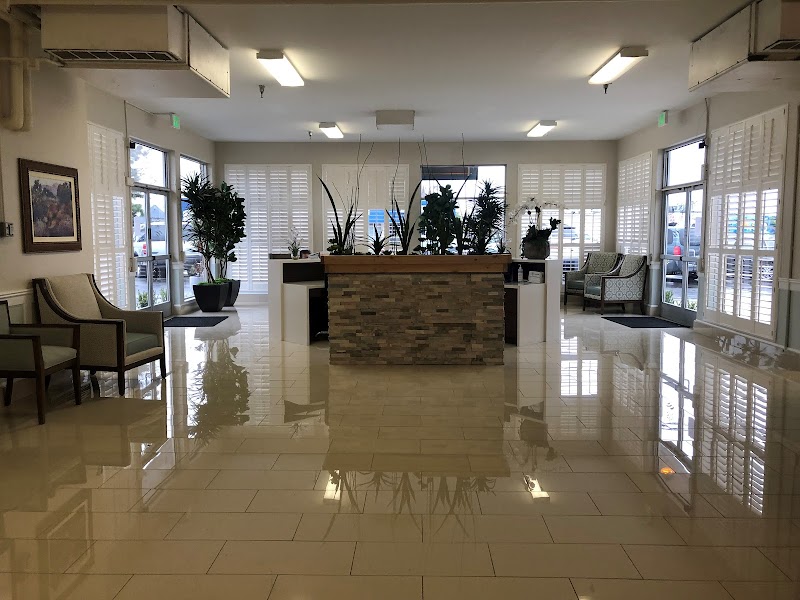
Who Owns and Operates The Orchards Post-Acute?

THE ORCHARDS POST-ACUTE is owned by a for-profit company. For-profit facilities operate as businesses with obligations to shareholders or private owners. The facility is operated by LINKS HEALTHCARE GROUP, a chain that manages multiple nursing homes. With 150 certified beds and approximately 139 residents (about 93% occupancy), it is a mid-sized facility located in BAKERSFIELD, California.
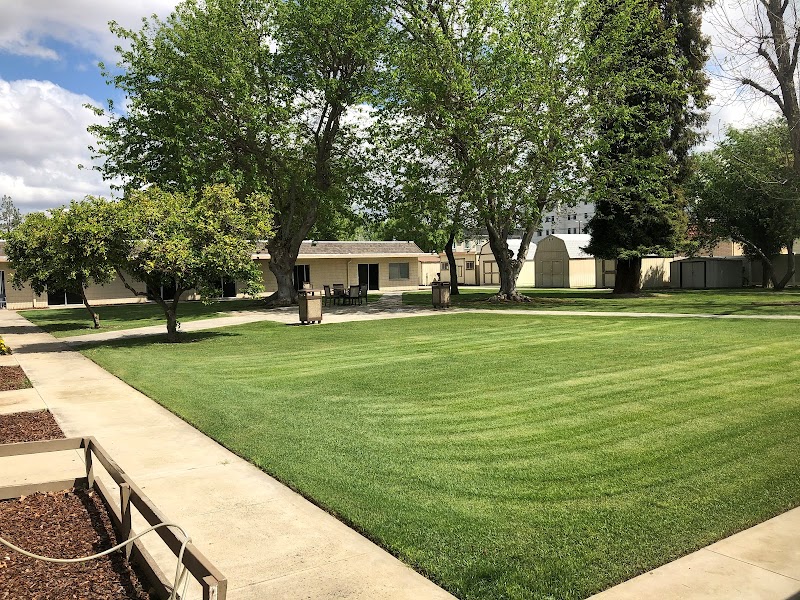
How Does The Orchards Post-Acute Compare to Other California Nursing Homes?

Compared to the 100 nursing homes in California, THE ORCHARDS POST-ACUTE's overall rating (1 stars) is below the state average of 3.1, staff turnover (35%) is significantly lower than the state average of 46%, and health inspection rating (1 stars) is much below the national benchmark.

What Should Families Ask When Visiting The Orchards Post-Acute?

Based on this facility's data, families visiting should ask: "Can I visit during a mealtime to observe dining assistance and food quality?" "How do you handle medical emergencies, and what is your hospital transfer rate?" "Can I speak with family members of current residents about their experience?"

Is The Orchards Post-Acute Safe?

Based on CMS inspection data, THE ORCHARDS POST-ACUTE has a clean safety record: no substantiated abuse findings (meaning no confirmed cases of resident harm), no Immediate Jeopardy citations (the most serious violation level indicating risk of serious injury or death), and is not on the Special Focus Facility watch list (a federal program monitoring the lowest-performing 1% of nursing homes). The facility has a 1-star overall rating and ranks #100 of 100 nursing homes in California. While no facility is perfect, families should still ask about staff-to-resident ratios and recent inspection results during their visit.

Do Nurses at The Orchards Post-Acute Stick Around?

THE ORCHARDS POST-ACUTE has a staff turnover rate of 35%, which is about average for California nursing homes (state average: 46%). Moderate turnover is common in nursing homes, but families should still ask about staff tenure and how the facility maintains care continuity when employees leave.

Was The Orchards Post-Acute Ever Fined?

THE ORCHARDS POST-ACUTE has been fined $21,635 across 2 penalty actions. This is below the California average of $33,295. While any fine indicates a compliance issue, fines under $50,000 are relatively common and typically reflect isolated problems that were subsequently corrected. Families should ask what specific issues led to these fines and confirm they've been resolved.

Is The Orchards Post-Acute on Any Federal Watch List?

THE ORCHARDS POST-ACUTE is not on any federal watch list. The most significant is the Special Focus Facility (SFF) program, which identifies the bottom 1% of nursing homes nationally based on persistent, serious quality problems. Not being on this list means the facility has avoided the pattern of deficiencies that triggers enhanced federal oversight. This is a positive indicator, though families should still review the facility's inspection history directly.