THE REHABILITATION CENTER OF BAKERSFIELD
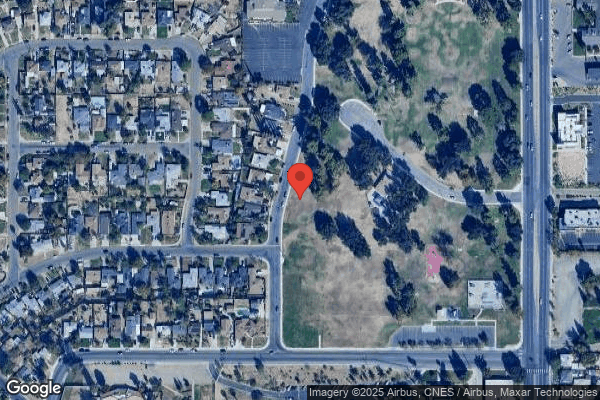

2211 MOUNT VERNON AVENUE, BAKERSFIELD, CA 93306 (661) 872-2121
For profit - Corporation 160 Beds SHLOMO RECHNITZ Data: November 2025
Trust Grade
0/100
#1136 of 1155 in CA
Last Inspection: January 2025

Within standard 12-15 month inspection cycle. Federal law requires annual inspections.

Overview

The Rehabilitation Center of Bakersfield has received a Trust Grade of F, indicating significant concerns about the quality of care provided. It ranks #1136 out of 1155 facilities in California, placing it in the bottom half of nursing homes statewide and #16 out of 17 in Kern County, meaning there is only one local option that performs better. The facility is reportedly improving, with issues decreasing from 50 in 2024 to 14 in 2025, but it still faces serious challenges. Staffing is rated average with a 3/5 star rating, but the turnover rate of 57% is concerning as it is higher than the California average. There have been incidents where residents did not receive proper meal service, leading to significant weight loss, and another resident suffered multiple falls due to a lack of adequate care planning, which raises serious safety and care quality issues. Overall, while there are some signs of improvement, families should weigh these serious weaknesses when considering this facility for their loved ones.

Trust Score
F
0/100
In California
#1136/1155
Bottom 2%
Safety Record
High Risk
Review needed
Inspections
Getting Better
50 → 14 violations
Staff Stability
⚠ Watch
57% turnover. Above average. Higher turnover means staff may not know residents' routines.
Penalties
○ Average
$9,472 in fines. Higher than 67% of California facilities. Some compliance issues.
Skilled Nurses
⚠ Watch
Each resident gets only 22 minutes of Registered Nurse (RN) attention daily — below average for California. Fewer RN minutes means fewer trained eyes watching for problems.
Violations
⚠ Watch
118 deficiencies on record. Higher than average. Multiple issues found across inspections.
★☆☆☆☆
1.0
Overall Rating
★★★☆☆
3.0
Staff Levels
★★★☆☆
3.0
Care Quality
★☆☆☆☆
1.0
Inspection Score
Stable
2024: 50 issues
2025: 14 issues

The Good

  • Full Sprinkler Coverage · Fire safety systems throughout facility
  • No fines on record

Facility shows strength in fire safety.

The Bad

1-Star Overall Rating

Below California average (3.1)

Significant quality concerns identified by CMS

Staff Turnover: 57%

11pts above California avg (46%)

Frequent staff changes - ask about care continuity

Federal Fines: $9,472

Below median ($33,413)

Minor penalties assessed

Chain: SHLOMO RECHNITZ

Part of a multi-facility chain

Ask about local staffing decisions and management

Staff turnover is elevated (57%)

9 points above California average of 48%

The Ugly 118 deficiencies on record

6 actual harm
Aug 2025 1 deficiency
CONCERN (D) 📢 Someone Reported This

A family member, employee, or ombudsman was alarmed enough to file a formal complaint

Potential for Harm - no one hurt, but risky conditions existed

Deficiency F0804 (Tag F0804)

Could have caused harm · This affected 1 resident

Based on observation, interview, and record review, the facility failed to ensure one of three sampled residents (Resident 1) was served food at a palatable temperature. This failure had the potential...

Read full inspector narrative →
Based on observation, interview, and record review, the facility failed to ensure one of three sampled residents (Resident 1) was served food at a palatable temperature. This failure had the potential for Resident 1 to not eat, lose weight, and not meet his nutritional needs.Findings:During a concurrent observation and interview on 8/1/25 at 1:24 p.m. with the Dietary Supervisor (DS), in Resident 1's room, Resident 1 was about to eat his lunch. DS checked the meat's temperature in Resident 1's the meal tray. DS stated the temperature was 100 (Fahrenheit-temperature measurement). During a concurrent observation and interview on 8/1/25 at 1:30 p.m. with DS, at the nurses' station, DS checked the temperature of the green beans and the salad in the test tray (a sample meal tray used to assess the quality and accuracy of food service, ensuring it aligns with dietary requirements and standards). DT stated the green beans were at 100 and the salad was at 50.During a concurrent observation and interview on 8/1/25 at 1:38 p.m. with Resident 1 in his room, Resident 1 had his meal tray on the tray table, Resident 1 stated his food was not hot enough to his liking.During a review of Resident 1's Outcomes Summary Report (OSR), dated 5/2/25, the OSR indicated, Resident 1's BIMS (Brief Interview for Mental Status - cognition assessment tool, 15-point scale: 0-7 severe impairment, 8-12 moderate impairment, 13-15 cognitively intact) score was 12.During a review of the facility's policy and procedure (P&P) titled, Food Temperatures, dated 10/10/23, the P&P indicated, 4. Acceptable Serving Temperature:.Meat, entrees > [greater than] 140.Hazardous salads, desserts < [less than] 41.
Jun 2025 1 deficiency
CONCERN (E) 📢 Someone Reported This

A family member, employee, or ombudsman was alarmed enough to file a formal complaint

Potential for Harm - no one hurt, but risky conditions existed

Deficiency F0804 (Tag F0804)

Could have caused harm · This affected multiple residents

**NOTE- TERMS IN BRACKETS HAVE BEEN EDITED TO PROTECT CONFIDENTIALITY** Based on observation, interview, and record review, the facility failed to: 1. Serve residents food timely and at a palatable (p...

Read full inspector narrative →
**NOTE- TERMS IN BRACKETS HAVE BEEN EDITED TO PROTECT CONFIDENTIALITY** Based on observation, interview, and record review, the facility failed to: 1. Serve residents food timely and at a palatable (pleasant to taste) temperature for two of three sampled residents (Resident 1, Resident 2). 2. Document food temperatures prior to distributing the residents meals for two of three sampled residents (Resident 1, Resident 2). These failures had the potential for reduced resident meal intake and the potential for the residents to contract food borne illness. Findings: 1. During a review of Resident 1's Minimum Data Set (MDS -a standardized assessment to evaluate a resident ' s functional abilities and healthcare needs), dated 1/30/25, under the section Brief Interview for Mental Status (BIMS - an assessment of cognition [how well a person thinks, remembers, and learns], the BIMS score was 15 (cognition intact). During an interview on 6/16/25 at 12:30 p.m. with Resident 1, Resident 1 stated at times (not specific) his meals come in very late, and the food can be cold when it is delivered. Resident 1 stated he loves to have coffee and when it is brought to him the coffee can be cold. Resident 1 stated he had not received his lunch meal yet. During a review of Resident 2's MDS dated [DATE], under the section BIMS, the BIMS score was 12. During an interview on 6/16/25 at 12:49 p.m. with Resident 2, Resident 2 stated meals were being served late. Resident 2 stated it is now 1:12 p.m. and lunch has not been provided. Resident 2 stated yesterday (6/15/25) she did not receive her dinner until 9 p.m. Resident 2 stated the food that is supposed to be hot is cold, and the food that is supposed to be cold is warm or hot. Resident 2 stated for example, when she is served milk it is warm. During an interview on 6/16/25 at 1:37 p.m. with Dietary Supervisor Assistant (DSA), DSA stated she has been aware of resident complaints (not specific who) regarding meals being served late. DSA stated the last complaints she heard about late meals were over the weekend. DSA stated breakfast should start to be served at 6:30 a.m. and all residents should have their meals by 7:30 a.m., Lunch should start to be served at 11:30 a.m. and all residents should be served by 12:45 p.m., Dinner should start to be served at 4:30 p.m. and all residents should be served by 5:45 p.m. During a concurrent observation and interview on 6/16/25 at 1:59 9.m. with DSA, the last lunch meal tray was served, and food temperatures were taken. DSA observed and confirmed the following food temperatures: a. Sweet potato fries were 101.5 degrees Fahrenheit (°F). DSA stated the temperature should have been 145 °F. b. Roast beef sandwich was 100 °F. DSA stated the temperature should have been 165 °F. c. Chocolate pudding was 66.6 °F. DSA stated the temperature should have been 41 °F or lower. d. Coleslaw was 70.9 °F. DSA stated the temperature should have been 41 °F or lower. e. Milk was 64.6 °F. DSA stated the temperature should have been 41 °F or lower. f. Chocolate milk was 60 °F. DSA stated the temperature should have been 41 °F or lower. g. Coffee was 159°F. DSA stated she was not sure what the temperature of coffee for residents should be. DSA stated the temperatures of food and drinks should be per the policy and procedure to prevent residents from getting sick. 2. During a concurrent interview and record review on 6/16/25 at 1:24 p.m. with DSA, the facility Food Temperature Log (FTL), dated June 2025 was reviewed. The FTL indicated the following missing temperature entries missing: a. On 6/1/25 - There were no temperature entries for facility residents dinner dessert, milk, juice, starch substitute (range of plant foods including grains like wheat, rice, barley, oats, rye, corn, and breads and potatoes) and meat substitute. b. On 6/2/25 - There was no temperature entry for facility resident lunch meat substitute. c. On 6/3/25 - There were no entries for facility resident lunch and dinner meat and starch substitute. d. On 6/4/25 - There were no entries for facility resident dinner meat and starch substitutes. e. On 6/5/25 - There were no entries for facility resident lunch meat substitute. There were no entries for facility resident dinner meat and starch substitutes. f. On 6/6/25 - There were no entries for facility resident dinner meat and starch substitutes. g. On 6/7/25 - There were no entries for facility resident dinner meat and starch substitutes. h. On 6/8/25 - There were no entries for facility resident lunch and dinner meat and starch substitutes. i. On 6/9/25 - There were no entries for facility resident lunch and dinner meat and starch substitutes. j. On 6/10/25 - There were no entries for facility resident dinner meat and starch substitutes. k. On 6/11/25 - There were no entries for facility resident dinner milk, meat, and starch substitutes. l. On 6/12/25 - There were no entries for facility resident dinner meat and starch substitutes. m. On 6/13/25 - There were no entries for facility resident dinner soup, entrée (main portion of the meal), mechanical soft (a type of diet texture) entrée, gravy, vegetable, starch, puree (a type of diet texture) meat, puree vegetable, puree starch, dessert, milk, juice, meat substitute, and starch substitute. n. On 6/14/25 - There were no entries for the facility residents breakfast juice, and milk. No entries for the facility resident lunch milk, juice, meat substitute, and starch substitute. No entries for facility resident dinner soup, entrée, mechanical soft entrée, gravy, vegetable, starch, puree meat, puree vegetable, puree starch, dessert, milk, juice, meat substitute, and starch substitute. o. On 6/15/24 - There were no entries for the facility resident dinner milk, juice, meat substitute, and starch substitute. p. On 6/16/25 - No entries for the facility resident lunch milk, juice, meat substitute, and starch substitute. No entries for facility resident dinner soup, entrée, mechanical soft entrée, gravy, vegetable, starch, puree meat, puree vegetable, puree starch, dessert, milk, juice, meat substitute, and starch substitute. DSA stated the temperature entries should have been placed into the log prior to the residents meal being served. DSA stated the FTL should be reviewed daily to ensure staff were placing the temperatures of the meals provided to residents. During a review of the facility ' s policy and procedure (P&P) titled, Food Temperatures, dated 9/28/23, the P&P indicated, Where to Record Temperature . Record the reading on DS16 -Form A - Temperature Log at the beginning of tray line making sure to take the temperature of each pan of product before serving. Acceptable Serving Temperatures . Cereal, gravy . > (greater than) 140 (degrees Fahrenheit) . Casseroles . >140 (degrees Fahrenheit) . Meat, entrees . >140 (degrees Fahrenheit) . Potatoes, pasta . >140 (degrees Fahrenheit) . Soup . >140 (degrees Fahrenheit) . Pureed food . >140 (degrees Fahrenheit) . Vegetable . >140 (degrees Fahrenheit) . Coffee . >140 (degrees Fahrenheit) . Hazardous salads, dessert . < (less than) 41 (degrees Fahrenheit) . Pastries, cakes . < 60 (degrees Fahrenheit) . Milk, Juice . <41 (degrees Fahrenheit) . Eggs . >140 (degrees Fahrenheit). If the temperature does not meet applicable serving temperatures, reheat the product or chill the product to the proper temperature . During a review of the facility ' s policy and procedure (P&P) titled, Meal Service Times, dated 7/1/14, the P&P indicated, Purpose . To provide the dietary department with guidelines for meal service. Meals are served at regularly scheduled hours . There is no more than 14 hours between dinner and breakfast the following morning . The Dietary Manager is responsible for monitoring meal service time daily to ensure the facility meets posted meal times. Meal times are typically at 7:00am (a.m.), 12pm (p.m.), 5:00pm.
Feb 2025 1 deficiency
CONCERN (D) 📢 Someone Reported This

A family member, employee, or ombudsman was alarmed enough to file a formal complaint

Potential for Harm - no one hurt, but risky conditions existed

Deficiency F0809 (Tag F0809)

Could have caused harm · This affected 1 resident

Based on observation, interview, and record review, the facility failed to ensure one of six sampled residents (Resident 1) was provided a meal tray for lunch. This failure had the potential for Resid...

Read full inspector narrative →
Based on observation, interview, and record review, the facility failed to ensure one of six sampled residents (Resident 1) was provided a meal tray for lunch. This failure had the potential for Resident 1 to experience unmet nutritional needs. Findings: During an observation on 1/30/25 at 1 p.m., with Resident 1, in Resident 1's room, Resident 1's roommate (Resident 3) was provided his meal tray by Certified Nursing Assistant (CNA) 1. When this surveyor exited Resident 1's room approximately 34 minutes later, Resident 1 had not received a meal tray. During a concurrent observation and interview on 1/30/25 at 1:34 p.m., with Licensed Vocational Nurse (LVN) 1, in the hallway, there were no meal carts left in the hallway. LVN 1 stated all lunch trays were passed to the residents and then picked up and returned to the kitchen. LVN 1 stated after speaking with several staff, none of the CNAs had passed Resident 1 a meal tray. During an interview on 1/30/25 at 1:36 p.m., with CNA 2, CNA 2 stated she was assigned to Resident 1. CNA 2 stated she did not provide Resident 1 a meal tray. During an interview on 1/30/25 at 2:20 p.m. with CNA 1, CNA 1 stated she did not deliver Resident 1's meal tray. During an interview on 1/30/25 at 3:28 p.m. with Director of Nursing (DON), DON stated Resident 1 should have been provided a meal tray. During a review of the facility's policy and procedure (P&P) titled, Menus dated 4/1/14, the P&P indicated, Purpose.To ensure that the facility provides meals to residents that meet the requirements of the Food and Nutrition Board of the National Research Council of the National Academy of Sciences.Daily menus will include planning for three meals and an evening snack.
Jan 2025 11 deficiencies
CONCERN (D) 📢 Someone Reported This

A family member, employee, or ombudsman was alarmed enough to file a formal complaint

Potential for Harm - no one hurt, but risky conditions existed

Deficiency F0558 (Tag F0558)

Could have caused harm · This affected 1 resident

Based on observation, interview, and record review, the facility failed to ensure an adaptive call light (specially designed call button for individuals with physical disabilities or limited mobility ...

Read full inspector narrative →
Based on observation, interview, and record review, the facility failed to ensure an adaptive call light (specially designed call button for individuals with physical disabilities or limited mobility to easily signal for assistance) was provided for one of one sampled dependent resident (Resident 80). This failure resulted in unmet needs due to being unable to call staff. Findings: During a concurrent observation and interview on 1/6/25 at 9:30 a.m. with Resident 80 in Resident 80's room, the call light was wrapped around the right upper side rail. Resident 80 had contractures in his right hand and his left arm was limp. Resident 80 stated he did not have the coordination to use the call light and he whistled to call staff for assistance. During a concurrent observation and interview on 1/7/25 at 1:56 p.m. with Certified Nursing Assistant (CNA) 2 in Resident 80's room, Resident 80's call light was observed tied to the right upper side rail. CNA 2 stated Resident 80 would not be able to use this call light. During an interview on 1/9/25 at 9:35 a.m. with Director of Nursing (DON), DON stated all residents should have call lights they can use when they need assistance. DON stated the facility had call lights shaped like little houses that were easy for dependent residents to press when they needed assistance. DON stated Resident 80 should have had one of house shaped call lights. During a review of the facility's policy and procedure (P&P) titled, Communication - Call Systems, dated 1/1/12, the P&P indicated, Policy The facility will provide a call system to enable residents to alert the nursing staff from their rooms and toileting/bathing facilities. Procedure . VIII. Adaptive call bell provided to resident per resident's needs.
CONCERN (D)

Potential for Harm - no one hurt, but risky conditions existed

Safe Environment (Tag F0584)

Could have caused harm · This affected 1 resident

**NOTE- TERMS IN BRACKETS HAVE BEEN EDITED TO PROTECT CONFIDENTIALITY** Based on interview and record review, the facility failed to follow their policy and procedure (P&P) titled, Personal Property f...

Read full inspector narrative →
**NOTE- TERMS IN BRACKETS HAVE BEEN EDITED TO PROTECT CONFIDENTIALITY** Based on interview and record review, the facility failed to follow their policy and procedure (P&P) titled, Personal Property for one of one sampled resident (Resident 13) when Inventory of Personal Effects (IPE) form was not reviewed for accuracy during Resident 13's quarterly care plan conference. This failure resulted in incorrectness of Resident 13's IPE based on her current personal belongings, the inability to verify missing items, and the potential of those missing items not being replaced because they are not on the IPE. Findings: During an interview on 01/07/25 at 01:21 p.m. with Resident 13, Resident 13 stated she had personal belongings missing, including a gold box shaped like an egg that she had received at Christmas. Resident 13 stated she had reported the missing items and she did not see facility staff making an effort to find them. During a review of Resident 13's IPE, dated 7/30/23, the IPE indicated the last review and update of Resident 13's personal effects was on 7/23/23. The IPE indicated Resident 13 had a white fan, mattress, 32 inch television, and a dresser. The IPE indicated Resident 13 had no other personal belongings. During an interview on 1/9/25 at 3:05 p.m. with Social Services Assistant (SSA), SSA stated when a resident loses something a theft and loss report is filled out, then staff look for the missing item. SSA stated to replace the missing item, it should be on the IPE. SSA stated if the missing item is not on the IPE, then the facility is not obligated to replace it. SSA stated sometimes the Administrator will replace it anyway. During a concurrent interview and record review on 1/9/25 at 3:26 p.m. with SSA, Resident 13's Multidisciplinary Care Conference, (MCC) dated 10/22/24, was reviewed. The MCC indicated Resident 13 was admitted on [DATE]. The MCC indicated during Resident 13's quarterly care plan conference dated 10/22/24 the IPE was not reviewed for accuracy. SSA stated the IPE was not discussed or updated to reflect Resident 13's current belongings. SSA stated based on the facilities P&P, the facility should have reviewed and updated Resident 13's IPC at the time of the MCC quarterly review. During a review of the facility's P&P titled, Personal Property, dated 7/14/17, the P&P indicated, Procedure V. The IDT [Interdisciplinary Team - group of health care professionals that address the whole person, not just specific medical aspects] will review the resident's inventory for accuracy during the resident's quarterly care plan conference. Any changes or additions to the inventory will be made at this time.
CONCERN (D) 📢 Someone Reported This

A family member, employee, or ombudsman was alarmed enough to file a formal complaint

Potential for Harm - no one hurt, but risky conditions existed

Grievances (Tag F0585)

Could have caused harm · This affected 1 resident

Based on interview and record review, the facility failed to ensure the facilities grievance process was followed for one of three sampled residents (Resident 16). This failure had the potential for R...

Read full inspector narrative →
Based on interview and record review, the facility failed to ensure the facilities grievance process was followed for one of three sampled residents (Resident 16). This failure had the potential for Resident 16 to be subject to continued abuse and resulted in Resident 16 being unaware of the plan of correction or outcome of the grievance investigation. Findings: During an interview on 12/30/24 at 2:39 p.m. with Resident 16, Resident 16 stated he filed a grievance with Social Service Assistant (SSA) regarding abuse allegations (12/23/24). Resident 16 stated the facility had not followed up with him regarding the grievance. During a review of Resident 16's Resident Grievance/Complaint Investigation Report,(RGCIR) dated 12/23/24, the RGCIR indicated the Resident 16's grievance report was assigned to the Administrator. The RGCIR indicated, Assigned Department's response to Grievance (includes any actions taken, investigations plan to correct: [space to indicate if completed was blank] Was the grievance confirmed (space to indicate if completed was blank) Department Head Signature dated (space was blank) Grievance Official Signature Date (space was blank) Concerned Party Notified on (space to indicate if completed was blank) By (space was blank) Concerned Party's Response (space was blank). During a concurrent interview and record review on 1/7/25 at 11:30 a.m. with Administrator, Resident 16's RGCIR, dated 12/23/24 was reviewed. Administrator stated the RGCIR was not completed and no notification was made to Resident 16 of the outcome of the investigation or plan to correct the grievance. During a review of the facility's policy and procedure (P&P) titled, Grievances and Complaints, dated December 2017, the P&P indicated, II. The facility Administrator is the Grievance Official responsible for overseeing the grievance process, receiving and tracking grievances through to their conclusion, . B. The investigation and report includes, as applicable: . viii. Statement as to if the grievance/complaint was confirmed and corrective actions taken. C. The Grievance Official will be provided with a completed Resident Grievance/Complaint Investigation Report within five (5) business days of the start of the investigation.
CONCERN (D) 📢 Someone Reported This

A family member, employee, or ombudsman was alarmed enough to file a formal complaint

Potential for Harm - no one hurt, but risky conditions existed

Abuse Prevention Policies (Tag F0607)

Could have caused harm · This affected 1 resident

Based on interview and record review, the facility failed to follow their policy and procedure (P&P) titled, Abuse Investigation and Reporting, for one of three sampled residents (Resident 115). This ...

Read full inspector narrative →
Based on interview and record review, the facility failed to follow their policy and procedure (P&P) titled, Abuse Investigation and Reporting, for one of three sampled residents (Resident 115). This failure had the potential for Resident 115 and the facility's residents to be at risk for abuse. Findings: During an interview on 12/30/24 at 12:41 p.m. with Director of Nursing (DON) 2, DON 2 stated Social Services Assistant (SSA), Case Manager (CM), and herself were responsible for the investigation of the allegations of physical abuse for Resident 115 by Certified Nursing Assistant (CNA) 1. DON 2 stated she interviewed Resident 115, Resident 115's family, Resident 115's roommate and staff as part of the alleged abuse investigation. DON 2 stated she did not interview any other residents regarding the care provide by CNA 1. During an interview on 12/30/24 at 3:23 p.m. with SSA, SSA stated she was not involved in the investigation of Resident 115's allegations of physical abuse. During an interview on 12/30/24 at 3:54 p.m. with CM, CM stated she was not involved in the investigation of Resident 115's allegations of physical abuse. During an interview on 1/7/25 at 11:30 a.m. with Administrator, Administrator stated DON 2 was responsible for Resident 115's investigation. Administrator stated she was not involved in the investigation of Resident 115's allegations of physical abuse. During a review of the facility's P&P titled, Abuse Investigation and Reporting, revised December 2016, the P&P indicated, All reports of abuse . shall be . thoroughly investigated by facility management. Role of the Investigator: 1. The individual conducting the investigation will, as a minimum: . i. Interview other residents to whom the accused employee provides care or services.
CONCERN (D)

Potential for Harm - no one hurt, but risky conditions existed

Transfer Notice (Tag F0623)

Could have caused harm · This affected 1 resident

**NOTE- TERMS IN BRACKETS HAVE BEEN EDITED TO PROTECT CONFIDENTIALITY** Based on interview and record review, the facility failed to follow their policy and procedure (P&P) titled, Notice of Transfer/...

Read full inspector narrative →
**NOTE- TERMS IN BRACKETS HAVE BEEN EDITED TO PROTECT CONFIDENTIALITY** Based on interview and record review, the facility failed to follow their policy and procedure (P&P) titled, Notice of Transfer/Discharge, when the facility did not send a notice of transfer to the ombudsman (advocate for residents in a long-term care facilities) for two of two sampled residents (Resident 24 and Resident 69). This failure had the potential for Resident 24 and Resident 69 to not have an advocate to review their admission, transfer, and discharge rights and options. Findings: During a concurrent interview and record review on 1/9/25 at 9:10 a.m. with Minimum Data Set Coordinator (MDSC), Resident 24's Medical Record (MR) was reviewed. MDSC stated Resident 24 was transferred to the hospital on [DATE]. MDSC stated he was unable to provide a transfer and discharge form for Resident 25 which indicated the Ombudsman was notified. During a concurrent interview and record review on 1/9/25 at 11 a.m. with Social Services Assistant (SSA), Resident 24's MR was reviewed. SSA stated she could not find documentation that the Ombudsman was notified of Resident 24's transfer. SSA stated the Ombudsman should have been notified of the Resident 24's transfer. During a concurrent interview and record review on 1/9/25 at 9:32 a.m. with MDSC, Resident 69's MR was reviewed. MDSC stated Resident 69 was transferred to the hospital on 3/31/24. MDSC stated he was unable to provide a transfer and discharge form for Resident 69 which indicated the Ombudsman was notified. During a concurrent interview and record review on 1/9/25 at 10:47 a.m. with SSA, Resident 69's MR was reviewed. SSA stated she was unable to provide a transfer and discharge form for Resident 69 which indicated the Ombudsman was notified. During a review of the facility's P&P titled, Notice of Transfer/Discharge, dated 2017, the P&P indicated, Before the transfer or discharge occurs, the facility must notify the resident and, if known, the responsible party, and Ombudsman of the transfer and reasons for the transfer, and document in the resident's clinical record.
CONCERN (D) 📢 Someone Reported This

A family member, employee, or ombudsman was alarmed enough to file a formal complaint

Potential for Harm - no one hurt, but risky conditions existed

Comprehensive Care Plan (Tag F0656)

Could have caused harm · This affected 1 resident

2. During a concurrent interview and record review on 1/9/24 at 12:20 p.m. with Director of Nursing (DON), Resident 64's Comprehensive Care Plan (CCP), dated 1/7/25, was reviewed. The CCP indicated Re...

Read full inspector narrative →
2. During a concurrent interview and record review on 1/9/24 at 12:20 p.m. with Director of Nursing (DON), Resident 64's Comprehensive Care Plan (CCP), dated 1/7/25, was reviewed. The CCP indicated Resident 64 did not have a care plan with goals or interventions for strengthening upper extremities. DON stated it looked like the care plan was started but staff did not put in the interventions. During a review of the facility's P&P titled, Comprehensive Person-Centered Care Planning, dated 2022, the P&P indicated, All goals, objectives, interventions, etc. from the current baseline care plan will be included in the resident's comprehensive care plan. During a review of the facility's P&P titled, Restorative Nursing Program Guidelines, date 9/19/19, the P&P indicated, Procedure 1. The following criteria must be met in order to implement a restorative nursing program: A. Measurable objective and interventions are documented in the Care Plan and in the medical record. If a Restorative Nursing Program is in place when a Care Plan is being revised, it is appropriated to assess progress, goals, and duration/frequency as part of the care planning process. Good clinical practice would indicate that the results of this reassessment should be documented in the resident's medical record. V. The Interdisciplinary Care Plan will reflect the written plan of care for meeting the restorative needs of each resident including problems/needs, measurable goals and individualized approaches. X. The Care Plan for each resident will be updated with any changes to the Restorative Nursing Program when they occur and reviewed quarterly or as needed by the Interdisciplinary Team. Based on interview and record review, the facility failed to follow their policy and procedure (P&P) titled, Comprehensive Person-Centered Care Planning for two of three sampled residents (Resident 1 and Resident 64) when 1. When a conservator (resident's legal representative) did not participate in Patient 1's care conference. This failure resulted in Resident 1's conservator to not participate in Patient 1's plan of care or be aware of changes in plan of care. 2. When a comprehensive care plan did not include individualized goals and interventions for restorative mobility for Patient 64. This failure had the potential for Patient 64 to not reach full mobility and function potential. Findings: 1. During a review of Resident 1's admission Record (AR), dated 1/7/25, the AR indicated, Diagnosis. Dementia [a decline in mental abilities that affects thinking, memory, and reasoning]. Altered Mental Status. Cognitive Communication Deficit [unable to communicate effectively due to problems with how their brain processes information]. During a review of Resident 1's Notice to Conservatee of Rights to Probate Code, (NCRPC) dated 10/2/24, the NCRPC indicated Family Member (FM) 1 was Resident 1's conservator. During a review of Resident 1's MD Progress Note, (MPN) dated 11/8/24, the MPN indicated Resident 1 did not have capacity to understand choices and make healthcare decisions. During a review of Resident 1's Minimum Data Set, (MDS - an assessment tool) dated 11/23/24, the MDS indicated Resident 1 had a Brief Interview for Mental Status (BIMS - used to measure and track a resident's thinking abilities decline or improvements) score of 4 (score of 0 to 7 indicates severe cognitive impairment). During a concurrent interview and record review on 1/6/25 at 4:29 p.m. with Social Services Assistant (SSA), Resident 1's Multidisciplinary Care Conference, (MCC) dated 8/22/24 was reviewed. SSA stated there was no documentation FM 1 attended Resident 1's MCC conducted on 8/22/24. SSA stated a resident representative should always be present during the MCC. During a review of the facility's P&P titled, Comprehensive Person-Centered Care Planning, dated 2022, the P&P indicated, 2. Interdisciplinary Team (IDT) a. The IDT team may include but is not limited to the following individuals.To the extent possible, the resident and the resident's representative(s). An explanation must be included in a resident's medical record if participation of the resident and their resident representative is determined not practicable for the development of the resident's care plan.
CONCERN (D)

Potential for Harm - no one hurt, but risky conditions existed

Deficiency F0658 (Tag F0658)

Could have caused harm · This affected 1 resident

Based on observation, interview, and record review, the facility failed to: 1. Ensure a verbal order (VO) for one of six sampled residents (Resident 116) was entered into the medical record (MR). This...

Read full inspector narrative →
Based on observation, interview, and record review, the facility failed to: 1. Ensure a verbal order (VO) for one of six sampled residents (Resident 116) was entered into the medical record (MR). This failure had the potential for increased risk of medication errors, potential patient harm due to incorrect treatment, and resulted in an incomplete medical record. 2. Follow their policy and procedure (P&P) titled, Medication - Administration for one of six sampled resident (Resident 45) when incorrect dose of medication was given. This failure had the potential for Resident 45 to have adverse health outcomes. Findings: 1. During a concurrent interview and record review on 1/9/25 at 2 p.m., with Licensed Vocational Nurse (LVN) 1, Resident 116's Progress Notes, (PN) dated 10/21/24 and the Orders, dated October 2024 were reviewed. The PN indicated, Resident [116] noted with limit [sic] response, pale in color and diaphoretic [sweating]. BS [blood sugar] 38, BP [blood pressure]147/67, O2 [oxygen] 90%. Glucose Gel [medication to increase the blood sugar] administered at 1715 [5:15 p.m.] . Glucogon [sic] [medication to increase the blood sugar level] 1 mg [milligram] IM [intramuscular- injected in the muscle] administered at 1745 [5:45 p.m.]. The Orders indicated no order for Glucagon. LVN 1 stated she called Resident 116's doctor and he gave her a VO to administer the Glucagon and she did not enter the VO in the MR. Did you review the MAR and there was no documentation of administration? During a review of the facility's policy and procedure (P&P) titled, Telephone Orders for Medication, revised 1/1/2012, the P&P indicated, Receiving a Telephone Order (TO).the order will be repeated back to clarify and ensure that the following necessary information is included: i. Name of Medication; ii. Dosage; iii. Route of administration; iv. Times and/or frequency of administration; v. Number of days or doses; and vi. Reason for medication as occasion requires (PRN) [as needed].III. Transcribing The Orders A. The order will be written with black ballpoint pen on Medication Administration Record or Treatment Administration Record and complete start order date. 2. During an observation on 1/7/25 at 8:59 a.m. with LVN 2 in Resident 45's room, LVN 2 administered 200 ml (Milliliters) of Med Plus 2.0 (Nutritional Shake). During a concurrent interview and record review on 1/7/25 at 2:20 p.m. with LVN 2, Resident 45's Medication Administration Record, (MAR) dated January 2025 was reviewed. The MAR indicated Med Plus 2.0 120 mls two times a day for supplement with medication. LVN 2 stated she administered 200 mls of Med Plus and the MAR indicated to administer 120 mls. During a review of the facility's P&P titled, Medication - Administration, dated 1/1/12, the P&P indicated, Medications and treatments will be administered as prescribed to ensure compliance with dose guidelines.
CONCERN (D)

Potential for Harm - no one hurt, but risky conditions existed

Deficiency F0688 (Tag F0688)

Could have caused harm · This affected 1 resident

Based on interview and record review, the facility failed to ensure for one of one sampled resident (Resident 64): 1. Physician's orders were followed for the Restorative Nursing Assistant (RNA) thera...

Read full inspector narrative →
Based on interview and record review, the facility failed to ensure for one of one sampled resident (Resident 64): 1. Physician's orders were followed for the Restorative Nursing Assistant (RNA) therapeutic program (program designed to help residents maintain or improve their functional abilities). This failure had the potential to result in decline of Resident 64's strength and mobility. 2. The RNA completed RNA program written weekly summaries. This failure resulted Resident 64's progress towards regaining independence in daily activities was not monitored which had the potential for a decline in function and mobility. Findings: 1. During a review of Resident 64's physician orders (PO), dated 10/22/24, the POs indicated Resident 64 was to have RNA therapy five times a week as part of the RNA program. Resident 64's RNA therapy program was to include: a. Therapy exercises using rickshaw (exerciser for wheelchair dependent people to strengthen their arms and shoulder muscles) with 20 lbs (pounds) and or alternate of pulley 4 for 2.5 plates for 15 minutes or as tolerated b. AROM (Active Range of Motion) right and left lower extremity as tolerated, every day shift c. Leg ergometer (a seated stationary pedal exerciser) for 15 minutes as tolerated every day shift. During an interview on 1/6/25 at 3:19 p.m. with Resident 64, Resident 64 stated he went to the gym with the RNA, but the RNA was frequently assigned to work as a Certified Nursing Assistant (CNA) so he missed his exercises on those days. Resident 64 stated this made it hard for him to have any continuity with his therapy. Resident 64 stated he would like to be evaluated for more physical therapy to get stronger. During a concurrent interview and record review on 1/9/25 at 11:15 a.m. with RNA, Resident 64's electronic medical record (eMR) tasks, dated 12/11/24 through 1/8/25 were reviewed. The eMR tasks indicated Resident 64 received AROM to his lower extremities and used the leg ergometer as follows: Week of 12/11/24 to 12/17/24- one time Week of 12/18/24 to 12/24/24- four times Week of 12/25/24 to 12/31/24- one time Week of 1/1/25 to 1/6/25- three times 1/7/25 to 1/8/25- one time The eMR tasks indicated Resident 64 used the rickshaw and pulley on 12/20/24, 1/1/25, and 1/6/24. The eMR tasks indicated Not Applicable was checked off for AROM to left and right lower extremity as follows: Week of 12/11/24 to 12/17/24- seven times Week of 12/18/24 to 12/24/24- two times Week of 12/25/24 to 12/31/24- four times Week of 1/1/25 to 1/6/25- three times 1/7/25 to 1/8/25- one time The eMR tasks indicated Not Applicable was checked off for leg ergometer as follows: Week of 12/11/24 to 12/17/24- seven times Week of 12/18/24 to 12/24/24- two times Week of 12/25/24 to 12/31/24- four times Week of 1/1/25 to 1/6/25- two times 1/7/25 to 1/8/25- one time The eMR tasks indicated Not Applicable was checked off for the rickshaw and pulley as follows: Week of 12/11/24 to 12/17/24- three times Week of 12/18/24 to 12/24/24- two times Week of 12/25/24 to 12/31/24- two times Week of 1/1/25 to 1/6/25- two times 1/7/25 to 1/8/25- one time RNA stated when Not Applicable was checked it meant I did not get to him that day. RNA stated Resident 64 was supposed to work with the RNA five days a week doing fifteen minutes on the bicycle, seven minutes on the rickshaw and seven minutes on the pulley for upper body strength, then 15 minutes of AROM on the legs as tolerated. RNA stated when she was off there was no one to cover for her and the other RNA would try to provide RNA therapy if she was available. 2. During an interview on 1/9/25 at 12:23 p.m. with DON, DON stated Resident 64's RNA weekly summaries should have been done by the RNAs and they had not been completing them. During a review of the facility's policy and procedure (P&P) titled, Restorative Nursing Program Guidelines, dated 9/19/19, the P&P indicated, Procedure 1. The following criteria must be met in order to implement a restorative nursing program: A. Measurable objective and interventions are documented in the Care Plan and in the medical record. If a Restorative Nursing Program is in place when a Care Plan is being revised, it is appropriated to assess progress, goals, and duration/frequency as part of the care planning process. Good clinical practice would indicate that the results of this reassessment should be documented in the resident's medical record. B. Frequency of the RNA program will be determined by the medical necessity and physician order . V. The Interdisciplinary Care Plan will reflect the written plan of care for meeting the restorative needs of each resident including problems/needs, measurable goals and individualized approaches . VII. The RNA carries out the restorative program according on [sic] the Care Plan. The RNA documents the frequency of the program, the amount of time the resident spent in the activity and their tolerance to the program. In addition, the RNA completes a weekly summary for all residents on a Restorative Nursing Program.
CONCERN (D)

Potential for Harm - no one hurt, but risky conditions existed

Deficiency F0726 (Tag F0726)

Could have caused harm · This affected 1 resident

Based on interview and record review, the facility failed to ensure one of eight sampled employees (Supervisor Licensed [SL] 3) had an annual performance evaluation completed. This failure had the pot...

Read full inspector narrative →
Based on interview and record review, the facility failed to ensure one of eight sampled employees (Supervisor Licensed [SL] 3) had an annual performance evaluation completed. This failure had the potential to result in compromise to the health, safety, and well-being of residents. Findings: During an interview on 1/8/25 at 11:07 a.m. with Director of Nursing (DON), DON stated employees must have performance evaluations completed annually. During a concurrent interview and record review on 1/8/25 at 3:01 p.m. with Director of Staff Development (DSD), SL 3's personnel file (PF) was reviewed. SL 3's PF indicated SL 3's date of hire was 12/24/23 and there were no performance evaluations in the file. DSD stated SL 3 should have had a performance evaluation annually. During a review of the facility's Policy and Procedure (P&P) titled, Compliance as a Component of Employee Performance, dated 9/17/21, the P&P indicated, PURPOSE: Effective compliance programs required adherence to compliance as well as assurances that an employee's performance is evaluated and measured against the underlying expectations of the compliance program . PROCEDURE: . 2. The facility includes, as a component of the employee's annual performance evaluation, that the employee has awareness of and has adhered to the requirements of the facility's compliance program.
CONCERN (E)

Potential for Harm - no one hurt, but risky conditions existed

Unnecessary Medications (Tag F0759)

Could have caused harm · This affected multiple residents

Based on observation, interview, and record review, the facility failed to ensure the medication error rate was not greater than five percent (%) when five medication errors occurred within 39 opportu...

Read full inspector narrative →
Based on observation, interview, and record review, the facility failed to ensure the medication error rate was not greater than five percent (%) when five medication errors occurred within 39 opportunities resulting in a 12.82% error rate for three of six sampled residents (Resident 45, Resident 74, and Resident 107). This failure had the potential for Resident 45, Resident 74, and Resident 107 not receiving the full therapeutic effects of the medications and potential for adverse health outcomes. Findings: During an observation on 1/7/25 at 8:59 a.m. with Licensed Vocation Nurse (LVN) 2 in Resident 45's room, LVN 2 administered Mucus Relief (medication to help relieve congestion) 400 mg (milligrams) to Resident 45. During a concurrent interview and record review on 1/7/25 at 2:22 p.m. with LVN 2, Resident 45's Medication Administration Record (MAR), dated January 2025 was reviewed. The MAR indicated the following medications: Mucinex Allergy Tablet (Fexofenadine HCl - medication to treat allergies) Give 1 tablet by mouth two times a day for coughing/allergies and Fluticasone Propionate (medication to treat allergies) Suspension 50 MCG/ACT (micrograms/actuation) 1 spray in each nostril one time a day for allergies 2 stated she administered Mucus Relief instead of Mucinex Allergy, as that was the only medication in stock. LVN 2 stated she charted Fluticasone as administered at 9 a.m. but she did not actually administer it to the Resident 45. During an observation on 1/7/25 at 10:51 a.m. with LVN 3 in Resident 74's room, LVN 3 administered Naproxen (medication to treat fever and pain) 220 mg and Simethicone (medication to treat bloating and gas) 80 mg. During a concurrent interview and record review on 1/7/25 at 2:45 p.m. with LVN 3, Resident 74's MAR, dated January 2025 was reviewed. The MAR indicated, Naprosyn Oral Tablet (Naproxen) Give 220 mg by mouth three times a day for PAIN MANAGEMENT TAKE WITH FOOD, administration time 8 a.m. The MAR indicated, Simethicone Oral Tablet 80 MG (Simethicone) Give 1 tablet by mouth after meals and at bedtime for gas/bloating, administration time of 9 a.m. LVN 3 stated both medications were given past the allowed time. During a review of Resident 107's MAR, dated January 2025, the MAR indicated the following: Aspirin 81 Oral Tablet Chewable (Aspirin) Give 1 tablet via G-Tube one time a day.Docusate Sodium Liquid 50 MG/5ML Give 10 ml via G-Tube one time a day. Lisinopril Oral Tablet 10 MG (Lisinopril) Give 1 tablet via G-Tube one time a day. Pepcid Oral Tablet 20 MG (Famotidine) Give 1 tablet via G-Tube one time a day. Magnesium Oxide Oral Tablet 400 MG (Magnesium Oxide) Give 1 tablet via G-Tube Two times a day. During a concurrent observation and interview on 1/8/25 at 10:17 a.m. in Resident 107's room, LVN 4 began to administer the following medications via Resident 107's gastrostomy tube (G-tube - a small flexible tube in the stomach to provide medications): Aspirin 81 (prevent blood clots) Oral Tablet Chewable, Docusate Sodium (to treat constipation) Liquid 50 MG/5ML (milliliters), Lisinopril (to treat high blood pressure) Oral Tablet 10 MG, Famotidine (to treat excessive stomach acid) 20 MG, Magnesium Oxide (to treat low magnesium levels) 400 MG. LVN 4 stated she had completed the medication administration at 10:18 a.m. and was going to dispose of the plastic medication cups from each medication. LVN 4 was asked by surveyor to recount the medications she had administered to Resident 107 and LVN 4 stated she had missed one crushed medication (unidentifiable) which remained in a medication cup. During a review of the facility's policy and procedures (P&P) titled, Medication - Administration, dated 1/1/12, the P&P indicated, Policy I. Medication will be administered directed by a Licensed Nurse and upon the order of a physician or licensed independent practitioner. Procedure I. Administration of Medications. B. The Licensed Nurse will prepare medications within one hour of administration. i. Medications may be administered one hour before or after the scheduled medication administered time. VI. Medication Rights A. Nursing Staff will keep in mind the seven rights of medication when administering medication. B. The seven rights of medication are: i. The right medication. iv. The right time.Documentation A. The time and dose of the drug or treatment administered to the patient will be recorded in the patient's individual medication record by the person who administered the drug or treatment.
CONCERN (E)

Potential for Harm - no one hurt, but risky conditions existed

Infection Control (Tag F0880)

Could have caused harm · This affected multiple residents

Based on observation, interview, and record review, the facility failed to implement infection control practices when: 1. No Enhanced Barrier Precaution (EBP-infection control strategy that uses Perso...

Read full inspector narrative →
Based on observation, interview, and record review, the facility failed to implement infection control practices when: 1. No Enhanced Barrier Precaution (EBP-infection control strategy that uses Personal Protective Equipment [PPE-equipment worn to minimize exposure to a variety of hazards to reduce the spread of infections]) signage and no PPE supplies outside an EBP room for one of four sampled residents (Resident 18). 2. An opening in the wall between one of three clean and dirty utility rooms present. 3. One of one janitorial cart's trash bin did not have a lid. These failures had the potential to result in the spread of infection to Residents, staff, and visitors. Findings: 1. During a review of Resident 18's admission Record, (AR) dated 1/8/25, the AR indicated Resident 18 had a gastrostomy (GT-tube inserted into an opening in the stomach for food). During a review of Resident 18's Physician Order, (PO) dated 1/4/25, the PO indicated, RESIDENT ON ENHANCED BARRIER PRECAUTION (EBP) TO REDUCE THE SPREAD OF MDRO [Multidrug-Resistant Organism that have become resistant to multiple antibiotics] INFECTIONS. During an observation on 1/6/25 at 10:45 a.m. in the hallway, there was no EBP signage or PPE supplies outside of Resident 18's room. During an interview on 1/6/25 at 4:25 p.m. with Infection Prevention Nurse (IPN), IPN stated there should had been EBP supplies outside of Resident 18's room. During a review of Resident 18's Care Plan, (CP) dated 1/4/25, the CP indicated, Focus: Enhanced Barrier Precautions: Resident required enhanced barrier precautions during high-contact resident care activities due to presence of GT. Interventions: Ensure items for following EBP are in place (Gloves, gown, alcohol-based hand rub signage) etc .Place EBP bin and signage at resident's doorway to alert staff of precautions. During a review of the facility's policy and procedure (P&P) titled, Enhanced Barrier Precautions, dated 6/7/24, the P&P indicated, 5. Enhanced Barrier Precautions will be indicated by the presence of a brown bin outside of the room to notify caregivers of the EBP. 11. Follow the CDC (Centers of Disease Control and Prevention) and CMS (Centers for Medicare and Medicaid Services) guidance below, and/or state, local or county guidance as applicable: Table: Summary of Personal Protective Equipment (PPE) Use.Enhance Barrier Precautions.All residents with any of the following: Wounds and/or indwelling medical devices (e.g.feeding tube) 12. To facilitate compliance with EBP: a. Make PPE, including gowns and gloves, available immediately outside of the resident room. 2. During an interview on 1/7/25 at 1:50 p.m. with Infection Prevention Nurse (IPN), IPN stated there was a hole/opening in the wall between the clean utility room (clean and sterile medical supplies are stored) and dirty utility room (soiled medical equipment, used linen, and human waste are disposed of to prevent the spread of infection). During an observation on 1/7/25 at 1:54 p.m. in the C wing utility rooms, there was a hole between the clean utility and dirty utility room. The clean utility room contained an ice machine that was used for residents. The dirty utility room had two biohazard (risk to human health) bins, a large container with trash bags containing soiled briefs and wipes, and a large container with residents soiled linen. During a concurrent observation and interview on 1/8/25 at 9:49 am with Director of Maintenance (DOM) in the C wing utility rooms, DOM stated the hole between the clean utility room and dirty utility room measured 34.5 inches in width x 49 inches in length. During a review of the facility's P&P titled, Infection Control - Policies & Procedures, dated 1/1/12, the P&P indicated, Policy: The Facility's [sic] infection control policies and procedures are intended to facilitate maintaining a safe, sanitary, and comfortable environment and to help prevent and manage transmission of diseases and infections. Requested Environmental P&P and none was provided. 3. During a concurrent observation and interview on 1/8/25 at 8:50 a.m. with Housekeeping Supervisor (HKS) on B wing, there was a janitorial cart trash bin without a lid. HKS stated the janitorial cart trash bin should have had a lid. During a concurrent observation and interview on 1/8/25 at 8:51 a.m. with Janitor on B wing, there was a janitorial cart trash bin without a lid. Janitor stated he had worked for the facility for three years and the janitorial cart trash bin never had a lid. During a concurrent observation and interview on 1/8/25 at 9:20 a.m. with IPN in the hallway, the janitorial cart trash bin did not have a lid. IPN stated, all of the [trash bin] carts should have a lid. During a review of the facility's P&P titled, Housekeeping - Staff Areas, dated 1/1/12, the P&P indicated, Purpose: To promote the health of residents and staff by maintaining clean and sanitary conditions.
Dec 2024 1 deficiency
CONCERN (D) 📢 Someone Reported This

A family member, employee, or ombudsman was alarmed enough to file a formal complaint

Potential for Harm - no one hurt, but risky conditions existed

Menu Adequacy (Tag F0803)

Could have caused harm · This affected 1 resident

Based on observation, interview, and record review, the facility failed to ensure menus were followed for two of four sampled residents (Resident 1 and Resident 2) when Resident 1 and Resident 2 recei...

Read full inspector narrative →
Based on observation, interview, and record review, the facility failed to ensure menus were followed for two of four sampled residents (Resident 1 and Resident 2) when Resident 1 and Resident 2 received smaller portion sizes. This failure had the potential to result in Resident 1 and Resident 2 experiencing weight loss due to receiving smaller portion sizes. Findings: During a review of Resident 1's Order Summary Report (OSR), dated 12/23/24, the OSR indicated, Regular-large portion diet. requesting to have large portion of all meals. During a review of the facility's Winter Menus (WM), dated 12/23/24, the WM indicated residents on large portions diet receive four ounces of blended juice, one cup of grits hot cereal, two fried eggs, two slices of wheat toast, two teaspoons of margarine, a parsley sprig, and eight ounces of milk for breakfast. During an interview on 12/23/24 at 11:16 a.m. with Resident 1, Resident 1 stated, I only got one egg and one piece of bread for breakfast this morning. That's very limited. It's not enough. I used to get three eggs scrambled, 1 hashbrown, and two pieces of bacon. Resident 1 stated, Just breakfast, I'm getting smaller portions. They make me starve. During an interview on 12/23/24 at 11:39 a.m. with Certified Nursing Assistant (CNA) 1, CNA 1 stated, This morning (Resident 1) got one toast, one egg, two pieces of bacon, and a cereal. During an interview on 12/23/24 at 11:56 a.m. with [NAME] 1, [NAME] 1 stated for breakfast (12/23/24), residents on large portions diet should have received four ounces of blended juice, one cup of hot cereal, two fried eggs, and two wheat toast. During an observation of the lunch meal service on 12/23/24 at 12:01 p.m. in the kitchen, the steam table had a #12 scoop (1/3 cup) for cilantro lime rice, a #12 scoop for black beans, and a #12 scoop for corn. During an interview on 12/23/24 at 12:02 p.m. with [NAME] 1, [NAME] 1 stated there should have been a #16 scoop (1/4 cup) and a #8 scoop (1/2 cup) on the steam table. [NAME] 1 stated, We should have different scoops so we can follow the spreadsheet (facility menus). During an observation on 12/23/24 at 12:20 p.m. in the kitchen, [NAME] 1 used a #12 scoop to serve corn for Resident 2. During a review of Resident 2's Lunch Meal Ticket (LMT), dated 12/23/24, the LMT indicated Resident 2 is on a renal diet. During a review of the facility's WM, dated 12/23/24, the WM indicated residents on renal diet receive #8 scoop of corn. During an interview on 12/23/24 at 12:21 p.m. with [NAME] 1, [NAME] 1 stated she served less corn for Resident 2, and she was supposed to use a #8 scoop to serve corn for Resident 2. During an interview on 12/23/24 at 12:36 p.m. with the Registered Dietitian (RD), the RD stated, They (kitchen staff) should follow the spreadsheet. During an interview on 12/31/24 at 2:03 p.m. with the Certified Dietary Manager (CDM), the CDM stated, We should follow the spreadsheet. The whole nutrients for the residents for that day are calculated in the spreadsheet. During a review of the facility's policy and procedure (P&P) titled, Menus, dated 4/1/14, the P&P indicated, Purpose To ensure that the Facility provides meals to residents that meet the requirements of the Food and Nutrition Board. Food served should adhere to the written menu.
Dec 2024 3 deficiencies
CONCERN (D) 📢 Someone Reported This

A family member, employee, or ombudsman was alarmed enough to file a formal complaint

Potential for Harm - no one hurt, but risky conditions existed

Deficiency F0557 (Tag F0557)

Could have caused harm · This affected 1 resident

**NOTE- TERMS IN BRACKETS HAVE BEEN EDITED TO PROTECT CONFIDENTIALITY** Based on interview and record review, the facility failed to ensure one of three sampled residents (Resident 2) were treated wit...

Read full inspector narrative →
**NOTE- TERMS IN BRACKETS HAVE BEEN EDITED TO PROTECT CONFIDENTIALITY** Based on interview and record review, the facility failed to ensure one of three sampled residents (Resident 2) were treated with respect and dignity. This failure had the potential for Resident 2 to suffer emotional distress. Findings: During a review of Resident 2's admission Record, (AR) the AR indicated, Resident 2 was admitted on [DATE], with diagnoses including hemiplegia (condition that causes paralysis or weakness on one side of the body) and hemiparesis (a condition that causes weakness or an inability to move on one side of the body) following cerebral (occurs as a result of disrupted blood flow to the brain and you may become paralyzed on one side of the body, or lose control of certain muscles), aphasia (a language disorder that makes it difficult to understand, speak, read, and write) following cerebral infraction (a serious condition that occurs when blood flow to the brain is blocked, resulting in brain tissue death), and anxiety disorder (mental health conditions that cause uncontrollable and excessive feelings of fear which can significantly impact a person's life). During a review of Resident 2's Minimum Data Set, (MDS - an assessment tool) dated 10/12/24, the MDS indicated, Resident 2 was unable to complete the brief interview for mental status (BIMS-tool used to evaluate cognitive [mental process involved in knowing, learning, and understanding things] function) due to not understanding the questions. Resident 2 had short term (seems or appears to recall after 5 minutes) and long-term (seems or appears to recall long past) memory problems. During a review of Resident 2 ' s SBAR (situation, background, appearance, and review) Communication Form. (SBAR) dated 11/1/24, the SBAR indicated, CNA (certified nursing assistant 3) overheard telling (Resident 2) stop yelling and earth to (Resident 2) in a loud voice. During a review of the facility provided 5-Day Investigation, dated 11/6/24, the investigation indicated, (CNA 3 acknowledged that she was yelling at (Resident 2) because (Resident 2) was yelling and displayed no remorse for her behavior (yelling). When the DSD (Director of Staff Development) informed (CNA 3) she was being suspended (CNA 3 ' s) response was; So you are going to suspend me knowing you (the facility) already have staffing problems? During an interview on 11/14/24 at 12:30 p.m. with the Director of Nursing (DON), DON stated when the DSD confronted CNA 3, CNA 3 admitted to making the statements to Resident 2. DON stated CNA 3 was terminated. During an interview on 11/19/24 at 10:28 a.m. with Marketer, Marketer stated on 11/1/24 at approximately 1 p.m. she was sitting in her office with the office door open, when she heard Resident 2 who only says two words ([NAME] and [NAME]) depending on her mood the tone is either loud or soft and (Resident 2) voice was louder. Marketer stated she heard someone yelling, stop yelling stop yelling! She stated when she got up to see what was happening, she heard CNA 3 yell Earth to (Resident 2)! Marketer stated when she entered the hallway outside of her office, she saw CNA 3 standing next to Resident 2 ' s wheelchair. During a review of the facility ' s policy and procedure (P&P) titled, Resident Rights, revised 1/1/12, the P&P indicated, to promote and protect the rights of all residents at the Facility. Employees are to treat residents with kindness respect, and dignity .
CONCERN (D) 📢 Someone Reported This

A family member, employee, or ombudsman was alarmed enough to file a formal complaint

Potential for Harm - no one hurt, but risky conditions existed

Deficiency F0602 (Tag F0602)

Could have caused harm · This affected 1 resident

**NOTE- TERMS IN BRACKETS HAVE BEEN EDITED TO PROTECT CONFIDENTIALITY** Based on interview and record review, the facility failed to investigate timely and protect one of three sampled residents (Resi...

Read full inspector narrative →
**NOTE- TERMS IN BRACKETS HAVE BEEN EDITED TO PROTECT CONFIDENTIALITY** Based on interview and record review, the facility failed to investigate timely and protect one of three sampled residents (Resident 1) when Resident 1 reported missing money and reports of Resident 1 giving money to a staff member (Activity Director). This failure had the potential for Resident 1 to have funds misappropriated. Findings: During a review of Resident 1's AR, the AR indicated, Resident 1 was admitted on [DATE], with diagnoses including unspecified dementia (a decline in mental ability that affects a person's daily life; characterized by a loss of cognitive functioning, such as thinking, remembering, and reasoning, that worsens over time), Bipolar disorder (a serious mental illness that causes extreme shifts in mood, energy, thinking, behavior, and sleep), and schizophrenia (a serious mental disorder in which people interpret reality abnormally). During a review of Resident 1's MDS, dated 9/22/24, the MDS indicated, Resident 1's BIMS score was 11 (a score of 8 to 12 indicates moderately impaired cognition). During a review of Resident 1 ' s Resident Grievance/Complaint Investigation Report, (RGCIR) dated 8/22/24, the RGCIR indicated, (Resident 1) keeps stating that he has money missing & then goes to the front desk for more money. (Resident 1) states that he gave some money to a staff member (name not indicated) to buy soap to wash her clothes. (Resident 1) has some money in an envelope (amount not indicated) & was going for more. When asked why (Resident 1) wanted more (Resident 1) said he had 2 things to do today some money for him & some for the Staff member (name not indicated). During an interview on 10/28/24 at 12:43 p.m. with Resident 1, Resident 1 stated, One time (no date given) there was a woman (AD) who works here, and she did not have enough money for a spare tire. Resident 1 stated I gave her money; I gave her just a little bit (no amount given) because she needed a spare tire. Resident 1 stated he remembered the facility staff first name was (AD first name). During an interview on 10/28/24 at 1:00 p.m. with Licensed Vocational Nurse (LVN) LVN 1 stated, on 8/22/24 Resident 1 was looking for her activities staff (AD) to give her money for personal use. LVN 1 stated she filed a grievance on Resident 1 ' s behalf because that should not be happening (Resident 1 giving money to AD). During an interview on 10/28/24 at 3:56 p.m. with AD, AD stated AD denied having an issue with her tire in the past weeks, and AD denied taking money from Resident 1. During a concurrent interview and record review on 10/28/24 at 4:08 p.m. with Case Manager, Resident 1 ' s Case Management, (CM) dated 10/8/24, the CM indicated, (Resident 1) . offered to give AD (Activities Director) money (reason not indicated). Case Manager stated Resident 1 was trying to give AD money, Case Manager stated Resident 1 'just said here, here ' s the money.' During an interview on 11/6/24 at 8:43 a.m. with [NAME] (financial professionals who create and manage financial documents and resident accounts), she stated she handle trust money accounts (an optional account that a facility manages for a resident to help cover extra expenses). [NAME] stated every time she asked Resident 1 the reason for withdrawal, Resident 1 would say it was for personal use. During a concurrent interview and record review on 11/6/24 at 9:20 a.m. with DON, Resident 1 ' s Resident Statement Landscape (RSL- trust account statement of withdrawals and deposits) for the months of August 2024, September 2024, and October 2024 were reviewed. The RSL indicated Resident 1 made the following withdrawals: The RLS indicated, on 8/2/24, Resident 1 withdrew $100.00, for personal needs. The RLS indicated, on 8/5/24, Resident 1 withdrew $120.00, for personal needs. The RLS indicated, on 8/7/24, Resident 1 withdrew $80.00, for personal needs. The RLS indicated, on 8/19/24, Resident 1 withdrew $40.00, for personal needs. The RLS indicated, on 8/22/24, Resident 1 withdrew $45.00, for personal needs. The RLS indicated, on 8/27/24, Resident 1 withdrew $30.00, for personal needs. The RLS indicated, on 8/27/24, Resident 1 withdrew $120.00, for personal needs. The RLS indicated, on 9/16/24, Resident 1 withdrew $120.00, for personal needs. The RLS indicated, on 9/16/24, Resident 1 withdrew $125.00, for personal needs. The RLS indicated, on 9/24/24, Resident 1 withdrew $120.00, for personal needs. The RLS indicated, on 10/1/24, Resident 1 withdrew $120.00, for personal needs. The RLS indicated, on 10/8/2, Resident 1 withdrew $120.00, for personal needs. The RLS indicated, on 10/10/24, Resident 1 withdrew $120.00, for personal needs. DON stated, That was a lot of money for a resident who does not leave the building. During a review of the facility provided AD ' s written statement dated 11/6/24, the statement indicated, I (AD), had a problem with my tire . During a review of the facility provided document titled Summary of Incident, (SI- facility ' s investigation) dated 11/6/24, the SI indicated, (Resident 1) said he gave (AD) $120 then said he gave her $80 and $30 was for detergent. (Resident 1) states it was for (AD ' s) kids laundry. During a concurrent interview and record review on 12/5/24 at 1:57 p.m. with DON, Resident 1 ' s RGCIR, dated 8/22/24, was reviewed. DON stated the RGCIR should have been reported as financial abuse, there was missing money and Resident 1 was stating he was giving money to a staff member (AD). DON stated there was a delay in the investigation (the facility started the investigation on 10/28/24), and there was no protection provided to Resident 1. DON stated, No protocol was followed (investigate and protect). During a review of the facility ' s P&P titled, P-ANO1 Abuse Prevention and Management, effective date 6/12/24, Definitions: a. Abuse is defined as the willful, . exploitation, misappropriation of resident property, . i.Exploitation is defined as taking advantage of a resident for personal gain using manipulation, intimidation, threats, or coercion. 4. Prevention . d. The Facility identifies, corrects, and intervenes, in situations in which abuse, neglect, exploitation, misappropriation of resident property and/or mistreatment is more likely to occur.
CONCERN (E) 📢 Someone Reported This

A family member, employee, or ombudsman was alarmed enough to file a formal complaint

Potential for Harm - no one hurt, but risky conditions existed

Food Safety (Tag F0812)

Could have caused harm · This affected multiple residents

Based on observation, interview, and record review, the facility failed to ensure food prepared by the facility were prepared in accordance with professional standards for food service safety. This fa...

Read full inspector narrative →
Based on observation, interview, and record review, the facility failed to ensure food prepared by the facility were prepared in accordance with professional standards for food service safety. This failure had the potential for the facility ' s resident to suffer from food born illnesses. Findings: During a review of facility Menu for 11/6/24 (breakfast) the menu indicated, French Toast with warm syrup breakfast Meat (sausage and bacon) Corn Flakes Grape Juice. During a review of facility Menu for 11/5/24 (dinner) the menu indicated, Crispy Fish Fillet Seasoned Fries Fresh Vegetable Blend Baked Apricot Crunch. During an observation on 11/6/24 at 6:46 a.m. in the facility ' s kitchen, tray line was observed. The following foods were noted: eggs, French toast, sausage, beacon, hashbrowns, hot cereal, cold cereal, milk, and juice were served. During concurrent observation, interview, and record review, on 11/6/24 at 8 a.m. with Dietary Supervisor (DS), confirmed sausage, bacon, and hashbrowns were served for the breakfast meal service. DS confirmed dinner was prepared and served in the facility kitchen on 11/5/24. The facility ' s Food Temperature Log, for November 2024 was reviewed. DS confirmed no food temperatures were documented for the sausage, bacon, hashbrowns for breakfast meal service and no food temperature were documented for dinner meal service on 11/5/24 (no temperature for the entire meal). During a review of the facility ' s policy and procedure (P&P) titled, Food Temperatures, undated, the P&P indicated, Foods prepared and served in the facility will be served at proper temperatures to ensure food safety. E. Record the reading on . Food Temperature Log at the beginning of the tray line. Take the temperature of each pan of product before serving. II. Acceptable Serving Temperatures . Food Item Meats, entrees Temperature Required (F-Fahrenheit- temperature scale) > [greater than] 140 (F) Preferable Temperature (F) 160-175 Food Item Potatoes, pasta Temperature Required (F) 140 (F) Preferable Temperature (F) 160-175 . Food Item Vegetables Temperature Required (F) 140 (F) Preferable Temperature (F) 160-175 . Food Item Pastries, cakes Temperature Required (F) < (less than) 60 (F) Eggs Temperature Required (F) 140 (F) .
Nov 2024 3 deficiencies 1 Harm
SERIOUS (G) 📢 Someone Reported This

A family member, employee, or ombudsman was alarmed enough to file a formal complaint

Actual Harm - a resident was hurt due to facility failures

Accident Prevention (Tag F0689)

A resident was harmed · This affected 1 resident

**NOTE- TERMS IN BRACKETS HAVE BEEN EDITED TO PROTECT CONFIDENTIALITY** Based on interview and record review, the facility failed to follow its policy and procedure (P&P) titled, Fall Management Progr...

Read full inspector narrative →
**NOTE- TERMS IN BRACKETS HAVE BEEN EDITED TO PROTECT CONFIDENTIALITY** Based on interview and record review, the facility failed to follow its policy and procedure (P&P) titled, Fall Management Program, for one of three sampled resident (Resident 2) when the facility failed to: 1. Complete the Post Fall Evaluation (PEE- document to help identify possible causes of a fall and prevent future falls). 2. Develop a care plan (personalized plan of care outlining a person ' s needs and how they will be addressed) to prevent future falls for Resident 2. These failures resulted in Resident 2 falling multiple times in five months and sustaining left intertrochanteric (are bony protrusions on the thighbone) femoral (thigh bone) fracture (broken bone) requiring surgical operation. Findings: 1. During a review of Resident 2 ' s admission Record, (AR) the AR indicated, Resident 2 was admitted on [DATE], diagnoses included Dementia (a decline in mental ability that affects a person's daily life; characterized by a loss of cognitive functioning such as thinking, remembering, and reasoning, that worsens over time), Bipolar disorder (a serious mental illness that causes extreme shifts in mood, energy, thinking, behavior, and sleep). During a review of Resident 2's annual Minimum Data Set, (MDS - an assessment tool) dated 7/30/24, the MDS indicated, Resident 2's BIMS (Brief Interview for Mental Status) score was 3 (a score of 0-7 suggests the resident has severely impaired cognition). The MDS indicated Resident 2 need supervision or touch assistance (helper provides verbal cues and/or touching/steading and/or contact guard (staff provides a light touch to help a resident with balance while resident perform a task) assistance as resident completes activity. Assistance may be provided throughout the activity or intermittently) for sit to stand (the ability to come to a standing position from sitting in a chair, wheelchair, or on the side of the bed) chair/bed-to-chair transfer (the ability to get to and from a bed to a chair (or wheelchair), and walk 50 feet (once standing the ability to walk at least 50 feet and make two turns). During a review of Resident 2 ' s Change of Condition, (COC) dated 6/20/24, the COC indicated Resident 2 had an unwitnessed fall (fall not observed by staff) in his room. Resident 2 ' s Post Fall Evaluation, (PEE) dated 6/20/24, was reviewed. The PEE under the Care Planning and Clinical Suggestions section were not completed (blank). During a review of Resident 2 ' s COC, dated 7/25/24, the COC indicated Resident 2 had an unwitnessed fall. The COC indicated, Received report from PM staff (Resident 2) sustained a fall. Upon walking into room resident lying in bed resting. Upon assessing (Resident 2), noticed small amount of blood to back of the head. Small laceration (cut or tear in the skin) noted.Recommendation of Primary Clinicians . Send to ER (emergency room) for further Eval (evaluation). Resident 2 ' s PEE dated 7/25/24, was reviewed. The PEE under Fall Details, Contributing Factors, Medication Changes, Physical Findings, MDS, Care Planning, and Clinical Suggestions sections were not completed (blank). During a review of Resident 2 ' s COC, dated 9/1/24, the COC indicated Resident 2 had an unwitnessed fall exiting the restroom. The COC indicated, (Resident 2) was observed with blood on face and floor, . Ambulance called and sent to (acute hospital) for further evaluation. Resident 2 ' s PEE dated 9/1/24, was reviewed. The PEE under Fall Details was noted as incomplete. The PEE under Contributing Factors, Medication Changes, Physical Findings, MDS, Care Planning, and Clinical Suggestions sections were not completed (blank). During a review of Resident 2 ' s COC, dated 9/16/24, the COC indicated Resident 2 had an unwitnessed fall on the right side of Resident 2 ' s bed. Resident 2 ' s PEE dated 9/16/24, was reviewed. The PEE under Fall Details, Contributing Factors, Medication Changes, and Physical Findings were noted as incomplete. The PEE under Care Planning, and Clinical Suggestions sections were not completed (blank). During a review of Resident 2 ' s COC, dated 10/13/24, the COC indicated Resident 2 had an unwitnessed fall in the facility hallway. Resident 2 ' s Change of Condition Follow-Up Note, (COCFUN) dated 10/13/24, indicated, (Resident 2) had complaints of pain (pain scale not indicated) to left leg. (Resident 2) was transferred to (acute hospital) for further evaluation and treatment. Resident 2 ' s PEE dated 10/13/24, was reviewed. The PEE under Fall Details were noted as incomplete. The PEE under Contributing Factors, Medication Changes, Physical Findings, MDS, Care Planning, and Clinical Suggestions sections were not completed (blank). During a review of Resident 2 ' s hospital record, dated 10/13/24, the record indicated Resident 2 sustained an acute (sudden in onset) mildly displaced (out of alignment) left intertrochanteric femoral fracture. The record indicated Resident 2 had surgical repair of left intertrochanteric femoral fracture on 10/14/24. During an interview on 10/22/24 at 1:44 p.m. with Licensed Vocational Nurse (LVN) 1, LVN 1 stated Post evaluations (PEE) are completed to find the reason for fall, so the resident ' s care plan can be updated to prevent future falls. During a concurrent interview and record review on 11/19/24 at 12:19 p.m. with Director of Nursing (DON), Resident 2 ' s PEE dated 6/20/24, 7/25/24, 9/1/24, 9/16/24, and 10/13/24, were reviewed. DON confirmed the post falls evaluations (PEE) were not completed for the above fall incidents. DON stated, Post fall evaluations (PEE) information was used to develop care plans to prevent future falls. 2. During a concurrent interview and record review on 11/19/24 at 12:19 p.m. with DON, Resident 2 ' s COC, dated 6/20/24, 7/25/24, 9/1/24, 9/16/24, and 10/13/24 were reviewed. DON stated Resident 2 had multiple falls. Resident 2 ' s care plan with the focus on (Resident 2) is at high risk for falls related to Dementia, Gait instability (an abnormal, uncoordinated, or unsteady walking pattern) and history of recurrent falls, date initiated 10/31/23 was reviewed. There were no care plans developed for the fall incidents on 6/20/24, 7/25/24 and 9/1/24. DON confirmed care plans were not developed after Resident 2 ' s fall incidents on 6/20/24, 7/25/24, and 9/1/24. During a review of the facility ' s P&P titled, Fall Management Program, revised 3/13/21, the P&P indicated, To provide residents a safe environment that minimizes complications associated with falls .Post-Fall Response A. following every resident fall, the licensed nurse will perform a post fall evaluation and update, initiate, or revise the Resident ' s care plan as necessary .D. Once the Post-Fall Huddle is completed the licensed nurse will immediately update the care plan with recommendations E. The Post-Fall Huddle form and documentation of the post-fall investigation will go to the IDT (Interdisciplinary Team - group of professionals who assess, coordinate, and manage each resident ' s comprehensive needs) meeting for review Fall investigation, Reporting and Documentation A. Following a resident fall, the licensed nurse with the most knowledge of the incident will complete an incident and Accident Report . C. The IDT will investigate the fall including a review of the Resident ' s medical record, post-fall huddle and review of the incident and Accident Reports D. The IDT will review the circumstances surrounding the fall them summarize their conclusions on an IDT note . prevent more falls, the IDT will review and revised the care plan as necessary.
CONCERN (D) 📢 Someone Reported This

A family member, employee, or ombudsman was alarmed enough to file a formal complaint

Potential for Harm - no one hurt, but risky conditions existed

Investigate Abuse (Tag F0610)

Could have caused harm · This affected 1 resident

Based on interview and record review, the facility failed to ensure an injury of unknown origin was reported and investigated for one of three sampled residents (Resident 1). This failure had the pote...

Read full inspector narrative →
Based on interview and record review, the facility failed to ensure an injury of unknown origin was reported and investigated for one of three sampled residents (Resident 1). This failure had the potential to negatively affect Resident 1's health and safety. Findings: During a review of Resident 1 ' s SBAR (Situation, Background, Appearance, Review and Notify- communication tool), dated 10/9/24, the SBAR indicated, discoloration/swelling to right eye. During an interview on 10/22/24 at 1:30 p.m. with Certified Nursing Assistant (CNA) 1, CNA 1 stated Resident 1 was noted with a discoloration on his right eye a few weeks ago (10/9/24). During an interview on 10/22/24 at 1:44 p.m. with Licensed Vocational Nurse (LVN), LVN 1 stated she was reporting the injury of unknown origin to the Director of Nursing (DON) and Administrator. During an interview on 10/22/24 at 2:02 p.m. with LVN 2, LVN 2 stated Bruising or redness cannot be explained must be investigated. LVN 2 stated, We don ' t know if it is abuse. During a concurrent interview and record review on 10/22/24 at 2:16 p.m. with Director of Staff Development (DSD), DSD stated for injury of unknown origin she would go to the nurse and resident to inquire how the resident received the injury, she would look back in medical record (MR) to see if there was documentation or anything that could explain the injury. Resident 1 ' s SBAR, dated 10/9/24 was reviewed. DSD confirmed Resident 1 had a right eye discoloration and swelling. Resident 1's MR was reviewed. DSD was unable to provide documentation indicating how Resident 1's sustained the right eye discoloration and swelling. During an interview on 10/22/24 at 2:41 p.m.with Administrator, Administrator stated Resident 1 ' s eye discoloration and swelling was not reported to her. Administrator stated if the Resident 1 ' s eye discoloration and swelling would have reported she would have done an investigation. During a review of the facility ' s policy and procedure (P&P) titled, Injury Unknown Origin, undated, the P&P indicated, To protect the health and safety of residents by ensuring that all unexplained injuries are promptly and thoroughly investigated and addressed. An injury of unknown source is defined as an injury that meets both of the following conditions: 1. The source of the injury was not observed by any person or source of the injury could not be explained by the resident; and 2. The injury is suspicious because of: the extent of the injury; the location of the injury (. the injury is located in an area not generally vulnerable to trauma .) Unexplained injuries are promptly and thoroughly investigated by the Director of Nursing Services and/or other staff person appointed by the Administrator, to ensure that resident safety is not compromised and action is taken whenever possible, to avoid future occurrences.
CONCERN (D) 📢 Someone Reported This

A family member, employee, or ombudsman was alarmed enough to file a formal complaint

Potential for Harm - no one hurt, but risky conditions existed

Quality of Care (Tag F0684)

Could have caused harm · This affected 1 resident

**NOTE- TERMS IN BRACKETS HAVE BEEN EDITED TO PROTECT CONFIDENTIALITY** Based on interview and record review, the facility failed to follow their policy and procedure (P&P) titled, Fall Management Pro...

Read full inspector narrative →
**NOTE- TERMS IN BRACKETS HAVE BEEN EDITED TO PROTECT CONFIDENTIALITY** Based on interview and record review, the facility failed to follow their policy and procedure (P&P) titled, Fall Management Program, for one of three sampled residents (Resident 1). This failure had the potential for accidents and injury. Findings: During a review of Resident 1's Minimum Data Set, (MDS - an assessment tool) dated 7/13/23, the MDS indicated, Resident 1's BIMS (Brief Interview for Mental Status) score was 99 (a score of 99 indicates the resident was unable to complete the interview). The MDS indicated Resident 1 had short-term and long-term memory problems. The MDS indicated Resident 1 ' s cognitive skills for daily decision making were severely impaired (never/rarely made decisions). Resident 1 needed substantial /maximal assistance (helper does more than half the effort) with roll left and right (the ability to roll from lying on back to left and right side, and return to lying on back on the bed), Resident 1 was dependent (helper does all the effort) for sit to lying (the ability to move from sitting on side of bed to lying flat on the bed), lying to sitting on side of bed (the ability to move from a lying flat on the back to sitting on the side of the bed and with no back support), sit to stand (the ability to come to a standing position from sitting in a chair, wheelchair, or on the side of the bed), and chair/bed to chair transfers (the ability to transfer to and from bed to a chair or wheelchair). During an interview on 10/22/24 at 1:44 p.m. with Licensed Vocational Nurse (LVN), LVN stated if the fall was unwitnessed, she would initiate neurological checks (assessment of sensory and motor responses, especially reflexes, to determine whether the nervous system is impaired) and would complete a Change of Condition, Fall Risk Assessment, Post Fall assessment. LVN 1 stated she would investigate the reason for fall, and care plan new interventions. During a concurrent interview and record review on 10/22/24 at 2:16 p.m. with Director of Staff Development (DSD), DSD stated a fall defined as going from one level to a lower level assisted or unassisted and coming in contact with the ground. During a review of Resident 1 ' s SBAR (Situation, Background, Appearance, Review and Notify- communication tool), dated 10/11/24, the SBAR indicated, Situation . crawling on floor . Summarize your observation and evaluation: (Resident 1) was observed on the floor bedside on right side by cna (certified nursing assistant) When questioned by cna speaking his language (Resident 1) stated i was crawling to you . [NAME] [sic] falling. DSD confirmed the above incident was a fall and was not treated as a fall. Resident 1's medical record was reviewed. DSD confirmed the fall protocol was not implemented because there was no neurological checks, no fall risk assessment, no post fall assessment completed and Resident 1's fall care plan was not updated. During a review of the facility ' s P&P titled, Fall Management Program, revised 3/13/21, the P&P indicated, To provide residents a safe environment that minimizes complications associated with falls .Post-Fall Response A. following every resident fall, the licensed nurse will perform a post fall evaluation and update, initiate or revise the Resident ' s care plan as necessary B. For an unwitnessed fall or a fall with suspected or known head injury, the licensed nurse will complete neurological checks for 72 hours following the fall incident: i. Perform neurological checks at the ordered frequency or as the list below equaling 72 hours a. Every 15 minutes X 1 hour, then b. Every 30 minutes X 1 hour, then c. Every hour X 4 hours, then d. Every 4 hours X 66 hours OR until the physician stated it is no longer necessary OR after 72 hours if Resident ' s condition is stable and NOT showing signs or symptoms of neurological injury . D. The licensed nurse will notify the Director of Nursing (DON) and/ or Administrator regarding the fall incident as soon as possible E. The licensed nurse will notify the Resident ' s attending physician and the Resident ' s responsible party of the fall incident Post-Fall Huddle A. Within15-20 minutes after a fall, licensed nurse will initiate a Post-Fall Huddle . B. Participants in the Post=Fall Huddle will include all staff and any others who are able to provide information related to the fall . D. Once the Post-Fall Huddle is completed the licensed nurse will immediately update the care plan with recommendations E. The Post-Fall Huddle form and documentation of the post-fall investigation will go to the IDT meeting for review Fall investigation, Reporting and Documentation A. Following a resident fall, the licensed nurse with the most knowledge of the incident will complete an incident and Accident Report . C. The IDT will investigate the fall including a review of the Resident ' s medical record, post-fall huddle and review of the incident and Accident Reports D. The IDT will review the circumstances surrounding the fall them summarize their conclusions on an IDT note. In an effort to prevent more falls, the IDT will review and revised the care plan as necessary.
Nov 2024 2 deficiencies
CONCERN (E) 📢 Someone Reported This

A family member, employee, or ombudsman was alarmed enough to file a formal complaint

Potential for Harm - no one hurt, but risky conditions existed

Quality of Care (Tag F0684)

Could have caused harm · This affected multiple residents

**NOTE- TERMS IN BRACKETS HAVE BEEN EDITED TO PROTECT CONFIDENTIALITY** Based on observation, interview, and record review, the facility failed to follow Medical Doctor (MD) orders for incentive spiro...

Read full inspector narrative →
**NOTE- TERMS IN BRACKETS HAVE BEEN EDITED TO PROTECT CONFIDENTIALITY** Based on observation, interview, and record review, the facility failed to follow Medical Doctor (MD) orders for incentive spirometry (ISP - a breathing exercise that uses a device to help people inhale slowly and deeply to improve lung function) for three of four sampled residents (Resident 1, Resident 2, Resident 3). This failure resulted in MD orders not being followed and had the potential for negative health consequences. Findings: During a review of Resident 1's Order Summary (OS), dated 11/4/24, the OS indicated, Resident 1 had an MD order for ISP to be given every shift (morning, afternoon, night) until 11/19/24. During a review of Resident 1's Minimum Data Set (MDS- an assessment tool) under the section BIMS (Brief Interview for Mental Status – an assessment of cognition [mental processes including perception, memory, and thought]), dated 11/11/24, the BIMS indicated, Resident 1 had a score of 15 (cognition intact). During a concurrent observation and interview on 11/12/24 at 11:17 a.m. with Resident 1, in Resident 1's room. Resident 1 was observed in bed resting with no observable ISP for use in his area. Resident 1 stated he was admitted to the facility a week ago (not sure of specific date). Resident 1 was observed to have a cough with phlegm during the interview. Resident 1 stated he was not given nor had used an ISP while in the facility. During a review of Resident 2's OS, dated 11/6/24, the OS indicated, Resident 2 had an MD order for ISP to be given every shift (morning, afternoon, night) until 11/21/24. During a review of Resident 2's MDS under the section BIMS, dated 11/13/24, the BIMS indicated, Resident 2 had a score of 14 (cognition intact). During a concurrent observation and interview on 11/12/24 at 11:29 a.m. with Resident 2, in Resident 2's room. Resident 2 was observed in bed resting with no visible ISP in her area. Resident 2 stated she was admitted to the facility on [DATE]. Resident 2 stated she was not given nor had used an ISP while in the facility. During an interview on 11/12/24 at 11:50 a.m. with Registered Nurse (RN) 1, RN 1 stated ISP was ordered for all resident admissions as a set order (a set of instructions or directives from an MD to the facility about a resident's treatment). During a review of Resident 3's OS, dated 11/1/24, the OS indicated, Resident 3 had an MD order for ISP to be given every shift (morning, afternoon, night) with no end date indicated. During a concurrent interview and record review on 11/12/24 at 12:21 p.m. with Director of Nursing (DON), Resident 3's Medication Administration Record (MAR), dated 11/2024 was reviewed. DON stated Resident 3 had an order for ISP to be given 15 minutes during the day, evening, and night shift. DON stated Resident 3 was not getting ISP despite the MD order. DON reviewed the MAR dated 11/2024 for Resident 1 and the MAR dated 11/2024 for Resident 2 and stated they were not getting ISP despite the MD order as well. DON stated any new resident admissions have an order for ISP because the digital system the facility was using to make MD orders was auto populating (to automatically fill in a digital document) that specific order. During a review of the facility's policy and procedure (P&P) titled, Incentive Spirometry, dated 9/10/19, the P&P indicated, Purpose . To provide Residents with a tool to facilitate a sustained slow deep breath to help recover or maintain optimal lung function. Utilize incentive spirometry properly for Residents who have acute or chronic lung disease or other conditions, as ordered by the physician.
CONCERN (E) 📢 Someone Reported This

A family member, employee, or ombudsman was alarmed enough to file a formal complaint

Potential for Harm - no one hurt, but risky conditions existed

Medical Records (Tag F0842)

Could have caused harm · This affected multiple residents

**NOTE- TERMS IN BRACKETS HAVE BEEN EDITED TO PROTECT CONFIDENTIALITY** Based on observation, interview, and record review, the facility failed to accurately document services given for incentive spir...

Read full inspector narrative →
**NOTE- TERMS IN BRACKETS HAVE BEEN EDITED TO PROTECT CONFIDENTIALITY** Based on observation, interview, and record review, the facility failed to accurately document services given for incentive spirometry (ISP - a breathing exercise that uses a device to help people inhale slowly and deeply to improve lung function) for three of four sampled residents (Resident 1, Resident 2, Resident 3). This failure resulted in falsification of documentation and had the potential for adverse health outcomes for Resident 1, Resident 2, and Resident 3. Findings: During a review of Resident 1's Order Summary (OS), dated 11/4/24, the OS indicated, Resident 1 had an MD (Medical Doctor) order for ISP to be given every shift (morning, afternoon, night) until 11/19/24. During a review of Resident 1's Minimum Data Set (MDS- an assessment tool) under the section BIMS (Brief Interview for Mental Status – an assessment of cognition [mental processes including perception, memory, and thought]), dated 11/11/24, the BIMS indicated, Resident 1 had a score of 15 (cognition intact). During a concurrent observation and interview on 11/12/24 at 11:17 a.m. with Resident 1, in Resident 1's room. Resident 1 was noted in bed resting with no observable ISP for use in his area. Resident 1 stated he was admitted to the facility a week ago (not sure of specific date). Resident 1 was observed to have a cough with phlegm during the interview. Resident 1 stated he was not given nor had used an ISP while in the facility. During a review of Resident 2's OS, dated 11/6/24, the OS indicated, Resident 2 had an MD order for ISP to be given every shift (morning, afternoon, night) until 11/21/24. During a review of Resident 2's MDS under the section BIMS, dated 11/13/24, the BIMS indicated, Resident 2 had a score of 14 (cognition intact). During a concurrent observation and interview on 11/12/24 at 11:29 a.m. with Resident 2, in Resident 2's room. Resident 2 was noted in bed resting with no visible ISP in her area. Resident 2 stated she was admitted to the facility on [DATE]. Resident 2 stated she was not given or used an ISP while in the facility. During an interview on 11/12/24 at 11:50 a.m. with Registered Nurse (RN) 1, RN 1 stated ISP was ordered for all resident admissions as a set order (a set of instructions or directives from an MD to the facility about a resident's treatment). During a review of Resident 3's OS, dated 11/1/24, the OS indicated, Resident 3 had an MD order for ISP to be given every shift (morning, afternoon, night) with no end date indicated. During a concurrent interview and record review on 11/12/24 at 12:21 p.m. with Director of Nursing (DON), Resident 3's Medication Administration Record (MAR), dated 11/2024 was reviewed. DON stated Resident 3 had an order for ISP to be given 15 minutes during the day, evening, and night shift. DON stated Resident 3 was not getting ISP despite the MD order. DON reviewed the MAR dated 11/2024 for Resident 1 and the MAR dated 11/2024 for Resident 2, and stated the facility was not providing the ISP to the residents despite the MD order as well. DON stated any new resident admissions have an order for ISP because the digital system the facility was using to make MD orders was auto populating (to automatically fill in a digital document) that specific order. During a concurrent interview and record review on 11/12/24 at 12:54 p.m. with Facility Nurse (FN) 1, Resident 1 and Resident 2's Medication Administration Record (MAR), dated November 2024 was reviewed. The MAR indicated on 11/9/24 and 11/10/24, FN 1 provided ISP to Resident 1 and Resident 2. FN 1 stated she did not provide ISP to Resident 1 and Resident 2 on 11/9/24 and 11/10/24. During a concurrent interview and record review on 12/2/24 at 12:32 p.m. with FN 2, Resident 1, Resident 2, and Resident 3's MAR, dated November 2024 was reviewed. The MAR indicated FN 2 provided Resident 1 ISP at night on 11/4/24, 11/8/24, 11/10/24 and 11/11/24. The MAR indicated FN 2 provided ISP at night to Resident 2 on 11/8/24, 11/9/24, 11/10/24 and 11/11/24. The MAR indicated FN 2 provided ISP at night to Resident 3 on 11/1/24, 11/8/24, 11/9/24, 11/10/24 and 11/11/24. FN 2 stated she did not provide ISP to Resident 1, Resident 2, and Resident 3, and should not have documented on the MAR she provided the treatment During a concurrent interview and record review on 12/2/24 at 12:53 p.m. with FN 3, Resident 1, and Resident 2's MAR, dated November 2024 was reviewed. The MAR indicated FN 3 provided ISP at night to Resident 1 on 11/7/24. The MAR indicated FN 3 provided ISP at night to Resident 2 on 11/6/24. FN 3 stated ISP had not been available in the facility for about 3 months. FN 3 stated she should not have documented on the MAR the ISP was given. During a concurrent interview and record review on 12/2/24 at 1:07 p.m. with FN 4, Resident 1, Resident 2, and Resident 3's MAR, dated November 2024 was reviewed. The MAR indicated FN 4 provided ISP in the evening to Resident 1 on 11/7/24, 11/8/24, 11/10/24 and 11/11/24. The MAR indicated FN 4 provided ISP in the evening to Resident 2 on 11/7/24, 11/8/24, 11/10/24 and 11/11/24. The MAR indicated FN 4 provided ISP to Resident 3 in the night on 11/2/24 and 11/3/24. FN 4 stated she should not have documented ISP was provided to Resident 1, Resident 2, and Resident 3 as it was not given. During a concurrent interview and record review on 12/2/24 at 1:37 p.m. with FN 5, Resident 1, Resident 2, and Resident 3's MAR, dated November 2024 was reviewed. The MAR indicated FN 5 provided Resident 1 with ISP on 11/8/24 during the day but Resident 1 had refused. The MAR indicated FN 5 provided Resident 2 with ISP on 11/8/24 during the day. The MAR indicated FN 5 provided Resident 3 ISP on 11/12/24 during the day but he had refused. FN 5 stated she should not have documented Resident 1 and Resident 3 as refusing ISP as there was no ISP to give them. FN 5 stated she should not have documented Resident 2 was given ISP because it was not done. During a review of Resident 3's MAR, dated November 2024, the MAR indicated, Resident 3 was provided ISP by FN 12 during the day on 11/2/24, 11/3/24, 11/7/24, 11/8/24, 11/9/24, 11/10/24, and 11/13/24. During an interview on 12/2/23 at 4:03 and 4:07 p.m. with FN 12, FN 12 stated she did not provide ISP to Resident 3 on 11/2/24, 11/3/24, 11/7/24, 11/8/24, 11/9/24, 11/10/24, and 11/13/24. During a concurrent interview and record review on 12/3/24 at 7:57 a.m. with FN 6, Resident 1 and Resident 2's MAR, dated November 2024 was reviewed. The MAR indicated FN 6 provided ISP during the day to Resident 1 on 11/11/24 and 11/12/24 but he had refused. The MAR indicated FN 6 provided ISP during the day to Resident 2 on 11/11/24 and 11/12/24 but she had refused. FN 6 stated she should not have written Resident 1 and Resident 2 had refused ISP as she had not offered it to them. FN 6 stated the facility had not had ISP equipment to provide residents for at least three or four months. During a concurrent interview and record review on 12/5/24 at 11:37 a.m. with FN 7, Resident 1, Resident 2, and Resident 3's MAR, dated November 2024 was reviewed. The MAR indicated Resident 1 had ISP provided to him on 11/6/24 in the night. The MAR indicated Resident 2 had ISP provided to her on 11/6/24 in the night. The MAR indicated Resident 3 was provided ISP to him on 11/6/24 in the night. FN 7 stated the facility did not have ISP and she should not have documented ISP being given because it was not. During a concurrent interview and record review on 12/5/24 at 2:06 p.m. with FN 8, Resident 1 and Resident 3's MAR, dated November 2024 was reviewed. The MAR indicated Resident 1 had ISP provided to him on 11/5/24 during the night. The MAR indicated Resident 3 had ISP provided to him on 11/5/24 during the night. FN 8 stated she did not recall documenting ISP given to Resident 1 and Resident 3. During a concurrent interview and record review on 12/5/24 at 2:33 p.m. with FN 9, Resident 1, Resident 2, and Resident 3's MAR, dated November 2024 was reviewed. The MAR indicated Resident 1 was given ISP during the day on 11/7/24. The MAR indicated Resident 2 was given ISP during the day on 11/7/24. The MAR indicated Resident 3 was given ISP during the evening on 11/4/24 and 11/5/24. FN 9 stated she did not remember signing off as giving ISP to Resident 1, Resident 2, and Resident 3 despite the equipment not being available. FN 9 stated she remembered some residents (unable to identify) had ISP and others did not. During a concurrent interview and record review on 12/5/24 at 2:53 p.m. with FN 10, Resident 3's MAR, dated November 2024 was reviewed. The MAR indicated Resident 3 was given ISP on 11/4/24 during the day but had refused. FN 10 stated, If I didn't do it (provide ISP to Resident 3) then I just put refused. During a concurrent interview and record review on 12/5/24 at 4:04 p.m. with DON, Resident 1, Resident 2, and Resident 3's MAR, dated November 2024 was reviewed. DON stated despite nursing documentation stating otherwise Resident 1, Resident 2, and Resident 3 were not provided ISP. DON stated, I expect the nurses (FN) to be honest and document what they did and not document what they didn't, and it appears they documented providing care that they did not do. During an interview on 12/5/24 at 4:10 p.m. with DON, a request for the facility policy and procedure for nursing documentation and the job descriptions for nurses was requested but none was provided. During a concurrent interview and record review on 12/11/24 at 1:39 p.m. with FN 11, Resident 2 and Resident 3's MAR, dated November 2024 was reviewed. The MAR indicated Resident 2 was provided ISP on 11/11/24 in the evening. The MAR indicated Resident 3 was provided ISP on 11/12/24 in the night but had refused. FN 11 stated the facility did not have ISP for Resident 2 and Resident 3. FN 11 stated she should not have signed she provided ISP but instead put a note in the resident chart explaining the ISP was not available.
Oct 2024 2 deficiencies
CONCERN (D) 📢 Someone Reported This

A family member, employee, or ombudsman was alarmed enough to file a formal complaint

Potential for Harm - no one hurt, but risky conditions existed

Abuse Prevention Policies (Tag F0607)

Could have caused harm · This affected 1 resident

Based on interview and record review, the facility failed to follow its policy and procedure (P&P) on abuse prevention and management when one of five sampled residents (Resident 1) was not assessed f...

Read full inspector narrative →
Based on interview and record review, the facility failed to follow its policy and procedure (P&P) on abuse prevention and management when one of five sampled residents (Resident 1) was not assessed for signs of emotional distress after a reported abuse incident. This failure had the potential to result in Resident 1 suffering from psychosocial harm due to lack of assessment for emotional distress. Findings: During a review of SOC 341 (Report of Suspected Dependent Adult/Elder Abuse), dated 10/8/24, the SOC 341 indicated, (Resident 1) sent her daughter to pull some money out and her balance was zero. Per resident, the daughter had the bank pull up a camera to see who had used her mothers account and it was (Family Member [FM] 1). She stated (FM 1) was not accepting her phone calls but he finally answered and he confessed to taking her money and apologized. During an interview on 10/21/24 at 2:55 p.m. with Licensed Vocational Nurse (LVN) 1, LVN 1 stated she was not aware of any monitoring for emotional distress done for Resident 1. During an interview on 10/21/24 at 3:36 p.m. with Social Services Director (SSD), SSD stated, (Resident 1) doesn ' t want us to contact him (FM 1). She (Resident 1) was upset obviously. During a concurrent interview and record review on 10/21/24 at 3:40 p.m. with SSD, Resident 1 ' s medical records (MR), undated, was reviewed. MR indicated no documentation of SSD assessing Resident 1 for signs of emotional distress after the reported abuse incident. SSD stated there was no monitoring for emotional distress and stated there should have been documentation from her. During a concurrent interview and record review on 10/21/24 at 3:57 p.m. with Acting Director of Nursing (ADON), Resident 1 ' s MR, undated, was reviewed. MR indicated no documentation of licensed nurses assessing Resident 1 for signs of emotional distress after the reported abuse incident. DON stated there was no documentation and expects Resident 1 to have monitoring for emotional distress. During a review of Resident 1 ' s Care Plan (CP), dated 10/8/24, the CP indicated, (Resident 1) is at risk for psychosocial distress related to alleged financial abuse. Interventions. Notify MD (Medical Director) of s/s (signs and symptoms) emotional distress. SS (Social Services) to monitor for s/s emotional distress daily x (for) 3 days. During a review of the facility ' s P&P titled, Abuse Prevention and Management, dated 6/12/24, the P&P indicated, The resident will be assessed by the licensed nurse for any physical injuries or emotional distress. Notify the physician and provide treatment as ordered, if applicable. Notify the responsible party of the incident and results of assessment findings.
CONCERN (D) 📢 Someone Reported This

A family member, employee, or ombudsman was alarmed enough to file a formal complaint

Potential for Harm - no one hurt, but risky conditions existed

Report Alleged Abuse (Tag F0609)

Could have caused harm · This affected 1 resident

Based on interview and record review, the facility failed to complete an investigation of an abuse incident within five working days for one of five sampled residents (Resident 1). This failure had th...

Read full inspector narrative →
Based on interview and record review, the facility failed to complete an investigation of an abuse incident within five working days for one of five sampled residents (Resident 1). This failure had the potential to put Resident 1 at risk for suffering continual abuse. Findings: During a review of SOC 341 (Report of Suspected Dependent Adult/Elder Abuse), dated 10/8/24, the SOC 341 indicated, (Resident 1) sent her daughter to pull some money out and her balance was zero. Per resident, the daughter had the bank pull up a camera to see who had used her mothers account and it was (Family Member [FM] 1). She stated (FM 1) was not accepting her phone calls but he finally answered and he confessed to taking her money and apologized. During an interview on 10/21/24 at 3:21 p.m. with Administrator, Administrator stated, I have not followed up. I don ' t know what the conclusion was (of the reported abuse incident's investigation). Normally within five days we have investigation concluded. Administrator stated she was waiting for Social Services Director (SSD) to tell her what the conclusion was and stated she expected the facility to send the summary of abuse investigation to California Department of Public Health (CDPH) within five days of the reported incident. During an interview on 10/21/24 at 4:26 p.m. with SSD, SSD stated she was not aware she had to complete the five-day summary of abuse investigation. SSD stated, This is something that should ' ve been followed up by the administrator. During a concurrent interview and record review on 10/21/24 at 4:37 p.m. with Administrator, the facility ' s 5 Day investigation summary: Financial Abuse incident involving (Resident 1) vs (FM 1) (FDIS), undated, was reviewed. Administrator stated, I just completed it (FDIS) today (nine days overdue). Administrator stated the FDIS should have been done within five days. During a review of the facility ' s P&P titled, Abuse Prevention and Management, dated 6/12/24, the P&P indicated, The Administrator will provide a written report of the results of all abuse investigations and appropriate action taken, to the California Department of Public Health Licensing and Certification and others that may be required by state or local laws, within five (5) working days of the reported allegation.
Oct 2024 3 deficiencies
CONCERN (D) 📢 Someone Reported This

A family member, employee, or ombudsman was alarmed enough to file a formal complaint

Potential for Harm - no one hurt, but risky conditions existed

Incontinence Care (Tag F0690)

Could have caused harm · This affected 1 resident

Based on observation and interview, the facility failed to ensure one of three sampled residents (Resident 7) urinary catheter (is a tube placed in the body to drain and collect urine from the bladder...

Read full inspector narrative →
Based on observation and interview, the facility failed to ensure one of three sampled residents (Resident 7) urinary catheter (is a tube placed in the body to drain and collect urine from the bladder) collection bag was not touching the floor. This failure had the potential for Resident 7 to develop a urinary tract infection (UTI start when bacteria get into the tube through which urine leaves the body). Findings: During a concurrent observation and interview on 10/28/24 at 2 p.m. with Certified Nursing Assistant (CNA) 4 outside Resident 7 ' s room. Resident 7 urinary catheter collection bag was noted lying on the floor not in dignity bag. CNA 4 confirmed Resident 7 urinary catheter collection bag was lying on the floor not in dignity bag. During a review of the facility ' s policy and procedure (P&P) titled, Catheter -Care of, revised 6/10/21, the P&P indicated, To prevent catheter -associated urinary tract infection . II. Residents with foley catheters will be cared for utilizing the most current CDC (Center for Disease Control) Guidelines to Prevent Urinary Tract Infections (UTI). V. Catheter Insertion . D. The catheter tubing, bag or spigot will be anchored to not touch the floor. XII. The resident ' s privacy and dignity will be protected by placing cover over drainage bag when the resident is out of bed. During a review of the CDC Guidelines for Prevention of Catheter-Associated Urinary Tract Infections (2009), last updated 6/6/2019, the CDC guidelines indicated, III. Proper Techniques for Urinary Catheter Maintenance . Maintain unobstructed urine flow. 2. Keep the collecting bag below the level of the bladder at all times. Do not rest the bag on the floor.
CONCERN (E) 📢 Someone Reported This

A family member, employee, or ombudsman was alarmed enough to file a formal complaint

Potential for Harm - no one hurt, but risky conditions existed

Deficiency F0552 (Tag F0552)

Could have caused harm · This affected multiple residents

Based on interview and record review, the facility failed to ensure three of ten sampled residents (Resident 1, Resident 2, and Resident 3) were treated with dignity and their privacy respected, when ...

Read full inspector narrative →
Based on interview and record review, the facility failed to ensure three of ten sampled residents (Resident 1, Resident 2, and Resident 3) were treated with dignity and their privacy respected, when Resident 1, Resident 2, and Resident 3 were not informed in advance of laboratory (lab) orders. This failure had the potential for Resident 1, Resident 2, and Resident 3 ' s dignity and privacy to be violated and resulted in Resident 1 to suffer humiliation. Findings: During an interview on 10/10/24 at 11:23 a.m. with Resident 1, Resident 1 stated on 9/26/24 Resident 1 was sitting in their room when three certified nursing assistants (CNA 1, 2, 3) walk in and hand her a urine cup and told her to pee. Resident 1 stated she asked them why they all three came into her room, she asked them what doctor and what nurse told them to get a urine sample. Resident 1 stated the CNAs stated a licensed vocational nurse (LVN) 1 told the CNAs to get the urine sample. Resident 1 stated she refused to give the urine sample. Resident 1 stated later a registered nurse (RN) 1 came and explained to her the reason for the test. Resident 1 stated she gave the urine sample. Resident 1 stated, I was just humiliated all the way around. Resident 1 stated, After this happened, I don ' t feel comfortable here I almost left and got a motel. During a review of Resident 1's Minimum Data Set, (MDS - an assessment tool) dated 9/24/24, the MDS indicated, Resident 1's BIMS (Brief Interview for Mental Status) score was 15 (a score of 13 to 15 points indicates the resident has cognitive intactness). During a review of Resident 1 ' s physicians ' orders, a urinalysis (urine test) was ordered 9/26/24 at 7:20 p.m. to be completed for 9/27/24. During an interview on 10/10/24 at 11:53 a.m. with Resident 3, Resident 3 stated CNAs (CNA 1, 2, 3) came in the room with a urine cup and told him the physician ordered a urine sample. Resident 3 stated he did not have a physician at the facility. Resident 3 stated once he spoke to RN 1, RN 1 explained what the urine sample was for, and he provided a urine sample. During a review of Resident 3 ' s MDS, dated 9/13/24, the MDS indicated, Resident 3's BIMS score was 15. During a review of Resident 3 ' s physicians ' orders, a urinalysis was ordered 9/26/24 at 7:16 p.m. to be completed for 9/27/24. During an interview on 10/10/24 at 12:25 p.m. Resident 2, Resident 2 stated, (CNA 1) tried get me to pee in a cup I told her I don ' t produce urine. Resident 2 stated she is dialysis patient and had not produced urine for 5 years. During a review of Resident 2 ' s MDS, dated 7/29/24, the MDS indicated, Resident 2's BIMS score was 15. During a review of Resident 2 ' s physicians ' orders, a urinalysis was ordered 9/26/24 at 7:21 p.m. to be completed for 9/27/24. During an interview on 10/10/24 at 2:47 p.m. CNA 1, CNA 1 stated the nurse told her go and collect a urine sample. CNA 1 stated she went into the room with other CNAs (CNA 1, 2, 3). CNA 1 stated the residents (Resident 1 and Resident 2) were upset. During an interview on 10/10/24 at 2:56 p.m. with CNA 2, CNA 2 stated LVN 1 asked her and CNA 1 and CNA 3 to go and collect a urine sample from Resident 1 and Resident 2. CNA 2 stated Resident 1 and Resident 2 were upset and refused to provide a urine sample and went outside. During an interview 10/10/24 at 5:10 p.m. with CNA 3, CNA 3 stated LVN 1 told us (CNA 1 and CNA 2) to collect a urine sample and to take a witness because (Resident 1) could be aggressive. CNA 3 stated they informed Resident 1 and Resident 2 they need a urine sample. CNA 3 stated both residents asked what the urine sample was for. CNA 3 stated she did not know what the urine samples were for. CNA 3 stated both residents refused and Resident 1 got upset and began yelling so they left the room. During an interview on 10/25/24 at 12:29 p.m. with LVN 1 stated when she gets new lab orders she will go in and explain to the resident why the lab needs to be collected. LVN 1 stated she would not ask a CNA to collect labs, she stated she would ask a CNA to assist her if the resident needs assistance with transfer. During an interview on 10/30/24 at 2:11 p.m. with RN 1, RN1 stated she was asked by Director of Nursing to get a urine sample for some residents. RN 1 stated she put the orders in and asked the LVNs to get the samples. During a review of the facility ' s policy and procedure (P&P) titled, Resident Rights, revised 1/1/12, the P&P indicated, to promote and protect the rights of all residents at the Facility. Employees are to treat residents with kindness respect, and dignity and honor the exercise of resident ' s rights. I. State and Federal laws guarantee certain basic rights to all residents of the facility. These rights include, but are not limited to, a resident ' s right to: . D. Privacy and confidentiality; .
CONCERN (E) 📢 Someone Reported This

A family member, employee, or ombudsman was alarmed enough to file a formal complaint

Potential for Harm - no one hurt, but risky conditions existed

Deficiency F0658 (Tag F0658)

Could have caused harm · This affected multiple residents

Based on interview and record review, the facility failed to consistently carry out physicians ' orders for three of three sampled residents (Resident 4, Resident 5, and Resident 6). These failures ha...

Read full inspector narrative →
Based on interview and record review, the facility failed to consistently carry out physicians ' orders for three of three sampled residents (Resident 4, Resident 5, and Resident 6). These failures had the potential for infections to go unnoticed, for treatments to be ineffective, and possible adverse outcomes for Resident 4, Resident 5, and Resident 6. Findings: During a concurrent interview and record review on 10/10/24 at 2:15 p.m. with Director of Nursing (DON), the Medication Administration Record, (MAR) for Resident 4, Resident 5, and Resident 6, was reviewed and DON confirmed the following: Resident 4 ' s MAR, dated September 2024, the MAR indicated: Change iv (Intravenous-administration of fluids, medications or nutrients directly into a vein) tubing (flexible plastic tube that connects medication and or fluids to a patient iv access site) daily while on iv protonix (medication used to treat gastroesophageal reflux disease [GERD-a digestive disease in which stomach acid or bile irritates the food pipe lining]). -D/C (discontinue) Date- 10/08/2024 1615 (4:15 p.m.) The MAR indicated, on 9/3/24, for the 6 a.m. administration time, Resident 4 ' s protonix IV tubing was not documented as changed (blank). The MAR indicated, on 9/10/24, for the 6 a.m. administration time, Resident 4 ' s protonix IV tubing was not documented as changed (blank). The MAR indicated, on 9/18/24, for the 6 a.m. administration time, Resident 4 ' s protonix IV tubing was not documented as changed (blank). The MAR indicated, on 9/20/24, for the 6 a.m. administration time, Resident 4 ' s protonix IV tubing was not documented as changed (blank). The MAR indicated, on 9/24/24, for the 6 a.m. administration time, Resident 4 ' s protonix IV tubing was not documented as changed (blank). The MAR indicated, on 9/26/24, for the 6 a.m. administration time, Resident 4 ' s protonix IV tubing was not documented as changed (blank). The MAR indicated, on 9/27/24, for the 6 a.m. administration time, Resident 4 ' s protonix IV tubing was not documented as changed (blank). Flush (fluid push though the line to ensure the line is clear) PICC (a thin, flexible tube that inserted into a vein in the upper arm and threaded into a large vein near the heart, used to administer medications, fluids, and nutrition) line 2 lumen (tube within the central line which allow for multiple medications or treatment to be administered) on upper arm with 10 ml (milliliter – unit of measure) of normal saline (NS-a saltwater solution) q (every) 12 hours. two time a day -D/C Date- 10/8/2024 1615. The MAR indicated, on 9/5/24, for the 9 p.m. administration time, Resident 4 ' s flush was not documented as administered (blank). The MAR indicated, on 9/19/24, for the 9 p.m. administration time, Resident 4 ' s flush was not documented as administered (blank). Pantoprazole (medication used to reduce acids in the stomach) . Use 40 mg (milligram-unit of measure) Intravenously (IV -fluids given directly into the blood stream) every 12 hours for GERD -D/C Date- 10/08/2024 1615. The MAR indicated, on 9/1/24, for the 6 a.m. administration time, Resident 4 ' s pantoprazole was not documented as administered (blank). The MAR indicated, on 9/3/24, for the 6 a.m. administration time, Resident 4 ' s pantoprazole was not documented as administered (blank). The MAR indicated, on 9/10/24, for the 6 a.m. administration time, Resident 4 ' s pantoprazole was not documented as administered (blank). The MAR indicated, on 9/18/24, for the 6 a.m. administration time, Resident 4 ' s pantoprazole was not documented as administered (blank). The MAR indicated, on 9/20/24, for the 6 a.m. administration time, Resident 4 ' s pantoprazole was not documented as administered (blank). The MAR indicated, on 9/24/24, for the 6 a.m. administration time, Resident 4 ' s pantoprazole was not documented as administered (blank). The MAR indicated, on 9/26/24, for the 6 a.m. administration time, Resident 4 ' s pantoprazole was not documented as administered (blank). The MAR indicated, on 9/27/24, for the 6 a.m. administration time, Resident 4 ' s pantoprazole was not documented as administered (blank). Resident 5 ' s MAR, dated September 2024, the MAR indicated: Change dressing and cap with stat-lock (a stabilization device use keep catheters place), biopatch (dressing that is used cover wounds caused by vascular access devices) to L (left) upper arm PICC line every day shift every 7 day(s) -D/C Date 09/06/2024 0824. The MAR indicated, on 9/6/24, Resident 5 ' s dressing and cap change was not document as completed (blank). change iv tubing daily while on iv vancomycin (medication used to treat serious infections). in the morning until 10/31/2024 23:59. The MAR indicated, on 9/10/24, for the 6 a.m. administration time, Resident 5 ' s vancomycin IV tubing was not documented as changed (blank). The MAR indicated, on 9/18/24, for the 6 a.m. administration time, Resident 5 ' s vancomycin IV tubing was not documented as changed (blank). The MAR indicated, on 9/20/24, for the 6 a.m. administration time, Resident 5 ' s vancomycin IV tubing was not documented as changed (blank). The MAR indicated, on 9/24/24, for the 6 a.m. administration time, Resident 5 ' s vancomycin IV tubing was not documented as changed (blank). The MAR indicated, on 9/26/24, for the 6 a.m. administration time, Resident 5 ' s vancomycin IV tubing was not documented as changed (blank). The MAR indicated, on 9/27/24, for the 6 a.m. administration time, Resident 5 ' s vancomycin IV tubing was not documented as changed (blank). Vancomycin . Use 1 gram (unit of measure) intravenously two times a day for mrsa (methicillin-resistant staphylococcus aureus - a bacteria that does not respond to antibiotics) in wound until 10/31/2024 23:59 (11:59 p.m.) to restart iv vanco (vancomycin) on 09/14/24 @ 1800pm (6 p.m.). The MAR indicated, on 9/18/24, for the 6 a.m. administration time, Resident 5 ' s Vancomycin was not documented as administered (blank). The MAR indicated, on9/20/24, for the 6 a.m. administration time, Resident 5 ' s Vancomycin was not documented as administered (blank). The MAR indicated, on 9/24/24, for the 6 a.m. administration time, Resident 5 ' s Vancomycin was not documented as administered (blank). The MAR indicated, on 9/26/24, for the 6 a.m. administration time, Resident 5 ' s Vancomycin was not documented as administered (blank). The MAR indicated, on 9/27/24, for the 6 a.m. administration time, Resident 5 ' s Vancomycin was not documented as administered (blank). Resident 5 ' s MAR, dated October 2024, the MAR indicated: Vancomycin . Use 1 gram intravenously two times a day for mrsa in wound until 10/31/2024 23:59 to restart iv vanco on 09/14/24 @ 1800pm. The MAR indicated, on 10/3/24, for the 6 p.m. administration time, Resident 5 ' s Vancomycin was not documented as administered (blank). The MAR indicated, on 10/6/24, for the 6 a.m. administration time, Resident 5 ' s Vancomycin was not documented as administered (blank). Flush picc line 2 lumen on right upper chest with 10 ml of NS (normal saline) before and after medication administration three time a day The MAR indicated, on 10/3/24, for the 6 p.m. administration time, Resident 5 ' s flush was not documented as administered (blank). monitor picc line 2 lumen on left arm q shift x (for) redness,swelling, [sic] bleeding or pain, [sic] to notify md (medical doctor) x any problem. every shift. The MAR indicated, on 10/3/24, for the evening shift monitoring, Resident 5 ' s picc line monitoring was not documented as completed (blank). Resident 6 ' s MAR, dated October 2024, the MAR indicated: flush central line (vascular access devices a thin, flexible tube inserted into a large vein to provide access to the heart used to administer medications, fluid, and nutrition) 2 lumen on right upper chest with 10 ml of normal saline q 12 hours two times a day. The MAR indicated, on 10/3/24, for the 9 p.m. administration time, Resident 6 ' s flush was not documented as administered (blank). The MAR indicated, on 10/4/24, for the 9 p.m. administration time, Resident 6 ' s flush was not documented as administered (blank). Monitor central line 2 lumen on right upper chest q shift x redness, swelling, bleeding [sic] or pain, [sic] to notify md x any problem. every shift. The MAR indicated, on 10/2/24, for the night shift monitoring time, Resident 6 ' s central line monitoring was not documented as completed (blank). The MAR indicated, on 10/4/24, for the evening shift monitoring time, Resident 6 ' s central line monitoring was not documented as completed (blank). DON confirmed the above findings. DON stated medication effectiveness has been compromised and she would not expect to see blank spaces. During a review of the facility ' s policy and procedure (P&P) titled, Care of Peripheral Inserted Central lines (PICC)- Dressing Change And Site Care, undated, the P&P indicated, E. Procedure: 1). Verify physician ' s order. Documentation: Document this procedure in the resident ' s medical record. During a review of the facility ' s policy and procedure (P&P) titled, Medication -Administration, revised 1/1/12, the P&P indicated, Purpose To ensure the accurate administration of medications for each residents in the Facility. Policy I. Medications will be administered directed by a licensed Nurse and upon the order of a physician or licensed independent practitioner. Procedure I. Administration of Medications . ii. Medications and treatments will be administered as prescribed to ensure compliance with dose guidelines. B. The Licensed Nurse will prepare medications within one hour od administration. i. Medications may be administered one hour before or one hour after the scheduled medication administration time. E. Licensed Nurse will chart drug, time administered and sign . (MAR). III. Holding Medications A. whenever a medication is held for any reason, the hour it was held must be initialed and circled in the . (MAR) by the responsible Licensed nurse. B. The licensed Nurse will document on the back of the MAR, noting the time and reason the medication was held. VIII. Refusing Medication A. If resident is refusing to take medication, time of refusal must be circled in the . (MAR) and initialed by the Licensed Nurse who is passing meds and documentation will be entered on the back of the MAR stating the reason for the refusal. The Licensed Nurse will attempt to give the medication several times, but if resident continues to refuse after one hour, . Licensed Nurse will notify M.D. and document in the medical record.
Sept 2024 1 deficiency
CONCERN (D) 📢 Someone Reported This

A family member, employee, or ombudsman was alarmed enough to file a formal complaint

Potential for Harm - no one hurt, but risky conditions existed

Deficiency F0726 (Tag F0726)

Could have caused harm · This affected 1 resident

Based on interview and record review the facility failed to ensure one of five sampled employees (Director of Nursing [DON]) had the required skills set necessary to ensure residents' safety. This fai...

Read full inspector narrative →
Based on interview and record review the facility failed to ensure one of five sampled employees (Director of Nursing [DON]) had the required skills set necessary to ensure residents' safety. This failure had the potential for unqualified staff to supervise the facility ' s residents care. Findings: During a concurrent interview and record review on 9/19/24 at 10:16 a.m. with Administrator, Administrator stated the DON's application should include the education and previous work history with dates of employment and references. Administrator stated the criminal background checks, license checks, and references check were completed prior to the date of hire. The DON employee file was reviewed. The DON's application was noted to be incomplete. There was no education listed and no prior dates of employment or supervisors for previous employers listed. The Administrator confirmed the DON ' s application did not have education listed and no prior dates of employment or supervisors listed for DON ' s previous employers. Administrator stated she did not know if the DON went to an accredited school of nursing or had the required experience based on the DON ' s employee application. The DON ' s Previous/Current Employment Verification, was reviewed. Administrator stated the DON ' s date of hire was 9/3/24. The DON ' s Background Screening Report, was ordered on 9/5/24 and completed on 9/6/24. Administrator stated the DON ' s Background Screening should have been completed prior to the date of hire. Administrator stated normal routines for ensuring employees were qualified for the position were not followed. During a review of the facility ' s Employee Handbook section titled, Section 5-Safety Policies, (Section Policies) edition January 2017, the Section Policies indicated, Background Checks The Company requires a criminal check for all employees once a conditional offer of employment has been extended, in accordance with applicable law. This process is conducted to verify the accuracy of the information provided by the applicant. Employment is conditional upon successful completion of background check and verification of required credentials, including, licenses, certificates, registrations, and accreditations. During a review of the facility provided document titled, Director of Nursing Services Job Description, (DON Job Description) undated, the DON Job Description indicated, Qualifications A graduate from an accredited school of professional nursing. Experienced or trained in nursing service administration, rehabilitation psychiatric or geriatric nursing. One or more years of demonstrated ability in nursing administration and or supervision in a health facility. During a review of the facility ' s policy and procedure (P&P) titled, Abuse-Prevention, Screening, & Training Program, revised July 2018, the P&P indicated, To address the health, safety, welfare, dignity, and respect of residents by preventing abuse . I. Screening employees: .B. The Facility conducts criminal background checks of applicants prior to hire. D. The Facility obtains at least two (2) reference checks from previous or current employers of applicants prior to hire. If this is the applicant ' s first job, the Facility obtains references from schools, religious institutions, locations where the applicant may have volunteered, .
Aug 2024 4 deficiencies
CONCERN (D) 📢 Someone Reported This

A family member, employee, or ombudsman was alarmed enough to file a formal complaint

Potential for Harm - no one hurt, but risky conditions existed

Abuse Prevention Policies (Tag F0607)

Could have caused harm · This affected 1 resident

Based on interview and record review, the facility failed to follow its own policy and procedure (P&P) titled, Abuse-Prevention, Screening, & Training Program, when reference checks were not completed...

Read full inspector narrative →
Based on interview and record review, the facility failed to follow its own policy and procedure (P&P) titled, Abuse-Prevention, Screening, & Training Program, when reference checks were not completed for one of five sampled employees (Licensed Vocational Nurse [LVN] 4). This failure had the potential for the facility ' s residents to be exposed to possible abuse. Findings: During a concurrent interview and record review on 8/30/24 at 11:26 a.m. with Payroll/Accounts Payable (PAP), LVN 4 ' s Employment Application, dated 3/5/24 was reviewed. PAP confirmed LVN 4 had two previous employers and three personal references. LVN 4 ' s Previous/Current Employment Verification, dated 4/12/24, was reviewed. PAP confirmed only one reference check was completed. During a review of the facility ' s P&P titled, Abuse-Prevention, Screening, & Training Program, revised July 2018, the P&P indicated, To address the health, safety, welfare, dignity, and respect of residents by preventing abuse . I. Screening employees: . D. The Facility obtains at least two (2) reference checks from previous or current employers of applicants prior to hire. If this is the applicant ' s first job, the Facility obtains references from schools, religious institutions, locations where the applicant may have volunteered, .
CONCERN (D) 📢 Someone Reported This

A family member, employee, or ombudsman was alarmed enough to file a formal complaint

Potential for Harm - no one hurt, but risky conditions existed

Report Alleged Abuse (Tag F0609)

Could have caused harm · This affected 1 resident

Based on interview and record review, the facility failed to follow their policy and procedure (P&P) titled, Abuse Reporting, for one of three sampled residents (Resident 3). This failure resulted in ...

Read full inspector narrative →
Based on interview and record review, the facility failed to follow their policy and procedure (P&P) titled, Abuse Reporting, for one of three sampled residents (Resident 3). This failure resulted in a delay in reporting and had the potential to place all residents at risk for abuse. Findings: During a review of Resident 3 ' s Resident Grievance/Complaint Investigation Report, (RGCIP) dated 8/29/24, the RGCIP indicated, On August 29, 2024 (Resident 3) informed State during an interview that CNA (Certified Nursing Assistant 1) pulled a handful of her pubic hairs . Began investigation and (CNA 1) suspended pending investigation. During an interview on 9/5/24 at 12:29 p.m. with Regional Quality Assurances Consultant (RQAC), RQAC confirmed Resident 3 ' s allegations were not reported timely to California Department of Public Health. RQAC stated the facility should report according to the State and Federal regulations. During a review of the facility ' s P&P titled, Abuse Reporting, revised 1/8/14, the P&P indicated, To ensure compliance with federal and state laws, and regulations regarding reporting of incidents and suspected incidents of abuse, neglect and mistreatment of resident. Reporting Requirements A. The facility will report known or suspected instances of physical abuse to the proper authorities by telephone or through a confidential internet reporting tools required by state and federal regulations. ii. If the reportable event does not result in serious bodily injury, the Administrator, or his/her designee, will make a telephone report to the local law enforcement agency within twenty-four (24) hours of the observation, knowledge, or suspicion of physical abuse. In addition, a written report shall be made to the local Ombudsman, the California Department of Public Health, and local law enforcement agency within twenty-four (24) hours of the observation, knowledge, or suspicion of physical abuse.
CONCERN (D) 📢 Someone Reported This

A family member, employee, or ombudsman was alarmed enough to file a formal complaint

Potential for Harm - no one hurt, but risky conditions existed

Deficiency F0761 (Tag F0761)

Could have caused harm · This affected 1 resident

Based on observation, interview, and record review, the facility failed to ensure medication carts were secured and accessible to only licensed nursing staff for one of six sampled medication carts. T...

Read full inspector narrative →
Based on observation, interview, and record review, the facility failed to ensure medication carts were secured and accessible to only licensed nursing staff for one of six sampled medication carts. This failure had the potential for unauthorized staff, residents, and visitors, to gain access to medications which had the potential for adverse outcomes. Findings: During an observation on 8/15/24 at 10:40 a.m. at the nurses' station, a medication cart was noted with red lock showing (unlocked). There was no licensed nurse within the line of sight of the cart. Resident 4 was in a wheelchair directly in front of the unlocked medication cart. During a review of Resident 4' s Minimum Data Set, (MDS - an assessment tool) dated 5/3/24, the MDS indicated, Resident 4' s BIMS (Brief Interview for Mental Status) score was 3 (a score of 0-7 indicates the resident is severely impaired cognition). During a concurrent observation and interview on 8/15/24 at 10:43 a.m. with Infection Preventionist (IP), Infront of the medication cart. IP identified the medication cart as medication cart 4. PI confirmed the medication cart 4 was unlock and Resident 4 was in close proximity. During a review of the facility ' s policy and procedure (P&P) titled, Medication Storage In The Facility, undated, the P&P indicated, Medications and biologicals are stored safely, securely, and properly, following manufacturer ' s recommendations or those of the supplier. The medication supply is accessible only to licensed nursing personnel, pharmacy personnel, or staff members lawfully authorized to administer medications.
CONCERN (D) 📢 Someone Reported This

A family member, employee, or ombudsman was alarmed enough to file a formal complaint

Potential for Harm - no one hurt, but risky conditions existed

Deficiency F0837 (Tag F0837)

Could have caused harm · This affected 1 resident

Based on interview and record review, the facility failed to follow its own policy and procedure (P&P) titled, Medication-Administration, when: 1. Medications were not administered as ordered for one ...

Read full inspector narrative →
Based on interview and record review, the facility failed to follow its own policy and procedure (P&P) titled, Medication-Administration, when: 1. Medications were not administered as ordered for one of three sampled residents (Resident 1). 2. Medications were not administered timely for one of three sampled residents (Resident 1). These failures resulted a delay in care and unnecessary nerve pain for Resident 1. Findings: 1. During an interview on 8/15/24 at 10:52 a.m. with Resident 1, Resident 1 stated on 7/24/24 she had an appointment and was looking for the nurse so she could get her morning medications. Resident 1 stated she was unable to find the nurse. Resident 1 stated, I skipped all my morning medications and I have neuropathy (nerve pain shooting, stabbing, or burning sensation), and it took 24 hours for my nerves to calmed down. During a review of Resident 1's Minimum Data Set, (MDS - an assessment tool) dated 6/25/24, the MDS indicated Resident 1's BIMS (Brief Interview for Mental Status) score was a 15 (a score of 13 to 15 points indicates the resident is cognitively intact). During an interview on 8/15/24 at 2:46 p.m. with Licensed Vocational Nurse (LVN) 3, LVN 3 stated, That day (7/24/24) I was doing my rounds, (Resident 1) approached me around 1:30 p.m. or 12:30 p.m. she stated her morning medications were not given and when I looked in her MAR (Medication Administration Record) it was still red (Resident 1) asked me if I could give her, her afternoon medication. During a review of Resident 1 ' s Alert Note, (AN) dated 7/24/24, the AN indicated, On this day in the morning (Resident 1) was not administered morning medications. (Resident 1 ' s) nurse was informed that (Resident 1) was looking for her to get her medications but at 12:30 (p.m.) this writer was informed that the nurse did not come to administer any morning meds (medications). During a review of Resident 1 ' s MAR, dated July 2024, and Resident 1 ' s Orders-Administration Note (nurse's note), dated 7/24/24, the MAR and nurse ' s note indicated: Calcium (a mineral your body needs to build and maintain strong bones and to carry out many important functions) Oral Tablet 500 MG (milligram-unit of measure) give one table by mouth two times a day for supplement -Start Date- 11/21/2023 1700 (5 p.m.). On 7/24/24 at 8 a.m. Resident 1 ' s Calcium was not documented as administered, 9 (see nurses notes) was documented, the nurse ' s note indicated, medications not given MD (medical doctor) aware. Duloxetine (medication used to treat neuropathy) .Oral Capsule Delayed Release Particles 30 MG . Give 1 capsule by mouth two times a day . neuropathic pain (nerve pain caused by a malfunction or damage to the nervous system) -Start Date- 06/13/2024 1700. On 7/24/24 for the 8 a.m. administration time, Resident 1 ' s Duloxetine was not documented as administered, 9 was documented, the nurse ' s note indicated, medications not given MD aware. Claritin (medication used to treat seasonal allergies) Oral Tablet 10MG .Give 1 tablet by mouth one time a day for allergies -Start Date- 07/1/2023 0800 (8 a.m.). On 7/24/24 for the 8 a.m. administration time, Resident 1 ' s Claritin was not documented as administered, 9 was documented, the nurse ' s note indicated, medications not given MD aware. Folic Acid (B-9 vitamin) Oral Tablet 1 MG .give 2 tablets by mouth one time a day for folate deficiency (when the body does not get enough folate [B-9 vitamin]) -Start Date- 01/15/2023 0900 (9 a.m.). On 7/24/24 for the 9 a.m. administration time, Resident 1 ' s Folic Acid was not documented as administered, 9 was documented, the nurse ' s note indicated, medications not given MD aware. Topamax (medication used to prevent headaches) Oral Tablet 25 MG .Give 1 tablet by mouth one time a day for headache -Start Date- 11/22/2023 0800. On 7/24/24 for the 8 a.m. administration time, Resident 1 ' s Topamax was not documented as administered, 9 was documented, the nurse ' s note indicated, medications not given MD aware. Vitamin B6 (a supplement [a manufactured product intended to enhance a person's diet by taking a pill, capsule, tablet, powder, or liquid] important for keeping the nervous system and immune system healthy) Oral Tablet 50 MG .Give one time a day for supplement -Start Date- 05/04/2023 0900. On 7/24/24 for the 9 a.m. administration time, Resident 1 ' s Vitamin B6 was not documented as administered, 9 was documented, the nurse ' s note indicated, medications not given MD aware. Vitamin D (essential vitamin for the bones and teeth, the immune system, brain health, and for regulating inflammation) Oral Capsule 125 MCG (microgram- unit of measure) .Give 1 capsule by mouth one time a day for supplement -Start Date- 08/30/2023 0900. On 7/24/24 for the 9 a.m. administration time, Resident 1 ' s Vitamin D was not documented as administered, 9 was documented, the nurse ' s note indicated, medications not given MD aware. Lyrica (medication used to treat nerve pain) Oral Capsule 200 MG .Give 1 capsule by mouth two times a day for neuropathy -Start Date- 08/22/2023 1700. On 7/24/24 for the 8 a.m. administration time, Resident 1 ' s Lyrica was not documented as administered, 9 was documented, the nurse ' s note indicated, medications not given MD aware. Vitamin D3 Oral Capsule 10 MCG .Give 1 capsule by mouth one time a day for supplement . -Start Date- 11/22/2023 1700. On 7/24/24 for the 8 a.m. administration time, Resident 1 ' s Vitamin D3 was not documented as administered, 9 was documented, the nurse ' s note indicated, medications not given MD aware. Cyclobenzaprine (medication used to treat pain and stiffness caused by muscle spasms) . ,Oral Tablet 10 MG .Give 1 tablet by mouth three times a day for muscle spasms r/t (related to) Neuropathy -Start Date- 04/23/2024 1200 (12 p.m.) On 7/24/24 for the 8 a.m. administration time, Resident 1 ' s Cyclobenzaprine was not documented as administered, 9 was documented, the nurse ' s note indicated, medications not given MD aware. 2. During an interview on 8/15/24 at 10:52 a.m. with Resident 1, Resident 1 stated medications were not given timely, it happens more on day shift. During an interview on 8/15/24 at 11:44 a.m. with Licensed Vocational Nurse (LVN) 1, LVN 1 stated routine medications are to be administered one hour before and up to one hour after scheduled time. LVN 1 stated if the medication was given outside of the schedule time frame the box would turn red in point click care (PCC). She stated she then had to notify the medical doctor. LVN 1 stated she would document the MD notification in a progress note. During a review of Resident 1 ' s MAR dated July 2024 the MAR indicated: Lidocan (medication use to treat pain) External Patch .Apply to lower back topically every 12 hours for pain -Start Date- 04/26/2024 0600 (6 a.m.) On 7/1/24 for the 6 p.m. administration time, Resident 1 ' s Lidocan was documented as administered at 7:50 p.m. (1 hour and 50 minutes after scheduled time). On 7/11/24 for the 6 p.m. administration time, Resident 1 ' s Lidocan was documented as administered at 10:33 p.m. (4 hour and 33 minutes after scheduled time). On 7/15/24 for the 6 p.m. administration time, Resident 1 ' s Lidocan was documented as administered at 10:50 p.m. (4 hour and 50 minutes after scheduled time). On 7/18/24 for the 6 p.m. administration time, Resident 1 ' s Lidocan was documented as administered at 9:44 p.m. (3 hour and 44 minutes after scheduled time). On 7/20/24 for the 6 p.m. administration time, Resident 1 ' s Lidocan was documented as administered at 7:50 p.m. (1 hour and 50 minutes after scheduled time). On 7/24/24 for the 6 p.m. administration time, Resident 1 ' s Lidocan was documented as administered at 11:12 p.m. (5 hour and 12 minutes after scheduled time). On 7/25/24 for the 6 p.m. administration time, Resident 1 ' s Lidocan was documented as administered at 7:50 p.m. (1 hour and 50 minutes after scheduled time). On 7/26/24 for the 6 p.m. administration time, Resident 1 ' s Lidocan was documented as administered at 10:11 p.m. (4 hour and 11 minutes after scheduled time). On 7/30/24 for the 6 p.m. administration time, Resident 1 ' s Lidocan was documented as administered at 10:50 p.m. (4 hour and 50 minutes after scheduled time). During a concurrent interview and record review on 8/15/24 at 1:41 p.m. with Director of Nursing (DON), Resident 1 ' s MAR dated July 2024 was reviewed. DON confirmed multiple Lidocan patches were administered late. DON stated some nurses like to document later. DON confirmed medications should be document right after it was given. During a review of the facility ' s P&P titled, Medication-Administration, revised 1/1/12, the P&P indicated, To ensure the accurate administration of medications for residents in the Facility. I. Administration Of Medications . ii. Medications and treatments will be administered as prescribed to ensure compliance with dose guidelines. B. The Licensed Nurse will prepare medications within one hour of administration. i. Medications may be administered one hour before or after the scheduled medication administration time. VI. Medication Rights A. Nursing Staff will keep in mind the seven rights of medication when administering medication. iv. The right time. IX. Documentation A. The time and dose of the drug or treatment administered to the patient will be recorded in the patient ' s individual medication record by the person who administered the drug or treatment.
Aug 2024 2 deficiencies
CONCERN (D) 📢 Someone Reported This

A family member, employee, or ombudsman was alarmed enough to file a formal complaint

Potential for Harm - no one hurt, but risky conditions existed

Deficiency F0635 (Tag F0635)

Could have caused harm · This affected 1 resident

**NOTE- TERMS IN BRACKETS HAVE BEEN EDITED TO PROTECT CONFIDENTIALITY** Based on observation, interview, and record review, the facility failed to provide psychotropic medications (medications used fo...

Read full inspector narrative →
**NOTE- TERMS IN BRACKETS HAVE BEEN EDITED TO PROTECT CONFIDENTIALITY** Based on observation, interview, and record review, the facility failed to provide psychotropic medications (medications used for mental health disorders) as ordered upon admission by a physician for one of three sampled residents (Resident 1). This resulted in Resident 1 verbalizing decreased ability dealing with stressors (anything that causes worry or emotional difficulty). Findings: During a review of Resident 1 ' s History and Physical (H&P), dated 6/16/24, the H&P indicated, Resident 1 diagnosis including generalized anxiety (a feeling of worry, unease and/or nervousness), depression (a common and serious medical illness that negatively affects how you feel, the way you think and how you act) and Post Traumatic Stress Disorder (PTSD - a disorder that develops in some people who have experienced a shocking, scary, or dangerous event). During a review of Resident 1 ' s Minimum Data Set (MDS- an assessment tool) under the section BIMS (Brief Interview for Mental Status – an assessment of cognition [mental processes including perception, memory, and thought]), dated 7/10/24, the BIMS indicated, Resident 1 had a score of 15 (cognition intact). During a concurrent observation and interview on 8/6/24 at 11:31 a.m. with Resident 1 in Resident 1 ' s room, Resident 1 stated she had been in the facility since 7/3/24. Resident 1 stated she has not gotten her medications for anxiety and depression since admission. Resident 1 stated she had been on antidepressant (medication for depression) for the last six years. Resident 1 stated she had major depression and PTSD since she was [AGE] years old. Resident 1 stated the depression and anxiety medication cannot not just suddenly be stopped. Resident 1 was observed teary eyed and stated, It ' s (not getting the anxiety and depression medication) affecting my anxiety and my ability to cope with stressors. During a review of Resident 1 ' s Preadmission Screening and Resident Review (PASRR – an assessment form to screen and evaluate a person for serious mental illness and/or intellectual disability), dated 6/22/24, the PASRR indicated, Resident 1 screened positive for serious mental illness and was on psychotropic medication which included Ecitalopram (medication for depression) and Lorazepam (medication for anxiety). During a review of Resident 1 ' s MEDICATION ADMINISTRATION RECORD (MAR), dated 7/24 and 8/24, the MAR indicated, Resident 1 was on monitoring every shift for the side effects of depression medication and anxiety medication. The MAR indicated Resident 1 was monitored for behaviors for the use of Ecitalopram (antidepressant) and Lorazepam (antianxiety). The MAR did not indicate Resident 1 was receiving the Ecitalopram or Lorazepam in both the month of 7/24 and 8/24. During a concurrent interview and record review on 8/6/24 at 3:20 p.m. with Director of Nursing (DON), Resident 1 ' s acute hospital Medications (Meds), dated 6/16/24 was reviewed. DON verified Resident 1 was on Ecitalopram 20 mg (milligram – a unit of measurement) daily and Lorazepam 0.5 mg every six hours as needed for anxiety at the acute hospital and was to continue the medication in the facility. DON stated the Lorazepam was discontinued by the facility physician, but the Ecitalopram was to be given as ordered. DON stated the Registered Nurses (RN) (not identified) in the facility failed to reconcile the acute hospitals medication list with the facility medication list causing the Ecitalopram orders to not be carried over and given to Resident 1. DON stated the morning nursing shifts are to reconcile the medications of new residents when they are admitted ensuring orders are correct. DON stated the facility IDT (interdisciplinary team - a team of various professionals that gather to discuss resident care) goes over resident psychotropic medications and consents in the mornings as well. DON verified Resident 1 had a consent for both Ecitalopram and Lorazepam to be given. DON stated he was not sure what happened with the facility IDT meeting about Resident 1 ' s psychotropic medications. DON stated a resident not receiving their psychotropic medications could have negative effects on their psychological well-being. DON stated Resident 1 not getting her Ecitalopram could affect her ability to be happy at the facility and her ability to deal with stressors. During a review of the facility ' s policy and procedure (P&P) titled, Medication - Administration, dated 1/1/12, the P&P indicated, Purpose . To ensure the accurate administration of medications for residents in the Facility. No medication will be used for any other patient other than the patient for whom it was prescribed. Nursing staff will keep in mind the ' seven rights ' of medication when administering medication. the seven ' rights ' of medication are . The right medication . The right amount . The right resident . During a review of the facility ' s policy and procedure (P&P) titled, Behavior Management, dated 1/16/20, the P&P indicated, Purpose . To ensure the facility provides the necessary behavioral healthcare and services to residents in accordance with their comprehensive assessment and person-centered plan of care. The facility will ensure that when a resident displays a mental disorder, psychosocial adjustment difficulties (e.g. crying, yelling, hitting, etc.) or has a history of trauma and/or post-traumatic stress disorder, they will receive appropriate treatment to address the problem or attain the highest practicable mental and psychosocial wellbeing. Efforts will be made by the Interdisciplinary Team (IDT) to implement non-pharmacological interventions to alleviate behavior symptoms before initiating any psychoactive medications. Drug interventions . If the attending physician determines that the resident requires psychoactive medication(s), they will follow the facilities informed consent policy (NP - 67 - Informed Consent) . The IDT will reassess the resident as needed to determine the effectiveness of the psychoactive medication .
CONCERN (E) 📢 Someone Reported This

A family member, employee, or ombudsman was alarmed enough to file a formal complaint

Potential for Harm - no one hurt, but risky conditions existed

Infection Control (Tag F0880)

Could have caused harm · This affected multiple residents

Based on observation, interview, and record review, the facility failed to implement infection control practices for three of three sampled residents (Resident 1, Resident 2, and Resident 3) when: A. ...

Read full inspector narrative →
Based on observation, interview, and record review, the facility failed to implement infection control practices for three of three sampled residents (Resident 1, Resident 2, and Resident 3) when: A. Medication given via inhalation (the process of breathing in medication) was shared amongst two residents (Resident 1 and Resident 2). B. Certified Nursing Assistant (CNA) 1 did not conduct hand hygiene per facility policy and procedure. These failures had the potential to spread infection to the residents, staff, and visitors. Findings: A. During a review of Resident 1 ' s MEDICATION ADMINISTRATION RECORD (MAR), dated 8/1/24, the MAR indicated, Resident 1 was on Albuterol Sulfate (medication that opens the air passages to the lungs to make breathing easier) 108 mcg (micrograms – a unit of measurement) two puffs via inhalation every six hours as needed for shortness of breath. During a review of Resident 1 ' s Minimum Data Set (MDS- an assessment tool) under the section BIMS (Brief Interview for Mental Status – an assessment of cognition [mental processes including perception, memory, and thought]), dated 7/10/24, the BIMS indicated, Resident 1 had a score of 15 (cognition intact). During an interview on 8/6/24 at 11:31 a.m. with Resident 1, Resident 1 stated she was on infection isolation (the separation and restricted movement of ill persons who have a contagious disease to prevent its transmission to others) because she had Covid (a highly contagious respiratory disease). Resident 1 stated yesterday (8/5/24) she was given her Albuterol inhaler for shortness of breath by a nurse (not identified), and it was in a yellow container with an orange cap, but today when she was given her Albuterol inhaler in a navy blue container with a green cap. Resident 1 stated she asked the nurse if she was given the wrong medication and was reassured it was her correct medication. During a review of Resident 1 ' s Progress Notes (PN), dated 8/2/24, the PN indicated, Resident 1 had tested positive for Covid infection and was placed on isolation. During a concurrent observation and interview on 8/6/24 at 12:56 p.m. with Licensed Vocational Nurse (LVN) 1 at the nursing station, LVN 1 stated she was the assigned nurse for Resident 1. LVN 1 went into the medication cart and pulled out all Albuterol medications for the residents in Resident 1 ' s area. LVN 1 pulled Resident 1 ' s Albuterol medication and verified it was in a navy-blue container with a green cap. The Albuterol container was not marked to indicate it belonged to Resident 1. The only label to indicate the Albuterol medication belonged to Resident 1 was on the box the Albuterol container came in with a date of 8/3/24. There was one other Albuterol medication observed and verified by LVN 1 in the same section as Resident 1. The other Albuterol container belonged to Resident 2. The Albuterol container was yellow and had an orange cap. There was no indication on the container the medication belonged to Resident 2 other than the box it came in with a date of 7/24/24. LVN 1 stated she gave Resident 1 her Albuterol medication at 8:45 a.m. today (8/6/24). LVN 1 stated Resident 1 had made a comment stating, She (Resident 1) said it (Albuterol medication) looked different and asked if she had another one and I said no this is the only one you have. LVN 1 verified Resident 1 had an active Covid infection and Resident 2 did not have a Covid infection. During a review of Resident 2 ' s MEDICATION ADMINISTRATION RECORD (MAR), dated 8/1/24, the MAR indicated, Resident 2 was on Albuterol Sulfate (medication that opens the air passages to the lungs to make breathing easier) 108 mcg (micrograms – a unit of measurement) one puff via inhalation every four hours as needed for COPD (Chronic Obstructive Pulmonary Disease – a lung disease that causes restricted airflow and breathing problems). During an interview on 8/6/24 at 3:20 p.m. with Director of Nursing (DON), DON stated pharmacy dispenses Albuterol inhalers with the resident information on the box but not on the container itself. DON stated if he was dispensing Albuterol medication, he would write the residents initials on the containers as to not mix them up with the wrong resident. DON stated the reason Resident 1 got two different colored Albuterol medications is that there was a mix up with another resident (Resident 2). DON stated Resident 1 and Resident 2 ' s Albuterol inhalers would need to be disposed of and new ones ordered since there was a cross contamination between both residents. DON stated the facility would need to come up with a system to identify individual inhalers. During a review of the facility ' s policy and procedure (P&P) titled, Medication - Administration, dated 1/1/12, the P&P indicated, Purpose . To ensure the accurate administration of medications for residents in the Facility. No medication will be used for any other patient other than the patient for whom it was prescribed. Nursing staff will keep in mind the ' seven rights ' of medication when administering medication. the seven ' rights ' of medication are . The right medication . The right amount . The right resident . B. During a concurrent observation and interview on 8/6/24 at 11:31 a.m. with Resident 1 in Resident 1 ' s room, Resident 1 was observed to be on infection isolation. Resident 1 stated she is on infection isolation because she had Covid. Resident 1 was observed to have a productive cough (a cough that produces mucous). During an observation on 8/6/24 at 12:14 p.m. in Resident 1 ' s and Resident 3 ' s hallway, CNA 1 was observed taking a water pitcher out of Resident 1 ' s room (Covid infection isolation room) with bare hands and walking to the facility kitchen. CNA 1 returned to Resident 1 ' s room and handed off the water pitcher to another CNA (unidentified) in the room. CNA 1 then proceeded to enter Resident 3 ' s room without washing her hands and prepare to feed Resident 3 her lunch. During a review of Resident 3 ' s admission RECORD (AR), dated 8/19/24, the AR indicated, Resident 3 had a diagnosis of pneumonia (infection in the lungs), sepsis (infection of the blood), cognitive communication deficit (problem with communication caused by problems with language, memory, attention, and perception) and need for assistance with personal care. During an interview on 8/6/24 at 12:18 p.m. with CNA 1, CNA 1 stated she had taken Resident 1 ' s water pitcher to the kitchen and exchanged it for a new one. CNA 1 verified she had not washed her hands after handling Resident 1 ' s water pitcher and before entering Resident 3 ' s room to assist her with lunch. During an interview on 8/6/24 at 3:41 p.m. with DON, DON stated his expectation is for all staff to conduct hand hygiene (any action of hand cleansing) before and after entering resident rooms. During a review of the facility ' s policy and procedure (P&P) titled, Hand Hygiene, dated 9/1/2020, the P&P indicated, The Facility considers hand hygiene as the primary means to prevent the spread of infections. Hand hygiene means cleaning your hands by handwashing (washing hands with soap and water), antiseptic hand wash or antiseptic hand rub (i.e. alcohol-based hand rub (ABHR) including foam or gel). The following situations require appropriate hand hygiene . Before eating . After using the bathroom . After contact with blood, other body fluids, secretions, excretions, mucous membranes, non-intact skin, wound drainage and soiled dressing . Before and after food preparation . Before and after assisting a Resident with dining if direct contact with food is anticipated or occurs . Before donning and after doffing Personal Protective Equipment (PPE) . Immediately upon entering and exiting a resident room .
Jul 2024 3 deficiencies
CONCERN (D) 📢 Someone Reported This

A family member, employee, or ombudsman was alarmed enough to file a formal complaint

Potential for Harm - no one hurt, but risky conditions existed

Deficiency F0583 (Tag F0583)

Could have caused harm · This affected 1 resident

Based on observation, interview, and record review, the facility failed to provide mail to one of three sampled residents (Resident 2) in a manner that would protect his privacy. This failure had the ...

Read full inspector narrative →
Based on observation, interview, and record review, the facility failed to provide mail to one of three sampled residents (Resident 2) in a manner that would protect his privacy. This failure had the potential for someone to access Resident 2's mail without his consent and potential for violation of residents' rights. Findings: During a review of Resident 1's admission RECORD (AR), dated 7/24/24, the AR indicated, Resident 1 diagnosis including legal blindness, cardiomegaly (enlarged heart) and depression (a constant feeling of sadness and loss of interest). During a review of Resident 1's MDS (Minimum Data Set – an assessment tool) under section BIMS (Brief Interview for Mental Status – an assessment tool for cognition [cognition -the mental processes that take place in the brain, including thinking, attention, language, learning, memory and perception]), dated 6/18/24, the BIMS indicated, Resident 1 had a score of 15 (cognitively intact). During a concurrent observation and interview on 7/25/24 at 2:23 p.m. with Resident 1 in Resident 1's room, Resident 1 had a large clear plastic container full of multicolored beads in front of him on an overbed table. Resident 1 stated he is blind and used the beads to make bracelets and necklaces as an activity. Inside the large clear plastic container of multicolored beads was a letter addressed to Resident 2. Resident 1 stated he can feel the letter in the container, but he does not know who it belongs to since he is blind. During a concurrent observation and interview on 7/25/24 at 2:35 p.m. with Certified Nursing Assistant (CNA) 1 in Resident 1's room, CNA 1 observed Resident 1's large clear plastic container full of multicolored beads and verified there was a letter in there addressed to Resident 2. CNA 1 stated the large clear plastic container of beads belongs only to Resident 1 and is not used by any other residents as it is Resident 1's property. CNA 1 stated he did not know how Resident 2's mail got into the container, but it did not belong there. CNA 1 stated it could not have been placed there by Resident 2 because he had been out to the hospital for quite a few days (not able to identify exact date sent out). During an interview on 7/23/24 at 3:12 p.m. with Activities Assistant (AA), AA stated she handed out the mail to the residents today. AA stated she did not know how Resident 2's mail got placed with Resident 1 as Resident 1 did not have mail today and even if he did, she would have held it due to Resident 2 being in the hospital at this time. AA stated there is no facility process to check of who delivered the mail and who received mail. During an interview on 7/25/24 at 3:21 p.m. with Administrator, Administrator stated the facility does not have a process to track when a resident is handed mail and by what staff member. Administrator stated if a resident is not in the facility then the front office should hold their mail until they return. During a review of the facility's policy and procedure (P&P) titled, Resident Rights - Mail, dated 1/1/12, the P&P indicated, Purpose . To ensure that residents have access to mail delivery. The Facility will not give mail to members of the resident's family unless the resident (or the representative/sponsor) authorizes the Facility to do so. Mail is delivered to the resident within twenty-four (24) hours of delivery to premises or to the Facility's post office box (including Saturday deliveries).
CONCERN (D) 📢 Someone Reported This

A family member, employee, or ombudsman was alarmed enough to file a formal complaint

Potential for Harm - no one hurt, but risky conditions existed

Deficiency F0807 (Tag F0807)

Could have caused harm · This affected 1 resident

Based on observation, interview, and record review, the facility failed to provide fluids within reach for one of three sampled residents (Resident 1). This had the potential for Resident 1 to become ...

Read full inspector narrative →
Based on observation, interview, and record review, the facility failed to provide fluids within reach for one of three sampled residents (Resident 1). This had the potential for Resident 1 to become dehydrated (a condition that occurs when the body loses too much water and other fluids that it needs to work normally). Findings: During a review of Resident 1's admission RECORD (AR), dated 7/24/24, the AR indicated, Resident 1 diagnosis including legal blindness, cardiomegaly (enlarged heart), chronic kidney disease (a long-term condition where the kidneys do not work as well as they should) and depression (a constant feeling of sadness and loss of interest). During a review of Resident 1's MDS under the section GG (an assessment of the level a care a resident requires), dated 6/18/24, the GG indicated, Resident 1 required set up assistance (assisting prior to and/or following an activity) from facility staff for eating/drinking. During a review of Resident 1's MDS (Minimum Data Set – an assessment tool) under section BIMS (Brief Interview for Mental Status – an assessment tool for cognition [cognition -the mental processes that take place in the brain, including thinking, attention, language, learning, memory and perception]), dated 6/18/24, the BIMS indicated, Resident 1 had a score of 15 (cognitively intact). During a concurrent observation and interview on 7/25/24 at 2:23 p.m. with Resident 1 in Resident 1's room, Resident 1 stated he is blind and required assistance from staff to set up his meals and drinks. Resident 1 stated, I'm thirsty is there anything to drink? Resident 1 did not have any fluids or pitcher of water within reach. On the left side of Resident 1's bed, out of reach, on top of a dresser, was a maroon-colored pitcher filled with water. During a concurrent observation and interview on 7/25/24 at 2:35 p.m. with Certified Nursing Assistant (CNA) 1 in Resident 1's room, CNA 1 verified the maroon-colored pitcher was Resident 1's water to drink and was out of Resident 1's reach. CNA 1 stated the pitcher of water should have been within Resident 1's reach. CNA 1 stated Resident 1 was not on any type of fluid restrictions, and he should have access to water/fluids at any time. During an interview on 7/25/24 at 3:21 p.m. with Administrator, Administrator stated resident's water/fluids should be within the resident's reach. During a review of the facility's policy and procedure (P&P) titled, Hydration Program, dated 11/2015, the P&P indicated, Purpose . To ensure that residents with medical conditions that can contribute to shifts in water balance are identified . Certified Nursing Assistants (CNAs) will make sure that each of their assigned residents has a pitcher of fresh, cool water and a clean glass bedside, unless medically contraindicated.
CONCERN (D) 📢 Someone Reported This

A family member, employee, or ombudsman was alarmed enough to file a formal complaint

Potential for Harm - no one hurt, but risky conditions existed

Deficiency F0919 (Tag F0919)

Could have caused harm · This affected 1 resident

Based on observation, interview, and record review, the facility failed to provide a call light within reach for one of three sampled residents (Resident 1). This failure had the potential for the res...

Read full inspector narrative →
Based on observation, interview, and record review, the facility failed to provide a call light within reach for one of three sampled residents (Resident 1). This failure had the potential for the resident not to be able to call for assistance and result in negative consequences. Findings: During a review of Resident 1's admission RECORD (AR), dated 7/24/24, the AR indicated, Resident 1 diagnosis including legal blindness, cardiomegaly (enlarged heart) and depression (a constant feeling of sadness and loss of interest). During a review of Resident 1's MDS under the section GG (an assessment of the level a care a resident requires), dated 6/18/24, the GG indicated, Resident 1 was dependent on staff for toileting, bathing, oral hygiene, upper and lower body dressing, putting on/taking off footwear and personal hygiene. During a review of Resident 1's MDS (Minimum Data Set – an assessment tool) under section BIMS (Brief Interview for Mental Status – an assessment tool for cognition [cognition -the mental processes that take place in the brain, including thinking, attention, language, learning, memory and perception]), dated 6/18/24, the BIMS indicated, Resident 1 had a score of 15 (cognitively intact). During a concurrent observation and interview on 7/25/24 at 2:23 p.m. with Resident 1 in Resident 1's room, Resident 1 stated he is blind and required assistance from staff to eat, bathe, toilet and get into a wheelchair. Resident 1 stated he lets staff know he needs assistance by using the call light, but he cannot find it or feel it around him. Behind Resident 1's bed was Resident 1's call light clipped against the wall and hanging down toward the floor, the call light was out of Resident 1's reach. During a concurrent observation and interview on 7/25/24 at 2:35 p.m. with Certified Nursing Assistant (CNA) 1 in Resident 1's room, CNA 1 verified Resident 1's call light was not within reach. CNA 1 stated Resident 1's call light should be within reach but maybe staff (not identified) cleaned his room and left it out of his reach. During an interview on 7/25/24 at 3:21 p.m. with Administrator, Administrator stated resident's call lights should be within reach. During a review of the facility's policy and procedure (P&P) titled, Communication – Call System, dated 1/1/12, the P&P indicated, Purpose . To provide a mechanism for residents to promptly communicate with Nursing Staff. Call cords will be placed within the resident's reach in the resident's room.
Jul 2024 3 deficiencies 2 Harm
SERIOUS (G) 📢 Someone Reported This

A family member, employee, or ombudsman was alarmed enough to file a formal complaint

Actual Harm - a resident was hurt due to facility failures

Comprehensive Care Plan (Tag F0656)

A resident was harmed · This affected 1 resident

**NOTE- TERMS IN BRACKETS HAVE BEEN EDITED TO PROTECT CONFIDENTIALITY** Based on observation, interview, and record review, the facility failed develop and implement a care plan (CP- provides directio...

Read full inspector narrative →
**NOTE- TERMS IN BRACKETS HAVE BEEN EDITED TO PROTECT CONFIDENTIALITY** Based on observation, interview, and record review, the facility failed develop and implement a care plan (CP- provides direction on the type of nursing care the individual may need) for one of three sampled residents (Resident 1) identified as high risk for developing pressure injuries (PI- is localized damage to the skin and underlying soft tissue usually over a bony prominence). This failure resulted in Resident 1 developing a DTI (deep tissue injury- intact or non-intact skin with localized area of persistent non-blanchable [the skin does not turn white when touched with a finger] deep red, maroon, purple discoloration or epidermal [outer layer of skin] separation revealing a dark wound bed or blood-filled blister [raised skin filled with fluid]) in left foot, a blister to right heel (back part of the foot below the ankle), and unstageable PI (obscured full- thickness skin and tissue loss. Full-thickness skin and tissue loss in which the extent of tissue damage within the PI cannot be confirmed because it is obscured by slough [yellow or white material consisting of dead cells which attaches to the wound bed] or eschar [dead tissue that forms over healthy skin]. If slough or eschar is removed, a Stage 3 [Full-thickness loss of skin, in which adipose (fat) is visible] or Stage 4 [Full-thickness skin and tissue loss with exposed muscle, tendon [flexible tissue, similar to a rope], ligament [a band of tissue that connects bones, joints or organs], cartilage [a strong, flexible connective tissue that protects joints and bones] or bone are visible in the pressure injury] are revealed) to the coccyx (tailbone). Findings: During an observation on 5/16/24 at 10:30 a.m. outside of Resident 1's room, Resident 1 was observed lying on his bed. Resident 1 was on his right side facing the wall with a lightweight blanket draped across his body. Resident 1 had pillows elevating his legs with his heels floating above the bed. During a concurrent observation and interview on 5/16/24 at 1:03 p.m. with Certified Nursing Assistant (CNA 3), outside Resident 1's room, Resident 1 was noted on his right side facing the wall with a lightweight blanket draped across his body. Resident 1 had pillows elevating his legs with his heels floating above the bed. CNA 3 stated was assigned to Resident 1. CNA 3 stated Resident 1 was dependent with activities of daily living (ADL). CNA 3 stated Resident 1 had multiple sores (PI). There was no meal tray noted in Resident 1's room. CNA 3 confirmed Resident 1 did not have a meal tray in his room and Resident 1 was not fed lunch. CNA 3 stated the last time she checked Resident 1 was at 10 a.m. today. CNA 3 stated she was assigned to the dining room for meal service. CNA 3 stated No one covers (provides care or services: feeding, changing, or turning for Resident 1) while I'm on break or when I'm assigned in the dining room. CNA 3 confirmed Resident 1 was in the same position she left him in at 10 a.m. (3 hours) today. During a review of Resident 1's admission Record, (AR) the AR indicated, Resident 1 was admitted on [DATE], with diagnoses including hemiplegia (muscle weakness or partial paralysis [unable to move body] on one side of the body that can affect the arms, legs, and facial muscles]) and hemiparesis (one-sided muscle weakness) following cerebral infraction (occurs as a result of disrupted blood flow to the brain and you may become paralyzed on one side of the body, or lose control of certain muscles) affecting right dominant (ruling or governing) side, other symptoms and signs involving cognitive functions (such as attention, memory, and executive functions [reasoning, planning, problem solving, and multitasking]), following unspecified cerebrovascular disease (a variety of medical conditions that affect the blood vessels of the brain and the circulation [movement of blood] in the brain), unspecified severe protein calorie malnutrition (refers to a nutritional status in which reduced availability of nutrients leads to changes in body composition and function), nutritional deficiency (occurs when the body is not getting enough nutrients such as vitamins and minerals) and need for assistance with personal care. During a review of Resident 1' s quarterly Minimum Data Set, (MDS- an assessment tool) dated 2/13/24, the MDS indicated, Resident 1's BIMS (Brief Interview for Mental Status- an assessment of cognition [mental processes including perception, memory, and thought]) score was 4 (a score of 0-7 indicates resident has severely impaired cognition). The MDS indicated Resident 1 was dependent (helper does all the effort. Resident does none of the effort to complete the activity) for eating, toileting hygiene (the ability to maintain perineal hygiene, adjust clothes before and after voiding or having a bowel movement), roll left and right (the ability to roll from lying on back to left and right side, and return to lying on back on bed), lying to sitting on side of bed (the ability to move from lying on the back to sitting on the side of the bed and with no back support), and chair/bed-to chair transfer (the ability to transfer to and from a bed to a chair or wheelchair). During a review of Resident 1's Braden Scale for Predicting Pressure Ulcer Risk Evaluation, (Braden) dated 2/27/24, the Braden Scale indicated, Resident 1 scored 12 (score of 10-12 indicate high risk for developing a pressure injury). During a review of Resident 1's Nutrition/Dietary Note, (NDN) dated 4/12/24, the NDN indicated Resident 1's current weight was a 125 pounds on 4/5/24 in comparison to 141 pounds on 3/3/24 (16 pounds and 11.3% weight loss in approximately one month). The NDN indicated, Significant weight loss at 1 mo (month) and 6 mo is unplanned and undesired.Diet: regular diet (general or normal diet), regular texture (all food textures and covers [NAME] that people with no chewing or swallowing issues eat), thin liquids (are most often used if you do not have a swallowing problem with liquids. Examples are water, milk, tea, coffee, and juice) . (Resident 1) continues with GT (gastrostomy tube (also called a G-tube) is a tube inserted through the belly that brings nutrition directly to the stomach) in place . This writer visited (Resident 1) this morning. (Resident 1) has a thin appearance and muscle wasting (loss of muscle mass) to bilateral calf muscles. (Resident 1) eats better at lunch and dinner, (sic) and is assisted with meals but eats slowly.Due to significant weight losses; (sic) recommended restart enteral feedings (tube feeding delivers liquid nutrition through a flexible tube that goes directly into the stomach) for nocturnal feedings (when the tube feeding is done overnight). Recommended Jevity 1.5 (is calorically dense, fiber-fortified therapeutic nutrition that provides complete, balanced nutrition for long- or short-term tube feeding) @ (at) 65 cc (cubic centimeters- unit of measure)/hr. (hour) x.(times) 12 hours. Goal: Enteral feeding/PO (by mouth) intakes to meet estimated nutritional needs; maintain adequate hydration status; improve skin integrity; no significant weight variance (changes in weight). During a review of Resident 1's SBAR (situation, background, appearance, and review) Communication Form, (SBAR) dated 4/20/24, the SBAR indicated, Wound Nurse notified me Resident has a new DTI in left foot (4/20/24). During a review of Resident 1's SBAR, dated 4/25/24, the SBAR indicated Resident 1 had a blister to right heel (4/25/24). During a review of Resident 1's SBAR, dated 4/26/24, the SBAR indicated, (Resident 1) noted to have a 4.2x3utd [sic] (unable to determine) pressure injury to coccyx today (4/26/24). During a review of Resident 1's SBAR, dated 4/28/24, the SBAR indicated, (Resident1) continues to be on monitoring for unstageable pressure injury to the coccyx, and blister to left heel, (Resident 1) turned and repositioned every 2 hours as tolerated. During a review of Resident 1's SBAR, dated 5/3/24, the SBAR indicated, Assessed by Wound Specialist with MD orders: left posterior (back) heel unstageable (4/28/24), left lateral (to the side of, or away from, the middle of the body) planter (the thick tissue on the bottom of the foot) foot DTI larger (4/20/24), Coccyx clarified to sacrococcyx (the fused sacrum [a triangular bone in the lower back] and coccyx)unstageable and larger (4/26/24), right heel clear fluid bister now DTI and larger (4/25/24) . During a review of Resident 1's NDN, dated 5/12/24, the NDN indicated, (Resident 1's) WTS (weights): 116.5# (pounds) (5/3/24) 127.8#(4/5/24) (sic), 141.4#(2/3/24) (sic), 144.6#(11/1/23) (sic) WT changes: 11.3#(8.9%)loss (sic) x1 week, 8.5#(6.8%) (sic) loss x1 month, 25.1#(17.8%)lossx3 (sic) months, 28.1#(19.4%)loss (sic) x6 months . Skin: US (unstageable) to left posterior heel, Sacrococcyx. (Resident 1) was placed on nocturnal feedings & (and) has snacks bw (between) meals. During a concurrent interview and record review on 5/30/24 at 12:44 p.m. with Director of Nursing (DON), The SBAR dated 4/20/24, 4/25/24, and 4/26/24, were reviewed. DON confirmed Resident 1 developed three PIs while in the facility's care. DON stated Resident 1 also had a significant weight loss. Resident 1's active care plans (care plans CNAs were able to view in point of care (POC= electronic charting system), was reviewed. There was no care plan developed and implemented for PI prevention. DON confirmed the findings and stated Resident 1 was sent out to the acute hospital (2/5/24) and when Resident 1 was sent out, the nurses deactivated Resident 1 ' s care plans. DON was informed Resident 1 had no lunch meal tray on 5/16/24. DON reviewed Resident 1's NDN dated 4/12/24 and 5/12/24, DON confirmed Resident 1 had orders to receive PO diet, snacks, and G-tube feedings. Resident 1's Documentation Survey Report, DSR dated 4/2024 and 5/2024, was reviewed and there was no documentation Resident 1 was provided 65 out 177 meals. DON confirmed the findings and stated Resident 1 should get a regular diet and should get three meals a day. During a review of the facility's policy and procedure (P&P) titled, Pressure Injury Prevention, revised September 1, 2020, the P&P indicated, To provide interventions for Residents identified as high risk for developing pressure injuries Policy The licensed Nurse will develop a care plan that contains interventions for Residents who have risk factors for developing pressure injuries or for those Resident who have pressure injuries and at risk of developing additional pressure injuries.II. Regardless of the score, the Licensed Nurse will develop and individualized care plan for the Resident's risk factors in consultation with the following: .C. Registered Dietician .III. The nursing staff will implement interventions identified in the care plan which may include,(sic) but are not limited to the following: . B. Repositioning and turning C. Heel and elbow protectors . E. Off-loading pressure from heels . K. Monitoring food and fluid intake .VII. Licensed Nurses will document the effectiveness of the pressure injury prevention techniques in the Resident's medical record on a weekly basis A. Interventions that are not effective or that the resident refuses . C. The care plan will be initiated on admission and updated as necessary .
SERIOUS (G) 📢 Someone Reported This

A family member, employee, or ombudsman was alarmed enough to file a formal complaint

Actual Harm - a resident was hurt due to facility failures

Deficiency F0692 (Tag F0692)

A resident was harmed · This affected 1 resident

**NOTE- TERMS IN BRACKETS HAVE BEEN EDITED TO PROTECT CONFIDENTIALITY** Based on observation, interview, and record review, the facility failed to ensure one of three sampled residents (Resident 1) re...

Read full inspector narrative →
**NOTE- TERMS IN BRACKETS HAVE BEEN EDITED TO PROTECT CONFIDENTIALITY** Based on observation, interview, and record review, the facility failed to ensure one of three sampled residents (Resident 1) received the prescribed nutrition (three meals a day: breakfast, lunch, and dinner) to meet nutritional needs and maintain desirable weight. This failure resulted in a 24.5- pound weight loss and 17.3 percent (%) of body weight in two months for Resident 1. Findings: During a concurrent observation and interview on 5/16/24 at 1:03 p.m. with Certified Nursing Assistant (CNA) 3 outside Resident 1's room. CNA 3 stated she was assigned to Resident 1. There was no lunch meal tray noted in Resident 1's room. CNA 3 confirmed Resident 1 did not have a lunch meal tray in his room. CNA 3 confirmed Resident 1 did not have a meal tray in his room and Resident 1 was not fed lunch. CNA 3 stated she last checked Resident 1 at 10 a.m. today. CNA 3 stated she was assigned to the dining room for meal service and no one covers (provides care or services: feeding, changing, or turning for Resident 1) while I'm on break or when I'm assigned in the dining room. During a review of Resident 1's admission Record, (AR) the AR indicated, Resident 1 was admitted on [DATE], with diagnoses including hemiplegia (muscle weakness or partial paralysis [unable to move body] on one side of the body that can affect the arms, legs, and facial muscles]) and hemiparesis (one-sided muscle weakness) following cerebral infraction (occurs as a result of disrupted blood flow to the brain and you may become paralyzed on one side of the body, or lose control of certain muscles) affecting right dominant (ruling or governing) side, other symptoms and signs involving cognitive functions (such as attention, memory, and executive functions [reasoning, planning, problem solving, and multitasking]), following unspecified cerebrovascular disease (a variety of medical conditions that affect the blood vessels of the brain and the circulation [movement of blood] in the brain), unspecified severe protein calorie malnutrition (refers to a nutritional status in which reduced availability of nutrients leads to changes in body composition and function), nutritional deficiency (occurs when the body is not getting enough nutrients such as vitamins and minerals) and need for assistance with personal care. During a review of Resident 1' s quarterly Minimum Data Set, (MDS - an assessment tool) dated 2/13/24, the MDS indicated, Resident 1's BIMS (Brief Interview for Mental Status- an assessment of cognition [mental processes including perception, memory, and thought]) score was 4 (a score of 0-7 indicates resident has severely impaired cognition). The MDS indicated Resident 1 was dependent (helper does all the effort. Resident does none of the effort to complete the activity) for eating, toileting hygiene (the ability to maintain perineal hygiene, adjust clothes before and after voiding or having a bowel movement), roll left and right (the ability to roll from lying on back to left and right side, and return to lying on back on bed), lying to sitting on side of bed (the ability to move from lying on the back to sitting on the side of the bed and with no back support), and chair/bed-to chair transfer (the ability to transfer to and from a bed to a chair or wheelchair). During a review of Resident 1's care plan (CP- provides direction on the type of nursing care the individual may need) with the focus on nutritional problem or potential nutritional problem r/t [related to] low fluid/food intake, initiated 2/6/24, with the goal The (Resident 1) will maintain adequate nutritional status as evidenced by maintaining weight . no s/sx (signs and symptoms) of malnutrition (lack of proper nutrition), and [sic] consuming at least (70) % of all meals daily through review date. The CP indicated, Monitor/document/report PRN [as needed] any.Refusing to eat, . and Provide and serve diet as ordered. Monitor intake and record q [every] meals. During a review of Resident 1's Long Term Care Evaluation, (LTCE) dated 3/31/24, the LTCE indicated, Resident 1 was taking nutrition and hydration orally (by mouth) and had no signs or symptoms of swallowing disorder. During a review of Resident 1's CP with the focus on Consuming less food and fluids. Pushes staff away when assisted with meals. Gets agitated when directed against his will. , initiated 4/4/24, with the goal (Resident 1) will consume 50% of meals , initiated 4/14/24. The CP indicated, Do not rush the patient to eat. Take your time to assist patient to eat. , initiated 4/14/24, Encourage patient to eat at least 75% of meal served. , initiated 4/14/24, and monitor percentage of meals consumed , initiated 4/14/24. During a review of Resident 1's Nutrition/Dietary Note, (NDN) dated 4/12/24, the NDN indicated, Resident 1's current weight was a 125 pounds on 4/5/24 in comparison to 141 pounds on 3/3/24 (16 pounds and 11.3% weight loss in approximately one month). The NDN indicated, Significant weight loss at 1 mo (month) and 6 mo is unplanned and undesired.Diet: regular diet (general or normal diet), regular texture (all food textures and covers food that people with no chewing or swallowing issues eat), thin liquids (are most often used if you do not have a swallowing problem with liquids. Examples are water, milk, tea, coffee, and juice) diet.pro (protein) + (plus) snacks TID (three times a day) Rt (Resident 1) continues with GT (gastrostomy tube [also called a G-tube] is a tube inserted through the belly that brings nutrition directly to the stomach) in place.This writer visited (Resident 1) this morning.(Resident 1) has a thin appearance and muscle wasting to bilateral calf muscles. (Resident 1) eats better at lunch and dinner, [sic] and is assisted with meals but eats slowly.Due to significant weight losses; [sic] recommended restart enteral feedings (tube feeding delivers liquid nutrition through a flexible tube that goes directly into the stomach) for nocturnal feedings (when the tube feeding is done overnight). Recommended Jevity 1.5 (is calorically dense, fiber-fortified therapeutic nutrition that provides complete, balanced nutrition for long- or short- term tube feeding) @ (at) 65 cc (cubic centimeters- unit of measure)/hr. (hour) x.(times) 12 hours.Goal: Enteral feeding/PO (by mouth) intakes to meet estimated nutritional needs; maintain adequate hydration status; improve skin integrity. During a review of Resident 1's NDN, dated 5/12/24, the NDN indicated, (Resident 1's) WTS (weights): 116.5# (pounds) (5/3/24) .Jevity 1.5 @ 65 cc/hr x 12 hours. Diet: Regular- standard portion diet, Regular texture, Regular/Thin consistency (includes all liquids and is considered non-restrictive) . (Resident 1) Noted w/ (with) continued sig. (significant) weight loss. (Resident 1) has a variable PO intake. (Resident 1) was placed on nocturnal feedings & (and) has snacks bw (between) meals. During a concurrent interview and record review on 5/30/24 at 12:44 p.m. with Director of Nursing (DON), Resident 1's Order Details, (OD) dated 4/9/24, the OD indicated, Order Summary . diet Regular . DON reviewed Resident 1's OD dated 5/12/24, the OD indicated, Order Summary Fortified Diet (adding everyday foods which are high in calories and protein. This does not increase the volume but can significantly increase the calories, protein, and other nutrients) diet [sic] Regular texture, Regular/Thin consistency. DON stated Resident 1 should be provided three meals a day (PO- by mouth), snacks and nocturnal GT feedings (Jevity). Resident 1's Documentation Survey Report, DSR dated 4/24 and 5/24 indicated: Resident 1's Task Nutrition- Amount Eaten for 4/24 4/10/24 at dinner, the DSR indicated, there was no documentation a meal was provided. 4/16/24 at lunch, the DSR indicated, there was no documentation a meal was provided. 4/17/24 at breakfast, the DSR indicated, there was no documentation a meal was provided. 4/17/24 at lunch, the DSR indicated, there was no documentation a meal was provided. 4/17/24 at dinner, the DSR indicated, there was no documentation a meal was provided. 4/18/24 at breakfast, the DSR indicated, there was no documentation a meal was provided. 4/18/24 at lunch, the DSR indicated, there was no documentation a meal was provided. 4/18/24 at dinner, the DSR indicated, there was no documentation a meal was provided. 4/19/24 at dinner, the DSR indicated, there was no documentation a meal was provided. 4/20/24 at dinner, the DSR indicated, there was no documentation a meal was provided. 4/21/24 at breakfast, the DSR indicated, there was no documentation a meal was provided. 4/21/24 at lunch, the DSR indicated, there was no documentation a meal was provided. 4/21/24 at dinner, the DSR indicated, there was no documentation a meal was provided. 4/22/24 at breakfast, the DSR indicated, there was no documentation a meal was provided. 4/22/24 at lunch, the DSR indicated, there was no documentation a meal was provided. 4/23/24 at breakfast, the DSR indicated, there was no documentation a meal was provided. 4/23/24 at lunch, the DSR indicated, there was no documentation a meal was provided. 4/24/24 at breakfast, the DSR indicated, there was no documentation a meal was provided. 4/24/24 at lunch, the DSR indicated there was no documentation a meal was provided. 4/24/24 at dinner, the DSR indicated, there was no documentation a meal was provided. 4/25/24 at breakfast, the DSR indicated, there was no documentation a meal was provided. 4/25/24 at lunch, the DSR indicated, there was no documentation a meal was provided. 4/25/24 at dinner, the DSR indicated, there was no documentation a meal was provided. 4/26/24 at breakfast, the DSR indicated, there was no documentation a meal was provided. 4/26/24 at lunch, the DSR indicated, there was no documentation a meal was provided. 4/26/24 at dinner, the DSR indicated, there was no documentation a meal was provided. 4/27/24 at breakfast, the DSR indicated, there was no documentation a meal was provided. 4/27/24 at lunch, the DSR indicated, there was no documentation a meal was provided. 4/27/24 at dinner, the DSR indicated, there was no documentation a meal was provided. 4/28/24 at breakfast, the DSR indicated, there was no documentation a meal was provided. 4/28/24 at lunch, the DSR indicated, there was no documentation a meal was provided. 4/29/24 at breakfast, the DSR indicated, there was no documentation a meal was provided. 4/29/24 at lunch, the DSR indicated, there was no documentation a meal was provided. 4/30/24 at breakfast, the DSR indicated, there was no documentation a meal was provided. 4/30/24 at lunch, the DSR indicated, there was no documentation a meal was provided. 4/30/24 at dinner, the DSR indicated, there was no documentation a meal was provided. Resident 1's Task Nutrition- Amount Eaten for 5/24 5/1/24 at breakfast, the DSR indicated, there was no documentation a meal was provided. 5/1/24 at lunch, the DSR indicated, there was no documentation a meal was provided. 5/1/24 at dinner, the DSR indicated, there was no documentation a meal was provided. 5/2/24 at breakfast, the DSR indicated, there was no documentation a meal was provided. 5/2/24 at dinner, the DSR indicated, there was no documentation a meal was provided. 5/3/24 at breakfast, the DSR indicated, there was no documentation a meal was provided. 5/3/24 at lunch, the DSR indicated, there was no documentation a meal was provided. 5/3/24 at dinner, the DSR indicated, there was no documentation a meal was provided. 5/4/24 at breakfast, the DSR indicated, there was no documentation a meal was provided. 5/5/24 at breakfast, the DSR indicated, there was no documentation a meal was provided. 5/5/24 at lunch, the DSR indicated, there was no documentation a meal was provided. 5/5/24 at dinner, the DSR indicated, there was no documentation a meal was provided. 5/6/24 at lunch, the DSR indicated, there was no documentation a meal was provided. 5/6/24 at dinner, the DSR indicated, there was no documentation a meal was provided. 5/7/24 at lunch, the DSR indicated, there was no documentation a meal was provided. 5/7/24 at dinner, the DSR indicated, there was no documentation a meal was provided. 5/8/24 at dinner, the DSR indicated, there was no documentation a meal was provided. 5/13/24 at dinner, the DSR indicated, there was no documentation a meal was provided. 5/14/24 at dinner, the DSR indicated, there was no documentation a meal was provided. 5/15/24 at dinner, the DSR indicated, there was no documentation a meal was provided. 5/18/24 at dinner, the DSR indicated, there was no documentation a meal was provided. 5/19/24 at dinner, the DSR indicated, there was no documentation a meal was provided. 5/20/24 at breakfast, the DSR indicated, there was no documentation a meal was provided. 5/20/24 at lunch, the DSR indicated, there was no documentation a meal was provided. 5/20/24 at dinner, the DSR indicated, there was no documentation a meal was provided. 5/21/24 at dinner, the DSR indicated, there was no documentation a meal was provided. 5/24/24 at dinner, the DSR indicated, there was no documentation a meal was provided. 5/25/24 at breakfast, the DSR indicated, there was no documentation a meal was provided. 5/26/24 at dinner, the DSR indicated, there was no documentation a meal was provided. During a concurrent interview and record review on 5/30/24 at 12:44 p.m. with DON, DON confirmed the above findings and stated there was no documentation Resident 1 was provided 65 out 177 meals. Resident 1's Weights and Vital Summary for 3/24 thru 5/24, was reviewed and DON confirmed Resident 1's weight on 3/3/24 was 141 pounds. On 4/5/23, 125 pounds (16-pound weight loss and 11.3 percent of body weight in approximately one month). On 4/26/24, 127.8 pounds and on 5/3/24, 116.5 pounds (11.3- pound weight loss and 8.8 percent of body weight in one week). DON stated Resident 1 had a weight loss of 24.5 pounds (17.3 percent of body weight in two months) in two months. During a review of the facility's policy and procedure (P&P) titled, Evaluation of Weight & Nutritional Status, revised April 21, 2022, the P&P indicated, To ensure that residents maintain acceptable parameters of nutritional status through evaluation of weight and diet. Policy I. The Facility will work to maintain an acceptable nutritional status for residents by: .B. Analyzing the assessment information to identify the medical conditions, causes and/or problems related to the resident's condition and needs. C. Defining and implementing interventions for maintaining, or [sic] improving nutritional status that are consistent with resident needs, goals, and recognized standards of practice.II. Definitions.B. Weight Loss -5 % &/or 5lb [pounds] in one month, 7.5 in three months, or 10% in six months, as well as unplanned weight.C. Avoidable - The resident did not maintain acceptable parameters of nutritional status and that the Facility did not do one or more of the following: .(2) Define and implement interventions that are consistent with resident needs, resident goals, and recognized standards of practice; (3) Monitor and evaluate the impact of interventions; .
CONCERN (D) 📢 Someone Reported This

A family member, employee, or ombudsman was alarmed enough to file a formal complaint

Potential for Harm - no one hurt, but risky conditions existed

Deficiency F0658 (Tag F0658)

Could have caused harm · This affected 1 resident

Based on interview and record review, the facility failed to ensure one of three sampled residents (Resident 2) received the prescribed nutrients. This failure had the potential for unmet care needs a...

Read full inspector narrative →
Based on interview and record review, the facility failed to ensure one of three sampled residents (Resident 2) received the prescribed nutrients. This failure had the potential for unmet care needs and weight loss. Findings: During a concurrent interview and record review on 7/25/24 at 3:45 p.m. with Director of Nursing (DON 2), DON 2 reviewed Resident 2's Order Details (OD) dated 5/2/24 and 5/17/24, the ODs indicated Resident 2 would receive a standard (regular) portion diet. The Nutrition/Dietary Note, (NDN) dated 5/2/24, was reviewed, the NDN indicated Resident 2 should receive a 4 oz pureed (blended) snack daily. Resident 2's NDN dated 5/2/24, was reviewed, the NDN indicated, Resident 2's diet was upgraded to pureed texture and Resident 2 was to receive G-tube (gastrostomy tube is a tube inserted through the belly that brings nutrition directly to the stomach) bolus feeding (way to give large doses of formula several times a day) twice daily between meals. Resident 2's Documentation Survey Report, (DSR) dated 5/2024, was reviewed. DON confirmed there was seven meals not documented as provided, and 13 snacks not documented as provided. DON 2 stated there was no evidence the Certified Nursing Assistants (CNAs) were providing meals and snacks to the resident. Resident 2's Medication Administration Record, (MAR) dated 5/2024, was reviewed and DON confirmed the following: Enteral Feeding Order at bedtime Jevity 1.5 (is calorically dense, fiber-fortified therapeutic nutrition that provides complete, balanced nutrition for long- or short-term tube feeding] (bolus via g-tube) . -Start Date- 5/17/24 2100 [9 p.m.] 5/17/24, there was no documentation the feeding was provided. 5/18/24, there was no documentation the feeding was provided. 5/19/24, there was no documentation the feeding was provided. 5/26/24, there was no documentation the feeding was provided. 4 oz Sugar Free House Supplement /Milk Shake two time a day -Start Day- 05/18/2024 5/18/24, there was no documentation the snack was provided. 5/19/24, there was no documentation the snack was provided. DON 2 stated the expectation is documentation is done right then. DON 2 stated If it is not documented it is not done. During a review of the facility's policy and procedure (P&P) titled, Food and Fluid Percentage Documentation, revised 8/11/20, the P&P indicated, Policy To accurately document the food percentage and fluid intake at mealtimes Procedure I. The CNA will record the percentage of all food and fluid intake in the Resident's ADL (activities of daily living- bathing or showering, dressing, getting in and out of bed or a chair, walking, using the toilet, and eating) Flowsheet after each meal . During a review of the facility's P&P titled, Medication-Administration, revised 1/1/12, the P&P indicated, A. Medications and biological orders will be reviewed by a Licensed Nurse prior to administration. Holding Medications A. Whenever a medication is held for anu reason, the hour it was held must be initialed and circled in the Medication Administration Record (MAR) by the responsible Licensed Nurse. B. The licensed Nurse will document on the back of the MAR, noting the time and reason the medication was held. VIII. Refusing Medication A. If a resident is refusing to take medications, time of refusal must be circled in the Medication Administration Record (MAR) by the responsible Licensed Nurse who is passing meds and documentation will be entered on the back of the MAR stating the reason for the refusal. Nurse will notify M.D. and document in the medical record. IX. Documentation A. The time and dose of the drug or treatment administered to the patient will be recorded in the patient's individual medication record by the person who administered the drug or treatment. B. Recording will include the date, the time, and the dosage of the medication or type of the treatment.
Jul 2024 2 deficiencies
CONCERN (D) 📢 Someone Reported This

A family member, employee, or ombudsman was alarmed enough to file a formal complaint

Potential for Harm - no one hurt, but risky conditions existed

Quality of Care (Tag F0684)

Could have caused harm · This affected 1 resident

Based on observation, interview, and record review, the facility failed to implement their policy and procedure titled, Fall Management Program for one of three sampled residents (Resident 1) when Res...

Read full inspector narrative →
Based on observation, interview, and record review, the facility failed to implement their policy and procedure titled, Fall Management Program for one of three sampled residents (Resident 1) when Resident 1 did not have quarterly fall risk evaluations completed. This failure had the potential for Resident 1 to have fall incidents. Findings: During a concurrent observation and interview on 7/9/24 at 11:45 a.m. in Resident 1's room, Resident 1 was lying in bed with a black brace on his right foot, and an orthopedic boot (foot support) under the right side of his bed. Resident 1 stated he went out on pass on Monday (6/24/24) and had a seizure (abnormal electrical activity in the brain that temporarily affects the consciousness, muscle control and behavior) while sitting on a bench at the park and fell off. Resident 1 stated he walked back to the facility and his pain was bad, I couldn't put my weight on it. Resident 1 stated the nurse at the facility assessed him and told him his foot was not swollen and gave him pain medication. Resident 1 stated he has episodes of seizures and take medications for it. Resident 1 stated he has been going out on pass on his own since February, ever week for about four hours each time. Resident 1 stated he has had seizures while out on pass before and had notified the facility. Resident 1 stated on Friday (6/28/24) he had an X-ray because of his continued pain and was told he had a fractured (broken bone) in the midfoot. Resident 1 stated he was transferred to the hospital for evaluation on the day of the X-ray. During a review of Resident 1's admission Record [AR], dated 7/31/24, the AR indicated initial admission date of 11/22/22. During a review of Resident 1's Fall Risk Evaluation [FRE], dated 4/1/23 at 6:52 a.m., the FRE indicated, Score: 6.0 [Low fall Risk]. During a review of Resident 1's Minimum Data Set (MDS-a comprehensive, standardized assessment of each resident's functional capabilities and health needs) GG – Functional Abilities and Goals [MDS-GG], dated 5/24/24, the MDS-GG indicated a code of 88 (Not attempted due to medical condition or safety concerns) for able to walk at least 10 feet in a room, corridor, or similar space. During an interview on 7/30/24 at 2:42 p.m. with Director of Nursing (DON), the quarterly fall risk evaluation was reviewed. DON stated the fall risk evaluations should be done quarterly or more frequently if there is a change of condition (COC). DON stated Resident 1's should have quarterly fall risk evaluations completed in between the dates of 4/1/23 (last fall risk evaluation) and 7/1/24 (recent fall risk evaluation). Resident 1's missing quarterly fall risk evaluations are January 2024 and April 2024. During a review of the facility's policy and procedure (P&P) titled, Fall Management Program, dated 3/13/21, the P&P indicated, Purpose.To provide residents a safe environment that minimizes complications associated with falls.Policy.The Facility will implement a Fall Management Program that supports providing an environment free from fall hazards.Procedure.Fall Risk Evaluation.B. A licensed nurse will conduct a new fall risk evaluation quarterly, annually, upon identification of a significant change of condition, post fall and as needed.
CONCERN (D) 📢 Someone Reported This

A family member, employee, or ombudsman was alarmed enough to file a formal complaint

Potential for Harm - no one hurt, but risky conditions existed

Deficiency F0710 (Tag F0710)

Could have caused harm · This affected 1 resident

Based on observation, interview, and record review, the facility failed to implement their policy and procedure (P&P) titled, Out On Pass [OOP], for one of three sampled residents (Resident 1) when Re...

Read full inspector narrative →
Based on observation, interview, and record review, the facility failed to implement their policy and procedure (P&P) titled, Out On Pass [OOP], for one of three sampled residents (Resident 1) when Resident 1's out on pass physician order was incomplete. This failure had the potential for Resident 1 to have negative health outcomes such as an unwitnessed seizure (abnormal electrical activity in the brain that temporarily affects the consciousness, muscle control and behavior), fall, and fracture (broken bone). Findings: During a review of Resident 1's Change of Condition (COC), dated 6/25/24 at 7:33 a.m., the COC indicated, Late entry for 6/24/24 At 4:30[p.m.] resident signed for OOP and came back at 8pm accompanied by CNA [certified nursing assistant-unidentified] in stable condition Assisted to the bathroom Resident claimed has heat stroke [severe heat illness] x [times] 2, seizure x3 and fall x2. Assessment done. No redness swelling noted.Resident was able to walk back to bed will continue to monitor. MD (Medical Doctor) aware, recommended neuro (neurological - affecting the nervous system) checks x 72hrs [hours]. During a review of Resident 1's admission Record [AR], dated 7/31/24, the AR indicated initial admission date of 11/22/22. During an observation on 7/9/24 at 11:45 a.m. in Resident 1's room, Resident 1 was lying in bed with a black brace on his right foot, and an orthopedic boot (foot support) under the right side of his bed. During an interview on 7/9/24 at 11:45 a.m. with Resident 1, Resident 1 stated he went out on pass on Monday (6/24/24) and had a seizure while sitting on a bench at the park and fell off. Resident 1 stated he walked back to the facility and his pain was bad, I couldn't put my weight on it. Resident 1 stated the nurse at the facility assessed him and told him his foot was not swollen and gave him pain medication. Resident 1 stated he had episodes of seizures and take medications for it. Resident 1 stated he had been going out on pass on his own since February, ever week for about four hours each time. Resident 1 stated he had seizures while out on pass before and had notified the facility. Resident 1 stated on Friday (6/28/24) he had an X-ray because of his continued pain and was told he had a fractured (right 5th metatarsal-broken bone on the foot). Resident 1 stated he was transferred to the hospital for evaluation on the day of the X-ray. During a review of Resident 1's Care Plan (CP) titled, The resident has a seizure disorder, dated 6/20/23, the CP indicated, The resident will be free from injury from seizure activity through review date (9/24/24).Interventions.SEIZURE PRECAUTIONS: Do not leave resident alone during a seizure, Protect from injury. During a review of Resident 1's Radiology Results Report [RRR], dated 6/28/24 13:13 (1:13 p.m.), the RRR indicated, CONCLUSION: Fracture distal [site located away from a specific area] fifth metatarsal [right]. During a review of Resident 1's Face Sheet [FS], dated 7/31/24, the FS indicated, DIAGNOSIS INFORMATION.OTHER SEIZURES.MUSCLE WEAKNESS. During an interview on 7/17/24 at 1:41 p.m. with Licensed Vocational Nurse (LVN), LVN stated she was the AM shift nurse for Resident 1. LVN stated Resident 1 did not have a seizure that morning when Resident 1 went out on pass and returned back to facility with a fracture (6/24/24). LVN stated she would notify the doctor if residents were going out on pass and the doctor needs to okay it. During an interview on 7/30/24 at 1:30 p.m. with Registered Nurse (RN), RN stated on 6/24/24, Resident 1 had gone out on pass, and when he returned to the facility, Resident 1 told her that he had fallen at the park and it was hurting. RN stated she assessed his toe and there was no swelling and discoloration. RN stated he notified the doctor who told her to observe Resident 1. RN stated Resident 1 is alert and oriented and responsible for himself so he can go on his own on out on pass. During a review of Resident 1's Care Plan (CP) titled, The resident had an alleged fall while OOP (6/24) – The resident also stated he had a seizure, dated 6/24/24, the CP indicated Resident to be monitored for 72 hours per MD's order. During a review of Resident 1's Minimum Data Set (MDS-a comprehensive, standardized assessment of each resident's functional capabilities and health needs) GG – Functional Abilities and Goals [MDS-GG], the MDS-GG indicated a code of 88 (Not attempted due to medical condition or safety concerns) for able to walk at least 10 feet in a room, corridor, or similar space. During an interview on 8/8/24 at 1:36 p.m. with DON, DON stated their policy on out on pass indicated the resident physician should indicate the length of time the resident should be out on pass, and whether the resident could go out on pass on their own or needs to be accompanied by a responsible person while out on pass. DON stated he looked into Resident 1's physician progress notes, where the physician can write if the resident can go out on pass on his own or needs to be accompanied and the length of time to be out on pass, and nothing was mentioned. DON stated Resident 1's physician order for out on pass does not mention length of time or if he should be accompanied or able to go on his own. DON stated this facility's P&P (Out on Pass) was not followed. During a review of Resident 1's Order Details [OD], dated 5/8/24 at 8:32 a.m., the OD indicated, Resident may go out on pass. During a review of the facility's policy and procedure (P&P) titled, Out On Pass, dated 1/11/16, the P&P indicated, Policy.It is the policy of the Facility to meet residents' physical and psychosocial needs when going out on pass. The Facility will make reasonable efforts to ensure the resident safety and uphold resident rights.Procedure.I. If the resident's Attending Physician.determines that the resident may participate in activities outside the Facility, the Attending Physician will write/give an order for a resident to go out pass on the physician order sheet. A. The Attending Physician's order should include whether the resident should be accompanied by a responsible person while on pass or may leave the facility unaccompanied. i. The physician should specify the length of time the resident may be on pass ii. In the absence of a specific order that indicates the resident may go out on pass unaccompanied, the resident must be accompanied by a responsible person. Iii. If the resident is receiving skilled service, the resident may go out pass for a therapeutic purpose only. The therapeutic reason and benefit to the resident must be documented in the clinical record.
May 2024 2 deficiencies 1 Harm
SERIOUS (G) 📢 Someone Reported This

A family member, employee, or ombudsman was alarmed enough to file a formal complaint

Actual Harm - a resident was hurt due to facility failures

Accident Prevention (Tag F0689)

A resident was harmed · This affected 1 resident

**NOTE- TERMS IN BRACKETS HAVE BEEN EDITED TO PROTECT CONFIDENTIALITY** Based on observation, interview, and record review, the facility failed to ensure the environment was free of accident hazards w...

Read full inspector narrative →
**NOTE- TERMS IN BRACKETS HAVE BEEN EDITED TO PROTECT CONFIDENTIALITY** Based on observation, interview, and record review, the facility failed to ensure the environment was free of accident hazards when one of 22 sampled residents of (Resident 1) was allowed to smoke unsupervised with oxygen applied. This resulted in Resident 1 sustaining second degree burns (partial thickness burns involving the top two layers of the skin) to the right and left cheeks. Findings: During a review of Resident 1's admission Record, (AR) the AR indicated, Resident 1 is an [AGE] year-old male, admitted on [DATE], with the following diagnoses: Dementia (is not a single disease, but a term for range of conditions that affect the brain's ability to think, remember, and function normally) with psychotic disturbances (refers to the mental state where person has trouble figuring out what is real, may have auditory, visual, hallucinations), bipolar disorder (mental illness characterized by extreme mood swings), schizophrenia (a serious mental disorder in which people interpret reality abnormally) and tobacco use. The AR indicated Resident 1 is his own responsible party. During a review of Resident 1 ' s care plan with the focus on [Resident 1] is a smoker, High risk for injury r/t [related to] smoking., initiated 2/23/22, the care plan included the following interventions: instruct resident about the facility policy on smoking: locations, times, safety concerns initiated 2/23/22, monitor oral hygiene initiated 2/23/22, and the [Resident 1] requires SUPERVISION while smoking initiated 5/22/23. During a review of Resident 1 ' s care plan with the focus on, [Resident 1] Safety Regarding Lighter Use, the resident is non-complainant [resistant] with the facility ' s policy and wants to keep a lighter and cigarette on him initiated 11/11/23, the care plan included the following interventions: discuss the consequences of fire hazards, including personal injury and community safety Initiated 11/11/23, document any incidents or near misses related to lighter use and adjust the care plan accordingly initiated 11/11/23, educate the resident on fire safety and the specific risks of carrying a lighter initiated 11/11/23, and provide alternative coping strategies if the lighter is used for non-smoking purposes . initiated 11/11/23. During a review of Resident 1 ' s Order Details (OD) dated 3/23/24, the OD indicated, Oxygen @ [at] 3L [liters-unit of measure]/ [per] min[minute ]Via Nasal Cannula [thin plastic tube used to deliver oxygen to the nostrils] to keep O2 [oxygen] Sat [saturations- how well the lungs are working] at/[or]above 93% [normal range 95%-100%] DX [diagnosis] SOB [shortness of breath] every shift. During a review of Resident 1 ' s Smoking Safety, (SS) evaluation dated 3/25/24, the SS indicated, Balance problems while sitting or standing. Follows the facility ' s policy on location and time of smoking . [Resident 1] has history of smoking (no documentation regarding Resident 1 ' s ability to hold, light, and extinguish cigarette or the type of supervision Resident 1 needed). During a review of Resident 1's Minimum Data Set, (MDS - an assessment tool) dated 3/30/24, the MDS indicated, Resident 1' s Brief Interview for Mental Status score (BIMS score - an assessment to determine a resident ' s cognitive [term for mental processes] ability) score of 11 (a score of 8 to 12 indicates moderately impaired cognition). During a review of Resident 1 ' s Medication Administration Record, (MAR) dated 4/1/24 to 4/30/24, the MAR indicated Resident 1 received Oxygen @ 3L/min Via Nasal Cannula to keep O2 Sat at/above 93% DX SOB every shift -Start Date- 3/23/24 2300 . [required to check each shift, not documented each time oxygen is applied] During a review of Resident 1 ' s Progress Notes, (PN) dated 4/24/24 at 11:15 a.m., the PN indicated, [Resident 1] was found [sic] burns to the face while outside in the smoking area. During a review of the SBAR Communication Form [Method of documenting the condition of a patient to include Situation, Background, Assessment, Recommendation] dated 4/24/24 the SBAR Communication Form indicated, on 4/24/24 the resident sustained a skin wound or ulcer (open sore). The SBAR Communication Form indicated the resident sustained burns to the face and under the section titled Pain Evaluation, the documentation indicated the resident is experiencing pain due to Burns to face. During a review of Resident 1 ' s Weekly Skin/Wound Assessment, (WSWA) dated 4/24/24 at 12:25 p.m., the WSWA indicated Resident 1 sustained burns to the following areas: right cheek had popped blisters measuring 3.5 centimeters (cm - unit of measurement) in length and 2 cm in width; left cheek had a popped blister measuring 1.5 cm in length and 1.5 cm in width. The WSWA indicated, [Resident 1] has dark colored facial hair from soot/smoke to mustache, beard, right eyebrow, and eyelashes. During a concurrent observation and interview on 4/26/24 at 10:26 a.m. with Resident 1, in Resident 1 ' s room, Resident 1 was lying in bed. Resident 1 ' s face had circular redness with white colored substance noted on the right cheek approximately the size of a soda can, the skin under Resident 1 ' s nose was black (possible facial hair) with the white substance over the top of the skin, the left cheek had a quarter sized patch of red skin with white substance noted on top. Resident 1 stated, I started to light my cigarette and I just caught on fire [referring to the day of the incident on 4/24/24]. Resident 1 stated no one from the facility has talked to him about oxygen use on the smoking patio. Resident 1 stated I don ' t usually wear oxygen. Resident 1 stated he had a Certified Occupational Therapy Assistant (COTA 1) take him out to the smoking patio [on the day of the incident]. He stated, I told him [COTA 1] I want to go outside so I could smoke. Resident 1 stated when he went to the smoking patio there were no staff members present only other residents. Resident 1 stated occasionally there was a staff member on the smoking patio but usually it is only residents. During an interview on 4/26/24 at 10:48 a.m. with Certified Nursing Assistant (CNA 1), CNA I stated she has been assigned to care for Resident 1 and is familiar with his care needs. CNA 1 stated Resident 1 smokes independently and does not require assistance with holding or lighting his cigarette, she stated Resident 1 keeps his cigarettes and lighter in his room. CNA 1 stated he stores his cigarettes and lighter in his nightstand, and has found lighters in his closet. CNA 1 stated she has taken the resident out to the smoking patio area in the past. CNA 1 stated, when she takes the resident out to the smoking patio to smoke, If I don ' t see anyone [staff member on the smoking patio] I will just wait there with him. During an interview on 4/26/24 at 1:37 p.m. with Director of Nursing (DON), DON stated Central Supply (CS) was supposed to go to the smoking patio at 10 a.m. DON confirmed CS did not go to the smoking patio on 4/24/24. DON stated there was no staff on the smoking patio when Resident 1 sustained burns to the face. During a review of Resident 2' s MDS dated 3/25/24, the MDS indicated, Resident 2's BIMS score was 15 (13 to 15 points indicates cognitive intactness). During an interview on 4/29/24 at 2:07 p.m. with Resident 2, Resident 2 stated she was out on the smoking patio on 4/24/24. Resident 2 stated when she went outside to the smoking patio Resident 1 was already in the middle of the courtyard. Resident 2 stated Resident 1 had his oxygen on. Resident 2 stated, I told him [Resident 1] you cannot be smoking with oxygen on [and] he said, ' No no [COTA 1] turned it off. ' Resident 2 stated she was going to check to make sure his oxygen tank was off and just as she was next to Resident 1, she saw Resident 1 ' s face go up in flames. Resident 2 stated she grabbed the nasal cannula and threw it on the ground and then patted Resident 1 ' s face to put the fire out. Resident 2 then stomped on the nasal canula because it was still on fire. During an interview on 4/29/24 at 3 p.m. with Licensed Vocational Nurse (LVN 1), LVN 1 stated she responded when COTA 2 came running in on the date of the incident. LVN 1 stated COTA 2 informed her residents need a nurse outside on the smoking patio. LVN 1 stated, I went running and looked around, I noticed [Resident 1 ' s] face was black, and [Resident 2] was calling me over, the nasal cannula was black, and on the ground, it was not on fire. During an interview on 4/29/24 at 3:08 p.m. with COTA 2, COTA 2 stated she was crossing through the outside courtyard going to activities department, when she heard Help Help. COTA 2 stated she only saw two residents on the smoking patio. COTA 2 stated she turned around and ran to get a nurse. COTA 2 stated she took LVN 1 to where the two residents were outside on the smoking patio. During a concurrent interview and record review on 4/29/24 at 3:23 p.m. with Director of Nursing (DON), DON reviewed Resident 1 ' s OD, dated 3/23/24. DON stated Resident 1 did have an order for oxygen dated 3/23/24. DON reviewed Resident 1 ' s care plan initiated on 2/23/23 with the focus on, [Resident 1] is a smoker. High risk for injury r/t smoking. DON confirmed no interventions for oxygen were developed prior to the Resident 1 smoking with oxygen on and sustaining burns to his face. DON confirmed one of Resident 1 ' s care plan interventions initiated on 5/22/23 indicated Resident 1 needed supervision while smoking. DON confirmed Resident 1 was smoking unsupervised with oxygen on when his face caught on fire resulting in burns to Resident 1 ' s face. DON stated Resident 1 ' s face was observed to be black in color but then the face developed blisters, DON described Resident 1 ' s burns as second-degree burn. During a concurrent interview and record review on 5/30/24 12:18 p.m. with DON reviewed Resident 1 ' s care plan with the focus on, [Resident 1] Safety Regarding Lighter Use, the resident is non-complainant with the facility ' s policy and wants to keep a lighter and cigarette on him., initiated 11/11/23, the care plan included the following interventions: discuss the consequences of fire hazards, including personal injury and community safety initiated 11/11/23, document any incidents or near misses related to lighter use and adjust the care plan accordingly initiated 11/11/23, educate the resident on fire safety and the specific risks of carrying a lighter initiated 11/11/23, and provide alternative coping strategies if the lighter is used for non-smoking purposes . initiated 11/11/23. Requested the policy and procedure (P&P) regarding lighter use. DON stated the facility does not have a P&P for safe lighter storage. DON stated safe lighter storage now is a lock box, but prior to the incident the alert and oriented residents were allowed to keep their lighter and cigarettes. DON reviewed Resident 1's medical record and was unable to provide evidence the interdisciplinary team (IDT) developed an individualized plan of care for safe storage and use of smoking materials for Resident 1. DON was unable to provide evidence Resident 1 was educated regarding the risk of smoking and smoking safety measures. During a review of facility policy and procedure (P&P) titled, Resident Safety, revised 4/15/21, the P&P indicated, Purpose To provide a safe and hazard free environment Policy Resident will be evaluated on admission, quarterly and whenever there is a change in condition to identify circumstance that pose a risk for the safety and wellbeing of the Resident. Procedure I. During the comprehensive assessment period the interdisciplinary team (IDT) members will assess the Resident ' s safety (e.g., fall, smoking, . ) as well as any other Resident specific safety risks II. During the quarterly care plan review, when there is a change in condition or if an accident or incident occurs that involves the Resident ' s safety, the Resident ' s risk will be reevaluated III. After a risk evaluation is completed, a Resident -centered care plan will be developed to mitigate safety risk factors IV. The IDT will establish a person -centered observation or monitoring system for the resident to address the identified risk factors identified. During a review of facility P&P titled, Smoking Residents, effective date 8/18/23, the P&P indicated, 2. Smoking by residents is allowed outside the facility in designated, marked smoking areas with the following safety measures readily available: . 4. Oxygen use is prohibited in smoking areas.6. Using the Resident Smoking Assessment, the Licensed Nurse will assess residents who express a desire to smoke, upon admission, quarterly, annually and upon significant change of condition, and present it to the Interdisciplinary Team (IDT)for review. 8. The IDT will develop an individualized plan of care for safe storage, use of smoking materials, assistance and/or required supervision, for residents who smoke. 9. The resident and/or Responsible Party will be educated regarding the risk of smoking and smoking safety measures recommended by the IDT. This document will be in the resident ' s clinical record.
CONCERN (E) 📢 Someone Reported This

A family member, employee, or ombudsman was alarmed enough to file a formal complaint

Potential for Harm - no one hurt, but risky conditions existed

Smoking Policies (Tag F0926)

Could have caused harm · This affected multiple residents

Based on observation, interview, and record review, the facility failed to ensure: 1. Seven of 26 sampled residents (Resident 1, Resident 7, Resident 10, Resident 19, Resident 21, Resident 22, and Res...

Read full inspector narrative →
Based on observation, interview, and record review, the facility failed to ensure: 1. Seven of 26 sampled residents (Resident 1, Resident 7, Resident 10, Resident 19, Resident 21, Resident 22, and Resident 23) Smoking and Safety (SS) Evaluation identified Resident 1, Resident 7, Resident 10, Resident 19, Resident 21, Resident 22, and Resident 23 ' s ability to hold, light and extinguish a cigarette safely. 2. Ten of 26 sampled residents (Resident 5, Resident 7, Resident 8, Resident 13, Resident 15, Resident 16, Resident 18, Resident 23, Resident 25, and Resident 26) smoking care plans were complete. 3. Four of 26 sampled residents (Resident 5, Resident 16, Resident 23, and Resident 26) SS assessment and care plan for smoking supervision records were accurate. These failures had the potential to result in Resident 1, Resident 5, Resident 6, Resident 7, Resident 8, Resident 10, Resident 13, Resident 15, Resident 16, Resident 18, Resident 19, Resident 21, Resident 22, Resident 23, Resident 25, and Resident 26 experiencing burn injuries and fire, which may affect other residents. Findings: 1. During a review of Resident 1 ' sSS, dated 3/25/24, the SS indicated, Balance problems while sitting or standing. Follows the facility ' s policy on location and time of smoking . resident has history of smoking (no documentation regarding Resident 1 ' s ability to hold, light, and extinguish cigarette or the type of supervision Resident 1 needed). During a review of Resident 7 ' s SS, dated 4/24/24, the SS indicated, Follows the facility ' s policy on location and time of smoking (no documentation regarding Resident 7 ' s ability to hold, light, and extinguish cigarette or the type of supervision Resident 7 needed). During a review of Resident 10 ' s SS, dated 4/23/24, the SS indicated, Balance problems while sitting or standing. Follows the facility ' s policy on location and time of smoking . [Resident 10] daily smoker (no documentation regarding Resident 10 ' s ability to hold, light, and extinguish cigarette or the type of supervision Resident 10 needed). During a review of Resident 19 ' s SS, dated 4/4/24, the SS indicated, Used to smoke now on nicotine patch (no documentation regarding Resident 19 ' s ability to hold, light, and extinguish cigarette or the type of supervision Resident 19 needed). During a review of Resident 21 ' s SS, dated 4/26/24, the SS indicated, Follows the facility ' s policy on location and time of smoking . [Resident 21] is alert and oriented. Smoker and does not require supervision when smoking. (No documentation regarding Resident 21 ' s ability to hold, light, and extinguish cigarette). During a review of Resident 22 ' s SS, dated 3/25/24, the SS indicated, Follows the facility ' s policy on location and time of smoking . resident 22 does smoke. per resident she has not smoked since she went to hospital. resident is alert and orientedx3 [sic] (no documentation regarding Resident 22 ' s ability to hold, light, and extinguish cigarette or the type of supervision Resident 22 needed). During a review of Resident 23 ' s SS, dated 4/24/24, the SS indicated, Balance problems while sitting or standing. Follows the facility ' s policy on location and time of smoking . Resident does not need supervision while smoking. Resident is alert oriented (no documentation regarding Resident 23 ' s ability to hold, light, and extinguish cigarette). During a concurrent interview and record review on 4/26/24 at 3:36 p.m. with Director of Nursing (DON), DON reviewed SS for Resident 1, Resident 7, Resident 10, Resident 19, Resident 21, Resident 22 and Resident 23. DON confirmed the SS did not indicate whether Resident 1, Resident 7, Resident 10, Resident 19, Resident 21, Resident 22 and Resident 23 were safe to smoke supervised or unsupervised. 2. During a review of Resident 5, Resident 6, Resident 8, Resident 13, Resident 15, Resident 16, Resident 18, Resident 23, Resident 25, and Resident 26's Care Plan (CP), the following were reviewed: a) Resident 5 ' s CP dated 11/22/22 indicated, Resident [5] is a smoker. The CP did not address cigarette and lighter storage. b) Resident 6 ' s CP dated 2/22/22 indicated, Resident [6] is a smoker. The CP did not address cigarette and lighter storage. c) Resident 8 ' s CP dated 12/15/23 indicated, Tobacco Use. The CP did not address cigarette and lighter storage. d) Resident 13 ' s CP dated 7/25/22 indicated, Resident [13] is a smoker. The CP did not address cigarette and lighter storage. e) Resident 15 ' s CP dated 5/22/23 indicated, The Resident [15] is a smoker. The CP did not address cigarette and lighter storage. f) Resident 16 ' s CP dated 4/24/24 indicated, The Resident [16] is a smoker. The CP did not address cigarette and lighter storage. g) During a review of Resident 18 ' s SS, dated 4/24/24, the SS indicated, Resident was an independent smoker.able to lit [sic] and extinguish cigarette without difficulty at this time. Resident 18 ' s CP dated 8/24/23 indicated, Tobacco Use. There was no documentation regarding Resident 18 ' s ability to hold, light, extinguish cigarette, no documentation regarding storage of cigarettes and lighter, or the type of supervision Resident 18 required. h) Resident 23 ' s CP dated 4/24/24 indicated, The resident [23] is a smoker. The CP did not address cigarette and lighter storage. i) During a review of Resident 25 ' s SS, dated 4/24/24, the SS indicated, able to light and extinguish cigarettes. Resident 25 ' s CP dated 4/24/24 indicated, Tobacco Use. There was no documentation regarding Resident 25 ' s ability to hold, light, extinguish cigarette, no documentation regarding storage of cigarettes and lighter, or the type of supervision Resident 25 required. j) Resident 26 ' s CP dated 4/2/24 indicated, Tobacco Use. The CP did not address cigarette and lighter storage. During a concurrent interview and record review on 4/26/24 at 3:36 p.m. with DON, DON reviewed Resident 5, Resident 7, Resident 8, Resident 13, Resident 15, Resident 16, Resident 23, and Resident 26 ' s smoking care plans. DON confirmed Resident 5, Resident 7, Resident 8, Resident 13, Resident 15, Resident 16, Resident 23, and Resident 26 ' s smoking care plans did not address cigarette and lighter storage. DON reviewed Resident 18 and Resident 26 ' s SS and smoking care plans. DON confirmed no documentation regarding Resident 18 and Resident 25 ' s ability to hold, light, extinguish cigarette, storage of cigarettes and lighter, or the type of supervision required by Resident 18 and Resident 25. 3.a)During a review of Resident 5 ' s SS, dated 4/24/24, indicated, [Resident 5] is identified as independent smoker. with supervision. [Resident 5] safely lits [sic] and extinguish cigarette without difficulty at this time. During a review of Resident 5 ' s CP dated 11/22/22 indicated, [Resident 5] is a smoker. The CP indicated one of the interventions were, [Resident 5] needs help to lit [sic] the cigarette. The SS indicated Resident 5 safely lits and extinguish but the CP indicated Resident 5 needed help to lit the cigarette. During a review of Resident 16 ' s SS, dated 4/24/24, indicated, [Resident 16] was an independent smoker.able to lit and extinguish cigarette without difficulty at this time. During a review of Resident 16 ' s CP dated 4/24/24 indicated, [Resident 16] is a smoker. Resident 16 requires Supervision while smoking. Resident 16's SS and CP were inaccurate. During a review of Resident 23 ' s SS, dated 4/24/24 indicated, [Resident 23] does not need supervision while smoking. During a review of Resident 23 ' s CP dated 4/24/24 indicated, [Resident 23] is a smoker. The [Resident 23] needs supervision during smoking. Resident 23's SS and CP were inaccurate. During a review of Resident 26 ' s SS, dated 4/24/24, the SS indicated, [Resident 26] is an independent smoker.able to safely lit and extinguish cigarette without difficulty at this time. During a review of Resident 26 ' s CP dated 4/2/24 indicated, Tobacco Use. Supervised smoking with smoking apron. Resident 26's SS indicated independent smoker but the CP indicated needed supervision. During a concurrent interview and record review on 4/26/24 at 3:36 p.m. with DON, DON reviewed Resident 5, Resident 16, Resident 23, and Resident 26 ' s SS and CP. DON stated the SS assessments do not match what is on the residents CP. During a review of facility P&P titled, Smoking Residents, effective date 8/18/23, the P&P indicated, 6. Using the Resident Smoking Assessment , the Licensed Nurse will assess residents who express a desire to smoke, upon admission, quarterly, annually and upon significant change of condition, and present it to the Interdisciplinary Team (IDT)for review. 8. The IDT will develop an individualized plan of care for safe storage, use of smoking materials, assistance and/or required supervision, for residents who smoke. This document will be in the resident ' s clinical record. During a review of facility P&P titled, Smoking Residents, dated 8/18/23, the P&P indicated, 2. Smoking by residents is allowed outside the facility in designated, marked smoking areas with the following safety measures readily available: . 4. Oxygen use is prohibited in smoking areas.6. Using the Resident Smoking Assessment, the Licensed Nurse will assess residents who express a desire to smoke, upon admission, quarterly, annually and upon significant change of condition, and present it to the Interdisciplinary Team (IDT)for review. 8. The IDT will develop an individualized plan of care for safe storage, use of smoking materials, assistance and/or required supervision, for residents who smoke. 9. The resident and/or Responsible Party will be educated regarding the risk of smoking and smoking safety measures recommended by the IDT. This document will be in the resident ' s clinical record.
Apr 2024 1 deficiency
CONCERN (D) 📢 Someone Reported This

A family member, employee, or ombudsman was alarmed enough to file a formal complaint

Potential for Harm - no one hurt, but risky conditions existed

Deficiency F0657 (Tag F0657)

Could have caused harm · This affected 1 resident

Based on interview and record review, the facility failed to provide a care plan meeting in a timely manner for one of three sampled residents (Resident 1). This failure had the potential to delay or ...

Read full inspector narrative →
Based on interview and record review, the facility failed to provide a care plan meeting in a timely manner for one of three sampled residents (Resident 1). This failure had the potential to delay or impede aspects of care that Resident 1 required and has the potential to affect Resident 1 ' s ability to safely discharge. Findings: During a review of the facility Resident Grievance/Complaint Investigation Report (RGCIR), dated 4/18/24, the RGCIR indicated, Complainant filed a grievance regarding attempting multiple times to have a care plan meeting with physician present to discuss Resident 1 ' s rights. The RGCIR indicated the following: a. Complainant attempted to have care plan meeting with facility on 2/26/24, but the meeting was canceled by the facility without notification. b. Attempts were made multiple times (no indication on amount) to schedule a care plan meeting with the facility without success. c. A care plan meeting was set by the facility to be conducted on 4/11/24. d. The meeting on 4/11/24 did not have a physician present and therefore was canceled. e. A care plan meeting was set for 4/17/24 by the facility. f. The care plan meeting on 4/17/24 did not have a physician present and therefore was canceled. During an interview on 4/24/24 at 3 p.m. with Administrator, Administrator stated she was aware of Complainants attempt to schedule a care plan meeting with the facility. During an interview on 4/24/24 at 3:24 p.m. with Resident 1 ' s Family Member (FM), FM stated the facility has not provided a physician during the last two attempts at a care plan meeting on 4/11/24 and 4/17/24. FM stated, I feel that they [facility] lie[s] and I don ' t know what is going on with [Resident 1]. During an interview on 4/24/24 at 4:34 PM with Director of Nursing (DON), DON stated Complainant had been trying to have a care plan meeting with the facility since February 2024. DON stated multiple attempts at previous care plan meetings for Resident 1 have not worked out due to miscommunication. DON stated he can understand why Complainant would be frustrated. During an interview on 4/24/24 at 4:41 p.m. with Administrator, Administrator stated she was not aware of the scheduled care plan meeting for Resident 1 in February 2024. Administrator stated her expectation is when requested a care plan meeting is to be conducted within that same week if possible or at least within 14 days of the request. During a review of the facility ' s policy and procedure (P&P) titled, Comprehensive Person-Centered Care Planning, dated 11/2018, the P&P indicated, It is the policy of this Facility to provide person-centered, comprehensive and interdisciplinary care that reflects best practice standards for meeting health, safety, psychosocial, behavioral, and environmental needs of residents in order to obtain or maintain the highest physical, mental, and psychosocial wellbeing. The Facility must provide the resident and representative, if applicable, reasonable notice of care planning conferences to enable resident and representative participation. Participation in care planning for both parties, if applicable, can be done via conference call, video-conferencing, etc. The Facility will notify the resident and his or her representative, as applicable, of the care planning meetings and use its best efforts to schedule care planning meetings at times convenient for the resident and representative.
Apr 2024 1 deficiency
CONCERN (D) 📢 Someone Reported This

A family member, employee, or ombudsman was alarmed enough to file a formal complaint

Potential for Harm - no one hurt, but risky conditions existed

Deficiency F0679 (Tag F0679)

Could have caused harm · This affected 1 resident

**NOTE- TERMS IN BRACKETS HAVE BEEN EDITED TO PROTECT CONFIDENTIALITY** Based on interview and record review, the facility failed to ensure two of three sampled residents (Resident 1 and Resident 2) a...

Read full inspector narrative →
**NOTE- TERMS IN BRACKETS HAVE BEEN EDITED TO PROTECT CONFIDENTIALITY** Based on interview and record review, the facility failed to ensure two of three sampled residents (Resident 1 and Resident 2) activity assessment were completed. This failure had the potential for Resident 1 and Resident 3's activity needs not being met. Findings: During a review of Resident 1's admission Record, (AR) the AR indicated, Resident 1 was admitted on [DATE]. During a review of Resident 1's care plan with the focus on activity involvement, initiated 1/16/23 and revised on 8/30/23. The care plan indicated, The [Resident 1] will express satisfaction with type of activities and level of activity involvement when asked through the review date. During a review of Resident 3's AR, the AR indicated, Resident 3 was admitted on [DATE]. During a review of Resident 3's care plan with the focus on independent activities, initiated 12/20/21 and revised on 12/21/23. The care plan indicated, The [Resident 3] will demonstrate satisfaction with his ability to engage in preferred activities during his stay. During a concurrent interview and record review on 3/29/24 at 2:22 p.m. with Activities Director (AD), AD stated activities assessment are completed on admission, quarterly, and annual. AD reviewed Resident 1's medical record. AD confirmed Resident 1's Activities Evaluation (AE) dated 1/30/23 was the most recent. AD confirmed Resident 1 should have had an AE completed on 4/23, 7/23, 10/23, and 1/24. AD reviewed Resident 3's medical record and confirmed Resident 3's AE, dated 8/23/23 was the most recent. AD confirmed Resident 3 should have had an AE completed in 11/23 and 2/24. During a review of the facility's policy and procedure (P&P) titled, Activity Assessment/Care Plan, revised 11/1/13, the P&P indicated, To assess each resident's preferences for customary routine and activity interests, and to develop an individualized Care Plan for each resident. Procedure I. The Director of Activities coordinates the completion of an Activity Assessment for each resident. II. The director of Activities or his or her designee will conduct an initial interview and written assessment for each resident. III. Upon completion of the Activity Assessment and the MDS, the Director of Activities or his or her designee will develop and implement an individualized Care Plan. C. Care Plans will be reviewed and revised, as necessary, at least quarterly or more often if change of condition occurs. IV. The Activity Assessment is maintained as part of the resident's medical record.
Apr 2024 1 deficiency 1 Harm
SERIOUS (G) 📢 Someone Reported This

A family member, employee, or ombudsman was alarmed enough to file a formal complaint

Actual Harm - a resident was hurt due to facility failures

Deficiency F0697 (Tag F0697)

A resident was harmed · This affected 1 resident

Based on interview and record review, the facility failed to re-assess the pain and utilize pain medication according to physician's orders to treat breakthrough pain (a sudden increase in or exacerba...

Read full inspector narrative →
Based on interview and record review, the facility failed to re-assess the pain and utilize pain medication according to physician's orders to treat breakthrough pain (a sudden increase in or exacerbation of pain that may occur in residents despite having a stable and well controlled chronic pain regimen) for one of four sampled residents (Resident 1). This failure resulted in unmanaged moderate to severe pain for a terminally ill (illness that cannot be cured and is expected to end in death) resident (Resident 1). Findings: During an interview on 2/26/24 at 10:18 a.m. with Resident 1, Resident 1 stated he had a lot of issues with pain, especially at night. Resident 1 stated he did not feel like his pain was being managed. During a review of Resident 1's Minimum data Set (MDS- comprehensive assessment tool) under Brief Interview for Mental Status (BIMS- an assessment used to determine the ability to think and remember), dated 12/18/23, the BIMS indicated, Resident 1 had a BIMS Summary Score of 10. BIMS of 8-12 indicates some cognitive impairment but still able to make needs known. During a review of Resident 1's Order Summary Report (OSR), dated 2/26/24, the OSR indicated, Diagnoses. IDIOPATHIC PERIPHERAL AUTONOMIC NEUROPATHY (damage of the peripheral [close to the edge or boundary] nerves where cause cannot be determined). PRIMARY OSTEOARTHRITIS [breakdown of the joints causing pain], LEFT ANKLE AND FOOT. UNILATERAL [on one side] OSTEOARTHRITIS, LEFT KNEE. DISPLACED FRACTURE [broken bone]. LEFT FEMUR [leg bone]. During a review of Resident 1's OSR, dated 2/26/24, the OSR indicated, Acetaminophen [medication also known as Tylenol, used to relieve mild to moderate pain] Extra Strength Oral Capsule 500 MG [milligrams] (Acetaminophen) Give 1 capsule by mouth three times a day for pain management. Acetaminophen. Give 2 tablet by mouth every 8 hours as needed for PAIN SCALE 1-4 [pain screening tool used to assess pain severity at that moment in time using a 0-10 scale, with zero meaning no pain and 10 meaning worst imaginable pain and where 1-3 indicates mild pain, 4-6 indicates moderate pain, and 7-10 indicates severe pain]. Morphine Sulfate [medication used to treat moderate to severe pain]. Give 0.25 ml [milliliters] by mouth every 1 hours as needed for pain or breathlessness. Morphine Sulfate Oral Tablet 15 MG. Give 1 tablet by mouth every 8 hours for pain. During a concurrent interview and record review on 2/26/24 at 1:24 p.m. with Director of Nursing (DON), Resident 1's Weights and Vitals Summary (WVS), dated December 2023, January 2024 and February 2024 were reviewed. The WVS indicated, Resident 1 complained of pain using a pain scale on the following dates and times: December 2023 12/24/23 at 8:25 a.m. 5/10 12/24/23 at 1:23 p.m. 4/10 12/24/23 at 5:07 p.m. 8/10. Resident did not have pain re-assessed again until 12/25/23 at 9:35 a.m. 5/10. 12/26/23 at 9:02 a.m. 5/10 12/27/23 at 5:02 p.m. 7/10. Resident 1's pain did not get re-assessed until 12/28/23 at 8:42 a.m. January 2024 1/31/24 at 8:52 a.m. 6/10 1/30/24 at 9:13 a.m. 6/10 1/25/24 at 4:14 p.m. 4/10 1/24/24 at 5:48 p.m. 5/10 1/24/24 at 8:44 a.m. 6/10 1/19/24 at 7:56 a.m. 6/10 1/18/24 at 9:36 a.m. 6/10 1/13/24 at 8:53 a.m. 6/10 1/12/24 at 12:42 p.m. 5/10 1/12/24 at 8:36 a.m. 6/10 1/7/24 at 8:30 a.m. 6/10 1/7/24 at 12:49 p.m. 4/10 1/6/24 at 9:39 a.m. 5/10 1/1/24 at 4:43 p.m. 6/10 February 2024 2/23/24 at 8:40 a.m. 6/10 2/18/24 at 8:45 a.m. 6/10 2/17/24 at 4:19 p.m. 6/10 2/17/24 at 8:24 a.m. 6/10 2/14/24 at 9:08 a.m. 7/10 2/12/24 at 5:02 p.m. 4/10 2/11/24 at 12:35 p.m. 4/10 2/11/24 at 9:14 a.m. 6/10 2/6/24 at 9:02 a.m. 6/10 2/5/24 at 4:20 p.m. 4/10 2/5/24 at 8:46 a.m. 8/10 During a concurrent interview and record review on 2/26/24 at 1:41 p.m. with DON, Resident 1's Medication Administration Record (MAR), dated December 2023, January 2024 and February 2024 were reviewed. The MAR indicated, Acetaminophen (medication also known as Tylenol, used to relieve mild to moderate pain) . Give 2 tablet by mouth every 8 hours as needed for PAIN SCALE 1-4. Morphine Sulfate (medication used to treat moderate to severe pain) . Give 0.25 ml by mouth every 1 hours as needed for pain or breathlessness. DON stated Resident 1 should have been given something for breakthrough pain if routine pain medications were not effective. DON stated morphine or Tylenol was not administered anytime in December 2023, January 2024, or February 2024 when Resident 1 complained of pain. During a concurrent interview and record review on 2/26/24 at 1:58 p.m. with Licensed Vocational Nurse (LVN) 2, Resident 1's MAR, dated December 2023, January 2024 and February 2024 were reviewed. The MAR indicated, Resident 1 had complained of moderate to severe pain on multiple occasions. LVN 2 stated Resident 1 has Tylenol and liquid morphine for breakthrough pain. LVN 2 stated Resident 1 should have gotten the liquid morphine if he was complaining of pain 6, 7, or 8 out of 10. During a concurrent interview and record review on 2/26/24 at 2:02 p.m. with LVN 2, Resident 1's clinical record (CR) was reviewed. LVN 2 was unable to locate any documentation or progress note indicating Resident 1's pain was addressed. LVN 2 stated there was no documentation in the clinical record that hospice [program that provides pain and symptom relief to people who are near the end of life] was notified, or a non-pharmacological [intervention that does not involve the use of medicine] was used to alleviate pain on the days Resident 1 complained of moderate to severe pain in December 2023, January 2024, or February 2024. During an interview on 2/26/24 at 2:07 p.m. with LVN 1, LVN 1 stated when she gives Resident 1 his routine Tylenol, the system triggers her to document the residents pain level. LVN 1 stated she is not required to re-assess pain level after administration of routine pain medication. LVN 1 stated she only goes back to re-assess pain level if the medication is given as needed (PRN) because only PRN orders trigger her to re-assess the pain level. During an interview on 2/28/24 at 2:08 p.m. with Registered Nurse Case Manager (RNCM), RNCM stated she works for the hospice company, she goes out to see Resident 1 about twice a week. RNCM stated Resident 1 was complaining of pain a lot more at night last September, so the physician increased his morphine from 2 times a day to 3 times a day. RNCM stated Resident 1 will sometimes complain of pain in his left arm even with the routine pain medications. RNCM stated Resident 1 would benefit from the PRN pain medications and she and the other hospice nurses had previously educated the facility licensed nurses about utilizing the morphine PRN. RNCM stated Resident 1 likes to take the liquid morphine with Pepsi because he does not like the taste. RNCM stated Resident 1 is alert and able to verbalize his needs. During a review of Resident 1's Nursing Summary Notes (Hospice NSN), dated 12/11/23, the NSN indicated, Education provided to Staff on giving the Morphine Sulfate PRN in between the routine one. Advice to mix it with soda, juice, or ice cream because the patient is complaining that the taste is so bad and that is the reasons why he doesn't want to take it. Staff verbalizes understanding. During a review of Resident 1's Notes on Pain (NOP), dated 12/20/23, the NOP indicated, Patient reporting pain to back, states it is all the time. [LVN 2] located and reports patient receives MSER [Morphine Sulfate Extended Release-medication designed to release an active ingredient over a period of time] TID [three times a day] and has not been using MSIR [Morphine Sulfate Instant Release-medication designed to release active ingredient instantly providing relief for a shorter period of time]. Advised to offer to patient. During a review of Resident 1's care plan (CP), dated 8/7/23, the CP indicated, Anticipate the resident's need for pain relief and respond immediately to any complaint of pain. During a review of Resident 1's care plan (CP), dated 10/25/23, the CP indicated, Observe resident closely for signs of pain, administer pain medications as ordered, and notify physician immediately if there is breakthrough pain. During a review of the facility's policy and procedure (P&P) titled, P-PA01 Pain Management, dated 05/25/23, the P&P indicated, 1. Pain Assessment a. A pain assessment will be completed for each resident upon admission, quarterly, when there is a new onset of pain, exacerbation of pain, or when there is a significant change in status. b. The Licensed Nurse will complete a Pain Assessment for residents identified as having pain. 2. Pain Management a. The Licensed Nurse will administer pain medication as ordered and document medication administered on the Medication Administration Record (MAR) b. After medications/interventions are implemented, the licensed nurse will re-evaluate theresident's [sic] level of pain within one hour. c. The Licensed Nurse will assess the resident for pain and document results on the MAR each shift d. If there is a new onset of pain, if the pain has changed in nature, or the pain has not been relieved with current medication, the Licensed Nurse will notify the Attending Physician. 4. Documentation a. Pain Assessments will be maintained in the resident's medical record. b. The Licensed Nurse will document resident's pain level and response to interventions in the medical record. c. The Licensed Nurse will update the Care Plan for pain management with any change in treatment and/or medication.
Apr 2024 2 deficiencies
CONCERN (D) 📢 Someone Reported This

A family member, employee, or ombudsman was alarmed enough to file a formal complaint

Potential for Harm - no one hurt, but risky conditions existed

Deficiency F0558 (Tag F0558)

Could have caused harm · This affected 1 resident

Based on observation, interview, and record review, the facility failed to ensure one of three sampled residents (Resident 2) received services when Licensed Vocational Nurse (LVN) 1 did not administe...

Read full inspector narrative →
Based on observation, interview, and record review, the facility failed to ensure one of three sampled residents (Resident 2) received services when Licensed Vocational Nurse (LVN) 1 did not administer Resident 2's medications timely. This failure had the potential for adverse effects for Resident 2. Findings: During a review of Resident 2's MDS (Minimum Data Set - an assessment tool) under the section BIMS [Brief Interview for Mental Status - an assessment tool that determines cognition [the mental processes that take place in the brain, including thinking, attention, language, learning, memory and perception] status], dated 1/5/24, the BIMS indicated, Resident 2 had a score of 15 (cognitively intact). During an interview on 3/12/24 at 1:51 p.m. with Resident 2, Resident 2 stated he was overdue for pain medications today (3/12/24) as they (licensed nurses) were supposed to be given to him at 12 p.m. During an observation on 3/12/24 at 2:01 p.m. in Resident 2's room, Licensed Vocational Nurse (LVN) 1 entered the room and handed Resident 2 his medications Norco (narcotic pain medication) and Gabapentin (medication for nerve pain). During a concurrent interview and record review on 3/12/24 at 9 a.m. with LVN 1, Resident 2's Medication Administration Record (MAR), dated 3/2024 was reviewed. LVN 1 reviewed the MAR and stated Resident 2 should have received his Gabapentin and Norco at 12 p.m. LVN 1 stated she was not able to give the medications timely. LVN 1 stated resident medications should be given within one hour before or after their due time. During a review of Resident 2's MAR, dated 3/2024, the MAR indicated: a. Gabapentin 100 mg (milligram - a unit of measurement) two capsules by mouth three times a day at 8 a.m., 12 p.m. and 5 p.m. b. Norco 5/325 mg one tablet by mouth every four hours for pain at 12 a.m., 4 a.m., 8 a.m., 12 p.m., 4 p.m. and 8 p.m. During a review of the facility's policy and procedure (P&P) titled, Medication - Administration, dated 1/12, the P&P indicated, Purpose . To ensure the accurate administration of medications for residents in the Facility. Medications and treatments will be administered as prescribed to ensure compliance with dose guidelines. The Licensed Nurse will prepare medications within one hour of administration. Medications may be administered one hour before or after the scheduled medication administration time. Nursing Staff will keep in mind the seven ' rights' of medication when administering medication. The right medication. The right amount. The right amount. The right resident. The right time. The right route.
CONCERN (E) 📢 Someone Reported This

A family member, employee, or ombudsman was alarmed enough to file a formal complaint

Potential for Harm - no one hurt, but risky conditions existed

Deficiency F0726 (Tag F0726)

Could have caused harm · This affected multiple residents

Based on observation, interview, and record review the facility failed to ensure licensed nurses were competent to administer medications for three of three sampled residents (Resident 1, Resident 2, ...

Read full inspector narrative →
Based on observation, interview, and record review the facility failed to ensure licensed nurses were competent to administer medications for three of three sampled residents (Resident 1, Resident 2, Resident 3). This failure resulted in licensed nurses not be competent with passing medications and resulted in the wrong amount of medication given to Resident 2 and had the potential to negative effects. Findings: 1. During a review of Resident 1's MDS (Minimum Data Set - an assessment tool) under the section BIMS [Brief Interview for Mental Status - an assessment tool that determines cognition [the mental processes that take place in the brain, including thinking, attention, language, learning, memory and perception] status], dated 12/21/23, the BIMS indicated, Resident 1 had a score of 15 (cognitively intact). During an interview on 3/12/24 at 1 p.m. with Resident 1, Resident 1 stated he was given the wrong type of narcotic medication when he was in pain (was not able to say what staff member or when this occurred). Resident 1 stated he was given two Clonazepam (medication for anxiety) pills instead of his narcotic [strong pain medication] medication. During a review of Resident 1's MEDICATION ADMINISTRATION RECORD [MAR], dated 3/2024, the MAR indicated, Resident 1 had the following medication ordered to be given: a. Clonazepam 0.5 mg (milligram - a unit of measurement) twice daily as needed for anxiety. b. Norco (a strong pain medication) 5/325 mg two tablets every 6 hours as needed for pain. 2. During a review of Resident 2's MDS under the section BIMS, dated 1/5/24, the BIMS indicated, Resident 2 had a score of 15. During an interview on 3/12/24 at 1:51 p.m. with Resident 2, Resident 2 stated he is getting the wrong amount of narcotic medication for his pain (was not able to say when and what staff member). Resident 2 stated he was overdue for pain medications today (3/12/24) as they (licensed nurses) were supposed to be given to him at 12 p.m. During an observation on 3/12/24 at 2:01 p.m. in Resident 2's room, Licensed Vocational Nurse (LVN) 1 entered the room and handed Resident 2 his medications. Resident 2 told LVN 1 he was missing one of two Gabapentin (medication for nerve pain). Resident 2 asked LVN 1 to recheck the medication that he was supposed to get. At 2:08 p.m. LVN 1 returned to Resident 2's room and stated he was supposed to get two Gabapentin pills and handed him the missing medication. During a concurrent interview and record review on 3/12/24 at 9 a.m. with LVN 1, Resident 2's Medication Administration Record (MAR), dated 3/2024 was reviewed. LVN 1 reviewed the MAR and stated Resident 2 should have gotten two pills of Gabapentin and a Norco at 12 p.m. LVN 1 stated she was not able to give the medications timely due to being busy and she went to lunch. LVN 1 stated she did not do the correct process for checking medications against the MAR and that is why she gave the wrong number of medications (gabapentin) to Resident 2. 3. During a review of Resident 3's MDS under the section BIMS, dated 1/29/24, the BIMS indicated, Resident 3 had a score of 15. During an interview on 3/12/24 at 2:14 p.m. with Resident 3, Resident 3 stated, We [facility] got a lot of new people [nurses] and they are giving us the wrong medications [unable to give specific staff or dates/times]. I have to check them before they give them to us [Resident 3]. During a concurrent interview and record review on 3/12/24 at 3:17 p.m. with Director of Staff Development (DSD), the facility nursing competencies (FNC - process to ensure nurses are competent with specific task) was reviewed. DSD verified the following nurses were working at the facility but did not have medication competencies done: A. LVN 1 was hired on 11/30/23. Medication competency had not been done. B. LVN 2 was hired on 2/8/24. Medication competency had not been done (LVN 2 quit on 2/23/24). C. LVN 3 was hired on 2/13/24. Medication competency had not been done. D. Registered Nurse (RN) 1 was hired on 2/19/24. Medication competency had not been done. E. RN 2 was hired on 2/20/24. Medication competency had not been done. F. LVN 4 was hired on 2/27/24. Medication competency had not been done. G. LVN 5 was hired on 2/27/24. Medication competency had not been done. H. LVN 6 was hired on 3/5/24. Medication competency had not been done. I. LVN 7 was hired on 3/5/24. Medication competency had not been done. J. LVN 8 was hired on 3/7/24. Medication competency had not been done. K. LVN 9 was hired on 3/12/24. Medication competency had not been done. DSD stated, We [facility] have eleven nurses working the floor that do not have competency on med pass. During an interview on 3/12/24 at 3:38 p.m. with Director of Nurses (DON), DON stated, I have to admit there is no documentation that the new nurses have had [medication] competencies done. DON stated he is the one that observes new nurses to ensure they are competent to pass medications. During a review of the facility's policy and procedure (P&P) titled, Staff Competency Assessment, dated 3/17/24, the P&P indicated, The purpose of completing competency assessments is to determine knowledge and/or performance of assigned responsibilities based on standard of practice, policy and procedure and regulatory requirement. Competency assessment is completed in order to evaluate an individual's performance, evaluate group performance, meet standards set by regulatory agencies, address problematic issues and enhance performance reviews. Each department manager or supervisor will be responsible to see that staff have competency assessments performed for their respective staff.
Apr 2024 3 deficiencies
CONCERN (D) 📢 Someone Reported This

A family member, employee, or ombudsman was alarmed enough to file a formal complaint

Potential for Harm - no one hurt, but risky conditions existed

Free from Abuse/Neglect (Tag F0600)

Could have caused harm · This affected 1 resident

**NOTE- TERMS IN BRACKETS HAVE BEEN EDITED TO PROTECT CONFIDENTIALITY** Based on interview and record review, the facility failed to protect one of four sampled residents (Resident 1) from physical ab...

Read full inspector narrative →
**NOTE- TERMS IN BRACKETS HAVE BEEN EDITED TO PROTECT CONFIDENTIALITY** Based on interview and record review, the facility failed to protect one of four sampled residents (Resident 1) from physical abuse. This failure had the potential to result in Resident 1 being seriously harmed and affect her psychosocial well-being. Findings: During a review of the facility's Investigative Report (IR), dated 3/7/24, the IR indicated, Resident 1 was struck in the head by Resident 2. The IR indicated, On 3/2/24 at approx. [approximately] [8:30 a.m.] [Resident 1] was slapped on the face and pushed by [Resident 2] while at the ' C' wing nurse's station. Per Licensed Nurse [not identified], while giving [Resident 1] her medications at the nurse's station [Resident 2] suddenly came to the nurse's station and ' attacked' [Resident 1]. She [Licensed Nurse] added ' it happened so fast'. When interviewed, [Resident 2] stated that she was having ' bad dreams'. In another interview with [Resident 2] stated that [Resident 1] is stealing her identity. During a review of the facility's IR, dated 3/13/24, the IR indicated, Resident 1 was struck in the head with a food tray by Resident 2 on 3/8/24. The IR indicated Resident 2 stated Resident 1 stole her identity. During a concurrent interview and record review on 3/20/24 at 1:44 p.m. with Director of Nursing (DON), Resident 2's Electronic Medical Record (EMR) was reviewed. DON stated Resident 1 had been struck in the head twice by Resident 2. DON stated Resident 2 slapped Resident 1 on the side of her face on 3/2/24. DON stated six days later (3/8/24) Resident 2 struck Resident 1 in the head with a food tray. DON stated Resident 2 has mental health issues. DON stated after the altercation on 3/2/24, the facility staff were monitoring Resident 2 (no indication of how often and for how long) to ensure the altercation would not happen again. DON stated after the altercation on 3/8/24, facility staff were monitoring Resident 2 (no indication of how often or how long) behavior every shift. DON stated the facility did not do anything different but should have implemented new interventions to prevent another altercation from occurring. DON stated Resident 1 and Resident 2 are located directly across the hall from each other. During an interview on 3/20/24 at 2:03 p.m. with Licensed Vocational Nurse (LVN) 1, LVN 1 stated she witnessed Resident 2 slapped Resident 1 on 3/2/24 at approximately 7 a.m. LVN 1 stated Resident 1 was talking with her, when Resident 2 came out of her room, yelled for medication, saw Resident 1, rushed over to her and slapped Resident 1 on the right side of her face. LVN 1 stated Resident 1 was in shock from what had occurred. During a review of Resident 2's admission RECORD (AR), dated 3/7/21, the AR indicated, Resident 2 was admitted to the facility on [DATE] with the following diagnoses Dementia (the loss of cognitive functioning - thinking, remembering, and reasoning - to such an extent that it interferes with a person's daily life and activities), Paranoid Schizophrenia (a condition that causes a pattern of behavior where a person feels distrustful and suspicious of other people and acts accordingly), Alzheimer's (a brain disorder that slowly destroys memory and thinking skills), Mood disorder due to known psychological (mind and behavior) condition with depressive (feeling of sadness) features. During a review of Resident 2's Minimum Data Set (MDS- an assessment tool) under section Brief Interview for Mental Status (BIMS- an assessment tool for cognition [the mental processes that take place in the brain, including thinking, attention, language, learning, memory and perception], dated 12/18/23, the BIMS indicated, Resident 2 had a score of 14 (cognitively intact). During a concurrent observation and interview on 3/20/24 at 2:44 p.m. with Resident 2 in Resident 2's room, Resident 2's door was blocked by a chair she placed to hold it in place. Resident 2 stated she placed the chair there because street people keep trying to go into her room. Resident 2 stated There is one [Resident 1] who moved across the hall to harass me, and she goes upstairs to the people that owns the place and she goes and takes the kids food, because Queen [NAME] gave me away when I was a baby. I try not to worry about her [Resident 1] . She [Resident 1] is trying to put me in jail because I'm rich and she [Resident 1] knows it. The police know that she [Resident 1] harassed me and that's why I knocked her out. Resident 2 would point at the room across the hallway (Resident 1's room) while she was stating the reasons why she struck her. During a review of Resident 2's Care Plans (CP), dated 3/2/24, the CP indicated, Resident 2 had an episode of being aggressive toward another female resident. The CP indicated interventions implemented by the facility were to separate the two residents and notify the medical doctor/family. No indication of monitoring was noted on the CP. During a review of Resident 2's CP, dated 3/8/24, the CP indicated, Resident 2 allegedly hit another resident [Resident 1] on the head with food tray. She [Resident 2] stated, she [Resident 1] stole my personal identity. The CP indicated interventions implemented by the facility were to separate the two residents, notify the medical doctor and monitor Resident 2's behavior every shift. During a review of the facility's policy and procedure (P&P) titled, Abuse - Prevention, Screening, & Training Program, dated 7/2018, the P&P indicated, Purpose . To address the health, safety, welfare, dignity, and respect of residents by preventing abuse, neglect, misappropriation of resident property, exploitation, and mistreatment including freedom from corporal punishment, involuntary seclusion and any physical or chemical restraint not required to treat medical symptoms . The Facility does not condone any form of resident abuse, neglect, misappropriation of resident property, exploitation, and/or mistreatment and develops Facility policies, procedures, training programs, and screening and prevention systems to promote an environment free from abuse, neglect, misappropriation of resident property, exploitation, and mistreatment. The Administrator as abuse prevention coordinator is responsible for the coordination and implementation of the Facility's abuse prevention, screening, and training program policies . The Facility identifies, corrects, and intervenes in situations in which abuse, neglect, exploitation, misappropriation of resident property and/or mistreatment is more likely to occur.
CONCERN (D) 📢 Someone Reported This

A family member, employee, or ombudsman was alarmed enough to file a formal complaint

Potential for Harm - no one hurt, but risky conditions existed

Deficiency F0602 (Tag F0602)

Could have caused harm · This affected 1 resident

Based on interview and record review, the facility failed to implement their policy and procedure on theft and loss for one of three sampled residents (Resident 3). This failure resulted in the loss o...

Read full inspector narrative →
Based on interview and record review, the facility failed to implement their policy and procedure on theft and loss for one of three sampled residents (Resident 3). This failure resulted in the loss of Resident 3's belongings and had the potential to affect other residents. Findings: During an interview on 3/20/24 at 8:39 a.m. with Complainant, Complainant stated Resident 3 was sent from the facility to the hospital (no specific date given) and had not been doing well. Complainant stated she went to the facility to gather Resident 3's belongings and the Facility Marketer (FM) told her to go ahead and go into his room and get his belongings. Complainant stated she was not asked to sign out Resident 3's belongings or do anything that would indicate all of Resident 3's belongings were accounted for. Complainant stated she believed Resident 3 had his cell phone and cell phone charger missing but was not able to verify since Resident 3 was ill. During an interview on 3/20/24 at 3:44 p.m. with FM, FM stated she had taken Complainant to Resident 3's room to pick up Resident 3's belongings (no date given). FM stated she did not have Complainant sign the inventory sheet of Resident 3's belongings to indicate everything was there. FM stated, I [FM] should have [had inventory sheet reviewed and signed] but I didn't think about it to later that afternoon. During a concurrent interview and record review on 3/21/24 at 1:52 p.m. with Director of Nursing (DON), Resident 3's INVENTORY OF PERSONAL EFFECTS (IOPE) was reviewed. DON reviewed the IOPE and stated the belongings were not signed out for as they should have been. DON stated, Most likely a flip phone and charger are missing, will speak to admin [Administrator] about replacing it. During an interview on 4/15/24 at 10:35 a.m. with DON, DON verified Resident 3 was missing his cell phone and his charger. During a review of the facility's policy and procedure (P&P) titled, Theft and Loss, dated 7/14/17, the P&P indicated, Purpose . To assist residents in safeguarding their personal property. The Facility is committed to preventing the misappropriation of resident property. The Facility investigates all reports of stolen items, reports to authorities as required by law, and maintains documentation of all reports of lost or stolen property. Upon admission, Facility staff provides the resident /resident representative, a copy of the Facility's policy regarding Theft and Loss and the relevant sections of the Health and Safety Code. All inquiries regarding lost or stolen items are reported to the Administrator and/or designee. At the time of admission and discharge, Facility staff complete a Resident Inventory.
CONCERN (D) 📢 Someone Reported This

A family member, employee, or ombudsman was alarmed enough to file a formal complaint

Potential for Harm - no one hurt, but risky conditions existed

Comprehensive Care Plan (Tag F0656)

Could have caused harm · This affected 1 resident

**NOTE- TERMS IN BRACKETS HAVE BEEN EDITED TO PROTECT CONFIDENTIALITY** Based on interview and record review, the facility failed to develop a discharge plan of care according to their policy and proc...

Read full inspector narrative →
**NOTE- TERMS IN BRACKETS HAVE BEEN EDITED TO PROTECT CONFIDENTIALITY** Based on interview and record review, the facility failed to develop a discharge plan of care according to their policy and procedure for one of four sampled residents (Resident 3). This failure had the potential for harm and/or lack of appropriate services to be provided to Resident 3 upon discharge. Findings: During an interview on 3/20/24 at 8:39 a.m. with Complainant, Complainant stated Resident 3 is part of a federally funded group [FFG] that assist individuals in transitioning back to independent living. Complainant stated the FFG had contacted Resident 3's facility on several occasions to obtain records and discuss the plan for discharge but have not had any response. Complainant stated prior to entering the facility Resident 3 was already set up with housing and an in-home-caregiver but was in danger of losing both due to being unable to get the required documents from the facility. Complainant stated the FFG required a facility discharge care plan that indicated Resident 3 was able to return to independent living but could not get anyone in the facility to meet with them or provide the necessary documents. During an interview on 3/20/24 at 3:44 p.m. with Facility Marketer (FM), FM stated the FFG had contacted the facility to arrange a meeting and to obtain documents. FM stated due to some issues going on in the facility, the meeting was not able to be conducted and the requested documents were supposed to be sent but there is no way to prove they were sent to the FFG. During a review of Resident 3's admission RECORD (AR), dated 3/21/24, the AR indicated, Resident 3 was admitted to the facility on [DATE]. During a concurrent interview and record review on 3/21/24 at 1:09 p.m. with Director of Nursing (DON), Resident 3's Electronic Medical Record (EMR) was reviewed. DON stated Resident 3 did not have discharge planning or a discharge care plan in place. DON stated Resident 3 should have a discharge care plan created and in place during his first week of admission into the facility. During a review of the facility's policy and procedure (P&P) titled, Discharge and Transfer of Residents, dated 2/2018, the P&P indicated, Purpose . To ensure that discharge planning is complete and appropriate and that necessary information is communicated to the continuing care provider. When a resident is admitted to the Facility, Facility Staff will initiate a discharge plan. Discharge planning will begin on the residents' admission to the Facility.
Apr 2024 2 deficiencies
CONCERN (D) 📢 Someone Reported This

A family member, employee, or ombudsman was alarmed enough to file a formal complaint

Potential for Harm - no one hurt, but risky conditions existed

Deficiency F0676 (Tag F0676)

Could have caused harm · This affected 1 resident

**NOTE- TERMS IN BRACKETS HAVE BEEN EDITED TO PROTECT CONFIDENTIALITY** Based on interview and record review, the facility failed to ensure two of five sampled residents (Resident 1 and Resident 2) we...

Read full inspector narrative →
**NOTE- TERMS IN BRACKETS HAVE BEEN EDITED TO PROTECT CONFIDENTIALITY** Based on interview and record review, the facility failed to ensure two of five sampled residents (Resident 1 and Resident 2) were provided adequate showers or bath. This failure had the potential for Resident 1 and Resident 2's comfort and cleanliness to be affected. Findings: During a review of Resident 1's admission Record, (AR) the AR indicated, Resident 1 was admitted on [DATE], with diagnoses included muscle weakness, difficulty walking, and need for assistance with personal care. During a review of Resident 2's Minimum Data Set, (MDS - an assessment tool) dated 2/2/24, the MDS indicated, Resident 2's BIMS (Brief Interview for Mental Status) score was 13 (13 to 15 points indicates resident is cognitively intact). During an interview on 3/7/24 at 1:42 p.m. with Resident 2, Resident 2 stated she does not receive two showers a week. She stated sometimes she only gets one shower a week and sometimes the certified nursing assistants (CNA) do not come to give her a shower. Resident 2 stated she does not always make it to the restroom on time and really counts on getting two showers, one is not enough. During an interview on 3/7/24 at 2:44 p.m. with CNA 1, CNA 1 stated she document showers/baths in PCC (Point Click Care-electronic medical records) and on a shower sheet. During a concurrent interview and record review on 3/7/24 at 3:45 p.m. with Director of Nursing (DON), DON reviewed Resident 1's PCC shower task dated 2/17/24 to 3/7/24. DON confirmed Resident 1 had two documented showers (Resident 1 should have received four to five shower/baths). DON reviewed Resident 2's PCC shower task dated 2/7/24 to 3/7/24. DON confirmed Resident 2 had one documented shower (Resident 2 should have received ten showers/baths). During a review of the facility's policy and procedure (P&P) titled, ADL (activities of daily living) Documentation, revised 7/1/14, the P&P indicated, To provide consistency in documentation of resident status and care given by nursing staff. The facility will ensure documentation of the care provided to the residents for the completion of ADL tasks.III. The CAN will document the care provided on the facility's method of documentation, manually or electronic.
CONCERN (D) 📢 Someone Reported This

A family member, employee, or ombudsman was alarmed enough to file a formal complaint

Potential for Harm - no one hurt, but risky conditions existed

Deficiency F0801 (Tag F0801)

Could have caused harm · This affected 1 resident

**NOTE- TERMS IN BRACKETS HAVE BEEN EDITED TO PROTECT CONFIDENTIALITY** Based on interview and record review, the facility failed to ensure two of five sampled residents (Resident 1 and Resident 3) nu...

Read full inspector narrative →
**NOTE- TERMS IN BRACKETS HAVE BEEN EDITED TO PROTECT CONFIDENTIALITY** Based on interview and record review, the facility failed to ensure two of five sampled residents (Resident 1 and Resident 3) nutritional needs were assessed timely. This failure had the potential for Resident 1 and Resident 3's nutritional needs not to be met. Findings: During a concurrent interview and record review on 3/29/24 at 4:40 p.m. with Registered Dietitian (RD), RD stated initial nutritional assessments are completed within seven days of admission. RD reviewed Resident 1's admission Record, (AR). RD confirmed Resident 1 was admitted on [DATE], with a diagnosis of abnormal weight loss. RD reviewed Resident 1's medical record and confirmed there was no nutritional assessment completed. RD reviewed Resident 3's AR. RD confirmed Resident 3 was admitted [DATE], with a diagnosis of type 2 diabetes mellitus (condition in which the body has trouble controlling blood sugar and using it for energy). RD reviewed Resident 3's medical record and confirmed no nutritional assessment was completed. During a review of the facility's policy and procedure (P&P) titled, Nutritional Evaluation. Revised May 19, 2022, the P&P indicated, Purpose To assess a Resident's food and nutritional needs. Policy A Registered dietitian will complete a nutritional evaluation upon admission for Residents. II. The Initial nutritional evaluation must be completed by the Registered Dietitian or before the 14th day after the Resident's admission. III. The registered dietitian must sign and date the nutritional evaluation on the day it is completed.
Apr 2024 1 deficiency
CONCERN (E) 📢 Someone Reported This

A family member, employee, or ombudsman was alarmed enough to file a formal complaint

Potential for Harm - no one hurt, but risky conditions existed

Deficiency F0761 (Tag F0761)

Could have caused harm · This affected multiple residents

Based on interview and record review, the facility failed to follow their policy and procedure (P&P) on controlled medication storage for four of six medication carts. This failure had the potential f...

Read full inspector narrative →
Based on interview and record review, the facility failed to follow their policy and procedure (P&P) on controlled medication storage for four of six medication carts. This failure had the potential for residents' inaccurate controlled medication documentation and potential for unidentified controlled medication diversion. Findings: During a concurrent interview and record review on 3/29/24 at 1:44 pm with LVN (Licensed Vocational Nurse) 1, the facility's Controlled Drugs – Count Record (CDCR) in medication cart 4, dated March 2024 was reviewed. The CDCR indicated the following dates did not have licensed nurses' signatures for acknowledging they counted the controlled drugs on hand: 1. 3/1/24, AM shift off going nurse 2. 3/1/24, PM shift oncoming and off going nurse 3. 3/5/24, PM shift oncoming and off going nurse 4. 3/5/24, NOC shift off going nurse 5. 3/6/24, AM shift oncoming nurse 6. 3/6/24, PM shift oncoming and off going nurse 7. 3/7/24, AM shift oncoming nurse 8. 3/7/24, PM shift off going nurse 9. 3/10/24, AM shift oncoming nurse 10. 3/10/24, PM shift off going nurse 11. 3/12/24, PM shift oncoming and off going nurse 12. 3/12/24, NOC shift oncoming nurse 13. 3/13/24, AM – PM shift oncoming and off going nurse 14. 3/15/24, AM shift oncoming nurse 15. 3/16/24, PM – NOC shift oncoming nurse 16. 3/17/24, AM shift oncoming nurse 17. 3/17/24, PM shift off going nurse 18. 3/18/24, AM shift oncoming nurse 19. 3/18/24, PM shift off going nurse 20. 3/23/24, NOC shift oncoming and off going nurse 21. 3/26/24, NOC shift oncoming and off going nurse 22. 3/27/24, AM shift off going nurse 23. 3/27/24, PM shift oncoming nurse 24. 3/27/24, NOC shift – 3/28/24 PM shift oncoming and off going nurse 25. 3/28/24 NOC shift off going nurse LVN 1 stated, Some of the nurses are not signing it. During a concurrent interview and record review on 3/29/24 at 1:48 pm with LVN 2, the facility's CDCR in medication cart 3, dated March 2024 was reviewed. The CDCR indicated the following dates did not have licensed nurses' signatures for acknowledging they counted the controlled drugs on hand: 1. 3/2/24, PM shift oncoming nurse 2. 3/2/24, NOC shift oncoming and off going nurse 3. 3/3/24, AM shift off going nurse 4. 3/3/24, NOC shift oncoming nurse 5. 3/4/24, AM shift oncoming and off going nurse 6. 3/4/24, PM shift off going nurse 7. 3/4/24, NOC shift oncoming nurse 8. 3/5/24, AM shift oncoming and off going nurse 9. 3/5/24, PM shift off going nurse 10. 3/6/24, AM shift oncoming nurse 11. 3/6/24 PM shift off going nurse 12. 3/8/24, NOC shift oncoming nurse 13. 3/9/24, AM shift off going nurse 14. 3/10/24, AM shift oncoming and off going nurse 15. 3/10/24, NOC shift oncoming nurse 16. 3/11/24, AM shift – 3/12/24 NOC shift oncoming and off going nurse 17. 3/13/24, AM shift off going nurse 18. 3/13/24, NOC shift oncoming nurse 19. 3/14/24, AM shift off going nurse 20. 3/16/24, NOC shift oncoming nurse 21. 3/17/24, AM shift off going nurse 22. 3/21/24, AM shift oncoming nurse 23. 3/21/24, PM shift oncoming and off going nurse 24. 3/21/24, NOC shift off going nurse 25. 3/22/24, AM shift oncoming nurse 26. 3/23/24, PM shift oncoming nurse 27. 3/23/24, NOC shift – 3/24/24 AM shift oncoming and off going nurse 28. 3/24/24, PM shift off going nurse 29. 3/24/24, NOC shift oncoming nurse 30. 3/25/24, AM shift oncoming and off going nurse 31. 3/25/24, PM shift off going nurse 32. 3/26/24, AM shift oncoming nurse 33. 3/26/24, PM shift off going nurse 34. 3/26/24, NOC shift oncoming nurse 35. 3/27/24, AM shift oncoming and off going nurse 36. 3/27/24, PM shift off going nurse 37. 3/27/24, NOC shift oncoming nurse 38. 3/28/24, AM shift off going nurse 39. 3/28/24, NOC shift oncoming nurse 40. 3/29/24, AM shift off going nurse LVN 2 stated there are missing signatures by the licensed nurses when they count the controlled medications. During a concurrent interview and record review on 3/29/24 at 2:19 pm with LVN 3, the facility's CDCR in medication cart 5, dated March 2024 was reviewed. The CDCR indicated the following dates did not have licensed nurses' signatures for acknowledging they counted the controlled drugs on hand: 1. 3/1/24, AM shift oncoming nurse 2. 3/1/24, PM shift oncoming nurse and off going nurse 3. 3/2/24, NOC shift oncoming nurse 4. 3/3/24, AM shift oncoming nurse and off going nurse 5. 3/3/24, PM shift off going nurse 6. 3/3/24, NOC shift oncoming nurse 7. 3/6/24, NOC shift oncoming nurse 8. 3/7/24, AM shift off going nurse 9. 3/7/24, PM shift oncoming nurse 10. 3/7/24, NOC shift off going nurse 11. 3/8/24, NOC shift off going nurse 12. 3/9/24, AM shift oncoming nurse 13. 3/9/24, PM shift oncoming and off going nurse 14. 3/9/24, NOC shift off going nurse 15. 3/10/24, AM shift oncoming nurse 16. 3/10/24, PM shift – 3/11/24, AM shift oncoming and off going nurse 17. 3/11/24, NOC shift off going nurse 18. 3/12/24, NOC shift off going nurse 19. 3/13/24, PM shift off going nurse 20. 3/14/24, AM shift off going nurse 21. 3/14/24, NOC shift oncoming nurse 22. 3/15/24, AM shift off going nurse 23. 3/17/24, AM shift off going nurse 24. 3/18/24, AM shift oncoming nurse 25. 3/18/24, PM shift – 3/19/24, AM shift oncoming and off going nurse 26. 3/19/24, PM shift off going nurse 27. 3/20/24, AM shift off going nurse 28. 3/20/24, NOC shift oncoming nurse 29. 3/21/24, AM shift off going nurse 30. 3/21/24, PM shift oncoming nurse 31. 3/21/24, NOC shift oncoming and off going nurse 32. 3/23/24, AM shift off going nurse 33. 3/23/24, NOC shift oncoming nurse 34. 3/24/24, AM shift off going nurse 35. 3/24/24, NOC shift oncoming nurse 36. 3/25/24, AM shift off going nurse 37. 3/25/24, NOC shift oncoming nurse 38. 3/26/24, AM shift off going nurse 39. 3/26/24, NOC shift oncoming nurse 40. 3/27/24, AM shift off going nurse 41. 3/28/24, AM shift off going nurse 42. 3/28//24, NOC shift oncoming nurse 43. 3/29/24, AM shift off going nurse LVN 3 verified finding. During a concurrent interview and record review on 3/29/24 at 2:23 pm with LVN 4, the facility's CDCR in medication cart 6, dated March 2024 was reviewed. The CDCR indicated the following dates did not have licensed nurses' signatures for acknowledging they counted the controlled drugs on hand: 1. 3/1/24, PM shift oncoming nurse 2. 3/1/24, NOC shift off going nurse 3. 3/4/24, AM – NOC shift oncoming and off going nurse 4. 3/5/24, AM – PM shift oncoming and off going nurse 5. 3/6/24, AM shift, off going nurse 6. 3/6/24, PM shift oncoming nurse 7. 3/6/24, NOC shift off going nurse 8. 3/7/24, AM shift oncoming nurse 9. 3/7/24, PM shift off going nurse 10. 3/9/24, PM shift oncoming nurse 11. 3/10/24, NOC shift oncoming nurse 12. 3/11/24, AM shift off going nurse 13. 3/11/24, PM shift oncoming nurse 14. 3/11/24, NOC shift oncoming and off going nurse 15. 3/12/24, AM shift off going nurse 16. 3/12/24, PM shift oncoming nurse 17. 3/12/24, NOC shift off going nurse 18. 3/13/24, PM shift oncoming nurse 19. 3/13/24, NOC shift off going nurse 20. 3/15/24, AM shift off going nurse 21. 3/16/24, AM shift oncoming nurse 22. 3/16/24, PM shift oncoming and off going nurse 23. 3/16/24, NOC shift off going nurse 24. 3/17/24, PM shift oncoming nurse 25. 3/18/24, PM shift off going nurse 26. 3/20/24, NOC shift oncoming nurse 27. 3/21/24, AM shift oncoming and off going nurse 28. 3/21/24, PM shift off going nurse 29. 3/21/24, NOC shift oncoming nurse 30. 3/22/24, AM shift – PM shift oncoming and off going nurse 31. 3/22/24, NOC shift off going nurse 32. 3/23/24, AM shift oncoming nurse 33. 3/23/24, PM shift off going nurse 34. 3/24/24, AM shift oncoming nurse 35. 3/24/24, PM shift off going nurse 36. 3/25/24, AM shift oncoming nurse 37. 3/25/24, PM shift off going nurse 38. 3/26/24, AM shift oncoming nurse 39. 3/26/24, PM shift off going nurse 40. 3/28/24, AM shift oncoming and off going nurse 41. 3/28/24, PM shift off going nurse LVN 4 stated, I don't know what happened. The nurses are supposed to sign it. During an interview on 3/29/24 at 2:34 pm with the Director of Nursing (DON), DON stated, They're [licensed nurses] supposed to sign the book [CDCR]. During a review of the facility's P&P titled, Controlled Medication Storage, undated, the P&P indicated, At shift change, a physical inventory of all controlled medications is conducted by two licensed nurses and is documented on the controlled substances accountability record.
Apr 2024 2 deficiencies
CONCERN (D) 📢 Someone Reported This

A family member, employee, or ombudsman was alarmed enough to file a formal complaint

Potential for Harm - no one hurt, but risky conditions existed

Deficiency F0638 (Tag F0638)

Could have caused harm · This affected 1 resident

Based on interview, and record review, the facility failed to ensure MDS (Minimum Data Set - assessment tool) quarterly (every three months) assessments were completed within 14 days after the ARD [As...

Read full inspector narrative →
Based on interview, and record review, the facility failed to ensure MDS (Minimum Data Set - assessment tool) quarterly (every three months) assessments were completed within 14 days after the ARD [Assessment Reference Date - the specific end point of look-back periods in the MDS assessment process] for one of four sampled residents (Resident 1). This failure had the potential for the delay in assessment and development of Resident 1's individualized care plan. Findings: During a concurrent interview and record review on 3/29/24 at 11:29 p.m. with Minimum Data Set Coordinator (MDSC), Resident 1's MDS Nursing Home Quarterly dated February 23, 2024 (ARD) was reviewed. Resident 1's MDS Nursing Home Quarterly indicated it was completed on 3/28/24 (21 days overdue). MDSC stated the MDS quarterly assessment was not completed within 14 days. During a review of the facility's Resident Assessment Instrument Manual (RAI), dated October 2023, the RAI indicated, The MDS completion date must be no later than 14 days after the ARD (ARD + 14 calendar days).
CONCERN (D) 📢 Someone Reported This

A family member, employee, or ombudsman was alarmed enough to file a formal complaint

Potential for Harm - no one hurt, but risky conditions existed

Accident Prevention (Tag F0689)

Could have caused harm · This affected 1 resident

Based on interview, and record review, the facility failed to ensure fall risk evaluation were completed quarterly (every three months) for two of four sampled residents (Resident 1 and Resident 2). T...

Read full inspector narrative →
Based on interview, and record review, the facility failed to ensure fall risk evaluation were completed quarterly (every three months) for two of four sampled residents (Resident 1 and Resident 2). This failure had the potential to place Resident 1 and Resident 2 at risk for further falls. Findings: During a review of Resident 1's SBAR (Situation, Background, Assessment, Recommendation), dated February 28, 2024, the SBAR indicated, CNA [Certified Nursing Assistant] found [Resident 1] on the restroom floor. During a concurrent interview and record review on 3/29/24 at 11:05 am with the Director of Nursing (DON), Resident 1's Fall Risk Evaluation, dated June 6, 2021 (initial evaluation) was reviewed. The Fall Risk Evaluation indicated Resident 1 is At Risk for falls. DON stated Resident 1 is already at risk for falls on the initial assessment because Resident 1 had a fall at home. During a concurrent interview and record review on 3/29/24 at 11:05 a.m. with DON, Resident 1's Fall Risk Evaluation, dated February 28, 2024 and September 21, 2023 were reviewed. DON was unable to find documentation of the fall risk evaluation in December 2023 (quarterly evaluation). DON stated, It [fall risk evaluation] should've been done in December 2023. There should be a fall risk assessment [evaluation]. During a concurrent interview and record review on 3/29/24 at 11:29 a.m. with Minimum Data Set Coordinator (MDSC), Resident 1's Fall Risk Evaluation, dated February 28, 2024 and September 21, 2023 were reviewed. MDSC stated, All I have is the 2/28/24 fall risk assessment [evaluation]. I don't know what happened but it [fall risk evaluation in December 2023] is not here. We've been behind. I don't know what happened with the sequence of the fall risk assessment [evaluation]. During a review of Resident 2's eINTERACT Change in Condition [ECC], dated February 5, 2024, the ECC indicated, [Resident 2] was sitting on the buttocks on the floor by the bed. During a concurrent interview and record review on 3/29/24 at 11:29 a.m. with MDSC, MDSC reviewed Resident 2's Fall Risk Evaluation. MDSC was unable to find documentation of a fall risk evaluation for January 2024 (quarterly evaluation). MDSC stated there should have been a fall risk evaluation done. During a review of the facility's policy and procedure (P&P) titled, Fall Management Program, dated March 13, 2021, the P&P indicated, A licensed nurse will conduct a new fall risk evaluation quarterly, annually, upon identification of a significant change of condition, post fall and as needed.
Mar 2024 2 deficiencies
CONCERN (D) 📢 Someone Reported This

A family member, employee, or ombudsman was alarmed enough to file a formal complaint

Potential for Harm - no one hurt, but risky conditions existed

Abuse Prevention Policies (Tag F0607)

Could have caused harm · This affected 1 resident

Based on observation, interview, and record review, the facility failed to follow its policy and procedure on abuse for two of four sample residents (Resident 1 and Resident 2) when: 1. Resident 1 and...

Read full inspector narrative →
Based on observation, interview, and record review, the facility failed to follow its policy and procedure on abuse for two of four sample residents (Resident 1 and Resident 2) when: 1. Resident 1 and Resident 2 were not monitored for psychosocial well-being after an altercation incident. 2. The Administrator did not coordinate and implement the facility ' s abuse policy and ensure monitoring, investigation, and documentation of the incident were completed. These failures had the potential to delay the investigation and place Resident 1 and Resident 2 at risk for suffering continuous psychosocial harm. Findings: 1. During a review of SOC-341 (State of California form 341 – form used to report suspected abuse), dated March 7, 2024, the SOC-341 indicated, I [Licensed Vocational Nurse/LVN 1] heard screams coming from room [Resident 1 and Resident 2 ' s room] and I rushed in to find both residents hitting each other. During an interview on 3/12/24 at 1:09 pm with Resident 1. Resident 1 stated, She [Resident 2] kicked me in the leg. Look, I have bruises on my leg. I hit her [Resident 2] in the face and the stomach, but she [Resident 2] hit me first. She [Resident 2] walked to me, I was in bed, and she kicked me in the leg. They [staff] moved me here yesterday, but I ' m scared she [Resident 2] might find me because she can walk, and I can ' t. During a review of Resident 1 ' s MDS (Minimum Data Set - Assessment tool), dated January 10, 2024, the MDS indicated Resident 1 had a BIMS (Brief Interview for Mental Status) of 13 (score of 13-15 means cognitively intact). During an interview on 3/12/24 at 3:18 pm with Resident 2. Resident 2 stated, I was sleeping, and I saw her [Resident 1] crawling up to my bed and started accusing me of taking her shoes. I told her to get away from me. She hit me and I was yelling ' Get away from me ' , and she hit me in my stomach. The nurses came right away and took her away. I might have pushed her, but I know I did not hit her. I ' m not quite sure. I was half asleep and she woke me up. During a review of Resident 2 ' s MDS, the MDS indicated Resident 1 had a BIMS of 12 (score of 8-12 means moderately cognitive impaired). During a concurrent interview and record review on 3/12/24 at 1:55 pm with the Director of Nursing (DON), Resident 1 and Resident 2 ' s Electronic Medical Record (EMR), dated March 7, 2024 were reviewed. DON was unable to find documentation of assessment and monitoring for psychosocial well-being after the physical altercation incident. DON stated, It [monitoring] was not done. There should be monitoring for behavior, and for the emotional, psychological, or mental distress every shift for three days at least. During a concurrent interview and record review on 3/12/24 at 1:55 pm with DON, Resident 1 ' s Care Plan (CP) dated March 7, 2024 was reviewed. Resident 1's CP indicated, Interventions: Immediately separate both parties, MD [medical doctor] and family notification, Monitor for emotional, psychological and mental distress, Psych [Psychiatric] eval [evaluation] as needed. DON stated, There is no assessment and monitoring for emotional distress [for Resident 1]. During a concurrent interview and record review on 3/12/24 at 1:55 pm with DON, Resident 2 ' s CP dated March 7, 2024 was reviewed. Resident 2's CP indicated, Interventions: Immediately separate both parties, MD and family notification, Psych eval as needed, Monitor for emotional, psychological and mental distress X72 hours. DON stated, There is no assessment and monitoring for emotional distress [for Resident 2]. During an interview on 3/15/24 at 5:09 pm with LVN 1, LVN 1 stated she was the nurse on duty for Resident 1 and Resident 2 when the altercation incident occurred on 3/7/24. LVN 1 stated there was no documentation of monitoring for Resident 1 and Resident 2. LVN 1 stated, We should ' ve done a monitoring every shift. During a review of the facility ' s P&P titled, Change of Condition, dated December 22, 2021, the P&P indicated, Licensed Nurse will document the following: Date, time and pertinent details of the incident and subsequent assessment in the Resident ' s chart. 2. During a review of Resident 1's Progress Notes (PN) dated March 7, 2024 at 1:53 a.m., the PN indicated, Resident [1] came to the nursing station and told cna [certified nursing assistant] that her room mate [Resident 2] slapped her. Resident's [1] cheek was red. When we [staff] get into their room, [Resident 2] was on her bed and she said [Resident 1] slapped her first that's why she slapped her back. Administrator was informed by text [message]. During an interview on 3/15/24 at 1:43 pm with Social Services Designee (SSD), SSD stated, I was not aware of any altercation. This is the first time I am hearing about it [altercation incident]. SSD stated she did not complete a psychosocial monitoring. During an interview on 3/15/24 at 1:48 pm with Administrator, Administrator stated, I was not aware that the monitoring for the resident [Resident 1 and Resident 2] was not initiated right away. As the abuse coordinator, I make sure that the investigation is reported timely, and I should ' ve been aware of the interventions. We should ' ve initiated the monitoring right away. During a review of the facility ' s policy and procedure (P&P) titled, Abuse – Prevention, Screening, & Training Program, dated July 2018, the P&P indicated, The Administrator as abuse prevention coordinator is responsible for the coordination and implementation of the facility ' s abuse prevention, screening, and training program policies.
CONCERN (D) 📢 Someone Reported This

A family member, employee, or ombudsman was alarmed enough to file a formal complaint

Potential for Harm - no one hurt, but risky conditions existed

Deficiency F0658 (Tag F0658)

Could have caused harm · This affected 1 resident

Based on observation, interview, and record review, the facility failed to: 1. Document notification of the physician and responsible party (RP-resident's decision-maker) of an incident for two of fou...

Read full inspector narrative →
Based on observation, interview, and record review, the facility failed to: 1. Document notification of the physician and responsible party (RP-resident's decision-maker) of an incident for two of four sample residents (Resident 1 and Resident 2) when Resident 1 and Resident 2 had an altercation incident. 2. Document an assessment of injuries and change of condition for one of four sample residents (Resident 2) after an altercation incident. These failures had the potential to place Resident 1 and Resident 2 at risk for suffering continuous physical or psychosocial harm from the altercation incident. Findings: 1. During a review of SOC-341 (State of California form 341 – form used to report suspected abuse), dated March 7, 2024, the SOC-341 indicated, I [Licensed Vocational Nurse/LVN 1] heard screams coming from room [Resident 1 and Resident 2 ' s room] and I rushed in to find both residents hitting each other. During a concurrent observation and interview on 3/12/24 at 1:09 pm with Resident 1 in Resident 1 ' s room. Resident 1 stated, She [Resident 2] kicked me in the leg. Look I have bruises on my leg. I hit her in the face and the stomach, but she hit me first. She walked to me, I was in bed, and she kicked me in the leg. They moved me here yesterday, but I ' m scared she might find me because she can walk, and I can ' t. Resident 1 did not have skin discoloration on both of her legs. During a review of Resident 1 ' s MDS (Minimum Data Set - Assessment tool), dated January 10, 2024, the MDS indicated Resident 1 had a BIMS (Brief Interview for Mental Status) of 13 (score of 13-15 means cognitively intact). During a concurrent observation and interview on 3/12/24 at 3:18 pm with Resident 2 in Resident 2 ' s room. Resident 2 stated, I was sleeping, and I saw her [Resident 1] crawling up to my bed and started accusing me of taking her shoes. I told her to get away from me. She hit me and I was yelling ' Get away from me ' , and she hit me in my stomach. The nurses came right away and took her away. I might have pushed her, but I know I did not hit her. I ' m not quite sure. I was half asleep and she woke me up. Resident 2 did not have skin discoloration on her stomach. During a review of Resident 2 ' s MDS, the MDS indicated Resident 1 had a BIMS of 12 (score of 8-12 means moderate cognitively impaired). During an interview on 3/15/24 at 5:09 pm with LVN 1, LVN 1 stated she was the nurse on duty for Resident 1 and Resident 2 when the altercation incident occurred on 3/7/24. LVN 1 stated, I don ' t know who the abuse coordinator is. At that very moment I did not notify the administrator. I didn ' t document the assessment. I notified the doctor. I did not do a nurses' note. During a concurrent interview and record review on 3/12/24 at 1:55 pm with the Director of Nursing (DON), Resident 1 ' s Care Plan (CP), dated March 7, 2024 was reviewed. Resident 1's CP indicated, Interventions: Immediately separate both parties, MD [Medical Doctor] and family notification, Monitor for emotional, psychological and mental distress, Psych [Psychiatric] eval [evaluation] as needed. DON stated, There is no MD and family notification [for Resident 1]. During a concurrent interview and record review on 3/12/24 at 1:55 pm with DON, Resident 2 ' s CP, dated March 7, 2024 was reviewed. The CP indicated, Interventions: Immediately separate both parties, MD and family notification, Psych eval as needed, Monitor for emotional, psychological and mental distress X [for] 72 hours. DON stated, There is no MD and family notification [for Resident 2]. During a concurrent interview and record review on 3/12/24 at 1:55 pm with DON, Resident 1 and Resident 2 ' s electronic medical records (EMR), dated March 7, 2024 were reviewed. DON was unable to find documentation of notification of the incident to the physician. DON stated, I don ' t know if the doctor [for Resident 1 and Resident 2] were notified. During a review of Resident 2 ' s admission Record (AR), dated March 12, 2024, the AR indicated, Responsible party, POA [Power of Attorney-a legal document that allows someone else to act on your behalf]– Financial, Care Conference Person: [Family member/RP]. During a concurrent interview and record review on 3/12/24 at 1:55 pm with DON, Resident 2 ' s EMR, dated March 7, 2024 were reviewed. DON was unable to find documentation of notification of the incident to the RP. DON stated, I don ' t know if the RP was notified. During a review of the facility ' s policy and procedure (P&P) titled, Change of Condition, dated December 22, 2021, the P&P indicated, The facility will promptly inform the Resident, consult with the Resident ' s primary care physician (PCP) (if known) and notify the Resident ' s legal representative or an interested family member (if any) when the Resident experiences a significant change in their condition caused by, but not limited to, the following: A. An accident, B. A significant change in the Resident ' s physical mental or psychosocial status. 2. During a concurrent interview and record review on 3/12/24 at 1:55 pm with DON, Resident 2 ' s EMR, dated March 7, 2024 was reviewed. The EMR indicated no skin assessment after the altercation incident on 3/7/24. DON stated, It [skin assessment] should ' ve been done after the incident. During an interview on 3/15/24 at 3:42 pm with RN (Registered Nurse) 1, RN 1 stated she was the RN supervisor when the altercation incident occurred on 3/7/24. RN 1 stated, I did not document it [assessment]. The charge nurse was doing all the paperwork for the incident. During an interview on 3/15/24 at 5:09 pm with LVN 1, LVN 1 stated she was the nurse on duty for Resident 1 and Resident 2 when the altercation incident occurred on 3/7/24. LVN 1 stated, I don ' t know who the abuse coordinator is. At that very moment I did not notify the administrator. I didn ' t document the assessment. I might not have done the COC. I should have done it. During a review of the facility ' s policy and procedure (P&P) titled, Change of Condition, dated December 22, 2021, the P&P indicated, Licensed Nurse will document the following: Date, time and pertinent details of the incident and subsequent assessment in the Resident ' s chart.
Mar 2024 1 deficiency
CONCERN (D) 📢 Someone Reported This

A family member, employee, or ombudsman was alarmed enough to file a formal complaint

Potential for Harm - no one hurt, but risky conditions existed

Report Alleged Abuse (Tag F0609)

Could have caused harm · This affected 1 resident

Based on observation, interview, and record review, the facility failed to report to the Department an unobserved fall with fracture for one of three sampled residents (Resident 1). This failure resul...

Read full inspector narrative →
Based on observation, interview, and record review, the facility failed to report to the Department an unobserved fall with fracture for one of three sampled residents (Resident 1). This failure resulted in a delay in the investigation of the unwitnessed fall and injury. Findings: During a concurrent observation and interview on 1/22/24 at 4:25 p.m. with Resident 1, Resident 1 had a cast on his left arm. Resident 1 stated he slipped and fell on water that was leaking from the toilet while he was attempting to use the restroom unassisted. During a review of Resident 1 ' s Care Plan (CP), revised 9/15/23, the CP indicated, [Resident 1] is alert and able to make needs known with BIMS [Brief Interview for Mental Status-exam used to determine a person ' s level of cognition or understanding] of 15/15 [15 is the highest score, indicates the person has no impairment in cognition]. During an interview on 2/26/24 at 12:12 p.m. with Director of Nursing (DON), DON stated, We don ' t know exactly what happened because Resident 1 changed his story after the incident to say he fell. DON stated the facility did not report the incident to the Department and should have reported the unobserved fall with fracture to the Department. During a review of the facility ' s P&P titled, Fall Management Program, dated 3/13/21, the P&P indicated, The Administrator or designee will notify appropriate local agencies and law enforcement according to the state and federal regulations when the fall is not witnessed. and abuse, neglect, or mistreatment is suspected. During a review of the facility ' s P&P titled, Abuse-Prevention, Screening, & Training Program, dated July 2018, the P&P indicated, ' Neglect ' and ' deprivation of goods and services by staff ' are defined as failure to provide goods and services necessary to attain or maintain physical, mental, and psychosocial well-being and avoid physical harm. ' Injury of unknown source ' is defined as an injury that meets both of the following conditions: 1. The source of injury was not observed by any person or the source of the injury could not be explained by the resident; and 2. The injury is suspicious because of the extent of the injury. During a review of the facility ' s P&P titled, Unusual Occurrence Reporting, dated 8/1/12, the P&P indicated, The Facility will follow all applicable state and federal laws and regulations regarding the reporting of unusual occurrences. that affect the welfare, safety, or health of residents. Unusual occurrences are reported to the appropriate agency within 24 hours by telephone and then confirmed in writing.
Feb 2024 1 deficiency
CONCERN (D) 📢 Someone Reported This

A family member, employee, or ombudsman was alarmed enough to file a formal complaint

Potential for Harm - no one hurt, but risky conditions existed

Comprehensive Care Plan (Tag F0656)

Could have caused harm · This affected 1 resident

Based on interview and record review, the facility failed to ensure the care plan was followed for one of three sampled residents (Resident 1). This failure resulted in assessments, monitoring, and no...

Read full inspector narrative →
Based on interview and record review, the facility failed to ensure the care plan was followed for one of three sampled residents (Resident 1). This failure resulted in assessments, monitoring, and notifications not being done after an allegation of abuse. Findings: During a review of the Report of Suspected Dependent Adult/Elder Abuse (completed by the facility) (SOC 341), dated 1/30/24, the SOC indicated, [Resident 1] had a previous alleged incident with the same employee, which an SOC was submitted. Today he alleged that the maintenance was blowing leaves off the roof of building, and was purposely blewing (sic) them on [Resident 1] out in the courtyard.Reported types of abuse.other. During a review of Resident 1 ' s Care Plan (CP), dated 1/21/24, the CP indicated, 1/30/24 [Resident 1] claimed a staff member purposely blowing leaves on him.Intervention.MD (physician).notified.skin assessment.Monitor/assess for s/s (signs and symptoms) of pain or discomfort. During a concurrent interview and record review, on 2/6/24 at 12:20 p.m., with Director of Nursing (DON), Resident 1 ' s clinical record was reviewed. DON was unable to provide evidence the Resident 1 ' s MD was notified of the allegation, the skin assessment and monitoring was completed. DON stated, the care plan should have been followed. During a review of the facility ' s policy and procedure (P&P) titled, Comprehensive Person-Centered Care Planning dated 11/2018, the P&P indicated, Comprehensive Care Plan.Additional changes or updates to the resident ' s comprehensive care plan will be made based on the assessed needs of the resident.
Jan 2024 1 deficiency
CONCERN (D) 📢 Someone Reported This

A family member, employee, or ombudsman was alarmed enough to file a formal complaint

Potential for Harm - no one hurt, but risky conditions existed

Quality of Care (Tag F0684)

Could have caused harm · This affected 1 resident

Based on interview and record review, the facility failed to provide suprapubic catheter (a tube inserted through the stomach surgically in order to drain the bladder of urine) care for one of three s...

Read full inspector narrative →
Based on interview and record review, the facility failed to provide suprapubic catheter (a tube inserted through the stomach surgically in order to drain the bladder of urine) care for one of three sampled residents (Resident 1). This failure had the potential for infection to occur and lead to negative consequences up to and including death. Findings: During an interview on 12/4/23 at 10:49 a.m. with Complainant, Complainant stated Resident 1 had a history of recurrent urinary tract infections causing Resident 1 to be severely weak. Complainant stated on 11/16/23, she visited Resident 1 and had a meeting with the facility and reported Resident 1's suprapubic catheter was not being cleaned. Complainant stated the facility reassured her they would clean Resident 1's suprapubic catheter as ordered by the physician. Complainant stated she visited Resident 1 on 11/21/23, and Resident 1 informed her the facility was still not cleaning his suprapubic catheter. Complainant stated Resident 1's suprapubic insertion site insertion site was smelly and reddened. Complainant stated she visited Resident 1 on 11/27/23, and the suprapubic catheter was still not being cleaned. During a review of Resident 1's Brief Interview for Mental Status [BIMs - an assessment tool for cognition] , dated 11/9/23, the BIMs indicated, Resident 1 had a score of 15 out of 15 (intact cognition). During an interview on 12/4/23 at 2:33 p.m. with Resident 1, Resident 1 stated the facility had started cleaning his suprapubic catheter on a regular basis only a few days ago (unable to give exact date). During a concurrent interview and record review on 12/4/23 at 2:45 p.m. with Licensed Vocational Nurse (LVN) , Resident 1's Physicians Orders, were reviewed. LVN verified Resident 1 had a physician order for suprapubic catheter care to be provided every shift starting 11/3/23. During a concurrent interview and record review on 12/4/23 at 3:24 p.m. with Licensed Director of Nursing (DON), Resident 1's Treatment Administration Record (TAR), dated 11/1/23 to 11/30/23 was reviewed. The TAR indicated the following: a. 11/14/23 - suprapubic catheter care was not provided during the night shift. b. 11/23/23, 11/24/23, 11/25/23, 11/26/23, 11/29/23 and 11/30/23 - suprapubic catheter care was not provided during the evening shift. c. 11/26/23 - suprapubic catheter care was not provided during the day shift. DON stated the facility had a day shift, evening shift and a night shift. DON verified suprapubic catheter care was not given as ordered by the physician. During a review of the facility's policy and procedure (P&P) titled, Catheter - Care of Suprapubic Long Term, dated 4/15/21, the P&P indicated, Purpose . To provide ongoing care for Residents who have long term suprapubic catheter to prevent skin irritation around the stoma (insertion site) site and to prevent infection of the Resident's urinary tract. Suprapubic catheter care will be provided daily and as needed.
Jan 2024 1 deficiency
CONCERN (D) 📢 Someone Reported This

A family member, employee, or ombudsman was alarmed enough to file a formal complaint

Potential for Harm - no one hurt, but risky conditions existed

Free from Abuse/Neglect (Tag F0600)

Could have caused harm · This affected 1 resident

Based on observation, interview, and record review, the facility failed to ensure one of one sampled resident (Resident 1) was free from verbal abuse. The failure resulted in Resident 1 being verbally...

Read full inspector narrative →
Based on observation, interview, and record review, the facility failed to ensure one of one sampled resident (Resident 1) was free from verbal abuse. The failure resulted in Resident 1 being verbally abuse by staff. Findings: During an interview on 10/16/23, at 2:16 p.m. with Director of Nursing (DON), DON stated, the resident went to the facility kitchen with his food tray. Resident 1 in his wheelchair opened the kitchen door and threw his meal tray to the kitchen floor and an argument started between [NAME] 1 and Resident 1. Resident 1 and [NAME] 1 were separated. During an interview on 10/16/23, at 3:20 p.m. with Certified Nursing Assistant (CNA) 1, CNA 1 stated, she was walking to the dining room to get something for a resident, CNA 1 was standing by the kitchen entrance when she saw Resident 1 coming down the hallway with his meal tray. CNA 1 stated she attempted to assist the resident with his tray to which the Resident 1 stated no. He then started cursing at the kitchen staff and she witnessed him toss his meal tray into the kitchen. During an interview on 12/12/23, at 1:24 p.m. with Resident 1, Resident 1 stated, they gave us or food it was meat loaf and cold, so the Resident took it back to the kitchen. He stated the [NAME] asked him what he wanted. Resident stated, He informed the cook not to talk to him like that. The cook informed him if he didn ' t want what he had she didn ' t know what he would do. They were arguing between the two of them. During a review of the facility ' s policy and procedure (P&P) titled, Abuse – Prevention, Screening, & Training Program, dated 7/2018, the P&P indicated, Abuse is defined as the willful, deliberate infliction of injury, unreasonable confinement, involuntary seclusion, physical or chemical restraint not required to treat symptoms and/or imposed for the purposes of discipline or convenience, intimidation, exploitation, misappropriation of resident property, mistreatment, and injuries of unknown source or punishment wit resulting physical harm, pain, or mental anguish. Abuse also includes the neglect and deprivation of goods and services that are necessary to attain or maintain physical, mental, and psychosocial well-being. It includes verbal abuse, sexual abuse, physical abuse, mental abuse, or abuse facilitated or enabled by the use of technology that causes physical harm, pain, or mental anguish. Verbal abuse is defined as any use of oral, written, gestured communication, or sounds that willfully includes disparaging and derogatory terms directed to resident to residents within their hearing distance, regardless of age, ability to comprehend, or disability.
Dec 2023 1 deficiency
CONCERN (D) 📢 Someone Reported This

A family member, employee, or ombudsman was alarmed enough to file a formal complaint

Potential for Harm - no one hurt, but risky conditions existed

Report Alleged Abuse (Tag F0609)

Could have caused harm · This affected 1 resident

**NOTE- TERMS IN BRACKETS HAVE BEEN EDITED TO PROTECT CONFIDENTIALITY** Based on interview and record review, the facility failed to follow its policy and procedure titled Unusual Occurrence Reporting...

Read full inspector narrative →
**NOTE- TERMS IN BRACKETS HAVE BEEN EDITED TO PROTECT CONFIDENTIALITY** Based on interview and record review, the facility failed to follow its policy and procedure titled Unusual Occurrence Reporting when the facility did not report timely within 24 hours when one of three sampled residents (Resident 1) went missing after not returning from an outing. This failure had the potential to place Resident 1 at risk for injuries or neglect. Findings: During a concurrent interview and record review on 10/20/23, at 10:43 a.m. with Licensed Vocational Nurse (LVN) 1, facility ' s Out on Pass (OOP) binder, dated 10/1/23 – 10/31/23 was reviewed. The OOP binder indicated, Patient 1 did not have a signature on 10/3/23 when she left the facility. LVN 1 was unable to provide documentation of Resident 1 going out on pass. LVN 1 stated, the facility ' s process for residents going out on pass was to sign the OOP Binder and for the nurse assigned to the the resident, to co-sign on the OOP Binder. During a review of Resident 1 ' s admission Record (AR), dated 10/11/23, the AR indicated, Resident 1 was admitted to the facility on [DATE] with diagnoses including cellulitis (skin infection) of right lower extremity, diabetes mellitus (high blood sugar levels), hypertension (high blood pressure), left lower extremity amputation, and wheelchair dependent. During a concurrent interview on 10/20/23 at 11 a.m. with LVN 2, LVN 2 stated, she was the nurse assigned to Resident 1 on 10/13/23. LVN 2 stated, Resident 1 should have signed with her co-sign the date/time she left and the date/time she was expected to return on the OOP Binder. During an interview on 10/20/23 at 11:35 a.m. with Registered Nurse (RN), RN stated, if Resident 1 did not return to facility, the process is to call the family member and if there was no answer, the facility should call the police, report to the physician, administrator, and DON (Director of Nursing), to investigate and report to CDPH and report Ombudsman. RN stated, there should have been a record of what the facility did, when the resident did not return to the facility for a week. During an interview on 10/20/23 at 12:38 p.m. with DON, DON stated, I admit I dropped the ball, the facility should have followed the policy by filling out an SOC 341 (Statement acknowledging requirement to report suspected adult or elder abuse), reported to the police department, to the state agency, and to the Ombudsman. We did not have documented evidence in the OOP binder that [Resident 1] went out on pass, and she was still under our care, we should have investigated because her safety was at risk. During a concurrent interview and record on 12/13/23 at 3:45 p.m. with the DON, the facility ' s policy and procedure (P&P) titled, Unusual Occurrence Reporting, dated 6/1/12, the P&P indicated, Purpose: To ensure that timely reports are made to designated agencies as required by state and federal law. Policy: The facility will follow all applicable state and federal laws and regulations regarding the reporting of unusual occurrences . D. Other occurrences . ii. Allegations of abuse, or neglect; . III. Unusual occurrences are reported the appropriate agency within 24 hours by telephone and then confirmed in writing. DON stated, Resident 1 who went OOP and did not come back for seven days was considered an unusual occurrence.
Nov 2023 11 deficiencies
CONCERN (D)

Potential for Harm - no one hurt, but risky conditions existed

Deficiency F0658 (Tag F0658)

Could have caused harm · This affected 1 resident

Based on observation, interview, and record review, the facility failed to ensure four of 52 sampled residents' (Resident 235, Resident 131, Resident 236, and Resident 238): 1. Physician's orders were...

Read full inspector narrative →
Based on observation, interview, and record review, the facility failed to ensure four of 52 sampled residents' (Resident 235, Resident 131, Resident 236, and Resident 238): 1. Physician's orders were followed for the use of an incentive spirometer (handheld medical device used to help patients improve the functioning of their lungs) for Resident 235, Resident 131, and Resident 236. These failures had the potential to result in respiratory (breathing) complications. 2. Resident 238 was identified before administering medications. This failure had the potential for administering medications to the wrong resident. Findings: 1. During a review of Resident 235's Order Summary Report (OSR), dated 11/3/23, the OSR indicated, Incentive Spirometer 1 dose 10 breaths Q [every] 8 H [hours] While awake. During a review of Resident 235's Minimum Data Set (MDS - screening assessment tool) dated 11/10/23, the MDS indicated BIMS (Brief Interview for Mental Status) was 12 (8-12 moderate impairment). During a concurrent observation and interview on 11/14/23 at 9:48 a.m. in Resident 235's room, an incentive spirometer was laying on top of Resident 235's bedside table. Resident 235 stated, he has not used it and does not know what it is used for. During an interview on 11/15/23 at 10:30 a.m. with Resident 235 and Regional Quality Consultant (RQC), Resident 235 stated he had an incentive spirometer on his bedside table but had not been instructed on how to use it or been told to use it by any nurse. RQC verified the finding. During an interview on 11/15/23, at 11 a.m. with Licensed Vocational Nurse (LVN) 1, LVN 1 stated the nurse is responsible for instructing the resident to use the incentive spirometer and document in the medication administration record. During a review of Resident 131's OSR, dated 11/5/23, the OSR indicated, Incentive Spirometer 1 dose 10 breaths Q 8 H While awake. During a review of Resident 131's MDS, dated 11/11/23, the MDS indicated, BIMS was 12 (8-12 moderate impairment). During a concurrent observation and interview on 11/15/23 at 9:27 a.m. in D-wing hallway, Resident 131 was wearing a nasal cannula (device to deliver oxygen) hooked to an oxygen tank while wheeling herself down the hallway. Resident 131 stated she knows what an incentive spirometer is used for as her husband had used one previously. Resident 131 stated she thought there was an incentive spirometer by her bedside table. Resident 131 stated she had been given one recently, but the nurses had not instructed her on how and when to use it. During a concurrent observation and interview on 11/15/23 at 11:10 a.m. in Resident 131's room, with RQC, RQC noted there was no incentive spirometer in Resident 131's room. RQC stated, she would provide another one for Resident 131. During a review of Resident 236's OSR, dated 11/3/23, the OSR indicated, Incentive Spirometer 1 dose 10 breaths Q 8 H While awake. During an observation on 11/14/23 at 11:35 a.m. in resident 236's room, an incentive spirometer was laying on top of Resident 236's bedside table. During an interview on 11/14/23 at 12:02 p.m. with Family Member (FM) 1, FM 1 stated Resident 236 can respond to verbal communication by shaking her head with yes and no responses and does communicate verbally. During a concurrent observation and interview on 11/15/23 at 11:15 a.m. with Resident 236 and RQC, in Resident 236's room, an incentive spirometer was on top of Resident 236's bedside table. Resident 236 shook her head back and forth indicating a no response when asked if she had used the incentive spirometer. RQC verified the finiding. 2. During an interview on 11/15/23 at 8:55 a.m. with LVN 2, LVN 2 stated she does not know Resident 238 and had not administered medications to him previously. During an observation on 11/15/23 at 9:05 a.m. in Resident 238's room, LVN 2 entered Resident 238's room and administered several medications (Aspirin 81 mg [milligram - a unit of measure], Sertraline [medication to treat depression] 100 mg, Memantine [medication to treat depression] 5 mg, and Multivitamin) to Resident 238. LVN 2 did not ask Resident 238's name or check Resident 238's identification band. During an interview on 11/15/23 at 9:06 a.m. with LVN 2, LVN 2 stated she reviews resident medications, orders and would introduce herself to all her residents before her shift each morning, but did not check Resident 238's arm band or ask Resident 238's name prior to administering his medications. During an interview on 11/15/23 at 2:23 p.m. with Nurse Consultant (NC), NC consultant stated two identifiers such as the resident's identification band, picture in the medication administration record, and or asking resident his name is required prior to administering medications. During a review of the facility's policy and procedure (P&P) titled, Medication - Administration, dated January 1, 2012, the P&P indicated, Policy 1. Medication will be administered directly by a Licensed Nurse and upon the order of a physician or licensed independent practitioner. Procedure . D. 1. The licensed Nurse will verify the resident's identity before administering the medication.
CONCERN (D)

Potential for Harm - no one hurt, but risky conditions existed

ADL Care (Tag F0677)

Could have caused harm · This affected 1 resident

Based on observation, interview, and record review, the facility failed to ensure one of eight sampled resident's (Resident 13) was assisted with oral care. This failure resulted in Resident 13 having...

Read full inspector narrative →
Based on observation, interview, and record review, the facility failed to ensure one of eight sampled resident's (Resident 13) was assisted with oral care. This failure resulted in Resident 13 having dental issues and/or tooth decays. Findings: During an observation on 11/13/23, at 8:51 a.m., in Resident 13's room, Resident 13's teeth were observed to have plaque (a sticky film that coats teeth and contains bacteria. Dental plaque can damage a tooth and lead to tooth decay or tooth loss. Regular brushing can help prevent plaque) build up and yellowish discoloration. During a concurrent observation and interview on 11/15/23 at 9:02 a.m., with Licensed Vocational Nurse (LVN) 3, in Resident 13's room, LVN 3 verified Resident 13's teeth had plaque build up and yellowish discoloration. During a review of Resident 13's Care Plan (CP), undated, the CP indicated Resident 13 had an ADL (activities of daily living) self-care performance deficit related to functional quadriplegia (complete immobility due to severe disability or a medical condition without injury to the brain or spinal cord), contracture (tightening) of muscle right hand, impaired mobility as manifested by needing extensive to dependent assistance from staff to complete her ADL tasks. Interventions: Personal Hygiene/Oral Care: The resident is totally dependent on staff for personal hygiene and oral care. During a review of Resident 13's Minimum Data Set (MDS-assessment tool), dated August 2023, the MDS indicated, Resident 13 had a BIMS (Brief Interview for Mental Status Score) of 3 (score of 0-7 means severely impaired). During a review of Resident 13's Minimum Data Set (MDS-assessment tool), dated August 2023, the MDS indicated Resident 13's Functional Status (Assessment of Activities of daily living assistance): Total dependance, two-person physical assist. During a review of the facility's policy and procedure (P&P) titled, Oral Care, dated 2012, the P&P indicated, All residents receive appropriate oral care. If resident is unable to perform self-oral care, provide privacy, place emesis basin in front of resident, and proceed to brush teeth.
CONCERN (D)

Potential for Harm - no one hurt, but risky conditions existed

Deficiency F0679 (Tag F0679)

Could have caused harm · This affected 1 resident

**NOTE- TERMS IN BRACKETS HAVE BEEN EDITED TO PROTECT CONFIDENTIALITY** Based on interview and record review, the facility failed to ensure one of five sampled resident's (Resident 235) activity asses...

Read full inspector narrative →
**NOTE- TERMS IN BRACKETS HAVE BEEN EDITED TO PROTECT CONFIDENTIALITY** Based on interview and record review, the facility failed to ensure one of five sampled resident's (Resident 235) activity assessment was completed. This failure had the potential for Resident 235's activity needs not being met. Findings: During an interview on 11/14/23 at 9:46 a.m. in Resident 235's room, Resident 235 stated no one has come into his room and talked to him regarding any activities. During a review of Resident 235's admission Record (AR), dated 11/15/23, the AR indicated, Resident 235 was admitted on [DATE]. During a concurrent interview and record review on 11/15/23 at 2:07 p.m. with Nurse Consultant (NC), Resident 235's medical record was reviewed. NC stated there was no activity assessment completed and should have been completed within 7 days of admission [DATE]). During a review of the facility's policy and procedure (P&P) titled, Activity Assessment/Care Plan dated November 01, 2013, the P&P indicated, Purpose To assess each resident's preferences for customary routine and activity interests, and to develop an individualized Care Plan for each resident. Policy Within seven (7) days of a residents admission to the Facility, an activity assessment is completed by the Activity director or designee to assist in developing an Activities Care Plan that reflects the choices and preferences of the resident. 1. The Director of activities coordinates the completion of an Activity assessment for each resident.
CONCERN (D)

Potential for Harm - no one hurt, but risky conditions existed

Accident Prevention (Tag F0689)

Could have caused harm · This affected 1 resident

Based on observation, interview and record review, the facility failed to assess one of one sampled resident (Resident 84) for safe use of cigarette lighters. This failure had the potential to result ...

Read full inspector narrative →
Based on observation, interview and record review, the facility failed to assess one of one sampled resident (Resident 84) for safe use of cigarette lighters. This failure had the potential to result in accidents and place all residents' safety at risk. Findings: During an observation on 11/13/23 at 9:45 a.m. in Resident 84's room, two cigarette lighters were on top of Resident 84's bedside table. During an interview on 11/13/23 at 10:10 a.m. with Director of Nursing (DON), and Assistant Director of Nursing (ADON), DON stated Resident's smoking materials should be kept at the nursing stations. ADON stated Resident 84 have not been assessed for safe handling of smoking materials. During a concurrent interview and record review on 11/15/23 at 1:33 p.m with ADON, Resident 84's Care Plans were reviewed. ADON stated Resident 84 had no care plan for the safe storage of smoking materials. During a review of the facility's policy and procedure (P&P) titled, Smoking Residents dated 8/18/23, the P&P indicated, The IDT (interdisciplinary team) will develop and individualized plan of care for safe storage, use of smoking materials, assistance and/or required supervision, for residents who smoke.
CONCERN (D)

Potential for Harm - no one hurt, but risky conditions existed

Unnecessary Medications (Tag F0759)

Could have caused harm · This affected 1 resident

Based on observation, interview, and record review, the facility failed to ensure two of seven sampled residents' (Resident 131 and Resident 239) were free from medication error rate of greater than f...

Read full inspector narrative →
Based on observation, interview, and record review, the facility failed to ensure two of seven sampled residents' (Resident 131 and Resident 239) were free from medication error rate of greater than five percent (%) when two medication errors occurred within 37 opportunities resulting in a 5.41% error rate. This failure had the potential for Resident 131 and Resident 239 not receiving the full therapeutic effects of the medication and potential for adverse health outcomes. Findings: During an observation on 11/15/23 at 8:13 a.m. in Resident 131's room, Licensed Vocational Nurse (LVN) 2 obtained Resident 131's blood pressure reading and stated to Resident 131 her blood pressure (measure of circulating blood against the walls of vessels) was 103/59 (normal blood pressure range 120 [systolic]/80 [diastolic]). During an observation on 11/15/23 at 8:20 a.m. in Resident 131's room, LVN 2 administered half tablet of Entresto (medication to treat blood pressure) 49-51 mg (milligram - a unit of measure). During a review of Resident 131's Order Summary Report (OSR), dated 11/15/23, the OSR indicated, Entresto Oral Tablet 49-51 MG (Sacubitril-Valsartan - medication to treat heart failure and blood pressure) Give 0.5 tablet by mouth two times a day for Chronic Systolic Heart Failure hold if SBP [less than] 110. During a concurrent interview and record review on 11/16/23 at 8:52 a.m. with Regional Quality Consultant (RQC), Resident 131's Medication Administration Record (MAR), dated 11/1/23 through 11/30/23 was reviewed. The MAR indicated, Entresto 49-51 MG ½ tablet was given on 11/15/23 at 8 a.m. RQC stated Entresto should not have been given since her systolic blood pressure was less than 110 and she will report it [error] to the physician. During an observation on 11/16/23 at 8:03 a.m. in Resident 239's room, LVN 3 obtained Resident 239's blood pressure, and stated to Resident 239 her blood pressure was 120/80. During an observation on 11/16/23 at 8:30 a.m. in Resident 239's room, LVN 3 administered Losartan (medication to treat high blood pressure) 50 mg 1 tablet to Resident 239. During a concurrent interview and record review on 11/16/23 at 8:57 a.m. with RQC, and LVN 3, Resident 239's OSR, dated 11/16/23 was reviewed. The OSR indicated, Losartan Potassium Tablet 50 MG Give 2 tablet by mouth one time a day for hypertension [high blood pressure] Hold SBP [systolic blood pressure] <110, or DBP [diastolic blood pressure] <60. LVN 3 stated, the order was two tablets and LVN 3 confirmed she had given only one tablet. RQC verified the findings. During a review of the facility's policy and procedure (P&P) titled, Medication - Administration, dated January 1, 2012, the P&P indicated, Policy 1. Medication will be administered directly by a Licensed Nurse and upon the order of a physician or licensed independent practitioner. C. Tests and taking of vital signs, upon which administration of medications or treatments are conditioned, will be performed as required and the results recorded. 1. When administration of the drug is dependent upon vital signs or testing, the vital signs/testing will be completed prior to administration of the medication and recorded in the medical record i.e. BP (Blood pressure), pulse, finger stick blood glucose monitoring etc.
CONCERN (D)

Potential for Harm - no one hurt, but risky conditions existed

Deficiency F0806 (Tag F0806)

Could have caused harm · This affected 1 resident

Based on observation, interview, and record review, the facility failed to ensure one of 52 sampled resident's (Resident 106) meal preferences were honored. This had the potential to result in unmet n...

Read full inspector narrative →
Based on observation, interview, and record review, the facility failed to ensure one of 52 sampled resident's (Resident 106) meal preferences were honored. This had the potential to result in unmet nutritional needs. Findings: During an observation on 11/13/23 at 12:12 p.m. in the dining room (DR), Resident 106 was observed sitting with three other residents having lunch in the DR. During a concurrent interview and record review on 11/13/23 at 12:12 p.m. with Resident 106, Resident 106's Meal Tray Ticket (MTT), dated 11/13/23 was reviewed. The MTT indicated, Resident 106 disliked pork. Resident 106 stated he does like pork and stated he had been telling the kitchen staff for more than a year to change his MTT. Resident stated, They don't listen. During a concurrent interview and record review on 11/15/23, at 10:15 a.m. with the Registered Dietitian (RD), Resident 106's MTT, dated 11/13/23 was reviewed. The MTT indicated Resident 106 disliked pork. RD stated she would make the change in Resident 106's MTT. During a review of the facility's policy and procedure (P&P) titled, Dietary Profile and Resident Preference Interview, dated 2022, the P&P indicated, The Dietary Manager will complete a Dietary Profile for residents to reflect current nutritional needs and food preferences.
CONCERN (D)

Potential for Harm - no one hurt, but risky conditions existed

Deficiency F0808 (Tag F0808)

Could have caused harm · This affected 1 resident

Based on observation, interview, and record review, the facility failed to provide one of one sampled resident (Resident 104) a therapeutic fortified (added calories) diet according to physician's ord...

Read full inspector narrative →
Based on observation, interview, and record review, the facility failed to provide one of one sampled resident (Resident 104) a therapeutic fortified (added calories) diet according to physician's order. This failure had the potential for not meeting Resident 104's nutritional needs. Findings: During a review of Resident 104's Meal Tray Ticket (MTT), dated 11/13/23 at 12:14 p.m., the MTT indicated, NAS (no added salt) Fortified Regular Allergies: Chocolate, Dairy Products, Melons Including Watermelon, Nuts. During a concurrent observation and interview on 11/13/23 at 12:16 p.m. with Registered Dietitian (RD) in the main dining room, Resident 104's meal plate contained a meatball sandwich without cheese and a serving of green beans. RD stated the fortified item for the meal is cheese and Resident 104's plate does not have cheese because she has an allergy to dairy products. When asked what alternative fortified item was provided, RD stated she would need to check. RD returned with a small container of melted butter and stated, This [melted butter] is the alternate fortified item. RD handed the container to a staff who placed it in Resident 104's meal plate. During a review of Resident 104's Physician's Order (PO), dated 5/12/2023, the PO indicated, NAS (No Added Salt) diet Regular texture, Regular/Thin consistency, Fortified. During a review of facility's Fortified Diet (FD), dated 2020, the FD indicated Description: The Fortified Diet is designed for resident who cannot consume adequate amounts of calories and/or protein to maintain their weight or nutritional status. Nutritional Breakdown: The goal is to increase the calorie density of the foods commonly consumed by the resident. The amount of calorie increase should be approximately 300-400 per day. Foods: Examples of adding calories may include - Extra margarine or butter to food items such as vegetables, potatoes, hot cereal. During a review of the facility's policy and procedure (P&P) titled, Therapeutic Diets, dated June 1, 2014, the P&P indicated, Therapeutic diets are diets that deviate from the regular diet and require a physician order. Per the physician order, therapeutic diets are planned, prepared and served in consultation [discussion] with the Dietitian.
CONCERN (E)

Potential for Harm - no one hurt, but risky conditions existed

Deficiency F0558 (Tag F0558)

Could have caused harm · This affected multiple residents

**NOTE- TERMS IN BRACKETS HAVE BEEN EDITED TO PROTECT CONFIDENTIALITY** Based on observation, interview, and record review, the facility failed to ensure three of 52 sampled residents' (Resident 13, R...

Read full inspector narrative →
**NOTE- TERMS IN BRACKETS HAVE BEEN EDITED TO PROTECT CONFIDENTIALITY** Based on observation, interview, and record review, the facility failed to ensure three of 52 sampled residents' (Resident 13, Resident 90 and Resident 102) call lights were accessible and answered timely when: 1. Resident 13's call light was not within reach. 2. Resident 90's call light was not answered promptly. 3. Resident 102 was not provided a call light that he was able to activate. These failures had the potential for Resident 13, Resident 90 and Resident 102, not being assisted with their activities of daily living (ADL). Findings: 1. During an observation on 11/13/23, at 8:51 a.m. in Resident 13's room, Resident 13 was lying in bed with the head of the bed partially raised. Resident 13's right hand was contracted, unable to reach the call light. Resident 13's neck was contracted, bent to the left side. Resident 13's call light was clipped to the curtain beside Resident 13's bed. The call light was out of Resident 13's reach. During a concurrent observation and interview on 11/13/23 at 8:54 a.m. with Licensed Vocational Nurse (LVN 4), in Resident 13's room, LVN 4 stated the call light was not supposed to be there (away from Resident 13), we put it (call light) here on the bed within reach. LVN 4 took the call light and placed the call light within Resident 13's reach. During a review of Resident 13's Minimum Data Set (MDS - an assessment tool), dated August 2023, the MDS indicated, Resident 13's Functional Status (Assessment of Activities of daily living assistance): Total dependance, two-person physical assist. During a review of the facility's policy and procedure (P&P) titled, Communication-Call System, dated 2012, the P&P indicated, Call cords will be placed within the resident's reach in the resident's room. 2. During an interview on 11/14/23 at 10:24 a.m. with Resident 90, Resident 90 stated my call light was not answered for three and a half hours. Resident 90 stated he had to do what he needed to do by himself and staff still did not answer his call light. During a concurrent observation and interview on 11/16/23 at 10:59 a.m. in Resident 90's room, Resident 90 stated, I see what time I pushed the button [on the call light] and then what time they [staff] respond. I look at my phone and see what time it is. Resident 90 pulled a cell phone out of a bag hanging on his wheelchair. Resident 90 stated I felt like I was being punished when I had to wait for three and a half hours. During a review of Resident 90's Care Plan (CP), undated, the CP indicated, Resident 90 has an ADL self-care performance deficit related to impaired balance, limited mobility. During a review of Resident 90's Minimum Data Set (MDS-assessment tool), dated 8/25/23, the MDS indicated, Resident 90 had a BIMS (Brief Interview for Mental Status Score) of 15 (score of 13-15 means cognitively intact.) During a review of Resident 90's MDS, dated August 25, 2023, the MDS indicated, Resident 90's Functional Status (Assessment of Activities of daily living assistance): Supervision-oversight, one-person physical assist. During a review of the facility's policy and procedure (P&P) titled, Communication-Call System, dated 2012, the P&P indicated, Nursing staff will answer call bells promptly. 3. During a review of Resident 102's admission Record (AR), dated November 16, 2023, the AR indicated, Resident 102 was admitted to the facility on [DATE] with a diagnosis of Functional Quadriplegia (unable to move arms and legs). During an interview on 11/14/23 at 9:10 a.m. with Certified Nurse Assistant (CNA) 2, CNA 2 stated Resident 102 is total care (unable to care for self). CNA 2 stated she has not seen Resident 102 use his call light and is not sure he can since he has contractures in his arms and legs, when he needs help, he yells. During a concurrent observation and interview on 11/14/23 at 9:13 a.m. with Resident 102 in his room at the end of the hallway farthest from the nurse's station, Resident 102 was lying in bed with blankets pulled up to his chin, pressure activated call light was lying above the blankets in the middle of his chest. Resident 102 stated, I wake up early and am in so much pain, but I'm not able to call for help. When asked if he could activate his call light, resident spoke loudly saying Does it look like I can press my call light? while attempting to move his arm to reach call light lying on his chest. Resident 102 had contractures (tightening of the muscles) in both arms and hands and was unable to activate the call light. Resident 102 stated he cannot move his arms and legs, has to yell really loud to get help and it has been this way since he came here (to the facility). During a concurrent observation and interview on 11/14/23 at 10:57 a.m. with Resident 20 in Resident 20's room, Resident 102 could be heard yelling loudly for help and he was in pain in the room next door. Resident 20 stated Resident 102 yells a lot and wakes me up at night. During a concurrent observation and interview on 11/14/23 at 10:58 a.m. with Resident 102 in Resident 102's room, Resident 102 was lying in bed covered with blankets and the call light was on his chest on top of the blankets. Resident 102 was yelling loudly for help, stated he was in pain, needed pain medication and that he could not reach the call light to call for help. CNA 3 confirmed the findings. During a concurrent observation and interview on 11/14/23 at 11:02 a.m. with CNA 3 in Resident 102's room, CNA 3 stated Resident 102's nurse would come to his room in 10 minutes. Resident 102 began yelling loudly, Why do I have to wait? Why can't she just come now? During an interview on 11/14/23 at 11:06 a.m. with CNA 4, CNA 4 stated she has never seen Resident 102 use his call light, he just yells or whistles when he needs something. CNA 4 stated Resident 102's room is at the end of the hallway, farthest away from the nurse's station and it is hard to hear him. During an interview on 11/14/23 at 11:13 a.m. with Director of Nursing (DON), DON stated it was expected the facility should provide a call light Resident 102 can use so he does not have to yell for help and wait for someone to hear him. During a review of Resident 102's MDS, Section G Functional Status dated September 11, 2023, the MDS indicated, two plus person physical assist with activities of daily living including bed mobility, transfer, and toilet use. Impairment on both sides, upper and lower extremity (arms and legs). During a review of the facility's policy and procedure (P&P) titled, Communication - Call System, dated January 1, 2012, the P&P indicated, The Facility will provide a call system to enable residents to alert the nursing staff from their rooms and toileting/bathing facilities. VIII. Adaptive call bell provided to resident per resident's needs.
CONCERN (E)

Potential for Harm - no one hurt, but risky conditions existed

Deficiency F0576 (Tag F0576)

Could have caused harm · This affected multiple residents

Based on observation, interview, and record review, the facility failed to ensure three of 13 sampled residents' (Resident 99, Resident 106, and Resident 58) had reasonable access to use a telephone w...

Read full inspector narrative →
Based on observation, interview, and record review, the facility failed to ensure three of 13 sampled residents' (Resident 99, Resident 106, and Resident 58) had reasonable access to use a telephone with privacy. This failure resulted in residents not having their rights to privacy while making telephone calls. Findings: During a resident council meeting interview on 11/14/23 at 10:00 a.m. with Resident 99, Resident 99 stated, We have to use the phones at the nurse's station. There is no privacy, they don't have wireless phones. During a review of Resident 99's Minimum Data Set (MDS-assessment tool), dated 9/25/23, the MDS indicated, Resident 99 had a BIMS (Brief Interview for Mental Status Score) of 12 (score of 8-12 means moderate impairment). During a resident council meeting interview on 11/14/23 at 10:00 a.m. Resident 106 stated, They do not let me have a phone call. During a review of Resident 106's MDS, dated 8/31/23, the MDS indicated, Resident 106 had a BIMS of 12. During an interview on 11/16/23 at 9:26 a.m. with Resident 58, Resident 58 stated, I don't have a phone, I have to go to the nurse's station. I do not have privacy, it makes me feel like I am being violated, everybody at the nurse's station is in your business. During a review of Resident 58's MDS, dated 9/28/23, the MDS indicated, Resident 58 had a BIMS of 15 (score of 13-15 means cognitively intact). During an interview on 11/15/23 at 1:27 p.m. with Social Services Director (SSD), SSD stated, They [residents] make phone calls at the nurse's station. It would be pretty hard to have a private call at the nurse's station especially during change of shift. During an observation on 11/15/23 at 3:02 p.m. at the nurses station B, wired telephones were at the nurses station. Staff were present documenting on computers and answering phones. During an observation on 11/15/23 at 3:08 p.m. at the nurse's station C, wired telephones were at the nurses station. Staff were present documenting on computers and answering phones. During a review of the facility's policy and procedure (P&P) titled, Resident Rights, dated 2012, the P&P indicated, State and federal laws guarantee certain basic right to all residents of the Facility. These rights include, but are not limited to, a resident's right to: . J. Use a telephone in privacy. During a review of the facility's policy and procedure (P&P) titled, Telephone Access, dated 2012, the P&P indicated, Designated telephones are available to residents to make local telephone calls and to receive private telephone calls that may not be overheard by others. The facility makes a private telephone line available.
CONCERN (E)

Potential for Harm - no one hurt, but risky conditions existed

Comprehensive Care Plan (Tag F0656)

Could have caused harm · This affected multiple residents

Based on interview and record review, the facility failed to develop three of four sampled residents' (Resident 3, Resident 20, and Resident 102) individualized activities care plans. These failures h...

Read full inspector narrative →
Based on interview and record review, the facility failed to develop three of four sampled residents' (Resident 3, Resident 20, and Resident 102) individualized activities care plans. These failures had the potential for Resident 3, Resident 20, and Resident 102, not receiving activities specific to their preference or choice. Findings: During an interview on 11/14/23 at 10:43 a.m. with Resident 20, Resident 20 stated he does not go to activities because they are boring and are activities for children. Resident 20 stated they do not have activities for residents who are mentally competent. Resident 20 stated he would go to activities if there were more intellectual games to play, he would enjoy playing dominos and chess. During concurrent interview and record review on 11/16/23 at 9:00 a.m. with Director of Activitiess (DOA), Resident 20's Activities Care Plan (ACP), was reviewed. DOA stated Resident 20's ACP was not individualized, did not have his interests (intellectual games, dominos, and chess) identified and had not been updated for over a year. During a review of Resident 20's Minimum Data Set (MDS - assessment tool), Section F Preferences for Customary Routine and Activities, dated March 3, 2023, the MDS indicated, it was Very important to Resident 20 to listen to music he likes, keep up with the news, and do his favorite activities. During a review of Resident 20's MDS, Section C Cognitive Patterns, dated September 1, 2023, the MDS indicated Resident 20 had a Brief Interview of Mental Status (BIMS) score of 14 (score of 13-15 means cognitively intact). During concurrent interview and record review on 11/16/23 at 8:56 a.m. with DOA, Resident 102's Care Plan (CP), was reviewed. DOA stated there was no activities CP for Resident 102. During a review of Resident 102's MDS, Section F Preferences for Customary Routine and Activities, dated June 12, 2023, the MDS indicated, it was Very important to Resident 102 to listen to music he likes, keep up with the news, do his favorite activities, and participate in religious services or practices. During concurrent interview and record review on 11/16/23 at 9:08 a.m. with DOA, Resident 3's CP, was reviewed. DOA stated there was no activities CP for Resident 3. During a review of Resident 3's MDS, Section F Preferences for Customary Routine and Activities, dated October 13, 2023, the MDS indicated, it was Very important to Resident 3 to listen to music she likes, be around animals such as pets, keep up with the news, do things with groups of people, and do her favorite activities. During an interview on 11/16/23 at 10:10 a.m. with Director of Nursing (DON), DON stated the expectation is once the activity assessment is complete that an individualized care plan be created so staff know the specific likes and dislikes of the residents and meet each resident's needs for activities they enjoy. During a review of the facility's policy and procedure (P&P) titled, Activities Program, dated November 1, 2013, the P&P indicated, . II. Care Plan A. After completion of the initial Activity Assessment and the MDS, an individualized Care Plan will be developed and implemented for each resident. C. The resident's activity plan will be reviewed and up-dated at least quarterly and with any change of condition.
CONCERN (E)

Potential for Harm - no one hurt, but risky conditions existed

Infection Control (Tag F0880)

Could have caused harm · This affected multiple residents

Based on observation, interview, and record review, the facility failed to implement infection control practices when: 1. Residents were not assisted with hand hygiene before meals in the dining room....

Read full inspector narrative →
Based on observation, interview, and record review, the facility failed to implement infection control practices when: 1. Residents were not assisted with hand hygiene before meals in the dining room. 2. A used syringe (medical instrument for injecting or drawing off liquid) in Resident 84's room was not disposed into a designated container. These failures had the potential to result in spread of infection to residents, staff, and visitors. Findings: 1. During an observation on 11/13/23, at 11:35 a.m. in the dining room, several residents entered the dining room, propelling themselves in wheelchairs, touching their wheelchair wheels. Residents were seating themselves at the tables in the dining room. Staff were observed serving drinks to residents. Residents were not observed performing hand hygiene or being offered or reminded by staff to perform hand hygiene prior to their meal being served. During an interview on 11/13/23, at 11:41 a.m. with Certified Nursing Assistant (CNA 1), CNA 1 stated residents were not offered to wash or sanitize their hands in the dining room. During an interview on 11/13/23, at 11:43 a.m. with Infection Prevention Nurse (IPN), IPN stated, We encourage them [the residents] to sanitize their hands in their rooms but we do not watch them one by one. It [resident hand hygiene] is a system we could improve, there is no system for this currently. During an interview on 11/16/23, at 9:03 a.m. with IPN, IPN stated, It's [hand hygiene] not being offered [to the residents] at the [dining] table [in the dining room]. During a review of the facility's policy and procedure (P&P) titled, Dining Program, dated 2012, the P&P indicated, Staff Assignments: Assist in preparing residents for meals, including washing hands and face. 2. During an observation on 11/14/23 at 9:45 a.m. in Resident 84's room, an uncapped 10 ml (milliliter - a unit of measure) syringe was laying on the bedside table. During a concurrent observation and interview on 11/13/23 at 9:45 a.m. in Resident 84's room, with IPN, IPN picked up the syringe and stated the uncapped syringe with sodium chloride (solution) should not be left on the bedside table. During an interview on 11/13/23 at 10:05 a.m. with Director of Nursing (DON), DON stated unused syringes should not be left at residents' bedside. During a review of the facility's policy and procedure (P&P) titled Infection Control - Policies and Procedures, dated 01/01/2012, the P& P indicated, Policy The facility's infection control policies and procedures are intended to facilitate maintaining a safe, sanitary, and comfortable environment and to help prevent and manage transmission of diseases and infections.
Nov 2023 1 deficiency
CONCERN (D) 📢 Someone Reported This

A family member, employee, or ombudsman was alarmed enough to file a formal complaint

Potential for Harm - no one hurt, but risky conditions existed

Deficiency F0578 (Tag F0578)

Could have caused harm · This affected 1 resident

**NOTE- TERMS IN BRACKETS HAVE BEEN EDITED TO PROTECT CONFIDENTIALITY** Based on interview and record review, the facility failed to follow its policy and procedure on Advance Directives (AD – a...

Read full inspector narrative →
**NOTE- TERMS IN BRACKETS HAVE BEEN EDITED TO PROTECT CONFIDENTIALITY** Based on interview and record review, the facility failed to follow its policy and procedure on Advance Directives (AD – a written instruction such as a living will or durable power of attorney for health care recognized under State law, relating to the provision of future health care decisions) for one of three sampled residents (Resident 1), when facility staff spoke to Resident 1's family member not appointed as a healthcare agent regarding financial transactions. This failure resulted in violating Resident 1's rights for not honoring his legal wishes as indicated in his AD. Findings: During a review of Resident 1's admission Record (AR), (undated), the AR indicated, Resident 1 was admitted on [DATE] with diagnoses included cerebral infarction (disrupted blood flow to the brain) and hemiparesis (right-sided weakness). During a review Resident 1's History and Physical Examination (HPE), dated 6/21/23, the HPE indicated, Resident 1 had the capacity to understand choices and make healthcare decisions. During a review of Resident 1's Admission's Minimum Data Set (MDS – standardized resident screening tool), dated 6/27/23, the MDS indicated, Resident 1's Brief Interview for Mental Status (BIMS - brief screening tool for mental status of residents) summary score was 11 (moderately impaired cognition). During a concurrent interview and record review on 10/20/23 at 12:38 p.m., with Business Office Assistant (BOA), Resident 1's AD dated 6/20/23 was reviewed. The AD indicated, Resident 1 had designated (appointed) a Power of Attorney (POA – agent to make healthcare decisions) for him. The AD came with an attached Uniform Statutory Form Power of Attorney, (a document indicating powers of designated agent or POA) indicated, Resident 1' designated agent was to act for him with respect to . E) Banking and other financial institution transactions. BOA stated, she was aware of who was the Resident 1's POA and tried to contact him (POA) to obtain most recent financial information for Resident 1 but was not able to contact him. During a review of Resident 1's Progress Notes (PN), signed by Social Services Director (SSD), dated 9/22/23, the PN indicated, Late Entry: SSD has been trying to contact POA to discuss DC [discharge] but has not been able to. (Resident 1) stated, he was not able to contact his POA due to his (POA's) phone not working. (Resident 1) stated that after a Family Member (FM) pays the POA's phone, (Resident 1) will call POA himself. During an interview on 10/20/23, at 1:16 p.m., with BOA, BOA stated, on 8/16/23 she assisted Resident 1 to send a text message to (Resident 1's) FM using his (Resident 1's) phone. The text message indicated, Hey, we need the most recent bank statements. BOA stated, on the same day she called the FM and stated, If you have the bank statements can you bring it here? BOA stated, she did not ask Resident 1 about FM's age and was unaware that the FM was a minor. BOA stated, it was not an emergency, and she should have waited to speak with the POA or at least told the FM to have POA reach out to her or the facility. During a concurrent interview and record review on 10/20/23 at 3:50 p.m. with BOA, the facility's policy, and procedure (P&P) titled Advance Directive, dated 7/2018, was reviewed. The P&P indicated, Purpose: To ensure that the facility respects the advance directive. Policy: I. The facility will comply with the resident's wishes expressed in an advance directive. II. Upon admission, the admission Staff or designee will obtain a copy of a resident's advance directive. A copy of the resident's advance directive will be included in the resident's medical record.
Oct 2023 1 deficiency
CONCERN (D) 📢 Someone Reported This

A family member, employee, or ombudsman was alarmed enough to file a formal complaint

Potential for Harm - no one hurt, but risky conditions existed

Report Alleged Abuse (Tag F0609)

Could have caused harm · This affected 1 resident

**NOTE- TERMS IN BRACKETS HAVE BEEN EDITED TO PROTECT CONFIDENTIALITY** Based on interview and record review, the facility failed to implement their policy on abuse for one of three sampled residents ...

Read full inspector narrative →
**NOTE- TERMS IN BRACKETS HAVE BEEN EDITED TO PROTECT CONFIDENTIALITY** Based on interview and record review, the facility failed to implement their policy on abuse for one of three sampled residents (Resident 1). This failure had the potential for abuse to continue and for other residents to potentially be abused. Findings: During an interview on 9/7/23 at 10:52 a.m. with Resident 1, Resident 1 stated Licensed Vocational Nurse (LVN) 1 had threatened to kick him out of the facility for not minding his own business around the date of 8/27/23. During an interview on 9/7/23 at 11:56 a.m. with Administrator, Administrator stated he was not aware of an allegation of abuse by Resident 1 regarding LVN 1. During an interview on 10/10/23 at 9:01 a.m. with LVN 1, LVN 1 stated sometime in August (could not recall the exact date) Resident 1 had screamed out that everyone in the facility was abusing him. LVN 1 stated Resident 1 had called her a [explicit name] and told her to leave his room. LVN 1 stated she told the Director of Nursing (DON) about Resident 1 stating everyone was abusing him and he had instructed her to switch assignments with another nurse to take care of him. LVN 1 stated Certified Nursing Assistant (CNA) 1 was also working with her to care for Resident 1 during the time of the allegations. During an interview with on 10/12/23 at 11:35 a.m. with CNA 1, CNA 1 stated sometime in August (could not recall exact date) Resident 1 was visibly upset. CNA 1 stated Resident 1 had told her LVN 1 was mean to him and threatened to take away his wheelchair and cigarettes. CNA 1 stated she reported this to the DON and the Administrator. CNA 1 stated she was told by the DON and Administrator that, They [DON and Administrator] would handle the situation. CNA 1 stated she was told by the DON and Administrator that they would speak to the Resident and LVN 1. During an interview on 10/12/23 at 11:43 a.m. with DON, DON stated he could not recall LVN 1 or CNA 1 reporting to him that Resident 1 made an allegation of abuse. During a review of the facility's policy and procedure (P&P) titled, Abuse – Reporting and Investigations, dated 3/2018, the P&P indicated, To protect the health, safety, and welfare of Facility residents by ensuring that all reports of resident abuse, mistreatment, neglect, exploitation or injuries of an unknown source and suspicion of crimes are promptly reported and thoroughly investigated. The facility will report all allegations of abuse and criminal activity as required by law and regulations to the appropriate agencies. The Facility promptly reports and thoroughly investigates allegations of resident abuse, mistreatment, neglect, exploitation, abuse facilitated or enabled by the use of technology, misappropriation of resident property, or injuries of an unknown source, and suspicions of crimes . Notification of Outside Agencies of Al legations of Abuse . The Administrator designated representative will notify law enforcement immediately by telephone and in writing (SOC-341) within two (2) hours of an initial report of alleged physical abuse resulting in serious bodily injury. (Serious bodily injury means an injury involving extreme physical pain, substantial risk of death, or protracted loss or impairment of function of a bodily member, organ or of mental faculty, or re [NAME] ring medical intervention, including but not Iimited to, hospitalization, surgery, or physical rehabilitation.) . Administrator or designed representative will also notify the LTC Ombudsman, and CDPH by telephone and in writing (SOC 341) within two (2) hours of initial report.
May 2023 1 deficiency
CONCERN (D) 📢 Someone Reported This

A family member, employee, or ombudsman was alarmed enough to file a formal complaint

Potential for Harm - no one hurt, but risky conditions existed

Resident Rights (Tag F0550)

Could have caused harm · This affected 1 resident

Based on interview and record review, the facility failed to treat one of three sampled residents (Resident 1) with dignity and respect. This failure had the potential for Resident 1 to have low self-...

Read full inspector narrative →
Based on interview and record review, the facility failed to treat one of three sampled residents (Resident 1) with dignity and respect. This failure had the potential for Resident 1 to have low self-esteem and/or result in other negative consequences. Findings: During an interview on 4/25/23, at 2:57 PM, with Medical Records (MR), MR stated, on 4/11/23, at approximately 7:45 AM, she heard Certified Nursing Assistant (CNA) 1 telling Resident 1 in a loud tone of voice, What do you want?. MR stated, Licensed Vocational Nurse (LVN) 1 was present during the altercation and removed CNA 1 from the resident's room. MR stated, she reported the incident to her Director of Nursing (DON) and Administrator. During an interview on 4/25/23, at 3:03 PM, with LVN 1, LVN 1 stated, she was assigned to Resident 1 on 4/11/23. LVN 1 stated, on 4/11/23, at approximately 8 AM, she heard CNA 1 told Resident 1 in a loud unprofessional tone of voice, What do you want?. LVN 1 stated, she removed CNA 1 from where Resident 1 was located (outside Resident 1's room in hallway). LVN 1 stated, as soon as she intervened, CNA 1 realized she had not spoken to Resident 1 professionally. LVN 1 stated, the incident with CNA 1 toward Resident 1 was not abusive but was unprofessional. During an interview on 5/8/23, at 11:04 AM, with CNA 1, CNA 1 stated, she worked on 4/11/23. CNA 1 stated, she was not assigned to Resident 1. CNA 1 stated, Resident 1 began to ask her for his CNA at approximately 8 AM. CNA 1 stated, she had told Resident 1 his CNA was busy with another resident and she [Resident 1's CNA] would be with him in about five minutes. CNA 1 stated, Resident 1 continued to ask where his CNA was. CNA 1 stated, I [CNA 1] kind of snapped and said in a very loud voice, she ' s [Resident 1 ' s CNA] right over there. When that happened, I realized what I [CNA 1] did and thought I should not done that, I should have done it differently. During a review of the facility ' s policy and procedure titled, Residents Rights – Quality of Life, dated 3/2017, the P&P indicated, Purpose .To ensure that each resident receives the necessary care and services to attain or maintain the highest practicable physical, mental, psychosocial well-being .Each resident shall be cared for in a manner that promotes and enhances the quality of life, dignity, respect, individuality and receives services in a person-centered manner, as well as those that support the resident in attaining or maintaining his/her highest practicable well-being.Facility Staff speaks respectfully to residents at all times, including addressing the resident by his or her name of choice.
Apr 2023 1 deficiency
CONCERN (D) 📢 Someone Reported This

A family member, employee, or ombudsman was alarmed enough to file a formal complaint

Potential for Harm - no one hurt, but risky conditions existed

Report Alleged Abuse (Tag F0609)

Could have caused harm · This affected 1 resident

Based on interview and record review, the facility failed to report an allegation of abuse within two hours to the California Department of Public Health (CDPH) for one of three sampled residents (Res...

Read full inspector narrative →
Based on interview and record review, the facility failed to report an allegation of abuse within two hours to the California Department of Public Health (CDPH) for one of three sampled residents (Resident 1). This failure resulted in delayed investigation of the suspected abuse and potential for continued abuse towards Resident 1. Findings: During a review of the facility ' s Final Analysis, dated 3/14/23, the Final Analysis indicated, CNA 2 [Certified Nurse Assistant] she witnessed the alleged physical abuse performed by CNA 1 towards a Resident [1] on 3/7/23 after resident ' s [1] shower. During an interview on 3/24/23, at 11:05 AM, with Speech Therapist (ST), ST stated, CNA 2 stated, she witnessed the suspected abuse of CNA 1 towards Resident 1 in Resident 1 ' s room on 3/7/23. ST stated, CNA 2 reported the alleged abuse incident on 3/10/23 (three days later), at approximately 3 PM. During an interview on 3/24/23, at 11:54 AM, with Administrator, Administrator stated, CNA 2 is currently on suspension for the delayed reporting of the suspected abuse. Administrator stated, the alleged abuse incident occurred on 3/7/23 but CNA 2 reported the alleged abuse incident to ST on 3/10/23 (three days later). Administrator stated, the facility reported the alleged abuse incident to the CDPH on 3/10/23 (three days later from the alleged abuse incident). During an interview on 3/29/23, at 10:02 AM, with CNA 2, CNA 2 stated, she witnessed the alleged abuse by CNA 1 towards Resident 1 which took place on 3/7/23 in Resident 1 ' s room. CNA 2 stated, she assisted CNA 1 to transfer Resident 1 to the bed from the shower chair. CNA 2 stated, she observed Resident 1 urinated on the floor and CNA 1 started calling Resident 1 with bad names in Spanish. CNA 2 stated, [CNA 1] grabbed Resident 1 ' s penis and balls, and then squeezed them. CNA 2 stated, she asked CNA 1 to stop, and CNA 1 roughly threw Resident 1 to the bed. CNA 2 stated, As I left the room, I heard the resident [1] moan. CNA 2 stated, she did not report the alleged abuse incident until 3/10/23 (three days later) and stated, she should have reported the suspected abuse immediately. During a review of Resident 1 ' s Minimum Data Set (MDS - assessment tool), dated 3/6/23, the MDS indicated, Resident 1 ' s Brief Interview for Mental Status (BIMS) score was 0 (a score of 0 suggests resident is severely cognitively impaired). Resident 1 ' s MDS Section G (Functional Status), dated 3/6/23 was reviewed. The MDS indicated, Resident 1 required extensive assistance (full staff support) with one to two persons physical assist with Activities of Daily Living (ADL ' s - including but not limited to Transfer, Dressing, Eating, Toilet use, and Bathing). During a review of the facility's policy and procedure (P&P) titled Abuse - Reporting & Investigations, dated 3/2018, the P&P indicated, Procedure I. Administrator as Abuse Prevention Coordinator A. Allegations of abuse, neglect, mistreatment, exploitation, or reasonable suspicion of a crime to be reported to the Administrator or designated representative immediately. V. Notification of Outside Agencies of Allegation of Abuse with No Serious Bodily Injury. A. The Administrator or designated representative will notify within two (2) hours notify, by telephone, CDPH, the Ombudsman and Law Enforcement. B. The Administrator or designated representative will send a written SOC341 report to the Ombudsman and Law Enforcement and CDPH Licensing and Certification within two (2) hours.
Apr 2023 1 deficiency
CONCERN (D) 📢 Someone Reported This

A family member, employee, or ombudsman was alarmed enough to file a formal complaint

Potential for Harm - no one hurt, but risky conditions existed

Comprehensive Care Plan (Tag F0656)

Could have caused harm · This affected 1 resident

Based on interview and record review, the facility failed to develop a care plan for pain for one of four sampled resident's (Resident 1). This failure had the potential for Resident 1's pain not bein...

Read full inspector narrative →
Based on interview and record review, the facility failed to develop a care plan for pain for one of four sampled resident's (Resident 1). This failure had the potential for Resident 1's pain not being managed effectively. Findings: During an interview on 3/30/23, at 5:07 PM, with Resident 1, Resident 1 stated, she gets pain medications every six hours as needed. Resident 1 stated when she asks for pain medications it usually takes a long time to get them. Resident 1 stated, I think when someone is in a lot of pain, I think they should be addressed first. Resident 1 stated her pain is usually 8 to 10 on the pain scale [0 - no pain, 1-3 - mild pain, 4-6 - moderate pain, and 7-10 - severe pain]. During a review of Resident 1's Order Summary Report, (OSR) active orders as of 3/30/23, the OSR indicated, Norco [medication use to treat moderate to severe pain] Oral Tablet 5-325 MG (milligram – unit of measure) . Give 1 tablet by mouth every 6 hours as needed [PRN] for PAIN SCALE 5-10 . Start date 03/01/2023 During a review of Resident 1's Pain Interview, (PI) dated 3/29/23, the PI indicated Resident 1 experienced occasional pain which was relieved by pain medications. During a concurrent interview and record review on 4/4/23, at 2:03 PM with the Director of Nurses (DON), DON reviewed Resident 1's Medication Administration Record, (MAR) dated 3/22. DON confirmed Resident 1 received the PRN medication approximately three times daily. DON reviewed Resident 1's PI and confirmed Resident 1 had occasional pain. DON reviewed Resident 1's care plans. DON confirmed Resident 1 did not have a care plan for pain. DON stated should have been care planned for pain. During a review of the facility's policy and procedure (P&P) titled, Pain Management, revised 11/2016, the P&P indicated, To ensure the assessment and management of the resident's pain to the extent possible when such services are required. D. The Interdisciplinary Team will develop a resident centered care plan for pain management, including non-pharmacological interventions. i. Goals for pain management and the acceptable level of pain relief will be determined in conjunction with the resident when possible .
Apr 2023 3 deficiencies
CONCERN (D) 📢 Someone Reported This

A family member, employee, or ombudsman was alarmed enough to file a formal complaint

Potential for Harm - no one hurt, but risky conditions existed

Safe Environment (Tag F0584)

Could have caused harm · This affected 1 resident

**NOTE- TERMS IN BRACKETS HAVE BEEN EDITED TO PROTECT CONFIDENTIALITY** Based on interview and record review, the facility failed to ensure one of two sampled residents (Resident 1) personal items wer...

Read full inspector narrative →
**NOTE- TERMS IN BRACKETS HAVE BEEN EDITED TO PROTECT CONFIDENTIALITY** Based on interview and record review, the facility failed to ensure one of two sampled residents (Resident 1) personal items were protected. This failure resulted in Resident 1 missing personal items and had the potential for emotional distress. Findings: During a review of Resident 1's admission Record (AR) the AR indicated, Resident 1 was admitted to the facility on [DATE]. During a review of Resident 1's Social Service Notes (SSN) dated 2/28/23, the SSN indicated, [Resident 1] express she has been missing items since last year . During a review of Resident 1's SSN, dated 3/1/23, the SSN indicated, [Resident 1] also c/o [complain of] missing belongings, but belongings are not put on inventory sheet & refuses to allow SS to look through belongings, states they [staff] already looked but unable to tell who searched. During a review of Resident 1's SSN, dated 3/16/23, the SSN indicated, Resident 1 still had a lot of missing items. During an interview on 3/17/23, at 12:37 PM, with Resident 1, Resident 1 stated, she was missing three Starbucks cups, sodas, a breathing machine, three dresses, and a Bible her friend gave her. She stated she talked to the facility over and over and nothing gets done. During an interview on 3/17/23, at 1:01 PM, with Social Service Director (SSD), SSD stated, Resident 1 Reported missing items, and we are working with her. SSD stated, the items were not listed on her inventory sheet. SSD stated, Once missing items are reported missing, we write a grievance and talk to the resident and review the inventory sheet, we take it to stand up and look into reimbursement. She stated I think we need a receipt. During an interview on 3/17/23, at 3 PM, Medical Records Director (MRD), MRD stated, she was unable to locate other inventory sheets for Resident 1. During a concurrent interview and record review, on 4/4/23, at 1:45 PM, with Director of Nursing (DON), DON reviewed Resident 1's medical record. DON reviewed two of Resident 1's Inventory of Personal Effects, (IPE) both undated. DON confirmed both IPEs did not have dates or signature. DON stated, he could not say if the IPE was Resident 1's initial admissions inventory sheet, because there were no dates or signatures on them. DON stated, the expectation is to complete the inventory list upon admission. DON stated, the Certified Nursing Assistant (CNA), nurse, and resident or resident RP, should all sign and date the IPE to ensure it was accurate. DON stated, a copy of the inventory sheet should be kept in the medical record. During a review of the facility's document titled, IPE, the IPE indicated, Instructions: Upon admission, identify the resident's personal belongings by indicating quantity of those items listed. Use the space allowed to write in additional items as necessary. The original copy shall be kept in the resident's chart. The copy is given to the resident or resident representative. Update as necessary throughout the resident's stay by using the space provided. Upon discharge, use the v columns to indicate that all personal belongings are accounted for. During a review of the facility's policy and procedure (P&P) titled, Personal Property, revised July 14, 2017, the P&P indicated, To ensure the facility takes reasonable steps to protect resident's personal property. Policy. II. The facility will make every effort to maintain the security of the residents' property while helping to create a home -like environment. III. The facility will return inventoried personal items to residents or their representative upon discharge in a timely manner, and take reasonable steps to safeguard the belongings in the interim. Procedure. II. Upon admission, the CNA/designee will conduct a personal property inventory of the resident's property and place in the medical record. IX. If the resident is transferred to the acute hospital, and is expected to return to the facility, the resident's CNA will inventory the resident's property at the time of transfer. The facility may decide to keep the resident's personal property in the resident's room during the bed hold,, [sic] or may pack the items and place them is [sic] secured storage pending the resident's return.
CONCERN (D) 📢 Someone Reported This

A family member, employee, or ombudsman was alarmed enough to file a formal complaint

Potential for Harm - no one hurt, but risky conditions existed

Deficiency F0658 (Tag F0658)

Could have caused harm · This affected 1 resident

Based on observation, interview, and record review, the facility failed to ensure physician orders were carried out and documented accurately for one of two sampled residents (Resident 1). This failur...

Read full inspector narrative →
Based on observation, interview, and record review, the facility failed to ensure physician orders were carried out and documented accurately for one of two sampled residents (Resident 1). This failure resulted in Resident 1 not receiving the treatment as ordered by physician. Findings: During a review of Resident 1's Order Summary Report, (OSR) dated 3/17/23, the OSR indicated, May start using Bipap machine [bilevel positive airway pressure- machine normalizes breathing by delivering pressurized air], . on @ 9 pm off @ 6 am. DX [diagnosis] sleep apnea [a potentially serious sleep disorder in which breathing repeatedly stops and starts]. At bedtime for Sleep Apnea operate according to instructions on BIPAP Order date 01/15/2023 Start Date 01/16/2023. During a concurrent observation and interview, on 3/17/23 at 12:33 PM, with Licensed Vocational Nurse (LVN) 1, outside of Resident 1's room. LVN 1 confirmed there was no Bipap present in Resident 1's room. During a concurrent observation and interview, on 3/17/23, at 1:29 PM, with the Assistant Executive Director (AED), outside of Resident 1's room. AED stated, Resident 1 had an order for Bipap machine when she returned from the hospital in January 2023, and the nurses should be administering the treatment. AED observed Resident 1's room and confirmed there was no Bipap machine visible on any open surface. AED looked in Resident 1 ' s closet, moving items around, and looked in bags and opened boxes. She looked in bedside table cabinets and drawers, she looked in bags on the chairs. AED looked in bed A closet and bedside table. AED confirmed there was no Bipap machine. During an interview on 3/17/23, at 1:51 PM, with Registered Nurse (RN) 1, RN 1 stated, nurses are responsible for cleaning the Bipap machines. RN 1 stated, We clean it in the resident rooms we do not remove it unless the resident is discharged . During a concurrent observation and interview, on 3/17/23, at 1:53 PM, with Housekeeper (HK) 1, outside of Resident 1's room. HK 1 stated, she does not move the Bipap machines unless the resident was discharged . HK 1 stated, she cleaned Resident 1's room yesterday (3/16/23) and she had never seen a Bipap machine in the room. During a concurrent observation and interview, on 3/17/23, at 1:56 PM, with Certified Nursing Assistant (CNA) 1, outside of Resident 1's room. CNA 1 stated, she had never seen a Bipap machine in Resident 1's room. During a concurrent interview and record review, on 3/17/23, at 2:38 PM, with AED, AED reviewed Resident 1's Medication Administration Record (MAR) dated 1/23, 2/23, and 3/23. AED confirmed the following: Resident 1's MAR dated 1/23 1/17/23, at 9 PM, Bipap machine documented as on. 1/18/23, at 9 PM, Bipap machine documented as on. 1/24/23, at 9 PM, Bipap machine documented as on. 1/25/23, at 9 PM, Bipap machine documented as on. 1/26/23, at 9 PM, Bipap machine documented as on. 1/17/23, at 9 PM, Bipap machine documented as on. 1/31/23, at 9 PM, Bipap machine documented as on. Resident 1's MAR dated 2/23 2/3/23, at 9 PM, Bipap machine documented as on. 2/6/23, at 9 PM, Bipap machine documented as on. 2/7/23, at 9 PM, Bipap machine documented as on. 2/8/23, at 9 PM, Bipap machine documented as on. 2/12/23, at 9 PM, Bipap machine documented as on. 2/23/23, at 9 PM, Bipap machine documented as on. 2/28/23, at 9 PM, Bipap machine documented as on. Resident 1's MAR dated 3/23 3/1/23, at 9 PM, Bipap machine documented as on. 3/3/23, at 9 PM, Bipap machine documented as on. 3/8/23, at 9 PM, Bipap machine documented as on. 3/9/23, at 9 PM, Bipap machine documented as on. 3/12/23, at 9 PM, Bipap machine documented as on. 3/15/23, at 9 PM, Bipap machine documented as on. During a concurrent interview and record review, on 3/17/23, at 2:38 PM AED, AED stated, the nurses should review the physician's order and ensure the Bipap machine was in the room. AED stated, if the Bipap machine is not available the nurses should call and clarify with the physician if the Bipap machine is still needed. AED confirmed the Bipap machine was not available. AED stated, Once we receive the order it must be carried out, we should make sure we have the Bipap machine on hand, and we should not sign the MAR if it is not physically available. During a review of the facility's policy and procedure (P&P) titled, Medication- Administration, revised January 1, 2012, the P&P indicated, To ensure the accurate administration of medications for residents in the Facility. Policy I. Medication will be administered directed by a Licensed Nurse and upon the order of a physician. IX. Documentation A. the time and dose of the drug or treatment administered to the patient will be recorded in the patient's individual medication record by the person who administered the drug or treatment. B. Recording will include the date, the time and the dosage of the medication or type of the treatment. C. Initials may be used, provided that the signature of the person administering the medication or treatment is also recorded on the medication or treatment record.
CONCERN (D) 📢 Someone Reported This

A family member, employee, or ombudsman was alarmed enough to file a formal complaint

Potential for Harm - no one hurt, but risky conditions existed

Medical Records (Tag F0842)

Could have caused harm · This affected 1 resident

Based on observation, interview, and record review, the facility failed to ensure accurate medical records were maintained for one of two sampled residents (Resident 1). This failure had the potential...

Read full inspector narrative →
Based on observation, interview, and record review, the facility failed to ensure accurate medical records were maintained for one of two sampled residents (Resident 1). This failure had the potential to cause inconsistencies in providing the necessary care and services to Resident 1. Findings: During a review of Resident 1's Order Summary Report, (OSR) dated 3/17/23, the OSR indicated, May start using Bipap machine [bilevel positive airway pressure- machine normalizes breathing by delivering pressurized air], . on @ 9 pm off @ 6 am. DX [diagnosis] sleep apnea [a potentially serious sleep disorder in which breathing repeatedly stops and starts]. At bedtime for Sleep Apnea operate according to instructions on BIPAP Order date 01/15/2023 Start Date 01/16/2023. During an observation and interview, on 3/17/23, at 12:33 PM, with Licensed Vocational Nurse (LVN) 1, outside of Resident 1' room. LVN 1 confirmed there was no Bipap present in Resident 1's room. During a concurrent observation and interview, on 3/17/23, at 1:29 PM, with the Assistant Executive Director (AED), outside of Resident 1's room. AED stated, Resident 1 had an order for Bipap machine when she returned from the hospital in January 2023, and the nurses should be administering the treatment. AED observed Resident 1's room and confirmed there was no Bipap machine visible on any open surface. AED looked in Resident 1 ' s closet, moving items around, and looked in bags and opened boxes. She looked in bedside table cabinets and drawers, she looked in bags on the chairs. AED looked in bed A closet and bedside table. AED confirmed there was no Bipap machine. During an interview on 3/17/23, at 1:51 PM, with Registered Nurse (RN) 1, RN 1 stated, nurses are responsible for cleaning the Bipap machines. RN 1 stated, We clean it in the resident rooms we do not remove it unless the resident is discharged . During a concurrent observation and interview, on 3/17/23, at 1:53 PM, with Housekeeper (HK) 1, outside of Resident 1's room. HK 1 stated, she does not move the Bipap machines unless the resident was discharged . HK 1 stated, she cleaned Resident 1's room yesterday (3/16/23) and she had never seen a Bipap machine in the room. During a concurrent observation and interview, on 3/17/23, at 1:56 PM, with Certified Nursing Assistant (CNA) 1, outside of Resident 1's room. CNA 1 stated, she had never seen a Bipap machine in Resident 1's room. During a concurrent interview and record review, on 3/17/23, at 2:38 PM AED, AED reviewed Resident 1's Medication Administration Record (MAR) dated 1/23, 2/23, and 3/23. AED confirmed the following: Resident 1's MAR dated 1/23 1/17/23, at 9 PM, Bipap machine documented as on. 1/18/23, at 9 PM, Bipap machine documented as on. 1/24/23, at 9 PM, Bipap machine documented as on. 1/25/23, at 9 PM, Bipap machine documented as on. 1/26/23, at 9 PM, Bipap machine documented as on. 1/17/23, at 9 PM, Bipap machine documented as on. 1/31/23, at 9 PM, Bipap machine documented as on. Resident 1's MAR dated 1/23 2/3/23, at 9 PM, Bipap machine documented as on. 2/6/23, at 9 PM, Bipap machine documented as on. 2/7/23, at 9 PM, Bipap machine documented as on. 2/8/23, at 9 PM, Bipap machine documented as on. 2/12/23, at 9 PM, Bipap machine documented as on. 2/23/23, at 9 PM, Bipap machine documented as on. 2/28/23, at 9 PM, Bipap machine documented as on. Resident 1's MAR dated 1/23 3/1/23, at 9 PM, Bipap machine documented as on. 3/3/23, at 9 PM, Bipap machine documented as on. 3/8/23, at 9 PM, Bipap machine documented as on. 3/9/23, at 9 PM, Bipap machine documented as on. 3/12/23, at 9 PM, Bipap machine documented as on. 3/15/23, at 9 PM, Bipap machine documented as on. During a concurrent interview and record review, on 3/17/23, at 2:38 PM AED, AED stated, the nurses should review the physician's order and ensure the machine was in the room. AED stated, if the Bipap machine is not available the nurses should call and clarify with the physician if the Bipap machine is still needed. AED confirmed the Bipap machine was not available, and the nurses documented inaccurately. AED stated, Once we receive the order it must be carried out, we should make sure we have the Bipap machine on hand, and we should not sign the MAR if it is not physically available. During a review of the facility's policy and procedure (P&P) titled, Medication- Administration, revised January 1, 2012, the P&P indicated, To ensure the accurate administration of medications for residents in the Facility. Policy I. Medication will be administered directed by a Licensed Nurse and upon the order of a physician. IX. Documentation A. the time and dose of the drug or treatment administered to the patient will be recorded in the patient's individual medication record by the person who administered the drug or treatment. B. Recording will include the date, the time and the dosage of the medication or type of the treatment. C. Initials may be used, provided that the signature of the person administering the medication or treatment is also recorded on the medication or treatment record.
Mar 2023 2 deficiencies
CONCERN (D) 📢 Someone Reported This

A family member, employee, or ombudsman was alarmed enough to file a formal complaint

Potential for Harm - no one hurt, but risky conditions existed

Free from Abuse/Neglect (Tag F0600)

Could have caused harm · This affected 1 resident

Based on interview and record review, the facility failed to prevent Certified Nursing Assistant (CNA 1) from verbally abusing one of three sampled residents (Resident 1). This failure had the potenti...

Read full inspector narrative →
Based on interview and record review, the facility failed to prevent Certified Nursing Assistant (CNA 1) from verbally abusing one of three sampled residents (Resident 1). This failure had the potential to impact the physical and mental well-being of Resident 1. Findings: During a review of Resident 1's Face Sheet dated 2/24/23, her diagnoses included muscle weakness and anemia (low number of red blood cells). The Minimum Data Set (MDS- a comprehensive assessment) dated 2/1/23, indicated under Brief Interview for Mental Status (BIMS) a score of 14 (cognitively intact). During an interview on 2/23/23, at 12:05 PM, with Director of Staff Development (DSD), DSD stated, on 2/17/23, at approximately 5 PM, CNA 1 called Resident 1 a Bitch. DSD stated, Resident 1 reported this incident. DSD stated Licensed Vocational Nurse (LVN 1) was working the same day (2/17/23) and had asked CNA 1 what had happened in which CNA 1 responded, She [Resident 1] is acting like an animal. During an interview on 2/23/23, at 12:34 PM, with Resident 1, Resident 1 stated I don't want to keep talking about it [the incident between her and CNA 1]. She [CNA 1] said what she said, and I don't want her in my room ever again. Resident 1 stated, She [CNA 1] had called me names a lot in the past (no dates or times given). During an interview on 3/10/23, at 10:48 PM, with CNA 1, CNA 1 stated, on 2/17/23, at approximately 5:30 PM, CNA 1 had entered Resident 1's room to place her dinner tray on the bedside table. CNA 1 stated she tripped on Resident 1's wheelchair and almost fell. CNA 1 stated Resident 1 had begun to cuss her out for almost dropping her dinner tray. CNA 1 stated she told Resident 1, You're not worried about my toe but your worried about your food? CNA 1 stated she left Resident 1's room and told another staff member (CNA 1 could not remember who she told or what they looked like) what had occurred. During an interview on 3/10/23, at 11:14 AM, with CNA 2, CNA 2 stated, she had worked with CNA 1 at the facility over the last five months. CNA 2 stated staff (not identified) would complain CNA 1 was rude. CNA 2 stated residents (specifically Resident 1 and Resident 2) would state CNA 1 was rude (no examples given). CNA 2 stated, on 2/17/23, CNA 1 had told her she had almost tripped in Resident 1's room. CNA 2 stated CNA 1 told her she called Resident 1 a Bitch. CNA 2 stated she told CNA 1 she could not call Resident 1 a name like that (Bitch). CNA 2 stated she reported this to LVN 1. During an interview on 3/13/23, at 9:58 AM, with LVN 1, LVN 1 stated, she was the charge nurse on the evening of 2/17/23. LVN 1 stated CNA 1 had told her she almost fell in Resident 1's room after passing the evening meal tray at approximately 5:30 PM. LVN 1 stated CNA 1 had told her she called Resident 1 a Bitch. LVN 1 stated she asked CNA 1 to calm down, but CNA 1 proceeded to state, She's [Resident 1] acting like an animal. LVN 1 stated after CNA 1 made both of those statements she decided to report the incident to the Director of Nursing (DON). During a review of the facility Resident Grievance/Complaint Investigation Form (RGCIF), dated 2/17/23, the RGCIF indicated, Resident 1 submitted an official grievance to the facility regarding CNA 1. The RGCIF stated CNA 1 had entered Resident 1's room and was yelling at her and called her a bitch. During a review of the facility policy and procedure (P&P) titled, Abuse - Prevention, Screening, & Training Program dated 7/2018, the P&P indicated, The Facility does not condone any form of resident abuse, neglect, misappropriation of resident property, exploitation, and/or mistreatment and develops Facility policies, procedures, training programs, and screening and prevention systems to promote an environment free from abuse, neglect, misappropriation of resident property, exploitation, and mistreatment. Verbal abuse is defined as any use of oral, written, gestured communication, or sounds that willfully includes disparaging and derogatory terms directed to residents within their hearing distance, regardless of age, ability to comprehend, or disability.
CONCERN (D) 📢 Someone Reported This

A family member, employee, or ombudsman was alarmed enough to file a formal complaint

Potential for Harm - no one hurt, but risky conditions existed

Abuse Prevention Policies (Tag F0607)

Could have caused harm · This affected 1 resident

Based on interview and record review, the facility failed to follow their policy and procedure on Abuse and Neglect when Certified Nursing Assistant (CNA 1) was not removed from the resident area afte...

Read full inspector narrative →
Based on interview and record review, the facility failed to follow their policy and procedure on Abuse and Neglect when Certified Nursing Assistant (CNA 1) was not removed from the resident area after an allegation of verbal abuse towards one of three sampled residents (Resident 1). This failure placed all the residents at risk for abuse. Findings: During an interview on 2/23/23, at 12:05 PM, with Director of Staff Development (DSD), DSD stated, on 2/17/23, at approximately 5 PM, CNA 1 called Resident 1 a Bitch. DSD stated Resident 1 reported this incident. DSD stated Licensed Vocational Nurse (LVN 1) was working the same day (2/17/23) and had asked CNA 1 what had happened in which CNA 1 responded, She [Resident 1] is acting like an animal. DSD stated CNA 1 was not removed from the resident area after the allegation of verbal abuse and was not called off from working in the facility until 2/18/23. During an interview on 2/23/23, at 12:34 PM, with Resident 1, Resident 1 stated I don't want to keep talking about it [the incident between her and CNA 1]. She [CNA 1] said what she said, and I don't want her in my room ever again. Resident 1 stated She [CNA 1] had called me names a lot in the past (no dates or times given). During an interview on 2/23/23, at 1:40 PM, with Director of Nursing (DON), DON stated, he did not see the message regarding an allegation of verbal abuse on 2/17/23 until 2/18/23. DON stated he was not sure why the Administrator who is the abuse coordinator for the facility was not contacted on 2/17/23. DON stated CNA 1 was not taken off the work schedule until 2/18/23, after he read the message. DON stated his expectation for staff with regards to an allegation of abuse is, Report [the allegation] right away. Remove the staff member from duty until investigation completed and staff cleared. During an interview on 3/10/23, at 10:48 PM, with CNA 1, CNA 1 stated, on 2/17/23, at approximately 5:30 PM, CNA 1 had entered Resident 1's room to place her dinner tray on the bedside table. CNA 1 stated she tripped on Resident 1's wheelchair and almost fell. CNA 1 stated Resident 1 had begun to cuss her out for almost dropping her dinner tray. CNA 1 stated she told Resident 1, You're not worried about my toe but your worried about your food? CNA 1 stated she left Resident 1's room and told another staff member (CNA 1 could not remember who she told or what they looked like) what had occurred. During an interview on 3/10/23, at 11:14 AM, with CNA 2, CNA 2 stated, she had worked with CNA 1 at the facility over the last five months. CNA 2 stated staff (not identified) would complain that CNA 1 was rude. CNA 2 stated residents (specifically Resident 1 and Resident 2) would state CNA 1 was rude (no examples given). CNA 2 stated on 2/17/23, CNA 1 had told her she had almost tripped in Resident 1's room. CNA 2 stated CNA 1 told her she called Resident 1 a Bitch. CNA 2 stated she told CNA 1 she could not call Resident 1 a name like that (Bitch). CNA 2 stated she reported this to LVN 1. CNA 2 stated CNA 1 completed the remainder of her shift after the incident. During an interview on 3/13/23, at 9:58 AM, with LVN 1, LVN 1 stated, she was the charge nurse on the evening of 2/17/23. LVN 1 stated CNA 1 had told her she almost fell in Resident 1's room after passing the evening meal tray at approximately 5:30 PM. LVN 1 stated, CNA 1 had told her she called Resident 1 a Bitch. LVN 1 stated she asked CNA 1 to calm down, but CNA 1 proceeded to state, she's [Resident 1] acting like an animal. LVN 1 stated after CNA 1 made both of those statements, she decided to report the incident to the DON. LVN 1 stated she text messaged the DON at 10:30 PM, on 2/17/23, about the incident and he responded at 10:32 PM, Ok [LVN 1], appreciate it. LVN 1 stated she did not remove CNA 1 from the resident area and CNA 1 continued to work the remainder of her shift. During a review of LVN 1's Text Message (TM), dated 2/17/23, the TM indicated, LVN 1 messaged DON on 2/17/23, at 10:30 PM, regarding CNA 1 verbally calling Resident 1 a Bitch. The TM indicated DON responded two minutes later at 10:32 PM, Ok [LVN 1], appreciate it. During a review of the facility Employee Time Sheet (ETS), dated 2/2023, the ETS indicated, CNA 1 worked on 2/17/23, from 3:05 PM to 10:51 PM (the date of the allegation of verbal abuse that occurred at approximately 5:30 PM) and on 2/18/23, from 3:05 PM to 4:56 PM (the date following the allegation of verbal abuse). During a review of the facility policy and procedure (P&P) titled, Abuse and Neglect dated 11/18/21, the P&P indicated, If the suspected perpetrator is an employee, the employee is immediately removed from Resident care duties and immediately suspended pending the outcome of the investigation, in accordance with Facility policy.
Mar 2023 1 deficiency
CONCERN (D) 📢 Someone Reported This

A family member, employee, or ombudsman was alarmed enough to file a formal complaint

Potential for Harm - no one hurt, but risky conditions existed

Quality of Care (Tag F0684)

Could have caused harm · This affected 1 resident

Based on interview and record review, the facility failed to implement the Fall Management Program policy and procedure (P&P) for one of three sampled residents (Resident 1). This resulted in delayed ...

Read full inspector narrative →
Based on interview and record review, the facility failed to implement the Fall Management Program policy and procedure (P&P) for one of three sampled residents (Resident 1). This resulted in delayed assessment and treatment of Resident 1 ' s injuries. Findings: During an interview, on 1/12/23, at 11:55 AM, with Certified Nurse Assistant (CNA) 1, CNA 1 stated, she provided care for Resident 1 on the morning of 1/10/23. CNA 1 stated, during her morning rounds she noticed Resident 1 ' s injuries. CNA 1 stated, Resident 1 had a large bump on her forehead, bruises on her arms and a dressing on her right forearm. During an interview, on 1/12/23, at 11:58 AM, with Licensed Vocational Nurse (LVN) 1, LVN 1 stated, he cared for Resident 1 during the day shift on 1/9/23 and Resident 1 had no injuries when he left at the end of his shift at approximately 3 PM. LVN 1 stated, he cared for Resident 1 the next day, 1/10/23. LVN 1 stated, CNA 1 reported Resident 1 ' s injuries to him at the start of the shift (approximately 6:30 AM) on 1/10/23. LVN 1 stated, he did not receive report of an incident, fall or injuries for Resident 1 from the 1/9/23 night shift nurse. During an interview, on 1/12/23, at 12:10 PM, with Director of Nursing (DON), DON stated, he received notification of Resident 1 ' s injuries of unknown origin the morning of 1/10/23. DON stated, he conducted interviews of the four CNAs from the night shift (10 PM to 6:30 AM). During the interviews CNA 2, CNA 3, CNA 4, and CNA 5 admitted they found Resident 1 in her room, on the floor, by her bed. Resident 1 suffered a skin tear on right arm, and one of the CNA ' s applied a bandage. DON stated CNA 2, CNA 3, CNA 4, and CNA 5 did not report the incident to the nurse. During an interview, on 1/12/23, at 1:04 PM, with Director Staff Development (DSD), DSD stated, the CNAs moved Resident 1 back to bed and did not report the incident. DSD stated, they all (CNA 2, CNA 3, CNA 4 and CNA 5) have had training not to move the resident (when found on the floor) and to report to the nurse due to possible injuries. During an interview, on 1/18/23, at 7:50 AM, with CNA 4, CNA 4 stated, the normal protocol when a resident is found on the ground, the CNA in charge of the resident should notify the nurse and wait for the resident to be assessed for injuries before moving the resident. CNA 4, stated she went to the room with CNA 2, CNA 3 and CNA 5 where Resident 1 was found on the ground. CNA 4 stated she helped assist Resident 1 back to bed, then returned to her assigned area without reporting the incident to the nurse. During an interview, on 2/5/23, at 11:05 PM, with CNA 5, CNA 5 stated, on the night shift (1/9/23) at approximately 12 AM, she helped assist Resident 1 back to bed along with CNA 2, CNA 3 and CNA 4. CNA 5 stated, she did not report the incident to the nurse, and returned to her assigned area. CNA 5 stated, if she found a resident, assigned to her care, on the ground, she would have stayed with resident and called for the nurse. Once the nurse completed the assessment, she would then help the resident back to bed. During an interview, on 2/16/23, at 3:04 PM, with CNA 2, CNA 2 stated, while doing room counts at shift change (approximately 12 AM), Resident 1 was found on the floor in her room. CNA 2 stated, we (CNA 3, CNA 4 and CNA 5) picked Resident 1 up, put her back to bed, and did not report the incident to the nurse. CNA 2 stated, the protocol when staff find a resident on the ground, is to not to move the resident and notify the nurse right away. During a review of the facility ' s P&P titled Fall Management Program, dated 3/13/21, the P&P indicated, Post-Fall Response A. Following every resident fall, the licensed nurse will perform a post-fall evaluation and update, initiate or revise the Resident ' s care plan as necessary B. For an unwitnessed fall or a witnessed fall with suspected or known head injury, the licensed nurse will complete neurological checks [assessment of mental status, motor function and pupil response] for 72 hours following the fall incident: .
Mar 2023 1 deficiency 1 Harm
SERIOUS (G) 📢 Someone Reported This

A family member, employee, or ombudsman was alarmed enough to file a formal complaint

Actual Harm - a resident was hurt due to facility failures

Accident Prevention (Tag F0689)

A resident was harmed · This affected 1 resident

**NOTE- TERMS IN BRACKETS HAVE BEEN EDITED TO PROTECT CONFIDENTIALITY** Based on observation, interview and record review, the facility failed to ensure 1. Two staff (Certified Nursing Assistant [CNA]...

Read full inspector narrative →
**NOTE- TERMS IN BRACKETS HAVE BEEN EDITED TO PROTECT CONFIDENTIALITY** Based on observation, interview and record review, the facility failed to ensure 1. Two staff (Certified Nursing Assistant [CNA] 1, and Licensed Vocational Nurse [LVN] 1) followed the facility policy and procedure (P&P) on transferring residents with a mechanical lift for one of one sampled resident (Resident 1). 2. Implement Resident 1's care plan for safe transfer when two staff members did not assist Resident 1 with a mechanical lift transfer. These failures resulted in Resident 1's unexpected fall to the floor, fractured (broken) left leg and emotional distress from feeling trapped by the cast. Findings: 1. During a review of Resident 1's admission Record, dated 12/22/21, Resident 1's admission Record indicated, the facility admitted Resident 1a [AGE] year-old male, on 5/19/22. Resident 1 ' s diagnoses included: generalized muscle weakness, chronic (permanent) kidney disease, respiratory (insufficient oxygen or excess carbon dioxide [waste product of breathing] in the blood) failure, type 2 diabetes mellitus (body unable to regulate and use sugar as fuel) with nerve damage, chronic obstructive pulmonary disease (COPD, a lung disease), morbid obesity (severely overweight, leading to health related conditions), heart disease with an irregular heart rhythm. Resident 1's admission Record indicated, Resident 1 was legally blind. During a concurrent observation and interview on 1/24/23, at 11:08 AM, in Resident 1's room, with Resident 1, Resident 1 was lying in bed, his left leg in a fiberglass cast, resting on a pillow. Resident 1 stated on Sunday, 1/15/23, staff were transferring him in the lift when he fell hard to the ground and felt a lot of pain in his left leg. Resident 1 stated, I'm blind, I didn't see what exactly happened. Resident 1 stated, It kills me to lay here like this, I feel so trapped because of this cast. During an interview on 1/25/23, at 6:45 AM, with CNA 1, CNA 1 stated, on 1/15/23, he operated the mechanical lift controls and guided the sling with Resident 1 in it. CNA 1 stated, LVN 1 was standing behind Resident 1's wheelchair. CNA 1 stated, he thought the control button was accidentally pushed as the sling was pulled to position Resident 1, then Resident 1 suddenly dropped to the floor. CNA 1 stated, Resident 1's leg was underneath him on the left side. CNA 1 stated he checked the lift earlier that day, that it was running a little slow because the battery was going dead. CNA 1 stated, usually they (staff) just use the lift even when the battery is going dead. During an interview on 1/25/23, at 6:55 AM, with LVN 1, LVN 1 stated, she was standing behind the wheelchair, when she saw Resident 1 suddenly go down. LVN 1 stated, she thought CNA1 had already checked the lift before using it. LVN 1 stated, We don't help prepare the resident, we (nurses) just go in as the second person when they (CNAs) are ready. LVN 1 stated that it was only CNA 1 that guided the sling while also operating the controls for the mechanical lift. LVN 1 stated that she just went to the room to be there. LVN 1 stated that she does not feel comfortable operating the mechanical lift. LVN 1 was unable to verbalize the procedure for use of the mechanical lift in the transfer of a resident. During a review of Resident 1's Minimum Data Set (MDS-a standardized assessment tool) section G, dated 1/2/23, the MDS indicated that Resident 1 requires the physical assist of 2 or more staff during transfers between surfaces. During a review of the [Hospital] Emergency Documentation Computerized Tomography (CT, a serial X-Ray) Impression for Resident 1, dated 1/16/23, the Emergency Documentation CT Impression indicated, Resident 1 had a fracture to the left leg after falling from the mechanical lift. During a review of the [Hospital] History and Physical Reports for Resident 1, dated 1/16/23, the History and Physical Reports indicated, Resident 1 has a Fracture of femoral condyle (portion of the leg bone that sticks out by the knee), left, closed-s/p (after) fall from [hoyer, type of mechanical lift] lift . Patient likely poor candidate for surgery given already poor functional status, physical handicap and medical comorbidities (the presence of two or more diseases or medical conditions in a patient). During a review of the User Manual for the Invacare Reliant 450 (type of mechanical lift), dated 2018, the User Manual for the Invacare Reliant 450 indicated, With one assistant behind the chair and the other operating the patient lift, the assistant behind the chair will pull back on the grab handle (on select models) or sides of the sling to seat the patient well into the back of the chair. This will maintain a good center of balance and prevent the chair from tipping forward. During a review of the Total Mechanical Lift Competency Validation for LVN 1, dated 8/16/22, the Total Mechanical Lift Competency Validation indicated, two staff members must check that the battery is fully charged, two staff must ensure that the lift moves up and down, two staff must check the sling for damage, two staff must check the position of the sling is placed correctly, two staff should check that the sling being used is the correct sling for the lift, and two staff should verify the position of the sling prior to operation. During a review of the facility's policy and procedure (P&P) titled, Total Mechanical Lift, dated 9/29/16, the P&P indicated, Nursing Staff will be trained to use the mechanical lift . Two staff must check the lift battery is fully charged, there are no loose parts and it operates up and down. Two staff must check the sling, bindings, and loops for fraying, wear and tear, and damage. Two staff to check the sling being used was made for the use with the lift being used and the sling is the correct size. 2. During an interview on 1/26/23, at 2:53 PM, with the Director of Staff Development (DSD), DSD stated, the facility in-services for staff does not incorporate the mechanical lift user's manual, as part of the transfer of residents using the mechanical lift. DSD stated, the facility training does not include the role of each staff member during the transfer process while using the mechanical lift. DSD stated, both staff members should have checked the lift to ensure the mechanical lift was in working condition, both staff should help position the resident on the sling, and both staff members should be hands on during the transfer of the resident. DSD stated, while one staff member is operating the controls to raise the resident up, the other staff member should be guiding the resident and positioning the resident into the wheelchair. DSD stated, if both staff members are not actively assisting with the transfer, it is not an appropriate transfer. DSD stated, Both staff have to be hands-on, they can't just be in the room. DSD stated, all nursing staff in the facility should be competent in the use of the mechanical lift. During a review of Resident 1's Care Plan for Risk for Falls, initiated 7/11/22, the Care Plan indicated the following: Assist Resident with ambulation and transfers, utilizing therapy recommendations, assist resident with safe transfer utilizing the lift .Determine Residents ability to transfer resident required Hoyer lift with 2 persons assist . Evaluate fall risk on admission and PRN [as needed]. During a review of Resident 1's Care Plan for Activities of Daily Living (ADL) Self Performance, initiated 11/18/22, the Care Plan indicated, Resident 1 was totally dependent on 2 staff for transferring, and Resident 1 required mechanical lift with 2 staff assistance for transfers.
Feb 2023 1 deficiency
CONCERN (D) 📢 Someone Reported This

A family member, employee, or ombudsman was alarmed enough to file a formal complaint

Potential for Harm - no one hurt, but risky conditions existed

Deficiency F0658 (Tag F0658)

Could have caused harm · This affected 1 resident

Based on observation, interview, and record review, the facility failed to implement their own policy and procedure on Physician Orders when prescribed medication orders were not transcribed, ordered,...

Read full inspector narrative →
Based on observation, interview, and record review, the facility failed to implement their own policy and procedure on Physician Orders when prescribed medication orders were not transcribed, ordered, and administered for one of three sampled residents (Resident 1). This resulted in Resident 1 not given the prescribed medication in a timely manner and potential for adverse affects. Findings: During a concurrent observation and interview with on 2/6/23, at 10:42 AM, with Resident 1, in her room, Resident 1 stated she had gone to her doctor's appointment on 1/19/23 and was prescribed new medications. Resident 1 stated upon returning from her doctor's appointment, she returned to the facility with three papers which listed her new prescribed medication. Resident 1 stated she handed the paperwork to a charge nurse but was never given any new medications until 1/31/23 (11 days after her doctor's appointment). Resident 1 stated, All they had to do was call the doctor's office and ask them what the medication was but they couldn't even do that. During a concurrent interview and record review on 2/6/23, at 10:55 AM, with Licensed Vocational Nurse (LVN 1), LVN 1 stated she had worked with Resident 1 on 1/31/23. LVN 1 stated, She [Resident 1] was asking me for her new medication. LVN 1 stated she reviewed Resident 1's medical record and noted a new prescription dated 1/19/23. LVN 1 stated the new prescription was not transcribed in Resident 1's medical record, not ordered, and had not been given to Resident 1. LVN 1 stated the new prescription should have been ordered the day Resident 1 returned from her doctor's appointment on 1/19/23 and given to Resident 1 upon arrival from pharmacy. During a review of Resident 1's medical records, a prescription dated 1/19/23, indicated the following orders: d/c [discontinue] amlodipine [high blood pressure medication] d/c hydralazine [high blood pressure medication], add entresto [heart medication], gabapentin [pain medication. During an interview on 2/6/23, at 12:20 PM, with LVN 2, LVN 2 stated she worked with Resident 1 on 1/30/23. LVN 2 stated, She [Resident 1] told me she had given the paperwork to a nurse on PM shift. I went to look for proof of paperwork because there was nothing documented. LVN 2 stated she notified the doctor's office and received a faxed which indicated Resident 1 had gone to see the doctor on 1/19/23 and was given new prescriptions which included Gabapentin (pain medication) and Entresto (heart medication). LVN 2 stated Resident 1's new prescription should have been put in and ordered the day she returned from her appointment. During an interview on 2/6/23, at 12:56 PM, with Director of Nurses (DON), DON stated all new prescription orders should immediately be transcribed into residents' medical records and ordered. During a review of the facility's policy and procedure (P&P) titled, Physician Orders dated 2020, the P&P indicated, Whenever possible, the licensed nurse receiving the order will be responsible for documenting and carrying out the order. Medication and treatment orders will be transcribed onto the appropriate resident administration record (e.g., medication administration record (MAR) or treatment administration record (TAR).
Jan 2023 1 deficiency
CONCERN (D) 📢 Someone Reported This

A family member, employee, or ombudsman was alarmed enough to file a formal complaint

Potential for Harm - no one hurt, but risky conditions existed

Employment Screening (Tag F0606)

Could have caused harm · This affected 1 resident

Based on interview and record review, the facility failed to conduct a criminal background and reference check prior to employment according to its policy and procedure for one of three sampled staff ...

Read full inspector narrative →
Based on interview and record review, the facility failed to conduct a criminal background and reference check prior to employment according to its policy and procedure for one of three sampled staff (Certified Nursing Assistant - CNA 1). This failure had the potential to place the residents at risk for harm and abuse. Findings: During an interview on 10/18/22, at 10:44 AM, with Complainant, Complainant stated Resident 1 had alleged CNA 1 pinched her inner thighs and caused bruising. During an interview on 10/18/22, at 2:23 PM, with CNA 1, CNA 1 stated she had been working in the facility since April of 2022. During a concurrent interview and record review, on 10/18/22, at 2:52 PM, with Director of Staff Development (DSD), CNA 1 ' s employee file was reviewed. No evidence of criminal background check and reference check were noted in the employee file. DSD confirmed the findings and stated proof of the criminal background and reference check should be in the employee file. During a review of the facility policy and procedure (P&P) titled, Background Checks, dated 1/15/08, the P&P indicated, To comply with federal and state regulations .every employee must successfully complete a background check before being granted regular employment with the Company, provided the background check is a requirement for employment with the company. Purpose . To facilitate the employment of qualified personnel who, at a minimum, meet all applicable state requirements for individuals providing services in long-term care facilities.
Nov 2022 1 deficiency
CONCERN (D) 📢 Someone Reported This

A family member, employee, or ombudsman was alarmed enough to file a formal complaint

Potential for Harm - no one hurt, but risky conditions existed

Deficiency F0658 (Tag F0658)

Could have caused harm · This affected 1 resident

Based on interview and record review, the facility failed to ensure one of four sampled residents (Resident 1) medications were administered per MD (medical doctor) orders. This failure had the potent...

Read full inspector narrative →
Based on interview and record review, the facility failed to ensure one of four sampled residents (Resident 1) medications were administered per MD (medical doctor) orders. This failure had the potential for Resident 1 to experience pain and other adverse outcomes. Findings: During an interview on 9/19/22, at 1:59 PM, with Resident 1, Resident 1 stated the facility run out of his medications (did not state what medications) at various times, last weekend they were out for like 24 hours. Resident 1 stated he gets pain medications every 4 hours. Resident 1 stated he did not get anything for pain when they ran out. He stated he gets Dilaudid (medication use to treat moderate to severe pain) they gave me Tylenol (medication use to treat mild to moderate pain). Resident 1 stated, I'm in constant pain and Tylenol does not touch it. During an interview on 9/19/22, at 3:38 PM, with Licensed Vocational Nurse (LVN) 1, LVN 1 stated, We have an hour before or after scheduled time to pass medications. LVN 1 stated for medications scheduled every four hours or every two I give it to them on time every time I set my alarm. LVN 1 stated the reasons to hold a medication are allergic reaction, lethargic, vital signs out of normal limits. She stated she documents on the medication administration record (MAR) once the medications were administered. LVN 1 stated, We reorder medications when there are six to seven pills left. LVN 1 stated they call MD to get an order, then they call pharmacy to place the order. She stated, The pharmacy usually gets the medication here within 24 hours. During an interview on 9/19/22, at 3:44 PM, with LVN 2, LVN 2 stated medications can be given one hour before or one hour after scheduled time. LVN 2 stated medication scheduled every 4 hours we give at the time due. LVN 2 stated, We sign the MAR to prove that you gave the medication. LVN 2 stated medications are reorder when the resident has 8 pills left. LVN 2 stated, We call the MD if we need an order, then we call the pharmacy and place the order. During a concurrent interview and record review, on 10/31/22, at 3:03 PM, with Director of Nursing (DON), DON reviewed Resident 1's MAR for 5/22, 8/22, and 9/22 and confirmed the following: Protonix (medication to treat gastro-esophageal reflux disease) Tablet Delayed Release 40 MG (milligram - unit of measure) . Give one tablet by mouth one time a day related to GASTRO-ESOPHAGEAL REFLUX DISEASE (GERD- digestive disease which the stomach acid irritates the windpipe or food pipe ). -Start Date- 03/27/2022 . No documentation medication was administered on 5/5/22. No documentation medication was administered on 5/6/22. No documentation medication was administered on 5/8/22. No documentation medication was administered on 5/9/22. Flomax (medication used to treat enlarged prostate gland) capsule 0.4 MG . Give 1 capsule by mouth at bedtime related to BENGIGN PROSTATIC HYPERPLASIA (enlarged prostate gland) . -Start Date- 03/29/2022 2100 (9 PM) No documentation medication was administered on 5/3/22. No documentation medication was administered on 5/6/22. No documentation medication was administered on 5/8/22. Xanax (medication use to treat anxiety) Tablet 0.25 MG . Give one tablet by mouth three times a day related to ANXIETY DISORDER (complex combination of emotions) . -Start Date- 03/27/22 0800 (8 AM) . No documentation medication was administered on 5/1/22, at 6 AM No documentation medication was administered on 5/4/22, at 2 PM. No documentation medication was administered on 5/5/22, at 6 AM. Dilaudid Tablet 8 MG . Give one tablet by mouth every 4 hours related to CHRONIC PAIN SYNDROME . -Start Date- 3/28/2022 1800 (6 PM) . No documentation medication was administered on 5/2/22, at 8 PM. No documentation medication was administered on 5/4/22, 12 AM. No documentation medication was administered on 5/5/22, at 4 AM. No documentation medication was administered on 5/9/22, at 12 AM. No documentation medication was administered on 5/9/22, at 4 AM. No documentation medication was administered on 8/20/22, at 4 AM. No documentation medication was administered on 8/20/22, at 8 AM. No documentation medication was administered on 8/20/22, at 4 PM No documentation medication was administered on 8/20/22, at 8 PM No documentation medication was administered on 8/21/22, at 12 AM. No documentation medication was administered on 8/21/22, at 4 AM. No documentation medication was administered on 9/10/22, at 4 PM. No documentation medication was administered on 9/10/22, at 8 PM. No documentation medication was administered on 9/11/22, at 12 AM. No documentation medication was administered on 9/11/22, at 4 AM. During a concurrent interview and record review, on 10/31/22, at 3:03 PM, with DON, DON stated the expectation is the medications should be given as order by MD. DON stated the medications have to be documented once administered. DON stated the narcotics should have a seven-day supply, if not they (nurses) should utilize the emergency -kit. DON stated if the pharmacy cannot fill the order the nurse should call the MD to get an order for an alternative medication. During a review of the facility's policy and procedure (P&P) titled Medication-Administration revised January 1, 2012, the P&P indicated, To ensure the accurate administration of medications for residents in the facility. Policy i. Medications will be administered directed by a Licensed Nurse and upon the order of a physician or licensed independent practitioner. IX. Documentation A. The time and dose of the drug or treatment administered to the patient will be recorded in the patient's individual medication record by the person who administers the drug or treatment. B. Recording will include the date, the time and the dosage of the medication .
Nov 2022 1 deficiency
CONCERN (D) 📢 Someone Reported This

A family member, employee, or ombudsman was alarmed enough to file a formal complaint

Potential for Harm - no one hurt, but risky conditions existed

Deficiency F0576 (Tag F0576)

Could have caused harm · This affected 1 resident

Based on interview and record review, the facility failed to provide privacy during a phone call for one of three sampled residents (Resident 1). This failure resulted in a violation of Resident 1's r...

Read full inspector narrative →
Based on interview and record review, the facility failed to provide privacy during a phone call for one of three sampled residents (Resident 1). This failure resulted in a violation of Resident 1's right to a private conversation. Findings: During an interview on 7/25/22, at 2:04 PM, with Resident 1, Resident 1 stated, There is only one phone [in the facility] that I [Resident 1] can use and it's in the hallway that everyone has access to. I [Resident 1] did request privacy when I first contacted ombudsman [a resident advocate] but the nurses [not identified] and aides [not identified] were around during the call. This was about 3 weeks ago. During an interview on 7/25/22, at 2:56 PM, with Licensed Vocational Nurse (LVN) 1, LVN 1 stated, If residents want to use the phone, they have to come to the nurses station. B-wing [location in the facility] is a long term [residents] care area, so if they [residents] want a phone in their room their family has to pay privately. LVN 1 stated if residents requested to use the phone privately, she would let them use her (LVN 1) own private cell phone. During an interview on 7/25/22, at 3:05 PM, with Registered Nurse (RN) 1, RN 1 stated, if residents needed to use the phone, the residents could use the phone at the nursing station. RN 1 stated there is no privacy at the nursing station. If the residents requested privacy, they could use her (RN 1) private cell phone to make a call. During an interview on 7/25/22, at 3:05 PM, with Registered Nurse (RN) 2, RN 2 stated, if residents needed to use the phone, they could use the phone at the nursing station. RN 2 stated she would not know what to offer the residents if they had to make a private phone call. During an interview on 7/25/22, at 3:12 PM, with LVN 2, LVN 2 stated, if residents needed to use the phone, they could use the nursing station phone or the nurses private cell phone. LVN 2 stated if the resident wanted the call to be private they would just erase the number from their [nursing staff] private cell phone after it was used. During an interview on 7/25/22, at 3:20 PM, with Social Services Director (SSD), SSD stated many (unknown amount) of the facility residents that are long term do not have phone lines to their room. SSD stated the previous Administrator of the facility (no longer working at the facility) had that if residents were going to be in the facility long term then they needed to pay for their own phone line. SSD stated if residents needed to make a private phone call they could utilize her office phone line. SSD stated however, her office phone is only available Monday through Friday from 8:30 AM to 5:30 PM. During an interview on 7/25/22, at 3:41 PM, with Director of Nursing (DON), DON stated, Residents have the right to private phone calls without us [facility staff] hearing. DON stated the use of staff private cell phones did not provide sufficient privacy for the residents. DON stated, It is our [facility] responsibility though to ensure they [residents] have a private call. During a review of the facility policy and procedure (P&P) titled, Telephone Access, dated 1/1/2012, the P&P indicated, Purpose . To ensure access to a telephones [sic] by residents at the Facility. Designated telephones are available to residents to make local telephone calls and to receive private telephone calls that may not be overheard by others. Facility staff phone lines are used for the purpose of conducting day-to-day business and are not used for private calls by residents.
Nov 2021 26 deficiencies
CONCERN (D)

Potential for Harm - no one hurt, but risky conditions existed

Deficiency F0558 (Tag F0558)

Could have caused harm · This affected 1 resident

Based on observation and interview, the facility failed to ensure one of 74 sampled residents (Resident 79) call light (used to alert staff of resident care needs) was within reach. This failure had t...

Read full inspector narrative →
Based on observation and interview, the facility failed to ensure one of 74 sampled residents (Resident 79) call light (used to alert staff of resident care needs) was within reach. This failure had the potential to prevent Resident 79 to request assistance from staff to meet her care needs. Findings: During a concurrent observation and interview on 11/8/21, at 10:05 AM, with Certified Nursing Assistant (CNA) 1, inside Resident 79's room, Resident 79's call light was observed to be hanging on the wall behind her bed. Resident 79 was in bed and unable to reach the call light. CNA 1 confirmed Resident 79's call light was on the wall and not within reach. CNA 1 stated the call light should be within reach of the resident. During a review of the facility's policy and procedure (P&P) titled, Communication - Call System, dated 1/12, the P&P indicated, Call cords [call light] will be placed within the resident's reach in the resident's room.
CONCERN (D)

Potential for Harm - no one hurt, but risky conditions existed

Deficiency F0567 (Tag F0567)

Could have caused harm · This affected 1 resident

Based on interview and record review, the facility failed to ensure one of 74 sampled residents (Resident 87) was aware of how to access her facility managed funds during non-business hours. This fail...

Read full inspector narrative →
Based on interview and record review, the facility failed to ensure one of 74 sampled residents (Resident 87) was aware of how to access her facility managed funds during non-business hours. This failure had the potential for Resident 87 to not have access to her funds when needed. Findings: During an interview on 11/8/21, at 11:31 AM, with Resident 87, Resident 87 stated, she was only able to access her facility managed personal funds Monday through Thursday, from 8 AM to 5 PM, and not on holidays or weekends. Resident 87 stated there was only one staff contact for withdrawal of funds, but she could not remember the staff member's name. During an interview on 11/15/21, at 8:11 AM, with Business Office Manager (BOM), BOM stated, the facility keeps banking hours Monday through Friday, 10 AM to 5 PM. BOM stated there is an emergency fund the weekend receptionist has access to, but the facility discourages its use. During an interview on 11/15/21, at 11:09 AM, with BOM, BOM stated, she and her assistant discuss process to withdraw facility managed funds with residents and their families when the accounts are set up. She stated the facility is probably not clear on the off hours withdrawal process. BOM stated there is a petty cash fund of $50 but acknowledged if multiple residents wanted money during off hours the funds would not cover multiple requests for withdrawals. During a review of the facility's policy and procedure (P&P) titled, Resident Funds - Handling & Recording, dated 6/1/15, the P&P indicated, The objectives of the Resident Fund Policy are to. C. Provide a means for the resident to access his or her funds or to have a guardian or other legally appropriate representation to have such access. E. The facility will maintain a Petty Cash Fund for each resident that has entrusted the Facility to manage his or her funds. The Petty Cash Fund will contain fifty dollars ($50).
CONCERN (D)

Potential for Harm - no one hurt, but risky conditions existed

Deficiency F0582 (Tag F0582)

Could have caused harm · This affected 1 resident

Based on interview and record review, the facility failed to fully inform and provide eligible residents with a Skilled Nursing Facility (SNF) Advance Beneficiary Notice of Non-coverage (ABN- a notice...

Read full inspector narrative →
Based on interview and record review, the facility failed to fully inform and provide eligible residents with a Skilled Nursing Facility (SNF) Advance Beneficiary Notice of Non-coverage (ABN- a notice a provider gives after receiving services based on Medicare, a federally funded program for SNF care coverage) in writing for three of three sampled residents (Resident 54, Resident 340, and Resident 389). This failure had the potential for residents to have inadequate information in making financial decisions or to be unaware of covered insurance services. Findings: During a concurrent interview and record review, on 11/10/21, at 3:48 PM, with Business Office Manager (BOM), the Notice of Medicare Non-Coverage forms for Resident 54, Resident 340, and Resident 389 were reviewed. BOM verified the forms were not completed. During a review of the facility's policy and procedure (P&P) titled, Medicare Denial Process, dated 7/1/13, the P&P indicated, Medicare beneficiaries will be properly notified when it is determined that they do not meet the requirements for skilled services under the Medicare program.
CONCERN (D)

Potential for Harm - no one hurt, but risky conditions existed

Deficiency F0583 (Tag F0583)

Could have caused harm · This affected 1 resident

Based on interview and record review, the facility failed to ensure the privacy for one of 74 sampled residents (Resident 439) was protected when a photograph of Resident 439 was taken in the facility...

Read full inspector narrative →
Based on interview and record review, the facility failed to ensure the privacy for one of 74 sampled residents (Resident 439) was protected when a photograph of Resident 439 was taken in the facility and posted on social media without written consent. This failure resulted in violation of Resident 439's personal right to privacy and confidentiality. Findings: During a review of the facility document titled, Summary of Incident, undated, the document indicated, [Director of Nursing, or DON] received an anonymous phone call stating a CNA [Certified Nursing Assistant] had posted a picture of a resident. The caller identified the CNA [as CNA 6, a facility employee] . email was received with a photo and an image of the resident identified as [Resident 439]. [CNA 6] was essentially terminated for violation of company policy. During a concurrent observation and interview on 11/15/21, at 3:15 PM, with DON and Infection Preventionist (IP), a photograph was observed. DON identified the photograph as being Resident 439 in the facility. DON stated, [CNA 6] posted a picture [identified as being Resident 439 in the facility] on the Internet and I fired her for violating patient privacy. IP stated Resident 439 is not alert and oriented. During a review of Resident 439's Skilled Nursing Facility History and Physical [SNFHP], dated 10/15/21, the SNFHP indicated, Patient does not have the capacity to understand choices and make healthcare decisions. During a review of Resident 439 Minimum Data Set [MDS- assessment tool], dated 10/21/21, the MDS indicated, Resident 439 had a Brief Interview for Mental Status (BIMS- a cognitive assessment tool) score was 3, indicating severe cognitive impairment.
CONCERN (D)

Potential for Harm - no one hurt, but risky conditions existed

Deficiency F0637 (Tag F0637)

Could have caused harm · This affected 1 resident

Based on interview and record review, the facility failed to complete a significant change of status assessment (SCSA) when one of one sampled resident (Resident 10) was placed on hospice care. This f...

Read full inspector narrative →
Based on interview and record review, the facility failed to complete a significant change of status assessment (SCSA) when one of one sampled resident (Resident 10) was placed on hospice care. This failure resulted in an undetermined decline in Resident 10's physical condition. Findings: During a concurrent interview and record review, on 11/15/21, at 11:52 AM, with Minimum Data Set Coordinator (MDSC) 1, Resident 10's Hospice Physician's admission Order Form [HPAOF], dated 9/16/21, was reviewed. HPAOF indicated, RN [Registered Nurse] Evaluation to admit patient under routine level of care, was signed by Physician 1. MDSC was unable to provide documentation of a comprehensive assessment for a significant change in condition, for Resident 10, was completed within 14 days of being placed on hospice. MDSC stated it should have been done. During a review of the CMS (Centers for Medicare & Medicaid Services) RAI (Resident Assessment Instrument) Version 3.0 Manual, dated 10/19, the RAI indicated, A SCSA [significant change of status assessment] is required to be performed when a terminally ill resident enrolls in a hospice program. the ARD [assessment reference date] must be within 14 days from the effective date of the hospice election.
CONCERN (D)

Potential for Harm - no one hurt, but risky conditions existed

Assessment Accuracy (Tag F0641)

Could have caused harm · This affected 1 resident

2. During an observation on 11/8/21, at 9:26 AM, in Resident 66's room, Resident 66 was lying in her bed on her right side. Resident 66 responded to this surveyor's questions with unintelligible noise...

Read full inspector narrative →
2. During an observation on 11/8/21, at 9:26 AM, in Resident 66's room, Resident 66 was lying in her bed on her right side. Resident 66 responded to this surveyor's questions with unintelligible noises. During a review of Resident 66's Facesheet, the Facesheet indicated, Resident 66's Current Diagnoses included schizophrenia (long-term mental disorder which leads to a withdrawal from reality and personal relationships, and into fantasy and delusion) and dementia (chronic brain disease or injury and marked by memory disorders, personality changes, and impaired reasoning). The Facesheet listed Resident 66 as her own responsible party (RP) and Emergency Contact (EC) 1 as her emergency contact. During an interview on 11/08/21, at 12:06 PM, with Resident 66's EC 1, EC 1 stated, she last visited three to four months ago and she noticed a decline in Resident 66's health and cognition. EC 1 stated Resident 66 was no longer speaking with understandable words. During a review of Resident 66's MDS Section C (mental status section) indicated Brief Interview for Mental Status (BIMS) as follows: 11/19/19 BIMS 10 (8-12 moderate cognitive impairment) 2/13/20 BIMS 7 (0-7 severe cognitive impairment) 5/18/20 BIMS 3 (0-7 severe cognitive impairment) 4/20/21 BIMS 3 (0-7 severe cognitive impairment) 6/23/21 BIMS 9 (8-12 moderate cognitive impairment) 8/13/21 BIMS 3 (0-7 severe cognitive impairment) During a review of Resident 66's Skilled Nursing Facility History and Physical [H&P- physician documentation of past medical history and current assessment], dated 3/22/21, the H&P indicated, Level of Decision Making: Patient does have the capacity to understand choices and make healthcare decisions. During an interview on 11/9/21, at 10:43 AM, with Resident 94's daughter (EC 2), EC 2 stated her mom had an infection on her hand or arm and the family was not notified. During a concurrent interview and record review on 11/9/21, at 2:47 PM, with DON, Resident 94's CIC, dated 10/13/21, was reviewed. The CIC indicated R arm redness and Name of responsible party notified: N/A [not applicable]. DON confirmed the findings. During a concurrent interview and record review on 11/9/21, at 3:01 PM, with Director of Nursing (DON), Resident 66's Change in Condition [CIC], dated 8/18/21, was reviewed. The CIC indicated R [right] back lump w [with] black spot UTD [unable to determine] 0.8 x 0.8 cm [centimeter-unit of measurement], L [left] lump and no RP notified. During a review of Resident 94's Facesheet, the Facesheet indicated, Resident 94's Current Diagnoses included schizophrenia and dementia. The Facesheet listed Resident 94 as her own RP and EC 2 as her emergency contact. During a review of Resident 94's MDS Section C, the MDS indicated BIMS as follows: 6/23/20 BIMS 9 (8-12 moderate cognitive impairment) 12/22/20 BIMS 3 (0-7 severe cognitive impairment) 3/19/21 BIMS 3 (0-7 severe cognitive impairment) 6/18/21 BIMS 3 (0-7 severe cognitive impairment) 9/17/21 BIMS 3 (0-7 severe cognitive impairment) 10/17/21 BIMS 4 (0-7 severe cognitive impairment) During a review of Resident 94's H&P, dated10/28/21, the H&P indicated Level of Decision Making: Patient does have the capacity to understand choices and make healthcare decisions. During an interview on 11/10/21, at 12:45 PM, with DON, DON stated the expectation is for nursing staff to inform the physician if a resident has a decline in cognition and the MD has documented the resident has the capacity to consent. DON stated if the MD does not reevaluate the resident, then the nurse should initiate the chain of command. During a concurrent interview and record review on 11/15/21, at 9:43 AM, with DON, DON was unable to find Interdisciplinary Team (IDT- team typically consisting of nurses, social workers, physicians, and other disciplines who help plan care for residents) notes regarding change in cognition for Resident 66 or Resident 94. DON stated, the facility must ensure an IDT meeting occurs when a change in health status, including cognition, occurs. During an interview on 11/15/21, at 3:09 PM, with DON, DON stated when there is a disparity between the doctor's assessment and the nurse's assessment things can be missed and can negatively impact the resident's wellbeing. During an interview on 11/16/21, at 11:43 AM, with the Administrator, the Administrator stated, the facility's expectation is for physicians to do their job, timely, and accurately. Administrator stated Physician 1 does not participate in the IDT meetings. During an interview on 11/16/21, at 12:39 PM, with Resident 66's and Resident 94's physician (Physician 1), Physician 1 stated he was not aware that he was supposed to update residents' H&Ps when there was a cognitive change. During a review of the facility's policy and procedure titled, Change of Condition Notification [COCN], dated 4/1/15, the COCN indicated, Purpose [:] To ensure residents, family, legal representatives, and physicians are informed of changes in the resident's condition in a timely manner . II. 'Change of Condition' related to Attending Physician notification is defined as when the Attending Physician must be notified when any sudden or marked adverse change in the resident's condition which is manifested by signs and symptoms different than usual denote a new problem, complication or permanent change in status and require a medical assessment, coordination and consultation with the attending. During a review of the facility's P&P titled, Comprehensive Person-Centered Care Planning, dated 11/18, the P&P indicated, it is the policy of this Facility to provide person-centered, comprehensive and interdisciplinary care that reflects best practice standards for meeting health, safety, psychosocial, behavioral, and environmental needs of residents in order to obtain or maintain the highest physical, mental, and psychosocial wellbeing . IV. Interdisciplinary Team (IDT) a. The IDT team will include the following individuals: i. The Attending Physician . Based on observation, interview, and record review, the facility failed to ensure an accurate comprehensive assessment was completed or assessment data was shared in an interdisciplinary team setting for three of 74 sampled residents (Resident 127, Resident 66, and Resident 94) when: 1. Resident 127's comprehensive assessment did not accurately reflect his dental status. 2. Resident 66 and Resident 94 did not have their change in cognitive status shared in an interdisciplinary team setting. These failures had the potential to result in inappropriate care needs for Resident 127, Resident 66 and Resident 94. Findings: 1. During a concurrent observation and interview, on 11/8/21, at 10:23 AM, in Resident 127's room, Resident 127 was observed to not have teeth or dentures. Resident 127 stated he had dentures at home. During a concurrent interview and record review on 11/15/21, at 2:29 PM, with Minimum Data Set (MDS-Resident assessment tool) Coordinator (MDSC) 1, Resident 127's MDS Section L Dental Section B, dated 10/25/21, was reviewed. Resident 127's MDS did not indicate he had no natural teeth or wore dentures. MDSC 1 verified Resident 127 had no natural teeth and wore dentures. MDSC 1 stated Resident 127's dentures were at home per the resident. MDSC 1 stated Section L Dental Section B was marked incorrectly and will be modified. During a concurrent interview and record review on 11/15/21, at 3:03 PM, with MDSC 2, Resident 127's MDS Section L Dental Section B, dated 10/25/21, was reviewed. MDSC 2 stated he did not go into Resident 127's room to assess his dental status. MDSC 2 stated he should have gone into Resident 127's room to complete the comprehensive assessment. MDSC 2 verified Resident 127 had no natural teeth and wore dentures. MDSC 2 stated, I think I missed this one. During a review of the CMS (Centers for Medicare & Medicaid Services) RAI (Resident Assessment Instrument) Version 3.0 Manual, dated 10/19, the RAI indicated, The RAI process has multiple regulatory requirements. 3. The assessment process includes direct observation, as well as communication with the resident and direct care staff on all shifts.an accurate assesment requires collecting information from multiple sources.
CONCERN (D)

Potential for Harm - no one hurt, but risky conditions existed

Deficiency F0655 (Tag F0655)

Could have caused harm · This affected 1 resident

**NOTE- TERMS IN BRACKETS HAVE BEEN EDITED TO PROTECT CONFIDENTIALITY** Based on interview and record review, the facility failed to develop and implement baseline care plans for one of 74 sampled res...

Read full inspector narrative →
**NOTE- TERMS IN BRACKETS HAVE BEEN EDITED TO PROTECT CONFIDENTIALITY** Based on interview and record review, the facility failed to develop and implement baseline care plans for one of 74 sampled resident (Resident 127). This failure had the potential for not meeting Resident 127's care needs. Findings: During an interview on 11/8/21, at 10:23 AM, with Resident 127, Resident 127 stated he is blind. During a concurrent interview and record review on 11/15/21, at 2:12 PM, with Minimum Data Set (MDS-Resident assessment tool) Coordinator (MDSC) 1, Resident 127's MDS, dated [DATE], was reviewed. Resident 127's MDS under Section B Vision, section B indicated, Resident 127 was severely visually impaired. MDSC 1 was unable to provide a care plan addressing Resident 127's visual impairment. MDSC 1 stated residents with visual impairment need more assistance with activities of daily living and a care plan should had been implemented. During a concurrent observation and interview, on 11/8/21, at 10:23 AM, in Resident 127's room, Resident 127 was observed. He neither had teeth nor dentures. Resident 127 stated he had dentures at home. During a concurrent interview and record review on 11/15/21, at 2:29 PM, with MDSC 1, Resident 127's medical record was reviewed. MDSC 1 verified Resident 127 had no natural teeth and wore dentures. During a concurrent interview and record review on 11/15/21, at 2:56 PM, with MDSC 1, Resident 127's medical record was reviewed. MDSC 1 was unable to provide a care plan addressing Resident 127's dental condition. During a concurrent interview and record review on 11/15/21, at 3:03 PM, with MDSC (MDS Consultant) 2, Resident's Medical record was reviewed. MDSC 2 was unable to provide a care plan addressing Resident 127's dental condition. MDSC 2 stated the admission nurse should have completed the care plan. During a review of the facility's policy and procedure (P&P) titled, Comprehensive Person-Centered Care Planning, dated 11/18, the P&P indicated, Baseline Care Plan a. The baseline care plan must include the minimum healthcare information necessary to properly care for each resident immediately upon their admission. b. The Baseline Care Plan Summary. will be developed and implemented. within 48 hours of resident's admission.
CONCERN (D)

Potential for Harm - no one hurt, but risky conditions existed

Deficiency F0679 (Tag F0679)

Could have caused harm · This affected 1 resident

**NOTE- TERMS IN BRACKETS HAVE BEEN EDITED TO PROTECT CONFIDENTIALITY** Based on observation, interview, and record review, the facility failed to provide an ongoing activity program when: 1. An acti...

Read full inspector narrative →
**NOTE- TERMS IN BRACKETS HAVE BEEN EDITED TO PROTECT CONFIDENTIALITY** Based on observation, interview, and record review, the facility failed to provide an ongoing activity program when: 1. An activity assessment was not completed for one of 74 residents (Resident 292). 2. An activity care plan was not developed and implemented for Resident 292. These failures had the potential to affect the quality of life of Resident 292 when activity needs are not met. Findings: 1. During an observation on 11/8/21, at 11:05 AM, with Resident 292, in her room. Resident 292 was observed lying in bed, wearing a hospital gown, alone in the room, staring at the wall. There was no television or music playing in the background. During a review of Resident 292's admission Record (AR), undated, the AR indicated Resident 292 was admitted to the facility on [DATE]. During an interview on 11/9/21, at 10:42 AM, with Resident 292's Responsible Party (RP) 1, RP 1 stated, the facility did not notify him of any activities assessment or ask about any activities she enjoyed. RP 1 stated, When I visited her through the window, she's just in bed. They won't even allow us to come in to be with her. During a concurrent interview and record review on 11/10/21, at 2:47 PM, with Activities Director (AD), Resident 292's Activity Assessment (AA), undated, was reviewed. AD was unable to find documentation of a completed AA. AD stated, I didn't do (AA). It should have been done within seven days of admission. 2. During a concurrent interview and record review on 11/9/21, at 2:43 PM, with Minimum Data Set Coordinator (MDSC) 1, Resident 292's Care Plan (CP), undated, was reviewed. MDSC 1 was unable to find documentation of a completed Activities CP. MDSC 1 verified the findings and stated a care plan for activities should have been completed. During an interview on 11/10/21, at 2:47 PM, with AD, AD stated, she should have completed an Activities CP. During a review of the facility's policy and procedure (P&P) titled, Activity Assessment/Care Plan, dated 11/1/13, the P&P indicated, Policy. Within seven (7) days of resident's admission to the Facility, an activity assessment is completed by the Activity Director or designee to assist in developing an Activities Care Plan that reflects the choices and preferences of the resident. Procedure III. Upon completion of the Activity Assessment and the MDS [Minimum Data Set - assessment tool], the Director of Activities or his or her designee will develop and implement an individualized Care Plan. A. The Care Plan will be reviewed with the resident/responsible party to ensure his/her input and approval in accordance with resident's level of comprehension.
CONCERN (D)

Potential for Harm - no one hurt, but risky conditions existed

Quality of Care (Tag F0684)

Could have caused harm · This affected 1 resident

**NOTE- TERMS IN BRACKETS HAVE BEEN EDITED TO PROTECT CONFIDENTIALITY** Based on observation, interview, and record review, the facility failed to ensure the necessary skin integrity care and treatmen...

Read full inspector narrative →
**NOTE- TERMS IN BRACKETS HAVE BEEN EDITED TO PROTECT CONFIDENTIALITY** Based on observation, interview, and record review, the facility failed to ensure the necessary skin integrity care and treatment were provided for one of eighteen sampled residents (Resident 38) when: 1.Weekly skin assessments were not completed. 2. A Care Plan (CP) for left heel diabetic ulcer (an open wound or sore usually found on the bottom of the feet that affect people with diabetes [chronic condition that affects the way the body processes blood sugar]) was not developed and implemented. 3. No physician's orders to continue left heel diabetic ulcer treatment. These failures had the potential for Resident 38 not to receive the appropriate skin integrity care and delayed healing. Findings: During a concurrent observation and interview on 11/8/21, at 8:51 AM, in Resident 38's room, Resident 38 was sitting in his wheelchair with his left heel and ankle wrapped with a brown dressing. Resident 38 stated he had an ulcer to his left heel. During a review of Resident 38's admission Record (AR), undated, and Minimum Data Set (MDS - an assessment tool), dated 9/28/21, the AR indicated Resident 38 was admitted to the facility on [DATE] with an admitting diagnosis of Type 2 Diabetes Mellitus with Foot Ulcer (Diabetic Ulcer). The MDS indicated, Resident 38's BIMS (Brief Interview for Mental Status - a tool used to evaluate cognitive function) score was 14 (13-15 indicated cognitively intact). During an interview on 11/9/21, at 8:15 AM, with Treatment Nurse (TXN) 1, TXN 1 stated, The wound doctor comes in every week to assess all PUI [Pressure Ulcer Injury - full thickness skin and tissue loss over a bony area of the body, also known as a bedsore] and major wounds like [diabetic ulcers. ]. During an interview on 11/10/21, at 2:07 PM, with TXN 2, TXN 2 stated, I know [wound assessment] should be done weekly, but it's not consistent. During a review of Resident 38's Physician's Orders (PO), dated 11/21, the PO indicated an order was written on 10/15/21 for a wound treatment of the left heel for 21 days then re-evaluate. During a concurrent interview and record review on 11/15/21, at 2:35 PM, with TXN 1, Resident 38's Weekly Non-Pressure Ulcer Progress Report (WNPUPR), dated 10/1/21 to 11/15/21, were reviewed. The WNPUPR indicated weekly wound assessments for left heel diabetic ulcer were not completed for the following weeks: 10/17/21 to 10/23/21 10/24/21 to 10/30/21 10/31/21 to 11/13/21 TXN 1 verified the findings and stated the left heel diabetic ulcer treatment was initiated on 10/15/21 and weekly wound assessments should have been done. 2. During a concurrent interview and record review on 11/15/21, at 2:44 PM, with Minimum Data Set Coordinator (MDSC) 2, Resident 38's CP, undated, was reviewed. MDSC 2 was unable to find documentation of a left heel diabetic ulcer CP and stated there should be a CP for it. 3. During a concurrent interview and record review on 11/15/21, at 3:35 PM, with MDSC 4, Resident 38's Physician's Orders (PO), dated 11/21, was reviewed, no PO for the left heel diabetic ulcer was found. MDSC 4 stated, the nursing staff should have re-evaluated the wound and got an order to either continue or change the treatment order. During a concurrent interview and record review on 11/15/21, at 4:15 PM, with Medical Record Supervisor (MRS), Resident 38's POs were reviewed. MRS was unable to find documentation of a new treatment order for the left heel diabetic ulcer for Resident 38. During an interview on 11/16/21, at 3:18 PM, with Director of Nursing (DON), DON stated, Weekly skin assessments should be done for all wounds. During a review of the facility's policy and procedure (P&P) titled, Pressure Injury and Skin Integrity Treatment, dated 8/12/16, the P&P indicated, Treatments to pressure injuries and other skin integrity problems will be provided as ordered by the physician. Guidelines. C. Pressure and Other Skin Integrity Treatments 1. Treatments to pressure injuries or other skin integrity problems will be ordered by the physician. D. The Licensed Nurse will document the status of all skin conditions at least weekly or as otherwise indicated in the resident's Care Plan. G. Update the resident's Care Plan as necessary.
CONCERN (D)

Potential for Harm - no one hurt, but risky conditions existed

Accident Prevention (Tag F0689)

Could have caused harm · This affected 1 resident

**NOTE- TERMS IN BRACKETS HAVE BEEN EDITED TO PROTECT CONFIDENTIALITY** Based on observation, interview, and record review, the facility failed to ensure adequate smoking assessment, monitoring, and s...

Read full inspector narrative →
**NOTE- TERMS IN BRACKETS HAVE BEEN EDITED TO PROTECT CONFIDENTIALITY** Based on observation, interview, and record review, the facility failed to ensure adequate smoking assessment, monitoring, and supervision for one of 17 sampled residents (Resident 291). This failure had the potential to compromise the safety of Resident 291 while smoking. Findings: During a review of Resident 291's admission Record (AR), undated, and Clinical admission Evaluation (CAE), dated 11/5/21, the AR indicated, Resident 291 was admitted to the facility on [DATE]. The CAE indicated, Safety concerns: Yes. Safety concerns - note: [Resident 291] smokes reminded to smoke on assigned areas. During a concurrent interview and record review on 11/8/21, at 8:51 AM, with Resident 38, the Minimum Data Set (MDS-an assessment tool), dated 9/28/21, indicated Resident 38's BIMS (Brief Interview for Mental Status - a tool used to evaluate cognitive function) score was 14 (13-15 indicated cognitively intact). Resident 38 stated, [Resident 291] was smoking in our room. I told the staff. During a concurrent observation and interview on 11/8/21, at 8:53 AM, with Licensed Vocational Nurse (LVN) 1, Resident 291 was observed walking to the courtyard unattended. LVN 1 verified the findings and stated, [Resident 291] goes outside to smoke when he wants to. During an interview on 11/9/21, at 9:18 AM, with Infection Preventionist (IP), IP stated, Smoking assessment is done upon admission. During an interview and record review on 11/9/21, at 9:42 AM, with Minimum Data Set Coordinator (MDSC) 1, Resident 291's Smoking Safety Evaluation (SSE), undated, was reviewed. MDSC 1 was unable to find documentation for an SSE being completed on admission and stated a smoking assessment/evaluation should have been done on admission. During a concurrent interview and record review on 11/9/21, at 10:15 AM, with Social Service Designee (SSDG), Resident 291's SSE, dated 11/9/21, was reviewed. The SSE indicated, Resident 291 requires supervision when smoking and must wear a smoking apron. SSDG verified the findings and stated, she completed the SSE on 11/9/21 and noticed Resident 291 drops ashes on himself and burns holes in his clothing. During an interview on 11/9/21, at 11:35 AM, with LVN 1, LVN 1 stated, Lighters and cigarettes are kept with patients. [Patient 291] just goes out to smoke. I don't know where he gets his cigarettes and lighter. During an interview on 11/15/21, at 9:33 AM, with Director of Nursing (DON), DON stated, smoking evaluation is completed on admission and the licensed nurses must ask residents if they currently smoke or have a history of smoking. During a review of the facility's policy and procedure (P&P) titled, Smoking by Residents, dated 1/17, the P&P indicated, It is the policy of this facility to accommodate residents who desire to smoke by taking reasonable precautions, providing a safe environment for them, and protecting the non-smoking residents. Procedures. VII. A Licensed Nurse, Social Services Designee. will review the resident assessment, completed by the Licensed Nurse, who express a desire to smoke, for safety at minimum at the following intervals: When a resident initially expresses a desire to smoke, upon admission. As identified by the Smoking Assessment, residents who require assistance and/or monitoring for smoking safety are not allowed to smoke unaccompanied .
CONCERN (D)

Potential for Harm - no one hurt, but risky conditions existed

Incontinence Care (Tag F0690)

Could have caused harm · This affected 1 resident

**NOTE- TERMS IN BRACKETS HAVE BEEN EDITED TO PROTECT CONFIDENTIALITY** Based on observation, interview, and record review, the facility failed to to ensure appropriate treatment, care planning, servi...

Read full inspector narrative →
**NOTE- TERMS IN BRACKETS HAVE BEEN EDITED TO PROTECT CONFIDENTIALITY** Based on observation, interview, and record review, the facility failed to to ensure appropriate treatment, care planning, services, and maintenance of an indwelling catheter (thin flexible tube used to drain urine from the bladder to a bag) for two of eight sampled Residents (Resident 11 and Resident 64) when: 1. The Licensed Nurses (LNs) did not obtain a physician's order (PO) and an appropriate indication for the use of an indwelling catheter for Resident 11. 2. A comprehensive care plan (CP) for an indwelling catheter was not developed for Resident 64. 3. Documentation of indwelling catheter care was not maintained for Resident 11. 4. The facility did not assess and re-evaluate the continued need for the indwelling catheter for Resident 11 and Resident 64. These failures had the potential to increase the risk for a urinary tract infection (UTI-an infection involving the urinary system) and other complications for Resident 11 and Resident 64. Findings: 1. During an observation on 11/8/21, at 9:32 AM, with Resident 11, in her room, Resident 11 was observed lying in bed and had an indwelling catheter. During a review of Resident 11's admission Record (AR), undated, and Minimum Data Set (MDS - an assessment tool), dated 8/18/21, the AR indicated Resident 11 was admitted to the facility on [DATE]. The MDS indicated Resident 11 was admitted to the facility with an indwelling catheter. During a concurrent interview and record review on 11/10/21, at 2:07 PM, with Minimum Data Set Coordinator (MDSC) 1, Resident 11's Medical Record (MR), undated, was reviewed. MDSC 1 was unable to find a medical diagnosis or indication for why Resident 11 had an indwelling catheter. During a concurrent interview and record review on 11/15/21, at 9:26 AM, with Registered Nurse Case Manager (RNCM), Resident 11's PO, dated 11/21, was reviewed. RNCM was unable to provide documentation of an indwelling catheter order. RNCM stated, There should be an order. During an interview on 11/15/21, at 9:33 AM, with Director of Nursing (DON), DON stated, a PO and a medical indication are needed for all residents with an indwelling catheter. 2. During an observation on 11/8/21, at 10 AM, with Resident 64, Resident 64 was observed lying in bed with an indwelling catheter. During a review of Resident 64's admission Record (AR), undated, Resident 64 was admitted to the facility on [DATE] with an indwelling catheter. During a concurrent interview and record review on 11/10/21, at 1:49 PM, with MDSC 1, Resident 64's MDS, dated 10/18/21 and CP, undated were reviewed. The MDS indicated Resident 64 had an indwelling catheter during the assessment. MDSC 1 was unable to find documented evidence a comprehensive CP was completed. MDSC 1 stated, a comprehensive CP should have been completed and addressed the indication of Resident 64's indwelling catheter. During an interview on 11/15/21, at 9:33 AM, with Director of Nursing (DON), DON stated, residents with an indwelling catheter should have a CP. 3. During a concurrent interview and record review on 11/15/21, at 9:26 AM, with Registered Nurse Case Manager (RNCM), Resident 11's Treatment Administration Record (TAR), dated 11/21, was reviewed. RNCM was unable to provide documentation that the facility monitored and maintained catheter care. RNCM stated, there should be a treatment order to monitor care and maintenance of the indwelling catheter for Resident 11. During an interview on 11/15/21, at 9:33 AM, with DON, DON stated documentation of catheter care will be maintained in the TAR. 4. During a concurrent interview and record review, on 11/10/21, at 1:49 PM, with MDSC 1, Resident 64's Medication Record (MR), undated, was reviewed. MDSC 1 was unable to find documentation of an assessment or re-evaluation for the continued need of the indwelling catheter for Resident 64. During a concurrent interview and record review on 11/16/21, at 1:49 PM, with MDSC 4, Resident 11's Medication Record (MR), undated, was reviewed. MDSC 4 was unable to find documentation of an assessment or re-evaluation for the continued need of the indwelling catheter for Resident 11. During a review of the facility's policy and procedure (P&P) titled, Indwelling Catheter, dated 9/1/14, the P&P indicated, Catheterization is provided under the direction of a physician's order. Indwelling catheters will be used only when medically indicated. Procedure. III. D. Documentation of catheter care will be maintained in the resident's medical record. V. Update the resident's Care Plan as necessary. During a review of the facility's P&P titled, Comprehensive Person-Centered Care Planning, dated 11/18, the P&P indicated, IV. Comprehensive Care Plan a. Within 7 days from the completion of the comprehensive MDS assessment, the comprehensive care plan will be developed. All goals, objectives, interventions, etc. from the current baseline care plan will be included in the resident's comprehensive care plan.
CONCERN (D)

Potential for Harm - no one hurt, but risky conditions existed

Deficiency F0692 (Tag F0692)

Could have caused harm · This affected 1 resident

Based on observation, interview, and record review, the facility failed to: 1. Follow physician's order when a health shake (used to increase intake of calories and protein) and a snack was not provid...

Read full inspector narrative →
Based on observation, interview, and record review, the facility failed to: 1. Follow physician's order when a health shake (used to increase intake of calories and protein) and a snack was not provided as ordered. 2. Ensure a consistent method to document amount of food and liquids taken in for planned nutritional interventions. For one of one sampled resident (Resident 135). These failures resulted in inaccurate nutritional assessments and not meeting the nutritional needs of Resident 135 causing weight loss. Findings: 1. During a review of Resident 135's Physician Orders (PO), dated 11/21, the PO indicated SF [sugar free] HS [house shake] 4 oz. [ounces- unit of volume measurement] by mouth twice a day between meals for supplement. Snacks three times a day between meals for supplement. Fortified (provide higher nutrient [high protein, high calorie] density without increasing portion size) regular diet with thin liquids diet. Whole milk with meals 8 ounces. Ice cream BID [twice a day] with meals. During a review of Resident 135's Medical Record (MR) titled, Dietary Profile, dated 9/15/21, the MR indicated, D. Nutrition Supplement . b. Current Nutritional Supplement: SF HS 4 oz. TID [three times a day] b/w [between] meals. 3. Snacks. Snacks BID b/w meals. During a concurrent observation and interview on 11/9/21, at 9:52 AM, with Certified Nursing Assistant (CNA) 6, at B Wing Nurses' Station, a clear plastic bin containing ice and snacks labeled with residents' names were observed. CNA 6 verified no snack was in the ice bin with Resident 135's name on it. CNA 6 stated, she documents the percentage of snacks a resident takes by writing it down on a random piece of paper. CNA 6 was asked where the information on the paper goes and stated it was then put in the computer. CNA 6 was unable to demonstrate where the information is documented and she stated, I guess there is no place for it. During a concurrent observation and interview on 11/9/21, at 10:30 AM, with CNA 1, at B Wing Nurses' Station, a clear plastic bin containing ice and six snacks labeled with resident's names were observed that had not yet been passed out. CNA 1 stated, the bin contains snacks for residents of B Wing and she had already passed out snacks for residents she was assigned to that morning. CNA 1 stated, CNA 2 was assigned to Resident 135 and he had gone to lunch. During an interview on 11/9/21, at 10:33 AM, with Resident 135, Resident 135 stated, she did not get a shake or snack that morning. Resident 135 stated, they just started bringing her snacks yesterday because she is losing weight. Resident 135 stated, she wasn't consuming snacks before, but she will now that she knows about her weight loss. During an interview on 11/9/21, at 12:31 PM, with CNA 2, CNA 2 stated, he had gone to lunch when snacks came out, but CNA 1 was passing snacks. CNA 2 stated, I don't remember giving Resident 135 a snack today. During an interview on 11/9/21, at 2:35 PM, with Resident 135, Resident 135 stated, she doesn't like house shakes. During a review of Resident 135's MDS (Minimum Data Set - an assessment tool) Section F titled, Preferences for Customary Routine and Activities, dated 6/8/20, the MDS indicated, How important is it to you to have snacks available between meals? 1. Very important. During a review of Resident 135's MR titled, Weights and Vitals Summary, dated 11/9/21, MR indicated, Resident 135 weighed 187.2 pounds on 7/6/21 and weighed 163.4 pounds on 11/2/21, a weight loss of 23.8 pounds and a decrease of 12.7 percent in 5 months. During a review of the facility's policy and procedure (P&P) titled, NOURISHMENT POLICY, dated 2018, the P&P indicated, POLICY: Nourishments or between meal snacks shall be provided when required by the diet prescription. PROCEDURE: The Food & Nutrition service shall provide nourishments up to three times per day at 10:00 AM, 2:00 PM, and H.S. [bedtime] 7:30 PM . It is the nursing department's responsibility to see that each resident receives the nourishments as ordered. 2. During a concurrent observation and interview on 11/9/21, at 12:31 PM, with CNA 2, the B Wing Nourishment Book (NB), undated, was observed. The NB contained pages with dates at the top for 11/3/21, 11/5/21, and 11/9/21. The page dated 11/3/21 contained room numbers, names of four residents, and what type of snack received. The rest of the pages in the NB were blank. CNA 2 stated, he had gone to lunch when snacks came out, but CNA 1 was passing snacks. CNA 2 stated, I don't remember giving Resident 135 a snack today. During a concurrent interview and record review on 11/9/21, at 2:18 PM, with LVN 7, Resident 135's Medication Administration Record (MAR), dated 11/21, was reviewed. The MAR indicated, Snacks three times a day between meals for supplement. 10:00 AM, 2:00 PM, 8:00 PM. The MAR indicated signatures were present for all times through 11/9/21 at 10:00 AM. The MAR indicated no percentages of consumption were recorded. LVN 7 verified the signature meant the snack was provided but did not indicate the quantity consumed. During a concurrent interview and record review on 11/9/21, at 2:56 PM, with Registered Dietitian, Resident 135's MR titled, Nutrition: Amount eaten, dated 10/15/21 to 11/9/21, and Resident 135's MAR, dated 11/21, were reviewed. The MR indicated, for 10 AM nourishments there was no documentation for 21 of 21 days; for 2 PM nourishments there was no documentation for 18 of 21 days, and for 7:30 PM nourishments there was no documentation for 15 of 21 days. Resident 135's MAR indicated no percentages of consumption were documented. Registered Dietitian (RD) verified the findings. RD stated, she asks staff about a resident's snack and supplement consumption. RD stated the health shake and snacks were added to address Resident 135's unplanned weight loss. RD stated, it would be important to know how much of the recommended supplements and snacks were consumed so she would know when to reevaluate a resident and move to a different intervention. RD stated, lack of documentation would affect accuracy of nutrition assessments and her recommendations for nutritional interventions for residents with weight loss. During a concurrent interview and record review on 11/9/21, at 3:42 PM, with Director of Nursing (DON), Resident 135's MAR, dated 10/21, and Resident 135's MR titled, Nutrition: Amount eaten, dated 10/15/21 to 11/9/21, were reviewed. DON confirmed the lack of documentation of percentages consumed of nutritional supplements and snacks on the MAR and MR. DON confirmed there was no other place to look for this documentation except the nourishment book, which the facility had already verified was missing. DON validated the lack of a system for monitoring percent consumed of nutritional supplements and stated per policy and procedure this documentation should be done. DON stated, the MAR should say exactly what the nutritional order is and how much was consumed. During a review of the facility's P&P titled, Nourishment and Snacks, dated 4/1/14, the P&P indicated, Policy: Nourishments will be provided to offer nutritional support. The provision of nourishments requires a physician's order, and will be in accordance with the prescribed diet. I. Nourishments. B. Nourishments are provided by the dietary department in individual portions that are labeled with the following information: i. Resident name. ii. Date. iii. Time the nourishment is to be given. E. The nursing staff will deliver the nourishments to each resident as indicated. G. The percentage of the nourishment consumed by the resident will be recorded on the Medication Administration Record (MAR) by the licensed nurse. H. Nursing staff will notify the Dietary Manager if the resident refused the nourishment. i. Resident refusal may warrant discussion of changing or discontinuing the nourishment. ii. If the physician ordered nourishment is discontinued due to resident refusal, the Dietary Manager will notify the Dietitian. During a review of the facility's P&P titled, Food and Fluid Percentage Documentation, dated 8/11/20, the P&P indicated, Policy: To accurately document the food percentage and fluid intake at mealtimes. Procedure: III. The documentation of nourishment percentages between meals consumed by the Resident will be recorded in the Resident's ADL flowsheet by the CNA.
CONCERN (D)

Potential for Harm - no one hurt, but risky conditions existed

Deficiency F0697 (Tag F0697)

Could have caused harm · This affected 1 resident

**NOTE- TERMS IN BRACKETS HAVE BEEN EDITED TO PROTECT CONFIDENTIALITY** Based on observation, interview, and record review, the facility failed to ensure pre and post pain assessment were done when pa...

Read full inspector narrative →
**NOTE- TERMS IN BRACKETS HAVE BEEN EDITED TO PROTECT CONFIDENTIALITY** Based on observation, interview, and record review, the facility failed to ensure pre and post pain assessment were done when pain medications were administered for two of 74 sampled residents (Resident 12 and Resident 104). This failure had the potential for Residents 12 and Resident 104 to not receive effective treatment and have unresolved pain. Findings: During a concurrent observation, interview and record review, on 11/8/21, at 3:19 PM, with Resident 12, the Long Term Care application indicated, Resident 12 had a Brief Interview for Mental Status (BIMS- a tool used to evaluate cognitive function) score of 15 (13-15 indicated cognitively intact). Resident 12 was lying in bed, in his room, and stated, Sometimes I go one day without having pain medication. They don't check if the medication is working. It's supposed to be every four hours. During a review of Resident 12's admission Record (AR), undated, the AR indicated, Resident 12 was admitted to the facility on [DATE] with an admitting diagnosis of Chronic Pain Syndrome (occurs when pain remains long after an illness or injury has healed) and Peripheral Autonomic Neuropathy (nerve pain). During a review of Resident 12's Physician's Orders (PO), dated 11/21, the PO indicated, Resident 12 had the following pain medications: 1. Tylenol [drug used to treat pain] 325 milligram [mg-unit of measurement] 2 tablets orally every 6 hours PRN [as needed] for mild pain. 2. Dilaudid [drug used to treat severe pain] 2 mg, give 3 tablets every 4 hours as needed for pain (pain scale 4-6). 3. Dilaudid 2 mg, give 4 tablets every 4 hours as needed for pain (pain scale 7-10). 4. Lidocaine (anesthetic - drug used to prevent pain) 5 percent (%) patch. Apply one patch to intact skin daily. To remove old patch before applying new one. During an interview on 11/15/21, at 10:20 AM, with Licensed Vocational Nurse (LVN) 2, LVN 2 stated, nurses document on the Pain Assessment Flow Sheet (PAFS) for pre and post (before and after) pain assessment. During a concurrent interview and record review on 11/15/21, at 10:24 AM, with LVN 3, Resident 12's Medication Administration Record (MAR), dated 11/21 and PAFS, dated 11/21, were reviewed. The MAR indicated Resident 12 received Dialudid 2 mg (3 tablets) on 11/10/21, and Dilaudid 2 mg (4 tablets) 28 times from 11/1/21 to 11/15/21. The PAFS indicated, two entries of pain assessment dated [DATE] and 11/15/21. It was noted there were no pre and post pain assessments documented in the PAFS from 11/1/21 to 11/13/21 for a total of 26 times when the pain medications were administered. LVN 3 confirmed the findings and stated, A post pain assessment should be done at least an hour after giving the PRN pain medications. During a review of Resident 12's Care Plan (CP) for pain, dated 8/19/21, the CP indicated, Assess pain medication and treatments for effectiveness. During an interview on 11/9/21, at 8:33 AM, with Resident 104, Resident 104 stated, I hurt a lot and they don't give me [pain] medication. They always say it's not time. During a review of Resident 104's AR, undated, the AR indicated, Resident 104 was admitted to the facility on [DATE], with an admitting diagnosis of neuropathy and arthritis (joint pain). During a review of Resident 104's Minimum Data Set (MDS), Section J (pain), dated 10/17/21, the MDS indicated, Resident 104 frequently had pain and limited day to day activities because of pain. During a concurrent interview and record review on 11/15/21, at 10:25 AM, with LVN 3, Resident 104's MAR, dated 11/21, and PAFS, dated 11/21, were reviewed. The MAR indicated, Norco (narcotic drug to treat severe pain) 10-325 mg one tablet PO [by mouth] every 4 hours PRN for pain (pain scale 5-10). Resident 104 received Norco 15 times from 11/1/21 to 11/15/21. The PAFS indicated one pain assessment dated [DATE]. It was noted there was no pre and post assessments documented in the PAFS from 11/1/21 to 11/14/21 for a total of 14 times when the pain medications were administered. LVN 3 confirmed the findings and stated, A post pain assessment should be done at least an hour after giving the PRN pain medications. During an interview on 11/15/21, at 9:33 AM, with Director of Nursing (DON), DON stated, pain assessment is completed and documented every shift. All PRN pain medications must be documented on the PAFS for pre and post pain assessments. During a review of the facility's policy and procedure (P&P) titled, Pain Management, dated 11/16, the P&P indicated, Facility Staff will help the resident attain or maintain their highest level of well-being while working to prevent or manage the resident's pain to the extent possible. II. Pain Management. B. After medications/interventions are implemented, the licensed nurse will re-evaluate the resident's level of pain within one hour. C. Nurses will complete the [PAFS] for residents receiving PRN pain medication to evaluate the effectiveness of the medication regimen.
CONCERN (D)

Potential for Harm - no one hurt, but risky conditions existed

Deficiency F0711 (Tag F0711)

Could have caused harm · This affected 1 resident

During a review of Resident 139's admission RECORD (AR), dated 11/16/21, the AR indicated, Resident 139 was admitted to this facility on 9/7/21, and was discharged on 9/23/21. During a concurrent int...

Read full inspector narrative →
During a review of Resident 139's admission RECORD (AR), dated 11/16/21, the AR indicated, Resident 139 was admitted to this facility on 9/7/21, and was discharged on 9/23/21. During a concurrent interview and record review, on 11/15/21, at 11:33 AM, with DON, Resident 139's medical record was reviewed. DON stated, she was unable to find a H&P or PN for Resident 139. DON stated, physicians are to see new residents within 72 hours of admission, and then at least once monthly. DON stated medical records department is responsible to ensure residents are seen every month and have a PN in their records. DON stated, I don't see anything, but requested for medical records to check Resident 139's medical record. During an interview on 11/15/21, at 2:24 PM, with MRS, MRS stated, she was unable to find an H&P and PN for Resident 139. MRS stated, she would like to check Resident 139's medical record one more time for these documents, before I say no. During an interview on 11/15/21, at 2:46 PM, with MRS, MRS stated, she was unable to find an H&P or PN for Resident 139. During a review of the facility's policy and procedure (P&P) titled, Physician Services & Visits, dated 1/1/12, the P&P indicated, Patient Services include. i. Patient evaluations including a written report of a physical examination within 5 days prior to admission or within 72 hours following admission. B. The Attending Physician must: 1. Evaluate the resident as needed and at least every 30 days, unless there is an alternative schedule, and document the visits in the resident's health record. Based on interview and record review, the facility failed to ensure physical examination and monthly evaluation were conducted and documented by physician for seven of 74 sampled residents (Resident 66, Resident 94, Resident 7, Resident 83, Resident 132, Resident 81, and Resident 139). This failure had the potential for not providing the appropriate medical care and treatment to the residents. Findings: During an interview and record review on 11/16/21, at 10:15 AM, with the Director of Nursing (DON) and Medical Records Supervisor (MRS), the History and Physical (H&P) and monthly progress notes (PN) were reviewed for Resident 66, Resident 94, Resident 7, Resident 83, Resident 132, and Resident 81. MRS stated physicians are required to complete a H&P on each resident annually, or sooner as needed. MRS stated physicians are required to complete a PN on each resident every 30 days. Last two H&Ps requested for Resident 66, Resident 94, Resident 7, Resident 83, Resident 132, and Resident 81. The following were provided: Resident 7 - 3/22/21, no H&P for 2020 Resident 66 - 5/12/20 and 3/22/21 Resident 132 - 12/4/19 and 4/16/21, no H&P for 2020 Resident 81 - 6/19/20, no H&P for 2021 Resident 83 - 9/6/21, no H&P for 2020 Resident 94 -7/9/20 and 10/28/21 Progress notes for the previous 12 months were requested for Resident 66 and Resident 94. The following progress notes were provided: Resident 66 PNs dated 6/22/21, 8/22/21, and 10/15/21, no PN for the month of 1/21 to 5/21, 7/21 and 9/21 Resident 94 PNs dated 10/24/20, 12/29/20, 2/14/21, 4/23/21, and 10/7/21 During an interview on 11/16/21, at 11:25 AM, with MRS, MRS stated, she was unable to find any other H&Ps, in the medical chart or in the medical records file room, for Resident 7, Resident 132, Resident 81, Resident 83, or Resident 94. No other requested documentation was provided by the facility.
CONCERN (D)

Potential for Harm - no one hurt, but risky conditions existed

Pharmacy Services (Tag F0755)

Could have caused harm · This affected 1 resident

Based on interview and record review, the facility failed to follow its policy and procedure (P&P) on Controlled Medications Storage when an inventory of controlled medications were not conducted in t...

Read full inspector narrative →
Based on interview and record review, the facility failed to follow its policy and procedure (P&P) on Controlled Medications Storage when an inventory of controlled medications were not conducted in two of three medication carts (Cart 3 and Cart 4). This failure had the potential to result in a delay in reporting controlled medication discrepancies and increased drug diversion risk. Findings: During a concurrent interview and record review on 11/9/21, at 2:55 PM, with Licensed Vocational Nurse (LVN) 1, medication cart 4's Individual Narcotic Record (INR) was reviewed. The INR indicated, medication cart 4's controlled medications were not inventoried during each shift change on 10/19/21, 10/23/21, 10/24/21, 10/25/21, 10/26/21, 11/3/21, 11/5/21, 11/6/21, 11/7/21 and 11/8/21. LVN 1 confirmed the findings and stated, controlled medications for cart 4 should have been inventoried at each shift change and the INR should have been signed to indicate the inventory was completed. During a concurrent interview and record review on 11/16/21, at 11:25 AM, with Director of Nursing (DON), medication cart 3's INR was reviewed. The INR indicated, medication cart 3's controlled medications were not inventoried during each shift change on 11/5/21, 11/6/21 and 11/7/21. DON stated, I have to acknowledge that staff should conduct an inventory of controlled medications each shift. During a review of the facility's P&P titled, Controlled Medication Storage, undated, the P&P indicated, At each shift change, a physical inventory of all controlled medications is conducted by two licensed nurses and is documented on the controlled substances accountability record.
CONCERN (D)

Potential for Harm - no one hurt, but risky conditions existed

Deficiency F0761 (Tag F0761)

Could have caused harm · This affected 1 resident

Based on observation, interview, and record review, the facility failed to ensure medication was properly stored per manufacturer's temperature guidelines for three of three sampled residents (Residen...

Read full inspector narrative →
Based on observation, interview, and record review, the facility failed to ensure medication was properly stored per manufacturer's temperature guidelines for three of three sampled residents (Resident 135, Resident 113, Resident 114) when unopened medication was not refrigerated. This failure had the potential to administer contaminated medications with reduced potency. Findings: During an observation on 11/9/21, at 3:09 PM, at medication cart two, three unopened bottles of Latanoprost ( medication to treat eye pressure) eye drops were observed. A blue sticker indicating REFRIGERATE was affixed to all three bottles. The manufacturer guidelines on the back of the bottles indicated to store unopened bottle under refrigeration at 2° to 8° C [Celsius-a unit of temperature measurement] (36°to 46°F [Fahrenheit unit of temperature measurement]). Opened bottle may be stored at room temperature up to 25°C (77°F) for 6 weeks. During an interview on 11/9/21, at 3:10 PM, with LVN 5, LVN 5 confirmed the finding and stated, whoever received the medication should have put it in the fridge. During a review of the facility's policy and procedure (P&P) titled, MEDICATION STORAGE IN THE FACILITY, dated 2/23/20, the P&P indicated, Medications and biologicals are stored safely, securely, and properly, following manufacturer's recommendations or those of the supplier. Medications requiring refrigeration or temperatures between 2°C (36°F) and 8°C (46°F) are kept in a refrigerator with a thermometer to allow temperature monitoring.
CONCERN (D)

Potential for Harm - no one hurt, but risky conditions existed

Deficiency F0802 (Tag F0802)

Could have caused harm · This affected 1 resident

**NOTE- TERMS IN BRACKETS HAVE BEEN EDITED TO PROTECT CONFIDENTIALITY** Based on observation, interview, and record review, the facility failed to ensure: 1. Dietary staff were competent in following...

Read full inspector narrative →
**NOTE- TERMS IN BRACKETS HAVE BEEN EDITED TO PROTECT CONFIDENTIALITY** Based on observation, interview, and record review, the facility failed to ensure: 1. Dietary staff were competent in following the manufacturer's guidelines related to mixing and testing sanitizer solution. This failure had the potential to cause cross-contamination of foodborne illnesses or to be hazardous to food. 2. A cook (1) was competent to follow the menu as planned when the portion size for one mechanical soft diet item did not match the menu for one of 36 sampled residents (Resident 5). This failure had the potential to not meet the resident's nutritional needs. Findings: 1. During a concurrent observation and interview on 11/8/21, at 2:54 PM, with Dietary Aide (DA), DA was observed filling a red bucket with sanitizing solution and water. Steam was observed coming from the red bucket. DA stated the temperature of the sanitizer solution was 130°F (°F- degrees Fahrenheit- a unit of temperature measurement.) During a concurrent observation and interview on 11/8/21, at 3:02 PM, with DA and Certified Dietary Manager (CDM), a second red bucket located under a food preparation counter was observed with steam coming off of it. DA was asked to take the temperature of the sanitizer solution and stated it was 135°F. CDM verified the temperature of the solution. During a concurrent interview and record review on 11/8/21, at 3:12 PM, with Registered Dietitian (RD) and CDM, in the kitchen in front of the three compartment sink, the manufacturer's instructions posters titled Sanitizer Test Procedures and [NAME] Three Compartment Sink Cleaning Procedures for mixing the sanitizer solution were reviewed. The Sanitizer Test Procedures indicated, Sanitizer Solution Temperature for Testing, 75°F Room Temperature and Dip strip of test paper in clean, fresh, room temperature (75°F) sanitizer solution. The [NAME] Three Compartment Sink Cleaning Procedures indicated, 1. Fill sink with cold water and sanitizer to fill line and SANITIZE 65°F - 75°F. RD verified the 130°F to 135°F temperatures of the red bucket solutions were not following manufacturer's instructions. RD stated she would expect manufacturer's instructions (65°F - 75°F) should be followed when mixing sanitizer solution. CDM stated, the amount of sanitizer solution was premeasured but we can control the water when mixing the solution. During an interview on 11/8/21, at 4:04 PM, with Territory Manager [NAME] Chemicals, Inc. (TM), TM stated testing of sanitizer solution should be at room temperature of 65°F to 75°F and testing the solution with hot water can give a false positive chemical strip PPM (parts per million, the amount of parts of the chemical needed in the solution to be effective but not potentially hazardous to food) reading. During an interview on 11/8/21, at 4:42 PM, with TM, in the presence of CDM, TM stated the facility should follow the manufacturer's guidelines as indicated on the posters titled [NAME] Three Compartment Sink Cleaning Procedures and Sanitizer Test Procedures. During a review of the facility's policy and procedure (P&P) titled, Quaternary Ammonium Log Policy, dated 2018, the P&P indicated, PROCEDURE: The quaternary solution, used for sanitizing clean work surfaces in the kitchen, will be made according to the instructions on the product container or dispensing device set up for the specific quat product. *Read instructions on quaternary container and the test strips for proper concentration, length of time the strip needs to be in contact with the solution, and if temperature of the solution is to be considered when testing for concentration. Follow container and test strip instructions. A high concentration may be potentially hazardous and may be a chemical contaminate of food. 2. During an observation on 11/9/21, at 11:30 AM, of the lunch tray line meal service in the kitchen, in the presence of the CDM, a [NAME] 1 stated a number (#) 8 (size of scoop) scoop was used to place ground chicken on Resident 5's meal plate. [NAME] 1 was asked if a #8 scoop size was in accordance with the planned menu for a mechanical soft diet. CDM showed [NAME] 1 the spreadsheet menu for the mechanical soft diet that indicated to serve ground chicken with a #10 scoop size. CDM advised [NAME] 1 to follow the portion sizes as listed on the spreadsheet. CDM replaced the #8 scoop with a #10 scoop. During a review of Resident 5's meal tray ticket, the meal tray ticket indicated, Consistency: Mechanical Soft. During a review of the facility's P&P titled, Portion Sizes, dated 2018, the P&P indicated, Policy: Various portion sizes of the food served will be available to better meet the needs of the residents. During a review of the facility's P&P titled, Food Preparation, dated 2018, the P&P indicated, Policy: To provide specific portion control information. Procedure: To be sure portions served equal portion sizes listed on the menu, portion control equipment must be used. A variety of portion control equipment should be available and utilized by employees portioning food.
CONCERN (D)

Potential for Harm - no one hurt, but risky conditions existed

Deficiency F0810 (Tag F0810)

Could have caused harm · This affected 1 resident

Based on observation, interview, and record review, the facility failed to ensure one of 74 sampled residents (Resident 98) was provided, in a sanitary manner, special adaptive equipment (2 handled mu...

Read full inspector narrative →
Based on observation, interview, and record review, the facility failed to ensure one of 74 sampled residents (Resident 98) was provided, in a sanitary manner, special adaptive equipment (2 handled mug) as ordered for liquids with meals. This failure had the potential to slow down Resident 98's progress to drink independently. Findings: During an observation on 11/08/21, at 11:54 AM, in the hallway in front of Resident 98's room, Registered Nurse Consultant (RNC) was checking the meal trays in the meal delivery cart for accuracy. The meal delivery cart contained Resident 98's lunch meal tray, the meal tray ticket indicated, 2Sippy cup [two handled mug]. During a concurrent observation and interview on 11/08/21, at 11:55 AM, with RNC, Resident 98's meal tray did not have a 2Sippy Cup. RNC verified the findings and stated, There is a sippy cup at bedside. During an observation on 11/08/21, at 12:08 PM, Resident 98 was observed in bed, the bedside table had a sippy cup that had less than a quarter filled quantity of a brown colored liquid. Resident 98 was provided her lunch meal tray that contained liquids in three different regular cups, not specialized cups. One of the cups had a clear liquid that appeared to be water with a straw in it. During a concurrent observation and interview on 11/08/21, at 12:22 PM, with RNC, RNC was observed assisting Resident 98 with drinking the brown colored liquid from the sippy cup, that now had a straw in it. RNC stated, the liquid was coffee from the morning. RNC stated, Resident 98 has expressed wanting a straw when she doesn't have a sippy cup to hold. RNC verified the reason for the sippy cup was to help Resident 98 be able to drink liquids independently. During an observation on 11/08/21, at 12:26 PM, in front of Resident 98's room, RNC was observed removing the sippy cup from Resident 98's bedside table, and stated Resident 98 needs a new one [sippy cup] because the resident has had that one since morning. During an interview on 11/08/21, at 12:39 PM, with Certified Dietary Manager (CDM), CDM stated, sippy cups are provided by the therapy department, and kitchen does not provide them. CDM was unaware how many sippy cups the facility had or where they were located. During an interview on 11/9/21, at 3:38 PM, with Director of Nursing (DON), DON stated Resident 98 should have been provided a clean sippy cup for liquids with lunch. During a review of Resident 98's Physician Orders (PO), dated 6/17/21, the PO indicated, Patient to use 2 handled mug for liquids in all meals everyday. During a review of Resident 98's Resident Care Plan Nutritional Risk (RCPNR), undated, the RCPNR indicated, Approach/Interventions Need; 2-handled sippy cups. During a review of OT [occupational therapist] Evaluation & Plan of Treatment (OTEPOT), dated 9/10/21, the OTEPOT indicated, Patient will improve ability to safely and efficiently perform eating tasks with Supervision or Touching Assistance with use of foam padded utensils, divided plate and 2-handled mug to facilitate ability to live in environment with least amount of supervision and assistance. During a review of the facility's policy and procedure (P&P) titled, Self Feeding Devices, dated 2018, the P&P indicated, Policy: Residents will receive self-feeding devices to maintain or improve their ability to eat or drink independently. Procedure: 1. The PT [physical therapist], OT or ST [speech therapist], and/or designated person will evaluate residents for the need of a self-feeding device. 2. Devices commonly used, such as divider plates and feeding cups, will be kept in stock. A doctors order is recommended. 3. The Food & Nutrition Services Department will store self-feeding devices. Residents needing devices will receive them with each meal or snack, on their meal trays. Tray cards and diet profile will record which device is needed. All devices will be returned to Food & Nutrition Services Department after each meal to be sanitized.
CONCERN (D)

Potential for Harm - no one hurt, but risky conditions existed

Deficiency F0919 (Tag F0919)

Could have caused harm · This affected 1 resident

Based on observation and interview, the facility failed to ensure one of 74 sampled residents (Resident 94) had a functioning call light. This failure resulted in Resident 94 being unable to use her c...

Read full inspector narrative →
Based on observation and interview, the facility failed to ensure one of 74 sampled residents (Resident 94) had a functioning call light. This failure resulted in Resident 94 being unable to use her call light for assistance. Findings: During a concurrent observation and interview on 11/9/21, at 10:10 AM, with Resident 94, in her room, the call light was tested and was found not to be operational. Resident 94 stated, It's not been working. During an interview with the Director of Nursing (DON), on 11/9/21, at 10:11 AM, outside of Resident 94's room, DON verified the call light did not work. During a review of the facility's policy and procedure (P&P) titled, Maintenance Service, undated, the P&P indicated, Purpose To protect the health and safety of resident, visitors, and Facility Staff. I. The Maintenance Department is responsible for maintaining the building, grounds, and equipment in a safe and operable manner at all times. During a review of the facility's P&P titled, Communication - Call System, dated 1/1/12, the P&P indicated, The Facility will provide a call system to enable residents to alert the nursing staff from their rooms and toileting/bathing facilities.VI. If call bell is defective, it will be reported immediately to maintenance and replaced immediately.
CONCERN (E)

Potential for Harm - no one hurt, but risky conditions existed

Resident Rights (Tag F0550)

Could have caused harm · This affected multiple residents

Based on observation, interview, and record review, the facility failed to ensure residents were treated with dignity when four of four residents (Resident 18, Resident 77, Resident 79, and Resident 1...

Read full inspector narrative →
Based on observation, interview, and record review, the facility failed to ensure residents were treated with dignity when four of four residents (Resident 18, Resident 77, Resident 79, and Resident 108) who required feeding assistance were called feeders by staff members. This failure had the potential to violate residents' rights to dignity, respect, and freedom from demeaning behavior. Findings: During a concurrent observation and interview on 11/8/21, at 12:34 PM, with Treatment Nurse (TXN) 2, TXN 2 was observed standing in front of a meal cart handing lunch trays to other staff members. TXN 2 stated, One is a feeder, one is not as she handed the trays out. TXN 2 verified that she should not have called residents feeders and instead should have said residents who need assistance. During a concurrent observation and interview on 11/9/21, at 12:04 PM, with Certified Nursing Assistant (CNA) 3, CNA 3 was observed in the doorway of Resident 18's and Resident 79's room calling out, I have a feeder over here. CNA 3 verified she referred to residents who required dining assistance as feeders and was unaware of any other term to use. During a concurrent observation and interview on 11/9/21, at 12:22 PM, with CNA 2, CNA 2 was observed outside of Resident 77's and Resident 108's room. CNA 2 was standing near the meal cart and called out, Who's a feeder? CNA 2 verified he always called residents who need dining assistance feeders. CNA 2 stated he has been a CNA for ten years and was never trained any other way. During an interview on 11/9/21, at 3:38 PM, with the Director of Nursing (DON), DON stated she was aware staff referred to residents who required dining assistance as feeders and validated this term does not promote dignity of residents. During a review of the facility's policy and procedure (P&P) titled, Resident Rights- Quality of Life, dated 3/17, the P&P indicated, Each resident shall be cared for in a manner that promotes and enhances the quality of life, dignity, respect. Demeaning practices and standards of care that compromise dignity are prohibited. Facility Staff treats cognitively impaired residents with dignity and sensitivity.
CONCERN (E)

Potential for Harm - no one hurt, but risky conditions existed

Deficiency F0578 (Tag F0578)

Could have caused harm · This affected multiple residents

Based on interview and record review, the facility failed to ensure a copy of Advance Healthcare Directive Acknowledgement Form (AHCD-a written statement of a person's wishes regarding medical treatme...

Read full inspector narrative →
Based on interview and record review, the facility failed to ensure a copy of Advance Healthcare Directive Acknowledgement Form (AHCD-a written statement of a person's wishes regarding medical treatment made to ensure those wishes are carried out should the person be unable to communicate them to a doctor) signed and discussed with the residents and/or responsible parties for four of 74 sampled residents (Resident 35, Resident 116, Resident 123, and Resident 128) were included in their clinical record. This failure had the potential for residents' medical decisions to be unknown in the event of an emergency. Findings: During a concurrent interview and record review, on 11/15/21, at 12:10 PM, with Infection Preventionist (IP), the clinical records for Resident 35, Resident 116, Resident 123, and Resident 128 were reviewed. The IP stated she was not able to locate AHCDs in Resident 35's, Resident 116's, Resident 123's, or Resident 128's clinical record. During a concurrent interview and record review, on 11/15/21, at 3:14 PM, with Regional Director of Staff Development (RDSD), RDSD stated all residents should have a signed AHCD form in their clinical record. The RDSD verified Resident 35, Resident 116, Resident 123, and Resident 128 did not have a signed AHCD form in their clinical record. During a review of the facility's policy and procedure (P&P) titled, Advance Directives, undated, the P&P indicated, . ll. Upon admission, the admission staff or designee will obtain a copy of a resident's advance directive. A copy of the resident's advance directive will be included in the resident's medical record. III. If a resident does not have an Advanced Directive, the facility will provide the resident and/or resident's next of kin with information about advanced directives upon request.
CONCERN (E)

Potential for Harm - no one hurt, but risky conditions existed

Unnecessary Medications (Tag F0759)

Could have caused harm · This affected multiple residents

Based on observation, interview, and record review, the facility failed to ensure the medication administration error rate was less than 5% for two of six residents (Resident 289 and Resident 7) when:...

Read full inspector narrative →
Based on observation, interview, and record review, the facility failed to ensure the medication administration error rate was less than 5% for two of six residents (Resident 289 and Resident 7) when: 1. Moxifloxacin (antibiotic) eye drops were not administered as directed by the Primary Care Physician (PCP) for Resident 289. 2. Bromfenac Sodium (medication used to treat pain and swelling) eye drops were not administered as directed by the PCP for Resident 289. 3. Prednisone (anti-inflammatory medication) eye drops were not administered as directed by PCP for Resident 289. 4. Lovenox (medication used to prevent blood clots) injection was not administered as directed by PCP for Resident 289. 5. Docusate Sodium (DSS - medication used to prevent constipation) was not administered as directed by PCP for Resident 289. 6. Divalproex Sodium DR (delayed release anti-seizure medication) was not administered as directed by PCP for Resident 7. The cumulative error rate was 11.3%, consisting of six total number of errors and 53 opportunities (6/53 x 100 = 11.32%). These failures had the potential for residents not to receive the full therapeutic benefits of the prescribed medications and adversely affect the health condition of Resident 289 and Resident 7. Findings: 1. During an observation on 11/8/21, at 10:32 AM, LVN (Licensed Vocational Nurse) 1 was observed administering Moxifloxacin drops into both eyes of Resident 289. During an interview on 11/8/21, at 2:40 PM, with LVN 1, LVN 1 confirmed the finding and stated the Moxifloxacin eye drops should have been administered into the left eye and not both eyes for Resident 289. During a review of Resident 289's Physician's Orders (PO), dated 11/21, the PO indicated, Moxifloxacin one drop to be administered to left eye four times a day. 2. During a concurrent interview and record review, on 11/8/21, at 2:40 PM, with LVN 1, Resident 289's Medication Administration Record (MAR), dated 11/8/21, was reviewed. The MAR indicated a blank entry for the Bromfenac eye drops for Resident 289. LVN 1 confirmed the finding and stated, I did not see that [the blank entry]. During a review of Resident 289's PO, dated 11/21, the PO indicated, Bromfenac one drop to be administered to both eyes daily. 3. During a concurrent interview and record review, on 11/8/21, at 3:20 PM, with LVN 1, Resident 289's MAR, dated 11/8/21, was reviewed. The MAR had a blank entry for the 1 PM dose of Prednisone eye drop administration. LVN 1 confirmed the finding and stated stated the dose had been missed. During a review of Resident 289's PO, dated 11/21, the PO indicated, Prednisone one drop to be administered to left eye daily. 4. During a concurrent interview and record review on 11/8/21, at 3:24 PM, with LVN 1, Resident 289's MAR dated 11/21 was reviewed. It was noted DSS was not administered on 11/8/21. LVN 1 confirmed the findings and stated Resident 289 should have received DSS, but she did not administer the DSS until after Resident 289 requested it. During a review of Resident 289's PO, dated 11/21, the PO indicated, DSS 100 mg (a unit of measure) by mouth daily. 5. During a concurrent interview and record review on 11/8/21, at 10:32 AM, with LVN 1, Resident 289's MAR dated 11/21 was reviewed. It was noted Lovenox injection was not administered on 11/8/21. LVN 1 confirmed the finding and stated, the Lovenox injection for Resident 289 was not available and she had notified the pharmacy and physician. During an interview on 11/8/21, at 12:48 PM, with LVN 1, LVN 1 stated the Lovenox had been retrieved from the emergency kit and would be given late. During a review of Resident 289's PO, dated 11/21, the PO indicated, Lovenox 40 mg injection every 12 hours. During an interview on 11/9/21, at 12:20 PM, with Director of Nursing (DON), the DON stated, if the Lovenox is not on the medication cart, the nurse should check the emergency kit and notify the pharmacy. DON stated, A medication given four hours late is not per policy. 6. During an observation on 11/8/21, at 9:16 AM, with LVN 4, LVN 4 crushed the medication Divalproex Sodium DR before mixing it into applesauce and administering it to Resident 7. During an interview on 11/8/21, at 9:58 AM, with LVN 4, LVN 4 confirmed the finding and stated Divalproex Sodium DR should not be crushed, by mistake I crushed it, delayed release should not be crushed. During a review of the facility's policy and procedure (P&P) titled, Medication-Administration, dated 1/1/12, the P&P indicated, Medications may be administered one hour before or after the scheduled medication administration time. The P&P also indicated, If the medication is to be crushed, a physician order is required.
CONCERN (E)

Potential for Harm - no one hurt, but risky conditions existed

Deficiency F0804 (Tag F0804)

Could have caused harm · This affected multiple residents

During an interview on 11/8/21, at 9:39 AM, with Resident 99, Resident 99 stated, The food has no nutritional value and you would get more nutritional value from drinking the water instead of eating t...

Read full inspector narrative →
During an interview on 11/8/21, at 9:39 AM, with Resident 99, Resident 99 stated, The food has no nutritional value and you would get more nutritional value from drinking the water instead of eating the vegetables. During an interview on 11/8/21, at 3:30 PM, with Resident 99, Resident 99 stated, When the food comes it is lukewarm. She also stated, the majority of the food was overcooked, especially the vegetables, the corn is brown, and the broccoli is like mush. Resident 99 stated, the facility has been out of salt for three or four days and the food portions are very small. Based on observation, interview, and record review, the facility failed to follow its policy and procedure (P&P) on Meal Service to provide appetizing food at appropriate temperatures according to residents' preferences for five of 74 sampled residents (Resident 38, Resident 92, Resident 134, Resident 106, Resident 71). This failure had the potential for not meeting the nutritional needs of the five residents. Findings: During an interview on 11/8/21, at 8:51 AM, with Resident 38, Resident 38 stated he gets cold food in the morning. During an interview on 11/8/21, at 9 AM, with Resident 92, Resident 92 stated, The food is terrible. During an interview on 11/8/21, at 3:12 PM, with Resident 134, Resident 134 stated the facility has horrible food. During an interview on 11/8/21, at 3:15 PM, with Resident 106, Resident 106 stated the facility has horrible food. During an interview on 11/8/21, at 3:35 PM, with Resident 71, Resident 71 stated the food is terrible. During an concurrent observation and interview on 11/9/21, at 7:49 AM, with Certified Dietary Manager (CDM), Resident 37's breakfast tray food's temperature was tested. Certified Nursing Assistant (CNA) 4 stated the food tray had arrived five minutes prior, but Resident 37 refused the tray and requested an alternate food selection. Resident 37's food tray arrived in the hallway on an open cart containing a total of ten food trays. CDM obtained food temperatures with calibrated thermometers. Resident 37's meal items were temperature checked as follows: omelet was 90° F (°F- Fahrenheit- a unit of temperature measurement), sausage was 70°-80°F, muffin was 90°F, and juice was 32°F. CDM verified the hot food was cold. During a confidential interview on 11/9/21, at 9 AM, in the Activities Room, six out of seven confidential residents complained about the quality of the food. Confidential Resident A stated,The food is terrible, all the meals have cheese in them. Confidential Resident B stated, I buy my own soup cans and yogurt. Confidential Resident C stated, I call home sometimes to have them bring me food. Confidential Resident D stated, They need to take the carbohydrates off, they don't know a diabetic diet. One of my trays had eggshells in my eggs. Four Confidential Residents stated the food was terrible. During a review of the facility's P&P titled, Meal Service, dated 2018, the P&P indicated, POLICY: Meals that meet the nutritional needs of the resident will be served in an accurate and efficient manner, and served at the appropriate temperatures. Resident preferences for meal times & food temperatures shall be honored. 7. Temperature of the food when the resident receives it is based on palatability. The goal is to serve cold food cold and hot food hot. Recommended temp [temperature] at delivery to resident for . Hot Entrée [greater than or equal to] 120°F.
CONCERN (E)

Potential for Harm - no one hurt, but risky conditions existed

Food Safety (Tag F0812)

Could have caused harm · This affected multiple residents

**NOTE- TERMS IN BRACKETS HAVE BEEN EDITED TO PROTECT CONFIDENTIALITY** Based on observation, interview, and record review, the facility failed to ensure: 1. The walk-in refrigerator's pipes and door ...

Read full inspector narrative →
**NOTE- TERMS IN BRACKETS HAVE BEEN EDITED TO PROTECT CONFIDENTIALITY** Based on observation, interview, and record review, the facility failed to ensure: 1. The walk-in refrigerator's pipes and door gaskets were maintained in good repair and airflow was not blocked. 2. Food and beverage items were labeled and dated in two of three resident refrigerators located in nursing stations. These failures had the potential to result in foodborne illnesses. Findings: 1. During a concurrent observation and interview on 11/8/21, at 9:29 AM, with Certified Dietary Manager (CDM), in walk-in refrigerator in the kitchen, a copper pipe coming out of the condenser unit was observed to be topped with dust. In addition, a pipe coming out of the wall below the condenser unit was dripping a clear substance that appeared to be water onto two pink trays sitting on top of wire shelving. The shelves below the two pink trays contained food items. The gasket around the door of the refrigerator was observed to be frayed and had extensive black substance along the gasket and in the frayed cracks. CDM confirmed the findings. CDM stated, I don't know what it is referring to the black substance. CDM stated, the pink trays on the top shelf were placed there to catch the drip coming from the pipe to avoid contaminating food items on the lower shelves. CDM stated, she had not reported the pipes to maintenance staff for cleaning and repair. CDM stated she was not allowed to touch the pipes in the refrigerator. During a concurrent observation and interview on 11/8/21, at 9:39 AM, with Maintenance Supervisor (MS), MS stated drippings from pipe appeared to be condensation, and he would need to do further investigation. MS verified the frayed gasket on the refrigerator and stated it needed to be replaced again. During a review of the facility's policy and procedure (P&P) titled, REFRIGERATOR AND FREEZER, dated 2018, the P&P indicated, 1. Refrigerator and freezer should be on a weekly cleaning schedule. 5. Wipe down gaskets with soapy water. How to keep your refrigerator and freezer working efficiently. 2. Periodically, check door gaskets and replace if damaged. 4. At least once a year, ensure that drain lines are clean and all electrical connections are intact. 2. During a concurrent observation and interview on 11/8/21, at 3:25 PM, with Licensed Vocational Nurse (LVN) 4 and Certified Nursing Assistant (CNA) 5, in Wing C's nourishment room, in the resident's refrigerator, a glass [NAME] jar containing a red liquid was observed without resident's name or date. LVN 4 stated, I don't know what is in it, maybe it belongs to staff. CNA 5 stated, he was not sure what was in the jar, but families bring in items to save for residents. CNA 5 stated, items brought in by families must be discarded after 24 hours. LVN 4 and CNA 5 verified the item had no label indicating its contents or date. During a concurrent observation and interview on 11/8/21, at 3:53 PM, with LVN 6, in Wing D's nourishment room, in the resident's refrigerator, a bag containing multiple water bottles and a half empty bottle of Peet's BLENDED COFFEE were observed with no resident's names or dates. LVN 6 verified the findings and stated items should be labeled with resident's name and dates. LVN 6 stated, the length of time items are to remain in the refrigerator prior to discard would depend on the food item, 24 hours to three days. During a review of the facility's P&P titled, Food Brought in by Visitors, dated 1/1/12, the P&P indicated, VI. Perishable food requiring refrigeration will be discarded after two (2) hours at bedside, and if refrigerated it will then be labeled, dated, and discarded after 48 hours.
CONCERN (E)

Potential for Harm - no one hurt, but risky conditions existed

Room Equipment (Tag F0908)

Could have caused harm · This affected multiple residents

Based on observation, interview, and record review, the facility failed to ensure the meal delivery cart and kitchen steamer were in good operating condition. These failures had the potential for resi...

Read full inspector narrative →
Based on observation, interview, and record review, the facility failed to ensure the meal delivery cart and kitchen steamer were in good operating condition. These failures had the potential for residents to be served with cold meals and create a hazardous environment. Findings: During a concurrent observation and interview on 11/08/21, at 2:48 PM, with the Certified Dietary Manager (CDM), in the kitchen, a steamer was observed releasing hot steam into the surrounding area causing the walls, fire extinguisher, and floor adjacent to the steamer to be dripping wet. A pipe above the steamer was observed to be rust colored. CDM verified the steamer was broken and stated she would take it out of service. During a concurrent observation and interview on 11/9/21, at 8:03 AM, a meal delivery cart in the dining room was observed. CDM stated the meal delivery cart was out of service because the left front wheel had been broken for close to a month, causing the facility to use an open cart to deliver food trays to residents. CDM acknowledged the closed meal delivery carts help to retain heat. During a review of the facility's policy and procedure (P&P) titled, Steamers and Steam Kettles, dated 2018, the P&P indicated, The equipment must be kept in good repair.
CONCERN (F)

Potential for Harm - no one hurt, but risky conditions existed

Infection Control (Tag F0880)

Could have caused harm · This affected most or all residents

**NOTE- TERMS IN BRACKETS HAVE BEEN EDITED TO PROTECT CONFIDENTIALITY** Based on observation, interview, and record review, the facility failed to implement an effective infection control and preventi...

Read full inspector narrative →
**NOTE- TERMS IN BRACKETS HAVE BEEN EDITED TO PROTECT CONFIDENTIALITY** Based on observation, interview, and record review, the facility failed to implement an effective infection control and prevention plan when: 1. Hand rails throughout the facility were not sanitized according the the sanitizing solution manufacturer's instructions. 2. One Staff (Housekeeping [HSK]) entered a Red Zone (an area where residents with confirmed diagnoses of COVID-19 [highly contagious virus resulting in world wide pandemic] were being quarantined) through an unapproved entry. 3. One Staff (Certified Nursing Assistant [CNA 8]) entered the facility without being screened for COVID-19 symptoms. 4. One Staff (CNA 9) was observed with a full beard while wearing a N95 mask in a yellow zone. These failures had the potential to spread infectious disease, including COVID-19 virus, to other residents, staff, and visitors. Findings: 1. During a concurrent observation and interview on 11/10/21, at 2:40 PM, with Activities Assistant (AA), in the facility hallway, AA was observed wiping handrails with Clorox Healthcare Bleach Germicidal Wipes. The AA stated, I wipe all the handrails in the facility hallways twice a day. We have a lot of residents who use them. I wait 20 to 30 seconds for them to dry. During a review of the product's label, it indicated it was registered with the Environmental Protection Agency (EPA) with a registration number of 67619-12. The EPA's List N indicated this product requires a one-minute contact time to kill the COVID-19 virus. During an observation on 11/10/21, at 2:40 PM, several residents were observed in facility hallways. During an interview with the Registered Nurse Consultant (RNC), on 11/10/21, at 3:15 PM, the RNC stated, COVID is our main concern, wiping down handrails, is one way of disinfecting, and 10 to 20 seconds is not long enough to kill COVID, [AA] needs more education on kill times. 2. During an observation on 11/15/21, at 8:16 AM, at the Red Zone doorway, a Housekeeper (HSK) entered the Red Zone without using the Red Zone doorway. During an interview with Certified Nursing Assistant (CNA) 7, on 11/15/21, at 8:30 AM, in the Red Zone, CNA 7 stated HSK entered the Red Zone through a shower door. During review of facility's policy and procedure (P&P) titled, Designation of Areas to Contain the Spread of COVID-19, dated 9/16/20, the P&P indicated, RED [zone] for Residents who are infected (laboratory confirmed) with COVID-19. The Red area of the facility will have its own entrance and exit. During an interview on 11/15/21, at 10:15 AM, with the Infection Preventionist (IP), the IP stated That's not good to enter the Red Zone through a back door. Staff should not be entering through the shower door. 3. During an concurrent observation and interview on 11/15/21, at 2:35 PM, at front lobby entrance desk where employees were being screened for COVID-19 symptoms by the facility Screener, CNA 8 walked past Screener without being screened and walked into the facility. Screener stated, Didn't she see me standing here? After one minute, CNA 8 then re-entered the screening area and walked into the Business Office. After one minute, CNA 8 re-entered the screening area and stated, I apologize for that, I walked past the screening, had a lot on my mind. I am sorry. I am aware I need to be screened. During a review of facility's P&P titled, Guidance for Infection Prevention and Control for residents with Suspected or Confirmed COVID-19, dated 9/16/20, the P&P indicated, All staff will be screened for signs and symptoms of [COVID-19] infection prior to starting their shift. 4. During an observation on 11/10/21, at 2 PM, with CNA 9, at a linen closet by room [ROOM NUMBER], CNA 9 was observed wearing a N95 (protective mask designed to achieve a very close facial fit and very efficient filtration of airborne particles) mask with a beard extending out approximately 3 inches below his mask. During a concurrent interview and record on 11/10/21, at 4:04 PM, with RNC, the Centers for Disease Control and Prevention (CDC) document titled Facial Hairstyles and Filtering Facepiece Respirators, undated, was reviewed. RNC identified CNA 9's beard as the Bandholz style, and stated a N95 mask is not suitable for CNA 9's type of beard according to the CDC document.
Understanding Severity Codes (click to expand)
Life-Threatening (Immediate Jeopardy)
J - Isolated K - Pattern L - Widespread
Actual Harm
G - Isolated H - Pattern I - Widespread
Potential for Harm
D - Isolated E - Pattern F - Widespread
No Harm (Minor)
A - Isolated B - Pattern C - Widespread

Questions to Ask on Your Visit

  • "What safeguards are in place to prevent abuse and neglect?"
  • "Why is there high staff turnover? How do you retain staff?"
  • "Can I speak with families of current residents?"
  • "What's your RN coverage like on weekends and overnight?"

Our Honest Assessment

Strengths
  • • Licensed and certified facility. Meets minimum state requirements.
Concerns
  • • Multiple safety concerns identified: Federal abuse finding, 6 harm violation(s). Review inspection reports carefully.
  • • 118 deficiencies on record, including 6 serious (caused harm) violations. Ask about corrective actions taken.
  • • Grade F (0/100). Below average facility with significant concerns.
  • • 57% turnover. Above average. Higher turnover means staff may not know residents' routines.
Bottom line: This facility has a substantiated abuse finding. Extreme caution advised. Explore alternatives.

About This Facility

What is The Rehabilitation Center Of Bakersfield's CMS Rating?

CMS assigns THE REHABILITATION CENTER OF BAKERSFIELD an overall rating of 1 out of 5 stars, which is considered much below average nationally. Within California, this rating places the facility higher than 0% of the state's 100 nursing homes. A rating at this level reflects concerns identified through health inspections, staffing assessments, or quality measures that families should carefully consider.

How is The Rehabilitation Center Of Bakersfield Staffed?

CMS rates THE REHABILITATION CENTER OF BAKERSFIELD's staffing level at 3 out of 5 stars, which is average compared to other nursing homes. Staff turnover is 57%, which is 11 percentage points above the California average of 46%. High turnover can affect care consistency as new staff learn residents' individual needs. RN turnover specifically is 80%, which is notably high. RNs provide skilled clinical oversight, so turnover in this role can affect medical care quality.

What Have Inspectors Found at The Rehabilitation Center Of Bakersfield?

State health inspectors documented 118 deficiencies at THE REHABILITATION CENTER OF BAKERSFIELD during 2021 to 2025. These included: 6 that caused actual resident harm and 112 with potential for harm. Deficiencies causing actual harm indicate documented cases where residents experienced negative health consequences.

Who Owns and Operates The Rehabilitation Center Of Bakersfield?

THE REHABILITATION CENTER OF BAKERSFIELD is owned by a for-profit company. For-profit facilities operate as businesses with obligations to shareholders or private owners. The facility is operated by SHLOMO RECHNITZ, a chain that manages multiple nursing homes. With 160 certified beds and approximately 139 residents (about 87% occupancy), it is a mid-sized facility located in BAKERSFIELD, California.

How Does The Rehabilitation Center Of Bakersfield Compare to Other California Nursing Homes?

Compared to the 100 nursing homes in California, THE REHABILITATION CENTER OF BAKERSFIELD's overall rating (1 stars) is below the state average of 3.1, staff turnover (57%) is significantly higher than the state average of 46%, and health inspection rating (1 stars) is much below the national benchmark.

What Should Families Ask When Visiting The Rehabilitation Center Of Bakersfield?

Based on this facility's data, families visiting should ask: "What safeguards and monitoring systems are in place to protect residents from abuse or neglect?" "How do you ensure continuity of care given staff turnover, and what is your staff retention strategy?" "Can I visit during a mealtime to observe dining assistance and food quality?" "How do you handle medical emergencies, and what is your hospital transfer rate?" These questions are particularly relevant given the substantiated abuse finding on record and the facility's high staff turnover rate.

Is The Rehabilitation Center Of Bakersfield Safe?

Based on CMS inspection data, THE REHABILITATION CENTER OF BAKERSFIELD has documented safety concerns. The facility has 1 substantiated abuse finding (meaning confirmed case of resident harm by staff or other residents). The facility has a 1-star overall rating and ranks #100 of 100 nursing homes in California. Families considering this facility should ask detailed questions about what corrective actions have been taken since these incidents.

Do Nurses at The Rehabilitation Center Of Bakersfield Stick Around?

Staff turnover at THE REHABILITATION CENTER OF BAKERSFIELD is high. At 57%, the facility is 11 percentage points above the California average of 46%. Registered Nurse turnover is particularly concerning at 80%. RNs handle complex medical decisions and coordinate care — frequent RN changes can directly impact care quality. High turnover means new staff may not know residents' individual needs, medications, or preferences. It can also be disorienting for residents, especially those with dementia who rely on familiar faces. Families should ask: What is causing the turnover? What retention programs are in place? How do you ensure care continuity during staff transitions?

Was The Rehabilitation Center Of Bakersfield Ever Fined?

THE REHABILITATION CENTER OF BAKERSFIELD has been fined $9,472 across 1 penalty action. This is below the California average of $33,174. While any fine indicates a compliance issue, fines under $50,000 are relatively common and typically reflect isolated problems that were subsequently corrected. Families should ask what specific issues led to these fines and confirm they've been resolved.

Is The Rehabilitation Center Of Bakersfield on Any Federal Watch List?

THE REHABILITATION CENTER OF BAKERSFIELD is not on any federal watch list. The most significant is the Special Focus Facility (SFF) program, which identifies the bottom 1% of nursing homes nationally based on persistent, serious quality problems. Not being on this list means the facility has avoided the pattern of deficiencies that triggers enhanced federal oversight. This is a positive indicator, though families should still review the facility's inspection history directly.