VALLEY HEALTHCARE CENTER
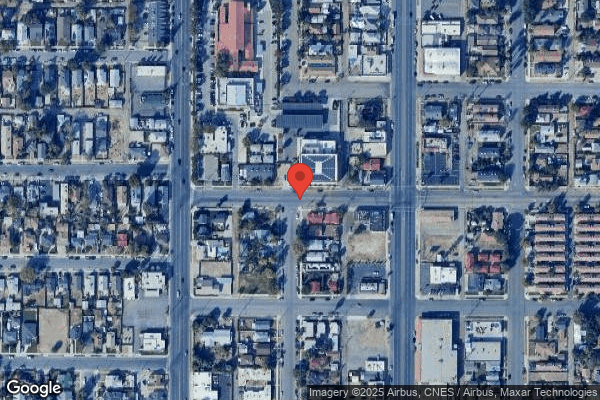
1205 8TH STREET, BAKERSFIELD, CA 93304 (661) 334-2200
For profit - Limited Liability company 87 Beds Independent Data: November 2025
Trust Grade
15/100
#1143 of 1155 in CA
Last Inspection: March 2025

Within standard 12-15 month inspection cycle. Federal law requires annual inspections.

Overview

Valley Healthcare Center has received a Trust Grade of F, indicating significant concerns about the quality of care provided. Ranking #1143 out of 1155 facilities in California and #17 out of 17 in Kern County places it in the bottom tier, suggesting limited options for families looking for better care in the area. While the facility is showing an improving trend, with issues decreasing from 36 in 2024 to 14 in 2025, it still faces serious challenges, including $73,546 in fines, which is higher than 89% of California facilities. Staffing is a mixed bag: while turnover is relatively low at 33%, RN coverage is concerning, being less than 82% of state facilities, which may affect the quality of care. Specific incidents noted by inspectors include a failure to develop a care plan for a resident with heel redness, leading to a serious pressure ulcer, and a lack of timely podiatry care for another resident, which raises serious concerns about the overall attention to residents' health needs.

Trust Score
F
15/100
In California
#1143/1155
Bottom 2%
Safety Record
High Risk
Review needed
Inspections
Getting Better
36 → 14 violations
Staff Stability
○ Average
33% turnover. Near California's 48% average. Typical for the industry.
Penalties
○ Average
$73,546 in fines. Higher than 66% of California facilities. Some compliance issues.
Skilled Nurses
⚠ Watch
Each resident gets only 16 minutes of Registered Nurse (RN) attention daily — below average for California. Fewer RN minutes means fewer trained eyes watching for problems.
Violations
⚠ Watch
90 deficiencies on record. Higher than average. Multiple issues found across inspections.
★☆☆☆☆
1.0
Overall Rating
★★☆☆☆
2.0
Staff Levels
★☆☆☆☆
1.0
Care Quality
★☆☆☆☆
1.0
Inspection Score
Stable
2024: 36 issues
2025: 14 issues

The Good

  • Full Sprinkler Coverage · Fire safety systems throughout facility
  • No fines on record
  • Staff turnover below average (33%)

    15 points below California average of 48%

Facility shows strength in fire safety.

The Bad

1-Star Overall Rating

Below California average (3.1)

Significant quality concerns identified by CMS

Staff Turnover: 33%

13pts below California avg (46%)

Typical for the industry

Federal Fines: $73,546

Well above median ($33,413)

Moderate penalties - review what triggered them

The Ugly 90 deficiencies on record

3 actual harm
Sept 2025 1 deficiency
CONCERN (D) 📢 Someone Reported This

A family member, employee, or ombudsman was alarmed enough to file a formal complaint

Potential for Harm - no one hurt, but risky conditions existed

Report Alleged Abuse (Tag F0609)

Could have caused harm · This affected 1 resident

Based on interview and record review, the facility failed to report results of investigation of the allegation of abuse to the California Department of Public Health (CDPH) within five days of the inc...

Read full inspector narrative →
Based on interview and record review, the facility failed to report results of investigation of the allegation of abuse to the California Department of Public Health (CDPH) within five days of the incident for two of two sampled residents (Resident 1 and Resident 2). This failure had the potential to delay the investigation of the abuse allegation incident.Findings:During a review of facility document titled SOC 341 - Report of Suspected Dependent Adult/Elder Abuse (SOC 341-a state form used in California for mandated reporters to report suspected elder and dependent adult abuse or neglect. The SOC stands for Social Services, and 341 is the specific document number for this report), dated 9/1/25, the SOC 341 indicated an allegation of resident-to-resident abuse involving Resident 1 and Resident 2 on 9/1/25.During an interview on 9/11/25 at 12:25 p.m. with the Director of Nursing (DON), DON stated the facility became aware of an allegation of abuse involving Resident 1 and Resident 2 on 9/1/25 and reported it to the CDPH on 9/2/25 using the SOC 341. DON stated the facility investigated the incident and completed an investigative report but had not yet submitted it to the CDPH. DON provided a copy of results of the investigation of allegation of abuse on 9/11/25 (10 days later).During a review of facility policy and procedures (P&P) titled, Abuse Prevention and Prohibition Program, dated January 31, 2020, the P&P indicated, The administrator will provide the state survey agent. with a copy of the investigative report within 5 days of the incident.
Jul 2025 1 deficiency
CONCERN (E) 📢 Someone Reported This

A family member, employee, or ombudsman was alarmed enough to file a formal complaint

Potential for Harm - no one hurt, but risky conditions existed

Safe Environment (Tag F0584)

Could have caused harm · This affected multiple residents

**NOTE- TERMS IN BRACKETS HAVE BEEN EDITED TO PROTECT CONFIDENTIALITY** Based on observation, interview, and record review, the facility failed to provide a safe, sanitary, and comfortable environment...

Read full inspector narrative →
**NOTE- TERMS IN BRACKETS HAVE BEEN EDITED TO PROTECT CONFIDENTIALITY** Based on observation, interview, and record review, the facility failed to provide a safe, sanitary, and comfortable environment for five of five sampled residents (Resident 1, Resident 2, Resident 3, Resident 4,and Resident 5). This failure had the potential to cause resident harm, decrease resident comfort, and affect resident dignity. During an observation on 7/2/25 at 1:31 p.m. in Resident 1's room, the following was observed in the shared resident restroom/shower room (Resident 1's restroom is also used by the facility to provide showers for the other residents): a. On the ceiling directly over the sink was an oval shaped approximately 12-inch (a unit of measurement) area of multiple orange and black shaped dots scattered around. b. On the ceiling toward the shower stall entry was approximately 24-inch in length by 24-inch in width area of exposed wood with three exposed screws.c. The tile ramp leading into the shower stall was a triangular shaped approximately two-inch piece of missing tile. d. The shower stall by the entrance, there were two hexagonal (a shape) shaped tiles missing that are approximately two-inch in length and two-inch in width each.e. The shower drain had three hexagonal shaped tiles missing, each tile measuring approximately two inches in length and two inches in width. f. In the bottom left corner of the shower is approximately a 10-inch circular area of grout (a substance that fills in the gaps between tile) that was discolored with an unknown slimy texture green to black in color.During an observation on 7/2/25 at 2:04 p.m. in Resident 2 and Resident 3's room, the following were observed:a. The right side of the room window had approximately 40-inch length of window which was not attached or sealed, creating a gap that is approximately one-inch wide allowing for hot air from outside to come into the room.b. The middle portion of the room window was approximately 12-inch in length and one-inch in width area of window that is not attached or sealed in creating a gap that is allowing hot air from outside to come through.c. The window by left side of the room was approximately 60 inches in length and one inch in width gap that allowed hot air from the outside to come through. During a review of the state cell phone weather application (app - a software program designed for a specific purpose) on 7/2/25 at 2:08 p.m., the app indicated the current weather conditions outside of the facility was 98 degrees Fahrenheit (a unit of measurement). During an interview on 7/2/25 at 2:14 p.m. with Resident 2, Resident 2 stated he sleeps in the bed closest to the room window which causes discomfort from the hot air coming through. During a review of Resident 2's Minimum Data Set (MDS) Assessment (comprehensive assessment tool), dated 4/4/25, the MDS indicated Brief Interview for Mental Status (BIMS - an assessment of cognition, how well a person thinks, remembers, and learns) score was 15 (score of 13-15 means cognitively intact).During an observation on 7/2/25 at 2:20 p.m. in Resident 4's room, the following were observed: a. The wall behind Resident 4's bed had three large deep scratches exposing the drywall (an interior facing panel used for walls and ceilings) approximately 12 inches in length, two inches in width, and one inch in depth. b. In Resident 4's restroom, the ceiling above the sink is an approximately 10-inch square of peeling paint exposing the drywall surrounding the air vent. During an observation on 7/2/25 at 2:35 p.m. in Resident 5's room, the following were observed: a. By Resident 5's window, there was an approximately 60 inch in length area that was not attached or sealed, creating a gap that is approximately one inch wide allowing hot air from outside to come into the room. b. In the Resident 5's restroom, behind the toilet, there was a section of wall baseboard that is approximately 15 inches in length and half an inch in width that was discolored with a slimy textured substance that is red to orange in color. During an interview on 7/2/25 at 2:36 p.m. with Resident 5, Resident 5 stated at times his room gets warm from the outside hot air entering through the gap in his window. During a review of Resident 5's MDS dated [DATE], the MDS indicated the BIMS score was 12 (score of 8-12 means moderate cognitively intact). During a concurrent observation and interview on 7/2/25 at 3:50 p.m. with Administrator, Administrator went into Resident 1's, Resident 2's, Resident 3's, Resident 4's, and Resident 5's rooms, and stated the facility needed to fix the issues identified.During a concurrent interview and record review on 7/28/25 at 2:14 p.m. with Maintenance Worker Director (MWD), the facility MAINTENANCE LOG (ML), dated 2025 was reviewed. MWD reviewed the ML and stated request for maintenance to fix the issues identified in Resident 1, 2, 3, 4, and 5's rooms were not made. MWD stated his staff goes to residents' rooms Monday through Friday in order to identify any needs. MWD stated he was not aware of any issues in Resident 1, 2, 3 ,4, and 5's room.During a review of the facility's policy and procedure (P&P) titled, Resident Rooms and Environment, dated 11/1/17, the P&P indicated, Purpose . To provide residents with a safe, clean, comfortable and homelike environment. The Facility provides residents with a safe, clean, comfortable, and homelike environment. Facility Staff will provide residents with a pleasant environment and person-centered care that emphasizes the residents' comfort, independence, and personal needs and preferences. This shall include ensuring that residents can receive care and services safely and that the physical layout of the Facility maximizes resident independence and does not pose a safety risk. Facility Staff aim to create a personalized, homelike atmosphere, paying close attention to the following . Cleanliness and order . Comfortable levels of ventilation . Comfortable temperatures .
Jul 2025 1 deficiency
CONCERN (D) 📢 Someone Reported This

A family member, employee, or ombudsman was alarmed enough to file a formal complaint

Potential for Harm - no one hurt, but risky conditions existed

Deficiency F0692 (Tag F0692)

Could have caused harm · This affected 1 resident

**NOTE- TERMS IN BRACKETS HAVE BEEN EDITED TO PROTECT CONFIDENTIALITY** Based on interview and record review, the facility failed to address the hydration (the process of replenishing the water conten...

Read full inspector narrative →
**NOTE- TERMS IN BRACKETS HAVE BEEN EDITED TO PROTECT CONFIDENTIALITY** Based on interview and record review, the facility failed to address the hydration (the process of replenishing the water content in the body) needs of one of three sampled residents (Resident 1) who was dependent on hydration and nutrition via gastrostomy tube (G-Tube is a tube inserted through the belly that brings nutrition and hydration directly to the stomach), and who had an order for nothing by mouth (NPO) when there was no physician's order for hydration/water flushes, the physician was not notified of the Registered Dietician's (RD) recommendations for hydration, RD did not follow up timely to ensure the recommendations for hydration was carried out, and the facility did not follow their policy and procedure (P&P) on Intake and Output Recording to monitor and record intake and output of residents with feeding tube. These failures had the potential to result in insufficient fluids to maintain proper hydration for Resident 1. Findings: During a review of Resident 1's History and Physical Examination (HPE), dated 5/21/25, the HPE indicated, PEG [percutaneous endoscopic gastrostomy tube is a feeding tube inserted through the abdominal wall into the stomach, allowing for direct feeding into the stomach] Tube in place During a review of Resident 1's Dehydration Risk Screener (DRC-assessment for dehydration risk), dated 5/21/25, the DRC indicated, Score: 10, Score of 10 or higher indicates a resident is at risk for dehydration. During a review of Resident 1's Interdisciplinary Team Care Conference (IDTCC), dated 5/22/25, the IDTCC indicated, Resident [1] admitted to facility 5/21/25, on G-tube feeding. She [Resident 1] requires maximum total assistance with ADL's [activities of daily living-basic tasks that individuals perform to maintain their daily life and care for themselves]. Nutritional/Diet Order: NPO [nothing by mouth]. During a review of Resident 1's Order Summary Report (OSR), dated 5/22/25, the OSR indicated, Diagnoses: Encounter for attention to Gastrostomy, Dietary: NPO [nothing by mouth]. The OSR had no physician's order for water hydration. During a review of Resident 1's Medication Administration Record (MAR), dated 5/2025, the MAR indicated there was no order of water hydration/flushes. During a concurrent interview and record review on 6/26/25 at 2:23 p.m. with Director of Nursing (DON), DON reviewed Resident 1's clinical record. DON stated there was no documented water hydration given to Resident 1 during Resident 1's five day stay in the facility on 5/21/25 until 5/26/25. DON stated there was no documentation of a physician's order for water hydration. During a review of Resident 1's admission Record (AR), dated 5/28/25, the AR indicated, Resident 1 was a [AGE] year-old female resident admitted on [DATE] with diagnoses of Cerebral Infarction (a condition where a part of the brain tissue dies due to a lack of blood flow), Gastrostomy tube, Dysphagia (difficulty swallowing), Chronic Obstructive Pulmonary Disease (lung disease), Mild Protein-Calorie Malnutrition (lacking nutrition in the body), and need for assistance with personal care. During a concurrent interview and record review on 6/30/25 at 2:12 p.m. with DON, DON reviewed Resident 1's clinical record. After reviewing the clinical record, DON stated the licensed nurses did not document the intake (how much fluid entered the resident's body) and did not document output (amount of something produced, excreted, or released by the body, e.g. urine). DON stated for residents with feeding tube, the intake and output (I&O) should be monitored and recorded. During an interview on 6/30/25 at 2:18 p.m. with Licensed Vocational Nurse (LVN) 1, LVN 1 stated she completed the admission assessment and clinical record for Resident 1 upon Resident 1's admission to the facility on 5/21/25. LVN 1 stated she failed to obtain a physician's order for water flushes/hydration. During a review of Resident 1's Nutrition Risk Assessment (NRA), dated 5/22/25, the NRA indicated, Rec: [recommendation] Flush order 150 cc [cubic centimeter/milliliter] q [every] 6 hours = 600 cc [for 24 hours]. During an interview on 6/30/25 at 2:18 p.m. with LVN 1, LVN 1 stated she communicated with Certified Dietary Manager (CDM) but did not document the Registered Dietician (RD) recommendation. LVN 1 stated, I think we [staff] just missed it [RD recommendation for water hydration]. I did not document about the flush [water hydration recommendation]. During an interview on 7/1/25 at 3:32 p.m. with CDM, CDM stated when Resident 1 was admitted , the DON approached him and asked him to call the RD because Resident 1 did not have a physician's order for water flushes/hydration. CDM stated he called the RD, and RD recommended giving the resident 150 milliliters (ml) of water every six hours. CDM stated he verbally informed LVN 1 of the RD's recommendation. CDM stated he did not document the RD recommendation in Resident 1's clinical record. During an interview on 7/2/25 at 9:35 a.m. with RD, RD stated she documented Resident 1's nutrition risk assessment on 5/22/25 (next day from admission) and recommended 150 cc water flushes every six hours. RD stated she was supposed to follow up if her recommendation was followed up with the physician in two to three days from admission for feeding tube dependent residents. RD stated she did not follow up on Resident 1 in two to three days due to the third day being Sunday and the fourth day (5/26/25) when Resident 1 was sent to the acute care hospital was a holiday. RD stated, Unfortunately, I did not follow up if my recommendations were followed. During a review of Resident 1's Change in Condition Evaluation (CCE), dated 5/26/25 (five days later from admission date), the CCE indicated, Signs and Symptoms Identified: SOB [shortness of breath] with gurgling sounds with high pulse rate [sic]. Pulse: 123 [normal pulse is 60-100]. During a review of the Hospital's ED (Emergency Department) Physician's Notes (EDPN), dated 5/26/25, the EDPN indicated, Diagnosis: Sepsis (life threatening infection), Hypernatremia (too much sodium in blood caused by dehydration), and Severe Dehydration. Plan: Free water deficit [not enough water in the body] is 2.4 L [liters]. During a review of the facility's P&P titled, Intake and Output [I&O] Recording dated 11/1/17, the P&P indicated, I&O may be instituted per an Attending Physician's order or by a Licensed Nurse for any resident with the following: A. Enteral (providing nutrition by delivering nutrients directly into the stomach through a tube) feedings. Residents receiving enteral feedings will be placed on I&O for the length of time needed to evaluate tolerance of the feeding. During a review of the facility's P&P titled, Nutrition/Hydration Management dated 11/1/17, the P&P indicated, The DNS [Director of Nursing Services] is responsible for ensuring that residents are assessed for nutrition/hydration on admission. The concept of nutrition management is an interdisciplinary process. The key components of this system are: C. Implementing the nutrition and hydration program. During a review of the facility's P&P titled, Tube Feeding/TPN dated 11/1/17, the P&P indicated, The physician order and information communicated to the dietary department should include: B. Amount of formula and fluid.
Jun 2025 1 deficiency
CONCERN (D) 📢 Someone Reported This

A family member, employee, or ombudsman was alarmed enough to file a formal complaint

Potential for Harm - no one hurt, but risky conditions existed

Deficiency F0657 (Tag F0657)

Could have caused harm · This affected 1 resident

**NOTE- TERMS IN BRACKETS HAVE BEEN EDITED TO PROTECT CONFIDENTIALITY** Based on interview and record review, the facility failed to revise the care plan (a detailed document outlining how the facilit...

Read full inspector narrative →
**NOTE- TERMS IN BRACKETS HAVE BEEN EDITED TO PROTECT CONFIDENTIALITY** Based on interview and record review, the facility failed to revise the care plan (a detailed document outlining how the facility staff will provide care to meet the resident's specific needs) interventions as recommended by the Interdisciplinary Team (IDT - a group of healthcare professionals who collaborate to provide comprehensive care to a patient) for one of three sampled residents (Resident 1). This failure resulted in Resident 1 falling on 5/28/25 and sustaining an acute fracture (clean and immediate break in the bone) of her pelvis (bowl-shaped bony structure in the lower part of your body located between your lower back and your legs) S3 and S4 region (third and fourth sacral [triangular bone at the base of the spine] vertebrae [backbone]) and subluxation (when bones are moved out of place resulting in pressure and irritation) of S2 and S3 (second and third sacral bone -area of the pelvis) requiring the resident to be transferred to the acute hospital (from 5/28/25 to 6/1/25).Findings: During a review of Resident 1's admission RECORD (AR), dated 6/4/25, the AR indicated, Resident 1 was admitted to the facility on [DATE] with a diagnosis of epilepsy (a brain condition that causes recurring seizures [electrical disturbances in the brain]), dementia (a progressive state of decline in mental abilities), muscle weakness, cognitive (the way our brains think, learn, and understand things) or emotional (having to do with feelings) deficit (absence of) following cerebral infarction (loss of blood flow and/or oxygen to part of the brain), and osteoporosis (weak and brittle bones). During a review of Resident 1's Minimum Data Set (MDS) Assessment (a standardized assessment to evaluate a resident's functional abilities and healthcare needs), dated 5/16/25, under the section titled, Brief Interview for Mental Status (BIMS - an assessment of cognition [how well a person thinks, remembers, and learns] with scores ranging from 0 - 15, the higher the score the more intact the resident's cognition is. A score of 0 - 7 suggests severe cognitive impairment, 8 - 12 suggests moderate cognitive impairment and 13 - 15 suggests the cognition is intact. A score of 99 suggest the resident was unable to complete the interview and therefore the assessor is unable to determine the resident's cognition), the BIMS score was 07. Under section GG (assesses functional abilities and goals), Resident 1 was documented to require supervision or touching assistance (staff provides verbal cues and/ or physical contact like touching, steadying as the resident performs an activity) for the following physical movements: A. Move from sitting to standing position B. Transfer from bed to chair or chair to bed C. Transfer on and off toilet D. Walk 10 feet (a unit of measurement) E. Walk 50 feet with two turns F. Walk 150 feet G. Wheel herself in a wheelchair 50 feet with two turns H. Wheel herself 150 feet in a wheelchair. During a review of Resident 1's Morse Fall Scale (MFS - a tool used to assess a patient's risk of falling. A score of 0-24 indicates low fall risk, 25-45 indicates moderate fall risk, and scores above 45 indicates high fall risk), dated 11/27/24 the MSF indicated, Resident 1 had a score of 70. The MSF dated 1/8/25 indicated Resident 1 had a score of 75. The MSF dated 5/23/25 indicated Resident 1 had a score of 75. The MSF dated 5/28/25 indicated Resident 1 had a score of 75. During a review of Resident 1's IDT Fall (IDTF - document used by the IDT during their meetings), dated 11/28/24, the IDTF indicated, on 11/27/24 at 2:30 p.m. Resident 1 was found in the facility outdoor patio on the floor. The IDTF indicated Resident 1 stated, I just fell. IDTF recommendations were for housekeeping to keep the area clean due to Resident 1 wanting to clean up the area by reaching down to the floor from wheelchair to pick up trash. The IDTF dated 1/9/25 indicated, on 1/8/25 at 3:18 p.m., Resident 1 was found on the floor face down in the outdoor facility patio. The IDTF recommendations were to provide Resident 1 with gardening tools and plants on a table to limit her need to reach down and garden around her area. The IDTF dated 5/26/25, indicated on 5/23/25 at 3:14 p.m. Resident 1 fell in the outdoor facility patio. The IDTF recommendations were to encourage and educate Resident 1 about taking medications due to Resident 1 falling after having a seizure. The IDTF on 6/4/25 indicated, on 5/28/25 at 5:20 a.m. Resident 1 was found on the floor in her room and was unable to state what happened. The IDTF indicated Resident 1 had a diagnosis of cognitive social (how we store, process, and use information about other people) or emotional deficit, following cerebral infarction that may have contributed to her fall. The IDTF indicated Resident 1's doctor was informed of Resident 1's fall on 5/28/25 and the physician ordered the licensed nurses to send Resident 1 to the emergency room for further evaluation. The IDTF recommendations were to place non-skid strips (sticky strips placed on surfaces to prevent slips and falls) on the right side of Resident 1's bed on the floor. During a review of Resident 1's acute hospital History and Physicals (H&P), dated 5/28/25, the H&P indicated, Resident 1 was brought into the acute hospital after being found at the facility on the ground in a fetal position (bodily posture where someone lies curled up on one side, with their arms and legs drawn toward their chest). The H&P indicated Resident 1 was diagnosed with an acute fracture of her pelvis S3 and S4 region and subluxation of S2 and S3. Resident 1 was admitted to the acute hospital for observation and laboratory studies. During a concurrent interview and record review on 6/3/25 at 11:58 a.m. with Charge Nurse (CN) 1, Resident 1's Care Plan Report (CP), was reviewed. The CP titled high risk for falls, dated 4/25/23, the CP indicated, Resident 1 had falls in the facility on 11/27/24,1/8/25, 5/23/25 and 5/28/25. CN 1 reviewed the CP for Resident 1's falls on 11/27/24,1/8/25, 5/23/25, and 5/28/25, and stated there were no revisions to the fall care plan to add and/or modify interventions to prevent further falls after the 1/8/25 fall on the facility outdoor patio, after the fall on 5/23/25, and after her fall on 5/28/25. During a concurrent interview and record review on 6/24/25 at 4:06 p.m. with Director of Nursing (DON), Resident 1's CP titled High risk for falls, dated 4/25/23, was reviewed. DON reviewed the CPs for Resident 1's falls on 11/27/24, 1/8/25, 5/23/25, and 5/28/25, and stated there were no new interventions to prevent Resident 1 from falling after 1/8/25. DON stated, We (facility) are not doing it correctly (revising/modifying interventions in the CP). We (facility) are talking about it (interventions) in the IDT and addressing different interventions in the IDT but not [adding the interventions to] the care plans. DON stated facility staff do not know what interventions the IDT decided to implement to prevent Resident 1's falls due to the IDT interventions not being documented or added into the care plans. DON stated staff are to follow the resident care plan to implement interventions. DON stated, The (facility) staff are not expected to read the IDT notes but expected to follow the (resident) care plan. DON stated she did not know what interventions the licensed nurses or Certified Nursing Assistants (CNA) are expected to implement due to the interventions not being added to the CPs resulting in staff not having the ability to decrease Resident 1's risk for falls. During a review of the facility's policy and procedure (P&P) titled, Response to Falls, dated 11/1/17, the P&P indicated, Purpose . To ensure the Facility responds quickly and appropriately to resident falls in a manner that addresses both the resident's immediate needs and longerterm fall prevention. The Interdisciplinary Team (IDT) will review the investigative reports on a regular basis, as they may occur, and make systemic changes to reasonably limit future occurrences, consider change in . interventions, system changes . Following each resident fall, the Interdisciplinary Team (IDT)Falls Committee will review the PostFall Assessment & Assessment within 72 hours, or as soon as practicable. Based on the PostFall Assessment & Investigation, the IDTFalls Committee will review fall prevention interventions and modify the plan of care as indicated. Documentation . Licensed Nurse . Revise resident's Care Plan as necessary. During a review of the facility's P&P titled, Fall Management Program, dated 11/1/17, the P&P indicated, Purpose . To prevent resident falls and minimize complications associated with falls through the development of a Fall Management Program. It is the policy of this facility to provide the highest quality care in the safest environment for the residents residing in the facility. The Facility has developed a Fall Management Program that strives to prevent resident falls through meaningful assessments, interventions, education, and reevaluation. Based on the information gathered from the history and assessment of the resident, the Nursing Staff and Interdisciplinary Team (IDT), with input from the Attending Physician, will identify and implement interventions to reduce the risk of falls. The Nursing Staff will develop a plan of care specific to the resident's needs with interventions to reduce the risk of falls. The Interdisciplinary Team will routinely review the plan of care at a minimum of quarterly, with a significant change in condition, and post fall. Interventions will be implemented or changed based on the resident's condition and response.
Mar 2025 9 deficiencies
CONCERN (D)

Potential for Harm - no one hurt, but risky conditions existed

Notification of Changes (Tag F0580)

Could have caused harm · This affected 1 resident

Based on interview and record review, the facility failed to ensure a Responsible Party (RP) 1 was notified when a change in diet texture was ordered for one of four sampled residents (Resident 35). T...

Read full inspector narrative →
Based on interview and record review, the facility failed to ensure a Responsible Party (RP) 1 was notified when a change in diet texture was ordered for one of four sampled residents (Resident 35). This failure resulted in RP 1 not being aware of changes in Resident 35's status. Findings: During an interview on 3/24/25 at 3:01 p.m. with RP 1, RP 1 stated Resident 35 was placed on a pureed (pudding-like consistency) diet and the facility did not inform her. RP 1 stated she was speaking on the phone with Resident 35 and Resident 35 told her the facility was feeding her baby food. RP 1 stated Resident 35 can eat a regular diet if she is sitting up. During a concurrent interview and record review on 3/25/25 at 3:03 p.m. with Director of Nursing (DON), DON stated Resident 35 saw another resident in the dining room eating a pureed diet and requested one. DON stated nurses can change a resident's diet order, without informing the physician, if the diet consistency is being downgraded. The Physician Order dated 7/15/24 indicated Resident 35's diet order was Regular with a thin consistency [diet with no restrictions on food textures or liquid thickness, allowing for all types of foods, including those that are thin liquids like water, juice, and milk]. DON stated there were no nurse's notes indicating RP 1 was informed of Resident 35's change in diet consistency. The Progress Notes dated 3/7/25 indicated Resident 35's diet consistency was changed to pureed. DON stated RP 1 should have been notified of the change in Resident 35's diet consistency. During a review of the facility's policy and procedure (P&P) titled, Change of Condition Notification dated 11/1/17, the P&P indicated, To ensure residents, family, legal representatives, and physicians are informed of changes in the resident's condition in a timely manner.
CONCERN (D)

Potential for Harm - no one hurt, but risky conditions existed

Deficiency F0698 (Tag F0698)

Could have caused harm · This affected 1 resident

Based on interview and record review the facility failed to ensure resident assessments were completed for two of two sampled dialysis (medical procedure that filters waste products and excess fluids ...

Read full inspector narrative →
Based on interview and record review the facility failed to ensure resident assessments were completed for two of two sampled dialysis (medical procedure that filters waste products and excess fluids from the blood when the kidneys no longer function adequately) residents (Resident 8 and Resident 59). This failure resulted in an incomplete assessment of Resident 8 after dialysis, and an incomplete assessment of Resident 59 before and after dialysis. Findings: During a concurrent interview and record review on 3/26/25 at 7:40 a.m. with Registered Nurse (RN) 1, Resident 8's Nursing Dialysis Communication Record (NDCR), dated 3/5/25 was reviewed. The NDCR indicated no pain assessment was done after dialysis for Resident 8. RN 1 stated Resident 8's pain should have been assessed. RN 1 stated a nursing assessment of Resident 8 was very important after dialysis for the early identification of complications. During a concurrent interview and record review on 3/26/25 at 7:50 a.m. with RN 2, Resident 59's NDCR, dated 2/12/25 was reviewed. The NDCR indicated Resident 59 did not have her respirations (breathing rate) assessed before dialysis. During a concurrent interview and record review on 3/26/25 at 7:52 a.m. with RN 2, Resident 59's NDCR, dated 2/26/25 was reviewed. The NDCR indicated Resident 59 did not have her pain assessed after dialysis. RN 2 stated Resident 59's after dialysis care should have included a pain assessment. During a concurrent interview and record review on 3/26/25 at 8:44 a.m. with Director of Nursing (DON), the facility's policy and procedure (P&P) titled, Dialysis Care, dated 11/1/17 was reviewed. The P&P indicated, Policy I. The Facility will be responsible for the overall care delivered to the resident, monitoring of the resident prior to and after the completion of each dialysis treatment. V. Documentation A. All documentation concerning dialysis services and care of the dialysis resident will be maintained in the resident's medical record. DON stated the P&P was not followed and should have been.
CONCERN (D)

Potential for Harm - no one hurt, but risky conditions existed

Medication Errors (Tag F0758)

Could have caused harm · This affected 1 resident

Based on interview and record review that facility failed to ensure one of five sampled residents (Resident 13) psychotropic medication (medication that alters mood, behavior, and mentation), Oxcarbaz...

Read full inspector narrative →
Based on interview and record review that facility failed to ensure one of five sampled residents (Resident 13) psychotropic medication (medication that alters mood, behavior, and mentation), Oxcarbazepine (medication prescribed for bipolar-mood disorder) was reviewed quarterly (every 3 months) by the interdisciplinary team (IDT- healthcare professionals including physician, pharmacist, social services, activities, and nursing). This failure resulted in Resident 13 not having an IDT medication review for Oxcarbazepine and had the potential for unnecessary medications. Findings: During a concurrent interview and record review on 3/26/25 at 11:29 a.m. with Social Service Director (SSD), Resident 13's Physician Order (PO) dated 2/21/25 was reviewed. The PO indicated Resident 13 was prescribed Oxcarbazepine 600 mg by mouth once daily for bipolar disorder. SSD stated Resident 13 had been taking Oxcarbazepine as prescribed daily. During a concurrent interview and record review on 3/26/25 at 11:57 a.m. with SSD, Resident 13's Gradual Dose Reduction Binder (GDRB- attempts made to lower strength or frequency of medication), dated February 2024 to March 2025 was reviewed. The GDRB indicated Resident 13 did not have his prescribed medication Oxcarbazepine reviewed during the facility IDT meetings. SSD stated there was no documentation that Resident 13 had an IDT medication review for Oxcarbazepine. SSD stated psychotropic medications were supposed to be reviewed quarterly by the IDT team. SSD stated, We didn't address the medication Oxcarbazepine in any of the IDT meetings. During a concurrent interview and record review on 3/26/25 at 2:45 p.m. with SSD, the facility's policy and procedure (P&P) titled, Psychotherapeutic Drug Management, dated 11/30/20 was reviewed. The P&P indicated, Purpose. To help promote or maintain the resident's highest practicable mental, physical, and psychosocial well-being, promote resident safety and security, and to enhance the resident's ability to interact positively with his/her environment. VII. Interdisciplinary Team (IDT) Responsibility F. The IDT. will discuss the psychotherapeutic medications at least quarterly, or as needed. i. The IDT note will include: reasons for the drug, manifestations for the drug, and analysis of the resident's response to the drug. SSD stated the facility's P&P was not followed and should have been.
CONCERN (D)

Potential for Harm - no one hurt, but risky conditions existed

Food Safety (Tag F0812)

Could have caused harm · This affected 1 resident

**NOTE- TERMS IN BRACKETS HAVE BEEN EDITED TO PROTECT CONFIDENTIALITY** Based on observation, interview and record review, the facility failed to ensure its food preparation sink in the kitchen had an...

Read full inspector narrative →
**NOTE- TERMS IN BRACKETS HAVE BEEN EDITED TO PROTECT CONFIDENTIALITY** Based on observation, interview and record review, the facility failed to ensure its food preparation sink in the kitchen had an air gap (a backflow prevention device consisting of vertical space between the water outlet and flood level of a sink designed to ensure contaminated water does not flow back into the clean water supply). This failure had the potential to contaminate residents' food supply and exposure to infectious diseases. Findings: During an observation on 3/26/25 at 6:33 a.m., in the kitchen, there was no air gap in the two compartment sink. During an interview on 3/26/25 at 6:50 a.m., in the kitchen, with the Consultant Dietary Services Manager (CDSM), the CDSM stated the two compartment sink in the kitchen was used to wash produce and food for residents. The CDSM stated the two compartment sink in the kitchen had no air gap. During an observation on 3/26/25 at 7:25 a.m., in the kitchen, dietary staff washed fresh strawberries in the two compartment sink. During a concurrent observation and interview on 3/26/25 at 10:54 a.m., with the Director of Maintenance (DM), in the kitchen, the DM stated the two compartment sink in the kitchen had no air gap. The DM stated it was not possible to create an air gap in the two compartment sink in the kitchen. The DM stated the facility did not have a policy and procedure on air gaps. During a review of the U. S. Food and Drug Administration 2022 Food Code (FDA Food Code), version 1/18/23, the FDA Food Code indicated: 5-202.13 Backflow Prevention, Air Gap. During periods of extraordinary demand, drinking water systems may develop negative pressure in portions of the system. If a connection exists between the system and a source of contaminated water during times of negative pressure, contaminated water may be drawn into and foul the entire system. Standing water in sinks, dipper wells, steam kettles, and other equipment may become contaminated with cleaning chemicals or food residue. To prevent the introduction of this liquid into the water supply through back siphonage, various means may be used. The water outlet of a drinking water system must not be installed so that it contacts water in sinks, equipment, or other fixtures that use water. Providing an air gap between the water supply outlet and the flood level rim of a plumbing fixture or equipment prevents contamination that may be caused by backflow. 5-202.13 Backflow Prevention, Air Gap. An air gap between the water supply inlet and the flood level rim of the PLUMBING FIXTURE, EQUIPMENT, or non-FOOD EQUIPMENT shall be at least twice the diameter of the water supply inlet and may not be less than 25 mm (1 inch). 5-203.14 Backflow Prevention Device, When Required. A PLUMBING SYSTEM shall be installed to preclude backflow of a solid, liquid, or gas contaminant into the water supply system at each point of use at the FOOD ESTABLISHMENT, including on a hose [NAME] if a hose is attached or on a hose [NAME] if a hose is not attached and backflow prevention is required by LAW, by: (A) Providing an air gap as specified under § 5-202.13; or (B) Installing an APPROVED backflow prevention device as specified under § 5-202.14. During a review of the facility's policy and procedure (P&P) titled Maintenance Services, dated 11/1/17, the P&P indicated, The Maintenance Department is responsible for. Maintaining the building in compliance with current federal, state, and local laws, regulations and guidelines.
CONCERN (E)

Potential for Harm - no one hurt, but risky conditions existed

Deficiency F0761 (Tag F0761)

Could have caused harm · This affected multiple residents

**NOTE- TERMS IN BRACKETS HAVE BEEN EDITED TO PROTECT CONFIDENTIALITY** Based on observation, interview, and record review, the facility failed to follow its policy and procedure (P&P) titled, Med Pas...

Read full inspector narrative →
**NOTE- TERMS IN BRACKETS HAVE BEEN EDITED TO PROTECT CONFIDENTIALITY** Based on observation, interview, and record review, the facility failed to follow its policy and procedure (P&P) titled, Med Pass for two of three sampled medication carts (Medication Cart 1 and Medication Cart 2). This failure had the potential for residents, staff, and visitors to unsafely access medications. Findings: During a concurrent observation and interview on 3/26/25 at 6:02 a.m. with Director of Nursing (DON) in the South Main Hallway, Medication Cart 2 was unaccompanied in the corner of the hallway in front of the nurse's station. All of Medication Cart 2's drawers, except for the controlled medication (drug or substance regulated by the government due to its potential for abuse and addiction) drawer, were unlocked and able to be opened. There was no nurse in the proximity of Medication Cart 2. DON was in the hallway; she was able to open the unlocked drawers. DON attempted to lock the cart but was unable to secure the locking mechanism. DON stated the unlocked medication cart had the potential for residents to open the cart and take medications. During an observation on 3/26/25 at 6:45 a.m. in the North Hallway outside of room [ROOM NUMBER], Registered Nurse (RN) 3 prepared to give Resident 41 medications including Lactulose (used to treat constipation and reduce ammonia levels in alcoholics). RN 3 poured the prescribed amount of Lactulose into a medication cup from a large jar of the medication. RN 3 placed the jar of Lactulose on top of Medication Cart 1 and went into Resident 41's room to administer the medications. During a concurrent observation and interview on 3/26/25 at 6:48 a.m. with RN 3, in the North Hallway by Medication Cart 1, RN 3 picked up the bottle of Lactulose and stated she usually does not leave medications on carts unattended. During a review of the facility's P&P titled, Med Pass, (undated), the P&P indicated, MEDICATION STORAGE IN THE FACILITY STORAGE OF MEDICATIONS Policy: Medications and biologicals are stored safely, securely, and properly, following manufacturer's recommendations or those of the supplier. The medication supply is accessible only to licensed nursing personnel, pharmacy personnel, or staff members lawfully authorized to administer medications.
CONCERN (E)

Potential for Harm - no one hurt, but risky conditions existed

Infection Control (Tag F0880)

Could have caused harm · This affected multiple residents

Based on observation, interview, and record review, the facility: 1. Failed to ensure three of three dietary staff (DS 1, DS 2 and DS 3) washed their hands according to the Centers for Disease Control...

Read full inspector narrative →
Based on observation, interview, and record review, the facility: 1. Failed to ensure three of three dietary staff (DS 1, DS 2 and DS 3) washed their hands according to the Centers for Disease Control and Prevention (CDC) guidelines on hand washing and failed to ensure its policy and procedure (P&P) on Hand Hygiene conformed to the CDC guidelines on hand washing. This failure had the potential for the spread of infectious diseases in the facility. 2. Failed to ensure it kept an inventory of Personal Protective Equipment (PPE - gowns, gloves, masks, goggles and faceshields). This failure had the potential for the facility to run out of PPE and placing residents at risk of infectious diseases. Findings: 1. During an observation on 3/26/25 at 6:10 a.m., in the kitchen, with DS 1, DS 1 washed her hands in the handwashing sink as follows: DS 1 first applied soap to her hands and rubbed them together, wet her hands under running water, rubbed her hands, rinsed and dried them. During an observation on 3/26/25 at 6:12 a.m., in the kitchen, with DS 2, DS 2 washed her hands in the handwashing sink as follows: DS 2 first applied soap to her hands and rubbed them together, wet her hands under running water, rubbed her hands, rinsed and dried them. During an observation on 3/26/25 at 6:15 a.m., in the kitchen, with DS 3, DS 3 washed her hands in the handwashing sink as follows: DS 3 first applied soap to her hands and rubbed them together, wet her hands under running water, rubbed her hands, rinsed and dried them. During an observation on 3/26/25 at 6:30 a.m., there was a sign on the top of the kitchen handwashing sink which indicated the following: Handwashing Procedure . Wet hands and forearms first . Add soap and rub hands . for at least 20 seconds .rinse hands .dry hands . During an interview on 3/26/25 at 9:16 a.m., with the Infection Preventionist Nurse (IPN), the IPN stated facility staff should wash their hands observing the following steps in the following order: wet hands, apply soap, rubs hands for 20 seconds, rinse and dry hands. During a review of the CDC document titled About Handwashing, dated 2/16/24, the CDC guidelines indicated the following steps: 1. Wet your hands with clean, running water (warm or cold), turn off the tap, and apply soap. 2. Lather your hands by rubbing them together with the soap. Lather the backs of your hands, between your fingers, and under your nails. 3. Scrub your hands for at least 20 seconds. Need a timer? Hum the Happy Birthday song from beginning to end twice. 4. Rinse your hands well under clean, running water. 5. Dry your hands using a clean towel or an air dryer. During a review of facility's P&P titled, Hand Hygiene, dated 11/1/17, the P&P indicated the following hand hygiene technique: Vigorously lather hands with soap and rub them together, creating friction to all surfaces, for at least twenty (20) seconds under a moderate stream of running water . rinse hands thoroughly under running water . dry hands thoroughly . 2. During a concurrent observation and interview on 3/26/25 at 10:23 a.m., with the IPN and the Supplies Supervisor (SS), at the supplies room, where the facility kept its stock of PPE, the IPN and the SS, stated the facility maintained a stock of PPE but did not keep a written inventory or record of how many masks, gowns, face shields and gloves were in kept in stock. The SS stated she monitored the PPE inventory by eyeing the supplies in the supply room and if she thought the facility was running low she ordered more PPE supplies. During a review of facility policy and policy (P&P) titled Personal Protective Equipment - Infection Control Manual, dated 4/28/20, the P&P indicated: Personal protective equipment appropriate to specific task requirements is available at all times.
CONCERN (E)

Potential for Harm - no one hurt, but risky conditions existed

Deficiency F0912 (Tag F0912)

Could have caused harm · This affected multiple residents

**NOTE- TERMS IN BRACKETS HAVE BEEN EDITED TO PROTECT CONFIDENTIALITY** Based on interview and record review, the facility failed to ensure 23 of 34 resident rooms measured at least 80 square feet per...

Read full inspector narrative →
**NOTE- TERMS IN BRACKETS HAVE BEEN EDITED TO PROTECT CONFIDENTIALITY** Based on interview and record review, the facility failed to ensure 23 of 34 resident rooms measured at least 80 square feet per resident in multiple resident rooms. This failure had the potential for residents to experience negative outcomes due to having insufficient personal space in their rooms. Findings: During a review of facility document titled Client Accommodations Analysis (CAA) (a facility document indicating the size of resident rooms), dated 3/12/18, the CAA indicated the following room measurements: room [ROOM NUMBER]: 153 square feet room [ROOM NUMBER]: 154 square feet room [ROOM NUMBER]: 132 square feet room [ROOM NUMBER]: 210 square feet room [ROOM NUMBER]: 210 square feet room [ROOM NUMBER]: 210 square feet room [ROOM NUMBER]: 225 square feet room [ROOM NUMBER]: 210 square feet room [ROOM NUMBER]: 156 square feet room [ROOM NUMBER]: 220 square feet room [ROOM NUMBER]: 220 square feet room [ROOM NUMBER]: 220 square feet room [ROOM NUMBER]: 220 square feet room [ROOM NUMBER]: 220 square feet room [ROOM NUMBER]: 220 square feet room [ROOM NUMBER]: 220 square feet room [ROOM NUMBER]: 220 square feet room [ROOM NUMBER]: 220 square feet room [ROOM NUMBER]: 220 square feet room [ROOM NUMBER]: 220 square feet room [ROOM NUMBER]: 220 square feet room [ROOM NUMBER]: 220 square feet room [ROOM NUMBER]: 220 square feet During a review of the Resident List Report (RLR) (a document indicating the number of residents in the facility and their respective rooms), dated 3/24/25, the RLR indicated the following number of residents in each room: room [ROOM NUMBER]: two residents (resulting in 76.5 square feet of space per resident) room [ROOM NUMBER]: two residents (resulting in 77 square feet of space per resident) room [ROOM NUMBER]: two residents (resulting in 66 square feet of space per resident) room [ROOM NUMBER]: three residents (resulting in 70 square feet of space per resident) room [ROOM NUMBER]: three residents (resulting in 70 square feet of space per resident) room [ROOM NUMBER]: three residents (resulting in 70 square feet of space per resident) room [ROOM NUMBER]: three residents (resulting in square feet of space per resident) room [ROOM NUMBER]: three residents (resulting in 70 square feet of space per resident) room [ROOM NUMBER]: two residents (resulting in 75 square feet of space per resident) room [ROOM NUMBER]: three residents (resulting in 73 square feet of space per resident) room [ROOM NUMBER]: three residents (resulting in 73 square feet of space per resident) room [ROOM NUMBER]: three residents (resulting in 73 square feet of space per resident) room [ROOM NUMBER]: three residents (resulting in 73 square feet of space per resident) room [ROOM NUMBER]: three residents (resulting in 73 square feet of space per resident) room [ROOM NUMBER]: three residents (resulting in 73 square feet of space per resident) room [ROOM NUMBER]: three residents (resulting in 73 square feet of space per resident) room [ROOM NUMBER]: three residents (resulting in 73 square feet of space per resident) room [ROOM NUMBER]: three residents (resulting in 73 square feet of space per resident) room [ROOM NUMBER]: three residents (resulting in 73 square feet of space per resident) room [ROOM NUMBER]: three residents (resulting in 73 square feet of space per resident) room [ROOM NUMBER]: three residents (resulting in 73 square feet of space per resident) room [ROOM NUMBER]: three residents (resulting in 73 square feet of space per resident) room [ROOM NUMBER]: three residents (resulting in 73 square feet of space per resident) During an interview on 3/27/25 at 3:25 p.m., with the Administrator, the Administrator stated the above rooms did not measure at least 80 square feet per resident. During the survey, no residents in the above rooms identified with providing fewer than 80 square feet per resident were negatively affected by the size of their rooms. During a review of the facility's policy and procedure (P&P) titled Maintenance Services, dated 11/1/17, the P&P indicated: The Maintenance Department is responsible for . Maintaining the building in compliance with current federal, state, and local laws, regulations and guidelines.
CONCERN (F)

Potential for Harm - no one hurt, but risky conditions existed

Deficiency F0865 (Tag F0865)

Could have caused harm · This affected most or all residents

Based on interview and record review the facility Quality Assurance and Performance Improvement (QAPI-systematic process for ensuring that products and services ensure quality care) committee failed t...

Read full inspector narrative →
Based on interview and record review the facility Quality Assurance and Performance Improvement (QAPI-systematic process for ensuring that products and services ensure quality care) committee failed to maintain, identify, and correct a physical environment deficient practice identified by the survey team (reference tag F-919). This failure resulted in a non-functional resident restroom call light system and an unsafe physical environment of care for all 85 facility residents. Findings: During a concurrent interview and record review on 3/27/25 at 2:03 p.m. with Medical Director (MD), the facility document titled, Facility Assessment Tool, dated 11/25/24 was reviewed. MD stated he reviewed the completed facility assessment as part of the QA committee. MD stated the facility assessment tool included the facility's call light system. MD stated there was no resident restroom call light deficits the QA committee was aware of. MD stated the residents' nonfunctional restroom call lights were a safety concern and needed to alarm staff of an emergency. During a concurrent interview and record review on 3/27/25 at 2:26 p.m. with Administrator, the facility's QAPI binder, dated 2/12/25 was reviewed. The QAPI binder indicated no physical environment deficits. Administrator stated there was no documentation that the residents' restroom call lights were not working. Administrator stated the resident restroom call lights should work to ensure safety and meet the communication needs of residents. During an interview on 3/27/25 at 2:47 p.m. with Maintenance Supervisor (MS). MS stated there was no documentation to provide that the resident restroom call lights were checked. MS stated he did not know the residents' restroom call lights did not work. During a review of the facility's document titled, Facility Assessment Tool, dated 11/25/24, the Facility Assessment Tool indicated, Requirement Nursing facilities will conduct, document, and review a facility-wide assessment, which includes. the resources the facility needs to care for their residents. 3. Facility resources needed to provide competent care for residents. physical environment and building needs. Part 3: Facility Resources Needed to Provide Competent Support and Care for our Resident Population During Day-to-Day Operations and During Emergencies. 3. Technology and Communication Systems. b. Call light and alert system for resident safety. During a review of facility's policy and procedure (P&P) titled, Quality Assessment & Assurance Program, dated 11/1/17, the P&P indicated, Purpose To ensure that all services provided by the Facility to residents meet the level of quality as required. Implementation. F. Individual departments or services develop quality indicators for programs and services in which they are involved and which affect their function. VI. Focus - The following areas are monitored for quality and appropriateness of resident care, and any trends in performance and outcomes. G. Physical Environment.
CONCERN (F)

Potential for Harm - no one hurt, but risky conditions existed

Deficiency F0919 (Tag F0919)

Could have caused harm · This affected most or all residents

**NOTE- TERMS IN BRACKETS HAVE BEEN EDITED TO PROTECT CONFIDENTIALITY** Based on observation, interview, and record review, the facility failed to ensure 18 of 18 resident bathrooms and three of three...

Read full inspector narrative →
**NOTE- TERMS IN BRACKETS HAVE BEEN EDITED TO PROTECT CONFIDENTIALITY** Based on observation, interview, and record review, the facility failed to ensure 18 of 18 resident bathrooms and three of three resident shower rooms had operational call lights within reach of residents. This failure had the potential for all 85 residents not to be able to call for help if they required assistance while using the bathrooms and shower rooms. Findings: During a concurrent observation and interview on 3/27/25 at 9:10 a.m., with the Maintenance Supervisor (MS), the call light systems located in resident bathrooms and shower rooms were checked for proper functioning and placement. The MS stated resident bathrooms and shower rooms were equipped with a call light system that when activated alerted staff at the nurse's station. The call light in the bathroom shared by residents in Rooms #1 and #3 was activated but there was no corresponding visual or auditory alarm outside the rooms or in the nurse's station. The call light in the bathroom used by residents in room [ROOM NUMBER] was activated but there was no corresponding visual or auditory alarm outside the room or in the nurse's station. The call light in the bathroom shared by residents in Rooms #4 and #6 was activated but there was no corresponding visual or auditory alarm outside the rooms or in the nurse's station. The call light in the bathroom shared by residents in Rooms #5 and #7 was activated but there was no corresponding visual or auditory alarm outside the rooms or in the nurse's station. The call light in the bathroom used by residents in room [ROOM NUMBER] was activated but there was no corresponding visual or auditory alarm outside the room or in the nurse's station. The call light in the bathroom shared by residents in Rooms #11 and #12 was activated but there was no corresponding visual or auditory alarm outside the rooms or in the nurse's station. The call light in the bathroom shared by residents in Rooms #14 and #15 was activated but there was no corresponding visual or auditory alarm outside the rooms or in the nurse's station. The call light in the bathroom used by residents in room [ROOM NUMBER] was activated but there was no corresponding visual or auditory alarm outside the room or in the nurse's station. The call light was next to the sink and not accessible to residents using the toilet. This bathroom was also a shower room and there was no call light accessible to residents in the shower stall. The call light in the bathroom shared by residents in Rooms #17 and #18 was activated but there was no corresponding visual or auditory alarm outside the rooms or in the nurse's station. The call light in the bathroom used by residents in room [ROOM NUMBER] was activated but there was no corresponding visual or auditory alarm outside the room or in the nurse's station. This bathroom was also a shower room and there was no call light accessible to residents in the shower stall. The call light in the bathroom shared by residents in Rooms #21 and #22 was activated but there was no corresponding visual or auditory alarm outside the rooms or in the nurse's station. The call light in the bathroom shared by residents in Rooms #23 and #24 was activated but there was no corresponding visual or auditory alarm outside the rooms or in the nurse's station. A sign next to the toilet indicated: Do not get up alone. Pull the string to call for the nurse, and wait for help. The call light in the bathroom shared by residents in Rooms #25 and #26 was activated but there was no corresponding visual or auditory alarm outside the rooms or in the nurse's station. The call light in the bathroom shared by residents in Rooms #27 and #28 was activated but there was no corresponding visual or auditory alarm outside the rooms or in the nurse's station. There was no call light system in the bathroom shared by residents in rooms #29 and #30. The call light in the bathroom shared by residents in Rooms #31 and #32 was activated but there was no corresponding visual or auditory alarm outside the rooms or in the nurse's station. The bathroom shared by residents in rooms #33 and #34, which also functioned as a shower room, had no call light system. The call light in the bathroom shared by residents in Rooms #35 and #36 was activated but there was no corresponding visual or auditory alarm outside the rooms or in the nurse's station. The MS stated none of the bathroom call lights system in the facility were working. During a review of the facility's policy and procedure (P&P) titled Maintenance Services, dated 11/1/17, the P&P indicated: The Maintenance Department is responsible for . Maintaining all mechanical, electrical, and patient care equipment in safe operating condition. During a review of the facility's P&P titled, Communication - Call System, dated 11/1/17, the P&P indicated, The Facility will provide a call system to enable residents to alert the nursing staff from their rooms and toileting/bathing facilities.
Jan 2025 1 deficiency
CONCERN (D) 📢 Someone Reported This

A family member, employee, or ombudsman was alarmed enough to file a formal complaint

Potential for Harm - no one hurt, but risky conditions existed

Accident Prevention (Tag F0689)

Could have caused harm · This affected 1 resident

Based on interview and record review, the facility failed to ensure care plans were developed and implemented for two of three sampled residents (Resident 1 and Resident 2). This failure had the poten...

Read full inspector narrative →
Based on interview and record review, the facility failed to ensure care plans were developed and implemented for two of three sampled residents (Resident 1 and Resident 2). This failure had the potential for Resident 1 and Resident 2 to experience accidents and injuries. Findings: During a review of Resident 1's Fall Risk Assessment, (FRA) dated 11/28/24, the FRA indicated Resident 1 scored a 45 (High risk 45 and higher, moderated risk 25-44 and low risk 0-24) Resident 1 was at high risk for falls. During a concurrent interview and record review, on 12/10/24 at 4:24 p.m. with Director of Nursing (DON), Resident 1's FRA, dated 11/28/24 was reviewed. There was no fall risk care plan noted in the clinical record. DON confirmed there was no fall risk care plan developed for Resident 1. During a review of Resident 2's FRA, dated 4/3/24, the FRA indicated Resident 2 scored a 60, Resident 2 was at high risk for falls. During a review of Resident ' 2 s SBAR (situation, background, assessment, recommendation- form used to communicate information) Summary for Providers, (SBAR) dated 6/21/24, the SBAR indicated Resident 2 sustained a fall and suffered abrasion on mid back and bruising to left thumb. During a review of Resident 2's SBAR, dated 7/12/24, the SBAR indicated Resident 2 sustained a fall and suffered a skin tear to right lower arm. During a concurrent interview and record review, on 1/13/25 at 12:36 p.m. with DON (DON), Resident 2's FRA, dated 4/3/24 was reviewed. Resident 2's SBAR, dated 6/21/24 and 7/12/24 were reviewed. DON confirmed Resident 2 was high risk for falls and Resident 2 had two fall incidents (6/21/24 and 7/12/24) in the facility. Resident 2's care plans were reviewed. DON confirmed fall risk care plan was initiated on 7/15/24. DON stated fall risk care plans were not developed prior to falls on 6/21/24 and 7/12/24 and stated the fall risk care plans should be created and implemented to prevent falls. During a review of the facility's policy and procedure (P&P) titled, Fall Risk Assessment, revised November 1, 2017, the P&P indicated, The Facility will ensure that the resident's environment remains as free of accident hazards as is possible, and that each resident receives adequate supervision and assistance to prevent accidents. I. The Facility assesses all resident upon admission and periodically for their risk of falling. The facility uses this information to develop both individualized plans of care and Facility-wide fall prevention measures. A. The licensed Nurse will use the Fall Risk Assessment . to help identify individuals with a history of falls and risk factors for subsequent falling. C. Based on the initial information gathered, the Interdisciplinary Team (IDT- a group of healthcare professionals who work together to provide personalized care for a patient) will identify and implement appropriate interventions to reduce the risk of falls.
Oct 2024 2 deficiencies
CONCERN (D) 📢 Someone Reported This

A family member, employee, or ombudsman was alarmed enough to file a formal complaint

Potential for Harm - no one hurt, but risky conditions existed

Abuse Prevention Policies (Tag F0607)

Could have caused harm · This affected 1 resident

**NOTE- TERMS IN BRACKETS HAVE BEEN EDITED TO PROTECT CONFIDENTIALITY** Based on interview and record review, the facility failed to implement their policy and procedure (P&P) titled, Abuse Prevention...

Read full inspector narrative →
**NOTE- TERMS IN BRACKETS HAVE BEEN EDITED TO PROTECT CONFIDENTIALITY** Based on interview and record review, the facility failed to implement their policy and procedure (P&P) titled, Abuse Prevention and Prohibition Program, when two of three sampled residents (Resident 1 and Resident 3) medical doctor (MD) was not notified regarding the allegation of abuse and one of three sampled residents (Resident 1) responsible party (RP) was not notified of the allegation of abuse. These failures had the potential for Resident 1 and Resident 3 ' s MD and Resident 1 ' s RP not to be aware of Resident 1 and Resident 3 ' s allegation of abuse. Findings: During an interview on 10/15/24 at 11:50 p.m. with the Director of Nursing (DON), the DON stated they (management) received an email from a former employee alleging abuse against Resident 1, Resident 2, and Resident 3. During a review of Resident 1's admission Record, (AR) the AR indicated, Resident 1 was admitted on [DATE], the AR indicated Resident 1 had a responsible party. During a review of Resident 3's AR, the AR indicated, Resident 3 was admitted on [DATE], the AR indicated Resident 3 was his own responsible party. During a concurrent interview and record review on 10/15/24 at 2:28 p.m. with DON, Resident 1 and Resident 3 ' s medical record was reviewed. DON confirmed there was no documentation Resident 1 ' s MD or RP were notified of the abuse allegation. DON confirmed there was no documentation Resident 3 ' s MD was notified of the allegation of abuse. DON stated If is not documented it's not done. During an interview on 10/15/24 at 3:03 p.m. with Administrator, Administrator confirmed the MD and RP notification was not documentation in Resident 1 and Resident 3's medical record. Administrator stated MD and RP notification should be documented in a progress note. During a review of the facility ' s policy and procedure (P&P) titled, Abuse Prevention and Prohibition Program, revised 1/31/20, the P&P indicated, To ensure the Facility establishes, operationalize, and maintains an Abuse Prevention and Prohibition Program designed to screen and train employees, protect residents, and to ensure a standardized methodology for prevention, identification, investigation, and reporting of abuse, neglect, mistreatment, misappropriation of property, and crime in accordance with federal and state requirements. The Facility will report allegations of abuse, neglect, exploitation, mistreatment . ii. The resident ' s attending physician and responsible party, if applicable, will also be notified of the of the [sic] allegations and outcome of the investigation.
CONCERN (D) 📢 Someone Reported This

A family member, employee, or ombudsman was alarmed enough to file a formal complaint

Potential for Harm - no one hurt, but risky conditions existed

Comprehensive Care Plan (Tag F0656)

Could have caused harm · This affected 1 resident

Based on interview and record review, the facility failed to consistently implement care plans for two of three sampled residents (Resident 1 and Resident 3).This failure had the potential for Residen...

Read full inspector narrative →
Based on interview and record review, the facility failed to consistently implement care plans for two of three sampled residents (Resident 1 and Resident 3).This failure had the potential for Resident 1 and Resident 3 to have unmet psychosocial and physical needs. Findings: During an interview on 10/15/24 at 11:50 p.m. with the Director of Nursing (DON), the DON stated they (management) received an email from a former employee alleging abuse against Resident 1, Resident 2, and Resident 3. During an interview on 10/15/24 at 2:11p.m. with Registered Nurse (RN) 1, RN 1 stated for allegations of abuse he would create a care plan for delayed injury and psychosocial outcome and monitor for 72 hours. During a review of Resident 1 ' s care plan with the focus on Alleged incident of physical abuse, initiated 10/9/24. The care plan indicated one of the intervention was to Monitor For Pyschosoical [sic] Well Being X (times) 72 Hours. During a review of Resident 3 ' s care plan with the focus on Alleged incident of neglect on unspecified date, initiated 10/9/24. The care plan indicated one of the intervention was to Monitor For Pyschosoical [sic] Well Being X 72 Hours. During a concurrent interview and record review on 10/15/24 at 2:28 p.m. with DON, Resident 1 and Resident 3 ' s medical record was reviewed. DON confirmed the psychosocial monitoring was not documented consistently over the 72 hour period for Resident 1 or Resident 3. During a review of the facility ' s policy and procedure (P&P) titled, Care Planning, revised 10/24/22, the P&P indicated, II. The care Plan serves as a course of action where the resident . to help the resident move toward resident specific goals that address the resident ' s medical, nursing, mental and psychosocial needs. III. A licensed Nurse will initiate the Care plan . and updated as indicated for change in condition, onset of new problems.
May 2024 1 deficiency
CONCERN (E) 📢 Someone Reported This

A family member, employee, or ombudsman was alarmed enough to file a formal complaint

Potential for Harm - no one hurt, but risky conditions existed

Deficiency F0576 (Tag F0576)

Could have caused harm · This affected multiple residents

Based on interview and record review, the facility failed to provide reasonable access to a telephone that provided privacy for three of three sampled residents (Resident 1, Resident 2, and Resident 3...

Read full inspector narrative →
Based on interview and record review, the facility failed to provide reasonable access to a telephone that provided privacy for three of three sampled residents (Resident 1, Resident 2, and Resident 3). This failure resulted in a violation of residents' rights to a private conversation. Findings: During an interview on 5/28/24 at 11:29 a.m. with Licensed Vocational Nurse (LVN) 1, LVN 1 stated residents wanting to use the phone need to be able to get up out of bed and use the phone in the Administrator's office and/or use the facility main office phone. During an interview on 5/28/24 at 11:44 a.m. with LVN 2, LVN 2 stated residents want to use the phone were taken to the nursing station to make phone calls. LVN 2 stated if the call needed to be private it is difficult as there are no cordless phones for the residents to use to allow privacy. During a review of Resident 1's MDS (Minimum Data Set – an assessment tool) under the section Brief interview for Mental Status (BIMS – an assessment tool for cognition [mental processes including perception, memory, and thought], dated 5/5/24, the BIMS indicated, Resident 1 had a score of 15 (cognitively intact). During an interview on 5/28/24 at 11:49 a.m. with Resident 1, Resident 1 stated, There is no way for the facility to provide a private conversation for residents, since there is not a portable phone that can be used. There are [other] residents that have the same concerns. During a review of Resident 2's MDS under the section BIMS, dated 5/6/24, the BIMS indicated, Resident 10 had a score of 10 (moderate cognitive impairment). During an interview on 5/28/24 at 11:57 a.m. with Resident 2, Resident 2 stated there is no way for a resident to have a private phone conversation in the facility. During an interview on 5/28/24 at 12:03 p.m. with Certified Nursing Assistant (CNA) 1, CNA 1 stated residents had no private phone conversation. CNA 1 stated, Right now since there are no portable phones, we need to get the residents up and bring them to the [nurses] station to take the phone call. During an interview on 5/28/24 at 12:07 p.m. with CNA 2, CNA 2 stated she was assigned to Resident 3. CNA 2 stated she would have to take Resident 3 to the nurses station to talk to her family on the phone. During an interview on 5/28/24 at 12:20 p.m. with Administrator in Training (AIT), AIT stated the facility had no portable phones for the residents since June of 2023. AIT stated calls for residents were done by taking them to the nursing station or having a family member call a staff member cell phone and providing the call to the resident. AIT stated there was no current way for a private phone call to be made for the residents. During a review of the facility's policy and procedure (P&P) titled, Telephone Access, dated 11/1/17, the P&P indicated, Purpose . To ensure access to a telephone by residents at the Facility. The Facility makes telephones available and accessible to residents, visitors, and Facility staff. Designated telephones are available to residents to make local telephone calls and to receive private telephone calls that may not be overheard by others. The Facility makes a private telephone line available, installs a line in the resident's room or permits the resident to use a cellular phone. Facility Staff phone lines are used for the purpose of conducting day-to-day business and are not used for private calls by residents.
May 2024 2 deficiencies 1 Harm
SERIOUS (G) 📢 Someone Reported This

A family member, employee, or ombudsman was alarmed enough to file a formal complaint

Actual Harm - a resident was hurt due to facility failures

Deficiency F0837 (Tag F0837)

A resident was harmed · This affected 1 resident

**NOTE- TERMS IN BRACKETS HAVE BEEN EDITED TO PROTECT CONFIDENTIALITY** Based on observation, interview, and record review, the facility failed to implement their policy and procedure (P&P) titled, Pr...

Read full inspector narrative →
**NOTE- TERMS IN BRACKETS HAVE BEEN EDITED TO PROTECT CONFIDENTIALITY** Based on observation, interview, and record review, the facility failed to implement their policy and procedure (P&P) titled, Pressure Ulcer (or injury is localized damage to the skin and underlying soft tissue usually over a bony prominence) Prevention for one of three sampled residents (Resident 1) when: 1. Resident 1 was not assessed for risk for developing pressure injuries upon admission. 2. Physician was not notified to obtain treatment for Resident 1's left heel redness. 3. A care plan (resident centered health document designed to facilitate communication among members of the care team with the resident) was not developed to address Resident 1's left heel redness. 4. Interdisciplinary team (Team members from different disciplines working collaboratively with a common purpose, to set goals, make decisions and share resources and responsibilities) meeting was not conducted to address Resident 1's left heel redness. These failures resulted in Resident 1 sustaining a facility acquired Stage 3 (Full-thickness loss of skin, in which adipose [fat] is visible) pressure injury to the left heel. Findings: During a review of Resident 1's admission Record (AR) the AR indicated, Resident 1 was admitted on [DATE], with diagnoses including hemiplegia (paralysis of one side of the body) and hemiparesis (weakness on one side of the body) following cerebrovascular disease (occurs as a result of disrupted blood flow to the brain and you may become paralyzed on one side of the body, or lose control of certain muscles), muscle weakness, and reduce mobility. During a review of Resident 1's Nursing admission Screening/History (NASH) dated 3/14/24, the NASH indicated Resident 1 was alert and oriented to person, place, time, and situation and Resident 1's cognition (mental action or process) was intact. The NASH indicated, Skin . Face . Dryness . (no other documented skin issues). During a review of Resident 1's admission Minimum Data Set (MDS-an assessment tool) dated 3/20/24, the MDS indicated, Resident 1's BIMS (Brief Interview for Mental Status) a score of 12 (a score of 8 to 12 indicates moderately impaired cognition). The MDS indicated Resident 1 needed substantial/maximal assistance (helper does more than half the effort) with roll left and right (the ability to roll from lying on back to left and right side, and return to lying on back on the bed), sit to lying (the ability to move from sitting on side of bed to lying flat on the bed), and sit to stand (the ability to come to a standing position from sitting in a chair, wheelchair, or on the side of the bed), and Resident 1 was dependent (helper does all the effort) for chair/bed to chair transfers (the ability to transfer to and from bed to a chair or wheelchair). 1. During a review of Resident 1's Braden Scale for Predicting Pressure Sore Risk (Braden-a medical instrument used to measure residents' risk of developing pressure injuries) dated 3/14/24, the document was noted blank. During a concurrent interview and record review on 4/24/24 at 1:30 p.m. with Director of Nursing (DON), Resident 1's Braden Scale for Predicting Pressure Sore Risk dated 3/14/24, was reviewed. DON confirmed Resident 1 was admitted on [DATE]. DON reviewed Resident 1's Braden Scale for Predicting Pressure Sore Risk dated 3/14/24, and DON stated the Braden Scale for Predicting Pressure Sore Risk was not completed. 2. During a review of Resident 1's Skin Observation Tool, (SOT) dated 3/15/24, the SOT indicated redness to Resident 1's left heel (one day after the admission). During a review of Resident 1's Treatment Administration Record, dated 3/2024, the TAR indicated no documented treatment for Resident 1 left heel redness. During a concurrent interview and record review on 4/24/24 at 1:30 p.m. with DON, Resident 1's SOT dated 3/15/24 was reviewed. The SOT indicated Resident 1 left heel redness. DON reviewed Resident 1's medical record and stated the physician was not notified to obtain treatment for Resident 1's left heel redness. 3. During a review of Resident 1's Skin Observation Tool, (SOT) dated 3/15/24, the SOT indicated redness to Resident 1's left heel (one day after the admission). During a concurrent interview and record review on 4/24/24 at 1:30 p.m. with DON, Resident 1's SOT dated 3/15/24 was reviewed. DON confirmed the SOT indicated Resident 1's left heel redness. DON reviewed Resident 1's care plans and stated there was no care plan developed to address Resident 1's left heel redness. During a review of Resident 1's Wound Weekly Observation Tool (WWOT) dated 4/4/24 (20 days after the admission), the WWOT indicated, Resident 1 had a SDTI (suspected deep tissue injury-intact or non-intact skin with localized area of persistent non-blanchable [the skin does not turn white when touched with a finger] deep red, maroon, purple discoloration or epidermal [outer layer of skin] separation revealing a dark wound bed or blood-filled blister [small bubble on the skin filled with serum]) to the left heel. The WWOT indicated the SDTI was intact, measuring 20 mm (millimeters-unit of measure) in length by 20 mm in width. During a review of Resident 1's WWOT dated 4/10/24, the WWOT indicated Resident 1's SDTI to the left heel worsened to a Stage 3 pressure injury measuring 25 mm in length by 25 mm in width and 1 cm (centimeter-unit of measure) in depth. The WWOT indicated slough (yellow, tan, white, or stringy material noted in the wound) and necrotic (dead skin tissue-brown, black, leather, scab-like) tissue. During a concurrent observation and interview on 4/17/24 at 12:39 p.m. with Resident 1, in Resident 1 room, Resident 1 had his left foot elevated on a pillow. Resident 1 stated he was not admitted to the facility with pressure injury to the left heel. Resident 1 stated two weeks ago (4/4/24) a wound care provider took something off the bottom of his left foot, he stated the wound care provider came in today and scrapped and scrapped at my left foot again. Resident 1 stated, I was ready to go home but they won't let me go because of the wound [left heel]. During an interview on 4/24/24 12:32 p.m. with Treatment Nurse (TN), TN stated the facility process for new admitted resident identified with wounds was for the treatment nurse to measure the wounds, contact the physician to obtain treatment orders, develop a care plan, perform weekly wound assessment with the wound specialist, and update the treatment order and care plan as needed. During an interview on 5/15/24, at 11:25 a.m. with DON, DON confirmed Resident 1's SDTI to the left heel was now a Stage 3. 4. During a concurrent interview and record review on 5/20/24 at 11:56 a.m. with DON, Resident 1's medical record was reviewed. There was no IDT meeting noted to address Resident 1's left heel redness. DON stated Resident 1 did not have an IDT meeting to address Resident 1's left heel redness on the month of March 2024. During a review of facility's P&P titled, Pressure Ulcer Prevention, revised 11/1/17, the P&P indicated, Purpose To identify residents at risk for skin breakdown, implement measures to prevent and/or manage pressure ulcers and minimize complications. Policy: The facility will identify residents at risk for pressure ulcers and provide care and services to promote the prevention of pressure ulcer development. Procedure I. Risk Identification and Assessment: A. The Licensed Nurse will complete a Braden Scale Assessment upon admission and quarterly to identify residents at risk for skin breakdown. B. Licensed Nurse will conduct a skin assessment for a resident upon admission, readmission, weekly and as needed. a. If the resident is identified as having wound upon admission, findings will be documented on the Resident admission Assessment . and a Wound Monitoring Record . will be implemented. c. A Wound Monitoring Record will be implemented for each identified wound. II. Plan of Care: A. The Licenses Nurse will develop a Care Plan specific to the resident's risk factors such as moisture control, pressure reduction, positioning, mobility, and nutrition in consultation with the following: i. Attending Physician ii. Interdisciplinary Team (IDT)- Skin Committee iii. Registered Dietician iv. Director of Rehabilitation Services B. Nursing Staff will monitor interventions for effectiveness and resident tolerance. C. The Care Plan will be revised as indicated. III. Ongoing Monitoring: .C. The Licensed Nurse will document effectiveness of pressure ulcer prevention techniques in the resident's medical record on a weekly basis.
CONCERN (D) 📢 Someone Reported This

A family member, employee, or ombudsman was alarmed enough to file a formal complaint

Potential for Harm - no one hurt, but risky conditions existed

Medical Records (Tag F0842)

Could have caused harm · This affected 1 resident

Based on interview and record review, the facility failed to ensure one of three sampled resident (Resident 1) medical records were accurate. This failure resulted in inaccurate information in Residen...

Read full inspector narrative →
Based on interview and record review, the facility failed to ensure one of three sampled resident (Resident 1) medical records were accurate. This failure resulted in inaccurate information in Resident 1's medical record. Findings: During a concurrent interview and record review on 5/15/24 at 11:25 a.m. with Director of Nursing (DON), DON reviewed Resident 1's Wound Weekly Observation Tool, (WWOT) dated 4/4/24. DON confirmed Resident 1 had an SDTI (suspected deep tissue injury-intact or non-intact skin with localized area of persistent non-blanchable [the skin does not turn white when touched with a finger] deep red, maroon, purple discoloration or epidermal [outer layer of skin] separation revealing a dark wound bed or blood-filled blister [small bubble on the skin filled with serum]) to the left heel and skin intact. DON reviewed Resident 1's care plan with the focus on stage 3 (Full-thickness loss of skin, in which adipose [fat] is visible) pressure injury (is localized damage to the skin and underlying soft tissue usually over a bony prominence) to left heel initiated on 4/4/24 and the interventions were initiated on 4/3/24 (one day before the care plan was initiated). DON confirmed Resident 1 had a left heel SDTI on 4/4/24, not a stage 3 pressure injury. DON stated the documentation was not accurate. During a review of the facility's policy and procedure (P&P) titled, Completion &Correction, revised 5/1/19, the P&P indicated, The Facility will work to complete and correct medical records in a standardized manner to provide the highest quality and accuracy in documentation. II. Entries will be recorded promptly as the events or observations occur. III> entries will be complete, legible, descriptive, and accurate. V. Entries should be written in chronological sequence. If it is necessary to chart out of sequence during, the appropriate date and time will be entered. A. When adding an entry at a later date, the entry is to be clearly identified as a late entry. XV. An event is never to be documented before it occurs.
May 2024 1 deficiency
CONCERN (D) 📢 Someone Reported This

A family member, employee, or ombudsman was alarmed enough to file a formal complaint

Potential for Harm - no one hurt, but risky conditions existed

Resident Rights (Tag F0550)

Could have caused harm · This affected 1 resident

Based on interview and record review, the facility failed to follow their policy and procedure (P&P) titled Discharge Against Medical Advice, on contacting Adult Protective Services (APS - a program t...

Read full inspector narrative →
Based on interview and record review, the facility failed to follow their policy and procedure (P&P) titled Discharge Against Medical Advice, on contacting Adult Protective Services (APS - a program that promotes the safety, independence, and quality-of-life for vulnerable adults) when one of three sampled residents (Resident 1) left the facility against medical advice (AMA - leaving a facility prior to a doctor recommends discharge). This had the potential for adverse health outcomes. Findings: During a review of Residents 1's AMA Form [AMAF], dated 5/1/24, the AMAF indicated Resident 1 signed himself out of the facility AMA on 5/1/24. During an interview on 5/6/24 at 2:18 p.m. with Administrator, Administrator stated Resident 1 is his own responsible party (RP - the person responsible for making decisions). Administrator stated Resident 1 signed himself out AMA from the facility on 5/1/24. During a review of Resident 1's admission RECORD (AR), dated 5/6/24, the AR indicated, Resident 1 was not his own RP. The AR indicated Resident 1 Family Member (FM) 1 is his responsible party and emergency contact. The AR indicated Resident 1 had a diagnosis of metabolic encephalopathy (problem in the brain caused by chemical imbalance in the blood), muscle weakness, alcohol abuse and withdrawal, need for assistance with personal care, hemiparesis/hemiplegia (inability to move one side of the body) to the right side, noncompliance with medication and end stage renal disease (point to where the kidneys no longer function on their own). During a review of Resident 1's Minimum Data Set (MDS - an assessment tool) under the section Brief Interview for Mental Status (BIMs - an assessment tool for cognition (the mental action or process of acquiring knowledge and understanding through thought, experience, and the senses), dated 4/24/24, the BIMs indicated, Resident 1 had a score of 10 (moderate cognitive impairment). During a review of Resident 1's History and Physical Examination (H&P), dated 4/22/24, the H&P indicated, Resident 1's Medical Doctor (MD) stated he was alert and oriented times (x) 2 (knows who they are and where they are, but not what time it is or what is happening to them) and he had periods of confusion. During an interview on 5/6/24 at 3:08 p.m. with Social Services Director (SSD), SSD stated Resident 1 was on dialysis (a procedure to remove waste products and excess fluid from the blood when the kidneys stop working properly) three times a week and arrangements were not made for Resident 1 to continue dialysis since he left AMA. SSD stated Resident 1 was homeless prior to admitting into the facility. SSD stated attempts to contact FM 1 were unsuccessful. SSD stated APS was not notified of Resident 1 leaving the facility AMA. During a review of the facility's P&P titled, Discharge Against Medical Advice, dated 6/1/21, the P&P indicated, A resident may discharge his/herself from the Facility against the advice of his/her physician. If the resident demonstrates impaired cognition or is at risk of harm to self or others, Adult Protective Services will also be notified.
Apr 2024 2 deficiencies
CONCERN (D) 📢 Someone Reported This

A family member, employee, or ombudsman was alarmed enough to file a formal complaint

Potential for Harm - no one hurt, but risky conditions existed

Respiratory Care (Tag F0695)

Could have caused harm · This affected 1 resident

Based on observation, interview, and record review, the facility failed to provide oxygen per physician's orders for one of three sampled residents (Resident 1). This failure had the potential for neg...

Read full inspector narrative →
Based on observation, interview, and record review, the facility failed to provide oxygen per physician's orders for one of three sampled residents (Resident 1). This failure had the potential for negative outcomes. Findings: During a concurrent observation and interview on 4/22/24 at 2:07 p.m. with Licensed Vocational Nurse (LVN) 1 in Resident 1's room, Resident 1 was observed with oxygen being given via nasal canula (a flexible tube with two protruding tips that sit inside the nostrils to deliver oxygen) at six liters (a unit of measurement). LVN 1 stated Resident 1 had the oxygen set at six liters, but it was supposed to be set at two liters. During a review of Resident 1's Order Summary Report (OSR), dated 4/22/24, the OSR indicated, Resident 1 diagnosis including Chronic Obstructive Pulmonary Disease (COPD – a common lung disease causing restricted airflow and breathing problems), Pneumonia (infection of the lung) and Respiratory failure (a serious condition that makes it difficult to breathe on your own). The OSR indicated Resident 1 had a physician's order to receive oxygen at 5 liters via nasal canula as needed for oxygen saturation (the amount of oxygen circulating in the blood) less than 93 percent (%). During a review of the facility's policy and procedure (P&P) titled, Oxygen Administration, dated 11/1/17, the P&P indicated, Purpose . To prevent or reverse hypoxemia [low oxygen levels] and provide oxygen to the tissues. Procedure . Check the physician's order. turn on the oxygen at the prescribed rate.
CONCERN (E) 📢 Someone Reported This

A family member, employee, or ombudsman was alarmed enough to file a formal complaint

Potential for Harm - no one hurt, but risky conditions existed

Room Equipment (Tag F0908)

Could have caused harm · This affected multiple residents

Based on observation, interview, and record review, the facility failed to ensure the air mattress (a pressure-relief device that is constantly being inflated with air to prevent skin breakdown, wound...

Read full inspector narrative →
Based on observation, interview, and record review, the facility failed to ensure the air mattress (a pressure-relief device that is constantly being inflated with air to prevent skin breakdown, wounds and/or assist with the healing of wounds) for three of three sampled residents (Resident 1, Resident 2 and Resident 3) was in safe operating condition. This failure had the potential to impact the safety of the residents. Findings: During a concurrent observation and interview on 4/22/24 at 2:07 p.m. with Licensed Vocational Nurse (LVN) 1 in Resident 1's room, Resident 1 was observed laying on an air mattress in bed. LVN 1 observed the air mattress setting and stated it was set at 290 pounds (lbs.). During a review of Resident 1's Weights and Vitals Summary (WAVS), dated 3/3/24, the WAVS indicated, Resident 1 weighed 110 lbs. During an interview on 4/22/24 at 2:17 p.m. with Treatment Nurse (TN), TN stated the facility maintenance sets up the air mattresses for the residents. TN stated she has not been educated nor does she know how to set up an air mattress or its settings for the residents. During a concurrent observation and interview on 4/22/24 at 2:23 p.m. with TN in Resident 2's room, Resident 2 was observed laying on an air mattress in bed. Resident 2 stated to TN her mattress was uncomfortable. TN looked at Resident 2's air mattress settings and stated it was set at 350 lbs. During a review of Resident 2's WAVS, dated 4/3/24, the WAVS indicated, Resident 2 weighed 158 lbs. During a concurrent observation and interview on 4/22/24 at 2:27 p.m. with TN in Resident 3's room, Resident 3 was observed laying on an air mattress in bed. TN looked at Resident 3's air mattress settings and stated it was set at 1000 lbs. During a review of Resident 3's WAVS, dated 4/5/24, the WAVS indicated, Resident 3 weighed 448 lbs. During an interview on 4/22/24 at 2:34 p.m. with Facility Maintenance Worker (FMW), FMW stated he does not set up the air mattresses for residents. FMW stated he brings in the air mattresses when requested by the nurse, cleans them, sets them on the bed and turns the machine on. FMW stated he thought the facility nurses set the settings on the resident air mattresses. During an interview on 4/22/24 at 2:41 p.m. with Director of Staff Development (DSD), DSD stated she does not provide training to the facility nurses on how to set up the air mattress settings. DSD stated the facility Director of Nursing (DON) was supposed to provide any type of Inservice training to the licensed nurses. DSD stated she had not received any type of training on how to set up an air mattress. During an interview on 4/22/24 at 2:46 p.m. with DON, DON stated air mattresses were to be set up according to resident weight. DON stated if the air mattresses were set up to be too high or to be too low in weight, it could cause more damage to the resident's skin. DON stated the facility had not provided any training on how to set up an air mattress to any of the licensed nurses. During a review of the facility Licensed Nurse List (LNL), undated, the LNL indicated, the facility had 28 nurses (LVN 1, TN, DSD, Registered Nurse (RN) 1, RN 2, RN 3, RN 4, RN 5, RN 6, LVN 2, LVN 3, LVN 4, LVN 5, LVN 6, LVN 7, LVN 8, LVN 9, LVN 10, LVN 11, LVN 12, LVN 13, LVN 14, LVN 15, LVN 16, LVN 17, LVN 18, LVN 19 and LVN 20) in the facility that had not received training on resident air mattresses. On 5/7/24 at 4:02 p.m. a request was made for facility policy and procedures regarding licensed nurse training and/or competencies and DON stated the facility did not have any policies for licensed nurses training and/or competencies.
Mar 2024 27 deficiencies 1 Harm
SERIOUS (G)

Actual Harm - a resident was hurt due to facility failures

Deficiency F0687 (Tag F0687)

A resident was harmed · This affected 1 resident

**NOTE- TERMS IN BRACKETS HAVE BEEN EDITED TO PROTECT CONFIDENTIALITY** During a review of Resident 36's Order Summary Report (OSR) [undated}, the OSR indicated, Resident 36 was admitted on [DATE]. Du...

Read full inspector narrative →
**NOTE- TERMS IN BRACKETS HAVE BEEN EDITED TO PROTECT CONFIDENTIALITY** During a review of Resident 36's Order Summary Report (OSR) [undated}, the OSR indicated, Resident 36 was admitted on [DATE]. During an interview on 3/25/24 at 10:39 a.m. with TN 1, TN 1 stated she had put in a progress note regarding Resident 36 needing podiatry care and a physician order was initiated but Resident 36 has not received any podiatry care. During a review of Nurses Notes (NN) dated 12/26/23 at 10 a.m., the NN indicated, Assessment and recommendation for podiatry consultation for resident [36], focusing on the concern of thickened toe nails. This condition is causing discomfort, unable to provide regular nail care. During a review of Order Details (OD) dated 12/28/23, the OD indicated, Podiatry Care every 60-61 days as needed. During a concurrent observation and interview on 3/25/24 at 10:50 a.m. with DON, TN 1 and Resident 36, in Resident 36's Room, Resident was lying in his bed, awake and alert, with a blanket covering his feet. TN 1 exposed Resident 36's feet, and DON and TN 1 examined the feet of Resident 36. DON stated Resident 36's has a hypertrophied nail on right big toe growing upward, third toe nail has black on it and looks like dried blood. DON stated, left foot all toes have long nails, and both feet are dry and flaky. TN 1 measured the length of the toenails and stated the large toe is approximately 2 cm in thickness and measures in length 1.7 cm from the skin. DON stated Resident 36 is in need of podiatry care and these needs have not been met. Resident 36 stated his feet and toes had been hurting him. During a concurrent interview and record review on 3/25/24 at 11:22 a.m. with DON, Resident 36's Podiatric Evaluation and Treatment (PET) dated 9/8/23 was reviewed. DON stated Resident 36 last podiatry treatment had been completed on 9/8/23. During a review of the facility's policy and procedure (P&P) titled, Grooming Care of the Fingernails and Toenails, dated 11/1/17, the P&P indicated, XVlll. Report any changes in the color of the skin around the nail or nail bed to the attending physician. XlX. Document procedure in the resident's medical record and update resident's care plan as needed. During a review of the facility's P&P titled, Showering a Resident, dated 11/1/17, the P&P indicated, XVl. Report any broken skin, bruises, rashes, cut, skin discoloration or reddened areas to the charge nurse. XVll. Update the resident's care plan. Based on observation, interview, and record review, the facility failed to ensure Licensed Vocational Nurses (LVN) 2 and LVN 4 performed skin assessment through direct observations, licensed nurses developed a care plan for the condition of the feet, licensed nurses notified the attending physician regarding the condition of the feet, Certified Nursing Assistant (CNA) 2 reported to the licensed nurses the condition of the feet, CNAs documented their observations of the condition of the feet using the facility's Comprehensive Certified Nursing Assistant Shower Review Form (CCNASRF), and the podiatrist provided appropriate medical foot care and treatment for two of two sampled residents (Resident 15 and Resident 36). This failure resulted in pain, discomfort, and neglect (state of not receiving enough care or attention) of Resident 15 and Resident 36's skin and foot care. Findings: During a review of Resident 15's admission Record (AR), the AR indicated, Resident 15 is an [AGE] year old male, admitted on [DATE] and readmitted on [DATE] after recent hospitalization, with diagnosis including, Chronic Obstructive Pulmonary Disease (COPD- lung disease that causes airflow blockage and breathing-related problems), Type 2 Diabetes Mellitus (DM-characterized by high blood sugar) with Polyneuropathy (a complication of diabetes mellitus characterized by progressive death of nerve fibers, which leads to loss of nerves, increased sensitivity, and development of foot ulcers), and Hemiplegia (one-sided paralysis)/hemiparesis (loss of strength in the arm, leg, and face on one side of the body) affecting the left dominant side. During a concurrent observation and interview on 3/25/24 at 9:48 a.m. with Resident 15, in Resident 15's room, Resident 15 was lying in bed, awake and conversant, with the lower portion of the body covered with a blanket. Resident 15 was unable to move the left side of his body, and complained of pain on the left knee. During a concurrent observation and interview on 3/25/24 at 9:50 a.m. with CNA 1, in Resident 15's room, CNA 1 pulled Resident 15's blankets off to look at the left knee. Resident 15 had foot drop (inability to lift the forefoot due to weakness of the muscles of the foot for movement) on his left foot. CNA 1 removed the socks and exposed both feet. Resident 15 had pain and discomfort when the left foot was touched. The left foot had an appearance of a small wound on the forefoot of the left 3rd medial phalanx (bone of the toe), redness and swelling of the left foot and five toes, dry and scaly skin on the foot, toes, and blackish discoloration in-between the toes. There was yellowish/blackish discoloration on the 4th toe nail; long and yellowish discoloration of the 2nd, 3rd, and 5th toenails; thick, hard, deformed left big toenail with upward growth of the nail and fungus-like appearance: discolored, thickened, and crumbled at the edge. Resident 15's right foot and toes also had dry, scaly, flaky skin, yellowish discoloration and long toenails on the right 2nd, 3rd, and 4th toes, and the right big toenail was thick, yellowish in color, deformed with toenail growth upward, and fungus-like appearance. CNA 1 stated,It looks like the feet have not been cleaned. I will call his nurse. During an interview on 3/25/24 at 9:52 a.m. with Treatment Nurse (TN) 1and Licensed Vocational Nurse (LVN) 1, TN 1 stated, I have not seen the resident's feet. The cart nurses (referring to the nurses passing medications) do the weekly assessments of the residents. LVN 1 stated, I also have not seen the resident's foot. TN 1 stated, The feet have not been properly showered and cleaned. The right lower extremity has redness and dry skin. The right big toe is thick and has fungus-like appearance. Resident 15 needs podiatry (treatment of disorders of the foot, ankle and lower limb) care, but podiatry is not covered by insurance. Podiatrist comes to the facility every three months. During an interview on 3/25/24 at 10:11 a.m. with CNA 2, CNA 2 stated she noticed Resident 15 had flaky skin on both lower extremities. CNA 2 stated she noticed the feet were red, but she did not check in between the toes. CNA 2 stated she did not document her observations regarding Resident's feet on the person figure on the shower form, and she did not report her observation to the nurse. During an interview on 3/25/24 at 10:12 a.m. with Resident 15, Resident 15 stated it was about two to three months ago when his feet were cleansed. During a concurrent observation and interview on 3/25/24 at 10:13 a.m. with Director of Nursing (DON), in Resident 15's room, DON came to evaluate Resident 15's lower extremities. DON stated, [Resident 15] had bilateral lower extremities redness, scattered. The skin was dry and with scabs on the shin, possible rash, and with unopened wound on the left lateral area of the left lower leg. The left foot has foot drop, with some redness and swelling. The nails were large, hypertrophic (thickening, excessive growth in cells/tissues), joints were getting contracted (hardening of muscles, tissues leading to deformity/rigidity of joints). The left 3rd toe, metatarsal (five long bones in the midfoot) had dry scab. [Resident 15] needs hygiene, definitely needs attention from wound care, and needs podiatry care. DON continued to evaluate Resident 15's right foot and stated, There is redness, swelling, and dryness on the toes. The nails are large on the right big toe, 3rd, 4th, and 5th toenails. There are no wounds observed in between the toes. The left foot is worse than the right foot. DON stated the social worker is responsible for arranging podiatry visits for the residents. DON stated in the past, [Resident 15] had been seen by the podiatrist, but in looking at his feet, it's not recent. During a concurrent observation and interview on 3/25/24 at 11 a.m. with TN 1, in Resident 15's room, TN 1 measured the thickness and the length of the toenails for both feet. The following were the toenail measurements for both feet: Left Foot Toenails: Big toenail: Length 1.4-centimeter (cm) Thickness 1.8 cm. 2nd toenail: Length 0.5 cm Thickness 1 cm 3rd toenail: Length 0.5 cm Thickness 1 cm 4th toenail: Length 1.7 cm Thickness 1 cm 5th toenail: Length 1 cm Thickness 0.7 cm Right Foot Toenails: Big toenail: Length 1.3 cm Thickness 2 cm 2nd toenail: Length 0.7 cm Thickness 0.5 cm 3rd toenail: Length 1.9 cm Thickness 0.6 cm 4th toenail: Length 1.9 cm Thickness 1 cm 5th toenail: Length 1 cm Thickness 1 cm During a concurrent interview and record review on 3/25/24 at 11:21 a.m. with Social Worker (SW), Resident 15's Podiatric Evaluation and Treatment Form (PETF), dated 3/20/24, was reviewed. The PETF indicated, Chief Complaint: pain, edema (fluid retendtion in the body tissues). Skin: Check mark for Atrophy (decrease in size of tissue), Hydration, and Growth. Nails: Right and Left 1,2,3,4,5. Check mark for hypertrophic, yellow, brittle, thick subungual (under the fingernail/toenail) debris. With Pain: Check mark for pain. Edema: +2 (measurement of edema in tissue). Loss of protective sensation: Left. Check mark for: No other significant changes. Check mark for: Nails debrided (removal of infected, damaged or dead tissue) to patient's tolerance only. PETF physician' signature was blank. SW stated Podiatry comes every 45-60 days and they see all the residents. SW stated the podiatrist was last here on 3/20/24 and saw [Resident 15]. SW looked at Resident 15's feet and stated podiatrist did not provide aggressive treatment for Resident 15's feet nor made any recommendations based on the documented podiatrist notes. SW verified the podiatrist did not sign the PETF dated 3/20/24. SW was unable to find other podiatrist PETF documentation on previous visits in the chart. During a review of Resident 15's Shower Schedule, dated 3/5/24, 3/12/24, 3/19/24, and 3/22/24. the shower schedule indicated, Resident 15 is scheduled every Tuesdays and Fridays. During a concurrent interview and record review on 3/25/24 at 2:18 p.m. with TN 1, Resident 15's Skin Monitoring: Comprehensive Certified Nursing Assistant Shower Review Form (CCNASRF), dated 3/5/24, 3/19/24, and 3/22/24, were reviewed. The CCNASRF indicated, On 3/5/24, Resident 15 had completed shower and needed his toenails cut. No visual observation was documented on the person figure on the shower review form. On 3/19/22, [Resident 15] refused to shower. CNA 2 documented Resident 15 needed his toenails cut. No documentation of CNA 2's skin observation on the person figure of the shower review form. On 3/22/24, Resident 15 had full shower, but refused to have lotion applied on the legs due to pain. No documentation of CNA 2's skin observation on the person figure of the shower review form. TN 1 verified the findings and stated the CNAs must document their skin observation on the shower form. During a concurrent interview and record review on 3/25/24 at 2:30 p.m. with TN 1, Resident 15's Care Plan, dated 2/29/24 to 3/25/24, were reviewed. TN 1 was unable to find care plans for skin integrity, and problems with feet and toenails, and stated there were no care plans written. During a concurrent interview and record review on 3/25/24 at 2:40 p.m. with TN1 , Resident 15's Weekly Assessments, dated 1/10/24 to 3/22/24, were reviewed. The weekly assessments indicated the following: 1/10/24 Licensed Vocational Nurse (LVN) 2 documented toenails clean, no foot problem. No skin assessment performed. 1/16/24 LVN 2 documented toenails clean, no foot problem. No skin assessment performed. 1/22/24 LVN 2 documented no foot problem. No skin assessment performed. 2/4/24 LVN 3 documented no foot problem, no skin issue, toenails clean. 2/16/22 LVN 4 documented left lower leg front, no skin issues, toenails clean, no skin issues. 2/22/24 LVN 2 documented left lower leg no skin issues, fingernails/toenails clean, no foot problem. 3/10/24 LVN 2 documented left lower leg no skin issue, fingernails/toenails clean, foot problem, none. 3/16/24 LVN 4 documented fingernails/toenails clean, foot problems none, weekly assessment not completed. 3/22/24 LVN 2 documented foot problem none, fingernails/toenails clean. TN verified the above findings and stated the documentations were copied and pasted. During a concurrent observation, interview, and record review on 3/26/24 at 2:30 p.m. with Physician 2 and LVN 1, in Resident 15's room, Physician 2 examined Resident 15's feet. Physician 2 stated Resident 15 needs to be seen by another Podiatrist. Physician 2 verified Resident 15 has left foot edema and needs proper foot care. LVN 1 verified Resident 15 was on aspirin (medication with blood thinning properties). Physician 2 spoke with LVN 1 and verbally ordered to stop aspirin for two weeks due to presence of petechiae (pinpoint, round spots that form on the skin) on both lower extremities. A review of Physician's Progress Notes, dated 3/26/24, indicated Physician 2 did not document his evaluation of Resident 15's feet. During an interview on 3/27/24 at 2:59 p.m. with LVN 2, LVN 2 stated she reviews the Treatment Assessment Record (TAR) if there is any order for skin and wound issues, and if there is none, she documents no skin issues on her weekly assessment. During an interview on 3/27/24 at 4:32 p.m. with LVN 4, LVN 4 stated the weekly assessment is done whenever he passes his medications. The certified nursing assistants look at the residents' bodies when they give showers, and they notify the nurses of their observations. LVN 4 stated that's how he records his weekly assessment. LVN 4 stated, It is impossible to do head-to toe assessments for all residents. I just copy and paste. They are the same findings. During a review on 3/27/24 at 10 a.m. with Minimum Data Set (MDS-resident assessment tool) Coordinator (MDSC) 1, Resident 15's Nursing Progress Notes, dated 3/1/24-3/22/24, were reviewed. MDSC 1 was unable to find documentation the attending physician was notified of Resident 15's skin and feet condition: red rash to bilateral lower extremities, edema, dry, flaky skin, yellowish discoloration, thick, hard, upward growth of nails on the left and right big toes, and unopened wound to the 3rd phalanx of the left foot, scabs on both shins, and unopened wound on the left lateral aspect of the lower extremity. MDSC 1 stated the only physician notification documented regarding Resident 15's skin and foot condition was on 3/25/24 at 4 p.m.
CONCERN (D) 📢 Someone Reported This

A family member, employee, or ombudsman was alarmed enough to file a formal complaint

Potential for Harm - no one hurt, but risky conditions existed

Deficiency F0552 (Tag F0552)

Could have caused harm · This affected 1 resident

**NOTE- TERMS IN BRACKETS HAVE BEEN EDITED TO PROTECT CONFIDENTIALITY** Based on observation, interview, and record review, the facility failed to provide a language-assistance service for one of one ...

Read full inspector narrative →
**NOTE- TERMS IN BRACKETS HAVE BEEN EDITED TO PROTECT CONFIDENTIALITY** Based on observation, interview, and record review, the facility failed to provide a language-assistance service for one of one sampled resident (Resident 64). This failure had the potential for unmet care needs. Findings: During a concurrent observation and interview on 3/25/24 at 7:05 a.m. in Resident 64's room, Resident 64 was seated at the edge of the bed trying to say something in [NAME] (language native to the Punjab region of Pakistan and [NAME]). Certified nursing assistants (CNA) 2 and CNA 3 entered Resident 64's room. CNA 3 spoke in one syllable words and made gestures to communicate with Resident 64. Resident 64 and CNA 3 could not clearly communicate and understand each other. Resident 64 put both her elbows on the overbed table, held her hair and put her head down. During an interview on 3/25/24 at 7:10 a.m. with CNA 3, CNA 3 stated she (CNA 3) communicated with Resident 64 using body language and action. CNA 3 stated Resident 64 understood bathroom. CNA 3 stated there are two staff members who speak the [NAME] language, but she (CNA 3) had to use Google Translate to communicate with Resident 64, whenever we have to ask Resident 64 questions. CNA 3 stated the facility does not have a translation service. CNA 3 stated it was very difficult to care for Resident 64 because it was hard to understand her. CNA 3 stated, I feel frustrated sometimes because I do not know what she (Resident 64) wants. During an interview on 3/25/24 at 12:06 p.m. with Administrator-in-Training (AIT), AIT stated there were two non-English speaking residents (Resident 64 and Resident 6). AIT stated the facility ensured the staff assigned to provide care for Resident 64 and Resident 6 spoke the residents' language. [Resident 64] speaks [NAME] and Resident 6 speaks Farsi (the official language of [NAME]). AIT stated, We have to call the staff-on-call at home if needing translation. For Farsi, we contact the Ombudsman for social services. AIT stated the use of Google Translate is not acceptable, make sure it is a native speaker. AIT stated, We do not have a translation service. During a review of the facility's policy and procedure (P&P) titled, Translation or Interpreter Services, dated 6/1/21, the P&P indicated, 1. During Admission, facility staff will conduct an initial language assessment and notify the Social Services Department of the resident's need for translation or interpreter services. The Director of Social Services or his/her designee is the coordinator of the Facility's translation and interpretation services. Qualified interpreters are defined as those who have demonstrated proficiency in speaking and understanding at least spoken English and the spoken language in need of interpretation; and are able to interpret effectively, accurately, and impartially, both receptively and expressly, to and from such language(s) and English. using any necessary specialized vocabulary, terminology, and phraseology.
CONCERN (D)

Potential for Harm - no one hurt, but risky conditions existed

Deficiency F0558 (Tag F0558)

Could have caused harm · This affected 1 resident

Based on observation, interview, and record review, the facility failed to ensure two of two sampled residents (Resident 15 and Resident 26) had access to a call light. This failure had the potential ...

Read full inspector narrative →
Based on observation, interview, and record review, the facility failed to ensure two of two sampled residents (Resident 15 and Resident 26) had access to a call light. This failure had the potential for unmet care needs. Findings: During a concurrent observation and interview on 3/25/24 at 10:37 a.m. with Resident 26, in Resident 26's room, Resident 26 was sitting on her bed with no call light visible. Resident 26 stated she knew how to call for help and pointed to the bed's remote control attached to the side rail. During a concurrent observation and interview on 3/25/24 at 10:40 a.m. with Certified Nursing Assistant (CNA) 4, CNA 4 retrieved Resident 26's call light from the floor at the end of her roommate's bed and attached it to Resident 26's side rail. CNA 4 stated the call light should have been where Resident 26 could reach it. During a concurrent observation and interview on 3/25/24 at 8:51 a.m. with Resident 15, in Resident 15's room, the call light was hanging on the wall located in the back of Resident 15's headboard. Resident 15 was unable to find his call light in his bed. Resident 15 stated he could push the call light, but the call light is not here. During a concurrent observation and interview on 3/25/24 at 8:55 a.m. with Licensed Vocational Nurse (LVN) 1, the call light was hanging on the wall in the back of the headboard. LVN 1 stated Resident 15's call light was on the wall. LVN 1 stated definitely, the call light should be within resident's reach. During a review of the facility's policy and procedure (P&P) titled, Call Lights, dated 7/02, the P&P indicated, All residents are provided with a call system that they are able to operate. 4. The call light will be put within reach of the resident.
CONCERN (D)

Potential for Harm - no one hurt, but risky conditions existed

Notification of Changes (Tag F0580)

Could have caused harm · This affected 1 resident

Based on interview and record review, the facility failed to follow their policy and procedure (P&P) titled Notification of Responsible Party, when the responsible party was not notified of a change o...

Read full inspector narrative →
Based on interview and record review, the facility failed to follow their policy and procedure (P&P) titled Notification of Responsible Party, when the responsible party was not notified of a change of condition for one of four sampled residents (Resident 17). This failure had the potential to result in family not being involved in Resident 17's care. Findings: During a concurrent interview and record review on 3/26/24 at 2:33 p.m. with Treatment Nurse (TN), Resident 17's eInteract Change in Condition Evaluation-V 5.1 (COC), dated 2/25/2024, was reviewed. The COC indicated, Resident 17 had a skin tear on toe and under Resident Representative notification had self. TN stated, Resident 17 doesn't have capacity to make her own decisions. TN stated Resident 17 had the COC on 2/25/24. TN stated Resident 17's representative was never notified about Resident 17's COC. During a record review of Resident 17's History and Physical Examination (H&P), dated February 2024, the H&P indicated, [Resident 17] does not have the capacity to understand and make health care decisions. During an interview on 3/26/24 at 2:07 p.m. with Resident 17's Responsible Party (RP) 1, RP 1 stated she last heard from facility on 12/15/23. During a review of the facility's P&P titled, Notification of Responsible Party, [undated], the P&P indicated, The appropriate resident's responsible party is to be notified upon admission, discharge, and or for any significant change of condition. Policy: It is the facility's policy that the appropriate resident's responsible party is notified of any changes involving the resident's health. 5. The charge nurse is responsible for notifying the responsible party of the significant change in condition.
CONCERN (D)

Potential for Harm - no one hurt, but risky conditions existed

Deficiency F0624 (Tag F0624)

Could have caused harm · This affected 1 resident

**NOTE- TERMS IN BRACKETS HAVE BEEN EDITED TO PROTECT CONFIDENTIALITY** Based on interview and record review, the facility failed to provide accurate transfer/discharge documents signed by the Respons...

Read full inspector narrative →
**NOTE- TERMS IN BRACKETS HAVE BEEN EDITED TO PROTECT CONFIDENTIALITY** Based on interview and record review, the facility failed to provide accurate transfer/discharge documents signed by the Responsible Party for one of one sampled resident (Resident 55) with dementia (group of symptoms affecting memory, thinking and social abilities). This failure had the potential to result in an unsafe and unorderly transfer for Resident 55 without the family being aware. Findings: During a review of Resident 55's admission Record (AR), the AR indicated, Resident 55 is an [AGE] year-old-female admitted on [DATE] with diagnosis including, Unspecified Dementia, Anxiety Disorder (intense, excessive, and persistent worry and fear about everyday situations), and Adult Failure to Thrive (group of symptoms including weight loss, decreased appetite and poor nutrition, and inactivity accompanied by dehydration and depression). During a review of Resident 55's Minimum Data Set (MDS-resident assessment tool), the MDS Section C-Cognitive [thinking, reasoning, remembering ability] Patterns, dated 11/17/23, indicated, BIMS [Brief Interview for Mental Status-a point system ranging from 0 to 15: 0 to 7 points: severe cognitive impairment, 8 to 12 points: moderate cognitive impairment, 13 to 15 points: cognition intact] Score: Three. During a concurrent interview on 3/26/24 at 11:54 a.m. with Social Services Director (SSD), SSD stated Resident 55's Family Member (FM 1) requested that (Resident 55) be placed in an assisted living (for people who need help with daily care, but not as much help as a nursing home provides) residence in Fresno where (Resident 55) could be close to FM 1. SSD stated arrangements were being made for (Resident 55)'s transfer, although not in Fresno. SSD stated the facility was just waiting for FM 1 to sign the transfer documents. During a concurrent interview and record review on 3/26/24 at 12 PM with SSD, Resident 55's transfer packet was reviewed. The transfer packet included, but not limited to the following documents: Consent for Telehealth, Patient Consent to Receive Services and Certification, Authorization to Release Personal and Health Information, Assisted Living Waiver Amenity Form, Assisted Living Waiver Patient's Rights, and Assisted Living Freedom of Choice Form. Resident 55 signed the above documents on 11/28/23. SSD stated she was aware [Resident 55]'s BIMS Score was three (severe cognitive impairment), and her mental status was not stable. SSD stated, I am aware and have a copy of the physician certification that stipulated [Resident 55] did not have the capacity to understand and make healthcare decisions. [Resident 55] cannot sign and make decisions for herself. During a review of Resident 55's History and Physical (H&P), dated 9/18/23, the H&P indicated, [Resident 55] does not have the capacity to understand and make healthcare decisions. During an interview on 3/26/24 at 12:15 p.m. with Resident 55's FM 1, FM 1 stated [Resident 55] had never signed any documents regarding her healthcare. FM 1 stated [Resident 55] does not have the capacity to understand and sign documents. During an interview on 3/26/24 at 12:30 p.m. with SSD, SSD stated, I do not know who signed for [Resident 55]. During an interview on 3/26/24 at 12:13 p.m. with FM 1, FM 1 stated, [Resident 55] is not capable of signing any paperwork. I sign all the paperwork/document for [Resident 55]. I am not aware [Resident 55] signed transfer documents; nobody notified me. FM 1 asked, Am I being forced to move [Resident 55] out. During a review of the facility's policy and procedure (P&P) titled, Notification of Responsible Party, [undated], the P&P indicated, The appropriate resident's responsible party is to be notified upon admission, discharge, and or for any significant changes of condition. Policy: It is the facility's policy that the appropriate residents responsible party is notified of any changes involving the resident's health.
CONCERN (D) 📢 Someone Reported This

A family member, employee, or ombudsman was alarmed enough to file a formal complaint

Potential for Harm - no one hurt, but risky conditions existed

Deficiency F0655 (Tag F0655)

Could have caused harm · This affected 1 resident

**NOTE- TERMS IN BRACKETS HAVE BEEN EDITED TO PROTECT CONFIDENTIALITY** During a concurrent interview and record review, on 3/19/24 at 3:41 p.m. with Director of Nursing (DON), Resident 209's BCP, dat...

Read full inspector narrative →
**NOTE- TERMS IN BRACKETS HAVE BEEN EDITED TO PROTECT CONFIDENTIALITY** During a concurrent interview and record review, on 3/19/24 at 3:41 p.m. with Director of Nursing (DON), Resident 209's BCP, dated 2/18/24, was reviewed. DON stated Resident 209's BCP was not completed . During a review of the facility's policy and procedure (P&P) titled Care Plans- Baseline, undated, the P&P indicated, 1. To assure that the resident's immediate care needs are met and maintained, a baseline care plan will be developed with in forty-eight (48) hours of the resident's admission. 3. The baseline care plan will be until the staff can conduct the comprehensive assessment and develop an interdisciplinary person -centered care plan. During a review of the facility's policy and procedure (P&P) titled, admission Assessment and Follow UP: Role of the Nurse. dated 9/2012, the P&P indicated, Gather information about the resident's physical, emotional, cognitive, and psychosocial condition upon admission for the purposes of managing the resident, initiating the care plan . Based on interview and record review, the facility failed to ensure four of four sampled residents (Resident 15, Resident 19, Resident 56, and Resident 209) received a summary of the Baseline Care Plan (BCP-the minimum healthcare information necessary to properly care for each resident immediately upon their admission) within 48 hours of admission. This failure had the potential for unmet care needs for Resident 15, Resident 19, Resident 56, and Resident 209. Findings: During a review of Resident 15's admission Record (AR), the AR indicated, Resident 15 was readmitted on [DATE] after a recent hospitalization. Resident 15 had a diagnosis including Type 2 Diabetes Mellitus (DM-high levels of blood sugar) with Polyneuropathy (a complication of diabetes mellitus characterized by progressive death of nerve fibers, which leads to loss of nerves, increased sensitivity, and development of foot ulcers), and Hemiplegia (one-sided paralysis)/hemiparesis (loss of strength in the arm, leg, and face on one side of the body) affecting the left dominant side. During a concurrent interview and record review on 3/26/24 at 3:59 p.m. with Minimum Data Set (MDS-resident assessment tool) Coordinator (MDSC) 1, Resident 15's BCP, dated 2/29/24, was reviewed. The BCP indicated, the sections for social services and rehabilitation services were incomplete. MDSC 1 stated Resident 15 was not provided a copy of the baseline care plan summary as there was no signature of the resident or Resident 15's representative indicating receipt of the BCP. During a review of Resident 19's AR, the AR indicated, Resident 19 was admitted on [DATE] with diagnosis including Metabolic Encephalopathy (a problem in the brain caused by a chemical imbalance in the blood due to illness or organs that are not working as well as they should), Sepsis (a serious condition in which the body responds improperly to an infection), and Altered Mental Status (a change in mental function that stems from illnesses, disorders, and injuries affecting one's brain). During a concurrent interview and record review on 3/26/24 at 4:05 p.m. with MDSC 1, Resident 19's BCP, dated 1/22/24, was reviewed. BCP indicated Nursing, Social Services, Physical Therapy, and Dietary Services entered a brief assessment and plan of care. MDSC 1 stated there was no signature of Resident 19's representative on the BCP indicating receipt of the BCP. During a review of Resident 56's AR, the AR indicated Resident 56 was admitted on [DATE] with diagnosis including Unspecified Dementia (a disease affecting memory, thinking and social abilities) without behavioral disturbance, Type 2 Diabetes Mellitus (a disease characterized by high blood sugar), and Mood Disorder (psychiatric conditions that affect a person's emotional state, leading to periods of joy, mania [state of elevated energy, mood, and behavior], sadness, and/or depression). During a concurrent interview and record review on 3/26/24 at 4:10 p.m. with MDSC 1, Resident 56's BCP, dated 11/6/23, was reviewed. The BCP indicated Nursing, Social Services, Dietary, Physical Therapy, and Activities entered a brief assessment and plan of care three days after Resident 56 was admitted . MDSC 1 stated Resident 56 was not provided his baseline care plan summary within 48 hours of admission.
CONCERN (D)

Potential for Harm - no one hurt, but risky conditions existed

Comprehensive Care Plan (Tag F0656)

Could have caused harm · This affected 1 resident

Based on interview and record review, the facility failed to develop and implement a care plan for two of two sampled residents (Resident 208 and Resident 55). This failure had the potential for negat...

Read full inspector narrative →
Based on interview and record review, the facility failed to develop and implement a care plan for two of two sampled residents (Resident 208 and Resident 55). This failure had the potential for negative outcomes. Findings: 1. During a review of Resident 208's Progress Notes (PN), dated 1/24/24, at 7:46 p.m., the PN indicated Resident 208 refused to go to the hospital for an unidentified change of condition. During a review of Resident 208's PN dated 1/29/24 at 7:10 a.m. the PN indicated Resident 208 refused to have his blood sugar checked. During a review of Resident 208's PN dated 2/16/24 at 8:10 p.m. the PN indicated Resident 208 had a blood pressure (the pressure of blood pushing against the walls of your arteries [blood vessel]) of greater than 240/110 (extremely high, normal range is 120/80) despite being given two medications to control it. Resident 208 refused to be sent out for higher level of care. During a review of Resident 208's PN dated 3/2/24 at 11:01 a.m. the PN indicated Resident 208 refused to take his medications, refused his blood sugar checked and refused to go to dialysis (mechanical process of filtering the blood when the kidneys are not working). During a review of Resident 208's IDT Note (IDTN), dated 3/1/24, the IDTN indicated, Resident 208, has been refusing medications here and there ever since he first came into the facility and or he tells licensed nursing staff to come back at another time that is more convenient to him after being encouraged plenty of times of the importance of staying on schedule. The resident [Resident 208] is nice as far as is behavior, however, stubborn and wants things done his way which can most definitely complicate his health issues. Blood sugar can also fluctuate do [sic] to his refusal and or him wanting to change the times of blood sugar checks. During a review of Resident 208's IDTN, dated 3/13/24, the IDTN indicated, Resident 208, DON [Director of Nursing] explained to family that on multiple occasions patient [Resident 208] refused treatment and to be sent to hospital. During a concurrent interview and record review on 3/19/24 at 12:20 p.m. with DON, Resident 208's Electronic Health Record (EHR) dated January 2024 to March 2024 was reviewed. DON reviewed the EHR, and stated Resident 208 did not have a care plan in place for noncompliance with care, refusing medications, refusing dialysis and for refusing care. DON stated there should be specific care plans in place for Resident 208 regarding any issues that complicate his care, and the care plans should not be vague. 2. During a concurrent interview and record review on 3/19/24 at 3:41 p.m. with DON, DON reviewed Resident 55's medical record. DON stated Resident 55 fell on 3/12/24. DON was unable to provide documented evidence the facility developed and implemented a care plan for Resident 55 fall on 3/12/24, DON stated a care plan should have been developed and implemented. During a review of the facility's policy and procedure (P&P) titled Assessment and Management of Residents Falls, undated, the P&P indicated, It is the policy . to prevent falls among resident as humanly possible and to provide interventions that may address resident's specific risks and causes of residents falls . Cause Identification 1. For an individual who has fallen, staff will attempt to define possible causes within 24 hours of the fall . Treatment/Management 1. Based on the preceding assessment, the staff and physician will identify pertinent interventions to try to prevent subsequent falls and address risks of serious consequences of falling. During a review of the facility's policy and procedure (P&P) titled, Goals and Objectives, Care Plans, dated 4/2009, the P&P indicated, Care plans shall incorporate goals and objectives that lead to the resident's highest obtainable level of independence. Care plan goals and objectives are defined as the desired outcome for a specific resident problem. When goals and objectives are not achieved, the resident's clinical record will be documented as to why the results were not achieved and what new goals and objectives have been established. Care plans will be modified accordingly. Goals and objectives are entered on the resident's care plan so that all disciplines have access to such information and are able to report whether or not the desired outcomes are being achieved.
CONCERN (D) 📢 Someone Reported This

A family member, employee, or ombudsman was alarmed enough to file a formal complaint

Potential for Harm - no one hurt, but risky conditions existed

Deficiency F0658 (Tag F0658)

Could have caused harm · This affected 1 resident

Based on interview and record review the facility failed to administer medication according to the physician's order for one of three sampled residents (Resident 209). This failure had the potential f...

Read full inspector narrative →
Based on interview and record review the facility failed to administer medication according to the physician's order for one of three sampled residents (Resident 209). This failure had the potential for adverse outcomes for Resident 209. Findings: During a concurrent interview and record review on 3/26/24 at 10:12 a.m. with Director of Nursing (DON). DON reviewed Resident SC's Medication Administration Record, (MAR) dated 2/2024. DON confirmed the following: Percocet [combination of medication used to relieve severe pain] Oral Tablet 10-325 MG [milligram- unit of measure] .Give 1 tablet by mouth every 4 hours as needed for severe pain (7-10) . -Order Date- 2/19/2024 1543 [3:43 p.m.] 2/18/24 at 12:30 a.m., Percocet was administered for a pain level of 5. 2/18/24 at 4:47 a.m., Percocet was administered for a pain level of 6. 2/19/24 at 4:53 a.m., Percocet was administered for a pain level of 5. 2/20/24 at 6:30 a.m., Percocet was administered for a pain level of 6. 2/22/24 at 6:17 a.m., Percocet was administered for a pain level of 5. DON stated Percocet was given outside of physician ordered pain scale five times. DON stated nurses should follow the order, go off the pain scale and contact the physician if adjustments need to be made. During a review of the facility's policy and procedure (P&P) titled, Administering Medications, revised April 2019, the P&P indicated, Medications are administered in a safe and timely manner, and as prescribed . 4. Medications are administered in accordance with prescriber orders, including any required time frames.
CONCERN (D) 📢 Someone Reported This

A family member, employee, or ombudsman was alarmed enough to file a formal complaint

Potential for Harm - no one hurt, but risky conditions existed

Quality of Care (Tag F0684)

Could have caused harm · This affected 1 resident

Based on interview and record review, the facility failed to: 1. Notify a Medical Doctor (MD) of a change in one of three sampled residents (Resident 208) condition. 2. Conduct an Interdisciplinary te...

Read full inspector narrative →
Based on interview and record review, the facility failed to: 1. Notify a Medical Doctor (MD) of a change in one of three sampled residents (Resident 208) condition. 2. Conduct an Interdisciplinary team (IDT - a group of various professionals that coordinate assessment and treatment for residents, so that problems can be dealt with consistently and comprehensively) for one of three sampled residents' (Resident 208) change in condition. These failures had the potential for Resident 208 to not obtain the proper treatment, not have consistent care given, not identify the best course of action for Resident 208's concerns, and potentially lead to harm up to and including death. 1. During a review of Resident 208's Progress Notes (PN), dated 2/16/24 at 8:10 p.m, the PN indicated Resident 208 had a blood pressure (the pressure of blood pushing against the walls of your arteries [blood vessel]) of 240/110 (extremely high, normal range is 120/80) despite being given two medications to control it. Resident 208 refused to be sent out for higher level of care. During a concurrent interview and record review on 3/19/24 at 12:20 p.m. with Director of Nursing (DON), Resident 208's Electronic Health Record (EHR) dated January 2024 to March 2024 was reviewed. DON stated there was no documentation that Resident 208's MD was notified on 2/16/24. DON stated MD should have been informed, Due to the possibilities with complications that the resident [Resident 208] may have. 2. During a concurrent interview and record review on 3/19/24 at 11:54 a.m. with Treatment Nurse (TN), Resident 208's Care Plans (CP) were reviewed. The CP indicated the following: A. On 11/29/23 Resident 208 was noted to have acquired at the facility a pressure wound (an injury that breaks down the skin and underlying tissue) stage 4 (involves the muscle and/or bone) to his right thigh. B. On 1/26/24 Resident 208 was noted to have skin abrasions (minor wounds) to his left and right middle finger. C. On 3/1/24 Resident 208 was noted to have necrotic (dead) tissue to his right hand, multiple fingers (not specific) and left second toe. TN stated an IDT was not done for the wound issues on 11/29/23, 1/26/24 and 3/1/24. TN stated an IDT should have been done, To notify [facility] staff and everyone [facility staff] can be aware of what to do. During an interview on 3/19/24 at 12:20 p.m. with DON, DON stated the facility process for any resident with new wounds is, [New wounds are] a change of condition, MD is notified, document [the wounds in resident chart], [obtain an] MD order to treat wound, [an] IDT meeting [to be done] to make sure facility [staff] is all on the same page and inform the family what is going on. During a review of the facility's policy and procedure (P&P) titled, Change in a Resident's Condition Status, dated 5/2017, the P&P indicated, Our facility shall promptly notify the resident, his or her Attending Physician, and representative (sponsor) of changes in the resident's medical/mental condition and/or status . The nurse will notify the resident's Attending Physician or physician on call when there has been a(an) . significant change in the resident's physical/emotional/mental condition . need to alter the resident's medical treatment significantly . need to transfer the resident to a hospital/treatment center. a 'significant change' of condition is a major decline or improvement in the resident status that . will not normally resolve itself without intervention by staff .
CONCERN (D)

Potential for Harm - no one hurt, but risky conditions existed

Pressure Ulcer Prevention (Tag F0686)

Could have caused harm · This affected 1 resident

During an interview on 3/27/24 at 1:51 p.m. with TN 1, TN 1 stated a wound assessment should be done once a week until wound is healed. During a concurrent interview and record review on 3/27/24 at 1...

Read full inspector narrative →
During an interview on 3/27/24 at 1:51 p.m. with TN 1, TN 1 stated a wound assessment should be done once a week until wound is healed. During a concurrent interview and record review on 3/27/24 at 1:52 p.m. with TN 1, Resident 21's WWOT, [undated] was reviewed. TN 1 stated Resident 21's wound on sacrum started on 11/4/23 and reopened on 1/29/24. TN 1 stated there were no assessments from 11/4/23 through 1/29/24 to monitor Resident 21's wound. During an interview on 3/27/24 at 2:23 p.m. with DON, DON stated there should be a wound assessment done once a week. During a review of the facility's Policy and Procedure (P&P) titled, Wound Management, dated 11/1/17, the P&P indicated, Purpose. To provide a system for the treatment and management of residents with wounds including pressure and non-pressure ulcers. Policy. A resident who has a wound will receive necessary treatment and services to promote healing, prevent infection and prevent new pressure ulcers from developing. Procedure. I. Assessment. A. A licensed Nurse will perform a skin assessment upon admission, readmission, weekly and as needed for each resident. III. Documentation . B. Wound documentation will occur at a minimum of weekly until the wound is healed. Documentation will include: i. Location of wound. ii. Length, width, and depth measurements recorded in centimeters. Iii. Direction and length of tunneling and undermining (if applicable). Iv. Appearance of wound base. V. Drainage amount and characteristics including color, consistency, and odor. vi. Appearance of wound edges. vii. Description of the peri-wound condition or evaluation of the skin adjacent to the wound. viii. Presence or absence of new epithelium and wound rim. ix. Presence of pain. During a review of the Treatment Nurse Job Description (TNJD), [undated] the TNJD indicated, GENERAL DUTIES AND RESPONSIBILIES: CLINICAL . Document skin assessment findings during the weekly assessment on weekly Nurse's Skin Wound Progress Report form . Based on observation, interview, and record review the facility failed to: 1. Provide preventive measures for pressure injuries (break down of the skin and underlying tissue) for one of two sampled residents (Resident 5). 2. Ensure weekly wound assessments for two of two sampled residents (Resident 5 and Resident 21). These failures had the potential to result in the development of additional pressure injuries and the inability to determine the healing progress of current wounds. Findings: 1. During a review of Resident 5's admission Record (AR), dated 3/27/24, the AR indicated Resident 5 diagnoses included quadriplegia (paralysis of all four limbs), cellulitis (skin infection) of buttocks, muscle wasting and atrophy (decrease in size) of both shoulders, generalized muscle weakness, reduced mobility, and a history of Stage 2 pressure injury (partial thickness loss of skin cause by pressure or shearing forces presenting as a shallow ulcer or fluid filled blister) to right buttocks. During a review of Resident 5's Minimum Data Set (MDS-resident assessment tool)- Section M- Skin Conditions, dated 12/18/23, the MDS indicated, Risk of Pressure Ulcers 1. Yes was checked. The MDS indicated Resident 5 had two Stage 2 pressure ulcers present. The MDS indicated, Skin and Ulcer Treatments. B. Pressure reducing device for bed was checked. During a concurrent observation and interview on 3/26/24 at 10:26 a.m. with Treatment Nurse (TN) 1 in Resident 5's room, TN 1 changed Resident 5's dressings. Resident 5 had dressings to a left knee abrasion, right second toe pressure injury, right outer ankle pressure injury, right forearm skin tear, and a sacrococcygeal area (tailbone and surrounding skin pressure injury. TN 1 placed non-padded dressings over bony prominence's (areas where the bone is close to the surface of the skin) during the dressing changes. TN 1 stated she was aware that padded dressings were available but were not used for Resident 5. Resident 5's entire tailbone area was discolored. Resident 5 was on a regular mattress. A pillow was on the nightstand, at the end of the bed. TN 1 stated Resident 5 had a regular mattress. TN 1 stated the pillow was sometimes used to lift Resident 5's right ankle off the bed. During an interview on 3/26/24 at 10:46 a.m. with Licensed Vocational Nurse (LVN) 1, LVN 1 stated Resident 5 had a regular mattress. LVN 1 stated, I think he [Resident 5] should have a pressure relieving mattress. I'm not sure why he [Resident 5] doesn't have one. LVN 1 stated staff makes sure Resident 5 had a pillow under his right calf. LVN 1 stated Resident 5 did not have any other heel or ankle protective devices. During an interview on 3/27/24 at 8:10 a.m. with Director of Nursing (DON), DON stated for prevention of pressure ulcers, repositioning and good skin care was important, especially over bony prominences. DON stated the facility does not use Mepilex (a popular brand of foam dressings) dressings. DON stated Resident 5 moves a lot and creates friction on his ankle. DON stated more pressure reducing preventive measures could be implemented for Resident 5. During an interview on 3/27/24 at 10:41 a.m. with Resident 5, Resident 5 stated, They have never offered me anything. Absolutely in a heartbeat, I would accept an air mattress. Resident 5 stated he was up in his wheelchair for extended lengths of time, sometimes waiting two to three hours to be put back to bed. Resident 5 stated he believed this was the cause of his skin breakdown. Resident 5 stated staff told him he was too hard to deal with and if they put him back to bed, then they would not be able to get him up again. Resident 5 stated a treatment plan was initiated a few months ago to roll him side to side to prevent skin issues but it was not followed through. During a review of the facility's Policy and Procedure (P&P) titled, Pressure Ulcers/Skin Breakdown- Clinical Protocol, (undated) the P&P indicated, Treatment/Management 1. The physician will authorize pertinent orders related to wound treatments, including pressure reduction surfaces, wound cleansing and debridement approaches, dressing (occlusive [a type of wound dressing that provides a healing environment], absorptive, etc.), and application of topical agents. During a review of the facility's P&P titled, Pressure Ulcer Risk Assessment, (undated) the P&P indicated, Additional factors That Indicate Residents at Risk. The following are additional clinical conditions, treatments, and abnormal lab values that indicate that a resident is at risk: . 3. Paraplegia (loss of movement in two limbs)/ quadriplegia (loss of movement in four limbs). 2. During a concurrent interview and record review on 3/27/24 at 3:54 p.m. with TN 1, Resident 5's Skin Observation Tool (SOT), dated 2/22/24 was reviewed. The SOT indicated Resident 5 had the following pressure injuries: a. Right top of the second toe- measuring 1 centimeter (cm) in length and 1 cm in width; b. Right outer ankle - suspected Deep Tissue Injury (serious pressure injury, progresses rapidly from purplish discoloration to full-thickness skin and soft tissue loss) - measuring 2.5 cm in length, 2.5 cm in width, and 0.2 cm in depth; c. Tailbone - Unstageable Pressure Injury (full thickness skin loss covered by yellowish or blackish dead skin)- measuring 26 cm in length, 28 cm in width, and 0.2 cm in depth. The SOT indicated, Seen by Wound specialist [WS] on 2/21/24 with new wound treatment orders verified and carried out. TN 1 stated Resident 5's pressure injuries were first discovered on 2/21/24, documented by the WS in a visit report, and documented on the SOT on 2/22/24 by the treatment nurse. During a concurrent interview and record review on 3/27/24 at 4:10 p.m. with TN 1, Resident 5's Wound- Weekly Observation Tool (WWOT), dated 2/29/24 was reviewed. The WWOT indicated Resident 5 was seen by WS on 2/28/24. The WWOT indicated Resident 5's pressure injury to the right outer ankle, acquired on 2/21/24, was now a Stage 3 pressure injury (full thickness tissue loss). TN 1 stated wounds should be assessed weekly, and their progress should be documented on the WWOT by the treatment nurse. TN 1 stated this was the last assessment and documentation on the WWOT for Resident 5's pressure injury to the right lateral malleolus. TN 1 stated Resident 5 was up in a wheelchair on 3/13/24 so was not assessed by the WS. TN 1 stated the WS did not see residents on 3/20/24 or 3/27/24, so no wound assessments were done. TN 1 stated she changed Resident 5's dressing on those dates but did not complete a wound assessment or document on the WWOT. During an interview on 3/27/24 at 4:15 p.m. with TN 1, TN 1 stated wounds should be assessed weekly, and their progress should be documented on the WWOT by the treatment nurse. TN 1 stated Resident 5's pressure wounds were not assessed, and weekly documentation was not done on 3/13/24, 3/20/24, and 3/27/24. During an interview on 3/28/24 at 8:42 a.m. with Director of Nursing (DON), DON stated, weekly assessments should have been done for all of Resident 5's wounds. During a concurrent interview and record review on 3/28/24 at 9 a.m. with TN 2, Resident 5's WWOTs, dated 2/29/24, and 3/7/24, were reviewed. TN 2 stated no other WWOTs were found for Resident 5. TN 2 stated wounds should be assessed and documented on weekly. TN 2 stated if the WS was not here, then the treatment nurses were responsible for the weekly documentation.
CONCERN (D) 📢 Someone Reported This

A family member, employee, or ombudsman was alarmed enough to file a formal complaint

Potential for Harm - no one hurt, but risky conditions existed

Accident Prevention (Tag F0689)

Could have caused harm · This affected 1 resident

**NOTE- TERMS IN BRACKETS HAVE BEEN EDITED TO PROTECT CONFIDENTIALITY** Based on interview and record review, the facility failed to complete a fall risk for assessment two of three sampled residents ...

Read full inspector narrative →
**NOTE- TERMS IN BRACKETS HAVE BEEN EDITED TO PROTECT CONFIDENTIALITY** Based on interview and record review, the facility failed to complete a fall risk for assessment two of three sampled residents (Resident 209 and Resident 55). These failures had the potential for Resident 209 and Resident 55 to have unmet care needs and potential for injury. Findings: During a review of Resident 209's admission Record, (AR), the AR indicated, Resident 209 was admitted on [DATE], with diagnoses including lack of coordination, muscle wasting, reduced mobility, and need for assistance with personal care. During a concurrent interview and record review on 3/19/24 at 3:41 p.m. with the Director of Nursing (DON), Resident 209 and Resident 55's medical records were reviewed. DON stated a fall risk assessment should be completed on admission, quarterly, and after a fall. DON reviewed Resident 209's medical record. DON confirmed Resident 209 did not have a fall risk assessment on admission. DON stated a fall risk assessment should have been completed for Resident 209. DON reviewed Resident 55's medical record. DON stated Resident 55 had a fall on 3/12/24. DON stated Resident 55 last fall risk assessment was completed on 10/5/23 (no quarterly fall risk assessment and no fall risk assessment after fall on 3/12/24). During a review of the facility's policy and procedure (P&P) titled Assessment and Management of Residents Falls, undated, the P&P indicated, It is the policy . to prevent falls among resident as humanly possible and to provide interventions that may address resident's specific risks and causes of residents falls . 1. As part of the initial assessment, the attending physician will help identify individuals with history of falls and risk factors for subsequent falling . 3. The staff will document risk factors for falling in the resident's record and discuss the resident's fall risk . Cause Identification 1. For an individual who has fallen, staff will attempt to define possible causes within 24 hours of the fall . Treatment/Management 1. Based on the preceding assessment, the staff and physician will identify pertinent interventions to try to prevent subsequent falls and address risks of serious consequences of falling.
CONCERN (D)

Potential for Harm - no one hurt, but risky conditions existed

Deficiency F0700 (Tag F0700)

Could have caused harm · This affected 1 resident

Based on interview and record review, the facility failed to ensure five of five sampled residents (Resident 15, Resident 19, Resident 41, Resident 55, and Resident 56) were assessed to determine the ...

Read full inspector narrative →
Based on interview and record review, the facility failed to ensure five of five sampled residents (Resident 15, Resident 19, Resident 41, Resident 55, and Resident 56) were assessed to determine the level of risk for bed entrapment (an event in which an individual is caught, trapped, or entangled in the spaces in or about the bed rail, mattress, or bed frame) prior to the application of bedrails. This failure places residents at risk for harm when bed entrapment risk assessment has not been completed. Findings: During a concurrent observation and interview on 3/27/24 at 11 a.m. with Maintenance Supervisor (MS), in Resident 15, Resident 19, Resident 41, Resident 55, and Resident 56's room, all five residents's beds had quarter siderails up on each side of their beds. MS stated we just discussed bed entrapment two weeks ago with the Administrator-in training (AIT). MS stated, I do not have a log specific for the siderails and I do not have a record of bed rail measurements. I am aware of the bed entrapment requirements from previous employment, but we do not have that implemented here yet. During an interview and record review on 3/27/24 at 11:16 a.m. with Minimum Data Set (resident assessment tool) Coordinator (MDSC) 1 Resident 55's bed entrapment risk assessment was reviewed. MDSC 1 stated the facility has not started assessing residents for bed entrapment MDSC 1 stated, It was only two weeks ago when we had the discussion about the risk of bed entrapment, and nothing has been implemented yet. MDSC 1 was unable to provide documentation of Resident 55's bed entrapment risk assessment. During a concurrent interview and record review on 3/27/24 at 11:20 a.m. with MDSC 1, in Resident 56's room, MDSC 1 was unable to provide documentation of Resident 56's bed entrapment risk assessment. During a concurrent interview and record review on 3/27/24 at 11:25 a.m. with MDSC 1, MDSC 1 was unable to provide documentation of Resident 15's bed entrapment risk assessment. During a concurrent interview and record review on 3/27/24 at 11:30 p.m. with MDSC 1, MDSC 1 was unable to provide documentation of Resident 19's bed entrapment risk assessment. During a concurrent interview and record review on 3/27/24 at 11:35 p.m. with MDSC 1, MDSC 1 was unable to provide documentation of Resident 41's bed entrapment risk assessment. During a review of the facility's policy and procedure (P&P) titled, Bed Rails, dated 11/1/17, the P&P indicated, 1. If bed rails are to be used the assessment form-Bed Rail Entrapment Risk Assessment will be completed by a licensed nurse: A. Before installing a bed rail the facility will: i. Assess the resident for risk of entrapment from bed rails and ii. Ensure the bed's dimensions are appropriate for the resident's size and weight.
CONCERN (D)

Potential for Harm - no one hurt, but risky conditions existed

Deficiency F0727 (Tag F0727)

Could have caused harm · This affected 1 resident

Based on interview and record review, the facility failed to ensure a Registered Nurse (RN) was scheduled and on duty eight hours a day, seven days a week. This failure had the potential for resident ...

Read full inspector narrative →
Based on interview and record review, the facility failed to ensure a Registered Nurse (RN) was scheduled and on duty eight hours a day, seven days a week. This failure had the potential for resident care to be negatively impacted. Findings: During a concurrent interview and record review on 3/28/24 at 10:26 a.m. with Director of Nursing (DON), the nursing staffing schedule dated October 2023, November 2023, December 2023 were reviewed. The nursing staffing scheduled indicated, In October 10/1/23, 10/2/23, 10/7/23, 10/8/23, 10/13/23, 10/14/23, 10/19/23, 10/20/23, 10/25/23, 10/26/23, 10/31/23, 11/1/23, 11/6/23, 11/12/23, 11/18/23, 11/19/23, 11/24/23, 11/25/23, 11/30/23, 12/1/23, 12/6/23, 12/7/23, 12/12/23, 12/13/23, 12/18/23, 12/19/23, 12/24/23, 12/25/23, 12/30/23, 12/31/23 there was no Registered Nurse (RN) on duty on above dates. DON stated there was no RN working on the floor 8 hours a day on above dates. During a review of the facility's policy and procedure (P&P) titled, Nursing Department-Staffing, Scheduling & Postings, dated 2006, the P&P indicated, To ensure an adequate number of nursing personnel are available to meet resident need.B. If the Facility is licensed for 60 to 99 beds, it will have the following: i. At least one Registered Nurse. in the Facility at all times, day and night, in addition to the Director of Nursing Services (DON).
CONCERN (D)

Potential for Harm - no one hurt, but risky conditions existed

Unnecessary Medications (Tag F0759)

Could have caused harm · This affected 1 resident

Based on observation, interview, and record review, the facility failed to ensure two of four sampled residents (Resident 135 and Resident 44) were free from medication error rate of greater than five...

Read full inspector narrative →
Based on observation, interview, and record review, the facility failed to ensure two of four sampled residents (Resident 135 and Resident 44) were free from medication error rate of greater than five percent (%) when two medication errors occurred within 29 opportunities resulting in a 6.9 % error rate. This failure had the potential for Resident 135 and Resident 44 not receiving the full therapeutic effects of the medication and potential for adverse health outcomes. Findings: During an observation and interview on 3/27/24 at 8:20 a.m. in Resident 135's room, Registered Nurse (RN) 1 administered Resident 135's medication. At 8:27 a.m. RN 1 stated she did not administer Resident 135's Eliquis (medication used to thin the blood) 5 milligram as she did not have any in her medication cart to administer. During a concurrent observation and interview on 3/27/24 at 8:56 a.m. in Resident 44's room, Licensed Vocational Nurse (LVN) 5 administered Resident 44's medications. LVN 5 stated she did not have Resident 44's inhaler (Trelegy Ellipta Aerosol Powder Breath Activated Inhaler - medication to treat chronic obstructive pulmonary disease COPD - progressive lung disease) and will call the pharmacy. During a review of Resident 135's Medication Administration Record (MAR) dated 3/1/24 - 3/31/24, the MAR indicated, Apixaban (Eliquis) Oral tablet 5 mg Give 1 tablet by mouth two times a day for Deep Vein Thrombosis (DVT-blood clot in the vein) was not given at 9 a.m. on 3/27/24. During a review of Resident 44's MAR, dated 3/1/24 - 3/31/24, the MAR indicated, Trelegy Ellipta Aerosol Powder Breath Activated . in the morning for COPD was not given at 9 a.m. on 3/27/24. During an interview on 3/27/24 at 9:54 a.m. with RN 1, RN 1 stated she called the pharmacy and stated hopefully the medication will arrive today. During an interview on 3/27/24 at 9:57 a.m. with Director of Nursing (DON), DON stated the nurses are to call the pharmacy four or five days prior to running out of the medication to ensure the Residents do not run out of their medications. During a review on the facility's policy and procedure (P&P) titled Medication Administration dated 11/1/17, the P&P indicated, 1. Medication will be administered by a Licensed Nurse per the order of an Attending Physician or licensed independent practitioner. V. Medications may be administered one hour before or after the scheduled medication administration time.
CONCERN (D)

Potential for Harm - no one hurt, but risky conditions existed

Deficiency F0761 (Tag F0761)

Could have caused harm · This affected 1 resident

Based on observation, interview, and record review, the facility failed to ensure safe administration of medication for one of 66 sampled residents (Resident 8) when medications were found at Resident...

Read full inspector narrative →
Based on observation, interview, and record review, the facility failed to ensure safe administration of medication for one of 66 sampled residents (Resident 8) when medications were found at Resident 8's bedside table. These failures had the potential for medications to be administered incorrectly and unsafely. Findings: During a review of Resident 8's Order Summary Report (OSR), dated 3/26/24, the OSR indicated, ProAir HFA inhalation Aerosol Solution 108 (90 microgram per actuation (MCG/ACT) (Albuterol Sulfate--Medication used to prevent and treat breathing and shortness of breath) 2 puffs inhale orally every 6 hours for Chronic Obstructive Pulmonary Disease (COPD-lung disease caused by airflow blockage that can cause difficulty breathing). During an observation on 3/25/24 at 6:30 a.m. in Resident 8's room, an albuterol inhaler was on the bedside table. During a concurrent observation and interview on 3/25/24 at 6:34 a.m. with Licensed Vocational Nurse (LVN) 7 in Resident 8's room, Resident 8 had an albuterol inhaler on the bedside table. LVN 7 stated, That should not be on the table. During a concurrent observation and interview on 3/25/24 at 6:38 a.m. with LVN 8 in Resident 8's room, the albuterol inhaler was on the bedside table. LVN 8 stated, I forgot this inhaler here accidentally. During a review of the facility's policy and procedure (P&P) titled, Medication Storage in the Facility, [undated], the P&P indicated, Medications and biologicals are stored safely, securely, and properly, following manufacturer's recommendations or those of the supplier. The medication supply is accessible only to licensed nursing personnel, pharmacy personnel, or staff members lawfully authorized to administer medication.
CONCERN (D)

Potential for Harm - no one hurt, but risky conditions existed

Menu Adequacy (Tag F0803)

Could have caused harm · This affected 1 resident

**NOTE- TERMS IN BRACKETS HAVE BEEN EDITED TO PROTECT CONFIDENTIALITY** Based on interview and record review, the facility failed to ensure dietary staff was assigned to conduct assessment of food pre...

Read full inspector narrative →
**NOTE- TERMS IN BRACKETS HAVE BEEN EDITED TO PROTECT CONFIDENTIALITY** Based on interview and record review, the facility failed to ensure dietary staff was assigned to conduct assessment of food preferences for one of one sampled resident (Resident 56). This failure had the potential to result in unplanned weight loss. Findings: During an interview on 3/26/24 at 9:05 a.m. with Resident 56, Resident 56 stated he did not like the food served at the facility. Resident 56 stated no one has come to talk to him about his food preferences. During a concurrent interview and record review on 3/27/24 at 9:54 a.m. with Dietary Supervisor (DS) and Certified Dietary Manager (CDM), Resident 56's dietary food card was reviewed. The dietary food card indicated, Resident 56 disliked fish. DS stated he was responsible for asking residents their food likes and dislikes, but he had not seen Resident 56 since he talked to the resident during his admission to the facility on [DATE]. CDM stated, Resident 56's food preference needs to be updated. During a review of the facility's policy and procedure (P&P) titled, Food Preferences, dated 2023, the P&P indicated, Food preferences will be obtained as soon as possible through the initial resident screening .Updating of food preferences will be done as the resident's needs change and/or during the quarterly review.
CONCERN (D)

Potential for Harm - no one hurt, but risky conditions existed

Deficiency F0808 (Tag F0808)

Could have caused harm · This affected 1 resident

**NOTE- TERMS IN BRACKETS HAVE BEEN EDITED TO PROTECT CONFIDENTIALITY** Based on observation, interview, and record review, the facility failed to ensure a pureed diet (a texture-modified diet useful ...

Read full inspector narrative →
**NOTE- TERMS IN BRACKETS HAVE BEEN EDITED TO PROTECT CONFIDENTIALITY** Based on observation, interview, and record review, the facility failed to ensure a pureed diet (a texture-modified diet useful for people who have difficulty chewing and swallowing foods and liquids) was served according to the physician's order for one of 66 sampled residents (Resident 8). This failure had the potential to adversely affect the resident's health. Findings: During a review of Resident 8's admission Record (AR) dated 3/28/24, the AR indicated, Resident 8 is a [AGE] year-old female, admitted on [DATE], with diagnosis of cerebral infarction (lack of adequate blood flow to brain), hemiplegia (paralysis on one side of the body) and hemiparesis (partial weakness), and dysphagia (difficulty in swallowing). During a review of Resident 8's Diet Card (DC) [undated], the DC indicated, Resident 8 is on a Regular, Puree, Nectar Thick Liquids. During a review of Resident 8's Order Summary Report (OSR) dated 3/25/24, The OSR indicated, Regular Diet: Pureed texture, Nectar consistency, large portion. During a concurrent observation and interview on 3/25/24 at 7:36 a.m. with Certified Nursing Assistant (CNA) 5 and Certified Dietary Manager (CDM), in the dining room, Resident 8 was observed being fed a mechanical soft diet by CNA 5. CNA 5 stated she had thought Resident 8's diet had changed but did not look at Resident 8's diet card. CDM stated they gave the wrong diet to Resident 8. During a review of the facility's policy and procedure (P&P) titled, Diet Orders (DO) dated 2023, the DO indicated, Diet orders as prescribed by the Physician will be provided by the Food & Nutrition Services Department.
CONCERN (E)

Potential for Harm - no one hurt, but risky conditions existed

Deficiency F0638 (Tag F0638)

Could have caused harm · This affected multiple residents

Based on interview and record review, the facility failed to ensure three of five sampled residents (Resident 43, Resident 52, and Resident 3) had Minimum Data Set (MDS- resident assessment tool) asse...

Read full inspector narrative →
Based on interview and record review, the facility failed to ensure three of five sampled residents (Resident 43, Resident 52, and Resident 3) had Minimum Data Set (MDS- resident assessment tool) assessments completed timely. This failure had the potential to result in unidentified health problems. Findings: During a concurrent interview and record review on 3/28/24 at 10:21 a.m. with MDS Coordinator (MDSC) 1, Resident 43's Quarterly MDS assessment, dated 12/31/23, was reviewed. Resident 43's Quarterly MDS Assessment indicated a status titled, Export Ready. MDSC 1stated the Quarterly MDS assessment was completed on 3/20/24 but had not been transmitted. MDSC 1 stated, Yes, it is late. During a concurrent interview and record review on 3/28/24 at 10:28 a.m. with MDSC 1, Resident 52's Quarterly MDS assessment, dated 12/29/23, was reviewed. Resident 52's Quarterly MDS Assessment indicated a status titled, Export ready. MDSC 1 stated Resident 52's Quarterly MDS assessment had not been sent and was late. During a concurrent interview and record review on 3/28/24 at 10:29 a.m. with MDSC 1, Resident 3's Annual MDS assessment, dated 1/24/24, was reviewed. Resident 3's Annual MDS Assessment indicated a status titled, In Progress. MDSC 1 stated Resident 3's Annual MDS assessment was in progress and had not been submitted. MDSC 1 stated comprehensive assessments of residents must be submitted quarterly and annually in a timely manner. During a review of the facility's policy and procedures (P&P) titled, Policy Statement Resident Assessments, dated 11/19, the P&P indicated, A comprehensive assessment of every resident's needs is made at intervals designated by OBRA [Omnibus Budget Reconciliation Act- also known as the Nursing Home Reform Act] and PPS [Prospective Payment System- a method of reimbursement for Medicare payments] requirements. 1. The resident assessment coordinator is responsible for ensuring that the interdisciplinary team conducts timely and appropriate resident assessments and reviews according to the following requirements: a. OBRA required assessments- conducted for all residents in the facility: . (2) Quarterly Assessment- Conducted not less frequently than three (3) months following the most recent OBRA assessment of any type; . (4) Annual Assessment (Comprehensive)- Conducted not less than once every twelve (12) months.
CONCERN (E)

Potential for Harm - no one hurt, but risky conditions existed

Drug Regimen Review (Tag F0756)

Could have caused harm · This affected multiple residents

2. During a concurrent interview and record review on 3/27/24 at 2:29 p.m. with Director of Nursing (DON), the facility's Census Report (CR) dated 9/20/23,10/18/23, 11/26/23, 12/27/23, 1/22/24, and 2/...

Read full inspector narrative →
2. During a concurrent interview and record review on 3/27/24 at 2:29 p.m. with Director of Nursing (DON), the facility's Census Report (CR) dated 9/20/23,10/18/23, 11/26/23, 12/27/23, 1/22/24, and 2/12/24, and Med [medication] Regimen Review Report [MRRR) dated 9/20/23, 10/18/23, 11/26/23, 12/27/24, and 2/12/24 were reviewed. The CR and MRRR indicated the following: 09/20/23, the census was 78, 58 residents MRRR were not reviewed by the pharmacist, 10/18/23, the census was 77, 64 residents MRRR were not reviewed by the pharmacist. 11/26/23, the census was 68, 50 residents MRRR were not reviewed by the pharmacist. 12/27/23, the census was 72, 34 residents MRRR were not reviewed by the pharmacist. 01/22/24, the census was 76, 56 residents MRRR were not reviewed by the pharmacist. 02/12/24, the census was 71, 51 residents MRRR were not reviewed by the pharmacist. DON stated he had been aware of the pharmacist not reviewing all the records, and had alerted the Administrator -in-Training (AIT), and stated the Pharmacist should review every Residents' medications and document the MRRR monthly. During a review of the facilities policy and procedure (P&P), titled Medication Monitoring [undated], the P&P indicated, The consultant pharmacist reviews the medication regimen of each resident at least monthly. During a review of the facility's policy and procedure (P&P) titled, Drug Regimen Review (Monthly Report), [undated], the P&P indicated, The consultant pharmacist reviews the medication regimen of each resident at least monthly. Based on interview and record review, the facility failed to: 1. Ensure Pharmacy Consultant conducted Medication Regimen Review (MRR- a thorough evaluation of the residents' medications and minimizing adverse consequences) for two of two sampled residents (Resident 15 and Resident 55) on psychotropic (refer to antidepressants, anti-anxiety, stimulants, antipsychotic, and mood stabilizers) medications. 2. Ensure Pharmacy Consultant conducted monthly medication review for all 71 residents in the facility . These failures had the potential for adverse consequences when there is no pharmacy oversight and monitoring of medications. Findings: 1. During a concurrent interview and record review on 3/27/24 at 8:31 a.m. with Minimum Data Set (resident assessment tool) Coordinator (MDSC) 1, Resident 15's Medication Administration Record (MAR), dated 3/1/24/ to 3/26/24, was reviewed. The MAR indicated Abilify 30 mg (milligram), give one tablet one time a day for bipolar disorder (mental illness causing extreme mood swings that include emotional highs and lows) manifested by (m/b) sexual behavior. Oxcarbazepine (medication that helps to stabilize mood, control emotions, and improve overall functioning) 600 mg one tablet by mouth one time a day for bipolar disorder m/b mood swings. Depakote Delayed Release 500 mg give one tablet by mouth two times a day for Seasonal Anxiety Disorder (type of depression related to changes in seasons) m/b inappropriate sexual behavior towards staff. During a concurrent interview and record review on 3/27/24 at 10 a.m. with MDSC 1, the Pharmacy MRR Binder Report for Resident 15's MRR, dated 1/2024, 2/2024, and 3/2024, were reviewed. The Pharmacy MRR Binder indicated, No record of the pharmacist report of MRR conducted for Resident 15 for the last three months. During a review of Resident 55's MAR, dated 3/1/24 to 3/26/24, the MAR indicated, Quetiapine Fumarate 50 mg one tablet by mouth in the afternoon for Psychosis (mental disorder characterized by a disconnection from reality) m/b having aggressive behaviors such as wanting to hit staff and/or other residents. Quetiapine Fumarate 80 mg one tablet a day in the afternoon for Unspecified Dementia (the loss of cognitive functioning: thinking, remembering, and reasoning the extent it interferes with a person's daily life and activities) m/b behavior involving agitation. Donazepil 5 mg give one tablet by mouth at bedtime for unspecified dementia. Memantine (medication to treat memory loss in dementia) 10 mg one tablet by mouth two times a day for unspecified dementia. Lorazepam 1 mg one tablet by mouth every 12 hours as needed for anxiety for 14 days m/b by restlessness, such as pacing up and down. During a concurrent interview and record review on 3/27/24 at 1:55 p.m. with MDSC 1, The Pharmacy MRR Binder Report for Resident 55's MRR, dated 1/2024, 2/2024, and 3/2024, were reviewed. MDSC 1 was unable to find in the Pharmacy MRR Binder the pharmacy consultant reviewed the medication regimen for Residents 55 on 1/2024, 2/2024/and 3/2024. MDSC 1 stated there was an MRR dated 11/26/23 that indicated, Limit lorazepam to 14 days. MDSC 1 was unable to find pharmacy consultant review for other medications.
CONCERN (F)

Potential for Harm - no one hurt, but risky conditions existed

Comprehensive Assessments (Tag F0636)

Could have caused harm · This affected most or all residents

**NOTE- TERMS IN BRACKETS HAVE BEEN EDITED TO PROTECT CONFIDENTIALITY** Based on interview and record review, the facility failed to ensure activity assessments were completed for 16 of 16 sampled res...

Read full inspector narrative →
**NOTE- TERMS IN BRACKETS HAVE BEEN EDITED TO PROTECT CONFIDENTIALITY** Based on interview and record review, the facility failed to ensure activity assessments were completed for 16 of 16 sampled residents (Resident 6, Resident 9, Resident 12, Resident 27, Resident 60, Resident 82, Resident 135, Resident 185, Resident 200, Resident 201, Resident 202, Resident 203, Resident 204, Resident 205, Resident 206, Resident 207). This failure had the potential for residents to not meet their physical, mental, and psychosocial well-being. Findings: During a concurrent interview and record review on 3/26/24 at 2:41 p.m. with Activity Director (AD), Resident 60's admission Record (AR), dated 3/18/24, was reviewed. The AR indicated, Resident 60 was admitted on [DATE]. AD stated, Resident 60 did not have activity assessment completed. During a concurrent interview and record review on 3/26/24 at 2:46 p.m. with AD, Resident 200's AR, dated 3/13/24 was reviewed. The AR indicated, Resident 200 was admitted on [DATE]. AD stated, Resident 200 did not have activity assessment completed. During a concurrent interview and record review on 3/26/24 at 2:47 p.m. with AD, Resident 135's AR, dated 3/16/24 was reviewed. The AR indicated, Resident 135 was admitted on [DATE]. AD stated, Resident 135 did not have activity assessment completed. During a concurrent interview and record review on 3/26/24 at 2:48 p.m. with AD, Resident 12's AR, dated 2/16/24 was reviewed. The AR indicated, Resident 12 was admitted on [DATE]. AD stated, Resident 12 did not have activity assessment completed in 7 days. During a concurrent interview and record review on 3/26/24 at 2:50 p.m. with AD, Resident 9's AR, dated 3/18/24 was reviewed. The AR indicated, Resident 9 was admitted on [DATE]. AD stated, AD stated, Resident 9 did not have activity assessment completed. During a concurrent interview and record review on 3/26/24 at 2:52 p.m. with AD, Resident 201's AR, dated 2/27/24 was reviewed. The AR indicated, Resident 201 was admitted on [DATE]. AD stated, Resident 201 did not have activity assessment completed in 7 days. During a concurrent interview and record review on 3/26/24 at 2:53 p.m. with AD, Resident 27's AR, dated 2/27/24 was reviewed. The AR indicated, Resident 27 was admitted on [DATE]. AD stated, Resident 27 did not have activity assessment completed. During a concurrent interview and record review on 3/26/24 at 2:54 p.m. with AD, Resident 202's AR, dated 2/22/24 was reviewed. The AR indicated, Resident 202 was admitted on [DATE]. AD stated, Resident 202 did not have activity assessment completed. During a concurrent interview and record review on 3/26/24 at 2:55 p.m. with AD, Resident 6's AR, dated 2/22/24 was reviewed. The AR indicated, Resident 6 was admitted on [DATE]. AD stated, Resident 6 did not have activity assessment completed. During a concurrent interview and record review on 3/26/24 at 2:56 p.m. with AD, Resident 203's AR, dated 3/7/24 was reviewed. The AR indicated, Resident 203 was admitted on [DATE]. AD stated, Resident 203 did not have activity assessment completed. During a concurrent interview and record review on 3/26/24 at 2:57 p.m. with AD, Resident 204's AR, dated 3/13/24 was reviewed. The AR indicated, Resident 204 was admitted on [DATE]. AD stated, Resident 60 did not have activity assessment completed. During a concurrent interview and record review on 3/26/24 at 2:58 p.m. with AD, Resident 82's AR, dated 2/26/24 was reviewed. The AR indicated, Resident 82 was admitted on [DATE]. AD stated, Resident 82 did not have activity assessment completed in 7 days. During a concurrent interview and record review on 3/26/24 at 3 p.m. with AD, Resident 205's AR, dated 3/6/24 was reviewed. The AR indicated, Resident 205 was admitted on [DATE]. AD stated, Resident 205 did not have activity assessment completed in 7 days. During a concurrent interview and record review on 3/26/24 at 3:01 p.m. with AD, Resident 206's AR, dated 3/12/24 was reviewed. The AR indicated, Resident 206 was admitted on [DATE]. AD stated, Resident 206 did not have activity assessment completed in 7 days. During a concurrent interview and record review on 3/26/24 at 3:02 p.m. with AD, Resident 185's AR, dated 3/17/24 was reviewed. The AR indicated, Resident 185 was admitted on [DATE]. AD stated, Resident 185 did not have activity assessment completed done in 7 days. During a concurrent interview and record review on 3/26/24 at 3:04 p.m. with AD, Resident 207's AR, dated 3/14/24 was reviewed. The AR indicated, Resident 207 was admitted on [DATE]. AD stated, Resident 207 did not have activity assessment completed in 7 days. During an interview on 3/26/24 at 3:06 p.m. with AD, AD stated Activity assessment should be done within 7 days of admission. AD stated the purpose of activity assessment is to find out what is the best activity for each resident. AD stated activities will improve the residents' mental health. During a review of the facility's policy and procedure (P&P) titled, Activity Assessment/Care Plan, dated 2021, the P&P indicated, To assess each resident's preferences for customary routine and activity interests, and to develop an individualized Care Plan for each resident. Within seven (7) days of a resident's admission to the Facility, an activity assessment is completed by the Activity Director or designee to assist in developing an Activities Care Plan that reflects the choices and preferences of the resident. As appropriate, the Interdisciplinary Team (IDT) may use information from the Activity Assessment to develop care plans to address resident needs.
CONCERN (F)

Potential for Harm - no one hurt, but risky conditions existed

Deficiency F0726 (Tag F0726)

Could have caused harm · This affected most or all residents

Based on interview and record review, the facility failed to ensure staff competencies for five of five sampled Licensed Nursing Staff (Registered Nurse [RN] 1, RN 2, RN 3, Licensed Vocational Nurse [...

Read full inspector narrative →
Based on interview and record review, the facility failed to ensure staff competencies for five of five sampled Licensed Nursing Staff (Registered Nurse [RN] 1, RN 2, RN 3, Licensed Vocational Nurse [LVN] 4, and LVN 6) were evaluated and completed. This failure had the potential to result in harm to residents. Findings: During an interview on 3/27/24 at 3:43 p.m. with TN 1, TN 1 stated she took a three-day class and then a test to become a Certified Wound Nurse. TN 1 stated she did not receive on-the-job training, even for the computerized medical record, and had to figure it out for herself. During an interview on 3/28/24 at 9:24 a.m. with Director of Nursing (DON), DON stated there used to be a competency checklist for staff, but he was updating the form and the competency checklist was not available for use. DON stated he reviewed nurses' resumes for level of experience, but no competency assessments were currently being done. During a concurrent interview and record review on 3/28/24 at 1:43 p.m. with Director of Staff Development (DSD), Employee Educational Records (EER) were reviewed for RN 1, RN 2, RN 3, LVN 4, and LVN 6. The EERs indicated there were no skills competency assessments for any of the licensed employees. DSD stated she has no competency skills assessment documentation on any of the Licensed Nurses. During an interview on 3/28/24 at 4:24 p.m. with the Administrator- in-Training (AIT), AIT stated no performance evaluations had been done on current nursing staff. During a review of the facility's Policy and Procedure (P&P) titled, On-the-Job Training, dated 2008), the P&P indicated, On-the-job training programs will be conducted when necessary to assist employees in performing their assigned tasks. 1. On-the-job training is provided to train each employee in his/her respective job assignment and our methods of performing such tasks. 3. On-the-job training begins on the first day of employment and is completed when the department director is satisfied that the employee can perform his/her assigned duties, within the time frame allotted for each particular function, without any further supervision. 7. Training records will be filed in the employee's personnel file or may be maintained by the department supervisor.
CONCERN (F)

Potential for Harm - no one hurt, but risky conditions existed

Food Safety (Tag F0812)

Could have caused harm · This affected most or all residents

Based on observation, interview, and record review, the facility failed to: 1. Ensure the kitchen was maintained in a sanitary manner for 71 of 71 sampled residents. 2. Ensure food was properly stored...

Read full inspector narrative →
Based on observation, interview, and record review, the facility failed to: 1. Ensure the kitchen was maintained in a sanitary manner for 71 of 71 sampled residents. 2. Ensure food was properly stored and labeled for 71 and 71 sampled residents. 3. Ensure employees followed dress code policy for two of two sampled staff (Dietary Supervisor (DS) and [NAME] 2 (CK) 2). 4. Ensure food was served in a sanitary manner for one of one sampled resident (Resident 61). These failures had the potential for the spread of foodborne illnesses throughout the facility. Findings: 1. During a concurrent observation and interview on 3/25/24 at 6:10 a.m. with CK 1 in the kitchen, a tall dirty ladder was leaning against a rack of clean plastic pitchers and storage bins on the right wall near the entrance, paint spatters were on the floor, and scaffolding containing paint supplies were at the end of the kitchen spanning over two freezers. CK 1 stated they were repairing and painting the ceiling in the kitchen over the past weekend. During an interview on 3/25/23 at 6:45 a.m. with Certified Dietary Manager (CDM), CDM stated after the maintenance department finished painting, they should have removed the latter and scaffolding. During an interview on 3/26/24 at 2:23 p.m. with Maintenance Supervisor (MS), MS stated he started the repair and painting of the kitchen ceiling on Friday evening after dietary staff had left for the day and finished at 4:30 a.m. on Monday morning (3/25/24). MS stated he did not have assistance to remove the scaffolding at that time and thought he could do it later. MS stated the expectation is to have everything put away after a job is completed. MS stated, I know the kitchen has to be cleaned. During a review of the facility's policy and procedure (P&P) titled, Sanitation, dated 2023, the P&P indicated, All equipment shall be maintained as necessary and kept in working order . 8. The Maintenance Department will assist Food & Nutrition Services as necessary in maintaining equipment and in doing janitorial duties which the Food & Nutrition Services employee cannot do and maintain maintenance records on all equipment. 2. During a concurrent observation and interview on 3/25/24 at 6:15 a.m. with CK 1 in the kitchen, the contents of two freezers located to the right of the stove were noted to have cardboard boxes lined with plastic bags containing pepperoni, sausage patties, thin crust pizza dough and rolls were unsealed and open, exposing food to the environment. CK 1 stated the bags should be sealed. During a concurrent observation and interview on 3/25/24 at 6:30 a.m. with CDM in the kitchen were two freezers. One freezer contained several cardboard boxes of French fries and potato patties in plastic bags. The plastic bags were open, exposing the food to the environment. Three of the boxes had no received or opened dates. The second freezer contained corn with a ripped bag. CDM verified the findings and stated the food should have been wrapped and should have received and open dates. During a concurrent observation and interview on 3/25/24 at 6:40 a.m. with CDM in the kitchen, the walk-in refrigerator there was one container of prune juice with no open date. During a concurrent observation and interview on 3/25/24 at 6:50 a.m. with CDM in the dry storage room, food thickener, lasagna noodles, and croutons were in an unsealed bag. CDM stated the foods should not be stored like that. During a review of the facility's P&P titled, Labeling and Dating of Food, dated 2023, the P&P indicated, Policy: All food items in the storeroom, refrigerator, and freezer need to be labeled and dated. Newly opened food items will need to be closed and labeled with an open date and used by date that follows the various storage guidelines within this section. 3. During a concurrent observation and interview on 3/26/24 at 12:16 p.m. with DS and CDM in the kitchen, DS and CK 2 had facial hair that was not covered. DS stated he only covers his facial hair when it gets to a certain length. CDM stated it is policy that all men with facial hair wear a mask or beard cover, no matter the length of the facial hair. During a review of the facility's P&P titled, Dress Code, dated 2023, the P&P indicated, Proper Dress . 8. If applicable, beards and mustaches (any facial hair) must wear beard restraint. 4. During a concurrent observation and interview on 3/26/24 at 12:03 p.m. with DS and CDM in the kitchen, DS was removing an already plated portion of turkey breast for Patient 61 and returning it to the tray serving line because it was not the right portion size. DS stated, I shouldn't have done that. I got nervous. CDM stated, I had told him not to do that. During an interview on 3/26/24 at 12:12 p.m. with Registered Dietitian (RD), RD stated it was not appropriate to return food to the tray serving line after it had been plated for a resident. A policy and procedure was requested but none was provided.
CONCERN (F)

Potential for Harm - no one hurt, but risky conditions existed

Infection Control (Tag F0880)

Could have caused harm · This affected most or all residents

During a concurrent observation and interview on 3/25/23 at 7:45 a.m. with Resident 48 in Resident 48's room, Resident 48 was having breakfast and his ostomy's adhesive was open. There was a bowel mov...

Read full inspector narrative →
During a concurrent observation and interview on 3/25/23 at 7:45 a.m. with Resident 48 in Resident 48's room, Resident 48 was having breakfast and his ostomy's adhesive was open. There was a bowel movement leakage on Resident 48's stomach and onto his gown. Resident 48 stated it always leaks from adhesive area. During an interview on 3/25/24 at 7:50 a.m. with TN 1, TN 1 stated Resident 48 has skin irritation and it's hard for us to keep the ostomy adhesive in place. TN 1 stated, most of the time the ostomy adhesive comes off. TN 1 stated it is not sanitary for him to eat in this condition because the stool is leaking, and patient has his breakfast tray. During a review of the facility's policy and procedure (P&P) titled, Colostomy and Ileostomy Care-General, dated 2017, the P&P indicated, To maintain resident hygiene, control odor, prevent skin irritation or breakdown, and provide supportive care to the resident.vii. Center the skin barrier wafer over the stoma, adhesive side down, and press it to the skin. During a concurrent observation and interview on 3/26/24 at 10:31 a.m. with TN 1, TN 1 was changing a dressing to Resident 5's sacrum. Resident 5 had smears of bowel movement in the buttock area. TN 1 removed the dirty dressing and cleansed the sacrum, including some of the buttock area with wound cleanser. TN 1 did not do hand hygiene after she removed the dirty dressing and cleansed the area. TN 1 placed a clean dressing on Resident 5's right sacrum with dirty gloves. TN 1 stated she should have done hand hygiene and put on clean gloves prior to the clean dressing. Based on observation, interview, and record review, the facility failed to: 1. Ensure infection control practices were implemented for 4 of 4 sampled residents (Resident 27, Resident 5, Resident 48, and Resident 15) in accordance with nationally recognized infection control and prevention guidelines. This failure had the potential to transmit infectious diseases. 2. Ensure staff implemented infection control practices for handling trash, transmission-based precautions, and laundry services for 71 of 71 residents residing in the facility. This failure had the potential to transmit infectious diseases or parasite infestations throughout the facility. 3. Conduct infection prevention surveillance activities (collection and analysis of data) on hand hygiene effectively. This failure resulted in the facility's inability to have measurable data to improve resident health outcomes, and to identify, address, and correct departures from nationally recognized infection control practices. 4. Ensure the facility has an effective Infection Control Program for 71 of 71 residents in the facility. This failure had the potential to result in unsafe and unsanitary working environment, which could lead to development and transmission of infectious diseases. Findings: 1. During an observation on 3/25/24 at 6:51 a.m., outside Resident 27's room, a sign indicating Contact Isolation was taped outside of door along with a three-drawer plastic bin with PPE (Personal Protective Equipment - gown, gloves, mask, and protective eyewear). During a review of Resident 27's Order Summary Report (OSR) dated 3/28/24, the OSR indicated, Contact Isolation due to MRSA (methicillin -resistant Staphylococcus aureus - infection difficult to treat because of resistance to some antibiotics) in wound on foot. one time only until 4/04/24. During an observation on 3/28/24 at 2:40 p.m. in Resident 27's room, Treatment Nurse (TN) 2 without wearing a gown began removing Resident 27's dressing on right foot. During an interview on 3/28/24 2:50 p.m. with TN 2, TN 2 stated, OMG (Oh My God), I am so sorry. TN 2 stated he should have been wearing a gown before entering and providing care to Resident 27. During a concurrent observation and interview on 3/25/23 at 2:30 p.m. with Physician 2 and Licensed Vocational Nurse (LVN) 1, in Resident 15's room, Physician 2 entered Resident 15's room with his cup of coffee and placed it on the bedside table. Physician 2 did not perform hand hygiene prior to putting on a pair of gloves. Physician 2 examined Resident 15's lower extremities and feet with gloves on. After touching Resident 15's lower extremities and feet, Physician 2 removed his gloves. Without performing hand hygiene, Physician 2 picked up his cup of coffee, exited Resident 15's room, and proceeded to the Director of Nursing (DON)'S Office. LVN 1 verified the findings and stated [Physician 2] should have washed his hands. 2. During a concurrent observation and interview on 3/27/24 at 4:30 p.m. with Certified Nursing Assistant (CNA) 4, CNA 4 carried a trash bag with her bare hands outside the building and disposed of the trash into the white trash bin located just outside the laundry dirty sorting area. CNA 4 returned inside the facility and entered Resident 3's room. CNA 4 did not perform hand hygiene after disposing the trash and before entering Resident 3's room. CNA 4 stated, I did not wash my hands. During a concurrent observation and interview on 3/28/24 at 10:45 a.m. with Laundry Aide (LA) in the dirty section of the laundry room, LA was sorting soiled linens and clothing with mask, apron, and gloves on. After sorting, LA removed the gloves she used for sorting dirty laundry and proceeded to the clean area of the laundry room without performing hand hygiene. During a concurrent observation and interview on 3/28/24 at 11:15 a.m. in the Station 2 Hallway, the Housekeeper (HSK) 1 was carrying two trash bags with bare hands and threw them into the white trash bins near the laundry. HSK 1 entered the building, and without performing hand hygiene, put on a new pair of gloves she got from the housekeeping cart, and started sweeping the floor. HSK 1 stated, I did not wash my hands. I was rushing because I have to go lunch. During a review of the facility's policy and procedure (P&P) titled, Handwashing /Hand Hygiene, [undated], the P&P indicated, 2. All personnel shall follow the handwashing/hand hygiene procedures to help prevent the spread of infections to other personnel, residents, and visitors .7. Use an alcohol-based hand rub containing at least 62% alcohol, or alternatively, soap (antimicrobial or non-antimicrobial) and water for the following situations: b. Before and after direct contact with patients . i. After contact with resident's intact skin . m. After removing gloves . During a concurrent observation and interview on 3/27/24 at 4:03 p.m. with Infection Preventionist (IP), outside Resident 27's room. The following were observed: - A Contact Precaution signage was posted outside the door of Resident 27's room. - Resident 27's room was wide open and there was no trash can in the room by the exit door. - A three- tiered isolation cart outside the room contained the following: 1st drawer: gloves: medium/large 2nd drawer: plastic gowns 3rd drawer: larger gowns, plastic -The isolation cart did not have masks, goggles, face shields, and did not have hand sanitizer. - There was no hand sanitizer mounted outside the room. IP stated Resident 27 has Methicillin Resistant Staphylococcus Aureus on the lateral aspect of the right foot discovered on 3/21/24. IP stated, they do not put trash cans in the room; they only have plastic bags. The staff put the trash inside the plastic bags, and they take them out and dispose of them in the white regular trash bins. IP stated, All infectious wastes go in the white trash bins. IP also stated, she stocks the isolation cart based on the type of transmission-based precaution. IP stated, I should fully stock the Isolation cart with all the Personal Protective Equipment required. During a review of the facility's P&P titled, Resident Isolation-Initiating Transmission Based Precautions, dated 11/1/17, the P&P indicated, V. When transmission-based precautions are implemented, the Infection Control Coordinator (or designee): A. Ensures that protective equipment (i.e., gloves, gowns, masks, etc.) is maintained near the resident's room so that everyone entering the room can access what they need .C. Ensures that an appropriate linen barrel/hamper and waste container, with appropriate liner, is placed in or near the resident's room. During a concurrent observation and interview on 3/28/24 at 10:53 a.m. with LA in the clean section of the laundry room, there were comforters and residents' clothes inside plastic bags, piled on top of each other, over pillows and blankets, and some on the floor. LA stated the clothing were residents and some donated clothes that have already been washed. Also noted was a pile of washed unfolded linens on one side of the counter, with some of the linen clothing hanging down and touching the floor. During a concurrent observation and interview on 3/28/24 at 11 a.m. with LA in the laundry washing machine area, across the room is the Eye Wash Station. There were two eyewash solutions mounted on the wall. The outside of the eyewash solution bottles looked worn out, with grayish black debris. The two eyewash solutions labeled Physician Care Purified water 98.3 %, Ophthalmic (pertaining to the eye) Solution Eyewash had expiration date 11/20/20. LA stated, It's expired. No one has checked the eyewash station. In case of emergency, we are supposed to drop them into our eyes to wash our eyes. Facility policy and procedure related to expired medications or biologicals was requested, and none was provided. Facility policy and procedure on eye wash was requested, and none was provided. During a review of the facility's P&P titled Infection Prevention and Control Program, dated 12/1/21, the P&P indicated, Risk-Exposure Categories: i. The Infection Control Committee (ICC) advises the Administrator about working conditions and specific tasks that Facility Staff are expected to encounter that may pose an infection risk. ii. The administrator ensures that appropriate Facility Staff perform infection control-related tasks, including a. Evaluating the workplace .Monitoring the effectiveness of work practices and protective equipment . 3. During an interview on 3/28/24 at 11:05 a.m. with IP, IP stated the facility conducts infection control surveillance activities on the following: Hand hygiene all staff: use of hand sanitizers. Housekeeping disinfection on frequently touched points. No staff is walking in the hallways with gloves. Disinfection of beds after resident discharge. During a concurrent interview and record review on 3/28/24 at 11:10 a.m. with IP, Hand hygiene surveillance/monitoring was reviewed. IP stated she did not have a record of the hand hygiene monitoring. IP stated, It's all visual. I just watch the staff perform hand hygiene. IP had no hand hygiene indicators for surveillance, and was unable to provide data collected on hand hygiene, no tracking and trending of surveillance activities, and no overall data analysis of any of the surveillance activities mentioned above. During a review of the facility's P&P titled, Surveillance for Infections, dated 7/2016, the P&P indicated, Gathering Surveillance Data: 1. The Infection Preventionist or designated infection control personnel is responsible for gathering and interpreting surveillance data. Data Collection and Recording: Daily-record detailed information about the resident and infection on an individual infection control report. Monthly-summarize data for each nursing unit by site and by pathogen. Monthly/Quarterly-Identify predominant pathogens or sites of infection among residents in the facility or particular units by recording them month by month and observing trends. Compare incidences of current infections to previous data to identify trends and patterns. Compare subsequent rates to the average rate to identify possible increases in infection rates. 4. During an interview on 3/28/24 at 11:20 a.m. with IP, IP stated the Infection Control Committee comprised of TN 1, Director of Staff Development (DSD), and IP. IP stated DON sometimes attends the meeting. The meetings are conducted casually on Fridays. IP was unable to provide meeting minutes for their weekly infection control committee meetings. During a review of the facility's P&P titled, Infection Prevention and Control Committee, dated 2016, the P&P indicated, Duties of the Committee: 15. Maintain a written account of meetings conducted and action taken by the committee (minutes of meeting) .19. Provide the Quality Assurance and Process Improvement (QAPI- data driven and proactive approach to quality improvement) Committee with a copy of all Infection Prevention and Control Committee meetings held .Composition of the Committee: Administrator, Director of Nursing, Medical Director, Infection Preventionist, Dietitian/Food Services Director, Environmental Services Director/Supervisor, Maintenance Director/Supervisor, Laundry Director, Others as appropriate.
CONCERN (F)

Potential for Harm - no one hurt, but risky conditions existed

Deficiency F0883 (Tag F0883)

Could have caused harm · This affected most or all residents

Based on interview and record review, the facility failed to ensure the Infection Control Preventionist (IP-health professional responsible for preventing and controlling the spread of infections) mai...

Read full inspector narrative →
Based on interview and record review, the facility failed to ensure the Infection Control Preventionist (IP-health professional responsible for preventing and controlling the spread of infections) maintained Influenza (a contagious respiratory illness caused by influenza viruses that infect the nose, throat, and sometimes the lungs) and Pneumonia (an infection of one or both of the lungs caused by bacteria, viruses, or fungi) vaccinations for all current residents in the facility. This failure had the potential for the residents to not have the immunity for certain infectious diseases, which could be detrimental to their health and well-being. Findings: During a concurrent interview and record review on 3/28/24 at 11:38 a.m. with IP, the Immunization Report, dated 8/7/23 - 3/31/24, was reviewed. Eleven of 71 current residents were not included on the immunization report. IP was not able to provide influenza vaccination for 11 residents currently residing in the facility. IP was not able to verify receipt or refusal of pneumonia vaccination for 40 of 71 residents. IP confirmed the facility census was 71 and only 60 residents were on the Immunization Report. IP stated she does not have a record or a vaccination log for resident vaccinations. During a concurrent interview and record review on 3/28/24 at 12:10 p.m. with IP, Residents' Consents for Vaccinations (CV) were reviewed. There were only seven of 71 residents who signed the declination for either influenza vaccine, pneumonia vaccine, or both. IP verified the findings and was unable to provide proof of other residents' declination statements signed. Facility policy and procedure related to influenza/pneumonia vaccination was requested, and none was provided. During a review of the Centers for Disease Control (CDC) Guidelines, titled Vaccination Programs: General Best Practice Guidelines for Immunization, dated 7/12/17, the Guidelines indicated, All health-care providers, whether they provide immunizations or not, should incorporate immunization needs assessment into every clinical encounter, strongly recommend needed vaccine(s) and either administer vaccine(s) or refer patients to a provider who can immunize, stay up-to-date on, and educate patients about vaccine recommendations, implement systems to incorporate vaccine assessment into routine clinical care, and understand how to access immunization information systems (i.e., immunization registries).
CONCERN (F)

Potential for Harm - no one hurt, but risky conditions existed

Deficiency F0887 (Tag F0887)

Could have caused harm · This affected most or all residents

Based on interview and record review, the facility failed to ensure the Infection Preventionist (IP-health professional responsible for preventing and controlling the spread of infections) maintained ...

Read full inspector narrative →
Based on interview and record review, the facility failed to ensure the Infection Preventionist (IP-health professional responsible for preventing and controlling the spread of infections) maintained an accurate record of the Employee COVID-19 (a highly contagious respiratory illness caused by coronavirus) Vaccination for 110 of 159 employees. This failure resulted in incomplete employee COVID-19 vaccination record and unaccounted number of employees with or without immunity to the type of infection. Findings: During a concurrent interview and record review on 3/28/24 at 11:53 a.m. with IP, Employee COVID-19 Vaccination Records were reviewed. IP stated she did not have a log of the employee COVID-19 vaccinations, not manually or electronically. IP stated she has a binder where she keeps the employee COVID-19 vaccination cards. IP stated, Not everyone has proof of COVID-19 vaccination. I have some of the vaccination cards. There's a lot of employee movement, coming and going. During a review of the active Employee Roster on 3/28/24 at 12 PM with IP, the Active Employee Roster (AER) was reviewed. The AER indicated there were 159 active employees employed in the facility. During a review of the Employee Vaccination Cards Binder (EVCB) on 3/28/24 at 12:05 p.m., there were 49 COVID-19 employee vaccination cards on file. During an interview on 3/28/24 at 12:10 p.m. with IP, IP was aware only 49 employee vaccination cards were on file out of 159 active employees. IP stated, I requested the cards from the employees verbally, but I did not follow up. During a review of the facility's policy and procedure (P&P) titled, Infection Prevention and Control Program, dated 12/1/21, the P&P indicated, C. Duties and Responsibilities: x. Provides guidelines for, and help monitor the health status of all employees, ensuring that all personnel receive (as necessary) appropriate skin tests, chest x-rays, physical's, etc. prior to and during employment as outlined in the personnel policies, and in accordance with federal and state guidelines.
CONCERN (F)

Potential for Harm - no one hurt, but risky conditions existed

Deficiency F0949 (Tag F0949)

Could have caused harm · This affected most or all residents

Based on interview and record review, the facility failed to ensure five of five Licensed Nurses (Registered Nurse [RN] 1, RN 2, RN 3, Licensed Vocational Nurse [LVN] 4, and LVN 6) were trained to mee...

Read full inspector narrative →
Based on interview and record review, the facility failed to ensure five of five Licensed Nurses (Registered Nurse [RN] 1, RN 2, RN 3, Licensed Vocational Nurse [LVN] 4, and LVN 6) were trained to meet the behavioral health requirements of 29 of 29 sampled residents (Resident 1, Resident 11, Resident 12, Resident 13, Resident 14, Resident 15, Resident 17, Resident 21, Resident 27, Resident 28, Resident 30, Resident 31, Resident 36, Resident 37, Resident 43, Resident 44, Resident 46, Resident 48, Resident 53, Resident 55, Resident 56, Resident 60, Resident 61, Resident 71, Resident 76, Resident 135, Resident 185, Resident 202, and Resident 204). This failure had the potential to result in staff being unable to provide appropriate assessments and interventions for residents with behavioral health needs. Findings: During an interview on 3/28/24 at 9:24 a.m. with the Director of Nursing (DON), DON stated no competency assessments were currently being done for any staff on anything. During a concurrent interview and record review on 3/28/24 at 1:43 p.m. with Director of Staff Development (DSD), Employee Educational Records (EER) were reviewed for RN 1, RN 2, RN 3, LVN 4, and LVN 6. The EER's had no documentation that staff were trained to meet the needs of residents with behavioral health requirements. DSD stated no training was provided to any of the nursing staff specific to psychological or mental disorders of residents in the facility. During a concurrent interview and record review on 3/28/24 at 5:45 p.m. with the Administrator, the facility's Diagnosis Report (DR), dated 3/28/24 was reviewed. The DR indicated the facility had current residents with the following diagnoses: Anxiety Disorder- A condition in which a person has excessive worry and feelings of fear, dread, and uneasiness that can be manifested by sweating, irritability, fatigue, poor concentration, rapid heartbeat, trouble breathing, and trouble sleeping. (Resident 12, Resident 13, Resident 14, Resident 15, Resident 21, Resident 27, Resident 30, Resident 31, Resident 37, Resident 43, Resident 44, Resident 46, Resident 55, Resident 56, Resident 60, Resident 61, Resident 76, Resident 135, Resident 185, and Resident 202) Major Depressive Disorder- A mood disorder causing persistent feelings of sadness leads to physical and emotional problems and difficulty in performing day-to-day activities. (Resident 12, Resident 36, Resident 53, and Resident 60) Schizophrenia- A disorder involving delusions (false beliefs), hallucinations (seeing or hearing things that don't exist), unusual physical behavior, disorganized thinking and speech, and paranoid thoughts or hearing voices. (Resident 1, Resident 14, Resident 28, Resident 30, Resident 31, Resident 71, and Resident 204) Psychosis- A condition where person losses contact with reality and may have difficulty recognizing what is real and what is not real. (Resident 11, Resident 17, and Resident 48) The Administrator stated this list was obtained from medical records and was the current record of patients with psychiatric diagnoses in the facility. During a review of the Facility Assessment Tool (FAT), dated 3/1/24, the FAT indicated, Common diseases/conditions, physical and cognitive (mental) disabilities that the facility can manage: . Psychiatric/ Mood Disorders, Psychosis (Hallucinations, Delusions, etc.), Impaired Cognition, Mental Disorder, Depression, Bipolar Disorder (i.e., Mania/Depression), Schizophrenia, Post- Traumatic Stress Disorder (a disorder that develops when a person has experienced or witnessed a scary, shocking, terrifying, or dangerous event), Anxiety Disorder, Behavior that Needs Interventions, Behavioral and Psychological Symptoms of Dementia (BPSD). The FAT indicated, 3.4 Describe the staff training/education and competencies that are necessary to provide the level and types of support and care needed for your resident population. Caring for residents with mental and psychosocial disorders, as well as residents with a history of trauma and/OR post-traumatic stress disorder, and implementing nonpharmacological interventions.
MINOR (B)

Minor Issue - procedural, no safety impact

Deficiency F0912 (Tag F0912)

Minor procedural issue · This affected multiple residents

**NOTE- TERMS IN BRACKETS HAVE BEEN EDITED TO PROTECT CONFIDENTIALITY** Based on interview and record review, the facility failed to provide the minimum square footage as required by the regulation in...

Read full inspector narrative →
**NOTE- TERMS IN BRACKETS HAVE BEEN EDITED TO PROTECT CONFIDENTIALITY** Based on interview and record review, the facility failed to provide the minimum square footage as required by the regulation in 13 of the facility's resident bedrooms. This failure had the potential for insufficient space for residents' mobility, safety, and nursing care. Findings: During a concurrent interview and record review on 2/26/23 at 2:40 p.m. with Administrator in Training (AIT), the facility's Client Accommodation Analysis (CAA) dated 3/26/24, and Daily Census (DC) dated 3/24/24 was reviewed. The CAA and DC indicated the following rooms had 3 residents and less than 80 square foot per resident. AIT verified the findings. room [ROOM NUMBER]- 210 sq. ft.-3 residents room [ROOM NUMBER]- 225 sq. ft.-3 residents room [ROOM NUMBER]- 218 sq. ft.-3 residents room [ROOM NUMBER]- 220 sq. ft.-3 residents room [ROOM NUMBER]- 220 sq. ft.-3 residents room [ROOM NUMBER]- 220 sq. ft.-3 residents room [ROOM NUMBER]- 220 sq. ft.-3 residents room [ROOM NUMBER]- 220 sq. ft.-3 residents room [ROOM NUMBER]- 220 sq. ft.-3 residents room [ROOM NUMBER]- 220 sq. ft.-3 residents room [ROOM NUMBER]- 220 sq. ft- 3 residents room [ROOM NUMBER]- 220 sq. ft- 3 residents room [ROOM NUMBER]- 220 sq. ft- 3 residents The residents had a reasonable amount of privacy. Closets and storage were adequate. Bedside stands were available. There was sufficient space for nursing care and for residents to ambulate and/or use wheelchairs. Toilet facilities were accessible. The health and safety of the residents will not be adversely affected by the room waiver.
Feb 2024 1 deficiency
CONCERN (D) 📢 Someone Reported This

A family member, employee, or ombudsman was alarmed enough to file a formal complaint

Potential for Harm - no one hurt, but risky conditions existed

Quality of Care (Tag F0684)

Could have caused harm · This affected 1 resident

Based on interview and record review, the facility failed to ensure treatment orders were administered per physician orders for one of three sampled residents (Resident 1). This failure had the potent...

Read full inspector narrative →
Based on interview and record review, the facility failed to ensure treatment orders were administered per physician orders for one of three sampled residents (Resident 1). This failure had the potential for worsening of Resident 1's wounds. Findings: During a concurrent interview and record review on 1/10/24 at 4:51 p.m. with Director of Nursing (DON), DON reviewed Resident 1 ' s Treatment Administration Record, (TAR) for 11/23 and 12/23, and confirmed the following: Right Inner Thigh MASD [Moisture-associated skin damage is the general term for inflammation or skin erosion caused by prolonged exposure to a source of moisture]: Clean with wound spray, pat dry, apply xeroform gauze [occlusive dressing for use on wounds] and cover with bordered gauze [dressing with adhesive border] everyday shift -Order Date- 11/24/23 0909 [9:09 a.m.] -D/C Date- 12/8/23 1557 [3:57 p.m.] 11/30/23, there was no documentation the Right Inner Thigh MASD treatment was administered (blank). 12/1/23, there was no documentation the Right Inner Thigh MASD treatment was administered (blank). 12/2/23, there was no documentation the Right Inner Thigh MASD treatment was administered (blank). 12/8/23, there was no documentation the Right Inner Thigh MASD treatment was administered (blank). Sacral [is a triangular bone located at the base of the spine] Pressure ulcer [injury to skin and underlying tissue resulting from prolonged pressure on the skin]: Clean with wound spray, pat dry, apply medihoney [dressing that aids and supports debridement and a moist wound healing environment in acute and chronic wounds], then apply calcium alginate dressing, apply skin barrier to periwound [the surrounding area of the wound edge] and secure with bordered gauze every day shift -Order Date- 11/24/23 0925 [9:25 a.m. -D/C Date- 12/8/23 1127 [11:27 p.m.] 11/30/23, there was no documentation the Sacral Pressure ulcer treatment was administered (blank). 12/1/23, there was no documentation the Sacral Pressure ulcer treatment was administered (blank). 12/2/23, there was no documentation the Sacral Pressure ulcer treatment was administered (blank). DON confirmed the findings. DON stated the expectation was to follow the physician order and document. During a review of the facility ' s policy and procedure (P&P) titled, Medication Administration-General Guidelines, undated, the P&P indicated, Medications are administered as prescribed in accordance with good nursing principles and practices . Medications are administered in accordance with written orders of the attending physician.Topical medications used in treatments are listed on the Treatment Administration Record (TAR). The resident ' s MAR is initialed by the person administering the medication, in the space provided under the date, and on the line for that specific medication . If a dose of regularly scheduled medication is withheld, refused, or given at other than the scheduled time . the MAR for that dosage administration is initialed.
Dec 2023 1 deficiency
CONCERN (F) 📢 Someone Reported This

A family member, employee, or ombudsman was alarmed enough to file a formal complaint

Potential for Harm - no one hurt, but risky conditions existed

Deficiency F0925 (Tag F0925)

Could have caused harm · This affected most or all residents

**NOTE- TERMS IN BRACKETS HAVE BEEN EDITED TO PROTECT CONFIDENTIALITY** Based on observation, interview, and record review, the facility failed to maintain an effective pest control program for 71 of ...

Read full inspector narrative →
**NOTE- TERMS IN BRACKETS HAVE BEEN EDITED TO PROTECT CONFIDENTIALITY** Based on observation, interview, and record review, the facility failed to maintain an effective pest control program for 71 of 71 sampled residents residing at the facility when: 1a. Two of 35 rooms (room [ROOM NUMBER] and room [ROOM NUMBER]) were observed with multiple (approximately 15 pieces) rodent- (small gnawing mammals) like shiny black granular-size droppings 1/2 - ¼ inch (in - unit of measurement). 1b. A live mouse (small rodents with pointed snout) observed by Certified Nursing Assistant (CNA) 1 in room [ROOM NUMBER] (occupied by Resident 3, Resident 4, and Resident 5), room [ROOM NUMBER] (occupied by Resident 1 and Resident 2), and room [ROOM NUMBER] (occupied by Resident 6, Resident 7, and Resident 8) on 11/7/23, 11/8/23, and 11/9/23. 1c. A live mouse observed by one of 17 sampled residents (Resident 14) on 11/9/23. 2. room [ROOM NUMBER] (empty) had a hole on the floor measured 36 inches by 32 inches (36 X 32 in). 3. room [ROOM NUMBER] (occupied by Resident 9, Resident 10, and Resident 11) had hole on the wall measured 7 inches by 6.5 inches (7 X 6.5 in). 4. Ice machine drainage (approximately 2 inches in diameter) on the floor in the kitchen does not have a drain cover. These failures resulted in pest entering the facility which placed all 71 residents, staff, and visitors at risk to contract diseases caused by rodents. Findings: 1a. During a concurrent observation and interview on 11/9/23 at 6:05 a.m. with Licensed Vocational Nurse (LVN) 1, inside room [ROOM NUMBER] (a three-bed room) occupied by Resident 1 and Resident 2, multiple (approximately 15 pieces) rodent-like shiny black granular size droppings measured 1/2 - ¼ inch were observed on the floor inside Resident 1's, and Resident 2's closet. LVN 1 stated, It was mouse droppings. During a concurrent observation and interview on 11/9/23, at 6:29 a.m. with Housekeeper (HK) 1, inside room [ROOM NUMBER], HK 1 stated the multiple (approximately 15 pieces) rodent-like shiny black granular-size droppings measured 1/2 - ¼ in. observed on the floor inside the Resident 1's, and Resident 2's closet are mouse droppings. HK 1 stated HK 2 told her (HK 1) about the mouse droppings (approximately two weeks ago), and they (HK 1 and HK 2) thought it (mouse droppings) was coming from the other room (room [ROOM NUMBER] - empty room) because room [ROOM NUMBER] was under construction for about a month now since 9/14/23. HK 1 stated room [ROOM NUMBER] was always locked and only the MS had the key because he (MS) was the one working in the construction. During a concurrent observation and interview on 11/9/23 at 8 a.m. with AIT, in room [ROOM NUMBER] (empty) observed multiple (approximately 12 pieces) rodent-like shiny black granular-size droppings measured 1/2 - ¼ in. on the floor inside room [ROOM NUMBER]'s closet. AIT stated, when any staff saw the rodent droppings on 9/14/23, the pest control was called to start service. 1b. During an interview on 11/9/23 at 6:43 a.m. with CNA 1, CNA 1 stated on 11/7/23, at around 12 midnight while she was sitting outside room [ROOM NUMBER] (occupied by Resident 15, Resident 16, and Resident 17), she saw a live mouse coming out of room [ROOM NUMBER] (occupied by Resident 3, Resident 4, and Resident 5) and ran towards room [ROOM NUMBER] (occupied by Resident 12, Resident 13, and Resident 14). CNA 1 stated on 11/8/23, at around 12 midnight, while CNA 1 was outside room [ROOM NUMBER] (occupied by Resident 6, Resident 7, and Resident 14), she saw a live mouse coming out of room [ROOM NUMBER]. CNA 1 stated on 11/9/23, at 6 a.m. when she was caring for Resident 3, she saw a live mouse coming out of room [ROOM NUMBER]'s bathroom to room [ROOM NUMBER]'s window. 1c. During a concurrent observation and interview on 11/9/23 at 7:10 a.m. with Resident 14, in room [ROOM NUMBER] (occupied by Resident 12, Resident 13, and Resident 14), Resident 14 was lying in bed, awake and was about to start eating breakfast. Resident 14 stated right before breakfast today (11/9/23), she saw one live mouse ran from outside her hallway towards the shower room (located in between room [ROOM NUMBER] and room [ROOM NUMBER]) while pointing outside across her room. Resident 14 stated she did not tell anybody because she thought the nurses knew already. During a review of Resident 14's Annual Minimum Data Set (MDS-resident screening tool), dated 8/15/23, the MDS Section C - Cognitive patterns indicated, Resident 14 had a BIMS (Brief Interview for Mental Status - level of cognition) score of 14 (intact cognition). During a concurrent interview and record review on 11/9/23 at 8:15 a.m. with AIT, the facility's Pest Control Service Agreement/Request for Pest Control Service (SA), dated 10/27/23, was reviewed. The SA indicated, Rodent Report, Interior: Kitchen, Inspection in kitchen found possible entry points repair gaps around plumbing and gaps around tiles and gaps around electrical pipes. Set traps to monitor activity. Serviced bait station outside kitchen. AIT stated he requested service from the facility's pest control because of the concerns that were brought up to him by the staff on 9/14/23. During a concurrent interview and record review on 11/9/23 at 8:20 a.m. with AIT, the facility's Pest Control Service Slip/Invoice (SSI), dated 11/1/23, was reviewed. The SSI indicated, Target Pest: Rodents, description: Follow up at kitchen. No activity at the moment found. AIT stated the pest control service was an ongoing process and anytime there were rodent droppings or live mouse seen inside the facility, the Pest Control was called for service. 2. During a concurrent observation and interview on 11/9/23 at 9 a.m. with Housekeeping/Laundry Supervisor (HLS), in room [ROOM NUMBER], a hole on the floor covered with three plywoods (strong wooden board consisting of sheets of wood glued or cemented together to form a thicker flat sheet) was observed and measured 36 in X 32 in. from the wall to the floor which was going outside the facility. HLS stated room [ROOM NUMBER]'s floor was torn up and created a hole (36 X 32 in). During an interview on 11/9/23 at 10:36 a.m. with Maintenance Supervisor (MS), MS stated on 9/14/23, he started to work in room [ROOM NUMBER] because the floor was weak (shaky and made squeaky sound when stepped on). MS stated he removed the weak flooring and covered the hole (36 X 32 in) with plywood because he was waiting to purchase the new floor, however, there was no confirmed date when to purchase the new floor. MS stated he should have sealed the gaps underneath the room [ROOM NUMBER]'s door and sealed the gaps underneath the room [ROOM NUMBER]'s shared bathroom to contain the rodents. 3. During a concurrent observation and interview on 11/9/23 at 10 a.m. with HLS, in room [ROOM NUMBER] (occupied by Resident 9, Resident 10, and Resident 11), a hole on the wall located underneath room [ROOM NUMBER]'s window was observed and measured 7 in X 6.5 in. HLS stated the hole was originally for ventilation of the portable air conditioner (AC), but it should be sealed around and not left open with a hole. HLS stated the hole may possibly be an entry point for rodents. 4. During a concurrent observation and interview on 11/9/23 at 7:15 a.m. with Assistant Dietary Supervisor (ADS), in the kitchen, the ice machine drainage on the floor was observed without a drain cover, resulted in an open (exposed) hole (approximately 2 inches in diameter) towards the kitchen. ADS stated, I did not notice that there was no cover on the drain, it (drainage) should be covered and no open hole that was exposed. ADS stated it (open hole) can be an entry point for rodents. ADS stated there should be no entry points for rodents in the kitchen because all resident's food were being prepared, cooked, served, and stored in the kitchen. During a concurrent interview and record review on 11/9/23 at 11:30 a.m. with PCT, Issued Invoices (receipt of service and not a description of service), dated 6/22/23, 7/6/23, 7/20/23, 8/10/23, 8/17/23, 9/7/23, 9/21/23, 9/22/23, 10/05/23, and 10/19/23 were reviewed. The Issued Invoices indicated, Bill to: Name of facility, Address of facility, Invoice number, Customer number, Customer info, Service type, Date serviced, Service memo, Technician, Service amount, and Total amount. PCT stated, They ' only' issued Invoices and not a detailed description of service provided. PCT stated, on 10/27/23 and 11/1/23 they (PCT) came back to service the facility's kitchen and for follow-up services for rodent activity. PCT stated, they started providing the facility with a description of services provided and not invoices only. During a concurrent interview and record review on 11/9/23, at 2 p.m. with AIT, the facility's policy and procedure (P&P) titled, Pest Control, dated 8/2008, the P&P indicated, Policy Statement - Our facility shall maintain an effective pest control program. Policy Interpretation and Implementation: 1. This facility maintains an on-going pest control program to ensure that the building is kept free of insects and rodents . 3. Windows are screened at all times. AIT stated, The facility had an on-going pest control service, however, the possible entry points such as holes and gaps for rodents' entry should be sealed and contained.
Oct 2023 1 deficiency
CONCERN (D) 📢 Someone Reported This

A family member, employee, or ombudsman was alarmed enough to file a formal complaint

Potential for Harm - no one hurt, but risky conditions existed

Deficiency F0655 (Tag F0655)

Could have caused harm · This affected 1 resident

**NOTE- TERMS IN BRACKETS HAVE BEEN EDITED TO PROTECT CONFIDENTIALITY** Based on interview and record review, the facility failed to develop a baseline care plan for one of three sampled residents (Re...

Read full inspector narrative →
**NOTE- TERMS IN BRACKETS HAVE BEEN EDITED TO PROTECT CONFIDENTIALITY** Based on interview and record review, the facility failed to develop a baseline care plan for one of three sampled residents (Resident 1) Percutaneous indwelling central catheter (PICC) line (long tube that is inserted through a vein). This failure had the potential for infection. Findings: During a review of Resident 1's Nurses Note (NN), dated 10/7/23 at 8:54 p.m. Resident 1 was readmitted back to the facility (10/7/23), with a PICC line on left upper arm related to IV (intravenous) therapy until 10/10/23. The baseline care plans were reviewed and noted no care plan developed for Resident 1's PICC line. During an interview on 10/20/23 at 12:25 p.m. with Director of Nurses (DON), DON stated Resident 1 was re-admitted on [DATE], with a PICC line to left upper arm. DON reviewed Resident 1's baseline care plans and confirmed no care plan was developed for Resident 1's PICC line. DON stated, There should have been one. During a review of the facility's policy and procedure (P&P) titled, Care Plans-Baseline, dated 2017, the P&P indicated, 1. To assure that the resident's immediate care needs are met and maintained, a baseline care plan will be developed within forty-eight (48) hours of the resident's admission.
Oct 2023 1 deficiency
CONCERN (D) 📢 Someone Reported This

A family member, employee, or ombudsman was alarmed enough to file a formal complaint

Potential for Harm - no one hurt, but risky conditions existed

Deficiency F0660 (Tag F0660)

Could have caused harm · This affected 1 resident

Based on interview and record review, the facility failed to implement discharge planning for one of three sampled residents (Resident 1) when Resident 1 was discharged home with no medications. This ...

Read full inspector narrative →
Based on interview and record review, the facility failed to implement discharge planning for one of three sampled residents (Resident 1) when Resident 1 was discharged home with no medications. This failure resulted in Resident 1 missing to take her medications for two days after being discharged and had the potential to place Resident 1 at risk for adverse health outcomes. Findings: During an interview on 9/27/23 at 1:11 p.m. with Resident 1, Resident 1 stated she was discharged home without the following medications: a) Fluconazole (medication for fungal infections) b) Gabapentin (medication to treat seizures -involuntary movements and nerve pain) c) Low dose aspirin (medication to reduce the risk of heart attack) d) Metoprolol (medication to treat high blood pressure) Resident 1 stated she was discharged home without medication and was told by the Licensed Vocational Nurse (LVN) 1 to call the pharmacy (a store where medication is dispensed and sold) to get her medications but the pharmacy stated it (medications) will take about three to four days to have the medications delivered to her home. Resident 1 stated she did not take her medications for two days because she had no medication supply to take. During a review of Resident 1 ' s Order Summary Report (OSR), dated September 2023, the OSR indicated: a) Diflucan Tablet 200 mg (milligram-units of measurements) (Fluconazole) Give 4 tablet by mouth one time a day related to COCCIDIOIDOMYCOSIS, UNSPECIFIED [Valley Fever-fungal infection) b) Gabapentin Capsule 100 mg Give 1 capsule orally two times a day related to POLYNEUROPATHY, UNSPECIFIED damaged peripheral (away from the center of the body) nerves c) Aspirin Tablet Give 81 mg by mouth one time a day for CVA [Cerebral Vascular Accident-an interruption in the flow of blood to cells in the brain] Prophylaxis (action taken to prevent disease) d) Metoprolol Succinate ER Tablet Extended Release 24 Hour 25 mg Give 1 tablet by mouth one time a day related to ESSENTIAL (PRIMARY) HYPERTENSION (high blood pressure) hold for SBP (systolic blood pressure-pressure in arteries when heart beats])<100 (greater than 100) or DBP (diastolic blood pressure-pressure in arteries when the heart rests) <60 (less than 60) During an interview on 9/27/23 at 3 p.m. with Director of Nursing (DON), DON stated Resident 1 left on Friday (9/8/23). DON stated Resident 1 had orders for Aspirin, Fluconazole, Gabapentin, and Metoprolol. DON stated no medications were sent home with Resident 1 on Friday (day of discharge-9/8/23). During a review of Resident 1's Care Plan (CP), dated 8/21/23, the CP indicated, Assist in locating resources or services in the community available to support community return. During an interview on 9/27/23 at 3:19 p.m. with Licensed Vocation Nurse (LVN) 1, LVN 1 stated the pharmacy did not deliver Resident 1's medications on that night (day of discharge, 9/8/23). LVN 1 stated she did not call the pharmacy for the medications of Resident 1. LVN 1 stated she did not notify the doctor about Resident 1 did not have medications on the day of discharge (9/8/23). During an interview on 9/27/23 at 3:26 p.m. with LVN 2, LVN 2 stated she signed the Discharge Medication Instructions which indicated medications were explained and released to Resident 1 but no medication was given to Resident 1. LVN 2 stated she did not contact the pharmacy or the doctor when Resident 1 was discharged without medication. During an interview on 9/29/23 at 2:55 p.m. with Pharmacy Technician (PT), PT stated the pharmacy delivered Resident 1 ' s one month supply of medication on 9/1/23. PT stated pharmacy delivered another one month supply on 9/13/23 and should have had medication still available on day of discharge (9/8/23). During an interview on 10/4/23 at 10:38 a.m. with Social Services Director (SSD), SSD stated Resident 1's discharge was planned and she was not made aware Resident 1 did not have home medications available on day of discharge (9/8/23). During a review of the facility's document untitled (provided by the DON), dated 10/2/23, the document indicated, Resident [1] ended up leaving the facility with caregiver with all her personal belongings, but no medications. During a review of the facility ' s policy and procedure (P&P) titled, Discharge Medication, dated December 2016, the P&P indicated, A physician must be contacted for an order to discharge a resident with medications before they will be dispensed. The Charge Nurse shall verify that the medications are labeled consisted with current physician orders including instructions for use. The nurse will reconcile pre-discharge medications with the resident ' s post-discharge medications. During a review of the facility ' s policy and procedure (P&P) titled, Transfer or Discharge, Preparing a Resident for, dated December 2016, the P&P indicated, Nursing services is responsible for: Preparing the medications to be discharged with the resident (as permitted by law).
Oct 2023 1 deficiency
CONCERN (D) 📢 Someone Reported This

A family member, employee, or ombudsman was alarmed enough to file a formal complaint

Potential for Harm - no one hurt, but risky conditions existed

ADL Care (Tag F0677)

Could have caused harm · This affected 1 resident

Based on observation, interview, and record review, the facility failed to assist one of three sampled resident's (Resident 1) with personal hygiene when Resident 1 had dark debris under her long fing...

Read full inspector narrative →
Based on observation, interview, and record review, the facility failed to assist one of three sampled resident's (Resident 1) with personal hygiene when Resident 1 had dark debris under her long fingernails. This failure had the potential for Resident 1 to have skin breakdown and spread of infection. Findings: During a concurrent observation and interview on 8/30/23 at 3:15 p.m., in Resident 1's room, with Director of Staff Developer (DSD), Resident 1 had dark debris under her long fingernails. DSD stated Resident 1's nails should be trimmed and cleaned which was not done. During an interview on 8/30/23 at 3:15 p.m. with Resident 1, Resident 1 stated, I didn't know they [fingernails] were long and dirty. During a review of Resident 1's Care Plan (CP), dated August 2023, the CP indicated, Resident 1 requires extensive assist by one staff for personal hygiene. During a review of Resident 1's Minimum Data Set (MDS – comprehensive assessment tool), dated August 2023, MDS indicated, BIMS (Brief Interview for Mental Status) score was 13 (score 13-15 means cognitively intact). During a review of the facility's policy and procedure (P&P) titled, Grooming Care of the Fingernails and Toenails, dated November 2017, the P&P indicated, Nail care is given to clean and keep nails trimmed. Fingernails are trimmed by Certified Nursing Assistants .
Aug 2023 1 deficiency
CONCERN (E) 📢 Someone Reported This

A family member, employee, or ombudsman was alarmed enough to file a formal complaint

Potential for Harm - no one hurt, but risky conditions existed

Infection Control (Tag F0880)

Could have caused harm · This affected multiple residents

Based on observation, interview and record review, the facility failed to follow infection control practices when: 1. The Activity Assistant (AA) in the dining room area did not performed hand hygiene...

Read full inspector narrative →
Based on observation, interview and record review, the facility failed to follow infection control practices when: 1. The Activity Assistant (AA) in the dining room area did not performed hand hygiene and changed his gloves for one of 13 sampled residents (Resident 1) after touching the aloe vera wipe used to clean Resident 1's hand and threw the aloe vera wipe in the trash can. 2. All visitors were not screened prior to entering the facility when there was a known Covid-19 outbreak in the facility per recommendation from the local public health department. These failures had the potential to spread infection to residents, staff, and visitors. Findings: 1. During a concurrent observation and interview on 8/16/23, at 11:15 a.m. with AA in the dining room, AA was assisting the residents in the dining area to clean their hands before lunch with aloe vera wipes followed by the hand sanitizer. The following residents were in the dining room before lunch: 1. Resident 1 2. Resident 2 3. Resident 3 4. Resident 4 5. Resident 5 6. Resident 6 7. Resident 7 8. Resident 8 9. Resident 9 10. Resident 10 11. Resident 11 12. Resident 12 13. Resident 13 AA was wearing gloves while passing the aloe vera wipes to the residents in the dining room and passing the hand sanitizer. AA picked up the aloe vera wipe used to clean Resident 1's hand and threw away the used aloe vera wipe in the trash can. After AA threw away the aloe vera wipe used by Resident 1, AA proceeded to assist and pass the hand sanitizer to the other residents in the dining room using the same gloves without performing hand hygiene and changing his gloves. AA stated, he should have performed hand hygiene and changed his gloves after touching the used aloe vera wipe from Resident 1 and before proceeding to pass the hand sanitizer to the other residents in the dining room before lunch. During a review of the facility's policy and procedure (P&P) titled, Handwashing/Hand Hygiene, undated, the P&P indicated, All personnel shall follow the handwashing/hand hygiene procedures to help prevent the spread of infections to other personnel, residents, and visitors. 7. Use an alcohol-based hand rub containing at least 62% alcohol; or, alternatively, soap. and water for the following situations. Before and after contact with residents. After handling used. contaminated equipment, etc. 8. Hand hygiene is the final step after removing and disposing of personal protective equipment. 9. The use of gloves does not replace hand washing/hand hygiene. Integration of glove use along with routine hand hygiene is recognized as the best practice for preventing healthcare-associated infections. 2. During an interview on 8/16/23, at 4:50 p.m. with Infection Preventionist (IP), IP stated, We don't have a log for screening visitors prior to entering the facility. IP stated, the facility was not screening visitors before entering the facility. IP stated, the local public health department recommended to screen visitors due to the current outbreak of Covid-19 in the facility. IP stated, the facility should be screening the visitors before entering the facility and the facility should have a visitor log per recommendation from the local health department. During a concurrent interview and record review on 8/16/23, at 4:50 p.m. with IP, the local public health department instruction and directives to the facility, undated, indicated, VISITATION: All visitors need to be screened prior to entering the facility. visitors with temperatures above 100.4 degrees F [Fahrenheit - a unit of measurement to measure body temperature] and are showing COVID - 19 symptoms MUST reconsider visitation and come back after symptoms have improved. IP stated the facility should be screening visitors prior to entering the facility.
Aug 2023 1 deficiency
CONCERN (D) 📢 Someone Reported This

A family member, employee, or ombudsman was alarmed enough to file a formal complaint

Potential for Harm - no one hurt, but risky conditions existed

Comprehensive Care Plan (Tag F0656)

Could have caused harm · This affected 1 resident

Based on interview and record review, the facility failed to follow its policy and procedure titled Care Plans, Comprehensive Person-Centered for one of two sampled residents (Resident 1). This failur...

Read full inspector narrative →
Based on interview and record review, the facility failed to follow its policy and procedure titled Care Plans, Comprehensive Person-Centered for one of two sampled residents (Resident 1). This failure had the potential for Resident 1 ' s pain to not be managed appropriately, following a change in condition. Findings: During a review of Resident 1 ' s Change in Condition Report (CIC), dated 7/4/23, the CIC indicated, [Certified Nursing Assistant] CNA [1] was in [Resident 1 ' s] room when she witnessed resident jump out of bed and threw himself to the floor face first.resident has open wound approximately 4 inches long on his chin. During an interview on 7/17/23, at 9 a.m., with Director of Nursing (DON), DON stated, he was informed Resident 1 had a fall on 7/4/23, and a later X-ray finding on 7/4/23, indicated, Resident 1 had fractured his mandible (jaw bone). During a review of Resident 1 ' s Care Plan, dated 7/6/23, there was no care plan noted for pain management following the change in condition after Resident 1 had fractured his mandible on 7/4/23. During an interview on 7/17/23, at 11:10 a.m., with Minimum Data Set Coordinator (MDSC), MDSC stated, she was the staff member who created the new care plan for Resident 1 after his fall, and there was no care plan for pain management. During an interview on 8/2/23, at 2:45 p.m., with MDSC, MDSC stated, Yes we should have made a separate care plan for pain management. MDS stated, I added ' PRN Norco ' to the fall risk care plan, after [Resident 1 ' s] fall. MDS stated, That is not enough, it is not measurable. During a review of the facility ' s policy and procedure (P&P) titled Care Plans, Comprehensive Person-Centered, dated 2001, the P&P indicated, 8. The comprehensive, person-centered care plan will: a Include measurable objectives and timeframes.13. Assessments of residents are ongoing and care plans are revised as information about the residents and the residents ' condition change.
Aug 2023 2 deficiencies
CONCERN (E) 📢 Someone Reported This

A family member, employee, or ombudsman was alarmed enough to file a formal complaint

Potential for Harm - no one hurt, but risky conditions existed

Deficiency F0555 (Tag F0555)

Could have caused harm · This affected multiple residents

Based on interview and record review, the facility failed to protect the residents' rights for eight of 50 sampled residents (Resident 2, Resident 3, Resident 8, Resident 20, Resident 21, Resident 23,...

Read full inspector narrative →
Based on interview and record review, the facility failed to protect the residents' rights for eight of 50 sampled residents (Resident 2, Resident 3, Resident 8, Resident 20, Resident 21, Resident 23, Resident 25, and Resident 33). These failures resulted in Resident 2, Resident 3, Resident 8, Resident 20, Resident 21, Resident 23, Resident 25, and Resident 33 not to be fully informed of change in physician, the rights to choose a physician and participate in decisions and care planning. Findings: During an interview on 7/18/23, at 11:31 a.m., with Resident 2, Resident 2 stated, the facility offered her choice of two physicians, and she picked one. During an interview on 7/18/23, at 11:45 a.m., with Resident 8, Resident 8 stated, she changed physicians recently. Resident 8 stated, the reason for the change was new owners. During an interview on 7/18/23, at 11:57 p.m., with Resident 33, Resident 33 stated, the facility changed her physician. Resident 33 stated, she liked her prior physician. During an interview on 7/18/23, at 12:10 p.m., with Resident 25, Resident 25 stated, no one has talked to him about changing physicians. Resident 25 stated, the physician just showed up. During an interview on 7/18/23, at 12:15 p.m., with Resident 23, Resident 23 stated, no one has talked to him about changing physician. During an interview on 7/18/23, at 12:29 p.m., with Resident 3, Resident 3 stated, the facility told me I had to change doctor. Resident 3 stated, No issues with [Physician 1's] care I saw him regularly. During an interview on 7/18/23, at 12:18 p.m., Licensed Vocational Nurse (LVN 1), LVN 1 stated, It is the residents' choice to change physicians. LVN 1 stated, If the resident expressed, they would like to change physicians, I will notify Social Services. During an interview on 7/18/23, at 12:57 p.m., with Registered Nurse (RN 1), RN 1 stated, if a resident is unhappy with their physician, she would notify the Director of Nursing (DON) and Social Services Director (SSD). During an interview on 7/18/23, at 1:12 p.m., with SSD, SSD stated, she was told due to new ownership they have new contracted doctor. SSD confirmed changes were not done due to complaints or issue from residents. During an interview on 7/18/23, at 2:22 p.m., with DON, DON stated, the owners have physicians they prefer to work with. During a review of Resident 20's Physicians Order, (PO) dated 6/7/23, the PO indicated, Resident 20 was sent to an acute care hospital by Physician 2. During a review of Resident 20's Progress Notes, (PN) dated 6/10/23, the PN indicated, Resident 20 returned to the facility under the care of Physician 4. During a review of Resident 21's PN, dated 6/4/23, the PN indicated, Resident 21 was sent to acute hospital, by Physician 2. During a review of Resident 21's PN, dated 6/8/23, Resident 21 returned to the facility under the care of Physician 4. During concurrent interview and record review, on 7/27/23, at 2:39 p.m., with DON, DON reviewed Resident 20's PO and PN. DON confirmed Physician 2 was Resident 20's physician prior to being sent out to the acute care hospital. DON reviewed Resident 20's medical records (MR) and confirmed there was no documentation the change in physicians was discussed with Resident 20 or responsible party (RP). DON reviewed Resident 21's PN and confirmed Physician 2 was Resident 21's physician prior to being sent to the acute care hospital. DON stated, Physicians are the residents' choice. DON stated, The residents were not given the full story and it was not their choice. During a review of the facility's policy and procedure (P&P) titled, Resident Rights, revised December 2016, the P&P indicated, 1. Federal and state laws guarantee certain basic rights to all residents of this facility. These rights include the resident's right to: .p. be informed of, and participate in, his or her care planning and treatment; . s. Choose an attending physician and participate in decision-making regarding his or her care; .
CONCERN (E) 📢 Someone Reported This

A family member, employee, or ombudsman was alarmed enough to file a formal complaint

Potential for Harm - no one hurt, but risky conditions existed

Quality of Care (Tag F0684)

Could have caused harm · This affected multiple residents

Based on interview and record review, the facility failed to ensure physicians' orders were carried out timely for four of ten sampled residents (Resident 4, Resident 9, Resident 11, and Resident 14)....

Read full inspector narrative →
Based on interview and record review, the facility failed to ensure physicians' orders were carried out timely for four of ten sampled residents (Resident 4, Resident 9, Resident 11, and Resident 14). These failures had the potential for Resident 4, Resident 9, Resident 11, and Resident 14 to have a delay in care. Findings: During a concurrent interview on 7/27/23, at 2:15 p.m., with Social Services Director and Registered Nurse (RN 2), SSD stated, on 6/13/23, she was informed by Director of Business Development (DBD) that Physician 1 and Physician 2's resident would need to transfer to other physicians' care. SSD stated, she called and notified the family and responsible party (RP) and spoke to the residents prior to implementing the order. RN 2 stated, once the notification was made, the order was taken to the nurse and the nurse carried out the order, then the order was taken to the front office for billing purposes, and medical record was notified to place the sticker on hard chart. During an interview on 7/27/23, at 2:29 p.m., with DBD, DBD stated, around 6/13/23, she was notified Physician 1 and Physician 2's resident would need to be re-assigned to other physicians' care. DBD stated, the facility notified the residents and families first then carried out the orders. During a concurrent interview and record review, on 7/27/23 at 2:39 p.m., with Director of Nursing (DON), DON reviewed the following: Resident 4's Progress Note, (PN), dated 6/15/23, the PN indicated Resident 4 was notified of physician change. Resident 4's Physicians Order, (PO) dated 7/20/23, the PO indicated Resident 4's physician was changed. Resident 9's PN, dated 6/21/23, the PN indicated Resident 9's RP was notified of physician change. Resident 9's PO dated 6/28/23, the PO indicated Resident 9's physician was changed. Resident 11's PN, dated 6/23/23, the PN indicated Resident 11's RP was notified of physician change. Resident 11's PO dated 6/28/23, the PO indicated Resident 11's physician was changed. Resident 14's PN, dated 6/26/23, the PN indicated Resident 14's RP was notified of physician change. Resident 14's PO dated 6/28/23, the PO indicated Resident 14's physician was changed. DON confirmed the above orders were not carried out timely. DON stated, orders should be carried out within 24hr [hour] if not sooner when it is topics like these. DON reviewed the policy and procedure titled, Physician Orders, revised July 2016, DON stated orders should be carried out Immediately. During a review of the facility's P&P titled, Physician Orders, revised July 2016, the P&P indicated, 2. Physician orders shall be carried out immediately. 8. Physician orders must be recorded immediately in the resident's chart by the person receiving the order .
Jul 2023 1 deficiency
CONCERN (D) 📢 Someone Reported This

A family member, employee, or ombudsman was alarmed enough to file a formal complaint

Potential for Harm - no one hurt, but risky conditions existed

Quality of Care (Tag F0684)

Could have caused harm · This affected 1 resident

Based on interview and record review, the facility failed to implement a neurological assessment (an assessment to identify if there is an injury to a person's brain, spinal cord or nerve function) fo...

Read full inspector narrative →
Based on interview and record review, the facility failed to implement a neurological assessment (an assessment to identify if there is an injury to a person's brain, spinal cord or nerve function) for one of three sampled residents (Resident 1) after a fall incident with head injury. This failure had the potential for negative health consequences up to and including death. Findings: During a review of Resident 1's admission RECORD (AR), dated 6/15/23, the AR indicated, Resident 1 diagnoses included history of heart failure (a condition where the heart does not pump enough blood), diabetes (a disease that effects blood sugar in the body) and circadian rhythm sleep disorder (a disorder in which the sleep/wake cycle is out of sync with the 24-hour day). During a review of Resident 1's NURSES' admission RECORD (NAR), dated 5/25/23, the NAR indicated, Resident 1 returned to the facility from the acute hospital after an unwitnessed fall in her room. Resident 1 had a diagnosis of head injury due to the fall incident. Resident 1 had 15 staples to the back of her head placed at the acute hospital. The NAR indicated Resident 1, APPEARS TO BE WEAK AT THIS TIME. During a review of Resident 1's Interdisciplinary Team Special Meeting 2.0 (IDTSM), dated 5/26/23, the IDTSM indicated, Resident 1 Resident [1] had an unwitnessed fall on 5/25/23 at [3:39 AM]. Per staff, resident [1] woke up that morning, tried to get up, lost balance and fell. She [Resident 1] thought she held on to the side rails but it was the side table. sustained laceration [a deep cut or tear in skin] on posterior [back] head. Md [medical doctor] and hospice notified. Resident [1] sent to [hospital]. 5/25/23 at around [11:45 AM], resident [1] came back to the facility with staples on her head. MD and RP [Responsible Party] aware. Resident [1] was feeling tired and lethargic [lack of energy]. Resident [1] normally uses her walker for ambulation [walking] but was advised this time not to get up by herself yet and to use her call light to ask for assistance. During a concurrent interview and record review on 6/15/23, at 12:31 PM, with Director of Nursing (DON), Resident 1's physical and electronic medical record (PEMR) was reviewed. The PEMR had no indication Resident 1 had neurological assessments conducted after her fall incident on 5/25/23. DON stated, he could not find any evidence Resident 1 had neurological assessments done after her fall incident on 5/25/23. DON stated, they should have been done for at least 72 hours after the fall incident on 5/25/23. DON stated, the neurological assessments would have ensured Resident 1 did not have any type of brain injury. DON stated, he could not find any facility policy and procedure regarding neurological assessments. During a review of the facility's policy and procedure (P&P) titled, Assessment and Management of Resident Falls, undated, the P&P indicated, It is the policy of [Facility] to prevent falls among resident as humanly possible and to provide interventions that may address resident's specific risks and causes of residents falls. In addition, the nurse shall assess and document/report the following . Neurological status . Delayed complications such as late fractures [break in bone] and major bruising may occur hours or several days after a fall, while signs of subdural hematomas [serious condition where blood collects between the brain and the skull] or other intracranial [within the skull] bleeding could occur up to several weeks after a fall.
Jan 2023 1 deficiency
CONCERN (D) 📢 Someone Reported This

A family member, employee, or ombudsman was alarmed enough to file a formal complaint

Potential for Harm - no one hurt, but risky conditions existed

Laboratory Services (Tag F0770)

Could have caused harm · This affected 1 resident

Based on interview and record review, the facility failed to obtain laboratory (lab) services as ordered by a medical doctor (MD) for one of three sampled residents (Resident 1). This failure had the ...

Read full inspector narrative →
Based on interview and record review, the facility failed to obtain laboratory (lab) services as ordered by a medical doctor (MD) for one of three sampled residents (Resident 1). This failure had the potential for abnormal lab results to not be identified in a timely manner. Findings: During an interview on 11/15/22, at 2:43 PM, with Resident 1, Resident 1 stated he needed weekly lab work done because he was on antibiotics for a wound/bone infection. Resident 1 stated he was not getting his lab work done as ordered. During a review of Resident 1 ' s Order Summary (OS), dated 10/18/22, the OS indicated, Resident 1 was to have weekly CBC with differential (CBC - Complete Blood Count - a lab study to determine overall health including indications of infection) lab draws taken every seven days for bone infection monitoring. During a concurrent interview and record review on 11/15/22, at 4 PM, with Administrator, Resident 1 ' s Laboratory Report (LR), for the month of 10/22 and 11/22 was reviewed. The LR indicated, Resident 1 did not have his labs (CBC with differential) done for the week of 10/31/22 to 11/4/22. Administrator confirmed the labs were not done and stated, I [Administrator] don ' t see the requisition for labs to be done that week and don ' t know why it was not done that week. Labs should have been done [for Resident 1] that week per MD order. During a review of the facility ' s policy and procedure (P&P) titled, Lab and Diagnostic Test Results – Clinical Protocol, dated 9/2012, the P&P indicated, The physician [MD] will identify and order diagnostic and lab testing based on diagnostic and monitoring needs. The staff will process test requisitions and arrange for test. The laboratory . will report test results to the facility.
Jan 2023 1 deficiency
CONCERN (D) 📢 Someone Reported This

A family member, employee, or ombudsman was alarmed enough to file a formal complaint

Potential for Harm - no one hurt, but risky conditions existed

Infection Control (Tag F0880)

Could have caused harm · This affected 1 resident

Based on observation, interview, and record review, the facility failed to ensure facility staff wore designated Personal Protective Equipment (PPE) for transmission-based precautions. This failure ha...

Read full inspector narrative →
Based on observation, interview, and record review, the facility failed to ensure facility staff wore designated Personal Protective Equipment (PPE) for transmission-based precautions. This failure had the potential for the facility's residents, staff, and visitors' exposure to a contagion (transmission of disease from one person to another by close contact). Findings: During a concurrent observation and interview, on 12/19/22, at 11:27 AM, with Administrator, outside the closed door to Resident 1 and Resident 2's room. Administrator confirmed the contact isolation signage and a supply cart. Administrator stated, Resident 1 and Resident 2 were on contact (steps that healthcare facility visitors and staff need to follow before going into a patient's room) isolation due to lice (tiny wingless parasite that feed on human blood, and spread from person to person through close contact and by sharing belongings). During an observation on 12/19/22, at 12:42 PM, Certified Nursing Assistant (CNA) 1 and CNA 2 entered Resident 1 and Resident 2's room with masks and gloves to provide Resident 2 assistance with position change (close contact). During an interview on 12/19/22, at 12:43 PM, with CNA 1, CNA 1 stated, Resident 1 and Resident 2 are on contact isolation due to lice. CNA 1 stated, she entered Resident 1 and Resident 2's room with mask and gloves only. CNA 1 stated, she only needs to wear a gown, gloves, hair covering, and mask when she is handling the residents' bed linens and clothing. During an interview on 12/19/22, at 1:11 PM, with CNA 3, CNA 3 stated, when a resident is on contact isolation for lice, she needs to put on gown, gloves, hair covering, and mask before entering the room and remove it be before exiting the room regardless of the type of we provide the residents. During an interview on 12/19/22, at 1:12 PM, with CNA 2, CNA 2 stated, for residents on contact isolation for lice, she must wear gown, gloves, hair covering, and mask when care is provided. CNA 2 stated, she entered Resident 1 and Resident 2's room with just gloves and mask. CNA 2 stated, she was not aware if Resident 1 and Resident 2 had been cleared from contact isolation. During an interview on 12/19/22, at 1:29 PM, with Infection Preventionist (IP), IP stated, contact isolation the required personal protective equipment (PPE) is gown, gloves, hair covering, and mask, before entering the room. IP stated, the gown, gloves, and hair covering are to be remove prior to exiting the room. IP stated, the expectation is the staff wear the proper PPE. During a review of the facility's policy and procedure (P&P) titled, Isolation-Categories of Transmission-Based Precautions, revised October 2018, the P&P indicated, Transmission -Based Precautions are initiated when a resident develops signs and symptoms of a transmissible infection: . and is at risk of transmitting the infection to other residents. Contact Precautions 1. Contact Precautions may be implemented for residents known or suspected to be infected with micro-organisms that can be transmitted by direct contact with the resident or indirect contact with environmental surfaces or resident-care items in the resident's environment.4. Staff and visitors will wear gloves . when entering the room.5. Staff and visitors will wear a disposable gown upon entering the room and remove before leaving the room and avoid touching potentially contaminated surfaces with clothing after gown is removed.
Jan 2023 1 deficiency
CONCERN (D) 📢 Someone Reported This

A family member, employee, or ombudsman was alarmed enough to file a formal complaint

Potential for Harm - no one hurt, but risky conditions existed

Deficiency F0658 (Tag F0658)

Could have caused harm · This affected 1 resident

Based on interview and record review, the facility failed to ensure one of six sampled residents (Resident 1) had pain medications available as needed. This failure resulted in unmet care needs for Re...

Read full inspector narrative →
Based on interview and record review, the facility failed to ensure one of six sampled residents (Resident 1) had pain medications available as needed. This failure resulted in unmet care needs for Resident 1. Findings: During an interview on 11/3/22, at 11:31 AM, with Resident 1, Resident 1 stated his pain medication [oxycodone -medication used to treat moderate to severe pain] was not given on the first weekend of his admission to the facility (10/14/22 -10/16/22). Resident 1 stated the nurse gave him Tylenol (medication used to treat mild pain). During an interview on 11/3/22, at 12:56 PM, Licensed Vocational Nurse (LVN) 1, LVN 1 stated for pain medications she assesses the residents pain. LVN 1 stated she can give pain medications 30 minutes early and hold the pain medications if the residents vital signs (VS) were not within normal limits. LVN 1 stated she re-order residents pain medications when they have 5-6 dose left, we request a refill from pharmacy. During an interview on 11/3/22, at 1:10 PM, with LVN 2, LVN 2 stated the residents pain is assess for severity, he documents the pain severity, if the medication is PRN (as needed) he checks the last time the resident received the pain medication. LVN 2 stated if within safe time range and VS are within normal range he gives the medication and check effectiveness after 30 minutes. LVN 2 stated he re-order medication when the resident has one week supply left. LVN 2 stated he call the pharmacy, the pharmacy can get the medication to the facility timely. LVN 2 stated If the pharmacy cannot get it to us timely we can use the E-kit (emergency-kit- emergency supply of medications). During a review of Resident 1's Progress Notes, (PN) dated 10/15/22, at 3:34 PM, the PN indicated, @0700 called pharmacy to refill and delivery pt [patient- Resident 1] PRN oxycodone 10mg [milligrams- unit of measure]. During a review of Resident 1's PN dated 10/16/22, at 5:50 AM, the PN indicated, Tylenol Tablet 325 MG Give 2 tablet by mouth every 4 hours as needed for MILD PAIN 1-3 . Follow up Pain Scale was: 3 PRN Administration was: Ineffective . During a review of Resident 1's PN dated 10/16/22, at 10:39 AM, the PN indicated the nurse contacted pharmacy and the pharmacy indicated Resident 1's prescription [oxycodone] would be delivered by 7 PM on 10/16/22. During a concurrent interview and record review, on 11/3/22, at 3:40 PM, with Director of Nursing (DON), DON reviewed Resident 1's medication administration record dated 10/22 and progress notes indicating Resident 1's PRN oxycodone 10mg not available. She confirmed the findings and stated, The expectation is to have the medication available and that they be given on time. During a review of the facility's policy and procedure (P&P) titled, Administering Medications, revised April 2019, the P&P indicated, Medications are administered in a safe and timely manner, and as prescribed. 4. Medications are administered in accordance with prescriber orders, including any required time frame.
Dec 2022 1 deficiency
CONCERN (D) 📢 Someone Reported This

A family member, employee, or ombudsman was alarmed enough to file a formal complaint

Potential for Harm - no one hurt, but risky conditions existed

Deficiency F0658 (Tag F0658)

Could have caused harm · This affected 1 resident

Based on interview and record review, the facility failed to ensure one of three sampled residents (Resident 1) physician's orders were followed for wound treatment. This failure had the potential for...

Read full inspector narrative →
Based on interview and record review, the facility failed to ensure one of three sampled residents (Resident 1) physician's orders were followed for wound treatment. This failure had the potential for Resident 1's wound to worsen. Findings: During a review of Resident 1's Care Plan (CP), dated 10/11/22, the CP indicated, The resident has actual impairment to skin integrity r/t [related to] fragile skin, infection.Interventions.Administer treatments as ordered and monitor for effectiveness. During a review of Resident 1's Physician Orders Details (POD), dated 10/17/22 at 1:30 PM [from wound clinic], the POD indicated Wound #1-Coccyx [tailbone].Discharge Instructions: Cleanse with Normal Saline as instructed.Apply calmoseptine as directed.Cut Aquacel AG [silver] Ribbon to size and apply to wound as directed. During a review of Resident 1's Treatment Administration Record (TAR), dated 10/22, the TAR indicated, Coccyx pressure ulcer [injury to skin and underlying tissue resulting from prolonged pressure on the skin] stage 4 [deep wound reaching the muscles, ligaments, or bones] cleanse with NS [normal saline] pat dry apply calcium alginate and cover with foam dressing every day shift for stage 4 pressure ulcer for 21 days-start date-10/14/22. During a concurrent interview and record review, on 11/14/22, at 2:42 PM, with Director of Nursing (DON), Resident 1's POD and TAR were reviewed. DON stated, Resident 1 was not receiving the treatment ordered by the physician and the physician orders should have been followed. During a review of the facility's policy and procedure (P&P) titled, Physician Orders dated 7/16, the P&P indicated Physician orders shall be carried out immediately. Licensed nurses shall note the physician orders and put a care plan in the resident's chart.
Dec 2022 4 deficiencies
CONCERN (D) 📢 Someone Reported This

A family member, employee, or ombudsman was alarmed enough to file a formal complaint

Potential for Harm - no one hurt, but risky conditions existed

Comprehensive Assessments (Tag F0636)

Could have caused harm · This affected 1 resident

Based on interview and record review, the facility failed to ensure an elopement risk assessment was completed upon admission for one of three sampled residents (Resident 1). This failure had the pote...

Read full inspector narrative →
Based on interview and record review, the facility failed to ensure an elopement risk assessment was completed upon admission for one of three sampled residents (Resident 1). This failure had the potential for staff to be unaware of the resident's elopement risk. Findings: During a review of Resident 1's medical record (MR), it was noted the resident's initial admission date was 9/21/22. During an interview on 9/26/22, at 12:53 PM, with Registered Nurse (RN) 1, RN1 stated on admission we are to do fall risk assessment, elopement risk, smoking risk assessment within 24 hours (hrs) of admission. During an interview on 9/26/22, at 2:22 PM, with Licensed Vocational Nurse (LVN) 1, LVN 1 stated fall risk, smoking risk, and elopement risks assessment should be complete upon admission. During a concurrent interview and record review on 9/26/22, at 2:56 PM, with Director of Nursing (DON), DON stated risk assessments should be done within 24 hours of admission. DON reviewed resident 1's MR and confirmed no documentation an elopement risk assessment was completed. During a review of the facility policy and procedure (P&P) titled admission Assessment and Follow Up: Pole of the Nurse, revised September 2012, the P&P indicated, The purpose of this procedure is to gather information about the resident's physical, emotional, cognitive, and psychosocial condition upon admission for the purposes of managing the resident, initiating the care plan, . 9. Conduct supplemental assessments (following facility forms and protocol) including: . g. Behavioral assessment. Documentation The following information should be recorded in the resident's medical record:1. The date and time the assessment was performed. 2. The name and title of the individual (s) who performed the procedure. Reporting . 3.Report other information in accordance with facility policy and professional standards of practice.
CONCERN (D) 📢 Someone Reported This

A family member, employee, or ombudsman was alarmed enough to file a formal complaint

Potential for Harm - no one hurt, but risky conditions existed

Deficiency F0655 (Tag F0655)

Could have caused harm · This affected 1 resident

Based on interview and record review, the facility failed to ensure baseline care plans were completed for one of three sampled residents (Resident 1). This failure had the potential Resident 1 to exp...

Read full inspector narrative →
Based on interview and record review, the facility failed to ensure baseline care plans were completed for one of three sampled residents (Resident 1). This failure had the potential Resident 1 to experience unmet care needs. Finding: During an interview on 9/26/22, at 2:22 PM, with Licensed Vocational Nurse (LVN) 1, LVN 1 stated baseline care plans should be completed within 48 hours of the resident's admission to the facility. During a concurrent interview and record review on 9/26/22, at 2:56 PM , with Director of Nursing (DON), DON stated baseline care plans within 24 to 48 hours of admission. DON reviewed Resident 1's medical record (MR) and confirmed no baseline care plans were completed for Resident 1. DON stated, We are supposed to do them [referring to baseline care plans]. During a review of the facility's policy and procedure (P&P) titled Care Plans – Baseline, revised December 2016, the P&P indicated, 1. To assure that the resident's immediate care needs are met and maintained, a baseline care plan will be developed within forty-eight (48) hours of the resident's admission. 3. The baseline care plan will be used until the staff can conduct the comprehensive assessment and develop an interdisciplinary person-centered care plan.
CONCERN (D) 📢 Someone Reported This

A family member, employee, or ombudsman was alarmed enough to file a formal complaint

Potential for Harm - no one hurt, but risky conditions existed

Comprehensive Care Plan (Tag F0656)

Could have caused harm · This affected 1 resident

Based on interview and record review, the facility failed to ensure comprehensive care plans were developed and implemented for one of three sampled residents (Resident 1) who had eloped. These failur...

Read full inspector narrative →
Based on interview and record review, the facility failed to ensure comprehensive care plans were developed and implemented for one of three sampled residents (Resident 1) who had eloped. These failures had the potential for Resident 1 to have unmet care needs and to experience adverse outcomes. Findings: During an interview on 9/26/22, at 2:22 PM, with Licensed Vocational Nurse (LVN) 1, LVN 1 stated elopement risk assessments should be complete upon admission and care planned. LVN 1 stated once a resident has an elopement, we place a WanderGuard (a system that relies on three components: bracelets that residents wear, sensors that monitor doors and a technology platform which sends safety alerts in real time) on the resident, complete an elopement risk assessment, and update the care plan. During a concurrent interview and record review on 9/26/22, at 2:56 PM , with Director of Nursing (DON), DON reviewed Resident 1's MR and confirmed Resident 1 had an elopement attempt on 9/22/22. DON reviewed Resident 1's MR and confirmed no elopement care plan had been initiated after Resident 1 eloped on 9/22/22. DON stated the admissions nurse is supposed to do the assessments and care plans so we know the residents' risks. DON stated the assessment and care plan are completed to ensure residents are safe and we can prevent any potential safety issues. DON stated, We are supposed to do them. During a review of the facility's policy and procedure (P&P) titled Care Plans, Comprehensive Person-Centered, revised December 2016, the P&P indicated, 2. The care plan interventions are derived from a thorough analysis of the information gathered as part of the comprehensive assessment. 7. The care planning process will: .b. Include an assessment of the resident's strengths and needs; . 8. The comprehensive, person-centered care plan will: .g. Incorporate identified problem areas; h. Incorporate risk factors associated with identified problems; . j. Reflect the resident's expressed wishes regarding care and treatment goals; . 9. Areas of concern that are identified during the resident assessment will be evaluated before interventions are added to the care plan. 14. The Interdisciplinary Team must review and update the care plan: a. When there has been a significant change in the resident's condition; . c. When the resident has been readmitted to the facility from a hospital stay; .
CONCERN (D) 📢 Someone Reported This

A family member, employee, or ombudsman was alarmed enough to file a formal complaint

Potential for Harm - no one hurt, but risky conditions existed

Accident Prevention (Tag F0689)

Could have caused harm · This affected 1 resident

Based on interview and record review, the facility failed to provide adequate supervision for one of three sampled residents (Resident 1). This failure resulted in the elopement of Resident 1. Finding...

Read full inspector narrative →
Based on interview and record review, the facility failed to provide adequate supervision for one of three sampled residents (Resident 1). This failure resulted in the elopement of Resident 1. Findings: During an interview on 9/26/22, at 2:22 PM, with Licensed Vocational Nurse (LVN) 1, LVN 1 stated once a resident has an elopement we place a wander guard on the resident, complete an elopement risk assessment, update care plan. LVN 1 stated, I was not aware [Resident 1] was an elopement risk until that day [9/22/22]. LVN 1 stated Resident 1 was put on a one to one (1:1 is when a facility places one staff to supervise one resident). LVN 1 stated the facility placed an LVN student as a 1:1 with Resident 1 on 9/22/22. LVN 1 stated she was not sure if there was documentation for the 1:1 supervision provide and does not know who replaced the LVN student once she left. During a concurrent interview and record review on 9/26/22, at 2:56 PM, with Director of Nursing (DON), DON reviewed Resident 1's medical record (MR) and confirmed Resident 1 attempted to elope on 9/22/22 at 10:35 AM. DON reviewed Resident 1's MR and confirmed Resident 1 eloped on 9/23/22, at 12 AM. During a review of the facility provided hospice documentation dated 9/22/22, the hospice documentation indicated, Visited [Resident 1] in this facility who is trying to elope several times today . Able to talk to the Admin. (administrator) before leaving facility and discussed plan. To keep CNA (Certified Nursing Assistant)/caregiver 1:1 to keep an eye . During a concurrent interview and record review on 9/26/22, at 3:22 PM, DON reviewed Resident 1's MR and was unable to provide documentation of Resident 1's 1:1 supervision for 9/22/22 to 9/23/22. During an interview on 9/26/22, at 11:50 PM, with CNA 1, CNA 1 stated 9/23/22 was the caring for Resident 1. CNA 1 stated she did not receive report on Resident 1. CNA 1 stated she was not made aware of the need to keep a close eye on Resident 1 or that Resident 1 was wearing a WanderGuard (a system that relies on three components: bracelets that residents wear, sensors that monitor doors and a technology platform which sends safety alerts in real time). CNA 1 stated Resident 1 was pacing around the hall the nurse gave him medication. CNA 1 stated once she noticed he was missing she reported it to the charge nurse. CNA 1 stated we searched the whole building and outside and called the cops and they came and we gave a report. Policy and procedure (P&P) for elopement prevention was request on 11/14/22 and 11/16/22, the P&P was not provided.
Mar 2022 23 deficiencies 1 Harm
SERIOUS (G)

Actual Harm - a resident was hurt due to facility failures

Deficiency F0692 (Tag F0692)

A resident was harmed · This affected 1 resident

**NOTE- TERMS IN BRACKETS HAVE BEEN EDITED TO PROTECT CONFIDENTIALITY** Based on observation, interview, and record review, the facility failed to implement a comprehensive systemic approach, to ensur...

Read full inspector narrative →
**NOTE- TERMS IN BRACKETS HAVE BEEN EDITED TO PROTECT CONFIDENTIALITY** Based on observation, interview, and record review, the facility failed to implement a comprehensive systemic approach, to ensure effective monitoring and systems to maintain acceptable parameters of nutritional status, for two of four sampled residents (Resident 3, Resident 51) when: 1. The facility failed to ensure a Registered Dietitian (RD) evaluated one of four sampled resident's (Resident 3) nutritional status, to recommend nutritional interventions, after an unplanned severe weight loss of 8.57% (percent), in which further weight loss continued to accumulate to an 11.42% severe weight loss in a three-month period, and significant unplanned weight loss of 10.79% in a six-month period. In addition, the facility failed to ensure the weight goal was established with the involvement of the resident for resident-centered care. The facility also failed to ensure the physician was notified of the unplanned severe and significant weight losses within those time frames. 2. The facility failed to ensure RD completed an annual comprehensive nutrition assessment for one of four sampled residents (Resident 51), during which time the resident had an unplanned significant weight gain. Failure to identify and address unplanned severe weight loss in the elderly (Resident 3) may be associated with an increased risk of mortality and other negative outcomes. Failure to ensure a RD completed an annual comprehensive nutrition assessment during which time Resident 51 had an unplanned severe weight gain placed the resident at risk for further impaired nutrition and health status. Findings: 1. During a review of Resident 3's admission Record, (AR) the AR indicated, Resident 3 was an [AGE] year-old female. During a review of Resident 3's Quarterly Minimum Data Set (MDS, a resident assessment), dated 11/18/21, the MDS indicated, Resident 3 weighed 156 pounds (lbs) and had a Weight Loss of 5% or more in the last month or loss of 10% or more in the last 6 months, and was not on physician-prescribed weight-loss regimen [a program that is supervised by a medical professional that specializes primarily in weight loss for individuals that have a hard time losing weight despite their efforts]. During a concurrent observation and interview on 2/28/22, at 1:04 PM, in Resident 3's room, Resident 3 was observed to have eaten 100% of her lunch, and Resident 3 stated, The food is good. During an observation on 3/1/22, at 12:55 PM, in Resident 3's room, Resident 3 was in bed, eating her lunch independently. During a review of Resident 3's Weights and Vitals Summary, the Weights and Vitals Summary indicated, The following weights were obtained by mechanical lift (devices used to assist with transfers and movement of individuals who require support for mobility): 7/30/21 - 176 lbs 8/6/21 - 176 lbs 9/2/21 - 175 lbs 10/9/21 - 160 lbs 12/7/21 - 155 lbs 1/11/22 - 157 lbs During a review of Resident 3's Nutritional Progress Record - Quarterly (NPRQ), dated 11/18/21, the NPRQ indicated, Resident 3's admission Weight- 172 lbs and Ideal Body Weight- 112 lbs.Supplemental Foods & Frequency -% intake/acceptance listed 'Snacks at H.S [bedtime] offered daily'.current weight 156 lbs.significant weight change at 90 and 180 days -yes.Meeting care plan goals? - No.Continue Plan of Care. completed by the Dietary Services Supervisor (DSS). There was no documentation of a referral to the RD. During a review of Resident 3's Resident Care Conference Form (RCCF), dated 11/18/21, the RCCF indicated, Nutritional Risk - low.Present Problems: Significant wt [weight] loss x 90 days 20# [lbs] x 180 days 16#, Goals: To stop the wt loss ensure adequacy nutrition, completed by the DSS. There was no documentation of a referral to the RD. There was no documented nutrition plan of care to address the documented goal for Stop the wt loss. During a review of Resident 3's Nutrition/Dietary Note (NDN), dated 11/22/21, the NDN indicated, Resident 3 included, Significant wt loss x (times) 90 days x 180 days 16# cont [continue] POC [plan of care]. completed by the DSS. There was no documentation of a referral to the RD. During a review of Resident 3's NDN, dated 2/17/22, the NDN indicated, Current wt 157#, IBW [ideal body weight] 112 [lbs], no significant changes x 180 days cont POC, completed by the DSS. There was no documentation of a referral to the RD. The Weights and Vitals Summary indicated there were significant changes in the past 180 days, as from August 2021 to February 2022, Resident 3 had lost significant weight. During a concurrent interview and record review, on 3/2/22, at 9:27 AM, with DSS, Resident 3's Initial Nutritional History/Assessment ([NAME]), dated 7/21/21, was reviewed. The [NAME] indicated, Weight (lbs) 172, UBW (lbs) - 112. DSS stated UBW means ideal body weight. DSS stated. I put 112 lbs as the ideal body weight based upon a chart I use. The DSS verified he had not discussed the documented ideal body weight with the resident, as he solely based it upon a chart. DSS provided the chart titled, Suggested Weights Ranges that listed 61 (Resident 3's height) with a SWR (suggested weight range) of 104-121 lbs. During a concurrent interview and record review, on 3/2/22, at 1:16 PM, with RD, Resident 3's RCCF, dated 7/12/21, was reviewed. The RCCF indicated, Current Weight (lbs) 172.Goal Body Weight (lbs): 112.Goals: Maintain good nutrition hydration diet. was assessed by the DSS. RD stated, I did not realize that related to the DSS documenting a goal body weight. RD verified setting a goal weight was within the scope of practice of an RD, but not a DSS. RD stated she would have expected the DSS to refer to RD after identifying a significant wt loss, and verified there was no referral to RD. RD verified the nutrition progress notes completed by the DSS contained inaccuracies when documenting 112 lbs and IBW and/or UBW and classifying the resident as low nutritional risk. RD verified UBW means a person's typical or baseline weight for most of their adulthood prior to a recent illness or fall, for example, and does not mean ideal body weight (IBW). RD verified documenting an IBW of 112 lbs was potential for miscommunication amongst IDT (interdisciplinary team- consists of other disciplines/professionals participating in the residents care with resident as the most important member. IDT assesses residents medical, functional, psychosocial, and cognitive needs and develop a single comprehensive plan of care to address the identified needs) members and may have been a factor in the lack of nutrition care and interventions to address the unplanned weight loss. RD verified significant unplanned weight loss should be avoided in geriatric nutrition standards of practice with the elderly who are limited in their ability to physically exercise, in order to preserve lean body mass. During a concurrent interview and record review, on 3/2/22, at 1:19 PM, with RD, RD stated she had not completed a nutrition assessment for Resident 3 since the [NAME], dated 7/21/21. RD reviewed the [NAME] indicated, Weight (lbs) 172, UBW (lbs) - 112. RD stated, the weight of 172 pounds was Resident 3's current weight. RD stated Resident 3's UBW was not 112 lbs and the nutrition assessment was inaccurate. The same nutrition assessment indicated RD calculated daily nutritional needs from a weight of 55 kg (121 lbs), which was 51 lbs less than Resident 3 weight. RD verified assessing daily calorie needs for 121 lbs (55 kg) had the potential to promote weight loss, and Resident 3 was not on a physician-prescribed weight-loss regimen. RD stated her goal or expectation for the resident was to maintain weight. RD verified using 55 kg was based on an adjusted body weight as determined by the RD, without the involvement of the resident's desires and goals for her own weight. During a concurrent interview and record review, on 3/2/22, at 1:56 PM, with RD, Resident 3's Weights and Vitals Summary, from 7/30/21 through 1/11/22, was reviewed. RD stated, Resident 3 had an unplanned severe weight loss, during a one-month time frame of 8.57%, (percent) from 9/21/21 at 175 lbs to 10/9/21 at 160 lbs. RD stated, Resident 3 had an unplanned severe weight loss, during a three-month time frame of 11.42%, from 9/2/21 at 175 lbs to 12/7/21 at 155 lbs. RD stated, Resident 3 had an unplanned significant weight loss during a six-month time frame of 10.79%, from 7/30/21 at 176 lbs to 1/11/22 at 157 lbs. According to the American Academy of Family Physician journal, indicated Elderly patients with unintentional weight loss are at higher risk for infection, depression and death. (American Family Physician, February 15, 2002/Volume 65, Number 4) According to the American Academy of Family Physician journal, indicated Involuntary weight loss can lead to muscle wasting, .depression and an increased rate of disease complications. Various studies demonstrated a strong correlation between weight loss and morbidity and mortality. One study showed that nursing home patients had a significantly higher mortality rate in the six months after losing 10 percent of their body weight, irrespective of diagnoses or cause of death. In another study, institutionalized elderly patients who lost 5 percent of their body weight in one month were found to be four times more likely to die within one year. (February 15, 2002/Volume 65, Number 4 www.aafp.org/afp American Family Physician) According to the Journal of the American Dietetic Association (currently called the Academy of Nutrition and Dietetics), indicated Unintended weight loss is defined as a gradual, unplanned weight loss that may occur slowly over time or have a rapid onset. In older adults, a 5% or more unplanned weight loss in 30 days often results in protein-energy undernutrition as critical lean body mass is lost. (Journal of the American Dietetic Association, October 2010/Volume 110, Number 10). During a concurrent interview and review of Resident 3's electronic health record, on 3/2/22, at 2:06 PM, with RD, RD stated she should have recalculated daily calorie, protein, and fluid needs, assessed Resident 3's nutrition intake as compared to assessed needs, and developed nutrition interventions after the initial significant unplanned weight loss. RD stated there were no nutrition assessments conducted to evaluate the significant unplanned weight loss for the one month, three month and six month time. RD stated, They were missed. RD stated the unplanned significant weight loss in the elderly could promote decline of lean body mass and be harmful, which puts the resident at increased risk for poor health outcomes. During a concurrent observation, interview and record review, on 3/2/22, at 2:56 PM, with RD, RD stated the facility's criteria was to address significant unplanned weight loss of 5% in a month, 7.5% during a three-month time frame, and 10% in a six-month time frame via a weight variance committee. RD verified there was no weight variance committee documentation located in Resident 3's clinical record. RD stated the DSS keeps a paper copy of any weight variance committee meetings conducted and/or the Minimum Data Set Coordinator (MDSC). The surveyor observed RD text the DSS, and RD stated, the DSS stated there was no record of a weight variance committee for Resident 3. RD reviewed Resident 3's clinical record and verified the only intervention the facility was providing to Resident 3 to address unplanned significant weight loss was an HS (bedtime) snack. RD stated an HS snack was not really considered an intervention because if it was a planned intervention for a specific problem, such as weight loss, it should have been physician ordered. RD stated, a physician order would ensure a snack was prepared specifically labeled for the resident and would have established a mechanism to monitor it was given to the resident on a consistent basis as ordered. RD stated the facility was not documenting consumption of non-ordered snacks so there would not be a way to evaluate the effectiveness of HS snacks, in order to compare with assessed daily nutritional needs, or to re-evaluate an alternative nutrition approach in a timely manner. During an interview on 3/2/22, at 3:09 PM, with MDSC and RD, in the presence of the Director of Nursing (DON), MDSC stated, she does not have any copies of weight variance committee for Resident 3, as the DSS keeps the copies of weight variances for any resident. MDSC verified there was no documentation of a weight variance meeting for Resident 3 in the clinical record. RD verified the only time she documented a nutrition note for Resident 3, after the initial nutrition assessment dated [DATE], was during a NDN, dated 1/26/22, the NDN indicated, Pressure ulcer [injuries to skin] resolved. Rec [recommend] d/c [discontinue] 30 ml [milliliters, a unit of measurement] Prostat [supplement to increase protein] daily, zinc (a mineral), vit [vitamin] c and MVI [multivitamin]. RD verified there was no documentation by the RD assessing, or addressing the significant unplanned weight loss, as it was missed. During an interview on 3/2/22, at 4 PM, with DON, DON verified the facility had not notified Resident 3's physician of the significant unplanned weight losses between 7/30/21 and 1/11/22. During a review of the facility's policy and procedure (P&P) titled, Weight Change Protocol, dated 2018, the P & P indicated, Early identification of a weight problem and possible cause(s) can minimize complications. Assessment of residents experiencing weight changes should be completed in a timely manner.Residents who experience significant changes in weight or insidious weight loss will be assessed by the RD. The following criteria define significant or insidious weight changes: Unplanned weight loss trend that has occurred 2 times or more. This can refer to weekly or monthly weights, 3# weight loss or gain in 1 week.5# weight loss or gain in 1 month, 5.0% weight loss or gain in 1 month, 7.5% weight loss or gain in 3 months, 10% weight loss or gain in 6 months. The RD will assess, nutritionally diagnosis, suggest interventions, monitor, and evaluate the success of the interventions, ASSESSMENT; .Resident's usual weight and weight goal - based upon information from resident or decision-maker.calculate energy, protein and fluid needs using perimeters as in the initial assessment. Determine if the.intake of the resident will be sufficient to meet needs or goals.MONITORS: A Care Plan is to be developed stating the problems, the goal, and the approaches, interventions to accomplish the goal.EVALUATION: The evaluation process is done again if there is another significant weight change. During a review of the facility's policy and procedure (P&P) titled, Nutritional Screening/Assessments/Resident Care Planning, dated 2018, the P & P indicated, Policy: The resident's nutritional status and his nutritional needs will be assessed. A nutritional program specific to his needs will be planned and implemented, and then reassessed periodically for progress.Note: Regarding method of calculating adequate calorie intake: The formula chosen.consulting Dietitians is Mifflin-St.Joer. During a review of the facility's P&P titled, Weight Assessment and Intervention [Policy given by facility for their weight variance committee], revised 2008, the P&P indicated, The multidisciplinary team will strive to prevent, monitor, and intervene for undesirable weight loss for our residents.The threshold for significant unplanned and undesired weight loss will be based on the following criteria: a. 1 month - 5% weight loss is significant; greater than 5% is severe. b. 3 months - 7.5% weight loss is significant; greater than 7.5% is severe. c. 6 months - 10% weight loss is significant; greater than 10% is severe. Analysis: Assessment information shall be analyzed by the multidisciplinary team.The physician and the multidisciplinary team will identify conditions and medications that may be causing anorexia [lack or loss of appetite for food], weight loss or increasing the risk of weight loss.Care planning for weight loss or impaired nutrition will be a multidisciplinary effort and will include the physician, nursing staff, the Dietitian, the Consultant Pharmacist, and the resident or resident's legal surrogate. Individualized care plan shall address, to the extent possible: a. The identified causes of weight loss; b. Goals and benchmarks for improvement; and c. Time frames and parameters for monitoring and reassessment. During a review of the facility's job description for Registered Dietitian, dated, 1/1/09, the job description included, Responsible for resident nutritional assessments, follow up on Resident's nutritional needs.implements a plan of care to ensure that residents nutritional needs are being met.serves on facility committees including Weight Variance. 2. During a review of Resident 51's Weights and Vitals Summary the following weights were noted (not all inclusive): 5/5/20 - 143 lbs 8/06/20 - 146 lbs 10/12/20 - 153 lbs 11/11/20 - 160 lbs 12/10/29 - 168 lbs 1/13/21 - 173 lbs 2/05/21 - 180 lbs 3/08/21 - 187 lbs 4/06/21 - 194 lbs 6/06/21 - 204 lbs 8/05/21 - 206 lbs 9/3/21 - 212 lbs 10/09/21 - 216 lbs 12/07/21 - 208 lbs 01/11/22 - 200 lbs During a concurrent interview and record review, on 3/3/22, at 2:00 PM, with RD, Resident 51's [NAME], dated 5/6/20, was reviewed. The [NAME] indicated, Gradual weight gain towards IBW [ideal body weight] of 160 lbs desirable. RD verified the goal was to promote weight gain until Resident 51 reached 160 lbs. RD reviewed an [NAME], dated 5/12/21, the INHA indicated, Weight 194 lbs, UBW [usual body weight] 157 lbs, completed by the DSS. The second half of the same [NAME] that included fields under the headings of estimated nutritional needs, nutritional related meds (medications), nutritional related labs, comments/nutritional concerns, and recommendation/plan were left blank. RD stated she was the one responsible to complete those assessment needs and it was missed. RD verified Resident 51's increased in body weight above the planned weight goal of 160 lbs by 21.25%, and she should have completed another comprehensive nutrition assessment to re-calculate daily estimated calorie, protein and fluid needs due to unplanned significant weight gain. During a review of the facility's policy and procedure (P&P) titled, Nutritional Screening/Assessments/Resident Care Planning, dated 2018, the P & P indicated, Policy: The resident's nutritional status and his nutritional needs will be assessed.All residents will be reviewed quarterly & annually.The Consultant Dietitian [RD] should then complete.the Nutritional Assessment.
CONCERN (D)

Potential for Harm - no one hurt, but risky conditions existed

Resident Rights (Tag F0550)

Could have caused harm · This affected 1 resident

Based on observation, interview, and record review, the facility failed to provide dignity for one of 48 sampled resident (Resident 10). This failure had the potential for Resident 10 to lose her self...

Read full inspector narrative →
Based on observation, interview, and record review, the facility failed to provide dignity for one of 48 sampled resident (Resident 10). This failure had the potential for Resident 10 to lose her self esteem and self-worth. Findings: During a concurrent observation and interview, on 3/1/22, at 9:10 AM, in Resident 10's room, Resident 10's dress was soaked and wet in the front. Resident 10 stated she did not spill anything on her dress. Resident 10 lifted her dress up and showed her urostomy (an opening in the abdomen made during surgery to re-direct urine away from the damaged bladder) on the right side of her abdomen. The urostomy stoma (opening) was open to air, uncovered, and was not attached to a collection bag. During an interview, on 3/1/22, at 9:15 AM, with Registered Nurse (RN) 1 RN 1 stated, That's suppose to be in a collection bag, she had a modified brief to catch the urine. RN 1 verified Resident 10's clothing was wet with urine and stated she (Resident 10) is walking around with her clothes wet. During an interview, on 3/1/22, at 9:57 AM, with Infection Preventionist (IP), IP stated, She is suppose to have a bag or a diaper to hold the urine but she did not have one and [Resident 10] has been walking in the hallway with wet clothing from her urine. That's a dignity issue. During a review of the facility's policy and procedure (P&P) titled, Resident Rights, dated 12/16, the P&P indicated, 1. Federal and State laws guarantee certain basic rights to all residents of this facility. These rights include the resident's rights to: a. a dignified existence; b. be treated with respect, kindness, and dignity.
CONCERN (D)

Potential for Harm - no one hurt, but risky conditions existed

Deficiency F0552 (Tag F0552)

Could have caused harm · This affected 1 resident

**NOTE- TERMS IN BRACKETS HAVE BEEN EDITED TO PROTECT CONFIDENTIALITY** Based on interview and record review, the facility failed to ensure two of 48 sampled residents (Resident 30 and Resident 52) we...

Read full inspector narrative →
**NOTE- TERMS IN BRACKETS HAVE BEEN EDITED TO PROTECT CONFIDENTIALITY** Based on interview and record review, the facility failed to ensure two of 48 sampled residents (Resident 30 and Resident 52) were fully informed about the use of psychotropic medications (any drug prescribed to stabilize or improve mood, mental status, or behavior). This failure had the potential for the residents to be unaware of the risks associated with the medications they are receiving, which may have adverse side effects detrimental to their well-being or choice. Findings: During a concurrent interview and record review, on 3/2/22, at 7:20 PM, with Minimum Data Set Coordinator (MDSC), Resident 30's Physician Orders (PO), dated 12/29/21, were reviewed. The PO indicated, Fluoxetine (medication to treat depression, panic attacks, obsessive compulsive disorder [OCD - mental disorder in which people have unwanted and repeated thoughts, feelings, ideas] and certain eating disorder) 20 mg (milligram, a unit of measure) 1 capsule 2 x a day for depression manifested by sad facial expression, Seroquel (medication to improve mood, thoughts, and behaviors for people with schizophrenia [a mental disorder characterized by abnormal thought processes and an unstable mood] and bipolar disorder [mental health condition marked by extreme shifts in mood]) 25 mg 1 tablet daily for anxiety manifested by sudden outburst of anger, Seroquel 25 mg 2 tablets by mouth at bedtime, and Ativan (medication used to treat anxiety) 1 mg per 0.5 ml., 0.5 ml every 4 hours as needed for anxiety manifested by shortness of breath. MDSC reviewed the Informed Consents (process in which patients given important information, including possible risks and benefits, about a medical procedure or treatment) for these psychotropic medications and were unable to find evidence of informed consents obtained for the Seroquel. During a review of Resident 30's admission Record (AR), the AR indicated, Resident 30 was a [AGE] year old male, admitted on [DATE], with diagnoses including, Acute respiratory failure with hypoxia [condition in which one's blood doesn't have enough oxygen or has too much carbon dioxide], Diabetes [too much sugar in one's blood], Morbid Obesity [weight is more than 80 to 100 pounds above their ideal body weigh], and Depression [mood disorder that causes a persistent feeling of sadness and loss of interest and can interfere with your daily function]Narcolepsy [excessive daytime sleepiness] without cataplexy [sudden muscle weakness that occurs while a person is awake]. During a concurrent interview and record review, on 3/3/22, at 10:27 AM, with MDSC, Resident 52's PO dated 7/15/21, 7/27/21, and 8/26/21, were reviewed. The PO dated 7/15/21, indicated, Nuplazid 34 mg 1 capsule by mouth daily for dementia with lewy bodies [LBD-a disease associated with abnormal deposits of protein in the brain causing decline in mental status] manifested by auditory hallucinations [hearing things that aren't there, like voices or footsteps]. The PO dated 7/27/21, indicated three psychotropic medications were ordered: 1. Depakote 500 mg twice a day for schizoaffective disorder bipolar type [manic behavior -displays symptoms of euphoria, racing thoughts] manifested by mood swings. 2. Buspar 15 mg by mouth 3 times a day for anxiety disorder manifested by persistent restlessness. 3. Zyprexa 15 mg 1 tablet by mouth 1 time a day for schizoaffective disorder bipolar type manifested by sudden outburst of anger. The PO dated 8/26/21, indicated, Klonopin 1 mg by mouth 3x a day for anxiety manifested by inability to relax. MDSC reviewed the Informed Consents for these psychotropic medications and was unable to find documentation informed consents were obtained for Klonopin and Ativan, although Ativan was discontinued due to the medication being ordered as PRN (as needed). MDSC verified the findings and stated, There is none. During a review of Resident 52's AR, the AR indicated, Resident 52 was a [AGE] year-old female with diagnoses including, Dementia with Lewy Bodies, Anxiety Disorder, and Schizoaffective Disorder, Bipolar Type. During a review of the facility's policy and procedure (P&P) titled, Informed Consents, dated 9/5/02, the P&P indicated, Informed consent is obtained from the resident or responsible party prior to the initiation of psychotropic drugs.
CONCERN (D)

Potential for Harm - no one hurt, but risky conditions existed

Notification of Changes (Tag F0580)

Could have caused harm · This affected 1 resident

2. During a concurrent interview and record review, on 3/2/22, at 2:37 PM, with RD, Resident 46's Weight Records (WR), dated 4/12/21 to 10/8/21, were reviewed. RD stated Resident 46 had a significant ...

Read full inspector narrative →
2. During a concurrent interview and record review, on 3/2/22, at 2:37 PM, with RD, Resident 46's Weight Records (WR), dated 4/12/21 to 10/8/21, were reviewed. RD stated Resident 46 had a significant weight loss of 10.23% during the time period. During an interview on 3/3/22, at 10:35 AM, with the DON, the DON stated no change of condition regarding Resident 46's significant weight loss was reported to the MD or RP, and should have been. During a review of policy Change in a Resident's Condition or Status (COC), dated May 2017, the COC indicated The nurse will notify the resident's Attending Physician or physician on call when there has been a significant change in the resident's physical/emotional/mental condition.a nurse will notify the resident's representative when there is a significant change in the resident's physical, mental, or psychosocial status. Based on interview and record review, the facility failed to: 1. Ensure the physician was notified of an unplanned significant weight loss for two of four sampled residents (Resident 3 and Resident 46). This failure had the potential to result in the lack of assessments and interventions by the practitioner responsible for the care of the residents. 2. Notify the Responsible Party (RP) of the significant weight loss for one of four sampled resident (Resident 46). This failure resulted in the RP not being aware of the resident significant weight loss. Findings: 1. During a review of Resident 3's Quarterly Minimum Data Set, (MDS, a resident assessment), dated 11/18/2021, the MDS indicated, Resident 3 weighed 156 pounds and had a Weight Loss of 5% or more in the last month or loss of 10% or more in last 6 months, and was not on physician-prescribed weight-loss regimen. During a concurrent interview and record review, on 3/2/22, at 1:56 PM, with Registered Dietitian (RD), Resident 3's Weights and Vitals Summary, from 7/30/21 through 1/11/22, was reviewed. RD verified Resident 3 had an unplanned severe weight loss, during a one- month time frame of 8.57% (percent), from 9/21/21 at 175 lbs to 10/9/21 at 160 lbs. RD verified Resident 3 had an unplanned severe weight loss, during a three- month time frame of 11.42%, from 9/2/21 at 175 lbs to 12/7/21 at 155 lbs. RD verified Resident 3 had an unplanned significant weight loss, during a six- month time frame, of 10.79%, from 7/30/21 at 176 lbs to 1/11/22 at 157 lbs. During a concurrent interview and record review, on 3/2/22 at 10:52 AM, with Licensed Nurse (LVN) 7, LVN 7 stated, the Restorative Nursing Assistants (RNA)obtained the residents' weights, and gave the list to the nurses. LVN 7 stated, any one of the nurses should notify the medical doctor (MD) if a resident had a five pound weight loss in a month, or if there was a concern with a resident's nutrition intake. LVN 7 stated, the nurses used the progress notes to document notification to the physician of a change of condition in a resident. LVN 7 reviewed Resident 3's weights, and stated, Resident 3 lost six pounds from 8/21 to 9/21. LVN 7 stated, there was no documentation in the medical record the physician was notified of the change in condition, significant unplanned weight loss. During an interview, on 3/2/22, at 4:00 PM, with Director of Nursing (DON), DON verified the facility had not notified Resident 3's physician of the significant unplanned weight loss, and should have. During a review of the facility's policy and procedure (P&P) titled, Change in a Resident's Condition or Status, dated 2001, the P & P indicated, Our facility shall promptly notify the resident, his or her Attending Physician, and representative (sponsor) of changes in the resident's medical/mental condition and/or status (e.g., changes in level of care, billing/payments, resident rights, etc.).1. The nurse will notify the resident's Attending Physician or physician on call when there has been a(an):.d. significant change in the resident's physical/emotional/mental condition.
CONCERN (D)

Potential for Harm - no one hurt, but risky conditions existed

Transfer Notice (Tag F0623)

Could have caused harm · This affected 1 resident

**NOTE- TERMS IN BRACKETS HAVE BEEN EDITED TO PROTECT CONFIDENTIALITY** Based on interview and record review, the facility failed to notify the responsible party/family and Ombudsman (an advocate who ...

Read full inspector narrative →
**NOTE- TERMS IN BRACKETS HAVE BEEN EDITED TO PROTECT CONFIDENTIALITY** Based on interview and record review, the facility failed to notify the responsible party/family and Ombudsman (an advocate who protects the rights of residents and families in nursing homes) of the discharge or transfer to the hospital for one of one sampled resident (Resident 26). This failure had the potential for Resident 26 to not receive the additional protection necessary to prevent inappropriate discharge or transfer in addition to the family being unaware of hospital admission. Findings: During a concurrent interview and record review, on 3/3/22, at 2:45 PM, with Minimum Data Set Coordinator (MDSC), Resident 26's Progress Notes (PN) were reviewed. The PN indicated, Resident 26 was hospitalized on [DATE], for abdominal pain and was returned to the facility on 7/2/21. MDSC was unable to find documentation Resident 26's responsible party/family was notified. MDSC also stated there was no record of the Ombudsman being notified of Resident 26's transfer/discharge to the the hospital. During a review of Resident 26's admission Record, (AR), the AR indicated Resident 26 was a [AGE] year-old male with diagnoses including, end stage heart failure (patient has an abnormal heart (because of underlying disease) and suffers significant symptoms of fatigue, shortness of breath or functional decline), hemiplegia (severe or complete loss of strength or paralysis on one side of the body) and hemiparesis (slight weakness, such as mild loss of strength in a leg, arm, or face) following cerebral infarction (also known as stroke, refers to damage to brain tissues due to a loss of oxygen to the area), cholelithiasis (stones in the gallbladder) with obstruction, and acute pancreatitis (sudden and short bout of inflammation of the pancreas) without necrosis (death of body tissue). During a review of the facility's policy and procedure (P&P) titled, Transfer or Discharge, Emergency, undated, the P&P indicated, 4. Should it become necessary to make an emergency transfer or discharge to a hospital, or other related institution, our facility will implement the following procedures: a. Notify the attending physician.e. Notify the representative (sponsor) or other family member. f. Notify the Long Term Care Ombudsman.
CONCERN (D)

Potential for Harm - no one hurt, but risky conditions existed

Deficiency F0676 (Tag F0676)

Could have caused harm · This affected 1 resident

Based on observation, interview, and record review, the facility failed to provide the necessary care and restorative services for one of 48 sampled residents (Resident 4) functional abilities in acti...

Read full inspector narrative →
Based on observation, interview, and record review, the facility failed to provide the necessary care and restorative services for one of 48 sampled residents (Resident 4) functional abilities in activities of daily living (ADL). This failure had the potential for residents to diminish his abilities to carry out activities of daily living to include hygiene, eating, toileting, and communication. Findings: During a concurrent observation and interview, on 2/28/22, at 9:51 AM, in Resident 4's room, Resident 4 had contractures on his left hand and arm. Resident 4 stated he had a stroke and he is paralyzed on his left side. He stated the reason for being in the facility was for rehabilitation. Resident 4 stated he had not done therapy in a month because the bike he used in Physical Therapy was taken away when the facility changed company and to date they have not replaced the bike. Resident 4 stated the facility had not done anything for me. During a concurrent interview and record review, on 3/1/22, at 5:50 PM, with MDSC, Resident 4's Physician Order was reviewed. MDSC stated, Resident 4 was discharged from Physical Therapy and Occupational Therapy on 7/20/21, due to change in Payor Source (funding). The PO, dated 7/13/21, indicated, RNA [Restorative Nursing Assistant] Program [special training for certified nursing assistants to assist patients to reach their maximum mobility potential, range of motion, strengthening exercise, ambulating, and transferring techniques, activities for daily living, restorative feeding programs, and documentation] 3x a week for 3 months for bilateral lower extremities and upper extremities AAROM/AROM (Active Assistive Range of Motion/Active Range of Motion-used when a patient has weak musculature and is unable to move a joint through the desired range usually against gravity) to facilitate joint mobility. The last RNA documentation dated 11/26/21, indicated,BLE (bilateral lower extremities) using the bike for 30 minutes, for strengthening. MDSC stated the RNA Program was also completed, and there was no order to renew the RNA program. During an interview, on 3/1/22, at 6:01 PM, with Restorative Nursing Assistant (RNA) 1, RNA 1 stated We provide exercises for [Resident 4]'s upper and lower extremities. We were using the bike for his lower extremities exercise but the equipment was taken away from the therapy room. During an interview, on 3/1/22, at 6:05 PM, with MDSC, MDSC stated we changed Therapy company and the transition occurred on 2/4/22. During an interview, on 3/2/22, at 8:02 AM, with the Occupational Therapist Assistant (OTA), OTA stated, A new rehabilitation company started on 2/4/22. For a month now, the equipment had not been delivered. We don't have enough equipment to meet the residents' needs. We just take the residents and walk them outside. During an interview, on 3/2/22, at 9 AM, with Director of Rehabilitation Services, (DRS), DRS stated, The new company had not delivered the equipment. He stated he was not part of the contract discussion and that he was not aware when the equipment will get to the facility. DRS stated, the RNA maintain the current level of function. It is always 3x a week for 3 months. DRS stated If the RNA deems the resident needs to continue, they notify us if not, the resident is taken off the program. I did not get any notification the resident is needing further therapy. DRS stated, he has not performed an evaluation of this resident to continue rehabilitative or restorative services. During a review of the facility's policy and procedure (P&P) titled, Activities of Daily Living (ADL), Supporting, dated 3/18, the P&P indicated, Residents will be provided care, treatment, and services as appropriate to maintain or improve their ability to carry out activities of daily living (ADLs).3. Care and services to prevent and/or minimize functional decline will include appropriate pain management.6. Interventions to improve or minimize a resident's functional abilities will be in accordance with the resident's assessed needs, preferences, stated goals, and recognized standards of practice. During a review of the facility's policy and procedure (P&P) titled, Rehabilitative and Restorative Program-Nursing, dated 6/06, the P&P indicated, The department of nursing services provides a program of preventive, rehabilitative, restorative,and supportive nursing care.4. Residents receive a functional assessment on admission that serves as the basis for the formulation of the resident's care plan.9. Therapist, nursing, and the RNA do evaluation and revision of care goals weekly.
CONCERN (D)

Potential for Harm - no one hurt, but risky conditions existed

ADL Care (Tag F0677)

Could have caused harm · This affected 1 resident

**NOTE- TERMS IN BRACKETS HAVE BEEN EDITED TO PROTECT CONFIDENTIALITY** Based on observation, interview, and record review, the facility failed to ensure personal and oral hygiene were provided for tw...

Read full inspector narrative →
**NOTE- TERMS IN BRACKETS HAVE BEEN EDITED TO PROTECT CONFIDENTIALITY** Based on observation, interview, and record review, the facility failed to ensure personal and oral hygiene were provided for two of 48 sampled residents (Resident 4 and Resident 34). This failure had the potential to affect residents self- esteem, physical health, positive image, and may make them susceptible to infections. Findings: 1. During an observation on 2/28/22, at 11:36 AM, in Resident 34's room, Resident 34 was observed lying in her bed, awake. She responded when greeted with a very soft voice, and stated, I have been calling but no one has come to help me. I need to be repositioned in bed and I want some water. Resident 34 was noted to be thin and frail. Resident 34's mouth was dry, the lips stuck together when speaking. Resident 34 attempted to use her call light but so weak, Resident 34 was unable to activate the call light. Resident 34 was noted having difficulty trying to grasp the water pitcher on the bedside table. During a review of Resident 34's admission Record (AR), the AR indicated Resident 34 was a [AGE] year-old female, with diagnoses including, Chronic Kidney Disease (CKD - a condition in which the kidneys are damaged and cannot filter blood as well as they should) Unspecified and Chronic Obstructive Pulmonary Disease (COPD - a group of diseases that cause airflow blockage and breathing-related problems). Resident 34's clinical records also indicated she is on Hospice care (services provided by a team of health care professionals who maximize comfort for people who are nearing end-of-life). During an interview on 3/2/22, at 2:18 PM, with Director of Staff Development (DSD), DSD stated she was assigned to verify if oral care were being rendered to the residents. DSD reported some residents refused oral care. DSD also stated the Certified Nursing Assistant (CNA) 2 assigned to Resident 34 admitted she had not done oral care for Resident 34. During an interview on 3/3/22, at 9:50 AM, with CNA 2, she stated, [Resident 34] was mouth breathing. It was hard to keep her lips moist and clean. CNA 2 acknowledged she had not given Resident 34 an oral care. 2. During a concurrent observation and interview, on 3/2/22, at 8:19 AM, with Resident 4, in Resident 4's room, Resident 4 had left arm contracture (a permanent shortening [as of muscle, tendon, or scar tissue] producing deformity or distortion). Resident 4 stated, I cannot walk. I am paralyzed on my left side due to stroke. The last time I brushed my teeth was two weeks ago. Nobody has come to give me oral care. During a review of Resident 4's admission Record (AR), the AR indicated, Resident 4 was a [AGE] year-old male, with diagnoses including, hemiplegia (severe or complete loss of strength or paralysis on one side of the body) and hemiparesis (slight weakness, such as mild loss of strength in a leg, arm, or face) following other cerebrovascular disease (a group of conditions that affect blood flow and the blood vessels in the brain) affecting left non-dominant side, dysphagia (difficulty swallowing food/liquids) following cerebral infarction (also known as stroke, refers to damage to brain tissues due to a loss of oxygen to the area), aphasia (language disorder that affects a person's ability to communicate) following cerebral infarction, and hypertension (high blood pressure). During an interview on 3/3/22, at 9:50 AM, with CNA 2, CNA 2 acknowledged she missed providing oral care for some residents, including Resident 4. During a review of the facility's policy and procedure (P&P) titled, Activities of Daily Living (ADLs), Supporting, dated 3/18, the P&P indicated, 2. Appropriate care and services will be provided for residents who are unable to carry out ADLs independently, with the consent of the resident and in accordance with the plan of care, including appropriate support and assistance with: a. hygiene (bathing, dressing, grooming, and oral care).
CONCERN (D)

Potential for Harm - no one hurt, but risky conditions existed

Deficiency F0679 (Tag F0679)

Could have caused harm · This affected 1 resident

Based on observation, interview, and record review, the facility failed to provide activities according to the resident's preference for one of 48 sampled resident (Resident 33). This failure had the ...

Read full inspector narrative →
Based on observation, interview, and record review, the facility failed to provide activities according to the resident's preference for one of 48 sampled resident (Resident 33). This failure had the potential to negatively impact Resident 33's mental well-being. Findings: During a concurrent observation and interview, on 2/28/22, at 10:28 AM, with Social Services Designee (SSD) as the interpreter for Resident 33, Resident 33 was in bed. SSD stated, [Resident 33] did not want to participate in outside the room activities and preferred to watch TV, needed assistance on ADLs (Activities of Daily Living), using a wheelchair. Eating in the room sometimes, in the dining room but wants to go out of the room sometimes. During multiple observations on 2/28/22 between 10 AM and 5 PM, Resident 33 was in bed watching TV. There were no activities offered in the room. During a concurrent observation and interview, on 3/1/22, at 4 PM, with Activities Coordinator (AC), AC was informed Resident 33 was observed multiple times on 3/1/22 in bed without activities offered. AC verified the findings and stated, I provide 1:1 room visits such as reality orientation, hand stone massage. During a concurrent interview and record review, on 3/1/22, at 4:34 PM, with AC, Resident 33's ACTIVITIES-INITIAL REVIEW (AIR), dated 10/9/18, was reviewed. AIR indicated, A. PAST ACTIVITY INTERESTS Resident likes to attend, participate in exercise, Church Service, play cards. B. SPIRITUAL 1. Resident likes to attend any Church Service especially Catholic Mass. C. CURRENT ACTIVITY PARTICIPATION The resident with to participate in group activities. The resident wish to go on outings. The resident does not wish 1:1 with staff. The resident like independent activities (i.e., reading, puzzles etc. During a review of the facility's policy and procedure (P & P) titled Operational Policy and Procedure Manual Activities: Care Plan (undated), the P & P indicated, 1. An individualized activity care plan is maintained for each resident. The resident and the resident's family are encouraged to participate in the development of the activity care plan. 2. The activity care plan contains a listing of activities that the resident enjoys, or may enjoy, and has been approved by the resident and his/her attending physician.
CONCERN (D)

Potential for Harm - no one hurt, but risky conditions existed

Deficiency F0685 (Tag F0685)

Could have caused harm · This affected 1 resident

Based on interview and record review, the facility failed to: 1. Follow the physician's order for an Opthalmology Consult for one of 48 sampled residents. 2. Develop and implement a care plan for one...

Read full inspector narrative →
Based on interview and record review, the facility failed to: 1. Follow the physician's order for an Opthalmology Consult for one of 48 sampled residents. 2. Develop and implement a care plan for one of 48 sampled residents. These failures had the potential to result in impaired vision. Findings: During an interview on 2/28/22, at 10:06 AM, with Resident 1, Resident 1 stated, I need glasses. My eyes are blurry when I watch television and even when I read up close. During a concurrent interview and record review, on 3/1/22, at 5:24 PM, with Social Services Designee (SSD), Resident 1's quarterly Minimum Data Set (MDS-assessment tool) assessment on Section B, Vision and Hearing, dated 11/29/21 and the annual MDS assessment on Section B, Vision and Hearing, dated 2/11/22, were reviewed. The MDS assessments indicated, Vision-adequate. SSD stated, [Resident 1] has never mentioned a need for glasses. During a concurrent interview and record review, on 3/1/22, at 5:30 PM, with Minimum Data Set Coordinator (MDSC) and SSD, Resident 1's Ophthalmology Consult order (OC) dated 4/12/21, was reviewed. The OC indicated, New onset left retinal hemorrhage (abnormal bleeding of the blood vessels in the retina [the membrane in the back of the eye]. Check for Diabetes Type ll (medical condition in which one's body doesn't use insulin properly, resulting in unusual blood sugar levels). MDSC was unable to find documentation the OC order was carried out and stated, I need to act on this now. SSD stated, I was not aware of this order. Usually, the nurse notifies social services and I would have scheduled the eye appointment. On 8/30/21, [Resident 1] was on the list of Advance Eye Care but was never seen. During a concurrent interview and record review, on 3/1/22, at 5:42 PM, with MDSC, Resident 1's care plan was reviewed. MDSC was unable to find documentation of a care plan developed and implemented for Resident 1's eye problem. MDSC verified the findings and stated, There is none written. During a review of the facility's policy and procedure (P&P) titled, Activities of Daily Living (ADL), Supporting, dated 3/18, the P&P indicated, Residents will be provided care, treatment, and services as appropriate to maintain or improve their ability to carry out activities of daily living (ADLs).3. Care and services to prevent and/or minimize functional decline will include appropriate pain management.6. Interventions to improve or minimize a resident's functional abilities will be in accordance with the resident's assessed needs, preferences, stated goals , and recognized standards of practice. During a review of the facility's policy and procedure (P&P) titled, Physician Orders dated 7/16, the P&P indicated, 2. Physician orders shall be carried out immediately. Licensed nurses shall note the physician orders and put a care plan in the resident's chart.
CONCERN (D)

Potential for Harm - no one hurt, but risky conditions existed

Deficiency F0698 (Tag F0698)

Could have caused harm · This affected 1 resident

**NOTE- TERMS IN BRACKETS HAVE BEEN EDITED TO PROTECT CONFIDENTIALITY** Based on observation, interview, and record review, the facility failed to ensure assessments were completed prior to and after ...

Read full inspector narrative →
**NOTE- TERMS IN BRACKETS HAVE BEEN EDITED TO PROTECT CONFIDENTIALITY** Based on observation, interview, and record review, the facility failed to ensure assessments were completed prior to and after dialysis (process of removing waste products and excess fluid from the body. Dialysis is necessary when the kidneys are not able to adequately filter the blood) for one of one sampled resident (Resident 56). This failure had the potential for Resident 56 to not receive the necessary care before and after dialysis, and for any adverse event to be addressed. Findings: During a concurrent observation and interview, on 2/28/22, at 9:10 AM, with Certified Nursing Assistant (CNA) 8, Resident 56 was sitting in a wheelchair. CNA 8 stated, I am getting (Resident 56) ready for dialysis, transportation will pick [Resident 56] up at 11 AM. During a concurrent interview and record review, on 3/1/22, at 3:58 PM, with Minimum Data Set (Assessment tool) Coordinator (MDSC), Resident 56's record was reviewed. The Order Summary Report dated 3/22, indicated, Diagnoses: End Stage Renal Disease (ESRD-A medical condition in which kidneys cease functioning permanently leading to the need for a regular course of long-term dialysis to maintain life).DIALYSIS TIME @11:45 am PICK-UP EVERY Monday, Wednesday, Friday. The NURSING FACILITY PRE-DIALYSIS ASSESSMENT (NFPDA)/DIALYSIS UNIT ASSESSMENT ([NAME]) forms were reviewed and indicated, there were no documented NFPDA on 2/28/22, 2/14/22, and 1/20/22, and no documented [NAME] on 1/12/22 and 1/20/22. MDSC verified the pre-dialysis and post dialysis assessments were not consistently completed. During a review of the facility's policy and procedure (P & P) titled, CARE OF RESIDENT RECEIVING HEMODIALYSIS (undated), the P & P indicated, PROCEDURE.e. Nursing staff will complete the Pre-Dialysis communication prior to resident leaving the facility.h. Observation of resident by nursing staff before going and after returning from dialysis treatment.k. Record on the dialysis monitoring form any pre and post dialysis assessment.PRECAUTION AND ADDITIONAL INSTRUCTIONS.f. Complete the dialysis communication form and document findings.
CONCERN (D)

Potential for Harm - no one hurt, but risky conditions existed

Deficiency F0806 (Tag F0806)

Could have caused harm · This affected 1 resident

2. During an observation and interview on 2/28/22, at 12:40 PM, in Resident 54's room, Resident 54's meal tray was delivered. On the meal tray were three-bean chili, tossed green salad with dressing, ...

Read full inspector narrative →
2. During an observation and interview on 2/28/22, at 12:40 PM, in Resident 54's room, Resident 54's meal tray was delivered. On the meal tray were three-bean chili, tossed green salad with dressing, cornbread with green chilies, and citrus chiffon delight. Resident 54 tasted the food and Resident 54 did not like them. Resident 54 stated, I would like the meal alternate, which was cheese quesadilla with refried beans, but I may not get it because they [kitchen staff] say if we want alternate food we have to order by 9 AM, two hours before lunch or any meal. During an interview on 2/28/22, at 12:45 PM, with Staffing Coordinator (SC), SC verified the residents cannot get the alternate for lunch unless it was ordered by 9 AM. During an interview on 2/28/22, at 1 PM, with Certified Nursing Assistant (CNA) 1, CNA 1 stated, The kitchen needs to be notified two hours before any meals to get an alternate. During an interview on 3/1/22, at 9:28 AM, with Dietary Services Supervisor (DSS), DSS stated, Every resident has a menu in their room and they have the substitution list in their room. The residents can let us know two hours in advance if they want something else. If they notify us with enough time in advance we try to accommodate, but they need to wait until after the cook serves all the residents. During an interview on 3/1/22, at 11:10 AM, with Registered Dietitian (RD), RD was asked about the facility's system of not honoring a substitute request at the time of meal services, if the resident did not request the substitute two hours before meal time. RD stated, They need time to prepare meal offered to them. During a review of the facility's policy and procedure (P&P) titled, Food Substitution For Residents Who Refuse The Meal, dated 2018, the P&P indicated, Residents will be provided a suitable nourishing alternate meal after the planned served meal has been refused. Based on observation, interview, and record review, the facility failed to: 1. Accommodate food preference for one of 48 sampled resident (Resident 56). 2. Provide a meal substitute for one of 48 sampled resident (Resident 54). These failures had the potential to result in unplanned weight loss. Findings: 1. During a concurrent observation and interview on 3/1/22, at 11 AM, with Infection Preventionist (IP) as Resident 56's interpreter, IP stated Resident 56 did not like the food and the breakfast served because he preferred Mexican food. During a concurrent interview and record review on 3/2/22, at 3 PM, with Dietary Service Supervisor (DSS), Resident 56's INITIAL NUTRITIONAL HISTORY/ASSESSMENT (INHA) dated 1/26/21 was reviewed. The INHA indicated, D. DIET . B. Food preferences MEXICAN FOOD. The INHA, dated 1/31/22, was reviewed and indicated, K. COMMENTS A. COMMENTS/NUTRITIONAL CONCERNS . Fair meal intake averaging 65 % which likely is not meeting est. (estimated) needs .
CONCERN (E)

Potential for Harm - no one hurt, but risky conditions existed

Deficiency F0578 (Tag F0578)

Could have caused harm · This affected multiple residents

Based on interview and record review, the facility failed to ensure five of 48 sampled residents (Resident 1, Resident 4, Resident 10, Resident 34, and Resident 214) were properly informed and provide...

Read full inspector narrative →
Based on interview and record review, the facility failed to ensure five of 48 sampled residents (Resident 1, Resident 4, Resident 10, Resident 34, and Resident 214) were properly informed and provided information about Advanced Directives (AD-written statement of a person's wishes regarding medical treatment, often including a living will) and the form properly completed. This failure had the potential for the residents' wishes or requests to not be followed. Findings: During a concurrent interview and record review, on 3/1/22, at 10:14 AM, with Minimum Data Set Coordinator (MDSC), Resident 10's Acknowledgement of Receipt Advance Directives/Medical Treatment Decisions (ARAD/MTD) form, undated, was reviewed. MDSC was unable to find a completed ARAD/MTD. The ARAD/MTD form had two choices the resident and/or the resident's family, or representative have to mark to complete such as, 1. I have chosen to formulate and issue the following Advance Directives to include living will, do not resuscitate, do not hospitalize, organ donation, medication restrictions, tube feeding, intubation ventilator to name a few.`2. I do not choose to formulate or issue any Advance Directives at this time. The ARAD/MTD was signed, but not dated, and the choices were not marked. During a concurrent interview and record review, on 3/1/22, at 10:27 AM, with MDSC, Resident 1's ARAD/MTD, dated 1/29/21, was reviewed. MDSC was unable to find a completed ARAD/MTD with either of the choices marked. Resident 1 signed the ARAD/MTD form that was unmarked on 1/29/21. During a concurrent interview and record review, on 3/1/22, at 10:29 AM, with MDSC, Resident 4's ARAD/MTD, dated 5/10/21, was reviewed. MDSC was unable to find a completed ARAD/MTD with either of the choices marked. The ARAD/MTD was signed by Resident' 4's legal representative in which either choices were left unmarked on 5/10/21. During a concurrent interview and record review, on 3/1/22, at 10:40 AM, with MDSC, Resident 214's ARAD/MTD, dated 2/18/22, was reviewed. MDSC was unable to find a completed ARAD/MTD. The ARAD/MTD was signed but the choices on the form were not marked. During a concurrent interview and record review, on 3/1/22, at 11:11 AM, with MDSC, Resident 34's ARAD/MTD was reviewed. MDSC was unable to find AD was initiated and offered to Resident 34 and/or his family/representative. During a review of the facility's policy and procedure (P&P) titled, Advance Directives, dated 7/18, the P&P indicated, i. The facility will respect a resident's advance directives and will comply with the resident's wishes expressed in an advance directive.1. admission A. Upon admission, the admission Staff will provide written information to the resident concerning his or her right to make decisions concerning medical care, including the right to accept or refuse medical or surgical treatment, and the right to formulate advance directive.D. If the resident has an Advance Directive, the facility will obtain a copy of the document and place it in the resident's medical record.E. If the resident does not have an Advance Directive, the admission Staff or designee will inform the resident that the facility can provide the resident with a copy of the Advance Directive Form.
CONCERN (E)

Potential for Harm - no one hurt, but risky conditions existed

Comprehensive Care Plan (Tag F0656)

Could have caused harm · This affected multiple residents

2. During a review of Resident 34's Vital Signs and Weight Summary (VSWS), the VSWS indicated, Resident 34's admission weight dated 12/28/21 was 99 pounds (lbs). The following are Resident 34's record...

Read full inspector narrative →
2. During a review of Resident 34's Vital Signs and Weight Summary (VSWS), the VSWS indicated, Resident 34's admission weight dated 12/28/21 was 99 pounds (lbs). The following are Resident 34's recorded weights: January 2022 - 99 lbs February 2022 - 104 lbs March 2022 - 93 lbs Resident 34 lost 11 lbs, which equates to 10 % in one month. During an interview, on 3/3/22, at 1:18 PM, with Registered Dietician (RD), RD stated Resident 34's initial nutritional goal was planned for weight gain, which she accomplished in February 2022, with a weight gain of five lbs. RD stated she was not aware Resident 34 lost weight. The last time she saw the resident was in 1/22. RD stated I did not check on her last two weeks knowing she had gained weight. During a concurrent interview and record review, on 3/3/22, at 1:30 PM, Resident 34's nutrition care plan dated 12/29/21 was reviewed. The care plan indicated, Focus: The resident has nutritional problem related to anorexia [lack or loss of appetite for food].Goal: The resident will comply with recommended diet for weight reduction daily through review. Revised date: 1/13/22.Interventions: Monitor/record/report to MD [Medical Doctor] PRN signs and symptoms of malnutrition, emaciation (cachexia), muscle wasting, significant weight loss: 3 lbs in 1 week, greater than 5 % in 1 month, greater than 7.5% in three months, and greater than 10 % in six months.RD to evaluate and make diet change recommendation PRN. The nutritional care plan was initiated and revised by Nursing; RD had no input on the nutritional care plan. RD stated, when there is weight loss, I recommend whatever needs to be recommended, I review whether my recommendation was carried out, and then I write the care plan. This time I was not aware of this poor intake. I think Nursing or the DON should be the one to convey the day to day progress of the resident. I am only there once a week at limited hours. They could email me, or text me. During a review of the facility's policy and procedure (P&P) titled, Nutritional Screening/Assessments/Resident Care Planning, dated 2018, the P&P indicated, The resident's nutritional status and his nutritional needs will be assessed. A nutritional program specific to his needs will be planned and implemented, and then reassessed periodically for progress. Procedure: All residents will be reviewed quarterly and annually. Change in eating habits, difference in eating patterns, eating problems, weight and other problems will be recorded in the dietary progress notes and resident care plan. 3. During an interview, on 2/28/22, at 11:07 AM, with Resident 30, Resident 30 stated he had couple of missing teeth and couple of loose ones. Resident 30 stated, I need to see a dentist. During a review of Resident 30's Initial Nutritional History/Assessment, (INH/A), dated 12/28/21, the INH/A indicated under the Dental Section, A. Dentition-missing teeth. During an interview on 3/3/22, at 2:42 PM, with Social Services Designee, (SSD), Resident 30 was not referred to the dentist. During a concurrent interview and record review, on 3/3/22, at 2:47 PM, with SSD, Resident 30's Care Plan was reviewed. SSD was unable to find a dental care plan and stated, I was suppose to do one but did not do it. 4. During an observation, on 2/28/22, at 3:25 PM, in Resident 214's room, Resident 214 had a Peripherally Inserted Central Catheter line (PICC-in essence, a long intravenous line inserted into the large central vein close to the heart for patients requiring long-term antibiotics, nutrition, medication, and blood draws) on the right upper arm. She also had a long-leg boot dressing on the left lower extremity. During an interview, on 2/28/22, at 3:27 PM, with Resident 214, Resident 214 stated, she just returned from the hospital after a five-day stay. She had surgery on her left leg. She fell at home and sustained a compound fracture (a fracture in which there is an open wound or break in the skin near the site of the broken bone) on her left ankle. During a concurrent interview and record review, on 3/2/22, at 6:37 PM, with MDSC, Resident 214's Care Plan was reviewed. MDSC stated Resident 214 had a history of fracture (break in the bone) on the left ankle, osteomyelitis (inflammation of bone caused by infection, generally in the legs), and MRSA (Antibiotic-resistant bacteria such as Methicillin-Resistant Staphylococcus Aureus (MRSA) on the left ankle wound. Resident went to the hospital for removal of hardware left extremity on 2/25/22. Resident 214 is on Vancomycin (antibiotic) 750 mg (milligram, a unit of measure) every 12 hours for six weeks MDSC was unable to find documentation of a care plan developed for PICC line care and management as well as for the care of her post-surgical wound. During a review of the facility's policy and procedure (P&P) titled, Care Plan, undated, the P&P indicated, The care plan shall be used in developing the resident's daily care routines and will be available to staff personnel who have responsibility for providing care or services to the resident. Based on observation, interview, and record review, the facility failed to develop and implement a comprehensive person-centered care plan for four of 48 sampled residents (Resident 56, Resident 34, Resident 30, and Resident 214). This failure had the potential to result in unmet care needs. Findings: During a concurrent observation and interview, on 2/28/22, at 9:10 AM, with Certified Nursing Assistant (CNA 8), Resident 56 was sitting in a wheelchair. Resident 56 had a hemodialysis catheter (catheter [hollow tube] for residents undergoing dialysis) on the right upper chest without a dressing (cover). CNA 1 stated, I am getting (Resident 56) ready for dialysis, transporation will get [Resident 56] up at 11 AM. During a concurrent interview and record review, on 3/2/22, at 9:15 AM, with Registered Nurse (RN 3), RN 3 stated Resident 56's hemodialysis catheter site dressing was not being changed. The Treatment Administration Record (TAR) dated 2/22, was reviewed and indicated, there was no documentation of signs and symptoms (S/S) of infection were monitored, and dressing was not changed daily. RN 3 verified the findings. During a concurrent interview and record review, on 3/2/22, at 9:40 AM, with Minimum Data Set (Assessment tool) Coordinator (MDSC), Resident 56's comprehensive care plan (CCP) dated revised 2/28/22 was reviewed. The CCP indicated, Interventions Check and change dressing daily at access site. Document.Monitor/document/report PRN (as needed) and s/sx (SS) of infection to access site (ASH CATH [Hemodialysis catheter] to right upper chest): Redness, Swelling, warmth or drainage.
CONCERN (E)

Potential for Harm - no one hurt, but risky conditions existed

Deficiency F0657 (Tag F0657)

Could have caused harm · This affected multiple residents

**NOTE- TERMS IN BRACKETS HAVE BEEN EDITED TO PROTECT CONFIDENTIALITY** 4. During an interview on 2/28/22, at 9:19 AM, with Resident 26, Resident 26 stated, I have not participated in any meeting abou...

Read full inspector narrative →
**NOTE- TERMS IN BRACKETS HAVE BEEN EDITED TO PROTECT CONFIDENTIALITY** 4. During an interview on 2/28/22, at 9:19 AM, with Resident 26, Resident 26 stated, I have not participated in any meeting about my care. During a concurrent interview and record review, on 3/3/22, at 2:21 PM, with MDSC, Resident 26's IDT was reviewed. MDSC was unable to find documentation a meeting was conducted to discuss the care of Resident 26. MDSC verified the findings and stated, There was no IDT done. 5. During an interview on 2/28/22, at 9:45 AM, with Resident 4, Resident 4 stated, I have not participated in any meeting regarding my care. During a concurrent interview and record review, on 3/2/22, at 1:50 PM, with MDSC, Resident 4's IDT Meeting, dated 2/24/22 was reviewed. The IDT indicated Resident 4 was not part of the care planning meeting. MDSC verified the findings and also stated, We have not been inviting the Certified Nursing Assistants or their caregivers to be part of the IDT meeting. 6. During an interview on 2/28/22, at 10:03 AM, with Resident 1, Resident 1 stated, he has not participated in any careplanning regarding his care. During a review of Resident 1's admission Record. (AR), the AR indicated Resident 1 was admitted on [DATE]. During a concurrent interview and record review, on 3/1/22, at 4:41 PM, with MDSC, Resident 1's Interdisciplinary Team (IDT) Meeting, dated 2/11/22, was reviewed. The IDT indicated only social services and dietary services were in attendance. MDSC stated IDT should include the resident or his/her responsible party, the charge nurse, the caregiver, physician, and other professional disciplines to discuss the care of the resident. MDSC verified Resident 1 was not involved in the care planning process. 7. During an interview on 2/28/22, at 10:28 AM, with Resident 9, Resident 9 stated, he has not participated in any care planning meeting regarding his care. During a concurrent interview and record review, on 3/2/22, at 3:32 PM, with MDSC, Resident 9's IDT was reviewed. MDSC was unable to find documentation an IDT for Falls was conducted for Resident 9 who had multiple falls: 11/11/20, 8/23/21. 12/8/21, 12/18/21, and 12/22/21. MDSC verified the findings and stated there was no IDT regarding Resident 9's care. During a concurrent interview and record review, on 3/2/22, at 7:50 PM, with MDSC, Resident 9's Progress Notes were reviewed. MDSC was unable to find documentation the attending physician participated in the care planning process or IDT meeting for this resident who incurred three falls in one month. MDSC verified the findings. During a review of the facility's policy and procedure (P&P) titled, Interdisciplinary Team, undated, the P&P indicated, 1. The Interdisciplinary Team, which includes, but not necessarily limited to the following: a Resident's Attending Physician b. The registered nurse who has responsibility for the resident c. Dietary Manager/Dietitian d. Social Services e. Activity Director/Coordinator f. Therapists g. Consultants, h. Director of Nursing i. Charge Nurse responsible for resident care j. Certified Nursing Assistants responsible for resident care k. Others as appropriate. 2. The interdisciplinary team will discuss resident's current condition, current plan of care, and recommended interventions to provide quality of care for resident. 3. The resident, the resident's family or the resident's legal representative. During a review of the facility's policy and procedure (P&P) titled, Interdisciplinary Team, (undated), the P&P indicated, Our facility's Interdisciplinary Team is responsible for the development of an individualized comprehensive care plan for each resident. 1. The interdisciplinary team includes, but not limited to the following: a. The resident's attending physician.2. The Interdisciplinary team meetings will discuss resident's current condition, current plan of care, and recommended interventions to provide quality of care for resident. Based on observation, interview, and record review, the facility failed to ensure the resident and/or their representative and Interdisciplinary Team (Interdisciplinary Team-consists of other disciplines/professionals participating in Resident's care with resident as the most important member. IDT assesses resident's medical, functional, psychosocial, and cognitive needs and develops a single comprehensive plan of care to address the identified needs) members were involved during the care conference meeting for seven of 48 sampled residents (Resident 33, Resident 41, Resident 56, Resident 26, Resident 4, Resident 1, and Resident 9). This failure had the potential for unmet care needs. Findings: 1. During a concurrent observation and interview, on 2/28/22, at 10:34 AM, with Social Services Designee (SSD) as Resident 33's interpreter, Resident 33 stated he was not involved on his care planning. SSD stated We did not do the care planning IDT. During an interview on 3/2/22, at 8:15 AM, with Minimum Data Set (Assessment tool) Coordinator (MDSC), MDSC verified Resident 33 and/or responsible party were not involved in care planning. 2. During a concurrent interview and record review. on 3/3/22, at 4:41 PM, with MDSC, Resident 41's comprehensive care plan (CCP) was reviewed and indicated, Actual fall on 1/3/22. Interventions The resident needs to be evaluated appropriate adaptive equipment or devices as needed. Re-evaluate as needed for continued appropriateness and to ensure least restrictive device. Date Initiated: 01/03/2022. MDSC verified the revision was without Resident 41's involvement. MDSC stated, We are not meeting with residents to discuss care plans and revisions, just the baseline care plans sometimes. Rehab (Rehabilitation) like PT (Physical Therapy and Occupational Therapy) do not join us when meeting with resident for the baseline (CCP). 3. During a concurrent observation and interview, on 3/3/22, at 9:15 AM, with SSD as Resident 56's interpreter. Resident 56 was sitting in a wheelchair, Resident 56 stated he was not involved in care planning. During a concurrent interview and record review, on 3/4/22, at 11:21 AM, with MDSC, Resident 56's CCP was reviewed and indicated, Focus Resident is edentulous (No original teeth remaining in oral cavity) initiated on 2/28/22. Interventions initiated on 2/28/22. MDSC verified the resident was not involved in care planning and IDT did not meet with resident for care planning. During a review of the facility's policy and procedure (P & P) titled, Resident Participation- Assessment/Care Plans dated 2/21, the P & P indicated, 2. Spouses and other members of the family my participate in the resident assessment and development of the person-centered care plan. 3. The resident/representative's right to participate in the development and implementation of his or her plan of care includes the right to: a. participates in the planning process; b. identifies individuals to be included in the planning process; c. request meeting; d. request revision to the plan of care; e. participate in establishing his or her goals and expected outcomes of care.4. The care planning process: a. facilitates the inclusion of the resident and/or representative.
CONCERN (E)

Potential for Harm - no one hurt, but risky conditions existed

Accident Prevention (Tag F0689)

Could have caused harm · This affected multiple residents

Based on observation, interview, and record review, the facility failed to ensure: 1. There is a process to identify residents who are at risk for fall for two of 48 sampled residents (Resident 46 and...

Read full inspector narrative →
Based on observation, interview, and record review, the facility failed to ensure: 1. There is a process to identify residents who are at risk for fall for two of 48 sampled residents (Resident 46 and Resident 61). This failure had the potential to result in staff not able to implement fall prevention interventions. 2. Post-fall assessments for two of eight sampled residents (Resident 56, and Resident 41 and Resident 9) were completed. This failure had the potential to result in injuries to go unnoticed. 3. Ensure the floors in the Physical Therapy were repaired. This failure had the potential to result in accidental falls and/or related injuries for residents, staff, and visitors. Findings: 1a. During an interview on 3/1/22, at 10:43 AM, with Responsible Party (RP) 11, RP 11 stated Resident 46 had fallen many times by sliding out of the wheelchair. RP 11 stated, Resident 46 had a wheelchair that tilted back to prevent sliding, but it was broken and had not been repaired. During a record review of Resident 46's Morse Fall Scale (MFS-a method of assessing a resident's likelihood of falling), dated 2/5/21, the MFS indicated resident was a high fall risk. During a record review of Resident 46's Change of Condition, (COC), dated 2/8/22, the COC indicated the resident had an unwitnessed fall from a wheelchair. During a record review of Resident 46's Progress Notes (PN), dated 2/18/21, the PN indicated resident was found facing down on the floor in front of the wheelchair. During a concurrent observation and interview, on 3/1/22, at 5:54 PM, with Certified Nursing Assistant (CNA) 7, CNA 7 stated, [Resident 46] usually uses a wheelchair that tilts slightly back to prevent sliding out, but that wheelchair was in the back waiting to be repaired. CNA 7 did not put Resident 46 into another wheelchair because someone would have to stay with the resident. CNA 7 verified there was nothing visible to identify the resident was at risk for fall. During an interview on 3/2/22, at 10:40 AM, with Director of Rehabilitation Services (DRS), DRS did not recall any re-evaluation after the fall, but would recommend a wheelchair evaluation for things like a tilt-in-space chair (an action/forward movement in chairs and sitting that physically tilted the person backwards without changing their position). During an interview on 3/2/22, at 3:42 PM, with Director of Nursing (DON), DON stated there was nothing specific in the care plan or the Interdisciplinary Team notes regarding keeping the resident from sliding out of the wheelchair. DON will speak with DRS regarding anti-slip cushion device for the wheelchair. DON stated a fall risk identifier process was still in progress in the Quality Assurance Performance Improvement (QAPI-a comprehensive approach to maintaining and improving safety) and may be ready in April 2022. 1b. During an interview on 2/28/22, at 3:46 PM, with Responsible Party (RP) 11, RP 11 stated Resident 61 had fallen several times in the last month. During an observation on 3/1/22, at 9:11 AM, Resident 61 was observed in his room. No signage outside of the room to indicate the resident was at risk for fall. During an interview on 3/1/11, at 4:57 PM, with CNA 7, CNA 7 stated there was no signage to indicate Resident 61 was at risk for fall. During a review of Resident 61's Situation Background Assessment Recommendation (SBAR), dated 1/31/22 and 2/24/22, the SBAR indicated Resident 61 had two unwitnessed falls. During a review of Resident 61's Progress Note (PN), dated 2/18/22, the PN indicated resident was found lying on the floor and was transferred to the hospital. During a review of Resident 61's Morse Fall Scale (MFS), dated 2/22/22, the MFS indicated Resident 61 was a high risk for falls. During a concurrent interview and record review, on 3/2/22, at 7:45 PM, with (MDSC), Resident 9's Progress Notes were reviewed. The PN indicated, Resident 9 had a fall on 12/8/21, 12/18/21, and 12/22/21. MDSC was unable to find documentation Resident 9 had post-fall assessments for the falls that occurred on 12/18/21 and 12/22/21. MDSC verified the findings and stated, no post fall assessments were done. 3. During a concurrent observation and interview, on 3/2/22, at 9 AM, with Director of Rehabilitation Services (DRS), in the Physical Therapy Room, the floor planks, just a few yards from the sink, were lifted and disaligned, and the area was soft when one stepped on them. DRS stated, there must be a leaked from the pipe and the water had seeped through underneathe the flooring. The Administrator was aware of it. During an interview with the Administrator, on 3/2/22, at 11AM, the Administrator acknowledged the flooring needed repair and it was unsafe for the residents, the staff, and the visitors. 2. During a concurrent interview and record review, on 3/2/22, at 10:45 AM, with Minimum Data Set (Assessment tool) Coordinator (MDSC), Resident 56's comprehensive care plan (CCP) was reviewed. The CCP indicated, on 12/18/21, Resident 56 had a fall. MDSC verified Resident 56 had a fall on 12/18/21, but post fall assessment was not completed. During a concurrent interview and record review, on 3/2/22, at 10:55 AM, with MDSC, Resident 41's CCP was reviewed. The CCP indicated, on 1/2/22, Resident 41 had a fall. MDSC verified and stated, there was no documentation of fall assessment.
CONCERN (E)

Potential for Harm - no one hurt, but risky conditions existed

Deficiency F0726 (Tag F0726)

Could have caused harm · This affected multiple residents

2. During an observation on 2/28/22, at 11:36 AM, in Resident 34's room, Resident 34 was observed lying in her bed, awake. She responded when greeted with a very soft voice, and stated, I have been ca...

Read full inspector narrative →
2. During an observation on 2/28/22, at 11:36 AM, in Resident 34's room, Resident 34 was observed lying in her bed, awake. She responded when greeted with a very soft voice, and stated, I have been calling but no one has come to help me. I need to be repositioned in bed and I want some water. Resident 34 was noted to be thin and frail. Resident 34's mouth was dry, the lips stuck together when speaking. Resident 34 attempted to use her call light but so weak, Resident 34 was unable to activate the call light. Resident 34, was noted having difficulty trying to grasp the water pitcher on the bedside table. During an observation on 2/28/22, at 12:36 PM, in Resident 34's room, two certified nursing assistants (CNA) came to the room to reposition Resident 34. Resident 34 spoke with both CNAs regarding her care. During a concurrent observation and interview, on 2/28/22, at 12:40 PM, with CNA 1 in Resident 34's room, Resident 34 was on her back with eyes closed. Her meal tray was on the chair by the bed. CNA 1 stated, Resident 34 refused to eat. During an observation on 3/1/22, at 11:12 AM, in Resident 34's room, Resident 34 was in her bed, lying on her back with eyes closed. Resident 34 did not respond nor open eyes when greeted. During an observation on 3/2/22, at 10:30 AM, in Resident 34's room, Resident 34 was in her bed, lying on her back, with eyes closed. Resident 34's face looked pale. During a concurrent interview and record review, on 3/2/22, at 7:15 PM, with Minimum Data Set (assessment tool) Coordinator (MDSC), Resident 34's Nursing Notes (NN) dated 2/28/22, 3/1/22, and 3/2/22 were reviewed. The NN dated 2/28/22, at 11:23 AM, indicated, Confused lying in bed, talking to unseen person. Refused to take medication this AM. 0% of breakfast eaten. At 11:04 PM, the NN indicated, Confused. Rambling. Sleeping. The NN dated 3/1/22, indicated no nursing notes were entered during the day shift except for medication administration and new order for xray of both hips, sacrum, and lumbar spine. At 9:22 PM, the NN indicated, unwitness fall 2/26/22: no complaint of pain due to fall throughout shift. Resident refused to eat dinner but compliant with med pass; xray taken tonight. At 4:27 AM, the NN indicated, the same documentation as NN written at 9:22 PM. MDSC reviewed the progress notes for assessment of resident's condition and verified there were no nursing assessments related to possible change in condition. During an interview on 3/3/22, at 8:30 AM, with CNA 2, CNA 2 stated, This morning, [Resident 34] seems to not to be approachable. [Resident 34] does not like to be bothered and asked me to leave her alone. Resident 34 stated, 'I am tired of this.' There is a gradual decline. [Resident 34] is not as talkative, just always sleeping. [Resident 34] did not eat breakfast, drank about 25% of the supplement. During an interview on 3/3/22, at 9:08 AM, with MDSC, MDSC stated, I assessed the resident last night and found there was a significant change in condition on bowel/bladder continence, activities of daily living, and mental status, with increased confusion. I called and notified Hospice about the resident's condition. During an interview on 3/4/22, at 9 AM, with Infection Preventionist (IP), IP stated, For a nurse to determine a resident is declining, the nurse starts with visual check of the resident. Then we take the resident's vital signs, review medications, check for any signs and symptoms, perform an assessment, follow through if the residents need to be evaluated, document the decline, put on the alert book, and notify the physician and/or responsible party. During a review of the facility's policy and procedure (P&P) titled, Documentation, dated 8/03, the P&P indicated, Standard: Nursing documentation is pertinent and addresses a resident's needs, problems, capabilities, and limitations, as well as resident responses.3. The plan of care is documented and reflects the current standards of nursing practice, including measures to facilitate the medical care prescribed that will restore, maintain, or promote a resident's well-being. The facility policy and procedure on staff competencies were requested, none was provided. Based on observation, interview, and record review, the facility failed to ensure nursing staff have the necessary competencies (set of demonstrable characteristics and skills that enable and improve the efficiency or performance of a job) to: 1. Care for two of two sampled residents (Resident 56 and Resident 214) with Central Venous Catheters, a Peripherally Inserted Central Catheter (PICC-a thin flexible inserted into a large vein close to the heart, for long-term intravenous antibiotic therapy, nutrition, medication, and blood draws) and Hemodialysis Catheter (a catheter used for exchanging blood to and from a hemodialysis [the process of removing waste products and excess fluids when kidneys are not able to function]). 2. Identify and recognize change in condition for one of 48 sampled (Resident 34). 3. Provide oversight by the facility during new hire orientation. These failures had the potential for unqualified nursing staff to respond to residents' needs. Findings: 1a. During a concurrent observation and interview, on 2/28/22, at 9:10 AM, with Certified Nursing Assistant (CNA 8), Resident 56 was sitting in a wheelchair. Resident 56 has a hemodialysis catheter inserted into the right upper chest without a dressing. CNA 8 stated, I am getting [Resident 56] ready for dialysis, transportation will pick [Resident 56] up at 11 AM. During a concurrent interview and record review, on 3/2/22, at 9:15 AM, with Registered Nurse (RN 3), RN 3 stated Resident 56's hemodialysis catheter site dressing was not being changed. The Treatment Administration Record (TAR) dated 3/2/22, was reviewed. The TAR indicated, no documentation of signs and symptoms (s/s) of infection were monitored, and the hemodialysis catheter dressing was not change daily. RN 1 verified the findings. During an interview on 3/1/22, at 4:16 PM, with RN 3, RN 3 stated, there had been no training on the care of the hemodialysis catheter site provided by the facility. During a concurrent interview and record review, on 3/3/22, at 9:58 AM, with Director of Staff Development (DSD), DSD was unable to provide documentation of staff training on care of hemodialysis catheter sites. DSD verified the findings. 1b. During an observation on 2/28/22, at 3:25 PM, in Resident 214's room, Resident 214 had a PICC line on the right upper arm. During an interview on 2/28/22, at 3:27 PM, with Resident 214, Resident 214 stated, I just returned from the hospital after a five-day stay. I had surgery on my left leg. I fell at home and sustained a compound fracture (a fracture in which there is an open wound or break in the skin near the site of the broken bone) on my left ankle. During an interview with RN 1, on 2/28/22, at 3:45 PM, RN 1 stated, the facility had provided a PICC line training on the care and management a month ago. During an interview on 3/1/22, at 10:24 AM, with Director of Nursing (DON), DON stated, I am supposed to give the in-service on PICC Line but I have not conducted one yet. There has not been any in-service provided on PICC line care and mangement to staff. During a concurrent interview and record review, on 3/3/22, at 10 AM, with DSD, DSD was unable to provide documentation of staff training on the care and management of PICC line. DSD verified the findings. During an interview with DON, on 3/3/22, at 10:30 AM, DON verified there were no staff competencies training on the care and management of PICC lines or Dialysis catheter sites. 3. During an interview on 3/2/22, at 10:11 AM, with Infection Preventionist (IP), IP stated, Infection control is taught to new hires by training videos. During a concurrent interview and record review, on 3/2/22, at 10:34 AM, with Director of Staff Development (DSD), DSD reviewed Registered Nurse (RN) 1's personnel file. DSD stated, RN 1 was hired on 5/2/21. RN 1 documented videos were watched for orientation to the facility. None of the paperwork requiring a signature was witnessed. During a concurrent interview and record review on 3/2/22, at 11:04 AM, with the DON, DON reviewed RN 1's personnel file and the Orientation Acknowledgement Packet. DON stated, 17 out of 17 signatures by RN 1 that document [by RN 1's signature] orientation videos watched were not witnessed by the staff development person. DON was unaware of the lack of oversight during RN 1's orientation process. DON stated, To my knowledge, no nurse has observed RN 1's medication administration or infection control practices. During a review of the facility's policy and procedure (P&P) titled, Staff Development Program, dated 12/09, the P&P indicated, 3. The primary purpose of our facility's in-service training program is to provide our employees with an indepth review of our established operational policies and procedures, their position, methods and procedures to follow in implementing assigned duties, and to provide up-to-date information that will assist in providing the care. 4. The primary objectives of our facility's Staff Development Programs are: a. To plan and organize a system of training that begins with an orientation program and continues throughout employment through scheduled in-service programs.8. All staff development classes attended by the employee shall be entered on the respective employee's 'Employee Training Attendance Record' by the Department Director or other person(s) designated by that director.
CONCERN (E)

Potential for Harm - no one hurt, but risky conditions existed

Menu Adequacy (Tag F0803)

Could have caused harm · This affected multiple residents

Based on observation, interview, and record review, the facility failed to follow the menu as planned when: 1. The CCHO (consistent carbohydrate) menu was not followed as planned for 15 of 48 sampled...

Read full inspector narrative →
Based on observation, interview, and record review, the facility failed to follow the menu as planned when: 1. The CCHO (consistent carbohydrate) menu was not followed as planned for 15 of 48 sampled residents (Resident 58, Resident 5, Resident 213, Resident 1, Resident 214, Resident 7, Resident 16, Resident 40, Resident 21, Resident 30, Resident 31, Resident 14, Resident 418, Resident 417, Resident 419). 2. The menu for a therapeutic renal diet (for kidney disease) was not followed for one of one sampled resident (Resident 416). These failures had the potential to not meet the resident's nutritional needs per the planned menu as approved by the facility's Registered Dietitian. Findings: 1. During an observation on 3/1/22, at 12:26 PM, with [NAME] 1, in the kitchen, [NAME] 1 placed two 1/2 (half) slice pieces of garlic bread onto Resident 58's lunch plate. During a consecutive observation [NAME] 1 placed two 1/2 slice pieces of garlic bread onto Resident 5's lunch plate. During a concurrent observation and interview on 3/1/22, at 12:30 PM, with Dietary Aide (DA) 2, DA 2 was asked to check Resident 58's meal tray for accuracy. DA 2 removed Resident 58's tray from the meal delivery cart and reviewed Resident 58's meal tray card that included, NCS [no concentrated sweets]-NAS [no added salt] diet. DA 2 stated, the lunch meal was served correctly. During a concurrent observation and interview on 3/1/22, at 12:36 PM, the Dietary Services Supervisor (DSS) was asked to check Resident 58 and Resident 5's lunch meal tray that was located on the meal delivery cart, about to leave the kitchen. DSS stated, NCS diet is a diabetic diet and staff would follow the planned menu for CCHO listed on the therapeutic spread sheet. DSS verified the planned menu for CCHO indicated to serve 1/2 slice of garlic bread, and confirmed Resident 58 and Resident 5 were served two 1/2 slices of garlic bread. The DSS proceeded to allow the meal delivery cart to leave the kitchen, without fixing the meal plates once it was identified the planned menu was not followed. Concurrently, the DSS was informed that both the cook and the dietary aide were unaware the CCHO menu was not being followed as planned, which would affect all residents on an NCS diet order. The DSS provided a list of residents with a physician prescribed NCS diet order which included Residents 58, 5, 213, 1, 214, 7, 16, 40, 21, 30, 31, 14, 418, 417, and 419. During a concurrent observation and interview on 3/1/22, at 1:20 PM, with DSS and Infection Preventionist (IP), at nursing station 2, DSS verified the NCS diet order/CCHO menu was not followed, and IP stated, and I verified it too. During an interview on 3/2/22, at 2:29 PM, with RD, RD stated, the physician wrote NCS diet orders for diabetic diets, and the kitchen was to follow the CCHO diet. RD verified the facility's approved diet manual identified the CCHO diet for diabetes care. The CCHO Diet Manual should be the guide for the facility's diet orders, to ensure the planned menus implemented align with the physician's order. RD verified a NCS diet and a CCHO diet were two different types of diet orders. RD verified NCS diet was obsolete (no longer recognized) per the American Academy of Nutrition and Dietetics. During a review of the Academy of Nutrition and Dietetics current Nutrition Care Manual (NCM), the NCM indicated, Obsolete diets and Diet Terminology; Condition Type 1 Diabetes and Type 2 Diabetes Obsolete Diet Name.No Concentrated Sweets diet. During a review of Management of Diabetes in Longterm Care and Skilled Nursing Facilities: A Position Statement of the American Diabetes Association, dated February 2016, the article indicated, No concentrated sweets or no sugar diet orders are ineffective for glycemic management and should not be recommended. Instead, a consistent carbohydrate meal plan that allows for a wide variety of food choices (e.g., general diet) may be more beneficial for both nutritional needs and glycemic control in patients with type 1 diabetes or type 2 diabetes. During a review of the facility's policy and procedure (P&P) titled, Nutritional Care Management, dated 2018, the P & P indicated, Policy: The facility will have an approved diet manual in the Food & Nutrition Services Department and at each Nurses Station. Procedure: The Dietitian is responsible for the selection of the diet manual. The Patient Care Policy Committee must approve this selection prior to designation as the official facility diet manual.This is the primary source of therapeutic diet information. Its contents should be frequently reviewed by all food & nutrition services personnel, especially the [FNS] Director and Cooks.The Diet Manual will be signed yearly by the Consultant Dietitian and the Medical Director. During a review of the facility 's policy and procedure (P&P) titled, Tray Card System, dated 2018, the P & P indicated, Policy: Each meal tray at breakfast, lunch, and dinner will have a tray card which designates the resident's name, diet, food dislikes, food requests, allergies, beverage preference and portion size. During a review of the facility's policy and procedure (P&P) titled, Menu Planning, dated 2018, the P & P indicated, The menus are planned to meet nutritional needs of residents in accordance with established guidelines, Physician's orders.The facilities' diet manual and the diets ordered by the physician should mirror the nutritional care provided by the facility. 2. During an observation on 3/1/22, at 12:47 PM, in the kitchen, [NAME] 1 placed mashed potatoes and spinach onto Resident 416's lunch plate. DA 2 placed Resident 416's lunch meal tray onto the meal distribution cart to leave the kitchen. During a concurrent observation and interview, on 3/1/22, at 12:50 PM, DSS was asked to check Resident 416's meal tray for accuracy. DSS removed Resident 416's meal tray from the meal delivery cart and handed the plate back to the cook. DSS stated, the resident should have been served brown rice and creamed corn per the planned menu for a renal diet. During a review of Resident 416's meal tray card (MTC), the MTC included, renal diet. During a record review of Resident 416's Physician Orders, dated 2/13/22, the order summary indicated, Renal diet. During a review of the facility'sTherapeutic Menu spreadsheet, the menu for the renal diet indicated to serve brown rice with margarine (instead of mashed potatoes) and creamed corn with margarine (instead of zesty spinach). During a review of the facility's policy and procedure (P&P) titled, Tray Card System, dated 2018, the P & P indicated, Policy: Each meal tray at breakfast, lunch, and dinner will have a tray card which designates the resident's name, diet, food dislikes, food requests, allergies, beverage preference, and portion size. During a review of the facility's policy and procedure (P&P) titled, Menu Planning, dated 2018, the P & P indicated, The menus are planned to meet nutritional needs of residents in accordance with established guidelines, Physician's orders. During a review of the facility's Diet Manual (DM), dated 2020, the DM indicated, Renal Diet 40-60-80 Gram Protein, Low Potassium, Low Salt Menu, Description: This diet is used for the resident with renal insufficiency or for residents with renal failure not on dialysis. This diet regulates the dietary intake of sodium, potassium, and protein to lighten the work of the diseased kidney.
CONCERN (E)

Potential for Harm - no one hurt, but risky conditions existed

Food Safety (Tag F0812)

Could have caused harm · This affected multiple residents

Based on observation, interview, and record review, the facility failed to maintain safe and sanitary food handling practices when: 1. An open bag of an ingredient was stored in its original shipping ...

Read full inspector narrative →
Based on observation, interview, and record review, the facility failed to maintain safe and sanitary food handling practices when: 1. An open bag of an ingredient was stored in its original shipping bag, inside of a bin. 2. Floor and wall in the dry storage room had cracked/missing floor or wall. 3. Dented cans were available for use. 4. Food items were not dated after opening. 5. Dry food shelf life not followed for an ingredient item. These failures had the potential to result in foodborne illnesses. Findings: 1. During a concurrent observation and interview, on 2/28/22, at 9:19 AM, with Dietary Services Supervisor (DSS), in the dry food storage room outside of the facility, an opened, undated 40-pound bag of potato flakes was in a large white storage bin, in its original shipping package. DSS stated, the package should have been dated once opened. During an interview on 2/28/22, at 3:39 PM, with Registered Dietitian (RD), RD confirmed the opened bag of potato flakes should not have been stored in the original shipping package inside of the storage bin. During a review of the facility's policy and procedure (P&P) titled, STORAGE OF FOOD AND SUPPLIES, dated 2017, the P&P indicated, Food and supplies will be stored properly and in a safe manner. 6. Dry bulk foods.should be stored in seamless metal or plastic containers with tight covers, or in bins which are easily sanitized.7. Remove food from packaging boxes upon delivery. This is to minimize pests. 2. During an observation on 2/28/22 at 9:32 AM, in the dry food storage room located outside of the facility, the wall behind a rack that stored canned foods was cracked/chipped near the baseboard. During an observation on 2/28/22 at 9:33 AM, in the dry food storage room located outside of the facility, large cracked/chipped flooring was observed along the entrance/doorway. During an interview on 2/28/22, at 3:29 PM, with RD, RD stated, she had not noticed any issues with the floors in the dry storage room. During a concurrent observation and interview on 3/1/22, at 6:10 PM, with DSS, in the kitchen, a missing piece of wall near the janitor closet was observed to have been patched. DSS stated, Maintenance fixed the wall in the kitchen, the wall in the dry food storage room, and the floor in the dry food storage room should be done today. During a review of the facility's policy and procedure (P&P) titled, GENERAL APPEARANCE OF FOOD & NUTRITION DEPARTMENT, dated 2018, the P&P indicated, Floors, floor mats, and walls must be scheduled for routine cleaning and maintained in good condition. During a review of the Food and Drug Administration (FDA) Food Code Annex (FCA), dated 2017, the FDA FCA indicated, Floors that are of smooth, durable construction and that are non-absorbent are more easily cleaned. Requirements and restrictions regarding floor coverings, utility lines, and floor/wall junctures are intended to ensure that regular and effective cleaning is possible, and that insect and rodent harborage is minimized. (FDA Food Code Annex; Cleanability 6-201.11 Floors, Walls, and Ceilings). 3. During a concurrent observation and interview, on 2/28/22, at 9:27 AM, with DSS, in the dry food storage room, a dented # (number) 10 size can of corn was located on the rack available for use. DSS stated, dented cans should not be on the shelf for use. During a concurrent observation and interview, on 2/28/22, at 9:28 AM, with DSS, in the dry food storage room, a large dent along the seam of a #10 size can of apple sauce was observed. DSS verified the dented can of apple sauce and stated, the can should not have been on the shelf available for use. During a concurrent observation and interview on 2/28/22, at 9:29 AM, with DSS, in the dry food storage room, a #10 size can of shredded sauerkraut was observed to be extremely dented in multiple locations. DSS verified the dented can of shredded sauerkraut and stated, the can should not have been on the shelf available for use. During a review of the facility's P&P titled, STORAGE OF FOOD AND SUPPLIES, dated 2017, the P&P indicated, 8. Food stores should be arranged in food groups to facilitate storing, locating and taking inventories. (Have a separate area labeled for dented cans and damaged food items). 4. During a concurrent observation and interview on 2/28/22, at 9:14 AM, with DSS, in the kitchen, an undated, opened blue colored plastic bag with chopped sized pieces of uncooked frozen chicken was observed in the reach-in freezer. DSS verified, the opened bag of chicken was not dated. DSS stated, Yes, the chicken should have been dated. During a concurrent observation and interview on 2/28/22, at 9:19 AM, with DSS, in the dry food storage room outside of the facility, an opened, undated 40-pound bag of potato flakes was observed in a large white storage bin, in its original shipping package. DSS stated, the package should have been dated once opened. During a concurrent observation and interview, on 2/28/22, at 9:23 AM, with DSS, in the dry food storage room outside of the facility, an opened package of white country gravy mix was observed to be undated. DSS stated, the opened package of white gravy mix can stay on the shelf for three days and should have been dated once opened. During an interview on 2/28/22, at 3:26 PM, with RD, RD stated she was aware of staff not dating opened food items. RD stated, she told staff they need to put date as soon as you open. During a review of the facility's policy and procedure (P&P) titled, STORAGE OF FOOD AND SUPPLIES, dated 2017, the P&P indicated, 9. Dry food items which have been opened.will be tightly closed, labeled and dated. 5. During a concurrent observation and interview on 2/28/22, at 9:23 AM, with DSS, in the dry food storage room outside of the facility, an opened package of white country gravy mix was observed to be undated. DSS stated, the opened package of white gravy mix can stay on the shelf for three days and should have been dated once opened. During a review of the facility's policy and procedure (P&P) titled, STORAGE OF FOOD AND SUPPLIES, dated 2017, the P&P indicated, 9. Dry food items which have been opened.will be tightly closed, labeled and dated. These items are to be used per items specified in the Dry Food Storage Guidelines. During a review of the facility's DRY GOODS STORAGE GUIDELINES (DGSG), dated 2018, the DGSG indicated, Gravy & sauce mixes can be kept unopened on shelf for 6 months. Gravy and sauces mixes that have been Opened are not to be stored on the shelf and are to use entire amount of the package.
CONCERN (E)

Potential for Harm - no one hurt, but risky conditions existed

Deficiency F0813 (Tag F0813)

Could have caused harm · This affected multiple residents

Based on observation, interview and record review, the facility failed to: 1. Ensure the staff follow their policy related to food brought in from outside. 2. Ensure the policy had sufficient guidance...

Read full inspector narrative →
Based on observation, interview and record review, the facility failed to: 1. Ensure the staff follow their policy related to food brought in from outside. 2. Ensure the policy had sufficient guidance to staff to ensure food safety, temperature monitoring, and routine cleaning of the refrigerator. These failures had the potential to expose residents to food contamination. Findings: During an interview on 2/28/22, at 10:35 AM, with Certified Nursing Assistant (CNA) 4, CNA 4 stated, when food was brought from outside, residents were encouraged to eat the food within 1-2 hours because there was no refrigerator to store the resident's food. During a concurrent observation and interview, on 2/28/22, at 10:39 AM, with CNA 5, CNA 5 stated, if residents received food from outside the facility, it can be stored in the refrigerator. CNA 5 walked down the hallway and into the employee breakroom. CNA 5 stated, the breakroom refrigerator was the only refrigerator available to store resident's food and they shared the refrigerator with staff. During a concurrent observation and interview, on 3/1/22, at 8:38 AM, with Infection Preventionist (IP), IP stated, due to COVID - 19 (a highly contagious respiratory illness in humans caused by Coronavirus) the facility was only allowing fast food and grocery store items to be brought in for residents. IP stated, staff encouraged residents to eat food in a timely manner, and there was a refrigerator on the patio to store residents' food. IP walked outside to a patio where there was a white refrigerator near a vending machine, adjacent to the smoking area. IP stated, this was the resident's refrigerator and opened the door to reveal prepackaged, unopened individual sized containers of stew from a grocery store, not labeled with a resident's name or date, unopened/unlabeled water bottles, unopened/unlabeled box of taquitos (tortilla and meat product) and multiple empty plastic grocery bags. IP stated, food items should have been labeled with resident names and dated. IP started removing old items and bags from the refrigerator. When asked, if she considered this refrigerator to be clean, IP stated, It looks like it needs some attention. IP stated, housekeeping was responsible to clean the refrigerator. The refrigerator felt cold but there was no thermometer noted. IP stated, the refrigerator should have had a thermometer and she will get one. During an interview on 3/1/22, at 8:41 AM, with Housekeeper (HSKP) 1, HSKP 1 stated, the refrigerator on the patio near the smoking area was not on a cleaning schedule, and the refrigerator was only cleaned when the manager gave instructions to clean it. During a concurrent observation and interview on 3/1/22, at 9 AM, with Director of Housekeeping/Laundry (DHL), near the patio, it was observed the white refrigerator IP identified for resident use, was unplugged and removed to a grass area, where it had been cleaned. DHL stated, the refrigerator was moved because it was not working properly, and they were trying to fix it. During an interview on 3/1/22, at 9:11 AM, with Director of Nursing (DON), DON stated, she had not seen any food brought in from home, but that was allowed. DON stated, there was a refrigerator by the smoking area patio for resident use. DON stated, CNAs were to date and label residents' food being placed in the refrigerator and housekeeping was to keep the refrigerator clean. DON stated, of course there should be a thermometer and she was not aware if there was anyone designated to monitor this refrigerator. DON stated, she would expect the refrigerator at the smoking patio to be cleaned and to have a thermometer. DON stated, there was a refrigerator in the nurse's station medication room that was for patients snacks sent by dietary. DON stated, no outside food or drinks were stored in the nurse's station refrigerators. DON stated, there were no personal refrigerators in resident rooms. DON stated, outside food was not stored in the kitchen when brought from family or visitors. DON was asked to review policy titled FOOD FOR RESIDENTS FROM OUTSIDE SOURCES. DON stated, We need to update the policy. During a review of the facility's policy and procedure (P&P) titled, FOOD FOR RESIDENTS FROM OUTSIDE SOURCES, dated 2018, the P&P indicated, Prepared foods, beverages, or perishable food that require refrigeration, can be stored for the resident in the facility kitchen, nursing station's refrigerator or in the residents' personal refrigerator. During a review of the facility's policy and procedure (P&P) titled, Procedure for Refrigerated Storage, dated 2018, the P&P indicated, 1. Refrigerator 41[degrees] F [Fahrenheit- a unit of measure] or lower Freezer 0 [degrees] F.2. Two thermometers, placed to be easily visible for checking should be inside all walk-in, reach-in refrigerators. The second thermometer is a check against for the first thermometer for accuracy. A temperature will be logged twice daily by a designated employee.3. Refrigerator equipment should be routinely cleaned.
CONCERN (F)

Potential for Harm - no one hurt, but risky conditions existed

Pharmacy Services (Tag F0755)

Could have caused harm · This affected most or all residents

Based on observation, interview, and record review, the facility failed to follow their policies and procedures when: 1. Narcotic medication (controlled drugs) counts by licensed nurses were not cons...

Read full inspector narrative →
Based on observation, interview, and record review, the facility failed to follow their policies and procedures when: 1. Narcotic medication (controlled drugs) counts by licensed nurses were not consistently and accurately documented. This failure had the potential for the facility not to have prompt identification of loss or diversion of narcotic medication. 2. Two licensed nurses, Licensed Vocational Nurse (LVN) 7 and Registered Nurse (RN) 1 left the medications at the bedside for two of four sampled residents (Resident 113 and Resident 12). This failure had the potential the medications would not be taken by the residents, or not taken at the time ordered/scheduled. 3. Privacy was not provided during medication administration for one of four sampled resident (Resident 19). This failure resulted in Resident 19 being given medication while in the main dining room during activities with seven other residents nearby. This failure had the potential to lack dignity during medication administration for Resident 19. 4. Infection control practices were not followed when medication was prepared for administration to one of four sampled resident (Resident 62). This failure had the potential medication was not clean or sanitary when given to residents. Findings: 1. During a concurrent interview and record review, on 3/3/22, at 9:23 AM, with Registered Nurse (RN) 2, RN 2 stated, The usual process of counting narcotics: 1. I hand the oncoming nurse the key [to the narcotic box in the med cart]. 2. I read off the number of narcotics on each narcotic sheet. 3. We both [the on-coming or off-going nurse and I] make sure the numbers on the narcotic sheet matches the actual count of narcotics in the locked drawer. The Floor Narcotic Release, dated Feb, 2022, Station 1 was reviewed with RN 2. The form had an entry after 2/28/22, undated, for documentation of narcotic count, correct for NOC (night shift) and AM, but only the signature of RN 1 for PM outgoing nurse. RN 2 stated, I worked last night (3/2/22) and when I came on, the PM nurse (RN 1) had already left prior to my arrival. I didn't sign because the narcotics sheet wasn't there for March. I counted with the RN from Cart 2, but neither of us documented it. I made this new narcotic sheet for March. RN 2 provided a Floor Narcotic Release form with March 2022 for Month/Year, and in the Date column, 3/1/22, 3/2/22, and 3/3/22 on the first three days. There was no documentation of narcotic count signatures for those dates to indicate the counts were done, correct, incorrect or the narcotic key was transferred to the oncoming nurse. RN 2 stated, I was going to sign incoming for 3/2/22, night shift, at this time. I'm going to sign outgoing this a.m. [3/3/22]. Usually I sign at the time I count. During a concurrent interview and record review, on 3/3/22, at 10 AM, with the Director of Nursing (DON), DON stated, the 'Floor Narcotic Release' a form with 13 days on it, each day divided into three lines to accommodate each shift's (NOC [night], AM, and PM) notations. This form documented two licensed nurses' (incoming, offgoing) signature indicating they counted narcotics (controlled medication) at the start and end of every work shift. Narcotic count (reconciliation) compared the drug name, dose, and amount, present locked in the medication cart with the individual resident's sign out sheet (date/times given) and each should indicate the same amount of narcotic. Licensed nurses' document the narcotic counts as correct (if they are) and the key to the narcotic cabinet was transferred from the off-going nurse to the on-coming nurse. DON reviewed Floor Narcotic Release from all three med carts, for February and March, 2022. DON verified, the Floor Narcotic Release narcotic count was frequently not documented as done. DON was aware there were: Cart 1: 14 instances where narcotic count was not documented in March, 2022, information provided 9:20 AM, 3/3/22. 17 instances where narcotic count was not documented in February, 2022. 1 instance RN 1 signed signature without on-coming nurse, nothing documented as incorrect/correct count, no date. Cart 2: 18 instances where narcotic count was not documented in February, 2022. 1 instance where narcotic count was not documented in March, 2022. 7 instances where narcotic counts were documented ahead of time: March 3, for outgoing, incoming nurse PM, NOC shifts, including all counts correct, narcotic key handed off. March 4, AM, outgoing NOC nurse had already documented a correct narcotic count, narcotic key handed off. Cart 3: 22 instances where narcotic count was not documented in February, 2022, 1 instance where narcotic count was not documented in March, 2022. DON stated she was unaware nurses were not documenting narcotic counts. DON stated, she had never been informed of any narcotic discrepancies. DON stated, RN 1 signed without counting with the oncoming nurse on 3/2/22, at the end of the PM shift. RN 1 left the building. That's not legal. RN 1 should have counted with another nurse before leaving. No one should be documenting a narcotic count ahead of time. At 11 AM, the Floor Narcotic Release, made out by RN 2 earlier today, dated March 2022 was reviewed by DON again. At this time, Station was identified 1 (Cart 1). There are signatures from RN 2 on dates of 3/1/22, 3/2/22, and 3/3/22. DON stated, No one should be back dating their documentation of narcotic counts. DON was made aware LVN 8, at 11 AM, had already documented the 3 PM narcotic count, 3/3/22, (as outgoing nurse) was correct. During a concurrent interview and record review, on 3/3/22, at 11:30 AM, with LVN 8 and DON present, Cart 1's March 2022 Floor Narcotic Release (FNR) form was reviewed. The March FNR Form indicated, The 3 PM narcotic count was already documented as correct by LVN 8's signature. LVN 8 stated, Yes, I signed the narcotic count was correct for today at 3 PM. I signed it when I counted at 7 AM this morning. It's legal to sign ahead of time because I'm here. During a review of the facility's policy and procedure (P&P) titled, Controlled Substances, revised 4/19, the P&P indicated, The facility complies with all laws, regulations, and other requirements related to handling, storage, disposal, and documentation of controlled medications.8. Controlled substances are reconciled upon receipt, administration, disposition, and at the end of each shift.12. At the End of Each Shift: a. Controlled medications are counted at the end of each shift. The nurse coming on duty and the nurse going off duty determine the count together. b. Any discrepancies in the controlled substance count are documented and reported to the Director of Nursing Services immediately. 2. During a concurrent observation and interview, on 2/28/22, at 10:30 AM, with Resident 113, Resident 113 was in bed, there was an overbed table next to the bed. In the table, there was a paper med (medication) cup, with one large oblong tablet. Resident 113 stated, It's potassium. I didn't tell the med nurse the tablet needed to be broken. It has to be broken for me to take it. DON came into Resident 113's room and Resident 113 stated the medication nurse (RN 1), regularly left all Resident 113's medication on the bedside table and would leave the room without observing Resident 113 taking the medication. During an interview on 2/28/22, at 10:45 AM, with RN 1 and DON present, RN 1 stated, he had placed Resident 113's, 9 AM morning medication in a med cup and placed them on the overbed table. RN 1 then attended to the other residents in the room. RN 1 checked back with Resident 113 and noted Resident 113 had left the potassium in the med cup. RN 1 stated, I left the potassium on the overbed table for Resident 113 to take later. During a concurrent observation and interview, on 3/1/22, at 9:05 AM, Licensed Vocation Nurse (LVN) 7 gave Resident 12 an inhaler treatment. Resident 12 inhaled the medication. LVN 7 placed a med cup containing 11 (pills, capsules, etc.) on the overbed table and left the bedside without observing Resident 12 taking any of the oral medication. Resident 12 stated, [LVN 7] will leave the pills routinely because LVN 7 knows I take them. Resident 12 was observed taking several of the oral medications over the next few minutes. During an interview on 3/1/22, at 9:33 AM, with LVN 7, LVN 7 stated, I observed Resident 12 take a breathing treatment when I administered the morning medication. Resident 12 doesn't want to take the morning medications all at the same time. I don't leave medication at the bedside unless the resident is alert and oriented. Resident 12 takes them right away. At 9:37 AM, LVN 7 confirmed there were seven pills remaining in Resident 12's med cup, 32 minutes after being given to Resident 12. DON was aware LVN 7 regularly leave alert and oriented residents' medication at the bedside to take later. During a review of the facility's policy and procedure (P&P) titled, Medication Administration, dated 4/05, the P&P indicated, .7. Observe that the resident swallows oral drugs. Do not leave medications with the resident to self-administer. 3. During a medication observation on 3/1/22, at 9:29 AM, Resident 19 was in the main dining room during exercise class with seven other residents. RN 1 went into the dining room and took Resident 19's blood pressure. RN 1 told Resident 19 the blood pressure result, then came back into the hallway to prepare Resident 19's medication. RN 1 prepared seven medications in a paper med cup. RN 1 went back into the dining room, gave the medications to Resident 19 and came back to the med (medication) cart to document administration. RN 1 went back into the dining room and asked Resident 19 what her pain level was. RN 1 was asked if telling a resident their blood pressure, asking a resident's pain level, with many other residents nearby, was a dignity issue. RN 1 did not answer. During an interview on 3/2/22, at 10:34 AM, with the Director of Staff Development (DSD), DSD stated, No licensed nurse should be administering medications to residents in a common room with other residents present, like a dining room. That has always been a standard of practice. During an observation on 3/2/22, at 11 AM, in the hallway at the dining room door, DSD observed RN 1 at the med cart preparing medications to give to a resident in the dining room. During a review of the facility's policy and procedure (P&P) titled, Administering Medications, dated 4/19, the P&P indicated, .20. For residents not in their rooms or otherwise unavailable to receive medication on the pass, the MAR [Medication Administration Record] may be 'flagged.' After completing the medication pass, the nurse will return to the missed resident to administer the medication.
CONCERN (F)

Potential for Harm - no one hurt, but risky conditions existed

QAPI Program (Tag F0867)

Could have caused harm · This affected most or all residents

Based on interview and record review, the facility failed to implement and maintain an effective Quality Assurance Performance Improvement Program (QAPI- a systematic, comprehensive, and data-driven a...

Read full inspector narrative →
Based on interview and record review, the facility failed to implement and maintain an effective Quality Assurance Performance Improvement Program (QAPI- a systematic, comprehensive, and data-driven approach to maintaining and improving safety and quality in nursing homes). This failure had the potential to result in facility issues not identified and recognized, addressed, and corrected appropriately. Findings: During an interview on 3/4/22, at 8:06 AM, with Director of Housekeeping/Laundry (DHL), DHL stated he was not aware of QAPI. DHL asked, Can you explain? DHL stated, I don't have anything to show any process improvement project in my department that we are working on. DHL stated, I participate in the QAPI meeting. DHL was unable to cite any QAPI projects the facility is working on. During an interview on 3/4/22, at 8:16 AM, with Certified Nursing Assistant (CNA) 3, CNA 3 stated, I don't know what QAPI is all about. During an interview on 3/4/22, at 8:21 AM, with the Medical Director (MD), MD stated, We have quarterly QAPI meetings on Wednesdays at 9 AM, and I attend the meetings. It is attended by the department heads, Director of Nursing, and Administrator. The Administrator conducts the meetings. MD was unable to cite any process improvement projects the QAPI committee is working on and stated, I don't know of a specific project. During an interview on 3/4/22, at 9:47 AM, with Administrator, Administrator stated, We have a QAPI Committee and we meet every third Wednesday of the month for quarterly meetings. We also hold monthly QAPI meetings. In attendance were the department heads, the director of nursing, the medical director, and myself. I will be introducing that staff be in attendance. The last monthly QAPI meeting was held on 2/23/22. Administrator stated the current process improvement projects were on pressure ulcers, restraints, falls, infection control, particularly on hand hygiene, use of PPE, proper usage of masks, use of psychotropic drugs (Any drug capable of affecting the mind, emotions, and behavior). During a subsequent interview and review of QAPI meetings, on 3/4/22, at 9:55 AM, with Administrator, the QAPI Agenda dated 11/21 through 12/21, were reviewed. The QAPI Agenda remained the same with no new business to be discussed except for the reports of the consultants, the department heads, the medical director, and the administrator's reports. During a review of the QAPI Attendance Records, on 3/4/22, at 9:58 AM, with Administrator, the QAPI Attendance Records indicated, On 4/28/21 and 10/31/21, the Medical Director was not in attendance. On 1/19/22, the Administrator was not in attendance. On 2/23/22, there were no physician or pharmacist in attendance, and the sign-in sheet did not have a signature line for the Medical Director. The Administrator verified the findings. During a concurrent interview and review of the monthly QAPI meeting dated 2/23/22, the QAPI attendance record did not indicate the presence of a physician or a pharmacist; Administrator stated the use of psycotropic drugs were discussed. Administrator was unable to articulate the specific process improvement on the use of psychotropic drugs. Administrator was unable to find meeting minutes he could refer to provide what the process improvement was discussed regarding the use of psychotropic drugs. Administrator stated, I am unable to discuss the psychotropic, because I was pulled out from the meeting to take care of an acute problem with residents. During a concurrent interview and review of the QAPI Worksheet for Falls, on 3/4/22, at 10:07 AM, with Administrator, the QAPI Worksheet for Falls was reviewed. The QAPI worksheet did not have any record of fall data. Administrator was unable to articulate the number of falls in the facility for the last six months and stated, I don't have any numbers for you. Administrator was unable to cite any process improvement projects the facility was working on to reduce falls. Administrator was informed the Director of Nursing provided the following fall information for the past six months: September 2021= 6 October 2021 = 2 November 2021 = 3 December 2021 = 10 January 2022 = 8 February 2022 = 9 Total Number of Falls = 38 Administrator acknowledged there was no Fall Prevention Program and acknowledged the facility QAPI Program was inadequate and ineffective. During an interview on 3/4/22, at 9 AM, with HSKP 3, HSKP 3 stated, I don't know what QAPI means. I don't participate to any Quality. I don't know what that means. During an interview on 3/4/22, at 9:10 AM, with Activity Coordinator (AC), AC stated, I attend the QAPI meetings but I don't remember any projects of QA. During a review of the facility's policy and procedure (P&P) titled, Quality Assurance and Performance Improvement (QAPI) Program, (undated), the P&P indicated, The facility shall develop, implement, and maintain an ongoing , facility-wide Quality Assurance and Performance Improvement (QAPI) Program that builds on the Quality Assessment and Assurance program to actively pursue quality of care and quality of life goals. QAPI Action Steps: 3. Providing staff, family members and residents with information about the QAPI program and inviting them to meet with QAPI leadership. 4. Providing concrete channels of communication between the staff, residents, family members and leadership.9. Establishing a QAPI Plan that guides quality efforts and serves as the main document that supports the QAPI implementation.12. Providing frequent leadership and staff training on the QAPI plan and its underlying principles, including the concepts that systems of care and business practices must support quality care or be changed.13. Gathering and using QAPI data in an organized and meaningful way. Areas that may be appropriate to monitor and evaluate include: 1. Clinical outcomes: pressure ulcers, infections, pain, falls, etc.17. Prioritizing identified quality issues based on risk of harm and frequency of occurrence, and determining which will become the focus of the PIP (process improvement project).
CONCERN (F)

Potential for Harm - no one hurt, but risky conditions existed

Infection Control (Tag F0880)

Could have caused harm · This affected most or all residents

**NOTE- TERMS IN BRACKETS HAVE BEEN EDITED TO PROTECT CONFIDENTIALITY** 2g. During a concurrent observation and interview, on 3/3/22, at 5:27 PM, with CNA 6, CNA 6 was observed donning (putting on) an...

Read full inspector narrative →
**NOTE- TERMS IN BRACKETS HAVE BEEN EDITED TO PROTECT CONFIDENTIALITY** 2g. During a concurrent observation and interview, on 3/3/22, at 5:27 PM, with CNA 6, CNA 6 was observed donning (putting on) and doffing (taking off) PPE. CNA 6 donned an N-95 mask (a facemask that filters out 95% of airborne particles) without performing a user-seal check (checking to ensure there were not any air leaks in the mask). After doffing, CNA 6 was observed disinfecting her faceshield outside before disinfecting the inside. CNA 6 stated she cleans the dirty side first. During an observation on 3/3/22, at 5:41 PM, DHL was observed donning an N-95 facemask without performing a user-seal check. During an observation on 3/3/22, at 6 PM, RN 3 was observed donning and doffing PPE. RN 3 donned gown with neck strap unsecured at the back of her neck, leaving the shoulders and upper chest uncovered. RN 3 donned an N-95 mask but did not perform a user-seal check. During doffing, RN 3 did not perform hand hygiene in between removing used and contaminated PPE. RN 3 performed hand hygiene only after all PPE removed. During a review of the '[Facility]'s COVID-19 Mitigation Plan, dated 7/20, the Mitigation Plan indicated, All confirmed positive COVID-19 cases separated in designated unit within facility from negative COVID-19 residents.Staff will perform hand hygiene frequently, including before and after all resident contact.and before putting on and upon removal of personal protective equipment, including gloves.Dedicated, consistent staffing teams who directly interact with residents that are COVID-19 positive. This team will not interact with any staff or residents outside of that unit. During a review of Donning Doffing, undated, the document indicated DON GOWN. Pull gown over head. Tie in back and at waist.N95.Fit flexible band to nose bridge. Fit check respirator. During a review of the CDC Guidance titled, Interim Infection Prevention and Control Recommendations for Healthcare Personnel during the Coronavirus Disease 2019 (COVID-19 , a highly infectious respiratory illness caused by the Coronavirus) Pandemic, dated 6/19/20, the Guidance indicated, Filtering Facepiece Respirators (FFR) including N95 Respirators: FFR users should also perform a user seal check to ensure proper fit each time an FFR is used. Based on observation, interview, and record review, the facility failed to: 1). Maintain a systematic Infection Control Surveillance that includes collection of data, analysis, tracking and trending, and follow up of outcomes of infections and reporting to Infection Control Committee and QAPI Committee. 2). Implement infection control practices when: 2a. Resident 30's oxygen cannula and breathing masks were unlabeled, undated, and found on the floor. 2b. Equipment in the rehabilitation room were filled with grayish debris and the dumbbels were torn. 2c. Two oxygen concentrators were left unclean in the conference room. 2d. Resident 41's Oxygen Concentrator filter was covered with grayish debris. 2e. Resident 41's breathing treatment mask was uncovered. 2f. Certified Nursing Assistants (CNA) 8, Registered Nurse (RN) 3, Housekeeper (HSKP) 2 did not perform hand hygiene per policy and procedure. 2g. Personal protective equipment (PPE refers to gown, gloves, masks, face shield worn to protect the wearer from injury or infection) was not used correctly according to infection control guidelines. 2h. Medication Preparation did not follow infection control practices. These failures had the potential to spread infectious diseases, including COVID-19 (is a contagious disease caused by severe acute respiratory syndrome coronavirus) to residents, staff, and visitors. Findings: 1. During an interview on 3/3/22, at 4:50 PM, with IP, IP stated there was no Infection Control Committee and there was no QAPI Committee. During a concurrent interview and record review, on 3/3/22, at 5 PM, with IP, the Infection Control Surveillance Activities were reviewed. IP stated, she monitors handwashing, use of personal protective equipment, proper usage of masks, and others. During a concurrent interview and review of the Infection Control Surveillance on 3/3/22, at 5:15 PM, with IP, Infection Control Surveillance tools on handwashing were reviewed. The handwashing surveillance tool indicated, Handwashing indicators were all marked at a 100 %. IP was unable to verify the dates and times when the surveillance were conducted, the types of nursing personnel who were monitored, and whether the surveillance occurred on the day shift or night shift. IP was unable to provide surveillance data, analysis of the data, tracking and trending, and follow-up of the outcomes of infections. IP stated, I am the only one conducting the infection control surveillance and sometimes I get pulled to work on the floor. IP was unable to provide information on how well the facility adheres with Infection Control Practices. IP acknowledged the facility did not have an effective infection control program. IP also acknowledged Infection Control was not integrated with QAPI. No data on infection control surveillance had been reported to QAPI. During a review of the facility's policy and procedure (P&P) titled, Monitoring Compliance with Infection Control, dated 8/19, the P&P indicated, 1. The infection preventionist or designee monitors the compliance and effectiveness of our infection prevention and control policies and practices.3. The Infection preventionist conducts compliance surveillance at least quarterly or at a frequency determined by the Infection Prevention and Control Committee (IPCC) or the Quality Assurance and Performance Improvement Committee (QAPI).6. The infection preventionist and/or IPCC provides reports to the QAPI Committee that reflect; a. Staff adherence to infection prevention processes .c. adherence to the facility's antibiotic stewardship program and d. all infection control data. During a review of the facility's policy and procedure (P&P) titled, Surveillance for Infections, dated 8/19, the P&P indicated, Gathering Surveillance Data: The Infection Preventionist or designated Infection Control personnel is responsible for gathering and interpreting surveillance data. The Infection Control Committee and/or QAPI may be involved in interpretation of data. Interpreting Surveillance Data: 1. Analyze the data to identify trends 2. Surveillance data will be provided to the Infection Control Committee regularly 3. The infection Control Committee will determine how important the surveillance data will be communicated to the physicians and other providers, the Administrator, nursing units, and the local and State Health Departments. 2a. During an observation on 2/28/22, at 10:43 AM, in Resident 30's room, Resident 30's nasal cannula was on the floor and was unlabeled as to when it was changed. The oxygen concentrator was set at 4 Liters/min and was continuously running. The breathing mask on the nightstand was uncovered and not stored in a container/pouch to ensure it was kept clean, also undated as to when it was changed. During a concurrent observation and interview, on 2/28/22, at 10:51 AM, with Director of Staff Development (DSD), DSD picked up the nasal cannula from the floor and laid it on the night stand. DSD connected the breathing mask to the breathing treatment machine. DSD stated, I guess I should have thrown them away. I need to get a new tubing. During a review of the facility's policy and procedure (P&P) titled, Oxygen Therapy-Mask and Nasal Cannula, (undated), the P&P indicated, Oxygen is administered appropriately to resident to improve oxygenation and provide comfort to resident experiencing respiratory difficulties.Procedure: Obtain and set up equipment-Attach humidifier to flowmeter and attach nasal cannula or mask tubing to humidifier; Write time and date on humidifier; When masks and cannulas are not in use, store in a special plastic bag; Humidifiers and tubings are changed and labeled with date every seven days and PRN (as necessary). 2b. During a concurrent observation and interview, on 3/2/22, at 8:53 AM, with the Occupational Therapist Assistant (OTA) and the Director of Rehabilitation Services (DRS) in the Physical Therapy (PT) Room, there was a a gallon of PeriWash solution on the floor. OTA stated, one nursing assistant asked to leave her cart in the PT room and placed that gallon on the floor. Also noted were two dumbbells on the wall rack, in which one had hospital tape around it that was blackish in color, and the other pink dumbbell was worn out, in which one end of it was peeled off, exposing the black rubber of the dumbbell. The rack was filled with grayish debris, the colored elastic bands were also covered in grayish debris. The rope of the pulley was brownish/black in color and the two heavy metal weights were also covered with grayish debris. DRS verified the findings and stated, that equipment had never been used. DRS and OTA were unable to find disinfectant wipes in their department. 2c. During an observation on 2/28/22, inside the Conference Room, were two oxygen concentrators, parked by the wall, beside the refrigerator. The oxygen concentrators had been in the room for four days until 3/4/22, when the Director of Housekeeping/Laundry (DHL) moved them out of the conference room. During an interview on 3/4/22, at 8:06 AM, with DHL, DHL verified the findings and stated whenever resident care equipment, such as these oxygen concentrators are stored, they should be covered with plastic to ensure cleanliness. After the equipment has been disinfected, it should be covered in plastic bag and dated. This practice alerts the staff the equipment was clean and ready to use. During a review of the facility's policy and procedure (P&P titled, Decontaminating and Labeling Equipment, dated 8/07, the P&P indicated, 1. Reusable resident equipment will be decontaminated and /or sterilized between residents according to manufacturer's instructions.6. The Infection Control Coordinator (or designee) will ensure the appropriate decontamination procedures are followed. 2d. During a concurrent observation and interview, on 2/28/22, at 10:30 AM, with DHL, Resident 41 was receiving Oxygen (O2) connected to an O2 concentrator. The O2 concentrator filter was covered with thick grayish substance. DHL verified the finding and stated, Oh boy! That needs cleaning and changing. 2e. During a concurrent observation and interview, on 2/28/22, at 10:35 AM, with IP, Resident 41's breathing treatment mask was on top of Resident 41's nightstand uncovered. IP verified the finding. 2f. During a concurrent observation and interview, on 2/28/22, at 9:50 AM, with RN 3, RN 3 was observed walking in the hallway removing gloves. RN 3 discarded the dirty gloves and proceeded back to the treatment cart without performing hand hygiene. RN 3 verified the finding and stated Oh! During a concurrent observation and interview, on 2/28/22, at 9:25 AM, with CNA 8, CNA 8 came out out of Resident 56's room holding a dirty brief and a dirty towel with gloved hands. CNA 8 dropped the dirty towel into the laundry hamper and discarded the dirty brief. CNA 8 then proceeded back to Resident 56's room where CNA 8 removed gloves, then assisted Resident 56 to transfer from bed to a wheelchair without hand hygiene. CNA 8 verified the findings and stated, I forgot. During a concurrent observation and interview, on 2/28/22, at 9:55 AM, with HSKP 2, HSKP 2 was cleaning Resident 59's room with gloved hands. HSKP 2 came out of the room, removed gloves in the hallway and proceeded back to Resident 59's room without hand hygiene. HSKP 2 verified the finding. 2h. During an observation on 3/2/22, at 8:48 AM, outside of Resident 62's room, RN 1 crushed medications (med) and mixed them with applesauce and proceeded to administer the medications to Resident 62. RN 1 touched Resident 62 while assisting with positioning, raising the head of the bed, handling and straightening bedding in order for Resident 62 to take the medication. After giving the medication, RN 1 walked out to the med cart and immediately documented on the computer the medication given, without performing hand hygiene prior to touching the keyboard. During medication pass observation, on 3/2/22, at 8:49 AM, RN 1 was preparing medication for Resident 62. RN 1 opened a Multivitamin with Minerals (MVM) bottle and inserted a bare index finger into the container to remove one tablet and placed it into a paper medicine cup containing another pill (vitamin B tablet). RN 1 was made aware the entire MVM container was contaminated. RN 1 discarded the MVM bottle and removed the MVM tablet from the medication cup. RN 1 opened a new MVM bottle, placed the lid downside on the med cart. RN 1 stated, the medication was ready to be administered to Resident 62. RN 1 was made aware the vitamin B in the med cup had been contaminated by the first MVM tablet. RN 1 discarded the medicine cup with both tablets. During an interview on 3/2/22, at 10:11 AM, with IP, IP stated, I teach when removing the medication container lid, to place it upside down. That way, you are not contaminating the lid or the container/content when replacing the lid. To extract one tablet from a container, you pour one tablet into the inside of the container lid you just removed. You do not extract one with your finger. If you pull out the one medication with your finger, and place it into a container with any other med, the meds in that med container and med cup must all be discarded. During a concurrent medication pass observation and interview, on 3/3/22, at 4:28 PM, with Licensed Vocational Nurse (LVN) 9, outside room [ROOM NUMBER], LVN 9 removed the insulin from the container and placed the lid straight down on the med cart top. LVN 9 stated, she had never been taught to place a medication container lid upside down in order to keep it and the medication inside clean. During a review of the facility's policy and procedure (P&P) titled, Medication Administration, dated 4/05, the P&P indicated, Resident Medications are administered in an accurate, safe, timely, and sanitary manner.1. Follow sanitary practices.c. Use sanitary technique to place medications into souffle or medication cups. d Do not touch oral medication, topical ointments, or creams.
CONCERN (F)

Potential for Harm - no one hurt, but risky conditions existed

Antibiotic Stewardship (Tag F0881)

Could have caused harm · This affected most or all residents

Based on interview and record review, the facility failed to implement processes, protocols, and training to guide the antibiotic stewardship program (a coordinated program that promotes the appropria...

Read full inspector narrative →
Based on interview and record review, the facility failed to implement processes, protocols, and training to guide the antibiotic stewardship program (a coordinated program that promotes the appropriate use of antibiotics). This failure had the potential for inappropriate or unnecessary antibiotic use. Findings: During an interview on 3/3/22, at 4:45 PM, with the Infection Preventionist (IP), the IP stated the Pharmacy Consultant provides some guidance with infections and antibiotic use. She was not able to state the guidelines or protocols used in the antibiotic stewardship program. IP stated no recent staff training regarding antibiotic stewardship has been offered, and the facility is in the process of forming an antibiotic stewardship committee. During a review of the facility policy and procedure titled Antibiotic Stewardship (AS), undated, the AS indicated, Orientation, training, and education of staff will emphasize the importance of antibiotic stewardship and will include how inappropriate use of antibiotics affects individual residents and the overall community. Criteria for initiating antibiotic use was not indicated in the AS policy. During a review of cdc.gov/antibiotic-use/core-elements Core Elements of Antibiotic Stewardship for Nursing Homes (CE), undated, the CE indicated, Develop and Implement algorithms [a process or set of rules to be followed in problem solving] for the assessment of residents suspected of having an infection using evidence-based guidance.
Understanding Severity Codes (click to expand)
Life-Threatening (Immediate Jeopardy)
J - Isolated K - Pattern L - Widespread
Actual Harm
G - Isolated H - Pattern I - Widespread
Potential for Harm
D - Isolated E - Pattern F - Widespread
No Harm (Minor)
A - Isolated B - Pattern C - Widespread

Questions to Ask on Your Visit

  • "Can I speak with families of current residents?"
  • "What's your RN coverage like on weekends and overnight?"

Our Honest Assessment

Strengths
  • • 33% turnover. Below California's 48% average. Good staff retention means consistent care.
Concerns
  • • Multiple safety concerns identified: 3 harm violation(s), $73,546 in fines. Review inspection reports carefully.
  • • 90 deficiencies on record, including 3 serious (caused harm) violations. Ask about corrective actions taken.
  • • $73,546 in fines. Extremely high, among the most fined facilities in California. Major compliance failures.
  • • Grade F (15/100). Below average facility with significant concerns.
Bottom line: Trust Score of 15/100 indicates significant concerns. Thoroughly evaluate alternatives.

About This Facility

What is Valley Healthcare Center's CMS Rating?

CMS assigns VALLEY HEALTHCARE CENTER an overall rating of 1 out of 5 stars, which is considered much below average nationally. Within California, this rating places the facility higher than 0% of the state's 100 nursing homes. A rating at this level reflects concerns identified through health inspections, staffing assessments, or quality measures that families should carefully consider.
How is Valley Healthcare Center Staffed?

CMS rates VALLEY HEALTHCARE CENTER's staffing level at 2 out of 5 stars, which is below average compared to other nursing homes. Staff turnover is 33%, compared to the California average of 46%. This relatively stable workforce can support continuity of care.

What Have Inspectors Found at Valley Healthcare Center?

State health inspectors documented 90 deficiencies at VALLEY HEALTHCARE CENTER during 2022 to 2025. These included: 3 that caused actual resident harm, 86 with potential for harm, and 1 minor or isolated issues. Deficiencies causing actual harm indicate documented cases where residents experienced negative health consequences.
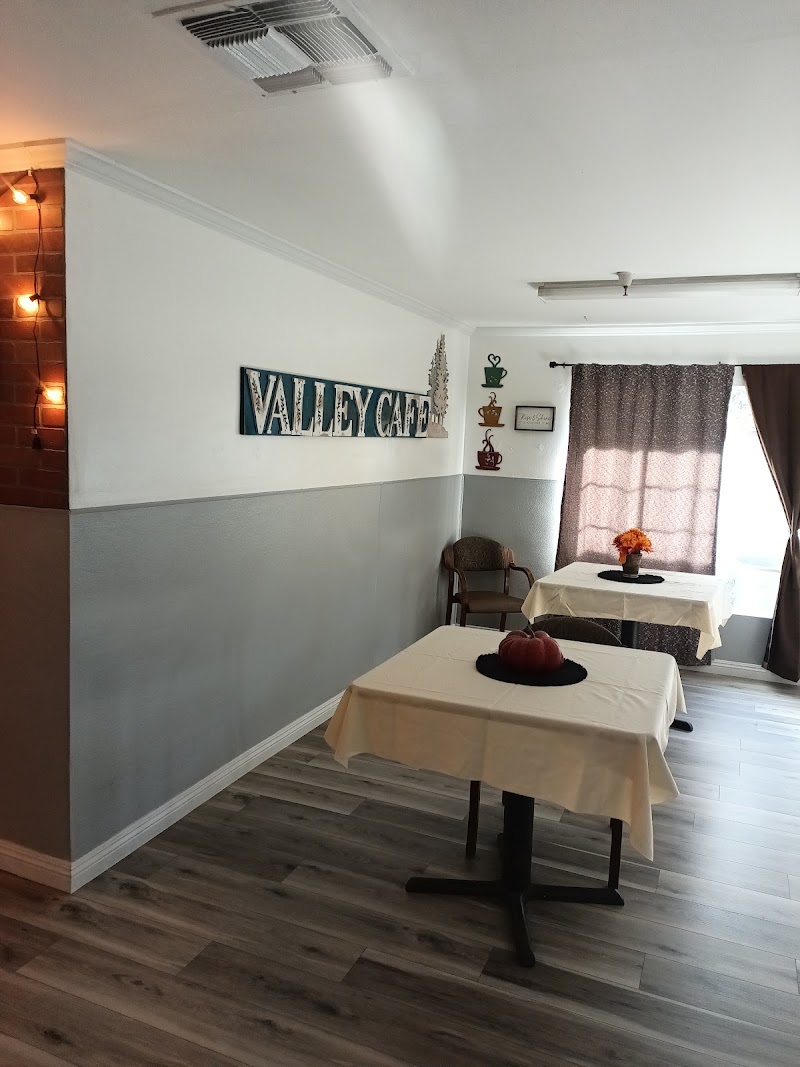
Who Owns and Operates Valley Healthcare Center?

VALLEY HEALTHCARE CENTER is owned by a for-profit company. For-profit facilities operate as businesses with obligations to shareholders or private owners. The facility operates independently rather than as part of a larger chain. With 87 certified beds and approximately 81 residents (about 93% occupancy), it is a smaller facility located in BAKERSFIELD, California.
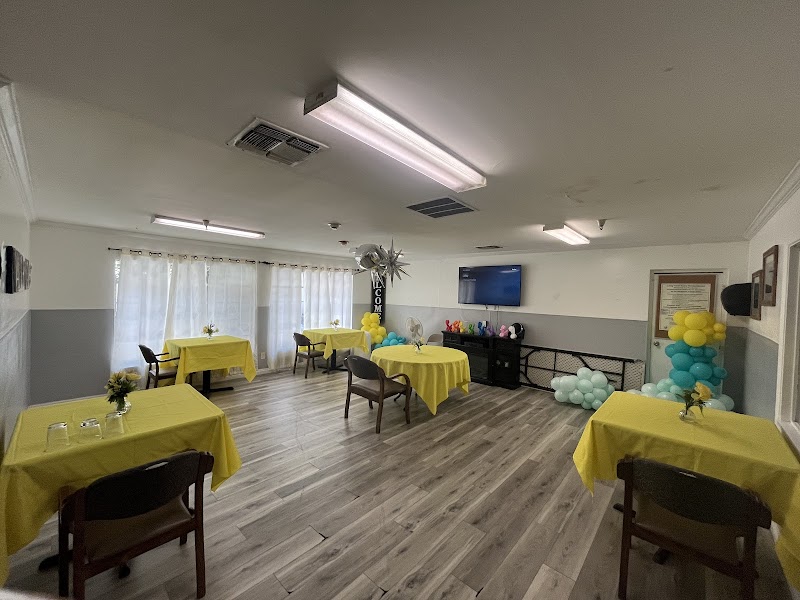
How Does Valley Healthcare Center Compare to Other California Nursing Homes?

Compared to the 100 nursing homes in California, VALLEY HEALTHCARE CENTER's overall rating (1 stars) is below the state average of 3.1, staff turnover (33%) is significantly lower than the state average of 46%, and health inspection rating (1 stars) is much below the national benchmark.

What Should Families Ask When Visiting Valley Healthcare Center?

Based on this facility's data, families visiting should ask: "Can you walk me through typical staffing levels on day, evening, and night shifts?" "Can I visit during a mealtime to observe dining assistance and food quality?" "How do you handle medical emergencies, and what is your hospital transfer rate?" "Can I speak with family members of current residents about their experience?" These questions are particularly relevant given the below-average staffing rating.

Is Valley Healthcare Center Safe?

Based on CMS inspection data, VALLEY HEALTHCARE CENTER has a clean safety record: no substantiated abuse findings (meaning no confirmed cases of resident harm), no Immediate Jeopardy citations (the most serious violation level indicating risk of serious injury or death), and is not on the Special Focus Facility watch list (a federal program monitoring the lowest-performing 1% of nursing homes). The facility has a 1-star overall rating and ranks #100 of 100 nursing homes in California. While no facility is perfect, families should still ask about staff-to-resident ratios and recent inspection results during their visit.

Do Nurses at Valley Healthcare Center Stick Around?

VALLEY HEALTHCARE CENTER has a staff turnover rate of 33%, which is about average for California nursing homes (state average: 46%). Moderate turnover is common in nursing homes, but families should still ask about staff tenure and how the facility maintains care continuity when employees leave.

Was Valley Healthcare Center Ever Fined?

VALLEY HEALTHCARE CENTER has been fined $73,546 across 5 penalty actions. This is above the California average of $33,814. Fines in this range indicate compliance issues significant enough for CMS to impose meaningful financial consequences. Common causes include delayed correction of deficiencies, repeat violations, or care failures affecting resident safety. Families should ask facility leadership what changes have been made since these penalties.

Is Valley Healthcare Center on Any Federal Watch List?

VALLEY HEALTHCARE CENTER is not on any federal watch list. The most significant is the Special Focus Facility (SFF) program, which identifies the bottom 1% of nursing homes nationally based on persistent, serious quality problems. Not being on this list means the facility has avoided the pattern of deficiencies that triggers enhanced federal oversight. This is a positive indicator, though families should still review the facility's inspection history directly.