SUNDANCE CREEK POST ACUTE


5800 WEST WILSON STREET, BANNING, CA 92220 (951) 845-1606
For profit - Corporation 132 Beds PACS GROUP Data: November 2025
Trust Grade
38/100
#1125 of 1155 in CA
Last Inspection: August 2024

Within standard 12-15 month inspection cycle. Federal law requires annual inspections.

Overview

Sundance Creek Post Acute has received a Trust Grade of F, indicating poor performance with significant concerns. They rank #1125 out of 1155 facilities in California, placing them in the bottom half of all nursing homes in the state, and #52 out of 53 in Riverside County, meaning there is only one local facility that performs worse. While the facility is improving, having reduced issues from 34 in 2024 to 9 in 2025, it still has a troubling record with 74 concerns found in the latest inspection, none of which were critical but all potentially harmful. Staffing is a mixed bag, with a 1-star rating and a turnover rate of 38%, which is average for California, but they have less RN coverage than 79% of facilities, meaning residents may not receive adequate oversight for their care needs. Specific incidents include a lack of qualified social worker presence, which could hinder residents from receiving necessary psychosocial support, and failures in monitoring pain medication, risking unmanaged pain for residents. Overall, while there are some signs of improvement, families should weigh the facility's weaknesses carefully before making a decision.

Trust Score
F
38/100
In California
#1125/1155
Bottom 3%
Safety Record
Low Risk
No red flags
Inspections
Getting Better
34 → 9 violations
Staff Stability
○ Average
38% turnover. Near California's 48% average. Typical for the industry.
Penalties
○ Average
$3,304 in fines. Higher than 69% of California facilities. Some compliance issues.
Skilled Nurses
⚠ Watch
Each resident gets only 18 minutes of Registered Nurse (RN) attention daily — below average for California. Fewer RN minutes means fewer trained eyes watching for problems.
Violations
⚠ Watch
74 deficiencies on record. Higher than average. Multiple issues found across inspections.
★☆☆☆☆
1.0
Overall Rating
★☆☆☆☆
1.0
Staff Levels
★★★☆☆
3.0
Care Quality
★☆☆☆☆
1.0
Inspection Score
Stable
2024: 34 issues
2025: 9 issues

The Good

  • Full Sprinkler Coverage · Fire safety systems throughout facility
  • No fines on record
  • Staff turnover below average (38%)

    10 points below California average of 48%

Facility shows strength in fire safety.

The Bad

1-Star Overall Rating

Below California average (3.1)

Significant quality concerns identified by CMS

Staff Turnover: 38%

Near California avg (46%)

Typical for the industry

Federal Fines: $3,304

Below median ($33,413)

Minor penalties assessed

Chain: PACS GROUP

Part of a multi-facility chain

Ask about local staffing decisions and management

The Ugly 74 deficiencies on record

Aug 2025 1 deficiency
CONCERN (D) 📢 Someone Reported This

A family member, employee, or ombudsman was alarmed enough to file a formal complaint

Potential for Harm - no one hurt, but risky conditions existed

Deficiency F0558 (Tag F0558)

Could have caused harm · This affected 1 resident

**NOTE- TERMS IN BRACKETS HAVE BEEN EDITED TO PROTECT CONFIDENTIALITY** Based on observation, interviews, and record review, the facility failed to make reasonable accommodations to meet the needs and...

Read full inspector narrative →
**NOTE- TERMS IN BRACKETS HAVE BEEN EDITED TO PROTECT CONFIDENTIALITY** Based on observation, interviews, and record review, the facility failed to make reasonable accommodations to meet the needs and preferences of two residents (Residents A and B) who required Hoyer lift (a mechanical device used to transfer residents who cannot bear weight) for transfers. This failure resulted in delays, missed activities, and disruption of established daily routines for two of three sampled residents (Residents A and B).Findings:On July 22, 2025, at 12:14 p.m., during an interview with Resident A, he stated everybody is fighting over two Hoyer lifts. Resident A stated, two Hoyer lifts were not enough to service more than 100 residents.1.A review of Resident A's admission Record indicated Resident A was admitted to the facility May 26, 2019, with diagnoses which included morbid obesity (extremely overweight), and chronic pain syndrome (persistent pain lasting longer than 3 months, often significantly impacting daily life and potentially leading to disability).On July 22, 2025, at 1:53 p.m., during an interview with Certified Nurse Assistant (CNA) 1, CNA 1 stated at least ten residents in the East station require a Hoyer lift for transfers. CNA 1 stated the facility needs four or five Hoyer lifts at that station to accommodate smokers who want to smoke at the same time.On July 22, 2025, at 1:58 p.m. during an interview with the Maintenance Supervisor (MS), the MS stated there were three functioning Hoyer lifts in the facility, one was disabled, and no replacement parts were available. On July 22, 2025, at 4:33 p.m. during another interview with Resident A, he stated it is hard for us to wait to be transferred and it screws up our daily routines. Resident A stated his routine is to be up at 10 a.m. daily and back to bed at 11:30 a.m. Resident A stated, this has happened more than once and sometimes he was told there was no available Hoyer lift and had to wait until other residents were finished. A review of Resident A's care plan dated February 18, 2025, indicated .Focus : Self Care Deficit at risk for poor hygiene R/T (related to) DX (diagnosis) - chronic pain syndrome.Needs total with 2 persons assistance with transfer .Intervention.CNA May sit up resident in wheelchair with Hoyer lift for transfer every day shift .On July 23, 2025, at 11:54 a.m., during an interview with CNA 2, CNA 2 stated she was regularly assigned to Resident A. CNA 2 stated it was facility practice to accommodate resident preferences. CNA 2 stated Resident A required the Hoyer lift for transfers and preferred to be up by 10 a.m., and 30 minutes earlier on shower days. CNA 2 stated, it often took longer than that to transfer him because there was no available Hoyer lift, requiring her to wait until other CNAs were finished. 2. A review of Resident B's admission Record, indicated Resident B was admitted to the facility on [DATE], with diagnoses which included hemiplegia (one sided paralysis) and hemiparesis (muscle weakness restricted to one side) following cerebral infarction (disrupted blood flow to the brain).A review of Resident B's care plan dated February 7, 2025, with target date of August 6, 2025, indicated Focus : ADL (activity of daily living)/Mobility: Resident has actual ADL/Mobility decline and requires assistance related to Dx of (L)left sided weakness s/p (status post) CVA (cerebrovascular accident -stroke) Intervention.Transfer.Use EZ (another brand) lift during transfer for safety every shift,,,On July 23, 2025, at 12:43 p.m., during an interview with CNA 1, CNA 1 stated Resident B preferred to be up at 9 a.m., for physical therapy at 9:30 a.m. and on other days at 1 p.m. to attend the 1:30 p.m. smoking schedule. CNA 1 stated Resident B would get upset when she had to wait for a Hoyer lift, and this wait time varied depending on how many other residents also needed the lift, especially smokers. On July 23, 2025, at 1:23 p.m., during an interview, Resident B stated she needed the Hoyer lift for transfers due to her medical condition. Resident B stated she preferred to be up by 1 p.m. to participated in the 1:30 p.m. smoking activity. Resident B stated in her stay at the facility, there were at least five occasions when she was not transferred to her wheelchair on time, including three occasions in the previous month (June 28, 29, and 30, 2025) when she missed the smoking activity entirely due to the unavailability of a Hoyer lift. On July 23, 2025, at 4:55 p.m. in a concurrent interview and record review of Smoker's Log with Activity Assistant (AA), AA stated Resident B did not attend smoking on June 28, June 29 & June 30, 2025.A review of facility policy and procedure titled, Activities of Daily Living (ADL), Supporting, dated April 2025, indicated, Residents are provided with care, treatment, and services as appropriate to maintain or improve their ability to carry out ADLs.Appropriate care and services are provided for residents who are unable to carry out ADLs independently.in accordance with the plan of care, including appropriate support and assistance with.mobility.transfer.A review of the facility titled Accommodation of Needs, dated March 2021, indicated .The resident's individual needs and preferences are accommodated to the extent possible, except when the health and safety of the individual or other residents would be endangered .
Jul 2025 1 deficiency
CONCERN (D) 📢 Someone Reported This

A family member, employee, or ombudsman was alarmed enough to file a formal complaint

Potential for Harm - no one hurt, but risky conditions existed

Quality of Care (Tag F0684)

Could have caused harm · This affected 1 resident

**NOTE- TERMS IN BRACKETS HAVE BEEN EDITED TO PROTECT CONFIDENTIALITY** Based on interview and record review, the facility failed to assess and monitor one of four sampled residents (Resident 1) for s...

Read full inspector narrative →
**NOTE- TERMS IN BRACKETS HAVE BEEN EDITED TO PROTECT CONFIDENTIALITY** Based on interview and record review, the facility failed to assess and monitor one of four sampled residents (Resident 1) for signs and symptoms of circulatory insufficiency (decrease blood flow) in the right lower leg after testing positive for deep vein thrombosis (DVT - a blood clot). This failure had the potential to result in staff being unable to detect worsening circulatory insufficiency. Findings: A review of Resident 1's admission Record, indicated Resident 1 was admitted to the facility on [DATE], with diagnoses which included diabetes (high blood sugar), end stage renal disease (kidney failure) and hemodialysis (special procedure done to remove wastes and excess fluids from the body). A review of Resident 1's History and Physical, dated April 6, 2025, indicated Resident 1 had the capacity to understand and make decisions. A review of Resident 1's Radiology Results Report, dated May 1, 2025, indicated, .Venous Lower Extremity Unilat (unilateral - one side) .Interpretation .Significant findings .there is a clot in the right popliteal vein possibly chronic . A review of Resident 1's care plan indicated: - .Diabetes: Resident has a diagnosis of diabetes and is at risk for complications manifested by .peripheral vascular disease (decreased blood flow to lower extremities), skin breakdown .Interventions .monitor for skin changes or breakdown . - .Resident noted with right calf pain .5/1/25 .Venous Lower extremity unilateral US (ultrasound - medical tool that uses sound waves to produce images of the inside of the body) result: Chronic clot in the right popliteal vein (vein of the lower leg), MD (doctor) notified .potential for circulatory impairment (blood flow) manifested by pain, discoloration, swelling to R (right) foot .Interventions .Monitor for swelling, increasing to severe pain, discoloration and unable to move lower extremity . A further review of Resident 1's records did not indicate any documentation that Resident 1's right leg was assessed and monitored. A review of Resident 1's Change of Condition , dated May 9, 2025, indicated, .Resident noted with necrotic right foot, 2nd toe to 5th toe .Primary Care Provider Feedback .Recommendations .Send to ER (Emergency Room) . A review of Resident 1's hospital records dated May 10, 2025, indicated Resident 1 was admitted to the (local) hospital on May 9, 2025, with a diagnosis of gangrene of right foot 2nd through 5th toe. The records further indicated an ultrasound (type of test) of Resident 1's lower legs was conducted and indicated he had venous (veins) swelling and decreased arterial (artery) blood flow to the right leg. On July 7, 2025, at 9:45 a.m., a concurrent interview and record review of Resident 1's records were conducted with Licensed Vocational Nurse (LVN) 1. LVN 1 stated after Resident 1's positive DVT diagnosis on May 1, 2025, it was standard care to monitor for pain, swelling, temperature changes, skin discoloratiion, and to check pedal pulses. LVN 1 stated there was no documentation in the resident's records these assessments were done for Resident 1. LVN 1 stated, lack of monitoring could result in unrecognized impaired blood flow, which could result to discoloration or necrosis (death of body tissue). On July 7, 2025, at 2:30 p.m., an interview was conducted with the Nurse Practitioner (NP). The NP stated, clinical best practice after a DVT diagnosis, was to monitor the affected area for swelling, pain, changes in color and pedal pulses and to report abnormal findings to the physician. On July 8, 2025, at 4:15 p.m., a concurrent interview and record review of Resident 1's records were conducted with Licensed Vocational Nurse (LVN) 2. LVN 2 stated the facility protocol after a DVT diagnosis included monitoring for temperature, swelling, pain, and checking pedal pulses. LVN 2 stated, there was no documentation of monitoring for Resident 1. LVN 2 stated staff would not be able to identify if there was blood flow to the lower extremity which could lead to discoloration or tissue damage. On July 8, 2025, at 4:50 p.m., a concurrent interview and record review were conducted with the Director of Nursing (DON). The DON stated Resident 1 was tested positive for DVT on May 1, 2025. The DON stated the expectation for licensed nurses to monitor and document signs of circulatory issues, including swelling, discoloration, and pulse checks, and to notify the physician if abnormalities were found. The DON stated, there was no documentation that Resident 1's right lower extremity was monitored. The DON further stated, without monitoring, this could result in serious consequence such as tissue necrosis. The DON stated the facility did not have a policy for DVT management but stated its facility's standards of practice to assess and monitor accordingly for DVT follow up care for residents.
Jul 2025 1 deficiency
CONCERN (D) 📢 Someone Reported This

A family member, employee, or ombudsman was alarmed enough to file a formal complaint

Potential for Harm - no one hurt, but risky conditions existed

Medical Records (Tag F0842)

Could have caused harm · This affected 1 resident

**NOTE- TERMS IN BRACKETS HAVE BEEN EDITED TO PROTECT CONFIDENTIALITY** Based on interview, and record review, the facility failed to ensure resident's medical records were accurate and complete in ac...

Read full inspector narrative →
**NOTE- TERMS IN BRACKETS HAVE BEEN EDITED TO PROTECT CONFIDENTIALITY** Based on interview, and record review, the facility failed to ensure resident's medical records were accurate and complete in accordance with the accepted professional standards and practices, for one of three sampled residents (Resident 1), when the nursing weekly summary and the skin evaluations did not reflect the skin changes from May 21, 2025, to May 31, 2025. These failures could negatively impact patient care and prevent staff or representatives from being aware of the potential changes in the resident's skin condition. Findings: On June 19, 2025, at 12:30 p.m., an unannounced visit was conducted to investigate a quality-of-care concern. Resident 1's record was reviewed. Resident 1 was admitted on [DATE] with diagnoses which included diabetes type two (inability to process and control glucose sugar levels in the body). A review of Resident 1's History and Physical, indicated, Resident 1 had fluctuating capacity to understand and make decisions. A review of Resident 1's skin/wound note, indicated: - Dated May 21, 2025, .Resident seen by Wound NP (nurse practitioner) for sacrum pressure wound. NP reclassified wound from unstageable to stage 4 pressure injury. New Tx (treatment) order to collagen (medication) and therahoney (medication) . - Dated May 28, 2025, .Resident seen by wound specialist NP with NNO (no new orders) for sacrum wound, wound worsen continue with treatment as indicated PRN if soiled or dislodge, two new skin condition noted upon skin assessment and treatment with new tx (treatment) orders as follow: .Right heel DTI (deep tissue injury), cleanse with wound cleanser, pat dry, apply betadine and cover with foam dressing .every day shift .Right lateral malleolus DTI, cleanse with wound cleanser, pat dry, apply betadine and cover with foam dressing A review of Resident 1's Skin & (and) Wound Evaluation, indicated: - Dated May 19, 2025, Sacrum pressure injury unstageable presenting about 40% slough (dead tissue) and 60% with very light serous drainage (fluid from wound) noted at this time, measuring 8 L (length) x9 W (width) cm (centimeters - unit of measure) with order for Medi honey (medication) and foam dressing . - Dated May 26, 2025, .Sacrum .Area 75.1 Length 10.8 Width 10.2 (change in size) .No c/o on wound but c/o generalized pain when turned or reposition .Sacrum pressure wound reclassified per NP as stage 4 presenting about 40% granulation, 20% slough and 40% epithelial tissue with light serious drainage noted with order for therahoney and collagen to wound bed . There were no skin and wound evaluations completed and no new measurements were obtained on May 21, 2025, and May 28, 2025, as required by facility protocol . A review of Resident 1's Nursing Weekly Summary, from May 15, 2025, to May 31, 2025, indicated the following: - May 15, 2025 .skin .any skin changes/breakdown? .NO (is checked) .other comments .continues tx to left lateral foot DTI, left lateral heel DTI, and coccyx . - May 22, 2025 skin .any skin changes/breakdown? .NO (is checked) .other comments .no new skin issues . - May 29, 2025 .skin .any skin changes/breakdown? .NO (is checked) .other comments NA . - May 31, 2025 .skin any skin changes/breakdown? .NO (is checked). Other comments .continues treatment to left lateral foot DTI, left lateral heel DTI and coccyx. No changes . There was no documented evidence that the nursing assessments described the progressive skin changes identified by the treatment team from May 22, 2025, to May 31, 2025. On June 19, 2025, at 2:00 p.m., a concurrent interview and record review was conducted with the Licensed Vocational Nurse (LVN). The treatment records (TAR), skin treatment evaluations, and progress notes of Residents 1 were reviewed. The LVN stated any skin changes found during the evaluation of the skin and wounds should reflect in the resident's record. The LVN stated, the treatment team performing skin and wound evaluations should obtain two sets of measurements: one manually and one using a digital tablet. The LVN stated when Resident 1's wound assessment was completed on May 21, 2025 and May 28, 2025, a skin evaluation should have been completed but it was not. The LVN further stated all skin evaluations should include both measurements and a wound description, especially when there is a change in the wound condition. On June 19, 2025, at 3:09 p.m. a concurrent interview and record review was conducted with the Director of Nursing (DON), she stated the licensed nurse should document in the TAR and skin evaluation that treatment was completed, including a description of the wound and measurements. The DON stated, the licensed nurse should have completed a skin evaluation on May 21, 2025, when the change in skin condition was identified. The DON stated, the weekly nursing summary for Resident 1 did not reflect the skin changes and should have been updated to include the most current description of the skin condition from May 21, 2025, to May 31, 2025. The DON stated if the skin condition is not documented accurately, there was a potential risk that the resident may not receive the necessary care and treatment, and the nursing staff and representative parities to be unaware of the changes and care provided. A review of the facility policy and procedure titled, Charting and Documentation, dated 2008 indicated, .All services provided to the resident, or any changes in the resident's medical or mental condition, shall be documented in the resident's medical record .all observations .services performed .must be documented in the resident's clinical record .the assessment data and/or any unusual findings obtained during the procedure/treatment .notification of family, physician or other staff .
May 2025 1 deficiency
CONCERN (D) 📢 Someone Reported This

A family member, employee, or ombudsman was alarmed enough to file a formal complaint

Potential for Harm - no one hurt, but risky conditions existed

Report Alleged Abuse (Tag F0609)

Could have caused harm · This affected 1 resident

**NOTE- TERMS IN BRACKETS HAVE BEEN EDITED TO PROTECT CONFIDENTIALITY** Based on observation, interview and record review, the facility failed to report an allegation of physical abuse within two hour...

Read full inspector narrative →
**NOTE- TERMS IN BRACKETS HAVE BEEN EDITED TO PROTECT CONFIDENTIALITY** Based on observation, interview and record review, the facility failed to report an allegation of physical abuse within two hours to the California Department of Public Health (CDPH), for one of three sampled residents (Resident 1). This failure had the potential to place Resident 1 at continued risk of abuse and negatively impact her emotional and psychosocial well-being. Findings: On April 1, 2025, at 2:31 p.m., CDPH received a fax (facsimile - telephonic transmission of scanned-in printed material) report involving an allegation of physical abuse for Resident 1. On April 4, 2025, at 12:30 p.m., an unannounced visit to the facility was conducted to investigate an allegation of abuse. 1. A review of Resident 1's admission Record, indicated, Resident 1 was admitted to the facility on [DATE], with diagnoses which included muscle weakness, pneumonia (a lung infection) and deaf nonspeaking. A review of Resident 1's History and Physical, dated December 31, 2024, indicated Resident 1 had capacity to understand and make decisions. A review of Resident 1's Minimum Data Set (an assessment tool) dated January 7, 2025, indicated a Brief Interview for Mental Status (used to identify the cognitive condition of a resident) score of 6 (severe cognitive impairment). A review of Resident 1s eINTERACT Change in Condition Evaluation, dated March 28, 2025, indicated, . At 2200 (10pm) on 3/28/25 (Resident 3) was outside their room when allegedly they saw (Resident 2) enter room of (Resident 1) and hit them in the back of the head. (Resident 3) then saw that (Resident 2) leave the room of (Resident 1). After the alleged witnessed abuse, Resident 3 came over to [NAME] side nurses' station and explained what she allegedly saw to the RN supervisor and LVN for the P.M. shift. No staff witnessed this event, only Resident 3 . A Review of Resident 1's Progress Notes, dated March 28, 2025, at 10:08 p.m., indicated .neuro checks for this resident for 72 hrs d/t (due to) allegedly being hit in the head by another resident .no new orders from MD .resident refused ice pack, severe pain was not present after the event occurred .will continue to monitor . A review of Resident 1's Progress Notes, dated March 28, 2025, at 3 a.m., indicated .resident resting in bed .no c/o (complaint of) pain or discomfort at this time .no acute distress noted .call light within reach . 2. A review of Resident 2's admission Record, indicated, Resident 2 was admitted to the facility on [DATE], with diagnoses which included Schizoaffective disorder, bipolar type (a mental health condition). A review of Resident 2's History and Physical, dated January 15, 2025, indicated Resident 2 had capacity to understand and make decisions. A review of Resident 2's Minimum Data Set (an assessment tool) dated March 31, 2025, indicated a BIMS score of 9 (moderate cognitive impairment). A Review of Resident 2's Progress Notes, dated March 28, 2025, at 10:08 p.m., indicated .at 2200 (10 p.m.) (Resident 3) informed this LVN that she witnessed (Resident 2) going into room [ROOM NUMBER]. When (Resident 2) entered the room, she hit (Resident 1) in the (resident's room) in the head and proceeded to leave the room. CNAs and other staff members redirected (Resident 2) back to her room. This nurse evaluated (Resident 1) after she was hit and had little to no pain after (Resident 2) had hit her. Will continue to watch resident for this behavior . A review of Resident 2's Progress Notes, dated March 29, 2025, at 3:00 a.m., indicated .(Resident 2) sitting on wheelchair at the station. No s/sx (sign and symptoms) of agitation at this time. No reports of pain or discomfort. No acute distress noted. Kept the environmental calm and quiet . A review of Resident 2's Progress Notes, dated March 29, 2025, at 8:00 a.m., indicated .(Resident 2) has been wheeling herself around facility, calmly asking for breakfast and coffee. Educated her of breakfast times and resident went back to her room. Will continue to monitor and follow POC . A further review of Residents 1 and 2's record indicated, there was no documented evidence that the facility reported the alleged abuse to CDPH or facility Ombudsman on March 28, 2025, at 10 p.m. On April 4, 2025, at 12:55 p.m. an interview was conducted with Resident 3. Resident 3 stated on March 28, 2025, at approximately 10 p.m., she was in her room and observed Resident 1, who was sitting in her wheelchair and facing the window, when Resident 2 entered Resident 1's room and hit her on the back of the head. Resident 3 stated, she went to check on Resident 1, who appeared tearful and scared. Resident 3 stated, she assisted Resident 1 to the nurses' station and reported the incident to the Licensed Vocational Nurse (LVN) 1. On April 4, 2025, at 1:15 p.m., a concurrent observation and interview were conducted with Resident 1. Although nonverbal, Resident 1 was able to communicate in writing. Resident 1 wrote that Resident 2 had hit her on the head at night. Resident 1 also wrote that she was scared. Resident 1 indicated that Resident 3 witnessed the incident and helped her report the incident to the staff. On April 4, 2025, at 1:47 p.m., an interview was conducted with LVN 1. LVN 1 stated, she was assigned to both Residents 1 and 2 on the evening shift of March 28, 2025. LVN 1 stated, at 10 p.m., Resident 3 brought Resident 1 to the nurse's station and reported the witnessed incident. LVN 1 stated, she informed Registered Nurse (RN 1) and relied on RN 1 for direction and did not receive further assistance. LVN 1 stated, the incident was a physical abuse and should have been reported to CDPH within two hours. LVN 1 stated, the failure to report in a timely manner could have exposed Resident 1 to further abuse and emotional distress. On April 4, 2025, at 2:15 p.m., an interview was conducted with RN 1. RN 1 stated, she was informed of the incident by LVN 1 around 10 p.m. RN 1 stated, she assumed LVN 1 would handle the reporting of the alleged abuse to CDPH. RN 1 stated, she should have followed up and ensured the report was made within the required timeframe to CDPH, the Ombudsman, law enforcement, the physician, and the resident's representative. On April 4, 2025, at 4:02 p.m., an interview was conducted with the Director of Nursing (DON). The DON stated she was first informed of the incident on March 29, 2025, at approximately 9:50 a.m. by LVN 2. The DON stated, the incident between Residents 1 and 2 should have been reported to CDPH and other required entities within two hours of staff awareness. The DON stated, all staff are mandated reporters and must report allegations of abuse promptly to ensure resident safety and prevent emotional or physical harm. A review of the facility policy and procedure titled, Abuse, Neglect, Exploitation or Misappropriation - Reporting and Investigation, dated September 2022, indicated, . All reports of resident abuse .are reported to local, state, and federal agencies .immediately .within two hours of an allegation involving abuse or result in serious bodily injury .
Mar 2025 3 deficiencies
CONCERN (D) 📢 Someone Reported This

A family member, employee, or ombudsman was alarmed enough to file a formal complaint

Potential for Harm - no one hurt, but risky conditions existed

Report Alleged Abuse (Tag F0609)

Could have caused harm · This affected 1 resident

**NOTE- TERMS IN BRACKETS HAVE BEEN EDITED TO PROTECT CONFIDENTIALITY** Based on interview and record review, the facility failed for one of three sampled residents (Resident 1), to report Resident 1'...

Read full inspector narrative →
**NOTE- TERMS IN BRACKETS HAVE BEEN EDITED TO PROTECT CONFIDENTIALITY** Based on interview and record review, the facility failed for one of three sampled residents (Resident 1), to report Resident 1's total right shoulder prosthesis dislocation [the artificial component of a shoulder replacement entirely come out of their proper position], an injury of unknown source, within 2 hours to California Department of Public Health (CDPH) after the facility was made aware of the injury, for one of three sampled residents (Resident 1). This failure had potential to result in further injury for Resident 1, affecting the resident physical, emotional, and psychosocial well-being. Findings: A review of Resident 1's admission Record indicated Resident 1 was admitted to the facility on [DATE]. A review of Resident 1's History and Physical, dated January 24, 2025, indicated Resident 1 had fluctuating capacity to make medical decisions. A review of Resident 1 Admission/readmission Evaluation/Assessment, dated January 21, 2025, indicated, .Extremities (arms and legs) .No limited ROM (range of motion - a measure of joint function and flexibility) .No Edema (swelling) Present .Resident has no wounds or skin .concerns . A review of Resident 1 Nurse's Note, dated January 27, 2025, indicated, .R (sic) (right) shoulder xray (a test used to take pictures of areas inside the body) d/t (due to) c/o (complaints of) pain and swelling . A review of Resident 1's Radiology Interpretation, dated January 27, 2025, indicated, .Right Shoulder, 2 Views .Impression .Dislodgement of the glenoid fossa portion of the right shoulder prosthesis as well as a dislocation of the total right shoulder . A review of Resident 1's eINTERACT Change in Condition Evaluation, dated January 27, 2025, indicated, .Dislodgement of glenoid fossa portion of R (sic) (right) shoulder prosthesis as well as a dislocation of the total R (right) shoulder prosthesis .Pain, swelling to R (right) shoulder .Sent to ER .Xray: New or unsuspected finding . On February 24, 2025, at 1:56 p.m., during a concurrent interview and review of Resident 1 medical records with Registered Nurse (RN) 1, she stated, any injuries of unknown source should be reported to CDPH, police, and the Ombudsman [resident's advocate who investigates and addresses complaints ensuring their rights and well-being are protected] immediately or within 2 hours after the facility became aware of the injury. RN 1 further stated it was important to report these types of injuries because they could be related to abuse. RN 1 stated on January 27, 2025, during the afternoon shift, Resident 1 was sent to the hospital due to a right shoulder prosthesis dislocation. RN 1 further stated Resident 1's right shoulder dislocation was of unknown source and a sudden event. RN 1 stated Resident 1's injury was not reported to CDPH, police, or the Ombudsman. RN 1 further stated, after the X-ray results were received on January 27, 2025, Resident 1's injury should have been reported within two hours to CDPH to ensure resident safety and prevent any further injuries or abuse. On February 24, 2025, at 3:39 p.m., during a concurrent interview and review of Resident 1's medical records with the Director of Nursing (DON), she stated, Resident 1 was transferred to the hospital on January 27, 2025, due to right shoulder dislocation and prosthesis dislodgement. The DON further stated the facility does not know how Resident 1 dislocated his right shoulder and described it as an injury of unknown source and cause. The DON stated, the facility's process for reporting injuries of unknown source requires notification to the Ombudsman, police, and CDPH within two hours of the facility becoming aware of the injury to rule out abuse. The DON stated, Resident 1's right shoulder dislocation was not reported to CDPH, the Ombudsman, or the police. The DON further stated, Resident 1's injury should have been reported for the resident safety and to rule out any possible abuse. A review of the facility policy and procedure titled, Abuse, Neglect, Exploitation or Misappropriation - Reporting and Investigating, dated April 2021, indicated, . All reports of resident abuse (including injuries of unknown origin) .are reported to local, state and federal agencies .Immediately .within two hours . A review of the facility policy and procedure titled, Recognizing Signs and Symptoms of Abuse/Neglect, dated 2021, indicated, .All personnel are expected to report any signs and symptoms of abuse/neglect .immediately .Signs of physical abuse: Injuries that are non-accidental or unexplained .Fractures, dislocations or sprains .
CONCERN (D) 📢 Someone Reported This

A family member, employee, or ombudsman was alarmed enough to file a formal complaint

Potential for Harm - no one hurt, but risky conditions existed

Investigate Abuse (Tag F0610)

Could have caused harm · This affected 1 resident

**NOTE- TERMS IN BRACKETS HAVE BEEN EDITED TO PROTECT CONFIDENTIALITY** Based on interview and record review, the facility failed for one of three sampled residents (Resident 1), to investigate how Re...

Read full inspector narrative →
**NOTE- TERMS IN BRACKETS HAVE BEEN EDITED TO PROTECT CONFIDENTIALITY** Based on interview and record review, the facility failed for one of three sampled residents (Resident 1), to investigate how Resident 1's right shoulder prosthesis became dislocated [the artificial component of a shoulder replacement entirely come out of their proper position]. This failure had potential to result in further harm for Resident 1, affecting the resident physical, emotional, and psychosocial well-being. Findings: A review of Resident 1's admission Record indicated Resident 1 was admitted to the facility on [DATE]. A review of Resident 1's History and Physical, dated January 24, 2025, indicated Resident 1 had fluctuating capacity to make medical decisions. A review of Resident 1 Admission/readmission Evaluation/Assessment, dated January 21, 2025, indicated, .Extremities (arms and legs) .No limited ROM (range of motion - a measure of joint function and flexibility) .No Edema (swelling) Present .Resident has no wounds or skin .concerns . A review of Resident 1 Nurse's Note, dated January 27, 2025, indicated, .R (sic) (right) shoulder xray (a test used to take pictures of areas inside the body) d/t (due to) c/o (complaints of) pain and swelling . A review of Resident 1s Radiology Interpretation, dated January 27, 2025, indicated, .Right Shoulder, 2 Views .Impression .Dislodgement of the glenoid fossa portion of the right shoulder prosthesis (a device designed to replace or make a part of the body work better) as well as a dislocation of the total right shoulder . A review of Resident 1's eINTERACT Change in Condition Evaluation, dated January 27, 2025, indicated, .Dislodgement of glenoid fossa portion of R (sic) (right) shoulder prosthesis as well as a dislocation of the total R (right) shoulder prosthesis .Pain, swelling to R (right) shoulder .Sent to ER .Xray: New or unsuspected findings . On February 24, 2025, at 1:56 p.m., during a concurrent interview and review of Resident 1's eINTERACT change in condition evaluation with Registered Nurse (RN) 1, she stated, Resident 1 was sent out to the hospital on January 27, 2025, during the afternoon shift due to a right shoulder prosthesis [artificial shoulder joint] dislocation. RN 1 further stated Resident 1's right shoulder prosthesis dislocation was from an unknown source and a sudden event. On February 24, 2025, at 3:39 p.m., during a concurrent interview and review of Resident 1's eINTERACT change in condition evaluation with the Director or Nursing (DON), she stated, the facility's process for injuries of unknown source requires an investigation once the facility becomes aware of the injury, in order to determine the cause and rule out possible abuse. The DON stated on January 27, 2025, Resident 1 was transferred to the hospital due to a right shoulder prosthesis dislocation and dislodgement. The DON further stated the facility did not know how Resident 1 dislocated his right shoulder prosthesis. The DON stated, Resident 1 had no falls or injuries, swelling, or right shoulder pain upon admission and that Resident 1's injury first appeared six days later. The DON stated, it was an injury of unknown source and cause. The DON stated Resident 1's injury was not investigated by the facility and the incident should have been investigated. A review of the facility policy and procedure titled, Abuse, Neglect, Exploitation or Misappropriation - Reporting and Investigating, dated April 2021, indicated, . All reports of resident abuse (including injuries of unknown origin) .are reported to local, state and federal agencies .and thoroughly investigated by facility management .The administrator or his/her designee, provide the appropriate agencies .a written report of the findings of the investigation within five working days of the occurrence of the incident .
CONCERN (D) 📢 Someone Reported This

A family member, employee, or ombudsman was alarmed enough to file a formal complaint

Potential for Harm - no one hurt, but risky conditions existed

Transfer Notice (Tag F0623)

Could have caused harm · This affected 1 resident

**NOTE- TERMS IN BRACKETS HAVE BEEN EDITED TO PROTECT CONFIDENTIALITY** Based on interview and record review, the facility failed for one of three sampled residents (Resident 1) to: 1. Provide the res...

Read full inspector narrative →
**NOTE- TERMS IN BRACKETS HAVE BEEN EDITED TO PROTECT CONFIDENTIALITY** Based on interview and record review, the facility failed for one of three sampled residents (Resident 1) to: 1. Provide the resident and or resident representative a written copy of the transfer or discharge. This failure had the potential to deny the resident the opportunity to understand the reasons for the transfer and the right to appeal, and other pertinent information related to the discharge process; and 2. Ensure a copy of the transfer or discharge notice was sent to the representative of the Office of the State Long-Term Care Ombudsman (LTC Ombudsman - an advocate for residents of nursing homes to protect residents' rights and ensure quality care). This failure had the potential to delay advocacy and oversight of Resident 1's discharge plan, impacting continuity of care and resident rights. Findings: 1. A review of Resident 1's admission Record, indicated Resident 1 was admitted to the facility on [DATE]. A review of Resident 1's History and Physical, dated January 24, 2025, indicated Resident 1 had fluctuating capacity to make medical decisions. A review of Resident 1's Physician Order, dated January 27, 2025, indicated, .Send to ER (emergency room) for eval (sic) (evaluation) and treatment . A review of Resident 1's eINTERACT Transfer Form, dated January 27, 2025, indicated, .Sent to (name of hospital) .Reasons: Dislodgement and dislocation of R (sic) (right) shoulder prosthesis (a device designed to replace or make a part of the body work better) . Further review of Resident 1's medical records indicated, no documented evidence that Resident 1 was provided a written copy of the transfer or discharge. On February 24, 2025, at 1:56 p.m., during a concurrent interview and review of Resident 1's notice of transfer or discharge record with Registered Nurse (RN) 1, RN 1 stated for transfers to an acute hospital, the licensed nurse would provide the resident with the paperwork and the notice of transfer or discharge. RN 1 stated, Resident 1 was transferred to acute on January 27, 2025, and there was no documentation indicating Resident 1 was provided a written notice of transfer or discharge. On February 24, 2025, at 3:39 p.m., during a concurrent interview and review of Resident 1's notice of transfer or discharge record with the Director of Nursing (DON), she stated when residents are transferred or discharged from the facility, the resident should be provided with the written copy of the notice of transfer or discharge. The DON stated, Resident 1 was not provided the notice of transfer or discharge. A review of the facility policy and procedure titled, Transfer or Discharge Notice, dated 2021, indicated, .Notice of transfer is provided to the resident and representative as soon as practicable before the transfer .Notices are provided in a form and manner that the resident can understand .Nursing notes will include documentation of appropriate orientation and preparation of the resident prior to transfer or discharge . 2. A review of Resident 1's admission Record indicated Resident 1 was admitted to the facility on [DATE]. A review of Resident 1's History and Physical, dated January 24, 2025, indicated Resident 1 had fluctuating capacity to make medical decisions. A review of Resident 1's Physician Order, dated January 27, 2025, indicated, .Send to ER (emergency room) for eval (sic) (evaluation) and treatment . A review of Resident 1's eINTERACT Transfer Form, dated January 27, 2025, indicated, .Sent to (name of hospital) .Reasons: Dislodgement and dislocation of R (sic) (right) shoulder prosthesis (a device designed to replace or make a part of the body work better) . Further review of Resident 1's medical records indicated, there was no documented evidence the facility mailed or faxed a copy of the transfer or discharge notice to the LTC Ombudsman after Resident 1 was discharged from the facility on January 27, 2025. On February 24, 2025, at 3:39 p.m., during a concurrent interview and review of Resident 1's notice of transfer or discharge record with the Director of Nursing (DON), she stated when residents are transferred or discharged from the facility, the Social Service Director (SSD) is responsible for sending the discharge notice to the LTC Ombudsman the same day or the next business day. The DON stated Resident 1 was transferred to the hospital on January 27, 2025, and the discharge notice was not sent to the LTC Ombudsman. The DON further stated the SSD should have sent the notice to the Ombudsman. On February 24, 2025, at 3:39 p.m., during a concurrent interview and review of Resident 1's notice of transfer or discharge record with the SSD, he stated for residents who transferred or discharged from the facility, the LTC Ombudsman is sent a letter to notify of the resident discharge the same day or the next business day. The SSD further stated Resident 1 was transferred to the hospital on January 27, 2025, and he did not send the discharge notice to the LTC Ombudsman. The SSD stated if a resident is transferred to the hospital, the hospital will send the notice. The SSD stated he should have sent the notice to ensure the LTC Ombudsman was made aware and able to advocate for Resident 1's care. A review of the facility policy and procedure titled, Transfer or Discharge Notice, dated 2021, indicated, .Notice of transfer is provided .to the long-term care ombudsman when practicable .If discharge is initiated by the facility .to the hospital .The facility will send a copy of the discharge notice to a representative of the office of the state LTC Ombudsman .
Jan 2025 2 deficiencies
CONCERN (D) 📢 Someone Reported This

A family member, employee, or ombudsman was alarmed enough to file a formal complaint

Potential for Harm - no one hurt, but risky conditions existed

Deficiency F0676 (Tag F0676)

Could have caused harm · This affected 1 resident

**NOTE- TERMS IN BRACKETS HAVE BEEN EDITED TO PROTECT CONFIDENTIALITY** Based on interview and record review, the facility failed to provide showers on scheduled shower days and bed baths on non-showe...

Read full inspector narrative →
**NOTE- TERMS IN BRACKETS HAVE BEEN EDITED TO PROTECT CONFIDENTIALITY** Based on interview and record review, the facility failed to provide showers on scheduled shower days and bed baths on non-shower days, for one of three sampled residents (Resident A). This failure had the potential to negatively affect the resident ' s physical, emotional, and social well-being which included skin infections, body odor, and discomfort. Findings: Resident A ' s record was reviewed. Resident A was admitted to the facility on [DATE], with diagnoses which included bilateral lower extremities contractures (both legs experienced shortening of muscles leading to restricted movements) and history of cerebrovascular accident (stroke) with left-sided deficits (loss or impairment of function on the left side). A review of Resident A ' s care plan dated July 5, 2024, indicated, .ADL (activities of daily living)/Mobility: Resident .is at risk for ADL/mobility decline and requires assistance related to .HEMIPLEGIA (paralysis on one side of the body) AND HEMIPARESIS (weakness on one side of the body) .MUSCLE WEAKNESS .muscle wasting and Atrophy (gradual wasting away or decrease in size of a body part or tissue) .Encourage to participate in ADLs to promote independence .Monitor for .declines in ability to participate in ADLs . On December 18, 2024, at 10:21 a.m., Certified Nursing Assistant (CNA) 2 was interviewed. CNA 2 stated, residents were provided showers three to four times a week. CNA 2 stated, resident could be provided daily showers if the residents requested them. CNA 2 stated, if a resident refused a shower, she would offer the resident a bed bath. CNA 2 stated, if the resident refused twice, she would report this to the charge nurse. On December 18, 2024, at 11 am., CNA 4 was interviewed. CNA 4 stated, she was familiar with Resident A. CNA 4 stated, Resident A was dependent on all activities of daily living. CNA 4 stated residents were given bed bath if there was no scheduled shower. CNA 4 stated if a resident refused shower, it would be documented, and a bed bath would be provided according to facility protocol. On December 18, 2024, at 3:16 p.m., Licensed Vocational Nurse (LVN) 2 was interviewed. LVN 2 stated, she cared for Resident A. LVN 2 stated Resident A was non-verbal and required assistance with showering. LVN 2 stated Resident A preferred bed bath. A review of Resident A's Documentation Survey Report, for July 2024 and August 2024, indicated that on July 25, August 1, and August 5, 2024, Resident A's scheduled shower days, the resident received bed bath instead of showers. In addition on July 29, 2024, Resident A was not provided showers nor a bed bath. There was no documentation indicating Resident A refused showers. Further review of Resident A ' s Follow-up Question Report, for the month of July 2024 and August 2024, indicated that on July 3, 5, 6, 7, 9, 10, 11, 12, 15, 16, 17, 18, 19, 20, 21, 23, 24, 26, 29, 30, 31, and August 4 and August 6, 2024, there was no documentation indicating that Resident A received a shower or bed bath. On December 23, 2024, at 3:19 p.m., the Director of Nursing (DON) was interviewed. The DON stated, residents were given a shower schedule, and if residents refused, the CNAs would notify the charge nurses. The DON, stated the licensed nurses should encourage residents to take a shower and if a resident refused, a bed bath would be provided instead. The DON stated, Resident A had a scheduled shower on Mondays and Thursdays. The DON stated, if Resident A refused a shower, it should be documented and included in the care plan. The DON stated on July 29, 2024, Resident A had a scheduled shower but there was no documentation indicating that the resident received a shower or a bed bath. The DON further stated that there were occasions when Resident A was not provided either a shower or a bed bath. The DON stated Resident A should have received showers on scheduled days and a bed bath on non-shower days.
CONCERN (D) 📢 Someone Reported This

A family member, employee, or ombudsman was alarmed enough to file a formal complaint

Potential for Harm - no one hurt, but risky conditions existed

Pressure Ulcer Prevention (Tag F0686)

Could have caused harm · This affected 1 resident

**NOTE- TERMS IN BRACKETS HAVE BEEN EDITED TO PROTECT CONFIDENTIALITY** Based on interview and record review, the facility failed to ensure one of three sampled residents (Resident A) was repositioned...

Read full inspector narrative →
**NOTE- TERMS IN BRACKETS HAVE BEEN EDITED TO PROTECT CONFIDENTIALITY** Based on interview and record review, the facility failed to ensure one of three sampled residents (Resident A) was repositioned and turned every two hours. This failure had resulted in the development of Resident A's pressure ulcer (bed sore). Findings: On December 4, 2024, at 8:40 a.m., an unannounced visit to the facility was conducted to investigate a quality care issue. A review of Resident A's admission Record, indicated, Resident A was admitted to the facility on [DATE], with diagnoses which included hemiplegia (complete paralysis) and hemiparesis (partial weakness) of left side of the body. A review of Resident A's history and physical examination dated July 3, 2024, indicated Resident A did not have the capacity to make decisions. A review of Resident A's BRADEN SCALE FOR PREDICTING PRESSURE CORE RISK, dated July 30, 2024, indicated, .Score: 12 .HIGH RISK .Activity .Bedfast: Confined to bed .Mobility .completely immobile .does not make even slight changes in body or extremity position without assistance .Friction & (and) shear .Problem .Requires moderate to maximum assistance in moving. complete lifting without sliding against sheets is impossible . A review of Resident A's Nursing Comprehensive Skin Assessment/Evaluation indicated the following: - Dated August 2, 2024, Site- Sacrum (triangular bone at the base of the spine); Type- Pressure; Length- 13; Width 7.5 (centimeters - unit of measurement); Stage I (skin is not broken but is red or discolored. When you press on it, it stays red and does not lighten or turn white) - Dated August 7, 2024, Site- Sacrum; Type- Pressure; Length- 13; Width 7.5; Stage II (pressure injuries are open wounds. The skin breaks open). On December 4, 2024, at 10:20 a.m., an interview was conducted with Certified Nurse Assistant (CNA) 1. CNA 1 stated residents who were at high risk for pressure ulcer should be repositioned and turned every two hours, as per facility protocol. CNA 1 stated, she was not aware of when the resident was last turned, as it was not documented. CNA 1 further stated there was no log to indicate the position or time the resident was turned. On December 4, 2024, at 10:50 a.m., an interview was conducted with the Treatment Nurse (TN). The TN stated they do not document when a resident was last turned or repositioned by nurses. The TN stated nurses should turned and repositioned the residents every two hours to prevent the wound from worsening. The TN further stated the facility did not have a turning and repositioning schedule. The TN stated, there was no way to determine when the resident was last turned. Further review of Resident A's Documentation Survey Report, for July 2024 and August 2024, indicated, Resident A was not repositioned and turned every two hours as required. On December 6, 2024, at 1: 51 p.m., a concurrent interview and review of Resident A's Documentation Survey Report, for July 2024 to August 2024, was conducted with the Director of Nursing (DON). The DON stated the CNAs were expected to document under turn and repositioning task section. The DON stated, there was no way to determine when and what position the resident was last turned. The DON stated, there were gaps in the CNA's documentation. The DON further stated, if turning and repositioning were not documented, it was assumed that the task had not been completed. A review of the facility policy and procedure titled Repositioning, dated May 2013, indicated .The purpose of this procedure is to provide guidelines for the evaluation of resident repositioning needs, to aid in the development of an individualized care plan for repositioning, to promote comfort for all bed-or chair-bound resident and to prevent skin breakdown .Repositioning is critical for a resident who is immobile or dependent upon staff for repositioning .interventions .Residents who are in bed should be on every two hour (q 2 hour) repositioning schedule .For Residents with a Stage 1 or above pressure ulcer an every two hour (q 2 hour) repositioning is inadequate .Documentation .The position in which the resident was placed .The name and title of the individual who gave the care .
Oct 2024 3 deficiencies
CONCERN (D) 📢 Someone Reported This

A family member, employee, or ombudsman was alarmed enough to file a formal complaint

Potential for Harm - no one hurt, but risky conditions existed

Report Alleged Abuse (Tag F0609)

Could have caused harm · This affected 1 resident

**NOTE- TERMS IN BRACKETS HAVE BEEN EDITED TO PROTECT CONFIDENTIALITY** Based on interview and record review, the facility failed to report an allegation of misappropriation of property (a type of fin...

Read full inspector narrative →
**NOTE- TERMS IN BRACKETS HAVE BEEN EDITED TO PROTECT CONFIDENTIALITY** Based on interview and record review, the facility failed to report an allegation of misappropriation of property (a type of financial abuse) to California Department of Public Health (CDPH) within 2 hours after the facility was made aware of the allegation, for one of three sampled residents (Resident 1). This failure had the potential to result in further financial abuse for Resident 1, affecting the resident 's emotional and psychosocial well-being. Findings: On October 10, 2024, at 3:23 p.m., CDPH received a fax (facsimile - telephonic transmission of scanned-in printed material) report of a complaint involving misappropriation of property for Resident 1. On October 24, 2024, at 9 a.m., an unannounced visit to the facility was conducted to investigate a misappropriation of property issue. A review of Resident 1's admission Record, indicated, Resident 1 was admitted to the facility on [DATE]. A review of Resident 1's History and Physical, dated October 4, 2024, indicated Resident 1 had the capacity to understand and make decisions. A review of Resident 1 ' s (city name) Police Department CAD Incident Report (police report), dated October 9, 2024 at 2:05 p.m., indicated, .Incident type: Theft .Caller Name: (Social Service Assistant [SSA] 1 ' s name) .Incident Comments: RP (sic) (Reporting Party) is Social Worker advised (Resident 1 ' s name) family member took his wallet .Patient is now saying his cash and cards are missing . A review of Resident 1s Social Service Notes, dated October 9, 2024, indicated the following: - .Police report opened for theft of resident ' s finances . - .Resident came to SS (social service) to report missing finances .SSA called (city name) PD (police department) to make a claim regarding the claims from resident . On October 24, 2024, at 10:20 a.m., during a concurrent interview and review of Resident 1 ' s medical records with the SSA 1, he stated, any allegation of abuse should be reported to CDPH, Ombudsman, police within two hours after the facility was made aware. SSA 1 further stated missing funds from a resident ' s bank card would be considered financial abuse. SSA 1 stated on October 9, 2024, around 2 p.m., Resident 1 reported to him that his bank card and about 600 dollars were missing. SSA 1 further stated he did not report the abuse allegation to CDPH and the incident was reported on October 10, 2024 at 3:16 p.m (25 hours later). SSA 1 stated he should have reported the abuse incident immediately within two hours to CDPH on October 9, 2024, after he was made aware of the abuse allegation. SSA 1 further stated, it was important to report abuse immediately to ensure the resident ' s safety and prevent any further abuse. On October 24, 2024, at 2:45 p.m., during a concurrent interview and review of Resident 1 ' s medical records with the Director of Nursing (DON), she stated, all facility staff are mandated reporters and any type of abuse, including allegations or suspicion of financial abuse should be reported to CDPH, ombudsman, the police within two hours. The DON further stated any resident reports of theft or loss of finances was considered financial abuse. The DON stated on October 9, 2024, Resident 1 reported to SSA 1 that he had missing finances. The DON further stated the abuse incident was not reported to CPDH until October 10, 2024 (25 hours after the allegation was made). The DON stated SSA 1 should have reported the abuse incident to CDPH within two hours on October 9, 2024. The DON further stated it was important to report any allegation or suspicion of abuse to ensure the safety of the resident and prevent any further abuse. A review of the facility policy and procedure titled, Abuse Prevention, dated December 31, 2015, indicated, .All employees .are mandated reporter .The facility is required to report all allegations of abuse, including .misappropriation of resident property .even if no reasonable suspicion within 2 hours .
CONCERN (D) 📢 Someone Reported This

A family member, employee, or ombudsman was alarmed enough to file a formal complaint

Potential for Harm - no one hurt, but risky conditions existed

Quality of Care (Tag F0684)

Could have caused harm · This affected 1 resident

**NOTE- TERMS IN BRACKETS HAVE BEEN EDITED TO PROTECT CONFIDENTIALITY** Based on interview and record review, the facility failed to ensure for one of three sampled residents (Resident 1) was monitore...

Read full inspector narrative →
**NOTE- TERMS IN BRACKETS HAVE BEEN EDITED TO PROTECT CONFIDENTIALITY** Based on interview and record review, the facility failed to ensure for one of three sampled residents (Resident 1) was monitored after an allegation of financial abuse. This failure had the potential to affect Resident 1 ' s emotional and psychosocial wellbeing. Findings: On October 24, 2024, at 9 a.m., an unannounced visit to the facility was conducted to investigate a misappropriation of property issue. A review of Resident 1's admission Record, indicated, Resident 1 was admitted to the facility on [DATE]. A review of Resident 1's History and Physical, dated October 4, 2024 indicated Resident 1 had the capacity to understand and make decisions. A review of Resident 1 ' s (city name) Police Department CAD Incident Report (police report), dated October 9, 2024 at 2:05 p.m., indicated, .Incident type: Theft .Caller Name: (Social Service Assistant [SSA] 1 ' s name) .Incident Comments: RP (sic) (Reporting Party) is Social Worker advised (Resident 1 ' s name) family member took his wallet .Patient is now saying his cash and cards are missing . A review of Resident 1s Social Service Notes, dated October 9, 2024, indicated the following: - .Police report opened for theft of resident ' s finances .(police case number). - .Resident came to SS (social service) to report missing finances .SSA called (city name) PD (police department) to make a claim regarding the claims from resident. A review of Resident 1 ' s Progress Notes, indicated Resident 1 was not assessed and monitored after the allegation of a misappropriation of property incident. On October 24, 2024, at 11:06 a.m., during a concurrent interview and review of Resident 1 medical records with the Social Service Director (SSD), he stated residents involved in any abuse allegation should be monitored for psychosocial wellbeing for 72 hours. The SSD stated on October 9, 2024, Resident 1 reported an allegation of financial abuse, and Resident 1 was not monitored for psychosocial wellbeing after the abuse allegation. The SSD further stated Resident 1 should have been monitored after the abuse allegation to ensure there were no negative psychosocial effects from the incident. On October 24, 2024, at 2:45 p.m., during a concurrent interview and review of Resident 1 medical records with the Director of Nursing (DON), she stated, Resident 1 was not assessed and monitored after the alleged financial abuse incident on October 9, 2024. The DON stated residents involved in an abuse allegation should be monitored for 72 hours for any negative effects. The DON further stated, it was important to assess and monitor a resident after an abuse allegation to determine any emotional, psychosocial effects. The DON stated her expectation was there should be a 72-hour monitoring and documentation of the involved resident after an abuse incident or allegation. The DON further stated, Resident 1 should have been assessed and monitored for emotional distress and any changes in behavior. The DON stated, the facility did not have a specific policy related to the 72-hour monitoring but it was the facility ' s standard practice to monitor residents for 72 hours after any abuse allegations with the monitoring documented in the resident ' s medical records. A review of the facility's policy and procedure titled, .Abuse Prevention, dated December 31, 2015, indicated, .Where the circumstance of the alleged violation warrants .The Director of Nursing Services or designee shall initiate a physical and mental assessment of the resident .and document in the medical record .
CONCERN (D) 📢 Someone Reported This

A family member, employee, or ombudsman was alarmed enough to file a formal complaint

Potential for Harm - no one hurt, but risky conditions existed

Infection Control (Tag F0880)

Could have caused harm · This affected 1 resident

Based on observation, interview, and record review, the facility failed to ensure infection control practices were implemented when staff was observed not performing hand hygiene upon entry and exit o...

Read full inspector narrative →
Based on observation, interview, and record review, the facility failed to ensure infection control practices were implemented when staff was observed not performing hand hygiene upon entry and exit of two transmission-based precaution (TBP - an infection control measure use in healthcare to prevent the spread of infection and diseases) rooms. This failure had the potential to increase the spread of pathogens (germs) and infections by staff to facility residents. Findings: On October 24, 2024, at 9:43 a.m., during a concurrent observation and interview in the hallway outside Resident 8's and Resident 9's rooms, a Droplet Precaution (a type of TBP) sign was observed outside the room doors. The Physical Therapy Assistant (PTA) was observed to not perform hand hygiene when exiting Resident 9's room and when entering and exiting Resident 8's room. The PTA stated droplet precaution requires facility staff and visitors to wear a mask and wash hands before entering and upon exiting the room. The PTA stated he did not perform hand hygiene when he exited Resident 9's room and when he entered and exited Resident 8's room. The PTA further stated he should have washed his hands to prevent the spread of pathogens and infections to facility residents. A review of the facility signage titled, Droplet Precaution, dated November 20, 2020, indicated, .Everyone Must: Clean their hands, including before entering and when leaving the room . On October 24, 2024, at 2:11 p.m., during an interview with the Infection Preventionist (IP), he stated the staff should perform hand hygiene when entering and exiting a resident's room. The IP further stated hand hygiene was important and the primary method to prevent the spread of infection and disease to facility residents. The IP stated the PTA should have performed hand hygiene prior to entering and exiting both Resident 9's and Resident 8's rooms. A review of the facility Policy and Procedure titled, Handwashing/Hand Hygiene, dated 2021, indicated, .The facility considers hand hygiene as the primary means to prevent the spread of health care associated infections .All personnel are expected to adhere to hand hygiene policies and practices to help prevent the spread of infection to .residents .
Sept 2024 1 deficiency
CONCERN (D) 📢 Someone Reported This

A family member, employee, or ombudsman was alarmed enough to file a formal complaint

Potential for Harm - no one hurt, but risky conditions existed

Grievances (Tag F0585)

Could have caused harm · This affected 1 resident

**NOTE- TERMS IN BRACKETS HAVE BEEN EDITED TO PROTECT CONFIDENTIALITY** Based on interview and record review the facility failed to ensure that the resident and/or the family member (FM) were notified...

Read full inspector narrative →
**NOTE- TERMS IN BRACKETS HAVE BEEN EDITED TO PROTECT CONFIDENTIALITY** Based on interview and record review the facility failed to ensure that the resident and/or the family member (FM) were notified of the grievance investigation findings and result after a complaint, for one of one sampled resident (Resident 1). This failure had the potential for Resident 1's FM to be unaware if the complaint was investigated and addressed, which could lead to ongoing dissatisfaction. Findings: On September 18, 2024, Resident 1's record was reviewed. Resident 1 was admitted to the facility on [DATE], with diagnoses which included muscle wasting (loss of muscle strength) and atrophy (thinning of muscles). A review of Resident 1's Minimum Data Set (an assessment tool) dated June 10, 2024, indicated Resident 1 ' s Brief Interview for Mental Status (tool to assess cognitive function in residents) score was 6 (six) (severe cognitive impairment). A review of facility Email Receipts, indicated the following: - Dated December 12, 2023, indicated, .My name is (Resident 1 ' s FM name) the son of (Resident 1 ' s name) .I was alarmed to hear her inform me of an incident that recently occurred .My mother states that within the last couple days, she was bathe in a manner not conducive to elderly treatment .She was rudely placed in the shower, propped-up with no support and left unattended in cold running water .I am asking your establishment to please consider reviewing this matter .Feedback regarding your findings would greatly be appreciated . - Dated December 19, 2023 at 12:09 p.m., indicated, .(Social Service Director (SSD) name), I released a previous email .requesting answers .I have not received a response .Can you please provide an update to the inquiry . - Dated December 19, 2023 at 3:20 p.m., from the SSD, indicated, .Hi all received this email can you please answer him with your investigation outcome (name of Director of Staff Development (DSD) and (name of Director of Nursing (DON) . Further review of Resident 1's medical records, indicated there was no documented evidence Resident 1 ' s FM, who filed the grievance, was notified of the findings and result of the grievance investigation. On September 18, 2024 at 8:55 a.m., during a concurrent interview and review of Resident 1 ' s medical records with the DON, she stated Resident 1 ' s FM had sent an email to the facility on December 12, 2023, regarding a complaint that Resident 1 was rudely placed in the shower and was left unattended. The DON further stated, the Quality Assurance nurse (QAN), which was the previous DSD, had investigated the complaint. On September 18, 2024 at 9:45 a.m., during a concurrent interview and review of Resident 1 ' s medical records with the QAN, she stated she investigated Resident 1 ' s FM complaint on December 14, 2024. The QAN stated she did not document the investigation on a grievance form, and she did not notify Resident 1 ' s FM of the result of the investigation. The QAN further stated she should have documented the investigation and discussed the findings with Resident 1 ' s FM. On September 18, 2024 at 1:20 p.m., during a concurrent interview and review of Resident 1 medical records with the DON, she stated the process for handling grievances is that when the facility receives a written or verbal concern, it is investigated, documented, and the result of the investigation is discussed with the complainant. The DON further stated Resident 1 ' s FM email was considered a formal grievance. The DON stated the QAN should have documented the investigation and notified Resident 1's FM of the result. The DON further stated it is important to notify the complainant of the grievance findings and results to ensure the resolution is acceptable to the complainant. The DON stated documenting grievance investigations is important to demonstrate that the grievance was investigated, addressed, and or resolved. The DON further stated the facility did not follow the grievance policy. The facility's Policy and Procedures titled, Grievances/Complaints, Filing, dated 2021, indicated, .Upon receipt of a grievance and/or complaint, the grievance officer will review and investigate the allegations and submit a written report of such findings .within 5 working days of receiving a grievance and/or complaint .The person filing the grievance and/or complaint on behalf of the resident, will be informed (verbally and in writing) of the findings of the investigation .
Sept 2024 2 deficiencies
CONCERN (D) 📢 Someone Reported This

A family member, employee, or ombudsman was alarmed enough to file a formal complaint

Potential for Harm - no one hurt, but risky conditions existed

Transfer Notice (Tag F0623)

Could have caused harm · This affected 1 resident

**NOTE- TERMS IN BRACKETS HAVE BEEN EDITED TO PROTECT CONFIDENTIALITY** Based on interview and record review, the facility failed for one of three residents reviewed for discharges (Resident 1) to pro...

Read full inspector narrative →
**NOTE- TERMS IN BRACKETS HAVE BEEN EDITED TO PROTECT CONFIDENTIALITY** Based on interview and record review, the facility failed for one of three residents reviewed for discharges (Resident 1) to provide a complete written notice of transfer/discharge that included the discharge location. This failure had the potential for Resident 1 to experience stress, and confusion due to lack of information about their future living arrangements. Findings: On August 08, 2024, at 1:25 PM, Resident 1 was interviewed. Resident 1 stated that he was issued a discharge noticed and he appealed. He added that he couldn ' t read the notice due to his poor eyesight and did not know where he was being discharged to. Resident 1 ' s record was reviewed. Resident 1 was admitted to the facility on [DATE], with diagnoses which included diabetes mellitus (high blood sugar), and essential hypertension (high blood pressure). A review of Resident 1's Progress Notes, dated June 28, 2024, indicated, Resident was issued a 30-day notice and refused to sign stated he was told by the Ombudsman and CDP not to sign it, just to appeal the notice, will follow up as needed A review of Resident 1's Notice of Proposed Transfer/ Discharge, dated June 28, 2024, indicated, .Effective Date of Transfer/ Discharge .blank (no entry) .Transfer/ Discharge to Name & address .Blank (no entry) . On August 23, 2024, at 9:05 a.m., a concurrent interview and review of Resident 1's Notice of Proposed Transfer/Discharge, form were conducted with the Director of Nursing (DON). The DON stated the Social Service Director provided the Notice of Proposed Transfer/ Discharge form to the resident. The DON stated the form was incomplete, with the discharge location and the date of discharge left blank. The DON stated the Social Service Director should have completely filled out the form. On August 23, 2024, at 11:51 a.m., a concurrent interview and review of Resident 1 ' s Notice of Proposed Transfer/ Discharge form were conducted with the Social Service Director (SSD). The SSD stated she left the discharge date and transfer/discharge location blank because Resident 1 had not decided whether he was going to a board and care or assisted living. A review of the facility's policy and procedure titled, Admission, Transfer and Discharge Register, dated June 2008, indicated, . our facility maintains an Admission, Transfer, and discharge register .this register contains, as a minimum, the following data .the place to which the resident was transferred/ discharged .
CONCERN (D) 📢 Someone Reported This

A family member, employee, or ombudsman was alarmed enough to file a formal complaint

Potential for Harm - no one hurt, but risky conditions existed

Deficiency F0745 (Tag F0745)

Could have caused harm · This affected 1 resident

**NOTE- TERMS IN BRACKETS HAVE BEEN EDITED TO PROTECT CONFIDENTIALITY** Based on interview, and record review the facility failed to ensure a follow-up ophthalmology consult was provided for one of th...

Read full inspector narrative →
**NOTE- TERMS IN BRACKETS HAVE BEEN EDITED TO PROTECT CONFIDENTIALITY** Based on interview, and record review the facility failed to ensure a follow-up ophthalmology consult was provided for one of three sampled residents (Resident 1). This failure increased the risk of the resident not receiving the necessary care to address their medical condition and had the potential to result in the progression of resident's altered visual functioning. Findings: On August 15, 2024, at 1:30 PM, Resident 1 was interviewed. Resident 1 stated that he needs to see an ophthalmologist, but the facility has not done anything for him. Resident 1's record was reviewed. Resident 1 was admitted to the facility on [DATE], with diagnoses that included: Type II Diabetes Mellitus (high blood sugar), and Essential Hypertension (high blood pressure). Resident 1's History and Physical Examination (H & P), dated July 12, 2024, indicated the resident has the capacity to understand and make decisions. A review of Resident 1's document titled, Order Summary Report, dated July 1, 2024, indicated the .Eye health and vision consult with follow up treatment as indicated . The document titled, Care Plan, dated February 6, 2024, indicated, .Eye health and vision consult with follow up treatment as indicated . The document titled, Ophthalmology Consultation, dated February 12, 2024, .Physician's orders for eye health consult . Further review of Resident 1's progress notes from February 2024 to August 2024, indicated there was no documentation of a follow-up by the Social Service Director (SSD) for a consult with an optometrist (trained to examine eyes, diagnose vision problems) or ophthalmologist (specialize in eye and vision care). On August 23, 2024, at 9:05 a.m., the Director of Nursing (DON) was interviewed. The DON stated, the SSD should have followed-up to make a re-appointment if the resident refused the initial consult. The DON if the resident needed to be seen by an ophthalmologist, the SSD should have ensured the followed-up and scheduled the appointment. On August 23, 2024, at 11:51 a.m., the Social Service Director was interviewed. The SSD stated, she did not make a follow-up on Resident 1's consult with the optometrist or ophthalmology. The facility job description, titled, Social Service Director, dated March 2017, indicated, .Assist residents in achieving the highest practicable level of self-care, independence and well-being .Provide medically related social services so that the highest practicable physical, mental and psychosocial wellbeing of each resident is attained or maintained .
Aug 2024 19 deficiencies
CONCERN (D)

Potential for Harm - no one hurt, but risky conditions existed

Safe Environment (Tag F0584)

Could have caused harm · This affected 1 resident

**NOTE- TERMS IN BRACKETS HAVE BEEN EDITED TO PROTECT CONFIDENTIALITY** Based on interview and record review, the facility failed to provide a homelike environment for one of four residents reviewed f...

Read full inspector narrative →
**NOTE- TERMS IN BRACKETS HAVE BEEN EDITED TO PROTECT CONFIDENTIALITY** Based on interview and record review, the facility failed to provide a homelike environment for one of four residents reviewed for environment (Resident 107) when the resident complained of uncomfortable noise level during sleeping hours. This failure had the potential for Resident 107 to experience lack of sleep, discomfort, and irritability which could affect the resident's overall health and well-being. Findings: On August 22, 2024, Resident 107's record was reviewed. Resident 107 was admitted to the facility on [DATE], with diagnoses which included hypotension (low blood pressure). A review of Resident 107's Health Status Notes, dated August 20, 2024, at 9:19 a.m., indicated, .Two residents outside .One gardening .One sitting on bench .Today Patient states it happened again . A review of Resident 107's Care Plan, dated August 16, 2024, indicated, .Complained about another resident doing gardening early in the morning and it wakes him up . On August 19, 2024, at 10:20 a.m., during a concurrent observation and interview with Resident 107 in his room, Resident 107 was sitting in his bed with eyes closed. Resident 107 stated, he woke up early because someone was banging on the ground outside. On August 20, 2024, at 10:35 a.m., during concurrent interview and record review with License Vocational Nurse (LVN) 2, she stated Resident 107 had complained multiple times about noise during sleeping hours. LVN 2 further stated Resident 107 should have been provided a quiet and comfortable home like environment to promote rest during sleeping hours. On August 22, 2024, at 3:42 p.m., during an interview with the Director of Nursing (DON), she stated her expectation was for facility staff to maintain an acceptable noise level so that no one would be disturbed during sleeping hours. The DON further stated staff should follow the policy and procedure for homelike environment so that the residents can be free from unwanted noise during sleeping hours and promote rest. A review of facility policy and procedure titled, Quality of Life-Homelike Environment, dated May 2017, indicated, .Staff shall provide person-centered care that emphasizes resident's comfort .and personal needs .The facility staff and management shall maximize .homelike setting. These characteristics include .comfortable noise levels .
CONCERN (D)

Potential for Harm - no one hurt, but risky conditions existed

Accident Prevention (Tag F0689)

Could have caused harm · This affected 1 resident

**NOTE- TERMS IN BRACKETS HAVE BEEN EDITED TO PROTECT CONFIDENTIALITY** Based on interview and record review, the facility failed to ensure an accurate smoking assessment was conducted for one of one ...

Read full inspector narrative →
**NOTE- TERMS IN BRACKETS HAVE BEEN EDITED TO PROTECT CONFIDENTIALITY** Based on interview and record review, the facility failed to ensure an accurate smoking assessment was conducted for one of one resident reviewed for smoking (Resident 95), who smokes electronic cigarettes (battery powered device that heats liquids into an aerosol that users breathe in). This failure had the potential to result in Resident 95 sustaining an injury associated with the use of electronic cigarettes. Findings: On August 23, 2024, Resident 95's admission RECORD, was reviewed. Resident 95 was admitted to the facility on [DATE], with diagnoses which included pulmonary hypertension (blood pressure in the lungs higher than normal). A review of Resident 95's History and Physical Examination , dated July 12, 2024, indicated has the capacity to understand and make decisions. A review of Resident 95's Minimum Data Set (an assessment tool), dated March 18, 2024, indicated Resident 95 had a Brief Interview of Mental Status (a cognitive screening tool used to assess the mental state of residents) Score of 15 (cognitively intact.) A review of Resident 95's Smoking Observation/Assessment, dated June 13, 2024, indicated, .Resident denies smoking or use of all tobacco products . On August 20, 2025, at 11:10 a.m., during an interview with Resident 95, he stated he smokes occasionally when he is stressed and he recently smoked in a non-designated area. On August 22, 2024, at 3:32 p.m , Licensed Vocational Nurse (LVN) 14 stated, she could smell smoke on Resident 95 after he had been gardening. LVN 14 stated the staff knew the resident was smoking. On August 23, 2024, at 9:21 a.m., during an interview with the Activity Director (AD), she stated she was the person responsible for conducting resident smoking assessments. The AD further stated Resident 95 does not smoke and was not listed on the facility's list of smoker residents. The AD stated she was made aware that staff had observed Resident 95 smoking and she she should have followed up. The AD further stated she should have followed up and updated Resident 95 smoking assessment. A review of facility's Policy titled, Smoking Policy, revised date August 2022, the policy indicated, .Electronic cigarettes (e-cigarettes) are not considered smoking devices with respect to the risk of ignition, but they are considered a risk for residents related to: a. potential health effects for the smoker, such as respiratory illness or lung injury which may present with symptoms of breathing difficulty, shortness of breath, chest pain, mild to moderate gastrointestinal illness, fever or fatigue; b. second-hand aerosol exposure; c. nicotine overdose by ingestion or contact with the skin and d. explosion or fire caused by the battery .residents are permitted to use e-cigarettes with supervision and in designated areas only .Residents who wish to use e-cigarettes are assessed for their ability to safely handle the device .instructed on battery safety and tips to avoid explosions .e-cigarette safety is documented in the resident care plan .
CONCERN (D)

Potential for Harm - no one hurt, but risky conditions existed

Respiratory Care (Tag F0695)

Could have caused harm · This affected 1 resident

**NOTE- TERMS IN BRACKETS HAVE BEEN EDITED TO PROTECT CONFIDENTIALITY** Based on observation, interview, and record review, the facility failed to provide respiratory care and treatment for one of two...

Read full inspector narrative →
**NOTE- TERMS IN BRACKETS HAVE BEEN EDITED TO PROTECT CONFIDENTIALITY** Based on observation, interview, and record review, the facility failed to provide respiratory care and treatment for one of two residents reviewed for respiratory care (Resident 52) when the physician's order for oxygen therapy was not implemented as ordered. This failure had the potential for Resident 52 to experience oxygen toxicity (harmful effects related to excessive oxygen in the lungs). Findings: On August 19, 2024, Residents 52's admission RECORD, was reviewed. Resident 52 was admitted on [DATE], with diagnoses which included other specified symptoms and signs involving circulatory (relating to the circulation of blood) and respiratory system (system allow oxygen in the air to be taken in and out of the body). A review of Resident 52's care plan dated July 2, 2024, indicated .Potential for SOB (shortness of breath) .Interventions .Oxygen at 2L/min . A review of Resident 52's Order Summary, dated, August 19, 2024, indicated, .Oxygen .at 2 L/min (LPM -liters per minute) via NC (nasal cannula - a plastic tubing that delivers oxygen through the nose) .for SOB (shortness of breath) . On August 19, 2024, at 11 a.m., during a concurrent observation and interview with Resident 52 in his room, Resident 52 was on oxygen via NC at a flow rate of four LPM. Resident 52 stated, the air was too strong, and I feel I'm drowning. On August 19, 2024, at 11:40 a.m., during a concurrent observation and interview inside Resident 52's room with Licensed Vocational Nurse (LVN) 1, he stated the oxygen flow rate was set to four LPM. LVN 1 further stated Resident 52's oxygen flow rate should have been set at 2 LPM. On August 22, 2024, at 8:40 a.m., during a concurrent interview and record review with Registered Nurse (RN) 1, he stated Resident 52 should have received oxygen at a flow rate of two LPM. RN 1 further stated an increased flow rate of oxygen not accordance with the physician order had the potential to cause oxygen toxicity. A review of the facility policy and procedure titled, Oxygen Administration dated October 2010, indicated, .to provide guidelines for safe oxygen administration .verify .physician's order .
CONCERN (D)

Potential for Harm - no one hurt, but risky conditions existed

Deficiency F0698 (Tag F0698)

Could have caused harm · This affected 1 resident

**NOTE- TERMS IN BRACKETS HAVE BEEN EDITED TO PROTECT CONFIDENTIALITY** Based on interview and record review, the facility failed for two of three residents reviewed for dialysis (special procedure do...

Read full inspector narrative →
**NOTE- TERMS IN BRACKETS HAVE BEEN EDITED TO PROTECT CONFIDENTIALITY** Based on interview and record review, the facility failed for two of three residents reviewed for dialysis (special procedure done by a trained professional to remove wastes and excess fluids from the body) (Residents 100 and 23) to ensure: 1. Resident 100 was assessed after dialysis; and 2. Resident 23's recommendation to discontinue fluid restriction (limited fluid consumption) was followed. In addition, Resident 23's Intake and Output (I&O) were monitored. These failures had the potential for Residents 100 and 23 to not be monitored which could lead to dialysis complications (e.g. heart failure, fluid overload, bleeding), harm and or death. Findings: 1. On August 19, 2024, Resident 100's admission RECORD, was reviewed. Resident 100 was admitted to the facility on [DATE] with diagnoses which included end-stage renal disease (ESRD - when the kidneys stop working) on dialysis. A review of Resident 100's Order Summary, date June 21, 2024, indicated, .Hemodialysis (a type of dialysis) .On Tues (Tuesday), Thursday, Saturday .2 ½ (two and a half) hour treatments . A review of Resident 100's Care Plan, dated August 1, 2023, indicated, .Monitor .symptoms of complications .Monitor for edema, chest pain, signs and symptoms of infection, nausea or vomiting, elevated blood pressure, or shortness of breath . A review of Resident 100's Pre and Post Dialysis Communication Form, dated August 17, 2024, did not indicate a post dialysis assessment after Residnet 100 return to the facility from his Hemodialysis appointment. On August 19, 2024, at 3:23 p.m., during a concurrent interview and review of Resident 100's medical records with Licensed Vocational Nurse (LVN) 2, she stated the process for dialysis is before and after dialysis, the resident will be assessed by a licensed nurse, and the assessment will be documented in the pre (before) and post (after) dialysis communication form. LVN 2 further stated Resident 100 was not assessed after his Hemodialysis treatment on August 17, 2024. LVN 2 further stated Resident 100 should have been assessed by the licensed nurse (LN) to ensure the resident was monitored for dialysis complications. On August 19, 2024, at 3:35 p.m., during a concurrent interview and review of Resident 100's medical records with the Director of Nursing (DON), she stated Resident 100 was not assessed after his Hemodialysis treatment on August 17, 2024 by the LN. The DON further stated Resident 100 should have been asessed to ensure resident safety and to monitor dialysis complications. A review of facility's policy and procedure titled, Hemodialysis Access Care, dated September 2010, indicated, .The general medical nurse should document in the resident's medical record every shift as follows .location of catheter .condition of dressing (interventions if needed) .if dialysis was done during shift .any part of report from dialysis nurse post-dialysis being given .observations post-dialysis . 2. On August 19, 2024, at 10:30 a.m., an observation and concurrent interview were conducted with Resident 23. Resident 23 was observed in bed, alert, and interviewable. There was no water pitcher observed next to Resident 23's bedside. In a concurrent interview, Resident 23 stated he was on a fluid restriction because he undergoes dialysis three times a week. Resident 23 stated he sometimes did not drink the fluids in his meal tray such as hot chocolate or fruit punch and only asks for ice chips when he feels thirsty. On August 19, 2024, at 10:50 a.m., an observation and concurrent interview were conducted with Certified Nursing Assistant (CNA) 1. A green dot sticker was observed next to Resident 23's name on the door. CNA1 stated the sticker indicated to the staff, Resident 23 was on a fluid restriction. CNA 1 stated Resident 23 goes to dialysis and is on a fluid restriction, which is why Resident 23 did not have a pitcher at his bedside. On August 20, 2024, at 11:34 a.m., an observation and concurrent interview were conducted with CNA 2. CNA 2 stated Resident 23 is on fluid restriction which is why he did not have a water pitcher by his bedside and he can only receive a cup of water. CNA 2 stated Resident 23 did not usually ask for water but sometimes requests ice chips. On August 20, 2024, Resident 23's record was reviewed. Resident 23 was admitted to the facility on [DATE], with diagnoses including End Stage Renal Disease (ESRD), diabetes (disease that result in too much sugar in the blood), and dependence on renal dialysis. The History and Physical, dated May 6, 2024, indicated, Resident 234 had the capacity to understand and make decisions. The physician's order dated April 20. 2024, indicated to monitor Resident 23's intake and output every shift due to ESRD. The following medication administration record indicated the LN did not document Resident 23's I&O information on the following dates: - The eMAR dated June 1 to 30, 2024, indicated the LN did not document I&O monitoring information on June 1 (Evening shift), June 4 (Night shift), and June 9 (Day shift); - The eMAR dated July 1 to 33, 2024, indicated, the LN did not document I&O monitoring information on July 3 (Day shift), July 11 (Night shift), July 13 (Evening shift), July 18 and 19 (Day shift), July 25 and 31 (Evening Shift); and - The eMAR dated August 1 to 31, 2024, indicated the LN did not document Resident 23's I&O on June 12 (Day Shift). The physician's order dated June 21, 2024, indicated to discontinue the 1200 ML (milliliter - unit measurement) fluid restriction. The progress notes electronically signed by the Registered Dietitian (RD) dated June 20, 2024, indicated, .RD Monthly Dialysis Communication Note .Res (Resident) continues with poor appetite and suboptimal P.O. (by mouth) intakes .Weight loss is attributed to Res current illness/infection and decreased appetite .Diet order was liberalized to remove renal restriction .Summary of recommendation .d/c (discontinue) fluid restriction-not indicated at this time . The care plan dated April 19, 2024, indicated .Dialysis .Fluid restriction has been discontinued .Revision on 08/119/2024 .Intervention .Monitor intake and output . The care plan dated April 22, 2024, indicated, .Dehydration: At risk for dehydration or electrolyte imbalance .On hemodialysis .Goal .Will have evidence of adequate hydration .Provide additional fluids during activities if not contraindicated .Update fluid preferences as needed .Water pitcher within reach at bedside if not contraindicated . There was no documented evidence from the period of June 21, 2024 to August 22, 2024, Resident 23's fluid intake was monitored accurately and consistently through I&O's to ensure Resident 23 is not having complications from fluid imbalance such as fluid overload or dehydration related to dialysis treatment and dx of ESRD. On August 21, 2024, at 7:55 a.m., an interview with a concurrent record review was conducted with Licensed Vocational Nurse (LVN) 1. LVN 1 stated he was the licensed nurse assigned to Resident 23 and he was not sure if Resident 23 was on fluid restriction. LVN 1 stated the green dot sticker observed on Resident 23's name by the door indicated he was on a fluid restriction but it did not indicate in his medical record that he had a physician's order for it. LVN 1 further stated he did not know why Resident 23 did not have water pitcher by his bedside. On August 22, 2024, at 1:51 p.m., an observation with an interview and concurrent record review were conducted with LVN 2. LVN 2 stated Resident 23 had a physician's order for Intake and Output (I&O) monitoring every shift because of ESRD and he is a dialysis resident. LVN 2 stated the LN document in the electronic Administration Record (eMAR) the total amount of fluid intake every shift based on the fluid intake information the CNA's document in their tasks. LVN 2 stated she did not offer extra fluids on her shift when she was assigned to Resident 23. LVN 2 stated if a resident was on I&O monitoring, the LN should document the total amount of fluid intake per shift in the electronic Medication Administration Record (eMAR) , and an I&O monitoring form should be posted in Resident 23's room for the Certified Nursing Assistants (CNAs) to complete. LVN 2 went to Resident 23's room, and stated she did not see an I&O monitoring form posted. LVN 2 stated she did not know Resident 23 was taken off fluid restriction since June 21, 2024. LVN 2 stated the fluid restriction discontinued on June 21, 2024, was not communicated to the nurses. On August 23, 2024, at 9:39 a.m., an interview and concurrent record review were conducted with LVN 3. LVN 3 stated Resident 23 was a hemodialysis resident and had a physcian's order for I&O monitoring every shift. LVN 3 stated Resident 23 should be monitoried for I&O becuase he is a dialysis resident and is at high risk fluid overload. LVN 3 reviewed the I&O monitoring in the eMAR for Resident 23 from the period of June 2024 to August 21, 2024. LVN 3 stated the I&O monitoring entries were incomplete and did not indicate an accurate monitoring of Resident 23's fluid intake and output. In addition, LVN 3 stated there was no documentation Resident 23 was monitored for adequate fluid hydration since the fluid restriction was discontinued on June 21, 2024. LVN 3 stated from June 1, 2024, to August 21, 2024, the eMAR review showed Resident 23 was still on fluid restriction because the average total of fluid intake in 24 hours was less than 1500 milliliter. LVN 3 stated, because of the incomplete fluid intake information, it is difficult to verify if Resident 23 had suffcient fluid intake or if there was fluid overload since the fluid restriction was discontinued on June 21, 2024. LVN 3 stated if Resident 23 was not monitored accurately for I&O, the outcome on the resident may be either fluid overload or dehydration. LVN 3 stated the nurses did not follow the facility's policy and procedure on fluid intake monitoring. The facility's policy and procedure titled, Intake, Measuring and Recording, dated October 2010, was reviewed. The policy indicated, .Purpose .The purpose of this is to accurately determine the amount of liquid a resident consumes in a 24-hour period .Review the resident's care plan to assess for any special needs of the resident .Record the fluid intake as soon as possible after the resident has consumed the fluids .At the end of your shift total the amount of all liquids the resident consumed .Record all fluid intake on the intake and output record in cubic centimeter .Post an intake and output record form in the resident's room .Documentation . The following information should be recorded in the resident's medical record .The date and time the resident's fluid intake was measured and recorded .The name and title of the individual who measured and recorded the resident's fluid intake .The type of liquid consumed (i.e. tea, milk, coffee, soup, etc.) .If the resident refused the treatment, the reason (s) why and the interventions taken . The facility policy and procedure titled, Residents Hydration, dated October 2017, was reviewed. The policy indicated, .Nursing will monitor and document fluid intake and the dietician will be kept informed of status .The Interdisciplinary Team will update the care plan and docuemnt resident response to interventions until the team agrees that fluid intake and relating factors are resolved .
CONCERN (D)

Potential for Harm - no one hurt, but risky conditions existed

Medication Errors (Tag F0758)

Could have caused harm · This affected 1 resident

**NOTE- TERMS IN BRACKETS HAVE BEEN EDITED TO PROTECT CONFIDENTIALITY** Based on interview and record review, the facility failed to ensure behavior monitoring was conducted for the use of Olanzapine ...

Read full inspector narrative →
**NOTE- TERMS IN BRACKETS HAVE BEEN EDITED TO PROTECT CONFIDENTIALITY** Based on interview and record review, the facility failed to ensure behavior monitoring was conducted for the use of Olanzapine (used to treat schizophrenia - a condition that affects a person's ability to think, feel. and behave clearly), for one of five residents reviewed for unnecessary medication (Resident 278). This failure to identify and monitor specific behavior manifested had the potential to put Resident 278 at risk of receiving unnecessary medication, which could result in serious harm. Findings: On August 23, 2024, Resident 278's medical record was reviewed. Resident 278 was admitted to the facility on [DATE], with diagnoses which included schizophrenia. On August 23, 2024, a review of Resident 278's Minimum Data Set (MDS - an assessment tool) was reviewed. Resident 278's MDS indicated under Section C, Resident 278's Brief Interview for Mental Status (a screening tool used to assess the mental state of residents) Score was 11 (cognition moderately impaired). On August 23, 2024, a review of Resident 278's physician order dated July 7, 2024, indicated, OLANzapine Oral Tablet 15 MG (milligram) by mouth .M/B (manifested by) Auditory Hallucinations . Further review of Resident 278's medical record indicated that there was no documentation of monitoring for Resident 278's behavior for auditory hallucinations. On August 23, 2024, at 11:27 a.m. a concurrent interview and record review with the Director of Nursing,( DON), were conducted. The DON was unable to provide documentation of behavior monitoring for Resident 278's auditory hallucination in the Electronic Medical Record (eMAR-software that helps manage patients' medication information). The DON stated, Resident 278 did not have a care plan addressing resident's auditory hallucination behavior. The DON stated, having a care plan in place is important because it ensures that everyone knows how to handle the resident, knows what the resident's goals are, and helps manage the resident's behavior. On August 23, 2024, at 2:08 p.m. an interview and record review with MDS were conducted. The MDS stated Resident 278 was admitted on [DATE], with a medication order for Olanzapine but a care plan for behavior monitoring on auditory hallucinations was not created at admission. The MDS stated the licensed nurses should be monitoring Resident 278's behavior regarding auditory halluciantions. The MDS stated monitoring resident's behavior would provide a basis for gradual dose reduction and, if behavior does not improve, a review by the doctor for possible adjustment. The facility's policy and procedure titled, Psychoactive/Psychotropic Medication Use undated was reviewed. The policy indicated, .Monitoring of a resident receiving Psychotropic medication will include evaluation of the effectiveness of the medication, as well as an assessment for the possible adverse consequences. Behavioral symptoms are reevaluated periodically to determine the potential for reducing or discontinuing the drug based on therapeutic goals, and any adverse effects or possible functional impairment . The facility's policy and procedure titled, Care Planning - Interdisciplinary Team, dated September 2013 was reviewed. The policy indicated, .Our facility's Care Planning/Interdisciplinary Team is responsible for the development of an individualized comprehensive care plan . The care plan is based on the resident's comprehensive assessment and is developed by a Care Planning/Interdisciplinary Team . The facility's policy and procedure titled, admission Assessment, dated September 2012, was reviewed. The policy indicated, .The purpose of this procedure is to gather information about the resident's physical, emotional, cognitive, and psychosocial condition upon admission for the purposes of managing the resident, initiating the care plan, and completing required assessment instruments, including the MDS .
CONCERN (D)

Potential for Harm - no one hurt, but risky conditions existed

Deficiency F0761 (Tag F0761)

Could have caused harm · This affected 1 resident

**NOTE- TERMS IN BRACKETS HAVE BEEN EDITED TO PROTECT CONFIDENTIALITY** Based on observation, interview, and record review, the facility failed to ensure discontinued medications were stored properly ...

Read full inspector narrative →
**NOTE- TERMS IN BRACKETS HAVE BEEN EDITED TO PROTECT CONFIDENTIALITY** Based on observation, interview, and record review, the facility failed to ensure discontinued medications were stored properly and not readily available for use when two vials/bottles of Lorazepam (used to treat anxiety [feeling of fear]) and Insulin Lispro Injection (a rapid-acting insulin used to lower blood sugar level) were observed in the medication room refrigerator. This failure had the potential to result in the accidental administration of discontinued medication to residents. Findings: On [DATE], at 2:30 p.m., during a concurrent observation, interview, and record review with Registered Nurse (RN) 2 in the Westside medication room, two bottles/vials of lorazepam, one insulin (Humalog) lispro injection pen with d/c (discontinued) written on it were observed. RN 2 stated the facility's process for discontinued medication is to give the medicine to the resident at discharge or destroy the medication. RN 2 stated the medications should not be left in the refrigerator and was not sure why they were still in the refrigerator. RN 2 stated the night shift nurses should have discarded the medication. On [DATE], at 4:48 p.m. an interview with the Director of Nursing (DON) was conducted. The DON stated that discontinued medication should not be kept in the refrigerator. The DON stated once a medication is discontinued, there is no need to keep it in the refrigerator. The DON stated discontinued medication should be placed in the discontinue bin. The DON stated narcotic medication should be destroyed with two nurse signatures. The DON stated that she and the pharmacist consultant destroy medications once a month. The facility's policy and procedures titled, Drug Disposition, undated, indicated, .Drugs discontinued by a physician's order and outdated drugs that cannot be returned to the pharmacy for credit, . are to be properly marked and disposed of in accordance with California's Medical Wase Management Act, the policy further states, .Discontinued or outdated non-controlled drugs are to be stored in a secured area designated for that purpose until picked up by the pharmaceutical disposal service or the pharmacy personnel. The facility's policy and procedures titled, Storage of Medication, dated [DATE], indicated .The facility shall not use discontinued, expired, or deteriorated drugs or biologicals. All such drugs shall be returned to the dispensing pharmacy or destroyed. The facility's policy and procedures titled, Discarding and Destroying Medications, dated [DATE], indicated, .medications refused by the resident, and/or medications left by residents upon discharge are disposed of in accordance with federal, state, and local regulations .
CONCERN (D)

Potential for Harm - no one hurt, but risky conditions existed

Deficiency F0808 (Tag F0808)

Could have caused harm · This affected 1 resident

**NOTE- TERMS IN BRACKETS HAVE BEEN EDITED TO PROTECT CONFIDENTIALITY** Based on observation, interview, and record review, the facility failed to ensure the therapeutic diet order (diet ordered by a ...

Read full inspector narrative →
**NOTE- TERMS IN BRACKETS HAVE BEEN EDITED TO PROTECT CONFIDENTIALITY** Based on observation, interview, and record review, the facility failed to ensure the therapeutic diet order (diet ordered by a physician) and resident preferences were followed for one of 12 residents (Resident 23) when: 1. Resident 23's diet physician order was not implemented and/or provided to the resident. This failure had the potential for Resident 23 to not meet his nutritional needs and not honor his food preferences; and 2. The Registered Dietician's (RD) recommendation to fortify Resident 23's diet was referred to the physician and carried out. This failure had the potential for Resident 23 to have decreased calorie intake and compromise his nutritional status. Findings: 1. On August 19, 2024, at 10:57 a.m., an observation with a concurrent interview was conducted with Resident 23 in his room. Resident 23 stated, he did not like the food served during meals. Resident 23 further stated he did not like fish, pizza, and sandwiches but it was still being served to him. Resident 23 stated he had already tried requesting for hamburger or cheeseburger, but the staff told him it was still frozen. On August 19, 2024, at 12:15 p.m., a concurrent observation and interview was conducted with Resident 23. Resident 23's lunch tray was brought in and the meal ticket indicated, .Regular NAS (no salt added) thin liquids .alert: low potassium fruits and vegetable .alert: double portion .standing orders: 8 oz (ounces - unit of weight measurement), 8 oz sugar free hot chocolate, 2x2 tbsp (tablespoon) of package [NAME] salsa .Dislikes: milk to drink, tuna, fish, sandwiches, pizza . Resident 23's lunch meal consisted of Salisbury steak, corn, rice, vegetable salad, fruit punch and hot chocolate milk. Resident 23 stated he did not like rice and yet he was served rice on his meal tray. Resident 23 further stated the food flavors were not good. On August 21, 2024, Resident 23's record was reviewed. Resident 23 was admitted to the facility on [DATE], with diagnoses that included End-Stage Renal Disease (when the kidneys stop working) on hemodialysis (special procedure done by a trained professional to remove wastes and excess fluids from the body). A review of Resident 23's, History and Physical, dated April 22, 2024, indicated Resident 23 had the capacity to understand and make decisions. A review of Resident 23's Order Summary, dated, June 20, 2024, indicated, .No Added Salt (NAS) .diet regular texture, thin liquids consistency, SERVE HOT CHOCOLATE .serve omelette if on menu .serve white toast with jelly breakfast daily .serve hamburgers with lunches on Mon, Wed, Fri .serve spaghetti with dinners on Tues, Thurs, Sat .do not serve rice . A review of Resident 23's Care Plan, dated April 22, 2024, indicated, .Malnutrition .Resident is at risk for malnutrition/Potential for weight loss due to possible intolerance to prescribed therapeutic mechanically altered .Interventions/Tasks .Allow adequate time for meal consumption .Cater to food preferences .Encourage adequate nutrition and hydration .Food preferences: soup, yogurt every meal, greens .Add: Mrs. Dash for flavor . A review of Resident 23's Progress Notes, dated June 20, 2024, indicated, .RD Monthly Dialysis Communication Note .Res (sic) (Resident) continues with poor appetite .with multiple meal refusals .noted with wt (sic) (weight) loss of .24 lbs (pounds) since admission about 2 months ago .Wt loss is attributed to Res illnesses/infection and decreased appetite and P.O. (sic) (Oral) intake .Diet order was liberalized to remove renal restriction earlier in the month as well as added foods of Res preference .Also recommended to add fortify to diet order .Summary of Recommendations .D/C (sic) (discontinue) low K+ (sic) (Potassium) fruits and veg(vegetables)-no longer needed .Add fortify .Update dietary preferences to include omelette when scrambled eggs are on the menu. [NAME] toast with butter and jam daily for BF. Hamburger with lunches on Mondays, Wednesdays, and Fridays. Spaghetti with dinners on Tues, Thurs, Saturday. Do not serve rice, Res dislikes . On August 21, 2024, at 4:13 p.m., an interview with a concurrent review of Resident 23's diet order was conducted with the RD, she stated she worked with the renal dialysis RD regarding Resident 23's nutrition and renal health. The RD stated on June 20, 2024, she had recommended to liberalize Resident 23's diet which inlcuded adding the Resident 23's food preference, due to his weight loss. The RD stated Resident 23's current physician diet order was not consistent with his meal ticket record from the dietary department. The RD further stated Resident 23's current physician diet order was not being followed by the dietary department. The RD stated Resident 23's physician diet order should have been followed and implemented. 2. On August 19, 2024, at 12:15 p.m., a concurrent observation and interview was conducted with Resident 23. Resident 23 was alert, interviewable and was waiting for his lunch meal tray to be served in his room. Resident 23's lunch tray was brought in and the meal ticket indicated, .Regular NAS (no salt added) thin liquids .alert: low potassium fruits and vegetable .alert: double portion .standing orders: 8 oz (ounces - unit of weight measurement), 8 oz sugar free hot chocolate, 2x2 tbsp (tablespoon) of package [NAME] salsa .Dislikes: milk to drink, tuna, fish, sandwiches, pizza . Resident 23's lunch meal consisted of Salisbury steak, corn, rice, vegetable salad, fruit punch and hot chocolate milk. In a concurrent interview, Resident 23 stated the food flavors were not good. On August 21, 2024, Resident 23's record was reviewed. Resident 23 was admitted to the facility on [DATE], with diagnoses that included End-Stage Renal Disease (when the kidneys stop working), diabetes (abnormally high level of sugar in blood), and depression. A review of Resident 23's Order Summary, dated, June 5, 2024, indicated, .NAS (No Added Salt) diet .Regular texture .Thin Liquids consistency. SERVE HOT CHOCOLATE W/ L&D. Serve omelet if on menu. Serve white toast with jelly with breakfast daily serve hamburgers with lunches on Mon, Wed, Fri. Serve spaghetti with dinners on Tue, Thurs, Sat. Do not serve rice . A review of Resident 23's Progress Notes, dated June 20, 2024, and created by the RD, indicated, .RD Monthly Dialysis Communication Note .Resident continues with poor appetite .with multiple meal refusals .noted with wt (weight) loss of .- 24 lbs (pounds) since admission about 2 months ago . Wt loss is attributed to Res illnesses/infection and decreased appetite and P.O. intake. Diet order was liberalized to remove renal restriction earlier in the month as well as added foods of Res preference . Also recommended to add fortify to diet order .Summary of Recommendations .Add fortify . Further review of Resident 23's Progress Notes, indicated that there was no documented evidence that the RD's recommendation to add fortification to Resident 23's diet was referred to the physician and implemented. On August 21, 2024, at 4:13 p.m., an interview with a concurrent review of Resident 23's diet order was conducted with the RD. The RD stated she worked with the renal dialysis RD regarding Resident 23's nutrition and renal health. The RD stated she had recommended on June 20, 2024, to fortify Resident 23's diet because of his weight loss. The RD stated after she made a recommendation, the nursing staff should follow up and communicate to Resident 23's physician and the Director of Nursing (DON). The RD stated she was not sure why Resident 23's current diet order did not include her recommendation to fortify his diet. The RD stated it looked like her recommendation from June 21, 2024, to fortify the diet was not followed up. The RD further stated adding fortify to Resident 23's meals could provide the extra nutrients he may not be getting. During a review of the facility's policy and procedure titled, Therapeutic Diets, dated October 2017, indicated, .Therapeutic diets are prescribed by the Attending Physician to support the resident's treatment and plan of care and in accordance with his or her goals and preferences . Diet will be determined in accordance with the resident's informed choices, preferences, treatment goals and wishes . Diet order should match the terminology used by the food and nutrition services department . A therapeutic diet is considered a diet ordered by a physician .or dietitian as part of treatment for a disease or clinical condition to modify specific nutrients in the diet, or to alter the texture of a diet . The attending physician may liberalize the diet at the request of the IDT (if the resident is losing weight or not eating well) or the resident .
CONCERN (D)

Potential for Harm - no one hurt, but risky conditions existed

Infection Control (Tag F0880)

Could have caused harm · This affected 1 resident

**NOTE- TERMS IN BRACKETS HAVE BEEN EDITED TO PROTECT CONFIDENTIALITY** Based on observation, interview, and record review, the facility failed to ensure infection control practices were implemented w...

Read full inspector narrative →
**NOTE- TERMS IN BRACKETS HAVE BEEN EDITED TO PROTECT CONFIDENTIALITY** Based on observation, interview, and record review, the facility failed to ensure infection control practices were implemented when: 1. Certified Nursing Assistant (CNA) 4 did not clean and disinfect (use of chemicals to reduce the number of bacteria or virus particles on surfaces) the Hoyer lift (mechanical device use for lifting) before and after resident use. 2. Registered Nurse (RN) 3 did not wear personal protective equipment (PPE - equipment use to protect against infection or illness) when taking care of a resident with Extended Spectrum Beta Lactamase (ESBL - a bacteria resistant to many antibiotics [medication use to treat infections]). These failures had the potential to increase the spread of pathogens (germs) and infections from staff to residents which could lead to illness or death. Findings: 1. On August 20, 2024, at 9:02 a.m., during a concurrent observation and interview with CNA 4, CNA 4 was observed coming out of Resident 105's room and entering Resident 18's room with the Hoyer lift. CNA 4 used the Hoyer lift to transfer Resident 18 to a Gerichair (specialized chair to provide support and comfort). CNA 4 did not clean the Hoyer lift before using it with Resident 18. CNA 4 stated she did not clean and disinfect the Hoyer lift. CNA 4 further stated she should have cleaned and disinfected the Hoyer lift to prevent the spread of infection to Resident 18 and other facility residents. On August 22, 2024, at 9:16 a.m., during an interview with the Infection Preventionist Nurse (IPN), he stated Resident 18 was on enhance barrier precaution for ESBL. The IPN further stated CNA 4 should have cleaned and disinfected the Hoyer lift in between use. On August 22, 2024, Resident 18's record was reviewed. Resident 18 was admitted to the facility on [DATE], with diagnosis which included ESBL. A review of Resident 18's History and Physical, dated May 17, 2024, indicated Resident 18 had the capacity to understand and make decisions. A review of Resident 18 Order Summary, dated May 29, 2024, indicated, .Enhanced Barrier Precautions (a type of Transmission Base Precautions [TBP] - measures use to prevent the spread of infections) .Staff must wear gloves and gowns (PPE) . 2. On August 21, 2024, at 11:25 a.m., during a concurrent observation and interview with RN 3, RN 3 was observed administering intravenous (IV - directly into a vein) medication to Resident 18 and changing dressing of Resident 18's left upper arm IV site without a PPE. RN 3 stated she provided care to Resident 18 and did not wear PPE. RN 3 further stated she should have worn PPE to prevent the spread of pathogens and protect the facility residents from infection. On August 22, 2024, at 9:16 a.m., during an interview with the Infection Preventionist Nurse (IPN), he stated Resident 18 was on enhance barrier precaution for ESBL. The IPN further stated RN 3 should have worn PPE before providing care to Resident 18 to prevent the spread of infection to other facility residents. On August 22, 2024, at 2:39 p.m., during an interview with the Director of Nursing (DON), she stated the expectation was for the staff to follow the facility infection control policy and procedure. The DON further stated CNA 4 should have disinfected the Hoyer lift and RN 3 should have worn PPE to prevent the spread of infection to the facility residents. A review of policy and procedure titled, Infection Prevention and Control Program, dated October 2018, indicated, .Is established and maintained to provide a safe, sanitary and comfortable environment and to help prevent the development and transmission of communicable diseases and infections .
CONCERN (D)

Potential for Harm - no one hurt, but risky conditions existed

Deficiency F0925 (Tag F0925)

Could have caused harm · This affected 1 resident

Based on observation, interview, and record review, the facility failed to maintain an effective pest control program to ensure the facility remained free of pests when house flies were found in the k...

Read full inspector narrative →
Based on observation, interview, and record review, the facility failed to maintain an effective pest control program to ensure the facility remained free of pests when house flies were found in the kitchen and East activity room. This failure had the potential to spread bacteria from flies, which could cause illness in a medically vulnerable population of residents. Findings: On August 19, 2024, at 10:52 a.m., a concurrent observation and interview were conducted with the Dietary Service Supervisor (DSS) in the kitchen at the prep juice area. A house fly was observed landing on a cleaned plastic container. The DSS stated the delivery man propped the door open, which allowed the house fly to enter the kitchen. On August 20, 2024, at 12:41 p.m., a concurrent observation and interview were conducted with Certified Nurse Assistant (CNA) 3 in the East activity room. A house fly was observed landing on Resident 41's served food. CNA 3 stated the house fly entered the room when other residents opened the door to go outside to smoke. On August 21, 2024, at 9:19 a.m., an interview was conducted with the Registered Dietitian (RD). The RD stated the house fly carry bacteria which could contaminate food, and the facility should not have any pests. During a review of the facility's Policy and Procedure (P&P) titled, PEST CONTROL, revised May 2008, the P&P indicated, Our facility shall maintain an effective pest control program. Policy Interpretation and Implementation: 1. This facility maintains an on-going pest control program to ensure that the building is kept free of insects . During a review of the facility's Policy and Procedure (P&P) titled, MISCELLANEOUS AREAS, dated 2023, the P&P indicated, .FLY AND VERMIN CONTROL Flies are carries of disease and are a constant enemy of high standards of sanitation in the Food & Nutrition Services Department.
CONCERN (E)

Potential for Harm - no one hurt, but risky conditions existed

Resident Rights (Tag F0550)

Could have caused harm · This affected multiple residents

**NOTE- TERMS IN BRACKETS HAVE BEEN EDITED TO PROTECT CONFIDENTIALITY** Based on observation, interview, and record review, the facility failed to ensure the residents' rights were promoted and respec...

Read full inspector narrative →
**NOTE- TERMS IN BRACKETS HAVE BEEN EDITED TO PROTECT CONFIDENTIALITY** Based on observation, interview, and record review, the facility failed to ensure the residents' rights were promoted and respected for six of 11 residents (Residents 23,29, 59, 106, 112 and 126) when: 1. Residents 23, 29, 59, 106 and 126 complained that call lights (devices used by residents to signal a need for assistance from facility staff) were not answered promptly by staff. This failure had the potential for Residents 23, 29, 59, 106 and 126 to not receive timely care, which could lead to falls, injuries, and worsening of residents' condition. 2. Resident 112's lunch meal tray was not served at the same time as another resident's. This failure had the potential to decrease Resident 112's meal intake, which could lead to weight loss. Findings: 1. On August 20, 2024, at 10:25 a.m., during an interview with Residents 29, 59, 106, and 126, on the Resident Council meeting. Residents 29, 59, 106, and 126 stated when they call for assistance the staff did not respond timely. The residents further stated call light response issue was previously discussed during Resident Council meetings but was not resolved. 1a. On August 20, 2024, Resident 29's admission RECORD, was reviewed. Resident 29 was admitted to the facility on [DATE], with diagnoses which included muscle weakness. A review of Resident 29's History and Physical, dated April 23, 2024, indicated Resident 29 had the capacity to understand and make decisions. On August 20, 2024, at 3:07 p.m., during an interview with Resident 29, he stated he waited 25 minutes after activation of the call light before nursing staff responded. 1b. On August 20, 2024, Resident 59's admission RECORD, was reviewed. Resident 59 was admitted to the facility on [DATE], with diagnoses which included abnormalities of mobility. A review of Resident 59's History and Physical, dated June 20, 2024, indicated Resident 59 had the capacity to understand and make decisions. On August 20, 2024, at 3:00 p.m., during an interview with Resident 59, she stated the CNAs informed her that they could not respond to the call lights right away because they were busy. Resident 59 further stated it takes 10 minutes for nursing staff to respond. 1c. On August 20, 2024, Resident 106 ' s record was reviewed. Resident 106 was admitted to the facility on [DATE], with diagnoses which included history of falling. A review of Resident 106's History and Physical, dated February 22, 2024, indicated Resident 106 had the capacity to understand and make decisions. On August 20, 2024, at 3:20 p.m. during an interview with Resident 106, he stated the nursing staff would pass by his room when his call light was activated and would not respond for 15 minutes. 1d. On August 20, 2024, Resident 126's admission RECORD, was reviewed. Resident 126 was admitted to the facility on [DATE], with diagnoses which included muscle wasting (decreases strength and the ability to move). A review of Resident 126's History and Physical, dated May 16, 2024, indicated Resident 126 had the capacity to understand and make decisions. On August 20, 2024, at 3:30 p.m. during an interview with Resident 126, she stated she had to wait 30 minutes after activating the call light. 1e. On August 20, 2024, Resident 23's admission RECORD, was reviewed. Resident 23 was admitted to the facility on [DATE], with diagnoses including fracture of left fibula (broken leg bone). A review of Resident 23's History and Physical, dated May 6, 2024, indicated Resident 23 had the capacity to understand and make decisions. On August 19, 2024, at 10:57 a.m., during an interview with Resident 23, he stated he had to yell out for assistance after call light activation because he felt ignored after a delay in call light response. On August 22, 2024, at 11:10 a.m., during an interview with Registered Nurse (RN) 1, he stated, all staff should answer the call lights right away. RN 1 further stated if call lights were not answered promptly, there is a potential for residents to fall, experienced unrelieved pain, or suffer harm. On August 22, 2024, at 2:39 p.m., during an interview with the Director of Nursing (DON), she stated her expectation was for all staff to respond promptly to call lights. A review of the facility policy and procedure titled, Answering the Call Light, dated October 2010, indicated, .respond to the resident's requests and needs .Answer the resident's call as soon as possible . 2. On August 20, 2024, at 12:20 p.m., an observation was conducted in the East dining room with Residents 112 and 41. Residents 41 and 112 were the only residents eating in the East dining room. Resident 41 was served a lunch meal first and began eating immediately. Resident 112 did not receive her lunch meal and was observed watching Resident 41 eat. On August 20, 2024, at 12:30 p.m., an interview was conducted with Resident 112. Resident 112 stated she and Resident 41 eat their lunch and dinner in the East dining room daily, and Resident 41 always receives her meal first. Resident 112 further stated she felt upset and left out because Resident 41 was able to enjoy her meal first. On August 21, 2024, at 9:19 a.m., an interview was conducted with the Registered Dietitian (RD). She stated that both Residents 41 and 112 should have received their meals at the same time. The RD further stated Resident 112's dignity was not honored, which had the potential to cause Resident 112 to feel upset and not enjoy her meal. A review of the facility Policy and Procedure titled, QUALITY OF LIFE -DIGNITY, dated August 2009, indicated, .Each resident shall be cared for in a manner that promotes and enhances quality of life, dignity, respect and individuality .Residents shall be treated with dignity and respect at all times .
CONCERN (E)

Potential for Harm - no one hurt, but risky conditions existed

Deficiency F0554 (Tag F0554)

Could have caused harm · This affected multiple residents

**NOTE- TERMS IN BRACKETS HAVE BEEN EDITED TO PROTECT CONFIDENTIALITY** Based on observation, interview, and record review, the facility failed to ensure an assessment was conducted for three of eight...

Read full inspector narrative →
**NOTE- TERMS IN BRACKETS HAVE BEEN EDITED TO PROTECT CONFIDENTIALITY** Based on observation, interview, and record review, the facility failed to ensure an assessment was conducted for three of eight residents (Resident 49, 101, and 113) reviewed for safe self-administration of medication when: 1. One pink medication pill was found on the overbed table. 2. One opened bottle of 15ml (milliliters - unit of measurement) eyedrops (medication that relieved eye irritation) was found on the overbed table. 3. One opened black bottle of 15,250 MG (milligram - unit of measurement) dietary supplement was found on the overbed table. This failure had the potential for Residents 49, 101, and 113 to receive multiple doses of medication without proper monitoring, which could lead to harmful effects or death. Findings: 1. On August 19, 2024, at 8:33 a.m., during concurrent observation and interview with Resident 49 in his room, one pink medication tablet was oberved on top of his bedside table. Resident 49 stated the nurse placed the medication on his overbed table this morning and then left the room. Resident 49 further stated, I was sleepy so I did not take the medication. On August 22, 2024, Resident 49's admission RECORD, was reviewed. Resident 49 was admitted on [DATE], with diagnoses which included hypothyroidism (underactive thyroid), dysphagia (difficulty in swallowing). A review of Resident 49's Order Summary, dated April 8, 2024, indicated, Levothyroxine Sodium (medicine used to treat an underactive thyroid gland) Tablet 200 microgram (MCG - unit of measurement) .for Hypothyroidism .give .before breakfast . Further review of Resident 49's medical record indicated there was no documented evidence that a self-administration assessment was conducted. On August 19, 2024, at 11:25 a.m., during a concurrent observation and interview with Licensed Vocational Nurse (LVN) 1, he stated the pink tablet is levothyroxine and it shouldn't be left on the overbed table. LVN 1 further stated Resident 49 should have an assessment for self-administration of levothyroxine. 2. On August 19, 2024, at 8:31 a.m., during a concurrent observation and interview with Resident 101 in his room, one opened bottle of 15 ml eyedrops was on the overbed table. Resident 101 stated he administer the medication himself when he wanted to relieve irritation and itchiness. On August 22, 2024, Resident 101's admission RECORD, was reviewed. Resident 101 was admitted on [DATE], with diagnoses which included bipolar disorder (mental illness that causes unusual shifts in a person's mood). Further review of Resident 101's medical record indicated, there was no documented evidence that a self-administration assessment was conducted. In addition, there was no physician order for the use of the eyedrops. On August 19, 2024, at 9:45 a.m., during a concurrent interview and review of Resident 101's medical records with LVN 2, she stated, Resident 101 did not have a physician's order for the eyedrop solution. LVN 2 further stated, the eyedrop solution should have had a physician order and a self-administration assessment should have been completed. 3. On August 19, 2024, at 8:35 a.m., during a concurrent observation and interview with Resident 113 in his room, one opened black bottle of dietary supplement was found on the overbed table. Resident 113 stated, he takes the medication daily and the staff were aware. On August 22, 2024, Resident 113's 'admission RECORD, was reviewed. Resident 113 was admitted on [DATE], with diagnoses which included dysphagia (difficulty swallowing). Further review of Resident 113's medical record indicated, there was no documented evidence a self-administration assessment was conducted. In addition, there was no physician order for the use of the dietary supplement. On August 19, 2024, at 8:45 a.m., during a concurrent interview and review of Resident 113's medical records with LVN 2, she stated Resident 113 had a bottle of supplement at the bedside without a physician order. LVN 2 stated, supplements should not be kept at the bedside. LVN 2 futher stated, the dietary supplement should not be taken without a physician's order and a self-administration assessment should have been conducted. On August 22, 2024, at 2:55 p.m. during an interview with the Director of Nursing (DON), she stated, her expectation for licensed nurses was to follow the policy and procedure regarding self-administration assessment and administration of medication or supplement for all residents. The DON further stated if the policy and procedures are not followed, there is a potential for residents to not receive medications according to the physician order and to not be monitored for any adverse (negative) effects. A review of policy and procedure titled, Administration Process, undated, indicated .Medications are administered in accordance with the written orders of the attending physician .Prepared drugs are not left with the resident (unless the resident has asked for, and has had approved the right of self-administration . A review of policy and procedure titled, Self-Administration of Medications dated February 2021, indicated, .Residents have the right to self-administer medications if the interdisciplinary team has determined that it is clinically appropriate and safe for the resident to do so .Self -administered medications are stored in a safe and secure place, which is not accessible by other residents .Any medications found at the bedside that are not authorized for self-administration are turned over to the nurse in charge .
CONCERN (E)

Potential for Harm - no one hurt, but risky conditions existed

Deficiency F0578 (Tag F0578)

Could have caused harm · This affected multiple residents

**NOTE- TERMS IN BRACKETS HAVE BEEN EDITED TO PROTECT CONFIDENTIALITY** 9. On August 20, 2024, Resident 58's 'admission RECORD, was reviewed. Resident 58 was admitted to the facility on [DATE]. A revi...

Read full inspector narrative →
**NOTE- TERMS IN BRACKETS HAVE BEEN EDITED TO PROTECT CONFIDENTIALITY** 9. On August 20, 2024, Resident 58's 'admission RECORD, was reviewed. Resident 58 was admitted to the facility on [DATE]. A review of Resident 58's History and Physical, dated March 1, 2024, indicated Resident 58 has the capacity to understand and make decisions. A review of Resident 58's Physician Order for Life Sustaining Treatment (POLST - a form that documents a resident's treatment wishes in the event of a medical emergency), dated March 27, 2024, did not indicate Resident 58 had an AD. Further review of Resident 58's medical record indicated that there was no documented evidence education and information about AD was provided to Residents 58. On August 22, 2024, at 9:42 a.m., during a concurrent interview and review of Resident 58's medical record with the SSD, she stated Resident 58 had no AD and she did not provide resources, education, and follow up. The SSD further stated she should have provided resources and education to Resident 58, and she should have documented in the medical records. 10. On August 20, 2024, Resident 49's 'admission RECORD, was reviewed. Resident 49 was admitted to the facility on [DATE]. A review of Resident 49's History and Physical, dated April 3, 2024, indicated Resident 49 has capacity to understand and make decisions. A review of Resident 49's Social History Assessment, dated February 27, 2024, did not indicate Resident 49 had an AD. Further review of Resident 49's medical record indicated there were no documented evidence education and information about AD were provided to Resident 49 and the RP. On August 20, 2024, at 11:37 a.m., during a concurrent interview and review of Resident 49's medical record with the SSD, she stated Resident 49 had no AD and she did not provide resources, education and follow up. The SSD further stated she should have provided resources and education, and she should have documented in the medical records. 11. On August 20, 2024, Resident 52's admission RECORD, was reviewed. Resident 52 was admitted to the facility on [DATE]. A review of Resident 52's History and Physical, dated July 27, 2022, indicated the resident has capacity to understand and make decisions. A review of Resident 52's Social History Assessment, dated June 28, 2024, did not indicate Resident 52 had an AD. Further review of Resident 52's medical record indicated, there was no documented evidence education and information about AD were provided to Resident 52 and the RP. On August 20, 2024, at 11:37 a.m., during a concurrent interview and review of Resident 52's medical record with the SSD, she stated Resident 52 had no AD and she did not provide resources, education and follow up. The SSD further stated she should have provided resources and education, and she should have documented in the medical records. 12. On August 20, 2024, Resident 101's 'admission RECORD, was reviewed. Resident 101 was admitted to the facility on [DATE]. A review of Resident 101's History and Physical, dated August 22, 2024, indicated the resident has capacity to understand and make decisions. A review of Resident 101's Social History Assessment, dated July 13, 2023, did not indicate Resident 52 had an AD. Further review of Resident 101's medical record indicated, there was no documented evidence education and information about AD were provided to Resident 101 and the RP. On August 20, 2024, at 11:37 a.m., during a concurrent interview and review of Resident 101's medical record with the SSD, she stated Resident 101 had no AD and she did not provide resources, education and follow up. The SSD further stated she should have provided resources and education, and she should have documented in the medical records. 13. On August 20, 2024, Resident 105's admission RECORD, was reviewed. Resident 105 was admitted to the facility on [DATE]. A review of Resident 105's History and Physical, dated January 30, 2024, indicated the resident has capacity to understand and make decisions. A review of Resident 105's Social History Assessment, dated February 1, 2024, did not indicate Resident 105 had an AD. Further review of Resident 105's medical record indicated, there was no documented evidence education and information about AD were provided to Resident 105 and the RP. On August 20, 2024, at 11:37 a.m., during a concurrent interview and review of Resident 105's medical record with the SSD, she stated Resident 105 had no AD and she did not provide resources, education and follow up. The SSD further stated she should have provided resources and education, and she should have documented in the medical records. 14. On August 20, 2024, Resident 107's admission RECORD, was reviewed. Resident 107 was admitted to the facility on [DATE]. A review of Resident 107's History and Physical, dated November 8, 2023, indicated the resident has capacity to understand and make decisions. A review of Resident 107's Social History Assessment, dated November 27, 2023, did not indicate Resident 105 had an AD. Further review of Resident 107's medical records indicated, there was no documented evidence education and information about AD were provided to Resident 107 and the RP. On August 20, 2024, at 11:37 a.m., during a concurrent interview and review of Resident 107's medical record with the SSD, she stated Resident 107 had no AD and she did not provide resources, education and follow up. The SSD further stated she should have provided resources and education, and she should have documented in the medical records. 15. On August 20, 2024, Resident 113's admission RECORD was reviewed. Resident 113 was admitted to the facility on [DATE]. A review of Resident 113's History and Physical, dated March 4, 2024, indicated the resident has capacity to understand and make decisions. A review of Resident 113's Social History Assessment, dated March 7, 2024, did not indicate Resident 105 had an AD. Further review of Resident 113's medical records indicated, there was no documented evidence education and information about AD were provided to Resident 113 and the RP. On August 20, 2024, at 11:37 a.m., during a concurrent interview and review of Resident 113's medical record with the SSD, she stated Resident 113 had no AD and she did not provide resources, education and follow up. The SSD further stated she should have provided resources and education, and she should have documented in the medical records. The facility policy and procedure titled Advanced Directives, dated December 2016, indicated, .Upon admission the resident will be provided with written information concerning the right to .formulate an advance directive .If the resident is .unable to receive information about .advance directive .the information may be provided to the resident legal representative .If the resident indicated that he or she has not established advance directives, the facility will offer assistance in establishing advance directives . A review of the facility document titled Job Description: Social Service Staff, dated March 2017, indicated, .Provide medically related social services so that the highest practicable physical, mental and psychosocial well being of each resident is attained of maintained . 8. On August 22, 2024, Resident 104's 'admission RECORD, was reviewed. Resident 104 was admitted to the facility on [DATE]. A review of Resident 104's History and Physical dated May 9, 2024, indicated Resident 104 has the capacity to understand and make decisions. A review of Resident 104's Social History Review, dated June 14, 2024, indicated, .Advance Directive .None of the above . Further review of Resident 104's medical records indicated that there was no documented evidence education and information about AD was provided to Residents 104 or the RP. On August 22, 2024, at 2:42 p.m., during a concurrent interview and review of Resident 104's medical record with the SSD, she stated Resident 104 had no AD and she did not provide resources and education. The SSD further stated she should have provided resources and education to Resident 104 and the RP, and she should have documented in the medical records. Based on interview, and record review, the facility failed to ensure education and resources for Advance Directive (AD - written statement of a person's wishes regarding medical treatment) was provided for 15 of 25 residents (Residents 15, 60, 82, 57, 56, 53, 87, 104, 58, 49, 105, 107, 52, 113, and 101), and or the Resident Representative (RP). This failure had the potential for Residents 15, 60, 82, 57, 56, 53, 87, 104, 58, 49, 105, 107, 52, 113, 101 and the RP not to be educated and informed about AD and the facility unable to know and honor the residents wishes regarding their medical treatment. Findings: 1. On August 20, 2024, Resident 15's 'admission RECORD, was reviewed. Resident 15 was admitted to the facility on [DATE], with diagnoses which included dementia (loss of memory). A review of Resident 15's HISTORY AND PHYSICAL EXAMINATION, dated June 6, 2024, indicated, Resident 15 did not have the capacity to understand and make decisions. A review of Resident 15's Social History Assessment, dated May 16, 2024, did not indicate Resident 15 had AD. Further review of Resident 15's medical records indicated there was no documented evidence Resident 15 and or RP were provided information and education regarding AD. 2. On August 20, 2024, Resident 60's 'admission RECORD, was reviewed. Resident 60 was admitted to the facility on [DATE]. A review of Resident 60's, HISTORY AND PHYSICAL EXAMINATION, dated July 16, 2024, indicated Resident 60 had the capacity to understand and make decisions. A review of Resident 60's Social History Assessment, dated December 6, 2023, did not indicate Resident 60 had AD. Further review of Resident 60's medical record indicated, there was no documented evidence Resident 60 and or RP were provided information and education regarding AD. 3. On August 20, 2024, Resident 82's 'admission RECORD, was reviewed. Resident 82 was admitted to the facility on [DATE]. A review of Resident 82's document titled HISTORY AND PHYSICAL EXAMINATION, dated September 27,2023, indicated, Resident 82 is capable to make decisions about health care. A review of Resident 82's, Advance Healthcare Directive Acknowledgement Form, dated February 10, 2023, indicated, .I do not have Advance Healthcare Directive . Resident 82 signed the document which indicated resident wished to be provided education regarding AD. A review of Resident 82's Social History Assessment, dated November 10, 2023, indicated, .Advance Directives .none of the above . Further review of Resident 82's medical record indicated, there was no documented evidence Resident 82 and or RP were provided information and education regarding AD. 4. On August 20, 2024, Resident 57's 'admission RECORD, was reviewed. Resident 57 was admitted to the facility on [DATE]. A review of Resident 57's, HISTORY AND PHYSICAL EXAMINATION, dated January 18, 2024, indicated Resident 57 has the capacity to understand and make decisions. A review of Resident 57's Social History Assessment, dated August 9, 2023, indicated, .Advance Directives .none of the above . Further review of Resident 57's medical records indicated, there was no documented evidence Residents 57 and or RP were provided information and education regarding AD. 5. On August 20, 2024, Resident 56's admission RECORD, was reviewed. Resident 56 was admitted to the facility on [DATE], with diagnoses which included depression (mental disorder that can affect a person's thoughts, feelings, behavior, and sense of wellbeing). A review of Resident 56's, HISTORY AND PHYSICAL EXAMINATION, dated February 18, 2024, indicated Resident 56 does not have the capacity to understand and make decisions. A review of Resident 56 Social History Assessment, dated November 28, 2023, did not indicate Resident 56 had an AD. Further review of Resident 56's medical records indicated, there was no documented evidence Resident 56 and or RP were provided information and education regarding AD. 6. On August 20, 2024, Resident 53's 'admission RECORD, was reviewed. Resident 53 was admitted to the facility on [DATE], with diagnoses which included dementia (memory loss). A review of Resident 53's, HISTORY AND PHYSICAL EXAMINATION, dated April 26, 2024, indicated Resident 53 does not have the capacity to understand and make decisions. A review of Resident 53 s Social History Assessment, dated March 14, 2024, did not indicate Resident 53 had AD. Further review of Resident 53's medical records indicated, there was no documented evidence Resident 53 and or RP were provided information and education regarding AD. On August 20, 2024, at 12:42 p.m., during a concurrent interview and review of Residents 15, 60, 82, 57, 56 and 53's medical records with the Social Service Director (SSD), she stated Residents 15, 60, 82, 57, 56 and 53 did not have AD's and she did not provide AD education or follow up to the Residents and RP. 7. On August 21, 2024, Resident 87's record was reviewed. Resident 87 was admitted to the facility on [DATE], with diagnosis which included Alzheimer's disease (memory loss). A review of Resident 87's, HISTORY AND PHYSICAL, dated June 4, 2024, indicated Resident 87 does not have capacity to understand and make decisions. A review of Resident 87's, Physician Orders for Life-Sustaining Treatment (POLST), indicated Resident 87 did not have an Advance Directive. A review of Resident 87's, Social History Review, dated June 18, 2024, did not indicate Resident 87 had an AD. Further review of Resident 87's medical records indicated that there was no documented evidence Resident 87 and or RP were provided with information and education regarding AD. On August 23, 2024, at 10:42 a.m., during a concurrent interview and review of Resident 87's medical record with the SSD, she stated if a resident did not have an AD, she would provide education and resources to formulate one. The SSD stated Resident 87 did not have AD's and she should have provided AD education or follow up to the Residents and RP. The SSD further she should have provided resources and education to Resident 87 and the RP, and she should have documented in the medical records.
CONCERN (E)

Potential for Harm - no one hurt, but risky conditions existed

Deficiency F0697 (Tag F0697)

Could have caused harm · This affected multiple residents

**NOTE- TERMS IN BRACKETS HAVE BEEN EDITED TO PROTECT CONFIDENTIALITY** 6. On August 21, 2024, Resident 23's admission RECORD, was reviewed. Resident 23 was admitted to the facility on [DATE], with di...

Read full inspector narrative →
**NOTE- TERMS IN BRACKETS HAVE BEEN EDITED TO PROTECT CONFIDENTIALITY** 6. On August 21, 2024, Resident 23's admission RECORD, was reviewed. Resident 23 was admitted to the facility on [DATE], with diagnoses which included end-stage renal disease (ESRD - when the kidneys stop working) on hemodialysis (special procedure done by a trained professional to remove wastes and excess fluids from the body) and fracture (broken bone) on left fibula (long bone in the lower extremity) bone. A review of Resident 23's History and Physical, dated April 22, 2024, indicated Resident 23 had the capacity to understand and make decisions. A review of Resident 23's care plan, dated April 22, 2024, indicated, .Focus: Pain .experiencing pain or discomfort .Goal: pain will be relieved .Interventions .give 1 tablet Tramadol 50mg by mouth every 6 hours as needed for moderate and severe pain (PS [pain scale] 3-8) .assess pain every shift and as indicated . A review of Resident 23's Order Summary Report, included a physician's order, dated May 6, 2024, indicated to give Tramadol HCL 1 tablet 50 mg by mouth every six hours as needed for moderate to severe pain. A review of Resident 23's Medication Count Sheet, for the month of August 2024, indicated eleven doses of Tramadol HCL were signed out by the Licensed Nurse (LN) on the following dates and times: - August 2, 2024, at 9 p.m. - August 6, 2024, at (time illegible). - August 8, 2024, at 12 p.m. - August 8, 2024, at (time illegible). - August 9, 2024, at 8:05 a.m., 6 p.m., and 9:30 p.m. - August 13, 2024, at (time illegible). - August 14, 2024, at 12 p.m. and 6 p.m. -August 15, 2024, at 10 a.m.; and - August 16, 2024, at 8:00 a.m. There was no documented evidence the Licensed Nurses (LN) conducted an assessment prior to administering the Tramadol HCL 50 mg to Resident 23. In addition, there was no documented evidence the LN monitored and evaluated Resident 23 after the PRN medication was administered. On August 20, 2024, at 5:55 p.m., an interview with a concurrent record review was conducted with LVN 12. LVN 12 stated the LN signed out the tramadol HCL 50 mg from the Medication Count Sheets 1 and 2 on August 2, 6, 8, 9, 13, 14, 15, and 16, 2024. LVN 12 stated there was no documentation the LN conducted pain assessment prior to administering the Tramadol HCL 50 mg to Resident 23. LVN 12 further stated there was no documentation the LN monitored and evaluated Resident 23 after the PRN medication was administered on the dates it was signed out from the Tramadol Medication Count sheets. LVN 12 stated he was the LN who signed out Resident 23's Tramadol 50 mg on August 14, 2024, at 6:00 p.m. LVN 12 stated there was no documentation in Resident 23's medical record that he conducted pain assessment prior to administering the PRN Tramadol HCL 50 mg. In addition, LVN 12 stated there was no documentation he had monitored and evaluated Resident 23 after the PRN medication was administered. On August 21, 2024, at 10:52 a.m., an interview with Resident 23 was conducted. Resident 23 stated he took Tramadol for pain as needed. Resident 23 stated the nurses were good with getting him his pain medication, but they did not ask what his pain level was before or after they administer the pain medications. 7. On August 21, 2024, Resident 26's admission RECORD,was reviewed. Resident 26 was admitted to the facility on [DATE], with diagnoses which included chronic pain syndrome (persistent pain that lasts weeks to years) and lower back pain. A review of Resident 26's care plan, dated April 25, 2023, indicated, .Potential for alteration in comfort secondary to pain .Goal: pain will be relieved .Interventions .Assess pain symptoms .Identify frequency, location, quality, onset and manner of expressing pain .Tramadol 50mg by mouth every 6 hours as needed for severe and very severe pain . A review of Resident 26's History and Physical, dated April 27, 2024, indicated Resident 26 had the capacity to understand and make decisions. A review of Resident 26's Order Summary Report, included a physician's order, dated May 6, 2024, which indicated to give Tramadol HCL 1 tablet 50 mg by mouth every six hours as needed for moderate to severe pain. A review of Resident 26's Medication Count Sheet, for the month of July 2024, indicated two doses of Tramadol were signed out by the LN on the following dates and times: - July 10, 2024, at 5 p.m.; and - July 27, 2024, at 5 p.m. Further review of Resident 26's medical record indicated there was no documented evidence the LN conducted an assessment prior to administering the Tramadol HCL 50 mg to Resident 26. In addition, there was no documented evidence the LN monitored and evaluated Resident 26 after the PRN medication was administered. On August 20, 2024, at 5:55 p.m., an interview with a concurrent review of Resident 23's progress notes from July 10 to July 27, 2024, were conducted with LVN 9. LVN 9 stated the LN signed out the Tramadol HCL 50 mg from Resident 26's Medication Count sheet on July 10 and 27, 2024, at 5 p.m. LVN 9 stated there was no documentation if the LN conducted pain assessment prior to administering the Tramadol HCL 50 mg to Resident 26. LVN 9 stated there was no documentation the LN monitored and evaluated Resident 26 after the PRN pain medication was administered on the dates it was signed out from the Tramadol Medication Count sheet. LVN 9 stated he was the LN who signed out Resident 26's Tramadol 50 mg on July 27, 2024, at 5 p. m. LVN 9 stated there was no documentation in Resident 26's medical record that he conducted a pain assessment prior to administering the PRN Tramadol HCL 50 mg. In addition, LVN 9 stated there was no documentation that he had monitored and evaluated Resident 26 after the PRN medication was administered. On August 21, 2024, at 10:03 a.m., an interview with Resident 26 was conducted. Resident 26 stated she took Tramadol for pain as needed. Resident 26 stated the LN ask what her pain level was, but they do not do a follow up to check if the Tramadol was effective or not. 8. On August 21, 2024, Resident 34's admission RECORD, was reviewed. Resident 34 was admitted to the facility on [DATE], with diagnoses that included contusion (bruise caused by bleeding under the skin due to an injury) of the head and osteoarthritis (bone pain). A review of Resident 34's History and Physical, dated May 6, 2024, indicated Resident 34 had the capacity to understand and make decisions. A review of Resident 34's Order Summary Report, included a physician's order, dated May 31, 2024, which indicated the following: - hydrocodone-acetaminophen 10-325 mg 1 tablet every 4 hours for severe to very severe pain; and - hydrocodone-acetaminophen 5-325 mg every 4 hours as needed for moderate pain. A review of Resident 34's care plan, dated May 6, 2024, indicated, .Focus: experiencing pain or discomfort due to recent fall .hematoma (bruise caused by an injury and blood collects under the skin) .arthritis (swelling and tenderness in one of more joints causing joint pain .Goal: Potential for alteration in comfort secondary to pain .Goal: pain will be relieved .Interventions .administer pain medications are ordered .monitor for side effects and notify physician if ordered .assess pain every shift and as indicated .assess for non-verbal indicators of pain .position for comfort . A review of Resident 34's Medication Count Sheet, for the month of August 2024, indicated ten doses of hydrocodone-acetaminophen 10-325 mg were signed out by the Licensed Nurse (LN) on the following dates: - August 15, 2024, at 4 a.m. - August 15, 2024, at 3 p.m. - August 15, 2024, at 7 p.m. - August 16, 2024, at 11 a.m. - August 16, 2024, at 3 p.m. - August 16, 2024, at 7 p.m. - August 16, 2024, at 11 p.m. - August 17, 2024, at 8 a.m. - August 17, 2024, at 3:30 p.m.; and - August 20, 2024, at 4:15 a.m. A review of Resident 34's Medication Count Sheet, for the month of August 2024, indicated nine doses of hydrocodone-acetaminophen 5-325 mg 1 tablet was signed out by the Licensed Nurse (LN) on the following dates: - August 15, 2024, at 8 a.m. - August 15, 2024, at 12 p.m. - August 16, 2024, at 2 p.m. - August 17, 2024, at 4:10 a.m. - August 17, 2024, 11:30 a.m. - August 17, 2024, at 5:30 p.m. - August 18, 2024, at 6:30 p.m. - August 19, 2024, at 3:50 a.m.; and - August 19, 2024, at 9 p.m. Further review of Resident 34's record, indicated there was no documented evidence the LN conducted pain assessment prior to administering the hydrocodone-acetaminophen 10-325 mg and 5-325 mg to Resident 34. In addition, there was no documented evidence the LN monitored and evaluated Resident 34 after the PRN pain medication was administered. On August 21, 2024, at 10:38 a.m., an interview and a concurrent review of Resident 34's progress notes from August 15 to August 20, 2024, were conducted with LVN 12. LVN 12 stated the LN signed out the hydrocodone-acetaminophen 10-325 mg from the Medication Count Sheet on multiple dates in August 2024. LVN 12 stated there was no documentation the LN conducted pain assessment prior to administering the hydrocodone-acetaminophen 10-325 and 5-325 mg to Resident 34. LVN 12 stated there was no documentation the LN monitored and evaluated Resident 34 after the PRN medication was administered on the dates it was signed out from both medication count sheets 1 and 2. LVN 12 stated he was the LN who signed out Resident 34's hydrocodone-acetaminophen 10-325 on August 15 (at 3:00 p.m. and 7:00 p.m.) and 16 (at 3:00 p.m. and 7:00 p.m.), 2024 from the medication count sheet (1). LVN 12 stated there was no documentation in Resident 34's medical record that he conducted pain assessment prior to administering the PRN hydrocodone-acetaminophen 10-325 mg to Resident 34. In addition, LVN 12 stated there was no documentation the LN monitored and evaluated Resident 34 after the PRN medication was administered. LVN 12 stated he should have assessed and evaluated the resident before and after giving his PRN pain medication. On August 21, 2024, at 10:13 a.m., an interview with Resident 34 was conducted. Resident 34 stated she took Norco (brand name for hydrocodone-acetaminophen) for pain as needed. Resident 34 stated the LN would sometimes ask what her pain level was but no on one checked on her after giving the pain medication. 9. On August 21, 2024, Resident 83's admission RECORD, was reviewed. Resident 83 was admitted to the facility on [DATE], with diagnoses which included neuralgia (pain caused by damaged nerves), chronic pain, and muscle weakness. A review of Resident 83's History and Physical, dated August 30, 2024, indicated Resident 83 had the capacity to understand and make decisions. A review of Resident 83's Order Summary Report, included a physician's order, dated August 20, 2022, which indicated to give hydrocodone-acetaminophen 10-325 mg 1 tablet by mouth every 4 hours as needed for severe to very severe pain. A review of Resident 83's care plan, dated May 6, 2024, indicated, .Focus: Potential for alteration in comfort secondary to pain .Goal: resident will be comfortable and be able to participate with ADL's (Activities of Daily Living) and rehabilitation program .Interventions .administer pain medications are ordered .assess pain symptoms .Identify frequency, location, quality, onset and manner of expressing pain . A review of Resident 83's Medication Count Sheet, for the month of July 2024 and August 2024, indicated 11 doses of hydrocodone-acetaminophen 10-325 mg were signed out by the Licensed Nurses on the following dates: - July 3, 2024, at 10 p.m. - July 6, 2024, at 11 p.m. - July 9, 2024, at 12 a.m. - July 17, 2024, at 7 p.m. - July 20, 2024, at 8 p.m. - July 22, 2024, at 9 p.m. - July 24, 2024, at 6 p.m. - August 5, 2024, at 7 p.m. - August 7, 2024, 9 p.m. - August 11, 2024, 9 a.m.; and - August 14, 2024, at 8 p.m. Further review of Resident 83's progress notes, from July 3, 2024 to August 14, 2024, indicated there was no documented evidence the LN conducted pain assessment prior to administering the hydrocodone-acetaminophen 10-325 mg to Resident 83. In addition, there was no documented evidence the LN evaluated Resident 83 after the PRN pain medication was administered. On August 21, 2024, at 10:42 a.m., an interview with a concurrent review of Resident 83's progress notes were conducted with LVN 2. LVN 2 stated the LN signed out the hydrocodone-acetaminophen 10-325 mg from Resident 83's Medication Count Sheet on the above dates and time. LVN 2 stated there was no documentation in Resident 83's medical record the LNs conducted pain assessment prior to administering the PRN hydrocodone-acetaminophen 10-325 mg and evaluated Resident 83 after administering the narcotic pain medication. On August 21, 2024, at 10:59 a.m., an interview with Resident 83 was conducted, Resident 83 stated she took Norco (brand name of hydrocodone-acetaminophen) as needed when she had pain. Resident 83 stated the LN do not offer non-pharmacological interventions before giving the PRN Norco. 10. On August 21, 2024, Resident 99's admission RECORD, was reviewed. Resident 99 was admitted to the facility on [DATE], with diagnoses which included osteoarthritis (bone pain), pain in right hip, chronic pain syndrome, muscle spasm (muscle cramps), and neuralgia (pain caused by damaged nerves). A review of Resident 99's care plan, dated June 30, 2023, indicated, .Focus: Potential for alteration in comfort secondary to PAIN .Goal: Resident will be comfortable and be able to participate with ADL's .Interventions .Administer pain medications as ordered .Assess pain symptoms .Identify frequency, location, quality, onset and manner of expressing pain . A review of Resident 99's Order Summary Report, included a physician's order, dated May 16, 2024, indicated to give 1 tablet hydrocodone-acetaminophen 10-325 mg give 1 tablet by mouth every 6 hours for severe to very severe pain. A review of Resident 99's History and Physical, dated August 5, 2024, indicated Resident 99 was able to make needs known and make medical decisions. A review of Resident 99's Medication Count Sheet, for the month of August 2024, indicated eight doses of hydrocodone-acetaminophen 10-325 mg were signed out by the LN on the following dates: - August 16, 2024, at 8 a.m. - August 16, 2024, at 9 p.m. - August 17, 2024, at 8:22 a.m. - August 17, 2024, at 6 p.m. - August 18, 2024, at 9 p.m. - August 19, 2024, at 3:40 p.m. - August 19, 2024, at 11 p. m.; and - August 20, 2024, at 9 p.m. Further review of Resident 99's progress notes, from August 16, 2024 to August 20, 2024, indicated there was no documented evidence the LN conducted pain assessment prior to administering the hydrocodone-acetaminophen 10-325 mg to Resident 83. In addition, there was no documented evidence the LN evaluated Resident 83 after the PRN pain medication was administered. On August 21, 2024, at 10:03 a.m., an interview and a concurrent review of Resident 99's progress notes were conducted with LVN 2. LVN 2 stated the LN signed out the hydrocodone-acetaminophen 10-325 mg from the Medication Count Sheet of Resident 99 on the above dates. LVN 2 stated there was no documentation in Resident 99's medical record that the LN conducted pain assessment prior to administering the PRN hydrocodone-acetaminophen 10-325 mg. In addition, LVN 2 stated there was no documented evidence the LNs evaluated Resident 99 after the PRN narcotic pain medication was administered. LVN 2 stated she did not follow the facility's process of managing pain and it placed residents at risk of having unrelieved pain. LVN 2 stated LNs should have assessed and evaluated the resident before and after giving his PRN pain medication. 11. On August 21, 2024, Resident 120's record was reviewed. Resident 120 was admitted to the facility on [DATE], with diagnoses including intervertebral disc degeneration (damaged flat, round cushions located between each vertebra in the spine causing pain), surgical aftercare following a craniotomy (surgery of the brain). A review of Resident 120's History and Physical, dated July 11, 2024, indicated Resident 120 had the capacity to understand and make decisions. A review of Resident 120's Order Summary Report, included the following physician's order: - Oxycodone HCL (narcotic pain medication) 5 MG 1 tablet by mouth every 4 (four) hours for moderate pain . date ordered July 10, 2024; and -Oxycodone 10 MG Give 1 (one) tablet by mouth every 4 (four) hours as needed for severe pain ., date ordered July 10, 2024. A review of Resident 120's care plan, dated July 11, 2024, indicated, .Pain: At risk for pain and discomfort due to general body .Will express/exhibit pain relief after .administration of medication as needed .Interventions .Administer medication as ordered .Please continue to assess pain .before giving PRN (as needed) pain med . A review of Resident 120's Medication Count Sheet, for the month of July 2024, indicated 14 doses of Oxycodone HCL 10 mg were signed out by the LN on the following dates and times: - July 11, 2024, at 12 p.m. - July 11, 2024, at 5:30 p.m. - July 11, 2024, at 10 p.m. - July 13, 2024, at 4:30 p.m. - July 13, 2024, 9 p.m. - July 14, 2024, at 4 a.m. - July 14, 2024, at 10 p.m. - July 15, 2024, at 9 a.m. -July 16, 2024, at 9 a.m. - July 16, 2024, at 1 p.m. - July 17, 2024, at 4:30 a.m. - July 18, 2024, at 4:30 p.m. - July 21, 2024, at 9 p.m.; and - August 2, 2024, at 9 p.m. A review of Resident 120's Medication Count Sheet, indicated Oxycodone HCL 5 mg was signed out by the LN on the following dates and times: - July 13, 2024, at 1:08 a.m. - July 14, 2024, at 8:12 a.m. - July 14, 2024, at 12 p.m.; and - July 14, 2024, at 5 p.m. Further review of Resident 120's progress notes, from August 16, 2024 to August 20, 2024, indicated there was no documented evidence the LN conducted pain assessment prior to administering the hydrocodone-acetaminophen 10-325 mg to Resident 120. In addition, there was no documented evidence the LN evaluated Resident 120 after the PRN pain medication was administered. On August 21, 2024, at 10:15 a.m., an interview and a concurrent review of Resident 120's progress notes from July 11, 2024 to August 2, 2024, was conducted with LVN 2. LVN 2 stated she was the LN who signed out Resident 120's Oxycodone HCL 10 mg six (6) times during the month of July 2024. In addition, LVN 2 stated she also signed out Oxycodone HCL 5mg three (3) times during the month of July 2024. LVN 2 stated there was no documentation in Resident 120's medical record that the LN conducted pain assessment prior to administering the PRN Oxycodone HCL 10 mg and 5mg on the above dates. In addition, LVN 2 stated there was no documentation she evaluated Resident 120 after the PRN pain medication was administered to Resident 120. LVN 2 stated she did not follow the facility's process of managing pain and it placed residents at risk of not having unrelieved pain. LVN 2 stated she should have assessed and evaluated the resident before and after giving his PRN pain medication. On August 21, 2024, at 11:28 a.m., an interview with Resident 120 was conducted, Resident 120 stated she took Oxycodone for pain as needed. Resident 120 stated the LNs did not ask her pain level after the oxycodone was given to her. Based on observation, interview, and record review, the facility failed to ensure for 20 of 20 residents reviewed for pain (Resident 3, 16, 18, 19, 23, 26, 30, 34, 58, 65, 76, 80, 83, 88, 95, 98, 99, 120, 278, 280): a. A pain assessment was conducted prior to the administration of PRN narcotic pain medication; and b. An evaluation was conducted after the administration of PRN narcotic pain medication. These failures had the potential for Residents 18, 58, 65, 19, 278, 23, 26, 34, 83, 99, 120, 76, 88, 95, 16, 80, 280, 3, 30, and 98, to experience unrelieved and unmanaged pain which could compromise the resident's overall health and wellbeing. In addition, failing to document the residents' pain levels before and after administration of the pain medication could disrupt effective pain management and result in a lack of individualized care. Findings 1. On August 20, 2024, Resident 18's admission RECORD, was reviewed. Resident 18 was admitted to the facility on [DATE], with diagnoses which included osteomyelitis of vertebra (swelling of the bone or back bone), and diverticulosis of large intestine (small pouches in the wall of intestines). A review of Resident 18's Order Summary Report, included a physician's order, dated May 17, 2024, indicated, Tramadol HCL (hydrochloride) Tablet (narcotic pain medication) 50 MG (milligram) .Give 1 (one) tablet by mouth every 6 (six) hours as needed for Pain Moderate to severe pain . A review of Resident 18's Medication Count Sheet, for the month of August 2024, indicated that seven doses of Tramadol were signed out by the licensed nurse on the following dates and time: -August 4, 2024, at 8 p.m. -August 5, 2024, at 5:10 p.m. -August 6, 2024, at 9 a.m. -August 8, 2024, at 5 p.m. -August 9, 2024, at 6 p.m. -August 11, 2024, at 9 p.m.; and -August 15, 2024, at 2 p.m. A review of Resident 18's Electronic Medication Administration Record (eMAR), from August 1, 2024, to August 20, 2024, did not indicate the LN conducted an assessment prior to administering Tramadol HCL 50 mg, nor did it show that the LN monitored and evaluated Resident 18 for the effectiveness of the pain medication, when the Tramadol HCL 50 mg was signed out from the Medication Count Sheet on those dates. On August 20, 2024, at 5:08 p.m., an interview and a concurrent review of Resident 18's progress notes from August 1, 2024, to August 20, 2024 and August eMAR were conducted with Licensed Vocational Nurse (LVN) 3. LVN 3 stated there was no documentation in Resident 18's medical record indicating the LN conducted a pain assessment prior to administering the PRN Tramadol HCL 50 mg. In addition, LVN 3 stated there was no documentation showing the LN evaluated Resident 18 after the PRN Tramadol medication was administered. On August 21, 2024, at 9:45 a.m., an interview and a concurrent review of Resident 18's progress notes from August 1, 2024, to August 20, 2024 and August eMAR were conducted with LVN 9. LVN 9 stated he was the LN who signed out the Tramadol HCL 50 mg from the medication count sheet on August 11, 2024, at 9 p.m. LVN 9 stated he administered the medication to Resident 18 but did not assess the resident prior to giving the pain medication, and evaluate Resident 18 after the administration of the PRN Tramadol HCL 50mg. LVN 9 stated he should have assessed Resident 18's pain prior to the administration of Tramadol, and should have monitored and evaluated the resident after administering the PRN Tramadol. On August 21, 2024, at 10:15 a.m., a concurrent interview and review of Resident 18's medication count sheet were conducted with LVN 1. He stated he was the LN who signed out Tramadol HCL 50 mg from Resident 18's medication count sheet on August 6, 2024, at 9:00 a.m., and August 8, 2024, at 6:00 p.m. LVN 1 stated he administered the medication to Resident 18 but did not assess the resident prior to giving the pain medication, offer non-pharmacological interventions, monitor, and evaluate Resident 18 after the administration of the PRN Tramadol HCL 50mg. LVN 1 stated he should have assessed Resident 18's pain prior to administration, and evaluated the resident after administering the PRN Tramadol 2. On August 22, 2024, Resident 58's admission RECORD, was reviewed. Resident 58 was admitted to the facility on [DATE], with diagnoses which included muscle wasting (reduced muscle strength), atrophy (declining/deteriorating of a body part or tissue), and polyneuropathy (disease affecting the function of multiple nerves [tiny wires that receives and sends messages between the body and the brain]). A review of Resident 58's Order Summary Report, included a physician's order, dated July 15, 2024, for oxycodone-acetaminophen (narcotic pain medication) 5-325mg tablet to be given by mouth every six hours PRN for moderate or severe pain. A review of Resident 58's Medication Count Sheet, for the month of August 2024, indicated that eight doses of oxycodone-acetaminophen were signed out by the licensed nurse on the following dates and time: -August 2, 2024, at 2:10 p.m. -August 5. 2024, at 4 a.m. -August 5, 2024, at 8 p.m. -August 6, 2024, at 8 p.m. -August 10, 2024, at 2 p.m. -August 13, 2024, at 4 p.m. -August 14, 2024, at 9 p.m.; and -August 17, 2023, at 8:30 a.m. Further review of Resident 58 progress notes from August 2, 2024 to August 17, 2024, and August eMAR did not indicate the LN conducted an assessment prior to administering oxycodone-acetaminophen nor did it show the LN monitored and evaluated Resident 58 on the effectiveness of the pain medication, when oxycodone-acetaminophen was signed out from the Medication count Sheet on the above dates. On August 22, 2024, at 3:25 p.m., a concurrent interview and review of Resident 58's Medication Count Sheet, for the month of August 2024, were conducted with LVN 7. LVN 7 stated the facility's process for administering PRN narcotic pain medications required the licensed nurse to assess the resident, check the order, sign out the medication from the narcotic count sheet, enter the pain level in the eMAR, administer the medication, and follow up in an hour to reassess the resident. LVN 7 stated he signed out the oxycodone-acetaminophen 5-325mg on Resident 58's medication count sheet but did not document the administration in the eMAR. LVN 7 stated he should have assessed the resident, and it was important to assess the resident to determine the level of pain and to make sure the correct dose was given according to the physician's order. LVN 7 stated it was important to assess and document the pain level to confirm the medication's effectiveness. LVN 7 stated he should have documented the pain assessment in Resident 58's eMAR. 3. On August 22, 2024, Resident 65's 'admission RECORD, was reviewed. Resident 65 was admitted to the facility on [DATE], necrotizing fasciitis (bacterial infection of tissue under the skin) and polyneuropathy (disease affecting peripheral nerves). A review of Resident 65's Order Summary Report, included a physician's order, dated April 7, 2024, which indicated oxycodone-acetaminophen 10-325mg tablet to be given every six hours for pain management, and one tablet every four hours as needed for severe to very severe pain. A review of Resident 65's Medication Count Sheet, for the month of August 2024, indicated seven doses of oxycodone-acetaminophen 10-325mg were signed out by the LN on the following dates and times: -August 16, 2024, at 9 a.m. -August 17, 2024, at 9 a.m. -August 17, 2024, at 3 p.m. -August 17, 2024, at 9 p.m. -August 18, 2024, at 4 p.m. -August 18, 2024, at 9 p.m.; and -August 19, 2024, at 9 p.m. Further review of Resident 65's progress notes from August 16 to 20, 2024, and August eMAR did not have documented evidence the LN conducted a pain assessment prior to the administration of Resident 65's pain medication, nor did it show that the LN monitored and evaluated Resident 65 after the PRN pain medication was administered. On August 22, 2024, at 3:40 p.m., a concurrent interview and review of Resident 65's progress notes from August 16 to 20, 2024, and the eMAR were conducted with LVN 8. During the interview, LVN 8 stated he signed out the oxycodone-acetaminophen 10-325mg from the medication count sheet but did not document a pain assessment when he administered oxycodone-acetaminophen to Resident 65. LVN 8 stated he should have documented pain assessment, administration, and evaluation of Resident 65's pain. LVN 8 stated it was important to assess and document to know if the medication was effective for the resident and to make sure the resident was not double-dosed. 4. On August 22, 2024, Resident 19's admission RECORD, was reviewed. Resident 19 was admitted to the facility on [DATE], with diagnoses which included, pain in both knees. A review of Resident 19's Order Summary Report, included a physician's order, dated June 16, 2024, which indicated, Norco Oral Tablet (hydrocodone-acetaminophen - a narcotic pain medication) 10-325MG .Give 1 (one) tablet by mouth every 12 hours as needed for Pain Management . A review of Resident 19's Medication Count sheet, for the month of August 2024, indicated three doses of hydrocodone-acetaminophen 10-325 mg were signed out by the LN on the following dates and times: August 9, 2024, at 9 a.m. August 10, 2024, at 8 p.m. August 11, 2024, at 9 p.m. Further review of Resident 19's progress notes from August 9 to 11, 2024 and August eMAR did not show documented evidence the LN conducted a pain assessment prior to the administration of the pain medication, nor the resident was monitored and evaluated after the PRN pain medication was administered. On August 22, 2024, at 10:59 a.m., during a concurrent interview and review of Resident 19's medication count sheet and the progress notes from August 9 to 11, 2024, with LVN 1, LVN 1 stated, there was no documentation pain assessment was conducted prior to and after administration of the pain medication. 5. On August 22, 2024, Resident 278's admission RECORD, was reviewed. Resident 278 was admitted to the facility on [DATE], with diagnoses which included, idiopathic neuropathy (nerve pain with no obvious underlying cause). A review of Resident 278's Order Summary Report, included a physician's order, dated August 1, 2024, which indicated, oxycodone-acetaminophen oral Tablet 10-325 MG .Give 1 (one) tablet by mouth every 4 (four) hours as needed for pain management . A review of Resident 278's Medication Count Sheet, for the month of August 2024, indicated four doses of oxycodone-acetaminophen were signed out by the LN on the following dates and times: -August 17, 2024, at 10:20 a.m. -August 17, 2024, at 2:30 p.m. -August 17, 2023, at 7:30 p.m.; and -August 18, 2023, at 5:30 p.m. Further review of Resident 278's progress notes from August 17 to 18, 2024, and August eMAR did not indicate the LN conducted a pain assessment prior to administering oxycodone-acetaminophen, nor that pain was monitored, and the effectiveness of the pain medication was evaluated after administration. On August 22, 2024, at 10:59 a.m., an interview and review of Resident 278's progress notes from August 17 to 18, 2024, and August eMAR were conducted with LVN 1. LVN 1 stated there was no documentation of a pain assessment conducted before and after the administration of the pain medication. 18. [TRUNCATED]
CONCERN (E)

Potential for Harm - no one hurt, but risky conditions existed

Deficiency F0802 (Tag F0802)

Could have caused harm · This affected multiple residents

Based on observations, interviews, and record reviews the facility failed to ensure Food and Nutrition Service employees were able to carry out their functions safely and effectively when: 1. Several ...

Read full inspector narrative →
Based on observations, interviews, and record reviews the facility failed to ensure Food and Nutrition Service employees were able to carry out their functions safely and effectively when: 1. Several Food and Nutrition Service employees were unable to properly clean used kitchen equipment; This failure had the potential to cause foodborne illness for 128 out of 129 sampled residents who received foods from the kitchen. 2. Two Diet Aide did not know the correct concentration of chlorine (sanitizer) for the dish machine. This failure had the potential to cause a strong chloride odor leading to cross-contamination of clean kitchenware for 128 out of 129 sampled residents who received foods from the kitchen. 3. [NAME] 1 did not follow the recipe for making pureed Bread Stuffing for lunch on 8/20/24; (Cross referred F 804) This failure resulted in eight out of eight residents receiving overly salty pureed Bread Stuffing, which may lead to decreased meal intake. Findings: 1. During a review of the facility's Policy and Procedure (P&P) titled, SHELVES, COUNTERS, AND OTHER SURFACES INCLUDING SINKS (HANDWASHING, FOOD PREPARATION, ETC.), dated 2023, the P&P indicated, CLEANING PROCEDURE: 1. Remove any large debris and wash surface with a warm detergent solution . 2. Rinse with clear water using a clean sponge or cloth. Wipe dry with a clean cloth. 3. Spray with a sanitizer. On August 19, 2024, at 9:19 a.m., a concurrent observation and interview were conducted with Diet Aide 1 (DA). DA 1 was observed cleaning a dirty meal cart. DA 1 stated she used detergent to clean the cart before sanitizing it. dirty meal cart and then sanitized the meal cart. On August 20, 2024, at 10:30 a.m., an interview was conducted with [NAME] 1 (CK). CK 1 was asked to demonstrate how she cleaned the used dirty blender base. CK 1 stated she only used sanitizer to clean the dirty blender base. On August 20, 2024, at 11:18 a.m., an interview was conducted with DA 2. DA 2 was asked to demonstrate how she cleaned the used stationary mixer. DA 2 stated she only used sanitizer for cleaning the stationary mixer. On August 20, 2024, at 11:30 a.m., an interview was conducted with CK 2. CK 2 was asked to demonstrate how he cleaned the used stationary mixer. CK 2 stated he only used sanitizer for cleaning the stationary mixer. On August 21, 2024, at 9:19 a.m., an interview was conducted with the Registered Dietitian (RD) and Dietary Service Supervisor (DSS). The RD and DSS were asked to demonstrate the proper steps for cleaning used kitchen equipment. The DSS stated first step is to clean with detergent followed by sanitizing with sanitizer. The RD stated, the proper steps are: first removal of physical debris; second, wash with detergent; third, rinse with water, and lastly, sanitize with sanitizer. The RD acknowledged the used kitchen equipment were not cleaned properly if the procedure was not followed. The RD stated her expectation was for Food and Nutrition Service employees to follow facility's P&P cleaning procedure when cleaning kitchen equipment. During a review of the facility's Policy and Procedure (P&P) titled, DEMOSTRATRATING FOOD SAFETY AND JOB COMPENTENCY FOR FOOD AND NUTRITION SERVICES EMPLOYEES, dated 2023, the P&P indicated, POLICY: Each Food and Nutrition Services employee must be able to demonstrate competency in the food safety principles and job skills the facility requires. 2. On August 20, 2024, at 9:16 a.m., a concurrent observation and interview were conducted with DA 3. DA 3 was observed checking the chlorine of the dish machine and the chlorine test strip read level between 50-100 parts per million (ppm - a unit of measurement). DA 3 stated the test strip should read 200 ppm. On August 20, 2024, at 9:20 a.m., a concurrent observation and interview were conducted with DA 4 and the DSS. DA 4 was observed checking the chlorine level of the dish machine. DA 4 stated the test strip should read 200 ppm. The DSS stated the corrrect chlorine level for the dish machine test strip should be between 50-100 ppm, not 200 ppm. The DSS explained the 200 ppm indicated the concentration of the chlorine in dish machine was too high, which could result in a strong chloride odor being transferred to the clean kitchenware. During a review of the facility's Policy and Procedure (P&P) titled, DISHWASHING, dated 2023, the P&P indicated, .Low-temperature machine: .The chlorine should read 50 -100 ppm on dish surface in final rinse. During a review of the facility's Policy and Procedure (P&P) titled, DEMOSTRATRATING FOOD SAFETY AND JOB COMPENTENCY FOR FOOD AND NUTRITION SERVICES EMPLOYEES, dated 2023, the P&P indicated, POLICY: Each Food and Nutrition Services employee must be able to demonstrate competency in the food safety principles and job skills the facility requires. 3. On August 20, 2024, at 10:27 a.m., a concurrent observation and interview were conducted with CK 1. CK 1 was observed preparing pureed Bread Stuffing. CK 1 scooped out 12 servings of Bread Stuffing and adding 3 cups of chicken broth into blender; then blended them together to make pureed Bread Stuffing. CK 1 did not sample the pureed Bread Stuffing. A review of the facility document titled, RECIPE: PUREED BREADS, .AND OTHER BREAD PRODUCTS, undated, indicated, DIRECTIONS: .2. Puree on low speed adding milk . On August 20, 2024, at 12:14 p.m., a concurrent interview and a test meal (to evaluate the quality of a meal during a meal service and identify any areas for improvement) were performed for food palatability (refers to the taste and/or flavor of the food) of the puree diet meals were conducted with the RD in the East activities room. The surveyor tasted the pureed Bread Stuffing which was very salty. The RD stated CK 1 should have followed the recipe by adding milk instead of chicken broth. The RD explained the pureed Bread Stuffing was very salty because CK 1 two high salt content ingredients (chicken broth and bread stuffing). During a review of the facility document titled, The Facility's Resident Diet List, dated August 19, 2024, indicated eight residents, Residents 9, 11, 13, 15, 39, 50, 98 and 114 were on a pureed diet. During a review of the facility's Policy and Procedure (P&P) titled, FOOD PREPARATION, dated 2023, the P&P indicated, POLICY: Food shall be prepared by method that conserve nutritive value, flavor, and appearance. PROCEDURE: .2. Recipes are specific as .method of preparation .3. Prepared food will be sampled. The food and Nutrition Service employee who prepares the food will sample it to be sure the food has a satisfactory flavor .
CONCERN (E)

Potential for Harm - no one hurt, but risky conditions existed

Deficiency F0804 (Tag F0804)

Could have caused harm · This affected multiple residents

**NOTE- TERMS IN BRACKETS HAVE BEEN EDITED TO PROTECT CONFIDENTIALITY** Based on observation, interview, and record review, the facility failed to follow its policy on MEAL SERVICE to provide appetizi...

Read full inspector narrative →
**NOTE- TERMS IN BRACKETS HAVE BEEN EDITED TO PROTECT CONFIDENTIALITY** Based on observation, interview, and record review, the facility failed to follow its policy on MEAL SERVICE to provide appetizing food at appropriate temperatures according to residents' preferences for nine of 128 sampled residents (Resident 23, 26, 34, 35, 57, 62, 78, 97 and 426). This failure placed residents at potential risk to decrease nutritional intake and affect the resident's nutrition status. Findings: On August 19, 2024, at 9:41 a.m., an interview was conducted with Resident 35. Resident 35 stated, Food is cold during breakfast, lunch and dinner. On August 19, 2024, at 10:13 a.m., an interview was conducted with Resident 26. Resident 26 stated, Vegetables tasted old and no flavor; meat is tough, and they put too much dressing on salad. On August 19, 2024, at 10:47 a.m., an interview was conducted with Resident 97. Resident 97 stated, Food taste bad and is not good. On August 19, 2024, at 10:57 a.m., an interview was conducted with Resident 426's family. Resident 426's family stated provided foods did not taste good and her mom usually did not eat the provided foods. On August 19, 2024, at 11:36 a.m., an interview was conducted with Resident 62. Resident 62 stated, Food taste bad and the eggs are too runny when they served for breakfast. On August 19, 2024, at 12:05 p.m., an interview was conducted with Resident 23. Resident 23 stated, Food is cold, and flavor is not good. On August 19, 2024, at 12:15 p.m., an interview was conducted with Resident 426. Resident 426 stated, Meat is tough hard to chew. On August 19, 2024, at 12:20 p.m., an interview was conducted with Resident 34. Resident 34 stated, Food was bland, and the meat was tasteless and tough. I wish they served fresh veggies. Current served veggie look like leftovers and reheated. On August 19, 2024, at 2:43 p.m., an interview was conducted with Resident 78. Resident 78 stated, Food taste really bad. On August 20, 2024, at 9:23 a.m., an interview was conducted with Resident 57. Resident 57 stated, Milk is warm when it comes to me in the afternoon and evening. On August 20, 2024, at 11:50 a.m., a meal cart with test meal (to evaluate the quality of a meal during a meal service and identify any areas for improvement) inside was observation leaving the kitchen and parked outside the kitchen. On August 20, 2024, at 11:55 a.m., an observation was conducted with the RD and DSS. Meal cart with test meal inside send to East hall way parked outside room [ROOM NUMBER]. Licensed Vocational Nurse (LVN) 4 checked each meal tray inside the meal cart. After LVN 4 completed checked the meal trays, CNAs took out some meal trays from meal cart and send them to residents without closing meal cart door. On August 20, 2024, at 12:02 p.m., an observation was conducted. Meal cart with test meal inside continue travelled down the hall and parked outside room [ROOM NUMBER]. CNAs took out some meal trays from meal cart and send them to residents without closing meal cart door. On August 20, 2024, at 12:08 p.m., an observation was conducted. Meal cart with test meal inside continue travelled down the hall and parked outside room [ROOM NUMBER]. CNAs took out some meal trays from meal cart and send them to residents. Last meal tray with feeding assistance was served at 12:14 p.m. On August 20, 2024, at 12:15 p.m., a concurrent interview and test meal was performed for food temperature and palatability (refers to the taste and/or flavor of the food) of the Renal and puree diet meals were conducted with the RD and DSS at East activity room. The following temperatures were obtained from the test meal: Renal diet for Broccoli: 119.9 degrees Fahrenheit (Fahrenheit unit of measurement), Glazed Apple Square: 55.8 Fahrenheit, Apple juice: 61.6 Fahrenheit, Mocha Mix: 56.3 Fahrenheit. Puree diet for Glazed Apple Square: 52.7 Fahrenheit, Milk:51.2 Fahrenheit, juice 61 Fahrenheit. Verified with the RD and DSS who also conduct the test meal with surveyor. The RD acknowleged pureed Bread Stuffing tasted very salty. The RD stated [NAME] 1 should follow recipe adding milk instead of chicken broth when making pureed Bread Stuffing. The RD explained both ingredients (chicken broth and bread stuffing) had high salt content, by adding both together resulted very salty pureed Bread Stuffing. (Cross reference F 802) On August 20, 2024, at 12:14 p.m., a concurrent interview and MEAL SERVICE policy and procedure review were conducted with the RD and DSS. The RD and DSS acknowledged it took a long time for CNAs sending meal cart to designated area, passing meal trays and also CNAs did not close the meal cart door which could contribute the served foods temperature out of residents' preference. The RD stated served foods out of residents' preference temperature and taste could have potential risk of residents lower their meal intake. During a review of the facility's Policy and Procedure (P&P) titled, MEAL SERVICE, dated 2023, the P&P indicated, . 7. Temperature of the food when the resident receive it is based on palatability. The goal is to serve cold food cold and hot food hot . Recommended Temperature at Delivery to resident .Cold Dessert equal or less than 50 degrees Fahrenheit, Milk/Cold beverage equal or less than 45 degrees Fahrenheit, Vegetable equal or greater 120 degrees Fahrenheit .
CONCERN (E)

Potential for Harm - no one hurt, but risky conditions existed

Food Safety (Tag F0812)

Could have caused harm · This affected multiple residents

Based on observation, interview, and record review, the facility failed to ensure safe and sanitary food preparation and storage practices in the kitchen when: 1. Mold, dust and hair were found in th...

Read full inspector narrative →
Based on observation, interview, and record review, the facility failed to ensure safe and sanitary food preparation and storage practices in the kitchen when: 1. Mold, dust and hair were found in the walk-in refrigerator; 2. Calcium buildup was found on hot water spout; 3. Three wet plastic containers were stacked and stored with dried containers; 4. Dust was observed on several pieces of equipment in the kitchen; 5. Rust was found on several pieces of equipment in the kitchen; 6. Two pieces of equipments in the kitchen had chipped paint; and 7. An unsanitary microwave was found in the [NAME] pantry room These failures had the potential to cause foodborne illness (stomach illness acquired from ingesting contaminated food) in a medically vulnerable population of 128 out of 129 residents who received food prepared in the kitchen. Findings: 1. On August 20, 2024, at 9:35 a.m., a concurrent observation and interview were conducted with the Dietary Service Supervisor (DSS), at the walk-in refrigerator. Two out of two storage shelves were found to have whitish, grayish, and black fuzzy particles on the storage shelves. Besides that, the storage sheleves also found brown debris. Various types of produce were observed stored on the shelves. Hair was found on the milk stored on the right bottom shelf. Two fan covers were observed to be covered with brown debris and the wire next to the evaporator was covered with brown debris. The DSS confirmed the brown debris on the storage shelves, fan covers, and wire was dust and acknowledged the hair on bottom shelf. On August 20, 2024, at 11:03 a.m., a concurrent observation and interview were conducted with the RD and DSS, at the walk-in refrigerator. The RD verified the whitish, grayish, and black fuzzy particles found on the storage shelves were mold. Dust was found on the storage shelves, fan covers, and wire. The DSS stated no Food and Nutrition Service employee was assigned to clean the storage shelves in the walk-in refrigerator. The RD stated an unsanitary walk-in refrigerator could potentially contaminate food stored inside. The RD expectation was to keep the refrigerator clean, dust-free, and mold-free. During a review of the facility's Policy and Procedure (P&P) titled, SANITATION, dated 2023, the P&P indicated, .11. All .equipment shall be kept clean . During a review of the facility's Policy and Procedure (P&P) titled, REFRIGERATOR AND FREEZER, dated 2023, the P&P indicated, Maintaining a clean refrigerator .can improve the safety and quality of your foods.1. Refrigerator .should be on a weekly cleaning schedule. 2. On August 19, 2024, at 10:44 a.m., a concurrent observation and interview were conducted with the DSS, in the kitchen. The hot water spout found to have white substance buildup. The DSS stated the white substance was calcium from water and the hot water spur should not have calcium buildup. On August 21, 2024, at 9:19 a.m., an interview was conducted with the RD. The RD stated calcium buildup was not supposed to be found on the hot water spout. The RD explained the calcium could contaminate the hot water. During a review of the facility's Policy and Procedure (P&P) titled, SANITATION, dated 2023, the P&P indicated, .11. All .equipment shall be kept clean . 3. On August 19, 2024, at 10:50 a.m., a concurrent observation and interview were conducted with the DSS, in the juice prep area of the kitchen. Three wet plastic containers were observed stacked together and stored with other dried containers. The DSS stated wet plastic containers should not be supposed stacked together or stored with dried containers because moisture inside the wet containers could promote microbial growth. On August 21, 2024, at 9:19 a.m., an interview was conducted with the RD. The RD stated plastic containers need to be air-dried before stacking and storing. During a review of the facility's Policy and Procedure (P&P) titled, DISHWASHING, dated 2023, the P&P indicated, .Dishes are to be air dried in racks before stacking and storing. 4. On August 19, 2024, at 9:24 a.m., a concurrent observation and interview were conducted with the DSS, in the kitchen. Black debris was observed inside the fan of refrigerator number three. The DSS confirmed that the black debris was dust on the fan. The DSS stated the dust should not be found on the fan as it could contaminate the food stored in the refrigeerator. On August 20, 2024, at 9:07 a.m., a concurrent observation and interview were conducted with the DSS, in the dishwashing area. A fan covered with brown debirs was observed blowing directly onto clean dishes. The DSS verified the brown debris was dust on the fan. On August 20, 2024, at 9:10 a.m., a concurrent observation and interview were conducted with the DSS, in the dishwashing area. Diet Aide 1 was observed storing clean dishes on green shelves that were covered with brown debris. The DSS acknowledged the green shelves storing clean dishes were covered with dust and stated the dust could contaminate the clean dishes stored on them. On August 21, 2024, at 9:19 a.m., an interview was conducted with the RD. The RD stated the kitchen should be kept clean and dust-free to prevent contamination of food and clean dishes. During a review of the facility's Policy and Procedure (P&P) titled, SANITATION, dated 2023, the P&P indicated, .11. All .shelves, and equipment shall be kept clean . 5. On August 19, 2024, at 9:50 a.m., a concurrent observation and interview were conducted with the DSS, in the kitchen's prep juice area. The silver storage shelves used for storing cleaned dishes were found to have brown discoloration. The DSS stated the brown discoloration was rust on the silver storage shelves. On August 19, 2024, at 10:08 a.m., a concurrent observation and interview were conducted with the DSS, in the kitchen. The can opener base was observed to have brown discoloration. The DSS admitted the discoloration was rust on the can opener base. On August 19, 2024, at 10:11 a.m., a concurrent observation and interview were conducted with the DSS, in the kitchen. The pot and pan rack was observed to have brown discoloration. The DSS verified the discoloration was rust on the pot and pan rack. On August 20, 2024, at 9:07 a.m., a concurrent observation and interview were conducted with the DSS, in the dishwashing area. The drying dome (plastic cover used to keep food warm) rack had brown discoloration. The DSS confirmed the discoloration was rust found on the drying dome rack. On August 20, 2024, at 10:51 a.m., a concurrent observation and interview were conducted with the RD and DSS, in the dry storage room. Seven out of 14 silver storage shelves had brown discoloration. The RD and DSS acknowledged the brown discoloration on the silver storage shelves was rust. On August 21, 2024, at 9:19 a.m., an interview was conducted with the RD. The RD stated rust should not be found on shelves and equipment, as it could potentially cause cross-contamination. The RD stated her expectation was that no rust should be present on equipment or shelves found in the kitchen. During a review of the facility's Policy and Procedure (P&P) titled, SANITATION, dated 2023, the P&P indicated, .11. All .shelves, and equipment .shall be free from .corrosions, . 6. On August 19, 2024, at 9:57 a.m., a concurrent observation and interview were conducted with the DSS, in the kitchen. The mixer paint coating was observed to have chipped coating, exposing metal. The DSS stated, The mixer is old; need to buy a new one and the paint coating already peeled off. On August 19, 2024, at 10:03 a.m., a concurrent observation and interview were conducted with the DSS, in the kitchen. The DSS confirmed the utensil hanger had chipped paint. On August 21, 2024, at 9:19 a.m., an interview was conducted with the RD. The RD stated the utensil hanger needed to be repaired to fix the chipped paint and the mixer needed to be replaced to prevent cross-contamination. During a review of the facility's Policy and Procedure (P&P) titled, SANITATION, dated 2023, the P&P indicated, .11. All .equipment .shall be free from .chipped areas. 7. On August 20, 2024, at 8:50 a.m., a concurrent observation and interview were conducted with the Registered Nurse (RN) 2, in the [NAME] pantry room. The microwave was found to have splashed black and brown particles inside. RN 2 stated the microwave was used to warm up residents' food and confirmed that the microwave was unsanitary. RN stated that a dirty microwave was an infection control issue that could potentially cause cross-contamination. On August 21, 2024, at 9:19 a.m., an interview was conducted with the RD. The RD stated the microwave needed to be cleaned after each use to prevent cross-contamination. During a review of the facility's Policy and Procedure (P&P) titled, SANITATION, dated 2023, the P&P indicated, .11. All .equipment shall be kept clean .
CONCERN (F)

Potential for Harm - no one hurt, but risky conditions existed

Pharmacy Services (Tag F0755)

Could have caused harm · This affected most or all residents

**NOTE- TERMS IN BRACKETS HAVE BEEN EDITED TO PROTECT CONFIDENTIALITY** 5. On August 21, 2024, Resident 23's admission RECORD, was reviewed. Resident 23 was admitted to the facility on [DATE], with di...

Read full inspector narrative →
**NOTE- TERMS IN BRACKETS HAVE BEEN EDITED TO PROTECT CONFIDENTIALITY** 5. On August 21, 2024, Resident 23's admission RECORD, was reviewed. Resident 23 was admitted to the facility on [DATE], with diagnoses which included end-stage renal disease (ESRD - when the kidneys stop working) on hemodialysis (special procedure done by a trained professional to remove wastes and excess fluids from the body) and fracture (broken bone) on left fibula (long bone in the lower extremity) bone. A review of Resident 23's Order Summary Report, included a physician's order, dated May 6, 2024, indicated to give Tramadol HCL 1 tablet 50 mg by mouth every six hours as needed for moderate to severe pain. A review of Resident 23's Medication Count Sheet, for the month of August 2024, indicated eleven doses of Tramadol HCL 50 mg were signed out by the Licensed Nurse (LN) on the following dates and times: - August 2, 2024, at 9 p.m. - August 6, 2024, at (time illegible). - August 8, 2024, at 12 p.m. - August 8, 2024, at (time illegible). - August 9, 2024, at 8:05 a.m., 6 p.m., and 9:30 p.m. - August 13, 2024, at (time illegible). - August 14, 2024, at 12 p.m. and 6 p.m. -August 15, 2024, at 10 a.m.; and - August 16, 2024, at 8:00 a.m. Further review of Resident 23's eMAR indicated there was no documentation that Tramadol was administered to Resident 23. On August 20, 2024, at 5:55 p.m., an interview and a concurrent review of Resident 23's August eMAR were conducted with LVN 12. LVN 12 stated the LN signed out the tramadol HCL 50 mg on August 2, 6, 8, 9, 13, 14, 15, and 16, 2024. LVN 12 stated there was no documentation in the eMAR, indicating the LN administered the pain medication to Resident 23. LVN 12 stated he was the LN who signed out Resident 23's Tramadol 50 mg on August 14, 2024, at 6:00 p.m. LVN 12 stated there was no documentation in Resident 23's August eMAR that he administered the medication. 6. On August 21, 2024, Resident 26's admission RECORD,was reviewed. Resident 26 was admitted to the facility on [DATE], with diagnoses which included chronic pain syndrome (persistent pain that lasts weeks to years) and lower back pain. A review of Resident 26's Order Summary Report, included a physician's order, dated May 6, 2024, which indicated to give Tramadol HCL 1 tablet 50 mg by mouth every six hours as needed for moderate to severe pain. A review of Resident 26's Medication Count Sheet, for the month of July 2024, indicated two doses of Tramadol were signed out by the LN on the following dates and times: - July 10, 2024, at 5 p.m.; and - July 27, 2024, at 5 p.m. Further review of Resident 26's July eMAR indicated there was no documentation that the LN administered the two doses of Tramadol signed out by the LN. On August 21, 2024, at 4:38 p.m., an interview and a concurrent review of Resident 26's narcotic medication reconciliation were conducted with Licensed Vocational Nurse (LVN) 9. LVN 9 stated the facility's process in giving PRN (as needed) narcotic pain medications was for the licensed nurse to sign out the medication from the narcotic count sheet, administer the medication to the resident, document and sign the date and time the medication was administered. During furthe interview, LVN 9 stated Resident 26's eMAR on July 10 and 27, 2024, did not indicate the LN administered the two doses of Tramadol 50 mg to Resident 26, after being signed out from the medication count sheet. LVN 9 further stated he was the LN who signed out Resident 26's Tramadol 50 mg on July 10, 2024, at 5:00 p. m. LVN 9 stated he did not document in Resident 26's eMAR that he administered the medication to Resident 26 and that he should have documented it. 7. On August 21, 2024, Resident 34's record was reviewed. Resident 34 was admitted to the facility on [DATE], with diagnoses that included contusion (bruise caused by bleeding under the skin due to an injury) of the head and osteoarthritis (bone pain). A review of Resident 34's Order Summary Report, included a physician's order, dated May 31, 2024, which indicated the following: - hydrocodone-acetaminophen 10-325 mg 1 tablet every 4 hours for severe to very severe pain; and - hydrocodone-acetaminophen 5-325 mg every 4 hours as needed for moderate pain. A review of Resident 34's Medication Count Sheet, for the month of August 2024, indicated ten doses of hydrocodone-acetaminophen 10-325 mg were signed out by the Licensed Nurse (LN) on the following dates: - August 15, 2024, at 4 a.m. - August 15, 2024, at 3 p.m. - August 15, 2024, at 7 p.m. - August 16, 2024, at 11 a.m. - August 16, 2024, at 3 p.m. - August 16, 2024, at 7 p.m. - August 16, 2024, at 11 p.m. - August 17, 2024, at 8 a.m. - August 17, 2024, at 3:30 p.m.; and - August 20, 2024, at 4:15 a.m. A review of Resident 34's Medication Count Sheet, for the month of August 2024, indicated nine doses of hydrocodone-acetaminophen 5-325 mg 1 tablet was signed out by the Licensed Nurse (LN) on the following dates: - August 15, 2024, at 8 a.m. - August 15, 2024, at 12 p.m. - August 16, 2024, at 2 p.m. - August 17, 2024, at 4:10 a.m. - August 17, 2024, 11:30 a.m. - August 17, 2024, at 5:30 p.m. - August 18, 2024, at 6:30 p.m. - August 19, 2024, at 3:50 a.m.; and - August 19, 2024, at 9 p.m. Further review of Resident 34's August eMAR indicated there was no documenation that the LN administered the hydrocodone-acetaminophen 10-325 mg and 5-325 mg to Resident 34. On August 21, 2024, at 10:38 a.m., a concurrent interview and review of Resident 34's narcotic medication reconciliation were conducted with Licensed Vocational Nurse (LVN) 12. LVN 12 stated the facility's process for giving PRN (as needed) narcotic pain medications required the licensed nurse to sign out the medication from the narcotic count sheet, administer the medication to the resident, document in the resident's electronic Medication Administration Record (eMAR), and sign the date and time the medication was administered. LVN 12 stated Resident 34's eMAR for August 15-20, 2024, did not indicate that the licensed nurse administered the medication Hydrocodone-Acetaminophen 10-325 mg and Hydrocodone-Acetaminophen 5-325 mg to Resident 34, after the medications were signed out. LVN 12 stated the licensed nurses should have documented and signed in Resident 34's eMAR the date and time the medication was administered. 8. On August 21, 2024, Resident 83's admission RECORD, was reviewed. Resident 83 was admitted to the facility on [DATE], with diagnoses which included neuralgia (pain caused by damaged nerves), chronic pain, and muscle weakness. A review of Resident 83's Order Summary Report, included a physician's order, dated August 20, 2022, which indicated to give hydrocodone-acetaminophen 10-325 mg 1 tablet by mouth every 4 hours as needed for severe to very severe pain. A review of Resident 83's Medication Count Sheet, for the month of July 2024 and August 2024, indicated 11 doses of hydrocodone-acetaminophen 10-325 mg were signed out by the Licensed Nurses on the following dates: - July 3, 2024, at 10 p.m. - July 6, 2024, at 11 p.m. - July 9, 2024, at 12 a.m. - July 17, 2024, at 7 p.m. - July 20, 2024, at 8 p.m. - July 22, 2024, at 9 p.m. - July 24, 2024, at 6 p.m. - August 5, 2024, at 7 p.m. - August 7, 2024, 9 p.m. - August 11, 2024, 9 a.m.; and - August 14, 2024, at 8 p.m. Further review of Resident 83's July and August eMAR indicated there was no documentation that the 13 doses of Hydrocodone-Acetaminophen 10-325 mg were administered to Resident 83. On August 21, 2024, at 10:42 a.m., a concurrent interview and review of Resident 83's narcotic medication reconciliation were conducted with Licensed Vocational Nurse (LVN) 2. LVN 2 stated the facility's process in giving PRN (as needed) narcotic pain medications required the licensed nurse to sign out the medication from the narcotic count sheet, administer the medication to the resident, document in the resident's eMAR, sign the date and time the medication was administered. LVN 2 stated Resident 83's eMAR from July 3, 2024, to August 24,2024 did not indicate the licensed nurses documented the Hydrocodone-Acetaminophen 10-325 mg medication was administered to Resident 83. LVN 2 further stated the licensed nurses should have documented and signed in Resident 83's eMAR, the date and time the medication was administered to Resident 83. 9. On August 21, 2024, Resident 99's admission RECORD, was reviewed. Resident 99 was admitted to the facility on [DATE], with diagnoses which included osteoarthritis (bone pain), pain in right hip, chronic pain syndrome, muscle spasm (muscle cramps), and neuralgia (pain caused by damaged nerves). A review of Resident 99's Order Summary Report, included a physician's order, dated May 16, 2024, indicated to give 1 tablet hydrocodone-acetaminophen 10-325 mg give 1 tablet by mouth every 6 hours for severe to very severe pain. A review of Resident 99's Medication Count Sheet, for the month of August 2024, indicated eight doses of hydrocodone-acetaminophen 10-325 mg were signed out by the LN on the following dates: - August 16, 2024, at 8 a.m. - August 16, 2024, at 9 p.m. - August 17, 2024, at 8:22 a.m. - August 17, 2024, at 6 p.m. - August 18, 2024, at 9 p.m. - August 19, 2024, at 3:40 p.m. - August 19, 2024, at 11 p. m.; and - August 20, 2024, at 9 p.m. Further review of Resident 99's August eMAR indicated there was no documentation that the 13 doses of Hydrocodone-Acetaminophen 10-325 mg were administered to Resident 99. On August 21, 2024, at 10:03 a.m., a concurrent interview and review of Resident 99's narcotic medication reconciliation were conducted with Licensed Vocational Nurse (LVN) 2. LVN 2 stated the facility's process in giving PRN (as needed) narcotic pain medications required the licensed nurses to sign out the medication from the narcotic count sheet, administer the medication to the resident, document in the resident's eMAR and sign the date and time the medication was administered. LVN 2 stated Resident 99's eMAR from August 16-20, 2024, did not indicate the licensed nurses documented the Hydrocodone-Acetaminophen 10-325 mg as administered to Resident 99. LVN 2 further stated the licensed nurses should have documented and signed in Resident 99's eMAR, the date and time the medication was administered. 10. On August 21, 2024, Resident 120's record was reviewed. Resident 120 was admitted to the facility on [DATE], with diagnoses including intervertebral disc degeneration (damaged flat, round cushions located between each vertebra in the spine causing pain), surgical aftercare following a craniotomy (surgery of the brain). A review of Resident 120's Order Summary Report, included the following physician's order: - Oxycodone HCL (narcotic pain medication) 5 MG 1 tablet by mouth every 4 (four) hours for moderate pain . date ordered July 10, 2024; and -Oxycodone 10 MG Give 1 (one) tablet by mouth every 4 (four) hours as needed for severe pain ., date ordered July 10, 2024. A review of Resident 120's Medication Count Sheet, for the month of July 2024, indicated 14 doses of Oxycodone HCL 10 mg were signed out by the LN on the following dates and times: - July 11, 2024, at 12 p.m. - July 11, 2024, at 5:30 p.m. - July 11, 2024, at 10 p.m. - July 13, 2024, at 4:30 p.m. - July 13, 2024, 9 p.m. - July 14, 2024, at 4 a.m. - July 14, 2024, at 10 p.m. - July 15, 2024, at 9 a.m. -July 16, 2024, at 9 a.m. - July 16, 2024, at 1 p.m. - July 17, 2024, at 4:30 a.m. - July 18, 2024, at 4:30 p.m. - July 21, 2024, at 9 p.m.; and - August 2, 2024, at 9 p.m. A review of Resident 120's Medication Count Sheet, indicated Oxycodone HCL 5 mg was signed out by the LN on the following dates and times: - July 13, 2024, at 1:08 a.m. - July 14, 2024, at 8:12 a.m. - July 14, 2024, at 12 p.m.; and - July 14, 2024, at 5 p.m. Further review of Resident 120's July and August eMAR indicated there was no documentation that the 13 doses of Oxycodone HCL 10 mg and 4 doses of Oxycodone HCL 5mg were administered to Resident 120. On August 21, 2024, at 10:15 a.m., a narcotic medication reconciliation for Resident 120 as conducted with Licensed Vocational Nurse (LVN) 2. LVN 2 stated the facility's process in giving PRN (as needed) narcotic pain medications was for the licensed nurse to sign out the medication from the narcotic count sheet, administer the medication to the resident, document in the resident's eMAR and sign the date and time the medication was administered. LVN 2 stated Resident 120's eMAR from July 11-21, 2024, and August 2, 2024, did not indicate the licensed nurses documented the Oxycodone HCL 10 mg and 5 mg as administered to Resident 120. LVN 2 further stated the licensed nurses should have documented and signed in Resident 120's eMAR, the dates and time the medication were administered to Resident 120. During further interview, LVN 2 stated she was the licensesd nurse who signed out Resident 120's Oxycodone HCL 10mg medication count sheet on July 11 (12:00 p.m., 5:30 p.m., and 10:00 p.m.), July 16 (1:00 p.m.), July 18 (4:30 p.m.), 2024, and Resident 120's Oxycodone HCL 5mg medication count sheet on July 14 (8:12 a.m., 12:00 p.m. and 5:00p.m.), 2024. LVN 2 stated she did not sign and document on the eMAR the dates and time the Oxycodone HCL was administered. LVN 2 further stated she did not follow the facility's process on administration of PRN pain medications. LVN 2 stated without documentation, there was a potential for medication errors to occur. 11. On August 20, 2024, Resident 18's admission RECORD, was reviewed. Resident 18 was admitted to the facility on [DATE], with diagnoses which included osteomyelitis of vertebra (swelling of the bone or back bone), and diverticulosis of large intestine (small pouches in the wall of intestines). A review of Resident 18's Order Summary Report, included a physician's order, dated May 17, 2024, indicated, Tramadol HCL (hydrochloride) Tablet (narcotic pain medication) 50 MG (milligram) .Give 1 (one) tablet by mouth every 6 (six) hours as needed for Pain Moderate to severe pain . A review of Resident 18's Medication Count Sheet, for the month of August 2024, indicated that seven doses of Tramadol were signed out by the licensed nurse on the following dates and time: - August 4, 2024, at 8 p.m. -August 5, 2024, at 5:10 p.m. -August 6, 2024, at 9 a.m. -August 8, 2024, at 5 p.m. -August 9, 2024, at 6 p.m. -August 11, 2024, at 9 p.m.; and -August 15, 2024, at 2 p.m. Further review of Resident 18's August eMAR indicated there was no documentation in the eMAR that the seven doses of Tramadol were administered to Resident 18. On August 20, 2024, at 5:08 p.m., a concurrent interview and review of Resident 18's narcotic medication reconciliation were conducted with Licensed Vocational Nurse (LVN) 3. LVN 3 stated the facility's process in giving PRN (as needed) narcotic pain medications required the licensed nurse to sign out the medication from the medication count sheet, administer the medication to the resident, document in the resident's eMAR and sign the date and time the medication was administered. LVN 3 stated Resident 18's eMAR from August 1 to 21, 2024, did not indicate the licensed nurses administered the medication Tramadol to Resident 18, after the medication was signed out from the medication count sheet. LVN 3 further stated should have documented and signed in Resident 18's MAR, the date and time the medication was administered. On August 21, 2024, at 10:15 a.m., an interview and concurrent review of Resident 18 August eMAR were conducted with LVN 9. LVN 9 stated he was the licensed nurse who signed out the Tramadol on August 11,2024, at 9:00 p.m., but did not sign and document on the eMAR the date and time the Tramadol was administered to Resident 18. LVN 9 further stated he should have signed and documented on the eMAR. On August 21, 2024, at 10:15 a.m., an interview was conducted with LVN 1. LVN 1 stated he was the licensed nursed who signed out Resident 18's Tramadol 50 mg on August 6 and 8, 2024. LVN 1 stated he did not sign and document on the eMAR the date and time the Tramadol was administered. LVN 1 further stated he missed signing, and he, forgot at that time to document in Resident 18's eMAR. Based on observation, interview, and record review, the facility failed to provide evidence of accountability for narcotic (controlled drug that induces stupor, coma, or insensibility to pain) pain medications, for 20 of 20 residents (Residents 98, 3, 30, 16, 80, 280, 18, 83, 26, 34, 23, 120 , 88, 95, 76, 65, 58, 19, 278 and 99). This failure resulted in delays in identifying drug discrepancies and the possible diversion of controlled medications. Findings: 1. On August 22, 2024, Resident 58's admission RECORD, was reviewed. Resident 58 was admitted to the facility on [DATE], with diagnoses that included muscle wasting (reduced muscle strength), atrophy (declining/deteriorating of a body part or tissue), and polyneuropathy (disease affecting peripheral nerves [tiny wires that receives and sends messages between the body and the brain]). A review of Resident 58's physician's order dated July 15, 2024, indicated Oxycodone-Acetaminophen 5-325mg (milligrams) tablet to be given by mouth every six hours PRN for moderated or severe pain. A review of Resident 58's medication count sheet and August eMAR for Oxycodone/Acetaminophen 5-325mg for the period of August 2 to 17, 2024, indicated the licensed nurses signed out the Oxycodone-Acetaminophen 5-325mg and did not indicate that Oxycodone-Acetaminophen 5-325mg was administered to the resident on the following dates and times: -August 5, 2024, at 12:00 p.m. -August 5, 2024, at 8:00 p.m. -August 7, 2024, at 4:00 p.m. -August 10, 2024, at 2:00 p.m. -August 14, 2024, at 9:00 p.m. -August 17, 2024, at 8:30 a.m. On August 22, 2024, at 3:25 p.m., a concurrent interview and review of the narcotic count sheet and August electronic medication administration record (eMAR) for Resident 58 were conducted with Licensed Vocational Nurse LVN 7. LVN 7 stated the facility's process for giving PRN (as needed) narcotic pain medications required the licensed nurse to assess the patient, check the order, sign out the medication from the narcotic count sheet, enter the pain level in the eMAR, administer the medication, and follow up in an hour to reassess the resident. LVN 7 stated, Oxycodone-Acetaminophen 5-325mg was signed out by the licensed nurses from August 2 to 17, 2024. During a further interview, LVN 7 stated he signed out the Oxycodone-Acetaminophen 5-325mg on the medication count sheet but did not document in the eMAR after giving the medication. LVN 7 stated he should have documented that he administered the medication in the eMAR. 2. On August 22, 2024, Resident 65's admission RECORD, was reviewed. Resident 65 was admitted to the facility on [DATE], necrotizing fasciitis (bacterial infection of tissue under the skin) and polyneuropathy (disease affecting peripheral nerves[tiny wires that receives and sends messages between the body and the brain]). A review of Resident 65's physician's order, dated April 6, 2024, indicated, Oxycodone-Acetaminophen-10-325mg (milligrams) tablet to be given every six hours for pain management, and one tablet every four hours as needed for severe to very severe pain. A review of Resident 65's medication count sheet and August eMAR for Oxycodone/Acetaminophen 10-325mg from the period of August 3 to 20, 2024, indicated the licensed nurses signed out the Oxycodone-Acetaminophen 10-325mg from the medication count sheet and did not document that Oxycodone-Acetaminophen 10-325mg was administered to the resident on the following dates and times: August 17, 2024, at 3:00 p.m. August 17, 2024, at 6:00 p.m. August 17, 2024, at 9:00 p.m. On August 22, 2024, at 3:40 p.m., a concurrent interview and review of the narcotic medication reconciliation for Resident 65, were conducted with Licensed Vocational Nurse LVN 8. LVN 8 stated he signed out the Oxycodone-Acetaminophen 10-325mg from August 3 to 20, 2024 from the medication count sheet. LVN 8 stated he did not document the administration of the medication in Resident 65's eMAR. LVN 8 stated he should have documented the administration Resident 65's pain medication and stated it is important to document to make sure the resident is not double-dosed. 12. On August 21, 2024, Resident 98's record was reviewed. Resident 98 was admitted to the facility on [DATE] with diagnoses which included Arthritis (swelling or tenderness of the joints). A review of Resident 98's Order Summary Report, dated August 20, 2024, indicated, .Tramadol HCL Oral Tablet (a narcotic) 50 mg (milligrams - unit of measurement) give 1 (one) tablet by mouth every 12 hours as needed for right side pain . A review of Resident 98's Medication Count Sheet, dated June through July 2024, indicated seven doses of Tramadol HCL 50 mg tablet were signed out on the following dates and times: - June 24, 2024 at 5:00 p.m. - July 5, 2024 at 5:00 p.m. - July 12, 2024 at 9:00 p.m. - July 15, 2024 at 6:00 p.m. - July 16, 2024 at 6:00 p.m. - July 17, 2024 at 6:00 p.m., and - July 19, 2024 at 4:00 p.m. A review of Resident 98's Electronic Medication Administration Record (eMAR), dated June through July 2024, did not indicate Tramadol was administered to Resident 98. There was no documented evidence Tramadol was administered to Resident 98. On August 21, 2024, at 9:56 a.m., during a concurrent interview and review of Resident 98's June and July eMAR with LVN 4, she stated the process for pain medication administration is when a resident asked for pain medication, the pain level and location is assessed, the pain medication is signed out on the narcotic count sheet and the medication is administered to the resident. LVN 4 further stated the medication administration is documented in the eMAR to indicate the medication was administered to the resident. During further interview, LVN 4 stated Residents 98 narcotic pain medications should have been documented in the eMAR to indicate the medication was administered to the residents and prevent medication errors that could lead to overdose and or harm to the resident. 13. On August 21, 2024, Resident 30's record was reviewed. Resident 30 was admitted to the facility on [DATE], with diagnoses which included malignant neoplasm of the pancreas (a type of cancer). A review of Resident 30's Order Summary Report, dated August 20, 2024, indicated, .Norco (a narcotic) Oral Tablet 5-325 mg (Hydrocodone-Acetaminophen - generic name for Norco) give 1 tablet by mouth every 6 hours as needed for severe to very severe pain . A review of Resident 30's Medication Count Sheet, dated March through May 2024, indicated six doses of hydrocodone-acetaminophen 5-325 mg were signed out on the following dates and times: - March 24, 2024 at 7:00 a.m. - May 22, 2024 at 9:00 p.m. - May 23, 2024 at 9:00 p.m. - May 27, 2024 at 9:00 p.m. - May 28, 2024 at 9:00 p.m., and - May 22, 2024 at 6:00 p.m. A review of Resident 30's eMAR dated March through May 2024, did not indicate Norco was administered to Resident 30. There was no documented evidence Norco was administered to Resident 30 in the medical record. On August 21, 2024, at 9:56 a.m., LVN 4 stated Resident 30's narcotic pain medications should have been documented in the eMAR to indicate the medication was administered to the residents and to prevent medication errors that could lead to overdose or harm. On August 22, 2024 at 11:33 a.m., during an interview with LVN 5, she stated she was the person who signed out Resident 30's Norco and she did not document the medication administration in the resident's eMAR. LVN 5 stated she should have documented the administration of the medication to prevent medication errors and duplicate doses that could harm the residents. 14. On August 21, 2024, Resident 3's record was reviewed. Resident 3 was admitted to the facility on [DATE]. A review of Resident 3's Minimum Data Set (an assessment tool), dated June 26, 2024, indicated, Resident 3 had a BIMS (Brief Interview of Mental Status) Score of 11 (moderate cognitive impairment). A review of Resident 3's Order Summary Report, dated August 20, 2024, indicated, .Norco Tablet 10-325 MG (Hydrocodone-Acetaminophen) give 1 (one) tablet by mouth every 6 (six) hours as needed for severe to very severe pain . A review of Resident 3's Medication Count Sheet, dated July through August 2024, indicated Hydrocodone-Acetamin (sic) (Acetaminophen) 10-325 mg was signed out on the following dates: - July 31, 2024 at 8:00 a.m. - August 1, 2024 at 11:00 p.m. - August 2, 2024 at 9:00 p.m. - August 4, 2024 at 7:00 a.m. - August 8, 2024 at 10:00 a.m., and - August 9, 2024 at 9:00 a.m. A review of Resident 3's MAR, dated July through August 2024, did not indicate Norco was administered to Resident 3. There was no documented evidence Norco was administered to Resident 3 in the medical record. On August 20, 2024, at 4 p.m., LVN 6 was interviewed. LVN 6 stated she was one of the nurses who signed out Resident 3's Norco and she did not document the medication administration in the resident's MAR. LVN 6 stated she should have documented in the eMAR to prevent duplicate medication administration that could lead to overdose and harm the resident. 18. A review of Resident 76's record indicated Resident 76 was admitted to the facility on [DATE], with diagnosis which included spinal stenosis (narrowing of the spinal column that puts pressure on the spinal cord and nerve roots) and Crohn's disease (bowel disease that affects the lining of the digestive tract). A review of Resident 76's document titled, HISTORY AND PHYSICAL, dated September 27, 2023, indicated, resident is capable to make decisions about health care. Review of Resident 76's facility document titled, Order Summary Report, (physician's orders) indicated the following order dated March 23, 2022, Monitor for Pain Q (every) Shift, Rate 0-10 (1-2 mild, 3-5 moderate, 6-8 severe, 9-10 very severe) . Review of Resident 76's facility document titled, Order Summary Report, indicated the following order dated May 5, 2023, Norco Tablet 10-325 mg (Hydrocodone-Acetaminophen) Give 2 tablet by mouth every 6 hours as needed for Pain Management . The Medication Count Sheet for, Norco Tablet 10-325 mg (Hydrocodone-Acetaminophen) indicated the medication was signed out by the licensed nurse on August 14, 15, 16, and 19, 2024. Further review of Resident 76's electronic Medication Administration Record (eMAR) dated August 1 to 31, 2024, did not indicate that Norco Tablet 10-325 mg (Hydrocodone-Acetaminophen), were administered on August 14, 15, 16, and 19, 2024. On August 21, 2024, at 10:03 a.m., a concurrent interview and review of Resident 76's August eMAR were conducted with Licensed Vocational Nurse (LVN) 10. LVN 10 stated that the medication count sheet indicated that Norco Tablet 10-325 mg (Hydrocodone-Acetaminophen) was signed out from the medication count sheet on August 14, 15, 16, and 19, 2024. LVN 10 stated, it should have been documented in the eMar on August 14,15,16, and 19, 2024 that Norco was administered to Resident 76. 19. A review of Resident 88's record indicated Resident 88 was admitted to the facility on [DATE], with diagnosis which included chronic pain syndrome. A review of Resident 88's document titled, HISTORY AND PHYSICAL, dated June 23, 2024, indicated, has fluctuating capacity to understand and make decisions. Review of Resident 88's facility document titled, Order Summary Report, (physician's orders) indicated the following order dated June 29, 2023, Monitor for Pain Q (every) Shift, Rate 0-10 (1-2 mild, 3-5 moderate, 6-8 severe, 9-10 very severe) . Review of Resident 88's facility document titled, Order Summary Report, indicated the following order dated August 20, 2024, Percocet Oral Tablet 2.5-325 MG (Oxycodone w/ Acetaminophen) give 1 tablet by mouth every 6 hours as needed for pain management . A review fo Resident 88's Medication Count Sheet for Percocet Oral Tablet 2.5-325 MG (Oxycodone w/ Acetaminophen) indicated the medication was signed out by the licensed nurse on August 20, 2024. On August 21, 2024, at 11:25 a.m. a concurrent interview and review of Resident 88's August eMAR were conducted with Licensed Vocational Nurse (LVN) 9. LVN 9 stated both the Medication count sheet and eMar should be signed and documented. LVN 9 stated the Medication Count Sheet for, Percocet Oral Tablet 2.5-325 MG (Oxycodone w/ Acetaminophen) indicated the medication was signed out by the licensed nurse on August 20, 2024, but it was not documented that it was administered on August 20, 2024 20. A review of Resident 95's record indicated Resident 95 was admitted to the facility on [DATE], with diagnosis which included Type 2 Diabetes Mellitus (high blood sugar) with Diabetic Neuropathy (type of nerve damage that can occur with diabetes). A review of Resident 95's facility document titled, Order Summary Report, indicated the following order dated July 10, 2024, Hydrocodone- Acetaminophen Oral Tablet 5-325 MG (Hydrocodone Acetaminophen) give 1 tablet by mouth every 6 hours as needed for moderate pain . A review of Resident 95's Medication Count Sheet for, Hydrocodone- Acetaminophen Oral Tablet 5-325 MG indicated the medication was signed out by the licensed nurse on August 18 and 19, 2024. On August 21, 2024, at 11:25 a.m. a concurrent interview and review of Resident 95's August eMAR were conducted with the Licensed Vocational Nurse (LVN) 9. LVN 9 stated that on August 18 and 19, 2024, the medication was signed out in the medication count sheet and not documented as administered in the eMAR. On August 21, 2024, at 4 p.m., during a concurrent interview and review of the eMARs for Residents 3, 16, 18, 19, 23, 26, 30, 34, 58, 65, 76, 80, 83, 88, 95, 98, 99, 120, 278, and 280 with the Director of Nursing (DON), she stated, the facility process for administering PRN (as needed) nacotice pain medications required licensed nurses to document in the eMAR, including signing the date and time the medication was administered. The DON further stated for all the residents reviewed, the PRN narcotic pain medications signed out by the licensed nurses were not documented as administered in the eMAR. The DON stated, the licenssed should have documented in the eMAR that the pain medicaton was administered. A review of the facility policy and procedure titled, Documentation of Medication Administration, dated April 2007, indicated, .The facility shall mainta[TRUNCATED]
CONCERN (F)

Potential for Harm - no one hurt, but risky conditions existed

Social Worker (Tag F0850)

Could have caused harm · This affected most or all residents

Based on interview and record review the facility, which has more than 120 beds, failed to employ a full-time qualified social worker. This failure had the potential in residents not receiving the nec...

Read full inspector narrative →
Based on interview and record review the facility, which has more than 120 beds, failed to employ a full-time qualified social worker. This failure had the potential in residents not receiving the necessary treatment and health services provided by a qualified social worker. On August 23, 2024, at 4:30 p.m., the Administrator (ADM) was notified an extended survey would be conducted due to substandard quality of care issues. Findings: On August 23, 2024, at 12:27 p.m., during a concurrent interview and review of the social worker employment requirements with the (SSD), she stated she had been employed in the facility for one year and one month as a full-time Social Service Director for the facility. The SSD stated she did not have a bachelor's degree in social work, and she is not a licensed medical social worker. The SSD further stated she is not supervised by a qualified social worker. The SSD stated she is not qualified to perform psychosocial assessments to residents which had the potential to cause physical and psychosocial distress. On August 23, 2024, a review of the Social Service Director (SSD) personnel file indicated that the SSD had a proficiency certificate in social work designee training in 2008. There was no indication the SSD had a bachelor's degree in social work or in a human services field. On August 23, 2024, at 1:20 p.m., during an interview with the ADM, he stated the SSD is not supervised by a qualified social worker. The ADM stated, the SSD was not qualified to fulfill the responsibilities of a social worker for a facility with a licensed capacity of 132 beds. A review of the facility document titled, Job Description: Social Service Staff, dated March 2017, indicated, .Qualification .Education .Bachelors degree in Social Work or in Human Services . A review of facility policy and procedure titled, Social Services, dated October 2010, indicated, .The Director of Social Services is a qualified social worker .provides medically related social services to assure that each resident can attain or maintain his/her highest practicable physical, mental, or psychosocial well-being .
CONCERN (F)

Potential for Harm - no one hurt, but risky conditions existed

Deficiency F0865 (Tag F0865)

Could have caused harm · This affected most or all residents

Based on interview and record review, the facility failed to ensure the Quality Assessment and Performance Improvement (QAPI) identified concern regarding narcotic (a controlled drug that can cause pa...

Read full inspector narrative →
Based on interview and record review, the facility failed to ensure the Quality Assessment and Performance Improvement (QAPI) identified concern regarding narcotic (a controlled drug that can cause paralysis or loss of feeling) medication accountability and pain assessment before and after pain medication administration was monitored and evaluated. This failure had the potential for possible diversion of controlled medication and for residents to experience unrelieved and unmanaged pain which could compromise the resident's overall health and wellbeing. Findings: On August 23, 2024, at 4:53 p.m., a concurrent interview and record review of the facility QAPI meeting were conducted with the Administrator (ADM) and the Director of Nursing (DON). The DON stated the QAPI meetings on February 26, 2024 and April 30, 2024 identified the following concerns: - Narcotic medications being signed out on the narcotic count sheet by License Nurses (LN) but were not being documented as administered in the e-MAR (Electronic Medication Administration Record), and - Pain assessments, monitoring and evaluations were not being conducted by the LN's after pain medication administration. The DON stated the Pharmacy Consultant conducted audits to assess the LN's competency, and all facility nurses received education and training related to medication administration and pain assessment. The DON further stated the facility did not monitor and re-evaluate the effectiveness of the interventions implemented. The DON stated the facility should have re-evaluated and monitored the effectiveness of the interventions to ensure the safety and accountability of narcotic medications and to ensure that residents pain was managed preventing unrelieved pain that could affect the residents' overall physical and psychosocial health and wellbeing. A review of the facility policy and procedure titled, Quality Assurance Performance Improvement (QAPI) - Feedback, Data, and Monitoring, dated march 2020, indicated, .The QAPI .focuses on identifying systems and process that may be problematic and could be contributing to avoidable negative outcomes related to resident care, quality life, resident safety .and making good faith effort to correct or mitigate there outcomes .Corrective actions and performance improvement activities are initiated and monitored .The committee tracks and documents the progress of existing initiatives .as part of the ongoing QAPI process .
Jul 2024 1 deficiency
CONCERN (D) 📢 Someone Reported This

A family member, employee, or ombudsman was alarmed enough to file a formal complaint

Potential for Harm - no one hurt, but risky conditions existed

Infection Control (Tag F0880)

Could have caused harm · This affected 1 resident

**NOTE- TERMS IN BRACKETS HAVE BEEN EDITED TO PROTECT CONFIDENTIALITY** Based on observation, interview, and record review, the facility failed to ensure facility policy and procedure for hand hygiene...

Read full inspector narrative →
**NOTE- TERMS IN BRACKETS HAVE BEEN EDITED TO PROTECT CONFIDENTIALITY** Based on observation, interview, and record review, the facility failed to ensure facility policy and procedure for hand hygiene were followed for one of four sampled residents, (Resident 4), when the Treatment Nurse, (TN), did not perform hand hygiene after removing gloves, and before donning a new pair of gloves during wound care. This failure had the potential for contamination of Resident 4's wound. Findings: On July 23, 2024, at 10:40 a.m., an unannounced visit to the facility on a complaint investigation was initiated. On July 23, 2024, at 2:56 p.m., observed the TN providing wound care to Resident 4. The TN provided peri-care, removed her gloves, walked to the bathroom, and washed her hand with soap and water for 30 seconds. The TN walked back to the left side of Resident 4's bed, donned a new pair of gloves. She removed the wound cleanser from the clear plastic bag that was on the left side of Resident 4's mattress. The TN removed clean 4x4 gauze from the plastic bag and held the 4x4 gauze in her left hand as she irrigated the sacral (triangular bone at the base of the spine) wound. The TN removed dry 4x4 gauze from the plastic bag and patted the wound dry. The TN removed her gloves threw them in the trash can and donned a new pair of gloves. The TN was not observed performing hand hygiene. The TN removed the 4x4 gauze soaked in ¼ strength Dakin's solution (a liquid used to prevent or control infection) from the cup and packed it up into the wound. On July 23, 2024, at 3:07 p.m., an interview was conducted with the TN. The TN stated that she did not perform hand hygiene after she removed her gloves and prior to putting on a clean pair of gloves and she should have done so. On July 23, 2024, at 3:19 p.m., an interview was conducted with the Infection Preventionist, (IP). The IP stated that staff should perform hand hygiene after removing gloves and prior to donning a new pair of gloves during wound care. A review of Resident 4's medical record indicated she was admitted on [DATE], with diagnosis of sepsis, (occurs when chemicals released in the bloodstream to fight an infection trigger inflammation throughout the body, that can lead to death), osteomyelitis, (inflammation of bone or bone marrow, usually due to infection), of vertebra, (spine), and sacrococcygeal, (tailbone), region, hemiplegia, (paralysis of one side of the body), and hemiparesis, (weakness of one side of the body), following cerebral infarction, (stroke), affecting left non-dominant side, pressure ulcer, (bed sore), stage 4, (full thickness tissue loss with exposed bone, tendon, or muscle), of sacral region, pressure-induced deep tissue damage of left buttock, pressure-induced deep tissue damage of right buttock. A review of Resident 4's History and Physical dated May 17, 2024, indicated she had the capacity to make decisions. A review of Resident 4's Order Summary dated May 17, 2024, indicated .SACRO/COCCYX STAGE 4 PRESSURE INJURY wound cleanser, pat dry, Pack 1/4 strength Dakin solution. every day shift . A review of the facility's policy and procedure titled Handwashing/Hand Hygiene revised August 2015, indicated .7. Use an alcohol-based hand rub containing at least 62% alcohol; or, alternatively, soap (antimicrobial or non-antimicrobial) and water for the following situations . f. Before donning [putting on] .gloves . m. After removing gloves . A review of the facility's policy and procedure titled Dressing Change Policy undated, indicated .9. Remove soiled dressing and discard. Remove old dressings, one layer at a time, if layered. 10. Remove gloves and dispose. 11. Perform hand hygiene and put on second pair of gloves .
Jul 2024 2 deficiencies
CONCERN (D) 📢 Someone Reported This

A family member, employee, or ombudsman was alarmed enough to file a formal complaint

Potential for Harm - no one hurt, but risky conditions existed

Deficiency F0801 (Tag F0801)

Could have caused harm · This affected 1 resident

Based on observation and interviews, the facility failed to provide a dedicated dietary manager (DM) to safely and effectively, carry out the functions of the food and nutritional services. This failu...

Read full inspector narrative →
Based on observation and interviews, the facility failed to provide a dedicated dietary manager (DM) to safely and effectively, carry out the functions of the food and nutritional services. This failure had the potential to result in a lack of oversight, leading to poor food safety practices including improper food storage. Findings: On July 18, 2024, at 8:10 a.m., an unannounced visit was made to the facility for a quality-of-care issue. On July 18, 2024, at 8:35 a.m., an interview was conducted with the Director of Staff Development (DSD). The DSD stated, the facility did not have a dedicated DM. The DSD further stated, the Dietary Corporate Consultant (DCC) and Registered Dietitian (RD), helped cover the duties of DM by filling in for the DM throughout the week. On July 18, 2024, at 8:55 a.m., an interview was conducted with the DCC, who confirmed, the facility does not have a dedicated DM. The DCC stated, she covers the DM duties for two days per week, the RD covers the duties for two days per week, and a DM from a sister facility covers the DM duties for the remaining days of the week. On July 18, 2024, at 9:00 a.m., a concurrent observation of the kitchen and interview with DCC were conducted. The DCC stated, the Italian dressing was missing a use-by date. The DCC stated all food items in the refrigerator should have received, open, and use-by dates. The DCC stated, the egg salad in the refrigerator, dated July 18, 2024, was missing an expiration date. The DCC stated, the dietary staff (DS) who prepared the egg salad, should have written the expiration date on the food container. On July 18, 2024, at 11:35 a.m., an interview was conducted with the DCC, who stated, it is the duty of the DM to check the expiration dates on all foods in the kitchen, including the refrigerator. The DCC stated since there was no DM right now checking, the expiration dates were not done. The DCC further stated, she had just come to work and had not yet had the chance to check expiration dates. On July 18, 2024, at 12:55 p.m., an interview was conducted with the MRD, who stated, the facility currently does not have a dedicated DM. The MRD stated, she is helping out, with the DM duties by completing the dietary staff schedules, and ordering foods and supplies. On July 18, 2024, at 1:35 p.m., an interview was conducted with DS 2, who stated, her job has been negatively affected, due to the absence of a DS, noting we run out of supplies. On July 18, 2024, an interview was conducted with the Administrator (Admin), who stated, the facility does not have a dedicated DM.
CONCERN (D) 📢 Someone Reported This

A family member, employee, or ombudsman was alarmed enough to file a formal complaint

Potential for Harm - no one hurt, but risky conditions existed

Food Safety (Tag F0812)

Could have caused harm · This affected 1 resident

Based on observation, interview, and record review, the facility failed to ensure food items were stored in accordance with the professional standards for food service safety when foods within the ref...

Read full inspector narrative →
Based on observation, interview, and record review, the facility failed to ensure food items were stored in accordance with the professional standards for food service safety when foods within the refrigerator were missing the use by dates or expiration dates. This failure had the potential that food may be consumed past its safe consumption, leading to foodborne illnesses due to spoilage or contamination. Findings: On July 18, 2024, at 9:00 a.m., a concurrent observation of the kitchen and interview with DCC were conducted. The DCC stated, the Italian dressing was missing a use-by date. The DCC stated all food items in the refrigerator should have received, open, and use-by dates. The DCC stated, the egg salad in the refrigerator, dated July 18, 2024, was missing an expiration date. The DCC stated, the dietary staff (DS) who prepared the egg salad, should have written the expiration date on the food container. On July 18, 2024, at 9:25 a.m., an interview was conducted with DS 1, who stated, she had prepared the egg salad that morning, and did not put an expiration date on the food. DS 1 further stated, she should have written the expiration date on the egg salad container. DS 1 stated, she forgot. On July 18, 2024, at 11:35 a.m., an interview was conducted with DCC, who stated, it is the duty of the DM to check the expiration dates on all foods in the kitchen, including the refrigerator. The DCC stated, it did not get done since there was no DM. The DCC further stated, she had just come to work and had not yet had the chance to check expiration dates. A facility Policy and Procedure, titled, Labeling and Dating of Foods, dated 2023, indicated, .Policy: All food items in the storeroom, refrigerator, and freezer need to be labeled and dated . Procedure: Newly opened food items will need to be closed and labeled with an open date and used by date . All prepared foods need to be covered, labeled, and dated. Items can be dated individually or in bulk stored on a tray with masking tape if going to be used for meal service (i.e., salads, drinks, and other miscellaneous items for tray line) .
May 2024 1 deficiency
CONCERN (D) 📢 Someone Reported This

A family member, employee, or ombudsman was alarmed enough to file a formal complaint

Potential for Harm - no one hurt, but risky conditions existed

Safe Transfer (Tag F0626)

Could have caused harm · This affected 1 resident

**NOTE- TERMS IN BRACKETS HAVE BEEN EDITED TO PROTECT CONFIDENTIALITY** Based on interview and record review, the facility failed to ascertain the current condition of one of three sampled residents (...

Read full inspector narrative →
**NOTE- TERMS IN BRACKETS HAVE BEEN EDITED TO PROTECT CONFIDENTIALITY** Based on interview and record review, the facility failed to ascertain the current condition of one of three sampled residents (Resident 1), prior to refusing the resident's re-admission to the facility. The resident had been living at the facility for 11 years. This failure increased the potential for prolonged hospital stay and emotional distress to Resident 1 and his family. Findings: On May 13, 2024, at 9:05 a.m., an unannounced visit to the facility was conducted to investigate a complaint related to refusal to readmit. On May 13, 2024, Resident 1's medical record was reviewed. Resident 1 was admitted to the facility on [DATE], with a diagnoses which included history of traumatic brain injury (when a sudden external physical assault damages the brain) and adjustment disorder with mixed disturbance of emotions and conduct. The facility history and physical indicated Resident 1 did not have the capacity to understand and make decisions. Resident 1's medical record indicated that on April 9, 2024, resident was transferred to emergency room under 51-50 (a Code when an adult experiences a mental crisis and a danger to themselves and or others and detained for 72-hour psychiatric hospitalization) for psychiatric evaluation and treatment. The record also indicated no bed-hold. A review of Resident 1's Progress Notes dated April 9, 2024, by the Activities Director indicated, Resident had a major behavior outburst today during bingo. He was upset because another resident won the game. Activity staff wheeled him outside to calm him down, but resident refused to be outside and wanted to go to his room to play on his play station. While he was wheeled back to his room, his behavior outburst escalated when he saw his med nurse and a CNA. Resident started to yell again, swearing and trying to hit staff, he tore down the big picture frame in the west hallway, throwing the barrels, chairs and broke the isolation carts. He was also banging the doors and punching the walls. On May 13, 2024, at 8:41 a.m., during an interview, Resident 1's conservator (appointed to protect and or finances of an incapacitated adult) stated Resident 1 was living at the facility for 11 years and no one from the facility had contacted him to readmit his family member (Resident 1). On May 13, 2024, at 10:13 a.m., during an interview, Medical Records Director stated the Administrator gave an instruction on May 5, 2024, not to readmit Resident 1. On May 13, 2024, at 10:17 a.m., during an interview, Licensed Vocational Nurse (LVN) stated there was no adverse change in Resident 1's behavior in the last six months. On May 13, 2024, at 11:37 a.m., during an interview, the Director of Nursing (DON) stated the facility did not readmit Resident 1 as it was decided that he could not be safely taken care by the facility and the plan was to assist Resident 1 in finding a placement. On May 14, 2024, at 4:35 p.m., during an interview, the DON stated after Resident 1 was transferred to the hospital on April 9, 2024, she did not follow-up with the hospital if Resident 1's behavior had improved and been stabilized. On May 7, 2024, at 11:38 a.m., during an interview, the Administrator (ADM) stated a determination was made that the facility would be unable to take care of Resident 1 due to his behavior. The ADM stated in the best interest of other residents and employees, it was decided not to readmit Resident 1 to the facility. A review of Resident 1's psychologist note dated May 7, 2024, indicated Resident 1 is a danger to self and others. Due to his behavior, he would not be able to return to the facility. On May 7, 2024, during an interview, the treating Psychiatrist stated Resident 1 had agitation, aggressive behavior, was unable to follow directions which made him dangerous to others and older residents could not fight back to him. Treating Psychiatrist also stated Resident 1 needed to live with people closer to his age. The facility policy and procedure were reviewed. The policy titled, Bed-Holds and Returns revised October 2022, indicated, .the requirement that residents be permitted to return to the facility following hospitalization or therapeutic leave applies to all residents regardless of payer source .
May 2024 1 deficiency
CONCERN (D) 📢 Someone Reported This

A family member, employee, or ombudsman was alarmed enough to file a formal complaint

Potential for Harm - no one hurt, but risky conditions existed

Deficiency F0625 (Tag F0625)

Could have caused harm · This affected 1 resident

**NOTE- TERMS IN BRACKETS HAVE BEEN EDITED TO PROTECT CONFIDENTIALITY** Based on interview, and record review, the facility failed to ensure information related to facility bed hold (holding or reserv...

Read full inspector narrative →
**NOTE- TERMS IN BRACKETS HAVE BEEN EDITED TO PROTECT CONFIDENTIALITY** Based on interview, and record review, the facility failed to ensure information related to facility bed hold (holding or reserving a resident's bed while the resident was absent from the facility during hospitalization or therapeutic leave) was provided to one (Resident 1) of three sampled resident's family member. This failure had resulted in the family member not given the opportunity to ensure a facility bed would remain available for Resident 1's return to receive services needed. Findings: On May 7, 2024, at 8:25 a.m., an unannounced visit to the facility was conducted to investigate a complaint related to discharge and bed hold issues. On May 7, 2024, Resident 1's medical record was reviewed. Resident 1 was admitted to the facility on [DATE], with a diagnosis which included history of traumatic brain injury (when a sudden external physical assault damages the brain) and adjustment disorder with mixed disturbance of emotions and conduct. The facility history and physical indicated Resident 1 did not have the capacity to understand and make decisions. Resident 1's medical record indicated that on April 9, 2024, resident was transferred to emergency room under 51-50 (a Code when an adult experiences a mental crisis and a danger to themselves and or others and detained for 72-hour psychiatric hospitalization) to a hospital for psychiatric evaluation and treatment. Order also indicated no bed-hold. On April 9, 2024, Resident 1 was noted to be cursing and banging the walls, trying to enter other resident's rooms and kicked the isolation carts in the hallway. The staff were instructed to close the doors for the safety of the other residents and residents were fearful. Staff were unable to stop Resident 1 and [NAME] police Department was called for help. Attending physician was also called who ordered to transfer Resident 1 to the acute care hospital. On May 7, 2024, at 11:14 a.m., during an interview with the Social Service Director (SSD) stated Resident 1 had become progressively difficult to care for. The SSD stated a decision as a team was made to not provide a bed-hold for Resident 1. On May 14, 2024, at 4:37 p.m., the SSD stated that the Notice of Proposed Transfer/Discharge (NOPTD) was not given to the resident or to the responsible party within 24 hours per requirement. On May 7, 2024, at 3:41 P.M., during an interview with the Director of Nursing (DON) stated as a team it was decided that facility could no longer take care of Resident 1 and therefore a bed-hold was not provided. On May 14, 2024, at 4:35 p.m., the DON stated after Resident 1 was transferred to the hospital on April 9, 2024, she did not follow-up with the hospital if Resident 1's behavior had improved and been stabilized. The facility policy and procedure were reviewed. The policy titled, Bed-Holds and Returns revised October 2022, indicated, All residents/representatives are provided written information regarding the facility and state bed-hold policies .residents, regardless of payer source, are provided written notice about these policies at least twice .well in advance of any transfer and at the time of transfer (or, if the transfer was an emergency, within 24 hours) .following a hospitalization, residents whom staff are concerned about permitting to return due to their clinical/behavioral condition at the time of transfer are evaluated based on their current condition, not their condition when originally transferred .
Feb 2024 2 deficiencies
CONCERN (D) 📢 Someone Reported This

A family member, employee, or ombudsman was alarmed enough to file a formal complaint

Potential for Harm - no one hurt, but risky conditions existed

Deficiency F0572 (Tag F0572)

Could have caused harm · This affected 1 resident

**NOTE- TERMS IN BRACKETS HAVE BEEN EDITED TO PROTECT CONFIDENTIALITY** Based on interview and record review, the facility failed to: 1. Provide accurate bookkeeping of Resident 1 ' s monthly Room & B...

Read full inspector narrative →
**NOTE- TERMS IN BRACKETS HAVE BEEN EDITED TO PROTECT CONFIDENTIALITY** Based on interview and record review, the facility failed to: 1. Provide accurate bookkeeping of Resident 1 ' s monthly Room & Board (R&B) charges. 2. Provide a Notice of private pay rate increase, prior to charging a (R&B) daily increase from $280/(per) day to $380/day, for Resident 1. These failures had the potential to result in confusion and overpayment for Resident 1 or Resident 1's representative. Findings: On January 11, 2024, at 1:10 p.m., an unannounced visit was made to the facility to investigate a billing issue. A record review of Resident 1 ' s admission records, indicated, resident was admitted to the facility on [DATE], with a primary diagnosis of emphysema (Air sacs of lungs are damaged and enlarged, causing breathlessness). On January 11, 2024, at 1:25 p.m., an interview was conducted with Resident 1's representative. The resident's representative verbalized frustration on the resident's monthly bill. The representative stated she pays the monthly bill, however; the statements had been incorrect. A record review of Resident 1 ' s Activity Report/Collections Activity, dated, September 12, 2023, indicated, .Spoke to (Rep) (regarding September 2023 R&B statement) mailed (out) . (told Rep) to disregard (statement)! We will send (a corrected statement) . A review of Resident 1 ' s progress notes titled, Activity report/Collections Activities, dated December 22, 2023, at 6:29 p.m., by the FL, indicated, . Spoke to (Rep) to discuss (Resident 1 ' s R&B) outstanding balance, (Rep) stated she was never informed of (facility ' s) (daily) rate increase. (FL) Informed her, she would be receiving (a new) written notification of daily rate increase . On January 11, 2024, at 3:09 p.m., an interview was conducted with the FL. The FL verified, the facility ' s room and board (R&B) daily rates increased from $280.00/day to $380.00/day, on August 1st, 2023, for private pay residents. The FL stated, the facility provided a Notice of Private Pay Rate Increase, 60-days prior to rate increases, however; the FL could not find evidence that the resident's representative received the notice, 60-days prior to the effective date of the increase (prior to August 01, 2023). A record review of Resident 1 ' s R&B monthly statements, indicated, the following charges: a. August 01-31, 2023 (31 days) at $380.00/day = $11,780.00 b. September 01-30, 2023 (30 days) at $380.00/day=$11,400.00 c. October 01-31, 2023 (31 days) at $380.00/day=$11,780.00 d. November 01-30, 2023 (30 days) at $380.00/day=$11,400.00 e. December 01-31, 2023 (31 days) at $380.00/day=$11,780.00 A record review of Resident 1 ' s, Activity Report/Outstanding Account, dated January 11, 2024, at 00:00 (12 midnight), by the FL, indicated, .Mailed out (daily rate) increase letter (to Rep) (rate increase of $280/00/day to $380.00/day) effective (in) 60 days (on March 01, 2023) . A review of Resident 1 ' s Activity Report/Collection Activities, dated January 12, 2024, at 00:00 (12 midnight), by the FL, indicated, . Account audited & cash adjustments processed. Will need to prepare write-offs as follows. (a) DOS (Date of Service) (August 2023) = $3100, (b)DOS (September 2023) = $3000, (c)DOS (October 2023) = $3220, (d) DOS (November 2023) = $3000, (e)DOS (December 2023) = $3147.55. On January 30, 2024, at 9:50 a.m., an interview was conducted with the facility Financial Liaison (FL). The FL stated the resident's representative was upset about Resident 1 ' s incorrect room and board statements. The FL stated she was able to complete an audit of Resident 1 ' s statements, between the months of June 2023, through January 2024. The FL verified discrepancy in Resident 1 ' s August 2023 and September room and board billing statements. The FL stated Resident 1 was incorrectly charged Medi-care B (Medi-care) charges. The FL stated the extra charges should not have been on Resident 1 ' s August 2023, billing statement. The facility ' s Policy & Procedure, titled, Billing: Private Pay Accounts, dated, June 15, 2023, was reviewed, and indicated, .Purpose . To provide a process for accurate and timely billing of private accounts . Process . 2.3 Complete daily and monthly census reconciliations as required . Enter all ancillary charges for resident, as received prior to month end close; Update AR (Accounts receivable) system timely as information is received . Generate private statements according to the established schedule and process .
CONCERN (D) 📢 Someone Reported This

A family member, employee, or ombudsman was alarmed enough to file a formal complaint

Potential for Harm - no one hurt, but risky conditions existed

Quality of Care (Tag F0684)

Could have caused harm · This affected 1 resident

**NOTE- TERMS IN BRACKETS HAVE BEEN EDITED TO PROTECT CONFIDENTIALITY** Based interview & Record review the facility failed to consistently assess and monitor the changes of one of three sampled resid...

Read full inspector narrative →
**NOTE- TERMS IN BRACKETS HAVE BEEN EDITED TO PROTECT CONFIDENTIALITY** Based interview & Record review the facility failed to consistently assess and monitor the changes of one of three sampled residents' (Resident 1) skin body rash. This failure has the potential to result in delayed provision of appropriate treatment which could cause worsening of the skin condition. Findings: On December 10, 2023, at 10 a.m., an unannounced visit was conducted at the facility to investigate a quality care issue. A review of Resident 1 ' s facility admission records, indicated the resident was admitted to the facility on [DATE], with diagnoses which included diabetes mellitus (chronicmetabolic disorder characterized by persistent high blood sugar). A review of Resident 1 ' s progress notes dated December 7, 2023, at 5:51 p.m., by Licensed Vocational Nurse (LVN 1), indicated, .Informed Dr (Doctor) . that Resident (1) have (sic) noted with episodes of scratching due to generalized itchiness . A review of Resident 1 ' s physician ' s orders dated, December 07, 2023, indicated, . Loratadine (used to treat the symptoms of allergies) 10 mg (milligram – unit of measurement) Tab for Allergy/Itchiness . On January 11, 2024, at 4:30 p.m., an interview was conducted with the Director of Nursing (DON), the DON stated the change of condition (COC) should have been documented by LVN 1, when the physician was informed of Resident 1's episodes of scratching due to generalized itchiness on December 7, 2023, at 5:51 p.m., and a new physician order for Loratadine was received. A review of Resident 1 ' s progress notes, dated December 9, 2023; at 9:18 a.m., by LVN 2, indicated, Noted the resident (1) has rash on the body. Notified MD (medical doctor), with new order Dermatology r/t (to rule out) scabies. A review of Resident 1 ' s, Change of Condition, dated December 9, 2023, at 9:24 a.m., by LVN 2, indicated, .Change in skin color or condition . rash . A review of Resident 1 ' s progress notes dated December 11, 2023, at 5:03 p.m., by the Infection Prevention Nurse (IPN), indicated, .MD informed of resident's multiple body rashes (sic) is getting better, areas are dry, resident does not complain of itching since she gets (sic) shower almost everyday. MD with order to d/c (discontinue) Derma (dermatology) consult and for resident to be showered everyday for good hygiene practice. Orders carried out . A review of Resident 1 physician orders, indicated the following orders: a. December 11, 2023, . Triamcinolone Acetonide External Cream . Apply to Back, chest, arms topically two times a day for multiple body rashes . for 14 days . b. December 12, 2023, . May have shower daily for good hygiene . A review of Resident 1's progress notes indicated no documentation of monitoring Resident 1 ' s body rash for 72 hours, since December 9, 2023. A review of Resident 1 ' s progress notes, dated, December 13, 2023, at 8:36 p.m., by LVN 3, indicated, Resident complained of generalized itchiness . Resident keeps on yelling (due to) itchiness and complains of occasional pain on the affected area with a PS (pain scale) 7/10 . Upon assessment multiple pinpoint rashes on her abdomen and extremities . Referred to MD with orders . May send to ER (emergency room) as per resident/family 's request . A review of Resident 1 ' s general acute care hospital (GACH) ER notes, dated December 14, 2023, at 2:23 a.m., indicated, . Treatment Plan: (Resident 1) presenting with pruritis (Severe itching) likely secondary to scabies. Given Benadryl here . Permethrin (Elimite – medication used to treat scabies) prescription given . A review of the facility ' s Policy & Procedure (P&P), Titled, Change of Condition, undated, indicated, .Purpose: To assure appropriate care and documentation occurs when resident experience a change of condition . Procedure: 4. Document what, where symptoms, assessment, treatment notifications .5. Follow-up nursing assessment and monitoring until the condition has stabilized or at least 72 hours .
Feb 2024 1 deficiency
CONCERN (D) 📢 Someone Reported This

A family member, employee, or ombudsman was alarmed enough to file a formal complaint

Potential for Harm - no one hurt, but risky conditions existed

Quality of Care (Tag F0684)

Could have caused harm · This affected 1 resident

**NOTE- TERMS IN BRACKETS HAVE BEEN EDITED TO PROTECT CONFIDENTIALITY** Based on interview and record review, the facility failed to ensure monitoring was done and the physician was notified, for one ...

Read full inspector narrative →
**NOTE- TERMS IN BRACKETS HAVE BEEN EDITED TO PROTECT CONFIDENTIALITY** Based on interview and record review, the facility failed to ensure monitoring was done and the physician was notified, for one of five residents reviewed, when Resident 1 was identified with a change of condition on October 25, 2023, at 8:25 a.m. This failure had the potential for Resident 1 to not be adequately monitored and assessed for worsening in his condition and potentially led to Resident 1's transfer to the General Acute Care Hospital (GACH) later in the day. Findings: On February 6, 2024, at 10:05 a.m., an unannounced visit was conducted at the facility. On February 6, 2024, Resident 1's record was reviewed. Resident 1 was admitted to the facility on [DATE], with diagnoses which included hemiplegia (paralysis on one side of the body), cerebral infarction (stroke-decrease in blood flow to the brain which could affect the ability to talk and move), and urinary retention (unable to empty the bladder completely when voiding). A review of Resident 1's Physician Order Summary, dated October 25, 2023, indicated .May send out to ER (emergency room) per MD. (medical doctor) for further eval (evaluation) . A review of Resident 1's nursing progress note, dated October 25, 2023, at 8:25 a.m., indicated .Change in Condition .decreased or unable to eat and/or drink adequate amount(s) .Talks/Communicates Less .Nursing observations, evaluations, and recommendations are: Report to the RN (Registered Nurse) supervisor to in icreased (sic) the Oxygen to 4L/min (liters per minutes- amount of oxygen delivered) .Primary Care Provider responded with .Send out the resident to ER . A review of Resident 1's SBAR (situation, background, assessment and recommendation) Communication Form, dated October 25, 2023, indicated, .decrease or unable to eat and/or drink .Talks/Communicates Less .started on 10/25/23 .it has gotten .Worse .Vital Signs .RR (respiratory rate) 24 (normal rate 12-20) .Pulse Oximetry .89% (amount of oxygen in the bloodstream normal range 95-100%) .Mental Status Evaluation .Unresponsiveness .Weakness .Primary Care Clinician Notified .Time .1:00 PM .Recommendations of Primary Clinicians .Send out the resident to ER . A review of Resident 1's nursing progress note, dated October 25, 2023, at 2:30 p.m., indicated, .Resident sent out to ER per MD . A review of Resident 1's SNF (skilled nursing facility)/NF (nursing facility) to Hospital Transfer Form, dated October 25, 2023, indicated, .Sent to (name of hospital) .Date of Transfer 10/25/2023 14:00 (2 p.m.) . There was no other documentation in Resident 1's medical record regarding his change of condition identified at 8:30 a.m., until his transfer to the GACH. There was no documented evidence Resident 1's physician was notified regarding his change of condition until 1 p.m., (4.5 hours after Resident 1 was identified as having a change of condition). On February 6, 2023, at 11:26 a.m., Certified Nursing Assistant (CNA) 1 was interviewed. CNA 1 stated, when a resident had a change of condition, the charge nurse would be notified for assessment, and the resident monitored for changes. CNA 1 stated, the resident needed to be checked frequently and the charge nurse updated for documentation. On February 6, 2024, at 11:35 a.m., CNA 2 was interviewed. CNA 2 stated, the CNAs should report to the charge nurses for assessments when resident had a change of condition. CNA 2 stated, the resident should be monitored frequently. CNA 2 stated, the charge nurse should be updated and document the changes in the resident condition. CNA 2 stated, on the day Resident 1 was transferred to the GACH, she assisted him to eat breakfast but Resident 1 refused to eat and would not talk. CNA 2 stated, she checked Resident 1's vital signs and they were abnormal. CNA 2 stated, she reported Resident 1's change of condition to the charge nurse right away. CNA 2 stated, the charge nurse assessed Resident 1 frequently but the resident did not appear to be getting better, or returning to his normal baseline. CNA 2 stated, Resident 1 was not transferred out to the GACH until after lunch. On February 6, 2024, at 1:33 p.m., an interview and concurrent record review was conducted with Licensed Vocational Nurse (LVN) 1. LVN 1 stated, when a resident had a change of condition, the physician should be notified immediately. LVN 1 stated, when staff were unable to contact the primary physician the Director of Nursing (DON) and/or Medical Director should be notified. LVN 1 stated, the resident should be frequently monitored with documentation to verify if the resident was improving or getting worse. LVN 1 stated, when the resident was not improving, 911 could be called. LVN 1 stated, Resident 1 had a change of condition on October 25, 2023, at 8:25 a.m. LVN 1 stated, the documentation indicated Resident 1 was sent to the GACH at 2:00 p.m. LVN 1 stated, the documentation indicated Resident 1's physician was notified at 1 p.m. LVN 1 stated, there was no documentation Resident 1 was monitored for improving or worsening of his condition. LVN 1 stated, there was no documentation indicating staff attempted to contact Resident 1's physician prior to 1 p.m., (4.5 hours after Resident 1's change of condition was identified). LVN 1 stated, Resident 1's physician should have been contacted sooner and orders received. LVN 1 stated, if staff were unable to reach Resident 1's physician there should have been documentation and the DON and/or Medical Director contacted. LVN 1 stated, there should have been ongoing assessments and monitoring of Resident 1 documented and attempts to contact his physician and/or the Medical Director and there was not. LVN 1 stated, Resident 1's SBAR indicated .unresponsive . and the staff should have notified his physician sooner and/or transferred Resident 1 to the GACH via 911. On February 6, 2024, at 1:52 p.m., an interview and concurrent record review was conducted with LVN 2. LVN 2 stated, when a resident had a change of condition the physician should be notified right away, documentation done, with on-going assessments. LVN 2 stated, when the resident's physician could not be contacted the DON and/or Medical Director should be contacted for orders. LVN 2 stated, if there continued to be no response from the primary physician or the Medical Director staff should use their professional judgement and call 911 when needed. LVN 2 stated, Resident 1 had a change of condition on October 25, 2023, at 8:25 a.m., which indicated abnormal vital signs and unresponsiveness. LVN 2 stated, there was no documentation Resident 1's physician was notified until 1 p.m. and there were no ongoing assessments or monitoring of Resident 1 documented. LVN 2 stated, Resident 1 was sent to the GACH at 2 p.m. LVN 2 stated, Resident 1 should have had ongoing monitoring with documentation and his physician notified earlier for orders, and he did not. On February 6, 2024, at 2:17 p.m., an interview and concurrent record review was conducted with RN 1. RN 1 stated, when a resident had a change of condition the charge nurse would notify the RN supervisor for assessment. RN 1 , the resident's physician should be notified as soon as possible with documentation done, and the orders received. RN 1 stated, when unable to contact the physician the RN supervisor would determine when/if 911 needed to be contacted for transfer to the GACH. RN 1 stated, Resident 1 had a documented change of condition on October 25, 2023, at 8:25 a.m. RN 1 stated there was no documentation the physician was notified until 1 p.m., and Resident 1 was transferred to the GACH at 2 p.m. RN 1 stated, there should be documentation in Resident 1's record if staff attempted to contact Resident 1's physician sooner and there is not. RN 1 stated, there was no documentation Resident 1 had ongoing assessments and his vital signs monitored when they were noted to be abnormal at 8:25 a.m., until his transfer at 2 p.m. RN 1 stated, the documentation did not accurately reflect any care given to Resident 1 on October 25, 2023, prior to his discharge. RN 1 stated, if it was not documented then it was not done. RN 1 stated, it was very important to document changes in resident conditions, ongoing assessments, and notifications to the physicians, and there was none in Resident 1's notes. On February 6, 2024, at 2:50 p.m., an interview and concurrent record review was conducted with the DON. The DON stated, Resident 1 had a change of condition and transferred to the GACH on October 25, 2023. The DON stated, Resident 1 did not have documentation that his physician was notified, and ongoing assessments were being done until he transferred out of the facility. The DON stated, there should have been documentation of assessments, vital signs, and physician notification, and there was not. Review of the facility policy titled, Change in a Resident's Condition or Status revised February 2021, indicated, .Our facility promptly notifies the resident, his or her attending physician .of changes in the resident's medical/mental condition .The nurse will record in the resident's medical record information relative to changes in the resident's medical/mental condition . Review of the facility document titled Abnormal Vital Signs undated, indicated, .Any vital sign that is outside of the normal range must be followed up on appropriately .Assess the patient .Retake the vital signs to ensure accuracy .ASSESS the Patient. Are you noticing a change in the patient status? Not familiar with the patient-ask your staff .for input .Any abnormal vital sign must be reported to the MD .This must be Documented-if it was not documented than it did not occur .
Jan 2024 1 deficiency
CONCERN (D) 📢 Someone Reported This

A family member, employee, or ombudsman was alarmed enough to file a formal complaint

Potential for Harm - no one hurt, but risky conditions existed

Deficiency F0558 (Tag F0558)

Could have caused harm · This affected 1 resident

Based on interview and record review, the facility failed to accommodate preferences for certain staff to assist during shower and baths for one of four residents (Resident 1). The facility failure ha...

Read full inspector narrative →
Based on interview and record review, the facility failed to accommodate preferences for certain staff to assist during shower and baths for one of four residents (Resident 1). The facility failure had the potential for the resident to refuse routine personal care which could result in unmet needs. Findings: On December 21, 2023, at 8:00 a.m., an unannounced visit was conducted to investigate concern on residents rights. On December 21, 2023, the Staffing Assignment Sheet dated December 20 and 21, 2023, and the Shower and Bath schedule was reviewed. The Shower and Bath schedule indicated Resident 1 was assigned to receive shower and bath every Wednesday and Saturday of the week, and the Staffing Assignment Sheet had pre-arranged resident ' s schedule marked with pre-assigned Certified Nursing Assistant (CNA). On December 21, 2023, at 9:30 a.m., Certified Nursing Assistant 1 (CNA) was interviewed. CNA 1 stated Resident 1 had refused his shower on December 20, 2023, and had allowed her only to give a partial bed bath. CNA 1 stated Resident 1 had requested for a certain CNA who was not available and was assigned somewhere in Hallway 400 ' s. CNA 1 stated Resident 1 preferred somebody else because he stated he was uncomfortable exposing his private parts. CNA stated she reported it to the Licensed Vocational Nurse 1 (LVN), the Charge Nurse, and she was informed they would discuss it with the Staff Coordinator. CNA 1 stated Resident 1 had the right to request a staff he felt comfortable with during shower and bath. On December 21, 2023, at 9:47 a.m., LVN 1 stated CNA 1 came and updated her about the Resident 1 ' s request for a certain CNA to give him a bath. LVN 1 stated she was not aware of Resident 1 ' s preferences and she was not able to introduce to the resident another staff to consider as an acceptable switch/alternative. LVN 1 stated that if this was an old issue, the Staffing Coordinator should have pre-arranged an acceptable alternative if his preference was not available. LVN 1 stated Resident 1 had the right to request a staff he felt comfortable to give his showers and baths. On December 21, 2023, at 10:00 a.m., CNA 2 was interviewed. CNA 2 stated that if a male resident refused for her to give him a bath, she would make sure his request was honored. CNA 2 stated she will look for a male CNA to switch shower and bath schedule with. On December 21, 2023, at 11:21 a.m., the Staffing Coordinator was interviewed. The Staffing Coordinator stated she instructed the new Assistant DSD to do the schedule. The Staffing Coordinator stated all schedules were pre-made with shower assignment. The Staffing Coordinator stated Resident 1 has staffing preferences, and Resident 1 wanted particular CNAs assigned to him. The Staffing Coordinator stated she discussed with Resident 1 list of staff for options and alternatives to take care of him; however, the Staffing Coordinator was not able to provide documented evidence the issue was being addressed nor a care plan was formulated to provide staff guidance and consistency in the resident ' s issues for preferences with staff he can work with or provide him with assistance in showers and bath. The Staffing Coordinator stated she recently spoke with Resident 1 and he had the right to request staff he feels comfortable with. On December 21, 2023, at 2:30 p.m., the Director of Nursing (DON) and the Staffing Coordinator was interviewed. The DON and the Staffing Coordinator was not able to provide for documented evidence the resident ' s concern was being addressed and all nursing staff were made aware of the resident ' s preferences, so they can offer alternatives on who the resident can comfortably work with during baths and showers. The DON stated the resident has the right to his request and be accommodated to promote self-worth and dignity, and not be unnecessarily exposed during baths and showers. A review of facility policy titled, Accommodation of needs, dated March 2021, indicated, Policy Statement. Our facility ' s environment and staff behaviors are directed toward assisting the resident in maintaining and/or achieving safe independent functioning, dignity and well-being. Policy Interpretation and Implementation. 1. The resident ' s individual needs and preferences are accommodated .4. In order to accommodate individual needs and preferences, staff attitudes and behaviors are directed towards assisting the residents in maintaining independence, dignity and well-being to the extent possible and in accordance with the resident ' s wishes .
Oct 2023 1 deficiency
CONCERN (D) 📢 Someone Reported This

A family member, employee, or ombudsman was alarmed enough to file a formal complaint

Potential for Harm - no one hurt, but risky conditions existed

Deficiency F0711 (Tag F0711)

Could have caused harm · This affected 1 resident

**NOTE- TERMS IN BRACKETS HAVE BEEN EDITED TO PROTECT CONFIDENTIALITY** Based on interviews and record review the facility failed to obtain orders from the physician for blood work (labs) and an ultra...

Read full inspector narrative →
**NOTE- TERMS IN BRACKETS HAVE BEEN EDITED TO PROTECT CONFIDENTIALITY** Based on interviews and record review the facility failed to obtain orders from the physician for blood work (labs) and an ultrasound (an x-ray using special medical imaging) for one of three Residents, (Resident 1). This failure had the potential for a delay in care for Resident 1. Findings: On September 13, 2023, at 9:42 a.m., the Department received a complaint, indicating Resident 1 did not get labs and ultrasound (US-is a noninvasive imaging test) done as ordered by physician. On September 27, 2023, at 8:23 a.m., an unannounced complaint investigation was conducted at the facility. A review of Resident 1's Face Sheet (admission Record) indicated Resident 1 was admitted to the facility on [DATE]. Resident 1's diagnosis included asthma, hypertension, Parkinson's disease (a disorder that affects movement, often including tremors), Scoliosis (a sideways curvature of the spine) and Chronic Obstructive Pulmonary Disease (a group of lung diseases that block airflow and make it difficult to breathe). On 10/27/2023 at 9:02 a.m., during an interview Resident 1 stated, .was referred to a hematologist (doctors who have extra training in disorders related to blood) and oncologist (doctor who treats cancer) .there were some tests ordered but never had the tests done. On 10/27/2023 at 12:42 p.m., during a concurrent interview and review of Resident 1's clinical record, the Medical Records Director (MRD) stated and confirmed Physician 1's orders dated 7/10/2023 for labs and US of abdomen. The MRD stated and confirmed there were no records indicating the labs and US were done as ordered. On 10/27/2023 at 4:40 p.m., during an interview, Director of Nursing (DON) stated Resident 1's clinical record does not indicate the order for labs and US was completed as ordered by Physician 1. Further stated, .medication reconciliation should show the orders, referrals and if carried out. DON stated, the admitting nurse and nurse in charge should check if resident had any appointments, referrals, orders and inform MD. A review of the facility's policy titled, Request for Diagnostic Services, revised April 2007, indicated, .orders for diagnostic services will be promptly carried out as instructed by the physician's order .
Sept 2023 1 deficiency
CONCERN (D) 📢 Someone Reported This

A family member, employee, or ombudsman was alarmed enough to file a formal complaint

Potential for Harm - no one hurt, but risky conditions existed

Accident Prevention (Tag F0689)

Could have caused harm · This affected 1 resident

**NOTE- TERMS IN BRACKETS HAVE BEEN EDITED TO PROTECT CONFIDENTIALITY** Based on observation, interview, and record review, the facility failed to implement fall intervention for one of three sampled ...

Read full inspector narrative →
**NOTE- TERMS IN BRACKETS HAVE BEEN EDITED TO PROTECT CONFIDENTIALITY** Based on observation, interview, and record review, the facility failed to implement fall intervention for one of three sampled residents (Residents B), when the resident was left unattended in the doorway. This failure resulted in the resident to fall. Findings: On June 14, 2023, at 2:15 p.m., an unannounced visit to the facility was conducted to investigate an accident issue. On June 14, 2023, at 2:26 p.m., Resident B, who was in a wheelchair, had the bedside table moved away from her and was attempting to get the magazine that had dropped on the floor. Resident B was seen by herself in the hallway without staff members present. A review of Resident B's record indicated Resident B was admitted to the facility on [DATE], with diagnoses which included dementia (memory loss). During a review of Resident B's Minimum Data Set (MDS - an assessment tool), dated March 30, 2023, the MDS indicated, the resident had a Brief Interview for Mental Status (a tool used to screen and identify the cognitive condition of residents) score of 1 (severe cognitive impairment). During a review of Resident B's Care Plan (CP), dated June 2, 2022, the CP indicated .AT RISK FOR FURTHER FALLS .Continue to provide standby assistance, staff must be within an arm distance at all times . On September 18, 2023, at 11:12 a.m., Certified Nurse Assistant (CNA) 1, was interviewed. CNA 1 stated, she placed Resident B in the doorway of the resident's room. CNA 1 stated, she left Resident B alone to attend to another resident. CNA 1 stated, when the resident fell, she was in another room assisting another resident. On September 18, 2023, at 3:40 p.m., Licensed Vocational Nurse (LVN) 1 was interviewed. LVN 1 stated, the CNA should have not left the resident alone until another CNA was with Resident B. LVN 1 further stated, the CNA could have taken the resident to the activity room, so staff could keep an eye on her. On September 22, 2023, at 11:40 a.m., CNA 2 was interviewed. CNA 2 stated CNA 1 asked her to keep an eye on Resident B. CNA 2 stated, she was in another room when she was asked to watch Resident B. CNA 2 stated, she could not stay within an arm distance with Resident B. On September 22, 2023, at 1:25 p.m., LVN 2 was interviewed. LVN 2 stated, Resident B was cognitively impaired and was a fall risk. LVN 2 stated the staff should implement the intervention for Resident B. LVN 2 stated if one of the interventions for fall was to provide standby assistance, within arm distance at all times, the staff should be at arm distance with Resident B. On September 22, 2023, at 3:57 p.m., LVN 3 was interviewed. LVN 3 stated the staff should have been at Resident B's side and should have not been left alone. On September 25, 2023, at 2:25 p.m., the Director of Nursing (DON) was interviewed. The DON stated one of the interventions for Resident B's fall care plan was for staff to provide stand by assistance and must be at arm-distance with the resident. During a review of the undated facility policy and procedure (P&P) titled, FALLS/ACCIDENT MANAGEMENT SYSTEM, the P&P indicated, .It is the policy of this facility to provide each resident with appropriate assessment and interventions to prevent falls/accidents in this facility .Resident who sustain a fall/accident will have a care plan developed or the existing care plan updated .care plan interventions will address those elements determined by the investigation as probable causal factors .The updated plan will be reviewed and revise as indicated .
Jun 2023 1 deficiency
CONCERN (D) 📢 Someone Reported This

A family member, employee, or ombudsman was alarmed enough to file a formal complaint

Potential for Harm - no one hurt, but risky conditions existed

Quality of Care (Tag F0684)

Could have caused harm · This affected 1 resident

**NOTE- TERMS IN BRACKETS HAVE BEEN EDITED TO PROTECT CONFIDENTIALITY** Based on interview and record review, the facility failed: 1. To ensure an antipsychotic (medication primarily used to manage ps...

Read full inspector narrative →
**NOTE- TERMS IN BRACKETS HAVE BEEN EDITED TO PROTECT CONFIDENTIALITY** Based on interview and record review, the facility failed: 1. To ensure an antipsychotic (medication primarily used to manage psychosis) medication (Seroquel) was prepared in accordance with the physician order, during a day pass, for one of three sampled resident (Resident 1). Resident 1's family member was provided a wrong dose of Seroquel to administer to the resident while out on pass. This failure had the potential for the resident to be given the wrong dose of medication while out on pass with the family member, which could negatively impact Resident 1's physical health. 2. To obtain a physician order for an out-on pass request, in accordance with the facility policy and procedure, for one of three sampled residents (Resident 1). This failure had the potential to result in the resident's physician not being aware of the status of the resident which could cause a delay in provision of needed medical services, which could negatively impact the resident's already compromised health conditions. Findings: On May 10, 2023, at 10:40 a.m., an unannounced visit was made to the facility to investigate a quality-of-care issue. 1. On May 10, 2023, at 8:19 a.m., an interview was conducted with Resident 1's family member. The family member stated on April 27, 2023, he took Resident 1 out on a day pass. Resident 1's family member stated he was given the resident's afternoon medications to be administered at approximately noon. The family member stated the licensed nurse gave him the wrong medication dose for Resident 1, he had never seen before. The resident's family member stated he had to go back to the facility to verify the medication provided to him for the resident. On May 10, 2023, at 12:04 p.m., an interview was conducted with the facility Registered Nurse (RN). The RN stated the family member came back one time to report being given a different dose of medication for Resident 1. She stated Resident 1 should be taking two tablets of the antipsychotic medication (Seroquel). However, the licensed nurse in charge of Resident 1, only gave one tablet to the family member. On May 10, 2023, at 4:05 p.m., an interview was conducted with the Assistant Director of Nursing (ADON). He stated an interview was conducted with LVN 2, after the wrong dose of Resident 1's Seroquel was handed to the family member. The ADON stated the licensed nurse (LVN 2) admitted getting confused on the correct dose of the antipsychotic medication for Resident 1. He stated LVN 2 thought the resident (Resident 1) would only need one tablet of Seroquel. A review of Resident 1's medical records indicated Resident 1 was admitted to the facility on [DATE], with diagnosis which included history of traumatic brain injury; and unspecified convulsions (Rapid, involuntary muscle contractions, spasms, shaking and limb movement). A review of Resident 1's Order Summary Report, dated May 10, 2023, indicated the following: a. Seroquel tablet 25 mg. (milligram-unit of measurement)- give 2 tablets at 12 noon once daily for Schizoaffective Disorder M/B (manifested by) striking.; and b. Seroquel tablet 25 mg. - give 25 mg two times a day at 7 a.m. and at 5 p.m. for schizoaffective disorder. A review of the undated facility Policy and Procedure (P&P) titled, Oral Medication Administration Procedure, indicated, . Oral medications are administered in an organized and safe manner .Out on Pass medications .The charge nurse on duty assures that residents have their necessary medications before leaving the facility on pass or therapeutic leave. Procedure: 1. When receiving a physician's order for a resident to go out on pass, the charge nurse on duty reviews the resident's medication orders and directions for use .2. All medications provided to the resident or responsible party for administration while on pass are properly labeled with full directions for use .4. In circumstances where the resident will require only one dose or the need for out-on-pass medication is not known in advance, a pass envelope may be prepared .The envelope is labeled with the name of the medication and direction for use . 2. A review of Resident 1's medical records indicated Resident 1 was admitted to the facility on [DATE], with diagnoses which included history of traumatic brain injury; attention-deficit disorder (A mental condition making it difficult to maintain attention and concentration); and unspecified convulsions (Rapid involuntary muscle contractions, spasms, shaking and limb movement).The resident's record further indicated Resident 1 has a Brief Interview for Mental Status (BIMS- tool to assess cognition status) score of 14, which meant the resident is cognitively intact. On May 10, 2023, at 11:46 a.m., a concurrent interview and record review was conducted with an LVN. The LVN stated Resident 1 went out on a day pass with his afternoon medications, accompanied by the family member. The LVN stated the Charge Nurse (RN) helped get Resident 1's medication in order, prior to leaving on a day pass. The LVN reviewed Resident 1's medical records, and the LVN stated she could not locate the physician order for Resident 1 to go on pass with his afternoon medications for May 10, 2023. On May 10, 2023, at 12:04 p.m., during interview, the RN stated she helped the LVN, assigned to Resident 1, organized the afternoon medications for Resident 1's out-on- pass this morning. The RN stated the resident left the facility with his medications, accompanied by the family member. The RN further stated an out-on-pass should have a physician order. In addition, she stated a resident taking facility medications on a day pass, should be specified in the physician order. In a concurrent review of Resident 1's records, the RN could not locate a physician order specifying the resident could go out-on-pass with the medications for May 10, 2023. On May 10, 2023, at 3:48 p.m., a concurrent interview and record review was conducted with the facility Director of Nursing (DON). The DON stated the facility policy stipulated that a physician order must be in place for any resident who would want to go out on a day pass. During the DON's record review of Resident 1's medical records, the DON stated she could not locate a physician order for Resident 1 to go out on a day pass, with his afternoon medications. A review of the facility Policy and Procedure titled, Pass Procedure, undated, indicated, . 1. Obtain Doctor's (Dr's) order. It must include length of pass, i.e., number of hours - 24-48 hours, weekend and with whom the patient may leave the hospital - family, name of friend. If patient is leaving for more than a few hours, the order should also include with medications .
Jan 2023 1 deficiency
CONCERN (D) 📢 Someone Reported This

A family member, employee, or ombudsman was alarmed enough to file a formal complaint

Potential for Harm - no one hurt, but risky conditions existed

Deficiency F0726 (Tag F0726)

Could have caused harm · This affected 1 resident

Based on interview and record review the facility failed to ensure that one of three licensed nurses reviewed was competent to administer medications. This failure had a potential to cause harm to res...

Read full inspector narrative →
Based on interview and record review the facility failed to ensure that one of three licensed nurses reviewed was competent to administer medications. This failure had a potential to cause harm to residents receiving medications Findings: On December 21, 2022, at 10:10 a.m., a Licensed Vocational Nurse (LVN) 1 stated that she was observed giving medications to residents by another licensed member of staff as part of her orientation and competency determination prior to being able to give medications independently when she was hired at the facility three months ago. On December 21, 2022, at 10:20 a.m., the Director of Staff Development stated that staff receive orientation and are observed for competence before they are allowed to administer medications independently. She stated there is a form which is completed and signed by the Director of Nursing. The employee file for LVN 1 was reviewed, and a facility document titled ' Orientation skills checklist ' indicated LVN 1 was hired on November2, 2022, and had been signed off as competent to give medication. The employee file for LVN 2 was reviewed, and a facility document titled ' Orientation Skills Checklist ' indicated LVN 2 was hired on had been signed off as competent to give medication. The employee file for LVN 3 was reviewed and it was noted she was hired on November 22, 2022, there was no orientation skills checklist in her file. On December 21, 2022, at 11:45 a.m., The Director of Staff Development stated that there should be a signed employee orientation and competency review form in LVN 3 ' s employee file to ensure that she was competent to administer medications. On January 5, 2023, at 11:28 a.m., LVN 3 stated that during her orientation to the facility she observed another LVN administer medications and then she was allowed to administer medications on her own without being supervised. A review of the facility policy titled, Clinical Skills Competencies, undated, indicates . competencies are provided as a tool to evaluate clinical skill competency and identify areas to be included in staff educational programs. Upon completion of the competency, the evaluator is to review the form and evaluate the employee ' s performance. The competency standard is 100% correct. If the employee ' s performance is not acceptable, the clinical skill competency should be scheduled to be repeated .upon completion of the evaluation, place the form in the employee ' s personnel file.
Jan 2023 2 deficiencies
CONCERN (D) 📢 Someone Reported This

A family member, employee, or ombudsman was alarmed enough to file a formal complaint

Potential for Harm - no one hurt, but risky conditions existed

Deficiency F0558 (Tag F0558)

Could have caused harm · This affected 1 resident

**NOTE- TERMS IN BRACKETS HAVE BEEN EDITED TO PROTECT CONFIDENTIALITY** Based on observation, interview, and record review, the facility failed in one of three residents reviewed for resident's rights...

Read full inspector narrative →
**NOTE- TERMS IN BRACKETS HAVE BEEN EDITED TO PROTECT CONFIDENTIALITY** Based on observation, interview, and record review, the facility failed in one of three residents reviewed for resident's rights (Resident B) to ensure that Resident B's needs were accommodated when her call light was found not within reach. This failure has the potential for Resident B's needs not to be met, and not attaining her highest physical mental and psychosocial wellbeing. Findings: On January 5, 2023, at 11:15 a.m., an unannounced visit to the facility was conducted to investigate an allegation of violation of Resident's rights. On January 5, 2023, at 2: 10 p.m., in an observation at Resident B's room, Resident B's call light was hanged on the side rails, the bed was pulled up, the call light not within reach by the resident. On January 5, 2023, at 2:15 p.m., in an interview with Certified Nurse Assistant (CNA 1), CNA 1 stated Resident B' s way of calling staff for help was thru her call light, she verified her call system is not within reach by Resident B. In a review of Resident B's record, indicated Resident B was admitted to the facility on [DATE], with diagnoses which included osteoarthritis (inflammation that causes pain and joint stiffness). In a review of Resident B's care plan dated February 11, 2029, indicated, Place call light within reach of the resident for easy access . A review of the facility policy and procedure titled, Call Light, Use of, date 2018, indicated, .Be sure all call lights are placed within reach of each resident .
CONCERN (D) 📢 Someone Reported This

A family member, employee, or ombudsman was alarmed enough to file a formal complaint

Potential for Harm - no one hurt, but risky conditions existed

Deficiency F0578 (Tag F0578)

Could have caused harm · This affected 1 resident

Based on interview and record review, the facility failed to ensure information regarding formulating an Advance Directive (AD - a written instruction, such as a living will, relating to the provision...

Read full inspector narrative →
Based on interview and record review, the facility failed to ensure information regarding formulating an Advance Directive (AD - a written instruction, such as a living will, relating to the provision of treatment and services when the individual is rendered unable to make decisions) was provided to one of three residents reviewed for AD (Residents A). This failure had the potential to result in not determining and/or following the resident's wishes related to the provision of medical treatment and health care services when the resident become unable to make decision for himself. Findings: On January 5, 2023, at 11: 20 a.m., in an interview with the Director of Nursing (DON), she stated Resident A is alert /oriented and self-responsible. On January 5, 2023, at 11:50 a.m., in an interview with Resident A, Resident A stated when he was admitted in the facility, he did not recall he was provided information how to formulate an Advance Directive. In a review of Resident A's record, indicated Resident A was admitted to the facility, on February 27, 2013, with diagnoses which included embolism (blood clot that breaks and travel in the blood stream) and thrombosis (blood clot) of superficial veins. A review of Resident A's Minimum Data Set (MDS - an assessment tool), dated March 6, 2013, indicated, Resident A was assessed as: Brief Interview for Mental Status (BIMS) - Summary Score: 14 total score (0-15 with 14 score a better memory recall). Resident A's Advance Directive Acknowledgment, dated March 8, 2013, was signed by the Responsible Party. There was no documented evidence that Resident A was provided information directly when he was able to receive such information. A review of the facility undated policy and procedure titled, ADVANCE DIRECTIVES, indicated, .Policy .To respect each resident's right to participate in and/or make his/her treatment decisions .The Resident who are competent at the time of admission and who have not previously executed an Advance Directive are asked if they would like one prepared. Social Services may provide information on preparing Advance Directives .
Jan 2023 1 deficiency
CONCERN (D) 📢 Someone Reported This

A family member, employee, or ombudsman was alarmed enough to file a formal complaint

Potential for Harm - no one hurt, but risky conditions existed

Abuse Prevention Policies (Tag F0607)

Could have caused harm · This affected 1 resident

**NOTE- TERMS IN BRACKETS HAVE BEEN EDITED TO PROTECT CONFIDENTIALITY** Based on interview and record review the facility failed to follow their policy and procedure of protecting resident ' s propert...

Read full inspector narrative →
**NOTE- TERMS IN BRACKETS HAVE BEEN EDITED TO PROTECT CONFIDENTIALITY** Based on interview and record review the facility failed to follow their policy and procedure of protecting resident ' s property when inventory list of personal belongings was not updated when he was transferred to an acute hospital. This failure cause confusion to Resident A where the personal property got lost and causing psychosocial and emotional disturbance. Findings: On October 5, 2022, at 1220 p.m., an unannounced visit to the facility was conducted to investigate an allegation of abuse. A review facility document titled COMMUNICATION with Resident, dated September 22, 2022, indicated, . (name of Resident A's friend) was informing the SSD (Social Service Director) that Resident A's cell phone was missing and that his (name of bank) account was having someone unauthorized removing funds erroneously and there was a Social Security check directly deposited early this September of $1300 and now there is only $3 left .The wallet is also missing . On October 5, 2022, at 1:35 p.m., in an interview with Resident A, he stated I do not know where I lost my wallet. Somebody took money from my card. Now I cannot get to my money. Resident stated sadly I cannot even buy my own cigarette; I smoke half pack a day since I was [AGE] years old. A review of Resident A's record, indicated, Resident A was admitted to the facility on [DATE], with diagnoses which included congestive heart failure. Resident A's History and Physical indicated Resident A has the capacity to understand and make decisions. Resident A's MDS (Minimum Data Set- an assessment tool) indicated BIMS (Brief Interview for Mental Status) score of 13 - no cognitive impairment. A review of Resident A's inventory list of personal belongings on admission July 8, 2022, indicated, .DESCRIPTION/QTY (quantity): #1- Cell phone; #1- wallet (not specified the contents of the wallet) . The document was signed by the facility staff, but the resident acknowledgement of items was left blank. On October 5, 2022, at 3:55 p.m., in a concurrent interview and record review with Certified Nurse Assistant (CNA 1), she stated Resident A had a cell phone, and a wallet. She further stated she failed to have the patient signed the acknowledgement on the Resident A's Inventory list done on admission [DATE]). On October 5, 2022, at 4:05 p.m., in a concurrent interview and review of Resident A's inventory list on admission [DATE]) with Registered Nurse Supervisor (RNS 1). She stated if the resident is refusing to sign in the inventory list, she (CNA) should have documented the reason why was he refusing to sign. On October 5, 2022, at 4:15 p.m., in a concurrent interview and record review (Resident A's inventory list when he was transferred August 8, 2022), with RNS 1. RNS 1 stated when he was transferred to acute hospital, the inventory list should have been updated. On October 5, 2022, at 5:45 p.m., in a concurrent interview and record review with the Director of Nursing (DON), the DON stated when Resident A was transferred August 8, 2022, the inventory list was the same as when he was admitted [DATE]. Not unless family member comes here and take home the resident's personal belonging, then we update the inventory list. The DON further stated since the resident is on bed hold, the personal property in the possession/responsibility of the facility. A review of the facility policy and procedure titled, Investigating Incidents of Theft and/or Misappropriation of Resident Property, revised April 2021, indicated, .Residents have the right to be free from .misappropriation of Resident Property .Our facility exercises reasonable care to protect the resident from property loss or theft, including: . inventorying resident belongings upon admission .a review of the resident's personal inventory record to determine if the missing items were recorded on the report . A review of the facility policy and procedure titled, Inventory List, Resident's Personal, dated 2018, indicated, .Record all items on the resident's inventory list .Review list of items with resident and/or resident's representative. Ask the patient to sign acknowledgement of inventoried items .List all resident's property upon transfer of a resident to an acute hospital .
Dec 2021 13 deficiencies
CONCERN (D)

Potential for Harm - no one hurt, but risky conditions existed

Notification of Changes (Tag F0580)

Could have caused harm · This affected 1 resident

**NOTE- TERMS IN BRACKETS HAVE BEEN EDITED TO PROTECT CONFIDENTIALITY** Based on interview and record review, the facility failed to ensure the physician was notified when Resident 88 had an increase ...

Read full inspector narrative →
**NOTE- TERMS IN BRACKETS HAVE BEEN EDITED TO PROTECT CONFIDENTIALITY** Based on interview and record review, the facility failed to ensure the physician was notified when Resident 88 had an increase in respiratory rate above the baseline (15-20 breaths per minute). This failure had the potential for the resident not to receive the necessary care and treatment resulting in the decline of the resident's condition. Findings: Resident 88's record was reviewed. Resident 88 was re-admitted to the facility on [DATE], with diagnoses including acute respiratory failure with hypoxia (a deficiency of oxygen reaching the tissues of the body). The document titled, Respiration Summary, indicated: -Dated November 23, 2021, at 6:17 p.m., .Respiration 18 breaths/min . -Dated November 24, 2021, at 10:57 p.m., .Respiration 19 breaths/min . -Dated November 26, 2021, at 9:00 p.m., .Respiration 19 breaths/min . - Dated November 27, 2021, at 8:17 a.m., .Respiration 22 breaths/min . (manual) . - Dated November 27, 2021, at 6:20 p.m., .Respiration 18 breaths/min . (manual) . - Dated November 28, 2021, at 8:06 a.m., .Respiration 30 breaths/min . (manual) . - Dated November 28, 2021, at 6:07 p.m., .Respiration 20 breaths/min . (manual) . - Dated November 28, 2021, at 10:51 p.m., .Respiration 18 breaths/min . (manual) . - Dated November 29, 2021, at 7:11 a.m., .Respiration 28 breaths/min . (manual) . - Dated November 29, 2021, at 9:57 a.m., .Respiration 25 breaths/min . (manual) . The document titled, Progress Notes, dated December 3, 2021, indicated, Resident 88 had respiratory rate of 28 breaths per minute with shallow breathing, on oxygen at 5 liters per minute via nasal cannula (a device used to deliver oxygen to a person in need of respiratory help) with oxygen saturation of 90%. Resident 88 was transferred to the hospital for further evaluation. There was no documented evidence the increased in respiratory rate was reassessed, and that the physician was notified of Resident 88's increase in respiratory rate above the baseline, for dates of November 28, 2021, and November 29, 2021. On December 16, 2021, at 2:58 p.m., a concurrent interview and record review was conducted with the Director of Nursing (DON). The DON stated respiratory rate of 30 breaths/minute is above the normal range and considered a change of condition. She stated there was no documentation that the physician was notified of the increase in respiratory rate. She stated the staff should have notified the doctor when the resident had an increase in respiratory rate. On December 16, 2021, at 3:10 p.m., an interview was conducted with Certified Nursing Assistant (CNA) 1. She stated if a resident has a respiratory rate of 30, she will inform the charge nurse right away to assess the resident. She stated normal respiratory rate is 18-20 breaths per minute. A review of the undated facility policy and procedure titled, Condition Change of the Resident, indicated, .Observe, record and report any condition change to the physician so proper treatment can be implemented .Assess the resident's need for immediate care/medical attention .Assessment and monitoring include .variations in respirations .Monitor resident's condition frequently until stable .Document assessment observations in medical record .
CONCERN (D)

Potential for Harm - no one hurt, but risky conditions existed

Deficiency F0657 (Tag F0657)

Could have caused harm · This affected 1 resident

**NOTE- TERMS IN BRACKETS HAVE BEEN EDITED TO PROTECT CONFIDENTIALITY** Based on interview and record review, the facility failed to ensure the care plan on skin issue was reassessed and revised to ad...

Read full inspector narrative →
**NOTE- TERMS IN BRACKETS HAVE BEEN EDITED TO PROTECT CONFIDENTIALITY** Based on interview and record review, the facility failed to ensure the care plan on skin issue was reassessed and revised to address the left arm discoloration for one of 21 residents reviewed, (Resident 47). This failure had the potential to result in providing interventions that was ineffective for the resident. Findings: On December 14, 2021, at 9:36 a.m., Resident 47 was observed with discoloration on his left wrist. In a concurrent interview with Resident 47, he stated he did not know what happened. Resident 47's record was reviewed. Resident 47 was admitted to the facility on [DATE], with diagnoses which included chronic kidney disease (gradual loss of kidney function which can cause dangerous levels of fluid, electrolytes and wastes to build up in the body). Resident 47's care plan titled, High risk for Skin Discoloration/Hematoma/Skin tears/Skin breakdown, developed on February 4, 2019, indicated, Handle gently during care .Monitor skin condition Q shift and PRN (as needed) . Resident 47's record titled Health Status Note dated December 3, 2021, indicated.Noted resident with old dry scab measuring 2.0 cm long with no s/sx (sign/symptom) of infection, no bleeding, noted with dark pinkish skin discoloration surrounding it measuring 2.0 cm. x 5.0 cm. on his left arm .Called (name of physician) and reported with new order to monitor . There was no new intervention implemented when Resident 47 developed skin discoloration on his left arm. On December 15, 2021, at 9: 53 a.m., a concurrent interview and record review was conducted with Licensed Vocational Nurse (LVN) 2. He stated the discoloration observed on Resident 47's arm was an old discoloration. LVN 2 stated the discoloration was not documented in the weekly progress notes. LVN 2 stated it would help the staff to determine a change of condition when nurses document resident's observed condition. On December 15, 2021, at 12:39 p.m., in a concurrent interview and record review, Licensed Vocational Nurse (LVN) 2 stated Resident 47 developed skin discoloration. LVN 2 stated the care plan should be revised since the previous interventions were not effective to prevent the resident's skin discoloration. He stated the care plan was not revised when the resident had developed skin discoloration on his left wrist (referring to the left arm). A review of the undated facility policy and procedure titled, CARE PLAN PROCESS - GENERAL, indicated, .The Interdisciplinary Team will coordinate with the resident/family a Care Plan appropriate for his/her needs or wishes based on the assessment and reassessment process within the required timeframe .
CONCERN (D)

Potential for Harm - no one hurt, but risky conditions existed

Deficiency F0676 (Tag F0676)

Could have caused harm · This affected 1 resident

**NOTE- TERMS IN BRACKETS HAVE BEEN EDITED TO PROTECT CONFIDENTIALITY** Based on observation, interview, and record review, the facility failed to ensure meal time assistance was provided for one of ...

Read full inspector narrative →
**NOTE- TERMS IN BRACKETS HAVE BEEN EDITED TO PROTECT CONFIDENTIALITY** Based on observation, interview, and record review, the facility failed to ensure meal time assistance was provided for one of three residents reviewed for Activities of Daily Living (ADL) (Resident 95). This failure has the potential to result in a decrease in resident's oral intake which could result in weight loss. Findings: On December 13, 2021, at 12:20 p.m., Resident 95 was observed in the room with lunch tray at bedside. and the resident was not eating the meal that was served. There was no staff observed feeding the resident. On December 13, 2021, at 12:38 p.m., Certified Nursing Assistant (CNA) 2 was interviewed. He stated Resident 95 ate 10-15% of the meal served. On December 13, 2021, at 3:40 p.m., the Resident Representative (RR) was interviewed, and the RR stated the resident needed encouragement, for him to eat. She stated Resident 95 would not eat if the staff would not encourage him to eat. On December 15, 2021, at 7:27 a.m., Resident 95 was observed in a wheelchair sleeping with breakfast tray at bedside. Resident 95's meal was observed untouched. On December 15, 2021, at 7:31 a.m., Resident 95 was observed with his food tray untouched and there was no staff feeding the resident. Resident 95's record was reviewed. Resident 95 was admitted to the facility on [DATE], with diagnoses which included Alzheimer's type dementia (progressive memory loss). The physician order dated November 11, 2021, indicated, 1:1 feeding for meals three times a day. The quarterly Minimum Data Set (an assessment tool) dated December 3, 2021, indicated Resident 95 required extensive assistance with eating. Resident 95's care plan dated June 2, 2017, indicated, .Malnutrition - is below the IBW (ideal body weight) Potential for WEIGHT LOSS R/T (related to) Variable food intake .Intervention .1:1 feeding w/ (with) meals & (and) snacks . On December 15, 2021, at 8:03 a.m., CNA 3 was interviewed. He stated Resident 95 required assistance with feeding. CNA 3 stated once the meal tray was served, a staff should be feeding him. On December 16, 2021, at 8:38 a.m., CNA 4 was interviewed. He stated when a resident is on a 1:1 feeding, the meal tray of the resident should be served last, and the resident should be fed by the staff. On December 16, 2021, at 9:08 a.m., CNA 2 was interviewed. He stated any resident who was a feeder should have his meal tray served last so the food would not get cold. CNA 2 stated the staff should feed the resident right away. On December 16, 2021, at 10:41 a.m., Licensed Vocational Nurse (LVN) 3 was interviewed. LVN 3 stated if there was an order for 1:1 feeding, the staff should feed the resident. A review of the undated facility policy and procedure titled NUTRITION AND MEALS, ASSISTING RESIDENTS WITH, indicated, .It is the policy of the facility that each resident receives assistance with meals according to individual needs .
CONCERN (D)

Potential for Harm - no one hurt, but risky conditions existed

Deficiency F0679 (Tag F0679)

Could have caused harm · This affected 1 resident

**NOTE- TERMS IN BRACKETS HAVE BEEN EDITED TO PROTECT CONFIDENTIALITY** Based on observation, interview, and record review, the facility failed to provide room visits to meet the interests of and supp...

Read full inspector narrative →
**NOTE- TERMS IN BRACKETS HAVE BEEN EDITED TO PROTECT CONFIDENTIALITY** Based on observation, interview, and record review, the facility failed to provide room visits to meet the interests of and support the psychosocial well-being of one of four residents reviewed for activities (Resident 246). This failure had the potential for Resident 246 to not meet her highest physical, mental and psychosocial well-being. Findings: A review of Resident 246's record, indicated, Resident 246 was admitted to the facility on [DATE], with diagnoses which included fracture of lower end of left tibia (shin bone). Resident 246's history and physical examination dated November 6, 2021, indicated she had the capacity to make decisions about her health care. Resident 246 Care Plan for Activity, date-initiated November 13, 2021, indicated, .Goal .Resident will participate in preferred act's (activities) of interest .If group attendance is less than 2-3x/ week provide resident with a tailored activity program which allows resident to partake in preferred activities of choice . Resident 246's MDS (Minimum Data Set, an assessment tool) dated November 18, 2021, Interview for Activity Preferences, indicated, How important is it to you to have books, newspaper and magazine .Very important . On December 13, 2021, at 3:48 p.m., Resident 246 was observed inside her room watching TV. On December 15, 2021, at 8:55 a.m., in a concurrent observation and interview with Resident 246, she was observed watching TV. Resident 246 stated she loves reading books but stated she could no longer read them without her eyeglasses. On December 15, 2021, at 4:03 p.m., in an interview with the Activity Aide (AA), she stated they visit the resident's room [ROOM NUMBER]-3 times per week, and they are required to document the activities offered. The AA stated there was no documentation of room visits provided for Resident 246. On December 15, 2021, at 4:23 p.m., in a concurrent interview and record review with the Activity Director, the AD verified that there were no room visits made to Resident 246. The AD stated in cases when a resident is unable to read without her eyeglasses, they could have provided Resident 246 large print books and provided her magnifying glass. A review of an undated document titled, Room Visit Program Independent Activities, indicated, Policy: It is the policy of this facility to provide activity involvement for those residents who are unable to leave or who choose to pursue activity interests in their own .Activity participation records identify residents who choose not to leave their room to attend activity programs and residents who have a low attendance level in group programs. Room visit program and independent activities are recorded on the Activity Attendance Record form .The activities offered are reflective of the resident's individual activity interests, as identified in the resident assessment .
CONCERN (D)

Potential for Harm - no one hurt, but risky conditions existed

Deficiency F0698 (Tag F0698)

Could have caused harm · This affected 1 resident

**NOTE- TERMS IN BRACKETS HAVE BEEN EDITED TO PROTECT CONFIDENTIALITY** Based on interview and record review the facility failed to ensure the post dialysis assessment was completed after receiving he...

Read full inspector narrative →
**NOTE- TERMS IN BRACKETS HAVE BEEN EDITED TO PROTECT CONFIDENTIALITY** Based on interview and record review the facility failed to ensure the post dialysis assessment was completed after receiving hemodialysis (process of removing waste from the blood with the use of a machine) treatment on November 5, 2021, for one of one resident reviewed for dialysis (Resident 16). This failure has the potential for the facility not to be aware of Resident 16's condition during and after dialysis treatment. Findings: A review of Resident 16's record indicated Resident 16 was admitted to the facility on [DATE], with diagnoses which included end stage renal disease (ESRD- kidney failure). Resident 16's history and physical examination dated June 28, 2021, indicated, Resident 16 has the capacity to understand and make decisions. On December 16, 2021, at 2:41 p.m., in a concurrent interview and record review with Registered Nurse (RN) 2, RN 2 stated dialysis care was coordinated thru the communication form sent to the dialysis facility. He stated it is the facility's practice to fill out the Pre-Dialysis Assessment and send it with the form HEMODIALYSIS ASSESSMENT RECORD, for the dialysis facility staff to fill out. RN 2 verified there was no hemodialysis assessment found in Resident 16's record on November 5, 2021. He stated there should be communication between the dialysis staff and our staff after dialysis was completed. In a review of the facility undated policy titled, DIALYSIS COMMUNICATION, indicated, .The residents receiving dialysis care from an outside source shall have a written Communication Record, sent to the dialysis facility. Dialysis staff shall provide written return communication to the facility, which may include: Vital signs during or after dialysis treatment .Weight after dialysis treatment . Any lab work done at the Dialysis Center .The condition of the access site or device .Medications given during dialysis treatment .Change in condition, if noted .The charge nurse shall review any written communication from the Dialysis Center upon the resident's return from dialysis treatment .
CONCERN (D)

Potential for Harm - no one hurt, but risky conditions existed

Pharmacy Services (Tag F0755)

Could have caused harm · This affected 1 resident

Based on observation, interview, and record review, the facility failed to ensure pharmacy services were provided to meet the needs of the residents by not having a readily available vial of Lorazepam...

Read full inspector narrative →
Based on observation, interview, and record review, the facility failed to ensure pharmacy services were provided to meet the needs of the residents by not having a readily available vial of Lorazepam (medication used to treat anxiety) in the refrigerated eKIT (emergency medication kit) as indicated on the eKIT Content List, located in the medical storage room. This failure had the potential to result in medication not being available for emergency use. Findings: On December 13, 2021, at 4:03 p.m. an observation of the medication storage room at Station 2 was conducted. One small eKIT in the refrigerator was observed with a label read: (Name of Facility) eKIT #2 Daily exchange, had the following contents: - Humulin R U 100 Insulin x 1 (fast acting insulin to reduce blood sugar level) - Humulin N U Insulin x1 (longer acting insulin to reduce blood sugar level.) - Lorazepam 2mg/ml (milligrams per milliliter a unit of measure) x1 .expiration 6/22 (June 2022) dated: 9/20/2021 initials by RPH (registered pharmacist) dated: 2/18/2021 initials by TECH (pharmacy technician) . Upon opening the contents of the eKIT, Lorazepam 2mg/ml was not present as indicated on the content sheet. On December 13, 2021 at 4:13 p.m., an interview was conducted with Licensed Vocational Nurse (LVN 4). She stated she was not sure why the Lorazepam was missing. LVN 4 stated only the Humulin R U 100 insulin and the Humulin N U Insulin were present inside of the kit. She stated if Lorazepam is listed to be inside of the eKIT then it should be present inside the eKIT. LVN 4 further stated the yellow zip tie around the refrigerated eKIT meant that the contents have not been removed and the eKIT had not been opened. She stated if an eKIT was opened then a red zip tie would be placed on the eKIT to indicate it had been opened. On December 15, 2021 at 3:25 p.m., an interview was conducted with the Director of Nursing (DON). She stated there is only one eKIT located in the facility for Emergency use. She stated there was no formal process for deciding what medications are designated for the refrigerated eKIT. The DON stated she requested the replacement of Lorazepam but did not follow up to see if the contents of the eKIT were accurate and up to date. A review of the Policy and Procedure dated February 10, 2021, titled Emergency KIT (E-KIT) Use, indicated, Contents of the E-KITs will be kept readily available for all nursing stations .Records will be completed according to regulations, which includes documentation in the E-Kit Log and the E-Kit drug card inside .
CONCERN (D)

Potential for Harm - no one hurt, but risky conditions existed

Drug Regimen Review (Tag F0756)

Could have caused harm · This affected 1 resident

**NOTE- TERMS IN BRACKETS HAVE BEEN EDITED TO PROTECT CONFIDENTIALITY** Based on interview and record review, the facility's pharmacist failed to provide the monthly medication regimen review timely. ...

Read full inspector narrative →
**NOTE- TERMS IN BRACKETS HAVE BEEN EDITED TO PROTECT CONFIDENTIALITY** Based on interview and record review, the facility's pharmacist failed to provide the monthly medication regimen review timely. This failure had the potential to allow continuation of unnecessary medication regimen for one of five residents reviewed for unnecessary medication (Resident 16). Resident 16 continued to receive daily, two laxative medications (to prevent development of hard to pass stool) and one antidiarrheal (to prevent development of diarrhea), which work to counter each other. Findings: On December 15, 2021, at 1:40 p.m., an interview was conducted with Licensed Vocational Nurse (LVN 5). LVN 5 stated he had been providing Resident 16 with two scheduled laxative medications and one antidiarrheal medication during dialysis days. On December 15, 2021, at 3:22 p.m., an interview was conducted with the Director of Nursing (DON). The DON stated a resident should not be taking two regularly scheduled laxatives in conjunction with an antidiarrheal because they could counter each other. On December 15, 2021, at 3:42 p.m., an interview was conducted with the Consultant Pharmacist (CP). He stated he did not include the regular use of Lactulose (medication to treat constipation), Senna (a medication to treat constipation), and Loperamide (a medication used used to treat diarrhea) on his review. The CP stated the use of two laxatives and one antidiarrheal had the potential to counter one another and the use of all three medications should be modified. Resident 16's medical record was reviewed. The resident was admitted on [DATE], with diagnoses including anxiety disorder (significant and uncontrollable feelings of anxiety and fear) and major depressive disorder (a state of low mood and aversion to activity) with the following prescribed medications: - Bisacodyl EC (Enteral coated) Tablet Delayed Release 5 MG (milligrams - a unit of measure) (Bisacodyl) Give 2 tablet orally every 6 hours as needed for constipation. - Lactulose Solution 10GM/15ML (grams per milliliter- a unit of measure) Give 30 ml by mouth one time a day for constipation. Hold if loose stool. - Loperamide A-D (antidiarrheal) Tablet Give 2 mg by mouth in the morning every Mon, Wed, Fri for diarrhea prevention. Give during dialysis days MWF (Monday, Wednesday, Friday). - Senna Tablet 8.6 MG (Sennosides) Give 2 tablets by mouth at bedtime for Constipation Hold if loose stool. There was no documented evidence in the resident's medical record which included the clinical rationale for the resident's receiving an antidiarrheal in conjunction with laxatives. A review of the monthly Medication Regimen Review (MRR) by the CP for December 2020 to December 2021, confirmed there was no recommendations specific to multiple laxatives and one antidiarrheal use for Resident 16. A review of the Policy and Procedure dated, February 10, 2021, titled Drug Regimen Review (DRR) indicated, The consultant pharmacist is to provide an in-depth clinical drug regimen review on all of the Facility's residents at least once a month. A report or recommendations should be addressed to the Director of Nursing, the attending physician or both. The facility is to follow up on the recommendations in a timely manner .the drug regimen review will generally include, but not limited to audit of the following .all current medications orders .medication administration records .physician, nurse progress notes and applicable consults.
CONCERN (D)

Potential for Harm - no one hurt, but risky conditions existed

Deficiency F0761 (Tag F0761)

Could have caused harm · This affected 1 resident

Based on observation, interview, and record review, the facility failed to ensure pharmacy services were provided to meet the needs of the residents by not labeling the open date sticker on the multi-...

Read full inspector narrative →
Based on observation, interview, and record review, the facility failed to ensure pharmacy services were provided to meet the needs of the residents by not labeling the open date sticker on the multi-dose injectable insulin pen (a device used to administer insulin) with the date it was initially opened. This failure had the potential for administering discontinued and below therapuetic concentration of medications to the residents. Findings: On December 14, 2021, at 11 a.m., during the inspection of Medication Cart 2, there was an open (the protective plastic top cap being removed and unrefrigerated) injectable pen of Lantus Insulin (Long acting insulin). The pen did not have an open date indicated on the open date sticker or a written open date on it. A concurrent observation and interview was conducted with Licensed Vocational Nurse (LVN) 6. LVN 6 stated there was no open date on the Lantus injection pen and she could not tell when it was opened. The manufacturer of Lantus recommends the following included in the prescribing information: .Open (In-Use) Vial: Vials must be discarded 28 days after being opened. If refrigeration is not possible, the open vial can be kept unrefrigerated for up to 28 days away from direct heat and light, as long as the temperature is not greater than 86°F (30°C) . A review of the policy and procedure titled, Medications Requiring Notation of Date Opened, dated February 10, 2021, indicated, All medication requiring an open date will be dated immediately upon opening. Date will be applied using a Date Open label OR written directly on the packaging by the charge nurse .expires one month after opening .all insulins.
CONCERN (D)

Potential for Harm - no one hurt, but risky conditions existed

Medical Records (Tag F0842)

Could have caused harm · This affected 1 resident

**NOTE- TERMS IN BRACKETS HAVE BEEN EDITED TO PROTECT CONFIDENTIALITY** Based on observation, interview and record review, the facility failed to ensure residents' medical records were maintained in a...

Read full inspector narrative →
**NOTE- TERMS IN BRACKETS HAVE BEEN EDITED TO PROTECT CONFIDENTIALITY** Based on observation, interview and record review, the facility failed to ensure residents' medical records were maintained in accordance with the professional standards and practices for two of 21 residents reviewed (Residents 47 and 69), when: 1. The licensed nurses did not document the presence of nephrostomy tube (a tube placed to kidney to drain urine) in the weekly progress notes for Resident 69; 2. Resident 47's skin discoloration on his left arm was not documented under skin observation and weekly progress note. These failures had the potential to result in inaccurate representation of the residents' condition and not reflecting the care and services provided to the resident. Findings: 1. On December 15, 2021, at 3:29 p.m., Licensed Vocational Nurse (LVN) 2 was observed providing a dressing change to Resident 69. Resident 69 was observed with a left nephrostomy tube and right urostomy tube (an opening in the belly made surgically to re-direct urine away from bladder). Resident 69's record was reviewed. Resident 69 was admitted to the facility on [DATE], with diagnoses which included hydronephrosis (a condition characterized by excess fluid in a kidney due to backup of urine) with renal and ureteral obstruction (blockage in the kidneys and tubes that carry urine from kidney to bladder) , malignant neoplasm of esophagus and bladder (cancer of the esophagus and bladder). The facility document titled, Weekly Summary Notes, indicated the following: - On November 20, 2021, .Appliances .Urostomy Bag .Other appliances .blank (no answer) . There was no indication Resident 69 had left nephrostomy tube. - On November 26, 2021, .Appliances .blank (no answer) .Other Appliances .blank (no answer) . There was no indication Resident 69 had left nephrostomy tube and right urostomy tube. - On December 10, 2021, indicated, .Appliances .Urostomy Bag .Other appliances .blank (no answer) . There was no indication Resident 69 had left nephrostomy tube. On December 16, 2021, at 12:47 p.m., a concurrent interview and record review was conducted with Registered Nurse (RN) 1. She stated there was no documentation in the weekly progress notes that the resident had a urostomy and nephrostomy tube. She stated when doing weekly progress notes, artificial tubings should be documented. A review of the undated facility policy and procedure titled, Documentation, indicated, .Documentation will include all assessment of residents .interventions .resident's response .and progress or lack of progress towards goal of the written care plan .All documentation will be completed as required for each resident .Documentation entries will be factual and specific . 2. On December 14, 2021, at 9:36 a.m., Resident 47 was observed with a discoloration on his left arm. In a concurrent interview with Resident 47, he stated he did not know how he got the discoloration on his left arm. Resident 47's record was reviewed. Resident 47 was admitted to the facility on [DATE], with diagnoses which included chronic kidney disease (gradual loss of kidney function which can cause dangerous levels of fluid, electrolytes and wastes to build up in the body). The document titled, Progress Notes, dated December 3, 2021, indicated .Noted resident with old dry wound scab .with dark pinkish skin discoloration surrounding it .on his left arm . The document titled, Weekly Summary Nurse Progress Note, dated December 3, 2021, indicated, Resident 47 did not have skin bruising or discolorations. The document titled POC (point of care) Response History, from December 2 to December 15, 2021, indicated, Resident 47 was not observed with scratches, red area, discoloration, skin tear, and open area. On December 15, 2021, at 9: 53 a.m., a concurrent interview and record review was conducted with Licensed Vocational Nurse (LVN) 2. He stated the discoloration observed on Resident 47's arm was an old discoloration. LVN 2 stated the discoloration was not documented in the weekly progress notes. LVN 2 stated it would help the staff to determine a change of condition when nurses document resident's observed condition. A review of the undated facility policy and procedure titled, DOCUMENTATION, indicated, .All documentation will be completed as required for each resident .Documentation will include all assessments of residents, all interventions taken, the resident's response, and progress or lack of progress toward the goals .Documentation entries will be factual and specific .Change of Condition: complete documentation for any change in resident condition, interventions and r resident response. Continue documentation as often as the condition warrants and at a minimum every shift time 72 hours or until condition stabilizes or resolves .
CONCERN (D)

Potential for Harm - no one hurt, but risky conditions existed

Infection Control (Tag F0880)

Could have caused harm · This affected 1 resident

Based on observation, interview, and record review, the facility failed to implement infection prevention and control practices in preventing transmission of COVID-19 (corona virus-illness caused by a...

Read full inspector narrative →
Based on observation, interview, and record review, the facility failed to implement infection prevention and control practices in preventing transmission of COVID-19 (corona virus-illness caused by a virus that can be transmitted from person to person) when: 1. Two visitors (Transport staff) were not screened for their vaccination status prior to entering the facility. 2. One unvaccinated staff was wearing surgical mask and not the N95 respirator (a mask used to filter particles), while working in the facility. These failures had the potential to result in the spread of COVID-19 infection to residents and staff. Findings: 1. On December 15, 2021, at 9:05 a.m., two transport staff went inside the facility to pick Resident 246 for dialysis (process of removing waste from the blood with the use of a machine). On December 16, 2021, at 9:11 a.m., in a concurrent interview and record review with the receptionist, she stated the transport staff were screened upon arrival. The receptionist was unable to provide documented evidence the two-transport staff were screened for their vaccination status. The receptionist stated a copy of vaccination should be attached to attestation, as per facility policy. On December 16, 2021, at 9:40 a.m., in a concurrent interview and record review with the Infection Preventionist (IP), he stated the facility policy for vaccinated visitors was to sign an attestation of COVID-19 vaccination and show the proof of vaccination. A review of the facility document which included the General Visitation Guidance, indicated, .Any visitor entering the facility, regardless of their vaccination status, must strictly adhere to the following .COVID-19 vaccinated visitors must sign an attestation of COVID-19 Vaccination or voluntarily show their CDC (Centers for Disease Control and Prevention) issued COVID-19 Vaccination Card as proof of vaccination . 2. On December 16, 2021, at 8:17 a.m., Certified Nursing Assistant (CNA) 1 was observed not wearing an N95 respirator. In a concurrent interview, she stated she was not vaccinated for religious reason. CNA 1 stated she was required to wear an N95 while at the facility. However, she failed to request an N95 respirator from the licensed nurse. On December 16, 2021, at 12: 41 p.m., during an interview, the IP stated unvaccinated staff have to wear an N95 respirator when inside the facility. A review of CDC guidance titled, Interim Infection Prevention and Control Recommendations for Healthcare Personnel During the Coronavirus Disease 2019 (COVID-19) Pandemic, revised September 10, 2021, indicated, .Implement source control (refers to use of respirator or well-fitting facemask to cover a person's mouth and nose to prevent spread of respiratory secretions) .Source control options for HCP (Healthcare personnel) include: a NIOSH-approved N95 or equivalent or higher-level respirator .Source control and physical distancing .This is particularly important for individuals .Not been fully vaccinated .
CONCERN (E)

Potential for Harm - no one hurt, but risky conditions existed

Quality of Care (Tag F0684)

Could have caused harm · This affected multiple residents

**NOTE- TERMS IN BRACKETS HAVE BEEN EDITED TO PROTECT CONFIDENTIALITY** 3. On December 13, 2021, at 3:20 p.m., Resident 69 was observed with swelling to both upper extremities. In a concurrent interv...

Read full inspector narrative →
**NOTE- TERMS IN BRACKETS HAVE BEEN EDITED TO PROTECT CONFIDENTIALITY** 3. On December 13, 2021, at 3:20 p.m., Resident 69 was observed with swelling to both upper extremities. In a concurrent interview with Resident 69, he stated he had swelling for a while. Resident 69 stated his hands were so swollen, he could not make a fist. Resident 69's record was reviewed. Resident 69 was admitted to the facility on [DATE], with diagnoses which included chronic kidney disease (damage to kidneys that happens slowly over a long period of time). The document titled, Progress Notes, dated November 26, 2021, indicated, .resident's swollen right upper extremity .No pitting edema noted . The document titled, Weekly Summary Notes, indicated the following: -Dated November 26, 2021, indicated, .Presence or absence of .edema .blank (no answer) . - Dated December 3, 2021, indicated, .Presence or absence of .edema .blank (no answer) . - Dated December 10, 2021, indicated, .Presence or absence of .edema .blank (no answer) . There was no reassessment conducted for Resident 69's right upper extremity edema. In addition, there was no documented evidence Resident 69's left upper extremity edema was assessed and monitored for edema. On December 15, 2021, at 3:15 p.m., in a concurrent observation and interview with LVN 2, he stated Resident 69 has edema to his left upper extremity. LVN 2 stated he was not aware Resident 69's left upper extremity was swollen. LVN 2 stated if there was a change of condition, the physician should have been notified. In a concurrent interview and record review, LVN 2 stated there was no documentation Resident 69's swelling on left upper extremity was assessed and monitored. On December 15, 2021, at 4:09 p.m., Registered Nurse (RN) 1 was interviewed. RN 1 stated Resident 69 had slight edema to left upper extremity, not as bad as the right upper extremity. On December 16, 2021, at 9:25 a.m., a concurrent interview and record review was conducted with the Director of Nursing (DON). The DON stated there was no documentation, Resident 69's right upper extremity edema was reassessed and monitored. She stated the staff should have documented an assessment and monitoring of the right upper extremity edema daily. A review of the facility policy and procedure titled, Condition Change of the Resident, dated 2018, indicated, .Observe, record and report any condition change to the physician so proper treatment can be implemented .Assess the resident and notify the attending physician of the resident's condition .Assessment and monitoring include, but are not limited to, the following .Swelling and discoloration . Based on observation, interview, and record review, the facility failed to ensure residents received treatment and care for five of 21 residents reviewed for quality of care (Residents 29, 47, 67 and 69) when: 1. For Resident 47, an assessment and monitoring was not completed when the resident developed skin discolorations to lower extremities; 2. For Resident 67, an assessment and monitoring was not completed when the resident developed skin discolorations to lower extremities; 3. For Resident 69, a reassessment was not conducted to right upper extremity. In addition, an assessment and monitoring was not completed when resident developed edema to the left upper extremity; and 4. For Resident 29, a doctor's appointment was not rescheduled when the appointment was missed on November 23, 2021. These failures had the potential to result in the delay in treatment and further decline in residents' medical condition, affecting the psychosocial, mental, and physical well-being of the residents. Findings: 1. On December 15, 2021, at 7:50 a.m., Certified Nursing Assistant (CNA) 5 was interviewed. CNA 5 stated she took care of Resident 47 on two consecutive days (December 14 and December 15, 2021). She stated Resident 47 did not have bruising or redness. CNA 5 stated if there was a change in skin condition, she would report to the charge nurse right away. In addition, she stated the charge nurse would assess the resident's skin condition. On December 15, 2021, at 8:23 a.m., Resident 47's skin was observed with CNA 5. She stated Resident 47 had discolorations on the right thigh and on the lateral side of the left knee. Resident 47's record was reviewed. Resident 47 was admitted to the facility on [DATE], with diagnoses which included chronic kidney disease (gradual loss of kidney function which can cause dangerous levels of fluid, electrolytes and wastes to build up in the body). The document titled Weekly Summary Nurse Progress Note, dated December 3, 2021, indicated, Resident 47 did not have skin bruising or discolorations to lower extremities. The document titled POC (point of care) Response History, from December 2 to December 15, 2021, indicated Resident 47 was not observed with scratches, red area, discoloration, skin tear, and open area. There was no documentation indicating Resident 47's change in skin condition was assessed and monitored. On December 15, 2021, at 9:16 a.m., Licensed Vocational Nurse (LVN) 2 was interviewed. He stated he was not aware Resident 47 had a change in skin condition. LVN 2 stated when there was a change in skin condition, the CNA should have reported the issue. On December 15, 2021, at 12:39 p.m., LVN 2 was observed with Resident 47, and stated the resident had yellowish green discoloration on his right thigh and left lateral knee. In a concurrent interview and record review, LVN 2 stated there was no assessment and monitoring of the change in resident's skin condition. He stated there should have been an assessment and monitoring of Resident 47. 2. On December 15, 2021, at 10:19 a.m., in a concurrent observation and interview with Registered Nurse (RN) 1, she stated Resident 67 had blackish red discolorations on both lower extremities. She stated if these were new discolorations, there should have been an assessment, monitoring, and notification of the physician. In a concurrent interview and record review, RN 1 stated Resident 67's skin condition were not assessed and monitored. She stated the physician was not notified of the resident's change in skin condition. On December 15, 2021, at 10:47 a.m., the Treatment Nurse (TN) was interviewed. He stated the charge nurse would inform him of a resident's change in skin condition. The TN stated he was not aware of Resident 67's discolorations on both lower extremities. In a concurrent observation and interview, the TN stated there were blackish discolorations with steristrips on resident's right lateral leg, right anterior ankle, and left lower shin. He stated there was one blackish discoloration on the resident's right foot. The TN stated there were steristrips on the resident's skin as a form of treatment. In a concurrent interview and record review, the TN stated there was no physician order for the treatment provided to the resident. The TN stated there should have been a physician order. A review of the facility policy and procedure titled Skin: Body Check, dated September 6, 2018, indicated, .The facility will conduct a skin: body check daily to identify any skin abnormalities. Skin abnormalities will be documented .Skin abnormalities reported to the licensed nurse will be further assessed for proper interventions as warranted .Nurses will document abnormal skin observations in the medical record .Skin abnormalities will be assessed/investigated .Physician will be notified of abnormal skin findings . 4. On December 16, 2021, in a review of Resident 29's record, she was admitted to the facility on [DATE], with diagnosis of obstructive uropathy (a condition in which the flow of urine is blocked). A review of Resident 29's record indicated, .Urology appointment dated November 4, 2021, (sic) with (name of Nurse Practitioner) on 11/23/21 at 1:00 p.m. (check in at 12:30 p.m.) for re-evaluation of obstructive uropathy r/t (related to) long-term indwelling urinary catheter usage (address and phone number of Nurse Practitioner) . There was no documented evidence the scheduled appointment was conducted for Resident 29. On December 16, 2021, at 10 a.m., Licensed Vocational Nurse (LVN) 1 was interviewed. LVN 1 stated Resident 29 missed the appointment. There was no documentation the physician was notified the appointment was not conducted. On December 16, 2021, at 10:15 a.m., the transportation staff was interviewed. The transportation staff stated he did not make or reschedule the missed appointment for Resident 29. He stated the licensed nurse should have scheduled the appointment. On December 16, 2021, at 3 p.m., the Director of Nursing (DON) was interviewed. The DON stated Resident 29 had missed her appointment on November 23, 2021.
CONCERN (E)

Potential for Harm - no one hurt, but risky conditions existed

Deficiency F0802 (Tag F0802)

Could have caused harm · This affected multiple residents

Based on interview and record review, the facility failed to ensure one food service personnel was able to safely and effectively carry out the functions of the food and nutrition services when one Di...

Read full inspector narrative →
Based on interview and record review, the facility failed to ensure one food service personnel was able to safely and effectively carry out the functions of the food and nutrition services when one Dietary Aide (DA 1) was unable to demonstrate and verbalized the process of manual dishwashing by using three-compartment sink. This failure had the potential to place 96 out of 96 highly susceptible residents who received food from the kitchen at risk for food-borne illness. Findings: During an interview on December 13, 2021, at 9:55 a.m., Dietary Aide (DA) 1 verbalized and demonstrated the process of manual dishwashing with the three-compartment sink. DA 1 stated he would first scrape off the food into the trash can and then put the dishes to wash bin with premixed detergent, then to rinse the dishes in the rinse bin. He did not mention the water temperature for the wash and rinse temperature, until the Dietary Service Manager (DSM) reminded him that both water temperature should be at 110 degrees Fahrenheit (F). He stated after washing and rinsing, the next step was to immerse the dishes into the sanitizing solution. He demonstrated preparing the sanitizing solution with two ounces of bleach with 20 gallons of water and then he stated he would check the solution with the test strip and the reading should be 50-100 parts per million (ppm). He demonstrated to test the prepared sanitizing solution with the test strip and the result read as 50-100 ppm. He stated the next step was he would immerse the dishes fully into the sanitizing solution for three seconds. Then DA 1 changed his answer to 30 seconds after the DSM reminded him and pointed to the poster on the wall above the sanitizing bin. During a concurrent interview, the DSM verified that DA 1 answered the immersion time wrong, and it should be 30 seconds not three seconds. The DSM stated his expectation was for DA 1 to be knowledgeable of manual dishwashing in case the dishwashing machine was not working. During an interview on December 15, 2021, at 10:41 a.m., the Registered Dietitian (RD) stated her expectation was for the dishwashers or dietary staff to know and follow the policy and procedure for the three-compartment sink dishwashing. She stated they should know the immersion time of the dishes in the sanitizing solution to ensure food safety. A review of the competency audit of DA 1 was conducted. The facility document titled, Competency Validation, completed on August 16, 2021, indicated DA 1 in a dishwasher position was competent with the three-compartment sink dishware washing procedure with demonstration. The competency audit was evaluated by the DSM. A review of departmental document titled, Record of Departmental In-Service and Meetings, Title: Dishwashing and 3-Compartmet Sink Procedure, dated July 30, 2021, showed that DA 1 attended the In-Service and was conducted by the DSM. A review of facility policy and procedure titled, 3 Compartment Procedure for Manual Dish Washing, dated 2018, indicated wash and rinse water temperature should be at the range of 110-120 degrees F, and sanitize dishes by immersion in sanitizing solution for 30 seconds.
CONCERN (F)

Potential for Harm - no one hurt, but risky conditions existed

Food Safety (Tag F0812)

Could have caused harm · This affected most or all residents

Based on observation, interview and record review, the facility failed to store, prepare, and distribute food in accordance with professional standards for food service safety when: 1. The ice machine...

Read full inspector narrative →
Based on observation, interview and record review, the facility failed to store, prepare, and distribute food in accordance with professional standards for food service safety when: 1. The ice machine located in the East Wing was not cleaned and sanitized properly per manufacturer's guidance; 2. Several various size of metal pans was stacked and stored wet; 3. Dietary Aide (DA) 2 was not able to perform hand hygiene practices and glove use properly in between dirty and clean areas during the process of machine dishwashing; and 4. Facility had no system in place to review and monitor temperatures of the freezers in the pantries, for the resident's food refrigerators at the East and [NAME] Wings. These failures had the potential to cause food-borne illness in medically vulnerable resident population who consumed food in the facility. The facility census was 96. Findings: 1. During an observation on December 13, 2021, at 10:59 a.m., the ice machine at the East Wing had several visible black and brown residues on the side panel of the ice chute (area where the ice is dispensed) when the Maintenance Assistant (MA) took the parts apart from the ice machine. The residues were removed with a white paper towel with grainy texture. In addition, there were significant reddish grainy residue on the bottom of the chute and was easily removed with a white paper towel. There were black and brown residues on the side panel of the condenser (a cool down part in the ice machine and convert the vapor into liquid, and the liquid then flows to the evaporator where it expands and freezes water into ice), which were easily removed with a white paper towel. A concurrent interview with the MA, he confirmed the residues on the side panel and the bottom of the ice chute, and the residues on the side panel of the condenser. The MA stated he was responsible for the deep cleaning of the ice machine monthly and the last deep clean was on December 5, 2021. The MA explained the steps of the cleaning of the ice machine. He stated he would empty the ice from the ice storage bin, take the parts apart. He would use eight ounces of scale remover solution, to add to the water reservoir of the ice machine to remove the deposit. He stated the solution does not need to be mixed with water before pouring it into the water reservoir of the ice machine. The MA stated the next step was to rinse by running rinse cycle from the machine and next he would use the chlorine solution mixed with water to sanitize the machine by running through the water reservoir. The MA stated he would clean the ice storage bin with the scale remover solution, and then rinse with water. He stated he would use the chlorine solution to sanitize the bin and then use the clean towel to dry the bin and rinse with water again. He stated he could start the machine for making ice after all the steps were completed. A concurrent review of the manufacturer's brand scale remover solution indicated to use seven ounces of solution mixed with one point three (1.3) gallons of warm water before pouring into the water reservoir of the ice machine. The instruction was verified with the MA and he stated he was not aware the solution needed to be mixed with the warm water. During an interview with the Maintenance Supervisor (MS) on December 13, 2021, at 11:07 a.m., he acknowledged the several residues observed on the side panel and the bottom of the ice chute, and some residues on the side panel of condenser of the ice machine. He verified that the MA should mix the scale remover solution with warm water per the manufacturer's instruction. The MS also acknowledged and agreed the MA did not perform the sanitization process of the ice storage bin correctly and he stated needed to be air-dried before the bin started to store the ice. During the phone interview with the ice machine manufacturer's brand technician on December 13, 2021, at 02:11 p.m. The brand technician stated the ice storage bin needed to be fully air-dried after sanitized and before the ice bin started to store the ice. According to FDA Federal Food Code 2017, Section 4-901.11 Equipment and Utensils, Air-Drying Required, after cleaning and sanitizing, equipment .shall be air-dried .before contact with food. A review of the Centers for Disease Control and Prevention (CDC) Guidelines for Environmental Infection Control in Health-Care Facilities, updated in July 2019, indicated that the last step for cleaning and maintaining ice machine and storage bin was to allow all surfaces of equipment to dry before returning to service. 2. During the initial tour in the kitchen, an observation and concurrent interview with the Dietary Service Manager (DSM) on December 13, 2021, at 9:20 a.m. was conducted. Five of half (1/2) size metal pans, two of one-quarter (1/4) size four-inch metal pans, four of one-third (1/3) size metal pans, and four of one-quarter (1/4) size six-inch deep metal pans were observed stacked wet and stored in the clean storage rack. The DSM confirmed those metal pans were wet and stacked on top of each other and stated all pans, pots, and dishware should be air-dried before storing. He stated he expected all the staff should know to air-dry all the pots, pans, and dishes before storing on the clean storage rack. During an interview on December 15, 2021, at 10:41 a.m., the Registered Dietitian (RD) stated all pots, pans, and dishes needed to be air-dried before storing. She stated the moisture of the wet dishes would create an environment for bacteria or mold growth that could cause food-borne illness. During a review of facility policy and procedure titled, Dish Washing, dated 2018, it indicated dishes were to be air dried in racks before stacking and storing. According to FDA Federal Food Code 2017, Section 4-901.11 Equipment and Utensils, Air-Drying Required, after cleaning and sanitizing, equipment and utensils .shall be air-dried .before contact with food. 3. During an observation on December 13, 2021, at 10:05 a.m., Dietary Aide (DA) 2 performed dishwashing using dishwashing machine by herself. DA 2 was observed touching the dirty knife on the dirty side of dishwashing machine with her gloved hands and she went to the clean side touched the clean dishes and racks with the same gloved hands. She went back and forth between dirty and clean sides touching the dirty knife and rack and clean dishes and rack few times before starting the dishwashing machine with same gloved hands without hand washing and changing into a new glove for the changes of tasks. In a concurrent interview with the Dietary Service Manager (DSM), he acknowledged DA 2 performed dishwashing with the machine, using same gloved hands the staff used in performing tasks in between dirty and clean sides. He verified that DA 2 should wash hands and don new gloves in between tasks. During an interview with the Registered Dietitian (RD) on December 15, 2021, at 10:41 a.m., she stated the dishwasher should have separated the dirty and clean sides when he or she was performing dishwashing using the machine as one person. The RD stated the dishwasher should wash hands and don new gloves between dirty and clean sides because those were different tasks and to avoid cross-contamination. A review of departmental policy and procedure, titled Hand Washing, dated 2018, indicated, Hand washing is important to prevent the spread of infection .When hands need to be washed .after handling soiled dishes and utensils . A review of departmental policy and procedure, titled Glove Use Policy, dated 2018, indicated, The appropriate use of gloves is essential in preventing food borne illness .Gloved hands are considered a food contact surface that can get contaminated or soiled .Wash hands when changing to a fresh pair .gloves must never be used in place of hand washing .When gloves need to be changed .before beginning a different task . According to FDA Federal Food Code 2017, Section 2-301.14 When to Wash, Food Employees shall clean their hands and exposed portions of their arms .immediately before engaging in food preparation including working with .clean equipment and utensils .and . after handling soiled equipment or utensils .before donning gloves to initiate a task .after engaging in other activities that contaminate the hands. 4. During an observation on December 13, 2021, at 11:52 a.m., the freezer units of resident's food refrigerators at the East and [NAME] Wings had no internal thermometers to monitor the temperatures. There were two unopened boxes of pizza in the freezer unit of the resident's food refrigerators at the [NAME] Wing. In a concurrent review of undated facility documents both titled, Refrigerator Temperature Control Log for December 2021, for the resident's food storage located inside the pantries at East and [NAME] Wings. Both logs had refrigerator temperatures recorded from December 1st to 13th and the initials next to the temperatures recorded. During an interview with the Maintenance Supervisor (MS) on December 13, 2021, at 3:31 p.m., he stated maintenance department was responsible in checking the temperature of the resident's food refrigerators and recording the temperatures on the temperature control logs at the East and [NAME] Wings. He stated he was not aware there were no thermometers for both freezer units and had not monitored the temperatures for the freezer units since the temperature logs did not indicate to record the freezer temperature. The MS explained the Refrigerator Temperature Control Logs had only recorded the temperatures for the refrigerator but not the freezer units. During an interview with the Registered Dietitian (RD) on December 15, 2021, at 10:41 a.m., She acknowledged there were no thermometer and no monitoring temperatures for both freezer units of the resident's food refrigerators. The RD stated the freezer units for food always needed to be reviewed and monitored especially if there were food in the units. She stated she was not aware there were no thermometer and no monitoring temperatures for the freezer because she never checked the resident's food refrigerators during her monthly audits. She stated she would check both refrigerators in the future. A review of facility policy and procedure titled, Cold Storage Temperature Logging, dated 2018, indicated staff must review and record temperatures of all refrigerators and freezers to ensure they were at the correct temperature for food storage and handling and the freezer temperature should be at zero or below degrees Fahrenheit (F). According to FDA Federal Food Code 2017, Section 4-204.112 Temperature Measuring Devices, it indicated a permanent temperature measuring device is required in any unit storing time/temperature control for safety food because of the potential growth of pathogenic microorganisms. It also stated the temperature measuring device must be clearly visible to facilitate routine monitoring of the unit.
Nov 2019 11 deficiencies
CONCERN (D)

Potential for Harm - no one hurt, but risky conditions existed

Resident Rights (Tag F0550)

Could have caused harm · This affected 1 resident

Based on observation, interview, and record review, the facility failed to treat resident with respect and dignity when Certified Nursing Assistant (CNA) 1 failed to knock prior to entering the room o...

Read full inspector narrative →
Based on observation, interview, and record review, the facility failed to treat resident with respect and dignity when Certified Nursing Assistant (CNA) 1 failed to knock prior to entering the room of one resident reviewed for dignity issue (Resident 54). This failure increased the potential to negatively affect Resident 54's psychosocial wellbeing. Findings: On November 5, 2019, at 8:34 a.m., CNA 1 was observed entering Resident 54's room without first knocking and asking permission to enter the resident's room. On November 5, 2019, at 8:37 a.m., CNA 1 was interviewed. She admitted failing to knock and asked permission prior to entering Resident 54's room. A review of the undated facility's policy and procedure titled, PERSONAL PRIVACY, indicated, .It is the responsibility of the staff to protect the residents' privacy by: Announcing themselves or knocking on the door and waiting for permission before entering the room .
CONCERN (D)

Potential for Harm - no one hurt, but risky conditions existed

Deficiency F0558 (Tag F0558)

Could have caused harm · This affected 1 resident

**NOTE- TERMS IN BRACKETS HAVE BEEN EDITED TO PROTECT CONFIDENTIALITY** Based on observation, interview, and record review, the facility failed to ensure the call light was placed within reach for one...

Read full inspector narrative →
**NOTE- TERMS IN BRACKETS HAVE BEEN EDITED TO PROTECT CONFIDENTIALITY** Based on observation, interview, and record review, the facility failed to ensure the call light was placed within reach for one of 129 residents reviewed for accommodation of needs (Resident 81). This failure had the potential for the resident not to be able to call for staff assistance which could result in unmet needs for Resident 81. Findings: On November 4, 2019, at 11:08 a.m., Resident 81 was observed trying to call for staff assistance. Resident 81 was unable to locate her call light. Resident 81's call light was observed to be on the floor. On November 4, 2019, at 11:09 a.m., an interview was conducted with Certified Nurse Assistant (CNA) 2. CNA 2 verified Resident 81's call light was on the floor, and not within the reach of the resident. On November 4, 2019, at 11:15 a.m., CNA 3 was interviewed. She stated, The call light should be within reach at all times. Resident 81's record was reviewed. Resident 81 was admitted to the facility on [DATE], with diagnoses that included muscle weakness. Resident 81's document titled, Care Plan- AT RISK FOR FALLS OR INJURIES, initiated June 4, 2019, indicated, .Place Call light within reach of the resident for easy access . A review of the undated facility policy and procedure titled, POLICY AND PROCEDURE ON CALL LIGHT, indicated, .Keep Call light within easy reach of the resident .
CONCERN (D)

Potential for Harm - no one hurt, but risky conditions existed

Drug Regimen Review (Tag F0756)

Could have caused harm · This affected 1 resident

**NOTE- TERMS IN BRACKETS HAVE BEEN EDITED TO PROTECT CONFIDENTIALITY** Based on interview and record review, the facility failed to ensure the medication regimen review regarding drug to drug interac...

Read full inspector narrative →
**NOTE- TERMS IN BRACKETS HAVE BEEN EDITED TO PROTECT CONFIDENTIALITY** Based on interview and record review, the facility failed to ensure the medication regimen review regarding drug to drug interaction of two medications: Nifedipine (Adalat CC - blood pressure medication) and Clopidogrel (blood thinner) was acted upon by the physician for one of nine residents reviewed for unnecessary medications (Resident 321). This failure had the potential for Resident 321 to experience adverse consequences related to medication therapy. Findings: Resident 321's record was reviewed. Resident 321 was admitted to the facility on [DATE], with diagnoses which included hypertension (high blood pressure) and diabetes mellitus (abnormal blood sugar). The Order Summary Report, for the month of November 2019, indicated the following: - Adalat CC Tablet Extended Release 24 Hour 30 MG (milligram) (Nifedipine ER) Give 1 tablet by mouth two times a day .; and - Clopidogrel Bisulfate Tablet 75 MG Give 1 tablet by mouth one time a day . The New Admission/re-admission Medication Regimen Review (MRR), dated November 2, 2019, indicated, Recommendation .Monitor for possible side effects .Drug Interaction Results .Clopidogrel Hydrogen Sulfate - Nifedipine .Concurrent use of CLOPIDOGREL and NIFEDIPINE may result in decreased antiplatelet effect and increased risk of thrombotic (formation of blood clot) events . There was no documentation indicating the physician acted upon the recommendation of the consultant pharmacist for Resident 321. On November 6, 2019, at 2:51 p.m., Registered Nurse (RN) 1 was interviewed. RN 1 stated the pharmacy would a medication regimen review for the new admit residents. RN 1 stated the purpose of the MRR was to inform the facility that there could be a drug interaction with the resident's medications. RN 1 stated the response of the physician should be documented in the resident's progress notes. In a concurrent review of Resident 321's record, RN 1 stated there was no documentation indicating the physician agreed or not to the pharmacy's suggestions. RN 1 stated he could not confirm whether the physician acted upon the recommendation of the consultant pharmacist. The facility policy and procedure titled, MEDICATION MONITORING, dated January 23, 2019, was reviewed. The policy and procedure indicated, .The facility supports pharmacy services that promote quality care including Drug Regimen Review (DRR) .Resident specific DRR recommendations and findings are documented and acted upon by the facility licensed personnel and/or physician .
CONCERN (D)

Potential for Harm - no one hurt, but risky conditions existed

Deficiency F0757 (Tag F0757)

Could have caused harm · This affected 1 resident

**NOTE- TERMS IN BRACKETS HAVE BEEN EDITED TO PROTECT CONFIDENTIALITY** Based on interview and record review, the facility failed to ensure there was an adequate indication for use of Ciprofloxacin (a...

Read full inspector narrative →
**NOTE- TERMS IN BRACKETS HAVE BEEN EDITED TO PROTECT CONFIDENTIALITY** Based on interview and record review, the facility failed to ensure there was an adequate indication for use of Ciprofloxacin (antibiotic - medication to treat bacteria) for Urinary Tract Infection (UTI - bladder infection) as per facility's policy and procedure for one of two residents reviewed for UTI (Resident 79). This failure had the potential for unnecessary use of antibiotic which could result to antibiotic resistant bacteria. Findings: Resident 79's record was reviewed. Resident 79 was a [AGE] year-old female, readmitted to the facility on [DATE], with diagnoses which included recurrent UTI (infection of the bladder that keeps coming back, even after treatment with antibiotics) and anorexia (loss of appetite for food). The Order Summary Report, for the month of November, 2019, indicated that on November 6, 2019, Resident 79 was started on Ciprofloxacin 500 mg one (1) tablet by mouth two times a day for UTI for 5 days. The Medication Administration Record indicated the following: - For September 2019, Resident 79 was administered Keflex (antibiotic) 250 mg twice a day from September 2 to September 8 (7 days) and September 16 to September 30, 2019 (15 days), for UTI prophylaxis. - For September 2019, Resident 79 was administered Bactrim DS (antibiotic) on September 1, 2019 (one day) and September 8 to 14, 2019 (7 days), for possible UTI. - For October 2019, Resident 79 was administered Keflex 250 mg twice a day from October 1 to October 31, 2019 (31 days), for UTI prophylaxis. - For November 2019, Resident 79's Keflex was put on hold and Resident 79 was given Macrobid 100 mg twice a day from November 1 to 5, 2019 (5 days), for UTI. - For November 2019, Resident 79 was started on Ciprofloxacin on November 6, 2019, for UTI. The Lab (Laboratory) Results Report, dated November 2, 2019, indicated, .Specimen Description .Urine, Cath (catheter) Indwelling (a soft hollow tube which is passed into the bladder to drain urine) .Culture Results . > (more) than 100,000 colonies/ml (milliliter) Pseudomonas Aeruginosa (bacteria) .> 100,000 colonies/ml Candida Albicans (fungus) . On November 7, 2019, at 11:01 a.m., the Infection Control Nurse (ICN) was interviewed. The ICN stated the facility is using the McGreer's criteria (standardized infection surveillance for long term care facilities). The ICN stated Resident 79 was on antibiotic to treat UTI. The ICN stated Resident 79 did not meet the McGreer's criteria for the diagnosis of UTI. The ICN stated Resident 79 should not be on antibiotic. In a concurrent review of the Surveillance Data Collection Form, for resident with an indwelling catheter for UTI, the ICN stated to diagnose UTI, it had to meet criteria 1 (at least 1 of the following signs and symptoms like fever) and criteria 2 (specimen culture with at least 105 cfu [colony forming unit]/ml of any organism). The ICN stated Resident 79 had organism in her urine but she did not have symptoms. On November 7, 2019, at 1:52 p.m., Registered Nurse (RN) 1 was interviewed. RN 1 stated he was familiar with Resident 79. RN 1 stated the resident representative insisted Resident 79 had UTI. RN 1 stated Resident 79 was on Ciprofloxacin but not sure if use of Ciprofloxacin met the criteria for UTI. RN 1 stated Resident 79 had no symptoms. On November 7, 2019, at 2:24 p.m., the Director of Nursing (DON) was interviewed. The DON stated Resident 79 did not meet the criteria for UTI and should not be on antibiotic. On November 7, 2019, at 2:47 p.m., the Primary Doctor (PD) was interviewed. The PD stated the bacteria in the urine could be colonized (presence of bacteria without causing disease in the person and does not warrant an antibiotic). The PD stated he had to review Resident 79's use of Ciprofloxacin. A review of the McGreer's Criteria indicated, .UTI in resident WITH catheter .Both criteria must be present . At least 1 (one) of the following subcriteria: Fever, rigors, or new-onset hypotension (low blood pressure), with no alternate site of infection Either acute change in mental status or acute functional decline, with no alternate site of infection New-onset suprapubic (region of the abdomen below the umbilical area) pain or costovertebral angle (located at the back below the ribcage) pain or tenderness Purulent discharge from around the catheter or acute pain . AND Must have: Urinary catheter specimen culture with at least 105 cfu/ml of any organism(s) . The facility policy and procedure titled, POLICY FOR ANTIBIOTIC/ANTIMICROBIAL STEWARDSHIP PROGRAM, dated July 2016, was reviewed. The policy and procedure indicated, .to implement an Antibiotic Stewardship Program (ASP) which will promote appropriate use of antimicrobials .Action .Facility may consider time-out (TO) Practices .A time out can be considered a stop order of an antibiotic when a diagnostic test or symptoms of resident do not support the diagnosis of infection .Tracking .McGreer Criteria will be used in facility, and during tracking, to determine if the current symptoms of the resident meet the infection criteria .
CONCERN (D)

Potential for Harm - no one hurt, but risky conditions existed

Medication Errors (Tag F0758)

Could have caused harm · This affected 1 resident

**NOTE- TERMS IN BRACKETS HAVE BEEN EDITED TO PROTECT CONFIDENTIALITY** Based on interview and record review, the facility failed to ensure one of five residents (Resident 22) reviewed was free from u...

Read full inspector narrative →
**NOTE- TERMS IN BRACKETS HAVE BEEN EDITED TO PROTECT CONFIDENTIALITY** Based on interview and record review, the facility failed to ensure one of five residents (Resident 22) reviewed was free from unnecessary antipsychotic medications (used to treat mental illness with symptoms of hallucination, delusions, and altered sense of reality) by not using multiple antipsychotic medications without supporting evidence and documented rationale. This had the potential for placing the resident at an increased risk for adverse consequences. Findings: On November 6, 2019, Resident 22's medical record was reviewed and the following were noted: a. The resident was originally admitted to the facility on [DATE], and last re-admitted on [DATE], with diagnoses including attention deficit hyperactivity disorder (brain disorder marked by an ongoing pattern of inattention and/or hyperactivity-impulsivity that interferes with functioning or development), traumatic brain injury sustained when hit by car, convulsion, conduct disorder, mood disorder; b. There was a physician order on July 8, 2015, for Abilify (an antipsychotic medication) 10 mg (milligram) two times a day for aggressive behavior of hitting/cursing; c. There was a physician order on July 22, 2019, for risperidone (an antipsychotic medication) 1 mg twice a day as needed for aggression manifested by (m/b) hitting/cursing for two weeks; d. There was a physician order on July 22, 2019, for risperidone 1 mg at bedtime for aggression m/b hitting/cursing; e. The electronic medication administration record (eMAR), currently active medications included, Abilify 10 mg once a day and risperidone 1 mg at bedtime; f. The Consultant Pharmacist (CP) recommendation note to the physician in July 2019, for Resident 22 indicated, Risperdal (risperidone) and Abilify .a psychiatry consult to evaluate for possible duplicate therapy .; and g. On August 4, 2019, there was an order for Psych(iatric) Consult by the physician. Review of the resident's medical record did not include documented rationale for use of two antipsychotic medications and the advantage over either of the two alone. On November 7, 2019, at 10 a.m., in an interview, the CP acknowledged the recommendation to review the resident's multiple antipsychotic medications use was made due to possible unnecessary duplication of therapy. On November 7, 2019, at 2:30 p.m., in an interview with the Case Manager (CM) and the Director of Nursing (DON), the CM stated the Medical Director accepted the CP's recommendation and approved the psychiatric consult and the resident was seen by a psychiatric practitioner who did not address the use of the multiple antipsychotic medications by the resident. The CM further stated an appointment with the new psychiatrist was scheduled in October 2019, but was postponed. The CM and the DON both acknowledged the multiple antipsychotic medication use was not yet addressed by a psychiatrist and currently there was no rationale for use of two antipsychotics was documented on the resident's medical record. Review of the facility's P&P titled, Medication Monitoring, with the approved date of January 13, 2019, indicated: Drug Regimen Review (Monthly Report) . The facility supports pharmacy services that promote quality care including Drug Regimen Review (DRR) . DRR activities include .Evaluating medication orders to determine that the resident's orders represent optimal therapy for that individual . Duplication of medication orders include a written rationale for the duplication . According to Practice Guideline for the Treatment of Patients with Schizophrenia, Second Edition, Copyright 2010, by American Psychiatric Association (APA): . Antipsychotics .The absence of evidence for combinations of antipsychotics does not mean that there are no patients who are best treated with such a combination. However, their use should be justified by strong documentation that the patient is not equally benefited by monotherapy with either component of the combination. Practitioners should be aware of the problems inherent in combination therapies, including increased side effects and drug interactions as well as increased costs and decreased adherence . According to The American Psychiatric Association Practice Guidelines for the Psychiatric Evaluation of Adults, Third Edition, Copyright 2016, by APA: .More detailed consideration and documentation of the risks and benefits of treatment options may also be needed in the following circumstances: when the planned treatment is a relatively costly, nonstandard treatment approach (e.g., multiple antipsychotic medications, off-label use of a medication) .
CONCERN (D)

Potential for Harm - no one hurt, but risky conditions existed

Deficiency F0805 (Tag F0805)

Could have caused harm · This affected 1 resident

**NOTE- TERMS IN BRACKETS HAVE BEEN EDITED TO PROTECT CONFIDENTIALITY** Based on observation, interview, and record review, the facility failed to ensure one of two residents reviewed for hydration (R...

Read full inspector narrative →
**NOTE- TERMS IN BRACKETS HAVE BEEN EDITED TO PROTECT CONFIDENTIALITY** Based on observation, interview, and record review, the facility failed to ensure one of two residents reviewed for hydration (Resident 79), received water in a nectar thickened consistency in accordance with the physician's order. This failure had the potential to cause complications due to resident's swallowing problems. Findings: On November 4, 2019, at 9:25 a.m., Resident 79 was observed in bed. A half-filled glass of water and a pitcher labeled nectar thickened liquid were observed at bedside on top of the over bed table. The glass was half filled with regular water. On November 4, 2019, at 10:26 a.m., Certified Nursing Assistant (CNA) 4 was interviewed. CNA 4 stated the glass was half filled with water. CNA 4 stated the water was not thickened. On November 4, 2019, at 11:29 a.m., CNA 5 was interviewed. CNA 5 stated she was in charge of assisting Resident 79 for her meal earlier that morning. CNA 5 stated she provided the resident (Resident 79) water from the water fountain. CNA 5 stated she gave Resident 79 water with no thickener. Resident 79's record was reviewed. Resident 79 was readmitted to the facility on [DATE], with diagnoses which included dysphagia (difficulty in swallowing). The physician order dated November 2, 2019, indicated, .nectar thickened liquids . On November 7, 2019, at 2:06 p.m., Licensed Vocational Nurse (LVN) 2 was interviewed. LVN 2 stated she was familiar with Resident 79. LVN 2 stated Resident 79 had been having swallowing problem and was on thickened liquid. LVN 2 stated the kitchen would prepare the thickened liquid and would be available to the residents at around 10 a.m. LVN 2 stated before 10 a.m., she would prepare the thickened liquid for the residents.
CONCERN (D)

Potential for Harm - no one hurt, but risky conditions existed

Medical Records (Tag F0842)

Could have caused harm · This affected 1 resident

**NOTE- TERMS IN BRACKETS HAVE BEEN EDITED TO PROTECT CONFIDENTIALITY** Based on interview and record review, the facility failed to ensure the resident's medical record accurately reflected the statu...

Read full inspector narrative →
**NOTE- TERMS IN BRACKETS HAVE BEEN EDITED TO PROTECT CONFIDENTIALITY** Based on interview and record review, the facility failed to ensure the resident's medical record accurately reflected the status of an appointment with the audiologist (a professional who diagnoses and treats hearing and balance problems) for one of 27 residents reviewed (Resident 21). This failure resulted in Resident 21's record not to contain the accurate information available to facilitate communication, among the facility staff. Findings: On November 4, 2019, at 4:01 p.m., Resident 21 was interviewed. Resident 21 stated she lost her hearing aid a month and a half ago. Resident 21 stated the facility did not follow through with her hearing aid. Resident 21's record was reviewed. Resident 21 was admitted to the facility on [DATE], with diagnoses which included dementia (memory loss). The physician order dated October 24, 2019, indicated, appointment with (name of doctor) hearing aid on 10/28/19 at 2:30 p.m . The Medication Administration Record (MAR) for the month of October, indicated Resident 21 had an appointment on October 28, 2019, at 2:30 p.m., for his hearing aid. The MAR indicated an entry of a check mark (Resident 21 went to the appointment) on October 28, 2019. There was no information in Resident 21's record regarding the resident's appointment for her hearing aid on October 28, 2019. On November 6, 2019, at 8:15 a.m., Registered Nurse (RN) 2 was interviewed. RN 2 stated he could not find the documentation about Resident 21's appointment with the doctor, regarding her hearing aids. RN 2 stated the MAR had a check mark, which would mean Resident 21 went to her doctor's appointment. On November 6, 2019, at 8:49 a.m., the Social Service Director (SSD) was interviewed. The SSD stated Resident 21's appointment last October 28, 2019, was rescheduled due to a change in Resident 21's insurance. On November 7, 2019, at 2:58 p.m., the Director of Nursing (DON) was interviewed. The DON stated Resident 21 went to the appointment but was not seen by the doctor due to her insurance. The DON stated the case manager could tell whether resident went to appointment since he did the schedule for Resident 21. On November 7, 2019, at 3:01 p.m., the Case Manager (CM) was interviewed. The CM stated as per documentation, Resident 21 went to the appointment; however, she stated Resident 21 did not go to her appointment for the hearing aid. The policy and procedure titled, HEALTH INFORMATION RECORD MANUAL, dated February 11, 2019, was reviewed. The policy and procedure indicated, .Documentation in the legal health record will follow these basic rules .Promptly record as the events or observations occur; complete, concise, descriptive, factual, and accurately describe services provided to/for the resident .
CONCERN (D)

Potential for Harm - no one hurt, but risky conditions existed

Infection Control (Tag F0880)

Could have caused harm · This affected 1 resident

Based on observation, interview, and record review, the facility failed to follow infection control practice for one of two residents reviewed for skin condition (Resident 53), when a licensed nurse f...

Read full inspector narrative →
Based on observation, interview, and record review, the facility failed to follow infection control practice for one of two residents reviewed for skin condition (Resident 53), when a licensed nurse failed to change gloves as he examined two different wound sites during wound evaluation. This failure had the potential to result in spread of infection. Findings: On November 5, 2019, at 4:16 p.m., an observation of wound assessment for Resident 53 was conducted with Licensed Vocational Nurse (LVN) 1. LVN 1 assessed Resident 53's left above the knee amputation (AKA) stump with his gloved hand, then he palpated Resident 53's coccyx wound area. LVN 1 did not change his gloves during the entire assessment procedure. On November 6, 2019, at 8:45 a.m., LVN 1 was interviewed. He verified that he did not change gloves in between assessment of the two wound sites. He stated he should have changed his gloves after assessing the left stump wound, before proceeding to assess Resident 53's coccyx area, to prevent spread of infection. On November 7, 2019, at 10:06 a.m., the Treatment Nurse (TN) was interviewed, she stated the licensed nurses were expected to change gloves in between assessment of two different wound sites. A review of the undated facility policy and procedure, titled, Departmental Procedures, indicated .Gloves must be changed at each wound site .
CONCERN (E)

Potential for Harm - no one hurt, but risky conditions existed

Pharmacy Services (Tag F0755)

Could have caused harm · This affected multiple residents

Based on observation, interview, and record review, the facility failed to ensure pharmacy services were provided to meet the needs of the residents by not: 1. Storing a refrigerated medication in the...

Read full inspector narrative →
Based on observation, interview, and record review, the facility failed to ensure pharmacy services were provided to meet the needs of the residents by not: 1. Storing a refrigerated medication in the medication refrigerator in accordance with the policy and procedure (P&P) and the manufacturer's recommendations; 2. Removing in a timely manner a discontinued medication from the medication cart, away from other active residents' medications; and 3. Accurately accounting for the administration of controlled substance (CS) medications to the residents. These failures had the potential for residents to receive ineffective medications; to receive medications that were discontinued and no longer needed; and to not receive needed CS medications. Findings: 1. On November 6, 2019, at 10:14 a.m., during the inspection of the medication cart located in East Nursing Station, the top drawer contained a medication bottle containing Dronabinol (medication used for nausea and/or vomiting) 5 milligram (mg) for Resident 54. The bottle had an auxiliary label, Refrigerate. In a concurrent interview, Registered Nurse (RN) 2 acknowledged the medication bottle was stored in the drawer at room temperature. RN 2 agreed the bottle should have been stored in the medication refrigerator. A review of the facility's P&P titled, Medication Storage in the Facility, with the approved date of January 13, 2019, indicated: Storage of Medications .Medications and biologicals are stored safely, securely, and properly, following manufacturer's recommendations or those of the supplier . Medications requiring refrigeration temperatures between 2°C (degree Celsius, a unit of measure) (36°F (Fahrenheit)) and 8°C (46°F) are kept in a refrigerator with a thermometer to allow temperature monitoring . According to the manufacturer's recommendations for dronabinol, Dronabinol capsules should be packaged in a well-closed container and stored in a cold environment between 2°C and 8°C (36°F and 46°F). Store in refrigerator . 2. On November 6, 2019, at 10:51 a.m., during the inspection of the medication cart located in East Nursing Station, there was, in the cart drawer, a medication blister/bubble card containing ondansetron 4 mg to be used for 14 days with the completion date of 11/4/19 for Resident 15. In a concurrent interview, RN 2 acknowledged the medication card was no longer needed for the resident (Resident 15) and should not have been inside the medication cart. RN 2 further stated the discontinued medications would be placed in the Nursing Station Medication Room and destroyed by the night shift nurse. A review of the facility's P&P titled, Medication Storage in the Facility, with the approved date of January 13, 2019, indicated: Discontinued Medication .When medications are discontinued by physician order .the medications are marked as discontinued and destroyed . Medications are removed from the medication cart immediately upon receipt of an order to discontinue to avoid inadvertent administration . 3. On November 6, 2019, at 11:19 a.m., during the inspection of the [NAME] Nursing Station Medication Cart 1 with Licensed Vocation Nurse (LVN) 1, the following was noted: a. Resident 370's Narcotic Medication Administration Record (NMAR) indicated three doses of tramadol (narcotic pain medication) 50 mg was signed out on November 1, 2019, and two doses of tramadol 50 mg on November 4, 2019. The electronic medication administration record (eMAR) indicated two doses of tramadol 50 mg were documented as administered on November 1, 2019, and one dose on November 4, 2019; and b. Resident 40's NMAR indicated two doses of tramadol 50 mg was signed out on September 16, 2019, and one dose on September 22, 2019. The eMAR indicated one dose of tramadol 50 mg was documented as administered on September 16, 2019, and none on September 22, 2019. In an interview on November 6, 2019, at 11:19 a.m., LVN 1 agreed there was missing documentation of administration of tramadol 50 mg doses for both residents (Residents 370 and 40). On November 7, 2019, at 11:49 a.m., during the inspection of the [NAME] Nursing Station Medication Cart 2 with LVN 2, the following was noted: Resident 371's NMAR indicated two doses of oxycodone (narcotic pain medication) 5 mg was signed out on October 27, 2019, and one dose on October 28, 2019. The eMAR indicated one dose of oxycodone 5 mg was documented as administered on October 27, 2019, and none on October 28, 2019. In an interview on November 7, 2019, at 11:51 a.m., LVN 2 stated licensed nurses administering narcotic pain medications would document the administration of medications on the eMAR or in the progress notes, and agreed there was missing documentation of administration of oxycodone 5 mg for Resident 371. A review of the facility's P&P titled, Medication Storage in the Facility, with the approved date of January 13, 2019, indicated: Controlled Medications . When a controlled medication is administered, the licensed nurse administering the medication immediately enters the following information on the accountability record .Date and time of administration .Amount administered .Signature of the nurse administering the dose, completed after the medication is actually administered . Review of the facility's P&P titled, Medication Monitoring, with the approved date of January 13, 2019, indicated: Monitoring of Medication Administration . Administration of medications is documented, including the frequency and reason for administration of as needed (PRN) medications .
CONCERN (E)

Potential for Harm - no one hurt, but risky conditions existed

Food Safety (Tag F0812)

Could have caused harm · This affected multiple residents

Based on observation, interview, and record review, the facility failed to ensure that beverages found in the kitchen and the nurses' station were date labeled. This failure had the potential to cause...

Read full inspector narrative →
Based on observation, interview, and record review, the facility failed to ensure that beverages found in the kitchen and the nurses' station were date labeled. This failure had the potential to cause foodborne illness to the vulnerable residents who eat and drink in the facility. Findings: On November 4, 2019, at 8:10 a.m., during the initial kitchen tour, one 4-oz- cup of light yellow juice was found inside the kitchen refrigerator. The cup of juice was not date labeled. On November 4, 2019, at 8:30 a.m., the Dietary Supervisor was interviewed. He stated that food and beverages kept in the kitchen refrigerators should be date labeled. On November 7, 2019, at 8:37 a.m., during observation of the residents' food refrigerator at the nurse's station (East Station), the refrigerator contents were the following: 1. An opened half-filled 7.5 -ounce (oz.)-bottle of Coke; and 2. An opened half-filled 5.9-ounce bottle of Pure leaf tea. The two bottles did not have the name and date label. On November 7, 2019, at 8:40 a.m., the House Keeper Supervisor (HKS) was interviewed, she verified that the beverages were not labeled. The HKS stated food and beverages should have name and date label. She further stated food not labeled should be thrown away. A review of the facility document titled, SANITATION AND INFECTION CONTROL, dated 2011, indicated, .Food and beverage brought in from outside sources for storage in the facility pantries, refrigeration units, or resident's/ patient's personal room refrigeration units will be monitored by designated facility staff for spoilage and safety .Food or beverages brought in to the facility .will be labeled and dated for monitoring food safety .Food in unmarked or unlabeled containers will be inspected and marked by designated facility staff with the current date the food item was brought to the facility for storage .
CONCERN (F)

Potential for Harm - no one hurt, but risky conditions existed

Garbage Disposal (Tag F0814)

Could have caused harm · This affected most or all residents

Based on observation, interview, and record review the facility failed to ensure the dumpster lid was closed properly. This failure had increased the potential to attract rodents and spread infection ...

Read full inspector narrative →
Based on observation, interview, and record review the facility failed to ensure the dumpster lid was closed properly. This failure had increased the potential to attract rodents and spread infection affecting a universe of 129 medically compromised residents. Findings: On November 6, 2019, at 10:10 a.m., during follow-up visit to the kitchen, the dumpster bin located outside the building was observed to be over-filled and the lid was not properly closed. The bin was opened approximately one and a half feet- high. On November 6, 2019, at 10:13 a.m., the Dietary Service Supervisor (DSS) was interviewed. The DSS stated the trash bin was over-filled and the bin cover was not closed properly. He stated that dumpster bin should not be overfilled, for It would invite rodents and pest. A review of the undated facility's policy and procedure titled, GARBAGE AND TRASH, indicated, .Trash bins should be covered at all times. If trash bin is full, leave the trash in the covered container and notify maintenance that trash bin is full. Maintenance will call trash collection service for a special pick up .
Understanding Severity Codes (click to expand)
Life-Threatening (Immediate Jeopardy)
J - Isolated K - Pattern L - Widespread
Actual Harm
G - Isolated H - Pattern I - Widespread
Potential for Harm
D - Isolated E - Pattern F - Widespread
No Harm (Minor)
A - Isolated B - Pattern C - Widespread

Questions to Ask on Your Visit

  • "Can I speak with families of current residents?"
  • "What's your RN coverage like on weekends and overnight?"

Our Honest Assessment

Strengths
  • • No major safety red flags. No abuse findings, life-threatening violations, or SFF status.
  • • $3,304 in fines. Lower than most California facilities. Relatively clean record.
  • • 38% turnover. Below California's 48% average. Good staff retention means consistent care.
Concerns
  • • 74 deficiencies on record. Higher than average. Multiple issues found across inspections.
  • • Grade F (38/100). Below average facility with significant concerns.
Bottom line: Trust Score of 38/100 indicates significant concerns. Thoroughly evaluate alternatives.

About This Facility

What is Sundance Creek Post Acute's CMS Rating?

CMS assigns SUNDANCE CREEK POST ACUTE an overall rating of 1 out of 5 stars, which is considered much below average nationally. Within California, this rating places the facility higher than 0% of the state's 100 nursing homes. A rating at this level reflects concerns identified through health inspections, staffing assessments, or quality measures that families should carefully consider.
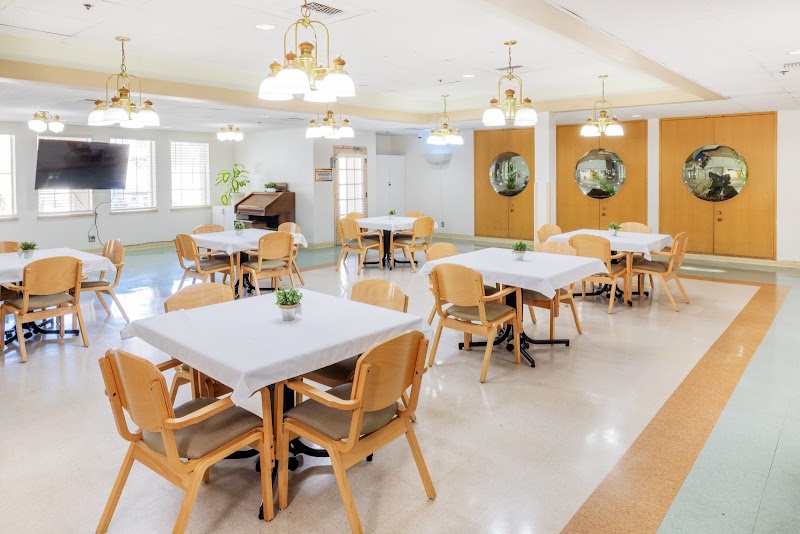
How is Sundance Creek Post Acute Staffed?

CMS rates SUNDANCE CREEK POST ACUTE's staffing level at 1 out of 5 stars, which is much below average compared to other nursing homes. Staff turnover is 38%, compared to the California average of 46%. This relatively stable workforce can support continuity of care.

What Have Inspectors Found at Sundance Creek Post Acute?

State health inspectors documented 74 deficiencies at SUNDANCE CREEK POST ACUTE during 2019 to 2025. These included: 74 with potential for harm. While no single deficiency reached the most serious levels, the total volume warrants attention from prospective families.
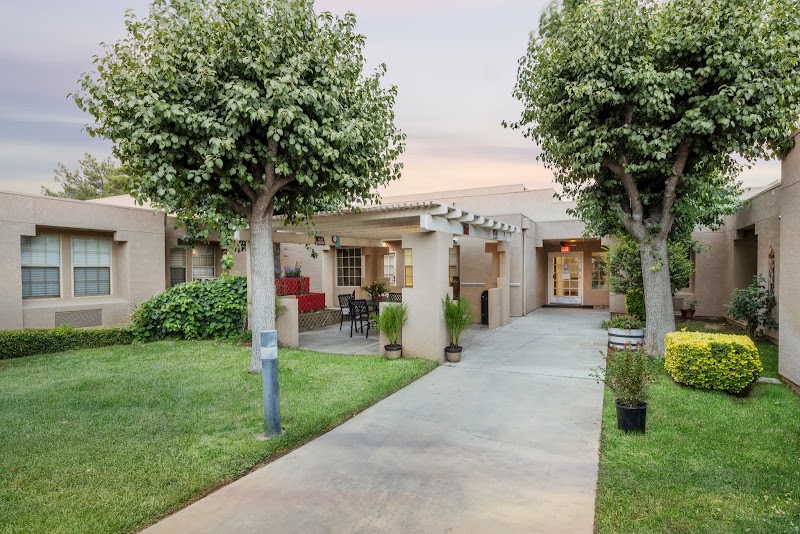
Who Owns and Operates Sundance Creek Post Acute?

SUNDANCE CREEK POST ACUTE is owned by a for-profit company. For-profit facilities operate as businesses with obligations to shareholders or private owners. The facility is operated by PACS GROUP, a chain that manages multiple nursing homes. With 132 certified beds and approximately 125 residents (about 95% occupancy), it is a mid-sized facility located in BANNING, California.

How Does Sundance Creek Post Acute Compare to Other California Nursing Homes?

Compared to the 100 nursing homes in California, SUNDANCE CREEK POST ACUTE's overall rating (1 stars) is below the state average of 3.1, staff turnover (38%) is near the state average of 46%, and health inspection rating (1 stars) is much below the national benchmark.

What Should Families Ask When Visiting Sundance Creek Post Acute?

Based on this facility's data, families visiting should ask: "Can you walk me through typical staffing levels on day, evening, and night shifts?" "Can I visit during a mealtime to observe dining assistance and food quality?" "How do you handle medical emergencies, and what is your hospital transfer rate?" "Can I speak with family members of current residents about their experience?" These questions are particularly relevant given the below-average staffing rating.

Is Sundance Creek Post Acute Safe?

Based on CMS inspection data, SUNDANCE CREEK POST ACUTE has a clean safety record: no substantiated abuse findings (meaning no confirmed cases of resident harm), no Immediate Jeopardy citations (the most serious violation level indicating risk of serious injury or death), and is not on the Special Focus Facility watch list (a federal program monitoring the lowest-performing 1% of nursing homes). The facility has a 1-star overall rating and ranks #100 of 100 nursing homes in California. While no facility is perfect, families should still ask about staff-to-resident ratios and recent inspection results during their visit.

Do Nurses at Sundance Creek Post Acute Stick Around?

SUNDANCE CREEK POST ACUTE has a staff turnover rate of 38%, which is about average for California nursing homes (state average: 46%). Moderate turnover is common in nursing homes, but families should still ask about staff tenure and how the facility maintains care continuity when employees leave.

Was Sundance Creek Post Acute Ever Fined?

SUNDANCE CREEK POST ACUTE has been fined $3,304 across 1 penalty action. This is below the California average of $33,112. While any fine indicates a compliance issue, fines under $50,000 are relatively common and typically reflect isolated problems that were subsequently corrected. Families should ask what specific issues led to these fines and confirm they've been resolved.

Is Sundance Creek Post Acute on Any Federal Watch List?

SUNDANCE CREEK POST ACUTE is not on any federal watch list. The most significant is the Special Focus Facility (SFF) program, which identifies the bottom 1% of nursing homes nationally based on persistent, serious quality problems. Not being on this list means the facility has avoided the pattern of deficiencies that triggers enhanced federal oversight. This is a positive indicator, though families should still review the facility's inspection history directly.