
SUNRISE POST ACUTE

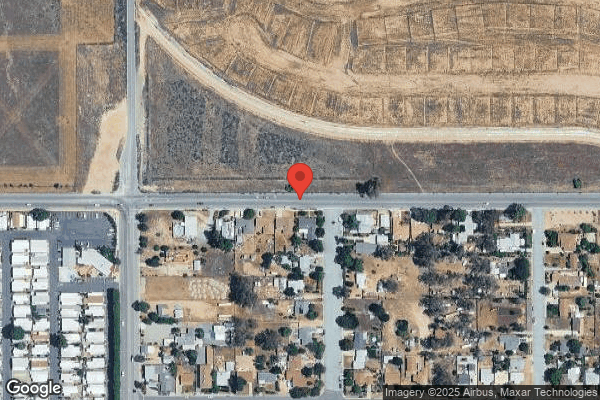
3476 W. WILSON ST., BANNING, CA 92220 (951) 849-4723
For profit - Limited Liability company 64 Beds PACS GROUP Data: November 2025 3 Immediate Jeopardy citations
Trust Grade
0/100
#915 of 1155 in CA
Last Inspection: August 2024

Within standard 12-15 month inspection cycle. Federal law requires annual inspections.

Overview

Sunrise Post Acute in Banning, California has received a Trust Grade of F, indicating significant concerns about its operations and quality of care. With a state rank of #915 out of 1155, the facility is in the bottom half of California nursing homes, and it is ranked #44 out of 53 in Riverside County. Despite recent improvements in their trend, reducing issues from 17 in 2024 to 6 in 2025, the facility still has a troubling history, including critical incidents such as unsanitary food preparation practices that could lead to foodborne illness for many residents and a failure to protect a resident from physical abuse, resulting in severe injuries and a fatality. Staffing levels are a mixed bag; while the turnover rate of 18% is good compared to the state average, RN coverage is low, being worse than 84% of other California facilities, which raises concerns about the quality of medical oversight. Additionally, the facility has incurred fines totaling $13,624, which is average in context, but the overall health inspection rating of 1 out of 5 stars suggests that there are serious deficiencies that families should consider.

Trust Score
F
0/100
In California
#915/1155
Bottom 21%
Safety Record
High Risk
Review needed
Inspections
Getting Better
17 → 6 violations
Staff Stability
✓ Good
18% annual turnover. Excellent stability, 30 points below California's 48% average. Staff who stay learn residents' needs.
Penalties
○ Average
$13,624 in fines. Higher than 70% of California facilities. Some compliance issues.
Skilled Nurses
⚠ Watch
Each resident gets only 17 minutes of Registered Nurse (RN) attention daily — below average for California. Fewer RN minutes means fewer trained eyes watching for problems.
Violations
⚠ Watch
46 deficiencies on record. Higher than average. Multiple issues found across inspections.
★★☆☆☆
2.0
Overall Rating
★★☆☆☆
2.0
Staff Levels
★★★★★
5.0
Care Quality
★☆☆☆☆
1.0
Inspection Score
Stable
2024: 17 issues
2025: 6 issues

The Good

  • 5-Star Quality Measures · Strong clinical quality outcomes
  • Low Staff Turnover (18%) · Staff stability means consistent care
  • Full Sprinkler Coverage · Fire safety systems throughout facility
  • No fines on record
  • Staff turnover is low (18%)

    30 points below California average of 48%

Facility shows strength in quality measures, staff retention, fire safety.

The Bad

2-Star Overall Rating

Below California average (3.1)

Below average - review inspection findings carefully

Federal Fines: $13,624

Below median ($33,413)

Minor penalties assessed

Chain: PACS GROUP

Part of a multi-facility chain

Ask about local staffing decisions and management

The Ugly 46 deficiencies on record

3 life-threatening 1 actual harm
May 2025 3 deficiencies 1 IJ
CRITICAL (J) 📢 Someone Reported This

A family member, employee, or ombudsman was alarmed enough to file a formal complaint

Immediate Jeopardy (IJ) - the most serious Medicare violation

Free from Abuse/Neglect (Tag F0600)

Someone could have died · This affected 1 resident

**NOTE- TERMS IN BRACKETS HAVE BEEN EDITED TO PROTECT CONFIDENTIALITY** Based on interview and record review, the facility failed for one of two sampled residents (Resident 2), to protect the resident...

Read full inspector narrative →
**NOTE- TERMS IN BRACKETS HAVE BEEN EDITED TO PROTECT CONFIDENTIALITY** Based on interview and record review, the facility failed for one of two sampled residents (Resident 2), to protect the resident ' s rights to be free from physical abuse by a resident, when a resident (Resident 1), diagnosed with dementia, and anxiety with no identified behavioral triggers, was moved rooms multiple times due to intolerance to noise without assessing the resident ' s individual needs. The failure of the facility in assessing resident ' s need for appropriate room placement resulted in Resident 1 assaulting Resident 2 who exhibited frequent moaning, mumbling, and yelling. Resident 2 sustained lacerations (a cut in the skin) to the head, extensive facial fractures (a break in a bone), two right rib fractures and L1 vertebra fracture (a break on the first bone on the lower back) and later passed away in the hospital. On May 13, 2025, at 4:45 p.m., the Administrator (ADM) and Director of Nursing (DON) were verbally notified of an Immediate Jeopardy (IJ- situation in which the provider's noncompliance with one or more requirements of participation has caused or likely to cause serious injury, harm, impairment, or death to a resident), due to the facility's failure to assess residents ' needs and preferences during room changes. Resident 1 ' s preferences of a quiet room was not assessed, and his care plan was not revised to ensure his needs were met. On May 14, 2025, at 9:30 a.m., the ADM and DON were notified an extended survey would be conducted due to the substandard quality of care issues. On May 14, 2025, at 5:25 p.m., the ADM and DON presented an acceptable IJ removal plan. On May 14, 2025, at 6:03 p.m., the immediate jeopardy was removed in the presence of the ADM and the DON, upon verification of the implementation of the IJ removal plan. Findings: On May 9, 2025, Resident 2 ' s admission record was reviewed. Resident 2 was admitted to the facility on [DATE], with diagnoses which included dementia (memory loss), impulse disorder (a mental health condition) and hospice care services (specialized end-of-life care). A review of Resident 2's History and Physical, dated April 9, 2023, indicated Resident 2 does not have the capacity to understand and make decisions. A review of Resident 2's Minimum data Set (MDS-an assessment tool), dated March 25, 2025, indicated a Brief Interview for Mental Status (BIMS - a tool used to identify the cognitive condition of a resident) score of 3 (severe cognitive impairment). A review of Resident 2's IDT (Interdisciplinary Team) Note, dated May 8, 2025, indicated, at 2 a.m. on 5/8/2025, a Certified Nursing Assistant (CNA) visited Resident 2 in his room and found him with blood stain on his face and both hands. The document further indicated it was reported immediately to the charge nurse and 911 was called. The police department, hospice services, physicians, the California Department of Public Health (CDPH), long term care Ombudsman (resident advocate) and the family were notified, and Resident 2 was transferred to the hospital for further treatment. A review of Resident 2's Nurse ' s Note, documented by Licensed Vocational Nurse (LVN) 1, on May 8, 2025, at 3:22 a.m., indicated that on May 8, 2025, at 2 a.m., a CNA went to the nursing station and reported there was a blood bath in Resident 2 ' s room. The document further indicated, the staff found Resident 2 in bed lying on his right side, awake, and was responsive to touch and noted to have lacerations to both sides of his face, hands, and arms. There was blood noted on Resident 2 ' s pillow and on the ceiling and wall away from his immediate bed area. The document further indicated, staff called 911 and the incident was reported to the local police department. At approximately 2:15 a.m., police arrived and assessed the residents and questioned the suspected abuser in bed A (Resident 1). At 2:25 a.m., the paramedics arrived and took Resident 2 to a local hospital. Staff made police and paramedics aware that Resident 2 was on hospice care. A review of Resident 2's Social Service Notes, dated May 8, 2025, at 9:55 a.m., indicated, .resident (Resident 2) was transfer to (initials of hospital) due to altercation with roomate (sic) overnight . A review of Resident 2's Care Plan, dated June 10, 2022, indicated, .Problem with behavior related to socially inappropriate/disruptive behavior manifested by constant shouting .Goal: Will have 0-1 episode of constant crying daily x3 months .Interventions: observe and assess for possible cause of shouting and intervene immediately .report to MD if with uncontrollable shouting . A review of Resident 2 ' s Emergency Department Note - Physician, dated May 8, 2025 at 5:36 a.m., indicated, .exam reveals extensive complex laceration ranging from right forehead across the bridge of the nose to the left eyelid .nose is unstable .bilateral (both) eyes are swollen shut .when opened there is severe chemosis (eye swelling) .ecchymosis (bruising) to the chest .small laceration to the upper gum .patient has extensive facial fracturing .has an inferior (below) blowout fracture on the right .with muscle protrusion (sticking out) .rib fractures .and fracture of L1 (lumbar area - lower part of back) vertebra . On May 9, 2025, Resident 1' s admission record was reviewed. Resident 1 was admitted to the facility on [DATE], with diagnoses which included dementia (memory loss) and a history of being a registered sex-offender on parole (an individual convicted of a sex crime required to register with law enforcement and released from prison under parole supervision) and wore an ankle bracelet (a device used to track the location and movements of an individual under the supervision of the criminal justice system) for monitoring. A review of Resident 1's History and Physical, dated January 15, 2025, indicated Resident 1 has the capacity to make needs known but not able to make medical decisions. A review of Resident 1's MDS, dated [DATE], indicated a BIMS score of 3 (severe cognitive impairment). A review of Resident 1's IDT Note, dated May 8, 2025, indicated at around 2 a.m., a report of an unwitnessed interaction occurred in Resident 1 ' s room. Resident 1 was found on his bed, covered with the sheet and refused to be assessed and interviewed. There was blood stain noted on the wall and ceiling in the room, and both Residents 1 and 2 were lying on their beds. The document further indicated the two residents (Residents 1 and 2) had no prior history and Resident 1 had no prior history of aggressive behaviors towards Resident 1. During interview with the law enforcer, Resident 1 admitted hitting Resident 2 because he made too much noise. Resident 1 was taken into custody by the local police department. A review of Resident 1's eINTERACT Change of Condition, dated May 8, 2025, indicated, at around 2 a.m., a CNA reported a blood bath in Resident 1 ' s room. Resident 1 was lying face down in bed with sheet covering his entire body, and he refused to be interviewed and assessed by LVN. Staff called 911 and police. The document further indicated Resident 1 was interviewed, and he stated he (Resident 2) makes too much noise, and I hit him. The document further indicated Resident 1 was observed to have blood on his hands and body and was escorted by the police. A review of Resident 1's Care Plan, dated December 12, 2024, indicated, .Resident is at risk for physical and verbal aggression r/t Dementia, and is a registered sex offender on parole, wears an ankle bracelet .Goal: Will have no evidence of behavior problems by review date .Interventions: monitor behavior episodes and attempt to determine underlying cause .consider location, time of day, persons involved, and situations .document behavior and potential causes . Further review of Resident 1 ' s records indicated that he had room changes, since admission, on the following dates: - 1/24/25 - moved from 14A to 19A - 1/26/35 - moved from 19A to 31A - 2/13/25 - moved from 31A to 19A - 3/1/25 - moved from 19A to 14B - 3/19/25 - moved from 14A to 25A - 5/5/25 - moved from 25A to 34B - 5/7/25 - moved from 34B to 31B - 5/8/25 - moved from 31B to 30A On May 9, 2025, at 2:11 p.m., Resident 3 was interviewed. Resident 3 stated three days ago, Resident 1 was his roommate and then was transferred to another room. Resident 3 stated, Resident 1 yelled at him regarding his music and got out of bed as if he was going to come at me. Resident 3 stated, Resident 1 stood at him and with clenched fist. Resident 3 stated, the Licensed Vocational Nurse (LVN) 2 overheard and intervened. On May 9, 2025, at 3:05 p.m., LVN 2 was interviewed. LVN 2 stated Residents 1 and 3 used to be roommates before. LVN 2 stated he recalled Resident 1 complained about Resident 3 ' s loud television and radio and he had to intervene because Resident 1 became upset at Resident 3. LVN further stated, he notified the Director of Nursing (DON) and Resident 1was moved to a different room due to the roommate's (Resident 3) noise. On May 9, 2025, at 4:32 p.m., Certified Nursing Assistant (CNA) 1 was interviewed. CNA 1 stated Resident 1 recently had been upset about his ankle bracelet and would refuse to charge it. CNA 1 stated she was instructed to report any changes in Resident 1 ' s behavior to the charge nurses. CNA 1 stated, she knew Resident 1 and he did not like noise. CNA 1 further stated, it was a terrible idea to place him in the same room with Resident 2 who constantly moaned and yelled. On May 12, 2025, at 3:22 p.m., a concurrent interview and records review of Resident 1 ' s room change forms was conducted with the Case Manager. The CM stated nursing staff would let her know if there was a room change request, and she would complete a room change form for the residents. The CM stated nursing would assess for compatibility, and she would only write the resident ' s names on the form and indicate the old and new room numbers for each resident. The CM stated she did not know the reasons of why Resident 1 had those room changes. The CM stated there were no assessments or reason of the move documented on the forms. The CM further stated it would help to have them written on the forms to help track the room changes and avoid any problems with incompatibilities. On May 13, 2025, at 10:09 a.m., an interview was conducted with Registered Nurse (RN) 1. RN 1 stated room change process included identifying the reasons for the move and assessing for compatibility. RN 1 stated staff were conducting assessments, but not documenting the assessments or the reason for the room change in the residents ' records. RN 1 stated staff should have identified that Resident 1 did not like noise and should not have been placed with Resident 2 who constantly moaned and yelled. RN 1 further stated, staff should have documented the assessments and reason for moving Resident 1 to a new room to make staff aware of any incompatibilities and avoid any arguments or harm. On May 13, 2025, at 10:20 a.m., a concurrent interview and record review of Resident 1 ' s room changes since admission were conducted with the DON. The DON stated there were no documented evidence room preference and assessments conducted for Resident 1. The DON further stated, there were no documentation of the reasons for moving Resident 1 into a new room on his records and on the room change forms for all the room changes that had occurred for Resident 1. The DON further stated staff should have been documenting them to track compatibility and identify any issues between Resident 1 and other residents; and to avoid an altercation or injury. A review of facility policy and procedures titled Room Change, revised 2021, indicated, .changes in room or roommate assignment are made when the facility deems it necessary or when the resident requests the change .resident preferences are taken into account when such changes are considered .the patients involved with room change will be assessed by facility staff for compatibility and appropriateness .final approval for room changes will be approved by DON, if DON is not available, MDS or RN Supervisor will provide final approval .documentation or a room change is recorded in the resident ' s medical records .inquiries concerning room changes should be referred to the administrator . A review of facility policy and procedures titled Resident-to-Resident Altercations, revised September 2022, indicated, .all altercations, including those that may represent resident-to-resident abuse, are investigated and reported to the nursing supervisor, the director of nursing services and to the administrator .facility staff monitor residents for aggressive/inappropriate behaviors towards other residents, family members, visitors, or to the staff .behaviors that may provoke a reaction by residents or others include .physically aggressive behavior, such as hitting, kicking, grabbing .pushing/shoving .threatening gestures .
SERIOUS (G) 📢 Someone Reported This

A family member, employee, or ombudsman was alarmed enough to file a formal complaint

Actual Harm - a resident was hurt due to facility failures

Deficiency F0657 (Tag F0657)

A resident was harmed · This affected 1 resident

**NOTE- TERMS IN BRACKETS HAVE BEEN EDITED TO PROTECT CONFIDENTIALITY** Based on interview and record review, the facility failed to review and revise the care plan (a document that outlines a patient...

Read full inspector narrative →
**NOTE- TERMS IN BRACKETS HAVE BEEN EDITED TO PROTECT CONFIDENTIALITY** Based on interview and record review, the facility failed to review and revise the care plan (a document that outlines a patient's current health status, diagnoses, treatment goals, and interventions) to address the potential risk for physical agression related to the resident's preference for a quiet environment for one of two sampled residents (Resident 1). This failure resulted in Resident 1 being placed in a room with a resident (Resident 2), who exhibits behaviors of moaning and yelling, which subsequently resulted in Resident 1 assaulting Resident 2, with Resident 2 sustaining lacerations, extensive facial fractures, rib fractures and vertebra fracture. Resident 2 was transferred to the general acute care hospital (GACH), where the resident expired. Findings: On [DATE], Resident 2 ' s admission record was reviewed. Resident 2 was admitted to the facility on [DATE], with diagnoses which included dementia (memory loss), impulse disorder (a mental health condition) and hospice care services (specialized end-of-life care). A review of Resident 2's History and Physical, dated [DATE], indicated Resident 2 does not have the capacity to understand and make decisions. A review of Resident 2's Minimum data Set (an assessment tool), dated [DATE], indicated a Brief Interview for Mental Status (BIMS - a tool used to identify the cognitive condition of a resident) score of 3 (severe cognitive impairment). A review of Resident 2's IDT (Interdisciplinary Team) Note, dated [DATE], indicated, at 2 a.m. on [DATE], a CNA visited Resident 2 in his room and found him with blood stain on his face and both hands. The document further indicated it was reported immediately to the charge nurse and 911 was called. The police department, hospice services, physicians, the California Department of Public Health (CDPH), long term care Ombudsman (resident advocate) and the family were notified, and Resident 2 was transferred to the hospital for further treatment. A review of Resident 2's Nurse ' s Note, documented by Licensed Vocational Nurse (LVN) 1, on [DATE], at 3:22 a.m., indicated that on [DATE], at 2:00 a.m., a Certified Nursing Assistant (CNA) went to the nursing station and reported there was a blood bath in Resident 2 ' s room. The document further indicated, the staff found Resident 2 in bed lying on his right side, awake, and was responsive to touch. There was blood noted on Resident 2 ' s pillow and on the ceiling and wall away from his immediate bed area. LVN 1 further documented, Resident 2 was observed to have lacerations to both sides of his face, hands, and arms. LVN 1 called 911 and Resident 2 was transferred to the hospital on [DATE], at around 2:25 a.m. LVN 1 further documented, police and paramedics were made aware that Resident 2 was on hospice care. LVN 1 indicated that physicians, family, facility Administrator (ADM) and DON (Director of Nursing) and reported the incident to the Ombudsman and CDPH were all notified of the incident. A review of Resident 2's Social Service Notes, dated [DATE], at 9:55 a.m., indicated, . resident was transfer to (initials of hospital) due to altercation with roomate (sic) overnight A review of Resident 2's Care Plan, dated [DATE], indicated, .Problem with behavior related to socially inappropriate/disruptive behavior manifested by constant shouting .Goal: Will have 0-1 episode of constant crying daily x3 months .Interventions: observe and assess for possible cause of shouting and intervene immediately .report to MD if with uncontrollable shouting . On [DATE], Resident 1' s admission record was reviewed. Resident 1 was admitted to the facility on [DATE], with diagnoses which included dementia (memory loss) and a history of being a registered sex-offender on parole (an individual convicted of a sex crime required to register with law enforcement and released from prison under parole supervision) and wore an ankle bracelet (a device used to track the location and movements of an individual under the supervision of the criminal justice system) for monitoring. A review of Resident 1's Care Plan, initiated on [DATE], indicated, .Resident is at risk for physical and verbal aggression r/t Dementia, and is a registered sex offender on parole, wears an ankle bracelet .Goal: Will have no evidence of behavior problems by review date .Interventions: monitor behavior episodes and attempt to determine underlying cause .consider location, time of day, persons involved, and situations .document behavior and potential causes . A review of the care plan did not indicate that the facility reviewed and revise the care plan to address the individualized need of Resident 1, which was a quiet room. A review of Resident 1's History and Physical, dated [DATE], indicated Resident 1 has the capacity to make needs known but not able to make medical decisions. A review of Resident 1's MDS, dated [DATE], indicated a BIMS score of 3 (severe cognitive impairment). Further review of Resident 1 ' s records indicated that he had room changes, since admission, on the following dates: - [DATE] - moved from 14A to 19A - [DATE] - moved from 19A to 31A - [DATE] - moved from 31A to 19A - [DATE] - moved from 19A to 14B - [DATE] - moved from 14A to 25A - [DATE] - moved from 25A to 34B - [DATE] - moved from 34B to 31B - [DATE] - moved from 31B to 30A. A review of Resident 1's IDT Note, dated [DATE], indicated at around 2 a.m. a resident interaction had occurred in Resident 1 ' s room. There was blood stain noted on the wall and ceiling in the room, and both Residents 1 and 2 were lying on their beds. The document further indicated, from an interview with Resident 1 by the law enforcer, Resident 1 admitted hitting Resident 2 because he made too much noise. Resident 1 was then escorted by a law enforcer and was sent out under the custody of (name of police department). A review of Resident 1's eINTERACT Change of Condition, dated [DATE], indicated, at around 2 a.m., a CNA reported a blood bath in Resident 1 ' s room. Resident 1 was lying face down in bed with sheet covering his entire body, and he refused to be interviewed and assessed by LVN. The law enforcement and 911 were notified. The document further indicated Resident 1 admitted to the law enforcer that he hit Resident 2 because he made too much noise. Resident 1 was observed to have blood on his hands and body as he was being escorted by the law enforcer to be taken in custody. On [DATE], at 2:11 p.m., Resident 3 was interviewed. Resident 3 stated three days ago, Resident 1 was his roommate and then was transferred to another room. Resident 3 stated, Resident 1 yelled at him regarding his music and got out of bed as if he was going to come at me. Resident 3 stated, Resident 1 stood at him and with clenched fist. Resident 3 stated, the Licensed Vocational Nurse (LVN) 2 overheard and intervened. On [DATE], at 3:05 p.m., LVN 2 was interviewed. LVN 2 stated Residents 1 and 3 used to be roommates before. LVN 2 stated a few days ago, he recalled Resident 1 complain about Resident 3 ' s loud television and radio and he had to intervene because Resident 1 became upset at Resident 3. LVN 2 stated Resident 1 preferred a dark and quiet room and was moved to a different room that time. LVN 2 stated Resident 1 usually kept to himself and was on behavioral monitoring for refusing to charge his ankle monitor. LVN 2 stated he was not sure if he had a care plan about not liking noise. LVN 2 stated, he should have checked with the charge Registered Nurse (RN) 1 so that Resident 1 ' s preferences were addressed and could have prevented Resident 1 from hitting Resident 2. On [DATE], at 2:17 p.m., a concurrent interview and record review of Resident 1 ' s behavior monitoring was conducted with RN 1. RN 1 stated Resident 1 was usually quiet and kept to himself, she further stated, she recalled last month, Resident 1 complained about his ankle monitor and had multiple episodes of agitation. RN 1 stated they started to monitor his behaviors that time and had an order for Hydroxyzine (medication to help control anxiety) as needed. RN1 stated Resident 1 ' s care plan should have been revised to include assessing the resident during room changes and providing a quiet environment. RN 1 further stated, the interventions could have helped prevent Resident 1 from being triggered by Resident 2 ' s frequent talking and yelling behaviors. On [DATE], at 4:28 p.m., a concurrent interview and record review of Resident 1 ' s care plan was conducted with the DON. The DON stated Resident 1 had multiple room changes and she identified that he preferred a quiet room. The DON stated Resident 1 ' s care plan should have been revised to address his quiet room preferences, she further stated, she had been focused on moving him away from the noise instead of addressing his needs. The DON stated his care plan and interventions were updated, it could have prevented the incident and assault on Resident 2. A review of the facility policy and procedure titled, Care Plans, Comprehensive Person-Centered, revised [DATE], indicated .a comprehensive, person-centered care plan that includes measurable objectives and timetables to meet the resident ' s physical, psychosocial and functional needs is developed and implemented for each resident .the care plan interventions are derived from a thorough analysis of the information gathered as part of the comprehensive assessment .Care plan interventions are chosen only after data gathering, proper sequencing of events, careful consideration of the relationship between the resident ' s problem areas and their causes, and relevant clinical decision making .When possible, interventions address the underlying source(s) of the problem area(s), not just symptoms or triggers .Assessments of residents are ongoing and care plans are revised as information about the residents and the residents ' conditions change .The interdisciplinary team reviews and updates the care plan .when there has been a significant change in the resident ' s condition .when the desired outcome is not met .
CONCERN (D) 📢 Someone Reported This

A family member, employee, or ombudsman was alarmed enough to file a formal complaint

Potential for Harm - no one hurt, but risky conditions existed

Report Alleged Abuse (Tag F0609)

Could have caused harm · This affected 1 resident

**NOTE- TERMS IN BRACKETS HAVE BEEN EDITED TO PROTECT CONFIDENTIALITY** Based on interview and record review, the facility failed to ensure a report with sufficient information to describe the alleged...

Read full inspector narrative →
**NOTE- TERMS IN BRACKETS HAVE BEEN EDITED TO PROTECT CONFIDENTIALITY** Based on interview and record review, the facility failed to ensure a report with sufficient information to describe the alleged physical abuse that occurred between two residents (Residents 1 and 2) was provided to the State Agency (SA) and Long Term Care (LTC) Ombudsman (a resident advocate) on May 8, 2025. This failure had the potential for the SA and other officials to receive misleading informations which could negatively affect the investigation compromising the safety of the residents at the facility. Findings: On May 9, 2025, Resident 2 ' s admission record was reviewed. Resident 2 was admitted to the facility on [DATE], with diagnoses which included dementia (memory loss), impulse disorder (a mental health condition) and hospice care services (specialized end-of-life care). A review of Resident 2's History and Physical, dated April 9, 2023, indicated Resident 2 does not have the capacity to understand and make decisions. A review of Resident 2's IDT (Interdisciplinary Team) Note, dated May 8, 2025, indicated, at 2 a.m. on 5/8/2025, a Certified Nursing Assistant (CNA) visited Resident 2 in his room and found him with blood stain on his face and both hands. The document further indicated it was reported immediately to the charge nurse and 911 was called. The police department, hospice services, physicians, the California Department of Public Health (CDPH), long term care Ombudsman (resident advocate) and the family were notified, and Resident 2 was transferred to the hospital for further treatment. A review of Resident 2's Nurse ' s Note, documented by Licensed Vocational Nurse (LVN) 1, on May 8, 2025, at 3:22 a.m., indicated that on May 8, 2025, at 2 a.m., a CNA went to the nursing station and reported there was a blood bath in Resident 2 ' s room. The document further indicated, the staff found Resident 2 in bed lying on his right side, awake, and was responsive to touch and noted to have lacerations to both sides of his face, hands, and arms. There was blood noted on Resident 2 ' s pillow and on the ceiling and wall away from his immediate bed area. The document further indicated, staff called 911 and the incident was reported to the local police department. At approximately 2:15 a.m., police arrived and assessed the residents and questioned the suspected abuser in bed A (Resident 1). At 2:25 a.m., the paramedics arrived and took Resident 2 to a local hospital. Staff made police and paramedics aware that Resident 2 was on hospice care. On May 9, 2025, Resident 1' s records was reviewed. Resident 1 was admitted to the facility on [DATE], with diagnoses which included dementia (memory loss) and a history of being a registered sex-offender on parole (an individual convicted of a sex crime required to register with law enforcement and released from prison under parole supervision) and wore an ankle bracelet (a device used to track the location and movements of an individual under the supervision of the criminal justice system) for monitoring. A review of Resident 1's History and Physical, dated January 15, 2025, indicated Resident 1 has the capacity to make needs known but not able to make medical decisions. A review of Resident 1's IDT Note, dated May 8, 2025, indicated at around 2 a.m., a report of an unwitnessed interaction occurred in Resident 1 ' s room. Resident 1 was found on his bed, covered with the sheet and refused to be assessed and interviewed. There was blood stain noted on the wall and ceiling in the room, and both Residents 1 and 2 were lying on their beds. The document further indicated the two residents (Residents 1 and 2) had no prior history and Resident 1 had no prior history of aggressive behaviors towards Resident 1. During interview with the law enforcer, Resident 1 admitted hitting Resident 2 because he made too much noise. Resident 1 was taken into custody by the local police department. A review of Resident 1's eINTERACT Change of Condition, dated May 8, 2025, indicated, at around 2 a.m., a CNA reported a blood bath in Resident 1 ' s room. Resident 1 was lying face down in bed with sheet covering his entire body, and he refused to be interviewed and assessed by LVN. Staff called 911 and police. The document further indicated Resident 1 was interviewed, and he stated he (Resident 2) makes too much noise, and I hit him. The document further indicated Resident 1 was observed to have blood on his hands and body and was escorted by the police. A review of the faxed (facsimile - telephonic transmission of scanned-in printed material) transmittal document titled SOC 341 form, dated May 8, 2025, did not indicate pertinent details on the alleged physical abuse involving two residents (Resident 1 and 2). On May 12, 2025, at 2:05 p.m., an interview was conducted with Registered Nurse (RN) 1. RN 1 stated when reporting an incident, a brief description of the event, time, date, names of residents involved should be included on the SOC 341 form. RN 1 stated after the incident between Residents 1 and 2 on May 8, 2025, she was asked to fax the form to SA and the Ombudsman. RN 1 stated she did not complete the form and did not realize it only said allegation on it. RN 1 stated she should have checked it for accuracy before faxing it. RN 1 further stated when reporting an incident, the form should have included important details to ensure the agencies being reported to were made aware of the safety of residents and could advocate for them. On May 13, 2025, at 1:02 p.m., a concurrent interview and record review of the SOC 341 faxed by the facility to the Ombudsman, was conducted with the Administrator (ADM). The ADM stated for reporting any incident, the expectation was for staff to complete the SOC 341 form with the important information so that local agencies and Ombudsman would be made aware of the details of the incident being reported. The ADM stated the staff should not have only put allegation on the form and should have included more information so that agencies were aware of the incident and the Ombudsman could offer assistance and advocate for the residents involved and the other residents in the facility. A review of facility policy and procedure titled, Abuse, Neglect, Exploitation or Misappropriation - Reporting and Investigating, revised September 2022, indicated, .all reports of resident abuse are reported to local, state and federal agencies and thoroughly investigated by facility management .verbal/written notices to agencies are submitted via .fax, e-mail, or by telephone .notices include, as appropriate .the resident ' s name, the resident ' s room number, the type of abuse that is alleged, the date and time the alleged incident occurred, the names of all persons involved in the alleged incident, and what immediate action was taken by the facility .the investigator notifies the ombudsman that an abuse investigation is being conducted .the ombudsman is notified of the results of the investigation as well as any other corrective measures taken .
Jan 2025 3 deficiencies
CONCERN (D) 📢 Someone Reported This

A family member, employee, or ombudsman was alarmed enough to file a formal complaint

Potential for Harm - no one hurt, but risky conditions existed

Deficiency F0578 (Tag F0578)

Could have caused harm · This affected 1 resident

**NOTE- TERMS IN BRACKETS HAVE BEEN EDITED TO PROTECT CONFIDENTIALITY** Based on observation, interview, and record review, the facility failed, for one of three residents (Resident 1), to ensure an A...

Read full inspector narrative →
**NOTE- TERMS IN BRACKETS HAVE BEEN EDITED TO PROTECT CONFIDENTIALITY** Based on observation, interview, and record review, the facility failed, for one of three residents (Resident 1), to ensure an Advance Directive Acknowledgement (AD- written instruction such as living will or durable power of attorney for health care about the provision of care and services the resident preferred when he is no longer able to decide for himself), Consent to Treat, POLST (Physician Orders for Life Sustaining Treatment - a physician's order that outlines a plan for end of life care reflecting both a resident's preference and a physician's judgement based on medical evaluation), and Bed Hold Notification Policy were initiated and/or discussed with the resident, family member, and/or legal representative upon admission to the facility. This failure had the potential for the residents to receive unnecessary care/treatment and services. Findings: On January 2, 2025, at 10:55 a.m., an interview with a concurrent record review was conducted with the Social Service Director (SSD) regarding Resident 1. Resident 1 was admitted to the facility on [DATE], with diagnoses that included dementia (a progressive disease that affects memory and other important mental functions). Resident 1's face sheet did not indicate an appointed responsible person (an individual authorized by the resident to act for him as an official delegate or agent) for Resident 1. The history and physical, dated December 18, 2024, indicated Resident 1 had a diagnosis of dementia and he can make needs known but cannot make medical decisions. The following records located in Resident 1's chart were undated, not completely filled out, and did not have a Resident Representative signature: - Advanced Directive Acknowledgement; - Bed Hold Notification Policy; - Consent To Treat; -Physician Orders for Life-Sustaining Treatment (POLST); The following duplicate documents, dated December 27, 2024, and signed by Resident 1's family member, were also located in Resident 1's chart. - Consent to Treat; - Advance Directives/Medical Treatment Decision The document titled, (Name of acute Hospital), dated December 14, 2024 was reviewed. The document indicated Resident 1 was brought to the hospital on December 14, 2024, due to concerns of neglect by the appointed power of attorney (a court-ordered arrangement where a judge appoints a person to make decisions for another adult who cannot care for themselves) of Resident 1. The Adult Protective Services (APS - provides services to adults who are at risk of abuse, neglect, or exploitation) referred Resident 1's case to Public Guardians office for Conservatorship (a court-ordered arrangement where a judge appoints a person to make decisions for another adult who cannot care for themselves). In a concurrent interview the SSD stated Resident 1 did not have the capacity to make medical decisions for himself. The SSD further stated Resident 1 currently did not have an assigned Responsible Party since his admission to the facility on December 17, 2024. The SSD stated the facility should have contacted APS again within the first 24 hours of admission to check the status of the case and locate next of kin. The SSD stated this had not been done because she had been overwhelmed with other cases. The SSD stated the Consent to Treat and the Advance Directives/Medical Treatment Decisions, signed by Resident 1's family member on December 27, 2024, were invalid because the family member was not the legally appointed decision-maker. The SSD further stated when Resident 1's physician determined that Resident 1 did not have the capacity to make medical decisions, the facility should have made attempts to locate family members and apply for Conservatorship (a guardian or protector appointed by the judge to manage financial affairs and and/or daily life of another due to physical or mental limitations). On January 2, 2025, at 12:27 p.m., Registered Nurse (RN) 1 was interviewed. RN 1 stated she was aware, from admission, that Resident 1 did not have a legal representative to sign the Consent to treat, Advance Directive Acknowledgement, Bed Hold Notification Policy, and POLST. RN 1 stated Resident 1's lack of a legal representative should have been addressed with the bioethics committee (a group within the facility that is responsible for addressing and advising on issues related to patient care) and/or IDT team (is a group of professionals from various disciplines who collaborate to provide care for residents) as soon as it was identified upon admission. RN 1 stated this was not done. RN 1 stated the reason the Consent to Treat and other documents needed to be signed by a responsible party from the time of admission was due to the need for implied consent. The facility's policy and procedure titled,Bioethics Policy, dated December 2015 was reviewed. The policy indicated, .The Center will strive to uphold the resident's rights of individual choice regarding treatment options and life-sustaining measures .To provide an avenue for care providers, physicians, patients and/or their families to express concerns, participate in decision - making and see guidance in approaching situations that are actual or potential ethical dilemmas Issues that may necessitate Bioethics Council . A cognitively impaired resident without a surrogate decision maker needs specific medical treatment .
CONCERN (D) 📢 Someone Reported This

A family member, employee, or ombudsman was alarmed enough to file a formal complaint

Potential for Harm - no one hurt, but risky conditions existed

Comprehensive Care Plan (Tag F0656)

Could have caused harm · This affected 1 resident

**NOTE- TERMS IN BRACKETS HAVE BEEN EDITED TO PROTECT CONFIDENTIALITY** Based on observation, interview, and record review the facility failed to ensure, for two of three residents (Residents 1 and 2)...

Read full inspector narrative →
**NOTE- TERMS IN BRACKETS HAVE BEEN EDITED TO PROTECT CONFIDENTIALITY** Based on observation, interview, and record review the facility failed to ensure, for two of three residents (Residents 1 and 2) a discharge plan was developed upon admission to meet the individual discharge planning needs. This failure had the potential for the residents to not receive necessary care and services to address resident's discharge needs and goals. Findings: On January 2, 2025, at 10:55 a.m., an interview with a concurrent record review was conducted Social Service Director (SSD). Resident 1 was admitted to the facility on [DATE], with diagnoses that included dementia (a progressive disease that affects memory and other important mental functions). The document titled, Social History Assessment, printed on January 2, 2024, did not indicate a discharge plan was conducted for Resident 1. The discharge assessment section of the document was blank. Resident 1's Social History Assessment was 13 days past due. In a concurrent interview, the SSD stated a family member of Resident 1 called a few days after Resident 1's admission on [DATE], regarding Resident 1's discharge plan. The SSD stated she informed the family member Resident 1 did not have a discharge plan. The SSD stated Resident 1's admission date was on December 17, 2024, and the discharge assessment with all other assessment required under the Social History Assessment form, should have been completed within the first 14 days of Resident 1's admission. The SSD stated she was responsible for completing this information for the discharge plan and it had not been done. The SSD stated she was aware the discharge assessment was overdue and Resident 1 did not have a discharge plan at this time. The SSD stated this should have been completed. 2. On January 5, 2025, at 8:26 a.m., an observation with a concurrent interview was conducted with Resident 2. Resident 2 was in his room, alert and interviewable. Resident 2 stated he was admitted to the facility sometime in December and he is ready to go home. Resident 2 stated he did not know his discharge plan and he did not recall discussing it with anyone form the facility. On January 2, 2025, Resident 2's record was reviewed. Resident 2 was admitted to the facility on [DATE], with diagnoses that included traumatic brain injury (a sudden, external, physical assault that damages the brain). The document titled, Social History Assessment, printed on January 2, 2024, did not indicate a discharge plan was conducted for Resident 1. The discharge assessment section of the document was blank. There was no documented evidence a discharge assessment was conducted for Resident 2. Resident 2's Social History Assessment was 13 days past due. On January 2, 2025, at 11:22 a.m., an interview with a concurrent record review was conducted with the Social Service Director (SSD). The SSD stated Resident 2's Social History Assessment was not completed. The SSD stated the discharge assessment should have been completed 13 days ago. The SSD stated a discharge assessment was not conducted for Resident 2. On January 2, 2025, at 12:27 p.m., an interview was conducted with Registered Nurse (RN) 1. RN 1 stated the social history assessments were the responsibility of the SSD and should have been completed within 5-7 days, but no later than 14 days after admission, to ensure Residents 1 and 2 would have a completed discharge assessment in place. The facility's policy and procedure titled; Social Service Assessment, dated December 2015 was reviewed. The policy indicated, .Social Services Assessment are for the purpose to identify the resident's level of mental and psychosocial functioning and any related needs .will be completed per the MDS Schedule upon initial admission .
CONCERN (D) 📢 Someone Reported This

A family member, employee, or ombudsman was alarmed enough to file a formal complaint

Potential for Harm - no one hurt, but risky conditions existed

Quality of Care (Tag F0684)

Could have caused harm · This affected 1 resident

**NOTE- TERMS IN BRACKETS HAVE BEEN EDITED TO PROTECT CONFIDENTIALITY** Based on interview and record review, the facility failed to ensure the appropriate medical transfer to an acute hospital emerge...

Read full inspector narrative →
**NOTE- TERMS IN BRACKETS HAVE BEEN EDITED TO PROTECT CONFIDENTIALITY** Based on interview and record review, the facility failed to ensure the appropriate medical transfer to an acute hospital emergency department was provided to one of two residents reviewed (Resident 3). This failure had the potential to result in actual or potential harm to Resident 3's physical, mental, and/or psychosocial well-being. Findings: On [DATE], at 9:19 a.m., an interview with a concurrent record review was conducted with Registered Nurse (RN) 1. Resident 1 was admitted to the facility on [DATE], with diagnoses including chronic obstructive pulmonary disease (COPD- type of lung disease that block airflow making it difficult to breathe). The History and Physical dated [DATE], indicated Resident 3 had the capacity to understand and make decisions. The Physician's Orders for Life sustaining Treatment (POLST- a physician's order that outlines a plan for end of life care reflecting both a resident's preference and a physician's judgement based on medical evaluation), dated [DATE], indicated Resident 1's preference was Attempt resuscitation/CPR (Cardiopulmonary resuscitation - emergency procedure that combines chest compressions and rescue breathing to keep blood circulating and oxygenated until medical help arrives) .Full Treatment- primary goal of prolonging life by all medically effective means . The following nursing progress indicated: - On [DATE], at 6:43 a.m., .Resident up and alert all shift. Able (sic.) to make simple needs known with confusion, with with (sic.) ABT (antibiotic) for PNA (Pneumonia) and on droplet precaution (type of isolation to help prevent the spread of a communicable disease) for flu. Resident (sic.) non-compliant with isolation, continues to come out of the room multiple times throughout shift without mask or gown .Resident continues on use of oxygen . ; - On [DATE], at 6:43 a.m., Licensed Vocational Nurse (LVN) 1 administered Norco (brand name of a narcotic pain medication) 5-325 milligrams (mg- unit of measurement) for moderate generalized body pain; - On [DATE], at 8:31 a.m., LVN 1 administered Ativan (brand name for anti-anxiety medication) 0.5 mg by mouth for restlessness and irritability; - On [DATE], at 10:49 a.m., the Director of Nursing (DON) documented, .Resident still noted with SOB (shortness of breath) after sending to the hospital 2x (twice) in this week with Dx (diagnosis) .Pneumonia, resident is on antibiotic azithromycin (type of antibiotic) x 5 days and its completed and no changes of his condition, still noted with shortness of breath, shaking and no Temp.(temperature). Resident is noncompliance refusing treatment, kept removing his O2 (oxygen) and not easily redirected. With(sic.) order to send to hospital fgor(sic.) for further eval (evaluation) and management. Noted carried out and communicated . ; - On [DATE], at 11:04 a.m., LVN 1 documented, .resident alert and oriented x3 verbally responsive, resident pre medicated at 0831 with Ativan and Norco for pain at 0733, resident assisted stand up to gurney d/t (due to ) transfer to (Name of acute hospital) for eval and treatment d/t O2 fluctuating 90 to 92% (O2 saturation - oxygen level in the blood normal level between 95 % to 100%) resident not compliance to keeping his NC (nasal cannula- plastic tube used to deliver oxygen via nostrils) at 2-3 LPM (Liters Per Minute). Resident left out of the facility via (Name of non-emergency medical transportation), 2 persons assist by (name of medical transportation), resident V/S (Vital Signs) 149/80 (blood pressure) T (temperature)- 98.0 (normal temperature range between 97 to 99 degrees Fahrenheit) P (Pulse Rate) - 64 (normal range between 60 to 100 beats per minute) R (Respiration Rate) 21 (normal respiration rate between 12 to 20 breaths per minute) )@ Sat at 90% with NC at 2LPM, resident denies any pain, no distress noted, stating why he is going to the hospital, R/B (Risks and Benefits) explained . ; - On [DATE], at 11:10 a.m., the DON documented, .Resident send to (Name of cute hospital) pick up by (Name of non- emergency medical transportation) via gourny(sic.) awake alert and verbally responsive with no distress noted at this time . The following Physician's Order were reviewed: - Prednisone (medication used to decrease inflammation) 20 milligrams (mg) to be given orally one time a day for COPD for 10 days. Date ordered [DATE]; - Tamiflu (medication used to treat flu) Oral Capsule 75 mg two times a day for influenza for 5 days. Date ordered [DATE]. - Azithromycin Oral Tablet 250 mg give one tablet by mouth one time a day for pneumonia for five days. Date ordered [DATE].; and - Oxygen at 2 Liters Per Minute (LPM), may titrate O2 up to 5 LPM as needed to maintain SPO@ above 90% or for SOB. Date ordered [DATE]. - Transfer to (name of acute hospital) for further Evaluation and Management . Date ordered [DATE], at 9:57 a.m. In a concurrent interview, RN 1 stated the type of transportation used to transfer Resident 3 to (Name of Acute Hospital) emergency department on [DATE], was (name non-emergency transportation), a regular transportation service not equipped for emergency medical treatments. RN 1 further stated prior to transfer to (Name of Acute Hospital) on [DATE], Resident 3 had been sent to the emergency room (ER) twice due to respiratory issues. RN 3 stated due to a failed course of antibiotic and fluctuating O2 saturation level of 90%, Resident 3's health status should have been considered unstable and emergency transport should have been used to transport the resident to the acute hospital. RN 1 stated Resident 3 was full code, and the (name of non-emergency transport) was not equipped to provide emergency medical treatment in the event of a medical emergency en-route to the acute hospital. RN 1 stated if a medical emergency occurred during transport, it would not have been favorable for Resident 3. On [DATE], at 10:09 a.m., an interview with a concurrent record review was conducted with LVN 1. LVN 1 stated he was the licensed nurse assigned to Resident 3 when the resident was transferred to the acute hospital on [DATE]. LVN 1 stated the appropriate method of transportation for Resident 3 at that time should have been an emergency. LVN 1 stated Resident 3 was not stable due to his pneumonia. LVN 1 stated Resident 3 should have been transported to the acute hospital via ambulance rather than a non-medical transport, to prevent unfavorable outcome for the resident. On [DATE], at 11:16 a.m., an interview was conducted with Non-Emergency Transportation Representative (NMTR) 1. NMTR 1 stated their company provides non-emergency transport services. NMTR 1 stated their drivers are only CPR trained and transport stable residents using either a wheelchair or gurney to medical facilities. On [DATE], at 4:03 p.m., an interview was conducted NMTR 2, the transportation driver who picked up Resident 3 at the facility for transport to the acute hospital on [DATE], at 11:10 a.m. NMTR 2 stated a facility licensed nurse was present at that time. NMTR 2 stated Resident 3 was hard to wake up and did not open his eyes. NMTR 2 stated upon arrival to (name of Acute Hospital) ER Resident 3 did not respond to verbal cues. The (Name of Acute Hospital) document titled, Emergency Provider Report, dated [DATE], indicated, .History of Present Illness XXX[AGE] year-old male with past history of .COPD on 4 L (liters) nasal cannula presents to the emergency department for shortness of breath .the patient was recently diagnosed with pneumonia .Upon initial arrival, patient appears to be somnolent (state of drowsiness), difficult to arouse. He was brought by BLS (Basic Life Support) crew who placed him on 6 L nasal cannula .PHYSICAL EXAM .General: Somnolent, difficult to arouse, mild-moderate respiratory distress .HR (heart rate) 105, 96% on 6 L NC .Patient arrived and was somnolent and difficult to arouse and was placed on BiPAP (bilevel positive airway pressure - non-invasive breathing device that helps people breathe when they have trouble breathing) .Overall presentation is consistent with encephalitis pneumonia (neurological condition that can be associated with pneumonia caused by number of pathogens.) .
Dec 2024 1 deficiency
CONCERN (D) 📢 Someone Reported This

A family member, employee, or ombudsman was alarmed enough to file a formal complaint

Potential for Harm - no one hurt, but risky conditions existed

Safe Transfer (Tag F0626)

Could have caused harm · This affected 1 resident

**NOTE- TERMS IN BRACKETS HAVE BEEN EDITED TO PROTECT CONFIDENTIALITY** Based on interview and record review, the facility failed to hold a bed, during the 7-day bed hold period, for one out of four r...

Read full inspector narrative →
**NOTE- TERMS IN BRACKETS HAVE BEEN EDITED TO PROTECT CONFIDENTIALITY** Based on interview and record review, the facility failed to hold a bed, during the 7-day bed hold period, for one out of four residents (Resident 1). The failure resulted in a prolonged stay at the General Acute Care Hospital (GACH) when Resident 1 was ready for discharge back to the facility. Findings A review of Resident 1's medical records, titled, Resident information, dated, November 19, 2024, indicated, Resident 1 was admitted to the facility on , June 27, 2024, with a diagnosis of subarachnoid hemorrhage (brain bleed). Further review of Resident 1's record indicated, Resident 1 had a Brief Interview for Mental Status ({BIMS}-memory assessment), score of 00 (severe memory impairment). Resident 1 had a legal Representative authorized to make medical decisions for resident. On December 4, 2024, at 9:58 a.m., an interview was conducted with the Medical Record (MR), who stated, when a resident is admitted to the facility, the admissions nurse reviews the 7-day Bed Hold Notification Policy, with the resident/representative, and the resident/representative signs and dates the policy, acknowledging it was reviewed. The MR also stated, anytime a resident is transferred out of the facility, they receive and sign an additional Bed Hold Notification Policy, and a Notice of Proposed Transfer/Discharge. A review of Resident 1's admission records, titled, Bed Hold Notification Policy, dated, June 27, 2024, indicated, .When (resident) is transferred to (GACH), (resident has) the option of requesting a seven (7)-day bed hold . I (Resident 1) wish to have a standing agreement for bed holds . Please hold a bed on any occasion during which (Resident 1) is transferred to (a GACH) and is expected to return within seven (7) days . The Bed Hold Policy was signed and dated by Resident 1's Representative. A review of Resident 1's progress notes, dated November 24, 2024, at 10:44 p.m., indicated, resident experienced two episodes of vomiting, resident's doctor was notified, and new orders were received to send Resident 1 to GACH, for further evaluation. A review of Resident 1's doctors orders, dated, November 24, 2024, at 10:00 p.m., indicated, . May send (resident) out to (GACH) for further (evaluation), 7-day bed hold . A review of Resident 1's, Bed Hold Notification Policy, dated, November 24, 2024, was signed by resident's Representative, indicating, the desire for a 7-day bed hold, during resident's absence at GACH. Further review of Resident 1's records, titled, Notice of Proposed Transfer/Discharge, dated, November 24, 2024, indicated, a verbal agreement to transfer resident to GACH for, . further evaluation, per (Doctor's) order, on the same date of November 24, 2024. Further review of Resident 1's progress notes, indicated, resident was transferred out of the facility to GACH, on November 24, 2024, and returned to the facility on November 29, 2024. A review of the facility's, Census (A list of facility residents, including admits, discharges, and bed holds,) dated, November 24, thru November 29, 2024, indicated, a female bed was not held/available, per 7-day bed hold wishes of resident's representative, between the dates of November 27 and 28, 2024. On December 4, 2024, at 10:40 a.m., an interview was conducted with the Admissions Coordinator (AC), who stated, when a resident transferred out of the facility to a GACH and chose to have a 7-day Bed Hold, the bed was held for the resident until they returned to the facility wtihin the 7-day duration. The AC further stated, the facility would not permit the admission of a new resident if the only available beds were on bed holds. The AC stated, she and the Marketing Department (MD) were responsible for ensuring beds were held for all residents on 7-day bed holds, and managing the admissions of new residents. On December 4, 2024, at 2:07 p.m., a concurrent interview with the AC, and review of facility census from November 24, 2024, to November 29, 2024, were conducted. The AC confirmed, Resident 1 had been discharged from the facility on November 24, 2024, to a GACH and had a 7-day bed hold ordered. The AC further stated, the MD had received a call from the GACH case manager on November 27, 2024, indicating Resident 1 would be ready for discharge back to the facility on November 28, 2024. The AC stated, an open bed was not available for the resident as the MD had accepted a new admission on [DATE], and placed the new admit in Resident 1's held bed. The AD stated, this left no open female beds until November 29, 2024, which prolonged Resident 1's stay at the GACH for an additional day. On December 4, 2024, at 2:23 p.m., an interview was conducted with the Administrator (Admin), who stated, when a resident had a 7-day bed hold, the resident must be allowed to re-admit to the facility within the 7-day bed hold period. The Admin confirmed, Resident 1 was discharged from the facility on November 24, 2024, with a 7-day bed hold ordered. The Admin stated, the GACH contacted the MD on November 27, 2024, to notify them that the resident would be ready for discharge from the GACH and re-admission to the facility on November 28, 2024. The Admin confirmed, a bed was not held for Resident 1 for the duration of the 7-day bed hold period, and a bed was not available for the resident to re-admit to the facility until November 29, 2024, which extended Resident 1's stay at GACH by one additional day. A review of the facility's Policy, titled, Bed-Holds and Returns, revised, October 2022, indicated, . 1. All resident/representatives are provided written information regarding the facility and state bed-hold policies, which address holding or reserving a resident's bed during periods of absence (hospitalization or therapeutic leave) . 5. The requirement that residents be permitted to return to the facility following hospitalization or therapeutic leave applies to all residents regardless of payer source . 6. Residents who seek to return to the facility within the bed-hold period defined in the state plan are allowed to return to their previous room, if available .
Oct 2024 1 deficiency
CONCERN (D) 📢 Someone Reported This

A family member, employee, or ombudsman was alarmed enough to file a formal complaint

Potential for Harm - no one hurt, but risky conditions existed

Deficiency F0583 (Tag F0583)

Could have caused harm · This affected 1 resident

**NOTE- TERMS IN BRACKETS HAVE BEEN EDITED TO PROTECT CONFIDENTIALITY** Based on observation, interview, and record review, the facility failed to ensure residents' mail was protected for privacy and ...

Read full inspector narrative →
**NOTE- TERMS IN BRACKETS HAVE BEEN EDITED TO PROTECT CONFIDENTIALITY** Based on observation, interview, and record review, the facility failed to ensure residents' mail was protected for privacy and confidentiality for one of three sampled residents (Resident 1), when the mailbox was not locked. This deficient practice had the potential for confidential information's, personnel letters, sensitive documents to be accessed by unauthorized individual. Findings: On October 7, 2024, at 10:00 a.m., an unannounced visit was conducted at the facility to investigate a complaint regarding resident rights. A review of Resident 1's admission Record indicated Resident 1 was admitted to the facility on [DATE], with diagnoses that included orthopedic (dealing with bones or muscles) aftercare and wasting and atrophy (decrease in size of an organ or tissue). On October 7, 2024, at 10:40 a.m., during a concurrent observation and interview, the Director of Staff Development (DSD) stated that there were two mailboxes located outside the gate. The DSD stated both mailboxes were noted to be easily accessible and without locks. On October 7, 2024, at 11:38 a.m., during an interview, the Activity Director (AD), stated she or her assistants picked up the incoming mail from the black mailbox outside and that the mailboxes had never been locked. On October 7, 2024, at 2:05 p.m., during an interview, the Director of Nursing (DON) stated there was a potential risk of residents' mail and personal information being exposed and stolen due to the mailbox being unsecured. A review of the facility's policy and procedure titled, Confidentiality of Information and Personal Privacy dated 2001, indicated, .our facility will protect and safeguard resident confidentiality and personal privacy . access to resident personal and medical records will be limited to authorized staff and business associates .
Aug 2024 12 deficiencies 1 IJ (1 affecting multiple)
CRITICAL (K)

Immediate Jeopardy (IJ) - the most serious Medicare violation

Safe Environment (Tag F0584)

Someone could have died · This affected multiple residents

**NOTE- TERMS IN BRACKETS HAVE BEEN EDITED TO PROTECT CONFIDENTIALITY** 5. On August 5, 2024, at 5:15 P.M., during a concurrent observation in Resident 17's room and interview with Resident 17, Reside...

Read full inspector narrative →
**NOTE- TERMS IN BRACKETS HAVE BEEN EDITED TO PROTECT CONFIDENTIALITY** 5. On August 5, 2024, at 5:15 P.M., during a concurrent observation in Resident 17's room and interview with Resident 17, Resident 17 was observed lying in bed, awake. Resident 17 stated she felt hot. Resident 17 stated she had spoken to her Family Member (FM) about her concerns related to the room temperature. On August 5, 2024, at 5:19 P.M., an observation with a concurrent interview was conducted with the MS. The MS used a thermometer gun to check the room temperature in Resident 17's room. The MS pointed the thermometer gun at the wall above Resident 17's headboard which showed a temperature of 91 degrees Fahrenheit. The MS stated the required comfortable room temperature was from 71 degrees Fahrenheit to 81 degrees Fahrenheit. The MS stated Resident 17's room temperature was not good. On August 6, 2024, at 8:45 A.M., an interview was conducted with Resident 17's FM. The FM stated the room temperature in Resident 17's room was uncomfortable since early June 2024. The FM stated the room temperature in Resident 17's room was hot and uncomfortable. The FM further stated the temperature in Resident 17's room was hot and uncomfortable and Resident 17 had complained about the heat, which made it difficult for her to breathe properly. The FM stated the air conditioner (AC) felt like it was blowing hot air which made Resident 17 uncomfortable in her room. The FM stated she was unaware if the facility staff had offered Resident 17 a room change. On August 7, 2024, Resident 17's admission RECORD was reviewed. Resident 17 was admitted to the facility on [DATE], with diagnoses which included dementia (memory loss), anxiety (type of mental disorder), diabetes (high blood sugar), and hypertension (high blood pressure). A review of Resident 17's Minimum Data Set, dated June 19, 2024, indicated Resident 17's BIMS score was 8 (moderate cognitive impairment). 6. On August 5, 2024, at 5:20 P.M., a concurrent observation and interview was conducted with Resident 32 in her room. Resident 32 was observed sitting on the edge of bed and was awake. Resident 32 stated it had been hot in the room for the past month and the fan was not helping. Resident 32 stated the room temperature was unusually hot and the facility had never offered a room change due to the increased room temperature. Resident 32 stated she was not aware of any issue with the AC units. On August 5, 2024, at 5:22 p.m., an observation with a concurrent interview were conducted with the MS. The MS used a thermometer gun to check the room temperature in Resident 32's room. The MS pointed the thermometer gun at the wall above Resident 32's headboard. The thermometer gun read the temperature at 90.5 degrees Fahrenheit. The MS stated the required comfortable room temperature was from 71 degrees Fahrenheit to 81 degrees Fahrenheit. The MS stated Resident 32's room temperature was not good. On August 7, 2024, Resident 32's 'admission RECORD was reviewed. Resident 32 was admitted to the facility on [DATE], with a diagnosis that included bilateral osteoarthritis of knee (bone disease of both knees), fibromyalgia (a chronic disorder that causes widespread pain and tenderness in the body), dementia, and depression (feeling of hopelessness). A review of Resident 32's MDS, dated July 3, 2024, indicated Resident 32's BIMS score was 15 (cognitively intact). 7. On August 5, 2024, at 5:23 p.m., a concurrent observation and interview were conducted with Resident 48 in his room. Resident 48 was observed lying on bed and was awake. Resident 48 stated the temperature in the room was hotter than usual and this was the first time he had experienced such high temperatures. Resident 48 stated staff had never offered any help or a room change due to increased room temperature. On August 5, 2024, at 5:23 p.m., an observation with a concurrent interview were conducted with the MS. The MS used a thermometer gun to check the room temperature in Resident 48's room. The MS pointed the thermometer gun at the wall above Resident 48's headboard which showed a temperature of 88.7 degrees Fahrenheit. The MS stated the required comfortable room temperature range is from 71 degrees Fahrenheit to 81 degrees Fahrenheit. The MS stated Resident 48's room temperature does not meet required criteria for a safe room temperature. On August 7, 2024, Resident 48's admission RECORD was reviewed. Resident 48 was admitted to the facility on [DATE], with a diagnosis of cerebral infarction (disrupted blood flow in the brain) with left sided deficit (weakness), diabetes mellitus (abnormal blood sugar), morbid obesity, depression (feeling of sadness), and cardiomegaly (enlarged heart). A review of Resident 48's MDS, dated June 18, 2024, indicated Resident 48's BIMS score was 13 (cognitively intact). 8. On August 5, 2024, at 5:24 p.m., a concurrent observation and interview were conducted with Resident 53 in his room. Resident 53 was observed lying on bed and was awake. Resident 53 stated the temperature in the room had been hot for the past two months and the staff had not offered assistance, or a room change despite the increased temperature. Resident 53 stated he had told nursing staff multiple times over the past month about the discomfort, but no help was offered. Resident 53 stated he was not aware of any issues related to the AC. Resident 53 became agitated and yelled at the MS due to the extreme heat and the lack of information about why the temperature was elevated. On August 5, 2024, at 5:25 p.m., a concurrent observation and interview were conducted with the MS. The MS was observed using the thermometer gun to check the temperature above Resident 53's bed. The thermometer gun recorded a temperature of 87.3 degrees Fahrenheit. A review of the facility's policy and procedure titled, Quality of Life-Homelike Environment, dated 2002, indicated, .The facility staff and management shall maximize, to the extent possible, the characteristics of the facility that reflect a personalized, homelike setting. These characteristics include .Comfortable and safe temperatures (71°F - 81°F) . A review of the undated facility's policy and procedure titled, Providing Comfortable and Safe Temperature Levels for Residents, indicated, .It is the policy to provide comfortable and safe temperature levels for the residents. The facility will maintain a temperature range of 71-81° F .The facility will follow regulations and maintain an acceptable temperature level for the residents. The facility will measure the air temperature above floor level in resident rooms, dining areas, and common areas. If the temperature is out of the 71-81-degree range, the staff will report this to the maintenance department who then will check the system. Actions will be taken by maintenance department and staff when residents complain of heat or cold, e.g., check and fix air conditioning system .provide extra fluids during heat waves . Based on observation, interview and record review, the facility failed to ensure a comfortable environment was provided, for eight of eight residents (Residents 40, 36, 28, 15, 17, 32, 48, and 53), when the temperature in the resident's rooms were above 81 degrees Fahrenheit. On August 5, 2024, at 7:51 p.m., the Administrator (ADM), the Director of Nursing (DON), and the Director of Staff Development (DSD), were verbally notified of the Immediate Jeopardy (IJ-situation in which the provider's noncompliance with one or more requirements of participation has caused or likely to cause serious injury, harm, impairment, or death, to a resident), due to the facility's failure to provide a comfortable environment for eight residents (Residents 40, 36, 28, 15, 17, 32, 48, and 53) when the resident's room temperature were above 81 degrees Fahrenheit. These failures resulted in the discomfort for Residents 40, 36, 28, 15, 17, 32, 48, and 53, particularly for Resident 17 who could not breathe properly and for Resident 53 who experienced agitation. In addition, this failure had the potential for the residents to experience exacerbation of respiratory and chronic illnesses. On August 6, 2024, 10:36 a.m., the facility presented an acceptable plan of actions which included the following: -The facility purchased additional five large swamp coolers and 10 free standing air-conditioning (AC) units on August 5, 2024. The swamp coolers (a device that cools air through the process of evaporation [liquid turns to gas])were placed in the hallways and the free-standing AC were placed in the hot and uncomfortable residents' rooms. -The facility identified the affected residents (Residents 15, 40, 36, 28, 17, 32, 53, and 48) and were assessed and monitored for adverse effects. -The facility-initiated room temperature checks in the affected resident rooms on August 5, 2024, starting 8 p.m., then every two hours and documented in the temperature log. -The facility staff will provide hydration every two hours from 10 a.m. to 8 p.m. -The ADM signed a contract to replace the AC units on August 6, 2024, and scheduled to install the AC units on August 13 to 15, 2024. -The affected residents will be interviewed by the activities staff during morning shift and the Certified Nursing Assistants (CNAs) during afternoon and evening shifts. If the resident's room temperature will not be controlled, the facility will provide room changes and close the affected rooms until the new AC will be installed. If there will be no available beds to accommodate room changes, the facility will utilize emergency transfer to other facilities. -New window treatment heat reduction film/tint will be placed on the windows and sliding doors of affected rooms on August 6, 2024; and -The ADM will report average room temperature levels in the affected rooms every quarterly Quality Assurance (QA) meeting. On August 6, 2024, at 1:52 p.m. the Immediate Jeopardy was removed in the presence of the ADM, upon onsite verification of the implementation of the plan of actions. On August 6, 2024, at 2:03 p.m., the ADM was notified an extended survey would be conducted due to the substandard quality of care issues. Findings: 1. On August 5, 2024, at 10:56 a.m., an observation and interview with Resident 40 was conducted. Resident 40 was observed sitting up at the side of the bed watching television. Resident 40 stated it was warm in her room. On August 6, 2024, Resident 40's admission RECORD was reviewed. Resident 40 was admitted to the facility on [DATE], with diagnoses which included bipolar disorder (mental health condition associated with emotional highs and lows), hypertension (high blood pressure), and anxiety (feelings of worry about something of an uncertain outcome). A review of Resident 40's Minimum Data Set (MDS - an assessment tool), dated February 8, 2024, indicated a BIMS (Brief Interview for Mental Status) score of 13 (cognitively intact). 2. On August 5, 2024, at 11:10 a.m., a concurrent observation and interview were conducted with Resident 36, who was observed lying in bed. Resident 36 stated she felt warm in the room. On August 5, 2024, at 5:16 p.m., a concurrent observation and interview were conducted with the Maintenance Supervisor (MS). The MS checked the temperature in Resident 36's room on the wall above Resident 36's bed using the handheld infrared thermometer gun (a device that measured an object's temperature without making physical contact with it). The temperature read 87.4 degrees Fahrenheit. The MS stated the room temperature in Resident 36's room was not within the required comfortable range of 71 to 81 degrees Fahrenheit. On August 6, 2024, Resident 36's admission RECORD was reviewed. Resident 36 was admitted on [DATE], with diagnoses which included chronic obstructive pulmonary disease (a common lung disease that causes breathing problems and restricted airflow) hypertension (high blood pressure), and dementia (loss of cognitive function, memory and thinking). A review of Resident 36's MDS, dated July 16, 2024, indicated a BIMS score of 3 (severe cognitive impairment). 3. On August 5, 2024, at 11:18 a.m., a concurrent observation and interview was conducted with Resident 28. Resident 28 was observed lying in bed, receiving oxygen via nasal canula (a device that delivers extra oxygen through a tube and into your nose) which was connected to an oxygen concentrator [a machine which delivers supplemental oxygen]. The oxygen concentrator had cluttered personal items on top of it. A floor fan was observed blowing directly on Resident 28's face. In a concurrent interview, Resident 28 stated it was hot in the room and she had informed the nursing staff, the MS, and the maintenance assistant about the heat, but nothing was done. Resident 28 stated the heat problem in the room had been over a month. Resident 28 stated the facility provided a cooler outside her door, but they were so noisy, especially with the television on. On August 5, 2024, at 11:35 a.m., a concurrent observation and interview were conducted with the MS. The MS was observed to use a portable infrared handheld thermometer gun to check the temperature in Resident 28's room. The MS checked the temperature in the following areas of Resident 28's room with the following readings: - On the wall above Resident 28's head: 83.7 degrees Fahrenheit; - Above Resident 28's bed (at the level of bed light): 82.9 degrees Fahrenheit; and - The wall by the bathroom: 82.4 degrees Fahrenheit. During further interview with the MS, the MS stated the temperature should be between 65 to 85 degrees Fahrenheit. On August 5,2024, at 2:31 p.m., a concurrent observation and interview were conducted with the MS. The clock thermometer in Resident 28's room showed a reading of 85 degrees Fahrenheit, while Resident 28's personal room thermometer showed a reading of 84.4 degrees Fahrenheit. The MS was observed checking the temperature by the head of Resident 28's bed using a thermometer gun, which showed a reading of 87.7 degrees Fahrenheit. On August 5, 2024, Resident 28's admission RECORD was reviewed. Resident 28 was admitted to the facility on [DATE], with diagnoses which included asthma (a condition in which a person's airways become inflamed, narrow and swell, and produce extra mucus, which makes it difficult to breathe) and chronic respiratory failure (long-term condition that occurs when the body's respiratory system cannot exchange oxygen and carbon dioxide properly). A review of Resident 28's MDS, dated July 16, 2024, indicated a BIMS score of 12 (cognitively intact). 4. On August 5, 2024, at 11:20 a.m., Resident 15 was observed lying in bed. Resident 15 was not able to answer questions appropriately when asked about the heat inside her room. On August 5, 2024, Resident 15's admission RECORD was reviewed. Resident 15 was admitted on [DATE], with diagnoses which included Alzheimer's disease (progressive disease that destroys the memory), and hypertension. A review of Residents 15's MDS, dated June 12, 2024, indicated a BIMS score of 3 (severe cognitive impairment). On August 5, 2024, at 2:42 p.m., the Administrator (ADM) was interviewed. The ADM stated he was initially made aware the air conditioning (AC) was broken around the first week of July 2024. The ADM stated the facility received a recommendation order for AC units 4 and 5 and obtained price quotes on July 10, 2024 and August 2, 2024. The ADM stated the facility acquired portable cooler fans and placed them in the hallway near the back hall station. The ADM stated the facility was not achieving the appropriate temperature level for resident's comfort. The ADM stated the MS checked the facility temperature daily and the facility's policy indicated the room temperature should be between 68 and 85 degrees Fahrenheit. The ADM stated he felt the humidity in Resident 28's room and found it uncomfortable. On August 5, 2024, at 4:45 p.m., the MS was interviewed. The MS stated two AC units had broken sometime in July 2024. The MS stated these broken AC units affected the rooms of Residents 15, 40, 36, 17, 32, 53, and 48. The MS stated they called an AC professional who recommended replacing the two broken AC units. The MS stated he received several price quotes for the AC units in July 2024, and submitted to the ADM. The MS stated the two broken AC units had not yet been replaced as of this time. The MS stated they have placed portable AC units in the hallways outside the affected residents' rooms. The MS stated the portable AC units were not sufficient to provide cooler air in the residents' rooms. The MS stated the required room temperature should be 71 to 81 degrees Fahrenheit. On August 5, 2024, at 4:47 p.m., a concurrent interview and review of room temperature monitoring log from July 2024 to August 2024, were conducted with the MS. The MS stated room temperatures were checked twice a day by him, and two other maintenance staff members. The MS stated, the temperature monitoring log did not indicate any temperature readings below 71 degrees Fahrenheit or above 81 degrees Fahrenheit. The MS stated the facility did not have a policy and procedure on how to accurately check a resident's room temperature using the infrared thermometer gun.
CONCERN (D)

Potential for Harm - no one hurt, but risky conditions existed

Deficiency F0578 (Tag F0578)

Could have caused harm · This affected 1 resident

**NOTE- TERMS IN BRACKETS HAVE BEEN EDITED TO PROTECT CONFIDENTIALITY** Based on interview and record review, the facility failed to ensure education and resources regarding Advance Directive (AD - wr...

Read full inspector narrative →
**NOTE- TERMS IN BRACKETS HAVE BEEN EDITED TO PROTECT CONFIDENTIALITY** Based on interview and record review, the facility failed to ensure education and resources regarding Advance Directive (AD - written statement of a person's wishes regarding medical treatment) were provided to the residents and/or resident reresentatives, for three of eight residents reviewed for Advance Directives (Residents 40, 46, and 54). This failure had the potential for Residents 40, 46, and 54 and the resident representatives uninformed about AD which could result in the facility being unable to know and honor the residents' wishes regarding their medical treatment. Findings: On August 6, 2024, Residents 40, 46, and 54's medical records were reviewed and indicated the following: 1. A review of Resident 40's admission RECORD, indicated Resident 40 was admitted to the facility on [DATE], with diagnoses which included bipolar disease (a disorder associated with mood swings), anxiety (worry about future concerns) and schizoaffective (mental health condition). A review of Resident 40's Minimum Data Set (MDS - an assessment tool), dated February 8, 2024, indicated, Resident 40 had a Brief Interview for Mental Status (BIMS - to assess cognitive function in residents) Score of 14 (cognitively intact). A review of Resident 40's AD acknowledgement form indicated Resident 40 does not have an AD. There was no documented evidence Resident 40 was provided education and resources regarding formulation of AD. 2. A review of Resident 46's admission RECORD, indicated Resident 46 was admitted to the facility on [DATE], with diagnoses which included dementia (general term for loss of memory, language and problem solving), Alzheimer (a disease that destroys the memory) and anxiety (feeling of worry and nervousness). A review of Resident 46's MDS, dated [DATE], indicated Resident 46 had a BIMS Score of 6 (severe cognitive impairment). Further review of Resident 46's record, indicated there was no documented evidence Resident 46 and or her representative was provided education and resources regarding formulation of AD. 3. A review of Resident 54's admission RECORD, indicated Resident 54 was admitted to the facility on [DATE], with diagnoses which included hemiplegia (partial or total paralysis of one side of the body), schizoaffective disorder (mental health condition characterized by mixed moods) and depression (persistent feelings of sadness). A review of Resident 54's MDS, dated [DATE], indicated Resident 54 had a BIMS Score of 11 (moderately impaired cognition). Further review of Resident 54's record indicated, there was no documented evidence Resident 54 and or his representative was provided education and information regarding formulation of AD. On August 7, 2024, at 4:29 p.m., an interview was conducted with the Director of Nursing (DON). The DON stated the AD is initiated by nursing at admission, and the Social Services Director (SSD) is the responsible person. On August 7, 2024, at 4:36 p.m., a concurrent interview and record review was conducted with Social Services Director (SSD) of Resident 40, 46, and 54's medical records. The SSD stated the process for AD is when residents are admitted to the facility she offers and provide education and information about AD to the resident/and or representative if the resident is not able to make decisions. On August 8, 2024, at 4:55 p.m. during a concurrent interview and record review with the SSD, she stated Residents 40, 46, and 54 do not have AD. The SSD further stated she did not provide AD education to Residents 40, 46, 54, or their RP's regarding formulation of AD. The SSD fruther stated she should have provided AD education and information to give Residents 40, 46, 53 and their RP's the opportunity to make their medical decisions known. The facility's Policy and Procedures titled, Advanced Directives, dated December 2016, indicated .Upon admission, the resident will be provided with written information concerning the right to refuse or accept medical or surgical treatment and to formulate an advanced directive if he or she chooses to do so .Prior to or upon admission of a resident, the Social Services Director or designee will inquire of the resident, his/her family members and/or his or her legal representative, about the existence of any written advance directives .Information about whether or not the resident has executed an advance directive shall be displayed prominently in the medical record .
CONCERN (D)

Potential for Harm - no one hurt, but risky conditions existed

Grievances (Tag F0585)

Could have caused harm · This affected 1 resident

**NOTE- TERMS IN BRACKETS HAVE BEEN EDITED TO PROTECT CONFIDENTIALITY** Based on interview and record review, the facility failed to ensure for one of six residents reviewed (Resident 32), the residen...

Read full inspector narrative →
**NOTE- TERMS IN BRACKETS HAVE BEEN EDITED TO PROTECT CONFIDENTIALITY** Based on interview and record review, the facility failed to ensure for one of six residents reviewed (Resident 32), the resident was able to voice a grievance without feeling uncomfortable. This failure had the potential for Resident 32's concerns to go unaddressed, leading to ongoing dissatisfaction and affecting the resident's quality of life. Findings: A review of Resident 32's admission RECORD, indicated, Resident 32 was admitted to the facility on [DATE], with diagnoses which included bilateral osteoarthritis of the knee (bone disease of both knees), fibromyalgia (chronic disorder that causes widespread pain in the body), dementia (disease characterized by loss of memory and language) and depression (feelings of hopelessness). A review of Resident 32's Minimum Data Set (an assessment tool) dated July 3, 2024, indicated Resident 32's Brief Interview for Mental Status (tool to assess cognitive function in residents) score was 15 (cognitively intact). On August 7, 2024, at 9:57 a.m., during the Resident's Council meeting, Resident 32 stated she was not comfortable filing a grievance with the SSD. Resident 32 further stated the SSD had an attitude. On August 8, 2024, at 2:51 p.m., an interview was conducted with the Administrator (ADM) about grievances. The ADM stated grievances are filed and followed up by the SSD. The ADM further stated his expectation is for residents to feel comfortable approaching the SSD or any staff when filing a grievance. The ADM further stated that the SSD should not have an attitude with residents. The facility's Policy and Procedures titled, Resident Rights, dated February 2021 stated .Federal and state laws guarantee certain basic rights to all residents of this facility. These rights include resident's right to: voice grievance to the facility, or other agency that hears grievances, without discrimination or reprisal and without fear of discrimination or reprisal .
CONCERN (D)

Potential for Harm - no one hurt, but risky conditions existed

Deficiency F0658 (Tag F0658)

Could have caused harm · This affected 1 resident

**NOTE- TERMS IN BRACKETS HAVE BEEN EDITED TO PROTECT CONFIDENTIALITY** Based on observation, interview, and record review, the facility failed to ensure the medication Carvedilol (medication used to ...

Read full inspector narrative →
**NOTE- TERMS IN BRACKETS HAVE BEEN EDITED TO PROTECT CONFIDENTIALITY** Based on observation, interview, and record review, the facility failed to ensure the medication Carvedilol (medication used to treat high blood pressure) was administered as directed by the licensed nurse, for one of nine residents observed for medication administration (Resident 47). This failure has the potential for the resident to experience adverse effects of the medication if not taken as directed. Findings: On August 7, 2024, at 8:37 a.m., a medication administration observation was conducted with Licensed Vocational Nurse (LVN) 3. LVN 3 prepared Resident 47's medication that included Carvedilol 3.125 milligrams (mg- unit of measurement). The instructions on the medication bubble pack indicated to give one tablet of Carvedilol 3.125 mg by mouth. The medication label included an instruction to give the medication with food. On August 7, 2024, at 8:50 a.m., LVN 3 administered Resident 47's medication including the one tablet of Carvedilol 3.125 mg. LVN 3 was observed to not have given food to Resident 47 before and/or after she administered the medication Carvedilol. On August 7, 2024, at 9:02 a.m., LVN 3 proceeded to prepare the medication of the residents across Resident 47's room. LVN 3 was still not observed to have provided food or snack to Resident 47. On August 7, 2024, at 9:20 a.m., an observation, interview, with a concurrent record review was conducted with LVN 3. LVN 3 stated, Resident 47 had a physician's order to give Carvedilol 3.125 mg one tablet by mouth two times a day. LVN was observed to have pulled out Resident 47's Carvedilol medication bubble pack and stated the medication label indicated to give with food. LVN 3 stated she Resident 47 had breakfast earlier at around 7 a.m. LVN 3 reviewed Res 47's record and stated the Certified Nursing Assistant (CNA) did not document Resident 47's food intake for breakfast. LVN stated she did not know if Resident 47 ate breakfast because it was not documented. LVN 3 stated she should have given the Carvedilol with food when she administered the medication to Resident 47 on August 8, 2024, at 8:50 a.m. LVN 3 stated Resident may experience dizziness, nausea and vomiting if she took the Carvedilol without food. On August 7, 2024, Resident 47's record was reviewed. Resident 47 was admitted to the facility on [DATE], with diagnoses hypertension (high blood pressure). The physician's order dated October 19, 2024, indicated to give one tablet Carvedilol of Carvedilol by mouth twice a day. The care plan dated October 17, 2023, indicated, .Focus .Hypertension .Interventions .Carvedilol as ordered by MD (Medical Doctor) . The Lexicomp drug reference (electronic drug reference) indicated the side effects of Carvedilol including, .feeling dizzy .upset stomach, or throwing up .Take this drug with food . The facility's policy and procedure titled, Administering Medications, dated April 2019, was reviewed. The policy indicated, .Medications are administered in a safe and timely manner, and as prescribed .Medication administration times are determined by resident need and benefit .Factors that are considered include .enhancing the optimal therapeutic effect of the medication .preventing potential medication and food interactions .
CONCERN (D)

Potential for Harm - no one hurt, but risky conditions existed

Deficiency F0726 (Tag F0726)

Could have caused harm · This affected 1 resident

Based on observation, interview, and record review, the facilty failed to ensure Licensed Vocational Nurse (LVN) 1 was provided adequate training in the documentation of a narcotic pain medication adm...

Read full inspector narrative →
Based on observation, interview, and record review, the facilty failed to ensure Licensed Vocational Nurse (LVN) 1 was provided adequate training in the documentation of a narcotic pain medication administration for two of three residents reviewed (Residents 6 and 14). This failure has the potential to result in inaccurate assessment of the resident's pain and documentation of pain medication administration. Findings: On August 8, 2024, at 10:29 a.m., an observation, interview, with a concurrent record review was conducted with Registered Nurse (RN) 1. A narcotic medication reconciliation was conducted and the following were observed: a. Resident 14 had a medication bubble pack for the medication Oxycodone-Acetaminophen (narcotic pain medication that is controlled due to it's high potential for addiction) 10-325 milligrams (mg - unit of measurement) with a stock dose of 13 tablets. The medication count sheet for the Oxycodone-Acetaminophen 10-325 mg indicated one tablet was signed out on July 23, 2024 at 12:53 p.m., by LVN 1 and LVN 3. In a concurrent interview, RN 1 stated, the electronic Medication Administration Record (eMAR) dated July 1 to 31, 2024, did not indicate if LVN 1 administered the Oxycodone-Acetaminophen to Resident 14 on July 23, 2024 at 12:53 p.m. RN 1 stated there was no documented evidence of a pain assessment conducted on Resident 14 when the Oxycodone-Acetaminophen was signed out from the medication count sheet by LVN 1 and LVN 3 on July 23, 2024 at 12:53 p.m. RN 1 stated there was a documented medication administration entry electronically signed by LVN 1 on July 23, 2024, at 1:30 p.m. indicating that the medication was administered by LVN 1 to Resident 14 because of Resident 14's complain of shoulder pain. RN 1 further stated this medication administration entry was striked-out (crossed-out and/or cancelled) by LVN 1 on August 2, 2024, at 6:26 a.m. RN 1 stated she did not know the reason why LVN 1 striked out the medication administration note on August 2, 2024, at 6:26 a.m. RN 1 stated she did not find any other documentation if the medication was administered to Resident 14 on July 23, 2024. b. Resident 6 had a medication bubble pack for the medication Oxycodone HCL (narcotic pain medication that is controlled due to it's high potential for addiction) 5 milligrams (mg-unit of measurement) with a stock dose of 11 tablets. The medication count sheet for the Oxycodone HCL indicated one tablet was signed out by LVN 1 on July 30, 2024, at 9:00 p.m. In a concurrent interview, RN 1 stated the electronic Medication Administration Record (eMAR) dated July 1 to 31, 2024, did not indicate if LVN 1 administered the Oxycodone HCL to Resident 6 on July 30, 2024, at 9:00 p.m. RN 1 stated there was no documented evidence of a pain assessment conducted on Resident 6 when the Oxycodone HCL was signed out from the medication count sheet by LVN 1 on July 30, 2024 at 9:00 p.m. RN 1 stated there was a documented medication administration entry electronically signed by LVN 1 on July 30, 2024, at 8:30 p.m. indicating that the medication was administered by LVN 1 to Resident 14 because of Resident's complain of pain with a pain level of 8/10 (pain level of 1 to 2 for mild pain, 3 to 5 for moderate pain, 6 to 8 for severe pain, 9 to 10 for very severe pain). RN 1 further stated this medication administration entry was striked-out (crossed-out and/or cancelled) by LVN 1 on August 2, 2024 at 6:27 a.m. RN 1 stated she did not know the reason why LVN 1 striked out the medication administration note on August 2, 2024, at 6:27 a.m. RN 1 further stated she did not find any other documentation if the medicatin was administered to Resident 6 on July 30, 2024, at 9:00 p.m. RN 1 stated the facility's process in administering as needed (PRN) narcotic pain medication. RN 1 stated Licensed Nurse (LN) will assess resident for pain level, location, will offer non-pharmacological intervention, if ineffective, will check physician order for medication that is due. RN 1 stated, if a narcotic pain medication was due to be given, the LN will sign out the narcotic pain medication from the Medication Count Sheet, , administer the medication, sign the eMAR as administered, and then evaluate after a couple of minutes resident for the effectiveness of the medication. RN 1 stated there was no documented evidence this process was followed by LVN 1 when he signed out the Oxycodone-Acetaminophen 10-325 mg on July 23, 2024, at 12:53 p.m. for Resident 6, and the Oxycodone HCL on July 30, 2024, at 9:00 p.m. for Resident 14. On August 8, 2024, at 4:15 p.m., an interview witha concurrent record review was conducted with the Director of Nursing. the following records were reviewed: a. For Resident 14, the eMAR, dated July 1 to 31, 2024, indicated previously unsigned as administered, the medication Oxycodone-Acetaminophen 10-325 mg was now signed as administered by LVN 1 July 23, 2024 at 12:53 p.m. In addition, the facility document titled, .Medication Administration Note, indicated, .Effective Date: 07/23/2024 .Created by: (name of LVN 1) .Created Date: 8/8/2024 12:25 p.m .oxyCODONE-Acetaminophen Oral Tablet 10-325 MG .Give 1 tablet by mouth every 4 hours as needed .c/o (complained of) shoulder pain 8/10 . b. For Resident 6, the eMAR, dated July 1 to 31, 2024, indicated previously unsigned as administered , the medication Oxycodone HCL 5 mg was now signed as administered by LVN 1 on July 30, 2024, at 9:00 a.m. In addition, the facility document titled, .Medication Administration Note, indicated, .Effective Date: 07/23/2024 .Created by: (name of LVN 1) .Created Date: 8/8/2024 12:37 p.m .oxyCODONE HCL Oral Tablet 5 MG .Give 1 tablet by mouth every 4 hours as needed for moderate to severe BTP (breakthrough pain) .PRN (as needed) Administration was: Effective . In a concurrent interview, the DON stated she did not know LVN 1 created a late entry on August 8, 2024,(back dated) for the narcotic pain medications supposedly administered to Resident 14 on July 23 and Resident 6 on July 30. The DON stated LVN 1 should have signed these medications as administered tight after giving ther medication to Residents 14 and 6. On August 8, 2024, at 6:01 p.m., an interview was conducted with LVN 1. LVN 1 stated he was the licensed nurse who signed out the narcotic pain medication for Resident 14 (Oxycodone-Acetaminophen) on July 23, 2024, at 12:53 p.m. and Residnet 6 (Oxycodone HCL 5 mg) on July 30, 2024, at 9:00 p.m. LVN 1 stated he administered the narcotic pain medication to both Residents 14 and 6 under the supervision of another licensed nurse (LVNs 3 and 4) and he signed the eMAR after the administration of the medication. LVN 1 stated on August 2, 2024, he stressed out and he assumed he should have not signed the eMARs for both Residents 14 and 6 after he administered the PRN narcotic pain medication on July 23 and July 30, 2024, because he was still in training'. LVN 1 stated he did not notify anyone that he striked out the PRN narcotic pain medication eMAR entries for both Residents14 and 6 on August 2, 2024. LVN 1 stated he did not notify anyone when he accessed Residents 14 and 6 electronic records on August 8, 2024, to create a late entry for the PRN narcotic pain medication administered to Resident 14 on July 23, 2024, and Resident 6 on July 30, 2024. LVN 1 further stated he was unsure of his documentation on Residents 14 and 6's medical record. LVN 1 stated his actions were due to lack of knowledge and training on proper documentation on resident's records. On August 8, 2024, at 6:41 p.m., an interview with a concurrent record review was conducted with the Director if Staff Development (DSD). LVN 1's Medication Pass Observation Skills Check was condcuted by the DON on July 13, 2024. The Medication Pass Observation list indicated .Signed for administered medications . In a concurrent interview, the DSD stated LVN 1 needed more on competency and skills check in medication pass and documentation. The DSD further stated she did not know what to say because LVN 1 had his training skills check during his orientation. The facility's policy and procedure titled, Administering Pain Medications, dated march 2020 was reviewed. The policy indicated, .Documentation .Document the following in the resident's medical record .Result of pain assessment .Medication .Dose .Route of administration .Results of the medication .
CONCERN (D)

Potential for Harm - no one hurt, but risky conditions existed

Pharmacy Services (Tag F0755)

Could have caused harm · This affected 1 resident

**NOTE- TERMS IN BRACKETS HAVE BEEN EDITED TO PROTECT CONFIDENTIALITY** Based on interview, and record, review, the facility failed to ensure the licensed nurse documented the medication Hydrocodone-A...

Read full inspector narrative →
**NOTE- TERMS IN BRACKETS HAVE BEEN EDITED TO PROTECT CONFIDENTIALITY** Based on interview, and record, review, the facility failed to ensure the licensed nurse documented the medication Hydrocodone-Acetaminophen (controlled drug pain medication) as administered for one of three residents reviewed (Resident 34). This failure resulted to the delay in the identification of drug discrepancies and possible medication diversion of controlled medications. Findings: On August 8, 2024, at 10:55 a.m., an observation, interview, and record review was conducted narcotic medication reconciliation was conducted with Registered Nurse (RN) 1. Resident 34 was admitted to the facility on [DATE], with diagnoses that included osteoarthritis (type of degenerative joint disease that can affect joint tissues, usually manifested by pain). The Physician's Order dated March 12, 2024, indicated to give Norco Oral (brand name of narcotic pain medication) 5-325 milligrams (mg) one tablet by mouth every six hours as needed for moderate to severe pain. The Medication Count Sheet indicated Licensed Vocational Nurse (LVN 2) signed out one tablet of Norco 5-325 mg on July 16, 2024, at 5:20 a.m. The electronic Medication Administration Record (eMAR) dated July 1 to 31, 2024, did not indicate if the Norco 5-325 mg, signed out by LVN 2, was administered to Resident 34 on July 16, 2024, at 5:20 a.m. There was no documented evidence the medication Norco 5-325 mg was documented as administered to Resident 34 by LVN 2 on July 16, 2024, at 5:20 a.m. RN 1 stated the facility's process in administering PRN narcotic pain medication. RN 1 stated Licensed Nurse (LN) will assess resident for pain level, location, will offer non-pharmacological intervention, if ineffective, will check physician order for medication that is due. RN 1 stated, if a narcotic pain medication was due to be given, the LN will sign out the narcotic pain medication from the Medication Count Sheet, , administer the medication, sign the eMAR as administered, and then evaluate after a couple of minutes resident for the effectiveness of the medication. RN 1 stated she did not find documentation if this process was followed by LVN 2 on Resident 34. The facility's undated policy and procedure titled, Policy and Procedures for Pharmaceutical Services (Name of Pharmacy), was reviewed. The policy indicated, .Drugs with high abuse potential will be subject to special handling, storage, disposal, and record keeping .The nurse has to enter the following information on the narcotic drug record immediately after a dose of a controlled drug is administered .Date and time of administration .Dose administered .signature of then nurse that administered the medication .
CONCERN (D)

Potential for Harm - no one hurt, but risky conditions existed

Deficiency F0790 (Tag F0790)

Could have caused harm · This affected 1 resident

**NOTE- TERMS IN BRACKETS HAVE BEEN EDITED TO PROTECT CONFIDENTIALITY** Based on observation, interview, and record review, the facility failed to provide timely dental services for one of nine reside...

Read full inspector narrative →
**NOTE- TERMS IN BRACKETS HAVE BEEN EDITED TO PROTECT CONFIDENTIALITY** Based on observation, interview, and record review, the facility failed to provide timely dental services for one of nine residents, (Resident 21). This failure had the potential to lead to mouth pain, infection, and/or complications related to dental and nutritional needs for Resident 21 if left untreated. Findings: On August 5, 2024, Resident 21's admission RECORD, was reviewed. Resident 21 was admitted to the facility on [DATE], with diagnoses which included multiple sclerosis (a central nervous system autoimmune disease, and anxiety disorder (a chronic condition characterized by an excessive and persistent sense of apprehension). A review of Resident 21's Care Plan, dated January 12, 2024, indicated, .Has oral/dental health problems r/t (related to) obvious or likely cavity or broken natural teeth . Coordinate arrangements for dental care, transportation as needed/as ordered, report to MD (physician) s/sx (signs and symptoms) of oral/dental problems needing attention . A review of Resident 21's Minimum Data Set (MDS-an assessment tool), Section L (Oral/Dental Status,) dated January 19, 2024, indicated, .Obvious or likely cavity or broken natural teeth . On August 6, 2024, at 10:41 a.m., a concurrent observation and interview were conducted in Resident 21's room. Resident 21 had no dentition on the left upper side of her mouth. Resident 21 stated she had missing teeth, and no dentures. Resident 21 further stated the facility had not arranged a dental appointment. On August 8, 2024, at 9:48 a.m., an interview was conducted with the Social Service Director (SSD), she stated Resident 21 had missing dentition when admitted to the facility. The SSD stated she had not referred Resident 21 to the dentist for the missing teeth. The SSD further stated she should have made a referral to prevent pain, redness or swelling to the residents's mouth. On August 8, 2024, at 10:04 a.m., a concurrent interview and record review of Resident 21 MDS was conducted with Licensed Vocational Nurse (LVN) 5. LVN 5 stated Resident 21 had missing teeth and dental issues and had not been referred to the dentist. LVN 5 further stated, Resident 21 should have been referred to the dentist for dental care. LVN 5 stated it is important for residents to receive dental services to prevent pain or swelling in the mouth. A review of the policy and procedure titled, Social Services, dated October 2010 indicated, . facility provides medically-related social services to assure that each resident can attain or maintain his/her highest practicable physical, mental, or psychosocial well-being .Medically-related social services is provided to maintain or improve each resident's ability to control everyday physical needs .e.g. appropriate adaptive equipment for eating .and mental and psychosocial needs .
CONCERN (D)

Potential for Harm - no one hurt, but risky conditions existed

Deficiency F0925 (Tag F0925)

Could have caused harm · This affected 1 resident

**NOTE- TERMS IN BRACKETS HAVE BEEN EDITED TO PROTECT CONFIDENTIALITY** Based on observation and interview the facility failed to ensure for one of one resident (Resident 54) a pest free environment w...

Read full inspector narrative →
**NOTE- TERMS IN BRACKETS HAVE BEEN EDITED TO PROTECT CONFIDENTIALITY** Based on observation and interview the facility failed to ensure for one of one resident (Resident 54) a pest free environment when one fly was observed on resident 54's lunch meal. This failure had the potential to place Resident 54 at risk for food borne illness (illness caused by food contaminated with bacteria) that can cause sickness and or death. Finding: On August 6, 2024, Resident 54's admission RECORD, was reviewed. Resident 54 was admitted on [DATE], with diagnoses which included hemiplegia (partial or total paralysis on one side of the body), hemiparesis (partial paralysis or weakness), and cognitive communication deficit (difficulty communicating due to disruption in cognition). A review of Resident 54's History and Physical indicated, Resident 54 does not have the capacity to understand and make decisions. A review of Resident 54's Minimum Data Set (an assessment tool), dated May 23, 2024, indicated, Resident 54 had a Brief Interview for Mental Status (a tool to assess cognitive function in resident) Score of 11 (moderate cognitive impairment.) On August 5, 2024, at 12:05 p.m. during a concurrent observation and interview of Resident 54's lunch meal in the dining room with the Director of Nursing (DON), a fly was observed landing on the gravy. The DON stated Resident 54 had a fly on his lunch plate which flew and landed on the gravy. The DON further stated flies should not be present and flies carry diseases that could cause food borne illness to the residents. On August 7, 2024, at 11:18 a.m., an interview was conducted with Certified Nursing Assistant (CNA) 1, who stated that flies landing on resident's food is unsanitary and could cause sickness among the residents. The facility Policy and Procedures titled Pest Control, revised May 2008 stated .This facility maintains an on-going pest control program to ensure that the building is kept free from insects and rodents .
CONCERN (E)

Potential for Harm - no one hurt, but risky conditions existed

Medication Errors (Tag F0758)

Could have caused harm · This affected multiple residents

**NOTE- TERMS IN BRACKETS HAVE BEEN EDITED TO PROTECT CONFIDENTIALITY** Based on interview and record review, the facility failed, for three of five residents reviewed for unnecessary medication (Resi...

Read full inspector narrative →
**NOTE- TERMS IN BRACKETS HAVE BEEN EDITED TO PROTECT CONFIDENTIALITY** Based on interview and record review, the facility failed, for three of five residents reviewed for unnecessary medication (Residents 5, 53, and 56), to ensure: a. An assessment was conducted for the continued use of antipsychotic medications (medication to treat mental disorders) for Residents 5, 53 and 56; and b. Monitoring for the use of hypnotic medication (medication use to help people fall asleep) for Resident 56. These failures had the potential for Residents 5, 53 and 56 to not be properly monitored and to receive unnecessary medications that could cause harm and or death. Findings: 1. On August 7, 2024, Resident 5's admission RECORD, was reviewed. Resident 5 was admitted to the facility on [DATE], with diagnoses which included bipolar disorder (mental disorder that causes extreme mood swings). A review of Resident 5's History and Physical dated July 11, 2024, indicated Resident 5 can make decisions. A review of Resident 5's Order Summary Report, dated July 1- 31, 2024, indicated, .Aripiprazole (an antipsychotic) Oral Tablet 30 mg (milligrams - unit of measurement) give 1 (one) tablet by mouth in the morning for Bipolar Disorder . A review of Resident 5's Interim Medication Regimen Review, dated July 11, 2024, indicated, .Potentially Inappropriate Medications .Aripiprazole .Oral antipsychotic meds (sic) (medications) . Further review of Resident 5's record indicated, there was no documented evidence the physician assessed Resident 5 for the continued use of Aripiprazole. On August 8, 2024, at 11:21 a.m., a concurrent interview and review of Resident 5's record was conducted with the Director of Nursing (DON). The DON stated the process for continued use of antipsychotic medication involves the physician assessing the resident upon admission and reviewing (reconciling) the medication for appropriateness. The DON stated Resident 5 was not assessed by the physician for the continued use of Aripiprazole. The DON further stated the physician should have assessed Resident 5 and documented the reason for the continued use of Aripiprazole to ensure safety and that the medication remains appropriate. 2. On August 7, 2024, at 11:21 a.m., an interview with a concurrent record review was conducted with the Director of Nursing (DON). Resident 53 was admitted to the facility on [DATE], with diagnoses that included insomnia (sleeplessness), anxiety, and psychosis (type of behavioral disorder). The physician's order dated May 17, 2024, indicated to give Ambien (brand name of a medication used to treat sleeplessness) 5 mg by mouth for bedtime for insomnia manifested by inability to sleep. The physician's order dated June 1, 2024, indicated to monitor and document Resident 53's hours of sleep daily from the evening shift (3 p.m. to 11 p.m.) and night shift (11 p.m. to 7 a.m.) related to Ambien use. The physician's order dated December 28, 2023, indicated Resident 53 was capable of giving informed consent and/or able to participate in treatment plan. The Consultant Pharmacist (CP) document dated June 13, 2024, indicated, .Note to Attending Physician/Prescriber .Currently on Ambien QHS (at night) routinely for insomnia. Can it be tried as giving 1 or 2 nights off per week if clinically indicated/appropriate .Physician/Prescriber Response .Disagree .Pt. (patient) cannot tolerate .(signature of physician) .Date 6/17/2024 . The physician's progress notes, dated June 17, 2024, indicated, .unable to taper down Ambien, cannot sleep . The Psychotropic Summary Record indicated the facility's monitoring of Resident 53's inability to sleep in the evening and night shift on the following dates: - May 1 to 31, 2024 - 10 episodes; - June 1 to 30, 2024 - 0 episodes; and - July 1 to 31, 2024 - 13 episodes. The following electronic Medication Administration Records indicated Resident 53's recorded number of sleeping hours during the evening and night shift: - May 1 to 31, 2024, indicated hours of sleep were ranging from 5 (x1 episode) to 10 hours ; - June 1 to 31, 2024, indicated sleep hours were ranging from 6 to 10 hours - July 1 to 31, 2024, indicated sleep hours were ranging 4 hrs (x1 episode) to 10 hours. The Interdisciplinary (IDT) Psychotherapeutic Review, dated July 10, 2024, created by Licensed Vocational Nurse (LVN) 5, did not indicate if the medication Ambien and the effectiveness of the medication were discussed with the psychiatrist during the July 10, 2024, visit to the resident. There was no documented evidence the physician or psychiatrist evaluated Resident 53's continued use of Ambien 5 mg by mouth every night routinely and had attempted a frequency reduction (do not give one to two days at night per week) of the dose as recommended by the CP on June 13, 2024. In a concurrent interview with the DON, she stated Resident 53's physician should have documented a rationale as to why he did not agree to an attempt frequency reduction on the Ambien on June 17, 2024. The DON stated there was no documented evidence the licensed nurses had attempted a frequency reduction on Resident 53's Ambien use since recommended by the CP on June 13, 2024. In addition, the DON stated there was no documented evidence the IDT behavioral management team, discussed with the psychiatrist on July 10, 2024, the CP recommendation to attempt medication frequency reduction on June 13, 2024. On August 7, 2024, at 4:05 p.m., an observation with a concurrent interview, was conducted with Resident 53. Resident 53 was in his room, alert and interviewable. Resident 53 stated he was aware he was taking Ambien and he was able to sleep well at night. Resident 53 further stated no one from the facility, referring to the licensed nurses or physician, had ever asked him if he could do a trial attempt on taking the routine Ambien to five times a week at night. On August 8, 2024, at 8: 17 a.m., an interview with a concurrent review was conducted with the DON. The DON stated Resident 53's insomnia manifested by inability to sleep was being monitored by the licensed nurses through documentation of the resident's hours of sleep in the evening and night shift. The DON stated at least a minimum of five hours of sleep was considered an adequate hours of sleep for Resident 53. Discussed with the DON the recorded numbers of episodes of inability to sleep in the Psychotropic Summary Record (May to June 2024) versus the recorded hours of sleep in the eMAR (May to June 2024). The DON stated the monitoring of Resident 53's hours of sleep in the eMAR (May to June 2024) was not consistent with the documented episodes in the Psychotropic Summary Record (May to June 2024). The DON stated Resident 53's physician progress notes on June 17, 2024 .unable to taper down Ambien, cannot sleep . was not consistent with Res 53's recorded information on the hours of sleep in May and June 2024. The DON stated there was no documented evidence the effectiveness of the medication Ambien on Resident 53 was monitored accurately and was discussed with the physician and psychiatrist. The facility's policy and procedure titled, Psychotropic Medication Use, dated July 2022 was reviewed. The policy indicated, .Residents will not receive medications that are not clinically indicated to treat a specific condition .Nursing staff will observe, document, and report to the attending physician information regarding the effectiveness of any interventions, including psychotropic medications .The physician shall respond appropriately by changing or stopping problematic doses or medications, or clearly documenting based on assessing the situation) why the benefits of the medication outweigh the risks . 3. On August 8, 2024, an interview with a concurrent record review was conducted with the Director of Nursing (DON). Resident 56 was admitted to the facility on [DATE], with diagnoses including bipolar disorder (type of behavioral disorder), major depressive disorder, suicidal ideation (type of behavioral disorder). The physician's order dated July 18, 2024, indicated Divalproex Sodium Oral Tablet (medication used to treat bipolar disorder) Delayed Release 250 MG (milligrams) give three tablet by mouth two times a day for bipolar disorder m/b (manifested by) mood swings medication. The physician's order dated July 31, 2024, indicated Haloperidol (medication used to treat psychosis) Oral Tablet 5 mg to give one tablet by mouth two times a day for psychotic disorder m/b mood swings and suicidal ideation. The physician's order dated July 18, 2024, indicated Trazodone HCl Oral Tablet (medication used to treat insomnia) to give one tablet by mouth at bedtime for depression m/b inability to sleep. The physician's order dated July 18, 2024, indicated to give (medication used to treat depression) Delayed Release Sprinkle 30 mg to give one capsule by mouth three times a day for depression m/b worriness r/t medical condition. The History and Physical (H&P) physician notes, dated July 19, 2024, indicated Resident 56 did not have the capacity to understand and make decisions. The H&P did not indicate an evaluation or an assessment conducted to justify the continued use of the psychotropic medication, Depakote,Trazodone, Duloxetine Hcl, from admission in July 18, 2024. There was no documented evidence of an assessment or evaluation conducted on Resident 56 to justify the need to continue Trazodone, Divalproex Sodium Oral Tablet, and Duloxetine Sodium Oral Capsule from admission on [DATE]. In a concurrent interview, the DON stated upon admission the nurses verify with the resident's primary physician if it was okay to continue with the admission orders from the hospital including the use of psychotropic medications, but they do not conduct an assessment or evaluation on the need to continue the use. On August 8, 2024, at 9:24 am, an interview with a concurrent record review was conducted with Social Service Director (SSD). The SSD stated sometimes she does and sometimes she does not conduct an assessment on the continued use of psychotropic medications from admission, The SSD stated the Social History Assessment she had conducted on Resident 56 in July 28, 2024, did not include an assessment or evaluation that would justify the need to continue the current medication dose of Trazodone, Divalproex Sodium Oral Tablet, and Duloxetine Sodium Oral Capsule. The facility's policy and procedure titled, Psychotropic Medication Use, dated July 2022 was reviewed. The policy indicated, .Residents will not receive medications that are not clinically indicated to treat a specific condition .Residents who are admitted from the community or transferred from a hospital and who are already receiving psychotropic medications will be evaluated for the appropriateness and idications for use. The interdisciplinary team will .re-evaluate the use of the psychotropics at the time of admission and/or within two weeks .to consider whether or not the medication can be reduced, tapered, or discontinued .
CONCERN (E)

Potential for Harm - no one hurt, but risky conditions existed

Deficiency F0802 (Tag F0802)

Could have caused harm · This affected multiple residents

Based on interviews and record reviews, the facility failed to ensure dietary staff were able to carry out the functions of food and nutrition services safely and effectively when [NAME] (CK) 1 and Di...

Read full inspector narrative →
Based on interviews and record reviews, the facility failed to ensure dietary staff were able to carry out the functions of food and nutrition services safely and effectively when [NAME] (CK) 1 and Dietary Aide (DA) 1 were unable to accurately verbalize the cool down process for hot food and ambient food temperatures. This failure had the potential to place residents at risk for food borne diseases (illness resulting from ingestion of contaminated food) that can cause sickness and or death. Findings: On August 6, 2024, at 12:50 p.m., during an interview with DA 1 regarding the cool-down process for hot food and ambient food temperatures inside the kitchen, DA 1 stated she does not know the cool-down process for hot food. DA 1 further stated I will put ice on it. DA 1 stated for cooling down ambient food temperatures, such as tuna salad, she would place the tuna on ice after the food is made. DA 1 further stated she does not know the process for cooling down ambient food like tuna. On August 6, 2024, at 1 p.m., during an interview with CK 1 regarding the cool-down process for ambient food temperature, CK 1 stated after food is made, the food is placed in the refrigerator and checked after four hours, aiming for temperature of 41 degrees or below. CK 1 further stated if the food does not reach the target temperature after four hours, she would place the tuna back into the refrigerator for one to two hours. CK 1 stated the total cooldown time for ambient food temperatures is five to six hours. On August 8, 2024, at 8:16 a.m., during an interview with the Registered Dietitian (RD), the RD stated the cool-down process for ambient food temperatures, like tuna, requires the food to reach 41 degrees within four hours; if that temperature is not achieved, the food will be discarded. The RD stated the cooling process for hot food involves lowering the temperature from 140 degrees to 70 degrees within two hours, and then to 40 degrees within four hours, with a total cool-down time of six hours. The RD stated that her expectation is for the dietary staff to follow the policy and procedure for the rapid cooling of hazardous foods to prevent bacterial growth that could lead to food borne illness and to provide safe food to the facility's residents. A review of the facility's policy and procedure titled, Cooling and Reheating of Potentially Hazardous or Time/Temperature Control for Safety Food, dated 2023, indicated, .Cooked Potentially Hazardous Food (PHF) or Time/Temperature Control for Safety (TCS) food shall be cooled .in a method to ensure food safety .Cool cooked food from 140°F to 70°F within two hours .Then cool from 70°F to 41°F or less in an additional 4 hours .total cooling time of six hours . A review of the facility's policy and procedure titled, Cooling and Reheating of Potentially Hazardous or Time/Temperature Control for Safety Food, dated 2023, indicated, .Ambient Temperature Food .PHF or TCS food shall be cooled within 4 hours to 41 degrees of less .such as canned tuna .Corrective Action is to be taken when cool down is not done correctly .Discard above 41 degrees . A review of the facility document titled, Cook, dated 2003, indicated, .Ensures that all food procedures are followed in accordance with established policies . A review of the facility's document titled, Dietary Aide, dated 2003, indicated, .Ensures that all food procedures are followed in accordance with established policies .
CONCERN (E)

Potential for Harm - no one hurt, but risky conditions existed

Food Safety (Tag F0812)

Could have caused harm · This affected multiple residents

Based on observation, interview, and record review, the facility failed to ensure a sanitary environment, prepare, and served food in accordance with professional standards for food service safety, wh...

Read full inspector narrative →
Based on observation, interview, and record review, the facility failed to ensure a sanitary environment, prepare, and served food in accordance with professional standards for food service safety, when multiple sheet pans were found with brown-black discoloration. This failure had the potential to place residents at risk for food borne diseases (illness that result from ingestion of contaminated food) that can cause sickness and or death. Findings: On August 5, 2024, at 8:15 a.m., during a concurrent walk-through observation and interview inside the kitchen with the Director of Food and Nutrition Services (DFS), one piece half-sheet pan and six full-sheet pans were found to have brown-black grime build up. The DFS stated the the pans are very old and needs to be replaced, and the brown- black discoloration was food residue. The DFS further stated the pans should not be in that condition, as the grime can cross-contaminate food and cause food borne illness to the residents. On August 8, 2024, at 8:16 a.m., during an interview with the RD, she stated that her expectation is the kitchen and all kitchen equipment to be clean with no grime build up. The RD further stated the sheet pans should have been clean with no grime build up, which could cross contaminate the residents' food and lead to foodborne illness. A review of the facility policy and procedure titled, Sanitation, dated 2023, indicated, .All utensils, Counters, shelves, and equipment shall be kept clean . A review of the Federal and Drug Administration (FDA) Food Code 2022, 4-601.11 Equipment, Food-Contact Surfaces, Nonfood-Contact Surfaces, and Utensils. indicated, .EQUIPMENT FOOD-CONTACT SURFACES and UTENSILS shall be clean to sight and touch .The FOOD-CONTACT SURFACES of cooking EQUIPMENT and pans shall be kept free of encrusted grease deposits and other soil accumulations .
CONCERN (E)

Potential for Harm - no one hurt, but risky conditions existed

Deficiency F0865 (Tag F0865)

Could have caused harm · This affected multiple residents

Based on interview and record review, the facility failed to ensure the Quality Assessment and Performance Improvement (QAPI) committee monitored and re-evaluated identified concern regarding hot temp...

Read full inspector narrative →
Based on interview and record review, the facility failed to ensure the Quality Assessment and Performance Improvement (QAPI) committee monitored and re-evaluated identified concern regarding hot temperature levels in resident rooms (rooms 22, 23, 24 and 25). This failure resulted in unsafe and uncomfortable temperature levels (above 81 degrees Fahrenheit) in resident rooms, affecting the quality of care, quality of life, and resident safety (cross-reference F584). Findings: On August 8, 2024, at 12:58 p.m., a concurrent interview and record review of the facility QAPI meeting was conducted with the Administrator (ADM). The ADM stated during the QAPI meeting on July 24, 2024, it was identified that resident rooms 22, 23, 24 and 25 had hot temperatures due to the facility central air conditioning (AC) units 4 and 5 breaking down on July 9, 2024. The ADM stated fans were placed inside the affected rooms and large coolers were placed in the hallway to help cool down the residents room temperatures. The ADM further stated the facility did not monitor or re-evaluate the effectiveness of the fans and coolers in providing comfortable temperature levels. The ADM stated the facility should have re-evaluated and monitored the effectiveness of the fans and coolers to ensure safe and comfortable temperature levels were maintained and provided to the facility residents. A review of the facility policy and procedure titled, Quality Assurance Performance Improvement (QAPI), dated February 2020, indicated, .The QAPI plan describes the process for identifying and correcting quality deficiencies .Identify and Prioritize quality deficiencies .Developing and implementing corrective action or performance improvement .Monitoring or evaluating the effectiveness of corrective action/performance improvement .and revising as needed .
May 2024 1 deficiency
CONCERN (D) 📢 Someone Reported This

A family member, employee, or ombudsman was alarmed enough to file a formal complaint

Potential for Harm - no one hurt, but risky conditions existed

Deficiency F0745 (Tag F0745)

Could have caused harm · This affected 1 resident

Based on interview and record review, the facility failed to address a doctor's concern regarding ongoing weekly telephone appointment for one of four sampled residents (Resident 1). This failure resu...

Read full inspector narrative →
Based on interview and record review, the facility failed to address a doctor's concern regarding ongoing weekly telephone appointment for one of four sampled residents (Resident 1). This failure resulted for Resident 1 not receiving necessary care that he needed to achieve his highest level of physical well-being. Findings: During an interview on April 12, 2024, at 10:39 a.m., Resident 1 stated he had weekly phone appointments with a doctor, his therapist. Resident 1 stated it had been some time since his last session. Resident 1 stated the facility was aware of these appointments. During an interview on April 12, 2024, at 1:38 p.m., with the SS, the SS stated, she had spoken to Resident 1's doctor a few times. The SSD stated, she received an email from Resident 1's therapist on March 22, 2024, expressing concern about the lack of communication with the resident. During an interview on April 12, 2024, at 2:09 p.m., with the Licensed Vocational Nurse (LVN), the LVN stated, the doctor was required to provide an order for appointments. The LVN stated, the SS was responsible for following up with the doctor and Resident 1 regarding the appointment scheduling. During an interview on April 12, 2024, at 2:28 p.m., with the SS, the SS stated she received an email from Resident 1's doctor on March 22, 2024, regarding an appointment scheduled for March 25, 2024. The SS stated, she did not have the chance to confirm the scheduled telephone appointment with Resident 1. The SS stated, she should have followed up with the resident to confirm the scheduled telephone appointment with the doctor. During a concurrent interview and review of facility policy and procedure conducted with the DON on April 12, 2022, at 3:20 p.m., the DON stated the SS was responsible for confirming the scheduled appointment for Resident 1. The DON stated, the SS should have confirmed and followed-up the weekly appointment of Resident 1 and the doctor. The DON stated the facility did not follow the policy. During a review of the facility policy and procedure (P&P) titled, Social Service Policy & Procedure, Medically- Related Social Services, undated, the P&P indicated, . It is the policy of this facility to provide medically related social services to all residents in an effort to help them achieve and maintain their highest practicable level of physical, mental and psychosocial functioning .Social Service staff support residents in a variety of ways to prevent and minimize psychosocial decline and empower residents .Medically-related social services means services provided by the facility's staff to assist residents in maintaining or improving their ability to manage their everyday physical, mental and psychosocial needs. These services might include, for example .providing and arranging provision of needed counseling services .
Mar 2024 1 deficiency
CONCERN (D) 📢 Someone Reported This

A family member, employee, or ombudsman was alarmed enough to file a formal complaint

Potential for Harm - no one hurt, but risky conditions existed

Resident Rights (Tag F0550)

Could have caused harm · This affected 1 resident

**NOTE- TERMS IN BRACKETS HAVE BEEN EDITED TO PROTECT CONFIDENTIALITY** Based on observation, interview, and record review, the facility failed to ensure the resident's rights were respected, for one ...

Read full inspector narrative →
**NOTE- TERMS IN BRACKETS HAVE BEEN EDITED TO PROTECT CONFIDENTIALITY** Based on observation, interview, and record review, the facility failed to ensure the resident's rights were respected, for one of four residents reviewed (Resident 1), when the facility cordless phone was not accessible for private conversations. This failure increased the potential to negatively affect Resident 1's psychosocial well-being. Findings: On March 26, 2024, at 11:36 a.m., an unannounced visit was conducted at the facility for two complaint investigations. On March 26, 2024, at 12:04 p.m., Resident 1 was observed lying in bed on his cell phone. During a concurrent interview, Resident 1 stated his cell phone no longer worked to receive phone calls, but he continued to use it for internet access. Resident 1 stated he needed to use the facility phone to make and receive phone calls. Resident 1 stated the facility had a cordless phone, but it was not available for use. Resident 1 stated he had weekly phone calls with his doctor, and he was not able to receive the calls because staff stated the cordless phone did not work, or staff do not bring it to his room. Resident 1 stated staff told him he needed to go to the nursing station to receive calls. Resident 1 stated it was hard for him to get out of bed and he did not want to have personal conversations in the nursing station. On March 26, 2024, Resident 1's medical record was reviewed. Resident 1 was admitted to the facility on [DATE], and re-admitted on [DATE], with diagnoses which included chronic obstructive pulmonary disease (COPD- a lung condition that makes breathing difficult), diabetes mellitus (abnormal sugar in the blood), and major depression. Resident 1's physician History and Physical dated January 31, 2024, indicated Resident 1 had capacity to understand and make decisions. On March 26, 2024, at 1:14 p.m., an interview was conducted with Certified Nursing Assistant (CNA) 1. CNA 1 stated when a resident received a call on the facility line, the cordless phone was brought to the resident's room. On March 26, 2024, at 1:37 p.m., an interview was conducted with the Social Service Director (SSD). The SSD stated when a resident did not have a personal cell phone the facility cordless phone was used. The SSD stated the facility cordless phone had been broken for the past couple of days. The SSD stated when a resident received a call, the resident would have needed to go to the nursing station. The SSD stated Resident 1's psychologist sent an email Friday March 22, 2024, that he had been unable to contact Resident 1 via phone call. During a concurrent review of the email dated March 22, 2024, at 1:28 p.m., indicated, .(name of Resident 1) has a weekly standing appointment on Mondays at 1 PM .staff needs to answer the call (I have called several times, but the calls were disconnected. I cannot speak to the client for several reasons that [facility name] staff has. I have been told by [facility name] staff, The phone is missing, a patient needs to get out of bed to use landline etc. (sic) Numerous other excuses or no one would pick up the calls that I placed). I am concerned . On March 26, 2024, at 1:57 p.m., the facility cordless phone was observed in the nursing station. During a concurrent interview with the Director of Nursing (DON) the DON stated the facility cordless phone was broken for the past three days. The DON stated the facility cordless phone was replaced this morning (Tuesday March 26). On March 26, 2024, at 2:05 p.m., a follow up interview was conducted with the SSD. The SSD stated the facility cordless phone had been replaced today (Tuesday March 26). The SSD stated the phone in the nursing station would not have had privacy for Resident 1 to conduct his phone meeting with his doctor. The SSD stated Resident 1 should have been able to receive his phone calls privately. On March 26, 2024, at 2:35 p.m., an interview was conducted with Licensed Vocational Nurse (LVN) 1. LVN 1 stated it was important for residents to have access to the phone to receive and make calls. LVN 1 stated the facility had two phones in the hallways and one in the nursing station, none were private areas. LVN 1 stated the facility had a cordless phone for resident use as well, but it had not been working the past couple of days. LVN 1 stated Resident 1 used the facility phone for phone calls. LVN 1 stated Resident 1 needed access to the facility cordless phone to have private conversations. On March 26, 2024, at 2:50 p.m., a follow up interview was conducted with the DON. The DON stated it was the residents' rights to have access to a phone and have private conversations. The DON stated Resident 1 used the facility phone to receive and make phone calls. The DON stated Resident 1 did receive a call recently, and the caller was told the facility cordless phone was not working. The DON stated staff offered to get Resident 1 up to the other phones available, but he refused. The DON stated Resident 1 would not have had privacy to conduct his conversation on the other phones. The DON stated Resident 1 was entitled to have private phone conversations, but he could not when the cordless phone was not available. Review of the facility document titled, Resident Rights revised December 2016, indicated, .Federal and state laws guarantee certain basic rights to all residents of this facility. These rights include the resident's right to .communication with and access to people and services, both inside and outside the facility .privacy and confidentiality . Review of the facility document titled, Telephones, Resident Use of revised October 2023, indicated, .Residents are provided access to telephones .telephones are available to residents to make and receive private telephone calls .telephones at the nursing station are reserved for staff use, unless no other alternative is available .Telephones are located in areas that offer privacy .Resident telephones are located in the following areas .Front Hallway .Back Hallway .Nurses Station Cordless Phone .
Jan 2024 1 deficiency
CONCERN (E) 📢 Someone Reported This

A family member, employee, or ombudsman was alarmed enough to file a formal complaint

Potential for Harm - no one hurt, but risky conditions existed

Quality of Care (Tag F0684)

Could have caused harm · This affected multiple residents

**NOTE- TERMS IN BRACKETS HAVE BEEN EDITED TO PROTECT CONFIDENTIALITY** Based on interveiw and record review, the facility failed to: 1) Administer medications as prescribed to 3 out of 3 Residents (R...

Read full inspector narrative →
**NOTE- TERMS IN BRACKETS HAVE BEEN EDITED TO PROTECT CONFIDENTIALITY** Based on interveiw and record review, the facility failed to: 1) Administer medications as prescribed to 3 out of 3 Residents (Resident 1,2 and 3). 2) Order controled drug Xanax (An anti-anxiety medication) and failed to assure the medication was made available to Resident 1 as per Physician orders. This failure had the potential to: 1) Subject Resident ' s 1, 2 & 3 to negative health effects, due to not receiving their medications, as prescribed by the physician. 2) Subject Resident 1 to untreated feelings of anxiety, and withdrawl side effects from anti-anxiety medication Xanax. Findings: On December 6th, 2023, an unannounced visit was made to the facility for the investigation of a quality-of-care issue. 1) A review of Resident 1 ' s facility admission records, indicated, Resident 1 was admitted to the facility on [DATE], with a diagnosis of Generalized Anxiety Disorder (A mental health condition in which an individual experiences signs and symptoms of anxiety, such as fear, worry, sweating and pounding heart). Further review indicated Resident 1 BIMS score of 15 (Brief Interview for Mental Status - An interview used to identify a resident ' s cognitive condition) (Score of 15 - Cognitive intactness). a) A record review of Resident 1 ' s, Medication Administration Records (MARs), from November 2023, indicated, his ordered medication Xanax 2mg was not initialed by the medication nurse on November 13, 2023, at 6:00 a.m., and November 29, 2023, 10:00 p.m., indicating the medication had not been given. Review of Resident 1 ' s physician ' s orders, indicated the following: November 9, 2023, at 10:19 p.m., .Xanax 2 MG . every 8 hours for anxiety ., November 17, 2023, at 7:40 a.m., .Xanax 2 MG . every 8 hours for anxiety . On December 6, 2023, at 5:56 p.m., an interview was conducted with the Director of Nursing (DON), who stated, after the medication nurse administers medications to the residents, they should, Document in the resident ' s MAR by intialling under the date and time the medication was administered. b) A Review of Resident 2 ' s facility admission records, indicated, Resident 2 was admitted to the facility on [DATE], with a diagnosis of Type 1 Diabetes Mellitus (Chronic condition were the pancrease produces little or no insulin), long term use of Insulin, diastolic heart failure (Heart ' s left sided pumping chamber becomes stiff and unable to fill with blood properly), and hypertensive heart disease (Chronic high blood pressure, accompanied by heart disease). Further review indicated Resident 2 ' s BIMS score was 13 (Cognitive intactness). Review of Resident 2 ' s, MARs, from November 29, 2023, indicated the following medications were not initialed by the medication nurse: Insulin Glargine injection 80 units (unit of measure) (Hormone that lowers blood sugar levels) at 9:00 p.m., Latuda 80 mg (An anti-psychotic medication used to treat bipolar/schizophrenia conditions), Carvedilol 25 mg (Medication that treats high blood pressure, and heart failure) and no blood pressure results at 5:00 p.m., Blood sugar results for (Insulin) sliding scale (a medication to treat high blood sugar results) before meals, at 4:30 p.m., Hydralazine 25mg with blood pressure results at 9:00 p.m., Insulin Lispro injection 25 units with meals, at 5:00 p.m. Record review of Resident 2 ' s, physician ' s orders, indicated the following: October 7, 2023, . Insulin Glargine, 80 units at bedtime for diabetes ., October 11, 2023, . Latuda 80 MG . at bedtime ., September 22, 2023, . Carvedilol 25 MG . two times a day . HOLD IF (Systolic – top number of Blood pressure) is less than 100, or (Pulse) is below 60 (Beats per minute) ., October 6, 2023, . HumaLOG (Insulin Lispro) . inject per sliding scale . before meals ., September 13, 2023, . Hydralazine 25 MG . three times a day ., November 30, 2023, . Insulin Lispro injection . before meals . On December 6, 2023, at 5:56 p.m., an interview was conducted with the Director of Nursing (DON), who stated, after the medication nurse administers medications to the residents, they should, Document in the resident ' s MAR by intialling under the date and time the medication was administered. c) Review of Resident 3 ' s admission records, indicated Resident 3 was admitted to the facility on [DATE], with a diagnosis of Right-sided hemiplegia and hemiparesis (Paralysis & partial paralysis) following cerebral infarction (Stroke - Lack of adequate blood supply to the brain), & Hypertension (High blood pressure). Further review indicated, Resident 3 had a BIMS score of 15 (Cognitive intactness). Record review of Resident 3 ' s, November 2023, MARs, indicated, on November 29, 2023, the following medications were not initialed by the medication nurse: Atorvastatin 40mg (A medication that treats high cholesterol, and may decrease the chances of stroke) at 9:00 p.m., Senna (Stool softener) 8.6 mg, at 9:00 p.m., Tizanidine (Muscle relaxer) at 9:00 p.m. A review of Resident 3 ' s physician ' s orders, indicated the following: July 9, 2021, .Atorvastatin Calcium . 40 MG . at bedtime ., August 22, 2021, .Senna tablet 8.6 MG . at bedtime ., February 25, 2022, .Tizanidine . 4 MG . three times a day . On December 6, 2023, at 5:56 p.m., an interview was conducted with the Director of Nursing (DON), who stated, after the medication nurse administers medications to the residents, they should, Document in the resident ' s MAR by intialling under the date and time the medication was administered. A review of the facility ' s Policy & Procedure, titled, Specific Medication Administration Procedures, indicated . Policy: Medications are administered as prescribed . Procedure: After administration, . document administration in Medication Administration Record (MAR) . 2) On December 6, 2023, at 2:31 p.m., an interview was conducted with Resident 1. Resident1 stated, he was Feeling anxious waiting for (his) Xanax, going through Benzo withdrawals (Benzodiazepine withdrawals –characterized by irritability and anxiety) , Resident 1 further stated, One problem (At the facility) is waiting for my anti-anxiety medicine (Xanax) to get refilled (By outside pharmacy). A review of Resident 1 ' s nursing progress notes, dated, December 5, 2023, at 3:47 a.m., stated, .Spoke with (Resident 1) that medication of Xanax has not been delivered from pharmacy . resident monitored for epileptic episodes (Side effects from benzodiazepine withdrawals . A review of Resident 1 ' s Physician ' s orders, indicated the following: December 1, 2023, indicated, . Xanax oral Tablet 2 MG . every 8 hours for Anxiety . A review of Resident 1 ' s, December 2023 MARs, indicated, on December 5, 2023, at 6:00 a.m., 2:00 p.m., 10:00 p.m., and on December 6, 2023, at 6:00 a.m., the medication nurse documented code (9), with their initials, indicating See Progress Notes. Review of Resident 1 ' s nursing progress notes, dated, December 05, 2023, at 3:47 a.m., stated, .Spoke with resident that medication of Xanax has not been delivered from pharmacy . awaiting on delivery . No other progress notes were documented by the medication nurse on December 5, 2023, and/or December 6, 2023, regarding missed Xanax doses. On December 6, 2023, at 3:16 p.m., a concurrent interview with LVN 1, and observation of facility ' s E-kit (A small supply of control medications that can be dispensed to residents, when pharmacy services are not available) was conducted. LVN 1 stated, the facility process to refill control medications, such as Xanax, is to notify the outside pharmacy, When (Xanax) gets down to a 7 day (supply), we call the pharmacy directly, and then they refill the (Xanax), the medication is then delivered to the facility, when available. LVN 1 further stated, Sometimes the (Outside) pharmacy doesn ' t bring the (Control medications) til the next morning, so (Nursing staff) will (Borrow the control drugs) from the E-kit. An observation of the facility ' s E-kit, indicated, the emergency supply of Xanax totalled 1mg, which would not cover Resident 1 ' s Xanax dosage of 2 MG. LVN 1 verified the available E-kit Xanax dosage of 1 MG would not cover Resident 1 ' s ordered Xanax dose of 2 MG by stating, That (Xanax 1 mg) won ' t cover (Resident 1 ' s) dose of (Xanax 2mg). On December 6, 2023, at 5:56 p.m., a concurrent interview with the DON, and record review of Resident 1 ' s December 2023 MAR was conducted. The DON, stated, Yesterday (December 5, 2023) (Resident 1) did mention to me the nurses were still waiting on the delivery of his Xanax (From outside pharmacy). The E-kit Xanax was offered, and (Resident 1) said that ' s not enough (large enough dose of Xanax) . The DON further stated, That was yesterday at 7:30 (a.m.), she reviewed Resident 1 ' s December 2023 MARs, and verified Resident 1 did not receive his scheduled ordered Xanax 2mg doses on December 5th, 2023, at 6:00 a.m., 2:00 p.m., and 10:00 p.m., and December 6, 2023, at 6:00 a.m. The DON further stated, when a medication dose is not available to the resident, the medication nurse notifies the doctor, then documents the medications are not available in the resident ' s progress notes, for each missed dose. The DON verified, the medication nurses failed to document on each missed Xanax dose for Resident 1 on December 5, 2023, and December 6, 2023. On December 22, 2023, at 11:19 a.m., an interview was conducted with the interim DON, who verified the facility has only one E-kit, that contains, 4 - 0.25 MG Xanax. A review of the facility ' s Policy & Procedure, titled, Emergency Pharmacy Service and Emergency Kits, indicated, . Policy . Emergency needs for medication (sic) are met by using the facility ' s approved emergency medication supply or by special order form the provider pharmacy . An emergency supply of medications, including controlled substances (Xanax) . are supplied by the provider pharmacy in limited quantities in portable, sealed containers . Procedure: Medications are not borrowed from other residents. The ordered medication is obtained either from the emergency box or from the provider pharmacy . Attending physicians are informed regarding the availablilty of emergency medications in the facility . A review of the facility ' s Policy & Procedure, titled, Specific Medication Administration Procedures, indicated . Policy: Medications are administered as prescribed in accordance with good nursing principles . A review of the facility ' s Policy & Procedure, titled, Drug Ordering and Receipt, indicated, . Medications . will be ordered by authorized personnel of the center accurately and promptly, and received from the pharmacy in a timely fashion .
Nov 2023 1 deficiency
CONCERN (D) 📢 Someone Reported This

A family member, employee, or ombudsman was alarmed enough to file a formal complaint

Potential for Harm - no one hurt, but risky conditions existed

Report Alleged Abuse (Tag F0609)

Could have caused harm · This affected 1 resident

**NOTE- TERMS IN BRACKETS HAVE BEEN EDITED TO PROTECT CONFIDENTIALITY** Based on interview and record review, the facility failed to report an allegation of physical abuse within 2 hours to California...

Read full inspector narrative →
**NOTE- TERMS IN BRACKETS HAVE BEEN EDITED TO PROTECT CONFIDENTIALITY** Based on interview and record review, the facility failed to report an allegation of physical abuse within 2 hours to California Department of Public Health (CDPH) after the allegation was made, for one of five residents (Resident 1). This failure had the potential to result in further abuse for Resident 1, affecting the resident's physical, emotional, and psychosocial well-being. Findings: On October 18, 2023, at 12:00 p.m., an unannounced visit to the facility was conducted to investigate a complaint allegation of abuse. A review of Resident 1's record indicated, Resident 1 was admitted to the facility on [DATE] with diagnoses which included hemiplegia, affecting left limb dominant side (inability to move one side of the body). During a review of Resident 1's Minimum data Set (MDS- an assessment tool) dated October 26, 2023, the MDS indicated a BIMS (Brief Interview for Mental Status) score of 5 (moderately impaired cognition). A review of Resident 1's Change of Condition, dated October 13, 2023, at 5:58 p.m., indicated, .Video camera was checked and confirmed that the resident was not involved in an altercation with another resident . There was no documentation that the facility staff informed CDPH regarding an allegation that Resident 1 was potentially involved in an allegation of abuse. A review of Resident 1's Health Status Note, dated October 13, 2023, at 6:03 p.m., indicated, During IDT .Resident verbalized of being tapped on the chest by another resident .Resident was hitting his chest when he was explaining that he was tapped on his chest .Resident is upset from Friday where he was backing into another resident and the resident stopped the w/c with her feet . A review of Resident 1's Behavior note, dated October 16, 2023, at 1:19 a.m., indicated, Rest alert, awake .continues on charting for confabulation of being hit by another res in chest, zero behavior noted this evening, res in good spirit. There was no documented evidence that the facility staff reported the allegations made by Resident 1 during the IDT meeting on October 13, 2023, to the California Department of Public Health (CDPH) was made aware of allegations of abuse. On October 18, 2023, at 1:29 p.m., an interview was conducted with the Director of Nursing (DON). The DON stated, Resident 2 alleged her son Resident 1 on October 5, 2023, was hit on the chest by another resident. The DON stated, their was an activities staff who was present during the date of the allegation and that no resident struck at Resident 1. The DON stated, the allegation was not reported because there was no physical altercation that took place and no physical abuse was observed by staff as Resident 2 alleged. The DON further stated, on October 16, 2023, Resident 2 informed the police about the allegation without informing the staff. The DON stated, Resident 1 was assessed with no injury and monitored for false accusations. On October 18, 2023, at 3:41 p.m. an interview was conducted with the Social Service Director (SSD). The SSD stated, Resident 1 did not directly say that he was struck on the chest by any other resident until it was mentioned by him during the IDT meeting on October 13, 2023. SSD stated, that Resident 1's mother (Resident2) interpreted that he stated Residents 3 and 4 hit his chest during an activity last week on a Thursday or Friday during the week on (October 13, 2023) or the week prior (October 5, 2023) and then reported it to police on October 16, 2023, again but it was after staff already explained the situation to Resident 2. The SSD stated, Resident 1 stated he was tapped and there was no abuse noted for Resident 1. On October 23, 2023, at 2:35 p.m. an interview was conducted with the Activities Aide (AA). The AA stated, she was conducting an activity on October 5, 2023, when Resident 1 was noted to attempt to back up from the front row and Resident 3 tapped the left shoulder of Resident 1 to inform him that he almost contacted the foot of Resident 3. The AA stated, Resident 1 is hard of hearing and that he understood lip movement and sign language. AA stated, she informed Resident 1 that he needed to stop moving further back in which she guided him away from contacting Resident 3. AA stated, at no time did Resident 3 tap or hit to the chest of Resident 1 and Resident 1 did not claim he was struck by another resident during that time. AA stated, if a resident alleges, they are struck or provide any indication they are abused she would report it immediate to the supervisor. AA stated, allegations of abuse should be reported within two hours. AA stated, no abuse occurred during the activity on October 5, 2023, and she did inform her supervisor about it. On November 16, 2023, at 3:50 p.m., an interview was conducted with the Licensed Vocational Nurse (LVN). LVN stated, she was present during the IDT meeting on October 13, 2023, when Resident 1 alleged he was tapped on the chest and then began hitting his chest, stating he was hit on the chest. LVN stated, the staff, residents, and the camera all revealed that Resident 1 was not hit by anyone on October 5, 2023, during an activity which is when he claimed the allegation occurred. LVN stated, abuse allegations should be reported within two hours to the physician, California Department of Public Health (CDPH), Ombudsman, and family, but in this case there was nothing to report because there was no actual abuse. LVN stated, they were not able to substantiate the allegation and so they did not report it. A review of the facility policy and procedure titled, Abuse Investigation and Reporting, dated November 2017, indicated, .All alleged violations involving abuse, neglect, exploitation .are reported immediately .But not later than 2 hours .
Oct 2023 3 deficiencies
CONCERN (D) 📢 Someone Reported This

A family member, employee, or ombudsman was alarmed enough to file a formal complaint

Potential for Harm - no one hurt, but risky conditions existed

Deficiency F0657 (Tag F0657)

Could have caused harm · This affected 1 resident

Based on interview and record review, for one (Resident 1) of four residents, the facility failed to ensure Resident 1's care plans were reviewed and updated to meet the resident needs, and is made re...

Read full inspector narrative →
Based on interview and record review, for one (Resident 1) of four residents, the facility failed to ensure Resident 1's care plans were reviewed and updated to meet the resident needs, and is made readily accessible for the staff to implement a consistent approach in keeping the resident free from fall and accident. The facility failure had resulted for Resident 1 to experience a fall when intervention in place was not meeting the resident's need to keep herself supervised, safe, and free from accident on July 27, 2023, at 2:22 a.m. Furthermore, the facility had failed to make Resident 1's care plan readily accessible to staff to provide a consistent approach in keeping Resident 1 safe and free from accident/injury. Findings: On October 18, 2023, at 1:15 p.m., an unannounced facility visit was conducted to investigated quality of care issue for allegation staff takes their break at the same time, causing the residents to be unattended and at risk for fall and accident. On October 18, 2023, a concurrent interview and care plan review were conducted with Director of Nursing (DON) and Director of Staff Development (DSD). DON stated the MDS/Care Plan Coordinator (MDS-a resident assessment tool) was not available for interview. Copies of care plans for fall, dated May 5, 2023, and June 16, 2023, had not been updated and revised to address Resident 1's fall risk. DON identified missing effective interventions as follows should have been incorporated: 1. Responding to resident's call request timely; 2. Keeping the bed on low position; 3. Providing floor mat; 4. Providing non-slip footwear/socks; 5. Placing the resident room close to the station; 6. Assuring room was free from accident hazard; 7. Providing medication review; and 8. Addressing the resident's urinary urgency. DON stated she will provide training and inservice to better meet the resident's need for safety. DSD and DON stated the CNAs had no access to computerized care plans unlike when they were still using paper documentations. DSD stated care plan is about putting interventions in place to provide consistency in addressing the resident fall risk and CNAs had to have access of the care plans to be able to participate in the resident's care. A review of the facility policy titled, Managing Falls and Fall Risk , dated March 2018, indicated, Policy Statement: Based on previous evaluations and current data, the staff will identify interventions related to the resident's specific risks and causes to try to prevent the resident from falling and to try to minimize complications from falling. Fall Risk Factors: 1. Environmental factors that contribute to the risk of falls include: a. wet floors; b. poor lighting; c. incorrect bed height or width; d. obstacles in the footpath; e. improperly fitted or maintained wheelchairs; and f. footwear that is unsafe or absent. 2. Resident conditions that may contribute to the risk of falls include: .b. infection; c. delirium and other cognitive impairment; d. pain; e. lower extremity weakness; .g. medication side effect .k. incontinence. Resident-Centered Approaches to Managing Falls and Fall Risk: 1. The staff, with the input of the attending physician, will implement a resident-centered fall prevention plan to reduce the specific risk factor(s) of falls for each resident at risk or with a history of falls .Monitoring Subsequent Falls and Fall Risk: .3. If the resident continues to fall, staff will re-evaluate the situation and whether it is appropriate to continue or change current interventions. As needed, the attending physician will help the staff reconsider possible causes that may not previously have been identified .
CONCERN (D) 📢 Someone Reported This

A family member, employee, or ombudsman was alarmed enough to file a formal complaint

Potential for Harm - no one hurt, but risky conditions existed

Accident Prevention (Tag F0689)

Could have caused harm · This affected 1 resident

**NOTE- TERMS IN BRACKETS HAVE BEEN EDITED TO PROTECT CONFIDENTIALITY** Based on interview and record review, for one (Resident 1) of four residents, the facility failed to ensure services that meet s...

Read full inspector narrative →
**NOTE- TERMS IN BRACKETS HAVE BEEN EDITED TO PROTECT CONFIDENTIALITY** Based on interview and record review, for one (Resident 1) of four residents, the facility failed to ensure services that meet standards of care for resident supervision was met when Certified Nursing Assistant 1 (CNA) went on a break and had not properly endorsed Resident 1 was confused and disoriented. The facility failure had resulted for Resident 1 to fall on July 27, 2023, at 2:22 a.m. while CNA 1 was on her break. Findings: On October 3, 2023, at 9:30 a.m., an unannounced facility visit was conducted to investigated quality of care issue for allegation staff takes their break at the same time, causing the residents to be unattended. On October 3, 2023, Resident 1's record was reviewed. Resident 1's record indicated an entry made by Licensed Vocational Nurse 1 (LVN), on July 27, 2023, at 2:22 a.m., Resident's roommate (Resident 4) made staff aware that she (Resident 1) was on the floor. This writer checked on resident and found her laying on her left side on the floor next to the bottom of her bed. Upon assessment it was noted that resident hit her face on the floor has a bloody nose and was bleeding from her lip and mouth. Small laceration to the top lip area .Emergency medical services were called for STAT Xray. MD notified .daughter called .resident was taken to (name of hospital) . On October 3, 2023, at 4:07 p.m., CNA 1 was interviewed. CNA 1 stated the day the Resident 1 fell on July 27, 2023, she just finished her break. CNA 1 stated she came back and found out Resident 1 fell. CNA 1 stated she gave a report but does not remember who was it that night she gave report to. CNA 1 stated she worked night shift the night the resident fell. CNA 1 remembered talking to the resident's daughter the next day and told her she felt bad resident fell while she was on break. CNA 1 stated it was her official break and somebody else was making rounds that time and found her. On October 3, 2023, at 5:00 p.m., the former roommate of Resident 1 (Resident 4) was interviewed over-the-phone. Former resident stated she remembered the day her roommate fell off her bed. Former resident stated she did not actually saw the resident fell but had heard the loud noise that caused her to jump out of her bed to inspect what was going on. Former resident stated her roommate was on the floor and she went out to get some help. Former resident stated she also remembered the resident across the room that was also yelling for help. Former resident stated CNA 1 was a good person and was doing a good job but there was nobody on that hallway after she went for her break that was why she got up and got help for Resident 1. On October 18, 2023, at 1:15 p.m., an unannounced follow up visit was conducted. Met with the Director of Nursing (DON) who indicated LVN 1 who discharged Resident 1 on July 27, 2023, was not available for interview. On October 18, 2023, at 1:47 p.m., The Director of Staff Development (DSD) was interviewed and staffing assignment and signature sheet dated 07/26/2023 was reviewed. DSD stated staff were supposed to be taking their breaks as scheduled and they are usually covered by the other CNA working on their side of the hallway. DSD verified CNA 1 had her break as scheduled on 07/27/2023, at 2:30 - 3:00 a.m. The staffing assignment and signature sheet indicated there was no CNA assigned to work the other side of the hallway from room [ROOM NUMBER]-A to room [ROOM NUMBER]-B across CNA 1's assigned rooms who was supposedly covering her on her break from 2:30 - 3:00 a.m. On October 18, 2023, at 2:15 p.m., a concurrent interview with DSD and DON, and a review of the staffing assignment and signature sheet dated July 26, 2023, were conducted. The record indicated there was no CNA assigned to work on room [ROOM NUMBER]-A to room [ROOM NUMBER]-B from 2:00 - 4:00 a.m., on July 27, 2023, to provide break coverage for the front hallway. DON and DSD both in agreement that according to their record, nobody was assigned to work on the same hallway with CNA 1 from 2:00 a.m. to 4:00 a.m. DON and DSD was unable to provide documented evidence CNA 1 had another CNA covering her while she was on break on July 27, 2023, at 2:30-3:00 a.m., when Resident 1 fell while CNA 1 was on her break. DSD stated CNAs had to be scheduled when they go on break for compliance and to ensure the floor is covered and somebody is available to supervise the residents. DSD stated if there was no staff covering the floor, incident such as a fall can happen even if it is only for a brief period of time. A review of the facility policy titled, Safety and Supervision of Residents , dated July 2017, indicated, Policy Statement: Our facility strives to make the environment as free from accident hazards as possible. Resident safety and supervision and assistance to prevent accidents are facility-wide priorities. Policy Interpretation and Implementation: Individualized, Resident-Centered Approach to Safety: 1. Our individualized, resident-centered approach to safety addresses safety and accident hazards for individual residents. 2. The interdisciplinary care team shall analyze information obtained from assessments and observations to identify any specific accident hazards or risks for individual residents. 3. The care team shall target interventions to reduce individual risks related to hazard in the environment, including adequate supervision and assistive devices 4. Implementing interventions to reduce accident risks and hazards shall include the following: a. Communicating specific interventions to all relevant staff; b. assigning responsibility for carrying out interventions; c. Providing training , as necessary; d. Ensuring that interventions are implemented; and e. Documenting interventions .
CONCERN (D) 📢 Someone Reported This

A family member, employee, or ombudsman was alarmed enough to file a formal complaint

Potential for Harm - no one hurt, but risky conditions existed

Drug Regimen Review (Tag F0756)

Could have caused harm · This affected 1 resident

Based on interview and record review, for one (Resident 1) of four residents, the facility failed to ensure Resident 1's psycho-active medications were reviewed to be kept at a minimum to prevent exce...

Read full inspector narrative →
Based on interview and record review, for one (Resident 1) of four residents, the facility failed to ensure Resident 1's psycho-active medications were reviewed to be kept at a minimum to prevent excessive doses and to minimize adverse consequences. The facility failure had the potential for Resident 1 to experience potential risks (i.e., sedation) associated with over medication and duplication. Findings: On October 18, 2023, at 1:15 p.m., an unannounced facility visit was conducted to investigated quality of care issue for allegation Resident 1 was overly tired and ' dopey and had experience a fall and injury on July 27, 2023, at 2:22 a.m. On October 18, 2023, Resident 1's record was reviewed. The record indicated medications that included: * Ativan Oral Tablet (Lorazepam-a controlled substance, a sedative that can be used to relieve anxiety) Give 1 tablet by mouth every 6 hours as needed for Anxiety, order dated June 27, 2023, to July 7, 2023; * Dilaudid Oral Tablet MG (Hydromorphone HCl-controlled substance, it can treat moderate to severe pain) Give 1 tablet by mouth every 4 hours as needed for moderate to severe pain management (level 4 -10), order dated May 29, 2023; * Xanax Oral Tablet 0.5 MG (Alprazolam-) Give 1 tablet by mouth four times a day for anxiety, order dated June 14, 2023; * FLUoxetine HCl Oral Capsule 40 MG (Fluoxetine HCl-medication to treat depression) Give 1 capsule by mouth in the morning for depression, order dated May 23, 2023 to August 10, 2023; and * traZODone HCl Oral Tablet 50 MG (Trazodone HCL-Antidepressant and Sedative) Give 1 tablet by mouth at bedtime for depression, order dated July 13, 2023 to August 10, 2023. On October 18, 2023, at 2:15 p.m., the Director of Nursing (DON) and Director of Staff Development (DSD) were interviewed regarding medications in use, duplication, and potential over medication/sedation. Discussed with DSD and DON resident was on Xanax every 4 hours, last dose administered was at 9 p.m., on July 26, 2023, and a dose of Dilaudid was administered at 1 a.m. on July 27, 2023, right before the resident fell at 2.22 a.m. DSD stated the Dilaudid probably just kicked in and resident can get sedated. DSD stated medications in use could potentially add to risks for fall specially if there is unnecessary medication and duplication. On October 23, 2023, at 2:25 p.m., the DON was interviewed regarding medication duplication for Antianxiety and Antidepressant medications in use. DON stated they were supposed to have a Medication Regimen Review and IDT conference for medications in use every month. DON stated none was done when TraZODone was ordered last July 2023. DON stated if MRR and IDT is not done, medication in use will not be reviewed and this can possibly result to duplication. DON stated duplication of medication can cause potential complications. A review of the policy titled , Medication Regimen Reviews , dated May 2019, indicated, Policy Statement: The Consultant Pharmacist performs a medication regimen review (MRR) for every resident in the facility receiving medication. Policy Interpretation and Implementation: .4. The goal of the MRR is to promote positive outcomes while minimizing adverse consequences and potential risks associated with medication. 5. The MRR involves a thorough review of the resident's medical record to prevent, identify, report and resolve medication related problems, medication errors and other irregularities, for example: a. medication ordered in excessive doses or without clinical indication; .c. duplicative therapies or omissions of ordered medications; d. inadequate monitoring for adverse consequences; .g. incorrect medications, administration times or dosage forms .
Oct 2023 2 deficiencies
CONCERN (D) 📢 Someone Reported This

A family member, employee, or ombudsman was alarmed enough to file a formal complaint

Potential for Harm - no one hurt, but risky conditions existed

Resident Rights (Tag F0550)

Could have caused harm · This affected 1 resident

Based on interview and record review the facility failed to follow their policy and procedure for one of three sampled residents (Resident 2) when the facility failed to obtain the signatures for disp...

Read full inspector narrative →
Based on interview and record review the facility failed to follow their policy and procedure for one of three sampled residents (Resident 2) when the facility failed to obtain the signatures for disposition of resident's belongings at discharge. This failure had the potential for Resident 2 to lose personal property. Findings: A review of Resident 2's admission record indicated the resident was admitted to the facility with diagnoses which included left femur (thigh bone) fracture, dementia (impaired ability to remember, think, or make decisions that interferes with doing everyday activities, and Alzheimer's disease (a type of dementia that affects memory, thinking and behavior). The record further indicated the resident's daughter as Power of Attorney (PoA). A review of Resident 2's Resident Inventory of Personal Effects indicated the resident's personal effects were inventoried on admission. The form further indicated a signature of the resident at admission. The form indicated a signature of the resident or responsible party at discharge. The form did not indicate a signature of a facility staff member at discharge. On October 11, 2023, at 11:20 a.m., during an interview with the Social Services Director (SSD), she stated at admission a CNA goes over the belongings with the resident or RP and get the resident or RP to sign the form. To acknowledge the personal added to the inventory form. The CNA is to label the personal items. At discharge, the nurses are to review the inventory form with the resident or RP at discharge. Once the contents are verified, the nurse and the resident or the RP signs the inventory form. On October 11, 2023, at 12:04 p.m., during an interview with the Assistant Director of Nursing (ADON), she stated the facility's practice is to have the CNA at admission is to fill out the personal inventory form for the resident's belongings. She stated the form is signed by a staff member and the resident or the resident representative. She stated at discharge the personal inventory form is reviewed and signed by a staff member and the resident or representative. She stated there have been times when the transporter signs the form for the resident. She stated if the family is not present and the resident does not have the capacity to sign the form, the form will be reviewed by a staff member and the transporter. She stated a personal inventory form only signed by the resident or representative does not indicate confirmation of the resident's personal items. She stated the personal inventory form should be co-signed by a staff member. A review of the facility's policy and procedure titled Disposition of Resident's Personal Property on D/C (discharge) [undated] indicated, It is the policy of this facility to return any and all inventoried personal items to residents (or their legally recognized decision-maker) upon discharge from the facility in a timely manner .When belongings are picked up, any staff member may co-sign the 'Upon Discharge' section of the inventory with the person picking up the belongings.
CONCERN (D) 📢 Someone Reported This

A family member, employee, or ombudsman was alarmed enough to file a formal complaint

Potential for Harm - no one hurt, but risky conditions existed

Deficiency F0692 (Tag F0692)

Could have caused harm · This affected 1 resident

**NOTE- TERMS IN BRACKETS HAVE BEEN EDITED TO PROTECT CONFIDENTIALITY** Based on interview and record review the facility failed to follow physician orders for one of three sampled residents (Resident...

Read full inspector narrative →
**NOTE- TERMS IN BRACKETS HAVE BEEN EDITED TO PROTECT CONFIDENTIALITY** Based on interview and record review the facility failed to follow physician orders for one of three sampled residents (Resident 1) when the facility did not record input for Resident 1. This failure had the potential to cause fluid imbalance for Resident 1. Findings: A review of Resident 1's admission record indicated the resident was admitted to the facility on [DATE], with diagnoses which included urinary tract infection, dysphagia (difficulty swallowing), moderate protein-calorie malnutrition, and gastrostomy (opening into the stomach). The record indicated Resident 1's sister, as the responsible party. A review of Resident 1's Brief Interview for Mental Status (BIMS) dated August 2, 2023, indicated a score of 5 (severe cognitive impairment). A review of Resident 1's Swallowing/Nutrition Status assessment dated [DATE], indicated the resident is receiving 51% or more of her nutrition via feeding tube. The assessment indicated the resident's average fluid intake was 501 cc/day or more. On September 11, 2023, at 3:45 p.m., during an interview with the Registered Nurse (RN1), she stated, for enteral feedings, the physician orders for feedings typically indicate a period for the feeding to be turned off. She stated the Licensed Vocational Nurse (LVN) ensures the feeding is to order and infusing. She stated to ensure hydration the facility might offer additional fluids by mouth for those who are able to take anything by mouth. She stated the staff will also ensure adequate flushes of 30 ml (milliliter- a unit of measure). She stated the staff would follow the physician's order for the amount of fluid to give to the resident. She stated the feeding and intake is documented in the Medication Administration Record (MAR) section of the electronic health record (EHR). On October 23, 2023, at 10:38 a.m., during a concurrent interview and record review with the Interim Director of Nursing (iDON), she stated for enteral feedings there is a specific amount that has to be given to the resident. She stated the feedings are continuous or intermittent. She stated enteral feeding intake is documented in the facility's electronic medication administration record. She reviewed Resident 1's August 2023 MAR and stated the staff were documenting the resident was receiving enteral feedings during the morning and evening shift. She confirmed Resident 1 was to receive the enteral feeding through the night shift. She confirmed Resident 1's enteral feeding intake was not documented on multiple days during the month of August 2023. She stated the practice was not in accordance with the physician order and the intake should have been documented. A review of Resident 1's physician orders indicated: Enteral (nutrition delivered using the gut) Feed Order two times a day tube feeding: Jevity (nutritional formula) 1.2 @ 75cc/hr (hour) x 20 hrs to provide 1500 ml /1800 kcal (calories- a measure of energy); on at 2 p.m. and off at 10 a.m. until feeding is complete dated July 31, 2023 Intake and output monitoring every shift monitor and record PO (by mouth), GT (via gastrostomy tube), and IV (intravenous-into the vein) intake and every shift monitor and record output. Include urine, emesis, and other drainage and every evening shift for 30 days calculate and record total intake and output for the day dated July 31, 2023 A review of Resident 1's August 2023 MAR indicated: Resident 1 received enteral feeding of Jevity 1.2 @ a rate of 75cc (cubic centimeters- a unit of measure)/hr (hour) for 20 hours to provide 1500ml/1800 kcal on at 2pm & off at 10 am daily from August 1 through August 28, 2023. Intake and output monitoring for Resident 1 every shift monitor and record PO, GT and IV intake indicated entries from August 1 through August 28, 2023. The MAR did not indicated entries during nightshift on August 1 through August 3, August 6 through August 9, August 11 & 12, August 15 & 16, August 18 & 19, August 21 through August 23, and August 25 through August 28, 2023. A review of Resident 1's care plan entry titled Enteral Nutrition/Medications: Resident has [x] GT (gastrostomy tube) and is at risk for enteral nutrition complications related to behavioral issues dated August 2, 2023, with interventions that included monitor intake and output per protocol, provide enteral tube care tube care as ordered and provide flushes as ordered. A review of the facility's policy and procedure titled, Enteral Tube Feeding via Continuous Pump [Undated] indicated, Documentation on the eMAR (electronic medication administration record), the person performing this procedure should record the following information in the resident's medical record .amount and type of enteral feeding.
Oct 2023 1 deficiency
CONCERN (D) 📢 Someone Reported This

A family member, employee, or ombudsman was alarmed enough to file a formal complaint

Potential for Harm - no one hurt, but risky conditions existed

Report Alleged Abuse (Tag F0609)

Could have caused harm · This affected 1 resident

**NOTE- TERMS IN BRACKETS HAVE BEEN EDITED TO PROTECT CONFIDENTIALITY** Based on interview and record review, the facility failed to report an allegation of physical abuse within 2 hours to California...

Read full inspector narrative →
**NOTE- TERMS IN BRACKETS HAVE BEEN EDITED TO PROTECT CONFIDENTIALITY** Based on interview and record review, the facility failed to report an allegation of physical abuse within 2 hours to California Department of Public Health (CDPH) after the allegation was made, for one of four residents (Resident 1). This failure had the potential to result in further abuse for Resident 1, affecting the resident's physical, emotional, and psychosocial well-being. Findings: On September 26, 2023, at 8:50 a.m., an unannounced visit to the facility was conducted to investigate an allegation of abuse. A review of Resident 1's record indicated, Resident 1 was admitted to the facility on [DATE], with diagnoses which included Diabetes Mellitus (high blood sugar levels). During a review of Resident 1's Minimum data Set (MDS- an assessment tool) dated September 26, 2023, the MDS indicated a BIMS (Brief Interview for Mental Status) score of 9 (moderately impaired cognition). A review of Resident 1's Behavior Note, dated September 21, 2023, at 5:04 p.m., indicated, .RN notified that resident verbalized to staff member that a visitor came last night and hit her .Upon interview and follow up with resident alleged she was hit by a CNA .CNA on shift was asked to leave facility and placed on administrative leave for further investigation .RP, MD made aware . A review of Resident 1's Social Service Notes, dated September 21, 2023, at 10:39 p.m., .Was made aware of resident making allegations .Resident claimed, staff shoved me .Grabbed by my ankle, step on it and then grabbed her wrist . On September 26, 2023, at 9:56 a.m., during an interview with the Social Service Director (SSD), the SSD stated, she was notified of the abuse allegation incident on September 21, 2023, around 6:30 p.m. by the Business Manager. The SSD stated, any allegation of abuse should be reported immediately or within two hours. The SSD stated, she reported the incident to CDPH on September 21, 2023, at 10:09 p.m. (5 hours from when the allegation was reported). The SSD further stated, she should have reported the incident within 2 hours. On September 26, 2023, at 10:16 a.m., during an interview with the Business Manager (BM), the BM stated, Resident 1 reported the abuse allegation incident to her on September 21, 2023 around 6:15 to 6:25 p.m. The BM further stated, she reported the incident immediately to the DON and SSD on September 21, 2023, around 6:30 p.m. On September 26, 2023, at 10:35 a.m., during an interview with the Director or Nursing (DON), the DON stated, she was made aware of the incident on September 21, 2023, around 6:00 to 6:30 p.m. The DON stated, any alleged or suspicion of abuse should be reported within two hours. The DON stated the incident should have been reported immediately or within 2 hours for resident safety. A review of the facility policy and procedure titled, Abuse Investigation and Reporting, dated July 2017, indicated, .All alleged violations involving abuse, neglect, exploitation .are reported immediately .But not later than 2 hours .
Sept 2023 1 deficiency
CONCERN (E) 📢 Someone Reported This

A family member, employee, or ombudsman was alarmed enough to file a formal complaint

Potential for Harm - no one hurt, but risky conditions existed

Safe Environment (Tag F0584)

Could have caused harm · This affected multiple residents

**NOTE- TERMS IN BRACKETS HAVE BEEN EDITED TO PROTECT CONFIDENTIALITY** Based on observation, and interview, the facility failed to ensure the resident's room temperatures were maintained at a comfort...

Read full inspector narrative →
**NOTE- TERMS IN BRACKETS HAVE BEEN EDITED TO PROTECT CONFIDENTIALITY** Based on observation, and interview, the facility failed to ensure the resident's room temperatures were maintained at a comfortable level (between 71-81 degrees) for 15 out of 32 rooms, when the rooms were found with temperatures above 81 degrees. This failure had the potential for the residents to feel uncomfortable and had the potential to increase the risk of dehydration and heat exhaustion in an already vulnerable population. Findings: On July 28, 2023, at 2:23 p.m., an unannounced visit was conducted at the facility for a complaint the facility temperature was 100 degrees inside. On July 28, 2023, Resident 2 was observed sitting in her wheelchair in her room, lights were observed off and a fan was on. During a concurrent interview, Resident 2 stated it was hot, too hot and had been for a couple of days. Resident 2 stated staff have been offering fluids and ice. On July 28, 2023, at 2:41 p.m., all 32 facility rooms were temped with the maintenance supervisor (MS). 15 out of the 32 rooms temperatures were above 81 degrees. Rooms 1, 2, 3, 4, 5, 6, 8, 14, 20, 22, 23, 24, 25, 26, 29, 30, 32, and room [ROOM NUMBER]. room [ROOM NUMBER] had the highest temperature at 87.4 degrees. The facility hallways were also temped with the MS and the temperature ranged between 79.5-83 degrees. The facility was observed with the lights off and multiple fans were seen in resident rooms and in the hallways. During a concurrent interview, the MS stated the facility temperature was too hot and not below 81 degrees. The MS stated the facility would be installing four portable air conditioning (AC) units today (July 28), and fans were being offered to residents. On July 28, 2023, at 3:12 p.m., Resident 3 was observed lying on her bed. During a concurrent interview, Resident 3 stated her room was very warm. On July 28, 2023, Certified Nursing Assistant (CNA) 1 was interviewed. CNA 1 stated the residents were being offered popsicles, ice cream and ice water. Dependent residents were monitored and encouraged to drink frequently. CNA 1 stated some residents had been complaining the facility was too hot. On July 28, 2023, at 3:21 p.m., Resident 6 was observed lying in bed. During a concurrent interview Resident 6 stated the facility was too hot. Resident 6 stated she had heat rashes under her arms and between her legs and the heat made it worse. Resident 6 stated the facility gave her cream to apply but the heat did not help. On July 28, 2023, at 3:30 p.m., CNA 2 was interviewed. CNA 2 stated the facility was hot. CNA 2 stated staff were offering fans, popsicles, ice cream, and ice water to the residents. On July 28, 2023, at 3:31 p.m., CNA 3 was interviewed. CNA 3 stated the facility had been hot and the last few days had been getting hotter. CNA 3 stated staff were frequently checking residents and offering fluids, and fans. On July 28, 2023, at 3:51 p.m., Resident 12 was observed lying in bed with just sheets. During a concurrent interview Resident 12 stated he had been at the facility for about 1 week, and it had been hot since admission. Resident 12 stated he would ambulate to cooler areas of the building when his room got too hot. Resident 12 stated the temperature was uncomfortable and some days the heat was really rough. On July 28, 2023, at 3:57 p.m., Resident 14 was observed in bed with a sheet. During a concurrent interview, Resident 14 stated it was too hot. Resident 14 stated he had a fan which helped but the temperature was uncomfortable. On July 28, 2023, at 3:59 p.m., an interview was conducted with CNA 4. CNA 4 stated staff were offering fluids and doing frequent checks on the residents to make sure they were not overheated. CNA 4 stated residents were offered to move to cooler areas of the building. On July 28, 2023, at 4 p.m., Resident 15 was observed lying on his bed. During a concurrent interview, Resident 15 stated the facility was warm and very uncomfortable. On July 28, 2023, at 4:03 p.m., Resident 16 was observed in his room. During a concurrent interview, Resident 16 stated the facility was warm specially between 3-6 p.m. On July 28, 2023, at 4:06 p.m., Resident 17 was observed lying on her bed. During a concurrent interview, Resident 17 stated the facility was very warm and uncomfortable. Resident 17 stated staff would offer water and to move her to a cooler area in the building. On July 28, 2023, at 4:09 p.m., Resident 18 was observed in her room. During a concurrent interview, Resident 18 stated it's too hot. Resident 18 stated she had a fan, but it was just blowing hot air. Resident 18 stated it was hot in the facility until 6 p.m., and then it started to cool down. Resident 18 stated it was so hot, sweat would drip down her back and it was very uncomfortable. On July 28, 2023, at 4:15 p.m., Resident 19 was observed in her room. During a concurrent interview, Resident 19 stated the facility was unbearable before staff gave her a fan. Resident 19 stated the fan helped to keep her cooler. On July 28, 2023, at 4:16 p.m., Resident 20 was observed in a wheelchair, in the hallway outside the nursing station. Resident 20 stated the facility was very hot. Resident 20 stated staff moved her out of her room to the hallway because it was cooler. Resident 20 stated the facility had been hot for a couple days. On July 28, 2023, at 4:39 p.m., an interview was conducted with CNA 5. CNA 5 stated the facility was hot and staff were offering fluids and fans to the residents. CNA 5 stated residents were checked frequently to check for overheating. On July 28, 2023, at 4:27 p.m., an interview was conducted with the Director of Staff Development (DSD). The DSD stated the facility had been using fans and offering residents fluids frequently. The DSD stated the facility was obtaining portable AC units to be installed. On July 28, 2023, at 4:50 p.m., portable AC units were observed being installed in the facility. Review of the facility document titled Homelike Environment revised February 2021, indicated, .Residents are provided with a safe, clean, comfortable and homelike environment .comfortable and safe temperatures (71 degrees-81 degrees Fahrenheit) . Review of the All Facilities Letter (AFL 23-20) sent to the healthcare facilities from the California Department of Public Health Licensing and Certification, dated June 28, 2023, indicated, .Hot Summer Weather Advisory .This AFL reminds health care facilities to implement recommended precautionary measures to keep individuals safe and comfortable during extremely hot weather .Facilities must have contingency plans in place to deal with the loss of air conditioning .
Sept 2023 1 deficiency
CONCERN (E) 📢 Someone Reported This

A family member, employee, or ombudsman was alarmed enough to file a formal complaint

Potential for Harm - no one hurt, but risky conditions existed

Resident Rights (Tag F0550)

Could have caused harm · This affected multiple residents

**NOTE- TERMS IN BRACKETS HAVE BEEN EDITED TO PROTECT CONFIDENTIALITY** Based on observation, interview and record review the facility failed to follow their policy and procedure on personal belonging...

Read full inspector narrative →
**NOTE- TERMS IN BRACKETS HAVE BEEN EDITED TO PROTECT CONFIDENTIALITY** Based on observation, interview and record review the facility failed to follow their policy and procedure on personal belongings when: 1. Personal inventory forms were not completed for three of three sampled residents (Resident 1, Resident 2 & Resident 3); and 2. Resident's personal clothing items were not labeled. These failures resulted in the sample residents losing personal items and had the potential for the facility residents receiving laundry service to lose personal clothing. Findings: 1. A review of Resident 1's admission record indicated the resident was admitted to the facility on [DATE], with diagnoses which included Covid-19, muscle weakness, and cerebral infarction. The record indicated the resident was discharged to an assisted living on July 7, 2023. A review of Resident 1 ' s Resident Inventory of Personal Effects form did not indicate the inventory was signed by the resident nor the resident representative on July 7, 2023. The form indicated, I received on discharge the appropriate personal articles accumulated by me while a resident in the facility and a signature by a facility staff member. The form did not indicate a signature by the resident nor the resident ' s representative at discharge. A review of Resident 2 ' s admission record indicated the resident was admitted to the facility on [DATE], with diagnoses which included schizoaffective disorder (a condition that affects thoughts, mood, and behavior)and psychosis (mental disorder characterized by a disconnection from reality.). On July 26, 2023, at 2:20 p.m., during a concurrent observation and interview with Resident 2, the resident noted to be lying in bed with the head of bed up, dressed and groomed. The resident stated she has not been in the facility a month at this point. She stated no one inventoried her personal items on admission. She stated she has lost a shirt and a bra. She stated her family member brought in items, but those were not the items she has lost. Resident 2 stated she was thinking the items were lost in the laundry, and the resident stated she is still missing the items. A review of Resident 2 ' s Resident Inventory of Personal Effects form indicated the resident had possessions documented on July 4, 2023. The form did not indicate signatures by the resident, resident's representative nor staff members. A review of Resident 3 ' s admission record indicated the resident was admitted to the facility on [DATE], with diagnoses which included lung cancer, diabetes mellitus (inability to regulate blood sugar) and major depressive disorder (persistent feeling of sadness). The record further indicated the resident is her own representative. On July 26, 2023, at 10:40 a.m., during a concurrent observation and interview with Resident 3, the resident noted to be sitting up in her wheelchair dressed and groomed, with family member at bedside. She stated, while providing care, the Certified Nursing Assistant (CNA) misplaced the resident's upper dentures in 2022. She showed her missing upper dentures while smiling. She stated she is still without her dentures and the staff were made aware. A review of Resident 3 ' s Resident Inventory of Personal Effects form dated March 30, 2021, indicated the resident had one set of upper dentures. The inventory form was signed by the resident and a staff member. A review of Resident 3 ' s Resident Inventory of Personal Effects form dated April 17, 2021, indicated no upper set of dentures and the inventory form had no signatures by the resident nor a facility staff. A review of Resident 3 ' s Resident Inventory of Personal Effects form dated April 29, 2022, indicated no set of upper dentures nor a signature from the resident. The form did indicate a signature by the Social Services Director. On July 26, 2023, at 11:55 a.m., during an interview with the Restorative Nursing Assistant (RNA), she stated the CNA who received a new resident would be responsible for inventorying the resident's personal belongings with the resident or the resident's representative. She stated once completed, the resident; resident representative ; or two staff members , if resident unable to sign; would sign the inventory form. She stated the CNA would update the form as applicable when new items are brought in. She further stated the CNA would review the inventory form with the resident or resident representative on discharge. On July 26, 2023, at 2:45 p.m., during a concurrent interview and record review with the Social Services Director (SSD), she stated the facility practice is to have the CNAs inventory the resident's belongings on admission and they (CNAs) would update the resident's inventory as new items were brought in. She confirmed the facility inventory form should be signed by the resident or representative and the staff member. She stated the resident's clothing should be labeled. She stated she informed staff for dark clothing to notify her because she has a pen that will label dark clothing. She stated if an item was lost, she would try to find the item. She stated if she could not find the item, the facility would attempt to find an equivalent replacement. She reviewed the inventory forms for Resident 2 and Resident 3, she confirmed the forms were not signed and stated the forms should been signed. On July 26, 2023, at 3:20 p.m., during an interview with the Director of Nursing (DON), she stated the facility practice for personal items was to have the nursing staff conduct inventory on admission and the form should be updated as needed. She reviewed the personal inventory forms for Resident 2 and Resident 3, and she stated the forms should have been signed. A review of the facility policy and procedure titled Admitting the Resident: Role of the Nursing Assistant, revised September 2013, indicated, When all personal items have been inventoried and recorded on the Inventory of Personal Effects Record, sign your name and title and instruct the family member that witnessed the inventory to also sign the form .Using the indelible ink marker, mark each item of clothing with the resident ' s first and last name. Place laundry marks on the inside of the resident ' s clothing . 2. On July 26, 2023, at 1:45 p.m., during a concurrent observation and interview with Resident 4, the resident noted to be dressed and groomed sitting up in her wheelchair watching television. She stated she has been in the facility for about three years. She stated she has lost items since she has been in the facility. She stated she did not know at admission to label her clothing items. She stated she was ambulating with Restorative Nursing Assistant (RNA) one day and she observed another resident in a wheelchair wearing her bathrobe. She stated she had her items replaced. On July 26, 2023, at 3:00 p.m., during a concurrent observation and interview with the Maintenance Director (MD), there were three boxes of clothing items. The MD stated two of the boxes were donated clothing items. He stated the additional box of clothing items, including personal undergarments, were for the residents. The MD removed several items from the box including a pair of male under briefs and a bra, and both items were noted not be labeled. The MD stated the items should have been labeled by the nursing staff. He could not identify who the items belonged to. On July 26, 2023, at 3:20 p.m., during an interview with the Director of Nursing (DON), she stated resident's personal clothing is labeled by the facility staff to track it. She stated the clothing items should have been labeled with the resident ' s name. A review of the facility ' s policy and procedure titled Admitting the Resident: Role of the Nursing Assistant revised September 2013 indicated, When all personal items have been inventoried and recorded on the Inventory of Personal Effects Record, sign your name and title and instruct the family member that witnessed the inventory to also sign the form .Using the indelible ink marker, mark each item of clothing with the resident ' s first and last name. Place laundry marks on the inside of the resident ' s clothing . Based on observation, interview and record review the facility failed to follow their policy and procedure on personal belongings when: 1. Personal inventory forms were not completed for three of three sampled residents (Resident 1, Resident 2 & Resident 3); and 2. Resident's personal clothing items were not labeled. These failures resulted in the sample residents losing personal items and had the potential for the facility residents receiving laundry service to lose personal clothing. Findings: 1. A review of Resident 1's admission record indicated the resident was admitted to the facility on [DATE], with diagnoses which included Covid-19, muscle weakness, and cerebral infarction. The record indicated the resident was discharged to an assisted living on July 7, 2023. A review of Resident 1's Resident Inventory of Personal Effects form did not indicate the inventory was signed by the resident nor the resident representative on July 7, 2023. The form indicated, I received on discharge the appropriate personal articles accumulated by me while a resident in the facility and a signature by a facility staff member. The form did not indicate a signature by the resident nor the resident's representative at discharge. A review of Resident 2's admission record indicated the resident was admitted to the facility on [DATE], with diagnoses which included schizoaffective disorder (a condition that affects thoughts, mood, and behavior)and psychosis (mental disorder characterized by a disconnection from reality.). On July 26, 2023, at 2:20 p.m., during a concurrent observation and interview with Resident 2, the resident noted to be lying in bed with the head of bed up, dressed and groomed. The resident stated she has not been in the facility a month at this point. She stated no one inventoried her personal items on admission. She stated she has lost a shirt and a bra. She stated her sister brought in items, but those were not the items she has lost. Resident 2 stated she was thinking the items were lost in the laundry, and the resident stated she is still missing the items. A review of Resident 2's Resident Inventory of Personal Effects form indicated the resident had possessions documented on July 4, 2023. The form did not indicate signatures by the resident, resident's representative nor staff members. A review of Resident 3's admission record indicated the resident was admitted to the facility on [DATE], with diagnoses which included lung cancer, diabetes mellitus (inability to regulate blood sugar) and major depressive disorder (persistent feeling of sadness). The record further indicated the resident is her own representative. On July 26, 2023, at 10:40 a.m., during a concurrent observation and interview with Resident 3, the resident noted to be sitting up in her wheelchair dressed and groomed, with family member at bedside. She stated, while providing care, the Certified Nursing Assistant (CNA) misplaced the resident's upper dentures in 2022. She showed her missing upper dentures while smiling. She stated she is still without her dentures and the staff were made aware. A review of Resident 3's Resident Inventory of Personal Effects form dated March 30, 2021, indicated the resident had one set of upper dentures. The inventory form was signed by the resident and a staff member. A review of Resident 3's Resident Inventory of Personal Effects form dated April 17, 2021, indicated no upper set of dentures and the inventory form had no signatures by the resident nor a facility staff. A review of Resident 3's Resident Inventory of Personal Effects form dated April 29, 2022, indicated no set of upper dentures nor a signature from the resident. The form did indicate a signature by the Social Services Director. On July 26, 2023, at 11:55 a.m., during an interview with the Restorative Nursing Assistant (RNA), she stated the CNA who received a new resident would be responsible for inventorying the resident's personal belongings with the resident or the resident's representative. She stated once completed, the resident; resident representative ; or two staff members , if resident unable to sign; would sign the inventory form. She stated the CNA would update the form as applicable when new items are brought in. She further stated the CNA would review the inventory form with the resident or resident representative on discharge. On July 26, 2023, at 2:45 p.m., during a concurrent interview and record review with the Social Services Director (SSD), she stated the facility practice is to have the CNAs inventory the resident's belongings on admission and they (CNAs) would update the resident's inventory as new items were brought in. She confirmed the facility inventory form should be signed by the resident or representative and the staff member. She stated the resident's clothing should be labeled. She stated she informed staff for dark clothing to notify her because she has a pen that will label dark clothing. She stated if an item was lost, she would try to find the item. She stated if she could not find the item, the facility would attempt to find an equivalent replacement. She reviewed the inventory forms for Resident 2 and Resident 3, she confirmed the forms were not signed and stated the forms should been signed. On July 26, 2023, at 3:20 p.m., during an interview with the Director of Nursing (DON), she stated the facility practice for personal items was to have the nursing staff conduct inventory on admission and the form should be updated as needed. She reviewed the personal inventory forms for Resident 2 and Resident 3, and she stated the forms should have been signed. A review of the facility policy and procedure titled Admitting the Resident: Role of the Nursing Assistant, revised September 2013, indicated, When all personal items have been inventoried and recorded on the Inventory of Personal Effects Record, sign your name and title and instruct the family member that witnessed the inventory to also sign the form .Using the indelible ink marker, mark each item of clothing with the resident's first and last name. Place laundry marks on the inside of the resident's clothing . 2. On July 26, 2023, at 1:45 p.m., during a concurrent observation and interview with Resident 4, the resident noted to be dressed and groomed sitting up in her wheelchair watching television. She stated she has been in the facility for about three years. She stated she has lost items since she has been in the facility. She stated she did not know at admission to label her clothing items. She stated she was ambulating with Restorative Nursing Assistant (RNA) one day and she observed another resident in a wheelchair wearing her bathrobe. She stated she had her items replaced. On July 26, 2023, at 3:00 p.m., during a concurrent observation and interview with the Maintenance Director (MD), some resident's clothing hanging labeled. In addition, observed three boxes of clothing items. The MD stated two of the boxes were donated clothing items. He stated the additional box of clothing items, including personal undergarments, were for the residents. The MD removed several items from the box including a pair of male under briefs and a bra, and both items were noted not be labeled. The MD director stated the items should have been labeled by the nursing staff. He could not identify who the items belonged to. On July 26, 2023, at 3:20 p.m., during an interview with the Director of Nursing (DON), she stated resident's personal clothing is labeled by the facility staff to track it. She stated the clothing items should have been labeled with the resident's name. A review of the facility's policy and procedure titled Admitting the Resident: Role of the Nursing Assistant revised September 2013 indicated, When all personal items have been inventoried and recorded on the Inventory of Personal Effects Record, sign your name and title and instruct the family member that witnessed the inventory to also sign the form .Using the indelible ink marker, mark each item of clothing with the resident's first and last name. Place laundry marks on the inside of the resident's clothing .
Jan 2023 1 deficiency
CONCERN (D) 📢 Someone Reported This

A family member, employee, or ombudsman was alarmed enough to file a formal complaint

Potential for Harm - no one hurt, but risky conditions existed

Accident Prevention (Tag F0689)

Could have caused harm · This affected 1 resident

Based on observation, interview, and record review, the facility failed to ensure the intervention for fall care plan was implemented for one of three sampled residents (Resident 2) when the call ligh...

Read full inspector narrative →
Based on observation, interview, and record review, the facility failed to ensure the intervention for fall care plan was implemented for one of three sampled residents (Resident 2) when the call light and the water pitcher was not placed within reach. This failure had the potential to result in further falls and injuries for Resident 2. Findings: On November 2, 2022, at 10:05 a.m., an unannounced visit was conducted to the facility to investigate an accident issue. On November 2, 2022, at 11:21 a.m., Resident 2 was observed in bed. Resident 2's call light was observed on the night stand. The call light was observed not within reach of Resident 2. On November 2, 2022, at 11:55 a.m., Resident 2 was observed with Certified Nursing Assistant (CNA) 1. After completing care for Resident 2, CNA 1 was observed leaving the resident in bed with the call light on the night stand and the water pitcher on the overbed table far from the resident. On November 2, 2022, at 12:02 p.m., CNA 1 was interviewed. CNA 1 stated Resident 2's call light and the water pitcher should be within resident's reach. CNA 1 stated the call light and the water pitcher was not within reach of Resident 2. On December 20, 2022, at 11:22 a.m., CNA 2 was interviewed. She stated Resident 2 required extensive assistance with bed mobility and transfer. CNA 2 stated she used the call light rarely for assistance. CNA 2 stated she placed the call light within reach to remind her to call for assistance. On December 20, 2022, at 1:29 p.m., the Registered Nurse Supervisor (RNS) was interviewed. The RNS stated Resident 2 occasionally used the call light for assistance. The RNS stated the resident is at risk for fall and had history of falls. In a concurrent review of Resident 2's record with the RNS, he stated one of the interventions for fall care plan was to place the call light within reach. RNS stated the intervention should be implemented to prevent the resident from fall. A review of Resident 2's record indicated Resident 2 was admitted to the facility with diagnoses which included myocardial infarction (heart attack) and dementia (memory loss). A review of the SBAR (Situation Background Assessment Request) Communication Form and progress note dated September 8, 2022, indicated, .Situation .The change in condition .fall .Things that make the condition or symptom better are .use of call light and assistance from staff .Resident was found on bathroom floor .Resident reports she was using toilet unassisted and fell . A review of the document titled, Fall Risk Evaluation . dated September 8, 2022, indicated, .High Risk .Inter-disciplinary Team Review .Describe Fall Prevention/Management Plan .Frequently used items within reach .Call light within reach . A review of Resident 2's care plan undated, indicated, .High Risk for Falls related to History of fall(s) .Impaired Cognition, poor safety judgment, and possible side effects of medications .Intervention .Maintain call light within reach .Monitor environment for wet spots or items below field of vision . A review of the facility policy and procedure titled, Fall Prevention Program, dated 2022, indicated, .residents shall receive appropriate supervision and assistance devices to prevent accidents .Based on the assessed level of risk, residents shall be provided with assistance devices and a tailored fall prevention care planning .
Nov 2021 4 deficiencies 1 IJ (1 facility-wide)
CRITICAL (L)

Immediate Jeopardy (IJ) - the most serious Medicare violation

Food Safety (Tag F0812)

Someone could have died · This affected most or all residents

⚠️ Facility-wide issue

Based on observation, interview, and record review, the facility failed to ensure a safe, sanitary food preparation and storage practices in the kitchen, for 51 of 53 residents receiving an oral diet,...

Read full inspector narrative →
Based on observation, interview, and record review, the facility failed to ensure a safe, sanitary food preparation and storage practices in the kitchen, for 51 of 53 residents receiving an oral diet, when the ice machine's evaporator (where ice was formed) was noted to have brown residue build-up, and the ice chute had slimy yellowish-brown residue build-up. In addition, the facility was not monitoring the cleanliness of the ice machine. These failures had the potential to cause food-borne illness in a highly susceptible population of 51 out of 53 residents who were on an oral diet. On November 1, 2021, at 5:25 p.m., the Administrator (AD), the Director of Nursing (DON), and the Food and Nutrition Supervisor (FNS) were verbally notified that an immediate jeopardy situation (situation in which the provider's noncompliance with one or more requirements of participation has caused, or is likely to cause, serious injury, harm, impairment, or death to a resident) existed regarding unsanitary conditions of the ice machine in the kitchen. The failure to properly clean the ice machine had the potential to cause food-borne illness to the highly susceptible population of 51 out of 53 residents, using ice in bedside pitchers and iced tea if requested. On November 1, 2021, at 5:55 p.m., the facility presented to the California Department of Public Health (CDPH) with an acceptable plan of action that indicated the following: All bedside pitchers containing ice coming from the ice machine were replaced with fresh ice from outside provider. Bedside pitchers were washed and sanitized before distribution. The ice chest was removed from the staff lounge and was cleaned and sanitized before use. The facility provided bottled water to every resident while waiting for the fresh ice. Nursing staff monitored residents every shift for any adverse reaction and reported to the Director of Nurses and Administrator. The ice machine was removed at around 6:25 p.m., on November 1, 2021, from the Dietary Department for thorough cleaning and sanitizing by a certified professional provider. The Maintenance staff will monitor the ice machine for any unnecessary build up in the compartment on the monthly basis going forward. On November 1, 2021 at 6:18 p.m., the immediate jeopardy was removed, in the presence of the AD, the DON, and the FNS, after the facility implemented the immediate plan of action of removing the ice pitchers, removing the ice machine, providing bottled water to residents, and monitoring residents for adverse reactions. Findings: On November 1, 2021, at 3:01 p.m., during a concurrent observation and interview with the Maintenance Supervisor (MS), the following were observed: a. The MS removed the plastic cover in the ice bin that covered the ice chute. A swipe of the ice chute with a white paper towel showed a build-up of yellowish-brown slimy residue; and The MS stated that the ice machine was past due on its quarterly cleaning. b. The MS opened the evaporator where ice was formed, a swipe with a white paper towel showed a brown residue. He stated that this was the first time he ever opened this part of the ice machine. On November 1, 2021, at 3:06 p.m., during an interview, the MS stated he was responsible for cleaning the ice machine monthly and every three months, a contracted company would perform deep cleaning of the ice machine. He stated the last deep cleaning by the contractor was completed on July 27, 2021 (past three months). The MS stated he cleaned the inside of the ice bin and the outside of the machine monthly. However, the MS stated he had never opened the ice machine to inspect the inside where the ice was made. He stated he does not monitor the cleanliness of the inside of the ice machine where the ice was made. In addition, the MS explained the steps for monthly cleaning were as follows: 1. Empty the ice out from the ice storage bin and clean and sanitize the inside of the bin. 2. Clean the air filter, and the entire outer shell of the machine. 3. Use the ice machine de- solution scaler (used to clean and maintain ice machine) to clean the outer surface of the machine as well as the filter. The MS stated he followed the procedures provided by the facility and that he has never referenced or used the ice machine user manual for cleaning guidance. On November 1, 2021, at 3:16 p.m., an interview was conducted with the Food and Nutrition Supervisor (FNS). The FNS stated she does not check the inside of the ice machine, where ice was made, for cleanliness. She stated that she relied on the MS and the contracted company to keep the ice machine clean. The FNS stated the ice in the ice machine was used for the water pitchers in the resident's rooms and iced tea if requested by the residents. On November 2, 2021, at 02:26 p.m., during a telephone interview with the Office Manager of the (name of contracted company), that cleaned the ice machine quarterly, she stated during the July 2021 cleaning, the technician noticed the ice machine was grungy and dirty. She stated if the technician had noted the ice machine is still dirty on the next scheduled visit (every 3 months), then he would have recommended a second cleaning before the next scheduled visit. On November 3, 2021, at 10:03 a.m., an interview was conducted with the facility Registered Dietitian (RD). The RD stated she would conduct a monthly walkthrough of the kitchen and she would assess the cleanliness of the ice machine. She stated she would look at the outside of the entire machine, the front filter, and the inside of the ice bin. The RD stated she had never inspected the inner parts of the machine where ice is made or inside of the ice chute. She stated it was her understanding the MS monthly cleaning involved the inside parts of the machine, such as the ice chute and the evaporator. The RD stated that at no time should there be any residue inside of the machine. She stated ice was food, and if the ice was not stored in a clean and sanitized environment, it could cause foodborne illness. A review of the Dietary Services Kitchen Sanitation Food Storage Checklist/Report, dated October 13, 2021, indicated the RD check marked the box that read ice Machine is clean and scoop clean; stored separately. A review of the ice machine service manual, dated December 2014, indicated the ice machine had to use the manufacturer brand cleaning solution for the cleaning procedure and the use of a scale remover into a reservoir and for the interior surfaces of the ice storage bin. The manual did not provide instructions about using the scale remover on any other portion of the ice machine other than the interior surfaces of the ice storage bin. A review of the facility document titled: (brand name of the ice machine) Preventive Maintenances, undated, indicated, .Sanitize the ice storage bin as frequently as local health codes require, and every time the ice machine is cleaned and sanitized . At some sites the water supply to the ice machine will contain significant quantities of minerals, and that will result in a water system becoming coated with these minerals, requiring more frequent maintenance than twice per year .or more frequently as needed . A review of facility document titled, Ice machine cleaning and sanitizing log, undated, indicated that the last contract maintenance to the ice machine was done on July 27, 2021. A review of the facility document titled, (name of the contracted company) invoice, indicated, .ice machine maintenance occurred on July 27, 2021 .performed maintenance on the (brand name) kitchen ice machine .cleaned all removable parts .put unit back together and ran two cleaning cycles .One with cleaner the other with sanitizer .Cleaned bin with cleaner and sanitizer .briefed kitchen on discarding first bath of ice. Unit working normally at this time . A review of the 2017 FDA Federal Food Code, indicated, .equipment such as ice bins and ice machines shall be cleaned at a frequency necessary to preclude accumulation of soil or mold .ice bins must be cleaned on a routine basis to prevent the development of slime, mold, or soil residues that may contribute to an accumulation of microorganisms (organism which is so small that cannot be seen with a naked eye). Some equipment manufacturers and industry associations, e.g., within the tea industry, develop guidelines for regular cleaning and sanitizing of equipment. If the manufacturer does not provide cleaning specifications for food-contact surfaces of equipment that are not readily visible, the person in charge should develop a cleaning regimen that is based on the soil that may accumulate in those particular items of equipment. The objective of cleaning focuses on the need to remove organic matter from food-contact surfaces so that sanitization can occur and to remove soil from nonfood contact surfaces so that pathogenic (medical term that describes viruses, bacteria, and other types of germs that can cause some kind of disease) microorganisms will not be allowed to accumulate . A review of the facility policy and procedure titled, Ice Machine Cleaning Procedure, dated 2018, indicated, .The ice machine (bin and internal components), need to be cleaned monthly and the date recorded when cleaned .Information about the operation, cleaning and care of the ice machine can be obtained from the owner's manual, the manufacturer and/or in the directional panel on the inside of the ice machine .
CONCERN (D)

Potential for Harm - no one hurt, but risky conditions existed

Infection Control (Tag F0880)

Could have caused harm · This affected 1 resident

3. On November 1, 2021, at 12:40 p.m., during lunch observation in Resident 154's room, Certified Nursing Assistant (CNA) 2 was observed feeding Resident 154 in bed. Resident 154 was wearing a nasal c...

Read full inspector narrative →
3. On November 1, 2021, at 12:40 p.m., during lunch observation in Resident 154's room, Certified Nursing Assistant (CNA) 2 was observed feeding Resident 154 in bed. Resident 154 was wearing a nasal cannula (NC - a tube used to deliver oxygen through the nose). CNA 2 rearranged the NC on Resident 154's nose, without wearing gloves, and without performing hand hygiene. CNA 2 then resumed feeding Resident 154, without performing hand hygiene. On November 1, 2021, at 12:55 p.m., during an interview, CNA 2 confirmed she did not perform hand hygiene before and after handling Residents 154's NC. CNA 2 stated she should have performed hand hygiene. On November 3, 2021, at 10:33 a.m., an interview with the Director of Nursing (DON) was conducted. The DON stated CNAs must perform hand hygiene before and after feeding and handling NC. Based on observation, interview, and record review, the facility failed to implement infection prevention and control program to prevent transmission of communicable disease and infection, when: 1. One licensed nurse was observed entering the PUI (person under investigation due to unknown COVID-19 [Corona Virus Disease 2019- an infectious disease caused by the SARS-CoV-2 virus, that can be transmitted from person to person]) room without appropriate personal protective equipment (PPE-gown, mask, shield/goggles, gloves and N95 mask, used in combination or alone). ; 2. The Treatment Nurse (TN) was observed donning and doffing gloves multiple times without performing hand hygiene in-between, while performing wound care to Resident 32's wound on the right heel. ; 3. One Certified Nursing Assistant (CNA) did not perform hand hygiene before touching the medical device (nasal cannula) attached to the resident. In addition, the staff resumed assisting resident (Resident 154) with his meal, after touching the nasal cannula without conducting hand hygiene. These failures had the potential to expose vulnerable residents to potential cross contamination and spread of infection. Findings: 1. On November 1, 2021, at 12:28 p.m., the Director of Nurses (DON) was observed entering a PUI room Resident 31's room, on the (PUI room) without donning PPE or performing hand hygiene. On November 1, 2021, at 12:29 p.m., during an interview, the DON confirmed she did not perform hand hygiene and don PPE prior to entering Resident 31's room (a PUI room). On November 4, 2021, at 11:04 a.m. in an interview with Infection Preventionist (IP ) and Licensed Vocational Nurse (LVN) 1, they stated Resident 31 was placed in the PUI room on October 26, 2021, due to exposure to COVID-19. On November 4, 2021, at 12:30 p.m. in an interview with the IP and LVN 1, they stated that when the staff enter a PUI room, they are required to wear PPE. In a review of the facility policy and procedure titled, Infection Prevention and Control Manual [NAME] and Doffing of Personal Protective Equipment (PPE)- COVID-19 Pandemic, undated, indicated: .It is the policy of this facility to put on (donning) . personal protective in the correct sequence in accordance with best practice approach to infection prevention and control when caring for a resident with confirmed or suspected COVID-19 .Proper sequence for donning (putting on) PPE when caring for Patients with Confirmed or Suspected COVID-19, Determine and collect the correct PPE indicated, perform hand hygiene, alcohol-based hand rub, Soap and water for 20 seconds, DON isolation gown and secure all ties .Don face shield or goggles . apply gloves, covering the cuffs of the gown . A review of the Centers for Disease Control and Prevention (CDC) guidelines titled, Interim Infection Prevention and Control Recommendations for Healthcare Personnel During the Coronavirus Disease 2019 (COVID-19) Pandemic, updated Sept. 10, 2021, indicated, .Recommended infection prevention and control (IPC) practices when caring for a patient with suspected or confirmed SARS-CoV-2 infection. The IPC recommendations described below also apply to patients with symptoms of COVID-19 (even before results of diagnostic testing) and asymptomatic patients who have met the criteria for Transmission-Based Precautions (quarantine) based on close contact with someone with SARS-CoV-2 infection .Personal Protective Equipment. HCP who enter the room of a patient with suspected or confirmed SARS-CoV-2 infection should adhere to Standard Precautions and use a NIOSH-approved N95 or equivalent or higher-level respirator, gown, gloves, and eye protection (i.e., goggles or a face shield that covers the front and sides of the face) . 2. On November 3, 2021, at 2:40 p.m., during an observation of a wound dressing change to Resident 32's right heel, conducted by the treatment Nurse (TN), she was observed donning and doffing gloves multiple times during the treatment, without performing hand hygiene in between. On November 3, 2021, at 3:00 p.m., in an interview with the TN, she confirmed she did not wash or sanitize her hands prior to donning a clean pair of gloves. A review of Resident 32's physician order dated October 26, 2021, indicated the resident was placed on quarantine on October 26, 2021, due to exposure to COVID-19 (a respiratory disease caused by SARS-Co-2, that can be transmitted from person to person). A review of the facility policy and procedure titled, Infection Control Hand Hygiene Program, dated September 2010, indicated, .Essential elements of the hand hygiene education and monitoring program should include .Rationale for hand hygiene: Prevent transmission of infectious agents .indications for performing hand hygiene .before and after glove use .Before and after dressing changes .indications for and limitations of glove use (not to replace hand hygiene) .gloves should always be changed between residents and between clean and contaminated sites on the same resident. Glove use does not preclude the need for hand hygiene after removing gloves . A review of the Centers for Disease Control and Prevention (CDC) guidance titled, Hand Hygiene in Healthcare Setting, last reviewed on January 30, 2020, indicated, Hand Hygiene Guidance The Core Infection Prevention and Control Practices for Safe Care Delivery in All Healthcare Settings recommendations of the Healthcare Infection Control Practices Advisory Committee (HICPAC) include the following strong recommendations for hand hygiene in healthcare settings. Healthcare personnel should use an alcohol-based hand rub or wash with soap and water for the following clinical indications: Immediately before touching a patient Before performing an aseptic task (e.g., placing an indwelling device) or handling invasive medical devices Before moving from work on a soiled body site to a clean body site on the same patient After touching a patient or the patient ' s immediate environment After contact with blood, body fluids, or contaminated surfaces Immediately after glove removal .
CONCERN (F)

Potential for Harm - no one hurt, but risky conditions existed

Menu Adequacy (Tag F0803)

Could have caused harm · This affected most or all residents

Based on observation, interview and record review, the facility failed to ensure the menus were followed when: 1. Six of six residents on a puree (smooth consistency foods) diet, received 1/3 cup of t...

Read full inspector narrative →
Based on observation, interview and record review, the facility failed to ensure the menus were followed when: 1. Six of six residents on a puree (smooth consistency foods) diet, received 1/3 cup of the meat but should have received 1/2 cup. 2. 11 of 11 residents on mechanical soft (a texture-modified diet that restricts foods that are difficult to chew or swallow) diet, received three ounces of meat and 1/3 cup of vegetable but should have received four ounces of meat and a 1/2 cup of vegetables. 3. Ten of ten residents on regular (not include any dietary restrictions) diet, received 1/3 cup of the vegetables but should have received 1/2 cup. 4. 24 of 24 residents with diabetes (chronic health condition that affects how your body turns food into energy) on CCHO (consistent carbohydrates for residents with diabetes) diet, received a dessert with sherbet instead of vanilla ice cream as specified on the approved recipe. These failures led to residents not getting enough food per the planned and approved menu which had the potential to lead to weight loss and further compromise the medical status of the 51 residents who received food from the kitchen. Findings: A review of the Diet Tally Report, dated November 1, 2021, indicated that six residents are on a puree diet, 11 residents are on a mechanical soft diet, ten residents are on a regular diet, and 24 residents are on a CCHO diet. 1. During an observation on November 1, 2021, between 11:53 a.m. and 12:30 p.m., [NAME] 1 served residents on a puree diet using a white handle ladle (utensil used to scoop food items) that held three ounces (1/3 cup) of meat. During an interview on November 2, 2021, at 09:55 a.m., [NAME] 1 stated that she should have used a four ounce (1/2 cup) (green) ladle instead of the three ounce (white) ladle during meal plating on November 1, 2021. She stated she did not see the four ounce (1/2 cup) (green) ladle in the drawer so she used the three ounce (white) instead. During an interview on November 2, 2021, at 10:32 a.m., The Food and Nutrition Supervisor (FNS) stated that all ladles should be used as indicated in the Cooks spreadsheet. During an interview on November 3, 2021, at 10:03 a.m., the RD stated if a menu item/recipe called for a certain amount of meat or vegetables such as four ounces then the item served should be the same. She stated if a three ounce ladle was used to scoop a four ounce portion then this would not be the proper practice during meal plating service. A review of the Cooks Spreadsheet, dated November 1, 2021, indicated that the puree diet should receive a #8 (1/2 cup or four ounces) scoop of puree meat. A review of the facility Policy and Procedure titled, Food Preparation: Portion Control, dated 2018, indicated, .A variety of portion control equipment should be available and utilized by employees portioning food .Scoops are sized by number (the number of scoopfuls needed to equal one quart) .Scoop numbers and amounts are listed in the RDs for Healthcare recipe book .Ladles are sized according to their capacity .a diet scale should be used to weigh meats .test weighing should be done periodically to ensure accuracy . 2. During an observation on November 1, 2021, between 11:53 a.m., and 12:30 p.m., [NAME] 1 served residents on a mechanical soft diet using a white handle ladle that held three ounces of meat. She used a white handle ladle that held three ounces to serve the vegetables for the mechanical soft meals. During an interview on November 2, 2021, at 09:55 a.m., [NAME] 1 stated that she should have used a four ounce (1/2 cup) (green) ladle instead of the three ounce (white) ladle during meal plating on November 1, 2021. She stated she did not see the four ounce (1/2 cup) (green) ladle in the drawer so she used the three ounce (white) instead. During an interview on November 2, 2021, at 10:32 a.m., the FNS stated that all ladles should be used as indicated in the Cooks spreadsheet. During an interview on November 3, 2021, at 10:03 a.m., the Registered Dietitian (RD) stated if a menu item/recipe called for a certain amount of meat or vegetables such as four ounces then the item served should be the same. She stated if a three ounce ladle was used to scoop a four ounce portion then this would not be the proper practice during meal plating service. A review of the Cooks Spreadsheet, dated November 2, 2021, indicated the Mechanical soft diet should receive a four ounces meat and 1/2 cup of vegetables. A review of the facility policy and procedure titled,Food Preparation: Portion Control, dated 2018, indicated, .A variety of portion control equipment should be available and utilized by employees portioning food .Scoops are sized by number (the number of scoopfuls needed to equal one quart) .Scoop numbers and amounts are listed in the RDs for Healthcare recipe book .Ladles are sized according to their capacity .a diet scale should be used to weigh meats .test weighing should be done periodically to ensure accuracy. 3. During an observation on November 1, 2021, between 11:53 a.m., and 12:30 PM, [NAME] 1 served residents on a regular diet 1/3 cup of vegetables using a white handle ladle that holds three ounces. During an interview on November 2, 2021, at 09:55 a.m., [NAME] 1 stated that she should have used a four ounce (1/2 cup) (green) ladle instead of the three ounce (white) ladle during meal plating on November 1, 2021. She stated she did not see the four ounce (1/2 cup) (green) ladle in the drawer so she used the three ounce (white) instead. During an interview on November 2, 2021, at 10:32 a.m., the FNS stated that all ladles should be used as indicated in the Cooks spreadsheet. During an interview on November 3, 2021, at 10:03 a.m., the Registered Dietitian (RD) stated if a menu item/recipe called for a certain amount of meat or vegetables such as four ounces then the item served should be the same. She stated if a three ounce ladle was used to scoop a four ounce portion then this would not be the proper practice during meal plating service. According to the document titled, Cooks Spreadsheet, dated November 1, 2021, indicated that the regular diet should receive 1/2 cup of vegetables. A review of the facility policy and procedure titled, Food Preparation: Portion Control, dated 2018, indicated, .A variety of portion control equipment should be available and utilized by employees portioning food .Scoops are sized by number (the number of scoopfuls needed to equal one quart) .Scoop numbers and amounts are listed in the RDs for Healthcare recipe book .Ladles are sized according to their capacity .a diet scale should be used to weigh meats .test weighing should be done periodically to ensure accuracy . 4. During an observation on November 1, 2021, between, 11:53 a.m., and 12:30 p.m. Dietary aide 1 served residents on a CCHO diet dessert, that looked like green jello with no whipped cream topping. All the other residents received green jello with whipped topping. During an interview on November 2, 2021, at 10:28 a.m., [NAME] 1 stated the frosty dessert prepared for the CCHO diets did not have whipped cream topping. She stated all other diets received a whipped cream topping. [NAME] 1 stated she did not use the plain vanilla ice cream as indicated on the recipe and that the whipped cream topping was not part of the recipe. A review of the Cooks Spreadsheet, dated November 1, 2021, indicated CCHO diets should get diet frosty ice cream square 2x2 1/2 cup. A review of the recipe titled, Recipe: Frosty Sherbet Square, undated, indicated that the diet frosty sherbet square for the CCHO diets should be prepared with vanilla ice cream instead of the sherbet and the recipe did not indicate use of whipped cream. During an interview on November 2, 2021, at 10:32 a.m., the FNS stated all regular and therapeutic diets including desserts are prepared according to the recipes. She stated she was not aware the desserts for CCHO were missing vanilla ice cream. During an interview on November 3, 2021, at 10:03 a.m., the RD stated all cooks and staff preparing food are expected to follow recipes. She stated that all desserts and associated recipes should always be followed. A review of the facility policy and procedure titled, Food Preparation: Portion Control, dated 2018, indicated, .A variety of portion control equipment should be available and utilized by employees portioning food .Scoops are sized by number (the number of scoopfuls needed to equal one quart) .Scoop numbers and amounts are listed in the RDs for Healthcare recipe book .Ladles are sized according to their capacity .a diet scale should be used to weigh meats .test weighing should be done periodically to ensure accuracy. A review of the facility policy and procedure titled, Food Preparation, dated 2018, indicated, .Recipes are specific as to portion yield, method of preparation, amounts of ingredients, and time and temperature guide .
CONCERN (F)

Potential for Harm - no one hurt, but risky conditions existed

Deficiency F0813 (Tag F0813)

Could have caused harm · This affected most or all residents

Based on observation, interview and record review, the facility failed to ensure that residents were able to receive and consume food brought by family and visitors. This failure limited residents fro...

Read full inspector narrative →
Based on observation, interview and record review, the facility failed to ensure that residents were able to receive and consume food brought by family and visitors. This failure limited residents from enjoying favorite foods and reduced resident food options and choices that could lead to weight loss for a medically compromised population of 53 residents. Findings: On November 1, 2021 at 10:03 a.m., during an interview, the RD stated the facility did not allow outside food to be brought into the facility due to COVID-19 ( illness caused by a virus). She stated she was not aware of the federal regulation regarding food brought from home, and that she would coordinate with the Food and Nutrition Supervisor (FNS) to see how they could best meet the needs of the residents according to the regulation. On November 1, 2021 at 4:16 p.m., an interview was conducted with the Food and Nutrition Supervisor (FNS). The FNS stated the facility had not allowed food to be brought by visitors since March of 2020, because of COVID-19. On November 2, 2021 at 3:33 p.m., a concurrent observation and interview was conducted with the Director of Nursing (DON). The DON stated when food from outside was allowed, it was kept in the refrigerator located inside the medication room. An observation of the refrigerator revealed there were no food items inside. The DON stated the facility was not allowing food to be brought from the outside at this time. On November 3, 2021 at 2:10 p.m., an interview was conducted with the facility Administrator (AD). He stated he was not familiar with the federal regulation regarding food from home. He stated families were not allowed to bring food cooked from home to the facility. A review of the policy titled, Food for Residents from Outside Sources Policy, dated March 26, 2020, indicated, .Facility will not allow food to be brought in from outside sources for residents. This includes any items delivered by family, friends, or take out services .inform resident and visitor that outside food sources cannot be accepted at this time until further notice .
Mar 2020 9 deficiencies
CONCERN (D)

Potential for Harm - no one hurt, but risky conditions existed

Comprehensive Care Plan (Tag F0656)

Could have caused harm · This affected 1 resident

**NOTE- TERMS IN BRACKETS HAVE BEEN EDITED TO PROTECT CONFIDENTIALITY** Based on observation, interview, and record review, the facility failed to ensure a care plan was developed to address gastroint...

Read full inspector narrative →
**NOTE- TERMS IN BRACKETS HAVE BEEN EDITED TO PROTECT CONFIDENTIALITY** Based on observation, interview, and record review, the facility failed to ensure a care plan was developed to address gastrointestinal (GI - relating to the stomach and the intestines) bleeding, for one of three residents (Resident 35) reviewed for hospitalization. This failure had the potential to delay the necessary care and services needed for Resident 35's GI bleeding and identify other medical conditions contributing to the episodes of GI bleeding. Findings: On March 3, 2020, at 9:23 a.m., Resident 35 was observed inside his room, lying in bed, awake and alert. During a concurrent interview, Resident 35 stated he was sent to the hospital a few days after being admitted to the facility because he had some episodes of vomiting blood. Resident 35 stated he had a history of GI bleeding before he was admitted to the facility. On March 4, 2020, Resident 35's record was reviewed. Resident 35 was originally admitted to the facility on [DATE], with diagnoses that included GI hemorrhage (bleeding) and long-term use of anticoagulants (blood thinners). The history and physical dated, February 1, 2020, indicated Resident 35 could make his needs known but could not make medical decisions. Resident 35's family member was the responsible party. The Nursing Home to Hospital Transfer (INTERACT) form, dated January 26, 2020, was reviewed. The document indicated Resident 35 was transferred to the acute hospital due to two episodes of coffee-ground emesis (vomiting that resembled coffee-ground color and consistency). Resident 35 was readmitted to the facility on [DATE], with diagnoses that included duodenal ulcer hemorrhage (a bleeding ulcer in the first part of the small intestine). There was no documented evidence a comprehensive care plan was developed to address Resident 35's GI bleeding. On March 5, 2020, at 2:04 p.m., a concurrent interview and record review were conducted with Registered Nurse (RN) 1. RN 1 stated a comprehensive care plan to address the GI bleeding of Resident 35 had not been developed since admission. RN 1 stated a comprehensive care plan should have been developed for Resident 35's GI bleeding. On March 5, 2020, at 3:55 p.m., the Director of Nursing (DON) was interviewed. The DON stated a comprehensive care plan should have been developed for Resident 35's GI bleeding. The facility's policy and procedure titled, Baseline/Comprehensive Care Plan - IDT (Interdisciplinary Team) Conference, dated November 28, 2017, was reviewed. The policy indicated, The facility will .Develop a comprehensive, person-centered care plan for each resident .
CONCERN (D)

Potential for Harm - no one hurt, but risky conditions existed

Deficiency F0657 (Tag F0657)

Could have caused harm · This affected 1 resident

**NOTE- TERMS IN BRACKETS HAVE BEEN EDITED TO PROTECT CONFIDENTIALITY** Based on observation, interview, and record review, the facility failed to revise the comprehensive care plan for one of 22 resi...

Read full inspector narrative →
**NOTE- TERMS IN BRACKETS HAVE BEEN EDITED TO PROTECT CONFIDENTIALITY** Based on observation, interview, and record review, the facility failed to revise the comprehensive care plan for one of 22 residents reviewed for comprehensive care plans (Resident 39), when Resident 39 had multiple falls. This failure increased the potential for Resident 39 to experience further falls and possible injury. Findings: On March 3, 2020, at 2:42 p.m., an observation and a concurrent interview were conducted with Resident 39. Resident 39 was alert and awake lying in bed. The bed was observed against the wall at its lowest position with a fall mat on the right side of the bed. Resident 39 stated she fell about a month ago. On March 5, 2020, Resident 39's record was reviewed. Resident 39 was admitted to the facility on [DATE], with diagnoses including Alzheimer's disease (memory problem), muscle weakness, abnormality of gait and mobility, and history of fall. The MDS (Minimum Data Set - an assessment tool) dated December 9, 2019, was reviewed. The MDS indicated Resident 39 had a BIMS (Brief Interview for Mental Status - an assessment for cognitive status) score of three, indicating Resident 39 was cognitively impaired. The physician history and physical dated July 3, 2019, was reviewed. The document indicated Resident 39 did not have the capacity to understand and make decisions. The facility documents titled, FALL RISK ASSESSMENT, were reviewed. The documents indicated Resident 39 was assessed as a high risk for falls (a score of 10 or above) on the following dates: - December 9, 2019, score was 16; - December 23, 2019, score was 10; - January 22, 2020, score was 15; - February 1, 2020, score was 15; and - February 11, 2020, score was 17. The facility documents titled, Incident Notes, were reviewed. The documents indicated the following: - On October 29, 2019, Resident 39 was found in the lobby laying on her right side and complained of generalized body pain. Resident 39 was transferred to the acute hospital; - On January 22, 2020, Resident 39 slid from the wheelchair onto the floor; and - On February 1, 2020, Resident 39 was found on the floor sitting in the front lobby. Resident 39's comprehensive care plan titled Fall, dated November 7, 2014, was reviewed. There was no documentation indicating the care plan was revised with new interventions to reduce Resident 39's risk for falls after Resident 39 had repeated falls on October 29, 2019, January 22, 2020, and February 1, 2020. On March 5, 2020, at 2:46 p.m., Resident 39's record was reviewed with the Director of Nursing (DON). The DON confirmed there were no new interventions added to the comprehensive care plan when Resident 39 had repeated falls on October 29, 2019, January 22, 2020, and February 1, 2020. The DON stated the comprehensive fall care plan for Resident 39 should have been revised with new interventions to reduce Resident 39's risk for falls and injury each time the resident fell. The undated facility's policy and procedure titled, FALL PREVENTION - GENERAL, was reviewed. The policy indicated .additional resident assessment and care related to fall prevention shall be provided according to the Fall Management System .
CONCERN (D)

Potential for Harm - no one hurt, but risky conditions existed

Deficiency F0675 (Tag F0675)

Could have caused harm · This affected 1 resident

**NOTE- TERMS IN BRACKETS HAVE BEEN EDITED TO PROTECT CONFIDENTIALITY** Based on observation, interview, and record review, the facility failed to ensure one resident (Resident 41) received care and s...

Read full inspector narrative →
**NOTE- TERMS IN BRACKETS HAVE BEEN EDITED TO PROTECT CONFIDENTIALITY** Based on observation, interview, and record review, the facility failed to ensure one resident (Resident 41) received care and services necessary to maintain the highest level of physical and psychosocial well-being when Resident 41 did not receive incontinent care. This failure increase the potential for Resident 41 to develop a urinary infection, skin breakdown, and cause emotional distress. Findings: On March 2, 2020, at 9:45 a.m., an observation and a concurrent interview were conducted with Resident 41. Resident 41 was observed sitting in a chair, alert, coherent, and conversant. The linen on resident 41's bed was observed discolored with a dark brown ring and there was a strong urine odor. Resident 41's call light was on. Resident 41 stated he was waiting for the nurse to assist him to use the bathroom. On March 2, 2020, at 10:10 a.m., an observation and a concurrent interview with the Director of Nursing (DON) were conducted. The DON entered Resident 41's room and confirmed there was a strong urine odor. The DON stated residents who were incontinent needed to be checked every two hours and changed if the resident was soiled. The DON stated Resident 41's wife (his roommate) became combative when the staff tried to provide incontinent care to Resident 41. On March 2, 2020, at 11:20 a.m., an interview was conducted with Certified Nursing Assistant (CNA) 3. CNA 3 stated she tried to provide incontinent care to Resident 41 but Resident 41's wife became agitated so she stopped providing incontinent care to Resident 41. On March 3, 2020, at 8:51 a.m., an observation and concurrent interview with Resident 41 was conducted. Resident 41 was lying in bed. The linen on his bed was soiled and there was a strong urine odor. Resident 41 stated he was waiting for the nurse to assist him. On March 4, 2020, at 8:15 a.m., an observation and concurrent interview with Resident 41 was conducted. Resident 41 was lying in bed covered with a blanket. There was a strong urine odor. Resident 41 stated he was waiting to be changed. On March 5, 2020, Resident 41's record was reviewed. Resident 41 was admitted to the facility on [DATE], with diagnoses including dementia (memory problem) and urinary incontinence (inability to control bladder). The undated facility policy and procedure titled, INCONTINENT MANAGEMENT PROGRAM, was reviewed. The policy indicated, .It is the policy of this facility to provide the care and services to keep residents clean and dry and odor free .Check resident for incontinence at minimum of every 2 hours, or more frequently as indicated .
CONCERN (D)

Potential for Harm - no one hurt, but risky conditions existed

Quality of Care (Tag F0684)

Could have caused harm · This affected 1 resident

**NOTE- TERMS IN BRACKETS HAVE BEEN EDITED TO PROTECT CONFIDENTIALITY** Based on observation, interview, and record review, the facility failed to provide care and treatment according to professional ...

Read full inspector narrative →
**NOTE- TERMS IN BRACKETS HAVE BEEN EDITED TO PROTECT CONFIDENTIALITY** Based on observation, interview, and record review, the facility failed to provide care and treatment according to professional standards of practice when Resident 150 did not receive oxygen therapy upon admission according to the physician's order. This failure had a potential for Resident 150 to experience complications such as shortness of breath and decrease oxygen saturation (oxygen level in the blood). Findings: On March 2, 2020, at 10:30 a.m., Resident 150 was observed in her room lying in bed asleep with the head of the bed elevated. An oxygen concentrator (electrical machine to provide oxygen to a resident) was observed at bedside. The oxygen concentrator was off and not connected to Resident 150. On March 3, 2020, at 2:30 p.m., Resident 150 was observed inside her room lying in bed awake. The oxygen concentrator was observed to be off and not connected to Resident 150. On March 4, 2020, Resident 150's record was reviewed. Resident 150 was admitted to the facility on [DATE] with diagnosis that included atherosclerotic heart disease (heart problem). The physician order dated February 27, 2020, indicated, O2 (oxygen) @ (at) 2L/min (liter per minutes) via NC (nasal cannula - a tube connected to the nose to deliver oxygen). On March 5, 2020, at 10:04 a.m., the physician's order was reviewed with the Quality Assurance Nurse (QA Nurse). The QA Nurse confirmed there was a physician's order for the use of oxygen for Resident 150. In a concurrent interview, the QA Nurse stated the oxygen order did not indicate if Resident 150 was to receive oxygen on a continuous basis or as needed. On March 5, 2020, at 10:20 a.m., the Director of Nursing (DON) was interviewed. The DON stated if Resident 150's oxygen order did not indicate to be administered as needed, then Resident 150 should have been receiving continuous oxygen therapy. The undated facility's policy and procedure titled, OXYGEN THERAPY, was reviewed. The policy indicated, .Oxygen therapy shall be administered as ordered by the physician .
CONCERN (D)

Potential for Harm - no one hurt, but risky conditions existed

Respiratory Care (Tag F0695)

Could have caused harm · This affected 1 resident

**NOTE- TERMS IN BRACKETS HAVE BEEN EDITED TO PROTECT CONFIDENTIALITY** Based on observation, interview, and record review, the facility failed to ensure a physician's order was specific for the admin...

Read full inspector narrative →
**NOTE- TERMS IN BRACKETS HAVE BEEN EDITED TO PROTECT CONFIDENTIALITY** Based on observation, interview, and record review, the facility failed to ensure a physician's order was specific for the administration of oxygen and for monitoring oxygen saturation (concentration of oxygen in the blood) for one of four residents reviewed for respiratory care (Resident 100). This failure had the potential for Resident 100 to receive ineffective oxygen therapy. Findings: On March 2, 2020, at 11:45 a.m., Resident 100 was observed inside her room alert and able to respond to questions verbally. Resident 100 was observe receiving oxygen (O2) at 2 Liters per minute via (by way of) nasal cannula (two pronged plastic tubing use to deliver oxygen through the nose). A review of Resident 100's record was conducted on March 3, 2020. Resident 100 was admitted to the facility on [DATE], with diagnoses that included chronic obstructive pulmonary disease (COPD - difficulty breathing) and congestive heart failure, (too much fluid in the heart). A physician's order dated February 29, 2020, indicated, O2 VIA NASAL CANNULA, KEEP O2 SAT (saturation) > (greater than) 93% (percent). On March 2, 2020, at 4:12 p.m., a concurrent interview and record review with Licensed Vocational Nurse (LVN) 2 were conducted. LVN 2 reviewed Resident 100's medication administration record (MAR) dated March 2020, and stated there was no documentation indicating the oxygen saturation level was monitored and documented for Resident 100. On March 5, 2020, at 9:35 a.m., the Director of Nursing (DON) and the Director of Medical Records (DMR) were interviewed. The DON and the DMR confirmed there was no documentation on the March 2020 MAR for Resident 100 indicating Resident 100's oxygen saturation level was monitored. The DON stated the oxygen saturation level for Resident 100 should have been monitored. The undated facility policy and procedure titled, OXYGEN SATURATION was reviewed. The policy indicated, .Oxygen saturation level should also be monitored .for those residents who are on continuous Oxygen and with diagnosis of COPD .Licensed nurse shall document results of saturation in the medication administration record or MAR.
CONCERN (D)

Potential for Harm - no one hurt, but risky conditions existed

Staffing Information (Tag F0732)

Could have caused harm · This affected 1 resident

Based on observation, interview, and record review, the facility failed to ensure daily nurse staffing information was posted in a prominent place readily available to residents and visitors, and incl...

Read full inspector narrative →
Based on observation, interview, and record review, the facility failed to ensure daily nurse staffing information was posted in a prominent place readily available to residents and visitors, and included the total number and the actual hours worked by the licensed and unlicensed nursing staff directly responsible for the resident care per day. This failure had the potential of not having the actual nurse staffing information readily available to the residents and the public to determine if sufficient nurse staffing was available daily to care for the residents. Findings: On March 5, 2020, at 11:07 a.m. an interview and record review were conducted with the Director of Staff Development (DSD). The form titled, Census and Direct Care Service Hours Per Patient Day (DHPPD, a state required form which reflects the facility's total number of nursing hours and nursing hours performed by direct caregivers per patient per day) for the months of December 2019, January 2020, and February 2020, were reviewed. During a concurrent interview, the DSD stated the daily nurse staffing information was posted near the nurse station area. The DSD stated the nurse staffing information data listed was based on the projected DHPPD of the current day. The DSD stated it did not list the actual DHPPD for the licensed and unlicensed nursing staff. On March 6, 2020, at 11:14 a.m., the daily nurse staffing information was observed posted inside a glass cabinet on the wall along the entrance to the nurse station. The daily nurse staffing information data listed the projected DHPPD of the current day, but not the actual DHPPD worked by the licensed and unlicensed nursing staff. During a concurrent interview, Registered Nurse (RN) 1 stated the daily nurse staffing information did not include the actual DHPPD worked by the licensed and unlicensed nursing staff. RN 1 stated the posting placement was not easily visible to the residents, their family, and visitors because it was not in a prominent place. RN 1 stated the daily nurse staffing information should have included the actual DHPPD and should have been posted in a prominent place. The facility's policy and procedure titled, Nurse Staffing, dated September 12, 2019, was reviewed. The policy indicted, .Nurse staffing will be posted on a daily basis at the beginning of each shift. Data must be posted .In a prominent place readily accessible to residents and visitors .Posting will include .the total number and actual hours worked .by nursing staff responsible for the care .
CONCERN (D)

Potential for Harm - no one hurt, but risky conditions existed

Deficiency F0849 (Tag F0849)

Could have caused harm · This affected 1 resident

**NOTE- TERMS IN BRACKETS HAVE BEEN EDITED TO PROTECT CONFIDENTIALITY** Based on observation, interview, and record review, the facility failed to ensure care and services were coordinated with the ho...

Read full inspector narrative →
**NOTE- TERMS IN BRACKETS HAVE BEEN EDITED TO PROTECT CONFIDENTIALITY** Based on observation, interview, and record review, the facility failed to ensure care and services were coordinated with the hospice agency for one resident reviewed for hospice (Resident 27), when the facility staff did not know the hospice plan of care, the hospice schedule, or the care the hospice aide (HA) provided to Resident 27. This failure increased the potential for Resident 27 to not receive the necessary care, services, and treatment for optimal comfort and well being. Findings: On March 2, 2020, at 9:46 a.m., Resident 27 was observed in his room, lying in bed, awake and confused. There was a strong urine odor inside Resident 27's room. On March 5, 2020, Resident 27's record was reviewed. Resident 27 was admitted to the facility on [DATE], under hospice care, with diagnoses including heart failure (the heart muscle is unable to pump blood effectively). On March 5, 2020, at 2:14 p.m., an interview and concurrent review of Resident 21's record were conducted with the Quality Assurance (QA) Nurse and Registered Nurse (RN) 1. The documents titled, Hospice CHHA (Certified Home Health Aide) Note, for the months of November 2019, December 2019, and January 2020, were reviewed. There was no documentation the CHHA reported or communicated to the facility staff the care and services provided for Resident 27. The QA Nurse and RN 1 confirmed there was no documented evidence the hospice agency and the facility coordinated the care and services provided to Resident 27 during the months of November 2019, December 2019, and January 2020. On March 5, 2020, at 2:29 p.m., an interview and concurrent review of Resident 27's record were conducted with the Director of Nursing (DON). There was no documented evidence Resident 27 had a hospice plan of care or a schedule of when the hospice staff would visit Patient 27. The DON stated there should have been a schedule of visits and a hospice plan of care for Resident 27. The undated facility policy and procedure titled, HOSPICE PROGRAM, was reviewed. The policy indicated, .When a resident participates in the hospice program, a coordinated Care Plan between the facility, hospice agency and resident/family will be developed .
CONCERN (E)

Potential for Harm - no one hurt, but risky conditions existed

Deficiency F0725 (Tag F0725)

Could have caused harm · This affected multiple residents

Based on interview and record review, the facility failed to ensure sufficient nursing staff was provided, when: 1. During the initial pool process, multiple residents (Residents 7, 15, 32, and 41) st...

Read full inspector narrative →
Based on interview and record review, the facility failed to ensure sufficient nursing staff was provided, when: 1. During the initial pool process, multiple residents (Residents 7, 15, 32, and 41) stated there was a delay with the staff's response time to call lights, and there was a shortage of nursing staff on various shifts and weekends; 2. During the Resident Council (RC) interview, one of eight residents in attendance stated there was a delay in the staff's response to call lights, and there was a shortage of nursing staff on various shifts; and 3. The facility was staffed below the minimum State requirements on multiple dates. These failures had the potential for the residents not to receive timely and necessary nursing care and related services, to assure the residents' safety, and attain or maintain the highest practicable physical, mental, and psychosocial well-being of each resident in the facility. Findings: On March 2, 2020, an interview was conducted with multiple residents during the initial pool screening process: a. On March 2, 2020, at 11:30 a.m., Resident 7 was interviewed. Resident 7 stated the staff's response to call lights were usually slow during various shifts, and sometimes it took up to one hour for the staff to respond to the call lights. Resident 7 further stated the facility did not have enough nursing staff especially on weekends; b. On March 2, 2020, at 11:05 a.m., Resident 15 was interviewed. Resident 15 stated the call light response were very slow on various shifts. Resident 15 stated it took a long time to receive care from the nursing staff on the weekends; c. On March 2, 2020, at 10:14 a.m., Resident 32 was interviewed. Resident 32 stated the call light response was slow on various shifts. Resident 32 stated the facility needed more staff to respond to call lights in a timely manner; and d. On March 2, 2020, at 9:54 a.m., Resident 41 was interviewed. Resident 41 stated it took a long time for the staff to answer the call lights. Resident 41 stated it took an hour for the staff to answer the call light. 2. On March 3, 2020, at 9:58 a.m., during the RC meeting, one of eight residents in attendance stated the call lights were not answered in a timely manner, and it took up to 30-45 minutes for the staff to respond when the resident called for assistance. The resident further stated the facility was short of staff during various shifts. 3. On March 5, 2020, at 10:19 a.m., an interview and a concurrent record review was conducted with the Payroll Staff (PS). The form titled, Census and Direct Care Service Hours Per Patient Day (DHPPD, a state required form which reflects the facility's total number of nursing hours and nursing hours performed by direct caregivers per patient per day) for the months of December 2019, January 2020, and February 2020, were reviewed. The DHPPD for December 2019, indicated the facility was below the minimum requirement of 3.5 actual DHPPD on 11 of 31 days of the month for all direct caregivers (December 1, 8, 14, 15, 17, 21, 22, 25, 26, 28, and 29), and below the minimum requirement of 2.4 actual DHPPD for CNAs on 15 of the 31 days of the month (December 1, 8, 14, 15, 17, 20, 21, 22, 25, 26, 27, 28, 29, 30, and 31). The DHPPD for January 2020, indicated the facility was below the minimum requirement of 3.5 actual DHPPD on 12 of 31 days of the month for all direct caregivers (January 1, 3, 4, 5, 11, 12, 16, 18, 19, 23, 25, 26), and below the minimum requirement of 2.4 actual DHPPD for CNAs on 18 of the 31 days of the month (January 1, 2, 3, 4, 5, 11, 12, 16, 18, 19, 22, 23, 24, 25, 26, 27, 28, and 29). The DHPPD for February 2020, indicated the facility was below the minimum requirement of 3.5 actual DHPPD on 10 of 29 days of the month for all direct caregivers (February 1, 2, 8, 9, 13, 15, 16, 22, 23, and 29), and below the minimum requirement of 2.4 actual DHPPD for CNAs on 18 of the 29 days of the month (February 1, 2, 3, 4, 5, 8, 9, 10, 12, 13, 14, 15, 16, 17, 22, 23, 24, 26). On March 5, 2020, at 11:40 a.m., the Administrator (ADM) and the Director of Nursing (DON) were interviewed. The ADM stated the facility had identified the insufficient nurse staffing issues for the past several months. The DON stated the facility had a nurse staffing issues and that the facility have been trying to meet the DHPPD nurse staffing requirements. The facility's policy and procedure titled, NURSE STAFFING SUPPORT & STAFF RECALL PROCEDURES, dated July 9, 2015, was reviewed. The policy indicated, The facility shall employ sufficient nursing staff to provide a minimum daily average nursing hours per patient per day staffing ratio . According to Title 22 California Code of Regulations §72329.2(a) Each facility, except those skilled nursing facilities that are a distinct part of a general acute care facility or a state-owned hospital or developmental center, shall employ sufficient nursing staff to provide a minimum of 3.5 direct care service hours per patient day, except as set forth in Health and Safety Code section 1276.9. Skilled nursing facilities shall have a minimum of 2.4 hours per patient day for certified nurse assistants to meet the requirements of this subdivision.
CONCERN (E)

Potential for Harm - no one hurt, but risky conditions existed

Infection Control (Tag F0880)

Could have caused harm · This affected multiple residents

**NOTE- TERMS IN BRACKETS HAVE BEEN EDITED TO PROTECT CONFIDENTIALITY** Based on observation, interview, and record review, the facility failed to implement infection control precautions to prevent cr...

Read full inspector narrative →
**NOTE- TERMS IN BRACKETS HAVE BEEN EDITED TO PROTECT CONFIDENTIALITY** Based on observation, interview, and record review, the facility failed to implement infection control precautions to prevent cross contamination and maintain a sanitary environment when: 1. Multiple staff were observed to have long fingernails when serving meals and when providing direct care to one resident (Resident 1); 2. During medication administration observation the licensed nurse did not perform hand hygiene after obtaining medication from the E-kit (Emergency kit) and administering the medication to one resident (Resident 35); 3. The Maintenance Staff (MS) did not wear PPE (personal protective equipment- gloves, mask and gloves) inside an isolation room and did not perform hand hygiene when leaving an isolation room; and 4. The Physical Therapist Assistant (PTA) did not perform hand hygiene after picking up a soiled disinfectant wipe. These failures increased the risk of cross-contamination which could result in the development and transmission of infections to a vulnerable population of 59 residents. Findings: 1. On March 3, 2020, at 9:59 a.m., during the resident council meeting Resident 1 was observed being assisted by Certified Nursing Assistant (CNA) 1 to use the bathroom. CNA 1 was observed with long fingernails. On March 3, 2020, at 12:16 p.m., during lunch observation, CNA 1 and CNA 2 were observed with a long colorful fingernails. During the same observation, the Director of Staff Development (DSD) was observed with long fingernails. The DSD, CNA 1, and CNA 2 were observed assisting residents in the dining room and serving meal trays to the residents. On March 4, 2020, at 11:15 a.m., the DSD was interviewed. The DSD stated the Director of Nursing (DON) told her to cut her fingernails. The DSD stated she did not cut her fingernails because her fingernails were not fake they were polished with gel. On March 4, 2020, at 11:32 a.m., the DON was interviewed. The DON stated fingernails should be short and there should be no hardened gel or artificial fingernails for all facility staff who have direct care contact with the residents. The facility's policy and procedure titled, HAND WASHING, with a hand written date of January 31, 2020, was reviewed. The policy indicated, .Finger nails should not extend beyond the fingertips and no nail polish or artificial nails are allowed . 2. On March 4, 2020, at 8:35 a.m., a medication administration observation was conducted with Licensed Vocational Nurse (LVN) 1. LVN 1 was observed to remove medication from the E kit. LVN 1 prepared and administered the medication to Resident 35 without performing hand hygiene. On March 4, 2020, at 9:30 a.m., an interview with LVN 1 was conducted. LVN 1 stated she should have washed her hands after removing medication from the E kit and before administering the medication to Resident 35. The facility's policy and procedure titled, HAND WASHING, with a hand written date of January 31, 2020, was reviewed. The policy indicated, .All staff members will wash their hands before and after direct care and after contact with potentially contaminated substance . 3. On March 4, 2020, a sign was observed on the doorway of Resident 9's room indicating, STOP REPORT TO NURSE BEFORE ENTERING. A hanging rack with personal protective equipment (PPE's - gown's, glove's , mask's, and shoe coverings) was observed stored on the entry door. At 8:06 a.m., Maintenance Staff (MS) 1 was observed exiting Resident 9's room. In a concurrent interview MS 1 stated he did not wear PPE while in Resident 9's room and did not perform hand hygiene. MS 1 stated he should have worn PPE while in Resident 9's room and performed hand hygiene. Resident 9's record was reviewed. Resident 9 was re-admitted to the facility on [DATE], with diagnoses that included enterocolitis (inflammation involving the intestines due to Clostridium difficile [bacteria that causes severe diarrhea]). On March 4, 2020, at 8:48 a.m., an interview with the Director of Nursing (DON) was conducted. The DON stated MS 1 should have worn PPE inside the isolation room and performed hand hygiene. A review of the undated facility's policy titled, INFECTION CONTROL CLOSTRIDIUM DIFFICILE, indicated, . While a resident is in isolation for CDI, (clostridium difficile infection) gloves and gown should be worn when given direct care or having contact with the CDI resident's environment . before exiting the pt's (patient's) room hand washing should be performed immediately. 4. On March 4, 2020, at 10:46 a.m., Physical Therapy Aide (PTA) 1 was observed wearing gloves and wiping down a front wheeled walker with a bleach wipe. The bleach wipe fell on the floor and PTA 1 was observed to pick up the bleach wipe from the floor and continue to wipe the front wheeled walker. In a concurrent interview, PTA 1 confirmed she picked up the bleach wipe and continued to wipe the front wheel walker. PTA 1 stated she should have performed hand hygiene and used a clean bleach wipe from the container before continuing to wipe the front wheeled walker. The undated facility's policy and procedure titled, ISOLATION MEASURES: GENERAL POLICY STATEMENT was reviewed. The policy indicated .If use of common equipment .adequately clean and disinfect them before use for another patient.
Understanding Severity Codes (click to expand)
Life-Threatening (Immediate Jeopardy)
J - Isolated K - Pattern L - Widespread
Actual Harm
G - Isolated H - Pattern I - Widespread
Potential for Harm
D - Isolated E - Pattern F - Widespread
No Harm (Minor)
A - Isolated B - Pattern C - Widespread

Questions to Ask on Your Visit

  • "What changes have you made since the serious inspection findings?"
  • "What safeguards are in place to prevent abuse and neglect?"
  • "Can I speak with families of current residents?"
  • "What's your RN coverage like on weekends and overnight?"

Our Honest Assessment

Strengths
  • • 18% annual turnover. Excellent stability, 30 points below California's 48% average. Staff who stay learn residents' needs.
Concerns
  • • Multiple safety concerns identified: Federal abuse finding, 3 life-threatening violation(s), 1 harm violation(s). Review inspection reports carefully.
  • • 46 deficiencies on record, including 3 critical (life-threatening) violations. These warrant careful review before choosing this facility.
  • • $13,624 in fines. Above average for California. Some compliance problems on record.
  • • Grade F (0/100). Below average facility with significant concerns.
Bottom line: This facility has a substantiated abuse finding. Extreme caution advised. Explore alternatives.

About This Facility

What is Sunrise Post Acute's CMS Rating?

CMS assigns SUNRISE POST ACUTE an overall rating of 2 out of 5 stars, which is considered below average nationally. Within California, this rating places the facility higher than 0% of the state's 100 nursing homes. A rating at this level reflects concerns identified through health inspections, staffing assessments, or quality measures that families should carefully consider.

How is Sunrise Post Acute Staffed?

CMS rates SUNRISE POST ACUTE's staffing level at 2 out of 5 stars, which is below average compared to other nursing homes. Staff turnover is 18%, compared to the California average of 46%. This relatively stable workforce can support continuity of care.

What Have Inspectors Found at Sunrise Post Acute?

State health inspectors documented 46 deficiencies at SUNRISE POST ACUTE during 2020 to 2025. These included: 3 Immediate Jeopardy (the most serious level, indicating potential for serious harm or death), 1 that caused actual resident harm, and 42 with potential for harm. Immediate Jeopardy findings are rare and represent the most serious regulatory concerns. They require immediate corrective action.

Who Owns and Operates Sunrise Post Acute?

SUNRISE POST ACUTE is owned by a for-profit company. For-profit facilities operate as businesses with obligations to shareholders or private owners. The facility is operated by PACS GROUP, a chain that manages multiple nursing homes. With 64 certified beds and approximately 61 residents (about 95% occupancy), it is a smaller facility located in BANNING, California.

How Does Sunrise Post Acute Compare to Other California Nursing Homes?

Compared to the 100 nursing homes in California, SUNRISE POST ACUTE's overall rating (2 stars) is below the state average of 3.1, staff turnover (18%) is significantly lower than the state average of 46%, and health inspection rating (1 stars) is much below the national benchmark.

What Should Families Ask When Visiting Sunrise Post Acute?

Based on this facility's data, families visiting should ask: "What changes have been made since the serious inspection findings, and how are you preventing similar issues?" "What safeguards and monitoring systems are in place to protect residents from abuse or neglect?" "Can you walk me through typical staffing levels on day, evening, and night shifts?" "Can I visit during a mealtime to observe dining assistance and food quality?" These questions are particularly relevant given the facility's Immediate Jeopardy citations, the substantiated abuse finding on record, and the below-average staffing rating.

Is Sunrise Post Acute Safe?

Based on CMS inspection data, SUNRISE POST ACUTE has documented safety concerns. The facility has 1 substantiated abuse finding (meaning confirmed case of resident harm by staff or other residents). Inspectors have issued 3 Immediate Jeopardy citations (the most serious violation level indicating risk of serious injury or death). The facility has a 2-star overall rating and ranks #100 of 100 nursing homes in California. Families considering this facility should ask detailed questions about what corrective actions have been taken since these incidents.

Do Nurses at Sunrise Post Acute Stick Around?

Staff at SUNRISE POST ACUTE tend to stick around. With a turnover rate of 18%, the facility is 28 percentage points below the California average of 46%. Low turnover is a positive sign. It means caregivers have time to learn each resident's needs, medications, and personal preferences. Consistent staff also notice subtle changes in a resident's condition more quickly.

Was Sunrise Post Acute Ever Fined?

SUNRISE POST ACUTE has been fined $13,624 across 1 penalty action. This is below the California average of $33,215. While any fine indicates a compliance issue, fines under $50,000 are relatively common and typically reflect isolated problems that were subsequently corrected. Families should ask what specific issues led to these fines and confirm they've been resolved.

Is Sunrise Post Acute on Any Federal Watch List?

SUNRISE POST ACUTE is not on any federal watch list. The most significant is the Special Focus Facility (SFF) program, which identifies the bottom 1% of nursing homes nationally based on persistent, serious quality problems. Not being on this list means the facility has avoided the pattern of deficiencies that triggers enhanced federal oversight. This is a positive indicator, though families should still review the facility's inspection history directly.